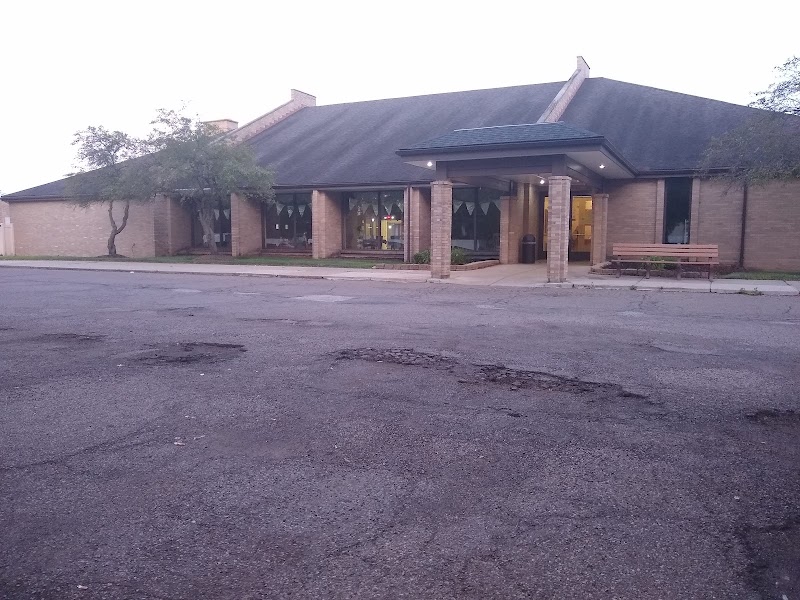
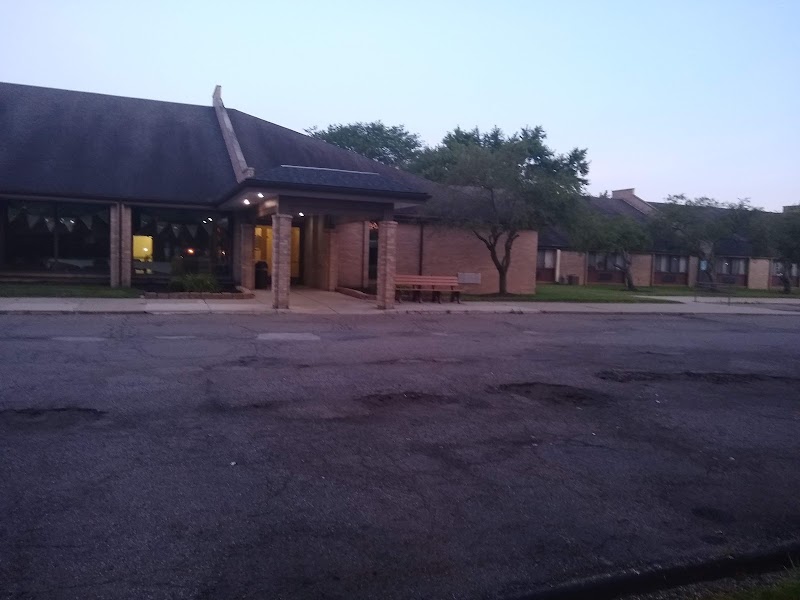


EMBASSY OF NEWARK

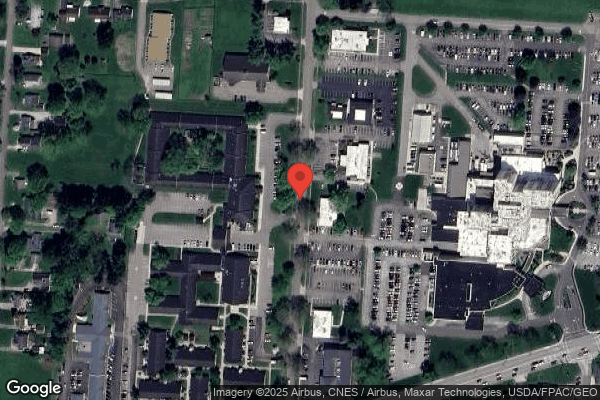
75 MCMILLEN DRIVE, NEWARK, OH 43055 (740) 344-0357
For profit - Limited Liability company 145 Beds GARDEN SPRINGS HEALTHCARE Data: November 2025 1 Immediate Jeopardy citation
Trust Grade
29/100
#672 of 913 in OH
Last Inspection: August 2024

Within standard 12-15 month inspection cycle. Federal law requires annual inspections.

Overview

The Embassy of Newark has received a Trust Grade of F, indicating significant concerns about the quality of care provided. With a state rank of #672 out of 913 in Ohio, they are in the bottom half of facilities, and #8 out of 10 in Licking County, meaning only two local options are worse. However, the facility is showing improvement, reducing issues from 19 in 2024 to 6 in 2025. Staffing is a relative strength with a 3 out of 5 rating and a turnover rate of 28%, which is well below the state average, though there is concerningly less RN coverage than 93% of Ohio facilities. Families should be aware of serious incidents, such as a resident leaving the facility unnoticed, resulting in injuries, and another resident not receiving timely pain medication, leading to unbearable pain levels.

Trust Score
F
29/100
In Ohio
#672/913
Bottom 27%
Safety Record
High Risk
Review needed
Inspections
Getting Better
19 → 6 violations
Staff Stability
✓ Good
28% annual turnover. Excellent stability, 20 points below Ohio's 48% average. Staff who stay learn residents' needs.
Penalties
✓ Good
$13,500 in fines. Lower than most Ohio facilities. Relatively clean record.
Skilled Nurses
⚠ Watch
Each resident gets only 19 minutes of Registered Nurse (RN) attention daily — below average for Ohio. Fewer RN minutes means fewer trained eyes watching for problems.
Violations
⚠ Watch
62 deficiencies on record. Higher than average. Multiple issues found across inspections.
★★☆☆☆
2.0
Overall Rating
★★★☆☆
3.0
Staff Levels
★★★★★
5.0
Care Quality
★☆☆☆☆
1.0
Inspection Score
Stable
2024: 19 issues
2025: 6 issues

The Good

  • 5-Star Quality Measures · Strong clinical quality outcomes
  • Low Staff Turnover (28%) · Staff stability means consistent care
  • Full Sprinkler Coverage · Fire safety systems throughout facility
  • No fines on record
  • Staff turnover is low (28%)

    20 points below Ohio average of 48%

Facility shows strength in quality measures, staff retention, fire safety.

The Bad

2-Star Overall Rating

Below Ohio average (3.2)

Below average - review inspection findings carefully

Federal Fines: $13,500

Below median ($33,413)

Minor penalties assessed

Chain: GARDEN SPRINGS HEALTHCARE

Part of a multi-facility chain

Ask about local staffing decisions and management

The Ugly 62 deficiencies on record

1 life-threatening 2 actual harm
Aug 2025 6 deficiencies 1 Harm
SERIOUS (G) 📢 Someone Reported This

A family member, employee, or ombudsman was alarmed enough to file a formal complaint

Actual Harm - a resident was hurt due to facility failures

Deficiency F0697 (Tag F0697)

A resident was harmed · This affected 1 resident

**NOTE- TERMS IN BRACKETS HAVE BEEN EDITED TO PROTECT CONFIDENTIALITY** Based on observation, record review, facility policy review, and interviews, the facility failed to ensure an adequate stock of ...

Read full inspector narrative →
**NOTE- TERMS IN BRACKETS HAVE BEEN EDITED TO PROTECT CONFIDENTIALITY** Based on observation, record review, facility policy review, and interviews, the facility failed to ensure an adequate stock of controlled substances were on-hand to adequately treat pain. This affected two residents, Resident #46 and Resident #65.Actual Harm occurred when the facility failed to ensure scheduled pain medication was reordered timely and available for Resident #65 and Resident #46. Resident #65's pain medication was not documented as administered on 08/09/25, 08/10/25, 08/11/25, and 08/12/25 leading to Resident #65 reporting pain, rating the pain a ten on a one to ten scale, with 10 being the worst pain ever experienced. Resident #65's pain medication was not documented as administered and on 08/11/25 at 10:43 A.M. and 12:01 P.M., Resident #46 reported constant and intense pain in the legs where an amputation had been performed. Resident #46 rated his pain at a level of 1000 out of ten on the numeric pain scale and complained he could not get out of bed. Resident #46 resident reported the nurse was aware of his severe pain and was working on obtaining his ordered medication. This affected two (Residents #46 and #65) of four residents reviewed for pain. The facility census was 105. Findings include:1. Review of the medical record for Resident #65 revealed an initial admission date of 05/05/18 and a re-entry date of 11/01/18. Medical diagnoses included rheumatoid arthritis, osteoarthritis, and right temporomandibular joint disorder. Review of the undated care plan for Resident #65 revealed the resident had complaints of pain related to inconsistent bowel pattern, rheumatoid arthritis, osteoarthritis, temporomandibular joint dysfunction and gout with multiple comorbidities. Interventions noted for the care plan included administering medications as ordered by the physician and to notify the physician if the current pain medication regimen was ineffective. Review of the physician orders for Resident #65 revealed an order dated 04/11/24 for Methadone (opioid) Hydrochloride (HCL), 10 milligram (mg) tablet, give one tablet in the morning for pain management. Resident #65 had an order dated 09/07/24 for Oxycodone HCL 10 mg, give one tablet by mouth every four hours as needed for moderate to severe pain. Review of Resident #65's Minimum Data Set (MDS) quarterly assessment dated [DATE] revealed the resident was moderately cognitively impaired for daily decision-making. Resident #65 had impairment to the bilateral lower extremities and was receiving opioid pain medication daily. Review of the Medication Administration Record (MAR) for August 2025 for Resident #65 revealed the scheduled Methadone HCL 10 mg tablet was not administered on 08/09/25, 08/10/25, 08/11/25, or 08/12/25. This medication was not administered again until 08/13/25, where Resident #65 reported a pain level of a 10 on a one to ten scale. Review of a nursing progress note dated 08/11/25 at 1:37 P.M. revealed Resident #65 was out of her ordered Methadone 10 mg tablets. The pharmacy was called and stated the resident needed a new prescription. The nurse recorded that the oncoming nurse would be notified in the morning. Review of a nursing progress note dated 08/12/25 at 10:00 A.M. revealed the Licensed Practical Nurse (LPN) #403 contacted the unnamed Certified Nurse Practitioner (CNP) due to the resident not having ordered Methadone available and communicated a new prescription was needed. The nurse further communicated that the resident had been out of the medication since Saturday 08/09/25. The CNP stated to utilize the resident’s as-needed Oxycodone if needed until the Methadone arrived from the pharmacy. A new prescription was sent to the pharmacy from CNP. LPN #403 verified the pharmacy received the prescription from CNP and the pharmacy stated the Methadone would be in that evening’s pharmacy delivery. Review of Resident #65's MAR for August 2025 confirmed this resident did already have an as-needed order for Oxycodone HCL 10 mg tablet which was to be given every 4 hours as needed for moderate to severe pain. This medication was already being administered prior to the Methadone not being available, and the MAR documented the as-needed Oxycodone was ineffective at times. During an interview on 08/12/25 at 9:00 A.M., Resident #65 stated she was very upset because she had been out of her pain medication for days and was experiencing pain. Resident #65 rated her pain a 10 on a one to ten scale. During an interview on 08/12/25 at 9:10 A.M., LPN #915 confirmed Resident #65 was out of her ordered Methadone and confirmed the resident had not received her scheduled doses since the morning of 08/08/25. 2. Review of the medical record for Resident #46 revealed an admission date of 01/22/25 with diagnoses including acquired absence of the left leg below the knee, displaced comminuted fracture of the shaft of the right tibia, and chronic pain syndrome. Review of the care plan dated 02/05/25 revealed Resident #46 had the potential for altered comfort related to decreased mobility, comorbidities, fracture of the right tibia, joint pain, and chronic pain. Interventions included attempting non-pharmacologic approaches before using medications, encouraging the resident to request pain medication before pain intensified, evaluating the effectiveness or need to adjust pain medications, monitoring pain every shift, and offering analgesics as ordered by the physician. Review of pain evaluation for cognitively intact individuals dated 04/29/25 revealed the resident reported past experiences of pain, with no diagnosis of opioid use disorder. Previous interventions included prescribed medications. An acceptable pain level was recorded at a four out of 10. The resident reported frequent pain, which did not interfere with sleep but did limit daily activities. Non-medication interventions used included relaxation techniques. Review of the MDS quarterly assessment dated [DATE] revealed Resident #46 was cognitively intact and received opioid medications for pain management. Record review revealed a physician order for Resident #46’s dated 08/01/25 for Oxycodone oral tablet 10 mg, one tablet by mouth every four hours for pain. Scheduled administration times were 12:00 A.M., 4:00 A.M., 8:00 A.M., 12:00 P.M., 4:00 P.M., and 8:00 P.M. Review of the controlled drug receipt/record/disposition form dated 08/10/25 revealed the last dose of Resident #46’s Oxycodone 10 mg was recorded as administered on 08/10/25 at 4:30 A.M. Review of Resident #46’s progress notes dated 08/10/25 through 08/11/25 revealed multiple entries from staff documenting that the resident’s Oxycodone was not available and was awaiting delivery from the pharmacy. This included documentation on 08/10/25 at 8:21 A.M., 9:48 P.M., and 11:22 P.M., as well as on 08/11/25 at 5:05 A.M. On 08/11/25 at 12:30 P.M., the physician was notified the resident was out of her ordered Oxycodone. Review of Resident #46’s MAR from 08/10/25 at 8:00 A.M. through 08/11/25 at 12:00 P.M. revealed the resident’s Oxycodone was marked as not given or not available. On 08/11/25 at 8:00 A.M. and 12:00 P.M., pain levels were marked as not applicable. On 08/11/25 at 4:00 P.M., oxycodone was administered for pain rated at an eight out of 10. On 08/10/25 at 11:21 P.M. and on 08/11/25 at 5:05 A.M., Resident #46 was given doses of Acetaminophen (an over-the-counter mild pain reliever) oral tablet 325 mg, two tablets by mouth every four hours as needed for pain. The pain scale was recorded as zero out of 10. Prior to this administration, Resident #46 did not receive any as-needed doses between 08/01/25 and 08/09/25. Review of a pain level summary from 08/09/25 through 08/11/25 revealed Resident #46 reported pain of a zero out of ten. On 08/11/25 at 1:12 P.M., the resident reported his pain at two out of 10, and at 4:18 P.M. reported pain of an eight out of 10. During an observation on 08/11/25 at 10:43 A.M., Resident #46 was observed lying supine in bed with his arms covering his head. He had his fists clenched with minimal movement. He gave short responses, stating he had not received his prescribed narcotic pain medication since 08/10/25 at 8:00 A.M. He rated his pain as “1000 out of 10” and described phantom limb pain in his left lower leg from a previous amputation. He confirmed LPN #402 was aware he was out of pain medication and was working with the Unit Manager to resolve the issue. Due to severe pain, he reported being unable to get out of bed and declined to continue the conversation. During an interview on 08/11/25 at 10:48 A.M., LPN #402 confirmed Resident #46 had no remaining doses of his ordered Oxycodone for his scheduled 8:00 A.M. and 12:00 P.M. administrations. LPN #402 acknowledged the resident’s severe pain and indicated he received his scheduled Lyrica (a nerve pain medication) for some pain relief. She attempted to pull a dose of Oxycodone from the back-up stock box, but the resident’s current prescription did not match the available stock. LPN #402 confirmed the Unit Manager was coordinating with the pharmacy and physician to obtain the correct order for the resident. During an observation on 08/11/25 at 12:01 P.M., Resident #46 remained lying still in bed in the fetal position, with a blanket completely covering his body. He reported ongoing and severe pain, rating it a 10 out of 10 and confirmed he had still not received his prescribed narcotic pain medication, nor had he heard of any additional updates. Review of the controlled drug receipt/record/disposition form for Resident #46, dated 08/11/25, showed Oxycodone tablets 10 milligrams, quantity of 60, was delivered to the facility. The order called for the medication to be administered every four hours as needed for pain. The first recorded dose administered from the new supply was given to Resident #46 on 08/11/25 at 4:00 P.M. Review of the pharmacy delivery slip dated 08/11/25 at 4:14 P.M. for Resident #46 confirmed delivery of oxycodone tablets 10 milligrams. During an interview on 08/14/25 at 10:10 A.M., Unit Manager #240 confirmed licensed nursing staff did not place a medication reorder on 08/10/25 to the pharmacy for Resident #46’s scheduled Oxycodone. Unit Manager #240 stated the first request occurred on Monday morning, 08/11/25, around 8:00 A.M., when she arrived on site and was notified the resident was out of his medication by LPN #402. She attempted to obtain an emergency order to pull from the back-up stock box from the physician, but by the time the order was received, the replacement medication had already arrived. She confirmed Resident #46 went approximately 36 hours without his prescribed pain medication and Resident #46 missed eight scheduled doses: 08/10/25 at 8:00 A.M., 12:00 P.M., 4:00 P.M., and 8:00 P.M., and 08/11/25 at 12:00 A.M., 4:00 A.M., 8:00 A.M., and 12:00 P.M. During an interview on 08/18/25 at 10:33 A.M., LPN #400 confirmed she was working with Resident #46 during the day shift on 08/10/25 when the resident was without his narcotic pain medication. She was informed by the night shift nurse that the facility had run out of Oxycodone and was awaiting delivery of the medication from the pharmacy. LPN #400 had not contacted the pharmacy to verify the refill request and had not received a delivery during her shift. During an interview on 08/21/25 at 11:38 A.M., Medical Director (MD) #900 confirmed an on-call physician was initially notified on 08/11/25 at approximately 12:00 A.M. via the facility’s non-urgent messaging system. As a result of the non-urgent alert, a voicemail was left, and the return call was not expected until the morning from an on-call physician. MD #900 was notified again on 08/11/25 at approximately 12:30 P.M. and was informed that Resident #46 had been without his prescribed pain medication and was experiencing increased pain. By that time, staff had already begun coordinating with the on-call physician and pharmacy to obtain a new prescription and arrange for delivery. MD #900 acknowledged that Resident #46 should not have gone without scheduled pain medication for such an extended period. MD #900 confirmed nursing staff often wait until medications are completely depleted before requesting refills, which prevents physicians and pharmacies from acting proactively. MD #900 stated that, ideally, refill requests should be submitted several days in advance to avoid any lapse in medication availability. Review of the facility policy titled, Pain-Clinical Protocol, dated March 2018 revealed, the physician and staff will identify individuals who have pain or who are at risk of having pain. The physician will order appropriate non-pharmacological and medication interventions to address the individual's pain. This deficiency represents noncompliance investigated under Complaint Number 1263770 (OH00165823).
CONCERN (D) 📢 Someone Reported This

A family member, employee, or ombudsman was alarmed enough to file a formal complaint

Potential for Harm - no one hurt, but risky conditions existed

Comprehensive Care Plan (Tag F0656)

Could have caused harm · This affected 1 resident

**NOTE- TERMS IN BRACKETS HAVE BEEN EDITED TO PROTECT CONFIDENTIALITY** Based on interview and record review, the facility failed to ensure the care plan included comprehensive psychosocial interventi...

Read full inspector narrative →
**NOTE- TERMS IN BRACKETS HAVE BEEN EDITED TO PROTECT CONFIDENTIALITY** Based on interview and record review, the facility failed to ensure the care plan included comprehensive psychosocial interventions to address identified behaviors. This affected one resident (#64) out of thirty residents reviewed for care planning. The facility census was 105.Findings include:Review of the medical record for Resident #64 revealed an admission date of 05/30/25 with diagnoses including depression, anxiety disorder, hypertension, and insomnia.Review of the Minimum Data Set (MDS) 3.0 admission assessment dated [DATE] revealed Resident #64 was cognitively intact and has no mood or behavioral concerns.Review of the care plan dated 07/14/25 revealed the resident was known to make inappropriate and sexual comments to staff. Interventions included one-on-one supervision, every 15-minute and 30-minute checks as needed for safety of both this resident and others, referral to psych as needed, and staff monitoring for any inappropriate behaviors.Interview on 08/18/25 at 3:52 P.M. with Resident #64 revealed he wanted to grow a relationship with a cognitively impaired resident located within the facility. Resident #64 was unhappy the facility had forbidden him from seeing this resident in person and was forced to have supervised visits or visits behind glass walls.Interview on 08/19/25 at 8:19 A.M. with the Administrator confirmed Resident #64 voiced a desire to grow a relationship with a cognitively impaired resident, Resident #107. They informed Resident #107's Power of Attorney (POA) who requested the resident have no contact with Resident #64. The facility agreed, stating they wanted Resident #64 to cool off. The Administrator was unsure if Resident #64 was seeing psych services at this time but believed it could be beneficial. The Administrator reported that staff are well aware that Resident #64 was to stay away from Resident #107. The Administrator shared Resident #64 had become obsessed with Resident #107, and staff are diligent to ensure that during the entire friendship, interactions were only under supervised visits. The facility will continue to keep Resident #64 and Resident #107 separate until Resident #107's POA agreed otherwise, at which time the situation would be revisited. The Administrator confirmed these current concerns were not noted on the resident's care plan. This deficiency represents non-compliance investigated under Complaint number 2592657.
CONCERN (D) 📢 Someone Reported This

A family member, employee, or ombudsman was alarmed enough to file a formal complaint

Potential for Harm - no one hurt, but risky conditions existed

Accident Prevention (Tag F0689)

Could have caused harm · This affected 1 resident

**NOTE- TERMS IN BRACKETS HAVE BEEN EDITED TO PROTECT CONFIDENTIALITY** Based on medical record review, observations, and staff interview, the facility failed to ensure fall interventions were in plac...

Read full inspector narrative →
**NOTE- TERMS IN BRACKETS HAVE BEEN EDITED TO PROTECT CONFIDENTIALITY** Based on medical record review, observations, and staff interview, the facility failed to ensure fall interventions were in place. This affected two residents (#1 and #43) of five residents reviewed for fall safety. The facility census was 105. Findings include:1.Review of the medical record for Resident #1 revealed an initial admission date of 10/06/21 and a re-entry date of 03/09/25. Diagnoses included peripheral vascular disease, embolism and thrombosis of deep veins of the lower extremities, and unsteadiness on feet. Review of the physician orders for Resident #1 dated 02/25/25 revealed an order for the resident's bed to be in the lowest position when occupied. Review of the care plan dated 03/10/25 for Resident #1 revealed this resident was at risk for falls related to medication use, decrease mobility, non-ambulatory, and obesity comorbidities. Fall interventions included to be sure the call light is in reach, bed in lower position when occupied, and to follow facility fall protocol. Review of Resident #1's Minimum Data Set (MDS) 3.0 assessment dated [DATE] revealed a Brief Interview for Mental Status (BIMS) score of 14 out of 15 indicating an intact cognition for daily decision-making abilities. Resident #1 was noted to experience impairment to both lower extremities and was dependent on staff for bed mobility. Observations made on 08/11/25 at 9:30 A.M, on 08/14/25 at 11:00 A.M., and 2:30 P.M., on 08/19/25 at 3:00 P.M., and again on 08/20/25 at 10:40 A.M., revealed Resident #1's in bed at the time of each observation. During each observation, the bed was not in the lowest position. Interview on 08/18/2025 at 3:19 P.M. with Licensed Practical Nurse (LPN) #403 confirmed Resident #1 had an order for his bed to be in the lowest position when occupied and per current observation, Resident #1's bed was not in the lowest position. 2.Review of the medical record for Resident #43 revealed an initial admission date of 04/05/24 and a re-entry date of 07/27/24. Diagnoses included a pathological fracture of the left femur, vascular dementia, muscle weakness, and difficulty walking. Review of Resident #43's quarterly MDS 3.0 assessment dated [DATE] revealed a BIMS score of 09 out of 15 indicating a severely impaired cognition for daily decision-making abilities. Review of the undated care plan revealed Resident #43 was at risk for falls due to a cerebral vascular accident with hemiplegia to the left side, use of psychotropic medications, cognitive status, and vitamin d deficiency. Interventions include to place a reminder sign in the resident's room to remind him to call for assistance. Observations completed on 08/12/25 at 3:10 P.M. and again on 08/20/25 at 9:40 A.M. revealed no signs were posted in Resident #43's room to remind him to call for assistance. Interview on 08/20/25 at 10:00 A.M. with Registered Nurse (RN) #999 confirmed there was not a sign posted in Resident #43's room to remind him to call for assistance as per order and fall interventions. Review of the policy Managing Falls and Fall Risk, revised 03/2021 revealed the staff will implement a resident-centered fall prevention plan to reduce the specific risk factors of falls for each resident at risk or with a history of a fall. This deficiency represents noncompliance investigated under Complaint Number 2582471.
CONCERN (D) 📢 Someone Reported This

A family member, employee, or ombudsman was alarmed enough to file a formal complaint

Potential for Harm - no one hurt, but risky conditions existed

Deficiency F0849 (Tag F0849)

Could have caused harm · This affected 1 resident

**NOTE- TERMS IN BRACKETS HAVE BEEN EDITED TO PROTECT CONFIDENTIALITY** Based on medical record review, hospice records, staff interview, and facility policy review, the facility failed to ensure hosp...

Read full inspector narrative →
**NOTE- TERMS IN BRACKETS HAVE BEEN EDITED TO PROTECT CONFIDENTIALITY** Based on medical record review, hospice records, staff interview, and facility policy review, the facility failed to ensure hospice records were available for review to allow for effective collaboration between the facility and the hospice provider. This affected one resident (#43) of one resident reviewed for hospice care. The facility census was 105. Findings include:Review of the medical record for Resident #43 revealed an initial admission date of 04/05/25 and a re-entry date of 07/27/24. Diagnoses included vascular dementia, cerebral atherosclerosis, disorders of the bone density and structure, and hypertension. Review of Resident #43's Minimum Data Set (MDS) 3.0 quarterly assessment dated [DATE] revealed a Brief Interview for Mental Status (BIMS) score of 09 out of 15 indicating severely impaired cognition for daily decision-making abilities. Interview on 08/19/25 at 12:49 P.M. with a hospice staff member revealed Resident #43 was planned to received Certified Nursing Assistant (CNA) services three times per week, nursing care weekly, and a social services visit monthly. All staff who visit Resident #43 are to fill out a summary of the care provided after returning to the office and this will either be faxed or emailed over to the facility. Interview with 08/19/25 10:00 A.M. with Registered Nurse (RN) #243 revealed hospice notes are located at the nurse's station in a binder. Observation of the binder revealed only a sign in log was located in this binder. No hospice notes or care notes were available. RN #243 stated that she believed the unit manager may have Resident #43's hospice notes in her office. A request was made on 08/19/25 for Resident #43's hospice notes for review which was not provided until later that same day. Each received document was noted to be printed on 08/19/25, which was the day the notes were requested. Interview with Licensed Practical Nurse (LPN) #215 confirmed the documents were not available at the facility upon request and Hospice had to be contacted so the documents could be forwarded to the facility. Review of the facility policy titled, Hospice Program, dated 07/2017 revealed the facility would designate a staff member to ensure that the long-term care facility communicates with the hospice medical director, the residents attending physician and other practitioners participating in the provision of care to the resident as needed. This deficiency represents noncompliance investigated under Complaint Number 1263770 (OH00165823).
CONCERN (D) 📢 Someone Reported This

A family member, employee, or ombudsman was alarmed enough to file a formal complaint

Potential for Harm - no one hurt, but risky conditions existed

Deficiency F0925 (Tag F0925)

Could have caused harm · This affected 1 resident

**NOTE- TERMS IN BRACKETS HAVE BEEN EDITED TO PROTECT CONFIDENTIALITY** Based on observation, staff interview, and record review, the facility failed to ensure Resident #75's wound and living space we...

Read full inspector narrative →
**NOTE- TERMS IN BRACKETS HAVE BEEN EDITED TO PROTECT CONFIDENTIALITY** Based on observation, staff interview, and record review, the facility failed to ensure Resident #75's wound and living space were free from pests. This affected one resident (#75) of six residents sampled for wounds. The facility census was 105. Findings include: Review of Resident #75's medical record revealed an admission date of 01/31/05 and diagnoses including malignant neoplasm of head and face, squamous cell carcinoma, autistic disorder, diabetes, anxiety disorder, peripheral vascular disease, hypertension, acquired absence of right leg below the knee, and non-pressure chronic ulcer of other part of left lower leg with other specified severity. Review of Resident #75's Minimum Data Set (MDS) significant change in status assessment dated [DATE] revealed a Brief Interview of Mental Status (BIMS) score of 13 indicating the resident was cognitively intact and had no recorded behaviors. Further review revealed Resident #75 required set up assistance for eating and was dependent on staff for all other activities of daily living. Resident #75 was assessed to be always incontinent of bladder, frequently incontinent of bowel, and was receiving hospice services. Resident #75 was recorded as having an unhealed diabetic ulcer. Review of Resident #75's progress notes revealed a note dated 07/17/25 at 11:33 P.M. written by Licensed Practical Nurse (LPN) Unit Manager #215 indicating she was notified of a new wound and upon assessment, debris was noted in the wound bed of the left foot.Observation on 08/11/25 at 10:40 A.M. revealed flies were observed in Resident #75's room and in the hallway outside of Resident #75's room. Observation on 08/14/25 at 11:00 A.M. revealed flies were observed in Resident #75's room on the bed. In an interview on 08/18/25 at 12:36 P.M., LPN Unit Manager #215 stated Resident #75 had chronic cellulitis of her lower left leg and foot and was being treated with an antibiotic (medication used to treat infection) and a diuretic (medication used to help decrease swelling) prior to the wound on her left foot opening on 07/17/25. A follow-up interview at 12:47 P.M. revealed LPN Unit Manager #215 stated there were also some maggots present in Resident #75's wound bed when she first observed the wound on 07/17/25. However, LPN Unit Manager #215 stated the next day Resident #75's wound bed was clean. In an interview on 08/18/25 at 2:43 P.M., Certified Nursing Assistant (CNA) #146 revealed Resident #75's wound was found on 07/17/25 when she and CNA #125 were providing care, and the wound was observed to have some maggots in it. CNA #146 and CNA #125 reported the new area immediately to the nurse. CNA #146 stated she had not seen any other wounds with maggots in them. In an interview on 08/18/25 at 3:17 P.M., LPN #403 stated that she completed a treatment to Resident #75's left lower leg on 7/17/25 on day shift and she did not see any new area on the foot at that time. LPN #403 stated that she changed the dressing while the resident was lying in bed, and had to pick up Resident #35's leg to do the dressing and had a good view of the bottom of her foot.In an interview on 08/19/25 at 9:00 A.M., CNA #125 stated that when the open area was found on Resident #75's left foot it had a few maggots in it. CNA #125 stated she had not seen any other wounds with maggots in them. CNA #125 stated Resident #75 often had flies in her room because she would hoard food and trash and the staff had to go in and clean her room. Observation on 08/19/25 at 12:12 P.M. revealed Resident #75's dressing change was completed by LPN Unit Managers #215 and #240. The dressing to Resident #75's plantar surface wound of the left foot was completed. The wound bed was observed and appeared clean with no debris present in the wound. However, flies were noted in the room during the dressing change and the presence of the flies were confirmed by LPN Unit Managers #215 and #240. This deficiency represents noncompliance investigated under Complaint Numbers 2582471 and 2568937.
CONCERN (E) 📢 Someone Reported This

A family member, employee, or ombudsman was alarmed enough to file a formal complaint

Potential for Harm - no one hurt, but risky conditions existed

Deficiency F0760 (Tag F0760)

Could have caused harm · This affected multiple residents

Based on medical record review, controlled substance log review, staff interview, and facility policy review, the facility failed to ensure residents were free from significant medication errors relat...

Read full inspector narrative →
Based on medical record review, controlled substance log review, staff interview, and facility policy review, the facility failed to ensure residents were free from significant medication errors related to controlled medications. This affected six residents (#1, #3, #36, #62, #93, and #108) of seven residents reviewed for medication administration. The facility census was 105. Findings include: 1. Review of the medical record for Resident #1 revealed an initial admission date of 10/06/21 with a re-entry date of 03/09/25. Diagnoses included stage three chronic kidney disease, chronic obstructive pulmonary disease, and peripheral vascular disease. Review of Resident #1's physician order dated 03/09/25 revealed an order for Oxycodone (narcotic pain medication) 5 milligram (mg) tablet, give two tablets by mouth every eight hours for pain. Review of the Controlled Drug Receipt/Record/Disposition form revealed on 08/12/25, Resident #1 received the scheduled pain medication at 5:16 A.M. and again at 9:00 P.M. Resident #1's 2:00 P.M. dose had not been administered or signed out on the log. On 08/16/25, Resident #1 was noted to receive the scheduled pain medication at 6:00 A.M. and again at 2:30 P.M. but had not received the 9:00 P.M. dose. Interview on 8/18/2025 at 10:00 A.M. with Licensed Practical Nurse (LPN) #403 confirmed Resident #1 was scheduled to receive Oxycodone every eight hours or three times a day and on a few of the noted days, the resident only received this medication twice. 2. Review of the medical record for Resident #36 revealed an admission date of 11/25/22. Diagnoses included cervical disc disorder, generalized anxiety, and mucopurulent chronic bronchitis. Review of Resident #36's physician order dated 12/13/23 revealed an order for Norco (a narcotic pain medication containing a combination of Hydrocodone and acetaminophen) oral tablet 5-325 mg, give one tablet by mouth three times a day for pain. Review of the Controlled Drug Receipt/Record/Disposition form for Resident #36's Norco medication revealed on 08/12/25, this medication was recorded as being administered at 10:22 A.M., 2:26 P.M., 4:00 P.M., and 9:57 P.M. Interview on 08/18/25 at 10:00 A.M. with LPN #403 confirmed Resident #36 was supposed to receive the scheduled pain medication three times a day and received it four times on 08/12/25. 3. Review of the medical record for Resident #62 revealed an initial admission date of 08/07/24 and a re-entry date of 10/05/24. Diagnoses included alcoholic cirrhosis of the liver, osteoarthritis of the left hip, and hypertension. Review of Resident #62's physician order dated 06/25/25 revealed an order for Oxycodone HCL 5 mg tablet, give one tablet my mouth in the morning for moderate to severe pain. Review of the Controlled Drug Receipt/Record/Disposition form revealed Resident #62's scheduled pain medication was administered twice on 07/23/25, at 9:50 A.M. and at 8:35 P.M. This pain medication was also administered twice on 07/27/25 at 8:00 A.M. and again at 8:30 A.M. Interview on 08/18/25 at 10:00 A.M. with LPN #403 confirmed Resident #62 was supposed to get his scheduled pain medication one time a day in the morning and actually received two doses of this medication on 07/23/25 and 07/27/25. 4. Review of the medical record for Resident #93 revealed an initial admission date of 01/18/24 and a re-entry date of 06/04/25. Diagnosis included chronic obstructive pulmonary disease, chronic kidney disease, and respiratory failure. Review of Resident #93's physician order dated 06/04/25 revealed an order for Oxycodone HCL 20 mg tablet, give one tablet my mouth every 6 hours for chronic pain. Review of the Controlled Drug Receipt/Record/Disposition form for Resident #93's pain medication revealed this medication was administered five times on 08/10/25 at 5:10 A.M., 8:00 A.M. 10:10 A.M, 12:00 P.M. and 6:00 P.M. On 08/12/25, only three doses were administered instead of the scheduled four at 5:30 A.M., 4:00 P.M. and 11:00 P.M. Continued review revealed Resident #93 only received three doses of this medication again on 08/14/25, at 12:11 P.M., 5:25 P.M. and 11:00 P.M. On 08/17/25, Resident #93 was noted to only receive three doses of this medication at 6:23 A.M., 2:08 P.M. and 11:17 P.M. Interview on 08/18/25 at 10:00 A.M. with LPN #403 confirmed Resident #93 received one dose too many on 08/10/25 and one dose less than what was ordered on 08/12/25, 08/14/25, and again on 08/17/25. 5. Review of the medical record for Resident #108 revealed an admission date of 08/04/25. Diagnoses included dementia, bipolar disorder, anxiety disorder, and insomnia. Review of Resident #108's physician order dated 08/04/25 revealed an order for Lorazepam (a controlled anti-anxiety medication) 1 mg tablet, give one tablet by mouth every eight hours for anxiety. Review of the Controlled Drug Receipt/Record/Disposition form for Resident #108 revealed this medication was administered only two times on 08/09/25 at 5:22 A.M. and at 10:10 P.M. instead of three times that day. Interview on 08/18/2025 at 10:00 A.M. with LPN #403 confirmed a medication that was scheduled to be administered every eight hours would equal out to three times a day and that Resident #108 did not receive the correct amount of medication on 08/09/25. 6. Review of the medical record for Resident #3 revealed an admission date of 07/25/22 with diagnoses of chronic pulmonary edema, chronic obstructive pulmonary disease, acute diastolic heart failure, chronic respiratory failure with hypoxia, metabolic encephalopathy, chronic pain syndrome, rheumatoid arthritis, and a personal history of diabetic foot ulcer. Review of the care plan dated 01/19/24 revealed Resident #3 was at risk for pain related to chronic pain syndrome, rheumatoid arthritis, and comorbidities. Interventions include administering analgesia as per orders, anticipating need for pain relief, calling for assistance when in pain, evaluating the effectiveness of pain interventions, and monitoring for side effects pertaining to pain medication. Review of Resident #3's physician orders revealed an order dated 03/09/25 revealed Oxycodone HCl extended-release (ER) tablet 10 mg, give one tablet by mouth two times a day related to chronic pain syndrome. Continued review revealed an additional physician order dated 03/12/25 for Oxycodone HCl oral tablet 10 mg, give one tablet by mouth every six hours for pain. Review of Resident #3's Minimum Data Set (MDS) 3.0 annual assessment completed 07/13/25 revealed the resident was cognitively intact, received opioid medications, and had a scheduled pain medication regimen. Review of Resident #3's Medication Administration Record (MAR) from 07/01/25 through 07/31/25 revealed OxyContin (narcotic pain medication) 10 mg was scheduled to be administered at 7:00 A.M. and 7:00 P.M., and on 07/29/25 the medication was marked as given. Additionally, Oxycodone 10 mg was scheduled for administration on 07/29/25 at 5:00 A.M., 11:00 A.M., 5:00 P.M., and 11:00 P.M. On 07/29/25, an extra administration of Oxycodone 10 mg was not documented. Review of the Controlled Drug Receipt/Record/Disposition form for Resident #3 dated 07/23/25 through 07/30/25 revealed on 07/29/25 at 10:00 A.M. and again at 12:00 P.M., the resident was administered Oxycodone 10 mg tablets. The form recorded five administrations of Oxycodone 10 mg tablets were given on 07/29/25, where the resident was scheduled to receive four doses per day. Review of the Controlled Drug Receipt/Record/Disposition form for Resident #3 dated 07/25/25 through 08/08/25 for Resident #3 revealed only one dose of OxyContin on 07/29/25 at 11:50 P.M. was logged and was noted as administered late. The form did not include indication that the scheduled 7:00 A.M. dose was administered on 07/29/25. Review of Resident #3's progress notes dated 07/29/25 revealed no documentation pertaining to a medication error. Additionally, there was no notification of physician notification of the error. Review of a medication error without harm report dated 08/18/25 revealed Resident #3 was noted to have received Oxycodone 10 mg on 07/29/25 at 10:00 A.M. instead of the scheduled OxyContin. An agency nurse was noted to have signed off the medication in the narcotic book. Resident #3 had no adverse effects. The report noted an unnamed Nurse Practitioner was notified. The medication error was recorded as being discussed with the resident. Interview on 08/13/25 at 11:39 A.M. with Resident #3 revealed concerns pertaining to the medication error. The resident stated an error had occurred a couple of weeks ago and that during the incident, she could not stay awake and believed she was overdosed on her pain medication. Interview on 08/18/25 at 1:18 P.M. with the Regional Director of Clinical Services (RDCS) #901 confirmed two doses of Oxycodone were given on 07/29/25 at 10:00 A.M. and 12:00 P.M. RDCS #901 confirmed the extra administration of Oxycodone was not documented on the MAR and prior to the surveyor's request for additional information, management was unaware of the documented medication error; therefore, an incident report was not completed on the day of the incident or around the event. Interview on 08/19/25 at 5:24 P.M. with Licensed Practical Nurse (LPN) #404 confirmed she worked with Resident #3 on 07/29/25. She denied knowledge of any medication error that day. However, she confirmed, based on the signature on the Controlled Drug Receipt/Record/Disposition form the resident's Oxycodone, that she administered the medication. LPN #404 denied notifying the physician, stating she was unaware that a medication error had occurred. Review of the policy Accidents and Incidents - Investigating and Reporting dated 07/2017 revealed all accidents or incidents involving residents occurring on facility premises shall be investigated and reported to the administrator, additionally the nurse supervisor/charge nurse/supervisor shall promptly initiate and document investigation of the accident or incident. Review of the policy Controlled Substances revealed access to controlled medications remain locked at all times, and access is recorded. Only authorized licensed nursing and/or pharmacy personnel have access to controlled drugs maintained on the premises. Upon administration, the nurse administering the medication is responsible for recording the name of the resident receiving the medication, the name, strength, and dose of the medication, time of administration, quantity remaining, and a signature of the nurse administering the medication. This deficiency represents noncompliance investigated under Complaint Number 1263770 (OH00165823).
Aug 2024 18 deficiencies
CONCERN (D) 📢 Someone Reported This

A family member, employee, or ombudsman was alarmed enough to file a formal complaint

Potential for Harm - no one hurt, but risky conditions existed

ADL Care (Tag F0677)

Could have caused harm · This affected 1 resident

**NOTE- TERMS IN BRACKETS HAVE BEEN EDITED TO PROTECT CONFIDENTIALITY** Based on observation, interview, and record review, the facility failed to ensure Resident #406 was clean shaven, as preferred. ...

Read full inspector narrative →
**NOTE- TERMS IN BRACKETS HAVE BEEN EDITED TO PROTECT CONFIDENTIALITY** Based on observation, interview, and record review, the facility failed to ensure Resident #406 was clean shaven, as preferred. This affected one resident (#406) of five residents reviewed for activities of daily living. The facility census was 102. Findings include: Review of Resident #406's medical record revealed an admission date of 08/09/24 with diagnoses including chronic venous hypertension, chronic systolic heart failure, peripheral vascular disease, dysphagia and hypertension. Review of Resident #406's comprehensive Minimum Data Set (MDS) 3.0 assessment dated [DATE] revealed the resident had severely impaired cognition. He required substantial or maximal assistance with personal hygiene. Further review of Resident #406's medical record revealed the last documented evidence of Resident #406 being shaved was with a bed bath on 08/19/24 when it was indicated CNA #234 shaved the resident. Observation on 08/25/24 at 2:59 P.M. and 08/27/24 at 9:08 A.M. revealed Resident #406 was unshaven with heavy stubble growth. Interview on 08/25/24 at 2:58 P.M. with Resident #406's family member revealed the resident liked to be clean shaven. They had asked a staff member to shave him the previous week and they did not think it had been done since then. Interview on 08/27/24 at 9:08 A.M. with Certified Nursing Assistant (CNA) #234 verified Resident #406 needed shaved. She reported she had shaved him when she showered him the previous week but was unsure if it had been done since then. Interview on 08/27/24 at 4:35 P.M. with the Director of Nursing (DON) revealed residents should be shaved with showers and when it was needed. This deficiency represents non-compliance investigated under Complaint Number OH00156649.
CONCERN (D)

Potential for Harm - no one hurt, but risky conditions existed

Quality of Care (Tag F0684)

Could have caused harm · This affected 1 resident

**NOTE- TERMS IN BRACKETS HAVE BEEN EDITED TO PROTECT CONFIDENTIALITY** Based on observation, interview, record review, and policy review the facility failed to ensure skin assessments and monitoring ...

Read full inspector narrative →
**NOTE- TERMS IN BRACKETS HAVE BEEN EDITED TO PROTECT CONFIDENTIALITY** Based on observation, interview, record review, and policy review the facility failed to ensure skin assessments and monitoring were completed. This affected two residents (#3 and #84) of three residents reviewed for skin conditions. The facility census was 102. Findings include: 1. Review of Resident #84's medical record revealed an admission date of 03/10/2023. Diagnoses included schizophrenia, anxiety disorder, pruritus, and paresthesia of the skin. Observation on 08/25/24 at 10:47 A.M. revealed Resident #84 lying in bed. His bilateral arms and left leg were observed to have numerous open and closed scabbed areas some noted to be as large as a dime. Some of the areas were noted to have a scant amount of blood surrounding the areas. The resident was observed to be picking at his skin areas. The resident reported that he feels like he is always itching and picks at his arms and legs constantly due to the itching. Review of Resident #84's After Visit Dermatology Summery dated 08/20/24 revealed the facility should keep the sites to the resident's left leg and right arm clean, covered, and dry for one day. On the second day, remove the bandages and wash the site with mild soap and water pat dry and apply Vaseline ointment. The summery stated to continue triamcinolone 0.1% cream twice daily to excoriated areas. The facility had an order in place for the treatment. Review of Resident #84's Weekly Skin assessment dated [DATE] revealed the resident skin was intact. The assessment did not address the numerous open and closed skin lesions on the resident's bilateral arms and left leg. Continued review of the medical record revealed the facility did not have any evidence of skin or wound monitoring for the resident. Interview on 08/27/24 at 9:45 A.M. Licensed Practical Nurse (LPN) #301 reported she was responsible for wound monitoring in the facility. She confirmed the facility has not been monitoring Resident #84's skin issues. She reported since the resident was seeing dermatology each month, she assumed they would complete the wound monitoring. Interview on 08/27/24 at 11:16 A.M. the facility Director of Nursing verified Resident #84's skin issues should be monitored weekly and confirmed his skin assessment was inaccurately documented. Review of the undated facility policy, Skin Assessment revealed a full body skin assessment will be conducted by a licensed nurse upon admission and weekly thereafter. The documentation should include observations of the skin, type of wound, and a description of the wound including (measurements, color, type, drainage, odor, and pain). 2. Review of the medical record for Resident #3 revealed an admission date on 04/05/24. Medical diagnoses included acute on chronic diastolic (congestive) heart failure, atrial fibrillation, atherosclerotic heart disease of native coronary artery without angina pectoris (chest pain), and type II diabetes mellitus with diabetic chronic kidney disease. Review of the Other payment assessment Minimum Data Set (MDS) 3.0 assessment dated [DATE] revealed Resident #3 had intact cognition and scored 15 out of 15 on the Brief Interview for Mental Status assessment indicating the resident had intact cognition. Resident #3 required staff assistance to complete Activities of Daily Living (ADLs) ranging from supervision to extensive assistance. Resident #3 did not have any noted skin issues. Review of the physician orders dated August 2024 revealed Resident #3 had an order for aspirin oral tablet delayed release 81 milligrams (mg) daily dated 04/06/24. There was an additional order for apixaban (Eliquis) (an anticoagulant medication) 2.5 mg tablet daily dated 04/05/24. There was not an order to monitor any bruising to the top of Resident #3's left hand. Review of the progress notes dated from 08/01/24 through 08/28/24 revealed there was no indication the staff identified a large bruise to the top of Resident #3's left hand. Review of the weekly skin assessment dated [DATE] revealed Resident #3 had blisters to the tops of her bilateral feet. There was no indication of any bruising noted for Resident #3. Observation and interview on 08/26/24 at 11:02 A.M. with Resident #3 revealed the resident had a large purplish, blue bruise that covered the top of her left hand. The resident's hand and fingers were noted to be swollen. Resident #3 was able to move her hand and fingers and made a fist during the observation without any complaints of pain. Resident #3 was not sure how she acquired the bruise but stated, I probably bumped it on something. I bruise easily. Interview on 08/28/24 at 4:18 P.M. with Registered Nurse (RN) #308 revealed if a resident was found with a new bruise it should be reported to management, a skin alteration assessment should be completed to document the bruise, an origin of the bruise should be investigated and determined, and the physician and family should be notified of the new bruise. A physician's order to monitor the bruise until resolved should be initiated. RN #308 stated Resident #3 was on an anticoagulant medication and monitored for side effects of the medication, including bruising and bleeding. Observation and interview on 08/28/24 at 4:46 P.M. with RN #308 and Resident #3 in her room confirmed Resident #3 had a large bruise which covered the top of her left hand. RN #308 confirmed the bruise had not been previously documented for the resident, the bruise had not been noted on the skin assessment completed on 08/26/24, and the physician, management, or Resident #3's representative had not been notified of the bruise. There also was not a physician order to monitor the bruise to the top of Resident #3's left hand initiated. Review of the facility policy, Skin Tears-Abrasions and Minor Breaks, Care of, undated, revealed the policy stated, the purpose of the procedure is to guide the prevention and treatment of abrasions, skin tears, and minor breaks in the skin. Obtain a physician's order as needed and document physician notification as needed, review the resident's care plan, current orders, and diagnoses, check the treatment record, generate non-pressure form and complete. Complete in-house investigation of causation, document family notification, any problems or resident complaints, any complications, implement interventions, and document when a bruise is discovered.
CONCERN (D)

Potential for Harm - no one hurt, but risky conditions existed

Deficiency F0688 (Tag F0688)

Could have caused harm · This affected 1 resident

**NOTE- TERMS IN BRACKETS HAVE BEEN EDITED TO PROTECT CONFIDENTIALITY** Based on observation, interview, and medical record review, the facility failed to ensure Resident #52 was given the opportunity...

Read full inspector narrative →
**NOTE- TERMS IN BRACKETS HAVE BEEN EDITED TO PROTECT CONFIDENTIALITY** Based on observation, interview, and medical record review, the facility failed to ensure Resident #52 was given the opportunity to wear her recommended palm guard. This affected one resident (#52) of one residents reviewed for limited range of motion (ROM). The facility census was 102. Findings include: Review of the medical record for Resident #52 revealed an admission date of 7/10/2019. Diagnoses included moyamoya disease, hemiplegia, history of a cerebral infarction, and a left-hand contractor. Review of Resident #52's quarterly Minimum Data Set (MDS) dated [DATE] revealed the resident had severely impaired cognition, had a memory problem, utilized a wheelchair, and had an upper extremity impairment. Review of Resident #52's Care Plan dated 07/28/24 revealed the resident had potential for pain related to a left-hand contracture. Interventions included a left-hand palm guard to be place on in morning and be taken off at night. The care plan also stated the resident has an activity of daily livings self-care performance deficit related to left sided hand contracture and limited range of motion (ROM) of the left upper extremity. Interventions included to apply splint as ordered. Review of Resident #52's Occupational Therapy (OT) Discharge Summery dated 04/12/24 revealed the resident received services from 03/20/24 through 04/12/24 with long term goals indicating patient will safely always wear a least restrictive splinting/orthotic device except bathing and exercise without skin irritation and redness and to develop/establish a wearing schedule. Care givers will be independent with genital Passive ROM to left upper extremity with recommendations for palm guard. Observations of Resident #52 on 08/26/24 from 9:10 A.M. through 4:00 P.M., on 08/27/24 from 09:18 A.M. through 4:40 P.M., revealed Resident #52 did not have her palm guard in place. Interview on 08/27/24 at 11:27 A.M. with Therapy Manager # 337 revealed Resident #52 discharged from OT on 04/12/24 with recommendations for a palm guard except for bathing and exercise. The facility staff received education regarding the best techniques for getting the palm guard on her which included putting it on her when she first got up and to complete passive range of motion while applying. The ROM was to be completed at the time of applying the palm guard. Therapy Manager #337 revealed as the resident got used to her palm guard, facility staff could add a foam piece into the palm guard which would allow for the resident to extend her fingers further from her palm. Interview on 08/27/24 at 11:49 A.M. State Tested Nursing Assistant #236 reported she was responsible for Resident #52 on 08/26/24 and 08/27/24. She confirmed she had not been applying the residents palm guard to her left hand. She stated she has not been able to find it and would need to call down to laundry to see if they have it. Interview on 08/27/24 at 3:03 P.M. with the Director of Nursing verified the facility did not place an order for Resident #52's palm guard after her therapy recommendation. She also verified the residents palm guard was not in place.
CONCERN (D)

Potential for Harm - no one hurt, but risky conditions existed

Accident Prevention (Tag F0689)

Could have caused harm · This affected 1 resident

**NOTE- TERMS IN BRACKETS HAVE BEEN EDITED TO PROTECT CONFIDENTIALITY** 2. An observation on 08/25/24 at 2:04 P.M. revealed Resident #29's room being cluttered with personal belongings piled on the be...

Read full inspector narrative →
**NOTE- TERMS IN BRACKETS HAVE BEEN EDITED TO PROTECT CONFIDENTIALITY** 2. An observation on 08/25/24 at 2:04 P.M. revealed Resident #29's room being cluttered with personal belongings piled on the bed, floor and on multiple tables. There was an electrical power strip located on the top of a table with multiple electrical cords plugged into the strip. Siting in front of the power strip was a regular multi-cup coffee maker with a half filled glass pot of coffee. The coffee maker was not turned on at the time. An observation on 08/26/24 at 10:15 A.M. revealed Resident #29's room continued to have the regular multi-cup coffee maker sitting on the table in front of the electrical power strip with multiple power cords attached. The coffee pot was full of coffee and was warm to touch. The coffee maker was turned off at the time. A review of the medical record for Resident #29 revealed admission date 12/04/21 with diagnoses including cancer of the head, face, and neck, chronic obstructive pulmonary disease (COPD), type two diabetes mellitus, and heart failure. Resident #29 was independent with activities of daily living (ADL) tasks, requiring limited assistance from staff, and required the use of an electric wheelchair for mobility. Resident #29 had intact cognition with a score of 15 out of 15 on the Brief Interview of Mental Status (BIMS) dated 07/06/24. An interview on 08/26/24 at 10:25 A.M. with Resident #29 revealed Resident #29 will make coffee in the room using the present coffee pot for independent use by Resident #29. An interview on 08/28/24 at 10:45 A.M. with the Administrator confirmed Resident #29 was known to use a multi-cup coffee maker in the room. The Administrator stated the facility has attempted to encourage Resident #29 to keep the coffee maker at the nurse desk instead of the room. At the time of the interview, the coffee maker had been removed from resident #29's room. Review of the facility policy titled, Electrical Safety for Residents dated 01/01/11 revealed. The residents will be protected from injury associated with the use of electrical devices, including electrocution, burns and fire. Based on observations, interview, medical record review, and facility investigation review the facility failed to maintain adequate supervision to ensure Resident #78 did not leave the facility's secured unit and complete a thorough investigation into her unsupervised departure from the secured unit. The facility also failed to ensure a safe environment for Resident #29. This affected two (Resident #29 and Resident #78) of seven residents reviewed for accidents. The facility census was 102. Findings include: 1. Review of the medical record for Resident #78 revealed an admission date of 11/10/2022. Diagnoses include cerebral infarction, nontraumatic intracerebral hemorrhage, and dementia. Review of Resident #78's Annual Minimum Data Set (MDS) dated [DATE] revealed the resident had a severe cognitive impairment. The resident could independently ambulate. Review of Resident #72's care plan dated 6/27/2024 revealed the resident is at high risk for elopement related to dementia. The care plan was initiated on 11/10/2022. Interventions included discuss with resident/family risks of elopement/wandering. If resident is missing from facility, follow elopement protocol, notify the medical director (MD) and family immediately. If resident is wandering in potentially unsafe area or situation, redirect to safer area. Observe/ record/ report to MD risk factors for potential elopement. Resident has a diagnosis of dementia that requires secured observation. The resident exhibits one or more of the following criteria for placement on the secure dementia/behavior unit. Interventions included invite resident and encourage her to participate in activities of choice, with direct supervision, the resident may attend facility activities that are outside the secured unit, the resident may participate in physician ordered leave of absence with the direct supervision of responsible family member/friend, the resident to be reviewed on a quarterly basis as to the continued appropriateness and benefit from placement on a secured unit, staff to provide adequate nutrition and hydration to resident by offering snacks on a regular basis, and take the resident on walks or allow resident to walk ad lib in the enclosed unit or enclosed areas outside when weather permits. Review of Resident #78's Behavioral Health Evaluation dated 07/11/24 revealed the resident had delusions (misconceptions or beliefs that are firmly held, contrary to reality), a history of wanting to pack things up to leave, history of exit seeking, and a lack of safety awareness. The resident's representative was aware of current care plan. Review of Resident #78's Nursing Progress note dated 06/21/2024 at 9:35 P.M. LPN #296 reported, Resident cannot be located on unit two by nurse aides. Nurse aide walks by room [ROOM NUMBER] and feels hot air coming from this room. As nurse aide enters room, she notices the rooms window is pulled all the way open and there is a small black box sitting below the window. Nurse aide calls and alerts this nurse. This nurse walks to unit four where this nurse located resident in question. Resident seen sitting in a chair by the courtyard door. This nurse asks unit three and four staff if they brought resident to unit four in which everyone replied to no. This nurse approaches resident and asks her how she got to unit four. Resident states told you I was smoking regardless. This nurse notified the DON (Director of Nursing). Resident's daughter was called, however no answer at this time. Review of Resident #78's Nursing Progress note dated 06/22/2024 at 5:42 A.M. LPN #296 reported, Resident stating to other staff that she had climbed out the window and laughing about the matter. Resident has been in her bedroom since 10:00 P.M. with no further incidents currently. Review of the facility investigation dated 06/22/24 revealed a statement from the facility's DON stating she was notified of the event, a witness statement from Maintenance Director stating the window was fixed and he assessed all windows on the secured unit to ensure they were in proper condition, punch details form 06/21/24, and a sheet with staff initials showing where 15-minute checks were completed. The investigation did not include witness statements from staff working, a timeline indicating when the resident was last seen and at what time she was found, and skin assessment, staff education on the elopement policy, information on whether the resident received her 8:00 P.M. smoke break, or additional interventions that were put in place after the resident left supervision. Review of the Staffing schedule for unit two (secured unit) on 06/21/24 revealed the facility had two STNAs and one Nurse for 25 residents. Interview on 08/28/24 at 11:36 A.M. the Administrator revealed on 06/21/24 Resident #78 was able to open a bedroom window on the memory care unit due to a loose screw that was intended to stop the window from opening more than a few inches and climbed out into the facility locked courtyard. She stated the resident was found on unit four after she walked through the courtyard and entered back into the facility. She did not have any smoking materials on her. One of the maintenance workers fixed the window the next morning. All windows were assessed, and no other issues were noted. Interview on 08/28/24 at 11:37 A.M. the DON reported it was her expectation that Resident #78 should be visually checked on every 30 minutes and if expressing elopement behaviors, she would expect staff to increase checks on her. The DON reports the last document check on the resident was 8:51 P.M., when she received her medication and stated that she was discovered around 9:30 P.M. Interview on 8/28/24 at 3:34 P.M. STNA #228 reported she was working the secured unit on 06/21/24. She reports she arrived at 8:00 P.M. At this time, she visualized Resident #78 wearing a housecoat and slippers. She reports she is unsure whether the resident received her 8:00 P.M. Smoke break or not. The STNA reported she was in and out of the unit assisting another STNA off the unit. STNA #263 reported to her that she could not find Resident #78. A head count was completed and after about 15 minutes the Resident was found to have crawled out of a window and reentered the building onto another unit. STNA #228 reported she felt staffing was appropriate that night. She always revealed that she was never interviewed or required to summit a witness statement regarding the incident. Interview on 08/28/24 at 3:57 P.M. LPN #296 reported on 06/21/24 she was working the secured unit with two STNAs. Resident #78 became upset because the staff were running late providing the smoke breaks. Around 9:00 P.M. she was made aware that the resident could not be found. LPN #296 reported she went to other units in search and was able to find her on unit four. She reported she was able to get out of the facility through a malfunctioning window and walked through the courtyard and back into the building. She visually assessed the resident as she was walking but did not complete a skin assessment to determine if she had a skin injury from climbing out the window. The resident was then placed on 15-minute checks until 2:00 P.M. the next day. Interview on 08/28/24 at 3:52 P.M. the Administrator confirmed the facility had not completed a thorough investigation into Resident #78 leaving the secured unit, did not conduct interviews with facility staff working the unit, did not develop a timeline indicating how long she was gone, did not complete a skin assessment upon her return, and did not implement new interventions related to her leaving the secured unit. Review of the facility policy, Elopement Prevention, dated 12/01/23 revealed it is the facility's policy to ensure that a resident's environment remains as free from accident hazards as is possible while lining in the facility.
CONCERN (D)

Potential for Harm - no one hurt, but risky conditions existed

Incontinence Care (Tag F0690)

Could have caused harm · This affected 1 resident

**NOTE- TERMS IN BRACKETS HAVE BEEN EDITED TO PROTECT CONFIDENTIALITY** Based on interview and record review revealed the facility failed to provide timely treatment for Resident #85's urinary tract i...

Read full inspector narrative →
**NOTE- TERMS IN BRACKETS HAVE BEEN EDITED TO PROTECT CONFIDENTIALITY** Based on interview and record review revealed the facility failed to provide timely treatment for Resident #85's urinary tract infection (UTI). This affected one resident (#85) of four residents reviewed for UTI's. The facility census was 102. Findings include: Review of Resident #85's medical record revealed an admission date of 11/10/23 with diagnoses including acute respiratory failure with hypoxia, hemiplegia and hemiparesis following cerebral infarction affecting right dominant side, encephalopathy, dysphagia, major depressive disorder, cognitive social or emotional deficit, and gastro-esophageal reflux disease without esophagitis. Review of Resident #85's quarterly Minimum Data Set (MDS) 3.0 assessment dated [DATE] revealed the resident was rarely or never understood. He had a urinary catheter. Review of Resident #85's progress note dated 07/27/24 revealed Resident #85 had Clostridium difficile (C. Diff) and a new order was placed for Vancomycin 125 milligrams (mg) four times a day for five days. Review of Resident #85's physician order dated 07/29/24 to 07/30/24 revealed an order for repeat urinary analysis with culture and sensitivity. Review of Resident #85's lab results collected and reported on 07/30/24 revealed Resident #85's urine was abnormal in the areas of pH, protein, blood, leukocytes, and white blood cells. Review of Resident #85's progress note dated 07/30/24 revealed urinalysis results were received and there were no new orders. Review of Resident #85's progress note dated 08/01/24 revealed there was a new order for labs. Review of Resident #85's progress note dated 08/02/24 revealed the lab results were received and there were no new orders. Review of Resident #85's lab results finalized 08/03/24 revealed his culture from 07/30/24 had been reported multiple times. The preliminary report on 07/31/24 indicated the urine was contaminated. The preliminary report on 08/01/24 revealed the presence of Proteus mirabilis, Staphylococcus aureus, and Enterococcus faecalis. The preliminary report on 08/02/24 indicated the presence of Proteus mirabilis, Staphylococcus aureus, and Enterococcus faecalis. The verified findings on 08/03/24 indicated the presence of Proteus mirabilis, Methicillin-Resistant Staphylococcus aureus, and Enterococcus faecalis. Review of Resident #85's progress note dated 08/04/24 revealed the urinary analysis results were received with culture sensitivity. The nurse notified that a C Diff culture needed to be obtained prior to treatment of urinary analysis. The physician was aware and a new order to recheck for C Diff was obtained. Review of Resident #85's physician order dated 08/05/24 to 08/06/24 revealed an order for C Diff culture. Review of Resident #85's physician order dated 08/06/24 to 08/08/24 revealed an order to obtain a stool sample and send to the laboratory to check for C Diff. Review of Resident #85's progress notes dated 08/05/24 and 08/06/24 revealed nothing related to checking for C Diff or Resident #85's UTI. Review of Resident #85's progress note dated 08/07/24 revealed the resident had a formed bowel movement at that time. Review of Resident #85's progress notes dated 08/08/24 revealed nothing related to checking for C Diff or Resident #85's UTI. Review of Resident #85's progress note dated 08/09/24 revealed a new order was placed to obtain a urinary analysis with culture and sensitivity for a recheck of the urine. Review of Resident #85's physician order dated 08/09/24 to 08/11/24 revealed an order for a urinary analysis with culture and sensitivity. Review of Resident #85's progress note dated 08/10/24 revealed the urine was obtained and pending pick up. Review of Resident #85's progress note dated 08/12/24 revealed urinalysis results were received, and the certified nurse practitioner (CNP) was notified. There were no new orders. Review of Resident #85's progress note by CNP #327 dated 08/14/24 revealed the resident was being seen for follow up to UTI. The CNP indicated a course of Ciprofloxacin was ordered through 08/19/24 according to culture and sensitivity results. Review of Resident #85's physician order dated 08/14/24 to 08/19/24 revealed an order for Ciprofloxacin oral tablet 500 mg one tablet twice a day. Interview on 08/28/24 at 11:35 A.M. with Licensed Practical Nurse #301 and #293 verified the physician indicated on 08/03/24 he wanted Resident #85 checked for C Diff prior to treatment of UTI. They additionally verified the only progress note addressing C Diff between 08/04/24 and 08/13/24 was the progress note on 08/07/24 indicating a formed stool. The LPN's reported the resident had only formed stools during that time, so they called the physician and he said to end the attempt for the stool sample and to get a new urinary analysis as it had been several days since his last one at that point. They verified none of this was indicated in Resident #85's progress notes. Additionally, LPN #301 and #293 verified his second urinary analysis results came in on 08/12/24 and treatment did not start until 08/14/24.
CONCERN (D) 📢 Someone Reported This

A family member, employee, or ombudsman was alarmed enough to file a formal complaint

Potential for Harm - no one hurt, but risky conditions existed

Deficiency F0740 (Tag F0740)

Could have caused harm · This affected 1 resident

**NOTE- TERMS IN BRACKETS HAVE BEEN EDITED TO PROTECT CONFIDENTIALITY** Based on observation, interview, and record review the facility failed to care plan and implement interventions for Resident #86...

Read full inspector narrative →
**NOTE- TERMS IN BRACKETS HAVE BEEN EDITED TO PROTECT CONFIDENTIALITY** Based on observation, interview, and record review the facility failed to care plan and implement interventions for Resident #86's autism and failed to monitor and effectively treat his anxiety. This affected one resident (#86) of three reviewed for mood and behaviors. The facility census was 102. Findings include: Review of Resident #86's medical record revealed an admission date of 03/15/23 with diagnoses including autistic disorder, dysphagia, chronic pain syndrome, anxiety disorder, depressive disorder, Barrett's esophagus, gastroparesis, and diaphragmatic hernia. Review of Resident #86's plan of care dated 03/28/23 revealed the potential for adverse side effects of psychotropic drug use related to antianxiety medication. Interventions included documenting the side effects of medication, notifying the physician of any mental status changes that occur, observing and documenting any abnormal behavior or moods, and observing and reporting any signs of drug related complications. Review of the Preadmission Screening and Resident Review (PASRR) Identification screen dated 03/07/23 revealed it was completed by the hospital. Resident #86's autism diagnosis was documented but his anxiety was not indicated. Review of Resident #86's plan of care revealed it was his autism diagnosis, refusals of care, and other behaviors were not addressed. Review of Resident #86's physician order dated 03/15/23 revealed the resident was okay to utilize facility ancillary services including a psychiatrist or psychologist. Review of Resident #86's physician order dated 11/09/23 revealed an order to monitor for signs of anxiety and indicate interventions completed. Review of Resident #86's quarterly Minimum Data Set (MDS) 3.0 assessment dated [DATE] revealed he had intact cognition and had not exhibited behaviors during the look back period. Review of Resident #86's physician order dated 06/20/24 revealed an order to document any symptoms related to autistic behavior. Review of Resident #86's physician note dated 06/26/24 revealed the resident had anxiety, 'as needed' Xanax was to continue as the resident was clinically stable. For his autism the physician recommended continuing supportive care and working on possible discharge to group home. Review of Resident #86's Certified Nurse Practitioner (CNP) note dated 07/30/24 revealed the resident was seen for follow up of autism. The CNP recommended continuing supportive care and working on possible discharge to group home. In relation to his anxiety the physician recommended continuing as needed Xanax. Review of Resident #86's physician order dated 08/09/24 to 09/08/24 revealed an order for Xanax oral tablet 0.5 mg one tablet every eight hours as needed for anxiety for thirty days. Review of Resident #86's Medication Administration Record (MAR) from 08/09/24 to 08/26/24 revealed resident #86 was given 'as needed' Xanax twice on 08/09/24, once on 08/11/24, once on 08/12/24, once on 08/15/24, once on 08/16/24, once on 08/17/24, twice on 08/18/24, once on 08/20/24, twice on 08/21/24, once on 08/22/24, twice on 08/23/24, once on 08/24/24, once on 08/25/24, and once on 08/26/24. It was indicated that resident had symptoms related to autism on 08/01/24, 08/04/24, 08/07/24, 08/08/24, 08/10/24, and 08/11/24. Review of Resident #86's behavior monitoring from 08/01/24 to 08/26/24 revealed no behaviors were documented. Review of Resident #86's progress notes from 08/09/24 to 08/26/4 revealed on 08/21/24 it was indicated the resident had increased anxiety. There was no further indication of why he received Xanax or if any nonpharmacological interventions were attempted. Additionally, there was no indication of any behaviors including when it was indicated he had symptoms related to autism on the MAR. Review of Resident #86's medical record from 03/27/24 to 08/25/24 revealed no evidence he had seen a psychologist or psychiatrist. Interview on 08/25/24 at 2:29 P.M. with Certified Nursing Assistant (CNA) #241 revealed Resident #86 had severe autism and would hide under the blanket when people attempted to speak to him. Observation on 08/25/24 at 2:29 P.M. and on 08/27/24 at 11:35 A.M. with Resident #86 revealed he was hidden under his blanket and did not respond to questioning. The room smelled like body odor. Interview on 08/27/24 at 11:19 A.M. with the Director of Nursing (DON) verified there was no administration documentation for the 'as needed' Xanax. There was no description of his behaviors or causes of anxiety. The DON further verified they did not have a care plan for his autism, behaviors, or chronic refusals of care. Interview on 08/27/24 at 11:24 A.M. with CNA #226 revealed she had Resident #86 for her assignment. She reported she had barely seen or spoken to the resident. Resident #86 hid under the blanket when she came in and she was unsure if he ever left his room. She reported he only spoke to certain staff, but she was unsure why. She reported he was very light sensitive and refused most care. She reported other staff told her he was independent in toileting with most activities of daily living, and she assumed he was because she never smelled incontinence. However, CNA #226 reported the resident would not let her look at him or check him. She verified his room smelled unclean, she reported he often refused any assistance with showering or hygiene. She reported only one person (CNA #260) was able to get him to shower. She reported she was unaware of any techniques to work with people with autism and had not received any training. Interview on 08/27/24 at 11:29 A.M. with Licensed Practical Nurse (LPN) #290 revealed Resident #86 expected his Xanax daily. He was very anxious, but she thought it was general anxiety rather than something specific. She thought his anxiety was related to his autism but was not very family with autism. She reported he refused to talk to most people and refused care. She reported one aide (CNA #260) was able to get the resident to shower. Interview on 08/27/24 at 3:06 P.M. with Social Service Director (SSD) #312 revealed Resident #86 saw a therapeutic behavior specialist but not a psychologist or psychiatrist. He reported there were no notes for these meetings. Reported the goal has been for the resident to go back to the community but the resident did not seem to be motivated. Reported it was hit or miss if he would talk with staff, but CNA #260 was usually able to get him shower. Reported sometimes the resident responded to him and sometimes he did not. Reported the staff had not received training for autism and he was unsure who would be able to do that. SSD #312 verified the PASARR was completed prior to his admission and did not address his anxiety. Interview on 08/27/24 at 3:34 P.M. with Therapeutic Behavior Specialist (TBS) #336 and SSD #312 revealed TBS #336 had been working with the resident on getting him out of his room. The resident loves animals so if he wants to see them, he needs to come out of the room or at least go to the doorway. He wants to leave the facility, so TBS #336 is pushing him to work on his goals and have discussed the consequences of him not moving towards the goals. Both staff indicated when Resident #56 is stressed, does not want to talk to people, or does not want to hear what he was being told he would make himself throw up. The staff members agreed his anxiety played a role in some of his behaviors. SSD #312 indicated he did not think a psychiatrist or psychologist had been considered to address Resident #56's anxiety. Interview on 08/28/24 at 10:03 A.M. with SSD #312 revealed he had no discharge plans for Resident #56. He did not feel a group home was appropriate for the resident at this time. Interview on 08/27/24 at 3:04 P.M. with CNA #260 revealed she had a lot of friends with autistic children so she spoke to them about techniques that might work with Resident #86. She then spent time working on those techniques with him. Reported due to his light sensitivity she was usually only able to get him to shower by leaving one small light on, blocking it with the shower curtains, and allowing him to wear his sunglasses. Review of the policy Psychotropic Medication Use' dated July 2022. revealed antipsychotics, antidepressants, antianxiety medications, and hypnotics were subject to monitoring and review requirements specific to psychotropic medications. Psychotropic medication management included: Indications for use, dose, duration, adequate monitoring, and preventing, identifying, and responding to adverse consequences. Non-pharmacological approaches should be used to minimize the need for medications, permit the lowest possible dose, and allow for discontinuation of medications when possible. This deficiency represents non-compliance investigated under Complaint Number OH00156649.
CONCERN (D)

Potential for Harm - no one hurt, but risky conditions existed

Deficiency F0757 (Tag F0757)

Could have caused harm · This affected 1 resident

**NOTE- TERMS IN BRACKETS HAVE BEEN EDITED TO PROTECT CONFIDENTIALITY** Based on interview and review of medical records the facility failed to ensure #56 who was on anticoagulants were monitored for ...

Read full inspector narrative →
**NOTE- TERMS IN BRACKETS HAVE BEEN EDITED TO PROTECT CONFIDENTIALITY** Based on interview and review of medical records the facility failed to ensure #56 who was on anticoagulants were monitored for side effects of the medication and had care plans in place for the anticoagulant. This affected one resident (#56) of five residents reviewed for unnecessary medications. The facility census was 102. Findings include: Review of Resident #56's medical record revealed an admission date of 06/07/24 with diagnoses including respiratory failure, chronic obstructive pulmonary disease, major depressive disorder, anxiety disorder, encounter for orthopedic aftercare following surgical amputation, other chronic pain, type two diabetes mellitus, bipolar disorder, and fibromyalgia. Review of Resident #56's Minimum Data Set (MDS) 3.0 assessment dated [DATE] revealed the resident had intact cognition. Review of Resident #56's physician order dated 06/07/24 revealed an order for Apixaban (an anticoagulant) oral tablet five milligrams twice a day. Review of Resident #56's physician's orders revealed no order related to monitoring for anticoagulant side effects. Review of Resident #56's medical record revealed no evidence the facility was monitoring Resident #56 for anticoagulant side effects. Review of Resident #56's plan of care revealed it did not address anticoagulants. Interview on 08/28/24 at 8:14 A.M. and 2:28 P.M. with the Director of Nursing (DON) verified Resident #56 did not have a care plan for anticoagulants. Additionally, the DON verified the facility did not have anticoagulant side effect monitoring, she reported staff was just to follow the resident's care plan.
CONCERN (D) 📢 Someone Reported This

A family member, employee, or ombudsman was alarmed enough to file a formal complaint

Potential for Harm - no one hurt, but risky conditions existed

Medication Errors (Tag F0758)

Could have caused harm · This affected 1 resident

**NOTE- TERMS IN BRACKETS HAVE BEEN EDITED TO PROTECT CONFIDENTIALITY** 3. Multiple observations through out the day on 08/25/24, 08/26/24, and 08/27/24 revealed Resident #306 pacing the hallway and c...

Read full inspector narrative →
**NOTE- TERMS IN BRACKETS HAVE BEEN EDITED TO PROTECT CONFIDENTIALITY** 3. Multiple observations through out the day on 08/25/24, 08/26/24, and 08/27/24 revealed Resident #306 pacing the hallway and common area of the Memory Unit. Resident #306 would either be crying or anxiously asking staff or peers what was going on in the area, or asking to go home. The staff attempted to redirect Resident #306 with either activities of coloring, offering a snack, or encouraging Resident #306 to lay down in bed to rest. A review of the medical record for Resident #306 revealed admission date 08/23/24 for a five day hospice respite stay with diagnoses including senile degeneration of the brain, unspecified dementia, and anxiety. Resident #306 required assistance from staff for activities of daily living (ADL) tasks including personal hygiene care, was independent with ambulation and eating, and required verbal cues for finding room and reminders of being at the facility related to having severely impaired cognition. A review of the physician orders for Resident #306 dated 08/23/24 to 08/28/24 revealed an order dated 8/25/2024 Antianxiety 1. Picking at skin 2. Withdrawn 3. Restlessness INTERVENTION CODES A. Redirect B. 1 on 1 C. Refer to nurse's note D. Activity E. Return to Room F. Toilet G. Give Food H. Give Fluids I. Change Position J. Backrub K. Other, every shift, an order dated 8/25/2024 Antipsychotic 1. Withdrawn 2. Restlessness 3. Hallucinations INTERVENTION CODES A. Redirect B. 1 on 1 C. Refer to nurse's note D. Activity E. Return to Room F. Toilet G. Give Food H. Give Fluids I. Change Position J. Backrub K. Other every shift, and an order dated 8/25/2024 Antidepressant 1. Crying 2. Withdrawn 3. Restlessness INTERVENTION CODES A. Redirect B. 1 on 1 C. Refer to nurse's note D. Activity E. Return to Room F. Toilet G. Give Food H. Give Fluids I. Change Position J. Backrub K. Other, every shift. A review of Resident #306's behavior documentation in the Medication Administration Record dated 08/23/24 to 08/28/24 revealed the behavior documentation was marked with only a check mark and the nurse initials only one time per day. There was not any specific behaviors or non-pharmacological interventions documented or marked to reflect Resident #306's behavior of pacing, roaming, crying and anxious behaviors that had been observed. There was not any specific interventions which had been tried or encouraged to assist Resident #306 with the observed behaviors. A review of Resident #306's care plan dated 08/25/24 revealed Resident #306 had the potential for elopement from the facility and had dementia and psychosocial disorder, and was moderate to high risk for an elopement and currently wanders, is disoriented to place and impaired safety awareness with interventions including encourage participation in activities and give clear explanations of all care to be provided. An interview on 08/27/24 at 4:35 P.M. with the Director of Nursing Services (DNS) confirmed the [NAME] of specific behaviors and non-pharmacological interventions for Resident #306. The DNS stated the facility had started an audit on behavior monitoring on 08/25/24 and initiated monitoring in orders for several residents who did not have implemented previously. Review of the facility's policy titled, Behavioral Monitoring dated 06/01/24 revealed, If the resident is being treated for altered behavior or mood, the IDT will seek and document any improvements or worsening in the individual's behavior, mood, and function. This deficiency represents non-compliance investigated under Complaint Number OH00156649. Based on interview and record review revealed the facility failed to monitor behaviors for Residents' #22, #56, and #306 who were receiving psychotropic medications. This affected three residents (#22, #56, and #306) of five reviewed for unnecessary medications. The facility census was 102. Findings include: 1. Review of Resident #22's medical record revealed an admission date of 07/01/24 with diagnoses including pneumonitis due to inhalation of food and vomit, dysphagia, type two diabetes mellitus, unspecified intellectual disabilities, peripheral vascular disease, anxiety disorder, epilepsy, unspecified dementia with anxiety, depression, and hypertension. Review of Resident #22's comprehensive Minimum Data Set (MDS) 3.0 assessment dated [DATE] revealed Resident #22 had intact cognition. Review of Resident #22's plan of care dated 08/01/24 revealed he used psychotropic medications related to disease process. Interventions included administering medications as ordered, discussing with physician and family need for use of medication, educating risks and benefits of psychoactive medications, monitoring for target behavior symptoms. and monitoring side effects and adverse reactions of psychoactive medications. Review of Resident #22's plan of care dated 08/01/24 revealed he was at risk for episodes of anxiety related to diagnoses. Interventions included addressing reasons for anxiety, social withdrawal, crying, administering medications as ordered, encouraging attendance of scheduled activities, remove excess stimulation as able, and spending time talking with resident. Review of Resident #22's plan of care dated 08/01/24 revealed Resident #22 had a diagnosis of depression. Interventions included administering medications as ordered, attempting non-pharmacological interventions, encouraging and praising resident for displaying effort, encourage activities of interest, encouraging verbalization of feelings and fears, psychological consult as needed, and monitoring for increased side effects if psychotropic medications have been increased or decreased. Review of Resident #22's physician orders dated 07/01/24 to 08/06/24 and beginning again on 08/09/24 revealed an order for Buspirone (antianxiety medication) tablet 15 milligrams (mg) one tablet three times a day. Review of Resident #22's physician orders dated 07/02/24 to 08/06/24 and beginning again on 08/08/24 revealed an order for Escitalopram Oxalate (antidepressant) 20 mg one time a day for depression. Review of Resident #22's physician order dated 08/09/24 revealed an order for Risperdal (antipsychotic) tablet four mg at bedtime. Review of Resident #22's physician order dated 08/25/24 revealed an order to monitor for antipsychotic side effects. Review of Resident #22's physician order dated 08/25/24 revealed an order to monitor for behaviors related to antipsychotics. Review of Resident #22's physician order dated 08/25/24 revealed an order to monitor for antianxiety side effects. Review of Resident #22's physician order dated 08/25/24 revealed an order to monitor for behaviors related to antianxiety medications. Review of Resident #22's physician order dated 08/25/24 revealed an order to monitor for antidepressant side effects. Review of Resident #22's physician order dated 08/25/24 revealed an order to monitor for behaviors related to antidepressants. Review of Resident #22's medical record revealed no further evidence of behavior monitoring. Interview on 08/27/24 at 4:35 P.M. and 08/28/24 at 7:38 A.M. with the Director of Nursing (DON) verified they put in orders on 08/25/24 for behavior monitoring and monitoring of side effects as there was none done before that. 2. Review of Resident #56's medical record revealed an admission date of 06/07/24 with diagnoses including respiratory failure, chronic obstructive pulmonary disease, major depressive disorder, anxiety disorder, encounter for orthopedic aftercare following surgical amputation, other chronic pain, type two diabetes mellitus, bipolar disorder, and fibromyalgia. Review of Resident #56's Minimum Data Set (MDS) 3.0 assessment dated [DATE] revealed the resident had intact cognition. Review of Resident #56's plan of care dated 06/07/24 revealed the resident used psychotropic medications related to disease process including bipolar, depression, and anxiety. Interventions included administering medications as ordered and monitoring side effects and adverse reactions of psychoactive medications. Review of Resident #56's physician order dated 06/07/24 revealed an order for Quetiapine Fumarate (antipsychotic) 400 mg one tablet at bedtime. Review of Resident #56's physician order dated 06/07/24 revealed an order for buspirone (antianxiety medication) oral tablet 10 mg three times a day. Review of Resident #56's physician order dated 06/08/24 revealed an order for 100 mg one tablet in the morning. Review of Resident #56's physician order dated 06/08/24 revealed an order for Citalopram Hydrobromide 40 mg one tablet by mouth related to depression. Review of Resident #56's physician order dated 06/16/24 revealed an order for Ativan (antianxiety) one mg one tablet in the morning. Review of Resident #56's physician order dated 08/25/24 revealed an order to monitor for antipsychotic side effects. Review of Resident #56's physician order dated 08/25/24 revealed an order to monitor for behaviors related to antipsychotics. Review of Resident #56's physician order dated 08/25/24 revealed an order to monitor for antianxiety side effects. Review of Resident #56's physician order dated 08/25/24 revealed an order to monitor for behaviors related to antianxiety medications. Review of Resident #56's physician order dated 08/25/24 revealed an order to monitor for antidepressant side effects. Review of Resident #56's physician order dated 08/25/24 revealed an order to monitor for behaviors related to antidepressants. Review of Resident #56's medical record revealed no evidence of behavior monitoring prior to 08/25/24. Interview on 08/27/24 at 4:35 P.M. and 08/28/24 at 7:38 A.M. with the Director of Nursing (DON) verified they put in orders on 08/25/24 for behavior monitoring and monitoring of side effects. as there was none done before that. Review of the policy Psychotropic Medication Use' dated July 2022. revealed antipsychotics, antidepressants, antianxiety medications, and hypnotics were subject to monitoring and review requirements specific to psychotropic medications. Psychotropic medication management included: Indications for use, dose, duration, adequate monitoring, and preventing, identifying, and responding to adverse consequences. Non-pharmacological approaches should be used to minimize the need for medications, permit the lowest possible dose, and allow for discontinuation of medications when possible.
CONCERN (D)

Potential for Harm - no one hurt, but risky conditions existed

Deficiency F0761 (Tag F0761)

Could have caused harm · This affected 1 resident

Based on observation, interview, manufacturer guidelines, and facility policy review the facility failed to remove expired medications and securely store multi-use insulin vials. This deficient practi...

Read full inspector narrative →
Based on observation, interview, manufacturer guidelines, and facility policy review the facility failed to remove expired medications and securely store multi-use insulin vials. This deficient practice had the potential to affect any resident requesting flu vaccination, any new admission requiring tuberculosis (TB) testing, and affected one resident (Resident #84) out of four residents reviewed during medication administration. The facility census was 102. Findings Include: a) An observation on 08/26/24 at 10:09 A.M. revealed in Unit one's medication storage refrigerator an opened multi-use vial of Tubersol (tuberculosis (TB)) solution with out an opened date on either the vial or the packaging box. The TB solution had an expiration date of 04/2007 and had been dispensed from the pharmacy on 02/24/24. Interview on 08/26/24 at 10:09 A.M. with Licensed Practical Nurse (LPN) #290 confirmed the opened multi-use TB solution vial without an opened date. LPN #290 stated once the vial was opened it could only be used for 30 days and then was to be disposed. Review of the manufacturer guidelines for Tubersol TB solution dated 10/01/21 revealed, A vial of Tubersol which has been entered and in use for 30 days should be discarded. Do not use after expiration date. Review of the facility's policy titled, Medication Labeling and Storage Policy dated 2001 revealed, Multi-dose vials that have been opened or accessed are dated and discarded within 28-days unless the manufacturer specifies a shorter or longer date for the open vial. b) An observation on 08/26/24 at 10:09 A.M. revealed an opened box of five pre-filled syringes of Fluzone high dose (HD) Pre-Filled Syringes 2023-2024 flu vaccines. There were five out of ten syringes pre-filled with 0.7 milliliters of flu vaccine. The expiration date for the box of flu vaccines was 06/2024 and the box of fly=u vaccines had been dispensed from the pharmacy on 09/12/23. Interview on 08/26/24 at 10:09 A.M. with LPN #290 confirmed the box of five pre-filled syringes containing flu vaccine were out of date with the expiration date 06/2024. LPN #290 stated those syringes should be removed from the refrigerator and disposed of since it it pasted the expiration date to be used. Review of the manufacturer guidelines for Fluzone HD flu vaccine revealed, Do not use after the expiration date shown on the label. Review of the facility's policy titled, Medication Labeling and Storage Policy dated 2001 revealed, If the facility has discontinued, outdated or deteriorated medications or biological's, the dispensing pharmacy is contacted for instructions regarding returning or destroying these items. c) An observation on 08/27/24 at 7:40 A.M. with LPN #290 completing the morning medication administration for Unit One revealed two multi-use vials of insulin sitting on top of the medication cart, one vial of Lantus Insulin and one vial of Novolog Insulin for Resident #89 had been entered and insulin drawn up for administration by LPN #290. Resident #89 had a new order for a multivitamin which was not available in the medication cart. LPN #290 locked the medication cart and proceeded to the medication storage room located at the end of the Unit One hallway, leaving the two vials of insulin sitting on the top of the medication cart. Upon return to the medication cart from retrieving the bottle of multivitamin tablets, LPN #290 realized the two vials of insulin had been left on top of the cart unsecured. LPN #290 placed the two vials back into the respective packaging boxes and returned to the top drawer of the medication cart. A review of the medical record for Resident #89 revealed admission date 03/10/23 with diagnoses including type two diabetes mellitus, depression, schizophrenia, and bipolar disorder. Further review revealed physician orders for a sliding scale for Novolog insulin as needed based on the obtained blood glucose readings and Lantus Insulin administering 10 units every morning. An interview on 08/27/24 at 7:52 A.M. with LPN #290 confirmed the two opened vials of insulin, one of Novolog Insulin and one of Lantus Insulin were left unsecured and unattended on top of the medication cart while LPN #290 went to the medication storage room at the end of Unit One hallway. LPN #290 stated, those vials should have been put away before I went down to the medication room. Review of the facility policy titled, Medication Administration Policy dated 04/2019 revealed, During administration of medications, the medication cart is kept closed and locked when out of sight of the medication nurse. It may be kept in the doorway of the resident's room, with the open drawers facing inward and all other sides closed. No medications are kept on the top of the cart.
CONCERN (D)

Potential for Harm - no one hurt, but risky conditions existed

Infection Control (Tag F0880)

Could have caused harm · This affected 1 resident

**NOTE- TERMS IN BRACKETS HAVE BEEN EDITED TO PROTECT CONFIDENTIALITY** Based on observation, interview, record review and facility policy review the facility failed to ensure proper hand hygiene was ...

Read full inspector narrative →
**NOTE- TERMS IN BRACKETS HAVE BEEN EDITED TO PROTECT CONFIDENTIALITY** Based on observation, interview, record review and facility policy review the facility failed to ensure proper hand hygiene was conducted during meal service, and failed to ensure Enhanced Barrier Precautions (EBP) were implemented. This deficient practice had the potential to affect residents residing on the Memory Unit and had affected two residents (Resident #62 and #406) out two residents reviewed for EBP implementation. The facility census was 102. Findings Include: An observation on 08/26/24 at 8:18 A.M. during breakfast meal service on the Memory Unit revealed State Tested Nursing Assistants (STNAs) #224 and #244 serving the meal trays to residents sitting in the dining room on the memory unit. Observation of STNA #244 adjusting clothing several times after bending over the table to assist the resident with food preparation and then returning to the food tray cart and removing another meal tray from the cart and serving the tray to the resident. STNA #244 was not observed sanitizing or washing hands after readjusting clothing and before touching another food tray. STNA #224 and #244 completed the breakfast meal service without washing or sanitizing hands throughout the meal service. Interview on 08/26/24 at 8:22 A.M. with STNA #224 revealed the staff had been instructed by the administration to only wash hands before and after meal tray service. Interview on 08/26/24 at 8:25 A.M. with STNA #244 confirmed during the breakfast meal service, STNA #244 had readjusted clothing several times and continued to serve food trays to the residents. STNA #244 confirmed neither hand washing or hand sanitization had been conducted following the readjustment of clothing. Interview on 08/26/24 at 8:30 A.M. with the Director of Nursing Services (DNS) confirmed the staff is to wash hands before prior to beginning meal service, any time staff touches clothing, face, or a resident, after every third tray is served and at the end of the meal service. The DNS stated the staff may sanitize hands between each tray being served. Review of the facility's policy titled, Handwashing/Hand Hygiene Policy dated 10/2023 revealed, This facility considers hand hygiene the primary means to prevent the spread of healthcare-associated infections. 3. Review of Resident #406's medical record revealed an admission date of 08/09/24 with diagnoses including chronic venous hypertension, chronic systolic heart failure, peripheral vascular disease, dysphagia and hypertension. Review of Resident #406's comprehensive Minimum Data Set (MDS) 3.0 assessment dated [DATE] revealed the resident had severely impaired cognition. Review of Resident #406's physician order dated 08/09/24 to 08/26/24 revealed Resident #406 did not have an order for Enhanced Barrier Precautions (EBP). Review of Resident #406's admission nursing evaluation dated 08/09/24 revealed he had a skin concern to his right lower leg measuring 2.0 centimeters (cm) by 2.0 cm by 0.1 cm. Review of Resident #406's skin report dated 08/19/24 revealed he had a non-pressure chronic ulcer to his leg. Review of Resident #406's skin report dated 08/26/24 revealed he had a non-pressure chronic ulcer to his leg. Observation on 08/25/24 at 2:59 P.M. and on 08/26/24 at 9:06 A.M. and 4:41 P.M. of Resident #406's room revealed EBP were not in place. There were no signs posted on or in his room. Observation on 08/27/24 at 9:01 A.M. revealed EBP were still not in place. Interview on 08/27/24 at 9:01 A.M. with Licensed Practical Nurse (LPN) #293 verified EBP were not in place for Resident #406 but she was unsure if they were needed. Interview on 08/27/24 at 9:06 A.M. with the Director of Nursing (DON) verified if a resident had a chronic wound, they should be on EBP. Review of the policy 'Enhanced barrier precautions' dated 03/20/24, revealed clear signage was to be posted on the door or wall outside of the resident room indicating the type of precautions, the required personal protective equipment, and the high-contact resident care activities that require the use of gowns and gloves. An order for EBP was to be obtained for residents with chronic wounds, indwelling medical devices, or infections. 2. Review of the medical record for Resident #62 revealed an admission date of 09/09/19. Diagnoses include diabetic foot ulcer, spinal stenosis and diabetes mellitus type two. Observations on 08/25/24 at 11:00 A.M. and 08/26/24 at 2:29 P.M. revealed the resiant did not have EBP sign on the door or available Personal Protective Equipment (PPE) close to the residents door. Interview on 08/25/24 at 11:00 A.M. Resident #62 reported she has a diabetic foot ulcer that the facility was treating. Review of Resident #62's Quarterly MDS assessment dated [DATE] revealed the resiant had intact cognition and a diabetic foot ulcer. Review of Resiant #62's Weekly Non-Pressure Skin Report dated 08/26/24 revealed the resident had a left heel diabetic ulcer. Treatment included to cleanse the wound with Dakin's solution dwell for 15-30 minutes and pat dry with gauze. Then apply Tetracyte to the wound bed, followed by iodofoam. Cover the wound with absorbent pad dressing and wrap with rolled gauze. The wound measured 5.49 centimeters (cm) length by 4.68 cm width and x 0.1 cm deep. The wound was first discovered on 06/21/24. Review of Resiant #62's physician's orders from 06/21/24 through 08/26/24 revealed the facility had not placed the resident on EBP. Interview on 08/27/24 at 9:06 A.M. The facility DON verified they facility did not have an order in place stating that Resident #62 should be in EBP due to her foot ulcer. Review of the facility policy, Enhanced Barrier Precautions dated 03/20/24 revealed EBP refers to the use of gown and gloves for use during high-contact resident care activities for resident known to be colonized or infected with a MDRO as well as those at increased risk of MDRO acquisition (residents with wounds or indwelling medical device). The policy stated clear signage will be posted on the door or wall outside of the resident room indicating the type of precautions required PPE and high contact resident care activities that require the use of gowns and gloves. An order for for EBP will be obtained for residents with wounds (chronic wounds such as diabetic foot ulcers).
CONCERN (D)

Potential for Harm - no one hurt, but risky conditions existed

Safe Environment (Tag F0921)

Could have caused harm · This affected 1 resident

Based on observation, record review, interview, and facility policy review the facility failed to maintain a safe, functional home like environment. This deficient practice affected one resident (Resi...

Read full inspector narrative →
Based on observation, record review, interview, and facility policy review the facility failed to maintain a safe, functional home like environment. This deficient practice affected one resident (Resident #29) out of four residents reviewed for environment. Findings Include: An observation on 08/25/24 at 2:10 P.M. revealed in Resident #29's room the rubber toe plate covering at the bottom of the wall under the sink was loose and falling off the wall revealing moderate sized hole approximately three feet long extending from the end of the wall to the corner of the two walls. The hole was approximately two inches wide and was deep enough for the dry wall material and the wall support boards to be exposed. The rubber toe plate covering was also falling off the shorter wall to the right of the sink exposing the dry wall material behind the rubber toe plate covering. A review of the medical record for Resident #29 revealed admission date 12/04/21 with diagnoses including cancer of the head, face, and neck, chronic obstructive pulmonary disease (COPD), type two diabetes mellitus, and heart failure. Resident #29 was independent with activities of daily living (ADL) tasks, requiring limited assistance from staff, and required the use of an electric wheelchair for mobility. Resident #29 had intact cognition with a score of 15 out of 15 on the Brief Interview of Mental Status (BIMS) dated 07/06/24. An interview on 08/25/24 at 2:30 P.M. with Resident #29 revealed Resident #29 was not aware of the damaged wall underneath the sink in the room. An interview on 08/28/24 at 10:45 A.M. with the Administrator confirmed the damaged wall with dry wall and wall support boards exposed under the sink in Resident #29's room. The Administrator stated Resident #29's electrical wheelchair probably caused the damage to the wall from pulling up under the sink and running the foot rest into the wall. A review of the facility policy titled, Homelike Environment, revealed Residents are provided with a safe, clean, comfortable and homelike environment.
CONCERN (E)

Potential for Harm - no one hurt, but risky conditions existed

Comprehensive Care Plan (Tag F0656)

Could have caused harm · This affected multiple residents

**NOTE- TERMS IN BRACKETS HAVE BEEN EDITED TO PROTECT CONFIDENTIALITY** Based on observation, interview and record review the facility failed to ensure comprehensive care plans were developed in the a...

Read full inspector narrative →
**NOTE- TERMS IN BRACKETS HAVE BEEN EDITED TO PROTECT CONFIDENTIALITY** Based on observation, interview and record review the facility failed to ensure comprehensive care plans were developed in the areas of diabetes, depression, anticoagulants, activities, and skin picking behaviors. This affected five residents (#2, #33, #56, #84, and #85) of thirty residents reviewed for care planning. The facility census was 102. Findings include: 1. Review of Resident #56's medical record revealed an admission date of 06/07/24 with diagnoses including respiratory failure, chronic obstructive pulmonary disease, major depressive disorder, anxiety disorder, encounter for orthopedic aftercare following surgical amputation, other chronic pain, type two diabetes mellitus, bipolar disorder, and fibromyalgia. Review of Resident #56's Minimum Data Set (MDS) 3.0 assessment dated [DATE] revealed the resident had intact cognition. Review of Resident #56's physician orders dated 06/07/24 revealed an order for Insulin Glargine Subcutaneous (sq)Solution Pen-injector 100 units per milliliter (ml). Sixty units were to be injected (sq) at bedtime for diabetes. In addition, an order for Insulin Lispro subcutaneous solution 100 units per ml with dose to be injected as per sliding scale. Review of Resident #56's plan of care revealed it did not address Resident #56's diabetes or insulin use. Interview on 08/28/24 at 8:14 A.M. with the Director of Nursing (DON) verified Resident #56 did not have a care plan for diabetes or insulin and there should have been a care plan available. 2. Review of Resident #2's medical record revealed an admission date of 09/12/23 with diagnoses including chronic osteomyelitis, spina bifida, stage four pressure ulcer of the right buttock, paraplegia, anxiety disorder, hydronephrosis, and anemia. Review of Resident #2's Minimum Data Set (MDS) 3.0 assessment dated [DATE] revealed the resident had intact cognition. Review of Resident #2's plan of care on 08/26/24 revealed it was absent for her activities preferences/activities. Interview on 08/28/24 at 10:47 A.M. with MDS Coordinator #211 verified Resident #2 did not have plan of care for activities prior to 08/26/24. 3. Review of Resident #85's medical record revealed an admission date of 11/10/23 with diagnoses including acute respiratory failure with hypoxia, hemiplegia and hemiparesis following cerebral infarction affecting right dominant side, encephalopathy, dysphagia, major depressive disorder, cognitive social or emotional deficit, gastro-esophageal reflux disease without esophagitis, abnormal posture, and muscle weakness. Review of Resident #85's physician orders dated 04/12/24 revealed he had an order for Zoloft 25 milligrams (mg) take one tablet one time a day related to depression. Review of Resident #85's quarterly Minimum Data Set (MDS) 3.0 assessment dated [DATE] revealed the resident was rarely or never understood. Resident #85 was on an antidepressant. Review of Resident #85's plan of care revealed his plan of care did not address depression or antidepressant use. Interview on 08/28/24 at 11:23 A.M. with MDS coordinator #211 verified Resident #85 did not have a care plan for depression or antidepressant use. 4. Review of Resident #33's medical record revealed an admission date of 08/25/23. Diagnoses included end stage renal disease, paroxysmal atrial fibrillation, and dependence on renal dialysis. Review of Resident #33's physician orders for August 2024 revealed the resident was receiving apixaban (an anticoagulant medication that reduces clotting and thins the blood) oral tablet five milligrams by mouth twice a day for atrial fibrillation. Review of Resident #33's care plan dated 07/19/24 revealed the facility had not developed a care plan regarding the resident's use of her anticoagulant medication. Interview on 08/28/24 at 2:48 P.M. the facility's Director of Nursing confirmed the facility had not developed a care plan regarding Resident #22's use of an anticoagulant medication. 5. Review of Resident #84's medical record revealed an admission date of 03/10/2023. Diagnoses included schizophrenia, anxiety disorder, pruritus (itching), and paresthesia of the skin. Observation on 08/25/24 at 10:47 A.M. revealed Resident #84 lying in bed. His bilateral arms and left leg were observed to have numerous open and closed scabbed areas, some noted to be as large as a dime. Some of the areas were noted to have a scant amount of blood surrounding the area. The resident was observed to be picking at his skin. The resident reported that he feels like he is always itching and picks at this arms and legs constantly due to the itching. Review of Resident #84's care plan revealed the facility had not developed a care plan related to the resident's skin issues or picking behavior. Interview on 08/27/24 at 11:16 A.M. the DON confirmed the facility had not developed a care plan related to Resident #84's skin issues or picking behaviors.
CONCERN (E)

Potential for Harm - no one hurt, but risky conditions existed

Deficiency F0679 (Tag F0679)

Could have caused harm · This affected multiple residents

**NOTE- TERMS IN BRACKETS HAVE BEEN EDITED TO PROTECT CONFIDENTIALITY** 2. Review of Resident #14's medical record revealed an admission date of 07/23/24 with a readmission date of 08/07/24. Her diagn...

Read full inspector narrative →
**NOTE- TERMS IN BRACKETS HAVE BEEN EDITED TO PROTECT CONFIDENTIALITY** 2. Review of Resident #14's medical record revealed an admission date of 07/23/24 with a readmission date of 08/07/24. Her diagnoses included displaced interochanteric fracture of left femur, sepsis, acute and chronic respiratory failure, chronic obstructive pulmonary disease, anxiety disorder, depression, and cognitive communication deficit. Review of Resident #14's comprehensive Minimum Data Set (MDS) 3.0 assessment dated [DATE] revealed she had severely impaired cognition. It was very important to listen to music, it was very important to have books, newspapers, and magazines to read, it was somewhat important to be around pets, somewhat important to do favorite activities. Review of Resident #14's medical record revealed an activities assessment had not been completed and she had no activities care plan. Review of Resident #14's medical record on 08/26/24 revealed no evidence Resident #14 had been invited to or had attended an activity. Interview on 08/25/24 at 2:59 P.M. with Resident #14's family revealed she did not think anyone came in to see the resident and she just watched television. Resident #14's family asked the resident who reported she liked music and she did not think anybody from activities had come to see her. Observation on 08/26/24 at 7:50 A.M., 9:06 A.M., 11:12 A.M., 2:13 P.M., 3:26 P.M., and 4:42 P.M. revealed Resident #14 in her room watching television. Interview on 08/27/24 at 12:45 P.M. and 4:27 P.M. with Activity Director #200 revealed residents who do not attend activities or those who stay in their rooms should be offered one on one activities. She verified she had no activity documentation for Resident #14, activities assessment, or care plan. She reported Resident #14 enjoyed spending time with her husband who resided in the facility. She indicated they refused other activities but verified this was not documented. 3. Review of Resident #406's medical record revealed an admission date of 08/09/24 with diagnoses including chronic venous hypertension, chronic systolic heart failure, peripheral vascular disease, dysphagia and hypertension. Review of Resident #406's comprehensive Minimum Data Set (MDS) 3.0 assessment dated [DATE] revealed the resident had severely impaired cognition. Review of Resident #406's plan of care dated 08/13/24 revealed the resident had little or no activity involvement related to the residents wishes not to participate. He did, however, enjoy time with his wife. Interventions included inviting and encouraging his family members to attend activities to support participation. Review of Resident #406's activity assessment dated [DATE] revealed the resident found participation in religious services very important. He was interested in animals, arts and crafts, bingo, community outings, exercise, family and friend visits, gardening, movies, music, religious activities, socials, sports, TV and radio. He had no interest in attending activities. He needed encouragement but was willing to try. Interview on 08/25/24 at 2:59 P.M. with Resident #406's family revealed Resident #406 just laid in bed all day. Observation on 08/26/24 at 9:06 A.M. 11:08 A.M., 2:12 P.M., 3:26 P.M., and 4:41 P.M. revealed Resident #406 laying in bed in a dark room without entertainment. Interview on 08/27/24 at 12:45 P.M. and 4:27 P.M. with Activity Director #200 revealed residents who do not attend activities or those who stay in their rooms should be offered one on one activities. She verified she had no activity documentation for Resident #406. She reported Resident #406 enjoyed spending time with his wife who resided in the facility. She indicated they refused other activities but verified this was not documented. 4. Review of Resident #22's medical record revealed an admission date of 07/01/24 with diagnoses including pneumonitis due to inhalation of food and vomit, sepsis due to streptococcus pneumoniae, dysphagia, type two diabetes mellitus, unspecified intellectual disabilities, peripheral vascular disease, anxiety disorder, epilepsy, unspecified dementia with anxiety, depression, and hypertension. Review of the comprehensive Minimum Data Set (MDS) 3.0 assessment dated [DATE] revealed Resident #22 had intact cognition. Review of Resident #22's plan of care dated 07/16/24 revealed the resident was dependent on staff for activities, cognitive stimulation, social interaction related to physical limitations, however, he was willing to defy the odds, he wanted to learn how to knit. Interventions included conversing with resident while providing care, one in one bedside or in-room visits and activities if unable to attend out of room activities, Resident #22 needs assistance with activities of daily living as required during the activities and thanking the resident for attendance. Review of Resident #22's activity assessment dated [DATE] revealed he found activity participation in religious services very important. Resident #22 liked animals, arts and crafts, barber shop, bingo, community outings, computer, cooking, cultural events, current events, exercise, family and friends' visits, gardening, movies, music, religious activities, socials, sports, TV, and radio. Resident #22 liked to participate in facility activities two to three times a week. Review of Resident #22's medical record revealed no evidence of activity participation. Observation on 08/25/24 at 9:13 AM, on 08/26/24 at 11:10 AM, 2:13 P.M., and 3:27 P.M., revealed the resident in his room with the TV on. Interview on 08/25/24 at 9:13 A.M. revealed Resident #22 was unable to answer questions. Observation on 08/27/24 at 9:02 A.M. and 10:13 A.M. revealed him in the lounge in silence Interview on 08/27/24 at 12:45 P.M. and 4:27 P.M. with Activity Director #200 revealed residents who do not attend activities or those who stay in their rooms should be offered one on one activities. She reported Resident #22 liked audiobooks and had a stack at the nurse's station. She verified there was no documented evidence he was receiving the audiobooks, and further verified that there was no activities documentation for the resident. Review of the policy 'Activity Programs' revealed the activities program was provided to support the well being of residents and to encourage independence and community interaction. Activities offered were to be based on the comprehensive resident centered assessment and resident preferences. All activities were to be documented in the resident's medical record. Based on observation, medical record review, interview, and review of scheduled activities, the facility failed to ensure residents were offered or assisted in attending activities and failed to provide activities as scheduled. This affected four (#14, #22, #406, #52) of five residents reviewed for participation in activities. The facility census was 102. Findings include: 1. Review of the medical record for Resident #52 revealed an admission date of 7/10/2019, Diagnoses included moyamoya disease, hemiplegia, history of a cerebral infarction, and a left hand contractor. Review of Resident #52's quarterly Minimum Data Set (MDS) dated [DATE] revealed the resident was severely impaired, had a memory problem, untied a wheelchair, and had an upper extremity impairment. Review of Resident #52's Care Plan dated 07/28/24 revealed the resident had impaired cognitive function related to confusion, poor safety awareness, and a cerebrovascular accident. Interventions included to encourage the resident to participate in daily decision making with daily activities and engage resident in simple, structured activities that avoid overly demanding tasks. The resident was also noted to be at risk for altered activity patterns related to difficulty following commands and impaired mobility. Interventions included to encourage the resident to participate in activity programs as an active participant and offer verbal, visual, and physical cues as needed. Involve the resident in simple and structured activities with cues and adaptations. Review of Resident #52's Recreation and Activities assessment dated [DATE] revealed activity pursuits included animals/pets, beauty/barber shop, music, TV/radio. The assessment indicated the resident would like daily activities. Music is very important, being around animals and pets is very important, and it is very important to do things with groups and people. Review of the activity calendar for August 2024 revealed group activities that included on 08/25/24 at 10:30 A.M. the facility participated in hymns, at 1:00 P.M. a movie matinee, and at 3:00 a sensory activity. On 08/26/24 at 10:00 A.M. morning hymns and at 2:00 P.M. storytelling. On 08/27/24 at 2:00 P.M. a movie drive in and 3:00 P.M. Tunes. Observation of Resident #52 during the scheduled group activities revealed the resident to be sitting alone outside of the activity room, or in her room. Interview on 08/26/24 at 4:40 P.M. State Tested Nursing Assistant (STNA) #236 revealed Resident #52 does not participate in group activities. STNA #236 revealed the only activities the resident does is watching television when she is in bed and sometime the activity staff will play music for her. She reports that the resident requires full assistance for all activities of daily living. Interview on 08/27/24 at 11:52 A.M. Activities Staff #203 revealed she has tried to assist Resident #52 with participating in activities in the past, but she doesn't seem to enjoy anything. She stated she is not currently participant in group activities or one-on-one activities. Activity Staff #203 reported at times they do play music for her, and she seems to like that. Interview on 08/27/24 at 11:57 A.M. Activity Director #200 reported the only activities Resident #52 is provided is sometimes in the mornings she does her hair, snack time, and activity staff will play music for her out of a speaker. She stated she should be getting one-on-one activities but does not have any documentation indicating she has participated in or been offered activities for the month of August.
CONCERN (E)

Potential for Harm - no one hurt, but risky conditions existed

Menu Adequacy (Tag F0803)

Could have caused harm · This affected multiple residents

2. Review of the emergency menu guide for no electricity, no gas, revealed all food items for the menu were ready to serve at room temperature. For Day 1 the menu included juice, cheerios, crackers, p...

Read full inspector narrative →
2. Review of the emergency menu guide for no electricity, no gas, revealed all food items for the menu were ready to serve at room temperature. For Day 1 the menu included juice, cheerios, crackers, peanut butter, jelly, reconstituted milk (three times), beef stew, carrots, peaches, cookies, water, punch, ravioli with sauce, green beans, and chocolate pudding. For Day 2 the menu included juice, corn flakes, crackers, corned beef hash, reconstituted milk (three times), canned chicken with mayonnaise, green beans, applesauce, punch, sloppy joe, peas, lemon pudding, and cookies. For Day 2 the menu included juice, cheerios, crackers, peanut butter, jelly reconstituted milk (three times), tuna with mayonnaise, sliced potatoes with Italian dressing, beets, pears, cookies, punch, chili con carne, green beans, and vanilla pudding. Observation of the kitchen on 08/25/24 at 1:26 P.M. revealed the facility had no emergency food set aside. Review of the dry storage room revealed in their regular storage they did not have any beef stew, canned carrots, ravioli, canned green beans, canned chicken, sloppy joe, canned peas, sliced potatoes, beets, or chili con carne. Additionally, the facility did not have sufficient reconstituted milk. Interview on 08/25/24 at 2:12 P.M. with Dietary manager #401 verified the facility did not have emergency food set aside. He reported they kept a cart saved in their Cysco's system to order if needed for emergencies. He additionally verified they did not have the canned food's mentioned on the emergency menu onsite. Review of the policy 'Emergency Supplies Planning for Dietary Department' undated, revealed the facility was to plan for the dietary consideration of a crisis or disaster situation that may require facility evacuation or long-term sheltering in place without the support of outside resources. The facility was to maintain food and water to last for at least three days in a specific location. Based on observations, staff and resident interviews, review of lunch meal tickets, review of the dietary spreadsheet, review of the menu, review of the emergency food menu, and facility policy review, the facility failed to ensure two residents (Residents #22 and #33) received all the foods as ordered according to their meal tickets and the facility failed to ensure there was an emergency food stock in a designated area of the facility. The deficient practices affected two residents (Residents #22 and #33) and had the potential to affect all of the residents who resided at the facility, except Resident #93 who had an ordered nothing by mouth (NPO) diet. The facility census was 102. Findings Include: Review of the daily menu for the lunch meal on Tuesday, 08/27/24, revealed the planned meal was barbecue cheeseburgers on a bun with lettuce, tomato, and a pickle spear, confetti coleslaw, French fries with ketchup, and an oatmeal raisin cookie. Review of the dietary spreadsheet for the lunch meal on Tuesday, 08/27/24, revealed for a resident on an ordered renal diet, the resident should receive a ½ cup of garden pasta salad instead of French fries and a resident on an ordered dysphagia pureed diet should receive a #10 scoop of pureed marinated mixed vegetable salad. Review of the list of residents with ordered diets revealed Resident #22 had an ordered regular dysphagia pureed diet with nectar thickened liquids. Resident #33 had an ordered carbohydrate controlled renal diet. Review of the lunch meal ticket for Resident #22 revealed the resident requested a pureed barbecue cheeseburger for a bun, barbecue sauce, a pureed hamburger bun, a ½ cup of mashed potatoes, a #10 scoop of pureed marinated mixed vegetable salad, a #16 scoop of pureed sugar cookie, and four ounces (oz) of nectar thickened cranberry juice. Review of the lunch meal ticket for Resident #33 revealed the resident requested a hamburger on a bun with a lettuce slice and one packet of mayonnaise, ½ cup of garden pasta salad, ½ cup of confetti coleslaw, one sugar cookie, and eight oz of lemonade. Observation on 08/27/24 at 12:00 P.M. revealed [NAME] #400 placed Resident #22's main dish with pureed barbecue cheeseburger, pureed hamburger bun, and mashed potatoes with one covered side dish on Resident #22's meal tray. There was no pureed marinated vegetable mix salad placed on the resident's tray. There was no thickened cranberry juice placed on the resident's tray. At 12:08 P.M., [NAME] #400 placed Resident #33's main dish of a hamburger on a bun, a side dish of lettuce, and a side dish of confetti coleslaw. There was not any pasta salad placed on Resident #33's meal tray. Interview and observation on 08/27/24 at 12:01 P.M. with [NAME] #400 confirmed upon lifting the lid to the side dish was confetti coleslaw on Resident #22's meal tray. Interview and observation on 08/27/24 at 12:09 P.M. with [NAME] #400 confirmed upon lifting the lid to the side dishes revealed confetti coleslaw and a slice of lettuce were on Resident #33's meal tray. Observation and interview on 08/27/24 at 12:39 P.M. with Resident #22 and Certified Nurse Aide (CNA) #212 of the resident's lunch meal tray confirmed Resident #22 did not receive pureed marinated vegetable mix or thickened cranberry juice with his lunch meal. Resident #22 stated he would like to have both the marinated vegetable mix and cranberry juice. CNA #212 stated he would follow up with the kitchen to request the additional items for the resident. Observation and interview on 08/27/24 at 12:45 P.M. with Resident #33 confirmed she did not receive any pasta salad with her lunch meal. Resident #33 stated she would like to have pasta salad with her meal. Interview on 08/27/24 at 1:08 P.M. with Dietary Manager (DM) #401 confirmed Resident #33 did not receive pasta salad with her meal as requested. Review of the facility policy, Meal Distribution, revised 02/2023, revealed the policy stated, all meals will be assembled in accordance with the individualized diet order, plan of care, and preferences.
CONCERN (E)

Potential for Harm - no one hurt, but risky conditions existed

Deficiency F0805 (Tag F0805)

Could have caused harm · This affected multiple residents

Based on observations, staff interview, and facility policy review, the facility failed to ensure pureed foods were prepared to an appropriate texture, requiring surveyor intervention. The deficient p...

Read full inspector narrative →
Based on observations, staff interview, and facility policy review, the facility failed to ensure pureed foods were prepared to an appropriate texture, requiring surveyor intervention. The deficient practice had the potential to affect four residents (Residents #8, 22, 46, and 60) who had an ordered pureed diet. The facility census was 102. Findings Include: Observation on 08/27/24 at 10:23 A.M. of the preparation of pureed foods with [NAME] #201 revealed the cook placed six barbecue hamburgers into the blender and started blending. At 10:36 A.M., [NAME] #201 stopped the blender and poured the pureed barbecue hamburgers into a silver serving dish. [NAME] #201 tasted the pureed food item and confirmed she felt it was an appropriate at serve to the residents. There was no other staff present at the time of the observation to taste the pureed food. At 10:38 A.M., this surveyor tasted the pureed barbecue hamburgers and found there were dime size bits of gristle or fat in the food. Interview on 08/27/24 at 10:39 A.M. with [NAME] #201 confirmed the pureed barbecue hamburgers were not an appropriate texture and still had bits of gristle or fat in it that required chewing before swallowing safely. After surveyor intervention, [NAME] #201 placed the pureed barbecue hamburgers back into the blender and continued blending until smooth. Review of the facility policy, Dysphagia Puree How To, undated, revealed the policy stated, continue grinding until product achieves a pudding, mousse-like, consistency.
CONCERN (E)

Potential for Harm - no one hurt, but risky conditions existed

Deficiency F0847 (Tag F0847)

Could have caused harm · This affected multiple residents

Based on review of the arbitration agreement and staff interview, the facility failed to ensure the arbitration agreement notified residents of their right to rescind the agreement within 30 days. The...

Read full inspector narrative →
Based on review of the arbitration agreement and staff interview, the facility failed to ensure the arbitration agreement notified residents of their right to rescind the agreement within 30 days. The deficient practice affected 51 residents (Residents #2, 6, 10, 11, 14, 16, 21, 22, 29, 31, 34, 35, 42, 43, 44, 47, 48, 50, 51, 56, 58, 64, 66, 67, 69, 70, 71, 72, 73 74, 77, 78, 79, 81, 82, 83, 84, 86, 87, 88, 89, 91, 92, 97, 98, 100, 101, 405, 406, 407, and 409) who agreed to enter into the arbitration agreement. The facility census was 102. Findings Include: Review of the facility Arbitration Agreement, Agreement to Resolve Legal Disputes through Binding Arbitration, undated, revealed the agreement did not inform residents of their right to rescind the agreement within 30 days of signing the agreement. Interview on 08/27/24 at 5:02 P.M. with the Admissions Director (AD) #205 confirmed the agreement did not include the above information. AD #205 stated the facility's corporate office developed the agreement for the facility and she was not aware the agreement did not include all of the required information. A facility policy related to arbitration agreements was requested at the time of the survey but the facility did not have a policy.
MINOR (B)

Minor Issue - procedural, no safety impact

Transfer Notice (Tag F0623)

Minor procedural issue · This affected multiple residents

**NOTE- TERMS IN BRACKETS HAVE BEEN EDITED TO PROTECT CONFIDENTIALITY** Based on interview, record review and policy review the facility failed to provide a written transfer notice when Resident #93 a...

Read full inspector narrative →
**NOTE- TERMS IN BRACKETS HAVE BEEN EDITED TO PROTECT CONFIDENTIALITY** Based on interview, record review and policy review the facility failed to provide a written transfer notice when Resident #93 and Resident #103 were hospitalized . This affected two residents (#93 and #103) of two residents reviewed for hospitalizations. The facility census was 102. Findings include: 1. Review of Resident #93's medical record revealed an admission date of 04/11/24 with diagnoses including hydrocephalus, traumatic hemorrhage of cerebrum, encephalopathy, chronic respiratory failure, unspecified severe protein-calorie malnutrition, dysphagia, anxiety, schizophrenia, other psychoactive substance abuse, legal blindness, and cognitive communication deficit. Review of Resident #93's quarterly Minimum Data Set (MDS) 3.0 assessment dated [DATE] revealed his brief interview for mental status (BIMS) was not assessed. The resident was usually understood and sometimes understood others. Review of Resident #93's progress note dated 08/02/24 at 3:01 P.M. revealed the resident was noted to be lethargic with muscle twitching and was difficult to arouse. He was transferred to the hospital for treatment. Review of Resident #93's progress note dated 08/18/24 revealed the resident had a cognitive decline and his white blood cells were elevated. The facility obtained a new order to send him to the hospital for further evaluation. Review of Resident #93's medical record revealed no evidence he or his responsible party received a written notice of transfer for either hospitalization. Interview on 08/28/24 at 9:48 A.M. with the Director of Nursing (DON) revealed there was no written transfer notice for Resident #93 for the month of August. 2. Review of the closed medical record for Resident #103 revealed an admission date on 05/17/24 and a discharge date on 06/13/24. Medical diagnoses included displaced [NAME] fracture of left tibia, embolism and thrombosis of arteries of the lower extremities, severe protein-calorie malnutrition, anxiety disorder, and need for assistance with personal care. Review of Resident #103's clinical census revealed Resident #103 was hospitalized and discharged on 06/13/24. Review of Resident #103's assessments revealed there was no evidence a written transfer notice had been completed for Resident #103's hospitalization on 06/13/24 from an outside appointment. Review of Resident #103's scanned documents revealed there was no evidence a written transfer notice had been provided to the resident or resident representative. Review of the progress notes dated 06/13/24 revealed Resident #103 was transferred to the hospital from an outside medical appointment and was admitted . Resident #103 did not return to the facility. There was no evidence a written transfer notice was provided or mailed to the resident or resident's representative. Interview on 08/26/24 at 4:13 P.M. with Social Services Director (SSD) #312 confirmed Resident #103 or the resident's representative were not provided with a written transfer notice because he was transferred to the hospital from an outside appointment. SSD #312 confirmed the resident had not requested to be transferred out of the facility. Review of the facility policy, Transfer or Discharge, Facility-Initiated, revised 10/2022, revealed the policy stated, Facility-initiated transfer or discharge means a transfer or discharge when the resident objects to, or did not originate through a resident's verbal or written request, and/or is not in alignment with the resident's stated goals for care and preferences. The resident and representative are notified in writing of the following information: the specific reason for the transfer or discharge, including the basis of the transfer or discharge, the effective date of the transfer or discharge, the specific location to which the resident is being transferred or discharged , an explanation of the resident's rights to appeal the transfer or discharge to the state, the name, address, and phone number of the Office of the State Long-Term Ombudsman, the name, address, email, and phone number of the state health department designated to handle appeals of transfers and discharge notices.
MINOR (B)

Minor Issue - procedural, no safety impact

Deficiency F0625 (Tag F0625)

Minor procedural issue · This affected multiple residents

**NOTE- TERMS IN BRACKETS HAVE BEEN EDITED TO PROTECT CONFIDENTIALITY** 2. Review of Resident #93's medical record revealed an admission date of 04/11/24 with diagnoses including hydrocephalus, trauma...

Read full inspector narrative →
**NOTE- TERMS IN BRACKETS HAVE BEEN EDITED TO PROTECT CONFIDENTIALITY** 2. Review of Resident #93's medical record revealed an admission date of 04/11/24 with diagnoses including hydrocephalus, traumatic hemorrhage of cerebrum, encephalopathy, chronic respiratory failure, unspecified severe protein-calorie malnutrition, dysphagia, anxiety, schizophrenia, other psychoactive substance abuse, legal blindness, and cognitive communication deficit. Review of Resident #93's quarterly Minimum Data Set (MDS) 3.0 assessment dated [DATE] revealed his brief interview of mental status was not assessed. The resident was usually understood and sometimes understood others. Review of Resident #93's progress note dated 08/02/24 at 3:01 P.M. revealed the resident was noted to be lethargic with muscle twitching and was difficult to arouse. He was transferred to the hospital for treatment. Review of Resident #93's progress note dated 08/18/24 revealed the resident had a cognitive decline and his white blood cells were elevated. The facility obtained a new order to send him to the hospital for further evaluation. Review of Resident #93's medical record revealed no evidence he or his responsible party received a bed hold notice for either hospitalization. Interview on 08/28/24 at 9:48 A.M. with the Director of Nursing (DON) revealed there was no bed hold notice for Resident #93 for the month of August. Review of the facility policy, Transfer or Discharge, Facility-Initiated, revised 10/2022, revealed the policy stated, Facility-initiated transfer or discharge means a transfer or discharge when the resident objects to, or did not originate through a resident's verbal or written request, and/or is not in alignment with the resident's stated goals for care and preferences. The resident and his or her representative are notified in writing of the following information: The Notice of Facility Bed-Hold and policies. Based on record review, staff interview, and facility policy review, the facility failed to provide a bed hold notice when two residents (Residents #93 and #103) were hospitalized . The deficient practice affected two residents (Residents #93 and #103) of two reviewed for hospitalization. The facility census was 102. Findings Include: 1. Review of the closed medical record for Resident #103 revealed an admission date on 05/17/24 and a discharge date on 06/13/24. Medical diagnoses included displaced [NAME] fracture of left tibia, embolism and thrombosis of arteries of the lower extremities, severe protein-calorie malnutrition, anxiety disorder, and need for assistance with personal care. Review of Resident #103's clinical census revealed Resident #103 was hospitalized and discharged on 06/13/24. Review of Resident #103's scanned documents revealed there was no evidence a bed hold notice had been provided to the resident. Review of the progress notes dated 06/13/24 revealed Resident #103 was transferred to the hospital from an outside medical appointment and was admitted . Resident #103 did not return to the facility. There was no evidence Resident #103 was provided with a bed hold notice. Interview on 08/26/24 at 4:13 P.M. with Social Services Director (SSD) #312 confirmed Resident #103 was not provided with a bed hold notice because he was transferred to the hospital from an outside appointment. SSD #312 confirmed the resident had not requested to be transferred out of the facility.
Feb 2024 1 deficiency
CONCERN (D) 📢 Someone Reported This

A family member, employee, or ombudsman was alarmed enough to file a formal complaint

Potential for Harm - no one hurt, but risky conditions existed

Notification of Changes (Tag F0580)

Could have caused harm · This affected 1 resident

**NOTE- TERMS IN BRACKETS HAVE BEEN EDITED TO PROTECT CONFIDENTIALITY** Based on record review, staff interview, review of the grievance log, review of a fall investigation, and facility policy review...

Read full inspector narrative →
**NOTE- TERMS IN BRACKETS HAVE BEEN EDITED TO PROTECT CONFIDENTIALITY** Based on record review, staff interview, review of the grievance log, review of a fall investigation, and facility policy review, the facility failed to timely notify one resident's (Resident #101) representative of a fall resulting in hospitalization. This affected one (Resident #101) of three residents reviewed for notification of changes. The facility census was 95. Findings Include: Review of the closed medical record for former Resident #101 revealed an initial admission date on 01/15/14, a readmission date on 04/16/16, and a discharge date on 01/03/24 due to passing away. Medical diagnoses included dementia with behavioral disturbance, traumatic subdural hemorrhage without loss of consciousness, weakness, unsteadiness on feet, lack of coordination, cognitive communication deficit, anxiety disorder, post-traumatic stress disorder (PTSD), major depressive disorder with psychotic symptoms, and peripheral vascular disease. Review of Resident #101's profile revealed the resident's daughter was the resident's responsible party and was listed as Emergency Contact #1. Review of the quarterly Minimum Data Set (MDS) 3.0 assessment dated [DATE] revealed Resident #101 was rarely or never understood. Resident #101 had severely impaired cognition, displayed inattention and disorganized thinking. Resident #101 rejected care one to three days out of the review period. Resident #101 required stand by assistance with bed mobility and partial to moderate assistance from staff to complete transfers and ambulation. Resident #101 had one fall since admission or prior assessment with a major injury. Review of the progress notes for Resident #101 revealed on 12/20/23 at 4:49 P.M., Resident #101 was observed sleeping on a bed in another resident's room. Moments later a nurse walked by and witnessed Resident #101 lying on the floor with his head covered in blood. One nurse held pressure to the resident's head while another nurse prepared paperwork and called emergency medical services (911). On 12/20/23 at 9:00 P.M. (approximately four hours later), Registered Nurse (RN) #222 spoke with Resident #101's daughter regarding the resident's status. On 12/21/23 at 1:37 A.M., Resident #101 returned to the facility at 10:20 P.M. from the hospital. Bruising was noted to the resident's orbital (eye) area up to the right side of his forehead/temple area. There was an open area noted to the corner of the eye area. On 12/21/23 at 6:12 A.M., Licensed Practical Nurse (LPN) #220 noted per the report from the hospital, Resident #101 sustained a subdural hematoma. On 01/03/24 at 7:42 P.M., Resident #101 passed away in the facility at approximately 6:40 P.M. Review of the Resident/Family Grievance Log dated December 2023 revealed Resident #101's daughter filed a grievance on 12/21/23 due to not being notified by the facility of the resident's fall or transfer to the hospital. Review of the fall investigation dated 12/20/23 timed 10:40 P.M. revealed the Certified Nurse Practitioner (CNP) was notified on 12/20/23 at 4:40 P.M. and Resident #101's daughter was notified on 12/20/23 at 9:00 P.M. Interview on 02/14/24 at 4:35 P.M. with LPN #250 confirmed Resident #101's fall occurred between 3:00 P.M. and 4:00 P.M. on 12/20/23 and the time indicated on the fall investigation report only indicated when the report was started by RN #215. LPN #250 confirmed Resident #101's daughter was not notified of the resident's fall or transfer to the hospital until 9:00 P.M. (approximately five hours later). LPN #250 confirmed the resident's representative should have been notified immediately of the resident's fall and transfer to the hospital. Review of the facility policy, Assessing Falls and Their Causes, revised 03/2018, revealed the policy stated, notify the resident's attending physician and family in an appropriate time frame when a fall results in a significant injury or condition change. Notify the following individuals when a resident falls: the resident's family, the attending physician, the Director of Nursing Services, and the nursing supervisor on duty. This deficiency represents non-compliance investigated under Complaint Number OH00149698.
Mar 2023 2 deficiencies 1 IJ
CRITICAL (J) 📢 Someone Reported This

A family member, employee, or ombudsman was alarmed enough to file a formal complaint

Immediate Jeopardy (IJ) - the most serious Medicare violation

Accident Prevention (Tag F0689)

Someone could have died · This affected 1 resident

**NOTE- TERMS IN BRACKETS HAVE BEEN EDITED TO PROTECT CONFIDENTIALITY** The following survey finding pertains to an incident of past noncompliance that was subsequently corrected prior to this survey....

Read full inspector narrative →
**NOTE- TERMS IN BRACKETS HAVE BEEN EDITED TO PROTECT CONFIDENTIALITY** The following survey finding pertains to an incident of past noncompliance that was subsequently corrected prior to this survey. Based on closed medical record review, hospital record review, emergency call center documentation, facility investigation, interviews, review of the weather information at localconditions.com, and facility policy review the facility failed to ensure adequate supervision was provided to Resident #1, who was cognitively impaired and exhibited wandering behavior to prevent elopement. This resulted in Immediate Jeopardy on 03/08/23 at 5:24 P.M. when Resident #1 was found confused in front of hospital (by another patient's family member), face down on the ground, with abrasions and swelling to the right side of face, bilateral hands, and left forearm. The facility staff were unaware the resident had left the facility prior to this time. The likelihood of serious harm or injury occurred when after exiting the facility without staff knowledge, the resident crossed a two-lane street and fell at a drugstore on the corner of the two-lane street and a four-lane road. The resident then left that location and was subsequently located face down on hospital property located behind the drugstore. The resident was admitted to the hospital for evaluation and treatment. This affected one resident (#1) of three residents reviewed for elopement. On 03/16/23 at 4:05 P.M., the Director of Nursing (DON) was notified Immediate Jeopardy began on 03/08/23 when Resident #1, who was cognitively impaired, exited the facility without staff knowledge and was found with injuries in the parking lot of a local hospital near the facility. The Immediate Jeopardy was removed and corrected on 03/09/23 when the facility implemented the following corrective actions: • On 03/08/23 at 7:15 P.M. the DON notified the nurse practitioner of resident leaving facility. The resident's family had already been notified of the incident by the hospital. • On 03/08/23 at 9:47 P.M. Regional Director of Clinical #301 reviewed the last 72 hours of progress notes with no new wandering or exit seeking behaviors noted for residents. • On 03/09/23 at 8:45 A.M. a sign letting visitors know not to allow residents to leave facility while the door was open was posted on front door by Admissions Director #215. • On 03/09/23 at 9:00 A.M. Maintenance Director #213 ensured all doors in the facility were in good working condition with no negative outcomes noted. • On 03/09/23 at 9:00 A.M. Unit Manager/Licensed Practical Nurse (LPN) #219 completed elopement/wandering assessments on all residents currently in the facility. The facility ensured any appropriate interventions were put in place if needed. • On 03/09/23 at 10:00 A.M. education was completed with nursing staff (14 LPNs, five Registered Nurses RNs and 43 State Tested Nursing Assistants (STNAs)) in person and via telephone by the DON on ensuring interventions were put in place when wandering/exit seeking behavior occurred and not allowing residents to leave facility without the nurse assessing the resident for appropriateness of being able to leave the facility. • On 03/09/23 at 10:00 A.M. education was completed for all 13 dietary staff by Dietary Manager #221 via telephone and in person on not allowing residents to leave facility without the nurse assessing the resident for appropriateness of being able to leave the facility. • On 03/09/23 at 10:00 A.M. education was completed for all 13 housekeeping and laundry staff by Housekeeping Supervisor #214 via telephone and in person on not allowing residents to leave facility without the nurse assessing the resident for appropriateness of being able to leave the facility. • On 03/09/23 at 10:00 A.M. education was completed for all eight therapy staff by the DON via telephone and in person on not allowing residents to leave facility without the nurse assessing the resident for appropriateness of being able to leave the facility. • On 03/09/23 at 10:00 A.M. education was completed for all four activities staff by DON via in person and via telephone on not allowing residents to leave facility without the nurse assessing the resident for appropriateness of being able to leave the facility. • On 03/09/23 at 1:30 P.M. admission Director #215 sent a Carefeed text message notification to families and staff members educating them to not allow residents to leave the facility without the nurse assessing the resident for appropriateness of being able to leave the facility. • On 03/09/23 at 1:51 P.M. Maintenance Director #213 completed an elopement drill with no issues noted. • On 03/09/23 at 8:00 P.M. RN #220 completed an elopement drill with no issues noted. • On 03/09/23 at 6:15 P.M. a head count was completed by LPN #210 with no further concerns noted. • On 03/09/23 at 11:00 A.M. Activities Director #217 ensured all residents in house had pictures in their electronic medical record. • On 03/09/23 at 11:30 A.M. Activities Director #217 reviewed the facility elopement books and ensured all books were updated with identification of those residents at high risk for elopement. • On 03/09/23 at 10:00 A.M. Minimum Data Set (MDS) Nurse #218 reviewed the behavior log for wandering/exit seeking behaviors for the past 72 hours with no issues noted. • On 03/09/23 at 10:30 A.M. Maintenance Director #213 placed an order for wanderguard bracelets to ensure nurses had access if needed. • Beginning on 03/09/23 a plan for all newly hired nursing staff to be educated by DON/designee on putting interventions in place when wandering/exit seeking behaviors were present and not allowing residents to leave facility without the nurse assessing the resident for appropriateness of being able to leave the facility was implemented. • Beginning 03/09/23 a plan for the DON/designee to audit resident referrals prior to admission to ensure proper interventions were in place and a review of the 24-hour report for wandering/exit seeking behavior three times per week for two weeks and then as needed was implemented. • Beginning 03/20/23 a plan for all audits to be brought to QAPI meetings and reviewed starting with the first QAPI meeting scheduled for 03/20/23. Findings include: Review of the closed medical record for Resident #1 revealed an admission date of 03/06/23. Resident #1 had diagnoses including pericardial effusion, atherosclerotic heart disease, major depressive disorder, anxiety disorder, weakness, difficulty in walking, lack of coordination, assistance with personal care, and presence of cardiac pacemaker. Review of the hospital history and physical, dated 03/06/23 revealed Resident #1 had some underlying dementia and was oriented to person and place at baseline. The patient was hard of hearing and had difficulty answering some questions, significant assistance was provided by family at bedside. An entry Minimum Data Set (MDS) 3.0 assessment was completed on 03/06/23. An electronic Medication Administration Record (eMAR) note, dated 03/06/23 at 11:21 P.M. revealed Resident #1 paced and wandered into several resident's rooms. Redirection was not always successful. The resident was non-combative, but very confused. The resident was alert only to self. A plan of care dated 03/07/23 revealed Resident #1 had impaired cognitive process for daily decision making. Resident #1 was also at risk for further decline in cognitive status. Interventions included to anticipate needs and keep resident clean, dry, and comfortable every shift and reorient and redirect as needed. Review of an elopement risk assessment dated [DATE] revealed Resident #1 was at low risk for elopement. The assessment was marked that Resident #1 was not cognitively impaired with poor decision-making skills (i.e. intermittent confusion, cognitive deficits or disoriented), the resident did not have any sensory deficits (vision, hearing, communication), the resident did not wander aimlessly or non-goal directed (i.e. confused moves without purpose, may enter others room and examines others belongings), and the resident had not been recently admitted and not accepting to the situation. However, a plan of care dated 03/07/23 revealed Resident #1 was at high risk for elopement. Interventions included to develop an activity program to divert attention and meet individual needs, discuss with resident/family risks of elopement/wandering, if a resident was missing from facility, follow elopement protocol, notify the physician and family immediately and document, if resident was wandering in potentially unsafe area or situation, redirect to safer area, observe/record/report to physician risk factors for potential elopement, and take photograph of resident to maintain on file for identification purposes. A progress note by Certified Nurse Practitioner (CNP) #300 dated 03/07/23 (no time) revealed Resident #1 was standing/ambulating in her room. The resident appeared restless and alert but confused. Resident #1's daughter was present in the room and stated Resident #1's cognition was poor at baseline but had worsened since hospitalization. The daughter reported Resident #1 lived alone prior to hospitalization. A skilled nursing note dated 03/08/23 at 1:34 A.M. revealed Resident #1 was alert with impaired decision making and disorganized thinking. Resident #1 was able to transfer and walk without assistance. The resident tended to wander into other resident's rooms. The resident continued to have mild confusion. Review of the weather/temperature conditions on https://www.localconditions.com revealed on 03/08/23 at 5:00 P.M. it was 48 degrees Fahrenheit with a wind speed of ten miles per hour. Review of Call for (Emergency) Service Detail revealed a phone call was received from the manager at a drug store on 03/08/23 at 5:09 P.M. regarding a female (identified to be Resident #1) who had fallen in the drug store parking lot. The detail noted the female had serious bleeding from the wrist. The female was not responding normally (not completely alert). At 5:12 P.M. the female refused help and walked across the street toward apartments. The female was wearing blue scrub-like pants and a white sweater. Review of an emergency department (ED) triage note dated 03/08/23 at 5:24 P.M. revealed Resident #1 was found in front of hospital by another patient's family member. Resident #1 was face down on the ground and seemed confused. Resident #1 had abrasions and swelling to the right side of face, bilateral hands, and left forearm. The resident was not answering questions appropriately. Resident #1 stated she was not trying to come to the hospital. She stated was walking home and slipped on the grass and fell. A nursing progress note dated 03/08/23 at 6:00 P.M. revealed Resident #1 was not in her room. The building was search and the resident was in the emergency department of the hospital. The physician and family were aware. The facility investigation dated 03/08/23 at 6:08 P.M. revealed Resident #1 was not in her room at 5:15 P.M. The investigation noted resident was last seen at 5:00 P.M. on Unit 3 and Unit 4. The entire facility was searched indoors and then outdoors. Some of the staff were at the drug store looking for Resident #1 and they were told a female fitting her description had fallen and refused help from emergency personnel and walked toward the hospital. At 5:51 P.M. the hospital ED confirmed the resident was at the ED. No injuries were observed at the time of the incident. The resident was oriented to person and place. Predisposing factors included confusion and impaired memory. Review of written statements by staff revealed STNA #205 saw Resident #1 around 5:00 P.M. to 5:15 P.M. The resident was walking down the hallway towards Unit 1. The dinner trays were passed, and the staff noticed Resident #1 was not in her room. STNA #205 checked with Unit 3, and they stated they saw Resident #1 around 4:45 P.M. Some of the staff went down the street to the drugstore. It was reported that Resident #1 had been there but left. A staff member called the hospital and the hospital confirmed Resident #1 was there. The rest of the staff were notified around 6:00 P.M. that Resident #1 had been located at the hospital. A written statement by LPN #206 revealed the LPN had seen Resident #1 walking towards the dining room but did not know the resident was at risk for wandering. A statement by STNA #207 revealed the STNA saw Resident #1 around 5:00 P.M. The resident was on Unit 3 and stated she was looking for her son. The resident was redirected back to Unit 4 because supper trays were arriving. A written statement by LPN #210 revealed at approximately 5:35 P.M. STNAs notified the nurse they were unaware of Resident #1's location. The nursing staff looked inside the facility and then outside for Resident #1. At 5:55 P.M. the DON was notified Resident #1 could not be located. At 6:03 P.M. Resident #1's daughter called about orders being put in the resident's MyChart. LPN #210 stated they would gather information and call the family back. LPN #210 called Resident #1's family back at 6:15 P.M. with an update. A statement by STNA #212 revealed staff called the hospital on [DATE] at 5:51 P.M. and was told Resident #1 was there. The employees at the drugstore stated Resident #1 had been there 45-minutes prior to the STNAs looking for the resident. Interview on 03/16/23 at 8:27 A.M. with the DON revealed the exit doors required a code to leave the building and at the time of the incident, none of the doors alarmed, so it was assumed Resident #1 left the facility with a visitor. The staff noticed the resident was not in her room at supper time and had not eaten anything, so they started looking for the resident. After staff called the hospital, it was discovered Resident #1 was in the ED at the hospital across the street. Interview on 03/16/23 at 9:14 A.M. with family of Resident #1 revealed after being admitted to the hospital on [DATE] following the elopement, the resident was discharged from on the hospital on [DATE] to another rehabilitation nursing center. Resident #1 was not able to use her left arm at this time. The family stated they received a notification in MyChart Resident #1 was scheduled for some tests. The hospital then called the family and said the resident was at the hospital. An additional interview with family at 3:40 P.M. revealed Resident #1 had a lot of swelling to left arm (as a result of the falls on 03/08/23). The left arm was scanned twice due to concerns of possible fracture. The resident did have cellulitis and large hematoma to left arm. The resident could not use the left arm to help push up from a sitting to standing position. Resident #1 could no longer walk more than 80 feet, had lost a lot of use of her left arm, and has had a lot of pain since suffering the two falls while missing from the facility (on 03/08/23). Interview on 03/16/23 at 11:18 A.M. with the DON verified on 03/08/23 Resident #1 left the facility without staff being aware. The DON verified the facility did not have a picture of Resident #1 and verified Resident #1's elopement/wander assessment revealed the resident was not at risk for elopement/wandering but there was documentation in the medical record of Resident #1 being confused and wandering into other resident rooms. Interview on 03/16/23 at 12:56 P.M. with STNA #212 revealed 03/08/23 was the STNAs first day providing care for Resident #1. STNA #212 was told in report Resident #1 did everything for herself. Nothing was said about the resident wandering or being at risk for elopement. The STNA revealed Resident #1 appeared to be a little confused. When the resident was not in her room for supper, the staff began looking for the resident. STNA #212 stated no doors had alarmed so at first, they thought Resident #1 was still in the building. Interview on 03/16/23 at 1:14 P.M. with LPN #206 revealed on 03/08/23 she had seen Resident #1 walking in the hallway but was not aware the resident was at risk for wandering for elopement. LPN #206 stated she did not think the facility had any residents with wanderguard devices in place. LPN #210 revealed she was told Resident #1 was ambulatory and walking back and forth between Unit 3 and Unit 4. LPN #210 stated she was not told Resident #1 was wandering, exit seeking, or going into other resident rooms. On 03/16/23 at 2:13 P.M. interview with STNA #205 revealed the STNA was aware Resident #1 wandered. STNA #205 stated on 03/08/23, she called Unit 1 and told them Resident #1 was a risk for wandering and to redirect the resident back to Unit 4. Interview on 03/16/23 at 2:19 P.M. with the Certified Nurse Practitioner (CNP) revealed the CNP had seen Resident #1 in person following her admission and denied the resident had a diagnosis of dementia. The family stated the resident's obsessive-compulsive disorder (OCD) was out of control. The CNP stated Resident #1 did not have a diagnosis of OCD but did appear restless. The resident did not focus on the CNP during the visit. The family stated the resident lived alone but had increased confusion with the changes in environment and routine. Review of facility policy titled Missing Resident, revised 05/01/17 revealed upon identifying a missing resident the nurse would page Dr. Walker (and name of the unit). A representative from all departments would respond to the nursing unit that paged the Dr. Walker. The nurse would identify the missing resident and provide a picture to the staff. If the alert was during dark hours the nurse would dispense the disaster bag handing out flashlights, walkie-talkies, and any other equipment in the bag needed for the perimeter search. Review of the facility policy titled Elopement and Wandering Residents, revised on 10/01/22 revealed the facility residents would be assessed for risk of elopement and unsafe wandering upon admission and throughout their stay by the interdisciplinary care plan team. Adequate supervision would be provided to help prevent accidents or elopements. Charge nurses and unit managers would monitor the implementation of interventions, response to interventions, and document accordingly. The effectiveness of interventions would be evaluated, and changes would be made as needed. Any changes or new interventions would be communicated to relevant staff. If the resident was not located in the building or on the grounds, administrator or designee would notify the police department. The police would be given a description and information about the resident, including any photos. This deficiency represents noncompliance investigated under Complaint Number OH00141086.
CONCERN (F) 📢 Someone Reported This

A family member, employee, or ombudsman was alarmed enough to file a formal complaint

Potential for Harm - no one hurt, but risky conditions existed

Social Worker (Tag F0850)

Could have caused harm · This affected most or all residents

Based on interview, facility data review, and position description review, the facility failed to ensure there was a full-time qualified social worker for the facility with more than 120 bed capacity....

Read full inspector narrative →
Based on interview, facility data review, and position description review, the facility failed to ensure there was a full-time qualified social worker for the facility with more than 120 bed capacity. This affected all 96 Residents residing in the facility. Findings include: Review of the facility data in the Ohio Department of Health Certification and Licensure website revealed the facility had 145 certified beds. Interview on 03/20/23 at 9:48 A.M. the Director of Nursing (DON) verified the facility had not had a full-time qualified social worker since November 2022. The facility had been posting the job, but no one applied. An additional interview with the DON on 03/20/23 at 5:15 P.M. revealed the facility Social Service Designee was not currently at the facility. The Social Service Designee worked at two facilities and was not at this facility full-time. The DON also verified the position description for Social Service Director did not list what qualifications were needed. The DON stated the position description was used for various facilities and not all the facilities had over 120 beds. Review of the position description for Social Service Director revealed administrative functions included oversee the planning, developing, organizing, implementing, evaluating, and directing of the social service programs of the facility, participate in community planning, development and implementation of social care plans and resident assessments, make routine visits to residents and perform services as necessary, and assist in interpreting social, psychological, and emotional needs of the resident/family to the other resident care team members.
Feb 2023 4 deficiencies 1 Harm
SERIOUS (G) 📢 Someone Reported This

A family member, employee, or ombudsman was alarmed enough to file a formal complaint

Actual Harm - a resident was hurt due to facility failures

Incontinence Care (Tag F0690)

A resident was harmed · This affected 1 resident

**NOTE- TERMS IN BRACKETS HAVE BEEN EDITED TO PROTECT CONFIDENTIALITY** Based on record review, hospital record review and interview the facility failed to ensure a urinary tract infection (UTI) was t...

Read full inspector narrative →
**NOTE- TERMS IN BRACKETS HAVE BEEN EDITED TO PROTECT CONFIDENTIALITY** Based on record review, hospital record review and interview the facility failed to ensure a urinary tract infection (UTI) was timely identified and treated for Resident #98. Actual Harm occurred on 12/19/22 when Resident #98, who was symptomatic of a UTI/sepsis (including lethargy, tachycardia, altered mental status) was transferred to the hospital and admitted with the diagnosis of a UTI and sepsis (blood infection) due to the UTI. Resident #98 was originally admitted to the facility on [DATE] with a pending urinalysis (U/A) result for a specimen that had been collected at the hospital. The U/A culture results were not obtained by the facility resulting in a repeat U/A being collected on 12/17/22 causing a delay in the resident receiving appropriate treatment for his UTI. This affected one (Resident #98) of three residents reviewed for UTI's Findings include: A review of Resident #98's medical record revealed the resident was admitted to the facility on [DATE] with diagnoses including mild intellectual disability, adult onset diabetes mellitus, hypertension, bipolar disorder, and an acute kidney injury. A review of Resident #98's hospital records for his hospital stay prior to his admission to the nursing facility revealed he was in the hospital for weakness, adult failure to thrive, and repeated falls. During his hospital stay, he had one episode of hematuria (blood in his urine) and a U/A and cat (CT) scan of his abdomen and pelvis. The CT scan was non-acute and indicated cystitis (inflammation of the bladder) was suspected. A urology appointment was to be scheduled for outpatient follow up. The resident's discharge summary from the hospital, dated 12/16/22 revealed the resident had a U/A done and the urine culture test results were still pending at the time of his discharge. A review of Resident #98's Medicare (MCR) 5 day Minimum Data Set (MDS) 3.0 assessment, dated 12/19/22 revealed the resident had unclear speech. He was able to make himself understood and was usually able to understand others. He had short and long term memory impairment and his cognitive skills for daily decision making were moderately impaired. The resident was identified as having had hallucinations, but no other behaviors were noted. He was dependent on two for toilet use and always incontinent of his bladder and bowel. A review of Resident #98's electronic health record (EHR) revealed it was absent for the results of the U/A that had been obtained in the hospital prior to the resident's admission into the facility on [DATE]. A review of Resident #98's progress notes revealed he was admitted to the facility on [DATE] at 6:43 P.M. He was assessed to be alert with confusion noted. A nurse's progress note, dated 12/17/22 at 4:08 P.M. revealed Resident #98's case worker was in the facility to see the resident and and reported the resident was not at his baseline. The case worker felt the resident's confusion may be caused by a UTI. The on call physician was contacted and gave an order for laboratory tests to be performed including a U/A. There was no documentation regarding the prior U/A that had been obtained at the hospital prior to his admission. The U/A was indicated to have been collected on 12/17/22 at 7:11 P.M. A review of Resident #98's history and physical completed by the attending physician on 12/19/22 revealed the resident was evaluated while he was lying in bed and he appeared ill. He was lethargic and non-verbal. It was discussed with the Director of Nursing (DON), who stated it was reported over the weekend, the resident had been in that state. STAT laboratory tests had been previously ordered by the on call team and were ready for review. The U/A results were notable (positive) for a UTI. The resident's case worker presented shortly after and informed the physician the resident's baseline cognitive status was that he was normally alert and oriented to all spheres (x3-4). Given the rapid decline of mental status and increased lethargy, concern for sepsis were present although the resident's his vital signs were only notable for mild tachycardia (increased heart rate). The resident was sent to the emergency room for further evaluation. The note indicated a discussion regarding getting antibiotic treatment started in house but there were concerns with the resident not being able to take antibiotics by mouth as the resident was noted to have a poor oral (po) intake. A review of Resident #98's progress notes revealed the DON had made a note on 12/19/22 at 3:33 P.M. that indicated the resident was alert that morning but confusion was noted. He was indicated to have been able to take all medications by mouth and was able to drink water. He was only able to take a few bites of his breakfast and at that time was assessed to be non-responsive to verbal stimuli. He appeared to be sleeping and did not wake up. Vital signs were unremarkable and all within normal limits at that time. The physician was noted to have seen the resident that day and ordered the antibiotic, Macrobid (Nitrofurantoin) for the treatment of a UTI. The resident's case worker was also noted to be present and felt the resident should be sent to the hospital. The DON was in agreement since they could not get the ordered antibiotic in him. 911 was called and the resident was transported to the hospital. A copy of the initial U/A report (that had been collected when Resident #98 was in the hospital prior to his initial admission) was requested from the DON. She denied the facility had a copy on hand or that was part of the resident's medical record but they did have access to the hospital's laboratory reports. She provided a copy of that U/A and culture report for review. It showed the resident's urine was collected for that U/A on 12/15/22 at 2:40 P.M. It was received in the lab at 2:58 P.M. The results of that U/A were available as of 12/17/22 at 8:01 A.M. The final culture report showed the urine had greater than 100,000 colonies/ milliliter of urine of proteus vulgaris (a gram negative bacteria that inhabits the intestinal tracts of humans and animals). A susceptibility report revealed it was resistant to Macrobid, which was the antibiotic the resident was ordered to receive beginning on 12/19/22. A review of the U/A report the facility obtained as ordered on 12/17/22 revealed it had been collected on 12/18/22 at 12:00 A.M. It was indicated to have been received at 8:13 P.M. It was verified on 12/18/22 at 8:31 P.M. The initial report showed the urine had a high pH level of > 9.0 (4.5- 8.0 was normal). Protein, ketones, blood, nitrites, and leukocytes (type of a white blood cell that circulated in the blood and was involved in counteracting foreign substances and disease) were also indicated to be present. The final urine culture for the U/A done on 12/17/22 continued to show proteus vulgaris was the bacterium identified. The sensitivity report again indicated the organism was resistant to Macrobid. A review of Resident #98's hospital records for the hospitalization on 12/19/22 revealed the resident presented to the emergency room with complaints of suprapubic abdominal pain, dysuria, and hematuria. He was also found to be minimally responsive at the extended care facility. The resident was assessed to meet the criteria for sepsis in the emergency room as his blood pressure was borderline low (lowest 80/60) that improved with fluid bolus. The resident was assessed to have a UTI with positive urine for leukocytes and loaded WBC's. The resident was administered two different types of antibiotics which included intravenous administration. The resident was diagnosed and admitted to the hospital with a UTI and sepsis due to a UTI. On 02/08/23 at 1:16 P.M., an interview with the DON revealed Resident #98 had a repeat U/A done on 12/17/22 because they were unaware he had one done while he was in the hospital prior to his admission. She confirmed the hospital's discharge summary that was part of his admission paperwork did indicate a U/A had been done on 12/15/22 and the results were still pending at the time of his admission. The DON indicated the hospital should have known to send those results to the facility when they were available on 12/17/22. She acknowledged it was the facility staff's responsibility to review his admission paperwork and to follow up to obtain and laboratory test results that were still pending. She also acknowledged as a result, there was a delay in the resident receiving appropriate antibiotic therapy to treat his UTI. He was to be started on an antibiotic (Macrobid) that the organism he had that caused the UTI was resistant to. She confirmed the initial U/A results were available on 12/17/22, the same day the resident had another U/A ordered and obtained. The DON verified the resident could have been started on an appropriate antibiotic the known organism causing the UTI was sensitive to which could have prevented him from developing sepsis and having to return to the hospital. This deficiency represents non-compliance investigated under Master Complaint Number OH00139971, Complaint Number OH00139377, and Complaint Number OH00139069.
CONCERN (D) 📢 Someone Reported This

A family member, employee, or ombudsman was alarmed enough to file a formal complaint

Potential for Harm - no one hurt, but risky conditions existed

Notification of Changes (Tag F0580)

Could have caused harm · This affected 1 resident

**NOTE- TERMS IN BRACKETS HAVE BEEN EDITED TO PROTECT CONFIDENTIALITY** Based on closed record review, family interview, staff interview, and policy review, the facility failed to ensure a resident's ...

Read full inspector narrative →
**NOTE- TERMS IN BRACKETS HAVE BEEN EDITED TO PROTECT CONFIDENTIALITY** Based on closed record review, family interview, staff interview, and policy review, the facility failed to ensure a resident's representative was notified of changes in the resident's condition. This affected one resident (#97) of three residents reviewed for changes in condition. The facility census was 94. Findings include: A review of Resident #97's closed medical record revealed she was admitted to the facility on [DATE]. Her diagnoses included Alzheimer's disease, dementia, mood disorder, anxiety disorder, muscle weakness, and difficulty walking. A review of Resident #97's profile tab under the electronic health record identified her daughter as her Power of Attorney (POA) for healthcare. The only number provided for the daughter was her cell phone number. Resident #97's son was listed as her emergency contact #2 and her POA for financial. A review of Resident #97's quarterly Minimum Data Set (MDS) assessment dated [DATE] revealed the resident had unclear speech. She was sometimes able to make herself understood and was sometimes able to understand others. She had short and long term memory impairment and her cognitive skills for daily decision making was severely impaired. A review of Resident #97's physician's orders revealed a treatment was initiated to abrasions noted on the resident's bilateral hips. The order was to cleanse the abrasions with normal saline and apply barrier cream every day on day shift. The order had been given on 12/26/22. The physician's orders revealed the treatment was changed on 01/02/23 when the began to cleanse the right hip with wound cleanser, pat dry, apply calcium alginate, then a foam dressing every day. The treatment to the left hip was also changed on 01/02/23 and the nurse was to cleanse with wound cleanser, pat dry and apply a foam dressing every day. A review of Resident #97's progress notes revealed a nurse's note dated 12/26/22 at 6:35 P.M. by the facility's Director of Nursing (DON) revealed red abrasions were noted to the resident's right and left hip. The areas appeared to be from Resident #97's incontinent briefs. The resident's representative was indicated to have been notified. A review of Resident #97's progress note dated 12/27/22 at 8:39 A.M. by the facility's DON revealed the interdisciplinary team (IDT) met to discuss the resident's skin alteration. Again, the resident's representative had been indicated as having been notified. A review of Resident #97's progress notes revealed a nurse's note dated 01/02/23 at 11:41 A.M. that revealed the resident was seen by the wound nurse practitioner on that date. A new order was received and the note indicated that a message was left for the the resident's representative to contact the facility. On 02/06/23 at 3:57 P.M., an interview with Resident #97's daughter confirmed she was the resident's POA for healthcare. Her brother lived more locally and was her financial POA because she lived out of state and was told the financial person had to be local. She indicated he did not do well with medical issues so she was over that. She denied she was kept informed about the changes in the resident's condition to include her wound issues. She stated her phone records showed the DON had only called her once on 12/20/22 to discuss the resident's skin problems. She acknowledged the first documented evidence of the resident having any skin issues was on 12/26/22. She denied that was accurate and reported she had pictures sent to her to show areas were present to her hips beginning as early as 12/17/22. She denied she had any contact from the facility staff regarding the resident's skin issues as documented on 12/26/22. She also denied a message had been left for her on 01/02/23 as indicated in the progress note by the DON on 01/02/23 at 11:41 A.M. She reviewed her call log on her cell phone and denied she had received a call from the DON or anyone else from the facility on 01/02/23 at 11:41 A.M. as they indicated. She sent a text to her brother during the phone interview to see if he had been made aware of the resident's skin problems. He denied he had been made aware of any skin issues or any other changes in the resident's condition. He reported he had not been in contact with the facility about anything in the past two months. On 02/08/23 at 4:02 P.M., an interview with the DON confirmed Resident #97's daughter was her emergency contact #1 and her POA for healthcare. She and the Administrator stated the resident's son was listed first on the resident's profile under contacts because he was over her financial's. Their software program always automatically listed the financial person above anyone else even if there was another family member listed as emergency contact number #1. The DON acknowledged the resident's daughter denied having had any contact with the facility staff regarding any issues with the resident's skin on 12/26/22 or again on 01/02/23 as indicated in the resident's progress notes. A review of the facility's Notification of Changes policy revised 04/15/21 revealed the purpose of the policy was to ensure the facility promptly informed the resident, consulted the resident's physician, and notified the resident's representative when there was a change requiring notification. The facility must inform the resident's family member or legal representative when there was a change requiring such notification. Circumstances requiring notification included significant changes in the resident's physical, mental, or psychosocial condition such as deterioration in the health, mental, or psychosocial status which may include clinical complications. It also included circumstances that required a need to alter treatment that may include a new treatment. This deficiency represents non-compliance investigated under Complaint Number OH00139377.
CONCERN (D) 📢 Someone Reported This

A family member, employee, or ombudsman was alarmed enough to file a formal complaint

Potential for Harm - no one hurt, but risky conditions existed

ADL Care (Tag F0677)

Could have caused harm · This affected 1 resident

**NOTE- TERMS IN BRACKETS HAVE BEEN EDITED TO PROTECT CONFIDENTIALITY** Based on closed record review, review of images provided from multiple sources, facility policy and procedure review and intervi...

Read full inspector narrative →
**NOTE- TERMS IN BRACKETS HAVE BEEN EDITED TO PROTECT CONFIDENTIALITY** Based on closed record review, review of images provided from multiple sources, facility policy and procedure review and interview the facility failed to ensure Resident #97, who was cognitively impaired and required extensive assistance from staff for activities of daily living (ADL) care received adequate and timely incontinence care. This affected one resident (#97) of three residents reviewed for incontinence. The facility census was 94. Findings include: A review of Resident #97's closed medical record revealed she was admitted to the facility on [DATE]. Her diagnoses included Alzheimer's disease, dementia, muscle weakness, difficulty walking, and repeated falls. A review of Resident #97's quarterly Minimum Data Set (MDS) assessment dated [DATE] revealed the resident had unclear speech. She was sometimes able to make herself understood and was sometimes able to understand others. Short and long term memory impairment was noted and her cognitive skills for daily decision making was severely impaired. She was not indicated to have displayed any behaviors nor was she known to reject care during the seven day assessment period. The resident required an extensive assist of two for transfers and toilet use. She was always incontinent of her bladder and bowel. A review of Resident #97's care plans revealed she had a care plan in place for bladder and bowel incontinence related to dementia, general weakness, impaired mobility, and required staff to provide peri care. The care plan was initiated on 01/14/21 and the goal was for the resident to be clean, dry, and free from skin breakdown. Interventions included assisting the resident with toileting needs, house barrier cream to her coccyx area every shift and as needed (PRN) with incontinence care. They were to provide her with disposable incontinent products and to perform peri care after each incontinence episode. She also had a care plan in place for abrasion areas to her bilateral hips that was initiated on 12/26/22. The interventions for that care plan included the need to keep the resident's incontinent brief loose fitting. A review of Resident #97's [NAME] (care information used by the nursing assistants to identify a resident's care needs) revealed the resident was identified as always being incontinent of her bladder and bowel. She was also identified as needing an extensive assist of two for toilet use. Her communication and cognitive status was also communicated to the nursing assistants. A review of Resident #97's physician's orders confirmed an order was initiated on 12/26/22 for the treatment to abrasions to the resident's bilateral hips. The nurses were directed to cleanse the abrasions with normal saline and apply barrier cream ever day. A review of Resident #97's progress notes revealed an interdisciplinary team (IDT) note dated 12/16/22 that revealed they met for a care conference and discussed a room change off of the secured unit as it was determined the resident no longer met the requirements to be on a secured unit. The daughter voiced understanding and was agreeable to the move. A nurse's progress note dated 12/26/22 at 6:35 P.M. revealed red abrasions were noted to Resident #97's left and right hips that appeared to be caused from her incontinent briefs. A review of Resident #97's wound notes revealed the resident's wounds were assessed by a nurse practitioner that specialized in wound care on 01/02/23. The nurse practitioner assessed the areas to be abrasions as indicated by the facility. A review of Resident #97's bladder continence report from 12/16/22 through 01/02/23 revealed the resident was not always documented on each shift to show if incontinence had been noted on each shift. On 12/22/22, 12/28/22, and 12/29/22, the resident was only documented as having been incontinent of her bladder one of the two shifts those days. The other shift did not document to show evidence of the resident being checked for incontinence. A review of images that had been obtained on a cell phone from multiple sources showed evidence to support a lack of incontinence care being provided to the Resident #97. Image #2 was of the resident lying on her right side with an incontinent pad under her. The resident was wearing a white incontinent brief and there was a brownish- yellow stain on the incontinent pad under the resident above and below the area of the incontinent brief. The resident was partially covered so the incontinent brief was not fully visible. Image #4 displayed Resident #97 wearing a lavender colored incontinent product that was heavily saturated. The image showed the resident lying on her left side and she was visible from her hip area to her mid leg area. The part of the resident's body that was visible was the posterior portion of her leg from the midline back. The front half of the resident's leg was not visible in the image. Image #6 displayed Resident #97 wearing a white colored incontinent brief in a maroon colored shirt. She was lying on her right side and was visible from the mid trunk area to her upper leg. The entire hip and incontinent brief was observed on the left side. The incontinent brief was saturated and there was a large yellowish-brown stain noted on the incontinent pad the resident was lying on. There were two separate distinct rings noted with the urine stain. The stain was below the area of the resident's incontinent brief and extended as high up as her middle back area. On 02/06/23 at 3:57 P.M., an interview with Resident #97's daughter reported she did obtain or was provided the images mentioned above. Each image was reviewed with the daughter over the phone to confirm what date and time the images were taken and who obtained the images. She reported Image #2 was taken by her on 12/17/22 at 3:08 P.M. She confirmed the date and time by checking her cell phone that recorded the date and time when the image was taken. She reported the image she took did not show the soiled linens but confirmed they were soiled as well. She indicated there was also a disposable incontinent pad she found under the resident that had also been soiled and removed prior to the picture being taken. Image #4 was also taken by her and she obtained that image on 12/18/22 at 1:11 P.M. She indicated that image showed her mother in the same brief she had previously put on the resident earlier that night around 1:30 A.M. She knew it was the same as she would always use the lavender colored pull ups on the resident and the staff used the white colored incontinent briefs. She did not like the white incontinent briefs as she did not care for the tape adhesive that was used to secure it in place. She confirmed the lavender pull up was heavily saturated when she found it and commented she was impressed on how much urine it actually held. She reported there was a strong odor of urine in her mom's room when she changed her. She was concerned with the care her mom received after being moved off the secured unit and onto another unit in the facility. She stated the staff on the secured unit were familiar with her mom and the other staff did not seem to be. In an effort to humanize her mom to the staff, she posted a paper on the outside of the resident's closet for staff to read. It gave some information about her mom so the staff could get better acquainted with her and see her more as a person. She included a list of things she liked and did not like. Image #6 was taken on 12/22/22 and sent to her at 10:11 A.M. She reported it was taken by a non-family member who had visited and was upset with the lack of incontinence care. The person taking that image was furious and told her it was ridiculous to find the resident in that condition. She identified State Tested Nursing Assistant (STNA) #117 as being the aide assigned to that hall and told the daughter the facility staff were aware she did not do anything when she worked. The person that took the image on their cell phone reported the odor in her mom's room was atrocious. The daughter pointed out the two distinct rings on the incontinent pad from the urine stain. She stated it had been like that for some time when the image had been taken. On 02/07/23 at 1:50 P.M., an interview with Hospice Nurse #100 revealed she had heard concerns from other hospice employees about a lack of incontinence care being provided to Resident #97. There had been at least two different occasions she was told a hospice employee had come in and found the resident heavily saturated. She denied she had seen it for herself. She did not have a sense of smell and would not be able to identify any urine odors being present when she visited even if they were. On 02/07/23 at 2:32 P.M., an interview with State Tested Nurse Aide (STNA) #124 revealed she was familiar with Resident #97 from the time she resided on the secured unit. She was close with the resident and would check on her after the resident was moved to the other unit. She reported she would find the resident wet when she went over to check on her and would just go ahead and change her then. She indicated the resident was a heavy wetter and while she was on the secured unit she would be wet every two hours during rounds. She had not seen the resident to be heavily saturated to where she soaked through and soiled linens as shown in the images. They documented if a resident was incontinent or not in their computer software program. It did not reflect the number of times a resident was incontinent each shift, only if she was incontinent or continent that particular shift. The time documented in the bladder continence reports was the time the staff member entered that information in the computer and not the time the resident was found to be incontinent. On 02/07/23 at 4:30 P.M., an interview with STNA #117 revealed Resident #97 was known to be incontinent and would be wet every hour and a half to two hours. She wore incontinent briefs and did not wear pull ups that she was aware of. When asked to describe what incontinent briefs the resident wore, she stated she wore the white one's, which was medium in size. On 02/08/23 at 9:02 A.M., an interview with the DON with the Administrator present revealed she was aware of Resident #97 having one incident where there were concerns with a lack of incontinence care. She recalled a hospice aide had come in and found the resident really wet. The aide that was on duty that day was given a write up. She denied she had heard any concerns from the resident's family regarding incontinence care. A review of the facility's Resident Care policy revised June 2018 revealed residents would be provided nursing care and supervision based upon individual needs. Residents that were incontinent would be changed as needed and skin care provided with incontinent episodes. Clean linen would be provided routinely and as needed for soiling. This deficiency represents non-compliance investigated under Master Complaint Number OH00139971, Complaint Number OH00139377,Complaint Number OH00139080, and Complaint Number OH00139069.
CONCERN (D) 📢 Someone Reported This

A family member, employee, or ombudsman was alarmed enough to file a formal complaint

Potential for Harm - no one hurt, but risky conditions existed

Quality of Care (Tag F0684)

Could have caused harm · This affected 1 resident

**NOTE- TERMS IN BRACKETS HAVE BEEN EDITED TO PROTECT CONFIDENTIALITY** Based on closed record review, policy review, and staff interview, the facility failed to ensure a resident who did not have a r...

Read full inspector narrative →
**NOTE- TERMS IN BRACKETS HAVE BEEN EDITED TO PROTECT CONFIDENTIALITY** Based on closed record review, policy review, and staff interview, the facility failed to ensure a resident who did not have a recorded bowel movement for three days received interventions to promote a bowel movement as per the facility's bowel protocol and the physician's orders. This affected one resident (#97) of three residents reviewed for constipation. Findings include: A review of Resident #97's closed medical record revealed she was admitted to the facility on [DATE]. Her diagnoses included Alzheimer's disease, dementia, muscle weakness, and difficulty walking. A review of Resident #97's quarterly Minimum Data Set (MDS) assessment dated [DATE] revealed the resident had unclear speech. She was sometimes able to make herself understood and was sometimes able to understand others. She had short and long term memory impairment and her cognitive skills for daily decision making was severely impaired. She was not known to display any behaviors nor was she known to reject care. She was dependent on two for transfers and dependent on one for toilet use. The resident was always incontinent of her bladder and bowel. A review of Resident #97's care plans revealed the resident had a care plan in place for bladder and bowel incontinence related to dementia, generalized weakness, impaired mobility, and irregular bowel pattern. The interventions included the need to monitor for no bowel movement in three days. She also had a care plan for being at risk for constipation. The goal of that care plan was for the resident to have a soft, formed stool (bowel movement) every one to three days. The interventions included the need to observe/ report to the physician any signs or symptoms of constipation. Laxatives were to be used as needed and, if no bowel movement in three days, begin bowel protocol. A review of Resident #97's physician's orders revealed the resident was receiving Colace (a stool softener) 100 milligrams (mg) by mouth twice a day for constipation. She was also receiving Miralax 25 grams by mouth every day for constipation. Her physician's orders also included the use of Milk of Magnesia (MOM) 30 milliliters (ml) every three days as needed (prn) for constipation. Dulcolax 10 mg suppository was also ordered rectally per constipation with directions to administer per the facility's bowel protocol. A review of Resident #97's bowel movement report for 12/01/22 through 01/02/23 revealed there were two occasions in which the resident did not have a recorded bowel movement for three or more days. No bowel movements were recorded between 12/07/22 and 12/09/22 (3 days) and again between 12/21/22 and 12/24/22 (4 days). A review of Resident #97's medication administration record (MAR) for December 2022 revealed there was no documented evidence of the resident being given her MOM or Dulcolax suppository that was ordered on an as needed basis for constipation. Neither medication was signed as having been given to the resident as ordered on a prn basis the entire month. On 02/07/23 at 1:50 P.M., an interview with Hospice Nurse #100 revealed she was not aware of Resident #97 having any problems with constipation while the resident was in the facility. If the resident would have went without a BM for three or more days, she would have expected the facility staff to follow their bowel protocol. On 02/07/23 at 4:30 P.M., an interview with State Tested Nursing Assistant (STNA) #117 revealed Resident #97 was known to have regular BM's. The residents were not to go more than three days without a BM. If no BM on the third day, the resident would be given a laxative. They documented BM's in the computer that was reflected on the BM report and she denied they were documented anywhere else. On 02/08/23 at 9:02 A.M., an interview with the Director of Nursing (DON) revealed the staff tracked and documented BM's when they occurred in the facility's computer software program. They had dashboard alerts that would inform them when a resident went without a BM for three days. She and the unit manager received those alerts as did the nurses. If a resident went without a BM for three days, the facility's bowel protocol would be implemented. MOM, suppositories, and/ or an enema would be given depending on the resident's specific orders. A review of the facility's policy on Routine Bowel Regimen revised August 2018 revealed it was the policy of the facility that the bowel movements of residents were monitored. In general, it was expected residents would have a bowel movement at least every three days, unless the resident had a different typical routine of more or less often and the resident had no indications of distress. The procedure indicated a resident's bowel movement (BM) would be documented by the nursing assistants or nurse who observed or was notified by the resident or other person, and reviewed by the charge nurse routinely. If a resident did not have a BM for three days, a nurse would assess and notify the physician if any issues were identified. Residents who have been determined to have a typical BM schedule other than three days, would implement the BM protocol relevant to their personal routine. A laxative would be administered and monitored for results. The results of each intervention would be documented. The physician would be notified of a resident who had not had a BM or had only had occasional small or liquid BM's, and also had additional symptoms such as decreased or absent bowel sounds, vomiting, abdominal distention or pain, rectal bleeding or black, tarry stools. The physician would be notified of not having routine BM's, for a review of the medications or other interventions. This deficiency represents non-compliance investigated under Complaint Number OH00139377.
Oct 2022 17 deficiencies
CONCERN (D)

Potential for Harm - no one hurt, but risky conditions existed

Resident Rights (Tag F0550)

Could have caused harm · This affected 1 resident

**NOTE- TERMS IN BRACKETS HAVE BEEN EDITED TO PROTECT CONFIDENTIALITY** Based on interview and record review the facility failed to ensure Resident #60 was treated with respect and allowed to control ...

Read full inspector narrative →
**NOTE- TERMS IN BRACKETS HAVE BEEN EDITED TO PROTECT CONFIDENTIALITY** Based on interview and record review the facility failed to ensure Resident #60 was treated with respect and allowed to control the temperature in her room. This affected one resident (#60) of two reviewed for dignity. The facility census was 85. Findings include: Interview on 10/11/22 at 4:26 P.M. with Resident #60 revealed Agency State Tested Nursing Aide (STNA) #100 had been rude to her. She reported she keeps her room cold at night to aide her breathing, however, Agency STNA #100 entered her room and stated she was not going to work when it was so cold, and she turned off the air conditioning. Resident #60 reported the aide had turned off the air conditioning despite Resident #60 telling her she wanted it on, the aide then began yelling at her during transfer assistance. Review of the medical record for Resident #60 revealed an admission date of 09/14/21 with diagnoses including chronic obstructive pulmonary disease, type two diabetes mellitus, rheumatoid arthritis, schizophrenia, morbid obesity, and neuromuscular dysfunction of the bladder. Review of the comprehensive Minimum Data Set (MDS) 3.0 assessment dated [DATE] revealed Resident #60 had intact cognition. Review of the facility self-reported incident dated 10/01/22 revealed Resident #60 told a nurse Agency STNA #100 yelled at her. When that STNA #63 and Agency STNA #100 were were getting her up, Agency STNA #100 had started putting the hoyer pad under her. She told the aide to wait and she would turn for her, Resident #60 reported the aide then yelled at her and told her don't tell me how to do my job, I know what I'm doing. The facility revealed Agency Aide #100 could have provided better customer service Review of STNA #63 witness statement dated 10/01/22 revealed on that day she entered Resident #60's room after Agency STNA #100 and the air conditioner had been off. Resident #60 asked for the air to be turned back on and Agency STNA #100 replied No, it is too cold in here, I cannot work in those conditions, I will turn it back on when I am done. Resident #60 asked for the air back on again and Agency STNA #100 continued to tell Resident #60 no. Agency STNA #100 began to tuck a hoyer pad under Resident #60 while Resident #60 was on her back. Resident #60 asked the aide to wait so she could turn, Agency STNA #100 raised her voice stating she was just tucking the mat under her. Resident #60 yelled at Agency STNA #100 telling her not to yell at her, Agency STNA #100 yelled back, stating No, you don't yell at me, I know what I am doing. Review of Agency STNA #100's witness statement dated 10/01/22 revealed on that day she turned off the air conditioner and Resident #60 stated she wanted it back on. Agency STNA #100 told her it was freezing in the room but she would turn it back on after she got Resident #60 up. Agency STNA #100 reported she put the hoyer pad on the bed and was slightly tucking it under her leg when Resident #60 told her to wait for her to turn. Agency STNA #100 revealed she was just putting it on the bed, Resident #60 told her not to yell at her. Agency STNA #100 told Resident #60 not to yell at her, because she had been doing this a while and was just doing her job. Interview on 10/13/22 at 11:19 A.M. with the Administrator revealed she felt the situation was not abusive but it was unacceptable. The Administrator confirmed the residents have the right to choose the temperature in their rooms. Review of the policy Resident rights Guidelines for All Nursing Procedures dated October 2010, revealed residents had the freedom of choice and dignity and respect.
CONCERN (D)

Potential for Harm - no one hurt, but risky conditions existed

Deficiency F0569 (Tag F0569)

Could have caused harm · This affected 1 resident

Based on financial record review and staff interview, the facility failed to provide evidence that spend down notifications were given as required. This affected seven (Residents #45, #34, #80, #38, #...

Read full inspector narrative →
Based on financial record review and staff interview, the facility failed to provide evidence that spend down notifications were given as required. This affected seven (Residents #45, #34, #80, #38, #64, #23, and #41) of 64 residents who have personal funds accounts with the facility. The census was 85. Findings Include: Review of the following residents personal funds accounts revealed they had a total amount of money within $200 of the allowed amount ($2,000), and there was no evidence the facility had provided the resident with a spend down notification: Resident #45 had a current total amount of $2,121.92 in her personal funds account. Resident #34 had a current total amount of $3,210.99 in her personal funds account. Resident #80 had a current total amount of $9,187.03 in her personal funds account. Resident #38 had a current total amount of $2,509.55 in her personal funds account. Resident #64 had a current total amount of $2,146.11 in her personal funds account. Resident #23 had a current total amount of $6,345.58 in her personal funds account. Resident #41 had a current total amount of $7,419.17 in her personal funds account. Interview with Administrator on 10/12/22 at 2:27 P.M. confirmed they have no evidence that any of the above residents received a spend down notice as their accounts reached the limit.
CONCERN (D)

Potential for Harm - no one hurt, but risky conditions existed

Notification of Changes (Tag F0580)

Could have caused harm · This affected 1 resident

**NOTE- TERMS IN BRACKETS HAVE BEEN EDITED TO PROTECT CONFIDENTIALITY** Based on medical record review, staff interview, and refusal of care policy review, the facility failed to ensure the physician ...

Read full inspector narrative →
**NOTE- TERMS IN BRACKETS HAVE BEEN EDITED TO PROTECT CONFIDENTIALITY** Based on medical record review, staff interview, and refusal of care policy review, the facility failed to ensure the physician was notified of a resident's refusal of medication. This affected one (Resident #85) of the one resident reviewed for physician notification. The facility census was 85. Findings include: Review of the medical record for Resident #85 revealed an initial admission date of 06/23/16 with a re-entry date of 08/25/20 and a discharge date of 08/17/22. Diagnoses included diabetes, heart disease, heart failure, and hypertension. Review of Resident #85's annual Minimum Data Set (MDS) 3.0 assessment dated [DATE] revealed a Brief Interview for Mental Status (BIMS) score of 01 indicating a severely impaired cognition for daily decision making abilities with disorganized thinking. Resident #85 was noted to display physical and verbal behaviors and rejection of care. Resident #85 required extensive assistance from two staff members for bed mobility and transfers and extensive assistance from one staff member for dressing, toilet use, and personal hygiene. No bilateral upper or lower extremity impairment noted and required the assistance of a walker and/or wheelchair for mobility. Review of the plan of care dated 01/15/21 and revised on 08/21/22 revealed Resident #85 has an impaired metabolic status related to diabetes, and hyperlipidemia. Interventions include to administer medications as ordered, diet as ordered, and monitor labs and testing. Review of the plan of care dated 01/15/21 and revised 08/21/22 revealed Resident #85 displayed behaviors related to refusing care. Interventions include to administer medication as ordered, attempt to redirect, encourage to participate in care, monitor and document episodes. Review of Resident #85's physician orders for August 2022 revealed the following: -Aspirin 81 milligram (mg) tablet, give one tablet daily for anticoagulant. -Atorvastatin Calcium 80 mg tablet, give one tablet at bedtime for hyperlipidemia. -Cholecalciferol 25 micrograms (mcg) tablet, give two tablets daily for deficiency. -Cymbalta 60 mg capsule, give one capsule in the morning for major depressive disorder. -Exelon patch 9.5 mg per 24 hours, apply one patch transdermal in the morning for psychotherapeutic and neurological agents. -Lexapro 10 mg tablet, give one tablet daily for depression. -Lisinopril 5 mg tablet, give one tablet daily for hypertension. -Norvasc 5 mg tablet, give one tablet daily for hypertension. -Novolin 70/30 suspension, 100 unit/milliliter (ml), inject 10 units subcutaneously daily at 4:00 P.M. for diabetes, holf dor blood glucose reading below 60. -Novolin 70/30 suspension, 100 units/ml, inject 20 units subcutaneously daily at 8:00 A.M. for diabetes. Hold for blood glucose below 60. -Plavix 75 mg tablet, give one tablet daily for anti-coagulation. -Polyethylene Glycol Powder, 17 grams daily in the morning for constipation. -Terazosin 1 mg capsule, give one capsule at bedtime for hypertension. -Tresiba FlexTouch solution pen 100 units/ml, inject 50 units subcutaneously daily upon rising for diabetes. -Tylenol 8 hour arthritis pain 650 mg tablet, give one tablet at bedtime for pain. -Vitamins/Minerals tablet, give one tablet at bedtime for supplement. -Cimetidine 400 mg tablet, give two tablets daily for ulcers. -Divalproex Sodium 500 mg tablet, give one tablet two times a day for anti-psychotic. -Lyrica 150 mg tablet, give one capsule two times a day for pain. -Metoprolol Tartrate 25 mg tablet, give one tablet two times a day for hypertension. Review of progress notes for Resident #85 from 07/03/22 through 08/16/22 revealed Resident #85 had refused all prescribed medication a total of 15 days. Review revealed none of these refused medications were documented to have been reported to the physician. Interview on 10/17/22 at 2:00 P.M. with Registered Nurse (RN) #93 confirmed Resident #85's medical record lacked documentation that indicated the physician had been notified of medications being refused. Review of facility policy titled Requesting, Refusing and/or Discontinuing Care or Treatment, revised 05/2017 revealed, The healthcare practitioner must be notified of refusal of treatment, in a time frame determined by the resident's condition and potential serious consequences of the request. For example, a resident's refusal to take a diuretic while experiencing acute congestive heart failure should be reported immediately, while a refusal to take a blood pressure medications while the blood pressure is well controlled can be reported within 24 hours.
CONCERN (D)

Potential for Harm - no one hurt, but risky conditions existed

Deficiency F0645 (Tag F0645)

Could have caused harm · This affected 1 resident

**NOTE- TERMS IN BRACKETS HAVE BEEN EDITED TO PROTECT CONFIDENTIALITY** Based on interview and record review the facility failed to complete Pre-admission Screening and Resident Review (PASARR) timely...

Read full inspector narrative →
**NOTE- TERMS IN BRACKETS HAVE BEEN EDITED TO PROTECT CONFIDENTIALITY** Based on interview and record review the facility failed to complete Pre-admission Screening and Resident Review (PASARR) timely for Resident #12 and accurately for Resident #28. This affected two residents (#12 and #28) of four reviewed for PASARR's. The facility census was 85. Findings include: 1. Review of the medical record for Resident #12 revealed an initial admission on [DATE], her diagnoses included Parkinson's disease, chronic kidney disease stage three, bipolar disorder, colostomy status, and mild intellectual disabilities. Review of the quarterly Minimum Data Set (MDS) 3.0 assessment dated [DATE] revealed Resident #12 had impaired cognition. Review of the hospital exemption from preadmission screening notification dated 03/21/22 revealed Resident #12 had a mood disorder and a panic or other severe anxiety disorder. The document indicated the nursing facility was responsible for initiating a resident review prior to the 30th day following admission from the hospital. Review of the medical record on 10/11/22 revealed no evidence a PASARR was completed. Review of the PASARR dated 10/12/22 revealed it was completed and results were obtained indicating a referral was made for a level two evaluation. Interview on 10/17/22 at 1:58 P.M. with Registered Nurse (RN) #93 confirmed Resident #12's PASARR was not completed in a timely manner. 2. Review of the medical record for Resident #28 revealed an admission date of 08/04/22 with diagnoses including chronic obstructive pulmonary disease, encephalopathy, dementia with behavioral disturbance, and major depressive disorder. Review of the comprehensive Minimum Data Set (MDS) 3.0 assessment dated [DATE] revealed Resident #28 had impaired cognition. Review of Resident #28's physician's orders for October 2022 revealed an order for Seroquel Tablet 25 milligrams (mg) for mood disorder, Depakote Sprinkles Capsule Delayed Release 125 mg for mood disorder, and Buspirone 10 mg for anxiety. Review of the PASARR dated 08/04/22 revealed Resident #28 was not indicated as having any mental disorders. Interview on 10/13/22 at 2:45 P.M. with RN #93 confirmed Resident #28 had the diagnoses she was receiving medications for; she additionally confirmed the PASARR did not reflect these diagnoses.
CONCERN (D)

Potential for Harm - no one hurt, but risky conditions existed

Comprehensive Care Plan (Tag F0656)

Could have caused harm · This affected 1 resident

**NOTE- TERMS IN BRACKETS HAVE BEEN EDITED TO PROTECT CONFIDENTIALITY** 3. Review of the medical record revealed Resident #73 admitted on [DATE] with diagnoses including traumatic subarachnoid hemorrh...

Read full inspector narrative →
**NOTE- TERMS IN BRACKETS HAVE BEEN EDITED TO PROTECT CONFIDENTIALITY** 3. Review of the medical record revealed Resident #73 admitted on [DATE] with diagnoses including traumatic subarachnoid hemorrhage with loss of consciousness, acute respiratory failure with hypoxia, encounter for attention to tracheostomy, encounter for attention to gastrostomy, metabolic encephalopathy, and anxiety disorder. Review of the quarterly Minimum Data Set (MDS) 3.0 assessment dated [DATE] revealed Resident #73 was rarely or never understood. The resident had a limitation in range of motion (ROM) of both sides of her upper and lower extremities. Review of the physician's order dated 10/07/22 revealed an order to apply hand and elbow splints on both arms and hands for eight hours daily and then remove. Review of the occupational therapy Discharge summary dated [DATE], revealed the therapist recommended Resident #73's bilateral hand rolls be used as tolerated. Additionally, a restorative nursing program was recommended bilateral upper extremity range of motion with slow gentle ROM provided to decrease spasticity. Review of the plan of care revealed it did not address Resident #73's contractures or interventions for the contractures. Review of the physician's order dated 10/07/22 revealed an order to apply hand and elbow splints on both arms and hands for eight hours daily and then remove. Review of the occupational therapy Discharge summary dated [DATE] revealed the therapist recommended Resident #73's bilateral hand rolls be used as tolerated. Additionally, a restorative nursing program was recommended bilateral upper extremity range of motion with slow gentle ROM provided to decrease spasticity. Interview on 10/17/22 at 1:58 P.M. with Registered Nurse #93 confirmed Resident #73's plan of care should have addressed his contractures. Review of the policy Restorative Nursing Services revised August 2018, revealed residents may be started on a restorative nursing program upon admission, during their stay, or when discharged from therapy. Restorative goals and objectives should be individualized, resident-centered, and outlined in the resident's plan of care. Based on record review, observation, and staff interview, the facility failed to ensure residents had active care plans in place in the areas of contractures and oxygen use. This affected three (Resident #9, #54 and #73) of 27 residents reviewed for care plans. Findings include: 1. A review of Resident #9's medical record revealed he was admitted to the facility on [DATE]. His diagnoses included chronic obstructive pulmonary disease (COPD), sleep apnea, and vascular dementia. A review of Resident #9's active physician's orders revealed the resident had an order in place to receive oxygen at 2 liters per minute (LPM) via nasal cannula every shift. The order was not added to the physician's orders until 10/11/22. A review of Resident #9's quarterly Minimum Data Set (MDS) assessment dated [DATE] revealed the resident did not have any communication issues. He was able to make himself understood and was able to understand others. His cognition was moderately impaired. He was not known to display any behaviors nor was he known to reject care. He was independent and did not require any set up help for most of his activities of daily living. His diagnosis coded as being active problems included COPD and oxygen therapy was indicated to have been provided while a resident in the facility. A review of Resident #9's active care plans revealed he did not have a care plan in place to address his diagnosis of COPD or the use of oxygen on a continuous basis every shift. Findings were verified by Licensed Practical Nurse (LPN) #36. On 10/12/22 at 10:52 A.M., observations of Resident #9 noted him to have the use of oxygen while in his room. The oxygen was provided via a concentrator and it was set at 5 LPM via nasal cannula. There was a humidified oxygen bottle attached to the concentrator that the oxygen tubing was connected to but the humidified oxygen bottle was empty. On 10/12/22 at 11:14 A.M., an interview with State Tested Nursing Assistant (STNA) #70 revealed she had worked at the facility for two and a half months now. She worked all units but felt she was familiar with Resident #9 and his care. She was not aware of the resident having the use of oxygen. She reported he was pretty independent with his care but they still checked on him every couple of hours. She stated the resident's use of oxygen would be communicated to them through the nurse but would also be on the resident's [NAME] that identified a resident's specific care needs. On 10/12/22 at 11:16 A.M., an interview with LPN #36 revealed she had worked at the facility for a year now and was assigned on the unit where Resident #9 resided. Resident #9 had been on that unit for two months now. She described him as being independent but would use his call light or he would come and let them know when he needed something. She confirmed the resident had the use of oxygen and would wear it when he wanted to. She stated he wore it about 99% of the time when he was in his room. He did not like to wear it when he came out of the room as he would refuse to allow them to put an oxygen tank on the back of his wheelchair. She reported he was to be on oxygen at 2 LPM for his COPD and verified that by checking his physician's orders. She also confirmed the physician's orders did not specify his oxygen was to be humidified. She stated typically, if oxygen was at 2 LPM, it did not need to be humidified. She denied that she had known the resident to adjust his own oxygen flow rate. She also denied she checked the resident's concentrator every shift to make sure it was set at the correct flow rate ordered by the physician. She was asked to go to the resident's room and check his oxygen. She verified the oxygen was set at 5 LPM and his humidified oxygen bottle was empty. She acknowledged a person with COPD should not have a flow rate set at 5 LPM (as was set for the resident) as it could cause them to lose the drive to breathe. She stated he normally told them when his humidified oxygen bottle was empty. She acknowledged the oxygen flow rate had been on 5 LPM and the humidified oxygen bottle had been empty for the past two days, both days in which she worked. She denied she checked the flow rate or ensured the humidification bottle was not empty when she was in his room the past couple of days. She stated, when she was in the room to give medications, she just ensured the concentrator was running and he had his nasal cannula in place. She confirmed the resident's active care plans did not include a care plan to address the resident's diagnosis of COPD or his use of oxygen. She also verified there was no information on the nursing assistant's [NAME] that informed the aides the resident had the use of oxygen. 2 (a.) A review of Resident #54's medical record revealed she was admitted to the facility on [DATE]. Her diagnoses included a stroke with hemiplegia/ hemiparesis of the left non-dominant side, aphasia (no speech), and muscle weakness. A review of Resident #54's occupational therapy (OT) notes revealed an OT Evaluation and Plan of Treatment for a between 05/21/19 and 06/19/22 revealed the resident was known to have a contracture to the left hand. The OT Discharge Summary for a date of service between 05/21/19 and 06/10/19 revealed therapy was unable to trial at that time as the resident was still resistive to any touch to the left upper extremity (LUE). On one occasion, the resident was observed with a palm guard in her left hand that had been placed by nursing. A review of Resident #54's quarterly Minimum Data Set (MDS) assessment dated [DATE] revealed the resident did not have any speech. She was rarely/ never understood and rarely/ never was able to understand others. Her cognitive skills for daily decision making was severely impaired. The resident was known to have physical behaviors directed at others and other behaviors not directed at others but was not indicated to reject care. The resident required an extensive assist of two for dressing and had a functional limitation in range of motion on one side of her upper extremity. The resident was not indicated to have been provided any therapy or restorative nursing programs for range of motion or splint/ brace assistance. A review of Resident #54's active care plans revealed she did not have a care plan in place to address any contractures or limitations in her functional range of motion. None of her care plans included an intervention for the use of an orthotic device as part of contracture management/ prevention for her flaccid LUE. On 10/11/22 at 2:12 P.M., an observation or Resident #54 noted her to have a flaccid left upper extremity. Her left hand was noted to be in a closed fist position with her thumb between the index and middle finger. She was not noted to have any orthotic devises in place for contracture management or prevention. There were no hand rolls or rolled washcloths in place with any observations made through 10/17/22. The resident had her left arm drawn up across her chest or would have it lying down across her upper thigh with her left hand always in a clenched fist position. The thumb was always between the index finger and her middle finger when observations were made. On 10/17/22 at 11:29 A.M., an interview with LPN #36 revealed she thought Resident #54's left hand was contracted but she was not for sure. She stated the resident may be able to open her hand with passive ROM but you also may get bit trying. The resident's left thumb was noted to cause her discomfort. She thought there might have been a sign posted on the wall that directed on the use of a brace. An observation of the resident's room, at the time of the interview, revealed there was a sign posted on the wall by the head of the bed that instructed staff to Please put palm guard on the resident's left hand when she was out of bed. They were instructed to take it off while the resident was in bed. The note advised the staff that the left thumb did not move too well and they were not to force movement. LPN #36 verified Resident #54 was not wearing a palm guard and searched her room for evidence she had one. She was not able to find the palm guard in the resident's room. On 10/17/22 at 2:00 P.M., an interview with RN #93 revealed they did not have an order for the use of any palm guards or any other orthotics for the resident. She acknowledged the resident's active care plans did not include a care plan to address the resident's known contracture to the left hand. She was not sure what happened to the use of a palm guard to the resident's left hand as indicated on the sign posted on the wall. She was not able to find any evidence of the resident being non-compliant with its use or any other documentation to support a reason it was no longer being used. 2 (b.) A review of Resident #54's active physician's orders revealed the resident had an order in place to receive Colace (stool softener) 100 milligrams (mg) by mouth twice a day for constipation. She also had an order to receive Miralax (bulk forming laxative) 17 Grams (Gm) by mouth daily for constipation. Both medications had been ordered since 07/10/19. A review of Resident #54's active care plans revealed the resident did not have a care plan in place to address her diagnosis of constipation despite being on scheduled medications to manage her constipation. Findings were verified by RN #93. On 10/17/22 at 2:00 P.M., an interview with RN #93 confirmed Resident #54 did not have a care plan in place for her diagnosis of constipation. She acknowledged the resident was receiving both Colace and Miralax for constipation on a scheduled basis and should have had a care plan.
CONCERN (D)

Potential for Harm - no one hurt, but risky conditions existed

Deficiency F0657 (Tag F0657)

Could have caused harm · This affected 1 resident

**NOTE- TERMS IN BRACKETS HAVE BEEN EDITED TO PROTECT CONFIDENTIALITY** Based on record review, resident interview, and staff interview, the facility failed to ensure care planning conferences were he...

Read full inspector narrative →
**NOTE- TERMS IN BRACKETS HAVE BEEN EDITED TO PROTECT CONFIDENTIALITY** Based on record review, resident interview, and staff interview, the facility failed to ensure care planning conferences were held for residents and residents and/ or their families were invited to attend. This affected two (Resident #27 and #39) of two residents reviewed for care planning conferences. Findings include: 1. A review of Resident #27's medical record revealed he was admitted to the facility on [DATE]. His diagnoses included chronic renal failure, heart failure, adult onset diabetes mellitus and an altered mental status. A review of Resident #27's Minimum Data Set (MDS) assessments that had been completed revealed the resident had an admission MDS completed on 02/13/22. Quarterly MDS assessments were completed on 05/19/22 and again on 08/15/22. A review of Resident #27's quarterly Minimum Data Set (MDS) assessment dated [DATE] revealed the resident did not have any communication issues and was cognitively intact. He was not known to display any behaviors nor was he known to reject care. He was independent and only needed supervision with his activities of daily living. A review of Resident #27's active care plans revealed he had a care plan in place to address his discharge planning. The care plan indicated he was a short term stay with plans to be discharged back into the community. Resident #27's medical record was absent for any documented evidence of a care planning conference having been held on the resident's behalf since his admission to the facility on [DATE]. There was no evidence an admission care planning conference being held or quarterly care planning conferences being held to include the resident and/ or his family in his plan of care development. On 10/11/22 at 2:37 P.M., an interview with Resident #27 revealed he had not been a part of any care planning conferences that had been held on his behalf since he had been admitted into the facility. He denied he had been invited to attend any such conferences and was not familiar that they were supposed to be held. On 10/13/22 at 3:07 P.M., an interview with the facility's Administrator revealed they were not able to find documentation of any care planning conferences being held for Resident #27 since his admission on [DATE]. She stated she started a month ago as the facility's administrator and had started noticing some things were not being done as they should have been, which included care planning conferences. Their social worker, who was responsible for care conferences, had been off the past month on medical leave. They had another social worker from a sister facility come in and do audits. It was determined through those audits that care planning conferences were not being held as required. They were still in the process of implementing their QA process to develop a plan to correct the issue, but it remained a work in progress and they were still working their plan. The facility was asked to provide a policy on care planning conferences. The facility's administrator denied they had one. 2. A review of Resident #39's medical record revealed she was admitted to the facility on [DATE]. Her diagnoses included unspecified dementia, major depressive disorder, adult onset diabetes mellitus, hypertension, and need for assistance with personal care. A review of Resident #39's MDS assessments revealed the resident has had an annual MDS assessment completed on 01/12/22. Quarterly MDS assessments were completed on 04/14/22, and 07/29/22. A quarterly MDS assessment dated [DATE] was still in progress. A review of Resident #39's quarterly MDS dated [DATE] revealed the resident did not have any communication issues and her cognition was moderately impaired. No behaviors or rejection of care was noted. The resident was the only one who was indicated to have participated in the assessment and did not have plans to return to the community. A review of Resident #39's care plans revealed it was her plan to remain in the facility long term. Resident #39's medical record was absent for any documented evidence of quarterly care planning conferences being held when quarterly MDS assessments were completed in April and July 2022. The last documented care planning conference held for the resident was on 11/24/21. Findings were verified by the facility's Administrator. On 10/11/22 at 1:04 P.M., an interview with Resident #39 revealed she had not been invited to attend any care planning conferences that she could recall. She was not familiar with what a care planning conference should entail and not heard the facility's department heads met to review her orders, treatments and plan of care. On 10/13/22 at 3:07 P.M., an interview with the facility's Administrator revealed they were not able to find documentation of any care planning conferences being held for Resident #39 since the one that was held on 11/24/21. She started a month ago as the facility's administrator and had noticed some things were not being done as they should be to include care planning conferences. Their social worker, who was responsible for care conferences, had been off the past month on medical leave. She had another social worker from a sister facility come in and do audits to see what all was not being done. One of the things was holding care planning conferences as required. They were still in the process of addressing the concern through their QA process. They have not finalized their corrective action plan so it was still a work in progress.
CONCERN (D)

Potential for Harm - no one hurt, but risky conditions existed

Deficiency F0676 (Tag F0676)

Could have caused harm · This affected 1 resident

**NOTE- TERMS IN BRACKETS HAVE BEEN EDITED TO PROTECT CONFIDENTIALITY** 2. Review of the medical record for Resident #20 revealed an initial admission date of 02/04/12 and a re-entry date of 03/01/12....

Read full inspector narrative →
**NOTE- TERMS IN BRACKETS HAVE BEEN EDITED TO PROTECT CONFIDENTIALITY** 2. Review of the medical record for Resident #20 revealed an initial admission date of 02/04/12 and a re-entry date of 03/01/12. Diagnoses included lack of coordination, muscle weakness, major depressive disorder recurrent, dementia without behavioral disturbance. Review of Resident #20's quarterly Minimum Data Set (MDS) 3.0 assessment dated [DATE] revealed a Brief Interview for Mental Status (BIMS) score of 07 indicating a severely impaired cognition for daily decision making abilities. Resident #20 did exhibit behaviors including rejection of care. Resident #20 was independent with set up assistance only for bed mobility, transfers, ambulation, mobility, dressing and requires supervision with set up assist for eating and toilet use and supervision from one staff member for personal hygiene. Resident #20 was noted to be independent with no assistance needed for bathing. The resident was noted to be free from impairment to the bilateral upper and lower extremities and always continent of bowel and bladder function. Review of the plan of care dated 01/15/21 and revised 01/18/21 revealed Resident #20 had an activity of daily living (ADL) self-care performance deficit related to cerebral vascular accident (CVA), dementia, depression, fluctuating ADLs, generalized weakness. Interventions included staff are to assist with ADL. Review of the plan of care dated 08/14/21 and revised 04/08/22 revealed Resident #20 prefers showers on nightshift. Review of the nursing annual assessment dated [DATE] revealed Resident #20 was independent for bathing and prefers a shower. Review of Resident #20's completed care task for bathing/showering and review of completed shower sheets revealed Resident #20 had not received a bath or shower from 07/10/22 through 07/16/22 nor had she received a bath or shower from 08/01/22 through 08/13/22. Review revealed Resident #20 received a bed bath on days bathing was completed. Interview on 10/17/22 at 2:30 P.M. with Registered Nurse (RN) #93 confirmed Resident #20 likes showers completed on Mondays and Thursdays and in the evening. RN #93 also verified that when a resident receives a bath or shower or even refuses this care, it should be documented in the electronic medical record under task and/or complete a shower sheet. Review of facility policy titled Personal Care Procedure, revised 07/2018 revealed It is the policy of this facility to provide/assist resident care and hygiene to each resident based on their individual status and needs. Bath/shower may be given at any time the resident chooses. A shower may only be necessary 2-3 times per week if the resident chooses this. A bed bath should be give on days a resident does not get a shower per their preference. Based on record review, resident interview, staff interview, and policy review, the facility failed to ensure a resident was provided assistance with showers/ bathing as desired. This affected two (Residents #9, and #20) of four residents reviewed for activities of daily living (ADL's). Findings include: 1. A review of Resident #9's medical record revealed he was admitted to the facility on [DATE]. His diagnoses included vascular dementia, major depressive disorder, chronic obstructive pulmonary disease, muscle weakness, adult failure to thrive, unsteadiness on feet, and lack of coordination. A review of Resident #9's admission assessment dated [DATE] revealed it was the resident's preference to receive a bath/ shower twice a week. It was not clear what shift or days of the week the resident preferred or was scheduled to receive that bathing activity. A review of Resident #9's quarterly Minimum Data Set (MDS) assessment dated [DATE] revealed the resident did not have any communication issues and his cognition was moderately impaired. He was not indicated to have displayed any behaviors nor was he known to reject care during the seven days of that assessment reference period. He was independent with no set up help for transfers, ambulation, and personal hygiene. Bathing activity was not indicated to have occurred during the assessment period. A review of Resident #9's care plans revealed he had a care plan in place that indicated he preferred showers on nights. The care plan did not specify how often he was to be showered or on what nights. The interventions included providing showers as per his preference. He also had a care plan for assistance needed with ADL's related to having weakness. The goals were for the resident to be well groomed and free of odors at all times, he would participate as able in his ADL self care, and was to be clean/ odor-free/ appropriately dressed on a daily basis. The interventions on that care plan included the resident requiring physical help with bathing, staff would assist as needed with daily hygiene and would assist with showering residents as per facility policy weekly. His care plans did not indicate he was known to refuse any showers when offered. A review of Resident #9's [NAME] (care plan used by the nursing assistants to identify a resident's care needs) revealed the resident was identified as requiring physical help with bathing. Under resident care, it indicated showers would be provided as per his preference. It did not specify what his preferences were regarding the frequency in which he was showered. A review of Resident #9's bathing/ showering documentation, under the task tab of the electronic health record (EHR), revealed the resident was only marked as having received two bathing activities during the past 30 days. He was indicated to have been given a bath on 09/18/22 and a shower on 09/23/22. He was indicated to have refused a bathing/ shower activity on 09/25/22. On 10/12/22 at 1:45 P.M., an interview with Resident #9 revealed he did not know what days or nights he was scheduled to receive a shower. He stated they (staff) offered him showers when they wanted to offer them and not per his preference. He confirmed he may have refused a shower as documented on 09/25/22 as indicated in the facility's documentation. He recalled the staff member came in and said lets get a shower, but he was not prepared to take one at that time. If he knew what days he was going to receive a shower, he would be more willing to accept them. He would like to know the day ahead that he would be receiving a shower so he could be ready for it. On 10/12/22 at 2:35 P.M., an interview with State Tested Nursing Assistant (STNA) #70 revealed a resident's [NAME] would tell them when a shower was scheduled for a particular resident on a particular day. If it was due on that shift, it would pop up on their [NAME]. If it was not due on that day or on that shift, it would not show up on the [NAME]. They also had a shower book that had a shower schedule in it, but the [NAME] was the most up to date and what they went by. On 10/12/22 at 2:38 P.M., an interview with RN #93 revealed Resident #9 was scheduled for showers every Sunday and Thursday on the night shift. She was only able to provide paper shower sheets for the two baths/ showers that had been documented as being provided under the task tab of the EHR. She denied she was able to find any other evidence of the resident having been assisted with a shower on his scheduled shower days on 09/20/22, 09/30/22, 10/03/22, 10/06/22 or 10/10/22. A review of the facility's Personal Care Procedure revised July 2018 revealed it was the policy of the facility to provide/ assist resident care and hygiene to each resident based on their individual status and needs. That included such things as baths/ showers. Bath/ showers could be given at any time the resident chose to receive them. They could be done in the morning, before bed or any other time of the resident's preference. A shower might only be necessary two to three times a week, if the resident chose that. A bed bath should be given on days a resident did not get a shower per their preference. They were to document care given in the STNA's POC or the nurses' notes. They were also to complete shower sheets for scheduled/ as needed showers given or refused.
CONCERN (D)

Potential for Harm - no one hurt, but risky conditions existed

Deficiency F0688 (Tag F0688)

Could have caused harm · This affected 1 resident

**NOTE- TERMS IN BRACKETS HAVE BEEN EDITED TO PROTECT CONFIDENTIALITY** Based on observation, interview, and record review the facility failed to provide adequate care for Resident #54 and Resident #7...

Read full inspector narrative →
**NOTE- TERMS IN BRACKETS HAVE BEEN EDITED TO PROTECT CONFIDENTIALITY** Based on observation, interview, and record review the facility failed to provide adequate care for Resident #54 and Resident #73 who had contractures. This affected two residents (#54 and #73) of two residents reviewed for limited range of motion. The facility census was 85. Findings include: 1. Review of the medical record revealed Resident #73 admitted on [DATE] with diagnoses including traumatic subarachnoid hemorrhage with loss of consciousness, acute respiratory failure with hypoxia, encounter for attention to tracheostomy, encounter for attention to gastrostomy, metabolic encephalopathy, and anxiety disorder. Review of the quarterly Minimum Data Set (MDS) 3.0 assessment dated [DATE] revealed Resident #73 was rarely or never understood. The resident had a limitation in range of motion (ROM) of both sides of her upper and lower extremities. Review of the plan of care revealed it did not address Resident #73's contractures. Review of the physician's order dated 10/07/22 revealed an order to apply hand and elbow splints on both of Resident #73's arms and hands for eight hours daily and then remove. Review of the occupational therapy Discharge summary dated [DATE] revealed the therapist recommended Resident #73's bilateral hand rolls be used as tolerated. Additionally, a restorative nursing program was recommended bilateral upper extremity range of motion with slow gentle ROM provided to decrease spasticity. Review of the occupational therapy note dated 08/26/22 revealed the occupational therapist discussed discharge recommendations with Resident #73's family which included continuing ROM, upper extremity orthotics and rolls, and skin protection as tolerated. Review of Resident #73's medical record revealed no documentation related to ROM or hand rolls. Interview on 10/11/22 at 1:43 P.M. with Resident #73's father revealed he was worried his sons contractures. He felt the orthotics were not applied as ordered, he was worried about how tight Resident #73's hands were clenched. Interview on 10/12/22 at 2:41 P.M. with Resident #73's mother revealed she was told the nurse aides were supposed to do ongoing therapy with her son, but she had not seen any evidence that this was occurring. Observation and interview on 10/17/22 starting at 12:15 P.M. revealed Resident #73's hands were contracted into tight fists. A green hand roll was observed on the floor on the left side of the bed. Interview with Licensed Practical Nurse #102 confirmed it was a hand roll on the floor. She reported therapy must have been using it because nursing staff does not put it in place. She was unaware of any restorative ROM for Resident #73. Interview on 10/17/22 at 1:07 P.M. with Occupational Therapist #101 revealed Resident #73 had hand rolls provided by the family. They reported therapy did put the hand rolls back in place after his sessions. She reported the hand rolls could continue to be used as tolerated. Occupational Therapist #101 reported it was recommended that ROM continue due to the residents varied tone. She reported nursing was to provide orthotics and range of motion. Interview on 10/17/22 at 1:58 P.M. with Registered Nurse #93 confirmed the hand rolls were not in his medical record, she was unsure if he needed them due to his splints. RN #93 confirmed restorative therapy could be documented in the medical record and did not appear in Resident #73's record. RN #93 revealed she would expect the nurses to provide ROM when they applied the splints but did not know if that is when it occurred. Review of the policy Restorative Nursing Services revised August 2018, revealed residents may be started on a restorative nursing program upon admission, during their stay, or when discharged from therapy. Restorative goals and objectives should be individualized, resident-centered, and outlined in the resident's plan of care. 2. A review of Resident #54's medical record revealed she was admitted to the facility on [DATE]. Her diagnoses included a history of a stroke with hemiplegia affecting the left non-dominant side, MoyaMoya disease (narrowing of the blood vessels that supply the brain with blood), aphasia, muscle weakness, difficulty walking, unsteadiness on feet and major depressive disorder. A review of Resident #54's therapy notes revealed an Occupational Therapy (OT) Evaluation and Plan of Treatment for a certification period of 05/21/19 through 06/19/22 that indicated the resident was known to have a contracture to her left hand. The OT Discharge Summary for the date of service between 05/21/19 and 06/10/19 revealed therapy was unable to trial at that time as the resident was still resistive to any touch to the left upper extremity (LUE). On one occasion, during the resident's treatment period, the resident was observed with a palm guard in her left hand as placed by nursing. Quarterly therapy screens/ range of motion (ROM) assessments had been completed with the last one done on 09/26/22. The quarterly screens did not indicate if any contractures existed at that time, only whether there was a change. A review of Resident #9's Minimum Data Set (MDS) assessment dated [DATE] revealed the resident had no speech. She rarely/ never was able to make herself understood and rarely/ never was able to understand others. Her cognitive skills for daily decision making was severely impaired. The resident was indicated to have displayed physical behaviors and other behaviors not directed at others one to three days of the assessment period, but was not known to reject care. She required an extensive assist of two for dressing. She had a functional limitation in her range of motion affecting on one side of her upper extremity. She was not recorded as having received any therapy minutes to include any restorative nursing for ROM or splint/ brace assistance. A review of Resident #54's active care plans revealed she did not have a care plan in place to address contractures or for the prevention of, following a known history of a stroke with left sided hemiplegia (paralysis). None of the existing care plans included the use of any orthotics, hand roll, or washcloth in her left hand to prevent the worsening of the contracture she was known to have in her left hand. The care plans did not show the resident had been known to refuse the use of any such appliances/ interventions to her left hand contracture. A review of Resident #54's active physician's orders revealed there were no orders in place for the use of any splints/ braces, hand rolls or roll washcloths to manage or prevent worsening of her existing contracture. On 10/11/22 at 2:12 P.M., observations of Resident #54 noted her to be up in her wheelchair with her left arm drawn up and across her torso. The resident's left hand was noted to be in a closed fist position. She was not noted to have any splints/ braces, hand rolls, or rolled washcloths in place to help manage/ prevent her existing contracture from worsening. Subsequent observations made on 10/12/22, 10/13/22 and 10/17/22 revealed her left hand remained in a closed fist position. The resident was noted to have her thumb between her index and middle finger. She was not known at any time to have any orthotic devices in place or a rolled washcloth in her contracted left hand. On 10/17/22 at 11:29 A.M., an interview with LPN #36 revealed she thought the resident's left hand was contracted but she was not for sure. The resident may be able to open her hand with passive ROM but you may also get bit when trying. The resident's left thumb was noted to cause her discomfort. She thought there was a sign posted on the wall that directed the staff on the use of an orthotic. An observation of the resident's room, at the time of the interview, revealed there was a sign posted on the wall by the head of the bed. The sign instructed staff to Please put palm guard on the resident's left hand when she was out of bed. The sign also instructed the staff to take it off while the resident was in bed. The note also advised the staff that the left thumb did not move too well and they were not to force movement. LPN #36 confirmed Resident #54 was not wearing a palm guard and she was unable to locate it in the resident's room. On 10/17/22 at 1:07 P.M., an interview with Certified Occupational Therapist Assistant COTA) #170 revealed Resident #54 was known to have a contracture to her left hand that had been there when the therapy department worked with the resident back in May or June 2019. There was mention of the use of an elbow splint and resting hand splint as one of her goals in the therapy notes. The note indicated a palm guard was in place per nursing at the time the therapy note was written. She confirmed the resident had been resistive to any touch of her left upper extremity when therapy tried to work with her and they were not able to trial any new orthotics. She verified therapy screens were being completed quarterly, but they did not due any hands on assessments during those evaluations. She denied they were permitted to touch the resident during those screens so they did not test her ROM to see if the contracture was getting worse. They would go by what was reported by nursing if a contracture had in fact worsened. She denied they had any way to show if the resident's contracture had worsened or if it was the same as it was when she was seen by therapy back in 2019. On 10/17/22 at 2:00 P.M., an interview with RN #93 revealed Resident #54 did not have an order for the use of any palm guards or any other orthotics for the resident's contracture management. She acknowledged the resident's active care plans did not include a care plan to address the resident's known contracture to the left hand. She was asked to provide any documentation they had on the use of the palm guard or any other intervention they were using to address the resident's contracture. She was also asked to provide any documentation they had to support why the palm guard was no longer being used for the resident as the sign in her room indicated should have been. She returned two hours later and denied she was able to find any documentation to support why the palm guard was not being used. She denied they had any documented evidence the resident was refusing the use of the palm guard.
CONCERN (D)

Potential for Harm - no one hurt, but risky conditions existed

Accident Prevention (Tag F0689)

Could have caused harm · This affected 1 resident

**NOTE- TERMS IN BRACKETS HAVE BEEN EDITED TO PROTECT CONFIDENTIALITY** Based on observation, interview, and record review revealed the facility failed to ensure Resident #60 received the required two...

Read full inspector narrative →
**NOTE- TERMS IN BRACKETS HAVE BEEN EDITED TO PROTECT CONFIDENTIALITY** Based on observation, interview, and record review revealed the facility failed to ensure Resident #60 received the required two-person assistance with transfers. This affected one resident (#60) of four reviewed for accident hazards. The facility census was 85. Findings include: Observation on 10/17/22 from 1:28 P.M. to 1:37 P.M. revealed State Tested Nursing Aide (STNA) #39 pushing a hoyer lift into Resident #60's room and closing the door at 1:37 P.M. STNA #39 exited the room by herself. Interview on 10/17/22 at 1:37 P.M. with STNA #39 verified she transferred Resident #60 using a hoyer lift by herself. She confirmed a transfer with hoyer lift required two staff members, but she was the only aide on the unit and Resident #60 needed to be transferred and placed on the bed pan immediately. Review of the medical record for Resident #60 revealed an admission date of 09/14/21 with diagnoses including chronic obstructive pulmonary disease, type two diabetes mellitus, rheumatoid arthritis, schizophrenia, morbid obesity, and neuromuscular dysfunction of the bladder. Review of the comprehensive Minimum Data Set (MDS) 3.0 assessment dated [DATE] revealed Resident #60 had intact cognition. She required the extensive assistance of two persons for transfers. Review of the plan of care dated 04/22/22 revealed Resident #60 required assistance for activities of daily living related to immobility, obesity, non-weight bearing status, and partial foot amputation. Interventions included the extensive assistance of two persons for transfers Review of the [NAME] for Resident #60 revealed she required the extensive assistance of two persons for transfers. Review of the policy Hoyer Lift Transfer dated July 2018, revealed a hoyer lift always required the use of two people.
CONCERN (D)

Potential for Harm - no one hurt, but risky conditions existed

Respiratory Care (Tag F0695)

Could have caused harm · This affected 1 resident

**NOTE- TERMS IN BRACKETS HAVE BEEN EDITED TO PROTECT CONFIDENTIALITY** Based on observation, record review, resident interview, staff interview, and policy review, the facility failed to ensure a res...

Read full inspector narrative →
**NOTE- TERMS IN BRACKETS HAVE BEEN EDITED TO PROTECT CONFIDENTIALITY** Based on observation, record review, resident interview, staff interview, and policy review, the facility failed to ensure a resident received oxygen at the appropriate flow rate as ordered by the physician. This affected one (Resident #9) of three residents reviewed for respiratory care. Findings include: A review of Resident #9's medical record revealed he was admitted to the facility on [DATE]. His diagnoses included chronic obstructive pulmonary disease (COPD), sleep apnea, atrial fibrillation and vascular dementia. A review of Resident #9's quarterly Minimum Data Set (MDS) assessment dated [DATE] revealed the resident did not have any communication issues and his cognition was moderately impaired. He was not known to display any behaviors nor was he indicated to reject care. He was independent with no set up help needed for transfers and ambulation. His active diagnoses coded included COPD. Oxygen therapy was indicated to have been provided while a resident in the facility. A review of Resident #9's active care plans revealed the resident did not have a care plan in place to address his diagnosis of COPD or his use of oxygen. The [NAME] used by the nursing assistants to identify a resident's care needs revealed it did not provide any indication of the resident having the use of oxygen on a continuous basis. A review of Resident #9's physician's orders revealed he had an order to receive oxygen at 2 liters per minute (LPM) via nasal cannula every shift. The order for oxygen had been initiated on 10/11/22 despite it being used when the resident's quarterly MDS was completed on 07/15/22. The orders did not indicate the resident's oxygen was to be humidified when used. On 10/11/22 at 1:55 P.M., an observation of Resident #9 noted him to be in his room with his oxygen on via nasal cannula. The resident's oxygen flow rate was set at 5 LPM per a concentrator. He was noted to have a humidified oxygen bottle attached to the concentrator that the oxygen tubing was connected to. The humidified oxygen bottle was empty. An interview with the resident at the time of the observation revealed he adjusted the oxygen flow rate himself. He claimed the staff just brought his concentrator into his room and left it for him to manage. He denied they provided him with any directions on its use. On 10/12/22 at 10:52 A.M., a subsequent observation of Resident #9 noted him to be sitting up in his wheelchair in his room. His oxygen remained on and the oxygen flow rate was still set on 5 LPM and his humidified oxygen bottle remained empty. On 10/12/22 at 11:14 A.M., an interview with State Tested Nursing Assistant (STNA) #70 revealed she had worked at the facility for two and a half months now. She worked all units to include Resident #9's unit and felt she was familiar with his care. She was not aware of the resident having the use of oxygen. She reported he was pretty independent with his care but they still checked on him every couple of hours. She stated the resident's use of oxygen would be communicated to them through the nurse. It would also be in their POC ([NAME]) that identified a resident's specific care needs. On 10/12/22 at 11:16 A.M., an interview with Licensed Practical Nurse (LPN) #36 revealed she had worked at the facility for a year now and was usually on the unit Resident #9 was on. She stated he moved to that unit about two months ago. He was pretty independent but would use his call light or come and let them know when he needed something. She reported the nurses assisted him with his oxygen concentrator in addition to giving him his medications. She stated he wore the oxygen when he wanted to. She estimated he wore it about 99% of the time when he was in his room. He did not like wearing it when he came out of his room as he felt he did not need it. He did not like using the oxygen tanks on the back of his wheelchair. She reported he was on oxygen at 2 LPM for his COPD. She checked his physician's orders and verified he was to be on 2 liters per nasal cannula on a continuous basis. She confirmed his physician's orders did not specify his oxygen had to be humidified. She stated typically, if oxygen was at 2 LPM, it did not need to be humidified. She denied that she had known the resident to adjust his own oxygen flow rate on his own. She denied she checked the resident's concentrator every shift to make sure it was set at the proper flow rate ordered by the physician. When she entered his room to give him his medications, she just checked to make sure the concentrator was on and he was wearing it. She was asked to go to the resident's room and check his oxygen. She verified the oxygen was set at 5 LPM and his humidified oxygen bottle was empty. She acknowledged both the incorrect flow rate and the empty humidified oxygen bottle had been like that for the past two days. She confirmed she was on duty on that hall yesterday as well. She was asked why a resident with the diagnosis of COPD should not have their oxygen flow rate at 5 LPM per nasal cannula. She replied it would make the resident's lungs explode. She then acknowledged that a high oxygen flow rate for someone with COPD could result in the resident losing their drive to breathe. She stated he normally told them when his humidified oxygen bottle was empty. She confirmed the resident's active care plans did not include a care plan to address his COPD diagnosis or the use of oxygen. She verified there was nothing on the resident's [NAME] used by the aides to indicate he had the use of oxygen. A review of the facility's Oxygen Therapy policy (undated) from Advantage Respiratory Services revealed the procedure included explaining the purpose and procedure of oxygen therapy to the resident, assemble oxygen source equipment and delivery device according to the physician's order, attach humidifier if necessary and fill to proper level with distilled water if not pre-filled, and adjust the flow knob to the flow rate prescribed reading the center of the flow ball. Routine maintenance included refilling the humidifier daily with distilled water. Pre-filled humidifiers were to be changes as needed. Hazards of oxygen therapy / Adverse Reactions indicated in residents with COPD hypoventilation, there was a great risk due to the hypoxic drive of ventilation in those residents. Excessive oxygenation could lead to respiratory depression and even death in that type of resident.
CONCERN (D)

Potential for Harm - no one hurt, but risky conditions existed

Deficiency F0757 (Tag F0757)

Could have caused harm · This affected 1 resident

**NOTE- TERMS IN BRACKETS HAVE BEEN EDITED TO PROTECT CONFIDENTIALITY** Based on record review, staff interview and review of the facility's drug reference information, the facility failed to ensure a...

Read full inspector narrative →
**NOTE- TERMS IN BRACKETS HAVE BEEN EDITED TO PROTECT CONFIDENTIALITY** Based on record review, staff interview and review of the facility's drug reference information, the facility failed to ensure a resident receiving Digoxin had their apical pulse checked prior to the administration of the medication. This affected one (Resident #27) of five residents reviewed for unnecessary medications. Findings include: A review of Resident #27's medical record revealed he was admitted to the facility on [DATE]. His diagnoses included atrial fibrillation. A review of Resident #27's physician's orders revealed he had an order to receive Digoxin 250 micrograms (mcg) by mouth every morning for atrial fibrillation. The order had been in place since 02/07/22. The physician's orders did not include any parameters to hold the medication if the resident's apical pulse was less than 60 beats per minute. A review of Resident #27's medication administration record (MAR's) for October 2022 revealed the resident was receiving Digoxin 250 mcg by mouth every morning as ordered. There was no documented evidence of the resident's apical pulse being checked daily before the Digoxin was administered. A review of Resident #27's electronic health record (EHR) revealed there was no documented evidence of the resident's pulse being checked daily before the administration of the Digoxin. The last pulse recorded was under the vital signs tab of the EHR 09/06/22, which was 72 BPM. No other pulses had been recorded as having been checked since the resident was started on Digoxin on 02/07/22. On 10/13/22 at 1:26 P.M., an interview with Licensed Practical Nurse (LPN) #17 revealed the electronic medication administration record (eMAR) did not prompt them to obtain Resident #27's apical pulse prior to the administration of the resident's Digoxin. She confirmed she has given the resident his Digoxin and denied she was prompted to check and record his apical pulse before she gave him the medication. She denied that she would check it every time and maybe checked it once a week or so. She confirmed the order did not include any parameters in which to hold the medication. She stated it was likely how it was put into the EHR as to why it did not prompt them to enter a pulse before giving it. If the order would have included parameters in which to hold the medication, she believed the eMAR would have required them to enter a pulse before giving the medication. She acknowledged the need to check an apical pulse before giving Digoxin and confirmed they were doing it for other residents receiving that medication. On 10/13/22 at 2:10 P.M., an interview with Registered Nurse (RN) #93 revealed the facility did not have a drug reference book that they had for reference. The nurses would look up medications on their cell phones if they had any concerns or questions about a medication. She denied they instructed the nurses to use a particular website as a drug reference and indicated any could be used. She also stated they had their contracted pharmacy they could get information from. She questioned whether you had to check a pulse prior to the administration of Digoxin. She was asked to provide any documentation they had to justify not checking the resident's apical pulse prior to the administration of Digoxin and any drug reference source they would use that indicated the same. On 10/13/22 at 2:42 P.M., a follow up interview with RN #93 revealed she found drug information and printed that information from Drugs.com for review. Under tips, it indicated your doctor may advise you to record your heart rate and blood pressure daily while taking Digoxin. She was shown information that was pulled from the same site (Drugs.com) that indicated your blood pressure and heart rate would need to be checked daily. She did not provide any information specific to Digoxin from their contracted pharmacy company that showed an apical pulse was not necessary to be checked prior to giving Digoxin. She was asked to provide any information from the resident's attending physician to support not needing to check the resident's apical pulse prior to the administration of the Digoxin. No information from the physician was provided.
CONCERN (D)

Potential for Harm - no one hurt, but risky conditions existed

Medication Errors (Tag F0758)

Could have caused harm · This affected 1 resident

**NOTE- TERMS IN BRACKETS HAVE BEEN EDITED TO PROTECT CONFIDENTIALITY** 2. Record review revealed Resident #4 was admitted to the facility on [DATE]. Her diagnoses were dementia, insomnia, osteoarthri...

Read full inspector narrative →
**NOTE- TERMS IN BRACKETS HAVE BEEN EDITED TO PROTECT CONFIDENTIALITY** 2. Record review revealed Resident #4 was admitted to the facility on [DATE]. Her diagnoses were dementia, insomnia, osteoarthritis, Alzheimer's disease, anxiety disorder, depression, chronic kidney disease, difficulty in walking, and lack of coordination. Review of her Minimum Data Set (MDS) assessment, dated 07/11/22, revealed she had a severe cognitive impairment. Review of Resident #4 physician orders revealed she was prescribed Zyprexa five milligrams (mg) twice daily for dementia with behavioral disturbances. Review of Resident #4 progress notes, dated 04/11/22, 05/11/22, 06/01/22, and 09/19/22, confirmed she was prescribed a variety of psychotropic medications (Seroquel, Zyprexa, Klonopin) for the diagnosis of dementia. There was no other documentation to support the psychotropic medications ordered (including the current order of Zyprexa) was for any other diagnosis than dementia. Interview with Registered Nurse (RN) #93 on 10/13/22 at 2:06 P.M. and 10/17/22 at 12:27 P.M. confirmed that dementia is not a proper diagnosis for the use of a psychotropic medication. She confirmed Resident #4 progress notes and physician orders for Zyprexa was for dementia, and it shouldn't have been. Based on medical record review, staff interview, and policy review, the facility failed to ensure residents receiving psychotropic medications had an adequate indication for use, gradual dose reductions (GDR's) were attempted, and were monitored appropriately for side effects associated with their use. This affected two (Resident #4 and #54) of five residents reviewed for unnecessary medications. Findings include: 1. A review of Resident #54's medical record revealed she was admitted to the facility on [DATE]. Her diagnoses included a history of a stroke with hemiplegia to the left non-dominant side, MoyaMoya disease (narrowing of the blood vessels that supplied the brain with blood), aphasia, restlessness and agitation and major depressive disorder. A review of Resident #54's active physician's orders revealed the resident had an order to receive Klonopin (an anti-anxiety medication) 1 milligram (mg) by mouth (po) two times a day and 2 mg po at bedtime for seizures (not in medical history). The physician's orders identified the target behaviors for which the Klonopin was being used that included agitation, restlessness, and withdrawn behaviors. The order had been in place since 05/29/21. The resident also had an order to receive Zyprexa (an antipsychotic) 5 mg po every morning and evening and 20 mg po every night at bedtime for severe, recurrent major depressive disorder with psychotic symptoms. That order had been in place since 10/12/21. A review of Resident #54's medication regimen reviews revealed the resident's medications were reviewed monthly for irregularities. A pharmacy recommendation was made on 04/27/22 as a result of those reviews that recommended the physician consider a GDR for the use of Zyprexa as the resident had been on the same dose since 10/13/21. The physician did not respond to the pharmacist's recommendation and no dosage reduction attempts had been made or addressed for the Zyprexa in the past year. There was also no evidence of a GDR being recommended or attempted for the resident's Klonopin since she was started on it on 05/29/21. A review of Resident #54's assessments revealed the last time the resident had an Abnormal Involuntary Movement (AIMS) assessment done was on 08/20/21. No abnormal involuntary movements were noted at that time. There was no evidence of any additional AIMS assessments being completed despite the resident continued to receive Zyprexa on a daily basis. On 10/17/22 at 2:00 P.M., an interview with Registered Nurse (RN) #93 revealed she was not able to find evidence of an AIMS assessment being completed for Resident #54 after 08/20/21. She was asked how often AIMS assessment should be completed for residents receiving antipsychotic medications and stated they should be completed quarterly. She denied they had evidence of GDR's being attempted for the Klonopin or Zyprexa. She confirmed a recommendation had been made by the pharmacist for the physician to consider a GDR for the use of Zyprexa on 04/27/22, but the physician did not respond to that recommendation. She acknowledged the resident's medical record indicated the Klonopin was being used for seizure disorder but the resident did not have that diagnosis as part of her medical history. She denied there was any evidence of the consulting pharmacist making any recommendations for a GDR consideration for the use of Klonopin, but thought it may have been related to the order indicating it was being used for seizures and not for anxiety/ agitation. She acknowledged GDR's should be attempted for psychotropic medications twice in the first year after they had been started in two separate quarters with a month in between attempts. They then should be attempted annually thereafter, or at least addressed by the physician. A review of the facility's policy on AIMS Assessments revised March 2016 revealed it was the intent of the facility that residents who were on psychoactive medications be routinely monitored for indications of side effects. The AIMS assessment would be used to assess the baseline status of a resident who was admitted on a psychoactive medication or who was put on one after admission. Residents who were on a psychoactive medication would have the AIMS completed routinely, and prn if they demonstrated signs/ symptoms that might indicate the resident was having side effects.
CONCERN (E)

Potential for Harm - no one hurt, but risky conditions existed

Deficiency F0582 (Tag F0582)

Could have caused harm · This affected multiple residents

**NOTE- TERMS IN BRACKETS HAVE BEEN EDITED TO PROTECT CONFIDENTIALITY** 4. Record review revealed Resident #60 was admitted to the facility on [DATE]. Her diagnoses were acute pancreatitis, osteomyeli...

Read full inspector narrative →
**NOTE- TERMS IN BRACKETS HAVE BEEN EDITED TO PROTECT CONFIDENTIALITY** 4. Record review revealed Resident #60 was admitted to the facility on [DATE]. Her diagnoses were acute pancreatitis, osteomyelitis, chronic obstructive pulmonary disease, type II diabetes, chronic respiratory failure, obstructive sleep apnea, peripheral vascular disease, major depressive disorder, heart failure, rheumatoid arthritis, anemia, hyperlipidemia, schizophrenia, anxiety disorder, chronic pain syndrome, and chronic kidney disease (stage III). Review of her Minimum Data Set (MDS) assessment, dated 10/14/22, revealed she was cognitively intact. Review of Resident #60's financial/billing records revealed the following charges and reversals on billing statements: December 2021 statement had the following charges: $187.35 (dated 10/09/21 - 10/13/21), $283.13 (10/26/21 - 10/28/21), and $545.42 (11/02/21 - 11/11/21). Then, January 2022 statement had a reversal of charges/credits for these three charges. January 2022 statement had the following charges: $1,222 (dated 01/01/22 - 01/31/22), and $1,222 (12/25/21 - 12/31/21). In the same statement, there was a reversal of charges/credits for these two charges. February 2022 statement had a charge of $1,222 (dated 01/19/22 - 01/31/22), and $1,222 (dated 02/01/22 - 02/28/22). Then, in March 2022 statement, there was a reversal of those two charges/credits. March 2022 statement had a charge of $1,222 (dated 01/19/22 - 01/29/22), $997.18 (dated 02/07/22 - 02/28/22), and $1,222 (dated 03/01/22 - 03/31/22). Then, in April 2022 statement, there was a reversal of the $997.18 charge/credit (dated 02/07/22 - 02/28/22) and the $1,222 charge/credit (dated 03/01/22 - 03/31/22). April 2022 statement had a charge of $1,222 (dated 04/01/22 - 04/30/22). Then, in May 2022 statement, there was a reversal of the $1,222 charge/credit. May 2022 statement had a charge of $1,222 (dated 05/01/22 - 05/31/22). Then, in June 2022 statement, there was a reversal of the $1,222 charge/credit. June 2022 statement had charges of $751.52 (dated 05/20/22 - 05/31/22), and $1,222 (dated 06/01/22 0 06/30/22). Then, in July 2022 statement, both charges were reversed/credited. Interview with Resident #60 on 10/11/22 at approximately 2:00 P.M. confirmed that she was confused about her charges to her billing statements. She confirmed she was on Medicaid and was receiving social security payments as well. She was not sure why she had some of the charges on her account; she felt that she was charged twice in multiple months. She confirmed the facility tried to explain it to her, but it did not make sense. She confirmed she never received anything in writing about the charges to her account; they verbally tried to explain the charges to her. Interview with Regional [NAME] President #200 on 10/13/22 at 2:07 P.M. and 3:50 P.M. confirmed it could be confusing to someone just looking at the statements, and what they are actually being charged. She stated there were multiple entries on Resident #60's billing statements that were not correct, so they made revisions to the statements and put them in accurately. But again, she confirmed that it could be deemed confusing to a resident to understand the charges with the mistakes. Interview with Registered Nurse (RN) #93 on 10/17/22 at 1:15 P.M. confirmed they do not have any evidence to support Resident #60 received anything in writing about the changes in her billing statements, clarification when she had questions about the billing statements, or evidence to support the charges were clarified with her. Based on record review, review of liability notices, review of quarterly statements, resident interview, and staff interview, the facility failed to ensure residents received the appropriate liability notices when their Medicare (MCR) Part A services ended and ensure a Medicaid (MCD) eligible resident received appropriate notification of charges. This affected three (Resident #32, #37, and #65) of three residents reviewed for liability notices and one (Resident #60) of one residents reviewed for resident billing and charges. Findings include: 1. A review of Resident #32's medical record revealed she was admitted to the facility on [DATE]. Her diagnoses included a stroke with hemiplegia (paralysis) and hemiparesis (weakness) affecting the left non-dominant side, aphasia, hypertension, atrial fibrillation, and peripheral vascular disease. A review of Resident #32's census list revealed she had a payer change on 05/17/22 and again on 05/28/22. The census list did not specify what the change in payer status was. A review of a Centers for MCR and MCD Services (CMS) form 20052 (SNF Beneficiary Protection Notification Review) revealed Resident #32 had a start date of MCR Part A skilled service on 05/17/22. The last covered day of MCR Part A service was on 05/27/22. The form indicated the facility/ provider initiated the discharge from MCR Part A services when benefit days had not been exhausted. The resident remained in the facility after her MCR Part A services ended. The facility indicated the resident was not provided a CMS form 10123 or a CMS form 10055 as required. The reason the forms were not provided by the facility was due to staffing shortages and turnover. 2. A review of Resident #37's medical record revealed he was admitted to the facility on [DATE]. His diagnoses included quadriplegia, status post gastrostomy tube, and neuromuscular dysfunction of the bladder. A review of Resident #37's census list revealed the resident was admitted on [DATE]. He was indicated to have had a payer change on 07/16/22. A review of a Centers for MCR and MCD Services (CMS) form 20052 (SNF Beneficiary Protection Notification Review) revealed Resident #37's MCR Part A skilled services start date was 05/27/22. The last covered day of MCR Part A services was on 07/15/22. The facility initiated the discharge from MCR Part A services when benefit days were not exhausted. The resident remained in the facility after his MCR Part A services ended. The facility indicated the resident was not provided CMS form 10123 or CMS form 10055 as required and the reason for not being provided those notices were due to staffing shortages and turnover. 3. A review of Resident #65's medical record revealed he was admitted to the facility on [DATE]. His diagnoses included dementia, hypertension, adult onset diabetes mellitus and Covid-19 (09/19/22). A review of Resident #65's census list revealed he had a payer change on 09/19/22. He had a second payer change on 10/01/22. A review of a Centers for MCR and MCD Services (CMS) form 20052 (SNF Beneficiary Protection Notification Review) revealed Resident #65 had a MCR Part A skilled service episode with a start date of 09/19/22. The last covered day for MCR Part A service was on 09/30/22. The facility/ provider initiated the discharge from MCR Part A services when benefit days were not exhausted. The resident was indicated to have received CMS form 10123 but was not given a CMS form 10055 as required when remaining in the facility after his MCR Part A services ended. The reason the notice was not provided was due to staffing shortages and turnover. On 10/13/22 at 3:07 P.M., an interview with the facility's Administrator revealed she had been the facility's Administrator for about a month now. During that time, the facility's social worker had been off on medical leave. She reported she had little contact with the social worker before the social worker went on medical leave. She had noticed concerns with things not being completed by the social worker as they should have been to include liability notices. They brought in a social worker from a sister facility and completed audits to identify what was not being done. They identified liability notices were not being provided as required and were in the process of addressing the issue through their Quality Assurance process but it was a work in progress. They were still in the process of developing a plan to correct that issue. The facility was asked to provide a policy on Liability Notices for MCR Part A services. No policy was provided.
CONCERN (E)

Potential for Harm - no one hurt, but risky conditions existed

Drug Regimen Review (Tag F0756)

Could have caused harm · This affected multiple residents

**NOTE- TERMS IN BRACKETS HAVE BEEN EDITED TO PROTECT CONFIDENTIALITY** 2. Review of the medical record for Resident #60 revealed an admission date of 09/14/21 with diagnoses including chronic obstruc...

Read full inspector narrative →
**NOTE- TERMS IN BRACKETS HAVE BEEN EDITED TO PROTECT CONFIDENTIALITY** 2. Review of the medical record for Resident #60 revealed an admission date of 09/14/21 with diagnoses including chronic obstructive pulmonary disease, type two diabetes mellitus, rheumatoid arthritis, schizophrenia, morbid obesity, and neuromuscular dysfunction of the bladder. Review of the comprehensive Minimum Data Set (MDS) 3.0 assessment dated [DATE] revealed Resident #60 had intact cognition. Review of the Pharmacist's Medication Regimen Review dated 03/28/22, revealed the pharmacist indicated the word units should be included with each dose of insulin according to best practices with insulin administration. An additional recommendation was that the instruction if blood glucose is below 80 mg/dl, give half of the dose of Humulin R U-500 insulin was included with the sliding scale order, however, they believed it should have been included with the scheduled order instead. The pharmacist asked that this was reviewed with endocrinology and the order be updated. There was no evidence the physician addressed the recommendation. Review of the recommendations awaiting response report dated 04/27/22, revealed the pharmacist's recommendations from 03/28/22 had not been addressed. Review of the pharmacist's recommendation dated 05/24/22 revealed the pharmacist once again recommended if blood glucose is below 80 mg/dl, give half of the dose of Humulin R U-500 insulin was included with the sliding scale order, however, they believed it should have been included with the scheduled order instead. The pharmacist asked that this was reviewed with endocrinology and the order be updated. They also recommended the new order for bedtime sliding scale insulin had the correct insulin listed; Humulin R versus Humulin R U-500. There was no evidence the physician addressed the recommendation. Review of the recommendations awaiting response report dated 06/15/22 revealed the pharmacist's recommendations from 05/24/22 had not been addressed. Review of the Pharmacist's Medication Regimen Review dated 06/14/22 indicated the word units should be included with each dose of insulin per best practices with insulin administration. There was no evidence the physician addressed the recommendation. Review of the pharmacists Medication Regimen Review dated 07/11/22 revealed the pharmacist once again recommended if blood glucose is below 80 mg/dl, give half of the dose of Humulin R U-500 insulin was included with the sliding scale order, however, they believed it should have been included with the scheduled order instead. There was no evidence the physician addressed the recommendation. Interview on 10/17/22 at 1:58 P.M. with Registered Nurse (RN) #93 confirmed Resident #60's pharmacist recommendations had not been addressed by the physician. RN #93 related this to frequent changes in administrative nursing staff. 3. Record review revealed Resident #4 was admitted to the facility on [DATE]. Her diagnoses were dementia, insomnia, osteoarthritis, Alzheimer's disease, anxiety disorder, depression, chronic kidney disease, difficulty in walking, and lack of coordination. Review of her Minimum Data Set (MDS) assessment, dated 07/11/22, revealed she had a severe cognitive impairment. Review of Resident #4 pharmacy recommendations revealed the following were not addressed in a timely manner: February 2022 - the use/justification of quetiapine needed clarified. There was no evidence this was addressed. March 2022 - the use/justification of quetiapine needed clarified. There was no evidence this was addressed. April 2022 - the use/justification of quetiapine needed clarified, a new order for Melatonin was added on 03/25/22, but needed clarification if the prior as needed order needed to be canceled, consider a dose reduction for Tramadol, and review for the need of as needed Haldoperidol (continue for 14 days or discontinue). There was no evidence that any of these recommendations were addressed by the physician. May 2022 - the use/justification for olanzapine needed clarified and an order for Melatonin was added on 03/25/22, but needed clarification if the prior as needed order needed to be canceled. These recommendations were not addressed until 07/19/22. June 2022 - the use/justification for olanzapine needed clarified and an order for Melatonin was added on 03/25/22, but needed clarification if the prior as needed order needed to be canceled. These recommendations were not addressed until 07/19/22. Also, recommendation to discontinue the use of Tramadol. This recommendation was not addressed. 4. Record review revealed Resident #47 was admitted to the facility on [DATE]. Her diagnoses were senile degeneration of brain, chronic kidney disease, depression, anemia, hyperlipidemia, delirium, dementia, and other lack of coordination. Review of her MDS assessment, dated 09/01/22, revealed her cognitive assessment could not be completed due to her inability to answer the questions. This deemed her to have a significant cognitive impairment. Review of Resident #47 pharmacy recommendations revealed the following were not addressed in a timely manner: February 2022 - the use/justification for quetiapine and Triamcinolone Cream needed clarified. There was no documentation to support this was addressed. March 2022 - review of the as needed order of Clonazepam to either be extended or discontinued. This recommendation was not addressed until 05/04/22. April 2022 - review of the as needed order of Clonazepam to either be extended or discontinued. This recommendation was not addressed until 05/04/22. May 2022 - review of the as needed order of Clonazepam to either be extended or discontinued. There was no evidence this recommendation was addressed. June 2022 - review of the as needed order of Clonazepam to either be extended or discontinued and use/justification of Triamcinolone Cream needed clarified. There was no evidence these recommendations were addressed. July 2022 - review of the as needed order of Clonazepam to either be extended or discontinued and a recommendation for a gradual dose reduction (GDR) for Paroxetine. There was no evidence these recommendations were addressed. August 2022 - the use/justification of Triamcinolone Cream needed clarified. There was no evidence to support this was addressed. Interview with Registered Nurse (RN) #93 on 10/13/22 at 11:53 A.M. confirmed the dates and information listed in the pharmacy recommendation binder and/or the electronic records are accurate and what they have. She confirmed they did not have a consistent Director of Nursing (DON) for many months. The pharmacy would email the pharmacy recommendations to the DON, and if they don't have a DON or the DON is not staying on top of that task, the recommendations will stay in the e-mail box and won't be addressed timely. Review of the facility Consulting Pharmacist Monthly Drug Review policy, (dated 2016) revealed the facility's consulting pharmacist must conduct a monthly drug regimen review and report any identified medication irregularities in accordance with this policy. Any medication irregularities noted by the consultant pharmacist during the monthly review shall be documented on a separate, written report. The written report shall be sent (via email, fax, etc) to the resident's attending physician, the DON, and the medical director. The resident's attending physician must document in the medical record that the identified irregularity has been reviewed, and what, if any action has been taken to address it. If there is to be no change in the medication, the attending physician must document his or her rationale in the resident's medical record at the physician's visit or within (time frame). The time frame was not specified in the policy. Based on record review, staff interview, and policy review, the facility failed to ensure their consulting pharmacist made recommendations for gradual dose reduction (GDR) attempts with the use of psychotropic medications as required during their monthly medication regimen review. The facility also failed to ensure pharmacy recommendations were followed up on or responded to timely by the physician. This affected four (Resident #4, #47, #54 and #60) of five residents reviewed for unnecessary medications. Findings include: 1. A review of Resident #54's medical record revealed she was admitted to the facility on [DATE]. Her diagnoses included a history of a stroke with hemiplegia affecting her left non-dominant side, MoyaMoya disease (a narrowing of the blood vessels that supplied the brain with blood), aphasia, major depressive disorder, and restlessness and agitation. A review of Resident #54's active physician's orders revealed the resident had an order to receive Klonopin (an anti-anxiety medication) 1 milligram (mg) twice a day for seizures (not in diagnosis or medical history). She also received Klonopin 2 mg by mouth every night at bedtime for seizures. The orders for the use of Klonopin had been in place since 05/29/21. The physician's orders also indicated the resident was to be monitored for agitation, restlessness and being withdrawn in relation to the use of Klonopin. In addition, Resident #54 had an order to receive Olanzapine (Zyprexa) 5 mg by mouth twice a day in the morning and evening and 20 mg by mouth every night at bedtime for severe, recurrent major depressive disorder with psychotic symptoms. That order was last modified on 10/12/21. A review of Resident #54's medication regimen reviews completed during the past 12 months revealed the pharmacist made a recommendation on 04/27/22 for the physician to consider a GDR for the use of the Zyprexa. The pharmacist indicated the resident's Zyprexa dose was last changed on 10/13/21, when she was to continue Zyprexa 20 mg by mouth every night at bedtime and Zyprexa 5 mg was added to give in the morning and evening between the hours of 4:00 P.M. to 6:00 P.M. The recommendation indicated the intent was to achieve the minimal effective dose and help the facility comply with federal dosage reduction guidelines. There was no evidence of the physician responding to that recommendation. There was also no evidence the facility's consulting pharmacist had recommended a GDR for the use of Klonopin that was not being used for seizure disorder as indicated in the physician's orders. On 10/17/22 at 2:00 P.M., a follow up interview with Registered Nurse (RN) #93 revealed she could not find any documentation to support the physician responded to the pharmacist's recommendation for a GDR consideration for Zyprexa on 04/27/22. She also could not find evidence of the pharmacist making any recommendations for a GDR consideration for the use of Klonopin that had been ordered since 05/29/21. She confirmed the physician order specified the Klonopin was being used for seizure disorder, but the resident did not have that in her medical history. She verified the orders included the target behaviors of agitation, restlessness and being withdrawn for which the Klonopin was being used for. A review of the facility's policy on Consulting Pharmacist's Monthly Drug Review revealed any medication irregularities noted by the consulting pharmacist during the monthly review should be documented on a separate, written report. The report should include, at a minimum, the resident's name, the relevant drug and the irregularity identified by the pharmacist. The written report should be sent via fax, email etc. to the resident's attending physician, the Director of Nursing and the facility's Medical Director. The resident's attending physician must document in the medical record that the identified irregularity had been reviewed, and what, if any action has been taken to address it. If there was to be no change in the medication, the attending physician must document their rationale in the resident's medical record at the physician's next visit or within an (unspecified) timeframe.
CONCERN (E)

Potential for Harm - no one hurt, but risky conditions existed

Medical Records (Tag F0842)

Could have caused harm · This affected multiple residents

**NOTE- TERMS IN BRACKETS HAVE BEEN EDITED TO PROTECT CONFIDENTIALITY** Based on observation, interview, and record review, the facility failed to maintain accurate and complete records relating to ca...

Read full inspector narrative →
**NOTE- TERMS IN BRACKETS HAVE BEEN EDITED TO PROTECT CONFIDENTIALITY** Based on observation, interview, and record review, the facility failed to maintain accurate and complete records relating to catheter care for Resident #60, diagnoses for Resident #28, hospitalization for Resident #62, and hospice for Resident #81. This affected four residents (#28, #60, #62, and #81) of 27 records reviewed. The facility census was 85. Findings include: 1. Observation on 10/11/22 at 4:26 P.M. revealed Resident #60 had a catheter. Review of the medical record for Resident #60 revealed an admission date of 09/14/21 with diagnoses including chronic obstructive pulmonary disease, type two diabetes mellitus, rheumatoid arthritis, schizophrenia, morbid obesity, and neuromuscular dysfunction of the bladder. Review of the comprehensive Minimum Data Set (MDS) 3.0 assessment dated [DATE] revealed Resident #60 had intact cognition. Resident #60 had an indwelling urinary catheter. Review of the plan of care dated 09/06/22 revealed Resident #60 had the potential for complications related to the use of a Foley catheter. Interventions included assisting with Foley catheter care as needed, educating the resident to report signs of a urinary tract infection (UTI), reevaluating the need for a catheter, and observing for signs of a UTI. Review of the physician's orders from 08/01/22 to 10/11/22 revealed no order for a catheter or for catheter care. Review of the Medication Administration Record (MAR) and Treatment Administration Record (TAR) from 08/01/22 to 10/11/22 revealed no documented catheter care. Interview on 10/17/22 at 10:54 A.M. with Registered Nurse (RN) #93 confirmed an order for catheter and catheter care was absent from Resident #60's medical record for 08/01/22 through 10/11/22 and she had a catheter during that time. 2. Review of the medical record for Resident #28 revealed an admission date of 08/04/22 with diagnoses including chronic obstructive pulmonary disease, encephalopathy, dementia with behavioral disturbance, and major depressive disorder. Review of the comprehensive Minimum Data Set (MDS) 3.0 assessment dated [DATE] revealed Resident #28 had impaired cognition. Review of Resident #28's physician's orders for October 2022 revealed an order for Seroquel Tablet 25 milligrams (mg) for mood disorder, Depakote Sprinkles Capsule Delayed Release 125 mg for mood disorder, and Buspirone 10 mg for anxiety. Interview on 10/13/22 at 2:45 P.M. with RN #93 confirmed Resident #28 had the diagnoses she was receiving medications for as they were contained in the orders from her previous facility. RN #93 additionally confirmed the diagnosis list did not reflect these diagnoses. 3. Review of the medical record for Resident #62 revealed an admission date of 09/09/22. Diagnoses included lack of coordination, need for assistance with personal care, and heart failure. Review of Resident #62's admission Minimum Data Set (MDS) 3.0 assessment dated [DATE] revealed a Brief Interview for Mental Status (BIMS) score of 15 indicating an intact cognition for daily decision making abilities. Resident #62 was noted to require supervision from one staff member for bed mobility and limited assistance from two staff members for transfers. Noted to be free from impairment to the bilateral upper and lower extremities. Review of progress note dated 10/07/22 at 9:26 P.M. completed by Licensed Practical Nurse (LPN) #102 revealed, Resident fell in her room at 9:30 P.M. unwitnessed. Resident was observed on left side lying on the floor in her room. Resident denies hitting her head. The aide working on the hall observed the resident on the floor after a cry out for help. Resident explained that her foot got caught in her wheelchair trying to transfer herself from her wheelchair to her bed. Resident expressed pain in right knee. Full assessment was completed and neuro checks has been initiated. Resident had no injuries or open wounds or open skin, no bruising at this time but will continue to monitor. Resident was given acetaminophen with her bedtime medication before the fall. Resident declines going to hospital. After full assessment, resident has normal vitals. The resident was placed back into wheelchair, resident wanted to go smoke at the smoke break. physician was notified, all other responsible parties has been notified. Review of progress note dated 10/08/22 at 12:07 P.M. created by LPN #104 revealed, Blood sugar reading of 91, not given. Review of progress note dated 10/08/22 at 9:15 P.M. created by LPN #106 revealed, Patient returned to facility transportation. Per discharge paperwork patient has a right tibia/fibula fracture. No change in medication. As needed pain medication order still in place. Patient has a soft cast on right leg. Several follow up appointments noted in discharge paperwork. Representative notified of appointments by nursing supervisor. This nurse contacted physician to update provider on patient condition. No new orders at this time. Interview on 10/17/22 at 1:30 P.M. with Registered Nurse (RN) #93 verified Resident #62's medical record did not reflect the resident's transfer to the hospital for a post fall evaluation. Review of the facility's policies revealed the facility did not provide a policy regarding medical record documentation. 4. Record review revealed Resident #81 was admitted to the facility on [DATE]. Her diagnoses were dysphagia, difficulty walking, dementia, anxiety disorder, insomnia, osteoporosis, major depressive disorder, personal history of malignant neoplasm of breast, type II diabetes, brief psychotic disorder, nicotine dependence, and malignant neoplasm of right female breast. Review of her Minimum Data Set (MDS) assessment, dated 10/02/22, revealed her cognitive status could not be assessed due to her inability to answer the questions. This confirmed that she had a severe cognitive impairment. Review of Resident #81's medical records revealed there was no evidence that her hospice notes were in the facility. When it was requested to the facility to get the hospice notes for Resident #81, they contacted the hospice agency and had them all faxed over on 10/13/22. Interview with Licensed Practical Nurse (LPN) #21 and LPN #17 on 10/18/22 at 10:17 A.M. confirmed they did not have Resident #81 hospice notes in the facility. They confirmed those that are on hospice services, have hospice notes either in a binder behind the nurse's desk, or it is scanned into the electronic medical records. They confirmed there was nothing in Resident #81 electronic records regarding her hospice notes.
CONCERN (F)

Potential for Harm - no one hurt, but risky conditions existed

Deficiency F0568 (Tag F0568)

Could have caused harm · This affected most or all residents

Based on financial record review and staff interview, the facility failed to maintain resident financial records according to established standards. This affected 64 (Residents #19, #31, #86, #8, #81,...

Read full inspector narrative →
Based on financial record review and staff interview, the facility failed to maintain resident financial records according to established standards. This affected 64 (Residents #19, #31, #86, #8, #81, #47, #1, #58, #21, #7, #53, #45, #10, #18, #39, #85, #36, #67, #74, #49, #2, #6, #69, #51, #34, #44, #80, #60, #5, #11, #77, #50, #88, #66, #55, #79, #75, #89, #90, #76, #32, #72, #40, #17, #38, #64, #28, #91, #71, #23, #70, #29, #9, #46, #78, #57, #20, #41, #92, #25, #65, #42, #13, and #43) of 64 residents who have personal funds accounts with the facility. The census was 85. Findings Include: Review of Residents #34, #80, #23, and #41 financial records revealed they did not have quarterly statements available for review. Two more residents were requested, and they were not available for review as well. Interview with Administrator on 10/12/22 at 2:27 P.M. confirmed they do not have resident fund quarterly statements for any of the residents. She confirmed they have a new business office manager, who is trying to fix things, but they currently do not have any quarterly statements of current residents to review. The Administrator verified the facility managed resident funds for Residents #19, #31, #86, #8, #81, #47, #1, #58, #21, #7, #53, #45, #10, #18, #39, #85, #36, #67, #74, #49, #2, #6, #69, #51, #34, #44, #80, #60, #5, #11, #77, #50, #88, #66, #55, #79, #75, #89, #90, #76, #32, #72, #40, #17, #38, #64, #28, #91, #71, #23, #70, #29, #9, #46, #78, #57, #20, #41, #92, #25, #65, #42, #13, and #43.
CONCERN (F)

Potential for Harm - no one hurt, but risky conditions existed

Infection Control (Tag F0880)

Could have caused harm · This affected most or all residents

**NOTE- TERMS IN BRACKETS HAVE BEEN EDITED TO PROTECT CONFIDENTIALITY** Based on observation, interview, and record review, the facility failed to follow droplet precautions during meal pass and did n...

Read full inspector narrative →
**NOTE- TERMS IN BRACKETS HAVE BEEN EDITED TO PROTECT CONFIDENTIALITY** Based on observation, interview, and record review, the facility failed to follow droplet precautions during meal pass and did not implement isolation precautions for Resident #72 as ordered. This affected seven residents (#12, #72, #73, #83, #84, #285, and #286) and had the potential to affect all 85 residents residing in the facility. Findings include: 1. Observation on 10/11/22 from 12:15 P.M. to 12:28 P.M. of meal pass revealed State Tested Nursing Aide (STNA) #89 enter Resident #84's room. Resident #84 had a sign indicating droplet precautions and personal protective equipment (PPE) on his door. STNA #89 placed a meal tray on Resident #84's bedside table and moved the bedside tablet in front of him. STNA #89 was wearing an N-95 mask and eye protection. STNA #89 exited Resident #84's room, she did not sanitize her hands, replace her mask, or clean her eye protection. She then entered Resident #73's room and adjusted his pillow. STNA #89 applied a gown and gloves and entered Resident #286's room and delivered a lunch tray. Resident #286 had a sign on her door indicating droplet precautions with PPE on the door. STNA #89 exited Resident #286's room, she changed her N95 mask and did not sanitize her hands after, she did not clean her eye protection. STNA #89 then put on a gown and gloves and entered Resident #12's room with a meal tray. Resident #12 had PPE and a sign indicating droplet precautions on the door. When STNA #89 exited the room, she changed her N95 mask and did not sanitize her hands after, she did not clean her eye protection. She then grabbed a meal tray and entered Resident #285's room. Resident #285 had PPE and a sign indicating droplet precautions on the door. STNA #89 exited the room and changed her N95 mask she did not sanitize her hands after and did not clean her eye protection. STNA #89 then entered Resident #83's room and delivered a meal tray. Interview on 10/11/22 at 12:29 P.M. with STNA #89 confirmed she went in Resident #84's room and delivered his meal tray without additional PPE and without sanitizing her hands, she reported she did not realize he was on precautions. However, STNA #89 confirmed their was a sign and PPE on his door. STNA #89 confirmed the observations, she reported she did not sanitize her goggles because she just replaced them every few hours. Review of the medical record revealed Resident #12 admitted on [DATE] with re-entry on 10/01/22 with diagnoses including Parkinson's disease, chronic kidney disease stage three, type two diabetes mellitus, bipolar disorder colostomy status, mild intellectual disabilities, COVID-19 as of 10/01/22 and Pneumonia as of 10/03/22. Review of the physician's order for Resident #12 from 10/03/22 to 10/11/22 revealed the resident required isolation due to positive COVID status. Review of the medical record revealed Resident #73 admitted on [DATE] with diagnoses including traumatic subarachnoid hemorrhage with loss of consciousness, acute respiratory failure with hypoxia, encounter for attention to tracheostomy, encounter for attention to gastrostomy, metabolic encephalopathy, and anxiety disorder. Review of the medical record revealed Resident #83 admitted on [DATE] with diagnoses including Alzheimer's disease, dementia, hypertension, chronic obstructive pulmonary disease, moderate protein-calorie malnutrition, and mood disorder. Review of the medical record revealed Resident #84 admitted on [DATE] with diagnoses including cerebral infarction, acute and chronic respiratory failure with hypoxia, severe protein-calorie malnutrition, hemiplegia and hemiparesis following cerebral infarction, bipolar disorder, and dysphagia. Review of the medical record revealed Resident #286 admitted on [DATE] with diagnoses including borderline personality disorder, gastro-esophageal reflux disease, bipolar disorder, spinal stenosis, and fusion of spine. Review of the medical record revealed Resident #285 revealed the resident admitted on [DATE] with a diagnosis of atherosclerotic heart disease. Review of the staff schedule for 10/11/22 revealed STNA #89 was assigned unit four. Review of the policy titled Transmission-Based Precautions dated 08/01/22, revealed droplet precautions were intended to prevent the transmission of pathogens spread through close respiratory or mucous membrane contact with respiratory secretions. For droplet precautions staff should wear gloves, gowns, and masks. Review of the Center's for Disease Control's (CDC) COVID-19 eye protection guidelines dated 09/13/21, revealed reusable eye protection should be cleaned and disinfected after each resident encounter. 2. A review of Resident #72's medical record revealed he was admitted to the facility on [DATE]. His diagnoses included chronic kidney disease, benign prostatic hypertrophy without lower urinary tract symptoms, and need for assistance with personal care. A review of Resident #72's laboratory tests revealed a urinalysis (U/A) was collected on 10/07/22. The final urine culture results on 10/09/22 showed the resident had greater than 100,000 colonies/milliliter of Proteus Mirabilis and Klebsiella Pneumoniae. The Klebsiella Pneumoniae was a possible extended spectrum beta-Lactamase (ESBL) producing strain and may have resistance to treatments with penicillins, Cephalosporins and Aztreonam. The organisms were sensitive to Gentamicin, Imipenem, and Meropenem. The physician was notified of the results. A review of Resident #72's physician's orders revealed the resident was placed in contact isolation every shift for 10 days. The order was given on 10/10/22. The resident was also started on Meropenem 1 Gram intravenously every eight hours for seven days for the treatment of a urinary tract infection (UTI). The antibiotic was supposed to be given between 10/10/22 and 10/17/22. A review of Resident #72's treatment administration record (TAR) for October 2022 revealed the nurses were initialing the TAR to show the resident was placed in contact isolation every shift. The first date the resident was indicated to be in contact isolation was beginning with the day shift on 10/10/22. A review of Resident #72's nurses' progress notes revealed there was no documentation in the progress notes of the resident being in contact isolation precautions. On 10/12/22 at 2:23 P.M., an observation of Resident #72 noted him to be in his room in bed. A urinal was noted to be sitting on his bedside table next to the bed. He was not noted to have a sign posted at his door to reflect he was in contact isolation precautions. There was also no personal protective equipment (PPE) bin hanging on the door as was noted with other rooms of residents in transmission based precautions (TBP's). On 10/12/22 at 3:52 P.M., an interview with non-certified Nursing Assistant #91 revealed she had worked at the facility for about 10 months now. She predominantly worked on Unit 1 and was familiar with Resident #72. She reported he required an extensive assist with care and used a urinal most of the time when he needed to void. He was also known to be incontinent of his bladder at times. They emptied his urinal and assisted him with incontinent care when needed. She was not aware of him being on any type of TBP's. She stated, if a resident was on TBP's, they would have a bin on their door with PPE and they would also be told in report. She denied she had been told Resident #72 was in contact isolation precautions. On 10/12/22 at 3:56 P.M., an interview with LPN #36 confirmed Resident #72 was known to have ESBL in his urine and was on an antibiotic that was started on Monday (10/10/22). She also confirmed the resident was known to be incontinent of his bladder but was also known to use a urinal at times. It was mainly at night when he would be incontinent of urine. She denied she was aware of him being on any type of TBP's and confirmed he was not in contact isolation precautions at that time. She was then asked if a resident with ESBL in his urine should be in contact isolation. She checked the resident's physician's orders and confirmed he was placed in contact isolation precautions beginning on 10/10/22 and it was to continue for 10 days. She denied a sign was posted outside his room to identify him as being in contact isolation and denied he had any PPE in a bin outside his room. She confirmed staff should be wearing PPE to include a gown and gloves when entering that room. A review of the facility's policy on Isolation Precautions revised February 2019 revealed the facility employed general infection control procedures designed to minimize the risk of a resident or staff member acquiring or spreading communicable diseases. When indicated and appropriate level of isolation precautions would be implemented. TBP's were used specifically for residents with known or suspected disease which was spread by airborne transmission, droplet transmission or contact transmission. Orders for specific isolation were to be obtained from the physician. When TBP's were implemented, an isolation cart would be used for supplies. They were to place the cart outside of the room when possible. Appropriate containers were to be placed in the room for linens and trash. A sign was to be placed on the resident's door or doorframe directing visitors to see a nurse before entering the room.
Dec 2019 14 deficiencies
CONCERN (D)

Potential for Harm - no one hurt, but risky conditions existed

Comprehensive Assessments (Tag F0636)

Could have caused harm · This affected 1 resident

**NOTE- TERMS IN BRACKETS HAVE BEEN EDITED TO PROTECT CONFIDENTIALITY** Based on record review and staff interview the facility failed to comprehensively assess two residents (#138 and #21) on their M...

Read full inspector narrative →
**NOTE- TERMS IN BRACKETS HAVE BEEN EDITED TO PROTECT CONFIDENTIALITY** Based on record review and staff interview the facility failed to comprehensively assess two residents (#138 and #21) on their Minimum Data Sets (MDS) 3.0 assessments. This affected two residents (#138 and #21) of 26 residents whose MDS 3.0 assessments were reviewed. Findings include: 1. Review of Resident #138's medical record revealed he was admitted to the facility 09/14/19. Diagnoses included major depressive disorder, severe, with psychotic symptoms, anxiety and altered mental status. Review of Resident #138's discharge MDS 3.0 assessment dated [DATE], revealed he discharged to home. His cognition was not assessed by staff prior to his discharge. He required supervision with his activities of daily living. Review of Resident #138's admission MDS 3.0 assessment dated [DATE] revealed he had a severe cognitive impairment. Interview on 12/16/19 at 3:03 P.M., Social Service Specialist (SS'S) #171 verified she was responsible for assessing cognition on the MDS 3.0 assessment. She confirmed she did not attempt to assess Resident #138's cognition for his discharge MDS 3.0 assessment because he had been agitated. She confirmed the resident interview should have been conducted. Interview on 12/16/19 at 5:09 P.M. with Director of Nursing (DON) revealed the facility did not have a policy related to MDS 3.0 assessment completion but followed the Resident Assessment Instrument (RAI) Manual. 2. Review of Resident #21's medical record revealed he was admitted to the facility 10/02/19. Diagnoses included major depressive disorder with psychotic symptoms, visual hallucinations, auditory hallucinations, psychosis with delusions, Lewy Body Dementia and Parkinson's disease. Review of his MDS 3.0 assessment dated [DATE] revealed he was understood by others and usually understood others. Further review of the MDS 3.0 assessment revealed his cognition had not been assed via resident or staff interview. He required extensive assistance with all activities of daily living except eating. Interview on 12/17/19 at 1:06 P.M. with MDS Coordinator #143 confirmed Resident #21's 10/02/19 MDS 3.0 assessment interview had not been completed, and he was usually understood by and understood others. She stated if Social Services did not complete the interview in time, she marked the assessment as not assessed.
CONCERN (D)

Potential for Harm - no one hurt, but risky conditions existed

MDS Data Transmission (Tag F0640)

Could have caused harm · This affected 1 resident

**NOTE- TERMS IN BRACKETS HAVE BEEN EDITED TO PROTECT CONFIDENTIALITY** Based on medical record review and staff interview the facility failed to complete a discharge comprehensive Minimum Data Set (M...

Read full inspector narrative →
**NOTE- TERMS IN BRACKETS HAVE BEEN EDITED TO PROTECT CONFIDENTIALITY** Based on medical record review and staff interview the facility failed to complete a discharge comprehensive Minimum Data Set (MDS) 3.0 assessment within the proper time frame. This affected one resident (#1) of one resident discharge MDS assessment reviewed. Findings include: Resident #1 was initially admitted to the facility on [DATE]. She was discharged from the facility to the community on 08/27/19. Documentation for Resident #1 indicated it was not anticipated that she would return to the facility. In review of her discharged comprehensive assessment, the date of completion was on 12/16/19. Interview with Licensed Practical Nurse (LPN) #137 on 12/18/19 at 1:41 P.M. confirmed she did not start the discharge comprehensive assessment until 12/16/19, even though Resident #1 had discharged from the facility on 08/27/19. She confirmed the discharge comprehensive assessment should have been completed and submitted within 14 days of her discharge, and it was not.
CONCERN (D)

Potential for Harm - no one hurt, but risky conditions existed

Deficiency F0657 (Tag F0657)

Could have caused harm · This affected 1 resident

**NOTE- TERMS IN BRACKETS HAVE BEEN EDITED TO PROTECT CONFIDENTIALITY** Based on record review and interview, the facility failed to ensure the activities of daily living care plan was accurate. This ...

Read full inspector narrative →
**NOTE- TERMS IN BRACKETS HAVE BEEN EDITED TO PROTECT CONFIDENTIALITY** Based on record review and interview, the facility failed to ensure the activities of daily living care plan was accurate. This affected one (Resident #73) of 27 residents reviewed for comprehensive care plans. The facility census was 132. Findings include: Review of the medical record for Resident #73 revealed an admission date of 10/16/12 with diagnoses including bipolar disorder, depression and hypertension. Review of the activities of daily living care plan for Resident #73 revealed Resident #73 required supervision to one staff assistance with bathing. Review of the bathing documentation for Resident #73 from 11/20/19 through 12/14/19 revealed Resident #73 required physical help in part of the bathing activity or was total dependence from one staff for all bathing completed from 11/20/19 through 12/14/19. Review of the quarterly Minimum Data Set (MDS) 3.0 assessment dated [DATE] revealed Resident #73 was coded as requiring physical help in part of the bathing activity and one person physical assist for bathing. Interview with Unit Manager (UM) #47 on 12/16/19 at 2:26 P.M. revealed Resident #73 has not required supervision assist with bathing in the past three months. Interview with UM #47 on 12/16/19 at 4:00 P.M. verified the comprehensive care plan for Resident #73 did not accurately reflect her bathing status. Review of the policy titled Care Plans, Comprehensive Person-Centered, last revised December 2016, revealed assessments of residents are ongoing and care plans are revised as information about the residents and the residents condition change.
CONCERN (D)

Potential for Harm - no one hurt, but risky conditions existed

Deficiency F0660 (Tag F0660)

Could have caused harm · This affected 1 resident

**NOTE- TERMS IN BRACKETS HAVE BEEN EDITED TO PROTECT CONFIDENTIALITY** Based on closed record review, staff and family interview and review of the facility policy the facility failed to develop a pos...

Read full inspector narrative →
**NOTE- TERMS IN BRACKETS HAVE BEEN EDITED TO PROTECT CONFIDENTIALITY** Based on closed record review, staff and family interview and review of the facility policy the facility failed to develop a post-discharge plan of care that met the mental and behavioral health needs that could have prevented a readmission for one (Resident #138) of two residents reviewed for discharges. Findings include: Review of Resident #138's closed medical record revealed he admitted to the facility 09/14/19. Diagnoses included major depressive disorder, severe, with psychotic symptoms, anxiety and altered mental status. Review of Resident #138's discharge Minimum Data Set (MDS) 3.0 assessment dated [DATE], revealed he discharged to home. His cognition was not assessed by staff prior to his discharge. He required supervision only with his activities of daily living. Review of Resident #138's admission MDS 3.0 assessment, dated 09/21/19, revealed he had a severe cognitive impairment. Review of Resident #138's care plan, last revised 09/15/19, stated Resident #138 planned to return to the community. Goals included safely transitioning back to the community. Interventions, all initiated 09/15/19, revealed Resident #138's capability of returning to the community would be periodically re-evaluated, the facility would involve specialized home care agencies and appropriate community support services, and provide the resident/family with written discharge instructions that enabled a safe return to the community. Review of a progress note dated 10/01/19 revealed a care conference was held with Resident #138's wife who had several concerns about his mental status. She stated he was mean to her, and she was afraid to take him home. Resident #138's wife requested a psychiatric referral and a medication adjustment. Review of a progress note dated 10/09/19 revealed orders for Resident #138 to discharge home when therapy goals were met with physical, occupational, and speech therapy as well as a registered nurse. Review of a progress note dated 10/15/19, revealed a care conference was held 10/15/19. The note stated family had requested to meet with staff prior to meeting with Resident #138. Resident #138's wife reported she was not comfortable taking him home related to his obsession over his guns and driving his truck at home. The progress note revealed insurance had previously cut Resident #138 from skilled services, and the family had been privately paying for custodial care since 10/07/19. The note revealed Resident #138's wife was working with an attorney to apply for Medicaid. The progress note stated discharge plans were uncertain at that time as the family was not comfortable taking him home. Review of a care conference form dated 10/15/19 revealed Resident #138 was verbally and physically aggressive with his family. His discharge plan was uncertain at that time, and his family refused to take him home. The care conference notes revealed the family was working with an attorney to apply for Medicaid. The care plan revealed the family was not privately paying for services as insurance had cut him as he no longer required a skilled level of care. The family requested a referral for psychiatric services. Review of a referral for psychiatry services dated 10/15/19, revealed Resident #138 had a history of self-harm statements, anger issues, and his wife felt his medications needed adjusted. The referral requested for the psychiatry services to contact Resident #138's wife to discuss his medication history. Review of a psychiatric consultation, dated 10/23/19, revealed Resident #138 was seen at the facility related to medication management related to depression and anxiety. The psychiatric consulted stated Resident #138 had reportedly had some tearful episodes and family had voiced concerns related to mood swings. Resident #138 reported depression and difficulty sleeping to the consulting psychiatrist. The psychiatrist stated Resident #138 was not tolerating his current therapy and the exam indicated Resident #138 had uncontrolled mood swings and increased irritability. The consultation report revealed Resident #138 was on 60 milligrams of Paroxetine (antidepressant) prior to his recent stroke which was decreased during his hospital stay. The consulting psychiatrist increased Resident #138's Paroxetine, reduced his Mirtazapine (antidepressant) and adjusted his Olanzapine (antipsychotic). Review of a physician order, dated 10/23/19, revealed Resident #138's Paroxetine was increased from 20 milligrams to 40 milligrams a day, his Mirtazapine was decreased from 60 milligrams to 45 milligrams, and his as-needed Olanzapine was discontinued (continue daily dose of 5 milligrams a day). Review of a progress note dated 11/06/19 revealed Resident #138 continued to have inappropriate sexual behaviors toward female staff and was redirected. Review of a nursing progress note dated 11/10/19 revealed Resident #138 continued to attempt to elope and leave the facility. Redirection was attempted several times. Resident #138 would return to his room for a couple minutes and then return to the main doors. Resident #138 was noted to be swearing and yelling at staff, at the top of his lungs. Resident #138 continued screaming and attempted to throw him self on the floor. He was prevented from falling with staff intervention. His wheelchair was provided and with the assistance of three staff members were able to assist him into bed. Resident #138 then attempted to throw himself on the floor while screaming and yelling. Resident #138's physician was notified via phone of his agitation and ordered one-time administration of three milligrams of intramuscular Haldol (antipsychotic). The medication was administered and tolerated well by Resident #138 and was noted to be effective. Review of a progress note dated 11/11/19 revealed Resident #138's wife planned to take him home 11/15/19 with home health. Review of a progress note dated 11/11/19 revealed Social Service Specialist (SS'S) #171 referred Resident #138 for home health services. A progress note dated 11/14/19 revealed Resident #138's wife wanted to delay the discharge until 11/18/19 while she waited for a telephone system to be installed in the new home. Review of a progress note dated 11/18/19 revealed laboratory testing had been completed on Resident #138, including a urinalysis, that revealed no concern and was within normal limits. Review of a progress note, dated 11/18/19, revealed Resident #138 discharged home as scheduled. The note stated Resident #138's wife was going to be the primary caregiver at home. The note revealed Resident #138 was alert and oriented times one, which was within normal limits for him. Review of Resident #138's Discharge Instructions, signed by his wife 11/18/19, revealed the name of Resident #138's primary care physician and pharmacy, but did not include a telephone number for either. The space for documentation under the heading, In Home Care or Services, was left blank and stated no home care services. Durable medical equipment was not needed. Review of a form titled, Discharge Summary, dated 11/18/19, was marked as, incomplete, in Resident #138's electronic medical record. Under the heading, Summary of Discharge, the following information was left blank: date and time of discharge, discharge location, means of discharge transportation, and reason for discharge. The social service discharge summary stated Resident #138 was alert with a cognitive impairment and would be followed by home health services. The Discharge Summary was left blank under the following disciplines: activities, dietary, and nursing. This was only electronically signed by SS'S #171 in the electronic medical record. The discharge plan of care, instructions and summary lacked evidence Resident #138's behavioral/psychiatric health needs were addressed for post-discharge, alternative living arrangements and appropriateness for community discharge were assessed and/or discussed. During an interview on 12/16/19 at 3:03 P.M., SS'S #171 verified it was her responsibility to plan safe discharges. She stated Resident #138 returned home with his wife with home health services. She confirmed Resident #138's discharge instructions did not include home health information. SS'S #171 confirmed Resident #138's discharge summary was incomplete in the electronic medical record, and it had never been printed and given to Resident #138 or his wife, and his wife would not have had the means to contact the home health company. During the interview, at 3:08 P.M., SS'S #171 called the home health company that she had referred Resident #138 on speaker phone. The home health company stated that services had never begun with Resident #138 because the wife stated they did not need medical help but was working with the local psychiatric hospital to have Resident #138 admitted . When inquired, SS'S #171 confirmed Resident #138's wife had expressed concern on several occasions related to bringing him home related to his behavioral/mental health. SS'S #171 stated she thought Resident #138 had a psychiatrist he consulted with in the community but could not provide any evidence and stated she could call Resident #138's wife and ask her if he had a psychiatrist in the community. SS'S #171 stated Resident #138's behaviors were increased prior to his discharge and that he had a recent medication adjustment by a consulting psychiatrist. She confirmed he had a urinalysis screen and was determined to be negative on 11/18/19. SS'S #171 confirmed she made no mental or behavioral health-related referrals for community resources to address his psychiatric needs post-discharge. SS'S #171 confirmed Resident #138 would have benefited from mental/behavioral health services in the community post-discharge related to his behaviors and recent psychotropic medication changes. Further interview with SS'S #171, she confirmed Resident #138's care plan stated his capabilities to return to the community would be reevaluated. SS'S #171 stated she discussed alternative living arrangements with Resident #138's wife but confirmed the medical record lacked evidence that occurred. SS'S#171 stated Resident #138's wife took him home because she no longer wanted to pay privately for nursing home care. SS'S #171 confirmed the medical record lacked evidence he was evaluated for appropriateness to return to the community. She confirmed his care plan stated the facility would involve specialized home care agencies and appropriate community support services. Lastly, SS'S #171 confirmed upon discharge, Resident #138 and/or his family would receive written discharge instructions that would enable a safe discharge to the community. SS'S #171 concluded the interview and stated, We didn't think it was a great idea for her [Resident #138's wife] to take him [Resident #138] home, but we didn't make her take him home or anything! During a phone interview on 12/16/19 at 3:43 P.M. with Resident #138's wife revealed she had decided to take him home because she did not want to continue privately paying for nursing home care when he no longer needed the physical care. She stated the facility had set up home health services for therapy, but that once she got home with Resident #138, she felt they did not need medical help, but psychiatric. Resident #138's wife stated the facility did not offer to refer for any mental/behavioral health services or provide and community resources for related services. She stated he was never assessed for being appropriate for the community nor were alternative housing options discussed or offered to her, such as a behavioral health unit in an assisted living. Resident #138's wife stated she would have preferred he had been discharged to an alternative housing situation, but that she had never been made aware that was an option. She revealed Resident #138's behaviors were uncontrollable once she brought him home and that he was threatening to kill himself and was being verbally and physically aggressive. She stated she had started trying to get him admitted into a behavioral health hospital since she returned home with him. She stated on 12/13/19 he left the home and was missing for several hours. The local police department located him, and he was taken to a psychiatric hospital where he was admitted and remained for evaluation and treatment. Review of a policy titled, Transfer or Discharge, last revised December 2016, revealed residents would be prepared in advance for discharge. The policy revealed the facility would prepare the discharge summary and post-discharge plan. The policy stated the facility would also provide the resident or representative with the required documents, including the discharge summary.
CONCERN (D)

Potential for Harm - no one hurt, but risky conditions existed

Deficiency F0661 (Tag F0661)

Could have caused harm · This affected 1 resident

**NOTE- TERMS IN BRACKETS HAVE BEEN EDITED TO PROTECT CONFIDENTIALITY** Based on closed medical record review, interviews with staff and family and review of facility policy the facility failed to com...

Read full inspector narrative →
**NOTE- TERMS IN BRACKETS HAVE BEEN EDITED TO PROTECT CONFIDENTIALITY** Based on closed medical record review, interviews with staff and family and review of facility policy the facility failed to complete a discharge summary and provide it to the resident and/or representative for one (Resident #138) of two residents reviewed for discharge. Findings include: Review of Resident #138's closed medical record revealed he admitted to the facility on [DATE]. Diagnoses included major depressive disorder, severe, with psychotic symptoms, anxiety and altered mental status. Review of Resident #138's discharge Minimum Data Set (MDS) 3.0 assessment dated [DATE], revealed he discharged to home. His cognition was not assessed by staff prior to his discharge. He required supervision only with his activities of daily living. Review of Resident #138's admission MDS 3.0 assessment, dated 09/21/19, revealed he had a severe cognitive impairment. Review of Resident #138's care plan, last revised 09/15/19, stated Resident #138 planned to return to the community. Goals included safely transitioning back to the community. Interventions, all initiated 09/15/19, revealed Resident #138's capability of returning to the community would be periodically re-evaluated, the facility would involve specialized home care agencies and appropriate community support services, and provide the resident/family with written discharge instructions that enabled a safe return to the community. Review of a progress note dated 11/11/19 revealed Resident #138's wife planned to take him home 11/15/19 with home health. Review of a progress note dated 11/11/19 revealed Social Service Specialist (SS'S) #171 referred Resident #138 for home health services. A progress note dated 11/14/19 revealed Resident #138's wife wanted to delay the discharge until 11/18/19 while she waited for a telephone system to be installed in the new home. Review of a progress note, dated 11/18/19, revealed Resident #138 discharged home as scheduled. The note stated Resident #138's wife was going to be the primary caregiver at home. The note revealed Resident #138 was alert and oriented times one, which was within normal limits for him. Review of Resident #138's Discharge Instructions, signed by his wife 11/18/19, revealed the name of Resident #138's primary care physician and pharmacy, but did not include a telephone number for either. The space for documentation under the heading, In Home Care or Services, was left blank and stated no home care services. Durable medical equipment was not needed. Review of a form titled, Discharge Summary, dated 11/18/19, was marked as, incomplete, in Resident #138's electronic medical record. Under the heading, Summary of Discharge, the following information was left blank: date and time of discharge, discharge location, means of discharge transportation, and reason for discharge. The social service discharge summary stated Resident #138 was alert with cognitive impairment and would be followed by home health services. The Discharge Summary was left blank under the following disciplines: activities, dietary, and nursing. This was only electronically signed by SS'S #171 in the electronic medical record. The discharge plan of care, instructions and summary lacked evidence Resident #138's behavioral/psychiatric health needs were addressed for post-discharge, alternative living arrangements and appropriateness for community discharge were assessed and/or discussed. During an interview on 12/16/19 at 3:03 P.M., SS'S #171 verified it was her responsibility to plan safe discharges. She stated Resident #138 returned home with his wife with home health services. She confirmed Resident #138's discharge instructions did not include home health information. SS'S #171 confirmed Resident #138's discharge summary was incomplete in the electronic medical record. It had never been printed and given to Resident #138 or his wife, and his wife would not have had the means to contact the home health company. During the interview, at 3:08 P.M., SS'S #171 called the home health company that she had referred Resident #138 on speaker phone. The home health company stated that services had never begun with Resident #138 because the wife stated they did not need medical help but was working with the local psychiatric hospital to have Resident #138 admitted . During further interview with SS'S #171, she confirmed Resident #138 and/or his family would receive written discharge instructions that would enable a safe discharge to the community. SS'S #171 concluded the interview and stated, We didn't think it was a great idea for her [Resident #138's wife] to take him [Resident #138] home, but we didn't make her take him home or anything! During a phone interview on 12/16/19 at 3:43 P.M. with Resident #138's wife revealed Resident #138's behaviors were uncontrollable once she brought him home. He was threatening to kill himself and was being verbally and physically aggressive. She stated she had started trying to get him admitted into a behavioral health hospital since she returned home with him. She stated on 12/13/19 he left the home and was missing for several hours. The local police department located him, and he was taken to a psychiatric hospital where he was admitted and remained for evaluation and treatment. Review of a policy titled, Transfer or Discharge, last revised December 2016, revealed residents would be prepared in advance for discharge. The policy revealed the facility would prepare the discharge summary and post-discharge plan. The policy stated the facility would also provide the resident or representative with the required documents, including the discharge summary.
CONCERN (D)

Potential for Harm - no one hurt, but risky conditions existed

Quality of Care (Tag F0684)

Could have caused harm · This affected 1 resident

**NOTE- TERMS IN BRACKETS HAVE BEEN EDITED TO PROTECT CONFIDENTIALITY** Based on record review and interview the facility failed to assess Resident #13 for constipation and follow the facility bowel p...

Read full inspector narrative →
**NOTE- TERMS IN BRACKETS HAVE BEEN EDITED TO PROTECT CONFIDENTIALITY** Based on record review and interview the facility failed to assess Resident #13 for constipation and follow the facility bowel protocol. This affected one resident (#13) of five residents reviewed for unnecessary medications. Facility census was 132. Findings include: Review of the medical record revealed Resident #13 was admitted on [DATE] with diagnoses including Parkinson's disease and dementia. Review of the quarterly Minimum Data Set (MDS) 3.0 assessment revealed Resident #13 had cognitive impairment and required extensive assistance of two staff for toileting. The resident was frequently incontinent of bowel. Review of the electronic medical record revealed Resident #13 did not have a bowel movement for six days, from 12/09/19 to 12/14/19. Review of the medication administration record (MAR) for December 2019, revealed as needed laxatives were not administered to Resident #13. Review of the nurse's notes from 12/09/19 to 12/14/19 revealed no documentation of an assessment of Resident #13's abdomen or bowel sounds. Interview on 12/18/19 at 10:08 A.M. Unit Manager (UM) #47 verified there were no bowel movements or interventions documented for Resident #13 between 12/09/19 and 12/14/19. UM #47 also verified there was nothing in the nurses notes that the lack of a bowel movement for six days, had alerted a nurse to assess the residents. UM #47 stated the facility had standing orders for bowel protocol. The standing orders were to administer milk of magnesia, then a suppository if the milk of magnesia was ineffective, and then an enema if the suppository was ineffective.
CONCERN (D)

Potential for Harm - no one hurt, but risky conditions existed

Medication Errors (Tag F0758)

Could have caused harm · This affected 1 resident

**NOTE- TERMS IN BRACKETS HAVE BEEN EDITED TO PROTECT CONFIDENTIALITY** 2. Review of Resident #21's medical record revealed he admitted to the facility 10/02/19. Diagnoses included major depressive di...

Read full inspector narrative →
**NOTE- TERMS IN BRACKETS HAVE BEEN EDITED TO PROTECT CONFIDENTIALITY** 2. Review of Resident #21's medical record revealed he admitted to the facility 10/02/19. Diagnoses included major depressive disorder with psychotic symptoms, visual hallucinations, auditory hallucinations, psychosis with delusions, and mood disorder. Review of his Minimum Data Set (MDS) 3.0 assessment, dated 10/09/19, revealed his cognition was not assessed but required extensive assistance with activities of daily living, except eating. Review of Resident #21's physician orders revealed he was ordered 75 milligram (mg) of Seroquel per day on 11/27/19, 10/16/19 he was ordered 15 mg of Remeron (antidepressant)/day, 10/02/19 he was ordered Clonazepam 0.5 mg (antianxiety)/day, and on 10/03/19 he was ordered 20 mg of Lexapro (antidepressant)/day. Further review of his physician orders revealed on 10/17/19 the physician ordered monitoring for side effects two times a day, of antidepressant use including: sedation, drowsiness, dry mouth, blurred vision, urinary retention, tachycardia, muscle tremor, agitation, headache, skin rash, photosensitivity, and weight gain. He received another order on 10/17/19 for behavior monitoring two times a day for tearfulness, withdrawal, and negative vocalizations. Review of Resident #21's care plan, initiated 10/03/19, revealed he used psychotropic medications, antianxiety, antidepressant, and an antipsychotic medication related to Lewy Body dementia, mood disorder, psychosis, hallucinations/delusions, and depression. The goal was for Resident #21 to remain free of drug related complications including movement disorder, discomfort, hypotension, gait disturbance, constipation/impaction, or cognitive/behavioral impairment. Interventions included administering medications as ordered and monitoring/documenting for side effects and effectiveness as well as documenting the number of episodes of tearfulness, being withdrawn, and negative vocalizations. Review of Resident #21's medication administration record (MAR) and nursing progress notes, revealed he was not monitored for side effects of antidepressants from morning shift 10/17/19-morning shift 10/24/19, as well as day shift 10/03/19 and 12/11/19. Review of Resident #21's MAR and nursing progress notes revealed his target behaviors were not monitored on day shift 12/03/19 and 12/11/19. Interview on 12/17/19 at 12:26 P.M. with the DON confirmed upon review of Resident #21's MAR and nursing progress notes, he was not monitored for side effects of antidepressants from morning shift 10/17/19-morning shift 10/24/19, as well as day shift 10/03/19 and 12/11/19. She also confirmed that per Resident #21's MAR and nursing progress notes, his target behaviors were not monitored on day shift 12/03/19 and 12/11/19. Review of a facility policy titled, Depression-Treatment/Management, undated, revealed staff and physician would monitor the resident's response to treatment for depression and would document approaches, timetables, and goals of treatment in the interdisciplinary care plan and progress notes. The policy stated possible monitoring criteria may include resolution of signs and symptoms of depression, improvement of scores on depression screening tests, improved attendance at usual activities and improved sleep pattern. The policy further stated the staff and physician would monitor the resident carefully for side effects specific to each class of medication as well as interactions between antidepressants and other classes of medication. Review of a facility policy titled, Antipsychotic Medication Use, last revised 11/17/17, revealed antipsychotic medications may be considered for residents with dementia, but only after medical, physical, functional, psychological, emotional psychiatric, social and environmental causes of behavioral symptoms had been identified and addressed. Further review of the policy revealed residents would receive antipsychotic medications when necessary to treat specific conditions for which they are indicated and effective. The attending physician and other staff would gather and document information to clarify a resident's behavior, mood, function, medical condition, specific symptoms, and risks to the resident and others. The attending physician would identify, evaluate and document, with input from other disciplines and consultants as needed, symptoms that may warrant the use of antipsychotic medications. The attending physician and facility staff would identify acute psychiatric episodes and would differentiate them from enduring psychiatric conditions. Further review of the policy revealed diagnoses alone did not warrant the use of antipsychotic medication. Based on medical record review, staff interview and policy review, the facility failed to provide adequate monitoring and justification for the use of psychotropic medications. This affected two (Resident #110 and Resident #21) of five residents reviewed for unnecessary medications. The facility census was 132. Findings include: 1. Resident #110 was admitted to the facility on [DATE]. Her diagnoses included dysphagia, encephalopathy, anxiety disorder (04/01/14), major depressive disorder (04/01/14), dementia, restlessness and agitation (07/19/18), psychosis (03/19/18), bilateral temporomandibular joint disorder, epilepsy, and multiple sclerosis. Her Brief Interview for Mental Status (BIMS) score was 14, which indicated she was cognitively intact. This assessment was completed on 11/20/19. But when attempting in interview Resident #110, she was not able to provide adequate or understandable answers to the questions asked. Review of Resident #110 medical records revealed she was prescribed the following medications: Seroquel 50 milligrams (mg) (antipsychotic) for major depressive disorder with severe psychotic symptoms, Risperdal three mg (antipsychotic) daily for major depressive disorder with severe psychotic symptoms, Escitalopram Oxalate 10 mg (antidepressant) for major depressive disorder, and Buspirone 7.5 mg (antianxiety) twice daily for anxiety. According to her care plans for behavior problems, and verbally abusive staff and combative with care, the facility was to document and monitor when the following was exhibited by Resident #110: verbal aggression, making false allegations, attention seeking, embellishing due to hallucinations and dreams, repeating words, putting self on the floor, and smearing feces on items. When reviewing the behavior logs and documentation (which was ordered to be monitored every shift), the following behaviors were listed as choices to be monitored: abusive language (cursing), biting, frequent crying, grabbing, kicking/hitting, pinching/scratching/spitting, pushing, rejection of care, repeats movement, repeats verbalization, sexually inappropriate, threatening behavior, wandering, yelling/screaming, putting self on floor, sadness, tearfulness, seeing things, delusions over son was here, agitation, restlessness, and anxiety. In review of behavioral documentation since 08/01/19, there were two instances of hitting/kicking, 13 instances of abusive language, three instances of repeated movements, nine instances of yelling/screaming, one instance of restlessness, and two instances of tearfulness. None of the behaviors documented were related to psychosis or reasons for keeping Resident #110 on an antipsychotic medication. In addition to the lack of psychotic behavior documentation, there were 50 incidents in the behavior longs in which behaviors were not tracked as ordered since 08/01/19. Interview with Licensed Practical Nurse (LPN) #47 and Director of Nursing (DON) on 12/17/19 at 3:16 P.M. and 12/18/19 at 2:18 P.M. revealed Resident #110 has a long history of mental illness. They confirmed she was admitted to the facility in 2014, but she did not acquire a diagnosis of psychosis until 2018. They confirmed there were no behaviors documented in the behavior logs since 08/01/19 that support her diagnosis of psychosis. But they also confirmed the facility needed to do a better job of writing the behavior logs to capture all of her actual behaviors. This included the behavior of digging in her rectum and throwing feces.
CONCERN (D)

Potential for Harm - no one hurt, but risky conditions existed

Dental Services (Tag F0791)

Could have caused harm · This affected 1 resident

**NOTE- TERMS IN BRACKETS HAVE BEEN EDITED TO PROTECT CONFIDENTIALITY** Based on observation, record review and interview, the facility failed to provide dental services for Resident #30. This affecte...

Read full inspector narrative →
**NOTE- TERMS IN BRACKETS HAVE BEEN EDITED TO PROTECT CONFIDENTIALITY** Based on observation, record review and interview, the facility failed to provide dental services for Resident #30. This affected one (Resident #30) of two residents reviewed for dental services. The facility census was 132. Findings include: Review of the medical record revealed Resident #30 was admitted on [DATE] and readmitted on [DATE] with diagnoses that included cardiac pacemaker, respiratory failure, and atrial fibrillation. The admission Minimum Data Set (MDS) 3.0 assessment dated [DATE] revealed Resident #30 had obvious or likely cavity or broken natural teeth. The MDS also revealed the resident had cognitive impairment. Review of the oral/dental collection dated 03/17/19 revealed Resident #30 had four or more decayed teeth, broken teeth roots, worn down teeth, or less than four teeth with no dentures. The resident also had more than one broken area/tooth or poor fitting dentures. Review of the plan of care dated 08/05/19 revealed Resident #30 had oral health problems. Interventions included to assess the oral cavity for pain, sensitivity, ulcers, or inflammation and referral to dental services. Review of the list of residents scheduled to see the dentist on 08/14/19, revealed Resident #30 was not on the list. Interview on 12/15/19 at 1:52 P.M. Resident #30 stated some of her teeth were breaking off her partial denture. Observation at that time revealed Resident #30 had multiple lower teeth missing or broken. Interview on 12/18/19 at 10:07 A.M. Unit Manager #47 verified Resident #30 had not seen the dentist since being admitted to the facility. Review of the list of residents scheduled to see the dentist on 12/20/19 revealed Resident #30 was not on the list.
CONCERN (E)

Potential for Harm - no one hurt, but risky conditions existed

Safe Environment (Tag F0584)

Could have caused harm · This affected multiple residents

Based on observation and interview the facility failed to ensure showers were maintained in a clean, comfortable and homelike manner on Unit 1, 2, 3 and 4. This had the potential to affect all 100 res...

Read full inspector narrative →
Based on observation and interview the facility failed to ensure showers were maintained in a clean, comfortable and homelike manner on Unit 1, 2, 3 and 4. This had the potential to affect all 100 residents who resided on Unit 1, 2, 3, and 4. The facility census was 132. Findings include: Observation on 12/15/19 at 9:49 A.M. revealed the shower on Unit 2 had dark colored areas around the base of the shower. Interview on 12/16/19 at 9:19 A.M. with Housekeeping Manager #202 revealed the dark areas on the base of the shower on Unit 2 were from caulking that was not applied neatly. Interview on 12/18/19 at 8:33 A.M. with Housekeeper #191 revealed the nursing staff used a disinfectant to clean the showers after each use, and the housekeepers cleaned the showers weekly. An observation and interview with Housekeeper #191 verified there was an orange color on the fold down seat and dark colored areas around the base of the shower on Unit 1. Interview on 12/18/19 at 10:33 A.M. Housekeeper #198 revealed showers were to be cleaned by the housekeepers once a week. Observation on 12/18/19 at 10:42 A.M. revealed the shower on Unit 4 had a dark substance around the base of the shower, and there were gaps between some of the tiles. Observation on 12/18/19 at 11:01 A.M. revealed the shower on Unit 3 had a dark substance around the base of the shower, and there were gaps between some of the tiles. Interview on 12/18/19 at 1:10 P.M. with a resident who requested to remain anonymous, revealed she had concerns with the cleanliness and the appearance of the shower on Unit 4. Interview on 12/18/19 at 1:19 P.M. Administrator verified there was a dark substance along the base of the showers, gaps between some of the tiles, and a few tiles missing in the showers on Units 1, 3, and 4.
CONCERN (E)

Potential for Harm - no one hurt, but risky conditions existed

Deficiency F0692 (Tag F0692)

Could have caused harm · This affected multiple residents

Based on observation, interview and record review, the facility failed to ensure physician orders for nutritional supplements were clear as to which supplement the resident was supposed to receive. Th...

Read full inspector narrative →
Based on observation, interview and record review, the facility failed to ensure physician orders for nutritional supplements were clear as to which supplement the resident was supposed to receive. This affected four (Resident #28, #59, #74 and #118) of 21 residents who received nutritional supplements. The facility census was 132. Findings include: Review of the medical records for Resident #28, Resident #59, Resident #74 and Resident #118 revealed all had physician orders for nutritional shakes. Observation of the walk-in freezer in the kitchen on 12/18/19 at 10:53 A.M. revealed a box of mighty shakes and a box of mighty shakes vital cuisine nutrition and recovery. Review of the mighty shake packaging revealed it contained 200 calories, six grams of protein, and was a total of four ounces. Review of the mighty shake vital cuisine nutrition and recovery packaging revealed it contained 330 calories, nine grams of protein, and was a total of six ounces. Interview with Dietary Manager (DM) #150 on 12/18/19 at 10:53 A.M. revealed residents who have an order for a nutritional shake receive either a mighty shake or a mighty shake vital cuisine nutrition and recovery. Interview with DM #150 and Registered Dietitian (RD) #97 on 12/18/19 at 10:57 A.M. revealed neither were aware the mighty shakes and the mighty shakes vital cuisine nutrition and recovery differed in terms of nutritional value. The interview further revealed the facility first began receiving the mighty shakes vital cuisine nutrition and recovery roughly one month ago and both supplements have been sent to residents who have physician orders for nutritional shakes. The interview verified the physician orders for nutritional shakes for Resident #28, Resident #59, Resident #74, and Resident #118 were not clear as to which supplement each resident was to receive. Interview with Director of Nursing #24 on 12/18/19 at 2:00 P.M. revealed residents who have an order for nutritional shakes receive them from the kitchen on their meal tray. The facility was unable to produce a policy that addressed nutritional supplements.
CONCERN (E)

Potential for Harm - no one hurt, but risky conditions existed

Food Safety (Tag F0812)

Could have caused harm · This affected multiple residents

Based on observation, interview and record review, the facility failed to ensure mighty shakes were properly dated. This had the potential to affect all four (Residents #28, #59, #74 and #118) who rec...

Read full inspector narrative →
Based on observation, interview and record review, the facility failed to ensure mighty shakes were properly dated. This had the potential to affect all four (Residents #28, #59, #74 and #118) who receive mighty shakes. The facility census was 132. Findings include: 1. Observation of the unit six and seven refrigerator on 12/17/19 at 12:40 P.M. revealed two chocolate mighty shakes and eight strawberry mighty shakes all undated as to when they were thawed. Interview with Dietary Manager (DM) #150 on 12/17/19 at 12:40 P.M. verified the two chocolate mighty shakes and eight strawberry mighty shakes were all undated as to when they were thawed and should have been dated. 2. Observation of the unit four refrigerator on 12/17/19 at 12:49 P.M. revealed four strawberry mighty shakes and one vanilla mighty shake all undated as to when they were thawed. Interview with DM #150 on 12/17/19 at 12:49 P.M. verified the four strawberry mighty shakes and one vanilla mighty shake were all undated as to when they were thawed and should have been dated. The facility identified four (Residents #28, #59, #74 and #118) who receive mighty shakes. Review of the mighty shake packaging revealed they are to be used within 14 days of being thawed. Review of the facility policy titled Food Receiving and Storage, last revised July 2014, revealed foods shall be received and stored in a manner that complies with safe food handling practices.
CONCERN (E)

Potential for Harm - no one hurt, but risky conditions existed

Infection Control (Tag F0880)

Could have caused harm · This affected multiple residents

Based on observation and staff interview, the facility failed to maintain a clean and sanitary laundry facility when extreme lint and dirt was noted throughout the laundry area. This had the potential...

Read full inspector narrative →
Based on observation and staff interview, the facility failed to maintain a clean and sanitary laundry facility when extreme lint and dirt was noted throughout the laundry area. This had the potential to affect all residents who had laundry done by the facility. The facility identified 40 residents who's family does their laundry. (Residents #26, #5, #48, #136, #82, #114, #21, #37, #90, #75, #2, #12, #31, #30, #107, #43, #103, #59, #123, #57, #69, #192, #38, #96, #52, #104, #197, #40, #78, #199, #194, #6, #105, #199, #200, #117, #67, #83, #133 and #24). There were 132 residents residing in the facility. Findings include: Observation of the laundry area on 12/18/19 at 11:00 A.M. revealed the laundry area containing the washer and dryers and a sorting area was covered with lint that was collected up to three inch piles in some areas, lint and dust was hanging from the pipes on the ceiling above the equipment and from the equipment itself, dust was floating on the floor when you moved around the room. Hoyer pads were hanging from hooks to dry and store, straps were hanging on the floor and laying in lint collected on the floor around the straps. There was a pile of clothing, hangers, other items and appliances such as moon boots, in the corner piled up and on the floor, identified by the Housekeeping supervisor #202 as items they didn't know who they belonged to. A separate room used to wash, dry and fold personal laundry had a floor that was brown and looked like it had a thick coating of dirt/mud on the floor by the washers. It was thick and looked like it could be scraped up. The washer had backed up, and there were suds behind the washer on the floor. The washers and dryers in this room were non-commercial washers and dryers. Interview with Supervisor #200 during the tour, when asked who was responsible for cleaning the laundry area, stated that laundry staff cleaned some of it, but maintenance was to clean the overhead areas. He verified it was dirty. The facility reported all but 40 residents (Residents #26, #5, #48, #136, #82, #114, #21, #37, #90, #75, #2, #12, #31, #30, #107, #43, #103, #59, #123, #57, #69, #192, #38, #96, #52, #104, #197, #40, #78, #199, #194, #6, #105, #199, #200, #117, #67, #83, #133 and #24) had there laundry washed by the facility. Interview with Maintenance Director #156 on 12/18/19 at 11:15 A.M. stated it probably was last cleaned in September 2019, but he wasn't sure of the date.
MINOR (C)

Minor Issue - procedural, no safety impact

Transfer Requirements (Tag F0622)

Minor procedural issue · This affected most or all residents

**NOTE- TERMS IN BRACKETS HAVE BEEN EDITED TO PROTECT CONFIDENTIALITY** 3. Review of Resident #125's medical record revealed she admitted to the facility 10/16/19, transferred to the hospital 10/18/19...

Read full inspector narrative →
**NOTE- TERMS IN BRACKETS HAVE BEEN EDITED TO PROTECT CONFIDENTIALITY** 3. Review of Resident #125's medical record revealed she admitted to the facility 10/16/19, transferred to the hospital 10/18/19, and returned to the facility 11/19/19. Diagnoses included malignant neoplasm of overlapping sites of rectum, anus, and anal canal and malnutrition. Review of her Minimum Data Set (MDS) 3.0 assessment dated [DATE] revealed she was cognitively intact and required extensive assistance with all activities of daily living. Review of a progress note dated 10/18/19 revealed she had a change of condition and was transferred to the hospital. Further review of Resident #125's medical record lacked evidence she or her husband were provided a written notice of transfer for this hospitalization. Interview on 12/17/19 at 4:25 P.M. with Business Office Manager (BOM) #139 confirmed Resident #125 nor her representative were provided a written transfer notice for her 10/18/19 hospitalization. Review of a facility policy titled, Transfer or Discharge Notice, last revised December 2016, revealed a written transfer notice would be provided as soon as it was practicable if a a resident transferred as required by urgent medical needs. The policy stated the resident and/or representative would be notified in writing the reason for transfer or discharge, the effective date, and the location. The policy stated the reasons for the transfer or discharge would be documented in the resident's medical record. Based on medical record review, staff interview and policy review, the facility failed to provide the necessary documentation to the receiving provider at the time of discharge. This affected three residents (Resident #133, Resident #196, and Resident #125) and had the potential to affect all 132 residents residing in the facility. The census was 132. Findings Include: 1. Resident #133 was admitted to the facility on [DATE]. His diagnose included atherosclerotic heart disease, acquired absence of leg below knee, anxiety disorder, gangrene, congestive heart failure, acute respiratory failure, other specified local infections of the skin and subcutaneous tissue, muscle weakness, difficulty walking, lack of coordination, chronic atrial fibrillation and encourage for orthopedic aftercare following surgical amputation. His Brief Interview for Mental Status (BIMS) score was 15, which indicated he was cognitively intact. The assessment was completed on 12/03/19. Review of Resident #133's medical records revealed he was sent to the hospital on [DATE] due to a medical condition that could not be treated in the facility. When reviewing his documentation, there was no evidence that the required information and documentation was sent to the hospital at the time of discharge. Also, there was no documentation to support the facility received a physician order to send Resident #133 to the hospital. Interview with Registered Nurse (RN) #37 and the Director of Nursing (DON) on 12/17/19 at approximately 1:30 P.M. and 12/18/19 at approximately 10:00 A.M. confirmed they do not document in the medical records what documentation they send to the receiving provider. They stated they do not keep a copy of what they send as well because they are a paperless facility and all the documentation they send is already in the medical record. They confirmed there was no documented physician order for Resident #133 to go to the hospital which should have been documented in the electronic record. Overall, they stated they will need to reflect what is being given to the receiving facility at the time of discharge in the medical record. 2. Review of the medical record for Resident #196 revealed an admission date of 12/10/19 with diagnoses to include cellulitis right upper limb, end stage renal disease with dialysis, chronic obstructive pulmonary disease and acute and chronic respiratory failure. Review of the progress note dated 12/17/19 at 5:25 P.M. change of condition: scheduled laboratory testing was run while at dialysis treatment on 12/16/19. Results were returned this evening and noted a critically low hemoglobin level of 4.6. The resident was currently showing no signs and symptoms of bleeding at the time. A new order was received from the physician to send the resident to the emergency department for evaluation and possible treatment. Vital signs included: blood pressure 104/58, temperature 98.2 degrees Fahrenheit (F), heart rate 80, respirations 18, oxygen saturation level 97 percent on room air. The physician was notified on 12/17/19 at 5:00 P.M. Interventions included: 15-minute checks to check for signs and symptoms of bleeding. Transport was scheduled for 10:00 P.M. on 12/17/19 through the ambulance company. The resident was aware of the transportation arrangements and spoke with her husband and updated him with the transfer and new information. The next and last progress note dated 12/17/2019 at 9:54 P.M. revealed staff from the hospital called at this time for EMAR (electronic medication administration record). The resident was being admitted . Review of the physician's orders revealed no physician's order was written to send resident to the emergency department. There was also no evidence the physician was aware of the five hour wait time for the ambulance company to transport the resident to the emergency department for the critical laboratory results. Review of the resident monitoring tool for unstable medical condition, was signed off, completing the 15-minute checks at 5:30 P.M., resident was in bed watching television and 5:45 PM. the same. At 6:00 P.M., 6:15 P.M., 6:30, P.M., 6:45 P.M., 7:00 P.M., 7:30 last entry, nothing was documented other than, resident in bed and sleeping. There was no evidence of vital signs or other evaluation of the resident's condition. Review of the nursing progress notes revealed there was no further evaluation of the resident's condition or vital signs taken after the note at 5:25 P.M. There was no evidence of the resident ever being transported to the emergency department, or what time she left, no discharge summary to the receiving facility of the care needed for Resident #196, no evidence or mention of any paperwork, i.e. physician's orders, care plan, face sheet, code status, medication administration record or why she was to be seen in the emergency department. There was no evidence that report was called into the emergency department nurse. Interview with Registered Nurse Unit Manager #37 on 12/18/19 at 8:21 A.M. stated they send a face sheet, code status and updated order listing. They also call report to the nurse and document a discharge note in the progress notes. She confirmed there was no note describing what was relayed to the nurse at the emergency department or even if report was called, what the residents condition was when left the building, why she was being sent. She confirmed the nurse didn't documented anything in the progress notes. She stated she was going to call the nurse and have her come in and write a note. Interview on 12/18/19 at 8:27 A.M., with Licensed Practical Nurse (LPN) #15 stated she wasn't her nurse that night, but they came and got her somewhere around shift change because she was working another unit. When they brought in one resident for admission they ended up taking Resident #196 with them at that time so she didn't have to wait until 10:00 P.M. to be transported. She stated it was most likely around 7:30 P.M. when she left the building. Interview with the Director of Nursing on 12/18/19 at 8:55 A.M. stated they typically print the face sheet, code status, orders, laboratory results if we have any and send this with the patient and call report to the emergency department. She stated the facility had no policy on documenting what they relayed in report to the receiving facility. She also stated there was no policy on what medical information was to be sent with the resident. She did provide a transfer checklist indicating: transfer/discharge report/face sheet, code status, current orders, progress notes if applicable, recent laboratory results/vitals signs, report called to emergency department.
MINOR (C)

Minor Issue - procedural, no safety impact

Deficiency F0625 (Tag F0625)

Minor procedural issue · This affected most or all residents

**NOTE- TERMS IN BRACKETS HAVE BEEN EDITED TO PROTECT CONFIDENTIALITY** 4. Review of Resident #125's medical record revealed she admitted to the facility 10/16/19, transferred to the hospital 10/18/19...

Read full inspector narrative →
**NOTE- TERMS IN BRACKETS HAVE BEEN EDITED TO PROTECT CONFIDENTIALITY** 4. Review of Resident #125's medical record revealed she admitted to the facility 10/16/19, transferred to the hospital 10/18/19, and returned to the facility 11/19/19. Diagnoses included malignant neoplasm of overlapping sites of rectum, anus, and anal canal and malnutrition. Review of her Minimum Data Set (MDS) 3.0 assessment dated [DATE] revealed she was cognitively intact and required extensive assistance with all activities of daily living. Review of a progress note dated 10/18/19 revealed she had a change of condition and was transferred to the hospital. Further review of Resident #125's medical record lacked evidence she or her husband were provided a written notice of the bed hold notice or policy. Interview on 12/17/19 at 4:25 P.M. with BOM #139 confirmed Resident #125 nor her representative were provided a written bed hold notice or policy for her 10/18/19 hospitalization. Review of a facility policy titled, Bed-Holds and Returns, last revised March 2017, revealed prior to transfers and therapeutic leaves, residents or resident representatives would be informed in writing of the bed-hold and return policy the explained the following: the rights and limitations of the resident regarding bed-holds; the reserved bed payment policy as indicated by the state plan; the facility per diem rate required to hold bed, or to hold a bed beyond the state bed-hold period; and the details of the transfer. 3. Review of the medical record for Resident #17 revealed an admission date of 03/04/17 with diagnoses including chronic obstructive pulmonary disease, depression, and diabetes mellitus type two. Review of the nurse's notes for Resident #17 revealed he was admitted to the hospital on [DATE] with a diagnoses of urinary tract infection and generalized weakness. Review of the medical record for Resident #17 revealed no evidence he was provided with a bed hold notice upon transfer to the hospital on [DATE]. Interview with BOM #139 on 12/18/19 at 10:17 A.M. verified Resident #17 was not provided with a bed hold notice upon transfer to the hospital on [DATE]. Based on medical record review, staff interview and policy review, the facility failed to provide bed hold notification to all residents who were discharged to the hospital. This affected four residents (Resident #133, Resident #196, Resident #17 and Resident #125) and had the potential to affect all 132 residents residing in the facility. The census was 132. Findings Include: 1. Resident #133 was admitted to the facility on [DATE]. His diagnoses included atherosclerotic heart disease, acquired absence of leg below knee, anxiety disorder, gangrene, congestive heart failure, acute respiratory failure, other specified local infections of the skin and subcutaneous tissue, muscle weakness, difficulty walking, lack of coordination, chronic atrial fibrillation and encourage for orthopedic aftercare following surgical amputation. His Brief Interview for Mental Status (BIMS) score was 15, which indicated he was cognitively intact. The assessment was completed on 12/03/19. Review of Resident #133's medical records revealed he was discharged from the facility to the hospital on [DATE]. Resident #133 medial insurance was Medicare. Even though Resident #133 had Medicare as medical insurance, there was no documentation to support the facility had provided a bed hold notification at the time of his discharge to the hospital. Interview with Business Office Manager (BOM) #139 on 12/18/19 at 10:17 A.M. confirmed the facility did not provide a bed hold notification to Resident #133 when he was discharged to the hospital on [DATE]. She stated she didn't think she had to because he had Medicare as his medical insurance. 2. Review of the medical record for Resident #196 revealed an admission date of 12/10/19 with diagnoses to include cellulitis right upper limb, end stage renal disease with dialysis, chronic obstructive pulmonary disease and acute and chronic respiratory failure. Review of the progress notes dated 12/17/19 at 9:54 P.M. revealed the resident was admitted to the emergency department. The previous progress note on 12/17/19 at 5:25 P.M. revealed the resident had critical laboratory results, and the physician wanted her sent to the emergency department. Although the note did not state what time the resident left the building, she did leave on 12/17/19 in the evening. Interview with the BOM #139 on 12/18/19 at 10:17 P.M. was asked if she issued a bed hold notice. She stated she did not, that the resident's pay status was Medicare, and they only issue bed hold letters to Medicaid residents. She was asked if the resident had been given the opportunity to hold her bed privately, and she stated she had not. She stated the resident was admitted on [DATE] and the family had not yet completed the admission paperwork and the bed hold policy had not been signed. She stated the residents status at this time was discharged .
Understanding Severity Codes (click to expand)
Life-Threatening (Immediate Jeopardy)
J - Isolated K - Pattern L - Widespread
Actual Harm
G - Isolated H - Pattern I - Widespread
Potential for Harm
D - Isolated E - Pattern F - Widespread
No Harm (Minor)
A - Isolated B - Pattern C - Widespread

Questions to Ask on Your Visit

  • "What changes have you made since the serious inspection findings?"
  • "Can I speak with families of current residents?"
  • "What's your RN coverage like on weekends and overnight?"

Our Honest Assessment

Strengths
  • • 28% annual turnover. Excellent stability, 20 points below Ohio's 48% average. Staff who stay learn residents' needs.
Concerns
  • • Multiple safety concerns identified: 1 life-threatening violation(s), 2 harm violation(s), Payment denial on record. Review inspection reports carefully.
  • • 62 deficiencies on record, including 1 critical (life-threatening) violation. These warrant careful review before choosing this facility.
  • • $13,500 in fines. Above average for Ohio. Some compliance problems on record.
  • • Grade F (29/100). Below average facility with significant concerns.
Bottom line: Trust Score of 29/100 indicates significant concerns. Thoroughly evaluate alternatives.

About This Facility

What is Embassy Of Newark's CMS Rating?

CMS assigns EMBASSY OF NEWARK an overall rating of 2 out of 5 stars, which is considered below average nationally. Within Ohio, this rating places the facility higher than 0% of the state's 100 nursing homes. A rating at this level reflects concerns identified through health inspections, staffing assessments, or quality measures that families should carefully consider.

How is Embassy Of Newark Staffed?

CMS rates EMBASSY OF NEWARK's staffing level at 3 out of 5 stars, which is average compared to other nursing homes. Staff turnover is 28%, compared to the Ohio average of 46%. This relatively stable workforce can support continuity of care.

What Have Inspectors Found at Embassy Of Newark?

State health inspectors documented 62 deficiencies at EMBASSY OF NEWARK during 2019 to 2025. These included: 1 Immediate Jeopardy (the most serious level, indicating potential for serious harm or death), 2 that caused actual resident harm, 55 with potential for harm, and 4 minor or isolated issues. Immediate Jeopardy findings are rare and represent the most serious regulatory concerns. They require immediate corrective action.

Who Owns and Operates Embassy Of Newark?

EMBASSY OF NEWARK is owned by a for-profit company. For-profit facilities operate as businesses with obligations to shareholders or private owners. The facility is operated by GARDEN SPRINGS HEALTHCARE, a chain that manages multiple nursing homes. With 145 certified beds and approximately 109 residents (about 75% occupancy), it is a mid-sized facility located in NEWARK, Ohio.

How Does Embassy Of Newark Compare to Other Ohio Nursing Homes?

Compared to the 100 nursing homes in Ohio, EMBASSY OF NEWARK's overall rating (2 stars) is below the state average of 3.2, staff turnover (28%) is significantly lower than the state average of 46%, and health inspection rating (1 stars) is much below the national benchmark.

What Should Families Ask When Visiting Embassy Of Newark?

Based on this facility's data, families visiting should ask: "What changes have been made since the serious inspection findings, and how are you preventing similar issues?" "Can I visit during a mealtime to observe dining assistance and food quality?" "How do you handle medical emergencies, and what is your hospital transfer rate?" "Can I speak with family members of current residents about their experience?" These questions are particularly relevant given the facility's Immediate Jeopardy citations.

Is Embassy Of Newark Safe?

Based on CMS inspection data, EMBASSY OF NEWARK has documented safety concerns. Inspectors have issued 1 Immediate Jeopardy citation (the most serious violation level indicating risk of serious injury or death). The facility has a 2-star overall rating and ranks #100 of 100 nursing homes in Ohio. Families considering this facility should ask detailed questions about what corrective actions have been taken since these incidents.

Do Nurses at Embassy Of Newark Stick Around?

Staff at EMBASSY OF NEWARK tend to stick around. With a turnover rate of 28%, the facility is 18 percentage points below the Ohio average of 46%. Low turnover is a positive sign. It means caregivers have time to learn each resident's needs, medications, and personal preferences. Consistent staff also notice subtle changes in a resident's condition more quickly.

Was Embassy Of Newark Ever Fined?

EMBASSY OF NEWARK has been fined $13,500 across 1 penalty action. This is below the Ohio average of $33,214. While any fine indicates a compliance issue, fines under $50,000 are relatively common and typically reflect isolated problems that were subsequently corrected. Families should ask what specific issues led to these fines and confirm they've been resolved.

Is Embassy Of Newark on Any Federal Watch List?

EMBASSY OF NEWARK is not on any federal watch list. The most significant is the Special Focus Facility (SFF) program, which identifies the bottom 1% of nursing homes nationally based on persistent, serious quality problems. Not being on this list means the facility has avoided the pattern of deficiencies that triggers enhanced federal oversight. This is a positive indicator, though families should still review the facility's inspection history directly.