FLINT RIDGE NRSG & REHAB CTR
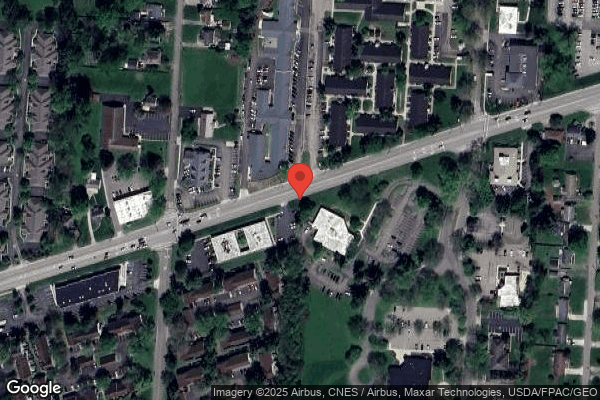
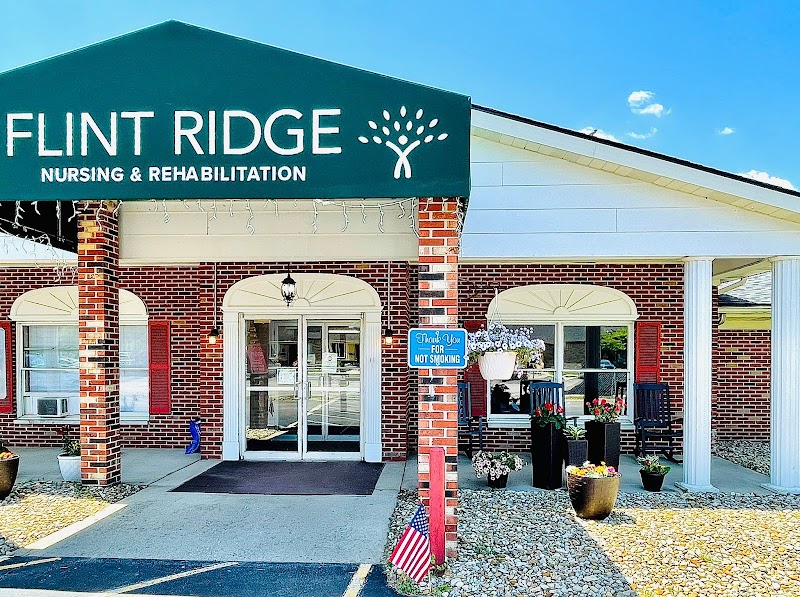
1450 WEST MAIN STREET, NEWARK, OH 43055 (740) 344-9465
For profit - Limited Liability company 99 Beds CCH HEALTHCARE Data: November 2025
Trust Grade
40/100
#677 of 913 in OH
Last Inspection: May 2025

Inspected within the last 6 months. Data reflects current conditions.

Overview

Flint Ridge Nursing and Rehab Center in Newark, Ohio has a Trust Grade of D, which means it is below average and raises some concerns about care quality. It ranks #677 out of 913 facilities in Ohio, placing it in the bottom half of state options, and #9 out of 10 in Licking County, indicating there is only one local facility that is better. The facility appears to be improving, with the number of issues decreasing from 18 in 2024 to 11 in 2025, but there are still serious concerns, including a failure to prevent significant weight loss in one resident and inadequate pain management for another resident with pressure ulcers. Staffing is a relative strength, rated 4 out of 5 stars, though turnover is at 51%, which is average for Ohio. On a positive note, the facility has no fines on record and benefits from higher RN coverage than 96% of other facilities in the state, which can help catch issues that CNAs might miss. However, there were incidents where food was not prepared in a sanitary manner, which could pose health risks to residents. Overall, families considering this home should weigh its strengths in staffing and RN coverage against the serious care deficiencies noted.

Trust Score
D
40/100
In Ohio
#677/913
Bottom 26%
Safety Record
Moderate
Needs review
Inspections
Getting Better
18 → 11 violations
Staff Stability
⚠ Watch
51% turnover. Above average. Higher turnover means staff may not know residents' routines.
Penalties
✓ Good
No fines on record. Clean compliance history, better than most Ohio facilities.
Skilled Nurses
✓ Good
Each resident gets 71 minutes of Registered Nurse (RN) attention daily — more than 97% of Ohio nursing homes. RNs are the most trained staff who catch health problems before they become serious.
Violations
⚠ Watch
61 deficiencies on record. Higher than average. Multiple issues found across inspections.
★★☆☆☆
2.0
Overall Rating
★★★★☆
4.0
Staff Levels
★★★★☆
4.0
Care Quality
★★☆☆☆
2.0
Inspection Score
Stable
2024: 18 issues
2025: 11 issues

The Good

  • 4-Star Staffing Rating · Above-average nurse staffing levels
  • 4-Star Quality Measures · Strong clinical quality outcomes
  • Full Sprinkler Coverage · Fire safety systems throughout facility
  • No fines on record

Facility shows strength in staffing levels, quality measures, fire safety.

The Bad

2-Star Overall Rating

Below Ohio average (3.2)

Below average - review inspection findings carefully

Staff Turnover: 51%

Near Ohio avg (46%)

Higher turnover may affect care consistency

Chain: CCH HEALTHCARE

Part of a multi-facility chain

Ask about local staffing decisions and management

The Ugly 61 deficiencies on record

2 actual harm
Sept 2025 1 deficiency
CONCERN (E) 📢 Someone Reported This

A family member, employee, or ombudsman was alarmed enough to file a formal complaint

Potential for Harm - no one hurt, but risky conditions existed

Infection Control (Tag F0880)

Could have caused harm · This affected multiple residents

Based on observations, interviews and facility policy review, the facility failed to perform hand hygiene during medication administration. This affected nine residents (#19, #30, #36, #46, #49, #59, ...

Read full inspector narrative →
Based on observations, interviews and facility policy review, the facility failed to perform hand hygiene during medication administration. This affected nine residents (#19, #30, #36, #46, #49, #59, #65, #76, and #83) of 15 residents receiving medications during afternoon medication administration and had the potential to affect all 28 residents residing on the Main Unit hallway. The facility census was 80.Findings Include: An observation on 08/28/25 from 11:45 A.M. to 12:25 P.M. revealed Registered Nurse (RN) #234 completed noon medication administration on the Main Unit hallway. RN #234 prepared and administered medication for Resident #52, returned to the medication cart to begin preparation of medications for Resident #83 without sanitizing or washing hands. RN #234 administered Resident #83 ' s medications and returned to the medication cart to prepare Resident #30 ' s medications without sanitizing or washing hands. RN #234 administered Resident #30 ' s medications and returned to the medication cart to prepare Resident #36 ' s medications without sanitizing or washing hands. RN #234 administered Resident #36 ' s medications and returned to the medication to prepare Resident #59 ' s medications without sanitizing or washing hands. RN #234 administered Resident #59 ' s medications and returned to the medication cart to prepare Resident #19 ' s medication without sanitizing or washing hands. RN #234 administered Resident #19 ' s medications and returned to the medication cart to prepare medications for Resident #49 ' s without sanitizing or washing hands. An observation on 08/28/25 from 1:30 P.M. to 2:05 P.M. revealed RN #234 completed afternoon medication administration on the Main Unit hallway. RN #234 began preparing Resident #83 ' s medications without sanitizing or washing hands. RN #234 administered Resident #83 ' s medications and returned to the medication cart to prepare Resident #59 ' s medications without sanitizing or washing hands. RN #234 administered #59 ' s medications and returned to the medication cart to prepare Resident #46 ' s medications and sanitized hands. RN #234 administered Resident #46 ' s medication and returned to the medication cart to prepare Resident #76 ' s medications without sanitizing or washing hands. RN #234 administered Resident #76 ' s medications and returned to the medication cart to prepare Resident #65 ' s medications without sanitizing or washing hands. RN #234 administered Resident #65 ' s medications and returned to the medication cart without sanitizing or washing hands.An interview on 08/28/25 at 2:10 P.M. with RN #234 confirmed during the noon medication administration and again during the afternoon medication administration, RN #234 did not sanitize or wash hands between residents. RN #234 stated hand sanitizing and/or washing is to be performed before preparing medications and after administration of medications.Review of the facility ' s policy titled, Administering Medications, undated revealed, Staff follows established facility infection control procedures; handwashing, antiseptic technique, gloves, isolation precautions, for the administration of medications, as applicable.Review of the facility ' s policy titled, Handwashing/Hand Hygiene, dated 10/23 revealed This facility considers hand hygiene the primary means to prevent the spread of healthcare-associated infections.This deficiency is an incidental finding discovered during the complaint investigation.
May 2025 10 deficiencies
CONCERN (D)

Potential for Harm - no one hurt, but risky conditions existed

Deficiency F0655 (Tag F0655)

Could have caused harm · This affected 1 resident

**NOTE- TERMS IN BRACKETS HAVE BEEN EDITED TO PROTECT CONFIDENTIALITY** Based on record review and interview the facility failed to complete a baseline care plan timely for one resident (#73) of five ...

Read full inspector narrative →
**NOTE- TERMS IN BRACKETS HAVE BEEN EDITED TO PROTECT CONFIDENTIALITY** Based on record review and interview the facility failed to complete a baseline care plan timely for one resident (#73) of five sampled for unnecessary medications and failed to complete a baseline care plan for one resident (#29) of one sampled for bowel and bladder incontinence. The facility census was 76. Findings include: 1. Review of Resident #73's medical record revealed an admission date of 08/31/24 and diagnoses including schizoaffective disorder, bipolar, hypothyroidism, chronic embolism and thrombosis of deep veins of lower extremity, and anxiety. Review of Resident #73's baseline or initial care plan revealed that it was not signed as complete until 09/05/24. Review of Resident #73's admission Minimum Data Set (MDS) dated [DATE] revealed a Brief Interview for Mental Status (BIMS) score of four indicating the resident had severe cognitive impairment. Further review of the admission MDS revealed the resident required substantial/maximum assist for eating, was dependent for all other activities of daily living, and was always incontinent of bowel and bladder. The resident had a stage four pressure ulcer (an open wound over a bony prominence with muscle and bone showing caused by unrelieved pressure) and three unstageable pressure ulcers (areas caused by unrelieved pressure where the stage is not clear because the base of the wound is not visible). In an interview on 05/01/25 at 3:47 P.M. Registered Nurse (RN) #445 stated Resident #73 was admitted on [DATE] and her baseline care plan was not signed as completed until 09/05/24. RN #445 verified the baseline care plan was not completed within 48 hours. 2. Review of Resident #29's medical record revealed an admission date of 01/14/25, discharge return not anticipated date of 01/28/25, a re-entry date of 02/07/25 and diagnoses including acute kidney failure, constipation, unspecified dementia, chronic obstructive pulmonary disease, atrial fibrillation, hypertension, and hyperlipidemia. Review of Resident #29's admission Minimum Data Set (MDS) dated [DATE] revealed a Brief Interview for Mental Status (BIMS) score of 14 indicating the resident was cognitively intact. Further review of the MDS revealed Resident #29 required setup assistance with eating and with oral hygiene, and partial/moderate assistance with dressing, moving from a seated position to a standing position, transferring from a bed to a chair or from a chair to a bed, transferring to a toilet and with toileting hygiene. Resident #29's MDS revealed she was frequently incontinent of bladder, had no skin impairments at the time of the assessment and was working with therapy at the time of the assessment. Review of Resident #29's medical record revealed no baseline or initial care plan present in the record at the time of the review. In an interview on 05/05/25 at 2:08 P.M. the Director of Nursing (DON) confirmed the baseline care plan for the 02/07/25 admission had not been completed.
CONCERN (D)

Potential for Harm - no one hurt, but risky conditions existed

Deficiency F0657 (Tag F0657)

Could have caused harm · This affected 1 resident

**NOTE- TERMS IN BRACKETS HAVE BEEN EDITED TO PROTECT CONFIDENTIALITY** Based on record review and interview the facility failed to ensure care plan conferences were held for two residents (#18 and #5...

Read full inspector narrative →
**NOTE- TERMS IN BRACKETS HAVE BEEN EDITED TO PROTECT CONFIDENTIALITY** Based on record review and interview the facility failed to ensure care plan conferences were held for two residents (#18 and #53) of two residents sampled for care planning. The facility census was 76. Findings include: 1. Review of Resident #18's medical record revealed an admission date of 09/15/23, a re-entry date of 12/15/24 and diagnoses including insomnia, vitamin B 12 anemia, asthma, end stage renal disease, dependence on dialysis, anxiety, other seizures, diabetes, atrial fibrillation, major depressive disorder, and hypothyroidism. Review of Resident #18's physician's orders revealed an order dated 03/28/25 for dialysis on Tuesday, Thursday, and Saturday with a chair time at 7:45 A.M. Review of Resident #18's annual Minimum Data Set (MDS) dated [DATE] revealed a Brief Interview for Mental Status (BIMS) score of 12 indicating the resident has a mild cognition impairment. Resident #18 was on dialysis. In an interview on 04/28/25 at 3:12 P.M. Resident #18 stated she did not remember ever having a meeting to talk about her care or her treatment goals. In an interview on 05/05/25 at 2:58 P.M. Social Services Director (SSD) #410 stated the care conference on 04/09/24 was the most recent care conference held for Resident #18. SSD #410 stated that she and the nursing staff speak with Resident #18's family all the time but they have not had a formal care conference. 2. Review of Resident #53's medical record revealed an admission date of 02/04/22, a re-entry date of 11/26/22, and diagnoses including chronic obstructive pulmonary disease, major depressive disorder, diabetes, anxiety, hypertension and heart failure. Review of Resident #53's significant change Minimum Data Set (MDS) dated [DATE] revealed a Brief Interview for Mental Status (BIMS) score of 15 indicating Resident #53's cognition was intact. Further review of Resident #53's MDS revealed she was receiving hospice services. In an interview on 04/28/25 at 10:58 A.M. Resident #53 stated that she has not been to a care conference. In an interview on 05/05/25 at 11:05 A.M. Social Services Director (SSD) #410 stated there were no recent care conferences for Resident #53. SSD #410 stated the most recent care conference held for Resident #53 was 12/01/22. SSD #410 stated that she and the nursing staff speak with Resident #53's family all the time but they have not had a formal care conference.
CONCERN (D)

Potential for Harm - no one hurt, but risky conditions existed

ADL Care (Tag F0677)

Could have caused harm · This affected 1 resident

Based on observation, resident interview, staff interview, and policy review, the facility failed to ensure timely activities of daily living (ADL) assistance for Resident #14. Additionally, the facil...

Read full inspector narrative →
Based on observation, resident interview, staff interview, and policy review, the facility failed to ensure timely activities of daily living (ADL) assistance for Resident #14. Additionally, the facility failed to ensure Resident #38 had adequate ADL assistance with his fingernails. This affected two (Resident #14 and #38) of four residents reviewed for ADL's. The facility census was 76. Findings include: 1. Review of the medical record for Resident #38 revealed an admission date of 01/30/25. Diagnoses included hemiplegia and hemiparesis following cerebral infarction affecting the left non-dominant side, moderate protein-calorie malnutrition, weakness, traumatic ischemia of muscle, muscle weakness (generalized), dysphagia (oropharyngeal phase), unsteadiness on feet, difficulty in walking, cognitive communication deficit, syncope and collapse, adult failure to thrive, tachycardia, essential hypertension, epilepsy, and acute kidney failure. Review of the quarterly Minimum Data Set (MDS) 3.0 assessment for Resident #38, dated 02/09/25, revealed a Brief interview for mental status (BIMS) score of 14, indicating intact cognitive skills for daily decision-making. Additionally, Resident #38 required supervision for eating and oral hygiene, maximum assistance with toileting, showering, upper and lower body dressing, and was dependent for putting on/off footwear. Resident #38 required supervision or moderate assistance for various transfers and bed mobility. Review of physician orders for Resident #38 revealed no specific orders related to fingernail care or interventions regarding shower refusals. Review of the plan of care for Resident #38 revealed no individualized problem, goal, or intervention related to fingernail maintenance or shower refusals. There was no goal identified to address hygiene or prevention of discomfort from long fingernails in the contractured hand. Interventions to ensure resident hygiene compliance through documented shower refusal protocols were not in place. Review of nursing progress notes from February through April 2025 revealed no documentation of staff attempting to offer a shower three times per bathing day as required by facility practice. For example, the resident was documented as having refused showers on 02/01/25, 02/05/25, 02/09/25, 02/19/25, 02/22/25, 02/26/25, 04/05/25, 04/09/25, 04/12/25, and 04/30/25. However, there was no corresponding documentation in the progress notes to confirm that three attempts had been made on any of these dates. Review of shower and bath logs revealed inconsistencies in fingernail care documentation. On multiple dates including 03/01/25, 03/08/25, 03/12/25, 03/26/25, 03/29/25, and 04/26/25, logs indicated fingernails had been trimmed and cleaned. However, this was contradicted by a direct observation on 04/29/25 at 04:23 PM, which revealed the resident had long, yellow-colored fingernails on his contractured left hand measuring approximately one inch in length. The resident reported that the nails dug into his palm, causing discomfort and pain at times. Interview on 04/30/25 at 03:18 P.M. with the Director of Nursing (DON) confirmed the resident's nails were visibly long. The DON acknowledged the issue and offered to trim the nails, which the resident accepted. Observation on 04/30/25 at 03:38 P.M. confirmed some redness in the palm but no active injury. The DON stated that staff are expected to offer showers three times per assigned shower day and document each refusal in the progress notes. She acknowledged that this documentation had not occurred as required. Review of facility policy titled Care of Fingernails/Toenails, Level II, dated October 2010: The policy details nail cleaning and trimming to prevent infections, stressing daily cleaning and avoiding trimming for residents with diabetes or circulatory issues unless permitted. Nails are trimmed in an oval shape (fingernails) or straight across (toenails) using equipment like clippers, emery boards, towels, rinse basins, warm soapy water, orange sticks, linen protectors, lotion, paper towels, and protective gear. The procedure includes washing, soaking, cleaning, trimming, and documenting skin or nail issues. Staff must report signs of poor circulation, swelling, bleeding, or hard nails to the supervisor, ensuring resident safety. 2. Review of the medical record for Resident #14 revealed an admission date of 4/16/25. Diagnoses included hemiplegia and hemiparesis following cerebral infarction affecting the right dominant side, chronic kidney disease stage 3, depression, vascular dementia, type 2 diabetes mellitus with diabetic neuropathy, and muscle weakness, among others. Review of the admission Minimum Data Set (MDS) assessment for Resident #14, dated 4/22/25, revealed a BIMS score of 14, indicating intact cognitive skills for daily decision-making. The assessment indicated that the resident required maximum assistance for various ADL's, including transfers to a wheelchair (manual W/C), use of a walker, setup for eating and oral hygiene, maximum assistance for toileting, showering, and dressing, as well as being dependent for personal hygiene and rolling in bed. Review of the care plan for Resident #14 revealed an intervention to provide assistance with transfers, including from bed to wheelchair, and noted that maximum assistance was required for various ADLs. Observation on 4/28/25 at 10:22 A.M. revealed that the resident requested assistance to get out of bed at 5:30 A.M. but was not assisted until a surveyor arrived at 10:22 AM, approximately 4 hours later. During this time, the staff were unable to locate the resident's wheelchair. The wheelchair was located approximately five to ten minutes after the surveyor arrived, and the resident was assisted out of bed. Interview on 4/28/25 at 4:27 PM with certified Nursing assistant (CNA) #411 revealed that there was a communication issue regarding the resident's wheelchair. She stated that the wheelchair had been relocated to the hallway but did not have the resident's name on it, so she did not know to retrieve it for the transfer. CNA #411 confirmed that the resident had been waiting for more than an hour and was visibly upset, even making a comment about throwing himself out the window. CNA #411 reported this comment to her charge nurse, and facility management took over from there. Review of the policy titled, Accommodation of Needs dated March 2021 revealed that individual needs and preferences be met to the extent possible, including providing assistive devices like wheelchairs, unless it endangers health or safety. Adaptations such as prioritizing private room placement, installing grab bars, and ensuring easy access to assistive devices are required. Staff attitudes and behaviors should assist residents in maintaining independence and dignity, including interacting in ways that accommodate physical or sensory limitations and arranging furniture to support mobility, such as enabling residents to rise independently. The Equipment - General Use for All Residents policy further mandates that wheelchairs, walkers, crutches, and canes be maintained for general use by all residents, without permanent assignment, and that requests for special equipment be referred to the Social Services Department.
CONCERN (D)

Potential for Harm - no one hurt, but risky conditions existed

Pressure Ulcer Prevention (Tag F0686)

Could have caused harm · This affected 1 resident

**NOTE- TERMS IN BRACKETS HAVE BEEN EDITED TO PROTECT CONFIDENTIALITY** Based on record review, family interview, staff interview, and policy review, the facility failed to ensure a comprehensive woun...

Read full inspector narrative →
**NOTE- TERMS IN BRACKETS HAVE BEEN EDITED TO PROTECT CONFIDENTIALITY** Based on record review, family interview, staff interview, and policy review, the facility failed to ensure a comprehensive wound management program to promote healing of Resident #35's pressure ulcer. This affected one (Resident #35) out of three residents reviewed for pressure ulcers. The facility census was 76. Findings include: Review of the medical record for the Resident #35 revealed an admission date of 1/25/17 and a re-entry on 8/16/17. Diagnoses included unspecified dementia without behavioral, psychotic, mood, or anxiety disturbances; stage 4 pressure ulcer (the most severe type of pressure injury, characterized by full-thickness skin and tissue loss with exposed muscle, bone, or tendon) of other site; type 2 diabetes mellitus without complications; unspecified intellectual disabilities; unspecified glaucoma; major depressive disorder (recurrent and unspecified); presence of a cerebrospinal fluid drainage device; paroxysmal atrial fibrillation and hydrocephalus. Review of the Quarterly Minimum Data Set (MDS) 3.0 Assessment, dated 03/17/25, revealed the resident had severely impaired cognition with a brief interview for mental status (BIMS) score of 03. The resident required extensive assistance of two staff for bed mobility, transfers, and ambulation. The assessment indicated the resident had a Stage 4 pressure ulcer. Review of the pressure ulcer risk assessment dated [DATE] for Resident #35 revealed the resident was at high risk for the development of pressure ulcers. Review of the plan of care dated 2/16/25 revealed the resident had a Stage 4 pressure ulcer to the right posterior thigh due to immobility, incontinence, and comorbid conditions including diabetes and dementia. Interventions included: pressure-relieving mattress, repositioning every two hours, use of barrier cream, nutritional supplements, daily skin assessments, and implementation of physician-ordered wound treatments. Review of the wound notes from Healing Partners from June 2024 to April 2025 for Resident #35 revealed the wound progressed from moisture associated skin damage (MASD) (06/07/2024) to unstageable (10/08/2024) and Stage 4 (12/10/2024), peaking at 6.0 centimeters (cm) x 3.5 cm x 1.5 cm with 6.5 cm tunneling (01/14/2025). By 04/29/2025, it improved to 1.0 cm x 0.4 cm x 0.3 cm with 60% epithelial tissue. Orders included Triad cream, medihoney, Santyl, Dakin's solution, silver antimicrobial gel, doxycycline, Amnio Core, NeoStim TL, and calcium alginate dressings, supported by a DPM air mattress, liquid protein, and Stress B/Zinc. Review of the Medication Administration Record (MAR) and Treatment Administration Record (TAR) from September 2024 to May 2025 revealed multiple missed treatments for the right posterior thigh wound, with no explanations documented for any of the missed administrations. These included missed treatments on 09/24/24, 10/21/24, 11/02/24, 11/06/24, 11/22/24, 01/23/25, 03/06/25, 04/10/25, 04/17/25, and 04/21/25, involving cleansing, packing with various dressings (such as hydrofiber, Dakin's solution, silver antimicrobial gel, calcium alginate), and applying super absorbent dressings. The treatments were scheduled for daily or shift-based administration between 09/16/24 and 04/22/25, but no documentation provided reasons for the missed treatments. Interview on 05/1/25 at 9:25 A.M. with Registered Nurse (RN) #465 revealed detailed information about the wound, which was approximately 6 cm in circumference with fresh blood when she first started in December. RN #465 mentioned that a wound vac was suggested and treatment started in January. The resident preferred to be repositioned every two hours and had a urinary catheter to help maintain dryness, which contributed to the healing of the wound. Interview on 05/1/25 at 12:14 P.M. with ADON #426 revealed that the wound was initially a reddened area on 06/07/24 and became unstageable by 10/08/24. The ADON explained that the treatment was changed on 10/16/24 after a trial period and noted that missed treatments should be documented in the nurses' notes. Interview on 05/01/25 at 1:12 P.M. with Nurse Practitioner (NP) #621 regional clinical lead for the wound care provider stated they initially picked up the wound on 06/07/24 with MASD. When the wound changed on 10/08/24 NP #621 confirmed the treatment was in place as trial for the two week period and this is why the orders did not change for the treatment until 10/16/24. The NP stated that normally, if there were concerns for declining wounds or possible infections then they will order labs but typically that is only done on an as needed basis. Interview on 05/01/25 at 3:09 P.M. with the Director of Nursing (DON) verified there was no documentation to support the wound treatments were provided as ordered on the dates indicated. Review of the facility policy titled, Pressure Ulcers/Skin Breakdown - Clinical Protocol dated March 2014, revealed that the facility is required to follow physician-ordered wound treatments, including wound cleansing and debridement approaches, dressings (occlusive, absorptive, etc.), and application of topical agents if indicated for type of skin alteration. The policy mandates that the physician will authorize pertinent orders related to wound management, which implicitly includes multiple dressing changes as part of routine care.
CONCERN (D)

Potential for Harm - no one hurt, but risky conditions existed

Deficiency F0688 (Tag F0688)

Could have caused harm · This affected 1 resident

Based on observation, record review, resident interview, and staff interview, the facility failed to ensure there was follow-up care and monitoring for Resident #38's contracted wrist. This affected o...

Read full inspector narrative →
Based on observation, record review, resident interview, and staff interview, the facility failed to ensure there was follow-up care and monitoring for Resident #38's contracted wrist. This affected one (Resident #38) out of one residents reviewed for positioning and mobility. The facility census was 76. Findings include: Review of the medical record for Resident #38 revealed an admission date of 01/30/25. Diagnoses included hemiplegia and hemiparesis following cerebral infarction affecting the left non-dominant side, weakness, traumatic ischemia of muscle, muscle weakness (generalized), unsteadiness on feet, difficulty in walking, cognitive communication deficit, adult failure to thrive and epilepsy. Review of the quarterly Minimum Data Set (MDS) 3.0 assessment for Resident #38, dated 02/09/25, revealed a Brief interview for mental status (BIMS) score of 14, indicating intact cognitive skills for daily decision-making. Additionally, Resident #38 required supervision for eating and oral hygiene, maximum assistance with toileting, showering, upper and lower body dressing, and was dependent for putting on/off footwear. Resident #38 required supervision or moderate assistance for various transfers and bed mobility. Observation on 04/29/25 at 04:23 PM revealed the resident had a visibly contractured left wrist. Review of physician orders for Resident #38 revealed no active orders addressing the resident's left wrist contracture. Review of the care plan for Resident #38 revealed no documented problems, goals, or interventions addressing the resident's left wrist contracture. No positioning interventions or splinting goals were identified related to the contracture or to preventing injury from fingernails pressing into the palm. Review of therapy documentation revealed that on 02/09/25, the resident declined the use of a wrist splint for the left wrist. There was no documentation of follow-up by therapy after the refusal until 05/01/25, when occupational therapy re-engaged the resident about splinting following an unrelated fall and the discussion from the survey team regarding his wrist. Interview on 04/30/25 at 03:18 P.M. with the Director of Nursing (DON) revealed the resident was initially sent to therapy on admission. The DON confirmed the resident had a contractured left wrist since admission and that no splint had been implemented. She stated the facility referred to therapy for splint needs and that there is no policy in place requiring therapy follow-up after an initial refusal. Interview on 05/01/25 at 08:57 A.M. with the Director of Clinical Services (DCS) #615 revealed the only physician documentation available related to the contracture incorrectly identified the affected arm as the right. It was confirmed that the actual contracture was on the left and that no other documentation existed to address the condition accurately. Interview on 05/01/25 at 2:53 P.M. with the DON and the Director of Clinical Services #615 confirmed that the facility did not have a process in place to prompt reassessment by therapy for splints after a resident's initial refusal. Interview on 05/01/25 at 3:07 P.M. with Occupational Therapist #620 confirmed the resident was at a 60-degree flexion and improved to 30 degrees, and stated the resident could benefit from a splint and was open to being measured for one. She reproached the resident about splinting based on conversation with survey staff and found he was receptive. She confirmed he could benefit from a splint and would proceed with measuring.
CONCERN (D)

Potential for Harm - no one hurt, but risky conditions existed

Accident Prevention (Tag F0689)

Could have caused harm · This affected 1 resident

**NOTE- TERMS IN BRACKETS HAVE BEEN EDITED TO PROTECT CONFIDENTIALITY** Based on observation, interview, record review and manufacturer;s instruction review the facility failed to ensure the resident ...

Read full inspector narrative →
**NOTE- TERMS IN BRACKETS HAVE BEEN EDITED TO PROTECT CONFIDENTIALITY** Based on observation, interview, record review and manufacturer;s instruction review the facility failed to ensure the resident environment was free of potential accident hazards. This affected one resident (#46) of three sampled for accidents. The facility census was 76. Findings include: Review of Resident #46's medical record revealed an admission date of 09/13/19 and diagnoses including Alzheimer's disease, unspecified dementia, schizoaffective disorder, insomnia, major depressive disorder, repeated falls, hypothyroidism, hyperlipidemia, and hypertension. Review of Resident #46's quarterly Minimum Data Set (MDS) dated [DATE] revealed the resident was unable to complete the Brief Interview for Mental Status (BIMS) as she was rarely/never understood when speaking. Further review of the MDS revealed Resident #46 substantial/maximum assist to roll from lying on her back to her left or right side, and to then return to lying on her back on the bed. Resident #46's MDS indicated she was dependent for transfers from bed to chair and chair to bed. Review of Resident #46's physician's orders revealed a mechanical lift, a device used to move the resident from surface to surface, was to be utilized for all transfers in and out of bed. Review of Resident #46's care plan, initiated on 09/16/2019 with a target date of 08/12/2025, revealed interventions including the resident was to have a non-skid materiel to the seat of her wheelchair to help prevent the resident from sliding out of the chair, was to have an anti-roll back device to her wheelchair to prevent the wheelchair from rolling backwards away from her when she was being seated in the wheel chair, and the resident was to be encouraged to wear non-skid footwear when she was out of bed. No interventions were identified to be in place, during the review, to help prevent the resident from rolling out of bed. An observation on 04/28/25 at 11:50 A.M. revealed Resident #46 in bed lying on her right side facing the wall. Resident #46's bed was against the wall with the foot off the bed and the right side of the bed against the wall. A two-to-three-inch gap was noted between the wall and the bed. A solid triangular shaped cushion about three feet in length and eight inches in height had been placed between the mattress and the frame of the bed lifting the mattress and tilting it to the right and toward the wall at a 15 to 20-degree angle. An observation on 04/30/25 at 8:05 A.M. revealed Resident #46 lying in bed on her back. Resident #46 was moving her arms and legs about in bed at the time of the observation. Resident #46's bed was against the wall with the foot off the bed and the right side of the bed against the wall. A two-to-three-inch gap was noted between the wall and the bed. A solid triangular shaped cushion about three feet in length and eight inches in height had been placed between the mattress and the frame of the bed lifting the mattress and tilting it to the right and toward the wall at a 15 to 20-degree angle. The angle of the mattress and movement of the resident making it possible for the resident to slide into the gap between the bed and the wall and not be able to free herself. In an interview on 04/30/25 at 8:05 A.M. Licensed Practical Nurse (LPN) #431 stated she did not know the purpose of the solid triangular shaped cushion under the mattress. In an interview on 04/30/25 at 8:05 A.M. Certified Nursing Assistant (CNA) #455 stated they use the solid triangular shaped cushion between the mattress and the bed frame to elevate the edge of the mattress to keep the resident from rolling out of bed on to the floor. CNA #455 stated Resident #46 will sometimes become restless in bed and will put her feet over the side of the bed and staff did not want her to roll out on to the floor. In an interview on 04/30/25 at 8:30 A.M. the Director of Nursing (DON) stated that she was not aware the staff was placing a solid triangular shaped cushion between the mattress and the frame of the bed to lift the mattress and tilt it to the right and toward the wall. The DON further stated the staff should not be placing the cushion between the mattress and the bed frame. Review of the Primecare P503 Long Term Care Bed Owner's Manual revealed the bed had mattress retainers installed to keep the mattress in place on the sleep surface and the mattress should be snug against all the mattress retainers. Further review of the Primecare P503 Long Term Care Bed Owner's Manual revealed that entrapment issues can arise when components and accessories are not properly installed.
CONCERN (D)

Potential for Harm - no one hurt, but risky conditions existed

Deficiency F0757 (Tag F0757)

Could have caused harm · This affected 1 resident

**NOTE- TERMS IN BRACKETS HAVE BEEN EDITED TO PROTECT CONFIDENTIALITY** Based on record review, interview and policy review, the facility failed to obtain physician ordered laboratory studies to ensur...

Read full inspector narrative →
**NOTE- TERMS IN BRACKETS HAVE BEEN EDITED TO PROTECT CONFIDENTIALITY** Based on record review, interview and policy review, the facility failed to obtain physician ordered laboratory studies to ensure therapeutic medication levels were achieved. This affected one resident (#17) of five reviewed for unnecessary medications. The facility census was 76. Findings include: Review of Resident #17's medical record revealed an admission date of 03/09/13 with a hospital stay starting on 01/16/25 and ending with the resident's return on 01/19/25. Further review of Resident #17's medical record revealed diagnoses including a displaced intertrochanteric fracture of the left femur, chronic kidney disease stage four, dementia, obsessive-compulsive disorder, osteoporosis, hypothyroidism, major depressive disorder, anxiety, osteoarthritis, unspecified psychosis, epilepsy, hypertension, and chronic pain syndrome. Review of Resident #17's significant change Minimum Data Set (MDS) dated [DATE] revealed a Brief Interview for Mental Status (BIMS) score of 12 indicating the resident has a mild cognition impairment and is receiving anticonvulsant medications, antidepressant medication, and diuretic medication. Review of Resident #17's physicians' orders revealed orders for levetiracetam (an anticonvulsant medication), a potassium supplement, fluvoxamine (an antidepressant medication), and aldactone and lasix (both diuretic medications). Further review of Resident #17's physicians' orders revealed orders for laboratory testing for a complete metabolic panel and levetiracetam level to be done every six months to determine efficacy and therapeutic medication levels. Review of Resident #17's medical record revealed laboratory testing for a complete metabolic panel and levetiracetam level dated 09/16/24. No laboratory testing for a complete metabolic panel and levetiracetam level were found after the 09/16/24 results. In an interview on 05/01/25 at 12:32 P.M. the Director of Nursing (DON) confirmed the most recent complete metabolic panel and levetiracetam level laboratory testing for Resident #17 was completed on 09/16/24. The DON verified the complete metabolic panel and levetiracetam level were ordered to be completed every six months and should have been completed in March. The DON stated the laboratory testing was being completed that day 05/01/25. Review of the policy titled Lab and Diagnostic Test Results - Clinical Protocol revised September 2012 reveled the facility staff were to process test requisitions and arrange for tests to be completed.
CONCERN (D)

Potential for Harm - no one hurt, but risky conditions existed

Antibiotic Stewardship (Tag F0881)

Could have caused harm · This affected 1 resident

Based on record review, staff interview, and policy review, the facility failed to ensure antibiotic use was appropriate. This affected one (Resident #40) of three residents reviewed for urinary tract...

Read full inspector narrative →
Based on record review, staff interview, and policy review, the facility failed to ensure antibiotic use was appropriate. This affected one (Resident #40) of three residents reviewed for urinary tract infections (UTI). The facility census was 76. Findings include: Review of the medical record for the Resident #40 revealed an original admission date of 12/23/22 with a re-entry on 09/20/24. Diagnoses included unspecified systolic (congestive) heart failure, muscle weakness, difficulty walking, dysphagia in the oropharyngeal phase, cognitive communication deficit, Enterococcus as the cause of disease classified elsewhere, obstructive and reflux uropathy, benign prostatic hyperplasia with lower urinary tract symptoms, bilateral hearing loss, presence of a cardiac pacemaker, gastrointestinal hemorrhage, urinary retention, cardiac murmur, hypertension, and nonrheumatic aortic valve stenosis. Review of the quarterly Minimum Data Set (MDS) assessment, dated 03/17/25, revealed the resident had impaired cognition with a brief interview for mental status (BIMS) score of 4, an indwelling catheter, always incontinent for bowels, and no bowel toileting program. Review of the plan of care dated 09/21/24 and revised 12/18/24 revealed the resident had an indwelling catheter related to urinary retention and obstructive and reflux uropathy. Interventions included monthly catheter changes and as needed (PRN) changes for blockage or dislodgement, monitoring for signs and symptoms of UTI, and notifying the physician for clinical changes. Review of physician orders for the months of October 2024 through March 2025 identified the following antibiotic orders for UTIs: • Ciprofloxacin 500 milligrams (mg) by mouth twice daily - ordered and discontinued on 10/04/2024. • Amoxicillin-Clavulanate 875-125 mg twice daily for six days - 10/04/2024 to 10/10/2024. • Ciprofloxacin 500 mg twice daily for six days - 10/04/2024 to 10/10/2024. • Ciprofloxacin 500 mg twice daily for 10 days - 11/12/2024 to 11/22/2024. • Nitrofurantoin (Macrobid) 100 mg twice daily for 10 days - 11/02/2024 to 11/12/2024. • Ciprofloxacin 500 mg twice daily for 10 days - 12/05/2024 to 12/06/2024 (discontinued after one day). • Cefepime two grams intravenous (IV) daily for UTI - 12/09/2024 to 12/12/2024 (discontinued after three days). • Ertapenem (Invanz) one gram (g) intravenous (IV) daily for UTI - 12/12/2024 to 12/26/2024. • Sulfamethoxazole-Trimethoprim (Bactrim DS) 800-160 mg twice daily - 02/24/2025 to 03/06/2025. • Doxycycline 100 mg twice daily - 02/28/2025 to 03/07/2025. Review of the results for the urine cultures there was no evidence that a culture and sensitivity was completed for the Ciprofloxacin and Amoxicillin-pot clavulanate oral tablets after Resident #40 went to the Emergency Department on 10/04/24 and the medications were still administered by the facility from 10/04/24 to 10/10/24. Additionally the culture and sensitivity completed on 02/19/25 did not include results for Doxycycline stating whether it is sensitive or resistant but was still administered from 02/28/25 to 03/07/25. Interview on 05/01/25 at 1:41 P.M. with the Director of Nursing (DON) and the Director of Clinical Services (DCS #615) revealed that when a resident returns from the hospital with an order for antibiotics, the facility does not obtain a urinalysis or urine culture and sensitivity, even if the hospital did not complete those tests. They confirmed that Resident #40 received the above-mentioned antibiotics without a culture and sensitivity being completed prior to administration. Review of the facility policy titled, Antibiotic stewardship dated December 2016 revealed when a resident is admitted from an emergency department, acute care facility, or other care facility the admitting nurse will review discharge and transfer paperwork for current antibiotic/anti-infective orders. Additionally, when a culture and sensitivity is ordered lab results and the current clinical situation will be communicated to the prescriber as soon as available to determine if antibiotic therapy should be started, continued, modified, or discontinued.
CONCERN (E)

Potential for Harm - no one hurt, but risky conditions existed

Deficiency F0804 (Tag F0804)

Could have caused harm · This affected multiple residents

Based on observation, staff interview, resident interview, and policy review, the facility failed to ensure meals were kept at appropriate temperatures while serving food. This affected two residents ...

Read full inspector narrative →
Based on observation, staff interview, resident interview, and policy review, the facility failed to ensure meals were kept at appropriate temperatures while serving food. This affected two residents (Resident #35 and #61) and had the potential to affect 69 out of 76 residents, with five residents who received nothing by mouth (NPO) diets. The facility census was 76. Findings include: Interview with Resident #61 on 04/28/25 at 12:09 PM revealed that he often does not receive his preferred beverages during meals. Observation of his meal ticket showed orders for milk and apple juice, neither of which were present on his tray at the time of observation. Interview with Licensed Practical Nurse (LPN) #450 at the same time confirmed that milk and apple juice were not provided with the resident's meal. Additionally, Resident #35's nephew reported that food often arrives cold to the room. Observation of the meal service on 04/29/25 at 12:34 P.M. revealed the following food temperatures were taken at the end of the resident dining hall: Baked chicken: 126.1 degrees (°) Fahrenheit (F) Mixed vegetables: 118°F These temperatures were confirmed by Dietary Manager #456, who was present during the temperature check. According to the Food Code and accepted food safety standards, hot food should be maintained at or above 135°F to prevent bacterial growth and ensure safe and palatable meals. The vegetables and chicken were below this threshold at the time of service. During the resident council meeting on 05/05/25 at 1:20 P.M. residents expressed ongoing dissatisfaction with the temperature of meals served, stating that food often arrives cold due to delays in delivery. Although the facility acknowledged the issue and informed residents that new hotboxes had been ordered to help maintain proper food temperature, the equipment had not yet arrived at the time of the meeting. Residents also reported limited variety in alternate menu options and expressed a desire for more choices when they are dissatisfied with the main meal offerings. Review of the policy titled, Food Preparation and Service dated October 2017, revealed potentially hazardous foods (PHF) must be maintained above 135°F or below 41°F to prevent the rapid growth of pathogenic microorganisms, with the danger zone (41°F to 135°F) allowing only 4 hours if prepared from room temperature or 6 hours if cooked and cooled. Specific cooking temperatures, such as 165°F for poultry and 155°F for ground meat, must be achieved, and rapid cooling from 135°F to 70°F within 2 hours, followed by 41°F within 4 more hours, is mandatory. Additionally, foods not reheated to 165°F for at least 15 seconds must be discarded.
CONCERN (E)

Potential for Harm - no one hurt, but risky conditions existed

Food Safety (Tag F0812)

Could have caused harm · This affected multiple residents

Based on observation, staff interview, and policy review, the facility failed to prepare, store, and serve food in a manner that to prevent contamination. This had the potential to affect 71 out of 76...

Read full inspector narrative →
Based on observation, staff interview, and policy review, the facility failed to prepare, store, and serve food in a manner that to prevent contamination. This had the potential to affect 71 out of 76 residents with five residents being on nothing by mouth (NPO) diets. The facility census was 76. Findings include: Observation of the kitchen on 04/28/25 at 8:59 A.M. revealed multiple items including: undated and unlabeled shredded cheese in a platic container, a bag of shredded cheese which expired in March 2025, cinnamon rolls in the freezer that were opened with no label or expiration date, peas that were both loose in a box and in a bag in the freezer with no label or expiration date, cinnamon streusel coffee cake mix with an arrive date of January 2025 with no expiration date, four bags of opened cereal with no label or expiration date. Observation on 04/28/25 at 9:15 P.M. revealed the ice machine had black grime on the inside above the ice with water dripping from this area onto the ice. Interview on 04/28/25 at 9:18 A.M. with Dietary manager #456 confirmed all of the above mentioned items. Observation on 04/29/25 at 10:47 AM, during a food temperature and preparation check with [NAME] #533, food thermometer use was observed to be inconsistent with safe food handling practices. She checked the temperature of each food item but for the pureed chicken and mashed potatoes she pushed the thermometer passed the cleaned area and the digital screen that was uncleaned went into the food. Interview on 04/29/25 at 11:04 with [NAME] #533 confirmed she pushed the uncleaned part of the thermometer into the food. Observation on 04/29/25 at 11:09 AM, a fan covered in dust was observed pointing directly at clean dishware. This was immediately confirmed with Dietary Manager # 456 who immediately decommissioned the fan until staff properly cleaned it. Observation on 04/29/25 at 11:20 AM, [NAME] #533 was observed washing hands and donning gloves appropriately, but then using gloved hands to touch the outside of a bun bag, then touching the bun and returning to using utensils without changing gloves or washing hands. She was also observed to cut a hotdog with the same gloved hands without changing gloves or performing hand hygiene after handling packaging materials. Interview on 04/29/25 at 11:49 A.M. with [NAME] #533 and dietary manager #456 confirmed the above findings. Review of facility policy titled Food Receiving and Storage policy dated October 2017, all food items must be properly labeled, dated, stored in clean and sanitary conditions, and handled in a manner that prevents contamination. Review of the facility policy titled, Handwashing/Hand Hygiene policy dated October 2023, staff are required to follow proper hand hygiene practices, including performing hand hygiene before and after resident contact, after glove removal, and when handling potentially contaminated items or surfaces, in order to prevent the spread of healthcare-associated infections.
Sept 2024 14 deficiencies 2 Harm
SERIOUS (G) 📢 Someone Reported This

A family member, employee, or ombudsman was alarmed enough to file a formal complaint

Actual Harm - a resident was hurt due to facility failures

Deficiency F0692 (Tag F0692)

A resident was harmed · This affected 1 resident

**NOTE- TERMS IN BRACKETS HAVE BEEN EDITED TO PROTECT CONFIDENTIALITY** Based on closed medical record review, policy review and interview, the facility failed to prevent a severe weight loss for Resi...

Read full inspector narrative →
**NOTE- TERMS IN BRACKETS HAVE BEEN EDITED TO PROTECT CONFIDENTIALITY** Based on closed medical record review, policy review and interview, the facility failed to prevent a severe weight loss for Resident #2, a resident who received all nutrition via enteral feedings. This affected one resident (#2) of three residents reviewed for nutrition. The census was 72. Actual Harm occurred on 08/03/24 when Resident #2 was assessed to sustain a 10.55% weight loss (with the weight loss occurring between 07/30/24 and 08/03/24). The dietician was not notified and no new nutritional interventions were implemented. The resident continued to lose weight resulting in a 13.8% severe weight loss within 30 days of admission. Findings include: Closed medical record review revealed Resident #2 was admitted on [DATE] with diagnoses including acute and chronic respiratory failure with hypoxia, atrial fibrillation, total colectomy, gastrostomy, acute kidney failure, hemodialysis and protein-calorie malnutrition. Review of the care plan titled At Nutritional Risk secondary to nothing by mouth (NPO)-tube feeding, hemodialysis treatment, body mass index (BMI) reflects underweight status and use of antibiotics, severe esophageal stricture and ascites (revised 07/19/24) revealed goals including the resident would maintain weight near dry weight and maintain fluid balance and skin integrity through next review on 11/06/24. Interventions included monitor/record/report to physician as needed (PRN) signs/symptoms of malnutrition: Emaciation (Cachexia), muscle wasting, significant weight loss: 3 lbs in 1 week, >5% in 1 month, >7.5% in 3 months, >10% in 6 months. Monitor intake, weight, skin, labs, medication, diet tolerance and hydration status. Weigh at same time of day and record: pre/post hemodialysis weights. Review of the record revealed no evidence the care plan was revised to reflect changes in dialysis and weight loss. Review of the admission Minimum Data Set (MDS) 3.0 assessment dated [DATE] revealed Resident #2 was cognitively intact for daily decision-making, received nutrition 51% or more from a feeding tube, weighed 123 pounds and was 71 inches tall. Review of Resident #2's electronic Physician Orders, Medication Administration Records, Progress Notes and Weights revealed the following: Between 07/17/24 and 07/24/24, the resident received the enteral feeding product, Nepro (therapeutic nutrition designed to help meet the specific nutrition needs of people on dialysis) 55 milliliters per hour (mL/hr) continuous via enteral feeding and his weights ranged between 115.8 pounds (lbs) and 119.9 (lbs). Between 07/24/24 and 07/30/24, the resident received Nepro 60 mL/hr for 18 hours a day via enteral feeding to provide a rest during dialysis treatments and his weights ranged between 119.9 (lbs) and 126.1 (lbs) on 07/30/24. Prostat (nutritional supplement) 30 mL three times a day was started on 07/29/24. Physician #922 ordered Resident #2's dialysis to be held between 07/30/24 through 08/02/24. On 08/03/24, the resident weight was 112.8 (lbs) and he continued to receive Nepro 60 mL/hr for 18 hours a day via enteral feeding with no new interventions implemented. This was noted to be a 13.3 pound/10.55% weight loss between 07/29/24 and 08/03/24. There was no evidence a re-weight was obtained for accuracy or that the physician or dietician were notified at this time. On 08/05/24, Physician #922 ordered Resident #2's dialysis to be discontinued due to improved kidney function. Review of the care plan: Requires Tube Feeding related to Dysphagia (dated 08/09/24) revealed the resident was dependent with tube feeding and water flushes. The registered dietitian was to evaluate quarterly and PRN. Monitor caloric intake, estimate needs, and make recommendations for changes to tube feeding as needed. The next documented weight was obtained on 08/13/24 and Resident #2 weighed 102.4 (lbs). This reflected an additional 10.4 pound weight loss for the resident from 08/03/24. The resident continued to receive Nepro 60 mL/hr for 18 hours a day via enteral feeding. Review of Assistant Director of Nursing (ADON) #350's progress note dated 08/13/24 revealed fluctuations in weight and weight loss noted when initiated weighing with different scale. The note indicated to check weights daily for three consecutive days. No new nutritional interventions were implemented at this time. On 08/14/24, the resident's weight was 99.8 (lbs). A significant weight loss of 13 (lbs) /11.5% in 11 days which constituted a severe weight loss of 13.8% over 30 days/admission weight was identified. Registered Dietitian #924 recommended to increase Nepro 60 mL/hr to 20 hours for a total volume of 1200 mL to infuse and provide 2160 kcal, 97.2 grams of protein and 872 mL of water. Recommendation was also made to increase flush to 100 mL every six hours and monitor weights daily. On 08/15/24, the resident's weight was 101.6 (lbs) and on 08/16/24 his weight was 100.0 (lbs). Resident #2 continued to receive Nepro 60 mL/hr for 18 hours a day via enteral feeding until the morning of 08/16/24. There was no evidence Registered Dietitian #924's recommendations were implemented between 08/14/24 until the morning of 08/16/24. Review of the discharge MDS 3.0 assessment dated [DATE] revealed the resident weighed 100 pounds and received nutrition 51% or more from a feeding tube. Review of a progress note dated 08/16/24 at 5:58 P.M. revealed NP #912 ordered Resident #2 to be sent to the emergency room for evaluation due to lab results and weight loss. The resident was admitted to the hospital and remained in the hospital at the time of the current survey. On 09/05/24 between 2:04 P.M. and 2:45 P.M., interview with the Director of Nursing (DON) verified Resident #2 had a severe weight loss while residing in the facility and receiving nutrition via enteral tube feedings. The DON verified the facility had not implemented interventions to address the weight loss identified on 08/03/24 until 08/16/24 as the dietitian's recommendation to increase the enteral feeding an additional two hours a day was not implemented as recommended on 08/14/24. The DON stated the dietitian was in the facility twice a week and reviewed all weights at that time; therefore, staff does not call or provide written notification to the dietitian with weight loss. On 09/10/24, the DON provided, via electronic interview, a statement from Nurse Practitioner #912 dated 08/14/24 stating Resident #2 has experienced a significant weight loss of greater than 20 (lbs) in the last two to three weeks, despite being on an enteral feedings and his daily caloric intake being followed by RD (registered dietitian). Patient with documented severe esophageal stricture. Patient then underwent colectomy and diverting ileostomy on 05/14/24 and was started on enteral feedings. Prior to those procedures, the patient had a documented weight loss of greater than 100 (lbs). Due to apparent malabsorption issues, chronic adult failure to thrive/protein-calorie malnutrition, and other co-morbidities, including end stage renal disease on hemodialysis, and chronic leukocytosis the nurse practitioner indicated weight loss may be unavoidable. On 09/11/24 between 3:05 P.M. and 3:15 P.M., interview with Registered Dietitian (RD) #924 revealed she reviews all high risk residents including dialysis residents. RD #924 revealed Diet Tech #928 was actually in the facility twice a week and notifies her of weight changes, but she still expected the facility to notify her and not wait until Diet Tech #928 was in the building. RD #924 stated she worked remotely and it was her expectation that weights and documentation was put in the electronic medical record timely so she had the most-up-to date information when completing her assessments to make appropriate recommendations. RD #924 stated the facility did not notify her of any weight loss involving Resident #2 until 08/14/24 due to weights not being entered (electronically). RD #924 also revealed no one had informed her Resident #2's dialysis had been discontinued on 08/05/24 stating she had called the resident's son on 08/14/24 to inform him of possible weight fluctuations with dialysis and he (the son) informed her Resident #2 was no longer receiving dialysis. RD #924 verified Resident #2 had GI malabsorption nutrition problems and having the tube feeding continuous at the lower rate could have resulted in a better tolerance, as his weights were stable during the first part of his stay but the facility failed to notify her of this and if the facility would have notified her of his weight changes, even when they thought it was possibly equipment error, she could have implemented additional interventions. RD #924 stated it was her expectation that staff implement her orders timely especially as she notifies three managers in writing when recommendations were made. RD #924 verified the facility failed to timely implement her recommendations and notify her of significant changes in treatment and weights. Review of the policy: Weight Assessment and Intervention (revised 10/06/22) revealed resident weights were monitored for undesirable or unintended weight loss or gain. Any weight change of 5% or more since the last weight assessment was retaken the next day for confirmation. If the weight was verified, nursing would immediately notify the dietitian in writing. Unless notified of significant weight change, the dietitian would review the unit weight record monthly to follow individual weight trends over time. This deficiency represents non-compliance investigated under Complaint Number OH00156965.
SERIOUS (G) 📢 Someone Reported This

A family member, employee, or ombudsman was alarmed enough to file a formal complaint

Actual Harm - a resident was hurt due to facility failures

Deficiency F0697 (Tag F0697)

A resident was harmed · This affected 1 resident

**NOTE- TERMS IN BRACKETS HAVE BEEN EDITED TO PROTECT CONFIDENTIALITY** Based on observation, medical record review, policy review and interview, the facility failed to ensure Resident #37 was compreh...

Read full inspector narrative →
**NOTE- TERMS IN BRACKETS HAVE BEEN EDITED TO PROTECT CONFIDENTIALITY** Based on observation, medical record review, policy review and interview, the facility failed to ensure Resident #37 was comprehensively assessed for pain and failed to develop an individualized pain management program to timely identify and prevent pain associated with the resident's pressure ulcers. This affected one resident (#37) of one resident reviewed for pain management. The census was 72. Actual Harm occurred on 09/05/24 when Resident #37 was observed yelling and moaning during pressure ulcer (wound) care. There was no evidence the facility identified the yelling/moaning was related to pain associated with the pressure ulcers and/or wound care and no evidence the facility provided any type of pain medication prior to the dressing change which included treatment of a Stage IV (defined as full-thickness skin and tissue loss with exposed or directly palpable fascia, muscle, tendon, ligament, cartilage or bone in the ulcer) pressure ulcer. Findings include: Medical record review revealed Resident #37 was admitted on [DATE] with diagnoses including moderate intellectual disability, schizoaffective disorder, multiple pressure ulcers and anxiety. Review of the Nursing Admission/re-admission Assessment - V 4 dated 08/31/24 revealed Resident #37 was not able to verbalize pain and was assessed for pain or possible pain by assessing negative vocalization, facial expressions, body language and consolability. Record review revealed from 08/31/24 through 09/04/24 there were no additional pain assessments or documentation addressing pain for Resident #37. There was no baseline plan of care developed for Resident #37 related to pain including pain associated with pressure ulcers. On 09/05/24 at 9:45 A.M., a resident could be heard yelling and moaning. As the surveyor approached Resident #37's room, the moaning and yelling was louder. There was a treatment cart observed outside of the resident's room and State Tested Nursing Assistant (STNA) #621 stated the nurse and nurse practitioner (NP) were in the resident's room doing a wound treatment. Resident #37 could be heard yelling and moaning as Assistant Director of Nursing (ADON) #350 was observed exiting the room. ADON #350 stated NP #908 was completing an initial assessment and treatment of the resident's Stage IV sacrum pressure ulcer and heels. ADON #350 was asked if Resident #37 had been pre-medicated (prior to the pressure ulcer wound assessment and treatment) and stated she would have to check because that would have been given by a different nurse. NP #908 exited the room at that time and ADON #350 asked if the resident had been pre-medicated. NP #908 stated I don't know, that was the facility responsibility and returned to the resident's bedside and finished the treatment. ADON #350 reviewed the electronic medication administration record and verified there was no pain assessment prior to the treatment, no pain medication was administered prior to the treatment, and when the resident was screaming and moaning ADON #350 and NP #908 did not intervene to address the resident's pain and finished the treatment. An attempt to interview the resident following the observation was unsuccessful as the resident was not interviewable. Review of the electronic record revealed Resident #37 was ordered as needed (PRN) Tylenol 650 milligrams every four hours for mild pain. There was no evidence the resident had received any PRN Tylenol or non-pharmacological pain interventions on 09/05/24. There was no other scheduled or PRN pain medication ordered for Resident #37. Review of ADON #350's progress note dated 09/05/24 at 2:30 P.M. revealed Resident #37 was assessed due to being a new admission with wounds (pressure ulcers) including a sacrum Stage IV, left and right heels deep tissue injury (DTI) and left lateral foot DTI. The note included, Resident #37 was without complaints or signs of pain when initiated assessment. Resident began yelling with wound care, states I want to go to bed, resident reassured she was in bed, no complaints or signs of pain, continues to yell and strikes out at NP. Resident #37 with frequent yelling out and at times striking out with care. On 09/05/24 at 10:45 A.M., interview with the Director of Nursing (DON) revealed it was not the usual practice of the facility not to medicate prior to doing a pressure ulcer dressing change. The DON stated it was her expectation if a resident complained or exhibited signs of pain, the resident should be assessed and then treated for pain. Review of the physician order dated 09/05/24 revealed a new order for Resident #37 to receive Klonopin one milligram twice a day for anxiety on this date. Review of Resident #37's electronic Medication Administration Record (MAR) dated 09/11/24 revealed Klonopin (anxiolytic) 1 milligrams (mg) was administered at 8:00 A.M. and Tylenol 325 (mg) two tablets was administered at 9:25 A.M. PRN for pain. On 09/11/24 between 10:09 A.M. and 10:31 A.M., following the administration of the pain medication, observation of Resident #37's pressure ulcer dressing changes revealed no signs or symptoms of pain and no yelling and moaning was heard throughout the treatments to the resident's four pressure ulcers. Review of the policy: Pain- Clinical Protocol (dated June 2013) revealed staff and the physician would identify the nature of (characteristics such as location, intensity, frequency, pattern, etc.) and severity of pain. Staff would assess pain using a consistent approach and a standardized pain assessment instrument appropriate to the resident's cognitive level. The staff would observe the resident (during rest and movement) for evidence of pain; for example, grimacing while being repositioned or having a wound dressing changed. The nursing staff would identify any situations or interventions where an increase in the resident's pain may be anticipated; for example, wound care, ambulation, or repositioning. With input from the resident and/or advocate, the physician and staff would establish goals of pain treatment and order appropriate non-pharmacologic and medication interventions to address the individual's pain. This deficiency represents incidental findings of non-compliance investigated under Master Complaint Number OH00156965.
CONCERN (D) 📢 Someone Reported This

A family member, employee, or ombudsman was alarmed enough to file a formal complaint

Potential for Harm - no one hurt, but risky conditions existed

Resident Rights (Tag F0550)

Could have caused harm · This affected 1 resident

**NOTE- TERMS IN BRACKETS HAVE BEEN EDITED TO PROTECT CONFIDENTIALITY** Based on observation, medical record review, policy review and interview, the facility failed to provide a dignified meal experi...

Read full inspector narrative →
**NOTE- TERMS IN BRACKETS HAVE BEEN EDITED TO PROTECT CONFIDENTIALITY** Based on observation, medical record review, policy review and interview, the facility failed to provide a dignified meal experience. This affected one resident (#24) of four residents observed during meal service in the dining room. The census was 72. Findings include: Medical record review revealed Resident #24 was admitted on [DATE] with diagnoses including cerebral infarction, hypertension, dysphagia and cognitive communication disorder. On 09/03/24 at 11:55 A.M., observation of the dining room revealed Resident ##24, #25, #27 and #81 were seated at a table in the dining room. Resident #25, #27 and #81 were served their lunch meals and observed being verbally cued and/or physically assisted with their meal by State Tested Nurse Aide (STNA) #374. Resident #24 was observed sitting at the table watching Resident #25, #27 and #81 eat their food, and would randomly look at the other residents' eating their meals and then looking around the dining room. On 09/03/24 at 12:05 P.M., STNA #330 was observed bringing Resident #24's meal tray into the dining room. The lunch meal was placed it in front of Resident #24 and the resident stated good, I am hungry. On 09/03/24 at 12:13 P.M., interview with STNA #621 verified Resident #24 was not served her meal at the same time as the other residents at her table in the dining room stating Resident #24 normally eats in her room and her meal had not been delivered as it comes out on the hall trays to be served to bring her meal to her. On 09/05/24 at 4:05 P.M., interview with the Director of Nursing verified all residents at a table should be served meals at the same time and residents were to be treated with respect and dignity. Review of the undated policy: Your Rights and Protections as a Nursing Home Resident revealed residents have the right to be treated with respect and dignity. Review of the policy: Dignity (revised February 2021) revealed each resident shall be cared for in a manner that promotes and enhances his or her sense of well-being, level of satisfaction with like and feelings of self-worth and self-esteem. Residents were to be treated with dignity and respect at all times. When assisting with care, residents are supported in exercising their right including a dignified dining experience. This deficiency represents non-compliance during the investigation of Complaint Number OH00156069.
CONCERN (D) 📢 Someone Reported This

A family member, employee, or ombudsman was alarmed enough to file a formal complaint

Potential for Harm - no one hurt, but risky conditions existed

Deficiency F0559 (Tag F0559)

Could have caused harm · This affected 1 resident

**NOTE- TERMS IN BRACKETS HAVE BEEN EDITED TO PROTECT CONFIDENTIALITY** Based on medical record review, policy review and interview, the facility failed to provide written notice before a resident's r...

Read full inspector narrative →
**NOTE- TERMS IN BRACKETS HAVE BEEN EDITED TO PROTECT CONFIDENTIALITY** Based on medical record review, policy review and interview, the facility failed to provide written notice before a resident's room was changed. This affected one resident (#99) of three residents reviewed for room changes. The facility census was 72. Findings include: Medical record review revealed Resident #99 was admitted on [DATE] with diagnoses including charcot's joint left ankle and foot and diabetes mellitus. Review of the quarterly Minimum Data Set 3.0 assessment dated [DATE] revealed Resident #99 was cognitively intact for daily decision-making. Review of Resident #99's Census revealed the following room moves: a. On 02/06/24, admitted to room [ROOM NUMBER]-A. b. On 02/07/24, moved to room [ROOM NUMBER]-A. c. On 02/23/24, moved to room [ROOM NUMBER]-B. d. On 09/05/24, moved to room [ROOM NUMBER]-B. Review of the medical record revealed no documented evidence that Resident #99 was provided written notification including the reason for the change on 02/07/24 or 02/23/24. On 09/11/24 at 11:01 A.M., interview with the Director of Nursing verified there was no evidence of a written notice for Resident #99's room changes. On 09/11/24 at 4:15 P.M., interview with Resident #99 stated she had only received written notice of her room changes on 09/05/24 but not the previous room moves. Review of the policy: Room Change/Roommate Assignment (dated 03/28/23) revealed residents were to receive written or verbal notice at least 24 hours advance notice of the change. Documentation of a room change was to be recorded in the resident's medical record. This deficiency represents non-compliance investigated under Complaint Number OH00156069.
CONCERN (D) 📢 Someone Reported This

A family member, employee, or ombudsman was alarmed enough to file a formal complaint

Potential for Harm - no one hurt, but risky conditions existed

Deficiency F0676 (Tag F0676)

Could have caused harm · This affected 1 resident

**NOTE- TERMS IN BRACKETS HAVE BEEN EDITED TO PROTECT CONFIDENTIALITY** Based on medical record review, observation and interview, the facility failed to provide assistance with meals as needed. This ...

Read full inspector narrative →
**NOTE- TERMS IN BRACKETS HAVE BEEN EDITED TO PROTECT CONFIDENTIALITY** Based on medical record review, observation and interview, the facility failed to provide assistance with meals as needed. This affected one resident (#37) of four residents sampled. The census was 72. Findings include: Medical record review revealed Resident #37 was admitted on [DATE] with diagnoses including moderate intellectual disability, acute respiratory failure, pressure ulcers and schizoaffective disorder. Review of the Nursing Admission/re-admission Assessment - V 4 dated 08/31/24 revealed Resident #37 required limited assistance with eating. Review of the Skin and Wound Note dated 09/05/24 revealed Nurse Practitioner (NP) #908 assessed Resident #37 to have a Stage IV pressure ulcer to the coccyx, deep tissue injury to the left heel, right heel and left lateral foot. NP #908 indicated the resident had multiple factors that may impair wound healing including the risk of dehydration and malnutrition. Review of the dietitian Progress Notes dated 09/05/24 revealed Resident #37 was ordered a regular, puree texture, nectar thick liquids diet with 25-50% acceptance with refusals noted, and she was dependent for meals and received assistance with meals as needed. On 09/05/24 at 9:53 A.M., observation of Resident #37 revealed she was in bed with the head of the bed up. The resident's breakfast tray was pushed away from the bed out of reach and the food items of the tray were all sealed, covered and unopened. The eggs and bread were pureed and observed on the plate in a measuring scoop form. The juice and milk were unopened. On 09/05/24 at 9:55 A.M., observation with the Director of Nursing (DON) verified the above observation and that the food and drink items had not been set up for the breakfast meal. The drinks were room temperature, the food was not steaming and not within reach. On 09/05/24 at 9:58 A.M., observation revealed State Tested Nurse Aide (STNA) #621 entered and exited the room with Resident #37's breakfast tray with the thin consistency juice and milk opened. STNA #621 stated she opened the items and gave the resident a sip of the juice but the resident pushed her away, and refused her breakfast meal at this time. Observation of the juice on the tray at the time of the interview revealed the juice was in the original container and was a thin consistency. On 09/05/24 at 10:26 A.M., interview with STNA #621 revealed Resident #37 needs assistance with meals including set-up but was able to eat independently after set-up. On 09/09/24 at 12:21 P.M., electronic interview with the DON revealed meal delivery times for the main hall was 8:15 A.M. to 8:30 A.M This deficiency represents incidental non-compliance investigated under Master Complaint Number OH00156965.
CONCERN (D) 📢 Someone Reported This

A family member, employee, or ombudsman was alarmed enough to file a formal complaint

Potential for Harm - no one hurt, but risky conditions existed

Pressure Ulcer Prevention (Tag F0686)

Could have caused harm · This affected 1 resident

**NOTE- TERMS IN BRACKETS HAVE BEEN EDITED TO PROTECT CONFIDENTIALITY** Based on observation, medical record review, policy review and interview, the facility failed to timely develop and implement co...

Read full inspector narrative →
**NOTE- TERMS IN BRACKETS HAVE BEEN EDITED TO PROTECT CONFIDENTIALITY** Based on observation, medical record review, policy review and interview, the facility failed to timely develop and implement comprehensive, individualized and effective pressure ulcer care and treatment to promote the healing of pressure ulcers for Resident #37, who was admitted to the facility with multiple pressure ulcers present. This affected one resident (#37) reviewed for pressure ulcers. The facility identified eight residents with pressure ulcers. The census was 72. Findings include: Medical record review revealed Resident #37 was admitted on [DATE] with diagnoses including moderate intellectual disability, schizoaffective disorder, multiple pressure ulcers and anxiety. The resident also had a history of osteomyelitis, peripheral venous insufficiency, and chronic embolism/thrombosis of left popliteal vein. Review of the hospital Discharge Summary (hospital stay prior to Resident #37's admission to the facility) dated 08/31/24 revealed a specialty hospital Wound Progress Note dated 08/27/24 indicating Resident #37 had a left heel/calcaneus deep tissue pressure injury (DTPI). The wound measured 0.2 centimeters (cm) in length (l) by 1.8 (cm) in width (w). There was no depth documented. The summary also reflected the presence of pressure ulcers to the resident's sacrum, left lateral foot and right heel. Review of Resident #37's admission Braden Scale for Predicting Pressure Sore Risk Original dated 08/31/24 revealed Resident #37 was at very high risk for pressure ulcer development. Review of the Resident #37's Nursing Admission/re-admission Assessment - V4 dated 08/31/24 identified the following skin impairments: a. A Stage IV (full-thickness skin and tissue loss with exposed or directly palpable fascia, muscle, tendon, ligament, cartilage or bone in the ulcer) sacrum pressure ulcer measuring 5.2 centimeters (cm) in length (l) by 4.7 (cm) in width (w) by 0.6 (cm) in (d). b. Left inner ankle pressure ulcer measuring 1.0 (cm) in (l) by 0.3 (cm) in (w) by zero (d). c. Right heel pressure ulcer measuring 2.0 (cm) in (l) by 1.5 (cm) in (w) by zero (d). Review of the facility medical record revealed no documented evidence Resident #37's left heel DTPI was documented during the facility admission assessment. Record review revealed no baseline plan of care for skin integrity/pressure ulcers had been initiated. Review of the Physician Orders and Treatment Administration Records dated August 2024 and September 2024 revealed the following: a. No treatments were ordered for Resident #37's sacrum pressure ulcer until 09/02/24 at 6:30 A.M. when a wet-to-dry dressing was ordered until evaluated by the wound team. b. No treatments were ordered for the left lateral foot, left heel or right heel pressure ulcers until 09/03/24. c. No preventative measures to prevent the further decline or development of new pressure ulcers were ordered between admission [DATE]) and 09/03/24. Review of the Skin/Wound Note dated 09/03/24 revealed treatments and a low air loss mattress were ordered on this date. The note on 09/03/24 reflected the following wounds and measurements on this date: a. Sacrum Stage IV pressure ulcer (defined as full-thickness skin and tissue loss with exposed or directly palpable fascia, muscle, tendon, ligament, cartilage or bone in the ulcer) measuring 4.5 (cm) in (l) by 4.0 (cm) in (w) by 1.0 (cm) in (d) with 20% slough. b. Left heel deep tissue injury (DTI) (defined as persistent non-blanchable deep red, maroon or purple discoloration Intact skin with localized area of persistent non-blanchable deep red, maroon, purple discoloration due to damage of underlying soft tissue) measuring 0.6 (cm) in (l) by 1.5 (cm) in (w) by zero (cm) in (d). c. Right heel DTI measuring 0.5 (cm) in (l) by (0.5) cm in (w) by zero (cm) in (d). d. Left lateral foot DTI measuring 0.5 (cm) in (l) by 1.0 (cm) in (w) by zero (cm) in (d). Review of Nurse Practitioner (NP) #908's Skin and Wound Note dated 09/05/24 revealed Resident #37 becomes agitated when attempting to reposition her or when providing care, and was assessed with the following: a. Stage IV sacrum pressure ulcer with exposed dermis, subcutaneous, muscle/fascia and bone measuring 4.7 cm in (l) by 5.0 cm in (w) by 1.0 cm in (d) with moderate serosanguineous drainage and malodorous post treatment. No antibiotics were ordered by NP #908. b. Left heel deep tissue injury (DTI) measured 0.40 (cm) in (l) by 1.5 (cm) in (w) by 0.1 cm in (d) with 100% epithelial tissue. c. Right heel pressure DTI measured 0.4 (cm) in (l) by 1.7 (cm) in (w) by 0.1 (cm) in (d) with 100% epithelial tissue and maroon periwound. d. Left lateral foot pressure DTI measured 0.5 (cm) in (l) by 1.0 (cm) in (w) by 0.1 (cm) in (d) width with exposed epithelium tissue and maroon periwound. An admission History and Physical dated 09/07/24 at 7:31 P.M. revealed off-loading of the pressure ulcers was recommended and the resident was to be followed by the wound team. On 09/11/24 at 9:43 A.M., interview with the DON verified no interventions or treatments were implemented upon admission [DATE]) until 09/02/24 and 09/03/24 for Resident #37's pressure ulcers. On 09/11/24 between 10:09 A.M. and 10:31 A.M., observation of Resident #37's sacrum pressure ulcer treatment revealed Licensed Practical Nurse (LPN) #412, Registered Nurse (RN) #401 and State Tested Nursing Assistant (STNA) #306 positioned the resident and removed the incontinence product. The incontinence product was saturated with dark yellow urine and pasty, dried stool was observed on the buttocks and around the wound edges. There was no dressing covering the Stage IV sacrum pressure ulcer. STNA #306 provided incontinence care and assisted with repositioning the resident without changing her gloves. LPN #412 cleansed the wound with wound cleaner resulting in a brown substance observed on the four by four gauze. The wound was packed as ordered, cream applied to periwound and covered with an ABD without the use of tape. STNA #306 secured the incontinence product and repositioned the resident's clothing and bed sheet with the same soiled gloves. STNA #306 then gathered the linens, removed her gloves and left the room without washing her hands. On 09/11/24 at 10:35 A.M., interview with LPN #412 and RN #401 verified the above observation. No information was provided as to why there was not a dressing in place as ordered at this time and both LPN #412 and RN #401 verified a dressing should have been in place. Review of the policy: Pressure Ulcers/Skin Breakdown - Clinical Protocol (revised March 2014) revealed the nursing staff and attending physician would assess and document an individual's significant risk factors for developing pressure sores; for example, immobility, recent weight loss, and a history of pressure ulcer(s). In addition, the nurse shall describe and document/report the following: full assessment of pressure sore including location, stage, length, width and depth, presence of exudate or necrotic tissue; Pain assessment; Resident's mobility status; Current treatments, including support surfaces; and all active diagnoses. This deficiency represents incidental findings of non-compliance investigated under Master Complaint Number OH00156965.
CONCERN (D) 📢 Someone Reported This

A family member, employee, or ombudsman was alarmed enough to file a formal complaint

Potential for Harm - no one hurt, but risky conditions existed

Accident Prevention (Tag F0689)

Could have caused harm · This affected 1 resident

**NOTE- TERMS IN BRACKETS HAVE BEEN EDITED TO PROTECT CONFIDENTIALITY** Based on observation, medical record review, policy review and interview, the facility failed to ensure oxygen tanks were safely...

Read full inspector narrative →
**NOTE- TERMS IN BRACKETS HAVE BEEN EDITED TO PROTECT CONFIDENTIALITY** Based on observation, medical record review, policy review and interview, the facility failed to ensure oxygen tanks were safely transported. This affected two residents (#57 and #89) observed with oxygen. The facility identified 13 residents utilized oxygen. Findings include: 1. Medical record review revealed Resident #57 was admitted on [DATE] with diagnoses including unspecified dementia, chronic obstructive pulmonary disease and dependence on supplemental oxygen. Review of the electronic Physician Orders dated September 2024 revealed continuous oxygen 2 liters via nasal cannula (L/NC). On 09/03/24 at 11:52 A.M., observation revealed State Tested Nurse Aide (STNA) #416 was in the lobby area across from the nurses' station and was assisting Resident #57. STNA #416 was observed removing the oxygen regulator from an empty oxygen tank, applied the regulator to a new oxygen tank, applied the nasal cannula set on Resident #57, placed the full oxygen tank into a wheeled oxygen carrier, wedged the carrier between the push handle and the lower metal frame. STNA #416 was then observed transporting Resident #57 to the dining room. On 09/03/24 at 11:57 A.M., interview with Licensed Practical Nurse (LPN) #612 verified the resident's oxygen was not transported safely. 2. Medical record review revealed Resident #89 was admitted on with diagnoses including end stage renal disease, anxiety and chronic obstructive pulmonary disease. Review of the monthly Physician Orders dated September 2024 revealed Resident #89 was ordered continuous oxygen at 4 liters via nasal cannula. On 09/03/24 at 1:05 P.M., observation revealed Resident #89 was being transported from the lobby to her room with an oxygen tank in a rolling two wheel oxygen tank cylinder cart carrier was wedged between the geri-chair push handle and the lower metal frame of the reclining geri-chair. The oxygen tank was not secured during the transport. On 09/03/24 at 1:09 P.M., interview with LPN #612 verified the above observation. Review of the policy: Oxygen Administration (revised 04/30/24) revealed guidelines for safe oxygen administration included ensuring the oxygen tank was securely fastened. This deficiency represents incidental non-compliance during the investigation of Master Complaint Number OH00156965.
CONCERN (D) 📢 Someone Reported This

A family member, employee, or ombudsman was alarmed enough to file a formal complaint

Potential for Harm - no one hurt, but risky conditions existed

Tube Feeding (Tag F0693)

Could have caused harm · This affected 1 resident

**NOTE- TERMS IN BRACKETS HAVE BEEN EDITED TO PROTECT CONFIDENTIALITY** Based on closed medical record review, policy review, and interview, the facility failed to implement enteral feeding recommenda...

Read full inspector narrative →
**NOTE- TERMS IN BRACKETS HAVE BEEN EDITED TO PROTECT CONFIDENTIALITY** Based on closed medical record review, policy review, and interview, the facility failed to implement enteral feeding recommendations timely. This affected one resident (#2) of three residents reviewed for enteral feedings. The facility identified 13 residents who received nothing by mouth. The census was 72. Findings include: Closed medical record review revealed Resident #2 was admitted on [DATE] with diagnoses including acute and chronic respiratory failure with hypoxia, atrial fibrillation, total colectomy, gastrostomy, acute kidney failure with tubular, hemodialysis and protein-calorie malnutrition. Review of the admission Minimum Data Set (MDS) 3.0 assessment dated [DATE] revealed Resident #2 was cognitively intact for daily decision-making, received nutrition 51% or more from a feeding tube, weighed 123 pounds and was 71 inches tall. Review of the discharge MDS 3.0 assessment dated [DATE] revealed the resident weighed 100 pounds and received nutrition 51% or more from a feeding tube. On 08/14/24, the resident weight was 99.8 (lbs). A significant weight loss of 13 (lb) /11.5% in 11 days and significant weight loss of 13.8% over 30 days/admission weight was identified. Registered Dietitian #924 recommended to increase Nepro 60 mL/hr to 20 hours for a total volume of 1200 mL to infuse and provide 2160 kcal, 97.2 grams of protein and 872 mL of water. Recommendation was also make to increase flush to 100 mL every six hours and monitor weights daily. On 08/15/24, the resident weight was 101.6 (lbs) and on 08/16/24 his weight was 100.0 (lbs). Resident #37 continued to receive Nepro 60 mL/hr for 18 hours a day via enteral feeding until the morning of 08/16/24. There was no evidence Registered Dietitian #924's recommendations were implemented between 08/14/24 until the morning of 08/16/24. Review of the care plan: At Nutritional Risk secondary to NPO-tube feeding, hemodialysis treatment, BMI reflects underweight status and use of antibiotics, severe esophageal stricture and ascites (revised 07/19/24) revealed goals including the resident will maintain weight near dry weight and maintain fluid balance and skin integrity through next review on 11/06/24. Interventions included monitor/record/report to physician PRN signs/symptoms of malnutrition: Emaciation (Cachexia), muscle wasting, significant weight loss: 3 lbs in 1 week, >5% in 1 month, >7.5% in 3 months, >10% in 6 months. Monitor intake, weight, skin, labs, medication, diet tolerance and hydration status. Weigh at same time of day and record: pre/post hemodialysis weights. Review of the record revealed no evidence the care plan was revised to reflect changes in dialysis and weight loss. Review of the care plan: Requires Tube Feeding related to Dysphagia (dated 08/09/24) revealed the resident was dependent with tube feeding and water flushes. The registered dietitian was to evaluate quarterly and PRN (as needed). Monitor caloric intake, estimate needs, and make recommendations for changes to tube feeding as needed. On 09/05/24 between 2:04 P.M. and 2:45 P.M., interview with the director of nursing (DON) verified the resident had a severe weight loss while received nutrition via enteral tube feedings, there were no new interventions implemented after 07/30/24 until 08/16/24 as the dietitian's recommendation to increase the enteral feeding an additional two hours a day was not implemented as recommended on 08/14/24. The DON stated the dietitian was in the facility twice a week and reviewed all weights at that time; therefore, staff does not call or provide written notification to the dietitian with weight loss. On 09/10/24, the DON provided, via electronic interview, a statement from Nurse Practitioner (NP) #912 dated 08/14/24 stating Resident #2 has experienced a significant weight loss of greater than 20 (lbs) in the last two to three weeks, despite being on an enteral feedings and his daily caloric intake being followed by registered dietitian (RD). Patient (Pt) with documented severe esophageal stricture. Patient then underwent colectomy and diverting ileostomy on 5/14/24 and was started on enteral feedings. Prior to those procedures, the patient had a documented weight loss of greater than 100 (lbs). Due to apparent malabsorption issues, chronic adult failure to thrive/protein-calorie malnutrition, and other co-morbidities, including end stage renal disease on hemodialysis, and chronic leukocytosis; Weight loss may be unavoidable. On 09/11/24 between 3:05 P.M. and 3:15 P.M., interview with Registered Dietitian (RD) #924 revealed she reviews all high risk residents including dialysis residents. Diet Tech #928 was actually in the facility twice a week and notifies her of weight changes, but she still expects the facility to notify her and not wait until Diet Tech #928 was in the building. RD #924 stated she works remotely and it is her expectation that weights and documentation was put in the electronic medical record timely so she has the most-up-to date information when completing her assessments to make appropriate recommendations. RD #924 stated the facility did not notify her of any weight loss involving Resident #2 until 08/14/24 due to weights had not been entered. Also, no one had informed her that Resident #2's dialysis had been discontinued on 08/05/24 stating she had called the resident's son on 08/14/24 to inform him of possible weight fluctuations with dialysis when he informed her that Resident #2 was no longer receiving dialysis. RD #924 verified Resident #2 had GI malabsorption nutrition problems and having the tube feeding continuous at the lower rate could have resulted in a better tolerance, as his weights were stable during the first part of his stay but the facility failed to notify her of this and if the facility would have notified her of his weight changes, even when they thought it was possibly equipment error, she could have implemented additional interventions. RD #924 stated it was her expectation that staff implement her orders timely especially as she notifies three managers in writing when recommendations were made. RD #924 verified the facility failed to timely implement her recommendations and notify her of significant changes in treatment and weights. Review of the policy: Weight Assessment and Intervention (revised 10/06/22) revealed resident weights are monitored for undesirable or unintended weight loss or gain. Any weight change of 5% or more since the last weight assessment is retaken the next day for confirmation. If the weight is verified, nursing will immediately notify the dietitian in writing. Unless notified of significant weight change, the dietitian will review the unit weight record monthly to follow individual weight trends over time. This deficiency represents non-compliance investigated under Master Complaint Number OH00156965.
CONCERN (D) 📢 Someone Reported This

A family member, employee, or ombudsman was alarmed enough to file a formal complaint

Potential for Harm - no one hurt, but risky conditions existed

Respiratory Care (Tag F0695)

Could have caused harm · This affected 1 resident

**NOTE- TERMS IN BRACKETS HAVE BEEN EDITED TO PROTECT CONFIDENTIALITY** Based on observation, medical record review, policy review and interview, the facility failed to ensure residents received oxyge...

Read full inspector narrative →
**NOTE- TERMS IN BRACKETS HAVE BEEN EDITED TO PROTECT CONFIDENTIALITY** Based on observation, medical record review, policy review and interview, the facility failed to ensure residents received oxygen per physician orders. This affected one resident (#57). The facility identified 13 residents that were ordered to receive oxygen. The census was 72. Findings include: Medical record review revealed Resident #57 was admitted on [DATE] with diagnoses including unspecified dementia, chronic obstructive pulmonary disease and dependence on supplemental oxygen. Review of the electronic Physician Orders dated September 2024 revealed continuous oxygen 2 liters via nasal cannula (L/NC). a. On 09/03/24 at 11:52 A.M., observation revealed State Tested Nurse Aide (STNA) #416 was in the lobby area across from the nurses' station and was assisting Resident #57. STNA #416 was observed removing the oxygen regulator from an empty oxygen tank, applied the regulator to a new oxygen tank, applied the nasal cannula set on Resident #57 and set the oxygen level to be administered to the resident. On 09/03/24 at 11:57 A.M., observation revealed Resident #57's oxygen was set to 3 L/NC. On 09/03/24 at 11:58 A.M., interview with Licensed Practical Nurse (LPN) #612 verified STNA #416 had set the flow rate of oxygen to 3 L/NC and Resident #57 was ordered to receive 2 L/NC. On 09/04/24 at 1:57 P.M., interview with the Director of Nursing verified a nurse should change oxygen tanks and set oxygen flow rate. b. On 09/11/24 at approximately 10:00 A.M., Resident #57 was observed sitting in a specialty wheelchair in the lobby watching television. No oxygen was observed on or near the resident. On 09/11/24 at 10:39 A.M., observation revealed Resident #57 continued sitting in the lobby watching television and was not wearing oxygen. Surveyor asked Medical Records #345 if Resident #57 was still ordered to receive oxygen. Medical Records #345 looked at the electronic orders and verified the resident should be wearing oxygen at 2L/NC, the resident was not wearing oxygen and she would notify the nurse. On 09/11/24 at 10:47 A.M., Registered Nurse (RN) #401 was observed pushing an oxygen concentrator down the hallway to the lobby area, RN #401 attempted to obtain an oxygenation level for approximately one minute and could not get a reading. RN #401 verified the pulse ox machine was functioning when she applied it to herself; however, when applied to the resident, an oxygenation level could not be obtained. Resident #57 was alert and conversing with RN#401 during the observation and RN #401 applied supplemental oxygen at 2L/NC to Resident #57. At 10:52 A.M., RN #401 was provided a different pulse ox machine and the resident's oxygenation level was 100% while receiving oxygen at a flow rate of 2L/NC. Review of the policy: Oxygen Administration (dated 04/30/24) revealed the physician's orders were to be reviewed for oxygen administration. This deficiency represents incidental non-compliance during the investigation of Master Complaint Number OH00156965.
CONCERN (D) 📢 Someone Reported This

A family member, employee, or ombudsman was alarmed enough to file a formal complaint

Potential for Harm - no one hurt, but risky conditions existed

Medical Records (Tag F0842)

Could have caused harm · This affected 1 resident

**NOTE- TERMS IN BRACKETS HAVE BEEN EDITED TO PROTECT CONFIDENTIALITY** Based on medical record review, policy review and interview, the facility failed to maintain accurate medical records. This affe...

Read full inspector narrative →
**NOTE- TERMS IN BRACKETS HAVE BEEN EDITED TO PROTECT CONFIDENTIALITY** Based on medical record review, policy review and interview, the facility failed to maintain accurate medical records. This affected three residents (#2, #28, and #37) of five sampled residents. The census was 72. Findings include: 1. Medical record review revealed Resident #37 was admitted on [DATE] with diagnoses including moderate intellectual disability, acute respiratory failure and wounds. Review of the specialty hospital Wound Progress Notes dated 08/27/24 revealed Resident #37 had a left heel/calcaneus deep tissue pressure injury (DTPI). The wound measured 0.2 centimeters (cm) in length (l) by 1.8 (cm) in width (w). There was no depth documented. Review of the Nursing Admission/re-admission Assessment - V 4 dated 08/31/24 revealed Resident #37 had the following skin impairments: a. Left inner ankle pressure ulcer measuring 1.0 (cm) in (l) by 0.3 (cm) in (w) by zero depth(d). No stage was documented. b. Right heel pressure ulcer measuring 2.0 (cm) in (l) by 1.5 (cm) in (w) by zero (d). No stage was documented. c. Vascular sacrum ulcer measuring 5.2 (cm) in (l) by 4.7 (cm) in (w) by 0.6 (cm) in (d). The wound was assessed to be a stage IV vascular ulcer. Review of the record revealed no documented evidence Resident #37's left heel DTPI was documented between admission and 09/03/24. On 09/05/24 at 10:40 A.M., interview with the Director of Nursing (DON) verified the sacrum ulcer was inaccurately assessed upon admission and was a pressure ulcer. The DON also verified there was no staging of the left inner ankle or right heel pressure ulcers upon admission. On 09/11/24 at 11:03 A.M., interview with the DON verified there was no additional information to provide regarding Resident #37's pressure ulcers and the left heel DTPI was not assessed or documented at the time of admission. 2. Medical record review revealed Resident #2 was admitted on [DATE] with diagnoses including severe esophageal stricture, tracheostomy, signoid ostomy, iliostomy, hypertension and acute kidney injury. a. Review of the nutritional review: Progress Notes *NEW* dated 07/19/24 revealed current body weight on 07/17/24 was 115.8 pounds (lb). Review of the Nutrition/Hydration Status (Dietitian) assessment dated [DATE] revealed Resident #2's diet was nothing by mouth, received enteral tube feeding and had a current body weight of 115.8 pounds (lb) with a body mass index (BMI) of 16.1 indicating underweight. Plan included to monitor weights and continue to coordinate nutritional plan. Review of the Weight Summary dated 07/26/24 revealed a dialysis dry post weight of 126.1 (lb). On 09/05/24 at 4:30 P.M., interview with the DON verified the Nutrition/Hydration Status (Dietitian) assessment dated [DATE] did not reflect Resident #2's current body weight. b. Review of the Progress Note dated 08/13/24 revealed fluctuations in weight was noted and weight loss was noted when initiated weighing with different scale. Nurse practitioner updated and to check daily weight for three consecutive days. On 09/11/24 at 10:05 A.M., interview with the DON verified the difference in weight was an actual weight loss and not the scale and the facility had started education as of 09/09/24 to address the variance in scales. 3. Medical record review revealed Resident #28 was admitted on on 04/13/23 with diagnoses including cerebral infarction, and neuromuscular dysfunction of bladder, urinary retention, and cystostomy. Review of the Physician Standard Written Order (SWO)- Urinary Catheter dated 06/04/24 and signed by the physician on 08/08/24 revealed the resident was to have a standard 22 French (Fr) catheter with a 10 milliliter (mL) balloon. Review of the Order Summary Report dated 09/05/24 included urology to change the suprapubic catheter once a month on the first and ending on the first every month and as needed, suprapubic catheter 22Fr/10 (mL) balloon due to neurogenic bladder, and change suprapubic catheter 22 French 5 (mL) for leakage or blockage as needed. Review of the Treatment Administration Record dated July, August and September 2024 revealed urology changed the suprapubic catheter on the first day of every month including 09/01/24 which was a Sunday. Review of the care plan: Indwelling Suprapubic Catheter: Neurogenic bladder dated 04/24/23 revealed the resident was to use a 22 Fr/10 cc balloon suprapubic catheter due to neurogenic bladder. Review of an intervention dated 08/05/24 revealed the catheter site was to be changed every shift and changed as needed with a 22 Fr/5 cc balloon. On 09/05/24 at 4:10 P.M., interview with the DON verified the urologist was not changing the suprapubic catheter on the first of every month and prior to today the physician order for the catheter was a 22 Fr/10cc balloon. The care plan had two different balloon sizes for the suprapubic catheter and this needed to be clarified with the physician. Review of the undated policy: Charting and Documentation revealed documentation in the medical record will be objective, complete and accurate. This deficiency represents incidental findings of non-compliance investigated under Master Complaint Number OH00156965.
CONCERN (D) 📢 Someone Reported This

A family member, employee, or ombudsman was alarmed enough to file a formal complaint

Potential for Harm - no one hurt, but risky conditions existed

Infection Control (Tag F0880)

Could have caused harm · This affected 1 resident

**NOTE- TERMS IN BRACKETS HAVE BEEN EDITED TO PROTECT CONFIDENTIALITY** Based on observation, medical record review, policy review and interview, the facility failed to ensure infection protocols were...

Read full inspector narrative →
**NOTE- TERMS IN BRACKETS HAVE BEEN EDITED TO PROTECT CONFIDENTIALITY** Based on observation, medical record review, policy review and interview, the facility failed to ensure infection protocols were implemented when facility staff failed to ensure gloving and hand washing was completed during incontinence care and indwelling catheter supplies were maintained off the floor. This affected two residents (#28, #37). The census was 72. Findings include: 1. Medical record review revealed Resident #37 was admitted on [DATE] with diagnoses including moderate intellectual disability, schizoaffective disorder, multiple pressure ulcers and anxiety. On 09/11/24 between 10:09 A.M. and 10:31 A.M., observation of Resident #37's sacrum pressure ulcer treatment revealed Licensed Practical Nurse (LPN) #412, Registered Nurse (RN) #401 and State Tested Nurse Aide (STNA) #306 positioned the resident and removed the incontinence product. The incontinence product was saturated with dark yellow urine and pasty, dried stool was observed on the buttocks and around the wound edges. There was no dressing covering the Stage IV sacrum pressure ulcer. STNA #306 provided incontinence care and assisted with repositioning turning the resident without changing her gloves. LPN #412 cleansed the wound with wound cleaner resulting in a brown substance observed on the 4x4 gauze. The wound was packed with 1/4 strength dakin's soaked gauze and placed in the wound bed, cream applied to periwound and covered with an ABD without the use of tape. STNA #306 secured the incontinence product and repositioned the resident's clothing and bedsheet with the same soiled gloves. STNA #306 then gathered the linens, removed her gloves and left the room without washing her hands. On 09/11/24 at 10:35 A.M., interview with LPN #412 and RN #401 verified the above observations. Review of the policy: Handwashing/Hand Hygiene (revised October 2023) revealed had hygiene was indicated before moving from work on a soiled body site to a clean body site on the same resident and immediately after glove removal. The use of gloves does not replace hand washing/hand hygiene. Review of the policy: Perineal Care (revised October 2010) revealed perineal care will provide comfort and cleanliness and prevent infection. After completion of perineal care, disposable items was to be disposed of, gloves removed and discarded, hands washed thoroughly and then the resident was to be repositioned including bed covers to make comfortable. 2. Medical record review revealed Resident #28 was admitted on on 04/13/23 with diagnoses including cerebral infarction, history of urinary tract infection, neuromuscular dysfunction of bladder, urinary retention, and cystostomy. Review of the Order Summary Report dated 09/05/24 included a suprapubic catheter 22 French/10 mL due to neurogenic bladder. On 09/11/24 at 1:03 P.M., observation revealed Resident #28 was in her wheelchair in her room speaking with Activity Aide (AA) #624 and a family member. At the time of the observation, Resident #28's urinary catheter bag and tubing were observed dragging across the floor as the resident self-propelled her wheelchair. On 09/11/24 at 1:04 P.M., interview with AA #624 verified the above observation and stated she would find a nurse. STNA #358 entered the room and verified the tubing and catheter bag were dragging across the floor and raised and secured the catheter tubing and bag to prevent it from touching the floor. Review of the policy: Catheter Care, Urinary (revised September 2014) revealed infection control parameters included to be sure the catheter tubing and drainage bag were kept off the floor. This deficiency represents non-compliance investigated under Complaint Number OH00156069.
CONCERN (E) 📢 Someone Reported This

A family member, employee, or ombudsman was alarmed enough to file a formal complaint

Potential for Harm - no one hurt, but risky conditions existed

Safe Environment (Tag F0584)

Could have caused harm · This affected multiple residents

**NOTE- TERMS IN BRACKETS HAVE BEEN EDITED TO PROTECT CONFIDENTIALITY** Based on observation and interview, the facility failed to ensure the facility map accounted for all resident rooms and resident...

Read full inspector narrative →
**NOTE- TERMS IN BRACKETS HAVE BEEN EDITED TO PROTECT CONFIDENTIALITY** Based on observation and interview, the facility failed to ensure the facility map accounted for all resident rooms and resident rooms provided a safe environment for residents. This affected five residents (#67, #68, #73, #97 and #99) of 25 residents residing on the Serenity Hall. The facility census was 72. Findings include: On 09/03/24 between 2:26 P.M. and 2:50 P.M., observation with Maintenance Director (MD) #326 revealed the following: a. Observation of the posted floor plans revealed Resident #97 and #99's room was labeled as a storage room. There was no evidence of room [ROOM NUMBER] on the floor plan. Interview with MD #326 at the time of the observation verified the facility had been approved in January 2024 for the storage room to be designated as a resident room; however the name plate outside room [ROOM NUMBER] stated Storage Room with masking tape listing the resident names and there was no room [ROOM NUMBER] labeled on the facility maps. b. Observation of Resident #67 and Resident #68's room and revealed two black speckled areas along the lower aspect of the drywall near the floor where the baseboard had been removed. The black speckled areas were in a circular shape measuring approximately 5.5 inches. MD #326 verified the residents room remained in the room during renovations stated the areas had not been tested for black mold MD #326 stated the baseboard and baseboard heating system had been removed on 08/30/24 and the room had been in this condition since that time. c. Observation of Resident #73 in room [ROOM NUMBER] revealed electrical wires extending out four inches from a hole in the wall and room [ROOM NUMBER] (Resident #67 and #68) revealed electrical wires 12 inches from a hole in the drywall near the floor. Interview with MD #326 stated the electrical wires were pulled out from behind the drywall when the baseboard heating unit was removed. MD #326 stated the baseboard and baseboard heating system had been removed on 08/30/24 and the room had been in this condition since that time. MD #326 verified both room [ROOM NUMBER] and room [ROOM NUMBER] were occupied resident rooms. d. Observation of room [ROOM NUMBER] revealed the electric outlet faceplate covers were loose, the bathroom tile was cracked/broken around the door frame, no shower curtain in the large walk-in shower and no toilet paper holder was observed. A roll of toilet paper was observed sitting on the bathroom counter that was not within Resident #97 or #99's reach without leaning to their right side. MD #326 verified the observation and stated this room was scheduled for renovation the following week. MD #326 stated there was not a toilet paper holder within reach due to it used to be a storage room but residents had been in the room since around March 2024. The facility stated there was not a policy regarding maintaining a safe environment available for review at the time of the survey. This deficiency represents incidental non-compliance investigated under Master Complaint Number OH00156965.
CONCERN (E) 📢 Someone Reported This

A family member, employee, or ombudsman was alarmed enough to file a formal complaint

Potential for Harm - no one hurt, but risky conditions existed

Deficiency F0800 (Tag F0800)

Could have caused harm · This affected multiple residents

Based on observation, dietary meal card review, and interview, the facility failed to provide ordered serving size and ensure whole milk was available for the breakfast meal. This affected seven resid...

Read full inspector narrative →
Based on observation, dietary meal card review, and interview, the facility failed to provide ordered serving size and ensure whole milk was available for the breakfast meal. This affected seven residents (#19, #28, #41, #54, #71, #73 and #83) who were to receive whole milk and had the potential to affect any resident receiving meals from the kitchen except for seven residents (#17, #23, #67, #74, #78, #84 and #86) who did not receive anything by mouth. The census was 72. Findings include: Review of the Menu Extension dated 09/04/24 revealed breakfast meal included hot or cold cereal, juice, eight ounce glass of whole or 2% milk, six ounces of juice, four ounces of breakfast casserole (scrambled eggs with peppers) and a slice of toast. Review of the breakfast Dietary Meal Cards for Resident #19, #28, #41, #54, #71, #73 and #83 revealed daily items included whole milk. On 09/04/24 at 7:20 A.M., observation of the milk cooler revealed no whole milk was available for the breakfast meal. On 09/04/24 at 7:34 A.M., observation of the breakfast meal trayline service revealed [NAME] #309 was serving breakfast casserole with a spoodle. At the time of the above observation, [NAME] #309 verified she was using a three ounce spoodle to serve the breakfast casserole and stated whole milk was not available for the breakfast meal. Dietary Aide #320 was observed placing a single serving carton of 2% milk on resident breakfast trays. At the time of the above observation, Dietary Aide #320 stated there was currently no whole milk in the facility because they had ran out the previous day due to the observed holiday. Dietary Aide #320 stated the milk was to be delivered to the facility this afternoon and everyone who was ordered whole milk was being provided 2% milk for breakfast. This deficiency represents non-compliance investigated under Complaint Number OH00156069.
CONCERN (E) 📢 Someone Reported This

A family member, employee, or ombudsman was alarmed enough to file a formal complaint

Potential for Harm - no one hurt, but risky conditions existed

Food Safety (Tag F0812)

Could have caused harm · This affected multiple residents

Based on observation, policy review and interview, the facility failed to maintain a clean and sanitary kitchen. This had the potential to affect all residents except seven residents (#17, #23, #67, #...

Read full inspector narrative →
Based on observation, policy review and interview, the facility failed to maintain a clean and sanitary kitchen. This had the potential to affect all residents except seven residents (#17, #23, #67, #74, #78, #84 and #86) who did not receive anything by mouth. The census was 72. Findings include: 1. On 09/04/24 between 7:06 A.M. and 7:20 A.M., observation of the kitchen with [NAME] #309 verified the following: a. The stove hood above the steamer and six burner stove and flat top had large loose, flaking paint with exposed rust extending the length of metal and in the corner/creases of the hood. b. Dust tendrils were observed blowing from the diamond shaped grating on both sides of the stove hood over the steamer and flat top. Heavy dust and grease build up was observed on top of the stove hood, along the electrical outlet boxes and wire guards adjacent to the stove and behind the dishwasher storage racks containing clean dishes ready for meal service. c. Dust and grease build up was observed on the exhaust fans above the trayline service area. 2. On 09/04/24 at 1:13 P.M., observation of the kitchen with Dietary Manager #415 verified the following: a. The face plate covering the gasline was loose and hanging down. b. The lower front panel of the six burner stove was bent creating a one-half gab to the underlying electrical and service wires. c. The knobs on the griddle were installed backwards, the gas flame was unsymmetrical and the left front half of the griddle would not light. A warning sticker was observed on the lower front panel of the six burner stove stating improper installation, adjustment, alteration service or maintenance can cause property damage, injury or death. On 09/04/24 between 3:05 P.M. and 3:14 P.M., interview with Regional Maintenance Assistant #920 verified the kitchen should be clean, the stove hood was in poor condition and requested an estimate for a new hood. On 09/05/24 at 3:54 P.M., interview with Dietary Manager #415 verified the facility did not have a policy regarding cleanliness of the kitchen. This deficiency represents non-compliance investigated under Complaint Number OH00156069.
Jan 2024 4 deficiencies
CONCERN (D) 📢 Someone Reported This

A family member, employee, or ombudsman was alarmed enough to file a formal complaint

Potential for Harm - no one hurt, but risky conditions existed

Assessment Accuracy (Tag F0641)

Could have caused harm · This affected 1 resident

**NOTE- TERMS IN BRACKETS HAVE BEEN EDITED TO PROTECT CONFIDENTIALITY** Based on medical record review, staff interview, and review of facility policy for wound care, this facility failed to ensure re...

Read full inspector narrative →
**NOTE- TERMS IN BRACKETS HAVE BEEN EDITED TO PROTECT CONFIDENTIALITY** Based on medical record review, staff interview, and review of facility policy for wound care, this facility failed to ensure residents assessments were accurate to refect a pre-existing skin injury during admission assessments. This affected one (Resident #141) of four residents reviewed for skin care and prevention. The facility census was 70. Findings include: Review of the medical record for Resident #141 revealed an initial admission date of 07/23/23, and re-entry date of 11/29/23, and a discharge date of 12/13/23. Diagnoses included acute respiratory failure with hypoxia, altered mental status, and sepsis unspecified organism. Review of the plan of care dated 11/30/23 revealed Resident #141 was at risk for skin breakdown and has skin breakdown. Interventions include to apply triad cream twice a day after incontinence episode as needed, assist with repositioning and or turning at frequent intervals to provide pressure relief, keep skin clean and dry, assist with skin care based on residents limitations, and report changes in skin integrity to the nurse. Review of Resident #141's admission Minimum Data Set (MDS) 3.0 assessment dated [DATE] revealed a Brief Interview for Mental Status (BIMS) score of 15 out of 15 indicating the resident had an intact cognition for daily decision making abilities. Resident #141 required supervision assistance for personal hygiene and was dependent on staff for toileting, dressing, and transfers. Resident #141 was noted to be free of any skin injuries or pressure wounds during this assessment review. Review of Resident #141's physician orders for December 2023 revealed the following: -Apply triad cream to buttocks/coccyx area every day and night shift for redness. Start on 11/29/23. -Monitor bruising to left and right forearm every shift for monitoring until healed. Review of weekly skin observations for Resident #141 from 11/29/23 through 12/13/23 revealed the resident was free of any skin injuries or pressure wounds. Interview on 12/27/2023 at 11:38 A.M. with the Assistant Director of Nursing (ADON) #172 revealed Resident #141 was admitted to the facility with a red area to her buttocks and she got a order for cream for redness. She thought she out a progress note in the residents medical record but could not find it anywhere. Normally this would have been documented under weekly skin assessments or pressure charting. Interview on 12/27/2023 at 11:42 A.M. with the Director of Nursing (DON) confirmed Resident #141's MDS assessment did not note her per-existing skin condition when admitted to the facility as well as there was no documentation in the medical record under weekly skin observations to indicate the resident was admitted with a skin concern. Review of the facility policy titled Wound Care, revised 10/2010, revealed under section titled Documentation The following information should be recorded in the resident's medical record: type of wound care given, all assessment data including wound bed color, size, drainage, and etc. This is an incidental finding identified during investigation for Complaint Number OH00148998.
CONCERN (D) 📢 Someone Reported This

A family member, employee, or ombudsman was alarmed enough to file a formal complaint

Potential for Harm - no one hurt, but risky conditions existed

Quality of Care (Tag F0684)

Could have caused harm · This affected 1 resident

**NOTE- TERMS IN BRACKETS HAVE BEEN EDITED TO PROTECT CONFIDENTIALITY** Based on medical record review, and staff interview, this facility failed to ensure residents receiving antibiotics were monitor...

Read full inspector narrative →
**NOTE- TERMS IN BRACKETS HAVE BEEN EDITED TO PROTECT CONFIDENTIALITY** Based on medical record review, and staff interview, this facility failed to ensure residents receiving antibiotics were monitored for effectiveness including obtaining and monitoring vital signs. This affected one (Resident #141) of the four residents reviewed for antibiotic use. The facility census was 70. Findings include: Review of the medical record for Resident #141 revealed an initial admission date of 07/23/23, and re-entry date of 11/29/23, and a discharge date of 12/13/23. Diagnoses included acute respiratory failure with hypoxia, altered mental status, and sepsis unspecified organism. Review of Resident #141's admission Minimum Data Set (MDS) 3.0 assessment dated [DATE] revealed a Brief Interview for Mental Status (BIMS) score of 15 out of 15 indicating the resident had an intact cognition for daily decision making abilities. Resident #141 required supervision assistance for personal hygiene and was dependent on staff for toileting, dressing, and transfers. Resident #141 was noted to be receiving intravenous antibiotic during stay. Review of Resident #141's physician orders for December 2023 revealed the following: -Change peripherally inserted central catheter (picc) line dressing and end cap every week to right upper arm on Monday. -Flush picc before and after antibiotic administration with 10 milliliters (ml) of normal saline to right upper arm day and night -Imipenem-Cilastatin IV (antibiotic to treat bacterial infections) solution reconstituted 500 milligrams (mg), use 500 mg two times a day for sepsis with urinary tract infection (UTI) for 28 administrations. Review of Resident #141's vital sign monitoring revealed no blood pressure, temperature, or pulse was obtained since admission through discharge from the facility. The last documented blood pressure, temperature, or pulse was 03/28/22. Interview on 12/27/23 at 11:42 A.M. with the Director of Nursing (DON) confirmed Resident #141's was receiving intravenous antibiotic due to a recent hospital stay with the diagnosis of Sepsis. The DON also confirmed the residents medical record lacked the evidence of vital signs being obtained and/or monitored during her stay at the facility and while receiving intravenous antibiotic for an infection and should have been. This is an incidental finding identified during investigation for Complaint Number OH00148998.
CONCERN (D) 📢 Someone Reported This

A family member, employee, or ombudsman was alarmed enough to file a formal complaint

Potential for Harm - no one hurt, but risky conditions existed

Deficiency F0760 (Tag F0760)

Could have caused harm · This affected 1 resident

**NOTE- TERMS IN BRACKETS HAVE BEEN EDITED TO PROTECT CONFIDENTIALITY** Based on medical record review, staff interview, and facility policy for medication administration, this facility failed to ensu...

Read full inspector narrative →
**NOTE- TERMS IN BRACKETS HAVE BEEN EDITED TO PROTECT CONFIDENTIALITY** Based on medical record review, staff interview, and facility policy for medication administration, this facility failed to ensure residents thyroid medication was administered at the scheduled time. This affected one (Resident #41) of the four residents reviewed for accurate medication administration. The facility census was 70. Findings include: Review of the medical record for Resident #41 revealed an admission date of 04/13/23. Diagnoses included hemiplegia and hemiparesis following an cerebral infarction affecting the right dominant side, diabetes insipidus, anxiety disorder, obesity, and hypothyroidism. Review of Resident #41's quarterly Minimum Data Set (MDS) 3.0 assessment dated [DATE] revealed a Brief Interview for Mental Status (BIMS) score of 15 out of 15 indicating the resident had an intact cognition for daily decision making abilities. Resident required supervision or set up assistance for eating, oral care, toilet hygiene, dressing, personal hygiene. Noted to have an indwelling catheter and always continent of bowel function. Review of Resident #41's physician orders for November 2023 revealed an order for Levothyroxine sodium 125 milligrams (mg), give one tablet in the morning for hypothyroidism. Continued review revealed this medication was scheduled to be administered at 6:00 A.M. daily. Review of the medication administration record (MAR) for November 2023 revealed the medication Levothyroxine Sodium was documented by the nurse administering this medication as being administered at 6:00 A.M. daily. Review of the progress note dated 11/29/2023 at 11:49 A.M. created by the Director of Nursing (DON) revealed, Resident #41's, son reports resident's Levothyroxine levels were low and endocrinologist was thinking of increasing the Levothyroxine. Son request medication review at this time. Pharmacist in the facility reviews medications and recommend that protonix be given at bedtime to increase absorption of Levothyroxine. Certified Nurse Practitioner (CNP) #30 made aware of the recommendation. Protonix changed to 9:00 P.M. to improve absorption of Levothyroxine. Son, made aware of medication time change. Review of the progress note dated 12/03/2023 at 3:59 P.M. created by Registered Nurse (RN) #150 revealed, This nurse was manager on call. Received call from administrator pertaining to a resident not receiving a 6:00 A.M. medication at the scheduled time, son of patient confirms. Resident states that night shift nurse gives all her medication at 8:00 P.M. the night prior to the 6:00 A.M. medication being due. This nurse went to facility, educated all licensed nursing staff of the 6 rights to medication administration. Nurse named in the incident was disciplined. Physician and pharmacy both notified of same. Review of Resident #41's lab results for Thyroid-stimulating hormone (TSH) dated 12/06/2023 revealed this residents value to be <0.10 and the reference range is 0.40 to 5.40 microunits per milliliter (uIU/mL) Interview on 12/27/2023 at 2:30 P.M. with the DON confirmed Resident #41 was receiving her 6:00 A.M. scheduled thyroid medication, Levothyroxine during the previous night shift 8:00 P.M This medication is to be administered by its self in the early morning hours. Review of the facility policy titled Administering Medications, dated 04/2019 revealed 4. Medications are administered in accordance with prescriber orders, including any required time frame. This deficiency represents non-compliance investigated under Complaint Number OH00148925.
CONCERN (D) 📢 Someone Reported This

A family member, employee, or ombudsman was alarmed enough to file a formal complaint

Potential for Harm - no one hurt, but risky conditions existed

Medical Records (Tag F0842)

Could have caused harm · This affected 1 resident

**NOTE- TERMS IN BRACKETS HAVE BEEN EDITED TO PROTECT CONFIDENTIALITY** Based on medical record review, staff interview, and facility policy for charting and documentation, this facility failed to ens...

Read full inspector narrative →
**NOTE- TERMS IN BRACKETS HAVE BEEN EDITED TO PROTECT CONFIDENTIALITY** Based on medical record review, staff interview, and facility policy for charting and documentation, this facility failed to ensure information documented in residents medical records were accurate to reflect care provided. This affected one (Resident #41) of four residents reviewed for accurate medical record documentation. The facility census was 70. Findings include: Review of the medical record for Resident #41 revealed an admission date of 04/13/23. Diagnoses included hemiplegia and hemiparesis following an cerebral infarction affecting the right dominant side, diabetes insipidus, anxiety disorder, obesity, and hypothyroidism. Review of Resident #41's quarterly Minimum Data Set (MDS) 3.0 assessment dated [DATE] revealed a Brief Interview for Mental Status (BIMS) score of 15 out of 15 indicating the resident had an intact cognition for daily decision making abilities. Resident required supervision or set up assistance for eating, oral care, toilet hygiene, dressing, and personal hygiene. Noted to have an indwelling catheter and always continent of bowel function. Review of Resident #41's physician orders for November 2023 revealed an order for Levothyroxine sodium 125 milligrams (mg), give one tablet in the morning for hypothyroidism. Continued review revealed this medication was scheduled to be administered at 6:00 A.M. daily. Review of the medication administration record (MAR) for November 2023 revealed the medication Levothyroxine Sodium was documented by the nurse administering this medication as being administered at 6:00 A.M. daily. Review of the progress note dated 11/29/2023 at 11:49 A.M. created by the Director of Nursing (DON) revealed, Resident #41's, son reports resident's Levothyroxine levels were low and endocrinologist was thinking of increasing the Levothyroxine. Son request medication review at this time. Pharmacist in the facility reviews medications and recommend that protonix be given at bedtime to increase absorption of Levothyroxine. Certified Nurse Practitioner (CNP) #30 made aware of the recommendation. Protonix changed to 9:00 P.M. to improve absorption of Levothyroxine. Son, made aware of medication time change. Review of the progress note dated 12/03/23 at 3:59 P.M. created by Registered Nurse (RN) #150 revealed, This nurse was manager on call. Received call from administrator pertaining to a resident not receiving a 6:00 A.M. medication at the scheduled time, son of patient confirms. Resident states that night shift nurse gives all her medication at 8:00 P.M. the night prior to the 6:00 A.M. medication being due. This nurse went to facility, educated all licensed nursing staff of the 6 rights to medication administration. Nurse named in the incident was disciplined. Physician and pharmacy both notified of same. Interview on 12/27/23 at 2:30 P.M. with the Director of Nursing (DON) confirmed nurse staff were documenting in Resident #41's MAR that the thyroid medication was being administered at 6:00 A.M. when really it was being given at 8:00 P.M. Review of facility policy titled Charting and Documentation, no date noted revealed 3. Documentation in the medical record will be objective (no opinionated or speculative), complete and accurate. This deficiency represents non-compliance investigated under Complaint Number OH00148925.
Aug 2023 5 deficiencies
CONCERN (D)

Potential for Harm - no one hurt, but risky conditions existed

PASARR Coordination (Tag F0644)

Could have caused harm · This affected 1 resident

**NOTE- TERMS IN BRACKETS HAVE BEEN EDITED TO PROTECT CONFIDENTIALITY** 2. Review of the medical record for Resident #5 revealed an admission date of 11/14/21. Medical diagnoses included schizoaffecti...

Read full inspector narrative →
**NOTE- TERMS IN BRACKETS HAVE BEEN EDITED TO PROTECT CONFIDENTIALITY** 2. Review of the medical record for Resident #5 revealed an admission date of 11/14/21. Medical diagnoses included schizoaffective disorder (09/15/22), bipolar disorder (07/18/21), obsessive-compulsive disorder (07/18/21), anxiety disorder (07/18/21), major depressive disorder (07/18/21), and mild intellectual disabilities (07/18/21). Review of the annual MDS 3.0 assessment, dated 07/15/23, revealed Resident #5 had intact cognition and scored a 14 out of 15 on the Brief Interview for Mental Status (BIMS) assessment. Resident #5 required extensive assistance from two staff to complete Activities of Daily Living (ADLs). Review of Resident #5's PASRR, dated 01/28/22, revealed the document did not include Resident #5's diagnosis of anxiety disorder, obsessive-compulsive disorder, or schizoaffective disorder. The document also did not include Resident #5's use of anti-anxiety medication. Interview on 08/16/23 at 4:41 P.M. with Social Services Director (SSD) #210 confirmed an updated PASRR had not been completed to reflect all of Resident #5's mental health diagnoses and medications used to treat Resident #5's diagnoses. 3. Review of the medical record for Resident #30 revealed an original admission date of 02/05/20 and a readmission date of 07/01/20. Medical diagnoses included dementia without behavioral disturbance (12/11/19), unspecified psychosis (01/07/22), generalized anxiety disorder (07/01/20), and bipolar disorder (05/19/20). Review of the quarterly MDS 3.0 assessment, dated 07/03/23, revealed Resident #30 had impaired cognition and scored a five out of 15 on the BIMS assessment. Resident #30 displayed physical behaviors towards others and verbal behaviors towards others one to three days during the review period. Resident #30 required extensive assistance from one to two staff to complete ADLs. Resident #30 received routine antipsychotic, anti-anxiety, and anti-depressant medications. Review of the PASRR, dated 03/06/20, revealed the document did not include any mental health diagnoses or dementia diagnosis for Resident #30. The review also did not include the use of any medications. Interview on 08/16/23 at 4:41 P.M. with SSD #210 confirmed an updated PASRR had not been completed to reflect all of Resident #30's mental health diagnoses, dementia diagnosis, as well as the medications used to treat those diagnoses. Based on medical record review and staff interview, the facility failed to ensure resident Pre-admission Screening and Resident Review (PASRR) documents accurately identified resident diagnoses and medications. This affected three (Residents #5, #13, and #30) of three residents reviewed for PASRR's. The census was 76. Findings include: 1. Review of the medical record for Resident #13 revealed Resident #13 was admitted to the facility on [DATE]. Resident #13's diagnoses included but were not limited to dementia, obsessive compulsive disorder (12/27/16), osteoporosis, hypothyroidism, vitamin D deficiency, major depressive disorder (03/09/13), anxiety disorder (03/09/13), unspecified psychosis not due to a substance or known physiological condition (03/09/13). Review of Resident #13's Minimum Data Set (MDS) assessment, dated 07/14/23, revealed she had a mild cognitive impairment. Review of Resident #13's PASRR document, dated 02/15/12, revealed under Section D, the only diagnosis listed was mood disorder. Resident #13's PASRR document did not include Resident #13's diagnosis of obsessive compulsive disorder (added as a diagnosis on 12/27/16), and unspecified psychosis not due to a substance or known physiological condition (added as a diagnosis on 03/09/13). There was no evidence a new or updated PASRR document was completed for Resident #13's and included Resident #13's diagnosis of obsessive compulsive disorder and unspecified psychosis. Interview with Social Services Director #210 on 08/16/23 at 4:41 P.M. confirmed the PASRR documents provided were the most up to date. She confirmed all Resident #13 had diagnoses that were not listed on PASRR documents and should have been.
CONCERN (D)

Potential for Harm - no one hurt, but risky conditions existed

Deficiency F0646 (Tag F0646)

Could have caused harm · This affected 1 resident

**NOTE- TERMS IN BRACKETS HAVE BEEN EDITED TO PROTECT CONFIDENTIALITY** 2. Review of the medical record for Resident #5 revealed an admission date of 11/14/21. Resident #5's medical diagnoses included...

Read full inspector narrative →
**NOTE- TERMS IN BRACKETS HAVE BEEN EDITED TO PROTECT CONFIDENTIALITY** 2. Review of the medical record for Resident #5 revealed an admission date of 11/14/21. Resident #5's medical diagnoses included schizoaffective disorder (09/15/22), bipolar disorder (07/18/21), obsessive-compulsive disorder (07/18/21), anxiety disorder (07/18/21), major depressive disorder (07/18/21), and mild intellectual disabilities (07/18/21). Review of the annual Minimum Data Set (MDS) 3.0 assessment, dated 07/15/23, revealed Resident #5 had intact cognition and scored 14 out of 15 on the brief interview for mental status (BIMS) assessment. Resident #5 required extensive assistance from two staff to complete activities of daily living (ADLs). Review of Resident #5's PASRR, dated 01/28/22, revealed the PASRR did not include Resident #5's diagnosis of anxiety disorder (added as a diagnosis on 07/18/21), obsessive-compulsive disorder (added as a diagnosis on 07/18/21), or schizoaffective disorder (added as a diagnosis on 09/15/22) diagnoses. There was no evidence the state mental health authority was notified of Resident #5's significant change in mental health. Interview on 08/16/23 at 4:41 P.M. with Social Services Director (SSD) #210 confirmed an updated PASRR had not been completed to reflect all of Resident #5's mental health diagnoses and medications used to treat those diagnoses. SSD #210 confirmed the state mental health authority had not been notified of Resident #5's significant change in mental health. 3. Review of the medical record for Resident #30 revealed an original admission date of 02/05/20 and a readmission date of 07/01/20. Resident #30's medical diagnoses included dementia without behavioral disturbance (12/11/19), unspecified psychosis (01/07/22), generalized anxiety disorder (07/01/20), and bipolar disorder (05/19/20). Review of the quarterly MDS 3.0 assessment, dated 07/03/23, revealed Resident #30 had impaired cognition and scored a five out of 15 on the BIMS assessment. Resident #30 displayed physical behaviors towards others and verbal behaviors towards others one to three days during the review period. Resident #30 required extensive assistance from one to two staff to complete ADLs. Resident #30 received routine antipsychotic, anti-anxiety, and anti-depressant medications. Review of Resident #30's PASRR, dated 03/06/20, revealed the review did not include Resident #30's dementia diagnosis or any of Resident #30's mental health diagnoses including Resident #30's new diagnosis of unspecified psychosis on 01/07/22. There was no evidence the state mental health authority was notified of Resident #5's significant change in mental health. Interview on 08/16/23 at 4:41 P.M. with SSD #210 confirmed an updated PASRR had not been completed to reflect all of Resident #30's mental health diagnoses, dementia diagnosis, or medications used to treat those diagnoses. SSD #210 confirmed the state mental health authority had not been notified of Resident #30's significant change in mental health. Based on medical record review and staff interview, the facility failed to ensure all significant mental health changes were communicated to the state mental health agency. This affected three (Residents #5, #13, and #30) of three residents reviewed for Pre-admission Screening and Resident Review (PASRR). The census was 76. Findings include: 1. Review of the medical record for Resident #13 revealed Resident #13 was admitted to the facility on [DATE]. Resident #13's diagnoses included but were not limited to dementia, obsessive compulsive disorder (12/27/16), osteoporosis, hypothyroidism, vitamin D deficiency, major depressive disorder (03/09/13), anxiety disorder (03/09/13), unspecified psychosis not due to a substance or known physiological condition (03/09/13). Review of Resident #13's Minimum Data Set (MDS) assessment, dated 07/14/23, revealed she had mild cognitive impairment. Review of Resident #13's PASRR document, dated 02/15/12, revealed under Section D, the only diagnosis listed was mood disorder. Resident #13's PASRR document did not include Resident #13's diagnosis of obsessive compulsive disorder (added as a diagnosis on 12/27/16), and unspecified psychosis not due to a substance or known physiological condition (added as a diagnosis on 03/09/13). There was no evidence a new or updated PASRR document was completed for Resident #13's and included Resident #13's diagnosis of obsessive compulsive disorder and unspecified psychosis. There was no evidence the state mental health agency was notified of Resident #13's significant change in mental health. Interview with Social Services Director #210 on 08/16/23 at 4:41 P.M. confirmed the PASRR provided for Resident #13 were the most up to date PASRR. She confirmed the facility did not notify the state mental health agency of Resident #13's significant change in mental health.
CONCERN (D)

Potential for Harm - no one hurt, but risky conditions existed

Deficiency F0657 (Tag F0657)

Could have caused harm · This affected 1 resident

**NOTE- TERMS IN BRACKETS HAVE BEEN EDITED TO PROTECT CONFIDENTIALITY** Based on medical record review and staff interview, the facility failed to ensure resident care plans were revised to reflect ch...

Read full inspector narrative →
**NOTE- TERMS IN BRACKETS HAVE BEEN EDITED TO PROTECT CONFIDENTIALITY** Based on medical record review and staff interview, the facility failed to ensure resident care plans were revised to reflect changes in advanced directives. This affected one (Resident #7) out of 18 residents reviewed for advanced directives. The facility census was 76. Findings include: Review of the medical record for Resident #7 revealed Resident #7 was admitted on [DATE] and readmitted on [DATE] with diagnoses which included but were not limited to major depressive disorder, anxiety, and chronic kidney disease. Review of the quarterly Minimum Data Set (MDS) assessment, dated 06/27/23, revealed Resident #7 was cognitively intact. Resident #7 was receiving hospice care. Review of the physician orders for Resident #7 revealed an order dated 06/09/23 for Do Not Resuscitate - Comfort Care - Arrest (DNR-CC-Arrest). Review of the paper chart for Resident #7 revealed the first page was a label in bold print which indicated DNR-CC-Arrest. Review of the care plan for Resident #7 revealed a problem that outlined Resident #7 was at risk for alteration in code status and Resident #7 was a Full Code with a last revision date of 07/03/23 and a next target date of 10/04/23. Interventions included call 911 immediately and effectively communicate full code status wishes by placing in the front of the chart, and/or when resident must be transferred out of the facility. Intercede rapidly and begin immediate resuscitative efforts utilizing all life - sustaining measures available if the heart stops beating or breathing stops, notify family and physician of changes promptly. Interview on 08/16/23 at 3:47 P.M. with the Director of Nursing verified Resident #7's care plan indicated Resident #7 was a full code however Resident #7 had an order for DNR-CC-Arrest. The interview verified Resident #7's care plan was not revised when Resident #7's code status was changed to DNR-CC-Arrest.
CONCERN (D)

Potential for Harm - no one hurt, but risky conditions existed

Deficiency F0692 (Tag F0692)

Could have caused harm · This affected 1 resident

Based on medical record review, staff interviews, and facility policy review, the facility failed to ensure dietary recommendations to address weight loss were implemented in a timely manner. This aff...

Read full inspector narrative →
Based on medical record review, staff interviews, and facility policy review, the facility failed to ensure dietary recommendations to address weight loss were implemented in a timely manner. This affected one (Resident #64) of four residents reviewed for nutrition. The facility census was 76. Findings include: Review of the medical record for Resident #64 revealed an admission date of 07/14/23. Resident #64's medical diagnoses included fracture of right femur (lower leg bone), chronic obstructive pulmonary disorder (COPD), Type II Diabetes Mellitus with hyperglycemia (high blood sugar levels), dementia without behavioral disturbance, and dysphagia (difficulty swallowing). Review of the admission Minimum Data Set (MDS) 3.0 assessment, dated 07/21/23, revealed Resident #64 had impaired cognition and scored a six out of 15 on the Brief Interview for Mental Status (BIMS) assessment. Resident #64 required supervision from one staff with eating. Review of the care plan, dated 07/18/23, revealed Resident #64 had a potential to be at nutritional risk. Interventions included to provide supplements as ordered and the Registered Dietitian (RD) was to evaluate and make diet change recommendations as needed. Review of Resident #64's weights dated from 07/15/23 to 08/16/23 revealed Resident #64 weighed 135.6 lbs on 07/15/23, 121.4 lbs on 08/01/23, 116.8 lbs on 08/10/23, and 117.4 lbs on 08/16/23. Resident #64 experienced a severe weight loss of 10.5% from 07/15/23 to 08/01/23 and a non-significant weight loss of 3.8% from 08/01/23 to 08/10/23. Review of Resident #64's physician orders, dated August 2023, revealed Resident #64 did not have an order for a frozen supplement. Review of Resident #64's Nutrition Assessment for Significant Weight Loss progress note, dated 08/01/23 at 1:27 P.M., revealed Resident #64 experienced a significant weight loss of 10.9% (15 lbs) in one week. It was recommended for Resident #64 to receive a Frozen Supplement (Thrive Gelato) daily to further supplement intake. Review of the dietary progress note, dated 08/14/23 at 11:24 A.M., revealed Resident #64's weight on 08/10/23 was 116.8 lbs. Resident #64 had lost a total of 18.8 lbs since admission. Resident #64 was ordered to receive a Glucerna supplement eight ounces daily. The note indicated to increase Resident #64's Glucerna to eight ounces two times a day. The note did not indicate whether Resident #64's frozen supplement had been implemented as recommended on 08/01/23. Interview on 08/16/23 at 4:35 P.M. with the Director of Nursing (DON) confirmed the dietary recommendation to add a Frozen Supplement daily for Resident #64 had not been ordered as recommended. Interview on 08/17/23 at 8:35 A.M. with the DON revealed Resident #64 had been receiving the frozen supplement on her meal trays but there was not an order in place for the supplement until the DON added an order on 08/17/23. The DON confirmed there was no documentation to confirm the frozen supplement had been provided and no monitoring of acceptance of the supplement for the dietitian to consider during evaluations. Interview on 08/17/23 at 9:50 A.M. with State Tested Nurse Aide (STNA) #130 revealed she noticed Resident #64 started receiving a frozen supplement on lunch and dinner trays last weekend, around 08/12/23. Interview via telephone on 08/17/23 at 10:09 A.M. with Registered Dietitian (RD) #168 revealed she had recently taken over the dietary services at the facility last week and had documented on Resident #64. RD #168 confirmed Resident #64 had a significant weight loss of 18 or 19 lbs since she was admitted to the facility. RD #168 confirmed the Frozen Supplement had not been ordered for Resident #64 so she assumed the resident had not been receiving the supplement. RD #168 stated she had not included any intake or calories related to a Frozen Supplement in her dietary assessment of Resident #64 because there was no documented evidence the supplement was provided to Resident #64. Review of the facility policy titled, Nutrition (Impaired)/Unplanned Weight Loss-Clinical Protocol, revised 09/2012, revealed the policy stated, the threshold for significant unplanned and undesired weight loss will be based on the following criteria: one month 5% weight loss is significant; greater than 5% is severe. The physician will authorize and the staff will implement appropriate general or cause specific interventions as indicated. The physician and staff will closely monitor residents who have been identified as having impaired nutrition or risk for developing impaired nutrition. Such monitoring may include: evaluating the care plan to determine if the interventions are being implemented and whether they are effective and evaluating the resident's response to interventions for example, food/fluid intakes.
CONCERN (D)

Potential for Harm - no one hurt, but risky conditions existed

Pharmacy Services (Tag F0755)

Could have caused harm · This affected 1 resident

**NOTE- TERMS IN BRACKETS HAVE BEEN EDITED TO PROTECT CONFIDENTIALITY** Based on medical record review, staff interviews, and facility policy review, the facility failed to ensure medications were adm...

Read full inspector narrative →
**NOTE- TERMS IN BRACKETS HAVE BEEN EDITED TO PROTECT CONFIDENTIALITY** Based on medical record review, staff interviews, and facility policy review, the facility failed to ensure medications were administered according to the physician ordered parameters. This affected two residents (Resident #30 and Resident #34) out of six residents reviewed for unnecessary medications. The facility census was 76. Findings include: 1. Review of the medical record for Resident #34 revealed Resident #34 was admitted on [DATE] with diagnoses which included but were not limited to metabolic neuropathy, polyneuropathy, low back pain, chronic pain, depression, rhabdomyolysis, thrombocytopenia, and edema. Review of Resident #34's quarterly Minimum Data Set (MDS) assessment, dated 05/16/23, revealed Resident #34 was cognitively intact. Review of Resident #34's physician orders revealed an order, dated 04/20/23, for Norco (narcotic medication) oral tablet 5-325 milligrams (mg), give one tablet every six hours as needed for a pain level of six to 10 out of 10, not to exceed three grams (gm) in 24 hours. Resident #34 also had a physician order, dated 04/20/23, for Tylenol 325 mg, give 650 mg every six hours as needed for a pain level of one to five out of 10, not to exceed three gm in 24 hours. Review of the Resident #34's August 2023 Medication Administration Record revealed Resident #34's Norco oral tablets 5-325 mg with instructions to give one tablet every six hours as needed for a pain score of six to 10 out of 10 was administered on 08/01/23 at 10:29 A.M. for a pain score of zero, on 08/05/23 at 4:28 P.M. for a pain score of four, on 08/05/23 at 11:30 P.M. for a pain score of five, on 08/06/23 at 5:27 P.M. for a pain score of five, on 08/08/23 at 5:46 A.M. for a pain score of five, on 08/08/23 at 12:30 P.M. for a pain score of zero, on 08/12/23 at 1:42 P.M. for a pain score of five, on 08/12/23 at 11:31 P.M. for a pain score of four, on 08/16/23 at 12:13 P.M. for a pain score of four, and on 08/17/23 5:30 A.M. for a pain score of four. Resident #34's Tylenol 325 mg tablet, give 650 mg every six hours as needed for pain one to five had not been administered. Interview on 08/17/23 at 2:53 P.M. with the Director of Nursing (DON) verified Resident #34's Norco 5-325 mg was administered on the above dates for pain levels which were outside of the physician ordered parameters for the medication. 2. Review of the medical record for Resident #30 revealed an original admission date of 02/05/20 and a readmission date of 07/01/20. Medical diagnoses included dementia without behavioral disturbance, chronic obstructive pulmonary disorder, Type II Diabetes Mellitus without complications, and essential (primary) hypertension (high blood pressure). Review of Resident #30's quarterly Minimum Data Set (MDS) 3.0 assessment, dated 07/03/23, revealed Resident #30 had impaired cognition and scored a five out of 15 on the Brief Interview for Mental Status (BIMS) assessment. Resident #30 required extensive assistance from one to two staff to complete Activities of Daily Living (ADLs). Review of the care plan, revised 07/28/23, revealed Resident #30 was at risk for developing complications secondary to having hypertension. Interventions included give anti-hypertensive medications as ordered. Review of Resident #30's physician orders, dated August 2023, revealed Resident #30 had the following orders: An order with a start date of 02/04/23 for Doxazosin Mesylate (medication used to treat high blood pressure) tablet two milligrams (mg) daily with instructions to hold for a systolic blood pressure (SBP) less than 100 millimeters of mercury (mm Hg), diastolic blood pressure less than 60 mm Hg, or pulse less than 60 beats per minute. An order with a start date of 02/04/23 for Metoprolol Tartrate Tablet (medication used to treat high blood pressure) 25 mg two times a day with instructions to hold for a SBP less than 100 mm Hg, diastolic blood pressure less than 60 mm Hg, or pulse less than 60 beats per minute. An order with a start date of 02/04/23 for Norvasc Tablet (medication used to treat high blood pressure) five mg daily with instructions to hold for a SBP less than 100 mm Hg, diastolic blood pressure less than 60 mm Hg, or pulse less than 60 beats per minute. Review of the Medication Administration Record (MAR), dated August 2023, revealed Resident #30's Doxazosin Mesylate Tablet, Metoprolol Tartrate Tablet, and Norvasc Tablet were administered to Resident #30 on 08/02/23 when Resident #30's blood pressure was 106/59 mm Hg as well as on 08/14/23 when Resident #30 had a blood pressure of 109/56 mm Hg. Interview on 08/16/23 at 4:50 P.M. with the Director of Nursing (DON) confirmed Resident #30's blood pressure medications (Doxazosin Mesylate, Metoprolol Tartrate, and Norvasc) were administered outside of the parameters ordered by the physician. Review of the facility policy, Medication Therapy, revised 04/2007, revealed the policy stated, medication use shall be consistent with an individual's condition, prognosis, and responses to such treatments. All medication orders will be supported by appropriate care processes and practices. The staff and practitioner will review the medication regimen for continued indications, proper dosage and duration, and possible adverse consequences.
Jun 2023 2 deficiencies
CONCERN (D) 📢 Someone Reported This

A family member, employee, or ombudsman was alarmed enough to file a formal complaint

Potential for Harm - no one hurt, but risky conditions existed

Deficiency F0578 (Tag F0578)

Could have caused harm · This affected 1 resident

Based on record review and interview, the facility failed to have clear documentation of advanced directives. This affected one Resident (#56) of three residents reviewed. The facility census was 75. ...

Read full inspector narrative →
Based on record review and interview, the facility failed to have clear documentation of advanced directives. This affected one Resident (#56) of three residents reviewed. The facility census was 75. Findings included: Review of Resident #56's medical record revealed an admission date of 12/28/22 with diagnoses including Parkinson's disease, dysphagia following a cerebral infarction (stroke), gastrostomy status (PEG [percutaneous endoscopic gastrostomy] tube), bipolar, anxiety disorder, and depression. Review of the Resident #56's quarterly Minimum Data Set (MDS) assessment, dated 03/16/23, revealed she was rarely/never understood and had short-term and long-term memory problems. Review of Resident #56's physician orders revealed two conflicting orders for advanced directives. Her physician order, dated 12/28/22, identified she was a full code (cardiopulmonary resuscitation would be performed) and her physician order, dated 06/02/23, identified she was a Do Not Resuscitate - Comfort Care (DNR-CC). Review of Resident #56's Ohio DNR-CC form revealed it was signed by her guardian and physician on 06/02/23. Interview on 06/09/23 at 2:52 P.M. with the Director of Nursing (DON) verified Resident #56 had conflicting advanced directive orders in her electronic medical record of full code and Do Not Resuscitate - Comfort Care. She verified it would be confusing to know whether or not to start cardiopulmonary resuscitation with both orders. This deficiency is cited as an incidental finding to Complaint Number OH00143297.
CONCERN (D) 📢 Someone Reported This

A family member, employee, or ombudsman was alarmed enough to file a formal complaint

Potential for Harm - no one hurt, but risky conditions existed

Deficiency F0692 (Tag F0692)

Could have caused harm · This affected 1 resident

Based on on interview, record review, and facility policy review, the facility failed to implement dietary supplement recommendations and failed to to administer dietary supplements as ordered. This a...

Read full inspector narrative →
Based on on interview, record review, and facility policy review, the facility failed to implement dietary supplement recommendations and failed to to administer dietary supplements as ordered. This affected one Resident (#56) of three residents reviewed for dietary. The facility census was 75. Findings included: Review of Resident #56's medical record revealed an admission date of 12/28/22 with diagnoses including Parkinson's disease, dysphagia following a cerebral infarction (stroke), gastrostomy status (PEG [percutaneous endoscopic gastrostomy] tube) , bipolar, anxiety disorder, and depression. Review of Resident #56's admission nursing assessment identified she was admitted with a weight of 142.6 pounds. Review of the Resident #56's quarterly Minimum Data Set (MDS) assessment, dated 03/16/23, revealed the resident was rarely/never understood and had short-term and long-term memory problems. The resident was totally dependent of one person to physically assist for eating. The assessment indicated the resident had a weight of 130 pounds, had no weight loss or gain, received a mechanically altered therapeutic diet. Review of Resident #56's plan of care, dated 01/10/23 revealed she had a nutritional risk related to Parkinson's disease, asthma, dysphagia, bipolar disorder, anxiety disorder, gastronomy status, PEG tube, edentulous status, poor intake, and significant weight loss and altered nutrition needs. One of the interventions included to provide enteral nutrition (nutritional support through the PEG tube) as ordered. Review of Resident #56's physician order, dated 12/28/22, identified she was to receive a regular diet, pureed texture, regular (thin) consistency. There were no orders for enteral feeding through the PEG tube. Further review of Resident #56's physician order, dated, 01/10/12 to 01/19/23 revealed she was to receive 2.0 supplement 120 milliliters (ml) two times a day. Her physician orders, dated 01/19/23 to 03/11/23, identified she was to have the 2.0 supplement 120 ml three times a day via her PEG tube. Resident #56's physician order, dated 03/11/23 to 05/18/23, identified she was to receive 2.0 supplement 120 ml four times a day via her PEG tube. Her physician order, dated 05/18/23 to current, identified she was to receive 2.0 supplement 120 ml five times a day via her PEG tube. Review of Resident #56's January 2023 medication administration record (MAR) revealed she did not receive her supplement as order on 01/10/23 (one dose missed), 01/19/23 (two doses missed), or 01/20/23 (all three doses missed). Review of her March 2023 MAR revealed she did not receive her supplement as ordered on 03/11/23 (two doses missed), 03/12/23 (all four doses missed), and on 03/13/23 (all four doses missed). Review of her May 2023 MAR revealed she did not receive her supplement as ordered on 05/18/23 (four doses missed), 05/19/23 (all five doses missed), 05/20/23 (all five doses missed), 05/21/23 (all five doses missed), 05/22/23 (all five doses missed) and 05/23/22 (four doses). Review of Resident #56's dietary progress note, dated 04/18/23, revealed she had a non-significant weight change times one week and the dietitian recommended changing her order for 2.0 Supplement 120 ml from four times a day via her PEG tube to five times a day via her PEG tube to further supplement her intake. Review of Resident #56's dietary progress note, dated 05/18/23, revealed she had a significant weight change of an 8.1% loss in one week and again recommended changing her order for 2.0 Supplement 120 ml from four times a day via her PEG tube to five times a day via her PEG tube to further supplement her intake. Review of Resident #56's dietary progress note, dated 05/25/23, revealed had a recent significant weight loss was noted and indicated that Resident #56 may not have been receiving her ordered enteral nutrition support. Review of Resident #56's dietary progress note, dated 06/01/23, revealed she had a recent significant weight loss noted and indicated that SR #56 may not have been receiving her ordered enteral nutrition support. Review of the Nutrition Therapy Recommendation, dated 04/18/23, revealed Dietitian #198 recommended Resident #56 receive 2.0 supplement 120 ml five times a day via her PEG tube. Telephone interview on 06/09/23 at 11:14 A.M. with Dietitian #198 revealed he thought Resident #56 was not receiving her 2.0 supplement because it should have been providing all of her nutritional needs. He reported he discovered this on 05/25/23 and informed nursing of his concerns. Telephone interview on 06/09/23 at 11:35 A.M. with Dietitian #198 revealed Resident #56's weight had been relatively stable. He reported that on 04/18/23 he had recommended her 2.0 supplement be increased to five times per day. However, this recommendation was not implemented. He reported he evaluated her on 05/18/23 and made the same recommendation to increase the 2.0 supplement to five times per day and her weight did trend upward. Dietitian #198 reported the process for dietary recommendations was he would put them into the electronic health record (Point Click Care) and send a form to the Director of Nursing (DON) and Registered Nurse (RN) # 116. Interview on 06/09/23 at 11:41 A.M. with the RN #116 revealed she was aware of Resident #56 having a weight loss, but that the resident had been having a steady decline in all aspects of life and that is why the family has decided to have hospice services provide end of life care. Interview on 06/09/23 at 11:45 A.M. with the Director of Nursing (DON) revealed the dietitian emailed his recommendations to her after he sees the residents in the facility and the dietitian puts the recommended order in the electronic health record. Interview on 06/09/23 at 12:06 P.M. with the DON revealed the dietitian did email his recommendation to her on 04/18/23 for Resident #56 to have her order for 2.0 supplement 120 ml four times a day via her PEG tube increased to five times daily via her PEG tube to further supplement her intake. The DON reported the email was unopened and for some reason she did not open the email. She reported the recommendation for Resident #56 was not implemented. She reported the dietitian did not put the order in the electronic health record for the recommendation. Review of the emailed documentation titled, Nutrition Therapy Recommendations, dated 04/18/23, at the time of the interview confirmed the recommendation for Resident #56's 2.0 supplement 120 ml to be increased from four times a day to five times a day. Interview on 06/09/23 at 12:10 P.M. with the DON verified there were boxes without documentation of administration of her dietary supplement on Resident #56's January, March, and May 2023 MARs. She was unable to explain why there was no documentation of the supplement administration. Telephone interview on 06/09/23 at 12:27 P.M. with Dietitian #198 revealed the email with the Nutrition Therapy Recommendations form is the main communication for needed dietary changes for residents. He reported he only recently started putting orders into the electronic health record pending approval to assist the nursing staff. Interview on 06/09/23 at 3:18 P.M. with the DON verified if she would have opened her email and seen the recommendation from Dietitian #198 and not seen a corresponding order, she would have reached out to him to verify what was needed for Resident #56. Review of the facility policy titled, Nutrition (Impaired)/Unplanned Weight Loss - Clinical Protocol, revised September 2022, revealed the physician will authorize and the staff will implement appropriate general or cause-specific interventions, as indicated, with careful consideration of the following: supplementation - Strategies to increase a resident's intake of nutrients and calories may include fortification of foods, increasing portions sized at mealtimes, and providing between-meal snacks and/or supplementation. This deficiency represents non-compliance investigated under Complaint Number OH00143297.
Apr 2023 2 deficiencies
CONCERN (E) 📢 Someone Reported This

A family member, employee, or ombudsman was alarmed enough to file a formal complaint

Potential for Harm - no one hurt, but risky conditions existed

Safe Environment (Tag F0921)

Could have caused harm · This affected multiple residents

Based on observation and staff interview, the facility failed to maintain a sanitary and comfortable environment . This had the potential to affect 22 residents (Resident #5, #7, #11, #17, #19, #20, #...

Read full inspector narrative →
Based on observation and staff interview, the facility failed to maintain a sanitary and comfortable environment . This had the potential to affect 22 residents (Resident #5, #7, #11, #17, #19, #20, #21, #23, #26, #28, #29, #33, #35, #37, #40, #52, #58, #61, #67, #69, #74 and #77) of 77 residents residing in the facility. Findings include: On 04/21/23 between 11:54 A.M. to 12:10 P.M. observations with the Administrator revealed the following: In Resident #17's room, the drywall was cracked with the baseboard coming loose from the wall. In Resident #28 and #33's room, the drywall was cracked with the baseboard coming loose from the wall, the paint was chipped by the bed, a hole the size of a 50-cent piece was noted in the bathroom door, next to a dresser the corner drywall was worn and exposed the metal corner molding. In Resident #61's room, dark stains were noted on the flooring and the drywall was scuffed. In Resident #26's room, the entrance to their bathroom was missing a 12 inch by four-inch area of tile and the flooring in the bathroom was worn and had rust-colored stains. In Resident #19 and #74's room, the floor had three different colors of tiles that had been used for replacement tiles and a large amount of dry enteral feeding on a feeding pump pole. The wall railing between Resident #26 and #40's rooms was scuffed and needed painted. This included Residents #5, #7, #11, #20, #21, #23, #26, #29, #35, #37, #40, #52, #58, #61, #67, #69 and #77 rooms. These findings were verified with the Administrator at the time of the observations. This deficiency represents non-compliance investigated under Complaint Number OH00141291.
CONCERN (F) 📢 Someone Reported This

A family member, employee, or ombudsman was alarmed enough to file a formal complaint

Potential for Harm - no one hurt, but risky conditions existed

Food Safety (Tag F0812)

Could have caused harm · This affected most or all residents

Based on observation, staff interview and policy review, the facility failed to ensure food was prepared and served in a sanitary manner. This had the potential to affect 76 of 77 residents residing i...

Read full inspector narrative →
Based on observation, staff interview and policy review, the facility failed to ensure food was prepared and served in a sanitary manner. This had the potential to affect 76 of 77 residents residing in the facility. The facility identified one resident (Resident #19), to receive an alternate form of nutrition not provided by the kitchen. Findings include On 04/21/23 at 11:30 A.M. observation of the tray line revealed Dietary [NAME] #284 used her gloved hands to brush crumbs off of the counter, obtained scoops from a drawer, touched a food cart and obtained a pair of tongs from a drawer. The Dietary [NAME] returned to the tray line, without removing her gloves and washing her hands, opened a package of sandwich buns and placed a piece of fish on the bun using her gloved hands instead of tongs. The Dietary [NAME] was observed to continue to place pieces of fish onto sandwich buns using either her hands or tongs. On 04/21/23 at 11:37 A.M. interview with Dietary Manager #212 verified the observations and stated the cook should have changed her gloves and washed her hands before returning to the tray line to plate the food. Review of the un-dated facility policy and procedure Preventing Food Borne Illness-Food Handling revealed food will be stored, prepared, handled and served so that the risk of food borne illness is minimized. This deficiency represents non-compliance investigated under Complaint Number OH00141291.
Feb 2023 1 deficiency
CONCERN (D) 📢 Someone Reported This

A family member, employee, or ombudsman was alarmed enough to file a formal complaint

Potential for Harm - no one hurt, but risky conditions existed

Deficiency F0692 (Tag F0692)

Could have caused harm · This affected 1 resident

**NOTE- TERMS IN BRACKETS HAVE BEEN EDITED TO PROTECT CONFIDENTIALITY** Based on review of the medical record, staff interview, and review of the facility policy the facility failed to timely and appr...

Read full inspector narrative →
**NOTE- TERMS IN BRACKETS HAVE BEEN EDITED TO PROTECT CONFIDENTIALITY** Based on review of the medical record, staff interview, and review of the facility policy the facility failed to timely and appropriately assess an identified significant weight change for Resident #68. This affected one resident (Resident #68) of three reviewed for weight loss. The facility census was 67. Findings included: Review of the medical record revealed Resident #68 was admitted to the facility on [DATE]. Diagnoses included iron deficiency anemia, muscle weakness, cognitive communication deficit, dysphagia, hemorrhage, melena, hypotension, atrial fibrillation, hypothyroidism, and gastro-esophageal reflux disease. The resident was discharged to home on [DATE]. Review of the modification to the admission Minimum Data Set 3.0 assessment dated [DATE] revealed Resident #68 had moderately impaired cognition. He required extensive assistance of two staff members for bed mobility, dressing, and was independent for eating after set up. He was 78 inches in height and 200 pounds and on a mechanically altered diet. Review of physician orders for July 2022 identified orders for a regular mechanical soft diet and ferrous sulfate 325 milligrams daily. Review of meal intakes from 07/13/22 to 08/05/22 revealed the amount for food Resident #68 at meals varied from refusing to 100 percent intake. Review of the admission nursing assessment dated [DATE] revealed Resident #68 was admitted with a weight of 200 pounds and did not have edema. Review of the weights documented in point click care revealed Resident #68 weighed 200 pounds on 07/13 22 (admission), on 07/18/22 was 200 pounds, on 07/25/22 was 201 pounds and on 08/03/22 was 173.8 pounds without a reweigh completed to verify the weight change of 27.2 pounds was accurate. Review of the progress notes from 07/13/22 to 08/07/22 revealed no documentation of a nutritional note, no documentation of his weight loss and no documentation of new interventions put into place to address the weight loss. Further review of the medical record revealed no nutritional assessment or progress note from the dietitian for Resident #68. Interview on 02/07/23 at 1:30 P.M. the Director of Nursing (DON) indicated the dietician came weekly to review the weights. She stated the staff should have reweighed Resident #68 to verify the significant weight loss. She verified at this time there was no documentation of a reweigh on Resident #68. Review of the email on 02/08/23 at 1:20 P.M. from the DON verified she could not find any nutritional assessments or dietary notes reviewing the weight loss for Resident #68. She verified there were no new interventions in place to address his weight loss. Review of the plan of care dated 07/27/22 revealed Resident #68 had a nutritional problem or potential nutritional problem related to diagnoses of gastrointestinal bleed, anemia, gastroesophageal reflux disease, hypertension, COVID-19, hypothyroidism, varied intakes, mechanical soft diet, food allergy to shellfish abnormal laboratory results and impaired vision. Interventions included to report to the physician as needed and signs and symptoms of malnutrition , emaciation, muscle wasting , significant weight loss of three pounds in one week, greater than five percent in one month, 7.5 percent in three months and 10 percent in six months. Review of facility policy titled, Nutrition (Impaired)/ Unplanned Weight Loss, dated 09/12, revealed the nursing staff would monitor and document the weight and dietary intake of residents in a format which permits readily available comparisons over time. As part of the initial assessment, the staff and physician would define the individual's current nutritional status (weight, food/fluid intake, and pertinent laboratory values) and identify individuals with anorexia, recent weight loss, and significant risk for impaired nutrition; for example, high risk residents with acute symptoms such as vomiting, diarrhea, fever and infection, or those taking medications that may be causing or increasing the risk of anorexia or weight loss. The dietitian would estimate calorie, nutrient, and fluid needs and, with the physician, would identify whether the resident's current intake was adequate to meet his or her nutritional needs. This deficiency represents non-compliance investigated under Complaint Number OH00135186.
Jul 2021 22 deficiencies
CONCERN (D)

Potential for Harm - no one hurt, but risky conditions existed

Resident Rights (Tag F0550)

Could have caused harm · This affected 1 resident

Based on observation, record review, facility policy and procedure review and interview the facility failed to promote Resident #311's dignity when staff failed to ensure the resident's urinary draina...

Read full inspector narrative →
Based on observation, record review, facility policy and procedure review and interview the facility failed to promote Resident #311's dignity when staff failed to ensure the resident's urinary drainage collection bag was covered and not visible to other residents/staff/visitors. This affected one resident (#311) of one resident reviewed for dignity. Findings include: Review of the medical record for Resident #311 revealed an admission date of 07/02/21 with diagnosis including severe protein calorie malnutrition, major depressive disorder, and acute kidney failure with an artificial opening of the urinary tract. Review of Resident #311's admission Minimum Data Set (MDS) 3.0 assessment, dated 07/09/21 revealed a Brief Interview for Mental Status (BIMS) score of 13 indicating the resident had a moderately impaired cognition for daily decision making abilities. Resident #311 required limited assistance from one staff member for bed mobility, dressing, and personal hygiene and was totally dependent on one staff member for toilet use. Resident #311 was noted to require the use of a indwelling catheter for voiding and had an ostomy for bowel movements. Review of Resident #311's physician's orders for July 2021 revealed an order, dated 07/02/21 to cleanse resident's nephrostomy site with normal saline, pat dry, apply a T-drain and secure with tape. Review of Resident #311's plan of care, dated 07/05/21 revealed the resident had an activity of daily living (ADL) self-care performance deficit related to disease process. Resident required staff assistance to complete ADL task daily. Resident was at risk for a decline in physical function. Review of the plan of care, dated 07/05/21 revealed Resident #311 had the potential for both acute and chronic pain related to depression status post obstructive neuropathy with bilateral nephrostomy tubes. On 07/12/21, 07/13/21, 07/14/21 and 07/19/21 observations between 9:10 A.M. and 11:00 A.M. revealed Resident #311 was observed sitting in her wheelchair in her room with the door open. Resident #311's nephrostomy collection bag was observed to be attached to the left side of the resident's wheelchair which was visible from the hallway. Dark yellow urine was observed and visible during the observations made. On 07/12/21 at 10:00 A.M. interview with Resident #311 revealed she was very unhappy with having to have the nephrostomy tube and was embarrassed of it. On 07/12/21 at 10:57 A.M. interview with the Administrator confirmed any staff, resident or visitor could see Resident #311's nephrostomy collection bag and its' contents. The Administrator also revealed the bag should be placed in a privacy bag to ensure the resident's dignity related to the use of the device. Review of facility policy titled Quality of Life-Dignity, dated 08/2009 revealed demeaning practices and standards of care that compromise dignity were prohibited. Staff shall promote dignity and assist residents as needed by helping the resident to keep urinary, catheter bags covered.
CONCERN (D)

Potential for Harm - no one hurt, but risky conditions existed

Notification of Changes (Tag F0580)

Could have caused harm · This affected 1 resident

**NOTE- TERMS IN BRACKETS HAVE BEEN EDITED TO PROTECT CONFIDENTIALITY** Based on medical record review, staff interview and policy review the facility failed to notify the physician when Resident #19 ...

Read full inspector narrative →
**NOTE- TERMS IN BRACKETS HAVE BEEN EDITED TO PROTECT CONFIDENTIALITY** Based on medical record review, staff interview and policy review the facility failed to notify the physician when Resident #19 experienced a significant weight loss. This affected one resident (#19) of 21 sampled residents. Findings include: Review of the medical record for Resident #19 revealed an admission date of 12/11/20 with diagnoses including chronic obstructive pulmonary disease, congestive heart failure, diabetes, dysphagia and adult failure to thrive. Review of a Minimum Data Set (MDS) 3.0 assessment, completed 12/23/20 revealed a Brief Interview for Mental Status score of 12, indicating moderately impaired cognitive status. The MDS revealed the resident was 69 inches tall, required supervision with eating and had experienced weight loss. Review of weight records revealed the resident weighed 149.8 pounds on admission on [DATE]. On 12/29/20 the resident weighed 133.6 pounds. A progress note by the dietician on 12/31/20 indicated the resident's weight had been stable for seven days. Meal intakes were 0-100%. The dietician recommended a liquid nutritional supplement (Ensure) twice daily. There was no evidence the physician was made aware of the recommendation. On 01/01/21 the resident weighed 133.8 pounds. On 01/02/21 the resident weighed 124.4 pounds. On 01/03/21 the resident weighed 122.2 pounds. This represented a 11.6 pound, 9% percent weight loss in two days. On 01/08/21 the resident weighed 118.2 pounds. On 01/18/21 the resident weighed 111 pounds. The next progress note by the dietician on 01/21/21 revealed the resident weighed 111 pounds and had experienced a 22.8 pound, 17% weight loss in 30 days. The resident's body mass index was 16.4 and reflected the resident was underweight for his age. Meal intakes were documented to be average at 26-50%. A mighty shake twice daily was recommended. There was no evidence the physician was notified of the significant weight loss between 12/31/20 and 01/18/21. On 07/19/21 at 2:45 P.M. interview with the Director of Nursing confirmed there was no evidence the physician was made aware of the recommendation for a nutritional supplement on 12/31/20 or that the physician was aware of the significant weight loss between 12/31/20 and 01/18/21. Review of the facility policy dated 2001 (revised May 2017) titled Change in a Resident's Condition or Status revealed the nurse would notify the resident's attending physician or physician on call when there had been a significant change in the resident's physical/emotional/mental condition or a need to alter the resident's medical treatment significantly. The policy revealed a significant change of condition was a major decline or improvement in the resident's status that will not normally resolve itself without intervention by staff.
CONCERN (D)

Potential for Harm - no one hurt, but risky conditions existed

Deficiency F0583 (Tag F0583)

Could have caused harm · This affected 1 resident

**NOTE- TERMS IN BRACKETS HAVE BEEN EDITED TO PROTECT CONFIDENTIALITY** 2. Review of Resident #5's medical record revealed an original admission date of 09/20/16 with the latest readmission of 03/17/2...

Read full inspector narrative →
**NOTE- TERMS IN BRACKETS HAVE BEEN EDITED TO PROTECT CONFIDENTIALITY** 2. Review of Resident #5's medical record revealed an original admission date of 09/20/16 with the latest readmission of 03/17/21 and admitting diagnoses of encephalopathy, malaise, contracture of right hand, intracerebral hemorrhage, cerebral vascular accident (CVA) with right sided hemiplegia, dysphagia, schizoaffective disorder, major depressive disorder, dementia with behavioral disturbances, anxiety disorder, hyperlipidemia, overactive bladder, aphasia and hypertension. Review of the plan of care, dated 12/11/19 revealed the resident had an activities of daily living (ADL) self-care performance deficit related to CVA, aphasia following CVA, hemiplegia and hemiparesis following CVA, depression, contractures, schizophrenia and dementia with behavioral disturbances. Interventions included the resident required extensive assist to total dependence from one to two staff for personal hygiene and/or grooming. Review of the resident's quarterly MDS 3.0 assessment, dated 03/31/21 revealed the resident had clear speech, sometimes understood others, sometimes made himself understood and had a severe cognitive deficit as indicated by a Brief Interview for Mental Status (BIMS) score of zero. Review of the mood and behavior section of the MDS revealed the resident displayed both verbal and physical behaviors directed towards others and rejected care. The resident required extensive assistance of two staff with bed mobility, personal hygiene, dressing, was dependent on two staff for transfers, toilet use and was non-ambulatory. On 07/14/21 at 2:45 P.M. Resident #5 was observed positioned in his broda chair leaning to the right with his pants down exposing his buttocks to all passing in the hallway. On 07/14/21 at 2:48 P.M. interview with State Tested Nursing Assistant (STNA) #81 verified the resident's buttocks were visible from the hallway to any resident, visitor or staff passing by the room. 3. Review of Resident #212's medical record revealed an admission date of 07/11/21 with the admitting diagnoses of acute respiratory failure, cardiogenic shock, chronic obstructive pulmonary disease, acute kidney failure, congestive heart failure, atrial fibrillation, diabetes mellitus, hypertension, obstructive sleep apnea and palliative care. Review of the admission assessment dated [DATE] revealed the resident had no cognitive deficit. The assessment indicated the resident required extensive assistance with transfers and toilet use had no been assessed. The resident was continent of both bowel and bladder. Review of the plan of care, dated 07/14/21 revealed the resident had an activities of daily living (ADL) self-care performance deficit related to disease process. Interventions included he required limited assistance of one for transfers and extensive assistance of one for toileting use. On 07/19/21 at 10:35 A.M. observation of the resident revealed he was sitting on the bedside commode with his disposable brief down using the bathroom, yelling for someone to come into his room. The resident had no call light within reach and his buttocks were visible from the hallway by other residents, visitors and staff. On 07/19/21 at 10:40 A.M. interview with STNA #78 verified the resident's buttocks were visible from the hallway to any resident, visitor or staff passing by the room. Review of the facility policy titled Quality of Life, Dignity, dated 09/2009 revealed each resident shall be cared for in a manner that promotes and enhances quality of life, dignity, respect and individuality. Residents shall be treated with dignity and respect at all times. Treated with dignity means the resident would be assisted in maintaining and enhancing his or her self-esteem and self-worth. Staff shall promote, maintain and protect resident privacy including bodily privacy during assistance with personal care and during treatment procedures. Based on observation, record review, interview and facility policy review the facility failed to ensure residents were provided with personal privacy. This affected three residents (#5, #19 and #212) of three residents reviewed for privacy. Findings include: 1. Review of the medical record for Resident #19 revealed an admission date of 12/11/20 with diagnoses including chronic obstructive pulmonary disease, congestive heart failure and adult failure to thrive. A Minimum Data Set (MDS) 3.0 assessment completed 04/08/21 indicated the resident had moderately impaired cognitive skills and required extensive assistance from two staff with transfers and walking. On 07/13/21 at 8:37 A.M. the surveyor was conducting an interview with Resident #19. Resident #19 was in bed and the room door was closed. At that time, Housekeeping Aide #13 opened the door to Resident #19's room and entered without knocking first. She proceeded into the bathroom to place soap and then left the room. She did not speak to the resident or the surveyor. On 07/13/21 at 8:37 A.M. interview with Resident #19 revealed staff do not always knock on closed doors before entering the room. On 07/13/21 at 8:50 A.M. interview with the Administrator confirmed Housekeeping Aide #13 should have knocked on the door and waited for permission to enter the room. Review of the facility policy titled Quality of Life-Dignity dated 2001 (Revised August 2009) revealed residents' private space and property shall be respected at all times. Staff would knock and request permission before entering residents' rooms.
CONCERN (D)

Potential for Harm - no one hurt, but risky conditions existed

Comprehensive Assessments (Tag F0636)

Could have caused harm · This affected 1 resident

Based on observation, record review and interview the facility failed to comprehensively assess Resident #25's behavior patterns. This affected one resident (#25) of 21 sampled residents. Findings in...

Read full inspector narrative →
Based on observation, record review and interview the facility failed to comprehensively assess Resident #25's behavior patterns. This affected one resident (#25) of 21 sampled residents. Findings include: Review of the medical record for Resident #25 revealed an admission date of 12/19/19 with diagnoses including schizoaffective disorder, dementia, major depressive disorder and anxiety disorder. The resident was receiving an antidepressant medication daily and was receiving Hospice services. Review of a Minimum Data Set (MDS) 3.0 assessment completed 04/20/21 revealed the resident had severely impaired cognition and no behaviors noted. On 07/13/21 at 8:30 A.M., 1:20 P.M. and 2:40 P.M., on 07/14/21 at 8:58 A.M. and 12:25 P.M. and on 07/15/21 at 8:38 A.M. and 10:05 A.M. Resident #25 was observed in bed with his head covered up with a blanket. On 07/15/21 at 10:45 A.M. interview with Registered Nurse (RN) #35 revealed Resident #25 refuses to get out of bed most of the time and always has his head under the covers. RN #35 revealed she did not know why he always kept his head covered up. On 07/15/21 at 11:05 A.M. interview with State Tested Nursing Assistant (STNA) #62 revealed Resident #25 does not like to get out of bed and keeps his head covered most of the time. The STNA revealed he did not know why the resident kept his head covered. Review of the medical record revealed it was silent to the resident refusing to get out of bed and keeping his head covered up most of the time. There was not a comprehensive assessment of the resident's behavior nor was it included on the most recent MDS assessment. On 07/15/21 at 11:10 A.M. interview with Social Service Director #43 confirmed Resident #25 does not like to get out of bed and also keeps his head covered with a blanket most of the time. She confirmed the medical record was silent to this and there was not a comprehensive assessment of this behavior.
CONCERN (D)

Potential for Harm - no one hurt, but risky conditions existed

Assessment Accuracy (Tag F0641)

Could have caused harm · This affected 1 resident

**NOTE- TERMS IN BRACKETS HAVE BEEN EDITED TO PROTECT CONFIDENTIALITY** Based on observation, resident record review, interview interview and policy review this facility failed to ensure resident asse...

Read full inspector narrative →
**NOTE- TERMS IN BRACKETS HAVE BEEN EDITED TO PROTECT CONFIDENTIALITY** Based on observation, resident record review, interview interview and policy review this facility failed to ensure resident assessments were accurate to reflect each residents specific care needs. This affected one resident (#32) of 21 residents reviewed for assessments. Findings include: Review of Resident #32's medical record revealed an admission date of 03/25/18 with diagnoses including protein-calorie malnutrition, dementia without behavioral disturbances and cognitive communication deficit. Review of Resident #32's compressive Minimum Data Assessment (MDS) 3.0 assessment dated [DATE] revealed a Brief Interview for Mental Status (BIMS) score of 13 indicating the resident with a moderately impaired cognition for decision making abilities. Resident #32 was noted to reject care. Resident #32 required supervision from one staff member for bed mobility and bathing and required limited assistance from one staff member for transfers, ambulation, dressing, toilet use and personal hygiene. Resident #32 was assessed with no impairment to bilateral upper or lower extremities and was noted to always be continue of bowel and bladder functions. Resident #32 was also assessed to receive a mechanically altered diet and to hold food in her cheeks or residual food in mouth after meals. Review of Resident #32's Oral Health Data Collection Tool dated 07/01/21 revealed the resident was edentulous and did not have dentures. On 07/14/21 at 9:07 A.M. observation of Resident #32 revealed the resident was sitting in her bed, completing independent activities. The resident was observed without any natural teeth or dentures. Continued observation of the resident's room revealed a blue denture cup located in resident's bathroom on the counter. A full set of upper and lower were observed inside the denture cup. On 07/14/21 at 9:10 A.M. interview with Resident #32 revealed she had all of her teeth pulled out years ago to allow room for her to wear dentures. Resident #32 revealed she had dentures but does not wear them because she lost weight and now they were loose and hurt her gums. Resident #32 revealed she keeps her dentures in a cup in the bathroom. When asked if she would like to see the facility dentist, the resident declined. On 07/14/21 at 10:28 A.M. interview with Minimum Data Set (MDS) Nurse #48 revealed when a resident assessment was completed, an interview with the resident was conducted and a brief observation of the resident's room was completed to help complete the assessments. When this assessment was completed, she noticed when the resident was talking that she did not have any dentures and a quick observation was made of the resident's room and bathroom and it was then assumed the resident did not have dentures. The assessment should have reflected the resident had dentures but did not wear them.
CONCERN (D)

Potential for Harm - no one hurt, but risky conditions existed

PASARR Coordination (Tag F0644)

Could have caused harm · This affected 1 resident

Based on medical record review and staff interview the facility failed to refer a resident with a newly evident serious mental disorder to the appropriate State-designated authority for a Preadmission...

Read full inspector narrative →
Based on medical record review and staff interview the facility failed to refer a resident with a newly evident serious mental disorder to the appropriate State-designated authority for a Preadmission and Resident Review (PASRR) Level II assessment/determination upon change in status. This affected one resident (#7) of one resident reviewed for PASRR. Findings include: Review of the medical record for Resident #7 revealed an admission date of 09/24/19. Record review revealed PASRR results, effective 09/24/19 which indicated the resident had no indications of serious mental illness. Therefore, a PASRR Level II review was not warranted/completed. Further record review revealed the resident was admitted for an inpatient psychiatric stay from 03/25/20 to 04/09/20. A physician's progress note on 04/13/20 revealed the resident was recently back after a psychiatric hospitalization. Per staff he had been yelling, shouting and threatening staff and other residents. A diagnosis of schizophrenia with antipsychotic use was noted in the progress notes. A diagnosis of schizoaffective disorder was added to the diagnosis list in the medical record on 05/11/20. Review of a psychiatric progress note dated 06/14/21 revealed the resident continued to be evaluated by psychiatric services and was receiving antipsychotic medication for schizoaffective disorder. There was no evidence the resident was referred to the appropriate State-designated authority for a PASRR Level II resident review once the resident had the inpatient psychiatric stay from 03/25/20 to 04/09/20. As of 07/13/21, a Level II resident review had not been completed after the new mental disorder was identified. Interview with Social Service Director #43 on 07/13/21 at 11:19 A.M. confirmed the initial PASRR completed on admission in 2019 did not identify any serious mental illness. She confirmed the resident had a new diagnosis of schizoaffective disorder added on 05/11/20 after an inpatient psychiatric stay. Interview with Business Office Manager #37 on 07/14/21 at 10:28 A.M. confirmed the resident was not referred to the appropriate State-designated authority for a Level II resident review once the resident had an inpatient psychiatric stay from 03/25/20 to 04/09/20 with a new mental illness diagnosis.
CONCERN (D)

Potential for Harm - no one hurt, but risky conditions existed

Deficiency F0655 (Tag F0655)

Could have caused harm · This affected 1 resident

Based on observation, medical record review and staff interview the facility failed to ensure Resident #59's baseline plan of care addressed the resident's bruising and skin tears. This affected one r...

Read full inspector narrative →
Based on observation, medical record review and staff interview the facility failed to ensure Resident #59's baseline plan of care addressed the resident's bruising and skin tears. This affected one resident (#59) of 21 sampled residents who care plans were reviewed. Findings include: Review of Resident #59's medical record revealed an original admission date of 06/16/21 with the latest readmission of 07/11/21. The resident had diagnoses including rhabdomyolysis, left hip pressure ulcer, pressure ulcer of sacral region, abdominal aortic aneurysm, presence of artificial hip joint bilaterally, dysphagia and fall. Review of the resident's readmission assessment, dated 07/11/21 revealed the resident was readmitted to the facility with a pressure ulcer to his left hip measuring 18.0 centimeters (cm) in length by 9.0 cm width with no stage specified, a pressure ulcer to right heel measuring 1.0 cm by 1.5 cm with no stage specified. The resident also had a scab to the back of his right hand measuring 1.0 cm by 0.7 cm and the back of his left hand measuring 1.7 cm by 0.2 cm. The resident had bruising to the back of his left and right hand. The assessment indicated the resident had his own teeth with some being caried and/or broken. The resident's buccal cavity was described as being pink. Review of the resident's five day MDS 3.0 assessment, dated 06/23/21 revealed the resident had clear speech, usually understood others, made himself understood and had a severe cognitive deficit as indicated by a Brief Interview for Mental Status (BIMS) score of zero. The resident required extensive assistance of two staff for bed mobility, transfers, toilet use and was non-ambulatory. The assessment indicated the resident had skin tears. The resident had no plan of care to address bruising or skin tears. The resident's baseline plan of care failed to address the resident's bruising or skin tears. Review of the resident's monthly physician's orders for July 2021 failed to identify any orders addressing the resident's skin tears or bruising. On 07/12/21 at 10:55 A.M. observation of the resident revealed he had dark purple bruise on right hand/arm and a scabbed area on his right index finger. The resident also had multiple areas of bruising in various stages of healing on his left hand/arm with a scabbed area to his left hand. On 07/16/21 at 4:00 P.M. interview with the Director of Nursing (DON) verified resident's baseline plan of care failed to address the bruising or skin tears.
CONCERN (D)

Potential for Harm - no one hurt, but risky conditions existed

Deficiency F0657 (Tag F0657)

Could have caused harm · This affected 1 resident

**NOTE- TERMS IN BRACKETS HAVE BEEN EDITED TO PROTECT CONFIDENTIALITY** Based on medical record review and staff interview the facility to revise Resident #47's plan of care to reflect the resident's ...

Read full inspector narrative →
**NOTE- TERMS IN BRACKETS HAVE BEEN EDITED TO PROTECT CONFIDENTIALITY** Based on medical record review and staff interview the facility to revise Resident #47's plan of care to reflect the resident's incontinence of bladder. This affected one resident (#47) of 21 sampled residents whose care plans were reviewed. Findings include: Review of Resident #47's medical record revealed a re-admission to the facility on [DATE] with a latest re-admission of 05/09/21. The resident had diagnoses including encounter for orthopedic aftercare, dysphagia, anxiety disorder, pressure induced deep tissue damage of right heel, anemia, urine retention, diabetes mellitus, encephalopathy, peripheral vascular disease, severe morbid obesity, repeated fall, atrial fibrillation and hypertension. Review of the resident's admission assessment, dated 03/31/21 indicated the resident was incontinent of urine one or more times a shift and incontinent of bowel. Review of the plan of care, dated 04/27/21 revealed the resident was incontinent of bladder. Interventions included notify nursing if resident was incontinent during activities, disposable briefs for comfort and dignity, clean peri-area with each incontinence episode, encourage fluids during the day to promote prompted voiding responses, ensure resident has unobstructed path to bathroom, monitor and document intake and output as per facility policy, monitor/document for signs/symptoms of urinary tract infection and toilet upon rising, before and after meals and at bed time. Review of the resident's five day Minimum Data Set (MDS) 3.0 assessment, dated 05/16/21 revealed the resident had clear speech, usually understood others, made herself understood and had a moderate cognitive deficit as indicated by a Brief Interview for Mental Status (BIMS) score of nine. Review of the mood and behavior section of the MDS revealed the resident had verbal behaviors directed towards others, behaviors not directed towards others and rejected care. The resident required extensive assistance of two persons for bed mobility and toilet use. The resident was dependent on two staff for transfers. The assessment indicated the resident had an indwelling urinary catheter and was frequently incontinent of bowel. On 07/15/21 at 4:00 P.M. interview with the Director of Nursing (DON) verified the resident's plan of care had not been updated to reflect the resident's incontinence of bladder once the urinary catheter had been removed.
CONCERN (D)

Potential for Harm - no one hurt, but risky conditions existed

ADL Care (Tag F0677)

Could have caused harm · This affected 1 resident

**NOTE- TERMS IN BRACKETS HAVE BEEN EDITED TO PROTECT CONFIDENTIALITY** Based on observation, medical record review and interview the facility failed to ensure Resident #5 and Resident #47, who requir...

Read full inspector narrative →
**NOTE- TERMS IN BRACKETS HAVE BEEN EDITED TO PROTECT CONFIDENTIALITY** Based on observation, medical record review and interview the facility failed to ensure Resident #5 and Resident #47, who required staff assistance for activities of daily living received timely and adequate personal care/shaving assistance to maintain good hygiene. This affected two residents (#5 and #47) of five residents reviewed for activities of daily living (ADL) care. Findings include: 1. Review of Resident #5's medical record revealed an original admission date of 09/20/16 with the latest readmission of 03/17/21 and admitting diagnoses of encephalopathy, malaise, contracture of right hand, intracerebral hemorrhage, cerebral vascular accident (CVA) with right sided hemiplegia, dysphagia, schizoaffective disorder, major depressive disorder, dementia with behavioral disturbances, anxiety disorder, hyperlipidemia, overactive bladder, aphasia and hypertension. Review of the plan of care, dated 12/11/19 revealed the resident had an activities of daily living (ADL) self-care performance deficit related to CVA, aphasia following CVA, hemiplegia and hemiparesis following CVA, depression, contractures, schizophrenia and dementia with behavioral disturbances. Interventions included the resident required extensive assist to total dependence of one to two staff for personal hygiene and/or grooming. Review of the resident's quarterly Minimum Data Set (MDS) 3.0 assessment, dated 03/31/21 revealed the resident had clear speech, sometimes understood others, sometimes made himself understood and had a severe cognitive deficit as indicated by a Brief Interview for Mental Status (BIMS) score of zero. The resident required extensive assistance of two staff for bed mobility, personal hygiene, dressing, was dependent on two staff for transfers, toilet use and was non-ambulatory. On 07/13/21 at 3:58 P.M. observation of the resident revealed he had several days of facial hair growth. On 07/14/21 at 10:36 A.M. observation of the resident revealed his long facial hair remained and his hair was unkempt. On 07/15/21 at 2:36 P.M. observation of the resident revealed he remained unshaved of the long facial hair. On 07/15/21 at 3:48 P.M. interview with the Director of Nursing (DON) revealed all residents should be shaved upon request or at the minimum of with showers. On 0715/21 at 4:00 P.M. interview with the DON verified the resident was unshaven. There was no evidence provided to indicated the resident refused personal care or shaving. 2. Review of Resident #47's medical record revealed a re-admission to the facility on [DATE] with a latest re-admission of 05/09/21. The resident had diagnoses including encounter for orthopedic aftercare, dysphagia, anxiety disorder, pressure induced deep tissue damage of right heel, anemia, urine retention, diabetes mellitus, encephalopathy, peripheral vascular disease, severe morbid obesity, repeated fall, atrial fibrillation and hypertension. Review of the plan of care, dated 04/14/21 revealed the resident had an ADL self-care performance deficit related to disease process. The resident required staff assist to complete ADL tasks. Fluctuations were expected related to diagnosis. The care plan revealed the resident was at risk for decline in physical function, fatigue, impaired balance, right hip fracture with repair and may refuse care on occasion. Interventions included to avoid scrubbing and pat dry sensitive skin, check nail length and trim and clean on bath day and as needed. The care plan revealed the resident was dependent on two staff for mobility, allow sufficient time for dressing and undressing and assist the resident to choose simple comfortable clothing that enhanced the resident's ability to dress self. The care plan also reflected the resident was dependent on staff for dressing; encourage resident to utilize the call light to call for assistance as needed, encourage resident to discuss feelings about self-care deficit as needed, and encourage resident to participate to the fullest extent possible with each interaction. The care plan revealed the resident was dependent on staff for personal hygiene/grooming, dependent for toileting and dependent on two staff for transfers with mechanical lift. Review of the resident's five day Minimum Data Set (MDS) 3.0 assessment dated [DATE] revealed the resident had clear speech, usually understood others, made himself understood and had a moderate cognitive deficit as indicated by a Brief Interview for Mental Status (BIMS) score of nine. The assessment revealed the resident required extensive assistance of two persons for personal hygiene. On 07/12/21 at 3:35 P.M. observation of the resident revealed he had various links of facial hair growth. On 07/12/21 at 4:02 P.M. interview with the resident's family revealed the resident had almost a full beard and never had one before. On 07/14/21 at 8:43 A.M. observation of the resident revealed he remained unshaved. On 07/15/21 at 3:10 P.M. observation of the resident revealed he remained unshaved. On 07/15/21 at 4:00 P.M. interview with the DON verified the resident had not been shaved. The DON was unable to provide evidence the resident had refused care or refused to be shaved. This deficiency substantiates Complaint Number OH00123985.
CONCERN (D)

Potential for Harm - no one hurt, but risky conditions existed

Deficiency F0679 (Tag F0679)

Could have caused harm · This affected 1 resident

Based on observation, record review and interview the facility failed to develop and implement individualized and meaningful activities to meet the total care needs of Resident #11 and Resident #53. T...

Read full inspector narrative →
Based on observation, record review and interview the facility failed to develop and implement individualized and meaningful activities to meet the total care needs of Resident #11 and Resident #53. This affected two residents (#11 and #53) of three residents reviewed for activities. Findings include: 1. Review of Resident #53's medical record revealed an admission date of 06/06/21 with diagnosis including adult failure to thrive, local infection of the skin and subcutaneous tissue, pressure ulcer of the sacral region, deep tissue damage of the left heel and pressure ulcer of the right heel. Review of Resident #53's Activity Assessment/Evaluation, dated 06/07/21 revealed the resident's current interests included arts/crafts, sports, music, spiritual/religious activities, walking/wheeling outdoors, watching television, watching movies, talking/conversing, listening to the radio, and groups and organizations. Resident #53 did not take naps throughout the day. Review of the plan of care, dated 06/07/21 revealed Resident #53 had impaired cognitive and thought processes related to difficulty making decisions, and long/short term memory loss. The resident needed support with all decision making. Resident #53 had a plan of care, dated 06/07/21 which indicated the resident had a potential for psychosocial well being problem related to ineffective coping, recent admission, memory deficits, depression and insomnia diagnoses. Interventions included to allow resident time to answer questions and to verbalize feeling, perceptions and fears. Encourage participation from resident who depends on others to make own decisions and increase communication. Resident #53 also had a plan of care, dated 06/07/21 related to the use of antidepressant medication related to depression and poor nutrition. Interventions included to educate resident and family support about risk and benefits and the side effect of the medications and to monitor/document/report ongoing sign and symptoms of depression such as fatigue, increased sleep, lethargy and not enjoying usual activities. Review of Resident #53's compressive Minimum Data Set (MDS) 3.0 assessment, dated 06/13/21 revealed a Brief Interview for Mental Status (BIMS) score of 12 indicating the resident had moderately impaired cognition for daily decision making abilities. Resident #53 required extensive assistance from two staff members for bed mobility and transfers and extensive assistance from one staff member for dressing, eating and toilet use. Resident #53 was assessed without impairments to bilateral upper or lower extremities and required the use of a wheelchair for mobility. Resident #53 had an indwelling catheter for bladder elimination and was frequently incontinent of bowel function. Resident #53 had one unstageable wound which was present upon admission and one deep tissue injury which was present upon admission. Pressure prevention interventions included a pressure reducing device to residents chair and bed, nutrition and/or hydration interventions to manage skin problems, and pressure ulcer injury care. Review of Resident #53's progress notes revealed no activity notes were completed for the resident to detail activities planned or provided to the resident or the resident's response to activities. On 07/12/21, 07/13/21, 07/14/21, 07/15/21, 07/19/21 and 07/20/21 observations made of Resident #53 between 10:00 A.M. and 4:00 P.M. revealed the resident was observed during all observations laying supine in bed, resting quietly with his eyes closed, with the light and television turned off and his window blinds partially opened. No staff were observed completing one on one activities or interacting with the resident during the observations made. In addition, no independent activities were observed in the resident's room. On 07/19/21 at 2:00 P.M. interview with Activity Director (AD) #71 revealed she was currently the only activity staff member at the facility. Activity Director #71 revealed she does chart on each resident when they were admitted and with quarterly assessments. AD #71 revealed the last few months she had not been to complete activity charting. AD #71 revealed when she was able to document, she used different code numbers. Review of Resident #53's coding with AD #71 revealed most days activity participation was coded with an 87 which indicated non-applicable. Per AD #71, when this was marked it was not because the resident refused to participate in the activity, but because she was not able to see the resident that day to complete a activity or resident's were not provided an activity for that day. Activity Director #71 also revealed that due to her being the only activity staff member, if she identified a resident who was awake versus one who was asleep, she would direct her attention towards the resident who was awake. 2. Review of the medical record for Resident #11 revealed an admission date of 12/04/20 with diagnoses including dementia, anxiety disorder and depressive disorder. Review of an activity assessment, dated 12/07/20 revealed the resident's faith was rated on a scale of one to ten (with one being not religious and ten being very religious) as being a ten. The assessment indicated it was very important to the resident to be around animals such as pets, to do her favorite activities (not noted what those were), go outside for fresh air when the weather was good, and participate in religious services. Current interests marked on the assessment were music, religious activities, going outdoors, watching TV and movies and talking/conversing. Review of the MDS 3.0 assessment, dated 07/02/21 indicated the resident had a BIMS score of two, indicating severe cognitive impairment. The MDS further revealed the resident was totally dependent on staff for transfers and locomotion and had physical and verbal behaviors. On 07/12/21 at 10:00 A.M. Resident #11 was observed sitting in a wheelchair in the lounge by the nurse's station. The resident had her legs down through a space in the wheelchair between the seat and the foot rest (an area her legs were not meant to be). The resident was yelling out repeatedly. A nurse was sitting at the nurses's station, but did not respond to the resident. No activities were observed for the resident. On 07/13/21 at 7:59 A.M., 8:04 A.M., 1:20 P.M. and 2:50 P.M. Resident #11 was observed sitting in a wheelchair in the lounge. The TV was on but the resident did not appear to be watching. No other activities were observed for the resident during those times. On 07/14/21 at 8:59 A.M. the resident was sitting in a wheelchair in the lounge. The TV was off. No other activities were observed. On 07/14/21 at 10:44 A.M. Resident #11 was observed sitting in the wheelchair in the lounge. The resident kept yelling out and repeating, where am I, I don't know where I am at. There were no activities for the resident. The TV had a picture on the screen that said 70's soul but there was no music or sound playing. There was no staff in the lounge. On 07/14/21 at 10:49 A.M. the resident was taken to the dining room where a group of residents were playing cards at a table. The resident was placed near the table but did not participate in the activity. Resident #11 asked where she was. The Activity Director told the resident she was in the dining room where a card game was going on. On 07/14/21 at 11:03 A.M. the resident remained in the dining room where the card game continued. (she was not participating). The resident was sitting more quietly and said she was ok. On 07/15/21 at 10:05 A.M. and 11:02 A.M. Resident #11 was observed sitting in a wheelchair in the lounge. The TV was off. There were no activities for the resident. Review of the activity calendar for July 2021 revealed there were 3-4 scheduled activities per day. However, most of the activities that were scheduled were designed for residents who were cognitively intact such as bingo, card games, trivia contest, and Yahtzee. Church service was noted on the calendar every Sunday. Review of activity participation records for Resident #11 for the past 30 days revealed, for group activities, not applicable or not available was frequently documented. (27 times). Church was marked as refused on 07/18/21. On 07/04/21 and 07/11/21 it was not indicated if the resident was provided the opportunity for church service. For individual activities, lounge area was documented 16 times. For one to one activities, not applicable was documented 23 times. Interview with the Director of Nursing on 07/19/21 at 3:00 P.M. revealed Resident #11 frequently had anxiety about food and calls out for her children. Review of the current plan of care for Resident #11 revealed the resident repeatedly yells out where am I or I don't know where I am. Interventions included to provide a program of activities that was of interest and accommodated the resident's status. Interview with the Activity Director (AD #71) on 07/19/21 at 3:00 P.M. revealed she had only worked at the facility for four weeks. She stated she was the only activity staff person to provide activities for the facility. She stated Resident #11 spends the majority of her time in the lounge listening to the TV or socializing with other residents (the resident was never observed to socialize with any other resident during observations). She confirmed the facility did not have any organized group activities for residents with dementia. She stated only one to one activities were provided for residents with dementia. On 07/20/21 at 9:20 A.M. during a follow up interview, the Activity Director revealed the individual activities of TV or movie documented for Resident #11 were her being in the lounge. She stated the resident was passive for any group activities she would attend as she could not participate in scheduled Bingo, card games, etc. due to her cognition.
CONCERN (D)

Potential for Harm - no one hurt, but risky conditions existed

Quality of Care (Tag F0684)

Could have caused harm · This affected 1 resident

Based on observation, record review and interview the facility failed to assess and monitor Resident #59 related to bruising and skin tears. This affected one resident (#59) of two residents reviewed ...

Read full inspector narrative →
Based on observation, record review and interview the facility failed to assess and monitor Resident #59 related to bruising and skin tears. This affected one resident (#59) of two residents reviewed for skin conditions. Findings include: Review of Resident #59's medical record revealed an original admission date of 06/16/21 with the latest readmission of 07/11/21 and diagnoses including rhabdomyolysis, left hip pressure ulcer, pressure ulcer of sacral region, abdominal aortic aneurysm, presence of artificial hip joint bilaterally, dysphagia and fall. Review of the resident's five day Minimum Data Set (MDS) 3.0 assessment, dated 06/23/21 revealed the resident had clear speech, usually understood others, made himself understood and had a severe cognitive deficit as indicated by a Brief Interview for Mental Status (BIMS) score of zero. The resident required extensive assistance of two staff for bed mobility, transfers, toilet use and was non-ambulatory. The assessment indicated the resident had skin tears. Review of the resident's readmission assessment, dated 07/11/21 revealed the resident was readmitted to the facility with a pressure ulcer to his left hip measuring 18.0 centimeters (cm in length by 9.0 cm width with no stage specified, a pressure ulcer to right heel measuring 1.0 cm by 1.5 cm with no stage specified. The resident had a scab to the back of his right hand measuring 1.0 cm by 0.7 cm and the back of his left hand measuring 1.7 cm by 0.2 cm. The resident also had bruising to the back of his left and right hand. The assessment indicated the resident had his own teeth with some being caried and/or broken. The resident's buccal cavity was described as being pink. Record review revealed the resident had no plan of care to address the bruising or skin tears identified. The resident's baseline plan of care also failed to address the resident's bruising or skin tears. Review of the resident's monthly physician's orders for July 2021 failed to identify any orders addressing the resident's skin tears or bruising. On 07/12/21 at 10:55 A.M. observation of the resident revealed he had dark purple bruise on right hand/arm and a scabbed area on his right index finger. The resident also had multiple areas of bruising in various stages of healing on his left hand/arm with a scabbed area to his left hand. On 07/16/21 at 4:00 P.M. interview with the Director of Nursing (DON) verified the lack of assessment and monitoring for the skin tears and bruising to the resident's arms. This deficiency substantiates Complaint Number OH00123985.
CONCERN (D)

Potential for Harm - no one hurt, but risky conditions existed

Deficiency F0685 (Tag F0685)

Could have caused harm · This affected 1 resident

Based on observation, medical record review and staff interview the facility failed to ensure Resident #7 received proper treatment to maintain vision and hearing abilities. This affected one resident...

Read full inspector narrative →
Based on observation, medical record review and staff interview the facility failed to ensure Resident #7 received proper treatment to maintain vision and hearing abilities. This affected one resident (#7) of one resident reviewed for communication. Findings include: Review of the medical record for Resident #7 revealed an admission date of 09/24/19. Review of a psychiatric progress note, dated 06/14/21 revealed the clinician documented the resident was seen for psychiatric medication management. The resident was seen for anxiety and mood swings. The clinician documented the resident was extremely hard of hearing making the exam difficult. Review of the Minimum Data Set (MDS) 3.0 assessment, dated 06/30/21 revealed the resident had moderate difficulty with hearing and had no hearing aids. The MDS also revealed the resident had moderately impaired vision and had no glasses On 07/14/21 at 9:30 A.M. the surveyor attempted to speak to the resident. The resident was noted to be extremely hard of hearing. Interview with Registered Nurse #35 on 07/15/21 at 10:00 A.M. confirmed the resident had trouble hearing and seeing. Review of a consultation report revealed Resident #7 was seen by an optometrist on 03/31/21. The consult report revealed the resident had cataracts bilaterally that were visually significant. The note indicated to please schedule the resident for cataract evaluation with an ophthalmologist of facility choice. There was no evidence the facility had made any arrangements for the resident to see an ophthalmologist. Review of a consultation report revealed Resident #7 was seen by a nurse practitioner on 04/14/21 for an ear care exam. The note revealed the resident had severe hearing difficulty and used a hand held hearing amplifier. Resident was interested in audiology services and wanted hearing aids. The resident's ears were cleared of cerumen bilaterally. An audiology referral was recommended. There was no evidence the facility had made any arrangements for the resident to see an audiologist. Interview with Social Service Director #43 on 07/15/21 at 9:30 A.M. confirmed there had been no follow up by the facility to arrange for the resident to see an ophthalmologist or an audiologist.
CONCERN (D)

Potential for Harm - no one hurt, but risky conditions existed

Pressure Ulcer Prevention (Tag F0686)

Could have caused harm · This affected 1 resident

**NOTE- TERMS IN BRACKETS HAVE BEEN EDITED TO PROTECT CONFIDENTIALITY** Based on observation, record review, facility policy and procedure review and interview the facility failed to adequately and co...

Read full inspector narrative →
**NOTE- TERMS IN BRACKETS HAVE BEEN EDITED TO PROTECT CONFIDENTIALITY** Based on observation, record review, facility policy and procedure review and interview the facility failed to adequately and comprehensively assess pressure ulcers for Resident #47 and Resident #59 upon admission and/or re-admission to the facility. This affected two residents (#47 and #59) of four residents reviewed for pressure ulcers. Findings include: 1. Review of Resident #47's medical record revealed the resident was re-admitted to the facility on [DATE] and had a latest re-admission of 05/09/21 with diagnoses including encounter for orthopedic aftercare, dysphagia, anxiety disorder, pressure induced deep tissue damage of right heel, anemia, urine retention, diabetes mellitus, encephalopathy, peripheral vascular disease, severe morbid obesity, repeated fall, atrial fibrillation and hypertension. Review of the resident's admission assessment, dated 03/31/21 revealed the resident was admitted to the facility with a SDTI to the right heel measuring 7.8 centimeters (cm) in length by 8.0 cm width. The assessment failed to contain any additional description of the wound. The assessment also noted the resident was incontinent of urine one or more times a shift and incontinent of bowel. Review of the plan of care, dated 04/14/21 revealed Resident #47 had a skin injury/potential for skin injury of the right posterior lower leg related to chronic edema, diabetes, morbid obesity and SDTI to the right heel. Interventions included weekly skin assessment as ordered and weekly treatment documentation to include measurement of each area of skin breakdown's width, length, depth, type of tissue and exudate and any other notable changes or observation. Review of the resident's acute care Discharge summary, dated [DATE] revealed the resident was admitted to the hospital and found to have an open wound to the right heel that was treated with antibiotics. The wound was evaluated by podiatry with recommendations for local wound care. Review of the readmission assessment, dated 05/09/21 revealed the resident was readmitted with a SDTI to his right heel measuring 3.5 cm by 6.0 cm by 0.1 cm with no additional description of the wound. Review of the resident's five day Minimum Data Set (MDS) 3.0 assessment dated [DATE] revealed the resident had clear speech, usually understood others, made herself understood and had a moderate cognitive deficit as indicated by a Brief Interview for Mental Status (BIMS) score of nine. The resident required extensive assistance of two persons for bed mobility and toilet use. The resident was dependent on two staff for transfers. The assessment indicated the resident had an indwelling urinary catheter and was frequently incontinent of bowel. The resident was assessed as being at risk for skin breakdown and had one deep tissue injury that was not present on admission. The facility implemented pressure reducing device to bed/chair, nutrition or hydration intervention, pressure ulcer/injury care, surgical wound care and application of dressings to feet. Review of the resident's Braden scale assessment, dated 07/07/21 revealed a score of 13 indicating the resident was at moderate risk for skin breakdown. On 07/14/21 at 3:15 P.M. observation of Registered Nurse (RN) #50 and Licensed Practical Nurse (LPN) #64 provide the physician ordered treatment to the resident's right heal revealed the nurses entered the room and the required supplies were set-up on a barrier on the resident's bedside table. The nurses washed their hands and applied gloves. The RN removed the heel protector and help the resident's right leg up. The LPN removed the soiled dressing. A dried blood soaked 4X4 remained adhered to the wound. The LPN soaked the 4X4 off using normal saline and washed her hands, donned gloves. She then measured the wound at 3.5 cm by 4.0 cm by 0.2 cm. She then cleansed the wound with wound cleanser, applied a NS soaked 4X4 to the wound, covered the wound with an ABD pad and wrapped it in Kerlix. On 07/15/21 at 1:56 P.M. interview with Assistant Director of Nursing (ADON) #38 verified the readmission assessments, dated 03/31/21 and 05/09/21 lacked a comprehensive assessment, including a description of the SDTI to the resident's right heel. Review of the facility policy titled Pressure Ulcer/Skin Breakdown, dated 07/2017 revealed the nursing staff and the attending physician would assess and document an individual's significant risk factors for developing pressure ulcers. In addition the nurse shall describe and document/report the following, a full assessment of the pressure sore including the location, stage, width, depth, exudates or necrotic tissue. 2. Review of Resident #59's medical record revealed an original admission date of 06/16/21 with the latest readmission of 07/11/21 and diagnoses including rhabdomyolysis, left hip pressure ulcer, pressure ulcer of sacral region, abdominal aortic aneurysm, presence of artificial hip joint bilaterally, dysphagia and fall. Review of the resident's admission assessment, dated 06/16/21 revealed the resident was admitted to the facility with an unstageable pressure ulcer to his left hip measuring 12.5 cm by 7.5 cm and a pressure ulcer to the coccyx measuring 3.0 cm by 0.5 cm by 0.2 cm. There were no additional descriptions of either ulcer no staging of the pressure ulcer to the resident's coccyx. Review of the plan of care, dated 06/17/21 revealed Resident #59 had actual skin integrity problem related to fragile skin, history of falls and decreased mobility and unstageable pressure ulcer to left hip. Interventions included to weekly treatment documentation to include measurement of each area of skin breakdown's width, length, depth, type of tissue and exudate and any other notable changes or observations. Review of the resident's five day MDS 3.0 assessment, dated 06/23/21 revealed the resident had clear speech, usually understood others, made himself understood and had a severe cognitive deficit as indicated by a BIMS score of zero. The resident required extensive assistance of two staff for bed mobility, transfers, toilet use and was non-ambulatory. The assessment indicated the resident was always incontinent of both bowel and bladder. The assessment indicated the resident was assessed as big at risk for skin breakdown, had one Stage II pressure ulcer and one unstageable pressure ulcer present on admission. The facility implemented a pressure reducing device in bed, nutrition or hydration intervention to manage skin problems, pressure ulcer/injury care, application of non-surgical dressings and application of ointments/medications. Review of the resident's Braden Scale dated 06/23/21 revealed a score of 11 indicating the resident was at high risk for skin breakdown. Review of the resident's readmission assessment, dated 07/11/21 revealed the resident was re-admitted to the facility with a pressure ulcer to his left hip measuring 18.0 cm by 9.0 cm with no stage specified and a pressure ulcer to right heel measuring 1.0 cm by 1.5 cm with no stage specified or description of the wound. On 07/15/21 at 8:55 A.M. observation revealed Resident #59 had a wound vacuum to the right hip. On 07/16/21 at 4:00 P.M. interview with the DON verified the admission assessment and re-assessment for Resident #59 lacked staging and/or a comprehensive description of the resident's pressure ulcers. Review of the facility policy titled Pressure Ulcer/Skin Breakdown, dated 07/2017 revealed the nursing staff and the attending physician would assess and document an individual's significant risk factors for developing pressure ulcers. In addition the nurse shall describe and document/report the following, a full assessment of the pressure sore including the location, stage, width, depth, exudates or necrotic tissue. This deficiency substantiates Complaint Number OH00123985.
CONCERN (D)

Potential for Harm - no one hurt, but risky conditions existed

Accident Prevention (Tag F0689)

Could have caused harm · This affected 1 resident

Based on observation, record review, facility policy and procedure review and interview the facility failed to ensure the resident environment remained free of accident hazards related to smoking. Thi...

Read full inspector narrative →
Based on observation, record review, facility policy and procedure review and interview the facility failed to ensure the resident environment remained free of accident hazards related to smoking. This affected one resident (#34) of two residents reviewed for accidents. Findings include: The facility identified two residents who smoked cigarettes, Residents #34 and #162. The facility identified smoking times for residents were at 7:00 A.M., 11:00 A.M., 3:00 P.M., 7:00 P.M. and 9:00 P.M. each day. Review of the medical record for Resident #34 revealed an admission date of 11/08/20 with diagnoses including diabetes, peripheral vascular disease and right above the knee amputation. Review of a plan of care, revised on 03/18/21 revealed Resident #34 was a smoker. The goal was for the resident not to sustain harm or injury related to unsafe smoking practices. Interventions included to assess for changes in mental status that would effect his ability to smoke safely, educate resident on smoking policies, monitor for burn holes in clothing, burn marks, etc., monitor for instances of non compliance and smoking assessment quarterly. A Minimum Data Set (MDS) 3.0 assessment completed 05/08/21 revealed the resident had a Brief Interview for Mental Status (BIMS) score of 11, indicating moderately impaired cognitive status. The MDS revealed the resident required supervision only with transfers and locomotion. Review of a smoking safety evaluation, dated 07/08/21 revealed Resident #34 was safe to smoke unsupervised (no staff supervision). The evaluation revealed the resident he did not require a smoking apron and the facility stored smoking materials. On 07/12/21 at 12:03 P.M. Resident #34 was observed to be outside smoking a cigarette without staff supervision. The resident had three cigarette butts laying on the thigh area of his fleece pajama pants. He was not observed to use an ash tray to put cigarette ashes in (flipped on asphalt driveway). He then put out the cigarette he was smoking and placed all four cigarette butts back in the cigarette box holding his unsmoked cigarettes. Resident #34 stated, at that time, he places his smoked cigarettes back in the box and takes it back into the facility. He stated he was supposed to give his cigarettes and lighter to the nurse when he was done smoking. However, Resident #34 was observed to take the box containing the cigarette butts and his lighter to his room and shut the door. There was one tall receptacle for cigarette butts noted in the smoking area. There were no ash trays noted and no metal container with closing lid. On 07/12/21 at 12:40 P.M. interview with Licensed Practical Nurse (LPN) #36 revealed Resident #34 was an unsupervised smoker. The LPN revealed the resident was to put his cigarette butts in the butt container outside and to bring his cigarettes and lighter to her when he was done smoking. The LPN confirmed the resident did not give her his cigarettes and lighter after returning from smoking at 12:03 P.M. LPN #36 then went to Resident #34's room. The box containing the cigarette butts and unsmoked cigarettes and his lighter were laying in the seat of the resident's wheelchair. The resident was in bed. Resident #34 stated he forgot to take the cigarettes and lighter to the nurse. LPN #36 confirmed there were eight cigarette butts in the cigarette box with the unsmoked cigarettes. Resident #34 stated it was easier for him to put them in the cigarette box than it was for him to put them in the cigarette butt container outside. LPN #34 confirmed it was a fire hazard for Resident #34 to bring the cigarette butts back into the facility. Interview with the Administrator on 07/13/21 at 3:30 P.M. revealed residents were to put their ashes and butts in the tall receptacle in the smoking area. The Administrator confirmed the facility did not have ash trays. The Administrator also was not aware of a metal container with self closing lid. Interview with the Maintenance Director (MD) on 07/14/21 at 8:00 A.M. confirmed the facility had one tall open cigarette butt receptacle in the resident smoking area. The MD confirmed there were no ash trays and no metal container with closing lid where Resident #34 smoked. The MD confirmed he saw where residents were putting cigarette ashes and cigarette butts on the ground in the smoking area where Resident #34 smoked. (4-5 cigarette butts were observed on the ground at that time). The MD further confirmed it was a fire/burn hazard for the resident to lay cigarette butts on his leg and then take the cigarette butts back into the facility. Review of the facility policy titled Smoking, dated 04/01/20 revealed it was the policy of the facility to allow residents who wished to smoke to do so in a safe manor, while respecting the resident's rights and ensuring facility safety. Smoking was only permitted in designated resident smoking areas, which were located outside the building. Metal containers, with self-closing cover devices were available in smoking areas. Ashtrays were emptied only into designated receptacles. Residents who had independent smoking privileges were not permitted to keep cigarettes and other smoking articles in their possession. They must be kept in a lock box at the nurses station.
CONCERN (D)

Potential for Harm - no one hurt, but risky conditions existed

Deficiency F0692 (Tag F0692)

Could have caused harm · This affected 1 resident

**NOTE- TERMS IN BRACKETS HAVE BEEN EDITED TO PROTECT CONFIDENTIALITY** Based on record review, facility policy and procedure review and interview the facility failed to implement timely and effective...

Read full inspector narrative →
**NOTE- TERMS IN BRACKETS HAVE BEEN EDITED TO PROTECT CONFIDENTIALITY** Based on record review, facility policy and procedure review and interview the facility failed to implement timely and effective interventions to ensure Resident #19 maintained acceptable parameters of nutritional status, such as body weight. This affected one resident (#19) of three residents reviewed for nutrition. Findings include: Review of the medical record for Resident #19 revealed an admission date of 12/11/20 with diagnoses including chronic obstructive pulmonary disease, congestive heart failure, diabetes, dysphagia and adult failure to thrive. Review of the Minimum Data Set (MDS) 3.0 assessment, dated 12/23/20 revealed a Brief Interview for Mental Status (BIMS)score of 12 indicating moderately impaired cognitive status. The MDS revealed the resident was 69 inches tall, required supervision with eating and had experienced weight loss. Review of the weight records revealed the resident weighed 149.8 pounds on admission on [DATE]. On 12/14/20 the resident weighed 132.2 pounds (a weight loss of 17.6 pounds in three days). A progress note by the dietician on 12/15/20 indicated a 17.6 pound, 11% percent weight loss in three days. The dietician indicated the resident's body mass index was 19.5 which reflected the resident was underweight for age. Intakes were 51-100% with 0-26% at two meals. Diuretics were in place. The note revealed the weight loss was possibly due to fluid shift and/or inadequate calorie intake. Pudding was recommended twice daily. The pudding was ordered by the physician. The resident was re-weighed on 12/15/20 at 137 pounds. On 12/29/20 the resident weighed 133.6 pounds. A progress note by the dietician on 12/31/20 indicated the resident's weight had been stable for seven days. Meal intakes were 0-100%. The dietician recommended a liquid nutritional supplement (Ensure) twice daily. Review of a nutritional recommendation form, dated 12/31/20 revealed Ensure twice daily was recommended for Resident #19 due to varied meal intakes with weight loss. There was no evidence the physician was made aware of the recommendation or that the nutritional supplement (Ensure) was implemented. On 01/01/21 the resident weighed 133.8 pounds. On 01/02/21 the resident weighed 124.4 pounds. On 01/03/21 the resident weighed 122.2 pounds. This represented a 11.6 pound, 9% percent weight loss in two days. On 01/08/21 the resident weighed 118.2 pounds. On 01/18/21 the resident weighed 111 pounds. The next progress note by the dietician on 01/21/21 revealed the resident weighed 111 pounds and had experienced a 22.8 pound, 17% weight loss in 30 days. The note revealed the resident's body mass index was 16.4 which was underweight for age. Meal intakes were 26-50% average. A mighty shake twice daily was recommended. Record review revealed the mighty shakes were implemented at that time. The resident's current weight was 115.9 pounds. Interview with the dietician on 07/19/21 at 11:15 A.M. revealed there was no evidence the nutritional supplement (Ensure) was implemented as recommended on 12/31/20. The dietician confirmed he did not re-evaluate the resident again until 01/21/21 and by that time the resident had lost an additional 22 pounds and 17% of his body weight. He confirmed this was a significant weight loss and a nutritional supplement was not started until 01/19/21. The dietician revealed the physician was to be notified of a three pound weight loss. He confirmed this was not part of the facility policy regarding weight loss but was standard protocol. Interview with the Director of Nursing on 07/19/21 at 2:45 P.M. confirmed there was no evidence the physician was made aware of the recommendation for a nutritional supplement on 12/31/20 or that the physician was aware of the weight loss between 12/31/20 and 01/18/21. Review of the facility undated policy titled Weighing and Measuring the Resident revealed significant weight loss was to be reported to the nurse supervisor. Significant weight loss was identified as 5% in one month, 7.5% in three months and 10% in six months.
CONCERN (D)

Potential for Harm - no one hurt, but risky conditions existed

Deficiency F0744 (Tag F0744)

Could have caused harm · This affected 1 resident

Based on observation, record review and interview the facility failed to implement a comprehensive and individualized plan for Resident #11, who had a diagnosis of dementia to ensure the resident rece...

Read full inspector narrative →
Based on observation, record review and interview the facility failed to implement a comprehensive and individualized plan for Resident #11, who had a diagnosis of dementia to ensure the resident received the appropriate treatment and services to attain or maintain her highest practicable physical, mental, and psychosocial well-being. This affected one resident (#11) of five residents reviewed for unnecessary medication use. Findings include: Review of the medical record for Resident #11 revealed an admission date of 12/04/20 with diagnoses including dementia, anxiety disorder, and depressive disorder. The resident was currently receiving an antianxiety medication, Buspar three times daily. The anti-anxiety medication had been started on 12/14/20 and then increased on 12/21/20 and 04/28/21. An admission Minimum Data Set (MDS) 3.0 assessment, dated 12/11/20 indicated the resident had severely impaired cognition and had physically inappropriate behaviors and socially inappropriate behaviors. A quarterly MDS 3.0 assessment on 07/02/21 indicated the resident had physically and verbally inappropriate behaviors. Review of the current plan of care for Resident #11 revealed the resident repeatedly yells out where am I or I don't know where I am. Interventions included to provide a program of activities that was of interest and accommodated the resident's status. Review of nurses notes revealed the following: On 12/14/20 at 2:44 P.M. the nurse practitioner was in and updated on resident with increased anxiety. New orders for Buspar and Vistaril. (There were no notes to describe what the increased anxiety was). On 01/27/21 at 3:06 A.M. resident noted to yell out at intervals during the night. On 02/11/21 at 6:15 A.M. resident yelling out at intervals during the night. On 03/02/21 at 4:04 P.M. resident has been yelling out a person's name again today. Resident stayed up in chair and sat in the lounge for a while but started yelling for help and moving restlessly around in wheelchair so she was put back in bed and is resting comfortably. On 04/13/21 at 10:30 A.M. resident has been yelling out for help most of the morning. Resident ate breakfast in the dining room then came to the lounge and yelled she had not eaten for days. Resident is calm for a few minutes then starts yelling again. On 04/28/21 at 2:45 P.M. power of attorney notified of increase in antianxiety medication for increased anxiety/yelling out. On 05/30/21 at 2:08 P.M. resident has been yelling all day, repeats the same thing most of the time: come find me, I don't know where I am. Staff tries to calm resident down by explaining where she is and what is happening but resident only stops yelling for a few minutes then starts again. On 07/06/21 at 5:10 P.M. resident continues yelling a person's name and also yells someone find me most of the day. On 07/12/21 at 10:00 A.M. Resident #11 was observed to be sitting in a wheelchair in the lounge by the nurse's station. The resident had her legs down through a space in the wheelchair between the seat and the foot rest (an area her legs were not meant to be). The resident was yelling out repeatedly. A nurse was sitting at the nurses's station, but did not respond to the resident. On 07/14/21 at 10:44 A.M. Resident #11 was observed sitting in the wheelchair in the lounge. The resident kept yelling out and repeating, where am I, I don't know where I am at. Review of behavior assessments completed on 12/05/20, 03/04/21, 04/01/21 and 06/24/21 failed to identify the resident exhibited any type of behaviors or implement a comprehensive and individualized plan for the resident to ensure she received appropriate treatment and services to attain or maintain her highest practicable physical, mental, and psychosocial well-being. On 07/19/21 at 3:00 P.M. interview with the Director of Nursing revealed Resident #11 frequently had anxiety about food and calls out for her children. She further confirmed the behavior assessments were not accurate as they did not identify the anxious behavior the resident displays which then had the potential to result in the resident not receiving appropriate treatment and services to attain or maintain her highest practicable physical, mental, and psychosocial well-being related to her diagnosis of dementia. On 07/19/21 at 3:00 P.M. interview with the Activity Director (AD #71) revealed she had only worked at the facility for four weeks. She stated she was the only activity staff person to provide activities for the facility. She stated Resident #11 spends the majority of her time in the lounge listening to the TV or socializing with other residents (the resident was never observed to socialize with any other resident during observations). She confirmed the facility did not have any organized group activities for residents with dementia. She stated only one to one activities were provided for residents with dementia. On 07/20/21 at 9:20 A.M. during a follow up interview, the Activity Director revealed the individual activities of TV or movie documented for Resident #11 were her being in the lounge. She stated the resident was passive for any group activities she would attend as she could not participate in scheduled Bingo, card games, etc. due to her cognition.
CONCERN (D)

Potential for Harm - no one hurt, but risky conditions existed

Drug Regimen Review (Tag F0756)

Could have caused harm · This affected 1 resident

**NOTE- TERMS IN BRACKETS HAVE BEEN EDITED TO PROTECT CONFIDENTIALITY** Based on record review and staff interview the facility failed to ensure pharmacy recommendations for Resident #7 and Resident #...

Read full inspector narrative →
**NOTE- TERMS IN BRACKETS HAVE BEEN EDITED TO PROTECT CONFIDENTIALITY** Based on record review and staff interview the facility failed to ensure pharmacy recommendations for Resident #7 and Resident #38 were addressed timely by the physician. This affected two residents (#7 and #38) of three residents reviewed for unnecessary medications. Findings include: 1. Review of Resident #38's medical record revealed an original admission date of 01/08/18 with the latest readmission of 11/08/19 and admitting diagnoses of cirrhosis of liver, chronic kidney disease, vascular dementia, cerebrovascular disease, dementia encephalopathy, convulsions, atrial fibrillation, major depressive disorder, generalized muscle weakness, dysphagia, insomnia and benign prostatic hyperplasia. Review of a pharmacy recommendation, dated 03/08/21 revealed the pharmacist recommended a gradual dose reduction (GDR) for the resident related to an order for Trazadone. The physician failed to address the recommendation until 05/10/21 at which time the physician agreed with the recommendation and reduced the medication to 25 milligrams (mg) daily at bedtime. Review of the resident's quarterly Minimum Data Set (MDS) 3.0 assessment dated [DATE] revealed the resident had clear speech, usually understood others, usually made himself understood and had a moderate cognitive deficit as indicated by a Brief Interview for Mental Status (BIMS) score of nine. On 07/15/21 at 3:48 P.M. interview with the Director of Nursing (DON) revealed the facility policy expected the physician to address pharmacy recommendations within 30 days. She verified the pharmacy recommendation was not addressed within the 30 days causing the resident to receive the higher dose of the medication Trazadone. 2. Record review revealed the Resident #7 received Metformin (an oral medication used to lower blood sugar) 1000 milligrams twice daily). Review of a pharmacy note to the attending physician on 03/10/21 for Resident #7 revealed to please consider drawing a Hemoglobin A1c every three months to monitor the resident's diabetic therapy. (A Hemoglobin A1c is a test to measure average blood sugar levels over the past three months). Record review revealed was no evidence the physician reviewed the recommendation until 05/10/21 (two months later). On 05/10/21, the physician ordered a Hemoglobin A1c in the morning and then every six months. There was no evidence the lab test was done. On 06/10/21 the pharmacist made a request for nursing to be sure the Hemoglobin A1c results were posted in the chart, as they were unavailable during the time of review. Record review revealed there was no evidence the Hemoglobin A1c blood test was completed until 07/02/21. The results were 6.2 with normal listed as 4.1-5.6. Interview with Assistant Director of Nursing #38 on 07/15/21 at 10:15 A.M. confirmed the pharmacy recommendations from 03/10/21 were not reviewed by the physician until 05/10/21. Interview with the Director of Nursing (DON) on 07/15/21 at 9:15 A.M. confirmed there was no evidence the Hemoglobin A1c test was completed until 07/02/21. On 07/15/21 at 3:48 P.M. interview with the DON further revealed the facility expectation was the physician should address the pharmacy recommendation within 30 days.
CONCERN (D)

Potential for Harm - no one hurt, but risky conditions existed

Deficiency F0757 (Tag F0757)

Could have caused harm · This affected 1 resident

Based on record review, facility policy and procedure review and interview the facility failed to ensure medications were administered only when necessary and with adequate and appropriate monitoring ...

Read full inspector narrative →
Based on record review, facility policy and procedure review and interview the facility failed to ensure medications were administered only when necessary and with adequate and appropriate monitoring including laboratory testing to monitor for effectiveness and optimal dose. This affected two residents (#7 and #38) of five residents reviewed for unnecessary medication use. Findings include: 1. Review of Resident #38's medical record revealed an original admission date of 01/08/18 with the latest readmission of 11/08/19 and admitting diagnoses of cirrhosis of liver, chronic kidney disease, vascular dementia, cerebrovascular disease, dementia encephalopathy, convulsions, atrial fibrillation, major depressive disorder, generalized muscle weakness, dysphagia, insomnia and benign prostatic hyperplasia. Review of the resident's plan of care revealed the resident was on anticoagulant therapy related to atrial fibrillation. Interventions included to administer medication as ordered, monitor as ordered by physician, labs as ordered, report abnormal lab results to physician, monitor/document/report as needed adverse reaction. Review of the resident's monthly physician's orders revealed an order, (dated 02/28/20) for a Keppra level every six months in March and September and an order (dated 05/05/21) for a lipid level, complete blood count (CBC) and complete metabolic panel (CMP) every six months related to medications ordered for the resident. Record review revealed a lack of evidence of the laboratory testing being completed as ordered. The resident had an order on 06/02/21 to start Eliquis (an anti-coagulant medication) 5 milligrams (mg) by mouth twice daily and an order on 06/07/21 that indicated if the resident's International Normalized Ratio (INR) (laboratory testing) was less than 1.8 or greater than 1.8 call the physician. An order was also noted to hold the Eliquis if the INR was above 1.8. Review of the Prothrombin Time (PT)/INR results, dated 06/07/21 revealed the resident's INR was 2.8. Review of the resident's June 2021 Medication Administration Record (MAR) revealed the resident received the Eliquis medication on 06/07/21 at 8:00 A.M. and 8:00 P.M. despite the INR being above the designated parameter of 1.8. Review of the medical record failed to provide evidence of a Keppra level in March 2020 and March 2021. Further review revealed no evidence the CBC, CMP and lipids were completed in February 2021 to monitor for the effectiveness and optimal doses of the resident's medications. On 07/13/21 at 4:05 P.M. interview with the Director of Nursing (DON) verified the Eliquis was administered despite the physician's order to hold if INR level was above 1.8 in June 2021. On 07/14/21 at 12:05 P.M. interview with the DON verified the March 2020 and 2021 Keppra levels and the February 2021 CBC, CMP and lipid panel were not obtained as ordered. The laboratory testing was necessary to monitor for the effectiveness of the resident's medication and to ensure medications were ordered at optimal doses. Review of the facility policy titled Lab and Diagnostic Test Results, dated 09/2012 revealed the physician would identify and order diagnostic and lab testing based on diagnostic and monitoring needs. The staff would process test requisitions and arrange for tests. 2. Review of the medical record for Resident #7 revealed an admission date of 09/24/19. The resident had a diagnosis of diabetes. The resident received Metformin (an oral medication used to lower blood sugar) 1000 milligrams twice daily. Review of a pharmacy note to the attending physician on 03/10/21 revealed to please consider drawing a Hemoglobin A1c every three months to monitor the resident's diabetic therapy. (A Hemoglobin A1c is a test to measure average blood sugar levels over the past three months). There was no evidence the physician reviewed the recommendation until 05/10/21 (two months later). On 05/10/21, the physician ordered a Hemoglobin A1c in the morning and then every six months. There was no evidence the lab test was done. On 06/10/21 the pharmacist made a recommendation to nursing to be sure the Hemoglobin A1c results were posted in the chart, as they were unavailable during the time of review. Record review revealed there was no evidence the Hemoglobin A1c blood test was completed until 07/02/21. The results were 6.2 with normal listed as 4.1-5.6. Interview with the Director of Nursing on 07/15/21 at 9:15 A.M. confirmed there was no evidence the Hemoglobin A1c test was completed until 07/02/21.
CONCERN (D)

Potential for Harm - no one hurt, but risky conditions existed

Medication Errors (Tag F0758)

Could have caused harm · This affected 1 resident

Based on observation, record review and interview the facility failed to implement behavioral interventions, including non pharmacological approaches prior to administering psychoactive medications an...

Read full inspector narrative →
Based on observation, record review and interview the facility failed to implement behavioral interventions, including non pharmacological approaches prior to administering psychoactive medications and failed to timely evaluate the effectiveness of psychoactive medications for Resident #11. This affected one (Resident #11) of five residents reviewed for unnecessary medication use. Findings include: Review of the medical record for Resident #11 revealed an admission date of 12/04/20 with diagnoses including dementia, anxiety disorder and depressive disorder. Record review revealed the resident was currently receiving the antianxiety medication, Buspar 15 milligrams (mg) three times daily. The antianxiety medication had been started on 12/14/20 at 10 milligrams twice daily and then increased on 12/21/20 to 10 milligrams three times daily and then on 04/28/21 was increased to 15 milligrams three times daily. A nursing progress note, dated 12/14/20 at 2:44 P.M. revealed the nurse practitioner was in and updated on resident with increased anxiety. New orders for Buspar and Vistaril. (There were no notes to describe what the increased anxiety was). Vistaril (an antihistamine which can be used to treat anxiety) 25 mg was ordered every eight hours as needed for anxiety. There were no nursing progress notes or physician progress notes on 12/21/20 to indicate why the Buspar was increased to 10 milligrams three times daily at that time. A nurse's note, dated 01/27/21 at 3:06 A.M. revealed the resident was noted to yell out at intervals during the night. A nurse's notes, dated 02/11/21 at 6:15 A.M. revealed the resident was noted yelling out at intervals during the night. Review of medication administration records revealed Vistaril was administered seven times in December 2020, one time in January 2021 (on 01/02/21) and five times in February 2021 (on 02/07, 02/08, 02/09, 02/14 and 02/15/21) before it was discontinued on 02/18/21. There was no documentation, at the times the medication was given, to indicate why the medication was given, or that any behavioral interventions or non pharmacological approaches were tried prior to administering the medication. Further review of the nursing progress notes revealed: On 03/02/21 at 4:04 P.M. resident has been yelling out a person's name again today. Resident stayed up in chair and sat in the lounge for a while but started yelling for help and moving restlessly around in wheelchair so she was put back in bed and is resting comfortably. On 04/13/21 at 10:30 A.M. resident has been yelling out for help most of the morning. Resident ate breakfast in the dining room then came to the lounge and yelled she had not eaten for days. Resident is calm for a few minutes then starts yelling again. On 04/28/21 at 2:45 P.M. power of attorney notified of increase in antianxiety medication for increased anxiety/yelling out. (There were no further notes related to the increase in antianxiety medication to indicate that any other behavioral interventions or non pharmacological approaches had been attempted). On 05/30/21 at 2:08 P.M. resident has been yelling all day, repeats the same thing most of the time: come find me, I don't know where I am. Staff tries to calm resident down by explaining where she is and what is happening but resident only stops yelling for a few minutes then starts again. On 06/02/21 at 4:45 P.M. physician in to visit and received order for anti-anxiety medication, Ativan 0.25 milligrams twice daily as needed for anxiety. Review of a physician's progress note on 06/02/21 revealed an assessment of anxiety. The note revealed Buspar was increased two weeks ago, at max dosing. Will add low dose of Ativan 0.25 milligrams two times daily as needed. The note revealed the resident was sitting in the main room watching TV, yelling out where am I, I am here, not disruptive but yelling most of the time. Per nurse unable to redirect at times, has difficulty calming down. Review of the medication administration record revealed the Ativan was administered eight times in June 2021. There was no documentation, at the times the medication was given, to indicate why the medication was given, or that any behavioral interventions or non pharmacological approaches were tried prior to administering the medication. The Minimum Data Set (MDS) 3.0 assessment, dated 07/02/21 indicated the resident had a Brief Interview for Mental Status (BIMS) score of two, indicating severe cognitive impairment. The MDS revealed the resident was totally dependent on staff for transfers and locomotion and had physical and verbal behaviors. A nursing progress note, dated 07/06/21 at 5:10 P.M. revealed resident continues yelling a person's name and also yells someone find me most of the day. On 07/12/21 at 10:00 A.M. Resident #11 was observed sitting in a wheelchair in the lounge by the nurse's station. The resident had her legs down through a space in the wheelchair between the seat and the foot rest (an area her legs were not meant to be). The resident was yelling out repeatedly. A nurse was sitting at the nurses's station, but did not respond to the resident. On 07/14/21 at 10:44 A.M. Resident #11 was sitting in the wheelchair in the lounge. The resident kept yelling out and repeating, where am I, I don't know where I am at. On 07/14/21 at 10:49 A.M. the resident was taken to the dining room where a group of residents were playing cards at a table. The resident was placed near the table but did not participate in the activity. Resident #11 asked where she was. The Activity Director told the resident she was in the dining room where a card game was going on. On 07/14/21 at 11:03 A.M. the resident remained in the dining room where the card game continued. The resident was sitting more quietly and said she was ok. Review of behavior assessments completed 12/05/20, 03/04/21, 04/01/21 and 06/24/21 revealed no evidence the resident was identified to have any behavior symptoms. There was no evidence the facility was tracking how frequently the behaviors were occurring to evaluate the effectiveness of the medications based on the behaviors being exhibited. Interview with the Director of Nursing (DON) on 07/19/21 at 3:00 P.M. revealed Resident #11 frequently had anxiety about food and calls out for her children. She further confirmed the behavior assessments were not accurate as they did not identify the anxious behavior the resident displayed. The DON confirmed there was no evidence of any behavior interventions, including non pharmacological approaches prior to the use of medications as noted above. The DON also confirmed the facility was not tracking how frequently the behaviors were occurring to evaluate the effectiveness of the medications based on the behaviors that were exhibited. During the course of the resident's admission, additional psychoactive medications and increased doses were added to the resident's medication regimen without adequate justification for optimal use.
CONCERN (D)

Potential for Harm - no one hurt, but risky conditions existed

Deficiency F0773 (Tag F0773)

Could have caused harm · This affected 1 resident

2. Review of Resident #5's medical record revealed an original admission date of 09/20/16 with the latest readmission of 03/17/21 and admitting diagnoses of encephalopathy, malaise, contracture of rig...

Read full inspector narrative →
2. Review of Resident #5's medical record revealed an original admission date of 09/20/16 with the latest readmission of 03/17/21 and admitting diagnoses of encephalopathy, malaise, contracture of right hand, intracerebral hemorrhage, cerebrovascular accident (CVA) with right sided hemiplegia, dysphagia, schizoaffective disorder, major depressive disorder, dementia with behavioral disturbances, anxiety disorder, hyperlipidemia, overactive bladder, aphasia and hypertension. Review of the resident's quarterly Minimum Data Set (MDS) 3.0 assessment, dated 03/31/21 revealed the resident had clear speech, sometimes understood others, sometimes made himself understood and had a severe cognitive deficit as indicated by a Brief Interview for Mental Status (BIMS) score of zero. Review of the resident's monthly physician's orders for July 2021 revealed an order (initiated 03/18/21) for a completed blood count (CBC) and complete metabolic panel (CMP) every six months in October and April and an order (initiated 05/26/21) for a lipid Panel & HgbA1c every six months. Review of the laboratory results printed on 07/14/21 for the 05/12/21 and 05/27/21 laboratory results for the CBC, CMP, Lipid panel and HgbA1c revealed no evidence the physician was notified of abnormal laboratory results which were identified at the time the laboratory testing was completed. On 0715/21 at 4:00 P.M. interview with the DON verified the resident's physician was not notified of the abnormal laboratory results from the testing comleted on 05/12/21 and 05/27/21. Review of the facility policy titled Lab and Diagnostic Test Results, dated 09/12 revealed the physician would identify and order diagnostic and lab testing based on diagnostic and monitoring needs. The staff would process test requisitions and arrange for tests. A nurse would review all laboratory results. A physician could be notified by phone, fax, voicemail, e-mail, pager or a telephone message to another person acting as the physician's agent. Based on record review and interview the facility failed to ensure physician ordered laboratory testing was completed as ordered and/or failed to ensure the physician was promptly notified of resident laboratory results which fell outside the clinical reference ranges. This affected two residents (#5 and #7) of five residents reviewed for unnecessary medication use. Findings include: 1. Review of the medical record for Resident #7 revealed an admission date of 09/24/19. a. The resident had physician's orders dated 12/29/20 for the medication Depakote (valproic acid) 125 milligrams three times a day for schizoaffective disorder and Lipitor 80 milligrams daily for hyperlipidemia (high lipids in the blood). The resident had a physician's order, dated 02/25/21 for a lipid panel and valproic acid level to be drawn every six months. A lipid panel is a blood test that measures lipids such as triglycerides and high-density lipoprotein (HDL). A valproic acid level measures the amount of valproic acid medication in the blood stream. Review of laboratory test results, dated 03/05/21 revealed Resident #7's triglyceride level was 165 (normal listed as <=150). The HDL level was 32 (normal listed as >=60. The valproic acid level was 25.7 (normal listed as 50-100. There was no evidence the physician was notified of the results which fell outside of the clinical reference range. Interview with the Director of Nursing on 07/15/21 at 9:15 A.M. confirmed there was no evidence the physician was notified of the laboratory results on 03/05/21. b. Record review revealed the Resident #7 received Metformin (an oral medication used to lower blood sugar) 1000 milligrams twice daily). Review of a pharmacy note to the attending physician on 03/10/21 for Resident #7 revealed to please consider drawing a Hemoglobin A1c every three months to monitor the resident's diabetic therapy. (A Hemoglobin A1c is a test to measure average blood sugar levels over the past three months). Record review revealed was no evidence the physician reviewed the recommendation until 05/10/21 (two months later). On 05/10/21, the physician ordered a Hemoglobin A1c in the morning and then every six months. There was no evidence the lab test was done. On 06/10/21 the pharmacist made a request for nursing to be sure the Hemoglobin A1c results were posted in the chart, as they were unavailable during the time of review. Record review revealed there was no evidence the Hemoglobin A1c blood test was completed until 07/02/21. The results were 6.2 with normal listed as 4.1-5.6. Interview with Assistant Director of Nursing #38 on 07/15/21 at 10:15 A.M. confirmed the pharmacy recommendations from 03/10/21 were not reviewed by the physician until 05/10/21. Interview with the Director of Nursing (DON) on 07/15/21 at 9:15 A.M. confirmed there was no evidence the Hemoglobin A1c test was completed until 07/02/21.
CONCERN (E)

Potential for Harm - no one hurt, but risky conditions existed

Comprehensive Care Plan (Tag F0656)

Could have caused harm · This affected multiple residents

**NOTE- TERMS IN BRACKETS HAVE BEEN EDITED TO PROTECT CONFIDENTIALITY** 2. Review of Resident #32's medical record revealed an admission date of 03/25/18 with diagnoses including protein-calorie malnu...

Read full inspector narrative →
**NOTE- TERMS IN BRACKETS HAVE BEEN EDITED TO PROTECT CONFIDENTIALITY** 2. Review of Resident #32's medical record revealed an admission date of 03/25/18 with diagnoses including protein-calorie malnutrition, dementia without behavioral disturbances and cognitive communication deficit. Review of Resident #32's compressive MDS 3.0 assessment, dated 04/29/21 revealed a BIMS score of 13 indicating the resident had moderately impaired cognition for decision making abilities. Resident #32 was assessed to reject care. Resident #32 required supervision from one staff member for bed mobility and bathing and required limited assistance from one staff member for transfers, ambulation, dressing, toilet use and personal hygiene. Resident #32 was assessed with no impairment to bilateral upper or lower extremities and was noted to always be continue of bowel and bladder functions. Resident #32 was noted to receive a mechanically altered diet and to hold food in her cheeks or residual food in mouth after meals. Review of Resident #32's Oral Health Data Collection Tool, dated 07/01/21 revealed the resident was edentulous and did not have dentures. Review of Resident #32's plan of care revealed no plan related to the resident being edentulous and refusing or not being able to wear her dentures. On 07/14/21 at 9:07 A.M. Resident #32 was observed sitting in her bed, completing independent activities. Resident was observed to not have any natural teeth or dentures. Continued observation of resident's room revealed a blue denture cup located in resident's bathroom on the counter. A full set of upper and lower dentures were observed in the cup. On 07/14/21 at 9:10 A.M. interview with Resident #32 revealed she had all of her teeth pulled out years ago to allow room for her to wear dentures. Resident #32 revealed she has dentures but does not wear them because she lost weight and now they were loose and hurt her gums. Resident #32 revealed she keeps her dentures in a cup in the bathroom. When asked if she would like to see the facility dentist, the resident declined. On 07/14/21 at 10:28 A.M. interview with Minimum Data Set (MDS) Nurse #48 confirmed if a resident was edentulous and/or had dentures, that resident would need to have a plan of care in place to reflect this. Based on observation, medical record review and interview the facility failed ensure comprehensive and individualized care plans were developed for all residents. This affected four residents (#7, #25, #32 and #47) of 21 sampled residents who care plans were reviewed. Findings include: 1. Review of Resident #47's medical record revealed a re-admission to the facility on [DATE] and latest re-admission of 05/09/21. The resident had diagnoses including encounter for orthopedic aftercare, dysphagia, anxiety disorder, pressure induced deep tissue damage of right heel, anemia, urine retention, diabetes mellitus, encephalopathy, peripheral vascular disease, severe morbid obesity, repeated fall, atrial fibrillation and hypertension. Review of the resident's admission assessment dated [DATE] indicated the resident was incontinent of urine one or more times a shift and incontinent of bowel. Review of the resident's five day Minimum Data Set (MDS) 3.0 assessment, dated 05/16/21 revealed the resident had clear speech, usually understood others, made herself understood and had a moderate cognitive deficit as indicated by a Brief Interview for Mental Status (BIMS) score of nine. Review of the mood and behavior section of the MDS revealed the resident had verbal behaviors directed towards others, behaviors not directed towards others and rejected care. The resident required extensive assistance of two persons for bed mobility and toilet use. The resident was dependent on two staff for transfers. The assessment indicated the resident had an indwelling urinary catheter and was frequently incontinent of bowel. Review of the resident's monthly physician's orders for July 2021 revealed an order, dated 05/09/21 for Melatonin (medication used to to treat insomnia) 3 milligrams (mg) by mouth daily at bedtime for insomnia. Review of the resident's plan of care failed to identify a comprehensive plan of care addressing the resident's bowel incontinence and insomnia. On 07/15/21 at 4:00 P.M. interview with the Director of Nursing (DON) verified the facility had not developed a comprehensive plan of care addressing the resident's bowel incontinence and insomnia. 3. Review of the medical record for Resident #7 revealed an admission date of 09/24/19. Review of the MDS 3.0 assessment, dated 06/30/21 revealed the resident had moderate difficulty with hearing and had no hearing aids. The MDS also revealed the resident had moderately impaired vision and had no glasses. Review of a psychiatric progress note on 06/14/21 revealed the clinician documented the resident was seen for psychiatric medication management. The resident was seen for anxiety and mood swings. The clinician documented the resident was extremely hard of hearing making the exam difficult. On 07/14/21 at 9:30 A.M. the surveyor attempted to speak to the resident. The resident was noted to be extremely hard of hearing. On 07/15/21 at 10:00 A.M. interview with Registered Nurse #35 confirmed the resident had trouble hearing and seeing. Review of a consultation report revealed Resident #7 was seen by an optometrist on 03/31/21. The consult report revealed the resident had cataracts bilaterally that were visually significant. The note indicated to please schedule the resident for cataract evaluation with an ophthalmologist of facility choice. There was no evidence the facility had made any arrangements for the resident to see an ophthalmologist. Review of a consultation report revealed Resident #7 was seen by a nurse practitioner on 04/14/21 for an ear care exam. The note revealed the resident had severe hearing difficulty and used a hand held hearing amplifier. Resident was interested in audiology services and wanted hearing aids. The resident's ears were cleared of cerumen bilaterally. An audiology referral was recommended. There was no evidence the facility had made any arrangements for the resident to see an audiologist. Review of the resident's plan of care revealed no comprehensive and individualized plan of care had been developed for Resident #7 related to vision or hearing. Interview with Social Service Director #43 on 07/15/21 at 11:10 A.M. confirmed the resident's plan of care did not address any vision or hearing issues for Resident #7. 4. Review of the medical record for Resident #25 revealed an admission date of 12/19/19 and diagnoses including schizoaffective disorder, dementia, major depressive disorder, and anxiety disorder. The resident was receiving an antidepressant medication daily and was receiving Hospice services. Review of a MDS 3.0 assessment, dated 04/20/21 revealed the resident had severely impaired cognition and no behaviors. Observations on 07/13/21 at 8:30 A.M., 1:20 P.M. and 2:40 P.M., on 07/14/21 at 8:58 A.M. and 12:25 P.M. and on 07/15/21 at 8:38 A.M. and 10:05 A.M. revealed Resident #25 was in bed with his head covered up with a blanket. Interview with Registered Nurse #35 on 07/15/21 at 10:45 A.M. revealed Resident #25 refused to get out of bed most of the time and always had his head under the covers. She stated she did not know why he always kept his head covered up. Interview with State Tested Nursing Assistant #62 on 07/15/21 at 11:05 A.M. revealed Resident #25 does not like to get out of bed and keeps his head covered most of the time. He stated he did not know why the resident kept his head covered. Review of the plan of care revealed it was silent to the resident refusing to get out of bed and keeping his head covered up most of the time. Interview with Social Service Director #43 on 07/15/21 at 11:10 A.M. confirmed Resident #25's plan of care was silent to the resident refusing to get out of bed and keeping his head covered up most of the time.
CONCERN (F)

Potential for Harm - no one hurt, but risky conditions existed

Infection Control (Tag F0880)

Could have caused harm · This affected most or all residents

**NOTE- TERMS IN BRACKETS HAVE BEEN EDITED TO PROTECT CONFIDENTIALITY** Based on observation, record review, facility policy and procedure and interview, the facility failed to maintain acceptable inf...

Read full inspector narrative →
**NOTE- TERMS IN BRACKETS HAVE BEEN EDITED TO PROTECT CONFIDENTIALITY** Based on observation, record review, facility policy and procedure and interview, the facility failed to maintain acceptable infection control practices including proper procedures for residents in droplet isolation and/or quarantine to prevent the spread of infection including COVID-19. This affected five residents (#37, #212, #311, #312 and #313) and had the potential to affect all 66 residents residing in the facility. Findings include: 1. Review of the medical record for Resident #311 revealed an admission date of 07/02/21 with diagnoses including sepsis due to Escherichia coli (E-coli), lobar pneumonia and droplet precautions due to new admission COVID-19 quarantine. On 07/12/21 at 9:30 A.M. Maintenance Director #16 was observed standing in Resident #311's room assisting the resident with her television. Maintenance Director #16 was observed wearing only a surgical mask. On Resident #311's door prior to entering the room was a sign indicating to wear a gown, gloves, N-95 mask and goggles prior to entering the room. On 07/12/21 at 9:46 A.M. interview with the Administrator confirmed Resident #311 was on droplet precautions due to being a new resident who had not received their COVID-19 vaccine and per facility policy this resident was required to be in quarantine for 14 day. The Administrator also confirmed Maintenance Director #16 was standing in Resident #311's room without the proper personal protective equipment (PPE) being worn. On 07/12/21 at 11:38 A.M. Staffing Coordinator #47 was observed entering Resident #311's room to deliver her meal tray and did not place an N-95 mask on as per the facility policy. On 07/12/21 at 11:45 A.M. interview with Assistant Director of Nursing #38 confirmed the above observation. Review of the facility policy titled Isolation - Categories of Transmission - Based Precautions, revised 01/2012 revealed under section titled Airborne Precautions- Signs- The facility would implement a system to alert staff to the type of precaution resident required. Review of the facility droplet precaution sign indicated staff were to wear, a gown, gloves, N-95 mask and goggles prior to entering residents room. 2. Review of the medical record for Resident #312 revealed an admission date of 07/09/21 with diagnoses including cellulitus of the left lower limb, pleural effusion, and quarantine for COVID-19 (droplet precaution) due to resident being a new admission for 14 days. On 07/12/21 at 11:38 A.M. State Tested Nursing Assistant (STNA) #56 was observed entering Resident #312's room to deliver her lunch tray and did not place an N-95 mask on prior to entering the room. On 07/12/21 at 11:45 A.M. interview with Assistant Director of Nursing #38 confirmed the above observation. Review of the facility policy titled Isolation - Categories of Transmission - Based Precautions, revised 01/2012 revealed under section titled Airborne Precautions- Signs- The facility would implement a system to alert staff to the type of precaution resident required. Review of the facility droplet precaution sign indicated staff were to wear, a gown, gloves, N-95 mask and goggles prior to entering residents room. 3. Review of the medical record for Resident #313 revealed an admission date of 07/05/21 with diagnoses including acute respiratory failure, pneumonia and 14 day quarantine for COVID-19 with droplet precautions due to being a new admission. On 07/12/21 at 11:50 A.M. Staffing Coordinator #47 was observed entering Resident #313's room to deliver his lunch meal tray. The coordinator did not apply an N-95 mask prior to entering the resident's room which was part of the PPE required to use for a resident with droplet precautions. On 07/12/21 at 11:45 A.M. interview with Assistant Director of Nursing #38 confirmed the above observation. Review of the facility policy titled Isolation - Categories of Transmission - Based Precautions, revised 01/2012 revealed under section titled Airborne Precautions- Signs- The facility would implement a system to alert staff to the type of precaution resident required. Review of the facility droplet precaution sign indicated staff were to wear, a gown, gloves, N-95 mask and goggles prior to entering residents room. 4. Record review revealed Resident #212 was in quarantine for COVID-19 precautions at the time of the survey. On 07/12/21 at 10:20 A.M. STNA #78 was observed to place an N95 mask over her surgical mask and entered room [ROOM NUMBER]'s room to provide care for the resident. Upon exiting the room, the STNA verified she had placed an N95 mask over a surgical mask which rendered it ineffective as the mask did not have the proper seal. Following the interview, the STNA proceeded to walk down the hallway wearing the same mask and carrying goggles. The STNA indicated she had to go to the nurse's station to obtain disinfectant to sanitize her goggles as there was none stored at the resident's room. 5. Review of the medical record for Resident #37 revealed an admission date of 06/17/21. Review of the physician's orders revealed an order, dated 07/02/21 for the resident to be in contact precautions due to Methicillin-resistant Staphylococcus aureus (MRSA) in the urine. On 07/12/21 at 12:12 P.M. STNA #79 was observed to deliver Resident #37's meal tray to his room and set up the tray. STNA #79 was wearing a surgical mask when she entered the room but did not apply any further personal protective equipment prior to entering the room. A sign was observed on the door that indicated the resident was on contact precautions. The sign indicated to wear a gown and gloves when entering the room. When STNA #79 exited the room, she confirmed she was to wear additional personal protective equipment when entering the room. On 07/12/21 at 12:15 P.M. interview with Licensed Practical Nurse #36 confirmed Resident #37 was on contact precautions and STNA #79 should have worn a gown and gloves when entering the room. Review of the facility policy titled Isolation-Categories of Transmission-Based Precautions dated 2001 (Revised January 2012) revealed in addition to Standard Precautions, implement Contact Precautions for residents known or suspected to be infected with microorganisms that can be transmitted by direct contact with the resident or indirect contact with environmental surfaces or resident care items in the resident's environment. The policy revealed to wear gloves when entering the room and remove before leaving the room, then perform hand hygiene. The policy also indicated to wear a disposable gown upon entering the Contact Precaution room.
Understanding Severity Codes (click to expand)
Life-Threatening (Immediate Jeopardy)
J - Isolated K - Pattern L - Widespread
Actual Harm
G - Isolated H - Pattern I - Widespread
Potential for Harm
D - Isolated E - Pattern F - Widespread
No Harm (Minor)
A - Isolated B - Pattern C - Widespread

Questions to Ask on Your Visit

  • "Can I speak with families of current residents?"
  • "What's your RN coverage like on weekends and overnight?"

Our Honest Assessment

Strengths
  • • No fines on record. Clean compliance history, better than most Ohio facilities.
Concerns
  • • 61 deficiencies on record, including 2 serious (caused harm) violations. Ask about corrective actions taken.
  • • Grade D (40/100). Below average facility with significant concerns.
Bottom line: Trust Score of 40/100 indicates significant concerns. Thoroughly evaluate alternatives.

About This Facility

What is Flint Ridge Nrsg & Rehab Ctr's CMS Rating?

CMS assigns FLINT RIDGE NRSG & REHAB CTR an overall rating of 2 out of 5 stars, which is considered below average nationally. Within Ohio, this rating places the facility higher than 0% of the state's 100 nursing homes. A rating at this level reflects concerns identified through health inspections, staffing assessments, or quality measures that families should carefully consider.

How is Flint Ridge Nrsg & Rehab Ctr Staffed?

CMS rates FLINT RIDGE NRSG & REHAB CTR's staffing level at 4 out of 5 stars, which is above average compared to other nursing homes. Staff turnover is 51%, compared to the Ohio average of 46%.

What Have Inspectors Found at Flint Ridge Nrsg & Rehab Ctr?

State health inspectors documented 61 deficiencies at FLINT RIDGE NRSG & REHAB CTR during 2021 to 2025. These included: 2 that caused actual resident harm and 59 with potential for harm. Deficiencies causing actual harm indicate documented cases where residents experienced negative health consequences.
Who Owns and Operates Flint Ridge Nrsg & Rehab Ctr?

FLINT RIDGE NRSG & REHAB CTR is owned by a for-profit company. For-profit facilities operate as businesses with obligations to shareholders or private owners. The facility is operated by CCH HEALTHCARE, a chain that manages multiple nursing homes. With 99 certified beds and approximately 75 residents (about 76% occupancy), it is a smaller facility located in NEWARK, Ohio.
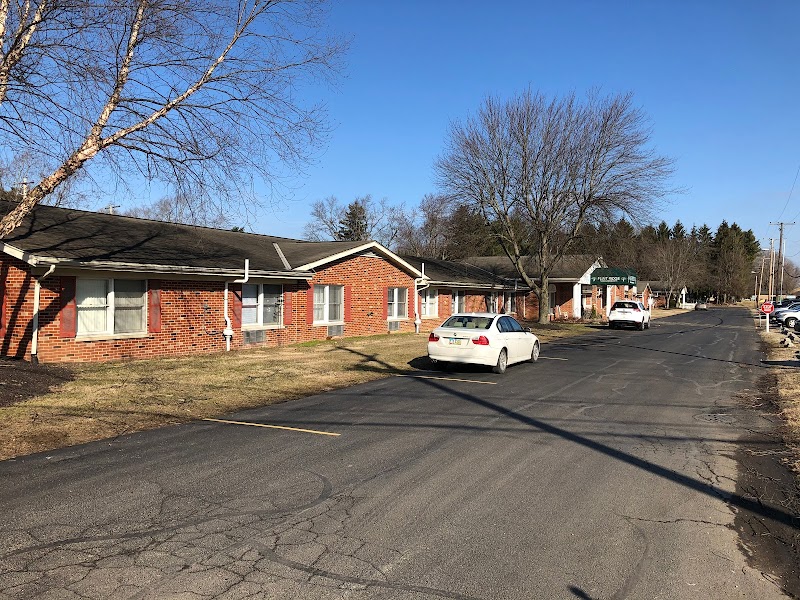
How Does Flint Ridge Nrsg & Rehab Ctr Compare to Other Ohio Nursing Homes?

Compared to the 100 nursing homes in Ohio, FLINT RIDGE NRSG & REHAB CTR's overall rating (2 stars) is below the state average of 3.2, staff turnover (51%) is near the state average of 46%, and health inspection rating (2 stars) is below the national benchmark.

What Should Families Ask When Visiting Flint Ridge Nrsg & Rehab Ctr?

Based on this facility's data, families visiting should ask: "Can I visit during a mealtime to observe dining assistance and food quality?" "How do you handle medical emergencies, and what is your hospital transfer rate?" "Can I speak with family members of current residents about their experience?"

Is Flint Ridge Nrsg & Rehab Ctr Safe?

Based on CMS inspection data, FLINT RIDGE NRSG & REHAB CTR has a clean safety record: no substantiated abuse findings (meaning no confirmed cases of resident harm), no Immediate Jeopardy citations (the most serious violation level indicating risk of serious injury or death), and is not on the Special Focus Facility watch list (a federal program monitoring the lowest-performing 1% of nursing homes). The facility has a 2-star overall rating and ranks #100 of 100 nursing homes in Ohio. While no facility is perfect, families should still ask about staff-to-resident ratios and recent inspection results during their visit.

Do Nurses at Flint Ridge Nrsg & Rehab Ctr Stick Around?

FLINT RIDGE NRSG & REHAB CTR has a staff turnover rate of 51%, which is 5 percentage points above the Ohio average of 46%. Moderate turnover is common in nursing homes, but families should still ask about staff tenure and how the facility maintains care continuity when employees leave.

Was Flint Ridge Nrsg & Rehab Ctr Ever Fined?

FLINT RIDGE NRSG & REHAB CTR has no federal fines on record. CMS issues fines when nursing homes fail to meet care standards or don't correct problems found during inspections. The absence of fines suggests the facility has either maintained compliance or corrected any issues before penalties were assessed. This is a positive indicator, though families should still review recent inspection reports for the full picture.

Is Flint Ridge Nrsg & Rehab Ctr on Any Federal Watch List?

FLINT RIDGE NRSG & REHAB CTR is not on any federal watch list. The most significant is the Special Focus Facility (SFF) program, which identifies the bottom 1% of nursing homes nationally based on persistent, serious quality problems. Not being on this list means the facility has avoided the pattern of deficiencies that triggers enhanced federal oversight. This is a positive indicator, though families should still review the facility's inspection history directly.