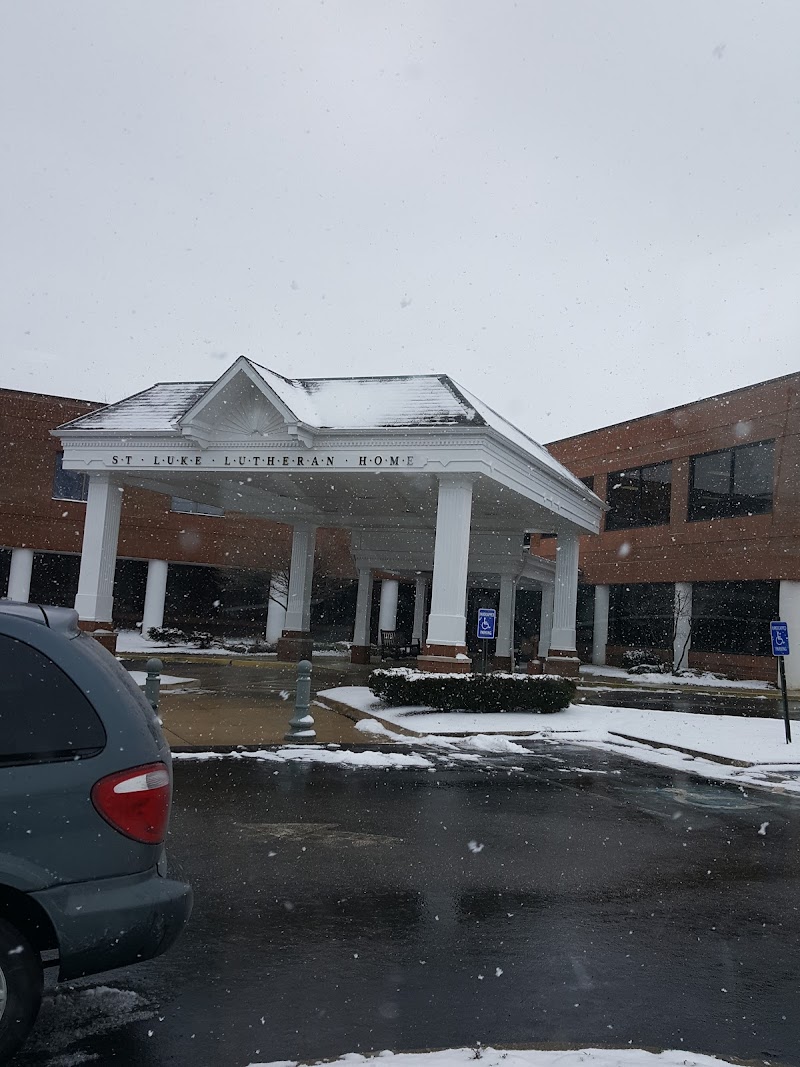
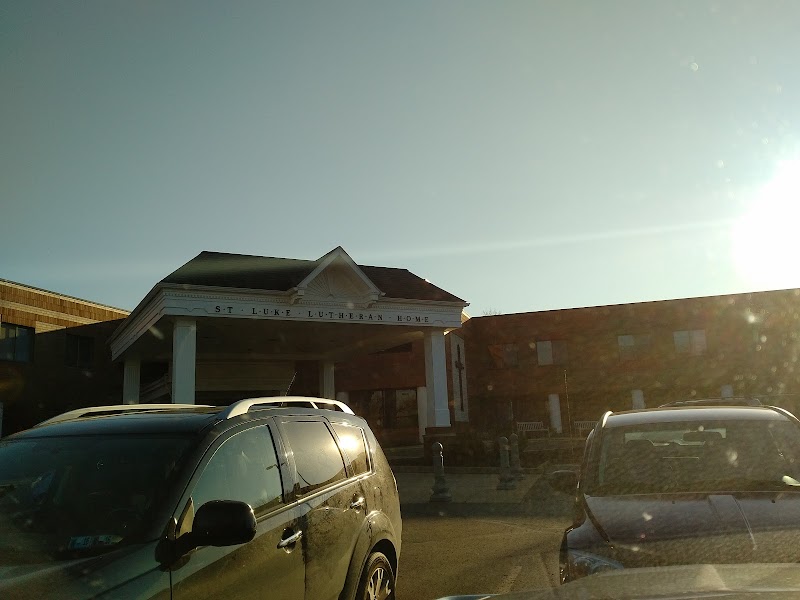
SAINT LUKE LUTHERAN HOME

220 APPLEGROVE STREET NE, NORTH CANTON, OH 44720 (330) 499-8341
Non profit - Corporation 166 Beds Independent Data: November 2025 1 Immediate Jeopardy citation
Trust Grade
3/100
#898 of 913 in OH
Last Inspection: January 2023

Over 2 years since last inspection. Current conditions may differ from available data.

Overview

Saint Luke Lutheran Home in North Canton, Ohio, has received a Trust Grade of F, indicating poor performance and significant concerns about the quality of care. Ranking #898 out of 913 facilities in Ohio places it in the bottom half, and it's the lowest-ranked facility in Stark County. The facility is experiencing a worsening trend, with issues increasing from 6 in 2023 to 31 in 2025. Staffing is a concern, rated 2 out of 5 stars, with a high turnover rate of 64%, which is above the state average, and there is less RN coverage than 88% of other facilities, meaning residents may not receive the attention they need. There are concerning incidents reported, including a critical finding where a cognitively impaired resident was not provided adequate dementia care, leading to potential harm. Additionally, serious issues arose from the failure to prevent pressure ulcers, with one resident developing a serious skin injury due to a lack of consistent care and assessment. While the quality measures rating is better at 4 out of 5 stars, the overall poor health inspections and high fines of $47,925 suggest ongoing compliance problems that families should carefully consider.

Trust Score
F
3/100
In Ohio
#898/913
Bottom 2%
Safety Record
High Risk
Review needed
Inspections
Getting Worse
6 → 31 violations
Staff Stability
⚠ Watch
64% turnover. Above average. Higher turnover means staff may not know residents' routines.
Penalties
✓ Good
$47,925 in fines. Lower than most Ohio facilities. Relatively clean record.
Skilled Nurses
⚠ Watch
Each resident gets only 23 minutes of Registered Nurse (RN) attention daily — below average for Ohio. Fewer RN minutes means fewer trained eyes watching for problems.
Violations
⚠ Watch
62 deficiencies on record. Higher than average. Multiple issues found across inspections.
★☆☆☆☆
1.0
Overall Rating
★★☆☆☆
2.0
Staff Levels
★★★★☆
4.0
Care Quality
★☆☆☆☆
1.0
Inspection Score
Stable
2023: 6 issues
2025: 31 issues

The Good

  • 4-Star Quality Measures · Strong clinical quality outcomes
  • Full Sprinkler Coverage · Fire safety systems throughout facility
  • No fines on record

Facility shows strength in quality measures, fire safety.

The Bad

1-Star Overall Rating

Below Ohio average (3.2)

Significant quality concerns identified by CMS

Staff Turnover: 64%

17pts above Ohio avg (46%)

Frequent staff changes - ask about care continuity

Federal Fines: $47,925

Above median ($33,413)

Moderate penalties - review what triggered them

Staff turnover is elevated (64%)

16 points above Ohio average of 48%

The Ugly 62 deficiencies on record

1 life-threatening 3 actual harm
Sept 2025 7 deficiencies
CONCERN (D) 📢 Someone Reported This

A family member, employee, or ombudsman was alarmed enough to file a formal complaint

Potential for Harm - no one hurt, but risky conditions existed

Comprehensive Care Plan (Tag F0656)

Could have caused harm · This affected 1 resident

**NOTE- TERMS IN BRACKETS HAVE BEEN EDITED TO PROTECT CONFIDENTIALITY** Based on record review, interview, and facility policy review, the facility failed to ensure care plans were comprehensive. This...

Read full inspector narrative →
**NOTE- TERMS IN BRACKETS HAVE BEEN EDITED TO PROTECT CONFIDENTIALITY** Based on record review, interview, and facility policy review, the facility failed to ensure care plans were comprehensive. This affected three residents (Resident #62, #93, and #125) of 10 residents reviewed for care plans. Facility census was 124. Findings include: 1. Review of the medical record for Resident #62 revealed an admission date of 08/02/25 and diagnoses included pneumonia. Review of the quarterly Minimum Data Set (MDS) dated [DATE] revealed Resident #62 had impaired cognition. Review of the physician order dated August 2025 revealed Resident #62 received Eliquis (anticoagulant) 5 milligram (mg) one (1) tablet in the morning and 1 tablet in the evening (HS).Review of the care plan dated 08/02/25 revealed there was no care plan for anticoagulant therapy.Interview on 08/28/25 at 10:27 A.M. with Minimum Data Set (MDS) Registered Nurse (RN) #260 confirmed there was no anticoagulant therapy care plan for Resident #62 and there should have been. Review of facility policy, Care Plans, Comprehensive, Person-Centered, revised 02/2025, revealed a comprehensive, person-centered care plan that includes measurable objectives and timetables to meet the resident's physical, psychosocial and functional needs is developed and implemented for each resident.2.Review of the medical record for Resident #93 revealed an admission date of 02/13/25. Diagnoses included surgical amputation.Review of the quarterly Minimum Data Set (MDS) dated [DATE] revealed Resident #93 had intact cognition. Review of the physician order dated August 2025 revealed Resident #93 received Apixaban (anticoagulant) 2.5 MG give 1 tablet by po twice a day (BID) and give Clopidogrel Bisulfate 75 MG give 1 tablet PO in the morning.Review of the care plan dated 03/10/25 revealed there was no care plan for anticoagulant therapy.Interview on 08/28/25 at 10:27 A.M. with MDS RN #260 confirmed there was no anticoagulant therapy care plan for Resident #93 and there should have been. Interview on 08/28/25 at 10:27 A.M. with Registered Nurse (RN) #260 confirmed there were no anticoagulant care plans for Resident #93 and there should be.3. Review of the closed medical record for Resident #125 revealed an admission date of 07/16/25 and a discharge date of 07/31/25. Diagnosis included but not limited to fracture of sacrum pubis, and wedge compression fracture of T11-T12 Vertebra, malignant neoplasm of glottis, and chronic venous hypertension with ulcer of left lower extremity.Review of the Medicare five-day Minimum Data Set (MDS) dated [DATE] revealed Resident #125 had intact cognition. Review of the physician order dated July 2025 revealed Resident #125 was ordered Plavix 75 MG (anticoagulant) give 1 table PO in the morning.Review of the care plan dated 04/25/25 revealed there was no care plan for anticoagulant therapy.Interview on 08/28/25 at 10:27 A.M. with MDS RN #260 confirmed there was no anticoagulant therapy care plan for Resident #125 and there should have been.Review of facility policy, Care Plans, Comprehensive, Person-Centered, revised 02/2025, revealed a comprehensive, person-centered care plan that includes measurable objectives and timetables to meet the resident's physical, psychosocial and functional needs is developed and implemented for each resident.This is an incidental finding discovered during the complaint investigation.
CONCERN (D) 📢 Someone Reported This

A family member, employee, or ombudsman was alarmed enough to file a formal complaint

Potential for Harm - no one hurt, but risky conditions existed

Deficiency F0657 (Tag F0657)

Could have caused harm · This affected 1 resident

**NOTE- TERMS IN BRACKETS HAVE BEEN EDITED TO PROTECT CONFIDENTIALITY** Based on record reviews, care conference postcard and letter invitation review, interviews and policy review the facility failed...

Read full inspector narrative →
**NOTE- TERMS IN BRACKETS HAVE BEEN EDITED TO PROTECT CONFIDENTIALITY** Based on record reviews, care conference postcard and letter invitation review, interviews and policy review the facility failed to ensure care plan meetings were offered timely, per preference, and in person. This affected one (Resident #40) of three residents reviewed for care plan meetings. The facility census was 124.Findings include: Review of the medical record for Resident #40 revealed an admission date of 09/16/22. Diagnoses included but not limited to encephalopathy, bipolar disorder, schizophrenia, psychosis and dementia. with behavioral disturbance.Review of the quarterly minimum data set (MDS) dated [DATE], revealed Resident #40 scored a zero on the brief interview mental status (BIMS) out of 15, resulting in severely impaired cognition. Resident #40 was dependent on staff for all her care needs to include toileting, showering, and eating.Interview on 09/10/25 at 9:45 A.M. with Resident #40's family member revealed she was not offered any care conferences in over five (5) months with the last care conference she had was over the phone on 03/18/25. She reported she usually received a letter in the mail to have the care conference over the phone but she has not received a letter in over 5 months and she would like to have the care conference in person. The family member stated the facility only offers care conference meetings over the phone. Interview on 09/11/25 at 7:43 A.M. with the Director of Nursing (DON) confirmed care plan meetings are to be held on admission, quarterly, annually, with significant change, and if the family requests. DON confirmed no evidence a care conference letter was mailed to Resident #40's family or RSVP received by the facility. DON reported the facility verbally calls or emails resident families to schedule care conferences. DON reported resident families have the choice of over the phone or in person care conference. Interview on 09/11/25 at 9:42 A.M. with Licensed Social Worker (LSW) #254 confirmed care plan meetings are to be held every quarter. LSW #254 confirmed Resident #40's last care conference was on 03/18/25 and did not have an RSVP for the 06/18/25 care plan meeting. LSW #254 confirmed letters are mailed for over the phone care plan meetings only and was unable to verify the resident's family member received a letter for the 06/18/25 meeting.Review of the facility document letter sent to residents ' families for care conferences revealed an invitation to attend care conference, stating at this time we are doing these meetings via telephone in lieu of in-house meetings. The letter further stated to call LSW #254 to RSVP if you were planning on attending or need to reschedule.Review of the facility documents/post card provided to residents regarding care plan meetings revealed residents are invited to attend, the meeting will be over the phone, and the resident was to notify front desk if they plan to attend.Review of facility policy, Care Plans, Comprehensive, Person-Centered, revised 02/20/25, revealed each resident's comprehensive person-centered care plan will be consistent with the resident's rights to participate in the development and implementation of his or her plan of care, to include participation.This deficiency represents non-compliance investigated under Master Complaint Number 2611431.
CONCERN (D) 📢 Someone Reported This

A family member, employee, or ombudsman was alarmed enough to file a formal complaint

Potential for Harm - no one hurt, but risky conditions existed

Quality of Care (Tag F0684)

Could have caused harm · This affected 1 resident

Based on interviews and closed medical record review, the facility failed to ensure physician orders were followed and the physician was contacted with elevated blood pressure findings. This affected ...

Read full inspector narrative →
Based on interviews and closed medical record review, the facility failed to ensure physician orders were followed and the physician was contacted with elevated blood pressure findings. This affected one resident (125). The facility census was 124.Findings included: Review of the closed medical record for Resident #125 revealed an admission date of 07/16/25 and a discharge date home of 07/21/25. Diagnosis included but not limited to fracture of sacrum pubis, and wedge compression fracture of T11-T12 Vertebra, malignant neoplasm of glottis, and chronic venous hypertension with ulcer of left lower extremity.Review of the physician orders dated 07/16/25 for Resident #125 revealed an order for orthostatic blood pressure (BP) times (x) three (3) shifts every shift for lying BP, sitting BP, and standing BP.Review of the physician orders dated 07/17/25 for Resident #125 revealed an order for transfers: two person physical assist every shift.Review of the blood pressure readings for Resident #125 revealed on 07/17/25 at 1:07 A.M. lying blood pressure (BP) was 186/99 and sitting BP was 189/99. No standing BP was taken. On 07/18/25 there were no BP readings recorded. On 07/19/25 at 1:21 P.M. a sitting BP of 191/81, no lying or standing BP was taken. On 07/20/25 at 6:21 P.M. a lying BP reading of 151/67 was taken, no sitting or standing BP was taken. On 07/21/25 at 8:14 A.M. lying BP was 210/104, and on 07/21/25 at 8:08 P.M. sitting BP was 144/84, no standing BP was recorded. On 07/22/25 at 5:20 A.M. a lying BP reading was 192/92 and on 07/22/25 at 1:07 P.M. sitting BP was 163/101, no standing BP reading done. On 07/24/25 at 3:02 P.M. a sitting BP reading was 145/101 and on 07/23/25 at 9:12 P.M. a sitting BP reading was 152/96, no lying or standing BP ' s were recorded. On 07/24/25 at 8:07 A.M. a sitting BP reading of 144/86 and on 07/24/25 at 9:06 P.M a sitting BP reading of 145/85 was recorded. On 07/25/25 at 1:50 P.M. a lying BP of 142/76 was recorded. On 07/26/25 at 06:54 A.M. a sitting BP reading of 178/89 was recorded and on 07/26/25 at 11:22 A.M. a sitting BP reading of 173/86 was recorded. On 07/26/25 at 7:29 P.M. was sitting BP reading of 150/67 recorded.Review of the progress notes dated July 2025 for Resident #125 revealed no progress notes regarding notification to the physician regarding blood pressure readings. Review of the physician orders dated 07/24/25 revealed an order for Amlodipine Besylate (medication used to treat high BP) 5 milligram (mg) to give one (1) tablet by mouth (PO) daily for hypertension (high blood pressure).Review of the Medication Administration Records (MARS) and Treatment Administration Records (TARS) for July 2025 revealed on 07/24/25 Resident #125 received Amlodipine as ordered.Interview on 08/27/25 at 2:52 P.M. with the Director of Nursing (DON) confirmed physician orders were not followed for the orthostatic BP's to be taken lying, sitting, and standing. The DON confirmed for high BP's, the physician should be notified, and the nurse should document in the progress notes regarding the notification. Interview on 09/02/25 at 7:25 A.M. with Assistant Director of Nursing (ADON) #261 confirmed there was no notification to physician regarding the high blood pressure readings and the order upon admission for BP's to be taken, lying, sitting, and standing were not followed as ordered. Interview on 09/02/25 at 8:23 A.M. with Registered Nurse (RN) Coordinator #319 confirmed physician orders were not followed as ordered. RN Coordinator #319 confirmed for high BP's, the physician should be notified, and the nurse should document in the progress notes regarding the notification. The RN Coordinator confirmed a high blood pressure is anything over 140/70's.Interview on 09/02/25 at 10:01 A.M. with Physician #500 confirmed he wasn't notified of high BP readings for Resident #125. Physician #500 reported he would expect to be notified for a systolic (top number of a blood pressure reading) BP of 160 or above and a diastolic (bottom number of a blood pressure reading) BP reading of 90 or above. Physician #500 confirmed he expected nursing staff to follow his orders to include orthostatic BP readings, lying, sitting and standing.This is an incidental finding discovered during the complaint investigation.
CONCERN (D) 📢 Someone Reported This

A family member, employee, or ombudsman was alarmed enough to file a formal complaint

Potential for Harm - no one hurt, but risky conditions existed

Deficiency F0809 (Tag F0809)

Could have caused harm · This affected 1 resident

Based on observation, interviews and policy review, the facility failed to ensure meals were served timely on the Memory Care Unit. This affected all 33 residents residing on the Memory Care Units (Re...

Read full inspector narrative →
Based on observation, interviews and policy review, the facility failed to ensure meals were served timely on the Memory Care Unit. This affected all 33 residents residing on the Memory Care Units (Resident #19, #20, #21, #22, #23, #24, #25, #26, #27, #28, #29, #30, #31, #32, #33, #34, #35, #36, #37, #38, #39, #40, #41, #42, #43, #44, #45, #46, #47, #48, #49, #50, and #51). The facility Census was 124. Findings include: Interview on 09/10/25 at 9:45 A.M. with Resident #40's family reported the food trays are always late to the dining room by almost an hour.Observation on 09/11/25 at 12:00 P.M of the dining room in Memory Care Unit revealed 17 residents were seated and awaiting their lunch meals.Interview on 09/11/25 at 12:13 P.M. with Certified Nursing Assistant (CNA) #353 confirmed meals are late.Interview on 09/11/25 at 12:13 P.M. with CNA #408 confirmed meals are late.Observation on 09/11/25 at 12:37 P.M. revealed the first meal cart arrived to the unit. Seven (7) staff (two unidentified staff and CNA #345, CNA #353, CNA #375, CNA #408, and Licensed Practical Nurse (LPN) #331) started passing the meal trays to the residents.Interview on 09/11/25 at 12:46 P.M. with CNA #375 confirmed meals are always late.Interview on 09/11/25 at 12:31 P.M. with Resident #38's family confirmed meals are late, usually at least 30 minutes late.Interview on 09/11/25 at 1:46 P.M. with Dietary Aide #270 confirmed the lunch meal trays were late.Interview on 09/11/25 at 1:46 P.M. with Dietary Manager #200 confirmed the lunch meal trays were late to Memory Care Unit and when asked what may cause the meal delivery to be late, stated staff are not timely serving up the trays.Interview on 09/11/25 at 1:52 P.M. with Dietary Supervisor #406 confirmed the lunch meal trays were late to Memory Care Unit. When asked what causes the meals trays to be late coming from the kitchen the supervisor stated they were just late sometimes.Review of the policy, Meal Times, undated, revealed for the Memory Care Unit first meal cart to be delivered at 12:00 P.M., (Laurel Valley 1) and second meal cart to be delivered at 12:15 P.M., (Laurel Valley 2) for the lunch meal.Review of the facility policy, Food Palatability Policy, undated, revealed meal trays will be delivered promptly to ensure freshness and quality. This deficiency represents non-compliance investigated under Master Complaint Number 2611431.
CONCERN (D) 📢 Someone Reported This

A family member, employee, or ombudsman was alarmed enough to file a formal complaint

Potential for Harm - no one hurt, but risky conditions existed

Infection Control (Tag F0880)

Could have caused harm · This affected 1 resident

**NOTE- TERMS IN BRACKETS HAVE BEEN EDITED TO PROTECT CONFIDENTIALITY** Based on observation, interview and record review the facility failed to implement infection control procedures during medicatio...

Read full inspector narrative →
**NOTE- TERMS IN BRACKETS HAVE BEEN EDITED TO PROTECT CONFIDENTIALITY** Based on observation, interview and record review the facility failed to implement infection control procedures during medication administration. This affected one resident (#100) of five residents observed for medication administration. The facility census was 124.Findings include: Review of record for Resident #100 revealed an admission date of 08/20/22. Diagnosis included but not limited to volvulus, history of malignant neoplasm of the breast and skin, and absence of parts of the digestive tract and of both cervix and uterus.Review of the quarterly minimum data set (MDS) dated [DATE] revealed Resident #100 had intact cognition.Review of the physician orders for August 2025 revealed Resident #100 was ordered Vitamin D3 50 microgram (mcg) give two capsules by mouth (PO) in the morning.Observation of medication administration on 08/28/25 at 8:15 A.M. revealed with Registered Nurse (RN) #316 administered Vitamin D3 50 mcg one capsule to Resident #100. RN #316 then realized the order was for Vitamin D3 50 mcg to administer two capsules. RN #316 administered Vitamin D3 50 mcg one capsule to Resident #100 and then went to the medication cart. RN #316 used hand sanitizer then removed the bottle of Vitamin D3 50 mcg from the medication cart and placed two (2) capsules in the medicine cup. RN #316 then realized she only needed one additional Vitamin D3 50 mcg capsule. RN #316 removed one Vitamin D3 capsule from the medicine cup with her bare hands, touching the other Vitamin D3 in the medicine cup and placed the Vitamin D3 she removed from the medicine cup, back into the Vitamin D3 bottle with the other pills remaining in the bottle. RN #316 then administered Vitamin D3 50 mcg one capsule to Resident #316. Interview on 08/28/25 at 8:27 A.M. with RN #316 confirmed she used her bare hands to remove one Vitamin D3 capsule from the medicine cup, touching the remaining one Vitamin D3 capsule and put the removed Vitamin D3 in the original medication bottle. RN #316 reported she didn't think she did anything wrong because she used hand sanitizer prior to touching the Vitamin D3 capsules.Interview on 08/28/25 at 9:22 A.M. with the Director of Nursing (DON) confirmed staff were not to use their bare hands to touch resident medication and not return the medication to the original bottle. The DON reported he would discard the Vitamin D3 medication bottle.Interview on 08/28/25 at 10:41 A.M. with RN Nursing Coordinator #319 confirmed nurses are not to touch pills with their bare hands, they should use gloves.Review of facility policy, Infection Prevention and Control Program, undated, revealed It is a policy of this facility to establish and maintain an infection prevention ad control program designed to provide a safe, sanitary, and comfortable environment and to help prevent the development and transmission of communicable disease and infection. This deficiency is an incidental finding discovered during the investigation.
CONCERN (E) 📢 Someone Reported This

A family member, employee, or ombudsman was alarmed enough to file a formal complaint

Potential for Harm - no one hurt, but risky conditions existed

Safe Environment (Tag F0584)

Could have caused harm · This affected multiple residents

Based on observation, record review, facility temperature log review, policy review and interview, the facility failed to ensure a clean, comfortable and homelike environment. The facility failed to e...

Read full inspector narrative →
Based on observation, record review, facility temperature log review, policy review and interview, the facility failed to ensure a clean, comfortable and homelike environment. The facility failed to ensure water temperatures were maintained at a comfortable level for resident bathing/showers, failed to maintain an adequate supply of clean bath linens for resident use and failed to ensure garbage bags were available and provided in resident rooms to contain trash. This affected 11 residents (#3, #20, #27, #30, #32, #44, #96, #100, #111, #113 and #124) reviewed for water temperatures, one resident (#40) reviewed for linen availability with the potential to affected an additional undetermined number of residents based on staff interview and four residents (#32, #40, #44, and #48) reviewed for garbage disposal. The facility census was 124. Findings include: During the onsite investigation, the following environmental concerns were identified: 1. Review of facility concern logs for June 2025 revealed there was a concern with hot water running and resolution of repairs being made. In August 2025 there was a concern of water temperatures being Lukewarm. Review of the shower sheets for Resident #3, revealed on 08/07/25 nothing was checked as to shower given or not, on 08/07/25, a second line nothing was checked as to shower given or not, and on 08/18/25 there is a notation on the date NO hot water.Review of the shower sheets for Resident #100, revealed on 08/07/25 nothing was checked as to if a shower was given or not, on 08/11/25 nothing checked to as if a shower was given or not, and on 08/25/25 nothing checked to as if a shower was given or not.Review of the shower sheets for Resident #111 revealed for 08/07/25 nothing checked as to if a shower was given or not, another line for 08/07/25 checked as refused and on 08/8/25 stated No hot water.Interview on 08/27/25 at 6:39 A.M. with Certified Nursing Assistant (CNA) #378 revealed there had been no hot water on the memory care unit for the past couple weeks. CNA #378 reported this had affected the staff ability to assist with showers. Observation on 08/27/25 from 6:52 A.M. to 7:03 A.M. on the Memory Care Unit with CNA #378 of resident rooms of the water from the hot water spigot revealed the following: Resident #27's hot water spigot was turned on and the surveyor placed a hand in the running water which was very cold to touch and CNA #378 tested with her hand and confirmed the water coming out of the hot water spigot was cold.Resident #32's hot water spigot was turned on and the surveyor placed a hand in the running water revealed it was very cold to touch and CNA #378 placed her hand under the running water and confirmed the water coming out of the hot water spigot was cold.Resident #44's hot water spigot was turned on and the surveyor placed a hand in the running water and it was very cold to touch and CNA #378 placed her hand under the running water and confirmed the water coming out of the hot water spigot was cold.Interview on 08/27/25 from 6:46 A.M to 2:54 P.M. with Resident #3, #44, #100, #111 and #113, Resident #100's family and Resident #111's family revealed the water had been cold; there was insufficient water to take showers and this had been going on for weeks to months.Interview on 08/27/25 from 6:28 A.M. to 7:31 A.M. with Licensed Practical Nurse (LPN) #337, CNA #338, CNA #365, CNA #377, Registered Nurse (RN) #316 confirmed there has been no hot water on the Memory Care Unit and in some areas of the Long-Term Care Unit for the last few weeks. The staff members revealed this created an issue in taking residents to other areas of the facility for showering. Interview on 08/27/25 with Employee #381 confirmed there was no hot water in the resident rooms on memory care or in some areas of the long-term care units. Employee #381 reported the problem has been going on and off for months now.Observation on 08/27/25 from 8:52 A.M. to 9:09 A.M. of the water temperatures on the memory care unit and from 9:10 A.M. to 9:28 A.M. on the long term care unit revealed the following temperatures taken by Employee #381, using a facility thermometer in the rooms of Resident #20, #27, #30, and #32: The temperatures ranged from 82 degrees Fahrenheit (F), 88.8 degrees F, 87.8 degrees F and 92 degrees F. After letting the hot water run for three minutes and retested the temperatures ranged from 87.2 degrees F, 92.1 degrees F, and 94.1 degrees F. On the long-term care unit with Employee #381, using the facility thermometer revealed he took temperatures of the water in Resident #96, #113, and #124 rooms which ranged from 70.6 degrees F, 78.4 degrees F, and 80.9 degrees F. After letting the hot water spigot run for three minutes and retested the temperatures ranged from 92.1 degrees F, 93 degrees F, and 97.7 degrees F. Employee #381 confirmed the water was cold to lukewarm at the best and not at the acceptable temperatures for hot water. Interview on 08/27/25 at 3:30 P.M. with Mechanical Contractor #505 confirmed the hot water was not at the correct temperature in some areas of the facility. Mechanical Contractor #505 reported he gave the facility a quote to replace the two (2) boilers, he reported only one was working and the other one very old.Review of the temperature logs taken by the facility for June 2025, July 2025, and August 2025, revealed in June 2025 from 06/17/25 to 06/25/25 staff documented issues with the hot water and still having issues with hot water. Documentation for 07/26/25, 07/27/25 and 07/30/25 was blank. Documentation for 08/01/25 and 08/02/25 revealed Hot water tank broke yesterday no hot water today and for August 2, 2025 still no hot water today. On 08/14/25 staff documented No hot water today. On 08/15/25, 08/16/25, 08/18/25, 08/19/25, 08/20/25 staff documented there was no hot water. On 08/21/25 the form was blank. Documentation on 08/24/25 and 08/25/25 revealed no hot water today (08/25/25) water temperatures in the 90's. On 08/26/25 and 08/27/25 staff documented water temperatures between 90 and 101 degrees Fahrenheit. Review of facility policy, Water Temperatures, Operational Manual - Physical Environment, revised 12/02/24, revealed the facility ensures water is maintained at temperatures suitable to meet residents ' ' needs. Tap water in the facility is maintained within a temperature range to prevent scalding of residents. Further states water heaters that service resident rooms, bathrooms, common areas, and tub/shower areas are set to temperatures of at least 105 degrees Fahrenheit (F) and no more than 120-degree F.2. Observation on 09/10/25 at 8:10 A.M. of the supply room revealed only two (2) washcloths and five (5) towels available on the Rehabilitation Unit.Interview on 09/10/25 at 8:10 A.M. with LPN #404 confirmed not enough washcloths and towels. LPN #104 reported this was an ongoing issue. Interview on 09/10/25 at 8:22 A.M. with RN #309 confirmed there is not enough washcloths and towels for years. RN #309 reported she/they shouldn't have to go scavenger to find washcloths or towels for nights.Observation and interview on 09/10/25 at 8:40 A.M. with CNA #351 of the supply room on the Long Term Care Unit revealed only 8 towels and 15 washcloths. CNA #351 confirmed not enough towels or washcloths for all the residents. CNA #351 reported laundry doesn't arrive until after showers were started.Observation and interview on 09/10/25 at 8:49 A.M. with LPN #345 confirmed there were only 1 and 1/2 small stacks of washcloths and 2 small stacks of towels, which she reported wasn ' t enough for all the residents. LPN #345 reported this has been an ongoing issues not having enough washcloths or towels.Interview on 09/10/25 at 9:45 A.M. with Resident #40's family reported no towels or washcloths for over a week now. Interview on 09/10/25 at 3:10 P.M. with the Director of Nursing (DON) verified the concerns with the facility not having enough towels and washcloths available. The DON revealed the facility had hired a new Laundry/Housekeeper employee (#506). Interview on 09/10/25 at 3:59 P.M. with Laundry/Housekeeping Supervisor #506, who just started a three days ago confirmed there were not enough towels and washcloths for the facility. Review of the facility policy, Housekeeping - Supplies and Equipment, revised 12/2024, revealed the Housekeeping Supervisor maintains all supplies and keeps equipment stocked. 3. Interview/observation on 09/10/25 from 10:57 A.M. to 11:01 A.M. with LPN #331 revealed resident's were not being provided garbage bags in the trash cans in their rooms and that this had been a new change in the facility. Observation of Resident #40, #48, #44 and #32's room with LPN #331 verified the lack of garbage bags in the trash cans in these resident's rooms. Interview on 09/10/25 at 9:45 A.M. with Resident #40's family reported the facility had stopped supplying garbage bags for the trash can in the resident's room about a week ago. Interview on 09/10/25 at 3:10 P.M. with the DON confirmed the facility was having issues with not having enough garbage bags and running out. The DON reported a new Laundry/Housekeeper employee (#506) had been hired. Interview on 09/10/25 at 3:59 P.M. with Laundry/Housekeeping Supervisor #506, who just started a three days ago confirmed the facility had issues with not having enough garbage bags and running out.Interview on 09/11/25 at 9:10 A.M. with Housekeeper (HK) #407 confirmed there were no trash bags available to for use in resident rooms on the units. Interview on 09/11/25 at 12:13 P.M. with CNA #353 revealed issues with not having enough garbage bags for over a month now.Review of the facility undated document titled Housekeeper revealed when cleaning resident rooms, empty trash cans and reline.Review of the facility policy, Housekeeping - Supplies and Equipment, revised 12/2024, revealed the Housekeeping Supervisor maintains all supplies and keeps equipment stocked. This deficiency represents non-compliance investigated under Master Complaint Number 2611431 and Complaint Number 2579316.
CONCERN (F) 📢 Someone Reported This

A family member, employee, or ombudsman was alarmed enough to file a formal complaint

Potential for Harm - no one hurt, but risky conditions existed

Room Equipment (Tag F0908)

Could have caused harm · This affected most or all residents

**NOTE- TERMS IN BRACKETS HAVE BEEN EDITED TO PROTECT CONFIDENTIALITY** Based on observation, record review, facility temperature log review, policy review and interview, the facility failed to ensure...

Read full inspector narrative →
**NOTE- TERMS IN BRACKETS HAVE BEEN EDITED TO PROTECT CONFIDENTIALITY** Based on observation, record review, facility temperature log review, policy review and interview, the facility failed to ensure the boiler systems were functional and operational for resident/staff access to adequate hot water. This had the potential to affect all 124 residents residing in the facility. Findings Include: Review of facility concern logs for [DATE] revealed there was a concern with hot water running and resolution of repairs being made. In [DATE] there was a concern of water temperatures being Lukewarm. Interview on [DATE] at 6:39 A.M. with Certified Nursing Assistant (CNA) #378 revealed there had been no hot water on the memory care unit for the past couple weeks. CNA #378 reported this had affected the staff ability to assist with showers. Observation on [DATE] from 6:52 A.M. to 7:03 A.M. on the Memory Care Unit with CNA #378 of resident rooms of the water from the hot water spigot revealed the following: Resident #27's hot water spigot was turned on and the surveyor placed a hand in the running water which was very cold to touch and CNA #378 tested with her hand and confirmed the water coming out of the hot water spigot was cold.Resident #32's hot water spigot was turned on and the surveyor placed a hand in the running water revealed it was very cold to touch and CNA #378 placed her hand under the running water and confirmed the water coming out of the hot water spigot was cold.Resident #44's hot water spigot was turned on and the surveyor placed a hand in the running water and it was very cold to touch and CNA #378 placed her hand under the running water and confirmed the water coming out of the hot water spigot was cold.Interview on [DATE] from 6:46 A.M to 2:54 P.M. with Resident #3, #44, #100, #111 and #113, Resident #100's family and Resident #111's family revealed the water had been cold; there was insufficient water to take showers and this had been going on for weeks to months.Interview on [DATE] from 6:28 A.M. to 7:31 A.M. with Licensed Practical Nurse (LPN) #337, CNA #338, CNA #365, CNA #377, Registered Nurse (RN) #316 confirmed there has been no hot water on the Memory Care Unit and in some areas of the Long-Term Care Unit for the last few weeks. Interview on [DATE] with Employee #381 confirmed there was no hot water in the resident rooms on memory care or areas of the long-term care units. Employee #381 reported the problem has been going on and off for months now.Observation on [DATE] from 8:52 A.M. to 9:09 A.M. of the water temperatures on the memory care unit and from 9:10 A.M. to 9:28 A.M. on the long term care unit revealed the following temperatures taken by Employee #381, using a facility thermometer in the rooms of Resident #20, #27, #30, and #32: The temperatures ranged from 82 degrees Fahrenheit (F), 88.8 degrees F, 87.8 degrees F and 92 degrees F. After letting the hot water run for three minutes and retested the temperatures ranged from 87.2 degrees F, 92.1 degrees F, and 94.1 degrees F. On the long-term care unit with Employee #381, using the facility thermometer revealed he took temperatures of the water in Resident #96, #113, and #124 rooms which ranged from 70.6 degrees F, 78.4 degrees F, and 80.9 degrees F. After letting the hot water spigot run for three minutes and retested the temperatures ranged from 92.1 degrees F, 93 degrees F, and 97.7 degrees F. Employee #381 confirmed the water was cold to lukewarm at the best and not at the acceptable temperatures for hot water. Interview on [DATE] at 3:30 P.M. with Mechanical Contractor #505 revealed the facility hot water was not at the correct temperatures in the facility due to issues with their existing boilers. Mechanical Contractor #505 reported he gave the facility a quote to replace the two (2) boilers, he reported only one was working and the other one very old.Review of the temperature logs taken by the facility for [DATE], [DATE], and [DATE], revealed in [DATE] from [DATE] to [DATE] staff documented issues with the hot water and still having issues with hot water. Documentation for [DATE], [DATE] and [DATE] was blank. Documentation for [DATE] and [DATE] revealed Hot water tank broke yesterday no hot water today and for [DATE] still no hot water today. On [DATE] staff documented No hot water today. On [DATE], [DATE], [DATE], [DATE], [DATE] staff documented there was no hot water. On [DATE] the form was blank. Documentation on [DATE] and [DATE] revealed no hot water today ([DATE]) water temperatures in the 90's. On [DATE] and [DATE] staff documented water temperatures between 90 and 101 degrees Fahrenheit.Interview on [DATE] at 10:58 A.M. with Maintenance Tech (MT) #380 revealed the facility was operating on one boiler for hot water and the kitchen and laundry would get the hot water first. They would use all the hot water leaving the rest of the building without hot water. The boiler system would try to catch itself up overnight. The kitchen had a single booster to the dishwasher to ensure they were meeting metrics for dishwashing but they weren't having hot water for cooking. Laundry was having a hard time getting hot water past 90 degrees Fahrenheit (F). The facility swapped to a different chemical system before the boiler system issue so the bleach offset the lack of hot water. During the interview, the MT revealed the main section of the facility building ran on three boilers, with the memory care unit, dogwood unit and rehab unit on a completely different operating system which he thought was fully functional MT #380 revealed when going through the timeline of previously reported (beginning in [DATE]) hot water issues, they would check water in the morning and in identifying hot water issues they would look to find the issue to fix. In [DATE] they identified the boiler kept tripping with an electric short and it would pop the breaker so they would start it back up and get hot water temps restored. They would then find the housekeeping mixing dispensers were not always turned off, leading to lower hot water. MT #380 revealed in [DATE], the facility had a hot water holding tank bust and a company came in to cut it out and the facility was able to use the other holder tanks. Ongoing issues in [DATE] required repairs to the boiler system including valve and circulation pump replacement. MT #380 revealed they facility had a three boiler system for years and almost a year ago they pulled one boiler that went down so they were working with the remaining two boilers (a main boiler and a back up boiler). Maintenance Tech #380 believed the facility would need to get quotes to fix the whole system, by they didn't go through, or it was put off, and eventually the second boiler died at the beginning of [DATE] leaving only one boiler. Review of facility policy, Water Temperatures, Operational Manual - Physical Environment, revised [DATE], revealed the facility ensures water was maintained at temperatures suitable to meet residents needs. Tap water in the facility was maintained within a temperature range to prevent scalding of residents. The policy further revealed water heaters that service resident rooms, bathrooms, common areas, and tub/shower areas were set to temperatures of at least 105 degrees Fahrenheit (F) and no more than 120-degree F.This deficiency represents non-compliance investigated under Master Complaint Number 2579316.
Aug 2025 18 deficiencies 1 IJ
CRITICAL (J) 📢 Someone Reported This

A family member, employee, or ombudsman was alarmed enough to file a formal complaint

Immediate Jeopardy (IJ) - the most serious Medicare violation

Deficiency F0744 (Tag F0744)

Someone could have died · This affected 1 resident

**NOTE- TERMS IN BRACKETS HAVE BEEN EDITED TO PROTECT CONFIDENTIALITY** Based on observation of facility recorded video footage with sound, observation of police officer body camera footage, medical r...

Read full inspector narrative →
**NOTE- TERMS IN BRACKETS HAVE BEEN EDITED TO PROTECT CONFIDENTIALITY** Based on observation of facility recorded video footage with sound, observation of police officer body camera footage, medical record review, facility incident review, review of a self-reported incident, interview, dementia training curriculum review, facility assessment review and policy review the facility failed to ensure Resident #145, who was cognitively impaired and had a diagnosis of dementia, was provided adequate, necessary kind, appropriate and dignified dementia care to meet his total care needs. This resulted in immediate jeopardy and the potential for serious harm and injury on 07/06/25 at 5:46 A.M. when the resident began to wander throughout the facility secured dementia unit. Certified Nursing Assistant (CNA) #800 and CNA #568 were observed on video to yell at the resident to get out of other resident rooms, to go back to his room, the facility was not his home and to stop hitting staff or they would call the police, and he would go to jail. The lack of planned and appropriate intervention, lack of appropriately trained staff to care for the residents (including Resident #145), on the specialty unit, and lack of staff supervision resulted in police being called to the facility to assist with the resident. The CNAs falsely reported to the police resident behaviors, and the resident was unnecessarily transferred to the hospital emergency room and returned to the facility the same day. The facility consultant psychiatrist then implemented the use of Depakote (an anti-seizure medication that can be used as a psychotropic medication), to the resident's treatment plan to manage the resident's behaviors. This affected one resident (Resident #145) of three residents reviewed. The facility census was 141.On 07/16/25 at 1:45 P.M., the Administrator, Director of Nursing (DON) and Assistant Director of Nursing were notified Immediate Jeopardy began on 07/06/25 at 5:46 A.M. when Resident #145 began to wander on the facility secured dementia unit. CNA #800 and CNA #568 were observed on video to yell at the resident to get out of other resident rooms, to go back to his room, the facility was not his home and to stop hitting staff or they would call the police, and he would go to jail. The police were contacted to assist in the care of Resident #145 and the resident was unnecessarily transferred to the hospital after CNA #585 and CNA #800 falsely reported resident behaviors to the police department and facility nursing staff. Facility Administration failed to complete a thorough investigation of the incident, failed to review the facility recorded security camera video footage with sound from the secured dementia unit common area, failed to ensure staff responded appropriately to a population in their facility requiring specialized training and permitted CNA #585 and #800 to return to work on 07/06/25 to provide care to the residents on the secured dementia unit, including Resident #145.The Immediate Jeopardy was removed on 07/18/25 when the facility implemented the following corrections: On 07/16/25 (no time provided) Certified Nursing Assistant (CNA) #568 and #800 were suspended and a full internal investigation was initiated. CNA #800 was placed on the do not return list and CNA #568 will remain on suspension pending the outcome of the investigation. On 7/16/25 (no time provided) Pharmacist #300 completed a medication regimen review for Resident #145 and no changes were recommended. On 07/16/25 at 4:00 P.M. Social Services #400 contacted Resident #145's wife to discuss the facility's plan to involve the resident's family in future behavioral interventions such as notifying the resident's spouse anytime, day or night, of behaviors and/or incidents. The resident's wife plans to spend some nights with the resident and the staff will ask the resident's spouse to assist and/or be present during any behaviors. On 07/16/25 Social Services #502 implemented the facility Notification Protocol for Resident #145 which required staff to immediately notify Resident #145's wife of significant behaviors or interventions. If immediate notification was unable to be made, the resident's wife/family would be notified within 12 hours. The spouse's input would be incorporated into the resident's care plan to reduce reliance on restrictive interventions. Beginning 07/16/25 and continuing until all 105 nursing staff (18 Registered Nurses, 22 licensed practical nurses and 65 CNA) are educated prior to their next scheduled shift on the secured unit, in-person by the DON or designee related to preventing and responding to catastrophic reactions, trauma-informed dementia care, use of calm, kind, respectful tone: zero tolerance for threats or intimidation, communication and behavioral de-escalation during high stress situations via training materials and using sign in sheets. Information packets will be available for agency staff to review and sign prior to working on the secured unit. Beginning 07/16/25 incident review by the charge nurse and DON is required before calling external authorities. The medical director or on-call physician's input is also required unless there is an immediate life-threatening emergency. De-escalation and resident specific interventions must be exhausted first. This will be included in the all-staff education provided by the DON/designee. On 07/17/25 Psychiatry Services re-evaluated the resident and reviewed appropriateness of medications. At the request of the resident's spouse, Depakote was discontinued. On 07/17/25 (no time provided) the resident's care plan was updated to provide the staff with behavioral triggers, calming interventions and redirection methods. An escalation protocol was also added for potential catastrophic reactions and non-pharmacologic interventions will be exhausted prior to any medication intervention. Beginning 07/17/25 and concluding 07/18/25, Social Worker #400 audited the other 34 residents on the secured unit to ensure they were not affected by the deficient practice. No concerns were identified. Any new or concerning resident behaviors will be discussed in the morning clinical meetings. On 07/17/25 the Assistant Director of Nursing posted the facility Code [NAME] Protocol on the dementia unit. This informed the staff of overhead paging capability from any facility phone to request assistance on the secured unit. A written escalation plan was also placed on the secured unit to clarify when Code [NAME] should be used and how. Administrative staff (the DON and/or Administrator) will be notified of any behavioral code or help request on the secured unit after the Code [NAME] incident is resolved. On 07/18/25 (no time provided) the Administrator and DON conducted a video review of the incident, confirming inappropriate staff behavior and identifying failure points in staff training, communication protocols and response procedures. On 07/18/25 (no time provided) the Administrator, DON and Social Services #400 conducted a root cause analysis that highlighted an inappropriate tone and approach by staff, failure to follow non-threatening dementia care practices, the facility protocol was not followed to notify the Administrator/designee and poor communication between nursing staff, medical providers and family. On 07/18/25 (no time provided) a self-reported incident was submitted to the state survey agency. On 07/21/25 (no time provided) the Administrator contacted the North [NAME] Police Department and made them aware of the new information received regarding 07/06/25. An officer at the police department would follow-up with the CNAs and amend the report to reflect what he found. On 07/21/25 new expectations were established to ensure contracted and primary care physicians received complete and accurate information regarding behavioral changes, medication responses, incidents or staff interventions using the eInteract Change in Condition Evaluation. Communication measures will be monitored through the weekly audits completed by the DON/designee for two months and findings will be shared with Quality Assurance Performance Improvement. Beginning 07/21/25 the Administrator or designee will observe, three times a week for 60 days, the secured/dementia unit to ensure all staff interventions reflecting the new dementia training Weekly review of the video footage in the secured unit common area totaling one hour of footage on random shifts for 60 days completed by the DON or Administrator. Weekly audit of all incident reports to confirm accurate behavior documentation, appropriate communication with family and physicians, interventions align with the resident's care plan for 60 days Social Worker #400 will observe/interview all dementia unit residents weekly to assess psychosocial well-being and monitor for staff misconduct or resident fear for 60 days. All findings will be reviewed in the QAPI Committee with any follow-up actions documented.Although the Immediate Jeopardy was removed on 07/18/25 the facility remains out of compliance at a Severity Level 2 (no actual harm with potential for more than minimum harm that is not Immediate Jeopardy) as the facility is in the process of implementing their corrective action plan and monitoring to ensure on-going compliance.Findings include:Review of the medical record revealed Resident #145 was admitted on [DATE] with diagnoses that included ataxia, dementia, psoriatic arthropathy, recurrent depressive disorder, wandering, and adult failure to thrive. A care plan dated 06/25/25 revealed Resident #145 had inappropriate behavior and was resistive to care. Interventions to allow flexibility in the activities of daily living routine to accommodate mood, elicit family input for best approaches to Resident #145, and leave and return in five to ten minutes if Resident #145 refuses care. A nurse note dated 06/25/25 at 10:41 P.M. revealed Resident #145 arrived at the facility at 7:56 P.M. Resident #145 appeared to be in a good mood and was happy to be closer to home. Review of Certified Nursing Assistant (CNA) documentation from 06/26/25 through 07/06/25 revealed on 07/01/25 and 07/04/25 there was documentation of Resident #145 wandering. There were no other behaviors documented. A dietary note dated 06/26/25 at 11:05 A.M. revealed Resident #145 was hospitalized for paranoid behavior from 06/17/25 to 06/25/25. Resident #145 was 73 inches (six feet) tall and weighed 211 pounds on 06/20/25. Resident #145 was ordered Seroquel (antipsychotic) prior to hospitalization. Resident #145 was started on Remeron (antidepressant) at the hospital. Resident #145 had been refusing medication at home, would not eat the food his wife prepared at home, was refusing medications at home, and was wandering and leaving the home. It was noted that Resident #145 had advancing dementia.Review of the physician orders revealed olanzapine 2.5 milligrams (mg) daily as needed for anxiety.Review of the medication administration record (MAR) dated 06/28/25 at 11:30 P.M. revealed Resident #145 received olanzapine (antipsychotic) 2.5 milligrams as needed for anxiety. A nurse's progress note dated 06/29/25 at 2:39 A.M. revealed Resident #145 was walking up and down the halls. Resident #145 had a skin tear to his left elbow that measured one centimeter (cm) long and 3 cm wide. Resident #145 was unable to describe what happened. Resident #145 had been observed leaning on the walls and bumping on the side boards (handrails) along the hallways. The physician and nursing coordinator were notified and Resident #145's family would be notified in the morning. A nurse progress note dated 06/29/25 at 4:42 A.M. revealed Resident #145 had been up most of the night pacing halls and trying to go into other resident rooms. Resident #145 was very difficult to redirect and as needed medication was administered. A medication administration note dated 06/29/25 at 7:43 A.M. revealed olanzapine 2.5 mg was ineffective. There was no documentation following the ineffective medication.A nurse progress note dated 06/29/25 at 2:51 P.M. revealed Resident #145's wife would like to be notified anytime day or night and stated she did not mind being awakened for incidents or information of importance. A nurse progress note dated 07/01/25 at 3:49 P.M. revealed Resident #145 was seen by the physician and a new order was received for Resident #145 to have a psychiatric consult. Review of facility recorded video footage (with sound) of the hall and common area outside Resident #145's room revealed on 07/06/25 at 5:46 A.M. Resident #145 walked out into the hallway wearing only a disposable incontinence brief. Resident #145 had a slow gait and was looking down at the floor. Resident #145 stopped and rubbed his face and looked around. At 5:47 A.M. Resident #145 walked down the hall and entered the next room on the left (Resident #67). CNA #568 can be seen entering the bottom left hand corner of the video and stated, Honey, that is a woman's room, and you cannot go in there. CNA #568 entered the room and told Resident #145 that his room was over there and pointed in the direction of the resident's room. CNA #800 informed the resident he must come out of that room as she stood in the doorway with her arms crossed at her chest. At 5:48 and nine seconds A.M. Resident #145 exited Resident #67's room and walked slowly back towards his room. At 5:48 and 15 seconds CNA #800 stated your room is right there and that is where you need to go. At 5:48 and 20 seconds Resident #145 stated something about court. At 5:48 and 22 seconds CNA #586 stated we will meet you there, but I suggest if we go to court, you put some clothes on which are in your room. At 5:48 and 33 seconds, Resident #145 turned away from his room and started toward Resident #51's room which was located directly across the hall from Resident #145's room. At 5:48 and 34 seconds CNA #586 raised her voice and told Resident #145 do not go into a patient's room. At 5:48 and 35 seconds CNA #586 again stated in an even louder voice Do not go in a patient's room. At 5:48 and 40 seconds CNA #586 and CNA #800 entered Resident #51's room with Resident #145. CNA #800 stated in a firm voice, you cannot go in here that is a woman's room. At 5:48 and 43 seconds CNA #800 yelled stop and CNA #586 yelled don't touch her. At 5:48 and 45 seconds, CNA #586 exited the room and said that's it, I'm calling the cops. At 5:48 and 47 seconds, CNA #800 also exited the room. At 5:48 and 56 seconds, CNA #586 reentered the room and said, I will not let you near my patients. You will get out. At 5:49 AM CNA #586 said in a loud voice, yes, you will and then repeated yes you will in a louder voice. At 5:49 AM and seven seconds, CNA #586 yelled out, He's beating the (expletive) out of me. CNA #800 yelled, I'm coming. At 5:49 and 15 seconds CNA #800 entered the room and CNA #586 stated, he threw me on the floor. At 5:49 and 21 seconds yelling in loud voices from CNA #586 and CNA #800 included: you can get out, OUT, You are on a memory care unit, Get out, You need to go now, out. At 5:49 and 30 seconds can see Resident #145 slowly approach the doorway from Resident #51's room to the hallway. CNA #568 and CNA #800 can be heard telling Resident #145 it was not his house, and he was at a nursing facility. At 5:50 and 24 seconds, CNA #568 called 911. A CNA can be heard stating Resident #145 was a new resident, was combative, and staff had been injured, and Resident #145 was threatening other residents. CNA #568 stated there was not proper staffing and there was not a nurse on the unit. CNA #568 stated a police officer was needed if the facility was not going to staff properly. At 5:51 and 40 seconds AM CNA #800 walked out of the room and was on the phone standing in the hallway. CNA #568 was still in Resident #51's room and on the phone with 911. CNA #568 stated she did not need a medic yet but may if Resident #145 did not stop. CNA #800 spoke up and said Resident #145 had tossed both CNA's and was extremely combative. At 5:51 and 49 seconds, Resident #145 stepped out of view back into Resident #51's room. Both CNA's told Resident #145 to leave the room. CNA #568 stated she needed the police soon. At 5:52 and two seconds CNA #568 yelled ouch and in a firm voice stated you need to move. At 5:52 and 19 seconds CNA #568 stated there was no one at the front door to let the police in. CNA #800 stated (to Resident #145) you need to get out of this room. This is a woman's room, NOW! At 5:53 and 15 seconds CNA #568 was heard saying do not go near my patient in a loud voice and then again in a louder voice. At 5:53 at 23 seconds, CNA #800 stated let's go and CNA #586 stated Protect your license, protect your license. At 5:54 at 19 seconds, Resident #145 can be observed again standing at the doorway to Resident #51's room. At 5:55 and four seconds, Resident #145 stepped slowly back into Resident #51's room. A CNA can be heard saying Do not come any closer in a loud voice and then stating it again in a louder voice. At 5:55 and 14 seconds, a crash sound was heard and CNA #568 stated we wanted you to sit down the whole time.blow the place up too. At 5:57 and eight seconds, CNA #586 said You will go to jail if you touch anyone down here. CNA #586 exited the room. At 5:57 and 13 seconds CNA #800 left the room. At 5:57 and 18 seconds CNA #800 made a phone call and asked for a nurse to come to the unit. At 5:58 A.M. CNA #586 and #800 reentered the room. At 6:00 and ten seconds CNA #586 and CNA #800 left Resident #51's room while Resident #145 was still in Resident #51's room. At 6:00 and 44 seconds police arrive at the unit. CNA #586 told the police she did not know why Resident #145 was here. The CNA's told the police they gave all the grace in the world to Resident #145 and gently asked him to return to his room. Resident #145 tossed CNA #568 like a ragdoll. At 6:04 and 12 seconds CNA #586 told the police that they needed Resident #145 to understand (the CNA was unable to finish her sentence) but the police officer interrupted CNA #586 and stated they could not make Resident #145 understand. At 6:40 Emergency Medical Services (EMS) arrived and at 6:50 A.M. Resident #145 was sitting calmly on the transport cot and EMT's wheeled Resident #145 down the hall. The resident was transported to the hospital.A police report/incident #25-008748 dated 07/06/25 revealed an incident occurred around 5:50 A.M. The police responded to a call for a report of a combative patient. Employees reported a male patient became combative towards them when he (Resident #145) wandered into other patients' rooms. CNA #568 and CNA #800 stated Resident #145 was a new patient and wandered into other resident's rooms. The CNA's stated it was a memory care unit, and residents were not allowed in other resident rooms. Resident #145 started to argue with CNA #568 and CNA #800. Resident #145 pushed CNA #800 and knocked her down. When CNA #568 tried to intervene, Resident #145 threw CNA #568 to the ground. Upon arrival of the police, Resident #145 was sitting in a chair in another resident's room. Resident #145 appeared confused and was not aware he was in a care facility. Resident #145 kept saying it was his house. The police attempted to get Resident #145 to return to his room, but Resident #145 refused. The facility director advised Resident #145 needed to be transported to the emergency room for an evaluation. EMS responded and Resident #145 was transported without incident. A nurse progress note authored by RN #578 dated 07/06/25 at 10:34 A.M. revealed at 6:15 A.M. Registered Nurse (RN) #578 received phone call from CNA #800. CNA #800 stated she needed a nurse NOW. Resident #145 had beaten up a couple of staff and was trying to get to another resident. RN #578 immediately rushed to the memory care unit. CNA #568 and CNA #800 had called the police, and the police arrived shortly after this nurse arrived. CNA #568 and CNA #800 reported Resident #145 woke up and was trying to go into multiple resident rooms. CNA #568 and CNA #800 stated they were gently trying to encourage Resident #145 not to go into another resident's room when Resident #145 suddenly struck CNA #800 in the chest and knocked CNA #568 to the floor. When RN #578 arrived, Resident #145 was sitting at the foot of the bed in a chair against the wall in Resident #51's room with no clothes on. The police officers tried to get Resident #145 to leave Resident #51's room and return to his own room. Resident #145 would not move and would not speak to the police. The police stated another plan was needed as they would not be able to do anything with Resident #145 at the police station. RN #578 called RN #704, who was the acting Director of Nursing (DON) at the time. RN #704 told RN #578 to call 911 and have Resident #145 taken to the emergency department so Resident #145 could be pink slipped (taken to the hospital for a mental evaluation) to a psychiatric facility. Emergency medical services (EMS) were called, and Resident #145 was placed on a stretcher without incident. Resident #145's wife was notified of the incident and Resident #145 being transferred to the hospital on [DATE] at 6:50 A.M. A statement by CNA #568 revealed CNA #568 and CNA #800 had been alone on the memory care unit since approximately 12:15 A.M. when the nurse left and went home. LPN #712 was notified around 12:30 A.M. that there were only two CNAs on the memory care unit and the nurse had left. LPN #712 stated there was no one available so they would be alone. CNA #568 did not have access to locked areas, residents did not get medications passed, and to call LPN #712 if there was an emergency. LPN #712 was called at the first verbal altercation to let LPN #712 know that CNA #568 and CNA #800 did not feel safe and Resident #145 would not cooperate or redirect and was threatening CNA #568 and CNA #800. This was around 5:00 A.M. and LPN #712 advised that one of the CNA's sit on the couch at the end of the hall to make sure Resident #145 (unable to read what was written) room. Before CNA #568 could get off the phone, Resident #145 entered Resident 67 room. The door to Resident #67's room was closed, and Resident #145 knew it was not his room. Despite Resident #145 being verbally abusive and threatening, CNA #568 and CNA #700 agreed Resident #145 was alert and oriented to person, place, and time. CNA #568 and CNA #800 went down the hall to Resident #67's room and reminded Resident #145 that his room was next door. Resident #145 stated he was going anywhere the (expletive) he wanted and then entered Resident #51's room. CNA #568 and CNA #800 calmly followed Resident #145 in Resident #51's room and attempted to redirect Resident #145 and asked Resident #145 not to approach Resident #51. Resident #145 purposefully did exactly what staff asked him not to do. CNA #568 offered to watch television in common area, a snack, and anything to redirect Resident #145. Resident #145 laughed maniacally and said he could do anything he wanted. Resident #145 then grabbed CNA #800, and the main assaults began. After CNA #800 was pushed very hard, CNA #568 stepped between Resident #145 and Resident #51 and attempted to calm and redirect Resident #145. Resident #145 seemed like he wanted to physically fight and continued to threatened CNA #568 and CNA #800. Resident #145 took another step towards CNA #568 and Resident #145's feet were almost touching CNA #568's. CNA #568 took a step back and Resident #145 grabbed CNA #568's forearm and flung her to the side. Resident #145 then used his other hand/arm to punch CNA #568 in the face. CNA #568 flew on the floor and her ankle turned under CNA #568's weight and CNA #568 hit something with the left side of her face. CNA #568 wrote that she had multiple places that were badly bruised and neck and shoulder felt jarred. At some point, Resident #145 stomped on CNA #568's left foot after CNA #568 stood up. Because LPN #712 had been called when Resident #145 got out of bed and was verbally abusive in his own room during rounds and bed checks, CNA #568 knew Resident #145 was combative and threatened CNA #568 and CNA #800, and there was no way out of the room, and CNA #568 had been hit in the head and face, so CNA #568 called 911. As soon as Resident #145 heard CNA #568 call 911 he sat in a chair in Resident #51's room. Because of Resident #145's size and sitting down forcefully, Resident #145 shoved an oxygen tank standing between the chair and piece of furniture. The oxygen tank wobbled but the wheels kept the tank from falling over. CNA #568 explained calmly that the oxygen tank could not be touched due to safety concerns. Resident #145 stated he could do whatever he wanted. Resident #145 was purposefully blocking the doorway and CNA #568 and #800 were unable to get out of Resident #51's room until Resident #145 sat down. Resident #145 was observed by CNA #568 and CNA #800 to be seeking satisfaction from conflict. Resident #145 did everything CNA #568 and CNA #800 asked him not to do. An example: you can be in the hall, common areas or your room but please do not startle other residents by entering rooms that are not yours. Resident #145 immediately would enter a room he knew was not his to see what CNA #568 and CNA #800 would do about it. CNA #568 and CNA #800 quietly agreed not to tell Resident #145 not to do anything so to engage or escalate him. CNA #568 did not feel safe around Resident #145. It then occurred to CNA #568 that the police could not enter the building as the door was locked and required a staff member to answer the phone to unlock the door, but because of being so short staffed there was no one answering the phones. CNA #800 called the phone number the police would need to call to enter the building and verified no one answered the phone. An undated statement by CNA #800 revealed the nurse on the memory care unit had left around 12:15 A.M. or 12:30 A.M. LPN #712 was told the nurse on the memory care unit went home and left the keys with CNA #568 and CNA #800. LPN #712 was called again around 5:00 A.M. and told Resident #145 was awake and verbally abusive and threatening CNA #568 and CNA #800. LPN #712 advised that one CNA watch Resident #145, but CNA #568 and CNA #800 were not comfortable with doing that. But Resident #145 had already entered Resident #67's room. CNA #800 and CNA #568 calmly told Resident #145 to please leave Resident #67's room. Resident #145 stated he would do what he wanted. Resident #145 knew it was not his room. Even though Resident #145 was being verbally abusive, CNA #800 and CNA #568 agreed Resident #145 was alert and oriented to person, place, and time. CNA #800 and CNA #568 told Resident #145 where his room was, which he already knew. Resident #145 finally left Resident #67's room. CNA #800 and CNA #568 tried to redirect Resident #145 back to his room. Resident #145 started to verbally abuse CNA #568 and CNA #800 and then went towards Resident #51's room. Resident #145 then entered Resident #51's room. CNA #800 and CNA #568 calmly followed Resident #145 into Resident #51's room and tried to redirect Resident #145. Resident #145 was asked not to approach Resident #51, but Resident #145 purposefully continued to approach Resident #51. Resident #145 was offered a snack, to watch television in the common area, and anything to redirect him. Resident #145 laughed maniacally and said he could do what he wanted. CNA #800 was standing between Resident #145 and where Resident #51 was lying in bed. Resident #145 then grabbed CNA #800's right arm and the assault began. Resident #145 swung CNA #800 across the room. After that, CNA #800 calmly told Resident #145 to please not put his hands on her. Resident #145 kept trying to get to Resident #51 and CNA #800 tried to block Resident #145 before he got to Resident #51. Resident #145 got very angry and hit CNA #800 on the chest with both of his hands so hard CNA #800 went flying to the ground and hit her neck and back. CNA #568 got between CNA #800 and Resident #145 and told Resident #145 not to touch CNA #800. Resident #145 grabbed CNA #568's arm and used his other arm to punch CNA #568 in the face. After that, Resident #145 grabbed CNA #568's arm and threw her to the ground. CNA #568's face slammed into the ground and CNA #568's left foot buckled under her and her arm hit the edge of the bed. After CNA #568's got up, both CNA's stood their ground to get Resident #145 to go to his room. Resident #145 would not move. CNA #800 and CNA #568 had no way to escape and were trapped because Resident #145 purposefully blocked the doorway. CNA #800 stated they were going to get help and Resident #145 stood in the doorway so CNA #568 and CNA #800 could not get out of the room. The CNA's tried to get out for a while and then CNA #568 called 911 and CNA #800 tried to call a nurse working on another unit. CNA #800 called the facility three times and finally got a nurse and CNA #800 yelled who she was, where she was, and needed help because a resident had beat up the CNA's and the CNA's could not get out of the room. The nurse hung up after CNA #568 was on the phone with 911. Resident #145 heard CNA #568 talking to the police so he flung himself into a chair which, because of Resident #145 ‘s size, the chair and oxygen tank wobbled. CNA #568 and CNA #800 told Resident #145 please do not touch the oxygen tank. Resident #145 stated he would do what the (expletive) what he wanted. The police could not get into the facility because there was not a staff member available to let them in. Panic and fear set in, but CNA #568 and CNA #800 stayed calm. CNA #800 and CNA #568 both observed Resident #145 to be seeking satisfaction from conflict and did literally everything he was asked not to do. Example: you can be in the hall or common areas but please do not enter other resident's rooms. Resident #145 immediately entered rooms that he knew were not his. He challenged CNA #568 and CNA #800. CNA #568 and CNA #800 agreed not to tell Resident #145 to do anything. CNA #800 wrote she did not feel safe around Resident #145. Review of hospital notes dated 07/06/25 revealed a [AGE] year-old male was brought to emergency department (ED) from a nursing home by ambulance for aggression. Resident #145 was alert to person only with a history of dementia. Resident #145's behavior was appropriate, and speech was appropriate for rate and volume. Resident #145 was mildly anxious and confused. Resident #145 would sometimes wander. A licensed professional counselor assessed Resident #145 face-to-face. Resident #145 was cooperative in the ED. Resident #145 thought he was in a video game, and someone was trying to take his identity. Resident #145 stated there was a fight downtown I think but denied being in the fights. The ED nurse and nursing home staff member stated Resident #145 got in another resident's face. The aides attempted to redirect Resident #145 and Resident #145 slammed the aid on the floor and threw another staff member against the nurse's station. The RN at the nursing home stated Resident #145's wife had requested Seroquel (antipsychotic) and olanzapine (antipsychotic) be discontinued on 06/01/25. Since the discontinuation of the medication Resident #145 had been more difficult to redirect. Resident #145's wife stated Resident #145 did not have a history of aggression with her. The nursing home staff reported Resident #145's wife had endorsed aggression as the reason for needing nursing care and stated she was no longer able to manage Resident #145 at home. Resident #145's wife expressed concern that Resident #145 had been looking for her and that was why he was wandering into rooms. A RN stated Resident #145 would become more confused and harder to redirect when family left. The mental status exam at the hospital revealed Resident #145 was alert to person only, was cooperative, and mildly anxious and confused. Resident #145 allegedly hit a nurse at the nursing facility and was at moderate risk to non-lethal harm to others. Resident #145 did not meet the criteria for inpatient psychiatric admission. It was recommended that Resident #145 follow up with outpatient providers [NAME][TRUNCATE
SERIOUS (G) 📢 Someone Reported This

A family member, employee, or ombudsman was alarmed enough to file a formal complaint

Actual Harm - a resident was hurt due to facility failures

Pressure Ulcer Prevention (Tag F0686)

A resident was harmed · This affected 1 resident

**NOTE- TERMS IN BRACKETS HAVE BEEN EDITED TO PROTECT CONFIDENTIALITY** Based on observation, record review, policy review, and interviews, the facility failed to implement a comprehensive and residen...

Read full inspector narrative →
**NOTE- TERMS IN BRACKETS HAVE BEEN EDITED TO PROTECT CONFIDENTIALITY** Based on observation, record review, policy review, and interviews, the facility failed to implement a comprehensive and resident centered plan to prevent and/or treat the development of pressure ulcers. Actual harm occurred beginning on 06/08/25 when Resident #95, who was at high risk for pressure ulcer development and dependent on staff for activities of daily living, developed an avoidable Stage II pressure ulcer (partial-thickness loss of skin with exposed dermis. The wound bed is viable, pink or red, moist, and may also present as an intact or ruptured serum-filled blister. Adipose [fat] is not visible, and deeper tissues are not visible. Granulation tissue, slough and eschar are not present) to the left buttock. The wound was not comprehensively assessed, wound treatments were not consistently provided and appropriate staff were not notified of the development of the pressure ulcer. The pressure ulcer subsequently declined and on 07/17/25 was assessed to be a Stage III (full-thickness loss of skin, in which adipose (fat) is visible in the ulcer and granulation tissue and rolled wound edges are often present. Slough and/or eschar may be visible) pressure ulcer to the left buttock. Resident #95 also developed an additional facility acquired Stage III pressure ulcer to her left buttock as a result of the lack of adequate, comprehensive and individualized interventions and monitoring. This affected one resident (#95) of three residents reviewed for pressure ulcers. Findings include:Review of the medical record revealed Resident #95 was admitted on [DATE] with diagnoses that included Alzheimer's disease, anxiety disorder, and psychosis.A plan of care revised 01/12/23 revealed Resident #95 had a self-care deficit and impaired mobility due to dementia. Interventions included a super soaker brief due to diuretic use and transfer with a mechanical lift. A plan of care revised 11/22/23 revealed Resident #95 required assistance with toileting and was incontinent. Interventions included to encourage Resident #95 to perform toileting and hygiene every two hours while awake and assist as necessary and check for wetness on rounds during the night. A plan of care revised 11/22/23 revealed Resident #95 had the potential for skin breakdown due to Resident #95 requiring assistance with mobility needs and incontinence. Interventions included weekly skin checks performed by a licensed nurse, barrier cream after each incontinence care and as needed, turn and reposition Resident #95 every two hours and as needed as the resident will allow, a pressure reduction cushion to wheelchair, and the physician, unit manager, nursing staff, and family would be notified of skin problems and a treatment would be initiated as ordered. On 03/01/25 Resident #95 weighed 109 pounds. On 04/02/25 Resident #95 weighed 108 pounds. On 05/02/25 Resident #95 weighed 108 pounds.The quarterly Minimum Data Set (MDS)dated 05/13/25 revealed Resident #95 had a memory problem and was dependent on staff for toileting, rolling left to right, and from sitting to lying. The MDS also revealed Resident #95 was always incontinent of bowel and bladder. The MDS revealed Resident #95 had no skin concerns. The quarterly Braden Scale for Determination Pressure Sore risk dated 05/23/25 revealed Resident #95 was at high risk. Resident #95 scored a 10 with a score below 12 identified as high risk. Resident #95 had very limited ability to respond meaningful to pressure related discomfort, had constant moisture, was chair fast, was completely immobile, and required moderate to maximum (staff) assistance in moving. A weekly skin check marked on the treatment administration record (TAR) dated 06/02/25 revealed Resident #95 had no evidence of skin impairment.On 06/04/25 Resident #95 weighed 103 pounds.A nursing progress note dated 06/08/25 at 7:23 P.M. by an agency nurse revealed Resident #95 had an open area to the left buttocks that measured 0.5 centimeters (cm) long, 0.5 cm wide, and less than 0.1 cm deep. A new order was received for Resident #95's left buttock to be cleansed with normal saline and a foam dressing applied every day at bedtime and as needed.A weekly skin check marked on the treatment administration record (TAR) dated 06/09/25 revealed Resident #95 had no evidence of skin impairment.A dietary note by Registered Dietician (RD) #732 dated 06/09/25 at 9:34 P.M. revealed Resident #95's current weight was 103 pounds. Resident #95 had a significant weight loss of 16 pounds in the last six months. The weight loss was not planned by the doctor but likely expected per the progress note (the resident had been receiving hospice services since 11/09/23). The current nutrition plan was to be continued, and Resident #95 would be monitored and followed up on. Review of the TAR revealed no evidence the treatment to the left buttock area was completed as ordered on 06/11/25, 06/24/25, or 06/26/25. A weekly skin check marked on the TAR dated 06/16/25 revealed Resident #95 had no documented evidence of skin impairment.A weekly skin check marked on the TAR dated 06/23/25 revealed Resident #95 had no documented evidence of skin impairment.A hospice interdisciplinary team visit note dated 06/24/25 at 12:00 P.M. revealed Resident #95 had a Stage II to the left buttock. The primary care nurse (none named) was notified by hospice RN #901. The hospice note did not provide a description or measurement of the pressure ulcer, and there was no information about wound care or Resident #95's care plan being updated. Review of meal intakes from 06/24/25 to 07/21/25 revealed Resident #95 refused meals twice, ate 0-25 precent (%) ten times, 26-50 % 23 times, 51-75% 16 times, and 76-100% seven times. An order dated 06/29/25 revealed Resident #95's left buttock was to be cleansed with normal saline and patted dry. A foam dressing was to be applied night shift/early morning, prior to getting Resident #95 out of bed and as needed until healed. A weekly skin check marked on the TAR dated 06/30/25 revealed Resident #95 had no documented evidence of skin impairment.The TAR revealed the treatment was not completed as ordered on 07/05/25.A weekly skin check marked on the TAR dated 07/07/25 revealed Resident #95 had no documented evidence of skin impairment.An interview on 07/09/25 at 9:55 A.M. with Licensed Practical Nurse (LPN) #648 revealed the agency nurse on the memory care unit had left sometime during her shift on 07/06/25. LPN #648 revealed treatments were not completed by the agency nurse who left. LPN #648 also revealed as a result of the staffing on the unit there were multiple residents who were soiled, and incontinence care had to be provided by oncoming staff the morning of 07/06/25. An interview on 07/09/25 at 10:09 A.M. with Certified Nursing Assistant (CNA) #637 revealed multiple residents (including Resident #95) were soiled upon day shift arrival the morning of 07/06/25. CNA #637 stated the nurse on the memory care unit had left during her shift and there were only two Certified Nursing Assistant (CNA) staff left on the memory care unit.A hospice interdisciplinary team visit note dated 07/09/25 at 12:45 P.M. revealed no information related to a continued plan of care or updated wound care orders for Resident #95.An interview on 07/09/25 at 2:17 P.M. with the Director of Nursing (DON) revealed weekly skin assessments were to be completed on bathing sheets and marked on the TAR as completed. The DON verified the weekly skin assessments on the TAR for Resident #95 did not show a place to document if the resident's skin was intact, red, or open. The DON stated the TAR should list those options for the nurses to use when completing a weekly skin assessment. An interview on 07/09/25 at 3:19 P.M. with the facility wound nurse, LPN #544, verified Resident #95 developed a Stage II pressure ulcer. LPN #544 verified however, there was not a wound grid completed as of 07/09/25. LPN #544 also verified there was no description or measurements of the wound. LPN #544 verified a hospice nurse made a notation on the hospice notes that Resident #95 had a Stage II pressure ulcer to the left buttock. LPN #544 verified she was not notified of the wound until the surveyor asked to see the wound (on this date). During the interview, LPN #544 also verified treatments were not completed every shift as ordered in June and July 2025 as noted above.An observation on 07/10/25 at 10:07 A.M. revealed a note was hanging in Resident #95's room. The note was dated 07/01/25 and revealed the nurse was to be notified if the bandage to the (resident's) left buttock was not in place. The resident was not observed to have any type of air mattress in place a the time of the observation. Continued observation at 10:09 A.M. with LPN #544 revealed a bandage (dressing) was not in place to Resident #95's left buttock. LPN #544 verified the dressing was not in place and stated staff must have removed it because it was wet. LPN #544 verified there was a sign in the room stating the nurse should be notified if the bandage was removed. LPN #544 measured the wound and stated the wound measured 1.5 cm long and 1.1 cm wide. Slough (a yellowish or white substance in the wound bed that delays healing and increases infection risk) was noted to the wound. LPN #544 stated the wound was now probably a Stage III pressure ulcer. The LPN revealed although she felt the area was probably a Stage III at this time she wanted to verify this with the wound certified nurse practitioner. A Skin and Wound assessment dated [DATE] completed by LPN #544 documented Resident #95 had new in-house acquired Stage II pressure ulcer to the left buttock that measured 1.5 cm long, 1.1 cm wide, and 0.1 cm deep. A new order was put in place for calcium alginate for autolytic debridement and hospice was made aware of the new order. A physician order dated 07/10/25 revealed Resident #95's left buttock was to be cleansed with normal saline and patted dry. Calcium alginate (to absorb excess wound fluid, preventing maceration and promoting a healing environment) was to be applied to the wound bed and covered with a bordered dressing every night prior to getting Resident #95 out of bed. Review of the TAR revealed the treatment was not completed on 07/13/25.A weekly skin check marked on the TAR dated 07/14/25 inaccurately reflected Resident #95 had no documented evidence of skin impairment.A Skin and Wound assessment dated [DATE] revealed Resident #95 had an in-house Stage III pressure ulcer to left buttock discovered on 07/10/25. The pressure ulcer measured 1.3 cm long, 1.1 cm wide, and 0.1 cm deep. The wound bed had 90% slough and 10% granulation tissue with a moderate amount of serosanguinous drainage noted. The area was cleansed with normal saline and calcium alginate was to be applied to the wound bed to promote autolytic debridement and then covered with bordered dressing. It was noted that the wound had deteriorated. The assessment note included Resident #95 was to be turned every two hours as the resident allowed.A Skin and Wound assessment dated [DATE] revealed Resident #95 had a new in-house acquired Stage III pressure ulcer to the left buttock that measured 0.6 cm long, and 1.5 cm wide and 0.1 cm deep. The wound bed had granulation and slough with full thickness lost. The wound bed had 90% slough and 10% granulation tissue with a moderate amount of serosanguinous drainage. The area was cleansed with normal saline and calcium alginate was applied to wound bed to promote autolytic debridement, and then covered with a bordered dressing. Resident #95 was on hospice and hospice was notified of the new wound. The wound was likely due to poor intake and overall decline. Resident #95 was to be turned every two hours as the resident allowed. An interview on 07/17/25 at 4:08 P.M. with LPN #544 verified an additional new pressure ulcer was found on 07/17/25 to Resident #95's left buttock. LPN #544 stated the new wound was found under the bandage that was already in place for the existing pressure ulcer Resident #95 had to the left buttock. There was no evidence new pressure relieving interventions had been implemented (including the possible use of an air mattress) despite the development of the resident's pressure ulcer on 06/09/25. In addition, review of the resident's medical record and TAR revealed no documented evidence the resident was being turned and repositioned at least every two hours as care planned. A nursing progress note dated 07/17/25 at 5:06 P.M. authored by LPN #544 revealed a new pressure area was noted to Resident #95's left proximal buttock measuring 0.6 cm long and 1.5 cm wide. The on-call hospice nurse was notified. The note indicated an air mattress with bolsters for offloading was ordered and would be delivered on 07/18/25. A physician order dated 07/18/25 revealed the proximal/distal left buttock was to be cleansed with normal saline and patted dry. Calcium alginate was to be applied to the wound bed and covered with a bordered dressing every day.A dietary note dated 07/18/25 at 4:07 P.M. authored by RD #732 revealed the wound nurse reported Resident #95 had a Stage III pressure wound to left distal buttock and a new Stage III pressure wound to the left proximal buttock. A new recommendation was made for four-ounce 2.0 calorie supplement twice a day. An interview on 07/22/25 at 10:13 A.M. with Registered Nurse (RN) #540 revealed she had been unaware of the presence of a (Stage II) pressure ulcer for Resident #95 on 06/24/25. The RN verified the ulcer should have been assessed, had a treatment order initiated and notification to LPN #544 (the facility wound nurse) of the open area. An interview on 07/23/25 at 8:50 A.M. with Hospice RN #901 revealed the facility wound nurse would be the person to monitor Resident #95's pressure ulcer. Hospice RN #901 stated the hospice aide notified her of the open area to Resident #95' left buttock and the facility floor nurse was notified (in June 2025). Hospice RN #901 stated she also completed a visit note and put it in the hospice binder located at the nurse's station.An interview on 07/23/25 at 9:15 A.M. with RD #732 revealed LPN #544 would notify her of all pressure ulcers. RD #732 stated LPN #544 was not aware of Resident #95's pressure ulcer until 07/10/25. LPN #544 had sent RD #732 an email, but the facility dietician services had been suspended on 07/01/25 due to facility non-payment to the company RD #732 worked for. RD #732 stated services were suspended until 07/18/25. RD #732 verified she was aware Resident #95 had two Stage III pressure ulcers. RD #732 had since ordered a supplement for Resident #95 twice a day (to promote wound healing). An interview on 07/23/25 at 10:43 A.M. with Chief Operating Officer(COO)/RD #730 revealed there had been problems with the facility paying for RD services. The COO/RD revealed services were held for one day in January 2025 and again in June/July 2025. COO/RD #730 verified services were suspended from 06/30/25 until 07/18/25. The facility had to pay the balance owed plus pre-pay until 08/01/25 to resume services. The facility was also required to pre-pay again by 08/01/25 to cover services until 08/20/25 when they reportedly would be hiring a company to provide dietician services. An additional interview on 07/23/25 at 11:25 A.M. with LPN #544 verified an agency nurse documented on 06/08/25 Resident #95 had an open area. The agency nurse did not complete a skin grid which LPN #544 would have made her aware of the skin impairment. LPN #544 verified hospice staff made a note on 06/24/25 that Resident #95 had a Stage II pressure ulcer to the left buttock. LPN #544 stated this information was not communicated to her by the floor staff or hospice nurse. LPN #544 verified she was aware a registered dietician was not available in July 2025. LPN #544 verified Resident #95's Stage II pressure had since deteriorated to a Stage III pressure ulcer and the resident developed an additional Stage III pressure ulcer to the buttocks area. LPN #544 verified an air mattress was not implemented until after 07/17/25. An interview with Physician #727 on 07/28/25 at 11:44 A.M. revealed the physician was aware the RD had to meet with the facility administrator in order to get paid. However, the physician was not aware the facility was without an RD from 07/01/25 through 07/17/25. Physician #727 stated it would be the expectation that all new wounds would be assessed by the facility wound nurse. During the interview, Physician #727 could not state if the timely implementation of nutritional supplements, adequate monitoring, and an air mattress would have prevented Resident #95's wound from declining but stated the interventions could have been beneficial. Review of the assessment/documentation for skin wounds policy dated 06/2020 revealed when it was determined a resident had an alteration in skin integrity the wound was to be assessed and measured and observations were to be recorded. The Wound Grid, Braden Scale, and Comprehensive Pain Assessment were to be initiated. The resident's physician, family, and dietary department were to be notified of the new wound areas. A treatment order for the wound was to be initiated and implemented following the facility's wound care algorithm or following specific orders received from the resident's attending physician. Following the initial documentation, the wound/skin condition was to be reassessed, and the observation was to be documented on the wound grid every seven days to provide information in order that care may be rendered to promote healing.Review of the wound treatment management policy revised 04/01/20 revealed in the absence of treatment orders, the licensed nurse would notify the physician to obtain treatment orders. This may be done by the treatment nurse or the assigned licensed nurse in the absence of the treatment nurse. Review of the pressure injury prevention guidelines policy revised 04/01/20 revealed prevention devices would be utilized in accordance with manufacturer recommendations (such as cushions and mattresses). The effectiveness of interventions would be monitored through ongoing assessment of the resident and/or wound. Considerations for needed modifications include the development of a new pressure injury, lack of progression towards healing or changes in wound characteristics. This deficiency demonstrated non-compliance investigated under Complaint Number OH001297238 (OH00167453).
CONCERN (D) 📢 Someone Reported This

A family member, employee, or ombudsman was alarmed enough to file a formal complaint

Potential for Harm - no one hurt, but risky conditions existed

Resident Rights (Tag F0550)

Could have caused harm · This affected 1 resident

**NOTE- TERMS IN BRACKETS HAVE BEEN EDITED TO PROTECT CONFIDENTIALITY** Based on interviews, facility email, medical record review, and policy review, the facility failed to ensure Resident #26 was tr...

Read full inspector narrative →
**NOTE- TERMS IN BRACKETS HAVE BEEN EDITED TO PROTECT CONFIDENTIALITY** Based on interviews, facility email, medical record review, and policy review, the facility failed to ensure Resident #26 was treated with dignity and respect. This affected one (Resident #26) out of three residents reviewed for dignity and respect. The facility census was 141. Findings include: Review of the medical record revealed Resident #26 was admitted on [DATE] with diagnoses that included hypertension, chronic kidney disease stage four, dehydration, hyponatremia, polyarthritis, depressive disorder, diabetes mellitus, moderate calorie malnutrition, and anxiety disorder. Review of the Preferences for Routines and Activities dated 02/12/25 revealed it was very important to Resident #26 to choose her own bedtime. The quarterly Minimum Data Set (MDS) dated [DATE] revealed Resident #26 was cognitively intact. Resident #26 required partial to moderate assistance for transfer from chair to bed. Review of an email from Director of Nursing (DON) to Ombudsman dated 07/16/25 at 6:00 P.M. revealed Certified Nursing Assistant (CNA) #714 yelled at Resident #26's son in front of Resident #26. CNA #714 was frustrated due to challenging staff levels and wanted to put Resident #26 to bed. Resident #26 was still eating dinner and Resident #26's son stated it was too early for Resident #26 to go to bed. CNA #714 then informed Resident #26 and Resident #26's son that the resident would not be assisted into bed later. The nursing coordinator, Registered Nurse (RN) #688, asked CNA #714 about the interaction. CNA #714 responded with a poor attitude and stated she would just leave work. CNA #714 later met with the DON and CNA #714's unprofessional behavior was discussed. CNA #714 would be assigned to other locations and would not provide care for Resident #26 in the future. An interview on 07/28/25 at 9:05 A.M. Resident #26's son revealed on 07/13/25 around 5:45 P.M. Resident #26 was still eating dinner when CNA #714 entered the room, took Resident #26's dinner tray, and said Resident #26 had to go to bed now or not at all. Resident #26's son stated it was too early, and Resident #26 was still eating dinner. CNA #714 got mad and cursed at him and then CNA #714 left the room and was running down the hallway loudly cursing. An interview on 07/28/25 at 9:18 A.M. the Ombudsman revealed they were notified CNA #714 yelled and cursed in front of Resident #26. The Licensed Nursing Home Administrator told the Ombudsman that CNA #714 would be fired but then stated CNA #714 was a union worker and would not be terminated. An interview on 07/28/25 at 10:12 A.M. DON verified CNA #714 was inappropriate with Resident #26's son so interviews with staff were completed and an email was sent to the Ombudsman. The DON stated he did not feel Resident #26 was impacted because she was not put to bed at that time and CNA #714's frustration was directed at Resident #26's son, not Resident #26. The DON verified there was no documentation on 07/13/25 of the meal percentages Resident #26 ate. The DON stated he could not verify if Resident #26's dinner tray had been removed before Resident #26 was finished eating. An interview on 07/28/25 at 10:45 A.M. with Resident #26 verified CNA #714 told her she had to go to bed around 5:00 P.M. The Resident #26 stated she preferred to go to bed around 9:00 P.M. Review of the Goals of the Nursing Department (no date) revealed the resident is to be treated with dignity and respect at all times. Review of St [NAME] Lutheran Community Resident's [NAME] of Rights dated 12/01/16 revealed residents have the right to retire and rise in accordance with the resident's reasonable requests. This deficiency represents non-compliance investigated under Master Complaint Number OH002570130, OH001297228 (OH00166964).
CONCERN (D) 📢 Someone Reported This

A family member, employee, or ombudsman was alarmed enough to file a formal complaint

Potential for Harm - no one hurt, but risky conditions existed

Deficiency F0567 (Tag F0567)

Could have caused harm · This affected 1 resident

**NOTE- TERMS IN BRACKETS HAVE BEEN EDITED TO PROTECT CONFIDENTIALITY** Based on interviews and record reviews the facility failed to ensure residents had access to funds in a reasonable amount of tim...

Read full inspector narrative →
**NOTE- TERMS IN BRACKETS HAVE BEEN EDITED TO PROTECT CONFIDENTIALITY** Based on interviews and record reviews the facility failed to ensure residents had access to funds in a reasonable amount of time. This affected four residents ( Resident #139, #38, #22, and #85) of four residents reviewed for resident funds. The facility managed 40 resident fund accounts. The facility census was 141. Findings include : 1. 1. Resident #139 was admitted to the facility on [DATE]. Medical diagnosis included type two diabetes, gastroesophageal reflux disease, hypothyroidism, hypertension, anxiety, osteoporosis, dementia, major depressive disorder, personality disorder, bipolar disorder.Review of Minimum Data Set ( MDS) 3.0 quarterly assessment dated [DATE] revealed cognition was intact and did not exhibit hallucinations or delusions. Resident #139 was her own financial responsible party and Primary Payer source was Care Source Medicaid.Interview on 07/14/25 at 10:16 A.M. with Resident #139 revealed she could not receive fifty dollars from petty cash on 07/13/25. Resident #139 stated she needed her money for 07/14/25 because her friend was to buy lip gloss and face moisturizer for her. Resident #139 stated she felt disappointed she could not get her money. 2. 2. Resident #38 was admitted to the facility on [DATE]. Medical diagnosis included vascular dementia, major depressive disorder, agoraphobia, obsessive compulsive disorder, insomnia, transient ischemic attack, major depressive disorder, epilepsy, and anxiety. Review of Resident #38's MDS 3.0 quarterly assessment revealed cognition was intact and Resident #38 did not have indications of psychosis. Resident #38's sister was the accounts receivable financial responsible party and Resident #38 primary payor source was Medicaid.Interview on 07/14/24 at 10:08 A.M. with Resident #38 revealed he requested twenty dollars from the receptionist on 07/12/25 and was told his money did not come in and waited a few more days to get his money. Resident #38 stated he felt helpless because he enjoyed buying soda pop with his money. Resident #38 stated he asked for twenty dollars on 07/12/25, 07/13/24 and 07/14/25. 3. 3. Resident #22 was admitted to the facility on [DATE]. Medical diagnosis included chronic respiratory failure, chronic pulmonary disease, myocardial infarction ( MI) , depressive disorder, and insomnia. Review of Resident #22's MDS 3.0 annual assessment dated [DATE] revealed Resident #22 cognition was moderately intact and did not display indications of psychosis. Resident #22's daughter was the accounts receivable financial responsible party and Resident #22's primary payor source was Medicaid. Interview on 07/17/25 at 9:00 A.M. with Resident #22 revealed she had asked for money from the receptionist for the past week but was told there was no money to give her. Resident #22 stated she asked for twenty dollars, ten dollars then five dollars. Resident #22 stated she felt like she was broke. 4. 4. Resident #85 was admitted to the facility on [DATE]. Medical diagnosis included encounter aftercare following surgical amputation, diabetes mellitus, chronic obstructive pulmonary disease, atherosclerotic heart disease, hyponatremia, hypertension, acquired absence of left above knee , malignant neoplasm of uterus. Review of MDS 3.0 quarterly assessment dated [DATE] revealed Resident #85's cognition was intact and did not have indications of psychosis. Resident #85 was her own accounts receivable and financial party and primary payor source was Medicaid. Interview on 07/14/25 at 3:06 P.M. with Resident #85 revealed she asked for fifty dollars on 07/12/25 but was told by the receptionist the facility did not have any money. Resident #85 stated she felt betrayed. A Voice Message on 07/14/25 at 9:22 A.M. from The Ombudsman #728 revealed she was called by residents on 07/10/25 because the facility did not give residents access to their funds. Interview on 07/16/25 at 11:30 A.M. with licensed practical nurse ( LPN) #600 revealed residents had approached her because they were denied access to the petty cash . Some facility staff had used their own money to pay for extra snacks and soda pop for residents. Interview on 07/16/25 at 4:01 P.M. with Registered Nurse (RN) coordinator #626 revealed concerns because several residents could not have access to their money. RN coordinator #626 stated the facility staff used their own money to buy residents chips and pop because residents did not have access to their money and stated Resident #22 thought she had no money. RN coordinator #626 was tearful during the interview. Interview on 07/17/25 at 1:30 P.M. with Chief Financial Officer ( CFO) of [NAME] #1030 stated he was not aware there was a problem with the residents' petty cash access and would replenish the petty cash drawer immediately by sending a check to the facility. CFO #1030 stated there should always be enough cash to cover the petty cash drawer used to give residents access to their funds. Interview on 07/21/25 at 2:17 P.M. with the Administrator revealed he did not recall notification prior to the July fourth holiday weekend regarding lack of access to the discretionary account to fund the petty cash drawer in the facility. An interview on 07/22/25 at 11:40 A.M. with the Business office manager ( BOM) # 536 revealed on 06/30/25 she went to the bank to withdraw money from a discretionary bank account that funds the petty cash drawer in the facility but was not permitted to cash the full amount of checks to fund the facility petty cash drawer. BOM #536 was able to put one hundred thirty dollars in the facility petty cash drawer for the weekend. BOM #536 stated she texted [NAME] Administrator #1028 on 07/01/25 ( the next day) regarding the discretionary account not having enough money to cash all the checks to replenish the petty cash drawer and verbally told the Administrator on 07/01/25 about the funds. The BOM #536 sent the Administrator an email of high importance on 07/02/25 at 4:36 P.M. and copied to the [NAME] Administrator #1028 and [NAME] Corporate Head #1029 that she did not have access to the discretionary bank account to reimburse the petty cash box. The BOM #536 stated it was a holiday weekend and needed to make sure there was enough money for the residents. On 07/17/25 money was wired from [NAME] to replenish discretionary bank account and then money became available for the petty cash drawer in the facility. [NAME] Administrator #1028 refused to be interviewed.Review of facility Trial Balance document dated 07/21/25 revealed Resident #139 had a balance of one thousand one hundred thirty-three dollars and forty-one cents , Resident #38 had a balance of eight hundred ninety-nine dollars and ninety-three cents , and forty-four, Resident #22 had a balance of ninety-three dollars, and twenty-one cents and Resident #85 had a balance of fifty dollars and twenty-four cents. The facility held a total of thirteen thousand and seven dollars and forty-seven cents total for the Assisted Living residents and nursing home residents. Review of the facility policy titled Resident Funds Policy, undated, revealed the facility ensured all resident funds deposited with the facility were safeguarded, and used for the benefit of the residents. Resident access to funds during normal business hours or upon reasonable request. The facility would ensure residents had prompt access to petty cash needs.This is an incidental finding discovered during the complaint investigation.
CONCERN (D) 📢 Someone Reported This

A family member, employee, or ombudsman was alarmed enough to file a formal complaint

Potential for Harm - no one hurt, but risky conditions existed

Deficiency F0578 (Tag F0578)

Could have caused harm · This affected 1 resident

**NOTE- TERMS IN BRACKETS HAVE BEEN EDITED TO PROTECT CONFIDENTIALITY** Based on record review and interview, the facility failed to honor Resident #145's power-of-attorney (POA) request for Depakote ...

Read full inspector narrative →
**NOTE- TERMS IN BRACKETS HAVE BEEN EDITED TO PROTECT CONFIDENTIALITY** Based on record review and interview, the facility failed to honor Resident #145's power-of-attorney (POA) request for Depakote (mood stabilizer) to be held. This affected one (Resident #145) out of three residents reviewed for choices. The facility census was 141.Findings include:Review of the medical record revealed Resident #145 was admitted on [DATE] with diagnoses that included ataxia, dementia, psoriatic arthropathy, recurrent depressive disorder, wandering, and adult failure to thrive. A progress note dated 07/02/25 at 9:20 A.M. revealed Resident #145's POA visited and had multiple questions. Resident #145's POA re-iterated she did not want Resident #145 on any medications containing a black box warning. The POA's conversation and concerns were reported in a binder for the provider to address. A psychiatric evaluation note dated 07/10/25 revealed Resident #145 was a [AGE] year-old male presented for initial psychiatric evaluation. The assessment note revealed Resident #145 was to continue Zoloft (antidepressant) 25 milligram (mg) at bedtime and Vistaril (sedative to treat anxiety) 25 mg as needed for anxiety. A new order was written for Depakote 125 mg twice a day. The medication administration record (MAR) revealed Resident #145 received Depakote 125 mg on 07/10/25 at bedtime, on 07/11/25 upon rising and at bedtime, was refused on 07/12/25 upon rising, administered on 07/12/25 at bedtime and on 07/13/25 upon rising. A progress note dated 07/13/25 at 12:24 P.M. revealed a new order was received to discontinue Depakote and start Lamictal (mood stabilizer) 25 mg at bedtime.An interview on 07/14/25 at 10:36 A.M. Resident #145's POA stated she had informed the staff the evening of 07/10/25 that she did not want Resident #145 administered Depakote 125 mg until she talked with the psychiatric doctor. On the evening of 07/11/25, Resident #145 stated he did not feel right. Resident #145's POA assured him; he was not getting any different medication. On 07/13/25, Resident #145's POA noticed a different looking pill in Resident #145's medication cup. Licensed Practical Nurse (LPN) #589 stated there were not any new medications, but the manufacturers can change the way the medications look. Resident #145's POA requested a copy of the MAR and noted that Resident #145 had received Depakote. LPN #721 told the POA there was a note to hold the Depakote but some of the nurses may not have seen it.An interview on 07/22/25 at 10:13 A.M. LPN #589 verified Resident #145's POA had questioned Depakote being administered to Resident #145. LPN #589 verified she was not aware there had been a hold put on Resident #145's Depakote. LPN #589 verified Depakote was administered to Resident #145 between 07/10/25 and 07/13/25. An interview on 07/22/25 at 11:13 A.M. LPN #721 verified a hold could not be placed on Resident #145's Depakote without a doctor's order. LPN #721 verbally passed on in report that Resident #145's POA did not want Depakote administered. LPN #721 verified some of the nurses felt Resident #145 needed the Depakote and the nurses did not look in the communication book for the doctors to see the note about holding the Depakote. This deficiency is an incidental finding discovered during the complaint investigation.
CONCERN (D) 📢 Someone Reported This

A family member, employee, or ombudsman was alarmed enough to file a formal complaint

Potential for Harm - no one hurt, but risky conditions existed

Notification of Changes (Tag F0580)

Could have caused harm · This affected 1 resident

**NOTE- TERMS IN BRACKETS HAVE BEEN EDITED TO PROTECT CONFIDENTIALITY** Based on record review and interview, the facility failed to notify Resident #145's family and physician in a timely manner of c...

Read full inspector narrative →
**NOTE- TERMS IN BRACKETS HAVE BEEN EDITED TO PROTECT CONFIDENTIALITY** Based on record review and interview, the facility failed to notify Resident #145's family and physician in a timely manner of changes in behavior and medications. This affected one (Resident #145) out of three reviewed for notifications. Facility census was 141.Findings include:Review of the medical record revealed Resident #145 was admitted on [DATE] with diagnoses that included ataxia, dementia, psoriatic arthropathy, recurrent depressive disorder, wandering, and adult failure to thrive.A care plan dated 06/25/25 revealed Resident #145 had inappropriate behavior and was resistive to care. Interventions included allowing flexibility in activities of daily living routine to accommodate mood, elicit family input for best approaches to resident, and if Resident #145 refused care, and leave Resident #145 and return in 5-10 minutes. a. A progress note dated 06/29/25 at 2:39 A.M. revealed Resident #145 had a skin tear to the left elbow that measured one centimeter (cm) long and three cm wide. An additional progress noted dated 06/29/25 at 4:42 A.M. revealed Resident #145 had been up most of the night pacing and trying to go into other resident rooms. Resident #145 was very difficult to redirect. A progress note dated 06/29/25 at 2:50 P.M. revealed Resident #145's spouse was notified of skin tear to Resident #145's left elbow. At 2:51 P.M. Resident #145's spouse stated they would like to be notified anytime day or night, no matter the time, of any incidents or information of importance. The medication administration record (MAR) revealed from 06/29/25 to 07/16/25 the nurses acknowledged the order to notify Resident #145's wife of incidents at any time. b. A progress note dated 07/06/25 at 10:34 A.M. revealed at 6:15 A.M. a certified nursing assistant (CNA) called the nurse and said Resident #145 had beat up a couple staff and was trying to go into other resident rooms. The police had been called and arrived at the facility. Resident #145 was transported to the hospital at 6:50 A.M. for evaluation. c. A progress note dated 07/06/25 at 3:11 P.M. revealed Physician #888 was notified of the incident with Resident #145 that occurred with staff resulting in a transfer to the hospital. A care plan dated 07/07/25 revealed Resident #145 had a problematic manner in which Resident #145 acted characterized by ineffective coping; agitation related to physical aggressive toward staff, striking and knocking down staff members when care attempted, and difficult to redirect. Resident #145 could also be verbally sharp with staff or others. Interventions include to be careful not to invade Resident #145's personal space, elicit family input for best approaches to resident, and give Resident #145 an item or task in an attempt to distract. Review of the treatment administration record (TAR) revealed from 07/10/25 through 07/16/25 the nurses were signing each shift that Resident #145 was to be told his wife would be called immediately upon any acting out and his wife would come see him. d. A progress note dated 07/14/25 at 6:30 A.M. revealed Resident #145 was exit seeking and trying to open doors. Resident #145 also wandered into another resident room. A progress note dated 07/14/25 at 6:41 A.M. revealed Resident #145 was angrily hitting door and exit seeking. A progress note dated 07/14/25 at 6:50 A.M. revealed Resident #145 was hitting the glass exit door and stated he wanted to go home. A progress note dated 07/14/25 at 2:02 P.M. revealed Resident #145 left with family. An interview on 07/14/25 at 10:36 A.M. Resident #145's wife verified she was not notified of the incident the morning of 07/06/25 until Resident #145 was at the hospital. Resident #145's wife also verified she was not notified the morning of 07/14/25 that Resident #145 had behaviors and was exit seeking. An interview on 07/14/25 at 3:07 P.M. Physician #888 verified he was the medical director and Resident #145's physician. Physician #888 stated he was made aware of the incident on 07/06/25 with Resident #145 and staff but was unable to recall when he was notified. Physician #888 verified he was notified sometime after the incident occurred. An interview on 07/14/25 at 1:34 P.M. DON verified there was no documentation of Resident #145's wife being notified of Resident #145's behaviors on 07/06/25 prior to sending Resident #145 to the hospital and Physician #888 being notified in a timely manner on 07/06/25. DON also verified there was not documentation of Resident #145's wife being notified on 07/14/25 when Resident #145 was having behaviors and exit seeking. Review of the notification policy (no date) revealed the purpose of the policy was to ensure timely, accurate, and appropriate communication with resident's families or legal representatives regarding significant changes in a resident's condition, incidents, or other matters affecting the resident's health, safety, or well-being. A significant change is defined as a change in the resident's physical, mental, or psychosocial status that is significant enough to warrant medical intervention, care plan review, or impacts the resident's well-being. An incident is an event that affects the resident's safety, health, or well-being, including accidents, injuries, or elopements. Staff shall notify the resident's responsible party as soon as practicable when there is a significant change in physical, mental, or psychosocial condition. All notifications shall be documented in the resident's medical record including the date and time of notification, name of the person contacted, method of communication, details of information provided, and the staff member making the notification. This deficiency is an incidental finding discovered during the complaint investigation.
CONCERN (D) 📢 Someone Reported This

A family member, employee, or ombudsman was alarmed enough to file a formal complaint

Potential for Harm - no one hurt, but risky conditions existed

Investigate Abuse (Tag F0610)

Could have caused harm · This affected 1 resident

**NOTE- TERMS IN BRACKETS HAVE BEEN EDITED TO PROTECT CONFIDENTIALITY** Based on medical record review, staff interview, facility investigation, self-reported incident (SRI), and policy review, the fa...

Read full inspector narrative →
**NOTE- TERMS IN BRACKETS HAVE BEEN EDITED TO PROTECT CONFIDENTIALITY** Based on medical record review, staff interview, facility investigation, self-reported incident (SRI), and policy review, the facility failed to complete a thorough and adequate investigation in a timely manner. This affected one (Resident #145) out of two reviewed for abuse. The facility census was 141.Findings include: Review of the medical record revealed Resident #145 was admitted on [DATE] with diagnoses that included ataxia, dementia, psoriatic arthropathy, recurrent depressive disorder, wandering, and adult failure to thrive.A care plan dated 06/25/25 revealed Resident #145 had inappropriate behavior and was resistive to care. Interventions to allow flexibility in the activities of daily living routine to accommodate mood, elicit family input for best approaches to Resident #145, and leave and return in five to ten minutes if Resident #145 refuses care. Review of video footage of the hall and common area outside Resident #145's room revealed on 07/06/25 at 5:46 A.M. Resident #145 walked out into the hallway wearing only a disposable incontinence brief. Resident #145 had a slow gait and was looking down at the floor. Resident #145 stopped and rubbed his face and looked around. At 5:47 A.M. Resident #145 walked down the hall and entered the next room on the left (Resident #67). CNA #568 stated, Honey, that is a woman's room, and you cannot go in there. CNA #568 entered the room and calmly told Resident #145 that his room was over there. CNA #800 stated you must come out of that room. CNA #800 stood in the doorway with arms crossed. At 5:48 and nine seconds A.M. Resident #145 exited Resident #67's room and walked slowly back towards his room. At 5:48 and 15 seconds CNA #800 stated your room is right there and that is where you need to go. At 5:48 and 20 seconds Resident #145 stated something about court. At 5:48 and 22 seconds CNA #586 stated we will meet you there, but I suggest if we go to court, you put some clothes on which are in your room. At 5:48 and 33 seconds, Resident #145 turned away from his room and started toward Resident #51's room which was located directly across the hall from Resident #145's room. At 5:48 and 34 seconds CNA #586 raised her voice and told Resident #145 do not go into a patient's room. At 5:48 and 35 seconds CNA #586 again stated in an even louder voice Do not go in a patient's room. At 5:48 and 40 seconds CNA #586 and CNA #800 entered Resident #51's room with Resident #145. CNA #800 stated in a firm voice, you cannot go in here that is a woman's room. At 5:48 and 43 seconds CNA #800 yelled stop and CNA #586 yelled don't touch her. At 5:48 and 45 seconds, CNA #586 exits the room and said that's it, I'm calling the cops. At 5:48 and 47 seconds, CNA #800 also exits the room. At 5:48 and 56 seconds, CNA #586 reenters the room and said, I will not let you near my patients. You will get out. At 5:49 AM CNA #586 said in a loud voice, yes, you will and then repeated yes you will in a louder voice. At 5:49 AM and seven seconds, CNA #586 yelled out, He's beating the (expletive) out of me. CNA #800 yelled, I'm coming. At 5:49 and 15 seconds CNA #800 entered the room and CNA #586 stated, he threw me on the floor. At 5:49 and 21 seconds yelling in loud voices from CNA #586 and CNA #800 included: you can get out, OUT, You are on a memory care unit, Get out, You need to go now, out. At 5:49 and 30 seconds can see Resident #145 slowly approached the doorway from Resident #51's room to the hallway. CNA #568 and CNA #800 can be heard telling Resident #145 it was not his house, and he was at a nursing facility. At 5:50 and 24 seconds, CNA #568 called 911. A CNA can be heard stating Resident #145 was a new resident, was combative, and staff had been injured, and Resident #145 was threatening other residents. CNA #568 stated there was not proper staffing and there was not a nurse on the unit. CNA #568 stated a police officer was needed if the facility was not going to staff properly. At 5:51 and 40 seconds AM CNA #800 walked out of the room and was on the phone standing in the hallway. CNA #568 was still in Resident #51's room and on the phone with 911. CNA #568 stated she did not need a medic yet but may if Resident #145 did not stop. CNA #800 spoke up and said Resident #145 had tossed both CNA's and was extremely combative. At 5:51 and 49 seconds, Resident #145 stepped out of view back into Resident #51's room. Both CNA's told Resident #145 to leave the room. CNA #568 stated she needed the police soon. At 5:52 and two seconds CNA #568 yelled ouch and in a firm voice stated you need to move. At 5:52 and 19 seconds CNA #568 stated there was no one at the front door to let the police in. CNA #800 stated you need to get out of this room. This is a woman's room, NOW! At 5:53 and 15 seconds CNA #568 was heard saying do not go near my patient in a loud voice and then again in a louder voice. At 5:53 at 23 seconds, CNA #800 stated let's go and CNA #586 stated Protect your license, protect your licenses. At 5:54 at 19 seconds, Resident #145 can be observed again standing at the doorway to Resident #51's room. At 5:55 and four seconds, Resident #145 stepped slowly back into Resident #51's room. A CNA can be heard saying Do not come any closer in a loud voice and then stating it again in a louder voice. At 5:55 and 14 seconds, a crash sound was heard and CNA #568 stated we wanted you to sit down the whole time.blow the place up too. At 5:57 and eight seconds, CNA #586 said You will go to jail if you touch anyone down here. CNA #586 exits the room. At 5:57 and 13 seconds CNA #800 left the room. At 5:57 and 18 seconds CNA #800 made a phone call and asked for a nurse to come to the unit. At 5:58 A.M. CNA #586 and #800 reentered the room. At 6:00 and ten seconds CNA #586 and CNA #800 left Resident #51's room while Resident #145 was still in Resident #51's room. At 6:00 and 44 seconds police arrive at the unit. CNA #586 told the police she did not know why Resident #145 was here. The CNA's told the police they gave all the grace in the world to Resident #145 and gently asked him to return to his room. Resident #145 tossed CNA #568 like a ragdoll. At 6:04 and 12 seconds CNA #586 told the police that they needed Resident #145 to understand (the CNA was unable to finish her sentence) but the police officer interrupted CNA #586 and stated they could not make Resident #145 understand. At 6:40 Emergency Medical Services (EMS) arrived and at 6:50 A.M. Resident #145 was sitting calmly on the transport cot and EMT's wheeled Resident #145 down the hall. The resident was transported to the hospital. An interview on 07/09/25 at 8:01 A.M. Director of Nursing (DON) revealed he was aware of an incident with Resident #145 and the police had been called and Resident #145 had been sent to the hospital for evaluation. An interview on 07/09/25 at 11:03 A.M. DON revealed a report was generated on 07/07/25 and the DON became aware there was an incident with Resident #145 being aggressive with two CNA's. DON stated he was aware Resident #145 was wandering wearing an incontinent brief and staff were redirecting Resident #145. DON stated he would make calls on 07/09/25 to get information about the incident that occurred on 07/06/25. DON provided two written statements by CNA #568 and CNA #800 and stated that it was all the information related to the incident with Resident #145. DON verified he had not reviewed the video recordings or talked with any staff involved in the incident with Resident #145. An interview on 07/09/25 at 12:16 P.M. DON verified a skin check was not completed when Resident #145 returned from the hospital on [DATE]. DON stated Resident #145 returned from a LOA with wife on 07/08/25 and a skin check was completed at that time and no skin concerns were noted. An interview on 07/14/25 at 9:22 A.M. Licensed Nursing Home Administrator (LNHA) verified he was not aware until sometime on 07/06/25 that there had been an incident with Resident #145. LNHA verified he had not watched the video, started an investigation, or reported the incident to the state agency since the abuse was alleged to be against staff and not a resident. On 07/16/25 at 1:45 P.M. the facility was notified of an immediate jeopardy regarding the incident with Resident #145 and CNA #568 and CNA #800. A self-reported incident (SRI) was created on 07/18/25 at 4:01 P.M. by DON. SRI #262956 revealed there was an allegation of emotional/verbal abuse to Resident #145 by CNA #568 and CNA #800 and the allegation was unsubstantiated. Review of the Abuse, Neglect, Exploitation, and Misappropriation of Resident Property policy dated 11/28/16 revealed abuse was defined as a willful infliction of injury, unreasonable confinement, intimidation, or punishment with resulting physical harm, pain, or mental anguish. Mistreatment was defined as inappropriate treatment or exploitation of a resident. Staff will be educated upon hire and annual thereafter regarding the facility's policy concerning abuse. The training sessions will include how to identify abuse of residents, how staff should report their knowledge related to allegations without fear of reprisal, how to recognize signs of burnout, frustration, and stress, appropriate interventions to deal with aggressive and/or catastrophic reactions (extraordinary reactions to ordinary stimuli) of a resident, and dementia management and abuse prevention. This deficiency is an incidental finding discovered during the complaint investigation.
CONCERN (D) 📢 Someone Reported This

A family member, employee, or ombudsman was alarmed enough to file a formal complaint

Potential for Harm - no one hurt, but risky conditions existed

Assessment Accuracy (Tag F0641)

Could have caused harm · This affected 1 resident

**NOTE- TERMS IN BRACKETS HAVE BEEN EDITED TO PROTECT CONFIDENTIALITY** Based on record review and interview, the facility failed to ensure an assessment was completed before Resident #145 was placed ...

Read full inspector narrative →
**NOTE- TERMS IN BRACKETS HAVE BEEN EDITED TO PROTECT CONFIDENTIALITY** Based on record review and interview, the facility failed to ensure an assessment was completed before Resident #145 was placed on the secure/memory care unit. This affected one (Resident #145) out of three reviewed for placement on the secure unit. The facility census was 141. Findings include:Review of the medical record revealed Resident #145 was admitted on [DATE] with diagnoses that included ataxia, dementia, psoriatic arthropathy, recurrent depressive disorder, wandering, and adult failure to thrive.A care plan dated 06/25/25 revealed Resident #145 wanted to go home and was an elopement risk related to behaviors of pacing the halls and wandering into resident rooms. Interventions included to check function of secure tech bracelet weekly, reinforce reasons for placement, and encourage family involvement/support.Review of the medical record revealed no evidence of an assessment being completed to ensure Resident #145 was appropriate for placement on a secure unit.An interview on 07/14/25 at 8:46 A.M. Director of Nursing (DON) verified Resident #145 did not have an assessment completed prior to admission on the secure unit.A Functional Assessment for the secure unit admission dated 07/14/25 revealed Resident #145 had severe mentation impairment, was uncooperative, and resistive. Resident #145 had behaviors of wandering, being verbally and physically abusive, being socially inappropriate, resistive to care, wandering, and exit seeking. Resident #145 had a history of attempts to exit home prior to admission, had periods of aggression, and was aggressive with spouse at home. Resident #145 would roam the halls at the facility looking for his wife. Resident #145 could be agitated, hit doors, and wander into other resident rooms. Resident #145 had recently attempted to exit the building. Resident #145 did exit the secure unit causing the alarm to sound. This deficiency is an incidental finding discovered during the complaint investigation.
CONCERN (D) 📢 Someone Reported This

A family member, employee, or ombudsman was alarmed enough to file a formal complaint

Potential for Harm - no one hurt, but risky conditions existed

Deficiency F0655 (Tag F0655)

Could have caused harm · This affected 1 resident

**NOTE- TERMS IN BRACKETS HAVE BEEN EDITED TO PROTECT CONFIDENTIALITY** Based on interview and record review, the facility failed to ensure Resident #145 had an individualized care plan in place to ad...

Read full inspector narrative →
**NOTE- TERMS IN BRACKETS HAVE BEEN EDITED TO PROTECT CONFIDENTIALITY** Based on interview and record review, the facility failed to ensure Resident #145 had an individualized care plan in place to address behaviors. This affected one (Resident #145) out of three residents reviewed for care plans. The facility census was 141.Findings include:Review of the medical record revealed Resident #145 was admitted on [DATE] with diagnoses that included ataxia, dementia, psoriatic arthropathy, recurrent depressive disorder, wandering, and adult failure to thrive.A care plan dated 06/25/25 revealed Resident #145 had inappropriate behavior and was resistive to care. Interventions included to allow flexibility in activities of daily living routine to accommodate mood, elicit family input for best approaches to resident, and if resident refuses care, leave and return in five to ten minutes. The Kardex report printed 07/14/24 for the Certified Nursing Assistants (CNA) revealed no indication of Resident #145 having behaviors or interventions for behaviors. The CNA report sheet (no date) revealed Resident #145 was up ad lib and wandered. There was no documentation of any other behaviors or interventions for behaviors or wandering. An interview on 07/09/25 at 8:01 A.M. Director of Nursing (DON) revealed Resident #145 was not a good fit for the facility. The facility had a memory care unit, not a behavior unit. DON stated he did not want to admit Resident #145 to the facility because of the behaviors described in the hospital records. DON also stated if there were multiple males on the memory care unit, it caused problems. An additional interview on 07/10/25 at 9:01 A.M. DON again stated he did not think Resident #145 was a good fit for the facility because of red flags of why Resident #145 was hospitalized . DON stated Resident #145 was younger ([AGE] years old), had beaten his wife, and had to be given two milligrams of Haldol (antipsychotic) at the hospital and then Resident #145 was okay. DON stated he did not want to admit Resident #145, but the admissions person went ahead and admitted Resident #145. DON stated he was on vacation when Resident #145 was admitted . DON verified there were no interventions put in place to address Resident #145's behaviors and the DON concerns. An interview on 07/10/25 at 1:59 P.M. Social Service #645 revealed a referral for Resident #145 to receive psychiatric services had been sent on 07/01/25. Psychiatric services were scheduled to see Resident #145 on 07/10/25. An interview on 07/14/25 at 9:22 A.M. Licensed Nursing Home Administrator (LNHA) verified there were questions and concerns about admitting Resident #145, but the family toured the facility and stated the hospital had overexaggerated Resident #145's behaviors. An interview on 07/14/25 at 10:12 A.M. DON stated the memory care unit was not for residents with behaviors. The memory care unit was mainly for residents that wandered. This deficiency is an incidental finding discovered during the complaint investigation.
CONCERN (D) 📢 Someone Reported This

A family member, employee, or ombudsman was alarmed enough to file a formal complaint

Potential for Harm - no one hurt, but risky conditions existed

ADL Care (Tag F0677)

Could have caused harm · This affected 1 resident

**NOTE- TERMS IN BRACKETS HAVE BEEN EDITED TO PROTECT CONFIDENTIALITY** Based on record review, interview, and policy review, the facility failed to provide residents who were dependent with bathing, ...

Read full inspector narrative →
**NOTE- TERMS IN BRACKETS HAVE BEEN EDITED TO PROTECT CONFIDENTIALITY** Based on record review, interview, and policy review, the facility failed to provide residents who were dependent with bathing, two showers a week. This affected one (Resident #77) out of three reviewed for activities of daily living (ADL). The facility census was 141.Findings include:Review of the medical record revealed Resident #77 was admitted on [DATE] with diagnoses that included multiple sclerosis, recurrent depressive disorders, and chronic kidney disease.The quarterly Minimum Data Set (MDS) dated [DATE] revealed Resident #77 was cognitively intact. The MDS also revealed Resident #77 was dependent on staff for bathing. Review of the bathing documentation revealed Resident #77 received a shower on 07/03/25, 07/10/25, and 07/17/25. Resident #77 received a bed bath on 07/24/25. An interview on 07/28/25 at 1:55 P.M. Director of Nursing (DON) verified Resident #77 did not receive a shower twice a week as scheduled. An interview on 07/28/25 at 2:41 P.M. Resident #77 verified she only received one shower a week. Resident #77 stated she had not received a shower for approximately two weeks. Resident #77 stated she preferred a shower over a bed bath and wanted showered twice a week. Resident #77 stated there was one Certified Nursing Assistant (CNA) that made sure she received a shower, but that CNA had been off work for at least a week. Resident #77 stated the other CNA's stated there were not enough staff to provide a shower. Review of the ADL policy (no date) revealed CNA's and nursing staff are responsible for providing daily ADL care and documenting services rendered. This deficiency represents noncompliance investigated under Master Complaint Number OH002570130 and Complaint Number OH001297234 (OH00167429)
CONCERN (E) 📢 Someone Reported This

A family member, employee, or ombudsman was alarmed enough to file a formal complaint

Potential for Harm - no one hurt, but risky conditions existed

Accident Prevention (Tag F0689)

Could have caused harm · This affected multiple residents

Based on observation, interview, and policy review, the facility failed to ensure medications were secure on the memory care unit. This had the potential to affect all 35 residents on the memory care ...

Read full inspector narrative →
Based on observation, interview, and policy review, the facility failed to ensure medications were secure on the memory care unit. This had the potential to affect all 35 residents on the memory care unit. The facility census was 141. Findings include:An observation on 07/09/25 at 9:54 A.M. revealed nine residents were in the dining room on the memory care unit. A medication cart was sitting against the wall in the dining room. The medication cart lock was not pushed in to lock the cart. A large bottle of acetaminophen (for fever or pain) 500 milligrams was sitting on the top of the medication cart. The lid was off the acetaminophen and lying on the cart. There were approximately 15 to 20 tablets in the open bottle of acetaminophen. A Certified Nursing Assistant (CNA) was assisting residents out of the dining room. On 07/09/25 at 9:55 A.M. Licensed Practical Nurse (LPN) #639 came quickly down the hallway and stated she had just stepped away for a moment. LPN #639 verified the medication cart was unlocked and there was an open bottle of acetaminophen sitting on top of the medication cart. On 07/14/25 at 10:12 A.M. Director of Nursing stated all residents on the memory care unit have a diagnosis of dementia. The memory care unit was mainly for residents that were at risk for wandering.Medication storage (no date) revealed with the exception of emergency drug kits, all medications will be stored in a locked cabinet, cart or medication room that is accessible only to authorized personnel, as defined by facility policy. This deficiency is an incidental finding discovered during the complaint investigation.
CONCERN (E) 📢 Someone Reported This

A family member, employee, or ombudsman was alarmed enough to file a formal complaint

Potential for Harm - no one hurt, but risky conditions existed

Deficiency F0805 (Tag F0805)

Could have caused harm · This affected multiple residents

**NOTE- TERMS IN BRACKETS HAVE BEEN EDITED TO PROTECT CONFIDENTIALITY** Based on observation, interview and record review, the facility failed to ensure Resident #37 was provided with a diet texture a...

Read full inspector narrative →
**NOTE- TERMS IN BRACKETS HAVE BEEN EDITED TO PROTECT CONFIDENTIALITY** Based on observation, interview and record review, the facility failed to ensure Resident #37 was provided with a diet texture as ordered. This had the potential to affect eight residents ( Resident #34, #81, #95, #97, #98, #101, #134, and #135) who received puree diets. The facility census was 141. Findings include: Resident #37 was admitted to the facility on [DATE]. Medical diagnosis included Alzheimer's disease, osteoarthritis, hypertension, major depressive disorder, type two diabetes, dementia and encephalopathy. Review of physician orders dated 02/23/24 revealed Resident #37 was ordered a puree diet with thin liquid consistency. Review of Minimum Data Set (MDS) 3.0 quarterly assessment dated [DATE], revealed Resident #37 had short and long term memory problems. Resident #37 needed moderate assistance to eat and had no loss of liquids from mouth or was holding food in mouth or choking during meals during the review period. Resident #37 was on a mechanically altered and therapeutic diet. Review of Nutritoin assessment dated [DATE] revealed Resident #37 was on a puree diet consistency but could have mechanical soft desserts. The puree diet was appropriate for nutritional management of dysphagia. Observation on 06/30/25 at 12:19 P.M. revealed the facility lunch tray line was in process and puree vegetables, puree chicken and mashed potatoes was set in the food steamer for service. The puree mixed vegetables were observed to have multiple lumps, the puree chicken was not smooth and had multiple lumps. Interview on 06/30/25 at 12:20 P.M. at 12:20 P.M. with Dietary Shift Leader #638 verified the puree chicken and puree vegetables in the steam table was not smooth and stated the chicken and vegetables needed to be smoother. Interview on 06/30/25 at 12:21 P.M. with [NAME] #523 verified the puree chicken and puree vegetables was not smooth and stated it was difficult to puree chicken. On 06/30/25 at 12:47 P.M. Dietary Director #716 observed the puree chicken and puree vegetables in the steam table and verified the puree food was lumpy, and could be smoother. Observation on 07/01/25 at 1:00 P.M. of the Dementia unit dining room revealed Resident #37 was observed spitting out puree chicken. Interview on 07/01/25 at 1:02 P.M. with Certified Nursing Assistant (CNA) revealed Resident #37 spit out her food because of the chunks in her puree chicken, CNA #667 verified the puree chicken was not a smooth consistency. Review of facility policy titled Puree Texture Modification, revised 02/01/25, revealed the regular menu items were puree to a smooth pudding/mashed potato like consistency. This deficiency represents noncompliance investigated under Complaint Number OH001297228 (OH00166964).
CONCERN (F) 📢 Someone Reported This

A family member, employee, or ombudsman was alarmed enough to file a formal complaint

Potential for Harm - no one hurt, but risky conditions existed

Free from Abuse/Neglect (Tag F0600)

Could have caused harm · This affected most or all residents

**NOTE- TERMS IN BRACKETS HAVE BEEN EDITED TO PROTECT CONFIDENTIALITY** Based on record review, including review of facility billing/financial information, review of email communication, review of the...

Read full inspector narrative →
**NOTE- TERMS IN BRACKETS HAVE BEEN EDITED TO PROTECT CONFIDENTIALITY** Based on record review, including review of facility billing/financial information, review of email communication, review of the facility Abuse/Neglect policy and procedure and interviews, the facility neglected to meet financial obligations for the delivery of care and maintenance and to operate in a manner to ensure all bills were being paid timely to prevent potential interruption in services and to meet the total care needs of all residents admitted to and/or retained in the facility. This had the potential to affect all 141 residents residing in the facility. Findings include:1. Interview on 06/27/25 at 11:04 A.M. with Former Medical Director ( FMD) #727 revealed he had not been paid for the last thirteen months he worked for the facility ( May of 2034 to May of 2025). FMD #727 stated when he started to ask for payment in the fall of 2024 he eventually received a termination note on 04/30/25 that as of 06/01/25 was his last day as the medical director. Review of document titled Medical Director Invoice billed to Saint Luke's for the month of March, April, May 2025 , revealed a total of twenty-five thousand two hundred dollars was due. Interview on 07/07/25 at 4:09 P.M. revealed the Administrator was not aware FMD #727 had not been paid and stated he would reach out to Corporate regarding payment after review of the March, April, May 2025 Medical Director invoice. 2. Interview on 06/30/25 at 10:10 A.M. with Former Activities Director ( FAD) #624 revealed concern Pastor #733 had not been paid for his services since February 2025. Interview on 07/01/25 at 4:00 P.M. with Activities Aid # 629 revealed Pastor #733 was the Chaplin/Religious director for the facility , he provided spiritual support for the facility. Interview on 07/02/25 at 3:16 P.M. with Pastor #733 revealed he was the chaplain in the facility and provided religious services twice a week. Pastor #733 stated he received an email offer for payment of one hundred seventy-five dollars per week. Pastor #733 stated his last payment received from the facility was February 2025. He did not receive payment for services in March, April, May or June 2025 for a total of twelve weeks. Review of a copy of email exchange dated 04/16/25 revealed the former administrator approved Pastor #733 to provide services twice a week for the residents and was to be paid one hundred seventy-five dollars per week. Review of a copy of email exchange dated 06/26/25 from Pastor #733 to the Administrator revealed a payment had not been received for services the past four months and requested the matter be addressed urgently. Interview on 07/07/25 at 4:09 P.M. with the Administrator revealed he was unaware Pastor #733 had not been paid after review of email exchange dated 06/26/25 from Pastor #733 to the Administrator. 3. Interview on 07/01/25 at 1:20 P.M. with Former Activities Director (FAD) #624 revealed lawn care had stopped coming and the landscaping outside the Dementia Unit patio had not been done all year. Interview on 07/07/25 at 2:30 P.M. with the Director of Maintenance #575 revealed [NAME] Lawn care would cut the facility's grass, spray for weeds and trim bushes and trees but the facility did not pay [NAME] Lawn care bill. The Administrator wanted the facility maintenance crew to provide lawn maintenance instead, but the facility did not provide equipment to maintain the landscaping of the facility. Observation on 07/07/25 at 2:43 P.M. with the Director of Maintenance #575 revealed grass and weeds were growing from cracks in the parking lot that measured four to sixteen inches long, the grass in the front of the building and along the facility was tall reaching past ankle length. Bushes outside resident's rooms were overgrown and the Dementia Unit patio had a thick blanket of dried leaves surrounding the outside of the patio. Interview on 07/07/25 at 3:00 P.M. with the owner of [NAME] Landscaping revealed the company had stopped services as of April 2024 because the facility did not pay their bill. Review of document titled [NAME] Landscaping, invoice #0006330, dated 05/17/25 revealed nine thousand seven hundred ninety-two dollars and fifty cents was a balance due for the April and May 2025 invoice. Interview on 07/07/25 at 4:09 P.M. with the Administrator revealed he was unaware [NAME] Lawn care company had not been paid and stopped services after review of invoice #0006330. 4. An Interview on 06/30/25 with Registered Dietitian (RD) # 732 revealed the facility had been warned about overdue invoices and the possibility of suspended services. Interview on 07/01/25 at 2:45 P.M. with RD #730, who received payments and provided overdue notices for Nutri Tech, revealed the facility had an ongoing delay in payments since June 2024 . Nutri tech provided contract RD services, and the Administrator was notified of need for payment. RD #730 stated the facility was in breach of contract and owed Nutri Tech sixteen thousand dollars. Review of document title Nutri Tech invoice number 3218 billed to Saint Luke's dated 05/31/25 revealed a due date of 06/30/25 for the amount of eight thousand sixty-four dollars. Interview on 07/01/25 at 4:33 p.m. with the Administrator revealed he was not aware of the risk of no further RD services and stated the facility was in the process of paying the debt. Review of a copy of email exchanges between the parties of Nutri tech and St. [NAME]'s administration dated 05/27/25 revealed RD #730 copied the Administrator regarding accounts were twenty-seven days past due and Nutri Tech did not permit accounts to exceed thirty days past due without a service hold. A request for current invoice payment was made. Review of a copy of email exchange between the parties of Nutri Tech and St. [NAME]'s administration dated 06/06/25 at 3:19 P.M. revealed RD#730 sent a reminder payment was due by the end of the day as promised to prevent disruption in dietitian services due to nonpayment. St. Luke's accounts were flagged as high risk and payment links were provided for the facility to pay. Review of a copy of email exchange between the parties of Nutri Tech and St. [NAME] administration dated 06/11/25 at 3:07 P.M. revealed RD #730 reached out to the Administration regarding St. Luke's had an outstanding balance of eleven thousand one hundred forty-eight dollars that was forty-two days past due in addition a balance of eleven thousand two hundred sixty-eight dollars that was twelve days past due. A request for a minimum payment of the balance over thirty days past due be remitted in order to reinstated dietitian services and request the remaining balance that was twelve days past due be resolved prior to reaching thirty days to avoid further disruption in services. Review of a copy of email exchange between the parties of Nutri Tech and St. Luke's administration dated 06/20/25 at 9:02 A.M. revealed RD #730 reached out to the Administrator regarding termination of services. The email exchange revealed the Administrator met with RD #730 the Friday prior. The email mail informed the Administrator that due to ongoing payment delays which resulted in missed compensation to the dietitians, Nutri Tech formally issued a thirty-day notice of termination of services as of 07/18/25. The Administrator was notified that Nutri Tech would continue to provide services throughout 07/18/25 contingent on outstanding invoices did not exceed thirty days past due . Nutri Tech offered to remain past the 07/18/25 deadline if the facility was open to a prepayment model. Review of a copy of email exchange between the parties of Nutri Tech and St. Luke's administration revealed on 06/30/25 at 3:42 P.M. RD CEO #739 reached out the Administration regarding payment was due for dietitian services and [NAME] had not honored the payment terms in the contract. The administrator was notified dietitian services was to cease immediately.Review of a copy of email exchange between the parties of Nutri Tech and St. Luke's administration dated 07/02/25 at 10:44 A.M. revealed RD CEO #739 reached out to the Administrator regarding a payment reminder and if a minimum payment was received a RD would stay on in limited capacity until the facility found another RD.An interview on 07/23/25 at 10:43 A.M. with Chief Operating Officer(COO)/RD #730 revealed there had been problems with the facility paying for RD services. The COO/RD revealed services were held for one day in January 2025 and again in June/July 2025. COO/RD #730 verified services were suspended from 06/30/25 until 07/18/25. The facility had to pay the balance owed plus pre-pay until 08/01/25 to resume services. The facility was also required to pre-pay again by 08/01/25 to cover services until 08/20/25 when they reportedly would be hiring a company to provide dietician services. 5. Ombudsman #728 revealed on 07/14/25 at 9:22 A.M. National Data Care company, the company that handles resident's funds, had not been paid resulting in resident not having access to petty cash funds. Interview with the BOM #536 on 07/14/25 at 11:28 A.M. revealed she did not have access to the resident funds account as of 07/14/25 . She stated [NAME] was notified that the business office did not have access to resident funds. The BOM #536 stated the issue started 07/03/25 when PNC bank did not cash a two hundred eighteen dollar check because of insufficient funds. The BOM #536 stated the business office tried to keep five hundred dollars on hand for the petty cash box in the facility to ensure residents had access to money at all times. During the month when a resident requests money from the petty cash box a receipt was made with the resident's name, date and amount needed. At the end of the month the business office will tally the receipts and present a check to PNC bank to withdraw the amount of money used for petty cash from an account at PNC. BOM #536 stated [NAME] had access and was able to get into resident accounts located in PNC. Interview on 07/14/25 at 12:05 with National Data Company verified they provided software to the facility to handle resident funds and a fee was involved. Invoices were automatically debited depending on the account attached and could not reveal any more information. Interview on 07/14/25 at 2:14 with receptionist #695 revealed residents usually had access to funds from 7:30 A.M. to 7:30 P.M. daily and on weekends. The facility usually kept one hundred dollars daily in the petty cash box for residents to draw from. A slip was kept in the drawer to notify the business office of the amount a resident withdrew. The receptionist and the business office manager would balance the petty cash box at the beginning and the end of each receptionist shift. Receptionist #695 stated she was notified on 07/11/25 by the BOM #536 there was no money to put in the petty cash box for resident withdraw. Interview on 07/14/25 at 2:42 P.M. with Receptionist # 551 stated there was no petty cash available for residents on 07/12/25. No residents had asked for money greater than one hundred dollars. Interview on 07/14/25 at 3:06 P.M. with Resident #85 revealed she attempted to get fifty dollars over the weekend of 07/12/25 but was told she did not have any money, Resident #85 stated she felt betrayed. Interview on 07/15/25 at 11:00 A.M. with receptionist #619 revealed no petty cash was in the drawer to provide residents on 07/11/25. Interview on 07/15/25 at 2:26 P.M. with BOM #536 revealed if National Data Company was not paid they would pull money from the account attached. [NAME] was responsible for payment to National Data Company. The BOM #536 stated the role of National Data Company was a bookkeeping company that balanced residents' trust accounts to ensure separate interest was paid and bank statements were provided to residents. Interview on 07/16/25 at 4:01 P.M. with Nurse Supervisor #626 was tearful because residents did not have access to their money. Facility staff bought residents chips and soda pop, and some residents thought they had no money in their accounts. Interview on 07/16/25 at 4:26 P.M. with the Administrator revealed he was not sure when the payment for NDC was taken out of the PNC bank account and why the funds were not replenished. Interview on 07/17/25 at 9:00 A.M. with Resident #22 revealed she asked for money since 07/10/25 in the amounts of twenty dollars, ten dollars and five dollars but was told there was no money to give her. Resident #22 stated she felt broke. Interview on 07/17/25 at 1:30 P.M. with [NAME] Chief Financial Officer (CFO) #740 revealed [NAME] was the back office functions such as payment to invoices, billing. When the facility receives a bill they will send the bill to a dedicated accounts receivable email , [NAME]'s accounts receivable will then process the payment to the necessary party. [NAME] became involved with accounts receivable after CB business solution stepped away 6/01/25. CFO #740 stated PNC bank housed all the resident trust accounts and NDC managed the funds individually regarding quarterly statements and interest. PNC also held a disbursement account that housed petty cash pulled from a resident's account if they asked for petty cash the month prior. NDC depleted the disbursement funds account. The disbursement account was a buffer between the resident funds account and the petty cash box. CFO #740 stated the resident fund account was fully insured and protected, because he did not receive the NDC invoice NDC debited their payment from the facility's discretionary funds. CFO #740 was not aware residents did not have access to petty cash because the discretionary balance was too low. CFO #740 stated he would send cash from [NAME] to replenish the petty cash box in the facility and stated there should always be enough cash to provide for resident needs. CFO #740 stated the administrator should have contacted him immediately when no petty cash was available in the facility box to give to residents and stated there was miscommunication. Interview on 07/17/25 at 4:48 P.M. with the Administrator, revealed [NAME] oversaw operations such as finance. The Administrator stated he was aware a few days ago residents did not have access to petty cash and was not aware facility staff were buying residents chips and pop. The Administrator stated he notified [NAME] CFO #740 and CEO #1010 as soon as he heard it was an issue. The Administrator stated [NAME] told him they took care of the situation, but the Administrator was not aware of what [NAME] did . The Administrator verified the discretionary account was the holding spot for petty cash withdrawal. The Administrator stated CFO #740 and CEO #1010 were the point of contact for facility finances. CEO #1010 was assigned the account payable for the facility. Interview on 07/17/25 at 5:16 P.M. with BOM #536 revealed she notified the Administrator on 07/06/25 after the holiday weekend when the petty cash drawer had no money to provide to resident's requests and an email was sent on 07/03/25 notification PNC could not cash checks to fund the petty cash box in the facility. Interview on 07/17/25 at 6:10 P.M. with CFO #740 revealed National Data Company was set up with a master account as the billing account to cover unpaid invoices until facility funds the account. This was required by National Data Company. Money was removed from the disbursement account to pay National Data Company because payments were not received. National Data Company would credit the resident account fund and recover the funds from disbursement account. The disbursement account has funds owed to the facility for funds already pre-paid out to residents and fronted by the facility through the facility petty cash box . CEO #1010 refused interview with the State Survey Agency on 07/21/25. Interview on 07/21/25 at 2:17 P.M. with the Administrator revealed he was unable to answer how much money was owed to National Data Company and how long it had been owed and why National Data Company had access to remove funds. The Administrator stated he was not sure who approved the funds removal by National Data Company and was not aware if this was the general practice of National Data Company to remove funds from resident accounts and was not aware if National Data Company knew if the funds account belonged to the resident's funds and not the facility's funds. The Administrator stated all invoices go to the back office and National data Company did not make the facility aware of their invoices. The Administrator stated the facility bills did not go through him, the BOM #536 sent all bills to the back office. The Administrator stated he was made aware that bills were not paid if a company called him directly. The Administrator stated it was not appropriate to have resident funds used to pay a bill. The Administrator stated he was not made aware of the petty cash check not clearing prior to the fourth of July holiday weekend, he did not recall an issue prior to the long holiday weekend and stated when he alerted [NAME] he was told it was taken care of. The Administrator verified National Data Company was a bookkeeping company for resident accounts. Interview on 07/22/25 at 11:40 A.M. with BOM #536 revealed bills for the facility can come by mail or email. The BOM #536 would send the bills to CEO #1010 who runs the accounts payable for [NAME], and she paid the bills. CEO #1010 would approve when printing a check to vendors. The BOM #536 restated on 06/30/25. She went to PNC bank with three checks one check for two hundred eighteen dollars and seventy-five cents, one check for seventy-five dollars and one check for fifty-five dollars. PNC would not cash all three checks on 06/30/25 because of insufficient funds in the disbursement account. PNC bank did cash the seventy-dollar check, and the fifty-five dollars check for the weekend petty cash box. The next day on 07/01/25 the BOM notified the Administrator by verbal communication there was not enough money in PNC to cash the two hundred eighteen-dollar check, and the Administrator was warned about the upcoming long holiday weekend. The Administrator verbally told her he would contact CEO #1010. On 07/02/25 an email was sent by the BOM to the Administrator and CEO #1010 was copied regarding the BOM did not have access resident funds and she needed to cash the two hundred eighteen dollars check to reimburse the petty cash box. They were notified it was a long holiday weekend, and she needed to make sure there was enough money for residents. The BOM stated over the fourth of July holiday weekend residents started to not have access to petty fund cash. The BOM stated CEO #1010 would not reach out to the BOM that week with a plan to fund the petty cash. On 07/17/25 [NAME] wired four hundred sixteen dollars and seventy cents into the discretionary account. The BOM was able to take out money for the weekend of 07/19/25. Review of facility documents titled National Data Care ( NDC) Audit Report for North [NAME] dated 07/11/25 revealed part of the service National Data care provided was keeping Resident Funds Management Trust ( RFMT) account in balance. The document revealed that due to the following items, an audit could not presently balance. Because the account must balance to comply with state regulations, these items must be fixed as soon as possible or National Data care would take the appropriate action to fix it by transferring the items from/to an alternate account, which had the potential of incurring overdraft charges for which the facility would be responsible. Invoice the facility account was debited for the invoice. The facility was notified to fix the problem as soon as possible, such as one send a check payable to the facility which this notice to National Data source for reimbursement. Or make a deposit into the facility trust account for this amount at local NDC affiliated bank. The Resident Trust Account reconciliation placed unpaid RFMS Services Charges after 60 days as outstanding account. Date Amount Description Invoice notice 12/21/25 $218.20 FMS invoice H70237 Notice #5. 0n 01/22/25 $218.20RMS invoice H79315 Notice #4, on 02/22/25 $225.25 RFMS invoice Notice #1. Review document titled of National Data Care ( NDC) Advice of Debit revealed resident fund processing charges . The facility was notified the amount shown would be debited from your Resident Funds Account and Please submit payment to cover this debit. Review of document titled NDC Advice of Debit #H79315 , dated charges for the month of December 2024, revealed the invoice was sent 12/31/25 for a total of two hundred eighteen dollars and twenty cents for payment to facility account K963- North [NAME]. A phone number was provided for questions. Review of facility document Checking Account Statement from Trust Account-0005528728393, revealed on 01/22/25 a service charge debit #H79315 Resident Funds Management Service invoice of two hundred eighteen dollars and twenty cents was debited from the facility Trust account. Review of document titled NDC Advice of Debit #H88448 , dated charges for the month of January 2025, revealed the invoice was sent 01/31/25 for a total of two hundred twenty-five dollars and twenty-five cents for payment to facility account K963- North [NAME]. A phone number was provided for questions. Review of facility document Checking Account Statement from Trust Account-0005528728393, revealed on 02/24/25 a service charge debit #H88448 Resident Funds Management Service invoice of two hundred twenty-five dollars and twenty-five cents was debited from the facility Trust account. Review of document titled NDC Advice of Debit #H97638 , dated charges for the month of February 2025, revealed the invoice was sent 02/28/25 for a total of two hundred forty-one dollars and thirty-seven cents for payment to facility account K963- North [NAME]. A phone number was provided for questions. Review of facility document Checking Account Statement from Trust Account-0005528728393, revealed on 03/24/25 a service charge debit #H976338 Resident Funds Management Service invoice of two hundred forty-one dollars and thirty-seven cents was debited from the facility Trust account. Review of document titled NDC Advice of Debit #I06856 , dated charges for the month of March 2025, revealed the invoice was sent 03/31/25 for a total of two hundred forty-seven dollars and fifty-five cents for payment to facility account K963- North [NAME]. A phone number was provided for questions. Review of facility document Checking Account Statement from Trust Account-0005528728393, revealed on 04/22/25 a service charge debit #I06856 Resident Funds Management Service invoice of two hundred forty-seven dollars and fifty-five cents was debited from the facility Trust account. Review of document titled NDC Advice of Debit #I16135 , dated charges for the month of April 2025, revealed the invoice was sent 04/30/25 for a total of two hundred twenty-nine dollars and sixty-six cents for payment to facility account K963- North [NAME]. A phone number was provided for questions. Review of facility Checking Account Statement from Trust , revealed on 05/22/25 a service charge debit #I16135 Resident Funds Management Service invoice of two hundred twenty-nine dollars and sixty-six cents was debited from the facility Trust account. Review of document titled NDC Advice of Debit #I25493 , dated charges for the month of May 2025, revealed the invoice was sent 05/30/25 of a total of two hundred thirty-one dollars and sixty-five cents for payment to facility account K963- North [NAME]. A phone number was provided for questions. Review of facility Checking Account Statement from Trust Account-0005528728393, revealed on 06/23/25 a service charge debit #I25493 Resident Funds Management Service invoice of two hundred thirty-one dollars and sixty-five cents was debited from the facility Trust account. Review of facility Trial Balance document dated 07/21/25 revealed Resident #5 had a balance of two hundred thirty dollars and seventy-four cents, Resident #26 had a balance of one hundred three dollars, and forty-four cents and Resident #27 had a balance of fifty dollars and fourteen cents. The facility held a total of three thousand one hundred ninety-one dollars and eighty-four cents total for the Assisted Living residents. Review of facility document dated 05/21/25 a message correspondence was sent to the facility from National Data Care for account #K963 revealed NDC provided services to keep RFMS Resident Trust Account in balance. The facilities audit did not balance because the account must be balanced to comply with state regulations. The facility was notified to fix this as soon as possible or NDC would take action to fix it by transferring them from an alternate account which could incur overdraft fees. The facility was notified on the debit invoices #H70237, #H79315 and #H88448. NDC requested a check payable to the facility with the notice to National Data Care for reimbursement or make a deposit into the facility trust account at the local NDC bank. The facility was notified that it left unpaid NDC would transfer funds from either the Care Cost or Petty Cash Account. Interview on 07/07/25 at 11:43 A.M. with the Business Office Manager (BOM) # 536 revealed CB services was previously used as the back office who made arrangements through their procurement team. As of 06/01/25 [NAME] did the billing and accounts payable. [NAME] was the third-party billing company, and all invoices and bills were sent to [NAME] to be paid. Interview on 07/15/25 at 1:05 P.M. with the Administrator revealed bills that were not on auto pay were sent to the facility then sent to the back office' . The Administrator was not able to state what bills were sent to the back office and stated [NAME] was the new back-office management as of 06/01/25 that provided staff for accounts receivable and was the Corporate Management company. The old company was CB services.Review of the facility assessment dated [DATE] revealed the facility was to determine and secure the resources necessary for residents to attain or maintain their optimal level of physical, mental and psychosocial wellbeing on a day-to-day basis as well as in the event of emergency. The Facility Assessment further revealed Food and Nutrition services had a Registered Dietitian, the facility had a Medical Director and a Chaplain/Religious service. Review of facility admission agreement revealed to facility was to provide room, board, laundry, housekeeping, social activities, nursing services, and other services and supplies required , in accordance with orders from a licensed prescribing provider. Review of undated, Residents [NAME] of Rights policy revealed residents had the right to a clean-living environment, the right to receive care and services need to meet medical treatment , nursing , comfort and sanitation needs and the right to be free from neglect. Review of policy titled Abuse, Neglect, Exploitation and Misappropriate for Resident Property, dated 11/28/16 defined as the failure of the facility, facility employees or facility service providers to provide the goods and services necessary to remain free from harm, including pain, mental anguish, or emotional distress. Preventative measures were to include accurate assessment of residents' needs, analysis of the physical environment and deployment of sufficient numbers of competent staff and resources to meet resident care needs. This deficiency is an example of continued non-compliance from the survey dated 05/12/25. and represents noncompliance investigated under Complaint Number OH001297236 (OH00166952) and OH001297223 (OH00166843)
CONCERN (F) 📢 Someone Reported This

A family member, employee, or ombudsman was alarmed enough to file a formal complaint

Potential for Harm - no one hurt, but risky conditions existed

Deficiency F0725 (Tag F0725)

Could have caused harm · This affected most or all residents

**NOTE- TERMS IN BRACKETS HAVE BEEN EDITED TO PROTECT CONFIDENTIALITY** Based on interviews, record reviews, policy review, and staffing schedules, the facility failed to ensure they were adequately s...

Read full inspector narrative →
**NOTE- TERMS IN BRACKETS HAVE BEEN EDITED TO PROTECT CONFIDENTIALITY** Based on interviews, record reviews, policy review, and staffing schedules, the facility failed to ensure they were adequately staffed to ensure Residents ( #7, #9, #14, #17, #20, #22, #23, #24, #25, #26, #28, #29, #32, #33, #37, #38, #41, #44, #50, #51, #52, #59, #62, #66, #73, #74, #75, #77, #89, #92, #95, #96, #100, #110, #115, #122, #125, #126, #127, #135, #139, and #145) were adequately supervised, provided incontinence care, had medications administered as ordered, had treatments completed as ordered, and received meal trays. This affected 42 Residents( #7, #9, #14, #17, #20, #22, #23, #24, #25, #26, #28, #29, #32, #33, #37, #38, #41, #44, #50, #51, #52, #59, #62, #66, #73, #74, #75, #77, #89, #92, #95, #96, #100, #110, #115, #122, #125, #126, #127, #135, #139, and #145) out of 141 residents. However, this had the potential to affect all residents. The facility census was 141. Findings include:1. Review of the call light times for 07/05/25 revealed at 7:24 A.M. Resident #110's call light was on for two hours and 46 minutes. At 9:07 A.M. Resident #100's call light was on for one hour and five minutes. At 9:37 A.M. Resident #89's call light was on for 37 minutes. At 10:29 A.M. Resident #92's call light was on for 35 minutes. At 1:51 P.M. Resident #139's call light was on for 31 minutes. At 2:17 P.M. Resident #115's call light was on for one hour and 26 minutes. At 2:27 P.M. Resident #100's call light was on for one hour and 17 minutes. An interview on 07/15/25 at 11:01 A.M. Resident #22 stated call lights take a long time to be answered and then she forgets what she needed. An interview on 07/22/25 at 9:24 A.M. DON verified the facility did not have adequate staff the weekend of 07/04/25. The DON stated he was on vacation and did not run the per patient day (PPD) to calculate the amount of nursing care hours allotted to each resident. DON verified the PPD for 07/05/25 and 07/06/25 did not meet the state requirement of 2.5 PPD. An interview on 07/28/25 at 10:49 A.M. Resident #31 revealed there were not enough staff to provide appropriate care. Call lights could take one and a half hours to be answered, and showers were not being done. Resident #31 stated she has to call the facility nurse coordinator at times to get someone to assist her. 2. Review of the medication administration records (MAR) and treatment administration records (TAR) revealed the following residents did not receive scheduled medications and had treatments completed as ordered: a. Resident #145's bilateral heels did not have skin prep applied on 07/05/25 at 11:00 P.M. b. Resident #37's bilateral buttocks were not cleansed, and stoma powder and A&D ointment were not applied on 07/05/25 at 11:00 P.M. c. Resident #50's bilateral heels did not have skin prep applied on 07/05/25 at 11:00 P.M. d. Resident #74's bilateral heels did not have skin prep applied on 07/05/25 and 11:00 P.M. e. Resident #95's Norco (for moderate to severe pain) 5-325 mg and Lorazepam (for anxiety) 0.5 mg was not administered on 07/05/25 at 10:00 P.M. The left buttock was not cleansed and foam dressing was not applied on 07/05/25 at 11:00 P.M. f. Resident #122's bilateral heels did not have skin prep applied on 07/05/25 at 11:00 P.M. g. Resident #126's left buttock was not cleansed, and stoma powder and A&D ointment were not applied on 07/05/25 at 11:00 P.M. h. Resident #52's bilateral heels did not have skin prep applied, and sacrum/bilateral buttocks were not cleansed, and stoma powder and A&D ointment were not applied on 07/05/25 at 11:00 P.M. Levothyroxine (to treat hypothyroidism) 137 micrograms (mcg) was not administered 07/06/25 at 5:00 A.M. i. Resident #14's right heel did not have skin prep applied on 07/05/25 at 11:00 P.M. and Levothyroxine 25 mg was not administered on 07/06/25 at 6:00 A.M. j. Resident #20's Levothyroxine 100 mcg was not administered on 07/06/25 at 5:00 A.M. k. Resident #32's Synthroid (to treat hypothyroidism) 100 mcg was not administered on 07/60/25 at 5:00 A.M. l. Resident #44's Metoprolol (to treat high blood pressure) 25 mg was not administered on 07/06/25 at 6:00 A.M. m. Resident #51's Levothyroxine 88 mcg was not administered on 07/06/25 at 5:00 A.M. n. Resident #96's Levothyroxine 150 mcg was not administered on 07/06/25 at 5:00 A.M. o. Resident #122's Oxycodone (opioid for moderate to severe pain) 5 mg was not administered on 07/06/25 at 6:00 A.M. p. Resident #125's Klonopin (to treat anxiety) 0.5 mg was not administered on 07/06/25 at 6:00 A.M. q. Resident #127's Pantoprazole (to treat acid reflux) 40 mg and Tylenol Arthritis (pain reliever) 1300 mg was not administered on 07/06/25 at 6:00 A.M. r. Resident #73's Biofreeze (topical analgesic) was not applied on 07/05/25 at 10:00 P.M. Skin prep was not applied to bilateral heels on 07/05/25 at 11:00 P.M. Midodrine (to treat low blood pressure) 5 mg was not administered on 07/05/25 at 10:00 P.M. and 07/06/25 at 6:00 A.M. Levothyroxine 25 mcg was not administered on 07/06/25 at 6:00 A.M. Review of the time sheets revealed the agency Licensed Practical Nurse (LPN) #925 working the memory care unit clocked out on 07/06/25 at 1:28 A.M. and did not work the entire shift as scheduled. The state minimum direct care daily average of 2.50 daily direct care staffing was not met on 07/05/25 when the facility had 1.81 hours per resident. On 07/06/25 the daily direct care staffing was not met when the facility had 2.17 hours per resident. 3. Review of video footage on the memory care unit revealed on 07/06/25 at 5:46 A.M. Resident #145 walked out into the hallway wearing only a disposable incontinence brief. At 5:48 A.M. Resident #145 turned away from his room and started toward Resident #51's room which was located directly across the hall from Resident #145's room. Certified Nursing Assistant (CNA) #586 raised her voice and told Resident #145 do not go into a patient's room. CNA #586 again stated in an even louder voice Do not go in a patient's room. CNA #586 and CNA #800 entered Resident #51's room with Resident #145. CNA #800 stated in a firm voice, you cannot go in here that is a woman's room. CNA #800 yelled stop and CNA #586 yelled don't touch her. CNA #586 exited the room and said that's it, I'm calling the cops. CNA #800 also exited the room. CNA #586 reentered the room and said, I will not let you near my patients. You will get out. At 5:49 A.M. CNA #586 said in a loud voice, yes, you will and then repeated yes you will in a louder voice. CNA #800 reentered the room. CNA #586 and CNA #800 yelled at Resident #145, you can get out, OUT, You are on a memory care unit, Get out, You need to go now, out. At 5:50 A.M. CNA #568 called 911. A CNA can be heard stating Resident #145 was a new resident, was combative, and was threatening other residents. CNA #568 stated there was not proper staffing and there was not a nurse on the unit. CNA #568 stated a police officer was needed if the facility was not going to staff properly. A statement (not dated) by CNA #568 revealed CNA #568 and CNA #800 had been alone on the memory care unit since approximately 12:15 A.M. on 07/06/25 when the nurse left and went home. LPN #712 was notified around 12:30 A.M. that there were only two CNA's on the memory care unit and the nurse had left. LPN #712 stated there was no one available so they would be alone. CNA #568 called the police for assistance and then it then occurred to CNA #568 that the police could not enter the building as the door was locked and required a staff member to answer the phone to unlock the door, but because of being so short staffed there was no one answering the phones. CNA #800 called the phone number the police would need to call to enter the building and verified no one answered the phone. An interview on 07/09/25 at 8:01 A.M. Director of Nursing (DON) verified there had been issues with staffing the weekend of 07/04/25 and eight nursing staff had called off on 07/05/25. DON stated he heard an agency nurse working the memory care unit the night shift starting on 07/05/25 was either sent home or left. At 8:58 A.M. DON verified the nurse on the memory care unit had left due to a family emergency and the memory care unit did not have a nurse until 07/06/25 around 7:00 A.M. DON verified there had been an incident with CNA #568 and CNA #800 and Resident #145 but did not feel this was due to not having a nurse. An interview on 07/09/25 at 9:55 A.M. LPN #648 verified the nurse on the memory care unit had left around midnight or 1:00 A.M. on 07/06/25. The narcotic count was not done with another nurse, treatments and medications were not completed, and there was an incident with CNA #568, CNA #800, and Resident #145. The CNA's reported they could not reach another nurse during the incident with Resident #145 because of being short staffed. LPN #648 stated there had been eight nursing staff that called off on 07/05/25 and several nurses had called off on 07/06/25. Management was aware of the call-offs, but the call-offs were now handled by a staffing company in another state. LPN #648 stated breakfast had not been passed to residents on Southern Hills in the morning on 07/06/25 due to insufficient staffing. Registered Nurse (RN) #704 was the acting DON that weekend and worked as a CNA and floor nurse that weekend. LPN #648 verified a lot of residents on the memory care unit were soiled and had to have incontinence care provided the morning of 07/06/25. An interview on 07/09/25 at 10:09 A.M. CNA #637 verified there were multiple residents on the memory care unit that were soiled the morning of 07/06/25. On 07/09/25 at 11:03 A.M. an additional interview with the DON revealed he was on vacation and returned to work on 07/07/25. The DON verified the agency nurse on the memory care unit left on 07/06/25 around 1:40 A.M. The nurse did not count the narcotics and did not give an outgoing report or notify another nurse they were leaving. CNA #568 and CNA #800 contacted LPN #712 in the facility about the nurse leaving the memory care unit and the keys to the medication carts being left. The DON verified LPN #712 did not go to the memory care unit to count the narcotics, get the keys to the medication carts, or provide any care to the residents on the memory care unit. An interview on 07/09/25 at 11:36 A.M. with LPN #712 verified she was notified on 07/06/25 around 1:40 A.M. the nurse on the memory care unit had left. LPN #712 verified she did not go to the memory care unit until she saw police officers looking for a room located on the memory care unit. LPN #712 stated when she escorted the police to the memory care unit, RN #578 was already on the memory care unit. LPN #712 verified she was working on the second floor and the assisted living unit on the first floor and did not provide any care to residents on the memory care unit. LPN #712 verified she did not have a phone with her for anyone to contact her when she was not at the nurse's station. LPN #712 also verified there was not a nurse coordinator working the night of 07/05/25 into the morning of 07/06/25. An interview on 07/09/25 at 3:25 P.M. with CNA #568 stated the afternoon shift (on 07/05/25) did not put six residents in bed before 11:00 P.M. so CNA #568 and CNA #800 had to do those residents first. CNA #568 stated herself and CNA #800 did not have a way to communicate on the memory care unit, so they stayed together to provide care. CNA #568 stated Resident #145 had come out of his room and was wandering and being aggressive when CNA #568 and CNA #800 were starting their second rounds. CNA #568 verified she had never worked with Resident #145 and did not know anything about Resident #145. CNA #568 stated she did not have a nurse to access Resident #145's medical record to know what type of care to provide to Resident #145. CNA #568 verified the nurse on the memory care unit left possibly around 12:30 A.M. on 07/06/25. The nurse left the keys to the medication cart and did not notify anyone else she was leaving. CNA #568 stated the facility was short-staffed and there was not a nurse coordinator working at that time. CNA #568 stated she went to the unit where RN #578 was working and notified her that the memory care unit did not have a nurse. RN #578 told CNA #568 to contact LPN #712 to see if LPN #712 had any suggestions on what to do. CNA #568 stated LPN #712 told her to contact LPN #712 if they needed anything. CNA #568 stated attempts were made to contact LPN #712 when Resident #145 became aggressive and was wandering but LPN #712 did not answer the phone. CNA #568 stated she had no other option but to call 911 for assistance since the facility was short-staffed. 4. An interview on 07/10/25 at 7:44 A.M. with Dietary Director #716 verified residents on Southern Hills did not get breakfast trays on 07/05/25. Dietary Director #716 took the breakfast trays to the Southern Hills unit between 8:30 A.M. to 8:45 A.M. Dietary Director #716 did not see any nursing staff but thought they were probably in resident rooms. Dietary Director #716 went back around 10:00 A.M. to get the dirty dishes and could not find the food cart. Dietary Director #716 could not find the food cart and asked the nurse where it was. The nurse was an agency nurse and stated she did not know where the food cart was. The agency nurse verified none of the residents on the Southern Hills unit got breakfast trays. The nurse stated she was the only one working on Southern Hills and did not have any CNA's. Dietary Director #716 stated she notified the Licensed Nursing Home Administrator that residents on Southern Hills did not get breakfast because there was not enough staff. Dietary Director #716 verified there were 24 residents on Southern Hills that did not get breakfast on 07/05/25. An interview on 07/10/25 at 10:17 A.M. Resident #41 verified she did not get a breakfast tray on 07/05/25. At 10:21 A.M. Resident #16 verified he did not get a breakfast tray on 07/05/25. At 10:50 A.M. Resident #28 verified they did not get a breakfast tray on 07/05/25. An interview on 07/14/25 at 9:08 A.M. with RN #704 verified she was the acting DON the weekend of 07/04/25. She was notified that a nurse had left the memory care unit the early morning hours of 07/06/25. RN #704 stated she had worked as a CNA the day on 07/05/25 at 11:00 A.M. after residents on Southern Hills did not get breakfast trays. RN #704 then worked as a nurse from 3:00 P.M. to 7:00 P.M. RN #704 stated she had turned in her notice and would not work this way and see residents not receiving the appropriate care. An interview on 07/16/25 at 11:44 A.M. Resident #110 verified she did not get a breakfast tray on 07/05/25 and was hungry. Resident #110 stated sometimes the call lights were not answered for a long time and Resident #110 had been incontinent of urine while waiting for staff. An interview on 07/22/25 at 9:30 A.M. LPN #920 revealed she worked on Southern Hills on 07/05/25 and did not have a CNA or any help. LPN #920 went to another nurse working on the first floor, but that nurse said it was her first day at the facility and only had one CNA. All the nursing staff she talked to were from agency staff. LPN #920 stated she did get in contact with a nurse coordinator who arrived around 11:30 A.M. to help. LPN #920 stated there was a phone number posted for staffing concerns. LPN #920 stated she called the number, but no one answered. LPN #920 stated she did the best she could without any help. LPN #920 saw the food cart had been moved so she assumed someone had come to the unit and passed the trays. A couple hours later, the dietary director came and asked where the food cart was. LPN #920 stated she told the dietary director she did not pass the breakfast trays and was not sure where the food cart was. An interview on 07/28/25 at 11:14 A.M. Resident #24 revealed there was not enough staff. Resident #24 verified he did not get breakfast one morning. CNA's have left him alone in the shower room and told him to do his own shower even though Resident #24 has fallen multiple times. There have been times he had asked for a shower, but the CNA's stated there were not enough staff. 5. An interview on 07/10/25 at 11:02 A.M. with RN #578 revealed the night of 07/05/25 she was working on the rehabilitation unit and one of the assisted living units. RN #578 had one CNA on the rehabilitation unit. The CNA was newer and visibly upset about how many residents she had to provide care off. RN #578 stated she assisted the CNA because she was afraid the CNA would leave. RN #578 stated there were shifts, there were no CNA's or only one CNA for the two rehabilitation units. RN #578 stated on 07/05/25 she arrived at work around 11:00 P.M. residents were found saturated with urine and two residents had dried feces. RN #578 stated she had to call an aid from the assisted living unit to come to help because so many residents needed incontinence care provided. RN #578 stated water was not always passed, call lights were not always placed within reach, treatments, assessments, and orders were not done. RN #578 stated she did not want to be the nurse coordinator but there were times an agency LPN would be assigned as the nurse coordinator. Review of an email from DON to Ombudsman dated 07/16/25 at 6:00 P.M. revealed CNA #714 yelled at Resident #26's son in front of Resident #26. CNA #714 was frustrated due to challenging staff levels and wanted to put Resident #26 to bed. Resident #26 was still eating dinner and Resident #26's son stated it was too early for Resident #26 to go to bed. CNA #714 then informed Resident #26 and Resident #26's son that the resident would not be assisted into bed later. The nursing coordinator, RN #688, asked CNA #714 about the interaction. CNA #714 responded with a poor attitude and stated she would just leave work. CNA #714 later met with the DON and CNA #714's unprofessional behavior was discussed. CNA #714 would be assigned to other locations and would not provide care for Resident #26 in the future. An interview on 07/28/25 at 10:12 A.M. DON verified CNA #714 was inappropriate to Resident #26's son on 07/13/25. CNA #714 was only [AGE] years old and there was short staffing due to call-offs. 6. An interview on 07/14/25 at 9:22 A.M. Licensed Nursing Home Administrator verified because of religious beliefs he could not be contacted from sundown on Friday to after sundown on Saturday. The Licensed Nursing Home Administrator said he felt the staff were able to manage any concerns. An interview on 07/14/25 at 9:47 A.M. Ombudsman revealed there had been concerns there had not been enough staff on 07/13/25. There had only been one to two CNA's for 36 residents and the DON may have had to work from 7:00 P.M. to 11:00 P.M. because there was not a nurse available. An interview on 07/14/25 at 10:12 A.M. the DON verified there were staff call-offs over the weekend, and he had to work on 07/13/25. An additional interview with the DON on 07/14/25 at 4:00 P.M. revealed the call off procedure was to call a number for a staffing company in New Jersey. The staffing company would then send a message out to all facility staff that there was a staffing need. If the facility staff did not cover the staffing needs, the staffing company would reach out to the local agency staffing companies. DON stated other states did not have a staffing requirement and the staffing company felt the facility was adequately staffed with lower staff than what Ohio required. The staffing company stated there were no federal regulations about the number of staff that had to be present to provide care. An interview on 07/28/25 at 11:45 A.M. RN #688 revealed the facility now uses a staffing company. The staffing company had to been notified and the nurses at the facility could no longer call staff and ask them to pick up a shift when there was a need. 7. On 07/28/25 at 1:55 P.M. DON provided bathing documentation for Resident #77. The bathing documentation revealed Resident #77 was showered on 07/03/25, 07/10/25, and 07/17/25. Resident #77 received a bed bath on 07/24/25. DON verified Resident #77 was scheduled for showers twice a week and was not getting the showers as scheduled. An interview on 07/28/25 at 2:41 P.M. Resident #77 verified she preferred two showers a week but only got one a week. Resident #77 stated it had been longer than a week since her last shower. Resident #77 stated there were not enough staff to give showers twice a week. Review of the staffing policy (no date) revealed the purpose of the policy was to ensure sufficient, qualified, and competent staff are available at all times to meet the needs of residents. Staffing levels shall meet or exceed federal and state regulatory requirements at all times. Licensed nurses shall be present on all shifts to provide nursing services. Adequate CNA staffing shall be maintained to provide direct care services and assistance with activities of daily living. Agency staff usage shall be minimized and used when necessary. Staffing records, including daily staffing sheets, should be maintained and readily available for review. The DON or designee shall regularly evaluate staffing effectiveness, analyze trends such as call-offs, overtime, and turnover, and adjust staffing plans as needed to ensure quality care. This deficiency substantiates Master Complaint Number OH002570130 and Complaint Numbers OH001297238 (OH00167453), OH001297236 (OH00166952), OH001297232 (OH00167426), OH001297231 (OH00167400), OH001297228 (OH00166964) and OH001297225 (OH00166807)
CONCERN (F) 📢 Someone Reported This

A family member, employee, or ombudsman was alarmed enough to file a formal complaint

Potential for Harm - no one hurt, but risky conditions existed

Deficiency F0804 (Tag F0804)

Could have caused harm · This affected most or all residents

**NOTE- TERMS IN BRACKETS HAVE BEEN EDITED TO PROTECT CONFIDENTIALITY** Based on medical record review, resident interview, and test tray results, the facility failed to maintain palatable and appetiz...

Read full inspector narrative →
**NOTE- TERMS IN BRACKETS HAVE BEEN EDITED TO PROTECT CONFIDENTIALITY** Based on medical record review, resident interview, and test tray results, the facility failed to maintain palatable and appetizing food temperatures. This had the potential to affect all but two residents ( Resident #68 and Resident #66) who did not receive a meal tray from the kitchen. The census was 144. Findings include: 1.Review of Resident #39's medical record revealed an admission date of 03/27/23. Medical diagnosis included nontraumatic intracranial hemorrhage, pneumonia, depression, anxiety, bipolar and dementia. Review of Minimum Data Set ( MDS) 3.0 quarterly assessment dated [DATE] revealed cognition was moderately impaired. No rejection of care was noted. Resident #39 needed supervision to eat. Review of Nutrition assessment dated [DATE] revealed Resident #39 was on a regular diet consistency, regular liquid consistency with a no added salt restriction. Interview on 07/02/25 at 1:02 P.M. with Resident #39 who stated the chicken was too hard to chew and cut, ,therefore, she did not eat the chicken and she stated the food was cold. 2. Record review of Resident #65 revealed an admission date of 06/19/25. Medical diagnosis included carcinoma of rectum, cirrhosis of liver, abdominal pain, retention of urine and severe protein calorie malnutrition. Review of the admission MDS assessment dated [DATE] revealed Resident #65's cognition was intact and needed set up assistance to eat. Review of physician order dated 06/20/25 revealed Resident #65 was ordered a low fiber diet, with thin liquid consistency. Interview with Resident #65 on 06/26/25 at 11:40 A.M. revealed Resident #65 stated the food in the facility tasted bad. 3. Record review of Resident #33 revealed an admission date of 11/18/19. Medical diagnosis included compression fracture of lumbar, osteoporosis, malignant neoplasm of breast and pancreas. Review of the MDS 3.0 quarterly assessment dated [DATE] revealed cognition was intact and Resident #33 needed set up assistance to eat. Review of physician orders dated 11/19/19 revealed Resident #33 had a regular diet order with thin liquid consistency. Interview with Resident #33 on 06/30/25 at 12:32 P.M. revealed Resident #33 stated the food was terrible. On 06/30/25 at 12:50 P.M. a test tray was sent to the Dementia Unit. At 1:10 P.M. all trays were passed. Temperatures were tested by Dietary Shift leader #638 that revealed the cottage cheese temperature was 66.7 degrees Fahrenheit, the whole milk temperature was 62.9 degrees Fahrenheit. The mixed vegetables temperature was 133.7 degrees Fahrenheit, mashed potatoes were 131.1 degrees Fahrenheit, plain noodles was 113 degrees Fahrenheit and the chicken was at 127 degrees Fahrenheit. The food was cold to taste and the mixed vegetables had no seasoning. The noodles presented as a clump on the plate and tasted cold. Dietary Shift Leader #638 verified the chicken was hard and chewy and verified the test tray food temperatures was not appropriate at the time of observation. Review of facility document Food for Thought Meeting Minutes, dated 05/19/25, revealed residents had concerns because the warming plates were not warm enough. The Food Service Director #716 was not able to provide additional Food for Thought Meeting Minutes for the months of April and June 2025. Review of the facility policy titled Food Palatability, dated May 2021, revealed the meals must be well seasoned and palatable.This deficiency is an incidental finding discovered during the complaint investigation.
CONCERN (F) 📢 Someone Reported This

A family member, employee, or ombudsman was alarmed enough to file a formal complaint

Potential for Harm - no one hurt, but risky conditions existed

Administration (Tag F0835)

Could have caused harm · This affected most or all residents

**NOTE- TERMS IN BRACKETS HAVE BEEN EDITED TO PROTECT CONFIDENTIALITY** Based on observation, record review, policy review, review of facility billing/financial information, review of the facility ass...

Read full inspector narrative →
**NOTE- TERMS IN BRACKETS HAVE BEEN EDITED TO PROTECT CONFIDENTIALITY** Based on observation, record review, policy review, review of facility billing/financial information, review of the facility assessment, review of the Administrator's job description, and interviews the facility failed to ensure effective and efficient administration to meet the total care needs of all residents in the facility. The facility census was 141. Findings include: Review of survey history revealed the facility was cited neglect for financial solvency and this had not been resolved or corrected as of the 08/04/25 survey resulting in a recite for neglect and substandard quality of care.On 07/08/25 at 10:10 A.M. an interview with Human Resources #509 revealed the Administrator started his position August 26, 2024. 2. On 06/27/25 at 11:04 A.M. an interview with FMD #727 revealed the facility terminated his position on 04/30/25 as the medical director and had not paid for his services for the past thirteen months.Review of document titled Medical Director Invoice Number 03022025, billed to the facility, revealed services rendered as Medical Director: January, February, June, July, August, September, October, November and December 2024 totaled $16,200.00 and January, February, March, April and May 2025 totaled $900.00. The payment was due in full for all past invoices that totaled $25,200.00. Interview on 07/07/25 at 4:09 P.M. revealed the Administrator was not aware FMD #727 had not been paid and stated he would reach out to Corporate regarding payment after review of the March, April, May 2025 Medical Director invoice. 3. On 07/02/25 1:20 P.M. an interview with the Activities Director #624 revealed concerns the pastor, who provided chaplain care.On 07/02/25 at 3:16 P.M. interview with Pastor #733 revealed his duties included Thursday and Sunday services, spiritual care in rooms for residents, and family support. Pastor #733 stated he had contacted the facility for lack of payment for the past twelve weeks. Review of email correspondence dated 04/16/24 at 2:26 P.M. written by former administrator #738 revealed Pastor #744 would provide services to residents two times per week for $175 per week. Review of email correspondence dated 06/26/25 at 3:37 P.M. written by Pastor #733 revealed Pastor #733 brought to the Administrator's attention the lack of payment for the past four months. Interview on 07/01/25 at 4:33 P.M. revealed the Administrator was not aware of nonpayment to Pastor #733. 4. Interview on 07/01/25 at 1:20 P.M. with Former Activities Director (FAD) #624 revealed lawn care had stopped coming and the landscaping outside the Dementia Unit patio had not been done all year and residents had complained to her. On 07/02/25 at 3:15 P.M. an interview with the Maintenance director revealed they did not have the staff to landscape the lawn or equipment after the landscaper stopped service at the beginning of June. On 07/02/25 at 3:20 P.M. an observation of the facility property revealed , a thick blanket of old dried leaves scattered across the Dementia Unit patio that settled into the corners along the edge of the patio. The bushes bordering the patio were uneven and overgrown, the trees were not pruned. The grass was overgrown and unkept throughout the facility with grass and weeds growing from cracks in the parking lot measuring 4 to 6 inches tall. On 07/02/25 at 2:35 P.M and interview with [NAME] Landscaping owner #735 revealed his company did provide landscaping, and lawn service to the facility but stopped service 06/01/25 because the facility did not pay the bill. Review of [NAME] Landscaping invoice Number 0006330 , due date 05/17/25 revealed a balance due of $9,364.01 for services such as spring cleanup, mulch, April mowing, weed control, May mowing and May weed control. It was noted the last week of mowing service for may was added to the invoice due to delay in payment. Interview on 07/07/25 at 4:09 P.M. with the Administrator revealed he was unaware [NAME] Lawn care company had not been paid and stopped services after review of invoice #0006330.5. An Interview on 06/30/25 with Registered Dietitian (RD) # 732 revealed the facility had been warned about overdue invoices and the possibility of suspended services.Review of a copy of email exchange between the parties of Nutri Tech and St. Luke's administration dated 06/20/25 at 9:02 A.M. revealed RD #730 reached out to the Administrator regarding termination of services. The email exchange revealed the Administrator met with RD #730 the Friday prior. The email mail informed the Administrator that due to ongoing payment delays which resulted in missed compensation to the dietitians, Nutri Tech formally issued a thirty-day notice of termination of services as of 07/18/25. The Administrator was notified that Nutri Tech would continue to provide services throughout 07/18/25 contingent on outstanding invoices did not exceed thirty days past due . Nutri Tech offered to remain past the 07/18/25 deadline if the facility was open to a prepayment model. Review of a copy of email exchange between the parties of Nutri Tech and St. Luke's administration revealed on 06/30/25 at 3:42 P.M. RD CEO #739 reached out the Administration regarding payment was due for dietitian services and [NAME] had not honored the payment terms in the contract. The administrator was notified dietitian services was to cease immediately.On 07/01/25 at 2:45 an interview with Nutri tech Corporate RD #730 revealed because the facility had a breech of contract regarding a payment that was due amounting to $16,000. The last day of service was 06/30/25 unless the bill could be paid. Interview on 07/01/25 at 4:33 p.m. with the Administrator revealed he was not aware of the risk of no further RD services and stated the facility was in the process of paying the debt. Review of a copy of email exchange between the parties of Nutri Tech and St. Luke's administration dated 07/02/25 at 10:44 A.M. revealed RD CEO #739 reached out to the Administrator regarding a payment reminder and if a minimum payment was received a RD would stay on in limited capacity until the facility found another RD.Ombudsman #728 revealed on 07/14/25 at 9:22 A.M. National Data Care company, the company that handles resident's funds, had not been paid resulting in resident not having access to petty cash funds.Interview on 07/17/25 at 4:48 P.M. with the Administrator, revealed [NAME] oversaw operations such as finance. The Administrator stated he was aware a few days ago residents did not have access to petty cash and was not aware facility staff were buying residents chips and pop. The Administrator stated he notified [NAME] CFO #740 and CEO #1010 as soon as he heard it was an issue. The Administrator stated [NAME] told him they took care of the situation, but the Administrator was not aware of what [NAME] did . The Administrator verified the discretionary account was the holding spot for petty cash withdrawal. The Administrator stated CFO #740 and CEO #1010 were the point of contact for facility finances. CEO #1010 was assigned the account payable for the facility. Interview on 07/17/25 at 5:16 P.M. with BOM #536 revealed she notified the Administrator on 07/06/25 after the holiday weekend when the petty cash drawer had no money to provide to resident's requests and an email was sent on 07/03/25 notification PNC could not cash checks to fund the petty cash box in the facility. Interview on 07/17/25 at 6:10 P.M. with CFO #740 revealed National Data Company was set up with a master account as the billing account to cover unpaid invoices until facility funds the account. This was required by National Data Company. Money was removed from the disbursement account to pay National Data Company because payments were not received. National Data Company would credit the resident account fund and recover the funds from disbursement account. The disbursement account has funds owed to the facility for funds already pre-paid out to residents and fronted by the facility through the facility petty cash box . Interview on 07/21/25 at 2:17 P.M. with the Administrator revealed he was unable to answer how much money was owed to National Data Company and how long it had been owed and why National Data Company had access to remove funds. The Administrator stated he was not sure who approved the funds removal by National Data Company and was not aware if this was the general practice of National Data Company to remove funds from resident accounts and was not aware if National Data Company knew if the funds account belonged to the resident's funds and not the facility's funds. The Administrator stated all invoices go to the back office and National data Company did not make the facility aware of their invoices. The Administrator stated the facility bills did not go through him, the BOM #536 sent all bills to the back office. The Administrator stated he was made aware that bills were not paid if a company called him directly. The Administrator stated it was not appropriate to have resident funds used to pay a bill. The Administrator stated he was not made aware of the petty cash check not clearing prior to the fourth of July holiday weekend, he did not recall an issue prior to the long holiday weekend and stated when he alerted [NAME] he was told it was taken care of. The Administrator verified National Data Company was a bookkeeping company for resident accounts.An interview on 07/23/25 at 10:43 A.M. with Chief Operating Officer(COO)/RD #730 revealed there had been problems with the facility paying for RD services. The COO/RD revealed services were held for one day in January 2025 and again in June/July 2025. COO/RD #730 verified services were suspended from 06/30/25 until 07/18/25. The facility had to pay the balance owed plus pre-pay until 08/01/25 to resume services. The facility was also required to pre-pay again by 08/01/25 to cover services until 08/20/25 when they reportedly would be hiring a company to provide dietician services. 6. Review of the medical record revealed Resident #145 was admitted on [DATE] with diagnoses that included ataxia, dementia, psoriatic arthropathy, recurrent depressive disorder, wandering, and adult failure to thrive.A care plan dated 06/25/25 revealed Resident #145 had inappropriate behavior and was resistive to care. Interventions to allow flexibility in the activities of daily living routine to accommodate mood, elicit family input for best approaches to Resident #145, and leave and return in five to ten minutes if Resident #145 refuses care. Review of video footage of the hall and common area outside Resident #145's room revealed on 07/06/25 at 5:46 A.M. Resident #145 walked out into the hallway wearing only a disposable incontinence brief. Resident #145 had a slow gait and was looking down at the floor. Resident #145 stopped and rubbed his face and looked around. At 5:47 A.M. Resident #145 walked down the hall and entered the next room on the left (Resident #67). CNA #568 stated, Honey, that is a woman's room, and you cannot go in there. CNA #568 entered the room and calmly told Resident #145 that his room was over there. CNA #800 stated you must come out of that room. CNA #800 stood in the doorway with arms crossed. At 5:48 and nine seconds A.M. Resident #145 exited Resident #67's room and walked slowly back towards his room. At 5:48 and 15 seconds CNA #800 stated your room is right there and that is where you need to go. At 5:48 and 20 seconds Resident #145 stated something about court. At 5:48 and 22 seconds CNA #586 stated we will meet you there, but I suggest if we go to court, you put some clothes on which are in your room. At 5:48 and 33 seconds, Resident #145 turned away from his room and started toward Resident #51's room which was located directly across the hall from Resident #145's room. At 5:48 and 34 seconds CNA #586 raised her voice and told Resident #145 do not go into a patient's room. At 5:48 and 35 seconds CNA #586 again stated in an even louder voice Do not go in a patient's room. At 5:48 and 40 seconds CNA #586 and CNA #800 entered Resident #51's room with Resident #145. CNA #800 stated in a firm voice, you cannot go in here that is a woman's room. At 5:48 and 43 seconds CNA #800 yelled stop and CNA #586 yelled don't touch her. At 5:48 and 45 seconds, CNA #586 exits the room and said that's it, I'm calling the cops. At 5:48 and 47 seconds, CNA #800 also exits the room. At 5:48 and 56 seconds, CNA #586 reenters the room and said, I will not let you near my patients. You will get out. At 5:49 AM CNA #586 said in a loud voice, yes, you will and then repeated yes you will in a louder voice. At 5:49 AM and seven seconds, CNA #586 yelled out, He's beating the (expletive) out of me. CNA #800 yelled, I'm coming. At 5:49 and 15 seconds CNA #800 entered the room and CNA #586 stated, he threw me on the floor. At 5:49 and 21 seconds yelling in loud voices from CNA #586 and CNA #800 included: you can get out, OUT, You are on a memory care unit, Get out, You need to go now, out. At 5:49 and 30 seconds can see Resident #145 slowly approached the doorway from Resident #51's room to the hallway. CNA #568 and CNA #800 can be heard telling Resident #145 it was not his house, and he was at a nursing facility. At 5:50 and 24 seconds, CNA #568 called 911. A CNA can be heard stating Resident #145 was a new resident, was combative, and staff had been injured, and Resident #145 was threatening other residents. CNA #568 stated there was not proper staffing and there was not a nurse on the unit. CNA #568 stated a police officer was needed if the facility was not going to staff properly. At 5:51 and 40 seconds AM CNA #800 walked out of the room and was on the phone standing in the hallway. CNA #568 was still in Resident #51's room and on the phone with 911. CNA #568 stated she did not need a medic yet but may if Resident #145 did not stop. CNA #800 spoke up and said Resident #145 had tossed both CNA's and was extremely combative. At 5:51 and 49 seconds, Resident #145 stepped out of view back into Resident #51's room. Both CNA's told Resident #145 to leave the room. CNA #568 stated she needed the police soon. At 5:52 and two seconds CNA #568 yelled ouch and in a firm voice stated you need to move. At 5:52 and 19 seconds CNA #568 stated there was no one at the front door to let the police in. CNA #800 stated you need to get out of this room. This is a woman's room, NOW! At 5:53 and 15 seconds CNA #568 was heard saying do not go near my patient in a loud voice and then again in a louder voice. At 5:53 at 23 seconds, CNA #800 stated let's go and CNA #586 stated Protect your license, protect your licenses. At 5:54 at 19 seconds, Resident #145 can be observed again standing at the doorway to Resident #51's room. At 5:55 and four seconds, Resident #145 stepped slowly back into Resident #51's room. A CNA can be heard saying Do not come any closer in a loud voice and then stating it again in a louder voice. At 5:55 and 14 seconds, a crash sound was heard and CNA #568 stated we wanted you to sit down the whole time.blow the place up too. At 5:57 and eight seconds, CNA #586 said You will go to jail if you touch anyone down here. CNA #586 exits the room. At 5:57 and 13 seconds CNA #800 left the room. At 5:57 and 18 seconds CNA #800 made a phone call and asked for a nurse to come to the unit. At 5:58 A.M. CNA #586 and #800 reentered the room. At 6:00 and ten seconds CNA #586 and CNA #800 left Resident #51's room while Resident #145 was still in Resident #51's room. At 6:00 and 44 seconds police arrive at the unit. CNA #586 told the police she did not know why Resident #145 was here. The CNA's told the police they gave all the grace in the world to Resident #145 and gently asked him to return to his room. Resident #145 tossed CNA #568 like a ragdoll. At 6:04 and 12 seconds CNA #586 told the police that they needed Resident #145 to understand (the CNA was unable to finish her sentence) but the police officer interrupted CNA #586 and stated they could not make Resident #145 understand. At 6:40 Emergency Medical Services (EMS) arrived and at 6:50 A.M. Resident #145 was sitting calmly on the transport cot and EMT's wheeled Resident #145 down the hall. The resident was transported to the hospital. An interview on 07/14/25 at 9:22 A.M. Licensed Nursing Home Administrator (LNHA) verified he was not aware until sometime on 07/06/25 that there had been an incident with Resident #145. LNHA verified he had not watched the video, started an investigation, or reported the incident to the state agency since the abuse was alleged to be against staff and not a resident. On 07/16/25 at 1:45 P.M. the facility was notified of an immediate jeopardy regarding the incident with Resident #145 and CNA #568 and CNA #800. A self-reported incident (SRI) was created on 07/18/25 at 4:01 P.M. by DON. SRI #262956 revealed there was an allegation of emotional/verbal abuse to Resident #145 by CNA #568 and CNA #800 and the allegation was unsubstantiated. Review of the Job Description of the Administrator, revision date July 2015, revealed the job summary included to maintain awareness of economic conditions and make necessary adjustments and reported to Management Company designee. Review of facility assessment updated 01/15/25, revealed the facility provided management of medical conditions, nutrition such as individualized dietary requirements, specialized diets, intra venous nutrition, tube feeding, cultural and ethnic dietary needs, fluid monitoring or restrictions and finger foods. The facility assessment also revealed spiritual support was provided. The Organization Staffing overview revealed Food and Nutrition Services had a registered dietitian, the facility had a Medical Director and Chaplain/Religious services. This deficiency represents noncompliance investigated under Complaint Number OH001297236 (OH00166952) and OH001297223 (OH00166843).
CONCERN (F) 📢 Someone Reported This

A family member, employee, or ombudsman was alarmed enough to file a formal complaint

Potential for Harm - no one hurt, but risky conditions existed

Deficiency F0837 (Tag F0837)

Could have caused harm · This affected most or all residents

**NOTE- TERMS IN BRACKETS HAVE BEEN EDITED TO PROTECT CONFIDENTIALITY** Based on Record review, facility policy review, facility assessment, and interviews , the facility failed to ensure an effective...

Read full inspector narrative →
**NOTE- TERMS IN BRACKETS HAVE BEEN EDITED TO PROTECT CONFIDENTIALITY** Based on Record review, facility policy review, facility assessment, and interviews , the facility failed to ensure an effective governing body, legally responsible for establishing and implementing policies regarding the management and operation of the facility, including but not limited to compliance with all financial obligations for the delivery of care. This had the potential to affect all 141 residents in the facility. Findings include:Review of the facility survey history revealed on 05/12/25 a complaint survey was completed which resulted in concerns related to financial solvency under neglect at substandard quality of care However, at the time of the complaint survey completed 08/04/25, the facility failed to ensure their governing body was effective in establishing and implementing policies in regard to the management and operation of the facility, which included ongoing compliance with all financial obligations for the delivery of care as detailed below.1. On 06/27/25 at 11:04 A.M. an interview with former medical director #727 revealed the facility terminated his position on 04/30/25 as the medical director and had not paid for his services for the past thirteen months.A2. An Interview on 06/30/25 with Registered Dietitian (RD) # 732 revealed the facility had been warned about overdue invoices and the possibility of suspended services.3. 3. On 07/02/25 at 2:35 P.M and interview with [NAME] Landscaping owner #735 revealed his company did provide landscaping, and lawn service to the facility but stopped service 06/01/25 because the facility did not pay the bill. 4. On 07/02/25 at 3:16 P.M. interview with Pastor #733 revealed his duties included Thursday and Sunday services, spiritual care in rooms for residents, and family support. Pastor #733 stated he had contacted the facility for lack of payment for the past twelve weeks.4. A Voice Message on 07/14/25 at 9:22 A.M. from The Ombudsman #728 revealed she was called by residents 07/10/25 because the facility refused to give residents access to their funds. Interview with the administrator on 07/01/25,revealed he was not aware of nonpayment to the pastor or registered dietitian and on 07/07/25 the Administrator verified he was unaware of the outstanding balances owed to the former medical director, and landscaping . On 07/21/25 The Administrator stated the facility had a community board that was the governing body that he reported to and was unsure when the Board met. Interview on 07/22/25 at 8:35 A.M. with the Director of Nursing revealed the facility was owned by the governing body of Saint [NAME] but managed by [NAME]. Interview on 07/22/25 at 9:51 A.M. with the Administrator revealed the facility had a governing body but he did not meet the board members or know if the governing body had meetings. Interview on 07/22/25 at 1:44 P.M. with community board member #1014 revealed he was not the active chairman since February 20205 and was unsure if the community board members had a meeting since then. Community board member #1014 stated [NAME] was the managing organization that was to report to the board members. Interview on 07/25/25 at 12:04 P.M. with community board member # 1013 revealed he was the acting chairman of the community board for the facility since February 2025. Community board member #1013 was not aware of the financial solvency issues during the 05/12/25 survey and current survey findings. Community board member #1013 was not able to produce attendance or dates of Community Board meetings with the facility Administrator and stated the role of the Board of Directors was to support and encourage the staff. Review of facility document titled St. [NAME] Lutheran Community revealed the Executive Leadership consisted of the Board of Directors ( community board member #1012, community board member #1013, community board member #1014, community board member #1015, community board member #1016 and community board member #1017) [NAME] CEO #1018, [NAME] CFO #1019, the Administrator and the DON. Review of facility policy titled Governing Body, undated, revealed the governing body shall be legally and ethically responsible for the oversight of the organization. They approve the annual budget and review monthly financial reports. Ensure responsible stewardship, safeguard the facility tax exempt status. This deficiency represents noncompliance identified under Complaint Number OH001297223 (OH00166843)
CONCERN (F) 📢 Someone Reported This

A family member, employee, or ombudsman was alarmed enough to file a formal complaint

Potential for Harm - no one hurt, but risky conditions existed

Safe Environment (Tag F0921)

Could have caused harm · This affected most or all residents

**NOTE- TERMS IN BRACKETS HAVE BEEN EDITED TO PROTECT CONFIDENTIALITY** Based on observation, medical record review, interviews and facility policy review, the facility failed to maintain a sanitary a...

Read full inspector narrative →
**NOTE- TERMS IN BRACKETS HAVE BEEN EDITED TO PROTECT CONFIDENTIALITY** Based on observation, medical record review, interviews and facility policy review, the facility failed to maintain a sanitary and homelike environment. This affected three residents (Resident #11, #53 and #65) but had the potential to affect all 141 residents. Findings include:1.Resident #11 was admitted to the facility on [DATE]. Medical diagnosis included fracture of femur, cerebral infarction, major depression , hypertension and hemiplegia.Review of Minimum Data Set (MDS) 3.0 annual assessment revealed Resident #11's cognition was not intact and did not reject care. Observation on 06/26/25 at 7:57 A.M. of Resident #11's room revealed old spoons, cracker wrappers, old mild and cereal from 06/25/25. Licensed Practical Nurse (LPN) #500 verified the findings and stated she was unsure if housekeeping cleaned Resident 11's room. 2.Observation on 06/30/25 from 9:30 A.M. to 11:19 A.M. with Maintenance worker #607 revealed the shower room on the Twin Hills unit had a black ring inside the toilet bowel above the water line, and mildew on the shower floor. The second shower room on Twin Hills had feces on the tiled floor and a black ring inside the toilet bowel above the water line. These findings were verified by Maintenance worker #607. 3.An observation with Certified Nurse Assistant (CNA) #736 revealed the shower room on the Cypress Point unit had light brown ring in the toilet bowel above the water line and under the brim of the toilet. Yellow stains that smelled of urine was in the corner of the bathroom by the toilet and a reddish brown streak on the shower ledge was observed. CNA # 736 stated no housekeeper was scheduled to work the Cypress Unit that morning. 4.Resident #53 was admitted to the facility on [DATE]. Medical diagnosis included polyarthritis, depression, hypokalemia, weakness and hypertension. Review of the MDS 3.0 quarterly assessment dated [DATE] revealed Resident #53's cognition was intact. Resident #53 did not display hallucinations or delusions or reject care. An interview on 06/30/25 at 12:05 P.M. with Resident #53 revealed there was not a housekeeper assigned to her unit, so her daughter had to clean her room. Resident #53 stated ants were in her room and her trash was too full. Observation of Resident #53's room revealed the trash can was filled to the top, the anti-slip strips were peeling from the ground, and the perimeter of her room had black grime like dust and ants crawling by the window. Interview on 06/30/25 at 12:08 P.M. with Housekeeper #549 revealed Twin Hills unit and Cypress Point unit did not have a housekeeper assigned to the units because of staffing. If a unit did not have a housekeeper assigned the CNAs were to clean, but not all the cleaning could get done. Interview on 06/30/25 with Resident #53's daughter revealed she had to clean her mother's room because housekeeping did not come to her mother's room. Interview on 06/30/25 with Ombudsman #728 revealed residents had issues regarding the cleanliness of the facility. 5. Resident #65 was admitted to the facility on [DATE]. Medical diagnosis included carcinoma of rectum, cirrhosis of the liver, retention of urine, and severe obesity. Observation on 07/02/25 at 11:55 A.M. of Resident #53's room revealed the floor tiles had thick dark grime accumulation along the edge of the room, the floor tiles had a dull film of grime and the dresser had a coating of dust on the surface. Interview on 07/02/25 at 12:00 P.M. with Resident #53 verified his room was not cleaned and stated a housekeeper had not been in his room for weeks. 6.Observation on 07/07/25 at 10:00 A.M. with the Director of Nursing (DON) revealed the patio for the Dementia unit had a rusted iron fence that had signs of corrosion, a thick blanket of dried leaves scattered across the patio that settled in the corners along the edge of the patio. The bushes bordering the patio were uneven and overgrown, the trees were observed to not be pruned. The grass was overgrown in the court yard. The observation of the patio was verified by the DON. Review of housekeeping job duties, undated, revealed housekeeping was to disinfect residents rooms such as toilets, sinks. Empty trash cans and place a new trash liner, wipe surfaces such as dressers, windowsills. The restroom was to be mopped. Review of facility policy titled Safe Homelike Environment, dated 04/01/20, revealed the facility would provide a safe, clean, comfortable and homelike environment. Environment referred to any environment in the facility that was frequented by residents such as residents rooms, bathrooms and outdoor patios. This deficiency represents non-compliance investigated under Complaint Number OH001297236 (OH00166952), OH001297234 (OH00167429) and OH001297228 (OH00166964).
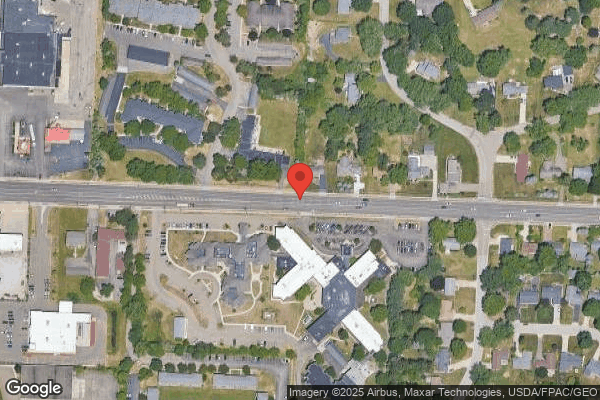
May 2025 5 deficiencies
CONCERN (D) 📢 Someone Reported This

A family member, employee, or ombudsman was alarmed enough to file a formal complaint

Potential for Harm - no one hurt, but risky conditions existed

Comprehensive Care Plan (Tag F0656)

Could have caused harm · This affected 1 resident

**NOTE- TERMS IN BRACKETS HAVE BEEN EDITED TO PROTECT CONFIDENTIALITY** Based on record review, interview and facility policy review, the facility failed to ensure care plans were comprehensive for Re...

Read full inspector narrative →
**NOTE- TERMS IN BRACKETS HAVE BEEN EDITED TO PROTECT CONFIDENTIALITY** Based on record review, interview and facility policy review, the facility failed to ensure care plans were comprehensive for Residents #102 and #122. This affected two residents (#102 and #122) of six residents whose care plans were reviewed. The facility census was 132. Findings include: 1. Review of the medical record for Resident #122 revealed an admission date of 09/01/23. Diagnoses included heart disease, kidney disease, hearing loss, anxiety and Alzheimer's disease. Review of the quarterly Minimum Data Set (MDS) assessment dated [DATE] revealed Resident #122 was severely cognitively impaired. She required set up help for eating and oral hygiene, supervision for toileting, substantial assistance for showering and dressing and was dependent on staff for personal hygiene. She displayed physical behavioral symptoms such as hitting, kicking, pushing and scratching, verbal behaviors such as threatening and screaming at others and often rejected care. Review of the care plan dated 02/09/25 revealed no evidence the care plan addressed physical or verbal behaviors or rejection of care for Resident #122. Interview on 05/06/25 at 10:56 A.M. with Licensed Practical Nurse (LPN) #336 revealed she was responsible for creating and updating care plans for residents. She confirmed she was aware Resident #122 had some physical and verbal behaviors; she could not explain why they had not been addressed in the care plan. Interview on 05/07/25 at 10:45 A.M. with LPN #320 revealed Resident #122 had behavioral issues for at least one year. She confirmed they would attempt to calm her by using one-to-one intervention or calling her daughter to assist. She was unaware of any care planned interventions for Resident #122. Interview on 05/08/25 at 9:28 A.M. with Certified Nurse Aide (CNA) #412 revealed he had a very difficult time managing Resident #122's behaviors. She has kicked staff in the stomach, punched, scratched and left marks on other employees. He confirmed he had been given no specific instruction from Administration in regards with specific interventions to help manage her behavior. Review of the undated facility policy titled Comprehensive Care Plans revealed care plans would be reviewed and revised after each comprehensive and quarterly MDS assessment. The care plan would include measurable objectives and interventions would be documented as appropriate. 2. Review of the medical record for Resident #102 revealed an initial admission date of 02/28/25 and a re-entry date of 03/22/25 (review of the resident census revealed Resident #102 was hospitalized from [DATE] through 03/22/25). Active diagnoses included influenza with encephalopathy, urinary retention, benign prostatic hyperplasia, unspecified dementia with behavioral disturbance, anxiety disorder, congestive heart failure, stage three chronic kidney disease, chronic obstructive pulmonary disease, and altered mental status. Review of the MDS assessment completed on 03/06/25 revealed Resident #102 had moderately impaired cognition and no rejection of care. Further review of the MDS revealed Resident #102 required substantial assistance with personal hygiene, toileting hygiene, dressing lower extremities, and bathing. Review of the NSG-Skin and Wound Assessment dated 03/06/25 revealed a new onset deep tissue injury (DTI) (intact or non-intact skin with persistent non-blanchable red, maroon, purple, or other discoloration) to Resident #102's left heel. Review of the NSG-Skin and Wound Assessment dated 04/10/25 revealed a new onset DTI to Resident #102's right heel. Review of the Surgical Wound Care Services (SWCS) progress note dated 03/13/25 revealed the facility identified left heel DTI with onset dated 03/06/25 was determined to be an unstageable pressure ulcer (full-thickness skin and tissue loss with exposed or directly palpable fascia, muscle, tendon, ligament, cartilage, or bone). Treatment directives recommended for Resident #102 included checking for incontinence every two hours, repositioning every two hours, elevating Resident #102's bilateral heels off the bed with pillows at all times when in bed. Review of the SWCS progress note dated 04/10/25 revealed a new onset DTI to the right heel. Treatment directives recommended for Resident #102 included checking for incontinence every two hours, repositioning every two hours, and elevating Resident #102's bilateral heels off the bed and pillows at all times when in bed. Review of the SWCS progress note dated 04/17/25 revealed the DTI to Resident #102's right heel evolved into an unstageable pressure ulcer. Treatment recommendations remained as previously indicated, including offloading pressure and keeping Resident #102's bilateral heels elevated. Review of the orders revealed orders dated 03/23/25 to turn and reposition every two hours as needed and to float heels when in bed as much as possible. Review of the nursing documentation on the treatment administration record (TAR) revealed no concerns related to these orders. Review of the care plan dated 02/28/25 to 06/20/25 revealed Resident #102 had the potential for skin breakdown due to impaired mobility. Interventions included daily monitoring of Resident #102's skin during care and reporting concerns or skin abnormalities to the nurse. There was no care plan or related interventions for any of Resident #102's actual impaired skin integrity concerns. Interview on 05/07/25 at 10:06 A.M. with LPN #303 confirmed Resident #102 had unstageable pressure ulcers to both heels and was non-compliant with floating the heels or offloading pressure. During the interview, LPN #303 confirmed there was no care plan for Resident #102's actual skin impairments or the recommended interventions, which she reported as offloading pressure from heels, use of heel protectors, and turning every two hours. LPN #303 further confirmed there was no care plan in place regarding a history of refusals or non-compliance related to offloading pressure from Resident #102's heels. Review of the undated policy titled Comprehensive Care Plans revealed all care area needs identified during assessments were to be considered in the development of the person-centered comprehensive care plan and the care plan should include all interventions and services required for the resident to meet or maintain their highest practicable physical, mental, and psychosocial well-being. This deficiency represents noncompliance investigated under Complaint Numbers OH00165058, OH00165031, and OH00163700.
CONCERN (D) 📢 Someone Reported This

A family member, employee, or ombudsman was alarmed enough to file a formal complaint

Potential for Harm - no one hurt, but risky conditions existed

ADL Care (Tag F0677)

Could have caused harm · This affected 1 resident

**NOTE- TERMS IN BRACKETS HAVE BEEN EDITED TO PROTECT CONFIDENTIALITY** Based on review of medical records, interviews, review of the shower schedule, and review of facility policy, the facility faile...

Read full inspector narrative →
**NOTE- TERMS IN BRACKETS HAVE BEEN EDITED TO PROTECT CONFIDENTIALITY** Based on review of medical records, interviews, review of the shower schedule, and review of facility policy, the facility failed to provide assistance with bathing services as scheduled to Residents #67 and #102. This affected two residents (#67 and #102) of three residents who were reviewed for assistance with activities of daily living (ADL). The facility census was 132. Findings include: 1. Review of the medical record for Resident #67 revealed an admission date of 06/11/19. Diagnoses included encounter for orthopedic aftercare following surgical amputation, dysphagia, anorexia, urinary incontinence, adult failure to thrive, gastrostomy status, atrial fibrillation, unspecified dementia, difficulty walking, and need for assistance with personal care. Review of the quarterly Minimum Data Set (MDS) assessment completed on 02/03/25 revealed Resident #67 had severely impaired cognition and was dependent on staff for all ADL, including bathing. Review of the care plan dated 01/24/19 through 07/29/25 revealed Resident #67 had self-care deficits and required staff assistance with ADL related to functional decline and impaired mobility. Interventions included treating Resident #67 respectfully, encouraging Resident #67 to participate with care tasks, understanding resident limitations, and providing assistance and completing the ADL tasks for Resident #67 as needed. Review of the progress notes from 02/09/25 through 05/07/25 revealed no notes related to Resident #67 refusing bathing assistance. Review of the shower sheets from March 2025 revealed Resident #67 received a bed bath once weekly on Mondays between 03/05/25 and 03/26/25. Review of the shower sheets from April 2025 revealed two baths were received, one on 04/02/25 and one on 04/12/25 (Resident #67 was hospitalized from [DATE] to 04/21/25). There was no documented evidence Resident #67 was bathed since returning from the hospital on [DATE] through 04/30/25 and there was no bathing documentation for Resident #67 during May 2025 as of 05/07/25. Review of the bathing schedule revealed Resident #67 was to be bathed during the afternoon shifts twice weekly, on Wednesdays and Saturdays. Interview on 05/06/25 at 11:05 A.M. with Assistant Director of Nursing (ADON) #410 confirmed there were no showers sheets for Resident #67 for May 2025. Interview on 05/07/25 at 9:20 A.M. with Certified Nurse Aide (CNA) #352 confirmed residents were supposed to receive showers per the shower schedules kept in the shower binders, and aides were to document all bathing tasks on the sheets provided in the binders. Interview on 05/07/25 at 9:25 A.M. with CNA #513 confirmed resident bathing schedules were maintained in a bath binder and when a resident received a bed bath or a shower, the task was to be documented on the shower and skin sheets and kept in the bath binder. During the interview, CNA #513 confirmed Resident #67 was to be bathed on Wednesdays and Saturdays during afternoon shift. CNA #513 further confirmed that there was no documented evidence Resident #67 received a bath or shower during May 2025, but should have received a bath on 05/03/25. Interview on 05/07/25 at 9:41 A.M. CNA #514 confirmed aides were to look at the shower book to see when residents were scheduled for their baths or showers and that they were supposed to document any bathing activities on the skin and shower sheets in the shower book, as well as any refusals. Interview on 05/07/25 at 4:50 P.M. with CNA #313 confirmed the shower books were kept at the nurses' stations and contained the shower schedules for residents on each unit. She further confirmed once bathing was completed, aides were to document the bathing type/method, date, and skin condition on the shower sheets that were in the shower books. During the interview, CNA #313 confirmed any resident refusals of the bathing task were also to be documented on these forms. Review of the policy titled Bathing Residents, dated December 1998, revealed all residents were to be bathed as necessary to maintain cleanliness and stimulate circulation. Bathing was to occur at least once a week and as needed and were to be given according to a schedule. Review of the policy titled Resident Showers, dated 04/01/21, revealed showers would be given per resident request or per facility schedule protocol and partial baths may be given between regular shower schedules. The policy further revealed the facility was to assist residents with bathing to maintain proper hygiene and skin care. 2. Review of the medical record for Resident #102 revealed an initial admission date of 02/28/25 and a re-entry date of 03/22/25 (review of the resident census revealed Resident #102 was hospitalized from [DATE] through 03/22/25). Diagnoses included influenza with encephalopathy, urinary retention, benign prostatic hyperplasia, unspecified dementia with behavioral disturbance, anxiety disorder, congestive heart failure, stage three chronic kidney disease, chronic obstructive pulmonary disease, and altered mental status. Review of the admission MDS assessment completed on 03/06/25 revealed Resident #102 had moderately impaired cognition with no behaviors or rejection of care. Further review of the MDS revealed Resident #102 required substantial assistance with personal hygiene, toileting hygiene, dressing lower extremities, and bathing. Review of the care plan dated 02/28/25 through 06/20/25 revealed Resident #102 had a self-care deficit related to influenza with encephalopathy. Interventions included treating Resident #102 with respect, encouraging Resident #102 to participate with own care tasks, providing step by step prompts and not rushing care, and providing assistance and completing the ADL tasks for Resident #102 as needed. Review of the shower sheets from March 2025 revealed Resident #102 was offered a shower or bed bath twice weekly in March and refused on 03/01/25, 03/08/25, and 03/25/25 (Resident #102 was in the hospital from [DATE] to 03/22/25). In April 2025, Resident #102 received shower assistance from the therapy department on 04/02/25, received a shower on 04/08/25, and received a bed bath on 04/18/25. There was no documented evidence of Resident #102 being offered a shower or bed bath between 04/19/25 and 05/07/25. Review of the unit shower schedule revealed Resident #102 was to be bathed during afternoon shift, twice a week, on Mondays and Fridays. Interview on 05/06/25 at 11:05 A.M. with ADON #410 confirmed there were no showers sheets for Resident #102 for May 2025, and that the last documented shower for Resident #102 she could find in April 2025 was 04/18/25. Interview on 05/07/25 at 9:20 A.M. with CNA #352 confirmed residents were supposed to receive showers per the shower schedules kept in the shower binders, and aides were to document all bathing tasks on the sheets provided in the binders. Interview on 05/07/25 at 9:25 A.M. with CNA #513 confirmed resident bathing schedules were maintained in a bath binder and when a resident received a bed bath or a shower, the task was documented on the shower and skin sheets and were kept in the bath binder. During the interview, CNA #513 confirmed Resident #102 was to be bathed on Mondays and Fridays during the afternoon shift. CNA #513 further confirmed there was no documented evidence that Resident #102 had any baths or showers provided yet in May 2025, but was supposed to have been bathed on 05/02/25 and 05/05/25. Interview on 05/07/25 at 9:41 A.M. with CNA #514 confirmed aides were to look at the shower book to see when residents were scheduled for their baths or showers and that they were supposed to document any bathing activities on the skin and shower sheets in the shower book, including resident bathing refusals. Interview on 05/07/25 at 4:50 P.M. with CNA #313 confirmed the shower books were kept at the nurses' stations and contained the shower schedules for residents on each unit. She further confirmed once bathing was completed, aides were to document the bathing type/method, date, and skin condition on the shower sheets that were in the shower books and note resident refusals on the same form and notify the nurse. Review of the policy titled Bathing Residents, dated December 1998, revealed all residents were to be bathed as necessary to maintain cleanliness and stimulate circulation. Bathing was to occur at least once a week and as needed and were to be given according to a schedule. Review of the policy titled Resident Showers, dated 04/01/21, revealed showers would be given per resident request or per facility schedule protocol and partial baths may be given between regular shower schedules. The policy further revealed the facility was to assist residents with bathing to maintain proper hygiene and skin care. This deficiency represents non-compliance investigated under Complaint Number OH00165031.
CONCERN (D) 📢 Someone Reported This

A family member, employee, or ombudsman was alarmed enough to file a formal complaint

Potential for Harm - no one hurt, but risky conditions existed

Safe Environment (Tag F0921)

Could have caused harm · This affected 1 resident

Based on observation, record review, interview and facility policy review, the facility failed to maintain a clean and sanitary environment. This affected 33 residents (#2, #5, #6, #15, #20, #28, #34,...

Read full inspector narrative →
Based on observation, record review, interview and facility policy review, the facility failed to maintain a clean and sanitary environment. This affected 33 residents (#2, #5, #6, #15, #20, #28, #34, #37, #38, #39, #41, #47, #51, #52, #53, #56, #68, #73, #74, #78, #79, #80, #86, #92, #95, #98, #116, #118, #119, #120, #122, #124 and #125) on the memory care unit and had the potential to affect all 132 residents in the facility. Findings include: Observation on 05/05/25 at 9:26 A.M. of the memory care unit revealed two ceiling tiles in the common area living room removed and a red bucket on the floor underneath. Interview with Certified Nurse Aide (CNA) #309 at the time of the observation confirmed the ceiling tiles had been removed when she came into work, and she believed the bucket was to catch any liquids that may have been dripping. Observations on 05/05/25 at 12:45 P.M. of the laundry area revealed a brown substance on two of the ceiling tiles covering approximately 40 percent of each tile. Three other tiles were bulging from the frame. A pipe was coming from a ceiling tile into a bucket with approximately one inch of brownish liquid. Observation on 05/06/25 at 8:00 A.M. revealed the ceiling tiles in the memory care common area living room remained removed, with the bucket now placed against the wall. Interview on 05/06/25 at 11:00 A.M. with Maintenance #404 confirmed the ceiling above the memory care unit had been leaking and was an ongoing issue. Interview on 05/06/25 at 3:39 P.M. with Housekeeping and Laundry Supervisor #451 confirmed the boiler system caused leaks in the ceiling which created the brownish substances and bulging of the ceiling tiles. He confirmed clean resident laundry could be affected if any leakage came in contact with the laundry. Review of the facility policy titled Safe and Homelike Environment, dated 04/01/20, revealed the facility would provide a safe, clean and homelike environment including but not limited to areas such as activity areas, room, hallways and resident rooms. This deficiency represents noncompliance investigated under Master Complaint Number OH00165316 and Complaint Numbers OH00165313 and OH00165031.
CONCERN (F) 📢 Someone Reported This

A family member, employee, or ombudsman was alarmed enough to file a formal complaint

Potential for Harm - no one hurt, but risky conditions existed

Free from Abuse/Neglect (Tag F0600)

Could have caused harm · This affected most or all residents

**NOTE- TERMS IN BRACKETS HAVE BEEN EDITED TO PROTECT CONFIDENTIALITY** Based on obervation, review of video and photographic images, review of the facility assessment, review of the facility admissio...

Read full inspector narrative →
**NOTE- TERMS IN BRACKETS HAVE BEEN EDITED TO PROTECT CONFIDENTIALITY** Based on obervation, review of video and photographic images, review of the facility assessment, review of the facility admission agreement, review of utility bills, review of vendor/supplier invoices, interview with staff, residents, facility vendors and medical supply companies and utility company representatives, the facility failed to effectively manage financial obligations required to secure the necessary resources required to ensure the ongoing appropriate delivery of care to meet the needs of the residents resulting in potential situations of resident neglect. This had the potential to affect all 132 residents residing in the facility. Findings include: On 05/01/25 at 2:11 P.M. confidential information provided to the State agency revealed concerns related to the facility not paying their bills for trash removal, thereby causing garbage to be piled up in the facility's basement and a maintenance truck full of expired foods that were unable to be removed from the property due to the lack of trash removal services. A second confidential source reported concerns to the State agency on 05/01/25 at 2:41 P.M. that the facility was unable to pay their bills. Examples provided included overflowing trash and recycling receptacles with items such as soiled briefs, food waste, and other daily trash. This source also reported garbage piled high, close to the ceiling, near the laundry room in the basement of the facility. 1. Interview on 05/05/25 at 3:15 P.M. with Certified Nursing Assistant (CNA) #302 revealed concerns that old food was being stored in a maintenance van because the compactor could no longer be used, and there was trash along the halls in the basement, piled high and putting off a foul odor, and the dumpster had been overflowing until 05/02/25. CNA #302's reported Maintenance Staff #404 moved the trash out of the basement over the course of three hours using a facility truck after the Fire Marshall told the facility it was a hazard and had to be immediately removed. During this interview, CNA #302 reported she heard concerns from other staff the facility had not been paying bills which led to the interruption in services and added that this was not the only bill that was not being paid timely. Interview on 05/06/25 from 10:37 A.M. to 10:56 A.M. with the Administrator revealed there had been a recent mix-up with trash removal which caused a delay in garbage being picked up from the facility and the trash compacter being too full to be used for a couple days. During the interview, the Administrator revealed he had been made aware of the trash removal issue the previous Sunday (04/27/25) and also revealed the Fire Marshall had come to the facility on Wednesday, 04/30/25 and directed the facility to remove all the trash from the basement. The Administrator stated he was not 100% certain about the date, but believed a roll-off dumpster was dropped at the facility and the garbage was removed from the basement on Friday, 05/02/25. When interviewed, the Administrator denied concerns with bills being paid and stated the garbage was not stored in a resident care area (although it was in the building), so it should not have impacted the residents. Interview on 05/06/25 at 11:00 A.M. with Maintenance #404 revealed the trash bill had not been paid, and trash began piling up in the basement hallways beginning on 05/01/25. He revealed he notified the Administrator of his concerns and when he returned to work in the facility on 05/04/25, the trash had extended down an entire wall and blocked the fire doors. He revealed this was not the first time this had happened in the facility. He confirmed the trash included items including but not limited to food waste and bodily fluids. He revealed a video which displayed numerous bags of trash lining two hallways in the basement of the facility, piled five to six bags high. Review of a picture dated 05/01/25 revealed several bags of trash in the basement hallway of the facility. Interview with Maintenance #404 confirmed the picture was an accurate picture of the accumulation of trash that had begun in the facility, though prior to it being removed, it had accumulated in a much higher capacity. Interview on 05/07/25 at 11:07 A.M. with [NAME] for Waste Management Services #552 revealed the facility held an account with them since 04/04/24. Recently services had been suspended for a high account balance, and the facility was overdue on payments. He revealed the facility continued to have an outstanding balance but was still being provided with waste management services at the time. 2. Interview on 05/07/25 at 1:20 P.M. with IGS Energy #553 revealed the facility owed a balance of $26,972.36. The last payment made by the facility was on 01/07/25. They revealed they did not have the ability to disconnect gas services as they were only a supplier of energy. However, the facility was not in good standing and could not continue to use their services until the balance was paid. Interview with the Administrator on 05/08/25 at 2:15 P.M. revealed he had no knowledge of what services were provided to the facility by IGS Energy or why there was an outstanding balance due and added that he would have to check into it. 3. Interview on 05/08/25 at 12:23 P.M. with Sipvoice #557 revealed they provided telephone services to the facility. A balance in the amount of $1513.70 was due. He revealed after two months of non-payment; a suspension notice would be issued. While he confirmed the last payment was received in March 2025, he could not confirm if a suspension notice had in fact been issued. Interview on 05/08/25 at 1:30 P.M. with Information Technology (IT) Director #399 confirmed Sipvoice provided telephone services and Verizon provided cell phone services for managers. IGS energy was a reseller of gas. Review of a bill titled Verizon dated 04/03/25 revealed a past due balance of $3086.32. 4. Interview on 05/05/25 at 3:15 P.M. with CNA #302 revealed concerns the vendor providing oxygen, and respiratory services had not been getting paid, and there was a period of time in February 2025, but she could not verify the exact dates, when the respiratory provider would not fill the facility's E tanks (three foot tall oxygen cylinders that hold approximately 680 liters of oxygen, and are often transported in carts) and the facility couldn't place any orders for oxygen or oxygen supplies during that time. During the interview, CNA #302 denied knowledge of a resident running out of oxygen or not having the needed supplies, but verbalized worry that there was that chance and worried that it could happen again because she heard second-hand that the facility was behind in paying this vendor again. Telephone interview on 05/08/25 at 10:01 A.M. with Respiratory Care Partners (RCP) Representative (Rep.) #518 confirmed RCP provided oxygen and respiratory services to the facility, and all billing was handled by another vendor, Synapse. RCP Rep. #518 further confirmed services were on hold to the facility due to non-payment, but the rep. was unable to confirm the dates of service held. RCP Rep. #518 also stated their company would never remove equipment and supplies from the facility residents, but they did not fill any new orders for oxygen or equipment during the hold period. Telephone interview with Synapse Health Rep. #519 on 05/08/25 at 11:56 A.M. revealed Synapse Health was a contracted ordering platform that directly collected the money paid by the facility and passed the payment on to RCP for respiratory service provided. During the interview, Synapse Rep. #519 confirmed respiratory services were placed on hold late January 2025, and the hold was removed on 02/19/25 when the facility entered a payment plan agreement with the vendor. Synapse Rep. #519 further revealed the facility was behind on their December bill which was due 03/15/25, behind on their January bill, which was due 04/15/25, and were nearing the due date for the February bill which would be due 05/15/25. According to Synapse Rep. #529, the overdue amount was $9,526.53 with a total amount due in seven days, totaling $11,622.90 due by 05/15/25. During the interview it was reported that this was the date they would work collaboratively with RCP to decide to issue a one-week hold notice warning, meaning that the facility would receive notice that failure to make payment arrangements within one week, by 05/15/25, could result in another credit hold notice. Synapse Rep. #519 reported the facility historically waited several months between payments (payments only received August 2024, November 2024, and February 2025) so they were definitely monitoring the account very closely. Interview with the Administrator on 05/08/25 at 2:15 P.M. revealed he did not believe there was any interruption in respiratory services provided to the facility by RCP, and the facility worked with vendors whenever issues came to light to make sure no interruptions in services occurred. A follow-up interview on 05/12/25 at 2:15 P.M. with the Administrator revealed he was aware there was an issue with delayed payment to their respiratory services provider but to his knowledge, he did not believe there had been any impact on the residents and only included a hold on the facility ordering new services or equipment. 5. Interview on 05/08/25 at 9:36 A.M. with Clipboard Health #577 revealed the facility was utilizing their services for staffing purposes. They currently had a balance of $175,167.84. There were approximately four invoices overdue, and an unpaid balance existed that was more than 50 days old. The facility was on hold from using Clipboard services as of 05/07/25. Interview on 05/08/25 at 9:52 A.M. with American Medical Personnel (AMP) #556 revealed the facility had used their services in the past for staffing purposes. The facility had an outstanding balance of $42,921.74 which was due on 05/15/25. Prior to that, the facility owed approximately twice that amount, which was paid on 04/28/25. The facility was not in good standing and could not utilize the services until the balance was paid. Interview with the Administrator on 05/08/25 at 2:15 P.M. revealed the facility only used staff from three agencies: Clipboard Health, REVV Staffing, and Eshyft. When asked about the dietary aides who told the surveyor they worked for a different agency, he confirmed he was unaware any other agency was currently being used for supplemental staff and stated he would have to find out who the Dietary Director was using for their staffing needs. Interview on 05/12/25 at 2:15 P.M. with the Administrator revealed the facility was aware there was a hold on staffing from Clipboard and was currently working with the staffing agency on a payment plan to reinstall services, but added the facility's goal was to maintain a good standing with the other two staffing agencies used for nursing, REVV Staffing and Eshyft. 6. Interview on 05/05/25 at 3:15 P.M. with CNA #302 revealed the facility often ran out of washcloths and she had to cut up towels earlier on this date to make eight washcloths out of one bath towel. CNA #302 reported other aides use bath towels as washcloths, but then they run out of towels too. Interview on 05/06/25 at 9:53 A.M. with Resident #71 revealed concern there were never enough washcloths and sometimes the staff provided her with a bath towel to wash with, but the wet towels made it difficult for her to clean herself due to their heaviness, so she needed the aides to provide additional assistance whenever they ran out of washcloths. Interview on 05/07/25 at 2:39 P.M. with Prime Tex #554 revealed Prime Tex supplied the facility with linens such as washcloths and reuseable underpads. The facility had bills open dating back to February 2025 in the amount of $1400.00, and they could not order more supplies until the bill had been paid. Interview on 05/07/25 at 4:50 P.M. with CNA #313 confirmed the facility ran out of washcloths all the time. CNA #313 further reported towels were used to wash residents when they ran out of washcloths, and they were a little more difficult to manipulate, but they got the job done. Interview on 05/08/25 at 3:55 P.M. with Accounts Receivable Representative #520 from Cleanslate Group, LLC. Revealed the facility just became a customer in November 2024 for the purchase of laundry chemicals but was currently on a credit hold due to delayed payment. The balance currently owed as of 05/08/25 was $3,360.21, and the facility would not be able to receive any more laundry chemicals through their company until payment arrangements were made with Cleanslate Group, LLC. A tour of the laundry room, chemical storage area, and interview with Housekeeping and Laundry Supervisor #451 on 05/08/25 at 4:25 P.M. confirmed the regular/main laundry detergent was in the blue buckets and was obtained from Cleanslate Group, the yellow bucket bleach-like chemicals came from Stockton, and the red bucket fabric softeners came from Nifty. During the tour and interview, Housekeeping and Laundry Supervisor #451 revealed the facility used approximately two to three blue buckets of detergent (supplied by Cleanslate) per week and it was confirmed there were three additional buckets, which Laundry Supervisor #451 stated was one weeks' worth of detergent, in the laundry chemical supply closet. Housekeeping and Laundry Supervisor #451 further confirmed that it was typical to maintain one additional weeks' supply on-hand and that the new order for an additional three buckets of detergent would be requested through the procurement spreadsheet request method on Friday, 05/09/25. Housekeeping and Laundry Supervisor #451was unable to say whether or not the chemicals would be obtained through Cleanslate Group. Interview on 05/12/25 at 2:15 P.M. with the Administrator confirmed he had no knowledge of Cleanslate Group, Inc. having placed the facility's order status on hold due to non-payment. During the interview, the Administrator acknowledged he would have to check to see what arrangement will be made to secure laundry detergent, and the facility procurement team would be responsible for getting the laundry detergent elsewhere, if needed. 7. Interview on 05/05/25 at 3:00 P.M. with Central Supply #415 revealed the facility utilized a procurement team through another company to find vendors to fill their supply requests. According to Central Supply #415, Central Supply and the Housekeeping and Laundry Supervisor enter requests for any needed supplies, chemicals, and linens onto a spreadsheet and the procurement team picked a vendor and had the supplies shipped to the facility. During the interview, Central Supply #415 revealed the facility did not always get exactly what they ordered or needed, and the shipment was not always received timely, so sometimes orders needed placed with Amazon or Staples, or staff must go to CVS Pharmacy or Drug Mart if a supply was needed right away. Examples provided during the interview included: non-medical grade gloves when medical grade gloves were ordered, not always receiving the quantity of towels that were requested (smaller quantity), over the counter (OTC) medication being shipped in a strength that was not ordered, OTC medication in the wrong form, such as a capsule versus a coated tablet, and inability to get a wrist brace needed for a therapy resident on the short-term rehabilitation unit in a timely manner (instead, Central Supply #415 purchased at a Drug Mart using petty cash so the resident did not go without). Interview on 05/06/25 at 2:21 P.M. with the Director of Nursing (DON) revealed he had been told the former facility management company of the facility had left the facility with a lot of debt and he was hopeful the new management team was making a good effort to correct any previous billing issues. Telephone interview on 05/08/25 at 4:05 P.M. with Account Specialist #521 from Alphamed Incorporated revealed they supplied durable medical equipment (DME), such as wheelchair cushions, walker platform attachments, reachers, and exercise bands to the facility but their account was greater than 90 days overdue so their account was on a hold status and the facility could not order any more supplies until plans were made to pay the $635.35 balance. Interview on 05/12/25 at 2:15 P.M. with the Administrator revealed he was not heavily involved in the details regarding negotiating contracts and payment plans with vendors and medical suppliers because the facility used CB Services as their back-office who makes arrangements through their procurement team to secure supplies upon the facilities request. During the interview, the Administrator stated whenever there was an issue regarding payment, it was worked out, per his knowledge, behind the scenes, and if the facility could no longer get supplies from one vendor due to a payment issue, they would just order from another. Review of the facility assessment last updated on 01/25/25 revealed the facility was to determine and secure the resources necessary for residents to attain or maintain their optimal level of physical, mental, and psychosocial well-being on a day-to-day basis, as well in the event of emergency. The facility assessment further listed Clipboard as the only agency that supplemented housekeeping services and one of three agencies that provided agency/contracted nursing services as needed. Review of the facility admission agreement revealed the facility was to provide room, board, laundry, housekeeping, social, activities, nursing services, and other services and supplies required, in accordance with orders from a licensed prescribing provider. Review of the undated Residents [NAME] of Rights policy revealed residents had the right to a clean living environment, the right to receive care and services needed to meet medical treatment, nursing, comfort and sanitation needs, and the right to be free from neglect. Review of the policy titled Abuse, Neglect, Exploitation & Misappropriation of Resident Property, dated 11/28/16, defined neglect as the failure of the facility, facility employees, or facility service providers to provide the goods and services necessary to remain free from harm, including pain, mental anguish, or emotional distress. Preventative measures were to include accurate assessment of residents' needs, analysis of the physical environment, and deployment of sufficient numbers of competent staff and resources to meet resident care needs. This deficiency represents noncompliance investigated under Master Complaint Number OH00165316 and Complaint Number OH00165311.
MINOR (C) 📢 Someone Reported This

A family member, employee, or ombudsman was alarmed enough to file a formal complaint

Minor Issue - procedural, no safety impact

Staffing Information (Tag F0732)

Minor procedural issue · This affected most or all residents

Based on observation and interview, the facility failed to ensure staffing information was posted timely. This had the potential to affect all 132 residents in the facility. Findings include: Observat...

Read full inspector narrative →
Based on observation and interview, the facility failed to ensure staffing information was posted timely. This had the potential to affect all 132 residents in the facility. Findings include: Observation on 05/05/25 at 10:23 A.M. revealed the daily posted staffing information was posted for 05/04/25. Interview at the time of the observation with the Director of Nursing (DON) confirmed the daily staffing information posted was for 05/04/25 and had not yet been updated for the current day. This deficiency is an incidental finding identified during the complaint investigation.
Mar 2025 1 deficiency
CONCERN (D) 📢 Someone Reported This

A family member, employee, or ombudsman was alarmed enough to file a formal complaint

Potential for Harm - no one hurt, but risky conditions existed

Accident Prevention (Tag F0689)

Could have caused harm · This affected 1 resident

Based on medical record review and staff interview the facility failed to transfer residents appropriately using a mechanical lift resulting in a fall. This affected one (Resident #19) of three reside...

Read full inspector narrative →
Based on medical record review and staff interview the facility failed to transfer residents appropriately using a mechanical lift resulting in a fall. This affected one (Resident #19) of three residents reviewed for falls. The facility census was 145. Findings include: Review of Resident #19's medical record revealed an admission date of 02/28/25 with admission diagnoses that included cerebrovascular accident with ataxia, chronic obstructive pulmonary disease, hypertension and history of falls. Upon admission a fall risk assessment indicated the resident was at risk for falls and required extensive assist with mobility. An admission fall risk care plan identified the resident as a high risk for falls characterized by history of falls/injury. Review of the physician's orders revealed on 03/01/25 the resident was to be transferred by two persons and utilize and hoyer (mechanical) lift. Review of the progress notes revealed on 03/04/25 the resident sustained a fall without injury when transferring in the bathroom with staff when not using a hoyer lift. Review of the facility fall investigation revealed two staff members transferring the resident without a hoyer lift when the resident fell against the wall, sliding down to the floor. Interview with the Director of Nursing on 03/10/25 at 3:00 P.M. verified staff members did not utilize a hoyer lift for the resident and a fall occurred. This deficiency represents non-compliance investigated under Complaint Number OH00163479.
Jan 2023 6 deficiencies 1 Harm
SERIOUS (G)

Actual Harm - a resident was hurt due to facility failures

Pressure Ulcer Prevention (Tag F0686)

A resident was harmed · This affected 1 resident

**NOTE- TERMS IN BRACKETS HAVE BEEN EDITED TO PROTECT CONFIDENTIALITY** Based on observation, review of the medical record, and interview, the facility failed to timely identify areas of new skin impa...

Read full inspector narrative →
**NOTE- TERMS IN BRACKETS HAVE BEEN EDITED TO PROTECT CONFIDENTIALITY** Based on observation, review of the medical record, and interview, the facility failed to timely identify areas of new skin impairment for Resident #39. This affected one resident (Resident #39) of one reviewed for pressure ulcers. Actual harm occurred on 01/03/23 when Resident #39, who was cognitively impaired, at high risk for pressure ulcer development, and dependent on staff for bed mobility, was found to have a deep tissue injury (persistent non-blanchable deep red, maroon or purple discoloration) with a necrotic area to the left heel. Findings include: Review of the medical record revealed Resident #39 was admitted to the facility on [DATE]. Diagnoses included cerebral infarction, congestive heart failure, hypertension, pain, hypothyroidism, benign neoplasm of the meninges, and venous insufficiency and diabetes. Review of the admission assessment dated [DATE] revealed Resident #39 was admitted with two Stage II pressure ulcers; one to the left buttock which measured 0.5 centimeters (cm) in length by 0.5 cm in width by 0.1 cm in depth and one to the right buttock which measured 2.0 cm in length by 1.0 cm in width by 0.1 cm in depth. Further review of the admission assessment dated [DATE] revealed no documentation of a left heel pressure injury. Review of the Braden scale (assessment for predicting pressure sore risk) dated 12/19/22 revealed Resident #39 had a moderate risk of developing pressure injuries. Review of the physician's orders dated 12/19/22 revealed Resident #39 had orders for Skin Prep (protective barrier film) to bilateral heels every day on midnight shift for two weeks, weekly skin checks every Monday, turn and reposition every two hours and as needed, and float heels when in bed. Review of the admission Minimum Data Set assessment dated [DATE] revealed Resident #39 had severely impaired cognition and required extensive assistance with bed mobility. Resident #39 was at risk for developing pressure injuries and was admitted with two Stage II pressure ulcers. Review of the Braden scale dated 12/26/22 revealed Resident #39 had a high risk of developing pressure injuries. Review of the December 2022 Treatment administration record (TAR) revealed Resident #39 received Skin Prep to bilateral heels every midnight shift from 12/19/22 through 01/02/23 then it was discontinued on 01/02/23. Resident #39 she had a weekly skin check done on 12/26/22. Review of the January 2023 TAR revealed Resident #39 had a weekly skin check done on 01/02/23. Review of the Wound Nursing assessment dated [DATE] revealed Resident #39 developed an in facility suspected deep tissue injury to the left heel measuring 2.5 cm in length by 4.7 cm in width by and undetermined depth. The wound bed was necrotic/eschar (dead tissue) and the surrounding tissue was pink in color. Further review of physician's orders revealed Resident #39 had orders for Skin Prep, pad and protect with abdominal dressings and Kerlix to the left heel suspected deep tissue injury every day until resolved dated 01/04/23, and for an air mattress to the bed dated 01/05/23 . On 01/25/23 at 10:00 A.M. an interview with Registered Nurse (RN) #18 revealed Resident #39 was residing in the Assisted Living when she had a stroke and was sent out to the hospital. RN #18 indicated Resident #39 came to the nursing facility for rehabilitation. When Resident #39 was admitted her left heel was mushy. They started Skin Prep to both heels for two weeks but unfortunately she still developed a hard necrotic area. RN #18 stated they put an air mattress on the bed after the necrotic area was found. RN #18 stated Resident #39 was having poor meal intakes and her protein and albumin levels were low. Observation of wound care on 01/25/23 at 10:10 A.M. with RN #18 revealed Resident #39 had a hard, black necrotic area covering 100 percent of the deep tissue injury on the left heel. On 01/25/23 at 4:24 P.M. an interview with RN #18 revealed she had been incorrect when she stated Resident #39 had been admitted with mushy heels. RN #18 stated Resident #39 did not have any pressure injuries to her heels when she was admitted . RN #18 verified the first documentation of the left heel wound was as a necrotic area. RN #18 was not able to explain why Resident #39's left heel had developed into a hard necrotic/eschar area without being noticed by the nursing staff when Skin Prep was being applied to the heels daily. Review of the laboratory results dated [DATE] revealed Resident #39 had a protein level of 6.9 (normal 6.0 to 8.3) and a albumin level of 3.7 (normal 3.5 to 5.5).
CONCERN (D)

Potential for Harm - no one hurt, but risky conditions existed

Notification of Changes (Tag F0580)

Could have caused harm · This affected 1 resident

Based on medical record review and staff interview the facility failed to ensure resident representatives were notified of a resident with significant weight loss. This affected one (Resident #70) of ...

Read full inspector narrative →
Based on medical record review and staff interview the facility failed to ensure resident representatives were notified of a resident with significant weight loss. This affected one (Resident #70) of three residents reviewed for weight loss. The facility census was 108. Findings include: Review of Resident #70's medical record revealed an admission date of 08/26/20 with admission diagnoses that included Alzheimer's disease with dementia and chronic kidney disease. Further review of the medical record including monthly weights revealed on 07/06/22 Resident #70's weight was recorded as 123.8 pounds. Weight on 08/05/22 indicated Resident #70 was 109.6 pounds, a weight loss of 14.2 pounds or 11.5 percent weight loss. Further review of the monthly weights revealed on 01/04/23 a weight of 107.8 pounds, which indicated a 16 pound weight loss or 12.9 percent over six months. Review of nutritional progress notes revealed a 30 day significant weight loss was identified and documented on 08/08/22 which indicated Resident #70 had lost significant weight from the month previous. Additional review of the nutritional progress notes revealed a six month significant weight loss was identified and documented on 01/05/23 which indicated Resident #70 had lost significant weight over the last six months. No evidence was found of any staff notifying the resident's responsible party of the significant weight loss identified on 08/05/22 or 01/04/23. Interview with Registered Dietician (RD) #172 on 01/25/23 at 3:05 P.M. verified no documentation of Resident #70's responsible party of the significant weight loss was completed.
CONCERN (D)

Potential for Harm - no one hurt, but risky conditions existed

Accident Prevention (Tag F0689)

Could have caused harm · This affected 1 resident

Based on record review, policy review, and interview, the facility failed to ensure fall risk assessments were completed for two (Resident #29 and Resident #34) of five residents reviewed for falls. T...

Read full inspector narrative →
Based on record review, policy review, and interview, the facility failed to ensure fall risk assessments were completed for two (Resident #29 and Resident #34) of five residents reviewed for falls. The facility census was 108. Findings include: 1. Review of the medical record for Resident #29 revealed an admission date of 10/11/22. Diagnoses included diabetes mellitus, cardiac pacemaker, hypertension, severe protein-calorie malnutrition, and altered mental status. Review of the quarterly Minimum Data Set (MDS) assessment for Resident #29, dated 10/31/22, revealed the resident had intact cognition. The assessment indicated the resident required extensive, one-person assistance for bed mobility, transfers, dressing, walking in the room, and toileting. The resident's mobility devices were a walker and a wheelchair. Review of the plan of care for Resident #29 revealed the resident had a potential for falls due to balance problems. Interventions included to assess for factors leading to a fall. Review of Incident/Event Summary Investigation, dated 11/14/22, revealed on 11/14/22 at 5:25 P.M., Resident #29 was observed on the floor in front of her chair by a nurse. The resident stated she could not get a good grip to stand. The resident was wearing slippers. There were no complaints of pain or injuries noted. The resident's blood glucose was obtained and was 58. The immediate intervention was to increase supervision due to low blood glucose level. The conclusion of the investigation was that Resident #29 slid to the floor while trying to transfer from recliner. Review of the Resident #29's medical record did not reveal a fall risk assessment following the fall on 11/14/22. Interview on 01/25/23 at 10:04 A.M. with the Director of Nursing (DON) confirmed a fall risk assessment was not completed following Resident #29's fall on 11/14/22. 2. Review of the medical record for Resident #34 revealed an admission date of 09/12/17. Diagnoses included dementia, protein-calorie malnutrition, anemia, muscle wasting and atrophy, and muscle weakness. Review of the quarterly MDS assessment for Resident #34, dated 10/28/22, revealed the resident had severely impaired cognition. The assessment indicated the resident required extensive, one-person assistance for bed mobility, transfers, and walking in the room. Review of the Resident #34's medical record did not reveal the timely completion of a quarterly fall risk assessment. A fall risk assessment was completed on 05/17/22, but not completed again until 11/01/22. Interview on 01/24/23 at 2:38 P.M. with the DON confirmed a quarterly fall risk assessment was not completed timely for Resident #34. The DON verified there was a fall risk assessment completed on 05/17/22, but not completed again until 11/01/22. Review of the facility's policy titled, Fall Prevention Program, dated 04/01/20, revealed the facility utilized a standardized risk assessment for determining a resident's fall risk. A fall risk assessment would be completed every 90 days and as indicated when the resident's condition changed. This deficiency represents non-compliance investigated under Complaint Number OH00139109.
CONCERN (D)

Potential for Harm - no one hurt, but risky conditions existed

Antibiotic Stewardship (Tag F0881)

Could have caused harm · This affected 1 resident

Based on medical record review, staff interview and policy review the facility failed to ensure antibiotic assessments were completed prior to initiation of antibiotic medication to determine appropri...

Read full inspector narrative →
Based on medical record review, staff interview and policy review the facility failed to ensure antibiotic assessments were completed prior to initiation of antibiotic medication to determine appropriate use and indication of antibiotic medication. This affected one (Resident #56) of six residents reviewed for antibiotic medication use. The facility census was 108. Findings include: Review of Resident #56's medical record revealed an admission date of 02/28/18 with admission diagnoses that included Alzheimer's disease, peripheral vascular disease, chronic non-pressure ulcer to the left ankle. Further review of the medical record including physician's medication orders revealed on 03/24/22 Bactrim DS (antibiotic) was prescribed for infection to the left ankle wound, 03/10/22 Keflex (antibiotic) was prescribed for infection to the left ankle wound and 01/27/22 doxycycline (antibiotic) was prescribed for infection to the left ankle wound. Further review of the medical recording including antibiotic use assessments found no evidence an assessment was completed prior to initiation of the antibiotics on 03/24/22, 03/10/22 and 01/27/22 to determine if antibiotic use was appropriate. Interview with Registered Nurse (RN) #15 on 01/25/23 at 1:45 P.M. verified antibiotics ordered on 01/27/22, 03/10/22 and 03/24/22 had no antibiotic assessment completed prior to initiation of the medication to determine if the use of antibiotic was appropriate. Interview with RN #18 on 01/25/23 at 2:05 P.M. also verified Resident #56's antibiotics ordered on 01/27/22, 03/10/22 and 03/24/22 had no antibiotic assessment completed prior to initiation of the medication to determine if the use of antibiotic was appropriate. Review of the facility policy titled Establishment of a Multidisciplinary Antimicrobial Stewardship Program dated 11/17 found no indication an assessment should be completed prior to initiating antibiotic treatment to determine if antibiotic use was appropriate.
CONCERN (D)

Potential for Harm - no one hurt, but risky conditions existed

Deficiency F0887 (Tag F0887)

Could have caused harm · This affected 1 resident

**NOTE- TERMS IN BRACKETS HAVE BEEN EDITED TO PROTECT CONFIDENTIALITY** Based on review of the medical record, resident interviews and staff interviews the facility failed to ensure Resident #44 and R...

Read full inspector narrative →
**NOTE- TERMS IN BRACKETS HAVE BEEN EDITED TO PROTECT CONFIDENTIALITY** Based on review of the medical record, resident interviews and staff interviews the facility failed to ensure Resident #44 and Resident #51 received COVID-19 vaccine education. This affected two residents (Resident #44 and #51) of five reviewed for COVID-19 vaccinations. Findings include: 1. Review of the medical record revealed Resident #51 was admitted to the facility on [DATE]. Diagnoses included Parkinson's disease, depressive disorders, hyperlipidemia, vitamin D deficiency, atherosclerotic heart disease, delirium, malaise, alcohol dependence, and protein-calorie malnutrition. Further review of the medical record revealed no evidence COVID-19 vaccination education was given to Resident #51 or a declination form signed refusing the vaccine. Review of the admission Minimum Data Set assessment dated [DATE] revealed Resident #51 had intact cognition. On 01/25/23 at 10:15 A.M. Resident #51 indicated she was never given COVID-19 vaccine education or asked to sign a declination form. On 01/25/23 at 4:10 P.M. Registered Nurse #15 verified there was no evidence or documentation to support Resident #51 received COVID-19 education or signed a declination form. 2. Review of the medical record revealed Resident #44 was admitted to the facility on [DATE]. Diagnoses included hemiplegia, polyneuropathy, generalized anxiety disorder, major depressive disorder, hallucinations, amnesia, blindness, cerebral infarction and diabetes. Further review of the medical record revealed no evidence COVID-19 vaccination education was given to Resident #44 or a declination form signed refusing the vaccine. Review of the quarterly MDS assessment dated [DATE] revealed Resident #44 had intact cognition. On 01/25/23 at 10:20 A.M. Resident #44 indicated she was never given COVID-19 vaccine education or asked to sign a declination form. On 01/25/23 at 4:10 P.M. Registered Nurse #15 verified there was no evidence or documentation to support Resident #44 received COVID-19 education or signed a declination form.
CONCERN (E) 📢 Someone Reported This

A family member, employee, or ombudsman was alarmed enough to file a formal complaint

Potential for Harm - no one hurt, but risky conditions existed

ADL Care (Tag F0677)

Could have caused harm · This affected multiple residents

**NOTE- TERMS IN BRACKETS HAVE BEEN EDITED TO PROTECT CONFIDENTIALITY** Based on observations, review of the medical record, and interviews the facility failed to ensure fingernails were cleaned and t...

Read full inspector narrative →
**NOTE- TERMS IN BRACKETS HAVE BEEN EDITED TO PROTECT CONFIDENTIALITY** Based on observations, review of the medical record, and interviews the facility failed to ensure fingernails were cleaned and trimmed for dependent Residents #13, #54, and #63 and failed to ensure showers were completed as scheduled for dependent Residents #41 and #45. This affected five residents ( Resident #13, #41, #45, #54, and #63) of seven reviewed for activities of daily living (ADLs). Findings include: 1. Review of the medical record revealed Resident #13 was admitted to the facility on [DATE]. Diagnoses included Alzheimer's disease, dementia, restless leg syndrome, osteoarthritis, atrial fibrillation, and contractures. Review of the significant change Minimum Data Set (MDS) assessment dated [DATE] revealed Resident #13 had severely impaired cognition and required extensive assistance with personal hygiene. Review of the progress notes from 19/25/22 to 01/24/23 revealed no documentation Resident #13 refused to have her fingernails trimmed. Observations on 01/23/23 at 8:13 A.M., 10:33 A.M., and 1:35 P.M. and on 01/24/23 at 1:30 P. M., revealed Resident #13 had long, dirty fingernails. On 01/24/23 at 1:35 P.M. an interview with State Tested Nursing Assistant (STNA) #183 revealed the residents were to have their fingernails cleaned and trimmed on their shower days twice a week. STNA #183 stated hospice staff would trim all hospice residents' fingernails. On 01/24/23 at 1:40 P.M. an interview with Registered Nurse (RN) #72 revealed residents' fingernails were to be trimmed on shower days, hospice staff would also trim the residents' fingernails. At 1:41 P.M., RN #72 verified Resident #13 had long fingernails. Review of the facility policy titled, Nail Care, dated 05/09 revealed the residents' nails would be checked weekly during showers and trimmed as needed by nursing personnel. The unit manager or charge nurse would assess residents with diagnoses of diabetes, peripheral vascular disease, neuropathy, and/or the presence of hypertrophied nails to determine the feasibility of having licensed nursing personnel perform nail care on those residents. 2. Review of the medical record revealed Resident #54 was admitted to the facility on [DATE]. Diagnoses included congestive heart failure, dementia, hypertension, shortness of breath, neuromuscular scoliosis, kyphosis, and major depressive disorder. Review of the annual MDS assessment dated [DATE] revealed Resident #54 had moderately impaired cognition and required extensive assistance with personal hygiene. Review of the progress notes from 11/01/22 to 01/24/23 revealed no documentation of Resident #54 refusing to have her fingernails trimmed or cleaned. Observations on 01/23/23 at 8:18 A.M., 10:39 A.M., and 1:30 P.M. and on 01/24/23 at 1:32 P. M., revealed Resident #54 had long, dirty fingernails. On 01/24/23 at 1:35 P.M. an interview with STNA #183 revealed the residents were to have their fingernails cleaned and trimmed on their shower days twice a week. STNA #183 stated hospice staff would trim all hospice residents' fingernails. On 01/1423 at 1:40 P.M. an interview with RN #72 revealed residents' fingernail were to be trimmed on shower days, hospice staff would also trim the residents' fingernails. At 1:42 P.M., RN #72 verified Resident #54 had long fingernails. Review of the facility policy titled, Nail Care, dated 05/09 revealed the residents' nails would be checked weekly during showers and trimmed as needed by nursing personnel. The unit manager or charge nurse would assess residents with diagnoses of diabetes, peripheral vascular disease, neuropathy, and/or the presence of hypertrophied nails to determine the feasibility of having licensed nursing personnel perform nail care on those residents. 3. Review of the medical record revealed Resident #63 was admitted to the facility on [DATE]. Diagnoses included Alzheimer's disease, epilepsy, dementia, chronic kidney disease, traumatic brain injury, palliative care, anxiety disorder, and major depressive disorder. Review of the quarterly MDS assessment dated [DATE] revealed Resident #63 had severely impaired cognition and required total assistance for personal hygiene. Review of the progress notes from 11/01/22 to 01/24/23 revealed no documentation of Resident #63 refusing to have her fingernails trimmed or cleaned. Observations on 01/23/23 at 8:14 A.M., 10:34 A.M., and 1:41 P.M. and on 01/24/23 at 1:30 P. M., revealed Resident # 63 had long dirty fingernails. On 01/24/23 at 1:35 P.M. an interview with STNA #183 revealed the residents were to have their fingernails cleaned and trimmed on their shower days twice a week. STNA #183 stated hospice staff would trim all hospice residents' fingernails. On 01/1423 at 1:40 P.M. an interview with RN #72 revealed the residents' fingernails were to be trimmed on shower days, hospice staff would also trim the residents' fingernails. At 1:41 P.M., RN #72 verified Resident # 63 had long fingernails. Review of the facility policy titled, Nail Care, dated 05/09 revealed the residents' nails would be checked weekly during showers and trimmed as needed by nursing personnel. The unit manager or charge nurse would assess residents with diagnoses of diabetes, peripheral vascular disease, neuropathy, and/or the presence of hypertrophied nails to determine the feasibility of having licensed nursing personnel perform nail care on those residents. 4. Review of the medical record for Resident #41 revealed an admission date of 04/24/15. Diagnoses included manic episode without psychotic symptoms, bipolar disorder, myocardial infarction, bipolar disorder, heart failure, anxiety, and history of falling. Review of the quarterly MDS assessment for Resident #41, dated 11/29/22, revealed the resident had moderately impaired cognition. The assessment indicated there were no behaviors nor rejection of care. The assessment indicated the resident required extensive, two-person assistance for bed mobility and toileting and was totally dependent and required one-person assistance for grooming and personal hygiene. Review of the plan of care for Resident #41 revealed the resident had a self-care deficit and required staff assistance with all ADLs. Interventions included for the nurse to sign sheet inside of shower book if shower/bath was refused and must document in the nursing notes why the shower was not given. Review of the bath schedule binder, located in the nursing station, revealed Resident #41's showers were scheduled every Monday and Thursday. Review of Resident #41's Shower/Bath Observation Sheet revealed the resident was bathed/showered on 01/02/23, 01/05/23, 01/12/23, 01/16/23, 01/19/23, and 01/23/23. Review revealed no evidence that a shower/bath was given on 01/09/23, and there was no documentation of a refusal located in the progress notes or documented on the shower sheet. Interview on 01/25/23 at 2:35 P.M. with the Director of Nursing (DON), revealed if a resident refused a bath or shower, the nurse should document the refusal in the progress notes and on the resident's bath sheet. The DON confirmed there was no documentation in the progress notes or on the bath sheet to indicate Resident #41 received a bath or shower on 01/09/23, nor was there documentation of a refusal. 5. Review of the medical record for Resident #45 revealed an admission date of 04/30/21. Diagnoses included Parkinson's disease, hallucinations, neurocognitive disorder, heart disease, and anemia. Review of the quarterly MDS assessment for Resident #45, dated 11/09/22, revealed the resident had severely impaired cognition. The assessment indicated there was no psychosis, however, there were rejection of care behaviors. The assessment indicated the resident required extensive, one-person assistance for bed mobility, transfers, dressing, grooming, and toileting. The resident was always incontinent of bladder and frequently incontinent of bowel. Review of the plan of care for Resident #45 revealed the resident had a self-care deficit and impaired mobility and required staff assistance with ADLs. Review of the bath schedule binder, located in the nursing station, revealed Resident #45's showers were scheduled every Wednesday and Saturday. Review of Resident #45's Shower/Bath Observation Sheet revealed no evidence that a shower/bath was given on 01/04/23 or on 01/07/23. There was no documentation of a refusal located in the progress notes or documented on the shower sheet. Interview on 01/25/23 at 2:35 P.M. with the DON, revealed if a resident refused a bath or shower, the nurse should document the refusal in the progress notes and on the resident's bath sheet. The DON confirmed there was no documentation in the progress notes or on the bath sheet to indicate Resident #45 received a bath or shower on 01/04/23 and 01/07/23, nor was there documentation of a refusal. Review of the facility's policy titled, A.M. CARE, dated November 2013, revealed nursing personnel would perform A.M. care on all residents who needed assistance. This deficiency represents non-compliance investigated under Complaint Number OH00139109.
Feb 2020 11 deficiencies
CONCERN (D)

Potential for Harm - no one hurt, but risky conditions existed

Deficiency F0578 (Tag F0578)

Could have caused harm · This affected 1 resident

**NOTE- TERMS IN BRACKETS HAVE BEEN EDITED TO PROTECT CONFIDENTIALITY** Based on record review and interview the facility failed to ensure Advanced Directives, directions for desired care in the event...

Read full inspector narrative →
**NOTE- TERMS IN BRACKETS HAVE BEEN EDITED TO PROTECT CONFIDENTIALITY** Based on record review and interview the facility failed to ensure Advanced Directives, directions for desired care in the event of cardiac or respiratory arrest, were clear and accurate for Resident #32. This affected one of one resident reviewed for Advanced Directives. The facilities census was 136. Findings include: Review of Resident #32's medical record revealed an admission date of [DATE], with diagnoses that included dysphasia (difficulty swallowing), end stage renal (kidney) disease, and high blood pressure. Review of Resident #32's physician's orders revealed an order dated [DATE] for a code status of, Do Not Resuscitate-Comfort Care (DNR-CC). DNRCC means a person will receive any care that eases pain and suffering, but no resuscitative measures to save or sustain life will be provided. Review of the medical chart revealed a signed Advanced Directive indicating Resident #32 had a Do Not Resuscitate -Comfort Care Arrest (DNRCCA). A DNR-CCA indicates a person wishes to have all medical care to sustain life up to the time of cardiac or respiratory arrest and then medical care and treatment end and cardiopulmonary resuscitation (CPR) is not initiated. The date on this DNR-CCA Advanced Directive was illegible. Interview on [DATE] at 3:00 P.M. with Registered Nurse (RN) #15 verified staff utilize the medical record to find the Advance Directive in the event of a medical issue for a resident. RN #15 verified the correct order is for a DNR-CC and the information on the chart indicating a DNR-CCA was incorrect and outdated. Review of the facility policy, Advanced Directives, dated 11/1999, revealed DNR and other advanced directive orders are to be obtained and maintained on the resident's medical record in accordance with current applicable facility polices.
CONCERN (D)

Potential for Harm - no one hurt, but risky conditions existed

Deficiency F0604 (Tag F0604)

Could have caused harm · This affected 1 resident

Based on observation, medical record review and staff interview, the facility failed to ensure residents using a Broda chair were assessed to determine if the chair was being used as a possible restra...

Read full inspector narrative →
Based on observation, medical record review and staff interview, the facility failed to ensure residents using a Broda chair were assessed to determine if the chair was being used as a possible restraint prior to implementation. This affected one (Resident #59) of one residents reviewed for restraint use. Findings include: Review of Resident #59's medical record revealed an admission date of 03/03/13 with an admission diagnosis that included Alzheimer's disease with dementia. Observations of Resident #59 on 02/02/20 at 10:28 A.M. revealed the use of a Broda chair (specialized wheelchair with reclining a seatback and cushioned side panels). Additional observation on 02/05/20 at 9:21 A.M. and 02/05/20 at 8:38 A.M. revealed Resident #59 in a reclined position in the Broda chair. Review of the monthly physician's orders indicated the use of a Broda chair for comfort and positioning on 11/30/2017. Further review of the medical record found no evidence of a restraint assessment for the use of a reclining Broda chair to determine if the chair restricted Resident #59's freedom of movement. Interview with Registered Nurse #40 on 02/04/20 at 11:15 A.M. verified no restraint assessment had been completed for the use of a reclining Broda chair for Resident #59.
CONCERN (D)

Potential for Harm - no one hurt, but risky conditions existed

Deficiency F0645 (Tag F0645)

Could have caused harm · This affected 1 resident

Based on record review and interview the facility failed to accurately screen Resident #46 via the pre-admission screening and resident review (PASARR) to determine necessary care and services. This a...

Read full inspector narrative →
Based on record review and interview the facility failed to accurately screen Resident #46 via the pre-admission screening and resident review (PASARR) to determine necessary care and services. This affected one resident of one resident reviewed for PASARR. The facility's census was 136. Findings include: Review of Resident #46's medical chart revealed an admission date of 05/25/18 with diagnosis that included anxiety disorder, unspecified psychosis not due to substance or known physiological condition, and vascular dementia with behavioral disturbance. Review of Resident #46's PASSAR revealed that it was completed on 06/08/18, and did not indicate that the resident had vascular dementia or psychosis. Interview on 02/04/20 at 10:57 A.M. with Social Worker #31 confirmed the initial PASSAR was not completed correctly therefore the determination stating that the resident did not need services may not be accurate.
CONCERN (D)

Potential for Harm - no one hurt, but risky conditions existed

Quality of Care (Tag F0684)

Could have caused harm · This affected 1 resident

Based on medical record review, observation and interview the facility failed to ensure Resident #32 had her geri- sleeves applied per physician order. This affected one resident out of one reviewed f...

Read full inspector narrative →
Based on medical record review, observation and interview the facility failed to ensure Resident #32 had her geri- sleeves applied per physician order. This affected one resident out of one reviewed for adaptive equipment. The facility census was 136. Findings include: Review of Resident #32's medical record revealed an admission date of 11/18/13 with diagnoses that included, adjustment disorder with depressed mood, end stage renal disease, and muscle wasting and atrophy. Review of Resident #32's physician's orders revealed a 12/03/19 physician's order for geriatric or geri-sleeves (protective sleeves) to the resident's arms. The geri-sleeves were to be applied in the morning and removed at night. Review of Resident #32's current care plan revealed she was at risk for skin breakdown and would scratch open areas causes scabbing. The care plan indicates an intervention for geri-sleeves to be applied to both arms in the morning and to be removed at night. Interview on 02/03/20 at 2:28 P.M. with Resident #32 revealed staff sometimes but on her geri-sleeves but not always. She did not have the geri-sleeves on her arms at the time of the interview. Observation on 02/04/20 at 12:40 P.M. revealed Resident #32's geri-sleeves were not applied to her arms. Interview and observation on 02/04/20 at 12:41 P.M. with Registered Nurse (RN) #309 confirmed Resident #32 did not have her geri-sleeves applied to her arms. RN #309 verified they should have been applied in the morning. RN #309 then attempted to find the geri-sleeves in Resident 32's room but could not locate them.
CONCERN (D)

Potential for Harm - no one hurt, but risky conditions existed

Accident Prevention (Tag F0689)

Could have caused harm · This affected 1 resident

**NOTE- TERMS IN BRACKETS HAVE BEEN EDITED TO PROTECT CONFIDENTIALITY** Based on observation, record review, and interview the facility failed to conduct a safe Hoyer (mechanical) lift transfer for Re...

Read full inspector narrative →
**NOTE- TERMS IN BRACKETS HAVE BEEN EDITED TO PROTECT CONFIDENTIALITY** Based on observation, record review, and interview the facility failed to conduct a safe Hoyer (mechanical) lift transfer for Resident #48. This affected one of five residents reviewed for accidents. The census was 136. Findings include: Review of Resident #48's medical record revealed an admission date of [DATE] and the diagnoses of multiple sclerosis (MS), quadriplegia (paralysis of the torso, the arms and legs), anxiety, urinary incontinence, and muscle wasting atrophy. A Minimum Data Set (MDS) assessment dated [DATE] revealed a Brief Interview of Mental Status (BIMS) of 14, scores of 13 to 15 indicate the person is alert, oriented and cognitively intact. This assessment indicated he was totally dependence on two staff for bed mobility and transfers. Review of the monthly summary, dated [DATE], revealed Resident #48 required total assistance and devices for transfers. A care plan dated [DATE] revealed Resident #48 required assistance from staff related to impaired mobility and MS with interventions to transfer him via the Hoyer lift into his custom power wheelchair and transfer him slowly with Hoyer. An observation and interview on [DATE] at 10:50 A.M. revealed Resident #48's door was open (per the resident's request) and he was hoisted in the air in the Hoyer lift in the middle of his room with no objects, such as a bed or chair, underneath him. Licensed Practical Nurse (LPN) #77 was standing behind the lift. LPN #77 confirmed she was operating the lift alone and stated State Tested Nurse Assistant #55 left to get a battery because the battery on the Hoyer lift had died. A review of the policy titled, Mechanical Lift, dated [DATE], revealed a Hoyer lift requires two staff when conducting a resident transfer for a resident who can not bear weight.
CONCERN (D)

Potential for Harm - no one hurt, but risky conditions existed

Incontinence Care (Tag F0690)

Could have caused harm · This affected 1 resident

Based on medical record review and staff interview, the facility failed to ensure Resident #137 had orders in place for staff to provide routine care and cleaning for his indwelling urinary catheter. ...

Read full inspector narrative →
Based on medical record review and staff interview, the facility failed to ensure Resident #137 had orders in place for staff to provide routine care and cleaning for his indwelling urinary catheter. This affected one of one resident reviewed for urinary catheters. Findings include: Review of Resident #137's medical record revealed an admission date of 06/21/19 with diagnoses that included urinary retention and nodular prostate. Review of the physician's orders revealed the use of a suprapubic catheter (indwelling catheter inserted through the lower abdomen wall and into the bladder) on 12/06/19. Further review of the physician's orders found no evidence of orders in place for routine cleaning and care of the suprapubic catheter to maintain cleanliness and prevent contamination/infection. Review of the current Treatment Administration Record (TAR) also found no evidence of staff providing routine cleaning or care for Resident #137's suprapubic catheter. Review of an Advanced Practice Nurse note dated 01/17/20 advised staff to clean Resident #137's catheter and insertion site every eight hours. Interview with Registered Nurse (RN) #40 on 02/04/20 at 1:55 P.M. verified no current orders were in place for routine catheter care and cleaning for Resident #137.
CONCERN (D)

Potential for Harm - no one hurt, but risky conditions existed

Medication Errors (Tag F0758)

Could have caused harm · This affected 1 resident

**NOTE- TERMS IN BRACKETS HAVE BEEN EDITED TO PROTECT CONFIDENTIALITY** Based on record review and staff interview, the facility failed to ensure two residents were free from unnecessary medications. ...

Read full inspector narrative →
**NOTE- TERMS IN BRACKETS HAVE BEEN EDITED TO PROTECT CONFIDENTIALITY** Based on record review and staff interview, the facility failed to ensure two residents were free from unnecessary medications. This affected two (Resident #24 and Resident #82) out of six residents reviewed for unnecessary medications. The census was 136. Findings include: 1. A review of Resident #24's medical record revealed an admitting date of 01/08/19 and the diagnoses of Parkinson's disease, anxiety, pain, depression, Alzheimer's disease, and depression without behavioral disturbances. A Minimum Data Set (MDS) assessment dated [DATE] revealed the resident had a Brief Interview of Mental Status (BIMS) of 04 indicating severely impaired cognition and she required the extensive two staff assistance for transfers and bed mobility, and she had no hallucinations or behaviors. Review of her current physician orders revealed she was receiving Risperdal, an antipsychotic medication, 0.25 milligrams (mg) twice daily for agitation. A care plan dated 01/22/19 revealed the resident had potential for side effects of psychotropic medications used to treat behaviors, depression, and anxiety. Interventions were for staff to evaluate the effectiveness and side effects of medications for possible decrease/elimination of psychotropic drugs and monitor the resident's mood state, behavior and mental status on an ongoing basis. A review of the resident's Gradual Dose Reduction (GDR) dated 07/03/19 revealed a GDR was requested for Risperdal to be decreased to 0.25 mg daily instead of twice daily. On 07/22/19 the physician marked that a GDR was contraindicated but did not document a reason. An interview on 02/05/20 at 9:04 A.M. with the Director of Nursing (DON) confirmed the absence of physician response for the 07/03/19 GDR. In addition, review of current physician orders revealed she was receiving Ativan 0.5 mg every four hours as needed (PRN) for anxiety. A care plan dated 01/22/19 revealed the resident had the potential for side effects of psychotropic medications used to treat behaviors, depression, and anxiety. Interventions were for staff to evaluate the effectiveness and side effects of medications for possible decrease/elimination of psychotropic drugs and monitor the residents mood state, behavior and mental status on an ongoing basis. Review of the resident's Medication Administration Record (MAR) revealed in January 2020 the resident received the PRN Ativan 0.5 mg six times (01/10/20, 01/12/20, 01/15/20, 01/23/20, 01/24/20, and 01/26/20). Review of STNA completed behavior sheets from January 2020 revealed on 01/10/20 and 01/12/20, the resident's only behavior was wandering. No other behaviors were documented. Review of nurse's notes revealed the following: On 01/10/20 the resident was given Ativan with no reason provided; On 01/12/20 the resident was given Ativan with no reason provided; On 01/23/20 the resident was given Ativan for talking non-stop; On 01/24/20 the resident was given Ativan with no reason provided; And on 01/26/20 the resident was given Ativan with no reason provided. An interview on 02/04/20 at 3:38 P.M. with the DON confirmed the absence of appropriate rationales for PRN Ativan usage for Resident #24. He further stated non-stop talking was not a reason to give someone Ativan. 2. A review of Resident #82's medical record revealed an admission date of 08/12/12 and the diagnoses of dementia without disturbances, anxiety, and major depression. A Minimum Data Set (MDS) assessment dated [DATE] revealed the resident had a Brief Interview of Mental Status (BIMS) of 06 indicating severely impaired cognition and he required, extensive two staff assistance for bed mobility, total dependence of two staff for transfers and he had no hallucinations or behaviors. Review of his current physician orders revealed he was receiving Lorazepam 0.5 mg twice daily for anxiety and Venlafaxine 75 mg for depression. Review of the behavior logs for December 2019 through February 2020 revealed the resident had no behaviors documented. A care plan dated 11/13/18 revealed the resident was receiving antidepressant and antianxiety medication for treatment of depression and anxiety. Interventions included to evaluate the effectiveness and side effects of medications for possible decrease in dosage or elimination of psychotropic drugs. A review of the GDR's for 02/08/19, 10/08/19 and 01/07/20 revealed GDR's were to be attempted for the Lorazepam and Venlafaxine. There was no documented evidence of a physician response to these GDR's. An interview on 02/05/20 at 9:07 A.M. with the DON confirmed the absence of any response from the physician for the GDR's.
CONCERN (D)

Potential for Harm - no one hurt, but risky conditions existed

Infection Control (Tag F0880)

Could have caused harm · This affected 1 resident

**NOTE- TERMS IN BRACKETS HAVE BEEN EDITED TO PROTECT CONFIDENTIALITY** Based on observation, record review, and interview, the facility failed to follow proper infection control measures during incon...

Read full inspector narrative →
**NOTE- TERMS IN BRACKETS HAVE BEEN EDITED TO PROTECT CONFIDENTIALITY** Based on observation, record review, and interview, the facility failed to follow proper infection control measures during incontinence care for Resident #37 and with a dressing care for Resident #95. This affected two (Resident #37 and Resident #95) out of two residents during random infection control observations. The census was 136. Findings include: 1. A medical record review revealed Resident #95 had an admission date of 02/21/11 and the diagnoses of cellulitis to right lower limb and left lower limb. A Minimum Data Set (MDS) assessment dated [DATE] revealed the resident had a Brief Interview of Mental Status (BIMS) of 15, indicating intact cognition, and he required limited assistance of one staff member for bed mobility, transfers and personal hygiene. It further revealed the resident had venous ulcers. Review of the resident's current physician orders reveled orders to apply Santyl, an ointment for wounds to removed dead/dying tissue, to the right foot twice daily and as needed and to clean the right lower extremity with warm soapy water, apply Santyl to outer open area, then apply xerofoam, cover with abdominal dressing and Kerlix wrap twice daily and as needed. Review of the wound assessment dated [DATE] revealed Resident #95 had a venous ulcer to his right outer calf measuring 1.3 centimeters (cm) in length, 1.0 cm in width and 2.0 cm in depth. The area was documented as having a large amount of serosanguinous (a drainage that contains both blood and the serum part of blood, usually yellowish with small amounts of pink/red in color) drainage and slough (yellow/tan devitalized tissue). The resident also had a right dorsal (top) foot venous ulcer measuring 2.2 cm by 3.2 cm by 0.2 cm. This area was documented as having a moderate amount of serosanguinous drainage and slough. A care plan dated 01/10/20 revealed the resident was risk for altered skin integrity due to requiring assistance for activities of daily living and he had cellulitis of his lower extremities and was under treatment. Interventions included staff to date the dressing to right lower extremity until wound is resolved, ace wraps to both lower extremities over the dressings, and treat skin conditions per orders. An observation and interview on 02/05/20 at 8:00 A.M. with Licensed Practical Nurse (LPN) #316 revealed a soiled Kerlix dressing, dated 02/04/20, sprawled across Resident #95's room. LPN #316 stated the resident doesn't remove dressings himself. She said his legs drain constantly and that's why the dressing is changed twice a day. A new dressing was observed on Resident #95's right leg and was dated 02/05/20. He also had an ACE elastic wrap to his left leg. LPN #316 thought night shift nursing staff left the old dressing on the floor and did not throw it away. Review of the policy titled, Infection Prevention and Control Program, dated November 2019, revealed the program was designed to provide a safe, sanitary and comfortable environment to help prevent the development and transmission of communicable diseases and infections, and contaminated disposable items should be discarded in a waste receptacle. 2. Record review of Resident #37 revealed diagnoses including dementia, Alzheimer's disease, history of urinary tract infections, failure to thrive, weakness, and need for assistance for personal care. Review of the quarterly MDS 3.0 assessment dated [DATE] revealed Resident #37 had a BIMS of 03, indicating severe cognitive functioning and was dependent on staff for toilet use and hygiene care. This assessment also revealed Resident #37 has a history of urinary tract infections (UTIs). Review of the lab reports on 05/14/2019 for Resident #37 revealed a diagnosis of a urinary tract infection due to Escherichia coli (E. coli), a bacteria found in fecal material/bowels. Observation on 02/04/20 at 2:26 P.M. of incontinence care for Resident #37, revealed Resident #37 had been incontinent of bowel and bladder. State Tested Nursing Assistant (STNA) #158 proceeded to clean Resident #37 with the back to front method, wiping from the rectal area with stool towards her vaginal/urethra (opening to bladder). Upon completion of the task, STNA #158 verified Resident #37 was incontinent of stool and she used the incorrect method to provide incontinence care and should have cleaned her from front to back. Interview on 02/05/20 at 10:27 AM with the Director of Nursing confirmed proper technique to do incontinence care or perineal care, was to wipe from the front to the back.
CONCERN (E)

Potential for Harm - no one hurt, but risky conditions existed

Deficiency F0761 (Tag F0761)

Could have caused harm · This affected multiple residents

Based on observation, interview and facility policy and procedure, the facility failed to properly store medications in the Greenbrier medication cart (serving Residents #8, #10, #18, #33, #36, #39, #...

Read full inspector narrative →
Based on observation, interview and facility policy and procedure, the facility failed to properly store medications in the Greenbrier medication cart (serving Residents #8, #10, #18, #33, #36, #39, #44, #55, #67, #100, #101, #110, #112, #113, #144, #390, and #391) cart and the Ridgeview medication cart (serving Residents #7, #15, #20, #43, #48, #49, #53, #58, #60, #61, #62, #71, #72, #74, #76, #90, #93, #120, #122, and #439) and the facility failed to properly dispose of medications on the dementia unit. These concerns had the potential to affect all 37 residents receiving medications from the two medication carts and had the potential to affect 10 residents (#11, #18, 44, #45, #67, #84, #109, #111, #241, #391) who were mobile in the dementia unit dining room out of 37 residents on the dementia unit. The census was 136. Findings include: 1. An observation and interview on 02/04/20 at 4:45 P.M. of the Greenbrier medication cart with Licensed Practical Nurse (LPN) #139 revealed half of an unidentifiable round orange pill and a whole light brown pill with Z on it, identified as Risperidone 0.5 milligrams (mg) were loose in the medication cart drawer. This cart stored the medications for 17 residents, #8, #10, #18, #33, #36, #39, #44, #55, #67, #100, #101, #110, #112, #113, #144, #390, and #391. Once the loose medications were observed by the LPN, she disposed of these medications in the medication cart trash can, which was accessible by 10 mobile cognitively impaired residents (#11, #18, 44, #45, #67, #84, #109, #111, #241, #391) in the dementia unit dining room. LPN #139 confirmed the improper medication disposal. A review of the policy titled, Medication Storage, dated 06/02/15, revealed medication storage areas are to be kept clean and contaminated medications should be immediately removed from stock and disposed of according to the procedure for medication destruction. It further stated medications are to be stored safely and securely. 2. An observation on 02/04/20 at 5:10 P.M. of the Ridgeview medication cart with LPN #183 revealed an Oxybutin 10 mg pill, two Aspirin 81 mg pills, and one Colace 100 mg loose in the mediation cart drawer. This cart stored the medications for 20 residents, Residents #7, #15, #20, #43, #48, #49, #53, #58, #60, #61, #62, #71, #72, #74, #76, #90, #93, #120, #122, and #439. There was no way to determine who these medications belonged to. Interview on 02/04/20 at 5:10 P.M. with LPN #183 confirmed the above observation and stated the carts should be getting cleaned out daily on the night shift. A review of the policy titled, Medication Storage, dated 06/02/15, revealed medication storage areas are to be kept clean and contaminated medications should be immediately removed from stock and disposed of according to the procedure for medication destruction.
CONCERN (E)

Potential for Harm - no one hurt, but risky conditions existed

Deficiency F0804 (Tag F0804)

Could have caused harm · This affected multiple residents

Based on observation, interview and record review the facility failed to ensure servings were appropriate, food was palatable, and food was served at appropriate holding temperatures. This had the pot...

Read full inspector narrative →
Based on observation, interview and record review the facility failed to ensure servings were appropriate, food was palatable, and food was served at appropriate holding temperatures. This had the potential to affect 37 residents (Resident #4, #13, #15, #20, #21, #25,#28, #29, #40, #49, #53, #56, #58, #60, #64, #73, #74, #82, #86, #87, #88, #89, #91, #93, #98, #99, #118, #121, #123, #125, #126, #127, #130, #132, #136, #339, and #439) of 84 residents who reside on the second floor and eat meals served from the kitchenettes and affected Resident #15, #20, #28, #60, #93 and #118 and had the potential to affect the other 42 residents (Residents #5, #7, #8, #9, #10, #11, #12, #18, #24, #30, #33, #35, #38, #41, #44, #49, #51, #53, #57, #63, #67, #79, #81, #84, #85, #91, #98, #99, #102, #104, #108, #112, #113, #114, #120, #123, #127, #129, #135, #136, #391, and #439) who received a regular texture diet of chicken breast. The facility's census was 136. Findings include: 1. Observation on 02/05/20 at 7:48 A.M. until 8:28 A.M. revealed Dietary Aid #265 plating food for the residents in the main upstairs kitchenette. He was observed using a green scope which was a 2 2/3 ounce (oz) for purred sausage and a 4 oz scope for oatmeal. Review of the facility's spreadsheet revealed Dietary Aid# 265 should have been using a blue 2 oz scope for the pureed sausage and a 6 oz scope for the oatmeal. Interview on 02/05/20 at 8:28 P.M. with Dietary Manager# 315 confirmed the Dietary Aid was using the improper scopes for serving the residents in the dining room. Review of the facility's undated Adaptive Equipment/Scoop Sizes training revealed that servers should be sure to use the correct utensils for the meal including for ground and puree foods, and if unsure of what scope to use, they should ask. 2. Interview on 02/03/20 at 10:56 A.M. with Resident #21 said by the time the food gets to him it is cold and does not taste good. On 2/05/20 at 7:43 A.M., Dietary Aid #265 was observed obtaining food temperatures prior to the breakfast meal service. The oatmeal was 158 degrees Fahrenheit, scrambled eggs were 155 degrees, and turkey sausage 145 degrees. The food was placed into a steam table in the dining room on the second floor. At 7:48 A.M., Dietary Aid #265 began plating food for the residents who were sitting in the dining area. Once all the residents in the dining room were served Dietary Aid #265 began to plate the trays for the Southern Hills Hall. An extra tray for taste testing was requested and placed on the cart at 8:44 A.M. At 8:47 A.M., the trays were passed out to the residents on the hall to six residents (Resident #40, Resident # 49, Resident #64, Resident #91, Resident #98, Resident #123, and Resident #125). The test tray was then tested with Dietary Manager #315. The following food temperatures were obtained: sausage 102.3 degrees, eggs 123.4 degrees, oatmeal 141.4 degrees, and juice 49.4. Then the surveyor tasted the food and found the sausage and eggs did not taste hot when served, the eggs were tasteless, and the oatmeal was bland. Interview on 02/05/20 at 8:54 A.M. with Dietary Manager #315 verified the trays should have been processed more timely and the food was tasteless and not hot. Further interview verified the test tray food was served below service temperatures of 135 degrees. The orange juice is a cold product and should be served at 41 degrees or less. Review of the facility's, Meal Temperature Record, policy dated 01/2019 revealed, if hot food temperatures fall below standard staff were to reheat to food 165 degrees for 15 seconds, and minimum holding standards are 140 degrees-155 degrees. It further revealed all food including purees will be tasted to evaluate flavor and constancy. Any problems must be corrected prior to meal service if the product is unacceptable a suitable substitute must be made. 3. A review of the 02/04/20 dinner meal revealed the residents who received the regular texture meal would receive a whole chicken breast. An observation and interview on 02/04/20 at 5:15 P.M. with Resident #15 revealed she still had a whole chicken breast on the table in front of her but she had eaten the rest of the meal. The resident stated it was too hard to eat and had thrown it on the table. An observation and interview on 02/04/20 at 5:15 P.M. with Resident #20 revealed she still had a whole chicken breast on her plate but she had eaten the rest of the meal. The resident stated it was too hard to eat. An observation and interview on 02/04/20 at 5:15 P.M. with Resident #118 revealed she had eaten her chicken, but she couldn't eat it with a fork so she had to eat it with her hands. An observation and interview on 02/04/20 at 5:25 P.M. with Resident #28 revealed she attempted to sick a fork in the chicken breast, but it wouldn't penetrate the chicken breast. The resident then stated it was too hard to eat. An observation and interview on 02/04/20 at 5:25 P.M. with Resident #60 revealed she had eaten all of her meal except for the chicken breast. She stated it was too hard to eat. An observation and interview on 02/04/20 at 5:25 P.M. with Resident #93 revealed she had eaten all of her meal but had only eaten the edges of her chicken breast. She stated it was too hard to eat. An observation and interview on 02/04/20 from 5:15 P.M. through 5:25 P.M. with Licensed Practical Nurse (LPN) #183 revealed she attempted to cut Resident #20's chicken and she stated it was hard to cut into. She confirmed the chicken was not palatable and confirmed the above interviews and observations. Forty two other residents (Residents #5, #7, #8, #9, #10, #11, #12, #18, #24, #30, #33, #35, #38, #41, #44, #49, #51, #53, #57, #63, #67, #79, #81, #84, #85, #91, #98, #99, #102, #104, #108, #112, #113, #114, #120, #123, #127, #129, #135, #136, #391, and #439) were identified by the Director of Nursing as having received the regular texture chicken for dinner on 02/04/20.
CONCERN (F)

Potential for Harm - no one hurt, but risky conditions existed

Deficiency F0730 (Tag F0730)

Could have caused harm · This affected most or all residents

Based on personnel record review and staff interview, the facility failed to complete annual State Tested Nurse Assistant (STNA) performance evaluations as required. This affected three STNA's (STNA #...

Read full inspector narrative →
Based on personnel record review and staff interview, the facility failed to complete annual State Tested Nurse Assistant (STNA) performance evaluations as required. This affected three STNA's (STNA #247, STNA #259, and STNA #263) of three STNA's reviewed for annual performance evaluations and had the potential to affect all residents receiving care in the facility. Findings include: 1. Review of the personnel file revealed STNA #247's date of hire was 10/10/13. Her last annual performance evaluation was completed on 07/03/18. There was no evidence an annual performance evaluation had been completed prior to the start of the facility's annual inspection on 02/03/20. An interview on 02/06/20 at 9:50 A.M. with Human Resource Manager #320 confirmed the above performance evaluation was not completed annually as required. 2. Review of the personnel file revealed STNA #259's date of hire was 10/01/18. There was no evidence an annual performance evaluation had been completed prior to the start of the facility's annual inspection on 02/03/20. An interview on 02/06/20 at 9:50 A.M. with Human Resource Manager #320 confirmed the above performance evaluation was not completed. 3. Review of the personnel file revealed STNA #263's date of hire was 04/15/08. His last annual performance evaluation was completed on 03/07/18. There was no evidence an annual performance evaluation had been completed prior to the start of the facility's annual inspection on 02/03/20. An interview on 02/06/20 at 9:50 A.M. with Human Resource Manager #320 confirmed the above performance evaluation was not completed annually.
Jan 2019 14 deficiencies 1 Harm
SERIOUS (G)

Actual Harm - a resident was hurt due to facility failures

Pressure Ulcer Prevention (Tag F0686)

A resident was harmed · This affected 1 resident

**NOTE- TERMS IN BRACKETS HAVE BEEN EDITED TO PROTECT CONFIDENTIALITY** Based on observation, interview, policy review and record review, the facility failed to adjust treatment to Resident #17's pres...

Read full inspector narrative →
**NOTE- TERMS IN BRACKETS HAVE BEEN EDITED TO PROTECT CONFIDENTIALITY** Based on observation, interview, policy review and record review, the facility failed to adjust treatment to Resident #17's pressure ulcer when the wound was not responding to treatment. This resulted in harm when the in house acquired Stage 1 (intact skin with a localized area of non-blanchable redness) pressure ulcer declined to a Stage III (full-thickness skin loss, in which subcutaneous fat may be visible in the ulcer and granulation tissue and epibole [rolled wound edges] are often present. Slough and/or eschar may be visible but does not obscure the depth of tissue loss. The depth of tissue damage varies by anatomical location; areas of significant adiposity can develop deep wounds. Undermining and tunneling may occur. Fascia, muscle, tendon, ligament, cartilage and/or bone are not exposed.) pressure ulcer. This affected one of two residents reviewed for pressure ulcers. Findings include: Review of the medical record revealed Resident #17 was admitted to the facility on [DATE] with diagnoses including dementia without behavioral disturbance, hypertension, major depressive disorder, chronic kidney disease, anxiety disorder, anemia, contractures, muscle wasting and atrophy, pain, osteoporosis, constipation, disturbances of skin sensation, rheumatoid arthritis and abnormal posture. Review of the annual comprehensive assessment dated [DATE] indicated Resident #17 was rarely/never understood, displayed no behaviors, had total dependence on two plus staff for activities of daily living, was incontinent of bowel and bladder and had no pressure ulcers. The comprehensive assessment dated [DATE] indicated Resident #17 developed one Stage III pressure ulcer. Review of the skin risk assessments revealed the resident was at high risk for the development of pressure ulcers since 02/17/18. Review of the plan of care identified Resident #17 was at risk for skin breakdown. Interventions included 10/02/14 floating the heels; 12/11/18 Prevalon boots (suspends and cushions the foot to minimize irritation and pressure points) bilateral heels, to be worn at all times, and 12/18/18 keeping weight off affected area/limb at all times - elevate legs with two to three pillows, heels to be completely suspended off surfaces at all times . Review of the wound nurse assessment dated [DATE] revealed Resident #17 developed a pressure ulcer on the right heel measuring 2.1 centimeters (cm) by 3.2 cm, Stage I in house acquired. The area was treated with pad and protect every three days. Review of the physician's orders revealed treatment orders dated 09/23/18 to pad and protect with a dressing to the right heel every three days on night shift and as needed until healed. Review of the wound nurse assessment dated [DATE] revealed the right heel declined to a Stage II ( Partial thickness loss of skin with exposed dermis, presenting as a shallow open ulcer. The wound bed is viable, pink or red, moist, and may also present as an intact or open/ruptured blister) measuring 2.2 cm by 3.2 cm by 0.1 cm deep. The blister was open with macerated edges and a shallow red base. There was no documentation the physician was notified of the worsening pressure ulcer and no new treatment orders were obtained. Review of the wound nurse assessment dated [DATE] revealed the area measured 3 cm by 3 cm with no depth. There were no descriptors documented. The nurse noted Skin Prep (a liquid film forming dressing that upon application to intact skin forms a protective film to reduce friction) to bilateral heels twice daily done only to left heel due right heel being open. Review of the wound nurse assessment dated [DATE] revealed the right heel measuring 3 cm by 2.2 cm by unstageable (Full-thickness skin and tissue loss in which the extent of tissue damage within the ulcer cannot be confirmed because the wound bed is obscured by slough or eschar). The facility consulted wound care specialists. Review of the physician's orders dated 11/08/18 revealed treatment orders to cleanse the right heel with normal saline, pat dry, pad and protect with army battle dressing (ABD) and stretch gauze daily until healed. Review of a physcian order dated 11/09/18 indicated to cleanse the right heel with a bleach solution, apply Santyl (enzymatic debriding ointment), Calcium Alginate (a highly absorptive dressing composed of calcium sodium alginate that creates a conformable protective gel when in contact with exudate and helps maintain a moist wound environment), pad and protect with ABD and Kerlix (stretch gauze) and change daily and as needed until healed. Review of the wound grid dated 12/06/18 revealed the right heel wound measured 2.5 cm by 1.8 cm and was unstageable. On 01/09/19 a diagnosis of adult failure to thrive was added to the resident's diagnosis list. Review of the wound nurse assessment dated [DATE] revealed the right heel measured 0.9 cm by 1.3 cm by 0.3 cm deep, Stage III. Interview with Registered Nurses (RNs) #68 and #930 on 01/15/19 at 4:06 P.M. verified the pressure ulcer was acquired in house. The facility padded and protected the right heel until the wound specialist became involved. They confirmed they should have obtained a new treatment order when the pressure ulcer declined to a Stage II. On 01/16/19 at 9:24 A.M. RN's #68 and #903 were observed to complete a dressing change to Resident #17's right heel. A wound vacuum to the right heel was removed. RN #903 described the pressure ulcer as measuring 1.8 cm by 0.5 cm by 0.3 cm deep with serosanguinous (pink watery drainage). Review of the assessment/documentation policy for skin wounds dated August 2013 indicated following the initial documentation, the wound/skin condition was to be reassessed and the observation was to be documented on the appropriate wound grid weekly to provide information in order that care could be rendered to promote healing and to assess the effectiveness of care and provide effective alternate interventions as necessary. In the event the implemented treatment had not been effective in promoting healing of the area in a two-week time period, the resident's attending physician was to be contacted for an alternative treatment or a referral to the wound nurse practitioner. Review of the wound treatment algorithm revised 01/24/17 indicated the following. Stage I (red area, not open or blanchable). Heels: use skin prep and float heels. Stage II (partial thickness loss without slough). Cleanse area with normal saline, pat dry, skin prep to periwound, hydrogel to wound bed and cover with bordered foam dressing. Change every other day and as needed.
CONCERN (D)

Potential for Harm - no one hurt, but risky conditions existed

Investigate Abuse (Tag F0610)

Could have caused harm · This affected 1 resident

**NOTE- TERMS IN BRACKETS HAVE BEEN EDITED TO PROTECT CONFIDENTIALITY** Based on record review and interview, the facility failed to ensure thorough investigations were completed related to allegation...

Read full inspector narrative →
**NOTE- TERMS IN BRACKETS HAVE BEEN EDITED TO PROTECT CONFIDENTIALITY** Based on record review and interview, the facility failed to ensure thorough investigations were completed related to allegations of neglect and abuse. This affected two residents (Residents #15 and Resident #419) of twenty-four self-reported (SRI) investigations reviewed. Findings include: 1. Record review revealed Resident #15 was admitted on [DATE] with diagnoses of osteoarthritis, muscle weakness, difficulty in walking, lack of coordination, depression and anxiety disorder. A review of her comprehensive assessment dated [DATE] revealed Resident #15 was alert to person, place, time and situation. Review of a self-reported incident (SRI) investigation dated 09/05/18 indicated Resident #15 had accused a staff member of being verbally abusive to her. The SRI investigation did not include interviews or assessments of other residents on the same unit as Resident #15 to determine if they had been verbally abused or witnessed other residents being verbally abused. Review of a SRI investigation dated 02/26/18 indicated Resident #15 alleged she was bruised by a large black skinned lady who was angry and rough with her. She was assessed to have a right elbow bruise which measured 8.0 centimeter (cm) x 4.0 cm x 0 cm. The SRI investigation did not include interviews or assessments of other residents on the same unit as Resident #15 to determine if they had been physically abused or witnessed other residents being physically abused. An interview on 01/16/19 at 3:32 P.M. with the Administrator confirmed residents were not interviewed and/or assessed as part of the investigations into the above allegations of verbal and physical abuse and the investigations were not thorough. 2. Record review revealed Resident #419 was admitted on [DATE] with diagnoses of unspecified dementia. A review of her comprehensive assessment dated [DATE] revealed she required supervision and/or limited assistance of one staff for most of her activities of daily living and care. Review of a SRI investigation dated 08/17/18 indicated the daughter of Resident #419 stated she had concerns about the care of her mother. Resident #419 was unable to provide meaningful information when interviewed. The SRI investigation did not include interviews and/or assessment of other residents on the same unit as Resident #419 to determine if lack of care or neglect had occurred. An interview on 01/16/19 at 3:32 P.M. with the Administrator revealed residents were not interviewed and/or assessed as part of the investigation of neglect and she did not believe the investigation to be thorough.
CONCERN (D)

Potential for Harm - no one hurt, but risky conditions existed

ADL Care (Tag F0677)

Could have caused harm · This affected 1 resident

**NOTE- TERMS IN BRACKETS HAVE BEEN EDITED TO PROTECT CONFIDENTIALITY** Based on observation, interview and record review the facility failed to ensure nail care was completed for Resident #23. This a...

Read full inspector narrative →
**NOTE- TERMS IN BRACKETS HAVE BEEN EDITED TO PROTECT CONFIDENTIALITY** Based on observation, interview and record review the facility failed to ensure nail care was completed for Resident #23. This affected one of two residents reviewed for activities of daily living. Findings include: Record review revealed Resident #23 was admitted to the facility on [DATE] with diagnoses including encephalopathy, depressive episodes, muscle wasting and atrophy, lack of coordination, hemiplegia and hemiparesis following cerebral infarction affecting right dominant side, and chronic pain. The comprehensive assessment dated [DATE] indicated the resident was cognitively moderately impaired and required extensive assistance for personal hygiene. The care plan dated 10/25/18 indicated the resident had a self-care deficit and required assistance from the staff. Observation on 01/13/19 at 9:22 A.M. revealed that beneath the nails on the resident's left hand there was caked dark brown/black substance. Observation and interview on 01/15/19 at 5:32 P.M. with Resident #23 revealed the resident was in her room in bed on her right side. The room was darkened, and the resident's eyes were closed. Resident #23 responded to a knock on the door by opening her eyes and saying come in. When questioned the resident indicated that she did her own nails. Observation at this time revealed the resident had right side hemiplegia, her dominant side and would not have been physically capable of cleaning the nails of her left hand. Observation and interview on 01/15/19 at 5:40 P.M. with unit nurse, RN #896 confirmed the dark brown/black caked debris under the nails of Resident #23's left hand. RN #896 attempted to clean beneath the resident's nails with a moistened towelette. When the towelette was ineffective the nurse obtained a wet wash cloth and attempted to clean the resident's nails. She referred to the brown/black matter as gunk. She was able to partially clean some of the dark brown matter out of the nails. She stated that she would get the aide to clean and clip the resident's nails.
CONCERN (D)

Potential for Harm - no one hurt, but risky conditions existed

Quality of Care (Tag F0684)

Could have caused harm · This affected 1 resident

Based on observation, record review and interview, the facility failed to ensure Resident #63's skin checks were completed as ordered by the physician and timely wound care was initiated. This affecte...

Read full inspector narrative →
Based on observation, record review and interview, the facility failed to ensure Resident #63's skin checks were completed as ordered by the physician and timely wound care was initiated. This affected one (Resident #63) of one resident reviewed for skin conditions. Findings include: Review of Resident #63's medical record revealed a physician order dated 08/14/18 for weekly skin checks to be performed by a licensed nurse. Further review revealed an order dated 01/15/19 to cleanse the right shin wound with normal saline and cover with a telfa (non-stick) dressing to be changed three times a week and as needed. Observation on 01/13/19 at 9:29 A.M. revealed Resident #63 had a brown dressing on the right lower shin area. Observation on 01/15/19 at 9:42 A.M. with Licensed Practical Nurse (LPN) #1102 revealed Resident #63's right lower leg had a wound measuring 3 centimeters (cm) by 0.8 cm with yellow drainage at the top portion of the wound. Review of Resident #63's medication administration record (MAR) and treatment administration record (TAR) from 01/01/19 to 01/16/19 indicated the resident's skin was intact on 01/07/19 and open on 01/14/19. Interview on 01/15/19 at 11:18 A.M. with LPN #1102 revealed during Resident #63's physician ordered skin check, which she completed on 01/14/18, she assessed the resident from the knees up since the resident was sitting on the toilet. LPN #1102 said she did not assess skin from the knees down therefore missed the wound on the resident's right lower leg and interventions were not implemented timely for the wound. LPN #1102 indicated the resident's wife must have applied the dressing which was observed on 01/13/19.
CONCERN (D)

Potential for Harm - no one hurt, but risky conditions existed

Accident Prevention (Tag F0689)

Could have caused harm · This affected 1 resident

**NOTE- TERMS IN BRACKETS HAVE BEEN EDITED TO PROTECT CONFIDENTIALITY** 2. Review of a Self-Reported Incident Investigation dated 11/20/18 for injury of unknown source revealed Resident #17 was lowere...

Read full inspector narrative →
**NOTE- TERMS IN BRACKETS HAVE BEEN EDITED TO PROTECT CONFIDENTIALITY** 2. Review of a Self-Reported Incident Investigation dated 11/20/18 for injury of unknown source revealed Resident #17 was lowered to the floor out of her bed on 11/17/18. She sustained an injury to her right knee which was negative for a fracture. Review of Resident #17's medical record revealed the resident was admitted to the facility on [DATE] with diagnoses including unspecified dementia without behavioral disturbance, anxiety disorder, adult failure to thrive and rheumatoid arthritis. Review of Resident #17's physician orders revealed an order dated 07/16/18 for two staff assistance for bed mobility. Review of Resident #17's Minimum Data Set 3.0 assessment dated [DATE] revealed the resident required total dependence two person assist for bed mobility. Review of Resident #17's progress note dated 11/17/18 at 3:49 A.M. revealed staff were called to the room by a nursing assistant to find the resident wedged in between the bed and wall with only the resident's upper torso visible. The nurse went behind the head of the bed to support the resident's upper body while staff gently moved the bed away to lower the resident the rest of the way to the floor. The resident's right knee was noted to be purple and swollen with an 0.4 cm (centimeters) by 0.9 cm abrasion noted to the resident's right bunion area. Review of the witness statement dated 11/17/18 at 9:00 A.M. revealed Resident #17's upper torso was wedged in between the wall and the bed, with her chin resting on the side rail of the bed and her legs on the floor. Agency State Tested Nursing Assistant (STNA) #1999 had left the resident in the wedged position to obtain help. The STNA was counseled that she should not leave the resident to get help but that she should have called down the hall for staff to come. It was determined that Resident #17 was to be a two-person assist for bed mobility and the STNA was educated to check the [NAME] (medical information system used as a way to communicate important information on residents) and ask as needed to know what kind of assistance was needed for each resident. Interview on 01/15/19 at 2:45 P.M. with the Director of Nursing (DON) confirmed Resident #17 went off the side of the bed in a curved area of the wall behind the bed and STNA #1999 was aware of the procedure to check the computer charting to identify what type of care each resident required. The DON confirmed STNA #1999 attempted to change Resident #17 by herself and rolled the resident off of the bed and the resident became wedged behind the bed and the wall. Based on interview and record review, the facility failed to follow proper procedures related to use of a mechanical (Hoyer) lift resulting in an avoidable fall for Resident #110 and failed to ensure two staff members were present during Resident #17's incontinence care resulting in an avoidable fall This affected two of eight residents reviewed for accidents. Findings include: 1. Review of the medical record revealed Resident #110 was admitted to the facility on [DATE] with diagnoses including chronic venous hypertension with ulcer and inflammation of bilateral lower extremities, lymphedema, recurrent depressive disorder, cellulitis, muscle wasting and atrophy, chronic kidney disease Stage 3, seizures and obesity. Review of the comprehensive assessments dated 10/16/18 and 12/08/18 indicated he was alert oriented and independent in daily decision-making ability. He required the extensive to total assistance of two plus staff for transfers. He had not had any falls. Review of the fall risk plan of care initiated on 10/10/18 indicated he had balance issues and debility; an intervention dated 12/04/18 indicated staff to be trained on Hoyer lift transfers. Review of a physician order dated 11/08/18 indicated to use a Hoyer lift for transfers. Review of the nurses note dated 12/03/18 at 10:00 A.M. indicated staff called the nurse to the room. The nurse noted Resident #110 was lying on back on floor, legs/feet in air (as if in a sitting position in wheelchair and wheelchair tipped backwards). The Hoyer lift was tipped on its side. The staff stated that when the resident was being transferred from bed to wheelchair The Hoyer tipped on its side causing the resident to fall. Resident #110 sustained an abrasion to his right upper arm measuring 0.5 centimeters (cm) by 2 cm by < 0.1 cm and a scratch on his right ear measuring 0.5 cm by <0.1 cm x <0.1 cm. The physician and family were notified. Review of the investigation dated 12/04/18 indicated the nurse was called to the resident's room to find resident in his wheelchair that was tipped backwards with the resident's back on the floor and feet/legs in the air. The Hoyer lift was tipped over onto its side. The Hoyer pad still attached to the lift, the pad under the resident. The Hoyer pad was disconnected, lifted back in position and pad reconnected to the lift. The resident was lifted from the floor to the wheelchair. The nurse's assessment indicated he sustained a 0.5 cm by 2 cm abrasion to the right upper arm and a small scratch to his right ear. Neurological checks were initiated. Staff were re-educated on proper use of the Hoyer lift. The report indicated only two State Tested Nurse Aides (STNAs) were present, STNAs #1038 and #1086 . Review of their statements revealed as STNA #1038 began to pull the Hoyer out from under the bed, STNA #1086 was directing the Hoyer out from under the bed to the middle of the room. STNA #1038 pulled on the Hoyer pad to move the Hoyer and position the resident. The resident's weight transferred to one side and the Hoyer tipped. Interview with Resident #110 on 01/14/19 at 03:13 P.M. revealed there were three staff present during the Hoyer lift transfer but they told him they forgot to spread the legs of the Hoyer and he fell and hit his head. He said now they use a sit to stand lift to transfer him. Interview with Registered Nurse #68 on 01/15/19 at 2:45 P.M. indicated the STNAs failed to spread the legs of the Hoyer lift for stability causing the fall. She said STNA #1038 injured her back trying to prevent him from falling. Review of the procedure for use of a portable lifting machine dated October 2010 to transfer from bed to chair revealed the procedure was general and not specific to the facility's Hoyer lifts. Review of the material safety data sheet of the Hoyer lift revealed the legs of the Hoyer lift were to be spread to provide stability.
CONCERN (D)

Potential for Harm - no one hurt, but risky conditions existed

Incontinence Care (Tag F0690)

Could have caused harm · This affected 1 resident

**NOTE- TERMS IN BRACKETS HAVE BEEN EDITED TO PROTECT CONFIDENTIALITY** Based on observation, interview and record review the facility failed to ensure Resident #23 had physician's orders for a indwel...

Read full inspector narrative →
**NOTE- TERMS IN BRACKETS HAVE BEEN EDITED TO PROTECT CONFIDENTIALITY** Based on observation, interview and record review the facility failed to ensure Resident #23 had physician's orders for a indwelling catheter. This affected one of five residents with catheters. The facility census was 157. Findings include: Resident #23 was admitted to the facility on [DATE] with diagnoses including stage three kidney failure, urinary tract infection, chronic pain, pressure ulcer of left buttock unstageable, and pressure ulcer of left heel unstageable. The comprehensive assessment dated [DATE] indicated the resident was cognitively moderately impaired. Observation on 01/13/19 at 9:22 A.M. revealed the resident was in her room in bed on her right side. The resident had a urinary catheter drainage bag hanging on the right side of the bed. The resident's urinary catheter was draining tea color urine. Review of the resident record revealed nurses notes documenting the resident was readmitted to the facility from the hospital on [DATE] with the diagnosis of urinary tract infection, and had an indwelling urinary catheter draining amber color urine. Interview on 01/15/19 at 2:30 P.M. with Registered Nurse (RN) #701 revealed the resident was readmitted to the facility with the urinary catheter, the physician decided it would be a good idea to maintain the catheter due to the unstageable pressure ulcer on the resident's left buttock. Review of the resident record revealed there were no physician orders for the urinary catheter or care of the urinary catheter. Follow up interview on 01/16/19 at 3:50 P.M. with RN #701 verified there were no physician orders for the urinary catheter or for the care of the urinary catheter.
CONCERN (D)

Potential for Harm - no one hurt, but risky conditions existed

Deficiency F0697 (Tag F0697)

Could have caused harm · This affected 1 resident

**NOTE- TERMS IN BRACKETS HAVE BEEN EDITED TO PROTECT CONFIDENTIALITY** 2. Review of the medical record revealed Resident #110 was admitted to the facility on [DATE] with diagnoses including chronic v...

Read full inspector narrative →
**NOTE- TERMS IN BRACKETS HAVE BEEN EDITED TO PROTECT CONFIDENTIALITY** 2. Review of the medical record revealed Resident #110 was admitted to the facility on [DATE] with diagnoses including chronic venous hypertension with ulcer and inflammation of bilateral lower extremities, lymphedema, recurrent depressive disorder, cellulitis, muscle wasting and atrophy, chronic kidney disease Stage 3, seizures and obesity. Review of the comprehensive assessment dated [DATE] indicated Resident #110 was alert, oriented and independent in daily decision making. Resident #110 required the extensive assistance of two plus staff for transfers, had impairment on one side of his upper extremity, and used a wheelchair for mobility. Review of the comprehensive pain assessment tool dated 10/23/18, 11/01/18 and 12/03/18 indicated Resident #110 had no pain. Review of the pain assessments for January 2019 revealed he had a pain level of five (the pain rating scale identified pain on a numerical scale with zero being no pain and 10 being the worst pain imaginable) on 01/01/19, and all other days were marked zero on the pain rating scale. Review of the nursing progress note dated 01/02/19 at 6:28 A.M. revealed Resident #110 was complaining of a toothache in the very last tooth on the bottom left side. As needed over the counter analgesic (Tylenol) was given. A note was given to the secretary for a possible appointment. On 01/02/19 at 2:51 P.M. the resident requested to be seen by the dentist. It was noted he would be enrolled and he was added to the list for the next visit. On 01/14/19 at 8:40 P.M. Resident #110 complained of pain to his lower left molar which had a cavity. Review of January 2019 medication administration record for as needed Tylenol use revealed he received two doses on 01/01/19, three doses on 01/02/19 with a pain rating of 10 for cavity and one dose on 01/03/19, 01/05/19, 01/08/19, 01/10/19 and 01/12/19. There were no corresponding nurses notes to indicate why he received the Tylenol. Review of the December 2018 medication administration record indicated he received no Tylenol. Interview with Resident #110 on 01/04/19 at 3:15 P.M. with his sister present indicated he told the nurses several times of his tooth pain and none offered to call the physician for pain medication, antibiotics or offered to see a dentist sooner. He said he had to eat and drink only on one side because it was so sensitive. Interview with the director of nursing on 01/15/19 at 8:12 A.M. revealed she was unaware of Resident #110's dental pain. Interview with Registered Nurse #68 on 01/15/19 at 2:45 P.M. confirmed Resident #110 had a pain rating of a 10 and there was no evidence the physician was notified and no other pain-relieving options were explored such as oral topical pain reliever etc. Review of the pain protocol revised October 2010 indicated residents would be assessed for pain upon admission, quarterly, whenever there was a significant change and when there was onset of new pain or worsening of existing pain. Staff would provide elements of a comforting environment and appropriate physician and complementary intervention. Review the frequency and intensity of pain or significant changes in levels of chronic pain and at least weekly in stable chronic pain. The staff would discuss significant changes in levels of comfort with the attending physician who would consider adjusting interventions accordingly. Based on observation, interview and record review the facility failed to ensure Resident #23 received pain medication prior to pressure sore treatment and failed to adequately manage Resident #110's complaints of dental pain. This affected two of three residents reviewed reviewed for pain. The facility census was 157. Findings include: Medical record review revealed Resident #23 was admitted to the facility on [DATE] with diagnoses including stage three kidney failure, chronic pain, pressure ulcer of left buttock unstageable, and pressure ulcer of left heel unstageable. The comprehensive assessment dated [DATE] indicated the resident was cognitively moderately impaired and receive as needed pain medications. Observation of a wound treatment on 01/14/19 at 3:05 P.M. revealed the resident moaned and stated don't touch that when Registered Nurse (RN) #896 packed the wound. Interview with RN #896 at the time of the observation revealed the resident had received pain medication prior to the treatment. Review of physician orders revealed the resident had an order for acetaminophen (a pain reliever) 325 milligrams (mg), give 650 mg every four hours as needed. Review of the medication administration record for 01/14/19 revealed the resident had not been medicated with acetaminophen until after the treatment at 3:59 P.M. Interview with RN #896 on 01/15/19 at 2:02 P.M. confirmed she medicated Resident #23 on 01/14/19 at 3:59 P.M., after the wound care was completed, not prior to the wound care. Interview with RN #701 on 01/15/19 at 3:40 P.M. confirmed the pain medication, acetaminophen was documented as administered to Resident #23 on 01/14/19 at 3:59 P.M.
CONCERN (D)

Potential for Harm - no one hurt, but risky conditions existed

Medication Errors (Tag F0758)

Could have caused harm · This affected 1 resident

**NOTE- TERMS IN BRACKETS HAVE BEEN EDITED TO PROTECT CONFIDENTIALITY** 2. Record review revealed Resident #8 was admitted on [DATE] with diagnoses of vascular dementia with behaviors and anxiety diso...

Read full inspector narrative →
**NOTE- TERMS IN BRACKETS HAVE BEEN EDITED TO PROTECT CONFIDENTIALITY** 2. Record review revealed Resident #8 was admitted on [DATE] with diagnoses of vascular dementia with behaviors and anxiety disorder. A physician order dated 08/09/18 revealed the resident was prescribed olanzapine 2.5 milligram (mg) as needed every six to eight hours for agitation, restlessness and hallucinations. Review of the resident's care plan dated 06/13/18 revealed use of an antipsychotic medication could have an altering effect on the mind. Review of a pharmacy review dated 11/06/18 revealed Resident #8 was prescribed the antipsychotic medication olanzapine as needed and also prescribed Melatonin as needed at night. The review indicated as needed psychotropic medications were limited to fourteen days unless the practitioner believed it should be extended however rationale must be documented in the medical record. The physician response was to discontinue the Melatonin with no documentation regarding the olanzapine. Review of a pharmacy review dated 12/13/18 revealed Resident #8 had an order for an antipsychotic medication (olanzapine) 2.5 mg every six to eight hours as needed. The review indicated under new regulations effective November 2017, orders for as needed anti-psychotic medications were limited to fourteen days. The attending physician could extend the order beyond fourteen days if they felt it was appropriate and wrote a new as needed order. The physician evaluation needed to include a direct face to face evaluation and assessment of the resident's current medical conditions to determine if an as needed anti-psychotic medication was still needed. If as needed use was to be extended the medical record needed to contain whether the as needed anti-psychotic medication was still needed, what was the benefit of the medication to the resident and have the resident's expressions of indications of distress improved as a result of the as needed anti-psychotic therapy. Review of the physician order dated 01/03/19 revealed the as needed anti-psychotic medication olanzapine was discontinued. An interview on 01/16/19 at 2:02 P.M. with the Director of Nursing and Assistant Director of Nursing #819 confirmed the record of Resident #8 did not reveal a justification for continued use of the as needed olanzapine after the medication was initially ordered on 08/09/18. They verified the physician did not provide the rationale for continued use until 01/16/19, 13 days after the medication had been discontinued. Based on record review and interview the facility failed to ensure justification was provided for continuing an as needed antipsychotic medication (olanzapine) beyond fourteen days for Resident #8 and failed to ensure non - pharmacological approaches were attempted prior to giving an as needed anti-anxiety medication for Resident #61. This affected two (Resident #8 and Resident #61) of six residents reviewed for unnecessary medication. Findings include: 1. Observations on 01/13/19 at 10:01 A.M. revealed staff propelling Resident #61 to his room following breakfast. Resident #61 was asleep in his wheelchair with snoring respirations. Continued observation revealed two staff transferred the resident to his bed and provided incontinence care and snoring respirations continued throughout the care. An interview attempt following the observations revealed Resident #61 was difficult to arouse barely opening his eyes and could not be interviewed. Record review revealed Resident #61 was admitted to the facility on [DATE] with diagnoses that included fractured femur, encephalopathy, altered mental state, diabetes, memory loss, anxiety, depressive disorder; restlessness and agitation, with updated diagnosis dated 12/03/18 dementia with behaviors. Review of current medication orders for Resident #61 revealed an order dated 12/30/18 for Ativan 0.5 milligrams (mg) every eight hours as needed (prn). Review of January medication administration records revealed staff administered doses of the prn Ativan to Resident #61 on 01/03/19 at 12:27 A.M., 01/04/19 at 2:00 A.M., 01/08/19 at 4:28 P.M., 01/10/19 at 7:38 A.M., 01/13/19 at 2:28 A.M. and 01/14/19 at 4:31 P.M. The documentation revealed only on 01/03/19, 01/08/19 and 01/14/19 did staff document any symptom or behavior to indicate the need to use the prn Ativan. There was no information in the record to indicate any Nonpharmacological interventions were attempted to redirect the resident or manage the behaviors prior to administering the antianxiety medication. During an interview with the facility Director of Nursing (DON) on 01/16/19 at 9:20 A.M. the DON stated staff should always attempt Nonpharmacological interventions before the use of psychotropic medications. The DON stated documentation should indicate what behaviors or symptoms were present and not managed by the attempted interventions. During a follow up interview on 01/16/19 at 3:30 P.M. the DON confirmed there was no evidence Nonpharmacological interventions were used before staff administered prn Ativan to Resident #61.
CONCERN (D)

Potential for Harm - no one hurt, but risky conditions existed

Unnecessary Medications (Tag F0759)

Could have caused harm · This affected 1 resident

Based on observation, record review and interview, the facility failed to ensure a medication error rate of less than five percent. Three errors occurred within 35 opportunities for a medication error...

Read full inspector narrative →
Based on observation, record review and interview, the facility failed to ensure a medication error rate of less than five percent. Three errors occurred within 35 opportunities for a medication error rate of 8.57 percent. This affected two of eight residents observed during medication administration, Residents #63 and #108. Findings include: Observation of medication administration on 01/14/19 at 3:50 P.M. revealed Licensed Practical Nurse (LPN) #853 administered scheduled Humalog insulin to Resident #63. During the observation LPN #853 removed the resident's prefilled Humalog insulin Kwikpen from the medication cart , attached a disposable needle and without priming the needle dialed the pen to five units and administered the insulin into the right abdomen of Resident #63. Upon query following the observation LPN #853 stated she was unaware she needed to prime the needle with insulin to remove air before dialing in the dose to ensure the accurate amount of insulin was delivered to the resident. Additional medication administration observation conducted 01/15/19 at 9:15 A.M. revealed Registered Nurse (RN) #808 prepared seven oral medications and two scheduled insulin injections for Resident #108. The observation revealed RN #808 attached a disposable needle to the Levemir Insulin Kwikpen and without priming the needle dialed the pen to 40 units and administered the insulin into the resident's abdomen. RN #808 then attached a disposable needle to the resident's Humalog insulin Kwikpen and without priming the needle dialed in 15 units and administered the insulin into the resident's right upper arm. Upon query following the observation RN #808 confirmed she did not prime the needle to remove air and stated she was unaware she needed to prime the needle with insulin before dialing in the dose to ensure the accurate amount of insulin was delivered to the resident. Review of the instructions for use of the BD AutoSheild Duo safety pen needle with RN #808 on 01/15/19 at 9:30 A.M. revealed instructions, Step 1.3, indicated to check to see if needle was attached correctly - dial 2 units, point the pen up and press the thumb button . If liquid did not appear at the needle tip, the step was to be repeated. Then the prescribed dose dialed in.
CONCERN (D)

Potential for Harm - no one hurt, but risky conditions existed

Dental Services (Tag F0791)

Could have caused harm · This affected 1 resident

**NOTE- TERMS IN BRACKETS HAVE BEEN EDITED TO PROTECT CONFIDENTIALITY** Based on interview and record review, the facility failed to obtain prompt dental services to treat Resident #110's complaints o...

Read full inspector narrative →
**NOTE- TERMS IN BRACKETS HAVE BEEN EDITED TO PROTECT CONFIDENTIALITY** Based on interview and record review, the facility failed to obtain prompt dental services to treat Resident #110's complaints of dental pain. This affected one of one resident reviewed for dental services. Findings include: Review of the medical record revealed Resident #110 was admitted to the facility on [DATE] with diagnoses including chronic venous hypertension with ulcer and inflammation of bilateral lower extremities, lymphedema, recurrent depressive disorder, cellulitis, muscle wasting and atrophy, chronic kidney disease Stage 3, seizures and obesity. Review of the comprehensive assessment dated [DATE] indicated Resident #110 was alert, oriented and independent in daily decision making. Resident #110 required the extensive assistance of two plus staff for transfers, had impairment on one side of his upper extremity, used a wheelchair for mobility and had no dental concerns identified. The social services resident assessment and history dated 10/12/18 lacked identified need related to teeth as it was left blank. Review of the resident admission assessment dated [DATE] revealed resident had own teeth and no problems. Review of the comprehensive pain assessment tool dated 10/23/18, 11/01/18 and 12/03/18 indicated Resident #110 had no pain. Review of the pain assessments for January 2019 revealed he had a pain level of five (the pain rating scale identified pain on a numerical scale with zero being no pain and 10 being the worst pain imaginable) on 01/01/19 and all other days were marked zero on the pain rating scale. Review of the dental plan of care initiated on 10/10/18 indicated he had altered mucous membranes and problems with his dentures/teeth/gums. The interventions included to provide appropriate oral hygiene. Review of the nursing progress note dated 01/02/19 at 6:28 A.M. revealed Resident #110 was complaining of a toothache in the very last tooth on the bottom left side. As needed over the counter analgesic (Tylenol) was given. A note was given to the secretary for a possible appointment. On 01/02/19 at 2:51 P.M. the resident requested to be seen by the dentist. It was noted he would be enrolled and he was added to the list for the next visit. On 01/14/19 at 8:40 P.M. Resident #110 complained of pain to his lower left molar which had a cavity. Review of January 2019 medication administration record for as needed Tylenol use revealed he received two doses on 01/01/19, three doses on 01/02/19 with a pain rating of 10 for cavity and one dose on 01/03/19, 01/05/19, 01/08/19, 01/10/19 and 01/12/19. There were no corresponding nurses notes to indicate why he received the Tylenol. Review of the December 2018 medication administration record indicated he received no Tylenol. Interview with Resident #110 on 01/04/19 at 3:15 P.M. with his sister present indicated he told the nurses several times of his tooth pain and none offered to call the physician for pain medication, antibiotics or offered to see a dentist sooner. He said he had had several root canals so he knew it was a nerve problem and an infection. He said he had to eat and drink only on one side because it was so sensitive. Interview with the director of nursing on 01/15/19 at 8:12 A.M. revealed she was unaware of Resident #110's dental pain. Interview with Registered Nurse #68 on 01/15/19 at 2:45 P.M. confirmed Resident #110 had a pain rating of a 10 and there was no evidence the physician was notified and no other pain-relieving options were explored such as oral topical pain reliever etc. Review of the dental policy dated September 1999 indicated an oral assessment would be completed upon admission and to offer dental services per the resident/family request. The procedure indicated within 14 days of the admission, the interdisciplinary team coordinator/plan of care nurse or designees would fill out the dental record status form. All oral/dental needs would be referred to the special services coordinator for dental consult per resident/family permission. The oral/dental assessment would be used in appropriate care planning. Review of the pain protocol revised October 2010 indicated residents would be assessed for pain upon admission, quarterly, whenever there was a significant change and when there was onset of new pain or worsening of existing pain. Staff would provide elements of a comforting environment and appropriate physician and complementary intervention. Review the frequency and intensity of pain or significant changes in levels of chronic pain and at least weekly in stable chronic pain. The staff would discuss significant changes in levels of comfort with the attending physician who would consider adjusting interventions accordingly. Review of the action and notification due to change in resident condition policy dated October 2013 indicated residents would receive physician evaluation and potential treatment following a condition change or a decline which could warrant treatment initiation or change and that the resident, resident's legal representative or an interested family member would be notified. If the attending physician was unavailable and/or did not respond in a medically reasonable amount of time and the resident's condition was stable, the licensed nurse was to continue attempts to notify the physician. All attempts to notify the physician and/or the legal representative or interested family member were to be documented in the resident's medical record.
CONCERN (E)

Potential for Harm - no one hurt, but risky conditions existed

Resident Rights (Tag F0550)

Could have caused harm · This affected multiple residents

**NOTE- TERMS IN BRACKETS HAVE BEEN EDITED TO PROTECT CONFIDENTIALITY** Based on observations, interview and policy review the facility failed to provide a dignified dining experience. This affected 2...

Read full inspector narrative →
**NOTE- TERMS IN BRACKETS HAVE BEEN EDITED TO PROTECT CONFIDENTIALITY** Based on observations, interview and policy review the facility failed to provide a dignified dining experience. This affected 23 of 49 residents who ate meals in the Twin Hills and Southern Hills dining rooms, Residents #10, #12, #13, #15, #22, #29, #34, #59, #75, #79, #84, #87, #88, #91, #97, #99, #119, #124, #136, #147, #155, #156 and #157. Findings include: 1. The lunch meal was observed on 01/13/19 beginning at 11:27 A.M. There were 16 tables with 22 residents. The tray line began at 11:53 A.M. and the first meal was delivered at 11:55 A.M. There were two dietary servers obtaining meal requests and delivering beverages. The servers were not serving one table at a time. By 12:09 P.M. there were seven meals served to seven residents at five different tables. This caused residents to sit without a meal while the tablemates ate and completed their meal. Residents #88 and #119 received their meal at 11:55 A.M., Resident #79 then received her meal but Resident #156 sat without a meal. Interview with the residents at the table at 12:07 P.M. indicated they regularly did not serve table by table and it was not unusual for some residents to finish their meal before the rest of the table received their meal. Resident #156 received her meal at 12:34 P.M. Resident #155 was leaving the dining room at 12:09 P.M. voicing he was upset the servers did not get his order. A dietary staff member asked him to stay indicating he would get his order. He said he was getting tired of going on like this; he said he had been in the dining room for 45 minutes. Resident #157 called the surveyor over at 12:11 P.M. pointing out that her tablemate, Resident #13, was finished completely with her meal and she had yet to be served. She said she had been waiting since 11:55 A.M. She received her meal at 12:21 P.M. At 12:20 P.M. Resident #136 was banging on her table vocalizing where's my meal? Her tablemates had been served and the residents were nearly finished with their meals. Her tablemate said to her it's probably because you need it ground. Resident #136 received her meal at 12:34 P.M. Resident #34 was finished eating and her tablemate Resident #99 had yet to be served. Resident #99 expressed it was upsetting to her to have to watch her tablemate eat in front of her. This pattern occurred at each of the 16 tables in the Twin Hills dining room. Observation of the Twin Hills dining room on 01/14/19 at 5:00 P.M. with Director of Dining Services (DDS) #69 revealed residents seated at tables were not served meals at the same time. Interview with DDS #69 at the time of the observation revealed residents were served on a first come first serve bases. DDS #69 said they could not control when residents arrived to the dining room. Residents #10, #12, #13, #15, #22, #29, #34, #59, #75, #79, #84, #88, #91, #97, #99, #119, #124, #136, #147, #155, #156 and #157 ate their meals in the Twin Hills dining room. Review of the resident meal service policy revised in January 2016 indicated meals were to be served in a manner that enhanced each resident's dignity. Equal emphasis would be placed on the dining program regardless of the level of care. Meals would be served with fixed dining times in a sequence so that all persons at one table were served at the same time. The policy indicated to monitor delivery of meals to residents to ensure timeliness and appropriateness of service. 2. Resident #87 was admitted to the facility on [DATE] with diagnoses that included cerebrovascular disease, major depression, osteoarthritis, restlessness, agitation, contractures, anxiety, muscle wasting, dementia, pain, and voice and resonance disorder. Review of the 11/20/18 comprehensive assessment revealed the resident ha severe cognitive impairment and required assistance with set up for meals. During the lunch meal observation on 01/13/19 from 11:29 A.M. to 1:08 P.M. there were 27 residents and seven staff in the Southern Hills dining room. Resident #87 was brought into the dining room at 11:42 A.M. The resident sat at a table alone and was given a two-handled sippy cup containing hot tea, and a two-handled sippy cup of water. The resident was observed waiting for her lunch meal until 1:02 P.M. when she was observed leaving the dining room with the empty two handled cup of tea with a clothing protector in place. The resident sat in the dining room for an hour and twenty minutes without being served a lunch meal. The resident was assisted by staff to the TV area. At 1:04 P.M. State Tested Nurse Aide (STNA) #890 took Resident #87 to her room. When STNA #890 returned to the TV area at 1:08 P.M. the surveyor informed her that the resident had not received a lunch tray. STNA #890 asked the surveyor if she was sure the resident had not eaten. Together the surveyor and STNA viewed the resident's place setting which contained clean silverware and napkin. All residents had vacated the room and staff had begun cleaning off the tables. STNA #890 noted that on the top shelf of the steam table (that had been emptied cleaned and turned off) there was a dome covered plate. When STNA #890 checked the meal ticket, she noted the dish belonged to Resident #87. STNA #87 took the lunch tray down to the resident's room. Interview 01/15/19 at 2:20 P.M. with Registered Nurse (RN) #700, the unit supervisor, revealed she was not aware the resident had not received her lunch meal on 01/13/19. RN #700 stated the resident would not have been capable of requesting her meal. She indicated she did not know if the resident did not receive a tray because of a breakdown with the dietary staff or the STNAs.
CONCERN (E)

Potential for Harm - no one hurt, but risky conditions existed

Deficiency F0804 (Tag F0804)

Could have caused harm · This affected multiple residents

Based on observation and interview, the facility failed to ensure foods were served at an appetizing temperature and were palatable. This affected Residents #57, #79, #88, and #152 and had the potenti...

Read full inspector narrative →
Based on observation and interview, the facility failed to ensure foods were served at an appetizing temperature and were palatable. This affected Residents #57, #79, #88, and #152 and had the potential to affected all 22 residents (#10, #12, #13, #15, #22, #29, #34, #59, #75, #79, #84, #88, #91, #97, #99, #119, #124, #136, #147, #155, #156 and #157) who ate in the Twin Hills dining room. Findings include: Observation on 01/13/19 at 11:27 A.M. revealed Residents #10, #12, #13, #15, #22, #29, #34, #59, #75, #79, #84, #88, #91, #97, #99, #119, #124, #136, #147, #155, #156 and #157 were present in the Twin Hills dining room. Food service began on 01/13/19 at 11:53 A.M. The meal consisted of fried fish, tater tots, Coleslaw and other items from their anytime menu. The fried fish measured 120 degrees Fahrenheit (F) on the steam table and the Coleslaw measured 60 degrees F as tested by Dietary Aide #1024. The Coleslaw sat on top of the hot steam table until it was placed in ice just before service. Interviews with Residents #57, #79, #88 and #152 on 01/13/19 between 12:00 P.M. and 12:35 P.M. revealed they felt the fish and the chicken fingers were hard and cold and the Coleslaw was not cold. They were disappointed with the meal. Many other residents either left the fish untouched or requested an alternate. Resident #79 was observed banging her chicken fingers on the table because they were cold and hard. Interview with Director of Dining Services #69 on 01/14/19 at 5:00 P.M. indicated the fish and the Coleslaw should not have been served at those temperatures. She indicated there was an alternate food items list available to the residents.
CONCERN (E)

Potential for Harm - no one hurt, but risky conditions existed

Food Safety (Tag F0812)

Could have caused harm · This affected multiple residents

Based on observation, interview, resident council minutes and taste and temperature logs, the facility failed to serve food at safe temperatures to eliminate the risk of food borne illness. This affec...

Read full inspector narrative →
Based on observation, interview, resident council minutes and taste and temperature logs, the facility failed to serve food at safe temperatures to eliminate the risk of food borne illness. This affected 22 residents (#10, #12, #13, #15, #22, #29, #34, #59, #75, #79, #84, #88, #91, #97, #99, #119, #124, #136, #147, #155, #156 and #157) in the Twin Hills dining room, one of five dining rooms. Facility census was 157. Findings include: On 01/13/19 the lunch meal was observed in the Twin Hills dining room. On 01/13/19 Dietary Aide (DA) #1024 was observed to take the temperatures of the food items on the steam table in the Twin Hills dining room at 11:40 A.M. DA #1024 used a probe thermometer and measured fried fish at 120 degrees Fahrenheit (F), tater tots at 142 degrees F, mashed potatoes at 145 degrees F and Coleslaw at 60 degrees F. There were several other items on the steam table but DA #1024 did not take the temperatures of those food items. Interview with DA #1024 on 01/13/19 at 11:47 A.M. revealed he only needed to take the temperatures of the main menu items. He said he did not know what the hot or cold temperatures were supposed to be but if the hot food was below 120 degrees F it would not be hot enough and if cold foods were in the 70's F it would not be cold enough thus indicating the temperatures of the foods being served were at an appropriate temperature. On 01/13/19 at 11:53 A.M. the tray line began. The food was served to 22 residents ((#10, #12, #13, #15, #22, #29, #34, #59, #75, #79, #84, #88, #91, #97, #99, #119, #124, #136, #147, #155, #156 and #157) in the Twin Hills dining room. Review of resident council minutes dated 12/18/18 indicated the evening meal on 12/12/18 was poor with tough fish and hard vegetables. Review of the menu collection taste temperature reports revealed on 01/08/19 the oatmeal measured 120 degrees F and on 01/11/19 the coleslaw measured 60 degrees F and the fried fish measured 120 degrees F. Interview with Director of Dining Services (DDS) #69 on 01/14/19 at 5:00 P.M. revealed there was a taste and temperature log that had the temperature parameters marked on them. She was informed yesterday's fried fish measured 120 degrees F and the Coleslaw was 60 degrees F. She verified these temperatures were not acceptable for safety and palatability and should not have been served at those temperatures. Review of the taste and temperature log confirmed the temperatures were documented as observed. DDS #69 said when the temperatures did not meet the minimum staff should have called the kitchen and pulled the low temperature pan. Review of the taste and temperature log indicated hot foods were to be greater than or equal to 140 degrees F and cold foods were to be less than or equal to 41 degrees F. According to the United States Department of Agriculture (USDA), bacteria grow most rapidly in the range of temperatures between 40 degrees F and 140 degrees F, doubling in number in as little as 20 minutes. The rapid growth of pathogenic microorganisms could cause food borne illness This range of temperatures was often called the Danger Zone.
CONCERN (F)

Potential for Harm - no one hurt, but risky conditions existed

Infection Control (Tag F0880)

Could have caused harm · This affected most or all residents

Based on record review and interview, the facility failed to ensure effective infection control tracking and monitoring for residents with symptoms of illness. This affected 59 residents (Residents #7...

Read full inspector narrative →
Based on record review and interview, the facility failed to ensure effective infection control tracking and monitoring for residents with symptoms of illness. This affected 59 residents (Residents #7, #8, #9, #10, #14, #17, #18, #20, #26, #29, #30, #33, #34, #40, #42, #44, #49, #50, #52, #54, #56, #58, #62, #63, #73, #83, #84, #86, #88, #90, #94, #96, #100, #101, #106, #107, #110, #111, #114, #116, #119, #120, #121, #126, #129, #130, #131, #132, #138, #139, #141, #142, #143, #144, #145, #146, #153, #156 and #410) and had the potential to affect all 157 residents residing in the facility . Findings include: Interview on 01/13/19 at 1:26 P.M. with the Director of Nursing (DON) and Assistant Director of Nursing (ADON) #819 revealed the residents started having gastro-intestinal symptoms on the memory care unit and the physician was notified. The DON indicated the physician did not want to order tests for Influenza A or the Norovirus and staff would wear gloves and masks when completing direct care. Interview on 01/13/19 at 4:27 P.M. with Resident #38's family revealed the facility informed him there was a stomach bug going around in the facility. Interview on 01/14/19 at 8:37 A.M. with ADON #819 revealed she did not track employees who called off ill in the infection control logs which she maintained and did not track residents who exhibited signs and symptoms of illness including loose stools, nausea and vomiting. ADON #819 confirmed residents with gastrointestinal symptoms including nausea, vomiting and diarrhea in December and January 2019 were not being appropriately identified and tracked to prevent the spread of the gastrointestinal illness. Interview on 01/14/19 at 8:56 A.M. with Physician #820 indicated the facility currently had a viral gastroenteritis that had been going around from resident to resident. Physician #820 indicated it was a concern because it moved to different areas of the building. Physician #820 indicated he prescribed standing orders for his residents that were exhibiting symptoms of nausea, vomiting or vomiting complaints. The facility identified 59 residents from 12/23/18 to 01/16/19 who reported complaints of nausea, vomiting and/or loose stools which included Residents #7, #8, #9, #10, #14, #17, #18, #20, #26, #29, #30, #33, #34, #40, #42, #44, #49, #50, #52, #54, #56, #58, #62, #63, #73, #83, #84, #86, #88, #90, #94, #96, #100, #101, #106, #107, #110, #111, #114, #116, #119, #120, #121, #126, #129, #130, #131, #132, #138, #139, #141, #142, #143, #144, #145, #146, #153, #156, #410. Review of the December 2018 Infection Control Tracking Log form did not identify residents with reported gastrointestinal illness symptoms including nausea, vomiting and diarrhea or loose stools and did not identify the staff who reported off of work with complaints of gastrointestinal illness. This deficiency substantiates Complaint Number OH00101888.
Understanding Severity Codes (click to expand)
Life-Threatening (Immediate Jeopardy)
J - Isolated K - Pattern L - Widespread
Actual Harm
G - Isolated H - Pattern I - Widespread
Potential for Harm
D - Isolated E - Pattern F - Widespread
No Harm (Minor)
A - Isolated B - Pattern C - Widespread

Questions to Ask on Your Visit

  • "What changes have you made since the serious inspection findings?"
  • "Why is there high staff turnover? How do you retain staff?"
  • "Can I speak with families of current residents?"
  • "What's your RN coverage like on weekends and overnight?"

Our Honest Assessment

Strengths
  • • Licensed and certified facility. Meets minimum state requirements.
Concerns
  • • Multiple safety concerns identified: 1 life-threatening violation(s), 3 harm violation(s), $47,925 in fines, Payment denial on record. Review inspection reports carefully.
  • • 62 deficiencies on record, including 1 critical (life-threatening) violation. These warrant careful review before choosing this facility.
  • • $47,925 in fines. Higher than 94% of Ohio facilities, suggesting repeated compliance issues.
  • • Grade F (3/100). Below average facility with significant concerns.
Bottom line: Trust Score of 3/100 indicates significant concerns. Thoroughly evaluate alternatives.

About This Facility

What is Saint Luke Lutheran Home's CMS Rating?

CMS assigns SAINT LUKE LUTHERAN HOME an overall rating of 1 out of 5 stars, which is considered much below average nationally. Within Ohio, this rating places the facility higher than 0% of the state's 100 nursing homes. A rating at this level reflects concerns identified through health inspections, staffing assessments, or quality measures that families should carefully consider.

How is Saint Luke Lutheran Home Staffed?

CMS rates SAINT LUKE LUTHERAN HOME's staffing level at 2 out of 5 stars, which is below average compared to other nursing homes. Staff turnover is 64%, which is 17 percentage points above the Ohio average of 46%. High turnover can affect care consistency as new staff learn residents' individual needs.

What Have Inspectors Found at Saint Luke Lutheran Home?

State health inspectors documented 62 deficiencies at SAINT LUKE LUTHERAN HOME during 2019 to 2025. These included: 1 Immediate Jeopardy (the most serious level, indicating potential for serious harm or death), 3 that caused actual resident harm, 57 with potential for harm, and 1 minor or isolated issues. Immediate Jeopardy findings are rare and represent the most serious regulatory concerns. They require immediate corrective action.

Who Owns and Operates Saint Luke Lutheran Home?

SAINT LUKE LUTHERAN HOME is owned by a non-profit organization. Non-profit facilities reinvest revenue into operations rather than distributing to shareholders. The facility operates independently rather than as part of a larger chain. With 166 certified beds and approximately 136 residents (about 82% occupancy), it is a mid-sized facility located in NORTH CANTON, Ohio.

How Does Saint Luke Lutheran Home Compare to Other Ohio Nursing Homes?

Compared to the 100 nursing homes in Ohio, SAINT LUKE LUTHERAN HOME's overall rating (1 stars) is below the state average of 3.2, staff turnover (64%) is significantly higher than the state average of 46%, and health inspection rating (1 stars) is much below the national benchmark.

What Should Families Ask When Visiting Saint Luke Lutheran Home?

Based on this facility's data, families visiting should ask: "What changes have been made since the serious inspection findings, and how are you preventing similar issues?" "How do you ensure continuity of care given staff turnover, and what is your staff retention strategy?" "Can you walk me through typical staffing levels on day, evening, and night shifts?" "Can I visit during a mealtime to observe dining assistance and food quality?" These questions are particularly relevant given the facility's Immediate Jeopardy citations, the facility's high staff turnover rate, and the below-average staffing rating.

Is Saint Luke Lutheran Home Safe?

Based on CMS inspection data, SAINT LUKE LUTHERAN HOME has documented safety concerns. Inspectors have issued 1 Immediate Jeopardy citation (the most serious violation level indicating risk of serious injury or death). The facility has a 1-star overall rating and ranks #100 of 100 nursing homes in Ohio. Families considering this facility should ask detailed questions about what corrective actions have been taken since these incidents.

Do Nurses at Saint Luke Lutheran Home Stick Around?

Staff turnover at SAINT LUKE LUTHERAN HOME is high. At 64%, the facility is 17 percentage points above the Ohio average of 46%. High turnover means new staff may not know residents' individual needs, medications, or preferences. It can also be disorienting for residents, especially those with dementia who rely on familiar faces. Families should ask: What is causing the turnover? What retention programs are in place? How do you ensure care continuity during staff transitions?

Was Saint Luke Lutheran Home Ever Fined?

SAINT LUKE LUTHERAN HOME has been fined $47,925 across 1 penalty action. The Ohio average is $33,558. While any fine indicates a compliance issue, fines under $50,000 are relatively common and typically reflect isolated problems that were subsequently corrected. Families should ask what specific issues led to these fines and confirm they've been resolved.

Is Saint Luke Lutheran Home on Any Federal Watch List?

SAINT LUKE LUTHERAN HOME is not on any federal watch list. The most significant is the Special Focus Facility (SFF) program, which identifies the bottom 1% of nursing homes nationally based on persistent, serious quality problems. Not being on this list means the facility has avoided the pattern of deficiencies that triggers enhanced federal oversight. This is a positive indicator, though families should still review the facility's inspection history directly.