GARDENS OF NORTH OLMSTED
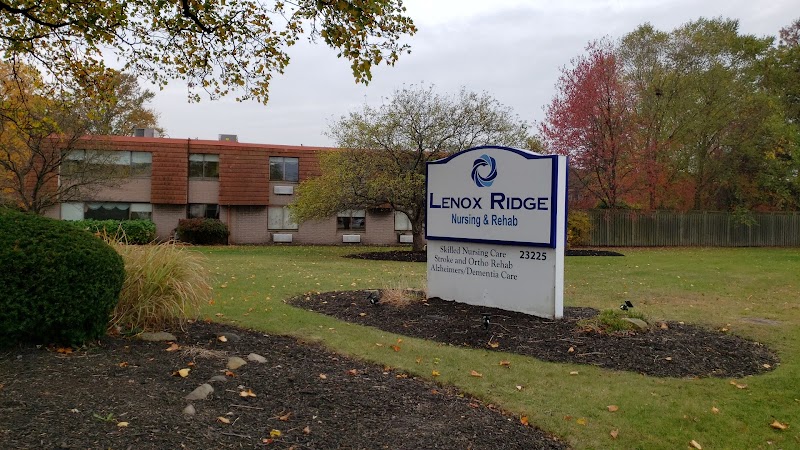
23225 LORAIN RD, NORTH OLMSTED, OH 44070 (440) 779-6900
For profit - Partnership 99 Beds Independent Data: November 2025
Trust Grade
45/100
#685 of 913 in OH
Last Inspection: December 2022

Over 2 years since last inspection. Current conditions may differ from available data.

Overview

The Gardens of North Olmsted has received a Trust Grade of D, indicating below-average quality and some significant concerns. It ranks #685 out of 913 facilities in Ohio, placing it in the bottom half, and #61 out of 92 in Cuyahoga County, meaning there are better options available nearby. The facility's trend is worsening, with reported issues increasing from 1 in 2024 to 6 in 2025. Staffing is a major weakness, with only 1 out of 5 stars and a concerning turnover rate of 56%, which is around the state average but still indicates instability. However, the good news is that there have been no fines reported, suggesting compliance with regulations in that area. Specific incidents from inspections include a failure to maintain a clean and safe courtyard, which means many residents have limited access to outdoor spaces. In addition, staff were observed not following hygiene protocols in the kitchen, such as not covering hair while preparing food, which could pose health risks. Lastly, the facility's overall cleanliness was called into question, as areas such as resident rooms and smoking areas were found to be unkempt, with trash and food particles littering the grounds. Overall, while there are strengths in the absence of fines, the facility has several critical areas that need improvement.

Trust Score
D
45/100
In Ohio
#685/913
Bottom 25%
Safety Record
Low Risk
No red flags
Inspections
Getting Worse
1 → 6 violations
Staff Stability
⚠ Watch
56% turnover. Above average. Higher turnover means staff may not know residents' routines.
Penalties
✓ Good
No fines on record. Clean compliance history, better than most Ohio facilities.
Skilled Nurses
⚠ Watch
Each resident gets only 25 minutes of Registered Nurse (RN) attention daily — below average for Ohio. Fewer RN minutes means fewer trained eyes watching for problems.
Violations
⚠ Watch
29 deficiencies on record. Higher than average. Multiple issues found across inspections.
★★☆☆☆
2.0
Overall Rating
★☆☆☆☆
1.0
Staff Levels
★★★★★
5.0
Care Quality
★☆☆☆☆
1.0
Inspection Score
Stable
2024: 1 issues
2025: 6 issues

The Good

  • 5-Star Quality Measures · Strong clinical quality outcomes
  • Full Sprinkler Coverage · Fire safety systems throughout facility
  • No fines on record

Facility shows strength in quality measures, fire safety.

The Bad

2-Star Overall Rating

Below Ohio average (3.2)

Below average - review inspection findings carefully

Staff Turnover: 56%

Near Ohio avg (46%)

Frequent staff changes - ask about care continuity

Staff turnover is elevated (56%)

8 points above Ohio average of 48%

The Ugly 29 deficiencies on record

Jun 2025 2 deficiencies
CONCERN (D) 📢 Someone Reported This

A family member, employee, or ombudsman was alarmed enough to file a formal complaint

Potential for Harm - no one hurt, but risky conditions existed

Deficiency F0679 (Tag F0679)

Could have caused harm · This affected 1 resident

**NOTE- TERMS IN BRACKETS HAVE BEEN EDITED TO PROTECT CONFIDENTIALITY** Based on observation, interview, and record review, the facility failed to ensure Resident #35, Resident #36 and Resident #60 we...

Read full inspector narrative →
**NOTE- TERMS IN BRACKETS HAVE BEEN EDITED TO PROTECT CONFIDENTIALITY** Based on observation, interview, and record review, the facility failed to ensure Resident #35, Resident #36 and Resident #60 were comprehensively assessed for their preference for activities and did not ensure sufficient activities were in place to meet their needs. This affected three residents (Resident #35, Resident #36, and Resident #60) out of four residents reviewed for activities. Findings Include: 1. Resident #35 was admitted on [DATE] with diagnosis of alcoholic cirrhosis of liver, Alzheimer's disease, unspecified mood disorder, dementia, major depressive disorder, anxiety disorder, wandering diseases, impulse disorder, dementia severe with agitation, cellulitis of right lower limb, hyperlipidemia, gastro-esophageal reflux disease, essential hypertension, and alcohol abuse in remission. Review of Resident #35's annual Minimum Data Set 3.0 assessment dated [DATE] revealed Section F for Preferences for Routine & Activities listed as Not Assessed. Instructions for section F state if resident is unable to complete, attempt to complete interview with family member or significant other. There was no further information related to this section. The medical record lacked evidence of any further activities assessment for the resident. Review of Resident #35 current comprehensive care plan dated 04/02/25 revealed he was on the secured unit due to Alzheimer's dementia with psychosis, agitation, and wandering behaviors. Interventions included providing structured daily activities. The care plan did not specific what activities the resident was interested in and how or when activities would be offered. Resident #35 had a black cat plush in his room with a tag on it that says Chopper that may be given to resident when he is agitated. Review on 06/11/25 of Resident #35 activity log from June 2025 revealed resident had actively participated in multiple activities all week including the days of 06/12/25 and 06/13/25 that had yet to occur. Activities checked off as actively participated in on the activity log for 06/11/25 through 6/13/25 included: current events, exercise, movies, newspaper and television. Observations of Resident #35 on 06/11/25 at 8:16 A.M., 1:59 P.M. and 4:34 P.M. revealed Resident #35 sleeping in bed. Observations of Resident #35 room revealed no black cat plush. Observation of the common area televisions in the dining room and nurses station revealed the same television show with different episodes was playing all day. Interview on 06/11/25 at 8:59 A.M. with Certified Nursing Assistant (CNA) #300 revealed Resident #35 wandered on the unit and the staff re-direct him. CNA #300 revealed Resident #35 could be difficult with staff and other residents, and he primarily acts out when someone instigates him. CNA #300 didn't feel anything specific could help him from wandering. CNA #300 revealed they take responsible residents on the secured unit over to the other side of the building for activities and they don't have a formal activity program for those with significant cognitive impairment or dementia. The more confused and behavioral residents do not leave the unit for activities. CNA #300 revealed the staff on the unit do things with the residents with significant confusion, such as watch television in the common areas. Interview on 06/11/25 at 1:33 P.M. with CNA #301 revealed she is familiar with resident and has talked extensively with Resident #35's wife and has learned about his life and how to better help redirect him but that this information is not in his chart. CNA #301 has not seen Resident #35's black cat plush. Interview on 06/11/25 at 1:55 P.M. with Licensed Practical Nurse (LPN) #302 revealed Resident #35 had been asleep all day but was up for lunch and an CNA assisted with feeding him lunch. LPN #302 revealed this was her first day on this unit by herself. When asked where she would find information about residents interest she was unsure where this information would be in the chart and said she would talk to the manager about interest of residents. Interview on 06/11/25 at 2:47 P.M. with Activities Director (AD) #305 revealed she documents activity preferences in the MDS section F and other activity staff complete paper activity logs daily. She stated there is no comprehensive assessment completed to identify activity preferences or needs for residents. AD #305 helps run Resident Council and tries to get a feel for what activities the residents would like to do there but this only includes the residents that attend the meetings. AD #305 revealed that there was no set budget for activities and it can be a struggle to get supplies for activities. She stated she puts items on an Amazon list and the list is sent by Administrator to corporate to purchase the items. AD #305 revealed that 9 times out of 10 she receives about half of the items she has requested. She said she recently requested bird feeders for an activity for the residents to do in June but did not receive them. AD #305 revealed that she will keep activities on calendar vague in case she does not receive requested items. She said she has also requested sensory wall items for the secure unit and they were not approved. AD #305 revealed all group activities were temporarily held on the secured unit due to the dining room getting repaired but two weeks ago the group activities were moved off the secured unit. They take residents off the secured unit to attend the group activities except for a few residents, including Resident #35. 2. Resident #36 was admitted on [DATE] with diagnosis of seizures, metabolic encephalopathy, muscle weakness, cognitive communication deficit, dysphagia, other speech disturbances, restless leg syndrome, insomnia, depression, anemia, osteoarthrosis, major depressive disorder, nicotine dependence, cannabis use, essential hypertension, arthropathy, anxiety disorder, and hyperlipidemia. Resident #36 resided on the secured unit. Review of Resident #36's admission Minimum Data Set 3.0 assessment dated [DATE] revealed the resident's activity preferences very important for: books, newspapers, and magazines, music, animals, news, group activities, going outside, and religious services. The medical record lacked evidence of any further activities assessment for the resident. Review of Resident #36's care plan revealed no care plan in place for activities. Review of Activity Log book revealed that there were no Daily Recreation/Activity Participation Documentation for Resident #36. Interview on 06/11/25 at 8:27 A.M. with Resident #36 revealed that she had only been outside once since she was admitted to the facility. Observation of an activities calendar in Resident #36's room revealed 06/10/25 was Feed the Birds Day and the resident didn't know anything about the activity. Interview on 06/11/25 at 2:47 P.M. with AD #305 revealed she documents activity preferences in the MDS section F and other activity staff complete paper activity logs daily. She stated there is no comprehensive assessment completed to identify activity preferences or needs for residents. AD #305 helps run Resident Council and tries to get a feel for what activities the residents would like to do there but this only includes the residents that attend the meetings. AD #305 revealed that there was no set budget for activities and it can be a struggle to get supplies for activities. She stated she puts items on an Amazon list and the list is sent by Administrator to corporate to purchase the items. AD #305 revealed that 9 times out of 10 she receives about half of the items she has requested. She said she recently requested bird feeders for an activity for the residents to do in June but did not receive them. AD #305 revealed that she will keep activities on calendar vague in case she does not receive requested items. Interview on 06/11/25 at 4:58 P.M. with AD #305 revealed she could not find the Daily Recreation/Activity Participation Documentation for Resident #36 and is not sure why Resident #36 does not have one. Review of Purchase Order from Amazon dated 05/01/25 and 06/02/25 revealed no bird houses were ordered. 3. Resident #60 was admitted on [DATE] with diagnosis of Alzheimer's, dementia, adult failure to thrive, anorexia, essential hypertension, gout, hyperlipidemia, carpal tunnel, history of transient ischemic attack, alcohol abuse in remission, history of falling, and anxiety disorder. Review of Resident #60's Minimum Data Set 3.0 annual assessment dated [DATE] revealed he was not assessed for section F for Preferences for Routine & Activities. Instructions for section F state if resident is unable to complete, attempt to complete interview with family member or significant other. There was no other information available for this section. The medical record lacked evidence of any further activities assessment for the resident. Resident #60 Care Plan dated 05/14/25 revealed the resident was on the secure unit due to dementia with behaviors. Interventions include providing structured daily activities. The care plan did not specific what activities the resident was interested in and how or when activities would be offered. Review on 06/11/25 of Resident #60 activity log from June 2025 revealed resident had actively participated in multiple activities all week including the days of 06/12/25 and 06/13/25 that had yet to occur. Activities checked off on activity log for 06/11/25 through 06/13/25 included: current events, movies, newspaper, puzzles, and television. Observation on 06/10/25 at 8:16 A.M. revealed Resident #60 in another residents room and then walking around the secured unit. In attempt to interview the resident, he provided his name but nothing more. Continued observation on 06/10/25 at 1:59 P.M. and 4:34 P.M. revealed the resident was not engaged in activity or was wandering the unit. Observation of the common area televisions in the dining room and nurses station revealed the same television show with different episodes was playing all day. Interview on 06/11/25 at 8:59 A.M. with CNA #300 revealed Resident #60 wandered on the unit and the staff re-direct him. CNA #300 didn't feel anything specific could help him from wandering. CNA #300 revealed they take responsible residents on the secured unit over to the other side of the building for activities and they don't have a formal activity program for those with significant cognitive impairment or dementia. The more confused and behavioral residents do not leave the unit for activities. CNA #300 revealed the staff on the unit do things with the residents with significant confusion, such as watch television in the common areas. Interview on 06/11/25 at 2:47 P.M. with AD #305 revealed she documents activity preferences in the MDS section F and other activity staff complete paper activity logs daily. She stated there is no comprehensive assessment completed to identify activity preferences or needs for residents. AD #305 helps run Resident Council and tries to get a feel for what activities the residents would like to do there but this only includes the residents that attend the meetings. AD #305 revealed that there was no set budget for activities and it can be a struggle to get supplies for activities. She stated she puts items on an Amazon list and the list is sent by Administrator to corporate to purchase the items. AD #305 revealed that 9 times out of 10 she receives about half of the items she has requested. She said she recently requested bird feeders for an activity for the residents to do in June but did not receive them. AD #305 revealed that she will keep activities on calendar vague in case she does not receive requested items. She said she has also requested sensory wall items for the secure unit and they were not approved. AD #305 revealed all group activities were temporarily held on the secured unit due to the dining room getting repaired but two weeks ago the group activities were moved off the secured unit. Interview on 06/11/25 at 4:58 P.M. with AD #305 revealed activity logs are filled out by Activity Assistants and was unsure why forms are marked already for 6/12/25 and 6/13/25 or why residents were being marked as Active in activities they did not participate in. Review of Activities and Social Services Policy with a revised date of December 2006 revealed the interdisciplinary Care Team will evaluate resident's personal history and preferences, and will consider his/her medical condition and prognosis in identifying recreational and cultural activities. The facility will provide activities, social events, and schedules that are compatible with the resident's interests, physical and mental assessment, and overall plan of care. This deficency represents non-compliance investigated under Complaint Number OH00165804.
CONCERN (F) 📢 Someone Reported This

A family member, employee, or ombudsman was alarmed enough to file a formal complaint

Potential for Harm - no one hurt, but risky conditions existed

Safe Environment (Tag F0921)

Could have caused harm · This affected most or all residents

Based on interviews, record review and observations the facility failed to ensure the courtyard was maintained in a clean and safe manner. This had the potential to affect all 72 residents in the faci...

Read full inspector narrative →
Based on interviews, record review and observations the facility failed to ensure the courtyard was maintained in a clean and safe manner. This had the potential to affect all 72 residents in the facility. Findings Include: Interview on 06/10/25 at 8:27 A.M. with Resident #36 revealed she has been outside one time since she admitted to the facility. Interview on 06/10/25 at 8:59 A.M. with Certified Nursing Assistant (CNA) #300 revealed residents are sometimes taken outside to the courtyard. Interview on 06/11/25 at 1:33 P.M. with CNA #301 revealed they do take residents outside when it is nice outside and that she took some of the residents outside the weekend before. Interview on 06/11/12 at 1:47 P.M. with Resident #68 revealed has not seen anyone go to the courtyard and she goes outside with smokers to socialize and go outside, even though she does not smoke. Interview on 06/11/25 at 2:47 P.M. with Activities Director #305 revealed she has been asking since summer of 2024 for new outdoor patio furniture and a power washer to clean current furniture that is not broken but dirty. Activities Director #305 revealed the chairs are dining room cloth chairs and both the chairs and tables are broken or gross. She turned in a grievance for the patio chairs on 05/28/25 to Administrator and was told today that corporate had approved the order. Activities Director #305 revealed the activities department has not brought any residents outside this year due to the ground being uneven and issues with outside furniture. She also said the door does not work from the outside of the courtyard and they have to have a staff member let them in from the inside or go through the secured unit. Review of Resident Council dated 05/28/25 revealed residents requested to grill outside, have access to the outdoor patio, and furniture to be moved to allow for more seating in the patio. Interview on 06/11/25 at 04:13 P.M. with Director of Nursing (DON) revealed she just started at this facility and had not been to the outside courtyard previously. DON confirmed the following observations of the outside courtyard: • The covered area had cloth dining room chairs underneath and tables. Three of the dining room chairs were broken and one chair had a broken leg. Both the tables and chairs were dirty with various trash on ground around tables and chairs. One box with various garden supplies that were covered in dust and cobwebs. • Two white metal bars were observed on ground near the outside door by the secured unit entrance. The side of the roof had a hole with multiple brick shingles missing that had fallen and were broken on the ground. The gutter had fallen off and was also on the ground alongside wood debris. • At least four bird feeders were observed without any bird food. The two garden boxes were overrun with weeds. The walkway to gazebo was overrun with shrubs and branches blocking the walkway and required bending down to get to the gazebo. • The outside door by the dining room had a keypad that was broken and unable to be opened from the outside, requiring either staff in the dining room to let residents and staff back inside or staff from the secured unit to let them in through their door. Interview on 06/11/25 at 5:29 P.M. with Administrator, Regional Director of Operations #307, and Administrator #2 revealed staff was not aware of hole in the side of roof. Administrator revealed they had been out there recently and residents only go out when supervised. She said they used it frequently last year and believe most of the damage was done over the last year. Regional Director of Operations #307 revealed he has been working on getting outdoor patio furniture ordered and provided receipt from Home Depot he received on 06/11/25 for 12 stackable gray outdoor dining chair set. When asked if they would be ordering any new tables and he said the tables outside were fine.
Feb 2025 4 deficiencies
CONCERN (D) 📢 Someone Reported This

A family member, employee, or ombudsman was alarmed enough to file a formal complaint

Potential for Harm - no one hurt, but risky conditions existed

Deficiency F0603 (Tag F0603)

Could have caused harm · This affected 1 resident

**NOTE- TERMS IN BRACKETS HAVE BEEN EDITED TO PROTECT CONFIDENTIALITY** Based on record review, family and staff interview, and review of facility policy, the facility failed to ensure a resident met ...

Read full inspector narrative →
**NOTE- TERMS IN BRACKETS HAVE BEEN EDITED TO PROTECT CONFIDENTIALITY** Based on record review, family and staff interview, and review of facility policy, the facility failed to ensure a resident met the criteria to be admitted to and reside on the secured unit This affected one (Resident #77) of three residents reviewed for abuse. The facility census was 75. Findings include: Record review for Resident #77 revealed an admission date of 02/11/25 and a discharge date of 02/17/25. Diagnoses included anoxic brain damage, intracranial injury with loss of consciousness, aphasia, encephalopathy, attention deficit hyperactivity disorder, anxiety disorder, muscle weakness, dysphagia, dysphonia, restlessness and agitation, violent behavior, traumatic brain injury (TBI), bipolar disorder, and depression. Review of the admission Minimum Data Set (MDS) assessment dated [DATE] revealed Resident #77 was severely cognitively impaired. Resident #77 had no impairment to the upper or lower extremities, used a wheelchair for mobility, supervision or touch assist with eating, dependent on staff for toileting hygiene, bed mobility, transfers, and wheelchair mobility, and required substantial /maximal assistants for personal hygiene. Review of the elopement review dated 02/12/25 completed by Licensed Practical Nurse (LPN) #321 revealed Resident #77 was at low risk for elopement. There were no behaviors of wandering or exit seeking exhibited by Resident #77 documented in the medical record. There was no documentation why Resident #77 was placed on the memory care unit. Telephone interview on 02/24/25 at 1:20 P.M. with Resident #77's Parent stated her son was young and suffered an anoxic brain injury. She was looking for a facility that could address her son's bipolar disorder, provide her son therapy and socialize with peers near his age. Resident #77's Parent stated she was assured by the Admissions Coordinator of all the above. A final decision was made for a room on the second floor near the nursing station and where there were residents near his age. Upon admission at the facility on 02/11/25, Resident #77 and his Parent were made aware the room on the second floor was not ready so he would have to stay in the secured unit located on the first floor. Interview on 02/24/25 at 1:52 P.M. with Licensed Practical Nurse (LPN) #300 confirmed Resident #77 resided in the secured unit. LPN #300 stated Resident #77 would not have been able to exit seek or leave the facility, Resident #77 required total assistance. There were no residents residing in the secured unit near Resident #77's age. Interview on 02/24/25 at 2:07 P.M. with Admissions Coordinator (AC) #388 stated on the day Resident #77 was admitted to the facility, there was only one room in the building ready. AC #388 stated It takes a while to get the rooms cleaned and ready. AC #388 told them upstairs was available but then AC #388 wanted to try Resident #77 in the secured unit because of his seizure type because he would get more attention in the secured unit. Admissions Coordinator #388 stated she made the decisions where residents would be admitted to in the facility, she had no medical training and she was not aware of any specific guidelines for admission to the secured unit. AC #388 stated she felt due to a diagnosis of seizure disorder, and even though Resident #77 had no history of wandering or exit seeking, Resident #77 should be admitted to the secured unit. Telephone interview on 02/25/25 at 1:20 P.M. with Medical Director #423 stated he did not determine where residents were admitted to in the facility. The secured unit would be for residents who was a threat to leave the facility or had dementia. It would be a case by case determination. Review of the facility policy for the secured unit titled, Name of Facility revised 10/13/20 revealed the policy is to provide a safe environment for all residents living in the secure care unit. To prevent accidents related to wandering and elopement. A resident's risk related to wandering and elopement will be evaluated as part of the preadmission evaluation and upon any residents change in condition or functionality. All exit doors are alarmed /code locked and remain activated 24 hours a day. This deficiency represents non-compliance investigated under Complaint Number OH00162710.
CONCERN (D) 📢 Someone Reported This

A family member, employee, or ombudsman was alarmed enough to file a formal complaint

Potential for Harm - no one hurt, but risky conditions existed

ADL Care (Tag F0677)

Could have caused harm · This affected 1 resident

**NOTE- TERMS IN BRACKETS HAVE BEEN EDITED TO PROTECT CONFIDENTIALITY** Based on observation, resident and staff interview, record review, and review of the facility policy, the facility failed to ens...

Read full inspector narrative →
**NOTE- TERMS IN BRACKETS HAVE BEEN EDITED TO PROTECT CONFIDENTIALITY** Based on observation, resident and staff interview, record review, and review of the facility policy, the facility failed to ensure the residents who were dependent on staff for activities of daily living received assistance with showers and personal hygiene. This affected two (Resident #24 and #70) of three residents reviewed for activities of daily living. The facility census was 75. Findings include: 1. Record review for Resident #24 revealed an admission date of 07/25/23. Diagnosis included fibromyalgia, hemiplegia and hemiparesis following cerebral infarction, and muscle weakness. Review of the care plan dated 08/22/23 revealed Resident #24 had an activity of daily living self care performance deficit due to decline in physical and cognitive function. Interventions included bathing and showering, check nail length and trim and clean on bath day and as necessary and provide a sponge bath when a full bath or shower cannot be tolerated. Review of the quarterly Minimum Data Set (MDS) assessment dated [DATE] revealed Resident #24 was cognitively intact. Resident #24 was dependent on staff for showers/bathing and personal hygiene. Review of the shower schedule revealed Resident #24's showers/baths were due every Wednesday and Saturday. The shower records for Resident #24 from 01/01/25 through 02/24/25 revealed Resident #24 did not receive the scheduled shower/bath on 01/11/25, 01/25/25, 02/05/25, 02/12/25, 02/19/25, or 02/22/25. There were 16 opportunities during this review period and Resident #24 missed six showers/baths. There were no documented make up days for these scheduled shower/baths that were not offered or given. Observation and interview on 02/24/25 at 9:06 A.M. revealed Resident #24 had a foul body odor. Resident #24's fingernails were long, painted, and corroded with a dark brown substance on the underneath. Resident #24 stated she was not receiving her baths twice a week consistently as scheduled. Interview on 02/25/25 at 10:20 A.M. with the Director of Nursing (DON) stated when showers/baths are completed or refused, a shower sheet was filled out. If the resident refused the bath/shower, a second attempt by the certified nursing assistant (CNA) would be made. Then if the resident still refused, the nurse should attempt, then document in the progress note and on the shower sheet the refusal. At times, the shower aids were pulled to the floor then the floor CNAs should give their own showers. The DON confirmed there were no more shower sheets or documentation for Resident #24 to reflect showers were offered or given. The DON confirmed if they were offered, even if refused, they should be documented. 2. Record review for Resident #70 revealed an admission date of 09/09/24. Diagnoses included asthma, lymphedema, and type two diabetes mellitus. Review of the care plan for Resident #70 dated 11/27/24 revealed Resident #70 had a self care deficit related to morbid obesity. Interventions included to encourage the resident to do as much as possible for self as able and to set up bath items and put out clothes as needed. Review of the quarterly Minimum Data Set (MDS) assessment dated [DATE] revealed Resident #70 was cognitively intact. Resident #70 required substantial/maximal assistance with showers/bathing and personal hygiene. Review of the shower schedule revealed Resident #24's showers/baths were due every Tuesday and Friday. Review of the shower sheets from 01/01/25 through 02/24/25 revealed Resident #70 did not receive the scheduled shower/bath on 01/03/25, 01/14/25, 01/17/25, 01/21/25, 02/14/25, and 02/21/25. There were 16 opportunities during this review period and Resident #24 missed six showers/baths. There were no documented make up days for these scheduled shower/baths that were not offered or given. Observation and interview on 02/24/25 at 10:41 A.M. revealed Resident #70 was sitting up in bed. Resident #70 had a foul strong body odor. Resident #24's fingernails were embedded with a dark substance. Resident #70 stated sometimes staff were too busy to give her a shower. Interview on 02/24/25 at 11:23 A.M. with Certified Nursing Assistant (CNA) #304 stated she was scheduled to be a full time shower aid. CNA #304 stated when there were call offs at the facility and no other staff would pick up, she would be pulled to the floor. When she was pulled to the floor, each CNA would be responsible to complete the residents on their assignments scheduled showers. CNA #304 stated when showers/baths were completed, a shower sheet would be filled out even if the resident refused. Interview on 02/25/25 at 10:20 A.M. with the Director of Nursing (DON) stated when showers/baths are completed or refused, a shower sheet was filled out. If the resident refused the bath/shower, a second attempt by the certified nursing assistant (CNA) would be made. Then if the resident still refused, the nurse should attempt, then document in the progress note and on the shower sheet the refusal. At times, the shower aids were pulled to the floor then the floor CNAs should give their own showers. The DON confirmed there were no more shower sheets or documentation for Resident #70 to reflect showers were offered or given. The DON confirmed if they were offered, even if refused, they should be documented. Review of the facility policy titled Activities of Daily Living, Supporting, revised March 2018, revealed residents will be provided with care, treatment and services as appropriate to maintain or improve their ability to carry out activities of daily living. Residents who are unable to carry out activities of daily living independently will receive the services necessary to maintain good nutrition, grooming and personal and oral hygiene. This was an incidental finding during the complaint survey.
CONCERN (F) 📢 Someone Reported This

A family member, employee, or ombudsman was alarmed enough to file a formal complaint

Potential for Harm - no one hurt, but risky conditions existed

Food Safety (Tag F0812)

Could have caused harm · This affected most or all residents

Based on observation, staff interview, and review of the facility policy, the facility failed to ensure the staff covered their hair exposed while working with or around food in the kitchen area. This...

Read full inspector narrative →
Based on observation, staff interview, and review of the facility policy, the facility failed to ensure the staff covered their hair exposed while working with or around food in the kitchen area. This had the potential to affect all 75 residents residing at the facility who receive food from the kitchen. Findings include: Observation on 02/24/25 at 9:21 A.M. with Dietary Manager #341 of the kitchen area and food storage area revealed Dietary Manager #341 wore his hair net on top of his head with his long dreadlocks outside of the hairnet. Dietary Manager #341, Dietary Aid #314 and Dietary [NAME] #302 had beards that were uncovered while in the kitchen. Observation on 02/24/25 at 11:26 A.M. of the food service line revealed Dietary Manager #341 wore his hair net on top of his head with his long dreadlocks outside of the hairnet while in the kitchen during meal service. Dietary [NAME] #302 was serving the food on the plates with his beard uncovered. Dietary Aid #314 was assisting in the tray line with his beard uncovered. Dietary [NAME] #302 stated they don't have beard covers. Interview on 02/24/25 at 11:37 A.M. with Administrator stated when staff work in the kitchen, if they have a beard, they are supposed to wear beard nets, and all the hair should be under the hair net. Review of the facility policy titled Hair Covering Policy undated revealed all dietary staff are required to wear effective hair restraints that cover all exposed body hair including facial hair and head hair. Hair restraints will be worn prior to entering the kitchen and may be removed after leaving the kitchen. This deficiency represents non-compliance investigated under Complaint Number OH00161306.
CONCERN (F) 📢 Someone Reported This

A family member, employee, or ombudsman was alarmed enough to file a formal complaint

Potential for Harm - no one hurt, but risky conditions existed

Safe Environment (Tag F0921)

Could have caused harm · This affected most or all residents

**NOTE- TERMS IN BRACKETS HAVE BEEN EDITED TO PROTECT CONFIDENTIALITY** Based on observation, resident and staff interview, record review, and review of the facility policy, the facility failed to ens...

Read full inspector narrative →
**NOTE- TERMS IN BRACKETS HAVE BEEN EDITED TO PROTECT CONFIDENTIALITY** Based on observation, resident and staff interview, record review, and review of the facility policy, the facility failed to ensure residents' living environment including resident rooms, dining room, and smoking area were kept clean and homelike. This had the potential to affect all 75 residents residing in the facility. Findings include: 1. Observation and interview on 02/24/25 at 9:50 A.M. of the facility outdoor smoking area with Maintenance Assistant #412 revealed two trash cans overflowing onto the ground with styrofoam cups, papers, multiple empty cigarette packs, cigarette butts and multiple used disposable gloves. Several cigarette butts were lying on every area of the grounds. Food particles including scrambled eggs, bread, and unidentified particles were on the ground. There were two bottles of salad dressing and cheese sauce on an outside window ledge inside the smoking area courtyard. Multiple used disposable gloves were lying in different areas on the ground. Maintenance Assistant #412 stated the smoking area gets like this sometimes. Interview on 02/25/25 at 8:58 A.M. with Administrator stated the facility was working on a plan that included who would be responsible for keeping the residents smoking area clean. A list of residents who utilized the area for smoking included nine residents, (Resident #4, #17, #20, #30, #45, #49, #57, #64, and #72). 2. Interview and observation on 02/24/25 at 9:53 A.M. with Certified Nursing Assistant (CNA) #353 stated there were no residents who ate in the dining room for breakfast that day (02/24/25). CNA #353 stated all residents ate in their rooms. Observation of the dining room with CNA #353 revealed upon entering the dining room, there was a trash can overflowing with trash from meal trays. The lid on the trash can was unable to close due to the overflowing trash. Dried food particles covered the lid on the inside and out. There were food crumbs and particles on the floor throughout the dining room. A soiled plunger and soiled dustpan sat in the corner of the dining room near where tables and chairs sat. CNA #353 stated the overflowing trash and dirty floor was from the dinner meal the previous day. Observation on 02/24/25 at 4:49 P.M. of the dining room revealed three residents, Resident #74, #9, and #12 remained in the dining room eating their dinner meal. Observation revealed the soiled plunger and soiled dustpan were still in the corner in the dining room near where residents were eating their meal. All three residents stated it was unappealing to have a dirty plunger and dustpan in the dining room where they ate. Observation and interview on 02/24/25 at 4:54 P.M. with Registered Nurse (RN) #386 verified the soiled plunger and dustpan in the dining room near where residents were eating. Interview on 02/25/25 at 421 P.M. with the Administrator stated a toilet plunger and dustpan should not be in the dining room and the dining room should be cleaned after every meal. The Administrator and Director of Nursing (DON) revealed all residents were able to eat in the dining room. 3. Observation and interview on 02/24/25 at 9:13 A.M. revealed Resident #66 was resting in bed. Resident #66's floor had scattered dirt particles, food and trash scattered throughout the floor. The room had a strong foul odor of body odor and urine. The top drawer of the nightstand was partially broke and the front of the drawer was dangling from one side. The bathroom floor had a puddle of urine on the floor partially dried. Activity Assistant #384 was present and verified the odors, dirty room, broken drawer and partially dried puddle of urine on the bathroom floor. Observation and interview on 02/24/25 at 10:00 A.M. with Certified Nursing Assistant (CNA) #329 of Resident #36's room revealed the room had nine large built in drawers. All nine drawers had multiple chips, scrapes and dents. The bottom three drawers had broken off large chips of wood. Observation and interview on 02/24/25 at 10:05 A.M. with Assistant Director of Nursing (ADON) #342 of Resident #54's room revealed Resident #54 was lying in bed resting. An outlet cover was missing on the wall and wires were exposed. ADON #342 confirmed the cover was missing and there were exposed wires. Resident #54 confirmed the outlet had been left exposed for an undetermined amount of time. Observation and interview on 02/24/25 at 10:10 A.M. with ADON #342 revealed a strong body odor in Resident #45's room. Observation revealed partially eaten dried up food on the nightstand and microwave. There was also dirty silverware with food particles on them throughout the room. An open stick of partially used butter was lying on top of the microwave that was sitting on top of the refrigerator. ADON #342 verified the microwave was working. Upon opening the door, the light came on, food was splattered covering the entire inside of the microwave and door. Food crumbs and liquid spills were on top of the microwave and under the microwave (top of refrigerator). Inside the refrigerator was a small open freezer with multiple inches of ice buildup. The refrigerator held multiple food items, multiple spills on the bottom of the refrigerator. Observation and interview on 02/24/35 at 1:52 P.M. with Licensed Practical Nurse (LPN) #300 stated Former Resident #77's room was now ready for a resident to move in and stated no other resident was admitted to or resided in the room after Resident #77 discharged from the facility on 02/13/25. Observation of the room with LPN #300 revealed there were still soiled sheets and blankets on the unmade bed. There was partially cup of water and trash on the table. The trash can still had trash not emptied in it. The floor was sticky with visible spills and the bathroom had not been cleaned. LPN #300 confirmed the room had not been cleaned since Resident #77 transferred to the hospital on [DATE]. LPN #300 stated the room was not ready for a new admission. Interview on 02/25/25 at 3:04 P.M. with Housekeeper #298 revealed resident rooms were cleaned two times a week. Review of the facility policy titled Cleaning and Disinfecting Resident Rooms revised August 2013 revealed housekeeping surfaces (e.g. floors, tabletops) will be cleaned on a regular basis, when spills occur, and when these surfaces are visibly soiled. This deficiency represents non-compliance investigated under Complaint Numbers OH00161306 and OH00162710.
Jul 2024 1 deficiency
CONCERN (E) 📢 Someone Reported This

A family member, employee, or ombudsman was alarmed enough to file a formal complaint

Potential for Harm - no one hurt, but risky conditions existed

Safe Environment (Tag F0584)

Could have caused harm · This affected multiple residents

Based on observation, review of the resident council meeting minutes, and interviews the facility failed to ensure the residents' environment was clean, sanitary, and was in good repair. This affected...

Read full inspector narrative →
Based on observation, review of the resident council meeting minutes, and interviews the facility failed to ensure the residents' environment was clean, sanitary, and was in good repair. This affected 53 residents (#1, #2, #3, #4, #5, #6, #7, #8, #9, #10, #13, #14, #15, #17, #18, #20, #21, #22, #23,#25, #27, #28, #29, #30, #31, #32, #33, #34, #35, #36, #37, #38, #39, #40, #41, #42, #43, #45, #46, #47, #48, #49, #52, #53, #54, #55, #56, #57, #58, #60, #61, #62, #64) of 65 residents reviewed for a homelike environment. The facility census was 65. Findings include: Review of the Resident Council Meeting notes for 04/24/24 revealed the main shower room on the first floor needed to be thoroughly cleaned. Note dated 05/28/24 revealed the first-floor shower room needed to be thoroughly cleaned. The new maintenance director (MD) is implementing a new schedule for the housekeepers. Note dated 06/26/24 stated the floor in the shower needed cleaning and repair. The new cleaning schedule was discussed, and residents will start seeing a significant difference. Observation on 07/09/24 at 8:30 A.M. of the shower room in the secured unit revealed the shower had two separate stalls, an area for a spa tub and shelves for storage. The floor throughout the room was covered with dirt and debris. Inside the spa tub was a dirty towel, several bottles of skin and hair cleanser, an unused brief and a hairbrush, a scrubber brush and a handwritten personal letter. The spa tub drained into a hole in the floor, the drainpipe was surrounded by a wire netting about four inches high with sharp edges. Under the shelving unit on the floor was a plastic hanger and a used plastic shopping bag. Next to the spa tub on the floor sat a box of gloves and a medium size Amazon box that contained a magazine. Stall number one had five cracked tiles on the floor and a shower chair with a used towel, there was black debris between the tiles on the wall. A bottle of body wash was lying on the floor in the corner. Stall number two had a brown substance on the floor that appeared to be stool. Both shower stalls had black debris between the tiles on the wall, around the base, and in the corners. Each stall had a privacy curtain with dark stains around the bottom. Both stalls had several safety strips that had rubbed off. Interview on 07/09/24 at 8:40 A.M. with Housekeeper #299 stated she had not cleaned the shower room today and agreed the shower room needed to be cleaned. Observation on 07/09/24 at 9:06 A.M. of the first-floor main shower room revealed there were three shower stalls. There were six shower chairs scattered throughout the room. On top of a covered trash can were several used towels and a hairbrush. Next to the trash can was a large brown plastic bag with used wet towels. In front of the second stall was a large puddle of water. Stalls one and two had safety strips that were peeling off the floor. Stalls two had three drain flies on the wall and paint was peeling off the ceiling. There was a cracked piece of tile with sharp edges on the front corner of the stall. Both stalls had black debris between the tiles on the wall and floor. The third stall appeared to be used for storage. There were two shower chairs. The drain was covered with dirt and debris. There was a shelving unit that butted up against the wall. On the floor were several washcloths and briefs and a bag of wipes. In the back of the room was a rusted drain covered with dirt and debris and a hanger lying on the floor. Interview on 07/09/24 at 9:49 A.M. with State Tested Nursing Assistant (STNA) #210 states she hated to provide showers due to the room being dirty. STNA #210 tried to give bed baths instead. When providing showers, she had to roll up her pants due to the water puddle in the middle of shower room. STNA #210 stated she was not sure if the bag of dirty towels were from this morning or the night before. Observation on 07/09/24 at 11:10 A.M. of the shower rooms with MD #268 verified the above findings. He started in his position in late April 2024. He stated housekeeping has been working on removing the mold, and the shower rooms are much cleaner. Prior to his employment, there were no scheduled assignments for the housekeeper staff. They picked what they wanted to clean. Recently one housekeeper was terminated for poor performance. MD #263 implemented a new rotating schedule for the housekeeping staff. MD #263 stated there are no housekeeping or maintenance policies. Interview on 07/09/24 at 4:42 P.M. with Resident #30 stated she received one shower since she arrived. Resident #30 prefers receiving bed baths; the shower room is disgusting with black mold. Interview on 07/10/24 at 3:12 P.M. with the Resident #6, Resident Council President, stated residents have been complaining about the shower room being dirty for the last three months. Interview on 07/11/24 at 12:30 P.M. with Housekeeper #245 stated the facility needed housekeepers that liked their job. Housekeeping has been working on trying to get the mold out of the grout in the tile for a while. This deficiency represents non-compliance investigated under Master Complaint Number OH00155491 and Complaint Number OH00155187.
Dec 2022 10 deficiencies
CONCERN (D)

Potential for Harm - no one hurt, but risky conditions existed

Deficiency F0660 (Tag F0660)

Could have caused harm · This affected 1 resident

**NOTE- TERMS IN BRACKETS HAVE BEEN EDITED TO PROTECT CONFIDENTIALITY** Based on record review, resident interview and staff interview, the facility failed to ensure discharge planning was completed f...

Read full inspector narrative →
**NOTE- TERMS IN BRACKETS HAVE BEEN EDITED TO PROTECT CONFIDENTIALITY** Based on record review, resident interview and staff interview, the facility failed to ensure discharge planning was completed for one resident (Resident #25) out of two residents (#25 and #61) reviewed for discharge planning. The facility census was 60. Findings include: Review of Resident #25's medical record revealed and admission date of 07/29/21 with diagnoses to include but not limited to diabetes mellitus, schizophrenia, major depressive disorder, and anxiety disorder. Review of the quarterly Minimum Data Set (MDS) 3.0 assessment dated [DATE] revealed the resident was cognitively intact and required supervision. Review of the care of plan for Resident #25 revealed he was at the facility long term care (LTC). Review of social service note dated 07/31/21 at 10:28 A.M. revealed Resident #25 chose a full code status and discharge plans were to utilize the Home Choice Program for possible assisted living. Review of social service note dated 06/09/22 at 8:34 A.M. revealed social worker and resident had court hearing with Probate Court where resident had been assigned a Guardian to assist with financial and discharge planning. Review of the social service note dated 06/29/22 at 12:38 P.M. revealed Resident #25 chose a full code status and discharge plans are to utilize the Home Choice Program for possible assisted living. Interview on 12/04/22 at 11:06 A.M. with Resident #25 revealed that he wanted to leave the facility. He indicated has a guardian, and wants to go to another facility because he was evicted from his apartment. Interview on 12/06/22 at 5:14 PM with MDS Nurse #163 revealed that when the social worker left at the end of August, everyone had to chip in and do the work. MDS Nurse was told by the business office manager that Resident # 25 was approved for Medicaid, and she assumed that because he is Medicaid, he was LTC. Further review of Resident #25's electronic or hard chart revealed no evidence of that changes in activities of daily living or functionality that would warrant LTC in a skilled nursing facility or discharge planning continued since former social worker resigned. Review of the facility policy dated 12/06 titled, Discharge Summary and Plan revealed residents will be asked about their interest in returning to the community. If the resident indicates an interest in returning to the community, he or she will be referred to local agencies, support services that can assist in accommodating the resident's post-discharge preferences and if it is determined that returning to the community is not feasible, it will be documented why this is the case and who made the determination.
CONCERN (D)

Potential for Harm - no one hurt, but risky conditions existed

Deficiency F0661 (Tag F0661)

Could have caused harm · This affected 1 resident

Based on closed record review, facility policy and procedure review and interview, the facility failed to ensure a comprehensive discharge summary was completed for Resident #61 as required. This affe...

Read full inspector narrative →
Based on closed record review, facility policy and procedure review and interview, the facility failed to ensure a comprehensive discharge summary was completed for Resident #61 as required. This affected one resident (#61) of two residents (Residents #25 and #61) reviewed for discharge planning. The facility census was 60. Findings include: Review of Resident #61's closed medical record revealed and admission date of 08/24/22 and a discharge date of 11/08/22 with diagnoses to include but not limited to displaced bicondylar fracture of right tibia, major depressive disorder, and personal history of traumatic brain injury. Review of the quarterly Minimum Data Set (MDS) 3.0 assessment, dated 09/12/22 revealed the resident was moderately cognitively impaired and required supervision. Review of the plan of care dated 08/25/22 for Resident #61 revealed Resident #61 had discharge plans to go home with friends. Interventions included but not limited to all discharge planning to be documented, investigate need for special durable medical equipment (DME), home health care (HHC), lifeline, MD f/u, outpatient therapy, resources, etc and make referrals as needed. Review of the progress note dated 11/08/22 at 11:50 A.M. revealed that Resident #61 left the shift with discharge orders to go home. Resident was COVID-19 tested upon exit with negative results. Resident took all medications with her belongings. Staff went over medication list with resident and resident understood. Interview on 12/06/22 at 3:00 P.M. with Administrator revealed the former social worker resigned and the task have been getting divided up. Administrator verified that Resident #61 had no discharge summary, and that Resident #61 was a regular discharge. Review of the facility policy dated 12/06 titled, Discharge Summary and Plan revealed when a resident's discharge is anticipated, a discharge summary and post-discharge plan will be developed to assist the resident to adjust to his/her new living environment.
CONCERN (D)

Potential for Harm - no one hurt, but risky conditions existed

Deficiency F0692 (Tag F0692)

Could have caused harm · This affected 1 resident

**NOTE- TERMS IN BRACKETS HAVE BEEN EDITED TO PROTECT CONFIDENTIALITY** Based on interview, record review and policy review, the facility failed to ensure weekly weights were done per physician's orde...

Read full inspector narrative →
**NOTE- TERMS IN BRACKETS HAVE BEEN EDITED TO PROTECT CONFIDENTIALITY** Based on interview, record review and policy review, the facility failed to ensure weekly weights were done per physician's orders. This affected two residents (Resident #17, and Resident #40) of five residents reviewed for nutrition. The facility census was 60. Findings include: 1. Review of Resident #17's medical record revealed an admission date of 04/21/11 and diagnoses including type two diabetes, protein calorie malnutrition, adult failure to thrive, other schizophrenia, depression, anorexia and abnormal weight loss. Review of Resident #17's annual minimum data set (MDS) assessment dated [DATE] revealed Resident #17 was cognitively intact and required supervision with set up help for eating. Resident #17 had a weight loss that was not on a prescribed weight-loss regimen coded on the assessment. Review of current physician's orders revealed an order dated 10/08/21 and revised 09/07/22 for regular diet, double portions at meals, hot dogs or hamburgers at lunch and dinner; and an order written by Registered Nurse (RN) #501 dated 09/07/22 for weekly weights one time a day every seven days for weight surveillance. Review of Resident #17's Medication Administration Records (MARs) and Treatment Administration Records (TARs) for September 2022, October 2022, November 2022 and December 2022 lacked evidence the weekly weights were completed as ordered. Review of Resident #17's weights in the electronic medical record revealed the following weights were recorded: 08/10/22, 142.0 pounds; 09/01/22, 137.6 pounds; 10/06/22, 137 pounds; 11/15/22, 136.4 pounds; 12/06/22, 138.6 pounds. No weekly weights were noted. Review of Resident #17's nutritional assessment dated [DATE] and written by Registered Dietitian (RD) #180 revealed the resident weighed 137.6 pounds with a goal weight of 166 pounds. Resident #17 had a significant weight loss over 180 days due to COVID-19. Review of Resident #17's nurse's notes from September 2022 through December 2022 revealed no refusals of weights and no weekly weights recorded. Review of a weight warning note dated 09/07/22 and written by RD #180 revealed she recommended double portions with meals and weekly weights for Resident #17. Review of a care plan revised 08/08/22 revealed Resident #17 had potential for alteration in nutrition and hydration related to poor appetite and had history of weight loss and refusal of supplements. Interventions were listed and included obtain weights as ordered. Interview on 12/04/22 at 9:47 A.M. with Resident #17 revealed he thought he had some weight loss and indicated he fed himself. Phone interview on 12/06/22 at 2:08 P.M. with RD #180 revealed residents' weights could be recorded on the MAR or the TAR if they were not listed under the weights and vitals tab of the electronic medical record. RD #180 indicated she recommended weekly weights for Resident #17 which were ordered 09/08/22 and also shared that weights were not always done. RD #180 was made aware Resident #17's weekly weights were not done per physician's orders during the interview. Interview on 12/06/22 at 3:10 P.M. with RN #501 and Chief Nursing Officer (CNO) #181 verified no weekly weights were completed for Resident #17 as ordered. RN #501 stated a physician's order would be written and then would carry over to the MAR. RN #501 explained the electronic medical record system had an update and this affected where an entered order would transfer over to. RN #501 verified Resident #17's order for weekly weights never carried over to the MAR so the weights were not obtained as ordered. 2. Review of Resident #40's medical record revealed an admission date of 07/09/20 and diagnoses including multiple sclerosis, mild protein calorie malnutrition, type two diabetes, asthma, depression, opioid dependence and obsessive-compulsive disorder. Review of Resident #40's quarterly MDS assessment dated [DATE] revealed Resident #40 was moderately cognitively impaired, required the physical assistance of one staff with eating and had significant weight loss that was not from a prescribed weight loss regimen. Review of Resident #40's discontinued physician's orders revealed an order dated 08/19/22 for weekly weights every day shift each Wednesday for weight surveillance. The order was discontinued on 10/10/22. Review of Resident #40's MARs and TARs for August 2022, September 2022 and October 2022 lacked evidence that weekly weights were completed as ordered. Review of Resident #40's weights in the electronic medical records revealed the following weights were recorded: 08/18/22, 223 pounds; 10/16/22, 270 pounds (re-weighed); 10/19/22, 195 pounds; 12/06/22, 193 pounds. Review of a dietary note dated 08/18/22 and written by RD #180 revealed staff were concerned about Resident #40's declining by mouth intake. Most recent weight was 229 pounds and remained stable over 180 days. Resident intakes were generally good but were poor yesterday. Remains on a regular diet with ensure plus daily. Will suggest weekly weights. Review of additional nurses' notes from August 2022 through October 2022 revealed no refusals of weights and no weekly weights recorded. Review of a care plan revised 06/29/22 revealed Resident #40 had potential for alteration in nutrition and hydration related to morbid obesity, mild malnutrition, diabetes and anemia. Weight loss noted while in hospital. Interventions were listed and included obtain weights as ordered. Interview on 12/04/22 at 9:19 A.M. with Resident #40 revealed he lost 50 to 60 pounds in the last 12 months. Interview on 12/07/22 at 11:15 A.M. with RD #180 revealed she came to the facility once a week. RD #180 sent a list of her dietary recommendations to the DON, RN #501, the Administrator, the dietary manager and corporate staff. RD #180 would check to see the orders were written but did not check further to see the weights were actually being done. RD #180 stated she was made aware on 12/06/22 that the orders for weekly weights did not go on the MAR and verified the weekly weights were not obtained for Resident #40 as ordered. RD #180 also stated Resident #40 refused weights and was made aware during the interview Resident #40's nurse's notes and care plan did not reflect this. Review of the facility policy, Weights Monitoring, dated 2022 revealed a weight monitoring schedule will be developed upon admission for all residents. Weights should be recorded at the time obtained. Residents with weight loss should be monitored weekly. Observations pertinent to the resident's weight status should be recorded in the medical record as appropriate.
CONCERN (D)

Potential for Harm - no one hurt, but risky conditions existed

Deficiency F0761 (Tag F0761)

Could have caused harm · This affected 1 resident

Based on observation and interview, the facility failed to insure medications were properly stored. This affected three residents (#12, #21 and #49) of three residents review for medications not prope...

Read full inspector narrative →
Based on observation and interview, the facility failed to insure medications were properly stored. This affected three residents (#12, #21 and #49) of three residents review for medications not properly stored. The facility census was 60. Findings Included: An initial tour of this facility on 12/04/22 from 8:30 A.M. to 9:15 A.M. revealed loose pills were observed on the floor in two different rooms, the room for Resident #12 and Resident #21 and the room for Resident #49. Upon entrance into Resident #12 and Resident #21 room at 8:40 A.M. a small round white pill was observed laying on the floor close to the entrance of the bathroom. Interview with Licensed Practical Nurse (LPN) #177 on 12/04/22 verified the pill was in the room on the floor which she stated 'looked like Remeron. LPN #177 returned back to the room after looking up the pill and stated it was Remeron. Neither Resident #12 or Resident #21 were on Remeron. At 9:10 A.M. observation of Resident 49's room revealed two pills on the floor next to the baseboard by the door. Interview with LPN #144 at 9:15 A.M. verified two pills were found on the floor in Resident #49's room. LPN #144 verified the medications were Crestor 20 mg and Chlorthalid 25 mg. Resident #49 resided in the room and was taking Crestor daily but was not taking the Chlorthalid.
CONCERN (E) 📢 Someone Reported This

A family member, employee, or ombudsman was alarmed enough to file a formal complaint

Potential for Harm - no one hurt, but risky conditions existed

Safe Environment (Tag F0584)

Could have caused harm · This affected multiple residents

**NOTE- TERMS IN BRACKETS HAVE BEEN EDITED TO PROTECT CONFIDENTIALITY** Based on observation, record review and interview the facility failed to provide housekeeping services to ensure the resident en...

Read full inspector narrative →
**NOTE- TERMS IN BRACKETS HAVE BEEN EDITED TO PROTECT CONFIDENTIALITY** Based on observation, record review and interview the facility failed to provide housekeeping services to ensure the resident environment, including bathrooms were maintained in a clean and sanitary manner. This affected 18 residents (#1, #9, #10, #15, #16, #17, #19, #27, #31, #33, #34, #38, #40, #42, #45, #46, #49, and #52) of 60 residents residing in the facility. Findings Included: Initial tour on 12/04/22 from 7:30 A.M. to 8:40 A.M. revealed concerns regarding the cleanliness and upkeep of the facility. Interviews were conducted with seven residents (Resident #10, Resident #17, Resident #19, Resident #31, Resident #40, Resident #46, and Resident #49) from 8:30 A.M. to 6:00 P.M. on 12/04/22, 12/05/22 and 12/06/22. All seven residents voiced concerns about the cleanliness of the environment. The interviews revealed that housekeeping rarely come into rooms and clean. The room cleaning schedule was not clear to the residents. They indicated there was no consistent housekeeping staff. Interview with the Administrator and Regional Corporate Nurse #181 on 12/05/22 from 11:30 A.M. to 12:10 P.M. revealed they presently have an interim director of housekeeping since the last director was let go. They were unsure the last day the previous director worked. Both staff members were unable to state how long the original director was gone for. They verified the interim director was also over laundry services. Interview on 12/05/22 at 1:30 P.M. with interim laundry director #140 revealed he had been filling in cleaning rooms on the floors for the past month. He verified that he was the only housekeeping employee currently and was trying to keep up and make sure that rooms were cleaned at least once a week. Continued interview with interim laundry director #140 revealed the original laundry director has been gone for about two to three months. He stated when he took over there were a few staff members for laundry and housekeeping but now it is just him. He stated he rotates through and tries to get all the rooms cleaned at least once a week but was not always able to get that done. He stated the nurses and State Tested Nurse Aides (STNA) were responsible for cleaning the COVID rooms and frequently touched areas in the facility. He verified there was no documentation it was completed. He indicated there was a stocked cart located on the unit for use by the nursing staff to clean common areas. The cart was not observed at the time and the interim laundry director #140 indicated it most be back downstairs to be restocked. A second tour of the facility occurred on 12/05/22 at 1:55 P.M. further revealed: room [ROOM NUMBER]'s bathroom was observed with dirt and black marks on the corners of the floor. The seal around the toilet was brown and the tile by the seal was also stained brown. Bathrooms in rooms [ROOM NUMBER] were observed with dirt and debris on the bathroom floors and the floors were stained brownish tan in places. Stains were observed intermittently on the base board. The bathroom floor in room [ROOM NUMBER] was stained with brownish stains around the toilet. The corners of the baseboards were observed to have dirt and debris. room [ROOM NUMBER]'s bathroom had stains on the inside of the toilet and dirt and debris on the bathroom floor. room [ROOM NUMBER]'s bathroom floor was observed stained brown around the toilet seal and on the tile. A broom and unemptied dustpan, containing old food particles, paper, dirt, and dust, was observed in the corner of room [ROOM NUMBER]. The bathroom floor was observed with dirty stained baseboards and the tile floor in the bathroom had brownish stains. The above findings were verified by the Interim Housekeeping Director #140 and the Maintenance Director #110 at the time of the tour. Review of Resident Council Meeting Minutes from the past year revealed residents in attendance at the meetings had voiced concerns about staff and per resident council meeting minutes residents were asked to help clean their rooms and to take out their trash due to being short in housekeeping. A resident council meeting was held with the residents during the survey. The residents present also voiced concerns related to housekeeping services. This deficiency represents non-compliance investigated under Complaint Number OH00137923.
CONCERN (E)

Potential for Harm - no one hurt, but risky conditions existed

Deficiency F0805 (Tag F0805)

Could have caused harm · This affected multiple residents

Based on observation, interview, taste test and policy review, the facility failed to serve pureed foods at a smooth consistency for safe swallowing. This affected four residents (#11, #12, #15 and #3...

Read full inspector narrative →
Based on observation, interview, taste test and policy review, the facility failed to serve pureed foods at a smooth consistency for safe swallowing. This affected four residents (#11, #12, #15 and #35) of four residents who were prescribed pureed diets. The facility census was 60. Findings include: Observation and interview on 12/06/22 at 11:09 AM with [NAME] #118, revealed the pureed meat sauce had pieces of meat still in the product. Dietary Manager (DM) #139 tasted the meat sauce and told [NAME] #118 to puree the meat sauce more. Cook #118 then stated, I already did the purees for lunch, so this puree isn't needed. [NAME] #118 was asked to portion out some of the already purred food. The green beans were not smooth and contained fibrous strings. DM #139 verified these finding at 11:11 A.M. on 12/06/22. The facility identified four residents, Resident #11, #12, #15 and #35 who received a pureed diet prepared by the kitchen. Review of the undated facility policy titled, Pureed Food Preparation revealed facility will prepare pureed foods in a manner that sustains nutritional value and taste. The foods will be pureed to assure the desired consistency.
CONCERN (F)

Potential for Harm - no one hurt, but risky conditions existed

Deficiency F0726 (Tag F0726)

Could have caused harm · This affected most or all residents

Based on record review and interview, the facility failed to ensure that nurse aides were able to demonstrate competency in skills and techniques necessary to care for residents' needs, as identified ...

Read full inspector narrative →
Based on record review and interview, the facility failed to ensure that nurse aides were able to demonstrate competency in skills and techniques necessary to care for residents' needs, as identified through resident assessments, and described in the plan of care. This had the potential to affect all 60 residents. The facility census was 60. Findings include: Review of personnel record for State Tested Nurse Aide (STNA) #114 revealed a hire date of 11/08/22; there was no documentation of demonstrated competencies. Review of personnel record for STNA #136 revealed a hire date of 05/25/22; there was no documentation of demonstrated competencies. Review of personnel record for STNA #165 revealed a hire date of 06/22/22 with no documentation of of demonstrated competencies. Interview on 12/06/22 at 10:02 A.M. with Human Resource Director (HR) #125 revealed that there were no documented competencies for newly hired STNAs. HR #125 stated that the Staffing Coordinator schedules the STNAs three days on the floor but verified there was no checklist or sign off. Interview on 12/07/22 at 9:28 A.M. with Staffing Coordinator #108 verified there was no documentation of of demonstrated competencies.
CONCERN (F)

Potential for Harm - no one hurt, but risky conditions existed

Deficiency F0727 (Tag F0727)

Could have caused harm · This affected most or all residents

Based on record review and staff interview the facility failed to use the services of a registered nurse (RN) for at least eight consecutive hours a day, seven days a week as required. This had the po...

Read full inspector narrative →
Based on record review and staff interview the facility failed to use the services of a registered nurse (RN) for at least eight consecutive hours a day, seven days a week as required. This had the potential to affect all 60 residents residing in the facility. Findings include: Review of the posted nursing staff information and staff schedule revealed on Saturday 11/26/22 and Sunday 11/27/22 there was no RN present working in the facility on either of those dates. Interview on 12/07/22 at 9:28 A.M. with Staffing Coordinator #108 verified there was no RN coverage on 11/26/22 and 11/27/22.
CONCERN (F)

Potential for Harm - no one hurt, but risky conditions existed

Deficiency F0730 (Tag F0730)

Could have caused harm · This affected most or all residents

Based on record review and interview, the facility failed to ensure that nurse aides were evaluated annually. This had the potential to affect all 60 residents who resided in the facility. The facilit...

Read full inspector narrative →
Based on record review and interview, the facility failed to ensure that nurse aides were evaluated annually. This had the potential to affect all 60 residents who resided in the facility. The facility census was 60. Findings include: Review of personnel record for State Tested Nurse Aide (STNA) #119 revealed a hire date of 04/06/21 with no documentation of a completed annual evaluation. Review of personnel record for STNA #138 revealed a hire date of 02/16/87 with no documentation of a completed annual evaluation. Review of personnel record for STNA #175 revealed a hire date of 03/22/20 with no documentation of a completed annual evaluation. Interview on 12/06/22 at 10:02 A.M. with Human Resource Director (HR) #125 revealed that there were no documented annual evaluations.
CONCERN (F)

Potential for Harm - no one hurt, but risky conditions existed

Deficiency F0947 (Tag F0947)

Could have caused harm · This affected most or all residents

Based on personnel record review and staff interview, the facility failed to provide documented evidence of dementia training for all staff. The facility had a secure unit. This had the potential to a...

Read full inspector narrative →
Based on personnel record review and staff interview, the facility failed to provide documented evidence of dementia training for all staff. The facility had a secure unit. This had the potential to affect all 60 residents that resided in the facility. Findings Include: Review of personnel record for State Tested Nurse Aide (STNA) #114 revealed a hire date of 11/08/22 with no documentation of dementia training. Review of personnel record for STNA #136 revealed a hire date of 05/25/22 with no documentation of dementia training. Review of personnel record for STNA #165 revealed a hire date of 06/22/22 with no documentation of dementia training. Review of personnel record for STNA #827 revealed a hire date of 10/29/19 with no documentation of dementia training. Review of personnel record for STNA #828 revealed a hire date of 07/15/20 with no documentation of dementia training. Review of personnel record for STNA #829 revealed a hire date of 01/12/21 with no documentation of dementia training. Interview on 12/07/22 at 9:28 A.M. with Staffing Coordinator #108 verified there was no documentation of dementia training.
Sept 2019 11 deficiencies
CONCERN (D)

Potential for Harm - no one hurt, but risky conditions existed

Quality of Care (Tag F0684)

Could have caused harm · This affected 1 resident

**NOTE- TERMS IN BRACKETS HAVE BEEN EDITED TO PROTECT CONFIDENTIALITY** Based on observation, interview, and record review the facility failed to provide water flushes as ordered by the physician for ...

Read full inspector narrative →
**NOTE- TERMS IN BRACKETS HAVE BEEN EDITED TO PROTECT CONFIDENTIALITY** Based on observation, interview, and record review the facility failed to provide water flushes as ordered by the physician for Resident #90 and failed to ensure call lights were within reach for Resident #25 and Resident #85. This affected one (Resident #90) of two residents reviewed for tube feeding administration and two (Residents #25 and #85) of two residents reviewed for call lights. The facility census was 88. 1. Review of the medical record for Resident #90 revealed he was admitted to the facility on [DATE] with diagnoses that included dysphagia (difficulty swallowing), protein-calorie malnutrition and presence of a gastrostomy tube (tube into the stomach). Review of the physician order for Resident #90, dated 09/03/19, revealed Resident #90 was to receive water flushes at 40 milliliters per hour (ml/hr). Observation on 09/25/19 at 04:16 P.M. revealed Resident #90's tube feeding pump was set to deliver the water flush at 70 ml/hr. Registered Nurse (RN) #72 was interviewed on 09/25/19 at 04:18 P.M. and verified the flush was not being delivered as ordered by the physician. Observation on 09/26/19 at 08:11 A.M. revealed the tube feeding pump was again set to deliver the water flush at 70 ml/hr. RN #16 was interviewed on 09/26/19 at 08:21 A.M. and verified the flush was not being delivered as ordered by the physician. 2. Resident #26 was admitted to the facility on [DATE] with diagnoses that included hypertension, bipolar disorder and generalized anxiety disorder. Review of the most recent Minimum Data Set (MDS) 3.0 assessment dated [DATE] revealed Resident #26 was severely cognitively impaired and required minimal assistance for completion of activities of daily living. Observation of Resident #26 on 09/23/19 at 5:27 P.M. revealed Resident #26 was laying in bed and her call light was observed on the floor. Interview with Licensed Practical Nurse (LPN) #86 on 09/23/19 verified Resident #26 was able to use the call light and it was out of her reach. 3. Resident #85 was admitted to the facility on [DATE] with diagnoses that included diabetes, pressure ulcer of left heel and edema. Review of the MDS dated [DATE] revealed Resident #85 was moderately cognitively impaired and required extensive assistance for activities of daily living. Observation of Resident #85 on 09/26/19 at 9:43 A.M. revealed Resident #85 was laying in bed with his call light on the floor. Interview with LPN #86 on 09/26/19 at 9:45 A.M. verified Resident #85 was able to use his call light and it was not within his reach.
CONCERN (D)

Potential for Harm - no one hurt, but risky conditions existed

Incontinence Care (Tag F0690)

Could have caused harm · This affected 1 resident

**NOTE- TERMS IN BRACKETS HAVE BEEN EDITED TO PROTECT CONFIDENTIALITY** Based on record review, and interview, the facility failed to ensure catheter care was provided every shift. This affected two (...

Read full inspector narrative →
**NOTE- TERMS IN BRACKETS HAVE BEEN EDITED TO PROTECT CONFIDENTIALITY** Based on record review, and interview, the facility failed to ensure catheter care was provided every shift. This affected two (Resident #16 and Resident #68) of eight residents reviewed for catheter care. The facility census was 88. Findings include: 1. Resident #16 was originally admitted to the facility on [DATE] and was re-admitted on [DATE] from the hospital. Diagnoses included hematuria, indwelling urethral catheter, dementia, neurogenic bladder and obstructive uropathy. Review of the plan of care dated 03/15/19 revealed the resident had an indwelling urinary catheter due to neuromuscular dysfunction of the bladder. Interventions included: change urinary collection bag as needed; change catheter per physician's order; and catheter care. Review of the Minimum Data Set Assessment (MDS) 3.0 dated 09/13/19 revealed the resident was cognitively intact and required extensive assistance most activities of daily living including toilet use and personal hygiene. Review of the Medication Administration Record (MAR) and the Treatment Administration Record (TAR) for August and September 2019, showed no evidence catheter care was provided. Interview with the Assistant Director of Nursing (ADON) #46 on 09/25/19 at 1:30 P.M. revealed catheter care should be documented on the TAR. At 3:15 P.M., ADON #46 said catheter care was documented on a task sheet. Review of Resident #16's bowel/bladder task sheet revealed it listed #1. pull ups large and #2. catheter care. ADON #46 stated catheter care and the pull ups were documented together. On 09/25/19 at 4:15 P.M. the Administrator confirmed documentation regarding the resident's catheter care was unclear. The Administrator verified the lack of evidence catheter care was provided daily. 2. Resident #68 was admitted to the facility on [DATE]. Diagnoses included heart failure, neuromuscular bladder, retention of urine, and dementia. Review of the plan of care dated 03/09/18 revealed the resident had a coude catheter in place due to neurogenic bladder. Interventions for this plan of care included catheter care. Review of the physician order dated 07/15/19 revealed catheter care was to be completed every shift. Review of the MDS dated [DATE] revealed the resident had severe cognitive impairment and required extensive assistance for most activities of daily living including toilet use and personal hygiene. Review of the resident's MARs and TARs for August and September 2019 revealed no evidence catheter care was provided to the resident per the physician's order. Review of the current Task sheet revealed no evidence catheter care was done every shift. Interview with the ADON #67 on 09/25/19 at 4:00 P.M. verified the lack of evidence catheter care was done for Resident #68 per the physician's orders.
CONCERN (D)

Potential for Harm - no one hurt, but risky conditions existed

Deficiency F0810 (Tag F0810)

Could have caused harm · This affected 1 resident

**NOTE- TERMS IN BRACKETS HAVE BEEN EDITED TO PROTECT CONFIDENTIALITY** Based on observation, interview and policy review, the facility failed to ensure consistent use of adaptive equipment for two (R...

Read full inspector narrative →
**NOTE- TERMS IN BRACKETS HAVE BEEN EDITED TO PROTECT CONFIDENTIALITY** Based on observation, interview and policy review, the facility failed to ensure consistent use of adaptive equipment for two (Resident #22 and #43) of ten residents reviewed for adaptive equipment. The facility census was 88. Findings include: 1. Resident #22 was admitted to the facility on [DATE] with diagnoses including major depressive disorder, alcohol abuse and high blood pressure. Review of the Minimum Data Set (MDS) 3.0 assessment dated [DATE] revealed Resident #22 was cognitively intact and was independent for eating with set up only. Review of the meal ticket revealed Resident #22 should have built-up utensils and a three-compartment plate for meals. Observation of the lunch meal on 09/25/19 revealed Resident #22 was not provided with built-up utensils. This was verified by STNA #14 at 12:06 P.M. 2. Resident #43 was admitted to the facility on [DATE] with diagnoses including dementia, seizures and psychosis. Review of the MDS dated [DATE] revealed Resident #43 was severely cognitively impaired and required supervision for eating with set up only. Review of Resident #43's meal ticket revealed he should have built-up utensils, a clear cup with a lid and a three-compartment plate for meals. Observation of the lunch meal on 09/25/19 revealed Resident #43 did not have built-up utensils or a clear cup with a lid. This was verified by STNA #14 at 12:07 P.M. Review of facility policy dated July 2017 entitled, Assistance with Meals revealed adaptive devices (special eating equipment and utensils will be provided for residents who needed or requested them.
CONCERN (D)

Potential for Harm - no one hurt, but risky conditions existed

Infection Control (Tag F0880)

Could have caused harm · This affected 1 resident

**NOTE- TERMS IN BRACKETS HAVE BEEN EDITED TO PROTECT CONFIDENTIALITY** Based on observation, interview, record review, and review of facility policy the facility failed to ensure proper hand hygiene ...

Read full inspector narrative →
**NOTE- TERMS IN BRACKETS HAVE BEEN EDITED TO PROTECT CONFIDENTIALITY** Based on observation, interview, record review, and review of facility policy the facility failed to ensure proper hand hygiene and wound cleansing was implemented during Resident #85's dressing change. This affected one (Resident #85) of seven residents reviewed for wound care. The facility census was 88. Findings include: Resident #85 was admitted to the facility on [DATE] with cumulative diagnoses including a stage III pressure ulcer (full thickness tissue loss, subcutaneous fat, may be exposed) psychosis and anxiety disorder. Review of the Minimum Data Set assessment dated [DATE] revealed the resident had a stage III pressure ulcer. Review of physician orders dated 09/05/19 revealed an order to cleanse the wound to the right upper distal thigh with normal saline, pat dry, apply collagen (healing agent) and cover with a foam dressing daily at bedtime. Observation on 09/25/19 at 3:10 P.M. of wound care for Resident #85 by Licensed Practical Nurse (LPN) #65 revealed during the dressing change LPN #65 changed her gloves after removing the old dressing. However, she did not wash her hands after removing the soiled gloves and before putting on a clean pair. Additionally, when cleansing the wound, LPN #65 dampened sterile gauze with normal saline and cleaned the wound using an up and down motion. Interview with LPN #65 on 09/25/19 at 4:00 P.M. revealed she was unaware of the need to wash her hands between glove changes. LPN #65 verified she cleansed the wound using an up and down motion and should have used a circular motion starting from the least contaminated area (the center) to the most contaminated (outer edges) in order to reduce the risk of cross contamination. Review of the facility policy titled Dressings, Dry/Clean dated September 2013, revealed hands are to be washed and dried thoroughly after each glove removal. The policy also stated the during the cleaning of the wound, the wound is to be cleaned from the least contaminated area to the most contaminated area (usually from the center outward).
CONCERN (D)

Potential for Harm - no one hurt, but risky conditions existed

Smoking Policies (Tag F0926)

Could have caused harm · This affected 1 resident

**NOTE- TERMS IN BRACKETS HAVE BEEN EDITED TO PROTECT CONFIDENTIALITY** Based on observation, interview and policy review the facility failed to ensure the smoking policy was adhered to for Resident #...

Read full inspector narrative →
**NOTE- TERMS IN BRACKETS HAVE BEEN EDITED TO PROTECT CONFIDENTIALITY** Based on observation, interview and policy review the facility failed to ensure the smoking policy was adhered to for Resident #22. This affected one (Resident #22) of eight residents (#11, #22, #29, #36, #62, #69, #77 and #85) reviewed for smoking. Findings include: Resident #22 was admitted to the facility on [DATE] with diagnoses that included, major depressive disorder, alcohol abuse and high blood pressure. Review of the most recent Minimum Data Set (MDS) 3.0 assessment dated [DATE] revealed Resident #22 was cognitively intact and required supervision for most activities of daily living. Review of Resident #22's care plan dated 05/21/19 and Resident 22's smoking recent smoking assessment dated [DATE] revealed Resident #22 required supervision and a smoking apron to ensure safety during smoking. Review of the smoking assessments for Residents #11, #29, #36, #62, #69, #77 and #85 revealed none of them were dependent smokers and did not require the use of a smoking apron. Observation on 09/25/19 at 1:10 PM revealed Resident #22 was smoking during a scheduled supervised smoke break without a smoking apron. Dietary Manager (DM) #63 was supervising the smoke break. Observation and interview on 09/25/19 at 1:11 P.M. with DM #63 revealed the lock box with smoking materials had a list of smokers taped to it and stated in bold print, All dependent smokers must use a smoking apron while smoking or otherwise can't smoke. When asked DM #63 stated that he did not know what a smoking apron was. Review of the facility's smoking policy dated 06/11/06 entitled, Smoking Guidelines revealed that residents will be assessed if they are an independent smoker or at-risk smoker and at-risk smokers must wear a smoking apron.
CONCERN (E)

Potential for Harm - no one hurt, but risky conditions existed

Resident Rights (Tag F0550)

Could have caused harm · This affected multiple residents

Based on observation and interview, the facility failed to ensure a dignified dining experience for all residents. This affected 13 (Residents #3, #7, #16, #18, #36, #48, #56, #62, #72, #75, #81, #91 ...

Read full inspector narrative →
Based on observation and interview, the facility failed to ensure a dignified dining experience for all residents. This affected 13 (Residents #3, #7, #16, #18, #36, #48, #56, #62, #72, #75, #81, #91 and #92) of 86 residents that received meals prepared in the facility kitchen. The facility census was 88, Residents #21 and #90 received nothing by mouth. Findings include: Interview on 09/23/19 at 08:20 A.M. with [NAME] #9 revealed dessert was sometimes served on styrofoam plates. Observation during meal service for lunch on 09/23/19 from 11:30 A.M. through 11:47 A.M. revealed Residents #3, #7, #16, #18, #36, #48, #56, #62, #72, #75, #81, #91 and #92 were served cake portioned out onto a six-inch styrofoam plate instead of a china plate. This was verified by State Tested Nurse Aide ( STNA) #10 at 11:35 A.M. Interview with Registered Dietitian (RD) #85 on 09/25/19 at 10:51 A.M. revealed she had just started three weeks ago. RD #85 was not aware desserts were served on styrofoam plates and confirmed all food should be served on china plates.
CONCERN (E)

Potential for Harm - no one hurt, but risky conditions existed

Deficiency F0761 (Tag F0761)

Could have caused harm · This affected multiple residents

Based on observation and interview the facility failed to ensure outdated insulin vials were disposed of. This affected four (Resident #64, Resident #50, Resident #6, and Resident #11) of 11 residents...

Read full inspector narrative →
Based on observation and interview the facility failed to ensure outdated insulin vials were disposed of. This affected four (Resident #64, Resident #50, Resident #6, and Resident #11) of 11 residents residing on the Grand Heritage Unit who were reviewed for insulin use. The facility census was 88. Findings include: Observation of two medication carts (Grand Heritage Medication Cart #1 and Grand Heritage Medication Cart #2) on 09/24/19 at 8:10 A.M. revealed four vials of outdated insulin. Observation of the Grand Heritage Medication Cart #1 revealed two vials of insulin that were outdated. One vial of Novolog insulin belonging to Resident #6. The vial was dated as opened on 08/23/19. The second vial of Novolog insulin which belonged to Resident #11 was dated as opened on 08/24/19. On 09/25/19 at 10:05 A.M. Licensed Practical Nurse (LPN) #68 confirmed Novolog insulin was only good for 30 days after opening. LPN #68 verified the insulin vials should have been disposed of. Observation of the Grand Heritage Medication Cart #2 revealed one vial of outdated Novolog insulin belonging to Resident #64 which was dated as opened on 08/24/19. There was also one vial of Humalog insulin belonging to Resident #50 which was dated as opened on 08/23/19. On 09/25/19 at 10:12 A.M., LPN #74 verified the outdated vials of insulin should have been disposed of.
CONCERN (E)

Potential for Harm - no one hurt, but risky conditions existed

Food Safety (Tag F0812)

Could have caused harm · This affected multiple residents

Based on observation, interview and policy review the facility failed to ensure equipment and food preparation areas were maintained in a clean and sanitary manner, and foods were dated when opened an...

Read full inspector narrative →
Based on observation, interview and policy review the facility failed to ensure equipment and food preparation areas were maintained in a clean and sanitary manner, and foods were dated when opened and properly stored and labeled. This had the potential to affect 86 of 88 residents whose meals were prepared in the kitchen. Residents #21 and #90 received nothing by mouth. Findings include: Observations during initial tour of the kitchen on 09/23/19 from 8:12 A.M. through 8:20 A.M. with Dietary Manager (DM) #63 revealed concerns with cleanliness and storage. There was dried food residue inside the microwave oven. There was food residue, a braising pan and a ball of tin foil under the three-compartment sink. Bins used for flour, sugar and thickener were not labeled and dated. There were unlabeled, undated, opened bags of garlic bread, crepes, broccoli and biscuits in the walk-in freezer. There was mold on the wall behind the dish machine. On 09/23/19 at 8:20 A.M. DM #63 verified the observations above and said the kitchen could be cleaner. DM #63 said the dietary department had recently been short staffed. Review of sanitation policy October 2008 revealed that all work surfaces would be maintained in a cleaned and sanitary manner.
CONCERN (E)

Potential for Harm - no one hurt, but risky conditions existed

Safe Environment (Tag F0921)

Could have caused harm · This affected multiple residents

Based on observation and staff interview the facility failed to maintain a clean and sanitary environment. This affected 20 residents (Residents #1, #8, #13, #15, #17, #23, #24, #31, #35, #40, #42, #5...

Read full inspector narrative →
Based on observation and staff interview the facility failed to maintain a clean and sanitary environment. This affected 20 residents (Residents #1, #8, #13, #15, #17, #23, #24, #31, #35, #40, #42, #51, #54, #55, #63, #65, #66, #67, #84 and #193) currently residing on the Arcadia Unit and Residents #6, #11, #14, #22, #26, #29, #38, #60, #70 and #92. The facility census was 88. Findings include: 1. Observation on the Arcadia Unit (secured unit) during the lunch meal on 09/24/19 between 11:55 A.M. and 12:10 P.M. revealed the following observations. There were multiple water stained ceiling tiles, three tables with large red stains, one table with a ripped table cloth, and the walls of the dining area were badly scuffed with noticeable areas where the paint was peeling. On 09/23/19 at 12:12 P.M. Licensed Practical Nurse (LPN) #76 confirmed 20 residents were eating in the dining room where the walls were scuffed with paint was peeling, and some of the them were seated at stained tables. 2. On 09/26/19 between 9:35 A.M. and 9:44 A.M. an environmental tour was conducted with the Administrator. Observation of privacy curtains in the rooms belonging to Residents #6, #11, #14, #26, #38 and #92 revealed each had multiple dried stains of various unknown substances. The floor in the bathroom belonging to Residents #22 and #29 was bubbling up and the toilet was separating from the floor. There was dried feces on the bathroom floor in Resident #60's and #70's room. The Administrator verified the above observations at the time of discovery.
MINOR (B)

Minor Issue - procedural, no safety impact

Deficiency F0711 (Tag F0711)

Minor procedural issue · This affected multiple residents

Based on record review and staff interview the facility failed to ensure monthly physician orders were signed and dated as required. This affected four (Residents #2, #77, #78 and #87) of 26 residents...

Read full inspector narrative →
Based on record review and staff interview the facility failed to ensure monthly physician orders were signed and dated as required. This affected four (Residents #2, #77, #78 and #87) of 26 residents whose physician's orders were reviewed. The facility census was 88. Findings include: Review of the medical records for Residents #2, #77, #78 and #87 on 09/26/19 between 10:30 A.M. and 11:15 A.M. revealed the following: 1. The monthly physician orders for Resident #2 for September 2019, August 2019, and July 2019 were not signed by the resident's physician (Physician #906). 2. The monthly physician orders for Resident #77 for September 2019 and August 2019 were not signed by the resident's physician (Physician #907). 3. The monthly physician orders for Resident #78 for September 2019 were not signed by the resident's physician (Physician #908). 4. The monthly physician orders for Resident #87 for June 2019, July 2019, August 2019 and September 2019 were not signed by the resident's physician (Physician #905). Interview with Director of Nursing on 09/26/19 at 11:15 A.M. verified the physician orders were not signed as required.
MINOR (C)

Minor Issue - procedural, no safety impact

Garbage Disposal (Tag F0814)

Minor procedural issue · This affected most or all residents

Based on observation and staff interview, the facility failed to ensure refuse was properly disposed of. This had the potential to affect all 86 residents currently residing in the facility. Findings...

Read full inspector narrative →
Based on observation and staff interview, the facility failed to ensure refuse was properly disposed of. This had the potential to affect all 86 residents currently residing in the facility. Findings include: Observation of the dumpster area with [NAME] #49 on 09/23/19 at 12:20 P.M. revealed used disposable gloves, food scraps, plastic ware and multiple other refuse items on the ground around the dumpster. Interview on 09/23/19 at 3:30 P.M. with Dietary Manager #63 revealed housekeeping was responsible for maintaining the dumpster area. Review of the undated policy entitled, Standard Cleaning Practice- Outside cleaning revealed housekeeping staff will maintain all entrances and exits, sidewalks, dumpster and loading dock areas.
Aug 2018 1 deficiency
MINOR (B)

Minor Issue - procedural, no safety impact

Assessment Accuracy (Tag F0641)

Minor procedural issue · This affected multiple residents

**NOTE- TERMS IN BRACKETS HAVE BEEN EDITED TO PROTECT CONFIDENTIALITY** Based on record review and staff interview the facility failed to ensure the pre admission screen and resident review status was...

Read full inspector narrative →
**NOTE- TERMS IN BRACKETS HAVE BEEN EDITED TO PROTECT CONFIDENTIALITY** Based on record review and staff interview the facility failed to ensure the pre admission screen and resident review status was coded correctly on the Minimum data set (MDS) assessment. This affected eight of twelve sampled residents (Residents #8, #13, #35, #38, #67, #78, #81, #99) reviewed for level two mental illness and/or intellectual disability. Findings Include: 1. Record review revealed Resident #8 was admitted to the facility on [DATE] with diagnoses that included alcohol abuse, dementia and anxiety disorder. Review of the pre-admission screen and resident review (PASRR) level two evaluation from the state department of mental health dated 03/27/13 revealed Resident #8 had level two mental illness. Review of section A of the MDS 3.0 assessment dated [DATE] revealed the facility answered no to the question of Is the resident currently considered by the state level II PASRR process to have serious mental illness and/or intellectual disability (mental retardation in federal regulation) or a related condition? 2. Record review revealed Resident #13 was admitted to the facility on [DATE] with diagnoses that included psychosis, dementia and high blood pressure. Review of the pre-admission screen and resident review (PASRR) level two evaluation from the state department of mental health dated 07/27/11 revealed Resident #13 had level two mental illness. Review of section A of the MDS 3.0 assessment dated [DATE] revealed the facility answered no to the question of Is the resident currently considered by the state level II PASRR process to have serious mental illness and/or intellectual disability (mental retardation in federal regulation) or a related condition? 3. Record review revealed Resident #35 was admitted to the facility on [DATE] with diagnoses that included dementia, bi-polar disorder and insomnia. Review of the pre-admission screen and resident review (PASRR) level two evaluation from the state department of mental health dated 12/11/14 revealed Resident #35 had level two mental illness. Review of section A of the MDS 3.0 assessment dated [DATE] revealed the facility answered no to the question of Is the resident currently considered by the state level II PASRR process to have serious mental illness and/or intellectual disability (mental retardation in federal regulation) or a related condition?. 4. Record review revealed Resident #38 was admitted to the facility on [DATE] with diagnoses that included schizophrenia, high blood pressure and obesity. Review of the pre-admission screen and resident review (PASRR) level two evaluation from the state department of mental health dated 05/25/11 revealed Resident #38 had level two mental illness. Review of section A of the MDS 3.0 assessment dated [DATE] revealed the facility answered no to the question of Is the resident currently considered by the state level II PASRR process to have serious mental illness and/or intellectual disability (mental retardation in federal regulation) or a related condition?. 5. Record review revealed Resident #67 was admitted to the facility on [DATE] with diagnoses that included schizophrenia, high blood pressure and major depressive disorder. Review of the pre-admission screen and resident review (PASRR) level two evaluation from the state department of mental health dated 03/23/18 revealed Resident #67 had level two mental illness. Review of section A of the MDS 3.0 assessment dated [DATE] revealed the facility answered no to the question of Is the resident currently considered by the state level II PASRR process to have serious mental illness and/or intellectual disability (mental retardation in federal regulation) or a related condition?. 6. Record review revealed Resident #78 was admitted to the facility on [DATE] with diagnoses that included schizoaffective disorder, generalized anxiety disorder and major depressive disorder. Review of the pre-admission screen and resident review (PASRR) level two evaluation from the state department of mental health dated 03/03/15 revealed Resident #78 had level two mental illness. Review of section A of the MDS 3.0 assessment dated [DATE] revealed the facility answered no to the question of Is the resident currently considered by the state level II PASRR process to have serious mental illness and/or intellectual disability (mental retardation in federal regulation) or a related condition?. 7. Record review revealed Resident #81 was admitted to the facility on [DATE] with diagnoses that included unspecified disorder of psychological disorder, psychosis and bi-polar disorder. Review of the pre-admission screen and resident review (PASRR) level two evaluation from the state department of developmental disabilities dated 07/06/18 revealed Resident #81 had a developmental disability that met PASRR criteria Review of section A of the MDS 3.0 assessment dated [DATE] revealed the facility answered no to the question of Is the resident currently considered by the state level II PASRR process to have serious mental illness and/or intellectual disability (mental retardation in federal regulation) or a related condition?. 8. Record review revealed Resident #99 was admitted to the facility on [DATE] with diagnoses that included spina bifida, psychosis and depression. Review of the pre-admission screen and resident review (PASRR) level two evaluation from the state department of developmental disabilities dated 01/18/13 revealed Resident #99 had a developmental disability that met PASRR criteria Review of section A of the MDS 3.0 assessment dated [DATE] revealed the facility answered no to the question of Is the resident currently considered by the state level II PASRR process to have serious mental illness and/or intellectual disability (mental retardation in federal regulation) or a related condition?. Social Worker #500 verified all of the above findings in an interview on 08/01/18 at 8:15 A.M.
Understanding Severity Codes (click to expand)
Life-Threatening (Immediate Jeopardy)
J - Isolated K - Pattern L - Widespread
Actual Harm
G - Isolated H - Pattern I - Widespread
Potential for Harm
D - Isolated E - Pattern F - Widespread
No Harm (Minor)
A - Isolated B - Pattern C - Widespread

Questions to Ask on Your Visit

  • "Why is there high staff turnover? How do you retain staff?"
  • "Can I speak with families of current residents?"
  • "What's your RN coverage like on weekends and overnight?"

Our Honest Assessment

Strengths
  • • No major safety red flags. No abuse findings, life-threatening violations, or SFF status.
  • • No fines on record. Clean compliance history, better than most Ohio facilities.
Concerns
  • • 29 deficiencies on record. Higher than average. Multiple issues found across inspections.
  • • Grade D (45/100). Below average facility with significant concerns.
  • • 56% turnover. Above average. Higher turnover means staff may not know residents' routines.
Bottom line: Trust Score of 45/100 indicates significant concerns. Thoroughly evaluate alternatives.

About This Facility

What is Gardens Of North Olmsted's CMS Rating?

CMS assigns GARDENS OF NORTH OLMSTED an overall rating of 2 out of 5 stars, which is considered below average nationally. Within Ohio, this rating places the facility higher than 0% of the state's 100 nursing homes. A rating at this level reflects concerns identified through health inspections, staffing assessments, or quality measures that families should carefully consider.
How is Gardens Of North Olmsted Staffed?

CMS rates GARDENS OF NORTH OLMSTED's staffing level at 1 out of 5 stars, which is much below average compared to other nursing homes. Staff turnover is 56%, which is 10 percentage points above the Ohio average of 46%. High turnover can affect care consistency as new staff learn residents' individual needs.

What Have Inspectors Found at Gardens Of North Olmsted?

State health inspectors documented 29 deficiencies at GARDENS OF NORTH OLMSTED during 2018 to 2025. These included: 26 with potential for harm and 3 minor or isolated issues.
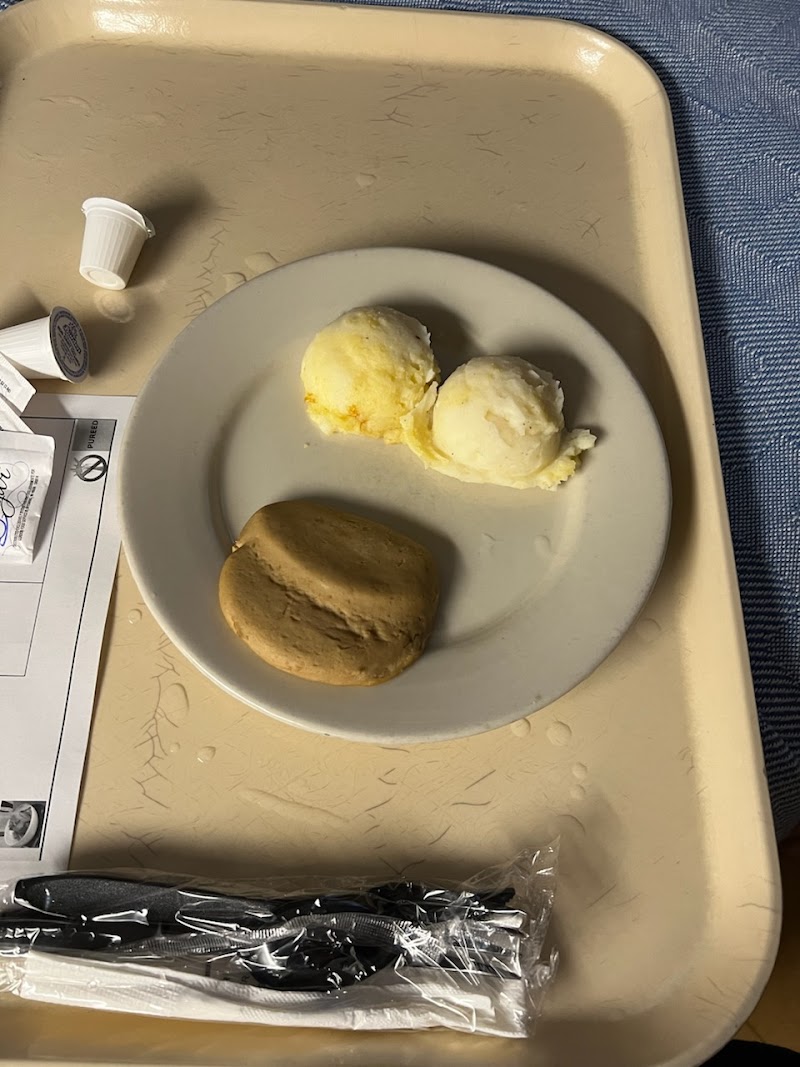
Who Owns and Operates Gardens Of North Olmsted?

GARDENS OF NORTH OLMSTED is owned by a for-profit company. For-profit facilities operate as businesses with obligations to shareholders or private owners. The facility operates independently rather than as part of a larger chain. With 99 certified beds and approximately 71 residents (about 72% occupancy), it is a smaller facility located in NORTH OLMSTED, Ohio.

How Does Gardens Of North Olmsted Compare to Other Ohio Nursing Homes?

Compared to the 100 nursing homes in Ohio, GARDENS OF NORTH OLMSTED's overall rating (2 stars) is below the state average of 3.2, staff turnover (56%) is near the state average of 46%, and health inspection rating (1 stars) is much below the national benchmark.

What Should Families Ask When Visiting Gardens Of North Olmsted?

Based on this facility's data, families visiting should ask: "How do you ensure continuity of care given staff turnover, and what is your staff retention strategy?" "Can you walk me through typical staffing levels on day, evening, and night shifts?" "Can I visit during a mealtime to observe dining assistance and food quality?" "How do you handle medical emergencies, and what is your hospital transfer rate?" These questions are particularly relevant given the facility's high staff turnover rate and the below-average staffing rating.

Is Gardens Of North Olmsted Safe?

Based on CMS inspection data, GARDENS OF NORTH OLMSTED has a clean safety record: no substantiated abuse findings (meaning no confirmed cases of resident harm), no Immediate Jeopardy citations (the most serious violation level indicating risk of serious injury or death), and is not on the Special Focus Facility watch list (a federal program monitoring the lowest-performing 1% of nursing homes). The facility has a 2-star overall rating and ranks #100 of 100 nursing homes in Ohio. While no facility is perfect, families should still ask about staff-to-resident ratios and recent inspection results during their visit.

Do Nurses at Gardens Of North Olmsted Stick Around?

Staff turnover at GARDENS OF NORTH OLMSTED is high. At 56%, the facility is 10 percentage points above the Ohio average of 46%. High turnover means new staff may not know residents' individual needs, medications, or preferences. It can also be disorienting for residents, especially those with dementia who rely on familiar faces. Families should ask: What is causing the turnover? What retention programs are in place? How do you ensure care continuity during staff transitions?

Was Gardens Of North Olmsted Ever Fined?

GARDENS OF NORTH OLMSTED has no federal fines on record. CMS issues fines when nursing homes fail to meet care standards or don't correct problems found during inspections. The absence of fines suggests the facility has either maintained compliance or corrected any issues before penalties were assessed. This is a positive indicator, though families should still review recent inspection reports for the full picture.

Is Gardens Of North Olmsted on Any Federal Watch List?

GARDENS OF NORTH OLMSTED is not on any federal watch list. The most significant is the Special Focus Facility (SFF) program, which identifies the bottom 1% of nursing homes nationally based on persistent, serious quality problems. Not being on this list means the facility has avoided the pattern of deficiencies that triggers enhanced federal oversight. This is a positive indicator, though families should still review the facility's inspection history directly.