O'NEILL HEALTHCARE NORTH OLMSTED
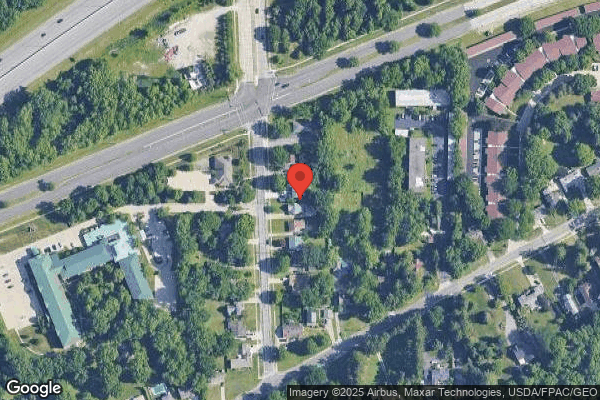
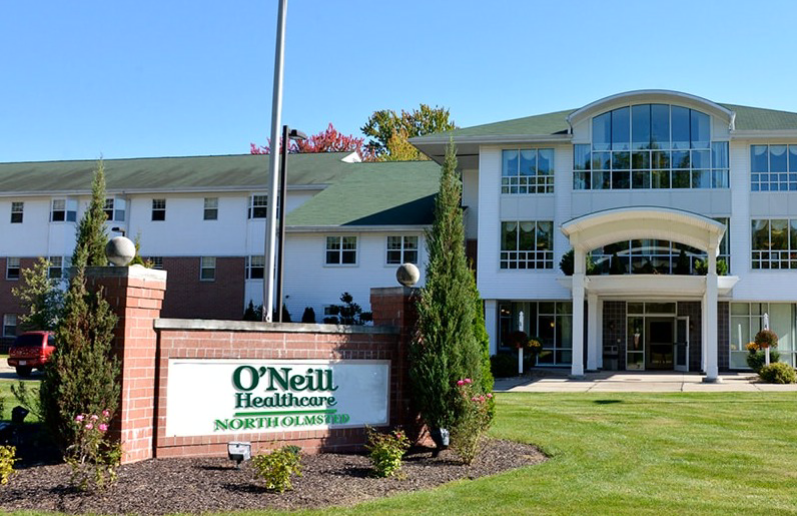
4800 CLAGUE ROAD, NORTH OLMSTED, OH 44070 (440) 734-9933
For profit - Corporation 67 Beds O'NEILL HEALTHCARE Data: November 2025
Trust Grade
45/100
#747 of 913 in OH
Last Inspection: April 2025

Within standard 12-15 month inspection cycle. Federal law requires annual inspections.

Overview

O'Neill Healthcare North Olmsted has a Trust Grade of D, indicating below-average performance with some significant concerns. It ranks #747 out of 913 facilities in Ohio, placing it in the bottom half of state options, and #70 out of 92 in Cuyahoga County, meaning only 21 local facilities are worse. The facility is worsening in quality, with issues increasing from 2 in 2024 to 9 in 2025. Staffing is a major weakness, rated at 1 out of 5 stars with a high turnover rate of 64%, which is concerning as it exceeds the state average. Notably, there are no fines on record, but RN coverage is below average, with less RN presence than 90% of facilities in Ohio. Specific incidents include a resident suffering multiple falls without proper documentation or follow-up on their care plan, and staff entering isolation rooms without following hand hygiene protocols, highlighting serious areas for improvement. Overall, while the facility has some strengths like no fines, the high turnover and increasing issues are significant red flags for families considering this home.

Trust Score
D
45/100
In Ohio
#747/913
Bottom 19%
Safety Record
Moderate
Needs review
Inspections
Getting Worse
2 → 9 violations
Staff Stability
⚠ Watch
64% turnover. Above average. Higher turnover means staff may not know residents' routines.
Penalties
✓ Good
No fines on record. Clean compliance history, better than most Ohio facilities.
Skilled Nurses
⚠ Watch
Each resident gets only 19 minutes of Registered Nurse (RN) attention daily — below average for Ohio. Fewer RN minutes means fewer trained eyes watching for problems.
Violations
⚠ Watch
20 deficiencies on record. Higher than average. Multiple issues found across inspections.
★★☆☆☆
2.0
Overall Rating
★☆☆☆☆
1.0
Staff Levels
★★★★☆
4.0
Care Quality
★★★☆☆
3.0
Inspection Score
Stable
2024: 2 issues
2025: 9 issues

The Good

  • 4-Star Quality Measures · Strong clinical quality outcomes
  • Full Sprinkler Coverage · Fire safety systems throughout facility
  • No fines on record

Facility shows strength in quality measures, fire safety.

The Bad

2-Star Overall Rating

Below Ohio average (3.2)

Below average - review inspection findings carefully

Staff Turnover: 64%

17pts above Ohio avg (46%)

Frequent staff changes - ask about care continuity

Chain: O'NEILL HEALTHCARE

Part of a multi-facility chain

Ask about local staffing decisions and management

Staff turnover is elevated (64%)

16 points above Ohio average of 48%

The Ugly 20 deficiencies on record

1 actual harm
Apr 2025 9 deficiencies 1 Harm
SERIOUS (G)

Actual Harm - a resident was hurt due to facility failures

Accident Prevention (Tag F0689)

A resident was harmed · This affected 1 resident

**NOTE- TERMS IN BRACKETS HAVE BEEN EDITED TO PROTECT CONFIDENTIALITY** 2. Review of Resident #36's medical record revealed an admission date of 02/19/24 with diagnoses including hemiplegia (paralysis...

Read full inspector narrative →
**NOTE- TERMS IN BRACKETS HAVE BEEN EDITED TO PROTECT CONFIDENTIALITY** 2. Review of Resident #36's medical record revealed an admission date of 02/19/24 with diagnoses including hemiplegia (paralysis) and hemiparesis (weakness) following cerebral infarction affecting the left non-dominant side, type two diabetes mellitus with other diabetic kidney complication, and mild cognitive impairment of uncertain or unknown etiology. Review of the facility incident log dated 03/01/24 through 03/01/25 included Resident #36 experienced falls on 05/12/24, 06/25/24, 08/06/24, 08/28/24, 11/03/24, 11/25/24, 11/28/24, 12/09/24, 12/11/24, 12/13/24, 01/13/25, and 02/04/25. Review of Resident #36's fall investigations dated 03/01/24 through 03/01/25 did not reveal evidence that witness statements were completed. Review of Resident #36's care plan dated 03/08/24 and revised 03/31/25 included Resident #36 was a fall risk characterized by a history of falls, injury. Resident #36 had multiple risk factors related to impaired mobility, history of falls. The goal was Resident #36 would have no fall related injuries. Prevent, minimize fall related injures through the review date. An intervention initiated on 03/08/24 was an anti-roll back device to the wheelchair (this intervention was initiated again on 11/04/24). An intervention initiated on 03/08/24 was to have commonly used articles within easy reach, especially on the table (this intervention was initiated again on 11/25/24). An intervention initiated 03/08/24 was to wear non-slip footwear (a new intervention to wear non-skid socks at all times when out of bed was found on Resident #36's Fall Review UDA dated 11/28/24, but the intervention was not updated on the care plan). Review of Resident #36's Fall Risk Calculations dated 05/20/24, 06/25/24, 08/06/24, 08/27/25, 11/03/24, 11/25/24, 12/06/24, 01/13/25 and 02/04/25 revealed Resident #36 was at high risk for falls. Review of Resident #36's Fall UDA (user-defined assessment, used to document clinical findings) dated 06/25/24 at 3:00 P.M. included Resident #36 had an unwitnessed fall, and Resident #36's roommate told staff he had fallen. Resident #36 stated, I made a couple steps out of bed, and I fell on my butt. An immediate intervention initiated was to place a reminder sign to use the walker, wheelchair in the room (not added to care plan until 09/12/24). Review of Resident #36's Fall Review UDAs dated 06/25/24 through 07/14/24 did not reveal evidence A Fall Review UDA was completed for Resident #36's fall on 06/25/24. Review of Resident #36's Fall UDA dated 08/06/24 at 5:30 A.M. included Resident #36 was heard yelling; staff found Resident #36 sitting on his buttocks in front of his wheelchair. Resident #36 stated, I don't know what happened. An immediate intervention initiated was to ensure the bed was in the lowest position (not added to care plan until 09/12/24). Review of Resident #36's Fall Review UDAs dated 08/06/24 through 08/20/24 did not reveal evidence A Fall Review UDA was completed for Resident #36's fall on 08/06/24. Review of Resident #36's Fall Review UDA dated 08/29/24 included Resident #36 experienced a fall on 08/28/24. Resident #36 attempted to get up on his own to go to the bathroom and lost his balance and fell on his buttocks. An intervention initiated was to hang a Call Don't Fall' sign as a reminder to use the call light. Review of Resident #36's care plan dated 08/28/24 through 04/03/25 did not reveal evidence a Call Don't Fall sign was added as an intervention. Review of Resident #36's care plan dated 09/12/24 revealed an intervention was initiated to use a visual reminder sign to remind the resident to use walker, wheelchair for mobility. There was no evidence this intervention was added to Resident #36's care plan on 06/25/24. Further review of the care plan on 09/12/24 revealed an intervention was initiated for a low bed, verify during each round. There was no evidence this intervention was added to Resident #36's care plan on 08/06/24. Review of Resident #36's Fall UDA dated 11/03/24 at 5:50 P.M. revealed Resident #36 was found on the floor in front of the toilet. Resident #36 forgot to lock his wheelchair when going to sit down after using the bathroom. An intervention initiated on 11/03/24 was anti-roll backs (this intervention was first initiated on 03/08/24, and there was no evidence the anti-roll back intervention was in place on 11/03/24 when Resident #36 experienced a fall). Review of Resident #36's Fall Review UDA dated 11/26/25 included Resident #36 experienced a fall on 11/25/24. Staff were called into Resident #36's room and found him lying on the floor next to his bed. When asked, Resident #36 stated he was reaching for something on his nightstand and fell out of bed. An intervention was initiated to keep all personal items within reach. This intervention was first initiated on 03/08/24. Review of Resident #36's Fall Review UDA dated 11/28/24 included Resident #36 experienced a fall on 11/28/24 at 2:14 P.M. Resident #36 had an unwitnessed fall, and the nurse heard Resident #36 talking to himself and found him sitting on the floor on his buttocks between his bed and the wheelchair. Resident #36 said he was trying to get up, and his feet just kept sliding. An immediate intervention initiated was to have Resident #36 wear non-skid socks at all times when out of bed (an intervention for non-slip footwear was initiated on 03/08/24). Review of Resident #36's Fall Review UDA dated 12/10/24 included Resident #36 experienced a fall on 12/09/24. Resident #36 was found on the floor by the Social Worker while walking past room. Resident #36 stated he slid out of his wheelchair. Resident #36 was assisted back into his wheelchair. An intervention initiated was dycem to the wheelchair. Review of Resident #36's care plan dated 12/09/24 through 04/03/24 did not reveal dycem to the wheelchair was added as an intervention. Review of Resident #36's Annual MDS assessment dated [DATE] included Resident #36 had severe cognitive impairment. Resident #36 required substantial to maximal assistance for bathing, toileting hygiene, and personal hygiene. Resident #36 required partial to moderate assistance for lower body dressing and supervision or touching assistance for toilet transfers and to walk 10 feet. Resident #36 was frequently incontinent of urine and occasionally incontinent of bowel. Observation on 04/01/25 at 2:57 P.M. with CNA #853 revealed Resident #36 was in bed, lying on his left side on a perimeter mattress and was sleeping. CNA #853 stated Resident #36 was receiving hospice services and needed a mechanical lift for transfers. CNA #853 indicated the mechanical lift for transfers was new in the last month or two. Interview on 04/01/25 at 3:56 P.M. of RDCS #894 revealed he reviewed Resident #36's fall investigations and confirmed there were no witness statements. RDCS #894 stated the current DON had only been in the facility for a couple months, and he called the prior DON to ask about the fall investigations. RDCS #894 stated falls were investigated in the morning and aides were verbally asked what happened so an intervention could be initiated. RDCS #894 indicated the current DON addressed fall investigations recently in a nurse meeting. RDCS #894 stated the facility identified fall investigations as an area that needed worked on. A Fall Review UDA was completed by the IDT after a fall, and the floor nurse completed a Fall UDA at the time of the fall. RDCS #894 indicated a pain assessment should be completed at the time of the fall, and he thought there was an area in the Fall UDA or the Fall Review UDA to document pain. Review on 04/01/25 at 4:00 P.M. of the facility Fall UDA and Fall Review UDA revealed there was no evidence of an area to document a resident's pain level after a fall. Interview on 04/02/25 at 9:18 A.M. of CNA #870 revealed Resident #36 had not fallen since the facility started using a mechanical lift for transfers. CNA #870 stated Resident #36 had declined in the past month or two. Interview on 04/03/25 at 8:21 A.M. with the DON revealed there was an IDT meeting every morning to talk about falls, and all department heads were in attendance. At the time of the IDT meeting a new fall intervention was identified and implemented. The DON stated she was implementing a new fall protocol and was providing fall investigation in-services to the nurses. Interview on 04/07/25 at 10:58 A.M. with the DON revealed on 12/09/24 Resident #36 experienced a fall, and the fall intervention for dycem to the wheelchair was not added to his care plan. The DON confirmed Resident #36 experienced a fall on 06/25/24 and the intervention for a reminder sign to use the walker, wheelchair was not added to his care plan until 09/12/24. The DON confirmed Resident #36 experienced a fall on 08/06/24 and the intervention to ensure bed was in the lowest position was not added to his care plan until 09/12/24. The DON stated the fall intervention for Resident #36's fall on 11/28/24 was to use non-skid socks at all times when out of bed. The DON stated the fall interventions dated 03/08/24 were implemented to help prevent falls before Resident #36 experienced a fall at the facility. After Resident #36 experienced a fall, the interventions could be used as an intervention because he now had a fall. 3. Review of the medical record for Resident #8 revealed an admission date of 11/09/19. Diagnoses included sepsis, heart failure and atrial fibrillation. Resident #8 was cognitively impaired. Review of Resident #8's MDS quarterly assessment dated [DATE] revealed the resident had a severe cognitive impairment. Resident #8 was identified to need partial/moderate assistance for rolling left to right in bed and for chair/bed-to-chair and toileting transfers. Review of Resident #8's undated care plan revealed the resident was a fall risk, characterized by multiple risk factors including intermittent confusion, unsteady gait/balance, the presence of a Foley (indwelling urinary) catheter, bowel incontinence, and multiple medical co-morbidities. Listed interventions included signage in room stating call don't fall, keep call light in reach, ensure environment is free of clutter, non-slip footwear, and need to reinforce the need to call for assistance. Review of the post-fall assessment dated [DATE] at 7:40 P.M. revealed Resident #8 had an unwitnessed fall. Resident #8 was found on his floor with blood coming from his head. The immediate intervention was ice to head and then he was sent to the emergency room. There was no identified root cause identified for Resident #8's fall. Review of a progress dated 03/04/25 at 9:37 P.M. revealed Resident #8 was found on his floor with head bleeding by activity staff. The physician and responsible party were notified. He was sent to the hospital for treatment. Interview on 04/01/25 at 4:00 P.M. with RDCS #894 provided the fall assessment as the investigation. RDCS #894 confirmed there were no witness statements and stated that ideally, the facility would get witness statements even when unwitnessed falls occur. RDCS #894 stated there should have been a statement from the staff member who found Resident #8 on the floor. Review of the facility policy titled ONHC Fall Prevention and Management Policy and Procedure, revised 01/2024, included it was the policy of the facility to identify residents at risk for falls and plan appropriate care and interventions to maintain resident's safety to the extent possible. A Fall Risk Calculation would be completed upon admission, readmission, and, or quarterly or with any significant change of the resident. Those identified as HIGH RISK would have safety interventions implemented in an attempt to prevent falls or minimize the occurrence of injury because of a fall. Interventions would be individualized based on residents' needs. The plan of care would be evaluated at appropriate regular intervals, or when falls occur, to ensure interventions remain appropriate and were effective. If a fall occurred the resident would be assessed for injuries and the presence, absence of pain. Based on the investigation, the nurse and staff involved would re-evaluate the residents' specific care plan in place and implement new interventions as appropriate. The falls information and new interventions would be reviewed the next business day by the IDT. IDT members would determine if the interventions were appropriate. Based on medical record review, staff interview and facility policy review, the facility failed to ensure individualized care plan interventions were developed, updated, and initiated following falls for Resident #33 and Resident #36. The facility also failed to conduct thorough post-fall investigations with root cause analysis to ensure a comprehensive fall management program was in place for Resident #8, Resident #33 and Resident #36. This affected three residents (#8, #33, and #36) of three residents reviewed for accidents. The facility census was 57. Actual Harm occurred on 01/29/25 when Resident #33, who was identified as high risk for falls, had moderate cognitive impairment and required supervision or touching assistance with ambulation and partial to moderate assistance with toileting hygiene, was left unattended in the bathroom resulting in a fall with a left wrist fracture. Prior to this fall with injury, Resident #33 had a history of falls (03/24/24, 09/11/24, 10/20/24, and 12/05/24) without thorough investigations for root cause analysis, new fall prevention interventions being implemented, and/or the resident's plan of care being updated to prevent falls. Findings include: 1. Review of the medical record for Resident #33 revealed an admission date of 10/29/21 with current diagnoses including unspecified fracture of the lower end of the left radius (wrist), generalized idiopathic epilepsy and epileptic syndromes, aphasia, history of falling, unspecified convulsions, obesity and history of transient ischemic attacks. Review of Resident #33's fall care plan initiated on 12/03/21 (last revised on 01/18/24) revealed the resident had fall risk characterized by repeated falls/history of falls/injury, multiple risk factors related to impaired balance, impaired mobility, epilepsy, incontinence, unsteady gait, and use of psychotropic medications. The plan of care included Resident #33 was noted to be non-compliant with fall interventions. Interventions included to be sure the call light was within reach and encourage use for assistance as needed, gait belt for all transfers, have commonly used articles within easy reach, non-slip footwear, and a chair alarm to the resident's recliner to alert staff of unassisted transfers/ambulation, check functioning status every shift (the chair alarm was discontinued on 11/24/23), ensure environment was free of clutter, dycem (non-slip material) to recliner chair at all times, monitor the resident's gait and report changes as needed (implemented on 01/05/22), non-skid strips to the floor outside of the restroom (initiated 01/18/23), ensure a reacher (adaptive equipment device that extends a user's reach, allowing them to pick up objects from the floor or difficult to access areas) was within reach of the resident at all times (initiated 04/14/22), reinforce need to call for assistance (initiated 02/08/22), therapy to screen fort self-transfers (initiated 06/02/23), routine toileting after dinner (initiated 08/07/23), and a night light in the resident's room (initiated 10/27/23). Record review revealed the resident sustained falls on 03/24/24, 09/11/24, 10/20/24 and 12/05/24. However, there were no revisions or new fall interventions added to the resident's plan of care following these falls to decrease the resident's risk of falls including falls with injury. Review of the facility incident log for the from 03/2024 to 03/2025 revealed Resident #33 had a fall on 03/24/24 at 6:09 P.M. with no noted injuries, on 09/11/24 at 7:00 P.M. with no noted injuries, a fall on 10/20/24 at 4:49 A.M. which resulted in a right distal radius fracture, a fall on 12/05/24 at 2:50 A.M. with no noted injuries, and a fall on 01/29/25 which resulted in a left wrist fracture. Review of the annual Minimum Data Set (MDS) 3.0 assessment dated [DATE] revealed Resident #33 had a Brief Interview for Mental Status (BIMS) score of 12, indicating the resident had intact cognition. The assessment revealed Resident #33 required (staff) supervision to touching assistance with toileting transfers and ambulation ten to 50 feet and partial to moderate assistance with toileting hygiene. The assessment also noted the resident had a history of falls. Review of the nursing progress note dated 10/20/24 at 4:15 A.M. revealed Resident #33 was found sitting on the floor in the bathroom with his walker in front of him. He was assessed with no obvious signs of trauma but was found to have pain in his right flank, wrist and forearm. Review of the nursing fall assessment dated [DATE] for Resident #33 revealed at 4:15 A.M., Resident #33 was attempting to stand up and go into the bathroom, lost his balance and fell landing on his right side. Neurological checks were initiated. Resident #33 was taken to the bathroom, toileted, changed and placed back in recliner. No witness statements were provided. Review of the 10/20/24 handwritten physician order for Resident #33 revealed an order for a three-view x-ray to right wrist and forearm and neurological checks to be initiated. Review of the 10/20/24 x-ray results for Resident #33 revealed an acute fracture of the right distal radius. Review of the nursing progress note dated 10/20/24 timed at 1:06 P.M. revealed x-ray results of a right distal radius fracture following fall. Resident #33 was to be sent out to the emergency room (ER) for treatment. Review of the 10/20/24 fall risk calculation assessment for Resident #33 revealed he was evaluated as a score of 12 which indicated moderate risk for falls. Resident #33 was noted to have fallen, had gait disturbance, balance disorder, and required an assistive device for mobility. Resident #33 was continent with assistance to the toilet and required assistance with ambulation. Review of the 10/21/24 interdisciplinary team (IDT) fall review for Resident #33 revealed Resident #33 was observed sitting on the bathroom floor next to toilet with a walker in front of him. Resident #33 stated he lost his footing and fell. The new interventions included an x-ray and send out to the ER for evaluation. No witness statements were provided as part of the facility fall investigation. There was no documented evidence that a root cause analysis was completed, no evidence that the care planned fall prevention interventions were in place at the time of the fall, and no evidence of new fall prevention interventions being initiated following the incident to prevent additional falls from occurring. Review of the physician visit dated 10/21/24 at 7:25 P.M. revealed Resident #33 has had chronic distal radius and ulnar fractures present with ultimately no new issues since his fall. Review of the nursing progress note dated 12/05/24 at 3:17 A.M. revealed a nurse was alerted by unidentified Certified Nursing Assistant (CNA) Resident #33 was found on the floor, sitting on his buttocks next to the chair in his room. Resident #33 stated he missed the chair as he was trying to sit back down. Review of the nursing progress note dated 12/05/24 at 3:21 A.M. for Resident #33 revealed an unwitnessed fall. The assessment revealed no apparent injuries. Review of the nursing fall assessment dated [DATE] revealed an unwitnessed fall in Resident #33's room. Resident #33 was found on the floor, sitting on his buttocks next to his chair when the nurse entered the room. Resident #33 stated he missed his chair when trying to sit back down. Non-skid socks and a walker were noted to be present. No injuries were noted. No witness statements were provided. Review of the 12/05/24 fall risk calculation for Resident #33 revealed he was evaluated to be at high risk for falls. Resident #33 was noted to be easily distracted, had periods of altered perception or awareness, and had episodes of disorganized speech. Resident #33 was noted to have lower extremity weakness, gait disturbance, and require an assistive device for mobility. Resident #33 was noted to require assistance with bed mobility, transfers and ambulation. Review of the 12/06/24 IDT fall review for Resident #33 revealed the resident stated he had gone to the bathroom and upon returning, he missed the recliner when sitting down. No injuries were noted. The new intervention was lab work to rule out Covid-19 due to increased weakness. No staff witness statements were provided as part of the facility fall investigation. There was no documented evidence that a root cause analysis was completed, no evidence the care planned fall prevention interventions (except for non-skid socks) were in place at the time of the fall, and no evidence of new fall prevention intervention(s) being implemented to prevent additional falls. Review of the quarterly MDS 3.0 assessment dated [DATE] revealed Resident #33 had a BIMS score of 11, indicating moderate cognitive impairment. The assessment revealed Resident #33 required (staff) supervision to touching assistance with toileting transfers and ambulation ten feet and refused to ambulate 50 feet. The assessment also revealed the resident had a history of two or more falls since the last assessment (09/23/24). Review of the 12/23/24 fall risk calculation assessment for Resident #33 revealed the resident had mental status fluctuations, lower extremity weakness, gait disturbance, required an assistive device for mobility and required assistance for bed mobility, transfers, and ambulation. There was no documented evidence that new fall prevention interventions were implemented at this time to mitigate the resident's risk for falls and/or injury associated with continued falls. Review of the nursing progress note dated 01/29/25 at 6:29 P.M. written by Licensed Practical Nurse (LPN) #819 revealed Resident #33 lost his balance and fell on the floor in his bathroom. Vital signs were stable. Resident #33 complained of pain to the left wrist. An order was obtained for x-rays. Neurological checks were within normal limits. Review of the x-ray report dated 01/29/25 for Resident #33 revealed the left forearm x-ray revealed a nondisplaced fracture of the distal radius. Moderate degenerative changes are noted. No noted bony lesions. Diffuse osteopenia was demonstrated. Mild soft tissue swelling was noted. Review of the 01/29/25 fall risk calculation assessment for Resident #33 revealed the resident had no problems with mental status, behaviors, or communications. Resident #33 was noted to have gait disturbance, required an assistive device for mobility, was independent for mobility and continent. No witness statements were provided as part of the facility fall investigation. There was no documented evidence that a root cause analysis was completed, no evidence the care planned fall prevention interventions were in place at the time of the fall, and no evidence of new fall prevention interventions being initiated following the incident to prevent additional falls. Review of the nursing fall assessment dated [DATE] for Resident #33 revealed it was incomplete. Resident #33's fall assessment revealed the resident had an unwitnessed fall on 01/29/25 at 6:15 P.M. Resident #33 was found on the floor in the bathroom. Resident #33 stated he lost his balance when he was walking, trying to go from the bathroom to his chair. A nursing assessment was completed, neurological checks were started, and an x-ray was ordered for left wrist pain. No witness statements were provided as part of the facility fall investigation to determine a root cause or the circumstances of the fall. Review of the nursing progress note dated 01/30/25 at 2:30 A.M. for Resident #33 revealed a fracture to the left wrist. An order to obtain an orthopedic consult and Ace wrap to the left wrist. Review of the nursing progress noted dated 01/30/25 at 6:16 P.M. for Resident #33 revealed he returned from orthopedic consult and returned with a cast placed on the left upper extremity. Resident #33 was to be non-weight bearing to the left upper extremity until cleared by the orthopedic physician. Follow up in two weeks. Review of the IDT fall review dated 01/30/25 at 12:12 P.M. for Resident #33 revealed the fall occurred in the resident's bathroom when the resident was attempting to self-toilet. An intervention was initiated for a therapy evaluation for toileting. No staff witness statements were provided as part of the facility investigation. There was no documented evidence that a root cause analysis was completed and no evidence the care planned fall prevention interventions were in place at the time of the fall to prevent additional falls from occurring. Review of the 01/30/25 orthopedic consult revealed Resident #33 was placed in an arm cast and should be non-weight bearing to the left upper extremity until the follow up appointment. An order for one tablet of 50 milligram (mg) of Tramadol (Ultram), a narcotic pain medication, to be given by mouth every eight hours as needed for severe pain. Review of the physician orders dated 01/30/25 at 6:30 P.M. for Resident #33 revealed an order for Tramadol (Ultram) 50 mg, one tablet to be given by mouth every eight hours as needed for severe pain. Review of the 01/2025 Medication Administration Record (MAR) for Resident #33 revealed an order for a 500 mg tablet of Acetaminophen (analgesic) to be given every eight hours as needed for pain. Review of the 01/25 MAR indicated no pain medication was given prior to the fall on 01/29/25. Review of the orthopedic physician note dated 02/17/25 revealed repeat x-rays today demonstrate stable interval healing of the non-displaced left distal radius fracture subtle increase sclerotic callus formation noted about the fracture plane with no worsening or additional acute abnormality noted. Review of the 02/2025 MAR for Resident #33 revealed 19 doses of the as needed Tramadol 50 mg were administered for pain as a result of the fall/fracture. Interview on 04/01/25 at 3:56 P.M. with Regional Director of Clinical Services (RDCS) #894 confirmed the facility did not have staff witness statements as part of the fall investigations completed for the falls sustained by Resident #33 on 10/20/24, 12/05/24, and 01/29/25. RDCS #894 stated staff were supposed to provide witness statements, but they had not been consistent. Nurses were supposed to complete the Fall User Defined Assessment (UDA) assessment, and the IDT completed the Fall Review UDA, and there should be a documented pain assessment. An investigation following a fall ideally should include the nurse assessments, neurological checks, witness statements, and a root cause analysis regardless of whether staff witnessed the fall. RDCS #894 revealed the facility should have implemented new fall prevention intervention(s) after each fall and updated the care plan, so all staff knew the type of assistance a resident required and what fall prevention interventions were to be in place. Interview on 04/02/25 at 10:46 A.M. with CNA #853 revealed prior to Resident #33's fall on 01/29/25, Resident #33 was inconsistent and would sometimes put on the call light to use the bathroom, but other times would walk to the bathroom by himself with his walker. The CNA revealed Resident #33 was supposed to use his call light; staff would assist him to the bathroom and stay in the room until he was done, assist him to clean up, and then assist him back to bed. Interview on 04/03/25 at 7:39 A.M. with CNA #806 revealed Resident #33 was impulsive and tried to self-transfer and self-toilet almost daily. The CNA revealed she would check on him every two hours and encourage him to use his call light. CNA #806 confirmed Resident #33 required assistance to the bathroom and stated once in the bathroom he would use the call light when finished. CNA #806 stated if he was more than a few minutes, she would check to see if he needed assistance. A telephone interview on 04/03/25 at 9:40 A.M. with Licensed Practical Nurse (LPN) #819 revealed she was the nurse working with Resident #33 on 01/29/25; however, she did not recall the details of the resident's fall on this date, nor could she recall which CNA notified her of the fall. LPN #819 confirmed Resident #33 required moderate assistance for toileting and required staff to assist him to the bathroom and monitor him while in there for his safety. A telephone interview on 04/03/25 at 12:00 P.M. with CNA #952 revealed on 01/29/25 she was passing dinner trays and was aware Resident #33 was already in the bathroom as the resident's call light was on, so she stated she went to assist him. CNA #952 stated she wiped the resident and assisted the resident to pull up his pants and then stated she asked him if he needed anything else. She stated Resident #33 stated he did not need further assistance, so she left the room and continued passing dinner trays. CNA #952 stated she heard screaming and ran to Resident #33's room and found him on the bathroom floor. CNA #952 stated she yelled for the nurse. CNA #952 stated she had recently started working at the facility and was told Resident #33 was independent but would ring when he needed assistance. CNA #952 stated she was not aware the resident was a fall risk and needed more frequent checks. LPN #819 assessed Resident #33, and they assisted him back to his recliner. CNA #952 stated Resident #33 indicated his wrist hurt at the time of the fall. Interview on 04/03/25 at 2:24 P.M. with the Director of Nursing (DON) confirmed if a resident was a fall risk, the staff should stay in the room while the resident was in the bathroom. The DON also verified the facility did not have staff witness statements as part of the fall investigation for this fall.
CONCERN (D)

Potential for Harm - no one hurt, but risky conditions existed

ADL Care (Tag F0677)

Could have caused harm · This affected 1 resident

**NOTE- TERMS IN BRACKETS HAVE BEEN EDITED TO PROTECT CONFIDENTIALITY** Based on observation, record review and interview the facility failed to ensure staff assisted Resident #161 out of bed. This af...

Read full inspector narrative →
**NOTE- TERMS IN BRACKETS HAVE BEEN EDITED TO PROTECT CONFIDENTIALITY** Based on observation, record review and interview the facility failed to ensure staff assisted Resident #161 out of bed. This affected one resident (#161) out of three residents reviewed for activities of daily living. The facility census was 57. Findings include: Resident #161 was admitted on [DATE] with diagnoses including cerebral infarction (stroke) with hemiplegia/hemiparesis, diabetes mellitus, intracardiac thrombosis, peripheral vascular disease, hypertensive heart disease, chronic atrial fibrillation, vitreous degeneration and aphasia (disorder that affects how you communicate. It can impact your speech, as well as the way you write and understand both spoken and written language). Resident #161's Minimum Data Set (MDS) assessment dated [DATE] indicated Resident #161 had severely impaired cognition. Resident #161 had an impairment on one side of the upper and lower extremities, was dependent on staff for oral /personal hygiene, shower/bath, upper and lower body dressing, and rolling from left and right while lying on back. Resident #161's skilled nursing progress note dated 03/20/25 indicated Resident #161 was dependent on staff for transferring from the bed to chair. Observations of Resident #161 during the survey on 03/31/25 at 1:59 P.M., 5:10 P.M., 04/01/25 at 7:53 A.M., 7:55 A.M., 1:40 P.M., 3:02 P.M., 3:25 P.M., 4:35 P.M., 04/02/25 at 7:35 A.M., 8:29 A.M., 12:00 P.M. and 3:30 P.M. revealed Resident #161 was lying in bed and had not been assisted up to his wheelchair. Resident #161's plan of care initiated on 03/28/25 indicated Resident #161 had impaired mobility related to cerebral infarction, hemiplegia, hemiparesis, aphasia, diabetes mellitus type II with retinopathy and peripheral angioplasty and neuropathy, dysphagia, intracardiac thrombosis, gastronomy status, peripheral vascular disease, high blood pressure and chronic atrial fibrillation. Interventions on the plan of care revealed to encourage Resident #161 to be out of bed with the use of a mechanical lift (Hoyer) for transfers to a tilt -in-space wheelchair. Provide assistance with two staff members for bed mobility, transfers, wheelchair locomotion,. An interview with Registered Nurse (RN) #880 on 04/01/25 at 3:02 P.M. verified Resident #161 had not been out of bed since he was discharged from skilled therapy services. An interview with Certified Nursing Assistant (CNA) #853 on 04/02/25 at 7:35 A.M. revealed Resident #161 had a tilt-in-space wheelchair in his room and when he was receiving skilled services approximately one week ago. CNA #853 stated he was assisted out of bed while on the skilled unit for short periods of time. CNA #853 stated she had not assisted Resident #161 out of bed and was unsure when he was last assisted been out of bed. An interview with Physical Therapy Director (PTD) #896 on 04/02/25 at 10:45 A.M. revealed he had completed the physical therapy evaluation for Resident #161 on 03/3/25. PTD #896 stated Resident #161 was dependent for all his activity of daily living needs and needed the assistance of two staff members with the use of a mechanical lift for transfers. PTD #896 stated there was no reason that the staff should not allow Resident #161 to get out of bed. An interview with Certified Nurse Practitioner (CNP) #897 on 04/02/25 at 11:23 A.M. stated there was no reason from a medical standpoint that the staff should not allow Resident #161 to get out of bed. An interview with Licensed Practical Nurse #839 on 04/03/25 at 9:15 A.M. verified Resident #161 had not been assisted out of bed while she was working on 04/02/25 and 04/03/25. LPN #839 verified Resident #161's plan of care indicated the staff should encourage Resident #161 to get out of bed. The facility policy and procedure titled ADL's (Activities of Daily Living) Protocol dated 10/2023 indicated the policy was to ensure that licensed or certified staff would provide assistance to residents for care that they can no longer perform on their own. Self-care will be encouraged for all residents, to the extent possible, and assistance will be provided for the task's resident is unable to perform. Residents will be provided assistance in the following areas, as requested, needed or as indicated by their plan of care: 1. Eating 2. Bathing. 3. Toileting or Incontinence Care as indicated. 4. Dressing. 5. Grooming. 6. General Hygiene to include trimming and cleaning of fingernails and shaving as desired. 7. Oral care and denture care as indicated. 8. Transfers. 9. Ambulation. 10. Toenail care will be provided by the podiatrist, facility staff will not trim toenails. The policy further stated the level of assistance and self-care is resident specific. Residents that are unable to communicate their needs will be assisted with care as indicated by the need of each individual.
CONCERN (D)

Potential for Harm - no one hurt, but risky conditions existed

Deficiency F0685 (Tag F0685)

Could have caused harm · This affected 1 resident

Based on interview and record review, the facility failed to ensure follow-up eye appointments were provided as indicated. This affected one (Resident #14) resident out of one reviewed for vision appo...

Read full inspector narrative →
Based on interview and record review, the facility failed to ensure follow-up eye appointments were provided as indicated. This affected one (Resident #14) resident out of one reviewed for vision appointments. The facility census was 57. Findings include: Review of Resident #14 medical record revealed an admission date of 01/18/22 with diagnoses including acute kidney injury, type two diabetes mellitus, major depressive disorder, anxiety, insomnia, muscle weakness, and cervicalgia. Review of medical record revealed Resident #14 was seen by the ophthalmologist on 02/05/25. The ophthalmologist indicated Resident #14 should have a cataract evaluation with ophthalmologist of facility choice. Review of Resident #14's physical medical chart revealed an optometry order form dated 02/05/25 for referral to ophthalmologist for cataract surgery for both eyes. There was no evidence in the resident's medical chart that a referral had been sent to or scheduled as recommended. Interview on 03/31/25 09:45 A.M. with Resident #14 revealed she needed cataract surgery, and it had not been scheduled. Interview with Unit Manager #832 on 04/01/25 at 01:14 P.M. revealed the appointment for Resident #14 was not scheduled, and the facility was aware in February of the referral for possible surgical removal of the resident's cataracts. Unit Manager #832 stated she was unsure why it took so long for the surgery to be scheduled and confirmed it had not been scheduled in a timely manner.
CONCERN (D)

Potential for Harm - no one hurt, but risky conditions existed

Pressure Ulcer Prevention (Tag F0686)

Could have caused harm · This affected 1 resident

**NOTE- TERMS IN BRACKETS HAVE BEEN EDITED TO PROTECT CONFIDENTIALITY** Based on observation, medical record review, staff interview, and facility policy, the facility failed to ensure pressure ulcer ...

Read full inspector narrative →
**NOTE- TERMS IN BRACKETS HAVE BEEN EDITED TO PROTECT CONFIDENTIALITY** Based on observation, medical record review, staff interview, and facility policy, the facility failed to ensure pressure ulcer dressings were completed as ordered. This affected one resident (#33) of three residents reviewed for wounds. The facility census was 57. Findings include: Review of Resident #33's medical record revealed an admission date of 10/29/21. Medical diagnoses included fracture of the lower end of the left radius (arm fracture), generalized idiopathic epilepsy, aphasia (difficulty speaking), history of falls, obesity, and history of transient ischemic attacks. Review of the Minimum Data Set (MDS) 3.0 quarterly assessment dated [DATE] revealed Resident #33 had a Brief Interview for Mental Status (BIMS) score of 09 which indicated moderately impaired cognition. Resident #33 was recorded to use a walker, required supervision to walk ten feet, and required moderate assistance for toileting. The assessment did not indicate Resident #33 had any behaviors or areas of skin impairment. Review of Resident #33's Braden scale assessment (a nursing tool used to assess an individual's risk for developing pressure ulcers) revealed the resident scored a 16, indicating low risk for pressure ulcer development. The assessment noted Resident #33 was indicated as having slightly limited sensory perception, occasional skin moisture, and that Resident #33 was noted to walk occasionally, but spent most of each shift in bed or a chair. The assessment noted complete lifting (of Resident #33) without sliding against the sheets was impossible. Resident #33 was additionally noted to slide down in bed or chair and required frequent repositioning with maximum assistance. Review of a physician order dated 03/03/25 revealed Resident #33 was noted to have a sacral/coccyx split, and a treatment was ordered to cleanse the open area and apply triad ointment (a zinc oxide-based wound ointment) daily and after each episode of incontinence and as needed. Review of a shower sheet dated 03/04/25 revealed a bed bath was given to Resident #33. During the bed bath, an open wound was recorded on the resident's buttock. Review of a wound physician progress note dated 03/05/25 revealed a sacral split was observed and described as an unmeasured, superficial linear skin tear. The sacral split was classified as a moisture-associated skin damage (MASD) wound. During the observation, a second wound to Resident #33's left buttock was identified. The left buttock wound was classified as a pressure ulcer (injury) and classified as a deep tissue injury (DTI). The wound physician ordered triad ointment to be applied twice daily and as needed, recommended a low-air loss mattress for wound healing, turning every two hours, and the head of the bed to be less than 30 degrees to reduce the force on the wound. The prognosis for wound healing was listed as fair. Review of a physician order dated 03/05/25 revealed Resident #33's wound order included to cleanse bilateral buttocks with normal saline, pat dry, and apply triad ointment twice daily and as needed. The order was discontinued on 03/26/25. Review of Resident #33's care plan revised on 03/06/25 revealed Resident #33 had an alteration in skin integrity as evidenced by a wound to bilateral buttocks and sacral split. Listed wound care interventions included to administer treatments as ordered and monitor for effectiveness, monitor dressing every shift to ensure it is intact and adhering, report loose dressings to nurse, and monitor for pain prior to dressing changes. Review of Resident #33's Treatment Administration Record (TAR) for March 2025 revealed on the night shift of 03/12/25, 03/17/25, and 03/22/25, the resident's treatment was blank and not recorded as having been applied. Observation on 04/02/25 at 8:44 A.M. with Resident #33 revealed he was awake and sitting upright in bed. Resident #33 was not interviewable. Observation and interview on 04/02/25 at 9:50 A.M. with Wound Nurse Practitioner (WNP) #950, Licensed Practical Nurse (LPN) #951, and Unit Manager (UM) #832 of Resident #33's left buttock wound revealed the DTI on the left buttock was first identified on 03/05/25 when WNP #950 was asked to look at Resident #33's sacral split area. When the resident turned onto his side, the DTI was found to Resident #33's left buttock. WNP #950 stated the left buttock wound was definitely a pressure injury. She further described Resident #33 as having limited mobility and stated he was unable to turn himself. During the observation of wound care, Resident #33 was assisted by LPN #951 to turn onto his right side. WNP #950 assessed the injury, measured the area, and cleansed the wound with a wound cleanser, applied triad ointment, and was positioned for comfort. Interview on 04/02/25 at 11:26 A.M. with UM #832 confirmed Resident #33's treatments were not applied as ordered on 03/12/25, 03/17/25, and 03/22/25. Review of the policy Pressure Ulcer Prevention and Treatment Protocol dated 01/2014 revealed that all residents will have a skin risk assessment (Braden scale) completed on admission and at least quarterly thereafter. Preventative measures will be put into place to address each resident's individual needs. These may include but are not limited to the following: turn and reposition every two hours when in bed, use pillows, wedges or other positioning devices to maintain pressure relieving positions as needed, and encourage residents to reposition every one to two hours when in the chair. In the event a resident develops a pressure ulcer, interventions for wound care will be implemented per the physician's orders.
CONCERN (D)

Potential for Harm - no one hurt, but risky conditions existed

Dental Services (Tag F0791)

Could have caused harm · This affected 1 resident

Based on interview and record review, the facility failed to ensure follow-up dental appointments were provided as indicated. This affected one resident (#6) out of one resident reviewed for dental se...

Read full inspector narrative →
Based on interview and record review, the facility failed to ensure follow-up dental appointments were provided as indicated. This affected one resident (#6) out of one resident reviewed for dental services. The facility census was 57. Findings include: Review of Resident #6's medical record revealed an admission date of 07/12/20 with diagnosis including heart failure, morbid obesity, hemiplegia and hemiparesis following cerebral infraction affecting left non-dominate side, idiopathic neuropathy, hypertensive heart disease with heart failure, venous insufficiency, atrial fibrillation, peripheral vascular disease, primary osteoarthritis, major depressive disorder, anemia, insomnia, hyperlipidemia, tinnitus, gastro-esophageal reflux disease, and vitamin D deficiency. Review of a dental note for Resident #6 revealed she was seen by a consultant dentist on 02/11/25 for mouth pain. The dentist indicated a referral for a consult with Oral Maxillofacial Surgeon was needed. An interview on 03/31/25 at 09:58 A.M. with Resident #6 revealed she needed a follow-up dental appointment since January, and the appointment had not been scheduled. Interview on 04/01/25 at 01:12 P.M. with Unit Manager #832 revealed she was told on 03/28/25 that Resident #6 needed follow-up dental appointment scheduled. Unit Manager #832 confirmed the appointment was not scheduled in a timely manner.
CONCERN (D)

Potential for Harm - no one hurt, but risky conditions existed

Infection Control (Tag F0880)

Could have caused harm · This affected 1 resident

**NOTE- TERMS IN BRACKETS HAVE BEEN EDITED TO PROTECT CONFIDENTIALITY** Based on observation, staff interview, medical record review, policy review, and signage review, the facility failed to ensure e...

Read full inspector narrative →
**NOTE- TERMS IN BRACKETS HAVE BEEN EDITED TO PROTECT CONFIDENTIALITY** Based on observation, staff interview, medical record review, policy review, and signage review, the facility failed to ensure enhanced barrier precautions were in place for residents as required. This affected three Residents (#33, #315, and #317) of 15 residents identified as requiring enhanced barrier precautions. The facility census was 57. Findings include: 1. Review of the medical record for Resident #315 revealed an admission date of 03/24/25 and diagnoses including metabolic encephalopathy, acute kidney failure, alcohol abuse, anxiety disorder, and atherosclerotic heart disease. Review of the physician's orders dated 03/30/25 for Resident #315 revealed an order for intravenous midline site for intravenous antibiotic administration. Review of the physician's order dated 03/31/25 for Resident #315 revealed order for enhanced barrier precautions (EBP) related to intravenous access. Observation on 03/31/25 at 10:36 A.M. revealed Resident #315 was sitting up in bed with visible intravenous access to the left arm. There was no evidence of EBP, including signage or personal protective equipment (PPE), in place at the time of observation. Observation and interview on 03/31/25 at 11:57 A.M. with the Director of Nursing (DON) confirmed EBP were not in place for Resident #315 for intravenous access. The DON indicated PPE for EBP was kept in resident bathrooms and signs were posted on name cards by doorway to room. 2. Review of the medical record for Resident #317 revealed an admission date of 03/20/25 and diagnoses including acute kidney failure, pneumonia, elevated white blood cell count, obstructive and reflux uropathy, benign prostatic hyperplasia with lower urinary tract symptoms, and dementia. Review of the physician's order dated 03/21/25 for Resident #317 revealed an order for a Foley (indwelling urinary) catheter due to urine retention. Review of the physician's order dated 03/31/25 for Resident #317 revealed an order for EBP due to the presence of a Foley catheter. Observation on 03/31/25 at 11:56 A.M. revealed Resident #317 sitting in a recliner chair with a Foley catheter bag attached to the dresser. There was no evidence of EBP, including signage or PPE, in place at the time of observation. Observation and interview on 03/31/25 at 11:57 A.M. with Director of Nursing (DON) confirmed EBP were not in place for Resident #317's Foley catheter. The DON indicated Resident #317 has had a Foley catheter in place since admission. The DON indicated PPE for EBP was kept in resident bathrooms and signs were posted on name cards by the doorway to the room. 3. Review of the medical record for Resident #33 revealed an admission date of 10/29/21. Diagnoses included but were not limited to unspecified fracture of the lower end of the left radius, generalized idiopathic epilepsy and epileptic syndromes, aphasia, history of falling, unspecified convulsions, obesity and history of transient ischemic attacks. Review of the Minimum Data Set (MDS) 3.0 quarterly assessment dated [DATE] for Resident #33 revealed a Brief Interview of Mental Status (BIMS) score of 09 which indicated moderate cognitive impairment. Review of activities of daily living (ADLs) revealed Resident #33 used a walker, required supervision to walk ten feet and required moderate assistance for toileting. No skin breakdown or behaviors of refusals were noted. Review of a wound physician note dated 03/05/25 for Resident #33 revealed an initial evaluation for wound that developed in the facility. Wound #1 was found on the sacrum-sacral split which was classified as moisture associated skin damage (MASD) which was linear superficial opening. Wound #2 was a pressure wound located on the buttock and was classified as a deep tissue injury (DTI). Review of the care plan revised on 03/06/25 for Resident #33 revealed a need for Enhanced Barrier Precautions related to increased risk of Multidrug Resistant Organisms (MDRO) acquisition related to wound. Interventions listed were don (put on) appropriate personal protective equipment prior to providing high- contact resident care plan activities such as: dressing, bathing/showering, transferring, providing activities of daily living (ADLs). Hygiene, changing linens, changing briefs or assisting with toileting, or wound care. An intervention of enhanced barrier precautions was listed as initiated on 03/06/25. Review of the physician orders dated 03/31/25 for Resident #33 revealed an order to maintain enhanced barrier precaution due to wound. Interview on 04/02/25 at 4:26 P.M. with the DON confirmed enhanced barrier precautions (EBP) were not started for Resident #33 until 03/31/25, after the annual survey process had begun and a list of residents with EBP were requested by the survey team. Review of signage for EBP developed by Centers for Disease Control and Prevention (CDC) undated revealed everyone must clean hands before and after entering. Providers and staff were to wear gown and gloves for high-contact resident care activities. Review of the facility policy Enhanced Barrier Precautions (EBP) Policy dated March 2024 revealed enhanced barrier precautions would be used during high contact resident care activities for residents known to be colonized or infected with an multi-drug resistant organism (MDRO) or those residents at risk for acquiring an MDRO due to chronic wounds and indwelling medical devices. PPE would include use of gown and gloves. High contact activities would include dressing, bathing, transfers, hygiene, changing of linens, toileting or incontinence care, medical device care, and wound care.
CONCERN (D)

Potential for Harm - no one hurt, but risky conditions existed

Deficiency F0883 (Tag F0883)

Could have caused harm · This affected 1 resident

Based on record review, interview, facility policy review, the facility failed to ensure residents were assessed for vaccination status and offered the influenza and/or pneumococcal vaccines. This aff...

Read full inspector narrative →
Based on record review, interview, facility policy review, the facility failed to ensure residents were assessed for vaccination status and offered the influenza and/or pneumococcal vaccines. This affected three residents (#59, #315, and #317) of six residents reviewed for vaccines. The facility census was 57. Findings include: 1. Review of the medical record for Resident #59 revealed an admission date of 01/25/25 with diagnoses including left artificial joint, loose left hip artificial joint, diabetes mellitus, congestive heart failure, chronic kidney disease, rheumatoid arthritis, iron deficiency anemia, hypothyroidism, depression, anxiety, cardiac/vascular implant, and insomnia. Review of Resident #59's physical medical record revealed no influenza vaccination assessment and consent forms. Resident #59's medical record revealed no documentation or influenza vaccinations being offered for the 2024-2025 influenza season. Interview on 04/02/25 at 10:49 A.M. with Unit Manager #832 confirmed the above findings. 2. Review of the medical record for Resident #315 revealed an admission date of 03/24/25 and diagnoses including metabolic encephalopathy, pancytopenia, cerebral infarction (stroke), acute kidney failure, alcohol abuse, osteoarthritis, atherosclerosis heart disease, panic disorder, anxiety, depression, insomnia, and gastroesophageal reflux disease. Review of Resident #315's physical medical record revealed the pneumococcal vaccination assessment and consent form was not filled out or signed. Resident #315's medical record revealed no documentation of pneumococcal vaccination being offered. Interview on 04/02/25 at 10:46 A.M. with Unit Manager #832 confirmed the above findings. 3. Review of the medical record for Resident #317 revealed an admission date of 03/20/25 with diagnoses including acute kidney failure, pneumonia, expressive language disorder, malnutrition, hypertensive heart disease and kidney disease, dementia, fibromyalgia, spondylosis (degeneration of the spine), rheumatoid arthritis, depression, anxiety, obstructive uropathy, insomnia, gastroesophageal reflux disease, psychoactive substance abuse, radiculopathy (pinched spinal nerve), and iron deficiency anemia. Review of Resident #317's physical medical record revealed no pneumococcal or influenza vaccination assessment and consent forms. Resident #317's medical record revealed no documentation of pneumococcal or influenza vaccinations being offered. Interview on 04/02/25 at 10:49 A.M. with Unit Manager #832 confirmed the above findings. Review of the undated facility policy titled Infection Control indicated the purpose of the policy was to ensure the health and well-being of residents by monitoring and evaluating symptoms and appropriately responding to and manage confirmed infectious processes in order to treat, contain and prevent spread. Review of the facility policy Influenza Vaccine Protocol dated 11/2024 indicated it was the policy of the facility to offer recommended influenza vaccine to all residents, in an effort to avoid illness and minimize facility outbreaks. All current residents will, unless otherwise contraindicated by medical conditions or manufacturer guidelines will be offered the flu vaccine annually. Vaccinations will be available each year, in October. All new admissions to the facility from October 1, through the end of Mach the following year will be offered the flu vaccine at admission, unless otherwise contraindicated or vaccination was already received. Education materials in regard to risks or benefits of the influenza vaccine will be provided to residents and family member/resident representative, upon admission if admitted during the flu season (October through March) and annually to current residents and their family member/resident representative. Consent for receipt, or refusal of all vaccines will be placed in the resident's chart.
CONCERN (D)

Potential for Harm - no one hurt, but risky conditions existed

Deficiency F0887 (Tag F0887)

Could have caused harm · This affected 1 resident

Based on record review, interview, and review of facility policy, the facility failed to ensure the COVID-19 vaccine was timely offered to residents. This affected three residents (#59, #315, and #317...

Read full inspector narrative →
Based on record review, interview, and review of facility policy, the facility failed to ensure the COVID-19 vaccine was timely offered to residents. This affected three residents (#59, #315, and #317) of six residents reviewed for vaccines. The facility census was 57. Findings include: 1. Review of Resident #59's medical record revealed an admission date of 01/25/25 with diagnoses including left artificial joint, loose left hip artificial joint, diabetes mellitus, congestive heart failure, chronic kidney disease, rheumatoid arthritis, iron deficiency anemia, hypothyroidism, depression, anxiety, cardiac/vascular implant, and insomnia. A review of Resident #59's medical record revealed the facility did not offer the COVID-19 (corona virus 19) vaccine to Resident #59. The consent for the COVID-19 vaccine was unsigned, undated, and the information on the consent had not been completed. Interview on 04/02/25 at 10:49 A.M. with Unit Manager #832 confirmed the above findings. 2. Review of Resident #315's medical record revealed an admission date of 03/24/25 and diagnoses including metabolic encephalopathy, pancytopenia, cerebral infarction (stroke), acute kidney failure, alcohol abuse, osteoarthritis, atherosclerosis heart disease, panic disorder, anxiety, depression, insomnia, and gastroesophageal reflux disease. Review of Resident #315's physical medical record revealed COVID-19 vaccination assessment and consent form was not filled out or signed. Resident #315's medical record revealed no documentation of COVID-19 vaccination being offered. Interview on 04/02/25 at 10:46 A.M. with Unit Manager #832 confirmed above findings. 3. Review of Resident #317's medical record revealed an admission date of 03/20/25 with diagnoses including acute kidney failure, pneumonia, expressive language disorder, malnutrition, hypertensive heart disease and kidney disease, dementia, fibromyalgia, spondylosis (degeneration of the spine), rheumatoid arthritis, depression, anxiety, obstructive uropathy, insomnia, gastroesophageal reflux disease, psychoactive substance abuse, radiculopathy (pinched spinal nerve), and iron deficiency anemia. Review of Resident #317's physical medical record revealed no COVID-19 vaccination assessment and consent form. Resident #317's electronic medical record revealed no documentation of COVID-19 vaccination being offered. Interview on 04/02/25 at 10:49 A.M. with Unit Manager #832 confirmed the above findings. Review of the undated facility policy titled Infection Control indicated the purpose of the policy was to ensure the health and well-being of residents by monitoring and evaluating symptoms and appropriately responding to and manage confirmed infectious processes in order to treat, contain and prevent spread. The facility will follow infection control processes as recommended by APIC (The Association for Professionals in Infection Control and Epidemiology) and the CDC (Centers for Disease Control and Prevention).
CONCERN (E)

Potential for Harm - no one hurt, but risky conditions existed

Deficiency F0847 (Tag F0847)

Could have caused harm · This affected multiple residents

Based on review of the Arbitration Agreement and interviews the facility failed to ensure the resident or representative had the right to rescind the agreement within 30 calendar days after signing it...

Read full inspector narrative →
Based on review of the Arbitration Agreement and interviews the facility failed to ensure the resident or representative had the right to rescind the agreement within 30 calendar days after signing it. This affected four residents (#41, #46, #315, and #318) of five residents reviewed for arbitration agreements. The facility identified 33 residents who agreed to the facility's binding arbitration agreement upon admission. The facility census was 57. Findings include: 1. Review of the medical record for Resident #41 revealed an admission date of 10/30/24. Review of the Arbitration Agreement revealed Resident #41 and the facility entered into an agreement that if a dispute arises between them, they desire to avoid costly and time-consuming litigation. The agreement stated the agreement may be terminated by either the resident or the facility upon written notice given to the other party within 21 days of the execution of the agreement. The agreement was signed by Resident #41 and Admissions Director (AD) #899 on 11/08/24. 2. Review of the medical record for Resident #46 revealed an admission date of 01/28/25. Review of the Arbitration Agreement revealed Resident #46 and the facility entered into an agreement that if a dispute arises between them, they desire to avoid costly and time-consuming litigation. The agreement stated the agreement may be terminated by either the resident or the facility upon written notice given to the other party within 21 days of the execution of the agreement. The agreement was signed by Resident #46's authorized representative and AD #899 on 01/30/25. 3. Review of the medical record for Resident #315 revealed an admission date of 03/24/25. Review of the Arbitration Agreement revealed Resident #315 and the facility entered into an agreement that if a dispute arises between them, they desire to avoid costly and time-consuming litigation. The agreement stated the agreement may be terminated by either the resident or the facility upon written notice given to the other party within 21 days of the execution of the agreement. The agreement was signed by Resident #315 and a facility staff member on 03/28/25. 4. Review of the medical record for Resident #318 revealed an admission date of 03/11/25. Review of the Arbitration Agreement revealed Resident #318 and the facility entered into an agreement that if a dispute arises between them, they desire to avoid costly and time-consuming litigation. The agreement stated the agreement may be terminated by either the resident or the facility upon written notice given to the other party within 21 days of the execution of the agreement. The agreement was signed by Resident #318 and a facility staff member on 03/28/25. Interviews on 04/02/25 at 3:27 P.M. and 3:39 P.M. with the Admissions Director (AD) #899 revealed the company's Arbitration Agreement was last revised on 03/03/21. AD #399 confirmed the Arbitration Agreements for Residents #41, #46, #315, and #318 all noted the resident had 21 days to rescind after exection of the agreement. AD #899 reviewed regulation for Arbitration Agreements and confirmed the resident or responsible party should have 30 days to rescind after signing the agreement.
Nov 2024 1 deficiency
CONCERN (D) 📢 Someone Reported This

A family member, employee, or ombudsman was alarmed enough to file a formal complaint

Potential for Harm - no one hurt, but risky conditions existed

Deficiency F0558 (Tag F0558)

Could have caused harm · This affected 1 resident

Based on medical record review, observation, and interview, the facility failed to ensure appropriate and reasonable accommodations of needs were in place to ensure resident safety. This affected one ...

Read full inspector narrative →
Based on medical record review, observation, and interview, the facility failed to ensure appropriate and reasonable accommodations of needs were in place to ensure resident safety. This affected one resident (Resident #63) of four residents (#40, #61, #62, and #63) reviewed for falls. The facility census was 59. Findings include: Review of the medical record for Resident #63 revealed an admission date of 10/31/24. Diagnoses included history of falling, nondisplaced fracture of right leg, polyarthritis, and chronic obstructive pulmonary disease (COPD). Review of the admission/readmission nursing progress note dated 10/31/24 at 4:20 P.M. revealed on 10/31/24 at 2:30 P.M. Resident #63 was admitted to the facility from a short term general hospital with the diagnoses of falls and closed fracture of right tibia no surgical intervention. The resident was oriented to the room and instructed on the use of the call light. The note stated Resident #63 was alert, oriented to self, not oriented to place, not oriented to the day, not oriented to the date, and not oriented to time. The note also revealed the resident was frequently incontinent of urine and bowel and she was not to bear weight on the right lower extremity. Observation on 10/31/24 at 4:32 P.M. revealed Resident #63 was in bed which was in the low position and pushed forward away from the wall. Resident #63 was observed with her right leg in bed with a black brace on and the left leg was out of bed and the left foot was on the floor. The residents call light was on the floor behind the bed, and also on the floor, was a pitcher of water with a straw, which was on the right side of the residents bed, between the bed and window. There was no bedside table observed in the room. Resident #63 was attempting to get up out of her bed. Interview on 10/31/24 at 4:32 P.M. with Resident #63 revealed she needed help, but did not know where the call light was and she could not move her right leg. Observation and interview on 10/31/24 at 4:35 P.M. with Staffing Coordinator (SC) #515, in Resident #63 room, verified the above observations. SC #515 grabbed a black pendant attached to a lanyard from the nightstand behind the bed and to left, near the call light string in the wall. SC #515 then placed the call pendant/lanyard around Resident #63's neck. SC #515 stated Resident #63 was a new admission and that she would make sure the resident received a bedside tray table. This deficiency represents non-compliance investigated under Complaint Number OH00158376.
Jan 2024 1 deficiency
CONCERN (D) 📢 Someone Reported This

A family member, employee, or ombudsman was alarmed enough to file a formal complaint

Potential for Harm - no one hurt, but risky conditions existed

Accident Prevention (Tag F0689)

Could have caused harm · This affected 1 resident

Based on medical record review, resident interview, staff interview, review of facility accident logs, and review of the facility policy, the facility failed to ensure falls were documented and invest...

Read full inspector narrative →
Based on medical record review, resident interview, staff interview, review of facility accident logs, and review of the facility policy, the facility failed to ensure falls were documented and investigated with follow-up interventions implemented as needed. This affected one (Resident #42) of three residents reviewed for activities of daily living (ADLs.) The facility census was 61. Findings include: Review of the medical record for Resident #42 revealed an admission date of 12/29/23 with diagnoses including spondylosis without myelopathy or radiculopathy to the lumbar region, muscle weakness, difficulty in walking, and arthrodesis. Review of the fall risk assessment for Resident #42 dated 12/29/23 revealed the resident required an assistive device for mobility and assistance with bed mobility, transfers, and ambulation. Further review of the assessment revealed Resident #42 was at a moderate risk for falls. Review of the physician orders for Resident #42 revealed an order dated 12/29/23 to keep call light within reach at all times. Review of the care plan for Resident #42 dated 01/02/24 revealed the resident required assistance with ADLs due to weakness, impaired balance, limited mobility and was at risk for falls. Interventions included staff would provide assistance with ADLs and keep the resident's call light in reach. Review of the care plan for Resident #42 dated 01/02/24 revealed the resident was at risk for falls due to multiple risk factors including impaired balance, impaired mobility, pain, unsteady gait, debility, and psychotropic medication use. Interventions included the following: be sure call light is within reach and encourage use for assistance as needed, prompt response to all requests for assistance, ensure environment is free of clutter, evaluate effectiveness and side effects of psychotropic drugs with physician for possible decrease in dosage/elimination of medication, gait belt for all ambulation, gait belt for all transfers, have commonly used articles within easy reach, nonslip footwear Review of the physician orders for Resident #42 revealed an order dated 01/02/24 for mobility per plan of care. Review of the Minimum Data Set (MDS) assessment for Resident #42 dated 01/05/24 revealed the resident was cognitively intact and was dependent on staff assistance with ADLs. Interview on 01/29/24 at 10:59 A.M. with Resident #42 confirmed she had a fall approximately a week ago in her bathroom, and she waited for 15 minutes before staff checked on her. Resident #42 was unable to identify the exact date of the fall. Interview on 01/29/24 at 11:19 A.M. with Licensed Practical Nurse (LPN) #853 confirmed Resident #42 had a fall the previous week in her bathroom. LPN #853 confirmed she found Resident #42 on the floor of her room in front of her recliner, and the resident reported she had fallen in the bathroom and moved herself into the room. LPN #853 confirmed she did not document the fall in the resident's medical record and did not complete any type of post-fall investigation. Interview on 01/29/24 at 4:35 P.M. with the Administrator confirmed the facility staff had not documented the fall for Resident #42 and had not completed a follow up investigation regarding the resident's fall and to determine if the fall could have been prevented. Review of the late entry progress note for Resident #42 created on 01/29/24 at 4:55 P.M. but dated for 01/25/24 at 7:15 A.M. revealed the resident had an unwitnessed fall in her bathroom and was found on the floor on her buttocks in front of her recliner chair. Resident #42 stated she was dizzy and after falling, scooted herself into her room. Review of the facility incident log dated 10/29/23 to 01/29/24 revealed there no documented falls for Resident #42. Review of the facility document titled Falls Prevention and Management dated January 2013, revealed the facility would identify residents at risk for falls and would plan appropriate care and interventions to maintain the resident's safety. If a resident fell the charge nurse would conduct and complete a review of the fall and based on the investigation the nurse and the staff involved would reevaluate the resident's specific care plan in place with interventions individualized based on the root cause analysis of the fall. Changes to the care plan would then be reviewed with all staff on the unit. The fall information and preliminary investigation would be reviewed the next business day by the Interdisciplinary Team (IDT) to determine if the interventions were appropriate, and the care plan would be adjusted as necessary.
Oct 2023 4 deficiencies
CONCERN (D)

Potential for Harm - no one hurt, but risky conditions existed

Deficiency F0569 (Tag F0569)

Could have caused harm · This affected 1 resident

Based on record review and staff interview the facility failed to close a resident fund account and convey funds in a timely manner after discharge. This affected one (#71) of five residents (#20, #42...

Read full inspector narrative →
Based on record review and staff interview the facility failed to close a resident fund account and convey funds in a timely manner after discharge. This affected one (#71) of five residents (#20, #42, #44, #71, and #72) whose resident fund accounts were reviewed. The facility census was 48. Findings include: Review of the medical record for Resident #71 revealed an admission date of 12/23/21 and a discharge date of 08/22/22. Review of Resident #71's resident fund account quarterly statement for September 2022 revealed on 09/23/22 close trust account with $1,287.03 debited. Review of facility check number 1035 dated 09/23/22 revealed a sum of $1,287.03 to be paid to Resident #71. Review of Resident #71's resident fund account for October 2022 revealed a deposit for $1,145.00 from social security and a closing balance of $1,145.02 due to interest. Review of Resident #71's resident fund account for November 2022 revealed a deposit of $1,145.00 from social security and a closing balance of $2,290.05 due to interest. Review of the facility check number 1053 dated 12/05/22 revealed a sue of $2,290.02 to be paid to social security administration for Resident #71's resident funds. Review of the list of current resident fund accounts provided by the facility dated 10/03/23 revealed Resident #71 had a current account with a balance of $0.03. Interview on 10/05/23 at 11:21 A.M. and at 11:29 A.M. with Accounts Payable Coordinator (APC) #822 revealed Resident #71 was discharged to another facility on 08/22/23 and her resident find account was originally closed on 09/23/22. APC #822 stated social security was still sending Resident #71's checks until the money was returned to them on 12/05/22. APC #822 verified Resident #71's account was current with a balance on $0.03.
CONCERN (D)

Potential for Harm - no one hurt, but risky conditions existed

Deficiency F0692 (Tag F0692)

Could have caused harm · This affected 1 resident

**NOTE- TERMS IN BRACKETS HAVE BEEN EDITED TO PROTECT CONFIDENTIALITY** Based on record review, interview, and policy review the facility failed to obtain weekly weights per physician orders and ensur...

Read full inspector narrative →
**NOTE- TERMS IN BRACKETS HAVE BEEN EDITED TO PROTECT CONFIDENTIALITY** Based on record review, interview, and policy review the facility failed to obtain weekly weights per physician orders and ensure the physician was notified of weight changes. This affected one (#52) of two residents reviewed for nutrition (#52 and #53). The facility census was 48. Findings include: Review of the medical record for Resident #52 revealed an admission date of 09/06/23. Diagnoses included left femur fracture, repeated falls, Raynaud's disease, history of breast cancer, and feeding tube. Review of the admission Minimum Data Set (MDS) assessment dated [DATE] revealed Resident #52 had intact cognition, required extensive assistance for bed mobility and transfers. The MDS assessment also indicated Resident #52 required total dependence of one staff for eating, weight was 121 pounds, and Resident #52 received 51% or more of calories and 501 milliliters (ml) per day or more from feeding tube. Review of the physician orders for September 2023 revealed an order to monitor weight weekly for four weeks every Wednesday evening shift for health maintenance for four weeks until finished with a start date of 09/13/23. Review of the September 2023 treatment administration record (TAR) for September 2023 for the order to monitor weight weekly for four weeks every Wednesday evening shift for health maintenance for four weeks until finished, revealed blank spaces for 09/13/23 and 09/20/23. A weight of 99.6 pounds was documented for 09/27/23. Review of the weight summary for Resident #52 revealed on 09/06/23 the resident weighed 121 pounds. The next weight was on 09/27/23 and the resident weighed 99.6 pounds. The next weight was on 10/04/23 and the resident weighed 107.4 pounds. Review of the dietary note dated 09/28/23 timed 10:40 A.M. revealed Resident #52's current body weight (CBW) on 09/27/23 was 99.6 pounds which indicated a loss of 21.4 pounds within one month. The weight loss was significant and unplanned and a reweigh to verify would be requested. Resident #52 was receiving Jevity 1.5 via feeding tube at 50 ml per hour (ml/hr) from 6:00 P.M. to 6:00 AM. with 250 ml bolus twice daily and 135 ml of water flush every four hours. The tube feeding and water flush provided 1650 calories, 74 grams of protein, and 1646 ml of free fluids. The author of the note suggested increasing Jevity 1.5 to 65 ml/hr from 6:00 P.M. to 6:00 A.M. and to continue with current bolus and flushes. The note indicated the new orders would provide 1920 calories, 87 gram of protein, and 1782 ml of free fluids to help increase weight and Resident #52 had an order for a modified barium swallow (MBS) study. The author indicated monitoring would continue. Further review of Resident #52's medical record revealed no evidence the physician or nurse practitioner were notified of the resident's weight loss. Interviews on 10/02/23 at 10:58 A.M. and on 10/04/23 at 3:00 P.M. with Resident #52 revealed she had a recent history of weight loss. Resident #52 weighed 110 pounds prior to admission to the hospital for surgery for her femur fracture. Resident #52 was told she had a weight loss, but she could not tell if she lost weight while in the facility. Resident #52 stated she was not weighed on admission at the facility. Resident #52 was recently weighed again either on 10/03/23 or the morning of 10/04/23 but she was not sure. Resident #52 stated she had been receiving her tube feeding as ordered and had no issues related to her tube feeding. Interview on 10/05/23 at 8:05 A.M. with Registered Dietitian (RD) #951 revealed the weights in Resident #52's medical record were the weights she received. In general nursing put out a list to obtain weights when needed and the aides obtained them. The aides reported the weights to the nurse and the nurse put the weights in the computer. RD #951 checked to ensure Resident #52 had received her tube feeding per order and stated there were concerns related to the resident's tube feeding and that they were meeting her nutritional needs. RD #951 was aware of Resident #52's weight and had requested a re-weigh . The reweigh was obtained on 10/04/23 and was 107.4 pounds. RD #951 liked to see the reweighs done within a day of the weight in question. When RD #951 spoke with Resident #52, she had reported she had weight loss prior to admission to the facility but did not mention weighing 110 pounds. RD #951 stated it was nursing responsibility to inform the physician or nurse practitioner of weight losses. Interview on 10/05/23 at 2:15 P.M. with the Director of Nursing (DON) revealed she was unable to find any additional weights or evidence the physician was notified of Resident #52's weight loss. Review of the facility policy titled Obtaining and Documenting Weights, revised June 2012 revealed weights were to be obtained upon admission, weekly for three more weeks, then monthly unless directed otherwise by the physician orders/RDLD (registered dietitian/licensed dietitian)/dietetic professional's recommendation. Unit Manager or designated nurse were responsible for overseeing that monthly weights were obtained and documented in the resident's vitals section of PCC, that they were accurate, and that proper follow through was done for their assigned residents. If a significant weight discrepancy was noted (plus or minus five percent (5%) in one month), the resident was to be reweighed under the direct supervision of a nurse. If the significant weight change (+/- 5% in one month) was confirmed, the nurse was to notify dietary/RDLD/dietetic professional (utilizing a dietary communication form), the Unit Manager/designated nurse (if not the observing nurse), the resident's attending physician, and the resident and/or the resident's legal representative or an interested family member.
CONCERN (D)

Potential for Harm - no one hurt, but risky conditions existed

Respiratory Care (Tag F0695)

Could have caused harm · This affected 1 resident

**NOTE- TERMS IN BRACKETS HAVE BEEN EDITED TO PROTECT CONFIDENTIALITY** Based on observation, resident interview, staff interview, and policy review, the facility failed to ensure oxygen tubing was up...

Read full inspector narrative →
**NOTE- TERMS IN BRACKETS HAVE BEEN EDITED TO PROTECT CONFIDENTIALITY** Based on observation, resident interview, staff interview, and policy review, the facility failed to ensure oxygen tubing was up-to-date and sterile water containers were changed and dated for use with oxygen concentrator. This affected one resident (#8) of one resident reviewed for oxygen. The facility identified four Residents (#1, #8 #33, #35) who utilized oxygen. The facility census was 48. Findings include: Review of the medical record for Resident #8 revealed an admission date of 07/18/23 with diagnoses that included metabolic encephalopathy, anemia, pleural effusion, and chronic obstructive pulmonary disease (COPD). Review of the 5-Day, Minimum Data Set (MDS) assessment dated [DATE], revealed Resident #8 had a Brief Interview for Mental Status (BIMS) score of 13 that indicated she was alert and oriented to person, place, and time. Review of the MDS assessment revealed Resident #8 was a one-person physical extensive assistance for activities of daily living (ADLs). Review of the care plan dated 09/28/23 revealed Resident #8 had an altered respiratory status, difficulty breathing, and shortness of breath related to COPD and chronic respiratory failure with hypoxia (low oxygen levels). Interventions included provide oxygen as ordered. Review of the physician orders dated 07/18/23 revealed an order for oxygen at two liters per minute via nasal cannula continuous. Review of the physician orders dated 07/23/23 revealed an order to change oxygen tubing weekly, every night shift every Sunday. Review of the MDS Nursing Documentation assessment dated [DATE] revealed Resident #8 had a cardiopulmonary status of shortness of breath and/or trouble breathing when sitting at rest, with exertion, and when lying flat. Resident #8 was to receive oxygen at two liters via nasal cannula. Observation on 10/02/23 at 10:18 A.M. revealed Resident #8 sitting in her wheelchair with her oxygen running via nasal cannula and tubing in place. The oxygen tubing lead from Resident #8 to the bathroom. The bathroom door was closed and the oxygen tubing went underneath the door. Upon opening the bathroom door, the oxygen concentrator was positioned underneath the bathroom sink and running. Observation of the oxygen concentrator revealed an empty 500 milliliter sterile water container which was undated, dry and without liquid residue and oxygen tubing dated 08/28/23 with initials written on a small white piece of tape affixed to the tubing. Interview on 10/02/23 at 10:18 A.M. with Resident #8 revealed she utilized oxygen every day and did not know when the last time her oxygen tubing or sterile water was changed. Resident #8 revealed she had shortness of breath and used a nebulizer and inhaler for breathing issues. Observation and Interview on 10/02/23 at 10:21 A.M. with Licensed Practical Nurse (LPN) #864 revealed Resident #8's oxygen tubing was to be changed weekly and the sterile water was to be checked as needed to ensure sufficiency. LPN #864 verified the oxygen tubing was outdated and the container of sterile water was empty. LPN #864 verified the initials with a date reading 08/28/23, approximately thirty-six days ago. LPN #864 was unable to verify who the initials belonged to. Interview on 10/04/23 at 9:40 A.M. with State Tested Nurse Assistant (STNA) #875 revealed Resident #8 was on oxygen and it was to be given continuously. Interview on 10/04/23 at 12:00 P.M. with Registered Nurse (RN) #950 revealed the initials on the oxygen tubing were the initials of agency LPN #986. Interview on 10/04/23 at 12:13 P.M. with Human Resources (HR) #848 revealed the initials on the oxygen tubing belonged to LPN #986 and she worked 08/27/23 through 08/28/23 on the overnight shift. Review of the facility document titled Oxygen Therapy dated January 2015, revealed oxygen would be applied and administered as ordered by physician.
CONCERN (E)

Potential for Harm - no one hurt, but risky conditions existed

Deficiency F0583 (Tag F0583)

Could have caused harm · This affected multiple residents

Based on observation and interview the facility failed to maintain confidentiality of resident medical information and provide privacy during the delivery of wound care. This affected one resident (Re...

Read full inspector narrative →
Based on observation and interview the facility failed to maintain confidentiality of resident medical information and provide privacy during the delivery of wound care. This affected one resident (Resident #38) and had the potential to affect 20 residents who resided on the long term care hallway. The facility census was 48. Findings include: Tour of the long term care hallway on 10/02/23 at 9:28 A.M. revealed a desk top computer monitor at the nurse station was visible from the public hallway and left open to a resident electronic medical Record (EMR). The nurses station and monitor was unattended by staff. Interview on 10/02/23 at 9:32 A.M. with Licensed Practical Nurse (LPN) #849 verified the computer was visible from the public hallway and identifying resident information was open and visible. LPN #849 stated she forgot to close out the medical record prior to leaving the area. Observation of Resident #38's wound care on 10/03/23 at 3:08 P.M. with LPN #849 and State Tested Nurse Assistant (STNA) #920 revealed LPN #849 completed wound care to Resident #38's right ankle wound without securing privacy. The completion of Resident #38's wound care was visible from the public hallway. Interview with LPN #849 on 10/03/23, directly following Resident #38's wound care, verified the door to Resident #38's room was open during treatment and resident privacy was not maintained. Observation on 10/04/23 at 2:28 P.M. of the long term care hallway nurse station revealed a desk top computer monitor was visible from the public hallway and left open to a resident EMR. The nurses station and monitor was unattended by staff. Interview on 10/04/23 at 2:28 P.M. with STNAs #920 and #928 revealed LPN #849 had been using the computer prior to leaving the nurses station. STNA #920 and #928 confirmed resident information was visible to the public hallway and verified the facility policy was to secure confidential medical information from the public. Interview with LPN #849 on 10/04/23 at 2:31 P.M. verified she had not secured the computer prior to leaving the nurse station. LPN #849 confirmed the EMR was open with resident medical information visible. LPN #849 further stated she did not feel it was necessary to maintain confidential information at the nurses station.
Jul 2021 5 deficiencies
CONCERN (D)

Potential for Harm - no one hurt, but risky conditions existed

Deficiency F0645 (Tag F0645)

Could have caused harm · This affected 1 resident

**NOTE- TERMS IN BRACKETS HAVE BEEN EDITED TO PROTECT CONFIDENTIALITY** Based on record review and staff interview the facility failed to ensure a pre-admission screen and resident review (PASRR) was ...

Read full inspector narrative →
**NOTE- TERMS IN BRACKETS HAVE BEEN EDITED TO PROTECT CONFIDENTIALITY** Based on record review and staff interview the facility failed to ensure a pre-admission screen and resident review (PASRR) was completed as required for Resident #360. This affected one (Resident #360) of two residents reviewed for PASRR. The facility census was 60. Findings include: Review of the medical record revealed Resident #360 was admitted to the facility on [DATE] with diagnoses including major depressive disorder, chronic kidney disease, and dementia. Review of the census records for Resident #360 revealed Resident #360 was admitted to the facility from a hospital. Prior to Resident #360's hospital stay, he was admitted to another skilled nursing facility on 05/07/21. Review of the admission paperwork for Resident #360 revealed he was admitted to his previous facility on a hospital exemption which required completion of the PASRR form 3622 within 30 days of admission. No PASRR form was completed by the previous facility. Since Resident #360's had not discharged to the community from his previous facility the required completion of a PASRR within 30 days remained in effect. Review of Resident #360's current electronic medical records revealed no evidence the PASRR was completed. Regional Administrator #609 verified the PASRR screen was not completed as required in an interview on 07/13/21 at 9:22 A.M.
CONCERN (D)

Potential for Harm - no one hurt, but risky conditions existed

Quality of Care (Tag F0684)

Could have caused harm · This affected 1 resident

**NOTE- TERMS IN BRACKETS HAVE BEEN EDITED TO PROTECT CONFIDENTIALITY** Based on record review, observation, interview and policy review, the facility failed to ensure Resident #364's call light was a...

Read full inspector narrative →
**NOTE- TERMS IN BRACKETS HAVE BEEN EDITED TO PROTECT CONFIDENTIALITY** Based on record review, observation, interview and policy review, the facility failed to ensure Resident #364's call light was answered in a timely manner. This affected one of one resident reviewed for call light response time. The facility census was 60. Findings include: Review of the medical record reviewed Resident #364 was admitted to the facility on [DATE] with diagnoses including fibromyalgia, type two diabetes, and major depressive disorder. Review of the most recent Minimum Data Set (MDS) 3.0 assessment revealed Resident #364 required extensive assistance for toileting and was incontinent of her bowels. Observation of Resident #364's room on 07/08/21 at 1:33 P.M. revealed Resident #364's call light was turned on. Observation of the hallway of Resident #364's room on 07/08/21 at 1:37 P.M. revealed Maintenance Director #127 was within visual eye sight (about 30 feet) of Resident #364's call light and did not answer the call light. Observation of the hallway of Resident #364's room on 07/08/21 at 1:41 P.M. revealed Physical Therapist #566 went to obtain personal protective equipment (PPE) from a table located directly across the hall and approximately three feet from Resident #364's room and did not answer the call light. Observation of the hallway of Resident #364's room on 07/08/21 at 1:44 P.M. revealed Admissions Director #569 left the room directly diagonal (approximately seven to ten feet) from Resident #364's room after completing admission paperwork with another resident and did not answer the call light. Observation of the hallway of Resident #364's room on 07/08/21 at 1:47 P.M. revealed State Tested Nursing Assistant (STNA) #105 walked down the hallway conversed with residents in the three rooms surrounding both sides of Resident #364's room and walked back up the hallway and did not answer Resident #364's call light. Observation of the hallway of Resident #364's room on 07/08/21 at 1:49 P.M. revealed Licensed Practical Nurse (LPN) #947 came down the hallway to get PPE and stood approximately five feet from Resident #364's room and began conversing with STNA #105. LPN #947 proceeded to go in the two rooms adjacent to Resident #364 and did not answer Resident #364's call light. Observation of the hallway of Resident #364's room on 07/08/21 at 1:51 P.M. revealed STNA #207 answered Resident #364's call light for a total wait time of 24 minutes. Interview with Resident #364 on 07/08/21 at 1:59 P.M. verified she had her call light on for 24 minutes and even longer prior to surveyor observation. Resident #364 stated she had to use the restroom and almost had an accident. Interview with Corporate Nurse #600 revealed it is the facilities expectation that all staff, regardless of role at the facility, answer call lights as soon as possible. Review of the policy titled Responding to Resident Call Lights and Alarms, dated 10/01/11, revealed It is the responsibility of all staff to answer call lights and alarms. If the staff member is unable to meet the residents need, they should then alert a staff member that can address their safety or request for assistance, and follow-up with the resident to reassure them that someone will be responding.
CONCERN (D)

Potential for Harm - no one hurt, but risky conditions existed

Deficiency F0692 (Tag F0692)

Could have caused harm · This affected 1 resident

**NOTE- TERMS IN BRACKETS HAVE BEEN EDITED TO PROTECT CONFIDENTIALITY** Based on interview, record review and policy review, the facility failed to obtain Resident #48's weight daily per physician's o...

Read full inspector narrative →
**NOTE- TERMS IN BRACKETS HAVE BEEN EDITED TO PROTECT CONFIDENTIALITY** Based on interview, record review and policy review, the facility failed to obtain Resident #48's weight daily per physician's order. This affected one (Resident #48) of three residents (Resident's #48, #37, and #256) reviewed for nutrition. The facility census was 60. Findings include: Review of the medical record for Resident #48 revealed an admission date of 12/21/20 with diagnoses including cerebral infarction, congestive heart failure, atrial fibrillation, and hypothyroidism. Review of the Medication Administration Record (MAR) and weight record for June 2021 revealed there was no documented evidence Resident #48's daily weight was completed on 06/11/21, 06/12/21, 06/13/21, 06/18/21, 06/23/21, 06/28/21, 06/29/21, and 06/30/21. The MAR revealed Resident #48 was sleeping, and there was no documented evidence of further attempts to obtain her weight on 06/10/21, 06/17/21, 06/24/21, and 06/26/21. Review of the care plan last revised 06/02/21 revealed Resident #48 was at risk for altered nutrition and hydration related to weight loss, laxative use, low albumin, and skin impairment. Interventions included supplements as ordered, monitor weight per protocol, monitor labs as ordered, and monitor oral intake. Review of the quarterly Minimum Data Set (MDS) 3.0 assessment dated [DATE] revealed Resident #48 had impaired cognition. She required supervision and set-up assistance for bed mobility and extensive assist of one staff with transfers and ambulation. She was independent with set-up help only with eating. She had a weight loss that was not prescribed. Review of the Nutritional assessment dated [DATE] and completed by Dietitian Technician #601 revealed Resident #48 fed herself with set-up only, and her intakes were fair at meals. Her weight was 142 pounds which was stable this month, but she had a weight loss of greater than ten percent in the last three months. She revealed Resident #48's weight loss was most likely related to fluid and diuresis. She revealed Resident #48 was to remain on daily weights due to her congestive heart failure. Review of the MAR and weight record for July 2021 revealed there was no daily weight documented for Resident #48 on 07/01/21, 07/03/21, 07/04/21, 07/05/21 and it was documented on 07/06/21 Resident #48 was sleeping, and there was no documented evidence of further attempts to obtain her weight on 07/06/21. Review of the current physician's orders dated July 2021 revealed Resident #48 had an order dated 04/28/21 to obtain her weight daily in the morning after Resident #48 voided and to notify the physician if there was a three or more pound increase in one day due to her congestive heart failure protocol. Review of the care plan dated 07/02/21 revealed Resident #48 was at risk for decreased cardiac output related to congestive heart failure, intermittent bilateral lower extremity edema, and diuretic use. Interventions included elevate legs as tolerated, monitor for signs of heart failure such as shortness of breath and increased edema, and monitor weight daily in morning after she voided, and notify the physician if weight increase of three or more pounds. Interview on 07/07/21 at 2:20 P.M. with Dietitian Technician #601 verified Resident #48 was to have a daily weight, and she verified there was no documented evidence a weight was obtained on 06/11/21, 06/12/21, 06/13/21, 06/18/21, 06/23/21, 06/28/21, 06/29/21, 06/30/21, 07/01/21, 07/03/21, 07/04/21 and 07/05/21. She verified on the MAR there was no documented evidence a weight was obtained instead it was only documented Resident #48 was sleeping but she verified there was no documented evidence of further attempts to obtain a weight on 06/10/21, 06/17/21, 06/24/21, 06/26/21 and 07/06/21. Interview on 07/08/21 at 10:23 A.M. with the Director of Nursing (DON) verified Resident #48's weights were not completed daily as ordered and verified the facility did not document if Resident #48 refused or if additional attempts were made to obtain a weight after they documented she was sleeping. Review of facility policy titled Protocol to Address Unexpected Weight Loss in Residents, dated 2012, revealed the purpose was to establish guidelines for staff to follow if a resident was noted to have an unexpected weight loss. The policy revealed to obtain weights as ordered and if there was a difference of three pounds from the previous recorded weight noted then the facility was to obtain a reweigh to ensure accuracy.
CONCERN (D)

Potential for Harm - no one hurt, but risky conditions existed

Respiratory Care (Tag F0695)

Could have caused harm · This affected 1 resident

**NOTE- TERMS IN BRACKETS HAVE BEEN EDITED TO PROTECT CONFIDENTIALITY** Based on interview, observation, record review and policy review, the facility failed to ensure Resident #35's respiratory equip...

Read full inspector narrative →
**NOTE- TERMS IN BRACKETS HAVE BEEN EDITED TO PROTECT CONFIDENTIALITY** Based on interview, observation, record review and policy review, the facility failed to ensure Resident #35's respiratory equipment was dated and/or documented when it was changed last. This affected one (Resident #35) of one resident reviewed for respiratory care. This had the potential to affect 12 residents (Resident's #358, #361, #157, #23, #43, #158, #159, #33, #39, #359, #35 and #360) with respiratory equipment. The facility census was 60. Findings include: Review of the medical record for Resident #35 revealed an admission date of 12/23/20 with diagnoses including congestive heart failure, chronic obstructive pulmonary disease, obstructive sleep apnea, and morbid obesity. Review of the care plan dated 04/12/21 revealed Resident #35 had an ineffective breathing pattern as evidenced by shortness of breath, chronic obstructive pulmonary disorder, and congestive heart failure. Interventions included adjust head of bed and body positioning to assist with ease of respirations, administer oxygen per physician order, and encourage resident to turn every two hours as tolerated. Review of the significant change Minimum Data Set (MDS) 3.0 assessment dated [DATE] revealed Resident #35 had intact cognition and required extensive assist of two staff with bed mobility and was totally dependent of two staff with transfers. She was unable to ambulate and required oxygen. Review of the current physician's orders for July 2021 revealed Resident #35 had an order dated 03/24/21 for oxygen at two liters per minute via nasal cannula continuous every shift. There was no order to change Resident #35's oxygen tubing weekly prior to 07/08/21. Interview and observation on 07/07/21 at 10:55 A.M. and on 07/08/21 at 8:21 A.M. revealed Resident #35 was receiving oxygen at two liters per minute by nasal cannula continuous, and the nasal cannula was not dated as to when it was changed last. Resident #35 was not aware when her oxygen tubing had been changed last. Interview on 07/08/21 at 9:52 A.M. with Agency Licensed Practical Nurse (LPN) #608 verified Resident #35's oxygen nasal cannula was not dated when it was changed last or she revealed she did not have any documentation in Resident #35 per her Medication Administration Record (MAR) when the oxygen tubing was to be changed or when it was changed last. Agency LPN #608 revealed since she was from agency, she was unsure how often or who changed the respiratory equipment including oxygen nasal cannulas at the facility. Interview on 07/08/21 at 9:57 A.M. with the Director of Nursing revealed she was relatively new to the facility and was unsure of the system the facility had in place of who changed the respiratory equipment, how often the respiratory equipment was changed, and where it was documented that the respiratory equipment was changed. Interview on 07/08/21 at 10:23 A.M. with the Director of Nursing revealed any resident that had respiratory equipment was to have an order to change the respiratory equipment weekly, and the nurse was to sign off in the MAR that they changed the respiratory equipment. The Director of Nursing verified Resident #35 did not have an order to change her oxygen nasal cannula weekly stating it must have been missed. The Director of Nursing verified she was unsure when Resident #35's nasal cannula was changed last. Review of undated facility policy titled Oxygen Administration revealed the purpose of the procedure was to provide guidelines for oxygen administration as the following information should be documented in the resident's medical record: the date and time the procedure was performed. The policy did not include any information regarding dating and labeling the oxygen tubing after changing and the frequency of changing the respiratory equipment.
CONCERN (F)

Potential for Harm - no one hurt, but risky conditions existed

Infection Control (Tag F0880)

Could have caused harm · This affected most or all residents

**NOTE- TERMS IN BRACKETS HAVE BEEN EDITED TO PROTECT CONFIDENTIALITY** Based on observation and staff interview the facility failed to ensure proper infection control practices were maintained for re...

Read full inspector narrative →
**NOTE- TERMS IN BRACKETS HAVE BEEN EDITED TO PROTECT CONFIDENTIALITY** Based on observation and staff interview the facility failed to ensure proper infection control practices were maintained for residents in isolation. This affected one resident (Resident #39)of one resident reviewed for transmission based precautions. The facility census was 60. Findings include: Review of the medical record revealed Resident #39 was admitted to the facility on [DATE] with diagnoses including rectal cancer, liver cancer, and anxiety disorder. Review of the most recent Minimum Data Set (MDS) 3.0 assessment dated [DATE] revealed the resident had mild cognitive impairment and required two staff assistance for activities of daily living. Interview with the Director of Nursing on 07/08/21 at 10:55 A.M. revealed Resident #39 was residing on the facilities New admission Monitoring Unit and was on isolation precautions for 30 days per facility policy due to Resident #39 not being vaccinated against COVID-19. Observation of the sign outside of Resident #39's room on 07/08/21 at 10:57 A.M. revealed a sign titled droplet precautions with a stop sign and the following instructions Perform hand hygiene, wear your N95 mask before entering room, gown before entering room, gloves before entering room, face shield before entering room. Observation of Licensed Practical Nurse (LPN) #947 on 07/08/21 between 11:00 A.M. and 11:15 A.M. revealed LPN #947 entered Resident #39's room without performing hand hygiene and had an isolation gown draped over his right arm, no gloves and no face shield while entering the room. LPN #947 put the gown through his arms when he was approximately two feet away from the resident but did not tie or secure his gown to his clothing. LPN #947 verified proper infection control practices were not followed in an interview on 07/08/21 at 11:19 A.M.
Understanding Severity Codes (click to expand)
Life-Threatening (Immediate Jeopardy)
J - Isolated K - Pattern L - Widespread
Actual Harm
G - Isolated H - Pattern I - Widespread
Potential for Harm
D - Isolated E - Pattern F - Widespread
No Harm (Minor)
A - Isolated B - Pattern C - Widespread

Questions to Ask on Your Visit

  • "Why is there high staff turnover? How do you retain staff?"
  • "Can I speak with families of current residents?"
  • "What's your RN coverage like on weekends and overnight?"

Our Honest Assessment

Strengths
  • • No fines on record. Clean compliance history, better than most Ohio facilities.
Concerns
  • • 20 deficiencies on record, including 1 serious (caused harm) violation. Ask about corrective actions taken.
  • • Grade D (45/100). Below average facility with significant concerns.
  • • 64% turnover. Above average. Higher turnover means staff may not know residents' routines.
Bottom line: Trust Score of 45/100 indicates significant concerns. Thoroughly evaluate alternatives.

About This Facility

What is O'Neill Healthcare North Olmsted's CMS Rating?

CMS assigns O'NEILL HEALTHCARE NORTH OLMSTED an overall rating of 2 out of 5 stars, which is considered below average nationally. Within Ohio, this rating places the facility higher than 0% of the state's 100 nursing homes. A rating at this level reflects concerns identified through health inspections, staffing assessments, or quality measures that families should carefully consider.
How is O'Neill Healthcare North Olmsted Staffed?

CMS rates O'NEILL HEALTHCARE NORTH OLMSTED's staffing level at 1 out of 5 stars, which is much below average compared to other nursing homes. Staff turnover is 64%, which is 17 percentage points above the Ohio average of 46%. High turnover can affect care consistency as new staff learn residents' individual needs. RN turnover specifically is 92%, which is notably high. RNs provide skilled clinical oversight, so turnover in this role can affect medical care quality.

What Have Inspectors Found at O'Neill Healthcare North Olmsted?

State health inspectors documented 20 deficiencies at O'NEILL HEALTHCARE NORTH OLMSTED during 2021 to 2025. These included: 1 that caused actual resident harm and 19 with potential for harm. Deficiencies causing actual harm indicate documented cases where residents experienced negative health consequences.
Who Owns and Operates O'Neill Healthcare North Olmsted?

O'NEILL HEALTHCARE NORTH OLMSTED is owned by a for-profit company. For-profit facilities operate as businesses with obligations to shareholders or private owners. The facility is operated by O'NEILL HEALTHCARE, a chain that manages multiple nursing homes. With 67 certified beds and approximately 54 residents (about 81% occupancy), it is a smaller facility located in NORTH OLMSTED, Ohio.
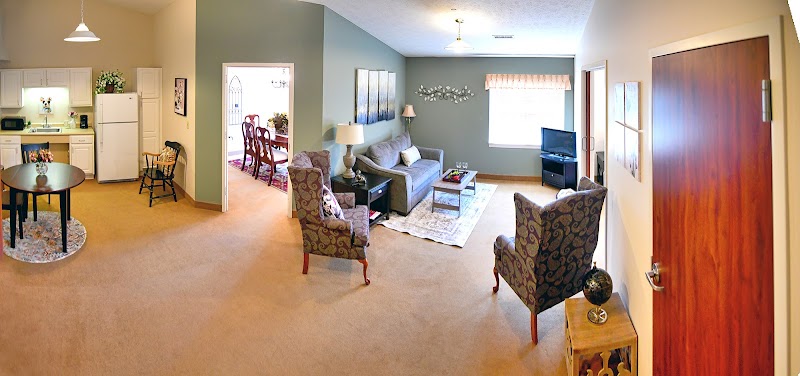
How Does O'Neill Healthcare North Olmsted Compare to Other Ohio Nursing Homes?

Compared to the 100 nursing homes in Ohio, O'NEILL HEALTHCARE NORTH OLMSTED's overall rating (2 stars) is below the state average of 3.2, staff turnover (64%) is significantly higher than the state average of 46%, and health inspection rating (3 stars) is at the national benchmark.

What Should Families Ask When Visiting O'Neill Healthcare North Olmsted?

Based on this facility's data, families visiting should ask: "How do you ensure continuity of care given staff turnover, and what is your staff retention strategy?" "Can you walk me through typical staffing levels on day, evening, and night shifts?" "Can I visit during a mealtime to observe dining assistance and food quality?" "How do you handle medical emergencies, and what is your hospital transfer rate?" These questions are particularly relevant given the facility's high staff turnover rate and the below-average staffing rating.

Is O'Neill Healthcare North Olmsted Safe?

Based on CMS inspection data, O'NEILL HEALTHCARE NORTH OLMSTED has a clean safety record: no substantiated abuse findings (meaning no confirmed cases of resident harm), no Immediate Jeopardy citations (the most serious violation level indicating risk of serious injury or death), and is not on the Special Focus Facility watch list (a federal program monitoring the lowest-performing 1% of nursing homes). The facility has a 2-star overall rating and ranks #100 of 100 nursing homes in Ohio. While no facility is perfect, families should still ask about staff-to-resident ratios and recent inspection results during their visit.

Do Nurses at O'Neill Healthcare North Olmsted Stick Around?

Staff turnover at O'NEILL HEALTHCARE NORTH OLMSTED is high. At 64%, the facility is 17 percentage points above the Ohio average of 46%. Registered Nurse turnover is particularly concerning at 92%. RNs handle complex medical decisions and coordinate care — frequent RN changes can directly impact care quality. High turnover means new staff may not know residents' individual needs, medications, or preferences. It can also be disorienting for residents, especially those with dementia who rely on familiar faces. Families should ask: What is causing the turnover? What retention programs are in place? How do you ensure care continuity during staff transitions?

Was O'Neill Healthcare North Olmsted Ever Fined?

O'NEILL HEALTHCARE NORTH OLMSTED has no federal fines on record. CMS issues fines when nursing homes fail to meet care standards or don't correct problems found during inspections. The absence of fines suggests the facility has either maintained compliance or corrected any issues before penalties were assessed. This is a positive indicator, though families should still review recent inspection reports for the full picture.

Is O'Neill Healthcare North Olmsted on Any Federal Watch List?

O'NEILL HEALTHCARE NORTH OLMSTED is not on any federal watch list. The most significant is the Special Focus Facility (SFF) program, which identifies the bottom 1% of nursing homes nationally based on persistent, serious quality problems. Not being on this list means the facility has avoided the pattern of deficiencies that triggers enhanced federal oversight. This is a positive indicator, though families should still review the facility's inspection history directly.