SUBURBAN HEALTHCARE AND REHABILITATION
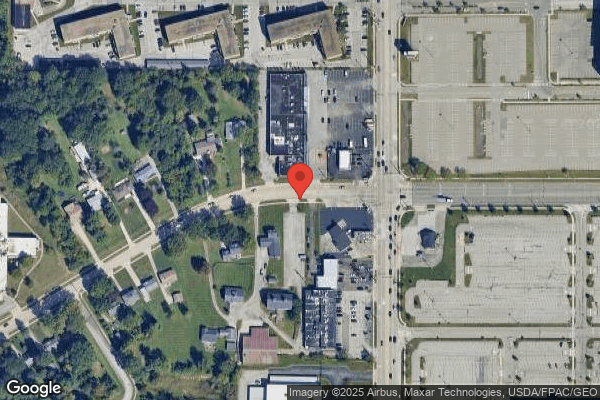
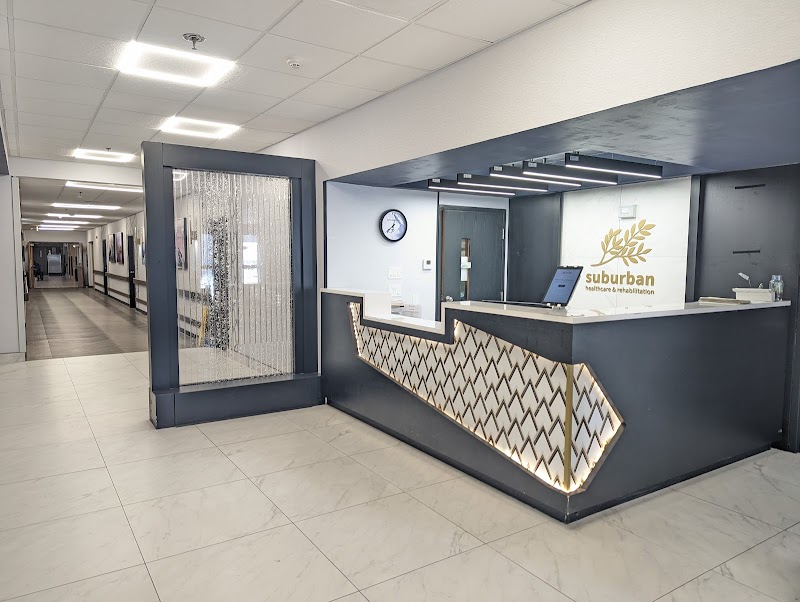
20265 EMERY RD, NORTH RANDALL, OH 44128 (216) 475-8880
For profit - Limited Liability company 150 Beds Independent Data: November 2025
Trust Grade
0/100
#903 of 913 in OH
Last Inspection: March 2024

Within standard 12-15 month inspection cycle. Federal law requires annual inspections.

Overview

Suburban Healthcare and Rehabilitation in North Randall, Ohio, has received a Trust Grade of F, indicating poor performance and significant concerns. Ranking #903 out of 913 facilities in Ohio places it in the bottom half statewide, and #91 out of 92 in Cuyahoga County means there is only one local option that is better. Although the facility's trend is improving, with a drop in issues from 30 in 2024 to 3 in 2025, it still has serious problems, including $94,587 in fines that are higher than 85% of Ohio facilities. Staffing is rated as below average with a 2/5 star rating and a turnover rate of 50%, which is around the state average. Specific incidents include a resident suffering cigarette burns due to a lack of supervision while smoking and another resident sustaining severe burns from soup that was served at an unsafe temperature. Additionally, a resident was not provided necessary dental care, leading to painful and unsanitary conditions. Overall, while there are some improvements, families should weigh these serious issues against the facility's strengths when considering care options.

Trust Score
F
0/100
In Ohio
#903/913
Bottom 2%
Safety Record
High Risk
Review needed
Inspections
Getting Better
30 → 3 violations
Staff Stability
⚠ Watch
50% turnover. Above average. Higher turnover means staff may not know residents' routines.
Penalties
✓ Good
$94,587 in fines. Lower than most Ohio facilities. Relatively clean record.
Skilled Nurses
⚠ Watch
Each resident gets only 29 minutes of Registered Nurse (RN) attention daily — below average for Ohio. Fewer RN minutes means fewer trained eyes watching for problems.
Violations
⚠ Watch
77 deficiencies on record. Higher than average. Multiple issues found across inspections.
★☆☆☆☆
1.0
Overall Rating
★★☆☆☆
2.0
Staff Levels
★★★★☆
4.0
Care Quality
★☆☆☆☆
1.0
Inspection Score
Stable
2024: 30 issues
2025: 3 issues

The Good

  • 4-Star Quality Measures · Strong clinical quality outcomes
  • Full Sprinkler Coverage · Fire safety systems throughout facility
  • No fines on record

Facility shows strength in quality measures, fire safety.

The Bad

1-Star Overall Rating

Below Ohio average (3.2)

Significant quality concerns identified by CMS

Staff Turnover: 50%

Near Ohio avg (46%)

Higher turnover may affect care consistency

Federal Fines: $94,587

Well above median ($33,413)

Moderate penalties - review what triggered them

The Ugly 77 deficiencies on record

6 actual harm
Aug 2025 1 deficiency
CONCERN (D) 📢 Someone Reported This

A family member, employee, or ombudsman was alarmed enough to file a formal complaint

Potential for Harm - no one hurt, but risky conditions existed

Deficiency F0760 (Tag F0760)

Could have caused harm · This affected 1 resident

**NOTE- TERMS IN BRACKETS HAVE BEEN EDITED TO PROTECT CONFIDENTIALITY** Based on medical record review, staff interview, and policy review, the facility failed to administer medications as ordered. Th...

Read full inspector narrative →
**NOTE- TERMS IN BRACKETS HAVE BEEN EDITED TO PROTECT CONFIDENTIALITY** Based on medical record review, staff interview, and policy review, the facility failed to administer medications as ordered. This affected one (#10) of three residents reviewed for medications. The census was 115.Findings include:Record review for Resident #10 revealed the resident was admitted to the facility on [DATE] with diagnoses including dysphagia, dysarthria, end stage renal disease, diabetes, and hypothyroidism. Review of the quarterly Minimum Data Set (MDS) assessment dated [DATE] revealed Resident #10 had impaired cognition evidenced by a Brief Interview for Mental Status (BIMS) score of 99. The resident was assessed to require staff assistance with personal care, bathing, and dressing.Review of Resident #10 ' s hospital Discharge summary dated [DATE] in her medical record revealed an order for levothyroxine 175 micrograms (mcg) once per day to treat hypothyroidism and an order for aspirin 81 milligrams (mg) once daily to decrease the risk of a subsequent stroke occurring. Review of Resident #10 ' s medication administration records (MARs) since admission revealed Resident #10 did not receive the prescribed aspirin 81 mg until 10/20/24 because they were not properly added to her orders at the time of admission intake. Further review of the MARs revealed Resident #10 did not receive the prescribed levothyroxine until 06/25/25, also due to an oversight during admission intake.Interview with the Director of Nursing (DON) on 08/15/25 at 3:50 P.M. confirmed the facility failed to administer Resident #10's levothyroxine and aspirin as ordered at the time of admission. Review of the facility ' s policy titled, Administering Medications, dated 04/18, revealed medications must be administered in accordance with the orders, including any required timeframe.This deficiency represents non-compliance investigated under Complaint Number 2562828.
Mar 2025 2 deficiencies
CONCERN (D) 📢 Someone Reported This

A family member, employee, or ombudsman was alarmed enough to file a formal complaint

Potential for Harm - no one hurt, but risky conditions existed

Deficiency F0692 (Tag F0692)

Could have caused harm · This affected 1 resident

**NOTE- TERMS IN BRACKETS HAVE BEEN EDITED TO PROTECT CONFIDENTIALITY** Based on medical record review, staff interview, and facility policy review, the facility failed to monitor and address signific...

Read full inspector narrative →
**NOTE- TERMS IN BRACKETS HAVE BEEN EDITED TO PROTECT CONFIDENTIALITY** Based on medical record review, staff interview, and facility policy review, the facility failed to monitor and address significant weight loss. This affected one (Resident #121) of three residents reviewed for nutrition. The facility census was 113. Findings Include: Medical record review revealed Resident #121 was admitted to the facility on [DATE]. Diagnoses included anemia, other nondisplaced fracture of upper end of left humerus and left femur, pain, arteriovenous fistula, pneumonitis, thrombocytopenia, pulmonary embolism, dysplasia, type II diabetes, infection and inflammatory reaction due to other cardiac and vascular devices, depression, hemiplegia and hemiparesis, moderate protein calorie malnutrition, cognitive communication deficit, difficulty walking, other abnormalities of gait and mobility, osteoarthritis, morbid obesity, hypotension, chronic kidney disease (stage V), atrial fibrillation, hypertension, hyperlipidemia, asthma, hypothyroidism, and end stage renal disease. Review of the Minimum Data Set (MDS) assessment dated [DATE] revealed Resident #121 was cognitively intact. Review of Resident #121 weights revealed on 01/04/25 she weighed 261.8 pounds, on 02/07/25 she weighed 236.9 pounds. This represented a 9.5% weight loss in one month. There were no other weights taken to verify the significant weight loss prior to her discharge date of 02/22/25. Review of Resident #121 progress and nutritional notes dated 02/07/25 to 02/22/25 revealed no documentation to support the significant weight loss was addressed. Review of Resident #121 nutritional assessment dated [DATE] revealed a documented current weight of 261 pounds. There was nothing within the nutritional assessment to confirm or address the significant weight loss. Review of Resident #121's MDS assessment, section K, dated 02/09/25, revealed a current weight of 261 pounds. The MDS nutritional assessment was dated after the significant weight loss was documented, so it should have been identified and addressed within that assessment, but was not. Interview with the Director of Nursing (DON) on 03/15/25 at 2:45 P.M. confirmed they did not identify or address Resident #121 significant weight loss. The DON indicated they should have informed the dietitian and the physician of the significant weight loss. The DON also indicated they should have taken another weight to determine if the weight loss was accurate. Review of facility Weight Assessment and Intervention policy, dated December 2008, revealed weights would be recorded in each unit's weight record chart or notebook and in the individual's medical record. Any weight change of 5% or more since the last weight assessment would be retaken the next day for confirmation. If the weight was verified, nursing would immediately notify the dietitian in writing. Verbal notification was to be confirmed in writing. The physician and the multidisciplinary team would identify conditions and medications that could be causing anorexia, weight loss or increasing the risk of weight loss. This deficiency represents non-compliance investigated under Complaint Number OH00163214.
CONCERN (E) 📢 Someone Reported This

A family member, employee, or ombudsman was alarmed enough to file a formal complaint

Potential for Harm - no one hurt, but risky conditions existed

Food Safety (Tag F0812)

Could have caused harm · This affected multiple residents

Based on observations, staff interview, and facility policy review, the facility failed to date and store food in the kitchen appropriately. This had the potential to affect 109 of 113 residents who a...

Read full inspector narrative →
Based on observations, staff interview, and facility policy review, the facility failed to date and store food in the kitchen appropriately. This had the potential to affect 109 of 113 residents who ate food from the kitchen (Residents #21, #36, #38, and #95 did not receive food from the kitchen). The census was 113. Findings Include: Observations on 03/15/25 from 10:40 A.M. to 11:05 A.M. revealed the following items in the main kitchen walk in refrigerator. A plastic bag of whipped cream that was opened, undated, and had no covering on the opened end of the bag leaving the contents open to air. There was a plastic container of cooked sausage patties with the prepared/cooked date on the container of 02/03/25. There were five cups of pudding on a tray that were undated and uncovered; open to air. There was a plastic container of prepared/cooked oatmeal with the cooked/prepared date of 02/06/25. There were two gallons of milk with the best by date of 02/27/25. There was an opened bag of shredded cheese that did not have a used by or date as to when it was opened. There was a metal pan of cooked noodles with no date as to when they were cooked or when they should be used by/discarded. There was a plastic bag of prepared salad that was opened but had no date as to when it was opened or when it should be discarded. Lastly, there were three peanut butter and jelly sandwiches in individual plastic bags that had no date as to when they were prepared or when they should be discarded. All three sandwiches were hard to touch, indicating they were stale. Interview with Dietary Manager #110 on 03/15/25 at 11:05 A.M. revealed they removed items from the refrigerator within five days of it being stored/cooked or removed from the original packaging, unless otherwise dated on the packaging. Dietary Manager #110 confirmed all the dates, non-dates, and uncovered items as needing to be thrown out or covered. Review of facility Food Receiving and Storage policy, dated December 2008, revealed all food stored in the refrigerator or freezer would be covered, labeled, and dated. Refrigerated food would be stored in such a way that promoted adequate air circulation around food storage containers. Food items and snacks kept on the nursing units were to be maintained as indicated: all food items to be kept below 40 degrees Fahrenheit must be placed in the refrigerator located at the nurse's station and labeled with a use by date. This deficiency represents non-compliance investigated under Complaint Number OH00163214.
Sept 2024 1 deficiency
CONCERN (D) 📢 Someone Reported This

A family member, employee, or ombudsman was alarmed enough to file a formal complaint

Potential for Harm - no one hurt, but risky conditions existed

Accident Prevention (Tag F0689)

Could have caused harm · This affected 1 resident

**NOTE- TERMS IN BRACKETS HAVE BEEN EDITED TO PROTECT CONFIDENTIALITY** Based on medical record review, resident interview, staff interview, and facility policy review, the facility failed to timely r...

Read full inspector narrative →
**NOTE- TERMS IN BRACKETS HAVE BEEN EDITED TO PROTECT CONFIDENTIALITY** Based on medical record review, resident interview, staff interview, and facility policy review, the facility failed to timely report and investigate a resident incident. This affected one (Resident #76) of three residents reviewed for incidents. The census was 112. Findings Include: Resident #112 was admitted to the facility on [DATE]. Her diagnoses were cerebral infarction, dysarthria and anarthria, cognitive communication deficit, need for assistance, difficulty in walking, cerebral infarction, end stage renal disease, obstructive sleep apnea, hypertensive chronic kidney disease (stage V), chronic embolism and thrombosis, congestive heart failure, type II diabetes, hypothyroidism, morbid obesity, anemia, and hemiplegia and hemiparesis. Review of her minimum data set (MDS) assessment, dated 09/14/24, revealed she was cognitively intact. Review of Resident #112 occupational therapy notes, dated 08/20/24 but not written until 08/27/24, revealed patient complete opposition exercises, table top activities for grasp, heat with passive range of motion. Patient let go of two pound free weight and it rolled down leg and therapist tried to push away. Therapist asked if she was ok, and did not state she was having pain. Review of Resident #112 medical records, including progress notes, care plans, skin assessments, and investigation documentation, dated 08/20/24 to 08/22/24, found no evidence that this incident/accident was reported to the nursing staff or that a full assessment of Resident #112 leg was completed to ensure no injury was present. Review of Resident #112 progress notes, dated 08/23/24, revealed a nurse spoke with the facility physician and received an order for x- ray of Resident #112 left ankle. This was in response to Resident #112 complaining of left ankle/foot pain, level eight out of ten. Review of Resident #112 x-ray documentation, dated 08/23/24, revealed on 08/23/24, there is a nondisplaced fracture noted of the distal tibia of unknown acuity. The ankle mortise and talar dome appear normal. There is soft tissue swelling. Recommended clinical correlation. Axial imaging may be performed for further evaluation. Review of Resident #112 orthopedic appointment documentation, dated 08/29/24, revealed Resident #112 did not have a fracture but soft tissue injury; she was ordered to wear a boot and return for observation/review in one month. Interview with Resident #112 on 09/27/24 at 1:45 P.M. confirmed she had an incident in the therapy room where she dropped a free weight dumbbell on her ankle/foot. She confirmed it hurt. She stated no one ever did a full assessment of her ankle. The therapist asked if she was ok and moved the weight, but did not do a full assessment. She confirmed she did not tell anyone how painful her ankle/foot was after the incident, but she stated, they should have known by my facial expressions. Interview with Therapist #200 on 09/27/24 at 2:05 P.M. confirmed Resident #112 dropped a two pound dumbbell on her left foot/ankle. She stated there was no redness or tenderness to her ankle, and Resident #112 was not complaining of pain. She confirmed she did not report the incident to anyone else, and did not document the incident until 08/27/24. She confirmed she did not document a skin/injury assessment as well. She confirmed that with an incident like this, she should have written an incident report and reported it to nursing at the time it happened. Review of facility Change in Condition policy, undated, revealed the facility shall notify the resident, his or her attending physician, and representative of changes in the resident's medical/mental condition and/or status. The nurse supervisor/charge nurse will notify the resident's attending physician or on-call physician when there has been an accident or incident involving the resident, a discovery of injuries of an unknown source, and a significant change in the resident's physical/emotional/mental condition. A significant change of condition is a decline or improvement is a decline or improvement in the resident's status that will not normally resolve itself without intervention by staff or by implementing standard disease-related clinical interventions. Unless otherwise instructed by the resident, the nurse supervisor/charge nurse will notify the resident's family or representative when the resident is involved in any accident or incident that results in injury including injuries of an unknown source or there is a change in the resident's physical, mental, or psychosocial status. Except in medical emergencies, notification will be made within 24 hours of a change occurring in the resident's medical/mental condition or status. The nurse supervisor/charge nurse will record in the resident's medical record information relative to changes in the resident's medical/mental condition or status as necessary.
Sept 2024 3 deficiencies
CONCERN (D) 📢 Someone Reported This

A family member, employee, or ombudsman was alarmed enough to file a formal complaint

Potential for Harm - no one hurt, but risky conditions existed

ADL Care (Tag F0677)

Could have caused harm · This affected 1 resident

**NOTE- TERMS IN BRACKETS HAVE BEEN EDITED TO PROTECT CONFIDENTIALITY** Based on observation, interview and record review the facility failed to provide adequate mouth care for dependent residents. Th...

Read full inspector narrative →
**NOTE- TERMS IN BRACKETS HAVE BEEN EDITED TO PROTECT CONFIDENTIALITY** Based on observation, interview and record review the facility failed to provide adequate mouth care for dependent residents. This affected two (#22 and #88) of two residents observed for mouth care. The facility census was 112. Finding include: 1. Review of Resident #22's medical records revealed an admission date of 04/27/20. Diagnoses included stroke with left sided weakness, paraplegia and respiratory failure. Review of Resident #22's Minimum Data Set (MDS) assessment dated [DATE] revealed Resident #22 was dependent for mouth care, bathing and personal hygiene. Review of Resident #22's care plan dated 07/10/24 revealed Resident #22 had self care performance deficits related to paraplegia. Interventions included provide mouth care every shift and as needed. Observation on 09/03/24 at 9:01 A.M. of Resident #22 with the Assistant Director of Nursing (ADON) revealed Resident #22's mouth and lips were dry and cracked and Resident #22 had skin hanging from his lips. ADON confirmed Resident #22 required mouth care from staff due to his dry and cracked lips and stated mouth care should be completed daily. Resident #22 was not interviewable. Review of facility's undated policy Activities of Daily Living revealed appropriate care and services would be provided for residents who were unable to carry out ADLs independently including oral hygiene. 2. Review of Resident #88's medical records revealed an admission date of 12/27/23. Diagnoses included quadriplegia, traumatic brain injury and muscle weakness. Review of Resident #88's MDS assessment dated [DATE] revealed Resident #88 was rarely understood. Resident #88 was dependent for mouth care, bathing and personal hygiene. Review of Resident #88's care plan dated 07/23/24 revealed Resident #88 had oral problems related to poor oral hygiene. Interventions included provide mouth care per activities of daily living (ADLs). Observation on 09/03/24 at 12:41 P.M. of Resident #88 with the ADON revealed Resident #88's top lip was stuck to his upper teeth and his mouth was dry and lips were cracked. Resident #88 had a large amount of plaque build up on his upper and lower teeth. The ADON confirmed Resident #88 required mouth care and stated mouth care should be completed daily. Resident #88 was not interviewable. Review of facility's undated policy Activities of Daily Living revealed appropriate care and services would be provided for residents who were unable to carry out ADLs independently including oral hygiene. This deficiency represents non-compliance investigated under Complaint Number OH00155857.
CONCERN (D) 📢 Someone Reported This

A family member, employee, or ombudsman was alarmed enough to file a formal complaint

Potential for Harm - no one hurt, but risky conditions existed

Incontinence Care (Tag F0690)

Could have caused harm · This affected 1 resident

**NOTE- TERMS IN BRACKETS HAVE BEEN EDITED TO PROTECT CONFIDENTIALITY** Based on observation, interview and record review the facility failed to provide timely incontinence care and adequate urinary c...

Read full inspector narrative →
**NOTE- TERMS IN BRACKETS HAVE BEEN EDITED TO PROTECT CONFIDENTIALITY** Based on observation, interview and record review the facility failed to provide timely incontinence care and adequate urinary catheter care. This affected one (#22) of three residents observed for incontinence care and urinary catheter care. The facility census was 112. Findings include: Review of Resident #22's medical records revealed an admission date of 04/27/20. Diagnoses included bladder dysfunction and stroke with left sided weakness. Review of Resident #22's Minimum Data Set (MDS) assessment dated [DATE] revealed Resident #22 had impaired cognition, was incontinent of bowel and had a urinary catheter. Review of the care plan dated 07/10/24 revealed Resident #22 was incontinent of bowel. Interventions included provide pericare after incontinence episodes. Resident #22 had an indwelling urinary catheter. Interventions included check for incontinence and check tubing for kinks each shift. Observation of incontinence care on 08/28/24 at 11:53 A.M. for Resident #22 with State Tested Nursing Assistant (STNA) #278 and STNA #328 revealed Resident #22's mattress pad underneath him was saturated with urine and stool that had dried in some areas and had soaked through the mattress pad onto the mattress. Further observation revealed Resident #22 had a urinary catheter. The urinary catheter had dried crusted debris around the insertion site and a thick white discharge, with a foul odor was observed. Interview with STNA #278 at time of observation, revealed she had not cared for Resident #22 since she had started her shift at 7:00 A.M. and was unaware when Resident #22 had last received incontinence care or catheter care. Resident #22 was unable to state when he had last received incontinence care or catheter care. Observation on 09/03/24 at 9:01 A.M. of Resident #22 with the Assistant Director of Nursing (ADON) revealed Resident #22's absorbent pad underneath him was saturated with urine that had soaked through to his sheets. At time of observation STNA #355 entered the room to provide assistance with incontinence care for Resident #22. STNA #355 stated she was not assigned to Resident #22 but had come to assist with providing Resident #22 with care. The ADON and STNA #355 stated they were unaware of when Resident #22 had last received incontinence care. Resident #22 was sleepy during care and did not answer questions appropriately. Review of facility's undated policy titled Activities of Daily Living revealed appropriate care and services would be provided for residents who were unable to carry out activities of daily living independently which included toileting. Review of facility policy Catheter Care revised 11/27/23 revealed catheter care would be performed every shift and as needed by nursing personnel. This deficiency represents non-compliance investigated under Complaint Number OH00155857.
CONCERN (D) 📢 Someone Reported This

A family member, employee, or ombudsman was alarmed enough to file a formal complaint

Potential for Harm - no one hurt, but risky conditions existed

Tube Feeding (Tag F0693)

Could have caused harm · This affected 1 resident

**NOTE- TERMS IN BRACKETS HAVE BEEN EDITED TO PROTECT CONFIDENTIALITY** Based on observation, interview and record review the facility failed to provide appropriate care related to Resident #22's Perc...

Read full inspector narrative →
**NOTE- TERMS IN BRACKETS HAVE BEEN EDITED TO PROTECT CONFIDENTIALITY** Based on observation, interview and record review the facility failed to provide appropriate care related to Resident #22's Percutaneous Endoscopic Gastrostomy (PEG) tube (feeding tube inserted through the abdominal wall and into the stomach to provide nutrition and hydration). This affected one (#22) of two residents observed for PEG tubes. The facility census was 112. Findings include: Review of Resident #22's medical records revealed an admission date of 04/27/20. Diagnoses included dysphasia (difficulty swallowing), inhalation of food and stroke with left sided weakness. Review of the Minimum Data Set (MDS) assessment dated [DATE] revealed Resident #22 had impaired cognition, had a feeding tube, and was dependent for feeding. Review of care plan dated 07/10/24 revealed Resident #22 required tube feedings. Interventions included checking feeding tube for placement, and monitoring for infection at the tube site. Observation of Resident #22 on 08/28/24 at 11:53 A.M. with State Tested Nursing Assistant (STNA) #278 revealed Resident #22 had a PEG tube. Resident #22's PEG tube site had dark colored crusted debris surrounding the insertion site and the surrounding skin was reddened. Interview with STNA #278 at time of observation revealed she did not provide care for PEG tubes, the nurses were to provide the care. Observation of Resident #22 on 08/28/24 at 12:29 P.M. with Licensed Practical Nurse (LPN) #202 confirmed the crusted debris around Resident #22's PEG tube insertion site. LPN #202 stated she had not provided care of the PEG tube on this date and PEG tubes and the skin around the insertion site were to cleaned daily and as needed. Observation on 09/03/24 at 9:01 A.M. of Resident #22 with the Assistant Director of Nursing (ADON) revealed Resident #22's PEG tube had a split gauze around the insertion site that had a large amount of dried brownish colored crusted debris. The ADON removed the split gauze and further observation revealed a large amount of dried crusted debris surrounding the insertion site. The ADON cleansed the PEG tube site with normal saline and the surrounding skin was reddened. The ADON stated PEG tube sites were to be cleaned daily and as needed. This deficiency represents non-compliance investigated under Complaint Number OH00155857.
Apr 2024 4 deficiencies 1 Harm
SERIOUS (G) 📢 Someone Reported This

A family member, employee, or ombudsman was alarmed enough to file a formal complaint

Actual Harm - a resident was hurt due to facility failures

Accident Prevention (Tag F0689)

A resident was harmed · This affected 1 resident

**NOTE- TERMS IN BRACKETS HAVE BEEN EDITED TO PROTECT CONFIDENTIALITY** Based on observations, resident interviews, staff interviews, medical record review, and policy review, the facility failed to e...

Read full inspector narrative →
**NOTE- TERMS IN BRACKETS HAVE BEEN EDITED TO PROTECT CONFIDENTIALITY** Based on observations, resident interviews, staff interviews, medical record review, and policy review, the facility failed to ensure a resident who required supervision with smoking, was provided supervision, assistive devices to safely smoke and smoke in a designated safe area. Actual harm occurred to one resident (#31) when Resident #31, who was observed smoking in the dining room, unsupervised and without a cigarette holder, was found to have two blisters, verified as cigarette burns on the right index finger near the nail and on the middle finger between the first and second knuckle. In addition, the facility failed to ensure smoking materials including lighters were kept secured while not in use, ensure residents were not smoking inside the facility, ensure residents who required supervision by staff while smoking had staff supervision available, and ensure residents were assessed for smoking and care plans for smoking were established. This affected two (#71 and #76) of three residents reviewed for smoking. The facility identified 27 residents (#1, #4, #9, #23, #31, #35, #36, #38, #40, #44, #47, #49, #50, #52, #63, #66, #69, #70, #71, #75, #76, #85, #92, #95, #98, #102 and #110) who currently smoke. The facility census was 109. Findings include: 1. Review of Resident #31's medical record revealed an admission date of 04/19/22. Diagnoses included traumatic ischemia of muscle, hemiplegia and hemiparesis following cerebral infarction affecting unspecified side, need for assistants with personal care, muscle weakness, cognitive communication deficit, and schizophrenia. Review of the annual Minimum Data Set (MDS) assessment dated [DATE] revealed Resident #31 was cognitively intact. Resident #31 has impairment to one side of the upper and lower extremity, used a wheelchair, required substantial, maximum assistance with eating, dependent for toileting, dependent for upper and lower body dressing, and dependent for personal hygiene. Resident #31 was a current tobacco user. Review of the care plan for Resident #31 updated 04/20/22 revealed Resident #31 is a smoker and expressed the desire to smoke at the facility. Interventions included to remind the resident that staff will be observing and supervising smoking related behavior; smoking may be limited to specific times; and smoking may not occur in residents rooms, bathrooms, hallways, stairwells, elevators, and other non-designated areas. Review of the smoking risk evaluation for Resident #31 dated 06/15/23 completed by Registered Nurse (RN) #265, revealed Resident #31 had a cognitive loss, and smoked morning, afternoon, evening, and night. Resident #31 was unable to light her own cigarette, required a smoking apron, cigarette holder, and supervision. Plan of care was initiated to assure the resident was safe while smoking. Review of the Current Designated Smoking Times revealed the facility smoking times were established for 9:00 A.M., 11:00 A.M., 2:00 P.M., 4:00 P.M., 7:00 P.M. and 9:00 P.M. Observation on 04/12/24 at 9:50 A.M., while walking through the dining room on the first floor with Dietary Technician #370, revealed Resident #31 was sitting in the dining room next to Resident #76. Resident #31 had a smoking apron on. Resident #31 did not have a cigarette holder in her hand and was observed actively smoking a cigarette in the dining room. Dietary Technician #370 instructed Resident #31 she needed to go outside to smoke. Business Office Human Resource (HR) Manager #288 walked by as Resident #31 began to go out the exit door into the courtyard and HR Manager #288 stated, Yea, I am supposed to go out with her. HR Manager #288 confirmed Resident #31 was to have supervision while smoking and confirmed residents were not to smoke in the facility. Interview on 04/12/24 at 10:00 A.M., with the Administrator revealed he was already made aware Resident #31 was smoking in the dining room. The Administrator confirmed residents were not to smoke in the facility. Interview on 04/12/24 at 11:33 A.M. with HR Manager #288 revealed Resident #76 lit the cigarette in the dining room for Resident #31. HR Manager #288 revealed she didn't know if residents were allowed to keep their cigarettes and lighters on them. HR Manager #288 stated she just fills in sometimes for staff and monitors/supervises residents on their smoke breaks. Observation and interview on 04/12/24 at 12:46 P.M. with Licensed Practical Nurse (LPN) #313, revealed staff were supposed to keep resident's cigarettes and lighters locked up in the utility room or downstairs on a cart. LPN #313 revealed there were independent residents who could smoke anytime but they were to ask for the cigarette and lighter each time then return them when done. There were also residents who were unsafe to smoke independently and required staff go out with them at designated smoking times. LPN #313 stated Resident #31 was unsafe to smoke independently as her left hand was contracted. Observation of Resident #31's right hand with LPN #313 revealed Resident #31 had multiple scarred areas on the inner portions of the right index finger and middle finger. There was one large fluid filled blister on the right index finger near the nail bed and one fluid filled double blister on the inner middle finger between the first and second knuckle. LPN #313 revealed she did not know the blisters were there. When LPN #313 asked Resident #31 what happened, Resident #31 did not verbally respond. Resident #31 looked down and did not look back at the surveyor or nurse. LPN #313 confirmed Resident #31 was alert and oriented but was unsafe to smoke by herself. Interview on 04/12/24 at 1:36 P.M. with Wound Care Nurse Registered Nurse (RN) #265 revealed Resident #31 was a smoker. Wound Care Nurse RN #265 revealed she had noticed blisters on her hands before, from smoking. The blisters healed badly due to repetitive smoking and burning her fingers repetitively. Resident #31 was supposed to be using the smoking apron and extender to prevent burning her fingers. Resident #31 often just sat all day in the dining room. Wound Care Nurse RN #265 revealed they don't treat the blisters on Resident #31's fingers because they were not infected so she would not have received any treatment orders. Review of Resident #31's progress notes for March and April 2024 revealed no documentation of blisters or scars on Resident #31's fingers. Wound Care Nurse RN #265 confirmed there was no documentation she could find from admission of Resident #31 burning her fingers or having scars or blisters on her fingers and confirmed she had personally seen them on many occasions. Interview on 04/12/24 between 3:23 P.M. and 4:07 P.M. with the Director of Nursing (DON) confirmed Resident #31 required supervision while smoking. The DON stated residents were not to smoke inside the facility. Cigarettes and lighters were to be kept locked up for all residents, independent residents could go outside anytime but they were required to return the cigarettes and lighters after each time they smoked. Residents who required supervision had designated times to smoke. The DON revealed the staff delegated to supervise smokers included herself, HR, activity personnel, nursing staff and the social worker. The DON verified the last skin assessment completed for Resident #31 in the medical record was dated 03/19/24 which revealed no new areas. The DON confirmed skin assessments were to be completed weekly. 2. Review of Resident #71's medical record revealed an admission date of 01/17/23. Diagnoses included diabetes mellitus, muscle weakness, cognitive communication deficit, need for assistance with personal care, and tobacco use. Review of the annual MDS assessment dated [DATE] revealed Resident 71 was cognitively intact. Resident #71 used a wheelchair for mobility, required set up or clean up assist with eating, toileting, independent with dressing and personal hygiene. Review of the care plan for Resident #71 revealed no care plan was in place for smoking. Review of the paper form titled Smoking Assessment for Resident #71 dated 01/22/24 revealed Resident #71 was an independent smoker. Observation on 04/12/24 at 10:42 A.M., revealed Resident #71 was in the dining room on the first floor smoking a lit cigarette. Observation revealed no staff were within sight of the area. Resident #66 was sitting near Resident #71 and both Residents #71 and #66 confirmed Resident #71 was smoking a cigarette in the dining room. Resident #71 revealed she was getting ready to go outside then exited the facility through the door, located in the dining room into the courtyard. Observation on 04/12/24 at 10:44 A.M. revealed the Administrator was in his office. The surveyor informed the Administrator, Resident #71 was observed in the dining room smoking a cigarette. The Administrator stated, Well, I guess I am going to need to put someone in there. Interview on 04/12/24 at 4:07 P.M. with the DON revealed Resident #71 was an independent smoker. The DON confirmed Resident #71 did not have a care plan for smoking. 3. Review of Resident #76's medical record revealed an admission date of 11/22/23. Diagnoses included heart failure, muscle weakness and difficulty in walking. Review of the quarterly MDS assessment dated [DATE] revealed Resident #76 was cognitively intact. Resident #76 used a wheelchair for mobility, was independent for eating, toileting, dressing and personal hygiene. Review of the care plan for Resident #76 revealed no care plan was in place for smoking. Review of the resident assessments revealed no smoking assessment was completed for Resident #76. Interview and observation on 04/12/24 at 12:22 P.M., revealed Resident #76 was sitting in the dining room on the first floor. Resident #76 took his cigarettes and lighter out of his pants pockets. Resident #76 stated some residents cannot light their own cigarettes, so he does it for them. Resident #76 stated, No one ever told me I couldn't keep my cigarettes and lighter or couldn't help others light their cigarettes. Interview on 04/12/24 at 3:52 P.M. with Activities Director #322 revealed Resident #76 was an unsupervised smoker, he could go outside to the smoking area whenever he wanted, and he has his own lighter and cigarettes he can carry them and keep them himself. Interview on 04/12/24 at 4:07 P.M. with the DON revealed once a resident was admitted , they did a 72-hour care conference and determined if the resident was a smoker. The DON revealed then either herself, the Unit Manager, Charge Nurse, or the Social Worker would do a smoking assessment at that time. The DON revealed she did not know Resident #76 currently smoked cigarettes. Resident #76 had prior surgery and the doctor said he should not smoke. She did not know he was smoking but revealed she knew he used to. The DON confirmed Resident #76 did not have a smoking assessment or care plan completed for smoking. Interview on 04/12/24 at 4:20 P.M. with Resident #76 revealed he smoked cigarettes the whole time he had been at the facility and nobody ever asked him if he smoked. Interview on 04/12/24 at 4:32 P.M. with LPN #313 confirmed she was Resident #76's charge nurse. LPN #313 revealed Resident #76 was an independent smoker, and he had always smoked. LPN #313 revealed she did not know if Resident #76 had his own cigarettes and lighter, but she did know he smoked. Observation on 04/12/24 at 4:35 P.M. revealed Resident #76 was sitting outside in the smoking area smoking independently. No staff was present. Review of the policy titled, Smoking, revised 01/02/24, revealed upon admission, residents shall be informed of the facility smoking policy, including designated smoking areas, smoking times, and the extent to which the facility can accommodate their smoking preferences. Residents will be evaluated upon admission and routinely to determine if he or she is able to smoke without supervision per the smoking assessment. Residents who require supervision shall have the supervision of a staff member, family member, visitor, or volunteer worker at all times while smoking. Smoking is only permitted in designated smoking areas. Residents who require supervision must store smoking materials with staff except under supervision. Residents who do not require supervision when smoking must store smoking materials, with staff, secured on their person or in a locked container. Residents are not permitted to supervise, assist other residents with smoking, or give smoking materials to other residents. Smoking inside of the building, such as in common areas of the facility or in resident rooms is strictly prohibited. The following deficiency is based on incidental findings discovered during the course of this complaint investigation and represents continued noncompliance from the 03/07/24 survey.
CONCERN (F) 📢 Someone Reported This

A family member, employee, or ombudsman was alarmed enough to file a formal complaint

Potential for Harm - no one hurt, but risky conditions existed

Deficiency F0802 (Tag F0802)

Could have caused harm · This affected most or all residents

Based on observation, staff interview, and review of the dietary staffing schedule, the facility failed to provide sufficient staff to meet the dietary needs of the residents. This had the potential t...

Read full inspector narrative →
Based on observation, staff interview, and review of the dietary staffing schedule, the facility failed to provide sufficient staff to meet the dietary needs of the residents. This had the potential to affect all residents, except Resident #25, #89, and #90, who received nothing by mouth (NPO). The facility census was 109. Findings include: Observation of the breakfast tray line on 04/12/24 at 9:11 A.M., revealed the resident's breakfast was being served in Styrofoam containers with Styrofoam cups. Dietary [NAME] #294 revealed all residents were getting Styrofoam because there was no staff, all the scheduled kitchen staff called off except for her. Observation revealed Business Office Human Resource (HR) Manager #288, Maintenance Director #278, Central Supply #367, Speech Therapist #371, and Director of Activities #322 were on the tray line. No other Dietary staff was observed. Dietary [NAME] #294 was made aware to provide a test tray which would be the last tray served placed on the last cart served. Dietary [NAME] #294 revealed she was unable to test the food on the test tray with the surveyor because she did not have enough time. Dietary [NAME] #294 revealed the Dietary Manager was off work for a while and was working from home. Interview on 04/12/24 at 2:01 P.M., with Dietary [NAME] #294 confirmed the lunch meal was served on Styrofoam also for all residents. Dietary [NAME] #294 revealed they used Styrofoam containers to serve residents their meals when there was low staff. Dietary [NAME] #294 revealed the dietary department had no backup staff when people called off. The dietary department required three to four Dietary Aids per shift. For the dinner meal, one Dietary Aid agreed to come in and one [NAME] was scheduled, but that meant she would need to stay over. Dietary [NAME] #294 confirmed for the lunch meal, the same Department Heads assisted in the kitchen. Interview on 04/12/24 at 3:08 P.M., with HR Manager #288 confirmed the staffing for Dietary Aids in the kitchen was to be three to four Dietary Aids per shift. Review of the Dietary staffing schedule with HR Manager #288 confirmed for April 2024: There were 0 days first shift had four Dietary Aids. On 04/01/24, the first shift only had two Dietary Aids. On 04/03/24, the second shift only had two Dietary Aids. On 04/06/24, the first shift only had two Dietary Aids, second shift only had one Dietary Aid. On 04/11/24, first shift only had two Dietary Aids This deficiency represents non-compliance investigated under Complaint Number OH00152244.
CONCERN (F) 📢 Someone Reported This

A family member, employee, or ombudsman was alarmed enough to file a formal complaint

Potential for Harm - no one hurt, but risky conditions existed

Deficiency F0804 (Tag F0804)

Could have caused harm · This affected most or all residents

Based on observation, staff interview, resident interviews, and testing of a test tray, the facility failed to ensure food was served that was visually pleasurable and palatable. This had the potentia...

Read full inspector narrative →
Based on observation, staff interview, resident interviews, and testing of a test tray, the facility failed to ensure food was served that was visually pleasurable and palatable. This had the potential to affect all residents except Resident #25, #89, and #90 who received nothing by mouth (NPO). The facility census was 109. Findings include: Observation and interview on 04/11/24 at 12:22 P.M., revealed Resident #33 was sitting in his room with his lunch tray in front of him. Resident #33 was not eating. Resident #33 revealed the food was horrible and it tasted the same way it looked. Observation of Resident #33's lunch tray revealed an unidentifiable main entrée, carrot squares, a roll and juice. Interview on 04/11/24 between 12:55 P.M. and 4:19 P.M., with Residents #47, #76, and #98 revealed the food was not edible, they had too much pasta, and the food did not taste good. Interview on 04/12/24 between 8:36 A.M. and 4:37 P.M., with Resident #44, #46, #47, #85, #102, #105, and #107, revealed they never liked the way their food tasted, it was horrible, gross, it did not look right, and the food did not taste good. Resident #44, #46, #85, #102, #105, and #107, revealed some days their food and drinks were served in Styrofoam containers, Resident #44, and #47 revealed they preferred regular plates. Observation of the breakfast tray line on 04/12/24 at 9:11 A.M, revealed the residents' breakfast was being served in Styrofoam containers with Styrofoam cups. Dietary [NAME] #294 revealed all residents were getting Styrofoam because there was no staff, all the scheduled kitchen staff called off except for her. Review of the menu served included cream of rice, quiche, toast, jelly, and margarine. Dietary [NAME] #294 revealed the quiche consisted of liquid eggs topped with green peppers, the facility had not used regular eggs in three years and nothing else would be added. Dietary [NAME] #294 was made aware to provide a test tray which would be the last tray served placed on the last cart served. Observation revealed three of the four pans used to cook the quiche had a thick layer of burnt brown quiche stuck to the bottom. Dietary [NAME] #294 revealed the quiche was burnt because she had to bake them in the oven because there was no steamer. Dietary [NAME] #294 revealed she was unable to test the food on the test tray with the surveyor because she did not have enough time. Dietary [NAME] #294 revealed the Dietary Manager was off work for a while and was working from home. Observation on 04/12/24 at 9:43 A.M., revealed the last resident tray was served. The test tray was temped and tasted with Dietary Tech #370. The quiche had a rubbery texture and there was no flavor of egg, only a flavor of cooked green pepper. Dietary Tech #370 confirmed she could not taste any egg, only green pepper. The toast was slightly cooked on one side, the opposite side was not cooked, and the bread was room temperature. The cooked rice cereal had no flavor at all and had a mush, pastie texture. The meal was not pleasurable to taste or appearance. Observation on 04/12/24 at 12:06 P.M., of the lunch tray line revealed the lunch meal was also being served in Styrofoam containers and cups. Interview on 04/12/24 at 2:01 P.M., with Dietary [NAME] #294 confirmed the lunch meal was served on Styrofoam also for all residents. Dietary [NAME] #294 revealed they used Styrofoam containers to serve residents their meals when there was low staff. Dietary [NAME] #294 revealed the toaster was not working right and confirmed it only toasted one side of the bread. Interview on 04/12/24 at 4:07 P.M., with Director of Nursing (DON) stated, We hear complaints of food all the time, but it's about preference. This deficiency represents non-compliance investigated under Complaint Number OH00152313.
CONCERN (F) 📢 Someone Reported This

A family member, employee, or ombudsman was alarmed enough to file a formal complaint

Potential for Harm - no one hurt, but risky conditions existed

Food Safety (Tag F0812)

Could have caused harm · This affected most or all residents

Based on observation, staff interview, and policy review, the facility failed to safely store food and maintain a clean and sanitary kitchen. This had the potential to affect all residents except Resi...

Read full inspector narrative →
Based on observation, staff interview, and policy review, the facility failed to safely store food and maintain a clean and sanitary kitchen. This had the potential to affect all residents except Resident #25, #89, and #90 who received nothing by mouth (NPO). The facility census was 109. Findings include: Interview on 04/12/24 at 9:32 A.M., with Dietary [NAME] #294 revealed she did not have time to observe the refrigerators with the surveyor. Observation and interview on 04/12/24 at 9:33 A.M., of the walk-in refrigerator with Business Office Human Resources (HR) Manager #288 revealed a large container of partially used potato salad was undated, a partially used container of macaroni and hamburger had no date, multiple preset salads and puddings were on three shelves in small containers, none had dates. There were two large containers of partially used salad dressings with no date. There were large stacks of opened cheese, none were dated. Under the wire racks of food on the floor there were large spills that included food particles and dried multicolored liquid. HR Manager #288 verified the undated food products and the spills on the floor. Observation of the small refrigerator (located on the other side of the kitchen) with HR Manager #288 revealed Dietary [NAME] #294 was actively dating the food items in the refrigerator as the surveyor approached. Dietary [NAME] #294 verified she was dating the food items in the small fridge and revealed, I told the staff last night to do it, they didn't so yes that's what I am doing. Items not yet dated included four premade cheese sandwiches, multiple partially used stacks of cheese, a container of partially used liquid eggs, and a wrapped portion of a pizza. Dietary [NAME] #294 revealed she did not remember which of the other multiple food items (that were in facility metal containers and covered in saran wrap) she just dated. Review of the policy titled, Food Receiving and Storage, revised December 2008, revealed Food Services, or other designated staff, will maintain clean food storage areas at all times. All foods stored in the refrigerator or freezer will be covered, labeled, and dated use by date. This deficiency represents non-compliance investigated under Complaint Number OH00152313 and the continued non compliance from the survey 03/07/24.
Mar 2024 14 deficiencies 1 Harm
SERIOUS (G)

Actual Harm - a resident was hurt due to facility failures

Accident Prevention (Tag F0689)

A resident was harmed · This affected 1 resident

**NOTE- TERMS IN BRACKETS HAVE BEEN EDITED TO PROTECT CONFIDENTIALITY** Based on medical record review, review of a wound care report, investigative report, and staff and resident interviews, the faci...

Read full inspector narrative →
**NOTE- TERMS IN BRACKETS HAVE BEEN EDITED TO PROTECT CONFIDENTIALITY** Based on medical record review, review of a wound care report, investigative report, and staff and resident interviews, the facility failed to ensure Resident #39's environment remained free of an accident hazard when the resident's soup was served at an unsafe temperature causing an injury. This affected one resident (#39) of six residents reviewed for accidents. The facility census was 111. Actual harm occurred on 01/29/24 between approximately 5:00 P.M. and 6:00 P.M. when Resident #39 sustained first and second degree burns to her right anterior thigh after spilling soup which a State Tested Nursing Assistant (STNA) had warmed up in a microwave and served to Resident #39. The burn went unreported until the next day, 01/30/24, when Resident #39 asked a nurse to assess the area. The wound team observed the area on 01/30/24. The wound physician documented the wound as a as a scald burn to anterior right thigh, first and partial thickness second degree (Involves the top two layers of skin. The burn forms a blister and is very painful) measuring 15 centimeters (cm) length by 16 cm width with <0.1 depth. The resident voiced she had pain at the time of incident as a result of the injury and also reported as of 03/05/24 the burn was still healing and there was a bad scar. Findings Include: Review of the medical record for Resident #39 revealed an initial admission date of 03/06/19. Diagnoses included muscle weakness, diabetes mellitus, and systemic lupus erythematosus. Review of the quarterly Minimum Data Set (MDS) assessment dated [DATE] revealed Resident #39 had intact cognition, no behaviors, and no skin issues. Review of a skin/wound note dated 01/30/24 timed 9:34 A.M. revealed Resident #39 was seen by the wound team. Resident #39 was observed to have first and second degree burns to the right anterior thigh. Measurements were 15 cm length by 16 cm width with 0.1 cm depth. One hundred percent epithelial tissue was noted with no exudate or signs or symptoms of infection. Treatment included application of Alocane Burn gel and cover with 7 x 7 border gauze. The skin/wound note indicated nursing was to offload pressure. Review of the skin/wound note dated 01/30/24 timed 7:29 P.M. revealed the nurse was exiting the elevator when Resident #39 approached the nurse and asked if the nurse would look at her thigh. The nurse observed blisters and burn areas to the right thigh. The nurse asked Resident #39 what happened, and Resident #39 said she was in bed for the night and asked one of the aides to warm up her soup and Resident #39 ended up spilling the soup on her lap. The skin/wound note indicated the physician was aware. Review of the Wound Assessment and Plan note dated 01/30/24 authored by the wound physician revealed Resident #39 had a right anterior thigh burn that measured 15 cm length by 16 cm width by <0.1 depth. The burn was described as a scald burn to anterior right thigh, first and partial thickness second degree. The plan indicated to offload pressure; Skin prep (protective barrier) to areas of serous blisters; Alocane burn gel to remaining areas twice a day, and protein supplementation and daily multivitamins. Review of the facility's investigation dated 01/30/24 (untimed) revealed on 01/30/24 at 7:30 A.M. Licensed Practical Nurse (LPN) #314 was exiting the elevator when Resident #39 approached and asked her to look at her thigh. LPN #314 observed blisters and burn areas to the right thigh. LPN #314 asked Resident #39 what happened and the resident stated she was in bed for the night and asked one of the aides to warm up her soup and she ended up wasting the soup on her lap while lying in bed. The investigation indicated immediate action included the wound nurse and wound physician were on the hall making rounds and LPN #314 asked for their assistance. The wound nurse and physician took it from there and once they were done with their wound rounds, the wound nurse provided education on warming resident meals and liquids. Review of the plan of care dated 01/30/24 revealed Resident #39 had a potential for impairment to skin integrity related diabetes type 2, incontinence, and second degree burns to right thigh (01/29/2024). Interventions included informing and instructing staff of causative factors and measures to prevent burns; monitor/document location, size and treatment of wound, and report abnormalities, failure to heal, signs and symptoms of infection, maceration (softening of the skin which occurs when skin is in contact with moisture for too long) etc. to the physician. Review of the skin/wound note dated 03/05/24 timed 10:14 A.M. revealed Resident #39 was seen by the wound team. The note indicated the right anterior thigh burn was healing. The burn wound measured 6.5 cm length by 3.6 cm width with 0.1 cm depth with 100 percent epithelial tissue. There was no exudate or signs/symptoms of infection. Treatment included cleaning the wound with Dial antibacterial soap, applying Xeroform (petroleum based gauze), covering with ABD (large padded gauze dressing) and placing tape on edges to keep ABD in place. Nursing was to continue to offload pressure. Review of the March 2024 physician orders revealed active orders to clean the right anterior thigh with Dial antibacterial soap, apply Xeroform, cover with ABD, place tape on edges to keep ABD in place every dayshift and every 24 hours as needed for burn. Interview on 03/05/24 at 4:58 P.M. with Resident #39 revealed at the time of the incident on 01/29/24, she had not been feeling well and had not eaten much for a couple of days. Resident #39 wanted soup and asked one of the aides to warm up the soup for her. Resident #39 was in bed and spilled the soup on herself as she was trying to eat the soup. There were two STNAs in room and one STNA left the room. Resident #39 thought the STNA left the room to get the nurse; however, the nurse did not come. Resident #39 thought they were busy and had forgotten about her. Resident #39 said STNA #449 was the STNA that stayed in the room with her and STNA #449 put barrier cream on the burn which helped to cool it down and soothe the pain. When Resident #39 woke up the next morning the skin had welted up. Resident #39 stated she did not see a nurse the night the burn occurred but saw a nurse with the wound physician the next day on 01/30/24. Resident #39 did not know the name of the STNA that brought her the soup, but the STNA came back to her room that next day (01/30/24) and apologized for making the soup too hot. Resident #39 did not think the STNA worked at the facility any longer because she had not seen her since then. Resident #39 stated the burn was still healing and there was a bad scar. Interview on 03/05/24 at 5:22 P.M. with STNA #449 revealed she was not in the room when Resident #39 spilled the soup onto herself and was not the STNA who brought her the soup. STNA #449 stated she saw the burn a few hours later on 01/29/24 sometime between 7:00 P.M. and 8:00 P.M. while changing Resident #39. STNA #449 asked Resident #39 what happened, and she told her she had spilled soup onto herself. STNA #449 put barrier cream on the area and then reported it to one of the nurses working that evening but was not sure which nurse she had told. Interview on 03/06/24 at 2:48 P.M. with Wound Nurse (WN) #363 revealed on 01/30/24, while she was making wound rounds, the nurse reported Resident #39 had a burn wound. WN #363 contacted the night nurse from 01/29/24 via phone to see why it had not been reported that night. The night nurse told her she was not aware that it happened. WN #363 stated she thought Resident #39 did not tell anyone what happened because she did not want to get the STNA in trouble. WN #363 stated the STNA who warmed up the soup never came back to work and did not provide a statement. WN #363 stated Resident #39's burn was massive, and she was more worried about treating the burn. WN #363 described the burn wound as one large intact blister. WN #363 said Resident #39 did not complain of pain and had stated she was okay. WN #363 stated it was okay STNA #449 applied barrier cream because it had a Vaseline base. WN #363 said she educated staff on reporting because the burn was not reported timely. WN #363 stated she was glad they caught it on the day of wound rounds because treatments were put in place. Follow-up interview on 03/06/24 at 3:45 P.M. with STNA #449 revealed she did not remember what the burn on Resident #39's thigh looked like when she first saw it on 01/29/24. STNA #449 stated maybe it was a little burn that night but she remembered seeing it the next day and it was bigger and puffier due to the blistering. Follow-up interview on 03/07/24 at 9:52 A.M. with Resident #39 revealed she could not wear pants because of the bandage covering the burn. Resident #39 stated she was not in pain but wearing pants would pull the bandage off. Resident #39 was observed up in her wheelchair with a blanket covering her lower extremity. Resident #39 pulled the blanket back revealing a large white bandage on the top portion of Resident #39's right thigh, lap area. The facility did not provide evidence of education or in-services regarding heating foods or reporting injuries.
CONCERN (D)

Potential for Harm - no one hurt, but risky conditions existed

Resident Rights (Tag F0550)

Could have caused harm · This affected 1 resident

**NOTE- TERMS IN BRACKETS HAVE BEEN EDITED TO PROTECT CONFIDENTIALITY** Based on observation and staff interview, the facility failed to ensure dignity was respected regarding emptying portable bedsid...

Read full inspector narrative →
**NOTE- TERMS IN BRACKETS HAVE BEEN EDITED TO PROTECT CONFIDENTIALITY** Based on observation and staff interview, the facility failed to ensure dignity was respected regarding emptying portable bedside commode. This affected one (Resident #371) of one resident reviewed for dignity. The facility census was 111. Findings Include: Review of the medical record revealed Resident #371 was admitted to the facility on [DATE] and readmitted after a hospitalization on 02/25/24 with diagnoses including end-stage renal disease, chronic kidney disease, alcohol cirrhosis, right lower leg cellulitis, [NAME] Parkinson [NAME] syndrome, and gastric bypass surgery. Upon return to the facility, Resident #371 received antibiotic therapy due to a diagnosis of Clostridium difficile (causes mild to moderate watery diarrhea). Resident #371 was provided with a portable bedside commode to accommodate the need for easy access to the bathroom due to frequent loose stools. Observation on 03/04/24 at 12:10 P.M. revealed Resident #371 was in her room, seated on the side of the bed near the head of the bed. Near the foot of the bed was a portable bedside commode with the lid open. The bedside commode was two-thirds full with a large amount of urine saturated toilet paper, urine and feces. Resident #371 indicated her bedside commode had not been emptied and the toilet in the room did not function. Continued observation revealed State Tested Nurse Aide (STNA) #370 enter Resident #371's room twice, once at 12:15 P.M. and again at 12:20 P.M. At 12:20 P.M., STNA #370 delivered Resident #371's lunch tray and set it on the bedside table. STNA #370 did not attempt to empty the bedside commode prior to serving Resident #371 the lunch tray. Interview with STNA #370 on 03/04/24 at 12:22 P.M. verified that the portable bedside commode had not been emptied for some time and it was inappropriate and demeaning for Resident #371 to have to eat her meal next to a full bedside commode.
CONCERN (D)

Potential for Harm - no one hurt, but risky conditions existed

Notification of Changes (Tag F0580)

Could have caused harm · This affected 1 resident

**NOTE- TERMS IN BRACKETS HAVE BEEN EDITED TO PROTECT CONFIDENTIALITY** Based on record review, facility investigation, and interview the facility failed to ensure timely physician notification after ...

Read full inspector narrative →
**NOTE- TERMS IN BRACKETS HAVE BEEN EDITED TO PROTECT CONFIDENTIALITY** Based on record review, facility investigation, and interview the facility failed to ensure timely physician notification after a resident sustained a scald burn. This affected one resident (#39) of six residents (#39, #55, #66, #77, #98, and #221) reviewed for accidents. The facility census was 111. Findings Include: Review of the medical record for Resident #39 revealed an initial admission date of 03/06/19. Diagnoses included muscle weakness, diabetes mellitus, and systemic lupus erythematosus. Review of the quarterly Minimum Data Set (MDS) assessment dated [DATE] revealed Resident #39 had intact cognition, no behaviors, and no skin issues. Review of the skin/wound note dated 01/30/24 timed 7:29 P.M. revealed upon exiting the elevator Resident #39 approached the nurse and asked the nurse to look at her thigh. The nurse observed blisters and burn areas to the right thigh. The nurse asked Resident #39 what happened, and the resident stated she was in bed for the night and asked one of the aides to warm up her soup and she ended up spilling the soup on her lap while lying in bed. The note indicated the physician was aware. Review of the Wound Assessment and Plan note dated 01/30/24, authored by the wound physician, revealed Resident #39 had a right anterior thigh burn that measured 15 centimeter (cm) length x 16 cm width x <0.1 depth. The documentation further indicated a scald burn to anterior right thigh, first and partial thickness second degree. Review of the facility's investigation dated 01/10/24 (untimed) revealed on 01/30/24 at 7:30 A.M. Licensed Practical Nurse (LPN) #314 was exiting the elevator and Resident #39 approached and asked her to look at her thigh. LPN #314 observed blisters and burn areas to the right thigh. LPN #314 asked Resident #39 what happened and the resident stated she was in bed for the night and asked one of the aides to warm up her soup and she ended up wasting the soup on her lap while lying in bed. The wound team was making wounds and LPN #314 asked for assistance and at that point, the wound nurse and physician took it from there. Once the wound team completed their wound rounds, the wound nurse educated staff on warming resident meals and liquids. Interview on 03/05/24 at 4:58 P.M. with Resident #39 revealed at the time of the incident on 01/29/24, she had not been feeling well and had not eaten much for a couple of days. Resident #39 wanted soup and asked one of the aides to warm up the soup for her. Resident #39 was in bed and spilled the soup on herself as she was trying to eat the soup. There were two STNAs in room and one STNA left the room. Resident #39 thought the STNA left the room to get the nurse; however, the nurse did not come. Resident #39 thought they were busy and had forgotten about her. Resident #39 said STNA #449 was the STNA that stayed in the room with her and STNA #449 put barrier cream on the burn which helped to cool it down and soothe the pain. When Resident #39 woke up the next morning the skin had welted up. Resident #39 stated she did not see a nurse the night the burn occurred but saw a nurse with the wound physician the next day on 01/30/24. Interview on 03/05/24 at 5:22 P.M. with STNA #449 revealed she was not in the room when Resident #39 spilled the soup onto herself and was not the STNA who brought her the soup. STNA #449 stated she saw the burn a few hours later on 01/29/24 sometime between 7:00 P.M. and 8:00 P.M. while changing Resident #39. STNA #449 asked Resident #39 what happened, and she told her she had spilled soup onto herself. STNA #449 put barrier cream on the area and then reported it to one of the nurses working that evening but was not sure which nurse she had told. Interview on 03/06/24 at 2:48 P.M. with Wound Nurse (WN) #363 revealed on 01/30/24, while she was making wound rounds, the nurse reported Resident #39 had a burn wound. WN #363 contacted the night nurse from 01/29/24 via phone to see why it had not been reported that night. The night nurse told her she was not aware that it happened. WN #363 stated she thought Resident #39 did not tell anyone what happened because she did not want to get the STNA in trouble. WN #363 stated Resident #39's burn was massive, and she was more worried about treating the burn. WN #363 said she educated staff on reporting because the burn was not reported timely. WN #363 stated she was glad they caught it on the day of wound rounds because treatments were put in place. Follow-up interview on 03/07/24 at 11:37 A.M. with WN #363 confirmed the burn occurred on 01/29/24 and Resident #39's physician and everyone else was not notified until the next day on 01/30/24 by LPN #314. The facility did not provide evidence of education provided to staff regarding reporting injuries.
CONCERN (D)

Potential for Harm - no one hurt, but risky conditions existed

ADL Care (Tag F0677)

Could have caused harm · This affected 1 resident

**NOTE- TERMS IN BRACKETS HAVE BEEN EDITED TO PROTECT CONFIDENTIALITY** Based on record review, observation, interview, and policy review, the facility failed to ensure residents who were dependent fo...

Read full inspector narrative →
**NOTE- TERMS IN BRACKETS HAVE BEEN EDITED TO PROTECT CONFIDENTIALITY** Based on record review, observation, interview, and policy review, the facility failed to ensure residents who were dependent for activities of daily living (ADL) received nail care. This affected one resident (#75) of two residents (#19 and #75) reviewed for ADLs. The facility census was 111. Findings Include: Review of the medical record for Resident #75 revealed an admission date of 07/12/22. Diagnoses included stroke, muscle weakness, and contractures. Review of the plan of care revised 07/21/23 revealed Resident #75 had an ADL self-care performance deficit related to weakness, contracture, wounds, and pain. Interventions included check nail length and trim and clean on bath day and as necessary. Report any changes to the nurse. Review of the quarterly minimum data set (MDS) assessment dated [DATE] revealed Resident #75 had intact cognition and was dependent on staff for personal hygiene. Observation of Resident #75 on 03/04/24 at 10:17 A.M. revealed the resident's nails were long and dirty with black debris under the nails. Resident #75's hands were contracted. Interview on 03/05/24 at 1:48 P.M. with State Tested Nurse Aide (STNA) #319 verified the observation and stated it was the STNA's responsibility to complete nail care. Review of the undated facility policy Activities of Daily Living (ADLs), Supporting, revealed appropriate care and services would be provided for residents who were unable to carry out ADLs independently, with the consent of the resident and in accordance with the plan of care. including appropriate support and assistance with hygiene (ex. bathing, dressing, grooming, and oral care).
CONCERN (D)

Potential for Harm - no one hurt, but risky conditions existed

Deficiency F0685 (Tag F0685)

Could have caused harm · This affected 1 resident

**NOTE- TERMS IN BRACKETS HAVE BEEN EDITED TO PROTECT CONFIDENTIALITY** Based on record review, interview, and review of a shipping receipt, the facility failed to provide corrective eye glasses in a ...

Read full inspector narrative →
**NOTE- TERMS IN BRACKETS HAVE BEEN EDITED TO PROTECT CONFIDENTIALITY** Based on record review, interview, and review of a shipping receipt, the facility failed to provide corrective eye glasses in a timely manner. This affected one (Resident #37) of one resident reviewed for vision services. Findings Include: Review of medical record for Resident #37 revealed an admission date of 11/11/21. Diagnoses included chronic obstructive pulmonary disease and chronic kidney disease. The resident had intact cognition. Interview on 03/04/24 at 9:30 A.M. with Resident #37 revealed he had an eye exam in 2023 and ordered glasses. Resident #37 had not received the glasses nor had he heard from staff regarding the glasses. Interview on 03/06/24 at 11:06 A.M. with Social Services (SS) #338 revealed Resident #37's eye glasses were in the back room of SS #338's office. SS #338 was not sure why Resident #37 had not been given the glasses. SS #338 had no information related to when the eye glasses were delivered to the facility. Interview on 03/06/24 at 11:32 A.M. with Optometrist #446, who completed Resident #37's eye exam, revaled Resident #37 had an eye exam on 11/13/23, was fitted for glasses on 12/04/23, and the glasses were ordered on 12/07/23. Optometrist #446 provided a copy of the shipping receipt which indicated Resident #37's eye glasses were delivered to the facility on [DATE]. Interview on 03/06/24 at 1:53 P.M. with the Director of Nursing verified that Resident #37's eye glasses were delivered on 12/15/23.
CONCERN (D)

Potential for Harm - no one hurt, but risky conditions existed

Drug Regimen Review (Tag F0756)

Could have caused harm · This affected 1 resident

Based on record review, interview, and policy review the facility failed to ensure pharmacy recommendations were addressed in a timely manner. This affected two residents (#55 and #221) of five reside...

Read full inspector narrative →
Based on record review, interview, and policy review the facility failed to ensure pharmacy recommendations were addressed in a timely manner. This affected two residents (#55 and #221) of five residents (#55, #77, #80, #92, and #221) reviewed for unnecessary medications, psychotropic medications, and medication regimen review. The facility census was 111. Findings Include: 1. Review of the medical record for Resident #55 revealed an admission date of 05/21/19. Diagnoses included disorder of central nervous system, quadriplegia, anoxic brain injury, delusional disorders, traumatic brain injury, mood disorder, and anxiety disorder. Review of the Pharmacist's Recommendation to Prescriber form dated 02/16/23 revealed Resident #55 was currently receiving Lexapro 20 milligrams (mg) daily. The form indicated within the first year in which a resident was admitted on a psychotropic medication or after the prescribing practitioner had initiated a psychotropic medication, the facility must attempt a gradual dose reduction (GDR) in two separate quarters (with at least one month between the attempts), unless clinically contraindicated. After the first year, a GDR must be attempted annually, unless clinically contraindicated. A GDR could be contraindicated for reasons that included but were not limited to the resident's target symptoms returned or worsened after the most recent attempt at a GDR within the facility; and the physician had documented the clinical rationale for why any additional attempted dose reduction at that time would be likely to impair the resident's function or increase distressed behavior. The form further indicated if appropriate, consider a GDR at this time. If not appropriate, please document rationale for contraindication. At the bottom of the form was a line drawn in the box next to agree, and handwritten was decrease Lexapro to 10 mg verbal order and the Director of Nursing's signature and date of 05/04/23. Review of the Pharmacist's Recommendation to Prescriber form dated 01/22/24 revealed Resident #55 had orders written 07/14/23 for Claritin 10 mg every day for allergies and Flonase every day for allergies. The form further indicated to re-evaluate the continued use of these medications, perhaps decreasing, discontinuing, or changing to as needed (prn), if appropriate. Change to prn was handwritten at the bottom of the form. The form was signed and dated by the nurse practitioner on 03/04/24. Review of the March 2024 physician orders revealed active orders for Lexapro oral tablet 10 mg, give 10 mg by mouth one time a day with an order date of 05/04/23; Claritin oral tablet 10 mg, give 10 mg by mouth every 24 hours as needed for allergies with an order date of 03/06/24, and Flonase allergy relief nasal suspension 50 microgram/activation, give two sprays in both nostrils every 24 hours as needed with an order date of 03/06/24. Interview on 03/07/24 at 2:45 P.M. with the Director of Nursing verified the pharmacy recommendations were not addressed timely and she expected the pharmacy recommendations to be addressed with 14 days. Review of the facility policy Pharmacy Recommendations revised January 2020 revealed the Director of Nursing (DON) or Assistant Director of Nursing would review the recommendations with the physician and medical director as soon as practical. The DON would track recommendations and ensure any changes were implemented into the medical record. 2. Review of the medical record for Resident #221 revealed an admission date of 10/26/22. Diagnoses included dementia with behavioral disturbance, psychosis, delusional disorders, hypertension, and schizoaffective disorder. Review of the Pharmacist's Recommendation to Prescriber form dated 04/26/23 revealed Resident #221 received a beta blocker -Toprol XL (Metoprolol extended relief) which required regular monitoring of blood pressure and pulse. Due to the fact that the medication was known to cause bradycardia (low heart rate), it was recommended that Resident #221's pulse be checked prior to each dose and held if heart rate (HR) was less than 60 beats per minute (bpm). The form further indicated to consider updating vitals to include the holding parameter of hold for HR less than 60 bpm to the order. On the bottom of the form there was a handwritten slash through the agree check box and it was signed by the nurse practitioner and dated 06/07/23. Review of the June 2023 Medication Administration Record (MAR) revealed an order for Metoprolol succinate extended release tablet 24 hour 50 mg, give one tablet by mouth two times a day for hypertension, hold for HR less than 60 bpm with a start date of 06/26/23. The order was later discontinued on 10/25/23. Review of the Pharmacist's Recommendation to Prescriber form dated 01/22/24 revealed Resident #221 had an as needed (prn) order for the psychotropic medication, lorazepam 0.5 milligram (mg) every four hours prn. The form further indicated that per the Centers of Medicare and Medicaid Services (CMS) prn psychotropic medications were limited to 14 days. If use was beyond 14 days, the rationale and estimated duration of use had to be documented. In the handwritten selection portion of the form it indicated to add a three months stop date which was signed by the nurse practitioner on 03/04/24. Review of the March 2024 physician orders revealed active orders for Ativan (lorazepam) oral tablet 0.5 mg, give 0.5 mg by mouth every four hours as needed for agitation for three months with an order date of 03/06/24. Interview on 03/07/24 at 2:45 P.M. with the Director of Nursing verified the pharmacy recommendations were not addressed timely and she expected the pharmacy recommendations to be addressed with 14 days. Review of the facility policy Pharmacy Recommendations revised January 2020 revealed the Director of Nursing (DON) or Assistant Director of Nursing would review the recommendations with the physician and medical director as soon as practical. The DON would track recommendations and ensure any changes were implemented into the medical record.
CONCERN (D)

Potential for Harm - no one hurt, but risky conditions existed

Medication Errors (Tag F0758)

Could have caused harm · This affected 1 resident

**NOTE- TERMS IN BRACKETS HAVE BEEN EDITED TO PROTECT CONFIDENTIALITY** Based on record review, interview, and policy review the facility failed to ensure a rationale for extending an as needed psycho...

Read full inspector narrative →
**NOTE- TERMS IN BRACKETS HAVE BEEN EDITED TO PROTECT CONFIDENTIALITY** Based on record review, interview, and policy review the facility failed to ensure a rationale for extending an as needed psychotropic medication beyond 14 days was documented in the resident's medical record and failed to monitor for side effects of psychotropic medication use. This affected one resident (#221) of five residents (#55, #77, #80, #92, and #221) reviewed for unnecessary medications and psychotropic medications. The facility census was 111. Findings Include: Review of the medical record for Resident #221 revealed an admission date of 10/26/22. Diagnoses included dementia with behavioral disturbance, psychosis, delusional disorders, hypertension, and schizoaffective disorder. Review of the quarterly minimum data set (MDS) assessment dated [DATE] revealed Resident #221 had severely impaired cognition, had physical behaviors during one to three days of the seven day look back period, and received antipsychotic medications routinely. Review of the plan of care dated 01/19/24 revealed Resident #221 used the anti-anxiety medication Ativan related to anxiety. Interventions included giving anti-anxiety medications ordered by physician. Monitor/document side effects and effectiveness. Antianxiety side effects included drowsiness, lack of energy, clumsiness, slow reflexes, slurred speech, confusion and disorientation, depression, dizziness, lightheadedness, impaired thinking and judgment, memory loss, forgetfulness, nausea, stomach upset, blurred or double vision. Paradoxical side effects included mania, hostility, and rage, aggressive or impulsive behavior, and hallucinations. Review of the plan of care dated 01/19/24 revealed Resident #221 used the psychotropic medication Zyprexa (olanzapine) for treatment of Schizophrenia/Schizoaffective Disorder. Intervention included monitor/record/report to the physician as needed any side effects and adverse reactions of psychoactive medications which included unsteady gait, tardive dyskinesia, shuffling gait, rigid muscles, shaking, frequent falls, refusal to eat, difficulty swallowing, dry mouth, depression, suicidal ideations, social isolation, blurred vision, diarrhea, fatigue, insomnia, loss of appetite, weight loss, muscle cramps nausea, vomiting, behavior symptoms not usual to the person. Review of the Pharmacist's Recommendation to Prescriber form dated 01/22/24 revealed Resident #221 had an as needed (PRN) order for the psychotropic, lorazepam (Ativan) 0.5 milligram (mg) every four hours PRN. Per the Centers of Medicare and Medicaid Services (CMS), PRN psychotropic medications were limited to 14 days. If use was beyond 14 days, the rationale and estimated duration of use must be documented. The form indicated to add three month stop date which was signed by the nurse practitioner on 03/04/24. Review of the March 2024 physician orders revealed active orders for Ativan oral tablet 0.5 mg, give 0.5 mg by mouth every four hours as needed for agitation for three months with an order date of 03/06/24 and a stop date of 06/06/24. An active order for olanzapine tablet 2.5 mg, give one tablet by mouth two times a day for schizoaffective disorder with an order date of 01/05/24. Further review of Resident #221's medical record revealed no documented rationale to extend the lorazepam 0.5 mg PRN beyond 14 days and there was no documented monitoring of side effects for the use of the olanzapine 2.5 mg. Review of the facility policy Antipsychotic Medication Use revised April 2007 revealed nursing staff were to monitor and report side effects to the attending physicians including sedation, orthostatic hypotension, light headedness, dry mouth, blurred vision, constipation, urinary retention, increased psychotropic symptoms, extrapyramidal effects, akathisia, dystonia, tremor, rigidity, akinesia, or tardive dyskinesia. Interviews on 03/07/24 at 2:45 P.M. and 3:03 P.M. with the Director of Nursing verified the nurse practitioner did not document a rationale as to why she extended the PRN lorazepam beyond 14 days and verified there was no evidence Resident #221 was monitored for side effects of olanzapine or lorazepam.
CONCERN (D)

Potential for Harm - no one hurt, but risky conditions existed

Deficiency F0806 (Tag F0806)

Could have caused harm · This affected 1 resident

**NOTE- TERMS IN BRACKETS HAVE BEEN EDITED TO PROTECT CONFIDENTIALITY** Based on record review, observation and interview the facility failed to provide meals according to preferences and/or food alle...

Read full inspector narrative →
**NOTE- TERMS IN BRACKETS HAVE BEEN EDITED TO PROTECT CONFIDENTIALITY** Based on record review, observation and interview the facility failed to provide meals according to preferences and/or food allergies. This affected one (Resident #37) of five residents observed for meals. Findings Include: Review of medical record for Resident #37 revealed an admission date of 11/11/21. Diagnoses included chronic obstructive pulmonary disease and chronic kidney disease. The resident had intact cognition. Review of the nutritional assessment dated [DATE] revealed Resident #37 had allergies to asparagus, mint, apples, and intolerance to dairy. Resident #37 stated allergy to eggs was not an allergy. Interview on 03/04/24 at 9:30 A.M. with Resident #37 revealed staff brought him food that he was allergic to. Resident #37 stated he could only eat egg whites because regular eggs made his throat feel funny and he could not have milk. Resident #37 stated he kept telling staff that he could not eat regular eggs and milk but staff kept serving him scrambled eggs and whole or two percent milk. Observation on 03/06/24 at 8:28 A.M. revealed Resident #37 was served French toast, egg whites, sausage, and whole milk. Review of the meal ticket dated 03/06/24 revealed Resident #37 had an allergy to apples and mint and was to receive egg whites only. The ticket did not indicate the resident had a milk intolerance. Observation and interview immediately after the above observation with Licensed Practical Nurse #445 verified Resident #37 was served French toast and whole milk. Interview on 03/06/24 at 8:40 A.M. with [NAME] #384 revealed she was aware of Resident #37's allergies and served the resident regular toast, egg whites and lactate milk. [NAME] #384 was asked how she prepared the French toast, she stated she dipped the toast in whole eggs and added cinnamon and brown sugar before frying. Review of the facility policy titled Food Allergies and Intolerances, dated 2008 revealed residents would be assessed for a history of food allergies and intolerances upon admission. All resident reported allergies and intolerances would be documented in the assessment notes and care plan.
CONCERN (E)

Potential for Harm - no one hurt, but risky conditions existed

Safe Environment (Tag F0584)

Could have caused harm · This affected multiple residents

Based on observation, interview, and policy review the facility failed to ensure a clean, sanitary and well maintained environment. This affected 51 residents, 48 who resided on the second floor (#2, ...

Read full inspector narrative →
Based on observation, interview, and policy review the facility failed to ensure a clean, sanitary and well maintained environment. This affected 51 residents, 48 who resided on the second floor (#2, #5, #9 #11, #17, #22, #25, #28, #29, #31, #32, #33, #35, #39, #40, #42, #43, #45, #47, #50, #53, #54, #55, #56, #59, #66, #68, #70, #72, #73, #75, #84, #85, #87, #90, #94, #97, #98, #99, #100, #105, #106, #107, #109, #110, #118, #119, and #120) and three who resided on the third floor (#60, #52 and #219). The facility census was 111. Findings Include: 1. Observation of Resident #75's room on 03/04/24 at 10:17 A.M. revealed an entertainment pole that held a screen. The pole down to the base had splattered dried tan colored substance on it. Observation of Resident #75's tube feeding pump and the pole that held the pump revealed dried tan colored substances along the pole and at the base of the pole. Follow-up observation of Resident #75's room on 03/05/24 at 1:48 P.M. revealed the dried tan substance remained on the entertainment and tube feeding poles and there was a hole in the wall behind the entrance door that lined up with the doorknob. Interview at the time of the observation with Stated Tested Nurse Aide (STNA) #344 verified the observations. STNA #344 stated the dried tan colored substance on the tube feeding and entertainment poles was dried tube feeding. 2. Observation of Resident #28's room on 03/04/24 at 10:22 A.M. revealed a small trash bin located by the door. Deep gashes were noted in the wall. Follow-up observation on 03/05/24 at 1:56 P.M. revealed in addition to the deep gashes in the wall there were several dried brownish colored stains on the wall. Interview at the time of the observation with STNA #373 verified the observations and stated the gashes in the wall were probably from the trash bin because they were the same height. 3. Observation of Resident #17's room on 03/04/24 at 11:04 A.M. revealed the foot board of Resident #17's bed was leaning against the dresser. Resident #17 stated it was broke and had been that way for a long time. Further observation of Resident #17's room revealed the molding behind the bed was falling off the wall and there were dried red stains on the air conditioner unit. Interview on 03/05/24 at 2:08 P.M. with STNA #391 verified the observations and stated the foot board had been that way since the beginning of February 2024. Further observations during the interview with STNA #391 revealed several dried, brownish stains/splatter on the wall near the television of the vacated roommate side of the room. STNA #391 verified the observation. 4. Observation of Resident #120's room on 03/04/24 at 11:20 A.M. revealed black stains on floor near the bed; the bottom piece of the air conditioning unit was missing; there was missing floor tile underneath the floor of the bed; the flooring throughout the room was dirty, and near the bathroom door there was missing molding and holes in the wall. Interview on 03/05/24 at 2:11 P.M. with STNA #391 verified the observations and noted Resident #120's television had been off the wall since the resident was admitted mid-February 2024. Observation at the time of the interview revealed Resident #120's television was sitting on the dresser. The television had no feet or stand to keep it in the upright position, it was propped up on a package of cleaning wipes and leaning against the wall. 5. Interview on 03/04/24 at 12:21 P.M. with Resident #54 revealed the resident thought housekeeping could be better. Observation of Resident #54's room, at the time of the interview, revealed the floor was sticky and had scattered black spots, and the wall near the bathroom was in disrepair and had various stains. Follow-up observation and interview with Resident #54 on 03/05/24 at 2:01 P.M. revealed housekeeping had not been in his room yet and the surveyor should observe the bathroom. Observation with Licensed Practical Nurse (LPN) #413 revealed the floor remained sticky and had various debris scattered about. Observation of the bathroom revealed two large white plastered areas on the ceiling that had not been painted over. LPN #413 confirmed the observations and stated she had no idea how long it had been since the ceiling had been plastered and left unpainted. 6. Observation of Resident #39's room on 03/04/24 at 12:38 P.M. revealed the wall near the bathroom had cracks and crumbling plaster; brownish stains on wall near the trash bin by the entrance door; molding off the wall near the closet and bathroom door, and the paint on the closet doors was scraped. Interview and observation on 03/05/24 at 2:10 P.M. with STNA #391 verified the observations. 7. Observation on the second floor across from the nurse's station facing the dining room on 03/05/24 at 2:15 P.M. revealed a large area on the bottom part of the wall near the molding that had a hole with crumbling plaster. Interview at the time of the observation with LPN #413 verified the observation. LPN #413 was not sure but thought the wall had been like that for a couple weeks after a resident ran into the wall with their power wheelchair. 8. Observation on 03/04/24 at 12:04 P.M. of the [NAME] Shower Room on the second floor revealed dirty linens on the floor, wadded up paper on the floor, and the clean linen cart was uncovered with a dirty urinal beside the uncovered clean linen cart. Observation and interview on 03/04/24 at 12:02 P.M. with LPN #413 verified the observations. 9. Observation on 03/05/24 at 9:31 A.M. revealed the call light in Resident #219's room was pulled out of the wall, and the wall where a hazardous needle collection box had been removed remained unpainted. On 03/05/24 at 9:38 A.M., STNA #439 verified the observations. 10. Observations on 03/04/24 from 9:30 A.M. to 10:00 A.M. of the third-floor unit revealed Resident #60 had a folded blanket on the bottom of his recliner that was soiled with dry food/beverage and feces. Further observation revealed Resident#52 was lying in bed and there was dried red liquid covering Resident #52's bedrail, and empty straw wrappers, open butter containers, and miscellaneous food debris scattered on the floor throughout the room. Resident #52's privacy curtain was stained with miscellaneous food and liquids. Observation and interview on 03/04/24 at 10:09 A.M. with the Director of Nursing (DON) verified the observations. Review of the facility policy Maintenance Service revised December 2008, revealed maintenance service would be provided to all areas of the building, grounds, and equipment. Functions of the maintenance personnel included but was not limited to, maintaining the building in good repair and free from hazards. Review of the facility's undated policy Cleaning and Disinfecting Residents' Rooms revealed surfaces (e.g., floors, tabletops) were to be cleaned on a regular basis, when spilled occurred, and when the surfaces were visibly soiled. Environmental surfaces were to be disinfected (or cleaned) on a regular basis (e.g., daily, three times per week) and when surfaces were visibly soiled. Walls, blinds, and window curtains in resident room areas were to be be cleaned when the surfaces were visibly contaminated or soiled. Review of the census report provided by the facility revealed Residents #2, #5, #9 #11, #17, #22, #25, #28, #29, #31, #32, #33, #35, #39, #40, #42, #43, #45, #47, #50, #53, #54, #55, #56, #59, #66, #68, #70, #72, #73, #75, #84, #85, #87, #90, #94, #97, #98, #99, #100, #105, #106, #107, #109, #110, #118, #119, and #120 resided on the second floor.
CONCERN (E)

Potential for Harm - no one hurt, but risky conditions existed

Comprehensive Assessments (Tag F0636)

Could have caused harm · This affected multiple residents

**NOTE- TERMS IN BRACKETS HAVE BEEN EDITED TO PROTECT CONFIDENTIALITY** Based on medical record review, staff interview, and review of the online Resident Assessment Instrument (RAI) manual, the facil...

Read full inspector narrative →
**NOTE- TERMS IN BRACKETS HAVE BEEN EDITED TO PROTECT CONFIDENTIALITY** Based on medical record review, staff interview, and review of the online Resident Assessment Instrument (RAI) manual, the facility failed to ensure admission and annual Minimum Data Set (MDS) assessments were completed timely for seven residents (#39, #55 #66, #76, #98, #129, and #224) of 27 residents reviewed for completed MDS assessments. The facility census was 111. Findings Include: On 03/06/24, review of the medical record for Resident #39 revealed an incomplete annual MDS assessment dated [DATE]. On 03/06/24, review of the medical record for Resident #55 revealed an incomplete annual MDS assessment dated [DATE]. On 03/06/24, review of the medical record for Resident #66 revealed an incomplete annual MDS assessment dated [DATE]. On 03/06/24, review of the medical record for Resident #76 revealed an incomplete annual MDS assessment dated [DATE]. On 03/06/24, review of the medical record for Resident #98 revealed an incomplete annual MDS assessment dated [DATE]. On 03/06/24, review of the medical record for Resident #129 revealed an incomplete admission MDS assessment dated [DATE]. On 03/06/24, review of the medical record for Resident #224 revealed an incomplete admission MDS assessment dated [DATE]. Interview on 03/06/24 at 3:32 P.M. with MDS coordinator/Licensed Practical Nurse #380 revealed there was not enough staff to timely complete and transmit the MDS assessments. Many of the MDS assessments that were not completed were waiting for social service input. A group of export ready MDS assessments were completed and locked 03/04/24 but had not been transmitted. Review of the online Centers for Medicare and Medicaid Services (CMS) Long-Term Care Facility RAI 3.0 User's Manual revealed quarterly MDS assessments must be completed every 92 days. The MDS assessments must be submitted to CMS no later than 14 days after the Assessment Reference Date (ARD). The admission MDS assessment completion date must be no later than day four of the resident's stay.
CONCERN (E)

Potential for Harm - no one hurt, but risky conditions existed

Deficiency F0638 (Tag F0638)

Could have caused harm · This affected multiple residents

**NOTE- TERMS IN BRACKETS HAVE BEEN EDITED TO PROTECT CONFIDENTIALITY** Based on medical record review, staff interview, and review of the online Resident Assessment Instrument (RAI) manual, the facil...

Read full inspector narrative →
**NOTE- TERMS IN BRACKETS HAVE BEEN EDITED TO PROTECT CONFIDENTIALITY** Based on medical record review, staff interview, and review of the online Resident Assessment Instrument (RAI) manual, the facility did not ensure quarterly MDS assessments were completed timely for four residents (#19, #72, #85, and #87) of 27 residents reviewed for completed MDS assessments. The facility census was 111. Findings Include: On 03/06/24, review of the medical record for Resident #19 revealed an incomplete quarterly MDS assessment dated [DATE]. On 03/06/24, review of the medical record for Resident #72 revealed an incomplete quarterly MDS assessment dated [DATE]. On 03/06/24, review of the medical record for Resident #85 revealed an incomplete quarterly MDS assessment dated [DATE]. On 03/06/24, review of the medical record for Resident #87 revealed an incomplete quarterly MDS assessment dated [DATE]. Interview on 03/06/24 at 3:32 P.M. with MDS coordinator/Licensed Practical Nurse #380 revealed there was not enough staff to timely complete and transmit the MDS assessments. Many of the MDS assessments that were not completed were waiting for social service input. Review of the online Centers for Medicare and Medicaid Services (CMS) Long-Term Care Facility RAI 3.0 User's Manual revealed quarterly MDS assessments must be completed every 92 days. The MDS must be submitted to CMS no later than 14 days after the Assessment Reference Date (ARD).
CONCERN (E)

Potential for Harm - no one hurt, but risky conditions existed

MDS Data Transmission (Tag F0640)

Could have caused harm · This affected multiple residents

**NOTE- TERMS IN BRACKETS HAVE BEEN EDITED TO PROTECT CONFIDENTIALITY** Based on medical record review, staff interview, and review of the online Resident Assessment Instrument (RAI) manual, the facil...

Read full inspector narrative →
**NOTE- TERMS IN BRACKETS HAVE BEEN EDITED TO PROTECT CONFIDENTIALITY** Based on medical record review, staff interview, and review of the online Resident Assessment Instrument (RAI) manual, the facility failed to electronically transmit encoded, accurate, and complete Minimum Data Set (MDS) data to the Centers for Medicare and Medicaid Services (CMS) system within 14 days of completing the assessment. This affected 22 residents (#4, #13, #29, #33, #41, #42, #43, #48, #55, #60, #61, #63, #72, #75, #76, #77, #87, #93, #96, #98, #107, and #219) of 31 residents reviewed for submitted MDS assessments. The facility census was 111. Findings Include: On 03/06/24, review of the medical record for Resident #4 revealed a quarterly MDS assessment dated [DATE] had not been transmitted. On 03/06/24, review of the medical record for Resident #13 revealed an annual MDS assessment dated [DATE] had not been transmitted. On 03/06/24, review of the medical record for Resident #29 revealed an annual MDS assessment dated [DATE] had not been transmitted. On 03/06/24, review of the medical record for Resident #33 revealed a quarterly MDS assessment dated [DATE] had not been transmitted. On 03/06/24, review of the medical record for Resident #41 revealed a quarterly MDS assessment dated [DATE] had not been transmitted. On 03/06/24, review of the medical record for Resident #42 revealed a quarterly MDS assessment dated [DATE] had not been transmitted. On 03/06/24, review of the medical record for Resident #43 revealed an annual MDS assessment dated [DATE] had not been transmitted. On 03/06/24, review of the medical record for Resident #48 revealed an annual MDS assessment dated [DATE] had not been transmitted. On 03/06/24, review of the medical record for Resident #55 revealed an annual MDS assessment dated [DATE] had not been transmitted. On 03/06/24, review of the medical record for Resident #60 revealed a quarterly MDS assessment dated [DATE] had not been transmitted. On 03/06/24, review of the medical record for Resident #61 revealed a discharge MDS assessment dated [DATE] had not been transmitted. On 03/06/24, review of the medical record for Resident #63 revealed an annual MDS assessment dated [DATE] had not been transmitted. On 03/06/24, review of the medical record for Resident #72 revealed an incomplete quarterly MDS assessment dated [DATE] had not been completed or transmitted. On 03/06/24, review of the medical record for Resident #75 revealed a quarterly MDS assessment dated [DATE] had not been transmitted. On 03/06/24, review of the medical record for Resident #76 revealed a quarterly MDS assessment dated [DATE] had not been transmitted. On 03/06/24, review of the medical record for Resident #77 revealed a quarterly MDS assessment dated [DATE] had not been transmitted. On 03/06/24, review of the medical record for Resident #87 revealed an incomplete quarterly MDS assessment dated [DATE] had not been completed or transmitted. On 03/06/24, review of the medical record for Resident #93 revealed a quarterly MDS assessment dated [DATE], a discharge- return anticipated MDS assessment dated [DATE], and a discharge- return not anticipated MDS assessment dated [DATE] had not been transmitted. On 03/06/24, review of the medical record for Resident #96 revealed a quarterly MDS assessment dated [DATE] had not been transmitted. On 03/06/24, review of the medical record for Resident #98 revealed an incomplete annual MDS assessment dated [DATE] had not been completed or transmitted. On 03/06/24, review of the medical record for Resident #107 revealed a quarterly MDS assessment dated [DATE] had not been transmitted. On 03/06/24, review of the medical record for Resident #219 revealed an admission MDS assessment dated [DATE] had not been transmitted. Interview on 03/06/24 at 3:32 P.M. with MDS coordinator/Licensed Practical Nurse #380 revealed there was not enough staff to timely complete and transmit the MDS assessments. Many of the MDS assessment that were not completed were waiting for social service input. A group of export ready MDS assessments were completed and locked 03/04/24 but had not been transmitted. Review of the online CMS Long-Term Care Facility RAI 3.0 User's Manual revealed quarterly MDS assessments must be completed every 92 days. The MDS must be submitted to CMS no later than 14 days after the Assessment Reference Date (ARD).
CONCERN (E)

Potential for Harm - no one hurt, but risky conditions existed

Deficiency F0924 (Tag F0924)

Could have caused harm · This affected multiple residents

Based on observation and interview the facility failed to ensure handrails were securely affixed to the walls. This had the potetntial to affect all 48 residents that resided on the second floor (#2, ...

Read full inspector narrative →
Based on observation and interview the facility failed to ensure handrails were securely affixed to the walls. This had the potetntial to affect all 48 residents that resided on the second floor (#2, #5, #9 #11, #17, #22, #25, #28, #29, #31, #32, #33, #35, #39, #40, #42, #43, #45, #47, #50, #53, #54, #55, #56, #59, #66, #68, #70, #72, #73, #75, #84, #85, #87, #90, #94, #97, #98, #99, #100, #105, #106, #107, #109, #110, #118, #119, #120). The facility census was 111. Findings Include: Observation on 03/04/24 at 12:11 P.M. revealed the handrail located in the hallway outside of Resident #55 and Resident #75's room was not completely attached to the wall. Interview on 03/04/24 at 12:33 P.M. with State Tested Nurse Aide (STNA) #373 verified the observation. Observation on 03/04/24 at 12:12 P.M. revealed the handrail was broken by the women's tub room on the second floor that was under construction. Observation on 03/04/24 at 12:12 P.M. revealed the handrail was broken by Resident #9's room. Observation and interview on 03/04/24 at 12:31 P.M. with Licensed Practical Nurse #302 verified broken handrails by Resident #9's room and the women's tub room that was under construction. Review of the census provided by the facility revealed Residents #2, #5, #9 #11, #17, #22, #25, #28, #29, #31, #32, #33, #35, #39, #40, #42, #43, #45, #47, #50, #53, #54, #55, #56, #59, #66, #68, #70, #72, #73, #75, #84, #85, #87, #90, #94, #97, #98, #99, #100, #105, #106, #107, #109, #110, #118, #119, #120 resided on the second floor.
CONCERN (F)

Potential for Harm - no one hurt, but risky conditions existed

Food Safety (Tag F0812)

Could have caused harm · This affected most or all residents

Based on observation, interview, and record review the facility failed to maintain a clean and sanitary kitchen and nursing unit refrigerators. This had the potential to affect all residents except th...

Read full inspector narrative →
Based on observation, interview, and record review the facility failed to maintain a clean and sanitary kitchen and nursing unit refrigerators. This had the potential to affect all residents except three residents (#6, #19, and #50) who received nothing by mouth. The facility census was 111. Findings Include: Observations on 03/04/24 from 8:00 A.M. to 8:18 A.M. during a tour of the kitchen revealed on the bottom shelf of the prep table across from the walk-in freezer table there was a clear container of bulk sugar with a silver scoop stored inside of it. The blue lid of the sugar container was dirty with food debris, and the shelf itself had various food debris, crumbs, and grease. Behind the prep table there was a silver pipe that ran along the wall which had various food debris and crumbs on it. There was various food debris and crumbs on the floor behind the prep table. Observation of the walk-in cooler revealed a large stain on the floor under the rack next to the door and various food debris, crumbs, small juice containers, and liquid spillage on the floor. Interview with Dietary [NAME] (DC) #348 on 03/04/24 between 8:00 A.M. and 8:18 A.M., during the tour of the kitchen, verified the findings. Follow-up observation of the kitchen on 03/05/24 at 9:58 A.M. revealed near the fryer and stove area, the grout on the floor was heavily dirty, and what appeared to be a drain in the floor was heavily dirty with a built up black substance and debris. The wall near the fryer was missing several tiles and appeared dirty with dried grease and food splatter. Observation of the reach-in cooler near the stove revealed various food crumbs and tannish colored spillage. Interview, at the time of the observation, with Certified Dietary Manager (CDM) #447 verified the observations and stated they attempted to power wash the area near the fryer and some of the tiles started to come off. Observations on 03/05/24 from 10:02 A.M. to 10:14 A.M. of the nursing unit refrigerators with CDM #447 revealed the first floor refrigerator was cluttered and had various food debris inside the refrigerator. Observation of the second floor nursing unit refrigerator revealed various food debris on the outside and inside of the refrigerator. Observation of the third floor refrigerator revealed various food debris inside of the refrigerator. Interview on 03/05/24 between 10:02 A.M. and 10:14 A.M. with CDM #447 verified the findings. Review of the facility Sanitation policy revised December 2008 revealed the food service area would be maintained in a clean and sanitary manner. Review of a list provided by the facility revealed Residents #6, #19, and #50 received nothing by mouth.
Jan 2024 8 deficiencies 1 Harm
SERIOUS (G) 📢 Someone Reported This

A family member, employee, or ombudsman was alarmed enough to file a formal complaint

Actual Harm - a resident was hurt due to facility failures

Deficiency F0790 (Tag F0790)

A resident was harmed · This affected 1 resident

**NOTE- TERMS IN BRACKETS HAVE BEEN EDITED TO PROTECT CONFIDENTIALITY** Based on observation, resident and staff interviews, record review, and policy review, the facility failed to provide routine de...

Read full inspector narrative →
**NOTE- TERMS IN BRACKETS HAVE BEEN EDITED TO PROTECT CONFIDENTIALITY** Based on observation, resident and staff interviews, record review, and policy review, the facility failed to provide routine dental and oral care for a resident dependent on staff for all activities of daily living. Actual Harm occurred when Resident #65 was not provided routine dental/oral care and treatment resulting in the resident expressing pain in his mouth, the resident's gums being red and inflamed with areas of dried blood, multiple broken, cracked, split, black upper and lower teeth, and foul-smelling breath. The lack of routine dental care had the potential to lead to serious complications including but not limited to infection and/or sepsis. This affected one (#65) of five residents reviewed for dental care. The facility census was 113. Findings include: Record review revealed Resident #65 was admitted to the facility on [DATE] with diagnoses including traumatic subdural hemorrhage, muscle weakness, and contractures unspecified joint. Review of the physician's orders dated 07/12/22 revealed Resident #65 received Isosource 1.5 formula via gastrostomy (peg) tube every shift and also a regular (oral) diet as tolerated. A physician order dated 07/12/22 indicated may have dental evaluation and treatment as indicated. Review of the admission Minimum Data Set (MDS) assessment dated [DATE] revealed Resident #65 had no abnormal mouth tissue, no inflamed or bleeding gums, but had obvious or likely cavity or broken natural teeth. Review of the care plan dated 02/15/23 revealed Resident #65 had dental health problems related to cavities and poor dentition. Interventions include monitor/document/ report to MD signs or symptoms of oral/dental problems needing attention such as pain, abscess, debris in mouth, lips cracked or bleeding, teeth missing, loose, broken, eroded, decayed. Provide mouth care as per activity of daily living personal hygiene and dental consult as needed. Review of the medical records for Resident #65 for March 2023 revealed no documentation of Resident #65 refusing oral care, Resident #65's condition of oral cavity or refusal to see a dentist. Review of the physician's orders dated 03/20/23 revealed an order for chlorhexidine gluconate solution 0.12% give 15 milliliter (ml) by mouth two times a day for oral hygiene, swab patients mouth with solution. Review of the form titled Dental Hygiene Encounter for Resident #65 dated 03/29/23 completed by Registered Dental Hygienist #380 revealed Resident #65 suffered from muscle atrophy and could not brush or floss teeth. Resident #65 tolerated scaling and debridement. Further review of the medical record revealed no further description or update provided of the resident receiving dental care. Review of the annual MDS dated [DATE] revealed Resident #65 had no abnormal mouth tissue, no inflamed or bleeding gums, but had obvious or likely cavity or broken natural teeth. Review of the quarterly MDS assessment dated [DATE] revealed Resident #65 was cognitively intact and had no dentures. Resident #65 was dependent for all activities of daily living and received routine pain medication. This MDS assessment only included information regarding dentures and does not evaluate the resident's overall oral condition/status. Record review revealed no comprehensive oral assessment was completed for the resident at this time. Review of the care plan dated 11/13/23 revealed Resident #65 had an activity of living self-performance deficit which included related to weakness and contractures. Interventions included Resident #65 required total staff participation with personal hygiene and oral care. Review of the progress notes for Resident #65 from 10/01/23 through 01/09/24 revealed no assessment or follow up documented regarding Resident #65's oral status. Review of the documentation on the Medication Administration Record (MAR) for Resident #65 for December 2023 through January 2024 revealed nursing staff were documenting Resident #65 was receiving chlorhexidine gluconate solution 0.12% give 15 ml by mouth two times a day per nursing staff. Observations and interview on 01/09/24 between 9:52 A.M. and 12:25 P.M., revealed Resident #65 was lying in bed with continues tube feeding running. Resident #65 was severely contracted in the upper and lower extremities. Resident #65 had a strong foul mouth odor as he spoke. Observation revealed Resident #65's gums were red and inflamed with areas of dried blood. Resident #65 had multiple broken, cracked, split, and black upper and lower teeth. An interview with Resident #65 at the time of the observation revealed he had not seen a dentist since admission to the facility. Resident #65 revealed he didn't like mouth care because it was painful when mouthcare was provided. During the interview, the resident indicated he would like to see the dentist. Interview on 01/09/24 at 12:42 P.M., with Licensed Practical Nurse (LPN) #304 confirmed Resident #65's foul mouth odor, swollen red inflamed gums with multiple broken black teeth. LPN #304 stated Resident #65's mouth, gums and teeth had always been that way. LPN #304 stated Resident #65 frequently refused oral care (she was unsure why), but felt staff offered and he refused. LPN #304 stated Resident #65 never refused a dentist but felt he would need to see an oral surgeon because of his contractures and oral surgeons didn't come to the facility. Interview on 01/09/24 at 5:02 P.M., with the Director of Nursing (DON) revealed she was unaware of any concerns with Resident #65's teeth and gums. Observation of Resident #65's oral condition with DON confirmed Resident #65 had a foul odor from his mouth while speaking, the upper and lower gums continued to be swollen, red and the resident had multiple broken and black teeth. Dried blood was noted on the resident's teeth. The DON confirmed Resident #65's oral condition needed addressed and stated Resident #65 needed to consult with a dentist. Interview on 01/10/24 between 11:52 A.M. and 11:55 A.M., with LPN #374 and State Tested Nursing Assistant (STNA) #282 revealed they had both worked with Resident #65 for several months. Resident #65's teeth and gums had been in the same condition, broken teeth, multiple carries, swollen and bleeding. Interview on 01/10/24 at 4:40 P.M., with Social Worker Designee (SWD) #238 revealed the dentist and dental hygienist visited residents at the facility monthly or every other month but not on the same date, they would come at different visits and see residents. They would give her a list of according to payment source who they were going to see on the scheduled visit. SWD #238 revealed she was unsure how frequently or when a resident should be scheduled to see a dentist. SWD #238 revealed Resident #65 was seen by the Dental Hygienist on 03/29/23 and verified Resident #65 had never seen a dentist since residing at the facility. Per SWD #238, Resident #65 refused to see a dentist at that time and since then, there were no consultations with the dentist offered or scheduled for Resident #65. Interview on 01/17/24 at 10:47 A.M., with Resident #65 revealed he gets his food through a bag (tube feed), so he does not need to use his teeth. Resident #65 went on to state if I leave them (teeth) alone, they don't hurt, I don't want to eat because I have my bag (tube feed). Observation at the time of the interview revealed Resident #65's gums were inflamed and bright red, and multiple broken, cracked, split, black upper and lower teeth. Interview on 01/17/24 at 11:31 A.M., with State Tested Nurse Aide (STNA) #282 confirmed she routinely cared for Resident #65. STNA #282 revealed Resident #65 never allowed anyone to do mouth care on him in the past. STNA #282 revealed today was the first day he agreed to do mouth care. STNA #65 confirmed she provided mouth care for Resident #65 this A.M. STNA #282 revealed she did not document Resident #65's refusals of mouth care in the past and confirmed with record review of the documentation of oral care in the electronic medical record, there was a section in the electronic medical records where she could document refusals. STNA #282 revealed, I need to get on it. Interview on 01/17/24 at 11:40 A.M., with LPN #304 confirmed she routinely cared for Resident #65. LPN #304 confirmed she documented on the MAR administering the chlorhexidine gluconate solution 0.12%. LPN #304 stated Resident #65 had never allowed staff to administer it, he always refused. LPN #304 revealed the nurses documented they attempted to do it when they signed the MAR. LPN #304 confirmed she never documented he refused the chlorhexidine gluconate solution 0.12%. Review of the State Tested Nursing Assistant (STNA) electronical documentation of activities of daily living for Resident #65 revealed a section for oral care. Within the section was an area for documentation of resident refusals of oral care. Record review for January 2024 revealed no documentation of refusals of oral care for Resident #65. Staff were documenting care was being provided, even though per interview the resident was frequently refusing the care. Review of the undated policy titled, Dental Services, revealed routine and emergency dental services were available to meet the resident oral health services in accordance with the resident assessment and plan of care. Social Service Representatives would assist residents with appointments, transportation, arrangements and for reimbursement for dental services under the state plan, if eligible. This deficiency represents non-compliance investigated under Complaint Number OH00149864.
CONCERN (D) 📢 Someone Reported This

A family member, employee, or ombudsman was alarmed enough to file a formal complaint

Potential for Harm - no one hurt, but risky conditions existed

Quality of Care (Tag F0684)

Could have caused harm · This affected 1 resident

**NOTE- TERMS IN BRACKETS HAVE BEEN EDITED TO PROTECT CONFIDENTIALITY** Based on observation, record review, staff interviews and policy review, the facility failed to complete wound care per the phys...

Read full inspector narrative →
**NOTE- TERMS IN BRACKETS HAVE BEEN EDITED TO PROTECT CONFIDENTIALITY** Based on observation, record review, staff interviews and policy review, the facility failed to complete wound care per the physician orders. This affected one (#5) of three residents reviewed for wound care. The facility census was 113. Findings include: Review for Resident #5's medical record revealed an admission date of 10/26/22. Diagnoses included dementia, and unspecified psychosis. Record review of the Modification of Interim Payment Minimum Data Set (MDS) assessment dated [DATE] revealed Resident #5 was severely cognitively impaired. Resident #5 was dependent on staff for activities of daily living. Review of the care plan for Resident #5 dated 01/02/24 revealed Resident #5 had potential for pressure ulcer and other skin integrity issue development related to weakness, incontinence, and impaired mobility. Resident #5 had a left lower leg skin tear. Interventions included to administer treatments as ordered and monitor for effectiveness. Review of the physician order revised 01/05/24 for Resident #5 revealed to clean the left lower leg with normal saline, pat dry, apply xeroform, an abdominal dressing (ABD) and kerlix every day shift. Observation on 01/08/24 at 2:53 P.M., with Wound Care Nurse/Registered Nurse (RN) #257 and Assistant Director of Nursing (ADON) #273 completed wound care for the wound on Resident #5's left lower leg. The old dressing on Resident #5's wound to the left lower leg was dated 01/04/24. ADON #273 removed the old dressing and confirmed the dressing was dated 01/04/24. ADON #273 revealed they probably got behind and forgot, they probably thought the wound nurse would look at it Monday anyway. Review of the Treatment Administration Record (TAR) dated January 2024 for Resident #5 revealed on 01/05/24 the wound care was not signed as completed for Resident #5. On 01/06/24, Licensed Practical Nurse (LPN) #373 signed the TAR confirming the wound care to Resident #5's left lower leg was completed. On 01/07/24, LPN #379 signed the TAR confirming the wound care to Resident #5's left lower leg was completed. Interview on 01/08/24 at 3:20 P.M., with Wound Care Nurse/RN #257 confirmed at times, she found nurses were not completing the scheduled wound care for residents daily as ordered. Wound Care Nurse/RN #257 revealed she would expect the nurses to complete each residents wound care as ordered by the physician. Phone interview on 01/08/24 at 4:05 P.M., with LPN #379 confirmed she signed for the treatment as completed on Resident #5 on 01/07/24 before completing the treatment. LPN #379 revealed she got busy and did not do it. Phone interview on 01/10/24 at 11:10 A.M., with LPN #373 confirmed she signed for the treatment as completed on Resident #5 on 01/06/24 before completing the treatment. LPN #373 revealed she got busy and overlooked it. Interview on 01/10/24 at 1:20 P.M., with Director of Nursing (DON) revealed she would expect the nurses to complete each residents wound care as ordered by the physician. Review of the undated policy titled, Wound Care, included to verify there was a physician order and apply the treatment as indicated. This deficiency is based on incidental findings discovered during the course of this complaint investigation.
CONCERN (D) 📢 Someone Reported This

A family member, employee, or ombudsman was alarmed enough to file a formal complaint

Potential for Harm - no one hurt, but risky conditions existed

Incontinence Care (Tag F0690)

Could have caused harm · This affected 1 resident

**NOTE- TERMS IN BRACKETS HAVE BEEN EDITED TO PROTECT CONFIDENTIALITY** Based on observation, staff interview, record review, and policy review, the facility failed to provide timely incontinence care...

Read full inspector narrative →
**NOTE- TERMS IN BRACKETS HAVE BEEN EDITED TO PROTECT CONFIDENTIALITY** Based on observation, staff interview, record review, and policy review, the facility failed to provide timely incontinence care for a resident. This affected one (#86) of three residents reviewed for incontinence care. The facility census was 113. Findings include: Review for Resident #86's medical record revealed an admission date of 06/26/23. Diagnoses included heart failure, muscle weakness, failure to thrive, and cognitive communication deficit. Review of the quarterly Minimum Data Set (MDS) assessment dated [DATE] revealed Resident #86 was severely cognitively impaired. Resident #86 required extensive assistants of two persons with bed mobility, transfers, extensive assistants of one for toilet use and personal hygiene. Resident #86 was always incontinent of bowel and bladder. Review of the care plan dated 12/20/23 revealed Resident #86 had bladder incontinence related to vascular dementia and impaired mobility. Interventions included Check Resident #86 every two hours and as needed for incontinence. Wash rinse and dry the perineum. Observation on 01/08/24 at 8:36 A.M., revealed Resident #86 was lying in bed. Resident #86 had an odor of stool. Observation on 01/08/24 at 8:46 A.M., with Licensed Practical Nurse (LPN) #210 during medication administration for Resident #86 verified Resident #86 had an odor of stool. Observation revealed LPN #210 unfastened Resident #86's brief and lowered the top portion of the brief. Observation revealed stool and urine was present in Resident #86's brief covering the top and bottom portion of the peri area. Observation revealed LPN #210 refastened Resident #86's brief without providing peri care for Resident #86. Observation revealed LPN #86 then continued medication administration for additional residents without notifying any staff Resident #86 required assistants with incontinence care. Observation on 01/08/24 at 11:08 A.M., revealed Resident #86 was lying in bed. Resident #86 had an odor of stool. Interview on 01/08/24 at 11:10 A.M., with State Tested Nursing Assistant (STNA) #253 revealed she was the only STNA on the first floor and she was assigned to Resident #86 who was located on the first floor. STNA #253 revealed she last checked on Resident #86 at 8:30 A.M. Resident #86 was clean and dry. STNA #253 revealed she was going to go on break then when she returned, she would check on Resident #86 again. Request made by surveyor to check Resident #86 due to odor of stool. Observation with STNA #253 revealed partially dried stool and urine were present in Resident #86's brief covering the top and bottom portion of the peri area. STNA #253 revealed the nurse did not inform her Resident #86 required assistants with incontinence care and confirmed she had not provided any incontinence care for Resident #86 throughout her shift. Interview on 01/08/24 at 11:20 A.M., with LPN #210 confirmed she and STNA #253 were the only two staff members assigned to care for residents on the first floor. No other staff had assisted with care. LPN #210 confirmed she did not inform STNA #253 that Resident #86 was incontinent of bowel and bladder and required assistants with care. LPN #210 confirmed she was aware Resident #86 was incontinent of bowel and bladder at 8:36 A.M. and confirmed she did not assist Resident #86 with incontinence care and did not notify any staff of Resident #86's need for assistance with incontinence care at any time throughout the shift. Interview on 01/09/24 at 1:20 P.M., with Director of Nursing (DON) revealed residents are to be assisted with incontinence care at the time they are found to be incontinent. Review of the undated policy titled, Activities of Daily Living, Supporting, revealed residents who are unable to carry out activities of daily living independently will receive services necessary to maintain good nutritional, grooming, and personal and oral hygiene. This deficiency represents non-compliance investigated under Complaint Numbers OH00148931, OH00149864, and OH00149509.
CONCERN (D) 📢 Someone Reported This

A family member, employee, or ombudsman was alarmed enough to file a formal complaint

Potential for Harm - no one hurt, but risky conditions existed

Medical Records (Tag F0842)

Could have caused harm · This affected 1 resident

Based on observation, staff interview and record review, the facility failed to maintain accurate medical records for residents. This affected two (#5 and #65) of five medical records reviewed. The fa...

Read full inspector narrative →
Based on observation, staff interview and record review, the facility failed to maintain accurate medical records for residents. This affected two (#5 and #65) of five medical records reviewed. The facility census was 113. Findings include: 1. Review for Resident #5's medical record revealed an admission date of 10/26/22. Diagnoses included dementia, and unspecified psychosis. Review of the physician order dated 01/05/24, for Resident #5 revealed an order to clean the left lower leg with normal saline, pat dry, apply xeroform, an abdominal dressing (ABD) and kerlix every day shift. Observation on 01/08/24 at 2:53 P.M., with Wound Care Nurse/Registered Nurse (RN) #257 and Assistant Director of Nursing (ADON) #273 complete wound care for the wound on Resident #5's left lower leg revealed the old dressing on Resident #5's wound to the left lower leg was dated 01/04/24. ADON #273 removed the old dressing and confirmed the dressing was dated 01/04/24. ADON #273 revealed they probably got behind and forgot, they probably thought the wound nurse would look at it Monday anyway. Review of the Treatment Administration Record (TAR) dated January 2024 for Resident #5 revealed on 01/05/24 the wound care was not signed as completed for Resident #5. On 01/06/24, Licensed Practical Nurse (LPN) #373 signed the TAR confirming the wound care to Resident #5's left lower leg was completed. On 01/07/24, LPN #379 signed the TAR confirming the wound care to Resident #5's left lower leg was completed. Interview on 01/08/24 at 3:20 P.M., with Wound Care Nurse/RN #257 confirmed at times, she found nurses were not completing the scheduled wound care for residents daily as ordered. Wound Care Nurse/RN #257 revealed she would expect the nurses to complete each residents wound care as ordered by the physician. Phone interview on 01/08/24 at 4:05 P.M., with LPN #379 confirmed she signed for the treatment as completed on Resident #5 on 01/07/24 before completing the treatment. LPN #379 revealed she got busy and did not do it. Phone interview on 01/10/24 at 11:10 A.M., with LPN #373 confirmed she signed for the treatment as completed on Resident #5 on 01/06/24 before completing the treatment. LPN #373 revealed she got busy and overlooked it. 2. Review of Resident #65's medical record revealed an admission date of 07/12/22. Diagnoses included traumatic subdural hemorrhage, muscle weakness, contracture unspecified joint, and need for assistants with personal care. Record review of the State Tested Nursing Assistant (STNA) electronic medical records for Resident #65 revealed a section for oral care. Within the section was an area for documentation of resident refusals of oral care. Record review for January 2024 revealed no documentation of refusals of oral care for Resident #65. Interview on 01/17/24 at 11:31 A.M., with STNA #282 confirmed she routinely cared for Resident #65. STNA #282 confirmed Resident #65 never allowed anyone to do mouth care on him in the past. STNA #282 confirmed she did not document Resident #65's refusals of mouth care in the electronic medical records. STNA #282 revealed, I need to get on it. Record review of the physician orders revealed an order for Resident #65 dated 03/20/23 for chlorhexidine gluconate solution 0.12% give 15 milliliters (ml) by mouth two times a day for oral hygiene, swab patients mouth with solution. Record review of the documentation on the Medication Administration Record (MAR) for Resident #65 for December 2023 and January 2024 revealed nursing staff documented Resident #65 received chlorhexidine gluconate solution 0.12% give 15 ml by mouth two times a day per nursing staff. Review of the MAR revealed there were codes for nursing staff to utilize when a resident refused. Interview on 01/17/24 at 11:40 A.M., with LPN #304 confirmed she routinely cared for Resident #65. LPN #304 confirmed she documented on the MAR for Resident #65 for the chlorhexidine gluconate solution 0.12%. LPN #304 revealed Resident #65 never allowed them to do it, he always refused. LPN #304 revealed the nurses signed the MAR relaying they attempted to do the ordered treatment when they signed the MAR. LPN #304 confirmed she never documented he refused the chlorhexidine gluconate solution 0.12%. Interview and record review on 01/17/24 at 2:09 P.M., with Director of Nursing (DON) confirmed inaccurate documentation in Resident #65's MAR. DON revealed when a nurse signs off the MAR, that means the medication was administered or the treatment was completed. There would be a specific code marked on the MAR if the resident refused. This deficiency is based on incidental findings discovered during the course of this complaint investigation.
CONCERN (E) 📢 Someone Reported This

A family member, employee, or ombudsman was alarmed enough to file a formal complaint

Potential for Harm - no one hurt, but risky conditions existed

Deficiency F0761 (Tag F0761)

Could have caused harm · This affected multiple residents

**NOTE- TERMS IN BRACKETS HAVE BEEN EDITED TO PROTECT CONFIDENTIALITY** Based on observation, interview, and review of the facility policy, the facility failed to secure medications on a secured behav...

Read full inspector narrative →
**NOTE- TERMS IN BRACKETS HAVE BEEN EDITED TO PROTECT CONFIDENTIALITY** Based on observation, interview, and review of the facility policy, the facility failed to secure medications on a secured behavioral unit where 45 residents resided. This had the potential to affect 31 (#37, #42, #103, #4, #11, #107, #3, #80, #23, #26, #100, #21, #19, #45, #88, #60, #16, #31, #71, #5, #99, #115, #90, #75, #94, #69, #32, #91, #13, #49, and #56) independently mobile residents of 45 residents residing on the unit. The facility census was 113. Findings include: Observation on 01/09/24 at 1:13 P.M., on the third-floor behavioral unit revealed the medication cart, located near the nurses station, was unlocked and unattended. Observation revealed multiple residents were wandering near and around the nurses station. Unit Manager #273 was made aware and confirmed the medication cart with multiple residents medications, was left unsecured and unattended. Interview at the time of the observation, Licensed Practical Nurse (LPN) #317 returned to the medication cart and confirmed she left the cart unlocked and unattended and was unable to view the medication cart while she was gone. Observation on 01/10/24 at 12:22 P.M., on the third-floor behavioral unit revealed the medication cart, located on the residential hall was unlocked and unattended. Several residents were observed wandering on the hall near the medication cart. LPN #317 was observed opening the door to room [ROOM NUMBER] and exiting the room several minutes later. LPN #317 confirmed she left the medication cart unlocked which held several residents medications, while behind a closed door out of view and reach of the medication cart. Interview on 01/10/24 at 1:20 P.M., with Director of Nursing (DON) revealed expectations are the nurses were to keep the medication carts locked at all times when not in direct view. Review of the undated policy titled, Storage of Medication, revealed compartments, including but not limited to drawers, cabinets, rooms, refrigerators, carts, and boxes containing drugs and biological's shall be locked when not in use, and trays or carts used to transport such items shall not be left unattended if open or otherwise potentially available to others. This deficiency is based on incidental findings discovered during the course of this complaint investigation.
CONCERN (F) 📢 Someone Reported This

A family member, employee, or ombudsman was alarmed enough to file a formal complaint

Potential for Harm - no one hurt, but risky conditions existed

Deficiency F0804 (Tag F0804)

Could have caused harm · This affected most or all residents

Based on observation, resident interviews, staff interviews, record review, and review of food committee notes, the facility failed to ensure food was served at the preferred temperature and was palat...

Read full inspector narrative →
Based on observation, resident interviews, staff interviews, record review, and review of food committee notes, the facility failed to ensure food was served at the preferred temperature and was palatable. This had the potential to affect all residents except Resident #27, #95, and #96 who received nothing by mouth (NPO). The facility census was 113. Findings include: Record review of the food committee meeting dated 11/02/23 at 2:30 P.M., revealed concerns by residents to Dietary Manager #351 which included staff needed more training, concerns with how food gets to residents, burgers are not good, oatmeal was runny, pancakes were hard, and soups were cold. Observation and interview on 01/09/24 12:50 P.M., revealed dietary [NAME] #272 plated the lunch meal from a steam table in the kitchen. As [NAME] #272 plated the vegetables, observation with Dietary Manager #351 revealed [NAME] #272 quickly scooped the undrained vegetables (with the watery liquid the vegetables were cooked in), onto each plate saturating all food items. As the tray line neared an end, the surveyor requested a test tray be prepared and placed on the third food cart. Observation was made as the test tray was prepared, placed on the cart at 1:02 P.M., and transported by staff to the third floor where it arrived at 1:05 P.M. The test tray remained on the cart in view of the surveyor, until all other trays were distributed to residents. The test tray was removed from the cart at 1:15 P.M., by Dietary Manager #351 who used a facility thermometer that confirmed the temperatures of the pork which was 105.6 degrees Fahrenheit (F), the roasted potatoes were 104 degrees F, and the mixed vegetables were 120 degrees F. Immediately following confirmation of the test tray temperatures, the surveyor, and Dietary Manager #351 taste-tested the pork which was difficult to cut, tough to chew and had bland taste. The roasted potatoes were dry, overcooked and had a bland taste, the vegetables were also watered down, and had bland flavor. Per Dietary Manager #351, he would rate the food a two on a scale of one to five. which were not found to be palatable, overcooked, and at unsatisfactory temperatures. The presentation of food items on the plate was not pleasing to the eye. Interviews on 01/09/24 between 1:24 P.M. and 1:52 P.M., with Resident #61, #108, #30, #28, #1, #50, and #74 revealed the lunch meal was not satisfactory temperature and was not palatable. This deficiency represents non-compliance investigated under Complaint Number OH00149509.
CONCERN (F) 📢 Someone Reported This

A family member, employee, or ombudsman was alarmed enough to file a formal complaint

Potential for Harm - no one hurt, but risky conditions existed

Food Safety (Tag F0812)

Could have caused harm · This affected most or all residents

Based on observation, staff interview, and policy review, the facility failed to safely store food and maintain a clean and sanitary kitchen and follow up on dietitian sanitation audits. This had the ...

Read full inspector narrative →
Based on observation, staff interview, and policy review, the facility failed to safely store food and maintain a clean and sanitary kitchen and follow up on dietitian sanitation audits. This had the potential to affect all residents except Resident #27, #95, and #96 who received nothing by mouth (NPO). The facility census was 113. Findings include: Observation and interview on 01/09/24 at 11:06 A.M., with Dietary Manager #351 of the kitchen revealed the burners on the stove top had a large amount of charred black build up on each burner. Overflow of charred spilled food items were on the stove below the burners. Under the fryer and grill on the floor located next to the stove was a large amount of grease and dirt build up. Black and brown French fries and food crumbs were throughout the thick grease build up. Inside the fryer was black oil covered with floating food particles including blackened French fries. The food steamer door was very oily, the shelves had a buildup of oil debris and food particles. The convection oven also had a large amount of grease and particle build up. The floors throughout the kitchen in every section was very dirty with food crumbs, dried spills dirt and dust, there were green beans and carrots smashed into the floor with staff observed walking over and on top of them. Dietary Manager #351 stated the green beans were served the previous day at lunch time. The drain next to the cooking appliances had a very thick black build up surrounding the entire drain. The second drain also had a large buildup of a black substance and two ink pens inside the drain. Dietary Manager #351 stated, Yes, the floors are nasty. Observation of the freezer with Dietary Manager #351 confirmed seven small pizzas wrapped in a clear facility wrap and undated. Multiple uncooked hamburger patties were observed in a large open bag undated and opened to the air. A large bag of garlic bread was also left opened and exposing the bread. Observation revealed inside the walk-in cooler was a large opened, undated bag of celery. The celery was opened to the air and was brown on both ends of each of the multiple stalks. The walk-in cooler also included a partial container of tuna fish undated, partially used chicken soup undated, gravy and sweat and sour sauce partially used and undated, and cheese that was unwrapped, opened to the air and undated. Dietary Manager #351 confirmed all items. Review of the Sanitation Audit, dated July 2023, completed by Dietitian #371, revealed baseboards in need of cleaning, floors under some equipment in need of cleaning, floors slippery behind the steam table area, dust observed around vents, wall behind stove in need of cleaning, food spatters observed on clean dishes, shelves under the steam table in need of cleaning, slicer covered, food debris observed on the slicer, griddle on back of stove in need of cleaning, floor drain in dish area in need of cleaning, oven in need of cleaning, both convection ovens in need of cleaning, many boxes, cans, bags in dry storage not dated, containers in the cooler not labeled/dated, staff handling silverware on the tray line while licking fingers to separate meal tickets. Review of the Sanitation Audit, dated November 2023, completed by Dietitian #371, revealed floor corners in need of cleaning, walls in need of cleaning, piping under sinks in need of cleaning, counters not thoroughly cleaned after use, trash not covered, food debris observed on clean glassware, utility carts and dish caddies in need of cleaning, slicer not thoroughly cleaned, dried meat observed on slicer, griddle in need of cleaning, oven in need of cleaning, convection oven in need of cleaning, bags, boxes, cans, containers not dated, foods not being labeled. Dated in cooler/refrigerator, temperature of foods was not taken before being served, and poor presentation of pureed plates. Review of the Sanitation Audit, dated December 2023, completed by Dietitian #371, revealed floor corners in need of cleaning, floor behind the steam table, under equipment in need of cleaning, wall behind the stove, sink and slicer in need of cleaning, piping under sinks in need of cleaning, prep tables in need of cleaning, station area in need of cleaning, slicer in need of cleaning, grill in need of cleaning, oven including convection ovens in need of cleaning, floor in cooler in need of cleaning, boxes, bags, cans, containers not dated, and some foods not labeled or dated in walk in cooler. Interview 01/09/24 at 12:00 P.M., with Dietitian #371 revealed there were a lot of improvements to be made and she had made recommendations documented on Sanitation Audits and given to the Dietary Manager and Administrator. Review of the policy titled, Storage of Food in Refrigeration dated 09/2019, revealed food being returned to storage after cooking or preparation must be covered, all containers must be labeled with the contents and date food items were placed in storage. Review of the policy titled, General Cleaning and Sanitation dated 2010, revealed a clean working environment is essential to good sanitation practices. Sanitation practices involve both cleaning and sanitation. Basic requirements include the following, all work and storage areas are kept clean, free from dust, all walls, floors, and ceilings are cleaned thoroughly, all equipment and surfaces are washed, rinsed, and sanitized after each use to prevent cross contamination. This deficiency is based on incidental findings discovered during the course of this complaint investigation.
CONCERN (F) 📢 Someone Reported This

A family member, employee, or ombudsman was alarmed enough to file a formal complaint

Potential for Harm - no one hurt, but risky conditions existed

Social Worker (Tag F0850)

Could have caused harm · This affected most or all residents

Based on personnel file review and staff interview, the facility failed to employ a qualified social worker on a full-time basis as required. This had the potential to affect all 113 residents residin...

Read full inspector narrative →
Based on personnel file review and staff interview, the facility failed to employ a qualified social worker on a full-time basis as required. This had the potential to affect all 113 residents residing in the facility. The facility census was 113. Findings include: Interview on 01/09/24 at 10:16 A.M., with Social Worker Designee (SWD) #238 revealed she was not a licensed social worker (LSW). SWD #238 revealed she worked with all the residents in the facility, she was the only SWD and there was no LSW employed at the facility. SWD #238 revealed she had no prior experience in long term care as a social worker prior to starting at this facility and revealed she received no training by a LSW during employment at the facility. Interview on 01/09/24 at 10:32 A.M., with the Administrator confirmed the facility was certified and licensed for 150 beds. The Administrator confirmed the facility did not employ a LSW and had not employed a LSW for over two years. The Administrator confirmed he was aware the facility was required to employ a LSW based on the number of beds the facility had. Review of the personnel file for SWD #238 with Human Resource (HR) #279 revealed SWD #238 had a hire date of 04/27/22. Interview with HR #279 confirmed SWD #279 was not an LSW or met the qualifications. This deficiency is based on incidental findings discovered during the course of this complaint investigation.
Sept 2023 1 deficiency 1 Harm
SERIOUS (G) 📢 Someone Reported This

A family member, employee, or ombudsman was alarmed enough to file a formal complaint

Actual Harm - a resident was hurt due to facility failures

Accident Prevention (Tag F0689)

A resident was harmed · This affected 1 resident

**NOTE- TERMS IN BRACKETS HAVE BEEN EDITED TO PROTECT CONFIDENTIALITY** Based on record review, facility policy review and interview, the facility failed to ensure Resident #56 was transported to an a...

Read full inspector narrative →
**NOTE- TERMS IN BRACKETS HAVE BEEN EDITED TO PROTECT CONFIDENTIALITY** Based on record review, facility policy review and interview, the facility failed to ensure Resident #56 was transported to an appointment in a safe manner to prevent a fall with injury. Actual harm occurred on 08/17/23 when Central Supply/Driver #805 failed to properly secure Resident #56 using a wheelchair safety harness (as required) during transportation to an appointment in the facility van resulting in the resident sustaining a fall out of the wheelchair with injury. Resident #56 was assessed to have a left upper extremity fracture as well as bilateral lower extremity fractures which required surgical intervention. This affected one resident (#56) of three residents reviewed for accidents/hazards. Findings include: Review of Resident #56's medical record revealed an admission date of 10/11/22 with diagnoses including type two diabetes, chronic kidney disease with dependence on renal dialysis and muscle weakness. Review of Resident #56's Minimum Data Set (MDS) 3.0 assessment dated [DATE] revealed the resident exhibited intact cognition. Review of a witness statement form authored by Central Supply/Driver #805 dated 08/17/23 revealed around 2:30 P.M. he approached the exit ramp traffic. Resident #56, at this point, slid out of the wheelchair and landed on both knees. State Tested Nursing Assistant (STNA) #814 attended to Resident #56 and the transportation van was pulled over into the nearest parking lot. Central Supply/Driver #805 called the Administrator and explained what happened. Resident #56 indicated both of her knees hurt and Central Supply/Driver #805 called 911 and the emergency medical squad (EMS) was activated. Resident #56 stated she had pain to both knees and she was alert and willing to go to the emergency room. The EMS transported her to the hospital. Review of a witness statement form authored by STNA #814 indicated on or about 08/17/23, she was Resident #56's escort. As they were coming back from an appointment, Central Supply/Driver #805 was driving and they were getting off the freeway. A car in front of the transport bus hit their brakes and Central Supply/Driver #805 hit his brakes. Resident #56 slid out of her chair and she caught herself on the back of the chair and slid down to the floor slowly. EMS was called after Central Supply/Driver #805 called the facility and she went to the hospital. Review of Resident #56's Hospital After Visit Summary dated 08/24/23 revealed the resident had a closed fracture of the right distal femur. The history indicated the resident was brought into the emergency medical center (EMS) following a fall. The resident was in her wheelchair when she fell and hit her head on the seat. A physical examination revealed bilateral lower extremity weakness. Imaging revealed a subsegmental pulmonary embolism of the right lower lobe, a nondisplaced fracture of the left humeral head and bilateral distal femur fractures. The resident went to the operating room (OR) with orthopedics for an open reduction internal fixation (ORIF) of the bilateral distal femurs with reported estimated blood loss (EBL) of 600 ml (milliliters). The documentation confirmed on 08/18/23, Resident #56's surgical repairs included ORIF of the bilateral distal femurs and a closed reduction of the left humerus. Review of Resident #56's progress note dated 08/25/23 at 2:44 P.M. revealed the resident was re-admitted to the facility from the hospital with a discharge plan for an evaluation after rehabilitation. Interview on 09/05/23 at 6:52 A.M. with Resident #56 revealed she was on the transport bus and Central Supply/Driver #805 was driving. She stated he missed his exit and braked hard causing her to fall out of her wheelchair. She stated she tried to brace herself but she fell to the floor of the transport bus. She stated Central Supply/Driver #805 asked her if she would like to go back to the facility or to the emergency room and she told him to call the facility and ask them what they wanted to do. She stated she was transported to the emergency room and had to have surgery on her bilateral lower legs. Interview on 09/05/23 at 7:00 A.M. with Central Supply/Driver #805 revealed he transported Resident #56 to a doctor's office approximately three weeks ago. Central Supply/Driver #805 indicated Resident #56 did not like the safety harness to prevent her from coming out of her wheelchair during the drive and had requested that he not use the safety harness, so he did not put the harness on her. He stated all people have different body sizes and he felt maybe this was why she did not want the harness. During the interview, he confirmed he was required to use the harness for resident safety and stated he had to apply the brakes (of the van) because there were a lot of brake lights in front of him. He stated STNA #814 was in the back with the resident and then the resident slid out of the chair and onto the floor. He stated he pulled over and went to the nearest parking lot and called EMS. He stated approximately fifteen minutes later, the EMS squad arrived and transported the resident to the hospital. He denied Resident #56 had lost consciousness. Central Supply/Driver #805 revealed following the incident, he was educated on the appropriate procedures when transporting residents including using the safety harness and he had denied any accidents or incidents had happened in the past. However, Central Supply/Driver #805 then indicated he had transported another resident recently without the safety harness but stated he could not remember that resident's name. Interview on 09/05/23 at 10:25 A.M. with the Administrator revealed he was aware Central Supply/Driver #805 did not use the safety harness when transporting Resident #56 to an appointment and the resident sustained fractures requiring surgical intervention. He stated Central Supply/Driver #805 received a final written warning and was educated on the appropriate procedures when transporting residents. Interview on 09/05/23 at 11:11 A.M. with STNA #814 revealed she was the escort when Resident #56 was transported to the appointment. She stated when they arrived at the appointment, it was canceled so they were on their return trip to the facility. STNA #814 indicated a car jumped in front of the bus and hit their brakes causing the transport van driver to hit the brakes and Resident #56 to slide out of her wheelchair. STNA #814 indicated she was in one of the front passenger seats and was not close enough to the resident to help the resident. She stated she observed the resident hit her knees on the back of the last row of seats and then roll out of the wheelchair onto the floor of the transport van. STNA #814 indicated she was told Resident #56 refused the safety harness. When questioned, she stated she did not actually hear Resident #56 refuse the restraint harness as she was standing outside the bus when Resident #56 was loaded. An additional interview on 09/05/23 at 12:52 P.M. with Resident #56 revealed she had never refused the safety harness and stated the driver just did not put it on her. Review of the Transportation, Diagnostic Services policy, revised 04/2009 revealed the facility would assist residents in arranging transpiration to/from diagnostic appointments when necessary. Review of the Van Transport policy (put in place as a result of the accident involving Resident #56) revealed if a resident was noted, or you were made aware of a resident, sliding out of a chair prior to transport, notify the Director of Nursing (DON) or Administrator to ensure the resident was transported by a stretcher. Ensure that the resident was appropriately secured with a seat belt prior to any resident transport. The seat belt should be secured around the resident, not the arm rests. In case of a fall during transportation or vehicle accident involving the transport van, notify 911 immediately, notify the Administrator and/or DON, never move the resident, or allow the chaperone to move the resident, even if the resident did not appear hurt. Never attempt to transfer the resident back to the chair. Advise them to stay where they were until a medical professional arrived on the eocene to check on them. This deficiency represents non-compliance investigated under Complaint Number OH00146049.
Jul 2023 1 deficiency
CONCERN (D) 📢 Someone Reported This

A family member, employee, or ombudsman was alarmed enough to file a formal complaint

Potential for Harm - no one hurt, but risky conditions existed

Infection Control (Tag F0880)

Could have caused harm · This affected 1 resident

Based on observation, interview and policy and procedure review the facility failed to ensure rigid sharp containers were replaced when the fill line was reached. This affected Residents #1, #2 and #3...

Read full inspector narrative →
Based on observation, interview and policy and procedure review the facility failed to ensure rigid sharp containers were replaced when the fill line was reached. This affected Residents #1, #2 and #3. Facility census was 105. Findings include: Observations on 07/14/23 from 8:02 A.M. to 8:29 A.M. revealed the rigid wall mounted sharps containers in the rooms of Residents #1, #2, and #3 were filled well beyond the fill line. The sharps containers contained alcohol wipe wrappers, lancets, and syringes. Interview during the observations with Licensed Practical Nurses #200, #201, #202 and #203 verified the overfilled sharps containers. Each stated it was the responsibility of nursing and maintenance staff to remove when full. Interview on 07/14/23 at 9:05 A.M., the Director of Nursing revealed the nursing staff were responsible for removing the sharps containers when full. Review of facility policy titled Sharps Disposal, dated 2008, revealed staff were to seal and replace containers when they were full to protect employees from punctures and/or needlesticks when attempting to push sharps into the container. This deficiency represents non-compliance investigated under Complaint Number OH00143516.
May 2023 2 deficiencies
CONCERN (D) 📢 Someone Reported This

A family member, employee, or ombudsman was alarmed enough to file a formal complaint

Potential for Harm - no one hurt, but risky conditions existed

Resident Rights (Tag F0550)

Could have caused harm · This affected 1 resident

Based on record review, observation and interview the facility failed to ensure all residents were treated with respect and dignity. This affected one (Resident #1) of ten residents observed for dinin...

Read full inspector narrative →
Based on record review, observation and interview the facility failed to ensure all residents were treated with respect and dignity. This affected one (Resident #1) of ten residents observed for dining. The census was 112. Findings include: Review of the medical record for Resident #1 revealed an admission date of 01/20/22. Diagnoses included Alzheimer's disease with early onset, violent behavior, schizophrenia, dementia with behavioral disturbances, and incontinence of bowel and bladder. Review of the comprehensive Minimum Data Set assessment, dated 01/07/23, revealed Resident #1 had impaired cognition. Reveiw of Resident #1's care plans revealed behaviors of walking around the unit naked (02/23/22), resistance to care and treatments (02/23/23), placing self on the floor in the dining room and hallways (02/28/22), activities of daily living (ADL) deficit related dementia as evidenced by Resident #1 placing food on the floor and eating (01/20/22), and a history of aggressive behavior toward staff (03/22/23). Observation on 05/01/23 at 1:10 P.M. revealed Resident #1 standing at the table in dining room eating lunch. Resident #1 knocked a pudding cup with spoon off the table onto the floor, the spoon was still in the pudding. The pudding was on the floor for at least five minutes. State Tested Nurse Assistant (STNA) #208 picked up the pudding cup and fed a spoon full to Resident #1. Interview on 05/01/23 immediately after the observation with STNA #208 verified she had picked the pudding cup off the floor and fed it to Resident #1. This deficiency represents non-compliance investigated under Complaint Number OH00142115 and is an example of continued noncompliance from the survey dated 04/11/23.
CONCERN (D) 📢 Someone Reported This

A family member, employee, or ombudsman was alarmed enough to file a formal complaint

Potential for Harm - no one hurt, but risky conditions existed

Pharmacy Services (Tag F0755)

Could have caused harm · This affected 1 resident

**NOTE- TERMS IN BRACKETS HAVE BEEN EDITED TO PROTECT CONFIDENTIALITY** Based on record review and interview the facility failed to administer an antibiotic as ordered by the prescriber. This affected...

Read full inspector narrative →
**NOTE- TERMS IN BRACKETS HAVE BEEN EDITED TO PROTECT CONFIDENTIALITY** Based on record review and interview the facility failed to administer an antibiotic as ordered by the prescriber. This affected one (Resident #8) of three residents receiving antibiotics. The census was 112. Findings include: Review of the medical record for Resident # 8 revealed an admission date of 02/23/23 and a discharge date of 04/13/23. Diagnoses included bipolar disorder, chronic respiratory failure, and paraplegia. Review of the comprehensive Minimum Data Set 3.0 assessment for Resident #8, dated 03/02/23, revealed the resident had intact cognition. Review of physician orders for Resident #8 revealed an order dated 03/30/23 for amoxicillin-pot clavulanate (antibiotic) 875-125 mg every 12 hours for 25 administrations for sepsis. Review of the plan of care dated 03/30/23 revealed Resident #8 was receiving an antibiotic therapy for sepsis. Interventions included administration of medication as ordered by the physician and monitor for nausea, vomiting and or allergic reactions. Review of the Medication Administration Records (MAR) for Resident #8 for March and April 2023 indicated the resident received two doses amoxicillin daily from 04/01/23 to 04/07/23, no doses on 04/08/23 and 04/09/23, and then two daily on 04/10/23, 04/11/23, and one dose on 04/12/23. The total administrations for March and April was 23. Review of nursing progress notes for April 2023, revealed Resident #8 was receiving the amoxicillin daily until 04/07/23. A nurses note dated 04/08/23 at 10:43 P.M. revealed Licensed Practical Nurse (LPN) #212 contacted the pharmacy regarding Resident #8's amoxicillin. Interview on 05/01/23 at 3:20 P.M. with Pharmacy staff revealed 20 tablets of amoxicillin were sent to the facility on [DATE] and five tablets were sent to the facility on [DATE]. Review of the packing slip proof of delivery invoice verified the amount of medication delivered on 03/30/23 and 04/09/23. The amount of amoxicillin sent on 03/30/23 should have lasted until the end of day on 04/08/23. Interview on 05/01/23 at 6:15 P.M. with the Director of Nursing (DON) verified Resident #8 did not receive amoxicillin on 04/08/23 and 04/09/23. The DON could not state why Resident #8 did not receive doses on 04/08/23 and 04/09/23. The DON stated the facility had a starter kit which should always have six tablets of amoxicillin. The DON stated amoxicillin was a common medication used so she could not verify if the starter box had a sufficient amount on 04/08/23 and 04/09/23 to administer to Resident #8. The DON stated staff should have contacted the pharmacy and herself when the amount of amoxicillin was running low. Interview on 05/02/23 at 7:15 A.M. with LPN #212 revealed she contacted the pharmacy on 04/08/23 to refill Resident #8's amoxicillin. LPN #212 verified Resident #8 did not receive his second dose of amoxicillin on 04/08/23. Review of a policy titled, Administering Medications, dated 2018, revealed medication shall be administered in accordance with a valid physician order. The policy had limited documentation directing staff to contact the pharmacy when antibiotics were running low. This deficiency represents non-compliance investigated under Complaint Number OH00142344.
Apr 2023 7 deficiencies
CONCERN (D) 📢 Someone Reported This

A family member, employee, or ombudsman was alarmed enough to file a formal complaint

Potential for Harm - no one hurt, but risky conditions existed

Resident Rights (Tag F0550)

Could have caused harm · This affected 1 resident

**NOTE- TERMS IN BRACKETS HAVE BEEN EDITED TO PROTECT CONFIDENTIALITY** Based on observation, interview, and record review, the facility failed to treat residents with dignity and respect by not answe...

Read full inspector narrative →
**NOTE- TERMS IN BRACKETS HAVE BEEN EDITED TO PROTECT CONFIDENTIALITY** Based on observation, interview, and record review, the facility failed to treat residents with dignity and respect by not answering call lights in a reasonable, timely manner. This affected two Residents (#3 and #92) of five residents reviewed for staffing response to call lights. The facility census was 114. Findings include: 1. Review of the medical record for Resident #92 revealed admission date of 11/20/20. Diagnoses included left below knee amputation, diabetes mellitus, diabetic neuropathy, need for assistance with personal care, muscle weakness, and chronic osteomyelitis of right ankle and foot. Review of Medicare Five-day Minimum Data Set 3.0 assessment dated [DATE] revealed Resident #92 had intact cognition. Resident #92 required extensive one staff assistance with toileting. Resident #92 was occasionally incontinent of bladder and always incontinent of bowel. Review of plan of care dated 05/16/22 revealed Resident #92 had activities of daily living (ADLs) self-care performance deficit. Interventions included allow resident to use urinal for toileting, assist with toileting as needed, and limit activity and walking. Review of plan of care dated 01/09/23 revealed Resident #92 had episodes of bowel and bladder incontinence. Interventions included clean peri-area with each incontinence episode, check at morning/before and after meals/bedtime/as needed for incontinence, document incontinence and promote prompted voiding. Observation on 04/10/23 at 1:19 P.M. revealed upon exiting the elevator the call light for Resident #92 was activated. Three nursing staff were noted to be standing around the nurse's station with the call light activated. Interview on 04/10/23 at 2:20 P.M. with Resident #92 revealed he had activated his call light because he was incontinent and was waiting for someone to clean him up. Resident #92 indicated this happens all the time and the staff take their time answering lights. Resident #92 indicated it takes hours for staff to answer his light. At time of interview, observation revealed call light remained activated. Observation on 04/10/23 at 2:27 P.M. revealed State Tested Nursing Assistant (STNA) #935 arrived to Resident #92's room to answer call light. STNA #935 heard telling Resident #92 she had to get another staff member to help. STNA #395 turned off the call light and left room. Observation on 04/10/23 at 2:43 P.M. revealed Resident #92 reactivated his call light as no staff had been back to complete incontinence care. Observation on 04/10/23 at 2:46 P.M. of STNA #924 answered the call light for Resident #92 and performed incontinence care for Resident #92. Resident #92 had a large amount of liquid stool soaked through his incontinence brief and linens to the bare mattress. The liquid stool covered the front and back of Resident #92's groin/buttock area. Interview on 04/10/23 at 2:52 P.M. with STNA #935 revealed she was not assigned to Resident #92 however saw his light was activated. STNA #935 confirmed call light had been activated for a long period of time. STNA #935 confirmed she did not assist the resident with incontinence care when she answered the call light at 2:27 P.M. STNA #935 indicated she was looking for another staff member to assist and was called away by another resident. STNA #935 indicated there was three nurse aides on Resident #92's unit on 04/10/23. 2. Review of the open medical record for Resident #3 revealed admission date of 03/20/23. Diagnoses included left sided hemiplegia, vascular dementia, hypertension, weakness, and history of COVID-19. Review of plan of care dated 03/24/23 revealed Resident #3 had activities of daily living (ADLs) self-care performance deficit. Interventions included place call light within reach, staff to assist with toileting, transfers, and bed mobility, and provide set up for eating/drinking. Review of Admission/readmission Evaluation dated 03/20/23 revealed Resident #3 was alert and oriented to person and time. Observation on 04/10/23 at 1:19 P.M. revealed upon exiting the elevator call light for Resident #3 was activated. Three nursing staff were noted to be standing around the nurse's station with the call light activated. Observation on 04/10/23 at 1:33 P.M. revealed Resident #3 was brought out of room by a therapist and the call light remained activated without staff intervention. Observation on 04/10/23 at 2:06 P.M. revealed Resident #3 was brought back to the room by the therapist and the call light remained activated without staff intervention. Observation on 04/10/23 at 2:25 P.M. revealed STNA #935 answered the call light for Resident #3. Resident #3 requested a glass of water. STNA #935 exited room and brought back glass of water from the kitchenette. Interview on 04/10/23 at 2:51 P.M. with Resident #3 revealed he had only been in the facility for a few days and the call light response was hit or miss. Resident #3 indicated he was waiting for a glass of water and was unsure why it took so long. Interview on 04/10/23 at 2:52 P.M. with STNA #935 revealed she was not assigned to Resident #3 however saw the light was activated. STNA #935 confirmed call light had been activated for a long period of time. Review of facility policy Resident Call Bells undated revealed residents should be reminded to utilize call light to alert staff to their needs and any staff member that hears or sees a call bell on was responsible to answer. This deficiency represents noncompliance investigated under Complaint OH00141725 and OH00141727.
CONCERN (D) 📢 Someone Reported This

A family member, employee, or ombudsman was alarmed enough to file a formal complaint

Potential for Harm - no one hurt, but risky conditions existed

ADL Care (Tag F0677)

Could have caused harm · This affected 1 resident

**NOTE- TERMS IN BRACKETS HAVE BEEN EDITED TO PROTECT CONFIDENTIALITY** Based on record review, observation and interview the facility failed to consistently assist Resident #85 and Resident #110 with...

Read full inspector narrative →
**NOTE- TERMS IN BRACKETS HAVE BEEN EDITED TO PROTECT CONFIDENTIALITY** Based on record review, observation and interview the facility failed to consistently assist Resident #85 and Resident #110 with their bathing/shower needs and preferences and failed to provide Resident #110 and Resident #92 incontinence care in a timely manner. This affected three Residents (#85, #92 and #110) out of four residents reviewed for activity of daily living (ADL) assistance. The facility census was 114. Findings include: 1. Resident #110 was admitted on [DATE] with diagnoses including paraplegia, kidney failure, diabetes mellitus, fecal incontinence and neuromuscular bladder, cognitive communication deficit, need for assistance with personal care, malnutrition, obesity, eye disease, and pressure ulcers of the left heel, right hip, and sacral region. Resident #110's Minimum Data Set (MDS) 3.0 quarterly assessment dated [DATE] indicated he was dependent on one staff member to assist him with bathing and showering. Resident #110's plan of care initiated on 06/07/22 indicated Resident #110 had an ADL deficit related to weakness. Interventions on the plan of care indicated Resident #110 was totally dependent on staff to assist him with his bathing needs. Resident #110 was scheduled for a shower twice a week on Tuesdays and Fridays. A review of Resident #110's shower/bathing documentation dated 03/06/23 to 04/06/23 indicated Resident #110 received a shower or bed bath on 10 days (03/03/23, 03/06/23, 03/10/23, 03/14/23, 03/24/23, 03/26/23, 03/28/23, 3/29/23, 04/01/23 and 04/04/23) during the 30 day review period. Resident #110 should have received a shower on 03/17/23, 03/20/23, 03/27/23, 03/31/23, 04/03/23 or a bed bath daily. An interview with Resident #110 on 04/06/23 at 8:56 A.M. revealed the staff did not assist him with a bed bath or shower consistently. Resident #110 stated he was unable to bathe himself due to his diagnosis of paraplegia and was totally dependent on the staff to assist him with his bathing needs. Resident #110 stated he wanted to receive a shower twice a week and bed bath daily. An interview with STNA (State Tested Nursing Assistant) #851 on 04/06/23 at 12:40 P.M. indicated she was assigned to assist the residents who were totally dependent on staff with their shower. STNA #851 stated she worked with another STNA (STNA #922) to provide showers and/or obtaining resident's weights five days a week. STNA #851 stated the STNA assigned to care for the residents were responsible for providing a bed bath daily. STNA #851 stated she had been off work for six weeks due to an injury and when she returned she was on light duty. STNA #851 indicated she was unaware Resident #110 had not consistently received his shower and the shower schedule located in the nursing station for each resident was not followed. STNA #851 indicated the residents should receive a shower twice a week or more often upon request. STNA #851 verified the above findings. 2. Resident #85 was admitted on [DATE] with diagnoses including sepsis, high blood pressure with heart failure and heart arrhythmia, pulmonary disease, diabetes mellitus, and overactive bladder. Resident #85's MDS 3.0 assessment dated [DATE] indicated she needed one staff member to assist her with her bathing needs. Resident #85's plan of care initiated on 03/04/23 indicated an ADL self care performance deficit related to weakness. Interventions on the plan of care included Resident #85 required extensive assistance to total staff participation with bathing. A review of Resident #85's shower/bathing documentation indicated she did not receive a shower for 30 days from 03/10/23 to 04/10/23 and received a bed bath on eight days (03/14/23, 03/15/23, 03/16/23, 03/21/23, 03/22/23, 03/23/23, 03/29/23, 03/30/23) during the 30 day review period. An interview with STNA #851 on 04/06/23 at 12:40 P.M. verified there was no documentation Resident #85 received a shower during the 30 day review period from 03/06/23 to 04/06/23. STNA #851 stated the ADON might have additional shower documentation. An interview with Resident #85 on 04/06/23 at 2:14 P.M. indicated the staff had not assisted her with a shower and inconsistently assisted her with a bed bath. Resident #85 indicated she liked to receive a bed bath and/or shower daily. An interview with Assistant Director of Nursing (ADON) on 04/10/23 at 4:00 P.M. verified there was no documentation Resident #85 had received a shower from 03/06/23 to 04/10/23. ADON indicated she would check additional shower documentation and provide the documentation. On 04/11/23 at 8:15 A.M. the facility provided documentation Resident #85 received a shower on 03/24/23 and a bed bath on four days (03/10/23, 03/07/23, 03/13/23, 03/14/23). The documentation indicated Resident #85 did not receive a shower/bath on 03/28/23 due to she was sleeping and on 03/21/23 Resident #85 informed the staff she was already assisted with her bed bath. The facility policy and procedure titled Activities of Daily Living (ADLs), Supporting (undated) indicated residents will be provided with care, treatment and services as appropriate to maintain or improve their ability to carry out activities of daily living (ADLs). Residents who are unable to carry out activities of daily living independently will receive the services necessary to maintain good nutrition, grooming and personal and oral hygiene. Appropriate care and services will be provided for residents who are unable to carry out ADLs independently, with the consent of the resident and in accordance with the plan of care, including appropriate support and assistance with hygiene (ex. bathing, dressing, grooming, and oral care); mobility (transfer and ambulation, including walking); elimination (toileting); dining (meals and snacks); and communication (speech, language, and any functional communication systems). 3. Resident #92 was admitted on [DATE] with diagnoses including left below the knee amputation, diabetes mellitus, need for assistance with personal care, malnutrition, atrial fibrillation, chronic osteomyelitis of right foot and ankle, deep vein thrombosis of left upper extremity, peripheral vascular disease, high blood pressure, atherosclerotic heart disease, and anemia. Resident #92's Minimum Data Set (MDS) 3.0 assessment dated [DATE] indicated Resident #92 was occasionally incontinent of bladder and always incontinent of bowel. Resident #92 needed extensive assistance with toileting and personal hygiene. Resident #92's plan of care initiated on 12/18/20 indicated Resident #92 had episodes of bowel and bladder incontinence. Interventions on the plan of care included to check Resident #92 in the morning, before and after meals, at bedtime and as needed, wash, rinse and dry the perineum and change clothing as needed after each episode of incontinence. Observation on 04/10/23 at 1:19 P.M. revealed upon exiting the elevator call lights for Resident #92 was activated. Three nursing staff were noted to be standing around the nurse's station while the call light was activated. Interview on 04/10/23 at 2:20 P.M. with Resident #92 revealed he had activated his call light because he was incontinent and was waiting for someone to clean him up. Resident #92 indicated this happens all the time and the staff take their time answering lights. Resident #92 indicated it takes hours for staff to answer his light. At the time of interview, observation revealed call light remained activated. Observation on 04/10/23 at 2:27 P.M. revealed STNA #935 arrived at Resident #92's room to answer call light. STNA #935 heard telling Resident #92 she had to get another staff member to help. STNA #935 turned off the light and left room. Observation on 04/10/23 at 2:43 P.M. revealed Resident #92 reactivated his call light as no staff had been back to complete incontinence care. Observation on 04/10/23 at 2:46 P.M. of STNA #924 answered call light for Resident #92 and performed incontinence care for Resident #92 revealed Resident #92 had a large amount of liquid stool soaked through his incontinence brief and linens to the bare mattress. The liquid stool covered the front and back of Resident #92's groin/buttock area. Interview on 04/10/23 at 2:48 P.M. with LPN #803 revealed all staff were expected to answer call lights. When questioned on why call light for Resident #92 took over an hour LPN #803 indicated she had no answer for why they were not answered sooner. Interview on 04/10/23 at 2:52 P.M. with STNA #935 revealed she was not assigned to Resident #92 however saw his light was activated. STNA #935 confirmed call light had been activated for a long period of time. STNA #935 confirmed she did not assist the resident with incontinence care when she answered the call light at 2:27 P.M. STNA #935 indicated she was looking for another staff member to assist and was called away by another resident. STNA #935 indicated there were three nurse aides on Resident #92's unit on 04/10/23. 4. Review of the medical record for Resident #110 revealed an admission date of 06/06/22. Diagnoses included chronic kidney disease, diabetes mellitus, multiple sclerosis, paraplegia, and pressure ulcers to right hip, sacral region, and left heel. Review of the Medicare Quarterly Minimum Data Set (MDS) 3.0 assessment, dated 03/02/23, revealed Resident #110's cognition was not assessed. Resident #110 required total two staff assistance for transfers, total one staff assistance for toileting and bathing, extensive two staff assistance for bed mobility, and supervision of one staff for personal hygiene. Resident #110 was always incontinent of bowel and had an indwelling catheter. Resident #110 was noted to have one stage four pressure ulcer of the sacrum. Review of the plan of care dated 10/05/22 revealed Resident #110 had activities of daily living (ADLs) self-care performance deficit. Interventions included to utilize electric wheelchair for mobility, place call light within reach of resident, provide total assistance for toileting, utilize Hoyer (mechanical lift) lift for transfers, and refer to therapy as needed. Interview on 04/06/23 at 8:56 A.M. with Resident #110 revealed the staff took a long time to answer his call light. Resident #110 stated during the weekend of 03/31/23 to 04/02/23 he was incontinent and waited for an extended period of time to have assistance with incontinence care. Resident #110 stated he had waited for up to three hours for assistance with fecal incontinence but was unable to say on what date this occurred. The facility policy and procedure titled Activities of Daily Living (ADLs), Supporting (undated) indicated residents will be provided with care, treatment and services as appropriate to maintain or improve their ability to carry out activities of daily living (ADLs). Residents who are unable to carry out activities of daily living independently will receive the services necessary to maintain good nutrition, grooming and personal and oral hygiene. Appropriate care and services will be provided for residents who are unable to carry out ADLs independently, with the consent of the resident and in accordance with the plan of care, including appropriate support and assistance with hygiene (ex. bathing, dressing, grooming, and oral care); mobility (transfer and ambulation, including walking); elimination (toileting); dining (meals and snacks); and communication (speech, language, and any functional communication systems). This deficiency represents non-compliance investigated under Complaint Number OH00141727.
CONCERN (D) 📢 Someone Reported This

A family member, employee, or ombudsman was alarmed enough to file a formal complaint

Potential for Harm - no one hurt, but risky conditions existed

Pressure Ulcer Prevention (Tag F0686)

Could have caused harm · This affected 1 resident

**NOTE- TERMS IN BRACKETS HAVE BEEN EDITED TO PROTECT CONFIDENTIALITY** Based on record review, observation and interview the facility failed to ensure pressure sore dressing changes were done accordi...

Read full inspector narrative →
**NOTE- TERMS IN BRACKETS HAVE BEEN EDITED TO PROTECT CONFIDENTIALITY** Based on record review, observation and interview the facility failed to ensure pressure sore dressing changes were done according to professional standards and physician orders. This affected two (Resident #54 and #110) of four residents reviewed for pressure sores. The total census was 114. Findings include: 1. Record review of Resident #54 revealed he was admitted to the facility on [DATE] and had diagnoses including quadriplegia, bipolar disorder, and a stage four pressure sore (a pressure sore extending through the subcutaneous layer). He had an order dated 03/30/23 for his sacrum wound to be changed twice daily by cleaning it and packing the wound with gauze soaked in Dakin's solution (an antiseptic). The order made no mention of what dressing was to be applied over the packed gauze. Review of his last physician wound assessment on 04/04/23 revealed he had one wound created by multiple previous wounds merging across his coccyx and bilateral buttocks measuring 13.5 centimeters by 8.2 centimeters, with a depth of 3.1 centimeters. Observation of a coccyx pressure sore wound care procedure for Resident #54 on 04/06/23 at 9:48 A.M. by Licensed Practical Nurse (LPN) #803 revealed the nurse packed the wound with dry gauze after removing the old dressing. She applied four small square collagen foam pads over this then placed a foam dressing over the wound. Additionally, she did not wash or sanitize her hands between removing the old dressing, cleansing the wound, and applying the new dressing. Interview with LPN #803 on 04/06/23 at 10:03 A.M. verified the above findings including the lack of handwashing, the use of dry gauze instead of Dakin's-soaked gauze, and the lack of an order for a protective dressing over the packed wound. She said she had no Dakin's solution available for the wound care. 2. Review of the medical record for Resident #110 revealed an admission date of 06/06/22. Diagnoses included chronic kidney disease, diabetes mellitus, multiple sclerosis, paraplegia, and pressure ulcers to right hip, sacral region, and left heel. Review of the Medicare Quarterly Minimum Data Set (MDS) 3.0 assessment, dated 03/02/23, revealed Resident #110's cognition was not assessed. Resident #110 required total two staff assistance for transfers, total one staff assistance for toileting and bathing, extensive two staff assistance for bed mobility, and supervision of one staff for personal hygiene. Resident #110 was always incontinent of bowel and had an indwelling catheter. Resident #110 was noted to have one stage four pressure ulcer of the sacrum. Resident #110's physician orders dated 03/23/23 indicated to cleanse sacrum wound with normal saline, apply collagen and alginate to wound bed, cover with border foam and change the dressing every other day. Resident #110's Treatment Administration Record (TAR) for the month of April 2023 indicated the wound treatment was not provided on 04/02/23, 04/06/23 and 04/10/23. The TAR indicated the most recent wound treatment was provided on 04/08/23. An interview and observation of State Tested Nursing Assistant (STNA) #934 and STNA # 935 provide incontinence care for Resident #110 on 04/10/23 at 9:25 A.M. revealed the wound treatment on Resident #110's sacrum was dated 04/07/23. During the incontinence care Resident #110 stated the staff had last changed his wound treatment on 04/07/23. STNA #935 verified the above finding. Record review of the facility's undated wound care policy revealed physician orders were to be verified during preparation for the procedure. Additionally, handwashing was to be done between removal of an old dressing and application of a new one. This deficiency represents noncompliance investigated under Complaint number OH00141693, OH00141725, and OH00141455.
CONCERN (D) 📢 Someone Reported This

A family member, employee, or ombudsman was alarmed enough to file a formal complaint

Potential for Harm - no one hurt, but risky conditions existed

Deficiency F0697 (Tag F0697)

Could have caused harm · This affected 1 resident

**NOTE- TERMS IN BRACKETS HAVE BEEN EDITED TO PROTECT CONFIDENTIALITY** Based on record review, observation and interview the facility failed to provide adequate care and services to effectively manag...

Read full inspector narrative →
**NOTE- TERMS IN BRACKETS HAVE BEEN EDITED TO PROTECT CONFIDENTIALITY** Based on record review, observation and interview the facility failed to provide adequate care and services to effectively manage chronic pain for Resident #85. The facility census was 114. Findings include: Resident #85 was admitted on [DATE] with diagnoses including sepsis, high blood pressure with heart failure and heart arrhythmia, pulmonary disease, diabetes mellitus, and overactive bladder. Resident #85's hospital Occupational Therapy note dated 03/03/23 indicated Resident #85 had limited activity tolerance due to pain. Resident #85 had activity of daily living impairment resulting in caregiver dependence, decline in functional status and required daily skilled nursing care at an extended care facility. The hospital internal medicine progress note dated 03/03/23 indicated the hospital had used morphine one milligram intravenously every four hours for Resident #85 as needed for pain. In the facility, Resident #85's plan of care dated 03/04/23 indicated a potential for experiencing pain with the goal of the plan of care for Resident #85 to be free of pain through the review period. Interventions on the plan of care included to anticipate the resident's need for pain relief and respond immediately to any complaint of pain, monitor/record pain characteristics of each episode and as needed: quality (e.g. sharp, burning), severity (1 to 10 scale), anatomical location, onset, duration (e.g., continuous, intermittent), aggravating factors, relieving factors. monitor/record/report to nurse any signs or symptoms of non-verbal pain: changes in breathing (noisy, deep/shallow, labored, fast/slow), vocalizations (grunting, moans, yelling out, silence), mood/behavior (changes, more irritable, restless, aggressive, squirmy, constant motion), eyes (wide open/narrow slits/shut, glazed, tearing, no focus), face (sad, crying, worried, scared, clenched teeth, grimacing) and body (tense, rigid, rocking, curled up, thrashing). A review of Resident #85's physician order dated 03/04/23 indicated an order for morphine to administer 10 milligrams per five milliliters solution orally every four hours as needed for severe pain. The morphine medication was discontinued on 03/12/23. Resident #85's physician order dated 03/12/23 indicated to administer oxycodone hydrochloride 5 milligrams orally every 6 hours as needed for moderate to severe pain. A review of Resident #85's Medication Administration Record (MAR) dated 03/01/23 to 03/31/23 indicated no oxycodone or morphine pain medication was administered until 03/30/23. Resident #85 received one dose of Tylenol on 03/18/23 for pain and rated the pain a 7 out of 10 on a scale of 1 to 10. Resident #85's nurse practitioner note dated 03/08/23 indicated Resident #85 was seen in her room resting in bed. Resident #85 complained of hand pain explaining it was possible gout flare-up. The nurse practitioner note indicated an assessment of the hand was not swollen and she had the ability to move all fingers with good range of motion. The nurse practitioner note indicated Resident #85 had not received pain medication and would ask the nurse to administer pain medication. An interview with observation of Resident #85 on 04/06/23 at 2:14 P.M. revealed she indicated had chronic arthritic pain of her joints especially her right hip. Resident #85 stated she had informed the nurse (unnamed) the only medication that relieved her pain was oxycodone, but the facility was unable to obtain the oxycodone medication. Resident #85 indicated the nursing staff offered her Tylenol which did not relieve her pain so she refused the nursing staff's offer to administer Tylenol pain medication. Resident #85 indicated she had suffered for the first few weeks while in the facility due to her constant pain. Resident #85 indicated she currently had pain of her right knee/hip and rated the pain an 8 out of 10 on a scale of one to 10. An interview with LPN #803 on 04/10/23 at 10:55 A.M. revealed she had cared for Resident #85 several times during her stay in the facility. LPN #803 stated Resident #85's morphine medication was not available to administer to Resident #85 to manage her pain. LPN #803 stated Resident #85 was complaining of pain and had alerted Certified Nurse Practitioner (CNP) #939 on 03/08/23 or 03/09/23. The morphine medication never arrived from pharmacy and Resident #85 only had Tylenol ordered for pain relief. LPN #803 indicated Resident #85 refused the Tylenol due to the Tylenol did not relieve her pain. LPN #803 stated the morphine medication and/or oxycodone medication was not delivered to the facility on the day she had spoken to CNP #839. An interview with Certified Nurse Practitioner (CNP) #939 on 04/10/23 at 1:24 P.M. indicated she was unaware of Resident #85's pain issues. CNP #939 indicated when Resident #85 arrived to the facility she had an order for intravenous morphine and was not receiving hospice services. CNP #939 stated Resident #85 did not need morphine medication and the facility usually started with Tylenol for pain control. CNP #939 stated the facility rarely if ever administered morphine for pain control unless they were receiving hospice services. CNP #939 indicated the staff alerted her of Resident #85's pain issues on 03/12/23 and she wrote an order for the oxycodone medication. CNP #939 stated the nursing staff could have called the pharmacist for authorization to administer the oxycodone from the facility stocked medications until the supply of oxycodone arrived from the pharmacy. CNP #939 had no knowledge of why the nursing staff did not administer the oxycodone medication until 03/30/23. An interview on 04/10/23 at 2:00 P.M. with the pharmacist consulted by the facility to supply the medications to the residents revealed the pharmacy delivered medications to the facility at 11:00 A.M., 2:00 P.M. and 11:00 P.M. The pharmacist stated the facility called in a verbal order for an immediate order for Resident #85's oxycodone on 03/23/23 and on 04/03/23. The pharmacist indicated he gave the authorization to pull the oxycodone medication from the facility supply on 03/23/23. The oxycodone medication was delivered to the the facility at 5:12 P.M. on 04/03/23. The pharmacist stated he never received an order for the oral morphine. The pharmacist indicated the facility nurses could receive authorization to pull medications from the facility supply of medications or the pharmacy would deliver the needed medications within two hours or during the next scheduled delivery depending on the situation. The facility policy and procedure titled Pain - Clinical Protocol revised on 03/2018 indicated the physician and staff would identify individuals who have pain or who were at risk for having pain. The nursing staff would assess each individual for pain upon admission, quarterly, with a significant change in condition, and when there was new onset pain or worsening of existing pain. An individual's pain would be managed with input from the individual to establish the goals of pain treatment. Pain medication should be selected based on pertinent treatment guidelines. This deficiency represents non-compliance investigated under Complaint Number OH00141445.
CONCERN (D) 📢 Someone Reported This

A family member, employee, or ombudsman was alarmed enough to file a formal complaint

Potential for Harm - no one hurt, but risky conditions existed

Unnecessary Medications (Tag F0759)

Could have caused harm · This affected 1 resident

**NOTE- TERMS IN BRACKETS HAVE BEEN EDITED TO PROTECT CONFIDENTIALITY** Based on observation, record review and interview the facility failed to ensure medications were administered with a five percen...

Read full inspector narrative →
**NOTE- TERMS IN BRACKETS HAVE BEEN EDITED TO PROTECT CONFIDENTIALITY** Based on observation, record review and interview the facility failed to ensure medications were administered with a five percent or less medication error rate. This affected two Residents (#85 and #70) out of four residents observed for medication administration. A total of 24 medications were administered with two errors for a medication error rate of 8.3 percent (%). The facility census was 114. Findings include: 1. Resident #85 was admitted on [DATE] with diagnoses including sepsis, high blood pressure with heart failure and heart arrhythmia, pulmonary disease, diabetes mellitus, and overactive bladder. Resident #85's physician order dated 03/04/23 indicated to administer cholecalciferol (vitamin D3) 50,000 units orally daily for vitamin D deficiency. An observation on 04/06/23 at 9:15 A.M. of Licensed Practical Nurse (LPN) #937 administer Resident #85 her medications revealed LPN #937 did not administer the cholecalciferol to Resident #85. LPN #937 verified the above finding on 04/06/23 at 11:30 A.M. and stated the medication was not available to administer to Resident #85. 2. Resident #70 was admitted on [DATE] and re-admitted on [DATE] with diagnoses including arthropathy (arthritic type joint disease) hemiplegia following a stroke, vitamin B12 and vitamin D deficiency, diabetes mellitus, alcohol dependence, malnutrition with adult failure to thrive, cellulitis right lower limb, kidney failure, alcohol dependence and high blood pressure. A review of Resident #70's physician order dated 03/17/20 indicated to administer amlodipine (blood pressure medication) 10 milligrams orally once a day for hypertension (high blood pressure). An observation on 04/06/23 at 9:27 A.M. of LPN #938 administer medications to Resident #70 revealed she did not administer amlodipine 10 milligrams medication orally to Resident #70. LPN #938 verified the above finding on 04/06/23 at 12:15 P.M. LPN #938 searched the medication cart for Resident #70's medications and was unable to verify the medication was available to administer at the time of the observation. An observation on 04/06/23 from 9:05 A.M. to 10:00 A.M. of three licensed practical nurses (LPN #938, LPN #937, LPN #931) administer medications to four residents (Resident #5, Resident #85, Resident #70, Resident #43) with 24 opportunities for error revealed two medication errors. The medication error rate was 8.3 percent. The facility policy titled Administering Medications dated 04/2018 indicated medications must be administered in accordance with the orders, including any required time frame. Medications must be administered within one hour before or after the time the medication was scheduled to be administered.
CONCERN (D) 📢 Someone Reported This

A family member, employee, or ombudsman was alarmed enough to file a formal complaint

Potential for Harm - no one hurt, but risky conditions existed

Deficiency F0760 (Tag F0760)

Could have caused harm · This affected 1 resident

**NOTE- TERMS IN BRACKETS HAVE BEEN EDITED TO PROTECT CONFIDENTIALITY** Based on observation, record review and interview the facility failed to ensure medications were administered as ordered by the ...

Read full inspector narrative →
**NOTE- TERMS IN BRACKETS HAVE BEEN EDITED TO PROTECT CONFIDENTIALITY** Based on observation, record review and interview the facility failed to ensure medications were administered as ordered by the physician. This affected two (Resident #85, Resident #70) out of four residents reviewed for medication administration. The facility census was 114. Findings include: 1. Resident #85 was admitted on [DATE] with diagnoses including sepsis, high blood pressure with heart failure and heart arrhythmia, pulmonary disease, diabetes mellitus, and overactive bladder. Resident #85's physician order dated 03/04/23 indicated to administer cholecalciferol (vitamin D3) 50,000 units orally daily for vitamin D deficiency. Further review of Resident #85's physician order dated 03/04/23 indicated an order for morphine (a narcotic pain medication) to administer 10 milligrams per five milliliters solution orally every four hours as needed for severe pain. The morphine medication was discontinued on 03/12/23. Resident #85's physician order dated 03/12/23 indicated to administer oxycodone hydrochloride (narcotic pain medication) 5 milligrams orally every six hours as needed for moderate to severe pain. A review of Resident #85's Medication Administration Record (MAR) dated 03/01/23 to 03/31/23 indicated no oxycodone or morphine pain medication was administered until 03/30/23. Resident #85 received one dose of Tylenol on 03/18/23 for pain and rated the pain a 7 out of 10 on a scale of 1 to 10. An observation on 04/06/23 at 9:15 A.M. of Licensed Practical Nurse (LPN) #937 administer Resident #85 her medications revealed LPN #937 did not administer the cholecalciferol to Resident #85 as it was not available. Interview was conducted on 04/06/23 at 11:30 A.M. with LPN #937 who verified the cholecalciferol was not available to administer to Resident #85. An interview with observation of Resident #85 on 04/06/23 at 2:14 P.M. revealed she indicated had constant arthritic pain of her joints especially her right hip. Resident #85 stated she had informed the nurse (unnamed) the only medication that relieved her pain was oxycodone, but the facility was unable to obtain the oxycodone medication. Resident #85 indicated the nursing staff offered her Tylenol which did not relieve her pain and she refused the nursing staff's offer to administer Tylenol pain medication. Resident #85 indicated she had suffered for the first few weeks while in the facility due to her constant pain. Resident #85 indicated she currently had pain of her right knee/hip and rated the pain an 8 out of 10 on a scale of one to 10. An interview with LPN #803 on 04/10/23 at 10:55 A.M. revealed she had cared for Resident #85 several times during her stay in the facility. LPN #803 stated Resident #85's morphine medication was not available to administer to Resident #85 to manage her pain. LPN #803 stated Resident #85 was complaining of pain and had alerted Certified Nurse Practitioner (CNP) #939 on 03/08/23 or 03/09/23. The morphine medication never arrived from pharmacy and Resident #85 only had Tylenol ordered for pain relief. LPN #803 indicated Resident #85 refused the Tylenol due to the Tylenol did not relieve her pain. LPN #803 stated the morphine medication and/or oxycodone medication was not delivered to the facility on the day she had spoken to CNP #839. An interview with Certified Nurse Practitioner (CNP) #939 on 04/10/23 at 1:24 P.M. indicated she was unaware of Resident #85's pain issues. CNP #939 indicated when Resident #85 arrived to the facility she had an order for intravenous morphine and was not receiving hospice services. CNP #939 stated Resident #85 did not need morphine medication and the facility usually started with Tylenol for pain control. CNP #939 stated the facility rarely if ever administered morphine for pain control unless they were receiving hospice services. CNP #939 indicated the staff alerted her of Resident #85's pain issues on 03/12/23 and she wrote an order for the oxycodone medication. CNP #939 stated the nursing staff could have called the pharmacist for authorization to administer the oxycodone from the facility stocked medications until the supply of oxycodone arrived from the pharmacy. CNP #939 had no knowledge of why the nursing staff did not administer the oxycodone medication until 03/30/23. An interview on 04/10/23 at 2:00 P.M. with the pharmacist consulted by the facility to supply the medications to the residents revealed the pharmacy delivered medications to the facility at 11:00 A.M., 2:00 P.M. and 11:00 P.M. The pharmacist stated the facility called in a verbal order for an immediate order for Resident #85's oxycodone on 03/23/23 and on 04/03/23. The pharmacist indicated he gave the authorization to pull the oxycodone medication from the facility supply on 03/23/23. The oxycodone medication was delivered to the the facility at 5:12 P.M. on 04/03/23. The pharmacist stated he never received an order for the oral morphine. The pharmacist indicated the facility nurses could receive authorization to pull medications from the facility supply of medications or the pharmacy would deliver the needed medications within two hours or during the next scheduled delivery depending on the situation. 2. Resident #70 was admitted on [DATE] and re-admitted on [DATE] with diagnoses including arthropathy (arthritic type joint disease) hemiplegia following a stroke, vitamin B12 and vitamin D deficiency, diabetes mellitus, alcohol dependence, malnutrition with adult failure to thrive, cellulitis right lower limb, kidney failure, alcohol dependence and high blood pressure. A review of Resident #70's physician order dated 03/17/20 indicated to administer amlodipine (blood pressure medication) 10 milligrams orally once a day for hypertension (high blood pressure). An observation on 04/06/23 at 9:27 A.M. of LPN #938 administer medications to Resident #70 revealed she did not administer amlodipine 10 milligrams medication orally to Resident #70. LPN #938 verified the above finding on 04/06/23 at 12:15 P.M. LPN #938 searched the medication cart for Resident #70's medications and was unable to verify the medication was available to administer at the time of the observation. The facility policy titled Administering Medications dated 04/2018 indicated medications must be administered in accordance with the orders, including any required time frame. Medications must be administered within one hour before or after the time the medication was scheduled to be administered. This deficiency represents non-compliance investigated under Complaint Number OH00141445.
CONCERN (E) 📢 Someone Reported This

A family member, employee, or ombudsman was alarmed enough to file a formal complaint

Potential for Harm - no one hurt, but risky conditions existed

Infection Control (Tag F0880)

Could have caused harm · This affected multiple residents

**NOTE- TERMS IN BRACKETS HAVE BEEN EDITED TO PROTECT CONFIDENTIALITY** Based on record review, observation and interview the facility failed to ensure staff performed handwashing appropriately and st...

Read full inspector narrative →
**NOTE- TERMS IN BRACKETS HAVE BEEN EDITED TO PROTECT CONFIDENTIALITY** Based on record review, observation and interview the facility failed to ensure staff performed handwashing appropriately and stored urinary catheter bags in sanitary positions. This affected three Residents (#85, #54 and #110) of four residents reviewed for wounds and one Resident (#70) of four residents reviewed for medications. The facility census was 114. Findings include: 1. Record review of Resident #85 revealed she was admitted [DATE] and had diagnoses including sepsis, congestive heart failure, and atrial fibrillation. She used a urinary catheter to manage incontinence and required a mechanical lift to get out of bed. Observation of Resident #85 on 04/10/23 at 9:51 A.M. revealed she was asleep in bed. The bag to her urinary catheter rested directly on the floor with no other container or barrier between them. Interview with Licensed Practical Nurse (LPN) #803 on 04/10/23 at 9:56 A.M. confirmed the above observations. 2. Record review of Resident #54 revealed he was admitted to the facility on [DATE] and had diagnoses including quadriplegia, bipolar disorder, and a stage four pressure sore (a pressure sore extending through the subcutaneous layer). He had an order dated 03/30/23 for his sacrum wound to be care for twice daily by cleaning it and packing the wound with gauze soaked in Dakin's solution (an antiseptic). Review of his last physician wound assessment on 04/04/23 revealed he had one wound created by multiple previous wounds merging across his coccyx and bilateral buttocks measuring 13.5 centimeters by 8.2 centimeters, with a depth of 3.1 centimeters. Observation of a coccyx pressure sore wound care procedure for Resident #54 on 04/06/23 at 9:48 A.M. by Licensed Practical Nurse (LPN) #803 revealed the nurse did not wash or sanitize her hands between removing the old dressing, cleansing the wound, and applying the new dressing. Interview with LPN #803 on 04/06/23 at 10:03 A.M. verified the above observations. Record review of the facility's undated wound care policy revealed handwashing was to be done between removal of an old dressing and application of a new one. 3. Resident #110 was admitted on [DATE] with diagnoses including paraplegia, kidney failure, diabetes mellitus, fecal incontinence and neuromuscular bladder, cognitive communication deficit, need for assistance with personal care, malnutrition, obesity, eye disease, and pressure ulcers of the left heel, right hip, and sacral region. A review of Resident #110's physician orders dated 03/23/23 indicated to cleanse the sacrum with normal saline, apply collagen and alginate to the wound bed and cover the wound with a border foam dressing every other day. Resident #110's plan of care revised on 07/19/22 indicated Resident #110 had pressure ulcers on admission to the facility and had potential for pressure ulcer development. Interventions on the plan of care included to administer treatments as ordered and monitor for effectiveness. An observation on 04/10/23 at 9:25 A.M. of Resident #110's wound treatment performed by Licensed Practical Nurse (LPN) #936 revealed a concern with hand washing. During incontinence care the wound dressing was found soiled with feces and State Tested Nursing Assistant (STNA) #934 informed LPN #936 the wound treatment needed changed. LPN #936 arrived to the room at 9:36 A.M. to perform Resident #110's wound treatment. LPN #936 donned a pair of disposable gloves and removed the wound treatment soiled with feces. LPN #936 discarded the wound treatment in the trash receptacle. LPN #936 cleaned the wound located on Resident #110's sacrum with normal saline and removed her gloves. LPN #936 removed her soiled gloves and donned a second pair of gloves without washing her hands. LPN #936 proceeded use a pair of scissors she removed from her pocket to cut the collagen wound dressing to the size of the wound. LPN #936 then placed the used scissors back in her pocket. LPN #936 did not disinfect the scissors before or after using them during the task. LPN #936 proceed to complete the wound treatment task and applied the physician ordered wound treatment. An interview with LPN #936 following the wound treatment observation on 04/10/23 at 9:43 A.M. and 10:45 A.M. verified the above findings and agreed she didn't wash her hands to prevent possible cross contamination of germs. The facility policy titled Hand Hygiene (undated) indicated hand hygiene would be properly performed to assist in the prevention of spreading infections. Hand hygiene would be performed when indicated, using proper technique. The facility policy titled Wound Care (undated) indicated the steps during the wound care procedure included to donn a glove and remove the soiled wound dressing and pull the glove over the soiled wound dressing and discard the glove and wound dressing in appropriate receptacle. Wash and dry hands thoroughly. Donn a pair of gloves and provide the wound treatment as ordered by the physician. Wipe reusable supplies with alcohol as indicated (i.e., scissor blades). Return reusable supplies to the resident's drawer in the treatment cart. Wash and dry thoroughly before leaving the room. 4. Resident #70 was re-admitted on [DATE] with diagnoses including hemiplegia and hemiparesis, vitamin D and vitamin B12 deficiency, diabetes mellitus, malnutrition, cellulitis of right lower limb, kidney failure, alcohol dependence, anxiety, adult failure to thrive and cognitive communication deficit. An observation of LPN #938 administer medications to Resident #70 on 04/06/23 at 9:27 A.M. revealed failure to follow infection control standards. LPN #938 completed the medication administration to Resident #20 and did not wash her hands. LPN #70 proceeded to gather Resident #70's medications from the medication cart and punched Resident #70's medications into her bare hand and placed the medications in the medication cup prior to handing the medication cup to Resident #70. During the task LPN #938 was observed touching her mask and scratching her head with her bare hand. Resident #70 consumed the medications and LPN #938 proceeded to gather medications from the medication cart for another resident. LPN #938 was asked to stop the medication administration and wash her hands. LPN #938 verified the above finding at 9:40 A.M. on 04/06/23. The facility policy and procedure titled Administering Medications dated 04/2018 indicated staff should follow established facility infection control procedures (i.e., handwashing) for administration of medications. The Centers for Disease Control guidance for handwashing dated 01/30/20 indicated healthcare personnel should use an alcohol-based hand rub or wash with soap and water for the following clinical indications: Immediately before touching a patient, before performing an aseptic task (e.g., placing an indwelling device) or handling invasive medical devices, before moving from work on a soiled body site to a clean body site on the same patient, after touching a patient or the patient's immediate environment, after contact with blood, body fluids, or contaminated surfaces and immediately after glove removal. This deficiency was a result of incidental findings during the investigation of Complaint Number OH00141725.
Mar 2023 1 deficiency
CONCERN (D) 📢 Someone Reported This

A family member, employee, or ombudsman was alarmed enough to file a formal complaint

Potential for Harm - no one hurt, but risky conditions existed

Free from Abuse/Neglect (Tag F0600)

Could have caused harm · This affected 1 resident

**NOTE- TERMS IN BRACKETS HAVE BEEN EDITED TO PROTECT CONFIDENTIALITY** Based on record review, interview, facility self-reported incident (SRI) review, and facility policy and procedure review the fa...

Read full inspector narrative →
**NOTE- TERMS IN BRACKETS HAVE BEEN EDITED TO PROTECT CONFIDENTIALITY** Based on record review, interview, facility self-reported incident (SRI) review, and facility policy and procedure review the facility failed to ensure Resident #115 was free from an incident of resident-to-resident physical abuse by Resident #114. This affected one resident (#23) of five residents reviewed for abuse. The facility census was 109. Findings include: Review of the medical record for the Resident #115 revealed an admission date of 09/29/22 and a discharge date of 03/01/23. Diagnoses included acute respiratory failure, osteoporosis, and intellectual disability. Review of the quarterly Minimum Data Set (MDS) 3.0 assessment dated [DATE] revealed Resident #115 had was not assessed for cognition. The resident required limited assistance of one staff for bed mobility, transfers, dressing, and hygiene. She had no behaviors during the seven-day assessment reference period. Review of the nurse progress notes dated 02/25/23 revealed Resident #115 was heard crying. When staff asked what was wrong, she reported someone punched her. Review of the medical record for the Resident #114 revealed an admission date of 01/02/23 and a discharge date of 02/25/23. Diagnoses included diabetes, osteomyelitis, and anxiety. Review of the comprehensive MDS 3.0 assessment dated [DATE] revealed Resident #114 had moderately impaired cognition. He required supervision for bed mobility, transfers, toilet use, and hygiene. He had no behaviors during the seven-day assessment reference period. Review of the facility SRI tracking number 232444 dated 02/25/23 and timed 7:57 P.M. revealed Resident #115 alleged Resident #114 hit her in the eye. Both residents were immediately separated and sent to the Emergency Department (ED) for evaluation. Review of the facility investigation completed in 03/01/23 revealed Resident #115 reported Resident #114 hit her in the eye. Resident #114 admitted he hit her and showed no remorse. Resident #114 was sent to the ED for evaluation. Resident #115 was assessed and found with redness and swelling to her eye. She was also sent to the ED for evaluation. Interview on 03/06/23 at 11:59 A.M. with the Administrator revealed they had no knowledge of physical aggression regarding Resident #114 prior to this incident and could identify no reason for the altercation. Resident #114 admitted to hitting Resident #115; however, therefore the facility substantiated the abuse investigation. Upon return from the hospital, the facility planned to discuss Resident #114's continued needs and monitor his behavior until he was discharged . Review of the facility policy titled Abuse Prohibition Policy and Procedures, dated January 2023, revealed the facility would not tolerate abuse of any kind. This deficiency represents non-compliance investigated under Self-Reported Incident, Control Number OH00140794.
Feb 2022 28 deficiencies 2 Harm
SERIOUS (G)

Actual Harm - a resident was hurt due to facility failures

Free from Abuse/Neglect (Tag F0600)

A resident was harmed · This affected 1 resident

**NOTE- TERMS IN BRACKETS HAVE BEEN EDITED TO PROTECT CONFIDENTIALITY** 3. Review of the medical record for Resident #2 revealed an admission date of 08/26/21 with diagnoses including COVID-19, vascul...

Read full inspector narrative →
**NOTE- TERMS IN BRACKETS HAVE BEEN EDITED TO PROTECT CONFIDENTIALITY** 3. Review of the medical record for Resident #2 revealed an admission date of 08/26/21 with diagnoses including COVID-19, vascular dementia with behavioral disturbance, hypertension, and major depressive disorder. Review of the quarterly MDS 3.0 assessment dated [DATE] revealed Resident #2 required two-person assist for activities of daily living. Review of the quarterly Social Service assessment note dated 01/10/22 revealed Resident #2 was alert and oriented to person, place, and was prescribed psychotropic medication for psychosis and major depressive disorder. Review of the facility Self Reported Incident (SRI) to the State Agency dated 10/14/21 at 4:45 P.M. revealed on 10/14/21 the facility reported Resident's #2 and #47 were in the resident designated smoking location with staff supervision. Staff stated Resident #47 got out of his chair and hit Resident #2 on the right side of his head and sat back down. Resident #2 winced but did not respond to the attack and continued to smoke his cigarette. Residents #2 and #47 were separated immediately, interviewed, and assessed. Resident #2 was assessed by the DON with no injuries noted. Resident #47 was interviewed by the DON and Administrator, and it was discovered that Resident #47 was displaying symptoms of past behaviors. Resident #47 had a history of delusions. Resident #47 received orders to be sent out for a psychiatric evaluation. Interview on 02/02/22 at 9:47 A.M. with the DON confirmed the resident-to-resident abuse occurred. The DON revealed Resident #47 had a history of behaviors and popped Resident #2 in the head. This deficiency substantiates Complaint Number OH00113131. Based on record review, observation, interview, and policy review the facility failed to ensure Resident's #2, #11 and #66 were free from abuse and neglect. Actual harm occurred when lack of activities of daily living care (showers and oral care) resulted in Resident #66 lips having excessive dead skin and the entire top layer of skin on his bottom lip was lifting off the lip and hanging loosely from it. In addition there was a heavy accumulation of dead skin on the crown of his head in an approximately five-inch diameter circular pattern. Further harm occurred when Resident #11's bonnet (device used to protect hair) became stuck to Resident #11's head and had an accumulation of dried/dead skin and a large nodule of dry skin approximately a quarter size in diameter and a half inch in height. The facility also failed to protect Resident #2 from resident-to-resident physical abuse. This affected three (Resident's #2, #11 and #66) of three residents reviewed for abuse and neglect. The facility census was 81. Findings included: 1.Record review was conducted for Resident #66 who was admitted to the facility on [DATE] with diagnoses including multiple sclerosis, unstageable pressure ulcer (obscured full-thickness skin and tissue loss) of the left heel, mild protein calorie malnutrition, functional quadriplegia, chronic osteomyelitis of the right ankle and foot, anxiety, major depression, unspecified dementia, gastrostomy, and tremor. Resident #66's mother was his legal guardian. Review of the Minimum Data Set (MDS) 3.0 assessment dated [DATE] indicated Resident #66 was cognitively impaired, totally dependent on two staff for bed mobility. He was bed bound so he did not transfer, and totally dependent on one staff person for his feedings, toileting, hygiene, and dressing. Review of the bath and shower sheets which contained a section on skin monitoring were reviewed for the date range of 11/01/21 to 01/17/22. There were no bath and shower sheets for the entire month of December 2021. Six bath and shower sheets were provided for November 2021, all bed baths were provided, and all indicted the resident's skin was impaired but gave no location or description of impairment, and there was no signature of the nurse on the forms. Only one bath and shower sheet for 01/17/22 was given to the surveyor which also indicated the skin was impaired. There was no location or description of the impairment and no signature from a state tested nurse aide (STNA) or nurse. Initial observation on 01/25/22 at 11:17 A.M. revealed the resident was bed ridden with contractures to his upper and lower extremities. Resident #66 had an enteral feeding pump which was supplying him nutrition and hydration. Resident #66's hygiene was poor as he had an excess of skin built up on his eyebrows, lips, and feet. Resident #66's bottom lip had so much dead skin on it the entire top layer of skin on his bottom lip was lifting off the lip and hanging loosely from it. When Resident #66 opened his mouth to say yes to the surveyor his teeth had a heavy yellow-white coating of biofilm-like substance as if he had not had mouth care done for an extended period. Resident #66's hair was dull and there was a heavy accumulation of dead skin on the crown of his head in an approximately five-inch diameter circular pattern. The dead skin had grown out from the length of his short, brown hair so it was easily visible to the surveyor. Interview was conducted on 01/31/22 at 8:30 A.M. with Resident #66's mother who was his guardian. She stated Resident #66 was supposed to get showered twice a week but only got bed baths whenever the staff had time to do it. Interview was conducted on 01/31/22 at 2:45 P.M. with STNA #636 who said she gave Resident #66 a bed bath but did not wash his hair because she did not have time. STNA #636 whispered to the surveyor Resident #66 was not being taken care of right, looking like he was not being washed up enough. Observation was conducted on 01/31/22 at 3:26 P.M. of Resident #66 with the Director of Nursing (DON) and the Administrator. The DON put on a disposable glove and touched the top of Resident #66's head to see if the dead skin would come off and verified, Resident #66 needed care to his scalp and have his head washed. The DON also verified the dead skin on Resident #66's face and general lack of mouth care. Observation on 02/01/22 at 9:25 A.M. of Resident #66 with STNA #132 revealed his hair had been washed and all the dead skin removed from his head. STNA #132 stated she only worked per diem and most of the STNAs caring for Resident #66 were agency STNAs so there was little consistency with his care. Interview was conducted on 02/01/22 at 3:17 P.M. with the DON who verified she could not find any bath and shower sheets for Resident #66 for the month of December 2021. Record review and interview were conducted on 02/02/22 at 10:08 A.M. with Assessment Coordinator (AC) #161 of the activities of daily living (ADL) sheets for December 2021 and January 2022, as printed from the electronic medical record. AC #161 indicated there was so much staff turnover in the facility she could not keep track of the staff documenting care for the residents. Review of the December 2021 bathing records from the electronic medical record revealed Resident #66 received a bed bath on 12/07/21 and received some type of bathing on a few other days in the month, but she was not certain of the frequency or exactly what care was provided to him. AC #161 verified when a bed bath was given, the STNAs were to fill out a hard copy of the bath and shower sheets and do a skin assessment. Review of the undated Personal Care policy stated bed baths should be given on days showers cannot be given. Bathing was the opportunity to check the condition of the skin and all body parts should be bathed. 2. Review of the medical record for Resident #11 revealed an admission date of 11/26/19. Diagnoses included heart failure, severe protein-calorie malnutrition, adult failure to thrive, and granulomatous disorder (skin condition that causes a raised rash or bumps in a ring pattern) of the skin. Review of the plan of care dated 10/05/21 revealed Resident #11 had diagnoses added of granulomatous disorder on 08/10/21 and scalp dermatitis on 08/31/21. No interventions were created or implemented. Review of the quarterly MDS 3.0 assessment dated [DATE] revealed Resident #11 had impaired cognition and was dependent on staff for bed mobility, transfers, ambulation, and toilet use. During observations and interview on 02/01/22 at 3:40 P.M., Licensed Practical Nurse (LPN) #170 informed the surveyor that Resident #11 had a bonnet on her head that was hard to remove. Observations revealed Resident #11 was wearing a bonnet on her head. LPN#170 attempted to remove the bonnet; however, the bonnet was attached to Resident#11's scalp. Observations of the scalp revealed an accumulation of dried/dead skin and a large nodule of dry skin approximately a quarter size in diameter and a half inch in height. The bonnet was attached to the nodule and the side of Resident #11's scalp. LPN#170 was afraid to pull on the bonnet due to possible injury of the skin. During observations and interview on 02/01/22 at 3:40 P.M., with the Administrator and DON, the DON observed the bonnet and stated Resident #11 has had a skin disease and the nodule for years. The DON removed the bonnet with some effort. Observations revealed Resident #11's scalp was covered with dry/flaky skin. The DON also stated Resident #11 would refuse care frequently. Review of the mediation administration record (MAR) revealed staff had documented completing the treatments to Resident #11's scalp daily. The DON could not state why Resident#11's scalp appeared the way it did if staff were completing treatments daily. Review of the progress note dated 02/01/22 at 4:48 P.M., LPN #170 indicated the DON was aware that the bonnet was difficult to remove from Resident #11's scalp. The scalp was assessed, and Resident #11 was noted with chronic condition of seborrheic dermatitis. During observation and interview on 02/02/22 at 8:30 A.M., the DON took the surveyor to visit with Resident #11. Observations revealed Resident #11's scalp was clean/smooth looking, the nodule was removed as well. No observations of dry/flaky skin were noted. The DON stated that staff washed Resident#11's head. Review of the physician order dated 09/21/21 revealed staff were to apply Pyrithione Zinc shampoo 1% daily for 10 minutes for seborrheic dermatitis. Review of the MAR revealed staff had documented completing the treatments as ordered daily.
SERIOUS (G)

Actual Harm - a resident was hurt due to facility failures

Pressure Ulcer Prevention (Tag F0686)

A resident was harmed · This affected 1 resident

**NOTE- TERMS IN BRACKETS HAVE BEEN EDITED TO PROTECT CONFIDENTIALITY** Based on record review, observation, interviews and policy review the facility failed to provide the care and services to preven...

Read full inspector narrative →
**NOTE- TERMS IN BRACKETS HAVE BEEN EDITED TO PROTECT CONFIDENTIALITY** Based on record review, observation, interviews and policy review the facility failed to provide the care and services to prevent and treat facility acquired pressure ulcers for Residents #11 and #66. Actual harm occurred when lack of wound care and interventions led to the deteriorating pressure ulcers of two (Resident's #11 and #66) of three residents (#11, #66 and #67) reviewed for pressure ulcers. The facility census was 81. Findings included: 1.Record review was conducted for Resident #66 who was admitted to the facility on [DATE] with diagnoses including multiple sclerosis, unstageable pressure ulcer (obscured full-thickness skin and tissue loss) of the left heel, mild protein calorie malnutrition, functional quadriplegia, chronic osteomyelitis of the right ankle and foot, anxiety, major depression, dementia, gastrostomy, and tremor. Resident #66's mother was his legal guardian. Review of the physician's order dated 09/09/21 revealed Resident #66 was 100 percent (%) dependent on enteral tube feeding formula, Isosource 1.5 continuous at 80 milliliters (ml) per hour with a 150 ml water flush every four hours for his only source of nutrition and hydration. Review of a physician's order dated 07/30/21 stated to provide a specialty air mattress to the bed to promote skin integrity, check inflation and settings per manufacturers guidelines. A physician's order dated 08/25/21 stated to offload pressure between the right medial calf and left medial knee. Review of the Minimum Data Set (MDS) 3.0 assessment dated [DATE] indicated Resident #66 was cognitively impaired, totally dependent on two staff for bed mobility, he was bed bound so he did not transfer, and totally dependent on one staff for feedings, toileting, hygiene, and dressing. Resident #66's speech, vision, and hearing were adequate, and he could be understood and understood others. Review of Section M of the MDS 3.0 assessment dated [DATE] revealed Resident #66 had one, Stage two (partial thickness loss of the dermis presenting as a shallow, open ulcer) pressure ulcer that was not present upon admission, two Stage three (full-thickness tissue loss) pressure ulcers with only one being present upon admission. Review of the facility documents titled Wound Assessment and Plan, dated 11/02/21 through 02/01/22, revealed the following: a. 11/09/21 Wound Physician (WP) #900 documented Resident #66 had a Stage three pressure injury on the right medial calf with a wound onset date of 08/10/21. The wound measured 2.4 centimeters (cm) in length by 1.8 cm in width by 0.1 cm in depth. The peri wound (area surrounding the wound) was normal, moderate amount of exudate. The wound bed had 100% hyper granulation and no signs or symptoms of infection. The recommended treatment was to cleanse the wound with normal saline or sterile water, apply collagen alginate (treatment for heavily exudating wounds) and cover with a dry, clean dressing daily. Additional orders were to offload pressure between the right medial calf and left medial knee. b. 11/30/21 WP #900 documented the Stage three right medial calf pressure injury with the wound onset date of 08/10/21 had declined. The wound measured 2.6 cm in length by 1.8 cm in width by 0.1 cm in depth. The reason was listed was unable to adhere to offloading. The peri wound was normal, moderate amount of exudate, wound bed 100% granulation and no signs or symptoms of infection. c. 12/14/21 WP #901 documented a newly developed Stage two (partial-thickness skin loss with exposed dermis) pressure injury to the right lateral knee with the wound onset date of 12/14/21. The wound measured 2.0 cm in length by 2.5 cm in width by 0.0 cm in depth. The peri wound was normal, no exudate and no signs or symptoms of infection. The treatment was to cleanse with normal saline or sterile water, apply collagen alginate to the wound bed daily, cover with a clean dry dressing, and offload per facility policy. The right medial calf pressure injury with the wound onset date of 08/10/21 was noted as stable/same measuring 2.5 cm in length by 1.7 cm in width by 0.1 cm in depth. The peri wound was normal, moderate amount of exudate, 100% hyper- granulation, and no signs or symptoms of infection. d. On 12/30/21 WP #901 documented the pressure injury to the right lateral knee with onset date of 12/14/21 remained at a Stage two measuring 1.3 cm in length by 1.6 cm in width by 0.0 cm depth. The peri wound was normal, and there was no exudate or signs or symptoms of infection. The right medial calf with an onset date of 08/10/21 was noted as stable measuring 1.8 cm in length by 1.4 cm in width by 0.0 cm in depth. The peri wound was normal, there was a moderate amount of exudate, and no signs or symptoms of infection. e. 01/04/22 WP #901 documented the right lateral knee was healing, and the right medial calf was stable. There was no change in the stages of either pressure injury. f. 01/11/22 WP #901 documented the right lateral knee Stage two pressure injury was stable measuring 1.3 cm in length by 0.9 cm in width by 0.0 cm in depth. The right medial calf stage three pressure injury was stable measuring 2.3 cm in length by 1.4 cm in width by 0.0 cm in depth. There were no other wounds documented on at this visit. g. 01/18/22 WP #901 identified a new (in-house acquired) pressure ulcer on the right heel at a Stage three with a wound onset date of 01/18/22. It measured 1.8 cm in length by 1.0 cm in width by 0.0 cm depth, 100% granulation, normal peri wound, minimal exudate, and no signs or symptoms of infection. The treatment was to cleanse the wound with normal saline or sterile water, apply collagen to the wound bed and cover with a clean dry dressing. Heels to be floated and offload pressure per the facility protocol. The right lateral knee and the right medial calf were noted to be healing. f. 01/25/22 WP #901 assessed a left medial knee Stage three pressure injury with a wound onset date of 01/25/22 measuring 1.4 cm in length by 1.3 cm in width by 0.0 cm in depth. The peri wound was normal, no exudate or signs or symptoms of infection. WP #901 noted it was a new (in-house acquired) pressure area, and the treatment should include offloading pressure between the right medial calf and left medial knee using a pillow between the knees. WP #901 noted the right heel pressure injury was healed. The right lateral knee Stage two pressure injury declined due to unable to adhere to offloading. WP #901 noted it was a reopened wound to the right lateral knee measuring 1.5 cm in length by 0.6 cm in width by 0.0 in depth. The right medial calf was stable. g. 02/01/22 WP #900 indicated the left medial knee was stable, the right medial calf was healing, and the right lateral knee was healed. Review of the Treatment Administration Records (TAR) from 11/01/21 to 01/31/22 revealed the treatments to the left medial knee were not documented as completed as ordered for 41 days, the treatments to the right lateral knee were not documented as completed as ordered for 47 days, and the offloading of pressure to help heal the pressure ulcers were not documented as completed for 46 days. The daily order for the treatment for the right medial calf listed on the Medication Administration Record (MAR) instead of the TAR and was not documented as completed for 25 days. Review of the Bath and Shower sheets which contained a section on skin monitoring were reviewed for the date range of 11/01/21 to 01/17/22. There were no sheets for the entire month of December 2021. Six sheets were provided for November 2021, all bed baths and all indicted Resident #66's skin was impaired but gave no location or description of impairment, and there were no nursing signatures on the forms. Only one sheet for 01/17/22 was given to the surveyor which also indicated the skin was impaired. There was no location or description of the impairment and no signature from a state tested nurse aide (STNA) and/or a nurse. Initial observation of Resident #66 on 01/25/22 at 11:17 A.M. revealed he was bed ridden with contractures to his upper and lower extremities. Resident #66 had an enteral feeding pump which was supplying him nutrition and hydration. Resident #66's hygiene was poor as he had excesses of skin built up on his eye browns, lips, and feet. Resident #66's hair was dull and there was an excess build-up of dry skin which could be seen through his short brown hair. Resident #66 was dressed only in a disposable brief with his back and head on the mattress and his lower body rotated to the right. Resident #66's right leg was drawn up and bent at the knee resting on the bed while his left leg was drawn up, bent at the knee which was resting against his right medial calf. The side of his right hip and buttock was the only part of his pelvic girdle touching the bed. There was no pillow between his legs or feet. His right heel was against the bed, and his left heel was hanging slightly over the side of the mattress resting against the inside of his left ankle. The mattress on his bed was not a specialty air mattress, it did not plug in nor have any capability to change inflation or deflation settings to move air around in the bed. Observation of Resident #66 with Licensed Practical Nurse (LPN) #101 on 01/26/22 at 9:42 A.M. revealed Resident #66 had a dressing on his left medial knee and two dressings each located on his right lateral knee and right medial calf. Resident #66 did not have a pillow between his legs, and his left leg was resting against the right medial calf and the bed. Observation of Resident #66 on 01/27/22 at 10:45 A.M. revealed he was in the same position with his back and head against the mattress and his lower body rotated to the right under the blankets. Resident #66 was resting quietly in the bed and did not arouse to the surveyor's verbal greeting. Interview was conducted on 01/31/22 at 8:30 A.M. with Resident #66's mother who was his guardian. She reported she had not been in to visit for about a month but had been in every Monday, Wednesday, and Friday during part of December 2021 and prior. She stated she would sit with him most of the day, and the only time staff would come in to reposition him was at shift change or if she had to go get someone because he looked uncomfortable. Observation on 01/31/22 at 11:15 A.M. of Resident #66 in his room revealed he was in bed with his eyes open lying in his same position with his lower body rotated to the right with his head and shoulders resting on the mattress. A stained, navy-blue neck pillow approximately 10 to 12 inches in diameter was laying on the floor at the foot of his bed. Interview was conducted on 01/31/22 at 11:20 A.M. with STNA #636 who was assigned to care for Resident #66. When asked if she could explain his turning and repositioning needs, she said she was not sure and had not been able to turn or reposition him since she started at 7:00 A.M. STNA #636 was unaware Resident #66 had pressure injuries. Interview was conducted on 01/31/22 at 2:45 P.M. with STNA #636. When asked if Resident #66 had any type of pillow between his legs to offload pressure, she said she did find a neck pillow in his room and noticed he had bandages on his legs so she put the pillow between his legs but was not really sure if that was his pillow. Observation was conducted on 01/31/22 at 3:26 P.M. of Resident #66 with the Director of Nursing (DON) and the Administrator. The DON lifted his blankets to reveal a stained navy-blue neck pillow had been placed between his legs which only partially separated his legs from having pressure against each other and was not offloading pressure to his feet or ankles. Observation was made on 02/01/22 at 9:25 A.M. of Resident #66 with STNA #132 who verified due to the residents' contractures it took two people to reposition him, but his repositioning was limited due to the contractures. STNA #132 said Resident #66 favored the position he was currently in and all she could really do for him was to keep a pillow between his legs. Upon lifting the sheet, a full-length pillow was observed placed parallel to the length of his shins which was offloading pressure for his knees, calves, ankles, and feet. STNA #132 stated she only worked per diem and most of the STNAs caring for Resident #66 were agency STNAs so there was little consistency with his care. During observation on 02/01/22 at 10:50 A.M., LPN #174 provided wound care for Resident #66. Resident #66 was observed to have a pillow between the knees. LPN #174 followed infection control practices as she changed the dressing to the right inner calf and the left inner knee. Resident #66 displayed no signs of pain. Interview on 02/01/22 at 10:50 A.M. with LPN #174 verified the lack of wound treatment documentation in the TAR and MAR. Interview was conducted on 02/02/22 at 10:57 A.M. with Physical Therapist (PT) #910 via telephone. She was asked if any education had been provided to the floor staff regarding ways to reposition Resident #66. PT #910's reply was any education she had done would have been done directly with the STNAs on the unit, but she had not been in the facility to work with Resident #66 since November 2021. Interview was conducted on 02/02/22 at 11:00 A.M. with Director of Therapy #105 who verified she had no documented evidence staff education had been provided to the STNAs currently working in the facility regarding the repositioning needs of Resident #66 to assist with healing his pressure injuries. Interview was conducted on 02/04/22 at 10:49 A.M. via telephone with the DON regarding the 07/30/21 order for the specialty air mattress to be on his bed. The DON reported Resident #66 at one time had that mattress after he returned from a hospitalization on 06/25/21. The DON stated Resident #66 did not need it, so she was going to discontinue the order. The DON verified the mattress currently on his bed was not a specialty air mattress. Review of the undated facility policy titled Prevention of Pressure Ulcers/Injuries stated risk factors and interventions designed to reduce or eliminate pressure injuries should be known by all staff caring for the at-risk resident. The skin should be inspected daily with personal care and bed bound residents should be repositioned every at least two hours. 2. Review of the medical record for Resident #11 revealed an admission date of 11/26/19. Diagnoses included heart failure, severe protein-calorie malnutrition, adult failure to thrive, and granulomatous disorder of the skin. Review of the physician's order dated 05/22/20 identified orders for staff to apply barrier cream to the peri area and coccyx of Resident #11 three times a day and with each incontinent episode. Review of the plan of care dated 10/05/21 revealed Resident #11 was at risk for pressure ulcers due to impaired mobility, and incontinence of bowel and bladder. Interventions included for staff to apply barrier cream to the peri area and coccyx. Review of the pressure ulcer risk assessment dated [DATE] revealed Resident #11 was at moderate risk for the development of pressure ulcers. Review of the quarterly MDS 3.0 assessment, dated 01/06/22, revealed Resident #11 had impaired cognition and was dependent on staff for bed mobility, transfers, ambulation, and toilet use. The assessment indicated Resident #11 had no pressure ulcers. Review of the nurses noted dated 01/22/22 at 3:10 P.M. revealed staff had documented Resident #11 had skin alteration to the coccyx measuring 5.0 centimeters (cm) in length by 2.0 cm in width by 0.2 cm in depth. The physician, DON, and the family were notified. Review of physician order dated 01/22/22 identified orders for staff to cleanse the pressure area to Resident #11's coccyx with normal saline, pat dry, apply clean dry dressing daily and as needed. Review of the TAR dated November 2021, December 2021, and January 2022 revealed an order dated 05/22/21 for staff to apply barrier cream to Resident #11's coccyx three times a day and after each incontinence episode. There was no documented evidence the treatment was provided as ordered on 11/09/21, 11/12/21, 11/12/21, 11/13/21, 11/20/21, 11/24/21, 11/25/21, 11/26/21, 12/03/21, 12/04/21, 12/07/21, 12/08/21, 12/09/21, 12/10/21, 12/18/21, 12/29/21, 12/31/21, 01/01/22, 01/02/22, 01/03/22, 01/04/22, 01/8/22, 01/09/22, 01/12/22, 01/15/22, 01/17/22, 01/18/22, 01/20/22 and 01/21/22. Interview on 02/01/22 at 12:15 P.M. with LPN #170 verified the missing documentation and could not confirm Resident #11's treatments were completed as ordered by the physician. During interview on 02/02/22 at 10:01 A.M., WP #900 stated he was not aware of Resident #11 having a wound on the coccyx. WP #900 stated Resident #11 was not assessed/treated during wound rounds on 02/01/22 due to lack of information. Review of the wound monitoring sheets revealed no wound assessment was completed by the wound physician for Resident #11 until 02/02/22 when prompted by the survey team. Review of the WP #900 wound assessment dated [DATE] revealed the wound measured 5.5 cm in length by 3.2 cm in width. This deficiency substantiates Complaint Numbers OH00115224, OH00114902 and OH00114399.
CONCERN (D)

Potential for Harm - no one hurt, but risky conditions existed

Resident Rights (Tag F0550)

Could have caused harm · This affected 1 resident

**NOTE- TERMS IN BRACKETS HAVE BEEN EDITED TO PROTECT CONFIDENTIALITY** Based on record review, interview, and observation the facility failed to ensure staff always wore easily identifiable name badg...

Read full inspector narrative →
**NOTE- TERMS IN BRACKETS HAVE BEEN EDITED TO PROTECT CONFIDENTIALITY** Based on record review, interview, and observation the facility failed to ensure staff always wore easily identifiable name badges and failed to ensure Resident #52 was able to use her choice of blood glucose monitoring device without unnecessary interruption. This affected three (Resident's #52, #38 and #57) of 32 residents reviewed for dignity. The census was 81. Findings include: 1. Review of the medical record revealed Resident #52 was admitted to the facility on [DATE] with diagnoses including diabetes mellitus type two, stroke, and hemiplegia affecting the right side of her body. The Minimum Data Set (MDS) 3.0 assessment dated [DATE] revealed Resident #52 had no cognitive impairment. A physician's order dated 11/22/21 indicted Resident #52 was to have a Freestyle Libre 14-day glucose sensor to inject one on the back of her arm every two weeks on Thursday for monitoring her blood sugars. Review of the Medication Administration Record (MAR) dated 01/01/22 to 01/31/22 revealed on Thursday 01/06/22 the sensor was not available and on Thursday 01/20/22 the MAR was left blank indicating it had not been administered. Observation and interview were conducted on 01/27/22 at 10:58 A.M. with Resident #52 who was found in her room sitting in her motorized wheelchair. She presented as alert and oriented to person, place, time, and situation. Resident #52 told the surveyor she was having a problem getting the sensor for her Freestyle Libre and handed the surveyor an empty box of the sensors. On the box it indicated to inject one sensor every two weeks on Thursday applying to the back of an arm. The refill was due on 01/18/22. Resident #52 said she had been asking the nurses for at least the last two weeks to get her a refill, but no one had done it. Resident #52 indicated her fingers hurt when she had to get her finger pricked for a blood sugar which was why it was so important to her to use the sensor instead because it did not require a finger prick every day. When asked if she knew the names of the nurses she asked, Resident #52 said many of the nurses do not wear name badges, so she does not know they were when they came in to administer her medications. Record review and interview was conducted on 02/01/22 at 10:04 A.M. with Licensed Practical Nurse (LPN) #155 who reviewed the January 2022 MAR with the surveyor and verified she did not have the Freestyle Libre sensor, so she checked her blood sugar using the fingerstick glucose meter method instead. LPN #155 explained she did not have the sensor because no one ordered it for her, and she was not the person who did the ordering. 2. Interviews and observation were conducted on 01/24/22 from 11:56 A.M. to 12:37 P.M. with LPN #634 who identified herself as an agency LPN. She was wearing a plastic, full face mask covering her entire face below the brow line which was fully covered in an iridescent rainbow color so her face could not be seen at all, and she verified she was not wearing a name badge. State Tested Nurse Aide (STNA) #635 was not wearing a name badge stating she was agency and did not have a name badge. Interview on 01/24/22 at 12:06 P.M. with Resident #57 who explained to the surveyor most of the staff working in the facility were agency and never had on name badges so they could do whatever they wanted when they wanted. Resident #57 did not elaborate further on the subject except to say they should have on name badges. Interview on 01/25/22 at 10:17 A.M. with Resident #38 said she often had no idea who was bringing her medications because the nurses did not have on name badges a lot of the times. Resident #38 said many of the aides also did not wear name badges. Interviews and observation were conducted on 01/31/22 at 11:28 A.M. with STNA's #636 and #637 who both verified they did not have on name badges. This deficiency substantiates Complaint Number OH00111509.
CONCERN (D)

Potential for Harm - no one hurt, but risky conditions existed

Deficiency F0557 (Tag F0557)

Could have caused harm · This affected 1 resident

**NOTE- TERMS IN BRACKETS HAVE BEEN EDITED TO PROTECT CONFIDENTIALITY** Based on record review, observation, and interview the facility failed to allow Resident #52 to have a personal refrigerator in ...

Read full inspector narrative →
**NOTE- TERMS IN BRACKETS HAVE BEEN EDITED TO PROTECT CONFIDENTIALITY** Based on record review, observation, and interview the facility failed to allow Resident #52 to have a personal refrigerator in her room. This affected one (Resident #52) of three (Resident's #21, #52 and #71) residents reviewed for personal property. The facility census was 81. Findings include: Review of the medical record revealed Resident #52 was admitted to the facility on [DATE] with diagnoses including diabetes mellitus type two, stroke, and hemiplegia affecting the right side of her body. The Minimum Data Set (MDS) 3.0 assessment dated [DATE] revealed Resident #52 had no cognitive impairment, and she was independent in her room using a wheelchair. Resident #52 lived on the secured third floor of the facility until moving downstairs to the unsecured unit on 07/15/21. The plan of care with a date initiated of 07/09/21 revealed Resident #52 had hoarding behaviors, but the plan of care was silent regarding concerns about a refrigerator. Review of the progress notes dated 10/19/21 and 11/02/21 authored by Nurse Practitioner (NP) #701 revealed Resident #52 told NP #701 she was unhappy about not being able to have a refrigerator in her room to store foods brought to her by her family. NP #701 noted she spoke with the Administrator about Resident #52's concerns. Observation and interview were conducted on 01/27/22 at 10:58 A.M. with Resident #52 who was in her room sitting in her motorized wheelchair. Resident #52 presented as alert and oriented to person, place, time, and situation. She easily navigated her wheelchair in her private room despite multiple pieces of furniture and a vast collection of personal clothing, books, boxes, and collectables. There did not appear to be any overt safety concerns in her room at the time of the observation. When asked the standard survey question regarding if any of her personal items had ever come up missing, Resident #52 reported her refrigerator was taken from her when she moved from the third floor to the second floor. Resident #52 explained Maintenance Director (MD) #151 would be the only staff person at the facility who would remember anything about it because he moved her rooms and the other staff involved no longer worked at the facility. Resident #52 said the staff never came in to check or clean her refrigerator, and she did require help to clean it because she could not reach down low enough to clean it. Resident #52 added the staff blamed her for keeping the refrigerator dirty, told her it no longer worked and took it from her. Interview was conducted on 01/27/22 at 4:00 P.M. with MD #151 who verified Resident #52 did have a refrigerator which he put into the storage unit sometime after she moved down to the second floor which he stated was years ago. MD #151 said he knew her son came and took some things at one point but was not sure if the refrigerator was taken by him. He added the old administrator did not want Resident #52 to have the refrigerator in her room because she had a history of trying to cook in her room, so they removed anything she could cook with and put it into storage. Interview was conducted on 01/31/22 at 9:40 A.M. with Resident #52's son who said all he took from storage for his mom was some papers and clothing. He said he did not take the refrigerator which he paid a lot of money for so he hoped the facility still had it and would give it to his mom. Interview with the Administrator on 02/01/22 at 12:06 P.M. revealed Resident #52's refrigerator could not be found so she was going to give her the brand-new refrigerator recently purchased and sitting in her office so Resident #52 could have a refrigerator in her room. The Administrator said she was new to the facility and new nothing about the refrigerator being missing until the surveyor brought it up to her.
CONCERN (D)

Potential for Harm - no one hurt, but risky conditions existed

Deficiency F0561 (Tag F0561)

Could have caused harm · This affected 1 resident

**NOTE- TERMS IN BRACKETS HAVE BEEN EDITED TO PROTECT CONFIDENTIALITY** 2. Review of the medical record revealed Resident #15 was admitted to the facility on [DATE] with diagnoses including Parkinson'...

Read full inspector narrative →
**NOTE- TERMS IN BRACKETS HAVE BEEN EDITED TO PROTECT CONFIDENTIALITY** 2. Review of the medical record revealed Resident #15 was admitted to the facility on [DATE] with diagnoses including Parkinson's disease, muscle weakness, and lack of coordination. Review of the most recent MDS 3.0 assessment dated [DATE] revealed Resident #15 was alert and oriented to person, place, and time and required assistance of at least one staff for activities of daily living including personal hygiene. Review of the care plan dated 01/12/22 revealed Resident #15 preferred to receive showers every Wednesday and Saturday. Review of the shower sheets for October 2021 through December 2021 revealed Resident #15 received a bed bath on 10/08/21, 12/03/21, 12/17/21, and a tub bath on 11/30/21. Review of the shower sheets revealed no documented evidence showers were given. Review of the Preferences for Everyday Living Inventory (PELI) assessment dated [DATE] revealed Resident #15 preferred a shower. Interview on 01/26/22 at 10:00 A.M. with Resident #15 revealed he had not had a shower in three or four weeks because there were no staff available. Resident #15 stated he wanted a shower. Interview on 01/25/22 at 2:00 P.M. with the Nursing Staff Scheduler (NST) #173 revealed it was hard to maintain adequate staffing levels due to call-offs, vacation, staff not showing up, COVID-19, and weather. Interview with Licensed Practical Nurse (LPN) #170 on 01/26/22 at 10:25 A.M. revealed the STNA's assigned to the unit were to provide personal hygiene that included shaving. LPN #170 revealed residents were not getting showers as scheduled due to staffing shortages. LPN #170 revealed residents were provided bed baths despite having a twice a week shower schedule. LPN #170 revealed if a resident was showered or received a bed bath, it was documented on a shower sheet with signatures from staff to confirm. LPN #170 confirmed Resident #15 was not being provided personal hygiene care as preferred due to lack of staffing. Based on observation, interview, record review and policy review the facility failed to ensure request for personal care needs were honored. This affected two (Resident's #15 and #28) of two residents reviewed for choices. The facility census was 81. Findings include: 1. Record review of Resident #28 revealed an admission date of 11/11/21. Diagnoses included congestive heart failure (CHF), chronic obstructive pulmonary disease (COPD), and lymphedema. Review of the admission Minimum Data Set (MDS) 3.0 assessment dated [DATE] revealed Resident #28 had intact cognition and required extensive assistance of one staff for personal hygiene. Review of the plan of care revised on 01/24/22 for Resident #28 activities of daily living (ADL) self-care performance deficit. Interventions included Resident #28 required one staff participation with personal hygiene and oral care. Interview on 01/24/22 at 12:01 P.M. with Resident #28 stated he asked to be shaved and it hadn't happened. Observation of Resident #28 revealed a long, scraggly beard. Resident #28 stated he normally kept his face shaved. Observation of Resident #28 on 01/26/22 at 10:18 A.M. revealed he was in bed and still not shaved. Resident #28 stated no one came to shave him and was not sure who he asked, but he had asked different staff. Interview on 01/26/22 at 10:38 A.M. with State Tested Nurse Aide (STNA) #133 revealed she was familiar with Resident #28 and stated he was forgetful and had never mentioned to her that he wanted to be shaved. STNA #133 stated the beard was very long and stated prior to the pandemic she used to cut the residents hair which also included shaving. STNA #133 stated when the shutdown occurred, she stopped. Observation and interview on 01/27/22 at 10:59 A.M. with Resident #28 revealed he still had not been shaved. Resident #28 stated no one had been in his room yet. Interview on 01/27/22 at 11:18 A.M. with STNA #120 stated she worked as needed and had not been in the facility since the beginning of January 2022. STNA #120 stated some residents were able to shave themselves, had a barber do it, or the staff including therapy could shave the residents. STNA #120 stated when Resident #28 was admitted his hair and beard was very long, but his hair and beard had been cut. Observation at this time of Resident #28 with STNA #120 revealed STNA #120 stated Resident #28's hair and beard had grown since she had last seen him, and this was the first time she had been in his room today. STNA #120 stated Resident #28 was able to make his needs known to staff. Review of the undated facility policy titled Personal Care revealed it was the policy of the facility to provide and assist resident care and hygiene to each resident based on their individual status and needs. This included such things as baths, showers, oral care, resident grooming, and peri-care/catheter care.
CONCERN (D)

Potential for Harm - no one hurt, but risky conditions existed

Notification of Changes (Tag F0580)

Could have caused harm · This affected 1 resident

**NOTE- TERMS IN BRACKETS HAVE BEEN EDITED TO PROTECT CONFIDENTIALITY** Based on interview, record review and policy review the facility failed to ensure Resident #21's Power of Attorney (POA) was not...

Read full inspector narrative →
**NOTE- TERMS IN BRACKETS HAVE BEEN EDITED TO PROTECT CONFIDENTIALITY** Based on interview, record review and policy review the facility failed to ensure Resident #21's Power of Attorney (POA) was notified of a change in condition and hospital transfers. This affected one (Resident #21) of three (Resident's #21, #42, and #75) reviewed for change in condition. The facility census was 81. Findings include: Review of the medical record for Resident #21 revealed an initial admission date of 04/27/20. Diagnoses included gastrostomy, heart failure, chronic obstructive pulmonary disease (COPD), dependence of supplemental oxygen, paraplegia, hemiplegia, and hemiparesis of left non-dominate side following a stroke, and neuromuscular dysfunction of bladder. Review of the annual Minimum Data Set (MDS) 3.0 assessment, dated 10/27/21, revealed Resident #21 had intact cognition. Review of the nurses' notes dated 12/25/21 at 6:24 A.M. revealed Resident #21 was in bed resting, was short of breath (S.O.B.) and observed with a pulse oxygen (SpO2) level of 85%. Resident #21's temperature was 100.7 degrees Fahrenheit (F). The physician was notified and new order to give 650 milligrams (mg) of Tylenol every four hours, increase oxygen (O2) to four liters per NC, place Resident #21 in isolation precautions. Resident #21's Covid-19 swab was negative. Medication was given as ordered, and staff will continue to monitor Resident #21's SpO2 level. Review of the nurses note dated 12/25/21 at 7:29 A.M. revealed the physician was notified due to Resident #21's pulse ox (SpO2) was 85% on four liters of oxygen. The nurse was unable to speak with the physician, so a message was left on the answering service. Oncoming nurse was made aware to follow-up with the physician. Breathing treatments were administered twice, and Resident #21's SpO2 did not increase. Review of the progress notes revealed no documentation of Resident #21 being transferred to the hospital. The next note was an admission summary note of a virtual visit by the physician dated 01/05/22 at 9:14 A.M. revealed a late entry note for 01/05/22 regarding Resident #21 return to the facility from the hospital where he was treated for pneumonia. Resident #21 was alert and was in no distress. Resident #21 was cooperative, and nursing reported no issues. Physician's orders were reviewed with nursing. Review of the nurses' notes dated 01/22/22 at 6:38 A.M. revealed Resident #21 returned to facility at 3:07 A.M. There was no documentation regarding when Resident #21 was transferred to the hospital prior to returning to the facility on [DATE]. There were no new orders. Resident #21's feeding tube was patent and able to be flushed without resistance during the 7:00 P.M. to 7:00 A.M. shift. Resident #21 continued intravenous (IV) antibiotic therapy for pneumonia with a temperature of 97.7 degrees F. Review of the nurse's notes dated 01/23/22 at 2:33 P.M. revealed a late entry note that Resident #21's sister complained on not hearing from anyone regarding the welfare of her brother. Resident #21's sister was informed Resident #21 was started on antibiotics to combat pneumonia. Observation on 01/24/22 at 11:51 A.M. of Resident #21 revealed the resident lying in bed, no observed concerns. Interview at this time, Resident #21 stated he wasn't feeling good. Interview on 02/02/22 at 8:45 A.M. with the Director of Nursing (DON) verified she was unable to find evidence of notification to Resident #21's POA for his change in condition and transfer to the hospital on [DATE]. DON was informed that the POA stated she also wasn't notified of Resident #21's change in condition and transfer to the hospital on [DATE], which was noted in the progress note dated 01/23/22 at 2:33 P.M. Review of the facility policy titled Change in Condition, dated December 2017, revealed the facility will immediately inform the resident; consult with the resident's physician; and if known notify the resident's legal representative or representative when there is an accident involving the resident which results in injury and has the potential for requiring physician intervention, a significant change in the resident's physical, mental, or psychosocial status, or a need to alter treatment significantly. Upon notification of the resident, physician, and if known the resident's legal representative or resident representative documentation will be made in the resident's chart as appropriate. This deficiency substantiates Master Complaint Number OH00129575.
CONCERN (D)

Potential for Harm - no one hurt, but risky conditions existed

Transfer Notice (Tag F0623)

Could have caused harm · This affected 1 resident

**NOTE- TERMS IN BRACKETS HAVE BEEN EDITED TO PROTECT CONFIDENTIALITY** Based on record review and interview, the facility failed to ensure transfer notices were provided as required for two (Resident...

Read full inspector narrative →
**NOTE- TERMS IN BRACKETS HAVE BEEN EDITED TO PROTECT CONFIDENTIALITY** Based on record review and interview, the facility failed to ensure transfer notices were provided as required for two (Resident's #21 and #42) of two residents reviewed for hospitalizations. The facility census was 81. Finding include: 1.Review of the medical record for Resident #21 revealed an initial admission date of 04/27/20. Diagnoses included gastrostomy, heart failure, chronic obstructive pulmonary disease (COPD), dependence of supplemental oxygen, paraplegia, hemiplegia, and hemiparesis of left non-dominate side following a stroke, and neuromuscular dysfunction of bladder. Review of the annual Minimum Data Set (MDS) 3.0 assessment dated [DATE] revealed Resident #21 had intact cognition. Further review of Resident #21's medical record revealed he was transferred to the hospital on [DATE], 12/25/21, and 01/21/22. Review of copies of the Notice of Bed Hold/Transfer Policy for Resident #21 dated 11/21/21, 12/25/21, and 01/21/22 revealed the notices were not signed by Resident #21 or his representative. The notice was signed by admission Director (AD) #157 indicating that she had verbally explained the notice to the resident. 2. Review of the medical record for Resident #42 revealed an admission dated on 09/27/19. Diagnosis included spinal stenosis, quadriplegia, and muscle weakness. Review of the quarterly MDS 3.0 assessment dated [DATE] revealed the resident had an intact cognition. Further review of the medical record for Resident #42 revealed a hospital transfer on 11/02/21. Review of copy of the Notice of Bed hold/Transfer Policy for Resident #42 dated 11/02/21 revealed the notices were not signed by Resident #42 or his representative. The notice was signed by admission Director (AD) #157 indicating that she had verbally explained the notice to the resident. Interview on 01/31/22 at 11:45 A.M. the Administrator verified the transfer notices did not explain in writing the reason for transfer. The Administrator stated the Clinical Liaison (CL) #216 provided the notices to the residents while they were at the hospital or to the family if they were there. Interview on 01/31/22 at 12:43 P.M. with CL #216 stated she wasn't working at the facility when Resident #42 went out to the hospital on [DATE]. CL #216 stated her start date was 11/15/21. CL #216 stated she provided Resident #21 the transfer notice with his hospital transfers on 11/21/21 and 12/25/21 but was not aware he transferred out to the hospital on [DATE]. CL #216 stated she did not provide any forms to Resident #21's representative and did not document or have documented evidence the notices were provided. Interview on 01/31/22 at 3:14 P.M., Resident #21 stated when he was transferred to the hospital nobody from the facility provided him with any forms or visited him while he was in the hospital on [DATE] and 12/25/21. As of end of day on 02/02/22 the facility did not provide documented evidence Resident #42 received the transfer notice for the hospital transfer on 11/02/21.
CONCERN (D)

Potential for Harm - no one hurt, but risky conditions existed

Deficiency F0625 (Tag F0625)

Could have caused harm · This affected 1 resident

**NOTE- TERMS IN BRACKETS HAVE BEEN EDITED TO PROTECT CONFIDENTIALITY** Based on record review and interview the facility failed to ensure bed hold notices were provided as required in written form fo...

Read full inspector narrative →
**NOTE- TERMS IN BRACKETS HAVE BEEN EDITED TO PROTECT CONFIDENTIALITY** Based on record review and interview the facility failed to ensure bed hold notices were provided as required in written form for two (Resident's #21 and #42) of two residents reviewed for hospitalizations. The facility census was 81. Finding include: 1. Review of the medical record for Resident #21 revealed an initial admission date of 04/27/20. Diagnoses included gastrostomy, heart failure, chronic obstructive pulmonary disease (COPD), dependence of supplemental oxygen, paraplegia, hemiplegia, and hemiparesis of left non-dominate side following a stroke, and neuromuscular dysfunction of bladder. Review of the annual Minimum Data Set (MDS) 3.0 assessment, dated 10/27/21, revealed Resident #21 had intact cognition. Further review of Resident #21's medical record revealed he was transferred out to the hospital on [DATE], 12/25/21, and 01/21/22. Review of copies of the Notice of Bed Hold/Transfer Policy for Resident #21 dated 11/21/21, 12/25/21, and 01/21/22 revealed no explanation of why or where Resident #21 was being transferred. The notices were not signed by the resident or his representative. The notice was signed by admission Director (AD) #157 indicating that she had verbally explained the notice to Resident #21 represent outlining the number of bed hold days left, the amount to hold the bed, and decision to hold or not hold the bed on all three notices. 2. Review of the medical record for Resident #42 revealed an admission dated on 09/27/19. Diagnosis included spinal stenosis, quadriplegia, and muscle weakness. Review of the quarterly MDS 3.0 assessment dated [DATE] revealed Resident #42 had an intact cognition. Further review of the medical record for Resident #42 revealed a hospital transfer on 11/02/21. Review of copy of the Notice of Bed Hold/Transfer Policy for Resident #42 dated 11/02/21 revealed no explanation of why or where Resident #42 was being transferred. The notices were not signed by the resident or his representative. The notice was signed by AD #157 indicating she had verbally explained the notice to the resident representative outlining the number of bed hold days left, the amount to hold the bed, and decision to hold or not hold the bed on the notice. Interview on 01/31/22 at 11:45 A.M. the Administrator verified the behold/transfer notices doesn't explain in writing the reason for transfer. The Administrator stated Clinical Liaison (CL) #216 provided the notices to the residents while they were at the hospital or to the family if they were there. Interview on 01/31/22 at 12:43 P.M. with CL #216 stated she wasn't working at the facility when Resident #42 went out to the hospital on [DATE]. CL #216 stated her start date was 11/15/21. CL #216 stated she provided Resident #21 the Notice of Bed Hold/Transfer Policy with his hospital transfers on 11/21/21 and 12/25/21 but was not aware he transferred out to the hospital on [DATE]. CL #216 stated she did not provide any of the forms to Resident #21's representative and did not document or have documented evidence the notices were provided. Interview on 01/31/22 at 3:14 P.M., Resident #21 stated when he transferred to the hospital no one from the facility provided him with any forms or visited him while he was in the hospital on [DATE] and 12/25/21.
CONCERN (D)

Potential for Harm - no one hurt, but risky conditions existed

Deficiency F0692 (Tag F0692)

Could have caused harm · This affected 1 resident

**NOTE- TERMS IN BRACKETS HAVE BEEN EDITED TO PROTECT CONFIDENTIALITY** Based on record review, interview and policy review, the facility failed to ensure weights were obtained for Resident #21 to ens...

Read full inspector narrative →
**NOTE- TERMS IN BRACKETS HAVE BEEN EDITED TO PROTECT CONFIDENTIALITY** Based on record review, interview and policy review, the facility failed to ensure weights were obtained for Resident #21 to ensure an accurate re-admission nutritional assessment for a tube fed resident. This affected one (Resident #21) of two (Resident's #21 and #66) reviewed for tube feeding. The facility census was 81. Findings include: Review of the medical record for Resident #21 revealed an initial admission date of 04/27/20. Diagnoses included gastrostomy, heart failure, chronic obstructive pulmonary disease (COPD), dependence of supplemental oxygen, paraplegia, hemiplegia, and hemiparesis of left non-dominate side following a stroke, and neuromuscular dysfunction of bladder. Review of the plan of care dated 11/12/21 revealed Resident #21 had a nutrition problem or potential nutrition problem related to enteral nutrition needs, swallowing difficulty, and history of significant change in weight. Intervention included monitor weights as ordered. Review of the annual Minimum Data Set (MDS) 3.0 assessment, dated 10/27/21, revealed Resident #21 had intact cognition and required total dependence of one staff for eating, had no weight changes, weighed 172 pounds (lbs.), and received 51% or more and 501 milliliters (ml)/day or more of fluids from a feeding tube. Further review of Resident #21's medical record revealed he was transferred to the hospital on [DATE] and returned to the facility on [DATE]. Review of the nutrition assessment dated [DATE] revealed Resident #21 received nothing by mouth but received enteral nutrition for total nutritional needs. Under anthropometric for weight, Resident #21 weighed 185.2 lbs. and indicated weight was obtained from hospital documentation on 12/25/21, and facility weight was needed to verify accuracy. Under tube feeding revealed the resident received Isosource 1.5 continuously at 80 ml per hour for 18 hours to provide 2,160 kilocalories (kcals) and 98 grams (g) of protein. Under estimated calorie needs revealed for calories 1,890 to 2,240 based on 27 to32 kcal per kilograms (kg) using ideal body weight (IBW) of 154 lbs. (70 kg). Protein 70 to 105 g using 1.0 to 1.5 g per kg using current body weight (CBW) of 185 lbs. Under Assessment plan revealed monitor weight. Under nutrition assessment comments revealed [AGE] year-old male, hospitalized from [DATE] to 01/4/2022 related to pneumonia. Weight of 185.2 lbs. on 12/26/21was obtained from hospital documentation, which indicates significant weight changes over 90 and 180 days. Height of 67 inches. IBW to be used for nutrition calculations. Facility weight needed. Review of the documented weights under vitals and weight in Resident #21's electronic health record revealed he was last weight on 10/29/21 at 168.2 lbs. Interview on 01/26/22 at 9:36 A.M., Registered Dietitian (RD) #700 stated Resident #21's weight was from the hospital when she did her assessment note on 01/11/22. RD #700 stated it appeared the resident had a 20 lb. weight gain since his last documented weight in October 2021. RD #700 stated she believed Resident #21 had a little weight gain, but the hospital weight could be inaccurate or could be fluid gain. RD #700 stated she preferred for the facility to get a weight for Resident #21. RD #700 stated because Resident #21 was recently readmitted from the hospital, the resident should be weighed weekly. Interview on 01/27/22 at 11:02 A.M., Resident #21 stated he had not been weighed in so long and was unsure if he had any weight changes. Review of the facility policy titled Weight Policy, revised May 2021, revealed it is the policy of the facility to attempt to attain/maintain a resident's weight within the recommended range as appropriate in relation to their medial and physical status. Weights will be obtained in a timely and accurate manner, documented, and responded to in an appropriate manner.
CONCERN (E)

Potential for Harm - no one hurt, but risky conditions existed

Deficiency F0565 (Tag F0565)

Could have caused harm · This affected multiple residents

Based on record review and staff interview, the facility failed to ensure grievance/complaints brought forth in Resident Council were addressed timely and appropriately. This affected ten (Resident's ...

Read full inspector narrative →
Based on record review and staff interview, the facility failed to ensure grievance/complaints brought forth in Resident Council were addressed timely and appropriately. This affected ten (Resident's #8, #10, #46, #60, #69, #181, #182, #183, #184 and #185) of ten residents reviewed for grievances. The facility census was 81. Findings include: Review of the Resident Council meeting minutes from 01/20/21, 02/26/21, 03/25/21, 04/29/21, 05/26/21, 06/23/21, 07/28/21, 08/11/21, 09/22/21, 10/27/21, 11/24/21 and 12/29/21 attended by Resident's #8, #10, #46, #60, #69, #181, #182, #183, #184 and #185 revealed no evidence that resident complaints and concerns brought forth by the resident council were addressed timely or appropriately. Review of the Resident Council meeting minutes revealed the facilities documented follow-up to all concerns was the repeated phrase each month stating, All concerns were addressed and resolved from previous month, as evidenced by staff reading concern log during Council Meeting. No other documented evidence of follow-up was noted. Interview on 01/26/22 at 11:05 A.M. with the Administrator verified the lack of follow-up to concerns brought forth in Resident Council meetings. This deficiency substantiates Complaint Number OH00116639.
CONCERN (E)

Potential for Harm - no one hurt, but risky conditions existed

ADL Care (Tag F0677)

Could have caused harm · This affected multiple residents

**NOTE- TERMS IN BRACKETS HAVE BEEN EDITED TO PROTECT CONFIDENTIALITY** Based on observations, record review, resident and staff interviews, and policy review the facility failed to provide adequate a...

Read full inspector narrative →
**NOTE- TERMS IN BRACKETS HAVE BEEN EDITED TO PROTECT CONFIDENTIALITY** Based on observations, record review, resident and staff interviews, and policy review the facility failed to provide adequate activities of daily living (ADL) assistance for five (Resident's #15, #16, #18, #67 and #71) of five residents reviewed for ADL care for dependent residents. The facility census was 81. Findings include: 1. Review of the medical record revealed Resident #16 was admitted to the facility on [DATE] with diagnoses including Alzheimer's disease, muscle weakness, and acquired absence of the left eye. Review of the most recent Minimum Data Set (MDS) 3.0 assessment dated [DATE] revealed Resident #16 was alert with cognitive impairment and required assistance of at least one staff for ADL care including personal hygiene. Observations on 01/24/22 at 11:13 A.M., 01/25/22 at 3:19 P.M., and 01/26/22 at 10:15 A.M., revealed Resident #16 lying in bed with facial hair on her chin. Review of the tasks section of the electronic medical record revealed Resident #16 had personal hygiene performed on 12/31/21, 01/05/22, 01/11/22, 01/18/22, 01/19/22, 01/20/22, and 01/25/22. Interview with Resident #16 on 01/24/22 at 11:13 A.M. revealed she was not getting shaved as preferred. Interview with State Tested Nurse Assistant (STNA) #126 on 01/26/22 at 10:17 A.M. confirmed Resident #16 preferred to be shaved, but Resident #16 had not been shaved during personal hygiene. Interview with Licensed Practical Nurse (LPN) #170 on 01/26/22 at 10:25 A.M. revealed the STNA's assigned to the unit were to provide personal hygiene, including shaving. 2. Review of the medical record for Resident #71 revealed an admission date of 11/29/21. Diagnoses included COVID-19, fracture of the left femur, essential hypertension, and dementia without behavioral disturbance. Review of the MDS 3.0 assessment dated [DATE] revealed Resident #71 was alert with severe cognitive impairment. Resident #71 required one-staff extensive physical assistance for ADL care. Review of the shower and bath binder located at the nursing station on the third-floor unit revealed Resident #71 was scheduled to receive showers and/or baths every Wednesday and Saturday. Review of the shower sheets for December 2021 and January 2022 revealed Resident #71 refused a bath and/or shower on 12/29/21 due to pain. Review of the shower sheets revealed no documented evidence any other showers and/or baths were offered and/or given for December 2021 and January 2022. Review of the preferences for everyday living inventory (PELI) assessment dated [DATE] revealed Resident #71 preferred a sponge bath in the mornings. 3. Review of the medical record revealed Resident #15 was admitted to the facility on [DATE] with diagnoses including Parkinson's disease, muscle weakness, and lack of coordination. Review of the most recent MDS 3.0 assessment dated [DATE] revealed Resident #15 was alert and oriented to person, place, and time and required assistance of at least one staff for ADL care including personal hygiene. Review of the care plan dated 01/12/22 revealed Resident #15 preferred to receive showers every Wednesday and Saturday. Review of the shower sheets for October 2021 through December 2021 revealed Resident #15 received a bed bath on 10/08/21, 12/03/21, 12/17/21, and a tub bath on 11/30/21. Review of the shower sheets revealed no documented evidence any other showers and/or baths were given. Review of the PELI assessment dated [DATE] revealed Resident #15 preferred a shower. Interview on 01/26/22 at 10:00 A.M. with Resident #15 revealed he had not had a shower in three or four weeks because there were no staff available. Resident #15 revealed he wanted a shower. Interview on 01/25/22 at 2:00 P.M. with the Nursing Staff Scheduler (NST) #173 revealed it was hard to maintain adequate staffing levels due to call-offs, vacation, staff not showing up, COVID-19, and weather. Interview with Licensed Practical Nurse (LPN) #170 on 01/26/22 at 10:25 A.M. revealed the STNA's assigned to the unit were to provide personal hygiene that included shaving. LPN #170 revealed residents were not getting showers as scheduled due to staffing shortages. LPN #170 revealed residents were provided bed baths despite having a twice a week shower schedule. LPN #170 revealed if a resident was showered or received a bed bath, it was documented on a shower sheet with signatures from staff to confirm. LPN #170 confirmed Residents #15, #16, and #71 were not being provided personal hygiene care as scheduled due to lack of staffing.4. Review of the medical record for Resident #18 revealed an admission date of 05/21/19 with diagnoses including quadriplegia and anoxic brain damage. Review of the plan of care dated 07/11/19 revealed Resident #18 had an ADL self-care performance deficit related to impaired dexterity and mobility. Bathing interventions included Resident #18 was dependent on one to two staff to provide a bath as assigned and as necessary. Review of the progress notes for January 2022 revealed no documented evidence Resident #18 refused showers. Review of the January 2022 shower sheets for Resident #18 revealed six unsigned and unassigned shower sheets for January 2022. The last unsigned shower sheet was dated 01/20/22. Observation on 01/27/22 at 2:48 P.M. revealed Resident #18's face appeared crusted with dry flakes. Interview at this time, Resident #18 stated he had not received a shower in the past month. Interview on 01/31/22 at 12:31 P.M. with the Director of Nursing (DON) stated she found multiple shower sheets filled out by the nurses and aides all unsigned and not assigned to an aide. The DON stated Resident #18 did not receive a shower for those days. 5. Review of the medical record for Resident #67 revealed an admission date of 11/19/20 with diagnoses including quadriplegia, paranoid schizophrenia, and dependence on wheelchair. Review of the plan of care for Resident #67 revealed an ADL self-care performance deficit related to physical debility, quadriplegia, and multiple wounds. Bathing and personal hygiene interventions included the Resident #67 was totally dependent on staff to provide bath, personal hygiene, and oral care. Review of the quarterly MDS 3.0 assessment dated [DATE] revealed Resident #67 had intact cognition and required total dependence of one staff for personal hygiene and bathing. The section for bathing support indicated the activity itself did not occur. Review of the shower sheets for January 2022 for Resident #67 revealed one shower was documented as provided on 01/03/22, and the last bed bath was documented as provided on 01/17/22. Nail care was either documented as not completed or was not documented at all. Interview on 01/24/22 at 10:38 A.M. with Resident #67 revealed he had not had a shower in 14 days and appeared ungroomed. Resident #67's nails were not trimmed and were observed to be long and curved. Resident #67 stated his hair had not been washed or combed, and he was paralyzed and unable to move his hands. Observation on 01/26/22 at 10:37 A.M. of Resident #67 revealed he was up and dressed, and his hair remained uncombed. Interview at this time with Resident #67 revealed he did not receive a shower but a partial bed bath where the staff only washed under his arms, face, and groin. Interview on 01/26/22 at 10:38 A.M. with STNA #133 revealed Resident #67 required two staff for showers, and it could take an extremely long time to shower him. STNA #133 stated she knew Resident #67 had not received a shower this week, and he liked to have his hair washed when he received a shower. STNA #133 stated Resident #67 did not like the shower cap hair wash which staff were able to do at the bedside. Interview on 01/27/22 at 11:24 A.M. with STNA #120 revealed Resident #67 does not refuse showers and it took two to three staff to shower him. STNA #120 stated they try their best to get Resident #67's showers done but at times were unable. STNA #120 stated Resident #67 preferred showers over bed baths. STNA #120 stated she never cut Resident #67's nails because they were long and curved. STNA #120 stated the DON had previously cut Resident #67's nails. Interview on 01/27/22 at 2:53 P.M., LPN #500 verified Resident #67's nails were long and curved and stated the STNA's would not be able to cut his nails because they were curved. LPN #500 stated Resident #67 would have to go out for that. LPN #500 was going to contact the nurse practitioner. Interview on 01/27/22 at 4:09 P.M. with the DON stated Resident #67's nails were long and needed to be cut. The DON stated his nails grew fast and once per month she would cut them. The DON stated she did not want the STNA's to cut Resident #67's nails because of the skin that grew under his nails. The DON also verified Resident #67 had not received showers as he preferred. Review of the undated facility policy Personal Care revealed it is the policy of this facility to provide/assist resident care and hygiene to each resident based on their individual status and needs. This includes such things as baths/showers (may be a bed bath), oral care (mouth care, denture care) resident grooming and peri care/catheter care. This deficiency substantiates Complaint Number OH00113131.
CONCERN (E)

Potential for Harm - no one hurt, but risky conditions existed

Deficiency F0679 (Tag F0679)

Could have caused harm · This affected multiple residents

**NOTE- TERMS IN BRACKETS HAVE BEEN EDITED TO PROTECT CONFIDENTIALITY** Based on review of the activity calendar, observations and interviews the facility failed to provide activities to meet the inte...

Read full inspector narrative →
**NOTE- TERMS IN BRACKETS HAVE BEEN EDITED TO PROTECT CONFIDENTIALITY** Based on review of the activity calendar, observations and interviews the facility failed to provide activities to meet the interests of the third-floor residents. This affected seven (Resident's #11, #71, #61, #7, #20, #24 and #36) had the potential to affect all 39 (Resident's #3, #6, #7, #11, #12, #15, #16, #17, #20, #22, #23, #24, #26, #27, #29, #31, #32, #34, #35, #36, #37, #39, #40, #41, #44, #49, #50, #54, #55, #58, #61, #63, #65, #68, #71, #72, #76, #77 and #283) residing on the third-floor of the facility reviewed for activities. The facility census was 81. Findings include: Review of the medical record for Resident #11 revealed an admission date of 11/26/19 with diagnoses including heart failure, severe protein-calorie malnutrition, adult failure to thrive, and granulomatous disorder of the skin. Review of the quarterly Minimum Data Set (MDS) 3.0 assessment, dated 01/06/22, revealed Resident #11 had impaired cognition. Review of plan of care dated 09/27/21 revealed Resident #11 had little or no activity involvement. Resident #11 preferred to do activities in her room. Interventions included provide coloring books, cross word puzzles, watching television, and listening to music. Review of the medical record for Resident #71 revealed an admission date of 11/29/21 and a discharge date of 01/26/22. Diagnoses included fracture of left femur, dependence on a wheelchair, incontinence of bowel and bladder, unstageable pressure ulcers of the sacral region (obscured full-thickness skin and tissue loss), and dementia. Review of the activities assessment dated [DATE] revealed Resident #71 enjoyed music, watching television, and puzzles. Observations throughout the day on 01/24/22, 01/25/22 revealed Resident #71 stayed in bed all day. Observation revealed no television in the room and no staff were observed providing one on one activity. Review of activity schedule dated 01/26/22 revealed activities scheduled included coffee/mail pass at 10:30 A.M., daily chronicle/news at 11:00 A.M., arts/crafts at 11:30 A.M., UNO (card game) at 2:30 P.M., smoke break/let's talk at 4:00 P.M., and hydration cart at 5:00 P.M. Observation on 01/26/22 at 11:30 A.M., Activity Assistant (AA) #113 was on the third floor providing juice to select residents. AA #113 was observed not offering juice to residents who were in their rooms. AA #113 passed out coloring pages and puzzles to Resident's #12, #27, #61 and #63 who were in the dining room. AA #113 sat at a table distant from the residents with limited interaction. Interview on 01/26/22 at 12:07 P.M., Resident #61 stated activities on the third floor were not provided daily. Resident #61 stated activity staff do not encourage her to attend activities. Interview on 01/26/22 at 12:07 P.M., State tested Nurse Assistant (STNA) #505 stated activities were limited on the third floor. Continued observations on 01/26/22 at 2:43 P.M., Resident's #12, #27, #61 and #63 were playing UNO with AA #113. Staff were not observed encouraging and/or including other residents in the activity. Interviews on 01/26/22 from 2:46 P.M. to 2:53 P.M., Resident's #7, #11, #20 and #24 stated activity staff do not inform and/or encourage them to attend activities or provide one on one activity. The residents all stated they would attend activities if staff would approach them. Interview on 01/26/22 at 2:55 P.M., STNA #126 stated activity staff and nursing are supposed to encourage all residents to attend activities. STNA #126 could not verify that staff, including herself, had encouraged all residents to attend activities. Interview on 01/26/22 at 3:03 P.M., Resident #36 stated staff never encouraged her to attend activities. Review of the medical record for Resident's #7, #11, #20, #24, #36 and #71 revealed resident preferences for activities included listening to music, puzzles, games, and movies. Review of progress notes revealed no documentation related to staff offering an activity and/or encouraging residents to attend activities. Interview on 01/26/22 at 3:20 P.M., Activity Director (AD) #178 stated activity staff were supposed to provide activity calendars to all residents and post the calendars on the boards in the resident's rooms. AD #178 stated staff were supposed to encourage all residents to attend activities. AD #178 also stated activity staff are to provide one on one activity for residents who wanted to stay in their rooms. AD #178 stated she made the same observations of AA #113 and was providing additional training on what and how to provide activities. Observations throughout the day on 01/24/22, 01/25/22, 01/26/22 revealed no one on one activities were provided for the residents residing on the third floor. No staff were observed providing one on one activities in resident rooms. This deficiency substantiates Complaint Number OH00129488.
CONCERN (E)

Potential for Harm - no one hurt, but risky conditions existed

Deficiency F0804 (Tag F0804)

Could have caused harm · This affected multiple residents

Based on record review, observation, and interviews the facility did not ensure food was served at palatable temperatures affecting Resident's #8, #10, #28, #50, #52, #57, #60 and #73 who were reviewe...

Read full inspector narrative →
Based on record review, observation, and interviews the facility did not ensure food was served at palatable temperatures affecting Resident's #8, #10, #28, #50, #52, #57, #60 and #73 who were reviewed for food and had the potential to affect all residents in the facility except for six (Resident's #1, #2, #21, #26, #56 and #66) who received no food by mouth. The facility census was 81. Findings include: 1. Observation of the lunch meal service on 01/26/22 at 11:35 A.M. revealed the heat retention system being used in the kitchen to keep the food warm besides the steam table was a plate warmer, pellet warmer, thermal bases, thermal domes to cover the plates, and enclosed meal delivery carts. The plate warmer and pellet warmers needed repair and did not heat as both should. The surveyor observed only one of three columns on the plate warmer were working and only one side of the two-column pellet warmer got hot to touch. This was verified at the time of the observation by Dietary Aide (DA) #162 who was loading pellets onto the thermal bases and DA #158 who was putting the food on the plates. Observation of tray line food temperatures on 01/26/22 at 11:35 A.M. revealed DA #158 using a calibrated digital touch point thermometer to take the food temperatures. The seasoned greens were 170 degrees Fahrenheit (F), macaroni and cheese 191 degrees F, unseasoned noodles 106 degrees F reheated to 190 degrees F, fortified mashed potato 171 degrees F, chicken gravy 166 degrees F, hamburger 165 degrees F, and pulled pork 179 degrees F. The tray line began at 11:54 A.M. and a test tray was dished and carted at 12:14 P.M. It arrived to the second floor at 12:17 P.M. and was the last tray served at 12:29 P.M. DA #169 began taking temperatures using the same calibrated thermometer used for the initial tray line temperatures. The temperatures were as followed: pulled pork 130.4 degrees F, macaroni and cheese 117 degrees F, milk 50 degrees F, coffee 118 degrees F, seasoned greens 124.3 degrees F and fruit punch 49.6 degrees F. The hot food temperatures had dropped significantly since leaving the tray line. The coffee, seasoned greens, and macaroni and cheese were lukewarm at best, and the pulled pork was warmer but not hot on the tongue. The flavor, texture, and appearance of the food items were acceptable. There was a dinner roll and brownie also on the tray which were served at room temperature and found to be acceptable products. Completion of the resident council portion of the annual survey on 01/25/22 between 2:00 P.M. and 2:21 P.M. with Residents #8, #10 and #60 revealed concerns about the food served by facility. The residents revealed the food was always cold and terrible on an almost daily basis. Interviews were conducted intermittently on 01/24/22 from 11:20 A.M. to 12:16 P.M. with Resident's #50, 57 and #73 and on 01/27/22 at 10:58 A.M. with Resident #52 who reported the food is served cold to them. Resident #57 remarked the food carts will often sit in the hallways for a while, and the staff get to passing the food when they want to pass it. Record review was conducted of the facility policy titled Food Temperature Guideline, dated 04/2018. The policy stated hot foods should be served within a temperature range of 110 to 120 degrees F and cold foods below 41 degrees F despite hot foods no longer being hot nor palatable in a temperature range of 110 to 120 degrees F. 2. Completion of the resident council portion of the annual survey on 01/25/22 between 2:00 P.M. and 2:21 P.M. with Resident's #8, #10 and #60 revealed concerns about the food served by facility. The residents revealed the food is always cold and bland and terrible on an almost daily basis. The residents also unanimously noted that breakfast is late everyday. This deficiency substantiates Complaint Numbers OH00129488 and OH00111059.
CONCERN (E)

Potential for Harm - no one hurt, but risky conditions existed

Medical Records (Tag F0842)

Could have caused harm · This affected multiple residents

**NOTE- TERMS IN BRACKETS HAVE BEEN EDITED TO PROTECT CONFIDENTIALITY** 4. Review of the medical record for Resident #2 revealed an admission date of 08/26/21. Diagnoses included COVID-19, vascular de...

Read full inspector narrative →
**NOTE- TERMS IN BRACKETS HAVE BEEN EDITED TO PROTECT CONFIDENTIALITY** 4. Review of the medical record for Resident #2 revealed an admission date of 08/26/21. Diagnoses included COVID-19, vascular dementia with behavioral disturbance, hypertension, and major depressive disorder. Review of the quarterly MDS 3.0 assessment dated [DATE] revealed Resident #2 required two-staff assist for activities of daily living. Review of the quarterly Social Service Assessment note dated 01/10/22 revealed Resident #2 was alert and oriented to person, place, and was prescribed psychotropic medication for psychosis and major depressive disorder. Review of the medical record for Resident #47 revealed an admission date of 09/02/21. Diagnoses included paranoid schizophrenia, major depressive disorder, and antisocial personality disorder. Review of the quarterly MDS 3.0 assessment dated [DATE] revealed Resident #47 required set-up help only for activities of daily living. Review of the quarterly Social Service Assessment note dated 12/02/21 revealed Resident #47 was alert and oriented to person, place, time and was prescribed psychotropic medication for paranoid schizophrenia, antisocial personality disorder, and major depressive disorder. Review of the facility self-reported incident (SRI) dated 10/14/21 at 4:45 P.M. revealed on 10/14/21 the facility reported Resident's #2 and #47 were in the resident designated smoking area with staff supervision. Staff revealed Resident #47 got out of the chair and hit Resident #2 on the right side of the head and sat back down. Resident #2 winced but did not respond to the attack and continued to smoke a cigarette. Resident's #2 and #47 were separated immediately, interviewed, and assessed. Resident #2 was assessed by the DON with no injuries noted. Resident #47 was interviewed by the DON and the Administrator which revealed Resident #47 was displaying symptoms of past behaviors. Resident #47 had a history of delusions. Resident #47 received orders to be sent out for a psychiatric evaluation. Interview on 02/02/22 at 9:47 A.M. with the DON confirmed the incident occurred. The DON revealed Resident #47 had a history of behaviors and popped Resident #2 in the head. Review of both, the electronic and paper charts, for Resident #2 and #47 revealed no documented evidence related to the SRI. Interview on 02/02/22 at 10:10 A.M. with the Administrator confirmed there was no documentation in the medical record for Resident's #2 and #47. The Administrator stated the SRI folder was considered the medical record but verified the SRI record was locked away in her office. 2. Review of the medical record for Resident #75 revealed a re-admission date of 12/05/21 with diagnoses including hip fracture, epilepsy, and repeated falls. Review of the physician's order stated monitor Resident #75 for pain every shift with start date of 12/8/18. Review of the January 2022 MAR stated monitor Resident #75 for pain every shift. There was no documented evidence Resident #75's pain was monitored as ordered by the physician missing on 01/03/22 nights, 01/06/22 days, 01/08/22 and 01/09/22 nights, 01/17/22 both days and nights, and on 01/22/22 nights. Interview on 02/01/22 at 3:24 P.M., the DON verified the missing documentation for Resident #75's pain assessment on the January 2022's MAR. The DON stated Resident #75 had not complained of pain, but had an order for pain medication as needed. 3. Review of the medical record for Resident #21 revealed an initial admission date of 04/27/20. Diagnoses included gastrostomy, heart failure, chronic obstructive pulmonary disease (COPD), dependence of supplemental oxygen, paraplegia, hemiplegia, and hemiparesis of left non-dominate side following a stroke, and neuromuscular dysfunction of bladder. Review of the annual Minimum Data Set (MDS) 3.0 assessment, dated 10/27/21, revealed Resident #21 had intact cognition. Review of the nurses' notes dated 12/25/21 at 6:24 A.M. revealed Resident #21 was in bed resting, was short of breath and observed with a pulse ox (SpO2) of 85%. A breathing treatment was administered as ordered. Resident #21's temperature was 100.7 degrees Fahrenheit (F). The physician was notified, and new orders were obtained to give 650 milligrams (mg) of Tylenol every four hours, increase oxygen to four liters per nasal cannula (NC), place Resident #21 on isolation precautions. A COVID-19 swab was negative, and medication was given as ordered. Staff were to continue to monitor Resident #21's SpO2 level. Review of the nurses note dated 12/25/21 at 7:29 A.M. revealed the physician was notified unable to raise Resident #21's Spo2 above 85% on four liters of oxygen via NC. Nursing was unable to speak with the physician, so a message was left on the answering service. The oncoming nurse was instructed to follow-up with the physician. Breathing treatments were administered twice, and Resident #21's Spo2 level remained at 85% on four liters of oxygen via NC. Review of the medical record revealed the next note revealed an admission summary note dated 01/05/22 at 9:14 A.M. for a virtual visit by the physician. A late entry note for 01/05/22 revealed Resident #21 returned to the facility from the hospital where he was treated for pneumonia. Resident #21 was alert and in no distress. Resident #21 was cooperative, and nursing reported no concerns. Physician's orders were reviewed with nursing. Interview on 02/01/22 at 3:24 P.M., the DON verified there was no documentation in Resident #21's medical record regarding being transferred to the hospital on [DATE]. Based on record review, staff interview and facility self-reported incident review, the facility failed to ensure a complete and accurate medical record for five (Resident's #2, #21, #47, #66 and #75) of 22 resident records reviewed. The facility census was 81. Findings include: 1. Record review was conducted for Resident #66 who was admitted to the facility on [DATE] with diagnoses including multiple sclerosis, unstageable pressure ulcer (obscured full-thickness skin and tissue loss) of the left heel, mild protein calorie malnutrition, functional quadriplegia, chronic osteomyelitis of the right ankle and foot, anxiety, major depression, dementia, gastrostomy, and tremor. Resident #66's mother was his legal guardian. Review of a physician's order dated 09/09/21 revealed Resident #66 was 100% dependent on enteral tube feeding formula Isosource 1.5 continuous at 80 milliliters per hour with a 150-milliliter water flush every four hours for his only source of nutrition and hydration. An order dated 07/30/21 read to provide a specialty air mattress to his bed to promote skin integrity, check inflation and settings per manufacturers guidelines. Review of a physician's order dated 08/25/21 stated to offload pressure between Resident #66's right medial calf and the left medial knee. Review of a physician's order dated 09/21/21 stated to cleanse Resident #66's left medial knee with sterile water or normal saline, pat dry and apply collagen covered by calcium alginate and cover with a dry, clean dressing daily. Apply Skin Prep to the peri wound (area surrounding the wound) every day, and offload pressure to the left medial knee. Review of a physician's order dated 10/13/21 stated to cleanse Resident #66's right medial calf with sterile water or normal saline, pat dry and apply collagen covered by calcium alginate and cover with a dry, clean dressing daily. Apply Skin Prep to the peri wound every day, and offload pressure between the left medial knee and the right medial calf. Review of a physician's order dated 12/14/21 to 01/11/22 stated to cleanse Resident #66's right lateral knee with normal saline and pat dry. Apply collagen then calcium alginate to the wound base and cover with foam, change daily and as needed. Review of Resident #66'sTreatment Administration Record (TAR) from 11/01/21 to 01/31/22 revealed the tube feeding treatments were not documented as completed as ordered by the physician for 36 days, the treatments to the left medial knee were not documented as completed as ordered by the physician for 41 days, the treatments to the right lateral knee were not documented as completed as ordered by the physician for 47 days, and the offloading of pressure to help heal the pressure ulcers was not documented as completed as ordered by the physician for 46 days. Review of Resident #66's Medication Administration Records MAR) for 01/01/22 to 01/31/22 revealed the enteral tube feeding delivery rate was being incorrectly documented at 70 milliliters per hour or not documented at all for 20 days. Interview on 01/27/22 at 4:20 P.M. with the Director of Nursing (DON) verified the lack of documentation or the incorrect documentation in the MAR for Resident #66 as stated above. Interview on 02/01/22 at 10:50 A.M. with Licensed Practical Nurse (LPN) #174 verified the lack of wound treatment documentation in the TAR for Resident #66 as stated above.2. Review of the medical record for Resident #75 revealed a re-admission date of 12/05/21 with diagnoses including hip fracture, epilepsy, and repeated falls. Review of the physician's order stated monitor Resident #75 for pain every shift with start date of 12/8/18. Review of the January 2022 MAR stated monitor Resident #75 for pain every shift. There was no documented evidence Resident #75's pain was monitored as ordered by the physician missing on 01/03/22 nights, 01/06/22 days, 01/08/22 and 01/09/22 nights, 01/17/22 both days and nights, and on 01/22/22 nights. Interview on 02/01/22 at 3:24 P.M., the DON verified the missing documentation for Resident #75's pain assessment on the January 2022's MAR. The DON stated Resident #75 had not complained of pain, but had an order for pain medication as needed.
CONCERN (F)

Potential for Harm - no one hurt, but risky conditions existed

Quality of Care (Tag F0684)

Could have caused harm · This affected most or all residents

**NOTE- TERMS IN BRACKETS HAVE BEEN EDITED TO PROTECT CONFIDENTIALITY** Based on record review, interview and policy review the facility failed to ensure monthly weights and/or weights on newly admitt...

Read full inspector narrative →
**NOTE- TERMS IN BRACKETS HAVE BEEN EDITED TO PROTECT CONFIDENTIALITY** Based on record review, interview and policy review the facility failed to ensure monthly weights and/or weights on newly admitted residents were obtained in a timely manner and did not ensure residents with specialized weight orders were obtained according to the physician orders. This affected all residents in the facility excepts for two (Resident's #10 and #52) who were documented as refusing to be weighed in the facility. The facility census was 81. Findings include: The facility Administrator was asked for a list of residents who were dependent on enteral tube feeding for their main source of nutrition and hydration. The list identified eight residents (Resident's #1, #2, #3, #21, #26, #40, #56 and #66). Review of the medical records for weights for these eight residents revealed Resident #21 had not been weighed since 10/29/21, Resident #1 had not been weighed since 11/16/21, Resident's #3 and #40 had not been weighed since 11/22/21, and Resident's #2, #26, #56 and #66 had not been weighed since 12/04/21. On 01/27/22 the Director of Nursing (DON) provided a Monthly Weight Report, dated August 2021 to January 2022. The report was printed on 01/27/22 at 11:09 A.M. The document listed each resident's weight taken for each month for that six-month period on the report. Missing from the list were the following current residents who were admitted in November or December 2021: Resident's #71, #38, #59, #72, #431, #34 and #44. This indicated they had not been weighed in the facility at the time of admission. Further review of the form revealed no weights for the remaining residents listed on the form, excluding Resident's #10 and #52, who were documented as refusing weights. Record review for Resident #5 revealed he was admitted to the facility on [DATE] with diagnoses including heart failure and hypertension. A physician order dated 11/24/21 revealed an order for every other day weights and if his weight was more than a three pound increase his Lasix (a diuretic medication to induce fluid loss) should be changed back to every day per his kidney doctor. Review of the Treatment Administration Record (TAR) dated 01/01/22 to 01/31/22 and the weights/vitals section of the medical record revealed Resident #5 had only had his weight checked on six of the 15 occasions his weight was ordered to be checked. Record review for Resident #60 revealed she was admitted [DATE] with diagnoses including heart failure and kidney disease related to lupus disease. A physician order dated 10/07/19 revealed an order to notify the doctor on Mondays and Thursdays for a weight change equal to or greater than three pounds. Review of the Medication Administration Record (MAR) dated 01/01/22 to 01/31/22 and the weights/vitals section of the medical record revealed Resident #60only had her weight checked on two of the nine occasions her weight was ordered to be checked. Interview was conducted on 01/26/22 at 9:18 A.M. with Registered Dietitian (RD) #700 who revealed she worked at the facility one day a week to assess new admissions, review weights, and check on residents with enteral tube feedings and wounds. RD #700 stated she emailed the facility DON a list of weights needed and when the weights were completed, the DON would email them back to her. RD #700 stated she had not received any weights at all for the month of January 2022. Interview was conducted on 01/26/22 at 2:51 P.M. with the DON who verified none of the weights had been obtained because of staffing issues so her focus was on trying to get to the resident's basic care needs first. She shared the state tested nurse aide (STNA) who had been getting the weights on Tuesdays was no longer in that role. The DON stated she intended to start weighing everyone tomorrow. Interview was conducted on 02/01/22 at 12:40 P.M. with RD #700 who reported some of the weights had been obtained for January as of 01/27/22 but many of the weights did not seem accurate so she was awaiting reweighs before she began her assessments. When asked if she was aware of any residents in the facility who required more frequent weights, she said she did not know of any except for Resident #5. The record reviews for Resident's #5 and #60 were reviewed and verified by RD #700 the weights were not being done according to physician's orders. RD #700 explained she often does not have an actual weight when completing her initial or readmission nutritional assessments so she would have to use a hospital weight or ask the resident if they could provide their weight. She also reviewed with the surveyor and verified the lack of weights for all eight residents (Resident's #1, #2, #3, #21, #26, #40, #56 and #66) on enteral tube feeding. When asked who at the facility notified her of any specialized or more frequent weight orders, RD #700 replied no one notified her so she just figured it out when those residents were due for an assessment. Review of the Weight Policy, dated 04/2018, indicated newly admitted or readmitted residents should be weighed within 72 hours of admission and all residents should receive timely and accurate monthly weights unless the interdisciplinary team or physician determine a need for more frequent weights. This deficiency substantiates Complaint Numbers OH00114399 and OH00115224.
CONCERN (F)

Potential for Harm - no one hurt, but risky conditions existed

Deficiency F0725 (Tag F0725)

Could have caused harm · This affected most or all residents

**NOTE- TERMS IN BRACKETS HAVE BEEN EDITED TO PROTECT CONFIDENTIALITY** Based on observation, staff interview, resident interview, review of the staffing schedules, review of the staffing tool and pol...

Read full inspector narrative →
**NOTE- TERMS IN BRACKETS HAVE BEEN EDITED TO PROTECT CONFIDENTIALITY** Based on observation, staff interview, resident interview, review of the staffing schedules, review of the staffing tool and policy review, the facility failed to maintain staffing levels to adequately meet the needs of the residents. This had the potential to affect all 81 residents residing in the facility. Findings include: 1.Record review was conducted for Resident #66 who was admitted to the facility on [DATE] with diagnoses including multiple sclerosis, unstageable pressure ulcer (obscured full-thickness skin and tissue loss) of the left heel, mild protein calorie malnutrition, functional quadriplegia, chronic osteomyelitis of the right ankle and foot, anxiety, major depression, dementia, gastrostomy, and tremor. Resident #66's mother was his legal guardian. Review of the physician's order dated 09/09/21 revealed Resident #66 was 100 percent (%) dependent on enteral tube feeding formula, Isosource 1.5 continuous at 80 milliliters (ml) per hour with a 150 ml water flush every four hours for his only source of nutrition and hydration. Review of a physician's order dated 07/30/21 stated to provide a specialty air mattress to the bed to promote skin integrity, check inflation and settings per manufacturers guidelines. A physician's order dated 08/25/21 stated to offload pressure between the right medical calf and left medical knee. Review of the Minimum Data Set (MDS) 3.0 assessment dated [DATE] indicated Resident #66 was cognitively impaired, totally dependent on two staff for bed mobility, he was bed bound so he did not transfer, and totally dependent on one staff for feedings, toileting, hygiene, and dressing. Resident #66's speech, vision, and hearing were adequate, and he could be understood and understood others. Review of Section M of the MDS 3.0 assessment dated [DATE] revealed Resident #66 had one, stage two (partial thickness loss of the dermis presenting as a shallow, open ulcer) pressure ulcer that was not present upon admission, two stage three (full-thickness tissue loss) pressure ulcers with only one being present upon admission. Review of the facility documents titled Wound Assessment and Plan, dated 11/02/21 through 02/01/22, revealed the following: a. 11/09/21 Wound Physician (WP) #900 documented Resident #66 had a stage three pressure injury on the right medical calf with a wound onset date of 08/10/21. The wound measured 2.4 centimeters (cm) in length by 1.8 cm in width by 0.1 cm in depth. The peri wound (area surrounding the wound) was normal, moderate amount of exudate. The wound bed had 100% hyper granulation and no signs or symptoms of infection. The recommended treatment was to cleanse the wound with normal saline or sterile water, apply collagen alginate (treatment for heavily exudating wounds) and cover with a dry, clean dressing daily. Additional orders were to offload pressure between the right medial calf and left medial knee. b. 11/30/21 WP #900 documented the stage three right medial calf pressure injury with the wound onset date of 08/10/21 had declined. The wound measured 2.6 cm in length by 1.8 cm in width by 0.1 cm in depth. The reason was listed was unable to adhere to offloading. The peri wound was normal, moderate amount of exudate, wound bed 100% granulation and no signs or symptoms of infection. c. 12/14/21 WP #901 documented a newly developed stage two (partial-thickness skin loss with exposed dermis) pressure injury to the right lateral knee with the wound onset date of 12/14/21. The wound measured 2.0 cm in length by 2.5 cm in width by 0.0 cm in depth. The peri wound was normal, no exudate and no signs or symptoms of infection. The treatment was to cleanse with normal saline or sterile water, apply collagen alginate to the wound bed daily, cover with a clean dry dressing, and offload per facility policy. The right medial calf pressure injury with the wound onset date of 08/10/21 was noted as stable/same measuring 2.5 cm in length by 1.7 cm in width by 0.1 cm in depth. The peri wound was normal, moderate amount of exudate, 100% hyper- granulation, and no signs or symptoms of infection. d. On 12/30/21 WP #901 documented the pressure injury to the right lateral knee with onset date of 12/14/21 remained at a stage two measuring 1.3 cm in length by 1.6 cm in width by 0.0 cm depth. The peri wound was normal, and there was no exudate or signs or symptoms of infection. The right medial calf with an onset date of 08/10/21 was noted as stable measuring 1.8 cm in length by 1.4 cm in width by 0.0 cm in depth. The peri wound was normal, there was a moderate amount of exudate, and no signs or symptoms of infection. e. 01/04/22 WP #901 documented the right lateral knee was healing, and the right medial calf was stable. There was no change in the stages of either pressure injury. f. 01/11/22 WP #901 documented the right lateral knee stage two pressure injury was stable measuring 1.3 cm in length by 0.9 cm in width by 0.0 cm in depth. The right medial calf stage three pressure injury was stable measuring 2.3 cm in length by 1.4 cm in width by 0.0 cm in depth. There were no other wounds documented on at this visit. g. 01/18/22 WP #901 identified a new (in-house acquired) pressure ulcer on the right heel at a stage three with a wound onset date of 01/18/22. It measured 1.8 cm in length by 1.0 cm in width by 0.0 cm depth, 100% granulation, normal peri wound, minimal exudate, and no signs or symptoms of infection. The treatment was to cleanse the wound with normal saline or sterile water, apply collagen to the wound bed and cover with a clean dry dressing. Heels to be floated and offload pressure per the facility protocol. The right lateral knee and the right medial calf were noted to be healing. f. 01/25/22 WP #901 assessed a left medial knee stage three pressure injury with a wound onset date of 01/25/22 measuring 1.4 cm in length by 1.3 cm in width by 0.0 cm in depth. The peri wound was normal, no exudate or signs or symptoms of infection. WP #901 noted it was a new (in-house acquired) pressure area, and the treatment should include offloading pressure between the right medial calf and left medial knee using a pillow between the knees. WP #901 noted the right heel pressure injury was healed. The right lateral knee stage two pressure injury declined due to unable to adhere to offloading. WP #901 noted it was a reopened wound to the right lateral knee measuring 1.5 cm in length by 0.6 cm in width by 0.0 in depth. The right medial calf was stable. g. 02/01/22 WP #900 indicated the left medial knee was stable, the right medial calf was healing, and the right lateral knee was healed. Review of the Treatment Administration Records (TAR) from 11/01/21 to 01/31/22 revealed the treatments to the left medial knee were not documented as completed as ordered for 41 days, the treatments to the right lateral knee were not documented as completed as ordered for 47 days, and the offloading of pressure to help heal the pressure ulcers were not documented as completed for 46 days. The daily order for the treatment for the right medial calf listed on the Medication Administration Record (MAR) instead of the TAR and was not documented as completed for 25 days. Review of the Bath and Shower sheets which contained a section on skin monitoring were reviewed for the date range of 11/01/21 to 01/17/22. There were no sheets for the entire month of December 2020. Six sheets were provided for November 2021, all bed baths and all indicted Resident #66's skin was impaired but gave no location or description of impairment, and there were no nursing signatures on the forms. Only one sheet for 01/17/22 was given to the surveyor which also indicated the skin was impaired. There was no location or description of the impairment and no signature from a state tested nurse aide (STNA) and/or a nurse. Initial observation of Resident #66 on 01/25/22 at 11:17 A.M. revealed a highly vulnerable man, bed ridden with contractures to his upper and lower extremities. Resident #66 had an enteral feeding pump which was supplying him nutrition and hydration. Resident #66's hygiene was poor as he had excesses of skin built up on his eye browns, lips, and feet. Resident #66's hair was dull and there was an excess build-up of dry skin which could be seen through his short brown hair. Resident #66 was dressed only in a disposable brief with his back and head on the mattress and his lower body rotated to the right. Resident #66's right leg was drawn up and bent at the knee resting on the bed while his left leg was drawn up, bent at the knee which was resting against his right medial calf. The side of his right hip and buttock was the only part of his pelvic girdle touching the bed. There was no pillow between his legs or feet. His right heel was against the bed, and his left heel was hanging slightly over the side of the mattress resting against the inside of his left ankle. The mattress on his bed was not a specialty air mattress, it did not plug in nor have any capability to change inflation or deflation settings to move air around in the bed. Observation of Resident #66 with Licensed Practical Nurse (LPN) #101 on 01/26/22 at 9:42 A.M. revealed Resident #66 had a dressing on his left medial knee and two dressings each located on his right lateral knee and right medial calf. Resident #66 did not have a pillow between his legs, and his left leg was resting against the right medial calf and the bed. Observation of Resident #66 on 01/27/22 at 10:45 A.M. revealed he was in the same position with his back and head against the mattress and his lower body rotated to the right under the blankets. Resident #66 was resting quietly in the bed and did not arouse to the surveyor's verbal greeting. Interview was conducted on 01/31/22 at 8:30 A.M. with Resident #66's mother who was his guardian. She reported she had not been in to visit for about a month but had been in every Monday, Wednesday, and Friday during part of December 2021 and prior. She stated she would sit with him most of the day, and the only time staff would come in to reposition him was at shift change or if she had to go get someone because he looked uncomfortable. Observation on 01/31/22 at 11:15 A.M. of Resident #66 in his room. He was in bed with his eyes open lying in his same position with his lower body rotated to the right with his head and shoulders resting on the mattress. A stained, navy-blue neck pillow approximately 10 to 12 inches in diameter was laying on the floor at the foot of his bed. Interview was conducted on 01/31/22 at 11:20 A.M. with State Tested Nurse Aide (STNA) #636 who was assigned to care for Resident #66. When asked if she could explain his turning and repositioning needs, she said she was not sure and had not been able to turn or reposition him since she started at 7:00 A.M. STNA #636 was unaware Resident #66 had pressure injuries. Interview was conducted on 01/31/22 at 2:45 P.M. with STNA #636. When asked if Resident #66 had any type of pillow between his legs to offload pressure, she said she did find a neck pillow in his room and noticed he had bandages on his legs, so she put the pillow between his legs but was not really sure if that was his pillow. Observation was conducted on 01/31/22 at 3:26 P.M. of Resident #66 with the Director of Nursing (DON) and the Administrator. The DON lifted his blankets to reveal a stained navy-blue neck pillow had been placed between his legs which only partially separated his legs from having pressure against each other and was not offloading pressure to his feet or ankles. Observation on 02/01/22 at 9:25 A.M. of Resident #66 with STNA #132 who verified due to the residents' contractures it took two people to reposition him, but his repositioning was limited due to the contractures. STNA #132 said Resident #66 favored the position he was currently in and all she could really do for him was to keep a pillow between his legs. Upon lifting the sheet, a full-length pillow was observed placed parallel to the length of his shins which was offloading pressure for his knees, calves, ankles, and feet. STNA #132 stated she only worked per diem and most of the STNA's caring for Resident #66 were agency STNA's so there was little consistency with his care. Observation on 02/01/22 at 10:50 A.M., LPN #174 provided wound care for Resident #66. Resident #66 was observed to have a pillow between the knees. LPN #174 followed infection control practices as she changed the dressing to the right inner calf and the left inner knee. Resident #66 displayed no signs of pain. Interview on 02/01/22 at 10:50 A.M. with LPN #174 verified the lack of wound treatment documentation in the TAR and MAR. Interview was conducted on 02/02/22 at 10:57 A.M. with Physical Therapist (PT) #910 via telephone. She was asked if any education had been provided to the floor staff regarding ways to reposition Resident #66. PT #910's reply was any education she had done would have been done directly with the STNAs on the unit, but she had not been in the facility to work with Resident #66 since November 2021. Interview was conducted on 02/02/22 at 11:00 A.M. with the Director of Therapy #105 who verified she had no documented evidence staff education had been provided to the STNA's currently working in the facility regarding the repositioning needs of Resident #66 to assist with healing his pressure injuries. Interview was conducted on 02/04/22 at 10:49 A.M. via telephone with the DON regarding the 07/30/21 order for the specialty air mattress to be on his bed. The DON reported Resident #66 at one time had that mattress after he returned from a hospitalization 06/25/21. The DON stated Resident #66 did not need it, so she was going to discontinue the order. The DON verified the mattress currently on his bed was not a specialty air mattress. Review of the undated facility policy titled Prevention of Pressure Ulcers/Injuries stated risk factors and interventions designed to reduce or eliminate pressure injuries should be known by all staff caring for the at-risk resident. The skin should be inspected daily with personal care and bed bound residents should be repositioned every at least two hours. 2. Review of the medical record for Resident #11 revealed an admission date of 11/26/19. Diagnoses included heart failure, severe protein-calorie malnutrition, adult failure to thrive, and granulomatous disorder of the skin. Review of the physician's order dated 05/22/20 identified orders for staff to apply barrier cream to the peri area and coccyx of Resident #11 three times a day and with each incontinent episode. Review of the plan of care dated 10/05/21 revealed Resident #11 was at risk for pressure ulcers due to impaired mobility, and incontinence of bowel and bladder. Interventions included for staff to apply barrier cream to the peri area and coccyx. Review of the pressure ulcer risk assessment dated [DATE] revealed Resident #11 was at moderate risk for the development of pressure ulcers. Review of the quarterly MDS 3.0 assessment, dated 01/06/22, revealed Resident #11 had impaired cognition and was dependent on staff for bed mobility, transfers, ambulation, and toilet use. The assessment indicated Resident #11 had no pressure ulcers. Review of the nurses noted dated 01/22/22 at 3:10 P.M., staff had documented Resident #11 had skin alteration to the coccyx measuring 5.0 centimeters (cm)in length by 2.0 cm in width by 0.2 cm in depth. The Physician, DON, and the family were notified. Review of physician order dated 01/22/22 identified orders for staff to cleanse the pressure area to Resident #11's coccyx with normal saline, pat dry, apply clean dry dressing daily and as needed. Review of the TAR dated November 2021, December 2021, and January 2022 revealed an ordered dated 05/22/21 for staff to apply barrier cream Resident #11's coccyx three times a day and after each incontinence episode. There was no documented evidence the treatment was provided as ordered for 11/09/21, 11/12/21, 11/12/21, 11/13/21, 11/20/21, 11/24/21, 11/25/21, 11/26/21, 12/03/21, 12/04/21, 12/07/21, 12/08/21, 12/09/21, 12/10/21, 12/18/21, 12/29/21, 12/31/21, 01/01/22, 01/02/22, 01/03/22, 01/04/22, 01/8/22, 01/09/22, 01/12/22, 01/15/22, 01/17/22, 01/18/22, 01/20/22 and 01/21/22. Interview on 02/01/22 at 12:15 P.M., LPN #170 verified the missing documentation and could not confirm Resident #11's treatments were completed as ordered by the physician. Interview on 02/02/22 at 10:01 A.M., WP #900 stated he was not aware of Resident #11 having a wound on the coccyx. WP #900 stated Resident #11 was not assessed/treated during wound rounds on 02/01/22 due to lack of information. Review of the wound monitoring sheets revealed no wound assessment was completed by the wound physician for Resident #11 until 02/02/22 when prompted by the survey team. Review of the WP #900 wound assessment dated [DATE] revealed the wound measured 5.5 cm in length by 3.2 cm in width. 3. Review of the medical record for Resident #71 revealed an admission date of 11/29/21. Diagnoses included COVID-19, fracture of left femur, essential hypertension, and dementia without behavioral disturbance. Review of the MDS 3.0 assessment dated [DATE] revealed Resident #71 was alert with severe cognitive impairment. Resident #71 required extensive one-staff physical assistance for activities of daily living (ADL). Review of the care plan dated 12/14/21 revealed Resident #71 had an ADL self-care performance deficit related to a left femur fracture, impaired mobility, weakness, and dementia. Interventions included to place call light within reach and provide care with one to two staff assist. Review of the shower and bath binder located at the nursing station on the third-floor unit revealed Resident #71 was scheduled to receive showers and/or baths every Wednesday and Saturday. Review of the shower sheets for December 2021 and January 2022 revealed Resident #71 refused a bath and/or shower on 12/29/21 due to pain. Review of the shower sheets revealed no documented evidence any other showers and/or baths were offered and/or given for December 2021 and January 2022. Review of the preferences for everyday living inventory (PELI) assessment dated [DATE] revealed Resident #71 preferred a sponge bath in the mornings. 4. Review of the medical record revealed Resident #16 was admitted to the facility on [DATE] with diagnoses including Alzheimer's disease, muscle weakness, and acquired absence of the left eye. Review of the most recent MDS 3.0 assessment dated [DATE] revealed Resident #16 was alert with cognitive impairment and required assistance of at least one staff for ADL care including personal hygiene. Observations on 01/24/22 at 11:13 A.M., 01/25/22 at 3:19 P.M., and 01/26/22 at 10:15 A.M., revealed Resident #16 lying in bed with facial hair on her chin. Review of the tasks section of the electronic medical record revealed Resident #16 had personal hygiene performed on 12/31/21, 01/05/22, 01/11/22, 01/18/22, 01/19/22, 01/20/22, and 01/25/22. Interview with Resident #16 on 01/24/22 at 11:13 A.M. revealed she was not getting shaved as preferred. Interview with STNA #126 on 01/26/22 at 10:17 A.M. confirmed Resident #16 preferred to be shaved, but Resident #16 had not been shaved during personal hygiene. Interview with LPN #170 on 01/26/22 at 10:25 A.M. revealed the STNA's assigned to the unit were to provide personal hygiene, including shaving. 5. Review of the medical record revealed Resident #15 was admitted to the facility on [DATE] with diagnoses including Parkinson's disease, muscle weakness, and lack of coordination. Review of the most recent MDS 3.0 assessment dated [DATE] revealed Resident #15 was alert and oriented to person, place, and time and required assistance of at least one staff for ADL care including personal hygiene. Review of the care plan dated 01/12/22 revealed Resident #15 preferred to receive showers every Wednesday and Saturday. Review of the shower sheets for October 2021 through December 2021 revealed Resident #15 received a bed bath on 10/08/21, 12/03/21, 12/17/21, and a tub bath on 11/30/21. Review of the shower sheets revealed no documented evidence any other showers and/or baths were given. Review of the PELI assessment dated [DATE] revealed Resident #15 preferred a shower. Review of the medical records for Resident #15 revealed he was not showered as preferred, Resident #16 was not shaved, and Resident #71 was not showered or bathed. Interview on 01/26/22 at 10:00 A.M. with Resident #15 revealed he had not had a shower in three or four weeks because there were no staff available. Resident #15 revealed he wanted a shower. Interview on 01/25/22 at 2:00 P.M. with the Nursing Staff Scheduler (NST) #173 revealed it was hard to maintain adequate staffing levels due to call-offs, vacation, staff not showing up, COVID-19, and weather. Interview with LPN #170 on 01/26/22 at 10:25 A.M. revealed the STNA's assigned to the unit were to provide personal hygiene that included shaving. LPN #170 revealed residents were not getting showers as scheduled due to staffing shortages. LPN #170 revealed residents were provided bed baths despite having a twice a week shower schedule. LPN #170 revealed if a resident was showered or received a bed bath, it was documented on a shower sheet with signatures from staff to confirm. LPN #170 confirmed Residents #15, #16, and #71 were not being provided personal hygiene care as scheduled due to lack of staffing. 6. Review of the medical record for Resident #18 revealed an admission date of 05/21/19 with diagnoses including quadriplegia and anoxic brain damage. Review of the plan of care dated 07/11/19 revealed Resident #18 had an ADL self-care performance deficit related to impaired dexterity and mobility. Bathing interventions included Resident #18 was dependent on one to two staff to provide a bath as assigned and as necessary. Review of the progress notes for January 2022 revealed no documented evidence Resident #18 refused showers. Review of the January 2022 shower sheets for Resident #18 revealed six unsigned and unassigned shower sheets for January 2022. The last unsigned shower sheet was dated 01/20/22. Observation on 01/27/22 at 2:48 P.M. revealed Resident #18's face appeared crusted with dry flakes. Interview at this time, Resident #18 stated he had not received a shower in the past month. Interview on 01/31/22 at 12:31 P.M. with the DO stated she found multiple shower sheets filled out by the nurses and aides all unsigned and not assigned to an aide. The DON stated Resident #18 did not receive a shower for those days. 7. Review of the medical record for Resident #67 revealed an admission date of 11/19/20 with diagnoses including quadriplegia, paranoid schizophrenia, and dependence on wheelchair. Review of the plan of care for Resident #67 revealed an ADL self-care performance deficit related to physical debility, quadriplegia, and multiple wounds. Bathing and personal hygiene interventions included the Resident #67 was totally dependent on staff to provide bath, personal hygiene, and oral care. Review of the quarterly MDS 3.0 assessment dated [DATE] revealed Resident #67 had intact cognition and required total dependence of one staff for personal hygiene and bathing. The section for bathing support indicated the activity itself did not occur. Review of the shower sheets for January 2022 for Resident #67 revealed one shower was documented as provided on 01/03/22, and the last bed bath was documented as provided on 01/17/22. Nail care was either documented as not completed or was not documented at all. Interview on 01/24/22 at 10:38 A.M. with Resident #67 revealed he had not had a shower in 14 days and appeared ungroomed. Resident #67's nails were not trimmed and were observed to be long and curved. Resident #67 stated his hair had not been washed or combed, and he was paralyzed and unable to move his hands. Observation on 01/26/22 at 10:37 A.M. of Resident #67 revealed he was up and dressed, and his hair remained uncombed. Interview at this time with Resident #67 revealed he did not receive a shower but a partial bed bath where the staff only washed under his arms, face, and groin. Interview on 01/26/22 at 10:38 A.M. with STNA #133 revealed Resident #67 required two staff for showers, and it could take an extremely long time to shower him. STNA #133 stated she knew Resident #67 had not received a shower this week, and he liked to have his hair washed when he received a shower. STNA #133 stated Resident #67 did not like the shower cap hair wash which staff were able to do at the bedside. Interview on 01/27/22 at 11:24 A.M. with STNA #120 revealed Resident #67 does not refuse showers and it took two to three staff to shower him. STNA #120 stated they try their best to get Resident #67's showers done but at times were unable. STNA #120 stated Resident #67 preferred showers over bed baths. STNA #120 stated she never cut Resident #67's nails because they were long and curved. STNA #120 stated the DON had previously cut Resident #67's nails. Interview on 01/27/22 at 2:53 P.M., LPN #500 verified Resident #67's nails were long and curved and stated the STNA's would not be able to cut his nails because they were curved. LPN #500 stated Resident #67 would have to go out for that. LPN #500 was going to contact the nurse practitioner. Interview on 01/27/22 at 4:09 P.M. with the DON stated Resident #67's nails were long and needed to be cut. The DON stated his nails grew fast and once per month she would cut them. The DON stated she did not want the STNA's to cut Resident #67's nails because of the skin that grew under his nails. The DON also verified Resident #67 had not received showers as he preferred. Review of the undated facility policy Personal Care revealed it is the policy of this facility to provide/assist resident care and hygiene to each resident based on their individual status and needs. This includes such things as baths/showers (may be a bed bath), oral care (mouth care, denture care) resident grooming and peri care/catheter care. 8. Record review of Resident #28 revealed an admission date of 11/11/21. Diagnoses included congestive heart failure (CHF), chronic obstructive pulmonary disease (COPD), and lymphedema. Review of the admission MDS 3.0 assessment dated [DATE] revealed Resident #28 had intact cognition and required extensive assistance of one staff for personal hygiene. Review of the plan of care revised on 01/24/22 for Resident #28 ADL self-care performance deficit. Interventions included Resident #28 required one staff participation with personal hygiene and oral care. Interview on 01/24/22 at 12:01 P.M. with Resident #28 stated he asked to be shaved and it hadn't happened. Observation of Resident #28 revealed a long, scraggly beard. Resident #28 stated he normally kept his face shaved. Observation of Resident #28 on 01/26/22 at 10:18 A.M. revealed he was in bed and still not shaved. Resident #28 stated no one came to shave him and was not sure who he asked, but he had asked different staff. Interview on 01/26/22 at 10:38 A.M. with STNA #133 revealed she was familiar with Resident #28 and stated he was forgetful and had never mentioned to her that he wanted to be shaved. STNA #133 stated the beard was very long and stated prior to the pandemic she used to cut the residents hair which also included shaving. STNA #133 stated when the shutdown occurred, she stopped. Observation and interview on 01/27/22 at 10:59 A.M. with Resident #28 revealed he still had not been shaved. Resident #28 stated no one had been in his room yet. Interview on 01/27/22 at 11:18 A.M. with STNA #120 stated she worked as needed and had not been in the facility since the beginning of January 2022. STNA #120 stated some residents were able to shave themselves, had a barber do it, or the staff including therapy could shave the residents. STNA #120 stated when Resident #28 was admitted his hair and beard was very long, but his hair and beard had been cut. Observation at this time of Resident #28 with STNA #120 revealed STNA #120 stated Resident #28's hair and beard had grown since she had last seen him, and this was the first time she had been in his room today. STNA #120 stated Resident #28 was able to make his needs known to staff. 9. Review of the facility staffing schedule and completion of the staffing tool for 01/19/22 through 01/25/22 revealed the facility did not meet the required minimum direct care daily average of 2.50 hours per resident per day on 01/23/22. The staffing tool noted 2.33 hours of direct resident care hours on 01/23/22. Interview on 01/25/22 at 2:00 P.M. with the NST #173 verified the lack of staffing levels to meet the requirements. 10. The facility Administrator was asked for a list of residents who were dependent on enteral tube feeding for their main source of nutrition and hydration. The list identified eight residents (Resident's #1, #2, #3, #21, #26, #40, #56 and #66). Review of the medical records for weights for these eight residents revealed Resident #21 had not been weighed since 10/29/21, Resident #1 had not been weighed since 11/16/21, Resident's #3 and #40 had not been weighed since 11/22/21, and Resident's #2, #26, #56 and #66 had not been weighed since 12/04/21. On 01/27/22 the DON provided a Monthly Weight Report, dated August 2021 to January 2022. The report was printed on 01/27/22 at 11:09 A.M. The document listed each resident's weight taken for each month for that six-month period on the report. Missing from the list were the following current residents who were admitted in November or December 2021: Resident's #71, #38, #59, #72, #431, #34 and #44. This indicated they had not been weighed in the facility at the time of admission. Further review of the form revealed no weights for the remaining residents listed on the form, excluding Resident's #10 and #52, who were documented as refusing weights. Record review for Resident #5 revealed he was admitted to the facility on [DATE] with diagnoses including heart failure and hypertension. A physician order dated 11/24/21 revealed an order for every other day weights and if his weight was more than a three pound increase his Lasix (a diuretic medication to induce fluid loss) should be changed back to every day per his kidney doctor. Review of the TAR dated 01/01/22 to 01/31/22 and the weights/vitals section of the medical record revealed Resident #5 had only had his weight checked on six of the 15 occasions his weight was ordered to be checked. Record review for Resident #60 revealed she was admitted [DATE] with diagnoses including heart failure and kidney disease related to lupus disease. A physician order dated 10/07/19 revealed an order to notify the doctor on Mondays and Thursdays for a weight change equal to or greater than three pounds. Review of the MAR dated 01/01/22 to 01/31/22 and the weights/vitals section of the medical record revealed Resident #60only had her weight checked on two of the nine occasions her weight was ordered to be checked. Interview was conducted on 01/26/22 at 9:18 A.M. with Registered Dietitian (RD) #700 who revealed she worked at the facility one day a week to assess new admissions, review weights, and check on residents with enteral tube feedings and wounds. RD #700 stated she emailed the facility DON a list of weights needed and when the weights were completed, the DON would email them back to her. RD #700 stated she had not received any weights at all for the month of January 2022. Interview was conducted on 01/26/22 at 2:51 P.M. with the DON who verified none of the weights had been obtained because of staffing issues so her focus was on trying to get to the resident's basic care needs first. She shared the STNA who had been getting the weights on Tuesdays was no longer in that
CONCERN (F)

Potential for Harm - no one hurt, but risky conditions existed

Deficiency F0727 (Tag F0727)

Could have caused harm · This affected most or all residents

Based on record review and staff interview the facility failed to ensure the services of a Registered Nurse (RN) for at least eight consecutive hours a day, seven days a week as required. This had the...

Read full inspector narrative →
Based on record review and staff interview the facility failed to ensure the services of a Registered Nurse (RN) for at least eight consecutive hours a day, seven days a week as required. This had the potential to affect all 81 residents residing in the facility. Findings include: Review of the posted nursing staff information and staff schedule revealed on 01/22/22 and 01/23/22 there was no RN present working in the facility. Interview on 01/25/22 at 2:00 P.M. with Nursing Staff Scheduler (NST) #173 verified the facility did not have a RN on duty in the facility on 01/22/22 and 01/23/22. Interview on 01/26/22 at 2:35 P.M. with the Director of Nursing (DON) revealed there was always an on-call RN when one was not in the building. The DON revealed sometimes the facility had a RN in the building and sometimes the facility did not. This deficiency substantiates Complaint Numbers OH00114399 and OH00114239.
CONCERN (F)

Potential for Harm - no one hurt, but risky conditions existed

Deficiency F0761 (Tag F0761)

Could have caused harm · This affected most or all residents

Based on observations and interviews the facility failed to date open insulin vials and aerosol inhalers for six (Resident's #8, #9, #25, #28, #31 and #65) and failed to ensure loose unidentifiable/un...

Read full inspector narrative →
Based on observations and interviews the facility failed to date open insulin vials and aerosol inhalers for six (Resident's #8, #9, #25, #28, #31 and #65) and failed to ensure loose unidentifiable/unsecured medications in the medication carts were disposed of properly. This had the potential to affect all 81 residents residing in the facility. Findings include: Observations on 01/26/22 at 9:45 A.M. of the medication cart on the third floor revealed opened and undated Combivent inhalers for Resident's #25 and #28 and 29 unidentifiable/unsecured medications lying on the bottom of drawers. Interview during the observations, Licensed Practical Nurse (LPN) #170 verified all observations. Observations on 01/26/22 at 10:00 A.M. of medication cart on the third floor revealed opened undated vials of Lispro and Lantus with no name of the resident they belonged to. Continued observations revealed opened undated vials of Novolog for Resident's #8 and #31 and 37 loose unidentifiable/unsecured medications lying on the bottom of drawers. Interview during the observations, LPN #144 verified all observations. Observations on 01/26/22 at 10:12 A.M. of medication cart on the second floor revealed undated/unnamed opened vials of Lantus, Humulin, and Novolog with no name of the resident they belonged to. Continued observations revealed undated opened vials of Lispro and Lantus for Resident #9 and 84 loose unidentifiable/unsecured medications lying on the bottom of drawers. Interview during the observations, LPN #503 verified all observations. Observations on 01/26/22 at 10:29 A.M. of medication cart on the second floor revealed undated opened vials of Lantus and Lispro with no name of the resident they belonged to. Continued observations revealed undated opened vials Lantus for Resident #65 and 15 loose unidentifiable/unsecured medications lying on the bottom of drawers. Interview during the observations, LPN #101 verified all observations. Observations revealed a total of 165 loose unidentifiable/unsecured medications lying at the bottom of drawers in all medication carts reviewed.
CONCERN (F)

Potential for Harm - no one hurt, but risky conditions existed

Deficiency F0801 (Tag F0801)

Could have caused harm · This affected most or all residents

Based on record review, observation, and interview the facility failed to employ dietary staff who could demonstrate competence in how to properly run a high temperature dish machine. This had the pot...

Read full inspector narrative →
Based on record review, observation, and interview the facility failed to employ dietary staff who could demonstrate competence in how to properly run a high temperature dish machine. This had the potential to affect all residents receiving meals from the kitchen except for six (Resident's #1, #2, #21, #26, #56 and #66) who did not receive food by mouth. The facility census was 81. Findings include: Observation on 01/25/22 at 9:50 A.M. of Dietary Aide (DA) #169 using the dish machine to wash dishes revealed she was working both sides of the high temperature dish machine loading the dirty dishes and with the same gloved hands catching and putting away the clean dishes. She did not wash her hands nor change gloves at any time during the observation. When asked by the surveyor if that was how she usually does the dishes, she remarked if she was doing dishes without anyone helping that was how she washed the dishes. When asked if she had checked and recorded the dish machine wash and rinse temperatures before she started doing the dishes, she said she did not take the temperatures. The surveyor checked the temperatures, and the wash was at 150 degrees Fahrenheit (F) and the rinse was at 182 degrees F which were in compliance for a high temperature dish machine. DA #169 was unable to verbalize understanding of the importance of taking and recording the dish machine temperatures and could not verbalize understanding of appropriate wash and rinse temperatures. Interview was conducted on 01/25/22 at 10:01 A.M. with Dietary Manager (DM) #156 revealed he was having problems getting the kitchen staff to take and record the dish machine temperatures. He reported he had not done any competency testing with the staff in the kitchen. Observation on 01/26/22 at 10:39 A.M. of DA #187 washing dishes at the dish machine revealed she was the person responsible to take the dish machine temperatures but had not taken the temperatures before she began washing dishes. She was not able to tell the surveyor what the proper temperatures for the dish machine should be before washing the dishes nor could she explain the purpose of the hot water needing to be at least 180 degrees F. Record review was conducted of the Facility Assessment, revised 05/05/21. The assessment did not list or identify any job specific competencies for the dietary support staff.
CONCERN (F)

Potential for Harm - no one hurt, but risky conditions existed

Deficiency F0802 (Tag F0802)

Could have caused harm · This affected most or all residents

Based on record review, observation, and interview the facility failed to ensure sufficient dietary staffing to provide meals to the residents in a timely manner. This affected all residents except si...

Read full inspector narrative →
Based on record review, observation, and interview the facility failed to ensure sufficient dietary staffing to provide meals to the residents in a timely manner. This affected all residents except six (Resident's #1, #2, #21, #26, #56 and #66) who received nothing by mouth. The facility census was 81. Findings include: Record review was conducted of the undated facility documented titled Meal Times provided by Dietary Manager (DM) #156. The meal times were listed for the second floor for breakfast at 7:45 A.M., lunch 11:45 A.M., and dinner at 4:45 P.M. For the third floor the meal times were breakfast 8:30 A.M., lunch 12:30 P.M., and dinner 5:30 P.M. Record review of the Facility Assessment, dated 05/05/21, revealed there was no representative from dietary included in the development of the staffing plan for dietary services. The average daily census listed on the assessment was 89. The total number of dietary staff needed was indicated as eight staff at 64 hours per day plus one part-time dietitian or other clinically qualified staff. Review of the dietary staffing schedule dated 01/02/22 through 01/29/22 revealed some days the dietary staffing hours were as low as 36 to 42 hours per day including DM #156 working 15 hour shifts on days Dietary Aide (DA) #158 and Dietary [NAME] (DC) #190 were scheduled their days off. Observation was conducted on 01/24/22 at 8:29 A.M. of DC #190 setting up the breakfast tray line. DC #190 told the surveyor breakfast for the residents should start at 7:45 A.M. but it was already late because we don't have enough staff in here, and the new guy does not know what he is doing (the new guy referring to DM #156). There were two other staff present in the kitchen, DA #162 and DA #187. The staff began to start the tray line at 8:43 A.M. which was verified by DC #190. Observation was conducted of the lunch meal delivery to the second floor on 01/24/22 from 11:46 A.M. to 12:55 P.M. The first tray cart arrived to the second floor at 12:37 P.M. and the second tray cart arrived to the second floor at 12:46 P.M. as verified by State Tested Nurse Aide (STNA) #400. On the third floor there were two tray carts delivered at 12:52 P.M. and 12:56 P.M. verified by STNA #126. Interview was conducted on 01/24/22 at 12:06 P.M. with Resident #57 who said there are no staff in the kitchen half the time explaining on 01/17/22 the breakfast did not get served until after 1:00 P.M. because of the snowstorm, they could not get anyone to come in to cook. He said any other day his unit, the second floor, does not get lunch until 12:45 P.M. or later and it was supposed to be served by 11:45 A.M. Interview was conducted on 01/24/22 at 12:26 P.M. with Resident's #60 and #10 who revealed they knew the kitchen was having staffing problems which was why they did not get lunch most days until after 1:00 P.M. They both said breakfast and dinner were usually late. Interview was conducted on 01/25/22 at 9:30 A.M. with DM #156 who verified the kitchen did not have enough staff to get the meals out on time. He said the breakfast tray line should begin at 7:30 A.M. to deliver the first cart to the second floor by 7:45 A.M. DM #156 said he had to work 15 hour shifts some days to cover for not having a second day turn cook to cover DC #190 when she was off duty and he needed another afternoon cook to cover DA #158 ,who was also a trained cook, when she was off duty. He explained he was also short four additional dietary aides and was having a difficult time finding staff to work in the kitchen. Interview was conducted on 01/26/22 at 3:10 P.M. with the Administrator who said DM #156 lied about his education on his job application, and his employment was being terminated. Interview was conducted on 02/02/22 at 9:40 A.M. with DA #158 who stated she worked on 01/17/22 and was unable to get in to work until 9:40 A.M. She said no other dietary staff came into work the 6:00 A.M. shift, and when she got to the kitchen Nursing Staff Scheduler #173 and an agency STNA were trying to put a breakfast together for the residents. DA #158 verified they did not get breakfast served that day until after 1:00 P.M., and DM #156 was not there to help them that morning. She added DM #156 no longer worked at the facility so she currently had no manager for the department except for Registered Dietitian #700 who consulted one day a week and would be available if they had questions about diet orders but did not work in the kitchen. 2. Completion of the resident council portion of the annual survey on 01/25/22 between 2:00 P.M. and 2:21 P.M. with Resident's #8, #10 and #60 revealed concerns about the food served by facility. The residents revealed the food is always cold and bland and terrible on an almost daily basis. The residents also unanimously noted that breakfast was late everyday. This deficiency substantiates Complaint Number OH00129421.
CONCERN (F)

Potential for Harm - no one hurt, but risky conditions existed

Food Safety (Tag F0812)

Could have caused harm · This affected most or all residents

Based on record review, observation, and interview the facility failed to ensure food was stored, prepared, and served under sanitary conditions. This affected all residents in the facility except for...

Read full inspector narrative →
Based on record review, observation, and interview the facility failed to ensure food was stored, prepared, and served under sanitary conditions. This affected all residents in the facility except for six (Resident's #1, #2, #21, #26, #56 and #66) who received no food by mouth. The facility census was 81. Findings include: Observations of the kitchen began on 01/24/22 at 8:29 A.M. revealing two large, approximately 30-inch diameter wall mounted circular fans in the dish room were heavily coated with dust on the blades and both sides of the blade covers. The fans were positioned to blow in the direction of the clean side of the dish machine. Observation on 01/25/22 at 9:50 A.M. of Dietary Aide (DA) #169 using the dish machine to wash dishes. She was working both sides of the high temperature dish machine loading the dirty dishes and with the same gloved hands catching and putting away the clean dishes. When asked by the surveyor if that was how she usually does the dishes, DA #169 remarked if she was doing dishes without anyone helping that was how she washed the dishes. When asked if she had checked and recorded the dish machine wash and rinse temperatures before she started doing the dishes, she said she did not take the temperatures. The surveyor checked the temperatures, and the wash was at 150 degrees Fahrenheit (F) and the rinse temperature was at 182 degrees F. Interview was conducted on 01/25/22 at 10:01 A.M. with Dietary Manager (DM) #156 who said he was having problems getting the kitchen staff to take and record the dish machine temperatures. DM #156 verified the dish machine was a high temperature dish machine and the staff should be ensuring the wash temperature was at least 150 degrees F and the rinse temperature was at least 180 degrees F before they started washing the dishes. When asked if he had any record of the dish machine wash and rinse temperatures for January 2022, DM #156 said he did not have any. Observation was conducted intermittently of the general kitchen environment on 01/26/22 from 10:39 A.M. to 11:35 A.M. with DM #156 who verified the wall mounted fans in the dish room still needed cleaned. The surveyor showed DM #156 the entire ceiling over the span of the tray line steam table and over the stainless-steel prep tables running parallel to the steam table was heavily coated in dust and grease build-up including dust in the light fixtures, sprinkler heads, and ventilation fans on the ceiling. DM #156 said he would have it cleaned. DA #187 was washing dishes and said she was the person responsible to take the dish machine temperatures but had not taken the temperatures before she began washing dishes. DA #187 was not able to tell the surveyor what the proper temperatures for the dish machine should be before washing the dishes. Record review was conducted of the facility document titled Dish machine Temperature Log, dated January 2022, which was the document DM #156 said on 01/25/22 he did not have. The entire form from 01/01/22 to 01/24/22 was filled out with the exact same wash temperature of 160 degrees F and the exact same rinse temperature of 180 F for all the dates and was completed only by DM #156 and DA #158. The log stated the wash temperature should be at least 160 degrees F and the rinse temperature should be at least 180 degrees F or the supervisor should be notified.
CONCERN (F)

Potential for Harm - no one hurt, but risky conditions existed

Deficiency F0838 (Tag F0838)

Could have caused harm · This affected most or all residents

Based on record review and staff interview, the facility failed to ensure the facility assessment was accurate and contained all required information. This had the potential to affect all 81 residents...

Read full inspector narrative →
Based on record review and staff interview, the facility failed to ensure the facility assessment was accurate and contained all required information. This had the potential to affect all 81 residents residing in the facility. Findings include: Review of the facility assessment revealed it did not contain the following required information: • The staffing plan information contained in the assessment was inaccurate and did not provide a clear definitive plan to address resident census and acuity needs. • Contracts, memorandums of understanding, or other agreements with third parties to provide services or equipment to the facility during both normal operations, and emergencies were noted to not include agency staffing. Interview on 01/26/22 at 2:35 P.M. with the Director of Nursing (DON) verified the facility assessment did not contain all of the required information as noted above.
CONCERN (F)

Potential for Harm - no one hurt, but risky conditions existed

Deficiency F0868 (Tag F0868)

Could have caused harm · This affected most or all residents

Based on record review and staff interview the facility failed to ensure the quality assurance (QA) committee meet at least quarterly as required and failed to ensure the medical director attended the...

Read full inspector narrative →
Based on record review and staff interview the facility failed to ensure the quality assurance (QA) committee meet at least quarterly as required and failed to ensure the medical director attended the QA committee meetings as required. This had the potential to affect all 81 residents residing in the facility. Findings include: Review of the facility QA sign in sheets from January through December 2021 revealed the facility held QA meetings on 10/18/21, 11/15/21 and 12/12/21. The facilities medical director did not attend any of the meetings. No other sign in sheets for QA meetings were provided by the facility from January through December 2021. Interview on 02/02/22 at 10:07 A.M. with the Administrator verified the lack of quarterly QA meetings and medical director attendance for January through December 2021.
CONCERN (F)

Potential for Harm - no one hurt, but risky conditions existed

Infection Control (Tag F0880)

Could have caused harm · This affected most or all residents

Based on observation, interview, record review, and Centers for Disease Control and Prevention (CDC) guidance review the facility failed to implement infection control practices on proper use of perso...

Read full inspector narrative →
Based on observation, interview, record review, and Centers for Disease Control and Prevention (CDC) guidance review the facility failed to implement infection control practices on proper use of personal protective equipment (PPE). This had the potential to affect all 81 residents residing in the facility. Findings include: Interview on 01/24/22 at 8:54 A.M. with Licensed Practical Nurse (LPN) #175 revealed the facility currently had no COVID-19 positive residents in the building. Observation at this time of the double doors to the COVID-19 unit revealed the doors were opened and the zipper to the plastic partition was unzipped. LPN #175 stated the residents back on that unit were all cleared. Observation of LPN #175 revealed he was wearing a N95 mask over a surgical mask. LPN #175 stated he had left but had to come back up to the nursing unit to chart and that was why he had the N95 mask over his surgical mask. LPN #175 stated he knew the proper way to wear a N95 mask. Observation on 01/24/22 at 9:04 A.M. of Assistance Director of Nursing (ADON) #119 revealed her wearing a surgical mask underneath her N95 mask. At this time ADON #119 verified the observation and stated it should be worn with the surgical mask over the N95 mask. ADON #119 stated they had no COVID-19 positive residents in the facility. Staff Development (SD) #173 was also observed wearing a surgical mask underneath the N95 mask and stated they were COVID-19 free as of 01/21/22. SD #173 stated the Infection Control Preventionist was the Director of Nursing (DON) for right now. Observation on 01/24/22 at 10:20 A.M. of State Tested Nurse Aide (STNA) #801 revealed her exiting Resident #67's room with her goggles on top of her head and face mask pulled below her chin. At this time STNA #801 verified the observation and pulled up her mask. STNA #801 also had a surgical mask on underneath the N95 mask. STNA #801 stated she was in the room feeding Resident #67 and got hot. Interview on 01/25/22 at 3:55 P.M., the Administrator stated currently ADON #119 was working on her infection control preventionist certificate due to two weeks ago the previous ADON went on vacation and did not return. The Administrator stated when the outbreak occurred everyone was to wear eye protection and a N95 mask, and they were on their last round of outbreak testing. The Administrator stated yesterday (01/24/22) she saw staff wearing their masks improperly with the surgical mask under the N95 mask. The Administrator stated she in-serviced the staff on 01/24/22. Observation on 01/26/22 at 10:27 A.M. of Housekeeper (HSK) #130 revealed her walking down the hall of the second-floor nursing unit wearing her surgical mask below her nose and no eye protection. Interview at this time with HSK #130 verified the observation and stated pulling it over her nose caused the googles to fog and she didn't want fall and injure herself. HSK #130 stated she didn't like the N95 mask, and the face shields didn't work. Observed HSK #130 put on the googles but did not pull the surgical mask over her nose and entered Resident's #25 and #30's room. Observation on 01/26/22 at 10:31 A.M. of STNA #154 observed wearing a N95 mask and two surgical masks underneath the N95 mask and no eye protection. Interview at this time with STNA #154 verified the observation and stated she worked on the third floor, and staff were educated on the proper way to don PPE. STNA #154 stated she left her eye protection in her car. Review of the Centers for Disease Control and Prevention (CDC) website revealed, Interim Infection Prevention and Control Recommendations for Healthcare Personnel During the Coronavirus Disease 2019 Pandemic, updated 09/10/21, revealed in communities with substantial or high transmission staff should wear source control when they are in areas of the healthcare facility where they could encounter patients and eye protection (i.e., googles or a face shield that covers the front and sides of the face) should be worn during all patient care encounters. Source control options for HCP include a NIOSH approved N95 or equivalent or higher-level respirator or a respirator approved under standards used in other countries that are similar to NIOSH- approved N95, or a well-fitting facemask. This deficiency substantiates Master Complaint Number OH00129575 and Complaint Numbers OH00114399 and OH00112663.
CONCERN (F)

Potential for Harm - no one hurt, but risky conditions existed

Room Equipment (Tag F0908)

Could have caused harm · This affected most or all residents

Based on observation and interview the facility failed to ensure the plate warmer and pellet warmer in the kitchen were maintained in proper and safe manner. This had the potential to affect all resid...

Read full inspector narrative →
Based on observation and interview the facility failed to ensure the plate warmer and pellet warmer in the kitchen were maintained in proper and safe manner. This had the potential to affect all residents in the facility except for six (Resident's #1, #2, #21, #26, #56 and #66) who received no food by mouth. The facility census was 81. Findings include: Observation during the initial kitchen tour on 01/24/22 at 8:30 A.M. revealed a three-column plate warmer with red tape over two of the three columns designed to hold and heat stacks of plates. In addition, a two-column pellet warmer designed to hold stacks of stainless-steel pellets was not heating properly in one column. These findings were reported and verified by Dietary [NAME] (DC) #190 who was present in the kitchen at the time of the tour. Interview was conducted on 01/11/22 at 10:11 A.M. with Dietary Manager (DM) #156 who verified the pellet warmer and plate warmer did not operate properly. Observation of the lunch meal service on 01/26/22 at 11:35 A.M. revealed the plate warmer and pellet warmer were being used by Dietary Aide (DA) #162 and DA #158. DA #162 stated she did not think the equipment was safe, but it was all the kitchen had to help keep the food warm so they had to use it. The surveyor observed only one of three columns on the plate warmer was working and warm to touch. The other two had red tape over them. Only one side of the two-column pellet warmer got hot to touch.
CONCERN (F)

Potential for Harm - no one hurt, but risky conditions existed

Safe Environment (Tag F0921)

Could have caused harm · This affected most or all residents

Based on observation and staff interview the facility failed to maintain a clean and sanitary environment. This had the potential to affect all 81 residents residing in the facility. Findings include...

Read full inspector narrative →
Based on observation and staff interview the facility failed to maintain a clean and sanitary environment. This had the potential to affect all 81 residents residing in the facility. Findings include: 1. Observation of the third-floor dining room on 01/24/22 at 12:30 P.M. revealed the following: • Multiple areas of leftover food debris on the floor from the morning meal. • The light fixtures above resident seating areas contained multiple dead bugs. • Multiple chairs in the dining room were noted to be torn and dirty. Housekeeper #171 verified the condition of the dining room during an interview on 01/24/22 at 12:35 P.M. 2. Observation of the third-floor shower room on 01/25/22 at 11:00 A.M. with the Administrator revealed the following: • Upon entrance to the shower room a strong fecal odor was noted. • Observation of the toilet next to the shower area revealed the toilet was covered with a trash receptacle lid. Upon removing the lid, the toilet was noted to be almost filled with saturated adult briefs that contained urine, fecal matter, and other unknown substances. The Administrator verified the findings at the time of the observation. 3. Observation of the second-floor dining room on 01/25/22 at 11:05 A.M. revealed the following: • Multiple areas of leftover food debris on the floor from the morning meal. • The light fixtures above resident seating areas contained multiple dead bugs. • Multiple chairs in the dining room were noted to be torn and dirty. • Multiple dining room tables were noted with brown, red, and other various stains of unknown substances. Housekeeper #171 verified the condition of the dining room during an interview on 01/24/22 at 12:35 P.M. 4. Observation of the room belonging to Resident #64 on 01/26/22 at 2:45 P.M. revealed multiple towels were used at the bottom of the windowsill to block cold air from entering the room. Upon removing the towels from the windowsill significant cold air was felt entering the room. Review of the current weather conditions at the time of observation from the National Weather Service (weather.gov) revealed the outside air temperature at the time of observation was 16 degrees Fahrenheit (F) with a wind chill of 5 degrees F. Interview on 01/26/22 at 3:00 P.M. with Maintenance Director #151 verified the condition of Resident #64's room. 5. Observations on 01/27/22 from 11:00 A.M. to 11:10 A.M. of the tube feeding poles for Resident's #2, #21, #56 and #66 revealed brown dried liquid on the bases of the poles. Observations on 01/27/22 from 11:10 A.M. to 11:15 A.M. of tube feeding poles for Resident's #3, #26 and #40revealed dried brown liquid on the bases of the poles. Resident #26's wall behind his bed had a hole in it, and the floor in front of the hole had plaster dust on the floor. Interview on 01/27/22 at 11:16 A.M. with Licensed Practical Nurse (LPN) #170 revealed the night shift nursing staff was to clean the tube feeding and intravenous (IV) poles. LPN #170 reported there was no cleaning schedule that she was aware of. LPN #170 verified the dried brown liquid on the bottoms of the tube feeding poles for Resident's #3, #26 and #40. LPN #170 also verified the hole in the wall and plaster dust on the floor behind Resident #26's bed. Interview on 01/27/22 at 11:21 A.M. with Maintenance Director #151 verified the hole in the wall behind Resident #26's bed. Maintenance Director #151 reported he was unaware of the hole in the wall, and it would be immediately repaired. Interview on 01/27/22 at 11:23 A.M. with LPN #500 revealed she was informed housekeeping was to wipe down all tube feeding poles daily while cleaning resident rooms. Interview on 01/27/22 at 11:24 A.M. with Housekeeping #114 verified staff was to clean the tube feeding poles daily. Housekeeping #114 verified the dried brown liquid on the bases of tube feeding poles for Resident's #2, #21, #56 and #66. Interview on 01/27/22 at 11:30 A.M. with Housekeeping #114 reported she was unaware but was just informed nursing staff on midnights were to clean the tube feeding poles. Housekeeping #114 reported she was not aware of any type of cleaning schedule. Review of the undated night shift STNA/Nurse Extra Duty Schedule revealed on Thursdays staff are to Clean IV/TF [tube feeding] poles.
MINOR (C)

Minor Issue - procedural, no safety impact

Deficiency F0577 (Tag F0577)

Minor procedural issue · This affected most or all residents

Based on record review and staff interview the facility failed to ensure the most recent state survey results were readily accessible to residents, staff, and visitors. This had the potential to affec...

Read full inspector narrative →
Based on record review and staff interview the facility failed to ensure the most recent state survey results were readily accessible to residents, staff, and visitors. This had the potential to affect all residents. The facility census was 81. Findings include: Review of the facilities publicly accessible survey results binder on 01/25/22 revealed the last survey results available for review were dated 06/30/21. The Ohio Department of Health conducted surveys at the facility on 08/18/21 09/07/21, 09/16/21, and 10/05/21. The results of these surveys were not present in the survey binder. The Administrator verified the survey binder lacked the most recent survey results in an interview on 01/25/22 at 10:22 A.M.
MINOR (C)

Minor Issue - procedural, no safety impact

Deficiency F0730 (Tag F0730)

Minor procedural issue · This affected most or all residents

Based on review of personnel files and staff interview the facility failed to ensure State Tested Nursing Assistants (STNA) received regular performance reviews as required. This had the potential to ...

Read full inspector narrative →
Based on review of personnel files and staff interview the facility failed to ensure State Tested Nursing Assistants (STNA) received regular performance reviews as required. This had the potential to affect all 81 residents residing in the facility. Findings include: Review of the personnel file for STNA #100 (hired 07/28/21) revealed no 90-day performance review. Review of the personnel file for STNA #146 (hired 07/08/02) revealed no annual performance review. Interview with Human Resources Director (HRD) #172 on 01/27/22 at 4:00 P.M. verified the lack of performance reviews for STNA's #100 and #146. HRD #172 stated she did not believe any ongoing performance reviews/evaluations were being completed for any nursing staff currently employed by the facility. This deficiency substantiates Complaint Number OH00114399.
Jan 2020 4 deficiencies
CONCERN (E)

Potential for Harm - no one hurt, but risky conditions existed

Assessment Accuracy (Tag F0641)

Could have caused harm · This affected multiple residents

**NOTE- TERMS IN BRACKETS HAVE BEEN EDITED TO PROTECT CONFIDENTIALITY** Based on record review and staff interview, the facility failed to ensure the Minimum Data Set (MDS) was coded correctly for Res...

Read full inspector narrative →
**NOTE- TERMS IN BRACKETS HAVE BEEN EDITED TO PROTECT CONFIDENTIALITY** Based on record review and staff interview, the facility failed to ensure the Minimum Data Set (MDS) was coded correctly for Residents #36, #75 and #110. This affected three of 24 residents sampled. The facility census was 123. Findings include: 1. Resident #36 was admitted to the facility on [DATE] with diagnoses including atrial flutter, dysphagia, syncope and collapse. Review of the current physicians orders for Resident #36 revealed an order for Tylenol 500 milligrams (mg) twice a day for pain. Review of the section J of the most recent MDS assessment dated [DATE] revealed the facility answered no to the question is the resident on a scheduled pain medication regimen. MDS Nurse #121 verified the inaccurate coding of the MDS during an interview on 01/15/20 at 10:15 A.M 2. Resident #75 was admitted to the facility on [DATE] with diagnoses including dementia, epilepsy and major depressive disorder. Review of the section P of the quarterly MDS assessment dated [DATE] revealed the facility marked 1 next to limb restraint indicating it was used less then daily. Review of both the electronic and hard charts revealed no evidence a limb restraints were used in the look back period for the 11/18/19 MDS for Resident #75. MDS Nurse #121 verified the inaccurate coding of the MDS during an interview on 01/14/19 at 10:10 A.M. 3. Resident #110 was admitted to the facility on [DATE] with diagnoses including schizophrenia, major depressive disorder and type two diabetes. Review of the Pre admission Screen and Resident Review (PASRR) from the Ohio Department of Mental Health dated 08/17/17 revealed Resident #110 had a level two mental illness. Review of section A of the most recent comprehensive MDS assessment dated [DATE] revealed the facility answered no to the question Is the resident currently considered by the state level II PASRR process to have serious mental illness and/or intellectual disability (mental retardation in federal regulation) or a related condition?. Social Worker #104 verified the inaccurate MDS during an interview on 01/14/20 at 11:00 A.M.
CONCERN (E)

Potential for Harm - no one hurt, but risky conditions existed

Deficiency F0805 (Tag F0805)

Could have caused harm · This affected multiple residents

Based on observation, interview and review of the pureed food policy, the facility failed to serve pureed foods at a smooth consistency for safe swallowing. This affected 14 of 14 Residents (#10, #16,...

Read full inspector narrative →
Based on observation, interview and review of the pureed food policy, the facility failed to serve pureed foods at a smooth consistency for safe swallowing. This affected 14 of 14 Residents (#10, #16, #23, #24, #31, #38, #51, #52, #56, #60, #61, #63, #75 and #91) who were prescribed a pureed diet of 153 residents who consumed meals from the facility's kitchen. Two Residents (#34 and #89) received nothing by mouth. The facility census was 123. Findings include: Observation of the tray line on 01/13/20 from 11:30 A.M. to 12:27 P.M. revealed the pureed rice did not appear to be of proper consistency. A portion of pureed rice was requested to sample. The pureed rice was not smooth and contained pieces of rice that were not pureed. This was verified by Registered Dietitian (RD) #162 on 01/13/20 at 12:00 P.M. Review of resident diet list revealed Residents (#10, #16, #23, #24, #31, #38, #51, #52, #56, #60, #61, #63, #75 and #91) were prescribed a pureed diet. This was verified by RD #162 on 01/13/20 at 3:27 P.M. Review of the pureed diet policy, dated July 2019, stated purees should be in a mashed potato or pudding consistency.
CONCERN (E)

Potential for Harm - no one hurt, but risky conditions existed

Safe Environment (Tag F0921)

Could have caused harm · This affected multiple residents

Based on observation, interview and policy review, the facility failed to maintain a clean and sanitary environment. This affected two (Residents #20 and #110) rooms and 11 (Residents #6, #27, #29, #4...

Read full inspector narrative →
Based on observation, interview and policy review, the facility failed to maintain a clean and sanitary environment. This affected two (Residents #20 and #110) rooms and 11 (Residents #6, #27, #29, #49, #59, #64, #73, #87, #90, #100 and #116) who utilized the second-floor dining room. The facility census was 123. Findings include: 1. Observations on 01/12/20 at 09:24 A.M. of Resident #110's room revealed dirty gloves on the floor and air conditioner louvers broken. This was verified by State Tested Nursing Assistant (STNA) #37 at the time of observation. 2. Observation on 01/12/20 at 10:01 A.M. of Resident #20's room revealed the bed linens were stained and contained food crumbs. This was verified by STNA #163 at the time of observation. 3. Observation on 01/12/20 at 12:36 P.M. of the second-floor dining room revealed that four of seven tables had dried liquid on them, and one table had scrambled eggs directly on the table while 11 (Residents #6, #27, #29, #49, #59, #64, #73, #87, #90, #100 and #116) were seated at the tables waiting for lunch to be served. The dining room floor had dirt on it. This was verified by Licensed Practical Nurse (LPN) # 156 at the time of observation. Review of the facility policy titled housekeeping revealed the facility will be clean on a regular basis according to a specified cleaning schedule and according to federal/state guidelines. This deficiency substantiates Master Complaint Number OH00109513 and Complaint Number OH001019453.
CONCERN (F)

Potential for Harm - no one hurt, but risky conditions existed

Food Safety (Tag F0812)

Could have caused harm · This affected most or all residents

Based on observation, interview and policy review, the facility failed to ensure the kitchen was maintained in a clean and sanitary manner. This had the potential to affect 121 out of 123 residents wh...

Read full inspector narrative →
Based on observation, interview and policy review, the facility failed to ensure the kitchen was maintained in a clean and sanitary manner. This had the potential to affect 121 out of 123 residents who received meals from the facility's kitchen. Two Residents (#34 and #89) received nothing by mouth. The facility census was 123. Findings include: A tour of the kitchen was conducted on 01/12/20 with the Dietary Aide (DA) #90 from 8:35 A.M. through 8:49 A.M. Observation of the kitchen at the time of the tour revealed food residue was on the plate warmer and meat residue on the slicer blade. The dish machine area revealed the baseboard peeling off the wall in the dish room, food residue on the drain board of the dish machine where the clean dishes dry, and the dish room and kitchen had food and pieces of paper on the floor. This was verified by DA #90 at the time of observation. Interview with Registered Dietitian (RD) #162 on 01/13/20 at 11:30 A.M. revealed she does kitchen sanitation audits monthly. Review of the kitchen policy titled Cleaning, dated 2015, revealed all equipment, food contact surfaces and utensils should be clean. This deficiency substantiates Complaint Number OH001019453.
Understanding Severity Codes (click to expand)
Life-Threatening (Immediate Jeopardy)
J - Isolated K - Pattern L - Widespread
Actual Harm
G - Isolated H - Pattern I - Widespread
Potential for Harm
D - Isolated E - Pattern F - Widespread
No Harm (Minor)
A - Isolated B - Pattern C - Widespread

Questions to Ask on Your Visit

  • "Can I speak with families of current residents?"
  • "What's your RN coverage like on weekends and overnight?"

Our Honest Assessment

Strengths
  • • Licensed and certified facility. Meets minimum state requirements.
Concerns
  • • Multiple safety concerns identified: 6 harm violation(s), $94,587 in fines, Payment denial on record. Review inspection reports carefully.
  • • 77 deficiencies on record, including 6 serious (caused harm) violations. Ask about corrective actions taken.
  • • $94,587 in fines. Extremely high, among the most fined facilities in Ohio. Major compliance failures.
  • • Grade F (0/100). Below average facility with significant concerns.
Bottom line: Trust Score of 0/100 indicates significant concerns. Thoroughly evaluate alternatives.

About This Facility

What is Suburban Healthcare And Rehabilitation's CMS Rating?

CMS assigns SUBURBAN HEALTHCARE AND REHABILITATION an overall rating of 1 out of 5 stars, which is considered much below average nationally. Within Ohio, this rating places the facility higher than 0% of the state's 100 nursing homes. A rating at this level reflects concerns identified through health inspections, staffing assessments, or quality measures that families should carefully consider.

How is Suburban Healthcare And Rehabilitation Staffed?

CMS rates SUBURBAN HEALTHCARE AND REHABILITATION's staffing level at 2 out of 5 stars, which is below average compared to other nursing homes. Staff turnover is 50%, compared to the Ohio average of 46%.

What Have Inspectors Found at Suburban Healthcare And Rehabilitation?

State health inspectors documented 77 deficiencies at SUBURBAN HEALTHCARE AND REHABILITATION during 2020 to 2025. These included: 6 that caused actual resident harm, 69 with potential for harm, and 2 minor or isolated issues. Deficiencies causing actual harm indicate documented cases where residents experienced negative health consequences.

Who Owns and Operates Suburban Healthcare And Rehabilitation?

SUBURBAN HEALTHCARE AND REHABILITATION is owned by a for-profit company. For-profit facilities operate as businesses with obligations to shareholders or private owners. The facility operates independently rather than as part of a larger chain. With 150 certified beds and approximately 119 residents (about 79% occupancy), it is a mid-sized facility located in NORTH RANDALL, Ohio.

How Does Suburban Healthcare And Rehabilitation Compare to Other Ohio Nursing Homes?

Compared to the 100 nursing homes in Ohio, SUBURBAN HEALTHCARE AND REHABILITATION's overall rating (1 stars) is below the state average of 3.2, staff turnover (50%) is near the state average of 46%, and health inspection rating (1 stars) is much below the national benchmark.

What Should Families Ask When Visiting Suburban Healthcare And Rehabilitation?

Based on this facility's data, families visiting should ask: "Can you walk me through typical staffing levels on day, evening, and night shifts?" "Can I visit during a mealtime to observe dining assistance and food quality?" "How do you handle medical emergencies, and what is your hospital transfer rate?" "Can I speak with family members of current residents about their experience?" These questions are particularly relevant given the below-average staffing rating.

Is Suburban Healthcare And Rehabilitation Safe?

Based on CMS inspection data, SUBURBAN HEALTHCARE AND REHABILITATION has a clean safety record: no substantiated abuse findings (meaning no confirmed cases of resident harm), no Immediate Jeopardy citations (the most serious violation level indicating risk of serious injury or death), and is not on the Special Focus Facility watch list (a federal program monitoring the lowest-performing 1% of nursing homes). The facility has a 1-star overall rating and ranks #100 of 100 nursing homes in Ohio. While no facility is perfect, families should still ask about staff-to-resident ratios and recent inspection results during their visit.

Do Nurses at Suburban Healthcare And Rehabilitation Stick Around?

SUBURBAN HEALTHCARE AND REHABILITATION has a staff turnover rate of 50%, which is about average for Ohio nursing homes (state average: 46%). Moderate turnover is common in nursing homes, but families should still ask about staff tenure and how the facility maintains care continuity when employees leave.

Was Suburban Healthcare And Rehabilitation Ever Fined?

SUBURBAN HEALTHCARE AND REHABILITATION has been fined $94,587 across 4 penalty actions. This is above the Ohio average of $34,025. Fines in this range indicate compliance issues significant enough for CMS to impose meaningful financial consequences. Common causes include delayed correction of deficiencies, repeat violations, or care failures affecting resident safety. Families should ask facility leadership what changes have been made since these penalties.

Is Suburban Healthcare And Rehabilitation on Any Federal Watch List?

SUBURBAN HEALTHCARE AND REHABILITATION is not on any federal watch list. The most significant is the Special Focus Facility (SFF) program, which identifies the bottom 1% of nursing homes nationally based on persistent, serious quality problems. Not being on this list means the facility has avoided the pattern of deficiencies that triggers enhanced federal oversight. This is a positive indicator, though families should still review the facility's inspection history directly.