AVENUE AT NORTH RIDGEVILLE
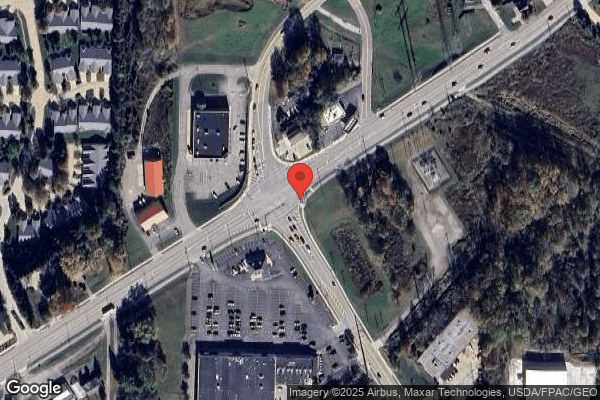
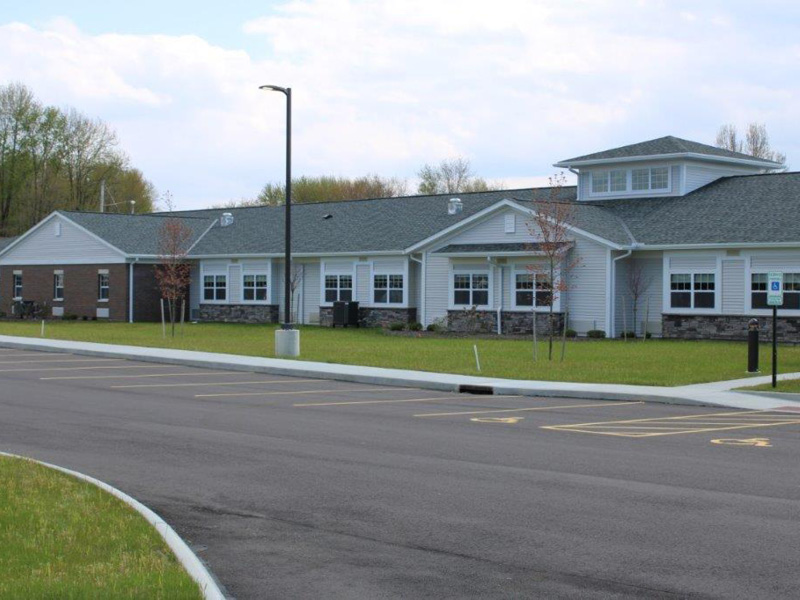
6200 LEAR NAGLE ROAD, NORTH RIDGEVILLE, OH 44039 (440) 412-7100
For profit - Corporation 103 Beds PROGRESSIVE QUALITY CARE Data: November 2025 1 Immediate Jeopardy citation
Trust Grade
33/100
#408 of 913 in OH
Last Inspection: February 2023

Over 2 years since last inspection. Current conditions may differ from available data.

Overview

Avenue at North Ridgeville currently holds a Trust Grade of F, indicating significant concerns about the quality of care provided, which is among the lowest possible ratings. It ranks #408 out of 913 nursing homes in Ohio, placing it in the top half of facilities statewide, but it is only #16 out of 20 in Lorain County, meaning there are better options nearby. While the facility is showing an improving trend, with issues decreasing from 15 in 2023 to 11 in 2024, it still faces serious challenges, including $68,390 in fines, which is higher than 86% of Ohio facilities, suggesting repeated compliance problems. Staffing is rated below average, with a turnover rate of 52%, but the facility does maintain average RN coverage, which is important for catching potential issues. Specific incidents of concern include a resident exiting the facility unsupervised, which posed a life-threatening risk, and another resident who suffered an unwitnessed fall that was not promptly addressed, leading to a serious injury. Overall, while there are some strengths, the significant issues present may raise concerns for families considering this nursing home.

Trust Score
F
33/100
In Ohio
#408/913
Top 44%
Safety Record
High Risk
Review needed
Inspections
Getting Better
15 → 11 violations
Staff Stability
⚠ Watch
52% turnover. Above average. Higher turnover means staff may not know residents' routines.
Penalties
⚠ Watch
$68,390 in fines. Higher than 97% of Ohio facilities. Major compliance failures.
Skilled Nurses
○ Average
Each resident gets 36 minutes of Registered Nurse (RN) attention daily — about average for Ohio. RNs are the most trained staff who monitor for health changes.
Violations
⚠ Watch
26 deficiencies on record. Higher than average. Multiple issues found across inspections.
★★★☆☆
3.0
Overall Rating
★★☆☆☆
2.0
Staff Levels
★★★★☆
4.0
Care Quality
★★★☆☆
3.0
Inspection Score
Stable
2023: 15 issues
2024: 11 issues

The Good

  • 4-Star Quality Measures · Strong clinical quality outcomes
  • Full Sprinkler Coverage · Fire safety systems throughout facility
  • No fines on record

Facility shows strength in quality measures, fire safety.

The Bad

3-Star Overall Rating

Near Ohio average (3.2)

Meets federal standards, typical of most facilities

Staff Turnover: 52%

Near Ohio avg (46%)

Higher turnover may affect care consistency

Federal Fines: $68,390

Well above median ($33,413)

Moderate penalties - review what triggered them

Chain: PROGRESSIVE QUALITY CARE

Part of a multi-facility chain

Ask about local staffing decisions and management

The Ugly 26 deficiencies on record

1 life-threatening 1 actual harm
Sept 2024 1 deficiency
MINOR (C) 📢 Someone Reported This

A family member, employee, or ombudsman was alarmed enough to file a formal complaint

Minor Issue - procedural, no safety impact

Staffing Information (Tag F0732)

Minor procedural issue · This affected most or all residents

Based on observation and staff interview, the facility failed to ensure daily staffing information was posted on 08/29/24. This had the potential to affect all 92 residents in the facility. Findings i...

Read full inspector narrative →
Based on observation and staff interview, the facility failed to ensure daily staffing information was posted on 08/29/24. This had the potential to affect all 92 residents in the facility. Findings include: On 08/29/24 at 11:38 A.M., observation of the daily staffing information posted at the front desk revealed it was dated 08/27/24. Further observation revealed the staffing information for 08/28/24 was tucked behind the sheet for 08/27/24 and there was no staffing information available for 08/29/24. Interview at the time of observation with the Administrator verified the posted staffing information was dated 08/27/24 and the staffing information for 08/29/24 was not available.
May 2024 2 deficiencies
CONCERN (D) 📢 Someone Reported This

A family member, employee, or ombudsman was alarmed enough to file a formal complaint

Potential for Harm - no one hurt, but risky conditions existed

Quality of Care (Tag F0684)

Could have caused harm · This affected 1 resident

**NOTE- TERMS IN BRACKETS HAVE BEEN EDITED TO PROTECT CONFIDENTIALITY** Based on observation, medical record review, hospital documentation review, and staff interview, the facility failed to ensure s...

Read full inspector narrative →
**NOTE- TERMS IN BRACKETS HAVE BEEN EDITED TO PROTECT CONFIDENTIALITY** Based on observation, medical record review, hospital documentation review, and staff interview, the facility failed to ensure surgical wound and wound drainage care was provided as ordered by a physician following re-admission to the facility. This affected one (#52) of three residents reviewed for wounds. The facility census was 93. Findings include: Review of Resident #52's medical record identified admission to the facility occurred on 11/16/23 with medical diagnoses including bipolar disorder, urine retention, multiple sclerosis, Alzheimer's disease, and neoplasm of the genital organs. Further review of the medical record revealed Resident #52 required hospitalization from 04/29/24 through 05/07/24 for a scrotal abscess that required incision and drainage surgery. Review of Resident #52's hospital discharge documentation dated 05/07/24 revealed physician orders, under the section for drain and tube care, for the resident to have a nurse change the Kerlix dressing (antimicrobial rolled dressing) twice a day with wet to dry and maintain a Penrose drain (a soft, flexible rubber tube that drains fluid away from a wound) to allow for continued discharge. Review of Resident #52's re-admission nursing assessment dated [DATE] at 5:48 P.M., revealed, under the skin condition section, revealed instructions for staff to indicate all body marks such as old and recent scars (surgical or other). Further review of the assessment revealed no assessment or indication the resident had a scrotal surgical wound or Penrose drain. Observation of Resident #52 occurred on 05/09/24 at 10:14 A.M. with assistance from State Tested Nurse Aide (STNA) #200. Resident #52 was observed in bed at the time of the observation and Resident #52's scrotal area was observed with a Penrose drain in place with no covering or dressing noted to the site. Review of Resident #52's treatment administration record (TAR) for May 2024 and current physician orders dated 05/07/24 following hospital discharge revealed no evidence of any dressing changes to the Penrose drainage tube. Interview with Licensed Practical Nurse (LPN) #400 on 05/09/24 at 10:32 A.M. stated she was told in report that morning Resident #52 had a sacral abscess and there was no mention of a drainage tube. LPN #400 confirmed there are no physician orders for a Penrose drain or dressing. LPN #400 also confirmed the Penrose drain was in the resident's scrotal area not sacral area. Observation of Resident #52 was completed with the Director of Nursing (DON) and the Administrator on 05/09/24 at 11:01 A.M. The DON confirmed Resident #52 had a scrotal incision site with a Penrose drain with no dressing in place. This deficiency is an example of continued noncompliance from the survey dated 04/09/24.
CONCERN (D) 📢 Someone Reported This

A family member, employee, or ombudsman was alarmed enough to file a formal complaint

Potential for Harm - no one hurt, but risky conditions existed

Medical Records (Tag F0842)

Could have caused harm · This affected 1 resident

**NOTE- TERMS IN BRACKETS HAVE BEEN EDITED TO PROTECT CONFIDENTIALITY** Based on observation, medical record review, hospital documentation review, and staff interview, the facility failed to ensure r...

Read full inspector narrative →
**NOTE- TERMS IN BRACKETS HAVE BEEN EDITED TO PROTECT CONFIDENTIALITY** Based on observation, medical record review, hospital documentation review, and staff interview, the facility failed to ensure resident re-admission and skin assessments were accurate. This affected one (#52) of three residents reviewed for wounds. The facility census was 93. Findings include: Review of Resident #52's medical record identified admission to the facility occurred on 11/16/23 with medical diagnoses including bipolar disorder, urine retention, multiple sclerosis, Alzheimer's disease, and neoplasm of the genital organs. Further review of the medical record revealed Resident #52 required hospitalization from 04/29/24 through 05/07/24 for a scrotal abscess that required incision and drainage surgery. Review of Resident #52's hospital discharge documentation dated 05/07/24 revealed physician orders, under the section for drain and tube care, for the resident to have a nurse change the Kerlix dressing (antimicrobial rolled dressing) twice a day with wet to dry and maintain a Penrose drain (a soft, flexible rubber tube that drains fluid away from a wound) to allow for continued discharge. Review of Resident #52's re-admission nursing assessment dated [DATE] at 5:48 P.M., revealed, under the skin condition section, revealed instructions for staff to indicate all body marks such as old and recent scars (surgical or other). Further review of the assessment revealed no assessment or indication the resident had a scrotal surgical wound or Penrose drain, not documentation of a suprapubic catheter, or skin impairment to the left side of the neck. Review of a facility skin assessment dated [DATE] for Resident #52 identified the resident had no skin issues. Observation of Resident #52 occurred on 05/09/24 at 10:14 A.M. with assistance from State Tested Nurse Aide (STNA) #200. Resident #52 was observed in bed at the time of the observation and Resident #52's scrotal area was observed with a Penrose drain in place with no covering or dressing noted to the site. Resident #52 was also observed with a large dressing dated 05/04/24 covering the left side of his neck down to the shoulder and a dressing in place around a suprapubic catheter tubing with dried red drainage noted. Interview with Licensed Practical Nurse (LPN) #400 on 05/09/24 at 10:32 A.M. confirmed the admission assessment dated [DATE] and the skin assessment dated [DATE] for Resident #52 both did not address the resident's surgical wound or Penrose drain, did not identify the resident's suprapubic catheter, and did not address the dressing over the left side of the resident's neck.
Apr 2024 6 deficiencies 1 Harm
SERIOUS (G) 📢 Someone Reported This

A family member, employee, or ombudsman was alarmed enough to file a formal complaint

Actual Harm - a resident was hurt due to facility failures

Quality of Care (Tag F0684)

A resident was harmed · This affected 1 resident

**NOTE- TERMS IN BRACKETS HAVE BEEN EDITED TO PROTECT CONFIDENTIALITY** Based on family and staff interviews, record review, review of hospital records, review of facility policy, and review of facili...

Read full inspector narrative →
**NOTE- TERMS IN BRACKETS HAVE BEEN EDITED TO PROTECT CONFIDENTIALITY** Based on family and staff interviews, record review, review of hospital records, review of facility policy, and review of facility fall investigations, the facility failed to ensure Resident #100 received adequate and timely care and treatment following an unwitnessed fall with major injury. Actual Harm occurred on 03/03/24 following an unwitnessed fall at 7:00 P.M. when the facility failed to adequately identify the resident's injury, treat the resident's pain, and timely obtain an x-ray for Resident #100, who, over the next few days, exhibited signs of pain (including verbal complaints of pain, facial grimacing and winching in pain during care and with movement). The Nurse Practitioner (NP) was notified of Resident #100's pain on 03/05/24 at 5:40 P.M. and ordered bilateral arm x-rays due to pain. The ordered x-rays were not obtained until the afternoon of 03/07/24, and results indicated a left arm fracture. The resident was subsequently transferred to the hospital on [DATE] at 4:40 P.M. for treatment where the resident was diagnosed with a markedly displaced fracture and the hospital questioned the facility as to why the resident wasn't sent to the hospital after the fall on 03/03/24. This affected one (Resident #100) of three residents reviewed for falls. The facility census was 96. Findings include: Review of the medical record for Resident #100 revealed an admission date of 03/03/24. Medical diagnoses included cerebrovascular accident (stroke) with residual right sided weakness, type II diabetes mellitus, and frequent falls. Resident #100 resided in the secured memory care unit. Resident #100 was transferred to a local hospital on [DATE] and did not return to the facility. Review of the Minimum Data Set (MDS) 3.0 Medicare 5-day and discharge return not anticipated assessment, dated 03/07/24, revealed Resident #100 had a Brief Interview for Mental Status (BIMS) score of a 00, indicating severely impaired cognition. Resident #100 was recorded as sometimes being understood and sometimes understanding. The assessment referenced Resident #100 required substantial/maximum assistance with activities of daily living and transfers. The resident was recorded as having one fall with major injury since admission to the facility. Review of Resident #100's physician's orders dated 03/03/24 revealed orders for aspirin 81 milligrams (mg) daily (a salicylate and platelet aggregation inhibitor that can cause easy bleeding and bruising) and clopidogrel 75 mg once daily (an antiplatelet medication that can cause easy bleeding and bruising). Review of Resident #100's plan of care revealed no baseline care plan had been implemented upon admission to the facility. A falls plan of care was initiated for Resident #100 on 03/04/24 after she had sustained the fall at the facility. Review of an incident report dated 03/03/24 at 7:00 P.M. revealed Resident #100 was seated with the nurse at the nurse's station when the nurse went to provide care to another resident in the dining room. The nurse heard Resident #100 fall and responded. The nurse assessed the resident and noted a quarter sized knot to the left side of her forehead. The nurse and an unnamed State Tested Nurse Aide (STNA) assisted Resident #100 back to her chair. The assessment noted neurological checks were initiated, and vital signs were within normal limits. The resident denied pain and had no signs or symptoms of distress. Notifications were completed to the physician and Resident #100's family. An intervention of a wheelchair change was completed, as the prior wheelchair's height was too high for Resident #100. An entry reflecting the fall was also recorded in Resident #100's interdisciplinary progress notes. Review of subsequent interdisciplinary progress notes dated 03/04/24 at 10:40 P.M. revealed Resident #100 continued neurological checks, with her forehead observed to have a dark purple color spot. Resident #100's range of motion was noted to be within normal limits without pain or discomfort. A subsequent progress note on 03/05/24 at 5:40 P.M. documented Resident #100 complained of bilateral arm pain and the facility nurse practitioner was notified, who ordered x-ray examinations to bilateral (both) arms. The progress note reflected family was notified of new orders. Review of a progress note dated 03/06/24 by Certified Nurse Practitioner (CNP) #250 revealed she assessed Resident #100 to be thin, frail, and in no visible distress. Her only skin condition was a bruise to the forehead. CNP #250 assessed Resident #100 to be confused and have right sided weakness. The assessment referenced CNP #250 was aware of Resident #100's recent fall and reports of bilateral arm pain and noted that x-rays were pending. Review of Resident #100's physician's orders revealed an order dated 03/05/24, transcribed by Registered Nurse (RN) #409, for bilateral arm x-rays. A second order dated 03/07/24, transcribed by RN #306, revealed an order for left upper extremity x-ray due to resident complaints of left arm pain. Review of Resident #100's radiology reports revealed only one report, dated 03/07/24, was present in the medical record. Resident #100 received an x-ray examination of her left upper extremity per mobile service at the facility on 03/07/24 and the report indicated an acute displaced supracondylar fracture of the left humerus. Review of Resident #100's medical record reflected only three skilled charting assessments since admission. These assessments were dated 03/05/24 at 1:54 P.M. (noted as incomplete), 03/06/24 at 4:36 P.M. and 03/06/24 at 9:41 P.M. and revealed on all three notes indicated Resident #100's skin condition as normal. There was no indication of the resident being post-fall or having any bruising or edema. Resident #100's musculoskeletal status was only noted to reflect the resident had a history of strokes with right sided weakness. Review of Resident #100's Medication Administration Record for March 2024 revealed pain was marked as Not Applicable or No pain on each shift from 03/04/24 to 03/07/24. There was no indication of what pain scale was used or how Resident #100's pain was assessed. Review of an interdisciplinary progress note dated 03/07/24 at 4:38 P.M. identified Resident #100 had an x-ray examination of her left arm which showed a possible fracture. The physician was called and ordered Resident #100 be sent to the local emergency room to be evaluated and treated. The note documented Resident #100's family was notified. Review of the local hospital records dated 03/07/24, revealed Resident #100 arrived at the local emergency department with a visible left arm injury. Initial reports recorded in the emergency department record indicated the hospital was told Resident #100 had a fall on 03/02/24, prior to arriving to the facility. A physical examination of Resident #100 revealed significant bruising above her left eye, forehead, and temporal region. Resident #100 was observed to have swelling and bruising over her left wrist, distal humerus, and pain upon range of motion of the left elbow. An x-ray examination completed at the hospital on [DATE] revealed a markedly displaced supracondylar fracture with suspected extension to the articular surface. The hospital records reflected multiple calls to unnamed staff at the facility who reported different versions of the events. The hospital first phoned the facility at 5:19 P.M. and was told Resident #100 fell out of bed on 03/03/24 but did not have any further details. The hospital then recorded a second call at 5:36 P.M. to Resident #100's family who verified Resident #100 did fall at the facility. An additional phone call made by the hospital to the facility to discuss the circumstances and details of the fall was made, with the hospital records questioning why Resident #100 was not immediately sent into the hospital as she had a fall on 03/03/24 on blood thinners and had a notable head injury. The facility staff communicated to the hospital Resident #100 fell at home on [DATE] prior to arriving to the facility, which was a noted contraindication to what the family had reported to the hospital. The hospital records noted a report was filed with local adult protective services. An interview conducted on 03/27/24 at 3:46 P.M. with a family member of Resident #100 revealed a concern related to Resident #100's care while at the facility. The family member stated Resident #100 fell on [DATE] shortly after admission and hit her head. They had requested for Resident #100 to be sent to the hospital for evaluation but was unsure why she was not sent. Resident #100's family member stated they visited her at the facility on 03/05/24 and assisted her in removing a sweater she was wearing, and Resident #100 winced in pain. The family member identified the arm looked obviously broken and was bruised. The family reported to the nurse on duty a concern related to her arm and were told the nurse would contact the physician and order an x-ray examination. The family denied that the nurse physically examined Resident #100 and they never heard any x-ray results until they phoned the facility on 03/07/24. There was a different nurse on duty who told them the x-ray never came and there was no results to report and she would check on it. Later that day, the family was notified that an x-ray was completed at the facility indicating a left upper arm fracture and Resident #100 would be going to the hospital. Resident #100's family member denied any communication or involvement in a plan of care for Resident #100 and denied that a summary of Resident #100's care needs had been provided to them. An interview on 03/28/24 at 11:09 A.M. with the Director of Nursing (DON) indicated Resident #100 did not return to the facility post-hospitalization. She was unsure of the reason Resident #100 chose not to return to the facility. An interview on 03/28/24 at 3:50 P.M. with State Tested Nurse Aide (STNA) #432 revealed she cared for Resident #100 while at the facility and recalled her having bruising to her arms. She additionally recalled Resident #100 being very frail and weak. An interview on 04/01/24 at 11:02 A.M. with Unit Manager (UM) #373 revealed she did not know Resident #100 as she was responsible for covering a different unit. UM #373 stated the facility is down a unit manager, and right now there is no unit manager for the memory care unit. UM #373 stated everyone tries to help out but there is not one designated manager overseeing or coordinating care on the memory care unit. An interview on 04/01/24 at 1:57 P.M. with STNA #350 revealed she cared for Resident #100 on multiple dates. She recalled her being in pain when her arms were moved while getting dressed. She specifically recalled the left arm appeared to hurt more than the right, she remembered Resident #100's left arm being stiff, difficult to move, and painful during activities of daily living. STNA #350 stated she had been told by an unnamed nurse on duty that stiff and painful was Resident #100's baseline. An interview on 04/01/24 at 2:05 P.M. with STNA #361 revealed she recalled caring for Resident #100 on multiple days. She recalled on the day Resident #100 went to the hospital, she was told to be careful while dressing her, and she dressed her slow and easy. When she went to move her left arm, she called out in pain. The nurse on duty, Registered Nurse (RN) #306, was already aware. Later that day, she went to the hospital because the left arm was broken. An interview on 04/02/24 at 9:42 A.M. with RN #306 revealed she admitted Resident #100 to the facility, and cared for her on the day she went to the hospital. She stated she received a call on that day from a family member of Resident #100 who stated they thought her arm was broken. RN #306 stated she looked at Resident #100's arm and it did not look purple or bruised, but when she went to move it the resident winced in pain. RN #306 stated the arm did not really look deformed, but she was guarding and cradling her left arm to protect it. RN #306 stated Resident #100 was still new, the staff didn't know her baseline or mannerisms yet and Resident #100 was aphasic (difficulty formulating language or speech) status post stroke. RN #306 stated she communicated with the hospital the best she could, but she was not in the facility when Resident #100 fell earlier in the week and did not have many details around the circumstances of Resident #100's fall. Attempts to reach RN #409 during the survey were unsuccessful. An interview on 04/02/24 at 11:29 A.M. with the DON revealed RN #409 did transcribe an order for Resident #100 to have arm x-rays on 03/05/24. The DON identified there was a delay in getting the x-ray completed as RN #409 was new and unfamiliar with the facility's process for ordering x-ray examinations. RN #409 attempted to call to order the examination, but the company only accepts online orders for STAT (urgent) examinations. The x-ray provider from the contracted company happened to be in the building on one of the next days providing in-servicing to staff and updated that they could not place orders that way. The DON indicated when RN #306 returned, she placed an order for the x-ray examination for Resident #100's arm and once the report came back the resident was sent to the hospital. The DON stated she was not aware of the delay in x-ray examinations until she happened upon the x-ray provider in the following days. The DON additionally identified that the nurse's should have been completing a 72-hour post-fall assessment each shift for 72 hours post fall and verified there was no post-fall assessments completed. Review of the policy titled, Fall Management, revised in December 2022 revealed the facility will provide an environment that is free from potential hazards. The Interdisciplinary Team will review falls routinely and reports of falls are monitored through the Quality Care Assurance process and routine meetings. The policy did not address what type of monitoring and for what duration residents require post-fall. Review of the policy titled, Resident Change in Condition, dated 07/28/22, revealed the facility will ensure staff provide timely and appropriate care and services when residents are experiencing a change in condition. The licensed nurse will take immediate action to ensure timely and appropriate care and services are met when a resident change in condition is identified. This deficiency represents non-compliance investigated under Complaint Numbers OH00152447, OH00152167, OH00152100, and OH00151975.
CONCERN (D) 📢 Someone Reported This

A family member, employee, or ombudsman was alarmed enough to file a formal complaint

Potential for Harm - no one hurt, but risky conditions existed

Deficiency F0637 (Tag F0637)

Could have caused harm · This affected 1 resident

**NOTE- TERMS IN BRACKETS HAVE BEEN EDITED TO PROTECT CONFIDENTIALITY** Based on observation, staff and resident interview, and record review, the facility failed to complete a Minimum Data Set (MDS) ...

Read full inspector narrative →
**NOTE- TERMS IN BRACKETS HAVE BEEN EDITED TO PROTECT CONFIDENTIALITY** Based on observation, staff and resident interview, and record review, the facility failed to complete a Minimum Data Set (MDS) 3.0 significant change assessment for a resident who sustained a significant decline in functional abilities following a fall with upper extremity fracture. This affected one (Resident #20) of ten residents reviewed for accuracy of assessments. The facility census was 96. Findings include: Review of the medical record for Resident #20 revealed an admission date of 06/02/22. Medical diagnoses included Sjogren syndrome, lack of coordination, muscle weakness, and a displaced fracture of the surgical neck of the left humerus. The resident sustained a fall with a left humerus fracture at the facility on 02/22/24. Review of an incident report dated 02/22/24 at 5:35 P.M. revealed Resident #20 sustained a fall after attempting to get up unassisted to walk to the bathroom. The resident landed on her left shoulder and did not hit her head. The nurse on duty was present outside of Resident #20's room and witnessed the fall. An x-ray was ordered and completed at the facility and indicated the resident had a fracture to her left upper extremity. She was transported to the local emergency department where the fracture was confirmed. Resident #20 had an unrelated hospitalization due to pneumonia from 02/27/24 to 03/03/24. The resident returned to the facility on [DATE]. Review of Resident #20's interdisciplinary progress notes revealed a noted dated 03/03/24 at 12:30 P.M. indicating that report was received from the receiving hospital and Resident #20 was en route back to the facility. The note referenced Resident #20 was seen by orthopedics while inpatient at the hospital and the left upper extremity sling was to remain in place, non-weight bearing to the left arm, as no surgical intervention had been indicated. The note additionally referenced Resident #20 had an indwelling urinary catheter that was to remain in place until 03/05/24 due to urinary retention. Review of Resident #20's physician's orders revealed an order dated 03/03/24 to remove Resident #20's indwelling urinary catheter on the night shift of 03/04/24 between 6 P.M. and 6 A.M. The resident had two separate orders, one dated 03/03/24 and one dated 03/10/24 to provide urinary catheter care every shift. Review of Resident #20's Medication Administration Record (MAR) and Treatment Administration Record (TAR) for March 2024 revealed the task of removing the indwelling urinary catheter was signed off and marked completed on the evening shift of 03/04/24 as scheduled by Licensed Practical Nurse (LPN) #429. The records also indicated beginning on 03/10/24, urinary catheter output was documented daily through the month of March 2024. Review of Resident #20's interdisciplinary progress notes referenced narrative notes on 03/12/24 and 03/26/24 stating Resident #20 had an indwelling urinary catheter to continuous drainage. There was no indication in the progress notes that the catheter was ever removed as ordered and re-inserted. There was no notation per nursing or the physician on why Resident #20 required the continued use of a urinary catheter. Review of Resident #20's MDS 3.0 Medicare 5-day assessment dated [DATE], revealed Resident #20 had a noted decline in her functional abilities since her prior MDS quarterly assessment dated [DATE]. The 03/10/24 assessment reflected Resident #20 required substantial/maximum assistance for upper body dressing, was dependent for lower body dressing, and was marked as not applicable for donning and doffing footwear. The resident was previously coded as able to do these three tasks with only partial/moderate assistance on the prior quarterly assessment dated [DATE]. Resident #20 was also noted to have had a significant decline in her mobility, with her ability to roll left and right, go from a sitting to a lying position, go from a lying to a sitting position, chair to bed transfers, and toilet transfers all coded as dependent on the 03/10/24 MDS, when she was previously able to complete the mobility tasks with only partial/moderate assist on the 01/12/24 MDS. In total, Resident #20 was observed to have a decline in three areas of activities of daily living and in six areas of mobility compared with the prior quarterly MDS assessment. The assessment dated [DATE] additionally referenced Resident #20 being occasionally incontinent of urine, when the resident continued to have an indwelling urinary catheter. Further review of MDS assessments revealed a significant change MDS was not completed. An interview on 04/02/24 at 10:45 A.M. with MDS Nurse #333 and MDS Nurse #345 stated they were unsure if Resident #20 had been evaluated by the interdisciplinary team as requiring a significant change in status assessment following her 02/22/24 fall with fracture but would check their records. They stated they were both unaware that Resident #20 continued to have an indwelling urinary catheter. A follow up interview on 04/02/24 at 3:01 P.M. with MDS Nurse #345 stated she had checked Resident #20's assessments and did not recognize a decline in functional abilities in more than two areas. MDS Nurse #345 then pulled up Resident #20's MDS assessments dated 01/12/24 and 03/10/24 and compared them side by side and verified Resident #20 had decline in more than two areas since her prior assessment. MDS Nurse #345 stated they would initiate a significant change assessment. MDS Nurse #345 additionally verified Resident #20 should have also been marked as having an indwelling urinary catheter on the 03/10/24 MDS. Review of the, Resident Assessment Instrument (RAI) Manual, revised in October 2023 revealed a significant change in status assessment is a comprehensive assessment that must be completed when the resident meets significant change guidelines. A significant change is a major decline or improvement that will not normally resolve itself without intervention by staff, the decline is not considered self-limiting, impacts more than one area of the resident's health and requires interdisciplinary review and/or revision of the care plan. The RAI manual provided additional instructions that a significant change should be completed if there were declines in two or more areas, of which can include, but was not limited to, any decline in an activity of daily living (ADL) physical functioning area (self-care or mobility) where the resident is newly coded as requiring more assistance and does not reflect normal fluctuations in that individual's functioning and the resident's incontinence patter changed or there was placement of an indwelling urinary catheter. This deficiency represents an incidental finding discovered during the course of the complaint investigation.
CONCERN (D) 📢 Someone Reported This

A family member, employee, or ombudsman was alarmed enough to file a formal complaint

Potential for Harm - no one hurt, but risky conditions existed

Deficiency F0655 (Tag F0655)

Could have caused harm · This affected 1 resident

**NOTE- TERMS IN BRACKETS HAVE BEEN EDITED TO PROTECT CONFIDENTIALITY** Based on interview, record review, and policy review, the facility failed to ensure a baseline care plan was developed and a sum...

Read full inspector narrative →
**NOTE- TERMS IN BRACKETS HAVE BEEN EDITED TO PROTECT CONFIDENTIALITY** Based on interview, record review, and policy review, the facility failed to ensure a baseline care plan was developed and a summary provided to Resident #100 and/or their representative. The facility also failed to ensure a summary of Resident #111's baseline plan of care was provided to the resident and/or their representative. This affected two (Residents #100 and #111) of four residents reviewed for care planning. The facility census was 96. Findings include: 1. Review of the medical record for Resident #100 revealed an admission date of 03/03/24. Medical diagnoses included cerebrovascular accident (stroke) with residual right sided weakness, type II diabetes mellitus, and frequent falls. Resident #100 was transferred to a local hospital on [DATE] and did not return to the facility. Review of the Minimum Data Set (MDS) 3.0 Medicare 5-day and discharge return not anticipated assessment, dated 03/07/24, revealed Resident #100 had a Brief Interview for Mental Status (BIMS) score of a 00, indicating severely impaired cognition. Resident #100 was recorded as sometimes being understood and sometimes understanding. The assessment referenced Resident #100 required substantial/maximum assistance with activities of daily living and transfers. The resident was recorded as having one fall with no injury and one fall with major injury since admission to the facility. Further review of Resident #100's medical record revealed no evidence that a baseline care plan had been developed or implemented with Resident #100's individualized goals and relevant healthcare information. Resident #100's electronic medical record revealed there was no admission care plan completed. There was no document in Resident #100's records to indicate any type of care conference or care planning meeting had taken place. A falls plan of care was initiated for Resident #100 on 03/04/24 after she had sustained a fall at the facility on 03/03/24. An interview on 03/27/24 at 3:46 P.M. with a family member of Resident #100 revealed Resident #100 resided at the facility for only a few days. The family had never been contacted by phone to participate in the development of Resident #100's baseline care plan, nor had a summary of Resident #100's plan of care provided to the family. The family member of Resident #100 stated they actually had attempted to phone the facility on multiple occasions and had difficulty getting the staff to answer the phone, and difficulty reaching the nurse on duty to receive updates on Resident #100's care. The family member of Resident #100 was unclear what the facility was doing to prevent future falls for Resident #100 and was unsure if or when she had received therapy. 2. Review of the medical record for Resident #111 revealed an admission date of 03/07/24. Medical diagnoses included a wedge compression fracture of the T5-T6 vertebra, adult failure to thrive, iron deficiency anemia, and anxiety. The resident was transferred to the hospital on [DATE] and did not return to the facility. Review of Resident #111's baseline care plan dated 03/07/24, revealed a baseline care plan was initiated for Resident #111 by the admitting nurse. There was no indication in the medical record that Resident #111 or their family had received a summary of the baseline care plan. An interview on 03/27/24 at 11:57 A.M. with a family member of Resident #111 revealed they were never contacted by the facility to participate in Resident #111's baseline care plan, nor were they offered or provided with a summary of the baseline plan of care. An interview on 04/01/24 at 11:02 A.M. with Unit Manager (UM) #373 revealed the admitting nurse is the one responsible to complete the baseline plan of care. UM #373 stated typically after that is completed, the facility schedules an admission care conference for approximately two weeks post-admission. If the family requests a copy of the care plan, one would be provided, but they are typically not automatically provided. UM #373 verified an baseline care plan was never initiated for Resident #100 and there was no evidence that a baseline care plan had been provided to the resident or representative of Residents #100 and #111. Review of the policy titled, Care Plan - Advanced Care Plan Process, revised December 2022, revealed the interdisiciplinary team will coordinate with the resident and/or their responsible party and will initiate an interim plan of care within 48 hours of the resident's admission. The interim care plan should include at minimum, the necessary healthcare information to properly care for a resident. The admission care plan assessment facilitates care until the comprehensive interdisciplinary plan of care is developed within 7 days after completion of the comprehensive assessment. This deficiency represents non-compliance investigated under Complaint Numbers OH00152167 and OH00152100.
CONCERN (D) 📢 Someone Reported This

A family member, employee, or ombudsman was alarmed enough to file a formal complaint

Potential for Harm - no one hurt, but risky conditions existed

Deficiency F0657 (Tag F0657)

Could have caused harm · This affected 1 resident

**NOTE- TERMS IN BRACKETS HAVE BEEN EDITED TO PROTECT CONFIDENTIALITY** Based on observation, staff and resident interview, and record review, the facility failed to ensure resident care plans were up...

Read full inspector narrative →
**NOTE- TERMS IN BRACKETS HAVE BEEN EDITED TO PROTECT CONFIDENTIALITY** Based on observation, staff and resident interview, and record review, the facility failed to ensure resident care plans were updated to reflect individualized and necessary components of the residents' care. This affected two (Residents #20 and #94) of ten residents reviewed for care plans. The facility census was 96. Findings include: 1. Review of the medical record for Resident #20 revealed an admission date of 06/02/22. Medical diagnoses included Sjogren syndrome, lack of coordination, muscle weakness, and a displaced fracture of the surgical neck of the left humerus. The resident was recorded to have had a fall with fracture with an overnight hospitalization from 02/23/24 to 02/24/24. The resident had a second hospitalization for pneumonia from 02/27/24 to 03/03/24. Review of the Minimum Data Set (MDS) 3.0 Medicare 5-day assessment dated [DATE], revealed Resident #20 to have a Brief Interview for Mental Status (BIMS) score of eight, indicative of moderately impaired cognition. Review of the incident report dated 02/22/24 at 5:35 P.M. revealed a nurse was outside Resident #20's room and heard the resident yell. As the nurse turned around, she observed the resident fall out of her recliner onto the floor, landing on her left shoulder. Resident #20 was not observed to hit her head, and stated she had been trying to get up to walk to the bathroom. The nurse assessed the resident for injuries and staff assisted her into the bed. The resident complained of pain to her left arm. The provider was contacted and ordered x-ray examination. An entry regarding the fall was also recorded in Resident #20's interdisciplinary progress notes. Review of Resident #20's interdisciplinary progress notes reflected a note dated 02/22/24 at 9:25 P.M. that x-ray results were reported to the facility's Nurse Practitioner, who gave an order for Resident #20 to be transferred to a local emergency room. Resident #20's family was notified and she was transferred to the hospital on [DATE]. An additional progress note dated 02/23/24 revealing Resident #20 returned from the hospital with a prescription for pain medication and an order to follow up with an orthopedic specialist. Subsequent progress notes identified Resident #20 was sent to the hospital on [DATE] where she was admitted to the hospital for possible pneumonia until 03/03/24 when she returned to the facility. A progress note dated 03/03/24 at 12:30 P.M. revealed Resident #20 was en route back to the facility for readmission. The progress note identified that an orthopedic specialist had seen Resident #20 while in the hospital and ordered a sling to her left upper extremity to remain in place, as no surgical intervention was indicated. The note stated Resident #20 was to remain non-weight bearing on the left arm and identified she had an indwelling urinary catheter in place for urinary retention that was to remain in until 03/05/24. Review of Resident #20's plan of care revealed a care plan focus of a left arm fracture initiated on 02/22/24, with listed interventions which included assist with ambulation and exercises as ordered by physical therapy, give analgesics as ordered and monitor response, sling to the left arm as MD ordered, and support involved limb when moving the resident. The care plan did not include a notation that Resident #20 was non-weight bearing to the left upper extremity. An additional care plan focus of bowel and bladder incontinence, initiated on 06/03/22 and revised on 06/28/22, referenced Resident #20 being frequently incontinent of bowel and bladder. There was no mention of Resident #20 having an indwelling urinary catheter or an indication for use of an indwelling urinary catheter. An observation and interview on 03/27/24 at 3:08 P.M. with Resident #20 and a visitor of Resident #20 revealed the resident had an indwelling urinary catheter since she returned back from the hospital. Both Resident #20 and her visitor denied the catheter having been removed and re-inserted. Subsequent observations on 03/28/24 at 9:15 A.M. and 04/02/24 at 6:22 A.M. revealed Resident #20 continued to have an indwelling urinary catheter in place. An interview conducted on 04/02/24 at 8:41 A.M. with State Tested Nurse Aide (STNA) #418 verified Resident #20 had her indwelling urinary catheter and a sling to her left upper arm since her return from the hospital in early March. An interview conducted on 04/02/24 at 8:47 A.M. with Licensed Practical Nurse (LPN) #421 verified Resident #20 has had the indwelling catheter since her return to the facility earlier in the month of March and it had not been removed. An interview on 04/02/24 at 9:51 A.M. with Unit Manager (UM) #373 revealed she had transcribed the order for Resident #20's catheter to be removed upon her return from the hospital. UM #373 stated she was unsure why she still had the urinary catheter and would have to check, as she thought it had been discontinued. UM #373 verified there should be orders and a care plan for the indwelling urinary catheter. An interview on 04/02/24 at 3:01 P.M. with MDS Nurse #345 revealed clarification had been received regarding Resident #20's urinary catheter, with the provider ordering the removal of the indwelling urinary catheter on 04/02/24, providing instruction to monitor the resident for her ability to void and provided instructions on re-insertion if unable to void for more than 24 hours. MDS Nurse #345 additionally relayed that an appointment was made for Resident #20 to see her orthopedic specialist on 04/04/24 at 1:00 P.M. with the facility transporting the resident to that appointment. MDS Nurse #345 verified Resident #20's plan of care was updated to reflect the sling but the catheter was not added to the care plan due to the order given by the provider to discontinue the indwelling urinary catheter. 2. Review of the medical record for Resident #94 revealed an admission date of 10/26/23. Medical diagnoses included displaced fracture of the first cervical vertebrae (neck fracture), dementia, muscle weakness, and a history of falls. Resident #94 sustained a fall on 03/09/24, was transferred to a local emergency department, and returned back to the facility the same day. Resident #94 had been receiving hospice services at the facility since admission. Review of the MDS 3.0 quarterly assessment dated [DATE], revealed Resident #94 to have a BIMS score of one, indicative of severely impaired cognition. Review of an incident report dated 03/09/24 at 11:09 A.M. revealed the nurse was summoned to Resident #94's room by an unnamed STNA. Resident #94 was observed on her back, on the floor between her bed and dresser. The resident was unable to provide a clear description of what happened. Resident #94 was assessed for injury with copious amounts of blood around her head. A second nurse provided assistance and applied pressure to head. Emergency medical services was summoned and Resident #94 was not moved until the squad arrived to transport Resident #94 to the hospital. The report indicated that multiple interventions were placed following the fall including a new mattress with a defined perimeter, fall mats, and a broda chair for positioning. Review of the interdisciplinary progress notes revealed Resident #94 returned to the facility on the same date of the fall, 03/09/24. Review of the hospital after visit summary dated 03/09/24, revealed Resident #94 had a fracture of her cervical spine (neck). Instructions were provided to keep the collar on her neck at all times, with explicit instructions Do NOT remove it! Review of Resident #94's physician orders revealed no order for a neck brace/collar in the resident's record. Review of Resident #94's care plan revealed a focus area dated 03/14/24, of having an alteration in her musculoskeletal status related to a fracture of her cervical vertebra status-post fall. Care planned interventions included anticipating and meeting needs, follow provider orders for weight bearing status, monitor for fatigue and signs of complications related to arthritis, and monitor and document risk for falls. The care plan contained no indication that Resident #94 was supposed to wear a neck brace. Observations on 03/28/24 at 9:21 A.M. revealed Resident #96 seated in her wheelchair eating breakfast in the dining room. Her neck brace was in place. An observation on 04/01/24 at 4:41 P.M. revealed Resident #96 seated in her wheelchair in the common lounge area. She had a neck collar/brace in place and appeared asleep. An interview on 04/01/24 at 4:46 P.M. with LPN #421 revealed Resident #96 had the neck brace since returning from the emergency department post-fall a few weeks ago. LPN #421 revealed Resident #96 is mostly compliant with wearing the neck brace, but does have impaired cognition related to dementia and sometimes she removes it or tries to wear it like a hat and staff have to assist in re-applying. LPN #421 stated she was unsure if there was an order but stated there should be and probably is in her physical paper chart. LPN #421 stated she works Resident #96's unit consistently so she is aware of the residents and the care needs. An interview on 04/02/24 at 9:51 A.M. with UM #373 verified there was no order transcribed into the electronic medical record for Resident #94's neck brace, nor was their documentation of staff consistently applying or checking to be sure the neck brace was in place. UM #373 verified there should have been an order for the neck brace. An interview on 04/02/24 at 3:01 P.M. with MDS Nurse #345 verified there was no indication of Resident #94's neck brace/collar included in the resident's care plan until it was added on 04/02/24. Review of the policy titled, Care Plan - Advanced Care Plan Process, revised in December 2022 revealed the interdisciplinary team will coordinate with the resident and their responsible party an appropriate plan of care for the resident's needs or wishes, specific to person-centered care based on the assessment and re-assessment process. This deficiency represents an incidental finding discovered over the course of the complaint investigation.
CONCERN (D) 📢 Someone Reported This

A family member, employee, or ombudsman was alarmed enough to file a formal complaint

Potential for Harm - no one hurt, but risky conditions existed

Incontinence Care (Tag F0690)

Could have caused harm · This affected 1 resident

**NOTE- TERMS IN BRACKETS HAVE BEEN EDITED TO PROTECT CONFIDENTIALITY** Based on observation, staff interview, resident interview, and policy review, the facility failed to remove an indwelling urinar...

Read full inspector narrative →
**NOTE- TERMS IN BRACKETS HAVE BEEN EDITED TO PROTECT CONFIDENTIALITY** Based on observation, staff interview, resident interview, and policy review, the facility failed to remove an indwelling urinary catheter as ordered and failed to provide justification for the continued use of the indwelling urinary catheter. This affected one (Resident #20) of one resident reviewed for urinary catheters. The facility census was 96. Findings include: Review of the medical record for Resident #20 revealed an admission date of 06/02/22. Medical diagnoses included Sjogren syndrome, lack of coordination, muscle weakness, and a displaced fracture of the surgical neck of the left humerus. The resident sustained a fall with a left humerus fracture at the facility on 02/22/24. Review of an incident report dated 02/22/24 at 5:35 P.M. revealed Resident #20 had a hospitalization for pneumonia from 02/27/24 to 03/03/24. The resident returned to the facility on [DATE]. Review of Resident #20's interdisciplinary progress notes revealed a noted dated 03/03/24 at 12:30 P.M. indicating Resident #20 had an indwelling urinary catheter that was to remain in place until 03/05/24 due to urinary retention. Review of Resident #20's physician's orders revealed an order dated 03/03/24 to remove Resident #20's indwelling urinary catheter on the night shift of 03/04/24 between 6 P.M. and 6 A.M. Resident #20 had two separate orders, one dated 03/03/24 and one dated 03/10/24 to provide urinary catheter care every shift. Review of Resident #20's Medication Administration Record (MAR) and Treatment Administration Record (TAR) for March 2024 revealed the task of removing the indwelling urinary catheter was signed off and marked completed on the evening shift of 03/04/24 as scheduled by Licensed Practical Nurse (LPN) #429. The records also indicated beginning on 03/10/24, urinary catheter output was documented daily through the month of March 2024. Review of Resident #20's interdisciplinary progress notes referenced narrative notes on 03/12/24 and 03/26/24 stating Resident #20 had an indwelling urinary catheter to continuous drainage. There was no indication in the progress notes that the catheter was ever removed as ordered and re-inserted. There was no notation per nursing or the physician on why Resident #20 required the continued use of an indwelling urinary catheter. Resident #20 had an additional care planned focus initiated on 06/03/22 and revised on 06/28/22, of being frequently incontinent of bowel and bladder. Care planned interventions included wearing briefs, toileting per request and as needed, and maintaining the call light in easy reach. The care plan contained no indication that Resident #20 had an indwelling urinary catheter. An observation and interview on 03/27/24 at 3:08 P.M. with Resident #20 and a visitor of Resident #20, revealed the resident had an indwelling urinary catheter since she returned back from the hospital. Both Resident #20 and her visitor denied the catheter having been removed and re-inserted. Subsequent observations on 03/28/24 at 9:15 A.M. and 04/02/24 at 6:22 A.M. revealed Resident #20 continued to have an indwelling urinary catheter in place. An interview conducted on 04/02/24 at 8:41 A.M. with STNA #418 verified Resident #20 had her indwelling urinary catheter since her return from the hospital in early March. An interview conducted on 04/02/24 at 8:47 A.M. with LPN #421 verified Resident #20 has had the indwelling catheter since her return to the facility earlier in the month of March and it had not been removed. An interview on 04/02/24 at 9:51 A.M. with Unit Manager (UM) #373 revealed she had transcribed the order for Resident #20's catheter to be removed upon her return from the hospital. UM #373 stated she was unsure why she still had the urinary catheter and would have to check, as she thought it had been discontinued. UM #373 verified there should be orders and a care plan for the indwelling urinary catheter. An interview on 04/02/24 at 3:01 P.M. with MDS Nurse #345 revealed clarification had been received regarding Resident #20's urinary catheter, with the physician ordering the removal of the indwelling urinary catheter on 04/02/24, providing instruction to monitor the resident for her ability to void and provided instructions on re-insertion if unable to void for more than 24 hours. This deficiency represents non-compliance investigated under Complaint Number OH00152447 and Complaint Number OH00151140.
CONCERN (E) 📢 Someone Reported This

A family member, employee, or ombudsman was alarmed enough to file a formal complaint

Potential for Harm - no one hurt, but risky conditions existed

Resident Rights (Tag F0550)

Could have caused harm · This affected multiple residents

**NOTE- TERMS IN BRACKETS HAVE BEEN EDITED TO PROTECT CONFIDENTIALITY** Based on observation, staff interview, record review, policy review, and review of a self-reported incident, the facility failed...

Read full inspector narrative →
**NOTE- TERMS IN BRACKETS HAVE BEEN EDITED TO PROTECT CONFIDENTIALITY** Based on observation, staff interview, record review, policy review, and review of a self-reported incident, the facility failed to ensure Resident #89 was treated with respect and dignity during care. Additionally, the facility failed to ensure privacy and dignity was provided to Resident #02 while toileting, and failed to ensure indwelling urinary catheter drainage bags were covered in a dignified manner for Residents #39 and #56. This affected four (Residents #89, #02, #39, and #56) of seven residents reviewed for activities of daily living and dignity. The facility census was 96. Findings include: 1. Review of the medical record for Resident #89 revealed an admission date of 03/23/24. Medical diagnoses included congestive heart failure, chronic obstructive pulmonary disease, iron deficiency anemia, and muscle weakness. Review of Resident #89's Minimum Data Set (MDS) 3.0 admission assessment dated [DATE], revealed the resident had a Brief Interview for Mental Status (BIMS) score of 15, indicating intact cognition. Resident #89 had no hallucinations or delusions, and was noted to have verbal behavioral symptoms towards others on one to three days during the seven-day lookback period. Resident #89 required substantial/maximum assistance with activities of daily living and was dependent on staff for transfers. Review of Resident #89's care plan dated 04/02/24, revealed Resident #89 was identified to have behaviors of yelling at staff and accusing staff of not providing him a meal tray. Care planned interventions included to anticipate the resident's needs, praise positive behavior, explain why behaviors are not appropriate, and intervene as necessary to protect the safety and rights of others. Review of the Self-Reported Incident (SRI) initiated on 04/03/24 and completed on 04/08/24, revealed the facility learned of Resident #89's care concerns via a review posted by a family member on a public website. The investigation stated there were specifically allegations of poor care related to changing of bed linens, a concern with the delivery of meal trays, and staff using profanity, with Registered Nurse (RN) #336 listed as the alleged perpetrator. The SRI investigation revealed the facility unsubstantiated the allegations indicating no abuse occurred. Review of a handwritten statement by RN #336 dated 04/04/24, revealed Resident #89 as constantly on his call light and would frequently yell and curse at staff. The statement indicated RN #336 walked into Resident #89's room and sternly stated, You will not speak to me or the staff in this manner and you will not say F off to me. The statement continued on that an unnamed State Tested Nurse Aide (STNA) then entered the room, took over the situation, with the resident heard stating he did not say those things. RN #336 then stated, Yes you did and continue to say these things clearly to all the staff. RN #336 then exited the room. Review of a statement by STNA #387 dated 04/04/24, revealed she entered Resident #89's room on 03/31/24 and RN #336 was in the room having a conversation with the resident that was somewhat argumentative. Resident #89 was heard using the F word several times towards RN #336, and RN #336 responded back that he would not tolerate being spoken to in that manner. RN #336 stated if the resident was not happy here he could initiate a discharge to another facility. Resident #89 responded with F you, to which RN #336 exited the room while stating F this. The statement concluded with STNA #387 identifying she stayed to assist Resident #89 in calming down prior to her departure from the room. An interview on 04/09/24 at 9:01 A.M. with Resident #89 revealed an interaction that occurred on 03/31/24. Resident #89 stated RN #336 cursed at him and treated him disrespectfully, stating F you during the interaction and You and your wife are nasty. Resident #89 felt offended and disrespected by the verbal interaction. An interview on 04/09/24 at 12:57 P.M. with RN #336 revealed he recalled the interaction with Resident #89 on 03/31/24. RN #336 stated he would frequently care for Resident #89 and when he would answer his call light Resident #89 would respond with a F you statement. RN #336 stated on 03/31/24, he had enough, he was frustrated, and he told Resident #89 he was, Tired of the 'F you' and 'F them' responses, and that Resident #89's negative treatment of staff had to stop. RN #336 stated Resident #89 continued to curse and yell and mistreat staff, and finally he exited the room when STNA #387 entered the room. RN #336 verified he was frustrated and may have said F this when leaving the room, but he was not for sure. RN #336 stated he was told by an unknown staff member that he cannot curse at residents, he verified it was disrespectful, but was tired of being treated poorly when he aimed to help Resident #89. An interview on 04/09/24 at 1:41 P.M. with STNA #387 recalled the incident from 03/31/24 with Resident #89 and RN #336. STNA #387 recalled the resident initiating a verbal altercation, but RN #336 became increasingly frustrated and 'lost his cool' with Resident #89. STNA #387 did not believe RN #336 intended to become aggressive or inappropriate with the resident, but he did curse around the resident, stating the F word multiple times. An interview on 04/09/24 3:41 P.M. with the Administrator verified RN #336's interaction with Resident #89 did not meet the facility's customer service expectations. The Administrator stated it was never appropriate to curse in front of or at residents and RN #336 should have excused himself from the room instead of continuing to engage with Resident #89 while he was upset. The Administrator verified RN #336 needed and will receive additional customer service training. 2. Review of the medical record for Resident #02 revealed an admission date of 02/28/24. Medical diagnoses included Alzheimer's disease, chronic obstructive pulmonary disease, congestive heart failure, unsteadiness on feet, and muscle weakness. Review of Resident #02's Minimum Data Set (MDS) 3.0 assessment dated [DATE], revealed the resident had a BIMS score of three, indicative of severely impaired cognition. Resident #02 required partial/moderate assistance with toileting hygiene and toilet transfers. An observation on 04/01/24 at 9:25 A.M. revealed Resident #02 repeatedly yelling help me, help me, help me. Resident #02's call light was activated and ringing outside of the room. The door to Resident #02's room was open, as was the door to his bathroom, where Resident #02 was nude and seated on the toilet and clearly visible from the hallway. A continuous observation for 10 minutes was made of Resident #02 yelling out for help, attempting to stand up, and no staff members visible in the long corridor or the nurse's station across from Resident #02's room. The call light was answered at 9:35 A.M. by State Tested Nurse Aide (STNA) #367 who closed the door after he entered Resident #02's room. A follow up interview with STNA #367 on 04/01/24 at 9:42 A.M. upon exiting the resident's room, revealed he answered Resident #02's call light as fast as he could after he finished up with another resident's care. STNA #367 verified he had left Resident #02's door open to the room and the bathroom, and Resident #02 was not provided privacy while toileting. An interview on 04/02/24 at 9:51 A.M. with Unit Manager (UM) #373 stated privacy should be provided to residents when toileting and the door to either the room or the bathroom should have been closed for Resident #02. 3. Review of the medical record for Resident #39 revealed an admission date of 10/28/23. Medical diagnoses included neurocognitive disorder with lewy bodies, type II diabetes mellitus, obstructive uropathy, and muscle weakness. Review of Resident #39's MDS 3.0 quarterly assessment dated [DATE], revealed Resident #39 had a BIMS score of three, indicating severely impaired cognition. The assessment reflected he had an indwelling urinary catheter. An observation on 03/28/24 at 2:48 P.M. revealed Resident #39 seated in his wheelchair in the 200-hallway lounge area. His urinary catheter drainage bag was observed to extend out of the right side of his pant leg and was hanging beneath the wheelchair. The drainage bag was uncovered and approximately 350 milliliters (ml) of amber colored urine was visible in the tubing and urinary drainage bag. An interview on 03/28/24 at 2:59 P.M. with STNA #374 verified Resident 39's catheter bag was uncovered and should have had a privacy cover on the drainage bag. A subsequent observation on 04/09/24 at 12:14 P.M. revealed Resident #39 seated in his wheelchair in the 200-hallway lounge area. Five other residents were present in the lounge area. Resident #39's urinary catheter drainage bag was extended out of the right side of his pant leg and was hanging beneath the wheelchair. The drainage bag was uncovered and revealed approximately 300 ml of yellow urine in the drainage bag. Licensed Practical Nurse (LPN) #365 verified the finding at the time of observation and stated the urinary catheter drainage bag should be covered for dignity. 4. Review of the medical record for Resident #56 revealed an admission date of 11/29/23. Medical diagnoses included multiple sclerosis, Alzheimer's disease with late onset, neuromuscular dysfunction of the bladder, and muscle weakness. Review of Resident #56's MDS quarterly assessment, dated 01/01/24, revealed Resident #56 had a BIMS score of three, indicating severely impaired cognition. The assessment reflected he had an indwelling urinary catheter. An observation on 03/28/24 at 2:55 P.M. revealed Resident #56 seated in his wheelchair next to Resident #39 in the 200-hallway common area. Resident #56's urinary drainage bag was connected to the side of his wheelchair and was uncovered, with yellow urine visible in the urinary drainage bag. There were three other residents seated in the 200-hallway lounge area and various staff and family members who were present in the hallways. An interview on 03/28/24 at 2:59 P.M. with STNA #374 verified Resident #56's catheter bag was uncovered and should have had a privacy cover on the drainage bag. An interview on 04/02/24 at 9:51 A.M. with UM #373 verified privacy covers should be in place for urinary drainage bags, and typically the facility carried urinary drainage bags with built in privacy covers. Review of the policy titled, Resident Rights, revised in October 2017, revealed the facility's practice is to assure the resident's personal dignity, well-being, and self determination is maintained. This deficiency represents non-compliance investigated under Master Complaint Number OH00152660.
Feb 2024 2 deficiencies 1 IJ
CRITICAL (J) 📢 Someone Reported This

A family member, employee, or ombudsman was alarmed enough to file a formal complaint

Immediate Jeopardy (IJ) - the most serious Medicare violation

Accident Prevention (Tag F0689)

Someone could have died · This affected 1 resident

**NOTE- TERMS IN BRACKETS HAVE BEEN EDITED TO PROTECT CONFIDENTIALITY** THIS IS AN INCIDENCE OF PAST NON-COMPLIANCE THAT WAS SUBSEQUENTLY CORRECTED PRIOR TO THIS SURVEY. Based on observation, intervie...

Read full inspector narrative →
**NOTE- TERMS IN BRACKETS HAVE BEEN EDITED TO PROTECT CONFIDENTIALITY** THIS IS AN INCIDENCE OF PAST NON-COMPLIANCE THAT WAS SUBSEQUENTLY CORRECTED PRIOR TO THIS SURVEY. Based on observation, interviews with staff and local police officers, review of medical records, review of the facility's investigation, review of data from the Weather Underground website, and review of the facility policy for elopement, the facility failed to ensure one resident (Resident #38) with diagnoses of dementia, mild cognitive impairment, age related cognitive decline, multiple sclerosis (MS) and lack of coordination did not walk away from the facility unsupervised and without staff knowledge. This resulted in Immediate Jeopardy and the potential for serious life-threatening harm, injury and/or death when on 07/30/23 at 5:38 P.M., Resident #38 exited through the front door, without staff knowledge, after following another resident's family member out the door which required a code to be entered to exit. Resident #38 was subsequently located in a shopping plaza parking lot after the police received a concerned citizen call at 7:39 P.M. indicating there was an individual who appeared disoriented and was having difficulty ambulating. The police brought Resident #38 back to the facility at 7:50 P.M. at which time she was identified as a facility resident. This affected one (#38) of three residents reviewed for elopement risk of eight sampled residents selected for review during the complaint investigations. The facility identified a total of 24 residents (#2, #9, #14, #24, #34, #51, #55, #59, #65, #70, #73, #84, #87, #88, #89, #92, #95, #96, 97, #98, #99, #100, #101 and #102) as being an elopement risk. The facility census was 102. On 02/06/24 at 3:36 P.M., the Administrator and Regional Registered Nurse (RRN) #301 were notified Immediate Jeopardy began on 07/30/23 at 5:38 P.M. when Resident #38, who had diagnoses of dementia, mild cognitive impairment, age related cognitive decline and lack of coordination walked away from the facility unsupervised and without staff knowledge. Resident #38 was located in a shopping plaza parking lot and returned to the facility by police after a concerned citizen call was received by the local police department on 07/30/23 at 7:39 P.M. indicating there was an individual who appeared disoriented and was having difficulty ambulating in a parking lot. The resident was returned to the facility by the police at 7:50 P.M., approximately two hours after she had eloped from the facility unsupervised and unknown to staff that she was missing. The progress note dated 07/30/23 timed at 7:50 P.M. authored by Licensed Practical Nurse (LPN) #205 revealed LPN #205 received a phone call from another nurse stating Resident #38 was found by the police. LPN #205 made his way outside; however, the police had already dropped Resident #38 off at the facility and left. Resident #38 was without signs of injury and appeared to be overjoyed, dancing and celebrating that she was able to get out. While laughing, Resident #38 stated one of the family members here let me out, he probably thought I was also a family member. Resident #38 was unable to state when she had left the facility; she said she had breakfast at the facility but not lunch. When asked why she left the facility, Resident #38 stated she was tired of looking at the four walls, it felt like a prison, and she did not regret getting out for some fresh air. Resident #38 returned with shopping bags from a local dollar store that included cookies and picture frames. Review of the progress note dated 07/31/23 timed at 7:40 A.M. authored by Nurse Practitioner (NP) #297 revealed she was notified Resident #38 had left the building, went shopping and returned hours later with energy drinks. The note indicated Resident #38 did not recall going shopping. On 07/31/23, the resident was transferred to the secured memory care unit. The Immediate Jeopardy was removed on 08/02/23 when all residents were re-assessed for their elopement risk and care plans updated as warranted for all residents identified as being at risk for elopement. The deficiency remained at Severity Level 2 (no actual harm with the potential for more than minimal harm that is not immediate jeopardy) until it was corrected on 09/21/23 when the facility implemented the following corrective actions: • On 07/30/23 at 7:50 P.M., Resident #38 was returned to the facility by the local police and was assessed by nursing staff with no signs of injury. • Beginning 07/30/23 at 8:00 P.M., the Administrator began educating all staff on the elopement policy, emergency door codes, not sharing door codes with families, reporting malfunctioning doors to maintenance, staff members to use the rear entrance, use of radios for elopement event, updating door map locations, and calling the Administrator and DON to report an event. Agency staff received education prior to the start of their shifts. Review of an employee roster dated 07/30/23 - 08/01/23 revealed the Administrator placed check marks by each employee name indicating he had provided the staff person the education either via phone or in person and the date the education had been provided. The document indicated all staff had received the training by 08/01/23 at 5:00 P.M. Interviews with staff members across all shifts on 02/14/24 through 02/15/24 confirmed they had received education on elopement policies and procedures by the Administrator. Each staff member was knowledgeable regarding the current policies and procedures. • On 07/31/23, the Corporate Director of Clinical Services #415 re-educated the Administrator and the Director of Nursing (DON) on elopement policies and procedures including assessment, identification, monitoring and managing residents at risk for elopement. Review of education acknowledgement documentation dated 07/31/23 confirmed the signatures of the Administrator and DON indicating receipt of the training. • Review of a document titled Door Audits for Alarms Checks for Pressure and Release Checks revealed documentation random door audits were completed by the Administrator for a four-week period from 07/31/23 through 09/14/23 with no concerns noted. • From 07/31/23 through 12/31/23, monthly elopement drills were completed by Maintenance Director #224. Review of the elopement drill documentation revealed on 07/31/23 an elopement drill was completed at 10:30 A.M., 08/30/23 an elopement drill was completed at 8:00 P.M., and on 09/21/23 an elopement drill was completed at 2:00 A.M. indicating each shift had completed an elopement drill with no concerns noted. • From 08/01/23 through 08/02/23, all residents were re-assessed for their elopement risk by the Assistant Director of Nursing (ADON), Minimum Data Set (MDS) Nurse #221 and Unit Manager #222. Medical record review on 02/12/24 confirmed elopement risk assessments were completed, and care plans updated as warranted for all residents identified as being at risk for elopement. • On 08/02/23, a Quality Assessment and Assurance (QAA) meeting was held that included the Administrator, DON, ADON, Housekeeping Supervisor #416, Maintenance Director #224, Social Services Designee #425, Central Supply Department Head #428, Admissions Director #426, Marketing Director #427, Therapy Director #417, Minimum Data Set (MDS) Nurse #292, Human Resources #41, Pharmacy Consultant #430, Business Officer Manager #429 and Medical Director #420. At this meeting the corrective action plan for Resident #38's elopement was presented by the Administrator and approved. Review of the sign in sheet for the meeting confirmed attendance. • On 08/09/23, the Administrator provided education to families regarding the changing of the door codes and the need to be vigilant that residents were not following visitors out of the building. The administrator posted a sign on the front entrance door for families that were not present at the meeting. Review of an education sign in sheet confirmed families and residents were in attendance. Findings include: Review of the medical records for Resident #38 revealed an admission date of 07/02/21. Diagnoses included dementia, mild cognitive impairment, age related cognitive decline, lack of coordination, multiple sclerosis (MS), anxiety, bipolar, depression, falls, weakness and unsteadiness on feet. Review of Minimum Data Set (MDS) assessment dated [DATE] revealed Resident #38 had impaired cognition, required supervision with ambulation and assistance of one staff for toileting and personal hygiene. The assessment indicated Resident #38 had no behaviors. Review of the elopement assessment dated [DATE] timed at 9:40 P.M. revealed Resident #38 was at risk for elopement. Review of the progress note dated 07/30/23 timed at 7:50 P.M. authored by Licensed Practical Nurse (LPN) #205 revealed LPN #205 received a phone call from another nurse stating Resident #38 was found by the police. LPN #205 made his way outside; however, the police had already dropped Resident #38 off at the facility and left. Resident #38 was without signs of injury and appeared to be overjoyed, dancing and celebrating that she was able to get out. While laughing, Resident #38 stated one of the family members here let me out, he probably thought I was also a family member. Resident #38 was unable to state when she had left the facility; she said she had breakfast at the facility but not lunch. When asked why she left the facility, Resident #38 stated she was tired of looking at the four walls, it felt like a prison, and she did not regret getting out for some fresh air. Resident #38 returned with shopping bags from a local dollar store that included cookies and picture frames. Resident #38's guardian, alternate contact, unit manager and DON were notified. Review of the progress note dated 07/31/23 timed at 7:40 A.M. authored by Nurse Practitioner (NP) #297 revealed she was notified Resident #38 had left the building, went shopping and returned hours later with energy drinks. The note indicated Resident #38 did not recall going shopping. Review of the progress note dated 07/31/23 timed at 3:17 P.M. revealed Resident #38 was transferred to the secured memory care unit. Review of the elopement assessment dated [DATE], which was completed to determine if it was appropriate to transfer Resident #38 back to the unit she previously resided on because she was not adjusting well to the secured memory care environment, revealed Resident #38 was not at risk for elopement. Review of the care plan dated 10/04/23 revealed Resident #38 had impaired self-care abilities related to MS and dementia diagnoses. Interventions included provide cues to use walker during ambulation, supervise transfers and toileting, and assistance of one staff for dressing. Resident #38 had periods of bowel and bladder incontinence. Interventions included check for incontinence every two hours and as needed. Resident #38 had communication deficits related to dementia. Interventions included do not rush and allow time to process information, speak directly to the resident in a clear voice and ask simple yes/no questions and allow adequate time to respond. Resident #38 was at risk for falls related to MS diagnosis and poor safety awareness. Interventions included remind to utilize walker for ambulation. Resident #38 had dementia. Interventions included reorienting resident to unit as needed. Resident #38 was at risk for elopement related to dementia and impaired thought process with history of exit seeking behaviors (this was not in line with the elopement assessment dated [DATE] which indicated Resident #38 was not at risk for elopement). Interventions included escorting resident outside for a walk as needed, provide 1:1 as needed, and document attempts to leave the facility unattended. Review of the progress note dated 10/05/23 timed at 4:02 P.M. revealed Resident #38 was moved from the secured memory care unit to the 200 Hall. Review of the progress note dated 10/31/23 timed at 9:19 P.M. revealed Resident #38 activated a door alarm on the 200 Hall. Resident #38 was observed repeatedly pushing and slamming her shoulder into the door. The progress note did not indicate staff response or if Resident #38 was easily redirected. Interview on 02/05/24 at 11:10 A.M. with Resident #38 revealed Resident #38 was confused and unable to recall leaving the facility. Resident #38 did not know the current month or the day of the week. Interview on 02/05/24 at 11:15 A.M. with LPN #202 revealed she was the assigned nurse for Resident #38 on 07/30/23 from 6:00 A.M. to 6:00 P.M. LPN #202 stated Resident #38 was not alert and oriented and was confused at times with fixated behaviors. Resident #38 ambulated with a walker. LPN #202 recalled administering medications to Resident #38 sometime between 2:00 P.M. and 4:00 P.M. and when she left the facility at approximately 6:00 P.M. she was not aware Resident #38 was not present. LPN #202 said upon her return to work a few days later she was informed Resident #38 had left the facility. LPN #202 was not aware of the details as to what occurred. Interview on 02/05/24 at 12:00 P.M. with STNA #240 revealed she was present on 07/30/23 but she was working on another unit. STNA #240 was aware Resident #38 had left the facility and thought she had been gone for possibly two hours. STNA #240 spoke with Resident #38 after the incident and Resident #38 told her she followed a family member out of the building and went to a restaurant and the dollar store. STNA #240 stated the restaurant and dollar store were approximately a five-minute walk for the average person; however, due to Resident #38's MS it could have taken her longer to get to the location. STNA #240 stated Resident #38 did not adjust well to the surroundings of the secured memory care unit and after a few months she was moved back to the 200 Hall. Telephone interview on 02/05/24 at 1:50 P.M. with a staff member who wished to remain anonymous due to fear of retaliation revealed the staff member was present on the evening of 07/30/23. The staff member received a phone call from the local police department asking if the facility was missing a resident. The description that was provided sounded like Resident #38. The police arrived at the facility and the anonymous staff member, and another staff member identified Resident #38. Resident #38 did not appear to have any injuries and was confused when she arrived. Interview on 02/05/24 at 3:55 P.M. with the Administrator and DON revealed an investigation related to the elopement of Resident #38 was not completed; however, the Administrator had asked staff members some questions. The Administrator stated he was informed Resident #38 had a bout of confusion at the dollar store while reaching for her wallet to pay for her items; however, the Administrator was unable to state who had reported Resident #38 appearing to be confused at the dollar store. The Administrator stated he was unable to determine what time Resident #38 had left the facility. He did state it may have been late afternoon, possibly around dinner time. The Administrator stated local police informed the facility Resident #38 had been located outside of the facility and had she not been found by the police the nurse would have realized she was missing when medications were administered. The DON stated she was not employed at the facility during the event and was not aware of the details related to Resident #38's elopement. Telephone interview on 02/06/24 at 7:33 A.M. with LPN #205 revealed he was the assigned nurse for Resident #38 on 07/30/23 from 6:00 P.M. until 6:00 A.M. When LPN #205 arrived on duty he was not aware Resident #38 was not present in the building and during his evening medication pass (could not recall time), he went to Resident #38's room and she was not present. LPN #205 looked for Resident #38 in the library because she often sat in there, but she was not in the library. Sometime later (unable to recall time) he was notified by STNA #230 the police dropped Resident #38 off at the facility. LPN #205 spoke with Resident #38 upon her return and Resident #38 told him she had seen another resident's family exiting the facility and she had taken the chance and left. LPN #205 stated Resident #38 appeared happy and was dancing when she returned saying she was happy she got out. LPN #205 stated Resident #38 was confused at times and ambulated with a walker. Telephone interview on 02/06/24 at 7:43 A.M. with STNA #237 revealed she was present on 07/30/23 from 6:00 P.M. to 6:00 A.M., but she was not assigned to Resident #38. Approximately an hour or two into her shift STNA #230 received a phone call from the police regarding a missing resident. Based on the description the police had given, STNA #230 identified it was Resident #38. STNA #237 and STNA #230 met the police at the door and assisted Resident #38 back into the building. Resident #38 told STNA #237 she went to a restaurant to get a few drinks. Resident #38 also told STNA #237 she left sometime after lunch. STNA #237 described Resident #38 as being pleasantly confused and ambulatory with a walker. Telephone interview on 02/06/24 at 10:46 A.M. with Police Officer (PO) #400 revealed he and another officer received a call about an individual who was disoriented and stumbling in a parking lot. PO #400 did not respond to the call; the other officer was the responding officer. PO #400 had been advised the individual was unable to state her name but was able to state the name of the facility she resided at but did not know how to get back to the facility. PO #400 stated the other officer took Resident #38 to the facility and staff identified her as being a resident at the facility. Interview on 02/06/24 at 12:17 P.M. with the ADON revealed Resident #38 was placed on the secured memory care unit following the elopement but had not adjusted well. The ADON spoke with Resident #38 and her guardian. Resident #38 promised she would not leave the facility again. Resident #38 and the guardian were in agreement that Resident #38 could be moved back to her previous unit on the 200 Hall. A follow up interview on 02/06/24 at 1:19 P.M. with the Administrator and DON revealed the Administrator was unable to locate the incident number that had been given by the police officer. The Administrator again stated he had not completed an official investigation; however, he had spoken with staff about the incident. A telephone interview on 02/06/24 at 1:47 P.M. with STNA #300 revealed he was not present on 07/30/23 because he had called off work due to illness. STNA #300 stated the next morning he was told by the evening shift STNA that Resident #38 had left the facility. Observation and interview of Resident #38 on 02/07/24 at 8:50 A.M. revealed she had not had breakfast and she would like to go to the dining room. Resident #38 put her shoes on, obtained her rollator walker and exited her room. Resident #38 was unable to state where the dining room was located. As Resident #38 attempted to locate the dining room she walked with a shuffling gait. Review of the facility investigation which was provided on 02/07/24 at 1:18 P.M. revealed the following: • A statement dated 07/30/23 authored by the Administrator indicating he was notified by the nursing staff Resident #38 was returned to the facility at approximately 7:30 P.M. by the local police department. Resident #38 was placed on 1:1 supervision at time of return. • A statement dated 07/30/23 given by Resident #38 revealed she wanted to go outside and take a walk because it was nice and sunny out. Resident #38 had money and wanted to go to the dollar store to purchase some snacks and other things. Resident #38 stated she went from Point A to Point B and no sooner had she arrived than the police came to bring her back. When asked what time she went to the store she said after dinner, before 6:00 P.M. • A statement dated 07/31/23 by Dietary Aide (DA) #298 revealed he delivered a dinner meal to Resident #38 on 07/30/23 between approximately 5:00 P.M. and 5:15 P.M. • A statement dated 07/31/23 authored by Maintenance #224 and the Administrator revealed camera footage was reviewed and Resident #38 was observed exiting the facility at approximately 5:38 P.M. Resident #38 followed visiting family members out of the building. • A statement dated 08/01/23 authored by Receptionist #299 revealed the receptionist did not observe Resident #38 exiting the facility during her shift on 07/30/23 which ended at 4:15 P.M. • A timeline of events that indicated at 4:15 P.M. Receptionist #299 verified Resident #38 was present in the building, and at 5:15 P.M. DA #298 served Resident #38 dinner. Resident #38 left the facility at 5:38 P.M. using her rollator [walker]. At approximately 5:50 P.M. State Tested Nursing Assistant (STNA) #248 observed Resident #38 walking around in the facility parking lot. The timeline indicated Resident #38 was out of the facility for a maximum of one hour and 48 minutes. A telephone interview on 02/07/24 at 5:31 P.M. with another staff member who wished to remain anonymous due to fear of retaliation, revealed administrative staff had not asked the staff about the incident prior to 02/07/24. The anonymous staff member received a call on 02/07/24 from a corporate office staff asking if she had observed Resident #38 outside of the building on 07/30/23. The anonymous staff told the corporate office staff when she arrived at the facility at approximately 5:50 P.M. on the evening of 07/30/23, she observed an individual outside on the sidewalk in front of the facility with a walker; however, the anonymous staff member could not identify that individual. The anonymous staff member did not provide a written statement. A follow up telephone interview on 02/08/24 at 10:33 A.M. with STNA #300 (the STNA who previously indicated he called off the day of the incident) revealed he had been present on 07/30/23 but he was unable to recall specific information regarding Resident #38. Interview on 02/08/24 at 10:46 A.M. with Maintenance Director (MD) #224 revealed on the morning of 07/31/23 he and the Administrator reviewed camera footage and observed Resident #38 exiting the facility. MD #224 was unable to recall the time Resident #38 exited the facility but did recall the footage showed she had exited behind another resident's family. Interview on 02/08/24 at 11:02 A.M. with DA #298 revealed he observed Resident #38 in the dining room on the evening of 07/30/23 and served Resident #38 dinner between 5:00 P.M. and 5:15 P.M. DA #298 stated he was told Resident #38 left the facility shortly after DA #298 served her meal and that she exited behind a family member. Telephone interview on 02/08/24 at 11:25 A.M. with PO #401 revealed he responded to a call for concerns regarding a disoriented individual in a parking lot of a shopping plaza on 07/30/23 at 7:39 P.M. PO #401 stated upon arrival the individual appeared to be confused. The individual was able to state where she lived but did not know how to get there. PO #401 took the individual to the facility where staff identified her as a resident, and he departed the facility at 7:50 P.M. Review of the Weather Underground website (httpps://www.wunderground.com) data revealed on 07/30/23 the temperature was between 78-82 degrees Fahrenheit (F), with fair conditions. Review of facility policy titled Elopement revised August 2022 revealed a detailed investigation would be completed by the Administrator and DON. An incident report would be completed, staff interviews would be gathered and interventions to prevent further incidents were to be implemented. This deficiency represents non-compliance investigated under Complaint Number OH00149915.
CONCERN (F) 📢 Someone Reported This

A family member, employee, or ombudsman was alarmed enough to file a formal complaint

Potential for Harm - no one hurt, but risky conditions existed

Deficiency F0729 (Tag F0729)

Could have caused harm · This affected most or all residents

**NOTE- TERMS IN BRACKETS HAVE BEEN EDITED TO PROTECT CONFIDENTIALITY** Based on interview and personnel file review, the facility failed to ensure all State Tested Nursing Assistants met the competen...

Read full inspector narrative →
**NOTE- TERMS IN BRACKETS HAVE BEEN EDITED TO PROTECT CONFIDENTIALITY** Based on interview and personnel file review, the facility failed to ensure all State Tested Nursing Assistants met the competency verification requirements. This had the potential to affect all residents residing in the facility. The facility census was 102. Findings include Interview on [DATE] at 12:00 P.M. with State Tested Nursing Assistant (STNA) #240 revealed she had worked with Dietary Aide (DA) #200 numerous times and DA #200 performed tasks of an STNA. DA #200 had been at the facility for approximately a year and a half and had not taken the STNA certification test. Telephone interview on [DATE] at 1:50 P.M. with STNA #230 revealed DA #200 had been employed at the facility for a long time and was allowed to work as and STNA without having taken the STNA certification test. STNA #230 stated the Administrator was aware DA #200 was not state tested and allowed DA #200 to continue to work as an STNA. Telephone interview on [DATE] at 2:29 P.M. with DA #200 revealed she had been employed at the facility for approximately a year and a half. DA #200 did not have an active STNA certification during that time. DA #200 had been told by the previous Human Resources (HR) staff the facility would arrange for her to take classes and pay for the state test but the facility had not made the arrangements. DA #200 stated about a month ago the Administrator informed her they would need to change her classification from an STNA to a dietary aide until she completed the classes and test. DA #200 asked them not to change her classification because it would decrease her pay. The Administrator changed her classification anyway and took her off the schedule until she completed the classes and test. Interview on [DATE] at 3:20 P.M. with HR #277 revealed she had been working at the facility for about a month and a half. When HR #277 performed a license/certification check on all employees it was discovered DA #200 did not have an active certification. HR #277 immediately informed the Administrator and DA #200 was taken off the schedule. DA #200 provided HR #277 with a copy of her STNA license dated [DATE]. Review of DA #200's personnel file with HR #277 revealed an STNA certification with an expiration date of [DATE]. The application date for employment was [DATE] and the desired position of STNA was noted on the application. HR #277 confirmed the expired license and stated DA #200's hire date was [DATE]. Interview on [DATE] at 3:55 P.M. with Administrator and Director of Nursing revealed DA #200 had been hired under the four month staffing waiver and DA #200 had not completed the requirements to renew her certification. After HR #277 performed an audit of all employee licenses/certifications the Administrator was made aware DA #200's certification was not current. DA #200 was immediately taken off the schedule until she completed her classes and test. This deficiency represents non-compliance investigated under Complaint Number OH00149915.
Nov 2023 2 deficiencies
CONCERN (D) 📢 Someone Reported This

A family member, employee, or ombudsman was alarmed enough to file a formal complaint

Potential for Harm - no one hurt, but risky conditions existed

Deficiency F0657 (Tag F0657)

Could have caused harm · This affected 1 resident

**NOTE- TERMS IN BRACKETS HAVE BEEN EDITED TO PROTECT CONFIDENTIALITY** Based on medical record review and staff interview, the facility failed to ensure care conferences were held in a timely manner ...

Read full inspector narrative →
**NOTE- TERMS IN BRACKETS HAVE BEEN EDITED TO PROTECT CONFIDENTIALITY** Based on medical record review and staff interview, the facility failed to ensure care conferences were held in a timely manner and residents or their representatives were included in their care conferences. This affected one (#105) of three residents reviewed for care planning. The facility census was 103. Findings include: Review of Resident #105's medical record revealed the resident was admitted to the facility on [DATE]. Diagnoses included chronic kidney disease, dementia, muscle weakness, insomnia, and muscle weakness. The resident expired in the facility on [DATE]. Review of Resident #105's Minimum Data Set (MDS) 3.0 assessments dated [DATE], [DATE], and [DATE], revealed the resident was assessed with severe cognitive impairment. Further review of Resident #105's medical record revealed the resident's daughter was his power of attorney for care and finances. Review of Resident #105's plan of care, initiated on [DATE], revealed the resident had the right to make lifestyle choices. Interventions included the resident being able to attend, participate in, and express personal preferences during his quarterly plan of care conference with the interdisciplinary team. Review of Resident #105's medical record, including social service notes, revealed Resident #105's last care conference was on [DATE]. Interview on [DATE] at 11:40 A.M. with Social Service Designee (SSD) #330 revealed all residents were supposed to have quarterly care conferences. SSD #330 verified Resident #105 had not had a care conference since [DATE]. This deficiency represents non-compliance investigated under Complaint Number OH00148139.
CONCERN (D) 📢 Someone Reported This

A family member, employee, or ombudsman was alarmed enough to file a formal complaint

Potential for Harm - no one hurt, but risky conditions existed

Deficiency F0760 (Tag F0760)

Could have caused harm · This affected 1 resident

**NOTE- TERMS IN BRACKETS HAVE BEEN EDITED TO PROTECT CONFIDENTIALITY** Based on medical record review, staff interview, and review of facility policy, the facility failed to ensure medications were a...

Read full inspector narrative →
**NOTE- TERMS IN BRACKETS HAVE BEEN EDITED TO PROTECT CONFIDENTIALITY** Based on medical record review, staff interview, and review of facility policy, the facility failed to ensure medications were administered as ordered resulting in a significant medication error. This affected one (#104) of three residents reviewed for medication administration. The facility census was 103. Findings include: Review of Resident #104's medical record revealed the resident was admitted to the facility on [DATE]. Diagnoses included type II diabetes mellitus, presence of cardiac pacemaker, cerebral infarction, depression, heart disease, weakness, and shortness of breath. Review of Resident #104's plan of care, dated 11/11/22, revealed the resident had diabetes with a goal of no complications. Interventions included blood sugar to be checked as ordered and medications as ordered. Review of Resident #104's quarterly Minimum Data Set (MDS) 3.0 assessment, dated 08/30/23, revealed the resident was assessed as cognitively impaired and required assistance of one staff member for a majority of the activities of daily living. Review of Resident #104's physician orders revealed on 08/10/23 the resident was ordered Humalog insulin subcutaneously (SQ) per sliding scale before meals. The sliding scale was ordered as follows: for blood glucose levels between 100 milligrams per deciliter (mg/dL) and 150 mg/dL, give five (5) units; for blood glucose levels between 151 mg/dL and 200 mg/dL, give seven (7) units; for blood glucose levels between 201 mg/dL and 250 mg/dL, give nine (9) units; for blood glucose levels between 251 mg/dL and 300 mg/dL, give 11 units; between 301 mg/dL and 350 mg/dL, give 13 unites; between 351 mg/dL and 400 mg/dL, give 15 units; and for blood glucose levels above 400 mg/dL, contact the physician. Review of Resident #104's physician orders revealed on 09/06/23 the resident was ordered Humalog 5 units SQ with meals. Review of Resident #104's blood glucose levels revealed a blood glucose level of 177 mg/dL on 09/20/23 at 4:01 P.M. Review of the September 2023 medication administration record (MAR) revealed Resident #104's Humalog sliding scale insulin before meals was scheduled to be given at 8:00 A.M., 12:00 P.M., and 4:00 P.M. daily, and Humalog 5 units with meals was scheduled to be given at 8:00 A.M., 12:00 P.M., and 5:00 P.M. Further review revealed Resident #104's blood glucose level was documented as 177 mg/dL on 09/20/23 at 4:00 P.M. Further review of the September 2023 MAR indicated Resident #104 did not receive the insulin as ordered on 09/20/23 at 4:00 P.M., and was documented that vital signs were outside of parameters. Resident #104 also did not received Humalog 5 units on 09/20/23 scheduled at 5:00 P.M. and was documented that vital signs were outside of parameters. Interview on 11/27/23 at 11:18 A.M. with Certified Nurse Practitioner (CNP) #594 revealed CNP #594 worked with the facility on an on-call basis during evening and night shifts. CNP #594 reported anytime a blood glucose level fell into the sliding scale range and was not being given the CNP and/or physician should be notified. Interview on 11/28/23 6:27 A.M. with Licensed Practical Nurse (LPN) #252 revealed LPN #252 was the nurse assigned to care for Resident #104 on 09/20/23 when the resident did not receive insulin as ordered. LPN #252 reported the resident went out to dinner with her husband on 09/20/23. LPN #252 reported checking Resident #104's blood glucose level upon the resident returning., and reported the resident did not intend on eating for the rest of the day, so LPN #252 decided not to give the insulin per the physician order and sliding scale for fear of the resident's blood glucose level dropping. LPN #252 verified he did not notify anyone that the insulin was not given and stated he did not believe he needed to. LPN #252 verified Resident #104's sliding scale insulin at 4:00 P.M. and scheduled insulin at 5:00 P.M. were not given as ordered on 09/20/23. Interview on 11/28/23 at 8:03 A.M. with CNP #595 verified the CNP would have expected the insulin to be given per physician order and the sliding scale even though it was withheld per nursing judgement. Review of the facility policy titled, Medication Administration-General Guidelines, revised August 2014, revealed medications were administered in accordance with written orders of the prescriber. The policy also stated if a dose seemed excessive considering the resident's age and condition, or a medication order seemed to be unrelated to the resident's current diagnoses or conditions, the nurse calls the provider pharmacy for clarification or the prescriber for clarification if necessary. The policy further stated if a dose of regularly scheduled medication was withheld, refused, not available, or given at a time other than the scheduled time, the space provided on the front of the administration record would be initialed and circled with an explanatory note entered on the reverse side of the record. If a vital medication was withheld, refused, or not available, the physician would be notified. Nursing would then document the notification and physician response. This deficiency represents non-compliance investigated under Complaint Number OH00147790.
Oct 2023 1 deficiency
CONCERN (D) 📢 Someone Reported This

A family member, employee, or ombudsman was alarmed enough to file a formal complaint

Potential for Harm - no one hurt, but risky conditions existed

Quality of Care (Tag F0684)

Could have caused harm · This affected 1 resident

**NOTE- TERMS IN BRACKETS HAVE BEEN EDITED TO PROTECT CONFIDENTIALITY** Based on record review and interview, the facility failed to ensure a resident's central line intravenous (IV) catheter was main...

Read full inspector narrative →
**NOTE- TERMS IN BRACKETS HAVE BEEN EDITED TO PROTECT CONFIDENTIALITY** Based on record review and interview, the facility failed to ensure a resident's central line intravenous (IV) catheter was maintained per the facility policy. This affected one (#87) of two residents reviewed for having IV catheters. The facility census was 68. Findings include: Review of Resident #87's medical record revealed the resident was originally admitted on [DATE] and had a readmission on [DATE] with diagnoses including acute cholecystitis, hemiplegia, and diabetes. Review of the physician orders for Resident #87's dated 06/07/23, revealed the resident had a [NAME] vascular central intravenous (IV) access catheter to the chest wall. The orders revealed no other documentation for the central line to be maintained and/or cared for by staff. Review of the hospital's discharge notes for Resident #87 dated 08/08/23, revealed the resident was discharged to the facility with a double lumen central line catheter in her right upper chest wall and to continue the IV care per nursing protocol. Review of the medication administration records (MARS) and treatment administration records (TARS) from 08/08/23 to 09/18/23 for Resident #87, revealed no documented evidence the resident's central line catheter was maintained and/or cared for according to the facility policy. Review of the nurse's progress notes from 08/08/23 through 09/18/12 for Resident #87, revealed no documented evidence the resident's central line catheter was maintained and/or cared for. Review of the admission nursing assessment for Resident #87 dated 08/09/23, revealed no documented evidence the resident was admitted with the double lumen central line catheter and/or orders obtained to maintain and/or care for the resident's central line catheter. Review of the physician's progress notes dated 08/15/23 for Resident #87, revealed no documented evidence of orders for the staff to maintain and/or care for the resident's central line catheter. The note indicated to continue all medications and orders per the plan of care. Review of the quarterly Minimum Data Set (MDS) assessment 3.0 dated 09/15/23 for Resident #87, revealed the resident had intact cognition. The assessment revealed no documented evidence that the resident was assessed to have a central line catheter. Interview on 10/17/23 at 11:30 A.M. with Licensed Practical Nurse (LPN) #802 confirmed Resident #87 was admitted with a double lumen central line catheter in her right upper chest on 08/08/23. LPN #802 indicated the central line catheter remained in place until when the resident discharged to the hospital on [DATE]. LPN #802 verified there were no physician orders to maintain and/or care for the resident's central line and verified no central line catheter care was completed during the resident's admission. Interview on 10/17/23 at 1:20 P.M. with Regional Registered Nurse (RN) #809 verified Resident #87's central line catheter was in place during her admission from 08/08/23 through discharge on [DATE] and was not maintained and/or care for per the facility policy. Review of the facility policy titled Central Venous Catheter Dressing Changes revised 07/16 indicated the dressing must stay clean, dry, and intact. Change the transparent semi-permeable membrane (TSM) dressings at least every five to seven days and as needed (when wet, soiled, or not intact). Review of the facility policy titled Flushing Central Venous and Midline Catheters revised 07/16 indicated a midline and central line access devices would be flushed to maintain patency, to prevent mixing of incompatible medications and solutions; and to ensure entire dose of solution or medication as administered into the venous system. For multi-lumen access devices, each lumen was considered a separate catheter and must be flushed according to established catheter protocols to prevent occlusion. Flush catheters at regular intervals to maintain patency and before and after administration of solutions, medications or blood using a 10 milliliter or greater normal saline syringe for flushing. This deficiency represents non-compliance investigated under Complaint Number OH00146725
Sept 2023 2 deficiencies
CONCERN (D) 📢 Someone Reported This

A family member, employee, or ombudsman was alarmed enough to file a formal complaint

Potential for Harm - no one hurt, but risky conditions existed

Pressure Ulcer Prevention (Tag F0686)

Could have caused harm · This affected 1 resident

**NOTE- TERMS IN BRACKETS HAVE BEEN EDITED TO PROTECT CONFIDENTIALITY** Based on observations, record review and staff interview, the facility failed to ensure residents had treatment orders for wound...

Read full inspector narrative →
**NOTE- TERMS IN BRACKETS HAVE BEEN EDITED TO PROTECT CONFIDENTIALITY** Based on observations, record review and staff interview, the facility failed to ensure residents had treatment orders for wounds and failed to ensure dressing changes were completed as ordered. This affected two (Residents #50 and #96) of three sampled residents. The facility census was 72. Findings include: 1. Record review revealed Resident #96 was admitted to the facility on [DATE], with diagnosis including sepsis from a pressure ulcer, end stage renal disease, diabetes, pulmonary embolism, colostomy, gastrostomy and tracheostomy. Review of Wound Physician #370's progress notes revealed he evaluated Resident #96's wounds in the facility on 07/21/23 at 7:25 A.M. The notes documented Resident #96 was admitted the day prior, 07/20/23, with physician orders for a wound vacuum to the sacral area. Wound Physician #370 documented the wound vacuum would be contraindicate, due to eschar, bleeding and possible bone involvement. There was an order to pack the coccyx wound with Dakin's soaked gauze (3 rolls) for a wet to moist dressing and cover with an absorbent dressing. Review of the physician orders revealed the order for the wound treatment was not entered into the facility's computer system until 07/23/23, two days later. There was no documented evidence a treatment to the coccyx wound was completed on 07/21/23 or 07/22/23. During interview on 08/29/23 at 10:22 A.M., the DON verified Resident #96 was admitted on [DATE] with several pressure ulcers. She conformed the treatment orders were not entered into the computer system until 07/23/23 and no treatment to the coccyx wound was completed on 07/21/23 or 07/22/23. 2. Record review revealed Resident #50 was admitted on [DATE] with medical diagnosis including anoxic brain injury, persistent vegetative state and uncontrolled asthma. During observation 08/29/23 at 7:39 A.M., Resident #50 had dressings to both feet, wrapped around each ankle. The dressing had tape closure that was dated 08/07/23 with initials. Resident #50's feet and heels were elevated off the mattress. Review of Resident #50's physician orders revealed no current or previous physician orders for dressing to his feet. During interview on 08/29/23 at 8:04 A.M., the Director of Nursing (DON) verified Resident #50 had dressings to his feet dated 08/07/23, which was 23 days ago. During interview on 08/29/23 at 10:04 A.M., the DON state she had contacted Licensed Practical Nurse (LPN #230), whose initials were on the dressing. LPN #230 stated she had placed the dressings on Resident #50's heels on 08/07/23 as a preventive measure. Resident #50's feet and heels were observed with the dressings removed on 08/29/23 with no concerning areas. This deficiency represents non-compliance investigated under Complaint Number OH00145394.
CONCERN (D) 📢 Someone Reported This

A family member, employee, or ombudsman was alarmed enough to file a formal complaint

Potential for Harm - no one hurt, but risky conditions existed

Deficiency F0777 (Tag F0777)

Could have caused harm · This affected 1 resident

**NOTE- TERMS IN BRACKETS HAVE BEEN EDITED TO PROTECT CONFIDENTIALITY** Based on record review and interview, the facility failed to ensure X-ray results were communicated to the physician. This affec...

Read full inspector narrative →
**NOTE- TERMS IN BRACKETS HAVE BEEN EDITED TO PROTECT CONFIDENTIALITY** Based on record review and interview, the facility failed to ensure X-ray results were communicated to the physician. This affected one (Resident #97) of three sampled residents. The facility census was 72. Findings include: Record review revealed Resident #97 was admitted to the facility on [DATE] with diagnoses including metabolic encephalopathy, congestive heart failure, atrial fibrillation and history of falling. Review of the progress notes dated 07/27/23 at 6:26 A.M. documented the nurse was notified by the State Tested Nursing Assistant (STNA) that Resident #97 was found on lying on the right side on the floor near the bathroom. Resident #97 was complaining of pain to the right wrist. The physician was notified and an X-ray was ordered for the wrist. Review of the X-Ray report dated 07/27/23 at 9:47 P.M. revealed Resident #96 had an acute nondisplaced fracture of the distal radius with intra-articular extension to the radiocarpal joint. Carpal alignment remains normal. There is adjacent soft tissue swelling. The final impression was a fracture of the distal radius with intra-articular extension to the radiocarpal joint. The physician was not notified of the results until 07/29/23 at 6:20 P.M., when Resident #97 was sent to the hospital. Progress notes dated 07/29/23 at 6:20 P.M. identified Resident #97 was sent to hospital for a fractured right wrist. This deficiency was based on incidental findings discovered during the course of this complaint investigation.
Feb 2023 10 deficiencies
CONCERN (D) 📢 Someone Reported This

A family member, employee, or ombudsman was alarmed enough to file a formal complaint

Potential for Harm - no one hurt, but risky conditions existed

Resident Rights (Tag F0550)

Could have caused harm · This affected 1 resident

Based on record review, observation, and staff interview, the facility failed to ensure residents were treated with dignity at meal service. This affected one resident (#35) observed during meal servi...

Read full inspector narrative →
Based on record review, observation, and staff interview, the facility failed to ensure residents were treated with dignity at meal service. This affected one resident (#35) observed during meal service. The facility identified one resident who required pureed meals. The facility census was 62. Findings include: Review of Resident #35's medical record revealed an admission date of 02/12/22. Diagnoses included Alzheimer's disease, psychotic disorder with delusions, dysphasia, and aphasia. Review of Resident #35's quarterly Minimum Data Set (MDS) assessment, dated 01/03/23, revealed the resident had a low cognitive function. The resident required an extensive assist with eating. Review of Resident #35's most recent care plan revealed the resident was downgraded to a puree and honey thick liquid diet. Review of Resident #35's physician order dated 01/05/23 revealed the resident was to be fed for all meals and snacks due to aspiration prevention. On 12/12/22 a regular, pureed diet was ordered. Observation on 02/14/23 at 8:28 A.M. revealed all residents in the memory care unit were sitting in the main dining room at three different tables. Residents #35 was sitting a table with Resident #2, #52, #53, #57, and #59. All residents had received their meals except Resident #35. Interview on 02/14/23 at 8:28 A.M. with State Tested Nursing Aide (STNA) #555 verified Resident #35 had not received her meal on the cart and this was an ongoing problem. Interview with Dietary Aide #512 on 02/14/23 at 8:28 A.M. revealed Resident #35 failed to receive her pureed diet because the kitchen staff had not been able to prepare the pureed food at that time. Observation on 02/14/23 at 8:46 A.M. revealed all residents had finished eating their breakfast except for Resident #35 who had yet to receive her meal. Dietary Aide #512 delivered Resident #35's breakfast at 8:50 A.M. Interview on 02/14/23 at 8:50 A.M. Dietary Aide #512 stated the pureed meal was late because dietary staff were to prepare the meals the night before but it was not completed. This is non-compliance discovered during the investigation for Complaint Number OH00137031.
CONCERN (D) 📢 Someone Reported This

A family member, employee, or ombudsman was alarmed enough to file a formal complaint

Potential for Harm - no one hurt, but risky conditions existed

Deficiency F0573 (Tag F0573)

Could have caused harm · This affected 1 resident

Based on review of a medical record request document, staff interview and review of facility policy, the facility failed to provide copies of the medical record within two working days one (#166) of o...

Read full inspector narrative →
Based on review of a medical record request document, staff interview and review of facility policy, the facility failed to provide copies of the medical record within two working days one (#166) of one resident reviewed for medical record requests. The facility census was 62. Findings include: Review of the medical record for Resident #166 revealed an admission date of 01/12/23 and a discharge date of 01/18/23. Diagnoses included chronic obstructive pulmonary disease, history of myocardial infarction, type two diabetes mellitus, hypertension atrial flutter, systolic heart failure, malignant neoplasm of part of the right bronchus or lung, and hyperlipidemia. Review of a medical record request document revealed medical records were requested by Resident #166 on 02/02/23. Interview on 02/16/23 at 11:31 A.M. the Director of Nursing (DON) revealed the facility had received a letter from the resident requesting medical records within the next 30 days. The DON stated the record request had been forwarded to their corporate office. The DON revealed the medical records had not yet been sent to Resident #166. The DON stated she had two more weeks before the records needed to be sent to the resident. Review of the facility policy titled Medical Record Request, dated 01/2023, revealed no specific timeframe to fulfill medical record requests. This deficiency represents non-compliance investigated under Master Complaint Number OH00139659 and Complaint Number OH00136948.
CONCERN (D)

Potential for Harm - no one hurt, but risky conditions existed

Comprehensive Care Plan (Tag F0656)

Could have caused harm · This affected 1 resident

**NOTE- TERMS IN BRACKETS HAVE BEEN EDITED TO PROTECT CONFIDENTIALITY** Based on medical record review and staff interview, the facility failed to complete a comprehensive care plan for urostomy care....

Read full inspector narrative →
**NOTE- TERMS IN BRACKETS HAVE BEEN EDITED TO PROTECT CONFIDENTIALITY** Based on medical record review and staff interview, the facility failed to complete a comprehensive care plan for urostomy care. This affected one (#62) of one resident reviewed for urostomy care. The facility census was 62. Findings include: Review of medical record revealed Resident #62 was admitted on [DATE] with diagnoses including obstruction of duodenum (part of the intestine), malignant neoplasm of the bladder, type II diabetes mellitus, and malignant neoplasm of lower lobe bronchus or lung. The resident had a urostomy and provided all the care for the ostomy. Review of Minimum Data Set (MDS) assessment dated [DATE] revealed Resident # 62 was cognitively intact. Resident #62 required supervision for toileting. The assessment revealed Resident #62 had an ostomy. Review of care plan dated 01/23/23 revealed Resident #62 had no care plan addressing urostomy care, monitoring, or ensuring adequate supplies. Interview with Licensed Practical Nurse (LPN) #531 on 02/15/23 at 4:51 P.M. verified Resident #62's comprehensive care plan dated 01/23/23 did not address the urostomy for Resident #62.
CONCERN (D)

Potential for Harm - no one hurt, but risky conditions existed

Deficiency F0676 (Tag F0676)

Could have caused harm · This affected 1 resident

**NOTE- TERMS IN BRACKETS HAVE BEEN EDITED TO PROTECT CONFIDENTIALITY** Based on medical record review, observation, family interview and staff interviews, the facility failed to provide appropriate c...

Read full inspector narrative →
**NOTE- TERMS IN BRACKETS HAVE BEEN EDITED TO PROTECT CONFIDENTIALITY** Based on medical record review, observation, family interview and staff interviews, the facility failed to provide appropriate communication tools for one (#9) out of one resident reviewed for communication needs. The census was 62. Findings include: Review of the medical record revealed Resident #9 was admitted to the facility on [DATE]. Diagnoses included schizoaffective disorder, bipolar type, diabetes mellitus type 2, convulsions, intellectual disabilities, and schizophrenia. Review of the annual Minimum Data Set (MDS) assessment, dated 11/21/22, revealed Resident #9 had severe cognitive impairment and no verbal communicative ability. Resident #9 was determined to require extensive assistance from one to two persons for bed mobility, locomotion, dressing, eating and personal hygiene. Resident #8 was totally dependent for toileting and transfers. Review of the care plan dated 12/09/22, revealed Resident #9 had a cognitive loss. Interventions included staff anticipation of needs. The care plan revealed Resident #9 had a communication care area with interventions including presence of a Spanish/English communication board in the resident's room for family communication needs. An observation on 02/14/23 at 1:25 P.M. of Resident #9 revealed the resident provided no verbal or non-verbal response when asked questions in both Spanish and English. There was no communication board observed in the resident's room for the resident or the resident's family to use to communicate with facility staff. Interview on 02/14/23 at 1:25 P.M. Resident #9's mother stated in Spanish she could not communicate very well with workers. The resident's mother also stated she did not have any problems with facility workers, explaining the workers were very nice to her and to the resident. Interview on 02/15/23 at 2:40 P.M. Licensed Practical Nurse (LPN) #549 reported she was not aware of a communication board for Resident #9. LPN #549 reported Resident #9 made hand gestures when she wanted something to drink or cried out in pain. LPN #549 reported sometimes she would use a translation application on her cellular phone. Interview on 02/15/23 at 2:45 P.M. Registered Nurse (RN) #641 reported she was unaware if Resident #9 had a communication board in her room. RN #641 reported speech therapy provides communication boards for residents. RN #641 reported Resident #9 does understand simple commands from staff in English. Interview on 02/21/23 at 9:38 A.M. Physical Therapist/Therapy Manager (PTTM) #651 revealed Resident #9 comprehends and responds to commands in both Spanish and English. PTTM #651 reported new residents are assessed upon admission of their communication needs. If communication cards were needed, they were put into the residents' rooms. If the communication boards were no longer in a resident room he was unaware of where they were. Interview on 02/21/23 at 10:20 A.M. Speech Therapist (ST) #652 stated Resident #9 had received a communication board and she was not aware of any issues with the communication board. ST #652 reported she was aware Resident #9 was non-verbal and aware the care plan stated to have the communication board in the resident's room. ST #652 reported Resident #9 had relocated to new rooms several times since her initial admission and reported the communication card may have been misplaced or lost.
CONCERN (D)

Potential for Harm - no one hurt, but risky conditions existed

Quality of Care (Tag F0684)

Could have caused harm · This affected 1 resident

Based on medical record review, observation, staff interview and review of facility policy, the facility failed to ensure wound treatments were completed per physician orders. This affected one (#1) o...

Read full inspector narrative →
Based on medical record review, observation, staff interview and review of facility policy, the facility failed to ensure wound treatments were completed per physician orders. This affected one (#1) of one resident reviewed for wounds. The facility census was 62. Findings include: Medical record review revealed Resident #1 had an admission date of 05/26/21. Diagnoses included transient cerebral ischemic attack, Type two diabetes mellitus with diabetic nephropathy, mild protein calorie malnutrition, schizoaffective disorder bipolar type, anxiety disorder, dysphagia, major depressive disorder, obsessive compulsive disorder, atrial fibrillation, and hypertension. Review of the quarterly Minimum Data Set (MDS) assessment, dated 11/15/22, revealed the resident had impaired cognition. Review of a skin assessment, dated 02/10/23, revealed the resident had a diabetic ulcer on the right heel measuring 0.3 centimeters (cm) in length by 0.4 cm in width by 0.1 cm in depth. The wound had no odor, no exudate, no tunneling and no undermining. The wound bed was 100 percent pink tissue. The surrounding skin was within normal limits, dry and intact. Review of a physician order dated 02/11/23 for the resident's right heel revealed to cleanse with normal saline and pat dry. Apply small amount of medi honey to wound base, cover with calcium alginate, then cover with ABD pad and wrap with kerlix. Change daily and as needed. Review of the Treatment Administration Record (TAR) revealed the treatment to the right heel was not completed on 02/13/23 and 02/14/23. Review of a nursing progress noted dated 02/13/23 at 11:38 P.M. revealed the resident refused the dressing change. Review of the nursing progress notes dated 02/14/23 revealed no documented refusals of care. Review of a nursing progress note on 02/15/23 at 12:22 A.M. revealed the dressing change was completed by the day nurse after shower. Observation on 02/15/23 at 1:36 P.M. with Registered Nurse (RN) #610 revealed the wound dressing on the resident's right heel was dated 02/12/23. RN #610 removed the dressing. There was a small black eschar circular scabbed area on the inner lateral side of the heel. RN #610 assessed the wound and applied gauze soaked with betadine to the wound. RN #610 covered the wound with an ABD pad and wrapped with kerlix. RN #610 dated the wound dressing 02/15/23. Interview on 02/15/23 beginning at 1:36 P.M., RN #610 verified the dressing to the resident's wound had not been changed since 02/12/23. RN #610 verified she had not applied the physician ordered dressing to the resident's wound. RN #610 stated the nurse practitioner would want the betadine instead of the medihoney. RN #610 stated she would call the nurse practitioner and get an order for the dressing she just applied to the wound. Review of the facility policy titled Skin Measurement/Skin Measurement, revised 08/2022, revealed dressing changes/treatment were performed by the licensed nurse as per the physician's order and documented on the TAR.
CONCERN (D)

Potential for Harm - no one hurt, but risky conditions existed

Deficiency F0685 (Tag F0685)

Could have caused harm · This affected 1 resident

Based on record review, staff interview, and family interview, the facility failed to replace a resident's missing glasses. This affected one (#22) of two residents reviewed for missing items. The fac...

Read full inspector narrative →
Based on record review, staff interview, and family interview, the facility failed to replace a resident's missing glasses. This affected one (#22) of two residents reviewed for missing items. The facility census was 62. Findings include: Review of Resident #22's medical record revealed an admission date of 03/15/22. Diagnoses included vascular dementia, cerebrovascular disease, amyloidosis, chronic kidney disease stage three, and spinal stenosis. Review of Resident #22's quarterly Minimum Data Set (MDS) assessment, dated 01/19/23, revealed the resident had a low cognitive function. The resident had no noted behaviors. Resident #22 required an extensive assistance for all activities of daily living except eating which was supervised. Review of Resident #22's most recent care plan revealed the resident will have optimal visual ability due to glaucoma and required glasses. Interventions included the resident was to be encouraged to wear the glasses, to have the glasses readily available and the glasses were to be kept clean. Review of Resident #22's medical and social service notes revealed no mention of missing glasses. Interview with the family of Resident #22 on 02/13/23 revealed the resident had been missing her prescription glasses since October 2022. The family informed nursing staff who could not locate the glasses and this was reported to the previous Social Service Director. The Social Service Director informed the family a new pair of glasses would be ordered however, these were never received. Observation of Resident #22 on 02/13/23, 02/14/23, 02/15/23, 02/16/23, and 02/21/23 revealed the resident was not wearing glasses. Interview with Social Service Designee #611 on 02/14/23 at 3:22 P.M. revealed she had no documentation regarding Resident #22's missing eyewear and she had only been in the position for a month. Interview with Licensed Practical Nurse (LPN) #550 on 02/16/22 at 2:10 P.M. revealed she was aware Resident #22 had been missing her glasses for several months. She had no further information. Interview with the Director of Nursing (DON) on 02/21/23 at 10:03 A.M. revealed she was unaware Resident #22 was missing her glasses.
CONCERN (D)

Potential for Harm - no one hurt, but risky conditions existed

Respiratory Care (Tag F0695)

Could have caused harm · This affected 1 resident

**NOTE- TERMS IN BRACKETS HAVE BEEN EDITED TO PROTECT CONFIDENTIALITY** Based on medical record review, staff interview, and observation, the facility failed to change oxygen tubing for the oxygen con...

Read full inspector narrative →
**NOTE- TERMS IN BRACKETS HAVE BEEN EDITED TO PROTECT CONFIDENTIALITY** Based on medical record review, staff interview, and observation, the facility failed to change oxygen tubing for the oxygen concentrator and tubing for the aerosol nebulizer for one (#8) of three residents reviewed for respiratory therapy. The facility census was 62. Findings include: Review of the medical record revealed Resident #8 was admitted to the facility on [DATE]. Diagnoses included hypertension, heart disease, heart failure, respiratory failure and chronic obstructive pulmonary disease. The care plan dated 12/17/22 revealed Resident #8 was at risk for respiratory issues related to his diagnoses of chronic obstructive pulmonary disease and cardiac diseases. Interventions included to administer oxygen as ordered. Observation on 02/14/23 at 2:07 P.M. of Resident #8's room revealed the oxygen tubing for the oxygen concentrator was dated for 02/05/23 . The tubing connected to the nebulizer was dated 01/26/23. The resident was currently utilizing the oxygen tubing attached t o the concentrator via a nasal cannula. Observations on 02/15/23 at 2:49 P.M. and again on 02/16/23 at 3:03 P.M. revealed the oxygen tubing continued to be dated 02/05/23 and the nebulizer tubing dated 01/26/23. Interview on 02/15/23 at 2:49 P.M., Registered Nurse (RN) #610 stated all oxygen tubing, including for concentrators, oxygen tanks, and nebulizers, gets changed out for new tubing every Sunday on night shift. Interview on 02/16/23 at 3:21 P.M., Licensed Practical Nurse (LPN) #545 verified the tubing on the nebulizer for Resident #8 was dated for 01/26/23 and the oxygen tubing for the oxygen concentrator was dated for 02/05/23. LPN #545 also verified the orders for Resident #8 stated to change oxygen tubing once weekly, every Sunday.
CONCERN (D) 📢 Someone Reported This

A family member, employee, or ombudsman was alarmed enough to file a formal complaint

Potential for Harm - no one hurt, but risky conditions existed

Deficiency F0760 (Tag F0760)

Could have caused harm · This affected 1 resident

Based on review medical records, review of guidelines from the National Library of Medicine/National Institute of Health, observation, staff interview and review of facility policy, the facility faile...

Read full inspector narrative →
Based on review medical records, review of guidelines from the National Library of Medicine/National Institute of Health, observation, staff interview and review of facility policy, the facility failed to ensure medications were administered per physician orders. This affected three (#166, #26, #22) of seven residents reviewed for medication administration. The facility census was 62. 1. Review of the medical record for Resident #166 revealed an admission date of 01/12/23 and a discharge date of 01/18/23. Diagnoses included chronic obstructive pulmonary disease, history of myocardial infarction, type two diabetes mellitus, hypertension atrial flutter, systolic heart failure, malignant neoplasm of part of the right bronchus or lung, and hyperlipidemia. Review of the five day Minimum Data Set (MDS) assessment, dated 01/17/23, revealed the resident had intact cognition. Review of a nurses noted dated 01/12/23 at 2:34 P.M. revealed Resident #166 was admitted to the facility from the hospital. Review of physician orders for 01/18/23 revealed the resident was ordered MS Contin 15 extended release by mouth every 12 hours for pain. The resident was also ordered ezetimibe 10 mg tablet in the morning for hyperlipidemia and Januvia 50 mg in the morning for type two diabetes mellitus. Additionally there was a physician order for the antidiabetic medication Tradjenta five mg daily. The Tradjenta was noted as a therapeutic interchange. Review of Medication Administration Records (MAR) from 01/12/23 through 01/18/23 revealed the resident was not administered the MS Contin 15 mg tablet on 01/12/23. The resident was not administered the ezetimbe on 01/17/23 or 01/18/23. The resident was not administered the Januvia on 01/12/23, 01/13/23, 01/14/23, 01/15/23, 01/16/23, 01/17/23, or 01/18/23. The Tradjenta five mg was never administered on 01/12/23, 01/13/23, 01/14/23, 01/15/23, 01/16/23, 01/17/23, or 01/18/23. Review of the nursing progress notes dated 01/12/23 at 9:39 P.M. revealed the MS Contin oral tablet extended release 15 mg tablet was on order and not administered. Interview on 02/21/23 at 2:15 P.M. the Director of Nursing (DON) verified the resident was not administered the MS Contin 15 mg tablet on 01/12/23 or the ezetimbe on 01/17/23 or 01/18/23. The DON verified the resident was not administered the Januvia on 01/12/23, 01/13/23, 01/14/23, 01/15/23, 01/16/23, 01/17/23, or 01/18/23. Additionally the DON verified the Tradjenta five mg was never administered on 01/12/23, 01/13/23, 01/14/23, 01/15/23, 01/16/23, 01/17/23, or 01/18/23. Review of facility policy titled Medication Administration Preparation and General Guidelines, dated 10/2017, revealed medications are administered in accordance with written orders of the prescriber. 2. Medical record review revealed Resident #26 had an admission date of 01/04/23. Diagnoses included chronic kidney disease stage three, peripheral vascular disease, diabetes mellitus type two, hypothyroidism and hypertension. Review of the hospital discharge medication orders dated 01/04/23 revealed the resident was ordered Tresiba 100 units/milliliter (mL) subcutaneous solution, 10 units subcutaneous once a day in the evening. Review of a physician order dated 01/04/23 revealed Resident #26 was ordered the insulin Tresiba FlexTouch Solution Pen 10 units subcutaneously in the evening for diabetes mellitus. Review of the MAR revealed the resident was not administered the Tresiba on 01/04/23, 01/05/23. Interview on 02/21/23 at 4:44 P.M., the DON verified the resident was not administered the medication on 01/04/23 and 01/05/23. 3. Review of Resident #22's medical record revealed an admission date of 03/15/22. Diagnoses included vascular dementia, cerebrovascular disease, amyloidosis, chronic kidney disease stage 3, and spinal stenosis. Review of Resident #22's medical record revealed a physician's order dated 09/30/22 for potassium Klor-Con extended release 10 milliequivalent (MEQ). Administer one tablet by mouth in the morning for supplement. Observation of medication administration on 02/14/23 at 7:39 A.M. revealed Licensed Practical Nurse (LPN) #550 crushed Resident #22's Klor-Con tablet prior to administering the medication. Interview with LPN #550 on 02/14/23 at 7:40 A.M. revealed Resident #22 was unable to swallow the potassium chloride tablet whole so all staff crushed the medication. Review of the National Library of Medicine/National Institute of Health website (htttps://dailymed.nlm.nih.gov/dailymed/fda/fdaDrugXsl.cfm?setid=3aef07da-ca04-4fa4-a0ea-e84ee3fef555&type=display) revealed potassium chloride extended-release tablets were to be swallowed whole without crushing, chewing or sucking the tablets. Review of the facility policy titled Medication Administration Preparation and General Guidelines: revised 10/2017 revealed crushing tablets may require a physician's order per facility policy. Long acting or enteric-coated dosage forms should not be crushed. This deficiency represents non-compliance investigated under Master Complaint Number OH00139659 and Complaint Number 137031.
CONCERN (D)

Potential for Harm - no one hurt, but risky conditions existed

Deficiency F0883 (Tag F0883)

Could have caused harm · This affected 1 resident

Based on review of immunization documentation, staff interview and review of facility policy, the facility failed to ensure a resident was offered a pneumococcal vaccination. This affected one (#10) o...

Read full inspector narrative →
Based on review of immunization documentation, staff interview and review of facility policy, the facility failed to ensure a resident was offered a pneumococcal vaccination. This affected one (#10) of five residents reviewed for immunizations. The facility census was 62. Findings include: Medical record review revealed Resident #10 had an admission date of 07/26/21. Diagnoses included Alzheimer's disease with late onset, depression and dementia. Review of the quarterly Minimum Data Set (MDS) assessment, dated 01/17/23, revealed the resident had impaired cognition. Review of the immunization record revealed no documentation the resident had been offered or had refused a pneumococcal immunization. Interview on 02/16/23 at 11:38 A.M., Registered Nurse (RN) #609 verified there was no documentation in the medical record the resident had been offered or had refused a pneumococcal immunization. Review of the facility policy titled Influenza and Pneumococcal Immunization Policy, last revised 10/2022, revealed based upon assessment and the physician's recommendations, the resident will be offered the recommended pneumococcal immunization dose, unless medically contraindicated, or if the resident or the resident's legal representative refuses the immunization.
CONCERN (F)

Potential for Harm - no one hurt, but risky conditions existed

Food Safety (Tag F0812)

Could have caused harm · This affected most or all residents

Based on observation, interview, review of weekly cleaning logs, and review of facility policy, the facility failed to maintain a clean and sanitary kitchen area. This had the potential to affect 61 r...

Read full inspector narrative →
Based on observation, interview, review of weekly cleaning logs, and review of facility policy, the facility failed to maintain a clean and sanitary kitchen area. This had the potential to affect 61 residents who received meals in the facility. The facility identified Resident #37 as receiving nothing by mouth. The facility census was 62. Findings include: Observation of the kitchen during the initial tour with Dietary Manager (DM) #518 on 02/13/23 at 6:35 P.M. revealed three large bins with brown sugar, white sugar, and flour all containing a scoop lying in the bin. The under tray line freezer across from the fryer contained a bag of chicken breasts which was open. There was spilled food and food particles in the back of freezer. The under tray line cooler revealed tray of uncovered open hot dogs without a label/date. The walk-in cooler revealed uncovered prepared dish of cottage cheese with no label or date. Observation of walk-in freezer revealed open bags of fish and burgers and two dished up uncovered bowls of ice cream with no label or date. Observation under the three compartment sink revealed a a 22 quart tub about half full of dark brown liquid with floating food particles, uncovered and on a rack under sink area. Interview at the time of the observation with DM #518 identified this as old fryer grease and indicated they empty it every week and take out to dumpster. Observation of the oven, range, fryer, and grill top revealed food splatter down the sides and front of the equipment. There was a dark sticky substance on the grill top and fryer grease appeared dark and unable to see through. Observation of the microwave revealed food particles and splatter on the outside and inside. The microwave was sticky to touch. Interview on 02/13/23 6:50 P.M. with DM #518 verified above findings. Review of the undated facility policy titled General Sanitation of the Kitchen revealed food and nutrition services staff will maintain sanitation of the kitchen. Review of the undated facility policy titled Food Storage revealed all food will be stored under sanitary conditions. Review of the undated facility policy titled Food Safety and Sanitation revealed when a food package is opened, the items should be marked to indicate date opened. Review of Weekly Cleaning Lists revealed Dietary Aides and Cooks were responsible for cleaning refrigerators and freezers, removing unlabeled food items, and cleaning equipment after each use.
Understanding Severity Codes (click to expand)
Life-Threatening (Immediate Jeopardy)
J - Isolated K - Pattern L - Widespread
Actual Harm
G - Isolated H - Pattern I - Widespread
Potential for Harm
D - Isolated E - Pattern F - Widespread
No Harm (Minor)
A - Isolated B - Pattern C - Widespread

Questions to Ask on Your Visit

  • "What changes have you made since the serious inspection findings?"
  • "Can I speak with families of current residents?"
  • "What's your RN coverage like on weekends and overnight?"

Our Honest Assessment

Strengths
  • • Licensed and certified facility. Meets minimum state requirements.
Concerns
  • • Multiple safety concerns identified: 1 life-threatening violation(s), 1 harm violation(s), $68,390 in fines, Payment denial on record. Review inspection reports carefully.
  • • 26 deficiencies on record, including 1 critical (life-threatening) violation. These warrant careful review before choosing this facility.
  • • $68,390 in fines. Extremely high, among the most fined facilities in Ohio. Major compliance failures.
  • • Grade F (33/100). Below average facility with significant concerns.
Bottom line: Trust Score of 33/100 indicates significant concerns. Thoroughly evaluate alternatives.

About This Facility

What is Avenue At North Ridgeville's CMS Rating?

CMS assigns AVENUE AT NORTH RIDGEVILLE an overall rating of 3 out of 5 stars, which is considered average nationally. Within Ohio, this rating places the facility higher than 0% of the state's 100 nursing homes. This mid-range rating indicates the facility meets federal standards but may have areas for improvement.
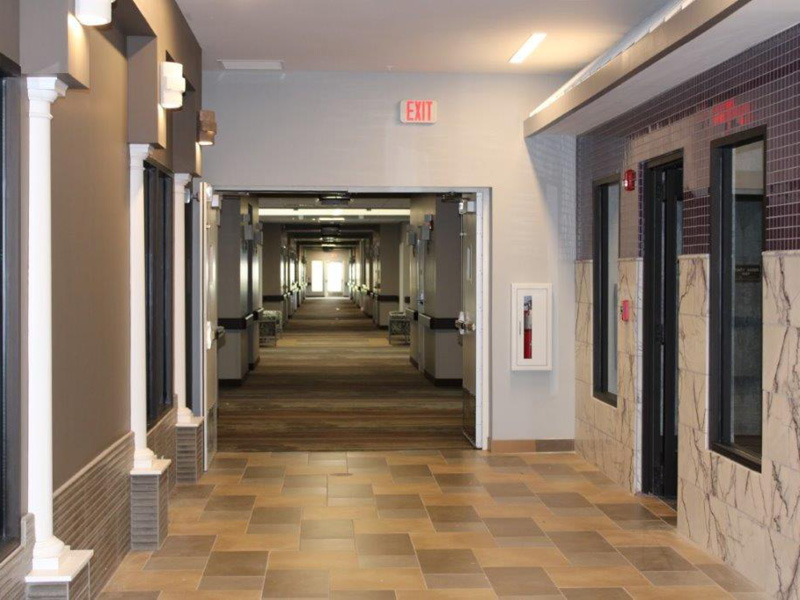
How is Avenue At North Ridgeville Staffed?

CMS rates AVENUE AT NORTH RIDGEVILLE's staffing level at 2 out of 5 stars, which is below average compared to other nursing homes. Staff turnover is 52%, compared to the Ohio average of 46%.

What Have Inspectors Found at Avenue At North Ridgeville?

State health inspectors documented 26 deficiencies at AVENUE AT NORTH RIDGEVILLE during 2023 to 2024. These included: 1 Immediate Jeopardy (the most serious level, indicating potential for serious harm or death), 1 that caused actual resident harm, 23 with potential for harm, and 1 minor or isolated issues. Immediate Jeopardy findings are rare and represent the most serious regulatory concerns. They require immediate corrective action.
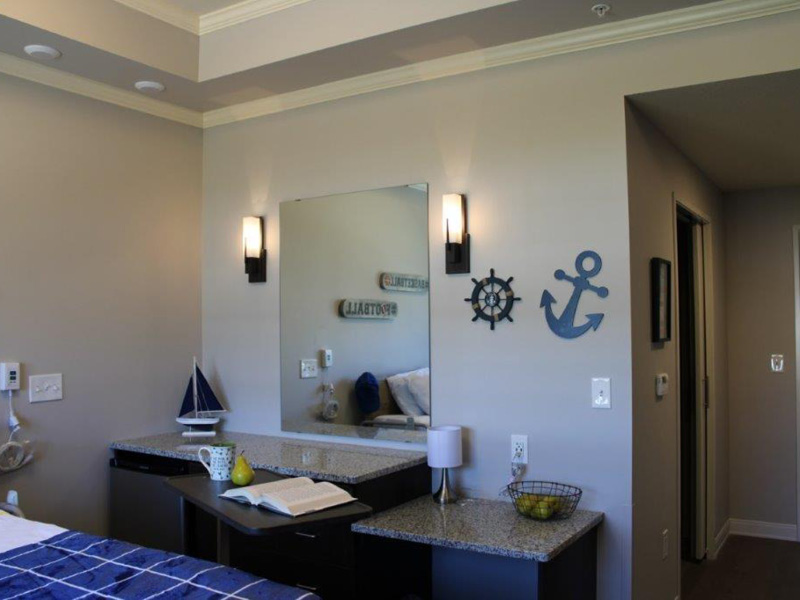
Who Owns and Operates Avenue At North Ridgeville?

AVENUE AT NORTH RIDGEVILLE is owned by a for-profit company. For-profit facilities operate as businesses with obligations to shareholders or private owners. The facility is operated by PROGRESSIVE QUALITY CARE, a chain that manages multiple nursing homes. With 103 certified beds and approximately 98 residents (about 95% occupancy), it is a mid-sized facility located in NORTH RIDGEVILLE, Ohio.

How Does Avenue At North Ridgeville Compare to Other Ohio Nursing Homes?

Compared to the 100 nursing homes in Ohio, AVENUE AT NORTH RIDGEVILLE's overall rating (3 stars) is below the state average of 3.2, staff turnover (52%) is near the state average of 46%, and health inspection rating (3 stars) is at the national benchmark.

What Should Families Ask When Visiting Avenue At North Ridgeville?

Based on this facility's data, families visiting should ask: "What changes have been made since the serious inspection findings, and how are you preventing similar issues?" "Can you walk me through typical staffing levels on day, evening, and night shifts?" "Can I visit during a mealtime to observe dining assistance and food quality?" "How do you handle medical emergencies, and what is your hospital transfer rate?" These questions are particularly relevant given the facility's Immediate Jeopardy citations and the below-average staffing rating.

Is Avenue At North Ridgeville Safe?

Based on CMS inspection data, AVENUE AT NORTH RIDGEVILLE has documented safety concerns. Inspectors have issued 1 Immediate Jeopardy citation (the most serious violation level indicating risk of serious injury or death). The facility has a 3-star overall rating and ranks #100 of 100 nursing homes in Ohio. Families considering this facility should ask detailed questions about what corrective actions have been taken since these incidents.

Do Nurses at Avenue At North Ridgeville Stick Around?

AVENUE AT NORTH RIDGEVILLE has a staff turnover rate of 52%, which is 6 percentage points above the Ohio average of 46%. Moderate turnover is common in nursing homes, but families should still ask about staff tenure and how the facility maintains care continuity when employees leave.

Was Avenue At North Ridgeville Ever Fined?

AVENUE AT NORTH RIDGEVILLE has been fined $68,390 across 2 penalty actions. This is above the Ohio average of $33,763. Fines in this range indicate compliance issues significant enough for CMS to impose meaningful financial consequences. Common causes include delayed correction of deficiencies, repeat violations, or care failures affecting resident safety. Families should ask facility leadership what changes have been made since these penalties.

Is Avenue At North Ridgeville on Any Federal Watch List?

AVENUE AT NORTH RIDGEVILLE is not on any federal watch list. The most significant is the Special Focus Facility (SFF) program, which identifies the bottom 1% of nursing homes nationally based on persistent, serious quality problems. Not being on this list means the facility has avoided the pattern of deficiencies that triggers enhanced federal oversight. This is a positive indicator, though families should still review the facility's inspection history directly.