O'NEILL HEALTHCARE NORTH RIDGEVILLE
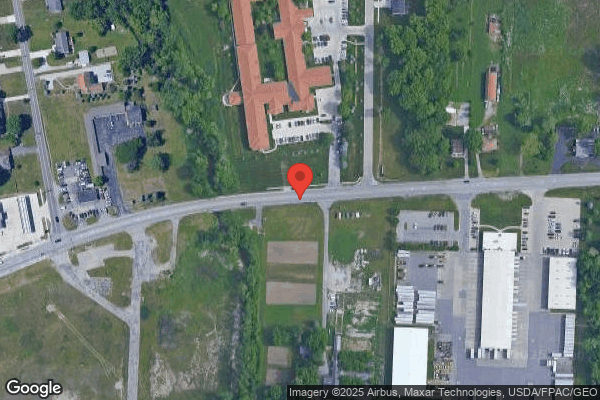
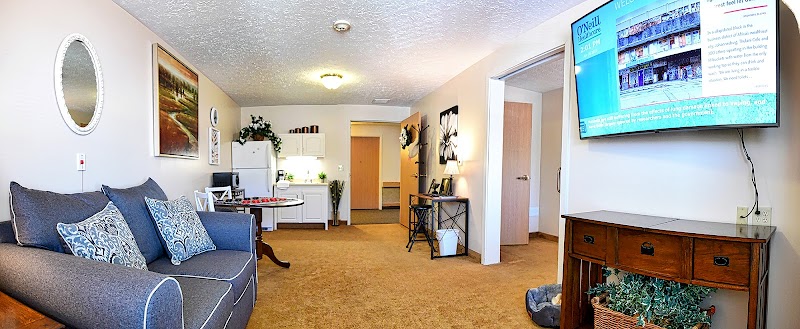
38600 CENTER RIDGE RD, NORTH RIDGEVILLE, OH 44039 (440) 327-1295
For profit - Individual 150 Beds O'NEILL HEALTHCARE Data: November 2025
Trust Grade
90/100
#124 of 913 in OH
Last Inspection: September 2024

Within standard 12-15 month inspection cycle. Federal law requires annual inspections.

Overview

O'Neill Healthcare North Ridgeville has received a Trust Grade of A, which indicates it is excellent and highly recommended. In Ohio, it ranks #124 out of 913 facilities, placing it in the top half, and #6 out of 20 in Lorain County, meaning only five local options are better. The facility's performance has been stable, with 10 issues identified in recent inspections, but no critical or serious harm incidents were reported. Staffing is a concern, with a 2 out of 5-star rating and a turnover rate of 40%, which is better than the state average but still indicates room for improvement. Notably, there have been issues such as a resident sustaining a skin tear during a transfer that was not properly executed, and deficiencies in maintaining a clean kitchen that could affect all residents, highlighting both strengths and areas that need attention.

Trust Score
A
90/100
In Ohio
#124/913
Top 13%
Safety Record
Low Risk
No red flags
Inspections
Holding Steady
1 → 1 violations
Staff Stability
○ Average
40% turnover. Near Ohio's 48% average. Typical for the industry.
Penalties
✓ Good
No fines on record. Clean compliance history, better than most Ohio facilities.
Skilled Nurses
⚠ Watch
Each resident gets only 18 minutes of Registered Nurse (RN) attention daily — below average for Ohio. Fewer RN minutes means fewer trained eyes watching for problems.
Violations
○ Average
10 deficiencies on record. Average for a facility this size. Mostly minor or procedural issues.
★★★★★
5.0
Overall Rating
★★☆☆☆
2.0
Staff Levels
★★★★★
5.0
Care Quality
★★★★★
5.0
Inspection Score
Stable
2024: 1 issues
2025: 1 issues

The Good

  • 5-Star Quality Measures · Strong clinical quality outcomes
  • Full Sprinkler Coverage · Fire safety systems throughout facility
  • No fines on record
  • Staff turnover below average (40%)

    8 points below Ohio average of 48%

Facility shows strength in quality measures, fire safety.

The Bad

Staff Turnover: 40%

Near Ohio avg (46%)

Typical for the industry

Chain: O'NEILL HEALTHCARE

Part of a multi-facility chain

Ask about local staffing decisions and management

The Ugly 10 deficiencies on record

Sept 2025 1 deficiency
CONCERN (D) 📢 Someone Reported This

A family member, employee, or ombudsman was alarmed enough to file a formal complaint

Potential for Harm - no one hurt, but risky conditions existed

Accident Prevention (Tag F0689)

Could have caused harm · This affected 1 resident

**NOTE- TERMS IN BRACKETS HAVE BEEN EDITED TO PROTECT CONFIDENTIALITY** Based on record review, review of incident log, review of witness statements, and staff interviews, the facility failed to prope...

Read full inspector narrative →
**NOTE- TERMS IN BRACKETS HAVE BEEN EDITED TO PROTECT CONFIDENTIALITY** Based on record review, review of incident log, review of witness statements, and staff interviews, the facility failed to properly transfer a resident which caused an injury. This affected one (#69) of the three residents reviewed for transfers. The census was 128.Findings Include: Review of the medical record for Resident #69 revealed an admission date of 07/16/24. Diagnoses included Parkinson's Disease, dementia, muscle weakness and brain stem stroke syndrome.Review of the quarterly Minimum Data Set (MDS) assessment dated [DATE] revealed Resident #69 was cognitively impaired. The resident required substantial to maximum assistance for bed-to-chair transfers.Review of weekly skin checks dated 01/08/25 and 01/15/25, revealed no new skin issues identified.Review of the incident log revealed Resident #69 had a skin tear incident on 01/18/25 at 9:15 P.M.Review of a witness statement dated 01/18/25 and authored by former Certified Nursing Assistant (CNA) #700, revealed she used the sit-to-stand on Resident #69 and when they placed the resident on the side of the bed, the resident complained of leg pain. When former CNA #700 looked down, the resident was bleeding and so got the nurse.Review of a witness statement dated 01/18/25 and authored by CNA #750, revealed they went to put Resident #69 in bed and do a check and change. CNA #750 asked CNA #700 for assistance with the sit-to-stand lift. Resident #69 complained of pain in her left leg. CNA #750 lifted the resident's pant leg and saw blood on the resident's pants and there was a cut. She notified the nurse.Review of an undated witness statement by the former Director of Nursing (DON), now Regional Director of Clinical Services (RDCO) #600, revealed Resident #69's husband requested a meeting to review the laceration from 01/18/25. RDCO #600 met with the resident's husband, daughter and son. They reviewed the positioning of the wheelchair, the mechanical (sit-to-stand) lift and the environment with them. They discussed edema to her legs and potential for injury related to the mechanical lift leading to the laceration on the outer aspect of her leg. The resident had reported she felt pressure on her leg during the transfer and when the CNA went to reposition her leg in the bed, there was blood on her hand, and she notified the nurse. After reviewing the incident, it was determined the laceration occurred during the transfer. The resident was changed from a sit-to-stand mechanical lift to a Hoyer mechanical lift to prevent further injury.Review of nurse's progress note recorded as a late entry on 01/19/25 at 5:02 A.M., revealed Resident #69 returned from the emergency room (ER) at 1:45 A.M. with diagnoses of laceration with 14 sutures. The resident's leg was wrapped with non-adherent dressing, kerlix and an ace wrap. The resident also returned with Hibclens cleaning solution and an order for bacitracin ointment (over the county antibiotic ointment). The resident's leg was elevated. There were no correlating progress notes documented about the incident which led to the ER visit and the resident receiving the 14 sutures. Review of a physician order dated 01/19/25 for Resident #69, revealed the resident was ordered to have right lower leg sutures covered with Bacitracin external ointment 500 unit/grams (gm) every shift for laceration/wound for five days and monitor for infection. The order was discontinued 01/24/25. Review of the physician progress note dated 01/19/25 and authored by the Physician #500, revealed Resident #69 was assessed with a laceration on the leg. Physician #500 documented the staff notified him the prior day, but they did not know how the laceration happened. A photograph of the laceration was sent to him, and he thought it needed to be repaired. Resident #69 was sent to the ER where sutures were applied. The resident was assessed with leg swelling; skin was warm and dry with laceration and a wound present.Review of a nurse's progress noted dated 01/20/25 at 5:13 A.M. for Resident #69, revealed the nurse spoke with Resident #69's husband about the incident on 01/18/25 resulting in a laceration to right lower leg, the origin of the laceration, the education that was provided to staff to prevent further injury and the treatment being provided. Review of physician orders dated 01/20/25 for Resident #69, revealed the resident's bed frame was to be padded for safety, Tubi grips (elasticated tubular bandages to help with swelling/edema) were to be in place and wheelchair legs were to be removed prior to transfers. Review of physician orders dated 01/22/25 for Resident #69, revealed the resident was ordered to have the right lower leg cleansed with Hibiclens solution, bacitracin applied to the wound, covered with abdomen (ABD) pad, wrapped with Kerlix daily and monitor for signs and symptoms of infection. The order was discontinued on 02/02/25. Review of the facility's Concern Log dated 01/22/22, revealed Resident #69's family was concerned with the resident's transfer status which resulted in a skin tear. The resolution included therapy evaluating the resident's transfer status and transfer status changed to a Hoyer transfer. The wheelchair leg and bedframe were padded, and nursing staff competency was completed. The comments section on the concern log indicated the family was satisfied with the resolution. Review of a therapy note dated 02/04/25 for Resident #69, revealed the resident was evaluated due to a new onset of decrease in strength, transfers, range of motion, balance, functional activity tolerance, static and dynamic balance and increased need for assistance which placed the resident at risk for falls and further decline in function. The resident sustained a calf laceration on 01/18/25 and required 14 stitches. The stitches were removed on 02/03/25. The resident was consulted to improve strength and balance. The resident was assessed with strength, balance, activity intolerance and functional mobility deficits. The resident was unsteady with weight bearing activities in the stand-up lift, and it was painful. The resident has a decreased quality of life and recommended a Hoyer lift for transfers. Interview via phone on 09/11/25 at 11:56 A.M. with former CNA #750, revealed she transferred Resident #69 to the bed on 01/18/25 when the resident complained of pain. CNA #750 stated she looked at the resident's leg and it was bleeding, so she called for the nurse. CNA #750 stated the blood was dry and thought something happened earlier. She denied resident hitting her leg on anything.Interview via phone on 09/11/25 at 11:59 A.M. with CNA #700, stated she could not remember exactly what happened but stated they used a sit-to stand lift on Resident #69 and was not sure if the resident hit her leg on the bed frame or what happened. CNA #700 stated the blood on Resident #69's leg was still wet. CNA #700 stated the resident did not complain until they picked her legs up and put them on the bed. They told the nurse who immediately came to assess the resident. CNA #700 stated she had to review how to use the sit-to stand with the unit manager.Interview on 09/11/25 at 12:03 P.M. with the DON, revealed RDCO #600 was training her to become the DON at the time of the incident on 01/18/25 involving Resident #69. The DON's understanding was Resident #69 was being transferred via a sit-to-stand mechanical lift, when the resident complained of pain and the CNAs noticed blood on the resident's pants. The physician was consulted and wanted Resident #69 to be sent to the ER. The husband was upset, and the family came into the facility to discuss the incident. Therapy staff looked at the bed and the sit-to-stand mechanical lift after the incident and there was nothing sharp on the bed frame or the sit-to stand lift and thought it could be pressure causing edema to open. The DON stated Resident #69 had edema and the laceration could have been caused by the pressure against the equipment. The facility did training with all staff members on sit-to-stand lifts and the staff started using a Hoyer mechanical lift instead of a sit-to-stand and put pool noodles on the bedrails after the incident. The DON stated they did teach-back competency training with the CNAs and then did audits on other units for residents who used the sit-to-stand and found no issues. Interview on 09/11/25 at 2:11 P.M. with Licensed Practical Nurse (LPN) #220, revealed two CNAs were transferring Resident #69 from her wheelchair to the bed via a sit-to-stand mechanical lift. LPN #220 stated the CNAs took the leg rests off the wheelchair prior to transfer. LPN #220 stated when she assessed the resident the blood was still wet. LPN #220 stated after the resident went to the ER, they determined the resident's leg got scraped along the top of where the leg rest fits onto the wheelchair. LPN #220 did not recall any edema but stated the resident did not have her legs wrapped because that would have prevented the injury. LPN #220 stated she discussed this with RDCO #600 at the time of the incident.Interview on 09/15/25 at 12:32 P.M. with RDCO #600, revealed he investigated the incident involving Resident #69 then met with the family to discuss it. RDCO #600 stated he believed the laceration occurred while Resident #69 was in the sit-to-stand and described it as more of a crushing injury than any issues with edema or swelling.The deficient practice was corrected by 02/22/25 when the facility implemented the following corrective actions: On 01/18/25, the resident was sent to the ER for evaluation and returned with 14 sutures in her right lower leg. On 01/18/25, the facility conducted a comprehensive investigation of the incident causing the laceration to Resident #69. The investigation included collecting witness statements and interviewing staff and facility determined it was caused by an unsafe transfer using a sit-to-stand lift. On 01/19/25, Resident #69's transfer orders were reviewed and changed from a sit-to-stand to a Hoyer mechanical lift. On 01/20/25, Resident #69's bed and wheelchair were inspected for sharp edges. The bed rails were padded for safety, tubi grips on the resident were to be in place and the wheelchair legs were to be removed prior to transfers. On 01/20/25, CNA #700 and CNA #750 were educated on transfer and returned a competency demonstrating on how to properly use a sit-to-stand. On 01/20/25 started education and training all nursing staff on proper usage of the sit-to-stand mechanical lift. On 01/22/25, Resident #69 was assessed by wound nurse On 01/23/25, the facility conducted audits of all residents being transferred by a sit to-stand lift. The audits continued through 04/02/25 and no additional issues were discovered. On 02/04/25, the resident was assessed by the Therapy Department due to new onset of decrease in strength, range of motion, balance, and increased need for assistance which placed the resident at risk for falls and further decline in function. The resident was assessed with strength, balance, activity intolerance and functional mobility deficits. The resident was unsteady with weight bearing activities in the stand-up lift, and it was painful. The resident has a decreased quality of life and recommended a Hoyer lift for all transfers. On 02/22/25, the facility reviewed the incident log, and no current issues were identified with sit-to-stand.This deficiency represents non-compliance investigated under Complaint Number OH001357840.
Sept 2024 1 deficiency
CONCERN (D)

Potential for Harm - no one hurt, but risky conditions existed

Drug Regimen Review (Tag F0756)

Could have caused harm · This affected 1 resident

Based on medical record review, pharmacy recommendation review, and staff interview, the facility failed to ensure pharmacy recommendations were addressed in a timely manner. This affected two (#73 an...

Read full inspector narrative →
Based on medical record review, pharmacy recommendation review, and staff interview, the facility failed to ensure pharmacy recommendations were addressed in a timely manner. This affected two (#73 and #117) of five residents reviewed for unnecessary medications. The facility census was 133. Findings include: 1. Review of the medical record for Resident #73 revealed an admission date of 09/14/23. Diagnoses included Alzheimer's disease, diabetes mellitus, and generalized anxiety disorder. Review of the pharmacy recommendation dated 04/29/24 revealed Resident #73 was receiving Lantus insulin five units twice daily with blood sugar fluctuating from normal to elevated. Further review revealed the pharmacist recommended a hemoglobin A1C laboratory value be obtained and consider increasing Lantus if appropriate. The physician marked the box on the document that indicated agreement with the recommendation, signed the document, and dated it 05/13/24. Review of Resident #73's medical record revealed no hemoglobin A1c laboratory results were obtained at the time of the review on 09/18/24. Interview on 09/18/24 at 1:12 P.M. and on 09/19/24 at 7:30 A.M. with the Director of Nursing (DON) stated Resident #73 did not always allow laboratory draws, so the facility usually tried to do any additional laboratory draws with other routine laboratory draws. The DON verified he was unable to find the laboratory result or documentation that the physician wanted the hemoglobin A1c to be drawn with the next routine laboratory draw which was today at the time she addressed the recommendation. 2. Review of the medical record for Resident #117 revealed an admission date of 04/20/24. Diagnoses included major depressive disorder, peripheral vascular disease, and personal history of nicotine dependence. Review of the pharmacy recommendation dated 05/30/24 revealed Resident #117 had an order for a nicotine patch without titration with a recommendation to add a stop date to nicotine 21 milligrams (mg) per day for six weeks total, followed by 14 mg per day for two weeks, then finish with seven (7) mg per day for two weeks. Further review revealed the physician agreed with the recommendation, documented V.O. (verbal order), and signed and dated the form 09/17/24. Review of Resident #117's physician's order for September 2024 revealed active orders dated 09/17/24 for a nicotine transdermal patch 21 mg per 24 hours for seven days with a start date of 09/18/24 and an end date of 09/25/24; a nicotine transdermal patch 14 mg per 24 hours for seven days with a start date of 09/26/24 and an end date of 10/03/24; and a nicotine transdermal patch 7 mg per 24 hours for seven days with a start date of 10/04/24 and an end date of 10/11/24. Interview on 09/18/24 at 1:12 P.M. with the DON verified the pharmacy recommendation for Resident #117 dated 05/30/24 was missed and the titration order was written on 09/17/24. The DON stated it was not related to the pharmacy recommendation; the physician decided to do the titration on her own. The DON stated he did not know about the pharmacy recommendation until today. Review of the policy titled, Medication Regimen Review, dated 10/01/18, revealed for non-urgent recommendations, the facility and attending physician must address the recommendation(s) in a timely manner that meets the needs of the resident but no later than their next routine visit to access the resident and the attending physician should document in the medical record, what irregularity has been reviewed, what actions has been taken to address the issue, and the pharmacy recommendation itself can be used as a tool to document in the medical record, or a notation may be indicated in the medical record/EHR.
Feb 2022 4 deficiencies
CONCERN (D)

Potential for Harm - no one hurt, but risky conditions existed

Accident Prevention (Tag F0689)

Could have caused harm · This affected 1 resident

Based on record review, staff and guardian interview, facility incident investigation documentation, and facility policy, the facility failed to ensure Resident #34 was transported correctly in a tilt...

Read full inspector narrative →
Based on record review, staff and guardian interview, facility incident investigation documentation, and facility policy, the facility failed to ensure Resident #34 was transported correctly in a tilt-n-space chair and sustained a laceration to the forehead requiring sutures. This affected one (#34) of six residents reviewed for accidents. The facility census was 116. Findings include: Review of the medical record for the Resident #34 revealed an admission date of 07/29/20. Diagnoses included metabolic encephalopathy, cerebrovascular disease, chronic obstructive pulmonary disease, and type two diabetes mellitus. Review of the most recent Minimum Data Set (MDS) assessment, revealed the resident had impaired cognition. The resident was total dependence of one staff for locomotion off the unit, and extensive assist of two staff for transfer. Hematoma and laceration noted to forehead. Review of the care plan dated 12/05/22 revealed tilt-n-space chair to be reclined/position while transporting. Review of the progress note 02/8/22 at 7:08 P.M. revealed State Tested Nursing Assistant (STNA) #210 approached the nurse's station and asked nurses to identify this resident at that time Registered Nurse (RN) #300 told her the resident's name and to tilt her chair back because she will slide out of the chair. STNA #210 began wheeling resident from the television to her room. Then nurse heard a loud thump and at that time saw resident on the floor face down. Head to toe body check and range of motion (ROM) of all extremities was assessed. Assisted off the floor with assist of three and gait belt. Abrasion noted above the right brow, hematoma and laceration on the forehead. Neurological checks started and medicated with Acetaminophen for pain. Review of the fall investigation worksheet dated 02/08/22 at 7:08 P.M. revealed Resident #34 being transported in upright tilt-n-space chair, Resident #34 leaned forward and fell out of chair. Hematoma and laceration noted to forehead. Resident #34 sent to the emergency room and returned with three sutures to forehead as well as bruising. In Addition, received new orders for routine Acetaminophen 325 (mg) milligrams twice a day and to tilt back tilt-n-space chair while transporting. Interview on 02/14/22 at 3:29 P.M. with the guardian stated agency staff was wheeling Resident #34 to bed and did not tilt back her tilt-n-space wheelchair while transporting her down the hallway and she fell forward out of the chair and sustain a minor laceration. Interview on 02/17/22 at 9:42 A.M. with the Director of Nursing (DON) stated the tilt-n-space chair should of been titled to keep from leaning forward. The DON verified the tilt-n-space chair was not tilted and Resident #34 fell forward out of her chair while being transported. Review of the facility policy titled Falls Prevention and Management Policy and Procedures, dated 01/2013, revealed purpose to identify residents at risk for falls and plan appropriate care and interventions to maintain the residents safety. This deficiency substantiates Complaint Number OH00130127.
CONCERN (D)

Potential for Harm - no one hurt, but risky conditions existed

Medication Errors (Tag F0758)

Could have caused harm · This affected 1 resident

**NOTE- TERMS IN BRACKETS HAVE BEEN EDITED TO PROTECT CONFIDENTIALITY** Based on medical record reviews, resident and staff interviews, the facility failed to ensure one of six residents (Resident #94...

Read full inspector narrative →
**NOTE- TERMS IN BRACKETS HAVE BEEN EDITED TO PROTECT CONFIDENTIALITY** Based on medical record reviews, resident and staff interviews, the facility failed to ensure one of six residents (Resident #94) reviewed for medications, did not receive a psychotropic drug (Seroquel) without adequate indications for use. The facility census was 116. Findings include: Review of Resident #94's medical record identified admission occurred to the facility on [DATE] following a hospitalization for a fall that occurred at home. Resident #94 was in the hospital from [DATE] through 01/04/22. Resident #94 has medical diagnoses that include; post Covid, anxiety, Diabetes and legal Blindness. Review of the hospital discharge records dated 01/04/22 identified Resident #94 has no previous Psychiatric history. The hospital record identified no evidence as the why Resident #94 was started on the Seroquel (anti-psychotic) medication. The medication records for Resident #94 confirmed she received the Seroquel daily from 01/04/22 through 02/01/22. Review of Physician orders dated 02/01/22 identified an increase in the Seroquel along with a urinalysis to check for a urinary tract infection (UTI). The record identified the Seroquel was increased to two times a day. The records identified Resident #94 did have a urinary tract infection, which was treated with an antibiotic. The records identified no reason for the use of or increase in Seroquel, and or psychiatry issues for the use of the medication. Interview with Resident #94 occurred on 02/16/22 at 8:29 A.M. and Resident #94 identified correctly all the medications she was taking at home prior to admission, which did not include Seroquel. Resident #94 was asked about the Seroquel medication that was started upon discharge from the hospital and she identified she has not idea why she is on the medication. Resident #94 whom is alert and oriented, confirmed she has no issues with her mood and or psychiatry history and no reason to be on that medication. Interview with the facility Director of Nursing on 02/16/22 at 1:50 P.M. confirmed the Certified Nurse Practioner (CNP) changed the order to discontinue the Seroquel medication after discussion today. The interview confirmed the facility could not locate a medical necessity for the use of the Seroquel.
CONCERN (D)

Potential for Harm - no one hurt, but risky conditions existed

Deficiency F0760 (Tag F0760)

Could have caused harm · This affected 1 resident

**NOTE- TERMS IN BRACKETS HAVE BEEN EDITED TO PROTECT CONFIDENTIALITY** Based on record review and interview, the facility failed to ensure eye drop medication was given per physician orders. This aff...

Read full inspector narrative →
**NOTE- TERMS IN BRACKETS HAVE BEEN EDITED TO PROTECT CONFIDENTIALITY** Based on record review and interview, the facility failed to ensure eye drop medication was given per physician orders. This affected one resident (#86) of seven residents reviewed for medication. The facility census was 116. Findings include: Review of the medical record for Resident #86 revealed an admission date of 02/10/19. Diagnoses included glaucoma, vascular dementia, and stroke. Review of the care of plan for potential for vision impairment related to glaucoma, blepharitis (eyelid inflammation), and Ptosis (drooping) of eyelids. Vision impairment corrected with glasses. Interventions included Instill or apply eye medication as per physician orders and allow vision to return to normal before resident undertakes any activity. Review of the quarterly Minimum Data Set (MDS) assessment dated [DATE] revealed the resident had moderately impaired cognition and was independent with set up help only for bed mobility, transfers, toilet use, eating, and ambulation. Review of the physician orders for February 2022 revealed orders for Latanoprost Solution 0.005 % to instill one drop in both eyes one time a day for Glaucoma with an active date of 02/11/2019. Review of the Medication Administration Record (MAR) for February 2022 revealed on 02/03/22, 02/12/22, 02/13/22, 02/14/22 indicated to see nurse notes. On 02/11/22 revealed a number 11. No noted indication of what 11 referred to. Review of the progress notes dated 02/03/22 at 8:48 P.M. revealed an orders administration note that did not indicate concerns related to the medication. Review of the progress notes dated 02/11/22 at 9:36 P.M. revealed an orders administration note the Latanoprost Solution 0.005 % was on order and not available. Review of the health status note dated 02/12/22 at 6:25 A.M. revealed a late entry note that the physician was notified of the missing eye drop. Order obtained to hold until available. Review of the progress notes dated 02/12/22 at 10:04 P.M., 02/13/22 at 8:49 P.M., and 02/14/22 at 8:36 P.M. revealed orders administration notes for the Latanoprost Solution 0.005 % indicating it was on order and not available. Interview on 02/16/22 at 3:22 P.M. and at 4:07 P.M. with the Director of Nursing (DON) revealed on 02/11/22 the eye drops needed to be reordered but wasn't sure what happened on 02/03/22. DON stated she needed to talk with nurse for 02/03/22. DON stated Resident #86 did not receive the eye drops on 02/11/22 through 02/14/22. Follow-up interview on 02/17/22 at 9:48 A.M. with DON stated she talked with the nurse and Resident #86 did not receive the eye drops on 02/03/22. DON stated the nurse stated she couldn't find them.
CONCERN (E)

Potential for Harm - no one hurt, but risky conditions existed

Food Safety (Tag F0812)

Could have caused harm · This affected multiple residents

Based on observation, interview, and record review, the facility failed to maintain a clean and sanitary kitchen. This had the potential to affect all residents except residents (#12, #15, #37, #104, ...

Read full inspector narrative →
Based on observation, interview, and record review, the facility failed to maintain a clean and sanitary kitchen. This had the potential to affect all residents except residents (#12, #15, #37, #104, and #105) who received nothing by mouth. The facility census was 116. Findings include: During the initial tour of the kitchen on 02/14/22 from 9:01 A.M. to 9:21 A.M. with Certified Dietary Manager (CDM) #700 revealed the hood above stove appeared dusty and greasy. The oven to the right of the stove appeared very old with buildup of burnt food and grease inside and along the side with the operating dials and surface that faced the stove. The top of the oven appeared crusted with a hardened blackish dust and grease. The top portion of the steamer appeared crusted with a hardened blackish, dusty grease. The glass panels of the doors were completely covered in a yellowish tannish coating. The beverage cart across from the oven that housed coffee and hot water carafes, had various food debris on the bottom shelf. The reach in cooler had various food on the floor of the cooler. The reach in freezer had a very large ice buildup on floor of the freezer with a bag of sausage stuck in it. Interview on 02/14/22 between 9:01 A.M. to 9:21 A.M. with CDM #700 verified the above findings. Review of the undated facility policy General Sanitation of Kitchen revealed the staff shall maintain the sanitation of the kitchen through compliance with a written, comprehensive cleaning schedule.
Apr 2019 4 deficiencies
CONCERN (D)

Potential for Harm - no one hurt, but risky conditions existed

Transfer Notice (Tag F0623)

Could have caused harm · This affected 1 resident

Based on medical record review and staff interview, the facility failed to provide written notification to the resident and the resident representative family at the time of transfer to the hospital. ...

Read full inspector narrative →
Based on medical record review and staff interview, the facility failed to provide written notification to the resident and the resident representative family at the time of transfer to the hospital. This affected two (#47, #285) of three residents reviewed for hospitalization. The facility census was 142. Findings include: 1. Medical record review revealed Resident #47 had an admission date of 02/02/19. Diagnoses included malignant neoplasm of the colon, heart failure, anxiety, atrial fibrillation, and hypertension. Review of a nurse's progress note dated 03/06/19 at 2:53 P.M. revealed Resident #47 was admitted to the hospital for a gastrointestinal bleed. Review of the medical record for Resident #47 revealed no documented evidence of written notification of the transfer to the hospital was provided to the resident and the resident's representative. Interview on 04/24/19 at 7:37 A.M. with the Administrator verified the facility was not providing residents and their representatives written notice of transfer to the hospital. Further interview with the Administrator revealed the facility also had no policy to provide written notice of transfer to the hospital. 2. Medical record review revealed Resident #285 had an admission date of 04/15/19. Diagnoses included sepsis, end stage renal disease, heart failure, atrial fibrillation, hypertension, anxiety and major depressive disorder. Review of a nurse's progress note dated 04/22/19 revealed Resident #285 was admitted to the hospital for a blood transfusion. Review of the medical record for Resident #285 revealed no documented evidence of written notification of the transfer to the hospital was provided to the resident and the resident's representative. Interview on 04/24/19 at 7:37 A.M. with the Administrator revealed the facility was not providing residents and their representatives written notice of transfer to the hospital. Further interview with the Administrator revealed the facility also had no policy to provide written notice of transfer to the hospital. Review of the Ohio and Federal Nursing home Residents' [NAME] of Rights hand book dated 02/01/18 provided to all residents revealed the facility must notify the resident and the resident's representative of the transfer or discharge and the reasons for the move in writing.
CONCERN (D)

Potential for Harm - no one hurt, but risky conditions existed

Deficiency F0625 (Tag F0625)

Could have caused harm · This affected 1 resident

Based on medical record review, staff interview and review of facility policy, the facility failed to provide notice of the bed hold policy upon resident discharge to the hospital. This affected three...

Read full inspector narrative →
Based on medical record review, staff interview and review of facility policy, the facility failed to provide notice of the bed hold policy upon resident discharge to the hospital. This affected three (#47, #135, #285) of three residents reviewed for hospitalization. The facility census was 142. Findings include: 1. Medical record review revealed Resident #47 had an admission date of 02/02/19. Diagnoses included malignant neoplasm of the colon, heart failure, anxiety, atrial fibrillation, and hypertension. Review of a nurse's progress note dated 03/06/19 at 2:53 P.M. revealed Resident #47 was admitted to the hospital for a gastrointestinal bleed. Review of the medical record for Resident #47 revealed no documentation the resident was provided a notice of the bed hold policy at the time of discharge to the hospital. Interview on 04/24/19 at 9:25 A.M. with the Administrator revealed the facility was not providing residents a notice of the bed hold policy at the time of transfer to the hospital. Review of the bed hold policy revealed no guidelines to provide notification of the bed hold policy at the time of transfer to the hospital. Review of the Ohio and Federal Nursing home Residents' [NAME] of Rights hand book dated 02/01/18 provided to all residents revealed at the time of transfer of a resident for hospitalization the facility must provide the resident and the resident representative written notice which specified the duration the bed-hold policy. 2. Medical record review revealed Resident #285 had an admission date of 04/15/19. Diagnoses included sepsis, end stage renal disease, heart failure, atrial fibrillation, hypertension, anxiety and major depressive disorder. Review of a nurse's progress note dated 04/22/19 revealed Resident #285 was admitted to the hospital for a blood transfusion. Review of the medical record for Resident #285 revealed no documentation the resident was provided a notice of the bed hold policy at the time of discharge to the hospital. Interview on 04/24/19 at 9:25 A.M. with the Administrator revealed the facility was not providing residents a notice of the bed hold policy at the time of transfer to the hospital. Review of the bed hold policy revealed no guidelines to provide notification of the bed hold policy at the time of transfer to the hospital. Review of the Ohio and Federal Nursing home Residents' [NAME] of Rights hand book dated 02/01/18 provided to all residents revealed at the time of transfer of a resident for hospitalization the facility must provide the resident and the resident representative written notice which specified the duration the bed-hold policy. 3. Medical record review revealed Resident #135 had an admission date of 01/08/19. Diagnoses included atrial fibrillation, hypertension, acute and chronic respiratory failure, and subsequent encounter for fracture with routine healing. Review of the progress note dated 02/07/19 revealed Resident #135 was admitted to the hospital for a surgical procedure. Review of the medical record for Resident #135 revealed no documentation the resident was provided a notice of the bed hold policy at the time of discharge to the hospital. Interview on 04/24/19 at 9:25 A.M. with the Administrator revealed the facility was not providing residents a notice of the bed hold policy at the time of transfer to the hospital. Review of the bed hold policy revealed no guidelines to provide notification of the bed hold policy at the time of transfer to the hospital. Review of the Ohio and Federal Nursing home Residents' [NAME] of Rights hand book dated 02/01/18 provided to all residents revealed at the time of transfer of a resident for hospitalization the facility must provide the resident and the resident representative written notice which specified the duration the bed-hold policy.
CONCERN (D)

Potential for Harm - no one hurt, but risky conditions existed

Incontinence Care (Tag F0690)

Could have caused harm · This affected 1 resident

**NOTE- TERMS IN BRACKETS HAVE BEEN EDITED TO PROTECT CONFIDENTIALITY** Based on observation and staff interview, the facility failed to ensure an anchoring device to attempt to prevent accidental tra...

Read full inspector narrative →
**NOTE- TERMS IN BRACKETS HAVE BEEN EDITED TO PROTECT CONFIDENTIALITY** Based on observation and staff interview, the facility failed to ensure an anchoring device to attempt to prevent accidental trauma, pain or injury from excessive tension or removal of a Foley catheter. This affected one Resident (#69) reviewed for catheter care. The facility identified five residents with catheters. The facility census was 142. Findings include: Review of Resident #69's medical record revealed the resident was admitted to the facility on [DATE] with diagnosis including neurogenic bladder. Review of Resident #69's care plan dated 03/06/19 revealed an intervention to include a foley catheter leg strap applied to the thigh to be used at all times, ensure some slack in the catheter tubing to prevent pulling on catheter and alternate legs as needed. Observation on 04/24/19 at 9:01 A.M., of Resident #69's catheter care with License Practical Nurse (LPN) #450 revealed the resident did not have an anchoring device fastened to the leg to prevent injury or trauma. Interview on 04/24/19 at 9:19 A.M., with LPN #500 revealed the resident should always have a leg strap because he was known to pull out his Foley. LPN #500 verified the resident did not have an anchoring device (leg strap) applied to the leg. Review of facility policy titled Catheter Care, Urinary undated, revealed ensure that the catheter remains secure with a leg strap to reduce friction and movement at the insertion site. Note the catheter tubing should be strapped to the resident's inner thigh.
CONCERN (D)

Potential for Harm - no one hurt, but risky conditions existed

Deficiency F0698 (Tag F0698)

Could have caused harm · This affected 1 resident

**NOTE- TERMS IN BRACKETS HAVE BEEN EDITED TO PROTECT CONFIDENTIALITY** Based on medical record review and staff interview, the facility failed to ensure ongoing communications occurred between the fa...

Read full inspector narrative →
**NOTE- TERMS IN BRACKETS HAVE BEEN EDITED TO PROTECT CONFIDENTIALITY** Based on medical record review and staff interview, the facility failed to ensure ongoing communications occurred between the facility and dialysis. This affected one resident (#109) of two residents (#109 and #205) reviewed for dialysis. The facility census was 142. Findings include: Medical record review revealed a most recent admission date of 03/30/19 for Resident #109. Diagnoses included hypertension, congestive heart failure and end stage renal disease. Review of the quarterly Minimum Data Set (MDS) assessment dated [DATE], revealed the resident's cognition was moderately impaired. Further review revealed Resident #109 attended dialysis services three times a week on Monday, Wednesday, and Friday. Review of the Dialysis Communication Forms for Resident #109, from 03/01/19 through 04/22/19, revealed there was no communication between the facility and the dialysis center on 03/04/19, 03/08/19, 03/27/19, 03/29/19, 04/08/19, 04/10/19, 04/15/19, and 04/22/19. Interview on 04/23/19 at 2:48 P.M., with the Director of Nursing (DON) verified Resident #109 attended dialysis treatments every Monday, Wednesday, and Friday. The DON revealed staff were to obtain the Dialysis Communication Form from the resident after each treatment. If the resident did not have the form, staff were expected to obtain it from the dialysis center. The DON verified there was no evidence in the medical record of any communication between the facility and the dialysis center for Resident #109 on 03/04/19, 03/08/19, 03/27/19, 03/29/19, 04/08/19, 04/10/19, 04/15/19, and 04/22/19. Review of an agreement between the facility and dialysis center titled, Nursing Home Dialysis Transfer Agreement, dated 06/20/11, revealed the dialysis center would provide to the facility information on aspects of the management of a designated resident's care related to the provision of dialysis services. Further review revealed the facility was to ensure all appropriate information accompanied all residents at each transfer for dialysis treatments. Appropriate information was supposed to include the resident's name, address, date of birth , social security number, name and telephone number of the resident's next of kin, insurance information, appropriate medical records including a history of the resident's illness and any laboratory and/or x-ray findings, treatment's currently provided including medications and any changes in the resident's condition (physical or mental), changes in medications, diet, and/or fluid intake. The facility was also to provide with each visit, any advance directive executed by the resident and any other information that would have facilitated adequate coordination of care.
Understanding Severity Codes (click to expand)
Life-Threatening (Immediate Jeopardy)
J - Isolated K - Pattern L - Widespread
Actual Harm
G - Isolated H - Pattern I - Widespread
Potential for Harm
D - Isolated E - Pattern F - Widespread
No Harm (Minor)
A - Isolated B - Pattern C - Widespread

Questions to Ask on Your Visit

  • "Can I speak with families of current residents?"
  • "What's your RN coverage like on weekends and overnight?"

Our Honest Assessment

Strengths
  • • Grade A (90/100). Above average facility, better than most options in Ohio.
  • • No major safety red flags. No abuse findings, life-threatening violations, or SFF status.
  • • No fines on record. Clean compliance history, better than most Ohio facilities.
  • • 40% turnover. Below Ohio's 48% average. Good staff retention means consistent care.
Concerns
  • • No significant concerns identified. This facility shows no red flags across CMS ratings, staff turnover, or federal penalties.
Bottom line: Generally positive indicators. Standard due diligence and a personal visit recommended.

About This Facility

What is O'Neill Healthcare North Ridgeville's CMS Rating?

CMS assigns O'NEILL HEALTHCARE NORTH RIDGEVILLE an overall rating of 5 out of 5 stars, which is considered much above average nationally. Within Ohio, this rating places the facility higher than 99% of the state's 100 nursing homes. This rating reflects solid performance across the metrics CMS uses to evaluate nursing home quality.
How is O'Neill Healthcare North Ridgeville Staffed?

CMS rates O'NEILL HEALTHCARE NORTH RIDGEVILLE's staffing level at 2 out of 5 stars, which is below average compared to other nursing homes. Staff turnover is 40%, compared to the Ohio average of 46%. This relatively stable workforce can support continuity of care.

What Have Inspectors Found at O'Neill Healthcare North Ridgeville?

State health inspectors documented 10 deficiencies at O'NEILL HEALTHCARE NORTH RIDGEVILLE during 2019 to 2025. These included: 10 with potential for harm.

Who Owns and Operates O'Neill Healthcare North Ridgeville?

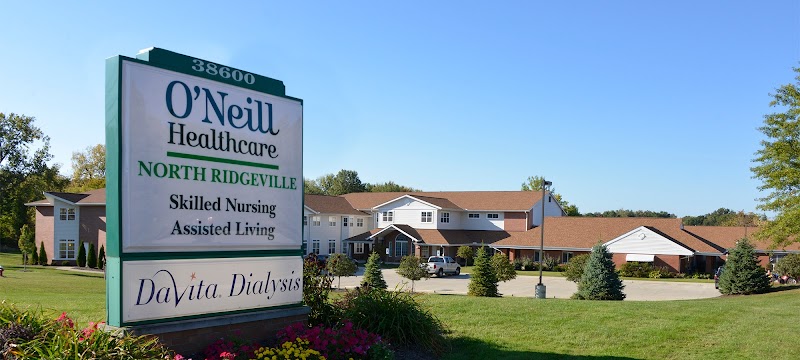
O'NEILL HEALTHCARE NORTH RIDGEVILLE is owned by a for-profit company. For-profit facilities operate as businesses with obligations to shareholders or private owners. The facility is operated by O'NEILL HEALTHCARE, a chain that manages multiple nursing homes. With 150 certified beds and approximately 127 residents (about 85% occupancy), it is a mid-sized facility located in NORTH RIDGEVILLE, Ohio.
How Does O'Neill Healthcare North Ridgeville Compare to Other Ohio Nursing Homes?

Compared to the 100 nursing homes in Ohio, O'NEILL HEALTHCARE NORTH RIDGEVILLE's overall rating (5 stars) is above the state average of 3.2, staff turnover (40%) is near the state average of 46%, and health inspection rating (5 stars) is much above the national benchmark.

What Should Families Ask When Visiting O'Neill Healthcare North Ridgeville?

Based on this facility's data, families visiting should ask: "Can you walk me through typical staffing levels on day, evening, and night shifts?" "Can I visit during a mealtime to observe dining assistance and food quality?" "How do you handle medical emergencies, and what is your hospital transfer rate?" "Can I speak with family members of current residents about their experience?" These questions are particularly relevant given the below-average staffing rating.

Is O'Neill Healthcare North Ridgeville Safe?

Based on CMS inspection data, O'NEILL HEALTHCARE NORTH RIDGEVILLE has a clean safety record: no substantiated abuse findings (meaning no confirmed cases of resident harm), no Immediate Jeopardy citations (the most serious violation level indicating risk of serious injury or death), and is not on the Special Focus Facility watch list (a federal program monitoring the lowest-performing 1% of nursing homes). The facility has a 5-star overall rating and ranks #1 of 100 nursing homes in Ohio. While no facility is perfect, families should still ask about staff-to-resident ratios and recent inspection results during their visit.

Do Nurses at O'Neill Healthcare North Ridgeville Stick Around?

O'NEILL HEALTHCARE NORTH RIDGEVILLE has a staff turnover rate of 40%, which is about average for Ohio nursing homes (state average: 46%). Moderate turnover is common in nursing homes, but families should still ask about staff tenure and how the facility maintains care continuity when employees leave.

Was O'Neill Healthcare North Ridgeville Ever Fined?

O'NEILL HEALTHCARE NORTH RIDGEVILLE has no federal fines on record. CMS issues fines when nursing homes fail to meet care standards or don't correct problems found during inspections. The absence of fines suggests the facility has either maintained compliance or corrected any issues before penalties were assessed. This is a positive indicator, though families should still review recent inspection reports for the full picture.

Is O'Neill Healthcare North Ridgeville on Any Federal Watch List?

O'NEILL HEALTHCARE NORTH RIDGEVILLE is not on any federal watch list. The most significant is the Special Focus Facility (SFF) program, which identifies the bottom 1% of nursing homes nationally based on persistent, serious quality problems. Not being on this list means the facility has avoided the pattern of deficiencies that triggers enhanced federal oversight. This is a positive indicator, though families should still review the facility's inspection history directly.