
DIPLOMAT HEALTHCARE

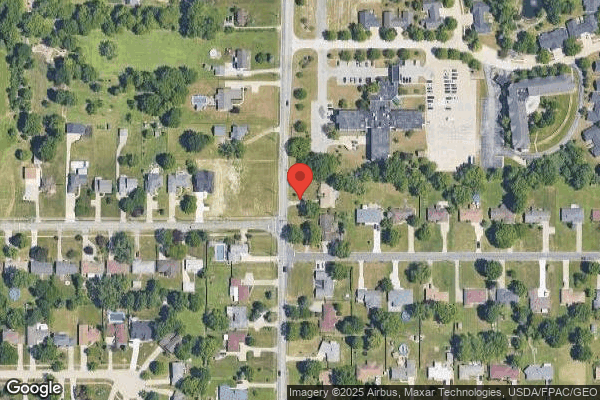
9001 W 130TH ST, NORTH ROYALTON, OH 44133 (440) 237-3104
For profit - Corporation 130 Beds SABER HEALTHCARE GROUP Data: November 2025
Trust Grade
33/100
#658 of 913 in OH
Last Inspection: October 2024

Within standard 12-15 month inspection cycle. Federal law requires annual inspections.

Overview

Diplomat Healthcare in North Royalton, Ohio has received a Trust Grade of F, indicating significant concerns and overall poor performance. They rank #658 out of 913 facilities in Ohio, placing them in the bottom half, and #57 of 92 in Cuyahoga County, meaning there are only a few options that are worse locally. The facility is worsening, with the number of issues increasing dramatically from 6 in 2023 to 19 in 2024. Staffing is somewhat stable with a 3/5 rating and a turnover rate of 38%, which is better than the state average, but there is concerningly less RN coverage than 91% of Ohio facilities, which can impact quality of care. Specific incidents of concern include a serious failure to provide timely treatment for a resident with a change in condition, inadequate care for another resident's genital warts, and a past incident of resident-to-resident physical abuse resulting in a serious injury. While the facility has some strengths, such as good staffing turnover and excellent quality measures, the numerous critical issues and poor overall ratings are significant red flags for families considering this home for their loved ones.

Trust Score
F
33/100
In Ohio
#658/913
Bottom 28%
Safety Record
High Risk
Review needed
Inspections
Getting Worse
6 → 19 violations
Staff Stability
○ Average
38% turnover. Near Ohio's 48% average. Typical for the industry.
Penalties
✓ Good
$11,213 in fines. Lower than most Ohio facilities. Relatively clean record.
Skilled Nurses
⚠ Watch
Each resident gets only 19 minutes of Registered Nurse (RN) attention daily — below average for Ohio. Fewer RN minutes means fewer trained eyes watching for problems.
Violations
⚠ Watch
38 deficiencies on record. Higher than average. Multiple issues found across inspections.
★★☆☆☆
2.0
Overall Rating
★★★☆☆
3.0
Staff Levels
★★★★★
5.0
Care Quality
★☆☆☆☆
1.0
Inspection Score
Stable
2023: 6 issues
2024: 19 issues

The Good

  • 5-Star Quality Measures · Strong clinical quality outcomes
  • Full Sprinkler Coverage · Fire safety systems throughout facility
  • No fines on record
  • Staff turnover below average (38%)

    10 points below Ohio average of 48%

Facility shows strength in quality measures, fire safety.

The Bad

2-Star Overall Rating

Below Ohio average (3.2)

Below average - review inspection findings carefully

Staff Turnover: 38%

Near Ohio avg (46%)

Typical for the industry

Federal Fines: $11,213

Below median ($33,413)

Minor penalties assessed

Chain: SABER HEALTHCARE GROUP

Part of a multi-facility chain

Ask about local staffing decisions and management

The Ugly 38 deficiencies on record

3 actual harm
Dec 2024 9 deficiencies 1 Harm
SERIOUS (G) 📢 Someone Reported This

A family member, employee, or ombudsman was alarmed enough to file a formal complaint

Actual Harm - a resident was hurt due to facility failures

Quality of Care (Tag F0684)

A resident was harmed · This affected 1 resident

**NOTE- TERMS IN BRACKETS HAVE BEEN EDITED TO PROTECT CONFIDENTIALITY** Based on observation, record review, review of hospice notes, review of a facility self-reported incident, review of hospital re...

Read full inspector narrative →
**NOTE- TERMS IN BRACKETS HAVE BEEN EDITED TO PROTECT CONFIDENTIALITY** Based on observation, record review, review of hospice notes, review of a facility self-reported incident, review of hospital records, facility policy review and interview, the facility failed to provide adequate, necessary and timely treatment for Resident #67, a resident with cognitive impairment who was dependent on staff for activities of daily living, following an acute change in condition. The facility also failed to thoroughly investigate the change in condition to determine the circumstances surrounding the change. Actual Harm occurred beginning on 11/21/24 when Licensed Practical Nurse (LPN) #279 observed Resident #67's normally contracted left arm to be flaccid with increased pain noted. There was no evidence a hospice-ordered x-ray examination was completed on 11/21/24. Resident #67 had not been re-assessed or his change in condition addressed until 11/26/24 (five days later) when a visiting hospice nurse identified the resident had continued pain and bruising to the left arm and inquired about the delay in obtaining the ordered x-ray examination. An x-ray completed on 11/26/24 identified a left humerus fracture. The resident was transported to the hospital for additional evaluation and treatment. This affected one Resident (#67) of three residents reviewed for changes in condition. The facility census was 101. Findings include: Review of the medical record for Resident #67 revealed an admission date of 09/01/22 with diagnoses including senile degeneration of the brain, dementia with agitation, reduced mobility, age related osteoporosis, and muscle wasting and atrophy. Resident #67 was on hospice services for senile degeneration of the brain. Review of a physician's order dated 04/18/24 revealed Resident #67 had an order for Oxycodone (treats moderate to severe pain) 10 milligram (mg) every four hours as needed (PRN) for pain. The resident also had a physician's order dated 06/10/24 for Acetaminophen 325 mg two tablets every six hours PRN and Acetaminophen 650 mg suppository one time per day PRN (not exceed three grams of Acetaminophen in a 24-hour period from all sources). A physician's order dated 09/20/24 revealed Resident #67 had order for Morphine (treats severe pain) 10 mg PRN every two hours for pain. Review of the annual Minimum Data Set (MDS) assessment dated [DATE] revealed Resident #67 was rarely understood or able to understand and was unable to participate in cognitive assessment. Resident #67 had unclear speech, short and long-term memory problems, and severely impaired decision making. Resident #67 was dependent on staff for toileting hygiene, bed mobility, dressing, and transfers. Resident #67 was noted to have functional limitations in range of motion to all four of his extremities. Record review revealed a physician's order dated 10/17/24 for Oxycodone 10 mg every six hours for pain. Review of a Certified Nurse Practitioner (CNP) progress note dated 11/11/24 revealed Resident #67 was at baseline for mentation and known to yell out intermittently. Review of a Hospice Client Episode Coordination Note dated 11/20/24 revealed Hospice Registered Nurse (RN) #403 visited Resident #67. Hospice RN #403 noted Resident #67 leaned in bed to the right side. Hospice RN #403 noted having to reposition Resident #67 several times. Hospice RN #403 reported Resident #67 was yelling out during the visit. It was noted Resident #67 had a healing laceration to right forehead from a fall approximately three weeks prior. The note revealed Resident #67's upper and lower extremities were stiff and contracted with pain during movement. Review of a nursing progress note dated 11/21/24 at 7:39 A.M. by Licensed Practical Nurse (LPN) #279 revealed during incontinence care at approximately 12:30 A.M., a caregiver observed Resident #67's left upper arm to be very flaccid (soft and hanging loosely or limply). There was no redness or bruising noted at this time. Resident #67 vocalized pain and had a noted grimace. LPN #279 notified the nighttime supervisor and was advised to notify the hospice provider of Resident #67's current condition (this was noted to be an acute change in condition (from contracted and stiff to flaccid). LPN #279 called hospice and received an order to treat the resident for pain and monitor the resident's condition. It was noted a hospice nurse would come in to see Resident #67 in the morning. LPN #279 medicated Resident #67 with as needed pain medications and medications were noted to be effective. The note included LPN #279 noted Resident #67's arm had no bruising or redness at the end of her shift. LPN #279 indicated Resident #67's condition was shared with the oncoming nurse. Review of a Hospice Coordination Note Report dated 11/21/24 revealed Licensed Practical Nurse (LPN) #279 called hospice on call service on 11/21/24 at 12:15 A.M. and reported Resident #67's left upper arm appeared displaced. LPN #279 indicated Resident #67 was normally very contracted but tonight the arm flopped open. There was no reported bruising or swelling. LPN #279 reported Resident #67 often yelled out and she was unable to determine if in pain. The on-call Hospice LPN #404 was notified. The Hospice Coordination Note Report dated 11/21/24 authored by Hospice LPN #404 revealed LPN #279 reported Resident #67's left arm was limp and loose, the resident had facial grimacing and yelling out when touched. LPN #279 indicated Resident #67's baseline was tense and contracted arms. LPN #279 indicated she believed Resident #67's left arm/shoulder was dislocated and reported no fall or trauma. Hospice physician contacted and gave order for left shoulder and upper arm x-ray. It was noted Resident #67's wife was not notified due to late hour. The Hospice Coordination note dated 11/21/24 revealed LPN #279 called hospice on call service on 11/21/24 at 5:25 A.M. and reported as needed pain medication was effective for Resident #67. The Hospice Coordination Note dated 11/21/24 revealed Hospice LPN #402 visited Resident #67 as follow-up to on-call report. Resident #67 was found in bed leaning towards the right side. Resident #67 did not wake to verbal or touch stimuli. Resident #67 was noted to be pale and open mouth breathing with snoring. Hospice LPN #402 observed Resident #67's left arm was lying along his left side with palm at waist/hip area. Hospice LPN #402 noted Resident #67's baseline was bilateral upper and lower extremity contractures. Resident #67's arms would normally be bent at elbows and tightly pressed across chest. Hospice LPN #402 discussed findings with LPN #224. LPN #224 indicated she was unaware of the change in condition or order for x-ray. Hospice LPN #402 returned to room and talked with Certified Nursing Assistant (CNA) #263. CNA #263 reported she had heard about Resident #67's arm becoming loose and asked if care could still be provided. Hospice LPN #402 instructed to be gentle and limit movement to left side. Hospice LPN #402 attempted to call Resident #67's wife but was unable to reach her. Hospice LPN #402 noted being unable to locate LPN #224 upon departure and left a written note encouraging comfort for Resident #67 and to notify hospice when x-ray results were obtained. Review of the Medication Administration Record (MAR) for November 2024 revealed Resident #67 received PRN Morphine on 11/20/24 at 5:47 P.M., 11/21/24 at 1:01 P.M., 11/22/24 at 12:48 P.M. and 7:10 P.M., 11/23/24 at 6:38 P.M., 11/24/24 at 11:23 A.M. and 7:26 P.M., and 11/25/24 at 10:11 P.M. Pain was noted to range from a rating of six to 10 on a zero to 10 scale (zero being no pain and 10 being the worst possible pain). Resident #67 received routine Oxycodone. There was no administration of PRN Acetaminophen. Resident #67 received PRN Ativan on 11/20/24 at 5:47 P.M., 11/23/23 at 6:38 P.M., and 11/24/24 at 7:25 P.M. for behavior issues including yelling, moaning, and combativeness with care. Resident #67 received PRN Oxycodone on 11/21/24 at 12:23 A.M. Further review of the resident's electronic and paper medical records for Resident #67 revealed there was no evidence of follow up monitoring/assessment/treatment by facility staff to Resident #67's arm becoming flaccid from 11/21/24 until 11/26/24. The Hospice Coordination Note dated 11/26/24 at 8:50 A.M. revealed Hospice LPN #402 visited Resident #67. Hospice LPN #402 observed Resident #67's left arm to be yellow and swollen from the shoulder to past the elbow. Resident #67 grimaced in pain when touched and was yelling out with a distressed facial appearance. Hospice LPN #402 discussed with LPN #261 and found an x-ray had not been completed. Hospice LPN #402 wrote an order for x-ray to left arm with two views. Review of the nursing progress note dated 11/26/24 at 3:05 P.M. by Assistant Director of Nursing (ADON) #223 revealed Resident #67's hospice nurse was in to visit Resident #67. Hospice nurse believed Resident #67 was in pain to left upper extremity and ordered an x-ray to be completed. Resident #67's wife was updated at this time. Review of the physician's order dated 11/26/24 revealed Resident #67 to have an immediate (STAT) x-ray of left arm for swelling and bruising. Results should be reported to hospice. The Hospice Coordination Note dated 11/26/24 revealed Hospice Licensed Social Worker (LSW) #400 visited Resident #67 on 11/25/24 at 4:20 P.M. Hospice LSW #400 noted Resident #67 making a yelling noise during visit. Hospice LSW #400 contacted Resident #67's wife. Resident #67's wife reported his arm used to be contracted but now it was loose and hanging down. Resident #67's wife reported an x-ray was supposed to be done last week; however, she had not gotten any results. The Hospice Coordination Note dated 11/26/24 revealed LPN #211 called hospice on-call service on 11/26/24 at 7:37 P.M. and reported Resident #67 had a severely fractured left arm after a fall. Resident #67 had been medicated with Oxycodone 10 mg but was still yelling in pain. Review of Radiology Report dated 11/26/24 at 8:01 P.M. revealed Resident #67 had two-view x-ray examination to left humerus. X-ray examination report revealed a 32.5 degree angulated mid humerus fracture with soft tissue swelling. Review of a facility Self-Reported Incident (SRI), tracking number 254520 revealed the facility reported an injury of unknown source for Resident #67 to the State agency on 11/26/24 at 9:49 P.M. Review of Focused Head to Toe Observation form dated 11/26/24 at 10:15 P.M. revealed Resident #67 had a left humerus fracture. Resident #67 was aphasic but responded to intense pain stimuli. The resident was noted to have bilateral upper and lower extremity contractures. There was noted bruising to the left upper extremity. Resident #67 was unable to verbalize pain; however, non-verbal pain symptoms were noted as behaviors, facial expressions, and non-verbal vocal sounds. Review of an Event Report dated 11/26/24 dated 10:33 P.M revealed Resident #67 had an injury of unknown origin. Resident #67 was in pain and an x-ray of his left arm showed a left humerus fracture. Resident #67 was unable to provide a description of the event. Resident #67 was yelling out when moved for care. Review of a nursing progress note dated 11/26/24 at 11:51 P.M. by LPN #211 revealed x-ray results had returned and revealed Resident #67 had an angulated mid humerus fracture to his left arm. LPN #211 notified the resident's hospice provider, wife, and nurse practitioner. The nurse practitioner gave an order to send Resident #67 to hospital in the morning so as not to upset Resident #67 late at night. Resident #67 was given pain medication and was noted to be resting comfortably. Review of Nursing Home to Hospital Transfer Form dated 11/26/24 revealed Resident #67 was transferred to hospital for left humerus fracture. The nurse was unable to assess the resident's pain level. Resident #67 required further evaluation of the left humerus fracture and was on comfort care. Resident #67 was alert but disoriented and unable to follow simple instructions. The Hospice Coordination Note dated 11/26/24 at 12:00 A.M. authored by Hospice LPN #401 revealed the hospice on-call service was notified by LPN #211 of Resident #67's x-ray results. It was noted Resident #67 had a fracture of left arm with increased pain and anxiety. LPN #211 indicated a fall had happened over a month ago and there had been multiple delays in obtaining the x-ray. It was noted LPN #211 implied the x-ray was not obtained as hospice had declined it however there was an order received from hospice physician for an x-ray. The Hospice physician requested the actual results report be sent for review. LPN #211 indicated she was going to send Resident #67 to the emergency room in the morning per the facility Nurse Practitioner. The hospice physician agreed after reviewing the x-ray results. Review of the nursing progress note dated 11/27/24 at 6:51 A.M. by LPN #211 revealed there was an issue with transport for Resident #67 to the hospital. Transport was re-scheduled for between 8:00 A.M. and 8:30 A.M. Review of nursing progress note dated 11/27/24 at 8:45 A.M. by LPN #222 revealed Resident #67 was transported to hospital via transport services. Review of interdisciplinary team (IDT) progress note dated 11/27/24 at 11:51 A.M. revealed Resident #67 was reviewed for a left humeral fracture as an injury of unknown origin. Resident #67 had an order for non-weight bearing status and was sent to emergency room for further evaluation. Review of hospital Final Report for x-ray of left humerus and left forearm dated 11/27/24 at 10:25 A.M. revealed an acute fracture of the proximal humeral shaft, acute fracture along the posterior margin of the humeral head, and posterior supervisor dislocation of the humeral head in relation to the glenoid fossa. There was soft tissue swelling along the upper arm and shoulder. The hospital record included Resident #67 was found on the floor at the nursing home. Resident #67 arrived at hospital in makeshift splint with contractures and known left humerus fracture. Resident #67 was unresponsive. The Hospice Coordination Note dated 11/27/24 authored by Hospice RN #403 revealed Resident #67 remained at hospital as of 4:00 P.M. Orthopedic physician indicated Resident #67's arm would not have surgical interventions or casting. Resident #67's arm would be placed in sling. Review of Resident #67's hospital Emergency Department Discharge Instructions dated 11/27/24 revealed an order to keep the sling in place, give Morphine every two hours as needed for pain, and continue hospice care. The Hospice Coordination Note dated 11/27/24 at 6:12 P.M. revealed Hospice LPN #401 visited Resident #67 who was yelling and anxious, speech nonsensical, and unable to make needs known. Resident #67 had returned to the facility at approximately 6:00 P.M. from the hospital with left arm in a sling. Assessment of Resident #67's arm revealed his left arm was immobile, flaccid, and slightly swollen near shoulder. Resident #67 flinched when touched. Review of nursing progress note dated 11/27/24 at 6:36 P.M. by LPN #222 revealed Resident #67 returned from the hospital. Resident #67 wore a sling to the left arm related to the humeral fracture. Resident #67 returned with orders for continued pain control. Review of the Weekly Observation Assessment form dated 11/28/24 revealed Resident #67 had bruising to left upper arm. Telephone interview on 12/03/24 at 2:00 P.M. with LPN #211 revealed when she arrived for work on 11/26/24 there were x-ray results for Resident #67. LPN #211 indicated was unaware of what had happened to Resident #67's arm. She reported being told by the Certified Nursing Assistants (CNAs) when they moved the resident's arm, it seemed like it hurt Resident #67. LPN #211 noted Resident #67 did have a fall at the beginning of November 2024. LPN #211 indicated there had not been any other incidents to her knowledge since last fall on 11/01/24. LPN #211 noted Resident #67 could be difficult to care for due to contractures making it hard to turn and reposition him. Telephone interview on 12/03/24 at 2:38 P.M. with LPN #279 revealed on 11/21/24, CNA #296 came to her and reported something was wrong with Resident #67's arm. LPN #279 stated she observed the arm in the way it was written in her progress note as very flaccid. LPN #279 stated Resident #67's arm was usually contracted. LPN #279 stated there was no bruising or redness. LPN #279 noted no reported trauma or falls to suggest injury. LPN #279 stated she did not remember any other information about the situation. Telephone interview on 12/03/24 at 3:05 P.M. with Hospice LPN #402 revealed on 11/21/24 the hospice on-call service was notified of a change in Resident #67's arm and an x-ray was ordered. Hospice LPN #402 indicated she did a follow up visit on 11/21/24 and noted Resident #67's left arm to be laying at his left side. Hospice LPN #402 indicated she spoke to the nurse on duty and was told she knew nothing about an x-ray for Resident #67 and she was too busy at the time to look further into it. Hospice LPN #402 stated she returned on 11/26/24 and noted Resident #67's arm had swollen and was yellow. Hospice LPN #402 stated there was knot/lump at his shoulder. Hospice LPN #402 stated she again asked about x-ray results and was told it was never ordered by hospice. Hospice LPN #402 stated this was not true and an x-ray had been ordered on 11/21/24 through on-call service. Interview on 12/03/24 at 3:38 P.M. with the Director of Nursing (DON) revealed the facility SRI investigation for injury of unknown origin revealed no additional trauma or incidents for Resident #67. The DON indicated Resident #67's fall on 11/01/24 could have contributed to the humeral fracture found on 11/26/24. The DON confirmed she had been notified on 11/21/24 when Resident #67's arm was found flaccid. The DON indicated she was told by facility nurses that hospice had only wanted to monitor and keep the resident comfortable in regard to pain. The DON indicated she was unaware of an order for x-ray on 11/21/24. The DON indicated Resident #67 was frequently on the facility pain monitoring report prior to the incident and did not notice any changes or new patterns on report. Telephone interview on 12/03/24 at 4:50 P.M. with CNA #296 revealed on 11/21/24 at approximately 12:00 P.M. she had gone into Resident #67's room to provide incontinence care. CNA #296 noted Resident #67 was making his normal noises when she entered the room. CNA #296 stated she attempted to remove Resident #67's t-shirt and he screamed. CNA #296 stated this startled her but Resident #67 had stopped screaming so she continued with care. CNA #296 indicated she took the shirt off him without additional screaming and provided incontinence care. CNA #296 stated she then tried to put a gown on him and grabbed his left arm by the elbow. CNA #296 stated Resident #67's left arm was like a noodle at this time so she set it down on the bed covered Resident #67 and went to get the nurse. CNA #296 did not report any trauma or incidents involving Resident #67 during care or her shift. CNA #296 denied any rough care for Resident #67. Observation on 12/09/24 at 11:56 A.M. revealed Resident #67 lying in bed, positioned on his back. His eyes were open and he was heard making groaning noises repeatedly. The resident did not look at the surveyor or answer any questions when asked. Telephone interview on 12/09/24 at 1:52 P.M. with RN #294 revealed on 11/21/24 she was the nighttime supervisor. RN #294 indicated LPN #279 had asked her to come and assess Resident #67. RN #294 indicated she did not note any bruising, redness, or swelling to Resident #67's arm. RN #294 stated she was told Resident #67 was having pain in his left arm, so she did not move his arm to check to see if it was limp. RN #294 stated she informed LPN #279 to call hospice and keep the resident comfortable. RN #294 returned to her floor and told LPN #279 to update her with any changes. RN #294 stated she was not made aware of any x-ray orders for Resident #67. Interview on 12/10/24 11:41 A.M. with LPN #224 revealed on 11/21/24 Hospice LPN #402 had asked her about an x-ray. LPN #224 stated she had not worked and did not know what had happened. LPN #224 stated she did not get a report from LPN #279 on the situation with Resident #67 at the start of her shift. LPN #224 stated an CNA had told her about Resident #67's arm. LPN #224 stated with being on the first floor during day shift a lot of people come to the nursing station so if an order was not written down or charted it would likely get lost in the shuffle. Review of facility policy Resident Change in Condition Policy dated 06/27/24 revealed a licensed nurse would recognize and intervene in the event of a change in resident condition. If the attending physician does not respond in a timely manner, then the Medical Director could be contacted for guidance and orders. The nurse would record information related to the change in condition and subsequent events and notifications in the health record. Changes in condition would be included on reports and communicated during morning meetings. This deficiency represents non-compliance investigated under Complaint Number OH00160241. This deficiency is a recite from the annual survey dated 10/10/24.
CONCERN (D) 📢 Someone Reported This

A family member, employee, or ombudsman was alarmed enough to file a formal complaint

Potential for Harm - no one hurt, but risky conditions existed

Notification of Changes (Tag F0580)

Could have caused harm · This affected 1 resident

**NOTE- TERMS IN BRACKETS HAVE BEEN EDITED TO PROTECT CONFIDENTIALITY** Based on family and staff interview, medical record review, and facility policy review, the facility failed to timely notify Res...

Read full inspector narrative →
**NOTE- TERMS IN BRACKETS HAVE BEEN EDITED TO PROTECT CONFIDENTIALITY** Based on family and staff interview, medical record review, and facility policy review, the facility failed to timely notify Resident #67's representative of a change in condition. This affected one (Resident #67) of three residents reviewed for change in condition. The facility census was 101. Findings include: Review of the medical record for Resident #67 revealed an admission date of 09/01/22 and diagnoses included senile degeneration of the brain and dementia with agitation. Resident #67 was on hospice services for senile degeneration of the brain. Review of the annual Minimum Data Set (MDS) assessment dated [DATE] revealed Resident #67 was rarely understood or understands and was unable to participate in cognitive assessment. Review of the nursing progress note dated 11/21/24 at 7:39 A.M. revealed during incontinence care at approximately 12:30 A.M., a caregiver observed Resident #67's left upper arm to be very flaccid (soft and hanging loosely or limply). There was no redness or bruising noted at this time. Resident #67 vocalized pain and had a noted grimace. LPN #279 notified the nighttime supervisor and was advised to notify hospice of current condition. LPN #279 called hospice and was given order to treat for pain and monitor condition. There was no evidence Resident #67's representative was notified of the change in condition on 11/21/24 by the facility staff. Review of the Hospice Coordination Note Report dated 11/21/24 revealed Licensed Practical Nurse (LPN) #279 called hospice on call service on 11/21/24 at 12:15 A.M. and reported Resident #67's left upper arm appeared displaced. LPN #279 indicated Resident #67 was normally very contracted but tonight the arm flopped open. There was no reported bruising or swelling. LPN #279 reported Resident #67 often yelled out and she was unable to determine if in pain. The on-call Hospice LPN #404 was notified. The Hospice Coordination Note Report dated 11/21/24 authored by Hospice LPN #404 revealed LPN #279 reported Resident #67's left arm was limp and loose, had facial grimacing, and yelling out when touched. LPN #279 indicated Resident #67's baseline was tense and contracted arms. LPN #279 indicated she believed Resident #67's left arm/shoulder was dislocated and reported no fall or trauma. Hospice physician contacted and gave order for left shoulder and upper arm x-ray. It was noted Resident #67's wife was not notified due to late hour. The Hospice Coordination Note dated 11/21/24 revealed Hospice LPN #402 visited Resident #67 as follow up to on-call report. Hospice LPN #402 observed Resident #67's left arm was lying along his left side with palm at waist/hip area. Hospice LPN #402 attempted to call Resident #67's wife but was unable to reach her. Hospice LPN #402 reached Resident #67's wife at 5:30 P.M. Resident #67's wife was unaware of what had happened to Resident #67's arm. Resident #67's wife was noted to be upset and planned to visit the facility the next morning. Review of the nursing progress note dated 11/26/24 at 3:05 P.M. by Assistant Director of Nursing (ADON) #223 revealed Resident #67's hospice nurse was in to visit Resident #67. Hospice nurse believed Resident #67 was in pain to left upper extremity and ordered an x-ray to be completed. Resident #67's wife was updated at this time. Review of the physician's order dated 11/26/24 revealed Resident #67 to have an immediate (STAT) x-ray of left arm for swelling and bruising. Results should be reported to hospice. Review of the Radiology Report dated 11/26/24 revealed Resident #67 had two view x-ray to left humerus. X-ray results were an angulated mid humerus fracture with soft tissue swelling. Telephone interview on 12/03/24 at 4:21 P.M. with Resident #67's wife via phone confirmed she had not been notified of the change Resident #67's arm on 11/21/24. Resident #67's wife indicated she was not notified of the change by the facility until 11/26/24 when the x-ray was ordered. Interview on 12/10/24 at 4:58 P.M. with Director of Nursing (DON) confirmed there was no evidence in the medical record to suggest Resident #67's wife/responsible party was notified on 11/21/24 when a change in condition was identified for Resident #67. Review of the facility policy titled Resident Change in Condition dated 06/27/24 revealed when a resident has a change in condition, the family/responsible party would be notified as soon as the resident was stable. Family/Responsible Party would be notified when there was an injury, incident, or need to change the medical treatment. This deficiency represents non-compliance investigated under Complaint Number OH00160241.
CONCERN (D) 📢 Someone Reported This

A family member, employee, or ombudsman was alarmed enough to file a formal complaint

Potential for Harm - no one hurt, but risky conditions existed

Safe Environment (Tag F0584)

Could have caused harm · This affected 1 resident

**NOTE- TERMS IN BRACKETS HAVE BEEN EDITED TO PROTECT CONFIDENTIALITY** Based on observation, family, resident, and staff interview, record review and review of the facility policy, the facility faile...

Read full inspector narrative →
**NOTE- TERMS IN BRACKETS HAVE BEEN EDITED TO PROTECT CONFIDENTIALITY** Based on observation, family, resident, and staff interview, record review and review of the facility policy, the facility failed to ensure a clean environment free of consistent foul odors for the residents. This affected two (Residents #5 and #39) of three resident reviewed for incontinence care. The facility census was 101. Findings include: 1. Record review for Resident #5 revealed an admission date of 10/03/24. Diagnoses included bipolar type schizoaffective disorder and dementia. Review of the admission Minimum Data Set (MDS) assessment dated [DATE] revealed Resident #5 was moderately cognitively impaired. Resident #5 was dependent on staff for toileting hygiene and for personal hygiene. Resident #5 was always incontinent of bowel and bladder. Observation and interview on 12/09/24 at 11:44 A.M. revealed Resident #5 was lying on the mattress on the floor. Resident #5's room had a foul odor of urine. Resident #5's family member was visiting and verified the odor. Resident #5 did not respond appropriately to questions. Observation and interview on 12/09/24 at 11:59 A.M. with Certified Nursing Assistant (CNA) #282 stated she recently changed Resident #5's brief. Observation with CNA #282 revealed Resident #5's brief he was wearing was dry. Observation revealed a saturated brief behind Resident #5's entrance door. CNA #282 verified the brief was saturated with urine lying on the floor. CNA #282 stated the soiled brief was from the previous shift. CNA #282 verified the strong foul urine odor in the room and stated, It [the soiled brief] was that way since start of my shift. CNA #282 stated she started her shift at 6:30 A.M. 2. Record review for Resident #39 revealed an admission date of 09/17/24. Diagnoses included encounter for orthopedic aftercare following surgical amputation, acquired absence of right leg above knee, and generalized muscle weakness. Review of the admission Minimum Data Set (MDS) assessment dated [DATE] revealed Resident #39 was cognitively intact. Resident #39 had no behaviors, and was frequently incontinent of bowel, required partial/moderate assistance from staff with chair/bed transfers and with toilet transfer. Interview and observation on 12/10/24 at 8:20 A.M. with CNA #290 verified as approached Resident #39's room, a foul stool odor was lingering from Resident #39's room into the hall. After entering Resident #39's room, observation revealed a soiled brief with stool inside the trash can against the wall. The liner of the trash can had visible stool. On the floor near the trash can, there was a smear of stool with stool particles. CNA #290 stated she started her shift at 6:30 A.M. and Resident #290's room was like that a lot when she came in for her shift. CNA #290 stated the night shift does not do their job. CNA #290 stated Resident #39 could not have changed himself and put the brief there. Resident #39 stated he had a bowel movement during the night, the night shift CNA changed him during the night, and left the soiled brief in his room. Resident #39 stated the odor bothered him. Interview on 12/10/24 at 12:20 P.M. with the Director of Nursing (DON) stated soiled briefs should be disposed of and removed from residents room at the time the care was provided. Any spills should also be cleaned at that time. Review of the facility policy titled General/Routine Environmental Cleaning and Disinfection Policy revised 06/28/24 revealed household surfaces should be cleaned on a regular basis, when spills occur, and when surfaces are visibly soiled (floors, tabletops, resident care areas, etc). This was an incidental finding during the course of the complaint investigation.
CONCERN (D) 📢 Someone Reported This

A family member, employee, or ombudsman was alarmed enough to file a formal complaint

Potential for Harm - no one hurt, but risky conditions existed

Report Alleged Abuse (Tag F0609)

Could have caused harm · This affected 1 resident

**NOTE- TERMS IN BRACKETS HAVE BEEN EDITED TO PROTECT CONFIDENTIALITY** Based on staff interview, review of the facilities Self-Reported Incidents (SRI) and investigations, review of policy, and medic...

Read full inspector narrative →
**NOTE- TERMS IN BRACKETS HAVE BEEN EDITED TO PROTECT CONFIDENTIALITY** Based on staff interview, review of the facilities Self-Reported Incidents (SRI) and investigations, review of policy, and medical record review, the facility failed to timely report an injury of unknown origin to the State Survey Agency and failed to complete self-report incident investigations within five days of the required timeline. This affected two (Residents #67 and #78) of seven residents reviewed for abuse. The facility census was 101. Findings include: 1. Review of the medical record for Resident #67 revealed an admission date of 09/01/22. Diagnoses included senile degeneration of the brain and dementia with agitation. Resident #67 was on hospice services for senile degeneration of the brain. Review of the annual Minimum Data Set (MDS) assessment dated [DATE] revealed Resident #67 was rarely understood and was unable to participate in cognitive assessment. Resident #67 was dependent on staff for toileting hygiene, bed mobility, dressing, and transfers. Review of the nursing progress note dated 11/21/24 at 7:39 A.M. revealed during incontinence care at approximately 12:30 A.M., a caregiver observed Resident #67's left upper arm to be very flaccid (soft and hanging loosely or limply). There was no redness or bruising noted at this time. Resident #67 vocalized pain and had a noted grimace. Licensed Practical Nurse (LPN) #279 notified the nighttime supervisor and was advised to notify hospice of current condition. LPN #279 called hospice and was given order to treat for pain and monitor condition. Further review of the facilities' electronic and paper medical records for Resident #67 revealed there was no evidence of follow-up to Resident #67's arm becoming flaccid from 11/21/24 until 11/26/24. There was no evidence of any falls or accidents recorded for Resident #67. Resident #67's last fall was on 11/01/24. Review of the Hospice Coordination Note Report dated 11/21/24 revealed LPN #279 called hospice on call service on 11/21/24 at 12:15 A.M. and reported Resident #67's left upper arm appeared displaced. LPN #279 indicated Resident #67 was normally very contracted but tonight the arm flopped open. There was no reported bruising or swelling. LPN #279 reported Resident #67 often yelled out and she was unable to determine if in pain. The on-call Hospice LPN #404 was notified. The Hospice Coordination Note Report dated 11/21/24 authored by Hospice LPN #404 revealed LPN #279 reported Resident #67's left arm was limp and loose, had facial grimacing, and yelling out when touched. LPN #279 indicated Resident #67's baseline was tense and contracted arms. LPN #279 indicated she believed Resident #67's left arm/shoulder was dislocated and reported no fall or trauma. Review of the nursing progress note dated 11/26/24 at 3:05 P.M. by Assistant Director of Nursing (ADON) #223 revealed Resident #67's hospice nurse was in to visit Resident #67. Hospice nurse believed Resident #67 was in pain to left upper extremity and ordered an x-ray to be completed. Review of physician's order dated 11/26/24 revealed Resident #67 to have an immediate (STAT) x-ray of left arm for swelling and bruising. Review of the Radiology Report dated 11/26/24 at 8:01 P.M. revealed Resident #67 had two view x-rays to left humerus. X-ray results were 32.5 degree angulated mid humerus fracture with soft tissue swelling. Review of the SRI control number 254520 revealed the facility reported an injury of unknown source for Resident #67 to the State Survey Agency on 11/26/24 at 9:49 P.M. The facility's SRI investigation started on 11/26/24 revealed there was no evidence the progress note LPN #279 authored on 11/21/24 where Resident #67's left arm was found flaccid from a normally contracted position was addressed as an injury of unknown origin in the investigation. Review of the interdisciplinary team (IDT) progress note dated 11/27/24 at 11:51 A.M. revealed Resident #67 was reviewed for left humeral fracture as an injury of unknown origin. Interview on 12/10/24 at 10:47 A.M. with the Director of Nursing (DON) confirmed the self-reported incident for injury of unknown origin for Resident #67's left arm was not opened until 11/26/24 when x-ray results showed a humeral fracture. DON confirmed the SRI was not opened on 11/21/24 when Resident #67 first showed signs of an unexplained change in condition. 2. Review of the medical record for Resident #78 revealed an admission date of 06/30/23 and diagnoses including Alzheimer's disease, dementia with behavioral disturbance, and impulse disorder. Resident #78 was scored 0.0 on Brief Interview for Mental Status (BIMS) assessment indicating severe cognitive impairment. Review of self-reported incident (SRI) investigation dated 10/14/24 revealed Resident #78 was involved in a verbal altercation with a visitor. There were no sustained injuries or psychosocial outcomes. Review of SRIs submitted to the Ohio Department of Health's Enhanced Information Dissemination Collection System (EIDC) (a database used for facilities to report required incidents of abuse, neglect, injuries of unknown origin, and misappropriation) revealed SRI #252959 was initiated on 10/14/24 and completed on 10/22/24. This was beyond five working days of the initial incident. Interview on 12/10/24 at 2:14 P.M. with Assistant Administrator #264 revealed submission of SRI #252959 had been an oversight due to a busy schedule. Assistant Administrator #264 confirmed SRI #252959 was initiated on 10/14/24 and completed on 10/22/24. Review of the facility policy titled Ohio Resident Abuse Policy dated 07/11/24 revealed an investigation of an abuse allegation which by definition included injury of unknown origin would be completed within five working days from the alleged occurrence. All allegations of abuse or injuries of unknown origin must be reported immediately to the Administrator, Director of Nursing, and applicable State Agency. The investigation must be completed within five working days from the alleged occurrence. This deficiency represents non-compliance investigated under Complaint Number OH00160241.
CONCERN (D) 📢 Someone Reported This

A family member, employee, or ombudsman was alarmed enough to file a formal complaint

Potential for Harm - no one hurt, but risky conditions existed

Investigate Abuse (Tag F0610)

Could have caused harm · This affected 1 resident

**NOTE- TERMS IN BRACKETS HAVE BEEN EDITED TO PROTECT CONFIDENTIALITY** Based on staff interview, review of facility self-reported incident (SRI) investigation, review of facility policy, hospice reco...

Read full inspector narrative →
**NOTE- TERMS IN BRACKETS HAVE BEEN EDITED TO PROTECT CONFIDENTIALITY** Based on staff interview, review of facility self-reported incident (SRI) investigation, review of facility policy, hospice record review, and medical record review, the facility failed to thoroughly investigate a resident's injury of unknown origin. This affected one (Resident #67) of seven residents reviewed for abuse. The facility census was 101. Findings include: Review of the medical record for Resident #67 revealed an admission date of 09/01/22. Diagnoses included senile degeneration of the brain and dementia with agitation. Resident #67 was on hospice services for senile degeneration of the brain. Review of the annual Minimum Data Set (MDS) assessment dated [DATE] revealed Resident #67 was rarely understood and was unable to participate in cognitive assessment. Resident #67 was dependent on staff for toileting hygiene, bed mobility, dressing, and transfers. Review of the nursing progress note dated 11/21/24 at 7:39 A.M. revealed during incontinence care at approximately 12:30 A.M., a caregiver observed Resident #67's left upper arm to be very flaccid (soft and hanging loosely or limply). There was no redness or bruising noted at this time. Resident #67 vocalized pain and had a noted grimace. Review of the Hospice Coordination Note Report dated 11/21/24 revealed Licensed Practical Nurse (LPN) #279 called hospice on call service on 11/21/24 at 12:15 A.M. and reported Resident #67's left upper arm appeared displaced. LPN #279 indicated Resident #67 was normally very contracted but tonight the arm flopped open. There was no reported bruising or swelling. LPN #279 reported Resident #67 often yelled out and she was unable to determine if in pain. The on-call Hospice LPN #404 was notified. The Hospice Coordination Note Report dated 11/21/24 authored by Hospice LPN #404 revealed LPN #279 reported Resident #67's left arm was limp and loose, had facial grimacing, and yelling out when touched. LPN #279 indicated Resident #67's baseline was tense and contracted arms. LPN #279 indicated she believed Resident #67's left arm/shoulder was dislocated and reported no fall or trauma. Hospice physician contacted and gave order for left shoulder and upper arm x-ray. Review of the nursing progress note dated 11/26/24 at 3:05 P.M. by Assistant Director of Nursing (ADON) #223 revealed Resident #67's hospice nurse was in to visit Resident #67. Hospice nurse believed Resident #67 was in pain to left upper extremity and ordered an x-ray to be completed. Review of physician's order dated 11/26/24 revealed Resident #67 to have an immediate (STAT) x-ray of left arm for swelling and bruising. Review of the Radiology Report dated 11/26/24 at 8:01 P.M. revealed Resident #67 had two view x-rays to left humerus. X-ray results were 32.5 degree angulated mid humerus fracture with soft tissue swelling. Review of the SRI control number 254520 revealed the facility reported an injury of unknown source for Resident #67 to the State Survey Agency on 11/26/24. Review of the facility's SRI investigation started on 11/26/24 revealed there was no evidence of hospice records located in the investigation. There was no evidence the progress note LPN #279 authored on 11/21/24 where Resident #67's left arm was found flaccid from a normally contracted position was addressed in the investigation. There was no evidence of witness interviews completed related to the findings on 11/21/24. Interview on 12/10/24 at 10:47 A.M. with the Director of Nursing (DON) confirmed the facility did not complete a thorough investigation into Resident #67's injury of unknown origin. The DON confirmed the information from 11/21/24 was omitted, there were no hospice notes included in the facilities investigation, and there were no witness statements obtained related to Resident #67's change in condition on 11/21/24. Review of the facility policy titled Ohio Resident Abuse Policy dated 07/11/24 revealed an investigation of an abuse allegation which by definition included injury of unknown origin would be completed within five working days from the alleged occurrence. The investigation would include interviewing all witnesses, obtaining statements from each witness, and obtaining all medical reports and statements. Evidence of the investigation should be documented. All evidence should be analyzed to make a determination of the probable source of the injury of unknown origin. This deficiency represents non-compliance investigated under Complaint Number OH00160241.
CONCERN (D) 📢 Someone Reported This

A family member, employee, or ombudsman was alarmed enough to file a formal complaint

Potential for Harm - no one hurt, but risky conditions existed

Deficiency F0687 (Tag F0687)

Could have caused harm · This affected 1 resident

Based on observations, staff interviews, record review, and review of the facility policy, the facility failed to ensure physician orders were implemented to promote healing of a resident's wound to h...

Read full inspector narrative →
Based on observations, staff interviews, record review, and review of the facility policy, the facility failed to ensure physician orders were implemented to promote healing of a resident's wound to his foot. This affected one (Resident #67) of three residents reviewed for wounds. The facility census was 101. Findings include: Review of the medical record for Resident #67 revealed an admission date of 09/01/22. Diagnoses included senile degeneration of the brain, dementia with agitation, generalized muscle weakness, and muscle wasting and atrophy. Review of the annual Minimum Data Set (MDS) assessment, dated 10/14/24, revealed Resident #67 had unclear speech, was rarely/never understood or understands, and was moderately cognitively impaired. Resident #67 was dependent on staff for lower body dressing, putting on /taking off footwear, personal hygiene, and bed mobility. Review of the wound care progress note for Resident #67 dated 10/17/24 completed by Wound Care Certified Nurse Practitioner (CNP) #303 revealed Resident #67 was being seen for follow up wound care services. The lower extremities included no tenderness, no edema, mild stiffness, and grossly normal alignment. The wound location was left medial bunion and it was a skin tear. The depth was full thickness that measured 2.4 centimeters (cm) in length by 2.5 cm in width by 0.2 cm in depth. The wound base had 50% granulation, 10% slough, and 40% hyper-granulation. The wound status was improved/healing. Apply Prevalon boots (a cushioned bottom that floats the heel off the surface of the mattress, helping to reduce pressure). The individualized treatment plan included education was provided to nursing staff. Educated on the importance of offloading importance to promote wound healing. Review of Resident #67's physician orders dated 11/21/24 revealed a treatment to cleanse skin tear to the left bunion area with normal saline, pat dry, apply calcium alginate to wound bed, cover with small super absorbent pad, wrap with ABD and kerlix daily and as needed. The physician orders for the month of December 2024 identified orders for heel lift boots at all times as tolerated. Additional orders dated 12/03/24 included a bariatric bed with an air mattress for safety and repositioning. Review of the plan of care dated 12/05/24 revealed Resident #67 had a skin tear to the left medial bunion. The goal included the resident's skin tear will heal without complications. Interventions included recording location, size, width, depth color, surrounding skin, presence/absence of drainage, pain, and signs of healing. Observation and interview on 12/09/24 at 11:56 A.M. revealed Resident #67 was lying in bed on a low air loss mattress. The left outer foot was lying directly on the mattress. The low air loss mattress was beeping and the light on the device connected to the mattress revealed low pressure. The mattress appeared partially/mostly deflated. Resident #67 had his eyes open, and he was making groaning noises. Certified Nursing Assistant (CNA) #282 stated Resident #67 groaned all the time. CNA #282 stated the bed malfunctioned, and the beeping noise the bed made occurred all the time. CNA #282 stated she would shut the beeping noise off and it would just start again after a few minutes. CNA #282 stated she worked last Friday (three days prior) and the bed noise was doing it then. CNA #282 confirmed the bed was partially deflated. Observation and interview on 12/09/24 at 12:09 P.M. with Registered Nurse (RN) #247 confirmed Resident #67's mattress read low pressure. RN #247 stated she will have to call the hospice provider who provided the mattress. RN #247 stated she first noticed the malfunctioned mattress the day before and confirmed she had not notified the hospice provider yet. Observation with RN #247 confirmed Resident #67's bottom was touching the frame of the bed. There was air pushed to the top and bottom of the mattress (not fully inflated) but none in the center. Resident #67's left outer ankle wound had a dressing covering the wound and the area laying directly on the mattress. There was no pressure relieving heel boot on Resident #67's left foot. Interview on 12/09/24 at 4:13 P.M. with Licensed Practical Nurse (LPN) #230 stated the company that provided Resident #67's bed came out to look at it and said it was unfixable. The bed company will bring another mattress tomorrow. Observation of wound care and interview on 12/09/24 at 4:35 P.M. with Assistant Director of Nursing (ADON) #223 and #238 revealed Resident #67 was lying on his back. The low air loss mattress was beeping. ADON #223 stated the company was coming tomorrow (12/10/24) to fix the mattress, they came today but it was unfixable. ADON #223 verified there was air pushed to the top and bottom of the mattress (not fully inflated) but the center of the mattress was fully deflated. ADON #223 verified Resident #67 did not have the ordered heel boot on his left foot, the left leg was contracted and the wound (covered with a dressing) on the left foot was lying directly on the mattress. ADON #223 stated sometimes the facility was washing the pressure relieving heel boot. Observation and interview on 12/10/24 at 7:59 A.M. with CNA #282 verified Resident #67 did not have a heel boot on his left foot. CNA #282 stated the heel boot must be dirty or something. CAN #282 stated she started her shift at 6:30 A.M., and the heel boot was not on the left foot when she started her shift. Interview on 12/10/24 at 12:10 P.M. with Assistant Director of Nursing (ADON) #223 stated Resident #67's wound to the left bunion started as a callus over his bunion. The callus fell off on 06/06/24, then it was opened so they considered it a skin tear. Interview on 12/10/24 at 10:17 A.M. with the Director of Nursing (DON) stated if a specialized boot was ordered for a resident and was not available, the staff should have went to the therapy department to see if they had another one. Review of the facility policy titled Skin and Wound Care Best Practices, revised 11/05/24 included pressure injuries and wounds will be treated with evidence-based interventions as ordered by the provider. This deficiency represents non-compliance investigated under Complaint Number OH00160241.
CONCERN (D) 📢 Someone Reported This

A family member, employee, or ombudsman was alarmed enough to file a formal complaint

Potential for Harm - no one hurt, but risky conditions existed

Accident Prevention (Tag F0689)

Could have caused harm · This affected 1 resident

**NOTE- TERMS IN BRACKETS HAVE BEEN EDITED TO PROTECT CONFIDENTIALITY** Based on staff interview and medical record review, the facility failed to ensure a resident received appropriate assistance dur...

Read full inspector narrative →
**NOTE- TERMS IN BRACKETS HAVE BEEN EDITED TO PROTECT CONFIDENTIALITY** Based on staff interview and medical record review, the facility failed to ensure a resident received appropriate assistance during incontinence care to prevent accidents. This affected one (Resident #67) of three residents reviewed for accidents. The facility census was 101. Findings include: Review of the medical record for Resident #67 revealed an admission date of 09/01/22 and diagnoses including senile degeneration of the brain, dementia with agitation, and muscle wasting and atrophy. Resident #67 was on hospice services for senile degeneration of the brain. Review of the plan of care initiated 06/06/23 revealed Resident #67 had the potential for falls. Interventions included two staff members for incontinence care and repositioning (added 11/01/24), get resident up in chair when restless, perimeter mattress, occupational therapy evaluation, observe frequently, and place in a supervised area when out of bed. Review of the Fall Risk assessment dated [DATE] revealed Resident #67 was at high risk for falls. Review of the annual Minimum Data Set (MDS) assessment dated [DATE] revealed Resident #67 was rarely understood or understands and was unable to participate in cognitive assessment. Resident #67 had unclear speech, short- and long-term memory problems, and severely impaired decision making. Resident #67 was dependent on staff for toileting hygiene and bed mobility. Review of the Occupational Therapy Discharge summary dated [DATE] revealed Resident #67 required one to two staff maximal assistance for sitting balance and total dependence on staff for activities of daily living. Review of Post Fall Huddle Form dated 11/01/24 revealed at approximately 11:15 A.M., Resident #67 was being changed by Certified Nursing Assistant (CNA) #282 and Resident #67 slipped out of her hand and rolled over onto the floor. Resident #67 first hit head then rolled onto left side. Resident #67 was unable to report what had happened. Interventions included two staff assistance and wedge pillow while turning as Resident #67 moved a lot. Review of the undated witness statement from CNA #282 revealed on 11/01/24, she provided care to Resident #67. CNA #282 stated she turned Resident #67 towards her in bed and his feet/legs began to go off the bed. CNA #282 stated she had tried to stop Resident #67 from falling but was unable. Resident #67 slid out of bed and CNA #282 got the nurse to assess. Review of the Event Report dated 11/01/24 revealed Resident #67 had a witnessed fall in his room. Resident #67 fell from the bed. Resident #67 had generalized pain of nine out of 10. Resident #67 had skin tear on head with bruising and a bump. The nurse provided direct pressure to the skin tear then applied steri strips (an adhesive strip used on minor wounds). Post fall monitoring was initiated, physician notified, and resident representative notified. Interview on 12/03/24 at 1:30 P.M. with CNA #282 confirmed Resident #67 had fallen from the bed while she was completing incontinence care. CNA #282 stated while she was completing incontinence care she had turned Resident #67 towards her in bed. CNA #282 indicated Resident #67's feet started to come out of bed and he slid out of bed. CNA #282 indicated she had tried to use her body to stop Resident #67 from falling but was unsuccessful and had to lower him to the floor. CNA #282 indicated Resident #67 had a bump on his forehead. CNA #282 stated since the incident, they have started using two people for Resident #67 during care. CNA #282 stated Resident #67 was totally dependent on staff for activities of daily living and had contracted arms and legs. CNA #282 stated when Resident #67 was turned in bed due to stiffness/contractures, his whole body drops down as one. Interview on 12/03/24 at 1:44 P.M. with Registered Nurse (RN) #247 stated she had been notified on 11/01/24 Resident #67 had a fall. RN #247 stated the CNA turned Resident #67 during incontinence care and Resident #67 fell to the floor. RN #247 stated there was a skin tear on Resident #67's forehead and she applied steri strips. This deficiency represents non-compliance investigated under Complaint Number OH00160241.
CONCERN (D) 📢 Someone Reported This

A family member, employee, or ombudsman was alarmed enough to file a formal complaint

Potential for Harm - no one hurt, but risky conditions existed

Incontinence Care (Tag F0690)

Could have caused harm · This affected 1 resident

**NOTE- TERMS IN BRACKETS HAVE BEEN EDITED TO PROTECT CONFIDENTIALITY** Based on observation, record review and interview, the facility failed to ensure Resident #11, who was cognitively impaired, dep...

Read full inspector narrative →
**NOTE- TERMS IN BRACKETS HAVE BEEN EDITED TO PROTECT CONFIDENTIALITY** Based on observation, record review and interview, the facility failed to ensure Resident #11, who was cognitively impaired, dependent on staff for incontinence care/management and had moisture associated dermatitis (MASD) was provided necessary incontinence care to promote optimal skin integrity and prevent additional complications from the MASD. This affected one resident (#11) of three residents reviewed for incontinence care. The facility census was 101. Findings include: Record review for Resident #11 revealed an admission date of 07/21/20 with diagnoses including cerebral infarction due to occlusion or stenosis of left middle cerebral artery, hemiplegia and hemiparesis following cerebral infarction affecting right dominant side, aphasia following cerebral infarction, dementia, and muscle weakness. Review of the care plan for Resident #11 dated 06/06/23 revealed Resident #11 experienced bladder incontinence related to hemiplegia /hemiparesis following cerebral infarction. Interventions included to provide incontinence care after each incontinent episode. Review of the quarterly Minimum Data Set (MDS) assessment dated [DATE] revealed Resident #11 was moderately cognitively impaired. The assessment revealed Resident #11 required substantial/maximum assistance from staff with toileting and was always incontinent of bowel and bladder. Review of a Wound Management note revealed on 11/11/24, Resident #11 was noted to have moisture associated skin damage (MASD) to the gluteal fold and bilateral buttocks, measuring 17 centimeters (cm) in length by 14.5 cm. wide. On 12/05/24, Resident #11's MASD measured 17 cm by 14 cm and the status was stable and comments included Resident #11 continued to refuse incontinence care as frequently as needed. On 12/10/24 at 8:17 A.M. Resident #11 was observed sitting up in bed. Resident #11 was covered up with a white blanket. The left side of the blanket and a portion of the sheet viewed was observed to be saturated with a yellow substance (that appeared to be urine). The resident's room also had a strong foul urine odor. An attempt to interview Resident #11 at the time of the observation revealed the resident did not respond to questions. On 12/10/24 at 8:20 A.M., interview with Certified Nursing Assistant (CNA) #290 revealed she started her shift on this date at 6:30 A.M. and was assigned to care for Resident #11. At the time of the interview, the CNA revealed she had not yet been in to provide incontinence care to Resident #11 (since her shift began). In addition, the CNA also voiced concerns that night shift staff did not do their job (eluding to the provision of incontinence care for Resident #11). During the interview, the CNA did not provide any information or evidence that the resident had refused incontinence care on this date, but did indicate the resident would not allow all CNAs to work with her and stated the resident did require a lot of staff time because she was so particular. CNA #290 went on to provide information for how to best work with Resident #11, an gave an example of giving her juices. An observation of Resident #11 with CNA #290 verified the left side of Resident #11's blanket was visibly soiled (due to incontinence). CNA #290 removed Resident #11's blanket, and Resident #11 had a soiled brief on. Observation revealed the sheet, and pad surrounding Resident #11's lower back, buttocks, and upper thighs were saturated with urine. The left side of the blanket was saturated with urine. Resident #11 and the room she resided in had a strong foul odor of urine. CNA #290 confirmed Resident #11 always allowed her to do care for her, she just didn't like people she didn't know. In addition, CNA #290 revealed Resident #11's bottom was sore and sometimes bled (related to incontinence). Interview on 12/10/24 at 10:17 A.M. with the Director of Nursing (DON) revealed residents were to be checked and changed every two hours and as needed. Interview on 12/10/24 at 3:52 P.M. with Assistant Director of Nursing (ADON) #223 revealed sometimes Resident #11 only wanted certain staff to change her, there were three CNAs she would regularly allow. The ADON revealed it was her expectation that staff always approached the resident for care and then were to notify the nurse if the resident refused. ADON #223 stated she told Resident #11 she needed to allow the staff to change her at least once a shift but some nurses were afraid to just tell her she needed changed when she refused. ADON #223 confirmed Resident #11 continued to have MASD to her bilateral buttocks (due to incontinence). ADON #223 confirmed effective/individualized interventions were not in place for offering Resident #223 snacks or juice to allow staff to change her when she refused. The facility did not provide any evidence Resident #11 had refused incontinence care on 12/10/24 between 6:30 A.M. and 8:20 A.M. or information as to when the resident had last been provided incontinence care by night shift staff prior to 6:30 A.M. on this date. This deficiency represents non-compliance investigated under Complaint Number OH00159770.
CONCERN (F) 📢 Someone Reported This

A family member, employee, or ombudsman was alarmed enough to file a formal complaint

Potential for Harm - no one hurt, but risky conditions existed

Food Safety (Tag F0812)

Could have caused harm · This affected most or all residents

Based on observation and staff interview, the facility failed to maintain a clean and sanitary kitchen. This had the potential to affect all residents who received meals from the kitchen with the exce...

Read full inspector narrative →
Based on observation and staff interview, the facility failed to maintain a clean and sanitary kitchen. This had the potential to affect all residents who received meals from the kitchen with the exception of one resident, Resident #63 who received nothing by mouth. The facility census was 101. Findings include: Observation on 12/10/24 at 11:33 A.M. of the kitchen area revealed the trash can in the kitchen had a swivel lid and the trash was overflowing above the lid. Food and Nutrition Aide #229 confirmed the overflowing uncovered trash can in the kitchen. Observation and interview with Dietary Manager (DM) #221 of kitchen on 12/10/24 at 11:35 A.M. revealed a tall cart across from the tray line with pudding, silverware, cups, and cereal stored on the shelves of the cart. Each of the multiple shelves, top and bottom, including the four legs had a thick scummy build up covered in thick dust particles. The kitchen floor was dirty and had multiple sticky area throughout the kitchen. Under the coffee pot was a large coffee spill on the floor. DM #221 confirmed each shelf, top and bottom (including the legs of the shelving units) that stored the clean cooking and serving items was covered with a thick, scummy substance with thick dust like particles, the kitchen floor was dirty and had sticky areas throughout the floor, the large coffee spill. DM #221 confirmed the items stored on the shelves were used for cooking food and serving the food and drinks to the residents. This was an incidental finding discovered during the course of the complaint investigation.
Oct 2024 7 deficiencies 1 Harm
SERIOUS (G) 📢 Someone Reported This

A family member, employee, or ombudsman was alarmed enough to file a formal complaint

Actual Harm - a resident was hurt due to facility failures

Quality of Care (Tag F0684)

A resident was harmed · This affected 1 resident

**NOTE- TERMS IN BRACKETS HAVE BEEN EDITED TO PROTECT CONFIDENTIALITY** Based on record review and interview, the facility failed to ensure appropriate assessments and resident care was completed for ...

Read full inspector narrative →
**NOTE- TERMS IN BRACKETS HAVE BEEN EDITED TO PROTECT CONFIDENTIALITY** Based on record review and interview, the facility failed to ensure appropriate assessments and resident care was completed for Resident #203's groin condyloma (genital warts). This finding affected one (Resident #203) of three residents reviewed for wound care. Findings include: Review of Resident #203's Solid Tumor Service History and Physical Exam form dated 08/28/24 at 2:25 P.M. indicated the resident endorses that about two weeks ago he had his port placed and developed generalized weakness, decreased appetite, fatigue and widespread blisters. During this time, the resident also noted that he began having oozing and bloody drainage from his penile condyloma. He stated that the condyloma initially was small and first noted approximately 30 years ago but had since increased in size. The resident previously saw dermatology for the widespread blisters and was given prednisone. The blisters were improving but present. The exam performed indicated a large verrucous (wart-like growth) mass surrounding the penis with site of leakage covered with a partially saturated dressing. Review of Resident #203's Urology Consult Note dated 08/28/24 at 4:43 P.M. revealed on evaluation, the resident was afebrile, and the resident's vital signs were within normal limits. Imaging reviewed and showed a 15.5 cm left renal mass concerning for malignancy, as well as an 18 cm penile and pubic condyloma mass extending down into the scrotum. The exam revealed a large condyloma over the penis, obscuring any sort of penile shaft or meatus, unable to see the urethral opening. Areas of purulence, around area of condyloma where the resident stated urine comes out. The resident would need a discussion regarding the renal mass and the penile condyloma with urologic oncology. An outpatient appointment was scheduled for 09/04/24. The physical exam showed a massive foul-smelling fungating (term used to describe skin lesion that occurs when a cancer breaks through the skin's surface) condyloma mass overlying the suprapubic region and entirely encompassing the penis. Unable to visualize the penile shaft, glans or urethral meatus with areas of purulence within. Review of Resident #203's hospital Solid Tumor Service Progress Note dated 08/30/24 at 7:55 A.M. revealed a wound culture of the condyloma was ordered with Zosyn antibiotic ordered. If the culture was negative, consider stop taking the Zosyn antibiotic. No acute intervention for the condyloma or renal mass and to follow up as an outpatient. Review of Resident #203's closed medical record revealed the resident was admitted on [DATE] with diagnoses including condyloma latum (groin area), muscle weakness and malignant neoplasm of the esophagus. Resident #203 was discharged on 09/04/24. Review of Resident #203's progress note dated 08/31/24 at 7:01 P.M. authored by Licensed Practical Nurse (LPN) #543 revealed the resident had a urology appointment on 09/04/24 at 10:00 A.M. The resident's personal belongings were listed in the matrix. A focused head to toe assessment was performed and the resident was noted to have a patch over the implanted chemotherapy port to the right side of the chest. Ace bandages were on the resident's bilateral lower extremities to decrease edema caused by lymphedema and a large verrucous mass surrounded the penis with site of leakage covered with a dressing. The medications were verified by the nurse practitioner. Review of Resident #203's medical record did not reveal evidence of an comprehensive assessment of the resident's groin area which appeared to have drainage or wound care orders to address the drainage in the groin area while the resident was admitted at the facility. Interview on 10/08/24 at 2:08 P.M. with LPN Assistant Director of Nursing (ADON) #593 stated she did not have time to assess Resident #203 for wounds as she only worked on 09/03/24 while the resident resided in the facility. LPN ADON #593 was unaware if the resident had any wounds. Interview on 10/09/24 at 10:23 A.M. with LPN #543 stated she admitted Resident #203 and noticed the dressing on the resident's groin/penis area. She stated the resident was leaking clear looking fluid underneath of the condyloma mass and she placed dry dressings to absorb the drainage. LPN #543 stated she forgot to mention the drainage to the physician to obtain physician orders for a dressing. Review of the Skin and Wound Care Best Practices revised 09/19/24 revealed the purpose of the policy was to provide evidence based preventative skin care and wound treatment to prevent unavoidable skin complications. This deficiency represents non-compliance investigated under Complaint Number OH00157620.
CONCERN (D) 📢 Someone Reported This

A family member, employee, or ombudsman was alarmed enough to file a formal complaint

Potential for Harm - no one hurt, but risky conditions existed

ADL Care (Tag F0677)

Could have caused harm · This affected 1 resident

**NOTE- TERMS IN BRACKETS HAVE BEEN EDITED TO PROTECT CONFIDENTIALITY** Based on observation record review and interview the facility failed to ensure Resident #10 was assisted with eating his meal in...

Read full inspector narrative →
**NOTE- TERMS IN BRACKETS HAVE BEEN EDITED TO PROTECT CONFIDENTIALITY** Based on observation record review and interview the facility failed to ensure Resident #10 was assisted with eating his meal in a timely manner. This affected one resident (Resident #10) out of three residents reviewed for meal assistance. The facility census was 99. Findings include: Resident #10 was admitted on [DATE] with diagnoses including traumatic brain injury with anoxic brain injury, psychosis, depression, mixed receptive-expressive language disorder, mood and personality disorder, encephalopathy, anxiety, dementia with behaviors, dysphagia (difficulty swallowing), and cognitive communication deficit. Resident #10's Minimum Data Set (MDS) assessment dated [DATE] indicated Resident #10 had severe cognitive impairment, and he needed substantial/maximal assistance with eating meals. Resident #10's plan of care edited on 09/25/24 indicated Resident #10 had and increased nutrition/hydration risk related to a diagnosis of traumatic brain injury, and history of weight loss and insertion of a gastronomy tube, and required a mechanically altered diet. Interventions on the plan of care indicated for the staff to encourage Resident #10 to dine in the dining room as appropriate and to provide assistance with meals as needed to encourage oral intakes. An observation on 10/09/24 at 8:15 A.M. revealed the staff were collecting the breakfast meal trays from the residents who had finished eating their breakfast in the memory care unit on the third floor of the facility. Resident #10's meal tray was sitting on the counter in the dining room and was untouched. Resident #10 was observed lying in his room in bed and was awake. An interview with State Tested Nursing Assistant (STNA) #588 on 10/09/24 at 9:15 A.M. indicated the breakfast trays had arrived to the nursing unit between 7:30 A.M. and 8:00 A.M. STNA #588 stated Resident #10 had not been assisted with eating his breakfast tray because there were four STNAs assigned to work on the third floor and only three STNAs had arrived to provide direct care for the residents. STNA #588 stated she would complete the tasks for her assigned residents first and then start to provide the care for the residents assigned to the other STNA who had not arrived to work. An interview with Licensed Practical Nurse (LPN) #529 on 10/09/24 at 9:25 A.M. indicated he was assigned to the residents on the other side of the third floor and indicated one or the STNAs had not arrived to work her shift on time. LPN #529 was standing in the nursing station and indicated STNA #588 would assist Resident #10 with his breakfast tray. An observation of STNA #588 on 10/09/24 from 9:15 A.M. to 9:45 A.M. revealed she was busy performing her job duties and was assisting other residents with their morning care. An interview with LPN #528 on 10/09/24 at 9:30 A.M. revealed she would assist the residents in the dining room with their breakfast meal while she was administering the residents their medications. LPN #528 stated after she had completed the medication administration she would then assist the residents with eating their meal as needed. LPN #528 indicated she had completed the medication administration to the residents and had just arrived back to the nursing unit after her break. LPN #528 stated the reason she had not assisted Resident #10 with his breakfast was because she was waiting for the STNA #588 to assist him out of bed to the dining room. On 10/09/24 at 9:45 A.M. STNA #588 was observed heating Resident #10's tray in the microwave and placed the re-heated breakfast foods in front of Resident #10. STNA #588 then sat down to feed Resident #10. On 10/09/24 at 9:50 A.M. STNA #588 verified the above findings at the time of the observation and agreed Resident #10's breakfast meal had sat untouched for approximately two hours and fifteen minutes before Resident #10 was assisted with eating his meal. A review of the facility policy titled Dining Experience at Mealtimes Policy effective 09/21/20 indicated staff should provide residents with hygiene prior to the meal. Residents would be prepared for the meal by the nursing staff by inserting dentures, hearing aides, and ensure the resident was well groomed and dressed appropriately. Residents would be encouraged to sit in a regular chair and eat in the dining room as appropriate. Staff would assist the resident as needed with their meal after the meal arrived. Staff would encourage and assist the resident to consume their food and beverages. This deficiency represents non-compliance investigated under Complaint Number OH00157969.
CONCERN (E) 📢 Someone Reported This

A family member, employee, or ombudsman was alarmed enough to file a formal complaint

Potential for Harm - no one hurt, but risky conditions existed

Report Alleged Abuse (Tag F0609)

Could have caused harm · This affected multiple residents

**NOTE- TERMS IN BRACKETS HAVE BEEN EDITED TO PROTECT CONFIDENTIALITY** Based on medical record review, facility policy review, and interview, the facility failed to ensure resident-to-resident physic...

Read full inspector narrative →
**NOTE- TERMS IN BRACKETS HAVE BEEN EDITED TO PROTECT CONFIDENTIALITY** Based on medical record review, facility policy review, and interview, the facility failed to ensure resident-to-resident physical altercations were reported the State Agency as required. This affected ten Residents (#28, #30, #39, #48, #57, #58, #69, #77, #85, and #357) of 39 residents who reside on the secured memory care unit. The facility census was 99. Findings include: 1. Review of the medical record for Resident #30 revealed an admission date of [DATE] and diagnoses including Alzheimer's disease, dementia with behavioral disturbance, major depressive disorder, delusional disorders, and wandering. Review of the Medicare Minimum Data Set (MDS) Quarterly assessment dated [DATE] revealed Resident #30 had Brief Interview for Mental Status (BIMS) score of 99 indicating Resident #30 was unable to complete the assessment. Resident #30 had memory problems, severely impaired decision making, inattention, and disorganized thinking. Review of Resident #30's progress note dated [DATE] at 7:32 P.M. revealed Resident #30 was walking down hallway trying to hold the hand of Resident #357. Resident #30 was redirected several times by staff however continued to try to hold Resident #357's hand. Resident #357 grabbed Resident #30 by the neck and threw her against the wall. Resident #30 had a small bruise on left side of her head and her eye appeared a little droopy. Resident #30 was assessed by the nurse with no pain noted and neurological checks were initiated. The local police and responsible party were notified of the altercation. Review of the closed medical record for Resident #357 revealed an admission date of [DATE] and discharge date of [DATE]. Diagnoses including dementia with behavioral disturbance, traumatic brain injury, delusional disorders and hallucinations. Resident #357 had not yet had a MDS admission assessment completed. Review of the Focused Head to Toe Observation assessment dated [DATE] revealed Resident #357 had cognitive and memory loss, was oriented to person, and had a medical diagnosis of traumatic brain injury. Review of Resident #357's progress note dated [DATE] at 8:32 P.M. revealed several residents including Resident #357 and Resident #30 were walking in the hallways. Resident #30 was being intrusive and touching Resident #357's arm. Staff were approaching to separate the two residents when Resident #357 grabbed Resident #30 by the neck and slammed her into the wall causing her to hit her head. Resident #357 had to be physically pried off Resident #30. Hospice services for Resident #357 were in the facility and gave order for Ativan as needed. The nurse practitioner, director of nursing, and Resident #357's wife were notified. Resident #357 was sent to the hospital for behavioral/psych evaluation. Review of self-reported incidents (SRIs) submitted to the Ohio Department of Health's Enhanced Information Dissemination Collection System (EIDC) (a database used for facilities to report required instances of abuse, neglect, injuries of unknown origin, and misappropriation) revealed there was no evidence the resident-to-resident physical altercation on [DATE] was reported. 2. Review of the medical record for Resident #39 revealed an admission date of [DATE] and diagnoses including paranoid schizophrenia, anxiety disorder, personality disorder, delirium, bipolar disorder, psychotic disorder with delusions, mood disorder, and age-related cognitive decline. Review of the Medicare MDS Quarterly assessment dated [DATE] revealed Resident #39 had a BIMS score of 15 indicating intact cognition. Review of Resident #39's progress note dated [DATE] at 12:18 P.M. revealed Resident #39 was found on the floor next to her bed and her nose was bleeding. Resident #39 reported Resident #58 had come into her room knocked her to the ground, hit her twice in the nose with a closed fist, and choked her. Three staff had to physically remove Resident #58 from Resident #39's room. Resident #58 was yelling and crying Resident #39 had stolen his money. Resident #39 and Resident #58 were kept separated. Resident #39's nurse practitioner and guardian were notified. Review of the closed medical record for Resident #58 revealed an admission date of [DATE]. Diagnoses including dementia with agitation and delirium. Resident #58 expired on [DATE] of unrelated medical conditions on hospice services. Review of the Medicare MDS Quarterly assessment dated [DATE] revealed Resident #58 had BIMS score of 05 indicating severe cognitive impairment. Review of Resident #58's progress note dated [DATE] at 11:25 A.M. revealed staff heard yelling and found Resident #58 in Resident #39's room fixated on money. Staff removed Resident #58 from the room. Resident #58 indicated he punched Resident #39 because she had his money. Resident #58's psych physician was notified and gave new order to send to hospital for behaviors. Review of SRIs submitted to the Ohio Department of Health's EIDC database revealed there was no evidence the resident-to-resident physical altercation on [DATE] was reported. 3. Review of the medical record for Resident #28 revealed an admission date of [DATE] and diagnoses including Alzheimer's disease, dementia with behavioral disturbance and agitation, major depressive disorder, schizoaffective disorder, psychotic disorder, anxiety disorder, and altered mental status. Review of the Medicare MDS Annual assessment dated [DATE] revealed Resident #28 had a BIMS score of 99 indicating Resident #28 was unable to complete the assessment. Resident #28 had memory problems, severely impaired decision making, and disorganized thinking. Review of Resident #28's progress note dated [DATE] at 1:58 A.M. revealed Resident #28 was at the nursing station yelling. Resident #69 was sitting a chair nearby, stood up, and struck Resident #28 in the mouth with a closed fist. Resident #28 had a small cut on left upper corner of her lip with no bleeding noted. Resident #28 and Resident #69 were separated. Resident #28's responsible party and hospice were notified of the incident. Review of the medical record for Resident #69 revealed an admission date of [DATE] and diagnoses including dementia with behavioral disturbance, alcohol-induced mood disorder, residual schizophrenia, and major depressive disorder. Review of the Medicare MDS Quarterly assessment dated [DATE] revealed Resident #69 had a BIMS score of 99 indicating Resident #69 was unable to complete the assessment. Resident #69 had memory problems and severely impaired decision making. Review of Resident #69's progress note dated [DATE] at 2:29 A.M. revealed Resident #28 was in front of Resident #69 yelling and Resident #69 struck Resident #28 in the mouth. It was noted Resident #28 got into his face and Resident #69 stood up from a chair, struck Resident #28 with a closed fist, and sat back down. Resident #69's physician was notified. Review of SRIs submitted to the Ohio Department of Health's EIDC database revealed there was no evidence the resident-to-resident physical altercation on [DATE] was reported. 4. Review of the medical record for Resident #57 revealed an admission date of [DATE] and diagnoses including dementia with agitation and behavioral disturbance, restlessness and agitation, impulse disorder, delusional disorders, hallucinations, post traumatic stress disorder, psychosis, and traumatic brain injury. Review of the Medicare MDS Quarterly assessment dated [DATE] revealed Resident #57 had a BIMS score of five indicating severe cognitive impairment. Review of Resident #57's progress note dated [DATE] at 10:44 P.M. revealed Resident #57 was standing in the hallway shouting at Resident #85. Resident #57 swung his fist at Resident #85 and missed. Resident #85 swung his fist and hit Resident #57 on the left side of his face. Resident #57 sustained an abrasion to his face. Resident #57 did not allow the nurse to provide first aide. Resident #57's family and the nurse practitioner were notified of the incident. Review of the medical record for Resident #85 revealed an admission date of [DATE] and diagnoses including dementia, anxiety disorder, bipolar disorder, and major depressive disorder. Review of the Medicare MDS Annual assessment dated [DATE] revealed Resident #85 had a BIMS score of 13 indicating intact cognition. Review of Resident #85's progress note dated [DATE] at 10:18 P.M. revealed Resident #57 was standing in the hallway shouting at Resident #85. Resident #57 swung with his fist at Resident #85 and missed. Resident #85 swung with his fist and hit Resident #57 on the left side of his face. Resident #85's family and nurse practitioner were notified with no new orders. Review of SRIs submitted to the Ohio Department of Health's EIDC database revealed there was no evidence the resident-to-resident physical altercation on [DATE] was reported. 5. Review of the medical record for Resident #48 revealed an admission date of [DATE] and diagnoses including vascular dementia with behavioral disturbance, psychosis, schizoaffective disorder, hallucinations, panic disorder, anxiety disorder, delusional disorder, and major depressive disorder. Review of the Medicare MDS Quarterly assessment dated [DATE] revealed Resident #48 had a BIMS score of 99 indicating Resident #48 was unable to complete the assessment. Resident #48 had severely impaired decision-making, inattention, disorganized thinking, and memory problems. Review of Resident #48's progress note dated [DATE] at 7:26 P.M. revealed Resident #48 was having increased behaviors and anxiety. The nurse was giving Resident #77 medication and Resident #48 approached while screaming. Resident #77 picked up Resident #48 and threw her to the floor. Resident #48 and Resident #77 were separated. Resident #48 had no signs or symptoms of pain and no noted injuries. The local police and responsible party were notified. Review of the medical record for Resident #77 revealed an admission date of [DATE] and diagnoses including dementia with behavioral disturbance and impulse disorder. Review of the Medicare MDS Annual assessment dated [DATE] revealed Resident #77 had a BIMS score of 99 indicating Resident #77 was unable to complete the assessment. Resident #77 had memory problems and severely impaired decision-making. Review of Resident #77's progress note dated [DATE] at 6:01 P.M. revealed while Resident #77 was at the cart medication waiting for his medications, Resident #48 approached the area screaming. Resident #77 picked up Resident #48 and threw her to the ground. Resident #48 and Resident #77 were separated and placed on one-on-one supervision. Resident #77 was sent to hospital for geriatric psych evaluation. The local police, physician, and responsible party for Resident #77 were notified. Review of SRIs submitted to the Ohio Department of Health's EIDC database revealed there was no evidence the resident-to-resident physical altercation on [DATE] was reported. Interview on [DATE] at 4:44 P.M. with Director of Nursing (DON) and Assistant Director of Nursing (ADON) #593 confirmed incidents on [DATE], [DATE], [DATE], [DATE], and [DATE] were not reported via the EIDC database. DON indicated she had just been promoted from ADON to DON. DON indicated the former DON made the decisions on what was reportable. DON indicated herself and ADON #593 investigated situations of potential abuse immediately and reported findings to the former DON. DON indicated she believed the resident-to-resident altercations on [DATE], [DATE], [DATE], [DATE], and [DATE] were not reported as there were no major injuries. Review of the facility policy Ohio Resident Abuse Policy revised on [DATE] revealed all allegations of abuse, neglect, mistreatment, exploitation of residents, and misappropriation of resident property would be reported to the Administrator/Abuse Coordinator. Physical abuse was defined as hitting, slapping, pinching, or kicking. Investigation would begin immediately and applicable local and state agencies would be notified. It was noted All abuse allegations would be reported to the State Agency, an investigation would be completed, and a final report would be submitted within five working days.
CONCERN (E)

Potential for Harm - no one hurt, but risky conditions existed

Deficiency F0740 (Tag F0740)

Could have caused harm · This affected multiple residents

**NOTE- TERMS IN BRACKETS HAVE BEEN EDITED TO PROTECT CONFIDENTIALITY** Based on record review and interview, the facility failed to ensure individualized cared planned interventions were in place to ...

Read full inspector narrative →
**NOTE- TERMS IN BRACKETS HAVE BEEN EDITED TO PROTECT CONFIDENTIALITY** Based on record review and interview, the facility failed to ensure individualized cared planned interventions were in place to prevent resident behaviors resulting in resident to resident altercations on the secured memory care unit (SCMU). This affected nine Residents (#28, #30, #39, #48, #57, #58, #69, #77, and #85) of ten residents reviewed for behavioral health services. The facility census was 99. Findings include: 1. Review of the medical record for Resident #28 revealed an admission date of 08/18/22 and diagnoses including Alzheimer's disease, dementia with behavioral disturbance and agitation, major depressive disorder, schizoaffective disorder, psychotic disorder, anxiety disorder, and altered mental status. Review of the Medicare MDS Annual assessment dated [DATE] revealed Resident #28 had a BIMS score of 99 indicating Resident #28 was unable to complete the assessment. Resident #28 had memory problems, severely impaired decision making, and disorganized thinking. There were no behaviors noted. Review of Resident #28's care plan interventions related to behavioral symptoms revealed to allow distance in seating areas, assess whether behaviors endanger the resident or others, intervene as necessary, avoid overstimulation, avoid power struggle with resident, offer reassurance if resident was having delusions or hallucinations, ignore verbal abuse, maintain a calm environment and approach to resident, praise appropriate resident behaviors, provide daily schedule resembling prior lifestyle, provide consistency, and refocus when resident becomes verbally abusive. Although the care plan identified numerous interventions it lacked Resident #28's individualized stressors, the resident's response to these stressors and specific interventions to address them. Review of Resident #28's progress note dated 08/13/24 at 1:58 A.M. revealed Resident #28 was involved in a physical altercation with Resident #69. Resident #28 was at the nursing station yelling. Resident #69 was sitting a chair nearby, stood up, and struck Resident #28 in the mouth with a closed fist. Resident #28 had a small cut on left upper corner of her lip. Review of Resident-to-Resident Risk Tool dated 08/13/24 revealed the root cause of the physical altercation between Resident #28 and Resident #69 was noise on the unit. Review of the Quality Assessment and Performance Improvement (QAPI) dated 08/13/24 revealed both residents resided on secured unit, have diagnoses of dementia, and both residents have behaviors due to noise on unit. Resident #28's care plan was updated to include verbal behaviors; however, it was not specific to what triggered verbal behaviors. Interview on 10/10/24 at 12:47 P.M. with MDS #545 and MDS #603 confirmed Resident #28's care plan did not include individualized interventions to manage and modify resident behaviors to prevent resident to resident altercations. Interview on 10/10/24 at 1:13 P.M. with Director of Nursing (DON) and Regional Nurse #805 reported they were aware of the lack of individualization in resident care plans and had been slowly working on improving them. 2. Review of the medical record for Resident #30 revealed an admission date of 09/21/21 and diagnoses including Alzheimer's disease, dementia with behavioral disturbance, major depressive disorder, delusional disorders, and wandering. Review of the Medicare MDS Quarterly assessment dated [DATE] revealed Resident #30 had BIMS score of 99 indicating Resident #30 was unable to complete the assessment. Resident #30 had memory problems, severely impaired decision making, inattention, and disorganized thinking. There were no noted behaviors. Review of Resident #30's care plan interventions related to behavioral symptoms revealed assess whether behaviors endanger resident or others, intervene as necessary, avoid over stimulation, maintain a calm environment and approach, and allow resident to express feelings. Although the care plan identified numerous interventions it lacked Resident #30's individualized stressors, the resident's response to these stressors and specific interventions to address them. Review of the progress note dated 06/26/24 at 7:30 P.M. revealed Resident #30 was involved in a physical altercation with Resident #357. Resident #30 and Resident #357 were walking in the hallway. Resident #30 was attempting to hold Resident #357's hand. Resident #357 grabbed Resident #30 by the neck and threw her against the wall. Resident #30 sustained bruising to left side of her head and her eye had appeared droopy following the altercation. Review of Resident-to-Resident Risk Tool dated 06/26/24 revealed the root cause of the physical altercation between Resident #30 and Resident #357 was history of aggressive behaviors. Review of the Quality Assessment and Performance Improvement (QAPI) dated 06/27/24 revealed both residents had dementia with behavioral disturbances, both residents ambulate on the unit throughout the day and reside on secured unit related to elopement risk. Staff were educated on abuse and potential triggers/de-escalation related to behaviors; however, there was no evidence of what specific triggers Resident #30 had. Interview on 10/10/24 at 12:47 P.M. with MDS #545 and MDS #603 confirmed Resident #30's care plan did not include individualized interventions to manage and modify resident behaviors to prevent resident to resident altercations. Interview on 10/10/24 at 1:13 P.M. with DON and Regional Nurse #805 reported they were aware of the lack of individualization in resident care plans and had been slowly working on improving them. 3. Review of the medical record for Resident #39 revealed an admission date of 07/14/20 and diagnoses including paranoid schizophrenia, anxiety disorder, personality disorder, delirium, bipolar disorder, psychotic disorder with delusions, mood disorder, and age-related cognitive decline. Review of the Medicare MDS Quarterly assessment dated [DATE] revealed Resident #39 had a BIMS score of 15 indicating intact cognition. There were no noted behaviors and Resident #39 had no or minimal depressive symptoms. Review of Resident #39's care plan interventions related to behavioral symptoms revealed to allow resident to verbalize feelings, assess whether behaviors endanger resident or others, intervene as necessary, monitor behavior in response to medications. Although the care plan identified numerous interventions it lacked Resident #39's individualized stressors, the resident's response to these stressors and specific interventions to address them. Review of Resident #39's progress note dated 07/17/24 at 12:18 P.M. revealed Resident #39 was involved in a physical altercation with Resident #58. Resident #39 was found on the floor next to her bed and her nose was bleeding. Resident #39 reported Resident #58 had come into her room knocked her to the ground, hit her twice in the nose with a closed fist, and choked her. Three staff had to physically remove Resident #58 from Resident #39's room. Review of Resident-to-Resident Risk Tool dated 07/17/24 revealed the root cause of the physical altercation between Resident #39 and Resident #58 was unprovoked physical aggression. Interview on 10/10/24 at 12:47 P.M. with MDS #545 and MDS #603 confirmed Resident #39's care plan did not include individualized interventions to manage and modify resident behaviors to prevent resident to resident altercations. Interview on 10/10/24 at 1:13 P.M. with DON and Regional Nurse #805 reported they were aware of the lack of individualization in resident care plans and had been slowly working on improving them. 4. Review of the medical record for Resident #48 revealed an admission date of 05/01/20 and diagnoses including vascular dementia with behavioral disturbance, psychosis, schizoaffective disorder, hallucinations, panic disorder, anxiety disorder, delusional disorder, and major depressive disorder. Review of the Medicare MDS Quarterly assessment dated [DATE] revealed Resident #48 had a BIMS score of 99 indicating Resident #48 was unable to complete the assessment. Resident #48 had severely impaired decision-making, inattention, disorganized thinking, and memory problems. There were no noted behaviors and Resident #48 had no or minimal depressive symptoms. Review of Resident #48's care plan interventions related to behavioral symptoms revealed to allow resident to have control over situations, begin with short concise interactions with resident and increase the interactions as suspicion decreases, maintain calm environment and approach, assess whether behaviors are a danger to resident or others, intervene as necessary, monitor resident mood and response to medications, if resident becomes disruptive provide comfort measures for basic needs, encourage to verbalize feelings, and provide support and reassurance in new situations. Although the care plan identified numerous interventions it lacked Resident #48's individualized stressors, the resident's response to these stressors and specific interventions to address them. Review of the progress note dated 08/30/24 at 7:26 P.M. revealed Resident #48 was involved in a physical altercation with Resident #77. Resident #48 was having increased behaviors and anxiety. The nurse was giving Resident #77 his medications and Resident #48 approached while screaming. Resident #77 picked up Resident #48 and threw her to the floor. Resident #48 had no signs or symptoms of pain and no noted injuries. Review of Resident-to-Resident Risk Tool dated 08/30/24 revealed the root cause of the physical altercation between Resident #48 and Resident #77 was physical aggression related to yelling. Staff were educated on abuse and potential triggers/de-escalation related to behaviors; however, there was no evidence of what specific triggers Resident #48 had. Interview on 10/10/24 at 12:47 P.M. with MDS #545 and MDS #603 confirmed Resident #48's care plan did not include individualized interventions to manage and modify resident behaviors to prevent resident to resident altercations. Interview on 10/10/24 at 1:13 P.M. with DON and Regional Nurse #805 reported they were aware of the lack of individualization in resident care plans and had been slowly working on improving them. 5. Review of the medical record for Resident #57 revealed an admission date of 08/22/19 and diagnoses including dementia with agitation and behavioral disturbance, restlessness and agitation, impulse disorder, delusional disorders, hallucinations, post-traumatic stress disorder, psychosis, and traumatic brain injury. Review of the Medicare MDS Quarterly assessment dated [DATE] revealed Resident #57 had a BIMS score of five indicating severe cognitive impairment. There were no noted behaviors and Resident #57 had no or minimal depressive symptoms. Review of Resident #57's care plan interventions related to behavioral symptoms revealed to assess whether behaviors endangers resident or others, intervene as necessary, avoid over stimulation, avoid power struggle with resident, convey acceptance towards resident, explore with resident effective versus ineffective coping mechanisms, offer reassurance for delusions and hallucinations, maintain a calm environment and approach, obtain a psych consult, praise resident when behaviors are appropriate, provide daily schedule resembling prior lifestyle, refocus conversation when becomes verbally abusive, provide one on one sessions as necessary, provide consistent staff as often as possible, remove from group activities when behaviors are unacceptable, and when resident becomes physically abusive keep distance with others. Although the care plan identified numerous interventions it lacked Resident #57's individualized stressors, what the resident's prior lifestyle entailed, the resident's response to these stressors and specific interventions to address them. Review of the progress note dated 08/29/24 at 10:44 P.M. revealed Resident #57 was involved in a physical altercation with Resident #85. Resident #57 was standing in the hallway shouting at Resident #85. Resident #57 swung his fist at Resident #85 and missed. Resident #85 swung his fist and hit Resident #57 on the left side of his face. Resident #57 sustained an abrasion to his face. Review of Resident-to-Resident Risk Tool dated 08/30/24 revealed the root cause of the physical altercation between Resident #57 and Resident #85 was physical aggression related to yelling. Review of the Quality Assessment and Performance Improvement (QAPI) dated 08/30/24 revealed both residents have diagnoses of dementia, both have history of verbal aggression towards others, and both residents have psychological disorders with psychotropic medications. Resident #85's care plan was updated to include physical aggression and Resident #57's care plan was updated to include verbal and physical aggression. Staff were educated on abuse and potential triggers/de-escalation related to behaviors; however, there was no evidence of what specific triggers Resident #57 had. Interview on 10/10/24 at 12:47 P.M. with MDS #545 and MDS #603 confirmed Resident #57's care plan did not include individualized interventions to manage and modify resident behaviors to prevent resident to resident altercations. Interview on 10/10/24 at 1:13 P.M. with DON and Regional Nurse #805 reported they were aware of the lack of individualization in resident care plans and had been slowly working on improving them. 6. Review of the closed medical record for Resident #58 revealed an admission date of 08/20/24 and a discharge date of 09/10/24 with diagnoses including dementia with agitation and delirium. Review of the Medicare MDS Quarterly assessment dated [DATE] revealed Resident #58 had BIMS score of 05 indicating severe cognitive impairment. There were no noted behaviors. Review of Resident #58's care plan interventions related to behavioral symptoms revealed maintain calm environment and approach, assess whether behavior endangers resident or others, intervene as necessary, maintain slow approach with resident, encourage resident to verbalize feelings, and avoid use of restraints. Although the care plan identified numerous interventions it lacked Resident #58's individualized stressors, the resident's response to these stressors and specific interventions to address them. Review of the progress note dated 07/17/24 at 11:25 A.M. revealed Resident #58 was involved in a physical altercation with Resident #39. Staff heard yelling and found Resident #58 in Resident #39's room fixated on money. Staff removed Resident #58 from the room. Resident #58 indicated he punched Resident #39 because she had his money. Resident #58 was transferred to the hospital for evaluation following the altercation. Review of Resident-to-Resident Risk Tool dated 07/17/24 revealed the root cause of the physical altercation between Resident #39 and Resident #58 was unprovoked physical aggression. Staff were educated on abuse and potential triggers/de-escalation related to behaviors; however, there was no evidence of what specific triggers Resident #58 had. Interview on 10/10/24 at 12:47 P.M. with MDS #545 and MDS #603 confirmed Resident #58's care plan did not include individualized interventions to manage and modify resident behaviors to prevent resident to resident altercations. Interview on 10/10/24 at 1:13 P.M. with DON and Regional Nurse #805 reported they were aware of the lack of individualization in resident care plans and had been slowly working on improving them. 7. Review of the medical record for Resident #69 revealed an admission date of 04/11/24 and diagnoses including dementia with behavioral disturbance, alcohol-induced mood disorder, residual schizophrenia, and major depressive disorder. Review of the Medicare MDS Quarterly assessment dated [DATE] revealed Resident #69 had a BIMS score of 99 indicating Resident #69 was unable to complete the assessment. Resident #69 had memory problems and severely impaired decision making. There were no noted behaviors and Resident #69 had no or minimal depressive symptoms. Review of Resident #69's care plan interventions related to behavioral symptoms revealed to assess whether behaviors or mood was danger to the resident or others, intervene as necessary, attempt non-pharmacological interventions, allow resident to express feelings, encourage family to visit, encourage point system to help with managing behaviors, provide emotional support as needed, and referral to psych as needed. Although the care plan identified numerous interventions it lacked Resident #69's individualized stressors, the resident's response to these stressors and specific interventions to address them. Review of Resident #69's progress note dated 08/13/24 at 2:29 A.M. revealed Resident #69 was involved in a physical altercation with Resident #28. Resident #28 was in front of Resident #69 yelling, Resident #69 stood up from a chair, struck Resident #28 in the mouth with a closed fist, and sat back down. Review of Resident-to-Resident Risk Tool dated 08/13/24 revealed the root cause of the physical altercation between Resident #28 and Resident #69 was noise on the unit. Review of the Quality Assessment and Performance Improvement (QAPI) dated 08/13/24 revealed both residents resided on secured unit, have diagnoses of dementia, and both residents have behaviors due to noise on unit. Resident #69's care plan was updated to include verbal behaviors. Staff were educated on abuse and potential triggers/de-escalation related to behaviors; however, there was no evidence of what specific triggers Resident #69 had. Interview on 10/10/24 at 12:47 P.M. with MDS #545 and MDS #603 confirmed Resident #69's care plan did not include individualized interventions to manage and modify resident behaviors to prevent resident to resident altercations. Interview on 10/10/24 at 1:13 P.M. with DON and Regional Nurse #805 reported they were aware of the lack of individualization in resident care plans and had been slowly working on improving them. 8. Review of the medical record for Resident #77 revealed an admission date of 11/27/23 and diagnoses including dementia with behavioral disturbance and impulse disorder. Review of the Medicare MDS Annual assessment dated [DATE] revealed Resident #77 had a BIMS score of 99 indicating Resident #77 was unable to complete the assessment. Resident #77 had memory problems and severely impaired decision-making. There were no noted behaviors. Review of Resident #77's care plan interventions related to behavioral symptoms revealed to administer medications, allow distance in seating areas, allow resident to discuss anger, assess whether behavior endangers resident or others, intervene as necessary, avoid over-stimulation, avoid power struggle with resident, offer reassurance with delusions and hallucinations, provide a calm environment and approach, obtain a psych consult, offer one step directions for tasks, praise when behaviors are appropriate, provide consistent staff as much as possible, remove to calm place when behaviors are not acceptable, provide daily schedule resembling prior lifestyle, keep distance when resident becomes physically abusive, reduce stressors, and involve family in identifying activities that reduce behaviors. Although the care plan identified numerous interventions it lacked Resident #77's individualized stressors, what the resident's prior lifestyle schedule was, the resident's response to these stressors and specific interventions to address them. Review of the progress note dated 08/30/24 at 6:01 P.M. revealed Resident #77 was involved in a physical altercation with Resident #48. Resident #77 was at the medication cart waiting for his medications and Resident #48 approached the area screaming. Resident #77 picked up Resident #48 and threw her to the ground. Resident #77 was transferred to the hospital for geriatric psych evaluation. Review of Resident-to-Resident Risk Tool dated 08/30/24 revealed the root cause of the physical altercation between Resident #48 and Resident #77 was physical aggression related to yelling. Staff were educated on abuse and potential triggers/de-escalation related to behaviors; however, there was no evidence of what specific triggers Resident #77 had. Interview on 10/10/24 at 12:47 P.M. with MDS #545 and MDS #603 confirmed Resident #77's care plan did not include individualized interventions to manage and modify resident behaviors to prevent resident to resident altercations. Interview on 10/10/24 at 1:13 P.M. with DON and Regional Nurse #805 reported they were aware of the lack of individualization in resident care plans and had been slowly working on improving them. 9. Review of the medical record for Resident #85 revealed an admission date of 10/24/23 and diagnoses including dementia, anxiety disorder, bipolar disorder, and major depressive disorder. Review of the Medicare MDS Annual assessment dated [DATE] revealed Resident #85 had a BIMS score of 13 indicating intact cognition. There were no noted behaviors and Resident #85 had no or minimal depressive symptoms. Review of Resident #85's care plan interventions related to behavioral symptoms revealed to administer medications, monitor effectiveness, assess whether behaviors endanger resident or others, intervene as necessary, avoid over stimulation, avoid power struggle with resident, maintain a calm environment and approach, convey acceptance towards resident, obtain a psych consult, offer one step directions for tasks, praise resident behaviors as appropriate, provide consistent staff as much as possible, remove resident when behaviors not acceptable, provide daily schedule resembling prior lifestyle, keep distance when resident becomes physically abusive, refocus conversation when resident becomes verbally abusive. Although the care plan identified numerous interventions it lacked Resident #85's individualized stressors, what the resident's prior lifestyle schedule was, the resident's response to these stressors and specific interventions to address them. Review of the progress note dated 08/29/24 at 10:18 P.M. revealed Resident #85 was involved in a physical altercation with Resident #57. Resident #57 was standing in the hallway shouting at Resident #85. Resident #57 swung with his fist at Resident #85 and missed. Resident #85 swung with his fist and hit Resident #57 on the left side of his face. Review of Resident-to-Resident Risk Tool dated 08/30/24 revealed the root cause of the physical altercation between Resident #57 and Resident #85 was physical aggression related to yelling. Review of the Quality Assessment and Performance Improvement (QAPI) dated 08/30/24 revealed both residents have diagnoses of dementia, both have history of verbal aggression towards others, and both residents have psychological disorders with psychotropic medications. Staff were educated on abuse and potential triggers/de-escalation related to behaviors; however, there was no evidence of what specific triggers Resident #85 had. Interview on 10/10/24 at 12:47 P.M. with MDS #545 and MDS #603 confirmed Resident #57's care plans did not include individualized interventions to manage and modify resident behaviors to prevent resident to resident altercations. Interview on 10/10/24 at 1:13 P.M. with DON and Regional Nurse #805 reported they were aware of the lack of individualization in resident care plans and had been slowly working on improving them.
CONCERN (E)

Potential for Harm - no one hurt, but risky conditions existed

Deficiency F0761 (Tag F0761)

Could have caused harm · This affected multiple residents

Based on observation, interview, and policy review, the facility failed to secure medications appropriately. This had the potential to affect all 99 residents residing in the facility. Findings inclu...

Read full inspector narrative →
Based on observation, interview, and policy review, the facility failed to secure medications appropriately. This had the potential to affect all 99 residents residing in the facility. Findings include: Observation on 10/07/24 at 2:00 P.M. revealed a medication cart on the third floor had 14 unsecured unidentified medications. Interview during the observation, Licensed Practical Nurse (LPN) # 528 verified the observations stating loose medications should be discarded. Observation on 10/07/24 at 2:09 P.M. revealed a medication cart on the third floor had 19 unsecured unidentified medications. Interview during the observation, LPN #535 verified the observations stating loose medications should be discarded. Observation on 10/07/24 at 2:29 P.M. revealed a medication cart on the first floor had 9 unsecured unidentified medications. Interview during the observation, LPN #538 verified the observations stating loose medications should be discarded. Review of the facility policy titled Storage and Expiration Dating of Medications and Biologicals, dated 2024 noted staff should ensure that medications and biologicals are stored in an orderly manner in cabinets, drawers, carts, and refrigerators.
CONCERN (E)

Potential for Harm - no one hurt, but risky conditions existed

Infection Control (Tag F0880)

Could have caused harm · This affected multiple residents

Based on record review, observations, and interview, the facility failed to sanitize blood sugar glucometers appropriately. This had the potential to affect five residents (Resident #20, #21, #37, #80...

Read full inspector narrative →
Based on record review, observations, and interview, the facility failed to sanitize blood sugar glucometers appropriately. This had the potential to affect five residents (Resident #20, #21, #37, #80, and #95) of 13 residents who required blood sugar testing and monitoring. Findings include: Observations on 10/07/24 at 1:42 P.M. revealed Licensed Practical Nurse (LPN) #538 was checking a blood glucose level for Resident #37 with a glucometer. LPN #538 placed the glucometer in the top drawer of the medication cart without sanitizing. Interview on 10/07/24 at 1:52 P.M., LPN #538 verified that she did not sanitize the glucometer and preceded to sanitize the glucometer with an alcohol wipe. LPN #538 stated the bleach wipes were too strong to use for cleaning. LPN #538 revealed she was assigned to complete blood sugar checks with a glucometer for Resident #20, #21, #37, #80, and #95. a. Review of medical record for Resident #20 noted an admission date of 04/19/11. Diagnoses included unspecified dementia and type two diabetes mellitus. Resident #20 had intact cognition. Review of Resident #20's medication administration record (MAR) revealed orders to complete blood sugar testing daily. b. Review of medical record for Resident #21 noted an admission date of 07/21/17. Diagnoses included altered mental status and type two diabetes mellitus. Resident #21 had intact cognition. Review of Resident #21's MAR revealed orders to complete blood sugar testing twice a day. c. Review of medical record for Resident #37 noted an admission date of 05/10/22. Diagnoses included unspecified dementia and type two diabetes mellitus. Resident #37 had impaired cognition. Review of Resident #37's MAR revealed orders to complete blood sugar testing three times a day. d. Review of medical record for Resident #80 noted an admission date of 01/31/23. Diagnoses included unspecified dementia and type two diabetes mellitus. Resident #80 had intact cognition. Review of Resident #80's MAR revealed orders to complete blood sugar testing twice a day. e. Review of medical record for Resident #95 noted an admission date of 01/31/23. Diagnoses included hypertension and type two diabetes mellitus. Resident #95 had impaired cognition. Review of Resident #95's MAR revealed orders to complete blood sugar testing three times a day. Review of the facility policy titled, Glucometer/Point of Care Blood Testing and Disinfecting Procedure, dated 2020 revealed staff were supposed to sanitize the glucometer with a disinfectant wipe after each use.
MINOR (C)

Minor Issue - procedural, no safety impact

Deficiency F0925 (Tag F0925)

Minor procedural issue · This affected most or all residents

Based on observation, facility policy, facility staff and contractor interview, the facility failed to maintain an effective pest control management system related to gnats in the kitchen. This has th...

Read full inspector narrative →
Based on observation, facility policy, facility staff and contractor interview, the facility failed to maintain an effective pest control management system related to gnats in the kitchen. This has the potential to affect all 99 residents who receive meals from the kitchen. The facility indicated there were no residents who received nothing by mouth. Findings include: Observation during the initial tour of the kitchen on 10/07/24 at 9:30 A.M. with Food Service Director (FSD) #517 revealed while in the dish room approximately 10 gnats were flying around near the exit door in the dish room. FSD #517 confirmed the gnats at the time of the observation. Observation on 10/08/24 at 11:17 A.M. in the kitchen revealed gnats present in the dish room area. Regional Dietitian #806 confirmed the presence of gnats in the dish room area. Observation on 10/09/24 at 1:55 P.M. revealed gnats were still flying around in the dish area. Interview at the time of the observation with [NAME] #516 confirmed the observation. Interview on 10/09/24 at 1:59 P.M. with FSD #517 confirmed she had power washed the dish room area but had not notified the maintenance director or administrator of gnats still being present in the kitchen. Interview on 10/09/24 at 2:02 P.M. with Maintenance Director #546 confirmed the exterminator was at the facility on 10/08/24 but was not aware of continued concerns with gnats in the kitchen and was not treated. Interview on 10/09/24 at 2:05 P.M. with Assistant Administrator #502 confirmed he was not aware of continued concerns with gnats in the kitchen until it was mentioned by this surveyor. Interview on 10/10/24 at 10:26 p.m. with Exterminator #807 stated the facility has been having an ongoing issue with fruit flies for the past few months. Exterminator #807 stated the kitchen is checked at monthly visits, and the gnats have been increasingly worse in the past month. Exterminator #807 stated the chemical treatment should be effective immediately. Exterminator #807 stated he comes out and addresses concerns at the facility monthly, will come out additionally if the facility notifies him and confirmed he had not been notified of concerns of fruit flies until the afternoon of 10/09/24. Review of the facility pest control invoices for the past 12 months revealed fruit flies were identified as a concern on 12/05/23, 01/06/24, 04/01/24, 05/06/24, 06/05/24, 07/03/24, 08/05/24, 08/15/24, 09/04/24, and 10/01/24. Review of the revised facility policy dated 08/12/2018 called; Pest Control Policy revealed if pests are seen in the kitchen, the director of food and nutrition services or designee shall be informed. Appropriate action will be taken to eliminate any reported pest situation in the department. If a pest control situation is reported, the contractor will be notified and may be requested to make an unscheduled visit to address concerns.
Jul 2024 1 deficiency
CONCERN (D) 📢 Someone Reported This

A family member, employee, or ombudsman was alarmed enough to file a formal complaint

Potential for Harm - no one hurt, but risky conditions existed

Deficiency F0761 (Tag F0761)

Could have caused harm · This affected 1 resident

**NOTE- TERMS IN BRACKETS HAVE BEEN EDITED TO PROTECT CONFIDENTIALITY** Based on observation, interview, and record review the facility failed to ensure medications were not left unattended in residen...

Read full inspector narrative →
**NOTE- TERMS IN BRACKETS HAVE BEEN EDITED TO PROTECT CONFIDENTIALITY** Based on observation, interview, and record review the facility failed to ensure medications were not left unattended in resident rooms. This affected one of three residents (Resident #43) reviewed for medication storage. The census was 101. Findings Include: Review of the medical record for Resident #43 revealed an admission date of 09/21/23. Diagnoses included congestive heart failure, hypertension, chronic obstructive pulmonary disease, and acute kidney disease. Review of the quarterly Minimum Data Set assessment dated [DATE] revealed Resident #43 had impaired cognition. Review of Resident #43's physician orders for July 2024 revealed orders for aspirin 81 milligrams (mg) daily, Farxiga (antidiabetic) 10 mg tablet, isosorbide mononitrate (for chest pains) tablet extended release, every 24 hours, 30 mg tablet, Lisinopril-Hydrochlorothiazide (for blood pressure) 20-25 mg tablet daily and Symbicort HFA aerosol inhaler (for pulmonary disease) 160-4.5 microgram (mcg)/actuation, two puffs twice a day. Review of Resident #43's Medication Administration Record for July 2024 revealed medications were documented as being administered. Review of the self-administration of medications document dated 07/10/24 revealed Resident #43 did not want to self-administer medications. Observation of Resident #43's room on 07/29/24 at 9:43 A.M. revealed there were five pills, two were on the bedside table and three pills were on the floor. At the time of the observation, STNA #320 verified the five pills and placed them in a medication cup. There was also an inhaler noted on the bedside table. Observation on 07/29/24 at 9:48 A.M. with Licensed Practical Nurse (LPN) #386 confirmed the medications in Resident #43's room. The medications were identified as Farxiga 10 mg, aspirin 81 mg, isosorbide mononitrate extended release 30 mg, Lisinopril-Hydrochlorothiazide 25 mg/20 mg and Symbicort HFA inhaler. LPN #386 verified Resident #43 was ordered the five medications. LPN #386 verified Resident #43 was not to self-administer medication and the nurses were to watch Resident #43 take his medication; medications should not be left in Resident #43's room. Interview on 07/29/24 at 10:00 A.M. with the Director of Nursing (DON) revealed nurses were to watch residents take their medications and inhalers should not be left in resident's room unless they had an order in place and a self-administration assessment completed. Review of the facility policy Drug Storage Regulations by State, dated May 2024 revealed all drugs were to be maintained under locked security except when under direct supervision of the nurse.
Mar 2024 1 deficiency
CONCERN (D) 📢 Someone Reported This

A family member, employee, or ombudsman was alarmed enough to file a formal complaint

Potential for Harm - no one hurt, but risky conditions existed

Report Alleged Abuse (Tag F0609)

Could have caused harm · This affected 1 resident

**NOTE- TERMS IN BRACKETS HAVE BEEN EDITED TO PROTECT CONFIDENTIALITY** Based on record review, interview, facilities self reported investigation review, and facilities policy review, the facility fai...

Read full inspector narrative →
**NOTE- TERMS IN BRACKETS HAVE BEEN EDITED TO PROTECT CONFIDENTIALITY** Based on record review, interview, facilities self reported investigation review, and facilities policy review, the facility failed to timely report an allegation of physical abuse to the State Agency for Resident #85. This affected one (Resident #85) of three residents reviewed for abuse. The facility census was 100. Findings include: Review of the medical record for Resident #85 revealed an admission date of 07/21/20 with diagnoses including aphasia (difficulty speaking), diabetes mellitus and dementia. Review of the quarterly Minimum Data Set (MDS) 3.0 assessment dated [DATE] revealed Resident #85 had moderately impaired cognition. She had adequate hearing, clear speech, was able to understand others and was able to make herself understood. Review of the facility Self-Reported Investigation (SRI) #245035 dated 03/10/24 revealed the facility was investigating the potential for physical abuse to Resident #85 by State Tested Nurse Aide (STNA) #204. Findings were as follows: -Statement dated 03/10/24 from the Director of Nursing (DON) stated the local police department arrived on 03/10/24 for an alleged physical abuse investigation called in by Resident #85's son. The DON stated the facility was unaware of this allegation and they immediately initiated an in-house investigation. She stated STNA #204 was suspended, Resident #85 was assessed and there were no negative findings noted. -Witness Statement dated 03/10/24 by STNA #204 to the local police department revealed on 03/07/24 he was working on the same unit that Resident #85 resided. He stated another staff member had asked him to assist in repositioning Resident #85 in bed. STNA #204 stated he went into the room with STNA #203, assisted to reposition Resident #85 and then left the room. He stated later in the shift he overheard Resident #85 at the nurse's station using the phone stating to her son that he had punched her in the face during care. He stated STNA #203 asked to speak to Resident #85's son and she explained what had happened during care and that the resident was never hit. -Witness Statement dated 03/10/24 by STNA #203 to the local police department revealed on Thursday (03/07/24), after she was done with care, she needed assistance to reposition Resident #85 in bed. She stated she had asked STNA #204 to assist her and he came in the room, they repositioned Resident #85 in bed and then he left. STNA #203 stated she spoke to Resident #85's son on the phone and explained what had happened, he told her that he knew his mom was not telling the truth. STNA #203 stated when Resident #85's son arrived at the facility he asked STNA #203 to go to his mother's room with him and then he lectured his mother that she needed to stop telling lies on the workers. -Additional statement dated 03/10/24 by STNA #203 revealed she was at the nurse's station when Resident #85 called her son on 03/07/24. Resident #85 made accusations that STNA #204 hit her in the face. STNA #203 asked to speak to Resident #85's son and updated him that STNA #204 did not hit his mother. -Statement dated 03/10/24 by Licensed Practical Nurse (LPN) #201 revealed she had been at the nurse's station and overheard the telephone conversation when Resident #85 called her son stating STNA #204 had hit her in the head (this did not specify the date of the telephone call). LPN #201 stated STNA #203 had intervened and asked to speak to Resident #85's son. She stated STNA #203 updated the son that herself and STNA #204 had repositioned his mother only and he did not hit the resident. Interview on 03/13/24 at 9:16 A.M. with the DON revealed the police department came to the facility on [DATE] stating Resident #85's son had made an allegation of abuse against STNA #204. She stated she suspended STNA #204 immediately and began an investigation for which she had not found any evidence to substantiate abuse. Interview on 03/13/24 at 9:57 A.M. with Resident #85 revealed she alleged STNA #204 hit her in the head three to four times. She could not recall the exact date that this had occurred. Interview on 03/13/24 at 10:05 A.M. with STNA #203 revealed she had been providing care to Resident #85 on an unknown date with STNA #204. She stated she had provided hygiene and grooming to Resident #85 but then needed assist pulling her up in bed. She had asked STNA #204 to assist her and he came in , assisted with pulling her up in bed and then he left the room. She stated she spoke to Resident #85's son later in the shift when Resident #85 was alleging STNA #204 had hit her in the head. She stated she spoke to the son and clarified that Resident #85 was never hit in the head. She denied updating her supervisor of the allegation. Interview on 03/13/24 at 11:06 A.M. with STNA #204 revealed he had assisted STNA #203 on 03/06/24 with repositioning Resident #85. He stated he went in the room, put on gloves, used the draw sheet to pull the resident up in bed and then left the room. He stated Resident #85 called her son later in the shift and told him that he had hit her. STNA #204 stated he never hit the resident and another STNA got on the phone to clarify what had happened during care of the resident. He denied updating his supervisor of the situation. Interview on 03/13/24 at 12:28 P.M. with the Administrator verified staff should've timely reported the allegation of physical abuse to Resident #85 to their immediate supervisor. Review of facility policy titled Abuse, Neglect and Exploitation, revised 08/30/23 revealed staff should report all incidents of abuse immediately to their direct supervisors. The policy also stated if the event that caused the allegation involves abuse or serious bodily injury, it should be reported to the Department of Health immediately, but not later than two hours after the allegation is made. This deficiency represents non-compliance investigated under Complaint Number OH00151937.
Mar 2024 1 deficiency
CONCERN (D) 📢 Someone Reported This

A family member, employee, or ombudsman was alarmed enough to file a formal complaint

Potential for Harm - no one hurt, but risky conditions existed

Safe Environment (Tag F0921)

Could have caused harm · This affected 1 resident

Based on observation, review of cleaning schedules, and interview the facility failed to ensure a clean and sanitary environment for residents. This affected Residents #7, #32, and #58 and had the pot...

Read full inspector narrative →
Based on observation, review of cleaning schedules, and interview the facility failed to ensure a clean and sanitary environment for residents. This affected Residents #7, #32, and #58 and had the potential to affect all residents. The facility census was 101. Findings include: Observation and interview on 03/06/24 at 11:18 A.M. revealed the bottom drawer of Resident #58's dresser had no bottom and the sides of the drawer were broken. The floor along the wall had dust, pieces of paper and food particles. In the bathroom, there was a hole behind the toilet and the sink had soap scum around the edges. This was verified by Licensed Practical Nurse (LPN) #207 at 11:21 A.M. on 03/06/24. Observation on 03/06/24 at 11:24 A.M. of Resident #32's bathroom revealed feces on the wall. This was verified with LPN #207 at the time of the observation. Observation on 03/06/24 at 11:26 A.M. revealed Resident #7's bathroom had scuff marks on the floor, there was grime along the baseboard of the wall and the sink had soap scum around the basin. This was verified by LPN #207 at the time of the observation. Observation on 03/07/24 from 11:20 A.M. through 11:30 A.M. with the Administrator revealed Resident #58's floor was not cleaned from the day before. In the bathroom, there was a hole behind the toilet and the sink had soap scum around the edges. The bathroom wall in Resident #32's room still had feces on it from the day before and Resident #7's bathroom was not cleaned from the day before. All observations were confirmed by the Administrator at the time of observation. Interview on 03/07/24 at 11:20 A.M. with the Administrator revealed that he told the staff to clean the areas up the day before. This deficiency represents non-compliance investigated under Complaint Number OH00151378.
Nov 2023 3 deficiencies
CONCERN (D) 📢 Someone Reported This

A family member, employee, or ombudsman was alarmed enough to file a formal complaint

Potential for Harm - no one hurt, but risky conditions existed

Deficiency F0657 (Tag F0657)

Could have caused harm · This affected 1 resident

**NOTE- TERMS IN BRACKETS HAVE BEEN EDITED TO PROTECT CONFIDENTIALITY** Based on interview, record review and facility policy review the facility failed to update Resident #118's comprehensive fall pr...

Read full inspector narrative →
**NOTE- TERMS IN BRACKETS HAVE BEEN EDITED TO PROTECT CONFIDENTIALITY** Based on interview, record review and facility policy review the facility failed to update Resident #118's comprehensive fall prevention care plan to ensure fall prevention interventions were implemented. This affected one resident (Resident #118) of three residents reviewed for falls. The facility census was 117 residents. Findings include: Review of Resident #118's closed medical record revealed an admission date of [DATE] with diagnoses including dementia with other behavioral disturbance, diabetes, hyperlipidemia, epilepsy, hypertension, encephalopathy and hypothyroidism. Resident #118 expired in the facility on [DATE]. Review of Resident #118's admission minimum data set (MDS) 3.0 assessment dated [DATE] revealed Resident #118 was cognitively impaired, totally dependent on two staff for bed mobility and transfer and totally dependent on one staff for personal hygiene. Resident #118 had one fall without injury and two falls with minor injury since admission. Review of an admission fall risk assessment dated [DATE] identified Resident #118 was a high fall risk due to factors including having altered awareness of his immediate physical environment, requiring assistance or supervision for mobility, transfer and ambulation, incontinence, being on a high fall risk medication and having one or more falls in the last six months. Review of a fall investigation dated [DATE] revealed Resident #118 had a witnessed fall during transport to the shower room resulting in a small scratch to the skin surrounding his left eye. As a result of the fall, Resident #118 received a new chair from therapy. Review of a fall investigation dated [DATE] revealed Resident #118 had a witnessed fall without injury. While activity staff was passing out popsicles in the dining room, Resident #118 attempted to stand up out of his wheelchair and slid out of the chair onto the floor, landing on his buttocks. As a result of the fall, Resident #118 had dycem (grippy surface to prevent slipping) placed in his wheelchair. Review of a fall investigation dated [DATE] revealed Resident #118 had an unwitnessed fall from a table in the dining room, resulting in a bump/raised area to the left temporal area. As a result of the fall, Resident #118 was placed in his wheelchair closer to the nurses' station. Review of Resident #118's plan of care dated [DATE] and revised [DATE] revealed Resident #118 was at risk for falling related to past and current falls. A goal was listed that Resident #118 would remain free from injury. The following approaches were included on the plan of care: keep call light in reach at all times, keep personal items and frequently used items within reach, and provide proper, well-maintained footwear. The interventions implemented as a result of the resident's falls on [DATE], [DATE], and [DATE] were not identified on the care plan. Interview on [DATE] starting at 10:09 A.M. with Licensed Practical Nurse (LPN)/Assistant Director of Nursing (ADON) #206 and LPN/ADON #207 revealed the MDS nurse would usually put new interventions on the plan of care. LPN/ADON #206 and LPN/ADON #207 were asked regarding the interventions from Resident #118's fall investigations including a new chair from therapy, dycem to Resident #118's wheelchair and placing Resident #118 closer to the nurse's station and their absence from the care plan. LPN/ADON #207 verified the dycem, better fitting wheelchair and keeping the resident closer to the nurses' station should have been included on Resident #118's plan of care. LPN/ADON #206 stated Resident #118 was placed in a low bed on admission and verified this was not a care planned approach to prevent falls for Resident #118. LPN/ADON #206 and LPN/ADON #207 also shared there was no [NAME] or care card for staff to refer to that would contain Resident #118's updated fall interventions. Review of the facility policy, Fall Prevention and Management, revised [DATE] revealed residents would be addressed for fall risk on admission, quarterly, after any fall and as needed. If risks are identified preventative measures would be put into place and care planned. All falls will be reviewed and investigated. Falls would be reviewed by an interdisciplinary team and any new interventions identified will be implemented and the care plan updated as necessary. Such review should include discussion as to any new interventions which may help prevent further falls. This deficiency represents non-compliance investigated under Complaint Number OH00146883.
CONCERN (D) 📢 Someone Reported This

A family member, employee, or ombudsman was alarmed enough to file a formal complaint

Potential for Harm - no one hurt, but risky conditions existed

Quality of Care (Tag F0684)

Could have caused harm · This affected 1 resident

**NOTE- TERMS IN BRACKETS HAVE BEEN EDITED TO PROTECT CONFIDENTIALITY** Based on interview and record review, the facility failed to ensure physician's orders were faxed timely to receiving providers ...

Read full inspector narrative →
**NOTE- TERMS IN BRACKETS HAVE BEEN EDITED TO PROTECT CONFIDENTIALITY** Based on interview and record review, the facility failed to ensure physician's orders were faxed timely to receiving providers for prompt scheduling of services. This affected one resident (Resident #118) of three residents reviewed for accidents. The facility census was 117 residents. Findings include: Review of Resident #118's closed medical record revealed an admission date of [DATE] with diagnoses including dementia with other behavioral disturbance, diabetes, hyperlipidemia, epilepsy, hypertension, encephalopathy and hypothyroidism. Resident #118 expired in the facility on [DATE]. Review of Resident #118's admission minimum data set (MDS) 3.0 assessment dated [DATE] revealed Resident #118 was cognitively impaired, was totally dependent on two staff for bed mobility and transfer and was totally dependent on one staff for personal hygiene. Resident #118 had one fall without injury and two falls with minor injury since admission. Review of a nurses' note dated [DATE] at 5:12 P.M. authored by Licensed Practical Nurse (LPN) #205 revealed Resident #118's daughter, family member (FM) #200 was concerned about the resident's fall on [DATE] and requested a CT scan soon. This nurse notified CNP #203 who gave order to call hospital in the morning and schedule CT of head without contrast. FM #200 was aware and agreeable to order and for call to be made in the morning to schedule CT scan. Review of a nurses' note dated [DATE] at 6:37 P.M. and authored by LPN #205 revealed FM #200 did not want Resident #118 transported to hospital tonight for CT scan. CNP #203 was notified. Continue to monitor for CT scan orders in the morning. Review of Resident #118's paper medical record revealed a telephone order dated [DATE] for scheduling a computed tomography (CT) scan of the head without contrast as soon as possible at [hospital name]. Fax results to [phone number]. The order was signed by Certified Nurse Practitioner (CNP) #203 on [DATE]. Review of a nurses' note dated [DATE] at 11:57 A.M. and authored by LPN #201 revealed a call was placed to [hospital name] radiology to schedule CT scan. Order and face sheet needed in order to schedule appointment. Documents faxed to [fax number]. Review of a nurses' note dated [DATE] at 2:59 P.M. and authored by LPN #201 revealed face sheet and order for CT scan without contrast faxed to [hospital name] central scheduling was received by [staff name]. The CT scan could not be scheduled due to the order not being signed by the CNP or a physician. Review of a nurses' note dated [DATE] at 6:03 P.M. and authored by LPN #204 revealed FM #200 was in that day to follow up on request for Resident #118's CT scan and was told staff would follow up with her in the morning about appointment. Review of a facsimile transmission revealed the order dated [DATE] for Resident #118's CT scan was faxed to [hospital name] on [DATE] at 6:00 P.M. Review of a progress note dated [DATE] at 10:59 A.M. and authored by Licensed Social Worker (LSW) #210 revealed Resident #118 was admitted to [company name] hospice as of [DATE]. Review of a nurses' note dated [DATE] at 11:02 A.M. also recorded as a late entry written on [DATE] at 11:02 A.M. and authored by LPN #204 revealed FM #200 called regarding Resident #118's CT scan for [DATE] which was rescheduled for [DATE] and stated that because Resident #118 was on hospice she no longer wanted him to go out for CT scan. Interview on [DATE] at 12:21 P.M. with FM #200 revealed an order was written for the CT scan on [DATE] but the hospital did not get the order that day. Interview on [DATE] starting at 10:09 A.M. with LPN/Assistant Director of Nursing (ADON) #206 and LPN/ADON #207 revealed the order dated [DATE] was the only order for Resident #118's CT scan. LPN/ADON #206 was asked who faxed the order to the hospital on [DATE] and LPN/ADON #206 stated she did not know as they did not write a progress note and should have. LPN/ADON #206 stated CNP #203 had text-messaged her that the order with signature had been faxed but she could not find the text message during the interview. Interview on [DATE] at 11:22 A.M. with CNP #203 revealed her last day rounding at the facility was [DATE]. On [DATE] during the evening CNP #203 stated she was made aware of FM #200's request for Resident #118 to have a CT scan so she told them she would have to fax the order as she was not in the facility. CNP #203 stated she e-mailed LPN/ADON #206 on [DATE] at 7:14 A.M. with the completed signed telephone order for Resident #118's CT scan. CNP #203 could not speak to anything that may have transpired after this point as she did not work for that company anymore and no longer provided services to the facility. Review of an e-mail dated [DATE] at 7:14 A.M. from CNP #203 to LPN/ADON #206 titled Resident #118 CT order included an attachment also dated [DATE]. Follow up interview on [DATE] at 1:48 P.M. with LPN/ADON #206 verified the e-mail from [DATE] that was provided was hers and the attachment included the signed order for Resident #118's CT scan which was the same document included in the resident's paper chart also dated and signed [DATE]. LPN/ADON #206 stated she took the order upstairs for them (staff not specified) to fax to the hospital. During the interview LPN/ADON #206 was informed the signed order was delayed being faxed and there was no documented evidence of any other attempts to schedule Resident #118's CT scan in a timely manner. LPN/ADON #206 indicated she did not send Resident #118's CT order herself at the time of receipt as she was drowning in other work. This deficiency represents non-compliance investigated under Complaint Number OH00146883.
CONCERN (D) 📢 Someone Reported This

A family member, employee, or ombudsman was alarmed enough to file a formal complaint

Potential for Harm - no one hurt, but risky conditions existed

Pressure Ulcer Prevention (Tag F0686)

Could have caused harm · This affected 1 resident

**NOTE- TERMS IN BRACKETS HAVE BEEN EDITED TO PROTECT CONFIDENTIALITY** Based on record review, interviews, and policy review, the facility failed to ensure proper wound treatment and pressure relievi...

Read full inspector narrative →
**NOTE- TERMS IN BRACKETS HAVE BEEN EDITED TO PROTECT CONFIDENTIALITY** Based on record review, interviews, and policy review, the facility failed to ensure proper wound treatment and pressure relieving interventions were implemented timely for Resident #18's unstageable pressure ulcer. This affected one (Resident #118) out of three residents reviewed for pressure ulcers. The facility census was 117. Findings include: Review of the medical record revealed Resident #118 was admitted on [DATE] with diagnoses including dementia, diabetes mellitus and hypertension. Review of the admission Observation dated 09/05/23 at 3:26 P.M. revealed Resident #118 had no alterations in skin. He was at mild risk for skin impairment. There were no interventions implemented to assist in preventing skin breakdown. Review of the physician's orders for Resident #118 revealed an order dated 09/05/23 to cleanse his left heel wound with normal saline, pat dry, pad and protect with an abdominal (ABD) pad and Kerlix three times a week. This order was discontinued on 09/07/23. Review of Resident #118's baseline care plan dated 09/05/23 revealed that the resident would be provided skin care to prevent skin breakdown. He also had a care plan related to having a pressure injury dated 09/05/23 that was related to diabetes mellitus and dementia. The goal was not to have Resident #118's pressure ulcer increase in size or have it exhibit signs of infection. Interventions listed were to keep him clean and dry as possible to minimize skin exposure to moisture, provide incontinence care after each incontinent episode and to use moisture barrier products to perineal area. The care plan did not state where the pressure ulcer was located on Resident #118's body or have specific interventions to prevent further breakdown to the left heel. Review of Resident #118's State Tested Nurse Aide (STNA) Point of Care documentation revealed turning and repositioning was performed on 09/05/23 and 09/22/23. The moisture barrier lotion was only applied on 09/05/23, 09/06/23 and 09/22/23. Review of the Wound Management Detail Report created date of 09/07/23 at 11:40 A.M. revealed Licensed Practical Nurse (LPN) #206 identified a pressure ulcer to the left heel of Resident #118 on 09/05/23 at 3:40 P.M. The description of the left heel stated the wound was 4.1 centimeters (cm) in length by 4.3 cm in width and a depth that could not be measured. There was moderate serous (clear, amber, thin and watery) drainage. LPN #206 staged the wound at an unstageable wound with 40% granulation tissue (new vascular tissue) and 15% eschar (dead tissue). In the comments section LPN #206 stated Resident #118 was admitted with the wound to his left medial heel, no orders were obtained from admission paperwork, a pad and protect dressing was placed and the resident would be evaluated by the wound care nurse practitioner that week. Review of Resident #118's Minimum Data Set (MDS) 3.0 assessment dated [DATE] revealed his cognition was severely impaired. He needed extensive assistance of two staff members for bed mobility, transfers and toileting. He had an unstageable pressure ulcer that was present on admission and interventions listed were application of dressings to the feet and a pressure reducing device for the bed. Interview on 11/13/23 at 10:09 A.M. with LPN #206 verified the documentation under the Wound Management Detail report dated for 09/05/23 at 3:40 P.M. revealed Resident #118 had an unstageable pressure ulcer to his left heel. She verified the order she had placed in for Resident #118 was a pad and protect to the area and not a treatment to the unstageable pressure ulcer. She stated there was an error in the charting as she had copied the assessment from 09/07/23 to 09/05/23. She stated the wound was an open blister that was not draining so she had placed a pad and protect order to Resident #118's left heel until the physician could assess it on 09/07/23. She verified this assessment was not in the medical record and that it was recorded as an unstageable pressure ulcer with serous drainage and eschar. Interview on 11/13/23 at 12:15 P.M. with the Director of Nursing (DON) revealed when new interventions are implemented, staff sign an in-service sheet. She provided an in-service sheet dated 09/05/23 for Resident #118 that stated to offload bilateral heels on pillows while in bed as tolerated and to reposition every two hours as tolerated. She verified this was signed by the facility staff and was not signed by any agency staff that had worked. She also verified these interventions were not recorded in Resident #118's medical record for staff to see or document as being performed. DON stated that the in-service sheets are hung on the bulletin board at the nurse's station for staff to see during their shifts. She could not verify if Resident #118's in-service sheet had hung at the nurse's station during his stay. Interview on 11/13/23 at 1:37 P.M. with Registered Nurse (RN) #211 revealed she had worked at the facility for three years. She verified pressure relieving interventions were placed in the computer system and she would then see the orders and sign off that they were in place. Interview on 11/13/23 at 1:40 P.M. with RN #202 revealed she had worked at the facility for three years. She verified pressure relieving interventions would be in the physician's orders and she would sign off that they were completed and in place. She stated facility management staff do in-services with papers and have them sign, however, she has never seen those in-services hung on the bulletin boards. Interview on 11/13/23 at 1:43 P.M. with STNA #213 revealed she had worked at the facility for over a year. She stated facility management would come to her with in-service sheets educating her on new interventions to assist in relieving pressure for residents. She verified she had never seen interventions hung on the bulletin board at the nurse's station. She also stated in her documentation system, Point of Care, interventions would be listed for her to know what needed to be done including turning and repositioning a resident. Review of the facility policy titled, Pressure Injury Prevention and Treatment Policy, dated 07/17/23 and last revised on 09/18/23, revealed residents admitted with existing pressure injuries would receive necessary treatment and services consistent with professional standards of practice, to promote healing and prevent infection. Pressure injuries identified would be documented and orders obtained from providers for treatment. This deficiency represents non-compliance investigated under Complaint Number OH00146883.
Sept 2023 1 deficiency
CONCERN (D) 📢 Someone Reported This

A family member, employee, or ombudsman was alarmed enough to file a formal complaint

Potential for Harm - no one hurt, but risky conditions existed

Infection Control (Tag F0880)

Could have caused harm · This affected 1 resident

**NOTE- TERMS IN BRACKETS HAVE BEEN EDITED TO PROTECT CONFIDENTIALITY** Based on record review and interview the facility failed to implement a comprehensive and effective infection control program to...

Read full inspector narrative →
**NOTE- TERMS IN BRACKETS HAVE BEEN EDITED TO PROTECT CONFIDENTIALITY** Based on record review and interview the facility failed to implement a comprehensive and effective infection control program to properly and timely diagnosis, implement necessary infection control precautions, conduct adequate and timely education for staff on infection control relative to preventing the spread of potentially contagious/communicable rashes (scabies) and failed to notify the local health department of potentially contagious skin rashes. This affected three residents (#1, #41, and #81) of three residents reviewed for skin rashes and infection control and had the potential to affect all residents residing at the facility. The facility census was 108. Findings include: On 09/06/23 at 11:53 A.M. and 12:10 P.M. interviews with Licensed Practical Nurse (LPN) #302 and LPN #303 revealed there had been three residents, Resident #1, #41 and #81 with rashes and itching. The Certified Nurse Practitioner (CNP) had followed up and done treatments. There were no other residents and no employees that they were aware of, who had current concerns with rashes and/or itching. Interview on 09/06/23 at 4:34 P.M. with the Administrator and Director of Nursing (DON) revealed there had been a scabies outbreak on the third floor a few years back. Every year at about the same time they had some residents with rashes and itching. Corporate invested in a new heating, ventilation, and air conditioning (HVAC) system and that seemed to help. At the time of the outbreak and again for the next couple years the facility looked at soap, laundry detergent, washing machines, mold, mildew, and many other things. Each year there were still a few residents with rashes and itching. The DON stated scabies was highly contagious and felt if the rashes were due to scabies, a lot more residents would have been affected. The DON verified three residents, #1, #41 and #81 had been treated with Permethrin (a topical treatment for scabies). None of the residents were diagnostically tested for scabies, so the DON stated the facility couldn't say definitively the residents had scabies, so they didn't proceed as if it was scabies. On 09/07/23 at 3:14 P.M. telephone interview with CNP #316 revealed she ordered Permethrin (a treatment for scabies) because it was known that people in close quarters could get scabies as well as dermatitis. The CNP revealed for Resident #1 the rash could have been dermatitis or could have been scabies There was no confirmation, so the resident was treated with topicals/ointments. CNP #316 told the nurse about laundry precautions and felt isolation was physically impossible (due to the resident wandering). CNP #316 had nursing dress the resident in long sleeve shirts. An email from the DON on 09/09/23 at 3:23 P.M. revealed the local health department was not contacted related to the three residents with rashes as the facility did not have a confirmed case of scabies. The CNP's did an investigation of what could have caused the rash and itching. They assessed the residents to determine the cause. After assessing the residents, they were treated as per the facilities Scabies Procedure. According to the procedure, isolation, laundry, etc. were to be initiated after an outbreak was confirmed. Review of Know Your ABC's: A Quick Guide to Reportable Infectious Disease in Ohio dated 08/01/19 included the facility would report an outbreak, unusual incident, or epidemic of other disease such as histoplasmosis (fungal infection, pediculosis (lice), scabies) by the end of the next business day to the local health department. Review of Scabies Management policy, last revised 05/24/23, revealed it was the policy of the facility to treat residents infected with scabies and to prevent it's spread to other residents and staff. Scabies was an itching skin irritation caused by the microscopic human itch mite, which burrows into the skin's upper layers and eventually causes itching, tiny irregular red lines just above the skin and an allergic rash. Secondary bacterial skin infections may result from untreated scabies. Incubation period can be two to six weeks before onset of itching for persons with no previous exposure. Persons who have been previously infested develop more rapid symptoms, one to four days after re-exposure. Symptoms sometimes include severe itching, which worsens at night. Diagnosis may be established by recovering the mite from its burrow and identifying it microscopically. Failure to identify scrapings as positive does not necessarily exclude the diagnosis. It is difficult to obtain a positive scraping because only one or two mites may cause multiple lesions. Often diagnosis is made from signs and symptoms and treatment followed without scrapings, although scrapings are preferred. Affected residents should remain on Contact Precautions until twenty-four (24) hours after treatment. A resident sharing a room with someone infected with scabies should be examined carefully for scabies. If signs and symptoms are present, the resident should be treated in accordance with these procedures. If symptoms are not present, daily assessments should be made until the case has been resolved. Individuals who come into contact with the infected resident or with potentially contaminated bedding or clothing should wear a gown and gloves or other protective clothing as established by the facility's infection and exposure control programs. Environmental Services protocols and Laundry protocols were also described. Review of in-service records revealed staff education related to infection control was not initiated until 09/06/23, after surveyor intervention. a. Review of the medical record revealed Resident #81 was admitted on [DATE] with diagnoses including dementia with other behavioral symptoms and mood disorder. Review of the quarterly Minimum Data Set (MDS) 3.0 assessment dated [DATE] revealed Resident #81 had severe cognitive impairment. The resident required only supervision for bed mobility, transfers, and ambulation. Review of the progress note on 07/18/23 at 2:52 P.M. revealed Certified Nurse Practitioner (CNP) #312 from Optum was informed by Registered Nurse (RN) #313 of Resident #81's worsening rash on her hands. The rash was red and inflamed with the resident complaining of itching and burning. After assessing Resident #81's hands, CNP #312 gave orders for Keflex (an antibiotic) due to cellulitis to hands and Permethrin 5% cream (a topical treatment for scabies) to apply to hands/arms bilaterally daily for seven days. Review of the progress note on 07/22/23 at 1:35 A.M. revealed Resident #81 continued with the oral antibiotic and topical treatment continued for scabbed areas on bilateral hands. The areas were improving. b. Review of the medical record revealed Resident #41, the roommate of Resident #81, was admitted on [DATE] with diagnoses including dementia with agitation, impulse disorders, and unspecified psychosis. Review of the annual MDS 3.0 assessment dated [DATE] revealed Resident #41 had severe cognitive impairment. The resident required the limited assistance of one for bed mobility, transfers, and walking in room. Supervision was needed for walking in corridor and locomotion on the unit. Review of the progress note dated 08/20/23 at 11:09 A.M. revealed Resident #41's grandchildren had visited the previous day and had expressed a concern about patient's skin and how her skin seemed irritated because she kept scratching it until it bled. Review of the progress note dated 08/24/23 at 2:07 P.M. revealed Resident #41 was experiencing some skin irritation of unknown origin on both arms and abdomen. The resident was scratching her skin until it bled. The resident was showered and Aquaphor applied with no effect. A call was placed to CNP #317, and Permethrin cream treatment was ordered. Review of physician's orders for September 20203 revealed Permethrin cream; 5 %; amt: half of the bottle; topical was ordered 08/25/23. The instructions included: shower resident then apply cream to entire body, after 12 hours wash off cream. Repeat process in one week. Do at bedtime. On 09/01/23 Permethrin cream; 5 %. The instructions included: shower resident then apply remainder of the cream to entire body, after 12 hours wash off cream. Do at bedtime. c. Review of the medical record revealed Resident #1 was admitted [DATE] with diagnoses including diabetes, impulse disorder, hallucinations, and vascular dementia with other behavioral disturbances. Review of the quarterly MDS 3.0 assessment dated [DATE] revealed Resident #1 was cognitively impaired. The resident required supervision only with bed mobility, transfers, and ambulation. Review of the progress note on 08/28/23 at 1:15 P.M. revealed CNP #315 was asked to see Resident #1 for a diffuse rash. CNP #315 stated the resident was known to sleep in other residents' beds at times and wandered all over the unit. The resident was found walking up/down the hallways scratching her arms and stomach, which per nursing that had been ongoing. CNP #315 ordered Permethrin cream prophylactically with Clobetasol topically for dermatitis. CNP #315 also requested Zyrtec (an antihistamine for allergies, hives, and itching) be started daily for pruritus. Review of the physician's orders for September 2023 revealed Elimite (Permethrin) cream, clobetasol gel and Zyrtec were ordered on 08/28/23. Permethrin cream was ordered again for 09/01/23 and 09/08/23. On 09/07/23 at 3:37 P.M. telephone interview with CNP #315 revealed Resident #1 was seen on 08/29/23. The nurse said the resident was scratching her arms and stomach. The resident was treated with Permethrin because of the resident environment. Residents were in close quarters, wandering, touching other resident's things. She did not want to send the resident out (to the dermatologist) because that would exacerbate her anxiety, and that could have been part of the reason she was itchy. The CNP revealed she educated staff and stressed the resident's personal hygiene and hand hygiene. The CNP stated she did not write for the resident to be in isolation because she felt that was basically impossible for the resident due to dementia and wandering. This deficiency represents non-compliance investigated under Complaint Number OH00145760.
Aug 2023 1 deficiency 1 Harm
SERIOUS (G) 📢 Someone Reported This

A family member, employee, or ombudsman was alarmed enough to file a formal complaint

Actual Harm - a resident was hurt due to facility failures

Accident Prevention (Tag F0689)

A resident was harmed · This affected 1 resident

**NOTE- TERMS IN BRACKETS HAVE BEEN EDITED TO PROTECT CONFIDENTIALITY** THE FOLLOWING DEFICIENCY REPRESENTS AN INCIDENT OF PAST NON-COMPLIANCE THAT WAS SUBSEQUENTLY CORRECTED PRIOR TO THIS SURVEY. Bas...

Read full inspector narrative →
**NOTE- TERMS IN BRACKETS HAVE BEEN EDITED TO PROTECT CONFIDENTIALITY** THE FOLLOWING DEFICIENCY REPRESENTS AN INCIDENT OF PAST NON-COMPLIANCE THAT WAS SUBSEQUENTLY CORRECTED PRIOR TO THIS SURVEY. Based on record review, facility Self-Reported Incident (SRI) review, facility policy and procedure review, and interview, the facility failed to ensure Resident #40 was free from resident-to-resident physical abuse. Actual harm occurred on 07/27/23 when Resident #45 pushed Resident #40 to the floor after Resident #40 wandered into his room causing Resident #40 to fall to the floor and suffer a hip fracture that required surgical intervention at a local hospital. This affected one resident (Resident #40) of three residents reviewed for abuse. Findings include: Review of the medical record revealed Resident #40 was admitted to the facility on [DATE] with diagnoses including Alzheimer's disease, major depressive disorder, and chronic kidney disease. Review of the most recent Minimum Data Set (MDS) 3.0 assessment dated [DATE] revealed Resident #40 was severely cognitively impaired and independently mobile. Review of the care plan dated 08/22/22 revealed Resident #40 wanders throughout the day and has a short attention span. Resident #45 was admitted to the facility on [DATE] with diagnoses including schizoaffective disorder, major depressive disorder, and anxiety disorder. Review of the most recent MDS 3.0 assessment dated [DATE] revealed Resident #45 was cognitively intact and required supervision for completing his activities of daily living. Review of a facility SRI) tracking number #237522 dated 07/28/23 revealed Resident #40 was observed on the floor in another resident's room (Resident #45's room) at 8:00 P.M. on 07/27/23. Resident #40 was observed laying on his left side. Upon assessment, Resident #40 was grimacing and expressed pain in his left hip. Local emergency services were contacted, and Resident #40 was transported to a local emergency room for evaluation. Upon evaluation in the emergency room, Resident #40 was admitted to the hospital with a hip fracture. At the time of the incident, residents in the room were asked what happened and did not respond to staff at the time of the incident. Follow-up interviews/investigation on 07/28/23 revealed, when residents were re-interviewed, Resident #45 admitted he pushed Resident #40 onto the floor. Resident #45's roommate (Resident #150) was also interviewed and revealed that he witnessed Resident #45 push Resident #40 to the floor. Per multiple staff interviews on 07/28/23, Resident #40 was engaging in typical baseline behaviors (continuous wandering) in the time leading up the incident. Per baseline Resident #40 was easily re-directable by staff when wandering behaviors became intrusive to others. At 8:00 P.M., staff observed Resident #40 at the nurse's station. Between 8:00 P.M. and 8:30 P.M., Resident #40 was observed by multiple staff ambulating in the hallway eating a snack and standing at the nurse's station. Between 8:15 P.M. and 8:30 P.M, Licensed Practical Nurse (LPN) #900 was finishing her medication pass on Resident #40's unit. LPN #900 observed the door closed in Resident #45's and thought she heard Resident #40 talking. LPN #900 proceeded to the door and knocked and opened it and observed Resident #40 on the floor. Upon assessment and consultation with Resident #40 primary care physician, an order was obtained to send Resident #40 to a local hospital for evaluation. Interview with the Administrator on 08/12/23 at 10:15 A.M. verified the events of the SRI. Review of the facility policy entitled Ohio Abuse Policy, dated 10/03/22, revealed This Facility will not tolerate abuse, neglect, mistreatment, exploitation of residents, and misappropriation of resident property by anyone. The deficient practice was corrected on 07/28/23 when the facility implemented the following corrective actions: • The facility conducted head to toe assessment on the residents involved in the altercation. The injured resident (Resident #40) was sent to the hospital for evaluation on 7 /27/23. • Residents #40 and #45's attending physicians were notified of the altercation and any injuries identified. No new orders received. • The facilities consulting psychiatrist was notified of the altercation and scheduled follow-up visit. • The responsible parties for the residents involved in the altercation were informed. • The facility notified the local police department of the incident. • The facility submitted an initial SRI to the Ohio Department of Health on 7/28/23. • To identify other potential like residents, on 7/28/23 residents that were unable to be interviewed, had a head-to-toe skin observation completed for potential signs of abuse. No negative findings were noted. • To prevent this from recurring, on 07/28/23 the facility completed an audit of residents who were intrusive wanderers, and residents who were territorial of their room. No other residents who were territorial with their room were noted or they had interventions in place, i.e. stop signs. • The Director of Nursing/ Designee educated facility all staff on its abuse policy and re-directive and behavioral techniques related to intrusive wanderers and residents who were territorial of their room on 07 /28/23. • A quality assurance and performance improvement meeting was completed on 07/28/23 to address the issue and develop procedures to prevent other similar reoccurrences. • To monitor and maintain ongoing compliance the facility will conduct five resident head-to-toe observations weekly for four weeks then monthly for two months to ensure there are no identified cases of potential abuse. Audit results will be submitted to the Quality Assurance and Performance Improvement (QAPI) committee for further review and recommendation. This deficiency represents noncompliance investigated under Self-Reported Incident, Control Number OH00145207.
May 2023 1 deficiency
CONCERN (E) 📢 Someone Reported This

A family member, employee, or ombudsman was alarmed enough to file a formal complaint

Potential for Harm - no one hurt, but risky conditions existed

Safe Environment (Tag F0584)

Could have caused harm · This affected multiple residents

**NOTE- TERMS IN BRACKETS HAVE BEEN EDITED TO PROTECT CONFIDENTIALITY** Based on observation, interview, and review of the facility policy, the facility failed to provide a homelike, cigarette smoke f...

Read full inspector narrative →
**NOTE- TERMS IN BRACKETS HAVE BEEN EDITED TO PROTECT CONFIDENTIALITY** Based on observation, interview, and review of the facility policy, the facility failed to provide a homelike, cigarette smoke free environment for seven residents, (Resident #1, #5, #3, #6, #7, #8, and #9) of seven residents reviewed for environment. The facility census was 113. Findings include: 1. Observation on 05/30/23 at 1:42 P.M. revealed the facility had three floors. The elevator from the first floor to the second and third floor had a strong odor of cigarette smoke. State Tested Nurse Aide (STNA) #301 was also on the elevator from the first floor to the second floor. STNA #301 verified there was a strong cigarette smoke odor on the elevator. Observation revealed the smoking room was located on the second floor near the elevator and several residents were observed exiting the smoking room. The smoking room had one window partially opened approximately four to six inches and an exhaust on the ceiling which was running. The smoking room was filled with a fog of cigarette smoke and the odor had a strong presence exiting the smoking room into the hall. Observation on 05/30/23 1:44 P.M. revealed Maintenance Director #302 exiting the smoking room with a red medium sized trash can overflowing with cigarette butts. Maintenance Director #302 confirmed the trash can was overflowing with cigarette butts and the smoking room was filled with a haze of cigarette smoke. STNA # 303 was present in the smoking room with three remaining residents who were finishing smoking. STNA #303 revealed residents were always supervised during smoking times. The scheduled smoking times were lounge 9:45 A.M., 1:15 P.M., 3:45 P.M., 7:00 P.M., 9:00 P.M. and 11:00 P.M. and was scheduled 20 minutes for each smoking time. Observation revealed STNA #303 had a locked box in the smoking room. STNA #303 revealed each residents' cigarettes and lighters were kept in the locked smoking box. Staff were always staff present when residents were smoking and the door to the smoking room was kept locked when residents were not smoking. Observation revealed there were seven ashtrays in the smoking room placed throughout the room, two smoking aprons, and a fire blanket. STNA #303 revealed residents were not allowed to smoke outside on the facility grounds and must smoke inside in second floor lounge. STNA #303 verified the room had a strong odor and confirmed the odor had a strong presence in all three halls of the living area on the second floor. Observation on 05/30/23 between 1:49 P.M. and 1:53 P.M. revealed a strong odor of cigarette smoke was present on all three halls of the second floor. Observation and interview on 05/30/23 at 3:44 P.M. with Registered Nurse (RN) #306 revealed at times she could smell cigarette smoke on the third floor, but no residents have expressed concerns. RN #306 revealed she never smelled the smoke on the first floor but one in a while, residents on the first floor complain they can smell it. RN #306 confirmed the cigarette smoke odor was strong on the second floor. Observation on 05/30/23 at 3:54 P.M. revealed the elevator and the second floor of the facility, including all three halls, continued to have a strong cigarette smoke odor. Observation and interview on 05/30/23 at 3:55 P.M. with Maintenance Director #302 revealed there was no smoke detector in the smoking room on the second floor. There were 14 residents smoking in the smoke room which had a strong cigarette smoke odor along with the visible smoke. The smoke eater was running. Maintenance Director #302 confirmed the cigarette smell was strong and lingered into the halls on the second floor. 2. Interview on 05/30/23 at 2:03 P.M. with Resident #1 confirmed she resided on the second floor. Resident #1 revealed she did not smoke cigarettes and the odor from cigarette smoke bothered her. Resident #1 confirmed she could smell the cigarette smoke in her room and throughout the halls on the second floor. Resident #1 revealed the cigarette smoke was offensive, at times made her eyes water and made her cough. Resident #1 revealed she complained to several staff members that the odor bothered her, but nothing was done, and the residents continued to smoke in the smoking room. Resident #1 revealed she had never witnessed a resident smoking outside the smoking room but when the door was opened after everyone was finished smoking, there would be a cloud of smoke from the smoking room to the hall where she resided, and the odor lingered into her room and was offensive. Observation and interview on 05/30/23 at 4:12 P.M. of the 3rd floor revealed an odor of cigarette smoke near and around the elevator. LPN #310 confirmed the cigarette smoke odor. Observation on 05/30/23 at 4:22 P.M. revealed the second floor, all three halls continued to have a strong odor of cigarette smoke. 3. Interview on 05/30/23 at 2:17 P.M. with Resident #5 revealed he resided on the second floor, did not smoke but he smelled the smoke odor, and it was strong. Resident #5 revealed the cigarette smoke odor also lingered into his room. Resident #5 revealed he had a petition last year with 60 plus names on it, but Activities Director #305 said he couldn't ' t pass it around anymore because it was against resident rights. Resident #5 revealed he also talked to the Administrator who said the same thing. Resident #5 revealed the smoke bothered him and at times made him cough. Resident #5 revealed he came to a healthcare facility, but it was not good for his health. Resident #5 revealed the smoking had been discussed in resident council ran by Activities Director #305, but Activities Director #305 repeated it was residents' rights to smoke. Resident #5 revealed he asked what about his rights but felt ignored. 4. Interview on 05/30/23 at 2:42 P.M. with Resident #6 revealed he was the Resident Council President and was also a smoker. Resident #6 revealed there had been complaints during resident council meeting regarding cigarette smoke. Resident #6 revealed the smoke was smelling on their clothing and what are you going to do, its smoke. Resident #6 revealed the ventilation in the smoking room was adequate, the door was closed while residents were smoking then when opened, it caused it to smell in the hallway. Resident #6 verified there were six 20-minute smoke breaks a day and residents never smoked outside the smoking room. Residents were not allowed to smoke outside, and staff were always present during the smoking breaks. 5. Interview on 05/30/23 at 2:01 P.M. with Resident #3 revealed she could smell the cigarette smoke in her room at times and it bothered her. Resident #3 revealed residents smoke right down the hall and it stinks. Resident #3 confirmed she spoke to staff about the odor, but nothing was done. 6. Interview on 05/30/23 at 4:05 P.M. with Resident #8 confirmed he resided on the second floor and could smell the cigarette smoke bad, and it bothered him. Observation revealed the odor of cigarette smoke in Resident #8 ' s room. 7. Interview on 05/30/23 at 4:08 P.M. with Resident #9 revealed she resided on the second floor and did not smoke. Resident #9 revealed she could smell the cigarette smoke and [NAME] yes it bothered her. Resident #9 revealed she told several people about her concern and wished they could do something about it. 8. Interview on 05/30/23 at 3:47 P.M. with Resident #7 confirmed she resided on the first floor of the facility and at times could smell the cigarette smoke. Resident #7 revealed the cigarette smoke odor bothered her and smelled bad. Interview on 05/30/23 at 2:10 P.M. with Activities Director #305 revealed residents have complained other residents smelled like smoke but never complained about odors on the floor. Activities Director #305 confirmed she ran the resident council meetings monthly and no one had complained about the cigarette odor on the halls or their rooms. Interview on 05/30/23 at 1:58 P.M. with Licensed Practical Nurse (LPN) # 304 confirmed she was the charge nurse on the second floor and the halls had a strong odor of cigarette smoke from the smoking room. LPN #304 revealed several residents who don ' t smoke and reside on the second floor complained about the odor including Resident #1, #3, #4 and #5. LPN #304 revealed nothing was done regarding the resident concerns with the cigarette smoke odors. Interview on 05/30/23 at 2:46 P.M. with Activities Director #305 revealed it was a resident right to smoke in facilities and they have that right. Activities Director #306 revealed residents have brought up concerns regarding cigarette smoke and that ' s what she told them. Activities Director #305 confirmed Resident #5 discussed a petition to not allow smoking in the facility at one time, but he did not initiate it because she reminded him the residents have the right to smoke. Interview on 05/30/23 at 3:05 P.M. with Administrator revealed the facility was a smoking building and she expected smoke in the area where the smoking room was located. Administrator revealed if a resident don ' t like the smoke they can change their room, other rooms were available. Administrator revealed a few residents tried to gain resident consulship to stop smoking, but the building had been a smoking facility since 2008. Administrator revealed she could never get rid of it because the residents would have to be grandfathered in and the cost would be big. The smoking room had a smoke eater that processed the smoke and was maintained and functioning. Administrator revealed there were 17 residents (of 113) who resided in the facility who smoked. Administrator confirmed the residents who smoked resided on all three floors of the facility. The second floor had 25 residents and 10 of those residents' smoked cigarettes. Interview on 05/30/23 at 3:18 P.M. with DON revealed residents never expressed concerns to her about cigarette smoke but she has heard of residents 'complaints of the cigarette smoke. DON confirmed she can smell the cigarette smoke on the second floor and at times smelled it on the third floor where residents resided in the secured unit. Interview on 05/30/23 at 3:47 P.M. with Resident #7 confirmed she resided on the first floor of the facility and at times could smell the cigarette smoke. Resident #7 revealed the cigarette smoke odor bothered her and smelled bad. Interview on 05/30/23 at 3:51 P.M. with Physical Therapy Assistant (PTA) # 308 revealed he could smell the cigarette smoke strong on the second floor and smelled it at times on the third floor, PTA #308 revealed he has heard residents complain about the odor from the cigarette smoke. Interview on 05/30/23 at 4:02 P.M. with STNA #309 revealed the cigarette smoke bothered residents who don ' t smoke, the odor was strong on all the halls and residents have complained. Review of the smoking policy titled, Resident Smoking Policy, dated July 2008, included the facility has established resident smoking processes that consider both smoking and nonsmoking residents. Review of the facilities Skilled Nursing Resident Handbook, undated revealed Federal Resident Rights and Facility Responsibilities which included the resident had the right to a Safe, Clean, Comfortable and Homelike Environment. Review of the supervised smoke times posting confirmed smoking times were 9:45 A.M., 1:15 P.M., 3:45 P.M., 7:00 P.M., 9:00 P.M. and 11:00 P.M. This deficiency represents non-compliance investigated under Complaint Number OH00142914.
Dec 2022 4 deficiencies
CONCERN (D) 📢 Someone Reported This

A family member, employee, or ombudsman was alarmed enough to file a formal complaint

Potential for Harm - no one hurt, but risky conditions existed

Pharmacy Services (Tag F0755)

Could have caused harm · This affected 1 resident

Based on record review and interview the facility failed to maintain accurate narcotic counts. This affected one (Resident #8) of three residents who received narcotics. The census was 121. Findings I...

Read full inspector narrative →
Based on record review and interview the facility failed to maintain accurate narcotic counts. This affected one (Resident #8) of three residents who received narcotics. The census was 121. Findings Include: Review of the medical record for Resident #12 revealed an admission date of 03/11/14. Diagnoses included panic disorder, major depressive disorder and multiple sclerosis. Review of the annual Minimum Data Set (MDS) assessment, dated 10/03/22, revealed Resident #12 had intact cognition. Review of control substance sheet dated September 2022 revealed the facility received 45 tablets of oxycodone-acetaminophen (narcotic) 10-325 milligrams on 09/02/22. Further review revealed documentation staff administered two tablets on 09/05/22. Staff documented 42 tablets were remaining, not 43. Staff continued to deduct tablets according to the 42 total. The facility completed an audit on 09/17/22 which revealed an error in the oxycodone-acetaminophen count which indicated staff on every shift miss counted for 12 days. Interview on 11/30/22 at 2:00 P.M. with the Assistant Director of Nursing verified the error in count.
CONCERN (E) 📢 Someone Reported This

A family member, employee, or ombudsman was alarmed enough to file a formal complaint

Potential for Harm - no one hurt, but risky conditions existed

Safe Environment (Tag F0584)

Could have caused harm · This affected multiple residents

Based on observations and interviews the facility failed to maintain a sanitary environment. This affected five residents whose rooms were randomly observed, Residents #1, #2, #3, #6, and #7 and had t...

Read full inspector narrative →
Based on observations and interviews the facility failed to maintain a sanitary environment. This affected five residents whose rooms were randomly observed, Residents #1, #2, #3, #6, and #7 and had the potential to affect all the residents residing in the facility. The census was 121. Findings Include: Interview 11/30/22 at 8:41 A.M. with Resident #1 revealed concerns with his bathroom. Observations at time of interview revealed an electrical outlet located a foot from the sink was missing the cover; the water in the sink ran constantly because the sink handles did not function appropriately, there were two wash basins, one under the sink and on under the toilet to collect leaking water, and the toilet paper holder was missing. Interview on 11/30/22 at 8:47 A.M. with Residents #2 and #3 revealed concerns with the bathroom. Observations at time of interview revealed a wash basin located under the sink with rags or underwear that looked soiled. Another wash basin was observed on top of the toilet which had a urine collection hat inside. The urine collection hat was not marked to identify a specific resident. Observation and interview on 11/30/22 at 9:00 A.M. with the Assistant Director of Nursing verified the above observations. Observation and interview on 11/30/22 at 9:16 A.M. revealed there were no paper towels in Resident #6's bathroom. Resident #6 stated staff did not always provide paper towels. Observation and interview with Licensed Practical Nurse (LPN) #208 on 11/30/22 at 9:20 A.M. verified there were no paper towels in Resident #6's bathroom. Observation and interview on 11/30/22 at 9:32 A.M. revealed the water in Resident #7's bathroom sink was running because the faucet handles did not function appropriately. There was also a wash basin located on the floor under the sink. Observation and interview with LPN #208 on 11/30/22 at 9:38 A.M. verified the running water in Resident #7's bathroom sink that could not be turned off and the wash basin on the floor under the sink. This deficiency represents non-compliance investigated under Complaint Number OH00137758.
CONCERN (E) 📢 Someone Reported This

A family member, employee, or ombudsman was alarmed enough to file a formal complaint

Potential for Harm - no one hurt, but risky conditions existed

Deficiency F0692 (Tag F0692)

Could have caused harm · This affected multiple residents

Based on observations and interviews the facility failed to provide fresh water to residents throughout the day. This affected eight of 121 residents who were randomly observed and received fluids by ...

Read full inspector narrative →
Based on observations and interviews the facility failed to provide fresh water to residents throughout the day. This affected eight of 121 residents who were randomly observed and received fluids by mouth (Residents #1, #15, #16, #17, #18, #19, #20, #21). Resident #22 received nothing by mouth. The census was 121. Findings Include: Review of the medical record for the Resident #1 revealed an admission date of 03/23/22. Diagnoses included major depressive disorder, moderate impulse disorder and mild cognitive impairment. During an interview on 11/30/22 at 8:41 A.M., Resident #1 stated staff did not provide fresh water throughout the day. Observations during interview revealed no fresh water or empty cups in the resident's room. Interviews on 11/30/22 from 9:06 A.M. to 11:33 A.M. with Residents #15, #16, #17, #18, #19, #20, and #21 stated staff did not pass fresh water throughout the day. Observations during interviews revealed some of the residents had small paper cups which were empty, and others had large Styrofoam cups there were not filled or dated. The residents stated the large Styrofoam cups were provided the day before. Observations on 11/30/22 from 11:17 A.M. to 11:27 A.M. revealed the ice cooler for the first floor had no ice in it, there were also no Styrofoam cups located on the unit, this was verified by Licensed Practical Nurse (LPN) #204 at the time of the observations. Observations of the second-floor units revealed the ice cooler had just been filled with ice, but there were no cups Styrofoam cups available near the ice cooler. This was verified by State Tested Nurse Aide (STNA) #211. Interview on 11/30/22 from 11:27 A.M. to 11:37 A.M. with LPN #206 and STNA #211 revealed Styrofoam cups were not available on the units, only small paper cups. LPN #206 and STNA #211 could not verify fresh water was provided to all residents throughout the day. This deficiency represents non-compliance investigated under Complaint Number OH00137758.
MINOR (C) 📢 Someone Reported This

A family member, employee, or ombudsman was alarmed enough to file a formal complaint

Minor Issue - procedural, no safety impact

Garbage Disposal (Tag F0814)

Minor procedural issue · This affected most or all residents

Based on observation and interview, the facility failed to dispose of garbage and refuse appropriately. This had the potential to affect all residents. Facility census was 121. Findings include: Obser...

Read full inspector narrative →
Based on observation and interview, the facility failed to dispose of garbage and refuse appropriately. This had the potential to affect all residents. Facility census was 121. Findings include: Observations of the dumpster on 11/30/22 at 10:11 A.M. revealed cardboard boxes, used disposable gloves, and paper cups on the ground surrounding the dumpster. Interview on 11/30/22 at 10:20 A.M. with the Dietary Manager verified the observation. This deficiency represents non-compliance investigated under Complaint Number OH00137758.
Jun 2022 4 deficiencies
CONCERN (D)

Potential for Harm - no one hurt, but risky conditions existed

Deficiency F0578 (Tag F0578)

Could have caused harm · This affected 1 resident

**NOTE- TERMS IN BRACKETS HAVE BEEN EDITED TO PROTECT CONFIDENTIALITY** Based on record review, facility policy and procedure review and interview the facility failed to ensure Resident #5's advance d...

Read full inspector narrative →
**NOTE- TERMS IN BRACKETS HAVE BEEN EDITED TO PROTECT CONFIDENTIALITY** Based on record review, facility policy and procedure review and interview the facility failed to ensure Resident #5's advance directives/code status was accurately reflected in both the medical record and the electronic medical record. This affected one resident (#5) of 21 residents reviewed for advanced directives. Findings include: A review of Resident #5's hard medical chart revealed the resident was admitted to the facility on [DATE] with diagnoses including muscle weakness, lack of coordination, panic disorder, major depressive disorder and hypertension. A document titled, Do Not Resuscitate Comfort Care- Arrest (DNR-CCA) was in the hard medical chart. A DNR-CCA means the use of life saving treatments before heart or breathing stops. Review of the physician's order, dated 09/08/20 located in the electronic medical record revealed a code status of full code. A full code status means all emergency life saving measures would be provided in the event of respiratory arrest or cardiac arrest. On 06/13/22 at 8:10 A.M. interview with Registered Nurse (RN) #376 verified the hard paper medical chart indicated Resident #5 was a DNR-CCA and the electronic medical record indicated the resident was a full code. RN #376 revealed the hard medical chart did not accurately reflect Resident #5's wishes. Review of the undated facility policy titled Advance Directives Protocol revealed clinical charts would identify any chosen advance directive.
CONCERN (D)

Potential for Harm - no one hurt, but risky conditions existed

Pressure Ulcer Prevention (Tag F0686)

Could have caused harm · This affected 1 resident

**NOTE- TERMS IN BRACKETS HAVE BEEN EDITED TO PROTECT CONFIDENTIALITY** Based on observation, record review, facility policy and procedure review and interview the facility failed to ensure a dressing...

Read full inspector narrative →
**NOTE- TERMS IN BRACKETS HAVE BEEN EDITED TO PROTECT CONFIDENTIALITY** Based on observation, record review, facility policy and procedure review and interview the facility failed to ensure a dressing change/wound care was completed for Resident #14 in a manner to decrease the risk of wound infection. This affected one resident (#14) of one resident observed for wound care. Findings include: Record review revealed Resident #14 was admitted to the facility on [DATE] with diagnoses including diabetes mellitus type II, repeated falls, bacteremia, chronic kidney disease and osteoarthritis. Resident #14 had unstageable (full-thickness skin and tissue loss in which the extent of tissue damage within the ulcer cannot be confirmed because the wound bed was obscured by slough or eschar) pressure ulcers to her sacral region and right heel. On 06/14/22 at 3:52 P.M. Assistant Director of Nursing/Licensed Practical Nurse (ADON/LPN) #317 and ADON/RN #314 were observed completing wound care for Resident #14. The staff members entered the resident's room. ADON/LPN #317 placed a barrier and supplies on the resident's bedside table without first cleansing the table. Both staff then washed their hands and applied gloves. ADON/LPN #317 then opened supplies and placed them on the opened barrier. She squirted normal saline on sterile four by four gauze pads. ADON/LPN #317 opened her supplies and left them in their packages, on the barrier. Zinc was obtained from a larger container and placed in a medicine cup prior to entering the resident's room. ADON/LPN #317 then picked up the bed controls and lowered the resident's head of bed and raised the bed to a comfortable working height. She then removed the residents' blankets and assisted the resident to roll over toward ADON/RN #314. ADON/LPN #317 then removed the old dressing and cleaned out the wound with the sterile four by four gauze pads that were saturated with normal saline. ADON/RN #314 then grabbed the dry four by four gauze pads and dried the wound bed. ADON/RN #314 then removed her gloves and cleansed her hands. She packed the wound with the ordered Mesalt. Zinc barrier was placed directly in the peri wound area using her fingers. ADON/RN #314 then removed her glove with the zinc on it and applied a new glove without first washing her hand. ADON/LPN #317 used a permanent marker and initialed and dated the outer dressing out of the package then placed it over the wound. On 06/14/22 at 4:37 P.M. during an interview with ADON/RN #314 and ADON/LPN #317, following the completion of the dressing treatment both staff members denied any breaches of infection control had occurred during the dressing change. Both staff confirmed the above observation of the procedure. Review of the undated clean dressing application policy and procedure revealed to prepare a clean surface area for treatment supplies and avoid crossing over clean supplies with soiled items.
CONCERN (D)

Potential for Harm - no one hurt, but risky conditions existed

Accident Prevention (Tag F0689)

Could have caused harm · This affected 1 resident

Based on record review, review of a facility investigation, facility policy and procedure review, manufacturer's guideline review and interview the facility failed to ensure Resident #101 was provided...

Read full inspector narrative →
Based on record review, review of a facility investigation, facility policy and procedure review, manufacturer's guideline review and interview the facility failed to ensure Resident #101 was provided adequate assistance during a staff assisted transfer to prevent the resident from being bumped in the face by the metal support bar of the mechanical (Hoyer) lift. This affected one resident (#101) of two residents reviewed who required a mechanical lift for transfers. Findings include: Review of the medical record for Resident #101 revealed an admission date of 05/13/22 with diagnoses including heart failure, chronic kidney disease, hemiplegia (paralysis of one side of the body), cerebral infarction (stroke) affecting left non-dominant side, muscle weakness and reduced mobility. Review of the plan of care, dated 05/17/22 revealed the resident required two person staff assist for all transfers. Review of the comprehensive Minimum Data Set (MDS) 3.0 assessment, dated 05/20/22 revealed Resident #101 was cognitively intact and required extensive assistance from two staff for activities of daily living including transfers. Review of a physician's order, dated 05/25/22 revealed a mechanical (Hoyer) lift was to be utilized for all transfers. Review of a nurse's note, dated 06/02/2022 at 1:47 P.M. revealed Resident #101 reported to Registered Nurse (RN) #356 that when State Tested Nursing Assistant (STNA) #384 attempted to transfer her by herself from the shower chair to the wheelchair, the STNA removed the support straps from the mechanical lift and the attached metal bar swung back towards Resident #101 and hit her below the left eye. Review of the facility investigation, dated 06/02/22 revealed STNA #384 was attempting to transfer Resident #101 in the mechanical lift by herself without another staff member present. Record review, dated 06/02/22 revealed the resident had left cheek bruising documented as one centimeter (cm) in length by two cm width with no depth. The notes revealed purple bruise present post incident. Resident offered ice and declined need. No swelling noted. Record review, dated 06/09/22 revealed the resident had left cheek bruising documented as one cm in length by three cm width with no depth. Comments included bruise remains purple in color, no swelling noted. No complaint of pain or discomfort upon palpation. On 06/12/22 at 11:40 P.M. interview with Resident #101 revealed she sustained an injury during a staff assisted mechanical lift transfer and suffered a bruised left eye. Record review, dated 06/13/22 revealed the resident's left cheek bruising was documented as one cm in length by three cm width with no depth. The note revealed the bruise to the cheek was yellow in color, skin remained intact with no swelling. Resident continued to voice no complaint of pain or discomfort to area when palpated, speaking or moving facial muscles. On 06/13/22 at 2:33 P.M. telephone interview with STNA #384 revealed on 06/02/22 the STNA had attempted to transfer Resident #101 from her shower chair to her wheelchair by herself when the metal bar of the lift hit the resident near her eye. During the interview, STNA #384 confirmed a minimum of two staff were needed to transfer a resident (using a lift) per facility policy. Review of the manufacturer's guidelines/instructions revealed two persons should be used for all lifting preparation and transferring procedures. Review of the facility transfer/lift policy, dated 01/07/22 revealed two staff assist/oversight was required for total body lifts.
CONCERN (E)

Potential for Harm - no one hurt, but risky conditions existed

Deficiency F0761 (Tag F0761)

Could have caused harm · This affected multiple residents

**NOTE- TERMS IN BRACKETS HAVE BEEN EDITED TO PROTECT CONFIDENTIALITY** Based on observation and staff interview the facility failed to ensure medications were properly secured in the medication cart ...

Read full inspector narrative →
**NOTE- TERMS IN BRACKETS HAVE BEEN EDITED TO PROTECT CONFIDENTIALITY** Based on observation and staff interview the facility failed to ensure medications were properly secured in the medication cart on the second floor and failed to ensure medications were discarded when expired. This had the potential to affect the 28 residents (#4, #8 ,#13,#16, #17, #21, #26, #31, #39, #43, #46, #50, #62, #66, #68, #69, #74, #77, #79, #80, #82, #84, #87, #89, #92, #101, #108 and #111) who resided on the second floor. The facility census was 108. Findings include: 1. On [DATE] at 10:08 A.M. observation of the second floor medication cart revealed the cart contained 13 loose medications in the drawers. In addition, there were small holes in the bottom of the drawers which could allow the loose pills to fall through and onto the floor. On [DATE] at 10:20 A.M. interview with Assistant Director of Nursing (ADON)/Licensed Practical Nurse (LPN) #317 verified the above finding. The facility identified 28 residents, Resident #4, #8 ,#13,#16, #17, #21, #26, #31, #39, #43, #46, #50, #62, #66, #68, #69, #74, #77, #79, #80, #82, #84, #87, #89, #92, #101, #108 and #111 who resided on the second floor who were independently mobile who might access medications if they were not properly secured in the medication cart. 2. On [DATE] at 10:08 A.M. observation of the second floor medication storage room revealed two bottles of normal saline 100 milligram (mg) solution with an expiration date of [DATE], six bottles of Ceftriaxone one mg injection medication with an expiration date of 03/2022 and one bottle of Lidocaine 200 mg with an expiration date of [DATE]. The medications had not been discarded once expired. On [DATE] at 10:20 A.M. interview with ADON/LPN #317 verified the above finding. The facility identified 28 residents, Resident #4, #8 ,#13,#16, #17, #21, #26, #31, #39, #43, #46, #50, #62, #66, #68, #69, #74, #77, #79, #80, #82, #84, #87, #89, #92, #101, #108 and #111 who resided on the second floor who might have orders for the medications which were expired.
Jun 2019 5 deficiencies
CONCERN (D)

Potential for Harm - no one hurt, but risky conditions existed

Infection Control (Tag F0880)

Could have caused harm · This affected 1 resident

**NOTE- TERMS IN BRACKETS HAVE BEEN EDITED TO PROTECT CONFIDENTIALITY** Based on observation, interview and record review, the facility failed to ensure infection control standards were followed durin...

Read full inspector narrative →
**NOTE- TERMS IN BRACKETS HAVE BEEN EDITED TO PROTECT CONFIDENTIALITY** Based on observation, interview and record review, the facility failed to ensure infection control standards were followed during a dressing change for Resident #26. This affected one resident observed for dressing change, with a facility census of 113. Findings include: Review of the record of Resident #26 revealed he was admitted to the facility on [DATE] with diagnoses including including traumatic brain injury, quadriplegia, depression, anxiety, peripheral vascular disease, hypertension and chronic pain. Review of his record revealed he was admitted with a pressure area to his coccyx on admission, which was chronic in nature, and also had a non-healing surgical area to his abdomen after a procedure. The pressure area had a dressing in place to include cleansing with normal saline, applying Medihoney alginate (a treatment on a gauze that is applied on the wound) and then covered with a foam dressing. The abdominal wound was to be cleansed with normal saline, then a layer of Gentamycin ointment, and then covered with a gauze dressing. Observation of the dressing change with Licensed Practical Nurse (LPN) #32 and the wound nurse practioner (CNP) #136 on 06/26/19 at 9:37 A.M. revealed CNP #136 walk into the resident's room with a stack of four by four inch gauze pads and several plastic vials of normal saline. She laid the equipment on the resident's night stand to the left of his bed and after applying gloves, removed a dressing from the resident's abdomen. She changed gloves and then used the four by fours moistened with the normal saline to cleanse and measure the wounds. LPN #32 then applied a layer of antibiotic ointment to the surface of the area. CNP #136 stated that a barrier would prevent the resident's skin from sticking to the gauze and left the room to get the barrier. When she returned, LPN #32, who still had gloves on, indicated that CNP #136 should remove her scissors from her pocket. CNP #136 did so, handed them to LPN #32, who cut the barrier to fit. LPN #32 stated she had cleaned the scissors after the last time they had been used. After the dressing change was completed for the resident's abdomen, the resident was rolled on his side to address the pressure area to his coccyx area. LPN #32 entered the room, with a stack of four by four inch gauze pads and several plastic vials of normal saline. She laid the equipment on the resident's night stand to the right of his bed and after applying gloves, removed a dressing from the resident's coccyx. She changed gloves and then used the four by fours moistened with the normal saline to cleanse the wound. CNP #136 came to the bedside to measure the wound and indicated the dressing orders would remain the same. LPN #32 left briefly and then re-entered the room with the packages containing the dressing supplies, putting them on the night stand, including a pair of scissors. She put on gloves, opened all the packages and using a marker from her pocket, labeled the dressing with the date and her initials. Wearing the same gloves, she applied skin prep to the area surrounding the pressure area, then using the scissors, cut the treatment (Medihoney alginate) in half. She applied the Medihoney to the pressure area, wearing the same gloves and then applied a foam dressing. An interview with LPN #32 on 06/26/19 at 10:00 A.M. confirmed the dressing supplies had not been assembled on a clean surface. She stated the dressing was not sterile, but also verified there was no way to verify the cleanliness of the night stands on either side of the resident's bed, on which all supplies were placed. She also stated she had cleaned her scissors after completing the last dressing change, but verified it had been stored in her pocket prior to being used to cut dressings for the impaired skin areas for Resident #26. She also verified she had used the same gloves to open all packaging, cut the dressing and label and date the dressing prior to touching the actual treatment (Medihoney) and applying it to the pressure area. An interview with CNP #136 on 06/26/19 at 10:08 A.M. verified she had laid the four by four sponges on the resident's night stand, prior to cleansing the resident's wounds. She stated they usually used a clean surface, such as a pillow case, but since she did not see one, she just put the supplies on the night stand. Review of the facility Skin and Wound Guideline, revised September 2014, revealed wound dressings should be applied to prevent nosocomial infection. The policy did not specify that a clean surface should be under supplies or if dressings should be opened or prepared prior to applying gloves and actually applying the dressings.
CONCERN (E)

Potential for Harm - no one hurt, but risky conditions existed

Safe Environment (Tag F0584)

Could have caused harm · This affected multiple residents

**NOTE- TERMS IN BRACKETS HAVE BEEN EDITED TO PROTECT CONFIDENTIALITY** Based on observation and staff interview the facility failed to ensure resident shower rooms and resident equipment were maintai...

Read full inspector narrative →
**NOTE- TERMS IN BRACKETS HAVE BEEN EDITED TO PROTECT CONFIDENTIALITY** Based on observation and staff interview the facility failed to ensure resident shower rooms and resident equipment were maintained in a clean and sanitary manner. This affected four out of six shower rooms during two environmental tours and 71 out of 113 residents. Residents #2, #3, #4, #6, #9, #11, #14, #15, #18, 319, #20, #21, #28, #30, #2, #36, #38, #45, #52, #54, #55, #58, #60, #63, #66, #69, #78, #83, #87, #92, #93, #96, #97, #98, #101, #102, #104, #106, #108, #114, #115, #370, and #372 who resided on the third floor were not affected. The facility census was 113. Findings include: 1. Interview with Resident #50 on 06/24/19 at 10:41 A.M. revealed the showers were always dirty. She reported the floors and walls were moldy, there were used razors, razor caps, bottles, and wet wash cloths and towels. Observation on 06/25/19 at 8:15 P.M. with Licensed Practical Nurse (LPN) #55 revealed the shower room on the second floor, C unit, had black colored mold on the ceiling. Observation on 06/25/19 at 8:18 P.M. with LPN # 55 revealed the shower room on the second floor, A unit, had trim coming off the wall, black colored mold on the ceiling and the ceiling paint was peeling. Observation on 06/25/19 at 8:25 P.M. with State Tested Nursing Assistant (STNA) #83 revealed the shower room on the first floor, C unit, had black colored mold on the ceiling. Observation on 06/25/19 at 8:29 P.M. with STNA #83 revealed the shower room on the first floor, A unit, had black colored mold on the ceiling and the grab bars on the toilet seat, in the shower, were rusted. Observation on 06/27/19 from 12:15 P.M. to 12:40 P.M. with Supporting Administrator #139 confirmed black colored mold was visible on the ceiling above the shower on Unit C second floor. Interview with Director of Environmental Services #97 on 06/27/19 at 1:23 P.M. revealed that he believed there was a leak on the third floor because the third floor did not have mold but the second and first floors had water damage. His staff cleaned the mold from the ceilings, the paint peeled off and the mold came back. His staff used mildew cleaner to combat the mold. Interview with Director of Maintenance #64 on 06/27/19 at 2:25 P.M. revealed the floors to the shower rooms did not drain properly when they were all used at once. The system gets overwhelmed and leaks down the shower room below. The corporate office was aware and had given permission to repair the floors. Review of Housekeeping Position Description revealed the position was responsible for ensuring the facility shower rooms were maintained in a clean and sanitary condition to provide for the care and welfare of the residents in a healthful environment. 2. Review of the record of Resident #6 revealed he was admitted to the facility on [DATE] with diagnoses including left hemiplegia, osteoarthritis, contractures, mood and schizoaffective disorder. Review of The annual minimum data set assessment dated [DATE] revealed he was cognitively impaired, required the extensive assistance of two staff for transfers and bed mobility and was able to propel with supervision in his wheelchair. Observation of the Resident #6 on 06/24/19 at 11:00 A.M. revealed he was seated in a wheelchair. Attempts to interview the resident were unsuccessful, the resident was unable to converse. Observation revealed the wheelchair had gauze wrapping around the leg rest on the right side and around a foam protector on the left side of the chair. The gauze wrapping was torn, dirty and bare in spots. The black, vinyl, padded armrests were ripped and taped onto the actual chair with white silk tape. The tape was very dirty and on the left side, a large piece of the tape was hanging loose from the armrest about 12 inches to the side of the chair, beside the wheel. Continued observations throughout the survey revealed no change in the appearance of the wheelchair. The dirty and torn gauze remained in place and was hanging from the wheelchair. The observations were verified with Licensed Practical Nurse (LPN) #20 on 06/27/19 at 11:30 A.M., who confirmed the gauze wrapping was unsanitary, worn and dirty, as well as hanging inappropriately from the chair. An interview with the director of rehabilitation services, Physical Therapist #138 on 06/27/19 at 12:00 P.M. revealed the resident had another wheelchair on order. She indicated the gauze and tape was being used to maintain the wheelchair until the new one arrived and stated the tape and gauze was usually changed every two or three weeks. She verified it was dirty and should be changed more frequently.
CONCERN (E)

Potential for Harm - no one hurt, but risky conditions existed

Assessment Accuracy (Tag F0641)

Could have caused harm · This affected multiple residents

**NOTE- TERMS IN BRACKETS HAVE BEEN EDITED TO PROTECT CONFIDENTIALITY** Based on record review and interview, the facility failed to ensure comprehensive assessments were accurate. This affected five ...

Read full inspector narrative →
**NOTE- TERMS IN BRACKETS HAVE BEEN EDITED TO PROTECT CONFIDENTIALITY** Based on record review and interview, the facility failed to ensure comprehensive assessments were accurate. This affected five (Residents #50, Resident #74, Resident #79, Resident #87 and Resident #110) of seven residents whose assessments were reviewed for accuracy. The facility census was 113. Findings include: 1. Review of Resident #50's medical record revealed the resident was admitted to the facility on [DATE] with diagnoses including vascular dementia, unspecified psychosis, major depressive disorder, anxiety, suicidal ideations, and altered mental status. Review of Resident #50's Minimum Data Set (MDS) 3.0 assessment dated [DATE] revealed Section A did not indicate a mental illness as identified by Ohio Mental Health and Addiction Services. 2. Review of Resident #79's medical record revealed the resident was admitted to the facility on [DATE] with diagnoses including obsessive, major depressive disorder, bipolar disorder, and schizoaffective disorder. Review of Resident #79's Minimum Data Set (MDS) 3.0 assessment dated [DATE] revealed Section A did not indicate a mental illness as identified by Ohio Mental Health and Addiction Services. 3. Review of Resident #87's medical record revealed the resident was admitted to the facility on [DATE] with diagnoses including impulse disorder, altered mental status, affective mood disorder, anxiety, dementia with behavioral disturbances, high risk heterosexual behavior, undifferentiated schizophrenia. Review of Resident #87's Minimum Data Set (MDS) 3.0 assessment dated [DATE] revealed Section A did not indicate a mental illness as identified by Ohio Mental Health and Addiction Services. 4. Review of Resident #110's medical record revealed the resident was admitted to the facility on [DATE] with diagnoses including borderline personality disorder, unspecified psychosis, bipolar disorder, mood disorder, and altered mental status. Review of Resident #110's Minimum Data Set (MDS) 3.0 assessment dated [DATE] revealed Section A did not indicate a mental illness as identified by Ohio Mental Health and Addiction Services. On 06/27/19 at 9:48 P.M. an interview with MDS Nurse #81 verified the comprehensive assessments for Residents #50, #79, #87 and #110 did not accurately reflect their mental health status. 5. Review of the record revealed Resident #74 was admitted to the facility on [DATE] with diagnoses including abnormalities of gait, psychotic disorder with hallucinations and dementia. Review of his most recent quarterly minimum data set assessment dated [DATE] revealed he had not had falls since the prior assessment dated [DATE]. Review of nursing notes dated 02/08/19 at 9:50 A.M. revealed the resident was found to have slid from his wheelchair landing on his right side. He was noted to have a 4 centimeter (cm) by 4 cm reddened area to his right forehead. An interview with the assessment nurse, Licensed Practical Nurse(LPN) #81 on 06/25/19 at 4:32 P.M. at verified the resident had sustained a fall with an injury on 02/08/19 but it was not marked on the assessment.
CONCERN (E)

Potential for Harm - no one hurt, but risky conditions existed

Deficiency F0761 (Tag F0761)

Could have caused harm · This affected multiple residents

Based on observation, record review and interview the facility failed to store medications in a secure manner on the 300 unit. This had the potential to affect 32 of 44 residents residing on the secur...

Read full inspector narrative →
Based on observation, record review and interview the facility failed to store medications in a secure manner on the 300 unit. This had the potential to affect 32 of 44 residents residing on the secured unit who were cognitively impaired and independently mobile, Residents #3, #4, #9, #11, #14, #15, #18, #20 #21, #28, #32, #36, #38, #45, #52, #58, #60, #66, #78, #79, #83, #87, #92, #96, #98, #101, #102, #104, #106, #108, #115, and #370. The facility also failed to ensure medications on the 100 A/B halls and 300 C cart were labeled as required. This had the potential to affect 33 residents, Residents #6, #7, #10, #13, #27, #33, #37, #39, #41, #46, #47, #49, #53, #64, #65, #72, #74, #91, #94, #95, #100, #103, #105, #4, #15, #36, #58, #69, #76, #87, #98, #109, and #114. The facility census was 113. Findings Include: 1. Observation of the 300 A/B medication cart located on the secured unit on 06/26/19 at 10:15 A.M. revealed the cart was unlocked. Fifteen residents were sitting in the A/B dining room having a snack and other residents were wandering the halls. An activity staff member was supervising the residents. At 10:18 A.M. Licensed Practical Nurse (LPN) #27 returned to the medication cart and confirmed the cart was left unlocked and unattended. 2. Observation on 06/25/19 at 9:35 A.M. of the 100 cart that held medication for A and B halls with Licensed Practical Nurse (LPN) #135 revealed there were 12 loose pills at the bottom of the middle drawer. LPN#135 verified the tablets were not in the packaging from the pharmacy and could not identify the medications. Residents #6, #7, #10, #13, #27, #33, #37, #39, #41, #46, #47, #49, #53, #64, #65, #72, #74, #91, #94, #95, #100, #103, and #105 received medications dispensed from the cart. Observation on 06/25/19 at 9:35 A.M. of the 300 cart that held medication for C halls with LPN #91 revealed there were 20 loose pills on the bottom of the middle drawer. LPN #91 verified the tablets were not in the packaging from the pharmacy and could not identify the medications. Residents #4, #15, #36, #58, #69, #76, #87, #98, #109, and #114 received medications dispensed from the cart. Review of the facility's medication storage policy with a revision date of 10/31/16 revealed facility personnel should inspect nursing storage areas for proper storage compliance on a regular scheduled basis and medication carts should be secured at all times.
CONCERN (F)

Potential for Harm - no one hurt, but risky conditions existed

Food Safety (Tag F0812)

Could have caused harm · This affected most or all residents

Based on observation, record review and interview, the facility failed to ensure proper sanitation of dishes and food preparation areas. This had the potential to affect 111 of 113 residents who ate b...

Read full inspector narrative →
Based on observation, record review and interview, the facility failed to ensure proper sanitation of dishes and food preparation areas. This had the potential to affect 111 of 113 residents who ate by mouth. Residents #6 and #26 received no food by mouth. Findings include: An initial tour of the kitchen with [NAME] #23 on 06/24/19 from 8:35 A.M. through 9:12 A.M., revealed chicken salad, chili, and prepped grilled cheese were not labeled or dated. The reach-in refrigerator had a container of sliced roast beef and an assortment of cold sandwiches in a pan that were not labeled and dated. The can opener had dried food on the blade, the microwave had food splatter in it, and on the floor beneath the table of the microwave was a build up of dirt, a carton of milk, and paper. Observations during the lunch meal on 06/24/19 at 12:42 P.M. outside the second floor dining room revealed the metal food cart had dried food on the outside especially along the rim. This was verified by Dietary Manager #89 at the time of observation. Interview with Registered Dietitian #26 on 06/27/19 at 7:59 A.M. revealed she audited the kitchen monthly and had identified the concern regarding foods not being labeled and dated. Review of dietary policies entitled Safety/Sanitary Conditions revealed proper sanitation and food handling practices would be followed to prevent the outbreak of foodborne illnesses.
Understanding Severity Codes (click to expand)
Life-Threatening (Immediate Jeopardy)
J - Isolated K - Pattern L - Widespread
Actual Harm
G - Isolated H - Pattern I - Widespread
Potential for Harm
D - Isolated E - Pattern F - Widespread
No Harm (Minor)
A - Isolated B - Pattern C - Widespread

Questions to Ask on Your Visit

  • "Can I speak with families of current residents?"
  • "What's your RN coverage like on weekends and overnight?"

Our Honest Assessment

Strengths
  • • 38% turnover. Below Ohio's 48% average. Good staff retention means consistent care.
Concerns
  • • Multiple safety concerns identified: 3 harm violation(s). Review inspection reports carefully.
  • • 38 deficiencies on record, including 3 serious (caused harm) violations. Ask about corrective actions taken.
  • • $11,213 in fines. Above average for Ohio. Some compliance problems on record.
  • • Grade F (33/100). Below average facility with significant concerns.
Bottom line: Trust Score of 33/100 indicates significant concerns. Thoroughly evaluate alternatives.

About This Facility

What is Diplomat Healthcare's CMS Rating?

CMS assigns DIPLOMAT HEALTHCARE an overall rating of 2 out of 5 stars, which is considered below average nationally. Within Ohio, this rating places the facility higher than 0% of the state's 100 nursing homes. A rating at this level reflects concerns identified through health inspections, staffing assessments, or quality measures that families should carefully consider.

How is Diplomat Healthcare Staffed?

CMS rates DIPLOMAT HEALTHCARE's staffing level at 3 out of 5 stars, which is average compared to other nursing homes. Staff turnover is 38%, compared to the Ohio average of 46%. This relatively stable workforce can support continuity of care.

What Have Inspectors Found at Diplomat Healthcare?

State health inspectors documented 38 deficiencies at DIPLOMAT HEALTHCARE during 2019 to 2024. These included: 3 that caused actual resident harm, 33 with potential for harm, and 2 minor or isolated issues. Deficiencies causing actual harm indicate documented cases where residents experienced negative health consequences.

Who Owns and Operates Diplomat Healthcare?

DIPLOMAT HEALTHCARE is owned by a for-profit company. For-profit facilities operate as businesses with obligations to shareholders or private owners. The facility is operated by SABER HEALTHCARE GROUP, a chain that manages multiple nursing homes. With 130 certified beds and approximately 99 residents (about 76% occupancy), it is a mid-sized facility located in NORTH ROYALTON, Ohio.

How Does Diplomat Healthcare Compare to Other Ohio Nursing Homes?

Compared to the 100 nursing homes in Ohio, DIPLOMAT HEALTHCARE's overall rating (2 stars) is below the state average of 3.2, staff turnover (38%) is near the state average of 46%, and health inspection rating (1 stars) is much below the national benchmark.

What Should Families Ask When Visiting Diplomat Healthcare?

Based on this facility's data, families visiting should ask: "Can I visit during a mealtime to observe dining assistance and food quality?" "How do you handle medical emergencies, and what is your hospital transfer rate?" "Can I speak with family members of current residents about their experience?"

Is Diplomat Healthcare Safe?

Based on CMS inspection data, DIPLOMAT HEALTHCARE has a clean safety record: no substantiated abuse findings (meaning no confirmed cases of resident harm), no Immediate Jeopardy citations (the most serious violation level indicating risk of serious injury or death), and is not on the Special Focus Facility watch list (a federal program monitoring the lowest-performing 1% of nursing homes). The facility has a 2-star overall rating and ranks #100 of 100 nursing homes in Ohio. While no facility is perfect, families should still ask about staff-to-resident ratios and recent inspection results during their visit.

Do Nurses at Diplomat Healthcare Stick Around?

DIPLOMAT HEALTHCARE has a staff turnover rate of 38%, which is about average for Ohio nursing homes (state average: 46%). Moderate turnover is common in nursing homes, but families should still ask about staff tenure and how the facility maintains care continuity when employees leave.

Was Diplomat Healthcare Ever Fined?

DIPLOMAT HEALTHCARE has been fined $11,213 across 1 penalty action. This is below the Ohio average of $33,191. While any fine indicates a compliance issue, fines under $50,000 are relatively common and typically reflect isolated problems that were subsequently corrected. Families should ask what specific issues led to these fines and confirm they've been resolved.

Is Diplomat Healthcare on Any Federal Watch List?

DIPLOMAT HEALTHCARE is not on any federal watch list. The most significant is the Special Focus Facility (SFF) program, which identifies the bottom 1% of nursing homes nationally based on persistent, serious quality problems. Not being on this list means the facility has avoided the pattern of deficiencies that triggers enhanced federal oversight. This is a positive indicator, though families should still review the facility's inspection history directly.