
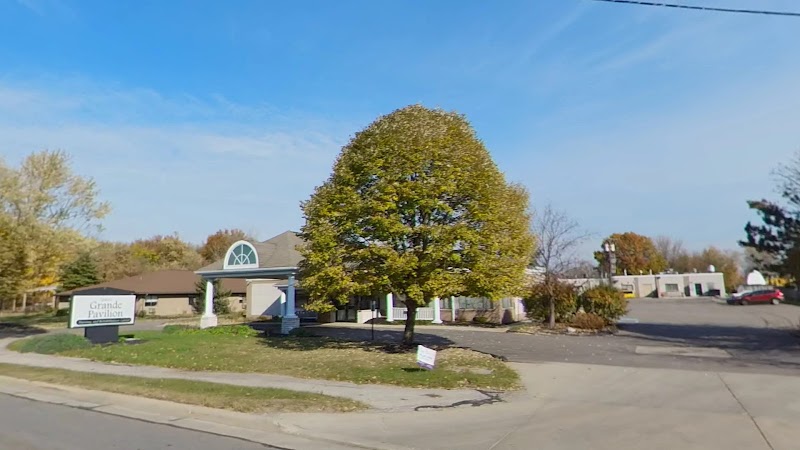
GRANDE OAKS

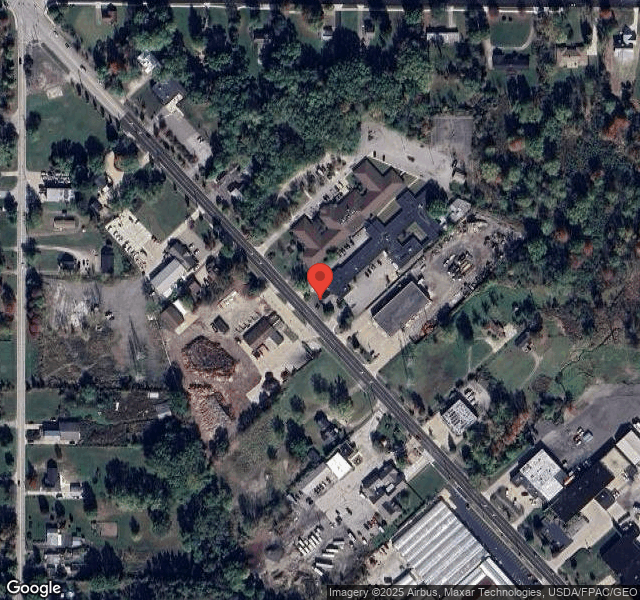
24579 BROADWAY AVE, OAKWOOD VILLAGE, OH 44146 (440) 439-7976
For profit - Corporation 60 Beds EMBASSY HEALTHCARE Data: November 2025 1 Immediate Jeopardy citation
Trust Grade
21/100
#690 of 913 in OH
Last Inspection: March 2025

Within standard 12-15 month inspection cycle. Federal law requires annual inspections.

Overview

Grande Oaks in Oakwood Village, Ohio, has received a Trust Grade of F, indicating significant concerns about the quality of care provided. With a state rank of #690 out of 913, they are in the bottom half of facilities in Ohio, and #62 out of 92 in Cuyahoga County, meaning there are many better options nearby. While the facility's trend is improving, having reduced issues from 32 in 2024 to 2 in 2025, there are still many alarming deficiencies, including a concerning 68% staff turnover rate, which is higher than the state average, and fines totaling $17,020, exceeding those of 77% of Ohio facilities. Staffing is particularly weak, with only 1/5 stars, and the facility has less RN coverage than 99% of other facilities, which may impact the quality of care. Specific incidents include a failure to implement effective wound care for residents, leading to severe pressure ulcers, and a situation where a resident was not provided timely treatment for a wound, resulting in actual harm. Overall, while there are some signs of improvement, families should be cautious and weigh these serious concerns against the facility's strengths.

Trust Score
F
21/100
In Ohio
#690/913
Bottom 25%
Safety Record
High Risk
Review needed
Inspections
Getting Better
32 → 2 violations
Staff Stability
⚠ Watch
68% turnover. Above average. Higher turnover means staff may not know residents' routines.
Penalties
✓ Good
$17,020 in fines. Lower than most Ohio facilities. Relatively clean record.
Skilled Nurses
⚠ Watch
Each resident gets only 15 minutes of Registered Nurse (RN) attention daily — below average for Ohio. Fewer RN minutes means fewer trained eyes watching for problems.
Violations
⚠ Watch
65 deficiencies on record. Higher than average. Multiple issues found across inspections.
★★☆☆☆
2.0
Overall Rating
★☆☆☆☆
1.0
Staff Levels
★★★★★
5.0
Care Quality
★☆☆☆☆
1.0
Inspection Score
Stable
2024: 32 issues
2025: 2 issues

The Good

  • 5-Star Quality Measures · Strong clinical quality outcomes
  • Full Sprinkler Coverage · Fire safety systems throughout facility
  • No fines on record

Facility shows strength in quality measures, fire safety.

The Bad

2-Star Overall Rating

Below Ohio average (3.2)

Below average - review inspection findings carefully

Staff Turnover: 68%

22pts above Ohio avg (46%)

Frequent staff changes - ask about care continuity

Federal Fines: $17,020

Below median ($33,413)

Minor penalties assessed

Chain: EMBASSY HEALTHCARE

Part of a multi-facility chain

Ask about local staffing decisions and management

Staff turnover is elevated (68%)

20 points above Ohio average of 48%

The Ugly 65 deficiencies on record

1 life-threatening 2 actual harm
Mar 2025 2 deficiencies
CONCERN (D)

Potential for Harm - no one hurt, but risky conditions existed

Deficiency F0761 (Tag F0761)

Could have caused harm · This affected 1 resident

Based on observation, record review, resident interview, staff interview, and review of facility policies the facility failed to ensure medications were secured properly. This affected one (Resident #...

Read full inspector narrative →
Based on observation, record review, resident interview, staff interview, and review of facility policies the facility failed to ensure medications were secured properly. This affected one (Resident #10) of four residents observed for medication administration. Findings include: Review of medical record noted Resident #10 had an admission date of 10/02/24. Diagnoses included chronic obstructive pulmonary disease, unspecified, pain unspecified, post-traumatic stress disorder, depression, type two diabetes mellitus with diabetic neuropathy, and anxiety disorder. Review of the quarterly Minimum Data Set (MDS) assessment 03/25/25 noted Resident #10 had intact cognition. Review of the medical record revealed Resident #10 had no assessment for the self-administration of medication. Observation on 03/24/25 at 9:49 A.M. noted Resident #10 lying in bed with a cup of medications at bedside. Resident #10 verified the cup of medications at bedside and stated staff left the medications for her to take when she was ready. Interview 03/24/25 at 9:52 A.M., Licensed Practical Nurse (LPN) #501 stated she left the medications at the bedside because the resident is alert and will take them when she is ready. LPN #501 stated she would check on Resident #10 in a little bit to see if she took her medications. Interview on 03/24/25 at 10:00 A.M., the Director of Nursing (DON) stated no medications are to be left with residents at bedside, no matter how alert the resident is. The DON stated all staff would receive education immediately. Interview on 03/25/25 at 5:40 P.M. with the DON #645 verified there was no assessment completed indicating Resident #10 could self-administer medications. Review of the facility policy titled, Medication Administration, dated 08/22/22 stated medications are administered by licensed nurses as ordered by the physician and in accordance with professional standards of practice. Nurses are to observe residents consume medications. Review of the facility policy titled Bedside Storage of Medication, dated 2017 noted residents who are able to self-administer medications may be allowed to store bedside medication per policy. A written doctor's order for bedside storage of medication is placed in the resident's medical record, bedside storage of medications is indicated on the resident medication administration record for appropriate medications.
CONCERN (D)

Potential for Harm - no one hurt, but risky conditions existed

Infection Control (Tag F0880)

Could have caused harm · This affected 1 resident

**NOTE- TERMS IN BRACKETS HAVE BEEN EDITED TO PROTECT CONFIDENTIALITY** Based on record review, observation and interview, the facility failed to properly disinfect a glucometer after checking blood s...

Read full inspector narrative →
**NOTE- TERMS IN BRACKETS HAVE BEEN EDITED TO PROTECT CONFIDENTIALITY** Based on record review, observation and interview, the facility failed to properly disinfect a glucometer after checking blood sugars. This affected one (Resident #13) of one resident observed for blood sugar monitoring and had the potential to affect 17 residents who required blood sugar monitoring residing on the 100 hall. Findings include: Review of medical record for Resident #13 noted an admission date of 06/26/24. Diagnosis included type two diabetes mellitus with diabetic neuropathy, unspecified. Review of the quarterly Minimum Data Set (MDS) assessment dated [DATE] noted Resident #13 had intact cognition. Review of plan of care dated 06/26/24 noted Resident #13 was at risk for hyper/hypoglycemia related to diabetes. Interventions included to obtain blood sugars as ordered. Review of physician order dated 07/19/24 noted staff were to obtain blood sugars twice a day related to diabetes. Observations on 03/24/25 at 4:11 P.M., Licensed Practical Nurse (LPN) #501 obtained a blood sugar for Resident #13. LPN #501 walked back to the medication cart and cleaned the glucometer with an alcohol wipe. LPN #501 was asked what product was normally used to clean the glucometer; LPN #501 struggled to provide an answer. Interview on 03/24/25 at 4:15 P.M., the Director of Nursing (DON) stated staff should not be using alcohol wipes to sanitize glucometers. DON #645 stated she would provide training for all nursing staff. Review of the manufacturers guide for the glucometer noted the glucometer should be cleaned using Environmental Protection Agency (EPA) registered wipes. Review of the facility policy titled Glucometer Disinfection, dated 2023 noted glucometers should be disinfected with a wipe pre-saturated with an EPA registered healthcare disinfectants that is effective against Human Immunodeficiency (HIV) virus, hepatitis C and hepatitis B virus.
Dec 2024 16 deficiencies 1 Harm
SERIOUS (G) 📢 Someone Reported This

A family member, employee, or ombudsman was alarmed enough to file a formal complaint

Actual Harm - a resident was hurt due to facility failures

Pressure Ulcer Prevention (Tag F0686)

A resident was harmed · This affected 1 resident

**NOTE- TERMS IN BRACKETS HAVE BEEN EDITED TO PROTECT CONFIDENTIALITY** THE FOLLOWING DEFICIENCY REPRESENTS AN INCIDENT OF PAST NON-COMPLIANCE THAT WAS SUBSEQUENTLY CORRECTED PRIOR TO THIS SURVEY. Bas...

Read full inspector narrative →
**NOTE- TERMS IN BRACKETS HAVE BEEN EDITED TO PROTECT CONFIDENTIALITY** THE FOLLOWING DEFICIENCY REPRESENTS AN INCIDENT OF PAST NON-COMPLIANCE THAT WAS SUBSEQUENTLY CORRECTED PRIOR TO THIS SURVEY. Based on record review, interviews, review of hospital records, review of witness statements and wound policy, the facility failed to implement an adequate and effective pressure ulcer prevention program to promote healing and to ensure Resident #154, who was cognitively impaired, dependent on staff for activity of daily living care and incontinent of bowel, received left lateral ankle and foot wound treatments timely when dressings had become saturated with fecal material. Actual Harm occurred on 10/14/24 when nursing staff failed to change Resident #154's dressing to his left lateral ankle and left lateral foot Stage IV pressure ulcers (full-thickness tissue loss with exposed bone, tendon, or muscle) when Certified Nursing Assistant (CNA) #232 notified Licensed Practical Nurse (LPN) #291 the dressings to the areas were saturated with fecal material. This lack of timely and proper wound care resulted in the ulcers deteriorating and contributed to the development of sepsis and osteomyelitis (infection in the bone requiring intravenous antibiotics) and hospitalization in the intensive care unit. This affected one resident (#154) of three residents reviewed for pressure ulcers. The facility census was 49. Findings include: Review of the closed medical record for Resident #154 revealed an admission date of 11/19/21 with diagnoses including osteomyelitis (infection in the bone), hypertension, contracture of the right knee and dementia. Review of the care plan dated 04/04/24 for Resident #154 revealed he had an actual area of skin impairment, Stage IV pressure wound, to the left lateral ankle and foot. Staff were to continue treatments as ordered by the physician and observe for signs of infection or worsening of the wound. Review of the physician's orders and Treatment Administration Record for October 2024 revealed Resident #154 had a treatment dated 10/01/24 to cleanse the left lateral foot with normal saline, pat dry, apply oil emulsion to the wound, cover with an abdominal (ABD) pad and wrap with kerlix daily and as needed. He also had had a treatment (initiated 09/24/24) to cleanse the left lateral ankle with normal saline, pat dry, apply oil emulsion and cover with ABD pad and wrap with kerlix every day on day shift. There was an order to change the left lateral ankle as needed as well. The daily dressing orders were documented as completed on 10/13/24 and 10/14/24 but the as needed orders were not utilized on those dates. Review of the comprehensive Minimum Data Set (MDS) 3.0 assessment dated [DATE] revealed Resident #154 had impaired cognition. The assessment revealed the resident was dependent on staff for activities of daily living including toileting, hygiene and repositioning in bed and the resident was always incontinent of bowel. Review of the wound evaluation and management summary dated 10/07/24 by Wound Physician #360 revealed Resident #154 had a Stage IV pressure wound to the left lateral ankle and left lateral foot. The left lateral ankle Stage IV pressure ulcer measured 2.6 centimeters (cm) length by 2.4 cm width with 0.1 cm depth. There was light serosanguineous (thin clear/pink fluid) drainage with 10 percent (%) slough (dead tissue in wound) and 90% granulation tissue (new tissue). The left lateral foot Stage IV pressure area measured 2.4 cm by 2.3 cm by 0.2 cm. It had moderate serous (thin, watery clear) drainage with 100% granulation tissue. The facility was to continue the dressing changes once daily and off-load the wounds. Review of the wound evaluation and management summary dated 10/14/24 by Wound Physician #360 revealed Resident #154 still had Stage IV pressure wounds to the left lateral ankle and left lateral foot and the wounds had deteriorated. The left lateral ankle Stage IV pressure ulcer measured 7 cm by 5 cm by 0.3 cm and had exacerbated due to infection. There was moderate serous drainage with only 60% granulation tissue noted with 30% other viable tissues observed which included bone, fascia, tendon and muscle. Wound Physician #360 stated the wound was highly suspicious for osteomyelitis and she would start intravenous antibiotics pending the wound culture. The left lateral foot Stage IV pressure ulcer measured 3 cm by 3 cm by 0.2 cm. There was 80% granulation tissue and 20% slough. There was moderate serous drainage noted. The wound progress was noted to be exacerbated due to multifactorial (meaning the wound of the left lateral ankle). Wound Physician #360 ordered laboratory values, wound culture, x-ray and two intravenous antibiotics. Review of the nursing progress note dated 10/14/24 at 5:39 P.M. revealed Resident #154 was transferred to a skilled room for antibiotic intravenous therapy related to a wound infection. On 10/14/24 at 6:27 P.M. Resident #154 had a peripherally inserted central catheter line placed to his left arm for intravenous antibiotics. On 10/15/24 at 7:00 P.M. Resident #154 had a dressing change to his left leg and there was noted to be plus two pitting edema to the knee and it was warm to the touch. Vital signs were obtained and were noted to be abnormal with his blood pressure at 103/57 (normal 120/80), pulse of 121 (normal 60-100), respirations of 22 (normal 12-20) and temperature of 99.9 degrees Fahrenheit (normal 98.6). The physician was updated and a new order was given to send him to the emergency department. On 10/16/24 at 1:09 A.M. it was noted that Resident #154 was admitted to the hospital for septic shock. Review of the left ankle x-ray dated 10/14/24 revealed changes associated with prior osteomyelitis involving the distal fibula. Acute osteomyelitis was not excluded. The impression stated if there was exposed bone, then acute osteomyelitis was presumed. Review of the critical care consult note from the hospital records dated 10/16/24 revealed Resident #154 was at the hospital due to left lower leg swelling. During his stay at the hospital it was noted he had sepsis due to osteomyelitis and possible abscess to his left lower extremity. Review of a disciplinary action form dated 10/17/24 for LPN #291 revealed the LPN was given a written and final warning due to not providing the necessary care to a resident to prevent further breakdown in a wound. Review of the facility investigation revealed a statement dated 10/17/24 by CNA #232 stating Resident #154 had a large bowel movement and she had informed the nurse on duty that his dressing was soiled. She provided care for him and changed his bedding and covered his left foot and dressing with a sheet to protect the new sheets until the nurse came to perform the dressing change. Interview on 11/21/24 at 9:16 A.M. with LPN #206 revealed Resident #154 had contractures to the bilateral lower legs and had many skin impairments throughout his stay. She stated the nursing staff were able to resolve many of these areas, but he had chronic wounds. She stated on 10/14/24 at 12:00 P.M. she was performing wound rounds with Wound Physician #360 to Resident #154. She stated his left lateral foot and ankle dressings were saturated. She stated the dressing was removed and Wound Physician #360 was upset the dressings were contaminated with feces and had not been changed. She stated it was suspected he had a wound infection, and the physician ordered antibiotics, an x-ray, wound culture and laboratory tests. LPN #206 stated she immediately started an investigation which revealed Resident #154's dressings had become saturated with feces on 10/14/24 at 3:00 A.M. She stated CNA #232 had updated LPN #291 the dressings were saturated and needed changed. LPN #206 stated LPN #291 admitted she had gotten busy and forgot to change the dressing. The next dressing changes were on dayshift on 10/14/24 and were not changed until the physician had performed wound rounds. LPN #206 stated she had interviewed the nursing staff who had worked on 10/11/24, 10/12/24 and 10/13/24, who all stated the wounds had no signs or symptoms of infection and the dressings were changed as ordered. Interview on 11/21/24 at 12:50 P.M. with Wound Physician #360 revealed Resident #154's wound deteriorated between 10/07/24 and 10/14/24. She stated when she assessed the resident on 10/14/24 at 12:00 P.M. his left lateral ankle and foot dressings were soiled with feces and were contaminated. She stated upon assessment, the Stage IV pressure ulcers had increased in size and she suspected there was an infection. Wound Physician #360 stated she ordered an x-ray to rule out osteomyelitis, obtained a wound culture, ordered laboratory tests and started two intravenous antibiotics. Attempted phone interviews with CNA #232 and LPN #291 on 11/21/24 and 11/25/24 were unsuccessful. Voicemail messages were left with no return contact made. Review of the facility policy titled, Wound Treatment Management, dated 12/01/21, stated wound treatments would be provided in accordance with the physician's orders. The policy stated dressing changes may be provided if feces had seeped underneath the dressing or the dressing was soiled. The deficient practice was corrected on 10/18/24 when the facility implemented the following corrective actions: On 10/16/24 and 10/17/24 DON and LPN #206 provided nursing staff education on the facility policy titled, Wound Treatment Management, dated 12/01/21, including changing the dressing if feces had seeped underneath the dressing or the dressing was soiled as well as adding an order for all residents with wounds to check the integrity of the dressing each shift and replace if needed. On 10/17/24 by LPN #206 completed wound and dressing audits for all residents to ensure dressings were intact and the orders were correct without negative findings. On 10/17/24 the Administrator provided LPN #291 education and disciplinary action. On 10/18/24 audits were initiated of wound dressing observations including if the dressing was clean, dry and intact as well as if the order was in place to check the integrity of the dressing each shift. These audits were to be completed by the DON or her designed three times a week for one week and then weekly thereafter for three weeks. The results would be taken to the quality assurance meetings. This deficiency represents non-compliance investigation under Complaint Number OH00159247.
CONCERN (D) 📢 Someone Reported This

A family member, employee, or ombudsman was alarmed enough to file a formal complaint

Potential for Harm - no one hurt, but risky conditions existed

Comprehensive Care Plan (Tag F0656)

Could have caused harm · This affected 1 resident

Based on record review, policy review and staff interview, the facility failed to implement care planned interventions were followed to complete quarterly smoking safety assessments to ensure safe smo...

Read full inspector narrative →
Based on record review, policy review and staff interview, the facility failed to implement care planned interventions were followed to complete quarterly smoking safety assessments to ensure safe smoking practices. This affected two (#150, #153) of three residents reviewed for smoking. The facility identified fourteen current residents (#100, #105, #114, #123, #127, #128, #129, #10, #140, #141, #143, #148, #149 and #150) as smokers. The facility census was 49. Findings include: 1. Review of the medical record for Resident #150 revealed and admission date of 05/30/18. Diagnoses included but were not limited to spastic hemiplegia affecting left nondominant side, epilepsy, and schizoaffective disorder. Review of the 09/08/24 quarterly Minimum Data Set (MDS) for Resident #150 revealed he was cognitively intact and was independent for activities of daily living (ADLs). Review of the smoking assessment task in the electronic medical record for Resident #150 revealed the last smoking assessment prior to survey entrance was last completed on 02/20/24 which indicated he had loss of upper limbs/paraplegia of upper limbs, smoke two to five times per day and required supervision while smoking. Review of care plan for Resident #150 revealed it was last reviewed on 09/26/24. Resident #150 was noted to have potential safety hazard or injury related to smoking. Resident #150 noted to be able to smoke with staff or family supervision. Smoking assessment was to be completed upon admission and quarterly thereafter. Interview on 11/18/24 at 2:00 P.M. with the Director of Nursing (DON) confirmed smoking assessments are to be completed quarterly and confirmed the smoking assessments for Residents #150 was not completed quarterly as required. 2. Review of the closed medical record for Resident #153 revealed an admission date of 09/06/23 and a discharge date of 09/25/24. Diagnoses included but were not limited to type II diabetes mellitus, opioid dependence, and bipolar disorder. Review of 09/18/24 annual Minimum Data Set (MDS) 3.0 for Resident #153 revealed a Brief Interview of Mental Status (BIMS) score of 15 which indicated the resident was cognitively intact. Review of activities of daily living (ADLs) revealed resident was independent. Review of the care plan for Resident #153 which was last reviewed on 09/14/24 indicated she had potential for safety hazard or injury related to smoking and required supervision by staff or family. Smoking assessments were to be completed upon admission and quarterly thereafter. Interview on 11/18/24 at 2:00 P.M. with the DON confirmed smoking assessments are to be completed quarterly and confirmed the smoking assessments for Resident #153 was not completed quarterly as required. Review of 12/13/2021 revised facility policy called; Resident Smoking revealed the facility will provide a safe and healthy environment for residents, visitors, and employees including safety as related to smoking. Residents who smoke will be further assessed, and be supervised during smoking times, using the facility policy to determine if safe to smoke at all. The policy did not indicate how frequently smoking assessment would be completed to ensure appropriate safety monitoring of smoking. This deficiency represents non-compliance investigated under Complaint Number OH00159004.
CONCERN (D) 📢 Someone Reported This

A family member, employee, or ombudsman was alarmed enough to file a formal complaint

Potential for Harm - no one hurt, but risky conditions existed

Deficiency F0660 (Tag F0660)

Could have caused harm · This affected 1 resident

**NOTE- TERMS IN BRACKETS HAVE BEEN EDITED TO PROTECT CONFIDENTIALITY** Based on medical record review, psychological evaluation, interview and policy review, the facility failed to ensure Resident #1...

Read full inspector narrative →
**NOTE- TERMS IN BRACKETS HAVE BEEN EDITED TO PROTECT CONFIDENTIALITY** Based on medical record review, psychological evaluation, interview and policy review, the facility failed to ensure Resident #153's mental impairment and resident representative concerns were addressed to ensure a safe discharge for one resident (Resident #153) of three reviewed for discharge. The facility census was 49. Findings include: Review of the closed medical record for Resident #153 revealed an admission date of 09/06/23 and a discharge date of 09/25/24. Diagnoses included but were not limited to type II diabetes mellitus, opioid dependence, and bipolar disorder. Resident #153 was noted to be independent for Activities of Daily Living (ADLs). Review of the 03/17/23 Durable Power of Attorney for Healthcare for Resident #153 revealed she listed three power of attorneys (POAs) in order of preference and succession to serve as her agent to make health and personal care decisions. Resident #153's daughter was listed as number one and her son was listed as number three. This document gives the person you designate (the attorney in fact) the power to make MOST health care decisions for you if you lose the capacity to make informed health care decisions for yourself. It was additionally stated that her agent shall act as guardian/conservator or limited guardian/conservator of my person, should guardianship/conservatorship proceedings become necessary or desirable. Review of previous social service worker's progress note dated 05/29/24 timed at 7:51 A.M. revealed three notes were left under the social work office door following a leave of absence for Resident #153 with her daughter who is listed as number one of her POAs. Resident #153 expressed her daughter had been mean and wanted to go live with her son in New York and asked the social worker to reach out to her son to go live with him. Review of the previous social worker's progress note dated 05/29/24 timed at 7:59 A.M. revealed Resident #153 had intact cognition, and her son was listed on her POA paperwork and agreed to start discharge planning to move Resident #153 to New York. Review of social service progress note dated 09/06/24 timed at 10:21 A.M. revealed Resident #153's daughter (listed as POA #1) came to the facility to speak with the Administrator and social worker and was upset about recent communication with Resident #153's son (listed as #3 on POA document). Resident #153's daughter (POA #1) requested social work refrain from contacting any other family member and asked she be the sole point of contact regarding resident's care. POA #1 expressed concern that discharge to New York could result in drug-seeking behavior, harm or even death. Review of 09/18/24 annual Minimum Data Set (MDS) 3.0 for Resident #153 revealed a Brief Interview of Mental Status (BIMS) score of 15 which indicated the resident was cognitively intact and was noted to be independent for activities of daily living (ADLs). Review of 09/21/24 physician guardianship evaluation for Resident #153 revealed she was mentally impaired related to diagnosis of bipolar disorder, history of opioid abuse and moderate cognitive impairment. Montreal Cognitive Assessment (MoCA), which is a highly sensitive tool for early detection of mild cognitive impairment, revealed a score of 15 out of 30 which indicated moderate cognitive impairment. Resident #153 was noted to exhibit short term memory difficulty, did not have good insight into her conditions or medications. Licensed Physician Clinical Psychologist #361 recommended a guardian for decision making. Review of nursing progress note dated 09/25/24 timed at 3:18 P.M. revealed Resident #153's son (POA #3) came into the facility per resident request to take her home to New York. Resident #153 was educated on risk of going against medical advice (AMA). Paperwork was signed and the ombudsmen and physician were notified Resident #153 was going AMA and medications were sent with resident. Courtesy call was made by the Assistant Director of Nursing (ADON) to POA #1 and informed her Resident #153 had left the facility with POA #3 AMA. Review of the 09/25/24 Voluntary Discharge Against Medical Advice (AMA) form signed by Resident #153 and her son (POA #3) revealed Resident #153 chose to go AMA from the facility. Phone interview on 10/28/24 at 3:46 P.M. to the complaint department by Resident #153's daughter revealed she had previously met with the social worker (who no longer works at the facility) and learned the facility was facilitating a discharge for Resident #153 and had been communicating with her brother (listed as POA #3). Resident #153's daughter told the social worker had dementia and was not able to safely make decisions. Resident 153's daughter stated the social worker agreed to have a psychological evaluation completed and following the evaluation her mother was indicated as needing a guardian to make decisions. Resident #153's daughter stated she received a call from the facility the day after Resident #153 was discharged telling her that her brother had discharged Resident #153 AMA. Resident #153's daughter stated she was not called prior to the discharge and was not notified until after Resident #153 had left the facility. Resident #153's daughter stated the facility did not call the police. Interview on 11/13/24 at 8:15 A.M. with the Director of Nursing (DON) revealed Resident #153 had stated she wanted to go home with her son because she did not want her daughter to be her POA due to a bad relationship and wanted to discharge with her son. DON stated the previous social worker had been in contact with Resident #153's son (POA #3) and he had agreed to take her back to New York with him. Following the physician evaluation on 09/21/24, Resident #153's daughter requested a copy of the evaluation to take it to the court. Resident #153's son came to the facility on [DATE] unannounced to take his mom home with him. The DON told Resident #153 and her son she needed a guardian and called the daughter to tell her that her brother was here to take Resident #153 home with him and her mother was signing AMA papers. The DON stated since Resident #153 had a BIMS of 15 and stated she wanted to leave AMA, the facility had her sign the AMA papers and allowed her to leave with her son (POA #3). Phone interview on 11/19/24 at 11:53 A.M. with Psychologist #359 revealed per facility request the psychologist provided an expert evaluation on 09/21/24 and the evaluation results were given to the facility to handle the results and was not reported to the court system. Interview on 11/19/24 at 12:01 P.M. with the Director of Nursing (DON) stated the facility got the expert evaluation on 09/21/24 and confirmed Resident #153's daughter was the first POA listed in the order of succession and preference. The DON also confirmed Resident #153's daughter expressed concerns prior to the discharge regarding not being a safe situation and did not want Resident #153 to discharge with her brother. Interview on 11/19/24 at 12:35 P.M. with Regional Nurse #358 confirmed the MoCA revealed cognitive impairment and confirmed it stated Resident #153 would benefit from a guardian. Regional Nurse #358 stated the facility left a message for the Ombudsmen while the son was at the facility on 09/25/24. Regional Nurse #358 confirmed the facility did not contact adult protective services or the police prior to Resident #153 leaving the facility AMA. Interview on 11/25/24 at 10:09 A.M. with the DON confirmed she spoke with Resident #153's daughter on 09/25/24 and told her that Resident #153 wanted to discharge with Resident #153's son. DON stated Resident #153's daughter stated it was Resident #153's choice. Interview on 11/25/24 at 11:15 P.M. with Nurse Practitioner (NP) #364 stated she was aware Resident #153 had stated she wanted to go to New York with her son (POA #3) but was off during the time Resident #153 discharged . NP #364 stated if she had seen the expert evaluation, she would have gone to management and discussed how to proceed to ensure a safe discharge. Follow up interview on 11/25/24 at 12:04 P.M. with NP #364 revealed she had conferred with Physician #365 via electronic text message and confirmed Physician #365 was aware Resident #153 went AMA but was not made aware of the MoCA report completed on 09/21/24 for Resident #153 prior to her discharge on [DATE]. Review of the 09/01/24 revised facility policy called; Transfer and Discharge (including Against Medical Advice (AMA) revealed a resident-initiated transfer or discharge means the resident or, if appropriate, the resident representative has provided verbal or written notice of intent to leave the facility (leaving the facility does not include the general expression of a desire to return home or the elopement of resident with cognitive impairment.) For an anticipated transfer or discharge initiated by the resident, supporting documentation shall include evidence of the resident or resident representative's verbal or written notice of intent to the leave the facility, a discharge plan, and documented discussions with the resident and/or resident representative. This deficiency represents non-compliance investigated under Complaint Number OH00159312.
CONCERN (D) 📢 Someone Reported This

A family member, employee, or ombudsman was alarmed enough to file a formal complaint

Potential for Harm - no one hurt, but risky conditions existed

ADL Care (Tag F0677)

Could have caused harm · This affected 1 resident

Based on record review, interviews and policy review, the facility failed to ensure bathing was provided as scheduled for three (Residents #121, #122 and #155) of three residents reviewed for showers....

Read full inspector narrative →
Based on record review, interviews and policy review, the facility failed to ensure bathing was provided as scheduled for three (Residents #121, #122 and #155) of three residents reviewed for showers. The facility census was 49. Findings include: 1. Review of the medical record for Resident #121 revealed an admission date of 06/07/24. Diagnoses included but were not limited to chronic respiratory failure, congestive heart failure, dependence upon a respirator, vascular dementia, and obesity. Review of 09/14/24 quarterly Minimum Data Set (MDS) 3.0 for Resident #121 revealed a Brief Interview of Mental Status (BIMS) score of 15 which indicated intact cognition. Review of activities of daily living (ADLs) revealed Resident #121 was dependent for bathing and transfers. Review of physician orders for Resident #121 revealed an 11/06/24 order for showers every Wednesday and Saturday day shift and to complete a progress notes for all refusals. Review of Resident #121's care plan revealed it was last reviewed on 09/13/24 and indicated bathing assistance was required. Review of the shower sheets for the past 30 days indicated no evidence of bathing for 10/23/24. Of the eight shower sheets provided six did not have one or both signatures of the nurse and aide. The shower sheet on 10/18/24 indicated a refusal. Review of the nursing progress notes did not reflect notation of bathing refusal on 10/18/24. Interview on 11/14/24 at 3:26 P.M. with Resident #121's daughter revealed concerns bathing being provided twice weekly consistently. Review of the undated facility shower/tub bath/bed bath sheet used to record resident bathing revealed nurse and nursing assistant were to review the shower sheet together. Signatures must be placed in appropriate place. Interview on 11/18/24 at 2:00 P.M. with the Director of Nursing (DON) confirmed the Certified Nursing Assistant (CNA) and nurse are to review the shower sheets, confirmed the missing shower sheets for Resident #121. Review of the 7/01/2022 facility policy called; Resident Showers revealed residents will be provided with showers as per request or as per facility schedule protocols and based on resident safety. Document that the shower/bath was provided. Review of the 12/01/22 revised facility policy called; Weight Monitoring revealed interventions will be identified, implemented, monitored (as appropriate), consistent with the resident's assessed needs, choices, preferences, goals and current professional standards to maintain acceptable parameters of nutritional status. A weight monitoring schedule will be developed upon admission for all residents. Other conditions may require weight to be obtained and monitored more frequently; physicians order will determine the frequency. 2. Review of the medical record for Resident #122 revealed an admission date of 03/21/23. Diagnoses included but were not limited to acute postprocedural respiratory failure, hemiplegia, dependence on respirator, type II diabetes mellitus, and moderate protein calorie malnutrition. Review of the 10/02/24 quarterly Minimum Data Set (MDS) 3.0 for Resident #122 revealed a Brief Interview of Mental Status (BIMS) score of 13 which indicated intact cognition. Review of activities of daily living (ADLs) revealed resident was dependent for bathing. Review of Resident #122's care plan revealed it was last reviewed on 10/19/24 and indicated she was dependent for bathing and prefers a bed bath. Review of shower sheets for Resident #122 for the past 30 days revealed no evidence of bathing for 11/01/24 and 11/08/24. Of the eight shower sheets provided for Resident #122, four were missing nurse signatures. Review of nursing progress notes for Resident #122 did not reveal any documentation of refusal of bathing for 11/01/24 or 11/08/24. Interview on 11/12/24 at 12:03 P.M. with Resident #122 revealed she usually prefers bed baths and sometimes bathing is not completed on her scheduled day. Review of the undated facility shower/tub bath/bed bath sheet used to record resident bathing revealed nurse and nursing assistant were to review the shower sheet together. Signatures must be placed in appropriate place. Interview on 11/18/24 at 2:00 P.M. with the DON confirmed the CNA and nurse are to review the shower sheets, confirmed the missing shower sheets for Resident #122. Review of the 7/01/2022 facility policy called; Resident Showers revealed residents will be provided with showers as per request or as per facility schedule protocols and based on resident safety. Document that the shower/bath was provided. Review of the 12/01/22 revised facility policy called; Weight Monitoring revealed interventions will be identified, implemented, monitored (as appropriate), consistent with the resident's assessed needs, choices, preferences, goals and current professional standards to maintain acceptable parameters of nutritional status. A weight monitoring schedule will be developed upon admission for all residents. Other conditions may require weight to be obtained and monitored more frequently; physicians order will determine the frequency. 3. Review of the closed medical record for Resident #155 revealed an admission date of 03/28/24 and a discharge date of 11/04/24. Diagnoses included but were not limited to hypertensive urgency, unspecified severe protein-calorie malnutrition, prostate cancer and stage IV chronic kidney disease. Review of 11/03/24 discharge Minimum Data Set (MDS) 3.0 indicated Resident #155 had moderate cognitive impairment. Review of activities of daily living (ADLs) revealed Resident #155 was dependent upon staff for bathing. Review of Resident #155's care plan revealed it was last reviewed on 10/08/24 and stated staff assistance was required for bathing. Review of the shower sheets for Resident #155 revealed no shower sheet was provided for 10/29/24. Six of the seven shower sheets provided were missing the nurse signature. Review of the undated facility shower/tub bath/bed bath sheet used to record resident bathing revealed nurse and nursing assistant were to review the shower sheet together. Signatures must be placed in appropriate place. Interview on 11/18/24 at 2:00 P.M. with the DON confirmed the CNA and nurse are to review the shower sheets, confirmed the missing shower sheets for Resident #155. Review of the 7/01/2022 facility policy called; Resident Showers revealed residents will be provided with showers as per request or as per facility schedule protocols and based on resident safety. Document that the shower/bath was provided. Review of the 12/01/22 revised facility policy called; Weight Monitoring revealed interventions will be identified, implemented, monitored (as appropriate), consistent with the resident's assessed needs, choices, preferences, goals and current professional standards to maintain acceptable parameters of nutritional status. A weight monitoring schedule will be developed upon admission for all residents. Other conditions may require weight to be obtained and monitored more frequently; physicians order will determine the frequency. This deficiency represents non-compliance investigated under Complaint Number OH00159004.
CONCERN (D) 📢 Someone Reported This

A family member, employee, or ombudsman was alarmed enough to file a formal complaint

Potential for Harm - no one hurt, but risky conditions existed

Quality of Care (Tag F0684)

Could have caused harm · This affected 1 resident

Based on record review, interviews and policy review, the facility failed to ensure weights were completed per physician ordered related to Resident #121's congestive heart failure. This affected one ...

Read full inspector narrative →
Based on record review, interviews and policy review, the facility failed to ensure weights were completed per physician ordered related to Resident #121's congestive heart failure. This affected one resident (Resident #121) of three residents reviewed for weight monitoring. The facility census was 49. Findings include: Review of the medical record for Resident #121 revealed an admission date of 06/07/24. Diagnoses included but were not limited to chronic respiratory failure, congestive heart failure, dependence upon a respirator, vascular dementia, and obesity. Review of 09/14/24 quarterly Minimum Data Set (MDS) 3.0 for Resident #121 revealed a Brief Interview of Mental Status (BIMS) score of 15 which indicated intact cognition. Review of activities of daily living (ADLs) revealed Resident #121 was dependent for transfers. Review of physician orders for Resident #121 revealed a 07/03/24 order for daily weights in the morning related to congestive heart failure. Review of Resident #121's care plan revealed Resident #121 was noted to be at risk for alteration in nutrition and/or hydration related to obesity, body mass index. Intervention was to monitor weight as physician ordered. Review of daily weights for Resident #121 revealed no weights were recorded for 10/03/24, 10/04/24, 10/07/24, 10/08/24, 10/09/24, 10/18/24, 10/20/24, 10/22/24, 10/24/24, 10/30/24, 11/01/24, 11/07/24, 11/08/24, 11/09/24, 11/10/24, 11/16/24 as physician ordered. Interview on 11/14/24 at 3:26 P.M. with Resident #121's daughter revealed concerns with daily weights being completed as ordered. Interview on 11/18/24 at 2:00 P.M. with the Director of Nursing (DON) confirmed daily weights were not being completed as physician ordered for Resident #121. Interview on 11/19/24 at 1:03 P.M. with Dietitian #267 confirmed daily weights were not completed daily as physician ordered for Resident #121. This deficiency represents non-compliance investigated under Complaint Number OH00159004.
CONCERN (D) 📢 Someone Reported This

A family member, employee, or ombudsman was alarmed enough to file a formal complaint

Potential for Harm - no one hurt, but risky conditions existed

Deficiency F0712 (Tag F0712)

Could have caused harm · This affected 1 resident

Based on medical record review, interview and facility policy the facility failed to ensure physician visits were completed as required. This affected three of three residents (Residents #122, #153 an...

Read full inspector narrative →
Based on medical record review, interview and facility policy the facility failed to ensure physician visits were completed as required. This affected three of three residents (Residents #122, #153 and #154) reviewed for physician services. This had the potential to affect all 49 residents residing at the facility. Findings include: 1. Review of the medical record for Resident #122 revealed an admission date of 03/21/23. Diagnoses included but were not limited to acute postprocedural respiratory failure, hemiplegia, dependence on respirator, type II diabetes mellitus, and moderate protein calorie malnutrition. Review of 10/02/24 quarterly Minimum Data Set (MDS) 3.0 for Resident #122 revealed a Brief Interview of Mental Status (BIMS) score of 13 which indicated intact cognition and dependence upon staff for activities of daily living (ADLs). Review of the physician visits for Resident #122 revealed no physician or nurse practitioner visits since 09/05/24. Physician visits listed within the past year were 11/07/23, 08/16/24 and 09/05/24. No nurse practitioner notes were listed in the progress notes or under the miscellaneous tab under tab. Interview on 11/14/24 at 8:32 A.M. with the Director or Nursing (DON) confirmed there were not monthly alternating physician and nurse practitioner visits for Residents #122. 2. Review of the closed medical record for Resident #153 revealed an admission date of 09/06/23 and a discharge date of 09/25/24. Diagnoses included but were not limited to type II diabetes mellitus, opioid dependence, and bipolar disorder. Review of the 09/18/24 annual Minimum Data Set (MDS) 3.0 for Resident #153 revealed a Brief Interview of Mental Status (BIMS) score of 15 which indicated intact cognition. Review of physician visits for Resident #153 revealed the physician visits were listed as 04/08/24, 05/15/24, and 06/17/24. Nurse Practitioner visits were listed at least monthly on 11/03/23, 12/11/23, 12/18/23, 01/05/24, 01/31/24, 02/02/24, 2/14/24, 02/24/24, 03/04/24, 03/27/24, 04/21/24, 05/03/24, 06/27/24, 07/12/24, 07/31/24, 08/05/24, 08/27/24, 09/18/24, 09/23/24, Visits were not alternated with the physician as required. There was no evidence of a physician visit between 06/17/24 and 09/25/24 at discharge. Interview on 11/14/24 at 8:32 A.M. with the DON confirmed there were not monthly alternating physician and nurse practitioner visits for Residents #153. 3. Review of the medical record for Resident #154 revealed an admission date of 12/01/22 and a discharge date of 10/24/24. Diagnoses included but were not limited to atherosclerotic heart disease of native coronary artery, hyperlipidemia, unspecified dementia, mild protein-calorie malnutrition, epilepsy, and prostate cancer. Review of 10/15/24 discharge Minimum Data Set (MDS) 3.0 revealed moderate cognitive impairment. Review of the physician visits for Resident #154 revealed the only physician visits listed were on 07/26/24 and 08/16/24. No nurse practitioner visit notes were found under the nursing progress notes or miscellaneous sections of the medical record. Interview on 11/14/24 at 8:32 A.M. with the DON confirmed there were not monthly alternating physician and nurse practitioner visits for Residents #154. Review of the 06/01/24 revised facility policy called; Physician Visits and Physician Delegation revealed at the option of the physician, required visits in the SNF (skilled nursing facility), after the initial visit, may alternate between personal visits by the physician and visits by a physician, assistant, nurse practitioner, or clinical nurse specialist that is acting within scope of practice defined by State law and under the supervision of the physician. This deficiency represents non-compliance investigated under Complaint Number OH00150368.
CONCERN (D) 📢 Someone Reported This

A family member, employee, or ombudsman was alarmed enough to file a formal complaint

Potential for Harm - no one hurt, but risky conditions existed

Deficiency F0760 (Tag F0760)

Could have caused harm · This affected 1 resident

**NOTE- TERMS IN BRACKETS HAVE BEEN EDITED TO PROTECT CONFIDENTIALITY** Based on record review and interviews, the facility failed to ensure Resident #155 was free of significant medication errors. Th...

Read full inspector narrative →
**NOTE- TERMS IN BRACKETS HAVE BEEN EDITED TO PROTECT CONFIDENTIALITY** Based on record review and interviews, the facility failed to ensure Resident #155 was free of significant medication errors. This affected one (Resident #155) of six residents reviewed for medication errors. The facility census was 49. Findings include: Review of the closed medical record for Resident #155 revealed an admission date of 03/28/24 with diagnoses including chronic kidney disease, heart failure and sepsis. He was discharged to the hospital on [DATE] for gastrointestinal bleeding. Review of Resident #155's census at the facility revealed he was active in the facility from 10/07/24 through 10/28/24. Review of the physician's orders for Resident #155 revealed he was on antibiotics for an urinary tract infection and wound infection. His orders included: -Ceftriaxone Sodium Intravenous Solution 2 grams (antibiotic) at lunch dated 10/08/24 and discontinued 10/09/24. -Ceftriaxone Sodium Intravenous Solution 2 grams at lunch dated 10/09/24 and discontinued 10/14/24. -Ceftriaxone Sodium Intravenous Solution 2 grams at lunch dated 10/15/24 and discontinued 10/30/24. -Ampicillin Sodium Intravenous Solution 2 grams (antibiotic) upon rising and at bedtime dated 10/09/24 and discontinued 10/12/24. -Ampicillin Sodium Intravenous Solution 2 grams upon rising and at bedtime dated 10/13/24 and discontinued 10/30/24. -Heparin Sodium Lock Flush Intravenous Solution 5 milliliters (mL) three times a day for flush before and after antibiotic and as needed dated 10/08/24 and discontinued 10/24/24. Review of the Medication Administration Record (MAR) for October 2024 revealed intravenous medications were not administered per the physician's orders. Ceftriaxone was not administered on 10/08/24, 10/14/24 and 10/17/24; Ampicillin was not administered on 10/09/24, 10/11/24, 10/12/24, 10/15/24, 10/16/24, 10/17/24, 10/19/24, 10/22/24, 10/26/24 and 10/27/24 at bedtime; Ampicillin was not administered upon rising on 10/12/24 and 10/14/24; Heparin Sodium flush was not administered at 2:00 P.M. on 10/08/24, 10/14/24 and 10/17/24; at 10:00 P.M. on 10/08/24, 10/09/24, 10/11/24, 10/12/24, 10/13/24, 10/14/24, 10/15/24, 10/16/24, 10/17/24, 10/18/24, 10/19/24 and 10/22/24; and at 6:00 A.M. on 10/09/24, 10/10/24, 10/11/24, 10/12/24, 10/13/24, 10/14/24, 10/15/24, 10/16/24, 10/17/24, 10/18/24, 10/19/24, 10/20/24, 10/23/24 and 10/24/24. Review of the nursing progress notes revealed Heparin Sodium flush was not administered on 10/15/24 at 10:25 P.M., 10/16/24 at 6:34 A.M., 10/17/24 at 6:34 A.M. and 10/18/24 at 9:16 P.M. due to a Registered Nurse (RN) not being available. On 10/16/24 at 8:51 P.M. the progress note revealed Ampicillin Sodium Intravenous Solution was not given due to an RN not being available. Interview on 11/19/24 at 12:44 P.M. with Regional RN #358 verified Resident #155's intravenous antibiotics as well as his Heparin flushes were not administered as ordered and documented for the dates listed above. Interview on 11/21/24 at 8:30 A.M. with Licensed Practical Nurse (LPN) #293 verified Resident #155 missed intravenous antibiotics and Heparin flushes because there was not an RN available to administer. Interview on 11/21/24 at 9:05 A.M. with an anonymous staff member verified there were no RN's who worked on midnights. She stated if the facility had a dayshift RN, they would stay and administer intravenous medications to Resident #155. The staff member stated Resident #154 had a central line and this was not under the scope of practice as a LPN. The staff member stated there were days Resident #154 missed his intravenous medications as there was not an RN available. They stated nursing management was aware there was no RN to administer these medications. Review of the facility policy titled, Medication Administration, dated 08/22/22, revealed medications were to be administered as ordered by the physician. This deficiency represents non-compliance investigated under Complaint Number OH00159247 and OH00159004.
CONCERN (D) 📢 Someone Reported This

A family member, employee, or ombudsman was alarmed enough to file a formal complaint

Potential for Harm - no one hurt, but risky conditions existed

Deficiency F0805 (Tag F0805)

Could have caused harm · This affected 1 resident

Based on interview, observation and policy review the facility failed to ensure physician ordered diet modified texture was followed as required. This affected one (Resident #122) of three reviewed fo...

Read full inspector narrative →
Based on interview, observation and policy review the facility failed to ensure physician ordered diet modified texture was followed as required. This affected one (Resident #122) of three reviewed for diet texture. The facility census was 49. Findings include: Review of the medical record for Resident #122 revealed an admission date of 03/21/23. Diagnoses included but are not limited to acute postprocedural respiratory failure, hemiplegia, dependence on respirator, type II diabetes mellitus, and moderate protein calorie malnutrition. Review of 10/02/24 quarterly Minimum Data Set (MDS) 3.0 for Resident #122 revealed a Brief Interview of Mental Status (BIMS) score of 13 which indicated intact cognition. Review of activities of daily living (ADLs) revealed resident received a mechanically altered diet and required set up for eating meals. Review of the care plan for Resident #122 which was last reviewed on 10/19/24 revealed risk for dental or chewing problems related to missing or broken teeth. Interventions was diet as ordered by the physician. Review of the physician orders dated 10/17/23 for Resident #122 revealed a diet order for regular no added salt double portions with pureed texture with thin liquids. Interview on 11/12/24 at 12:03 P.M. with Resident #122 revealed she did not have concerns related to her pureed meal trays. Observation on 11/12/24 at 1:42 P.M. of the test tray revealed the pureed rice which did not appear to be a smooth consistency and appeared to have visible rice particles. Interview following test tray with Dietary Manager #266 confirmed the pureed rice did not appear to have a smooth consistency and upon tasting was not a smooth pureed texture as required. Review of the 2008 facility policy called; Dysphagia Puree (Level 1) Diet revealed all foods are purred to simulate a soft food bolus, elimination the whole chewing phase. All foods must be the consistency of moist mashed potatoes or pudding. This violation represents non-compliance investigated under Complaint Number OH00159247.
CONCERN (D) 📢 Someone Reported This

A family member, employee, or ombudsman was alarmed enough to file a formal complaint

Potential for Harm - no one hurt, but risky conditions existed

Deficiency F0807 (Tag F0807)

Could have caused harm · This affected 1 resident

Based on observation, interview and review of facility policy the facility failed to ensure adequate hydration was provided between meals as required. This affected four residents (Resident #121, #122...

Read full inspector narrative →
Based on observation, interview and review of facility policy the facility failed to ensure adequate hydration was provided between meals as required. This affected four residents (Resident #121, #122, #125, and #137) and had the potential to affect 41 residents who received food from the kitchen. The facility identified eight residents (Residents #107, #110, #113, #115, #116, #117, #119, and #152) who received nothing by mouth. Findings include: 1. Review of the medical record for Resident #121 revealed an admission date of 06/07/24. Diagnoses included but were not limited to chronic respiratory failure, dependence upon a respirator, vascular dementia, and obesity. Review of 09/14/24 quarterly Minimum Data Set (MDS) 3.0 for Resident #121 revealed a Brief Interview of Mental Status (BIMS) score of 15 which indicated resident was cognitively intact. Review of activities of daily living (ADLs) revealed resident requires supervision with eating and drinking. Review of Resident #121's care plan which was last reviewed on 09/13/24 revealed she was at risk for alteration in nutrition and/or hydration related to obesity, body mass index, and tendency to become short of breath during meals and use of diuretics. Interventions were to monitor for signs and symptoms of dehydration (poor skin turgor, dry mucous membranes, decreased urine output, change in mental status). Document observation and interventions as needed. Review of the electronic medical record under the hydration task for Resident #121 for the past 30 days revealed no evidence of fluid intake provided or amount recorded. Observation on 11/12/24 from 2:48 P.M. to 2:56 P.M. of the south and skilled halls revealed hydration cups were not consistently observed in resident rooms. Interview on 11/13/24 at 1:11 P.M. with Resident #121 revealed water is not provided between meals unless asked for and not always brought back quickly. Observation on Interview on 11/20/24 at 7:25 A.M. while walking in the resident hallway with the Assistant Director of Nursing (ADON) confirmed hydration cups were not visible for all appropriate resident rooms and confirmed water is to be passed to appropriate residents each shift. Review of the 11/2018 revised facility policy called; Hydration/Fresh Water and Fluids revealed State Tested Nurse Aids (STNAs) will provide fresh ice water to residents each shift. Repeat fresh water delivery as needed throughout the shift and upon request for fresh water. 2. Review of the medical record for Resident #122 revealed an admission date of 03/21/23. Diagnoses included but were not limited to acute postprocedural respiratory failure, hemiplegia, dependence on respirator, type II diabetes mellitus, moderate protein calorie malnutrition. Review of 10/02/24 quarterly Minimum Data Set (MDS) 3.0 for Resident #122 revealed a Brief Interview of Mental Status (BIMS) score of 13 which indicated intact cognition. Review of activities of daily living (ADLs) revealed resident required set up for meals. Review of Resident #122's care plan which was last reviewed on 10/19/24 revealed she was at risk for alteration in hydration related to chronically elevated blood urea nitrogen (BUN)/creatinine which was likely a reflection of congestive heart failure. Interventions were to record meal intake including fluids. Review of the electronic medical record under the hydration task for the past 30 days for Resident #122 for the past 30 days revealed no evidence of fluid intake provided or amount recorded. Observation on 11/12/24 from 2:48 P.M. to 2:56 P.M. of the south and skilled halls revealed hydration cups were not consistently observed in resident rooms. Observation on Interview on 11/20/24 at 7:25 A.M. while walking in the resident hallway with the ADON confirmed hydration cups were not visible for all appropriate resident rooms and confirmed water is to be passed to appropriate residents each shift. Interview on 11/21/24 at 1:12 P.M. with Resident #122 revealed water is not consistently offered between meals and she will ask for it. Review of the 11/2018 revised facility policy called; Hydration/Fresh Water and Fluids revealed State Tested Nurse Aids (STNAs) will provide fresh ice water to residents each shift. Repeat fresh water delivery as needed throughout the shift and upon request for fresh water. 3. Observation on 11/12/24 from 2:48 P.M. to 2:56 P.M. of the south and skilled halls revealed hydration cups were not consistently observed in resident rooms. Observation on Interview on 11/20/24 at 7:25 A.M. while walking in the resident hallway with the ADON confirmed hydration cups were not visible for all appropriate resident rooms and confirmed water is to be passed to appropriate residents each shift. Interview on 11/20/24 at 2:49 P.M. with Resident #137 revealed water is not always passed between meals and she has to ask for it. Interview on 11/20/24 at 2:55 P.M. with Licensed Practical Nurse (LPN) #302 revealed she was unsure how often water was passed to the residents since nursing assistants pass water. Interview on 11/20/24 at 3:02 P.M. with Certified Nurse Aide (CNA) #233 revealed water is supposed to be pass every shift and at meals but is not consistently passed between meals. Interview on 11/20/24 at 3:10 P.M. with Resident #125 revealed water is not consistently passed and she has to asks for it. Interview on 11/20/24 at 3:20 P.M. with LPN #301 revealed water is passed during meals and when a resident asks for a drink. Interview on 11/20/24 at 3:24 P.M. with LPN #304 revealed water is supposed to be passed each shift to residents by the CNAs. LPN #304 stated she will give residents when they ask for it but does not always have time to check each room to ensure water was passed to all residents. Interview on 11/21/24 at 3:02 P.M. with CNA #224 revealed she passed water to residents whenever they ask for it. Review of the 11/2018 revised facility policy called; Hydration/Fresh Water and Fluids revealed State Tested Nurse Aids (STNAs) will provide fresh ice water to residents each shift. Repeat fresh water delivery as needed throughout the shift and upon request for fresh water. This deficiency represents non-compliance investigated under Complaint Number OH00159004.
CONCERN (F) 📢 Someone Reported This

A family member, employee, or ombudsman was alarmed enough to file a formal complaint

Potential for Harm - no one hurt, but risky conditions existed

Deficiency F0727 (Tag F0727)

Could have caused harm · This affected most or all residents

Based on record review and interview, the facility failed to use the services of a registered nurse (RN) for at least eight consecutive hours a day, seven days a week as required. This had the potenti...

Read full inspector narrative →
Based on record review and interview, the facility failed to use the services of a registered nurse (RN) for at least eight consecutive hours a day, seven days a week as required. This had the potential to affect all 49 residents residing in the facility. Findings include: Review of the facility staffing schedules and the staff punch details dated from 10/01/24 through 10/31/24, revealed there was no RN coverage for 10/27/24. Interview on 11/21/24 at 11:58 A.M. with Human Resources Director #287 verified there was no RN coverage on 10/27/24. This deficiency represents non-compliance investigated under Complaint Number OH00159004.
CONCERN (F) 📢 Someone Reported This

A family member, employee, or ombudsman was alarmed enough to file a formal complaint

Potential for Harm - no one hurt, but risky conditions existed

Deficiency F0804 (Tag F0804)

Could have caused harm · This affected most or all residents

Based on observation, interview and review of facility policy, the facility failed to serve meals at a palatable temperature. This had the potential to affect 41 residents who received food from the k...

Read full inspector narrative →
Based on observation, interview and review of facility policy, the facility failed to serve meals at a palatable temperature. This had the potential to affect 41 residents who received food from the kitchen. The facility identified eight residents (Residents #107, #110, #113, #115, #116, #117, #119, and #152) who received nothing by mouth. The facility census was 49. Findings include: Review of the facility posted meal times revealed breakfast is served at 8:30 A.M., lunch is served at 12:30 P.M. and dinner is served at 5:00 P.M. Observation on 11/12/24 at 10:00 A.M. with Dietary Manager (DM) #266 revealed there were no lunch temperatures for 10/18/24 no lunch and dinner temperatures taken on 11/07/24, no dinner temperatures for 10/2/24, 10/03/24, 10/05/24, 10/06/24, 10/07/24, 10/11/24, 10/12/24, 10/15/24, 10/17/24, 10/18/24, 10/23/24, 10/24/24, 10/30/24 and 10/31/24, 11/02/24, 11/03/24, 11/06/24, 11/08/24, 11/10/24 and no evidence of temperatures taken for breakfast, lunch or dinner on 10/28/24, 10/29/24 and 11/11/24. Observation of lunch tray line temperatures on 11/12/24 at 12:18 P.M. with [NAME] #253 revealed appropriate temperatures for the listed menu items. Temperatures were as follows: Beef and Broccoli 195 F, Mechanical Soft Beef 169 F, Pureed Beef and Broccoli 168 F, [NAME] and wild rice 197 F, Parslied Carrots 190 F, Pureed Carrots 165 F, Pureed [NAME] 165 F, Gravy 171 F, Pureed Bread 118 F. Tray line started at 12:20 P.M. which ran until 12:40 P.M. for the adjacent facility which had a separate license. Tray line started at 12:40 P.M. and stopped at 1:14 P.M. due to running out of the white and wild rice. Five trays (Resident #147, #148, #149, #150 and #151) were left to finish. [NAME] # 253 confirmed due to running out of rice, the last five trays were delayed while more rice was made. Observation on 11/12/24 at 1:23 P.M. tray line resumed and finished at 1:25 P.M. Last food service cart arrived to the south hall at 1:28 P.M. Tray pass was initiated and finished at 1:40 P.M. Test tray was removed from the cart and test tray was completed with DM #266 at 1:42 P.M. Beef and Broccoli with rice was 168 F, Carrots were 112 F, Pureed [NAME] was 133 F, Pureed Bread was 121. Following the tasting of the lunch test tray, DM #266 confirmed the tray was later than 45 minutes past the posted delivery time, the carrots were not warm enough and the pureed rice was not the appropriate consistency. Interview on 11/13/24 at 12:08 P.M. with Resident #149 stated sometimes meals are late and are not warm enough. Review of the 12/10/22 facility policy called; Test Tray and Point of Service Food Temperatures revealed food should be served palatable, attractive and at an appetizing temperature. Review of the October 2017 revised facility policy called; Food and Nutrition Services revealed meals will be provided within 45 minutes of either resident request or scheduled mealtime and in accordance with the resident's medical requirements. Nourishing snacks are available to the residents 24 hours a day. The resident may request snacks as desired, or snack may be scheduled between meals to accommodate the resident's typical eating patterns. This deficiency represents non-compliance investigated under Complaint Number OH00159247.
CONCERN (F) 📢 Someone Reported This

A family member, employee, or ombudsman was alarmed enough to file a formal complaint

Potential for Harm - no one hurt, but risky conditions existed

Deficiency F0809 (Tag F0809)

Could have caused harm · This affected most or all residents

Based on observation, staff and resident interviews, and review of facility mealtimes and policy, the facility failed to ensure meals were provided at posted time and residents were offered a snack as...

Read full inspector narrative →
Based on observation, staff and resident interviews, and review of facility mealtimes and policy, the facility failed to ensure meals were provided at posted time and residents were offered a snack as required when there was greater than 14 hours between dinner and breakfast. This had the potential to affect all 41 residents receiving meals from the kitchen. The facility identified eight residents (Residents #107, #110, #113, #115, #116, #117, #119, and #152) who received nothing by mouth. The facility census was 49. Findings include: 1. Observation of lunch tray line temperatures on 11/12/24 at 12:18 P.M. with [NAME] #253 revealed tray line started at 12:20 P.M. which ran until 12:40 P.M. for the adjacent facility which had a separate license. Tray line for Grande Oaks started at 12:40 P.M. Tray line stopped at 1:14 P.M due to running out of the white and wild rice. Five trays (Resident #147, #148, #149, #150 and #151) were left to finish. [NAME] # 253 confirmed due to running out of rice, the last five trays were delayed while more rice was made. Observation on 11/12/24 at 1:23 P.M. tray line resumed and finished at 1:25 P.M. Last food service cart arrived to the south hall at 1:28 P.M. Tray pass was initiated and finished at 1:40 P.M. DM #266 confirmed the tray was later than 45 minutes past the posted delivery time. Review of the undated posting called Grande Oaks and Grande Pavillion Snack Times hanging on the wall by the nurse's station stated Snacks are brought to each unit form the dietary department daily at the following times: 10 am, 2pm, and HS (between 7 and 7:30 pm). Review of the October 2017 revised facility policy called; Food and Nutrition Services revealed meals will be provided within 45 minutes of either resident request or scheduled mealtime and in accordance with the resident's medical requirements. Nourishing snacks are available to the residents 24 hours a day. The resident may request snacks as desired, or snack may be scheduled between meals to accommodate the resident's typical eating patterns. 2. Review of the medical record for Resident #121 revealed an admission date of 06/07/24. Diagnoses included but were not limited to chronic respiratory failure, dependence upon a respirator, vascular dementia, and obesity. Review of 09/14/24 quarterly Minimum Data Set (MDS) 3.0 for Resident #121 revealed a Brief Interview of Mental Status (BIMS) score of 15 which indicated resident was cognitively intact. Review of activities of daily living (ADLs) revealed resident requires supervision for meals. Review of the snack task for Resident #121 for the past 30 days revealed six entries all of which indicated not applicable. Interview on 11/20/24 at 7:36 A.M. with Resident #121 revealed she did not receive her dinner tray on 11/18/24 till after 6:00 P.M. when she used her call light to ask about her dinner tray. Review of the undated posting called Grande Oaks and Grande Pavillion Snack Times hanging on the wall by the nurse's station stated Snacks are brought to each unit form the dietary department daily at the following times: 10 A.M., 2 P.M., and HS (between 7 and 7:30 P.M.). Review of the October 2017 revised facility policy called; Food and Nutrition Services revealed meals will be provided within 45 minutes of either resident request or scheduled mealtime and in accordance with the resident's medical requirements. Nourishing snacks are available to the residents 24 hours a day. The resident may request snacks as desired, or snack may be scheduled between meals to accommodate the resident's typical eating patterns. Review of the 01/01/24 revised facility policy called; Frequency of Meals revealed there will no more than 14 hours between an evening meal and breakfast the following day unless a nourishing snack is served at bedtime; then up to 16 hours may elapse between an evening meal and breakfast the following day if the resident council agrees to this mealtime span. Nutritious snacks and convenience foods (i.e. Canned soups, peanut butter, crackers, cereal and fruit) shall be available on the nursing units for those residents who request food outside scheduled meal and snack times. Review of the undated facility policy called; Snack and Nourishment Policy revealed snacks and nourishments will be available to all resident upon request throughout the day and evening. All residents should be offered a snack at bedtime. Dietary department is to prepare nightly snack and nourishment trays to distribute to each resident unit daily. 3. Review of the medical record for Resident #122 revealed an admission date of 03/21/23. Diagnoses included but are not limited to acute postprocedural respiratory failure, hemiplegia, dependence on respirator, type II diabetes mellitus, moderate protein calorie malnutrition. Review of 10/02/24 quarterly Minimum Data Set (MDS) 3.0 for Resident #122 revealed a Brief Interview of Mental Status (BIMS) score of 13 which indicated intact cognition. Review of activities of daily living (ADLs) revealed resident required set up for eating. Review of the medical record under snack task for Resident #122 revealed three entries recorded over the past 30 days. Interview on 11/12/24 at 12:03 P.M. with Resident #122 revealed she does not get offered snacks at night unless she asks, and they are not always available. Review of the undated posting called Grande Oaks and Grande Pavillion Snack Times hanging on the wall by the nurse's station stated Snacks are brought to each unit form the dietary department daily at the following times: 10 A.M., 2 P.M., and HS (between 7 and 7:30 P.M.). Review of the October 2017 revised facility policy called; Food and Nutrition Services revealed meals will be provided within 45 minutes of either resident request or scheduled mealtime and in accordance with the resident's medical requirements. Nourishing snacks are available to the residents 24 hours a day. The resident may request snacks as desired, or snack may be scheduled between meals to accommodate the resident's typical eating patterns. Review of the 01/01/24 revised facility policy called; Frequency of Meals revealed there will no more than 14 hours between an evening meal and breakfast the following day unless a nourishing snack is served at bedtime; then up to 16 hours may elapse between an evening meal and breakfast the following day if the resident council agrees to this mealtime span. Nutritious snacks and convenience foods (i.e. Canned soups, peanut butter, crackers, cereal and fruit) shall be available on the nursing units for those residents who request food outside scheduled meal and snack times. Review of the undated facility policy called; Snack and Nourishment Policy revealed snacks and nourishments will be available to all resident upon request throughout the day and evening. All residents should be offered a snack at bedtime. Dietary department is to prepare nightly snack and nourishment trays to distribute to each resident unit daily. 4. Interview on 11/13/24 at 5:05 A.M. with Licensed Practical Nurse (LPN) #293 revealed snacks are not consistently sent and has brought in snacks from home for residents who ask for a snack. Interview on 11/13/24 at 5:36 A.M. with Certified Nurse Aide (CNA) #232 revealed sometimes not enough snacks sent and sometimes no snacks are delivered and stated no snacks were sent at night last Saturday or Sunday night. Interview on 11/13/24 at 5:47 A.M. with CNA #224 revealed snacks are not available most nights and staff bring in snacks to give to residents. Interview on 11/13/24 at 1:11 P.M. with Resident #121 revealed no snacks are provided between meals unless she asks and are not always available. Additional interview on 11/14/24 at 7:01 A.M. with CNA #232 revealed there are no snacks to pass or only three to four provided to pass for the whole unit. After dinner the kitchen is closed so there is no one to contact and a lot of residents will ask but staff do not have snacks to give and stated it has previously been reported to the nurse and Assistant Director of Nursing (ADON). Interview on 11/18/24 at 7:00 A.M. with CNA #234 confirmed there were no snacks provided to pass for the evening snack when she arrived at 7:00 P.M. on 11/17/24. Interview on 11/18/24 at 12:05 P.M. with LPN #290 confirmed there was no 10:00 A.M. snacks provided today. Interview on 11/18/24 at 12:24 P.M. with LPN #299 confirmed there were no snacks provided between breakfast and lunch. Interview on 11/19/24 at 1:03 P.M. with Dietary Manager #266 confirmed snacks are sent daily at 10:00 A.M., 2:00 P.M. and between 7:00-7:30 P.M. Dietary Manager #266 was unable to provide evidence of snack lists provided for the past 30 days. Interview on 11/20/24 at 7:03 A.M. with LPN #300 confirmed frequently there are no snacks sent for the evening snack after dinner and stated sometimes staff will bring in snacks from home to give the residents. Interview on 11/20/24 at 2:49 P.M. with Resident #137 revealed snacks are not always available at night unless you ask for them. Interview on 11/20/24 at 2:55 P.M. with LPN #302 revealed snacks are not consistently given. Interview on 11/20/24 at 3:10 P.M. with Resident #125 revealed she never gets offered snacks unless she asks. Interview on 11/20/24 at 3:16 P.M. with Resident #101 revealed is told they do not have snacks available to pass. Review of the undated facility document titled Grande Oak Meal Times revealed there were over 15 hours between dinner and breakfast as evidenced by: Breakfast 8:30 A.M. Lunch 12:30 P.M. Dinner 5:00 P.M. Interview on 11/19/24 at 1:03 P.M. with Dietitian #267 confirmed the posted mealtime schedule is outside of the 14-hour requirement and also confirmed snacks were not being consistently recorded. Review of the undated posting called Grande Oaks and Grande Pavillion Snack Times hanging on the wall by the nurse's station stated Snacks are brought to each unit form the dietary department daily at the following times: 10 am, 2pm, and HS (between 7 and 7:30 pm). Review of the October 2017 revised facility policy called; Food and Nutrition Services revealed meals will be provided within 45 minutes of either resident request or scheduled mealtime and in accordance with the resident's medical requirements. Nourishing snacks are available to the residents 24 hours a day. The resident may request snacks as desired, or snack may be scheduled between meals to accommodate the resident's typical eating patterns. Review of the 01/01/24 revised facility policy called; Frequency of Meals revealed there will no more than 14 hours between an evening meal and breakfast the following day unless a nourishing snack is served at bedtime; then up to 16 hours may elapse between an evening meal and breakfast the following day if the resident council agrees to this mealtime span. Nutritious snacks and convenience foods (i.e. Canned soups, peanut butter, crackers, cereal and fruit) shall be available on the nursing units for those residents who request food outside scheduled meal and snack times. Review of the undated facility policy called; Snack and Nourishment Policy revealed snacks and nourishments will be available to all resident upon request throughout the day and evening. All residents should be offered a snack at bedtime. Dietary department is to prepare nightly snack and nourishment trays to distribute to each resident unit daily. 5. Phone interview from an anonymous family member on 11/21/24 at 10:59 A.M. stated dinner on 11/20/24 which was supposed to arrive at 5:00 P.M. did not arrive until 6:48 P.M. Phone interview from an anonymous family member on 11/21/24 at 11:25 A.M. stated dinner has not been arriving till after 6:00 P.M. for several months. Interview on 11/21/24 at 3:24 P.M. with the Administrator confirmed she was aware of the reported concern of dinner trays being late on 11/20/24. The Administrator stated the dish machine was not working properly and Dietary Manager #266 left to get more disposable supplies for the dinner tray line which caused the delay in meal service. Review of the October 2017 revised facility policy called; Food and Nutrition Services revealed meals will be provided within 45 minutes of either resident request or scheduled mealtime and in accordance with the resident's medical requirements. Nourishing snacks are available to the residents 24 hours a day. The resident may request snacks as desired, or snack may be scheduled between meals to accommodate the resident's typical eating patterns. Review of the 01/01/24 revised facility policy called; Frequency of Meals revealed there will no more than 14 hours between an evening meal and breakfast the following day unless a nourishing snack is served at bedtime; then up to 16 hours may elapse between an evening meal and breakfast the following day if the resident council agrees to this mealtime span. Nutritious snacks and convenience foods (i.e. Canned soups, peanut butter, crackers, cereal and fruit) shall be available on the nursing units for those residents who request food outside scheduled meal and snack times. 6. Observation on 11/25/24 at 5:42 P.M. revealed Maintenance Director delivered the first dining cart to the south unit. Observation on 11/25/24 at 5:47 P.M. revealed the Administrator delivered the second dining cart to the south unit. Observation on 11/25/24 at 5:52 P.M. revealed the Administrator delivered the third dining cart to the skilled unit. Interview on 11/25/24 at 5:58 P.M. with the Administrator confirmed the dining carts were more than 45 minutes past the posted dinner time and was unsure what had caused the dining carts to be late. Review of the undated posting called Grande Oaks and Grande Pavillion Snack Times hanging on the wall by the nurse's station stated Snacks are brought to each unit form the dietary department daily at the following times: 10 A.M., 2 P.M., and HS (between 7 and 7:30 P.M.). Review of the October 2017 revised facility policy called; Food and Nutrition Services revealed meals will be provided within 45 minutes of either resident request or scheduled mealtime and in accordance with the resident's medical requirements. Nourishing snacks are available to the residents 24 hours a day. The resident may request snacks as desired, or snack may be scheduled between meals to accommodate the resident's typical eating patterns. Review of the 01/01/24 revised facility policy called; Frequency of Meals revealed there will no more than 14 hours between an evening meal and breakfast the following day unless a nourishing snack is served at bedtime; then up to 16 hours may elapse between an evening meal and breakfast the following day if the resident council agrees to this mealtime span. Nutritious snacks and convenience foods (i.e. Canned soups, peanut butter, crackers, cereal and fruit) shall be available on the nursing units for those residents who request food outside scheduled meal and snack times. Review of the undated facility policy called; Snack and Nourishment Policy revealed snacks and nourishments will be available to all resident upon request throughout the day and evening. All residents should be offered a snack at bedtime. Dietary department is to prepare nightly snack and nourishment trays to distribute to each resident unit daily. This deficiency represents non-compliance investigated under Complaint Number OH00160067 and OH00160072, and OH00159004.
CONCERN (F) 📢 Someone Reported This

A family member, employee, or ombudsman was alarmed enough to file a formal complaint

Potential for Harm - no one hurt, but risky conditions existed

Food Safety (Tag F0812)

Could have caused harm · This affected most or all residents

Based on observation, interview and facility policy review, the facility failed to consistently ensure food was stored and served under sanitary conditions. This had the potential to affect 41 residen...

Read full inspector narrative →
Based on observation, interview and facility policy review, the facility failed to consistently ensure food was stored and served under sanitary conditions. This had the potential to affect 41 residents who received food from the kitchen. The facility identified eight residents (Residents #107, #110, #113, #115, #116, #117, #119, and #152) who received nothing by mouth. The facility census was 49. Findings include: Observation during the initial kitchen tour conducted on 11/12/24 at 9:27 A.M. with [NAME] #253 revealed the low temperature dish machine reached the appropriate temperature of 125.6 Fahrenheit (F), but the chlorine chemical test strip did not change color and remained white and unchanged from when put in the dish machine prior to start of the cycle. [NAME] #253 confirmed and stated disposable dishes would be used until the dish machine was fixed. Observation on 11/12/24 at 10:00 A.M. with Dietary Manager (DM) #266 confirmed the temperature logs for the dish machine were not completed since 11/06/24, confirmed there were no cleaning logs for September, October or for November to date. DM #266 also confirmed the sanitizer bucket test log was not completed and only had through 11/06/24, the three compartment sink log was also not completed past 11/06/24. Observation on 11/12/24 at 1:20 P.M. with DM #266 confirmed the exhaust fan near the ceiling on the back wall across from the serving line was heavily soiled with dark brown dust on the grates which blew out towards the serving line. Review of the undated facility policy called; Sanitary Conditions revealed all equipment will be maintained in a clean and sanitary fashion. The Food Service Director will establish a schedule for cleaning and sanitizing of all equipment. Dish machine temperatures will be maintained as follows 120 degrees Fahrenheit for wash with 50 parts per million Hypochlorite. A temperature log will be maintained. Review of the undated facility policy called; Dishwashing Procedure revealed dish machine temperature log will be completed for every meal. This deficiency represents non-compliance investigated under Complaint Number OH00159004.
CONCERN (F) 📢 Someone Reported This

A family member, employee, or ombudsman was alarmed enough to file a formal complaint

Potential for Harm - no one hurt, but risky conditions existed

Deficiency F0813 (Tag F0813)

Could have caused harm · This affected most or all residents

**NOTE- TERMS IN BRACKETS HAVE BEEN EDITED TO PROTECT CONFIDENTIALITY** Based on observation, interviews and facility policy review, the facility failed to ensure safe handling of resident food brough...

Read full inspector narrative →
**NOTE- TERMS IN BRACKETS HAVE BEEN EDITED TO PROTECT CONFIDENTIALITY** Based on observation, interviews and facility policy review, the facility failed to ensure safe handling of resident food brought in from outside the facility. This has the potential to affect 41 residents who received food from the kitchen. The facility identified eight residents (Residents #107, #110, #113, #115, #116, #117, #119, and #152) who received nothing by mouth. The facility census was 49. Findings include: Observation on 11/12/24 at 10:20 A.M. with Dietary Manager (DM) #266 revealed on the south resident hall the resident refrigerator at the nurse's station revealed three unlabeled, undated meat sandwiches, no evidence of temperature monitoring logs for the refrigerator and the unit microwave had dried food particles stuck to the ceiling and the sides of the microwave. No temperature logs were located on or near the refrigerator. DM #266 confirmed the above findings at the time of the observation. Observation on 11/12/24 at 10:25 A.M. with DM #266 revealed the resident refrigerator on the skilled hallway by the nurse's station revealed the following concerns: an unlabeled, undated plastic container of ice cream from a fast food restaurant open to air, a 20 ounce open, undated bottle of ketchup with no resident name listed, an open, undated 16 ounce bottle of spicy ranch dressing that had an expiration date of 06/13/24, a 16 ounce bottle of open, undated bottle of [NAME] sauce with an expiration date of 08/12/24, an open undated bottle of boost nutritional supplement with an expiration date of 01/26/25 that was undated and was not labeled with a resident name, an 11.6 ounce package of undated Black Pepper and Sage Pork Chop with an expiration date of 10/02/24, an undated, unlabeled bag of employee pumped breast milk, a Ziploc sandwich bag which was not labeled with a name or date and appeared to be discolored and was unable to identify what the contents were. No temperature monitoring logs were found on or near the refrigerator. The above findings were confirmed by DM #266 and the Assistant Director of Nursing (ADON). The ADON confirmed employee foods and breast milk were not to be stored in the resident refrigerator. Review of the undated facility policy with no title revealed to ensure safe and sanitary storage, handling and consumption of food brought in for resident consumption from home, restaurant, or carryout, residents, family and staff will be education on standard food safety procedures. Staff will follow the safe food handling protocol when handling resident food. No staff food may be stored in unit refrigerators. All prepared/perishable food or beverages brought in by resident, family or visitors for resident's use will be labeled with the resident's name and the date the item was stored. Food will be kept for five days from labeled date and then discarded unless it is a condiment which will be kept for two months/60 days. Any food or beverage that is not labeled with resident name and dated will be discarded immediately. This deficiency represents non-compliance investigated under Complaint Number OH00159004.
CONCERN (F) 📢 Someone Reported This

A family member, employee, or ombudsman was alarmed enough to file a formal complaint

Potential for Harm - no one hurt, but risky conditions existed

Staffing Data (Tag F0851)

Could have caused harm · This affected most or all residents

Based on record review and interviews, the facility failed to ensure accurate direct care staffing information was submitted to the Centers for Medicare and Medicaid Services (CMS). This had the poten...

Read full inspector narrative →
Based on record review and interviews, the facility failed to ensure accurate direct care staffing information was submitted to the Centers for Medicare and Medicaid Services (CMS). This had the potential to affect all 49 residents residing in the facility. Findings include: Review of the punch details dated from 10/14/24 through 10/18/24 revealed Nurse Practitioner #330 was listed at eight hours each day under nursing, Registered Nurse (RN) and RN wages. Interview on 11/21/24 at 11:58 A.M. with Human Resources Director #287 revealed Nurse Practitioner #330 was not on the staffing schedule, however, she had listed her on the punch details as an RN. She was not aware what her actual role at the facility was but knew that she did come in and work at the facility. After obtaining the answer of where Nurse Practitioner #330 worked in the building, she returned and stated she was actually working as the nurse practitioner at the facility. She stated she had been entering Nurse Practitioner #330's hours in the payroll-based journal (PBJ) as she believed she could still utilize her hours as an RN. Interview on 11/21/24 at 12:15 P.M. with the Administrator verified the Human Resources Director #287 should not have been entering Nurse Practitioner #330's hours in the PBJ as an RN as she was working as a nurse practitioner during the time frames listed above.
CONCERN (F) 📢 Someone Reported This

A family member, employee, or ombudsman was alarmed enough to file a formal complaint

Potential for Harm - no one hurt, but risky conditions existed

Safe Environment (Tag F0921)

Could have caused harm · This affected most or all residents

**NOTE- TERMS IN BRACKETS HAVE BEEN EDITED TO PROTECT CONFIDENTIALITY** Based on observation, staff interview, repair invoice, and cleaning checklists, the facility failed ensure wheelchairs were bein...

Read full inspector narrative →
**NOTE- TERMS IN BRACKETS HAVE BEEN EDITED TO PROTECT CONFIDENTIALITY** Based on observation, staff interview, repair invoice, and cleaning checklists, the facility failed ensure wheelchairs were being cleaned as required, failed to ensure shower rooms and equipment was maintained in a sanitary manner, and failed to ensure facility phones were in working order. This had the potential to affect all 49 residents residing at the facility. Findings include: 1. Observation on 11/12/24 at 3:38 P.M. with the Administrator revealed the following concerns: - The power wheelchair for Resident #137 was heavily soiled and a used disposable glove was found behind the seat. -The power wheelchair for Resident #135 had a visible dried spill on the seat, food crumbs on the seat and a dried spill that was on the seat which ran over the back and down the seat cushion -The power wheelchair for Resident #101 had dried soil on the front side of the upper back cushion and footrest had multiple visible dried spills. Following the above observations, the Administrator confirmed the above findings and stated the wheelchairs are to be cleaned on resident shower days and as needed. Review of the undated facility skilled shower schedule and wheelchair cleaning schedule revealed each resident is showered at least two times a week and on their shower day wheelchairs are to be cleaned. 2. Observation on 11/13/24 at 4:48 A.M. revealed a two separate doorbells inside the entrance of the facility by the locked entrance door. A sign was located on the wall between the first and second entrance door that stated, For the safety of our residents and staff, this door will be locked after hours. If you are an authorized visitor and wish to gain entry into the facility after hours, please call one of the numbers below. A staff member will come verify your authorization and assist you with your entrance into the facility. Grande Oaks Skilled Nursing Station (440)658-1476, Grande Oaks South Nursing Station TBD (for the time being call Grand Oaks Skilled Station), Grande Pavilion Nurses Station #1 (440)658-1420, and Grande Pavilion Nurses Station #2 (440) [PHONE NUMBER]. Surveyor rang both doorbells on 11/13/24 at 4:50 A.M. with no audible sound when pushed. Surveyor called the following phone numbers in attempt to enter the facility: -phone number (440) [PHONE NUMBER] was called at 4:56 A.M. which rang multiple times and then disconnected. -phone number (440) [PHONE NUMBER] was called at 4:56 A.M. which rang multiple times and disconnected. -phone number (440) [PHONE NUMBER] was called at 4:57 A.M. which rang multiple times and disconnected -phone number (440) [PHONE NUMBER] was called at 5:00 A.M. which rang multiple times and disconnected -phone number (440) [PHONE NUMBER] was called at 5:00 A.M. which rang multiple times and disconnected -phone number (440) [PHONE NUMBER] was called at 5:01 A.M. rang and was answered by Licensed Practical Nurse (LPN) #293 who stated she would come to the entrance to open the door. Entrance was obtained to the facility on [DATE] at 5:05 A.M. Observation on 11/13/24 at 5:22 A.M. with LPN #293 at the skilled unit phone (440 )658-1476 revealed when the nursing station phone was called, the phone lit up but did not audibly ring. LPN #293 confirmed the phone did not audibly ring at the time of the observation and stated if no one was at the nurse's station, staff would not know someone was trying to call the facility. Observation on 11/13/24 at 5:25 A.M. and 5:27 A.M. on the south unit, revealed the south unit phone did not ring or light up when (440) [PHONE NUMBER] or (440) [PHONE NUMBER] was called. LPN #306 confirmed the phone did not ring when either number was called at the time of the observation. Interview on 11/13/24 at 6:45 A.M. with the Administrator stated the facility is in process of getting a new phone system. Stated a weekend or two ago they had a phone issue, but maintenance came in and reset the phones. Administrator stated she was not aware of further phone issues since then. Interview on 11/13/24 at 8:47 A.M. with Regional Director of Operations (RDO) #355 stated the facility was getting a new phone system and confirmed the current system was not fully functioning currently. Phone interview on 11/18/24 at 3:04 P.M. with [NAME] President (VP) of Operations #357 stated the facility had issues with the phones back in the middle of June 2024 which included phone calls being dropped and transferred calls being dropped and they worked with the contracted phone company for the repairs and left the help ticket upon till beginning of July to ensure there were no further issues. The ticket was re-opened in October and following diagnosis the facility determined the phone system needed to be replaced. VP of Operations #357 stated he was aware of call being dropped during transfers and stated it takes about 30-45 days for the changeover of phones. Review of the facility quote dated 10/22/24 for a new phone system revealed it was signed to get the new phone system in progress on 10/23/24. Review of the email correspondence dated 11/22/24 timed at 4:48 P.M. from VP of Operations #357 revealed the initial ticket for phone issues was reported on 06/25/24 and was fixed on the same day. A new concern was reported on 10/08/24. It was identified that the system was not fixable and required a new system to be installed. The system was still in operation but were still having issues trying to transfer calls and some calls were dropped. The facility was directing families to call staff member personal phones directly with concerns. Interview on 11/25/24 at 10:13 A.M. with the Director of Nursing (DON) confirmed not all resident families were made aware of the facility phone issues related to incoming calls. Interview on 11/25/24 at 4:06 P.M. with the Administrator confirmed the facility did not send out a letter of communication to residents, resident families or outside providers to alert them of the facility phone issues or how to alternatively contact the facility. 3. Observation on 11/18/24 at 3:40 P.M. with the DON revealed the following concerns: -south hall shower room had black mold-like stains on the white wall tiles that wiped off with a paper towel in the shower area on three sides that went up about 12 inches as well as the eight of the adjoining floor tiles. Observation on 11/18/24 at 3:46 P.M. with DON revealed the following concerns: -skilled hall shower room had black mold-like discoloration that wiped off with a paper towel on the white tiles on three sides of the shower walls going up from the floor between six to nine inches. -One large white wall tile was missing near the floor and was exposed to the wood stud. -The adjacent shower area near the shower bed revealed black colored stains on the wall that appeared to be mold-like and wiped off with a paper towel. -The flat shower bed revealed dried feces on the side of the bed and dried feces on the shower floor underneath the shower bed. The DON confirmed the above findings at the time of the observations and confirmed the aides are to be cleaning the showers and shower chair/bed after each shower. This deficiency represents non-compliance investigated under Complaint Number OH00159247, Complaint Number OH00159004, and Complaint Number OH00158878.
Sept 2024 6 deficiencies
CONCERN (D) 📢 Someone Reported This

A family member, employee, or ombudsman was alarmed enough to file a formal complaint

Potential for Harm - no one hurt, but risky conditions existed

ADL Care (Tag F0677)

Could have caused harm · This affected 1 resident

Based on record review, observation and interview, the facility failed to provide showers for Resident #5 who was dependent on staff for showers and grooming. This affected one resident (Resident #5) ...

Read full inspector narrative →
Based on record review, observation and interview, the facility failed to provide showers for Resident #5 who was dependent on staff for showers and grooming. This affected one resident (Resident #5) out of three residents reviewed for activity of daily living needs. The facility census was 44. Findings include: Review of medical record for Resident #5 revealed an admission date of 03/24/23. Diagnoses included acute respiratory failure with hypoxia (low levels of oxygen), chronic obstructive pulmonary disease (COPD), hemiplegia and hemiparesis following cerebral infarction (stroke) affecting right dominant side, mixed receptive -expressive language disorder, dependence on respirator, encounter for attention to tracheostomy, and metabolic encephalopathy. Review of quarterly Minimum Data Set (MDS) 3.0 assessment, dated 08/04/24, revealed Resident #5 was severely impaired cognitively, had no rejection of care during the assessment reference period, and was dependent on staff for all activities of daily living and for mobility. Resident #5 was on oxygen therapy, required suctioning, tracheostomy care, and used an invasive mechanical ventilator. Review of Resident #5's care plan, dated 07/06/23, revealed the resident needed assistance for activity of daily living related to cognitive impairment. Interventions included: nail care daily; resident was totally dependent and did not participate in any aspect of the task for shower/bathing; and staff would assist as needed with daily hygiene and would assist with showering residents as per facility policy. Review of facility undated document Skilled Shower and Wheelchair Cleaning Schedule revealed Resident #5 was scheduled to receive showers on Wednesday and Friday day shift, and if a resident refused a shower, a bed bath must be offered. Review of shower sheets from 08/01/24 to 09/16/24 revealed Resident #5 had only received a bed bath or a partial bed bath during that time frame. Interview on 09/17/24 at 9:00 A.M. with Respiratory Therapist (RT) #390 revealed residents with a tracheostomy or ventilator could receive showers if the respiratory status was stable. RT #390 stated Resident #5's respiratory status was stable and could receive showers. Observation on 09/17/24 at 10:21 A.M. of Resident #5's nails with Licensed Practical Nurse (LPN) #351 revealed all five nails on the residents left hand had a build up of a black substance under the nails, and the third nail on her right hand had a buildup of a black substance under her third nail. LPN #351 confirmed the areas of concern at the time of observation. Interview on 09/17/24 at 10:27 A.M. with State Tested Nursing Assistant (STNA) #447 confirmed bed baths were only being given to Resident #5. STNA #447 stated the resident had been getting showers in the past but they stopped, and she couldn't remember why. STNA #447 stated Resident #5 liked to scratch and reach for her bottom, and the black buildup could be from her stool. Interview on 09/17/24 at 11:15 A.M. with family of Resident #5 revealed she had a camera in the resident's room, and she could see that the staff were not giving the resident showers. She stated Resident #5 had a habit of digging in her stool, and there was black under her nails. She stated the staff were giving the resident bed baths, but she would prefer the resident get showers instead. Review of facility policy Resident Care, revised 03/29/22, revealed residents would be bathed or assisted to shower or bathe routinely and as needed per their preference. Personal hygiene for a resident would include cleaning of fingernails and toenails. This deficiency represents noncompliance investigated under Complaint Number OH00157814.
CONCERN (D) 📢 Someone Reported This

A family member, employee, or ombudsman was alarmed enough to file a formal complaint

Potential for Harm - no one hurt, but risky conditions existed

Unnecessary Medications (Tag F0759)

Could have caused harm · This affected 1 resident

**NOTE- TERMS IN BRACKETS HAVE BEEN EDITED TO PROTECT CONFIDENTIALITY** Based on observation and interview the facility failed to ensure a medication error rate was less than five percent. Two errors ...

Read full inspector narrative →
**NOTE- TERMS IN BRACKETS HAVE BEEN EDITED TO PROTECT CONFIDENTIALITY** Based on observation and interview the facility failed to ensure a medication error rate was less than five percent. Two errors occurred within 22 opportunities for error resulting in a medication error rate of nine percent. This affected two residents (#32 and #40) out of three residents observed for medications administration. The facility census was 44. Findings include: An observation on 09/18/24 between 11:00 A.M. and 3:00 P.M. of three Licensed Practical Nurses (LPN #355, LPN #361, LPN #358) administer medications to three residents (Resident #12, Resident #32, Resident #40) with 22 opportunities for error revealed two medication errors were observed as follows (The medication error rate was 9 percent): 1. Resident #32 was admitted on [DATE] with diagnoses including chronic respiratory, kidney and heart failure with heart arrhythmia, ileus, high cholesterol, obstructive sleep apnea, prostate cancer, spinal stenosis, hypothyroidism, hyponatremia, atherosclerotic heart disease and diabetes mellitus. A review of Resident #32's Medication Administration Record (MAR) indicated to administer the following oral medication upon rising in the morning: Allopurinol 100 milligrams (mg), Amiodarone Hydrochloride 200 mg, Amitryptyline Hydrochloride 10 mg, Cardizem CD capsule extended release 24 hour 240 mg, Cholecalciferol 25 micrograms (mcg), Isosorbide Mononitrate extended release 24 hour 30 mg, Niferex 150 mg, Spironolactone 25 mg, Apixaban 5 mg, Colace 100 mg, Guaifenesin 1200 mg, Mirilax (Polyethylene Glycol) 17 grams (gr), Potassium Chloride Extended Release 10 milliequivalent (mEq), Topiramate 25 mg, Torsemide 40 mg and Acetaminophen 500 mg. An observation on 09/18/24 at 11:11 A.M. of Licensed Practical Nurse (LPN) #355 administer the oral medications listed above to Resident #32 revealed the incorrect dose of Polyethylene Glycol was administered. LPN #355 obtained the jug of Polyethylene Glycol powder and poured the powder in the cap of the jug to approximately three quarters of the way to the top of the cap. LPN #355 poured the polyethylene glycol powder in a drinking cup and added water to dissolve the powder. LPN #355 proceeded to administer the polyehtylene glycol solution to Resident #32 along with the 15 additional oral medications listed above. An interview with LPN #355 at 12:03 P.M. verified the instructions on the Polyehylene Glycol indicated to fill the cap of the jug to the top to administer one 17 gr dose of the Polyehtylene Glycol. LPN #355 verified she did not fill the cap to the top with the Polyehthylene Glycol. 2. Resident #40 was admitted on [DATE] and re-admitted on [DATE] with diagnoses inclduing sepsis, hypotension, asthma, dysphagia, rheumatoid arthritis, venous insufficiency, respiratory/heart failure, quadriplegia, anemia, vitamin D deficiency, gastroesophageal reflux disease, depression, neuromuscular bladder, osteoporosis, and systemic lupus erythematosis. A review of Resident #40's MAR dated 09/01/24 to 09/30/24 indicated to administer morphine extended release 30 mg tablet orally two times a day. An observation of LPN #361 administer morphine 30 mg extended release tablet orally to Resident #40 on 09/18/24 at 1:13 P.M. revealed concerns with the preparation of the medication. LPN #361 obtained the medication from the medication cart and proceeded to crush the medication and placed the crushed medication in a medications cup with applesauce. LPN #361 proceeded to enter Resident #40's room and administered the crushed morphine/apple sauce mixture to Resident #40. An interview with LPN #361 at 1:22 P.M. verified he had crushed the morphine medication and there was no physician order to crush the morphine tablet. The facility policy titled Medication Administration Policy 5.3.14 Crushing Medications effective date 06/21/17 indicated all medications which do not lose effectiveness, or produce side effects when crushed , may be crushed per prescriber's order for residents who have difficulty swallowing medications. The procedure indicated the crushing of medications requires a prescriber's order. Medications which have an enteric coating, extended release, sublingual or otherwise noted by the manufacturer as inappropriate for crushing, may not be crushed. If crushing of the medication is authorized by the physician, the Pharmacy should be notified and documentation must be made in the resident's medical record. If the physician orders to crush a do not crush medication, the physician documentation in the resident's chart must indicated that the benefits outweigh the risk of crushing it. This deficiency represents non-compliance investigated under Complaint Number OH00157878.
CONCERN (D) 📢 Someone Reported This

A family member, employee, or ombudsman was alarmed enough to file a formal complaint

Potential for Harm - no one hurt, but risky conditions existed

Deficiency F0760 (Tag F0760)

Could have caused harm · This affected 1 resident

**NOTE- TERMS IN BRACKETS HAVE BEEN EDITED TO PROTECT CONFIDENTIALITY** Based on record review and interview the facility failed to ensure Resident #41 received his anticoagulant medication (apixaban)...

Read full inspector narrative →
**NOTE- TERMS IN BRACKETS HAVE BEEN EDITED TO PROTECT CONFIDENTIALITY** Based on record review and interview the facility failed to ensure Resident #41 received his anticoagulant medication (apixaban) in a timely manner. This affected one resident (#41) out of three residents reviewed for medication administration. The facility census was 44. Findings include: Resident #41 was admitted on [DATE] with diagnoses including interstitial pulmonary disease, chronic respiratory and heart failure, cardiac arrhythmia, vascular dementia, high blood pressure, spinal stenosis, obesity, depression, glaucoma, anxiety, obstructive sleep apnea, idiopathic neuropathy, and anemia. A review of Resident #41's Medication Administration Record (MAR) dated 09/01/24 to 09/30/24 indicated to administer apixaban 5 milligrams (mg) orally two times a day. The apixaban medications was scheduled to be administered at lunch time and nighttime at 7:00 P.M. Resident #41's MAR indicated documentation that the scheduled lunch time dose of apixaban 5 mg was administered orally on 09/15/24 at 5:50 P.M. The next dose was scheduled at 7:00 P.M. on 09/15/24 and administered at 9:17 P.M. A review of Resident #41's clinical record indicated no documentation of the reason for the delay in the scheduled lunch time administration of the apixaban on 09/15/24. An interview with Director of Nursing (DON) on 09/19/24 at 3:50 P.M. indicated that when a medication was scheduled at lunch time the medication should be administered between 11:00 A.M. and 3:00 P.M. The DON verified the above findings at the time of the interview. The DON stated there was no facility policy to address the scheduled medication time frames. The DON provided the guidance for medication administration times titled Grande Oaks Medication Med Pass Times (undated) indicated the lunch scheduled time for staff to administer the medication was from 11:00 A.M. to 3:00 P.M. A review of the apixaban manufacturer information under the pharmacokinetics section 12.3 indicated peak concentration of the apixaban was reached within three to four hours after consumption. Under the section 5.2 indicated apixaban increases the risk of bleeding and could cause potentially fatal bleeding. This deficiency represents non-compliance investigated under Complaint Number OH00157878.
CONCERN (D) 📢 Someone Reported This

A family member, employee, or ombudsman was alarmed enough to file a formal complaint

Potential for Harm - no one hurt, but risky conditions existed

Deficiency F0761 (Tag F0761)

Could have caused harm · This affected 1 resident

**NOTE- TERMS IN BRACKETS HAVE BEEN EDITED TO PROTECT CONFIDENTIALITY** Based on record review, observation and interview the facility failed to date vials of insulin medication after opening. This af...

Read full inspector narrative →
**NOTE- TERMS IN BRACKETS HAVE BEEN EDITED TO PROTECT CONFIDENTIALITY** Based on record review, observation and interview the facility failed to date vials of insulin medication after opening. This affected one resident (#32) out of three residents observed for medication administration and had the potential to affect 12 residents (#1, #6, #13, #14, #18, #19, #27, #28, #32, #35, #43, #44). who the facility identified as receiving insulin injections in the facility. The facility census was 44. Findings include: Review of the medical record revealed Resident #32 was admitted on [DATE] with diagnoses including chronic respiratory, kidney and heart failure with heart arrhythmia, ileus, high cholesterol, obstructive sleep apnea, prostate cancer, spinal stenosis, hypothyroidism, hyponatremia, atherosclerotic heart disease and diabetes mellitus. Resident #32's physician order dated 07/19/24 indicated to administer Lispro insulin solution 100 units per milliliter per sliding scale. If the blood glucose level was: 111 milligrams per diluent (mg/dL) to 150 mg/dL administer 0 units, 151 mg/dL to 200 mg/dL administer 2 units, 201 mg/dL to 250 mg/dL administer 4 units, 251 mg/dL to 300 mg/dL administer 6 units, 301 mg/dL to 350 mg/dL administer 8 units, 351 mg/dL to 400 mg/dL administer 10 units. If blood glucose level was greater than 400 mg/dL call the physician. An observation on 09/18/24 at 11:11 A.M. of Licensed Practical Nurse (LPN) #355 administer Resident #32's insulin prior to the lunch meal revealed the multi-dose vial of Lispro insulin was not dated when the vial was opened. LPN #355 verified the multi-dose vial of Lispro insulin had no date when the vial was opened. LPN #355 stated she did not know how long the vial of Lispro insulin could be used before discarding the multi-vial after it was opened. LPN #355 proceeded to use the multi-dose vial of Lispro insulin draw up 4 units of the insulin to treat Resident #32's blood sugar of 237 mg/dL and administered the insulin to Resident #32 subcutaneously. LPN #355 placed the vial of Lispro insulin back in the medication cart. On 09/18/24 at 2:46 P.M. an observation of the two skilled nursing unit medication carts revealed opened multi-dose vials as indicated below: • one multi-dose vial of Humalog insulin 100 mg/unit solution • one multi-dose vial of Novolog insulin 100 mg/unit solution • two multi-dose vials of Humulin R insulin 100 mg/unit solution The above listed multi-dose vials of insulin were not dated when the vials were opened. An interview on 09/18/24 between 2:46 P.M. and 3:00 P.M. with LPN #358 and LPN #361 verified the above listed multi-dose vials of insulin were opened and did not have the date the insulin was opened. LPN #361 stated he did not know how long the insulin could be used after opening before it should be discarded. On 09/18/24 at 3:20 P.M. an observation and interview with LPN #355 revealed there were five multi-dose vials of insulin in the two medications carts used for the North/South nursing units in the facility. The following multi-dose vials of insulin were undated: • One of two opened multi-dose vials of Lispro • One opened multi-dose vial of Humalog • Two opened multi-dose vials of insulin The facility policy titled Medication Administration Policy 5.3.9 A Insulin Administration effective date 06/21/17 indicated the procedure item number 6 to follow the manufacturer's instruction for storage and expiration. Ensure that the opened date was documented on the vial or pen. Vials or pens without an open date should be discarded. The facility policy titled Medication Disposal and Returns Policy 6.2 Dating and Discarding of Multi-dose Parenteral Vials effective 06/21/17 indicated nursing staff would date multi-dose vials and discard opened vials as outlined to decrease the risk of contamination and bacterial or fungal growth from multi-dose vials. When initially entering a multi-dose vial, nursing staff should date the vial when first entered. If a multi-dose vial had been opened or accessed the vial should be dated and discarded within 28 days unless the manufacturer recommendation or available literature specified a different date for that opened vial. Nursing staff were responsible for inspecting medications and their expiration date on a regular basis. Expired drugs should be discarded beer policy and procedure. This deficiency represents non-compliance investigated under Complaint Number OH00157878.
CONCERN (D) 📢 Someone Reported This

A family member, employee, or ombudsman was alarmed enough to file a formal complaint

Potential for Harm - no one hurt, but risky conditions existed

Medical Records (Tag F0842)

Could have caused harm · This affected 1 resident

**NOTE- TERMS IN BRACKETS HAVE BEEN EDITED TO PROTECT CONFIDENTIALITY** The facility failed to ensure Resident #40's medications were documented at the time the medications were administered. This aff...

Read full inspector narrative →
**NOTE- TERMS IN BRACKETS HAVE BEEN EDITED TO PROTECT CONFIDENTIALITY** The facility failed to ensure Resident #40's medications were documented at the time the medications were administered. This affected one resident (#40) out of four residents reviewed for medication administration records. The facility census was 44. Findings include: Resident #40 was admitted on [DATE] and re-admitted on [DATE] with diagnoses including sepsis, hypotension, asthma, dysphagia, rheumatoid arthritis, venous insufficiency, respiratory/heart failure, quadriplegia, anemia, vitamin D deficiency, gastroesophageal reflux disease, depression, neuromuscular bladder, osteoporosis, and systemic lupus erythematosus. A review of Resident #40's Medication Administration Record (MAR) dated 09/01/24 to 09/30/24 indicated no documentation on 09/16/24 of the medications scheduled as upon rising were administered. The following medications were were scheduled to be administered upon rising: MS Contin 30 milligrams (mg) orally, ProHeal 30 cubic centimeters (cc) orally, Saccharomyces boulardil one capsule orally and Valtrex 1 gram (gr) orally Additional medications not documented as administered on 09/16/24 included: Baclofen 10 mg orally at 2:00 P.M., Gabapentin 600 mg orally at 2:00 P.M., Midodrine hydrochloride 5 mg orally at 2:00 P.M., Oxybutynin chloride 5 mg orally and Acetaminophen 650 mg orally at 12:00 P.M. An interview with Licensed Practical Nurse (LPN) #361 on 09/18/24 at 2:46 P.M. revealed he was assigned to care for Resident #40 on 09/16/24 from 7:00 A.M. to 3:30 P.M. LPN #361 stated Resident #40 often refused to allow the staff to administer her medications at the time they were scheduled. LPN #361 stated the licensed nursing staff would reapproach Resident #361 several times until she agreed to allow consume her medications. LPN #361 verified he did not document Resident #40's medication refusal on the MAR or progress notes during his working shift on 09/16/24. LPN #361 stated LPN #351 took over his assignment at 3:00 P.M. and would have been responsible to administer Resident #40's medications after he had left for the day. An interview with Licensed Practical Nurse (LPN) #351 on 09/18/24 at 3:30 P.M. stated she administered the medications to Resident #40 between 3:00 P.M. and 3:30 P.M. on 09/16/24 but was not sure of the time. LPN #351 stated Resident #40 often refused her medications and the staff reapproached her often to ask her if they could administer her medications later in the day. LPN #351 stated she thought she had documented the medications at the time she administered the medications. A review of the facility policy titled Medication Administration revised on 08/22/22 indicated under the policy explanations and compliance guidelines item number 17 to sign the MAR after administering medication and document medications requiring vital signs on the MAR. Under item number 19 the policy indicated to document any adverse side effects or refusals. This deficiency represents noncompliance as an incidental finding investigated under Complaint Number OH00157878.
CONCERN (D) 📢 Someone Reported This

A family member, employee, or ombudsman was alarmed enough to file a formal complaint

Potential for Harm - no one hurt, but risky conditions existed

Infection Control (Tag F0880)

Could have caused harm · This affected 1 resident

**NOTE- TERMS IN BRACKETS HAVE BEEN EDITED TO PROTECT CONFIDENTIALITY** Based on record review,observation and interview the facility failed to perform proper hand hygiene during medication administra...

Read full inspector narrative →
**NOTE- TERMS IN BRACKETS HAVE BEEN EDITED TO PROTECT CONFIDENTIALITY** Based on record review,observation and interview the facility failed to perform proper hand hygiene during medication administration and/or when using the glucometer for Resident #28, #32 and #41 and when providing incontinence care for Resident #41. This affected three residents (#28, #32 and #41) of five residents reviewed for infection control. The facility census was 44. Findings include: 1. Review of the medical record revealed Resident #32 was admitted on [DATE] with diagnoses including chronic respiratory, kidney and heart failure with heart arrhythmia, ileus, high cholesterol, obstructive sleep apnea, prostate cancer, spinal stenosis, hypothyroidism, hyponatremia, atherosclerotic heart disease and diabetes mellitus. An observation on 09/18/24 at 11:11 A.M. of Licensed Practical Nurse (LPN) #355 revealed she had just obtained a resident's blood sugar reading using a glucometer. LPN #355 placed the glucometer in the top drawer of the medication cart and did not disinfect the glucometer. LPN #355 proceeded to obtain Resident #32's blood sugar using the glucometer prior to administering Resident #32's medications. LPN #355 administered Resident #32's medications (Allopurinol 100 milligrams (mg), Amiodarone Hydrochloride 200 mg, Amitriptyline Hydrochloride 10 mg, Cardizem CD capsule extended release 24 hour 240 mg, Cholecalciferol 25 micrograms (mcg), Isosorbide Mononitrate extended release 24 hour 30 mg, Niferex 150 mg, Spironolactone 25 mg, Apixaban 5 mg, Colace 100 mg, Guaifenesin 1200 mg, Mirilax (Polyethylene Glycol) 17 grams (gr), Potassium Chloride Extended Release 10 milliequivalent (mEq), Topiramate 25 mg, Torsemide 40 mg, Acetaminophen 500 mg, aerosol treatment (Budesonide Inhalation Suspension 0.5 mg/2milliliter (ml), topical pain patch (Lidocaine 5 percent patch) and insulin injection (Lispro 100mg/ml per sliding scale) and after completion of the medication administration she failed to perform hand hygiene and failed to clean the glucometer. LPN #355 walked out to her medication cart located next to the nursing station and placed the glucometer on the top of the cart and did not clean it. LPN #355 proceeded to use the glucometer to obtain Resident #28's blood sugar. Upon completion of the observation on 09/18/24 at 12:03 P.M. an interview was conducted with LPN #355 who verified the above findings. 2. Record review for Resident #41 revealed an admission date of 06/07/24 with diagnoses including interstitial pulmonary disease with chronic respiratory failure and heart failure, heart arrhythmia, dysphagia, vascular dementia, high blood pressure, spinal stenosis, and depression. An observation on 09/17/24 at 10:55 A.M. of State Tested Nursing Assistant (STNA) #447 assisting Resident #41 with her bowel and bladder incontinence revealed a failure to perform hand hygiene. STNA #447 performed perineal care for Resident #41 changing her gloves six times during the task without performing hand hygiene. STNA #447 proceeded to handle feces/urine soiled linens and incontinence brief and with the same gloved hands proceeded to open Resident #41's chest drawer and obtained a clean incontinence brief. At this time Licensed Practical Nurse (LPN) #351 entered the room to assist STNA #447 with completing the incontinence care task and use a mechanical lift to transfer Resident #41 to her wheelchair. LPN #351 used a gloved hand to apply moisture barrier cream to Resident #41's perineal area and buttocks and then removed her gloves and donned a second pair of gloves without performing hand hygiene. STNA #447 and LPN #351 proceeded to apply Resident #41's incontinence brief , mechanical lift pad and placed clean linens on her bed. STNA #447 and LPN #351 then proceed to use the mechanical lift to transfer Resident #41 to her wheelchair touching various surfaces and equipment in Resident #41's room. An interview on 09/17/24 at 11:30 A.M. with STNA #447 and LPN #351 upon completion of the tasks verified the above finding. A review of the facility policy and procedure titled Hand Hygiene revised 10/01/2022 indicated all staff would perform hand hygiene procedures to prevent the spread of infection to other personnel, residents and visitors. Hand hygiene should be performed when hands were visibly dirty/soiled, before and after eating, after use of the restroom, after care of a person with infectious diarrhea, when coming on duty, between resident contacts, after handling contaminated objects, before performing invasive procedures, before applying and after removing personal protective equipment including gloves, before preparing and handling of medications, before and after performing resident care procedures, after handling items contaminated with blood, body fluids, secretions/excretions, when moving from a contaminated body site to a clean site while assisting a resident with care, after assistance with personal body functions, after sneezing, coughing and/or blowing nose, before going off duty and when in doubt. This deficiency represents noncompliance as an incidental finding during investigation of Complaint Number OH00157878. This deficiency is an example of continued noncompliance from the survey dated 09/11/24.
Sept 2024 1 deficiency
CONCERN (E) 📢 Someone Reported This

A family member, employee, or ombudsman was alarmed enough to file a formal complaint

Potential for Harm - no one hurt, but risky conditions existed

Infection Control (Tag F0880)

Could have caused harm · This affected multiple residents

Based on observation, interview, medical record review, and review of facility policy, the facility failed to ensure appropriate measures were taken which identified Resident #7 as requiring isolation...

Read full inspector narrative →
Based on observation, interview, medical record review, and review of facility policy, the facility failed to ensure appropriate measures were taken which identified Resident #7 as requiring isolation-based precautions for COVID-19 and staff donned appropriate personal protective equipment (PPE) when entering Resident #7's room. This affected 25 residents who resided on the South unit where Resident #7 resided (Residents #2, #9, #10, #12, #15, #16, #18, #19, #20, #21, #25, #27, #28, #29, #30, #31, #32, #33, #34, #35, #36, #37, #38, #39, and #41). Facility census was 43. Findings include: Review of the medical record for Resident #7 revealed an admission date of 04/27/23 with diagnoses including acute respiratory failure, dysphagia, right rib fracture, anemia, anxiety, and encounter for surgical aftercare. Further review of the diagnoses revealed a newly added diagnosis of COVID-19 on 09/04/24. Review of the quarterly Minimum Data Set (MDS) 3.0 assessment completed 06/28/24 revealed Resident #7 had intact cognition, and a primary medical condition listed as debility and cardiorespiratory conditions. Review of the care plan dated 04/27/23 revealed Resident #7 was tested and confirmed to have COVID-19 on 09/04/24 and the facility staff were to follow facility policy and Center for Disease Control and Prevention (CDC) guidelines for isolation precautions related to COVID-19. Review of the physician orders revealed an order dated 09/05/24 timed at 3:00 P.M. stating Resident #7 required isolation and observation due to positive COVID status and that medications and activities were to be completed in the resident's room every shift for COVID until 09/14/24 at 11:59 P.M. Observation on 09/11/24 from 8:39 A.M. to 8:44 A.M. revealed Licensed Practical Nurse (LPN) #443 entered the room of Resident #7 and asked if he had any pain, exited the resident's room, began preparing medications for administration, re-entered Resident #7's room, administered his medication, and returned to the medication cart. LPN #443 was observed wearing a surgical-style mask, no gown, and no gloves. Further observation revealed LPN #443 did not don or doff additional PPE prior to first entry into Resident #7's room, in-between first and second entry, or after exiting Resident #7's room. Observation of Resident #7's room on 09/11/24 at 9:10 A.M. revealed PPE was available in an organizer hanging from the front of Resident #7's closed bedroom door. No sign was posted indicating what precautions were required to enter Resident #7's room. Interview with State Tested Nurse Aide (STNA) #455, who was passing by Resident #7's room at the time of the observation, confirmed Resident #7 tested positive for COVID-19 and was in isolation. Further interview with STNA #455 further confirmed staff and visitors were required to wear an N95 mask, a gown, and gloves when entering the room of Resident #7. Interview on 09/11/24 at 9:12 A.M. with Resident #7 confirmed he had COVID-19 with cold-like symptoms and he was supposed to stay in his room. Resident #7 further confirmed staff usually wore the N95 masks, a gown, and gloves when they came into his room, but the nurse did not wear those items when he received his medications during the surveyor's observation. Observation and interview on 09/11/24 at 10:45 A.M. with the Director of Nursing (DON) confirmed there was no signage on Resident #7's door indicating what type of precautions were required and that he was supposed to have a sign indicating he was under contact and droplet isolation precautions. During the interview at 10:45 A.M., the DON confirmed Resident #7 was to remain in isolation for ten days and the nurse who had taken the sign down had been re-educated on the facility's policy and procedure for residents who test positive for COVID-19, but did not verify the sign was replaced. Interview on 09/11/24 at 10:48 A.M. with LPN #443 revealed she was not aware Resident #7 had tested positive for COVID-19. During the interview, LPN #443 confirmed she did not don all the PPE required for entering a COVID-19 positive room and since she was unaware of Resident #7's current COVID-19 positive status, she did not direct anyone else entering the room on the necessary PPE. Review of the policy titled COVID-19 Prevention, Response, and Reporting, last revised 07/01/24, revealed the facility would establish measures to identify and manage residents with suspected or confirmed COVID-19, including communication of the resident's status and visual alerts, such as signs or posters, with instructions about infection control recommendations. The policy further stated the facility was to ensure staff who entered the room of a resident with suspected or confirmed COVID-19 donned a NIOSH-approved respirator with N95 filters or higher, a gown, gloves, and eye protection. The duration of isolation precautions for residents who tested positive and experience mild to moderate symptoms was to be at least 10 days after the symptoms first appeared, at least 24 hours since the last fever without the use of fever-reducing medications, and symptoms had improved. After providing care for a COVID-19 positive individual, staff were to remove and discard the N95 mask and don a new one. Review of the facility census sheet revealed Residents #2, #7, #9, #10, #12, #15, #16, #18, #19, #20, #21, #25, #27, #28, #29, #30, #31, #32, #33, #34, #35, #36, #37, #38, #39, and #41 resided on the South unit.
Jul 2024 3 deficiencies
CONCERN (D) 📢 Someone Reported This

A family member, employee, or ombudsman was alarmed enough to file a formal complaint

Potential for Harm - no one hurt, but risky conditions existed

Resident Rights (Tag F0550)

Could have caused harm · This affected 1 resident

Based on observation, interview, review of the facility admission agreement, and review of the facility policy, the facility failed to ensure privacy and dignity were maintained during incontinence ca...

Read full inspector narrative →
Based on observation, interview, review of the facility admission agreement, and review of the facility policy, the facility failed to ensure privacy and dignity were maintained during incontinence care for Resident #12. This affected one resident (#12) of four residents who were reviewed for incontinence care. The facility census was 46. Findings include: Review of the medical record for Resident #12 revealed an admission date of 04/15/24 with diagnoses including acute and chronic respiratory failure, anoxic brain damage, morbid obesity, dysphagia, sleep apnea, major depressive disorder, and cognitive communication deficit. Review of the annual Minimum Data Set (MDS) 3.0 assessment revealed Resident #12 had severely impaired cognition and was always incontinent of bowel and bladder. Further review of the MDS revealed Resident #12 was dependent on staff for all activities of daily living, including bathing and toileting hygiene. Review of the care plan dated 04/15/24 revealed Resident #12 was totally dependent on staff for all aspects of activities of daily living, including bed mobility, toileting, and personal hygiene. Further review of the care plan revealed Resident #12 experienced bowel and bladder incontinence with interventions including providing incontinence care or perineal care every two hours and as needed for incontinent episodes. Observation of incontinence care on 07/10/24 from 2:15 P.M. to 2:25 P.M. rendered by State Tested Nurse Aide (STNA) #401 and STNA #428 revealed Resident #12 received incontinence care in front of a large window alongside a parking lot with cars parked in the lot at eye-level and a person noted sitting inside a vehicle (facing the opposite direction) that was backed-in just outside of Resident #12's window. Interview on 07/10/24 at 2:25 P.M. with STNA #401 confirmed the blinds to the window were open and there were cars in the parking lot outside Resident #12's window while she was receiving incontinence care. Interview with STNA #428 confirmed she always made sure to shut resident doors and use privacy curtains when rendering any personal care but had not thought about the window blinds needing shut for privacy. Review of the admission packet titled Embassy Healthcare admission Agreement revealed each resident had the right to be treated in a dignified manner. Review of the policy titled Perineal Care, dated 11/10/22, revealed staff were to provide for resident privacy prior to performing incontinence care. This deficiency was an incidental finding identified during the complaint investigation.
CONCERN (D) 📢 Someone Reported This

A family member, employee, or ombudsman was alarmed enough to file a formal complaint

Potential for Harm - no one hurt, but risky conditions existed

Quality of Care (Tag F0684)

Could have caused harm · This affected 1 resident

Based on interview, medical record review, and facility policy review, the facility failed to ensure medications were administered per physician orders for Resident #46. This affected one resident (#4...

Read full inspector narrative →
Based on interview, medical record review, and facility policy review, the facility failed to ensure medications were administered per physician orders for Resident #46. This affected one resident (#46) out of four who were reviewed for medication administration. The facility census was 46. Findings include: Review of the medical record for Resident #46 revealed an admission date of 06/07/24 with diagnoses including chronic respiratory failure with hypoxia, history of urinary tract infections, spinal stenosis of the lumbar region, depression, fibromyalgia, disorders of the diaphragm, bronchiectasis, and dysphagia. Review of the admission Minimum Data Set (MDS) assessment revealed Resident #46 had intact cognition. Further review of the MDS revealed Resident #46 required oxygen therapy and non-invasive mechanical ventilation. Review of the care plan dated 06/08/24 revealed Resident #46 had altered respiratory status related to chronic obstructive pulmonary disease (COPD), respiratory failure, bronchiectasis, and disorders of the diaphragm. Interventions included the administration of aerosols and/or bronchodilators as ordered. Further review of the care plan revealed Resident #46 had a genitourinary impairment and history of frequent urinary tract infections (UTIs). Interventions included the administration of medications per physician orders. Review of the care plan also revealed Resident #46 had the potential for alteration in comfort with interventions including administering analgesics per physician orders and evaluating effectiveness of pain management interventions. Review of the physician orders revealed an order dated 07/05/24 for Ipratropium-Albuterol Inhalation Solution 0.5-2.5 milligrams (mg) per three milliliters (ml), administer 3 ml by oral inhalation every six hours for shortness of breath beginning 07/05/24 at 6:00 P.M. Further review of the physician orders revealed orders dated 07/02/24 for the following: 1) Premarin vaginal cream 0.625 mg per gram, insert 2 grams vaginally at bedtime for hormones, and 2) Lidocaine external patch 4 percent (%), apply topically to bilateral knees twice daily for pain. Review of the respiratory medication administration record (MAR) for July 2024 revealed no documentation Resident #46 received any doses of the prescribed Ipratropium-Albuterol 0.5-2.5/3ml aerosol treatment on the following dates and times: • 07/05/24 at 6:00 P.M. • 07/06/24 at 12:00 A.M., 6:00 A.M., 12:00 P.M., and 6:00 P.M. • 07/07/24 at 12:00 A.M., 6:00 A.M., 12:00 P.M., and 6:00 P.M. • 07/08/24 at 12:00 A.M. and 6:00 A.M. Review of the MAR from July 2024 revealed documentation Premarin and Lidocaine were not given as ordered on 07/04/24 with notation to see the nurses notes for detail. Review of the progress notes dated 07/05/25 at 6:01 A.M. noted the Premarin was on order and the Lidocaine patch was on order. Interview on 07/11/24 at 10:45 A.M. with Resident #46 revealed she was concerned that she was not getting her Premarin nightly. She further revealed some nights she would get it, some nights she would not get it at all, and one night, the nurse waited until 6:00 A.M. to give her the Premarin, which she stated was supposed to be given at bedtime. During the interview, Resident #46's daughter also confirmed the Premarin was not given nightly, and she was present the morning it was administered at 6:00 A.M., but she did not recall the exact date. Resident #46 continued to express an additional concern during the interview that she had not been consistently receiving her aerosol treatments and they are supposed to be given routinely every six hours. Interview on 07/11/24 at 3:30 P.M. with Director Respiratory Therapy #413 confirmed he conferred with the pulmonologist and changed Resident #46's Ipratropium-Albuterol order from four time per day to every six hours the afternoon of 07/05/24 and noticed on the afternoon of 07/08/24 that the order was on the respiratory MAR but there was a notation in red ink indicating the order had not been confirmed and was awaiting it to be read back to the ordering provider. He also confirmed the MAR indicated Resident #46 had not received the ordered Ipratropium-Albuterol aerosol treatment from the 6:00 P.M. dose on 07/05/24 until the 6:00 P.M. dose on 07/08/24. Interview on 07/11/24 at 3:45 P.M. with the Director of Nursing (DON) confirmed the Premarin vaginal cream and Lidocaine 4% pain patches were not administered to Resident #46 on the evening of 07/04/24 because they were not available from the pharmacy. Review of the policy titled Medication Administration, dated 08/22/22, revealed medications were to be given as ordered by the physician and in accordance with professional standards of practice. This deficiency represents non-compliance investigated under Master Complaint Number OH00155563.
CONCERN (F) 📢 Someone Reported This

A family member, employee, or ombudsman was alarmed enough to file a formal complaint

Potential for Harm - no one hurt, but risky conditions existed

Safe Environment (Tag F0921)

Could have caused harm · This affected most or all residents

Based on observation, interview, and review of the facility maintenance documents, the facility failed to ensure the building was maintained in a clean, home-like, leak-free environment, or that the b...

Read full inspector narrative →
Based on observation, interview, and review of the facility maintenance documents, the facility failed to ensure the building was maintained in a clean, home-like, leak-free environment, or that the building did not have exterior precautions that would prevent insects from coming into the building. This had the potential to affect all 46 residents residing in the facility. Findings include: Observation on 07/10/24 from 3:20 P.M. to 3:40 P.M. of the main dining hall revealed the following: A missing piece of tile just in front of the lip near the exit from the dining hall to the patio. A bucket in the main dining/activity hall one-third full of water collecting drips from the ceiling. The ceiling above the bucket was covered with peeling paint, wet plaster, and wood beams were exposed underneath. Missing ceiling paint/plaster at least a foot in diameter on the vaulted ceiling with exposed wood and a rust-colored water stain running from the exposed area down to the lower beam which contained loose, bubbling paint. Multiple rust-colored stains around the vent grates. Visible cracks in skylights three and four (there were four skylights, numbered one to four from left to right when looking toward the outside of the building). Skylight number three had visibly sealed cracks with some cracks in the corners that did not appear sealed. Skylight four had cracks noted in the upper right-hand corner. The ceiling near the vending machines was bowed, missing paint and plaster, and a portion of the wooden beams and trusses were visible from below. There were stains running several feet along the lower portion of the beam. Observation and interview on 07/10/24 at 3:25 P.M. revealed Resident #35 was struggling to wheel himself out onto the patio through the doors off the main dining hall when the front right and then the back right tires of his wheelchair got temporarily hung-up in the dip caused by missing/broken tile by the lip of the door leading to the porch. During this observation, Resident #35 revealed that many residents with wheelchairs that like to be independent struggle if their wheel goes into the low area caused by the missing tile. During this interview, Resident #35 also confirmed there was bucket in dining area, further stating buckets must be placed when it rains because the ceiling leaks. Resident #35 then pointed to several of the stains in the ceiling, stating, looks great, doesn't it? Interview on 07/10/24 at 3:40 P.M. with Resident #18 confirmed the bucket sitting on the floor next to the table where he was seated and stated that the leak has been happening for a while. Observation on 07/11/24 at 10:00 A.M. revealed a bucket in center of dining/activity area sitting on top of a white sheet. A small amount of water and wet paint and plaster were noted in the bottom of the bucket. At the time of this observation, a piece of the plaster fell from the ceiling beam into the bucket and Resident #18, who was sitting nearby, shook his head and chuckled. Interview on 07/11/24: at 10:10 A.M. with Resident #45 confirmed buckets had historically been placed throughout the facility when it rained, confirmed there was currently a bucket in the middle of the dining hall and encouraged the surveyor to just look up when walking through the facility and it would be obvious there were water problems. Observation and interview with Director of Maintenance #305 on 07/11/24 from 2:40 P.M. to 2:55 P.M revealed the old kitchen in the facility had soiled floors with large stains on the ceiling and floor which remained from a previously repaired leak in the sprinkler system. Further observation revealed mulch and dirt scattered near the back door and the screen door was covered in debris from the outside, including mulch, dirt, lint build-up, and pappi (the white fuzzy seed dispersal substance found in some plants, such as dandelions). Director of Maintenance #305 confirmed the condition of the kitchen floor, ceiling and screen door at the time of this observation. Director of Maintenance #305 further confirmed there was a missing door sweep and door sill causing an opening at least ¾ inches wide that was large enough to allow entrance of insects or other pests and that the screen door would not prevent entrance of pests due to two large tears and the screen coming out of the door frame. During this tour and interview, Director of Maintenance #305 also confirmed the roof had an active leak and there was paint and plaster actively dropping from the ceiling beam into the bucket, which was placed in the dining hall to catch the leaks and debris falling from the ceiling. Director of Maintenance #305 further confirmed the ceilings in the main dining hall contained multiple water stains, bubbling, peeling, or missing paint and plaster, areas of the ceiling with exposed wooden ceiling beams, bowing of the ceiling near the vending machines that had been present prior to his employment with that facility, and cracks in the third and fourth skylight that he had made several attempts to seal. During the interview, Director of Maintenance #305 confirmed he had made previous notifications of his concern of the condition of the roof and had obtained quotes he forwarded to the corporate office several months prior, but no work had begun to repair the roof. Interview on 07/11/24 at 3:23 P.M. with Housekeeper Aide #374 confirmed he had no knowledge of the old kitchen being cleaned by the housekeeping department. Review of the quotes obtained for roofing and skylight repairs revealed they were obtained on the following dates: 11/10/22, 04/13/23, and 09/18/23. There were no records to review regarding repairs. Interview on 07/11/24 at 4:20 P.M. with Director of Maintenance #305 confirmed it had been over a year, to his knowledge, that the roof of the facility and the skylights had needed repair, there were additional quotes obtained by previous staff, and no roof repairs had been done, other than his attempt to seal cracks in the skylights. Interview on 07/11/24 with the Administrator at 4:25 P.M. confirmed there were no specific policies on building maintenance. Review of the admission packet titled Embassy Healthcare admission Agreement revealed the facility was to provide a safe, clean, sanitary, comfortable, homelike environment, and ensure housekeeping and maintenance services were provided to maintain the facility in good condition. This deficiency represents non-compliance investigated under Master Complaint Number OH00155563.
May 2024 3 deficiencies
CONCERN (D) 📢 Someone Reported This

A family member, employee, or ombudsman was alarmed enough to file a formal complaint

Potential for Harm - no one hurt, but risky conditions existed

Resident Rights (Tag F0550)

Could have caused harm · This affected 1 resident

Based on resident and staff interviews, record review and facility investigation records, the facility failed to ensure staff maintained a professional demeanor when interacting with and around reside...

Read full inspector narrative →
Based on resident and staff interviews, record review and facility investigation records, the facility failed to ensure staff maintained a professional demeanor when interacting with and around residents to ensure they are treated with dignity and respect at all times. This affected two (Resident #103 and #116) of three residents reviewed for dignity and respect. The facility census was 43. Findings include: 1. Review of the medical record for Resident #103 revealed an admission date of 06/11/22. Diagnoses included but were not limited to dependence on a respirator, morbid obesity, unspecified protein-calorie malnutrition, type II diabetes, anxiety disorder, schizophrenia, and epilepsy. Review of 04/10/24 annual Minimum Data Set (MDS) 3.0 for Resident #103 revealed a Brief Interview of Mental Status (BIMS) score of 15 which indicated Resident #103 was cognitively intact. Review of activities of daily living (ADLs) for Resident #103 revealed he required set up for eating, oral hygiene, upper dressing, personal hygiene, chair to bed transfer, toilet transfer, required moderate assist for toileting, bathing, and was independent with his wheelchair. Review of Resident #103's witness statement conducted by the Administrator dated 04/26/24 from a facility investigation on the Director of Nursing's (DON) conduct while in the facility revealed revealed the resident was sitting in the dining room and saw the DON who appeared to look angry but didn't hear him talking to staff. Interview on 05/20/24 at 5:42 A.M. with Resident #103 confirmed when the former DON entered the building on 04/25/24 around 2:00 A.M. he yelled at him stating, you need to [expletive] be in your bed because all these people are calling me telling residents are running amuck. Interview on 05/20/24 at 6:12 A.M. with Resident #100 confirmed during the night of 04/25/24 the former DON and RN #267 walked into the TV room where she was with Resident #141. Shortly after, Resident #100 stated she heard yelling down on the skilled unit and heard the former DON yelling at Resident #103 telling him he needed to go to bed. A few minutes later, Resident #100 heard the former DON yelling at RT #93 and stated, What the expletive is going on? 2. Review of the medical record for Resident #116 revealed an admission date of 01/10/23. Diagnoses included but are not limited to acute respiratory failure, cardiac arrest, morbid obesity, unspecified sever protein-calorie malnutrition, tracheostomy status, anoxic brain damage, congestive heart failure, gastrostomy status, and persistent vegetative state. Review of 04/17/24 quarterly Minimum Data Set (MDS) 3.0 for Resident #116 revealed she is in a persistent vegetative state. Review of activities of daily living (ADLs) revealed Resident #115 was dependent for all ADLs. Interview was unable to be obtained with Resident #116 due to her cognitive impairment. Review of a facility investigation following suspicion of DON and Registered Nurse (RN) #267 being impaired in the facility revealed the following: Review of the witness statement dated 04/26/24 timed at 2:58 P.M. from Licensed Practical Nurse (LPN) #220 revealed on 04/26/24 at approximately 2:00 A.M. she was at the desk charting when the former DON and RN #267 came on the unit smelling of alcohol and proceeded to conduct rounds on the unit. Review of the witness statement dated 04/26/24 timed at 2:14 P.M. from State Tested Nursing Assistant (STNA) #27 revealed on 04/26/24 the former DON and another person came to the unit during the night and appeared to be drunk or high and smelled. Review of the witness undated statement from the former DON revealed on 04/26/24 he did an unexpected night shift check related to customer service concerns reported earlier that week. Review of the employee file for the former DON revealed a resignation letter dated 04/18/24 with last working day of 05/26/24. No disciplinary action was found in the employee record. Review of the investigation revealed the facility did not obtain a statement from RN #267. Phone interview on 05/09/24 at 4:01 P.M. with State Tested Nurse Aide (STNA) # 14 stated on 04/26/24 around 2:00 A.M. the former DON and RN #267 came to the facility, STNA #14 could smell alcohol on them. Interview on 05/13/24 at 8:50 A.M. with the Administrator revealed she first became aware of the reported concerns regarding the former DON and alleged intoxication from corporate on 04/26/24 around 10:00 A.M. the following morning. Phone interview on 05/13/24 at 10:11 A.M. with the former DON confirmed he came to the facility around 2:00 A.M. on 04/26/24. The DON denied being under the influence of alcohol or drugs when he entered the facility. Interview on 05/13/24 at 10:26 A.M. with the Administrator revealed the facility received the former DON's resignation letter on 04/26/24 and his last day of work was 04/26/24. The Administrator stated the date on the resignation letter was an error and should have been 04/26/24. Interview on 05/14/24 at 8:33 A.M. with DON #33 confirmed she was not aware of the incident on 04/26/24 until she arrived at work the following morning. DON #33 confirmed employees should have immediately contacted the Administrator, DON, or supervisor to report concerns to begin an investigation. Interview on 05/20/24 at 5:35 A.M. with LPN #220 revealed around 2:00 A.M. on 04/25/24 the former DON came to the facility with Registered Nurse (RN) #267, smelled of alcohol, and were going room to room checking on residents. LPN #220 stated the former DON was yelling at staff but did not observe him yelling at any residents. LPN #220 stated she did not call management after the incident but did write a written statement and put it under the door of Human Resources before she left her shift the morning of 04/26/24. Interview on 05/20/24 at 5:39 A.M. with STNA #27 revealed the former DON came to the facility on the night of 04/25/24 with RN #267 going room to room and checking on residents and was yelling at staff. STNA #27 stated since the LPN #220 was the night supervisor, she did not notify anyone and the following morning, the facility requested she write a written statement and she provided it. Interview on 05/20/24 at 5:42 A.M. with Resident #103 confirmed when the former DON entered the building on 04/25/24 around 2:00 A.M. he yelled at him stating, you need to [expletive] be in your bed because all these people are calling me telling residents are running amuck. Interview on 05/20/24 at 5:46 A.M. with Respiratory Therapist (RT) #93 revealed when he came out of resident room, he heard yelling in Resident #116's room and when he approached, he heard the former DON yell for the respiratory therapist. When RD #93 entered, former DON yelled at him and said, What the expletive is this? RT #93 stated he could smell alcohol on the former DON when he approached him. The former DON was pointing at Resident #116's corrugated tubing for her trach mask that had some water in it. RT #93 stated Resident #116 was not struggling and her oxygen level was at 98%. RT #93 stated he did not want to escalate the situation and told the former DON, Thank you, sir, thank you sir, and removed the water from the tubing. During the interaction with the former DON, RT #93 stated RN #267 was outside of the room and was trying to get the former DON to leave the building. RT #93 stated because the former DON left the building, he felt there was no immediate danger and waited to notify his supervisor at 7:00 A.M. on 04/26/24. RT #93 stated if he had not left, or if he returned, he was going to contact the police. Interview on 05/20/24 at 6:04 A.M. with STNA #69 confirmed the former DON was in the building on 04/25/24 with RN #267 going room to room and they left together. Interview on 05/20/24 at 8:26 A.M. with the Administrator confirmed the facility did not get a witness statement from RN #267 following the incident on 04/25/24 due to her leaving on vacation and also confirmed she did not get a statement after she returned. Attempts were made to interview RN #267 on 05/13/24 at 10:32 A.M. with request for return call. No return phone call was received. Additional phone attempt was made on 05/20/24 at 8:30 A.M. RN #267 answered and stated she was busy and would call back shortly. Third attempt was made on 05/20/24 at 9:36 A.M. with no answer. Voicemail was left with request for return phone call. Interview on 05/20/24 at 10:07 A.M. with the Administrator and DON #33 revealed they have not been able to get a hold of RN #267 for a statement. Review of the 04/04/22 facility policy called; Resident Rights revealed the resident has the right to choose activities, schedules (including sleeping and waking times) and has the right to make choices about aspects of his or her life in the facility that are significant to the resident. The resident has the right to be treated with respect and dignity. This deficiency represents non-compliance investigated under Master Complaint number OH00153596 and Complaint number OH00153477.
CONCERN (D) 📢 Someone Reported This

A family member, employee, or ombudsman was alarmed enough to file a formal complaint

Potential for Harm - no one hurt, but risky conditions existed

Deficiency F0760 (Tag F0760)

Could have caused harm · This affected 1 resident

**NOTE- TERMS IN BRACKETS HAVE BEEN EDITED TO PROTECT CONFIDENTIALITY** Based on record review and interviews, the facility failed to ensure antibiotics were administered as ordered. This finding affe...

Read full inspector narrative →
**NOTE- TERMS IN BRACKETS HAVE BEEN EDITED TO PROTECT CONFIDENTIALITY** Based on record review and interviews, the facility failed to ensure antibiotics were administered as ordered. This finding affected two (Residents #115 and #116) of five residents reviewed for medication administration. Findings include: 1. Review of Resident #116's medical record revealed the resident was admitted on [DATE] with diagnoses including dilated cardiomyopathy, ventricular tachycardia and tracheostomy status. Review of Resident #116's Minimum Data Set (MDS) 3.0 assessment dated [DATE] revealed the resident was not interviewable. Review of a text message dated 04/15/24 at 3:16 P.M. provided by Licensed Practical Nurse (LPN) #202 from Nurse Practitioner (NP) #803 indicated for the nurse to administer Ertapenem one gram IM times one stat. (Ertapenem was in the starter kit.) Place an IV line and NS to be infused at 100 ml per hour for one liter. Flush the percutaneous gastrostomy (PEG) tube with 250 ml water times one stat. The text message did not identify the resident's name in the message. Review of Resident #116's physician orders revealed an order dated 04/16/24 for sodium chloride (normal saline or NS) infuse 100 milliliters per hour (ml/hr) intravenously (IV) every shift for dehydration for two days (one liter); and an order dated 04/16/24 for Ertapenem sodium injection (antibiotic) one gram intramuscularly (IM) in the afternoon for a wound infection for seven days. Review of Resident #116's medication administration records (MARS) for 04/15/24 and 04/16/24 revealed the resident was not administered the Ertapenem injection on 04/16/24 as ordered and the IV fluids were infused from 04/16/24 second shift to 04/18/24 first shift (should have been 10 hours at 100 ml per hour for 1000 ml or one liter). Interview on 05/13/24 at 8:19 A.M. with LPN #202 indicated she called NP #803 for Resident #115's (different resident) laboratory findings which were out of range and received an order for normal saline and for Ertapenem antibiotic injection. LPN #202 stated she put the orders in the computer and signed off the medication but did not actually administer the antibiotic medication as ordered. She stated the IV fluids were for Resident #116. She stated she was terminated for the medication error. Interview on 05/13/24 at 9:51 A.M. with NP #803 indicated he gave a verbal order to LPN #202 for the Ertapenem IM antibiotic, the one liter of NS IV fluids and the additional PEG flush for Resident #116. NP #803 stated LPN #202 was having difficulty understanding what he said so he texted her the information for Resident #116 on her personal cellular phone. He stated he did not normally text the information, but the nurse could not spell the antibiotic he wanted for Resident #116's increased white blood cell count. Interview on 05/13/24 at 10:49 A.M. with Registered Nurse (RN) Director of Clinical Services #804 confirmed Resident #116's MARS did not reveal evidence the Ertapenem antibiotic was administered as ordered and the IV fluids appeared to be infused for more than 1000 ml as ordered (one liter). Review of the Medication Administration policy dated 11/2017 revealed medications were administered by licensed nurses, or other staff who were legally authorized to do so in the state, as ordered by the physician and in accordance with professional standards of practice, in a manner to prevent contamination or infection. 2. Review of Resident #115's medical record revealed the resident was readmitted on [DATE] with diagnoses including dependence on a respirator ventilator, muscle weakness and anemia. Review of Resident #115's MDS 3.0 assessment dated [DATE] revealed the resident was not interviewable. Review of a text message dated 04/15/24 at 3:16 P.M. provided by LPN #202 from NP #803 indicated for the nurse to administer Ertapenem one gram IM times one stat. (Ertapenem was in the starter kit.) Place an IV line and NS to be infused at 100 ml per hour for one liter. Flush the PEG tube with 250 ml water times one stat. The text message did not identify the resident's name in the message. Review of Resident #115's physician orders revealed an order dated 04/15/24 for Ertapenem sodium injection one gram inject IM one time for an infection. Review of Resident #115's medication administration record (MAR) dated 04/15/24 revealed the Ertapenem was signed off as administered to the resident by LPN #202 at 5:32 P.M. Interview on 05/13/24 at 8:19 A.M. with LPN #202 indicated she called NP #803 for Resident #115's laboratory findings which were out of range and received an order for normal saline and for Ertapenem antibiotic injection. LPN #202 stated she put the orders in the computer and signed off the medication but did not actually administer the antibiotic medication as ordered. She stated the IV fluids were for Resident #116. She stated she was terminated for the medication error. Interview on 05/13/24 at 9:51 A.M. with NP #803 indicated he gave a verbal order to LPN #202 for the Ertapenem IM antibiotic, the one liter of NS IV fluids and the additional PEG flush for Resident #116. NP #803 stated LPN #202 was having difficulty understanding what he said so he texted her the information for Resident #116 on her personal cellular phone. He stated he did not normally text the information, but the nurse could not spell the antibiotic he wanted for Resident #116's increased white blood cell count. NP #803 confirmed Resident #115 did receive the Ertapenem antibiotic injection in error but the resident did not receive the fluids since the on-call team caught the error when the nurse tried to get an IV team to initiate an intravenous access line for Resident #115. They determined the orders were actually for Resident #116. Review of the Medication Administration policy dated 11/2017 revealed medications were administered by licensed nurses, or other staff who were legally authorized to do so in the state, as ordered by the physician and in accordance with professional standards of practice, in a manner to prevent contamination or infection. This deficiency represents non-compliance investigated under Complaint Number OH00153079.
CONCERN (F) 📢 Someone Reported This

A family member, employee, or ombudsman was alarmed enough to file a formal complaint

Potential for Harm - no one hurt, but risky conditions existed

Deficiency F0726 (Tag F0726)

Could have caused harm · This affected most or all residents

Based on interview, record review, resident and staff statements review, the facility failed to ensure staff showing signs of potential impairment was evaluated to ensure they was competent to provide...

Read full inspector narrative →
Based on interview, record review, resident and staff statements review, the facility failed to ensure staff showing signs of potential impairment was evaluated to ensure they was competent to provide resident care following suspicions of impaired behaviors by co-workers. This had the potential to affect all residents residing at the facility. The facility census was 43. Findings include: Review of a facility investigation following suspicion of DON and Registered Nurse (RN) #267 being impaired in the facility revealed the following: Review of the witness statement dated 04/26/24 timed at 2:58 P.M. from Licensed Practical Nurse (LPN) #220 revealed on 04/26/24 at approximately 2:00 A.M. she was at the desk charting when the former DON and RN #267 came on the unit smelling of alcohol and proceeded to conduct rounds on the unit. Review of the witness statement dated 04/26/24 timed at 2:14 P.M. from State Tested Nursing Assistant (STNA) #27 revealed on 04/26/24 the former DON and another person came to the unit during the night and appeared to be drunk or high and smelled. Review of the witness undated statement from the former DON revealed on 04/26/24 he did an unexpected night shift check related to customer service concerns reported earlier that week. Review of the employee file for the former DON revealed a resignation letter dated 04/18/24 with last working day of 05/26/24. No disciplinary action was found in the employee record. Review of the investigation revealed the facility did not obtain a statement from RN #267. Phone interview on 05/09/24 at 4:01 P.M. with State Tested Nurse Aide (STNA) # 14 stated on 04/26/24 around 2:00 A.M. the former DON and RN #267 came to the facility, STNA #14 could smell alcohol on them. Interview on 05/13/24 at 8:50 A.M. with the Administrator revealed she first became aware of the reported concerns regarding the former DON and alleged intoxication from corporate on 04/26/24 around 10:00 A.M. the following morning. Phone interview on 05/13/24 at 10:11 A.M. with the former DON confirmed he came to the facility around 2:00 A.M. on 04/26/24. The DON denied being under the influence of alcohol or drugs when he entered the facility. Interview on 05/13/24 at 10:26 A.M. with the Administrator revealed the facility received the former DON's resignation letter on 04/26/24 and his last day of work was 04/26/24. The Administrator stated the date on the resignation letter was an error and should have been 04/26/24. Interview on 05/14/24 at 8:33 A.M. with DON #33 confirmed she was not aware of the incident on 04/26/24 until she arrived at work the following morning. DON #33 confirmed employees should have immediately contacted the Administrator, DON, or supervisor to report concerns to begin an investigation. Interview on 05/20/24 at 5:35 A.M. with LPN #220 revealed around 2:00 A.M. on 04/25/24 the former DON came to the facility with Registered Nurse (RN) #267, smelled of alcohol, and were going room to room checking on residents. LPN #220 stated the former DON was yelling at staff but did not observe him yelling at any residents. LPN #220 stated she did not call management after the incident but did write a written statement and put it under the door of Human Resources before she left her shift the morning of 04/26/24. Interview on 05/20/24 at 5:39 A.M. with STNA #27 revealed the former DON came to the facility on the night of 04/25/24 with RN #267 going room to room and checking on residents and was yelling at staff. STNA #27 stated since the LPN #220 was the night supervisor, she did not notify anyone and the following morning, the facility requested she write a written statement and she provided it. Interview on 05/20/24 at 5:42 A.M. with Resident #103 confirmed when the former DON entered the building on 04/25/24 around 2:00 A.M. he yelled at him stating, you need to [expletive] be in your bed because all these people are calling me telling residents are running amuck. Interview on 05/20/24 at 5:46 A.M. with Respiratory Therapist (RT) #93 revealed when he came out of resident room, he heard yelling in Resident #116's room and when he approached, he heard the former DON yell for the respiratory therapist. When RD #93 entered, former DON yelled at him and said, What the expletive is this? RT #93 stated he could smell alcohol on the former DON when he approached him. The former DON was pointing at Resident #116's corrugated tubing for her trach mask that had some water in it. RT #93 stated Resident #116 was not struggling and her oxygen level was at 98%. RT #93 stated he did not want to escalate the situation and told the former DON, Thank you, sir, thank you sir, and removed the water from the tubing. During the interaction with the former DON, RT #93 stated RN #267 was outside of the room and was trying to get the former DON to leave the building. RT #93 stated because the former DON left the building, he felt there was no immediate danger and waited to notify his supervisor at 7:00 A.M. on 04/26/24. RT #93 stated if he had not left, or if he returned, he was going to contact the police. Interview on 05/20/24 at 6:12 A.M. with Resident #100 confirmed during the night of 04/25/24 the former DON and RN #267 walked into the TV room where she was with Resident #141. Shortly after, Resident #100 stated she heard yelling down on the skilled unit and heard the former DON yelling at Resident #103 telling him he needed to go to bed. A few minutes later, Resident #100 heard the former DON yelling at RT #93 and stated, What the expletive is going on? Interview on 05/20/24 at 6:04 A.M. with STNA #69 confirmed the former DON was in the building on 04/25/24 with RN #267 going room to room and they left together. Interview on 05/20/24 at 8:26 A.M. with the Administrator confirmed the facility did not get a witness statement from RN #267 following the incident on 04/25/24 due to her leaving on vacation and also confirmed she did not get a statement after she returned. Attempts were made to interview RN #267 on 05/13/24 at 10:32 A.M. with request for return call. No return phone call was received. Additional phone attempt was made on 05/20/24 at 8:30 A.M. RN #267 answered and stated she was busy and would call back shortly. Third attempt was made on 05/20/24 at 9:36 A.M. with no answer. Voicemail was left with request for return phone call. Interview on 05/20/24 at 10:07 A.M. with the Administrator and DON #33 revealed they have not been able to get a hold of RN #267 for a statement. This deficiency substantiates Master Complaint number OH00153596 and Complaint number OH00153477.
Mar 2024 2 deficiencies
CONCERN (D) 📢 Someone Reported This

A family member, employee, or ombudsman was alarmed enough to file a formal complaint

Potential for Harm - no one hurt, but risky conditions existed

Deficiency F0760 (Tag F0760)

Could have caused harm · This affected 1 resident

**NOTE- TERMS IN BRACKETS HAVE BEEN EDITED TO PROTECT CONFIDENTIALITY** Based on interview and record review, the facility failed to ensure a controlled substance medication was administered per physi...

Read full inspector narrative →
**NOTE- TERMS IN BRACKETS HAVE BEEN EDITED TO PROTECT CONFIDENTIALITY** Based on interview and record review, the facility failed to ensure a controlled substance medication was administered per physician orders. This affected one resident (#21) out of three residents reviewed for medication administration. This had the potential to affect fifteen residents (#1, #4, #8, #10, #11, #13, #17, #21, #26, #29, #31, #33, #37, #45, and #47) who were ordered controlled substance medication. The facility census was 48. Findings include: Review of the medical record for Resident #21 revealed an admission date of 02/03/24. Diagnosis included acute respiratory failure with hypoxia, chronic diastolic (congestive) heart failure, depression, history of transient ischemic attack (TIA), chronic obstructive pulmonary disease (COPD), type II diabetes mellitus, asthma, anxiety disorder, and atrial fibrillation. Review of the 5-day Minimal Data Set (MDS) assessment dated [DATE] revealed Resident #21 had intact cognition. Review of the physician orders dated February 2024 revealed an order for Alprazolam (brand name Xanax) 0.25 milligram (mg) (anti-anxiety medication) give one tablet every twelve hours as needed for anxiety for fourteen days. Resident #21 did not have an order for Ambien (controlled medication, sedative). Review of the Resident #21's Medication Administration Records (MAR) for February 2024 revealed on 02/19/24 Xanax 0.25 mg had a blank spot. Review of the late entry progress note dated 02/19/24 revealed Resident #21 received Zolpidem (Ambien) 5 mg after stating she needed an as needed (PRN) medication. Interview on 03/12/24 at 6:49 A.M. with Licensed Practical Nurse (LPN) #172 (night nurse) revealed on 02/19/24 she discovered Resident #21 received the wrong medication. LPN #172 reported the resident received Ambien instead of Alprazolam. LPN #172 reported she notified the physician and Resident #21's daughter (who is a nurse at the facility - LPN #158). LPN #172 reported LPN #158 (daughter) helped pull the wrong medication from the starter kit with a second nurse, LPN #164, who administered the Ambien instead of the ordered Alprazolam. Interview on 03/12/24 at 8:17 A.M. with LPN #158 revealed Resident #21 was administered Ambien instead of Alprazolam for anxiety on 02/19/24. (LPN #158 is also the daughter of Resident #21). LPN #158 reported LPN #164 pulled the wrong medication and she witnessed it. LPN #158 thought Alprazolam was pulled, when she found out later it was Ambien that was pulled from the starter kit. LPN #158 reported LPN #164 administered the Ambien to Resident #21 instead of Alprazolam. Interview on 03/14/24 at 8:44 A.M. with Pharmacist #214 revealed she was notified by the Assistant Director of Nursing (ADON) on 02/20/24 that the wrong medication, Ambien was pulled in error instead of Xanax. Pharmacist #214 reported once notified on their end, a report was documented, and Ambien medication was replaced in the starter kit. Pharmacist #214 reported no one from pharmacy needed to come to the facility since it was self-reported. Pharmacist #214 verified Ambien and Xanax are both controlled substances, category 4 classification. Ambien is a sedative and Xanax is an antianxiety medication. Interview on 03/14/24 at 10:03 A.M. with LPN #164 revealed on 02/19/24 Resident #21 requested Xanax. LPN #164 reported she had to pull the medication from the starter kit. LPN #164 reported LPN #158 got the authorization from pharmacy to pull two Alprazolam from the starter kit. LPN #164 reported LPN #158 pulled what they thought was Alprazolam from the starter kit. LPN #164 reported she witnessed and signed for the medication. LPN #158 reported definitely an error on my part for sure LPN #164 reported she administered Ambien instead of Alprazolam to Resident #21. LPN #164 reported she was notified by LPN #172 (night shift nurse) that the wrong medication was pulled. LPN #172 notified LPN #164 they pulled Ambien from the starter kit and not Alprazolam (as ordered). Interview on 03/14/24 at 10:49 A.M. with the Director of Nursing (DON) revealed he was notified on 02/19/24 in the evening by LPN #172 regarding Resident #21 administering the wrong medication. The DON reported Resident #21 was administered Ambien instead of the ordered Xanax. The DON reported he started an investigation immediately. The DON reported neither LPN #158 nor LPN #164 verified the correct medication was pulled and administered. The DON reported pharmacy was notified the next day regarding the medication error and asked to replace the Ambien pulled from the starter kit. The DON reported education was provided. Review of the medication error report dated February 19, 2024, at 3:34 P.M. revealed an error without harm had occurred. Review of the incident report dated 02/19/24 included inter department team made aware of medication error with Ambien being administered for anxiety. Authorization to pull Xanax from starter box received from pharmacy, nurse pulled Zolpidem instead. No negative effects were noted. The incident was reported to physician. Education was provided to the nurse. The family and resident were notified. Review of the Request for Removal of Controlled Drug Substances (CDS) Medication From The Emergency Box/Starter Box revealed authorization from pharmacy was given to pull Alprazolam (Xanax) 0.25 mg, quantity two. Authorization was signed by LPN #158. This deficiency represents non-compliance investigated under Complaint Number OH00151466.
CONCERN (D) 📢 Someone Reported This

A family member, employee, or ombudsman was alarmed enough to file a formal complaint

Potential for Harm - no one hurt, but risky conditions existed

Medical Records (Tag F0842)

Could have caused harm · This affected 1 resident

**NOTE- TERMS IN BRACKETS HAVE BEEN EDITED TO PROTECT CONFIDENTIALITY** Based on record review, interview, and facility policy review the facility failed to ensure a controlled substance was documente...

Read full inspector narrative →
**NOTE- TERMS IN BRACKETS HAVE BEEN EDITED TO PROTECT CONFIDENTIALITY** Based on record review, interview, and facility policy review the facility failed to ensure a controlled substance was documented after administered per physician's orders. This affected one resident (#21) out of three residents reviewed for medication administration. This had the potential to affect fifteen residents (#1, #4, #8, #10, #11, #13, #17, #21, #26, #29, #31, #33, #37, #45, and #47) who were ordered controlled substance medication. The facility census was 48. Findings include: Review of the medical record for Resident #21 revealed an admission date of 02/03/24. Diagnosis included acute respiratory failure with hypoxia, chronic diastolic (congestive) heart failure, depression, history of transient ischemic attack (TIA), chronic obstructive pulmonary disease (COPD), type II diabetes mellitus, asthma, anxiety disorder, and atrial fibrillation. Review of the 5-day Minimal Data Set (MDS) assessment dated [DATE] revealed Resident #21 had intact cognition. Review of the physician orders dated February 2024 revealed an order for Alprazolam (brand name Xanax) 0.25 milligram (mg) (anti-anxiety medication) give one tablet every twelve hours as needed for anxiety for fourteen days. Review of the Resident #21's Medication Administration Records (MAR) for February 2024 revealed for 02/19/24 Xanax 0.25 mg had a blank spot. Interview on 03/12/24 at 6:49 A.M. with Licensed Practical Nurse (LPN) #172 (night nurse) verified after medication administration you were to sign off on the MAR that the medication was administered with your initials. Interview on 03/12/24 at 8:17 A.M. with LPN #158 verified after medication administration you are to sign off in the MAR that the medication was administered with your initials. LPN #158 verified Resident #21 (her mom) received medication. Interview on 03/14/24 at 10:03 A.M. with LPN #164 verified on 02/19/24 she forgot to sign the MAR after administering Xanax 0.25 mg to Resident #21. LPN #164 verified she did not sign off the MAR with her initials because she forgot to do it. Interview on 03/14/24 at 10:49 A.M. with the Director of Nursing (DON) verified after medication administration you are to sign off in the MAR the medication was administered with your initials. The DON verified the medication was not signed off. Review of the facility policy, Documentation in Medical Record, dated 09/01/22, revealed documentation shall be completed at the time of service and record date, time of entry, and sign each entry with name and credentials. This deficiency was an incidental finding identified during the complaint investigation.
Feb 2024 1 deficiency
CONCERN (D) 📢 Someone Reported This

A family member, employee, or ombudsman was alarmed enough to file a formal complaint

Potential for Harm - no one hurt, but risky conditions existed

Accident Prevention (Tag F0689)

Could have caused harm · This affected 1 resident

**NOTE- TERMS IN BRACKETS HAVE BEEN EDITED TO PROTECT CONFIDENTIALITY** Based on interview and record review, the facility failed to ensure the safety and well being of Resident #51 when they did not ...

Read full inspector narrative →
**NOTE- TERMS IN BRACKETS HAVE BEEN EDITED TO PROTECT CONFIDENTIALITY** Based on interview and record review, the facility failed to ensure the safety and well being of Resident #51 when they did not return from a leave of absence. This affected one (Resident #51) of one resident reviewed for a leave of absence from the facility. The facility census was 49. Findings include: Review of the medical record for Resident #51 revealed an admission date of 12/13/23 with diagnoses including malignant neoplasm of the bone (cancer), multiple myeloma (cancer of the blood) and repeated falls. He was discharged from the facility on 01/14/24. Review of the Resident Sign Out form dated 01/06/24 revealed Resident #51 signed out for a leave of absence on 01/06/24 at 7:10 A.M. Review of the nursing progress note dated 01/06/24 at 6:53 A.M. revealed Director of Nursing (DON) #211 documented Resident #51 went out on leave of absence from the facility and stated he would be back later. The medical record did not contain evidence the resident returned on this date or efforts to ensure Resident #51 was safe when he did not return to the facility later that day. Review of the nursing progress note dated 01/07/24 at 4:19 P.M. revealed DON #211 had called Resident #51's sister for a status update as he had went with family on a leave of absence. Resident #51's sister stated he had gone to water therapy and when self-transferring he fell and broke his femur. She stated he was at the hospital for surgery. Interview on 02/07/24 at 9:22 A.M. with DON #211 verified facility staff had not reached out to Resident #51 or his family as to why he had not returned to the facility on [DATE]. She stated she had asked staff on 01/07/24 if Resident #51 had returned and staff had told her he had not. She stated she immediately called Resident #51's sister for an update. She verified staff should have attempted to locate the resident on 01/06/24 when he did not return to the facility. Review of the facility policy titled, Leave of Absence, undated, revealed residents were to notify the nurse of the date, time and length of the leave of absence. If a resident did not return in 24 hours from the expected date and time and did not communicate with the facility, the physician would be notified to determine if a discharge order would be given. The policy also stated if the resident did not return from the leave of absence or communicate with staff, that reasonable attempts would be made to notify them of their discharge. This deficiency represents non-compliance investigated under Complaint Number OH00150245.
Dec 2023 1 deficiency
CONCERN (E) 📢 Someone Reported This

A family member, employee, or ombudsman was alarmed enough to file a formal complaint

Potential for Harm - no one hurt, but risky conditions existed

Safe Environment (Tag F0921)

Could have caused harm · This affected multiple residents

**NOTE- TERMS IN BRACKETS HAVE BEEN EDITED TO PROTECT CONFIDENTIALITY** Based on observation, review of the census list and staff interview, the facility failed to ensure the resident's environment wa...

Read full inspector narrative →
**NOTE- TERMS IN BRACKETS HAVE BEEN EDITED TO PROTECT CONFIDENTIALITY** Based on observation, review of the census list and staff interview, the facility failed to ensure the resident's environment was kept clean, well maintained, and homelike. This affected six (#2, #10, #12, #21, #37 and #45) residing in the affected rooms and the residents residing on the 100 hall. The census was 47. Findings include: Observation on 12/14/23 at 4:39 P.M., revealed in room [ROOM NUMBER] the bathroom floor had a thick black/brown substance on floor surrounding approximately 75% of the toilet bowl. The floor had a thick buildup of grime in each corner of the bathroom. Interview at the time of the observation, with State Tested Nursing Assistant (STNA) #300 confirmed the observation. Observation on 12/14/23 at 4:41 P.M., revealed the unoccupied room [ROOM NUMBER]'s window blinds had pieces of the blind broken of exposing the outdoors. Interview at the time of the observation, with STNA #300 confirmed the observation. Observation on 12/14/23 at 4:45 P.M., revealed in room [ROOM NUMBER] the vinyl flooring had multiple cracks with buildup dirt and grime in and on top the cracked flooring. The bottom metal piece located under the air conditioner was broke and lying on the floor. The resident room had a large window with no blinds or window covering. Interview at the time of the observation, with STNA #300 confirmed the observation. Observation on 12/14/23 at 4:48 P.M., of room [ROOM NUMBER] revealed the bathroom floor had broken trim surrounding the entrance, there was a large amount of rust colored substance on the floor behind the toilet, buildup of thick tacky substance in all four corners of the floor. There were multiple paint chips missing on the door to the bathroom. Interview at the time of the observation, with STNA #300 confirmed the observation. Observation on 12/14/23 at 5:28 P.M., of room [ROOM NUMBER] revealed two of the four walls had multiple deep scuff marks/indentations, the floor strips were pealing up with a large amount of dirt and grime embedded into the sticky substance from the strips pealing up. The bathroom floor had two broken tiles, the floor had a thick buildup of grime in each corner of the bathroom. The vinyl portion of the floor of the bathroom entrance had multiple cracks across the entire entrance. Interview at the time of the observation, with STNA #300 confirmed the observation. Observation on 12/14/23 at 5:31 P.M., of room [ROOM NUMBER] revealed on the floor entrance to the room there was thick black grime and dirt buildup approximately 1.5 inches wide that covered the entire entrance. Two of the four walls had multiple deep scuff marks/indentations, the floor strips were pealing up and fringed with a large amount of dirt and grime embedded into the sticky substance from the strips pealing up. The paint on the wall was pealing approximately 12-inch strip above the call light. The bottom metal piece located under the air conditioner was broken and lying on the floor. Interview at the time of the observation, with STNA #300 confirmed the observation. Observation on 12/14/23 at 6:17 P.M., of room [ROOM NUMBER] revealed the entrance door was chipped in multiple areas and the window blinds were broken in several areas. Interview at the time of the observation, with STNA #300 confirmed the observation. Review of the census list revealed Residents #2, #10, #12, #21, #37 and #45, resided in the affected rooms listed above. Interview on 12/14/23 at 6:17 P.M., with Administrator confirmed the 100-hall had multiple entrance ways to resident rooms that were cracked and had buildup of dirt and grime on the floors. The squares on the vinyl flooring in room [ROOM NUMBER] were separating, the entrance hall to the dining room had large portions of the wallpaper bubbling out and bubbling up from the bottom up, and the floors in the entrance hall had buildup of dirt and grime along the edges and corners. Administrator revealed housekeepers were contracted and they were working on trying to get it together. The deficiency represents noncompliance under Complaint number OH00147862.
Jul 2023 2 deficiencies
CONCERN (D) 📢 Someone Reported This

A family member, employee, or ombudsman was alarmed enough to file a formal complaint

Potential for Harm - no one hurt, but risky conditions existed

Respiratory Care (Tag F0695)

Could have caused harm · This affected 1 resident

**NOTE- TERMS IN BRACKETS HAVE BEEN EDITED TO PROTECT CONFIDENTIALITY** Based on medical record review, video footage review, interview, policy and procedure review and job description review, the fac...

Read full inspector narrative →
**NOTE- TERMS IN BRACKETS HAVE BEEN EDITED TO PROTECT CONFIDENTIALITY** Based on medical record review, video footage review, interview, policy and procedure review and job description review, the facility failed to ensure coordination of respiratory care between the respiratory therapy staff and nursing staff, ensure physician orders were in place for oxygen administration and pulse oximeter monitoring, and ensure a comprehensive and individualized care plan was in place related to the provision of respiratory care. This affected one of four residents reviewed for respiratory care, Resident #51. Findings include: Review of medical record for Resident #51 revealed an admission date of 04/05/23 and discharge date of 04/29/23. Diagnoses included chronic obstructive pulmonary disease (COPD), cerebral infarction, acute respiratory failure with hypoxia (low oxygen levels), and encounter for attention to tracheostomy. Review of respiratory documentation from the transferring long term acute care hospital revealed a respiratory therapy progress note dated 04/04/23 timed 4:29 P.M. which indicated diagnoses including acute respiratory failure with hypoxia, simple chronic bronchitis, and tracheostomy status. Resident #51 had a Shiley flex cuffed 7.5 (type of tracheostomy tube) placed 01/25/23. Resident #51 was receiving oxygen via a tracheostomy (trach) collar at 35 percent FIO2 (concentration of oxygen), oxygen flow rate eight liters per minute. Oxygen saturation level was 100 percent. Review of Resident #51's care plan dated 04/05/23 revealed Resident #51 had a tracheostomy and was at risk for complications including respiratory distress, and increased secretions. Interventions included to ensure trach ties were always secured, inspect trach incision for redness, warmth, tenderness, and exudate (drainage). Review of the respiratory therapy note dated 04/05/23 timed 5:28 P.M. revealed Resident #51 was placed on trach collar at 40 percent FIO2 with five liters of oxygen flow rate. All equipment in room. Vitals were stable and Resident #51 had a lot of anxiety. Heart rate was 65 beats per minute, respirations 23 per minute, oxygen saturation level was 96 percent. Extra trachs in room. Oxygen tank and ambu bag in room. Suctioned for small /yellow/thick. Review of the respiratory progress note dated 04/08/23 timed 9:11 A.M. revealed Resident #51 was receiving six liters of oxygen via a large volume nebulizer trach mask, blood oxygen level was at 99 percent, trach site was intact, resident was very anxious. Review of the comprehensive Minimum Data Set (MDS) 3.0 assessment, dated 04/08/23, revealed Resident #51 had impaired cognition, required extensive assistance for bed mobility, and was dependent for transfers, eating and toileting. Resident #51 required tube feeding for nourishment and hydration, experienced shortness of breath while lying flat, had a tracheostomy, and was receiving supplemental oxygen via a trach mask. Review of Resident #51's care plan dated 04/18/23 revealed Resident #51 had the potential for complications related to diagnoses of COPD. Interventions included assess for difficulty breathing on exertion, assess for signs symptoms of hypoxia, seizures, decreased cardiac output, elevate head of bed to promote optimal air exchange, avoid lying flat to prevent shortness of breath, provide oxygen as ordered, observe for signs and symptoms of anxiety, and administer medications as ordered. Further review of Resident #51's care plans revealed no information related to administration of oxygen or use of a pulse oximeter monitor (measures blood oxygen saturation levels). Review of the respiratory progress note dated 04/18/23 timed 10:21 P.M. revealed Resident #51 was receiving eight liters of oxygen, blood oxygen level was at 100 percent, continuous pulse oximeter monitor was in place. Review of the respiratory progress noted dated 04/20/23 revealed Resident #51 was receiving 10 liters of oxygen via trach mask. Review of the respiratory progress noted dated 04/22/23 at 12:30 P.M. revealed Resident #51 was frequently calling for respiratory therapy, receiving 10 liters of oxygen, blood oxygen level was at 99 percent, and continuous pulse oximeter in place. Review of the respiratory therapy note dated 04/24/23 timed 4:06 P.M. revealed Resident #51's oxygen was titrated down to seven liters; oxygen level was at 100 percent. Review of the respiratory therapy note dated 04/27/23 revealed Resident #51 was receiving 10 liters of oxygen via trach mask; oxygen level was at 99 percent. The respiratory therapy note dated 04/28/23 timed 1:12 P.M. revealed Resident #51 was receiving 10 liters of oxygen, pulse oximeter in place, oxygen level at 98 percent. Review of Ring video footage dated 04/29/23 timed 8:22 A.M. revealed Respiratory Therapist (RT) #144 entering Resident #51's room and removing the pulse oximeter sensor from Resident #51's finger, unplugging the pulse oximeter monitor from the wall, and placing the monitor across the room. Review of Resident #51's physician orders from 04/05/23 through 04/29/23 revealed orders dated 04/05/23 to provide tracheostomy care every shift and as needed, suction tracheostomy every shift, check feeding tube for residual, provide Isosource (nutritional tube feed formula)1.5 at 65 milliliters (ml) per hour, maintain head of bed at 45 degrees, observe for signs and symptoms of coughing, sneezing, runny nose, and fever. Physician orders dated 04/06/23 included orders for emergency oxygen tank and ambu bag (device used to provide positive pressure ventilation to patients who are not breathing or not breathing adequately). There were no orders for administration of oxygen or use of pulse oximeter monitor. Interview on 06/27/23 at 3:04 P.M. with the Respiratory Therapy Director (RTD) revealed the pulse oximeter monitor was implemented to monitor Resident #51's blood oxygen levels and heart rate related to end stage COPD and to alert staff of oxygen saturation levels below 92 percent and heart rate below 50. Resident #51 was recently weaned from the ventilator and had a history of quickly desaturating (becoming hypoxic). A physician order was not required, RTD made the decision to implement the monitor. Interview on 06/28/23 at 8:15 A.M. with RT #144 revealed Resident #51 had a history of removing the pulse oximeter sensor from her finger. The alarm sounded all the time due to the non-compliance. Resident #51 was always anxious and complaining of shortness of breath. Staff frequently entered the room, checked the pulse oximeter, and ensured Resident #51 was receiving enough oxygen. Resident #51's blood oxygen levels were 95 percent or higher throughout her admission. RT #51 did not recall unplugging the pulse oximeter monitor. Interview on 06/28/23 at 9:32 A.M. with Licensed Practical Nurse (LPN) #152 revealed she was unable to verbalize why Resident #51 was on a continuous pulse oximeter monitor. LPN #152 was unaware there was not an order for Resident #51 to receive oxygen and was not aware there was not a care plan regarding the use of oxygen for Resident #51. LPN #152 indicated Respiratory Therapy oversaw the tracheostomy care and oxygen administration for Resident #51. Interview on 06/28/23 at 2:04 P.M. with the Nurse Practitioner (NP) revealed Resident #51 was at the end of life. Resident #51 was under the care of respiratory services and should have had an order for the administration of oxygen and pulse oximeter monitor. A follow up interview on 07/06/23 at 1:43 P.M. with RT #144 revealed he was in Resident #51's intermittently on 04/29/23 assessing Resident #51's respiratory status and providing care. He removed Resident #51's monitor because it was constantly alarming. RT #144 did not feel the continuous pulse oximeter was necessary because he manually checked Resident #51's oxygen saturation with a portable high-quality monitor each time he assessed and/or provided care to Resident #51. RT #144 said the continuous pulse oximeter was in place because the family requested the monitor so they could see Resident #51's oxygen saturation levels via the Ring camera in the room. RT #144 explained when a resident on their services was first admitted the RT completed an assessment and ensured appropriate orders were written and necessary equipment was in place. The assessment included a review of the hospital documentation. Interview on 07/06/23 at 3:02 P.M. with Assistant Director of Nursing (ADON) #164 revealed she was the unit manager for the skilled nursing unit where Resident #51 resided. When a resident was admitted the nurse was to review the transfer orders, confirm the orders with the physician and transcribe the orders. However, if the resident was receiving respiratory care services, usually the RT reviewed the orders, confirmed the orders with the physician, and transcribed the orders related to respiratory therapy. The nurses and RTs worked as a team therefore either could review, confirm and transcribe the respiratory care orders. ADON #164 confirmed an order was not obtained for the administration of oxygen and use a pulse oximeter monitoring for Resident #51 upon admission or at any time during her stay. ADON #164 also confirmed Resident #51's care plans did not address the use of oxygen or pulse oximeter monitoring. Follow up interview with the RTD on 07/06/23 at 3:34 P.M. revealed upon admission, those residents receiving respiratory care services, were assessed by the RT, transfer orders related to respiratory care were reviewed and transcribed by the RT. If a resident required oxygen and there was not an order included with the transfer orders, the RT reviewed the transferring hospital documentation and administered the oxygen based on what the resident was receiving upon discharge until the pulmonologist was called. The RT was responsible for calling the pulmonologist to obtain an oxygen order and transcribing the order. The RTD indicated the pulmonologist was always readily available and responded to all calls from the RTs timely. RTD confirmed Resident #51 did not have a physician order for the administration of oxygen but indicated Resident #51 was receiving the appropriate level of oxygen. The RTD also explained the RTs had the latitude to titrate oxygen levels for residents on ventilators and residents recently weaned from ventilators to ensure they maintained an appropriate blood oxygenation level. The RTs did not call the pulmonologist each time oxygen was titrated; they called if the titration was ineffective or there was a change in condition that was causing the desaturation. Interview with the pulmonologist on 07/06/23 at 4:04 P.M. revealed it was appropriate for the RTs to titrate oxygen administration to ensure a resident's blood oxygen saturation level was maintained and the resident was well oxygenated. The pulmonologist did not expect to receive notification each time oxygen was titrated unless there was a change in condition. Not every resident who received oxygen via a trach mask required or was placed on continuous pulse oximeter monitoring. The pulmonologist was familiar with Resident #51 but was not aware Resident #51's transfer orders did not include oxygen administration orders. The pulmonologist indicated the residents were typically placed on the same amount of oxygen they were on at the transferring facility. The pulmonologist was aware Resident #51 was receiving a good amount of oxygen. The pulmonologist visited the facility every one to two weeks. Review of facility's undated policy tilted Oximetry, revealed a pulse oximeter monitor required a physician order. Review of the facility policy titled Oxygen Administration, dated 01/04/23, revealed oxygen was administered under orders of a physician except in emergency situations. The care plan must identify the interventions for oxygen therapy, based upon the resident's assessment and orders. Review of the undated respiratory therapist job description revealed the therapist was responsible for reviewing the physician's orders to ensure accuracy, transcribing the orders to the resident charts, [NAME], medication cards, and treatment/care plans based on findings of daily audits. The therapist was responsible to perform routine charting as required and in accordance with established charting and documentation policies and procedures. The therapist was to monitor the unit personnel to ensure staff were following established safety regulations in use of equipment and supplies, and reviewing care plans to ensure appropriate care was being rendered in accordance with the plan of care. This deficiency represents non-compliance investigated under Complaint Number OH00143570.
CONCERN (F) 📢 Someone Reported This

A family member, employee, or ombudsman was alarmed enough to file a formal complaint

Potential for Harm - no one hurt, but risky conditions existed

Deficiency F0726 (Tag F0726)

Could have caused harm · This affected most or all residents

Based on interview and record review the facility did not ensure they had evidence Former State Tested Nursing Assistant (STNA) #117 received orientation/ training upon hire. This affected one staff (...

Read full inspector narrative →
Based on interview and record review the facility did not ensure they had evidence Former State Tested Nursing Assistant (STNA) #117 received orientation/ training upon hire. This affected one staff (Former STNA #117 out of three staff (Former STNA #117, Respiratory Therapist #144 and Licensed Practical Nurse (LPN) #197) personnel files reviewed for training/ orientation and this had the potential to affect all 48 residents residing at the facility. Findings include: Review of personnel file for Former STNA #117 revealed her date of hire was 04/13/23 and she was terminated from her employment on 05/24/23. The personnel file had no evidence that she had received training/ orientation upon hire. Interview on 07/06/23 at 4:59 P.M. with Human Resource #250 verified she had no evidence Former STNA #117 received orientation training. She revealed STNA's were to be trained on the floor by utilizing the Nursing Assistant Skills Review Checklist as a guide of what they were to be trained on. This checklist also was utilized by the trainer to show evidence by signing the form to validate their training and skills competency upon hire. She verified the checklist was not in Former STNA #117's personnel file and she had no documented evidence that STNA #117 was oriented/ trained upon hire and that STNA #117 was competent in the skills identified on the skills checklist. Review of undated blank facility form labeled, Nursing Assistant Skills Review Checklist revealed STNA's were to be trained and the training was validated with a return demonstration for the following skills that included but not limited: enteral feeding including aspiration precautions, signs and symptoms, and importance of the resident's head of bed being elevated. The checklist also included training on respiratory care including oxygen, suctioning, tracheostomies, emergency care situations and emergency care procedures. This deficiency represents non-compliance investigated under Complaint Number OH00143570.
May 2023 2 deficiencies
CONCERN (D) 📢 Someone Reported This

A family member, employee, or ombudsman was alarmed enough to file a formal complaint

Potential for Harm - no one hurt, but risky conditions existed

Deficiency F0711 (Tag F0711)

Could have caused harm · This affected 1 resident

**NOTE- TERMS IN BRACKETS HAVE BEEN EDITED TO PROTECT CONFIDENTIALITY** Based on record review and interview, the primary care physician/medical director failed to write, sign, and date progress notes...

Read full inspector narrative →
**NOTE- TERMS IN BRACKETS HAVE BEEN EDITED TO PROTECT CONFIDENTIALITY** Based on record review and interview, the primary care physician/medical director failed to write, sign, and date progress notes at each visit. This affected one resident (Resident's #32) of three residents reviewed for physician services. The facility census was 47. Findings include: Review of the medical record for Resident #32 revealed an admission date of 11/03/21. Diagnoses included stroke, hemiplegia (paralysis of one side), schizophrenia, diabetes mellitus, and contracture left knee. Review of the quarterly Minimum Data Set (MDS) 3.0 assessment dated [DATE],revealed the resident had intact cognition. The resident was dependent on one to two staff for transfers, toileting, and bathing; required extensive assist of one to two staff for bed mobility, personal hygiene, and dressing. Further medical record review was completed for Resident #32 and found to be without any progress notes from the Primary Care Physician/Medical Director (PCP/MD) #900. Interview was conducted on 05/15/23 at approximately 2:00 P.M. with the Director of Nursing (DON) who informed the surveyor PCP/MD #900 kept all his progress notes at his office instead of in the medical records at the facility so the DON was going to work on getting PCP/MD #900 to send those notes to the facility. On 5/16/23 at 2:28 P.M. and 05/17/23 at 3:14 P.M., a telephone message was left for PCP/MD #900 with his office staff and a direct contact number was provided. No return call was received. Interview on 05/16/23 at 10:33 A.M. with the Regional Director of Clinical Services (RDCS) #650, verified the PCP/MD #900 had the progress notes from his visits with Resident #32. The RDCS #650 verified the progress notes were not in the electronic medical record or the hard chart. This deficiency resulted from incidental findings during the investigation of Complaint Number OH00142588.
CONCERN (D) 📢 Someone Reported This

A family member, employee, or ombudsman was alarmed enough to file a formal complaint

Potential for Harm - no one hurt, but risky conditions existed

Medical Records (Tag F0842)

Could have caused harm · This affected 1 resident

Based on record review and interview, the facility failed to ensure accurate and consistent documentation of medication adminstration and weekly vital signs was completed for one resident (Resident #5...

Read full inspector narrative →
Based on record review and interview, the facility failed to ensure accurate and consistent documentation of medication adminstration and weekly vital signs was completed for one resident (Resident #50) of three residents reviewed for records. The facility census was 47. Findings include: Review of the medical record for Resident #50 revealed an admission date of 12/03/21 with diagnoses including functional quadriplegia, systemic lupus erythematosus, osteoporosis, rheumatoid arthritis, contracture of bilateral knee, neuromuscular dysfunction of bladder, and depression. Review of the quarterly Minimum Data Set (MDS) 3.0 assessment, dated 04/06/23, revealed the resident had intact cognition. The resident was dependent on one to two staff for bed mobility, transfers, dressing, personal hygiene, and eating/drinking. Review of the Medication Administration Record (MAR) dated 04/2023 revealed early medications were not documented for Resident #50 on 04/07/23, 04/16/23, 04/17/23, 04/21/23, 04/26/23, and 04/30/23. Further review revealed evening medications for Resident #50 were not documented on 04/06/23, 04/15/23, 04/17/23, 04/25/23, and 04/30/23. Review of a physician order for Resident #50, dated 10/02/22, revealed weekly vitals every night shift every Sunday were to be recorded for Resident #50. Review of the Treatment Administration Record (TAR) dated 04/2023, revealed weekly vitals were not documented for Resident #50 every Sunday on 04/09/23, 04/16/23, and 04/30/23. Interview on 05/09/23 between 10:00 A.M. and 11:30 A.M., revealed Registered Nurses (RN) #620 and #630 worked on Resident #50's unit and verified they did not document anything on the dates Resident #50 refused her medications instead leaving the MAR blank on those dates of refusals. Interview on 05/09/23 at 3:29 P.M. of the Resident #50 revealed she was alert and oriented. The Resident #50 stated she did not receive her medications and treatments as ordered. Interview on 05/15/23 st 8:57 A.M. of the Director of Nursing revealed an investigation was not conducted regarding the undocumented medications/treatments for Residents #50. Interview on 05/16/23 at 10:33 A.M. of the Regional Director of Clinical Services (RDCS) #650, verified the missing documentation on the MAR and TAR and revealed medications/treatments were to be signed off at the time of administration or service. Review of facility policy titled Medication Administration dated 04/2010, revealed medication must be documented immediately after administration. This deficiency was a result of incidental findings during the investigation of Complaint Number OH00142588.
Nov 2022 1 deficiency
CONCERN (D) 📢 Someone Reported This

A family member, employee, or ombudsman was alarmed enough to file a formal complaint

Potential for Harm - no one hurt, but risky conditions existed

Incontinence Care (Tag F0690)

Could have caused harm · This affected 1 resident

Based on observation and interview, the facility failed to provide Resident #1 and Resident #31 timely incontinence care. This affected two residents (Resident #1 and Resident #31) of four observed fo...

Read full inspector narrative →
Based on observation and interview, the facility failed to provide Resident #1 and Resident #31 timely incontinence care. This affected two residents (Resident #1 and Resident #31) of four observed for incontinence care. Findings include: 1. Review of the medical record for Resident #1 revealed an admission date of 12/03/21 with diagnoses including muscle weakness, lupus and contracture's. Review of the Minimum Data Set (MDS) assessment, dated 10/01/22, revealed the resident had intact cognition. Resident #1 required total dependence for bed mobility, eating, toileting and personal hygiene. Review of the plan of care dated 11/03/22 revealed the Resident #1 required assistance with activities of daily living and was incontinent of bowel and bladder. Interventions included incontinence care with routine rounds and as needed. Observation of incontinence care on 11/07/22 at 6:20 A.M. with State Tested Nursing Assistant (STNA) #220 and #221 for Resident #1 revealed the resident was saturated with urine and a small amount of stool. Resident #1 was unable to state when she had last been changed and she was not aware she had been incontinent. Interview with STNA #220 revealed the residents are to be changed every two hours and she was not able to state when care had last been performed. 2. Review of Resident #31's medical record revealed an admission date 03/01/22 with diagnosis including dysphasia, muscle weakness, contracture's and disease of the tongue. Review of care plan dated 03/01/22 revealed Resident #31 required assistance with activities of daily living. Interventions included provide incontinence care with routine rounds. Review of MDS assessment, dated 10/09/22, revealed Resident #31 had no cognition status recorded due to resident was rarely understood. Resident #31 was totally dependent for transfers, bed mobility, toileting and personal hygiene. Resident #31 was incontinent of bowel and bladder. Observation of incontinence care on 11/07/22 at 5:49 A.M. for Resident #31 with State Tested Nursing Assistant (STNA) #210 revealed resident was incontinent of urine. Observation further revealed STNA #210 had removed the saturated incontinence brief and a strong stale odor of urine was detected. STNA #210 stated incontinence care was to be performed every two hours, however was unable to state when she had last performed incontinence care for the resident. Resident #31 was not interviewable. This deficiency represents non-compliance investigated under Complaint Number OH00136696 and is an example of continued non-compliance from the survey dated 09/09/22.
Sept 2022 21 deficiencies 1 IJ
CRITICAL (J)

Immediate Jeopardy (IJ) - the most serious Medicare violation

Pressure Ulcer Prevention (Tag F0686)

Someone could have died · This affected 1 resident

**NOTE- TERMS IN BRACKETS HAVE BEEN EDITED TO PROTECT CONFIDENTIALITY** Based on observation, medical record review, review of the facility's policy and procedure for skin management, interviews with ...

Read full inspector narrative →
**NOTE- TERMS IN BRACKETS HAVE BEEN EDITED TO PROTECT CONFIDENTIALITY** Based on observation, medical record review, review of the facility's policy and procedure for skin management, interviews with nursing staff, family interview, and Wound Physician #123 interview, the facility failed to implement a comprehensive and effective pressure ulcer treatment program for two residents (Residents #42 and #18). This resulted in Immediate Jeopardy that was actual harm on 08/01/22 when the facility failed to ensure Resident #18's wound care physician orders were transcribed and treatments implemented, skin assessments completed, and pressure relieving interventions were active and functional resulting in the development of pressure ulcers and the declining condition of the existing pressure ulcers to a Stage 4 pressure ulcer and an Unstageable pressure ulcer. In addition, Immediate Jeopardy that was actual harm resulted when the facility failed to identify Resident #42's pressure ulcer and provide treatment resulting in an Unstageable pressure ulcer to Resident #42's right great toe at the discovery stage. The facility identified 12 residents with pressure ulcers and the facility census was 54. In addition, a concern that did not rise to the level of Immediate Jeopardy was identified related to the facility's failure to appropriately complete pressure ulcer dressing changes as ordered by the physician for Resident #10's left heel pressure ulcer. This affected one of six residents reviewed for pressure ulcers (Resident #10). On 08/25/22 at 3:25 P.M., the Administrator was notified Immediate Jeopardy began on 08/01/22 when Resident #18 had an identified Stage 2 pressure ulcer (defined as partial-thickness loss of skin with exposed dermis, presenting as a shallow open ulcer. The wound bed is viable, pink or red, moist, and may also present as an intact or open/ruptured blister) to her right heel and no physician orders were put into place for the treatment and care of the wound and no treatment was provided until 08/23/22 resulting in the right heel pressure ulcer declining in condition. The Immediate Jeopardy continued 08/25/22 when Resident #18 received surgical debridement from Wound Physician #123 who classified Resident #18's right heel pressure ulcer as Stage 4 (full-thickness skin and tissue loss with exposed or directly palpable fascia, muscle, tendon, ligament, cartilage or bone in the ulcer. Slough and/or eschar may be visible on some parts of the wound bed). The Immediate Jeopardy situation continued for Resident #42 when on 08/23/22, the surveyor discovered an Unstageable pressure ulcer (defined as full-thickness skin and tissue loss in which the extent of tissue damage within the ulcer cannot be confirmed because the wound bed is obscured by slough or eschar) to the resident's right great toe and the facility was not aware. The Immediate Jeopardy was removed on 08/25/22 at 9:30 P.M. when the facility implemented the following corrective action: • On 8/24/2022 at approximately 4:30 P.M.: DON completed an audit of all wound orders ensuring that they were all transcribed into the electronic chart. • On 08/25/22 at 11:00 A.M.: An assessment of current wounds was completed by the Wound Physician and a facility nurse; all of which had the ordered treatments in place. • On 8/25/2022 at approximately 1:00 P.M.: Resident #18's air mattress air pump was replaced by maintenance assistant. • On 08/25/22 at 1:30 P.M.: The Maintenance Director completed an inspection of current air mattresses; all of which were functioning correctly. • On 08/25/22 (no start time identified): the DON and designees conducted a skin assessment on current residents to ensure any areas identified have treatment orders. Assessments completed on 8/25/2022 by 8:00 P.M. Three new areas were identified by DON and designees. Physicians were notified by DON and designees of the new areas on 8/25/2022 by 8:30 P.M. Treatment orders were received for the new areas by DON and designees on 8/25/2022 by 8:45 P.M. Treatments in place by DON and designees on 8/25/2022 by 9:30 P.M. • On 08/25/22 at 8:00 P.M.: All facility Licensed Nurses received education by the Assistant Director of Nursing on the policy titled Wound Treatment Management with emphasis on obtaining treatment orders when wounds are identified and completing wound care treatments as ordered. Education also included reporting if an air mattress is not functioning appropriately to the Maintenance Director. • On 08/25/22 (time not identified): DON or designee will be responsible for ensuring all wound physician orders are entered into the electronic chart. Administrator or designee will oversee to ensure this process is completed as appropriate, and concerns will be reported to QAPI committee. • Beginning on 08/25/22 (time not identified): An observation of five (5) wound care treatments to be completed weekly for four (4) weeks. Observation to include wound treatment in place as ordered and documentation of the treatment. Results of the observations to be forwarded to the facility QAPI committee for further review and recommendations. • Beginning on 08/25/22 (time not identified): Skin assessments to be completed on five (5) residents per week to ensure any identified areas have an order for wound care if applicable beginning on 08/25/22. Skin assessments to be completed by the DON/designee with the results forwarded to the facility QAPI committee for further review and recommendation. • Beginning on 08/25/22 (time not identified): Maintenance Director or designee will complete an inspection of air mattresses in use to ensure they function correctly weekly for four (4) weeks. Results of the inspections to be forwarded to the facility QAPI committee for further review and recommendations. • Beginning on 08/25/22 (time not identified): DON or designee will audit to ensure all new orders received from wound physician are entered into electronic charts correctly once weekly for weeks and as needed thereafter. Administrator or designee will ensure audits is completed as appropriate beginning on 08/25/22. Results of the inspections to be forwarded to the facility QAPI committee for further review and recommendations. • On 08/29/22 from 12:05 P.M. to 2:15 P.M. interviews with Licensed Practical Nurse (LPN)'s #111 and 121 revealed they had received education regarding wound treatment and management, as well as proper documentation. Although the Immediate Jeopardy was removed on 08/25/22 the deficiency remained at a Severity Level 2 (no actual harm with the potential for minimal harm that is not Immediate Jeopardy) as the facility was continuing to educate staff and was in the process of completing and reviewing audits to determine if further action is required. Findings Include: 1. Review of Resident #18's medical records revealed an admission date of 03/01/22 with diagnoses that included encephalopathy, right knee contracture, abnormal posture, muscle weakness, paraplegic, and other diseases of the tongue. Review of Resident #18's pressure ulcer risk assessment dated [DATE] revealed the resident was at high risk for the development of pressure ulcers. Review of the care plan dated 03/01/22 revealed Resident #18 required assistance with activities of daily living related to paralysis. Interventions included to inspect skin daily during routine care and report any impairments to the charge nurse and provide incontinence care with routine rounds and as needed. Resident #18 had actual skin impairments and interventions included air mattress, turn and reposition every two hours as tolerated, initiate wound treatments, provide treatments as ordered and observe for changes that included infection or worsening of the wounds. Review of Resident #18's physician orders dated 06/13/22 revealed the resident was to be repositioned every two hours and as needed while in bed. Physician orders dated 06/15/22 revealed Resident #18 was to have an air mattress to promote skin integrity. Review of Resident #18's Minimum Data Set (MDS) 3.0 quarterly assessment dated [DATE] revealed the resident did not have a cognition score documented due to resident was rarely understood. Resident #18 was dependent for transfers, toileting and personal hygiene and was incontinent of bowel and bladder. Resident #18 had two unidentified Stage 2 pressure ulcers. Review of Resident #18's skin grid dated 7/28/22 revealed the resident had a left buttock Unstageable pressure ulcer (defined as full-thickness skin and tissue loss in which the extent of tissue damage within the ulcer cannot be confirmed because the wound bed is obscured by slough or eschar) that measured 2.0 centimeters (cm) in length, 2.5 cm in width 0.1 cm in depth. Resident #18 also had a right buttock Stage 3 pressure ulcer (defined as full-thickness loss of skin, in which subcutaneous fat may be visible in the ulcer and granulation tissue and epibole [rolled wound edges] are often present. Slough and/or eschar may be visible but does not obscure the depth of tissue loss) that measured 3.0 cm in length, 4.0 cm in width and unable to determine depth. Review of progress note dated 08/01/22 revealed Licensed Practical Nurse (LPN) #124 had identified an area to Resident #18's right heel. The top layer of skin was gone from the right heel and the area was observed to be a Stage 2 pressure ulcer; however, no measurements were documented of the wound. The wound was cleaned, and a foam dressing was applied, and Physician #125 (Resident #18's primary care physician) was notified with orders given to have the resident be seen by the wound team. Review of Resident #18's skin grid pressure dated 08/04/22 (this was a facility assessment) revealed the resident had a left buttock Unstageable pressure ulcer 1.8 cm in length, 2.3 cm in width 0.2 cm in depth,a right buttock Stage 3 pressure ulcer 2.0 cm in length, 0.8 cm in width 0.1 cm in depth, a right first metatarsal pressure suspected deep tissue injury (DTI) (defined as intact skin with localized area of persistent non-blanchable deep red, maroon, purple discoloration due to damage of underlying soft tissue) 2.5 cm in length, 2.5 cm in width, 100% necrotic. In addition, Resident #18 had a right heel pressure ulcer and a suspected deep tissue injury (DTI), the right heel wound had been classified as both pressure as well as a DTI, that measured 3.5 cm in length, 4.0 cm in width, unable to determine depth, and 100% necrotic. The facility DON revealed the measurements contained in this document were actually copied from Wound Physician #123's notes and the areas were not independently measured by facility staff. No further skin assessments were documented for Resident #18. Review of progress note dated 08/16/22 revealed LPN #121 had contacted the physician with concerns related to the resident's right heel, and treatment orders were received. However, the progress note did not include specific information related to the orders. In addition, there was no evidence a treatment order was added to the treatment administration record (TAR) and no evidence a treatment was provided to Resident #18's right heel pressure ulcer. Review of Resident #18's physician orders dated 07/17/22 through 08/24/22 revealed to cleanse right gluteal (buttocks) with normal saline, pat dry, apply nickel sized amount of Santyl to calcium alginate and cover with foam dressing daily and as needed, cleanse left gluteal with normal saline, pat dry, apply a nickel sized amount of Santyl to calcium alginate and apply to wound. Cover with foam dressing daily and as needed. Review of Resident #18's physician orders dated 08/16/22 through 08/24/22 revealed cleanse right heel with normal saline, pat dry, apply Santyl, apply silver alginate, cover with absorbent dressing, and wrap with gauze daily and as needed. Cleanse right great toe (please note, the facility is also documenting this area as metatarsal and using the words great toe and metatarsal interchangeably) with normal saline, pat dry, apply skin prep and cover with absorbent dressing, and wrap with gauze daily and as needed. Review of Resident #18's TAR for August 2022 revealed no documentation ordered treatments had been completed from 08/16/22 through 08/22/22 for the residents' right heel, right great toe, and buttock wounds. Observation on 08/24/22 at 10:25 A.M. revealed Resident #18 was in bed with her right heel positioned underneath her buttocks due to right leg being contracted. Further observation revealed the resident had a gauze dressing to her right heel that appeared to be saturated with urine from her heavily saturated incontinence brief. LPN#119 had removed the soiled gauze and the resident's heel was macerated (softened by being soaked in liquid), and a large amount of thick purulent drainage and a foul pungent odor was detected. LPN #119 obtained measurements of the right heel, measuring 5 cm in length, 6.5 cm in width and unable to determine a depth. Further observation revealed Resident #18 had an area to her right metatarsal that appeared to be a DTI, that had no dressing around it. LPN #119 stated he was not aware of the Resident #18's right foot wounds. LPN #119 and State Tested Nurse Aide (STNA) #120 continued to provide incontinence care and removed Resident #18's incontinence brief. The surveyor observed Resident #18 had two open areas, one to her buttocks and one to her sacrum (tailbone) that appeared to also be macerated and reddened. There were no dressings on these wounds when LPN #119 removed the incontinence brief. LPN #119 stated the areas should have had a dressing over the wounds. STNA #120 stated she had not provided incontinence care to the resident since she had started her shift at 7:00 A.M. Resident #18 was not able to speak. Observation further revealed the resident had an air mattress pump at the foot of her bed that had been beeping with a red light lit up that indicated a system malfunction. Resident #18's roommate stated, that thing is always beeping and they come in and silence it and 15 minutes later its beeping again. STNA #120 had silenced the alarm at that time, and LPN #119 stated he was not aware of the reason the pump had indicated a system malfunction. Telephone interview on 08/24/22 at 11:55 A.M. with LPN #121 revealed she was not aware Resident #18 had a skin impairment that had been reported on 08/01/22. LPN #121 stated it would be on the facility's incident report. LPN #121 further stated she was not aware Resident #18's right heel had not been treated and it wasn't until 08/16/22 when the floor nurse had come to her with concerns of the resident's wound. LPN #121 stated she had observed the area and had also been concerned due to the area was open and had necrotic tissue visible. LPN #121 stated she had contacted Physician #125 for orders and had placed the orders in the computer and there had not been any previous orders. Interview on 08/24/22 at 1:12 P.M. with the DON confirmed the incident report had identified a skin impairment for Resident #18 on 08/01/22. The DON stated LPN #124 had contacted Physician #125 and had received orders to have the resident be seen by the wound team. At this time in the interview, the DON produced the wound assessments from Wound Physician #123 that the DON stated should have been uploaded in the computer system, however had not been done. Review of Physician #125's progress note dated 08/04/22 revealed Resident #18's right heel was classified as a pressure ulcer as well as a DTI that measured 3.5 cm in length, 4.0 cm in width and unable to determine depth and was 100% necrotic. This progress note stated orders were to apply calcium alginate (wound dressing) absorbent dressing and gauze daily and as needed. Area to right metatarsal was classified as a pressure ulcer and DTI that measured 2.5 cm in length, 2.5 cm in width and unable to determine depth and was 100% necrotic. Orders were to apply calcium alginate, absorbent dressing and gauze daily and as needed. Review of Wound Physician #123 wound progress note dated 08/11/22 revealed area to the right heel had measured 4.0 cm in length, 5.0 cm in width and unable to determine depth. Orders were changed to apply Santyl (wound ointment) calcium alginate, absorbent dressing and gauze daily and as needed. Area to right metatarsal measured 3.0 cm in length, 3.0 cm in width and unable to determine depth. Orders had remained the same as previous. Review of Wound Physician #123 progress note dated 08/18/22 revealed area to right heel measured 5.0 cm in length, 5.0 cm in width. Orders had remained the same as previous. Area to right metatarsal measured 2.5 cm in length, 2.0 cm in width. Orders had remained the same as previous. At this time in the interview, the DON verified the orders had not been transcribed into Resident #18's records and the orders had not been known by the nursing staff to complete wound care. The DON was unable to provide a clear explanation of the facility wound notification process as far as which physician should be contacted with concerns related to wounds and wound care, and he confirmed the policies were in place to reflect the correct process that included to contact the physician. Interview on 08/25/22 at 6:55 A.M. with Wound Physician #123 revealed he had performed weekly rounds at the facility and stated he had seen Resident #18 the previous week. Wound Physician #123 stated he had written his orders on his progress notes and had given them to the facility after he had completed them. Wound Physician #123 stated he was unaware the orders he had given had not been placed in the computer and was not aware treatments had not been performed as ordered. Wound Physician #123 stated if the staff had concerns related to a resident's wounds they should contact him, however, if he had been unavailable the primary care physician should be contacted. Observation on 08/25/22 at 7:30 A.M. with Wound Physician #123 for Resident #18 revealed area to right heel had continued to appear to have purulent drainage with a pungent odor detected. Wound Physician #123 had debrided (removal of damaged tissue with a surgical instrument) and had reclassified the right heel wound as being a Stage 4 (defined as full-thickness skin and tissue loss with exposed or directly palpable fascia, muscle, tendon, ligament, cartilage or bone in the ulcer) that measured 5 cm by 5 cm and 0.5 cm in depth. Observation made during the procedure revealed Resident #18 appeared to be in pain during the surgical debridement as evidenced by the resident attempting to pull her leg away during the debridement process. Wound Physician #123 had not administered Resident #18 any numbing medication prior to the debridement and no pain medications had been administered prior. Further observation revealed Wound Physician #123 had removed the outer layer of the skin to the resident's metatarsal area and had reclassified the area as a Stage 3 pressure ulcer that measured 3.0 cm in length, 3.0 cm in width and 0.2 cm in depth. Observation at time of wound care revealed Resident #18's air mattress continued to be beeping and indicated a system malfunction. Interview on 08/25/22 at 3:05 P.M. with DON and Administrator revealed they had not been made aware of Resident #18's air mattress not working properly. Interview on 08/25/22 at 3:45 P.M. with Administrator revealed Resident #18's air mattress had been replaced and an audit of all other mattresses had been completed to ensure they had been working properly. 2. Review of Resident #42's medical records revealed an admission date of 09/21/21 with diagnoses that included muscle weakness, malnutrition, pressure ulcer of the sacrum and dysphagia (difficulty swallowing). Review of care plan dated 01/25/22 revealed Resident #42 had potential for alterations in skin integrity related to decreased mobility and sacral wound. Interventions included turn and reposition every two hours, pressure reducing mattress, and provide assistance with hygiene as needed. Care plan revised on 06/26/22 revealed Resident #42 had a Stage 4 sacral wound, left leg chronic ulcer and left foot DTI, and a right lateral leg Stage 2 pressure ulcer. Interventions included provide wound care as ordered, nursing staff to observe the wound dressing daily to ensure dressing remained intact and observe for signs and symptoms of infection. Review of Resident #42's skin risk assessment completed 06/26/22 revealed the resident was at very high risk for development of pressure ulcers. Review of the quarterly MDS dated [DATE] revealed Resident #42 had impaired cognition and required total dependence for transfers, bed mobility, toileting, and personal hygiene. Resident #42 was incontinent of bowel and bladder and had an unidentified Stage 4 pressure ulcer (sacral). Review of skin grid dated 08/04/22 revealed Resident #42 had a Stage 4 pressure ulcer to the sacrum that measured 7 cm in length, 5 cm in width and 0.5 cm in depth. The resident's right calf pressure ulcer measured 6.0 cm x 4.0 cm and 0.1 cm depth. No further skin assessments were documented in the electronic records. Review of Resident #42's physician orders dated 07/31/22 through 08/23/22 revealed to cleanse the sacral wound with normal saline, pat dry, apply calcium alginate and cover with dry dressing daily and as needed. Right calf pressure ulcer order (started 07/12/22) cleanse, apply adaptic, collagen, ABD and kerlix, every Tuesday, Thursday and Saturday and PRN. Physician orders dated 08/23/22 revealed to cleanse the right great toe with normal saline, pat dry, apply oil emulsion dressing, calcium alginate and dry dressing daily and as needed. Review of TAR for August 2022 revealed no documented evidence the sacral wound treatments had been completed on 08/10/22, 08/12/22, 08/14/22, or 08/15/22. Observation on 08/23/22 at 5:08 A.M. revealed Resident #42 was in bed slightly on her right side, multiple signs were posted outside as well as inside the resident's room that indicated the resident is to be turned every two hours. Observation on 08/23/22 at 7:31 A.M. revealed Resident #42 appeared to be in the same position as previous observation on 08/23/22 at 5:08 A.M. Interview with LPN #117 at time of observation revealed the resident was to be turned and repositioned every two hours. Further observation with LPN #117 revealed Resident #42 had an undated gauze dressing to her right calf area and the resident's right foot was placed in a pressure relieving boot (PRAFO). LPN #117 removed the Velcro strap on the right boot and a large amount of dried crusted drainage was noted on the boot; the boot also had multiple areas of dirt and debris. As LPN #117 undid the strap, further observation revealed an open area to the resident's right great toe that was draining a large amount of thick bloody mucus. LPN #117 denied being aware of the area and confirmed the area was open and draining. LPN #117 also verified the crusted area on the boot. Further observation with LPN #117 revealed Resident #42 had a large sacral wound with a foam dressing that had not been covering the wound. The sacral wound was noted to have a large amount of thick green colored drainage and a foul odor was detected. LPN #117 stated she had cared for the wound yesterday and had not detected an odor at that time. At time of observation LPN #118 had entered the resident's room to assist with care and she confirmed she had not been aware of the open area to the resident's right great toe. Interview and observation on 08/23/22 at 2:31 P.M. with DON confirmed Resident #42's pressure relieving boot had a large amount of crusted drainage and debris and also confirmed the open area to the resident's right great toe. The DON stated he did not believe the open area had recently occurred due to the large amount of drainage on the boot. The DON stated he would inform the wound physician the resident would need to be seen for the area. Observation on 08/25/22 at 7:30 A.M. with Wound Physician #123 for Resident #42, revealed the physician stated he had not been aware of the area (right great toe) previously and had classified the wound as being an Unstageable pressure ulcer. Further observation revealed Wound Physician #123 removed the dressing to the resident's right calf and observed a large amount of green colored drainage to the dressing. Wound Physician #123 asked the DON to obtain a culture of the area because he had concerns the area was infected. The DON swabbed the area and obtained the wound culture at that time. At this time, Wound Physician #123 identified the right calf pressure ulcer was a Stage 2 and measured 7.5 cm (l) x 3.5 cm (w) x 0.1 cm (d). Record review on 08/29/22 revealed no results on Resident #42's right calf wound culture taken on 08/25/22. On 08/29/22, interview with the DON at 12:05 P.M. revealed the culture had not been picked up by the lab due to it had been canceled for an unknown reason. The DON stated he had contacted the lab and they stated the specimen would be picked up today. Interview on 08/30/22 at 8:00 A.M. with LPN #118 revealed the specimen for Resident #42's right calf was still in the refrigerator and the DON had just recently come to locate it. LPN #118 was unaware why the specimen had not been sent previously. Interview on 08/30/22 at 8:20 A.M. with DON confirmed the specimen had not been picked up and stated he had obtained a new culture and it was to be taken to the lab today. DON was unable to provide an explanation as to why the culture still had not been picked up after he had already spoken with the lab the previous day. Telephone interview on 08/31/22 at 1:58 P.M. with Resident #42's daughter revealed she had concerns related to the resident's care that included wound care and turning and repositioning. Resident #42's daughter stated she had placed multiple visible signs in the resident's room to remind staff to turn and reposition the resident frequently and had placed audio and video recording devices in the room to monitor her care. Resident #42's daughter had also stated she had spoken with the DON regarding her concerns and had not seen improvements in her care. Resident #42's daughter stated she had not been made aware of the new area observed to the resident's right great toe. Review of the facility policy titled Skin Assessment revised 08/01/22 revealed a skin assessment is to be done on admission/readmission and weekly or after a change in condition or after a newly identified pressure ulcer. Review of the facility policy titled Wound Treatment Management dated 12/01/21 revealed wound treatments will be provided in accordance with physician orders, including the cleansing method, type of dressing and the frequency of dressing changes, and in the absence of treatment orders the licensed nurse will notify the physician to obtain treatment orders. Review of the facility's CMS-672 form identified 12 residents with pressure ulcers. The facility further identified four of the 12 residents had facility acquired pressure ulcers. 3. Record review revealed Resident #10 was admitted to the facility on [DATE]. His admitting diagnoses included obstructive and reflux uropathy, thoracic aortic aneurysm, traumatic brain injury, hypertension, and nonrheumatic aortic valve insufficiency. Review of Resident #10's Minimum Data Set (MDS) assessment dated [DATE] revealed this resident had moderate cognitive impairment. He was totally dependent on one to two staff members for bed mobility, transfers, dressing, toilet use and personal hygiene. Review of Resident #10's skin assessment, from this MDS dated [DATE], revealed the resident was at risk for the development of pressure ulcers. At the time of this MDS, the resident did have a pressure ulcer or injury. This MDS identified Resident #10 had two Unstageable pressure injuries. Review of Resident #10's Braden Score Evaluation dated 07/19/22 revealed the resident was at a low risk for the development of pressure ulcers. His score was a 15. Review of Resident #10's plan of care dated 11/15/19 revealed this resident was at risk for impaired skin integrity secondary to decreased aortic valve insufficiency and a non-ST elevated myocardial infarction (STEMI). Interventions for this plan of care included: Assist with all transfers as needed; Encourage to turn and reposition every two hours and as needed; Inspect for any reddened areas during daily care; Pressure reducing mattress on bed; Pressure reducing cushion to wheelchair; Provide peri-care with each incontinence episode and when transferring, turning, and repositioning use proper techniques to avoid friction and shear. This care plan was not updated to include the pressure ulcers present in June 2022 and did not include other interventions in place which was dressing changes to his heel and buttocks or his prafo boots. Since the time these wounds occurred (which were facility acquired), the right heel pressure ulcer wound (healed 08/18/22) and the buttocks pressure ulcer had healed (08/16/22), but the left heel pressure ulcer remained unhealed. Review of the physician orders for the left heel pressure ulcer revealed: • Apply protectant wipe to bilateral extremities, pad and secure with kerlix daily (dated 06/16/22 until 07/14/22) • Air mattress to bed; Check placement and function every shift (dated 06/17/22 and still in effect) • Turn and reposition the resident every two hours when in bed (dated 06/17/22 and still in effect) • Elevate bilateral extremities when in bed (dated 06/17/22 and still in effect) • Pro Heal 30 cc two times a day for wounds (dated 06/22/22 and still in effect) • Heel protector boots to be worn daily and as tolerated. Remove when providing care (dated 06/24/22 and still in effect.) • Cleanse left heel with normal saline, pat dry, apply a dressing and wrap with kerlix daily and as needed if loose or soiled (dated 07/14/22 to 08/24/22) • Cleanse left heel with normal saline, pat dry, apply Santyl (skin product used to help heal skin ulcers), calcium alginate (water-soluble cream-colored substance for wound healing), cover with a dry sterile gauze and wrap with kerlix (dated 08/24/22 to 08/31/22) • Cleanse left heel with normal saline, pat dry and apply medihoney, calcium alginate to wound, cover with dry sterile pad and wrap with kerlix. Change daily and as needed if loose or soiled (dated 08/31/22 to 09/02/22) • Cleanse left heel with normal saline, pat dry and apply calcium alginate, cover with a dry sterile pad, and wrap with kerlix daily and if loose or soiled (dated 09/02/22) • Left heel dressing use copious normal saline to remove gauze from wound. Cleanse with normal saline, pat dry and apply calcium alginate, wrap with a dry sterile bad and wrap with kerlix daily and if loose or soiled (dated 09/02/22) • &nb[TRUNCATED]
SERIOUS (G)

Actual Harm - a resident was hurt due to facility failures

Quality of Care (Tag F0684)

A resident was harmed · This affected 1 resident

**NOTE- TERMS IN BRACKETS HAVE BEEN EDITED TO PROTECT CONFIDENTIALITY** 3. Review of Resident #20's medical record revealed an admission date of 11/19/21 with diagnoses including hyperlipidemia, falls...

Read full inspector narrative →
**NOTE- TERMS IN BRACKETS HAVE BEEN EDITED TO PROTECT CONFIDENTIALITY** 3. Review of Resident #20's medical record revealed an admission date of 11/19/21 with diagnoses including hyperlipidemia, falls, osteoarthritis, pain and muscle weakness. Review of a quarterly MDS assessment dated [DATE] revealed Resident #20 had moderate cognitive impairment and had one fall without injury. Resident #20 required the extensive assistance of one staff for bed mobility and transfers. Review of a fall report dated 06/29/22 at 10:09 A.M. revealed Resident #20 was lying on the floor next to his wheelchair. Resident #20 stated he tried to transfer from his wheelchair to his bed and fell down. Resident #20 denied hitting his head and denied pain. Interventions were put into place including Dycem (non slip mat) to Resident #20's wheelchair and a therapy evaluation was completed. Review of a nurses' note dated 06/29/22 at 1:05 P.M. revealed Resident #20 was observed lying on the floor of his room near his wheelchair. When asked, Resident #20 stated he was trying to transfer from his wheelchair to his bed and fell down. Vitals and skin assessment were completed with no concerns noted. The physician and Resident #20's sister were notified of the fall and neurological checks were initiated. Further review of Resident #20's medical record revealed no evidence neurological checks were completed for the fall on 06/29/22. Interview on 08/23/22 at 3:12 P.M. with Director of Nursing (DON) #102 verified no neuro checks were available to review for Resident #20's fall on 06/29/22 and agreed neuro checks should have been completed as required to ensure appropriate resident monitoring and care after a fall. Review of the facility policy, Neuro (Neurological) Checks, dated 01/29/20 revealed neuro-checks would be completed after a witnessed fall with injury to the head, when a resident was observed on the floor after a suspected fall that was not witnessed by a staff member, when a resident said they fell and per physician's order or nursing judgement. Findings were to be documented on the flow sheet. This deficiency substantiates Complaint Number OH00134854. Based on interview, record review, observation and policy review, the facility failed to provide wound dressing changes and skin observations as ordered. This affected two of 12 residents with wounds, Residents #21 and Resident #105. This resulted in actual harm to Resident #21 when she developed cellulitis requiring antibiotic therapy. The facility also failed to ensure neurological (neuro) checks were completed post-fall. This affected one resident (Resident #20) of three residents reviewed for falls. The facility census was 54. Findings include: 1. Resident #21 was admitted to this facility on 01/28/17 with diagnoses including glaucoma, anemia, artificial opening of urinary tract, fibromyalgia, dementia and hypertension. Review of Resident #21's plan of care dated 01/13/17 revealed the resident was at risk for impaired skin integrity secondary to decreased mobility and diagnoses of anemia, polymyalgia, and hypertension. Interventions included review nutritional status quarterly; encourage resident to turn and reposition with routine rounds; inspect for any reddened areas during daily care; pressure reducing cushion to chair; pressure reducing mattress to bed, and when transferring the resident, use proper techniques to avoid friction and shear. Review of Resident #21's physician order dated 08/25/20 revealed skin observation checks weekly on every Tuesday. Review of Resident #21's skin observation sheets revealed for the month of June 2022, skin observations were not completed the entire month. Review of Resident #21's Minimum Data Set 3.0 (MDS) assessment dated [DATE] revealed the resident was alert and oriented, required supervision with set up only for some activities of daily living including transfers, dressing and personal hygiene, and extensive assistance of one person for toileting. Resident #21 did not have any pressure ulcers or skin breakdown. Review of a Braden Scale dated 07/09/22 revealed Resident #21 was at a moderate risk for skin break down. Review of Resident #21's skin observation sheets for July 2022 revealed one skin observation was completed on 07/19/22. Review of the skin observation dated 07/19/22 revealed Resident #21 had a left front lower leg skin impairment which measured 5.5 centimeters by 3.8 centimeters by 0.1 centimeters. There was no description of the impairment. Review of nursing documentation revealed on 07/19/22 at 5:14 P.M., the nurse assessed Resident #21's lower left extremity after being asked by the resident to look at it and change the dressing. The leg appeared swollen, red, and warm to touch. The nurse notified the unit manager who notified the nurse practitioner. The nurse applied a clean dressing to the left leg per the resident's request. A new order was received from the nurse practitioner to monitor the leg, elevate the leg to help decrease the swelling and a new antibiotic was ordered. Review of an assessment of Resident #21's wound by Wound Physician #123 dated 07/28/22, revealed an ulceration on the left front lower leg. The wound was classified as venous in nature. The wound bed consisted of 25% slough partial thickness with 75% granular tissue. The slough was yellow in color and soft. There was a moderate amount of serosanguinous drainage. The wound measured 3.5 centimeters by 2.5 centimeters by 0.1 centimeter in depth. The dressing was ordered to be changed daily. The order indicated to clean with normal saline, pat dry, apply calcium alginate, dry sterile dressing and wrap with Kerlix. Review of Wound Physician #123's assessment dated [DATE], revealed the ulceration area measured 4.5 centimeters in length, 2.0 centimeters in width and 0.1 centimeter in depth. The ulceration was declining. The wound care was not changed. Review of Wound Physician #123's assessment dated [DATE] revealed the ulceration on the left lower extremity measured 7.0 centimeters in length by 5.0 centimeters in length and 0.1 centimeters in depth. The ulceration consisted of 75% granular tissue and 25% of slough which was yellow in color. No odor was noted. The ulceration continued to have a moderate amount of serosanguinous drainage. Further review of Resident #21's care plan revealed the care plan was updated 08/11/22 to include the actual skin impairment. Interventions included evaluate for pain and provide pain relieving interventions as ordered; initiate wound treatment as ordered; observe and document character of the wound weekly, observe for clinical changes, such as infection and/or worsening of the wound. Review of Wound Physician #123's assessment dated [DATE] revealed the ulceration of left lower leg was venous in origin. The wound bed consisted of 100% granular tissue, partial thickness. There was a moderate amount of serosanguinous drainage. The wound measured 5.0 centimeters by 4.0 centimeters by 0.1 centimeters in depth. The vascular ulcer was listed as improved. The wound treatment remained the same. Review of Resident #21's physician orders dated 08/24/22 revealed an order for a dressing change to the left lateral extremity. The order indicated to clean with normal saline, pat dry, apply calcium alginate, cover with a dry sterile dressing and wrap with Kerlix daily. Review of Resident #21's skin observation sheets for August 2022 revealed one skin observation was completed on 08/25/22. Interview with the Director of Nursing on 08/31/22 at 7:15 A.M. verified the findings. Review of the Wound Physicians #123's assessment dated [DATE] revealed the vascular ulcer was venous in nature. The dressing per the physician notes was not intact. There was noted to be 100% granular tissue to the wound bed. This continued to have a moderate amount of serosanguinous drainage. The ulcer now measured 2.5 cm by 3.0 centimeters by 0.1 centimeter in depth. The dressing change was changed to cleaning with normal saline daily, pat dry, apply Adaptic and calcium alginate and cover with a dry sterile dressing then wrap in Kerlix. The venous ulcer was listed as improving. Observation of a dressing change performed by Licensed Practical Nurse (LPN) #118 on 08/30/22 at 12:40 P.M. revealed after removal of the dressing dated 08/29/22, the area around the wound including the back of the calf was swollen and red in color. The area had little pustules that were fluid filled and was warm to touch. Per LPN #118, the ulcerative area looked like it had cellulitis. LPN #118 felt the appearance of the wound had changed since her last observation. The wound was cleaned and dressed according to the physician orders. LPN #118 attempted to apply TED hose stockings to the left leg but could not apply because the size of the resident's leg. After the dressing change, LPN #118 called the nurse practitioner to report the change in wound status. The nurse practitioner ordered antibiotics and for the leg to be wrapped in an ace wrap all day and off at night. Interview with Resident #21 on 08/30/22 at 1:10 P.M. revealed she told the nurse yesterday that her wound felt tight and more swollen, but nothing was done. Interview with LPN #145 on 08/31/22 at 1:40 P.M. via telephone revealed she changed Resident #21's dressing on 08/29/22. LPN #145 denied the presence of pustules or redness around the wound and calf. LPN #145 said the area was not warm to touch, although it was swollen but the resident's leg was always swollen. LPN #145 confirmed Resident #21 said her leg felt tight and tender to touch. Review of Resident #21's Medication Administration Record (MAR) for the months of July, August and September revealed the dressing was not documented as being changed on 07/20, 07/28, 08/08, 08/09, 08/16, 08/20, 08/21, 08/26, 08/27, 08/28, and 08/31. Interview with the Director of Nursing on 08/31/22 at 8:11 A.M. verified that if the dressing change was not signed off on the MAR then the dressing change was not done. The DON verified the dressing change was not signed off as completed on the dates listed. 2. Resident #105 was admitted to the facility on [DATE] with diagnoses including severe protein malnutrition, chronic persistent hepatitis, failure to thrive, dependence on supplemental oxygen, bipolar disorder, depression and chronic obstruct pulmonary disease. Review of Resident #105's MDS dated [DATE] revealed the resident was alert and oriented times three, required extensive assistance of one person for bed mobility, transfers, dressing, toilet use and personal hygiene. Review of Resident #105's physician orders dated 08/25/22 revealed the resident had an order to cleanse left lower leg with normal saline, pat dry, and apply a border foam dressing daily. On 08/27/22 the order was changed to cleanse left lateral leg with normal saline, pat dry, apply calcium alginate and a border foam dressing every Tuesday, Thursday, and Saturday. Interview and observation of Resident #105 on 08/29/22 at 9:32 A.M. revealed an elderly gentleman laying in a semi-Fowlers position in bed. He was interactive and friendly. While talking to the resident, the resident asked the surveyor to get someone to take care of the sore on his left lower leg. He then pulled back the covers and showed his leg. It was noted the resident's nonskid sock on his left foot was half saturated with blood, and there was dried blood noted on the bottom and top sheets. Resident #105 said the dressing on the wound had not been changed in four days therefore he removed the dressing. The date on the dressing which the resident had removed was 08/25/22. The dressing was wet with blood. Resident #105 said he told the nurse, but nothing was done about it, and no one came in to apply a new dressing. Interview on 08/29/22 at 9:50 with Licensed Practical Nurse (LPN) #127 revealed she was not aware Resident #105 had a wound and it must be new. LPN #127 assessed the resident's leg and then assured the resident she would come in to fix the wound and put on a new dressing. LPN #127 verified the dressing Resident #105 had removed was dated 08/25/22. Review of Resident #105's Treatment Administration Record (TAR) for the month of August revealed on 08/27/22, when a new order for Adaptic to be applied to the vascular ulcer was ordered, it was signed off as completed. Interview with the Director of Nursing on 08/30/22 at 10:30 A.M. verified the dressing change was signed off as done but could not have been done when the dressing removed by Resident #105 was dated 08/25/22.
CONCERN (D)

Potential for Harm - no one hurt, but risky conditions existed

Deficiency F0660 (Tag F0660)

Could have caused harm · This affected 1 resident

**NOTE- TERMS IN BRACKETS HAVE BEEN EDITED TO PROTECT CONFIDENTIALITY** Based on record review, interview, and policy and procedure review, the facility failed to ensure a proper discharge for Residen...

Read full inspector narrative →
**NOTE- TERMS IN BRACKETS HAVE BEEN EDITED TO PROTECT CONFIDENTIALITY** Based on record review, interview, and policy and procedure review, the facility failed to ensure a proper discharge for Resident #55. This affected one resident (#55) of one resident reviewed for discharge to the community. The facility census was 54. Findings include: Review of the closed medical record of Resident #55 revealed an initial admission date of 04/08/22 and a discharge date of 07/14/22. Diagnoses included multiple myeloma, anemia, heart attack, and type two diabetes mellitus. Review of the discharge return not anticipated minimum data set (MDS) assessment dated [DATE] revealed the resident had an unplanned discharge to the community and cognition was intact. Review of the interdisciplinary team (IDT) discharge planning form dated 07/14/22 and completed by Licensed Practical Nurse (LPN) #131 revealed not applicable was marked to most areas on the form but Resident #55 was discharged home with no home care and medications sent home with resident. The IDT discharge planning form was electronically signed by LPN #131. No other signatures from any other team member was listed. Review of the July 2022 physician orders revealed no discharge orders. Review of the progress notes for 07/14/22, or around this date revealed no discharge information. Review of the closed paper medical record for Resident #55 revealed no discharge information including against medical advice (AMA) paperwork. Interviews on 08/31/22 at 5:06 P.M. and on 09/01/22 at 7:40 A.M. with the Director of Nursing (DON) verified there was no documentation regarding Resident #55's discharge including a physician's order. The DON stated the Administrator informed him Resident #55 left AMA. The DON stated he attempted unsuccessfully to contact the nurse who completed the discharge and medical record documentation to see where the AMA paperwork was located. DON also indicated there would not be a physician's order if the resident left AMA. Interviews on 09/01/22 10:08 A.M. and at 11:00 A.M. with LPN #131 revealed she worked the day Resident #55 discharged , and the resident had asked to go home. LPN #131 stated Resident #55 was alert and oriented and only required staff assistance for making her bed and staff provided water at the bedside. LPN #131 stated Resident #55 was pretty much independent but at times weak due to her treatment for her recently diagnosis of cancer. LPN #131 stated Resident #55 was at the facility for therapy to get stronger, but she was young and with her recent diagnosis of cancer, she wanted to go home. LPN #131 stated it was an unplanned discharge, but Resident #55 did not leave AMA. LPN #131 stated it was the end of her shift and the next nurse on duty was an agency nurse, but she did not know who that nurse was. LPN #131 stated she completed the discharge assessment because she was familiar with Resident #55 and the agency nurse was supposed to do everything else which included contacting the doctor for an order and documenting the discharge in the electronic medical record. LPN #131 stated social services was also supposed to do their part regarding the discharge. Review of the medical record with LPN #131 verified there was no documentation or physician order regarding Resident #55's discharge. Review of the facility policy titled Transfers and Discharge (including AMA), revised 08/22/22 revealed under discharge against medical advice (AMA), the resident and family/legal representative should be informed of the risks involved, the benefits of staying at the facility, and the alternatives to both. The physician should be notified of the intended AMA discharge and be encouraged to speak with the resident to encourage them to stay at the facility. Documentation of this notification should be entered in the nurses' notes by the nursing department. The social service designee should document any discussions held with the resident/family in the social service progress notes if present. Notify adult protection services, or other entity, as appropriate if self-neglect is suspected. Document accordingly. Under anticipated transfers or discharges and resident-initiated discharges, obtain physicians' orders for transfer or discharge and instructions or precautions for ongoing care. A member of the interdisciplinary team to complete relevant sections of the Discharge Summary. The nurse caring for the resident at the time of discharge was responsible for ensuring the discharge summary was complete and included, but not limited to, the following: a recap of the resident's stay that included diagnoses, course of illness/treatment or therapy, and pertinent lab, radiology and consultation results; a final summary of the resident's status; reconciliation of all pre-discharge medications with the resident's post-discharge medications (both prescribed and over the counter); a post discharge plan of care that was developed with the participation of the resident, and the resident's representative(s) which would assist the resident to adjust to his or her new living environment: orientation for transfer or discharge was to be provided and documented to ensure safe and orderly transfer or discharge from the facility, in a form and manner that the resident could understand. Depending on the circumstances, the orientation could be provided by various members of the interdisciplinary team. Staff were to assist with transportation arrangements to the new facility and any other arrangements as needed. Supporting documentation was to include evidence of the resident's or resident representative's verbal or written notice of intent to leave the facility, a discharge plan, and documented discussions with the resident and/or resident representative.
CONCERN (D)

Potential for Harm - no one hurt, but risky conditions existed

Deficiency F0688 (Tag F0688)

Could have caused harm · This affected 1 resident

**NOTE- TERMS IN BRACKETS HAVE BEEN EDITED TO PROTECT CONFIDENTIALITY** Based on record review, observation and interview, the facility failed to ensure knee and arm splints were applied as ordered by...

Read full inspector narrative →
**NOTE- TERMS IN BRACKETS HAVE BEEN EDITED TO PROTECT CONFIDENTIALITY** Based on record review, observation and interview, the facility failed to ensure knee and arm splints were applied as ordered by physical therapy. This affected one resident, Resident #28 out of one resident reviewed for range of motion. The facility census was 54. Findings include: Medical record review revealed Resident #28 was readmitted to the facility on [DATE] with diagnoses including hemiplegia, hemiparesis, type II diabetes, heart failure, hypertension, and cerebellar stroke syndrome. Review of Resident #28's physician orders dated 01/12/21 revealed the resident was to be encouraged to wear right elbow extender splint and right knee brace daily up to eight hours. Observations of Resident #28 on 08/29/22 at 11:42 A.M., 08/29/22 at 4:16 P.M., 08/30/22 at 9:10 A.M. and 11:00 A.M. revealed the resident was not wearing a right elbow extender splint or his right knee brace on. Interview with Resident #28 on 08/30/22 at 11:40 A.M. revealed staff had not applied his splint or right knee brace for quite some time. Resident #28 further stated no one had asked him about wearing them and physical therapy had the splint and brace. Interview with Physical therapist #137 on 08/30/22 at 1:15 P.M. revealed Resident #28 used to come to physical therapy and therapy staff applied the braces because at that time he felt more comfortable with therapy applying them. Physical therapist #137 said an order was placed in Resident #137's chart to encourage Resident #137 to wear the splints. The purpose of the order was to remind the nursing staff to encourage Resident #28 to wear the splint and knee brace. Physical therapist #137 said at first, the aides would bring him to the physical therapy department to get the splints placed. Interview with Licensed Practical Nurse (LPN) #136 on 08/30/22 at 1:40 P.M. revealed Resident #28's Treatment Administration Record (TAR) did not include an order for the nursing staff to encourage Resident #28 to wear a splint and knee brace each day. LPN #136 said she was not aware the nurses needed to encourage Resident #28 to wear a splint or knee brace. Physical therapist #137, who was present during the interview, was not sure why the order was not on Resident #28's TAR. Interview with the Director of Nursing on 08/30/22 at 1:55 P.M. revealed in order for the order to appear on the TAR it needed to have a start date. The DON said he corrected the error in point click care and the order would now show up on the TAR. The DON indicated staff would not know to encourage Resident #28 to wear the splint and knee brace when the order did not appear on the TAR. Follow up interview with Physical therapist #137 on 08/30/22 at 2:15 P.M. revealed he could not be sure how long it had been since Resident #28 had worn the splint and knee brace and therapy would need to reassess the resident for proper fit, etc to make sure they still met the resident's needs.
CONCERN (D)

Potential for Harm - no one hurt, but risky conditions existed

Accident Prevention (Tag F0689)

Could have caused harm · This affected 1 resident

**NOTE- TERMS IN BRACKETS HAVE BEEN EDITED TO PROTECT CONFIDENTIALITY** Based on record review and interview, the facility failed to ensure residents were assessed for fall risk on a routine basis to ...

Read full inspector narrative →
**NOTE- TERMS IN BRACKETS HAVE BEEN EDITED TO PROTECT CONFIDENTIALITY** Based on record review and interview, the facility failed to ensure residents were assessed for fall risk on a routine basis to prevent the likelihood of further falls. This affected one resident (Resident #49) of three residents reviewed for falls. The facility census was 54 residents. Findings include: Review of Resident #49's medical record revealed an admission date of 12/01/13 and diagnoses including obesity, type two diabetes, depression, cardiomegaly, osteoarthritis and dementia with behavioral disturbance. Review of Resident #49's care plans dated 03/10/18 revealed she was at risk for falls due to vascular dementia, decreased physical function, bowel and bladder incontinence and history of falls. Review of Resident #49's physician's orders dated 05/09/22 revealed Resident #49 required a mechanical lift for transfers and indicated Resident #49 started on occupational therapy on 08/23/22. Review of a quarterly minimum data set (MDS) assessment dated [DATE] revealed Resident #49 was cognitively impaired, totally dependent on two staff for bed mobility and transfer and was totally dependent on staff for most other activities of daily living. Resident #49 had impairment to upper and lower extremity on one side and was dependent on staff for rolling. No falls were recorded on the assessment. Review of Resident #49's assessments as of 08/24/22 at 7:08 A.M. revealed her last fall assessment was completed on 09/11/21. Review of a nurses' note on 08/22/22 at 4:30 A.M. revealed the State Tested Nursing Assistant (STNA) came to get the nurse as Resident #49 was on the floor and had fallen out of bed. Resident #49's right lower extremity appeared to be injured. Appropriate notifications were made and Resident #57 was sent to the hospital for further evaluation. Review of a nurses' note dated 08/22/22 at 1:45 P.M. revealed Resident #49 returned to the facility from the hospital with diagnosis hip contusion (bruise) and no fractures were noted. In an email on 08/24/22 at 9:04 A.M. and during phone interview on 08/24/22 at 9:17 A.M., Director of Nursing (DON) #102 verified Resident #49 did not have quarterly fall assessments completed for the fourth quarter of 2021, the first quarter of 2022 and the second quarter of 2022. DON #102 verified fall assessments were to be completed upon admission, quarterly and post-fall at the facility. Review of the facility policy, Fall Prevention and Management, dated 04/01/22 revealed residents were to be assessed for fall risk on admission, quarterly, after any fall or as needed. If risks were identified measures would be put into place and added to the residents' care plan. This deficiency substantiates Complaint Number OH00135193.
CONCERN (D)

Potential for Harm - no one hurt, but risky conditions existed

Tube Feeding (Tag F0693)

Could have caused harm · This affected 1 resident

**NOTE- TERMS IN BRACKETS HAVE BEEN EDITED TO PROTECT CONFIDENTIALITY** Based on observation, interview and record review the facility failed to ensure tube feedings were administered per physician or...

Read full inspector narrative →
**NOTE- TERMS IN BRACKETS HAVE BEEN EDITED TO PROTECT CONFIDENTIALITY** Based on observation, interview and record review the facility failed to ensure tube feedings were administered per physician orders. This affected two of two residents reviewed for tube feeding, Residents #205 and #53. The facility identified 13 residents who received tube feedings. The facility census was 54. Findings include: 1. Review of Resident #53's medical records revealed an admission date of 05/27/22. Diagnoses included gastrostomy, dysphasia (difficulty swallowing), stroke with right sided weakness. Review of the care plan dated 05/27/22 revealed Resident #53 was dependant on tube feeding for nutrition and hydration. Interventions included administer tube feeding as ordered. Review of the Minimum Data Set (MDS) assessment dated [DATE] revealed Resident #53 was rarely understood, required extensive assistance with bed mobility, toileting and personal hygiene, and required total dependence with transfers, and eating. Review of current physician orders for August 2022 revealed Resident #53 was ordered enteral feed at 80 ml an hour to be infused from 2:00 P.M. to 8:00 A.M. Observation on 08/24/22 at 2:55 P.M. revealed Resident #53's tube feed was not infusing. Interview with Licensed Practical Nurse (LPN) #146 revealed she was not aware the tube feed was to be begin infusing at 2:00 P.M. Further observation with LPN #146 revealed she was unfamiliar with the type of tubing Resident #53 had and stated she needed to speak with the Director of Nursing (DON) before administering the tube feed. Interview on observation 08/24/22 at 3:33 P.M. with the DON revealed he had not spoken with LPN #146 and was unaware of the concerns. Upon entering Resident #53's room the tube feed tubing was observed on the floor and the formula was infusing onto the floor. Interview with LPN #146 at time of observation revealed she had hooked the tube feed up and was not aware the tube feed tubing had become disconnected. The DON turned off the tube feeding infusion pump and stated he would obtain a new connector before administering the tube feed. Observation on 08/29/22 at 3:45 P.M. revealed Regional Registered Nurse (RRN) #147 in Resident #53's room. RNN #147 had reconnected the resident's tube feeding and it was currently infusing. The DON informed RRN #147 the connector had been on the floor and he obtained a new one which should have been placed prior to restarting the tube feeding. The DON proceeded to turn off the tube feed, replace the connector and resume the tube feed at 4:00 P.M. Observation on 08/30/22 at 3:15 P.M. revealed Resident #53's tube feed was not infusing. Interview with LPN #148 at time of observation revealed she was aware the resident's tube feed was to be infused beginning at 2:00 P.M. and stated she was going to start the tube feed after she administered afternoon medications. 2. Observation of medication administration on 08/23/22 at 9:14 A.M. with Licensed Practical Nurse (LPN) #118 for Resident #205 revealed the resident's tube feed was infusing at 50 milliliters (ml) per hour. Review of physician orders with LPN #118 after medication administration was completed revealed the current physician orders were for the tube feed to be infusing at 65 ml per hour. LPN #118 stated Resident #205 had a change in her tube feeding formula and the rate had been changed at that time and the rate appeared to be infusing per the previous orders. Review of Resident #205's medical records revealed an admission date of 08/011/22. Diagnoses included gastrostomy (feeding tube placement), Guillian-Barre (neurological disorder), muscle weakness and hemiplegia (paralysis). Review of the care plan dated 08/11/22 revealed Resident #205 had self care deficits related to paralysis. Interventions included provide care as needed. The care plan also indicated Resident #205 was at risk for dehydration related to resident was not allowed anything by mouth (NPO) and resident required enteral feeding (tube feed) for 100 percent of nutritional needs. Interventions included provide diet as ordered. Review of the Minimum Data Set (MDS) assessment dated [DATE] revealed Resident #205 was rarely understood, required total dependence of staff for bed mobility, transfers, toileting, personal hygiene and eating. Review of current physician orders dated 08/11/22 through 08/16/22 revealed the enteral feeding to be infused at 50 ml per hour. Physician orders dated 08/16/22 revealed enteral feeding to be infused at 65 ml per hour. This deficiency substantiates Complaint Number OH00134854.
CONCERN (D)

Potential for Harm - no one hurt, but risky conditions existed

Deficiency F0698 (Tag F0698)

Could have caused harm · This affected 1 resident

**NOTE- TERMS IN BRACKETS HAVE BEEN EDITED TO PROTECT CONFIDENTIALITY** Based on interview and record review, the facility failed to ensure proper assessment of dialysis shunt and communication with d...

Read full inspector narrative →
**NOTE- TERMS IN BRACKETS HAVE BEEN EDITED TO PROTECT CONFIDENTIALITY** Based on interview and record review, the facility failed to ensure proper assessment of dialysis shunt and communication with dialysis center. This affected one resident (#4) of one resident reviewed for dialysis. The facility census was 54. Findings include: Review of the medical record for Resident #4 revealed an admission date of 07/27/22. Diagnoses included end stage renal disease, dependence on renal dialysis, and type two diabetes mellitus with diabetic nephropathy. Review of the care plan dated 07/27/22 revealed Resident #4 had potential for complications related to the diagnosis of renal failure/end stage renal disease requiring dialysis treatment. Interventions included auscultate shunt site for bruit and palpate for thrill per protocol or every shift; document presence or absence; notify the physician, dialysis center of absent thrill/bruit, and nurse to utilize dialysis communication form for pre-dialysis assessment including obtaining vital signs. Review of the admission minimum data set (MDS) assessment dated [DATE] revealed Resident #4 had intact cognition and received dialysis. Review of the August 2022 treatment administration record (TAR) revealed an order with start date of 08/10/22 to assess dialysis port for thrill (palpate for vibration) and bruit (auscultate for swoosh) every day shift. Review of Resident #4's medical record revealed no communication hand off assessments. Interviews on 09/06/22 on 9:12 A.M. and at 10:51 A.M. with the Director of Nursing (DON) verified the order to check for thrill and bruit was not entered until 08/09/22 to start on 08/10/22 even though Resident #4 had been in the facility since 07/27/22 and receiving dialysis. The DON also verified there were no communication or assessments for Resident #4 prior to or after dialysis visits. The DON stated they were going to get a binder together to start the process to ensure assessments were completed and communication with the dialysis center.
CONCERN (D)

Potential for Harm - no one hurt, but risky conditions existed

Pharmacy Services (Tag F0755)

Could have caused harm · This affected 1 resident

**NOTE- TERMS IN BRACKETS HAVE BEEN EDITED TO PROTECT CONFIDENTIALITY** Based on interview and record review, the facility failed to ensure Resident #22's as needed medication was available upon reque...

Read full inspector narrative →
**NOTE- TERMS IN BRACKETS HAVE BEEN EDITED TO PROTECT CONFIDENTIALITY** Based on interview and record review, the facility failed to ensure Resident #22's as needed medication was available upon request. This affected one resident (#22) of five residents (#6, #22, #37, #38, and #42) reviewed for unnecessary medications. The facility census was 54. Findings include: Review of the medical record for Resident #22 reveled an admission date of 04/25/22. Diagnoses included chronic obstructive pulmonary disease (COPD), acute respiratory failure, anxiety, and history of COVID-19. Review of the quarterly minimum data set (MDS) assessment dated [DATE] revealed Resident #22 had moderately impaired cognition and received antianxiety medications four days of the seven day look back period. Interview on 08/29/22 at 12:30 P.M. with Resident #22 revealed the facility ran out of her Ativan (antianxiety) recently and she did not get it for five days. Review of Resident #22's August 2022 physician orders revealed an order for Ativan tablet 0.5 milligrams (mg), give one tablet by mouth every eight hours as needed for anxiety with start date of 05/30/22. Review of the August 2022 medication administration record (MAR) for Resident #22 revealed the resident received Ativan consistently at least once a day except between 08/14/22 through 08/21/22 when there was no documentation of the resident receiving the medication. Review of Resident #22's progress notes dated 08/14/22 through 08/20/22 revealed no documentation related to Ativan. Interview on 08/31/22 at 9:22 A.M. with the Director of Nursing (DON) revealed he knew Resident #22 consistently asked for and received Ativan. The DON stated he was not sure what happen and verified it appeared Resident #22 had not receive Ativan from 08/14/22 to 08/20/22. Follow-up interview on 08/31/22 at 9:50 A.M. with the DON revealed the Ativan was not available for Resident #22 for the seven days (08/14/22 to 08/20/22) but had the physician write a new order to resume the medication on 08/21/22. The DON verified there was no documentation during that seven day period related to the Ativen or any concerns regarding Resident #22 not receiving the Ativan. The DON stated Resident #22 had anxiety and consistently asked for the Ativan and he was looking into getting it prescribed routinely.
CONCERN (D)

Potential for Harm - no one hurt, but risky conditions existed

Drug Regimen Review (Tag F0756)

Could have caused harm · This affected 1 resident

**NOTE- TERMS IN BRACKETS HAVE BEEN EDITED TO PROTECT CONFIDENTIALITY** 2. Review of the medical record for Resident #22 reveled an admission date of 04/25/22. Diagnoses included chronic obstructive p...

Read full inspector narrative →
**NOTE- TERMS IN BRACKETS HAVE BEEN EDITED TO PROTECT CONFIDENTIALITY** 2. Review of the medical record for Resident #22 reveled an admission date of 04/25/22. Diagnoses included chronic obstructive pulmonary disease (COPD), acute respiratory failure, anxiety, and history of COVID-19. Review of the August 2022 physician orders revealed an order for Ativan tablet (antianxiety) 0.5 milligrams (mg), give one tablet by mouth every eight hours as needed for anxiety with start date of 05/30/22 and no stop date. Review of the pharmacy recommendation dated 06/15/22 revealed a new order was recieved for Resident #22 dated 05/30/22 for Ativan 0.5 mg by mouth every eight hours as needed for anxiety with no stop date. The recommendation was not signed as having been reviewed. Review of the August 2022 medication administration record (MAR) for Resident #22 revealed the resident received the Ativan consistently at least once a day except between 08/14/22 through 08/21/22 where there was no documentation of the resident receiving the medication. Interview on 08/31/22 at 11:34 A.M. with Regional Nurse #114 revealed they had a hard time finding the binder with the pharmacy recommendations and when they found it, not all the recommendations were there. Regional Nurse #114 stated she called the pharmacist to send copies of the recommendations but was unable to find documentation of the physician addressing them for Resident #22. Interview on 08/31/22 at 5:20 P.M. with the Director of Nursing verified the recommendations were not followed up on. Based on record review and interview the facility failed to ensure pharmacy recommendations were reviewed by the physician and what, if any, action was taken to address the recommendations. This affected two residents (Resident #6 and Resident #22) out of five residents reviewed for unneccessary medications. The facility census was 54. Findings include: 1. Medical record review revealed Resident #6 was admitted to the facility on [DATE] with diagnoses includng type II diabetes, major depressive disorder, cerebral infarction, history of falling and congestive heart failure. Review of Resident #6's Minimum Data Set assessment dated [DATE] revealed the resident had moderate cognitive impairment and received an antidepressant seven of seven days of the look back period. Review of Resident #6's physician orders for the month of August 2020 revealed gabapentin (used to manage behaviors) 300 mlligram (mg) twice a day, Aricept 10 mg daily, Lexapro (used to treat depression and anxiety) 20 mg daily, and mirtzapine (used to treat depression and/or insomnia) 15 mg daily. Review of gradual dose reduction recommendations made by the pharmacist for Resident #6, which were provided by the pharmacy, revealed the following: -12/18/21, verify the dosage of Voltaren gel (topical nonsteroidal for arthritis pain). - 02/14/22, consider drawing an A1C level (a blood test which measures average blood sugar levels over the past three months) on next blood draw due to the resident being on Linagliptin (antidiabetic medication) Therapy. - 05/04/22, consider a gradual dose reduction of Lexapro 10 mg daily and mirtzapine 15 mg at hour of sleep. The facility was unable to provide evidence the recommendations were received and reviewed by the physician, medical director, or director of nursisng. The facility was also unable to provide evidence of actions taken, if any to address the recommendations. Interview on 08/31/22 at 11:34 A.M. with Regional Nurse #114 revealed they had a hard time finding the binder with the pharmacy recommendations and when they found it, not all the recommendations were there. Regional Nurse #114 stated she called the pharmacist to send copies of the recommendations but was unable to find documentation of the physician addressing them for Resident #6. Interview on 08/31/22 at 5:20 P.M. with the Director of Nursing verified the recommendations were not followed up on.
CONCERN (D)

Potential for Harm - no one hurt, but risky conditions existed

Deficiency F0761 (Tag F0761)

Could have caused harm · This affected 1 resident

Based on observation and interview, the facility failed to ensure medications stored on the 200 hall medication cart and storage room were properly labeled. This had the potential to affect Residents ...

Read full inspector narrative →
Based on observation and interview, the facility failed to ensure medications stored on the 200 hall medication cart and storage room were properly labeled. This had the potential to affect Residents #1 #5, #8, #14, #15, #19, #24, #25, #33, #36, #42, #46, #51, #53, #204, #205, and #206 whose medications were stored on the 200 hall medication cart and medication room. Facility census was 54. Findings include: Observation of the medication cart on the 200 hall on 08/31/22 at 6:50 A.M. revealed a multi dose vial of tuberculin which was open and undated. The finding was verified with Licensed Practical Nurse (LPN) #119 at the time of the observation. Observation of the refrigerator in the medication storage room on the 200 hall on 09/01/22 at 7:39 A.M. revealed two bottles of Frivanq Solution 25 milligram/milliliter that were opened and undated, and a multidose tuberculin vial that was opened and undated. The finding was verified with the Director of Nursing on 09/01/22 at 7:05 A.M. Review of the tuberculin prescribing information packet insert revealed vials in use more than thirty days should be discarded due to possible oxidation and degradation would may affect potency. Review of the Frivanq prescribing information packet insert revealed to discard reconstituted solution of Firvanq after 14 days, or if it appears hazy or contains particulates. The facility identified Residents #1 #5, #8, #14, #15, #19, #24, #25, #33, #36, #42, #46, #51, #53, #204, #205, and #206 as residents with medications stored on the 200 medication cart and/or medication storage room. This deficiency is an example of continued noncompliance from the complaint survey completed on 08/02/22.
CONCERN (D)

Potential for Harm - no one hurt, but risky conditions existed

Laboratory Services (Tag F0770)

Could have caused harm · This affected 1 resident

**NOTE- TERMS IN BRACKETS HAVE BEEN EDITED TO PROTECT CONFIDENTIALITY** Based on observation, interview and record review, the facility failed to ensure collected lab specimens were sent to the lab in...

Read full inspector narrative →
**NOTE- TERMS IN BRACKETS HAVE BEEN EDITED TO PROTECT CONFIDENTIALITY** Based on observation, interview and record review, the facility failed to ensure collected lab specimens were sent to the lab in a timely manner. This affected two residents (#205 and #42) of two reviewed for lab services. The facility census was 54. Findings include: 1. Interview on [DATE] at 9:14 A.M. with Resident #205 revealed she had expressed concerns to the nurse regarding pain during urination. Resident #205 stated the nurse had collected a urine specimen, however it had not been sent out for testing. Resident #205 further stated she had asked the nurse the following day if the results had been reported and the nurse stated she was unsure. Interview with Licensed Practical Nurse (LPN) #118 at time of resident interview revealed LPN #118 was not aware a sample of the resident's urine had been collected or sent out for testing. Interview on [DATE] at 1:33 P.M. with LPN #118 revealed she checked on Resident #205's urine specimen and there was a urine sample labeled with Resident #205's name in the refrigerator that had not been sent out. LPN #118 stated she was unable to locate an order for a urine test for Resident #205. LPN #118 stated she placed orders in the computer and the specimen would be picked up in the afternoon. Review of the progress note dated [DATE] at 7:00 P.M. revealed Resident #205's urine results were reported to the physician and were abnormal. Review of the progress note dated [DATE] at 5:33 P.M. revealed LPN #108 contacted the physician on [DATE] due to Resident #205 having complaints of burning during urination. The progress note indicated urine was collected and the results were reported. Review of the progress note dated [DATE] at 2:27 P.M. revealed Resident #205's urine culture results had come back and were positive for a urinary tract infection and antibiotics were ordered. Review of physician orders dated [DATE] revealed Resident #205 was started on Keflex (antibiotic) 500 milligrams (mg) three times a day for five days for a urinary tract infection. 2. Observation and interview on [DATE] at 9:24 A.M. with Wound Physician #123 revealed Wound Physician #123 removing the dressing to Resident #42's right calf. A large amount of green colored drainage was noted on the dressing. Wound Physician #123 asked the Director of Nursing (DON) to obtain a culture of the area due to concerns the area was infected. The DON obtained the wound culture at the time of the observation. Medical record review on [DATE] revealed no results on Resident #42's culture taken on [DATE]. Interview with the DON at 12:05 P.M. revealed the culture had not been picked up by the lab because it had been canceled for an unknown reason. The DON stated he contacted the lab and they stated the specimen would be picked up today. Interview on [DATE] at 8:00 A.M. with LPN #118 revealed the wound culture specimen for Resident #42 had still been in the refrigerator on this date and the DON had recently come to locate the specimen. LPN #118 was unaware why the specimen had not been sent to the lab previously. Interview on [DATE] at 8:20 A.M. with the DON confirmed Resident #42's wound culture specimen had not been picked up and he had obtained a new culture and it was to be taken to the lab today. The DON was unable to provide an explanation as to why the culture had not been picked up after he had spoken with the lab the previous day. Interview on [DATE] at 10:53 A.M. with the DON revealed he had spoken with the lab and the first sample had been canceled due to the vial in which the sample had been placed was expired and therefore the sample was not valid. The DON stated the lab said the second sample was not tested because the vial did not contain any information and was completely blank. The DON stated he had filled out the vial himself and it had the resident's name, birthdate and the type of sample. Observation at time of the interview revealed the DON obtaining a new vial, entering Resident #42's room and obtaining another culture sample from the affected area to the resident's right calf. The DON stated he would have the sample taken to the lab by a staff member. Review of Resident's #42's progress note dated [DATE] at 4:10 P.M. revealed the culture specimen was dropped off at the lab. Review of progress note dated [DATE] at 8:13 A.M. revealed Resident #42's wound culture came back positive for Methicillin-Resistant Staphylococcus Aureus (MRSA) and Resident #42 was placed on antibiotics and isolation precautions. Review of facility policy titled Laboratory Services and Reporting revised [DATE] revealed the facility was responsible for the timeliness of services.
CONCERN (D)

Potential for Harm - no one hurt, but risky conditions existed

Medical Records (Tag F0842)

Could have caused harm · This affected 1 resident

**NOTE- TERMS IN BRACKETS HAVE BEEN EDITED TO PROTECT CONFIDENTIALITY** Based on record review and interview, the facility failed to ensure complete and accurate documentation of medical records. This...

Read full inspector narrative →
**NOTE- TERMS IN BRACKETS HAVE BEEN EDITED TO PROTECT CONFIDENTIALITY** Based on record review and interview, the facility failed to ensure complete and accurate documentation of medical records. This affected three residents (#22, #55, and #6) of 20 whose medical records were reviewed. The facility census was 54. Findings include: 1. Review of the closed medical record of Resident #55 revealed an initial admission date of 04/08/22 and a discharge date of 07/14/22. Diagnoses included multiple myeloma, anemia, heart attack, and type two diabetes mellitus. Review of the discharge return not anticipated minimum data set (MDS) assessment dated [DATE] revealed Resident #55 had an unplanned discharge to the community and cognition was intact. Review of the interdisciplinary team (IDT) discharge planning form dated 07/14/22 and completed by Licensed Practical Nurse (LPN) #131 revealed not applicable to most areas on the form but Resident #55 was discharged home with no home care and medications sent home with resident. The IDT discharge planning form was electronically signed by LPN #131. There were no other signatures from any other team member listed. Review of the July 2022 physician orders revealed no discharge orders. Review of Resident #55's progress notes for 07/14/22 or around this date revealed no discharge information. Review of the closed hard chart for Resident #55 revealed no discharge information including against medical advice (AMA) paperwork. Interviews on 08/31/22 at 5:06 P.M. and on 09/01/22 at 7:40 A.M. with the Director of Nursing (DON) verified there was no documentation regarding Resident #55's discharge including a physician's order in the resident's medical record. 2. Review of the medical record for Resident #22 revealed an admission date of 04/25/22. Diagnoses included chronic obstructive pulmonary disease (COPD), acute respiratory failure, anxiety, and history of COVID-19. Review of the quarterly minimum data set (MDS) assessment dated [DATE] revealed the Resident #22 had moderately impaired cognition and received antianxiety medications four days of the seven day look back period. Interview on 08/29/22 at 12:30 P.M. with Resident #22 revealed the facility ran out of her Ativan recently and she did not get it for five days sometime last week. Review of the August 2022 physician orders revealed an order for Ativan tablet (antianxiety) 0.5 milligrams (mg), give one tablet by mouth every eight hours as needed for anxiety with start date of 05/30/22 and no stop date. Review of the August 2022 medication administration record (MAR) for Resident #22 revealed the resident received Ativan consistently at least once a day except between 08/14/22 through 08/21/22 where there was no documentation of the resident receiving the medication. Review of the progress notes dated 08/14/22 through 08/20/22 revealed no documentation related to Ativan. Interview on 08/31/22 at 9:50 A.M. with the Director of Nursing (DON) revealed the Ativan was not available during the seven days (08/14/22 through 08/20/22). The DON verified there was no documentation during that seven day period related to the Ativan or any concerns regarding the resident not receiving the Ativan. 3. Medical Record review revealed Resident #6 was admitted to the facility on [DATE]. Admitting diagnoses included type II diabetes, major depressive disorder, cerebral infarction, overactive bladder, history of falling and congestive heart failure. Review of Resident #6's plan of care dated 07/12/21 revealed the resident was at risk for alteration in nutrition related to her therapeutic diet needs. Interventions included administer nutritional support per the physicians interventions; monitor weight monthly and as needed; offer meal substitutes for dislikes; record consumption of meals including fluids and review labs as ordered. Review of Resident #6's Medication Administration Record (MAR), Treatment Administration Record (TAR), and documentation of tasks for meals, from the months of July and August of 2022 revealed no documentation of meal and or fluid intakes. Interview with the Director of Nursing on 08/31/22 at 1:18 P.M. verified the above finding.
CONCERN (D)

Potential for Harm - no one hurt, but risky conditions existed

Deficiency F0883 (Tag F0883)

Could have caused harm · This affected 1 resident

Based on record review and interview, the facility failed to ensure influenza and pneumococcal immunizations were offered and/or provided. This affected one resident (#42) of five residents (#6, #22, ...

Read full inspector narrative →
Based on record review and interview, the facility failed to ensure influenza and pneumococcal immunizations were offered and/or provided. This affected one resident (#42) of five residents (#6, #22, #37, #38, and #42) reviewed for immunizations. The facility census was 54. Findings include: Review of the medical record for Resident #42 revealed an admission date of 09/21/21. Diagnoses included respiratory failure, muscle weakness, and tracheostomy. Further review of the medical record revealed no evidence of the influenza and pneumococcal immunization being offered and/or provided. Interview on 08/31/22 at 2:19 P.M. with Regional Infection Control Preventionist (RICP) #114 revealed she was unable to find documentation of Resident #42 being offered and/or provided the influenza and pneumococcal immunizations including any declinations of the immunizations.
CONCERN (E)

Potential for Harm - no one hurt, but risky conditions existed

Incontinence Care (Tag F0690)

Could have caused harm · This affected multiple residents

**NOTE- TERMS IN BRACKETS HAVE BEEN EDITED TO PROTECT CONFIDENTIALITY** Based on observation, interview and record review, the facility failed to provide timely incontinence care. This affected six re...

Read full inspector narrative →
**NOTE- TERMS IN BRACKETS HAVE BEEN EDITED TO PROTECT CONFIDENTIALITY** Based on observation, interview and record review, the facility failed to provide timely incontinence care. This affected six residents (#2, #11, #18, #20, #23 and #33) of six observed for incontinence care. The facility identified 31 incontinent residents. The facility census was 54. Findings include: 1. Observation on 08/23/22 at 5:20 A.M. revealed a strong odor of urine coming from Resident #2 and #20's room. Residents were sleeping at time of observation. Observation of incontinence care on 08/23/22 between 6:38 A.M. and 6:51 A.M. with State Tested Nursing Assistant (STNA) #101 for Resident #2 and #20 revealed both residents had been incontinent of a large amount of urine that had soaked through to their mattresses. Interview with STNA #101 after the provision of incontinence care revealed she was the only STNA on the unit and she had not had time to provide all residents with care since she started her shift at 12:00 A.M. Review of Resident #2's medical records revealed an admission date of 07/23/21. Diagnoses included speech disturbances, muscle weakness and lack of coordination. Review of the care plan dated 06/20/22 revealed Resident #2 had bowel and bladder incontinence. Interventions included provide incontinence care every two hours and as needed. Review of Minimum Data Set (MDS) assessment dated [DATE] revealed Resident #2 had intact cognition, required extensive assistance with bed mobility, toileting and personal hygiene and was incontinent of bowel and bladder. Review of Resident #20's medical records revealed an admission date of 11/19/21. Diagnoses included falls and muscle weakness. Review of the care plan dated 11/19/21 revealed Resident #20 was incontinent of bowel and bladder. Interventions included provide incontinence care every two hours and as needed. 2. Observation of incontinence care on 08/23/22 at 5:35 A.M. with STNA #101 for Resident #23 revealed Resident #23 had been incontinent of a large amount of urine and stool that had soaked through to the resident's mattress. Interview with Resident #23 at time of observation revealed she had last been changed the prior evening before bed. Further observation revealed STNA #101 had proceeded to check Resident #23's roommate, Resident #11, for incontinence care and Resident #11 was also observed to have been incontinent of stool. Resident #11 was not interviewable. Interview with STNA #101 after completion of incontinence care revealed she was the only STNA present on the unit and had begun her shift at 12:00 A.M. and had not been able to provide Residents #11 and #23 with incontinence care prior to 5:35 A.M. Review of Resident #23's medical records revealed an admission date of 04/18/19. Diagnoses included muscle weakness, and cognitive impairment. Review of the care plan dated 03/02/21 revealed Resident #23 was incontinent of bowel and bladder. Interventions included provide incontinence care every two hours and as needed. Review of the MDS assessment dated [DATE] revealed Resident #23 had impaired cognition, required extensive assistance with bed mobility and personal hygiene, and was totally dependent for toileting. Resident #23 was incontinent of bowel and bladder. Review of Resident #11's medical records revealed an admission date of 03/15/19. Diagnoses included left sided weakness, aphasia (difficulty speaking), bladder dysfunction and muscle weakness. Review of the care plan dated 02/26/21 revealed Resident #11 was at risk for bowel alterations related to immobility. Intervention included provide incontinence care as needed. Review of the MDS assessment dated [DATE] revealed Resident #11 had impaired cognition, had total dependence for bed mobility, toileting and personal hygiene, was incontinent of bowel and had a urinary catheter. 3. Observation of incontinence care on 08/23/22 at 6:25 A.M. with STNA #126 for Resident #33 revealed the resident had been incontinent of a large amount of urine that had soaked through to her mattress. Further observation revealed Resident #33's skin to her back and buttocks was reddened. STNA #126 confirmed the red skin and stated Resident #33 had barrier cream that was to be applied after incontinence care. Resident #33 refused to answer questions during the observation. Review of Resident #33's medical records revealed an admission date of 06/29/21. Diagnoses included morbid obesity and ventilator dependency. Review of care plan dated 06/29/21 revealed Resident #33 was incontinent of bowel and bladder. Intervention included provide incontinence care every two hours and as needed. Review of MDS assessment dated [DATE] revealed Resident #33 had intact cognition, required extensive assistance with bed mobility, toileting and personal hygiene and was incontinent of bowel and bladder. 4. Observation on 08/24/22 at 10:25 A.M. revealed Resident #18 was in bed and her right foot was positioned underneath her buttocks due to leg was contracted. At time of observation the speech therapist was in the resident's room and stated she had just completed her treatment and was going to get the nurse to assist with repositioning. LPN #119 had entered the room and had begun to assist Resident #18 with repositioning. Observation at that time revealed Resident #18 had a gauze dressing to her right foot that had a large yellow stained area that appeared to be urine. LPN #119 stated he would require additional assistance with providing care for the resident and at 10:41 A.M. STNA #120 had entered the room. LPN #119 removed the gauze dressing to Resident #18's right foot and the skin to Resident #18's heel was macerated (softened by being soaked in liquid). Further observation revealed LPN #119 had removed the resident's incontinence brief that was heavily soaked with urine and the urine had soaked through to the mattress, the wounds to Resident #18's buttock and sacrum (tailbone) were also macerated and reddened in appearance. The wounds to the buttock and sacrum were not covered by a dressing. LPN #119 confirmed the wounds were not covered by dressing. Review of Resident #18's medical records revealed an admission date of 03/01/22 with diagnoses that included encephalopathy, right knee contracture, abnormal posture, muscle weakness, paraplegic, and other diseases of the tongue. Review of care plan dated 03/01/22 revealed Resident #18 had self care deficits. Intervention included provide incontinence care with routine rounds. Review of Resident #18's MDS quarterly assessment dated [DATE] revealed Resident #18 was rarely understood, dependent for transfers, toileting and personal hygiene and was incontinent of bowel and bladder.
CONCERN (E)

Potential for Harm - no one hurt, but risky conditions existed

Respiratory Care (Tag F0695)

Could have caused harm · This affected multiple residents

7. Review of the medical record for Resident #38 revealed an admission date of 05/17/18. Diagnoses included dementia without behavioral disturbances and mild interstitial pneumonia. Review of the Aug...

Read full inspector narrative →
7. Review of the medical record for Resident #38 revealed an admission date of 05/17/18. Diagnoses included dementia without behavioral disturbances and mild interstitial pneumonia. Review of the August 2022 physician orders revealed an order dated 08/26/22 to change oxygen tubing weekly on Sunday's and as needed and date the tubing. Observation on 08/30/22 at 2:41 P.M. revealed Resident #38 in her room sitting in a recliner with her oxygen on and connected. No observed date on the oxygen tubing. Observation on 08/31/22 at 2:50 P.M. revealed Resident #38 in her room with her oxygen on and connected and no observed date on oxygen tubing. Observation and interview on 08/31/22 at 2:58 P.M. with Licensed Practical Nurse (LPN) #136 verified there was no date on Resident #38's oxygen tubing. LPN #36 stated the date was usually taped to the tubing. 8. Review of the medical record for Resident #22 reveled an admission date of 04/25/22. Diagnoses included chronic obstructive pulmonary disease (COPD), acute respiratory failure, anxiety, and history of COVID-19. Review of the August 2022 physician orders revealed an order dated 08/28/22 to change nasal cannula and nebulizer every Sunday and date them. Observation on 08/29/22 at 12:30 P.M. of Resident #22 in her room with her oxygen on and connected revealed the oxygen tubing was not dated. Interview at this time with Resident #22 revealed her oxygen tubing was changed last week. Observation on 08/30/22 at 2:47 P.M. of Resident #22 in her room revealed she was connected to her oxygen concentrator. The oxygen tubing was not dated. Observation on 08/31/22 at 2:52 P.M. of Resident #22 in her room connected to her oxygen concentrator revealed the oxygen tubing was not dated. Observation and interview on 08/31/22 at 3:09 P.M. with Licensed Practical Nurse (LPN) #108 verified there was no date on Resident #22's oxygen tubing and stated typically night shift changed and dated the tubing. This deficiency substantiates Complaint Number OH00135101. Based on observation, interview, record review and policy review, the facility failed to ensure oxygen tubing was dated to ensure timely replacement. This affected eight residents (Residents #19, #33, #1, #13, #43, #30, #38 and #22) out of 17 resident rooms checked for respiratory equipment. The facility census was 54 residents. Findings include: 1. Review of Resident #19's medical record revealed an order dated 07/09/22 for oxygen via nasal cannula at two liters per minute, titrate as tolerated to keep oxygen saturation above 90 percent. Observation on 08/22/22 starting at 9:24 A.M. with Senior Director of Nursing (SDON) #103 and Licensed Practical Nurse (LPN)/Assistant Director of Nursing (ADON) #104 verified Resident #19's oxygen tubing was not dated. Interview with SDON #103 during the observation revealed the facility's respiratory therapy department handled oxygen tubing and verified oxygen tubing was to be changed weekly and dated at that time. Interview on 08/22/22 at 1:58 P.M. with Director of Respiratory Therapy (DRT) #110 revealed he kept track of oxygen tubing to be changed via weekly audits but no formal list was followed. DRT #110 was made aware residents did not consistently have orders in their Treatment Administration Records (TARs) to prompt staff to change the oxygen tubing weekly. DRT #110 verified oxygen tubing was to be dated once it was changed. 2. Review of Resident #33's medical record revealed an order dated 03/02/22 to bleed oxygen into bi-pap to keep oxygen saturation above 92 percent. Observation on 08/22/22 starting at 9:24 A.M. with SDON #103 and LPN/ADON #104 verified Resident #33's oxygen tubing was not dated. Interview with SDON #103 during the observation revealed the facility's respiratory therapy department handled oxygen tubing and verified oxygen tubing was to be changed weekly and dated at that time. Interview on 08/22/22 at 1:58 P.M. with DRT #110 revealed he kept track of oxygen tubing to be changed via weekly audits but no formal list was followed. DRT #110 was made aware residents did not consistently have orders in their TARs to prompt staff to change the oxygen tubing weekly. DRT #110 verified oxygen tubing was to be dated once it was changed. 3. Review of Resident #1's medical record revealed an order dated 08/08/22 for oxygen three liters per minute via tracheostomy collar. Observation on 08/22/22 starting at 9:24 A.M. with SDON #103 and LPN/ADON #104 verified Resident #1's oxygen tubing was not dated. Interview with SDON #103 during the observation revealed the facility's respiratory therapy department handled oxygen tubing and verified oxygen tubing was to be changed weekly and dated at that time. Interview on 08/22/22 at 1:58 P.M. with DRT #110 revealed he kept track of oxygen tubing to be changed via weekly audits but no formal list was followed. DRT #110 was made aware residents did not consistently have orders in their TARs to prompt staff to change the oxygen tubing weekly. DRT #110 verified oxygen tubing was to be dated once it was changed. 4. Review of Resident #13's medical record revealed an order dated 06/15/22 and revised 08/22/22 for oxygen four liters per minute to maintain oxygen saturation at or above 92 percent. Observation on 08/22/22 starting at 9:53 A.M. with LPN/ADON #104 verified Resident #13's oxygen tubing was not dated and should have been. Interview on 08/22/22 at 1:58 P.M. with DRT #110 revealed he kept track of oxygen tubing to be changed via weekly audits but no formal list was followed. DRT #110 was made aware residents did not consistently have orders in their TARs to prompt staff to change the oxygen tubing weekly. DRT #110 verified oxygen tubing was to be dated once it was changed. 5. Review of Resident #43's medical record revealed an order dated 06/19/21 for oxygen at two liters as needed every four hours for shortness of breath. Observation on 08/22/22 starting at 9:53 A.M. with LPN/ADON #104 verified Resident #43's oxygen tubing was not dated and should have been. Interview on 08/22/22 at 1:58 P.M. with DRT #110 revealed he kept track of oxygen tubing to be changed via weekly audits but no formal list was followed. DRT #110 was made aware residents did not consistently have orders in their TARs to prompt staff to change the oxygen tubing weekly. DRT #110 verified oxygen tubing was to be dated once it was changed. 6. Review of Resident #30's medical record revealed an order dated 08/10/21 for oxygen three liters per minute via nasal cannula continuously every shift. Observation on 08/22/22 starting at 9:53 A.M. with LPN/ADON #104 verified Resident #30's oxygen tubing was not dated and should have been. Interview on 08/22/22 at 1:58 P.M. with DRT #110 revealed he kept track of oxygen tubing to be changed via weekly audits but no formal list was followed. DRT #110 was made aware residents did not consistently have orders in their TARs to prompt staff to change the oxygen tubing weekly. DRT #110 verified oxygen tubing was to be dated once it was changed. Review of the undated facility policy, Nasal Cannula, revealed the nasal cannula was recommended to be changed weekly and as needed. No guidance was available regarding dating oxygen tubing. Review of the undated facility policy, Oxygen Therapy, revealed no guidance regarding changing out oxygen tubing or dating oxygen tubing. Review of a list provided by the facility indicated 10 residents (Residents #33, #42, #1, #52, #43, #30, #23, #50, #105 and #49) received oxygen therapy.
CONCERN (E)

Potential for Harm - no one hurt, but risky conditions existed

Deficiency F0725 (Tag F0725)

Could have caused harm · This affected multiple residents

Based on observation and interview, the facility failed to ensure adequate staffing to meet the needs of the residents in a timely manner. This affected six of 54 facility residents (Residents #21, #2...

Read full inspector narrative →
Based on observation and interview, the facility failed to ensure adequate staffing to meet the needs of the residents in a timely manner. This affected six of 54 facility residents (Residents #21, #22, #39, #38, #13, and #18) and had the potential to affect all residents. The census was 54. Findings include: 1. On 08/23/22 at 5:20 A.M. a strong odor of urine was detected outside of Resident #21 and #22's room. The residents were sleeping at the time of the observation. Observation of incontinence care on 08/23/22 between 6:38 A.M. and 6:51 A.M. with State tested Nurse Aide (STNA) #101 for Resident #21 and #22 revealed both residents had been incontinent of a large amount of urine that had soaked through to their mattresses. Interview with STNA #101 after incontinence care was provided revealed she was the only STNA on the unit and she had not had time to provide all residents with care since she started her shift at 12:00 A.M. 2. Observation of incontinence care on 08/23/22 at 5:35 A.M. with STNA #101 for Resident #39 revealed the resident had been incontinent of a large amount of urine and stool that had soaked through to the resident's mattress. Interview with Resident #39 at the time of the observation revealed she was last been changed the prior evening before bed. Further observation revealed STNA #101 had proceeded to check Resident #39's roommate, Resident #38, for incontinence and the resident had been incontinent of stool. Resident #38 was not interviewable. Interview with STNA #101 after completion of incontinence care revealed she had begun her shift at 12:00 A.M. and had not been able to provide Residents #38 and #39 with incontinence care until this time. 3. Observation of incontinence care on 08/23/22 at 6:25 A.M. with STNA #126 for Resident #13 revealed the resident had been incontinent of a large amount of urine that had soaked through to the mattress. Observation revealed the skin to Resident #13's back and buttocks was reddened. STNA #126 confirmed Resident #13's skin was red and stated the resident had barrier cream that was to be applied after incontinence care. Resident #13 refused to answer questions during the observation. 4. Observation on 08/24/22 at 10:25 A.M. revealed Resident #18 in bed with her right foot positioned underneath her buttocks due to the leg was contracted. At time of observation the speech therapist was in the resident's room. The speech therapist said she had just completed Resident #18's treatment and was going to get the nurse to assist with repositioning. Licensed Practical Nurse (LPN) #119 entered the room and began to assist Resident #18 with repositioning. Observation at this time revealed Resident #18 had a gauze dressing to her right foot that had a large yellow stained area that appeared to be urine. LPN #119 stated he required additional assistance with providing care for Resident #18 and at 10:41 A.M. STNA #120 entered the room. LPN #119 removed the gauze dressing to Resident #18's right foot and the resident's heel was macerated (softened by being soaked in liquid). A foul odor and thick purulent drainage was observed to the heel. Further observation revealed LPN #119 removing Resident #18's incontinence brief which was heavily soaked with urine that had soaked through to the mattress. Resident #18 had two open areas, one to her buttock and one to her sacrum (tailbone). Both areas were macerated, reddened, and not covered by a dressing. This deficiency substantiates Complaint Numbers OH00135193 and OH00134854.
CONCERN (E)

Potential for Harm - no one hurt, but risky conditions existed

Food Safety (Tag F0812)

Could have caused harm · This affected multiple residents

Based on observation, interview, and record review, the facility failed to ensure the kitchen and the nursing unit refrigerators and microwave were maintained in a clean and sanitary condition and foo...

Read full inspector narrative →
Based on observation, interview, and record review, the facility failed to ensure the kitchen and the nursing unit refrigerators and microwave were maintained in a clean and sanitary condition and food was stored appropriately on the nursing units. This had the potential to affect all residents except nine residents (#1, #8, #18, #19, #36, #53, #204, #205, and #206) who received nothing by mouth. The facility census was 54. Findings include: Observation during a tour of the kitchen on 08/29/22 between 8:15 A.M. and 8:20 A.M. revealed a large amount of spilled grease that had various debris including cigarette butts from the trap container located outside of the kitchen. Interview at the time of observation with Dietary Aide (DA) #142 verified the observation. Observation on 08/29/22 at 11:10 A.M. of the room behind the nurses' station on the 100-hall revealed two refrigerators. One was a mini refrigerator that was black in color. Upon opening the refrigerator a strong odor was noted. Observation of the top shelf revealed a cardboard box that was discolored brown and wet; the box was stuck to the shelf and could be moved. Because of the moisture, the box was coming apart. Observation of the tall white refrigerator, in the same room, revealed the outside of the refrigerator had brown colored stains; it looked as though something had spilled on the refrigerator. The inside of the freezer was filled with frozen dinners and hot pockets that were not labeled with a name or date. Seven plastic bags each containing different food items within the refrigerator were not labeled with a name. There were also containers of food which were unlabeled and undated. A spilled sticky liquid that was purple in color was noted on the bottom shelf. Interview at the time of observation with State Tested Nurse Aide (STNA) #107 verified the observation and stated the refrigerator was for both staff and residents. Observation of the black refrigerator on 08/30/22 at 6:30 A.M. with the Administrator revealed it remained as previously described. The tall white refrigerator was also unchanged and the freezer compartment was loaded with opened ice cream and unlabeled frozen dinners, and hot pockets. At this time, the Administrator verified the observations and stated he was going to get someone to clean it. Observation of the 200-hall nursing unit refrigerator on 08/30/22 at 8:56 A.M. revealed the freezer was full of items not labeled or dated. Inside the refrigerator there were various crumbs on the back bottom shelf; on the walls of the refrigerator were ridges where the drawers slid in which had various food splatters; a large container of creamer was open and dated 08/10/22; a large clear pitcher of a red beverage was not labeled or dated, two cookies and a package with a sandwich were not labeled or dated. Observation underneath the clear drawers on the bottom shelf revealed various food splatters and a string of hair. Observation of the microwave sitting on the table next to the refrigerator revealed a paper towel inside with various stuck on food debris. At this time, Licensed Practical Nurse (LPN) #118 verified the observations and stated the food in the freezer all belonged to one resident and the cookies, sandwich, and red beverage was from yesterday. Observations on 08/30/22 from 9:41 A.M. to 10:11 A.M. of the kitchen with Dietary Manager (DM) #141 revealed near the hand washing sind a fan was blowing that was moderately dusty. In the dry storage area under the racks along the wall was dirt, stained floors, and debris in the corner. Observation of the ice machine revealed the top front part was in disrepair and loosely hanging. The side of the ice machine facing the wall, was soiled with blackish streaks and splotches. Next to the ice machine, where the scoop was located, the scoop holder was dirty with stains and the wall it was hanging on had food splatter and stains. This wall was also a part of an entry way toward a dining room. The entry way walls were dirty with food splatter and dirt, as well as in disrepair. The wall leading toward the dish machine was also in disrepair. The reach in cooler across from the three-compartment sink had food debris at the bottom and the back of the thermometer hanging on the rack was dirty with food debris. The bottom portion of the rack next to the reach-in fridge was dirty with various debris. Next to this rack was the fryer that had sticky greased on drippings down the front of it. The light coverings above the steam table and prep area near the stove were cracked and in disrepair. The large exhaust fan above the prep table against the wall across from steam table was moderately dusty. DM #141 verified the observations and stated they would all be taken care of. Review of the undated facility policy titled Sanitary Conditions revealed under refrigeration, all opened food items would be stored in properly covered containers, labeled, and dated. All equipment would be maintained in a clean and sanitary fashion. The facility identified Residents #1, #8, #18, #19, #36, #53, #204, #205, and #206 as recieving nothing by mouth.
CONCERN (F)

Potential for Harm - no one hurt, but risky conditions existed

Garbage Disposal (Tag F0814)

Could have caused harm · This affected most or all residents

Based on observation and interview, the facility failed to maintain the dumpster area free from debris and ensure trash was properly stored. This had to the potential to affect all residents. The faci...

Read full inspector narrative →
Based on observation and interview, the facility failed to maintain the dumpster area free from debris and ensure trash was properly stored. This had to the potential to affect all residents. The facility census was 54. Findings include: Observation of the outside dumpster area on 08/29/22 at 8:18 A.M. revealed various debris, two empty boxes, a gray commode seat, and a moderate amount of bees. The side door of the dumpster on the right was open. Interview at this time with Dietary Aide (DA) #142 verified the observation.
CONCERN (F)

Potential for Harm - no one hurt, but risky conditions existed

Deficiency F0868 (Tag F0868)

Could have caused harm · This affected most or all residents

Based on record review and interview, the facility failed to ensure quality assurance (QA) meetings were held to address care issues/concerns in the facility. This affected all 54 residents who reside...

Read full inspector narrative →
Based on record review and interview, the facility failed to ensure quality assurance (QA) meetings were held to address care issues/concerns in the facility. This affected all 54 residents who resided in the facility. Findings include: Review of the QA committee attendance records for the previous 12 months revealed the last quality assurance meeting was held on 06/30/20. Interview on 09/01/22 at 2:40 P.M. with the Administrator revealed he was unable to locate QA meeting minutes prior to his start at the facility in April of 2022.
CONCERN (F)

Potential for Harm - no one hurt, but risky conditions existed

Infection Control (Tag F0880)

Could have caused harm · This affected most or all residents

Based on observations, interview, and record review, the facility failed to implement infection control practices to prevent the spread of infection. This had the potential to affect all residents. Th...

Read full inspector narrative →
Based on observations, interview, and record review, the facility failed to implement infection control practices to prevent the spread of infection. This had the potential to affect all residents. The facility census was 54. Findings include: 1. Observation on 08/23/22 at 5:35 A.M. revealed a call light was on outside of Resident #11 and #23's room. Precautions signs were posted along with personal protective equipment (PPE) on the outside of the door to this room. Licensed Practical Nurse (LPN) #134 was observed entering the room without donning PPE and observed to obtain Resident #11's blood sugar. LPN #134 did not complete hand hygiene upon exiting the room. Interview with LPN #134, after she exited the room, revealed she was not sure what the resident may had been on isolation for and confirmed isolation equipment was outside of the door. LPN #134 stated she should had checked prior to entering the room to see if the resident was on isolation and she should have completed hand hygiene after exiting the room. During this time, State Tested Nurse Aide (STNA) #101 was observed entering Resident #11 and #23's room wearing a surgical mask and no eye protection. STNA #101 walked to Resident #23 who had her call light on then proceeded to complete incontinence care for Resident #23. After completing incontinence care for Resident #23, STNA #101 proceeded to provide care for Resident #11 without changing gloves. Interview at this time with STNA #101 revealed she thought Residents #11 and #23 were in transmission based precaution because they had Covid. STNA #101 verified the observations as described. 2. Observation on 08/23/22 at 9:14 A.M. revealed precaution signs posted with personal protective equipment (PPE) outside of Resident #205's room. Further observation revealed Licensed Practical Nurse (LPN) #118 enter the resident's room without donning PPE to administer medications via the resident's feeding tube as well as check the resident for incontinence and complete a skin check. Interview with LPN #118 at the time of the observation revealed Resident #205 was on isolation precautions for Carbapenem-resistant Enterobacteriaceae (CRE), a type of bacteria that is hard to treat and verified she had not donned PPE prior to entering the resident's room to provide care. Review of the list of residents on isolation provided by the facility dated 08/23/22 revealed Resident #11 and Resident #205 were on contact precautions for CRE. Resident #23 was not listed has being on isolation. Review of the facility policy titled Transmission-based (Isolation) Precautions dated 08/01/22 revealed the facility would have PPE readily available near the entrance of the resident's room and staff would don the appropriate PPE before or upon entry into the environment of a resident on transmission-based precautions. For contact precautions healthcare personnel caring for residents on contact precautions were to wear gown and gloves for all interactions that could involve contact with the resident or potentially contaminated areas in the resident's environment. 3. Observation on 08/31/22 at 2:39 P.M. revealed Resident #28 in an office sitting in a wheelchair approximately six feet from Physical Therapist (PT) #137 who was sitting at a desk. Resident #28 was wearing a surgical mask below his nose. PT #137 was not wearing eye protection or a facemask. Interview at with PT #137 at the time of the observation verified the expectation was to wear a facemask and eye protection when around residents and PT #137 was not wearing either. Interviews on 08/31/22 at 4:40 P.M. and on 09/01/22 at 2:09 P.M. with Regional Infection Control Preventionist (RICP) #114 revealed because they were in a county with high transmission rates and the facility was still outbreak testing, the expectation was for staff to wear eye protection and facemask in the facility and when encountering residents. RICP #114 also stated expectation for staff to don PPE when entering transmission-based precaution rooms to provide care, which included mask, eye protection, gown, and gloves. This deficiency is an example of continued noncompliance from the complaint survey completed on 08/02/22 and substantiates Complaint Number OH00134854.
CONCERN (F)

Potential for Harm - no one hurt, but risky conditions existed

Safe Environment (Tag F0921)

Could have caused harm · This affected most or all residents

**NOTE- TERMS IN BRACKETS HAVE BEEN EDITED TO PROTECT CONFIDENTIALITY** Based on observation and interview, the facility failed to maintain a clean, sanitary, and homelike environment that was also in...

Read full inspector narrative →
**NOTE- TERMS IN BRACKETS HAVE BEEN EDITED TO PROTECT CONFIDENTIALITY** Based on observation and interview, the facility failed to maintain a clean, sanitary, and homelike environment that was also in good repair. This affected Residents #16, #39, #49, #35, #50, #105 and had the potential to affect all residents. The facility census was 54. Findings include: Observation on 08/29/22 at 9:35 A.M. of Resident #16's room revealed the floor was sticky and dirty with various stains on the floor and walls. In addition a small hole was observed in the bathroom door. Observation on 08/29/22 at 9:41 A.M. of Resident #39's room revealed the top drawer of the chest of drawers was broken and hanging off, there was debris on the floor on the side of bed near the wall, the windowsill was in disrepair, and there was small hole in wall behind the door of the room. Observations and interview during tour of the facility on 08/29/22 from 10:13 A.M. through 10:18 A.M. with Housekeeper (HSK) #138 revealed the floor in Resident #16's room was sticky and various stains were observed on the floor and walls. HSK #138 verified the observations and stated sometimes the resident threw his food and the room needed to be deep cleaned. Observation of Resident #39's room revealed various debris on floor under the bed near the wall, the top drawer of the dresser was broken, the windowsill was in disrepair, a small hole behind the door, a moderate amount of dirt and debris in the corner behind the door, and a missing piece of molding near the bathroom door. HSK #138 verified the observations and stated any staff as well as housekeeping could report concerns to maintenance. Observation of Resident #30's room revealed various brown stains on the floor and on the walls, black markings on the wall above the molding, and a moderate amount of crumbs on the floor. HSK #138 verified the observations and stated housekeeping could not remove the black markings on the wall and it would fall on maintenance. Observation on 08/29/22 at 12:39 P.M. of Resident #49's room revealed brownish stains on the window shade and stains on wall to left of the resident's bed. Observation on 08/29/22 at 10:22 A.M. of the Hoyer (mechanical) lift in the hall outside of room [ROOM NUMBER] revealed the legs were dirty with various stains including food stains. Interview on 08/29/22 at 10:23 A.M. with State Tested Nurse Aide (STNA) #143 verified the observation and stated maintenance usually cleaned the Hoyers. Observation on 08/29/22 at 4:18 P.M. of Resident #35's room revealed dirt and gouges on floor and walls. Observation on 08/29/22 at 1:29 P.M. of Resident #50's room revealed numerous brown stains on the floor, dust, and dirt behind the closet, and dirt, dust and debris on the windowsill. Interview at the time of the observation with HSK #133 verified the observations. Observation on 08/30/22 at 7:26 A.M. of Resident #105's room revealed a large hole in the plaster in the wall by the right side of the resident's bed. Observation on 08/30/22 at 8:56 A.M. of the small room where the 200-hall nursing unit refrigerator was located revealed the floor underneath the refrigerator was heavily soiled and wet, the wall to left of the refrigerator had a moderate amount of brownish splatter, and the entire floor was dirty and stained. The wall underneath the table across from the door was dirty with various stains. Interview at the time of the observation with Licensed Practical Nurse (LPN) #118 verified the above observations. Observations on 08/30/22 at 12:22 P.M. and on 08/30/22 at 12:23 P.M. of two wheelchairs in the 100 hall revealed they were dirty, one with drip marks down the back and front of the cushion and one with Resident #39's name written with the footrest covered with dirt and debris. Interview on 08/31/22 at approximately 12:30 P.M. with Senior Director of Nursing (DON) verified the observations of the wheelchairs in the hall. Observations and interview during tour on 09/01/22 from 8:43 A.M. to 8:50 A.M. with Director of Housekeeping (DOH) #106 of Resident #49's room, DOH #106 verified the window shade was soiled and further revealed stains on the air conditioner unit under the window and the wall. DOH #106 verified the floor of Resident #35's room was very dirty with various stains. During observations and interview on 09/01/22 from 8:50 A.M. to 9:01 A.M. with Director of Maintenance (DOM) #139, DOM #139 verified the gouges in Resident #35's room and stated it would be a simple fix. During observation of the hole in Resident #16's bathroom door, Resident #16 pointed to his light behind his bed and reported it did not work. DOM #139 verified the hole in the bathroom door and stated the light switch string behind the Resident #16's bed was missing and needed to be replaced. DOM #139 verified the holes in wall behind Resident #49's bed, the wall in disrepair, and a wooden board that was hanging on the side of the bed. DOM #139 verified the hole in the wall behind Resident #39's door and the windowsill that was in disrepair and lifting off the window. DOM #139 verified the large hole in the wall near Resident #105's bed. This deficiency substantiates Complaint Number OH00135101.
Aug 2019 4 deficiencies
CONCERN (D)

Potential for Harm - no one hurt, but risky conditions existed

Medication Errors (Tag F0758)

Could have caused harm · This affected 1 resident

**NOTE- TERMS IN BRACKETS HAVE BEEN EDITED TO PROTECT CONFIDENTIALITY** Based on record review and staff interview, the facility failed to ensure prescribed as needed (PRN) psychotropic medications f...

Read full inspector narrative →
**NOTE- TERMS IN BRACKETS HAVE BEEN EDITED TO PROTECT CONFIDENTIALITY** Based on record review and staff interview, the facility failed to ensure prescribed as needed (PRN) psychotropic medications for Resident #42 were not discontinued or renewed after the initial fourteen-day period. This affected one resident (Resident #42) of five residents (Residents #22, #29, #31, #39 and #42) reviewed for unnecessary medication use. The facility census was 58. Findings include: Record review revealed Resident #42 was admitted to the facility on [DATE] with diagnoses including dementia with behavioral disturbance, major depressive disorder, pseudobulbar affect and Alzheimer's disease. Review of the physician's order revealed on 06/24/19 he was prescribed Ativan (Lorazepam), an anti-anxiety medication, 0.5 milligrams daily PRN. There was no rationale provided by the attending physician to continue the medication beyond the initial 14 days. A review of the pharmacy recommendation dated 07/10/19 for Resident #42 revealed the resident had an order dated 06/24/19 for a PRN psychoactive medication, Ativan (Lorazepam), that was used twice. Under new regulations effective 11/28/17, PRN orders for psychoactive medications are limited to fourteen days. The attending physician may extend the order beyond the fourteen days by providing rationale and duration. There was no documented follow-up to this recommendation. An interview on 08/22/19 at 1:33 P.M. with Director of Nursing revealed she was new to the facility and could not find the pharmacist recommendation with the doctor's response. She said, everybody should know about the 14-day rule.
CONCERN (D)

Potential for Harm - no one hurt, but risky conditions existed

Unnecessary Medications (Tag F0759)

Could have caused harm · This affected 1 resident

Based on observation and staff interview, the facility failed to administer all of the crushed mediations during medication pass resulting in a 35 percent medication error rate prior to surveyor inter...

Read full inspector narrative →
Based on observation and staff interview, the facility failed to administer all of the crushed mediations during medication pass resulting in a 35 percent medication error rate prior to surveyor intervention. This affected one (Resident #17) of one resident who received medications via a percutaneous endoscopic gastrostomy (PEG) tube (a tube located in the stomach to receive nutrition and medications). The facility census was 58. Findings Include: Observations on 08/20/19 at 8:19 A.M., Licensed Practical Nurse (LPN) #63 crushed nine medications, Pepcid 20 milligrams (mg) (antacid), Acidophilus (probiotic), Claritin 10 mg (antihistamine), Magnesium 400 mg (supplement), Senna 8.6 mg (laxative), Miralax 17 grams (laxative), Vitamin B1 (supplement), Vimpat 100 mg (anticonvulsant), and divided them into two cups. LPN #63 poured water into the cups to dilute the medications before administering the medications through Resident #17's PEG tube. LPN #63 completed the medication pass, stacked the cups together and walked toward the door. The cups had an estimated one sixteenth of a teaspoon of medication remaining in both cups. LPN #63, when questioned about the remaining medications, verified there were medications remaining in the cups and stated she would add water if requested to do so by the surveyor. LPN #63 stated she usually stirred the medication with a spoon, but she did not do that this time. LPN #63 added more water and completed the medication administration to Resident #17. Observations on 08/19/19 and 08/20/19 of medication administration revealed 26 medications with nine errors resulting in a 35 percent medication error rate prior to surveyor intervention.
CONCERN (E)

Potential for Harm - no one hurt, but risky conditions existed

Safe Environment (Tag F0584)

Could have caused harm · This affected multiple residents

Based on observation and interview, the facility failed to maintain the environment in a clean and sanitary manner. This affected three Residents (#8, #4, and #53) and had the potential to affect the ...

Read full inspector narrative →
Based on observation and interview, the facility failed to maintain the environment in a clean and sanitary manner. This affected three Residents (#8, #4, and #53) and had the potential to affect the 58 residents residing in the facility. Findings include: Observations during the initial tour of the facility and screening of residents for the annual and complaint survey on 08/19/19 from 8:17 A.M. to 11:37 A.M. revealed the following: • The dining room had food debris and water on the floor. This was verified by Social Worker #81 at 8:17 A.M. on 08/19/19. • Resident #8's wall had dried liquid splatter on it, and the call light was not within reach and was crusted with dirt. This was verified at the time of observation by State Tested Nursing Assistant (STNA) #39 on 08/19/19 at 10:06 A.M. • There were used gloves rolled up into a ball with a syringe (no needle) on the floor of Resident #4's room. This was verified on 08/19/19 at 10:17 A.M. by Medical Records Coordinator #41. • Resident #53's air conditioner did not fit the window properly leaving gaps to the outside. This was verified on 08/19/19 at 11:37 A.M. by Licensed Practical Nurse (LPN) #46. Interview on 08/21/19 at 1:35 P.M. with the Director of Maintenance #20 revealed Resident #53's air conditioning unit was replaced recently, and items were ordered to make it more aesthetic looking. The sky light in the dining room was leaking. There was a contractor out to look at it since the roof was repaired a year ago from what he was told. Interview on 08/21/19 at 11:24 A.M. with Dietary Manager #103 revealed that housekeeping was responsible for the cleaning of the dining room floor. Interview on 08/21/19 at 4:46 P.M. with Director of Housekeeping #1 revealed that housekeeping staff worked 7:00 A.M. to 3:00 P.M. and cleaned rooms daily. They were responsible for the dining room floor after breakfast and lunch, but dietary staff was responsible for the dining room floor after dinner. Review of housekeeping aide duties revealed common areas should be cleaned. There were no policies stating how to clean common areas. This deficiency substantiates Complaint Number OH00106257.
CONCERN (F)

Potential for Harm - no one hurt, but risky conditions existed

Deficiency F0727 (Tag F0727)

Could have caused harm · This affected most or all residents

Based on interview and review of the staffing punch detail reports, the facility failed to ensure a registered nurse (RN) was on-site 8 consecutive hours a day two days (08/17/19 and 08/18/19) of seve...

Read full inspector narrative →
Based on interview and review of the staffing punch detail reports, the facility failed to ensure a registered nurse (RN) was on-site 8 consecutive hours a day two days (08/17/19 and 08/18/19) of seven days reviewed for staffing. This had the potential to affect all 58 residents residing in the facility. Findings included: Review of the punch detail reports for 08/12/19 to 08/18/19 revealed there was no RN coverage on 08/17/19 and 08/18/19. On 08/22/19 at 1:33 P.M. interview with Scheduler #44 verified that there was no RN scheduled for 08/17/19 and 08/18/19 but stated the Director of Nursing (DON) was in the building. No documented evidence was produced to reflect the DON was onsite for eight consecutive hours on 08/17/19 and 08/18/19.
Understanding Severity Codes (click to expand)
Life-Threatening (Immediate Jeopardy)
J - Isolated K - Pattern L - Widespread
Actual Harm
G - Isolated H - Pattern I - Widespread
Potential for Harm
D - Isolated E - Pattern F - Widespread
No Harm (Minor)
A - Isolated B - Pattern C - Widespread

Questions to Ask on Your Visit

  • "What changes have you made since the serious inspection findings?"
  • "Why is there high staff turnover? How do you retain staff?"
  • "Can I speak with families of current residents?"
  • "What's your RN coverage like on weekends and overnight?"

Our Honest Assessment

Strengths
  • • Licensed and certified facility. Meets minimum state requirements.
Concerns
  • • Multiple safety concerns identified: 1 life-threatening violation(s), 2 harm violation(s). Review inspection reports carefully.
  • • 65 deficiencies on record, including 1 critical (life-threatening) violation. These warrant careful review before choosing this facility.
  • • $17,020 in fines. Above average for Ohio. Some compliance problems on record.
  • • Grade F (21/100). Below average facility with significant concerns.
Bottom line: Trust Score of 21/100 indicates significant concerns. Thoroughly evaluate alternatives.

About This Facility

What is Grande Oaks's CMS Rating?

CMS assigns GRANDE OAKS an overall rating of 2 out of 5 stars, which is considered below average nationally. Within Ohio, this rating places the facility higher than 0% of the state's 100 nursing homes. A rating at this level reflects concerns identified through health inspections, staffing assessments, or quality measures that families should carefully consider.

How is Grande Oaks Staffed?

CMS rates GRANDE OAKS's staffing level at 1 out of 5 stars, which is much below average compared to other nursing homes. Staff turnover is 68%, which is 22 percentage points above the Ohio average of 46%. High turnover can affect care consistency as new staff learn residents' individual needs. RN turnover specifically is 67%, which is notably high. RNs provide skilled clinical oversight, so turnover in this role can affect medical care quality.

What Have Inspectors Found at Grande Oaks?

State health inspectors documented 65 deficiencies at GRANDE OAKS during 2019 to 2025. These included: 1 Immediate Jeopardy (the most serious level, indicating potential for serious harm or death), 2 that caused actual resident harm, and 62 with potential for harm. Immediate Jeopardy findings are rare and represent the most serious regulatory concerns. They require immediate corrective action.

Who Owns and Operates Grande Oaks?

GRANDE OAKS is owned by a for-profit company. For-profit facilities operate as businesses with obligations to shareholders or private owners. The facility is operated by EMBASSY HEALTHCARE, a chain that manages multiple nursing homes. With 60 certified beds and approximately 46 residents (about 77% occupancy), it is a smaller facility located in OAKWOOD VILLAGE, Ohio.

How Does Grande Oaks Compare to Other Ohio Nursing Homes?

Compared to the 100 nursing homes in Ohio, GRANDE OAKS's overall rating (2 stars) is below the state average of 3.2, staff turnover (68%) is significantly higher than the state average of 46%, and health inspection rating (1 stars) is much below the national benchmark.

What Should Families Ask When Visiting Grande Oaks?

Based on this facility's data, families visiting should ask: "What changes have been made since the serious inspection findings, and how are you preventing similar issues?" "How do you ensure continuity of care given staff turnover, and what is your staff retention strategy?" "Can you walk me through typical staffing levels on day, evening, and night shifts?" "Can I visit during a mealtime to observe dining assistance and food quality?" These questions are particularly relevant given the facility's Immediate Jeopardy citations, the facility's high staff turnover rate, and the below-average staffing rating.

Is Grande Oaks Safe?

Based on CMS inspection data, GRANDE OAKS has documented safety concerns. Inspectors have issued 1 Immediate Jeopardy citation (the most serious violation level indicating risk of serious injury or death). The facility has a 2-star overall rating and ranks #100 of 100 nursing homes in Ohio. Families considering this facility should ask detailed questions about what corrective actions have been taken since these incidents.

Do Nurses at Grande Oaks Stick Around?

Staff turnover at GRANDE OAKS is high. At 68%, the facility is 22 percentage points above the Ohio average of 46%. Registered Nurse turnover is particularly concerning at 67%. RNs handle complex medical decisions and coordinate care — frequent RN changes can directly impact care quality. High turnover means new staff may not know residents' individual needs, medications, or preferences. It can also be disorienting for residents, especially those with dementia who rely on familiar faces. Families should ask: What is causing the turnover? What retention programs are in place? How do you ensure care continuity during staff transitions?

Was Grande Oaks Ever Fined?

GRANDE OAKS has been fined $17,020 across 1 penalty action. This is below the Ohio average of $33,249. While any fine indicates a compliance issue, fines under $50,000 are relatively common and typically reflect isolated problems that were subsequently corrected. Families should ask what specific issues led to these fines and confirm they've been resolved.

Is Grande Oaks on Any Federal Watch List?

GRANDE OAKS is not on any federal watch list. The most significant is the Special Focus Facility (SFF) program, which identifies the bottom 1% of nursing homes nationally based on persistent, serious quality problems. Not being on this list means the facility has avoided the pattern of deficiencies that triggers enhanced federal oversight. This is a positive indicator, though families should still review the facility's inspection history directly.