HERITAGE HEALTH CARE CENTER
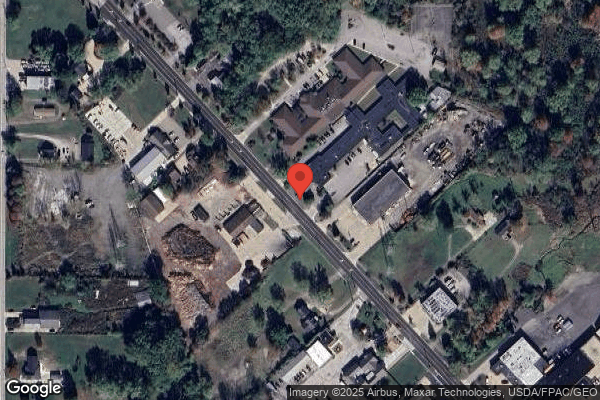
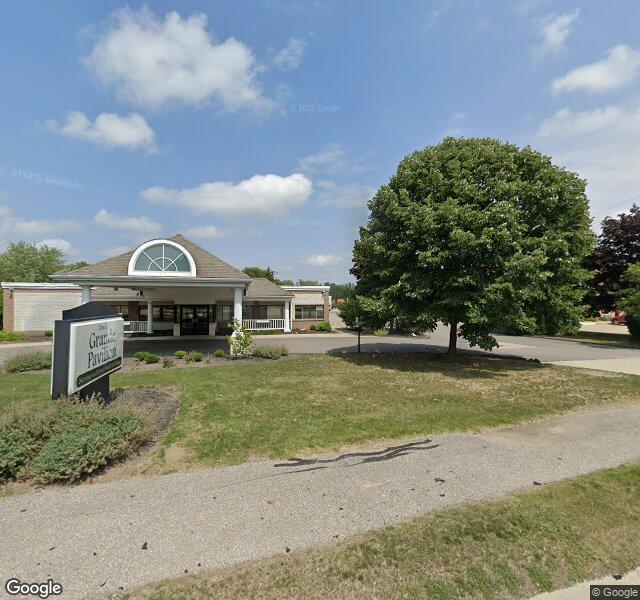
24613 BROADWAY AVENUE, OAKWOOD VILLAGE, OH 44146 (440) 439-1448
For profit - Corporation 80 Beds EMBASSY HEALTHCARE Data: November 2025
Trust Grade
45/100
#700 of 913 in OH
Last Inspection: November 2023

Within standard 12-15 month inspection cycle. Federal law requires annual inspections.

Overview

Heritage Health Care Center in Oakwood Village, Ohio, has a Trust Grade of D, indicating it is below average, with some significant concerns regarding care quality. It ranks #700 out of 913 facilities in Ohio, placing it in the bottom half, and #65 out of 92 in Cuyahoga County, meaning there are only a few better options nearby. Although the facility's trend is improving, dropping from 11 issues in 2024 to just 1 in 2025, there are still serious concerns, including a recent incident where a resident was harmed during a confrontation, requiring emergency treatment. Staffing is a weakness, with only 1 out of 5 stars and less RN coverage than 83% of Ohio facilities, which raises concerns about adequate medical oversight. However, it is noteworthy that the facility has not incurred any fines, suggesting they are currently compliant with regulations despite the previous issues.

Trust Score
D
45/100
In Ohio
#700/913
Bottom 24%
Safety Record
Moderate
Needs review
Inspections
Getting Better
11 → 1 violations
Staff Stability
⚠ Watch
52% turnover. Above average. Higher turnover means staff may not know residents' routines.
Penalties
✓ Good
No fines on record. Clean compliance history, better than most Ohio facilities.
Skilled Nurses
⚠ Watch
Each resident gets only 22 minutes of Registered Nurse (RN) attention daily — below average for Ohio. Fewer RN minutes means fewer trained eyes watching for problems.
Violations
⚠ Watch
40 deficiencies on record. Higher than average. Multiple issues found across inspections.
★★☆☆☆
2.0
Overall Rating
★☆☆☆☆
1.0
Staff Levels
★★★★★
5.0
Care Quality
★★☆☆☆
2.0
Inspection Score
Stable
2024: 11 issues
2025: 1 issues

The Good

  • 5-Star Quality Measures · Strong clinical quality outcomes
  • Full Sprinkler Coverage · Fire safety systems throughout facility
  • No fines on record

Facility shows strength in quality measures, fire safety.

The Bad

2-Star Overall Rating

Below Ohio average (3.2)

Below average - review inspection findings carefully

Staff Turnover: 52%

Near Ohio avg (46%)

Higher turnover may affect care consistency

Chain: EMBASSY HEALTHCARE

Part of a multi-facility chain

Ask about local staffing decisions and management

The Ugly 40 deficiencies on record

1 actual harm
Aug 2025 1 deficiency
CONCERN (D) 📢 Someone Reported This

A family member, employee, or ombudsman was alarmed enough to file a formal complaint

Potential for Harm - no one hurt, but risky conditions existed

Infection Control (Tag F0880)

Could have caused harm · This affected 1 resident

Based on observation, interview, and facility policy review, the facility failed to ensure staff performed hand hygiene to prevent cross contamination of germs during medication administration. This a...

Read full inspector narrative →
Based on observation, interview, and facility policy review, the facility failed to ensure staff performed hand hygiene to prevent cross contamination of germs during medication administration. This affected two residents (#8 and #21) out of five residents observed for medication administration. The facility census was 32.Findings include:An observation of Licensed Practical Nurse (LPN) #35 on 08/21/25 at 8:51 A.M. revealed the nurse was preparing to administer Resident #21's ordered morning medications. LPN #35 did not perform hand hygiene and proceeded to prepare the morning medications for Resident #21. LPN #35 administered the medications to Resident #21 and exited Resident #21's room and did not perform hand hygiene. LPN #35 proceeded to return to the medication cart. Continued observation at 9:00 A.M. revealed LPN #35 returned to the medication cart and was not observed to perform hand hygiene. LPN #35 began to prepare Resident #8's ordered medications. LPN #35 finished preparing the resident's medications and proceeded to Resident #8's room where she administered oral medications and eye drops to Resident #8. LPN #35 then exited Resident #8's room without performing hand hygiene. An interview with LPN #35 on 08/21/25 at 9:04 A.M. verified the above findings and agreed she should have washed/sanitized her hands prior to obtaining Resident #21's and Resident #8's medications and after administering their medications.Review of the facility policy titled Hand Hygiene revised 12/01/21 revealed the policy was all staff would perform hand hygiene to prevent the spread of infection to other personnel, residents and visitors. The policy applied to all staff working in all locations within the facility.Review of the facility policy titled Medication Administration revised 08/22/22 revealed the policy was medications were administered by licensed nurses, or other staff who are legally authorized to do so in this state, as ordered by the physician and in accordance with professional standards of practice, in a manner to prevent contamination or infection. the policy compliance guidelines included for staff to wash hands prior to administering medications per facility protocol. After administering medications staff should wash their hands.
Dec 2024 2 deficiencies
CONCERN (E) 📢 Someone Reported This

A family member, employee, or ombudsman was alarmed enough to file a formal complaint

Potential for Harm - no one hurt, but risky conditions existed

Pharmacy Services (Tag F0755)

Could have caused harm · This affected multiple residents

Based on observation, interview, review of narcotic count sheets and review of facility policy the facility failed to ensure the shift to shift narcotic count forms were signed by the on coming and of...

Read full inspector narrative →
Based on observation, interview, review of narcotic count sheets and review of facility policy the facility failed to ensure the shift to shift narcotic count forms were signed by the on coming and off going nurses as required. This had potential to affect nine residents (#2, #7, #10, #16, #19, #20, #22, #25 and #31) of nine residents the facility identified as receiving narcotic medications . The facility census was 32. Findings include: Observation made on 12/09/24 at 12:41 P.M. of the contingency box medications revealed all narcotics were accounted for and there was no concern identified related to the narcotic count being inaccurate however during this observation it was identified there were missing signatures on the shift-to-shift count sheet. The missing signatures were from 09/18/24 to 12/07/24, and there were a total of 113 missing signatures. Observation made on 12/09/24 1:30 P.M. of station one medication cart revealed it was locked, and all narcotics were accounted for, however, the Controlled Medication Shift Change Log dated 11/12/24 to 12/09/24 revealed there were missing signatures from the ongoing and/or off going nurses on 11/12/24, 11/19/24, 11/25/24, 11/26/24, 11/28/24, 11/29/24, 11/30/24, 12/06/24, and 12/09/24. Additionally, observation made of the station two medication cart revealed it was locked, and all narcotics were accounted for, however, the Controlled Medication Shift Change Log dated 11/005/24 to 12/09/24 revealed there were missing signatures from the ongoing and/or off going nurses on 11/07/24, 11/10/24, 11/12/24, 11/14/24, 11/23/24, 11/24/24, 12/06/24, and 12/09/24. Interview on 12/09/24 at 1:48 P.M. with the Director of Nursing (DON) revealed all medications were secure, they confirmed there were multiple missing signatures on the shift-to-shift sheets for both station one and station two as well as the Contingency Narcotic Box. The DON offered no explanation as to why the nurses were missing signatures. Interviews conducted throughout the survey from 12/04/24 to 12/09/24 with Licensed Practical Nurse (LPN) #801, LPN #804, LPN #805, and LPN #806 revealed they did count the narcotics after each shift but did not always sign the shift to shift sheets. Review of the facility policy titled Storage of Controlled Medications, dated June 2017, revealed under the category titled Change Of Shift Verification-Narcotic Count, at the change of shift , the on-coming and off-going nurse jointly count all controlled medications in the narcotic box on the medication cart and the ones in the refrigerator, including discontinued or expired medications and the Shift to Shift Narcotic Count Verification form will be signed by both the outgoing and the on-coming nurses at each change of shift. This deficiency represents non-compliance investigated under Complaint Number OH00159111.
CONCERN (E) 📢 Someone Reported This

A family member, employee, or ombudsman was alarmed enough to file a formal complaint

Potential for Harm - no one hurt, but risky conditions existed

Food Safety (Tag F0812)

Could have caused harm · This affected multiple residents

Based on observation and interview the facility failed to ensure the refrigerator and microwave located in the lounge area was kept clean and sanitary. This affected seven Residents (#4, #5, #6, #7, #...

Read full inspector narrative →
Based on observation and interview the facility failed to ensure the refrigerator and microwave located in the lounge area was kept clean and sanitary. This affected seven Residents (#4, #5, #6, #7, #9, #17, and #23) of 32 residents living in the facility. The facility census was 32. Finding include: Observation was made on 12/05/24 at 2:59 P.M. of the microwave and refrigerator in the lounge area near station one. The microwave had burnt on food debris and a sticky brown substance all over the inside of it. The refrigerator had a brown sticky fluid spilled on the inside of it and there was not a temperature log for this refrigerator. Interview on 12/05/24 at 3:10 P.M. with the Administrator verified the microwave and refrigerator located in the lounge near station one were not clean and sanitary. The Administrators stated both should be cleaned at least weekly. The Administrator stated she was going to throw the microwave away due to its condition and would have the refrigerator cleaned immediately. When asked who's responsibility it was to clean the microwave and refrigerator the Administrator stated it was the responsibility of the kitchen staff but she was going to assign it to the housekeeping staff due to it being located in the lounge. When asked who had access to use the microwave and refrigerator she stated there were seven residents and families who could use it to store food and heat up food and staff used it as well. Interviews on 12/05/24 from 3:15 P.M. to 3:30 P.M. with Residents #4, #5, #6, #7, #9, #17, and #23 revealed they did use the refrigerator and microwave to store and heat up food. This deficiency represents non-compliance investigated under Complaint Number OH00159111.
Apr 2024 5 deficiencies
CONCERN (D) 📢 Someone Reported This

A family member, employee, or ombudsman was alarmed enough to file a formal complaint

Potential for Harm - no one hurt, but risky conditions existed

Comprehensive Care Plan (Tag F0656)

Could have caused harm · This affected 1 resident

Based on record review and interview the facility failed to complete quarterly smoking assessments as care planned to identify and to the extent possible eliminate foreseeable smoking hazards. This af...

Read full inspector narrative →
Based on record review and interview the facility failed to complete quarterly smoking assessments as care planned to identify and to the extent possible eliminate foreseeable smoking hazards. This affected one (Resident #7) of three residents reviewed for smoking. Findings include: Review of the medical record for Resident #7 revealed an admission date of 08/09/21. Diagnoses included schizophrenia, bipolar disorder, and nicotine dependence. Review of the quarterly Minimum Data Set (MDS) assessment, dated 02/22/24, revealed Resident #7 had impaired cognition and was independent for activities of daily living. Review of the plan of care dated 08/31/23 revealed Resident #7 had the potential for safety hazard or injury related to smoking. Resident #7 was able to smoke with staff or family supervision. Interventions included observing resident during smoke breaks and completing a smoking assessment quarterly. Review of the facility smoking assessments revealed the facility last completed an assessment on 08/15/23. Interview on 04/08/24 at 5:13 P.M., the Director of Nursing verified that no assessment was completed for 2024 and stated smoking assessments are completed annually and quarterly. Review of the facility policy titled Resident Smoking, dated 2021 revealed no documentation related to the frequency in which smoking assessments should be completed.
CONCERN (D) 📢 Someone Reported This

A family member, employee, or ombudsman was alarmed enough to file a formal complaint

Potential for Harm - no one hurt, but risky conditions existed

ADL Care (Tag F0677)

Could have caused harm · This affected 1 resident

**NOTE- TERMS IN BRACKETS HAVE BEEN EDITED TO PROTECT CONFIDENTIALITY** Based on record review, observations and interview the facility failed to ensure Resident #23 was provide nail care. This affect...

Read full inspector narrative →
**NOTE- TERMS IN BRACKETS HAVE BEEN EDITED TO PROTECT CONFIDENTIALITY** Based on record review, observations and interview the facility failed to ensure Resident #23 was provide nail care. This affected one (Resident #23) of three residents observed for activities of daily living. The census was 41. Findings include: Review of the medical record for Resident #23 revealed an admission date of 06/03/22. Diagnoses included dementia, mild and Alzheimer's disease. Review of the quarterly Minimum Data Set (MDS) 3.0 assessment dated [DATE], revealed Resident #23 had impaired cognition, was dependent for toileting, and required moderate assistance with personal hygiene. Review of the the plan of care dated 06/22/24 revealed Resident #23 required assistance with choosing appropriate clothing, oral care, and showering. Observation on 04/08/24 at 7:53 A.M. revealed Resident #23 was dressed in street clothes and seated at a dining room table. Resident #23's nails were long and dirty with food and other brown debris noted under the nails. Interview on 04/08/24 at 1:43 P.M. with Memory Care Coordinator #101 confirmed Resident #23's nails were long and dirty. This deficiency represents non-compliance investigated under Complaint Number OH00151393.
CONCERN (D) 📢 Someone Reported This

A family member, employee, or ombudsman was alarmed enough to file a formal complaint

Potential for Harm - no one hurt, but risky conditions existed

Deficiency F0679 (Tag F0679)

Could have caused harm · This affected 1 resident

Based on record review, observation and interview the facility failed to ensure all residents were given opportunities to engage in activities and have opportunities for social interaction other than ...

Read full inspector narrative →
Based on record review, observation and interview the facility failed to ensure all residents were given opportunities to engage in activities and have opportunities for social interaction other than routine activities of daily living. This affected one (Resident #2) of seven residents observed for quality of life. Findings include: Review of the medical record for Resident #2 revealed an admission date of 09/19/19. Diagnoses included malignant neoplasm of the uterus, unspecified dementia, anxiety disorder, senile degeneration of the brain, and muscle weakness. Review of the quarterly Minimum Data Set (MDS) assessment, dated 12/09/23, revealed Resident #2 had impaired cognition, required setup and cleanup for eating, and was dependent for toileting. Review of the plan of care dated 09/23/19 revealed Resident #2 required encouragement to participate in activities and assistance to escort to activities. Review of the nurse progress notes dated March 2024 through April 2024 revealed no documentation indicating Resident #2 refused to attend activities. Observations on 04/08/24 at 8:00 A.M. revealed Resident #2 was dressed and seated in wheelchair in the main hallway. Resident #2's wheelchair was placed approximately six inches from the wall facing toward the nurse's station which was approximately 15 feet away. Most staff and residents were congregated approximately 15 to 20 feet down the hall. Limited staff and residents traveled down the hall because the main entrance approximately 50 feet away was closed. An interview with Resident #2 was unsuccessful; she could not answer questions related to activities. Observation on 04/08/24 at 10:30 A.M. revealed Resident #2 seated in the same location in the hallway. Staff had placed a linen cart against the wall approximately three feet in front of Resident #2 blocking the view of the nurse's desk. Observations on 04/08/24 at 12:16 P.M. revealed Resident #2 was seated approximately six feet from the nurse's station eating her lunch. There were no staff interacting with Resident #2 during the meal. Interview with Licensed Practical Nurse (LPN) #100, during the observation, revealed Resident #2 was a slow eater and would not allow staff to assist her with eating. Interview on 04/08/24 at 2:15 P.M. with State Tested Nurse Assistant (STNA) #107 confirmed Resident #2 had not attended any organized activities on this date and also confirmed that Resident #2 had been sitting alone throughout the day. Interview on 04/08/24 at 2:20 P.M. with Activity Assistant #108 confirmed Resident #2 was not invited or encouraged to attend activities from 8:00 A.M. to 2:30 P.M.
CONCERN (E) 📢 Someone Reported This

A family member, employee, or ombudsman was alarmed enough to file a formal complaint

Potential for Harm - no one hurt, but risky conditions existed

Safe Environment (Tag F0584)

Could have caused harm · This affected multiple residents

Based observation and interview the facility failed to ensure residents had appropriate bed linens. This affected four residents randomly observed, Residents #8, #9, #14, and #18. Facility census was ...

Read full inspector narrative →
Based observation and interview the facility failed to ensure residents had appropriate bed linens. This affected four residents randomly observed, Residents #8, #9, #14, and #18. Facility census was 41. Findings include: Observations on 04/08/24 between 7:46 A.M. and 7:50 A.M. with Licensed Practical Nurse (LPN) #100 revealed the following. • Resident #8 lying in bed with two pillows; the pillows were not covered with pillowcases. • Resident #9 lying in bed with two pillows; the pillows were not covered with pillowcases. • Resident #14 lying in bed covered with two fitted sheets, there was no blanket and his pillow did not have a pillowcase. • Resident #18 in bed covered with a flat sheet and no blanket. Interview with Resident #18, at the time of the observation, revealed he would like a blanket. Interview with LPN #100 immediately after the observations verified the residents had not been provided with appropriate bed linens. LPN #100 stated the facility had sufficient inventory of linens and had no explanation as to why staff were not providing appropriate linen. This deficiency represents non-compliance investigated under Complaint Number OH00151393.
CONCERN (F) 📢 Someone Reported This

A family member, employee, or ombudsman was alarmed enough to file a formal complaint

Potential for Harm - no one hurt, but risky conditions existed

Safe Environment (Tag F0921)

Could have caused harm · This affected most or all residents

Based on observation and interview, the facility failed to ensure a sanitary environment for residents. This affected Residents #15 and #38 and had the potential to affect all 41 residents residing in...

Read full inspector narrative →
Based on observation and interview, the facility failed to ensure a sanitary environment for residents. This affected Residents #15 and #38 and had the potential to affect all 41 residents residing in the facility. Findings include: Observation on 04/08/24 at 7:43 A.M. revealed the entire length of the floors on the two main hallways had scattered dried brown and orange colored liquid staining and dirt and other various debris. In addition there was a strong smell of urine in the hallways. Interview immediately after the observation with Licensed Practical Nurse (LPN) #100 verified the dried liquid, dirt an various other debris on the floor and strong smell of urine. Interview on 04/08/24 at 8:15 A.M. with Housekeeper #103 revealed she cleaned resident rooms and communal areas daily. Interview on 04/08/24 at 8:17 A.M. with Floor Technicians #109 and #110 revealed floor technicians did not work over the weekend (04/06/24 and 04/07/24). The Floor Technicians verified the flooring in the two main hallways were dirty. Observation of Resident #38's room on 04/08/24 at 8:26 A.M. revealed food debris, plastic bags, five unidentified medication tablets in the corner behind the bed, and a whole dinner roll under the sink. The observations were verified with LPN #102 who stated housekeeping was responsible for sweeping and mopping the floors daily. Observation of Resident #15's room on 04/08/24 at 1:50 P.M. revealed food, paper debris, ants, and four unidentified medication tablets on the floor. The observations were verified with Memory Care Coordinator #101 who stated when Resident #15 finished eating she went to her room an brushed the food crumbs from her clothing onto the floor. This deficiency represents non-compliance investigated under Complaint Number OH00151393.
Jan 2024 3 deficiencies
CONCERN (D) 📢 Someone Reported This

A family member, employee, or ombudsman was alarmed enough to file a formal complaint

Potential for Harm - no one hurt, but risky conditions existed

Free from Abuse/Neglect (Tag F0600)

Could have caused harm · This affected 1 resident

**NOTE- TERMS IN BRACKETS HAVE BEEN EDITED TO PROTECT CONFIDENTIALITY** Based on record review, interview, and review of the facility policy the facility failed to prevent an incident of resident abus...

Read full inspector narrative →
**NOTE- TERMS IN BRACKETS HAVE BEEN EDITED TO PROTECT CONFIDENTIALITY** Based on record review, interview, and review of the facility policy the facility failed to prevent an incident of resident abuse involving Resident #37. This affected one resident (#37) of three residents reviewed for abuse. The facility census was 42. Findings include: Review of the facility survey history revealed on 01/26/24 an onsite complaint investigation identified a concern related to an incident of physical abuse involving Resident #37. As a result of this abuse incident, Resident #37, who had been hit in the head by a visitor, required staples to his head. Following the incident, the facility implemented an action plan to prevent future reoccurrences of abuse. This plan included a review of all residents with aggressive behaviors with care plans and interventions reviewed with necessary changes made as appropriate. The plan included education to staff to recognize resident triggers and redirecting/de-escalating behaviors and also included environmental observations and audits to ensure foreign objects were not accessible. Review of the medical record for Resident #37 revealed an admission date of 02/28/23 with diagnoses including Alzheimer's disease, anemia, muscle weakness, and dementia with psychotic disturbance. Review of the most recent quarterly Minimum Data Set (MDS) assessment dated [DATE] revealed Resident #37 was severely cognitively impaired and independent with eating, oral hygiene, toileting, dressing, and hygiene. Review of the care plan dated 11/28/23 revealed Resident #37 had the potential for mood swings and behavioral issues due to dementia and Alzheimer's disease. Interventions included non-pharmacological interventions such as a one-to-one attention, changing position or scenery, redirection or offering activities, providing a calming environment, and attempting to redirect behaviors. Review of a progress note for Resident #37, dated 01/26/24 at 11:34 P.M. revealed Resident #37 was in an altercation with another resident (Resident #4) who was in his room. There was no documented evidence of an assessment for injury, vital signs, neurological checks, physician notification, and/or responsible party notification following the incident. Review of the medical record for Resident #4 revealed an admission date of 01/23/24 with diagnoses including Alzheimer ' s disease, asthma hypertension and muscle weakness. The comprehensive MDS assessment had not yet been completed as the resident was a new admission. Review of a progress note for Resident #4, dated 01/27/24 at 12:11 A.M. revealed Resident #4 was involved in an altercation with another resident (Resident #37). The resident was medicated and sent back to his room. Review of witness statements provided by Licensed Practical Nurse (LPN) #202 and State Tested Nursing Assistant (STNA) #203 revealed a physical altercation occurred on 01/26/24 at approximately 8:00 P.M. between Resident #4 and Resident #37. Information contained in the witness statements revealed it appeared the incident started after Resident #4 wandered into Resident #37's room and would not leave. As staff tried to assist Resident #4 from the room, the resident became aggressive and charged at the staff member attempting to hit her multiple times. Resident #37 attempted to intervene at which point Resident #4 struck Resident #37 in the head. During the onsite survey, attempts to reach staff present at the time of the incident were unsuccessful. Based on review of the resident medical records, facility witness statements and corrective actions from the previous onsite investigation, the facility failed to develop and implement comprehensive and have individualized interventions in place to prevent incidents of resident abuse. Interview on 01/31/24 at 11:01 A.M. with the Administrator revealed she was aware of the incident between Resident #4 and Resident #37, she reported there were no resident injuries to either resident as a result of the incident. Review of the policy titled, Abuse, Neglect, Exploitation & Misappropriation of Resident Property, dated October 2020, revealed the facility would investigate all alleged violations involving abuse, staff would immediately report such allegations to the administrator and would not tolerate abuse, neglect, and exploitation of its residents or the misappropriation of resident property. The policy also states the resident should not be moved until assessed by a nurse supervisor for injuries. The resident's physician should be notified. Documentation in the nurses' notes should include the results of the resident's assessment, notification of the physician and the resident representative, and any treatment provided. If serious bodily injury, it should be reported to the Ohio Department of Health immediately, but no later than two hours after the allegation. All other allegations will be reported to the Ohio Department of Health as soon as possible but no later than 24 hours from the time of the incident. This deficiency represents noncompliance investigated under Complaint Number OH00150544.
CONCERN (D) 📢 Someone Reported This

A family member, employee, or ombudsman was alarmed enough to file a formal complaint

Potential for Harm - no one hurt, but risky conditions existed

Report Alleged Abuse (Tag F0609)

Could have caused harm · This affected 1 resident

**NOTE- TERMS IN BRACKETS HAVE BEEN EDITED TO PROTECT CONFIDENTIALITY** Based on record review, interview, and review of the facility policy the facility failed to ensure an incident of physical abuse...

Read full inspector narrative →
**NOTE- TERMS IN BRACKETS HAVE BEEN EDITED TO PROTECT CONFIDENTIALITY** Based on record review, interview, and review of the facility policy the facility failed to ensure an incident of physical abuse involving Resident #37 was reported to the State agency as required. This affected one resident (#37) of three residents reviewed for abuse. The facility census was 42. Findings include: Review of the medical record for Resident #37 revealed an admission date of 02/28/23 with diagnoses including Alzheimer's disease, anemia, muscle weakness, and dementia with psychotic disturbance. Review of the most recent quarterly Minimum Data Set (MDS) assessment dated [DATE] revealed Resident #37 was severely cognitively impaired and independent with eating, oral hygiene, toileting, dressing, and hygiene. Review of the care plan dated 11/28/23 revealed Resident #37 had the potential for mood swings and behavioral issues due to dementia and Alzheimer's disease. Interventions included non-pharmacological interventions such as a one-to-one attention, changing position or scenery, redirection or offering activities, providing a calming environment, and attempting to redirect behaviors. Review of a progress note for Resident #37, dated 01/26/24 at 11:34 P.M. revealed Resident #37 was in an altercation with another resident (Resident #4) who was in his room. There was no documented evidence of an assessment for injury, vital signs, neurological checks, physician notification, and/or responsible party notification following the incident. Review of the medical record for Resident #4 revealed an admission date of 01/23/24 with diagnoses including Alzheimer ' s disease, asthma hypertension and muscle weakness. The comprehensive MDS assessment had not yet been completed as the resident was a new admission. Review of a progress note for Resident #4, dated 01/27/24 at 12:11 A.M. revealed Resident #4 was involved in an altercation with another resident (Resident #37). The resident was medicated and sent back to his room. Review of witness statements provided by Licensed Practical Nurse (LPN) #202 and State Tested Nursing Assistant (STNA) #203 revealed a physical altercation occurred on 01/26/24 at approximately 8:00 P.M. between Resident #4 and Resident #37. Information contained in the witness statements revealed it appeared the incident started after Resident #4 wandered into Resident #37's room and would not leave. As staff tried to assist Resident #4 from the room, the resident became aggressive and charged at the staff member attempting to hit her multiple times. Resident #37 attempted to intervene at which point Resident #4 struck Resident #37 in the head. Review of the facility self-reported incidents to the State agency revealed no evidence this incident of abuse was reported to the agency as required. Interview on 01/31/24 at 11:01 A.M. with the Administrator revealed she was aware of the incident between Resident #4 and Resident #37, she reported there were no resident injuries as a result of the incident. The Administrator verified the incident was not reported to the State agency. Review of the policy titled, Abuse, Neglect, Exploitation & Misappropriation of Resident Property, dated October 2020, revealed the facility would investigate all alleged violations involving abuse, staff would immediately report such allegations to the administrator and would not tolerate abuse, neglect, and exploitation of its residents or the misappropriation of resident property. The policy also states the resident should not be moved until assessed by a nurse supervisor for injuries. The resident's physician should be notified. Documentation in the nurses' notes should include the results of the resident's assessment, notification of the physician and the resident representative, and any treatment provided. If serious bodily injury, it should be reported to the Ohio Department of Health immediately, but no later than two hours after the allegation. All other allegations will be reported to the Ohio Department of Health as soon as possible but no later than 24 hours from the time of the incident. This deficiency represents noncompliance investigated under Complaint Number OH00150544.
CONCERN (D) 📢 Someone Reported This

A family member, employee, or ombudsman was alarmed enough to file a formal complaint

Potential for Harm - no one hurt, but risky conditions existed

Investigate Abuse (Tag F0610)

Could have caused harm · This affected 1 resident

**NOTE- TERMS IN BRACKETS HAVE BEEN EDITED TO PROTECT CONFIDENTIALITY** Based on record review, interview, and review of the facility policy the facility failed to thoroughly investigate an incident o...

Read full inspector narrative →
**NOTE- TERMS IN BRACKETS HAVE BEEN EDITED TO PROTECT CONFIDENTIALITY** Based on record review, interview, and review of the facility policy the facility failed to thoroughly investigate an incident of physical abuse involving Resident #37. This affected one resident (#37) of three residents reviewed for abuse. The facility census was 42. Findings include: Review of the medical record for Resident #37 revealed an admission date of 02/28/23 with diagnoses including Alzheimer's disease, anemia, muscle weakness, and dementia with psychotic disturbance. Review of the most recent quarterly Minimum Data Set (MDS) assessment dated [DATE] revealed Resident #37 was severely cognitively impaired and independent with eating, oral hygiene, toileting, dressing, and hygiene. Review of the care plan dated 11/28/23 revealed Resident #37 had the potential for mood swings and behavioral issues due to dementia and Alzheimer's disease. Interventions included non-pharmacological interventions such as a one-to-one attention, changing position or scenery, redirection or offering activities, providing a calming environment, and attempting to redirect behaviors. Review of a progress note for Resident #37, dated 01/26/24 at 11:34 P.M. revealed Resident #37 was in an altercation with another resident (Resident #4) who was in his room. There was no documented evidence of an assessment for injury, vital signs, neurological checks, physician notification, and/or responsible party notification following the incident. Review of the medical record for Resident #4 revealed an admission date of 01/23/24 with diagnoses including Alzheimer ' s disease, asthma hypertension and muscle weakness. The comprehensive MDS assessment had not yet been completed as the resident was a new admission. Review of a progress note for Resident #4, dated 01/27/24 at 12:11 A.M. revealed Resident #4 was involved in an altercation with another resident (Resident #37). The resident was medicated and sent back to his room. Review of witness statements provided by Licensed Practical Nurse (LPN) #202 and State Tested Nursing Assistant (STNA) #203 revealed a physical altercation occurred on 01/26/24 at approximately 8:00 P.M. between Resident #4 and Resident #37. Information contained in the witness statements revealed it appeared the incident started after Resident #4 wandered into Resident #37's room and would not leave. As staff tried to assist Resident #4 from the room, the resident became aggressive and charged at the staff member attempting to hit her multiple times. Resident #37 attempted to intervene at which point Resident #4 struck Resident #37 in the head. Review of the facility information revealed the investigation contained only three witness statements, a statement from LPN #202 and from STNA #203 and a third statement from a staff member who didn't observe the incident. There was no evidence a comprehensive investigation including resident interviews, resident assessments, and/or additional staff interviews were completed to determine the root cause of the incident, to identify circumstances leading up to the incident, to ensure residents, including Resident #37 were protected from further abuse and to ensure a thorough investigation was completed. Interview on 01/31/24 at 11:01 A.M. with the Administrator revealed she was aware of the incident between Resident #4 and Resident #37, she reported there were no resident injuries as a result of the incident. The Administrator verified the incident was not thoroughly investigated. Review of the policy titled, Abuse, Neglect, Exploitation & Misappropriation of Resident Property, dated October 2020, revealed the facility would investigate all alleged violations involving abuse, staff would immediately report such allegations to the administrator and would not tolerate abuse, neglect, and exploitation of its residents or the misappropriation of resident property. The policy also states the resident should not be moved until assessed by a nurse supervisor for injuries. The resident's physician should be notified. Documentation in the nurses' notes should include the results of the resident's assessment, notification of the physician and the resident representative, and any treatment provided. If serious bodily injury, it should be reported to the Ohio Department of Health immediately, but no later than two hours after the allegation. All other allegations will be reported to the Ohio Department of Health as soon as possible but no later than 24 hours from the time of the incident. This deficiency represents noncompliance investigated under Complaint Number OH00150544.
Jan 2024 1 deficiency 1 Harm
SERIOUS (G) 📢 Someone Reported This

A family member, employee, or ombudsman was alarmed enough to file a formal complaint

Actual Harm - a resident was hurt due to facility failures

Free from Abuse/Neglect (Tag F0600)

A resident was harmed · This affected 1 resident

**NOTE- TERMS IN BRACKETS HAVE BEEN EDITED TO PROTECT CONFIDENTIALITY** THE FOLLOWING DEFICIENCY REPRESENTS AN INCIDENT OF PAST NON-COMPLIANCE THAT WAS SUBSEQUENTLY CORRECTED PRIOR TO THIS SURVEY. Bas...

Read full inspector narrative →
**NOTE- TERMS IN BRACKETS HAVE BEEN EDITED TO PROTECT CONFIDENTIALITY** THE FOLLOWING DEFICIENCY REPRESENTS AN INCIDENT OF PAST NON-COMPLIANCE THAT WAS SUBSEQUENTLY CORRECTED PRIOR TO THIS SURVEY. Based on medical record review, facility self-reported incident (SRI) and investigation review, staff interview, facility policy and procedure review, and review of facility corrective action, the facility failed to prevent resident to resident abuse and failed to ensure Resident #20 was free from visitor-to-resident physical abuse. Actual harm occurred on 01/03/24 when during a resident-to resident-altercation involving Resident #20 and Resident #39 in Resident #39's room, a visitor in Resident #39's room, began swinging a dust mop in an attempt to get Resident #20 away from Resident #39 and struck Resident #20 on the head. Resident #20 sustained an open area to the top of the head that required Resident #20 to be transported to a local emergency room for evaluation and staples were applied to the open area. This affected two residents (#20 and #35) of three residents reviewed for abuse. The facility census was 40. Findings Include: Review of the medical record revealed Resident #20 was admitted to the facility on [DATE] with diagnoses that included Alzheimer's disease, anemia, muscle weakness, and dementia with psychotic disturbance. Review of the most recent quarterly Minimum Data Set (MDS) assessment dated [DATE] revealed Resident #20 was assessed as severely cognitively impaired and required hands on assistance of one staff person for completing activities of daily living (ADLs). Review of the medical record revealed Resident #35 was admitted to the facility on [DATE] with diagnoses that included epilepsy, schizophrenia, and major depressive disorder. Review of the most recent quarterly MDS assessment dated [DATE] revealed Resident #35 was assessed as severely cognitively impaired and required hands on assistance of one staff person for completing ADLs. Review of the medical record revealed Resident #39 was admitted to the facility on [DATE] with diagnoses that included dementia, malnutrition, and anemia. Review of the most recent comprehensive MDS assessment dated [DATE] revealed Resident #39 was assessed as severely cognitively impaired and required hands on assistance of one staff person for completing ADLs. Review of a facility SRI and investigation dated 01/03/24 at 3:47 P.M. revealed Residents #20 and Resident #35 had a verbal argument in the common area of the facility secured memory care unit. Resident #20 walked away, and Resident #35 followed him to another resident 's (Resident #39) room. In Resident #39's room, Resident #20 hit Resident #35 on his right arm resulting in no injuries. Resident #39 then pulled Resident #35 towards her away from Resident #20. In response, Resident #20 struck Resident #39 who fell to the floor with no injury noted. Resident #39 then struck Resident #20 in return with no injuries noted. A visitor in Resident #39's during this altercation used a dust mop in attempt to break up Resident #20 and Resident #39 and inadvertently swung the dust mop hitting Resident #20 on the head. A staff member was present and intervened to separate all individuals. All three (#20, #35, and #39) residents involved were assessed with Resident #35 and Resident #39 sustaining no injuries. Resident #20 received an open area to the top of the head that was bleeding. Resident #20 was transported to a local emergency room (ER) for an evaluation, and the open area was treated in the ER with staples to close the wound. A computed tomography scan (commonly referred to as a CT scan used to obtain images of the internal portions of the body) completed in the ER revealed no negative results. Resident #20 returned to the facility and neurological checks continued without deficits. Immediately following the altercation, Resident #39's visitor denied hitting Resident #20 and reported she was trying to keep Resident #20 away from her mom (Resident #39). Resident #39's visitor was escorted out of the facility and the dust mop removed from the room. Staff remained with Resident #20 until he was transferred to the hospital. All physicians and responsible parties were notified for all three (#20, #35, and #39) residents involved in the altercation. The local police department was notified and arrived at the facility at 3:23 P.M. on 01/03/24. Interview with the Administrator on 01/26/24 at 9:55 A.M. verified all the events of the SRI dated 01/03/24 involving Resident #20, Resident #35, and Resident #39. Review of the policy titled, Abuse, Neglect, Exploitation & Misappropriation of Resident Property, dated 10/01/20, revealed the facility will not tolerate abuse, neglect, and exploitation of its residents or the misappropriation of resident property. As a results of the incident, the facility implemented the following corrective actions to correct the deficient practice by 01/04/24: • On 01/03/24 at approximately 2:15 P.M., Resident #39's visitor was instructed by the Director of Nursing (DON) to leave the facility and not to return pending the results of the investigation. Resident #39's visitor was escorted out the facility by the DON and the dust mop removed from Resident #39's room. • On 01/03/24, immediately following the incident Resident #20, Resident #35, and Resident #39 were assessed for injury. Resident #20 received a laceration to the head which was cleansed and covered with a foam dressing. The physician was notified, and Resident #20 was sent to the ER for an evaluation. Facility staff remained with Resident #20 until emergency services arrived at 2:26 P.M. A message was left for Resident #20's guardian to return call, and a return call was received at 7:05 P.M. and the guardian was made aware of the incident by the DON. Resident #20's guardian requested that charges be filed against Resident #39's family member. Resident #35 and Resident #39 were assessed with no injuries or concerns. Resident #35 and Resident #39's physicians and responsible parties were notified of the incident with no new orders or concerns noted. • On 01/03/24 at 3:57 P.M., an SRI was initiated and submitted to the State Survey Agency. • On 01/03/24 at approximately 2:30 P.M., the DON obtained staff statements of those involved in the incident • On 01/03/24, the local police department was notified of the event and arrived at the facility at 3:23 P.M. The local police department took necessary statements and stated they would follow up with the facility as needed. • On 01/03/24 at 3:30 P.M., the DON and Regional Director of Clinical Services (RDCS) #610 completed a review of current residents who have displayed aggressive behaviors. All resident care plans and interventions were reviewed, and necessary changes made as appropriate. • On 01/03/24, the DON and RDSC #610 completed skin assessments of all residents on the secured memory care unit with no abnormal findings. • On 01/03/24 at 6:21 P.M., Resident #20's room was changed to another location within the secured memory care unit. Resident #20's Guardian was notified on 01/03/24 and was in agreement with the room change. • On 01/03/24, the DON and designees began education with staff on resident altercations, recognizing triggers, and de-escalating/redirecting residents. The education of all staff members was completed by 01/04/24. • On 01/03/24, the DON and designees began education with families and responsible parties on allowing staff to intervene during any resident altercations. The families and responsible parties were educated on what to do during a resident altercation. All education was completed by 01/04/24. • On 01/04/24 at 6:30 A.M., Resident #20 returned to the facility with staples to the open area on the head and CT scans were negative in the ER. Resident #20 received orders to monitor staples to the resident's head. Resident #20 displayed no signs or symptoms of emotional distress, and a follow up skin assessment was completed with no additional findings. • On 01/04/24, RDCS #610 completed an environmental observation to ensure no other dust mops or foreign objects were in resident rooms or out in resident areas unattended with no concerns noted. • On 01/04/24, a Quality Assurance and Performance Improvement (QAPI) meeting was held to review the incident and plans to prevent further incidents. • On 01/04/24, the DON or designee will audit five residents per week for four weeks to include residents who have aggressive behaviors to ensure care planned interventions are effective/appropriate. The results would be reviewed in QAPI meetings. There were no concerns with the audits noted. • On 01/04/24, Memory Care Coordinator (MCC) #600 or designee will complete observations on five resident interactions per week for four weeks to include resident-to-resident interactions, potential triggers, and staff interview on what to do if resident to resident altercations occur. The results would be reviewed in QAPI meetings. There were no concerns with the audits noted. • On 01/04/24, the Administrator or designee will complete interview and/or quiz five employees per week for four weeks related to visitor-to-resident altercations, if any have been observed, and how to handle visitor-to-resident altercations. The results would be reviewed in QAPI meetings. There were no concerns with the audits noted. • On 01/04/24, MCC #600 will complete environmental safety observation three times per week for four weeks to ensure no dust mops are in resident areas unattended. The results would be reviewed in QAPI meetings. There were no concerns with the observation audits noted. • On 01/26/24 between 8:30 A.M. and 12:00 P.M. random observations of interactions between residents and visitors revealed no abuse concerns. • Interviews on 01/26/24 between 8:30 A.M. to 12:00 P.M. with two random licensed practical nurses (LPNs) and three random state tested nurse aides revealed all staff interviewed were educated regarding resident abuse and had appropriate knowledge of the facility's policies and procedures related to identifying and preventing resident abuse, neglect, and misappropriation. This deficiency represents noncompliance investigated under Complaint Number OH00150070.
Nov 2023 8 deficiencies
CONCERN (D)

Potential for Harm - no one hurt, but risky conditions existed

Deficiency F0578 (Tag F0578)

Could have caused harm · This affected 1 resident

**NOTE- TERMS IN BRACKETS HAVE BEEN EDITED TO PROTECT CONFIDENTIALITY** Based on record review and interview the facility failed to ensure the do not resuscitate comfort care (DNRCC) order form was ti...

Read full inspector narrative →
**NOTE- TERMS IN BRACKETS HAVE BEEN EDITED TO PROTECT CONFIDENTIALITY** Based on record review and interview the facility failed to ensure the do not resuscitate comfort care (DNRCC) order form was timely signed as required by the physician. This affected one resident (#33) of one resident reviewed for advance directives. The facility census was 38. Findings include: Review of the medical record for Resident #33 revealed an initial admission date of [DATE]. Diagnoses included chronic ischemic heart disease, atherosclerotic heart disease of native coronary artery without angina pectoris, morbid (severe) obesity due to excess calories, type 2 diabetes mellitus with diabetic nephropathy, hyperlipidemia, peripheral vascular disease, coronary artery dissection, chronic obstructive pulmonary disease with (acute) exacerbation, muscle weakness, acquired absence of right leg below knee, chronic pain syndrome, and hypertension. Review of the physician orders for [DATE] revealed an active order for DNRCC- ARREST with a start date of [DATE]. Review of the care plan dated [DATE] for Resident #33 revealed the resident/family had chosen a DNR status. Cardiopulmonary resuscitation (CPR) measures would not be attempted during a cardiac arrest. Intervention included physician signed DNR identification form to be placed in the resident's chart and physician order written in medical records. Review of the DNRCC order form for Resident #33 revealed in the box titled printed name of physician revealed the physician's name was printed and [DATE] was handwritten in the date box next to this box. Under the printed name of the physician was a box titled required signature of physician. There was a handwritten x but no signature. Interview on [DATE] at 5:20 P.M. with the Director of Nursing (DON) verified there was no physician's signature and stated it came from the hospice doctor that way. DON stated they faxed it today for a signature. Follow-up interview on [DATE] at 3:55 P.M. with the DON revealed she reached out to the hospice company and had not heard anything back yet regarding the signature for Resident #33's DNRCC form.
CONCERN (D)

Potential for Harm - no one hurt, but risky conditions existed

ADL Care (Tag F0677)

Could have caused harm · This affected 1 resident

**NOTE- TERMS IN BRACKETS HAVE BEEN EDITED TO PROTECT CONFIDENTIALITY** Based on interview, observation, and record review, the facility failed to provide necessary services to maintain personal hygie...

Read full inspector narrative →
**NOTE- TERMS IN BRACKETS HAVE BEEN EDITED TO PROTECT CONFIDENTIALITY** Based on interview, observation, and record review, the facility failed to provide necessary services to maintain personal hygiene and grooming for two residents (Resident #12 and #18) out of two residents reviewed for activities of daily living. The facility census was 38. Findings include: 1. Review of the medical record for Resident #18 revealed an admission date of 06/09/23 with a diagnosis of non-Alzheimer's dementia and traumatic brain injury. Resident #18 was cognitively impaired and dependent on staff for hygiene and grooming. Review of the plan of care dated 09/07/23 for Resident #18 revealed assistance needed for activities of daily living (ADLs) related to cognitive impairment and dementia. Interventions included staff to assist as needed with daily hygiene and assist with showering resident per facility policy weekly. Interview on 11/20/23 at 1:11 P.M. with Resident #18's legal guardian revealed Resident #18's finger nails needed to be cleaned and trimmed. Observation of Resident #18's finger nails on 11/20/23 at 2:43 P.M. and on 11/21/23 at 3:54 P.M. revealed the fingernails of all digits belonging to both the left and right hand were observed to be thick and overgrown. Resident #18's fingernails presented with moderate debris and random particles visible under the nail beds, brown nail staining observed to first and fifth digit of right hand. Further observation of Resident #18 revealed the resident required staff assistance for grooming of fingernails due to cognitive impairment. Interview on 11/21/23 at 3:54 PM with the State Tested Nurse Assistant (STNA) #303 verified Resident #18 required his nails to be cleaned and trimmed. Interview on 11/21/23 at 3:54 P.M. with Licensed Practical Nurse (LPN) #222 revealed the nursing staff was responsible for cleaning and trimming the residents fingernails. LPN #222 was unable to provide the date Resident #18's fingernails were last cleaned and trimmed. Review of the facility policy titled Resident Care revised 06/18/22, revealed the residents will be given nursing care and supervision based upon individual needs. Typical personal hygiene for a resident will include but not limited to: care of the skin to include routine bathing/foot care, shampoo and grooming of the hair per resident preference, oral hygiene, shaving and beard trimming per resident preference, removal of women's facial hair when requested, and cleaning and cutting of fingernails and toenails.2. Review of Resident #12's medical record revealed an admission date of 10/06/23 and diagnoses including unspecified severe protein-calorie malnutrition, dementia in other diseases without behavioral disturbance, hypertension, anemia and atrial fibrillation. Review of an admission Minimum Data Set (MDS) assessment dated [DATE] revealed Resident #12 was moderately cognitively impaired, did not have upper or lower extremity impairment and required partial/moderate assistance for showering/bathing. Resident #12 did not reject care. Review of Resident #12's nurses' notes since admission revealed no documentation relative to showers. Review of the undated facility document, Station Two Shower Schedule and Wheelchair Cleaning Schedule, revealed Resident #12 was to have showers on Tuesdays and Fridays. Review of point-of-care documentation for October 2023 revealed Resident #12 had showers on 10/11/23, 10/12/23, 10/16/23 and refused a shower on 10/22/23. Documentation was not available for 10/20/23 (Friday), 10/24/23 (Tuesday), 10/27/23 (Friday) and 10/31/23 (Tuesday). Review of point-of-care documentation for November 2023 revealed Resident #12 had showers on 11/05/23, 11/11/23, 11/12/23 and 11/13/23. Documentation was not available for 11/03/23 (Friday), 11/10/23 (Friday) and 11/17/23 (Friday). Interview on 11/20/23 at 11:13 A.M. with Resident #12 and her family member revealed she received one shower a week but she wanted two showers per week. Interview on 11/21/23 at 12:46 P.M. with the Director of Nursing (DON) verified Resident #12's showers were not completed twice a week as scheduled. Review of the facility policy, Resident Showers, dated 07/01/22 revealed the facility would assist residents with bathing to maintain proper hygiene. Residents will be provided showers as per request or as per facility schedule protocols and based on resident safety.
CONCERN (D)

Potential for Harm - no one hurt, but risky conditions existed

Deficiency F0698 (Tag F0698)

Could have caused harm · This affected 1 resident

**NOTE- TERMS IN BRACKETS HAVE BEEN EDITED TO PROTECT CONFIDENTIALITY** Based on record review, interview and facility policy review, the facility failed to have a comprehensive system in place for co...

Read full inspector narrative →
**NOTE- TERMS IN BRACKETS HAVE BEEN EDITED TO PROTECT CONFIDENTIALITY** Based on record review, interview and facility policy review, the facility failed to have a comprehensive system in place for communication and collaboration with the dialysis facility. This affected one resident (Resident #97) of one resident reviewed for dialysis. The facility census was 38 residents. Findings include: Review of Resident #97's medical record revealed an admission date of 10/17/23 and diagnoses including type two diabetes, osteomyelitis, chronic kidney disease, dependence on renal dialysis, depression and glaucoma. Review of an admission minimum data set (MDS) 3.0 assessment dated [DATE] revealed it was still in progress. Review of Resident #97's physician's orders revealed an order dated 10/31/23 for Monday/Wednesday/Friday dialysis resident to be up front of [sister facility next door] for 5:30 A.M. pick up and an order dated 11/01/23 for dialysis at [facility name]. Review of Resident #97's October 2023 and November 2023 Medication Administration Records (MARs) and Treatment Administration Records (TARs) revealed no documentation relative to pre-dialysis or post-dialysis assessments. Review of a nurses' note dated 11/20/23 revealed Resident #97 did not go to dialysis that day. Review of electronic assessments revealed pre-dialysis assessments completed on 11/01/23, 11/02/23, 11/06/23, 11/15/23 and 11/16/23. These assessments lacked post-dialysis assessment. Review of Resident #97's care plan dated 10/17/23 revealed Resident #97 was at risk for complications related to diagnosis of renal failure/end stage renal disease requiring dialysis treatment. Resident #97 attended [facility name] Mondays, Wednesdays and Fridays with a pick up time of 5:45 A.M. Listed interventions included nurse to utilize dialysis communication form for pre-dialysis assessment including vitals signs and communication with dialysis center staff regarding plan of care, lab values, diet/fluid restriction recommendations, etc. Interview on 11/21/23 at 9:15 A.M. with Licensed Practical Nurse (LPN) #222 revealed there was a book for vitals before and after dialysis but she could not find the book. At 9:36 A.M., LPN #222 provided the dialysis book to the surveyor. Review of a paper dialysis book revealed three post-dialysis assessments for 11/08/23 and 11/13/23. The last assessment lacked a date. Interview on 11/21/23 at 9:38 A.M. with the Director of Nursing (DON) and Senior Director of Nursing (SDON) #302 revealed when Resident #97 went to dialysis on Mondays, Wednesdays and Fridays he was supposed to go with a paper dialysis sheet. Night shift nurses were responsible for ensuring Resident #97 went with the paper and day shift staff were responsible for ensuring the paper returned with him to the facility and for completing the post-dialysis assessment electronically. If the paper did not come back to the facility, nurses were to get vitals and a weight. Follow-up interview on 11/21/23 at 4:46 P.M. with the DON and SDON #302 verified no other dialysis documentation was available for review for Resident #97 and verified there was only a pre-dialysis assessment completed 11/01/23, no documentation for 11/03/23, a pre-dialysis assessment completed on 11/06/23, a post-dialysis assessment completed on 11/08/23, no documentation for 11/10/23, a post-dialysis assessment completed on 11/13/23, a pre-dialysis assessment completed on 11/15/23 and no documentation completed on 11/17/23. Review of the facility policy, Dialysis Care, dated January 2016 revealed there should be a source of communication between the facility and the dialysis unit with each visit (Utilize the dialysis communication form). Talk with your dialysis unit and explain the importance of this communication. The nurse will complete a head to toe assessment of the resident prior to leaving for each visit to the dialysis unit) complete the skin observation prior to discharge/transfer/leave of absence. Upon return the communication form sent to the dialysis unit for any new orders. in the event the dialysis unit refuses and/or fail to provide communication with the resident visit, document in the clinical record, the dialysis unit did not provide any communication on the communication form provided.
CONCERN (D)

Potential for Harm - no one hurt, but risky conditions existed

Medication Errors (Tag F0758)

Could have caused harm · This affected 1 resident

**NOTE- TERMS IN BRACKETS HAVE BEEN EDITED TO PROTECT CONFIDENTIALITY** 2. Review of the medical record for Resident #21 revealed an admission date of 09/20/19. Diagnoses included uterine cancer, deme...

Read full inspector narrative →
**NOTE- TERMS IN BRACKETS HAVE BEEN EDITED TO PROTECT CONFIDENTIALITY** 2. Review of the medical record for Resident #21 revealed an admission date of 09/20/19. Diagnoses included uterine cancer, dementia, and anxiety disorder. Review of the pharmacy recommendation dated 03/03/23 revealed Ativan 0.5 mg every four hours as needed (prn) must document clinical rationale for extended use and duration of treatment. Please note hospice is not exempt from this requirement. Suggest adding a stop date of 180 days. Noted under clinical rationale for continuation was handwritten 03/08/23 noted by psych. Review of pyscho therapies note dated 03/08/23 provided by the facility revealed a highlighted portion of the note that read, GDR contraindicated at this time. Tapering current meds would interfere with the desired therapeutic effects. Current dose is necessary to maintain or improve resident's functioning elbowing, safety, and quality of life. The note did not indicate a rationale for extending the Ativan greater than 14 days. The resident was also noted to be receiving an antidepressant. Review of the pharmacy recommendation dated 05/03/23 for revealed Ativan 0.5 mg every four hours prn must document clinical rationale for extended use and duration of treatment. Please note hospice is not exempt from this requirement. Suggest adding a stop date of 180 days. Noted under clinical rationale for continuation was handwritten continue Ativan 0.5 every 4 hours prn for 12 m. Review of the physician orders for November 2023 revealed active orders for Ativan (antianxiety) oral tablet 0.5 milligrams (mg). Give 0.5 mg via percutaneous endoscopic gastrostomy (PEG) tube every four hours as needed for anxiety related to anxiety disorder for 180 days with a start date of 06/02/23. Further review of Resident #21's medical record revealed no documentation indicating a rationale to extend the Ativan greater than 14 days. Interview on 11/21/23 at 5:09 P.M. with Senior Director of Nursing (SDON) verified there was no documentation in Resident #21's medical record documenting the rational for extending the as needed Ativan greater than 14 days as indicated on the pharmacy recommendations dated 03/03/23 and 05/03/23. Review of the facility policy titled Medication Regimen Review, dated 09/30/22 revealed the pharmacist shall communicate any recommendations and identified irregularities via written communication within 10 days working days of the review. Facility staff shall act upon all recommendations according to procedures for addressing medication regimen review irregularities. This deficiency is an example of continued non-compliance from the surveys dated 11/08/23. Based on record review, interview and policy review, the facility failed to ensure monitoring for medication effects and potential adverse consequences was completed for residents who were receiving psychotropic medications. The facility also failed to document a rationale for extending an as-needed (PRN) anti-anxiety medication. This affected two residents (Residents #21 and #24) out of five residents reviewed for unnecessary medications. The facility census was 38 residents. Findings Include: 1. Review of Resident #24's medical record revealed an admission date of 10/07/16 and diagnoses including depression, dementia, hypertension and COVID-19. Review of a plan of care dated 10/19/16 for Resident #24's potential for adverse side effects of psychotropic drug use - anti-depressant daily for depression revealed interventions of document side effects of medication: dry mouth, dizziness, drowsiness, constipation, extrapyramidal symptoms, seizures and notify physician of any changes; observe and document any abnormal behavior and moods; observe, document and report to physician as needed signs and symptoms of drug-related complications: cognitive/behavioral impairment, drug-related discomfort, gait disturbance, hypotension and movement disorder. Review of a plan of care dated 09/07/17 for Resident #24's potential for mood and behavioral issues that may fluctuate related to depression, dementia with behaviors, anxiety, psychosis with use of anti-depressant and interventions of administer medications as ordered, observe for effectiveness and adverse reactions; attempt non-pharmacological interventions such as one on one, change in position or scenery, offer food or fluids, redirect, activity of choice, toileting, diversional activities, etc. Review of a quarterly minimum data set (MDS) 3.0 assessment dated [DATE] revealed Resident #24 had a memory problem and received an anti-depressant six out of the seven days in the lookback period on the assessment. Review of Resident #24's current physician's orders as of 11/21/23 revealed an order dated 04/13/23 for Citalopram Hydrobromide, give 7.5 milligrams (mg) once a day for depressive disorder. Review of Resident #24's medical record including nurses' notes, Medication Administration Records (MARs) and Treatment Administration Records (TARs) revealed no evidence of monitoring for signs and symptoms of depression or side effects related to Resident #24's anti-depressant. Review of a plan of care dated 09/09/23 for Resident #24 exhibiting depressive behaviors included interventions of monitoring for increased side effects if psychotropic medications have been increased or decreased and notify physician; administer medications as ordered, observe for effectiveness and adverse reactions; attempt non-pharmacological interventions such as one on one, change in position or scenery, offer food or fluids, redirect, activity of choice, toileting, diversional activities, etc. Interview on 11/21/23 at 1:38 P.M. with Licensed Practical Nurse (LPN) #222 reviewed Resident #24's electronic medical record including the MAR and TAR with the surveyor and verified no monitoring of side effects or behaviors pertaining to anti-depressant use was available in the record. Interview on 11/21/23 at 4:46 P.M. with the Director of Nursing (DON) and Senior Director of Nursing (SDON) #302 revealed if there was no supplemental documentation on the MAR and TAR regarding medication monitoring then there was no other documentation to review regarding Resident #24's antidepressant relative to symptoms and side effects. SDON #302 agreed Resident #24 should have this supplemental documentation and was not sure why the orders for monitoring were not already in place. Review of Use of Psychotropic Medication dated 10/01/22 revealed the indications for initiating, withdrawing, or withholding medications as well as the use of non-pharmacological approaches, will be determined by- assessing the residents' underlying condition, current signs, symptoms, expressions and preferences and goals for treatment. For psychotropic drugs that are initiated after admission to the facility, documentation shall include non-pharmacological interventions that have been attempted and the target symptoms for monitoring shall be included in the documentation. The effects of the psychotropic medications on a resident's physical, mental, and psychosocial well-being will be evaluated on an ongoing basis such as in accordance with nurse assessments and medication monitoring parameters consistent with clinical standards of practice, manufacturer's specifications and the resident's comprehensive plan of care.
CONCERN (D)

Potential for Harm - no one hurt, but risky conditions existed

Deficiency F0919 (Tag F0919)

Could have caused harm · This affected 1 resident

Based on observation and interview the facility did not ensure a working call system was in place for Resident #17. This affected one resident (Resident #17) of one resident whose call light was not w...

Read full inspector narrative →
Based on observation and interview the facility did not ensure a working call system was in place for Resident #17. This affected one resident (Resident #17) of one resident whose call light was not working. The facility census was 38. Findings include: Observation on 11/21/23 at 10:09 A.M. of a beeping noise. Interview at this time with the Administrator when asked about the call lights lighting up outside of the residents' rooms and she stated she did not know what the noise was. The Administrator then went to get Director for Maintenance (DOM) #256. Interview on 11/21/23 at 10:10 A.M. with DOM #256 revealed call lights lit up outside the residents' room and stated he could pull the call light in Resident #17's room. Observation at this time of DOM #256 pull the call light in Resident #17's room and it did not light up outside of the resident's room. DOM #256 verified the observation. Observation on 11/21/23 at 10:13 A.M. with DOM #256 of the call light board at the nurse's station revealed the light did not light on the call light board. At this time DOM #256 verified the observation and stated it might be a bulb that burnt out.
CONCERN (E)

Potential for Harm - no one hurt, but risky conditions existed

Safe Environment (Tag F0584)

Could have caused harm · This affected multiple residents

2. Observation on 11/20/21 at 9:43 A.M. of Resident #38's room revealed a drain pipe was missing from underneath the sink. Observation of the running faucet revealed the water drained onto the floor. ...

Read full inspector narrative →
2. Observation on 11/20/21 at 9:43 A.M. of Resident #38's room revealed a drain pipe was missing from underneath the sink. Observation of the running faucet revealed the water drained onto the floor. Further observation of Resident #38's vanity area revealed no signage was posted and the sink faucet was able to be turned on. Interview on 11/20/21 at 9:43 A.M. of Resident #38 revealed he used the sink of the adjoining residents room to wash. Resident #38 was cognitively impaired and resided on the memory care unit. Resident #38 stated the sink has not had a drain for three months. Interview on 11/20/21 at 9:48 A.M. of State Tested Nurse Assistant (STNA) #303 verified the water drain was missing from underneath the sink and needed to be replaced. STNA #303 stated a work order ticket had been placed for the repair on 11/19/23 when Resident #38 removed the sink drain. Interview on 11/21/23 at 11:42 A.M. of the Maintenance Director (MD) #256 revealed he was unaware of Resident #38's sink drain and stated a work order had not been entered into the electronic system for repair. MD #256 stated clinical staff informed him of the sink drain this morning and he was able to replace the drain timely. Based on observation, interview, and record review ,the facility failed to ensure a clean, sanitary, and well maintained environment in good repair. This affected five residents (#4, #30, #33, #34, and #38) of seven residents reviewed for physical environment. The facility census was 38. Findings include: 1. Observation on 11/20/23 at 10:21 A.M. of Resident #30's room revealed a hole in the wall behind the dresser that appeared to be the size of at least a baseball of what was able to be observed without moving the dresser. Interview at this time with Resident #30 revealed that hole had been there since she was admitted to the facility about two months ago. Observation on 11/20/23 at 10:26 A.M. of Resident #33's room revealed the windowsill in disrepair and lifted up. Also observed two holes in the bathroom door. Interview at this time with Resident #33 revealed it had been that way for a while. Observation on 11/20/23 at 10:33 A.M. of Resident #34's room revealed under the sink area was a large hole in the wall and also various dried brownish stains throughout this wall. Observed in the upper left side corner a thin, metal beam that's between the ceiling tile was hanging. Observation on 11/20/23 at 10:41 A.M. of Resident #4's room revealed a large upside T shaped opening in back wall next to call light. Observed a small hole inside the the upside down T shaped opening. Observed behind Resident #4's bed the wallpaper was scratched up and coming off the wall and there were several holes in the wall as well. Observed a large brownish stain in the corner ceiling tile in the upper right corner of this wall near the resident's bed. Tour on 11/21/23 from 8:24 A.M. to 8:37 A.M. with Director of Maintenance (DOM) #256 verified the identified observations in the rooms of Resident #4, #30, #33, and #34 and stated he was not aware of all of the observations except the T shaped opening in the wall of Resident #4's room was when her removed an old pipe about a month ago and forgot about it. During the tour observation of Resident #30's room, DOM #256 removed the dresser from the wall to reveal the hole was much larger. DOM #256 stated he was in charge of two buildings and recently within two weeks hired an assistance. DOM #256 stated nursing was to inform him of any maintenance repairs, and he would get to them as fast as he could. Observation on 11/21/23 at 9:23 A.M. of Resident #34's room with Housekeeping Supervisor #305 verified the dried, brownish stains on the wall and around the sink area. Housekeeping Supervisor #305 stated they would get that cleaned up. Reviewed policy TELS/Maintenance Work Orders, dated 04/17/23 revealed all maintenance works are to be completed by the Maintenance Director or designee. The maintenance director has a week (5-7 days) to acknowledge and make corrective actions. Review of the policy Routine Cleaning and Disinfection, revised 11/29/22 revealed routine cleaning and disinfection of frequently touched or visibly soiled surfaces will perform in common areas, resident rooms, and at the time. Cleaning of walls, blinds and windows will be conducted when visibly soiled.
CONCERN (F)

Potential for Harm - no one hurt, but risky conditions existed

Deficiency F0727 (Tag F0727)

Could have caused harm · This affected most or all residents

Based on record review and interview the facility failed to ensure eight hours of Registered Nurse (RN) coverage as required. This affected all 38 residents in the facility. Findings include: 1. Revie...

Read full inspector narrative →
Based on record review and interview the facility failed to ensure eight hours of Registered Nurse (RN) coverage as required. This affected all 38 residents in the facility. Findings include: 1. Review of the facility's payroll based journal (PBJ) data and posted daily staffing sheets on 11/21/23 starting at 11:34 A.M. with Human Resource Manager (HRM) #255 revealed the following: • On 04/22/23, no RN was scheduled on the daily staffing sheet and there were no RN hours recorded in the PBJ. • On 05/07/23, one RN was scheduled for eight hours on the daily staffing sheet but only 7.7 RN hours were recorded in the PBJ. • On 05/20/23, no RN was scheduled on the daily staffing sheet and there were no RN hours recorded in the PBJ. • On 05/21/23, two RNs were scheduled for 15 hours on the daily staffing sheet but no RN hours were recorded in the PBJ. • On 06/03/23, no RN was scheduled on the daily staffing sheet and there were no RN hours recorded in the PBJ. • On 06/04/23, no RN was scheduled on the daily staffing sheet and there were no RN hours recorded in the PBJ. • On 06/17/23, no RN was scheduled on the daily staffing sheet and there were no RN hours recorded in the PBJ. • On 06/18/23, two RNs were scheduled on the daily staffing sheet but only 7.37 RN hours were recorded in the PBJ. Interviews on 11/21/23 starting at 11:34 A.M. with HRM #255 verified the facility did not have an RN for at least eight hours as required on 04/22/23, 05/07/23, 05/20/23, 05/21/23, 06/03/23, 06/04/23, 06/17/23 and 06/18/23. 2. Review of schedules and posted staffing from 11/14/23 to 11/20/23 revealed no evidence an RN worked in the facility on 11/18/23. Interview on 11/20/23 at 5:05 P.M. with Scheduler/State Tested Nursing Assistant (STNA) #303 verified there was no RN in the facility on 11/18/23. Follow-up interview on 11/21/23 at 11:34 A.M. with HRM #255 verified the facility did not have an RN onsite on 11/18/23 as the scheduled RN had called off of work.
CONCERN (F)

Potential for Harm - no one hurt, but risky conditions existed

Infection Control (Tag F0880)

Could have caused harm · This affected most or all residents

3. Observation on 11/20/21 at 9:15 A.M. of medication administration with Licensed Practical Nurse (LPN) #304 revealed the LPN #304 prepared five pills with water for Resident #34 and administered the...

Read full inspector narrative →
3. Observation on 11/20/21 at 9:15 A.M. of medication administration with Licensed Practical Nurse (LPN) #304 revealed the LPN #304 prepared five pills with water for Resident #34 and administered the medication. LPN #304 was not observed to perform hand hygiene prior to administering medications and was not wearing gloves. LPN #304 returned to the medication cart at 9:20 A.M. and prepared four pills with water for Resident #16 and administered the medications to the resident. LPN #304 was not observed to perform hand hygiene prior to medication administration or between Residents #34 and #16. Interview on 11/20/21 at 9:22 A.M., of LPN #304 revealed the LPN #304 performs hand hygiene at the residents sink. LPN #304 verified that he forgot to perform hand hygiene before and after medication administration. LPN #304 confirmed that he did not have alcohol based hand sanitizer available on the medication cart. Review of the facility policy titled Medication Administration, revised on 08/22/23 revealed medications are administered by licensed nurses as ordered by the physician and in accordance with professional standards of practice, in a manner to prevent contamination or infection. Guidelines include keep medication cart clean, organized, and stocked with adequate supplies; Cover and date fluids and food used with medication pass; Identify resident; Wash hands prior to administering medication per facility protocol and product; Knock. Based on observation, interview, and record review, the facility failed to ensure infection control practices were implemented related to handwashing with medication pass, proper personal protective equipment (PPE) before entering a COVID-19 positive room, and did not fully develop and implement a comprehensive water management program to prevent Legionella. This had the potential to affect all residents. The facility census was 38. Findings include: 1. Review of the medical record for Resident #5 revealed an initial admission date of 12/15/22. Diagnoses included congestive heart failure (CHF), morbid obesity, chronic obstructive pulmonary disease (COPD), and lymphedema. Review of the physician orders for November 2023 revealed active orders for contact and airborne precautions due to COVID 19 positive two times a day for 10 Days with a start date of 11/20/23. Observation on 11/20/23 at 9:56 A.M. of Resident #5's room door closed with signage on the door indicating contact and air borne precautions, and personal protective equipment (PPE) outside of the door that included, N95 facemask, disposable gowns, and gloves. No eye protection was observed. Observation on 11/20/23 at 12:03 P.M. of Housekeeper (HSK) #307 entering Resident #5's room wearing a N95 facemask and gloves. Observed HSK #307 take trash out of the room and observed the resident's floor was wet. Observed HSK #307 take a new clear trash back into the resident's room and place in the trash bin near door. Interview on 11/20/23 at 12:03 P.M. with HSK #307 verified he was only wearing a N95 facemask and gloves when he cleaned Resident #5's room. HSK #307 stated only the nurses had to put on the gown and everything when they went into the resident room. HSK #307 stated when he had cleaned rooms like that in past he had to put on the gown, glove, and everything but was not too familiar with Resident #5 being in transmission based precautions. 2. Review of the medical record for Resident #16 revealed an admission date of 08/14/23. Diagnoses included agoraphobia with panic disorder, major depressive disorder, muscle weakness, and Huntington's disease. Review of the physician orders for November 2023 revealed orders for airborne and contact isolation precautions every shift for isolation with a start date of 11/17/23. Observation dated 11/20/23 at 10:16 A.M. revealed room door was opened with signage on the door indicating contact and air borne precautions, and personal protective equipment (PPE) outside of the door that included, N95 facemask, disposable gowns, and gloves. No eye protection was observed. Observed red and yellow biohazard bins in the resident's room. Observation on 11/21/23 at 8:34 A.M. of Housekeeper (HSK) #306 put on a gown and gloves but no eye protection. HSK #306 was observed wearing a N95 facemask and entered Resident #16's room. Observation on 11/21/23 at 8:38 A.M. of HSK #306 cleaning Resident #16's room with the N95 facemask not completely on her face with the bottom strap hanging off chin. No eye protection was observed on while HSK #306 was mopping out of the resident room toward the hallway. HSK #306 then closed the door behind her and doffed the gown and placed it in a clear trash bag in the housekeeping cart outside of Resident #16's door. HSK #306 the doffed the gloves into the trash bin. Interview on 11/21/23 at 8:43 A.M. with HSK #306 verified she did not wear eye protection and her N95 face mask was not on correctly. HSK #306 stated it was hard to breathe with it on. HSK #306 verified there was no eye protection available in the PPE cart for her to wear. Observation and interview on 11/21/23 at 8:49 A.M. with Infection Control Preventionist (ICP) #302 verified there was no eye protection available in the PPE bins outside of the transmission based precautions (TBP) rooms. ICP #302 stated they will be provided. Reviewed policy COVID-19 Prevention, Response and Reporting dated 05/10/23 revealed HCP who enter the room of a resident with suspected or confirmed SARS-CoV-2 infection should adhere to standard precautions and a NIOSH-approved particulate respirator with N95 filters or higher, gown, gloves, and eye protection. 4. Review of the facility's Legionella Environmental Assessment Form dated 06/18/18 revealed it was named and completed for the separately licensed sister facility next door to the facility. No flow diagram was included in the document. The plan indicated occupancy varied throughout the year but did not detail what staff would do with vacant rooms to prevent biofilm growth. The plan indicated the facility had a water safety plan. The question regarding testing for Legionella was left blank. The area to describe the testing plan was also left blank. The plan indicated the facility would monitor incoming water parameters but no logs, pH (measure of acidity or alkalinity), temperature ranges or disinfectant residual information was provided. The plan stated there was a recirculation system but the area where the system was supposed to be described with delivery/return temperatures was left blank. The plan indicated the thermostatic mixing valves were used but no details about the location of mixing valves were provided. The plan indicated the facility would monitor cold water at points of use but no logs were attached. The plan question regarding potable water disinfectant levels (such as chlorine) was left blank. Test results from a residential test kit dated 02/22/23 and 09/16/23 were included, however, no further information on what the test had tested for aside from the results being negative was available for review. Interview on 11/27/23 at 8:15 A.M. with Director of Maintenance (DOM) #256 revealed he was not knowledgeable on the facility's water management documentation and DOM #256 stated, I have never seen this plan. DOM #256 stated he flushed vacant rooms in the secured unit twice a month but did not document this process. DOM #256 was unaware of any other water management plans to review as the provided plan was for the sister facility next door and not this facility but did share the facilities had separate water lines. DOM #256 also stated he never took cold water temperatures even though the water management plan stated the facility would monitor these at point of use. Follow up interviews on 11/27/23 at 10:02 A.M. and 10:24 A.M. with DOM #256, the Director of Nursing (DON) and the Administrator verified multiple areas on the water management plan with a yes answer had no further information provided thus the plan was not complete and the plan also did not meet the guidance from the Centers for Disease Control (CDC). The DON and the Administrator were made aware the provided plan was not for this facility and no further documentation relative to the water management plan was provided by the time of exit. The Administrator indicated control measures for the facility were hot and cold water but the facility was not capturing cold water temperatures or recording them. Review of the policy, Legionella Surveillance, dated 08/01/23 revealed the facility to establish primary and secondary strategies for the prevention and control of Legionella infections. Physical controls included non-potable water systems shall be routinely cleaned and disinfected. Temperature controls were to be maintained including cold water to be stored and distributed below 68 degrees F. Hot water shall be stored above 140 degrees Fahrenheit (F) and circulated at a minimum return temperature of 124 degrees F. The policy did not define control measures, lacked any information about how the facility would intervene when control measures were not met, did not detail any baseline or routine testing outside of an outbreak of Legionnaire's disease and failed to address ongoing monitoring of the plan's effectiveness. Review of the CDC webpage revealed guidance under the title of, Overview of Water Management Programs, and revealed water management programs identify hazardous conditions and take steps to minimize the growth and transmission of Legionella and other waterborne pathogens in building water systems. Developing and maintaining a water management program is a multi-step process that requires continuous review. Such programs are now an industry standard for many buildings in the United States. Further review of the webpage under the subsection titled, Key Elements, revealed there were seven key elements of a Legionella water management program which included to establish a water management program team, describe the building water systems using text and flow diagrams, identify areas where Legionella could grow and spread, decide where control measures should be applied and how to monitor them, establish ways to intervene when control limits are not met, make sure the program is running as designed (verification) and is effective (validation), and document and communicate all the activities.
Nov 2023 3 deficiencies
CONCERN (D) 📢 Someone Reported This

A family member, employee, or ombudsman was alarmed enough to file a formal complaint

Potential for Harm - no one hurt, but risky conditions existed

Comprehensive Care Plan (Tag F0656)

Could have caused harm · This affected 1 resident

Based on record review and interview, the facility failed to develop a care plan for antipsychotic use for Resident #34. This affected one (#34) of three residents reviewed. The census was 39. Finding...

Read full inspector narrative →
Based on record review and interview, the facility failed to develop a care plan for antipsychotic use for Resident #34. This affected one (#34) of three residents reviewed. The census was 39. Findings include: Review of the open medical record for Resident #34 (Alleged Perpetrator) revealed an admission date of 09/09/22 and re-admission date of 10/30/23. Diagnoses included paranoid schizophrenia, altered mental status, hypertension, chronic obstructive pulmonary disease, and moderate protein-calorie malnutrition. Review of the annual Minimum Data Set (MDS) Assessment, dated 09/21/23, revealed Resident #34 had severely impaired cognition. The assessment indicated Resident #34 had physical and verbal behaviors directed toward others during the seven-day lookback period, which put others at significant risk of physical injury and significantly disrupted the care or living environment. The assessment indicated Resident #34's behaviors were worsening. Review of the physician's orders for November 2023 identified orders for Haloperidol (an antipsychotic medication) 10 milligrams (mg) every six hours as needed (PRN) beginning on 10/23/23 with no stop date. Review of the care plan, revised 08/07/23, revealed there was no care plan for use of antipsychotic medications. On 11/07/23 at 1:35 P.M., interview with Senior Director of Nursing (DON) #100 verified Resident #34 had a PRN order for Haloperidol. On 11/08/23 at 11:46 A.M., interview with Senior Director of Nursing (DON) and Regional Registered Nurse (RN) confirmed Resident #34 had no care plan for use of psychotropic medications. This deficiency was an incidental finding identified during the investigation of Complaint Number OH00148024.
CONCERN (D) 📢 Someone Reported This

A family member, employee, or ombudsman was alarmed enough to file a formal complaint

Potential for Harm - no one hurt, but risky conditions existed

Medication Errors (Tag F0758)

Could have caused harm · This affected 1 resident

Based on record review and interview, the facility failed to ensure orders for antipsychotic medications to be administered as needed (PRN) were limited to 14 days for Resident #34. This affected one ...

Read full inspector narrative →
Based on record review and interview, the facility failed to ensure orders for antipsychotic medications to be administered as needed (PRN) were limited to 14 days for Resident #34. This affected one (#34) of three residents reviewed. The census was 39. Findings include: Review of the open medical record for Resident #34 (Alleged Perpetrator) revealed an admission date of 09/09/22. Diagnoses included paranoid schizophrenia, altered mental status, hypertension, chronic obstructive pulmonary disease, and moderate protein-calorie malnutrition. Review of the annual Minimum Data Set (MDS) Assessment, dated 09/21/23, revealed Resident #34 had severely impaired cognition. The assessment indicated Resident #34 had physical and verbal behaviors directed toward others during the seven-day lookback period, which put others at significant risk of physical injury and significantly disrupted the care or living environment. The assessment indicated Resident #34's behaviors were worsening. Review of the progress note dated 09/28/23 at 1:28 P.M. revealed Resident #34 hit another resident in the face and was screaming at the other resident. Resident #34 was sent to a psychiatric hospital for evaluation. Review of the progress note dated 10/23/23 at 4:45 P.M. revealed Resident #34 returned to the facility and re-admission medication orders were verified by a physician. Review of the physician's orders for November 2023 identified orders for Haloperidol (an antipsychotic medication) 10 milligrams (mg) every six hours as needed (PRN) for agitation beginning on 10/23/23 with no stop date. Review of the electronic medication administration record (eMAR) revealed Resident #34 had not received any doses of the PRN Haloperidol since it was ordered. Review of the pharmacy recommendation, dated 11/01/23, revealed a recommendation was made to discontinue the order for PRN Haldol (Haloperidol) due to PRN antipsychotics were not generally recommended to manage behaviors and federal regulations limited the use of PRN antipsychotics to 14 days with a re-evaluation every 14 days for subsequent renewals. On 11/07/23 at 1:35 P.M., interview with Senior Director of Nursing (DON) #100 verified Resident #34 had a PRN order for Haloperidol (an antipsychotic medication) with no stop date. Senior DON #100 stated 14-day stop dates were only required for residents receiving antipsychotic medications without an appropriate diagnosis and no stop date was necessary for Resident #34 because he had appropriate diagnoses for the use of an antipsychotic medication. Review of the facility policy titled Use of Psychotropic Medication, dated 10/01/22, indicated PRN orders for all psychotropic drugs would be used only when the medication is necessary to treat a diagnosed specific condition that was documented in the clinical record, and for a limited duration. This deficiency was an incidental finding identified during the investigation of Complaint Number OH00148024.
CONCERN (D) 📢 Someone Reported This

A family member, employee, or ombudsman was alarmed enough to file a formal complaint

Potential for Harm - no one hurt, but risky conditions existed

Medical Records (Tag F0842)

Could have caused harm · This affected 1 resident

Based on record review and interview, the facility failed to ensure Resident #33 and Resident #34's medical record was accurate and complete. This affected two residents (Resident #33 and Resident #34...

Read full inspector narrative →
Based on record review and interview, the facility failed to ensure Resident #33 and Resident #34's medical record was accurate and complete. This affected two residents (Resident #33 and Resident #34) of three residents reviewed for medical records. Findings include: 1. Review of the open medical record for Resident #34 revealed an admission date of 09/09/22 and re-admission date of 10/30/23. Diagnoses included paranoid schizophrenia, altered mental status, hypertension, chronic obstructive pulmonary disease, and moderate protein-calorie malnutrition. Review of the annual Minimum Data Set (MDS) Assessment, dated 09/21/23, revealed Resident #34 had severely impaired cognition. The assessment indicated Resident #34 had physical and verbal behaviors directed toward others during the seven-day lookback period, which put others at significant risk of physical injury and significantly disrupted the care or living environment. The assessment indicated Resident #34's behaviors were worsening. Review of the physician's orders for November 2023 identified orders for Haloperidol (an antipsychotic medication) 10 milligrams (mg) every six hours as needed (PRN) beginning on 10/23/23 with no stop date. Review of the psychiatric progress note dated 10/30/23 revealed Psychiatric Nurse Practitioner (NP) #106 assessed Resident #34 and made no recommendations for the PRN Haloperidol order. Review of the assessment titled Physician's Progress Note, dated 10/30/23, indicated there was a stop date of 11/13/23 for the PRN Haloperidol order. On 11/08/23 at 11:03 A.M., interview with Psychiatric NP #106 confirmed she assessed Resident #34 on 10/30/23 and stated she did not assess the use of PRN Haloperidol at that visit. She stated the assessment that was opened in the electronic health record (EHR) was just added on 11/07/23, backdated to 10/30/23 because she saw the resident that day, and that she usually did not document her notes in the facility's EHR. Psychiatric NP #106 further stated the assessment was only opened on 11/07/23 because Senior Director of Nursing (DON) #100 asked her to document a stop date for the PRN Haloperidol order. She again stated that she never assessed Resident #34 for the use of PRN Haloperidol on 10/30/23. On 11/08/23 at 11:30 A.M. with Senior DON #100 denied telling Psychiatric NP #106 to document something that she never assessed, but he did verify that he asked her to clarify a stop date for the PRN Haloperidol order. 2. Review of Resident #34's progress note in the medical record dated 10/29/23 at 4:23 P.M., revealed Resident #34 used verbally abusive language and Resident #33 was temporarily relocated to another room for safety reasons. Review of the medical record for Resident #33 revealed an admission date of 05/06/09 with diagnoses including dementia, schizophrenia, psychosis, major depressive disorder, anxiety, and Alzheimer's disease. Further review of the medical record for Resident #33 revealed there was no documentation pertaining to the incident that occurred on 10/29/23 involving Residents #33 and #34. On 11/07/23 at 2:50 P.M., interview with the Administrator, Director of Nursing (DON), and Senior DON #100 stated the incident that occurred on 10/29/23 involving Residents #33 and #34 was not documented in Resident #33's record because there was no affect on Resident #33 other than temporarily relocating him to another room for safety reasons. Review of the facility policy titled Documentation in Medical Record, dated 09/01/22, revealed each resident's medical record would contain complete, accurate, and timely documentation. This deficiency was an incidental finding identified during the investigation of Complaint Number OH00148024.
Feb 2023 2 deficiencies
CONCERN (D) 📢 Someone Reported This

A family member, employee, or ombudsman was alarmed enough to file a formal complaint

Potential for Harm - no one hurt, but risky conditions existed

Medical Records (Tag F0842)

Could have caused harm · This affected 1 resident

**NOTE- TERMS IN BRACKETS HAVE BEEN EDITED TO PROTECT CONFIDENTIALITY** Based on interview and record review, the facility failed to document wound dressing changes as ordered for Resident #49. This a...

Read full inspector narrative →
**NOTE- TERMS IN BRACKETS HAVE BEEN EDITED TO PROTECT CONFIDENTIALITY** Based on interview and record review, the facility failed to document wound dressing changes as ordered for Resident #49. This affected one (#49) of three residents reviewed for pressure sore prevention and care. The facility census was 48. Findings include: Record review of Resident #49 revealed he admitted to the facility on [DATE] with diagnoses including hypertension, peripheral vascular disease, cirrhosis of liver, and type II diabetes. He was admitted with Stage III pressure sores (wounds extending through the dermal layer) to his sacrum and left ankle and a stage IV pressure sore (wounds extending through the subcutaneous layer) to his left foot. He was hospitalized [DATE] for hypoglycemia and did not return to the facility. Review of Resident #49's treatment administration record revealed the following: 1. There was no documentation of his left ankle daily wound care dressing being done as ordered on 12/02/22, 12/04/22, 12/13/22, 12/17/22, 12/18/22, 12/22/22, 12/24/22, 12/25/22, and 12/31/22. Additionally, on 12/21/22 it was documented as not done because the resident was sleeping. 2. There was no documentation of the sacrum daily wound care dressing being done as ordered on 12/02/22, 12/04/22, 12/04/22, 12/05/22, 12/17/22, 12/22/22, 12/24/22, and 12/25/22. On 12/27/22 the order was changed for the wound care to be done twice daily, and there was no documentation of the morning wound care being done on 12/27/22, 12/28/22, 12/30/22, and 12/31/22 and on 01/01/23, 01/02/23, and 01/03/23. 3. There was no documentation of the ordered left foot daily wound care dressing being done as ordered on 12/22/22, 12/24/22, 12/25/22, 12/26/22, and 12/27/22, and 12/29/22, 12/30/22, and 12/31/22, and on 01/01/23, 01/02/23, and 01/04/23. Additionally, on 12/21/22 and 12/28/22 his wound care was documented as not done because he was sleeping. The surveyor confirmed the above findings with the Director of Nursing on 02/01/23 at 1:29 P.M. This deficiency represent noncompliance investigated under Master Complaint Number OH00139093.
CONCERN (E) 📢 Someone Reported This

A family member, employee, or ombudsman was alarmed enough to file a formal complaint

Potential for Harm - no one hurt, but risky conditions existed

Safe Environment (Tag F0921)

Could have caused harm · This affected multiple residents

Based on observation, record review, and interview, the facility failed to ensure a clean and maintained environment for residents on the secured unit. This affected four of five rooms observed for en...

Read full inspector narrative →
Based on observation, record review, and interview, the facility failed to ensure a clean and maintained environment for residents on the secured unit. This affected four of five rooms observed for environmental concerns, affecting seven Residents #22, #5, #32, #14, #39, #10, and #27. The facility census was 48. Findings include: Observation of the facility's secured (dementia care) unit on 01/30/23 at 2:35 P.M. revealed the following: 1. Resident #22 and #5's room had no toilet paper roll holder in the bathroom, requiring toilet paper to be stacked on the toilet tank. The toilet handle was on the floor of the bathroom and two penny-sized pieces of stool were floating in the toilet. Approximately 50 small flies were on the walls and ceiling of the bathroom, and three flies were on a stack of paper towels by the sink. The floor next to Resident #22's bed had what appeared to be sticky brown and pink stains, with approximately 15 ants visible moving in its area. 2. Resident #14 and #39's room had no toilet paper roll holder in the bathroom, requiring toilet paper to be stacked on the toilet tank. The bottom wall in the bathroom had broad, deep gouges revealing a layer of insulation beneath. Six flies were on the walls of the bathroom. 3. Resident #32's room had no toilet paper roll holder in the bathroom, requiring toilet paper to be stacked on the toilet tank. 4. Resident #10 and #27's room had no toilet paper roll holder in the bathroom, requiring toilet paper to be stacked on the toilet tank. Interview with Licensed Practical Nurse (LPN) #201 on 01/30/23 at 3:15 P.M. confirmed the above findings. Review of the safe and homelike environment policy, dated 10/01/2022, revealed the facility was to provide a safe, clean, and homelike environment for residents. This deficiency represent noncompliance investigated under Complaint Number OH00138000, OH00137780, and OH00135240.
Jul 2021 11 deficiencies
CONCERN (D)

Potential for Harm - no one hurt, but risky conditions existed

Resident Rights (Tag F0550)

Could have caused harm · This affected 1 resident

**NOTE- TERMS IN BRACKETS HAVE BEEN EDITED TO PROTECT CONFIDENTIALITY** Based on observation, record review, interview and policy review, the facility failed to maintain Resident #94's dignity by not ...

Read full inspector narrative →
**NOTE- TERMS IN BRACKETS HAVE BEEN EDITED TO PROTECT CONFIDENTIALITY** Based on observation, record review, interview and policy review, the facility failed to maintain Resident #94's dignity by not providing a urinary catheter drainage bag cover and Resident #41 for not providing preferred colostomy supplies. This affected two residents (Residents #94 and #41) of three residents reviewed. The facility census was 44. Findings include: 1. Observation of Resident #94 on 07/13/21 at 12:30 P.M. revealed the resident in her room, lying down in bed. The resident had two visitors at her bedside. Resident #94's urinary catheter drainage bag was attached to the bedside and approximately one-third full of urine. The urinary drainage bag was uncovered without a privacy bag. Observation of Resident #94 on 07/13/21 at 12:43 P.M. with certified nurse assistant (CNA) #484 revealed resident had a urinary catheter drainage bag that was not covered with a privacy bag. CNA #484 indicated she had only been working at the facility for two weeks and had not been taught about covering the urinary drainage bag. Review of Resident #94's medical record revealed an admission date of 07/16/11 with diagnoses including bladder dysfunction, diabetes, and anxiety. Review of the care plan dated 04/27/21 revealed the resident required assistance with activities of daily living (ADL) care related to muscle weakness, immobility, and fatigue. Interventions included, assist with oral care, provide set-up assistance to allow resident to participate in self-care as able, and observe for changes in ADL and adjust assistance as needed. Resident #94 had a potential for complications related to a Foley catheter (a sterile tube inserted into the bladder to drain urine). Interventions included change catheter as needed, notify physician of changes to urine color, consistency, and output, and provide catheter care per facility policy. Review of the Minimum Data Set (MDS) 3.0 assessment dated [DATE] revealed Resident #94 had impaired cognition. The resident required extensive assistance with bed mobility, transfers, toileting, and personal hygiene and was incontinent of bowel. Review of the progress note dated 07/10/21 revealed the resident was sent to an area hospital and had returned with a Foley catheter. Review of the physician orders dated 07/12/21 revealed change catheter, flush with 30 milliliters of normal saline and provide catheter care as needed. Review of facility policy titled Foley Catheter Care, revised 10/00, indicated to keep the urinary catheter drainage bag covered with a privacy bag at all times. Interview with the Director of Nursing (DON) on 07/13/21 at 12:45 P.M. confirmed Resident #94 did not have a privacy bag covering her urinary drainage bag. 2. Observation of Resident #41 on 07/13/21 at 8:50 A.M. revealed the resident seated on the side of her bed. Observation of the resident's colostomy bag revealed a plastic bag around the colostomy drainage bag. Resident #41 was admitted to the facility on [DATE] with diagnoses including Alzheimer's disease, dementia, schizoaffective disorder, delusional disorder, and anxiety. Resident #41 had a colostomy. Review of the quarterly MDS 3.0 assessment dated [DATE] indicated Resident #41 was cognitively intact and required only staff supervision for dressing and personal hygiene. She was independent for most other ADL. A care plan relative to Resident #41's potential for body image disturbance related to the colostomy was initiated on 03/31/21. Appropriate interventions and attainable goals were identified. During interview with Resident #41 on 07/13/21 at 8:51 A.M, the resident voiced concerns regarding the care of her colostomy. Resident #41 indicated the staff did not want to change her bag or clean her colostomy site and would say it smells and they could not do it. Resident #41 also indicated she had to wash out her used colostomy bags and reuse them because the facility would only provide her with a limited supply. Resident #41 stated her colostomy bag would leak all over her clothes and the odor would be very strong. Observation and interview with 07/14/21 at 8:48 A.M., Central Supply Staff #490 confirmed no supplies were available for Resident #41's colostomy. Central Supply staff placed an order to be delivered by 07/16/21. She confirmed the resident was washing them out. She had three left. She confirmed they did not have her style. During an interview on 07/14/21 at 9:50 A.M., Corporate Nurse #500 reported Resident #41 had two types of bags in her room and would have the appropriate style obtained from a sister facility and brought here as soon as possible. During observation and interview on 07/14/21 at 10:19 A.M., the DON showed this surveyor the central supply room and verified there were two types of colostomy bags available for Resident #41. The DON indicated Resident #41 preferred one type over the other and she had just given the resident a whole box that morning. The DON confirmed that Resident #41 focused a lot of her attention on her colostomy. The DON stated that the resident was fixated with her colostomy. The type of bags the resident was given were not the style she preferred.
CONCERN (D)

Potential for Harm - no one hurt, but risky conditions existed

ADL Care (Tag F0677)

Could have caused harm · This affected 1 resident

**NOTE- TERMS IN BRACKETS HAVE BEEN EDITED TO PROTECT CONFIDENTIALITY** Based on observation, interview and record review, the facility failed to provide Resident #24 with nail care and feed him accor...

Read full inspector narrative →
**NOTE- TERMS IN BRACKETS HAVE BEEN EDITED TO PROTECT CONFIDENTIALITY** Based on observation, interview and record review, the facility failed to provide Resident #24 with nail care and feed him according to speech therapy recommendations for safe swallowing. This affected one (Resident #24) of seven (Resident's #8, #14, #21, #24, #41, #42 and #144) reviewed for activities of daily living. The facility census was 44. Findings include: Review of the medical record revealed Resident #24 was admitted to the facility on [DATE] with diagnoses including aphasia, dysphagia, schizoaffective disorder, dementia, heart failure, cardiac pacemaker, impulse disorder, atrial fibrillation, reflux, chronic pulmonary edema, major depressive disorder, hypertension, hyperlipidemia, atherosclerotic heart disease, epilepsy, and cerebral infarction. Review of the comprehensive Minimum Data Set (MDS) 3.0 assessment dated [DATE] indicated he was moderately cognitively impaired, displayed no behaviors and required the total dependence of one staff for eating and the total dependence of two plus staff for personal hygiene. Review of the activities of daily living care plan initiated 08/02/18 indicated he required the extensive assistance of one staff for eating and hygiene. Review of the physician orders indicated he was to have a pureed diet with nectar thickened liquids. Review of the therapy communication form dated 05/10/21 indicated his diet was to be pureed solids and nectar thick liquids. Staff were to provide a ten second break after swallow before the next food or drink presentation. And to only allow one sip at a time from a straw then remove the cup to allow a ten second break. Observations on 07/13/21 at 12:51 P.M. revealed he was directly fed by Licensed Practical Nurse (LPN) #440. The specific therapy recommendations were not followed. Interview with LPN #440 at that time reported there were no special feeding techniques to be used for Resident #24 you just put food in his mouth. Observations on 07/15/21 at 8:39 A.M. revealed he was directly fed by State Tested Nurse Aide (STNA) #487. Resident #24 was coughing at intervals and the STNA asked him if he was okay. He only drank his fluids and a couple of bites of food. Interview with STNA #487 at that time reported there were no special feeding techniques. She stated, I don't know, I don't work here. Resident #24 was observed on 07/12/21 at 10:47 A.M. and 6:10 P.M., 07/13/21 at 11:26 A.M. and 3:46 P.M. and 07/14/21 at 5:43 A.M. and 8:44 A.M. to have long nails with black debris underneath them. Resident #24 was observed with the Administrator on 07/14/21 at 9:44 A.M. and verified he needed nail care. This deficiency substantiates Complaint Number OH00115791.
CONCERN (D)

Potential for Harm - no one hurt, but risky conditions existed

Pressure Ulcer Prevention (Tag F0686)

Could have caused harm · This affected 1 resident

**NOTE- TERMS IN BRACKETS HAVE BEEN EDITED TO PROTECT CONFIDENTIALITY** Based on observation, record review, interview and policy review, the facility failed to ensure skin assessments and documentati...

Read full inspector narrative →
**NOTE- TERMS IN BRACKETS HAVE BEEN EDITED TO PROTECT CONFIDENTIALITY** Based on observation, record review, interview and policy review, the facility failed to ensure skin assessments and documentation accurately reflected the status of resident's non-pressure wounds and pressure wounds. This affected two (Resident's #8 and #42) of three (Resident's #8, #25 and #42) reviewed for pressure wounds. The facility census was 44. Findings include: 1. Resident #42 was admitted to the facility on [DATE] with diagnoses including dementia with behavioral disturbance, hypertension, type two diabetes mellitus, moderate protein-calorie malnutrition, depression, and anxiety. A Braden Scale for Predicting Pressure Ulcer Risk was conducted on [DATE] indicated Resident #42 was at low risk for skin impairment. Review of the progress note dated [DATE] indicated Resident #42 arrived at the facility with skin dry and intact. Review of the entry Minimum Data Set (MDS) 3.0 assessment dated [DATE] indicated Resident #42 was severely cognitively impaired with a BIMS (brief interview for mental status) score of three of 15. Resident #42 required the supervision of one staff for most activities of daily living (ADL) including bed mobility, transfers, toileting, and ambulation. Resident #42 had no skin impairment, was continent of bowel and occasionally incontinent of bladder due to stress incontinence. The MDS indicated Resident #42 was at high for the development of pressure ulcers/injuries. Review of the skin observation forms from [DATE], [DATE] and [DATE] indicated Resident #42's skin was intact without impairment. Review of the medical records revealed a care plan relative to Resident #42's potential for alteration in skin integrity related to incontinence, immobility, impaired cognition and diabetes was initiated on [DATE]. Individualized interventions and measurable goals were identified including to administer diet as ordered and record percentage of intake every meal, administer supplements as ordered, air mattress to bed, application of house barrier as ordered, encourage turn and reposition every two hours and as needed, inspect skin daily for reddened areas, pressure reducing mattress, Prevalon boots (heel protector), pericare with each incontinence episode and weekly skin assessments by licensed nursing staff. The goal of the care plan was for Resident #8 to be free of skin breakdown daily. Review of skin observation forms from [DATE], [DATE] and [DATE] indicated Resident #42's skin was intact without impairment. Review of skin observation form dated [DATE] indicated Resident #42 had a previously identified area of impairment. No location or description of the area was provided on the form. Resident #42 was transferred to the hospital for direct admission after a fall on [DATE] and returned to the facility on [DATE]. A reentry skin observation form dated [DATE] indicated Resident #42's skin was intact without impairment. Review of a readmission skin grid pressure form dated [DATE] indicated a new area of skin impairment was identified on [DATE]. The form indicated the area was described as a stage III sacral pressure (full-thickness skin loss) wound measuring 2.0 centimeters (cm) in length by 2.0 cm in width by 0.2 cm in depth. There was an open area of the sacrum with a red base and a small amount of slough (dried inflammatory fluids that are moist, stringy, and yellow, tan, gray, green or brown). The periwound (area surrounding the wound) was intact. Treatment orders indicated to clean with normal saline and apply alginate (dressing used for heavily draining wounds) and a dry dressing. Review of a second readmission skin grid pressure form dated [DATE] indicated an additional new area of skin impairment was identified on [DATE]. The form indicated the area was described as a deep tissue injury (DTI) right heel pressure wound measuring 1.5 cm in length by 2 cm in width by unable to determine (UTD) depth. A DTI is described as intact or non-intact skin with localized area of persistent non-blanchable deep red, maroon, purple discoloration, or epidermal separation revealing a dark wound bed or blood-filled blister. There was discoloration to the heel with the periwound intact. Treatment orders indicated to paint with Betadine (topical germ-killing agent) and off-load heels. Review of the progress note dated [DATE] at 8:22 A.M. indicated Resident #42 observed with a sacral ulcer measuring 1.5 cm in length by 1.0 cm in width by 0.1 cm in depth. No drainage or odor was noted, and the wound bed was intact. The area was cleansed with normal saline and a bordered foam dressing was applied. Skin checks were completed, and a DTI was also noted on the resident's right heel. The wound physician was in the facility at the time and was notified. New treatment orders received including to clean the sacrum with normal saline, pat dry, apply calcium alginate and cover dressing daily, Prevalon boots to feet at all times, and off-load heels on a pillow. Review of the skin observation form dated [DATE] indicated Resident #42 had a new area of skin impairment noted. The skin impairment was identified as sacral and right heel. No description of wounds or measurements were provided. Review of the skin observation form dated [DATE] indicated Resident #42 had a new area of skin impairment noted. The skin impairment was identified as right buttock and left buttock skin tears. The right buttock skin tear measured approximately one inch in diameter. The left upper buttock skin tear measured approximately 2.0 inches by 2.0 inches. Both areas were cleansed, and cream was applied. The resident's physician and family were notified. Resident #42 experienced a significant decline in her condition and was placed on hospice after a hospitalization from [DATE] to [DATE]. An incomplete Significant Change MDS 3.0 assessment indicated Resident #42 remained severely cognitively impaired and required the extensive assistance of staff for ADL including bed mobility, transfers, and toileting. Information regarding bowel and bladder status and skin condition was still in progress. Review of a skin grid pressure form dated [DATE] indicated a sacral wound was present upon readmission and was not related to a LOA (leave of absence) or an emergency room visit. The now unstageable (full-thickness skin and tissue loss in which the extent of tissue damage within the ulcer cannot be confirmed because it is obscured by slough or eschar) sacral pressure ulcer measured 4.5 cm in length by 4.5 cm in width by UTD with brownish, necrotic tissue in the wound bed and a moderate amount of drainage. The form did not indicate whether the wound had improved, remained unchanged, or declined. Review of a skin grid pressure form dated [DATE] indicated the right heel DTI was now being identified as being present upon readmission and was not related to an LOA (leave of absence) or an emergency room visit. The right heel was now being identified as a bluish/black blister without drainage. The wound measured 3.5 cm in length by 4.5 cm in width by UTD with brownish, necrotic tissue in the wound bed and a moderate amount of drainage. The form did not indicate whether the wound had improved, remained unchanged, or declined. Further review of the progress notes indicated Resident #42 was transferred to the emergency room on [DATE] and admitted for dehydration. The Resident returned to the facility on [DATE] with the sacral wound measuring 5.0 cm in length by 4.0 cm in width and a right heel pressure area with heel soft to touch. No measurements or wound descriptions were provided in the medical record. Review of the undated facility policy titled Wound Treatment Management indicated treatments will be based on etiology of the wound and characteristics of the wound including pressure injury stage, size, volume and characteristics of exudate, presence of pain, presence of infection, condition of tissue wound bed, condition of periwound, location of the wound and goals and preferences of resident/representative. Wound treatments will be documented on the Treatment Administration Record and the effectiveness of treatments will be monitored through ongoing assessments of the wound. Considerations for needed modifications include a) lack of progress towards healing, b) changes in characteristics of the wound, and c) changes in the resident's goals and preferences, such as end-of-life or in accordance with his/her rights. During interview on [DATE] at 4:02 P.M., the Director of Nursing (DON) revealed the wound nurse inadvertently indicated the wounds were facility acquired and submitted an addendum to the initial report. The DON also confirmed that the facility skin assessments were incomplete and inconsistent regarding wound descriptions and measurements. 2. Resident #8 was admitted to the facility on [DATE] with diagnoses including dementia with behavioral disturbance, hypertension, neuromuscular bladder dysfunction, type two diabetes mellitus, and unstageable sacral pressure ulcer. Review of the MDS 3.0 assessment dated [DATE] indicated Resident #8 was moderately cognitively impaired and required the extensive assistance of at least one staff for most ADL including bed mobility, transfers, and toileting and only supervision for eating. Resident #8 was occasionally incontinent of bladder and frequently incontinent of bowel. Resident #8 had no skin breakdown upon admission and was assessed to be at risk for developing pressure ulcers/injuries. A pressure reducing device was applied to the resident's bed upon admission to the facility. Review of the MDS 3.0 assessment dated [DATE] revealed Resident #8's mental status had significantly declined, and she was severely cognitively impaired. Resident #8 was totally dependent on at least two staff for all ADL. Review of the medical records revealed a care plan relative to Resident #8's potential for impairment of skin integrity related to incontinence, diabetes, age and impaired cognition was initiated on [DATE]. Individualized interventions and measurable goals were identified including to administer diet as ordered and record percentage of intake every meal, administer supplements as ordered, air mattress to bed, application of house barrier as ordered, encourage turn and reposition every two hours and as needed, inspect skin daily for reddened areas, pressure reducing mattress, Prevalon boots, pericare with each incontinence episode and weekly skin assessments by licensed nursing staff. The goal of the care plan was for Resident #8 to be free of skin breakdown daily. Review of the Braden Scale for Predicting Pressure Ulcer Risk from [DATE] indicated Resident #8 was at low risk for developing skin breakdown. Upon readmission from the hospitalization from [DATE] to [DATE], Resident #8 was no longer ambulatory. Resident #8's readmission Braden Scale for Predicting Pressure Ulcer Risk dated [DATE] indicated the resident remained at low risk for developing skin breakdown. A Braden Scale for Predicting Pressure Ulcer Risk dated [DATE] (four days later) indicated Resident #8 was at high risk for developing skin breakdown. Review of the nurse progress note dated [DATE] revealed Resident #8 observed with skin tear on her coccyx area. Resident was confused and unable to state when and how she sustained the skin tear. The area measured 1.0 cm in length by 1.0 cm in width by 1.0 cm in depth. The area was cleansed with normal saline, patted dry and ComfortForm border was applied. Resident #8's family was notified, and the DON was notified to follow-up. Review of the nurse progress note dated [DATE] revealed Resident #8 was observed with open blisters on her left buttock, measuring 4.0 cm in length by 3.0 cm in width by 0.1 cm in depth. The wound site was red in color with no drainage or odor noted. The area was cleansed with normal saline, patted dry, and a ComfortFoam border lite dressing pad was applied for initial protocol. The resident was confused, and no pain was noted. The DON was notified. Resident #8's family was also notified. Further review of the nurse progress notes revealed no information regarding the status of the skin tear of the coccyx noted on [DATE] or the open blisters of the left buttock noted on [DATE]. Review of two separate skin observation forms dated [DATE] indicated Resident #8's skin was intact. Review of the skin observation form dated [DATE] indicated Resident #8's skin was intact. Review of the skin observation form dated [DATE] indicated Resident #8's skin was not intact and a previous area was identified, dressing dry and intact, and no new areas noted. No description of the skin issue was provided on the body diagram or in the site description section of the form. Review of the skin observation form dated [DATE] indicated Resident #8's skin was not intact, no previous areas identified, and a new area was noted. The new area was described as open blisters on the left buttocks. Review of a skin grid non-pressure form dated [DATE] indicated Resident #8 had a new skin problem acquired on [DATE] described as moisture-associated skin disorder (MASD) of the left buttock measuring 2.0 cm in length by 1.0 cm in width by 0.1 cm in depth. The area was described as an open area with red tissue to base of open area with a small amount of drainage, no odor and no signs or symptoms of infection. The physician was notified of the decline in skin on [DATE]. Review of the skin observation form dated [DATE] indicated Resident #8's skin was not intact, and a previous area was identified, dressing dry and intact, and no new areas were noted. No description of the skin issue was provided on the form. Review of the nurse progress note dated [DATE] indicated the hospital contacted the facility indicating Resident #8 had been admitted for dehydration. Review of the facility eINTERACT Transfer Form dated [DATE] indicated Resident #8 had been sent to the hospital for a percutaneous endoscopic gastrostomy (PEG) tube, (a feeding tube inserted into the stomach) placement. The eINTERACT form indicated Resident #8 had no pressure areas but did have MASD to the left buttock. Review of the nurse progress note dated [DATE] indicated Resident #8 was readmitted to the facility with a sacral wound after hospitalization from [DATE] through [DATE]. The sacral wound measured 8.0 cm in length by 10.5 cm in width by 1.0 cm in depth. The wound bed was dark in color with moderate blood and brownish drainage noted. Resident #8 was also noted to have right heel discoloration and right medial foot discoloration. Review of the skin grid non-pressure form dated [DATE] indicated the MASD noted to the resident's left buttock on [DATE] had resolved on [DATE], and the resident was readmitted on [DATE] with a pressure ulcer to the sacrum. There was no further information documented regarding the skin tear to the coccyx noted on [DATE]. Review of the skin grid pressure dated [DATE] indicated Resident #8 had an unstageable sacral wound measuring 8.0 cm in length by 12.0 cm in width by UTD. The wound was described as wound base 80 percent intact soft, dark eschar, 20 percent pink granulation tissue with edges intact and periwound intact with a small to moderate amount of serosanguinous drainage. The wound was noted to have declined. Treatment with Santyl (an ointment that removes dead tissue), alginate and foam dressing continued. Review of the medical record revealed Resident #8 was re-hospitalized on [DATE] and returned to the facility on [DATE]. Review of nurse progress note dated [DATE] revealed Resident #8's sacral wound was debrided on [DATE] during the hospitalization. Resident #8 also returned to the facility with a Foley urinary catheter in place (a sterile tube entered into the bladder to drain urine). Review of the readmission skin grid pressure dated [DATE] indicated Resident #8 had an unstageable sacral wound measuring 8.5 cm in length by 8.5 cm in width by 1.5 cm in depth. The wound was described as pink granulation tissue, edges intact, periwound intact with a small to moderate amount of serosanguinous drainage. The wound was noted to have declined. Treatment with Santyl, alginate and foam dressing continued. Review of the skin grid pressure dated [DATE] indicated Resident #8's unstageable sacral wound measured 8.0 cm in length by 11.5 cm in width by 1.5 cm in depth. The wound was described with a base with mix tissue granulation and slough, edges intact, periwound intact with a moderate amount of serosanguinous drainage. The wound was noted to have declined. Treatment with Santyl, alginate and foam dressing continued. Review of the skin grid pressure dated [DATE] indicated Resident #8's now stage IV (full-thickness skin and tissue loss with exposed or directly palpable fascia, muscle, tendon, ligament, cartilage or bone in the ulcer) sacral wound measured 8.0 cm in length by 9.0 cm in width by 1.0 cm in depth. The wound was described with a base with mix tissue granulation and slough, edges intact, periwound intact, with a moderate amount of serosanguinous drainage. The wound was noted to have improved. Treatment with Santyl, alginate and foam dressing continued. Review of the skin grid pressure dated [DATE] indicated Resident #8's stage IV sacral wound measured 8.0 cm in length by 9.0 cm in width by 1.0 cm in depth. The wound was described with a base with mix tissue granulation and less than 25 percent slough, edges intact, periwound intact, with a moderate amount of serosanguinous drainage. The wound was noted to have improved. Treatment with Santyl, alginate and foam dressing continued. Review of the nurse progress note dated [DATE] indicated the Certified Nurse Practitioner (CNP) #501 assessed Resident #8 and ordered a sacral wound culture due to a foul odor from the sacral wound and increased drainage. The progress note dated [DATE] noted the wound culture had not yet been obtained due to the wound culture supplies were expired, and the facility was awaiting new supplies. Review of the medical record revealed on [DATE], Resident #8 was started on antibiotic therapy related to a urinary tract infection. Review of the skin grid pressure dated [DATE] indicated Resident #8's stage IV sacral wound measured 7.5 cm in length by 7.0 cm in width by 1.5 cm in depth. The wound was described with a base with mix tissue granulation and less than 25 percent slough, edges intact, periwound intact, with a moderate amount of serosanguinous drainage. The wound was noted to have improved. Treatment with Santyl, alginate and foam dressing continued. Review of the medical record revealed on [DATE], Resident #8 was noted to be responsive to painful stimuli but verbally unresponsive, short of breath with moist cough. The resident was transferred to the emergency room on [DATE] at 2:23 A.M. and admitted to the intensive care unit for bilateral lower lobe pneumonia and pelvic infection. Review of the undated facility policy titled Wound Treatment Management indicated treatments will be based on etiology of the wound and characteristics of the wound including pressure injury stage, size, volume and characteristics of exudate, presence of pain, presence of infection, condition of tissue wound bed, condition of periwound, location of the wound and goals and preferences of resident/representative. Wound treatments will be documented on the Treatment Administration Record and the effectiveness of treatments will be monitored through ongoing assessments of the wound. Considerations for needed modifications include a) lack of progress towards healing, b) changes in characteristics of the wound, and c) changes in the resident's goals and preferences, such as end-of-life or in accordance with his/her rights. During interview on [DATE] at 4:02 P.M., the DON confirmed that the facility skin assessments were incomplete and inconsistent regarding wound descriptions and measurements. This deficiency substantiates Complaint Number OH00124056.
CONCERN (D)

Potential for Harm - no one hurt, but risky conditions existed

Deficiency F0688 (Tag F0688)

Could have caused harm · This affected 1 resident

**NOTE- TERMS IN BRACKETS HAVE BEEN EDITED TO PROTECT CONFIDENTIALITY** Based on observations, interview and record review, the facility failed to provide an ordered treatment for Resident #24 to incr...

Read full inspector narrative →
**NOTE- TERMS IN BRACKETS HAVE BEEN EDITED TO PROTECT CONFIDENTIALITY** Based on observations, interview and record review, the facility failed to provide an ordered treatment for Resident #24 to increase range of motion/mobility or prevent further decrease in range of motion/mobility. This affected one resident reviewed for range of motion/positioning of 44 residents in the facility. Findings include: Review of the medical record revealed Resident #24 was admitted to the facility on [DATE] with diagnoses including aphasia, dysphagia, schizoaffective disorder, dementia, heart failure, cardiac pacemaker, impulse disorder, atrial fibrillation, reflux, chronic pulmonary edema, major depressive disorder, hypertension, hyperlipidemia, atherosclerotic heart disease, epilepsy, and cerebral infarction. Review of the physician orders dated 05/03/21 revealed the resident was to wear a left resting hand splint daily for three hours. The nursing staff was to don the splint at breakfast time and doff the splint at lunch time with intermittent skin checks. Review of the Minimum Data Set (MDS) 3.0 assessment dated [DATE] indicated he was moderately cognitively impaired, displayed no behaviors, required the total dependence of two plus staff for activities of daily living. Resident #24 had impairment in functional range of motion to one upper extremity. Review of the care plan initiated on 08/02/18 indicated to apply a resting hand splint to the left hand, on at breakfast and off at lunch. There was no indication in the care plan that Resident #24 refused to wear the splint. Review of the administration records revealed the splint had been applied daily as ordered. Observations on 07/12/21 at 10:47 A.M., 07/13/21 at 11:26 A.M. and 07/14/21 at 8:44 A.M. revealed Resident #24 to be in bed with his left and clenched tight, and a resting hand splint was on the over bed table. On 07/20/21 at 2:12 P.M. Resident #24 was up sitting in his chair with his splint still on. Interview with the Administrator on 07/14/21 at 9:44 A.M. verified Resident #24 was not wearing the splint. He indicated Resident #24 was known to refuse to wear the splint. Interview with the Director of Nursing (DON) on 07/14/21 at 11:02 A.M. also reported Resident #24 refused to wear the splint routinely. The DON was informed of the observations and that the splint was marked as applied when it had not been applied.
CONCERN (D)

Potential for Harm - no one hurt, but risky conditions existed

Incontinence Care (Tag F0690)

Could have caused harm · This affected 1 resident

**NOTE- TERMS IN BRACKETS HAVE BEEN EDITED TO PROTECT CONFIDENTIALITY** Based on observation and interview, the facility failed to ensure Resident #6 was provided with timely incontinence care. This a...

Read full inspector narrative →
**NOTE- TERMS IN BRACKETS HAVE BEEN EDITED TO PROTECT CONFIDENTIALITY** Based on observation and interview, the facility failed to ensure Resident #6 was provided with timely incontinence care. This affected one resident (Resident #6) of four residents (Resident's #6, #195, #15 and #8) reviewed for incontinence care and one resident (Resident #6) of four residents (Resident's #8, #6, #94 and #42) reviewed for catheter (sterile tube inserted into the bladder to drain urine) care. The facility census was 44. Findings include: Review of Resident #6's medical records revealed an admission date of 03/01/21 with diagnosis including muscle weakness, lupus, and blindness. Review of the Minimum Data Set (MDS) 3.0 assessment dated [DATE] revealed the resident had intact cognition. The resident required extensive assistance with toileting and personal care. Interventions included provide incontinence care as needed. Review of the physician orders for June 2021 revealed the resident was to receive catheter care every shift and as needed and irrigation of the catheter with normal saline as needed. Observation on 07/14/21 at 7:35 A.M. with State Tested Nursing Assistant (STNA) #484 of Resident #6 revealed the resident was incontinent of a large amount of stool. Further observation revealed the resident had an indwelling urinary catheter. Observation of the resident's catheter revealed it had a thick brown mucus around the tubing near the resident. Interview with STNA #484 revealed she was not aware the resident was incontinent and was unable to state when catheter care had last been performed. She stated catheter care should be performed with each episode of incontinence care. Interview with the resident at the time of the observation revealed she was blind, and she was unable to state if staff was performing catheter care; however, she stated she had not received incontinence care recently. The resident stated she had recently been treated for a urinary tract infection (UTI), and the urinary catheter was painful and burning. Observation on 07/14/21 at 10:42 A.M. with Licensed Practical Nurse (LPN) #313 of Resident #6 revealed the resident remained incontinent of a large amount of stool and resident urinary catheter had continued to have a thick brown mucus on the tubing. LPN #313 stated she was not aware the resident needed incontinence care and was unaware she had not received catheter care. Interview with the resident at time of observation confirmed staff had not provided incontinence care recently. This deficiency substantiates Master Complaint Number OH00124056 and Complaint Number OH00110824.
CONCERN (D)

Potential for Harm - no one hurt, but risky conditions existed

Drug Regimen Review (Tag F0756)

Could have caused harm · This affected 1 resident

**NOTE- TERMS IN BRACKETS HAVE BEEN EDITED TO PROTECT CONFIDENTIALITY** Based on interview and record review, the facility failed to ensure the physician/prescriber acted upon pharmacy identified irre...

Read full inspector narrative →
**NOTE- TERMS IN BRACKETS HAVE BEEN EDITED TO PROTECT CONFIDENTIALITY** Based on interview and record review, the facility failed to ensure the physician/prescriber acted upon pharmacy identified irregularities for Resident #6. This affected one of six residents (Resident's #5, #6, #14, #27, #42 and #96) reviewed for unnecessary medications. The facility census was 44. Findings include: Review of the medical record revealed Resident #6 was admitted to the facility on [DATE] with diagnoses including anemia, legally blind, diabetes with neuropathy, adjustment disorder, rheumatoid arthritis, hypertension, systemic lupus, heart failure, atherosclerotic heart disease, major depressive disorder, and the presence of a cardiac defibrillator. Review of the pharmacy recommendation dated 07/13/21 indicated Duloxetine (a selective serotonin and norepinephrine reuptake inhibitors (SNRI) was on backorder and asked if it would be appropriate to change it to Cymbalta (a drug in the same class). On 07/19/21 the Director of Nursing (DON) #402 marked no changes and signed the form in the area specified for the physician/prescribers response. Interview with DON #402 on 07/19/21 at 12:15 P.M. verified he wrote on the form in the section for physician/prescriber response. He indicated he spoke with the nurse practitioner and noted the response on the form. He reported he always made notes on the form intended for physician/prescribers.
CONCERN (E)

Potential for Harm - no one hurt, but risky conditions existed

Deficiency F0569 (Tag F0569)

Could have caused harm · This affected multiple residents

**NOTE- TERMS IN BRACKETS HAVE BEEN EDITED TO PROTECT CONFIDENTIALITY** Based on interview, review of resident funds and policy, the facility failed to notify each resident that receives Medicaid bene...

Read full inspector narrative →
**NOTE- TERMS IN BRACKETS HAVE BEEN EDITED TO PROTECT CONFIDENTIALITY** Based on interview, review of resident funds and policy, the facility failed to notify each resident that receives Medicaid benefits when the amount in the account reached $200.00 less than the resource limit and failed to disperse funds within 30 days of a resident's death. This affected ten residents (Resident's #9, #11, #22, #23, #24, #25, #29, #30, #38 and #39) of 32 resident accounts managed by the facility and one (Resident #47) of two (Resident's #47 and #48) residents that expired. The facility census was 44. Findings include: Review of the resident funds revealed ten residents (Resident's #9, #11, #22, #23, #24, #25, #29, #30, #38 and #39) of 32 accounts managed by the facility had a balance greater than $3,000.00. All these residents were Medicaid recipients. Review of the spend down notices revealed Resident #30 was sent a letter on [DATE] and Resident #22 was sent letters monthly since February 2021 indicating the failure to spend down monies could result in the loss of Medicaid benefits. Review of Resident #47's medical record revealed she was sent to the hospital on [DATE] and the facility stopped billing on that date. Review of the resident fund management services petty cash account report revealed $60.94 was sent to the Medicaid estate recovery act on [DATE]. Interview with Business Office Manager (BOM) #362 on [DATE] at 3:15 P.M. reported she was new to the position and with the stimulus checks she would send notices to residents who had $3,000.00 or greater a letter to indicate a spend down of funds was required to continue to receive Medicaid benefits. BOM #362 indicated Resident's #22 and #30 should have been receiving notices since [DATE] as their funds were greater than $3,000.00 at that time. BOM #362 also verified Resident #47's funds should have been sent to the Medicaid estate recovery act within 30 days. Review of the undated resident trust fund accounting and records policy and procedure indicated a resident's signature would be obtained upon receipt of funds, will give written notification to each resident who received Medicaid benefits and whose funds were managed by the provider when the amount reached $200.00 less than the resource limit. The account must be closed within 30 days of death and funds must be returned to the Estate Recovery for a Medicaid recipient.
CONCERN (E)

Potential for Harm - no one hurt, but risky conditions existed

Deficiency F0582 (Tag F0582)

Could have caused harm · This affected multiple residents

Based on interview, review of the medical record and review of beneficiary notices, the facility failed to inform residents/representatives orally and in writing of changes in services. This affected ...

Read full inspector narrative →
Based on interview, review of the medical record and review of beneficiary notices, the facility failed to inform residents/representatives orally and in writing of changes in services. This affected two residents (Resident's #23 and #27) of three residents (Resident's #23, #27 and #46) reviewed for Notices of Medicare Non-Coverage (NOMNC). The facility census was 44. Findings include: Review of the medical record revealed Resident #23 was discontinued from skilled therapy but would remain in the facility. There was no NOMNC or Skilled Nursing Facility Advance Beneficiary Notice of Non-coverage (SNFABN) provided to the resident/representative. Review of the NOMNC indicated Resident #27 was discontinued from skilled services on 06/03/21. The NOMNC did not have the provider contact information, the skilled service(s) the resident was cut from and lacked the Quality Improvement Organization name and toll-free number to appeal. Also, the signature portion of the form was signed by the administrator on 06/01/21 indicating he went over the cut via phone. There was no documented evidence this information was also provided in writing. The SNFABN dated 06/01/21 was also signed by the administrator indicating in the resident/representative signature section was written via phone. Again, there was no evidence the information was given to the resident/representative in writing. Interview with the Administrator on 07/19/21 at 2:08 P.M. verified the notices were not being sent as required.
CONCERN (F)

Potential for Harm - no one hurt, but risky conditions existed

Deficiency F0730 (Tag F0730)

Could have caused harm · This affected most or all residents

Based on interview and review of personnel files, the facility failed to have evidence State Tested Nurse Aides (STNA) had annual performance reviews for three STNA's (#315, #417 and #461). This had t...

Read full inspector narrative →
Based on interview and review of personnel files, the facility failed to have evidence State Tested Nurse Aides (STNA) had annual performance reviews for three STNA's (#315, #417 and #461). This had the potential to affect all 44 residents. Findings include: Review of the personnel records revealed STNA #315 who was hired on 04/21/10, STNA #417 who was hired on 12/05/17 and STNA #461 who was hired on 01/08/19 had no evidence performance reviews had been completed. Interview with Human Resource Director #444 on 07/20/21 at 2:00 P.M. verified the facility had no evidence of annual performance reviews.
CONCERN (F)

Potential for Harm - no one hurt, but risky conditions existed

Infection Control (Tag F0880)

Could have caused harm · This affected most or all residents

**NOTE- TERMS IN BRACKETS HAVE BEEN EDITED TO PROTECT CONFIDENTIALITY** Based on observation, record review, interview and review of Centers for Disease Control (CDC) Healthcare Infection Prevention a...

Read full inspector narrative →
**NOTE- TERMS IN BRACKETS HAVE BEEN EDITED TO PROTECT CONFIDENTIALITY** Based on observation, record review, interview and review of Centers for Disease Control (CDC) Healthcare Infection Prevention and Control Recommendations in Response to COVID-19 Vaccination dated 04/27/21, the facility failed to provide adequate care and positioning of Resident #18's urinary catheter drainage tubing to prevent infection. This affected one resident (Resident #94) of three residents (Resident's #6, #8 and #94) reviewed for indwelling urinary catheter use; the facility failed to provide adequate care of Resident #94's oxygen tubing to prevent contamination. This affected one resident (Resident #94) of two residents (Resident's #5 and #94) reviewed for oxygen. In addition, the facility failed to use proper infection control procedures to obtain the temperature of food for one resident (Resident #13) and failed to ensure one resident (Resident #10) followed proper infection control protocols after returning from leave of absence. This had the potential to affect all 44 residents residing in the facility. Findings include: 1. Review of Resident #94's medical record revealed an admission date of 07/16/11 with diagnoses including bladder dysfunction, diabetes, and anxiety. Review of the care plan dated 04/27/21 revealed resident required assistance with activities of daily living (ADL) care related to muscle weakness, immobility, and fatigue. Interventions included assist with oral care, provide set-up assistance to allow resident to participate in self-care as able, and observe for changes in ADL and adjust assistance as needed. The resident was at a potential for complications related to the Foley catheter. Interventions included change the catheter as needed, notify the physician of changes to urine color, consistency, and output, and provide catheter care per facility policy. Review of the Minimum Data Set (MDS) 3.0 assessment dated [DATE] revealed the resident had impaired cognition and required extensive assistance with bed mobility, transfers, toileting, and personal hygiene. The resident was incontinent of bowel. Review of the progress note dated 07/10/21 revealed the resident was sent to an area hospital and had returned with a urinary catheter. Review of physician orders dated 07/12/21 revealed change catheter, flush with 30 milliliters of normal saline, and provide catheter care as needed. Observation of Resident #94 on 07/14/21 at 10:55 A.M. with Licensed Practical Nurse (LPN) #313 revealed the resident had a urinary catheter that was inserted at the hospital approximately eight days prior. LPN #313 stated the securement device that was on the resident was likely placed very recently due to it appeared to be the same as what the facility used, and it appeared to be strongly secured to the resident's leg. During observation, the resident became tearful and stated her private area hurt. LPN #313 asked the resident which area hurt, and the resident pointed to her genital area and stated it hurt. LPN #313 asked the resident if the area had a burning pain and resident stated yes. Observation of Resident #94 on 07/14/21 at 1:10 P.M. with the Director of Nursing (DON) revealed the resident's urinary catheter tubing was touching the floor. The DON confirmed the tubing was touching the floor and proceeded to adjust the urinary drainage bag and tubing to prevent the tubing from touching the floor. Review of facility policy titled Foley Catheter Care, revised 10/00, indicated to keep the urinary catheter drainage bag tubing off the floor at all times to prevent infections. 2. Review of Resident #94 medical record revealed an admission date of 07/16/11 with diagnosis including congestive heart failure and acute pulmonary embolism. Review of the care plan dated 04/27/21 revealed the resident had the potential for alteration in cardiac output related to congestive heart failure. Interventions included administer oxygen as ordered by the physician and provide oxygen care per facility policy. Review of the MDS 3.0 assessment dated [DATE] revealed the resident had impaired cognition. The resident required the use of oxygen. Review of the progress notes revealed Resident #94 frequently complained of shortness of breath. Resident #94 also requires the use of a continuous positive airway pressure (CPAP) machine at night and as needed. Review of the physician orders dated 07/12/21 revealed the resident was to receive oxygen at five liters per minute via nasal cannula and to change oxygen tubing, mask, cannula every night shift, every Friday and as needed. Observation of Resident #94 on 07/14/21 at 1:10 P.M. with the DON revealed the resident's oxygen concentrator tubing was disconnected, and the section of tubing with the nasal cannula was lying on the floor under the bed. The DON confirmed that the tubing was disconnected and, on the floor, and the resident was not receiving the required oxygen. Review of the facilities infection control policy indicated the resident care equipment should be secured and free from contamination. 3. Observation on 07/12/21 at 12:14 P.M. the lunch meal was set on the over bed table and the dome was removed while Resident #13 was asleep. On 07/12/21 at 12:19 P.M., the Administrator went into the room and checked on the resident. On 07/12/21 at 12:44 P.M., State Tested Nurse Aide (STNA) #306 entered the room and began to feed Resident #13. While interviewing STNA #306 on 07/12/21 at 12:45 P.M. inquiring if her meal was still warm, the STNA stuck the back of her four fingers into her plate of pureed food and reported the food was cold. She then removed the food plate and was asked what she was going to do. She reported she was going to heat up the meal in the microwave. STNA #306 was asked if she took the temperature of the food with proper infection control by using the back of her hand to take the temperature of the food. She verified it was not and would order Resident #13 a new meal from the kitchen. 4. Observation on 07/12/21 Resident #10 was out of the building all day according to the staff. On 07/12/21 at 6:37 P.M., the resident had yet to return to the facility. He was observed in the facility in the mornings between 6:05 A.M. and 7:30 A.M. of 07/13/21, 07/14/21 and 07/15/21 out of his room drinking coffee in the hallway and waiting for his 7:30 A.M. cigarette. He did not wear a mask. Review of the vaccine log dated 12/29/20 by Registered Nurse (RN) #498 indicated Resident #10 refused vaccination. Interview and observation with Resident #10 on 07/14/21 a 7:42 A.M. reported he went on a leave of absence via bus to visit his ailing mother at another facility. He reported he did not wear a mask in the facility or when he was visiting his mother. Resident #10 was observed on 07/20/21 at 2:10 P.M. smoking in the smoking room. Review of the leave of absence sign in/out sheets in Resident #10's medical record revealed he had signed himself out on 07/12/21 but no time was listed when he left or when he returned. Review of the log since 05/26/21 revealed he had signed himself out on 19 days and two of the 19 days indicated a return time. Review of the progress notes lacked evidence a general assessment was completed upon his return. During interview on 07/20/21 at 2:18 P.M., the Director of Nursing (DON) stated she, the ADON (Assistant Director of Nursing) and a nurse from outside the facility were trained to perform rapid COVID-19 testing. The DON stated the facility regularly does in-services and education for all staff, including dietary, activities, administrative, and housekeeping, in addition to nursing and state tested nursing aides (STNA). The DON indicated staff was tested twice a week, and all staff were screened, and temperatures were taken upon their entrance to the facility to screen for possible infection. The DON indicated the staff person tested positive during routine testing on 05/21/21, was notified and sent home immediately. The DON indicated no other residents or staff tested positive during the period of 05/17/21 through 05/23/21. The DON stated the facility had no COVID-19 cases, and the area designated as the COVID-19 Unit was not in use. During a follow-up interview with the DON on 07/20/21 at 4:02 P.M., when asked about protocols in place to ensure that non-vaccinated residents returning from a leave of absence were not potentially exposing other residents to COVID-19, the DON indicated that residents are screened upon re-entry, but no other transmission-based precaution protocols are in place. The DON confirmed that Resident #10 does not regularly wear a face mask while in the facility, eats in a communal setting and smokes outside with other residents. The DON also confirmed that Resident #10 had refused the COVID-19 vaccination, was not regularly tested for COVID-19 and his last negative COVID-19 test was in June 2021. Updated Healthcare Infection Prevention and Control Recommendations in Response to COVID-19 Vaccination dated 04/27/21 via the Centers for Disease Control indicated for group activities: If unvaccinated patients/residents are present, then all participants in the group activity should wear source control and unvaccinated patients/residents should physically distance from others. For communal dining: If unvaccinated patients/residents are dining in a communal area (e.g., dining room) all patients/residents should use source control when not eating and unvaccinated patients/residents should continue to remain at least 6 feet from others. Patients/residents taking social excursions outside the facility should be educated about potential risks of public settings, particularly if they have not been fully vaccinated, and reminded to avoid crowds and poorly ventilated spaces. They should be encouraged and assisted with adherence to all recommended infection prevention and control measures, including source control, physical distancing, and hand hygiene. This deficiency substantiates Complaint Number OH00123780.
CONCERN (F)

Potential for Harm - no one hurt, but risky conditions existed

Deficiency F0947 (Tag F0947)

Could have caused harm · This affected most or all residents

Based on interview and review of personnel files, the facility failed to ensure State Tested Nurse Aides (STNA) received no less than 12 hours of in-service education to ensure continued competence pe...

Read full inspector narrative →
Based on interview and review of personnel files, the facility failed to ensure State Tested Nurse Aides (STNA) received no less than 12 hours of in-service education to ensure continued competence per year. This affected three of three STNA's (#315, #417 and #461) with the potential to affect all 44 residents. Findings include: Review of personnel files for STNA's #315, #417 and #461 lacked in-service records. Review of in-services revealed no times to identify how many minutes/hours the in-service took to be able to calculate if the STNA's met the 12 hours required. Interview with Human Resource Director #444 on 07/20/21 at 2:00 P.M. verified the in-service records lacked indication of how long each in-service lasted. A spread sheet of in-services for 2021 was provided and one hour was given for each in-service. Further interview with the Human Resource Director #444 verified STNA #461 was not on the spread sheet at all.
Mar 2019 4 deficiencies
CONCERN (D)

Potential for Harm - no one hurt, but risky conditions existed

Safe Environment (Tag F0584)

Could have caused harm · This affected 1 resident

Based on interview, observation, and policy review the facility failed to maintain comfortable temperatures throughout the facility. This affected one of 46 residents interviewed regarding ambient tem...

Read full inspector narrative →
Based on interview, observation, and policy review the facility failed to maintain comfortable temperatures throughout the facility. This affected one of 46 residents interviewed regarding ambient temperatures and comfort levels (Resident #4). Findings include: Interview on 3/25/19 at 10:30 A.M. with Resident #4 revealed that he was cold and wanted a blanket. Observations at the time of the interview revealed that Resident #4 was fully dressed lying in bed with a jacket covering him up. At the time of the observation, Activity Assistant #101 and State Tested Nurse Aide (STNA) #102 verified the room was cold and that rooms did not have individual thermostats to adjust temperatures. Staff got a blanket for Resident #4. Observations of ambient temperatures taken with a laser thermometer provided by the Maintenance Director #103 on 03/26/19 at 9:35 A.M. revealed the room was 58 degrees Fahrenheit (F) towards the exterior wall where Resident #4's bed was positioned. The temperature against the interior wall revealed a temperature of 63 degrees F. A review of the facility policy for temperatures dated 10/17 revealed that resident unit temperatures were to be between 72- and 82-degrees F.
CONCERN (D)

Potential for Harm - no one hurt, but risky conditions existed

Deficiency F0761 (Tag F0761)

Could have caused harm · This affected 1 resident

Based on observation and staff interview the facility failed to ensure medications were secured when left unattended. This had the potential to affect the nine residents (Residents#7, #13, #14, #18, #...

Read full inspector narrative →
Based on observation and staff interview the facility failed to ensure medications were secured when left unattended. This had the potential to affect the nine residents (Residents#7, #13, #14, #18, #29, #33, #37, #142, and #144) who resided on the secured dementia unit who were both cognitively impaired and independently mobile. Findings include: On 03/27/19 at 9:44 A.M. the surveyor was walking toward the front hall of the secured dementia memory support unit and observed a medication cart unlocked and unattended near the nurses station. The director of nursing (DON) #104 entered the facility secured dementia memory support unit and verified that the cart was unlocked. All residents who resided on the unit were cognitively impaired. Residents#7, #13, #14, #18, #29, #33, #37, #142, and #144 were cognitively impaired and independently mobile. The above was verified with the DON at the time of observation.
CONCERN (F)

Potential for Harm - no one hurt, but risky conditions existed

Food Safety (Tag F0812)

Could have caused harm · This affected most or all residents

Based on observation, interview and policy review, the facility failed to ensure the kitchen was maintained in a clean and sanitary manner. This had the potential to affect 46 out of 46 residents who ...

Read full inspector narrative →
Based on observation, interview and policy review, the facility failed to ensure the kitchen was maintained in a clean and sanitary manner. This had the potential to affect 46 out of 46 residents who ate meals from the facility's kitchen. Findings include: Observations during the initial tour of the kitchen on 03/25/19 from 9:06 A.M. to 9:45 A.M. with interim Dietary Manager (DM) #100 revealed the milk cooler had dried milk and food residue on the bottom, food residue and splatter on plate warmer, food crumbs on shelf underneath the prep table and the floor was dirty especially around corners of the baseboards where small piles of dirt and a dried tomato peel was found near the walk-in refrigerator door. Interview with DM #100 on 03/25/19 at 9:45 A.M. verified the kitchen sanitation issues. Review of Sanitation policy (undated) revealed that all work surfaces will be cleaned and sanitized.
CONCERN (F)

Potential for Harm - no one hurt, but risky conditions existed

Garbage Disposal (Tag F0814)

Could have caused harm · This affected most or all residents

Based on observation, interview, policy review, and record review, the facility failed to dispose of garbage properly. This had the potential to affect all 46 residents residing in the facility. Findi...

Read full inspector narrative →
Based on observation, interview, policy review, and record review, the facility failed to dispose of garbage properly. This had the potential to affect all 46 residents residing in the facility. Findings include: Observation was conducted on 3/25/19 at 2:48 P.M. with Interim Dietary Manager #100 of the dumpster area located outside the delivery door to the kitchen revealed two dumpsters. The area around both dumpsters had debris around them with dirty gloves, a mattress with a slash in it and used styrofoam cups. Interview and verification were conducted on 3/25/19 at 2:48 P.M. with Interim Dietary Manager #100, she walked out to the dumpster with this surveyor and verified the debris that was around the dumpster area. Review of the facility policy entitled Environment dated May 2014 revealed that the Food Services Director will insure that all trash is properly disposed in external receptacles and that the area is free of debris.
Understanding Severity Codes (click to expand)
Life-Threatening (Immediate Jeopardy)
J - Isolated K - Pattern L - Widespread
Actual Harm
G - Isolated H - Pattern I - Widespread
Potential for Harm
D - Isolated E - Pattern F - Widespread
No Harm (Minor)
A - Isolated B - Pattern C - Widespread

Questions to Ask on Your Visit

  • "Can I speak with families of current residents?"
  • "What's your RN coverage like on weekends and overnight?"

Our Honest Assessment

Strengths
  • • No fines on record. Clean compliance history, better than most Ohio facilities.
Concerns
  • • 40 deficiencies on record, including 1 serious (caused harm) violation. Ask about corrective actions taken.
  • • Grade D (45/100). Below average facility with significant concerns.
Bottom line: Trust Score of 45/100 indicates significant concerns. Thoroughly evaluate alternatives.

About This Facility

What is Heritage Health's CMS Rating?

CMS assigns HERITAGE HEALTH CARE CENTER an overall rating of 2 out of 5 stars, which is considered below average nationally. Within Ohio, this rating places the facility higher than 0% of the state's 100 nursing homes. A rating at this level reflects concerns identified through health inspections, staffing assessments, or quality measures that families should carefully consider.

How is Heritage Health Staffed?

CMS rates HERITAGE HEALTH CARE CENTER's staffing level at 1 out of 5 stars, which is much below average compared to other nursing homes. Staff turnover is 52%, compared to the Ohio average of 46%.

What Have Inspectors Found at Heritage Health?

State health inspectors documented 40 deficiencies at HERITAGE HEALTH CARE CENTER during 2019 to 2025. These included: 1 that caused actual resident harm and 39 with potential for harm. Deficiencies causing actual harm indicate documented cases where residents experienced negative health consequences.

Who Owns and Operates Heritage Health?

HERITAGE HEALTH CARE CENTER is owned by a for-profit company. For-profit facilities operate as businesses with obligations to shareholders or private owners. The facility is operated by EMBASSY HEALTHCARE, a chain that manages multiple nursing homes. With 80 certified beds and approximately 29 residents (about 36% occupancy), it is a smaller facility located in OAKWOOD VILLAGE, Ohio.

How Does Heritage Health Compare to Other Ohio Nursing Homes?

Compared to the 100 nursing homes in Ohio, HERITAGE HEALTH CARE CENTER's overall rating (2 stars) is below the state average of 3.2, staff turnover (52%) is near the state average of 46%, and health inspection rating (2 stars) is below the national benchmark.

What Should Families Ask When Visiting Heritage Health?

Based on this facility's data, families visiting should ask: "Can you walk me through typical staffing levels on day, evening, and night shifts?" "Can I visit during a mealtime to observe dining assistance and food quality?" "How do you handle medical emergencies, and what is your hospital transfer rate?" "Can I speak with family members of current residents about their experience?" These questions are particularly relevant given the below-average staffing rating.

Is Heritage Health Safe?

Based on CMS inspection data, HERITAGE HEALTH CARE CENTER has a clean safety record: no substantiated abuse findings (meaning no confirmed cases of resident harm), no Immediate Jeopardy citations (the most serious violation level indicating risk of serious injury or death), and is not on the Special Focus Facility watch list (a federal program monitoring the lowest-performing 1% of nursing homes). The facility has a 2-star overall rating and ranks #100 of 100 nursing homes in Ohio. While no facility is perfect, families should still ask about staff-to-resident ratios and recent inspection results during their visit.

Do Nurses at Heritage Health Stick Around?

HERITAGE HEALTH CARE CENTER has a staff turnover rate of 52%, which is 6 percentage points above the Ohio average of 46%. Moderate turnover is common in nursing homes, but families should still ask about staff tenure and how the facility maintains care continuity when employees leave.

Was Heritage Health Ever Fined?

HERITAGE HEALTH CARE CENTER has no federal fines on record. CMS issues fines when nursing homes fail to meet care standards or don't correct problems found during inspections. The absence of fines suggests the facility has either maintained compliance or corrected any issues before penalties were assessed. This is a positive indicator, though families should still review recent inspection reports for the full picture.

Is Heritage Health on Any Federal Watch List?

HERITAGE HEALTH CARE CENTER is not on any federal watch list. The most significant is the Special Focus Facility (SFF) program, which identifies the bottom 1% of nursing homes nationally based on persistent, serious quality problems. Not being on this list means the facility has avoided the pattern of deficiencies that triggers enhanced federal oversight. This is a positive indicator, though families should still review the facility's inspection history directly.