WELCOME NURSING HOME
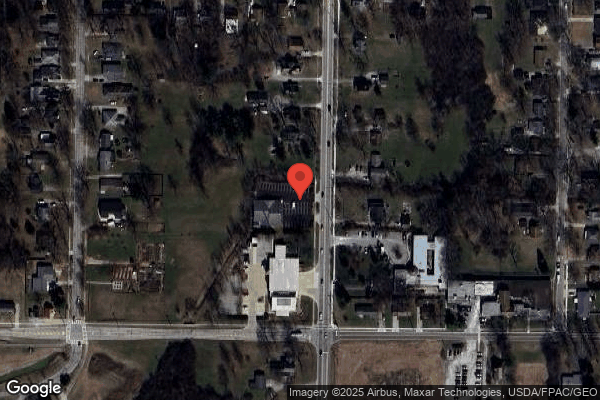
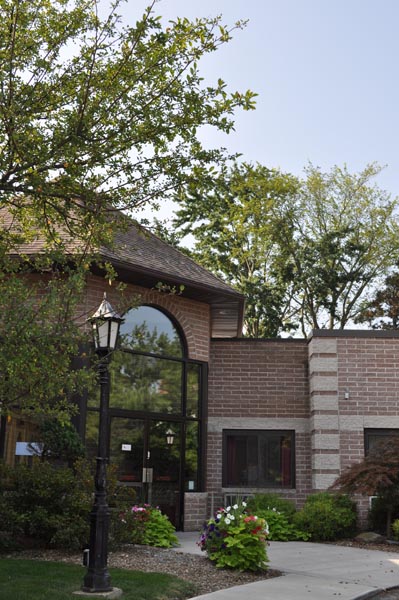
417 SOUTH MAIN STREET, OBERLIN, OH 44074 (440) 775-1491
For profit - Corporation 99 Beds Independent Data: November 2025
Trust Grade
78/100
#373 of 913 in OH
Last Inspection: October 2022

Over 2 years since last inspection. Current conditions may differ from available data.

Overview

Welcome Nursing Home in Oberlin, Ohio, has a Trust Grade of B, which means it is a good choice and generally reliable. It ranks #373 out of 913 facilities in Ohio, placing it in the top half, and #13 out of 20 in Lorain County, indicating there are only a few local options that perform better. The facility is currently improving, having reduced its issues from 2 in 2022 to 1 in 2024. Staffing is also a strength, with a 4/5 star rating and a turnover rate of 28%, significantly lower than the state average of 49%, suggesting that staff are stable and familiar with the residents. While there are no fines reported, which is a positive sign, there have been some concerns raised, such as a dirty ice machine and residents receiving meals on plastic trays instead of in a more homelike setting. Additionally, there was a noted failure to properly disinfect a glucometer after use, which could pose health risks. Overall, while there are some weaknesses to address, the home's strengths and improving trend make it a solid option for families considering care for their loved ones.

Trust Score
B
78/100
In Ohio
#373/913
Top 40%
Safety Record
Low Risk
No red flags
Inspections
Getting Better
2 → 1 violations
Staff Stability
✓ Good
28% annual turnover. Excellent stability, 20 points below Ohio's 48% average. Staff who stay learn residents' needs.
Penalties
✓ Good
No fines on record. Clean compliance history, better than most Ohio facilities.
Skilled Nurses
○ Average
Each resident gets 36 minutes of Registered Nurse (RN) attention daily — about average for Ohio. RNs are the most trained staff who monitor for health changes.
Violations
⚠ Watch
15 deficiencies on record. Higher than average. Multiple issues found across inspections.
★★★★☆
4.0
Overall Rating
★★★★☆
4.0
Staff Levels
★★★★☆
4.0
Care Quality
★★★★☆
4.0
Inspection Score
Stable
2022: 2 issues
2024: 1 issues

The Good

  • 4-Star Staffing Rating · Above-average nurse staffing levels
  • 4-Star Quality Measures · Strong clinical quality outcomes
  • Low Staff Turnover (28%) · Staff stability means consistent care
  • Full Sprinkler Coverage · Fire safety systems throughout facility
  • No fines on record
  • Staff turnover is low (28%)

    20 points below Ohio average of 48%

Facility shows strength in staffing levels, quality measures, staff retention, fire safety.

The Bad

No Significant Concerns Identified

This facility shows no red flags. Among Ohio's 100 nursing homes, only 1% achieve this.

The Ugly 15 deficiencies on record

Nov 2024 1 deficiency
CONCERN (D) 📢 Someone Reported This

A family member, employee, or ombudsman was alarmed enough to file a formal complaint

Potential for Harm - no one hurt, but risky conditions existed

Deficiency F0602 (Tag F0602)

Could have caused harm · This affected 1 resident

**NOTE- TERMS IN BRACKETS HAVE BEEN EDITED TO PROTECT CONFIDENTIALITY** THE FOLLOWING DEFICIENCY REPRESENTS AN INCIDENT OF PAST NON-COMPLIANCE THAT WAS SUBSEQUENTLY CORRECTED PRIOR TO THIS SURVEY. Bas...

Read full inspector narrative →
**NOTE- TERMS IN BRACKETS HAVE BEEN EDITED TO PROTECT CONFIDENTIALITY** THE FOLLOWING DEFICIENCY REPRESENTS AN INCIDENT OF PAST NON-COMPLIANCE THAT WAS SUBSEQUENTLY CORRECTED PRIOR TO THIS SURVEY. Based on medical record review, staff interview, review of a self reported incident (SRI) and subsequent investigation, review of a transcribed interview, policy review, and review of corrective action documentation, the facility failed to ensure residents were free from misappropriation. This affected two (#1 and #2) of three residents reviewed for misappropriation. The facility census was 83. Findings Include: Review of Resident #1's medical record revealed the resident was admitted to the facility on [DATE] with diagnoses that included type two diabetes, chronic kidney disease, and major depressive disorder. Review of the most recent quarterly Minimum Data Set (MDS) 3.0 assessment dated [DATE] revealed Resident #1 was cognitively intact and required extensive assistance of one person for completing her activities of daily living (ADLs). Review of Resident #2's medical record revealed the resident was admitted to the facility on [DATE] with diagnoses that included atrial fibrillation, congestive heart failure, and malnutrition. Review of the most recent comprehensive MDS 3.0 assessment dated [DATE] revealed Resident #2 was cognitively intact and required extensive assistance of one person for completing her ADLs. Review of an SRI and investigation documentation revealed on 10/24/24 at approximately 3:00 P.M. Resident #1 reported money missing from her cellular telephone (cell phone)/wallet. Resident #1 stated the money was removed at some point after 10:00 A.M. on 10/23/24. Resident #1 verbalized she was in possession of $85.00. Resident #1 stated when she went to check on the money at 2:30 P.M. on 10/24/24 it was gone. An investigation into the missing personal funds began immediately which included identifying all staff that worked around the time of the incident, interviewing staff, interviewing other residents, and a in-depth interview with Resident #1 and Resident #1's son. A camera was authorized and placed in Resident #1's private room on 10/24/24 and $25.00 was placed in Resident #1's cell phone/wallet. While staff were placing the camera in Resident #1's room, Resident #2 reported to the facility's receptionist he was also missing money. Resident #2 stated he was out of his room from approximately 1:15 P.M. to 3:10 P.M. on 10/24/24, and when he returned and checked his wallet all but $2.00 were missing. Resident #2 stated he got money from a bank the previous day and sold a cell phone to a friend for $100.00. Resident #2 stated he had a total of $200.00 in his possession. A second camera was ordered after the information was obtained from Resident #2. On Monday 10/28/24, the camera was placed at 11:51 A.M. in Resident #2's room and active monitoring of the cameras in Resident #1 and Resident #2's rooms began by facility administrative staff. Soon after placement, the camera alerted to motion in Resident #2's room. The camera recorded State Tested Nurse Aide (STNA) #100 rummaging through Resident #2's bedside stand where STNA #100 found a wallet. STNA #100 proceeded to open the wallet and when she found no money, STNA #100 continued to search through the drawer and other locations in the room. After watching the video, the facility administration removed STNA #100 from the floor and brought her to administrative offices for questioning. STNA #100 initially denied any involvement in any missing money, but after further questions STNA #100 confessed to taking money from Resident #1 and Resident #2. The local police department was notified of the situation. Resident #1 and Resident #2 were both interviewed and expressed a desire to pursue prosecution, and STNA #100 was terminated immediately upon confession on 10/28/24. Review of a transcribed interview document dated 10/28/24 revealed STNA #100 confessed to taking money from Resident #1 and Resident #2. Interview with Director of Quality Assurance (DQA) #1 on 11/08/24 at 10:30 A.M. verified the facility confirmed STNA #100 took money from Resident #1 and Resident #2. Review of the policy titled, Abuse Prevention and Compliance Policy, dated 11/01/16, revealed the facility has no tolerance for abuse, neglect, and misappropriation of residents. As a result of the incident, the facility took the following actions to correct the deficient practice by 10/29/24: • On 10/28/24, the facility replaced Resident #1 and Resident #2's stolen money. • On 10/28/24, STNA #100's employment at the facility was terminated. • On 10/28/24, upon STNA #100's confession of stealing money from Resident #1 and Resident #2, the local police department was contacted, a report was taken, and the criminal investigation was on-going. • On 10/28/24, The Ohio Department of Health was notified of the incident and an investigation into the incident and actions taken against STNA #100's healthcare license were on-going. • On 10/28/24, interviews were completed with all residents and/or a resident's representative with no negative findings related to abuse, neglect, or misappropriation. • On 10/29/24, a Quality Assurance meeting was held to discuss the incident. • On 10/29/24, the facility updated its Ester's Law policy to reflect and notify staff the facility may utilize hidden cameras in any area of the facility (in resident rooms with the permission of the resident and/or responsible party) when it deems necessary to investigate staff for inappropriate actions. • On 10/29/24, an all staff meeting was conducted with all staff members present. This meeting consisted of education related to the facility's abuse, neglect, and misappropriation policy and Ester's Law (use of cameras in the facility) policy. This deficiency represents non-compliance investigated under Complaint Number OH00159433.
Oct 2022 2 deficiencies
CONCERN (D)

Potential for Harm - no one hurt, but risky conditions existed

Quality of Care (Tag F0684)

Could have caused harm · This affected 1 resident

**NOTE- TERMS IN BRACKETS HAVE BEEN EDITED TO PROTECT CONFIDENTIALITY** Based on observation, staff interview, record review and review of facility policy, the facility failed to provide wound care tr...

Read full inspector narrative →
**NOTE- TERMS IN BRACKETS HAVE BEEN EDITED TO PROTECT CONFIDENTIALITY** Based on observation, staff interview, record review and review of facility policy, the facility failed to provide wound care treatment as ordered for a resident with wounds. This affected one Resident (#78) out of two Residents (#78 and #7) observed for wound care. The facility identified four Residents (#7, #30, #32 and #78) with wounds and who required interventions for wound care. The facility census was 84. Findings include: Review of Resident #78's medical records revealed an admission date of 01/12/22. Diagnosis included cerebral vascular attack (CVA/stroke) with right sided weakness, diabetes, and muscle weakness. Review of Minimum Data Set (MDS) dated [DATE] revealed resident had impaired cognition as well as depression. Review of care plan dated 10/06/22 revealed Resident #78 at risk for skin breakdown related to decreased mobility. Interventions included apply treatments per physician orders, encourage Prevalon boots (pressure reducing boots) while in bed and float heels if resident refuses. Review of physician orders for Resident #78 dated 10/05/22 revealed resident was ordered to receive skin prep (protective film) applied to right heel and to be covered with an absorbent dressing and gauze placed every Monday, Wednesday, and Friday. Review of Treatment Administration Record (TAR) for October 2022 revealed treatments had been documented as being completed. Observation of wound care on 10/26/22 at 10:13 A.M. for Resident #78 with Licensed Practical Nurse (LPN) #862, Assistant Director of Nursing (ADON) #865 and Wound Nurse Practitioner (NP) #928 revealed resident had an undated gauze dressing to his right leg. NP #928 had proceeded to remove the gauze and observation revealed resident had an open area to the outer portion of his right heel. NP #928 stated the area must have opened recently due to not being opened when she last assessed resident one week ago. NP #928 further stated the orders were for Resident to have an absorbent dressing to the right heel and then wrap the leg with gauze. ADON #865 and NP #928 confirmed there was no absorbent dressing on the resident's heel as ordered. Review of facility policy titled Dressing Change Policy and Procedure undated, revealed to apply dressings as ordered.
CONCERN (E)

Potential for Harm - no one hurt, but risky conditions existed

Food Safety (Tag F0812)

Could have caused harm · This affected multiple residents

Based on observations and staff interview the facility failed to maintain a sanitary ice machine. This affected all residents except Residents (#3, #4, #27, #34, #75, #77 and #80) who received nectar ...

Read full inspector narrative →
Based on observations and staff interview the facility failed to maintain a sanitary ice machine. This affected all residents except Residents (#3, #4, #27, #34, #75, #77 and #80) who received nectar like fluids and Residents (#40 and #42) who received no nourishment by mouth. The census was 84 residents. Findings Include: Observations on 10/25/22 at 2:50 P.M. revealed black fuzzy substance located on the upper inside frame of the ice machine. This ice machine was in the hall on the unit. Staff used the machine to provide fresh drinks to the residents. Interview on 10/25/22 at 2:56 P.M., the Administrator and Director of Nursing verified that black fuzzy substance identified on the upper frame above the available ice. Interview on 10/25/22 at 3:23 P.M., the Maintenance Director stated he completed general cleaning every Monday and completed deep cleaning once a month. Review of staff signature page for cleaning revealed the ice machine was cleaned on 10/17/22.
Nov 2019 4 deficiencies
CONCERN (D)

Potential for Harm - no one hurt, but risky conditions existed

Resident Rights (Tag F0550)

Could have caused harm · This affected 1 resident

**NOTE- TERMS IN BRACKETS HAVE BEEN EDITED TO PROTECT CONFIDENTIALITY** Based on medical record review, observation, staff interview, and review of a facility policy, the facility failed to treat a re...

Read full inspector narrative →
**NOTE- TERMS IN BRACKETS HAVE BEEN EDITED TO PROTECT CONFIDENTIALITY** Based on medical record review, observation, staff interview, and review of a facility policy, the facility failed to treat a resident with respect and dignity while providing care. This affected one resident (#37) of four residents observed for medication administration. The facility census was 85. Findings include: Medical record review revealed Resident #37 admitted to the facility on [DATE]. Diagnoses included Down Syndrome, early onset Alzheimer's disease and profound intellectual disabilities. Review of the resident's quarterly Minimum Data Set assessment, dated 08/28/19, revealed the resident's cognition was severely impaired. Review of the resident's most recent care plan, revised 09/06/19, revealed Resident #37 had a communication deficit related to impaired cognition and did not speak. Interventions included to talk with the resident while providing care and converse about current events and to explain to the resident the care you were going to perform, prior to performing it, Observation on 11/04/19 from 7:30 A.M. through 8:05 A.M. revealed Licensed Practical Nurse (LPN) #275 gathered the resident's tube feeding and prepared Resident #37's medication to be administered through the resident's gastric tube. LPN #275 entered the resident's room, pulled her blanket down to expose her gastric tube and began administering medication through the tube one at a time. After administering the medication LPN #275 administered the tube feeding into the gastric tube. When the LPN was finished, he prepared a breathing treatment for the resident. LPN #275 grabbed and removed her oxygen mask from her face and replaced it with the mask for the breathing treatment and started the treatment. LPN #275 covered the resident back up and left the room. At no time was LPN #275 observed to speak to the resident nor did he make any attempts to explain what he was going to do with her before he did. Interview on 11/04/19 at 8:06 A.M., LPN #275 confirmed he did not speak to Resident #37 at no point while in the resident's room and confirmed he should have spoken to her and let her know what he was going to do. Review of a facility policy titled, Medication Administration; Enteral Tube Medication Administration dated 06/21/19, revealed staff were to explain the procedure and medication to the resident, prior to administering.
CONCERN (D)

Potential for Harm - no one hurt, but risky conditions existed

Assessment Accuracy (Tag F0641)

Could have caused harm · This affected 1 resident

**NOTE- TERMS IN BRACKETS HAVE BEEN EDITED TO PROTECT CONFIDENTIALITY** Based on medical record review, staff interview, and review of the Center for Medicare and Medicaid Services Long-Term Care Faci...

Read full inspector narrative →
**NOTE- TERMS IN BRACKETS HAVE BEEN EDITED TO PROTECT CONFIDENTIALITY** Based on medical record review, staff interview, and review of the Center for Medicare and Medicaid Services Long-Term Care Facility Resident Assessment Instrument 3.0 User's Manual, the facility failed to ensure a resident's Minimum Data Set (MDS) assessments was accurate. This affected one resident (#37) of 18 residents reviewed for accuracy of assessments. The facility census was 85. Findings include: Medical record review revealed Resident #37 admitted to the facility on [DATE]. Diagnoses included Sown syndrome, early on-set Alzheimer's disease and chronic obstructive pulmonary disease. Further review revealed the resident received Hospice services since 05/24/19. Review of the resident's significant change MDS assessment dated [DATE], section O0100K, asked if the resident was receiving Hospice services. The MDS was coded no which indicated the resident was not receiving Hospice services. Review of her quarterly MDS assessment dated [DATE], section O0100K, asked if the resident was receiving Hospice services and again the MDS was coded no which indicated the resident was not receiving Hospice services. Interview on 11/05/19 at 3:04 P.M., Registered Nurse (RN) #279 revealed she was the facility MDS Coordinator. RN #279 confirmed Resident #37 was receiving Hospice services since 05/24/19 and was receiving these services at the time her significant change MDS assessment dated [DATE] and quarterly MDS assessment dated [DATE] were completed. RN #279 further confirmed Resident #37's significant change and quarterly MDS assessments were coded incorrectly and did not reflect the resident's hospice status. Review of the Centers for Medicare and Medicaid Services Long-Term Care Facility Resident Assessment Instrument 3.0 User's Manual version, 1.17.1, chapter three, page 0-5, dated 10/2019, revealed the facility should code yes to question O0100K for residents identified as being in a hospice program for terminally ill persons where an array of services were provided for the management of terminal illness.
CONCERN (D)

Potential for Harm - no one hurt, but risky conditions existed

Deficiency F0757 (Tag F0757)

Could have caused harm · This affected 1 resident

**NOTE- TERMS IN BRACKETS HAVE BEEN EDITED TO PROTECT CONFIDENTIALITY** Based on medical record review and staff interview, the facility failed to ensure medications were administered according to ord...

Read full inspector narrative →
**NOTE- TERMS IN BRACKETS HAVE BEEN EDITED TO PROTECT CONFIDENTIALITY** Based on medical record review and staff interview, the facility failed to ensure medications were administered according to ordered parameters. This affected two residents (#70 and #60) of four residents reviewed for medications. The facility census was 85. Findings include: 1. Medical record review revealed Resident #70 admitted to the facility on [DATE]. Diagnoses included hypertension, hypotension and chronic atrial fibrillation. Review of Resident #73's physician orders revealed the resident was ordered Metoprolol Tartrate (medication to treat high blood pressure) 25 milligrams (mg), give 0.5 tablet to equal 12.5 mg two times a day (upon rising and at bedtime). Further review of the order revealed staff were supposed to hold the medication for a systolic blood pressure less than 120 millimeters of mercury (mm Hg). Review of the resident's Medication Administration Record (MAR) revealed on 10/16/19, 10/18/19, 10/21/19, 10/22/19, 10/23/19, 10/26/19, 10/27/19, 10/31/19, 11/01/19 and 11/04/19 the resident received her upon rising dose of Metoprolol Tartrate and her bedtime dose on 10/19/19, 10/27/19 and 10/30/19. Further review of the MAR revealed the resident's documented blood pressure reading was less than 120 mm Hg with each administration. Interview on 11/05/19 at 2:41 P.M., the Director of Nursing (DON) confirmed Resident #73 received her dose of Metoprolol Tartrate on the above listed dates and times despite documentation the resident's systolic blood pressure reading was less than 120 mm Hg. The DON confirmed the resident's medication should not have been administered. 2. Medical record review Revealed Resident #60 admitted to the facility on [DATE]. Diagnoses included hypertension, hyperlipidemia and asthma. Review of Resident #60's physician orders revealed the resident was ordered Metoprolol Tartrate 50 mg, give 0.5 tablet one time a day. Further review of the order revealed staff were supposed to hold the medication for a systolic blood pressure less than 100 mm Hg. Review of the resident's MAR revealed on 10/04/19, 10/05/19 and 11/03/19 the resident's documented blood pressure was less than 100 mm Hg however, the medication was administered. Interview on 11/05/19 at 2:42 P.M., the DON confirmed Resident #60 received her dose of Metoprolol Tartrate on the above listed dates despite documentation the resident's systolic blood pressure reading was less than 100 mm Hg. The DON confirmed the resident's medication should not have been administered.
CONCERN (D)

Potential for Harm - no one hurt, but risky conditions existed

Unnecessary Medications (Tag F0759)

Could have caused harm · This affected 1 resident

**NOTE- TERMS IN BRACKETS HAVE BEEN EDITED TO PROTECT CONFIDENTIALITY** Based on medical record review, observation, staff interview, and facility policy review, the facility failed to ensure resident...

Read full inspector narrative →
**NOTE- TERMS IN BRACKETS HAVE BEEN EDITED TO PROTECT CONFIDENTIALITY** Based on medical record review, observation, staff interview, and facility policy review, the facility failed to ensure residents received medications as ordered. Observations of 31 medications being administered to four residents with two errors resulted in a medication error rate of 6.4%. This affected on resident (#37) of four residents observed for medication administration. The facility census was 85. Findings include: Medical record review revealed Resident #37 admitted to the facility on [DATE]. Diagnoses included seizure disorder, Down Syndrome, early onset Alzheimer's disease and profound intellectual disabilities. Review of the resident's quarterly Minimum Data Set assessment, dated 08/28/19, revealed the resident's cognition was severely impaired. Review of Resident #37's physician orders revealed the resident was to receive 188 milliliters (ml) of Isosource 1.5 enteral feeding, four times a day. Further review revealed the resident was ordered Keppra solution 500 milligrams (mg) per 5 ml, give 1000 mg two times a day. Observation on 11/04/19 at 7:30 A.M. revealed Licensed Practical Nurse (LPN) #275 obtained a bottle of Keppra (anti-epileptic drug) 500 mg per 5 ml, and poured 5 ml into a medicine cup and gave the medication via the gastric tube. The LPN verified there was 5 ml of Keppra in the cup he administered to the resident. He then opened the carton of Isosource 1.5 enteral feeding and poured it into a measuring cup. The measuring cup measured 100 ml, 200 ml and 300 ml. LPN #275 filled the measuring cup between 100 ml and below 200 ml. LPN #275 then administered the Isosource 1.5 enteral feeding from the measuring cup through the syringe into the resident's gastric tube. Interview on 11/04/19 at 8:06 A.M., with LPN #275 confirmed he administered 500 mg of Keppra to Resident #37 instead of the ordered 1000 mg. LPN #275 further confirmed he did not know the exact amount of Isosource 1.5 enteral feeding he had administered to the resident because he didn't have a measuring device to ensure the resident received the ordered 188 ml of Isosource. Review of a facility policy titled, Medication Administration; Enteral Tube Medication Administration dated 06/21/19, revealed it was the facility policy to safely and accurately administer medications through an enteral feeding tube. Staff were supposed to check the Medication Administration Record for the order, read the medication label three times before administering comparing with the MAR.
Sept 2018 8 deficiencies
CONCERN (D)

Potential for Harm - no one hurt, but risky conditions existed

Deficiency F0578 (Tag F0578)

Could have caused harm · This affected 1 resident

**NOTE- TERMS IN BRACKETS HAVE BEEN EDITED TO PROTECT CONFIDENTIALITY** Based on medical record review, review of facility policy, and staff interview, the facility failed to ensure residents advanced...

Read full inspector narrative →
**NOTE- TERMS IN BRACKETS HAVE BEEN EDITED TO PROTECT CONFIDENTIALITY** Based on medical record review, review of facility policy, and staff interview, the facility failed to ensure residents advanced directive wishes were accurate and placed in the residents charts. This affected two resident (#61 and #70) of 24 residents reviewed for advanced directives. The facility census was 88. Findings include: 1. Medical record review revealed Resident #61 admitted to the facility on [DATE]. Diagnoses included right lower leg fracture, hypothyroidism, and chronic kidney disease. Further review revealed the resident's advanced directive wishes, on admission, was to be a Do Not Resuscitate Comfort Care Arrest (DNR-CCA) which meant staff were to continue to provide full treatment up until time the resident went into cardiac arrest. Review of an initial family conference meeting, dated [DATE], revealed Resident #61 changed his/her advanced directive wishes and the resident's wishes were now to be a full code. Full code meant the resident wished to have cardiopulmonary resuscitation (CPR) performed if he/she went into cardiac arrest. Review of the resident's electronic health record revealed the residents advanced directive whishes were DNR-CCA. Interview on [DATE], at 10:12 A.M., the Director of Nursing (DON) revealed all resident's advanced directive wishes were to be placed in the resident's chart on admission. The DON further revealed residents' advanced directive wishes were reviewed at each care meeting to ensure their wishes would be honored. Any changes made were supposed to be updated in both the residents electronic health record and paper chart. The DON verified Resident #61 changed his/her advanced directive wishes on [DATE] during a care meeting and decided he/she wanted to be a full code and wanted CPR to be performed if he/she suffered cardiac arrest. The DON verified an order for the resident's wishes was not obtained and the resident's updated advanced directive's were not updated in the residents electronic health record. The DON further verified the resident's advanced directive wishes in his/her electronic health record were DNR-CCA. 2. Review of the medical record for Resident #70 revealed the resident admitted to the facility on [DATE]. Diagnosis included diabetes mellitus type two, chronic kidney disease, and hypertension. Review of the resident's electronic health record revealed the residents advanced directive whishes were DNR-CCA. Further review of the paper chart for the resident revealed the residents advanced directive wishes were to be a full code. Review of a physician order, dated [DATE], revealed the resident's advanced directive wishes were changed from a full code to DNR-CCA. Interview on [DATE], at 10:12 A.M., the DON verified the advanced directive wishes for Resident #71 was documented in the electronic health record as DNR-CCA and the resident's paper chart as a full code. The DON further verified the resident changed his/her advanced directive wishes to DNR-CCA on [DATE] and those wishes were never updated in the residents paper chart. Review of a facility policy titled, Code Status & Advanced Directives, dated [DATE], revealed the facility would interview each resident, upon admission, to determine the resident's advanced directive wishes. During the initial Care Conference meeting and quarterly, staff were to review the advanced directive wishes with the resident and/or the resident's family and any updates and/or charges were to be made and communicated to the physician.
CONCERN (D)

Potential for Harm - no one hurt, but risky conditions existed

Accident Prevention (Tag F0689)

Could have caused harm · This affected 1 resident

**NOTE- TERMS IN BRACKETS HAVE BEEN EDITED TO PROTECT CONFIDENTIALITY** Based on medical record review, observation, staff interview, and review of manufacture recommendations, the facility failed to ...

Read full inspector narrative →
**NOTE- TERMS IN BRACKETS HAVE BEEN EDITED TO PROTECT CONFIDENTIALITY** Based on medical record review, observation, staff interview, and review of manufacture recommendations, the facility failed to ensure Secure Care Ankle Tracking (SCAT) devices were tested for proper functioning in accordance with the manufacture's instructions. The facility further failed to ensure expired SCAT devices were replaced timely. This affected three (#3, #30 and #48) of three residents reviewed for SCAT devices. The facility identified 12 residents utilizing SCAT devices. The facility census was 88. Findings include: 1. Medical record review revealed Resident #30 admitted to the facility on [DATE]. Diagnoses included diabetes mellitus type two, chronic kidney disease, bipolar disorder, anxiety, and major depressive disorder. Review of the quarterly Minimum Data Sets (MDS) assessment, dated [DATE], revealed the resident was cognitively intact. Review of a physician's order, dated [DATE], revealed a SCAT was applied to the residents left ankle and placement was to be check every shift. Review of Resident's Medication Administration Record (MAR) for 08/2018 and 09/2018, revealed the SCAT to the residents left ankle was monitored each shift for placement. No documentation to monitor a SCAT placed on the resident wheelchair was found. Review of a facility log titled, Daily Transmitter Testing Log, revealed the SCAT placed on Resident #30's left ankle was tested on ce a weekly, not daily, for proper functioning. The facility was unable to provide documentation the SCAT applied to the resident's wheelchair was tested for proper functioning. Observation on [DATE] at 10:48 A.M., revealed a SCAT on Resident #30's left ankle. A SCAT was also observed on the bottom of the resident's wheelchair. The SCAT observed on the bottom of the wheelchair had an expiration date of 11/2016. Interview on [DATE] at 1:11 P.M. with Licensed Practical Nurse (LPN) #55 revealed she routinely cared for Resident #30. LPN #55 revealed she was not aware Resident #30 had a SCAT placed on his/her wheelchair Interview on [DATE] at 11:12 A.M. with the Director of Nursing (DON) verified Resident #30 was ordered a SCAT to be worn on his/her left ankle and a second SCAT was placed on Resident #30's wheelchair per nursing judgement. The DON revealed SCAT placement was supposed to be monitored every shift and documented on the resident's MAR. The DON verified there was no documentation the SCAT placed on the resident's wheelchair was monitored each shift. The DON further revealed proper functioning of resident's SCAT were being checked weekly, not daily. The DON further revealed, because there was no documentation on the resident's MAR of the SCAT placed on his/her wheelchair, this SCAT was not being monitored at all for proper functioning. The DON further verified the SCAT located on the resident's wheelchair expired in 11/2016. 2. Review of Resident #3's medical record identified admission to the facility occurred on [DATE]. Diagnoses included Parkinson's disease and vascular dementia. Resident #3's record identified a wandering/elopement assessment, dated [DATE], identified he was at a high risk for elopement. The written plan of care identified a SCAT ankle alarm would be implemented. The record identified nursing staff were to check and record placement to the alarm daily. 3. Review of Resident #48's medical record identified admission to the facility occurred on [DATE]. Diagnoses included Alzheimer's disease, confusion and agitation. The record identified Resident #48 was high risk for wandering/elopement, upon admission. The plan of care included the use of a SCAT alarm to the residents ankle. Review of the physician notes dated [DATE] identified Resident #48 does try to exit the facility at times but was easy to re-direct. The record included a physician order for the nursing staff to check placement of the SCAT alarm on a daily basis. Observation of Resident #48 occurred on [DATE] at 8:27 A.M. with a SCAT alarm on her left ankle. Review of the maintenance testing logs and interview with Maintenance Assistant #10 was conducted on [DATE] at 12:58 P.M. The interview identified he conducted weekly functional testing of all residents SCAT alarms. Review of the testing logs confirmed each SCAT alarm was individually listed on a testing form and this was completed weekly. Interview with the Administrator and Director of Nursing on [DATE] at 12:58 P.M. confirmed the facility was not doing daily testing of the secure care bands as per the manufacturer's instructions. Review of the SCAT transmitter user guide, dated [DATE] was completed. The transmitter book identified secure care's system must be installed, maintained and tested in accordance with all manuals and instructions in the user guide. The guide additionally identified any person completing the testing must complete technical training. The transmitter policy identified secure Care Products require facilities to test the transmitter for proper operation on a daily basis. The user guide additionally identified the date of the ankle transmitter expiration should be noted so the ankle transmitter was replaced at the proper time, ensuring protection of the resident.
CONCERN (D)

Potential for Harm - no one hurt, but risky conditions existed

Deficiency F0694 (Tag F0694)

Could have caused harm · This affected 1 resident

**NOTE- TERMS IN BRACKETS HAVE BEEN EDITED TO PROTECT CONFIDENTIALITY** Based on observation, medical record, review of facility policy and staff interviews, the facility failed to ensure two resident...

Read full inspector narrative →
**NOTE- TERMS IN BRACKETS HAVE BEEN EDITED TO PROTECT CONFIDENTIALITY** Based on observation, medical record, review of facility policy and staff interviews, the facility failed to ensure two residents (Resident #146 and #147) were receiving proper care of peripherally inserted central catheter [PICC) access (IV) sites. The facility identified two residents (#146 and #147) who have PICC sites. The facility census was 88. Findings include: 1. Review of Resident #146's medical record identified the resident was admitted to the facility on [DATE]. Diagnoses included respiratory failure, CVA (stoke) with right side, seizure disorder, DM, CAD, Depression, HTN (high blood pressure), COPD and Pulmonary Fibrosis. The record identified Resident #146 had a PICC line for intravenous access. The medical record identified a lack of admission physician orders for dressing and/or cap changes for the PICC line. Observation of Resident #146 on 09/11/18 at 7:27 A.M. revealed the resident was observed with a PICC line in the right antecubital area with a dressing dated 08/28/18. Observation and interview with Licensed Practical Nurse (LPN) #55 occurred on 09/11/18 at 10:57 A.M. confirmed the dressing was dated 08/28/18 and had not been changed since Resident #146's admission. 2. Review of Resident #147's medical record identified the resident was admitted to the facility on [DATE]. Diagnoses included diabetic foot ulcer and cellulitis. The record further identified physician orders for an antibiotic to be administered through a PICC line. The record lacked any physician orders for dressing and/or cap changes for the PICC line. Observation of Resident #147 with LPN #78 on 09/11/18 at 9:25 A.M. revealed Resident #147 had a PICC Line in the right antecubital with dressing intact. The dressing was noted to be dated 09/05/18. Interview with LPN #147 confirmed the facility did not have any physician orders for the dressing changes and/or cap changes for the PICC line. Review of the facilities undated, PICC line Care policy, identified PICC line dressing change ordered weekly with extension set and cap change. The policy identified each dressing shall be initialed and dated as well as documented in the electronic medical record.
CONCERN (D)

Potential for Harm - no one hurt, but risky conditions existed

Respiratory Care (Tag F0695)

Could have caused harm · This affected 1 resident

Based on medical record review, observation, review of facility policy and staff interview, the facility failed to follow a physician order for oxygen therapy. This affected one (Resident #58) of one ...

Read full inspector narrative →
Based on medical record review, observation, review of facility policy and staff interview, the facility failed to follow a physician order for oxygen therapy. This affected one (Resident #58) of one resident reviewed for oxygen therapy. The facility identified seven residents receiving oxygen. The facility census was 88. Findings Include: Medical record review for Resident #58 revealed an admission date of 05/01/15. Diagnoses included atherosclerotic heart disease without angina pectoris, adult failure to thrive, dementia without behavioral disturbances, Alzheimer's disease with late onset. Review of physician order, dated 10/27/17, revealed an order for oxygen two liters per minute via nasal cannula indefinitely. Observation on 09/10/18 at 4:00 P.M., 09/11/18 10:48 A.M. and 09/11/18 at 5:35 P.M. revealed oxygen setting between three liters per minute to 3.5 liters per minute via nasal cannula. Interview on 09/11/18 at 5:35 P.M. with License Practical Nurse (LPN # 73 ) confirmed the oxygen was set at three liters per minute. The LPN verified the physician order was for two liters. Review of an undated facility policy titled Policy and Procedure: Oxygen Delivery, revealed oxygen will be used according to physician orders and monitored by nursing.
CONCERN (D)

Potential for Harm - no one hurt, but risky conditions existed

Pharmacy Services (Tag F0755)

Could have caused harm · This affected 1 resident

**NOTE- TERMS IN BRACKETS HAVE BEEN EDITED TO PROTECT CONFIDENTIALITY** Based on observation, medical record review, review manufacture instructions, and staff interview, the facility failed to proper...

Read full inspector narrative →
**NOTE- TERMS IN BRACKETS HAVE BEEN EDITED TO PROTECT CONFIDENTIALITY** Based on observation, medical record review, review manufacture instructions, and staff interview, the facility failed to properly administer insulin via a FlexPen injector. This affected one resident (#94) of one resident, observed for insulin administration via a FlexPen, and had the potential to affect five resident's (#37, #55, #66, #68, and #94) who were identified by the facility to receive insulin via a FlexPen on the two west hall. The facility census was 88. Findings include: Medical record review revealed Resident #94 admitted to the facility on [DATE]. Diagnoses included diabetes mellitus type two and vascular dementia without behavioral disturbances. Review of the comprehensive Minimum Data Set (MDS) assessment, dated 08/21/18, revealed the resident's cognition was intact. Review of Resident #94's physician orders revealed an order, dated 11/07/17, for 10 units of Novolog, via a FlexPen injector, to be administered subcutaneously with each meal. Observation of medication administration on 09/12/18 at 4:27 P.M., revealed Licensed Practical Nurse (LPN) #104 went to the medication storage room and obtained a new Novolog FlexPen for Resident #94. LPN #104 placed a needle onto the FlexPen injector and set the pen at 10 units. LPN #104 proceeded to the resident's room and administered the insulin to Resident #94. Interview on 09/12/18 at 4:28 P.M., LPN #104 revealed she was not sure if a Novolog FlexPen injector required to be primed (a process to remove the air from the needle and cartridge of the injector to ensure the proper dose of insulin is administered) prior to obtaining the residents 10 units of insulin. LPN #104 verified she did not prime the Novolog FlexPen injector prior to administrating Resident #94's insulin. Interview on 09/13/18 at 8:35 A.M., the Director of Nursing (DON) revealed Novolog FlexPen injectors were required to be primed, prior to obtaining the ordered dose of insulin, to ensure the proper dose of insulin was obtained. Review of the manufacture's instructions titled, A Guide to Using Your Novolog FlexPen, that was provided with the resident's new Novolog FlexPen injector, revealed to prime the Novolog FlexPen injector, the cap was to be removed and a new needle was to be attach to the injector. The dose selector was to be set at two units, and with the needle in the up position, the injection button was to be pressed and held to expel the two units (until a drop of insulin could be seen on the tip of the needle). Next, the ordered dose of insulin was to be set on the dose selector for administration.
CONCERN (D)

Potential for Harm - no one hurt, but risky conditions existed

Medication Errors (Tag F0758)

Could have caused harm · This affected 1 resident

**NOTE- TERMS IN BRACKETS HAVE BEEN EDITED TO PROTECT CONFIDENTIALITY** Based on medical record review and staff interviews, the facility failed to ensure Resident #48 was not receiving unnecessary an...

Read full inspector narrative →
**NOTE- TERMS IN BRACKETS HAVE BEEN EDITED TO PROTECT CONFIDENTIALITY** Based on medical record review and staff interviews, the facility failed to ensure Resident #48 was not receiving unnecessary anti-psychotropic mediations. This affected one (#48) of five residents reviewed for unnecessary medications. The facility identified 17 residents receiving anti-psychotropic medications. The facility census was 88. Findings include: Review of Resident #48's medical record identified an admission occurred on 10/22/17. Diagnoses included Alzheimer's disease, anxiety, depression and dementia. Review of the admission physician orders included an anti-psychotropic medication (Seroquel) 50 milligrams (mg.) daily. The Seroquel was discontinued on 11/14/17. On 11/20/17, the Seroquel medication was re-started, for an unknown reason. Review of the nursing progress notes and physician progress notes from 10/22/17 through 11/20/17, revealed lack of any evidence of indications for the Seroquel to be restarted. The medical record did identify on 11/24/17 Resident #48 was identified with a urinary tract infection and required antibiotic therapy. The record lacked any evidence of identifying the infection could potentially be the cause of any behavioral changes for Resident #48. Review of the physician's admission History and Physical for Resident #48 identified the [AGE] year old admitted from another nursing facility on 10/22/17 with increased confusion, agitation and lethargy. The physical evaluation identified Resident #48 was checked for and identified with a urinary tract infection. The plan identified he would hold off weaning her atypical anti-psychotic (Seroquel) until we have more information. Review of Resident #48's care conference meeting, occurring with family was dated 10/31/17. The meeting identified a discussion of the Seroquel was completed. The notes identified the family revealed the Seroquel was originally started Thanksgiving 2016 for an acute psychotic episode (short duration). Review of physician progress notes ,dated 11/09/17, identified Resident #48 was assessed with no dementia behaviors at this time, she does try at times to leave but was easy to re-direct and seem well adjusted. Pleasant and gets along with roommate. The notes, dated 12/05/17 identified Resident #48 was clinically stable. The patient has had no episodes of acute psychosis. On 02/01/18, Resident #48's pharmacy recommended a gradual dose reduction of the Seroquel medication down to 25 mg. daily. The medical record identified the reduction was completed without issues for Resident #48. The Medication Administration record (MAR) dated September 2018 identified Resident #48 remained on the Seroquel medication 25 mg. daily. Review of the behavior progress notes dated 02/02/2018 at 12:22 P.M. identified Resident #48 has been pleasant and cooperative with care and in interactions with others. No concerning behaviors noted. The plan was to decrease the Seroquel to 25 mg. every day. Interview with the Director of Nursing (DON) on 09/11/18 at 2:04 P.M. confirmed she was unable to locate and indications for use of Seroquel for Resident #48. The interview further confirmed Resident #48 does have some increased anxiety and possible behaviors, when she has a urinary tract infection. The interview further confirmed Resident #48 has not demonstrated any behaviors that would warrant the use of a anti-psychotic medication since admission. Interview with State Tested Nursing Assistant (STNA) #125 on 09/12/18 at 9:05 A.M. confirmed STNA #125 has taken care of Resident #48 since her admission to the facility. The STNA confirmed Resident #48 has never had any behaviors, and was always pleasant. The interview confirmed when Resident #48 has a urinary tract infection she does sleep a lot and was grouchy, but this goes away following treatment.
CONCERN (E)

Potential for Harm - no one hurt, but risky conditions existed

Safe Environment (Tag F0584)

Could have caused harm · This affected multiple residents

Based on meal observations and staff interviews, the facility failed to ensure resident's had a homelike dining environment. This affected six (Residents #11, #12, #40, #58, #71 and #75) of 88 residen...

Read full inspector narrative →
Based on meal observations and staff interviews, the facility failed to ensure resident's had a homelike dining environment. This affected six (Residents #11, #12, #40, #58, #71 and #75) of 88 residents, who ate in the dinning room located near the 200 hallway. Findings include: Observation of the dining services in the small dining room, located just off the 200 hallway was conducted on 09/10/18 at 11:57 A.M. ; 09/11/18 at 8:22 A.M. and 09/11/18 at 5:35 P.M. The staff were observed to provide each of the residents their meals on a large plastic serving tray. The staff left each of the residents meals on the plastic trays. The tables in the area were observed without any homelike décor. Observation of the facility's main dinning room was additionally conducted following each of the above listed 200 hall meals. The residents in the main dining room were provided table cloths, center pieces, salt and pepper shakers and condiment containers, on each of the tables. The residents meals were not served on plastic trays. Interview with the facility Director of Nursing (DON) and Administrator occurred on 09/12/18 at 8:02 A.M. The interview confirmed the staff have never been educated to remove food from the plastic trays for the residents. The interview further identified they have never thought about this dining being different from the main dining location.
CONCERN (E)

Potential for Harm - no one hurt, but risky conditions existed

Infection Control (Tag F0880)

Could have caused harm · This affected multiple residents

**NOTE- TERMS IN BRACKETS HAVE BEEN EDITED TO PROTECT CONFIDENTIALITY** Based on observation, medical record review, review of manufacture instructions, and staff interview, the facility failed to pro...

Read full inspector narrative →
**NOTE- TERMS IN BRACKETS HAVE BEEN EDITED TO PROTECT CONFIDENTIALITY** Based on observation, medical record review, review of manufacture instructions, and staff interview, the facility failed to properly disinfect a community glucometer (a blood glucose monitoring device), after obtaining a resident's blood glucose level. This affected one resident (#94) of two residents observed for blood glucose monitoring and had the potential to affect eight residents (#5, #22, #29, #37, #65, #66, #68, and #94) who were identified by the facility to have orders for blood glucose monitoring on the two west hall. The facility census was 88. Findings include: Medical record review revealed Resident #94 admitted to the facility on [DATE]. Diagnoses included diabetes mellitus type two, hyperlipidemia, and vascular dementia without behavioral disturbances. Review of the comprehensive Minimum Data Sets (MDS) assessment, dated 08/21/18, revealed the resident's cognition was intact. Review of Resident #94's physician orders revealed an order, dated 11/03/17, for the resident's blood glucose level to be monitored three times a day with each meal. Observation on 09/12/18 at 4:16 P.M., revealed Licensed Practical Nurse (LPN) #104 used a glucometer to obtained Resident #94's blood glucose level. LPN #104 then proceeded to the medication cart and wiped the glucometer using a germicidal disposable wipe. LPN #104 was observed wiping the glucometer with a germicidal wipe for approximately 30 seconds. Interview on 09/12/18 at 4:28 P.M., LPN #104 verified the glucometer was a community glucometer and used for all of the residents on the two west hall who required blood sugar monitoring. LPN #104 revealed the glucometer was supposed to be cleaned, with a germicidal wipe, after each use for at least 30 seconds. LPN #104 verified she used a germicidal wipe and cleaned the glucometer for 30 seconds. Interview on 09/13/18 at 8:35 A.M., the Director of Nursing verified community glucometers were to be wiped thoroughly with a germicidal wipe, for at least two minutes, after each use to disinfect the glucometer. Review of the manufacture's instructions provided with the germicidal wipe, revealed after use, staff were to thoroughly wipe the surface of the glucometer, with a germicidal wipe, for two minutes to disinfect and kill blood born pathogens including viral hepatitis and human immunodeficiency virus (HIV).
Understanding Severity Codes (click to expand)
Life-Threatening (Immediate Jeopardy)
J - Isolated K - Pattern L - Widespread
Actual Harm
G - Isolated H - Pattern I - Widespread
Potential for Harm
D - Isolated E - Pattern F - Widespread
No Harm (Minor)
A - Isolated B - Pattern C - Widespread

Questions to Ask on Your Visit

  • "Can I speak with families of current residents?"
  • "What's your RN coverage like on weekends and overnight?"

Our Honest Assessment

Strengths
  • • No major safety red flags. No abuse findings, life-threatening violations, or SFF status.
  • • No fines on record. Clean compliance history, better than most Ohio facilities.
  • • 28% annual turnover. Excellent stability, 20 points below Ohio's 48% average. Staff who stay learn residents' needs.
Concerns
  • • 15 deficiencies on record. Higher than average. Multiple issues found across inspections.
Bottom line: Generally positive indicators. Standard due diligence and a personal visit recommended.

About This Facility

What is Welcome's CMS Rating?

CMS assigns WELCOME NURSING HOME an overall rating of 4 out of 5 stars, which is considered above average nationally. Within Ohio, this rating places the facility higher than 99% of the state's 100 nursing homes. This rating reflects solid performance across the metrics CMS uses to evaluate nursing home quality.
How is Welcome Staffed?

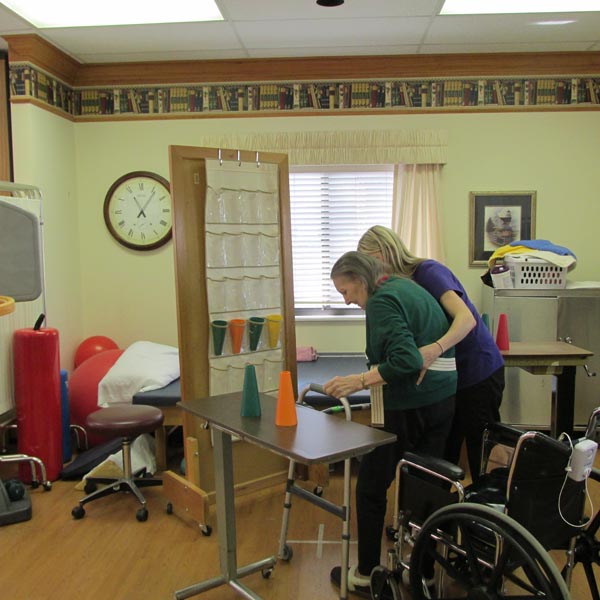
CMS rates WELCOME NURSING HOME's staffing level at 4 out of 5 stars, which is above average compared to other nursing homes. Staff turnover is 28%, compared to the Ohio average of 46%. This relatively stable workforce can support continuity of care.

What Have Inspectors Found at Welcome?

State health inspectors documented 15 deficiencies at WELCOME NURSING HOME during 2018 to 2024. These included: 15 with potential for harm.
Who Owns and Operates Welcome?

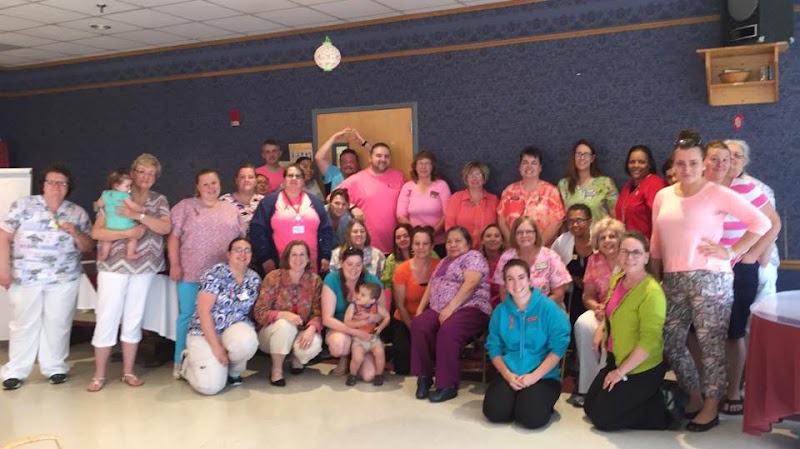
WELCOME NURSING HOME is owned by a for-profit company. For-profit facilities operate as businesses with obligations to shareholders or private owners. The facility operates independently rather than as part of a larger chain. With 99 certified beds and approximately 89 residents (about 90% occupancy), it is a smaller facility located in OBERLIN, Ohio.
How Does Welcome Compare to Other Ohio Nursing Homes?

Compared to the 100 nursing homes in Ohio, WELCOME NURSING HOME's overall rating (4 stars) is above the state average of 3.2, staff turnover (28%) is significantly lower than the state average of 46%, and health inspection rating (4 stars) is above the national benchmark.

What Should Families Ask When Visiting Welcome?

Based on this facility's data, families visiting should ask: "Can I visit during a mealtime to observe dining assistance and food quality?" "How do you handle medical emergencies, and what is your hospital transfer rate?" "Can I speak with family members of current residents about their experience?"

Is Welcome Safe?

Based on CMS inspection data, WELCOME NURSING HOME has a clean safety record: no substantiated abuse findings (meaning no confirmed cases of resident harm), no Immediate Jeopardy citations (the most serious violation level indicating risk of serious injury or death), and is not on the Special Focus Facility watch list (a federal program monitoring the lowest-performing 1% of nursing homes). The facility has a 4-star overall rating and ranks #1 of 100 nursing homes in Ohio. While no facility is perfect, families should still ask about staff-to-resident ratios and recent inspection results during their visit.

Do Nurses at Welcome Stick Around?

Staff at WELCOME NURSING HOME tend to stick around. With a turnover rate of 28%, the facility is 18 percentage points below the Ohio average of 46%. Low turnover is a positive sign. It means caregivers have time to learn each resident's needs, medications, and personal preferences. Consistent staff also notice subtle changes in a resident's condition more quickly. Registered Nurse turnover is also low at 13%, meaning experienced RNs are available to handle complex medical needs.

Was Welcome Ever Fined?

WELCOME NURSING HOME has no federal fines on record. CMS issues fines when nursing homes fail to meet care standards or don't correct problems found during inspections. The absence of fines suggests the facility has either maintained compliance or corrected any issues before penalties were assessed. This is a positive indicator, though families should still review recent inspection reports for the full picture.

Is Welcome on Any Federal Watch List?

WELCOME NURSING HOME is not on any federal watch list. The most significant is the Special Focus Facility (SFF) program, which identifies the bottom 1% of nursing homes nationally based on persistent, serious quality problems. Not being on this list means the facility has avoided the pattern of deficiencies that triggers enhanced federal oversight. This is a positive indicator, though families should still review the facility's inspection history directly.