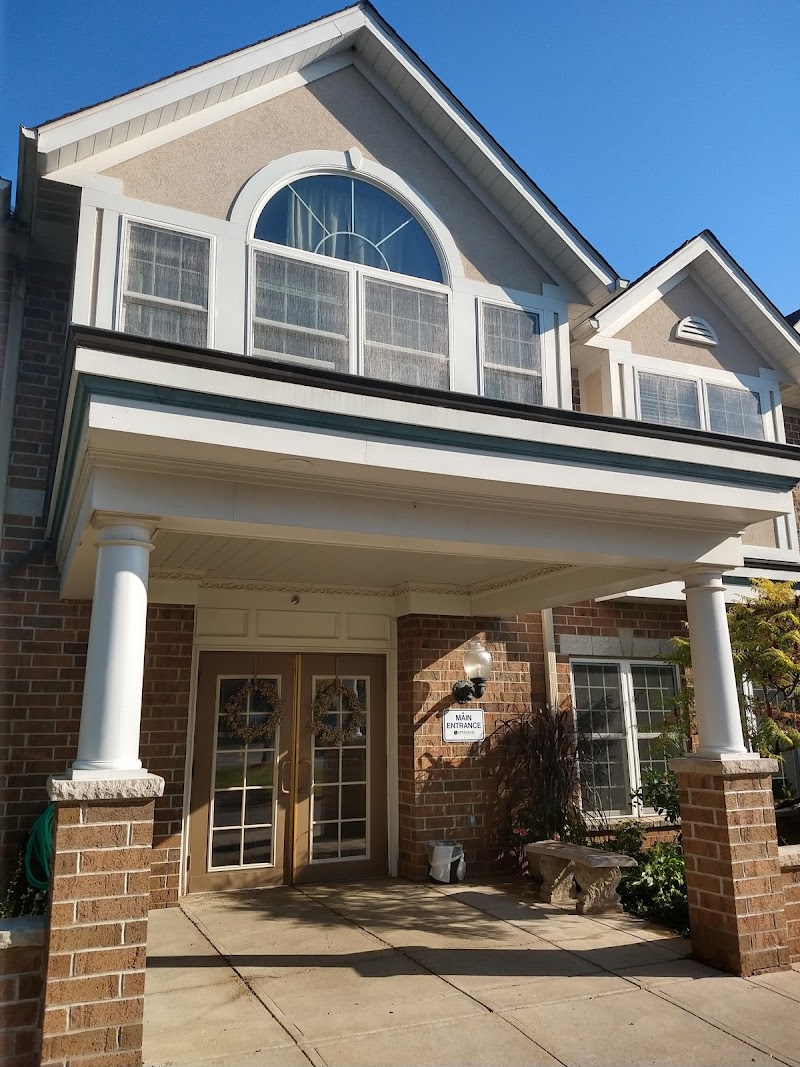
VILLAGE OF THE FALLS
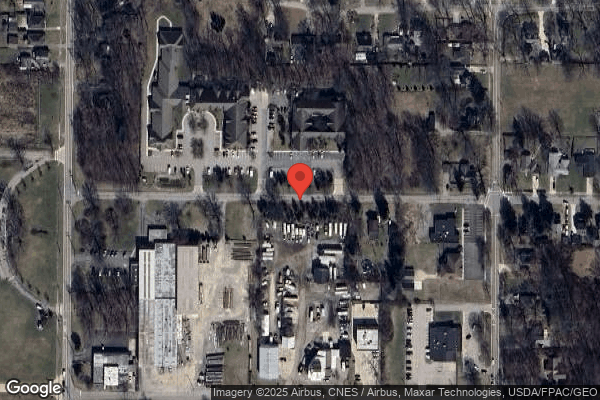
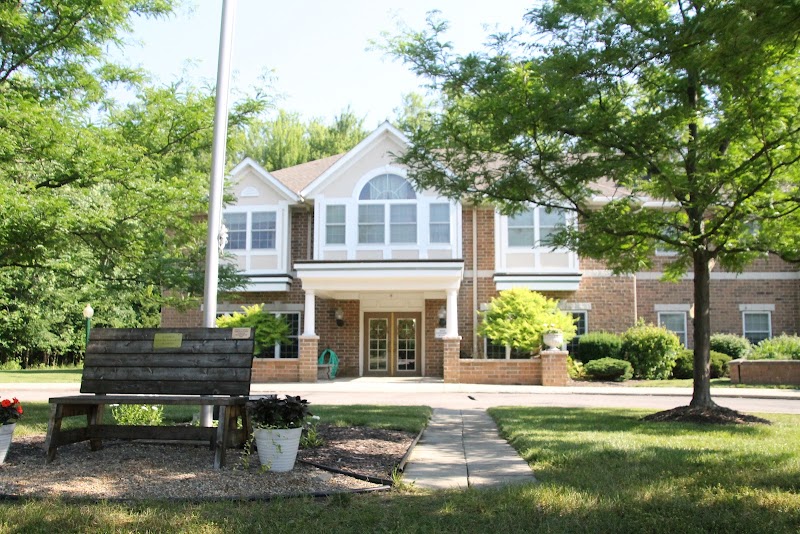
25920 ELM STREET, OLMSTED FALLS, OH 44138 (440) 989-5200
For profit - Corporation 36 Beds SPRENGER HEALTH CARE SYSTEMS Data: November 2025
Trust Grade
80/100
#367 of 913 in OH
Last Inspection: July 2023

Over 2 years since last inspection. Current conditions may differ from available data.

Overview

The Village of the Falls in Olmsted Falls, Ohio has a Trust Grade of B+, indicating it is above average and recommended for care. With a state rank of #367 out of 913, they are in the top half of Ohio facilities, and #33 out of 92 in Cuyahoga County means there are only a few better options nearby. The facility is new and has not shown any trends over time yet, but it has reported four concerns from its first inspection, with no fines on record, which is a positive sign. Staffing is average, with a 3/5 star rating and a turnover rate of 53%, slightly above the state average, suggesting some consistency in care. Specific issues included improper food storage that could lead to contamination and inaccuracies in a resident's medical record regarding their advance directive and assessment, which highlight areas needing attention.

Trust Score
B+
80/100
In Ohio
#367/913
Top 40%
Safety Record
Low Risk
No red flags
Inspections
Too New
0 → 4 violations
Staff Stability
⚠ Watch
53% turnover. Above average. Higher turnover means staff may not know residents' routines.
Penalties
✓ Good
No fines on record. Clean compliance history, better than most Ohio facilities.
Skilled Nurses
✓ Good
Each resident gets 42 minutes of Registered Nurse (RN) attention daily — more than average for Ohio. RNs are trained to catch health problems early.
Violations
✓ Good
Only 4 deficiencies on record. Cleaner than most facilities. Minor issues only.
★★★★☆
4.0
Overall Rating
★★★☆☆
3.0
Staff Levels
★★★☆☆
3.0
Care Quality
★★★★☆
4.0
Inspection Score
Stable
: 0 issues
2023: 4 issues

The Good

  • Full Sprinkler Coverage · Fire safety systems throughout facility
  • No fines on record

Facility shows strength in fire safety.

The Bad

Staff Turnover: 53%

Near Ohio avg (46%)

Higher turnover may affect care consistency

Chain: SPRENGER HEALTH CARE SYSTEMS

Part of a multi-facility chain

Ask about local staffing decisions and management

The Ugly 4 deficiencies on record

Jul 2023 4 deficiencies
CONCERN (D)

Potential for Harm - no one hurt, but risky conditions existed

Deficiency F0578 (Tag F0578)

Could have caused harm · This affected 1 resident

**NOTE- TERMS IN BRACKETS HAVE BEEN EDITED TO PROTECT CONFIDENTIALITY** Based on interview, record review, and facility policy review, the facility failed to ensure Resident #23 had an accurate and co...

Read full inspector narrative →
**NOTE- TERMS IN BRACKETS HAVE BEEN EDITED TO PROTECT CONFIDENTIALITY** Based on interview, record review, and facility policy review, the facility failed to ensure Resident #23 had an accurate and consistent advance directive in place throughout the medical record. This affected one (Resident #23) of eight residents reviewed for advance directives. The facility census was 31. Findings include: Review of the medical record revealed Resident #23 was admitted to the facility on [DATE]. Diagnoses included severe protein-calorie malnutrition, weakness, and adult failure to thrive. Review of the Significant Change in Status Minimum Data Set (MDS) assessment dated [DATE] revealed Resident #23 had a Brief Interview for Mental Status (BIMS) score of 06 which indicated severely impaired cognition. The MDS reflected Resident #23 required extensive assistance of one staff for dressing, personal hygiene, and bed mobility. Resident #23 was dependent with two staff for transfers and was unable to ambulate. Review of Resident #23's care plan revealed a code status of Do Not Resuscitate Comfort Care Arrest (DNRCC-Arrest). Review of physician's orders revealed Resident #23 was admitted to hospice care on 05/16/23 with a diagnosis of end stage protein calorie malnutrition with life expectancy of six months or less if disease runs its natural course. Resident #23 had a code status order, dated 07/05/22, of DNRCC-Arrest. Review of the Do Not Resuscitate (DNR) Order Form in Resident #23's chart revealed a selection of DNRCC-Arrest, dated 07/05/22, and signed by Resident #23's physician. The form stated providers will treat patients as any other without a DNR order until the point of cardiac or respiratory arrest, at which point all interventions will cease and the DNR Comfort Care protocol will be implemented. Interview on 07/18/23 at 8:47 A.M. with Director of Nursing (DON) revealed Resident #23 had received comfort care from staff and was actively dying. DON verified Resident #23 had a current order for a code status of DNRCC-Arrest and had not received any intervention to prolong or sustain life. DON stated Resident #23 should have had a code status of DNRCC. Review of the Hospice Interdisciplinary Group Meeting note dated 05/24/23 and timed 09:00 A.M. revealed Resident #23 was listed as a DNR Comfort Care (DNRCC). Interview on 07/18/23 at 2:00 P.M. with Hospice Registered Nurse (RN) #610 revealed hospice records listed Resident #23's code status of DNRCC. Hospice RN #610 accessed Resident #23's hospice records on her work tablet and revealed a signed DNRCC form dated 05/17/23, signed by the hospice medical director. Hospice RN #610 verified Resident #23 had been receiving comfort care at the facility and was actively dying. Interview on 07/18/23 at 2:18 P.M. with DON revealed the facility had no record of a DNRCC form dated 05/17/23. DON verified Resident #23's medical record was inconsistent, as the facility and hospice provider had different code status records for Resident #23. DON stated there was a breakdown in communication between the facility and the hospice provider and was not sure how it happened. Review of the facility policy titled Advanced Directive Policy and Procedure, dated 01/2022, stated each resident's advance directives are documented accurately in the record to allow for accurate verification at the time when the directive would be implemented.
CONCERN (D)

Potential for Harm - no one hurt, but risky conditions existed

Assessment Accuracy (Tag F0641)

Could have caused harm · This affected 1 resident

**NOTE- TERMS IN BRACKETS HAVE BEEN EDITED TO PROTECT CONFIDENTIALITY** Based on staff interview and record review, the facility failed to accurately code Resident #23's Minimum Data Set (MDS) 3.0 ass...

Read full inspector narrative →
**NOTE- TERMS IN BRACKETS HAVE BEEN EDITED TO PROTECT CONFIDENTIALITY** Based on staff interview and record review, the facility failed to accurately code Resident #23's Minimum Data Set (MDS) 3.0 assessment. This affected one (Resident #23) of eight residents reviewed for accuracy of assessments. The facility census was 31. Findings include: Review of the medical record revealed Resident #23 was admitted to the facility on [DATE]. Diagnoses included severe protein-calorie malnutrition, weakness, and adult failure to thrive. Review of the physician's orders revealed Resident #23 was admitted to hospice care on 05/16/23 with a diagnosis of end stage protein calorie malnutrition with life expectancy of six months or less if disease runs its normal course. Review of section J of the MDS Significant Change in Status MDS assessment, dated 05/18/23, revealed the facility marked no to the resident having a condition or chronic disease that may result in a life expectancy of less than six months. Review of section O of the MDS revealed the facility had not marked hospice care under the section of special treatments, procedures and programs. Interview on 07/20/23 at 8:34 AM with Corporate MDS Nurse #600 revealed Resident #23 had a significant change in status assessment scheduled and completed after the resident elected for hospice. Corporate MDS Nurse #600 verified section J was incorrect as Resident #23 had a life expectancy of less than six months. Corporate MDS Nurse #600 verified section O was incorrect, and hospice care should have been marked. Corporate MDS Nurse #600 verified the MDS was not an accurate reflection of Resident #23's health status as of the assessment reference date of 05/18/23 and needed to be corrected.
CONCERN (D)

Potential for Harm - no one hurt, but risky conditions existed

Deficiency F0849 (Tag F0849)

Could have caused harm · This affected 1 resident

**NOTE- TERMS IN BRACKETS HAVE BEEN EDITED TO PROTECT CONFIDENTIALITY** Based on observation, interview, record review, and facility policy review the facility failed to ensure effective and ongoing c...

Read full inspector narrative →
**NOTE- TERMS IN BRACKETS HAVE BEEN EDITED TO PROTECT CONFIDENTIALITY** Based on observation, interview, record review, and facility policy review the facility failed to ensure effective and ongoing communication with Resident #23's hospice company. This affected one (Resident #23) of two residents reviewed for hospice services. The facility census was 31. Findings include: Review of the medical record revealed Resident #23 was admitted to the facility on [DATE]. Diagnoses included severe protein-calorie malnutrition, weakness, and adult failure to thrive. Review of the Significant Change in Status Minimum Data Set (MDS) assessment dated [DATE] revealed Resident #23 had a Brief Interview for Mental Status (BIMS) score of 06 which indicated severely impaired cognition. The MDS reflected Resident #23 required extensive assistance of one staff for dressing, personal hygiene, and bed mobility. Resident #23 was dependent with two staff for transfers and was unable to ambulate. Review of Resident #23's care plan revealed a code status of Do Not Resuscitate Comfort Care Arrest (DNRCC-Arrest). Review of physician's orders revealed Resident #23 was admitted to hospice care on 05/16/23 with a diagnosis of end stage protein calorie malnutrition with life expectancy of six months or less if disease runs its natural course. Resident #23 had a code status order, dated 07/05/22, of DNRCC-Arrest. Review of the Do Not Resuscitate (DNR) Order Form in Resident #23's chart revealed a selection of DNRCC-Arrest, dated 07/05/22, and signed by Resident #23's physician. The form stated providers will treat patients as any other without a DNR order until the point of cardiac or respiratory arrest, at which point all interventions will cease and the DNR Comfort Care protocol will be implemented. Interview on 07/18/23 at 8:47 A.M. with Director of Nursing (DON) revealed Resident #23 had received comfort care from staff and was actively dying. DON verified Resident #23 had a current order for a code status of DNRCC-Arrest and had not received any intervention to prolong or sustain life. The DON stated Resident #23 should have had code status of DNRCC. Review of the Hospice Interdisciplinary Group Meeting note, dated 05/24/23 and timed 09:00 A.M., revealed Resident #23 was listed as a DNR Comfort Care (DNRCC). Observation on 07/18/23 at 1:33 P.M. revealed Resident #23 in bed and appeared comfortable. Hospice staff and multiple family members were observed in Resident #23's room. Soft music played in the background. Resident #23 appeared unresponsive to the visitors and activity in the room. Interview on 07/18/23 at 2:00 P.M. with Hospice Registered Nurse (RN) #610 revealed hospice records listed Resident #23's code status as DNRCC. Hospice RN #610 accessed Resident #23's hospice records on her work tablet and revealed a signed DNRCC form dated 05/17/23 and signed by the hospice medical director. Hospice RN #610 verified Resident #23 had been receiving comfort care at the facility and was actively dying. Interview on 07/18/23 at 2:18 P.M. with the DON revealed the facility had no record of a DNRCC form dated 05/17/23. The DON verified Resident #23's medical record was inconsistent, as the facility and hospice provider had different code status records for Resident #23. The DON stated there was a breakdown in communication between the facility and the hospice provider and was not sure how it happened. Interview on 07/18/23 at 4:18 P.M. with the DON revealed code status is very important to communicate, and social services coordinates and addresses code statuses of residents on a routine basis and during care conferences. The DON stated social services coordinated the care conference meetings. The DON was unsure how often care conferences were held or if hospice staff had been invited routinely. Observation on 07/19/23 at 8:19 A.M. revealed Resident #23 in bed, appeared comfortable and in no visible distress. Licensed Practical Nurse (LPN) #508 was at bedside and stated that Resident #23 remained unresponsive, but stable. Interview on 07/19/23 at 9:40 A.M. with Social Services Director (SSD) #539 revealed she coordinated the care conference schedule. Care conferences were held on admission, quarterly, if there was an increased need, and following a significant change. Interview on 07/19/23 at 4:00 P.M. with Hospice RN #610 revealed she had not been invited to attend a care conference for Resident #23 since she admitted to hospice on 05/16/23. Review of the Care Conference Attendance form for Resident #23, dated 05/11/23, revealed the Licensed Practical Nurse Clinical Coordinator (LPN CC) #523 and SSD #539 were in attendance, and Resident #23's daughter attended via phone. A corresponding progress note dated 05/11/23 and timed 4:50 P.M. revealed Resident #23 was having increased pain and anxiety and family would like a hospice consult. Interview on 07/19/23 at 4:10 P.M. with LPN CC #523 and SSD #539 stated they held the phone conference to meet the needs of Resident #23's family member. SSD #539 verified no care conference had been scheduled since Resident #23 elected for hospice, and hospice staff had not been invited to attend a care conference with facility staff and Resident #23's family. Review of the policy titled Hospice, revised 08/2014, revealed a meeting will be held between hospice staff, facility staff, and family for care plan generation and continuity of care. Review of the facility policy titled Plan of Care Meetings Policy, dated 04/2022, revealed plan of care meetings are held following admission, at least quarterly, or with any significant change in condition. The policy further identified during the care plan meetings, advanced directives will be reviewed, and any changes indicated.
CONCERN (F)

Potential for Harm - no one hurt, but risky conditions existed

Food Safety (Tag F0812)

Could have caused harm · This affected most or all residents

Based on observation, staff interview, and policy review the facility failed to ensure foods were stored in a clean and sanitary manner to prevent contamination and food borne illness. This had the po...

Read full inspector narrative →
Based on observation, staff interview, and policy review the facility failed to ensure foods were stored in a clean and sanitary manner to prevent contamination and food borne illness. This had the potential to affect all residents. The facility census was 31. Findings include: During the initial kitchen tour with Dining Services Manager (DSM) #531 on 07/18/23 between 8:32 A.M. and 8:47 A.M. the following observations were made and verified at the time of discovery. In the walk-in freezer the following was observed: • A plastic bag of egg omelets was open, exposed to the air, and not dated. • A plastic bag of sausage patties was open, exposed to the air, and not dated and showed noticeable freezer burn. • A plastic bag of hamburger patties was open, exposed to the air, and not dated and showed noticeable freezer burn. • A box of frozen vegetables was open, exposed to air, and not dated. • A box of cod filets was open, exposed to the air, and not dated and showed noticeable freezer burn. In the walk-in refrigerator the following was observed and verified at the time of discovery. • A box of yellow onions was in the refrigerator revealed the onions were soft and multiple onions had begun to show signs of rot. • Observation of the door outside the walk-in in refrigerator noted a laminated sheet of paper taped to the door with a red stop sign reminding staff of proper food storage practices including asking the question Is it labeled? Review of the policy dated 10/01/14 titled Food Stock Rotation revealed any item opened must be dated with the opening date and wrapped after opening.
Understanding Severity Codes (click to expand)
Life-Threatening (Immediate Jeopardy)
J - Isolated K - Pattern L - Widespread
Actual Harm
G - Isolated H - Pattern I - Widespread
Potential for Harm
D - Isolated E - Pattern F - Widespread
No Harm (Minor)
A - Isolated B - Pattern C - Widespread

Questions to Ask on Your Visit

  • "Can I speak with families of current residents?"
  • "What's your RN coverage like on weekends and overnight?"

Our Honest Assessment

Strengths
  • • Grade B+ (80/100). Above average facility, better than most options in Ohio.
  • • No major safety red flags. No abuse findings, life-threatening violations, or SFF status.
  • • No fines on record. Clean compliance history, better than most Ohio facilities.
  • • Only 4 deficiencies on record. Cleaner than most facilities. Minor issues only.
Concerns
  • • No significant concerns identified. This facility shows no red flags across CMS ratings, staff turnover, or federal penalties.
Bottom line: Generally positive indicators. Standard due diligence and a personal visit recommended.

About This Facility

What is Village Of The Falls's CMS Rating?

CMS assigns VILLAGE OF THE FALLS an overall rating of 4 out of 5 stars, which is considered above average nationally. Within Ohio, this rating places the facility higher than 99% of the state's 100 nursing homes. This rating reflects solid performance across the metrics CMS uses to evaluate nursing home quality.
How is Village Of The Falls Staffed?

CMS rates VILLAGE OF THE FALLS's staffing level at 3 out of 5 stars, which is average compared to other nursing homes. Staff turnover is 53%, compared to the Ohio average of 46%.

What Have Inspectors Found at Village Of The Falls?

State health inspectors documented 4 deficiencies at VILLAGE OF THE FALLS during 2023. These included: 4 with potential for harm.
Who Owns and Operates Village Of The Falls?

VILLAGE OF THE FALLS is owned by a for-profit company. For-profit facilities operate as businesses with obligations to shareholders or private owners. The facility is operated by SPRENGER HEALTH CARE SYSTEMS, a chain that manages multiple nursing homes. With 36 certified beds and approximately 32 residents (about 89% occupancy), it is a smaller facility located in OLMSTED FALLS, Ohio.
How Does Village Of The Falls Compare to Other Ohio Nursing Homes?

Compared to the 100 nursing homes in Ohio, VILLAGE OF THE FALLS's overall rating (4 stars) is above the state average of 3.2, staff turnover (53%) is near the state average of 46%, and health inspection rating (4 stars) is above the national benchmark.

What Should Families Ask When Visiting Village Of The Falls?

Based on this facility's data, families visiting should ask: "Can I visit during a mealtime to observe dining assistance and food quality?" "How do you handle medical emergencies, and what is your hospital transfer rate?" "Can I speak with family members of current residents about their experience?"

Is Village Of The Falls Safe?

Based on CMS inspection data, VILLAGE OF THE FALLS has a clean safety record: no substantiated abuse findings (meaning no confirmed cases of resident harm), no Immediate Jeopardy citations (the most serious violation level indicating risk of serious injury or death), and is not on the Special Focus Facility watch list (a federal program monitoring the lowest-performing 1% of nursing homes). The facility has a 4-star overall rating and ranks #1 of 100 nursing homes in Ohio. While no facility is perfect, families should still ask about staff-to-resident ratios and recent inspection results during their visit.

Do Nurses at Village Of The Falls Stick Around?

VILLAGE OF THE FALLS has a staff turnover rate of 53%, which is 7 percentage points above the Ohio average of 46%. Moderate turnover is common in nursing homes, but families should still ask about staff tenure and how the facility maintains care continuity when employees leave.

Was Village Of The Falls Ever Fined?

VILLAGE OF THE FALLS has no federal fines on record. CMS issues fines when nursing homes fail to meet care standards or don't correct problems found during inspections. The absence of fines suggests the facility has either maintained compliance or corrected any issues before penalties were assessed. This is a positive indicator, though families should still review recent inspection reports for the full picture.

Is Village Of The Falls on Any Federal Watch List?

VILLAGE OF THE FALLS is not on any federal watch list. The most significant is the Special Focus Facility (SFF) program, which identifies the bottom 1% of nursing homes nationally based on persistent, serious quality problems. Not being on this list means the facility has avoided the pattern of deficiencies that triggers enhanced federal oversight. This is a positive indicator, though families should still review the facility's inspection history directly.