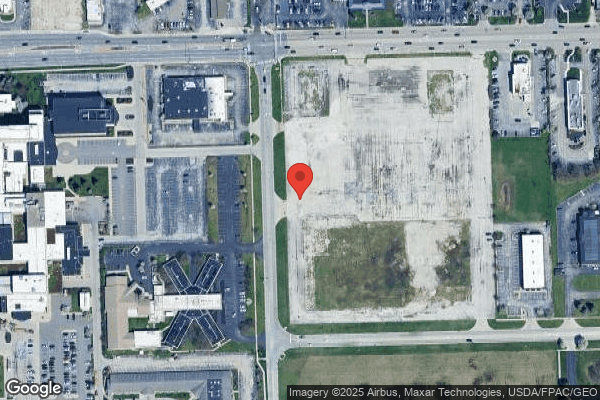
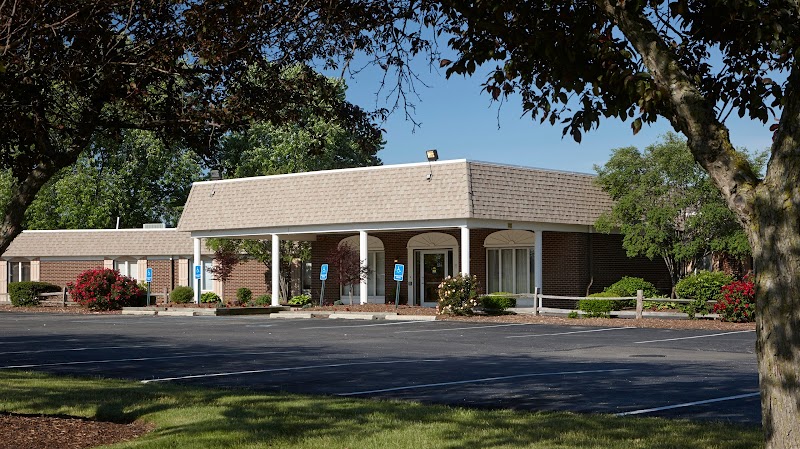
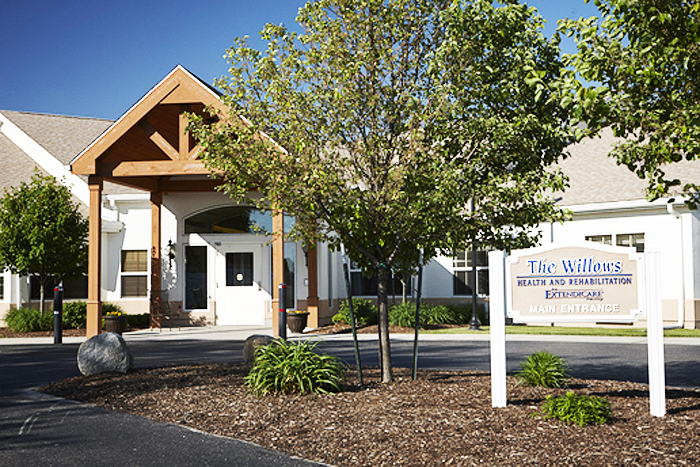
ARBORS AT OREGON

904 ISAAC STREETS DRIVE, OREGON, OH 43616 (419) 691-2483
For profit - Limited Liability company 87 Beds ARBORS AT OHIO Data: November 2025 1 Immediate Jeopardy citation
Trust Grade
16/100
#828 of 913 in OH
Last Inspection: August 2024

Within standard 12-15 month inspection cycle. Federal law requires annual inspections.

Overview

The Arbors at Oregon has received a Trust Grade of F, which indicates significant concerns regarding the quality of care provided. Ranking #828 out of 913 facilities in Ohio places it in the bottom half, and #30 out of 33 in Lucas County shows that only a few local options are better. The facility's trend is improving, as the number of issues has decreased from 16 in 2024 to 4 in 2025. Staffing is rated average with a 3/5 star rating and a turnover rate of 45%, which is slightly below the state average. However, it has higher fines of $20,881 compared to 75% of Ohio facilities, pointing to potential compliance problems. While the facility boasts good RN coverage, surpassing 97% of state facilities, there have been serious incidents that raise concerns. For example, one critical finding involved a resident who was able to exit the facility unnoticed, posing a serious risk to their safety. Additionally, there was a serious incident where a resident fell and sustained injuries because staff did not follow the required care plan that mandated assistance from two staff members. Overall, while there are some strengths, the facility's history of serious incidents and poor trust grade highlights significant areas for concern.

Trust Score
F
16/100
In Ohio
#828/913
Bottom 10%
Safety Record
High Risk
Review needed
Inspections
Getting Better
16 → 4 violations
Staff Stability
○ Average
45% turnover. Near Ohio's 48% average. Typical for the industry.
Penalties
✓ Good
$20,881 in fines. Lower than most Ohio facilities. Relatively clean record.
Skilled Nurses
✓ Good
Each resident gets 66 minutes of Registered Nurse (RN) attention daily — more than 97% of Ohio nursing homes. RNs are the most trained staff who catch health problems before they become serious.
Violations
⚠ Watch
43 deficiencies on record. Higher than average. Multiple issues found across inspections.
★☆☆☆☆
1.0
Overall Rating
★★★☆☆
3.0
Staff Levels
★★★★☆
4.0
Care Quality
★☆☆☆☆
1.0
Inspection Score
Stable
2024: 16 issues
2025: 4 issues

The Good

  • 4-Star Quality Measures · Strong clinical quality outcomes
  • Full Sprinkler Coverage · Fire safety systems throughout facility
  • No fines on record
  • Staff turnover below average (45%)

    3 points below Ohio average of 48%

Facility shows strength in quality measures, fire safety.

The Bad

1-Star Overall Rating

Below Ohio average (3.2)

Significant quality concerns identified by CMS

Staff Turnover: 45%

Near Ohio avg (46%)

Typical for the industry

Federal Fines: $20,881

Below median ($33,413)

Minor penalties assessed

Chain: ARBORS AT OHIO

Part of a multi-facility chain

Ask about local staffing decisions and management

The Ugly 43 deficiencies on record

1 life-threatening 2 actual harm
Aug 2025 4 deficiencies 1 IJ
CRITICAL (J) 📢 Someone Reported This

A family member, employee, or ombudsman was alarmed enough to file a formal complaint

Immediate Jeopardy (IJ) - the most serious Medicare violation

Accident Prevention (Tag F0689)

Someone could have died · This affected 1 resident

**NOTE- TERMS IN BRACKETS HAVE BEEN EDITED TO PROTECT CONFIDENTIALITY** Based on review of a social media post, medical record review, staff interview, Police Detective (PD) interview, review of the f...

Read full inspector narrative →
**NOTE- TERMS IN BRACKETS HAVE BEEN EDITED TO PROTECT CONFIDENTIALITY** Based on review of a social media post, medical record review, staff interview, Police Detective (PD) interview, review of the facility video surveillance, review of the Local Police Department (LPD) report, review of the local weather report and review of the facility policy, the facility failed to ensure Resident #23, who had a diagnosis of alcohol dependence with induced persisting dementia, had a history of an elopement from a previous facility, was assessed to be at risk for elopement, and had a Wanderguard (wearable bracelet that triggers alarms at the doors to alert staff when a resident attempts to exit) applied to his left ankle, did not elope from the facility without staff knowledge. This resulted in Immediate Jeopardy and the potential for serious life-threatening harm, injury, and/or death on 08/09/25 at 10:38 A.M. when Resident #23 removed his Wanderguard and was able to exit through the front door of the facility. Facility staff were unaware Resident #23 was missing until 08/10/25 at approximately 2:00 A.M. (about 15.5 hours after the resident eloped). Furthermore, Resident #23 was missing for approximately 52 hours before facility staff, who were driving around the local area searching for the resident, found the resident at a bus stop, approximately three miles from the facility. This affected one (#23) of three residents reviewed for elopement. The facility identified six (#14, #22, #23, #28, #34, and #44) residents at risk for elopement. The facility census was 66.On 08/09/25 at 3:02 P.M., the Administrator and Director of Nursing (DON) were notified Immediate Jeopardy began on 08/09/25 at 10:38 A.M. when Resident #23, who had removed his Wanderguard, was able to exit out of the front door without staff knowledge. Resident #23 ambulated through the parking lot and crossed a moderately traveled two lane road with a speed limit of 35 miles per hour (MPH) before the resident could no longer been seen on the video camera. Facility staff confused Resident #23 with another resident of the facility and did not identify that Resident #23 was missing until 08/10/25 at approximately 2:00 A.M., nearly 15.5 hours after Resident #23 eloped. Resident #23 was not located until 08/11/25 at 2:32 P.M., when facility staff found the resident at a public bus stop. The route traveled by Resident #23 was unknown; however, the area surrounding the facility included heavily traveled four lane roads with speed limits of 40 to 45 MPH and a major interstate highway with speed limits of 60 to 65 MPH. During the time that Resident #23 was missing, it was unknown where he stayed, how he obtained food or hydration, and high temperatures in the area ranged from 90 degrees Fahrenheit (F) on 08/09/25 to 91 degrees F on 08/10/25 and 08/11/25.The Immediate Jeopardy was removed 08/11/25, when the facility implemented the following corrective action plan: On 08/10/25, the DON or designee educated licensed and non-licensed nursing staff on checking assignments prior to starting their shift for assignment location, nurse and Certified Nursing Assistants (CNAs) assigned to the hall, validating residents' identity utilizing photographs in the electronic medical record (EMR), the facility's Leave of Absence (LOA) policy, and the elopement policy. On 8/10/25, the DON reassessed all residents for elopement risk to ensure accuracy of assessments and care plans were reviewed and updated as needed to ensure adequate interventions were in place. On 08/10/25, the DON completed a visual audit of all residents with orders for a Wanderguard to ensure placement, with no concerns identified. On 08/10/25, the DON or designee completed an elopement drill on each shift at the facility, with no concerns identified. On 08/11/25 at 2:32 P.M., Regional Director of Operations (RDO) #603 located Resident #23 in downtown [NAME] at a public bus hub, approximately three miles from the facility. Regional Director of Clinical Services (RDCS) #604 contacted the local police department (LPD) at 2:34 P.M. for assistance. Emergency Medical Services (EMS) and the LPD responded. EMS assessed Resident #23 and medically cleared him to return to the facility. Resident #23 was transported back to the facility by PD #600. On 08/11/25 at approximately 3:15 P.M, Resident #23 returned to the facility and was placed on one-to-one (1:1) staff supervision to ensure his safety. Resident #23 will remain on 1:1 staff supervision until a more appropriate placement can be found. Registered Nurse (RN) #583 assessed Resident #23 and notified his responsible party and attending physician of his return. On 08/11/25, the DON reassessed Resident #23 for elopement risk, which remained at high risk, and the resident's care plan was reviewed and updated, to include continuous 1:1 staff supervision. On 08/11/25, the Administrator and DON completed a root cause analysis and determined Resident #23 likely removed his Wanderguard by using the blades from disposable razors to cut through the band, allowing the resident to exit through the front door of the facility without activating the alarms and locking the door. Additionally, staff failed to complete proper and accurate communication to ensure Resident #23, who was assessed to be at risk for elopement and had a Wanderguard, was accounted for timely, resulting in a delay in identifying a missing resident and initiating an immediate search, notification, and elopement procedure. On 08/11/25, an Ad Hoc Quality Assurance and Performance Improvement (QAPI) committee meeting was held to review the facility's wandering and elopement policy and procedure and corrective action plan. In attendance were the Administrator, DON, Therapy Director (TD) #611, Assistant Director of Nursing (ADON) #551, Dietary Manager (DM) #541, Social Services Director (SSD) #573, Director of Maintenance (DOM) #581, Housekeeping Director (HD) #583, Human Resources Director (HRD) #564, and Medical Director (MD) #610 (via telephone). On 08/11/25, the DON or designee educated all facility staff on the facility's elopement policy and ensuring adequate supervision of residents to prevent resident elopement without staff knowledge. On 08/11/25, the DON and Central Supply (CS) #518 completed a whole house visual audit to verify residents did not have sharp objects in rooms/common areas, including disposable razors. On 08/11/25, SSD #539 and RDO #580, in collaboration with Resident #23's responsible party, began exploring alternative, more appropriate, placement for the resident, to include a secured unit. Beginning on 08/11/25, the DON or designee will ensure elopement assessments are completed upon admission, readmission and when there is a significant change in condition. Interventions will be implemented for those found to be at risk for elopement, with care plans initiated or updated as needed. Beginning on 08/11/25, Staff Development Coordinator (SDC) #551 or designee will ensure all new licensed and non-licensed nursing staff are educated upon hire on how to recognize and identify the residents they are providing care for by utilizing information, including photographs, in the EMR and on the facility's elopement policy. Beginning on 08/11/25, the DON or designee will audit all new admissions and readmissions for elopement assessments Monday through Friday for four weeks to ensure residents who are identified to be at risk for elopement have appropriate interventions implemented. Beginning on 08/11/25, the DON or designee will interview five direct care staff per week for four weeks to ensure staff are able to recognize the residents that they are providing care for and confirm understanding of the actions to take to ensure adequate supervision for impaired residents to prevent elopement without staff knowledge. Beginning on 08/11/25, the DON or designee will audit resident rooms and common areas one time weekly for four weeks to ensure no sharp objects are left unattended by staff, including disposable razors. Interviews on 08/12/25 from 8:13 A.M. through 8:56 A.M. with Certified Nursing Assistant (CNA) #579, CNA #566, CNA #584, Registered Nurse (RN) #581, and Housekeeper (HSK) #582 verified the facility provided education on the elopement policy and procedure, securing of sharps, and properly identifying residents utilizing information included in the EMR. Observation on 08/12/25 at 8:45 A.M. of Resident #23 verified staff were assigned to provide 1:1 supervision. Review of two (#14 and #22) additional open resident medical records, reviewed for elopement, revealed no additional concerns.Although the Immediate Jeopardy was removed on 08/11/25, the facility remained out of compliance at a Severity Level 2 (no actual harm with potential for more than minimal harm that is not Immediate Jeopardy) as the facility was still in the process of implementing their corrective action and monitoring to ensure on-going compliance.Findings include: Review of a social media post dated 08/10/25 at 4:40 P.M. revealed the facility had a resident with dementia missing from the facility. The post indicated the resident had been last seen at the facility before 6:00 P.M. the day prior (08/09/25).Review of Resident #23's medical record revealed an admission date of 07/17/25. Diagnoses included alcohol dependence with induced persisting dementia, cirrhosis, congestive heart failure (CHF), peripheral vascular disease (PVD), convulsions, diabetes mellitus, high blood pressure, cardiomyopathy (enlarged heart), and atherosclerotic heart disease (buildup of plaque on artery walls).Review of the hospital referral records, printed on 07/09/25, revealed Resident #23 presented to the hospital on [DATE] with altered mental status after leaving a long-term care (LTC) facility and being found at a bus stop (previous elopement from another facility).Review of the care plan, initiated on 07/17/25 and revised on 07/18/25, revealed Resident #23 was at risk for elopement, had a previous elopement from a facility, and was cognitively impaired. Interventions included to calmly redirect and divert the resident's attention and periodically evaluate the continued need of a Wanderguard. On 08/11/25, the plan of care was revised to include 1:1 (staff supervision).Review of the admission Minimum Data Set (MDS) assessment, dated 07/23/25, revealed Resident #23 was cognitively impaired.Review of the Brief Interview for Mental Status (BIMS) assessment, dated 07/18/25, revealed a score of zero, indicating Resident #23 was severely cognitively impaired.Review of the elopement risk assessment, dated 07/18/25, revealed Resident #23 was at risk of elopement due to a BIMS of zero and a history of elopement from a prior facility.Review of a physician order, initiated 07/18/25, revealed Resident #23 had an order for a Wangerguard to the left ankle, check placement and function each shift.Review of the Medication Administration Record (MAR) for August 2025 revealed Resident #23's Wanderguard was documented as in place and functioning, including on 08/09/25.Review of a nursing progress note, dated 08/10/25 at 6:00 A.M. and authored by the DON, revealed at approximately 2:00 A.M. the nurse, Licensed Practical Nurse (LPN) #505, entered the resident's room to see the resident and observed he was not in his room. A missing resident investigation was immediately initiated. According to video surveillance, Resident #23 exited through the front doors of the facility and exited on the south side of the property, crossed the street and walked toward the city's annual festival and did not return on 08/09/25. Upon investigation, Resident #23 called his ex-wife and left a voicemail indicating he did not want to be in the facility any longer and was going to the bus station. Resident #23 asked RN #515 to take a shower on the morning of 08/09/25. At that time, RN #515 verified the Wanderguard was on Resident #23 and functioning. Resident #23 was seen on the facility's video surveillance camera on 08/09/25 at 10:39 A.M. in the front lobby, directly around the corner where the front door was located, wearing khaki shorts and a red and white button up short sleeve shirt and tennis shoes. A CNA entered through the front door of the facility and, as the door was closing,Resident #23 was observed going around the corner and out through the front door before it closed. The facility's alarm system did not go off. Resident #23 was then observed under the front awning of the facility and the Wanderguard to the left ankle was no longer in place where it was previously located. A search of Resident #23's room and belongings revealed broken razors and a cell phone that did not belong to him. The facility staff conducted a head count and facility search inside and outside and were not able to locate Resident #23. The LPD was called to file a missing person report.An observation on 08/11/25 at 7:25 A.M. of Resident #23's room revealed the resident was not present. Further observation revealed the resident's bed was stripped of linens, with two garbage cans and a white telephone (landline) sitting on top of the bed. The overbed table had change (coins), toiletries were on the nightstand, and one pair of light khaki pants were in the closet. Concurrent interview with Resident #22 (Resident #23's roommate) revealed He's (Resident #23) been gone for almost two and a half days. I thought he would be back last night. Resident #22 further stated, I heard him on the phone talking to a woman, talking something about Hollywood, he then stated he was going to catch the bus, so I gave him five bucks. He didn't have any money.An observation on 08/11/25 at approximately 7:40 A.M. of the resident sign in/out book revealed Resident #23 did not have a dedicated sign in/out sheet for himself. Further observation revealed no evidence Resident #23 had signed out on a Leave of Absence (LOA) from the facility at any time, including 08/09/25.An interview on 08/11/25 at 9:01 A.M. with the Administrator verified Resident #23 eloped from the facility, without staff knowledge, on 08/09/25 at approximately 10:38 A.M. and had not been located. Concurrent review of the facility's video surveillance verified that Resident #23 was in the front lobby area and exited the facility through the front door on 08/09/25 at 10:38 A.M. Further observation revealed Resident #23 was just outside the front doors, under the awning, speaking to another resident and then walked south out of the parking lot to the edge of the street, crossed the street, and continued walking until he was out of range of the video surveillance camera. Resident #23 was wearing white/khaki shorts, a red and white short-sleeved shirt, and tennis shoes. A Wanderguard was not observed on Resident #23's left ankle.An interview on 08/11/25 at 10:22 A.M. with the DON confirmed Resident #23 eloped from the facility on 08/09/25. The DON stated Resident #23 was not capable of signing himself out of the facility and never had family visit him at the facility. The DON stated the nurse assigned to provide care for Resident #23 on 08/09/25 had him confused with another resident, who she believed had left to go to a local festival.Interview on 08/11/25 at 11:50 A.M. with Admissions #537 revealed the front reception desk was not staffed on the weekends and the front doors were unlocked during the day.A telephone interview on 08/11/25 at 12:20 P.M. with RN #515 revealed she was the nurse assigned to Resident #23 on 08/09/25. RN #515 stated her routine was to check Wanderguards in the morning and completed that task on the morning of 08/09/25 but did not recall the exact time. RN #515 stated Resident #23 requested a shower that morning and CNA #557 assisted the resident. RN #515 stated she passed on in report at shift change (approximately 6:00 P.M.) that Resident #23 was Okay, with nothing negative to report. RN #515 further stated she did not recall any staff informing her that Resident #23 did not eat his lunch or dinner that day.Interview on 08/11/25 at 12:58 P.M. with CNA #557 revealed she worked on 08/09/25 and assisted Resident #23 to the shower room, although he was not on her assignment for the day. CNA #557 stated this was the first time she provided care for Resident #23 and was advised by RN #515 that Resident #23 was independent with care, and he just needed assistance into the shower room and linen for a shower. CNA #557 stated she let the resident into the shower room and offered help, but he declined and shut the door. CNA #557 stated Resident #23 exited the shower room in the same clothes he was wearing when he went in and changed into different clothing in his room. CNA #557 did not recall if the Wanderguard was in place on the resident's left ankle at the time of the shower.Interview on 08/11/25 at 2:00 P.M. with PD #600 revealed the report received from the staff to the reporting officer on 08/10/25 was that Resident #23 went to the local festival to watch the fireworks with other residents and did not return with the other residents. PD #600 stated that based on the new information provided by the surveyor, he would initiate a search of the area, including along a creek.An interview on 08/11/25 at approximately 3:15 P.M. with the Administrator and DON revealed Resident #23 had been located by facility staff.A telephone interview on 08/13/25 at 8:01 A.M. with CNA #558 verified she worked on 08/09/25 and was assigned to provide care for Resident #23 from 6:00 P.M. to 10:00 P.M. CNA #558 stated she arrived on the unit and began answering call lights and on her rounds identified that Resident #23's dinner tray remained in his room, untouched. CNA #23 stated she asked LPN #505 about his whereabouts and learned Resident #23 went to a local festival (within walking distance) with family. CNA #558 stated that at 10:00 P.M., her assignment changed, and she was no longer assigned to Resident #23. CNA #558 stated when Resident #23 was identified as missing, at approximately 2:00 A.M. on 08/10/25, she assisted with conducting a head count of all residents, a search of the inside and outside of the facility, and provided a photograph of Resident #23 to other residents and the LPD when they arrived to take a report.A telephone interview on 08/13/25 at 9:07 A.M. with LPN #505 revealed she worked on 08/09/25 and was assigned to Resident #23. LPN #505 stated she received in report at shift change that Resident #23 went to a local festival with family. LPN #505 stated she did not recall if any of the staff reported Resident #23 did not eat his dinner and further stated if he was at the festival, she would have expected him to eat dinner with his family at the festival. LPN #505 stated that at approximately 2:00 A.M. on 08/10/25 she went to see if Resident #23 wanted his nighttime medications, even though they were late, and that was when she discovered he was not in his room and immediately began searching for him. LPN #505 stated she called the LPD and her supervisors to report the incident.Review of the LPD report, dated 08/10/25 at 4:48 A.M., revealed the facility filed a missing adult report for Resident #23. Further review revealed on 08/10/25 at 3:32 A.M., the facility notified the LPD that on 08/09/25, a resident (Resident #23) with dementia had left the facility and did not return. The facility staff could not confirm the last time the resident was seen at the facility and LPN #505 stated she believed Resident #23 left the facility during daylight hours, along with other residents, to attend Boomfest (local festival) and all other residents returned. Further review of the police supplemental report, dated 08/11/25 at 4:02 P.M., revealed Resident #23 had been located at a public bus hub and was safely returned to the facility by PD #600.Review of the local weather conditions from 08/09/25 through 08/11/25, located at https://wunderground.com/history/monthly/us/, revealed on 08/09/25, the high temperature in the area of the facility was 90 degrees F and on 08/10/25 and 08/11/25, the high temperature reached 91 degrees F.Review of the facility policy titled, Unsafe Wandering and Elopement Prevention, revised January 2022, revealed every effort would be made to prevent wandering and elopement episodes while maintaining the least restrictive environment for residents who were at risk for elopement. All residents who are at risk for harm because of unsafe wandering would be assessed by the interdisciplinary care planning team. The resident's care plan would be modified to indicate the resident was at risk for elopement episodes and staff would be informed at shift change of the modifications to the resident's care plan.This deficiency represents noncompliance investigated under Complaint Number 2588449.
CONCERN (D) 📢 Someone Reported This

A family member, employee, or ombudsman was alarmed enough to file a formal complaint

Potential for Harm - no one hurt, but risky conditions existed

Quality of Care (Tag F0684)

Could have caused harm · This affected 1 resident

Based on medical record review, staff interview, and review of the facility policy the facility failed to ensure wound measurements were completed for ongoing assessment of wounds. This affected one (...

Read full inspector narrative →
Based on medical record review, staff interview, and review of the facility policy the facility failed to ensure wound measurements were completed for ongoing assessment of wounds. This affected one (#64) of three residents reviewed for wound care. The facility census was 66. Findings include:Review of Resident #64's medical record revealed an admission date of 12/28/23. Diagnoses included diabetes mellitus, portal hypertension, transient ischemic attack (TIA), congestive heart failure, end stage renal disease, and dependence on renal dialysis.Review of the quarterly Minimum Data Set (MDS) assessment, dated 07/15/25, revealed Resident #64 had a diabetic foot ulcer.Review of the current physician orders for August 2025 revealed Resident #64 had a treatment order for a diabetic foot ulcer to the right plantar foot to cleanse the wound with wound cleaner, apply medihoney to the wound bed, then apply adaptic (non-stick moist dressing), and cover with abdominal pad and wrap in kerlix daily.Review of the care plan, revised July 2025, revealed Resident #64 had a diabetic foot ulcer with interventions in place to complete wound treatment as prescribed.Review of the skin and wound assessments from 06/16/25 through 07/28/25 revealed no measurements of Resident #64's diabetic wound. Interview on 08/13/25 at 10:44 A.M. with Registered Nurse (RN) #551 verified Resident #64's wound was not measured from 06/16/25 through 07/28/25.Review of the facility policy titled, Wound Treatment Management, revised October 2023, revealed to promote the healing of various types of wounds, it was the policy of the facility to provide evidence-based treatments in accordance with current wound standards of practice and physician orders. The effectiveness of treatments would be monitored through ongoing assessment of the wound and considerations for needed modifications.This deficiency represents non-compliance investigated under Complaint Number 2568913.
CONCERN (E) 📢 Someone Reported This

A family member, employee, or ombudsman was alarmed enough to file a formal complaint

Potential for Harm - no one hurt, but risky conditions existed

Deficiency F0761 (Tag F0761)

Could have caused harm · This affected multiple residents

Based on observation, staff interview, and review of the facility policy, the facility failed to ensure medication carts were secured when left unattended and further failed to appropriately dispose o...

Read full inspector narrative →
Based on observation, staff interview, and review of the facility policy, the facility failed to ensure medication carts were secured when left unattended and further failed to appropriately dispose of oral syringes used for the administration of medication. This had the potential to affect seven (#22, #23, #28, #31, #34,#35, and #44) residents identified by the facility as being cognitively impaired, independently mobile, and resided on the C and D Halls. The facility census was 66. Findings include:Observation on 08/06/25 at 7:00 A.M., upon entry into the facility, revealed an unattended and unlocked medication cart near the beginning of the C and D Halls. On top of the medication cart was a clear plastic drinking cup that contained two small oral syringes (no needle attached), resembling the type of syringe that was used to administer liquid oral medications. Small droplets of an unknown clear substance were observed on the syringes and on the inside of the drinking cup. No facility staff were observed in the area. Continuous observation revealed at 7:05 A.M., Licensed Practical Nurse (LPN) #505 exited a resident's room, from behind a closed door, at the very end of the D Hall. Further observation revealed the D Hall had 13 resident rooms, a shower room, a soiled linen utility room, and other office type rooms. Interview on 08/06/25 at 7:05 A.M. with LPN #505 verified the medication cart was left unlocked and unattended. LPN #505 further confirmed the two syringes in the clear drinking cup on top of the medication cart had been used to administer morphine sulphate. LPN #505 stated this was not her medication cart and she was trying to clean up the mess left by night shift. LPN #505 verified shift change was at 6:00 A.M. (approximately one hour prior). Review of the facility policy titled, Medication Storage, revised January 2024, revealed it was the policy of the facility to ensure all medications housed on the premises would be stored according to the manufacturer's recommendations and ensure proper sanitation, temperature, light, ventilation, moisture control, segregation, and security. During a medication pass, medications would be under direct observation of the person administering medications or locked in the medication storage area or cart. This deficiency was an incidental finding discovered during the complaint investigation.
CONCERN (E) 📢 Someone Reported This

A family member, employee, or ombudsman was alarmed enough to file a formal complaint

Potential for Harm - no one hurt, but risky conditions existed

Food Safety (Tag F0812)

Could have caused harm · This affected multiple residents

Based on observation, staff interview, and review of the facility policy the facility failed to ensure foods were appropriately stored and further failed to ensure foods were discarded of past the use...

Read full inspector narrative →
Based on observation, staff interview, and review of the facility policy the facility failed to ensure foods were appropriately stored and further failed to ensure foods were discarded of past the use by dates. This had the potential to affect all residents residing in the facility, except for 13 (#3, #5, #6, #8, #12, #13, #15, #16, #17, #19, #20, #21, and #33) residents identified by the facility as receiving no food by mouth. The facility census was 66.Findings include:Observations on 08/06/25 from 7:20 A.M. to 7:42 A.M. of the kitchen revealed the milk cooler contained a crate holding 38 individual cartons of one percent milk with a stamped expiration date of 08/05/25, two unopened thickened orange juice containers with an expiration date of February 2024, and one unopened thickened apple juice with an expiration date of July 2025. Interview on 08/06/25 at 8:22 A.M. with Dietary Manager (DM) #541 verified the expired thickened orange juice, apple juice, and one percent milk. Observation on 08/06/25 at 8:25 A.M. of the east pantry (where the refrigerator was located to hold foods brought in by residents and/or family and visitors) revealed a bag containing food from a fast-food restaurant that was not labeled with a name and was dated 07/25/25; a container of potato salad, unlabeled with a name and dated 06/17/25; and food debris of cheese, lettuce, and croutons on the floor in front of the refrigerator. Concurrent interview with Licensed Practical Nurse (LPN) #506 verified the findings.Interview on 08/06/25 at 8:25 A.M. with DM #541 revealed dietary staff maintained the temperature logs for the pantry refrigerator and cleaned the refrigerator maybe two to three times per month but all staff were responsible for maintaining the refrigerator.Observation on 08/06/25 at 8:30 A.M. of the west pantry revealed an unlabeled plastic grocery bag of unknown food dated 07/04/25, one plastic grocery bag of unknown food unlabeled and undated, two different restaurant boxes that contained food that were undated, and an expired carton of milk that was dated 08/03/25. Concurrent interview with Medical Records Clerk (MRC) #561 verified the findings. Review of the facility policy title, Food Receiving and Storage revised July 2025, revealed foods should be received and stored in a manner that complied with safe food handling practices. All dry foods were labeled, dated, and rotated by using the first in-first out system. All foods stored in the refrigerator would be covered, labeled and dated. Review of the facility policy titled, Use and Storage of Food Brought in by Family or Visitor, revised July 2025, revealed family members and visitors may bring the resident food of their choosing. All food items that were already prepared by the family or visitor must be labeled with the contents and dated. The facility may refrigerate labeled and dated prepared items in the nourishment refrigerator. Food must be consumed by the resident within three days and, if not consumed within three days, the food would be thrown away by the facility staff. This deficiency represents non-compliance investigated under Complaint Number 1260630 and Complaint Number 1260631.
Sept 2024 1 deficiency
CONCERN (D) 📢 Someone Reported This

A family member, employee, or ombudsman was alarmed enough to file a formal complaint

Potential for Harm - no one hurt, but risky conditions existed

Deficiency F0694 (Tag F0694)

Could have caused harm · This affected 1 resident

**NOTE- TERMS IN BRACKETS HAVE BEEN EDITED TO PROTECT CONFIDENTIALITY** Based on observation, medical record review, staff interview, and facility policy review, the facility failed to ensure resident...

Read full inspector narrative →
**NOTE- TERMS IN BRACKETS HAVE BEEN EDITED TO PROTECT CONFIDENTIALITY** Based on observation, medical record review, staff interview, and facility policy review, the facility failed to ensure residents with intravenous (IV) catheters received dressing changes as ordered and had active orders for care and treatment. This affected three (#1, #2, and #3) of three residents reviewed for IV catheter care and treatment. The facility census was 69. Findings include: 1. Review of the medical record revealed Resident #1 admitted to the facility on [DATE] with the diagnoses including acute and chronic respiratory failure with hypoxia, cerebral infarction, chronic kidney disease, tracheostomy, aphasia, type II diabetes mellitus, congestive heart failure, myocardial infarction, and severe protein-calorie malnutrition. Review of the Minimum Data Set (MDS) assessment dated [DATE] assessed Resident #1 with severe cognitive impairment, and the resident was dependent on staff for the completion of activities of daily living. Resident #1 was always incontinent of bowel and bladder, received nutrition via therapeutic diet and a tube feeding, and was at risk for pressure ulcer development with no skin breakdown. Review of infusion company documentation on 08/23/24 revealed a midline catheter (a long, thin, flexible tube that is inserted into a large vein in the upper arm) was inserted into Resident #1. Review of the medical record revealed on 08/30/24 a physician order was obtained for the application of a transparent dressing change every seven (7) days and as needed and to document in the progress notes any concerns such as changes to the site, signs and symptoms of infection, or complications. Review of documentation in the medication administration records (MAR) noted Resident #1's midline catheter dressing was changed on 08/30/24 at 1:34 P.M., on 09/06/24 with no time indicated, and on 09/14/24 at 3:29 P.M. There was no further documentation contained in the medical record to indicate the dressing was changed after 09/14/24. Review of nursing progress notes on 09/23/24 at 2:52 P.M. documented Resident #1 was sent to the hospital for evaluation. Interview with the Assistant Director of Nursing (ADON) on 09/30/24 at 1:05 P.M., during a review of Resident #1's medical record, confirmed no documentation was contained in the record indicating the midline dressing was changed after 09/14/24 and resulted in the dressing not being changed every 7 days per physician order. 2. Review of Resident #2's medical record revealed the resident admitted to the facility on [DATE] with the diagnoses including, chronic respiratory failure, dependence on ventilator, acute respiratory failure with hypoxia, congestive heart failure, tracheostomy, peripheral vascular disease, cerebral infarction, and chronic kidney disease. Review of the most current MDS assessment dated [DATE] assessed Resident #2 with intact cognition and was dependent on staff for the completion of activities of daily living. Resident #2 was incontinent of bowel and bladder, received nutrition via tube feeding, was at risk for pressure ulcer development with no skin breakdown, and received intravenous (IV) medications. Review of Resident #2's medical record revealed on 09/20/24 a physician order was obtain for the placement of a midline catheter to be placed for antibiotic therapy one time only for one day. On 09/21/24, the midline catheter was to be discontinued. Further review revealed no orders related to care or treatment application in the medical record following 09/21/24. Observation on 09/30/24 at 7:40 A.M. noted Resident #2 with a midline catheter inserted into the right arm. The dressing was peeling from the outer edges with a folded gauze dressing placed over the insertion site and a transparent dressing covering the entire site. Interview with Registered Nurse (RN) #300 during the observation revealed the dressing was to be changed every 7 days. On 09/30/24 at 9:08 A.M., observation with RN #300 during Resident #2's midline catheter dressing change noted the transparent dressing peeling off and once removed exposed a gauze dressing covering the insertion site with large amount dried blood tinged drainage. Interview with the ADON on 09/30/24 at 1:05 P.M., during a review of Resident #2's medical record, confirmed the physician ordered indicated Resident #2's midline catheter was to be placed for one day and removed on 09/21/24. The ADON verified there were no current orders in the medical record for the placement of the midline or associated dressing changes or insertion site care. 3. Review of Resident #3's medical record revealed the resident admitted to the facility on [DATE] with the diagnoses including, chronic respiratory failure, dependence on ventilator, tracheostomy, peripheral vascular accident, neuromuscular dysfunction of bladder, anemia, persistent vegetative state, gastrostomy, hypertension, and encephalopathy. Review of the most current MDS assessment dated [DATE] assessed Resident #3 as comatose and dependent on staff for the completion of activities of daily living. Resident #3 utilized an indwelling urinary catheter, was incontinent of bowel, received nutrition via feeding tube, was at risk for pressure ulcer development with no skin breakdown, and had an intravenous (IV) access. Review of the medical record revealed on 06/15/24 a physician order was obtained for Resident #3 to have a central line (a long, thin, flexible tube that's inserted into a large vein near the heart) to the right chest with dressing change every 7 days and as needed. Observation on 09/30/24 at 8:02 A.M. with Licensed Practical Nurse (LPN) #400 noted Resident #3 with a right central line dressing in place and dated 09/22/24. Interview with LPN #400 at the time of the observation verified the dressing was to be changed every 7 days and was not. Review of Resident #3's medical record noted the right central venous catheter dressing was changed on 09/22/24 at 12:04 P.M. and 09/28/24 with no time indicated. According to facility Care and Maintenance of Central Venous Catheter policy, reviewed 12/13/23, revealed documentation is to be obtained for the indications of use, insertion date, and type of catheter in the residents medical record. Physician orders are to be obtained for the specific care and maintenance instructions. Staff are to document activities in nurses notes and or medication administration record (MAR). This deficiency represents non-compliance investigated under Master Complaint Number OH00158337.
Aug 2024 10 deficiencies 1 Harm
SERIOUS (G) 📢 Someone Reported This

A family member, employee, or ombudsman was alarmed enough to file a formal complaint

Actual Harm - a resident was hurt due to facility failures

Pressure Ulcer Prevention (Tag F0686)

A resident was harmed · This affected 1 resident

**NOTE- TERMS IN BRACKETS HAVE BEEN EDITED TO PROTECT CONFIDENTIALITY** 2. Review of the medical record for Resident #40 revealed an admission date of 10/04/19. Diagnoses included chronic respiratory ...

Read full inspector narrative →
**NOTE- TERMS IN BRACKETS HAVE BEEN EDITED TO PROTECT CONFIDENTIALITY** 2. Review of the medical record for Resident #40 revealed an admission date of 10/04/19. Diagnoses included chronic respiratory failure, peripheral vascular disease, tracheostomy, dependence on respirator, atrial fibrillation, and neuromuscular dysfunction of the bladder. Review of the annual Minimum Data Set (MDS) assessment dated [DATE] revealed Resident #40 was cognitively impaired, was dependent on staff for activities of daily living and mobility, had an indwelling urinary catheter, was always incontinent of bowel, and was risk for pressure ulcer with no unhealed pressure ulcer present. Review of the care plan initiated on 09/06/23 revealed Resident #40 was at risk for impaired skin integrity related to respiratory failure, seizures, encephalopathy, peripheral vascular disease, atrial fibrillation, neurogenic bladder, anemia, vegetative state, and hypertension. Interventions included the administration of medications as ordered, the application of protective barrier with each incontinence episode, assistance with turning and reposition as needed, completing a Braden scale as needed, providing dietary supplements as ordered, elevation of heels off the mattress as tolerated, and to notify the nurse of any new skin areas of skin impairment during bathing or daily care, as well as notification to the provider of any new skin impairment. Resident #40 was also to have a pressure redistribution device to chair, specialty air mattress to bed with bilateral bolster, preventive treatments provided as ordered, and incontinence care as needed. The care plan was revised on 07/31/24 to reflect a stage III pressure ulcer to the coccyx with interventions to include monitoring the dressing every shift and change as needed. Review of the weekly skin assessments revealed Resident #40 had a pressure ulcer to the coccyx which was resolved on 04/17/24. From 04/17/24 to 07/15/24, Resident #40 had no abnormal skin areas. Resident #40 was sent out to the hospital for evaluation of shortness of breath on 07/16/24 and returned to the facility on [DATE]. Review of the hospital record revealed a wound care consult dated 07/18/24 for moisture associated skin damage (MASD) to the sacrum on 07/18/24. The wound care noted a sacral wound, history of a stage IV pressure ulcer in 2022. The wound assessment revealed a denudation to the buttocks and a linear area of erosion in gluteal cleft. Hospital staff did apply fecal pouch, as patient was having multiple loose stools overnight. A protective foam dressing in place over the gluteal cleft at time assessment, which was trapping a lot of moisture in gluteal cleft. Wound care recommendation was for triad cream twice a day and when incontinent after the area was cleansed with soap and water and patted dry. Additionally, Resident #40 was to be turned and repositioned every two hours while in bed, heels floated off the bed with pillows under calves, and a single layer moisture wicking under pad under the resident. Review of the continuation of care paperwork printed 07/20/24 at 10:11 A.M. revealed Resident #40's buttocks were to be cleaned with soap and water, patted dry, followed by the application of triad cream twice a day and as needed when incontinent. There was no physician order at the facility implemented for this skin treatment to continue as the hospital recommended. Review of the nursing readmission evaluation dated 07/20/24 and timed 3:27 P.M. Resident #40 was noted to have MASD of the coccyx. There was no mention of an open area to the coccyx. There were no weekly skin assessments completed from 07/21/24 to 07/30/24. There were no physician orders for a foam dressing to be in place until 07/31/24. There was no treatment for a foam dressing noted in the treatment administration record. Interview with Resident #40's family member on 07/30/24 at 3:15 P.M. revealed concerns related to the timeliness of care including suctioning, repositioning and incontinence care. The family member stated there was now a camera in the resident's room and if family member notices more than two and half hours have gone by without Resident #40 being checked, changed and repositioned, she called the facility to get someone into the room to provide the care. The family member verbalized concern over Resident #40's skin due to a pressure ulcer Resident #40 on the coccyx that took over two years to heal. There was no mention of an open area to Resident #40's coccyx until 07/31/24. Observation of incontinence care on 07/31/24 at 7:30 A.M. for Resident #40 completed by State Tested Nursing Assistant (STNA) #423 and #463 revealed Resident #40 had a foam dressing on the coccyx dated 07/31/24 and timed 2:40 A.M., the foam dressing was loose and soiled with stool. STNA #463 removed the foam dressing and alerted the nurse of the dressing needing to be replaced. Observation of Resident #40's skin when the dressing was removed revealed an open reddened area of skin approximately 2.0 cm long by 2.0 cm wide in the upper gluteal cleft. Skin care was completed with soap and water, and the area was patted dry. Registered Nurse (RN) #515 entered the room at 7:40 A.M. and placed a new clean foam dressing over the open area on the coccyx. Interview on 07/31/24 at 7:45 A.M. with RN #515 verified Resident #40 had an open area and further verified the foam dressing was in place to protect to the area. Interview on 07/31/24 at 12:30 P.M. with the Director of Nursing (DON) revealed no knowledge of Resident #40 having an open area to the coccyx. Review of the skin and wound evaluation dated 07/31/24 at 3:14 P.M. revealed Resident #40 had a stage three pressure ulcer to the coccyx, measuring 1.9 centimeters (cm) long by 0.9 cm side by 0.1 cm deep with 100 percent of wound filled. The physician was notified, and an order was received on 07/31/24 to cleanse the coccyx with in-house wound cleaner, pat dry, apply collagen and cover with foam dressing every day and as needed. Review of the nursing progress note revealed a note dated 07/31/24 at 3:31 P.M. revealed a small open area on coccyx, area cleansed with soap and water and a foam dressing applied. Interview on 08/01/24 at 7:33 A.M. with the Assistant Director of Nursing (ADON) #510 verified Resident #40 had a stage III pressure ulcer to the coccyx, the physician was notified with treatment orders obtained and family was updated. ADON #510 verified the medical record for Resident #40 contained no evidence of the open area to the coccyx of Resident #40 prior to 07/31/24. 3. Review of the medical record for Resident #184 revealed an admission date of 07/24/24. Diagnoses included acute respiratory failure, chronic obstructive pulmonary disease, type II diabetes mellitus, end stage renal disease, dependence on dialysis, major depressive disorder, tracheostomy, and atrial fibrillation. Review of the continuation of care paperwork dated 07/24/24 revealed Resident #184 had a traumatic injury wound to the left anterior foot with a measurement of 1.2 centimeters (cm) long by 4.5 cm wide, an unstageable pressure ulcer to the left proximal dorsal thigh with a measurement of 3.1 cm long by 6.6 cm wide by 0.2 cm deep, an unstageable pressure ulcer to the sacrum, measurements 7.1 cm long by 6.9 cm wide by 0.1 cm deep, and a deep tissue injury (DTI) to the right heel with measurements of 2.5 cm long by 2.5 cm wide. Resident #184 was also noted to have redness to the left cheek and dry skin to the left abdomen. Review of the nursing admission evaluation completed on 07/25/24 at 12:11 A.M. revealed Resident #184 did not have any identified skin conditions. Review of the physician orders dated 07/25/24 revealed an order for protective cream to buttocks after episode of incontinence and to complete weekly skin assessments. There were no treatments in place to the unstageable pressure ulcers on the left proximal dorsal thigh and sacrum, or DTI to the right heel. Review of the care plan dated 07/25/24 revealed Resident #184 was identified at risk for impaired skin integrity. Interventions included to administer medications as ordered, apply protective barrier cream after incontinence episodes, completed Braden scale as needed, dietary supplements as ordered, pressure/redistribution mattress to bed/chair, report any new areas of skin impairment noted during bathing or daily care. Review of the Braden scale for predicting pressure sore risk completed on 07/25/24 at 12:10 A.M. revealed Resident #184 was at moderate risk for developing pressure ulcers. Resident #184 was identified as being unresponsive, with usually dry skin, was confined to bed with very limited mobility, had adequate nutrition and had no apparent problem with friction or shear as the resident moves in the bed and chair independently. Review of the physician history and physical completed on 07/25/24 revealed there was not a skin assessment completed for Resident #184. Review of the skilled nursing assessment completed on 07/26/24 at 12:23 P.M., on 07/28/24 at 12:46 A.M. and 3:13 P.M. revealed Resident #184 had no abnormal skin conditions. The skilled nursing assessment completed on 07/30/24 at 12:11 A.M. revealed Resident #184 had abnormal skin conditions. Review of the pulmonary nurse practitioner note dated 07/26/24 revealed Resident #184 had multiple wounds covered with dressings. Review of the nutritional note dated 07/29/24 and timed 8:18 A.M. revealed Resident #184 had intact skin. Review of the nursing progress notes revealed a note dated 07/30/24 at 7:10 P.M. revealed the day shift nurse reported Resident #184 had a necrotic area to the coccyx with Resident #184 requiring total care and repositioned on the right side. A progress note dated 07/30/24 at 9:00 P.M. stated Resident #184 was transported to the hospital with family updates provided. Observation on 07/30/24 at 4:30 P.M. revealed staff moving quickly into Resident #184's room, followed by the door being closed. Interview on 07/30/24 at 4:45 P.M. with Licensed Practical Nurse (LPN) #650 revealed Resident #184 had a wound to the coccyx that appeared to be necrotic. LPN #650 believes in contributing to a change in condition for Resident #184 as Resident #184 had been clammy all day. LPN #650 stated Resident #184 was going to be sent out to the hospital for evaluation. Interview on 07/30/24 at 5:15 P.M. with State Tested Nursing Assistant (STNA) #503 at the bedside of Resident #184 verified Resident #184 had a necrotic area to the coccyx and after cleaning Resident #184 the resident was repositioned off his back. STNA #503 added she was remaining with Resident #184 until the nurse returned. Review of the Emergency Department record dated 07/30/24 revealed Resident #184 was sent to the emergency department for an evaluation of wounds with facility concerns about a decubitus ulcer on Resident #184's buttocks and developing wounds on the lower legs. Review of Resident #184's emergency department assessment revealed a wound of the left foot measured 0.5 cm long by 1.5 cm wide that goes down to the subcutaneous fascia, a coccyx wound, a right heel wound, and wounds to the left upper chest and face. left dorsal foot, right lateral calf, and right arm. Resident #184 was admitted to the hospital on [DATE] at 2:10 A.M. with a decubitus pressure injury of the sacral region, sepsis and respiratory failure. Interview on 08/05/24 at 3:30 P.M. with the Director of Nursing denied knowledge of Resident #184 having any wounds and further verified the medical record for Resident #184 was silent for wound treatment orders and the care and treatment of any wounds since Resident #184's admission on [DATE]. Review of the facility's Pressure Ulcer/Skin Breakdown Clinical Protocol last revised 01/01/22 revealed because a resident at risk can develop a pressure ulcers/pressure injuries (PU/PI) within hours of onset of pressure, the at-risk resident needs to be identified and have interventions implemented promptly to attempt to prevent PU/PI. The interdisciplinary team will assess and document and individual's significant risk factors for developing PU/PI; for example, immobility, recent weight loss, history of PU/PI, modifiable and non-modifiable risk factors. The plan of care for prevention and/or treatment of PU/PIs will be developed based on the assessments. A resident with current PU/PI's is evaluated/assessed by the licensed nurse at each treatment and as needed. Review of the NPUAP guidelines dated 2014 revealed facilities should educate health professionals on how to undertake a comprehensive skin assessment that includes the techniques for identifying blanching response, localized heat, edema, and induration. Ongoing assessment of the skin was necessary to detect early signs of pressure damage. Visual assessment for erythema (redness of the skin) was the first component of every skin inspection. Skin redness and tissue edema resulting from capillary occlusion was a response to pressure, especially over bony prominences. Staff should conduct a head-to-toe assessment with particular focus on skin overlying bony prominences including the sacrum, ischial tuberosities, greater trochanters and heels and each time the patient was repositioned was an opportunity to conduct a brief skin assessment. This deficiency represents non-compliance investigated under Master Complaint Number OH00156481, Complaint Number OH00156247, and Complaint Number OH00155863. AMENDED 08/27/24 Based on observation, medical record review, family and staff interview, and review of the facility's Pressure Ulcer/Skin Breakdown Clinical Protocol, and review of the guidelines from the National Pressure Ulcer Advisory Panel (NPUAP), the facility failed to accurately assess wounds, provide timely interventions to prevent the development of pressure ulcers or healing of existing pressure ulcers, failed to obtain timely treatments of existing wounds, and failed to timely identify the resident's pressure ulcers until it reached an advanced stage. This resulted in Actual Harm to Residents #79 and #40 who were at risk for pressure ulcers and the facility found Resident #79's pressure ulcer as an unstageable pressure ulcer (Slough and/or eschar: Known but not stageable due to coverage of wound bed by slough and/or eschar) and Resident #40's pressure ulcer as a stage III pressure ulcer (Full thickness tissue loss. Subcutaneous fat may be visible, but bone, tendon or muscle is not exposed). Actual Harm occurred to Resident #184 when the resident was admitted with two unstageable pressure ulcers, and a deep tissue injury (purple or maroon area of discolored intact skin due to damage of underlying soft tissue) and did not have any treatments in place while residing in the facility for six days. Resident #184 was sent to the emergency room on the sixth day due to decubitus pressure injury of the sacral region, sepsis and respiratory failure. This affected three (#40, #79, and #184) of six residents reviewed with pressure ulcers. The facility census was 74. Findings include: 1. Closed medical record review revealed Resident #79 was admitted to the facility on [DATE] with the diagnoses included cerebral infarction, cerebral aneurysm, type II diabetes mellitus, coronary artery disease, congestive heart failure, anemia, osteoarthritis, seizure disorder, dysphagia, chronic inflammatory disease of uterus, and anxiety disorder. Review of the physician order dated 01/26/23 revealed an order for the application of protective cream to buttocks each shift and as needed (PRN). On 03/02/23, an order for a frozen nutritional treat (or equivalent) (high calorie) one time a day with dinner related to weakness. Review of the nursing care plan dated 08/21/23 revealed Resident #79 was at risk for impaired skin integrity related to cerebral vascular accident with left sided weakness, diabetes, coronary artery disease, congestive heart failure, osteoarthritis, and weakness. Interventions were implemented on the following dates: on 08/21/23, an air mattress with bed bolsters to establish safe parameters, apply protective barrier cream after incontinent episodes, assist the resident with turning and repositioning as needed, encourage the resident to reposition self if able, notify nurse of any new areas of skin impairment noted during bathing or daily care (e.g. redness, blisters, bruises, discoloration), notify Physician/Physician Assistant/Nurse Practitioner of any new areas of skin impairment, preventive treatments per orders, complete skin inspection weekly and as needed, consult dietitian as needed, dietary supplements as ordered, encourage good nutrition and hydration. Assist as needed. Provide a non-irritating surface to reduce friction or shearing forces. Provide incontinence care as needed. On 08/29/23, a pressure redistribution device was placed in chair. On 03/19/24, monitor dressings each shift and change as ordered. Further review of the medical record revealed it lacked documentation indicating an air mattress with bed bolsters was applied to the bed, pressure redistribution device was placed to the chair, or turning and repositioning was provided consistently. Review of the skin risk assessment dated [DATE] revealed Resident #79 was at moderate risk for pressure ulcer development. Review of the Minimum Data Set (MDS) assessment dated [DATE] revealed Resident #79 was assessed with moderate cognitive impairment and had no behaviors of refusal of care during the review period. Resident #79 was dependent on staff for the completion of activities of daily living, which included with bed mobility and transfers. Resident #79 utilized a wheelchair for mobility. Resident #79 was incontinent of bowel and bladder, had no reports of pain during the assessment period, no weight loss, received a mechanically altered and therapeutic diet, at risk for pressure ulcer development with no skin breakdown identified. Review of the Task Documentation Survey Report for tracking turning and repositioning per the care plan revealed it lacked documentation during May 2024 of every two hour turn and repositioning. The documentation noted repositioning was provided on 05/06/24 at 12:16 A.M., 05/11/24 and 05/19/24 between 12:00 A.M. and 6:00 A.M., 05/25/24 between 12:00 A.M. and 2:00 A.M. No further repositioning was documented between 12:00 A.M. and 6:00 A.M. during May 2024. Additional review of two hour turns and repositioning documentation revealed on 05/27/24 between 9:24 P.M. and 05/28/24 at 2:00 P.M., and 05/28/24 between 9:24 P.M. and 05/29/24 at 2:00 P.M., no repositioning was recorded in the medical record. The medical record lacked consistent documentation recording turning and repositioning every two hours through 06/18/24. Review of the skin assessment dated [DATE] at 5:21 P.M. revealed an abnormal skin area was identified to the sacrum. The area was described as moisture associated skin damage (MASD). No measurement or evaluation of the impaired skin was documented. No further assessment was contained in the medical record regarding the sacral MASD. On 05/29/24 at 2:25 P.M., a physician order was obtained by Licensed Practical Nurse (LPN) #455 for a treatment to Resident #79's coccyx. The order included to flush wound with normal saline, pack with Iodoform, cover with foam dressing everyday shift for open area. Review of the Incident Description New Pressure Ulcer documentation revealed on 05/29/24 at 5:15 P.M., LPN #455 was notified by care staff Resident #79 was discovered with an open area to coccyx. Resident stated her buttocks hurt. LPN #455 documented unaware Resident #79 had an open area. A treatment was applied to the area. The nursing note dated 05/29/24 at 5:19 P.M., revealed LPN #455 documented during care a staff member noticed open area to resident's coccyx and reported to nurse whom further evaluated. The skin assessment dated [DATE] at 5:26 P.M. revealed a pressure area to the coccyx. No documentation indicated wound measurements were obtained or an evaluation of the area was noted. The medical record was silent to wound measurements, descriptions, or additional interventions being implemented on 05/29/24. The initial wound description was completed on 05/30/24 and identified a right gluteal wound was evaluated as in-house acquired with origin date of 05/29/24. The wound descriptions noted it was an unstageable pressure ulcer to the right gluteal with 100% slough and moderate amount of serosanguineous (blood tinged) exudates (drainage). Measurements were noted 0.67 centimeters (cm) length by (x) 0.96 cm width x 0.2 cm depth, undermining was recorded 0.5 cm from 12 to 12 o'clock. The right gluteal dressing treatment was changed by the physician on 05/30/24 to include Santyl External Ointment (debriding agent) 250 unit/gram (gm) (Collagenase). Apply to right gluteus topically as needed for wound care, cleanse wound with in-house wound cleanser, pat dry, apply nickel thick layer of Santyl to wound bed, lightly pack with saline moisten gauze, and cover with dry dressing. The physician orders dated 05/30/24 included the application of an air mattress with bed bolsters to the bed and monitor dressing(s) every shift to ensure they were clean, dry, and intact. If not, replace dressing to be completed every day and night shift. On 06/06/24, the wound measurements and descriptions contained in the medical record noted the right gluteal wound measured 3.19 cm long x 2.43 cm wide x 0.2 cm deep. The wound bed was assessed with 20% granulation, 60% slough, 20% eschar, and moderate amount of serosanguineous drainage. The physician was notified on 06/06/24 and modified the order to the wound to include the application of Santyl External Ointment 250 unit/gm (Collagenase) to apply to right gluteus topically as needed for wound care, cleanse wound with in-house wound cleanser, pat dry, apply nickel thick layer of Santyl to wound bed, lightly pack with Dankin's moisten gauze, and cover with dry dressing every day shift for wound care. On 06/13/24, the right gluteal wound was documented with measurements 3.92 cm long x 5.48 cm wide x 0.5 cm deep and undermining of 0.3 cm from five to nine o'clock. Wound bed was described with 20% granulation, 40% slough, 40% eschar, and moderate amount of serosanguineous drainage. On 06/14/24, the physician ordered Santyl External Ointment 250 unit/gm (Collagenase) to apply to right gluteus topically as needed for wound care, cleanse wound with in-house wound cleanser, pat dry, apply nickel thick layer of Santyl to wound bed, lightly pack with calcium alginate, and cover with dry dressing. On 06/17/24, the physician ordered a referral to wound care for an unstageable pressure ulcer to the right gluteus. However, Resident #79 was not evaluated by the wound care specialist and was discharged to the hospital on [DATE]. Resident #79 did not return to the facility. Interview on 07/31/24 at 7:55 A.M. with LPN #455 confirmed on 05/29/24, she was notified by care staff that Resident #79 had an area of skin breakdown to the right gluteal. LPN #455 was not informed the resident had an open area prior to assuming care of the resident. LPN #455 observed the wound and stated was open and draining. LPN #455 indicated she was unaware why the wound was not discovered before it was found to be open and draining blood-tinged exudates. LPN #455 verified Resident #79 was dependent on staff for repositioning and had a standard pressure relief mattress in place without an air mattress. The physician and family were notified, and a treatment was implemented. LPN #455 verified she did not obtain wound measurements, document wound description, or implement any additional interventions on 05/29/24. Interview on 07/31/24 at 8:06 A.M. with Unit Manager (UM) #422 revealed she was informed via incident report completed 05/29/24 that Resident #79 was discovered with a pressure ulcer to the right gluteus. On 05/29/24, LPN #455 completed an incident report with notifications of physician and family. UM #422 verified she initially assessed Resident #79's wound on 05/30/24 and obtained a photo. UM #422 indicated the wound was open and draining blood-tinged exudates. The wound photo was provided to the Director of Nursing (DON) and measurements with descriptions were obtained using the photo. UM #422 further stated Resident #79 had been declining with nutritional intake and was unable to reposition herself. UM #422 verified prior to 05/30/24, Resident #79 was on a standard mattress and not an air mattress as listed in the plan of care. UM #422 confirmed no measurements or wound description was obtained until 05/30/24 and confirmed there was no documentation indicating Resident #79 was repositioned in accordance with a repositioning program every two hours. Interview on 07/31/24 at 8:31 A.M. with the DON verified there were no measurements or description of Resident #79's wound obtained until 05/30/24, no evidence of an air mattress was in place until 05/30/24, and there was no consistent documentation of turning and repositioning during the third shift between 12:00 A.M. and 6:00 A.M. in the months of May and June 2024. The DON verified there was no investigation completed including staff interviews into the origin of the wound before it was discovered open and draining blood-tinged exudates. The DON also confirmed the wound was not staged while the resident resided at the facility due to the amount of slough contained inside the wound. Additional interview on 08/01/24 at 9:42 AM with the DON stated UM #522 observed Resident #79's wound and obtained a photo. The DON stated she reviewed pictures of the wound and utilized the pictures to determine the wound description. The DON further confirmed she did not physically observe the wound to determine a description and measurements. The wound was unable to be staged due to the amount of slough tissue inside the wound.
CONCERN (D)

Potential for Harm - no one hurt, but risky conditions existed

Comprehensive Care Plan (Tag F0656)

Could have caused harm · This affected 1 resident

**NOTE- TERMS IN BRACKETS HAVE BEEN EDITED TO PROTECT CONFIDENTIALITY** Based on medical record review, observation, resident interview, staff interview, and review of the policy, the facility failed ...

Read full inspector narrative →
**NOTE- TERMS IN BRACKETS HAVE BEEN EDITED TO PROTECT CONFIDENTIALITY** Based on medical record review, observation, resident interview, staff interview, and review of the policy, the facility failed to develop comprehensive care plans which included supports for dental needs. This affected one (#1) of three residents reviewed for ancillary services. The facility census was 74. Findings Include: Review of Resident #1's medical record revealed an admission date of 03/22/22. Diagnoses included Alzheimer's disease, altered mental status, chronic kidney disease, history of stroke, muscle wasting and atrophy, osteoporosis, and symbolic dysfunction. Review of Resident #1's Minimum Data Set (MDS) Annual Review dated 03/13/24 Resident #1 had no obvious or likely cavity or broken natural teeth. Review of Resident #1's most recent Quarterly MDS dated [DATE] revealed a Brief Interview for Mental Status (BIMS) score of five indicating Resident #1 was severely cognitively impaired. Resident #1 required moderate assistance with toilet use, oral care, and dressing. Resident #1 displayed no behaviors at the time of the review. It was noted Resident #1 had no no broken or loose fitting dentures and had no mouth or facial pain, or difficulty chewing at the time of the review. Review of Resident #1's care plan revised 04/01/24 revealed supports and interventions for behaviors, self-care deficit, Alzheimer's disease, impaired cognitive function, potential for nutritional deficits, risk for impaired communication, risk for falls, and risk for pain. A care plan supports for Resident #1's broken and missing teeth and oral care needs were not found. Review of Resident #1's Dental Appointment information revealed on 03/23/23 Resident #1 was seen by the dentist and evaluated. It was documented Resident #1 had three decayed teeth, one missing tooth, and six noted root tips. It was recommended Resident #1 have six teeth extracted. It was noted at the time Resident #1 didn't want extractions, dentures, or partials. The facility was aware of the findings and Resident #1's care plan was not updated with supports or interventions for oral concerns. On 04/15/24 Resident #1 was scheduled to see the dentist and it was noted Resident #1 refused to be seen by the dentist. Interview on 07/29/24 at 2:10 P.M., with Resident #1 found her to be alert and aware. Resident #1 was observed having eaten only a portion of her lunch meal and had picked her sandwich bun apart. Resident #1 reported she had a hard time eating due to her broken and missing teeth. Coinciding observation of Resident #1's teeth found a number on the right side missing, some broken, and all her remaining teeth were various shades of brown. Resident #1 reported her teeth did not hurt her, but they got in the way of her eating because she would try and chew and food would fall out of the gaps or be too large for her to swallow. Interview on 08/01/24 at 9:30 A.M., with the Administrator verified there was not a dental care plan support for Resident #1. Review of the policy titled, Comprehensive Care Plans, revised 06/30/22 revealed the comprehensive care plan would include measurable objectives and timeframes to meet a resident ' s medical, nursing, and mental and psychosocial needs, include an assessment of the resident's strengths and needs and would describe the services to be furnished to attain or maintain the resident's highest practical physical, mental, and psychosocial wellbeing.
CONCERN (D) 📢 Someone Reported This

A family member, employee, or ombudsman was alarmed enough to file a formal complaint

Potential for Harm - no one hurt, but risky conditions existed

Deficiency F0657 (Tag F0657)

Could have caused harm · This affected 1 resident

**NOTE- TERMS IN BRACKETS HAVE BEEN EDITED TO PROTECT CONFIDENTIALITY** AMENDED 08/27/24 Based on resident interview, medical record review, staff interview, observations, and review of policy, the fa...

Read full inspector narrative →
**NOTE- TERMS IN BRACKETS HAVE BEEN EDITED TO PROTECT CONFIDENTIALITY** AMENDED 08/27/24 Based on resident interview, medical record review, staff interview, observations, and review of policy, the facility failed to ensure residents and/or their representatives participated in resident care planning. This affected one (#129) of three residents reviewed for care plan participation. In addition, the facility failed to ensure resident care plans were reviewed and revised when a resident's smoking status changed. This affected one resident (#13) of three residents reviewed for smoking. The facility census was 74. Findings Include: 1. Review of Resident #129's medical record revealed an admission date of 07/11/24. Diagnoses included chronic obstructive pulmonary disease, respiratory failure, heart disease, anxiety disorder, and major depressive disorder. Review of Resident #129's Minimum Data Set (MDS) dated [DATE] revealed a Brief Interview for Mental Status (BIMS) score of 15 indicating Resident #129 was cognitively intact. Resident #129 required moderate assistance with toilet use, bathing, and dressing. Resident #126 displayed no behaviors during the review period. Review of Resident #129's care plan revised 07/24/24 revealed supports and interventions for self-care deficit, plan to discharge home with family, risk for falls, pneumonia with antibiotic use, impaired mood, risk for pain, and altered nutritional status. Review of Resident #129's medical record found no indication a care plan meeting was held with Resident #126 since his 07/11/24 readmission. Interview on 07/29/24 at 10:51 A.M., with Resident #129 revealed the resident was found to be alert and aware. Resident #129 reported he had been a prior resident at the facility but since his return earlier this month he had not participated in any type of care planning meetings. Resident #129 stated he wanted to be part of his plan development and it was important to him he had say in what he was doing while he was in the facility. Interview on 07/31/24 at 12:57 P.M., with the Administrator verified there was no care conference information regarding a meeting being held or Resident #129 participating in a care plan meeting since his 07/11/24 admission. 2. Review of Resident #13's medical record revealed an admission date of 05/18/24. Diagnoses included cellulitis, type II diabetes, chronic obstructive pulmonary disease, mild protein calorie malnutrition, osteoarthritis, atrial fibrillation, peripheral vascular disease, major depressive disorder, and dermatitis. Review of Resident #13's Minimum Data Set (MDS) dated [DATE] revealed a Brief Interview for Mental Status (BIMS) score of 15 indicating Resident #13 was cognitively intact. Resident #13 was independent with eating and oral care. Resident #13 required moderate assistance with toilet use and bathing. Resident #13 required touching assistance with dressing. Resident #13 displayed no behaviors at the time of the review. Review of Resident #13's care plan revised 06/06/24 revealed supports and interventions for self-care deficit, dental problem related to dentures, discharge plan to discharge to assisted living, risk for falls, risk for impaired mood, pain, and risk for impaired skin integrity. No supports or interventions were found to be in place for smoking. Observation on 07/29/24 at 10:03 A.M., of Resident #13 found him seated in his wheelchair propelling himself into his room. Resident #13 was found to be holding a pack of cigarettes and what appeared to be a burn hole was observed on the front of his green sweater which had brown buttons down the front. Interview on 07/29/24 at 10:04 A.M., with Resident #13 verified he kept his cigarettes and did not turn them in to anyone. Resident #13 verified the holes in his sweater were burn marks from smoking but reported the holes were old. Resident #13 reported he had smoked for a long time and a few days ago the facility staff saw the burns and took his cigarettes from him but after a couple days they returned them to him. Observation on 07/29/24 at 11:28 A.M., of Resident #13 found him smoking a cigarette in the parking lot in front of the facility. Interview on 07/30/24 at 9:45 A.M., with Resident #13 revealed his cigarettes had been taken from him again this morning. Resident #13 stated he was not sure why they took them and was upset because other residents were able to keep their cigarettes and smoke. Interview on 07/30/24 at 9:51 A.M., with State Tested Nursing Assistant (STNA) #463 verified Resident #13 was a smoker, had had possession of his cigarettes and they were taken from him this morning. STNA #463 reported Resident #13 was found falling asleep while he was smoking and was burning holes in his clothing so his cigarette's were removed from him. Interview on 07/30/24 at 11:17 A.M., with the Director of Nursing (DON) verified Resident #13's cigarettes were removed from him this morning. The DON reported Resident #13's care plan would be updated to including unsafe smoking and verified there had not been a smoking care plan support prior. Review of the policy titled, Comprehensive Care Plans, revised 06/30/22 revealed the comprehensive care plan would be prepared by an interdisciplinary team that included the resident and the resident's representative to the extent possible. The comprehensive care plan will describe at minimum the services that were to be furnished to attain or maintain the resident's highest practicable physical, mental and psychosocial wellbeing. Factors identified by the interdisciplinary team or in accordance with resident preferences will be addressed in the plan of care. This deficiency represents non-compliance investigated under Complaint Number OH00154909.
CONCERN (D)

Potential for Harm - no one hurt, but risky conditions existed

Deficiency F0676 (Tag F0676)

Could have caused harm · This affected 1 resident

**NOTE- TERMS IN BRACKETS HAVE BEEN EDITED TO PROTECT CONFIDENTIALITY** Based on observation, medical record review, and staff interview, the facility failed to ensure alternative methods of communica...

Read full inspector narrative →
**NOTE- TERMS IN BRACKETS HAVE BEEN EDITED TO PROTECT CONFIDENTIALITY** Based on observation, medical record review, and staff interview, the facility failed to ensure alternative methods of communication were provided as indicated. This affected one (#17) of one sampled residents reviewed for alternate means of communication in a facility census of 74. Findings include: 1. Review of the medical record for Resident #17 revealed admission date of 01/10/22, with the diagnoses including: acute respiratory failure with hypoxia, cerebral infarction with left side hemiplegia and hemiparesis, chronic obstructive pulmonary disease, hypotension, seizure disorder, anxiety, depression, paranoid schizophrenia, coronary artery disease, bipolar disorder, chronic kidney disease, and benign neoplasm of heart. According to the most current minimum data set assessment dated [DATE] assessed Resident #17 with severe cognitive impairment, sometimes understands and understood, dependent on staff for the provision activities of daily living, incontinent of bowel and bladder, receives tube feeding for nutrition, and at risk for pressure ulcer development with no skin breakdown. Review of the nursing plan of care revealed the plan was revised on 05/24/24 to address Resident #17 impaired communication related to Cerebral Vascular Accident (CVA) and other symbolic dysfunction. Interventions included the following: Allow ample time for the resident to comprehend what is being communicated and allow time for response. Maintain eye contact, approach resident from the front. Observe for physical/non-verbal indicators of discomfort or distress and follow-up as needed. Pay attention to resident's body language and facial expressions. Speech Language Pathologist to screen/evaluate/treat as needed. Use simple and direct communication (i.e., yes/no questions) to promote understanding, use gestures or pictures if necessary. Observation on 07/29/24 at 9:35 A.M., noted Resident #17 making eye contact attempting to speak with air escaping through his tracheostomy stoma. Interview on 07/29/24 at 9:38 A.M., with Unit Manager Registered Nurse (RN) #513 stated resident gestures. However, no formal communication tool or technique has been established. Interview on 07/29/24 at 11:37 A.M., with Speech Language Pathologist (SLP) #414 confirmed no communication board or alternate means of communication was in the room. SLP #414 indicated the resident was evaluated previously (date undetermined) and a communication sheet was implemented for staff to utilize. SLP #414 informed the nurse on duty the day the communication sheet was placed in use. However, SLP #414 did not provide any additional staff with training on use of the communication sheet. Observation on 07/30/24 at 11:48 A.M., noted Resident #17 in bed making eye contact with verbal interaction. Interview on 07/30/24 at 11:50 A.M., with State Tested Nurse Aide (STNA) #446 stated she was unaware Resident #17 had a communication sheet or was instructed on its use. STNA #446 stated resident able to communicate yes and no. Resident #17 also gestures. Observation at the time, with STNA #446 verified a communication sheet was on the resident's dresser. interview on 07/30/24 at 2:04 P.M., with Licensed Practical Nurse (LPN) #422 Unit Manager confirmed staff were unaware to use communication sheet. Interview on 08/01/24 at 9:03 A.M., with SLP #414 indicated recommendation of the communication sheet was made approximately two years ago and she does not have documentation related to the recommendation. Observation on 08/01/24 at 9:10 A.M., noted Resident #17 dressed and groomed seated in a wheelchair outside his room. Resident #17 was gesturing nodding his head. However, the communication sheet was on his dresser inside the resident's room. Interview on 08/01/24 at 9:11 A.M., with STNA #516 stated she was unaware Resident #17 had a communication sheet and indicated he was accurate with nods his of head and related questions.
CONCERN (D) 📢 Someone Reported This

A family member, employee, or ombudsman was alarmed enough to file a formal complaint

Potential for Harm - no one hurt, but risky conditions existed

Quality of Care (Tag F0684)

Could have caused harm · This affected 1 resident

**NOTE- TERMS IN BRACKETS HAVE BEEN EDITED TO PROTECT CONFIDENTIALITY** Based on record review, observation, staff interview and review of the clinical protocol, the facility failed to identify, repor...

Read full inspector narrative →
**NOTE- TERMS IN BRACKETS HAVE BEEN EDITED TO PROTECT CONFIDENTIALITY** Based on record review, observation, staff interview and review of the clinical protocol, the facility failed to identify, report and timely assess an alteration in skin integrity. This affected one (#19) of six resident reviewed for skin integrity. The facility census was 74. Findings include: Review of the medical record for Resident #19 revealed an admission date of 04/17/20, diagnoses included: chronic respiratory failure, nontraumatic intracerebral hemorrhage, type 2 diabetes mellitus, depression, anxiety disorder, dysphagia, hypertension, encephalopathy, and bipolar disorder. Resident #19 had a tracheostomy. Review of the annual Minimum Data Set (MDS) assessment dated [DATE] revealed Resident #19 had no speech, rarely never is understood and sometimes understands others. Resident #19's cognitive status was unable to be assessed due to a memory problem. Resident #19 had functional impairments to both upper and lower extremities, utilized a wheelchair for mobility and was dependent for mobility, as well Resident #19 was dependent for activities of daily living, and transfers, was always incontinent of bowel and bladder. Had no skin impairments however was at risk for skin breakdown with pressure reducing devices to wheelchair and bed. Review of the care plan dated 09/06/23 revealed Resident #19 was a risk for alterations of skin, interventions included to turn and reposition frequently, air mattress to bed, pressure relieving device to wheelchair, pressure boots to bilateral feet at all times, weekly skin checks and to report any redness or skin alterations noted with daily care and bathing. Review of the current physician orders for Resident #19 revealed an order written on 06/29/23 for weekly skin assessments every Thursday on day shift, orders written on 06/30/24 for pressure relieving boots on both feet at all times, with skin integrity to be checked daily on the day shift to ensure no irritation or redness. Review of the skin assessments completed on 04/18/24, 05/23/24, 06/20/24 and 07/25/24 revealed no abnormal skin areas. Review of the point of care documentation for July 2024 revealed no abnormal skin area. Review of the podiatry note dated 05/28/24 revealed Resident #19 was seen for at risk foot care, has peroneal muscle atrophy, had experience relief after the last visit, but symptoms have returned. Resident #19 had elongated, thickened, brittle and discolored toenails, hyperkeratosis on the plantar aspect right second toe which was debrided. Observation of personal care completed on 07/30/24 at 3:13 P.M., provided by State Tested Nursing Assistant (STNA) #428 and #477 revealed two darken scabbed areas on Resident #19's left foot. The first area on the tip of left great toe, was round and measured approximately 0.1 centimeter (cm) long by 0.1 cm wide, the second area was on the lateral side of the contracted fourth toe. The darkened area ran the length of the side of the contracted toe with dry peeling white skin surrounding the darkened area surrounded by redness. Additional observation on 07/31/24 at 7:30 A.M., of Resident #19 revealed blue pressure relieving boots in place to bilateral lower extremities. Dark crusty area remains to the tip of the left great toe and the lateral side of the contracted left fourth toe. The skin to both feet was dry and cracked. Observation on 07/31/24 at 12:30 P.M., with the Director of Nursing (DON) verified a pinpoint dark area to the left great toe, approximately 1.0 centimeter (cm) round and an area on the left forth toe is approximately 0.3 cm long by 0.1 cm wide with dry peeling skin surrounding. The DON, pointing to the lateral side of the fourth toe, stated, I would love to pick that off and see what underneath. Further review of the medical record for Resident #19 revealed a Podiatry note dated 07/31/24 revealed small eschar's to the right foot with no drainage or redness. Review of the skin wound evaluation note dated 07/31/24 and timed 3:19 P.M., revealed Resident #19 had a new in house acquired diabetic foot ulcer to the right great toe, measurements were 1.3 cm long by 0.8 cm wide by 0.1 cm deep. Review of a nurse progress note dated 07/31/24 and timed 3:50 P.M., revealed Resident #19 had dry skin on and under all left toes, toes cleansed, moisturizer applied, and dry skin came off with a small wound noted on the left great toe. Per physician, the wound was labeled a diabetic ulcer. Povidone iodine applied. Additional review of the physician orders revealed an order written on 07/31/24 at 4:36 P.M. for the left great toe diabetic ulcer to be monitored daily and left open to air. Interview on 08/01/24 at 7:33 A.M., with the Assistant Director of Nursing (ADON) #510 verified Resident #19 did have dry skin on and under all left toes, the toes were cleansed, moisturizer applied, and dry skin came off. ADON #510 stated Resident #19 had a small wound noted to left great toe and per the physician the wound was labeled as a diabetic foot ulcer. Review of the clinical protocol titled Pressure Ulcer/Skin Breakdown, dated 01/01/22 stated at risk residents needs are to be identified to ensure prompt interventions are implemented when skin issues are identified. Continued weekly skin assessments and evaluations are completed by licensed nurses on residents with no identified skin concerns and by certified aides with point of care documentation when providing care and bathing. This deficiency represents non-compliance investigated under Complaint Number OH00156481 and Complaint Number OH00156247.
CONCERN (D) 📢 Someone Reported This

A family member, employee, or ombudsman was alarmed enough to file a formal complaint

Potential for Harm - no one hurt, but risky conditions existed

Deficiency F0685 (Tag F0685)

Could have caused harm · This affected 1 resident

**NOTE- TERMS IN BRACKETS HAVE BEEN EDITED TO PROTECT CONFIDENTIALITY** Based on resident interview, medical record review, and staff interview, the facility failed to ensure audiology services were p...

Read full inspector narrative →
**NOTE- TERMS IN BRACKETS HAVE BEEN EDITED TO PROTECT CONFIDENTIALITY** Based on resident interview, medical record review, and staff interview, the facility failed to ensure audiology services were provided timely for residents with identified hearing concerns. This affected one resident (#70) of two residents reviewed for audiology services. The facility census was 74. Findings Include: Review of Resident #70's medical record revealed an admission date of 04/23/24. Diagnoses included conductive hearing loss, impacted earwax, and injury of thorax subsequent encounter. Review of Resident #70's Minimum Data Set (MDS) dated [DATE] revealed a Brief Interview for Mental Status (BIMS) score of 15 indicating Resident #70 was cognitively intact. Resident #70 required touching assistance with toilet use, bathing, and parts of dressing. Resident #70 was highly hearing impaired and did not have hearing aides at the time of the review. Resident #70 displayed no behaviors at the time of the review. Review of Resident #70's care plan revised 05/16/24 revealed supports and interventions for self-care deficit, risk for falls, risk for pain, and impaired communication related to hearing loss. Interventions included allowing ample time for resident to comprehend what was being communicated and allow time for response, anticipate and meet needs, and audiology referral as needed. Review of Resident #70's Authorization Form for Ancillary and Medical Services dated 04/24/24 revealed Resident #70 authorized audiology services to be provided. Review of Resident #70's Audiology notation revealed on 07/25/24 Social Services contacted the audiologist regarding connecting Resident #70 for an evaluation. No appointment had been scheduled. Interview on 07/29/24 at 1:20 P.M., with State Tested Nursing Assistant (STNA) #463 revealed Resident #70 was not able to hear. They communicate with him by writing things down. Resident #70 was able to understand and speak clearly, he just was not able to hear. STNA #463 was not sure why. Interview on 07/29/24 at 1:23 P.M., with Resident #70 found him to be alert and aware, but unable to hear. All questioned were typed. Resident #70 was able to respond verbally after reading the questions. Resident #70 reported he needed to have his ears cleaned and needed to see the audiologist. Resident #70 reported he had not been seen by anyone since he came here and it had been a while before that when his ears were last taken care of. Resident #70 showed a tissue with significant amounts of what appeared to be ear wax in it. Resident #70 stated he needed to have his eardrums repaired when he was young and ever since then his ears needed to be drained and unplugged at least every six months. Resident #70 reported hearing aides do not do any good because of the large build up of wax. Resident #70 stated the wax needed to be removed by a doctor. He said he tried to get some out himself but he wasn't able to get enough to make a difference. He told the staff here when he came in and they know he can't hear but he had not seen anyone yet and was not sure when his ear cleaning would get done. Interview on 07/30/24 at 3:08 P.M., with Social Services Director (SSD) #485 verified the first contact she was aware of with audiology for Resident #70 was not made until 07/25/24, approximately three months since his admission. SSD #485 reported she was not aware Resident #70 had ear concerns. SSD #485 reported she would talk with Resident #70 as he may need to go out for audiology care depending on if his needs could be provided for during the in house visits or not. This deficiency represents non-compliance investigated under Complaint Number OH00155767.
CONCERN (D)

Potential for Harm - no one hurt, but risky conditions existed

Deficiency F0688 (Tag F0688)

Could have caused harm · This affected 1 resident

**NOTE- TERMS IN BRACKETS HAVE BEEN EDITED TO PROTECT CONFIDENTIALITY** 2. Review of the medical record for Resident #19 revealed an admission date of 04/17/20, diagnoses included: chronic respiratory...

Read full inspector narrative →
**NOTE- TERMS IN BRACKETS HAVE BEEN EDITED TO PROTECT CONFIDENTIALITY** 2. Review of the medical record for Resident #19 revealed an admission date of 04/17/20, diagnoses included: chronic respiratory failure, nontraumatic intracerebral hemorrhage, type 2 diabetes mellitus, depression, anxiety disorder, dysphagia, hypertension, encephalopathy, and bipolar disorder. Resident #19 had a tracheostomy. Review of the annual MDS dated [DATE] revealed Resident #19 had no speech, rarely never is understood and sometimes understands others. Resident #19's cognitive status was unable to be assessed due to a memory problem. Resident #19 had functional impairments to both upper and lower extremities, utilized a wheelchair for mobility and was dependent for mobility, as well Resident #19 was dependent for activities of daily living, and transfers, was always incontinent of bowel and bladder. Review of the care plan dated 09/06/23 revealed Resident #19 had an activities of daily living self-care performance deficit related to contracture's and encephalopathy. Interventions included bathing with the assistance of one person, bed mobility and incontinence care completed with the assistance of two people, and all transfers were completed with a mechanical lift with two staff assistance. Resident #19 had also been cared planned on 02/08/24 for impaired musculoskeletal status related to muscle wasting and atrophy. Interventions included to administer medications and treatments as ordered, observe for fatigue, provide assistance with turning and repositioning as resident will allow, allow ample time to reduce pain, and physical therapy, occupational therapy and speech therapy evaluation and treatment as needed. Review of the current physician orders for Resident #19 revealed an order written on 08/08/23 for rolled wash cloths to both hands every shift, every day and night. Review of the treatment administration record for July 2024 revealed Resident #19 had rolled wash cloths placed in hands on both day and night shift. Observation on 07/29/24 at 5:03 P.M., of Resident #19 revealed the resident sitting upright in bed, with hands tightly clinched. The left hand laying on Resident #19 stomach and the right hand laid alongside Resident #19 body, resting on the mattress. Neither of Resident #19's hands contained a rolled washcloth. Observation on 07/30/24 at 8:03 A.M., revealed Resident #19 lying in bed with eyes closed, head of bed elevated to approximately thirty degrees. The clinched left hand, of Resident #19 was resting on the residents stomach and the clinched right hand laid on the mattress next to Resident #19's body. Both hands were void of rolled wash cloths. Additional observation on 07/30/24 at 2:26 P.M., of Resident #19 sitting in reclining wheelchair in the dining room with residents playing in bingo. No washcloths were observed in Resident #19's tightly clinched hands. The left hand rested on Resident #19's chest and the right hand was alongside Resident #19's body resting on the arm of reclining wheelchair. Interview on 07/30/24 at 2:35 P.M., with State Tested Nursing Assistant (STNA) #477 verified Resident #19 was to have rolled washcloths in both hands. STNA #477 was not sure why the washcloths were not in place. STNA #477 obtained two washcloths and returned to the side of Resident #19 at 2:45 P.M., explained to Resident #19 he was going to place the washcloths in the residents hands. STNA #477 attempted to open Resident #19's left hand and was met with resistance, STNA #477 then attempted to unroll Resident #19's fingers to release them from the resident's palm at which time a foul odor was noted. STNA #477 attempted to slide the washcloth under Resident #19 rolled fingers and into the palm of the hand. [NAME] flakes were noted on washcloth and noted to have dropped on the blouse of Resident #19 when STNA #477 turned and twisted the washcloth in an attempt to place. STNA #47 was unable able to place the washcloth in Resident #19's left hand and stated, I am afraid I am going to break her fingers. STNA #477 then brushed off Resident #19's blouse, grabbed the second washcloth, rolled it and placed in gently under the rolled fingers of the right hand. Additional observation on 07/31/24 at 8:39 A.M. and 12:15 P.M., revealed neither of Resident #19's hands had a rolled washcloth in place. Interview on 07/31/24 at 11:58 A.M., with Therapy Program Director #410 verified Resident #19 is to have rolled washcloths in both hands for the management Resident #19's contracture's and was unaware of the recommended intervention not being followed. Therapy Program Director #410 stated she would talk with nursing and if the rolled washcloth intervention is not working alternative devices that can be used. The Therapy Program Director #410 verified without interventions Resident #19's contracture's would not improve and continue to worsen. A follow-up review of the medical record for Resident #19 revealed an Occupational Therapy note dated 07/31/24 revealed Resident #19 tolerant of functional resting hand position with recommendation to continue wash cloth intervention, staff educated, and unit manager made aware of the needed intervention. Additional observations on 08/01/24 at and 08/05/24 at 9:30 A.M., revealed neither of Resident #19's hands had a rolled washcloth in place. Review of the policy titled Activities of Daily Living, dated 01/01/22, stated the facility will provide a maintenance and restorative program to assist the resident in achieving and maintaining the highest practicable outcome based on assessment and will maintain individual objectives. Based on observation, medical record review, staff interview, and policy review, the facility failed to ensure interventions to promote range of motion and limit contractures were implemented as ordered. This affected two (#24 and #19 ) of three sampled residents reviewed for range of motion. The facility census was 74. Findings include: 1. Review of the medical record of Resident #24 revealed an admission date of 09/19/19, with the diagnoses including: cerebral infarction with left side hemiplegia and hemiparesis, right and left lower leg muscle wasting and atrophy, chronic obstructive pulmonary disease, and chronic subdural hemorrhage. According to the minimum data set assessment dated [DATE] assessed Resident #24 with severe cognitive impairment, dependent on staff for the provision of activities of daily living (ADL), limited range of motion impairment on one side to the upper and lower extremities, utilized a wheelchair for mobility and propelled with substantial to maximal assistance from staff. Review of physician orders revealed on 09/30/22 for a left half lap tray with arm straps for hemiplegic for safe arm positioning was to be applied to the wheelchair every day related to hemiplegia affecting left side. Review of the plan of care dated 08/28/23 and revised 10/20/23, revealed the plan of care was initiated to address Resident #24's ADL self-care performance deficit related to asphyxiation, chronic obstructive pulmonary disease, hypertension, weakness, impaired balance, left hemiplegia, impaired cognitive functions, depression, muscle wasting and atrophy. Interventions included the following: Place assistive devices within reach. Physical Therapy/Occupational Therapy/Speech Language Pathology screen/ evaluation/treat as needed. Resident uses a manual wheelchair with left half lap tray for locomotion. Review of the Treatment Administration Record from July 2024 documented the left half lap tray was applied as ordered. No documentation contained in the medical record indicated the lap tray was not available or applied accordingly. Observations on 07/29/24 at 9:49 A.M., 1:45 P.M., 4:46 P.M., 07/30/24 at 8:35 A.M., and 10:45 A.M., noted Resident #24 seated in a wheelchair. The left armrest had a plastic piece of plastic with jagged edges affixed to the surface. No lap tray was in place. Resident #24 left arm was resting in her lap with the left hand with a closed fist. Interview on 07/30/24 at 1:55 P.M., interview with State Tested Nurse Aide (STNA) #446 during the observations revealed the wheelchair half arm rest had been missing for approximately two weeks. STNA #446 was not aware what happened to the device and also verified jagged plastic edges were identified on the left arm rest. Interview on 07/30/24 at 2:04 P.M., with Unit Manager Licensed Practical Nurse (LPN) #422 confirmed the half arm rest was missing and not applied to the wheelchair as ordered by the physician.
CONCERN (D)

Potential for Harm - no one hurt, but risky conditions existed

Accident Prevention (Tag F0689)

Could have caused harm · This affected 1 resident

**NOTE- TERMS IN BRACKETS HAVE BEEN EDITED TO PROTECT CONFIDENTIALITY** Based on observation, medical record review, resident interview, staff interview, and review of policy the facility failed to fo...

Read full inspector narrative →
**NOTE- TERMS IN BRACKETS HAVE BEEN EDITED TO PROTECT CONFIDENTIALITY** Based on observation, medical record review, resident interview, staff interview, and review of policy the facility failed to follow their policy to secure resident's smoking materials and failed to ensure residents smoked in the proper designated areas. This affected two (#70 and #13) of three residents reviewed for accidents and hazards. The facility census was 74. Findings Include: 1. Review of Resident #70's medical record revealed an admission date of 04/23/24. Diagnoses included conductive hearing loss, impacted earwax, and injury of thorax subsequent encounter. Review of Resident #70's Minimum Data Set (MDS) dated [DATE] revealed a Brief Interview for Mental Status (BIMS) score of 15 indicating Resident #70 was cognitively intact. Resident #70 required touching assistance with toilet use, bathing, and parts of dressing. Resident #70 displayed no behaviors at the time of the review. Review of Resident #70's care plan revised 05/16/24 revealed supports and interventions for self-care deficit and smoking. Interventions included Resident #70 would be informed of the facility's smoking rules and would be able to verbalize understanding of smoking areas, and storage of smoking materials. The facility would periodically complete a safe smoking evaluation. Review of Resident #70's smoking evaluation completed 05/08/24 revealed Resident #70 as able to smoke safely without smoking aides. Observation on 07/29/24 at 1:22 P.M., of Resident #70 found him sitting up in his wheelchair in his room. Resident #70 had two packs of green packaged cigarettes, one in his hand and one on his bedside stand. Coinciding interview with Resident #70 verified he kept his cigarettes and smoking materials with him. Resident #70 reported he never turned them to anyone and had kept them with him since he had been admitted to the facility. Observation on 07/30/24 at 9:48 A.M., of Resident #70 found him seated outside in his wheelchair under the awning in the front of the building. Resident #70 was smoking. A no smoking sign was posted on the wall approximately 20 feet from where Resident #70 was smoking. Interview on 07/30/24 at 9:50 A.M., with State Tested Nursing Assistant (STNA) #463 verified Resident #70 was smoking in front of the building under the awning which was not a designated smoking area. Observation on 07/30/24 at 9:51 A.M., of Resident #70 found STNA #463 reminding him of the proper smoking locations and that he was not permitted to smoke on the facility grounds. Resident #70 was observed finishing his cigarette and putting it out. Resident #70 remained under the awning. 2. Review of Resident #13's medical record revealed an admission date of 05/18/24. Diagnoses included cellulitis, type II diabetes, chronic obstructive pulmonary disease, mild protein calorie malnutrition, osteoarthritis, atrial fibrillation, peripheral vascular disease, major depressive disorder, and dermatitis. Review of Resident #13's Minimum Data Set (MDS) dated [DATE] revealed a Brief Interview for Mental Status (BIMS) score of 15 indicating Resident #13 was cognitively intact. Resident #13 was independent with eating and oral care. Resident #13 required moderate assistance with toilet use and bathing. Resident #13 required touching assistance with dressing. Resident #13 displayed no behaviors at the time of the review. Review of Resident #13's care plan revised 06/06/24 revealed supports and interventions for self-care deficit, dental problem related to dentures, discharge plan to discharge to assisted living, risk for falls, risk for impaired mood, pain, and risk for impaired skin integrity. No supports or interventions were found to be in place for smoking. Observation on 07/29/24 at 10:03 A.M., of Resident #13 found him seated in his wheelchair propelling himself into his room. Resident #13 was found to be holding a pack of cigarettes and what appeared to be a burn hole was observed on the front of his green sweater which had brown buttons down the front. Interview on 07/29/24 at 10:04 A.M., with Resident #13 found him to be alert and aware. Resident #13 verified he kept his cigarettes and did not turn them in to anyone. Resident #13 verified the holes in his sweater were burn marks from smoking but reported the holes were old. Resident #13 reported a few days ago the facility staff saw the burns and took his cigarettes from him but after a couple days they returned them to him. Observation on 07/29/24 at 11:28 A.M., of Resident #13 found him smoking a cigarette in the parking lot in front of the facility. Interview on 07/30/24 at 9:45 A.M., with Resident #13 revealed his cigarettes had been taken from him again this morning. Resident #13 stated he was not sure why they took them and was upset because other residents were able to keep their cigarettes and smoke. Interview on 07/30/24 at 9:51 A.M., with State Tested Nursing Assistant (STNA) #463 verified Resident #13 was a smoker, had had possession of his cigarettes and they were taken from him this morning. STNA #463 reported Resident #13 was found falling asleep while he was smoking and was burning holes in his clothing so his cigarette's were removed from him for safety reasons. Interview on 07/30/24 at 11:17 A.M., with the Director of Nursing (DON) verified Resident #13's cigarettes were removed from him this morning. A new smoking risk assessment was completed due to Resident #13 burning holes in his clothes and it was determined Resident #13 was not safe to smoke independently. The DON reported it was a non-smoking facility and if there was risk for a resident with smoking they were not able to smoke without supports then they were not permitted to smoke even in the designated areas. The DON reported Resident #13's care plan would be updated to including unsafe smoking. Review of the policy titled, Smoking/Non-Smoking Policy, revised 03/12/22, revealed smoking was not permitted inside or outside of the facility on any facility property. Residents with smoking privileges were not permitted to retain any types of smoking articles, to include cigarettes, tobacco etc either on their person or within their living or sleeping area at any time.
CONCERN (D) 📢 Someone Reported This

A family member, employee, or ombudsman was alarmed enough to file a formal complaint

Potential for Harm - no one hurt, but risky conditions existed

Incontinence Care (Tag F0690)

Could have caused harm · This affected 1 resident

**NOTE- TERMS IN BRACKETS HAVE BEEN EDITED TO PROTECT CONFIDENTIALITY** Based on resident interview, staff interview, medical record review, and review of facility policy, the facility failed to provi...

Read full inspector narrative →
**NOTE- TERMS IN BRACKETS HAVE BEEN EDITED TO PROTECT CONFIDENTIALITY** Based on resident interview, staff interview, medical record review, and review of facility policy, the facility failed to provided adequate and timely care to prevent episode of incontinence for a resident who was continent of bowel and bladder. This affected one (#69) of two residents reviewed for bowel and bladder incontinence. The facility census was 74. Findings Include: Review of Resident #69's medical record revealed an admission date of 04/02/24. Diagnoses included hemiplegia and hemiparesis, stroke, peripheral vascular disease, depression, cognitive communication deficit, insomnia, and benign prostatic hyperplasia. Review of Resident #69's Minimum Data Set (MDS) dated [DATE] revealed a Brief Interview for Mental Status (BIMS) score of 15 indicating Resident #69 was cognitively intact. Resident #69 was dependent on staff for toilet use and dressing. Resident #69 required maximal assistance with bathing. Resident #69 was not on a toileting program and was noted to be always continent of urine and bowel. Resident #69 displayed no behaviors at the time of the review. Review of Resident #69's care plan revised 07/02/24 revealed supports and interventions for risk for impaired mood, self-care deficit, behaviors of making accusatory statements and sexually inappropriate statements toward staff, risk for falls, and episodes of bladder and bowel incontinence. Interventions for incontinence included assisting resident with toileting as needed, check and change at regular intervals. Review of Resident #69's bowel and bladder incontinence tracking from 07/02/24 through 07/31/24 revealed Resident #69 had no episodes of incontinence. Interview on 07/29/24 at 2:23 P.M., with Resident #69 found him to be alert and aware. Resident #69 reported he knew when he needed to use the bathroom but required staff assistance with getting out of bed and onto the toilet due to left side weakness from his stroke. Resident #69 shared he was on a medication which caused him to have to use the bathroom often even throughout the night. Resident #69 reported about a week ago he put his call light on during the night shift because he needed to use the bathroom. The night staff, he could not recall their name, came in and turned off his light and did not return. Resident #69 reported he ended up soiling himself because he was not assisted to the bathroom. Resident #69 stated he was not assisted until the first shift staff came on and by that point it was too late and he was angry. Interview on 07/31/24 at 8:17 A.M., with State Tested Nursing Assistant (STNA) #478 verified Resident #69 was able to make his needs known and was continent of bowel and bladder. STNA #478 verified a little over a week ago he came to work on first shift and found Resident #69 had soiled himself because he had not been assisted to the bathroom on third shift. STNA #478 reported Resident #69 was very upset because he knew he needed to go but was not provided the assistance he needed and was incontinent because he could not hold it that long. STNA #478 reported he assisted Resident #69 with cleaning up and could understand Resident #69's frustration of not getting the help he needed and soiling himself. STNA #479 stated he would be upset too. Review of the policy titled, Activities of Daily Living, revised 01/01/22, revealed the facility would ensure a resident's abilities in activities of daily living (ADLs) did not deteriorate unless deterioration was unavoidable. This included resident's ability to toilet. Review of the policy titled, Incontinence, revised 01/01/22, revealed the facility must ensure residents who were continent of bladder and bowel upon admission received appropriate treatment, services, and assistance to maintain continence. This deficiency represents non-compliance investigated under Complaint Number OH00156481.
CONCERN (E)

Potential for Harm - no one hurt, but risky conditions existed

ADL Care (Tag F0677)

Could have caused harm · This affected multiple residents

**NOTE- TERMS IN BRACKETS HAVE BEEN EDITED TO PROTECT CONFIDENTIALITY** 3. Review of the medical record for Resident #19 revealed an admission date of 04/17/20, diagnoses included chronic respiratory ...

Read full inspector narrative →
**NOTE- TERMS IN BRACKETS HAVE BEEN EDITED TO PROTECT CONFIDENTIALITY** 3. Review of the medical record for Resident #19 revealed an admission date of 04/17/20, diagnoses included chronic respiratory failure, nontraumatic intracerebral hemorrhage, type 2 diabetes mellitus, depression, anxiety disorder, dysphagia, hypertension, encephalopathy, and bipolar disorder. Resident #19 had a tracheostomy. Review of the annual MDS assessment dated [DATE] revealed Resident #19 had no speech, rarely never is understood and sometimes understands others. Resident #19's cognitive status was unable to be assessed due to a memory problem. Resident #19 had functional impairments to both upper and lower extremities, utilized a wheelchair for mobility and was dependent for mobility, as well Resident #19 was dependent for activities of daily living, and transfers, was always incontinent of bowel and bladder. Review of the care plan dated 09/06/23 revealed Resident #19 had an activities of daily living self-care performance deficit related to contracture's and encephalopathy. Interventions included bathing with the assistance of one person, bed mobility and incontinence care completed with the assistance of two people, and all transfers were completed with a mechanical lift with two staff assistance. Resident #19 had also been cared planned on 02/08/24 for impaired muscle skeletal status related to muscle wasting and atrophy. Interventions included to administer medications as ordered, observe for fatigue, provide assistance with turning and repositioning as resident will allow, allow ample time to reduce pain, and physical therapy, occupational therapy and speech therapy evaluation and treatment as needed. Review of the current physician orders for Resident #19 revealed bed baths are provided on first shift every Wednesday, Friday and Sunday. Review of the Treatment Administration Record (TAR) for July revealed a bed bath was provided on Sunday, 07/28/24, on Friday, 07/26/24 and on Wednesday, 07/24/24. Observation of Resident #19 on 07/29/24 at 5:03 P.M., revealed Resident #19 sat up right on bed, with head of bed elevated at approximately thirty degrees with hands clinched and white stubble about a quarter inch long on Resident #19's chin. An additional observation on 07/30/24 at 2:26 P.M., of Resident #19 sitting upright in reclining wheelchair in dining room with residents playing in bingo revealed white colored whiskers along Resident #19's chin line. Interview on 07/30/24 at 2:30 P.M., with STNA #477 verified Resident #19 had white colored whickers along chin line. STNA #477 stated Resident #19 is to be shaved when the resident is bathed or showered. 4. Review of the medical record for Resident #185 revealed an admission date of 04/19/21, with a readmission on [DATE] diagnoses included acute respiratory failure with dependence on a respirator, chronic obstructive pulmonary disease, chronic kidney disease, congestive heart failure, peripheral vascular disease, anxiety disorder, dysphagia, iron deficiency anemia, hypertension, major depressive disorder, and right and left carotid stenosis. Review of the annual MDS assessment dated [DATE] revealed Resident #185 was cognitively intact, had clear speech, was understood, had no functional impairment and was independent with activities of daily living and mobility. Review of the admission MDS assessment dated [DATE] revealed Resident #185 was cognitively intact, had no speech, related to a tracheostomy and was ventilator dependent, was understood, had no functional impairment and was dependent on toilet hygiene, bathing, showering and personal hygiene and required maximal assistance for dressing. Review of the care plan dated 07/13/24 for Resident #185 revealed an activities of daily living self-care deficit with a goal to have activities of daily living needs met. Interventions included one assist with toilet hygiene, bathing and personal care. Review of the current physician orders revealed bathing days every Monday and Friday on evening shift. Review of the treatment administration record for July 2024 revealed no bathing occurred on 07/19/24, 07/22/24, and 07/29/24. Interview with Resident #185 on 07/29/24 at 12:13 P.M., revealed Resident #185 is not receiving showers or bathing assistance on a regular basis. Resident #185 stated I need a bath and assistance with shaving. Resident #185 shared that his brother had bought and brought in an electric razor, further stating, no one has helped with shaving even upon asking. Observation, at the time of the interview, revealed grayish-white stubble on face, prefers not to have a beard. Have razor that brother brought in, and no one has used. Additional interview on 07/30/24 at 11:00 A.M., with Resident #185 verified no bathing assistance was provided on 07/29/24. Interview on 07/31/24 at 7:48 A.M. with STNA #520 verbalized knowledge of Resident #185 not getting showers since returning from the hospital on [DATE]. STNA #520 stated Resident #185 is to receive bed baths on the evening shift on Mondays and Fridays. STNA #520 denied no knowledge of bathing assistance not being provided. Review of the bathing documentation with STNA #520 verified no bed bath had been completed on 07/19/24, 07/22/24 and 07/29/24. STNA #520 also verified the grayish white colored stubble on Resident #185's face and further verified the resident likes to be cleaned shaved. Review of the policy titled, Activities of Daily Living, revised 01/01/22, revealed a resident who was unable to carry out activities of daily living will receive the necessary services to maintain good nutrition, grooming, and personal and oral hygiene. Review of the policy titled, Bathing a Resident, revised 10/01/23, revealed it was the practice of the facility to assist residents with bathing to maintain proper hygiene and help prevent skin issues. AMENDED 08/27/24 Based on observation, medical record review, resident interview, staff interview, and review of policy, the facility failed to ensure residents who required staff assistance with activities of daily living, received adequate and timely care to maintain good personal hygiene including nail care, bathing, and shaving. This affected four (#15, #16, #19, and #185) of seven residents reviewed for activities of daily living. The facility census was 74. Findings Include: 1. Review of Resident #16's medical record revealed an admission date of 04/12/10. Diagnoses included type II diabetes, chronic obstructive pulmonary disease, dementia, anxiety disorder, and anoxic brain damage. Review of Resident #16's Minimum Data Set (MDS) dated [DATE] revealed a Brief Interview for Mental Status (BIMS) score of zero indicating Resident #16 was severely cognitively impaired. Resident #16 was dependent on staff for all activities of daily living. Review of Resident #16's care plan revised 07/18/24 revealed supports and interventions for self-care deficit. Interventions included one person assist for bathing and two person assist with personal hygiene. Observation on 07/29/24 at 3:05 P.M., of Resident #16 found Resident #16 was not able to be interviewed. Resident #16's fingernails were long and had a brown substance under his nails. Resident #16 had dried food on his shirt and his hair was oily and uncombed. Interview on 07/30/24 at 9:52 A.M., with State Tested Nursing Assistant (STNA) #446 revealed Resident #16 was totally dependent on staff for all care needs including bathing and nail care. Coinciding observation of Resident #16 found his hair was unwashed and his finger nails were long and had a brown substance under his nails. STNA #446 verified Resident #16's nails were long and unclean. STNA #446 stated many of the staff were afraid of Resident #16 due to his behaviors and often did not provide nail care or showers. STNA #446 reported Resident #16 was to receive a shower on night shift and Resident #16 had not been showered in a long time. STNA #446 reported she provided bed baths daily but verified Resident #16 was not showered twice a week as he was supposed to. Review of the policy titled, Activities of Daily Living, revised 01/01/22, revealed a resident who was unable to carry out activities of daily living would receive the necessary services to maintain good nutrition, grooming, and personal and oral hygiene. Review of the policy titled, Bathing a Resident, revised 10/01/23, revealed it was the practice of the facility to assist residents with bathing to maintain proper hygiene and help prevent skin issues. 2. Review of the medical record of Resident #15 revealed an admission date of 03/13/24, with the diagnoses including: urinary tract infection, chronic obstructive pulmonary disease, seizure disorder, diabetes mellitus, adjustment disorder with depressed mood, hypertension, bipolar disorder, bladder disorder, chronic pain syndrome, heart failure, and muscle weakness. According to the most current minimum data set assessment dated [DATE] assessed Resident #15 with intact cognition, no refusal of care, dependent on staff for the completion of activities of daily living (ADL), incontinent of bowel and bladder, at risk for pressure ulcer with a diabetic foot ulcer. Interview on 07/29/24 at 11:12 A.M., with Resident #15 revealed she had not received a shower since 05/13/24. The resident stated she had received a couple bed baths since that time. However, no showers. The resident indicated she did not feel clean. The residents hair appeared greasy and matted. Review of the plan of care revised 03/15/24, developed to address Resident #15 ADL self-care performance deficit related to diabetes, chronic obstructive pulmonary disease, hypertension, muscle wasting , bladder spasms, Insomnia and chronic pain. Interventions included; One person assist with bathing. Two person assist with personal hygiene. Transfer with two person assistance and use mechanical lift. Review of physician order date 05/23/24 revealed a physician order was implemented for Resident #15 scheduled bathing days, every Monday and Thursday during the evening shift. Review of shower documentation from June and July 2024 noted Resident #15 to be scheduled for showers twice weekly on Monday and Thursday during second shift. According to shower completion documentation Resident #15 was hospitalized between 06/09/24 and 06/11/24. During the month of June 2024 Resident #15 had five opportunities for scheduled showers. Of the five opportunities Resident #15 received showers two times on 06/13/24 and 06/20/24. Review of July 2024 shower documentation noted Resident #15 hospitalized between 07/07/24 and 07/08/24. Showers were documented as completed two of eight opportunities on 07/04/24 at 4:51 A.M. and 07/05/24 at 1:50 P.M. Interview on 07/30/24 at 3:05 P.M., with Licensed Practical Nurse (LPN) #482 Unit Manager during review of shower documentation confirmed missed showers on the described dates. Review of the policy titled, Activities of Daily Living, revised 01/01/22, revealed a resident who was unable to carry out activities of daily living will receive the necessary services to maintain good nutrition, grooming, and personal and oral hygiene. Review of the policy titled, Bathing a Resident, revised 10/01/23, revealed it was the practice of the facility to assist residents with bathing to maintain proper hygiene and help prevent skin issues.
Jun 2024 2 deficiencies
CONCERN (D) 📢 Someone Reported This

A family member, employee, or ombudsman was alarmed enough to file a formal complaint

Potential for Harm - no one hurt, but risky conditions existed

ADL Care (Tag F0677)

Could have caused harm · This affected 1 resident

**NOTE- TERMS IN BRACKETS HAVE BEEN EDITED TO PROTECT CONFIDENTIALITY** Based on observation, medical record review, and resident and staff interview, the facility failed to ensure dependent residents...

Read full inspector narrative →
**NOTE- TERMS IN BRACKETS HAVE BEEN EDITED TO PROTECT CONFIDENTIALITY** Based on observation, medical record review, and resident and staff interview, the facility failed to ensure dependent residents were provided with adequate grooming and hygiene. This affected one resident (#1) of three residents observed for the provision of activities of daily living in a facility census of 80. Findings include: Resident #1 admitted to the facility on [DATE] with the diagnoses including cerebral infarction with hemiplegia and hemiparesis affecting the left non-dominant side, hypertension, peripheral vascular disease, acute embolism and thrombosis of deep veins, depression, gastrostomy, dysphagia, and dysarthria. According to the Minimum Data Set assessment dated [DATE] assessed Resident #1 with intact cognition, the resident was dependent on staff for activities of daily living (ADLs), required substantial to maximal assistance with transfers, utilized a wheelchair and walker for mobility, was incontinent of bowel and bladder, received pain medication administration on a scheduled regimen and as needed, was at risk for pressure ulcer development with moisture associated skin damage, and received an opioid medication. On 04/16/24 an ADLs plan of care was revised to address Resident #1's self-care performance deficit related to cerebral vascular accident, depression, hemiplegia, and pain. Interventions included providing one person assistance with bathing and hygiene. Review of Resident #1's shower documentation noted a 30-day review between 05/06/24 and 06/03/24 indicating of nine opportunities, three showers were provided on 05/20/24 at 8:52 P.M., on 05/23/24 at 5:07 P.M., and on 05/28/24 at 4:05 P.M. No further shower activity was documented in the medical record. On 06/03/24 at 9:01 A.M. observation noted Resident #1 had long, jagged finger nails with a black/brown substance underneath them. Interview with Resident #1 at the time of the observation stated his finger nails had not been trimmed since admission to the facility and showers were not routinely provided. On 06/04/24 at 8:05 A.M. interview with State Tested Nurse Aide (STNA) #302 confirmed Resident #1's finger nails lacked trimming or grooming. STNA #302 also stated the resident did not receive his scheduled shower the previous day. On 06/04/24 at 8:40 A.M. interview with the Director of Nursing(DON) confirmed showers were not provided to Resident #1 as scheduled twice weekly and there was no evidence the resident's finger nails were cleaned or trimmed. The DON verified Resident #1 was scheduled for showers on Monday and Thursday on second shift. This deficiency represents non-compliance investigated under Complaint Number OH00154162 and Complaint Number OH00153096.
CONCERN (D) 📢 Someone Reported This

A family member, employee, or ombudsman was alarmed enough to file a formal complaint

Potential for Harm - no one hurt, but risky conditions existed

Incontinence Care (Tag F0690)

Could have caused harm · This affected 1 resident

**NOTE- TERMS IN BRACKETS HAVE BEEN EDITED TO PROTECT CONFIDENTIALITY** Based on medical record review, staff interview, hospital documentation review, and review of a facility incontinence policy, th...

Read full inspector narrative →
**NOTE- TERMS IN BRACKETS HAVE BEEN EDITED TO PROTECT CONFIDENTIALITY** Based on medical record review, staff interview, hospital documentation review, and review of a facility incontinence policy, the facility failed to ensure dependent residents received timely and sufficient care related to bowel incontinence. This affected one (#3) of three residents reviewed for the provision of incontinence care services in a facility census of 80. Findings include: Resident #3 admitted to the facility on [DATE] with the diagnoses including atrial fibrillation, congestive heart failure, type II diabetes mellitus, below the knee amputation of the left leg, hypertension, benign prostatic hyperplasia, leukemoid reaction, and right foot amputation. According to the most current Minimum Data Set assessment dated [DATE] assessed Resident #3 with intact cognition, the resident was dependent on staff for the completion of activities of daily living, utilized an indwelling urinary catheter, was frequently incontinent of bowel, and was at risk for pressure ulcer development with moisture associated skin damage. On 09/12/23 a nursing plan of care was revised to address Resident #3's episodes of bowel incontinence related to decreased mobility. Interventions included to check the resident at regular intervals and change as needed, provide peri-care after each incontinence episode, and apply house barrier cream after incontinence care. Review of a Situation, Background, Assessment, and Recommendation (SBAR) communication form dated 05/13/24 at 6:40 P.M. noted Resident #3 appeared pale, lethargic, and with altered mental status. Bright red blood was noted in the resident's urine following a cystoscopy (examination of the bladder through the urethra). Resident #3 had a family member present in the room when the decision was made to send the resident out with physician notification. Review of hospital emergency room documentation dated 05/13/24 at 6:30 P.M. noted Resident #3 to be evaluated for hematuria, nausea, and emesis. Review of progress notes recorded the resident was found to be covered in dried stool. Telephone interview on 06/03/24 at 3:40 P.M. with State Tested Nurse Aide (STNA) #301 revealed she assumed care of Resident #3 on 05/13/24 at 2:00 P.M. and was informed by the off-going STNA that Resident #3 would call out if needing incontinence care or assistance. STNA #301 stated she did not check the resident at anytime for incontinence. STNA #301 indicated Resident #3 went out to the hospital while she was assigned to monitor the dining room and did not have an opportunity to prepare the resident for discharge including incontinence care. On 06/03/24 at 2:37 P.M. interview with Licensed Practical Nurse (LPN) #400 revealed she was assigned to provide care to Resident #3 on 05/13/24. The resident was observed during the shift due to having blood in his urine as result of a cystoscopy performed previous day. Resident #3 became lethargic with a mental status change and the physician ordered the resident to be sent to the hospital for evaluation. LPN #400 stated she did not assess Resident #3 for bowel incontinence prior to discharging or anytime during her shift between 6:00 A.M. and 6:00 P.M. On 06/04/24 at 8:30 A.M. interview with the Director of Nursing (DON) and Administrator, during a review of the medical record and hospital documentation, verified Resident #3 was discovered with dried stool to his body upon admission to the hospital emergency room on [DATE]. The DON confirmed Resident #3 was dependent on staff for all care and required incontinence monitoring every two hours. It was confirmed STNA #301 did not provide incontinence checks as required or as indicated in the plan of care. According to the facility incontinence policy revised 01/01/2022 revealed based on the resident's comprehensive assessment, all residents that are incontinent will receive appropriate treatment and services. Residents that are incontinent of bowel or bladder will receive appropriate treatment to prevent infections and to restore continence to the extent possible. Incontinent residents will be routinely checked based on the need of the resident. This deficiency represents non-compliance investigated under Complaint Number OH00154162 and Complaint Number OH00154156.
Mar 2024 2 deficiencies
CONCERN (D) 📢 Someone Reported This

A family member, employee, or ombudsman was alarmed enough to file a formal complaint

Potential for Harm - no one hurt, but risky conditions existed

Notification of Changes (Tag F0580)

Could have caused harm · This affected 1 resident

**NOTE- TERMS IN BRACKETS HAVE BEEN EDITED TO PROTECT CONFIDENTIALITY** Based on medical record review, staff and resident interview, and policy review, the facility failed to notify resident represen...

Read full inspector narrative →
**NOTE- TERMS IN BRACKETS HAVE BEEN EDITED TO PROTECT CONFIDENTIALITY** Based on medical record review, staff and resident interview, and policy review, the facility failed to notify resident representatives of a change in condition requiring a transfer to the hospital. This affected two (#27 and #66) of four residents reviewed for change in condition. The facility census was 65. Findings include: 1. Review of the medical record for Resident #27 revealed an admission date of 05/09/23 with diagnoses including chronic atrial fibrillation, congestive heart failure, type two diabetes, hypertension, amputation between the left knee and ankle, and acquired absence of the right foot. Review of a Minimum Data Set (MDS) assessment dated [DATE] revealed Resident #27 was assessed as cognitively intact and was dependent on staff for activities of daily living (ADLs). Review of a nurses note dated 02/03/24 at 11:16 A.M. revealed Resident #27 was sent to the hospital for evaluation and treatment. Further review of the note and the medical record revealed no evidence Resident #27's family or representative were notified of the transfer to the hospital. Interview on 03/20/24 at 11:04 A.M. with Resident #27 verified his family was not notified when he went to the hospital the last time, and he would have liked them to have been notified. Resident #27 stated he was admitted and spent a couple days in the hospital for pneumonia. 2. Review of the medical record for Resident #66 revealed an admission date of 12/14/23 and discharge date of 01/01/24. Diagnoses included acute on chronic respiratory failure with hypoxia, dependence on respirator, tracheostomy, type two diabetes, right-sided heart failure, atrial fibrillation, cellulitis of bilateral lower limbs, alcoholic hepatitis, alcoholic cirrhosis of liver, depression, and anxiety. Review of the MDS assessment dated [DATE] revealed Resident #66 was assessed as cognitively intact and was dependent on staff for ADLs. Review of the Situation, Background, Assessment, and Recommendation (SBAR) communication form and progress note dated 01/01/24 revealed Resident #66 had an increased heart rate, decreased oxygen saturation rate, and decreased blood pressure. Resident #66 also had new onset of left flank pain. An order was received to send Resident #66 to the hospital. Further review of the SBAR form, progress note, and the medical record revealed no evidence Resident #66's family was notified of the transfer to the hospital. Interview on 03/20/24 at 12:23 P.M. with the Director of Nursing (DON) verified there was no documentation of family notification for Resident #27 and Resident #66 when the residents were sent to the hospital. Review of policy titled, Notification of Changes, revised 01/01/22, revealed the purpose of policy is to ensure the facility promptly informs the resident, consults the resident's physician, and notifies, consistent with his or her authority, resident's representative when there is a change requiring notification. Circumstances requiring notification include significant change in the resident's physical, mental, or psychosocial condition such as deterioration in health, mental or psychosocial status. This deficiency represents non-compliance investigated under Complaint Number OH00151372.
CONCERN (D) 📢 Someone Reported This

A family member, employee, or ombudsman was alarmed enough to file a formal complaint

Potential for Harm - no one hurt, but risky conditions existed

Deficiency F0620 (Tag F0620)

Could have caused harm · This affected 1 resident

**NOTE- TERMS IN BRACKETS HAVE BEEN EDITED TO PROTECT CONFIDENTIALITY** Based on medical record review, staff interview, and policy review, the facility failed to complete admissions procedures and do...

Read full inspector narrative →
**NOTE- TERMS IN BRACKETS HAVE BEEN EDITED TO PROTECT CONFIDENTIALITY** Based on medical record review, staff interview, and policy review, the facility failed to complete admissions procedures and documents per the facility policy. This affected two (#66 and #67) of three reviewed for admissions. The facility census was 65. Findings include: 1. Review of the medical record for Resident #66 revealed an admission date of 12/14/23 and discharge date of 01/01/24. Diagnoses included acute on chronic respiratory failure with hypoxia, dependence on respirator, tracheostomy, type two diabetes, right-sided heart failure, atrial fibrillation, cellulitis of bilateral lower limbs, alcoholic hepatitis, alcoholic cirrhosis of liver, depression, and anxiety. Review of a Minimum Data Set (MDS) assessment dated [DATE] revealed Resident #66 was assessed as cognitively intact and was dependent on staff for activities of daily living (ADLs). Review of the entire medical record revealed no admission paperwork was available for Resident #66. Interview on 03/20/24 at 11:18 A.M. with Admissions Staff #755 verified the admission packet was not completed for Resident #66, and the resident was discharged from the facility prior to the admission packet being completed. 2. Review of the medical record for Resident #67 revealed an admission date of 01/16/24 and discharge date of 02/30/24. Diagnoses included chronic respiratory failure with hypoxia, chronic obstructive pulmonary disease, type two diabetes, sepsis, pneumonia, congestive heart failure, tracheostomy, and dependence on ventilator. Review of the MDS assessment dated [DATE] revealed Resident #67 was assessed with severe cognitive impairment and was dependent on staff for ADLs. Review of Resident #67's medical record revealed no admission paperwork was located in the electronic medical record . Interview on 03/20/24 at 2:15 P.M. with Admissions Staff #755 verified she generated an admission packet on 01/25/24 for Resident #67, and it was never completed due to the resident going back out to the hospital on [DATE]. Admissions Staff #755 verified Resident #67 was admitted on [DATE]. Review of a policy titled, Admissions to the Facility, revised 01/01/22, revealed the objective of admissions policies are to review with the resident, and/or his/her representative (sponsor), the facility's policies and procedures relating to resident's rights, resident care, financial obligations, visiting hours, etc., and assure that the facility receives appropriate medical records and financial documentation/authorizations prior to or upon the resident's admission. This deficiency represents an incidental finding discovered during investigation of Complaint Number OH00151372.
Jan 2024 1 deficiency
CONCERN (D) 📢 Someone Reported This

A family member, employee, or ombudsman was alarmed enough to file a formal complaint

Potential for Harm - no one hurt, but risky conditions existed

Deficiency F0561 (Tag F0561)

Could have caused harm · This affected 1 resident

**NOTE- TERMS IN BRACKETS HAVE BEEN EDITED TO PROTECT CONFIDENTIALITY** Based on medical record review, resident interview, staff interview, and review of the electronic mail (e-mail) correspondence),...

Read full inspector narrative →
**NOTE- TERMS IN BRACKETS HAVE BEEN EDITED TO PROTECT CONFIDENTIALITY** Based on medical record review, resident interview, staff interview, and review of the electronic mail (e-mail) correspondence), the facility failed to honor Resident #45's preference for showers and grooming. This affected one (#45) of three residents reviewed for activities of daily living. The facility census was 64. Findings include: Review of the medical record revealed Resident #45 was admitted to the facility on [DATE]. Diagnoses included syncope and collapse, hypotension, acute kidney failure, chronic kidney disease, dysphagia, hereditary and idiopathic neuropathy, hypertension, hyperlipidemia, muscle weakness, intervertebral disc displacement lumbar region, and allergic rhinitis. Review of Resident #45's admission nursing evaluation dated 01/05/24, revealed the resident was alert, short-term and long-term memory were intact, and the resident's independent cognitive skills for decision-making were consistent and reasonable. Resident #45 required the assistance of one staff for activities of daily living. Review of Resident #45's assessment for preferences for customary routine dated 01/08/24, identified a question which asked how important it was for the resident to choose between a tub bath, shower, bed bath, or sponge bath. The response indicated it was very important. The assessment indicated for the assessor to specify and the area for response stated N/A. Review of Resident #45's bathing documentation revealed the resident received assistance with bathing on 01/10/24, 01/12/24, and 01/15/24. Interview on 01/16/24 at 10:02 A.M., with Resident #45 reported he had been at the facility for 11 days and had not received a shower. Resident #45 reported asking for a shower on numerous occasions and that everyone kept saying he should be getting one. Resident #45 also reported he preferred to keep his beard trimmed but that no one had offered to assist him with this. Resident #45 reported he was more concerned with receiving a shower before getting his beard trimmed. Resident #45 reported he would like to have a shower between one and two times per week, but at least once per week. When told this would be looked into, Resident #45 responded you are about the 10 th person to say that. Observation, at the time of Resident #45's interview, revealed Resident #45 had facial hair which covered the lower face, was uneven, and ranged in length. Interview on 01/16/24 at 3:20 P.M., with State Tested Nurse Aide (STNA) #110 reported assisting Resident #45 with bathing on 01/10/24 and 01/15/24 and verified the resident received bed baths and not showers. STNA #110 also reported residents were normally offered assistance with shaving and/or grooming after showers and verified Resident #45 had not been asked about his facial hair preferences. Interview on 01/17/24 at 11:07 A.M., with STNA #114 reported they were assigned to care for Resident #45 on 01/17/24. STNA #114 reported they were unsure of what the resident's bathing or facial hair grooming preferences were. Review of an email sent by the Director of Nursing (DON) dated 01/17/24 and timed 6:09 P.M., revealed facility staff were offering Resident #45 a shower and beard trim (permitting he had a trimmer available) on the evening of 01/17/24. The DON would follow up with family to see if a beard trimmer was needed to assist the resident with care. This deficiency represents non-compliance investigated under Master Complaint Number OH00149975.
Nov 2023 1 deficiency 1 Harm
SERIOUS (G) 📢 Someone Reported This

A family member, employee, or ombudsman was alarmed enough to file a formal complaint

Actual Harm - a resident was hurt due to facility failures

Accident Prevention (Tag F0689)

A resident was harmed · This affected 1 resident

**NOTE- TERMS IN BRACKETS HAVE BEEN EDITED TO PROTECT CONFIDENTIALITY** Based on closed record review, staff interviews, review of hospital documentation, review of witness statements, review of a fal...

Read full inspector narrative →
**NOTE- TERMS IN BRACKETS HAVE BEEN EDITED TO PROTECT CONFIDENTIALITY** Based on closed record review, staff interviews, review of hospital documentation, review of witness statements, review of a fall policy, and review of the facility's fall investigation, the facility failed to ensure care was provided per Resident #71's plan of care, failed to prevent an avoidable fall with injuries and failed to conduct a thorough post-fall investigation including a root cause analysis to identify potential hazards and resident-specific interventions to reduce and/or eliminate falls. This resulted in Actual Harm on 10/20/23 when State Tested Nursing Assistant (STNA) #180 provided care to Resident #71, who was cognitively impaired and dependent on two staff for bed mobility and toileting, without the assistance of two staff resulting in the resident rolling away from the STNA and falling onto the floor. Subsequently, Resident #71 was transported to the hospital where he was found to have lacerations to his head and mouth due to the fall which required sutures. This affected one (#71) of three residents reviewed for falls. The census was 64. Findings include: Review of the closed medical record for Resident #71 revealed the resident was admitted on [DATE] and discharged on 10/25/23. Resident #71 had diagnoses including chronic respiratory failure with ventilator (vent) dependent, tremor, constipation, cerebral vascular accident (stroke), muscle weakness, tracheostomy, encephalopathy, dysphagia, and pulmonary embolism. Review of the Minimum Data Set (MDS) 3.0 assessment dated [DATE] for Resident #71 revealed the resident was cognitively impaired and required total dependence of two staff members for bed mobility, transfers, and toileting care. Review of the plan of care dated 08/21/23 for Resident #71, revealed the resident had an impaired musculoskeletal status, a self-care performance deficit and was at risk for falls and injuries related to respiratory failure, stroke, gunshot wound, multiple fractures, hepatic encephalopathy, history of physical injury and trauma, and muscle weakness and the resident was dependent on staff for all activities of daily living (ADLs). Interventions included for the resident to have assist bars for bed mobility and repositioning, bolsters to bed, Hoyer lift for transfers, and extensive assistance of two persons for bed mobility, and bathing. The care plan was revised on 10/20/23 to include fall mats to bilateral bedside. Review of the physician's orders dated 02/24/23 for Resident #71, revealed the resident was ordered to have a specialty air mattress with built in bolsters to establish safe parameters. The physician's orders dated 06/15/23, revealed the resident was ordered to be transferred via Hoyer lift with two staff members. The physician's orders dated 09/08/23, revealed the resident was ordered to have one quarter (1/4) side rails for bed mobility related to muscle weakness. The physician's orders dated 10/23/23, revealed the resident was ordered to be sent to the emergency room (ER) for an evaluation and for the resident to have floor mats placed to bilateral bedside to minimize risk of injury. Review of the Nurse Practitioner (NP) progress note dated 10/18/23 for Resident #71, revealed the resident was awake, not alert, and could not follow any commands. Review of the nurse's progress note dated 10/20/23 at 1:00 P.M. for Resident #71, revealed during ADL care, the resident fell out of the bed, landed face down and received a laceration to his head, above his eyebrow, his head, and lip. The staff applied pressure to his head, 911 was called and the resident was transported to the hospital. The NP, who was in the building was notified. Review of the hospital notes dated 10/20/23 at 2:02 P.M for Resident #71, revealed the resident arrived in the ER with a chief complaint of a fall with lacerations to left forehead and lower left lip. The hospital notes indicated while the facility staff was performing morning bathing care, the resident rolled and fell on to floor, sustaining a left frontal scalp hematoma, lacerations to left forehead and left lower lip. The resident was diagnosed with a status post fall with lacerations, required sutures and was admitted to the intensive care unit (ICU) for lower left pneumonia. The hospital notes indicated a computerized tomography (CT) scan showed new areas of hypodensity in the brain which radiology reported as being subacute and a neurology consulted was ordered due to the abnormal CT scan and an magnetic resonance imagine (MRI) was ordered for further testing. Review of the initial fall report dated 10/20/23 at 2:16 P.M. for Resident #71, revealed the resident was getting a bed bath when he fell. The resident was bleeding from his head above his nose and his eyebrow. New interventions included floor mats on both sides of the resident's bed. Review of the nurse's progress notes dated 10/20/23 at 2:31 P.M. and recorded as a late entry for Resident #71, revealed per the hospital report, there were no serious injuries, and the resident had a laceration above his eyebrow and lip. The resident was being admitted for pneumonia. Review of the Situation Background Assessment Request (SBAR) communication form and progress note dated 10/20/23 at 2:24 P.M. for Resident #71, revealed the resident had a fall with an injury to his face. The resident was getting ADL's done by staff, when the resident turned, and he fell out of the bed. The resident landed face down next to the bed and had lacerations above his nose, left eyebrow, was bleeding from his mouth and his front tooth was loose. The NP was in the facility and ordered for the resident to be sent to the hospital. Review of a witness statement by State Tested Nursing Assistant (STNA) #180 dated 10/20/23 and recorded by Registered Nurse (RN) #150, revealed the STNA was doing the resident's ADLs and when she turned Resident #71 on his right side, his left leg went over the bolster and the resident kept going and she could not stop him. Review of the fall assessment dated [DATE] at 2:15 P.M., revealed Resident #71 had a fall on 10/20/23 where he rolled out of the bed during care. The report revealed the bed bolsters were in place and the cause of the fall was the resident's poor trunk control and poor safety awareness. The resident had lacerations on his eyebrow and lip and was transferred to the hospital. The assessment noted the resident had no serious injuries and was admitted for pneumonia. The Care plan modifications included placing floor mats on both sides of bed to minimize the risk of injury. Review of the facility's investigation and Quality Assurance Performance Improvement (QAPI) plan completed on 10/27/23, revealed STNA #180 was completing incontinence care for Resident #71 on 10/20/23 when the STNA rolled the resident on to his right side. The resident was noted with poor trunk control and began to roll and rolled over the bed bolster and on to the floor. The resident sustained lacerations above his eyebrow and lip and a bruise to his forehead. The resident was immediately sent to the ER for further evaluation and the hospital determined there were no other injuries. The resident was admitted for pneumonia. The resident was care planned for two staff members during bed mobility and this was also noted on the STNA's [NAME] (document for a resident's care needs) as well. The QAPI plan revealed the facility only provided education to the STNAs ensuring that residents were receiving the appropriate assistance based on their needs. The education/training did not include additional staff that may be called on to assist, including the nursing staff. The QAPI plan also did not include a root cause analysis on why the staff used only one-person to provide assistance to Resident #71 when they were aware the resident required a two-person assistance. The QAPI plan also failed to document what interventions the facility would put in place to prevent further avoidable falls with injuries. Interview with STNA #160 on 11/08/23 at 10:16 A.M., revealed Resident #71 required total assistance from staff including two staff for his care. STNA #160 revealed she heard of Resident #71's fall on 10/20/23 and noted STNA #180 was newer and provided care by herself as she rolled the resident off the bed and onto the floor. STNA #160 revealed at times the facility does not have enough staffing and the high acuity residents and the resident's care would often be provided with one staff. STNA #160 indicated Resident #71 was in a hall where almost all of the residents required two-person assistance, but only one STNA was scheduled for hall. Interview with STNA #170 on 11/08/23 at 10:21 A.M., revealed the staff were able to check the assistance needs of each resident by checking the [NAME]. STNA #170 was asked about a resident she provided care for, and the STNA referenced Resident #57, indicating this resident was independent with their ADLs. As STNA #170 was demonstrating how the staff could look up information on the [NAME], specifically for Resident #57, the STNA noted the [NAME] information for Resident #57 differed from what she was informed. STNA #170 noted Resident #57's [NAME] indicated the resident required assistance of one person assist. Interview with STNA #180 on 11/08/23 at 10:47 A.M., revealed she had worked at the facility for a few months and revealed she was caring for Resident #71 when he fell on [DATE]. STNA #180 revealed she was aware of Resident #71 needed two staff members for his care, but looked around and did not see any available staff so she decided to provide care by herself as she did not want resident sitting in a dirty brief. STNA #180 verified she did not ask anyone to assist her in the resident's care. STNA #180 revealed she first rolled the resident on his left side, which was closest to her and towards the resident's window. STNA #180 then rolled the resident towards the door and away from her. STNA #180 indicated the resident's leg must have gone over the bolster pad and once he started to roll off the bed, she could not stop or catch him. Interview with DON on 11/08/23 at 11:15 A.M., revealed the facility investigation found that STNA #180 was providing care to Resident #71, who was a dependent resident, unassisted, and the resident should have been cared for using two staff members. The DON stated after the fall, the facility put new interventions in place for fall mats to both sides of the resident's bed. The DON confirmed the fall interventions put in place for Resident #71 should have been related to the cause of the fall and to prevent a future fall and not necessarily an intervention for fall mats. The DON revealed the STNAs were educated related to using the [NAME] to ensure proper number of staff were present and available for assistance with the resident's care. The DON indicated Resident #71 had poor trunk control, poor core strength and lack of safety awareness, but verified the fall was caused by staff not following the care plan and procedures for providing care to a dependent resident. The DON stated her expectations would be if a resident was assessed and required the need for two staff members, then the staff should be following the care plans. Interview with RN #150 on 11/08/23 at 11:55 A.M., revealed she was working on 10/20/23 around shift change when STNA #180 yelled for help from Resident#71's room. RN #150 noted the resident was found on the floor and was assessed to have lacerations to his head and mouth and 911 was called. RN #150 stated STNA #180 did not ask for assistance prior to the fall, and she was unaware STNA #180 was in the room when the fall occurred. RN #150 revealed the residents at the facility required more assistance than most nursing facilities since they have a vent population and many of their residents required two-person assistance. Interview with Resident #71's family member on 11/08/23 at 12:20 P.M., revealed the resident fell out of bed, went to the hospital, and had to get sutures. Resident #71's family noted the resident's sister took care of his medical needs and she would have the sister call the Surveyor with additional details. At the time of exiting the facility on 11/11/23, no return call from Resident #71's sister had been received. Interview with Administrator on 11/08/23 at 1:29 P.M., revealed the facility did not have a policy related to providing ADL care for dependent residents. Review of 11/02/23 facility policy titled Falls-Clinical Protocol, revealed as part of an ongoing resident assessment, staff shall help identify falls risk factors and include information in the care plan including necessary and appropriate interventions taking into account a resident's abilities and deficits, balance, adaptive equipment needs and proper use of mechanical lifts and transfer devices, shower beds, shower chairs and bathroom safety. Interventions should also be placed on the care card for the aides as well as the [NAME] in the electronic health record. This deficiency represents non-compliance investigated under Complaint Number OH00148140.
Oct 2023 1 deficiency
CONCERN (D) 📢 Someone Reported This

A family member, employee, or ombudsman was alarmed enough to file a formal complaint

Potential for Harm - no one hurt, but risky conditions existed

Unnecessary Medications (Tag F0759)

Could have caused harm · This affected 1 resident

Based on observation, medical record review, staff interview, and policy review, the facility failed ensure medications as ordered by a physician. A total of two medications were administered in error...

Read full inspector narrative →
Based on observation, medical record review, staff interview, and policy review, the facility failed ensure medications as ordered by a physician. A total of two medications were administered in error out of 36 opportunities for a medication error rate of 5.55 percent (%). This affected two (#3 and #22) of four residents observed for medication administration. The facility census was 56. Findings include: 1. Review of the medical record for Resident #3 revealed an admission date of 05/17/23 with a diagnosis of nicotine dependence. Review of the most current physician orders dated October 2023 for Resident #3 revealed a nicotine transdermal patch, seven (7) milligrams per 24 hours was ordered. Observation of medication administration on 10/11/23 at 7:40 A.M. with Registered Nurse (RN) #367 revealed RN #367 pulled and administered a nicotine transdermal patch, 14 milligrams per 24 hours to Resident #3. Interview on 10/11/23 at 10:31 A.M., with RN #367 verified Resident #3 was ordered a nicotine transdermal patch, 7 milligrams per 24 hours, and confirmed RN #367 administered a nicotine transdermal patch, 14 milligrams per 24 hours to Resident #3. 2. Review of the medical record for Resident #22 revealed an admission date of 09/22/23 with a diagnosis of diabetes mellitus type II. Review of most current physician orders dated October 2023 for Resident #22 revealed the anti-diabetic medication metformin 500 milligrams (mg), give two tablets to equal 1000 mg was ordered. Observation of medication administration on 10/11/23 at 8:32 A.M., with RN #348 revealed RN #348 pulled and administered metformin 500 mg to Resident #22. Interview on 10/11/23 at 10:24 A.M., with RN #348 verified Resident #22 was ordered metformin 500 mg to give two tablets to equal 1000 mg, and and RN #348 confirmed she only administered Resident #22 metformin 500 mg. Review of a facility policy titled, Medication Administration, revised January 2022, revealed medications are administered by licensed nurses or other staff who are legally authorized to do so in this state, as ordered by the physician and in accordance with professional standards of practice, in a manner to prevent contamination or infection. Staff are to compare medication source with medication administration record to very resident name, medication name, form, dose, route, and time of the administration. This deficiency represents non-compliance investigated under Complaint Number OH00146566.
Sept 2023 4 deficiencies
CONCERN (D) 📢 Someone Reported This

A family member, employee, or ombudsman was alarmed enough to file a formal complaint

Potential for Harm - no one hurt, but risky conditions existed

ADL Care (Tag F0677)

Could have caused harm · This affected 1 resident

**NOTE- TERMS IN BRACKETS HAVE BEEN EDITED TO PROTECT CONFIDENTIALITY** Based on observation, resident interview, staff interview, review of the medical record, and review of policy, the facility fail...

Read full inspector narrative →
**NOTE- TERMS IN BRACKETS HAVE BEEN EDITED TO PROTECT CONFIDENTIALITY** Based on observation, resident interview, staff interview, review of the medical record, and review of policy, the facility failed to ensure a resident dependent on staff assistance was provided showers. This affected one (#27) of three residents reviewed for showers. The facility census was 55. Findings include: Review of the medical record for Resident #27 revealed an admission date of 08/11/23, with diagnoses of congestive heart failure, transient ischemic attack, and abnormalities of gait and mobility. Review of the 5-day Minimum Data Set (MDS) assessment dated [DATE] revealed Resident #27 had impaired cognition and required one-person physical assist for bathing. There was no indication Resident #27 refused care. Review of the medical record for Resident #27 revealed she preferred showers three times weekly (Monday, Wednesday, Saturday). Review of the nurse aide tasks completed by aides revealed Resident #27 received a shower on 09/06/23. Review of the September 2023 Treatment Administration Record (TAR) for Resident #27, completed by nurses, revealed Resident #27 received a shower on 09/09/23. Interview on 09/11/23 at approximately 8:15 A.M., with Resident #27 revealed she wanted a shower and it was her regularly scheduled shower day. Observations and interviews with Resident #27 on 09/11/23 at approximately 10:30 A.M. and approximately 1:00 P.M. revealed Resident #27 did not receive a shower. Interview on 09/11/23 at 2:43 P.M. with Licensed Practical Nurse (LPN) #126 revealed State Tested Nurse Aides (STNAs) did not complete shower sheets, and document showers in the electronic medical record. Further interview revealed nurses have a prompt in the TAR on shower days to ensure STNAs completed the assigned showers. Interview on 09/11/23 at 3:04 P.M., with the second shift STNA #184 revealed Resident #27's shower did not show up on her shift to give. Interview on 09/11/23 at approximately 3:05 P.M., with Resident #27 revealed she did not receive a shower. Interview on 09/11/23 at 3:12 P.M., with LPN #126 revealed she could not verify if Resident #27 received a shower on first shift. Follow-up interview on 09/11/23 at 3:17 P.M., revealed LPN #126 confirmed Resident #27 did not receive a shower on first shift. Continued interview revealed LPN #126 offered a shower to Resident #27 who refused it at that time (approximately 3:15 P.M.). LPN #126 offered Resident #27 a shower the next day, which Resident #27 accepted. Interview on 09/11/23 at approximately 3:20 P.M., with Resident #27 confirmed LPN #126 offered her a shower, but it was too late in the day. Resident #27 stated LPN #126 offered her a shower the next morning and Resident #27 accepted the offer. Interview on 09/12/23 at 1:28 P.M., with STNA #136 stated Resident #27's showers were scheduled on first shift on Mondays, Wednesdays, and Fridays. STNA #136 stated Resident #27 was not scheduled for a shower on (Tuesday) 09/12/23. Observation on 09/12/23 at 1:32 P.M., revealed Resident #27 walking in the hallway with therapy wearing the same shirt she wore the previous day. Resident #27 stated she did not receive a shower that morning. Review of the nurse aide task list for Resident #27, printed 09/12/23 at 2:37 P.M., revealed no documentation a shower was provided on 09/11/23 or 09/12/23. Review of the policy titled, Resident Rights, revised 01/01/22, revealed the facility would make every effort to assist each resident in exercising his/her rights. This deficiency represents non-compliance investigated under Complaint Number OH00145686.
CONCERN (D) 📢 Someone Reported This

A family member, employee, or ombudsman was alarmed enough to file a formal complaint

Potential for Harm - no one hurt, but risky conditions existed

Accident Prevention (Tag F0689)

Could have caused harm · This affected 1 resident

**NOTE- TERMS IN BRACKETS HAVE BEEN EDITED TO PROTECT CONFIDENTIALITY** Based on observation, staff interview, and record review, the facility failed to ensure residents received adequate assistance t...

Read full inspector narrative →
**NOTE- TERMS IN BRACKETS HAVE BEEN EDITED TO PROTECT CONFIDENTIALITY** Based on observation, staff interview, and record review, the facility failed to ensure residents received adequate assistance to ensure safety while providing incontinence care and repositioning. This affected one (#45) of one resident reviewed for safety. The facility census was 55. Findings include: Review of the medical record for Resident #45 revealed an admission date of 07/19/23, with diagnoses of tracheostomy status and intracerebral hemorrhage. Review of the 5-day Minimum Data Set (MDS) assessment dated [DATE] revealed Resident #45 had intact cognition and required extensive assistance of two staff for bed mobility, dressing, toileting, and hygiene. Review of the current care plan for Resident #45 revealed he had an activities of daily life self-care performance deficit and required two people for assistance with bed mobility and toileting. Review of a physician order dated 07/23/23 revealed Resident #45 was on a specialty air mattress. Observation on 09/11/23 at 9:27 A.M., revealed State Tested Nurse Aide (STNA) #183 answering a call light for Resident #45. Continued observation revealed STNA #183 left the room to get towels. Interview on 09/11/23 at approximately 9:28 A.M., with STNA #183, after she returned from getting towels, confirmed she planned to change and turn Resident #45 by herself. Observation on 09/11/23 at 9:28 A.M., revealed STNA #183 provided incontinence care and positioning for Resident #45 by herself. Interview on 09/11/23 at 9:50 A.M., with STNA #183 confirmed she provided care for Resident #45 by herself. STNA #183 stated there were a lot of call-offs that day and she did not ask for help. STNA #183 was aware Resident #45 required two staff for assistance with incontinence care and repositioning but stated she would have to take an STNA from another hall to provide care which would result in a delay in the provision of care. Interview on 09/12/23 at 4:53 P.M., with the Assistant Director of Nursing (ADON) #172 revealed Resident #45 required two staff for repositioning and incontinence for safety due to the type of air mattress he used. ADON #172 stated there should be one staff member on each side of the bed.
CONCERN (D) 📢 Someone Reported This

A family member, employee, or ombudsman was alarmed enough to file a formal complaint

Potential for Harm - no one hurt, but risky conditions existed

Medical Records (Tag F0842)

Could have caused harm · This affected 1 resident

Based on medical record review, staff interview, and policy review, the facility failed to accurately document the administration of controlled substances. This affected one (#76) of three residents r...

Read full inspector narrative →
Based on medical record review, staff interview, and policy review, the facility failed to accurately document the administration of controlled substances. This affected one (#76) of three residents reviewed for medication administration. The facility census was 55. Findings include: Review of the closed medical record for Resident #76 revealed an admission date of 07/07/23 and a discharge date upon death at the facility of 07/24/23, with diagnoses of anorexia, anxiety, and malignant neoplasm to the middle third of the esophagus. Review of Resident #76's comprehensive Minimum Data Set (MDS) assessment, dated 07/14/23, revealed Resident #76 had impaired cognition, was totally dependent on one person for eating, required extensive assistance of two people for bed mobility, and transfers, and required extensive assistance of one person for locomotion, dressing, toileting, and hygiene. Review of Resident #76's medical record revealed she was admitted to the facility on hospice care. Review of Resident #76's admitting physician orders dated 07/07/23, revealed a physician's order for Morphine Sulfate (pain narcotic) solution 20 milligrams (mg) per milliliter (ml). Give eight mg (0.4 ml) by mouth every hour as needed for shortness of breath or pain. An additional physician order for Ativan (anti-anxiety) oral tabled 0.5 mg via J-tube every four hours as needed for anxiety, shortness of breath, or nausea. Review of the Pharmacy After Hours Log dated 07/07/23 revealed the Licensed Practical Nurse (LPN) #107 received authorization from the pharmacist at 9:05 P.M., to withdraw the morphine from the in-facility locked emergency pharmacy system due to the medications not being delivered yet. Review of Resident #76's facility locked pharmacy system's sign out sheet revealed on 07/08/23 at 12:20 A.M. revealed a licensed practical nurse signed out two Lorazepam for the resident. Review of Resident #76's facility locked pharmacy system's sign out sheet revealed on 07/08/23 at 12:22 A.M., one bottle of liquid Morphine was removed for Resident #76. Review of Resident #76's the signed physician's order revealed an order dated 07/08/23 at 2:46 A.M., for Morphine Sulfate (pain narcotic) solution 20 milligrams (mg) per milliliter (ml). Give eight mg (0.4 ml) by mouth every hour as needed for shortness of breath or pain. An additional signed physician order was dated 07/08/23 at 2:15 A.M., for Ativan (anti-anxiety) oral tabled 0.5 mg via J-tube every four hours as needed for anxiety, shortness of breath, or nausea. Review of Resident #76's progress note date 07/08/23 at 4:21 A.M., documented patient resting comfortably in bed, pharmacy delayed sending pain medication and Ativan. Writer received a code and pulled from pyxis (in-facility locked emergency pharmacy system). Pain medication given and effective. Safety measures in place, will continue to monitor. The entry was signed by LPN #107. Review of Resident #76's Medication Administration Record (MAR) revealed the first does of Ativan was documented as being administered on 07/08/23 at 4:22 P.M. and the Morphine Sulfate at 07/08/23 at 8:53 P.M. Review of Resident #76's Morphine Sulfate handwritten sign out narcotic sheet revealed on 07/08/23 at 1:00 A.M., 0.4 ml was removed from the vial. Review of the resident's medical record found no mention of refusal. Review of Resident #76's Ativan handwritten narcotic sign out sheet revealed the first dose of Ativan was signed out on 07/08/23 at 4:30 P.M. and administered to the resident. This dose coincides with the MAR. Telephone interview on 09/12/23 at 1:45 P.M., interview with LPN #107 revealed she was the nurse on duty, when Resident #76 was admitted to the facility. LPN #107 stated the Morphine was not available and so she had requested to have the medications pulled from the in-facility locked pharmacy system. LPN #107 contacted the pharmacist and gained permission. LPN #107 signed out the Morphine from the in-facility locked emergency pharmacy system. LPN #107 could not remember why she failed to document the medication as being administered in the on the MAR or why the only documentation in the MAR was for the 8:53 P.M., on 07/08/23. Review of the policy titled Medication Administration revised 01/01/22 revealed sign MAR after administration. If medication is a controlled substance; sign narcotic book. Report and document any adverse side effects or refusals.
CONCERN (D) 📢 Someone Reported This

A family member, employee, or ombudsman was alarmed enough to file a formal complaint

Potential for Harm - no one hurt, but risky conditions existed

Safe Environment (Tag F0921)

Could have caused harm · This affected 1 resident

**NOTE- TERMS IN BRACKETS HAVE BEEN EDITED TO PROTECT CONFIDENTIALITY** Based on observation, resident interview, staff interview, and policy review, the facility failed to provide a clean environment...

Read full inspector narrative →
**NOTE- TERMS IN BRACKETS HAVE BEEN EDITED TO PROTECT CONFIDENTIALITY** Based on observation, resident interview, staff interview, and policy review, the facility failed to provide a clean environment. This affected one (#20) of three residents reviewed for environment. The facility census was 55. Findings include: Review of Resident #20's medical record revealed an admission date of 08/25/23, with diagnoses including congestive heart failure, diabetes mellitus, acute respiratory failure, acute kidney disease. Review of Resident #20's Minimum Data Set (MDS) assessment dated [DATE] revealed an intact cognition. He required an extensive assistance for all activities of daily living except eating in which he was independent and required only set up help. Observations on 09/11/23 at 9:12 A.M., revealed Resident #20's room had a splatter substance on the ceiling approximately two feet from the entrance door. The substance was dark tan in appearance and the splatter was approximately three feet long. Interview on 09/11/23 at 9:13 A.M., with Resident #20 revealed the stain had been on the ceiling since his admission. Interview on 09/13/23 at 9:16 A.M., with Registered Nurse (RN) #148 and State Tested Nursing Aide (STNA) #136 verified the stain was on the ceiling of Resident #20's room and they were unaware of what the substance was but stated it resembled dried tube feeding. Review of the policy titled Routine Cleaning and Disinfection reviewed 02/01/22, revealed it was the policy of this facility to ensure the provision of routine cleaning and disinfection in order to provide a safe, sanitary environment and to prevent the development and transmission of infections to the extent possible. Cleaning refers to the removal of visible soil from objects and surfaces and is normally accomplished manually or mechanically using water and detergents or enzymatic products. [NAME] deficiency represents non-compliance investigated under Master Complaint Number OH00146114 and OH00146052.
Aug 2023 1 deficiency
CONCERN (D) 📢 Someone Reported This

A family member, employee, or ombudsman was alarmed enough to file a formal complaint

Potential for Harm - no one hurt, but risky conditions existed

Pharmacy Services (Tag F0755)

Could have caused harm · This affected 1 resident

**NOTE- TERMS IN BRACKETS HAVE BEEN EDITED TO PROTECT CONFIDENTIALITY** Based on record review and staff interview, the facility failed to ensure residents received intravenous antibiotics per physici...

Read full inspector narrative →
**NOTE- TERMS IN BRACKETS HAVE BEEN EDITED TO PROTECT CONFIDENTIALITY** Based on record review and staff interview, the facility failed to ensure residents received intravenous antibiotics per physician order in a timely manner. This affected two residents (#1 and #3) of three residents reviewed for medication administration. The facility census was 60. Findings include: 1. Record review for Resident #1 revealed the resident was admitted to the facility on [DATE] and discharged to home on [DATE]. Diagnoses for Resident #1 included sepsis, wounds, and cellulitis. Review of the comprehensive Minimum Data Set (MDS) assessment dated [DATE] revealed the resident had intact cognition and was receiving antibiotics. Review of the care plan dated 07/06/23 revealed Resident #1 had risks for cellulitis due to sepsis. Interventions included to administer antibiotics per order, follow procedures for reporting infections, and to monitor and document signs of change. Review of the admission orders dated 06/27/23 revealed Resident #1 was admitted to the facility on an intravenous (IV) antibiotic. Per the order, the resident was to receive Cefazolin two grams IV solution every eight hours for 27 days. Review of the Medication Administration Record (MAR) dated 06/2023 revealed Resident #1 received the first dose of Cefazolin IV antibiotics on 06/28/23 at 6:00 P.M. Interview on 08/14/23 at 11:00 A.M. with the Director of Nursing (DON) verified Resident #1 was admitted on [DATE] with an order to receive the Cefazolin antibiotic IV. The DON stated the order was faxed to the pharmacy when they pharmacy did not send the IV antibiotic with the initial delivery of Resident #1's medications on 06/27/23. The DON stated it took the pharmacy until 06/28/23, the next day, to send the ordered IV antibiotic for Resident #1. 2. Record review for Resident #3 revealed the resident was admitted to the facility on [DATE]. Diagnoses included urinary tract infections (UTI) and dependence on ventilator. Review of Resident #3's quarterly Minimum Data Set (MDS) assessment dated [DATE] revealed Resident #3 had impaired cognition. Review of Resident #3's care plans dated 02/2023 revealed a focus for infection as evidence of a urinary tract infection. Interventions included to administer medications and treatments as ordered and use of antibiotics. Review of the physician orders dated 08/09/23 revealed Resident #3 was ordered to receive Imipenem-Cilastatin intravenous (IV) 500 milligrams (mg) use one gram IV three times a day (antibiotic) for UTI. The order was discontinued and re-ordered again on 08/10/23. Review of the Medication Administration Records (MAR) dated 08/2023 revealed Resident #3 did not receive the first dose of Imipenem-Cilastatin IV until 08/11/23 at 9:00 A.M. Interview on 08/10/23 at 3:19 P.M. with Registered Nurse (RN) #100 and RN #111 revealed Resident #3 had an intravenous antibiotics scheduled and ordered from physician, but pharmacy did not supply medication in a timely manner. The pharmacy has often refused to fill orders and the nurses have to cancel the orders and re-fax them to the pharmacy and wait for the medications to be filled. RN #100 stated it has caused a delay in administering medications. Interview and review of Resident #3's MAR and physician orders on 08/14/23 at 11:05 A.M. with the Director of Nursing (DON) verified Resident #3 was ordered to receive the IV antibiotic on 08/09/23 and did not receive the first dose until 08/11/23. The DON stated the order had to be discontinued and re-sent to the pharmacy due to the pharmacy reporting they did not receive the first order on 08/09/23. The DON revealed the facility did not have a policy pertaining to pharmacy providing medications in a timely manner. This deficiency represents non-compliance investigated under Complaint Number OH00144777
Mar 2023 1 deficiency
CONCERN (D) 📢 Someone Reported This

A family member, employee, or ombudsman was alarmed enough to file a formal complaint

Potential for Harm - no one hurt, but risky conditions existed

Quality of Care (Tag F0684)

Could have caused harm · This affected 1 resident

**NOTE- TERMS IN BRACKETS HAVE BEEN EDITED TO PROTECT CONFIDENTIALITY** Based on medical record review, resident and staff interview, and policy review, the facility failed to ensure skin assessments ...

Read full inspector narrative →
**NOTE- TERMS IN BRACKETS HAVE BEEN EDITED TO PROTECT CONFIDENTIALITY** Based on medical record review, resident and staff interview, and policy review, the facility failed to ensure skin assessments were completed accurately and failed to ensure documentation of physician ordered wound treatments. This affected one resident (#48) out of four residents reviewed for skin. The facility census was 60. Findings include: Review of Resident #48's medical record revealed the resident was admitted to the facility on [DATE]. Diagnoses included acute respiratory failure with hypoxia, congestive heart failure, bipolar disorder, morbid obesity, schizoaffective disorder, anxiety disorder, gastroesophageal reflux disease, and sleep apnea . Review of Resident #48's quarterly Minimum Data Set (MDS) assessment dated [DATE] revealed the resident was cognitively intact. Resident #48 was independent for a majority of the activities of daily living (ADL). Review of the care plan dated 06/18/19 revealed Resident #48 had impaired skin integrity and at risk for pressure ulcers. Interventions included to keep body parts free of excessive moisture, administration of medication and treatments as ordered, evaluation of medication and treatment effects and weekly skin evaluations. Review of the immediate plan of care documentation for a non-pressure area dated 02/11/23 revealed an area to the bottom of the right foot. Review of Resident #48's physician orders identified an order dated 02/11/23 for the bottom of the right foot to be cleansed with wound cleaner, patted dry and covered with foam dressing and then wrapped with gauze daily until healed. A physician order written on 03/02/23 for the right thigh to be cleansed with normal saline, calcium alginate to be applied and covered with a foam border dressing. An additional physician order dated 03/06/23 revealed an abrasion on the right shin to be cleansed with house wound cleaner, patted dry, calcium alginate and foam dressing applied daily on night shift and as needed. Review of the weekly nurse skin assessments completed on 02/02/23 and 02/09/23, revealed no existing skin conditions and no new areas developed. The skin assessment dated [DATE] revealed an existing skin condition, the location of the existing skin condition was not identified. The skin assessment dated [DATE] revealed a new area to the right lower leg and on 03/02/23 a new skin condition on the front of the right thigh. Review of Resident #48's Treatment Administration Records (TAR) for 02/11/23 through 03/08/23 revealed the treatment to the bottom of the right foot was completed on 02/11/23, 02/12/23, 02/13/23, 02/15/23, 02/16/23, 02/20/23, 02/21/23, 02/22/23, 02/23/23, 02/24/23, 02/26/23, 02/27/23, 02/28/23, 03/03/23, 03/05/23, 03/06/23, 03/07/23 and 03/08/23. The resident refused the treatment on 02/17/23, 02/18/23 and 03/02/23. Review of Resident #48's TAR from 03/01/23 to 03/08/23 revealed the right thigh treatment completed on 03/03/23, 03/04/23 and 03/05/23. The treatment to the right shin was completed on 03/07/23 and 03/08/23. Review of the wound care notes from 02/11/23 to 03/08/23 revealed one wound care note dated 03/06/23 and timed 9:50 A.M. the wound care note revealed an in-house acquired abrasion to the right shin, measurements 1.6 centimeters (cm) long by 2.3 cm wide by 0.1 cm deep. Interview and observation on 03/09/23 at 8:00 A.M. with Resident #48 revealed there was a dressing observed in place on the right foot and the resident verified there was a dressing on the right foot. Interview on 03/09/23 at 8:30 A.M. with the Director of Nursing (DON) verified missing treatments documented on the TAR for the bottom of right foot on 02/14/23, 02/19/23, 02/25/23, 03/01/23 and 03/04/23. The DON further verified missing treatment documentation for the right thigh on 03/05/23 and 03/06/23 and for the right shin on 03/06/23 and 03/07/23. A follow-up interview on 03/09/23 at 9:15 A.M. with the DON verified the weekly skin assessment or weekly wound care assessments for the area to the bottom of Resident #48's right foot were not completed and should have been since the area was identified on 02/11/23. Review of the facility policy titled Pressure Ulcers/ Skin Breakdown Clinical Protocol, revised 01/01/22 revealed weekly skin evaluations/assessments by a licensed nurse on skin assessments were meant to examine and assess the resident's skin for any abnormalities and during resident visits, the provider will evaluate and document the progress of wound healing. This deficiency represents non-compliance investigated under Master Complaint Number OH00140789.
Oct 2022 12 deficiencies
CONCERN (D)

Potential for Harm - no one hurt, but risky conditions existed

Deficiency F0558 (Tag F0558)

Could have caused harm · This affected 1 resident

**NOTE- TERMS IN BRACKETS HAVE BEEN EDITED TO PROTECT CONFIDENTIALITY** Based on observation, medical record review, and staff and resident interview, the facility failed to ensure residents were plac...

Read full inspector narrative →
**NOTE- TERMS IN BRACKETS HAVE BEEN EDITED TO PROTECT CONFIDENTIALITY** Based on observation, medical record review, and staff and resident interview, the facility failed to ensure residents were placed into proper fitting beds. This affected one resident (#46) out of 24 residents observed for the provision of assistive devices and furniture. The facility census was 59. Findings include: Resident #46 admitted to the facility on [DATE] with the diagnosis including, chronic obstructive pulmonary disease, atrial fibrillation, osteoarthritis, peripheral vascular disease, polyneuropathy, arthropathy, gastrointestinal hemorrhage, gastrostomy, history of cellulitis bilateral lower extremities, dysphagia, pulmonary hypertension, heart failure, contracture of muscle left lower extremity, bilateral lower extremity edema, cardiac pacemaker, history of stage three pressure ulcer to bilateral heels, and hypertension. Review of the minimum data set (MDS) assessment dated [DATE] revealed Resident #46 was assessed with intact cognition, dependent on staff for activities of daily living including bed mobility and transfer, incontinent of bowel and bladder, received nutrition via feeding tube, was at risk for pressure ulcer development with two arterial ulcers present. Review of the plan of care dated 05/03/22 and revised on 07/13/22 a nursing plan of care was implemented to address the residents actual impairment to skin integrity of the following location: venous wounds: right lateral calf, right medial malleolus related to decreased mobility and history of recurrent skin break down. Interventions included Avoid scratching and keep hands and body parts from excessive moisture. Keep fingernails short. Resident #46 had contracture of the Left lower Extremity. Provide skin care to area(s) to keep clean and prevent skin breakdown. Keep skin clean and dry. Use lotion on dry skin. Do not apply on skin impairment area(s). Monitor/document location, size and treatment of skin injury. Report abnormalities, failure to heal, signs and symptoms of infection, maceration to physician/provider, Resident needs pressure relief cushion to protect the skin while up in chair. Resident uses the following devices to relieve/prevent friction/sheer/pressure: specialty air mattress with bolsters. Use caution during transfers and bed mobility to prevent striking arms, legs, and hands against any sharp or hard surface. Weekly treatment documentation to include measurement of each area of skin breakdown's width, length, depth, type of tissue and exudate and any other notable changes or observations. Observation and interview on 10/03/22 at 10:49 A.M. revealed Resident #46 in bed with feet pushing against foot board. The resident was also noted with a dressing to the right foot. Interview with the resident at the time verified the bed seemed small and his feet frequently rested against the foot board. The resident also indicated using the same bed for an undetermined amount of time. Additional observations on 10/03/22 at 4:16 P.M., and on 10/04/22 at 6:48 A.M. and 8:43 A.M. revealed the resident in bed with his head placed at the top of the mattress and his feet pressed against the foot board. On 10/04/22 at 7:10 A.M., interview with Assistant Director of Nursing (ADON) wound nurse #265 verified Resident #46 was in bed with bilateral feet pressing against foot board and his head positioned at the head of the bed. The ADON #265 verified the resident currently had vascular wounds to the right lower extremity. On 10/04/22 at 8:06 A.M., interview with the Director of Nursing verified no documentation was available indicating the current bed Resident #46 was using was assessed for appropriate fit.
CONCERN (D)

Potential for Harm - no one hurt, but risky conditions existed

Notification of Changes (Tag F0580)

Could have caused harm · This affected 1 resident

**NOTE- TERMS IN BRACKETS HAVE BEEN EDITED TO PROTECT CONFIDENTIALITY** Based on medical record review, staff interview, and policy review, the facility failed to notify the physician and responsible ...

Read full inspector narrative →
**NOTE- TERMS IN BRACKETS HAVE BEEN EDITED TO PROTECT CONFIDENTIALITY** Based on medical record review, staff interview, and policy review, the facility failed to notify the physician and responsible party of a significant weight loss. This affected one resident (#45) out of four residents reviewed for nutrition. The facility census was 59. Findings include: Review of Resident #45's medical record revealed the resident was admitted to the facility on [DATE]. Diagnoses included metabolic encephalopathy, dementia, muscle weakness, schizoaffective disorder, bipolar disorder, anxiety, dementia, and gastro-esophageal reflux disease. Review of the quarterly Minimum Data Set (MDS) assessment dated [DATE] revealed Resident #45 was cognitively impaired, and required the extensive assistance of two staff for bed mobility, transfers, dressing, toilet use, and personal hygiene. Review of Resident #45's plan of care dated 08/04/22 revealed the resident was at risk for nutritional deficit related to chronic disease status and altered diet. Interventions included monitoring/recording/reporting to physician as needed any signs or symptoms of malnutrition including significant weight loss (three pounds in one week, greater than five percent (%) in one month, greater than 7.5% in three months, or greater than 10% in six months), Registered Dietitian to evaluate and make diet change recommendations as needed. Review of Resident #45's weight record revealed on 08/04/22 the resident weighed 166.0 pounds, and on 08/11/22 the resident weighed 147.2 pounds, which was an 11.33% loss. On 08/12/22 the resident weighed 149.2 pounds, and on 09/02/22 the resident weighed 145.0 pounds. Review of the dietary note dated 08/12/22 and timed 12:50 P.M. revealed a system generated weight warning indicated the resident sustained significant weight loss which was acknowledged by staff. A second weight was requested to confirm current weight status and appropriate recommendations would be made once the re-weight was obtained. Further review of Resident #45's weight record revealed on 08/12/22 the resident weighed 149.2 pounds. Review of Resident #45's medical record revealed no documentation the physician or responsible party were notified of any of the resident's weight loss. Interview on 10/05/22 at 1:56 P.M., with Registered Dietitian #236 verified Resident #45 sustained significant weight loss between 08/04/22 and 08/11/22 and the physician and responsible party were not notified. Review of the facility policy titled Weight Monitoring, revised 01/01/22 revealed the physician would be informed of a significant change in weight and may order nutritional interventions.
CONCERN (D)

Potential for Harm - no one hurt, but risky conditions existed

Assessment Accuracy (Tag F0641)

Could have caused harm · This affected 1 resident

**NOTE- TERMS IN BRACKETS HAVE BEEN EDITED TO PROTECT CONFIDENTIALITY** Based on medical record review, staff interview, and policy review, the facility failed to ensure the Minimum Data Set (MDS) ass...

Read full inspector narrative →
**NOTE- TERMS IN BRACKETS HAVE BEEN EDITED TO PROTECT CONFIDENTIALITY** Based on medical record review, staff interview, and policy review, the facility failed to ensure the Minimum Data Set (MDS) assessments were completed accurately. This affected one resident (#20) out of three residents reviewed for oxygen use. The facility census was 59. Findings include: Review of Resident #20's medical record revealed the resident was admitted to the facility on [DATE]. Diagnoses included acute and chronic respiratory failure with hypoxia, chronic obstructive pulmonary disease, and muscle weakness. Review of Resident #20's admission Minimum Data Set (MDS) assessment dated [DATE] revealed the resident was cognitively intact. The resident required limited assistance of one staff for bed mobility, transfers, toilet use, and personal hygiene. The assessment indicated the resident had not used oxygen. Review of Resident #20's physician orders identified an order dated 07/20/22 for oxygen at four liters per minute via nasal cannula continuously. Review of the Respiratory Administration Record for July 2022 revealed Resident #20 received oxygen per physician order. Interview with the MDS Coordinator #268 on 10/04/22 at 2:50 P.M., verified Resident #20's use of oxygen was not accurately reflected on the MDS assessment dated [DATE]. Review of facility policy titled MDS 3.0 Completion, revised 01/01/22 revealed residents would be assessed, using a comprehensive assessment process, in order to identify care needs and to develop an interdisciplinary care plan.
CONCERN (D)

Potential for Harm - no one hurt, but risky conditions existed

Quality of Care (Tag F0684)

Could have caused harm · This affected 1 resident

**NOTE- TERMS IN BRACKETS HAVE BEEN EDITED TO PROTECT CONFIDENTIALITY** Based on medical record review, policy review and staff interview, the facility failed to ensure treatments were completed per p...

Read full inspector narrative →
**NOTE- TERMS IN BRACKETS HAVE BEEN EDITED TO PROTECT CONFIDENTIALITY** Based on medical record review, policy review and staff interview, the facility failed to ensure treatments were completed per physician order. This affected one resident (#18) out of one reviewed for a skin tear. The facility census was 59. Findings include: Review of the medical record revealed Resident #18 was admitted on [DATE]. Diagnoses included cerebral infarction due to unspecified occlusion or stenosis of the left middle cerebral artery, type two diabetes, dysphagia following cerebral infarction, acute respiratory failure with hypoxia, anxiety, muscle wasting and atrophy of the left and the right lower extremity, hypertension, vitamin D deficiency, encephalopathy, and seizures. Review of the Minimum Data Set (MDS) dated [DATE] revealed Resident #18 severely impaired cognition. Resident #18 required extensive assistance of two staff for Activities of Daily Living. Review of the Care Plan dated 07/26/22 revealed Resident #18 had the potential for impairment to skin integrity related to muscle weakness, cerebral infarct, encephalopathy, diabetes type two, respiratory failure, and incontinence. Interventions included encourage good nutrition and hydration to promote healthier skin, keep skin clean and dry, use lotion on dry skin, do not apply on skin impairment areas, pressure reducing mattress to bed and cushion to chair, protective cream after incontinent episodes and as needed, and reposition the resident as needed. Review of the physician orders dated September 2022 for Resident #18 revealed a treatment starting 09/15/22 and discontinued on 09/16/22 which included treatment to the right mid back, cleanse with antibiotic soap and water and cover with a dry dressing. Change dressing every evening shift. Review of the Treatment Administration Record (TAR) for September 2022 for Resident #18 revealed dressing change was not completed on 09/15/22 and 09/16/22 as ordered. Review of the physician orders dated September 2022 for Resident #18 revealed the treatment changed on 09/17/22 to cleanse the right lower back with in-house wound cleaner, pat dry, apply calcium alginate and cover with a foam dressing. Change dressing every evening shift. Review of the TAR for September 2022 for Resident #18 revealed the dressing change was not completed on 09/29/22. Interview on 10/06/22 at 10:36 A.M., with the Assistant Director of Nursing (ADON) #265 verified the treatments were not completed as ordered on 09/15/22, 09/16/22, and 09/29/22. Review of policy titled Wound Treatment Management, revised on 01/01/22 revealed wound treatments will be provided in accordance with physician orders, including the cleansing method, type of dressing, and frequency of dressing change.
CONCERN (D)

Potential for Harm - no one hurt, but risky conditions existed

Pressure Ulcer Prevention (Tag F0686)

Could have caused harm · This affected 1 resident

**NOTE- TERMS IN BRACKETS HAVE BEEN EDITED TO PROTECT CONFIDENTIALITY** Based on observation, medical record review, staff interview, policy review, and review of the dressing package instructions, th...

Read full inspector narrative →
**NOTE- TERMS IN BRACKETS HAVE BEEN EDITED TO PROTECT CONFIDENTIALITY** Based on observation, medical record review, staff interview, policy review, and review of the dressing package instructions, the facility failed to ensure timely wound assessment and wound treatments were provided in accordance with physician orders. This affected one resident (#08) out of three residents reviewed for pressure ulcers. The facility census was 59. Findings include: Resident #08 admitted to the facility on [DATE] with the diagnosis including, chronic respiratory failure, ventilator dependent, epilepsy, hemoptysis, peripheral vascular disease, tracheostomy, indwelling urethral stent with neuromuscular dysfunction of bladder, contractures, anemia, persistent vegetative state, gastrointestinal hemorrhage, atrial fibrillation, gastrostomy, encephalopathy, and hypertension. Review of the minimum data set assessment dated [DATE] revealed Resident #08 was assessed with severe cognitive impairment, total dependence on staff for the completion of activities of daily living, utilized an indwelling urinary catheter, incontinent of bowel, received all nutrition via tube feeding, was at risk for pressure ulcer development and admitted with a stage four pressure ulcer, and received diuretic and opioid medications daily. Review of the plan of care dated 02/15/21 Resident #08's plan of care was revised addressing the residents risk for having and/or is at risk for pressure ulcer development to the following areas: coccyx and all pressure areas related to immobility and fragile skin. Interventions included administer treatments as ordered and evaluate for effectiveness. Daily skin evaluations by licensed nurse if current pressure ulcer. Evaluate/record/monitor wound healing. Measure length, width, and depth were possible. Evaluate and document the status of the wound perimeter, the wound bed and the healing progress. Report improvements and decline to the physician. Follow facility policies/protocols for the prevention/treatment of skin breakdown. Skin inspections by state tested nurse aides during cares and showers/baths. Report changes to licensed nurse immediately. The resident needs assistance to turn/reposition as needed or requested. Review of the revised plan of care dated 07/19/22 addressed Resident #08 had a stage four pressure ulcer to the coccyx. Interventions included administer medications/treatments as ordered. Observe for effectiveness and complications. Observe for signs and symptoms of infection and notify physician as needed. Observe for signs and symptoms/verbalizations of pain. Administer analgesics as ordered. Observe for effectiveness and complications. Observe lesion weekly, during treatments and when necessary. Notify the physician as needed of worsening. Specialty air mattress with bed bolsters to establish safety perimeter. Review of the skin and wound evaluation documentation dated 09/19/22 revealed Resident #08 was admitted to the facility on [DATE] with a stage four pressure ulcer to the coccyx. On 09/19/22 the wound measured 0.3 centimeters (cm) long by 0.3 cm wide by 0.1 cm deep. The wound characteristics included 100% of wound filled granulation tissue with normal color, a moderate amount of Serosanguineous drainage, with attached edge appearing flush with wound bed or as a sloping edge. Review of the nurses notes the resident was discharged to the hospital on [DATE] and returned to the facility on [DATE]. No documented assessment or measurements of the wound were documented. On 09/28/22 at 6:03 P.M. a nursing admission evaluation was completed and documented the resident with an identified skin condition/wound. The wound location was listed on the sacrum and pressure in origin. No measurements or wound description was documented. On 09/29/22 the physician ordered a wound treatment to Resident #08's coccyx. The treatment included cleanse with in house wound cleanser, pat dry, apply calcium alginate to wound bed, cover with foam dressing, change every day and as needed (PRN). On 09/30/22 at 2:49 P.M. nurses notes document clarification to admission assessment, pressure ulcer to sacrum, will be labeled coccyx, measured 0.8 cm by 1 cm by 0.1 with 100% granulation tissue. On 10/03/22 at 4:02 P.M., interview with Registered Nurse (RN) #240 states she was informed the resident had a new area to the buttocks earlier in the day. However, RN #240 had not observed the residents skin condition as of this time. Observation on 10/03/22 at 4:32 P.M. with RN #240 noted Resident #08 positioned in bed on the side. RN#240 discovered a dressing sitting loose in the resident brief and discarded the soiled dressing. Further assessment discovered an area of macerated tissue to the right buttocks measuring 5.0 cm by 9.0 cm. RN #240 confirmed no knowledge of the area and indicated this was a new finding. RN #240 proceeded to obtain a large eight inch by eight inch padded dressing from the treatment cart located outside the room and returned to the residents bedside. RN #240 opened the top drawer of the residents dresser and obtained a non-packaged dressing, tore a corner of the dressing off and placed the section of dressing over the coccyx wound including outside the wound edges, followed by placing the padded dressing over the top and spreading skin barrier cream over the right buttocks macerated tissue. RN #240 then left the room. Interview with RN #240 on 10/03/22 at 4:52 P.M., verified applying a wound treatment application that was not in an identifiable container and opened to air from inside the residents dresser drawer. RN #240 indicated this application was calcium alginate. RN #240 also confirmed they had not placed the treatment to the wound bed covering the wound outside the wound edges or cleansed the wound with wound cleanser as ordered. Review of the skin and wound evaluation documentation dated 10/03/22 at 5:06 P.M. noted the stage four pressure ulcer to measure 0.6 cm by 0.8 cm by 0.1 cm. The wound characteristics were described as 100% of wound filled granulation tissue with normal color, moderate amount of Serosanguineous drainage, with attached edge appearing flush with wound bed or as a sloping edge. Review of the policy titled Pressure Ulcer/Skin Breakdown Clinical Protocol, revised 01/01/2022 a new skin alteration requires the notification of the physician and resident representative of all new and/or non-healing/worsening pressure ulcers/pressure injuries. Complete the nursing data evaluation and or admission skin assessment upon admission. All pressure ulcer/pressure injury or other skin related issues are measured and documented. A resident with a pressure ulcer/pressure injury is evaluated and assessed by the licensed nurse at each treatment and as needed. A wound assessment (PUSH tool) is completed on pressure ulcer/pressure injury weekly during the weekly wound measurements. Review of the facility policy Wound Treatment Management revised 01/01/2022 wound treatments will be provided in accordance with physician orders, including the cleansing method, type of dressing, and frequency of dressing change. Dressings will be applied in accordance with manufacturer recommendations. On 10/06/22 8:30 A.M. observation of the treatment packaging instructions with the Director of Nursing verified the packaging containing the wound treatment calcium alginate indicated do not use if damaged. On 10/06/22 at 10:01 A.M., interview with the Assistant Director of Nursing (ADON) #265 during a review of the record and facility pressure ulcer policy verified no wound assessment was recorded upon return from the hospital.
CONCERN (D)

Potential for Harm - no one hurt, but risky conditions existed

Incontinence Care (Tag F0690)

Could have caused harm · This affected 1 resident

**NOTE- TERMS IN BRACKETS HAVE BEEN EDITED TO PROTECT CONFIDENTIALITY** Based on observation, medical record review, staff interview, facility policy review, and hospital documentation review, the fac...

Read full inspector narrative →
**NOTE- TERMS IN BRACKETS HAVE BEEN EDITED TO PROTECT CONFIDENTIALITY** Based on observation, medical record review, staff interview, facility policy review, and hospital documentation review, the facility failed to provide the care and treatment to a resident utilizing an indwelling urinary catheter to main urinary function. This affected one (#8) of two individuals reviewed for the placement and care of urinary catheters. The facility census of 59. Findings include: Review of Resident #8's medical record admitted to the facility on [DATE], with the diagnosis including: chronic respiratory failure, ventilator dependent, epilepsy, hemoptysis, peripheral vascular disease, tracheostomy, indwelling urethral stent with neuromuscular dysfunction of bladder, contractures, anemia, persistent vegetative state, gastrointestinal hemorrhage, atrial fibrillation, gastrostomy, encephalopathy, and hypertension. Review of the minimum data set (MDS) assessment dated [DATE], Resident #8 was assessed with severe cognitive impairment, total dependence on staff for the completion of activities of daily living, utilizes an indwelling urinary catheter, incontinent of bowel, receives all nutrition via tube feeding, at risk for pressure ulcer development and admitted with a stage four pressure ulcer, and received diuretic and opioid medications daily. Review of the physician orders dated 04/01/22, for the use of an indwelling catheter due to neurogenic bladder. Orders also included: Monitor urine from indwelling catheter for color, cloudiness, odor, and decreased output. Notify provider as needed of any changes. Catheter care every shift. Review of the nursing plan of care dated 09/22/21, addressing Resident #8's use of an indwelling catheter was revised. Interventions were as follows: Resident will be/remain free from catheter-related trauma through review date. Change per order and as needed (PRN). Position catheter bag and tubing below the level of the bladder and away from entrance room door. Provide for gravity drainage. Review of resident urinary output documentation noted on 09/25/22 at 6:57 A.M., the resident had 800 milliliters recorded from the previous shift. No further documentation was recorded regarding the residents urinary catheter output between 09/25/22 at 6:57 A.M. and admission to the hospital emergency room on [DATE] for coffee emesis. Review of hospital emergency room documentation dated 09/26/22 at 1:01 A.M., noted Resident #8 had a chronic indwelling (Foley) catheter, which did not appear to be adequately draining in the emergency room. CT of the abdomen and pelvis showed markedly distended bladder and bilateral hydronephrosis with non-obstructing renal calculi. Foley catheter was removed and new one was inserted. Informed 700 milliliters of urine received immediately when new Foley was inserted. Urine analysis resulted with a large amount of leukocyte estrace and large amount of hemoglobin. Resident started on vancomycin and cefepime in emergency department. Review of the nursing admission evaluation dated 09/28/22 at 6:03 P.M., noted the resident to return to the facility with the indwelling (Foley) catheter in place. Observation on 10/04/22 at 8:24 A.M., noted State Tested Nurse Aide (STNA) #266 and STNA #249 providing catheter care. STNA #266 and STNA #249 removed the resident's adult brief exposing the resident's periarea and catheter tubing. STNA #266 used a washcloth with soap wiping the residents perineum attempting to change portions of the wash cloth with each swipe. STNA #266 proceeded to use the same wash cloth and wiped the resident's catheter tubing toward the resident's periarea and from the periarea causing cross contamination of the cleansed perineum. At no time did STNA #266 cleanse the insertion site at the resident's urinary meatus. Interview with STNA #266 following the observation verified cross contamination of the resident's catheter and perineum occurred. Interview on 10/04/22 8:30 A.M., with the Director of Nursing verified the catheter care procedure was not followed and cross contamination of the catheter and associated tubing resulted. Additional review of the medical record confirmed the resident lacked urinary output on 09/25/22 and no documentation was contained in the record indicating the residents urinary status was assessed or evaluated. Interview on 10/05/22 at 7:45 A.M., with assessment Registered Nurse (RN) #268 during a review of Resident #8 plan of care addressing indwelling catheter use revealed RN #268 to state catheter use is guided by physician orders. No assessment guidance or catheter use guidance is placed on the indwelling catheter plan of care. Review of the policy Catheterization revised 01/01/22, indicated indwelling urinary catheters will be utilized in accordance with current standards of practice, with interventions to prevent complications to the extent possible. Possible complications include, but are not limited to: urinary tract infection, blockage of catheter, expulsion of catheter, pain, discomfort, and bleeding. The plan of care will address the use of an indwelling catheter, including strategies to prevent complications. Catheter care is performed every shift and as needed by nursing personnel. Regarding the female technique gently separate the labia to expose the urinary meatus. Wipe from front to back with a clean cloth moistened with water and perineal cleanser (soap). Use a new part of the cloth or different cloth for each side. With a new moistened cloth, starting at the urinary meatus moving out, wipe the catheter making sure to hold the catheter in place so as not to pull on the catheter. Dry area with a towel.
CONCERN (D)

Potential for Harm - no one hurt, but risky conditions existed

Deficiency F0692 (Tag F0692)

Could have caused harm · This affected 1 resident

**NOTE- TERMS IN BRACKETS HAVE BEEN EDITED TO PROTECT CONFIDENTIALITY** Based on medical record review, staff interview, and review of the facility policy, the facility failed to monitor, recognize, a...

Read full inspector narrative →
**NOTE- TERMS IN BRACKETS HAVE BEEN EDITED TO PROTECT CONFIDENTIALITY** Based on medical record review, staff interview, and review of the facility policy, the facility failed to monitor, recognize, and assess a resident who sustained significant weight loss. This affected one (#45) of four residents reviewed for nutrition. The facility census was 59. Findings include: Review of Resident #45's medical record revealed the resident was admitted to the facility on [DATE]. Diagnoses included metabolic encephalopathy, dementia, muscle weakness, schizoaffective disorder, bipolar disorder, anxiety, dementia, and gastro-esophageal reflux disease. Review of the quarterly Minimum Data Set (MDS) assessment dated [DATE] revealed Resident #45 was cognitively impaired, and required the extensive assistance of two staff for bed mobility, transfers, dressing, toileting, and personal hygiene. Review of Resident #45's plan of care, dated 08/04/22, revealed the resident was at risk for nutritional deficit related to chronic disease status and altered diet. Interventions included monitoring/recording/reporting to physician as needed any signs or symptoms of malnutrition including significant weight loss (3 pounds in one week, greater than five percent (%) in one month, greater than 7.5% in three months, or greater than 10% in six months), Registered Dietitian to evaluate and make diet change recommendations as needed. Review of Resident #45's weight record revealed on 08/04/22 the resident weighed 166.0 pounds, and on 08/11/22 the resident weighed 147.2 pounds, which was an 11.33% loss. On 08/12/22, the resident weighed 149.2 pounds, and on 09/02/22 the resident weighed 145.0 pounds. Review of the dietary note dated 08/12/22 and timed 12:50 P.M., revealed a system generated weight warning indicated the resident sustained significant weight loss which was acknowledged by staff. A second weight was requested to confirm current weight status and appropriate recommendations would be made once the re-weight was obtained. Further review of Resident #45's weight record revealed on 08/12/22 the resident weighed 149.2 pounds. Further review of Resident #45's medical record revealed no further assessment, interventions, or recommendations were completed regarding the resident's nutritional status/weight loss. Interview on 10/05/22 at 1:56 P.M., with Registered Dietitian #236, verified Resident #45 sustained significant weight loss between 08/04/22 and 08/11/22 and the significant weight loss was not assessed or addressed and should have been. Review of the policy titled Weight Monitoring, revised 01/01/22, revealed the facility would identify and assess each resident's nutritional status and risk factors, develop and consistently implement pertinent approaches, and interventions would be identified, implemented, monitored and modified, consistent with the resident's assessed needs, choices, preferences, goals and current professional standards to maintain acceptable parameters of nutritional status. The policy also stated the physician would be informed of a significant change in weight and may order nutritional interventions.
CONCERN (D)

Potential for Harm - no one hurt, but risky conditions existed

Tube Feeding (Tag F0693)

Could have caused harm · This affected 1 resident

**NOTE- TERMS IN BRACKETS HAVE BEEN EDITED TO PROTECT CONFIDENTIALITY** Based on medical record review, staff and family interviews and review of facility policies, the facility failed to ensure the a...

Read full inspector narrative →
**NOTE- TERMS IN BRACKETS HAVE BEEN EDITED TO PROTECT CONFIDENTIALITY** Based on medical record review, staff and family interviews and review of facility policies, the facility failed to ensure the administration of tube feeding was assessed, monitored and timely treated when gastrointestinal changes occurred. This affected one (#8) of three residents reviewed for the administration of tube feeding. The facility census was 59. Findings include: Review of Resident #8's medical record revealed an admission date of 10/04/19, with the diagnoses including: chronic respiratory failure, ventilator dependent, epilepsy, hemoptysis, peripheral vascular disease, tracheostomy, indwelling urethral stent with neuromuscular dysfunction of bladder, contractures, anemia, persistent vegetative state, gastrointestinal hemorrhage, atrial fibrillation, gastrostomy, encephalopathy, and hypertension. Review of the minimum data set (MDS) assessment dated [DATE], revealed Resident #8 was assessed with severe cognitive impairment, total dependence on staff for the completion of activities of daily living, utilizes an indwelling urinary catheter, incontinent of bowel, receives all nutrition via tube feeding, at risk for pressure ulcer development and admitted with a stage four pressure ulcer, and received diuretic and opioid medications daily. Review of the physician order dated 04/28/22, revealed an order for the administration of enteral feed (Vital AF) two times a day at 75 milliliters (ml) per (/) hour (hr) for 20 hours with an auto flush of 200 ml of water every six hours. Review of the nursing plan of care, revised on 10/09/19, addressed Resident #8 required tube feeding related to nothing by mouth (NPO) status. Interventions included the resident will be free of aspiration through the review date. Resident will maintain adequate nutritional and hydration status as evidence by weight stable, no sign or symptoms of malnutrition or dehydration through review date. Remain free of side effects or complications related to tube feeding through review date. Dependent with tube feeding and water flushes. See physician orders for current feeding orders. Check for tube placement and gastric contents/residual volume per facility protocol and record. Hold feed if greater than (150) cubic centimeters (cc) aspirate. Discuss with the resident/family/caregivers any concerns about tube feeding, advantages, disadvantages, potential complications. Head of bed (HOB) elevated per orders during feeding. Listen to lung sounds: per facility protocol. Monitor/document/report to Nurse/physician as needed (PRN) any signs or symptoms of: Aspiration- fever, shortness of breath, t dislodged, Infection at tube site, self-extubation, tube dysfunction or malfunction, abnormal breath/lung sounds, abnormal lab values, abdominal pain, distension, tenderness, constipation or fecal impaction, diarrhea, nausea/vomiting, dehydration. Obtain and monitor lab/diagnostic work as ordered. Report results to physician and follow up as indicated. Review of nurse's notes dated 09/25/22 at 4:25 P.M., revealed the family was in the hallway and stated the patient is throwing up a lot. Staff in room and noted a small amount of tube feed mixed with mostly water. Residual checked and Registered Nurse (RN) #239 got 100 milliliters of tube feeding and water out of residents stomach. Tube feed is turned off at this time. Will continue to monitor. No documentation of an abdominal assessment or notification of the physician was noted in the medical record. Review of nurse's note revealed change in condition charting documented at 6:31 A.M., for an event occurring on 09/26/22, noted Resident #8 was having coffee ground emesis. At 2:30 A.M., Certified Nurse Practitioner (CNP) #1 gave orders to send the resident to the hospital emergency room for evaluation. Interview on 10/05/22 at 7:43 A.M., with Registered Nurse (RN) #239 confirmed being assigned to Resident #8 on 09/25/22. RN #239 verified she was informed by family the resident was having emesis. RN #239 checked a residual of tube feeding and turned off the tube feeding for an hour and restarted at the ordered delivery rate. RN #239 indicated she palpated the resident's abdomen and discovered no distension. RN #239 verified she did not conduct additional assessment of the resident's emesis such as bowel sounds or contact the physician regarding the change in condition. Interview on 10/05/22 at 12:42 P.M., with Resident #8's Family Member revealed on 09/25/22, the resident experienced three episodes of emesis. Two appeared as tube feeding and one appeared as coffee grounds. After the first episode of emesis, the nurse turned off the tube feeding pump, administered medications, and turned the pump back on. The resident had a second emesis and the nurse turned the pump off. The tube feeding remained off until later that night when the resident experienced an episode of coffee ground emesis at which time it was requested by family to have the resident sent to the hospital for evaluation. Review of the policy titled Notification of Changes with revision date of 01/01/22, the facility must notify the physician and resident's family member when there is a change requiring such notification. These circumstances include significant change in resident's physical, mental or psychosocial condition such as deterioration in health and including clinical complications. Review of the policy titled Feeding Tube revised 06/30/22, indicated the facility will notify and involve the physician or designated practitioner of any complications, and in evaluating and managing care to address the complications and risk factors. Documentation to support tube feeding decisions will be included in the medical record. Feeding tubes will be utilized according to physician orders.
CONCERN (D)

Potential for Harm - no one hurt, but risky conditions existed

Deficiency F0694 (Tag F0694)

Could have caused harm · This affected 1 resident

**NOTE- TERMS IN BRACKETS HAVE BEEN EDITED TO PROTECT CONFIDENTIALITY** Based on observation, medical record review, staff interview, and review of facility policy, the facility failed to ensure Centr...

Read full inspector narrative →
**NOTE- TERMS IN BRACKETS HAVE BEEN EDITED TO PROTECT CONFIDENTIALITY** Based on observation, medical record review, staff interview, and review of facility policy, the facility failed to ensure Central Venous Catheters were maintained in accordance with physician orders. This affected one (#7) of one residents reviewed for the maintenance of a CVC and identified by the facility with a CVC inserted. Facility census 59. Findings include: Review of Resident #7's medical record revealed admission date of 03/27/20, with the diagnoses including: chronic respiratory failure, dysphagia following cerebral infarction, type 2 diabetes mellitus, resistance to specified beta lactam antibiotics, quadriplegia, tracheostomy, ventilator dependent, peripheral vascular disease, methicillin resistant staphylococcus aureus suspected carrier, edema, chronic pain syndrome, urinary tract infection, anxiety disorder, blindness, neuromuscular dysfunction of bladder, gastrostomy, seizure disorder, contractures, major depression, and hypertension. Review of the the minimum data set (MDS) assessment dated [DATE], revealed Resident #7 was assessed with intact cognition, total dependence on two or more staff for activities of daily living, utilizes a urinary indwelling catheter, incontinent of bowel, receives a mechanically altered therapeutic diet, admitted with stage 3 and 4 pressure ulcers and at risk for additional skin breakdown, treatments included invasive mechanical ventilator support, and received intravenous medications. Review of the nurse's notes dated 09/07/22 at 9:16 P.M. (Late Entry) revealed the resident had a controlled but steady bleed from around his central (CVC) line site. The Certified Nurse Practitioner (CNP) was notified and ordered the resident be sent to the hospital emergency room for evaluation. Review of the physician order dated 09/08/22, revealed an order for the central venous line transparent dressing to be changed every 7 days and as needed; with instructions to document in progress notes any concerns such as changes to site, signs or symptoms of infection, or complications. Review of the treatment administration record from September 2022, noted the central venous transparent dressing to be documented as changed on 09/09/22, 09/16/22, 09/23/22, 09/30/22. Observation on 10/03/22 at 10:12 A.M. and 3:51 P.M., noted the resident in bed with the transparent central line dressing dated 09/23/22. Interview on 10/03/22 at 3:54 P.M., interview with Registered Nurse (RN) #240 verified the central line dressing was to be changed every seven days. RN #240 confirmed the central line dressing was dated 09/23/22 and review of the treatment administration record documented as changed on 09/30/22. RN #240 was unaware the central line transparent dressing had not been changed as ordered. Review of the policy titled Care and Maintenance of Central Venous Catheter revised 01/01/22, revealed staff are to document the indication for use, insertion date, and type of catheter in the residents medical record. Obtain physician orders for specific care and maintenance instructions. Interview on 10/04/22 at 8:15 A.M., with the Director of Nursing (DON) revealed Licensed Practical Nurse (LPN) #264 had signed off in the treatment administration record for Resident #7 indicating the central line dressing was changed on 09/23/22. However, LPN #264 reported to the DON they were distracted with new admissions and failed to return to the resident and change the central line dressing. The DON confirmed the central line dressing was to be changed on 09/30/22, and was not changed as ordered.
CONCERN (D)

Potential for Harm - no one hurt, but risky conditions existed

Respiratory Care (Tag F0695)

Could have caused harm · This affected 1 resident

**NOTE- TERMS IN BRACKETS HAVE BEEN EDITED TO PROTECT CONFIDENTIALITY** Based on observation, record review, policy review, and staff interview, the facility failed to obtain physician orders for resi...

Read full inspector narrative →
**NOTE- TERMS IN BRACKETS HAVE BEEN EDITED TO PROTECT CONFIDENTIALITY** Based on observation, record review, policy review, and staff interview, the facility failed to obtain physician orders for residents receiving oxygen therapy and maintain the oxygen equipment per policy. This affected two (#13 and #255) of four residents reviewed for oxygen therapy. Findings include: 1. Review of medical record for Resident #13 admitted on [DATE], with diagnoses including: malignant neoplasm of bronchus or [NAME], obstructive and reflux uropathy, dysphagia, alcohol abuse, anxiety, asthma, barrett's esophagus, benign prostatic hyperplasia with lower urinary tract symptoms, heart failure, epilepsy, atherosclerotic heart disease of native coronary artery, major depressive disorder, hyperlipidemia, hypertension, and transient cerebral ischemic attack. Review of Minimum Data Set (MDS) assessment for Resident #13 dated 07/25/22 revealed a Brief Interview for Mental Status (BIMS) score of 15 which indicated cognitively intact. Resident #13 was independent for Activities of Daily Living (ADL's). Observation on 10/03/22 at 9:59 A.M., revealed Resident #13 was receiving oxygen via a nasal cannula at three liters. There was no evidence or date of when the tubing was first applied. Interview on 10/03/22 at 10:39 A.M., with Licensed Practical Nurse (LPN) #218 verified oxygen tubing was not dated for Resident #13 and was unsure when the tubing was applied. Observation on 10/05/22 at 9:38 A.M., revealed Resident #13 continued to receive oxygen per nasal cannula at three liters. There was still no evidence or date of when the nasal cannula tubing had been applied. Review of Resident #13's September and October 2022's physician's order revealed no physician order for oxygen therapy. Interview on 10/06/22 at 8:51 A.M., with LPN #218 stated the facility had orders for how much oxygen a resident is to receive. LPN #218 verified there was no oxygen order in then electronic medical record for Resident #13. 2. Review of medical record for Resident #255 admitted on [DATE], with diagnoses including acute respiratory failure with hypoxia, type two diabetes, morbid obesity, end stage renal disease, congestive heart failure, atrial fibrillation, coronary artery disease, obstructive sleep apnea, pacemaker, sick sinus syndrome, and anemia in chronic kidney disease. Review of MDS assessment dated [DATE] for Resident #255 revealed a BIMS score of 10 which indicated moderately impaired cognition. Resident #255 required extensive assistance of two staff for ADL's. Review of Care Plan dated 10/04/22 for Resident #255 revealed resident had oxygen therapy related to congestive heart failure. Interventions included but not limited to give medications as ordered by physician, monitor and document side effects and effectiveness, position resident to facilitate ventilation and perfusion matching, use upright, high-fowlers position whenever possible to allow for optimal diaphragm, when on side the good side should be down. Observation on 10/03/22 at 10:02 A.M. revealed oxygen tubing not dated for Resident #255, was receiving oxygen via a nasal cannula at two liters. There was no evidence or date of when the tubing was first applied. Interview on 10/03/22 at 10:39 A.M., with LPN #218 verified oxygen tubing was not dated for Resident #255 and was unsure when the tubing was applied. Observation on 10/05/22 at 10:45 A.M., revealed Resident #255 continued to receive oxygen per nasal cannula at two liters. There was still no evidence or date of when the nasal cannula tubing had been applied. Review of Resident #255's September and October 2022's physician's order revealed no physician order for oxygen therapy. Interview on 10/06/22 at 8:51 A.M., with LPN #218 stated the facility had orders for how much oxygen a resident is to receive. LPN #218 verified there was no oxygen order in the electronic medical record for Resident #255. Review of the policy titled Oxygen Administration, revised 01/01/22, revealed infection control measures included changing oxygen tubing and mask/cannula weekly and as needed.
CONCERN (E)

Potential for Harm - no one hurt, but risky conditions existed

Food Safety (Tag F0812)

Could have caused harm · This affected multiple residents

Based on observation, staff interview, and review of facility policy, the facility failed to serve meals in a sanitary manner. This affected three (#3, #27, and #45) of 59 residents residing in the fa...

Read full inspector narrative →
Based on observation, staff interview, and review of facility policy, the facility failed to serve meals in a sanitary manner. This affected three (#3, #27, and #45) of 59 residents residing in the facility. The facility census was 59. Findings include: Observation on 10/04/22 at 7:51 A.M., revealed numerous residents were in the dining area of the facility eating the breakfast meal. State Tested Nurse Aide (STNA) #271 was observed touching Resident #3 and Resident #27's toast with a bare hand. STNA #208 was also observed touching Resident #45's English muffin with a bare hand. Interviews immediately after observation, with STNA #208 and STNA #271, verified staff were picking up ready-to-eat food items with their bare hands. Both staff members reported they thought this was acceptable. Observation on 10/04/22 at 12:27 P.M., of the lunch meal revealed STNA #234 was observed writing with a pen and then touching Resident #45's dinner roll with a bare hand. Interview immediately after observation, with STNA #231, verified the staff member touched Resident #45's dinner roll with her bare hand. STNA #231 stated she believed she was allowed to. Interview on 10/05/22 at 8:12 A.M., with Registered Nurse (RN) #265 verified staff were always required to wear gloves when touching ready-to-eat food items such as bread. Review of the policy titled Food Preparation and Service, revised 01/01/22, revealed employees would prepare and serve food in a manner that complies with safe food handling practices.
CONCERN (E)

Potential for Harm - no one hurt, but risky conditions existed

Infection Control (Tag F0880)

Could have caused harm · This affected multiple residents

Based on record review, observation, staff interview, and review of facility policy, the facility failed to ensure staff practiced hand hygiene and utilized personal protective equipment appropriately...

Read full inspector narrative →
Based on record review, observation, staff interview, and review of facility policy, the facility failed to ensure staff practiced hand hygiene and utilized personal protective equipment appropriately when providing care to residents on transmission-based precautions. This had the potential to affect 12 (#4, #9, #14, #17, #28, #30, #38, #39, #43, #51, #54, and #155) of 12 residents identified to be on transmission-based precautions. The facility census 59. Findings include: Review of facility-provided documentation revealed Resident #4, #9, #14, #17, #28, #30, #38, #39, #43, #51, #54, and #155 were on transmission-based precautions (TBP) as a precaution for COVID-19. Observation on 10/03/22 at 11:23 A.M. of the designated COVID-19 quarantine hallway entrance, revealed a set of double-doors with signage instructing those entering to wear an N 95 mask, eye protection, gown, and gloves prior to entering any resident rooms. Upon entering the double-doors, a three-drawer cart was located immediately to the right, which contained masks, gowns, gloves, and face shields. Observation on 10/03/22 at 11:27 A.M. revealed State Tested Nurse Aide (STNA) #251 was wearing a blue disposable gown, an N 95 mask, and eye protection. STNA #251 was not wearing gloves and proceeded to pass lunch trays to Resident #28, followed by Resident #38, followed by Resident #155, followed by Resident #17, followed by Resident #43, followed by Resident #54, followed by Resident #30, followed by Resident #14, followed by Resident #41, followed by Resident #4, followed by Resident #39. STNA #251 was not wearing gloves while delivering meal trays to residents and was observed touching items while in several resident rooms. STNA #251 remained in the same disposable gown and N 95 mask, and did not change any personal protective equipment (PPE) prior to or after exiting each resident room. STNA #251 also did not practice hand hygiene in between resident rooms. STNA #251 then went into Resident #14's room and assisted the resident with eating. STNA #251 was not wearing gloves while in Resident #14's room. Interview on 10/03/22 at 11:27 A.M. with STNA #251 verified staff were required to wear gloves into the rooms of the aforementioned residents, as they were all on TBP. STNA #251 verified not wearing gloves, changing PPE, or practicing hand hygiene in between resident rooms. Interview on 10/05/22 at 8:12 A.M. with Registered Nurse (RN) #265 verified staff were required to remove PPE before leaving the rooms of residents who were on TBP and practice hand hygiene. Review of facility policy titled Transmission-Based Precautions, revised 01/01/22, revealed staff caring for residents on TBP would wear a gown and gloves for all interactions that may involve contact with the resident or potentially contaminated areas in the resident's environment. The policy also stated staff would don PPE upon room entry and discard before exiting the room.
Nov 2019 3 deficiencies
CONCERN (D)

Potential for Harm - no one hurt, but risky conditions existed

Safe Environment (Tag F0584)

Could have caused harm · This affected 1 resident

Based observation, resident interview, and staff interview, the facility failed to maintain comfortable temperatures in a dining room. This affected two residents (Resident #23 and #63) eating lunch i...

Read full inspector narrative →
Based observation, resident interview, and staff interview, the facility failed to maintain comfortable temperatures in a dining room. This affected two residents (Resident #23 and #63) eating lunch in the Windsor dining room. The facility census was 75. Findings include: Observation on 11/12/19 at 11:44 A.M. in the Windsor dining room revealed the thermostat temperature was 63 degrees Fahrenheit. The heat setting was on and was set at 74 degrees Fahrenheit. Observation on 11/12/19 at 11:48 A.M. revealed Resident #23 and Resident #63 in the Windsor dining room waiting for lunch. Interview on 11/12/19 at 11:50 A.M. with Resident #63 revealed the dining room was cold and that she would like a blanket. Resident #23 stated he was a little cold. Interview on 11/12/19 at 11:59 A.M., Maintenance Director #300 revealed the furnace providing heat to the Windsor dining room has not been functioning since 11/11/19. A call has been made for service. Maintenance Director #300 utilized a temperature laser to determine the temperature where the residents were sitting to be 69 degrees Fahrenheit.
CONCERN (D)

Potential for Harm - no one hurt, but risky conditions existed

Quality of Care (Tag F0684)

Could have caused harm · This affected 1 resident

**NOTE- TERMS IN BRACKETS HAVE BEEN EDITED TO PROTECT CONFIDENTIALITY** Based on record review, staff interview, and observation, the facility failed to follow physician orders to obtain blood sugars...

Read full inspector narrative →
**NOTE- TERMS IN BRACKETS HAVE BEEN EDITED TO PROTECT CONFIDENTIALITY** Based on record review, staff interview, and observation, the facility failed to follow physician orders to obtain blood sugars before meals for one (#66) of four residents reviewed for medication administration. The facility identified 25 residents with orders for routine blood sugar checks. The facility census was 75. Findings include: Review of Resident #66's medical record revealed the resident was admitted on [DATE]. Diagnosis included type two diabetes mellitus. Review of the physician orders for November 2019 revealed an order for the rapid acting insulin Insulin Aspart 100 units per milliliter to be injected before meals and at bedtime based on sliding scale. A sliding scale requires a blood sugar to be checked in order to administer insulin. Review of the weights and vital signs summary revealed no blood sugar was documented to have been obtained before the breakfast meal on 11/13/19. Observation on 11/13/19 at 11:01 A.M., of Resident #66's medication administration revealed Licensed Practical Nurse (LPN) #490 obtained a blood sugar level which was 168. Interview with LPN #490 during the observation on 11/13/19 at 11:01 A.M. revealed she was behind on her morning medication pass and this was the first blood sugar she had obtained for Resident #66. LPN #490 confirmed the blood sugar check was not completed prior to the resident's breakfast. She confirmed Resident #66 has a physician order for blood sugar checks prior to meals with the amount of insulin he receives to be dependent on what his blood sugar is with each check. The blood sugar level of 168 required no insulin be administered. This is continued non-compliance from the survey completed on 11/05/19.
CONCERN (D)

Potential for Harm - no one hurt, but risky conditions existed

Deficiency F0914 (Tag F0914)

Could have caused harm · This affected 1 resident

Based on observation, medical record review, and staff interview, the facility failed to provide a resident with full visual privacy in her bedroom. This affected one (#46) of 12 residents who reside ...

Read full inspector narrative →
Based on observation, medical record review, and staff interview, the facility failed to provide a resident with full visual privacy in her bedroom. This affected one (#46) of 12 residents who reside in semi-private bedrooms on the D Hall. The census was 75. Findings include: Review of Resident #46's medical record revealed an admission date of 11/23/99. Diagnoses included peripheral vascular disease, mild intellectual disabilities, edema, pain, and muscle weakness. Review of the most recently completed Minimum Data Set (MDS) assessment, dated 10/08/19, revealed Resident #46 had severely impaired cognition. Observation of the D Hall on 11/12/19 between 8:15 A.M. and 9:30 A.M. revealed resident Resident #46's bed had no privacy curtain to ensure full visual privacy. The hooks for the privacy curtain were in place on the track around Resident #46's bed. Additional observations made on 11/12/19 at 4:43 P.M., on 11/13/19 at 10:46 A.M., 2:22 P.M. and 3:38 P.M., and on 11/14/19 at 9:12 A.M., 10:53 A.M. and 1:23 P.M. revealed Resident #46 laying in her bed while her roommate was laying in her assigned bed on the other side of the room. Resident #46's bed remained without a privacy curtain around the bed during all observations. Interview on 11/14/19 at 1:38 P.M., Registered Nurse (RN) #540 verified Resident #46's bed did not have a privacy curtain in place to ensure full visual privacy. RN #540 stated sometimes housekeeping takes the privacy curtains down to wash. Interview on 11/14/19 at 1:43 P.M., Housekeeper #796 stated when privacy curtains are taken down to be washed the facility had a contingency supply of privacy curtains that can be put up in place of the one taken down. Housekeeper #796 stated she did not know how long Resident #46's privacy curtain had been down.
Understanding Severity Codes (click to expand)
Life-Threatening (Immediate Jeopardy)
J - Isolated K - Pattern L - Widespread
Actual Harm
G - Isolated H - Pattern I - Widespread
Potential for Harm
D - Isolated E - Pattern F - Widespread
No Harm (Minor)
A - Isolated B - Pattern C - Widespread

Questions to Ask on Your Visit

  • "What changes have you made since the serious inspection findings?"
  • "Can I speak with families of current residents?"
  • "What's your RN coverage like on weekends and overnight?"

Our Honest Assessment

Strengths
  • • 45% turnover. Below Ohio's 48% average. Good staff retention means consistent care.
Concerns
  • • Multiple safety concerns identified: 1 life-threatening violation(s), 2 harm violation(s). Review inspection reports carefully.
  • • 43 deficiencies on record, including 1 critical (life-threatening) violation. These warrant careful review before choosing this facility.
  • • $20,881 in fines. Higher than 94% of Ohio facilities, suggesting repeated compliance issues.
  • • Grade F (16/100). Below average facility with significant concerns.
Bottom line: Trust Score of 16/100 indicates significant concerns. Thoroughly evaluate alternatives.

About This Facility

What is Arbors At Oregon's CMS Rating?

CMS assigns ARBORS AT OREGON an overall rating of 1 out of 5 stars, which is considered much below average nationally. Within Ohio, this rating places the facility higher than 0% of the state's 100 nursing homes. A rating at this level reflects concerns identified through health inspections, staffing assessments, or quality measures that families should carefully consider.

How is Arbors At Oregon Staffed?

CMS rates ARBORS AT OREGON's staffing level at 3 out of 5 stars, which is average compared to other nursing homes. Staff turnover is 45%, compared to the Ohio average of 46%. This relatively stable workforce can support continuity of care.

What Have Inspectors Found at Arbors At Oregon?

State health inspectors documented 43 deficiencies at ARBORS AT OREGON during 2019 to 2025. These included: 1 Immediate Jeopardy (the most serious level, indicating potential for serious harm or death), 2 that caused actual resident harm, and 40 with potential for harm. Immediate Jeopardy findings are rare and represent the most serious regulatory concerns. They require immediate corrective action.

Who Owns and Operates Arbors At Oregon?

ARBORS AT OREGON is owned by a for-profit company. For-profit facilities operate as businesses with obligations to shareholders or private owners. The facility is operated by ARBORS AT OHIO, a chain that manages multiple nursing homes. With 87 certified beds and approximately 69 residents (about 79% occupancy), it is a smaller facility located in OREGON, Ohio.

How Does Arbors At Oregon Compare to Other Ohio Nursing Homes?

Compared to the 100 nursing homes in Ohio, ARBORS AT OREGON's overall rating (1 stars) is below the state average of 3.2, staff turnover (45%) is near the state average of 46%, and health inspection rating (1 stars) is much below the national benchmark.

What Should Families Ask When Visiting Arbors At Oregon?

Based on this facility's data, families visiting should ask: "What changes have been made since the serious inspection findings, and how are you preventing similar issues?" "Can I visit during a mealtime to observe dining assistance and food quality?" "How do you handle medical emergencies, and what is your hospital transfer rate?" "Can I speak with family members of current residents about their experience?" These questions are particularly relevant given the facility's Immediate Jeopardy citations.

Is Arbors At Oregon Safe?

Based on CMS inspection data, ARBORS AT OREGON has documented safety concerns. Inspectors have issued 1 Immediate Jeopardy citation (the most serious violation level indicating risk of serious injury or death). The facility has a 1-star overall rating and ranks #100 of 100 nursing homes in Ohio. Families considering this facility should ask detailed questions about what corrective actions have been taken since these incidents.

Do Nurses at Arbors At Oregon Stick Around?

ARBORS AT OREGON has a staff turnover rate of 45%, which is about average for Ohio nursing homes (state average: 46%). Moderate turnover is common in nursing homes, but families should still ask about staff tenure and how the facility maintains care continuity when employees leave.

Was Arbors At Oregon Ever Fined?

ARBORS AT OREGON has been fined $20,881 across 1 penalty action. This is below the Ohio average of $33,288. While any fine indicates a compliance issue, fines under $50,000 are relatively common and typically reflect isolated problems that were subsequently corrected. Families should ask what specific issues led to these fines and confirm they've been resolved.

Is Arbors At Oregon on Any Federal Watch List?

ARBORS AT OREGON is not on any federal watch list. The most significant is the Special Focus Facility (SFF) program, which identifies the bottom 1% of nursing homes nationally based on persistent, serious quality problems. Not being on this list means the facility has avoided the pattern of deficiencies that triggers enhanced federal oversight. This is a positive indicator, though families should still review the facility's inspection history directly.