AYDEN HEALTHCARE OF OREGON
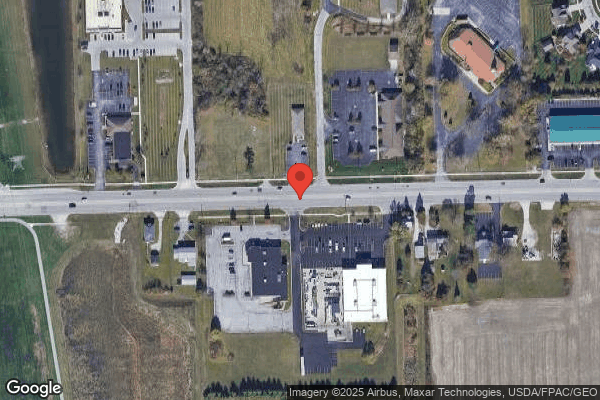
3953 NAVARRE AVE, OREGON, OH 43616 (419) 698-4521
For profit - Limited Liability company 99 Beds AYDEN HEALTHCARE Data: November 2025
Trust Grade
55/100
#411 of 913 in OH
Last Inspection: May 2024

Within standard 12-15 month inspection cycle. Federal law requires annual inspections.

Overview

Ayden Healthcare of Oregon has a Trust Grade of C, which means it is average compared to other nursing homes, indicating it is neither particularly good nor bad. It ranks #411 out of 913 facilities in Ohio, placing it in the top half, and #8 out of 33 in Lucas County, meaning there are only seven local facilities rated higher. The facility is improving, having reduced its issues from 17 in 2024 to just 2 in 2025. However, staffing is a concern with a score of 2 out of 5 stars and a high turnover rate of 68%, which is significantly above the state average. Although there have been no fines, there are issues such as failing to ensure new hires had current TB test results and unsafe food handling practices that could affect residents' health. On the positive side, the facility has excellent quality measures, but it does have less RN coverage than 85% of Ohio facilities, which might impact the level of care residents receive.

Trust Score
C
55/100
In Ohio
#411/913
Top 45%
Safety Record
Low Risk
No red flags
Inspections
Getting Better
17 → 2 violations
Staff Stability
⚠ Watch
68% turnover. Above average. Higher turnover means staff may not know residents' routines.
Penalties
✓ Good
No fines on record. Clean compliance history, better than most Ohio facilities.
Skilled Nurses
⚠ Watch
Each resident gets only 24 minutes of Registered Nurse (RN) attention daily — below average for Ohio. Fewer RN minutes means fewer trained eyes watching for problems.
Violations
⚠ Watch
43 deficiencies on record. Higher than average. Multiple issues found across inspections.
★★★☆☆
3.0
Overall Rating
★★☆☆☆
2.0
Staff Levels
★★★★★
5.0
Care Quality
★★☆☆☆
2.0
Inspection Score
Stable
2024: 17 issues
2025: 2 issues

The Good

  • 5-Star Quality Measures · Strong clinical quality outcomes
  • Full Sprinkler Coverage · Fire safety systems throughout facility
  • No fines on record

Facility shows strength in quality measures, fire safety.

The Bad

3-Star Overall Rating

Near Ohio average (3.2)

Meets federal standards, typical of most facilities

Staff Turnover: 68%

22pts above Ohio avg (46%)

Frequent staff changes - ask about care continuity

Chain: AYDEN HEALTHCARE

Part of a multi-facility chain

Ask about local staffing decisions and management

Staff turnover is elevated (68%)

20 points above Ohio average of 48%

The Ugly 43 deficiencies on record

Sept 2025 1 deficiency
CONCERN (F) 📢 Someone Reported This

A family member, employee, or ombudsman was alarmed enough to file a formal complaint

Potential for Harm - no one hurt, but risky conditions existed

Infection Control (Tag F0880)

Could have caused harm · This affected most or all residents

**NOTE- TERMS IN BRACKETS HAVE BEEN EDITED TO PROTECT CONFIDENTIALITY** Based on personnel record review, staff interview, review of policy, and review of the facility's Tuberculin (TB) Risk Assessmen...

Read full inspector narrative →
**NOTE- TERMS IN BRACKETS HAVE BEEN EDITED TO PROTECT CONFIDENTIALITY** Based on personnel record review, staff interview, review of policy, and review of the facility's Tuberculin (TB) Risk Assessment, the facility failed to ensure all new hire employees had current TB testing results in their employee files. This had the potential to affect all 80 residents. The facility census was 80. Findings include: Review of the facility's TB Risk assessment dated [DATE] revealed the facility had a TB screening program for all employees that required a baseline skin test with a two-step skin test for all healthcare workers. 1. Review of the personnel file for Licensed Practical Nurse (LPN) #460 revealed a hire date of 02/05/25. Further review of the personnel file for LPN #460 revealed no TB skin test results in the file. Interview on 09/09/25 at 4:50 P.M. ,with Human Resource Director (HRD) #410 verified there were no TB skin test results in the personnel file for LPN #460. 2. Review of the personnel file for Housekeeper #400 revealed a hire date of 09/11/24. Further review of the personnel file for Housekeeper #400 revealed a one step TB test was completed on 09/11/24 and read as a negative result on 09/14/24. Further review of the TB skin test form revealed a second step TB skin test was due to be completed one to three weeks following the first step and the form was blank. 3. Review of the personnel file for Certified Nursing Assistant (CNA) #450 revealed a hire date of 06/25/25. Further review of the personnel file for CNA #450 revealed a one step TB test was completed on 06/25/25 and read as a negative result on 06/27/25. Further review of the TB skin test form revealed a second step TB skin test was due to be completed one to three weeks following the first step and the form was blank. Interview on 09/09/25 at 5:05 P.M., with HRD #410 verified Housekeeper #400 and CNA #450 completed only the first step of the required two step TB skin test upon hire. Interview on 09/09/25 at 5:19 P.M., with Regional Director of Operations (RDO) #440 stated new employees should have the two-step TB skin test upon hire. RDO #440 further stated there have not been any TB infections in the facility. Review of the policy titled, Tuberculosis, Employee Screening for, revised August 2019 revealed all employees are screen for latent tuberculosis infection (LTBI) and active tuberculosis (TB) disease, using tuberculin skin test (TST) or interferon gamma release assay (IGRA) and symptom screening, prior to beginning employment. This deficiency represents non-compliance investigated under Complaint Number 2612082.
Feb 2025 1 deficiency
CONCERN (D) 📢 Someone Reported This

A family member, employee, or ombudsman was alarmed enough to file a formal complaint

Potential for Harm - no one hurt, but risky conditions existed

Pressure Ulcer Prevention (Tag F0686)

Could have caused harm · This affected 1 resident

Based on observation, staff interview, resident interview and review of facility policy, the facility failed to ensure treatments for pressure wounds were completed as physician ordered. This affected...

Read full inspector narrative →
Based on observation, staff interview, resident interview and review of facility policy, the facility failed to ensure treatments for pressure wounds were completed as physician ordered. This affected one (#52) of three residents reviewed for wound care. The facility census was 74. Findings include: Review of medical record for Resident #52 revealed admission date of 11/10/23. Diagnoses included quadriplegia, pressure ulcer of the left heel, stage four pressure ulcer of the sacral and pressure induced deep tissue damage of right the buttocks. Review of the Minimum Data Set (MDS) assessment, dated 01/31/25, revealed Resident #52 had a Brief Interview of Mental Status (BIMS) score of 15, indicating the resident was cognitively intact. Further review revealed Resident #52 had bilateral impairment to the upper and lower extremities and was staff dependent on all activities of daily living (ADLs). Additionally, Resident #52 had two stage three pressure ulcers and five stage four pressure ulcers. Review of Resident #52's care plan, dated 01/27/25, revealed the resident had non-compliance related to wound care treatments and side to side positioning in bed. Further review revealed on 01/14/25, the resident stated wound care was not completed by staff; however, the resident was refusing at times wound care treatment was to be provided. The interventions included educational attempts made with residents and family related to non-compliance and notifying the physician of non-compliance. Additional review of the care plan revealed Resident #52 had stage four pressure ulcers to the coccyx related to immobility, paraplegia and weakness. The interventions included wound care treatments as ordered, monitoring dressing to ensure it was intact and adhering and report loose dressing to the nurse. Review of Resident #52's current physician orders revealed treatment for the sacrum and bilateral ischium wounds included to cleanse with saline or antibacterial soap and water, pack wounds with Vashe moistened kerlix, apply abdominal pad and secure with Mefix or silicone tape or alternative, every night shift for wound care. Review of the Treatment Administration Record (TAR) for February 2025 revealed the treatment for the sacrum and bilateral ischium was not documented as completed on 02/02/25, 02/03/25, 02/07/25, 02/08/25, 02/17/25, 02/20/25, 02/23/25 and 02/24/ 25. Review of the nursing progress notes revealed no evidence Resident #52 refused these wound treatments. Observation on 02/25/25 at 7:05 A.M. of wound treatment for Resident #52, completed by Licensed Practical Nurse (LPN) #225 and Certified Nurse Aide (CNA) #140 revealed the dressing on the wound was dated 02/22/25. Coinciding interview with LPN #225 verified the date on the dressing was 02/22/25 (three days prior) and the order was for the treatment to be completed daily. Interview on 02/25/25 at 7:10 A.M. with Resident #52 revealed wound treatments were not completed daily. Interview on 02/25/25 at 8:30 A.M. with the Director of Nursing (DON) verified there was no evidence Resident #52's wound treatments had been completed or refused on 02/02/25, 02/03/25, 02/07/25, 02/08/25, 02/17/25, 02/20/25, 02/23/25 and 02/24/ 25. Review of the facility policy titled, Skin Management, dated April 2023, revealed the purpose was to provide an approach in the prevention and management of pressure injuries. This deficiency represents non-compliance investigated under Complaint Number OH00161936.
Jul 2024 2 deficiencies
CONCERN (D) 📢 Someone Reported This

A family member, employee, or ombudsman was alarmed enough to file a formal complaint

Potential for Harm - no one hurt, but risky conditions existed

Pharmacy Services (Tag F0755)

Could have caused harm · This affected 1 resident

**NOTE- TERMS IN BRACKETS HAVE BEEN EDITED TO PROTECT CONFIDENTIALITY** Based on medical record review, review of controlled substance records, review of pharmacy receipts, resident and staff intervie...

Read full inspector narrative →
**NOTE- TERMS IN BRACKETS HAVE BEEN EDITED TO PROTECT CONFIDENTIALITY** Based on medical record review, review of controlled substance records, review of pharmacy receipts, resident and staff interview, and policy review, the facility failed to timely obtain pharmacy services when resident medication was needed for administration. This affected one (#73) of three residents review for medications. The facility census was 70. Findings include: Review of the medical record for Resident #73 revealed an admission date of 06/13/24 and a discharge date of 07/08/24. Diagnoses included type two diabetes mellitus, osteoarthritis of the knee, and chronic obstructive pulmonary disease. Review of the admission Minimum Data Set (MDS) assessment dated [DATE] revealed Resident #73 had intact cognition. Review of the hospital discharge medication orders revealed Resident #73 was ordered the narcotic pain medication oxycodone-acetaminophen 5-325 milligrams (mg) per tablet with instructions to take one tablet by mouth every eight hours as needed for pain for two days. Review of a pharmacy receipt dated 06/14/24 revealed the facility received five oxycodone-acetaminophen 5-325 mg. On 06/19/24, the facility received one card of 56 tablets of oxycodone-acetaminophen 5-325 mg and one card of 29 tablets of oxycodone-acetaminophen. Review of a control drug record revealed on 06/14/24 Resident #73 had 20 oxycodone-acetaminophen tablets brought in from home. Further review of the control drug record revealed the resident was given ten doses of the medication from 06/14/24 through 06/19/24 before the medication was sent home with the resident's family member. Review of a physician order dated 06/14/24 revealed an order for oxycodone-acetaminophen oral tablet 5-325 mg one tablet by mouth every eight hours as needed for pain for two days. Review of a physician order dated 06/15/24 revealed an order for oxycodone-acetaminophen oral tablet 5-325 mg one tablet by mouth every six hours as needed for pain for two days. Review of a physician order dated 06/18/24 revealed an order for oxycodone-acetaminophen oral tablet 5-325 mg one tablet by mouth every eight hours as needed for pain. Review of a physician order dated 06/19/24 revealed an order for oxycodone-acetaminophen oral tablet 5-325 mg one tablet by mouth every six hours as needed for pain. Review of the active inventory of medications on hand at the facility revealed oxycodone-acetaminophen 5-235 mg was available for administration. Interview on 07/10/24 at 1:26 P.M., the Director of Nursing (DON) stated nursing staff pulled Resident #73's oxycodone-acetaminophen 5-325 mg from her own stock of medications brought from home, and stated the nursing staff should have pulled the oxycodone-acetaminophen from the facility's contingent stock. Interview on 07/10/24 at 2:09 P.M., Resident #73 stated she had her home medications with her when she admitted to the facility. Resident #73 revealed the facility took her medications including her oxycodone-acetaminophen and used the medication without her permission. Resident #73 revealed the nurse told her the facility had no oxycodone-acetaminophen and had to use the medication the resident brought from home. Interview on 07/11/24 at 10:31 A.M., Unit Manager Registered Nurse (UMRN) #215 revealed Resident #73 brought medications from home and was educated she could not have the medications in her room. UMRN #215 revealed she never instructed the nursing staff to use the resident's home medications. Review of the policy titled, Emergency Medication Kit, dated 2022, revealed a specialized code could be obtained by the nurse from the pharmacist upon verification of receipt of a valid prescription before gaining access to controlled substances. This deficiency represents non-compliance investigated under Complaint Number OH00155011.
CONCERN (E) 📢 Someone Reported This

A family member, employee, or ombudsman was alarmed enough to file a formal complaint

Potential for Harm - no one hurt, but risky conditions existed

Safe Environment (Tag F0921)

Could have caused harm · This affected multiple residents

Based on observation, staff interview, and policy review, the facility failed to maintain the North and South shower rooms in a clean and sanitary manner. This had the potential to affect all resident...

Read full inspector narrative →
Based on observation, staff interview, and policy review, the facility failed to maintain the North and South shower rooms in a clean and sanitary manner. This had the potential to affect all residents except 24 (#3, #8, #9, #10, #15, #17, #18, #19, #20, #26, #27, #31, #33, #44, #47, #51, #52, #55, #56, #57, #58, #59, #62, and #70) residents identified as not using the shower rooms. The facility census was 70. Findings include: Observation on 07/10/24 beginning at 9:07 A.M., revealed there was a debris and a buildup of a dark colored substance around the perimeter of the shower floor tiles in both the North and South shower rooms. Interview on 07/10/24 at 9:11 A.M., with Housekeeping and Laundry Supervisor (HLS) #250 verified the dark colored substance on the floor tiles in both the North and South shower rooms. Review of the policy titled, Floors, last revised 2009, revealed floors would be maintained in a clean, safe, and sanitary manner. Review of the policy titled, Quality of Life-Homelike Environment, last revised 05/2017, revealed the facility would maintain a clean, sanitary and orderly environment. This deficiency represents non-compliance investigated under Complaint Number OH00154998.
May 2024 13 deficiencies
CONCERN (D)

Potential for Harm - no one hurt, but risky conditions existed

Deficiency F0558 (Tag F0558)

Could have caused harm · This affected 1 resident

**NOTE- TERMS IN BRACKETS HAVE BEEN EDITED TO PROTECT CONFIDENTIALITY** 3. Review of Resident #48's medical records revealed an admission date of 09/30/21. Diagnoses included chronic obstructive pulmo...

Read full inspector narrative →
**NOTE- TERMS IN BRACKETS HAVE BEEN EDITED TO PROTECT CONFIDENTIALITY** 3. Review of Resident #48's medical records revealed an admission date of 09/30/21. Diagnoses included chronic obstructive pulmonary disease (COPD), peripheral vascular disease (PVD), morbid obesity, muscle weakness, acute on chronic congestive heart failure (CHF), and muscle wasting and atrophy. Review of the Minimum Data Set (MDS) assessment, dated 04/08/24 revealed Resident #48 was cognitively intact. Review of the most recent care plan revealed Resident #48 was at risk for decline in activities of daily living (ADL) function and required extensive assistance with interventions including an overbed trapeze to assist with bed mobility. Interview and observation with Resident #48 on 04/30/24 at 11:14 A.M. revealed the resident did not have an overbed trapeze on her bed in approximately one month. Resident #48 indicated she utilized the over bed trapeze extensively to reposition herself in bed. There was no over bed trapeze for Resident #48 in her room Interview with Director of Rehabilitation #504 on 05/01/24 at 8:17 A.M. revealed Resident #48 has participated in 23 sessions of Occupational Therapy (OT) and was discharged from OT on 11/29/23. Director of Rehabilitation #504 indicated Resident #48 had an overbed trapeze for bed mobility. Interview with State Tested Nursing Aide (STNA) #597 on 05/01/24 at 8:36 A.M. verified there was no overbed trapeze on Resident #48's bed. Based on observation, medical record review, staff and resident interview, and facility policy review, the facility failed to ensure residents had access to their call lights and their bed mobility equipment. This affected three (#12, #48, and #67) of three residents reviewed for accommodation of needs. The facility census was 82. Findings include: 1. Review of the medical record revealed Resident #12 was admitted on [DATE]. Diagnoses included early-onset cerebellar ataxia, type two diabetes mellitus without complications, and peripheral vascular disease. Review of the Minimum Data Set (MDS) assessment, dated 03/09/24, revealed Resident #12 was cognitively intact. Resident #12 was dependent on staff for shower/bathing, lower body extremity, personal hygiene, and always incontinent of bowel and bladder. Observation on 04/29/24 at 2:05 P.M. revealed Resident #12 was sitting in a wheelchair next to the bedside. Resident #12 reported she wanted to go back to bed. Resident #12's call light was observed to be under the bed and inaccessible to the resident. Interview on 04/29/24 at 2:09 P.M. with State Tested Nursing Assistant (STNA) #626 verified the call light was inaccessible to Resident #12. 2. Review of the medical record revealed Resident #67 was admitted on [DATE]. Diagnoses included type two diabetes mellitus, coronary artery disease, hypertension, and depression. Review of the Minimum Data Set (MDS) assessment, dated 01/27/24, revealed Resident #67 was severely cognitively impaired, required partial to moderate assistance from staff for mobility, and always incontinent of bowel and bladder. Observation on 04/29/24 at 2:07 P.M. revealed Resident #67 was sitting in a wheelchair near the end of the resident's bed. Resident #67's call light was observed to be clipped to the top of the bed near the pillow and was inaccessible to the resident. Interview on 04/29/24 at 2:09 P.M. with State Tested Nursing Assistant (STNA) #626 verified the call light was inaccessible to Resident #67. Review of the facility's undated policy titled Call Light Policy and Procedure revealed staff will ensure the resident is in a comfortable position and the call light is within reach of the resident before leaving the resident's room.
CONCERN (D)

Potential for Harm - no one hurt, but risky conditions existed

Quality of Care (Tag F0684)

Could have caused harm · This affected 1 resident

Based on medical record review and staff interview, the facility failed to consistently implement the bowel movement plan to administer medications as physician ordered for a resident not having a bow...

Read full inspector narrative →
Based on medical record review and staff interview, the facility failed to consistently implement the bowel movement plan to administer medications as physician ordered for a resident not having a bowel movement for several days. This affected one (#7) of two residents reviewed for bowel incontinence. The facility census was 82. Findings include: Review of Resident #7's medical record revealed an admission date 10/03/23. Diagnoses included methicillin resistant staphylococcus aureus (MRSA) infection, viral infection of urogenital system, and constipation. Review of the Minimum Data Set (MDS) assessment, dated 04/10/24, revealed Resident #7 had mild cognitive impairment and was always incontinent of bowel and bladder. Review of Resident #7's plan of care dated 10/05/23 revealed Resident #7 was at risk for alteration in elimination to rule out incontinent of bowel and bladder. Interventions included administer medications as ordered. Review of Resident #7's Bowel and Bladder Elimination Record for April 2024 revealed no documented bowel movements for eight days from 04/02/24 to 04/09/24. On 04/10/24, Resident #7 had a bowel movement. Resident #7 did not have bowel movements recorded for five days from 04/11/24 to 04/15/24. There were also no bowel movements recorded on 04/17/24, 04/20/24, 04/22/24, 04/23/24, 04/24/24, 04/25/24, 04/27/24, 04/28/24, and 04/30/24. Review of the Medication Administration Record (MAR) and physician orders for April 2024 for Resident #7 revealed an order for 17 grams of Miralax to be administered every six hours as needed for constipation. One dose was administered on 04/04/24. Interview on 05/01/2024 at 10:50 A.M. with the Director of Nursing (DON) verified the physician should have been notified after 72 hours of no bowel movements. The DON verified there were no documented bowel movements for Resident #7 on the above dates, no evidence of physician notification and once (on 04/04/24) the resident received Miralax.
CONCERN (D)

Potential for Harm - no one hurt, but risky conditions existed

Incontinence Care (Tag F0690)

Could have caused harm · This affected 1 resident

**NOTE- TERMS IN BRACKETS HAVE BEEN EDITED TO PROTECT CONFIDENTIALITY** Based on observation, medical record review, staff interview, and facility urinary continence and incontinence assessment and ma...

Read full inspector narrative →
**NOTE- TERMS IN BRACKETS HAVE BEEN EDITED TO PROTECT CONFIDENTIALITY** Based on observation, medical record review, staff interview, and facility urinary continence and incontinence assessment and management policy, the facility failed to ensure a resident received timely incontinence care and services. This affected one (#67) of seven residents reviewed for bowel and bladder incontinence in a facility census of 82. Findings include: Review of Resident #67's medical record revealed the resident was admitted to the facility on [DATE]. Diagnoses included type II diabetes mellitus, gastrointestinal hemorrhage, anemia, coronary artery disease, and depression. Review of the Minimum Data Set (MDS) assessment dated [DATE] assessed Resident #67 had severe cognitive impairment, dependent on staff with activities of daily living, required partial to moderate assistance from staff with transferring and repositioning, utilized a wheelchair with partial to moderate assistance for mobility, and always incontinent of bowel and bladder. Review of the nursing plan of care dated 03/26/24 revealed Resident #67 was incontinent of bladder related to the need for assistance with all care. Goals were established indicating Resident #67 will remain free from skin breakdown due to incontinence and brief use through the review date. Interventions included: Clean peri-area with each incontinence episode. Monitor/document for signs and symptoms of urinary tract infection (UTI): pain, burning, blood tinged urine, cloudiness, no output, deepening of urine color, increased pulse, increased temperature, urinary frequency, foul smelling urine, fever, chills, altered mental status, change in behavior, change in eating patterns. The plan of care lacked documentation indicating a resident specific frequency of monitoring for incontinence, or the use of protective incontinence products. Review of the bowel and bladder assessment dated [DATE] noted Resident #67 to void appropriately without incontinence less than daily, incontinent of stool one to three times a week, able to get to the bathroom or transfer to the toilet/commode/bedpan with assistance of one person, sometimes aware of need to toilet. The assessment also indicated Resident #67 was identified with a skin condition to the genital, perineal, buttocks with some blanchable redness. No documentation contained in the medical record indicated a treatment or intervention was implemented to address the skin condition. No plan of care interventions addressed the residents ability to utilize the bathroom, resident knowledge regarding need for bathroom use or frequency to offer toileting. Observation on 04/30/24 at 10:48 A.M. noted Resident #67 seated in a wheelchair at the bedside. On 04/30/24 at 10:49 A.M., an interview with State Tested Nurse Aide (STNA) #599 revealed Resident #67 required check and change for incontinence every two hours. STNA #599 stated at approximately 10:00 A.M., the resident was provided morning activities of daily living including incontinence care following a bowel movement. STNA #599 also stated during incontinence care an area of skin breakdown, which appeared as a white spot, was discovered to the resident's buttock. STNA #599 indicated the resident reported the area to be painful to touch. Continued observation on 04/30/24 at 12:34 P.M. noted Resident #67 seated in a wheelchair at the bedside eating lunch. On 04/30/24 at 1:15 P.M., an interview with STNA #599 revealed Resident #67 refused to be checked for incontinence and wanted to remain in the wheelchair. STNA #599 verified she had not informed the nurse of the skin breakdown to the resident's skin or the refusal of incontinence care. On 04/30/24 at 1:38 P.M., an interview with Licensed Practical Nurse (LPN) #580 stated she assumed care of Resident #67 at 6:00 A.M. LPN #580 confirmed she was not aware or informed Resident #67 was discovered with skin breakdown to the buttock or reports of associated pain. LPN #580 also verified she was not informed Resident #67 refused incontinence care. Observation on 04/30/24 at 1:50 P.M. noted STNA #599 and Unit Nurse Manager (UNM) #591 stand-pivot Resident #67 from the wheelchair and place the resident to her bed. Observation noted the seat cushion saturated with urine. STNA #599 proceeded to remove Resident #67's pants and adult incontinence brief also noted to be saturated through with urine and a small amount of bowel movement. STNA #599 provided incontinence care and cleansed Resident #67's buttock exposing an area of moisture associated skin breakdown (MASD). Resident #67 was observed to wince and vocalize pain to the MASD located on the sacrum. On 04/30/24 at 1:59 P.M., Wound Specialist Physician #500 assessed Resident #67 and discovered a non-pressure partial thickness sacrum wound identified as MASD measuring 1.5 centimeters (cm) long by (x) 3.8 cm wide x 0.1 cm deep. Review of the wound specialist examination documentation dated 04/30/24 indicated the wound duration was greater than (>) seven days, cluster wound noted as open ulceration area of 1.14 cm2 with light Serous exudate and open areas with exposed dermis. On 04/30/24 at 2:16 P.M., an interview with Licensed Practical Nurse (LPN) #580 and UNM #591 confirmed Resident #67 was heavily soiled of urine and discovered with an area of MASD to the sacrum. LPN #580 and UNM #591 verified no treatment or skin application was in place to prevent moisture damage to Resident #67's skin and were unaware Resident #67 was refusing toileting. Review of the facility's Urinary Continence and Incontinence Assessment and Management policy dated 10/01/22, revealed as part of the assessment, nursing staff will seek and document details related to continence including: voiding patterns, types of incontinence. The nursing staff and physician will identify risk factors for becoming incontinent or for worsening of current incontinence. The staff and physician will identify individuals with complications or existing incontinence, or who are at risk for such complications (skin maceration or breakdown, or perineal dermatitis. As indicated, if the individual remains incontinent despite treating transient causes of incontinence, the staff will initiate a toileting plan. The staff and physician will evaluate the effectiveness of interventions and implement additional pertinent interventions as indicated.
CONCERN (D)

Potential for Harm - no one hurt, but risky conditions existed

Deficiency F0697 (Tag F0697)

Could have caused harm · This affected 1 resident

Based on record review, observation, staff and resident interview, and review of the facility policy, the facility failed to manage the resident's pain and administer pain medications as physician ord...

Read full inspector narrative →
Based on record review, observation, staff and resident interview, and review of the facility policy, the facility failed to manage the resident's pain and administer pain medications as physician ordered. This affected one (Resident #287) of two residents reviewed for pain management. The facility census was 82. Findings include: Review of the medical record revealed Resident #287 had an admission date of 04/24/24 with diagnosis of polyneuropathy (peripheral nerve pain). Review of the care plan initiated on 04/24/24 revealed Resident #287 was care planned for pain management with interventions of medications as ordered. Review of Resident #287's physician orders for 04/24/24 revealed an order for gabapentin (treats nerve pain) 300 milligrams (mg) three times daily. Review of the physician progress note dated 04/30/24 for Resident #287 revealed a medication adjustment for the gabapentin (used for nerve pain) to change the dose from original dose of 100 mg three times daily to 300 mg three times daily. Observation on 05/01/24 at 7:50 A.M. of Licensed Practical Nurse (LPN) #610 arrived to Resident #287's room to obtain vital signs and left to retrieve his morning medication. LPN #610 returned to Resident #287 and handed him a medication cup with his medications inside. Resident #287 inquired about gabapentin confirming with LPN #610 the dose was the 100 mg dose. LPN #610 verified with Resident #287 that the gabapentin was the 100 mg dose. Resident #287 stated to LPN #610, I saw the doctor yesterday and she said she would change the dose. LPN #610 stated to Resident #287 she would check on it and let the Resident #287 know. Observation and interview on 05/01/24 at 8:18 A.M. with LPN #610 verified the order on the Medication Administration Record (MAR) revealed gabapentin 300 mg three times a day. LPN #610 verified she did not read the whole order on the MAR and only administered gabapentin 100 mg. Review of the facility policy titled Medication Administration and General Guidelines, dated 2022, revealed medications are administered in accordance with written orders of the physician. Prior to administration, the medication and dosage schedule on the resident's MAR is compared with the medication label. If the label and MAR are different and the container is not flagged indicating a change in directions the physicians order are checked for the correct dosage. Review of the facility policy titled Pain Assessment and Management, revised 03/2022, revealed the pain management program is based on a facility wide commitment to appropriate assessment and treatment of pain.
CONCERN (D)

Potential for Harm - no one hurt, but risky conditions existed

Deficiency F0698 (Tag F0698)

Could have caused harm · This affected 1 resident

**NOTE- TERMS IN BRACKETS HAVE BEEN EDITED TO PROTECT CONFIDENTIALITY** Based on record review, staff interviews, and facility policy review, the facility failed to ensure ongoing communication and co...

Read full inspector narrative →
**NOTE- TERMS IN BRACKETS HAVE BEEN EDITED TO PROTECT CONFIDENTIALITY** Based on record review, staff interviews, and facility policy review, the facility failed to ensure ongoing communication and collaboration with the dialysis facility regarding dialysis care and services for a resident. This affected one (Resident #287) of one resident reviewed for dialysis. The facility census was 82. Findings include: Review of the medical record for Resident #287 revealed an admission date of 04/24/24 with diagnoses of end-stage renal disease (ESRD) and dependence on dialysis. Review of the admission assessment dated [DATE] for Resident #287 revealed he was alert and oriented to person, place, time, and situation indicating he was cognitively intact. Review of the baseline care plan initiated on 04/24/24 for Resident #287 revealed he was care planned for dialysis. Review of the medical record for Resident #287 from 04/24/24 to 05/01/24 revealed there was no dialysis communication documentation. Interview on 05/01/24 at 4:43 P.M. with Registered Nurse (RN) #636 revealed the facility does not always send dialysis communication form. RN #636 stated if there was a problem at dialysis, the facility will send communication back to the facility, but if there were no issues no communication was exchanged. Interview on 05/02/24 at 8:23 A.M. with Licensed Practical Nurse (LPN) #611 stated she sends a facesheet, medication list, and will write the vitals signs (blood pressure, pulse, temperature, and respiratory rate) on the top of the paper work. LPN #611 stated she just learned about the red dialysis book this morning and has never seen the red book before. LPN #611 further stated any paperwork returned from dialysis will go in the hard chart. Further interview with LPN #611 verified there was no dialysis communication information in the hard chart. Interview on 05/02/24 at 8:34 A.M. with LPN #618 stated the red dialysis binder was newly created and in the unit manager's office. Interview on 05/02/24 at 8:47 A.M. with the Director of Nursing (DON) verified there was no dialysis communication forms for resident in the hard chart or in the electronic medical record. Review of the facility policy titled End-Stage Renal Disease, Care of a Resident with revised 09/10 revealed residents with ESRD will be cared for according currently recognized standards of care.
CONCERN (D)

Potential for Harm - no one hurt, but risky conditions existed

Medication Errors (Tag F0758)

Could have caused harm · This affected 1 resident

**NOTE- TERMS IN BRACKETS HAVE BEEN EDITED TO PROTECT CONFIDENTIALITY** Based on medical record review, staff interview, and review of the facility policy, the facility failed to ensure the provider r...

Read full inspector narrative →
**NOTE- TERMS IN BRACKETS HAVE BEEN EDITED TO PROTECT CONFIDENTIALITY** Based on medical record review, staff interview, and review of the facility policy, the facility failed to ensure the provider responded in a timely manner to pharmacy recommendations of an as needed psychotropic medications. This affected one (#7) of five residents reviewed for unnecessary medications. The facility census was 82. Findings include: Review of the medical record revealed Resident #7 was admitted on [DATE]. Diagnoses included major depressive disorder and generalized anxiety disorder. Review of the Minimum Data Set (MDS) assessment, dated 04/10/24, revealed Resident #7 was cognitively intact. Review of Medication Regimen Review, dated 02/19/24, revealed the pharmacy review identified a psychotropic as needed (PRN) medication and identified the need for anticipated duration and continued use rationale. Resident #7 was prescribed Clonazepam tablet 0.5 milligram (mg) with instructions to take one tablet by mouth every twelve hours as needed. There was no physician response. Review of Medication Regimen Review, dated 03/27/24, revealed the pharmacy review identified a psychotropic as needed (PRN) medication and identified the need for anticipated duration and continued use rationale. Resident #7 was prescribed Clonazepam tablet 0.5 milligram (mg) with instructions to take one tablet by mouth every twelve hours as needed. The physician response was dated the date of survey on 05/02/24. Interview on 05/02/24 at 2:04 P.M. with Registered Nurse Regional Support #635 and Director of Nursing (DON) verified Resident #7's pharmacy review for as need for psychotropic medications clearly were not addressed in a timely manner. Review of the facility policy titled Medication Monitoring, dated 2022, revealed the continued need for sedative medication is reassessed monthly by the responsible physician. The consultant pharmacist notifies the responsible physician if any sedative prescribed dose does not comply with the monitoring standards.
CONCERN (D)

Potential for Harm - no one hurt, but risky conditions existed

Unnecessary Medications (Tag F0759)

Could have caused harm · This affected 1 resident

**NOTE- TERMS IN BRACKETS HAVE BEEN EDITED TO PROTECT CONFIDENTIALITY** Based on observation, medical record review, resident and staff interview, and review of the facility policy, the facility faile...

Read full inspector narrative →
**NOTE- TERMS IN BRACKETS HAVE BEEN EDITED TO PROTECT CONFIDENTIALITY** Based on observation, medical record review, resident and staff interview, and review of the facility policy, the facility failed to ensure medications were administered as ordered by the physician, within prescribed time frames, resulting in a medication error rate above five percent (%). A total of six medications errors were observed out of 40 opportunities for a medication administration error rate of 15.00%. This affected one (#4) of seven residents observed during medication administration. The facility census was 82. Findings include: Review of Resident #4's medical record revealed the resident was admitted to the facility on [DATE]. Diagnoses included chronic respiratory failure, anxiety, chronic obstructive pulmonary disease (COPD), chronic kidney disease, gastric esophageal reflux disease (GERD), and peripheral vascular disease (PVD). Review of the Minimum Data Set (MDS) assessment dated [DATE] assessed Resident #4 had intact cognition and received antianxiety, antidepressant, anticoagulant, diuretic, and opioid medications. Review of Resident #4's physician's orders revealed the medications had the prescribed timeframes: 05/21/23 Cilostazol 100 milligrams (mg) given twice daily for intermittent claudication between 7:00 A.M. - 10:00 A.M. (rising) and 7:00 P.M.-10:00 P.M. (HS range), 05/21/23 Budesonide 0.5 mg per(/)2.0 milliliters (ml) inhalation vial given twice daily for COPD between 7:00 A.M. - 10:00 A.M. (rising) and 7:00 P.M.-10:00 P.M. (HS range), 11/30/23 Elliquis 5.0 mg given twice daily for heart failure and PVD between 7:00 A.M. - 10:00 A.M. (rising) and 7:00 P.M.-10:00 P.M. (HS range), 11/01/23 Gabapentin 100 mg given every morning and evening for nerve pain at 8:00 A.M. and 8:00 P.M., 05/21/23 Pantoprazole 40 mg given twice daily for GERD between 7:00 A.M. - 10:00 A.M. (rising) and 7:00 P.M.-10:00 P.M. (HS range), 03/27/24 Buspirone 10 mg given three times a day for anxiety given between 7:00 A.M. - 10:00 A.M. (rising), 11:00 A.M. -2:00 P.M. (noon), and 7:00 P.M.-10:00 P.M. (HS range). Observation on 04/30/24 at 11:32 A.M. noted Licensed Practical Nurse (LPN) #610 obtaining medications from the medication cart for Resident #4. LPN # 610 stated getting ready to obtained Resident #4 pull morning medications due to the resident wanting to sleep in. LPN #610 confirmed assuming care for Resident #4 at 6:00 A.M. and no medication had been administered to the resident. LPN #610 proceeded to obtain the following medications: Cilostazol 100 mg, Budesonide 0.5 mg/2.0 ml inhalation vial, Elliquis 5.0 mg, Gabapentin 100 mg, Pantoprazole 40 mg, and Buspirone 10 mg. LPN #610 proceeded to administer the medications to Resident #4. Interview with Resident #4 at the time of administration confirmed she had not requested to hold morning medications. Interview on 04/30/24 at 11:49 A.M. with LPN #610 during of the medical record and associated medication administration records (MAR) revealed the medications were initialed as administered earlier in the morning. LPN #610 omitted the morning Buspirone 10 mg dose and proceeded to give the noon dose. Resident #4 did not receive morning dose and gave the noon dose. LPN #610 also verified no documentation was recorded in the medical record Resident #4 refused morning medications or notification of the physician regarding the missed dose of Buspirone. Interview on 05/02/24 at 8:30 A.M. with the Director of Nursing (DON) during a medication review of the medical record verified rising medication times are between 7:00 A.M. and 10:00 A.M., and bedtime (HS) ranges were between 7:00 P.M.-10:00 P.M. for Resident #4. According to Medication Administration and General Guidelines Policy 2022 indicated medications are administered as prescribed in accordance with written orders of the attending physician. All current medications and dosage schedules are listed on the residents medication administration record (MAR). The person administering the medication records the administration on the MAR at the time the medication is given. Medications are administered within one hour of scheduled time, unless the physician specifies a specific time then the medication (med) must be given 30 minutes prior to or 30 minutes after the specified time. Routine medications are administered according to the established medication administration schedule for the facility. The resident's MAR is initialed by the person administering the medication. If a dose regularly scheduled medication is withheld, refused, or given at other than the scheduled time, the space provided on the front of the MAR for that dosage administration is initialed and circled. An explanatory note is entered on the reverse side of the record provided for as needed (PRN) documentation.
CONCERN (D)

Potential for Harm - no one hurt, but risky conditions existed

Deficiency F0760 (Tag F0760)

Could have caused harm · This affected 1 resident

**NOTE- TERMS IN BRACKETS HAVE BEEN EDITED TO PROTECT CONFIDENTIALITY** Based on medical record review, observation, resident and staff interview, review of the facility policy, and review of the manu...

Read full inspector narrative →
**NOTE- TERMS IN BRACKETS HAVE BEEN EDITED TO PROTECT CONFIDENTIALITY** Based on medical record review, observation, resident and staff interview, review of the facility policy, and review of the manufacturer guidelines of insulin administration, the facility failed to ensure medications were administered to the residents without a significant medication error. This affected one (Resident #287) of seven residents reviewed for medication administration. The facility census was 82. Findings include: Review of the medical record for Resident #287 revealed an admission date of 04/24/24 with diagnoses of diabetes mellitus and long term insulin use. Review of the admission assessment dated [DATE] for Resident #287 revealed he was alert and oriented to person, place, time, and situation indicating he was cognitively intact. Review of the care plan initiated 04/25/24 revealed Resident #287 was care planned for diabetes with intervention to check blood sugar as ordered, resident has a dexcom continuous glucose monitoring (CGM) system. Review of the current physician orders from 04/2024 for Resident #287 revealed lispro insulin subcutaneously before meals and at bed time sliding scale for blood sugar 151-200=two units, 201-250=four units, 251-300=six units, 301-350=eight units, 351-400=ten units, and call for blood sugar less than 70 or greater than 400. Review of the Medication Administration Record (MAR) for Resident #287 revealed documentation by LPN #610 of administration of insulin sliding scale orders for the lispro insulin. Observation on 05/01/24 at 7:50 A.M. revealed Licensed Practical Nurse (LPN) #610 arrived to the room for Resident #287 and check blood sugar by way of dexcom CGM system. Resident #287 showed LPN #610 the CGM device and reported blood sugar as 185. LPN #610 left the room to gather morning medications prior to Resident #287 leaving for dialysis. Further observation revealed LPN #610 returned with a glass of water and a medication cup for morning medications (no insulin). Interview on 05/01/24 at 9:54 A.M. with Resident #287 stated he did not receive insulin that morning. Interview on 05/01/24 at 9:58 A.M. with LPN #610 verified she did not administer the prescribed lispro insulin as ordered before breakfast. LPN #610 verified she already documented the administration of the insulin on the MAR as administered. Further observation on 05/01/24 at 9:58 A.M. revealed LPN #610 obtained the lispro insulin pen from the medication cart, she attached the needle to the insulin pen for administration and she administered two units of lispro insulin to Resident #287 prior to Resident #287 leaving for dialysis. LPN #610 verified she did not prime the lispro insulin needle prior to administering the prescribed lispro insulin dose per sliding scale of two units to cover a blood sugar of 185. According to Medication Administration and General Guidelines Policy 2022 indicated medications are administered as prescribed in accordance with written orders of the attending physician. All current medications and dosage schedules are listed on the residents medication administration record (MAR). The person administering the medication records the administration on the MAR at the time the medication is given. Medications are administered within one hour of scheduled time, unless the physician specifies a specific time then the medication (med) must be given 30 minutes prior to or 30 minutes after the specified time. Routine medications are administered according to the established medication administration schedule for the facility. The resident's MAR is initialed by the person administering the medication. If a dose regularly scheduled medication is withheld, refused, or given at other than the scheduled time, the space provided on the front of the MAR for that dosage administration is initialed and circled. An explanatory note is entered on the reverse side of the record provided for as needed (PRN) documentation Review of the [NAME] Lilly and Company Lispro Manufacturer's recommendations revised 07/2023 for use for Lispro insulin kwik pen recommend priming the needle with two unit prior to administration of the intended prescribed insulin administration. The priming process removes any air bubbles and ensures insulin is in the needle prior to dialing and administering the insulin.
CONCERN (D)

Potential for Harm - no one hurt, but risky conditions existed

Medical Records (Tag F0842)

Could have caused harm · This affected 1 resident

**NOTE- TERMS IN BRACKETS HAVE BEEN EDITED TO PROTECT CONFIDENTIALITY** 2. Review of the medical record for Resident #287 revealed an admission date of 04/24/24 with diagnoses of diabetes mellitus and...

Read full inspector narrative →
**NOTE- TERMS IN BRACKETS HAVE BEEN EDITED TO PROTECT CONFIDENTIALITY** 2. Review of the medical record for Resident #287 revealed an admission date of 04/24/24 with diagnoses of diabetes mellitus and long term insulin use. Review of the admission assessment dated [DATE] for Resident #287 revealed he was alert and oriented to person, place, time, and situation indicating he was cognitively intact. Review of the current physician orders from 04/2024 for Resident #287 revealed lispro insulin subcutaneously before meals and at bedtime sliding scale for blood sugar 151-200=two units, 201-250=four units, 251-300=six units, 301-350=eight units, 351-400=ten units, and call for blood sugar less than 70 or greater than 400. Review of the Medication Administration Record (MAR) for Resident #287 revealed documentation by LPN #610 of administration of insulin sliding scale orders for the lispro insulin. Observation on 05/01/24 at 7:50 A.M. of Licensed Practical Nurse (LPN) #610 arrived to the room for Resident #287 and check blood sugar by way of dexcom continuous glucose monitoring (CGM) system. Resident #287 showed LPN #610 CGM device and reported blood sugar as 185. LPN #610 left the room to gather morning medications prior to Resident #287 leaving for dialysis. Further observation revealed LPN #610 returned with a glass of water and a medication cup containing morning medications, pills only (no insulin). Interview on 05/01/24 at 9:54 A.M. with Resident #287 stated he did not receive insulin that morning. Interview on 05/01/24 at 9:58 A.M. with LPN #610 verified she did not give the prescribed lispro insulin as ordered verified she already documented the administration of the insulin on the MAR as administered. Review of the facility's policy titled Medical Records Procedures, revised 05/2022, revealed medical records will be accurate and complete. Review of the Medication Administration and General Guidelines Policy 2022 revealed the person administering the medication records the administration on the MAR at the time the medication is given. The resident's MAR is initialed by the person administering the medication. If a dose regularly scheduled medication is withheld, refused, or given at other than the scheduled time, the space provided on the front of the MAR for that dosage administration is initialed and circled. An explanatory note is entered on the reverse side of the record provided for as needed (PRN) documentation. Based on observation, medical record review, staff interview, and review of the facility policy, the facility failed to ensure medication entries were accurately documented and contained in the medical record. This affected two of seven residents (#4 and #287) reviewed for medication administration. The facility census was 82. Findings include: 1. Review of Resident #4's medical record revealed the resident was admitted to the facility on [DATE]. Diagnoses included chronic respiratory failure, anxiety, chronic obstructive pulmonary disease (COPD), chronic kidney disease, gastric esophageal reflux disease (GERD), and peripheral vascular disease (PVD). Review of Resident #4's physician's orders revealed the medications had the prescribed timeframes: 05/21/23 Cilostazol 100 milligrams (mg) given twice daily for intermittent claudication between 7:00 A.M. - 10:00 A.M. (rising) and 7:00 P.M.-10:00 P.M. (HS range), 05/21/23 Budesonide 0.5 mg per(/)2.0 milliliters (ml) inhalation vial given twice daily for COPD between 7:00 A.M. - 10:00 A.M. (rising) and 7:00 P.M.-10:00 P.M. (HS range), 11/30/23 Elliquis 5.0 mg given twice daily for heart failure and PVD between 7:00 A.M. - 10:00 A.M. (rising) and 7:00 P.M.-10:00 P.M. (HS range), 11/01/23 Gabapentin 100 mg given every morning and evening for nerve pain at 8:00 A.M. and 8:00 P.M., 05/21/23 Pantoprazole 40 mg given twice daily for GERD between 7:00 A.M. - 10:00 A.M. (rising) and 7:00 P.M.-10:00 P.M. (HS range), 03/27/24 Buspirone 10 mg given three times a day for anxiety given between 7:00 A.M. - 10:00 A.M. (rising), 11:00 A.M. -2:00 P.M. (noon), and 7:00 P.M.-10:00 P.M. (HS range). Observation on 04/30/24 at 11:32 A.M. noted Licensed Practical Nurse (LPN) #610 obtaining medications from the medication cart for Resident #4. LPN #610 proceeded to obtain the following medications: Cilostazol, Budesonide, Gabapentin, Pantoprazole, and Buspirone. LPN #610 proceeded to administer the medications to Resident #4. Interview on 04/30/24 at 11:49 A.M. with LPN #610 during review of the medical record and associated medication administration records (MAR) revealed the medications were initialed as administered earlier in the morning. LPN #610 omitted the morning Buspirone 10 mg dose and proceeded to give the noon dose. Resident #4 did not receive morning dose and gave the noon dose. LPN #610 also verified no documentation was recorded in the medical record Resident #4 refused morning medications or notification of the physician regarding the missed dose of Buspirone.
CONCERN (E)

Potential for Harm - no one hurt, but risky conditions existed

Menu Adequacy (Tag F0803)

Could have caused harm · This affected multiple residents

Based on observation, staff interview, and review of the menu portion spreadsheet, the facility failed to provide adequate protein portions for residents on a mechanical soft diet. This affected five ...

Read full inspector narrative →
Based on observation, staff interview, and review of the menu portion spreadsheet, the facility failed to provide adequate protein portions for residents on a mechanical soft diet. This affected five (#15, #16, #22, #33, and #40) of six residents identified on a mechanical soft diet. The facility census was 82. Findings include: Review of the dietary menu spreadsheet for lunch on 04/30/24 revealed the portion for mechanical soft pork chop should have been six ounces. Observation during meal service on 04/30/24 beginning at 11:30 A.M. revealed [NAME] #553 used a size 20 scoop (equivalent to 1.52 ounces) to serve mechanical soft pork chops. Interview on 04/30/24 at 12:30 P.M. with [NAME] #553 confirmed some mechanical soft pork chop was leftover. [NAME] #553 stated it was because some residents on a mechanical soft diet chose the alternative menu option. [NAME] #553 confirmed he used the 20 scoop to serve mechanical soft pork to the residents on a mechanical soft diet. Interview and observation on 05/01/24 at 10:00 A.M. with Dietary Manager (DM) #569 confirmed the size 20 scoop held 1 5/8 ounces. DM #569, while reviewing the menu portion spreadsheet, confirmed the mechanical soft pork serving size should have been six ounces.
CONCERN (E)

Potential for Harm - no one hurt, but risky conditions existed

Safe Environment (Tag F0921)

Could have caused harm · This affected multiple residents

Based on observations, staff interviews, and review of the facility policy, the facility failed to provide clean resident rooms. This affected four (#21, #27, #55, and #59) of four residents reviewed ...

Read full inspector narrative →
Based on observations, staff interviews, and review of the facility policy, the facility failed to provide clean resident rooms. This affected four (#21, #27, #55, and #59) of four residents reviewed for environment. The facility census was 82. Findings include: 1. Observation on 04/30/24 at 8:51 A.M. revealed Resident #27 sitting in their room wearing a shirt with food on it and the floor of room was dirty and sticky and an area of dry yellowish fluid was noted under Resident #27's bed. Interview on 04/30/24 at 8:55 A.M. with Occupational Therapy Assistant (OTA) #564 verified Resident #27 was sitting in their room wearing a shirt with food on it and the floor of the room was dirty and sticky and a dried yellowish fluid was noted under Resident #27's bed. 2. Observation on 04/30/24 at 9:26 A.M. revealed the floor of the resident room, shared by Residents #55 and #59, was dirty and sticky. Subsequent observation on 04/30/24 at 2:44 P.M. revealed the floor of the resident room, shared by Residents #55 and #59, continued to be dirty and sticky. Interview on 04/30/24 at 4:05 P.M. with State Tested Nursing Assistant (STNA) #507 verified the floor of the resident room, shared by Residents #55 and #59, was dirty and sticky. Review of the facility policy titled Cleaning and Disinfecting Residents' Rooms, dated August 2013, revealed housekeeping surfaces (e.g., floors, tabletops) will be cleaned on a regular basis, when spills occur, and when these surfaces are visible soiled. 3. Observation on 04/29/24 at 12:05 P.M. revealed a stool soiled and uncovered bed pan under Resident #21's bed. Resident #21 stated he used it and put it under his bed yesterday. Interview on 04/29/24 at 12:10 P.M. with State Tested Nursing Aide (STNA) #551 verified the stool soiled and uncovered bed ban under Resident #21's bed. Review of the facility policy titled Quality of Life-Homelike Environment, revised 05/2017, revealed the facility staff and management shall maximize, to the extent possible, the characteristics of the facility that reflect a personalized, homelike setting that includes a clean, sanitary, and orderly environment.
CONCERN (F)

Potential for Harm - no one hurt, but risky conditions existed

Food Safety (Tag F0812)

Could have caused harm · This affected most or all residents

Based on observations, staff interviews, and review of the facility policies, the facility failed to ensure safe food handling occurred during meal service, failed to ensure the thermometer used to ch...

Read full inspector narrative →
Based on observations, staff interviews, and review of the facility policies, the facility failed to ensure safe food handling occurred during meal service, failed to ensure the thermometer used to check food temperatures was sanitized between food items, and failed to ensure the high-temperature dishwasher washed and/or rinsed at the proper temperatures. This affected two residents (#9 and #70) who received a cheeseburger and the potential to affect all 82 residents residing in the facility. The facility identified all 82 residents in the facility received food from the kitchen. Findings include: 1. Observation prior to meal service on 04/30/24 at approximately 11:20 A.M. revealed [NAME] #553 was preparing to take food temperatures. [NAME] #553 removed a cloth soaking in a red sanitizer bucket and wrung it out and placed it on the counter near the steam table. [NAME] #553 then used the cloth to wipe the thermometer, placed the cloth back on the counter, and tested the temperature of mashed potatoes. [NAME] #553 then picked up the cloth and wiped off the thermometer and placed the cloth back on the counter, and tested the temperature of the pork chops. [NAME] #553 continued to use the cloth to wipe the thermometer before testing the green beans, the pureed pork, the pureed green beans, the pureed mashed potatoes, and the mechanical soft pork. Observation on 04/30/24 at approximately 11:24 A.M. revealed [NAME] #553 testing the sanitation level of the water in the sanitation bucket revealed the color of the test strip remained nearly unchanged. Interview with [NAME] #553 at that time confirmed the test strip should have turned green to show adequate sanitizing levels of 200 parts per million (PPM). [NAME] #553 confirmed the test strip on 04/30/24 at approximately 11:24 A.M. revealed the liquid in the sanitizer bucket was approximately 100 PPM and further confirmed he used the cloth from that sanitizer bucket to wipe the thermometer he used to complete food temperatures. [NAME] #553 confirmed the test strip indicated the liquid in the sanitizer bucket was not concentrated to the required amount. Interview on 04/30/24 at 11:25 A.M. with Dietary Manager (DM) #569 confirmed the sanitizing solution should be 200 PPM and the test strip would turn green when it was at the proper concentration. Review of the policy Taking Accurate Temperatures, updated 03/07/21, revealed the thermometer should be cleaned, rinsed, sanitized and air-dried prior to use. Additionally, the thermometer should again be cleaned, rinsed, sanitized and air-dried between foods. 2. Observation during meal service on 04/30/24 beginning at approximately 11:30 A.M. revealed [NAME] #553 wearing plastic gloves and touching serving utensils, covers for the steam table, and utensil drawers while plating resident meals. [NAME] #553 continued to wear the same gloves and picked up a piece of cheese and placed it on a burger, and picked up the top of the bun and put it over the cheese and handed the plate to the dietary aide to put on the tray. Staff identified the cheeseburger was for Resident #9. Continued observation revealed [NAME] #553 continued to touch serving utensils and steam table lids before opening a package of hamburger buns, reaching into the buns with his gloved hand, placing the bun on a plate, using tongs to place a burger on the bun, then used his gloved hand to pick up a slice of cheese, place it on the burger and place the bun on top. Staff identified the cheeseburger was for Resident #70. Interview on 04/30/24 at 11:40 A.M. with [NAME] #553 confirmed he did not change his gloves or perform hand hygiene before touching the ready-to-eat cheese and buns for Residents #9 and #70. Interview on 05/02/24 at approximately 2:30 P.M. with Dietary Manager (DM) #569 confirmed ready-to-eat food should be touched with a clean pair of gloves. Review of the policy titled Employee Sanitary Food Practices, updated 03/07/21, revealed disposable gloves were a single-use item and should be discarded after each use and gloves must be worn if raw food was handled. 3. Observation and interview on 04/30/24 at 1:47 P.M. with [NAME] #553 revealed the high-temperature dishwasher had a label indicating the wash temperature should be at least 160 degrees Fahrenheit (F) and the rinse temperature should be at least 180 degrees F. Observation of the dishwasher, after running a wash cycle three times, revealed a wash temperature of 142 degrees F and a rinse temperature of 181 degrees F. [NAME] #553 confirmed the wash temperature did not reach the minimum temperature indicated by the label on the machine. Observation on 04/30/24 at approximately 4:40 P.M. revealed the facility served dinner using standard plates and silverware. Observation on 05/01/24 at approximately 8:00 A.M. revealed the facility served breakfast using styrofoam plates and plastic silverware. Interview and observation on 05/01/24 at 9:19 A.M. revealed an outside repair company was fixing the dish machine. The repair person stated they attempted and failed to repair the dish machine the previous evening. Interview and observation on 05/01/24 at 10:33 A.M. with Dietary Aide (DA) #548, who was actively running the dish machine, confirmed the wash temperature was 165 degrees F and the rinse temperature was 172 degrees F. Observation on 05/01/24 at approximately 1:00 P.M. revealed the facility served dishes on standard plates and silverware.
MINOR (C)

Minor Issue - procedural, no safety impact

Deficiency F0947 (Tag F0947)

Minor procedural issue · This affected most or all residents

Based on review of personnel files, staff interview, and review of the facility policy, the facility failed to ensure state tested nurse aides (STNAs) received twelve hours of annual training and had ...

Read full inspector narrative →
Based on review of personnel files, staff interview, and review of the facility policy, the facility failed to ensure state tested nurse aides (STNAs) received twelve hours of annual training and had annual performance reviews. This had the potential to affect all 82 residents residing in the facility. Findings include: 1. Review of the personnel file for STNA #571 revealed a hire date of 04/07/22. Review of annual training the last employment year revealed from April 2023 to April 2024, STNA #571 had three trainings including over the phone survey education, fall intervention policy, and all staff training (no topics identified). No amount of time was documented on the trainings. STNA #571 did not have an annual performance evaluation. 2. Review of the personnel file for STNA #624 revealed a hire date of 02/18/19. Review of the annual training revealed in 2023, STNA #571 had three trainings including clinicomex (medical record) training, state education, and infection control. No amount of time was documented on the trainings. STNA #624 did not have an annual performance evaluation since 09/06/22. 3. Review of the personnel file for STNA #629 revealed a hire date of 02/21/22. Review of the annual training revealed in 2023, STNA #571 had four trainings including clinicomex (medical record) training, survey education, and two trainings titled nursing sign-in. No amount of time was documented on the trainings. STNA #629 did not have an annual performance evaluation since 09/30/22. Interview on 05/02/24 at 8:43 A.M. with the Administrator verified STNA #571, STNA #624, and STNA #629 did not have twelve hours of annual training in 2023 and did not have annual performance evaluations. Review of the policy titled Nurse Aide In-Service Training Program revealed all personnel are required to attend regularly scheduled in-service training classes and the facility will complete a performance review of nurse aides at least every twelve months. In-service training will be based on the outcome of the annual performance reviews. Annual in-service trainings must be no less than 12 hours per employment year.
Apr 2024 1 deficiency
CONCERN (D) 📢 Someone Reported This

A family member, employee, or ombudsman was alarmed enough to file a formal complaint

Potential for Harm - no one hurt, but risky conditions existed

Resident Rights (Tag F0550)

Could have caused harm · This affected 1 resident

**NOTE- TERMS IN BRACKETS HAVE BEEN EDITED TO PROTECT CONFIDENTIALITY** Based on medical record review, staff interview, resident interview, police interview, review of Resident Council meeting minute...

Read full inspector narrative →
**NOTE- TERMS IN BRACKETS HAVE BEEN EDITED TO PROTECT CONFIDENTIALITY** Based on medical record review, staff interview, resident interview, police interview, review of Resident Council meeting minutes, and review of policies, the facility failed to ensure residents were treated in a dignified manner. This affected one (#61) of three residents reviewed resident rights. The facility census was 76. Findings include: Review of the medical record for Resident #61 revealed an admission date of 02/05/24, diagnoses included major depressive disorder, post-traumatic stress disorder, erectile dysfunction, paraplegia, type II diabetes mellitus, chronic kidney disease, and autonomic dysreflexia. Review of the admission Minimum Data Set (MDS) assessment dated [DATE] revealed Resident #61 had moderate cognitive impairment, required moderate assistance for toilet hygiene, showering, dressing and personal hygiene and maximal assistance for transfers. Resident #61 planned to return home upon discharge. A Medicare 5-day MDS assessment dated [DATE] revealed Resident #61 was independent with self-care, mobility, and functional abilities. Interview on 04/10/24 at 10:10 A.M., with Resident #61 revealed concerns related to treatment by a nurse, Licensed Practical Nurse (LPN) #98. Resident #61 stated the nurse disrespected him and verbally assaulted him, using curse words and yelling on 04/06/24 during a verbal altercation. Interview on 04/10/24 at 11:00 A.M., with the Administrator revealed a call was received from LPN #98 on Saturday, 04/06/24, regarding the police being called due Resident #61 becoming verbally and physically aggressive toward LPN #98. Upon further interview with the Administrator, it was revealed in the process of investigating what actually occurred Resident #61 was interviewed on 04/08/24 at which time LPN #98 was placed off to further review the concerns over LPN #98 using foul language directed toward Resident #61. Interview on 04/10/24 at 4:28 P.M., with LPN #98 verified there was a verbal exchange with Resident #61 on 04/06/24 sometime between 5:00 P.M. and 5:30 P.M., and when asked about yelling and cursing, LPN #98 stated I may have, but not unsure, it may have come out in anger. Interview on 04/10/24 at 5:19 P.M., with State Tested Nursing Assistant (STNA) #99 verified to being witness of part of the verbal exchange that occurred on Saturday, 04/06/24 between Resident #61 and LPN #98. STNA #99 stated the two were arguing back and forth about a schedule book Resident #61 removed from the desk at the nurses station. STNA #99 stated she had to finally ask LPN #98 to let it go and STNA #99 and LPN #98 walked away from Resident #61. STNA #99 stated she did not want the situation to continue to escalate and needed to separate the two. Interview on 04/11/24 at 2:32 P.M., with Police Officer #102 verified the police department was called out to the facility on Saturday 04/06/24 due to a verbal altercation between a resident and a staff member. Officer #102 verified LPN #98 did direct curse words toward Resident #61. Review of the Resident Council meeting minutes dated 03/20/24 revealed resident concerns related to staff not being mindful of residents and their property, huffing and signing when providing care. A follow-up interview on 04/10/24 at 4:00 P.M., with the Administrator revealed mandatory education for all nurses and nursing assistants had occurred on 04/10/24 at 6:30 A.M., 10:30 A.M. and again at 2:30 P.M. regarding appropriate communication, respect and recognizing burnout. Review of the personnel file for LPN #98 revealed education received upon hire on 11/02/23 on resident rights, abuse, code of ethics and safety in the workplace. LPN #98 had also received a discipline on 01/16/24 for poor customer service when administering mediations to a resident and received education on empathy, compassion and taking care of residents with a history of addiction. Review of the policy titled Abuse Prevention Program, dated December 2016, stated residents shall have the right to be free from abuse, neglect, misappropriation of resident property and exploitation. This includes but is not limited to the freedom from corporal punishment, involuntary seclusion, verbal, mental, sexual or physical abuse, and physical or chemical restraint not required to treat the resident's symptoms. Review of the policy titled Resident Rights, dated December 2016, revealed employees shall treat all residents with kindness, respect, and dignity. This deficiency represents non-compliance investigated under Master Complaint Number OH00152793.
Mar 2024 1 deficiency
CONCERN (D) 📢 Someone Reported This

A family member, employee, or ombudsman was alarmed enough to file a formal complaint

Potential for Harm - no one hurt, but risky conditions existed

ADL Care (Tag F0677)

Could have caused harm · This affected 1 resident

**NOTE- TERMS IN BRACKETS HAVE BEEN EDITED TO PROTECT CONFIDENTIALITY** Based on observation, staff interview, review of policy for incontinence, and review of staff correction form, the facility fail...

Read full inspector narrative →
**NOTE- TERMS IN BRACKETS HAVE BEEN EDITED TO PROTECT CONFIDENTIALITY** Based on observation, staff interview, review of policy for incontinence, and review of staff correction form, the facility failed to ensure a resident who was dependent on staff for care, was provided incontinence care in a timely manner. This affected one (#10) of four residents reviewed for incontinence care. The census was 82. Findings included: Review of medical record for Resident #10 revealed admission date of 08/25/20, with a readmission date of 02/17/22. The resident was admitted with diagnoses including schizoaffective disorder, bipolar disorder, muscle weakness, cognitive communication deficit and unsteady feet. Review of the minimum data set (MDS) assessment dated [DATE], revealed the resident was moderately cognitively impaired. The resident was assessed as the need for toileting as being dependent and for chair to bed or bed to chair transfer as dependent. Review of the care plan relative to the risk in decline for activity of daily living (ADL) function revealed interventions which included the use of Hoyer lift with all transfers. A care plan relative to being at risk for impaired skin integrity with interventions which included assist resident to turn and reposition as well as incontinence care at routine intervals and as needed. Observation on 03/05/24 at 9:50 A.M., revealed Resident #10 was sitting in the common areas, near the nurse's station. Resident #10 was relatedly calling out for someone to help her with her incontinence care. Licensed Practical Nurse (LPN) #303 was overheard speaking to another nurse at the nurse's station, stating she is going to write up State Tested Nurse Aide (STNA) #400 because she had told her three times to assist Resident #10. At 10:00 A.M., LPN #303 and STNA #444, took Resident #10 to her room for incontinence care. When transferring Resident #10 from her chair to her bed, Resident #10's pants were visibly soiled with urine. The incontinence pad in the chair was also saturated with urine. Resident #10 was provided incontinence care for urine and bowel movement by the staff. Interview with LPN #303 and STNA #444, at the time of the observation, verified the residents' pants in the back and front were saturated with urine and as well as the incontinence pad was saturated. LPN #303 verified STNA #400 was aware the resident was in need of incontinence care as she had instructed her several times to assist the resident. Interview on 03/05/24 at 10:35 A.M., with STNA# 400 verified she was going to take the resident to check and changed after her lunch break which was over at 10:30 A.M. STNA #400 stated the last time she had provided a check and change was at 7:15 A.M. STNA #400 stated she was unaware of how long the resident had been calling out because she had been busy. Interview on 03/07/24 at 11:00 A.M., with Director of Nursing verified STNA #400 was given a written correction action due to not performing incontinence care timely for Resident #10. Also, LPN # 303 was given a verbal counseling due to repeatedly informing STNA #400 of the resident calling out for the need of a change in clothes and for waiting which cause the resident to become more agitated and reddened buttocks. Review of the Correction Action Form dated 03/05/24 revealed STNA #400 had a final performance issue for failure to provide resident care in a timely manner. This was verbally given on 03/05/24 and signed on 03/07/24. Review of the policy for Urinary Continence and Incontinence- Assessment and Management, dated 10/01/22, included the staff will manage individuals with incontinence with appropriate services and treatment to help residents restore or improve bladder function. The staff will provide scheduled toileting, prompted voiding, or other interventions to try and manage incontinence. This deficiency represents non-compliance investigated under Complaint Number OH00151132, Complaint Number OH00151019, and Complaint Number OH00150921.
Oct 2023 3 deficiencies
CONCERN (D) 📢 Someone Reported This

A family member, employee, or ombudsman was alarmed enough to file a formal complaint

Potential for Harm - no one hurt, but risky conditions existed

Notification of Changes (Tag F0580)

Could have caused harm · This affected 1 resident

**NOTE- TERMS IN BRACKETS HAVE BEEN EDITED TO PROTECT CONFIDENTIALITY** Based on medical record review, staff interview, policy review, and hospital documentation review, the facility failed to notify...

Read full inspector narrative →
**NOTE- TERMS IN BRACKETS HAVE BEEN EDITED TO PROTECT CONFIDENTIALITY** Based on medical record review, staff interview, policy review, and hospital documentation review, the facility failed to notify the physician to obtain orders and instructions to maintain and assess a resident chest tube drainage system. This affected one (#2) of one resident reviewed for chest tube care and treatment. The facility census was 79. Findings include: Review of Resident #2's medical record revealed an admission date of 08/25/23, with diagnoses including: malignant pleural effusion, right lung small cell carcinoma, sick sinus syndrome, morbid obesity, cardiomyopathies, pneumonia, abnormal coagulation profile, acute kidney failure, congestive heart failure, cutaneous abscess of abdominal wall, type 2 Diabetes Mellitus, chronic obstructive pulmonary disease, atrial fibrillation, cardiac defibrillator, and prosthetic heart valve. Review of the hospital discharge documentation dated 08/25/23, lacked instructions or care related to the chest tube drainage system and chest tube dressing treatments. Review of the nursing admission assessment dated [DATE] between 1:58 A.M. and 3:10 A.M., assessed Resident #2 as cognitively intact, verbally appropriate, continent of bowel and bladder, diminished breath sounds in both lungs. Comments noted a right chest tube present with a cluster of scabs under right breast 6.0 centimeters (cm) long x 2.5 cm wide, and scattered bruising throughout abdomen. Further review documented the resident's new admission and medications reconciled with provider on 08/25/23 at 7:40 P.M. No documentation indicated treatment, care, or maintenance of the resident's chest tube drainage, drainage system, or collection chamber were discussed with the physician. The medical record lacked physician orders related to the chest tube. Record review dated 08/26/23 at 4:31 P.M., the Director of Nursing (DON) documented patient (Resident #2) has a chest tube to gravity drain noted with dark red blood. Patient denies any shortness of breath (SOB) or chest discomfort, no crepitus noted around chest tube, dressing, dry and intact with scant amount of drainage noted. Patient being transported back to hospital for management of chest tube drain. No further documentation contained in the medical record revealed physician orders, physician notifications, assessment or observations related to the chest tube and related care. Review of the undated policy titled Acute Condition Changes Clinical Protocol, revealed the physician and nursing staff will review the details of any recent hospitalization and will identify complications and problems that occurred during the hospital stay that may indicate instability or risk of having additional complications. The physician will help identify and authorize appropriate treatments. The staff will monitor and document the resident progress and responses to treatment, and the physician will adjust treatment accordingly. Interview on 10/26/23 at 1:05 P.M., with the Director of Nursing revealed on 08/26/23, she was notified by nursing via telephone of Resident #2 chest tube drainage collection chamber full of drainage and unfamiliar with how to care for the specific chest tube system. The Director of Nursing arrived at the facility on 08/26/23 between 12:00 P.M. and 1:00 P.M. and observed Resident #2 with a right chest tube to gravity drainage. Dressing was assessed and intact. The collection chamber was full of drainage. However, the collection system was not the facility trained application as reported from the hospital. The DON contacted Licensed Practical Nurse (LPN) Business Development Community Liaison, who assisted with coordinating Resident #2 between the facility and hospital and coordinated with the discharging hospital for return to the same hospital. The DON verified medical record lacked documentation. The physician was notified on 08/25/23 indicating facility was unable to provide care to the chest tube drainage system, or specific physician orders to address the chest tube care and treatment. This deficiency represents non-compliance investigated under Complaint Number OH00146080.
CONCERN (D) 📢 Someone Reported This

A family member, employee, or ombudsman was alarmed enough to file a formal complaint

Potential for Harm - no one hurt, but risky conditions existed

Quality of Care (Tag F0684)

Could have caused harm · This affected 1 resident

**NOTE- TERMS IN BRACKETS HAVE BEEN EDITED TO PROTECT CONFIDENTIALITY** Based on medical record review, staff interview, policy review, and hospital documentation review, the facility failed to mainta...

Read full inspector narrative →
**NOTE- TERMS IN BRACKETS HAVE BEEN EDITED TO PROTECT CONFIDENTIALITY** Based on medical record review, staff interview, policy review, and hospital documentation review, the facility failed to maintain and assess a resident chest tube drainage system. This affected one (#2) of one resident reviewed for chest tube care and treatment. The facility census was 79. Findings include: Review of Resident #2's medical record revealed an admission date of 08/25/23, with diagnoses including: malignant pleural effusion, right lung small cell carcinoma, sick sinus syndrome, morbid obesity, cardiomyopathies, pneumonia, abnormal coagulation profile, acute kidney failure, congestive heart failure, cutaneous abscess of abdominal wall, type 2 Diabetes Mellitus, chronic obstructive pulmonary disease, atrial fibrillation, cardiac defibrillator, and prosthetic heart valve. Review of the hospital discharge documentation dated 08/25/23, lacked instructions or care related to the chest tube drainage system and chest tube dressing treatments. Review of the nursing admission assessment dated [DATE] between 1:58 A.M. and 3:10 A.M., assessed Resident #2 as cognitively intact, verbally appropriate, continent of bowel and bladder, diminished breath sounds in both lungs. Comments noted a right chest tube present with a cluster of scabs under right breast 6.0 centimeters (cm) long x 2.5 cm wide, and scattered bruising throughout abdomen. Further review documented the resident's new admission and medications reconciled with provider on 08/25/23 at 7:40 P.M. No documentation indicated treatment, care, or maintenance of the resident's chest tube drainage, drainage system, or collection chamber were discussed with the physician. The medical record lacked physician orders related to the chest tube. Record review dated 08/26/23 at 4:31 P.M., the Director of Nursing (DON) documented patient (Resident #2) has a chest tube to gravity drain noted with dark red blood. Patient denies any shortness of breath (SOB) or chest discomfort, no crepitus noted around chest tube, dressing, dry and intact with scant amount of drainage noted. Patient being transported back to hospital for management of chest tube drain. No further documentation contained in the medical record revealed physician orders, physician notifications, assessment or observations related to the chest tube and related care. Review of the policy titled Caring for a Resident with a Chest Tube, dated April 2020, revealed a resident with a chest tube is to be assessed at least every four (4) hours, or as ordered. Review the reason for the chest tube to be familiar with the expected amount of drainage and overall condition of the resident. Interview on 10/26/23 at 1:05 P.M., with the Director of Nursing revealed on 08/26/23, she was notified by nursing via telephone of Resident #2 chest tube drainage collection chamber full of drainage and unfamiliar with how to care for the specific chest tube system. The Director of Nursing arrived at the facility on 08/26/23 between 12:00 P.M. and 1:00 P.M. and observed Resident #2 with a right chest tube to gravity drainage. Dressing was assessed and intact. The collection chamber was full of drainage. However, the collection system was not the facility trained application as reported from the hospital. The DON contacted Licensed Practical Nurse (LPN) Business Development Community Liaison, who assisted with coordinating Resident #2 between the facility and hospital and coordinated with the discharging hospital for return to the same hospital. The DON verified medical record lacked documentation. The physician was notified on 08/25/23 indicating facility was unable to provide care to the chest tube drainage system, or specific physician orders to address the chest tube care and treatment. The DON verified no assessment had been documented of the chest tube site between 3:10 A.M. and 4:31 P.M. on 08/26/23. This deficiency represents non-compliance investigated under Complaint Number OH00146080.
CONCERN (D) 📢 Someone Reported This

A family member, employee, or ombudsman was alarmed enough to file a formal complaint

Potential for Harm - no one hurt, but risky conditions existed

Accident Prevention (Tag F0689)

Could have caused harm · This affected 1 resident

**NOTE- TERMS IN BRACKETS HAVE BEEN EDITED TO PROTECT CONFIDENTIALITY** Based on observation, medical record review, staff interview, and policy review, the facility failed to ensure fall prevention i...

Read full inspector narrative →
**NOTE- TERMS IN BRACKETS HAVE BEEN EDITED TO PROTECT CONFIDENTIALITY** Based on observation, medical record review, staff interview, and policy review, the facility failed to ensure fall prevention interventions were implemented as indicated. This affected one (#3) of four sampled residents reviewed for fall prevention and safety interventions. The facility census was 79. Findings include: Review of Resident #3's medical record revealed an admission date of 12/12/06, with diagnoses including: dementia, major depression, psychosis, abnormal posture, coronary artery disease, repeated falls, hypertension, atrial fibrillation, chronic kidney disease, anemia, anoxic brain damage, chronic obstructive pulmonary disease, and type 2 diabetes mellitus. According to the most current minimum data set assessment dated [DATE], revealed Resident #3 was assessed with moderate cognitive impairment, ability to communicate clearly, dependent on staff for the completion of activities of daily living including bed mobility, utilized a wheelchair for mobility, incontinent of bowel and bladder with no skin breakdown. Review of physical therapy discharge summary documentation dated 03/05/23 noted recommendation to include safety and functional mobility tasks and fall risk reduction strategies. Review of the 07/23/22, nursing plan of care revealed the plan was revised to address Resident #3 risk for falls and potential injury related to impaired balance/poor coordination, anemia, cognitive impairment, poor safety awareness, medication regime: use of cardiac/psychoactive medications, self-transfers, agitation at times, cognitive alteration. Interventions included the following: Bed in lowest position. Call light within reach. Have commonly used articles within easy reach: water, call light, remote control, telephone. Review of a fall investigation dated 08/20/23 at 6:30 P.M., revealed the resident was found on floor located to the side and end of bed. Resident #3 indicated he was trying to obtain a beverage. Intervention following the fall included clipping the call light to clothing. Review of a fall risk assessment dated [DATE] indicated Resident #3 had no falls during the past six months. Observation on 10/26/23 at 6:34 A.M., discovered Resident #3 in bed with a mat to the floor next to the bed, and bed elevated from the low position with bed controls out of reach at the foot of the bed. Continued observation at 8:05 A.M., and 9:35 A.M., noted the bed elevated from the low position, bed controls out of reach and call light on floor next to bed. Interview on 10/26/23 at 10:25 A.M., with State Tested Nurse Aide (STNA) #301 during observation of Resident #3 revealed she was assigned to Resident #3 at 10:07 A.M. and assumed care. STNA #301 verified Resident #3 bed was elevated from the low position with the call light laying out of reach, and bed controls wrapped around the bed frame also out of reach under the foot of the bed. At 10:27 A.M., interview with STNA #300 revealed she had assumed care of Resident #3 at 6:00 A.M. and was unaware the bed level was elevated and both call light on floor with bed controls were out of reach of the resident. Interview on 10/26/23 at 10:29 A.M., with Licensed Practical Nurse (LPN) #400 stated she had not observed the resident since assuming care at 6:00 A.M. but confirmed fall prevention care plan interventions included keeping bed in low position and call light in reach. Review of the policy tilted Facility Falls and Fall Risk Managing, revised March 2018, revealed the staff with the input of the physician will implement a resident centered fall prevention plan to reduce the specific risk factors of falls for each resident at risk or with a history of falls. If falling recurs despite initial interventions, staff will implement additional interventions, or indicate why the current approach remains relevant. Interview on 10/26/23 at 1:30 P.M. with the Director of Nursing during a review of Resident #3 medical record confirmed the plan of care fall interventions including bed in low position and call light in reach were not implemented as indicated. This deficiency represents non-compliance investigated under Master Complaint Number OH00147085 and Complaint Number OH00146080.
Jul 2023 8 deficiencies
CONCERN (D)

Potential for Harm - no one hurt, but risky conditions existed

Resident Rights (Tag F0550)

Could have caused harm · This affected 1 resident

**NOTE- TERMS IN BRACKETS HAVE BEEN EDITED TO PROTECT CONFIDENTIALITY** Based on record review, observations, staff and resident interview, and review of the facility policy, the facility failed to en...

Read full inspector narrative →
**NOTE- TERMS IN BRACKETS HAVE BEEN EDITED TO PROTECT CONFIDENTIALITY** Based on record review, observations, staff and resident interview, and review of the facility policy, the facility failed to ensure a resident was treated with dignity. This affected one (Resident #12) of two residents reviewed for dignity. The facility census was 74. Findings include: Review of the medical record for Resident #12 revealed an admission date of 10/05/22. Diagnoses included obstructive uropathy and pressure ulcers to the sacral region, left hip, left buttock, and the left heel. Review of the quarterly Minimum Data Set (MDS) assessment dated [DATE] revealed Resident #12 was cognitively intact and required the extensive assistance of two staff for personal hygiene and toilet use, had a suprapubic catheter. Review of the care plan revealed Resident #12 was at risk for alteration in elimination due to suprapubic catheter. Interventions included to keep the urinary drainage bag below the level of the bladder, empty the urinary drainage bag each shift and as needed, and maintain dignity cover over urinary drainage bag. Observations on 07/18/23 at 8:50 A.M. and 12:53 P.M. with an additional observation on 07/19/23 at 5:02 P.M. revealed Resident #12 was lying in his bed with his urinary drainage bag on the left side of the bed. The left side of Resident #12's bed was visible from the hallway. Resident #12's urinary drainage bag was without a cover and contained yellow liquid which was visible from the hallway. Interview on 0719/23 at 5:01 P.M. with Resident #12 verified the urinary drainage bag was supposed to be covered at all times per the resident's request. Interview on 07/19/23 at 5:02 P.M. with State Tested Nursing Assistant (STNA) #368 verified the urinary drainage bag for Resident #12 was not covered and it should be. Review of the facility policy titled Resident Rights, dated December 2016, stated the resident has a right to a dignified existence and to be treated with respect, kindness and dignity.
CONCERN (D)

Potential for Harm - no one hurt, but risky conditions existed

Deficiency F0558 (Tag F0558)

Could have caused harm · This affected 1 resident

**NOTE- TERMS IN BRACKETS HAVE BEEN EDITED TO PROTECT CONFIDENTIALITY** Based on medical record review, observations, staff interview, and review of the facility policy, the facility failed to ensure ...

Read full inspector narrative →
**NOTE- TERMS IN BRACKETS HAVE BEEN EDITED TO PROTECT CONFIDENTIALITY** Based on medical record review, observations, staff interview, and review of the facility policy, the facility failed to ensure call lights were within the resident's reach. This affected two (#19 and #20) of two residents reviewed for accommodation of needs. The facility census was 74. Findings include: 1. Review of Resident #20's medical record revealed Resident #20 had an admission date of 02/17/22. Diagnoses included schizoaffective disorder, dementia with mood disturbance, anxiety, major depressive disorder, obsessive compulsive disorder, convulsion, and bipolar disorder. Review of the quarterly Minimum Data Set (MDS) assessment dated [DATE] revealed Resident #20 had impaired cognition and required the extensive assistance of two staff for bed mobility, transfers, and toileting. Observation on 07/17/23 at 9:17 A.M. revealed Resident #20 was sitting up in bed and her call light paddle was clipped above her head on the top of the bed. The call light was not within reach for Resident #20. Interview on 07/17/23 at 9:18 A.M. with Licensed Practical Nurse (LPN) #701 verified Resident #20's call light was not within reach. Observation on 07/18/23 at 1:23 P.M. revealed Resident #20 was lying in bed and Resident #20's call light was not in reach. Resident #20's call light was on the bedside stand. Interview on 07/18/23 at 1:23 P.M. with LPN #705 revealed Resident #20 was capable of using the call light. LPN #705 verified the call light was not in reach. 2. Review of Resident #19's medical record revealed Resident #19 had an admission date of 12/04/13. Diagnoses included dementia, chronic obstructive pulmonary disease, and type two diabetes mellitus. Review of the annual Minimum Data Set (MDS) assessment dated [DATE] revealed Resident #19 had impaired cognition and required the extensive assistance of two staff for bed mobility, transfers, and toileting. Interview and observation on 07/17/23 at 9:17 A.M. with Resident #19 revealed she wanted up out of bed and she could not find her call light. Observation of Resident #19's call light revealed the call light had been placed in a drawer and not within reach of the bed. Interview on 07/17/23 at 9:18 A.M. with Licensed Practical Nurse (LPN) #701 verified Resident #19's call light was not within reach. Interview on 07/18/23 at 1:24 P.M. with LPN #705 verified Resident #19 was capable of using her call light. Review of the undated facility policy titled Call Light Policy & Procedure revealed staff would ensure the resident was in a comfortable position and the call light was within reach of the resident before leaving the resident's room.
CONCERN (D)

Potential for Harm - no one hurt, but risky conditions existed

Safe Environment (Tag F0584)

Could have caused harm · This affected 1 resident

Based on observations, staff interview, resident interview, and review of facility policy, the facility failed to ensure residents were provided a clean homelike environment. This affected two residen...

Read full inspector narrative →
Based on observations, staff interview, resident interview, and review of facility policy, the facility failed to ensure residents were provided a clean homelike environment. This affected two resident (#12 and #17) of seven residents reviewed for a clean homelike environment. The facility census was 74. Findings include: 1. Observation and interview on 07/17/23 at 12:56 P.M. revealed Resident #12's tiled floor was sticky to the point shoes stuck to the floor. Resident #12 stated she was tired of the sticky floor and stated everyone talks about the floor being sticky but no one does anything about it. Interview on 07/18/23 at 2:16 P.M. with Housekeeping Supervisor #400 stated resident rooms were cleaned daily, including floors mopped. Upon entering Resident #12's room, Housekeeping Supervisor #400 verified the floor was sticky and contained several items of debris under the bed, over bed table and in the corner behind the room door. Review of the facility policy titled Cleaning and Disinfecting Residents' Rooms, dated August 2013, revealed housekeeping surfaces identified as floors and tabletops will be cleaned on a regular basis, when spills occur and when theses surfaces are visibly soiled and environmental surfaces will be disinfected at least three times a week and when surfaces are visibly soiled. Floor mopping solution will be replaced every three residents rooms, or changed no less often than at 60 minute intervals. 2. Interview and observation on 07/17/23 at 1:14 P.M. with Resident #17 revealed the resident was not happy with the holes in the wall around the wall unit and the black discoloration of the wall around the wall unit. Observation of Resident #17's room revealed there was a round hole with crumbling plaster in the wall on the left lower side of the wall unit that was approximately three inches in diameter, a small golf ball size hole in the wall to the right of the unit, and a black discoloration around the wall where the wall unit was mounted. Interview on 07/18/23 at 2:00 P.M. with Maintenance Assistant #135 verified the holes in Resident #17's wall and the black discoloration around the wall unit and openings in the wall with crumbling plaster on each side of the wall unit in Resident #17's room. Maintenance Assistant #138 stated it appeared the wall unit was replaced and the trim pieces were not. Review of the facility policy titled Maintenance Service, dated December 2009, stated the Maintenance Department is responsible for maintaining the building, grounds, and equipment in a safe and operable manner at all times. The functions of maintenance personnel include maintaining the building in good repair and free from hazards and establishing priorities in providing repair services. The Maintenance Director is responsible for developing and maintaining a schedule of maintenance service to assure that the building, grounds, and equipment are maintained in a safe and operable manner.
CONCERN (D)

Potential for Harm - no one hurt, but risky conditions existed

ADL Care (Tag F0677)

Could have caused harm · This affected 1 resident

**NOTE- TERMS IN BRACKETS HAVE BEEN EDITED TO PROTECT CONFIDENTIALITY** Based on medical record review, observation, staff interview and policy review, the facility failed to ensure a resident who req...

Read full inspector narrative →
**NOTE- TERMS IN BRACKETS HAVE BEEN EDITED TO PROTECT CONFIDENTIALITY** Based on medical record review, observation, staff interview and policy review, the facility failed to ensure a resident who required extensive assistance from staff with personal hygiene was provided adequate nail care to ensure the nails remained trimmed and clean. This affected one (#23) of three residents reviewed for activities of daily living. The facility census was 74. Findings include: Review of the medical record revealed Resident #23 had an admission date of 08/20/12. Diagnoses included type two diabetes mellitus, peripheral vascular disease, and atrial fibrillation. Review of the quarterly Minimum Data Set (MDS) assessment dated [DATE] revealed Resident #23 had intact cognition. Resident #23 required the extensive assistance of one staff for personal hygiene. Review of the nursing notes dated 07/01/23 through 07/19/23 revealed Resident #23 had not refused nail care. Observation and interview on 07/17/23 at 10:23 A.M. revealed Resident #23 had long fingernails. There was debris underneath the fingernails on the left hand. Resident #23 stated he would like his fingernails cut. The resident revealed he recently had a shower and staff had not trimmed his nails and his nails grow fast. Interview and observation on 07/18/23 at 2:02 P.M. with Licensed Practical Nurse (LPN) #705 verified Resident #23's nails were long and needed the debris cleaned out from underneath the nail. Review of the facility policy titled Fingernail/Toenails, Care of, revised 02/2018, revealed nail care included daily cleaning and regular trimming.
CONCERN (D)

Potential for Harm - no one hurt, but risky conditions existed

Quality of Care (Tag F0684)

Could have caused harm · This affected 1 resident

**NOTE- TERMS IN BRACKETS HAVE BEEN EDITED TO PROTECT CONFIDENTIALITY** Based on record review, staff interview, resident interview, observation, and review of the facility policies, the facility fail...

Read full inspector narrative →
**NOTE- TERMS IN BRACKETS HAVE BEEN EDITED TO PROTECT CONFIDENTIALITY** Based on record review, staff interview, resident interview, observation, and review of the facility policies, the facility failed to provide the treatments for surgical wounds as ordered by the physician and recommendations from the hospital. This affected one (Resident #179) of one resident reviewed for wounds. The facility census was 74. Findings include: Review of the medical record for Resident #179 revealed an admission date of 07/14/23. Diagnoses included surgical repair of abdominal aortic aneurysm without rupture on 07/11/23. Review of the admission nursing assessment dated [DATE] revealed Resident #179 had been admitted from hospital and had a surgical incision midline above umbilicus, and bilateral groin surgical incisions. Review of the hospital's continuation of care discharge document dated 07/14/23 revealed orders for Resident #179's abdominal surgical site to be cleansed with normal saline, pat dry, apply collagen, and cover with foam or dry dressing every three days. The bilateral groin surgical incisions still had staples and the wounds were to be cleansed with normal saline, patted dry with collagen directly to the wound beds and covered with a clear dressing for ease of wound monitoring. Bilateral groin dressings were to be changed every three days and as needed. The bilateral groin surgical sites were not carried over to the facility's physician orders until 07/18/23. Review of the physician order dated 07/14/23 revealed Resident #179's wound care for the abdominal surgical site included cleansing with normal saline, pat dry, apply collagen, and cover with foam or dry dressing every three days. There was no order for treatment of the bilateral groin surgical sites until 07/18/23. The order dated 07/18/23 revealed to cleanse the bilateral groin sites with normal saline, pat dry, with collagen applied directly to the wound bed, and covered with appropriate sized dry gauze and a clear dressing for wound management. Review of the treatment administration record (TAR) for Resident #179 from 07/14/23 to 07/18/23 revealed the was no documentation the dressing changes to the abdomen or bilateral groin surgical wounds were completed. Interview on 07/17/23 at 9:18 A.M. with Resident #179 stated the surgical wound dressings had not been changed since admission on [DATE]. Observations on 07/17/23 at 9:21 A.M. and again on 07/18/23 at 1:25 P.M. revealed Resident #179 had an abdominal dressing and bilateral groin dressings in place dated 07/13/23 and timed 9:50 P.M. Interview and observation on 07/18/23 at 1:30 P.M. with Unit Manager (UM) #711 verified Resident #179 abdominal dressing and bilateral groin dressing were dated 07/13/23. Additional interview with Resident #179 at the time of the observation with UM #711 revealed the dressing had not been changed since admission and was starting to itch. Review of the facility's policy titled admission Criteria, dated December 2016, revealed residents will be admitted to the facility as long as their nursing and medical needs can be net adequately by the facility. Review of the facility policy titled Medication Orders, dated November 2014, stated a treatment order specifies the treatment, frequency, and duration of treatment. Review of the facility policy titled Dressings, Dry/Clean, dated September 2013, stated in preparation of a dressing change the nurse is to verify there is a physician order for the procedure, review the care plan, current orders and diagnoses to determine id there are special resident need.
CONCERN (D)

Potential for Harm - no one hurt, but risky conditions existed

Deficiency F0790 (Tag F0790)

Could have caused harm · This affected 1 resident

**NOTE- TERMS IN BRACKETS HAVE BEEN EDITED TO PROTECT CONFIDENTIALITY** Based on record review, observation, resident and staff interview, and review of the facility policy, the facility failed to tim...

Read full inspector narrative →
**NOTE- TERMS IN BRACKETS HAVE BEEN EDITED TO PROTECT CONFIDENTIALITY** Based on record review, observation, resident and staff interview, and review of the facility policy, the facility failed to timely assist a resident with dental care needs who had a physician order to be seen by the dentist and was having signs and symptoms of dental pain and discomfort. This affected one (Resident #17) of two residents reviewed for dental. The facility census was 74. Findings include: Review of the medical record for Resident #17 revealed an admission date of 09/03/21. Diagnoses included type II diabetes mellitus, chronic obstructive pulmonary disease, congestive heart failure, sleep apnea, and major depressive disorder. Review of the care plan dated 09/17/21 with a revision date of 01/22/23 revealed Resident #17 had oral dental health problems related to missing and broken teeth. Interventions included diet as ordered, apply lip balm as needed, consult dietician if chewing swallowing problems are noted, coordinate arrangements for dental care, encourage the resident to wear dentures, and provide oral care as needed. Review of the physician orders for Resident #17 revealed an order dated 01/04/23 for a dental referral for dental extraction. Review of the oral dental assessment dated [DATE] revealed Resident #17 had obvious or likely cavity or broken natural teeth. Review of an additional oral dental assessment dated [DATE] revealed Resident #17 had obvious or likely cavity or broken natural teeth and had mouth or facial pain with discomfort or difficulty with chewing. Review of the comprehensive Minimum Data Set (MDS) assessment dated [DATE] revealed Resident #17 was cognitively intact, required the extensive assistance of staff for activities of daily living, was independent for eating, and had mouth and facial pain as well as discomfort or difficulty chewing. There was no evidence in the medical record Resident #17 was seen by the dentist from 01/04/23 to 07/20/23. Observation and interview on 07/19/23 at 8:28 A.M. revealed Resident #17 was moaning and rubbing her upper lip and around teeth as the resident attempted to eat sausage gravy. Resident #17 stated she had not been seen by a dentist. Resident #17 stated I guess I am supposed to just have to live with the pain and discomfort. Interview on 07/20/23 at 12:10 P.M. with Unit Manager (UM) #711 verified Resident #17 had been having dental issues and there was a referral for dental sent to social services to arrange for dental care. UM #711 verified Resident #17 was not seen by the dentist from 01/04/23 to 07/20/23, from the physician order which was written on 01/04/23. Interview on 07/20/23 at 12:16 P.M. with Social Services #129 revealed no knowledge of Resident #17's need for dental services. Social Services #129 verified she was unaware of Resident #17's physician order dated 01/04/23 for a dental referral for dental extraction. Review of the facility policy titled Dental Services, dated December 2016, stated routine and emergency dental services are available to meet the resident's oral health services in accordance with the resident's assessment and plan of care.
CONCERN (E)

Potential for Harm - no one hurt, but risky conditions existed

Deficiency F0761 (Tag F0761)

Could have caused harm · This affected multiple residents

**NOTE- TERMS IN BRACKETS HAVE BEEN EDITED TO PROTECT CONFIDENTIALITY** 3. Review of Resident #4's medical record revealed an admission date of 02/19/19. Diagnoses included chronic respiratory failure...

Read full inspector narrative →
**NOTE- TERMS IN BRACKETS HAVE BEEN EDITED TO PROTECT CONFIDENTIALITY** 3. Review of Resident #4's medical record revealed an admission date of 02/19/19. Diagnoses included chronic respiratory failure, chronic obstructive pulmonary disease, and anxiety disorder. Review of the current physician orders dated 07/18/23 for Resident #4 revealed there was no order for Flonase Allergy Relief Suspension. There was no physician order for any medication to be left at Resident #4's bedside. Observations on 07/18/23 at 8:55 A.M., 10:10 A.M., and 1:07 P.M. and an additional observation on 07/19/23 at 8:10 A.M. revealed a bottle of Flonase Allergy Relief Suspension 50 micrograms per activation sitting on the over the bed table to the right of Resident #4's bed. Interview on 07/19/23 at 12:08 P.M. with Licensed Practical Nurse (LPN) #301 revealed resident medications can be left at bedside if there was an order. LPN #301 verified the bottle of Flonase Allergy Relief Suspension with an expiration date of 02/2026 was at Resident #4's bedside. An additional interview at 1:15 P.M. with LPN #301 further verified no order existed for either the Flonase Allergy Relief Suspension or for the medication to be left at bedside. 4. Review of Resident #40's medical record revealed an admission date of 06/16/23. Diagnoses included acute respiratory failure with hypoxia and dyspnea. Review of the physician orders dated 06/22/23 revealed an order for albuterol sulfate inhalation aerosol solution with 90 micrograms per activation, with Resident #40 to receive two puffs orally every six hours as needed for dyspnea wheezing. There was no physician order for albuterol sulfate inhalation aerosol solution to be left at Resident #40's bedside. Observations on 07/16/23 at 11:32 A.M., 07/17/23 at 1:32 P.M. and again on 07/19/23 at 12:08 P.M. revealed an albuterol sulfate inhaler on Resident #40's bedside table. The inhaler was not labeled with Resident #40's name. Interview on 07/19/23 at 12:18 P.M. with Licensed Practical Nurse (LPN) #301 stated residents with medications at bedside require a physician order. LPN #301 verified Resident #40 had an albuterol sulfate inhaler at bedside without a physician order and further verified the inhaler was not labeled with a resident identifier. Review of the facility policy titled Medication Administration and General Guidelines, dated 2022, revealed residents could self-administer medications when specifically authorized by the attending physician. Medications would be returned to the locked storage area after administration. Review of the facility policy titled Medication Storage in the Facility, dated 2022, revealed only licensed nurses, the consultant pharmacist and those lawfully authorized to administer medications were allowed unsupervised access to medications. 2. Review of Resident #278's medical record revealed the resident was re-admitted to the facility on [DATE]. Diagnoses included chronic obstructive pulmonary disease (COPD), acute bronchitis, and chronic respiratory failure with hypoxia. Review of Resident #278's physician orders for July 2023, identified an order dated 07/09/23 for Albuterol Sulfate Aerosol Solution 108 microgram/actuation (inhaler), two puff inhale orally every four hours as needed for COPD. There was no physician order for the inhaler to be left at Resident #278's bedside on 07/17/23 and 07/18/23. Observations throughout the day on 07/17/23 revealed Resident #278's inhaler was located on the bedside table in his room with no staff present. Subsequent observation on 07/18/23 at 2:40 P.M. revealed Resident #278's inhaler was located on the bedside table in his room with no staff present. Interview on 07/18/23 at 3:46 P.M. with the Director of Nursing (DON) verified residents were not supposed to have inhalers in their rooms without a physician order to have it at bedside. Interview on 07/19/23 at 9:06 A.M. with Unit Manager #711 verified Resident #278 had an inhaler in his room on 07/17/23 and 07/18/23 with no physician order. Unit Manager #711 reported the inhaler was removed from Resident #278's room until a physician's order to have it at bedside was obtained. Based on medical record review, observations, staff interviews, and review of the facility policies, the facility failed to ensure medications were properly stored and not left at the resident bedside. This affected four (#4, #37, #40, and #278) of four residents reviewed for medication storage. The facility census was 74. Findings include: 1. Review of the medical record revealed Resident #37 had an admission date of 06/17/23. Diagnoses included chronic obstructive pulmonary disease (COPD), type two diabetes mellitus and glaucoma. There was no physician order that Resident #37 could self administer medications. Observation during medication administration on 07/19/23 at 8:42 A.M. revealed Resident #37 had an Incruse Ellipta inhaler (treats COPD), brimonidine tartrate ophthalmic solution 0.15% eye drops (treats glaucoma), Latanoprost ophthalmic emulsion 0.005% eye drops (treats glaucoma) and albuterol sulfate 0.083% inhalation solution (treats COPD) in the unlocked top drawer of Resident #37's bedside storage unit. Interview on 07/19/23 at 8:42 A.M. with Licensed Practical Nurse (LPN) #601 verified the medications should not be in the resident's room as the resident had no physician order to have the inhaler, eye drops, and inhalation solution at the bedside.
MINOR (B)

Minor Issue - procedural, no safety impact

Deficiency F0917 (Tag F0917)

Minor procedural issue · This affected multiple residents

Based on observations and resident and staff interviews, the facility failed to ensure an adequate supply of bed linens including pillowcases, bariatric sheets, and bed pads were provided to residents...

Read full inspector narrative →
Based on observations and resident and staff interviews, the facility failed to ensure an adequate supply of bed linens including pillowcases, bariatric sheets, and bed pads were provided to residents. This affected four (Resident #3, #28, #32, and #176) of four residents reviewed for linens. The facility census was 74. Findings include: Interview and observation on 07/19/23 at 9:20 A.M. with State Tested Nurse Aide (STNA) #255 revealed when first shift staff arrived in the morning, there were never enough clean pillowcases, bed pads, or bariatric fitted sheets available. STNA #255 reported the residents had to go without bedding changes or could not go to bed sometimes due to no linens. STNA #255 also reported the residents would sometimes have to use pillows with no pillowcases. STNA #255 reported there were enough linens, but the linens weren't washed in time for first shift staff to have access to them. Observations with STNA #255 revealed there were no clean pillowcases, bed pads, or bariatric fitted sheets in either of the two storage closets designated for storage of clean linens. The laundry room was also observed and there were no clean pillowcases, bed pads, or bariatric fitted sheets present. Interview on 07/19/23 at 9:33 A.M. with STNA #513 revealed there were never enough clean linens available for residents during the daytime. STNA #513 reported this included bed pads, bariatric fitted sheets, and pillowcases. Observation and interview on 07/19/23 at 9:41 A.M. with STNA #513 revealed Resident #176's bed did not have a fitted sheet, pillowcase, or any other linen on it. STNA #513 verified Resident #176's bed could not be made due to the lack of available linens. Observation and interview on 07/19/23 at 9:49 A.M. with STNA #255 revealed Resident #28 did not have a fitted sheet, pillowcase, or any other linens on it. STNA #255 verified Resident #28's bed could not be made due to the lack of available linens. Observation and interview on 07/19/23 at 9:51 A.M. with STNA #255 revealed Resident #3 did not have a pillowcase on her pillow. Resident #3 was in the room and reported this happened often because there were not enough available linens. STNA #255 verified Resident #3 did not have a pillowcase because there were no pillowcases available. Observation and interview on 07/19/23 at 10:03 A.M. with STNA #255 revealed Resident #32 was resting in bed. Resident #32 had a bath blanket in place of a bed pad. A pillow which was resting on a computer tower located in the room was without a pillowcase. STNA #255 verified Resident #32 had a bath blanket in place of a bed pad and did not have a pillowcase on one of his pillows.
May 2023 1 deficiency
CONCERN (F) 📢 Someone Reported This

A family member, employee, or ombudsman was alarmed enough to file a formal complaint

Potential for Harm - no one hurt, but risky conditions existed

Food Safety (Tag F0812)

Could have caused harm · This affected most or all residents

Based on observation, staff interview, and review of facility policies, the facility failed to ensure foods were stored in a safe and sanitary manner. This had the potential to affect all 67 residents...

Read full inspector narrative →
Based on observation, staff interview, and review of facility policies, the facility failed to ensure foods were stored in a safe and sanitary manner. This had the potential to affect all 67 residents who received food from the kitchen. The facility identified one (#126) resident who received no food items from the kitchen. The facility census was 68. Findings include: Observation on 05/03/23 at 7:50 A.M., during the kitchen tour, revealed brown square breaded patties in the freezer which were opened, unsealed, unlabeled, and undated; a bag of pepperoni that was opened, unlabeled, and undated; a bag of pre-cut chicken strips that was opened, unlabeled, and undated, a bag of tator tots that was opened, unlabeled, and undated, and multiple packs of pre-made pancakes that were unlabeled and undated. Further observation of the walk-in cooler revealed bread stored on bread racks and the bread racks were dusty. Interview on 05/03/23 with Dietary Manager (DM) #300 at the time of the kitchen tour verified all opened, unlabeled, unsealed, and undated food items, and verified the dust on the bread racks. Reviewed a facility policy titled, Food Receiving and Storage, revised October 2017, revealed foods shall be received and stored in a manner that complies with safe food handling practices. All foods stored in the refrigerator or freezer will be covered, labeled, and dated (use by date). Review of a facility policy titled, Sanitization, revised October 2018, revealed the food service area shall be maintained in a clean and sanitary manner. This deficiency represents non-compliance investigated under Complaint Number OH00142346 and is an example of continued noncompliance from the survey dated 04/17/23.
Apr 2023 2 deficiencies
CONCERN (D) 📢 Someone Reported This

A family member, employee, or ombudsman was alarmed enough to file a formal complaint

Potential for Harm - no one hurt, but risky conditions existed

Pressure Ulcer Prevention (Tag F0686)

Could have caused harm · This affected 1 resident

**NOTE- TERMS IN BRACKETS HAVE BEEN EDITED TO PROTECT CONFIDENTIALITY** Based on medical record review, staff interviews, and policy review, the facility failed to timely assess resident wounds. This ...

Read full inspector narrative →
**NOTE- TERMS IN BRACKETS HAVE BEEN EDITED TO PROTECT CONFIDENTIALITY** Based on medical record review, staff interviews, and policy review, the facility failed to timely assess resident wounds. This affected three (Residents #3, #9, and #6) of three residents reviewed for pressure ulcers. The facility census was 63. Findings include: 1. Review of the medical record for Resident #3 revealed an admission date of 10/27/22. Diagnoses included sepsis due to methicillin susceptible staphylococcus aureus, stage four pressure ulcer (11/15/22), type two diabetes mellitus, chronic obstructive pulmonary disease, dependence on renal dialysis, schizophrenia, and bipolar disorder. Review of the quarterly Minimum Data Set (MDS) assessment dated [DATE], revealed Resident #3 had intact cognition. The resident required extensive assistance of one staff for bed mobility, toileting, and ambulation. The resident required extensive assistance of two staff for transfers. Resident #3 was assessed with one stage four pressure ulcer. Review of an admission nursing observation assessment dated [DATE] revealed the resident had a pressure ulcer to the coccyx measuring 15 centimeters (cm) in length by 10 cm in width, with no depth noted, however there was no description of the wound noted. A treatment was ordered and administered. There was no other description of the wound until 10/29/22 (two days later). Review of a skin alteration assessment dated [DATE] revealed the resident had a skin alteration to the sacrum measuring 12 cm in length by 15 cm in width. The wound surface had black eschar firm surface with edges slightly lifting at 12 to 1 o'clock. There was no drainage and no odor. The resident stated he acquired the wound during his hospital stay approximately 28 days ago. Additional review of the assessment revealed there was no staging completed for the wound and no description of the wound bed. There were no further wound assessments completed prior to the resident discharging to the hospital on [DATE]. Review of a hospital wound note dated 11/14/22 revealed Resident #3 had a stage four sacral pressure ulcer after surgical debridement on 11/13/22. The wound measured 13.5 cm in length by 18.9 cm in width by 8.6 cm in depth. There was undermining from 10 o'clock to 5 o'clock. The wound was pink/red with slough with a large among of serosanguinous drainage with moderate odor. The surrounding skin was dry and flaky with defined unattached edges. Review of an admission nursing observation assessment dated [DATE] revealed the resident had a skin alteration to the coccyx measuring 13 cm in length by 13 cm in width by 6 cm in depth with tunneling. The wound had yellow drainage, slough present, red, scant bleeding, and no odor. There was no description of the wound bed or the surrounding skin. A wound assessment was not completed until the resident was sent out to a wound care provider on 11/28/22 (13 days later). Review of the wound provider progress note dated 11/28/22 revealed Resident #3 was recently hospitalized for necrotic infected sacral ulcer status post debridement. The wound was debrided again on this visit. The wound measured 11 cm in length by 13 cm in width by 9.8 cm in depth. The wound was pink/red with slough. There was a large amount of serosanguinous drainage with moderate odor. The surrounding skin was dry and flaky. The margins had defined unattached edges. Observation on 04/12/23 at 1:16 P.M. revealed Resident #3 had negative pressure therapy in place per physician orders. Interview on 04/17/23 at 3:35 P.M., the Director of Nursing (DON) verified the wound assessments completed on 10/27/23 and 11/15/23 did not contain descriptions of the wounds and surrounding areas. The DON reported Resident #3 was seen by wound care on 11/14/22 prior to readmission on [DATE]. The DON verified no wound assessment was completed until the resident saw the outside wound care provider on 11/28/22. 2. Review of the medical record for Resident #9 revealed an admission date of 08/05/18. Diagnoses included dementia with psychotic disturbance, chronic kidney disease, and hypertension. Review of the significant change MDS dated [DATE] revealed Resident #9 had impaired cognition. The resident required the extensive assistance of two staff for bed mobility, transfer, and toileting. Review of a shower monitoring sheet dated 04/02/23 revealed Resident #9 had a stage two pressure area measuring 7 cm by 5 cm. There was no location of the wound documented. There was no assessment completed of the wound bed or surrounding skin. A treatment was ordered and administered to the right heel. There was no assessment of the wound completed until 04/04/23 (two days later). Review of a wound evaluation and management summary dated 04/04/23 revealed Resident #9 had a stage two pressure ulcer to the right heel. The wound measured 2 cm in length by 2.5 cm in width by a not measurable depth. The wound was dry with no drainage. A new treatment was ordered for betadine apply daily for 30 days. Observation on 04/12/23 at 1:38 P.M. revealed Licensed Practical Nurse (LPN) #104 provided wound care for Resident #9 per physician orders. No infection control concerns were observed. Interview on 04/17/23 at 3:31 P.M. the Director of Nursing verified Resident #9 had a stage two pressure ulcer on 04/02/23 measuring 7 cm by 5 cm with no location documented. There was no description of the wound bed or surrounding skin included on the assessments. The DON verified the resident had not received a full wound assessment until 04/04/23. 3. Review of the medical record for Resident #6 revealed an admission date of 03/15/23. Diagnoses included stage four pressure ulcer of sacral region, incomplete lesion at cervical fifth vertebra spinal cord, chronic pain, and chronic kidney disease. Review of the admission MDS dated [DATE] revealed Resident #6 had intact cognition. The resident required the extensive assistance of two staff for bed mobility and transfers. The resident required the extensive assistance of one staff member for toileting. The resident was assessed with one stage four pressure ulcer upon admission. Review of hospital wound documentation dated 02/22/23 revealed Resident #6 had an unstageable pressure ulcer of the sacrum involving the coccyx and buttocks measuring 8.2 cm in length by 5 cm in width by 0.5 cm in depth with a small amount of serosanguinous drainage. The wound bed was noted as pink/red with slough. There was no odor. The peri-wound was denuded, fragile and hypopigmented. Review of the admission nursing observation assessment dated [DATE] revealed the resident had skin alterations to his neck. There was no documentation of skin alterations to his sacrum, coccyx or buttocks. Review of a shower monitoring sheet dated 03/15/23 revealed Resident #6 had a 3.4 cm by 1 cm coccyx wound. A wound treatment was ordered and completed daily per the physician order. There was no full assessment of the wound completed until 03/21/23. Review of a physician initial wound evaluation and management summary report dated 03/21/23 revealed Resident #6 had a stage four pressure wound on his coccyx for at least 30 days duration. The wound had moderate serous exudate. The wound had 100 percent granulation tissue. The wound measured 3 cm in length by 1.1 cm in width by 1.1 cm in depth. A new treatment was ordered for a collagen sheet applied every two days for 30 days with a gauze island with border. Interview on 04/17/23 at 2:53 P.M. the Director of Nursing verified Resident #6 admitted on [DATE] with a pressure injury to the coccyx measuring 3.4 cm by 1 cm. The DON verified the wound was not thoroughly assessed until 03/21/23. Review of the facility's policy, Wound Care, dated 10/2010 revealed wound assessment data including wound bed color, size, drainage, etc. would be obtained and documented in the resident's medical record. Review of the facility's policy, Skin Management Program, dated 06/2022 revealed if there was an alteration in skin integrity on admission. all wounds would be documented in the admission Nursing Observation and then once weekly until healed. This deficiency represents non-compliance investigated under Complaint Number OH00141637.
CONCERN (E) 📢 Someone Reported This

A family member, employee, or ombudsman was alarmed enough to file a formal complaint

Potential for Harm - no one hurt, but risky conditions existed

Food Safety (Tag F0812)

Could have caused harm · This affected multiple residents

Based on observation, staff interview, and policy review, the facility failed to ensure resident food brought in by family/visitors was properly dated and labeled. This affected four (Residents #12, #...

Read full inspector narrative →
Based on observation, staff interview, and policy review, the facility failed to ensure resident food brought in by family/visitors was properly dated and labeled. This affected four (Residents #12, #2, #13, #14) of four residents reviewed for proper food storage. The facility census was 63. Findings include: Observation of the nutrition room refrigerator on 04/12/23 beginning at 11:25 A.M. revealed Resident #12 had two containers of unidentified, unlabeled, and undated food. Resident #2 had one container of undated and unlabeled food. Further observation revealed Resident #13 had nine containers of unidentified, unlabeled, and undated food. Continued observation revealed Resident #14 had one container of unidentified, unlabeled, and undated food. Interview on 04/12/23 at 11:35 A.M., the Director of Nursing (DON) verified the containers of food belonging to Resident #12, Resident #13, Resident #2, Resident #14 were not labeled and dated. Interview on 04/12/23 at 2:33 P.M. and 2:47 P.M., with State Tested Nursing Assistant (STNA) #106 and Licensed Practical Nurse (LPN) #108 revealed food brought in by family for the residents should be labeled and dated. Review of the facility policy, Foods Brought by Family/Visitors, revised 10/2017 revealed perishable foods must be stored in re-sealable containers with tight-fitting lids in a refrigerator. Containers will be labeled with the resident's name, the item and the use by date. The nursing staff will discard perishable foods on or before the use by date. This deficiency represents non-compliance investigated under Complaint Number OH00141863
Feb 2023 2 deficiencies
CONCERN (D) 📢 Someone Reported This

A family member, employee, or ombudsman was alarmed enough to file a formal complaint

Potential for Harm - no one hurt, but risky conditions existed

ADL Care (Tag F0677)

Could have caused harm · This affected 1 resident

**NOTE- TERMS IN BRACKETS HAVE BEEN EDITED TO PROTECT CONFIDENTIALITY** Based on medical record review, observation, resident and staff interview, and review of facility policy, the facility failed to...

Read full inspector narrative →
**NOTE- TERMS IN BRACKETS HAVE BEEN EDITED TO PROTECT CONFIDENTIALITY** Based on medical record review, observation, resident and staff interview, and review of facility policy, the facility failed to ensure nail care was provided to residents who required staff assistance with nail care. This affected one (Resident #14) of five residents reviewed for activities of daily living. The facility census was 66. Findings include: Review of Resident #14's medical record revealed an admission date of 12/21/22. Resident #14's diagnoses included but were not limited to moderate protein calorie malnutrition, dementia, and peripheral vascular disease. Review of Resident #14's Minimum Data Set (MDS), dated [DATE], revealed Resident #14 was cognitively intact. Resident #14 required extensive assistance with bed mobility, dressing, personal hygiene and bathing. Resident #14 was totally dependent on staff for toilet use. Review of Resident #14's care plan, revised 02/09/23, revealed supports and interventions for a risk for decline in activities of daily living. Staff were to anticipate needs and assist as needed. Review of Resident #14's Shower Sheets from 12/01/22 through 02/20/23 revealed no documentation Resident #14's fingernails were trimmed on his shower days. Review of Resident #14's Refusal Tracking from 01/01/23 through 02/20/23 revealed no documented occurrences of Resident #14 refusing nail care. Observation on 02/21/23 at 3:34 P.M. of Resident #14 revealed his fingernails were long and dirty. A coinciding interview with Licensed Practical Nurse (LPN) #202 verified Resident #14's nails were long and dirty. LPN #202 reported Resident #14 was noncompliant with care at times and may have refused to have his nails trimmed. Interview on 02/21/23 at 3:34 P.M. with Resident #14 revealed he was alert and oriented. Resident #14 revealed he was not happy with his nails being long. Resident #14 stated they needed to be trimmed and it was very hard to keep them clean when they were this long. Resident #14 reported he had asked his aides to trim them, but they hadn't done it yet. Resident #14 reported no one had trimmed his nails since he had been at the facility. Resident #14 pointed to the large pair of scissors on the bedside table and stated he was about ready to try and cut his nails himself. Interview on 02/22/23 at 2:36 P.M. with the Director of Nursing (DON) and Administrator verified there was nothing documenting Resident #14 refused to have his nails trimmed. The DON stated they would attempt to see if Resident #14 would cooperate with having his nails trimmed today. Interview on 02/22/23 at 4:00 P.M. with the DON revealed Resident #14 allowed staff to trim his nails on this date. Review of the facility policy titled Activities of Daily Living (ADLs), Supporting, revised March 2018, revealed residents who were unable to carry out activities of daily living independently would receive the services necessary to maintain good nutrition, grooming, and personal hygiene. This deficiency represents non-compliance investigated under Complaint Number OH00134504.
CONCERN (D) 📢 Someone Reported This

A family member, employee, or ombudsman was alarmed enough to file a formal complaint

Potential for Harm - no one hurt, but risky conditions existed

Quality of Care (Tag F0684)

Could have caused harm · This affected 1 resident

Based on medical record review, staff interview, and review of the facility policy, the facility failed to ensure wound treatment orders were completed as ordered. This affected one (#10) out of four ...

Read full inspector narrative →
Based on medical record review, staff interview, and review of the facility policy, the facility failed to ensure wound treatment orders were completed as ordered. This affected one (#10) out of four residents reviewed for wound care and treatments. The facility census was 66. Findings include: Review of Resident #10's medical record revealed an admission date of 11/12/22 and a discharge date of 12/18/22. Resident #10's diagnoses included chronic osteomyelitis right tibia and fibula, orthopedic aftercare following surgical amputation, acquired absence of left leg below the knee, chronic kidney disease, quadriplegia, and peripheral vascular disease. Review of Resident #10's Minimum Data Set (MDS) assessment, dated 12/07/22, revealed Resident #10 had a Brief Interview for Mental Status (BIMS) score of 15 out of 15 indicating Resident #10 was cognitively intact. Resident #10 required extensive assistance with bed mobility, transfer, dressing, toilet use and personal hygiene. Resident #10 was totally dependent on staff for dressing. Resident #10 displayed no behaviors during the review period. Resident #10 had two venous and arterial ulcers at the time of the review as well as a surgical wound. Review of Resident #10's care plan, cancelled on 12/26/22, revealed supports and interventions for impaired circulation, surgical wound from left leg amputation below the knee, actual impaired skin integrity of left posterior thigh related to prothesis, and risk for impaired skin integrity. Resident #10's interventions for a risk for impaired skin integrity included administer protein supplements to promote healing at breakfast and dinner, air mattress to bed, inspect skin during routine daily care, wound care consult as needed, and wound care treatment as ordered. Review of Resident #10's physician orders revealed an order, dated 12/02/22 and discontinued 12/07/22, to gently cleanse surgical wound to left BKA (below knee amputation) site with wound wash and pat dry. Apply Xeroform (protective wound dressing) to surgical line, cover with a foam dressing for protection, kerlix wrap daily and PRN (as needed) every night shift every other day for surgical wound care. Review of Resident #10's Treatment Administration Record (TAR) and skilled nursing documentation revealed Resident #10's treatment was not completed as ordered on 12/04/22. Review of Resident #10's physician orders revealed an order, dated 12/08/22, to cleanse the surgical site to the medial right lower extremity with wound wash, pat dry, apply moistened Hydroferra blue (antibacterial wound dressing) to wound bed, cover with gauze adhesive dressing daily and as needed every night shift every other day for surgical wound care. Review of Resident #10's TAR and skilled nursing documentation revealed Resident #10's treatment was not completed as ordered on 12/10/22. Review of Resident #10's physician orders revealed an order, dated 12/08/22 and discontinued 12/13/22, to cleanse the surgical site to left medial thigh with wound wash, pat dry, apply collagen to wound bed, cover with gauze adhesive dressing daily and as needed every night shift every other day for surgical wound care. Review of Resident #10's TAR and skilled nursing documentation revealed Resident #10's treatment was not completed as ordered on 12/10/22. Review of Resident #10's physician orders revealed an order, dated 12/08/22 with a hold date from 12/13/22 to 12/17/22, to gently cleanse surgical wound to left below the knee amputation site with wound wash, pat dry, cover with foam dressing for protection, kerlix wrap every other day and as needed every night shift every other day for surgical wound care. Review of Resident #10's TAR and skilled nursing documentation revealed Resident #10's treatment was not completed as ordered on 12/10/22. Review of Resident #10's Wound Clinic documentation revealed Resident #10 was seen by the wound clinic on 11/16/22, 11/22/22, 11/30/22, 12/06/22, and 12/13/22. Resident #10 had no negative outcome from his one missed wound treatment on 12/04/22 and three missed treatments on 12/10/22. Interview on 02/22/23 at 1:31 P.M. with the Director of Nursing verified Resident #10's wound treatment was not completed as ordered on 12/04/22 and on 12/10/22. Review of facility policy titled Wound Care, revised October 2010, revealed the facility was to verify the physician order, apply treatment as ordered, and document the date and time wound care was provided along with the type of wound care given. This deficiency represents non-compliance investigated under Complaint Number OH00140242.
Mar 2020 8 deficiencies
CONCERN (D)

Potential for Harm - no one hurt, but risky conditions existed

Resident Rights (Tag F0550)

Could have caused harm · This affected 1 resident

Based on observation, staff interview, and facility policy review, the facility failed to treat residents in a dignified manner when assisting during meal time by standing over residents when assistin...

Read full inspector narrative →
Based on observation, staff interview, and facility policy review, the facility failed to treat residents in a dignified manner when assisting during meal time by standing over residents when assisting the resident to eat. This affected two (#35 and #36) out of eight residents that needed assistance with eating. The facility census was 69. Finding include: Observation on 03/02/20 at 12:27 P.M. revealed State Tested Nurse Aide (STNA) #410 assisting Resident #35 and Resident #36 eat lunch. STNA #410 alternated assisting Resident #35 and Resident #36 with eating spoonfuls of the meal, alternating between residents and standing over them. Resident #36 was sitting in a taller Broda chair and STNA #410 was nearly eye level with the resident. Resident #35 was sitting in a low wheelchair which was slightly reclined and STNA #410 was not at eye level. Observation on 03/02/20 at 12:30 P.M. revealed STNA #420 had began to assist Resident #36 with eating, offering spoonfuls of food to the resident. STNA #420 stood above the resident while assisting him with his meal. Interview on 03/02/20 at 12:41 P.M. with STNA #420 revealed staff both sit and stand while assisting residents with lunch. STNA #420 stated there was no space to sit, which was the reason for standing while assisting Resident #36. Interview on 03/02/20 at 12:46 P.M. with STNA #410 verified the STNA stood while assisting Resident #35 and Resident #36 eat lunch. STNA #410 stated Resident #35's chair is much taller and to assist her staff needed to stand. Review of the facility policy titled Resident Rights, revised December 2016, verified residents have the right to be treated with dignity.
CONCERN (D)

Potential for Harm - no one hurt, but risky conditions existed

Deficiency F0676 (Tag F0676)

Could have caused harm · This affected 1 resident

Based on record review, observation, review of the bathing record, resident interview, staff interview, and review of the facility policy, the facility failed to provide a shower or bath for one (#55)...

Read full inspector narrative →
Based on record review, observation, review of the bathing record, resident interview, staff interview, and review of the facility policy, the facility failed to provide a shower or bath for one (#55) of one residents reviewed for Activities of Daily Living (ADL) care. The facility census was 69. Findings include: Review of Resident #55's medical record revealed an initial admission date of 12/09/13 and re-entry date of 12/19/18. Diagnoses included unspecified acute appendicitis, type 2 diabetes mellitus without complications, chronic obstructive pulmonary disease, chest pain, hypertension, hyperlipidemia, edema, major depressive disorder, and shortness of breath. Review of the Minimum Data Set (MDS) assessment, dated 01/23/20, revealed Resident #55 was cognitively intact. The assessment revealed Resident #55 required extensive assistance of one person with personal hygiene and physical help in part of bathing with one person physical assist. Interview on 03/02/20 at 2:35 P.M. with Resident #55 revealed the resident was scheduled to receive a shower on second shift Wednesdays and Saturdays. Resident #55 reported she has gone 30 days without a shower. Interview on 03/04/20 at 9:40 A.M. with Resident #55 revealed the resident in bed wearing a hospital gown appearing slightly disheveled with unkempt hair. Resident #55 stated she would receive a shower tonight. Resident #55 stated an aide reminded her last night that her shower was on Wednesday and the resident reportedly asked the aide to ensure the shower room would be warmed up before she went in. Observation on 03/05/20 at 10:00 A.M. with Resident #55 revealed the resident appeared to be unkempt and have greasy hair. Interview on 03/05/20 at 10:01 A.M. with Resident #55 revealed the resident was not offered and did not receive a shower or bath. Review of the bathing record revealed Resident #55's shower days were Wednesday and Saturday between 2:30 P.M. and 10:30 P.M. Review of the bathing record revealed Resident #55 was provided a shower on 02/01/20 and 02/19/20. On 02/12/20, NA (not applicable) was documented for the task completed and the type of bathing. Interview on 03/05/20 at 10:25 A.M. with Registered Nurse (RN) #350 verified she could not confirm if Resident #55 received or was offered a shower or bed bath on 02/05/20, 02/08/20, 02/12/20, 02/15/20, 02/26/20, 02/29/20, and 03/04/20. Interview on 03/05/20 at approximately 11:00 A.M. with RN #350 verified when Resident #55 changed rooms the shower scheduled should have changed effective 02/10/20 from Wednesday and Saturday to Tuesday and Saturday. RN #350 verified it was not changed in the system. Review of facility policy titled Activities of Daily Living, revised March 2018, verified appropriate care and services will be provided for residents who are unable to care out ADL's independently, with the consent of the resident and in accordance with the plan of care. This includes appropriate support and assistance with hygiene including bathing, dressing, grooming, and oral care.
CONCERN (D)

Potential for Harm - no one hurt, but risky conditions existed

Deficiency F0692 (Tag F0692)

Could have caused harm · This affected 1 resident

Based on observation, staff interview, medical record review, and review of a facility policy, the facility failed to provide a nutritional supplement as ordered by the physician. This affected one (#...

Read full inspector narrative →
Based on observation, staff interview, medical record review, and review of a facility policy, the facility failed to provide a nutritional supplement as ordered by the physician. This affected one (#51) of three residents reviewed for nutrition. The facility identified 10 residents with physician orders for nutritional supplements. The census was 69. Findings include: Review of Resident #51's medical record revealed an admission date of 07/15/19. Diagnoses included end stage renal disease, hypertension, major depression, dementia without behavioral disturbances, chronic obstructive pulmonary disease, anemia, and neuromuscular dysfunction of the bladder. Review of the most recently completed Minimum Data Set (MDS) assessment, dated 02/14/20, revealed Resident #51 had severely impaired cognition and was prescribed a therapeutic diet with no nutritional concerns assessed. Review of a physician order dated 07/18/19 revealed Resident #51 was ordered a Magic Cup nutritional supplement to be provided daily at lunch. Review of Resident #51's weights obtained between September 2019 and March 2020 revealed no significant weight loss with weights consistently in the between 130 pounds and 135 pounds. Observation on 03/02/20 at approximately 12:15 P.M. revealed Resident #51 sitting in his room awaiting his lunch. Resident #51 received his lunch tray from a State Tested Nurse Aide (STNA) who remained in the room to assist Resident #51 with eating. Observation of Resident #51's meal tray revealed no nutritional supplement was provided from the dietary department as part of his lunch meal. Subsequent observation on 03/02/20 between 12:15 P.M. and 1:07 P.M. revealed Resident #51 was not provided a nutritional supplement from the dietary or nursing departments. Observation on 03/04/20 at 12:06 P.M. revealed Resident #51 was once again served his lunch meal in his room by STNA #440, who remained in the room to assist him with eating. Observation of Resident #51's meal tray revealed no nutritional supplement was provided from the dietary department. Additional observation of the meal tray revealed Resident #51's meal ticket contained a notation under special instructions for Resident #51 to receive a Magic Cup nutritional supplement. Interview on 03/04/20 at 12:06 P.M., STNA #440 stated she assisted Resident #51 with all of his meals when she worked and confirmed he did not receive his ordered nutritional supplement with his lunch on 03/02/20 or 03/04/20. STNA #440 stated the nutritional supplement was supposed to come from the kitchen with his lunch and was usually in the form of a frozen ice cream-like dessert. STNA #440 stated Resident #51 often did not receive his nutritional supplement stating he was provided the nutritional supplement maybe one or two times weekly. Interview on 03/04/20 at 12:16 P.M. with Licensed Practical Nurse (LPN) #390 verified the nursing staff did not provided Resident #51 his nutritional supplement, and stated Resident #51's Magic Cup nutritional supplement came from the dietary department. Interview on 03/04/20 at 3:20 P.M. with Dietary Technician #800 verified Resident #51's nutritional supplement was to be supplied by the dietary department, and verified Resident #51 had no significant weight loss over the last several months. Review of a facility policy titled Food and Nutrition Services, revised October 2017, revealed meals and/or nutritional supplements will be provided within 45 minutes of either resident request or scheduled meal time, and in accordance with resident's medication requirements.
CONCERN (D)

Potential for Harm - no one hurt, but risky conditions existed

Deficiency F0760 (Tag F0760)

Could have caused harm · This affected 1 resident

Based on medical record review, staff interview, and review of facility policy, the facility failed to ensure insulin was held per physician's orders. This affected one (#53) of 20 residents who recei...

Read full inspector narrative →
Based on medical record review, staff interview, and review of facility policy, the facility failed to ensure insulin was held per physician's orders. This affected one (#53) of 20 residents who receive insulin. The facility census was 69. Findings include: Review of Resident #53's medical record revealed an admission date of 11/22/13. Diagnoses included chronic obstructive pulmonary disease, difficulty walking, anxiety, edema, chronic kidney disease, depressive disorder, heart failure, hypertension, diabetes, and dementia without behavioral disturbance. Review of Resident #53's monthly physician orders dated February 2020 revealed an order for Levemir insulin 42 units subcutaneously in the morning. Hold if blood sugar is less than 110. Review of Resident #53's Medication Administration Record (MAR) dated February 2020 revealed on 02/07/20 the resident's blood sugar was 91 and insulin was administered. Again on 02/10/20 the resident's blood sugar was 78 and insulin was administered. Interview on 03/05/20 at 11:19 A.M., the Director of Nursing (DON) verified Resident #53 had received insulin on 02/07/20 and 02/10/20. DON verified the insulin should have been held due to the resident's blood sugars were less than 110. Review of facility policy titled Administering Medications, dated December 2012, revealed medications must be administered in accordance with the orders.
CONCERN (D)

Potential for Harm - no one hurt, but risky conditions existed

Deficiency F0808 (Tag F0808)

Could have caused harm · This affected 1 resident

**NOTE- TERMS IN BRACKETS HAVE BEEN EDITED TO PROTECT CONFIDENTIALITY** Based on observation, staff interview, medical record review, review of a facility menu, and review of a facility policy, the fa...

Read full inspector narrative →
**NOTE- TERMS IN BRACKETS HAVE BEEN EDITED TO PROTECT CONFIDENTIALITY** Based on observation, staff interview, medical record review, review of a facility menu, and review of a facility policy, the facility failed to provide therapeutic diets as ordered by the physician. This affected one (#51) of three residents reviewed for nutrition. The facility identified four residents with physician orders for high protein renal diets. The census was 69. Findings include: Review of Resident #51's medical record revealed an admission date of 07/15/19. Diagnoses included end stage renal disease, hypertension, major depression, dementia without behavioral disturbances, chronic obstructive pulmonary disease, anemia, and neuromuscular dysfunction of the bladder. Review of the most recently completed Minimum Data Set (MDS) dated [DATE] revealed Resident #51 has severely impaired cognition and was prescribed a therapeutic diet with no nutritional concerns assessed. Review of a physician order dated 10/21/19 revealed Resident #51 was ordered a high protein renal diet with regular texture. Review of a nutritional care plan dated 01/23/20 revealed an intervention to provide and serve Resident #51 his diet as ordered. Review of the most recent dietary assessment dated [DATE] revealed Resident #51 received a high protein renal diet which included double protein at each meal. Review of a facility menu for 03/02/20 revealed the scheduled meal was chicken paprika, penne pasta, peas and carrots, dinner roll, and rice pudding. Observation on 03/02/20 at approximately 12:15 P.M. revealed Resident #51 sitting in his room awaiting his lunch. Resident #51 received his lunch tray from a State Tested Nurse Aide (STNA) who remained in the room to assist Resident #51 with eating. Observation of Resident #51's meal tray revealed a single chicken breast with a yellow gravy with paprika and no additional protein source on the meal tray. Review of a facility menu for 03/04/20 revealed the scheduled meal was potato crushed fish, seasoned rice, California blend vegetables, and tropical fruit. Observation on 03/04/20 at 12:06 P.M. revealed Resident #51 was once again served his lunch meal in his room by STNA #440 who remained in the room to assist him with eating. Observation of Resident #51's meal tray revealed a single piece of breaded fish, rice, California blend vegetables, and diced peaches and pears. There were no additional protein sources on Resident #51's meal tray. Interview on 03/04/20 at 12:06 P.M. with STNA #440 stated she assisted Resident #51 with all of his meals when she worked and confirmed he did not receive a double protein with lunch on 03/02/20 or 03/04/20. Interview on 03/04/20 at 3:20 P.M., Dietary Technician (DT) #800 stated residents on a high protein renal diet should be given a double portion of the meat or protein source for each meal. DT #800 verified Resident #51 was ordered a high protein renal diet and should have been provided a double portion of chicken with lunch on 03/02/20 and a double portion of fish on 03/04/20 in additional to his ordered nutritional supplement for additional protein. Review of a facility policy titled Food and Nutrition Services, revised October 2017, revealed each resident is provided with a nourishing, palatable, well-balanced diet that meets his or her daily nutritional and special dietary needs. Food and nutrition services staff will inspect food trays to ensure that the correct meal is provided to each resident.
CONCERN (E)

Potential for Harm - no one hurt, but risky conditions existed

Deficiency F0800 (Tag F0800)

Could have caused harm · This affected multiple residents

Based on observation, review of the dietary spreadsheet, and staff interview, the facility failed to provide proper food portions for mechanically altered diets. This affected eight residents (#12, #1...

Read full inspector narrative →
Based on observation, review of the dietary spreadsheet, and staff interview, the facility failed to provide proper food portions for mechanically altered diets. This affected eight residents (#12, #18, #36, #37, #48, #60, 362, #369) who receive a mechanical soft diet. The facility census was 69. Findings include: Review of the dietary spreadsheet for dinner on 03/04/20 or the mechanical soft diets revealed the protein to be offered was three ounces of corned beef. Observation on 03/04/20 at 4:57 P.M. revealed dietary staff to be using a size 16 scoop, or two ounce portion, for the mechanical soft corned beef. Interview on 03/04/20 at 5:00 P.M. with Kitchen Manager #450 verified a two ounce scoop size was used for the mechanical soft corned beef. The facility identified eight residents (#12, #18, #36, #37, #48, #60, 362, and #369) who receive a mechanical soft diet.
CONCERN (E)

Potential for Harm - no one hurt, but risky conditions existed

Infection Control (Tag F0880)

Could have caused harm · This affected multiple residents

Based on medical record review, observation, and staff interview, the facility failed to follow physician ordered isolation precautions for one (#16) of two residents reviewed for transmission-based p...

Read full inspector narrative →
Based on medical record review, observation, and staff interview, the facility failed to follow physician ordered isolation precautions for one (#16) of two residents reviewed for transmission-based precautions. The facility identified two residents with orders for transmission-based precaution. In addition, the facility failed to properly store a urine collection device in the bathroom shared by four residents (#5, #22, #36, #47). The facility census was 69. Findings include: 1. Review of the medical record for Resident #16 revealed an admission date of 12/03/09. Diagnoses included major depressive disorder; chronic obstructive pulmonary disease (COPD); benign prostatic hyperplasia without lower urinary tract symptoms; rheumatoid arthritis; obstructive and reflux uropathy, unspecified; and atherosclerotic heart disease. Review of a lab report dated 02/17/20 for Resident #16 revealed a white blood cell count (WBC) of 1.8. The lab report indicated a normal reference range for WBC to be between 4.00 to 11.00. Review of physician orders dated 02/18/20 for Resident #16 revealed isolation precautions were ordered to protect the resident due to low white blood cell count. Review of the care plan, dated 03/01/20, for Resident #16 revealed the resident had impaired immunity related to low WBC and was on reverse isolation. Interventions in the care plan indicated Resident #16 was at risk for contracting infections due to impaired immune status and to keep the environment clean and people with infections away. Observation on 03/02/20 at 9:56 A.M. revealed a cart containing personal protective equipment (PPE) outside of Resident #16's room. Signage was located on the door frame instructing visitors to the room to check with nursing staff prior to entering the room. Interview on 03/02/20 at 9:57 A.M., Licensed Practical Nurse (LPN) #300 revealed Resident #16 was on transmission-based precautions due to extremely low white blood cell counts, placing him at risk for infection. She stated staff were instructed to wear PPE, including gloves, gowns, and masks when entering the resident's room. Observation on 03/02/20 at 3:00 P.M. revealed State Tested Nurse Aide (STNA) #400 entered Resident #16's room. STNA #400 did not don PPE prior to entering Resident #16's room. Interview on 03/02/20 at 3:03 P.M., STNA #400 confirmed she entered Resident #16's room without PPE. She stated she did not need to wear it because she was not touching the resident's urine. STNA #400 stated staff are made aware of transmission-based precautions by the nurse during shift change and she was unaware she should have worn PPE when entering the resident's room. Interview on 03/04/20 at 8:05 A.M., Registered Nurse (RN) #350 revealed when a resident was placed on transmission-based precautions, a cart with the needed PPE was placed outside of the resident's room. A sign was also placed on the door. The nurse who received the physician order to implement transmission-based precautions was responsible for writing what PPE is required before entering the room on the back of the sign, prior to placing the sign on the door. Observation on 03/04/20 at 12:08 PM of the transmission-based precautions signage placed on the door frame for Resident #16 revealed gown, gloves, and face mask should be worn. 2. Review of Resident #22's medical record revealed an admission date of 07/16/14. Diagnoses included hypertension, diabetes, neuromuscular dysfunction of bladder, anxiety disorder, kidney failure, depressive disorder, suicidal ideations, and heart failure. Observation on 03/03/20 at 1:45 P.M. of Resident #22's bathroom revealed a urinary collection device, used for emptying the resident's catheter bag sitting on the back of the toilet. The urine collection device was sitting on the toilet uncovered and without a barrier on the bottom of the container. Resident #22 shared this bathroom with three additional residents (#5, #36, #47). Interview on 03/03/20 at 1:47 P.M. with Director of Nursing (DON) verified the Resident #22's urine collection device was improperly stored. DON stated the urine collection device should be placed in a bag or in a bedside stand.
CONCERN (F)

Potential for Harm - no one hurt, but risky conditions existed

Food Safety (Tag F0812)

Could have caused harm · This affected most or all residents

Based on observation, staff interview, and facility policy review, the facility failed to ensure dietary staff serving food change gloves between tasks when plating meals. This had the potential to af...

Read full inspector narrative →
Based on observation, staff interview, and facility policy review, the facility failed to ensure dietary staff serving food change gloves between tasks when plating meals. This had the potential to affect all 67 residents who receive food from the kitchen. The facility identified all residents, with the exception of Resident #13 and #271, to receive food from the kitchen. The facility census was 69. Findings include: Observation on 03/04/20 at 4:56 P.M. revealed [NAME] #430 wore disposable gloves while serving the dinner meal. [NAME] #430 placed the gloved right hand into an oven mitt, took food out of the oven, removed oven mitt with right hand, and kept the disposable gloves on. [NAME] #430 picked up a hamburger bun with the gloved right hand. [NAME] #430 touched the drawer handle to get a spatula and immediately afterwards picked up two cheese slices with the gloved hand. At no time during this observation did [NAME] #430 wash hands and put on new gloves. Interview on 03/04/20 at 5:01 P.M. with [NAME] #430 verified he/she did not hand wash or changed disposable gloves between placing gloved hand in oven mitt, opening a drawer, and touching hamburger buns and cheese. Review of the facility policy titled Preventing Foodborne Illness-Food Handling, revised July 2014, verified food will be stored, prepared, handled, and served so that the risk of foodborne illness is minimized. The facility identified Resident #13 and Resident #271 to receive no food from the kitchen.
Understanding Severity Codes (click to expand)
Life-Threatening (Immediate Jeopardy)
J - Isolated K - Pattern L - Widespread
Actual Harm
G - Isolated H - Pattern I - Widespread
Potential for Harm
D - Isolated E - Pattern F - Widespread
No Harm (Minor)
A - Isolated B - Pattern C - Widespread

Questions to Ask on Your Visit

  • "Why is there high staff turnover? How do you retain staff?"
  • "Can I speak with families of current residents?"
  • "What's your RN coverage like on weekends and overnight?"

Our Honest Assessment

Strengths
  • • No major safety red flags. No abuse findings, life-threatening violations, or SFF status.
  • • No fines on record. Clean compliance history, better than most Ohio facilities.
Concerns
  • • 43 deficiencies on record. Higher than average. Multiple issues found across inspections.
  • • Grade C (55/100). Below average facility with significant concerns.
  • • 68% turnover. Above average. Higher turnover means staff may not know residents' routines.
Bottom line: Mixed indicators with Trust Score of 55/100. Visit in person and ask pointed questions.

About This Facility

What is Ayden Healthcare Of Oregon's CMS Rating?

CMS assigns AYDEN HEALTHCARE OF OREGON an overall rating of 3 out of 5 stars, which is considered average nationally. Within Ohio, this rating places the facility higher than 0% of the state's 100 nursing homes. This mid-range rating indicates the facility meets federal standards but may have areas for improvement.
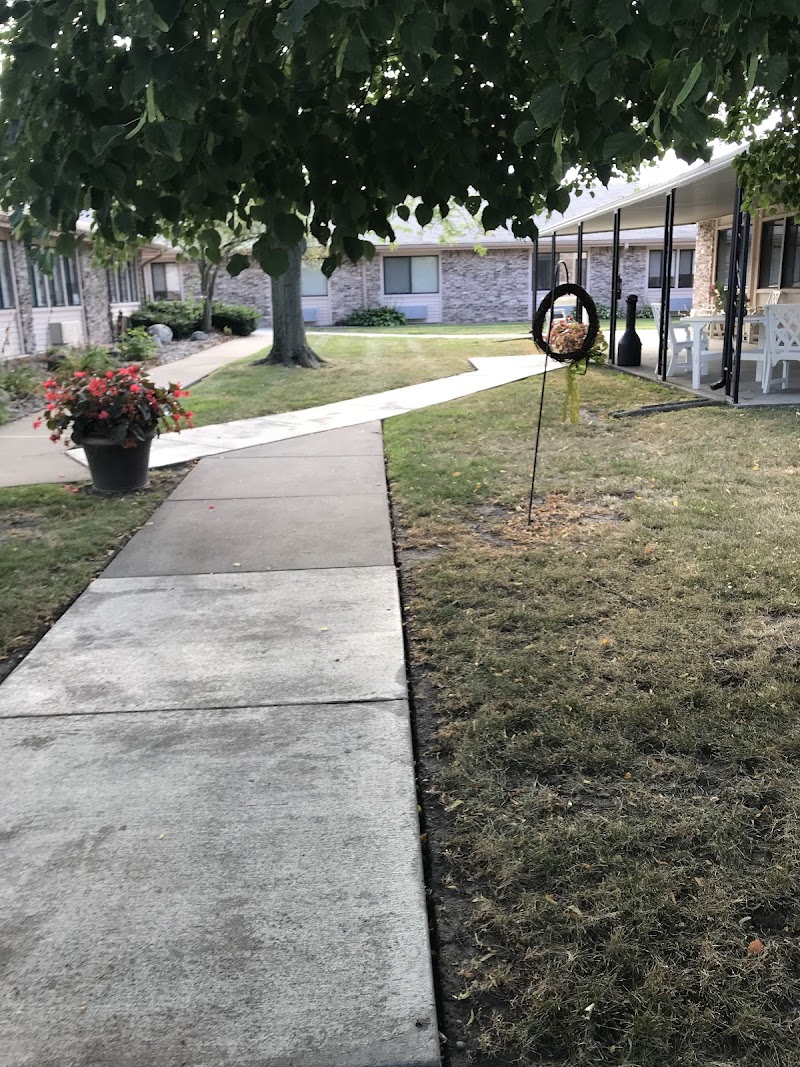
How is Ayden Healthcare Of Oregon Staffed?

CMS rates AYDEN HEALTHCARE OF OREGON's staffing level at 2 out of 5 stars, which is below average compared to other nursing homes. Staff turnover is 68%, which is 22 percentage points above the Ohio average of 46%. High turnover can affect care consistency as new staff learn residents' individual needs. RN turnover specifically is 62%, which is notably high. RNs provide skilled clinical oversight, so turnover in this role can affect medical care quality.

What Have Inspectors Found at Ayden Healthcare Of Oregon?

State health inspectors documented 43 deficiencies at AYDEN HEALTHCARE OF OREGON during 2020 to 2025. These included: 41 with potential for harm and 2 minor or isolated issues.
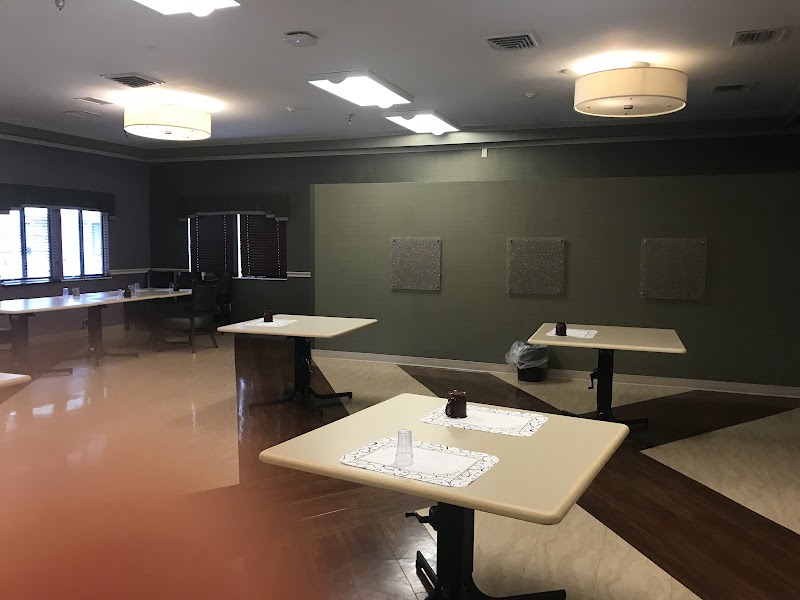
Who Owns and Operates Ayden Healthcare Of Oregon?

AYDEN HEALTHCARE OF OREGON is owned by a for-profit company. For-profit facilities operate as businesses with obligations to shareholders or private owners. The facility is operated by AYDEN HEALTHCARE, a chain that manages multiple nursing homes. With 99 certified beds and approximately 70 residents (about 71% occupancy), it is a smaller facility located in OREGON, Ohio.
How Does Ayden Healthcare Of Oregon Compare to Other Ohio Nursing Homes?

Compared to the 100 nursing homes in Ohio, AYDEN HEALTHCARE OF OREGON's overall rating (3 stars) is below the state average of 3.2, staff turnover (68%) is significantly higher than the state average of 46%, and health inspection rating (2 stars) is below the national benchmark.

What Should Families Ask When Visiting Ayden Healthcare Of Oregon?

Based on this facility's data, families visiting should ask: "How do you ensure continuity of care given staff turnover, and what is your staff retention strategy?" "Can you walk me through typical staffing levels on day, evening, and night shifts?" "Can I visit during a mealtime to observe dining assistance and food quality?" "How do you handle medical emergencies, and what is your hospital transfer rate?" These questions are particularly relevant given the facility's high staff turnover rate and the below-average staffing rating.

Is Ayden Healthcare Of Oregon Safe?

Based on CMS inspection data, AYDEN HEALTHCARE OF OREGON has a clean safety record: no substantiated abuse findings (meaning no confirmed cases of resident harm), no Immediate Jeopardy citations (the most serious violation level indicating risk of serious injury or death), and is not on the Special Focus Facility watch list (a federal program monitoring the lowest-performing 1% of nursing homes). The facility has a 3-star overall rating and ranks #100 of 100 nursing homes in Ohio. While no facility is perfect, families should still ask about staff-to-resident ratios and recent inspection results during their visit.

Do Nurses at Ayden Healthcare Of Oregon Stick Around?

Staff turnover at AYDEN HEALTHCARE OF OREGON is high. At 68%, the facility is 22 percentage points above the Ohio average of 46%. Registered Nurse turnover is particularly concerning at 62%. RNs handle complex medical decisions and coordinate care — frequent RN changes can directly impact care quality. High turnover means new staff may not know residents' individual needs, medications, or preferences. It can also be disorienting for residents, especially those with dementia who rely on familiar faces. Families should ask: What is causing the turnover? What retention programs are in place? How do you ensure care continuity during staff transitions?

Was Ayden Healthcare Of Oregon Ever Fined?

AYDEN HEALTHCARE OF OREGON has no federal fines on record. CMS issues fines when nursing homes fail to meet care standards or don't correct problems found during inspections. The absence of fines suggests the facility has either maintained compliance or corrected any issues before penalties were assessed. This is a positive indicator, though families should still review recent inspection reports for the full picture.

Is Ayden Healthcare Of Oregon on Any Federal Watch List?

AYDEN HEALTHCARE OF OREGON is not on any federal watch list. The most significant is the Special Focus Facility (SFF) program, which identifies the bottom 1% of nursing homes nationally based on persistent, serious quality problems. Not being on this list means the facility has avoided the pattern of deficiencies that triggers enhanced federal oversight. This is a positive indicator, though families should still review the facility's inspection history directly.