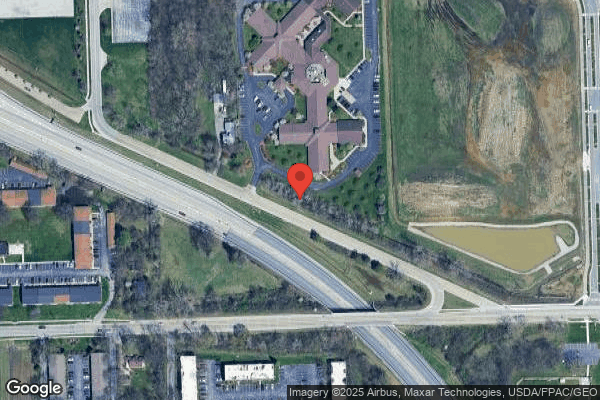
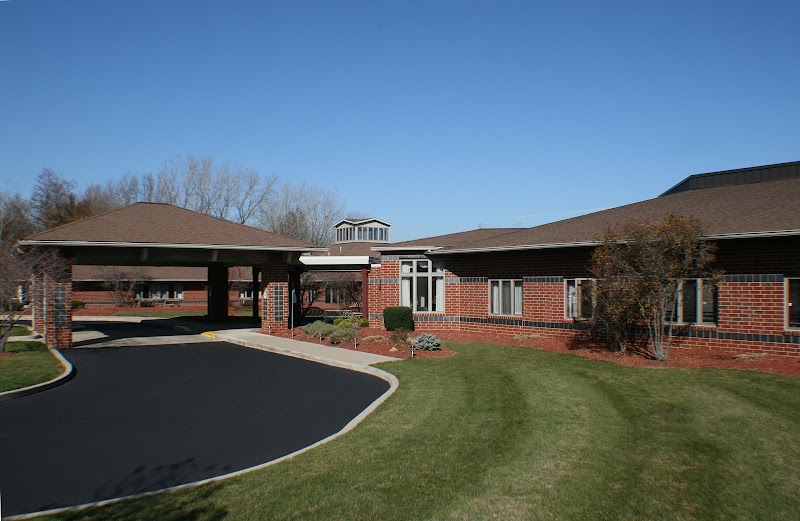
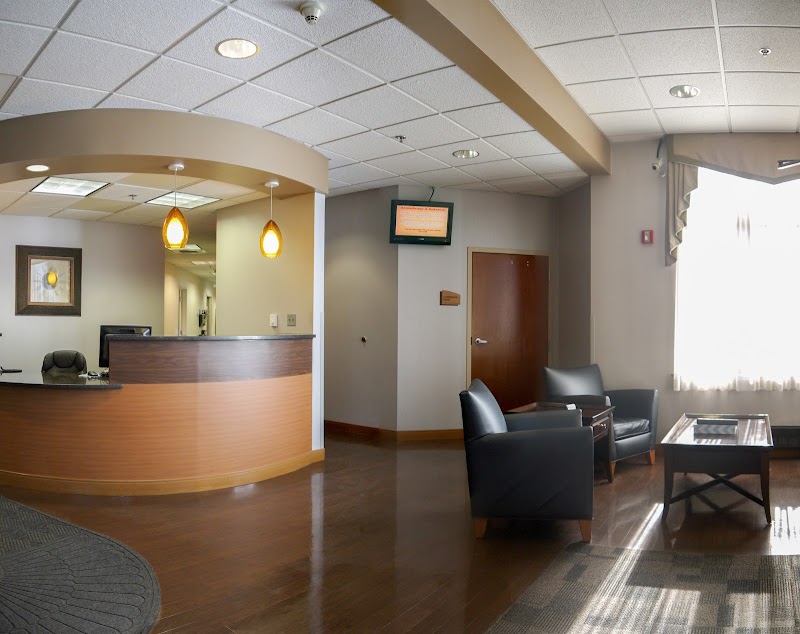
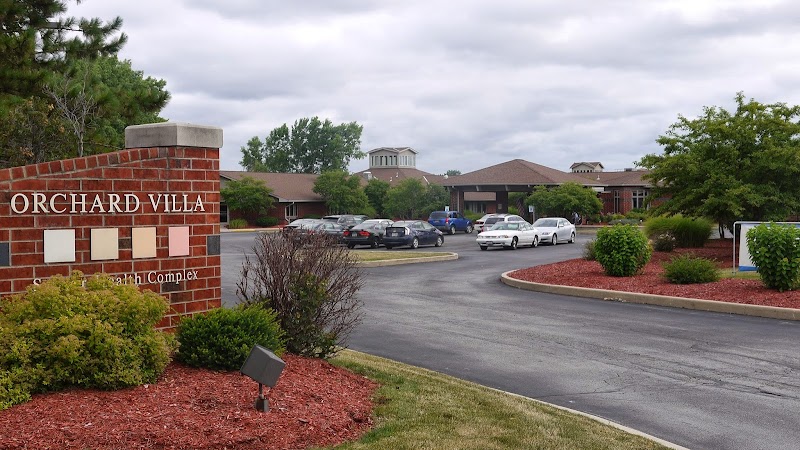
ORCHARD VILLA

2841 MUNDING DRIVE, OREGON, OH 43616 (419) 697-4100
For profit - Limited Liability company 136 Beds LEGACY HEALTH SERVICES Data: November 2025
Trust Grade
65/100
#312 of 913 in OH
Last Inspection: March 2025

Within standard 12-15 month inspection cycle. Federal law requires annual inspections.

Overview

Orchard Villa in Oregon, Ohio has a Trust Grade of C+, indicating it is slightly above average but not without concerns. It ranks #312 out of 913 facilities in the state, placing it in the top half, and #5 out of 33 in Lucas County, meaning only four local options are better. Unfortunately, the facility is experiencing a worsening trend, with issues increasing from 2 in 2024 to 10 in 2025. Staffing is a notable weakness, earning only 2 out of 5 stars, with a turnover rate of 47%, which is better than Ohio's average but still concerning. Additionally, there were serious incidents, such as a resident suffering a fracture due to improper transfer techniques and failures to maintain confidentiality of health information for multiple residents. On the positive side, there have been no fines recorded, and the quality measures rating is excellent at 5 out of 5 stars, indicating strong performance in many areas of care.

Trust Score
C+
65/100
In Ohio
#312/913
Top 34%
Safety Record
Moderate
Needs review
Inspections
Getting Worse
2 → 10 violations
Staff Stability
⚠ Watch
47% turnover. Above average. Higher turnover means staff may not know residents' routines.
Penalties
✓ Good
No fines on record. Clean compliance history, better than most Ohio facilities.
Skilled Nurses
⚠ Watch
Each resident gets only 27 minutes of Registered Nurse (RN) attention daily — below average for Ohio. Fewer RN minutes means fewer trained eyes watching for problems.
Violations
⚠ Watch
37 deficiencies on record. Higher than average. Multiple issues found across inspections.
★★★★☆
4.0
Overall Rating
★★☆☆☆
2.0
Staff Levels
★★★★★
5.0
Care Quality
★★★☆☆
3.0
Inspection Score
Stable
2024: 2 issues
2025: 10 issues

The Good

  • 5-Star Quality Measures · Strong clinical quality outcomes
  • Full Sprinkler Coverage · Fire safety systems throughout facility
  • No fines on record

Facility shows strength in quality measures, fire safety.

The Bad

Staff Turnover: 47%

Near Ohio avg (46%)

Higher turnover may affect care consistency

Chain: LEGACY HEALTH SERVICES

Part of a multi-facility chain

Ask about local staffing decisions and management

The Ugly 37 deficiencies on record

1 actual harm
Mar 2025 10 deficiencies
CONCERN (D)

Potential for Harm - no one hurt, but risky conditions existed

Deficiency F0561 (Tag F0561)

Could have caused harm · This affected 1 resident

**NOTE- TERMS IN BRACKETS HAVE BEEN EDITED TO PROTECT CONFIDENTIALITY** Based on observation, staff interview, resident interview and review of facility policy the facility failed to honor resident ch...

Read full inspector narrative →
**NOTE- TERMS IN BRACKETS HAVE BEEN EDITED TO PROTECT CONFIDENTIALITY** Based on observation, staff interview, resident interview and review of facility policy the facility failed to honor resident choice for medication to be administered with pudding. This affected one resident (#45) of three residents reviewed for choices. The facility census was 117. Findings include: Review of the medical record for Resident #45 revealed an admission date of 02/09/25 with diagnoses of chronic obstructive pulmonary disease (COPD), anxiety, and pneumonia. Review of the medical record for Resident #45 revealed she was admitted to the rehabilitation unit and then had a room change on 03/13/25 to the long term care unit. Review of the admission Minimum Data Set (MDS) assessment dated [DATE] for Resident #45 revealed she was cognitively intact. Interview on 03/17/25 at 10:47 A.M. with Resident #45 stated she has difficulty swallowing medications and needs pudding to get her medication down. Resident #45 further stated she was originally on the rehabilitation unit and did not have any problems with getting pudding with her medication as requested. Resident #45 stated when she moved to the long-term care unit, she no longer gets pudding with her medications, even when she requests pudding. Resident #45 further stated the nurses on the long-term care unit only give applesauce with her medications and she has trouble swallowing the pills because the applesauce goes down before the pills. Interview on 03/19/25 at 7:46 A.M. with Licensed Practical Nurse (LPN) #537 stated pudding is readily available for medication administration, adding, pudding is available in the kitchen and the nurses just go and get it. Observation on 03/19/25 at 9:24 A.M. of the medication cart LPN #660 was administering medication from revealed no pudding on top of the medication cart and during observation of medication storage revealed no pudding inside the medication cart. Interview on 03/19/25 at 9:24 A.M. with LPN #660 stated she was asked by Resident #45 for pudding with her morning medications. LPN #660 stated she told Resident #45 she only had applesauce and if the resident wanted pudding LPN #660 would have to go to the kitchen to get the pudding therefore Resident #45 would have to wait for her medications. LPN #660 further stated she was aware Resident #45 preferred taking her medication with pudding and did not offer a reason for not having pudding readily available for Resident #45's morning medication administration. Interview on 03/19/25 at 11:18 A.M. with Registered Nurse (RN) #667 stated she cared for Resident #45 while she resided on the rehabilitation unit and recalled she preferred to take her medication whole in pudding. RN #667 stated we have a section on our report sheets that identify the preferred way a resident takes their medication. Interview on 03/19/25 at 11:22 A.M. with Resident #45 stated she requested her medication this morning be placed in pudding and was told by the nurse that she only had applesauce. Resident #45 stated applesauce does not work for her, but that she took the pills whole and hoped they would go down. Resident #45 further stated she is planning to buy her own pudding to keep in her room so she does not have to keep asking for pudding with her medication only to be told no. Interview on 03/19/25 at 5:17 P.M. with LPN #518 stated when a resident is admitted to her unit she inquires about the way the resident prefers to take their medication and the preferred method is put on the nursing report sheet to ensure the nurses will pass medications according to a resident's preferred method. Review of the facility policy titles Medication Administration - General Guidelines, dated November 2021 stated the facility should determine the most appropriate method for administering medications which considers each resident's safety, needs, medication schedule, preferences and functional ability. Review of the facility policy titled Federal and Ohio Residents Rights and Facility Responsibilities, dated 10/19 revealed residents have the right to a dignified existence. A facility must treat each resident with respect and dignity and care for each resident in a manner and environment that promotes maintenance or enhancement of his or her quality of life, recognizing each resident's individuality.
CONCERN (D)

Potential for Harm - no one hurt, but risky conditions existed

Transfer Notice (Tag F0623)

Could have caused harm · This affected 1 resident

**NOTE- TERMS IN BRACKETS HAVE BEEN EDITED TO PROTECT CONFIDENTIALITY** Based on review of the medical record, staff interview, and review of facility documentation of Ombudsman notification revealed ...

Read full inspector narrative →
**NOTE- TERMS IN BRACKETS HAVE BEEN EDITED TO PROTECT CONFIDENTIALITY** Based on review of the medical record, staff interview, and review of facility documentation of Ombudsman notification revealed the facility failed to ensure required notification to the Ombudsman's office. This affected one (#119) of one resident reviewed for hospitalization. The facility census was 117. Findings include: Review of the medical record revealed Former Resident #119 was admitted on [DATE] and was hospitalized on [DATE]. Diagnoses included osteomyelitis of vertebra, hemiplegia and hemiparesis following cerebral infarction affecting left non-dominant side, aphasia following cerebral infarction, hypertensive chronic kidney disease, and type two diabetes mellitus with diabetic chronic kidney disease. Review of the Minimum Data Set (MDS) assessment, dated 12/17/24, revealed the resident was discharged . Review of the census documentation, revealed Resident #119 was hospitalized and discharged on 12/17/24. Interview on 03/19/25 at approximately 3:30 P.M. with Business Office Manager (BOM) #634 revealed the Ombudsman's office is only notified of transferred/discharged residents with the payee of Medicaid. BOM #634 verified Resident #119's hospitalization and discharge notice was not sent to the Ombudsman office as the residents payee was not Medicaid. Interview on 03/20/25 at 8:33 A.M. with BOM #634 verified in ten years the Ombudsman's office has only been notified of discharges of Medicaid residents. Review of the Ohio Department of Health/Ombudsman Discharge Tracker Submission Form, dated December 2024, verified Resident #119 was not listed on the transfer and discharge notice list.
CONCERN (D)

Potential for Harm - no one hurt, but risky conditions existed

Deficiency F0692 (Tag F0692)

Could have caused harm · This affected 1 resident

**NOTE- TERMS IN BRACKETS HAVE BEEN EDITED TO PROTECT CONFIDENTIALITY** Based on observation, medical record review, staff interview, and policy review, the facility failed to ensure residents receive...

Read full inspector narrative →
**NOTE- TERMS IN BRACKETS HAVE BEEN EDITED TO PROTECT CONFIDENTIALITY** Based on observation, medical record review, staff interview, and policy review, the facility failed to ensure residents received adequate tube feeding (liquid nutrition through a feeding tube) to maintain weight. This affected one (#16) of two residents reviewed for enteral nutrition (tube feeding). The facility identified four additional residents (#51, #98, #116, and #322) received tube feedings (TF). The facility census was 117. Findings include: Review of the medical record for Resident #16 revealed an admission date of 08/11/24 with diagnoses of type II diabetes mellitus, and gastrostomy status. Review of the quarterly Minimum Data Set (MDS) assessment dated [DATE] revealed Resident #16 had impaired cognition and was dependent on staff for nutrition. Further review revealed she received nutrition and hydration via tube feeding. Additionally, Resident #16 had a significant weight loss and was not on a prescribed weight-loss regimen. Review of the weight history for Resident #16 revealed a current weight obtained 03/15/25 of 161.2 pounds with a basal metabolic index (BMI) of 32.6, indicating she was overweight. Further review revealed a weight obtained 02/13/25 of 172.8 pounds, reflecting a significant weight loss of 6.7% over 30 days. Additionally, Resident #16's weight on 12/19/24 was 176.5 pounds, reflecting a significant weight loss of 8.7% over 90 days. Further, Resident #16's weight on 09/13/24 was 182.9 pounds, reflecting a significant weight loss of 11.8% over 180 days. Review of the weight history for Resident #16 revealed her weight was in the 180-pound range from September 2024 through December 2024. Further review revealed Resident #16's weight declined from 184.8 pounds (12/02/24) to 176.5 pounds (12/19/24), and remained in the 170-pound range through 02/13/25 (172.8 pounds). Continued review revealed Resident #16's weight continued to decrease from 168.6 pounds (2/20/25) to 167.6 pounds (03/06/25), and finally to 161.2 pounds (03/15/25). Review of the Nutrition Assessment completed 12/20/24 revealed Resident #16 was readmitted from the hospital at 177.8 pounds. A recommendation was provided to provide tube feeding (TF) Glucerna 1.2 at 65 ml per hour to meet Resident #16's estimated nutrition needs. Review of the physician order initiated 12/20/24 revealed Resident #16 received Glucerna 1.2 at 65 ml per hour until the order discontinued on 01/13/25. Review of the Nutrition Assessment completed 01/13/25 revealed Resident #16 was receiving Glucerna 1.2 at 65 ml per hour and had two incidents of emesis (vomiting). A recommendation was provided to decrease the TF rate to 50 ml per hour to help decrease the potential for emesis. Review of the physician order initiated 01/13/25 revealed Resident #16 received Glucerna 1.2 at 50 ml per hour. Review of a nutrition progress note dated 02/03/25 revealed Resident #16 was having periods of nausea and vomiting and the symptoms were potentially caused by a recent antibiotic. Review of the Nutrition Assessment completed 02/14/25 revealed Resident #16 had a weight loss of 7.8% over 90 days and 17.5% over 180 days. Further review revealed Resident #16 received Glucerna 1.2 at 50 ml per hour at the time of the assessment and a recommendation was made to increase the TF rate to 65 ml per hour. Review of the current physician order initiated 02/12/25 revealed Resident #16 received Glucerna 1.2 at 50 ml per hour. Review of a nurses progress note dated 3/16/2025 and timed 10:50 P.M. revealed Resident #16 had no further emesis since 8:30 P.M. and the TF was restarted. Interview on 03/18/25 at 10:47 A.M. with Licensed Practical Nurse (LPN) #651 revealed she had just provided care to Resident #16 who vomited at the conclusion of the care. LPN #651 was not aware of previous incidents with Resident #16 vomiting. Interview on 03/18/25 at 11:56 A.M. with LPN #624 revealed she was familiar with Resident #16 and was aware she had emesis that morning and was also aware Resident #16 had emesis the previous Sunday (03/16/25). LPN #624 was not aware of additional incidents of Resident #16 vomiting. Interview on 03/19/25 at 9:20 A.M. with Dietetic Technician, Registered (DTR) #597 revealed she worked in the facility five days per week and monitored Resident #16's weights and TF in coordination with an offsite Registered Dietitian and an onsite Nurse Practitioner (NP). DTR #597 stated she was aware Resident #16 vomited and stated she and the NP determined the cause was likely due to infections and did not believe the vomiting was due to the TF formula. Further interview confirmed the staff decreased the TF rate in response to Resident #16's emesis. Additionally, DTR #597 stated she had not considered providing a more concentrated TF formula (to provide more nutrition in less volume) nor had she discussed the possibility of providing a medication to encourage digestion. Follow-up interview on 03/19/25 at 2:21 P.M. with DTR #597 confirmed Resident #16's TF rate was decreased in January because she was not tolerating it. Additionally, DTR #597 stated she spoke with the NP after the previous interview and learned there was a contraindication with providing a medication to Resident #16 to improve digestion. Interview on 03/19/25 at 2:25 P.M. with DTR #597 and NP #700 revealed they were aware of Resident #16's weight loss and emesis and continued to monitor Resident #16's tolerance to the TF. NP #700 stated there was no concern Resident #16 could not tolerate the TF, she felt Resident #16's intolerance was more likely attributed to infections and receiving antibiotics. Further interview revealed the interventions they implemented to offset the weight loss was administering Zofran (an anti-nausea medication) to offset the nausea and vomiting. NP #700 stated the Zofran was not scheduled routinely but was provided on an as-needed basis. Further interview confirmed Resident #16 lost 23 pounds in the last three months, and NP #700 confirmed the TF rate remained at 50 ml per hour (less than the desired rate of 65 ml per hour) to offset the nausea and vomiting. Continued interview with DTR #597 and NP #700 confirmed the facility did not attempt a more concentrated formula to provide more nutrition in less volume, and did not try a different way to administer the TF, such as bolus feedings (feeding a specific TF amount at one time, and letting the stomach digest it) rather than continuous TF. Further, DTR #597 confirmed Resident #16 was not receiving additional calories or protein from any supplements. Follow-up interview on 03/20/25 at approximately 10:00 A.M. with DTR #597 confirmed the TF rate was 50 ml per hour and there was no plan to increase the rate, to meet Resident #16's estimated nutrition needs, while they monitored Resident #16's tolerance to the lower rate. Telephone interview on 03/20/25 at 1:06 P.M. with Resident #16's family member revealed the family member had concerns regarding Resident #16's intolerance of the TF. Resident #16's family member stated Resident #16 could not tolerate the TF at the higher rate at the hospital or at the facility. Review of the policy Weight Monitoring, reviewed 01/06/25, revealed the purpose was to monitor weight changes and ensure adequate provision of nutrition for all residents. Additionally, the Dietitian/Dietetic Technician will evaluate weights and will initiate appropriate interventions as indicated.
CONCERN (D)

Potential for Harm - no one hurt, but risky conditions existed

Tube Feeding (Tag F0693)

Could have caused harm · This affected 1 resident

**NOTE- TERMS IN BRACKETS HAVE BEEN EDITED TO PROTECT CONFIDENTIALITY** Based on observation, medical record review, staff interview, and policy review, the facility failed to ensure residents receive...

Read full inspector narrative →
**NOTE- TERMS IN BRACKETS HAVE BEEN EDITED TO PROTECT CONFIDENTIALITY** Based on observation, medical record review, staff interview, and policy review, the facility failed to ensure residents received adequate tube feeding (liquid nutrition through a feeding tube) to maintain weight. This affected one (#16) of two residents reviewed for enteral nutrition (tube feeding). The facility identified four additional residents (#51, #98, #116, and #322) received tube feedings (TF). The facility census was 117. Findings include: Review of the medical record for Resident #16 revealed an admission date of 08/11/24 with diagnoses of type II diabetes mellitus, and gastrostomy status. Review of the quarterly Minimum Data Set (MDS) assessment dated [DATE] revealed Resident #16 had impaired cognition and was dependent on staff for nutrition. Further review revealed she received nutrition and hydration via tube feeding. Additionally, Resident #16 had a significant weight loss and was not on a prescribed weight-loss regimen. Review of the weight history for Resident #16 revealed a current weight obtained 03/15/25 of 161.2 pounds with a basal metabolic index (BMI) of 32.6, indicating she was overweight. Further review revealed a weight obtained 02/13/25 of 172.8 pounds, reflecting a significant weight loss of 6.7% over 30 days. Additionally, Resident #16's weight on 12/19/24 was 176.5 pounds, reflecting a significant weight loss of 8.7% over 90 days. Further, Resident #16's weight on 09/13/24 was 182.9 pounds, reflecting a significant weight loss of 11.8% over 180 days. Review of the weight history for Resident #16 revealed her weight was in the 180-pound range from September 2024 through December 2024. Further review revealed Resident #16's weight declined from 184.8 pounds (12/02/24) to 176.5 pounds (12/19/24), and remained in the 170-pound range through 02/13/25 (172.8 pounds). Continued review revealed Resident #16's weight continued to decrease from 168.6 pounds (2/20/25) to 167.6 pounds (03/06/25), and finally to 161.2 pounds (03/15/25). Review of the Nutrition Assessment completed 12/20/24 revealed Resident #16 was readmitted from the hospital at 177.8 pounds. A recommendation was provided to provide tube feeding (TF) Glucerna 1.2 at 65 ml per hour to meet Resident #16's estimated nutrition needs. Review of the physician order initiated 12/20/24 revealed Resident #16 received Glucerna 1.2 at 65 ml per hour until the order discontinued on 01/13/25. Review of the Nutrition Assessment completed 01/13/25 revealed Resident #16 was receiving Glucerna 1.2 at 65 ml per hour and had two incidents of emesis (vomiting). A recommendation was provided to decrease the TF rate to 50 ml per hour to help decrease the potential for emesis. Review of the physician order initiated 01/13/25 revealed Resident #16 received Glucerna 1.2 at 50 ml per hour. Review of a nutrition progress note dated 02/03/25 revealed Resident #16 was having periods of nausea and vomiting and the symptoms were potentially caused by a recent antibiotic. Review of the Nutrition Assessment completed 02/14/25 revealed Resident #16 had a weight loss of 7.8% over 90 days and 17.5% over 180 days. Further review revealed Resident #16 received Glucerna 1.2 at 50 ml per hour at the time of the assessment and a recommendation was made to increase the TF rate to 65 ml per hour. Review of the current physician order initiated 02/12/25 revealed Resident #16 received Glucerna 1.2 at 50 ml per hour. Review of a nurses progress note dated 3/16/2025 and timed 10:50 P.M. revealed Resident #16 had no further emesis since 8:30 P.M. and the TF was restarted. Interview on 03/18/25 at 10:47 A.M. with Licensed Practical Nurse (LPN) #651 revealed she had just provided care to Resident #16 who vomited at the conclusion of the care. LPN #651 was not aware of previous incidents with Resident #16 vomiting. Interview on 03/18/25 at 11:56 A.M. with LPN #624 revealed she was familiar with Resident #16 and was aware she had emesis that morning and was also aware Resident #16 had emesis the previous Sunday (03/16/25). LPN #624 was not aware of additional incidents of Resident #16 vomiting. Interview on 03/19/25 at 9:20 A.M. with Dietetic Technician, Registered (DTR) #597 revealed she worked in the facility five days per week and monitored Resident #16's weights and TF in coordination with an offsite Registered Dietitian and an onsite Nurse Practitioner (NP). DTR #597 stated she was aware Resident #16 vomited and stated she and the NP determined the cause was likely due to infections and did not believe the vomiting was due to the TF formula. Further interview confirmed the staff decreased the TF rate in response to Resident #16's emesis. Additionally, DTR #597 stated she had not considered providing a more concentrated TF formula (to provide more nutrition in less volume) nor had she discussed the possibility of providing a medication to encourage digestion. Follow-up interview on 03/19/25 at 2:21 P.M. with DTR #597 confirmed Resident #16's TF rate was decreased in January because she was not tolerating it. Additionally, DTR #597 stated she spoke with the NP after the previous interview and learned there was a contraindication with providing a medication to Resident #16 to improve digestion. Interview on 03/19/25 at 2:25 P.M. with DTR #597 and NP #700 revealed they were aware of Resident #16's weight loss and emesis and continued to monitor Resident #16's tolerance to the TF. NP #700 stated there was no concern Resident #16 could not tolerate the TF, she felt Resident #16's intolerance was more likely attributed to infections and receiving antibiotics. Further interview revealed the interventions they implemented to offset the weight loss was administering Zofran (an anti-nausea medication) to offset the nausea and vomiting. NP #700 stated the Zofran was not scheduled routinely but was provided on an as-needed basis. Further interview confirmed Resident #16 lost 23 pounds in the last three months, and NP #700 confirmed the TF rate remained at 50 ml per hour (less than the desired rate of 65 ml per hour) to offset the nausea and vomiting. Continued interview with DTR #597 and NP #700 confirmed the facility did not attempt a more concentrated formula to provide more nutrition in less volume, and did not try a different way to administer the TF, such as bolus feedings (feeding a specific TF amount at one time, and letting the stomach digest it) rather than continuous TF. Further, DTR #597 confirmed Resident #16 was not receiving additional calories or protein from any supplements. Follow-up interview on 03/20/25 at approximately 10:00 A.M. with DTR #597 confirmed the TF rate was 50 ml per hour and there was no plan to increase the rate, to meet Resident #16's estimated nutrition needs, while they monitored Resident #16's tolerance to the lower rate. Telephone interview on 03/20/25 at 1:06 P.M. with Resident #16's family member revealed the family member had concerns regarding Resident #16's intolerance of the TF. Resident #16's family member stated Resident #16 could not tolerate the TF at the higher rate at the hospital or at the facility. Review of the policy Weight Monitoring, reviewed 01/06/25, revealed the purpose was to monitor weight changes and ensure adequate provision of nutrition for all residents. Additionally, the Dietitian/Dietetic Technician will evaluate weights and will initiate appropriate interventions as indicated.
CONCERN (D)

Potential for Harm - no one hurt, but risky conditions existed

Respiratory Care (Tag F0695)

Could have caused harm · This affected 1 resident

**NOTE- TERMS IN BRACKETS HAVE BEEN EDITED TO PROTECT CONFIDENTIALITY** 2. Review of the medical record for Resident #29 revealed an admission date of 05/03/21 with diagnoses of chronic obstructive pu...

Read full inspector narrative →
**NOTE- TERMS IN BRACKETS HAVE BEEN EDITED TO PROTECT CONFIDENTIALITY** 2. Review of the medical record for Resident #29 revealed an admission date of 05/03/21 with diagnoses of chronic obstructive pulmonary disease (COPD), anxiety, and dependence on supplemental oxygen. Review of the current physician orders from 03/25 for Resident #29 revealed oxygen at two liters per minute per nasal cannula (nc). Review of the quarterly MDS assessment dated [DATE] for Resident #29 revealed he had mild cognitive impairment and required the use of oxygen. Observation on 03/17/25 at 9:29 A.M. of Resident #29 revealed he was wearing his oxygen and it was running at three and half liters per minute. Observation on 03/18/25 at 10:57 A.M. of Resident #29 revealed he was wearing his oxygen and it was running at three and half liters per minute. Interview on 03/18/25 at 11:00 A.M. with Licensed Practical Nurse (LPN) #686 verified the oxygen order for Resident #29 stated oxygen was to administered at two liters per minute and further verified the oxygen for Resident #29 was running at three and half liters per minute. Review of facility policy titled Medication Administration - General Guidelines dated November 2021 indicated medications would be administered as prescribed. Review of facility policy titled Oxygen Administration dated 06/08/22 indicated staff would check the physician's order for liter flow rate and method of delivery. The resident is also to checked at regular intervals to ensure the correct oxygen liter flow, contents of oxygen cylinder, level of fluid in humidifier, and the resident's respiration status to determine further oxygen needs. Based on medical record review, observation, staff interview, and review of facility policies the facility failed to ensure oxygen was administered as ordered. This affected two (Residents #50 and #29) of four residents reviewed for oxygen use. The facility identified 32 residents who were prescribed oxygen. The facility census was 117. Findings include: 1. Review of the medical record for Resident #50 revealed an admission date of 01/10/25. Diagnoses included chronic respiratory failure with hypoxia (low oxygen level) and hypercapnia (elevated carbon dioxide level), chronic obstructive pulmonary disease, emphysema, obstructive sleep apnea, and chronic heart failure. Review of the quarterly Minimum Data Set 3.0 (MDS) assessment dated [DATE] revealed Resident #50 was cognitively intact. Resident #50 required moderate assistance with toileting, showering, footwear, personal hygiene, transferring and the resident required supplemental oxygen via continuous positive airway pressure (CPAP) machine. Review of the medical record for Resident #50 revealed a provider order dated 03/12/25 for the use of a CPAP machine with three liters of oxygen while sleeping. Additionally, there was a provider order dated 01/10/25 for continuous oxygen via nasal cannula at three liters. Observation on 03/17/25 at 2:38 P.M. of Resident #50's oxygen tank on her motorized wheelchair revealed the oxygen tank was empty. Subsequent interview with Registered Nurse #621 confirmed the oxygen tank was empty.
CONCERN (D)

Potential for Harm - no one hurt, but risky conditions existed

Deficiency F0757 (Tag F0757)

Could have caused harm · This affected 1 resident

**NOTE- TERMS IN BRACKETS HAVE BEEN EDITED TO PROTECT CONFIDENTIALITY** Based on record review, staff interview, and review of facility policy, the facility failed to ensure residents did not receive ...

Read full inspector narrative →
**NOTE- TERMS IN BRACKETS HAVE BEEN EDITED TO PROTECT CONFIDENTIALITY** Based on record review, staff interview, and review of facility policy, the facility failed to ensure residents did not receive unnecessary medications. This affected one resident, (#69), out of 6 residents reviewed for unnecessary medications. The current census is 117. Findings include: Record review for Resident #69 revealed the resident was admitted to the facility on [DATE]. Diagnoses for Resident #69 include dementia, depression, myocardial infarction, pulmonary fibrosis, and syncope and collapse. Review of Resident #69's Minimum Data Set (MDS) dated [DATE] revealed the resident has impaired cognition and received antibiotics during the review period. Review of Resident #69's care plans dated 06/11/21 revealed a focus for Enhanced Barrier Precautions due to infections with colonization of multi-drug resistance organisms, (MDRO). Review of Resident #69's medication orders revealed on 08/08/24 the resident was ordered to receive an antibiotic, Cephalexin 250 milligrams (mg) daily prophylactic for urinary tract infections. Review of Resident #69's medication administration records (MAR) reviewed from 08/2024 to 03/2025 revealed the resident was receiving Cephalexin per physician order. Review of Resident #69's urinalysis testing and blood testing dating from 09/2024 to 02/2025 revealed no evidence of any infection in the results. No organisms were noted in the urine samples and the white blood cell counts were within normal ranges. No abnormal lab results were noted in the records. Review of the facility's infection report dated 09/24/24 revealed Resident #69 was diagnosed with cystitis, a common form of urinary tract infection. Per the infection report the resident was ordered to receive Levaquin 250 mg once a day for four days. Per the report the resident was to remain on prophylactic Cephalexin as previously ordered. No further infections were noted in Resident #69's medical records. Review of the facility policy titled Medication Administrarion - Preparation and General Guidelines, dated November 2021 stated if a medication seems to be unrelated to the resident's current diagnosis or condition the nurse calls the provider pharmacy for clarification or if necessary conducts the prescriber and the resulting order clarification is documented in the resident's medical record. Interview on 03/19/25 at 3:08 P.M. with Infection Control Preventionist (ICP) Registered Nurse (RN) #574 revealed Resident #69 had no signs or symptoms of an active infection requiring the administration of the antibiotics per the McGeer's protocols, which is the protocol the facility follows for antibiotics. ICP RN #574 stated Resident #69 had a history of infections, including cystitis in 09/2024, and the resident received Levaquin antibiotic for the infection. ICP RN #574 verified the primary physician ordered the Cephalexin antibiotic on 08/08/24 and ordered it to be continued prophylactically. ICP RN #574 verified there was no documentation for the rationale to continue the antibiotic when Resident #69 is not showing any signs or symptoms of urinary tract infections.
CONCERN (D) 📢 Someone Reported This

A family member, employee, or ombudsman was alarmed enough to file a formal complaint

Potential for Harm - no one hurt, but risky conditions existed

Deficiency F0761 (Tag F0761)

Could have caused harm · This affected 1 resident

**NOTE- TERMS IN BRACKETS HAVE BEEN EDITED TO PROTECT CONFIDENTIALITY** 2. Observation on 03/19/25 at 8:35 A.M. revealed Registered Nurse (RN) #593 walked away from the A hall medication cart, leaving...

Read full inspector narrative →
**NOTE- TERMS IN BRACKETS HAVE BEEN EDITED TO PROTECT CONFIDENTIALITY** 2. Observation on 03/19/25 at 8:35 A.M. revealed Registered Nurse (RN) #593 walked away from the A hall medication cart, leaving it unlocked and out of sight and walked into Resident #52's room to administer medication. Subsequently RN #593 exited Resident #52's room and returned to the unlocked medication cart, obtained a pair of gloves and then returned to Resident #52's room. Again the A hall medication cart was left unattended and unlocked. Concurrent observation revealed Resident #101 was sitting in her wheelchair next to the medication cart. Interview on 03/19/25 at 8:38 A.M. with RN #593 upon returning the A hall medication cart, verified the cart had been left unattended and unlocked. Interview on 03/19/25 at 8:52 A.M. with LPN #518 identified two residents (#14 and #18) residing on the A hall that are independently mobile and cognitively impaired. Review of the facility policy titled Medication Storage in the Facility, revised 01/18 revealed medications and biologicals are stored safely, securely, and properly. Medication rooms, carts, and medication supplies are locked when not attended by persons with authorized access. All medications dispensed by the pharmacy are stored in the container with the pharmacy label. Review of the facility policy titled Preparation and General Guidelines, revised 12/19 revealed during administration of medications, the medication cart is kept closed and locked when out of the sight of the medication nurse. This deficiency represents non-compliance investigated under Complaint Number OH00161938. Based on observation, record review, resident interview, staff interview, and review of the facility policy the facility failed to ensure medications were stored securely and administration carts were locked when left unattended. This affected on resident (#57) reviewed for medications storage and had the potential to affect two residents (#14 and #18) that were cognitively impaired and independently mobile residing on the A hall. The facility census was 117. Findings include: 1. Medical record review for Resident #57 revealed an admission date of 05/19/22. Diagnoses included chronic obstructive pulmonary disease, chronic respiratory failure, type two diabetes mellitus, bipolar disorder, and depressive state schizoaffective disorder. Review of the annual Minimum Data Set 3.0 assessment dated [DATE] revealed Resident #57 was cognitively intact. Resident #57 required extensive assistance with toileting, lower body dressing, personal hygiene, and was dependent for footwear, bathing and toileting. Interview on 03/17/25 at 9:02 A.M. with Resident #57 revealed she was given an incorrect number of pills on the previous day so she put the extra pills in her purse. Subsequent observation revealed Resident #57 opened her purse and removed one blue pill and one orange pill. Interview on 03/17/25 at 9:13 A.M. with Licensed Practical Nurse (LPN) #657 confirmed one blue pill and one orange pill were in Resident #57's purse. LPN #657 identified the pills as Zoloft (antidepressant) and Senna (bowel regulation).
CONCERN (D)

Potential for Harm - no one hurt, but risky conditions existed

Infection Control (Tag F0880)

Could have caused harm · This affected 1 resident

**NOTE- TERMS IN BRACKETS HAVE BEEN EDITED TO PROTECT CONFIDENTIALITY** Based on medical record review, observation, staff interview, and facility policy the facility failed to ensure infection contro...

Read full inspector narrative →
**NOTE- TERMS IN BRACKETS HAVE BEEN EDITED TO PROTECT CONFIDENTIALITY** Based on medical record review, observation, staff interview, and facility policy the facility failed to ensure infection control procedures were followed. This affected one (#9) of one residents reviewed for indwelling urinary catheter and one (#322) of one residents reviewed for enhanced barrier precautions. The facility identified five residents with an indwelling urinary catheter who utilize a wheelchair and 66 residents that required enhanced barrier precautions. The facility census was 117. Findings include: 1. Based on medical record review Resident #9 was admitted on [DATE]. Diagnoses included multiple sclerosis, paraplegia, and neuromuscular dysfunction of bladder. Review of the Minimum Data Set (MDS) assessment, dated 01/09/25, revealed Resdient #9 was cognitively intact and had limited range of motion on both sides of the upper and lower extremity and dependent for transfers. Resident #9 had an indwelling catheter. Review of the care plan, dated 10/30/23, verified Resident #9 was at risk for infection and/or trauma due to a suprapubic catheter and a diagnosis of neuromuscular dysfunction of bladder. Interventions include to check indwelling urinary catheter for patency, kinks in tubing every shift, monitor for signs and symptoms of urinary tract infection, and provide proper care if the urinary catheter leaked. Observation on 03/18/25 at 12:55 P.M. revealed Resident #9 was in her wheelchair, wheeling herself through the hallways of the common area and in the dining room with approximately five to seven inches of the urinary catheter tubing laying and dragging along the floor. Interview on 03/18/25 at 12:58 P.M. with Certified Nursing Assistant (CNA) #600 verified Resident #9's urinary catheter tubing was laying and dragging on the floor. 2. Review of the medical record for Resident #322 revealed an admission date of 03/13/25 with diagnoses of respiratory failure, percutaneous endoscopic gastrostomy tube (feeding tube into the stomach), anoxic encephalopathy (occurs when there is not enough oxygen to the brain leading to impairment), and tracheostomy. Review of the admission MDS for Resident #322 revealed the assessment was in progress. Review of the current physician orders date 03/25 for Resident #322 revealed an order for enhanced barrier precautions (EBP) (this required the use of gloves and gown during care for high contact interactions to prevent infection by way of artificial orifices for a resident, tracheostomy and feeding tube) for tracheostomy and feeding tube. Review of the care plan initiated 03/19/25 for Resident #322 revealed enhanced barrier precautions were care planned with interventions of gown and gloves required for high contact interactions. Observation on 03/17/25 at 8:57 A.M. of Resident #322's room revealed the resident had a tracheostomy and tube feeding running. Further observation revealed Resident #322's room did not have posted any signage for EBP to alert staff, and there was no personal protective equipment (PPE) immediately available prior to entering the room to don when providing high contact care. Interview on 03/17/25 at 8:58 A.M. with Registered Nurse (RN) #620 stated Resident #322 was admitted last week and verified no EBP signage on the door or PPE available for donning for high contact care for Resident #322. Review of the facility policy titled Enhanced Barrier Precautions dated 07/22 revealed enhanced barrier precautions (EBP) are an infection control intervention designed to reduce transmission of multi drug resistant organisms. EBP are to be used with residents with indwelling medical devices such as feeding tube and tracheostomy. Gowns and gloves are to be used for high-contact resident care activities. Implementation of EBP will be to post signs that indicates the care activities that require the use of gown and gloves and make gowns and gloves available for resident room.
CONCERN (D)

Potential for Harm - no one hurt, but risky conditions existed

Safe Environment (Tag F0921)

Could have caused harm · This affected 1 resident

**NOTE- TERMS IN BRACKETS HAVE BEEN EDITED TO PROTECT CONFIDENTIALITY** Based on medical record review, observation, staff and resident interviews, and review of the facility wheelchair cleaning sched...

Read full inspector narrative →
**NOTE- TERMS IN BRACKETS HAVE BEEN EDITED TO PROTECT CONFIDENTIALITY** Based on medical record review, observation, staff and resident interviews, and review of the facility wheelchair cleaning schedule, the facility failed to ensure wheelchairs were clean. This affected two (Residents #9 and #58) of four residents reviewed for environment. The facility census was 117. Findings include: 1. Review of the medical record for Resident #58 revealed he was admitted on [DATE]. Diagnoses included hemiplegia and hemiparesis affecting his right side, chronic obstructive pulmonary disease, type two diabetes mellitus, chronic heart failure, hypertension, and dysphagia. Review of the quarterly Minimum Data Set 3.0 (MDS) assessment dated [DATE] revealed Resident #58 had mild cognitive impairment. This resident had impairment to his upper and lower extremities on one side and required extensive assistance with dressing, toileting, upper body dressing, and personal hygiene. Resident #58 was dependent for lower body dressing, footwear, and transfers. Resident #58 utilized an electric wheelchair for mobility. Observation on 03/17/25 at 8:43 A.M. of Resident #58 sitting in his power wheelchair revealed there was a significant amount of accumulated debris, dirt, and dust on the frame and cushion of the chair. Concurrent interview with Resident #58 confirmed the chair was dirty and had been cleaned only once since he obtained the chair approximately one year ago. Observation on 03/19/25 at 3:57 P.M. of Resident #58 sitting in his power wheelchair revealed there was a significant amount of accumulated debris, dirt, and dust on the frame and cushion of the chair. Concurrent interview with Licensed Practical Nurse #503 revealed resident wheelchairs were supposed to be cleaned nightly. LPN #503 confirmed Resident#58's wheelchair was dirty and should have been cleaned. Observation on 03/20/25 at 8:56 A.M. of Resident #58 sitting in his power wheelchair revealed there was a significant amount of accumulated debris, dirt, and dust on the frame and cushion of the chair. Concurrent interview with Certified Nursing Assistant #600 confirmed Resident#58's wheelchair was dirty. 2. Review of the medical record for Resident #9 revealed an admission date of 07/07/2011. Diagnoses included multiple sclerosis, paraplegia, and neuromuscular dysfunction of bladder. Review of the Minimum Data Set 3.0 (MDS) assessment, dated 01/09/25, revealed the resident was cognitively intact, had limited range of motion on both sides of the upper and lower extremity, and utilized a wheelchair for mobility. Resident #9 was dependent for transfers and had a urinary catheter. Observation on 03/18/25 at 12:56 P.M. revealed Resident #9 in her wheelchair in the dining room. Resident #9's wheelchair was heavily coated with dirt and dust throughout the visible areas of the seat, frame and wheels. Subsequent interview with Resident #9 confirmed the wheelchair was dirty and she did not know the last time it was cleaned. Interview on 03/18/25 at 12:59 P.M. with CNA #600 verified Resident #9's wheelchair was dirty and in need of a deep cleaning. Review of the facility's wheelchair cleaning schedule revealed Resident #9 and Resident #58's wheelchairs were scheduled to be cleaned on Sundays. The cleaning schedule stated all wheelchairs would be taken into the shower room to be cleaned.
CONCERN (E) 📢 Someone Reported This

A family member, employee, or ombudsman was alarmed enough to file a formal complaint

Potential for Harm - no one hurt, but risky conditions existed

Deficiency F0583 (Tag F0583)

Could have caused harm · This affected multiple residents

**NOTE- TERMS IN BRACKETS HAVE BEEN EDITED TO PROTECT CONFIDENTIALITY** Based on observation, staff interview, and facility policy the facility failed to ensure residents protected health information ...

Read full inspector narrative →
**NOTE- TERMS IN BRACKETS HAVE BEEN EDITED TO PROTECT CONFIDENTIALITY** Based on observation, staff interview, and facility policy the facility failed to ensure residents protected health information was kept confidential. This affected 12 residents (#43, #52, #323, #421, #422, #423, #425, #427, #428, #429, #430, and #431) reviewed for protected health information. The facility census was 117. Findings include: 1. Observation on 03/19/25 at 8:35 A.M. revealed Registered Nurse (RN) #593 was at the medication cart in the hallway and she walked away from her medication cart with the computer screen open and visible. Concurrent observation revealed Resident #52's information for medication administration was displayed on the computer screen. During the observation Resident #101 was seated in her wheelchair next to the medication cart. Interview on 03/19/25 at 8:38 A.M. with RN #593 verified she left her medication cart computer open and visible. 2. Observation on 03/17/25 at 2:02 P.M. of the medication cart located at C wing nurses station revealed a paper report sheet face up with residents' (#323, #425, #427, #428, #429, #430, and #431) full names corresponding room numbers, and a list of issues and needs. Subsequent interview with Registered Nurse (RN) #621 confirmed this observation and she stated she usually turns the paper over when she walks away from the medication cart. 3. Observation on 03/18/25 at 7:44 A.M. of the medication cart located outside room [ROOM NUMBER] revealed a paper report sheet face up with residents' (#43, #421, #422, and #423) full names corresponding room numbers, and a list of issues and needs. Subsequent interview with Licensed Practical Nurse (LPN) #624 confirmed this observation. Review of facility policy titled Documentation for Security and Privacy Compliance dated 01/06/25 stated documents would be maintained in accordance with the Health Insurance Portability and Accountability Act Privacy and Security Rule. This deficiency represents non-compliance investigated under Complaint Number OH00161938.
Jul 2024 1 deficiency
CONCERN (D) 📢 Someone Reported This

A family member, employee, or ombudsman was alarmed enough to file a formal complaint

Potential for Harm - no one hurt, but risky conditions existed

Incontinence Care (Tag F0690)

Could have caused harm · This affected 1 resident

**NOTE- TERMS IN BRACKETS HAVE BEEN EDITED TO PROTECT CONFIDENTIALITY** Based on medical record review, observation, resident interview, staff interview and review of facility policy, the facility fai...

Read full inspector narrative →
**NOTE- TERMS IN BRACKETS HAVE BEEN EDITED TO PROTECT CONFIDENTIALITY** Based on medical record review, observation, resident interview, staff interview and review of facility policy, the facility failed to ensure timely incontinence care for two (#84 and #102) of three residents reviewed for incontinence care. The facility census was 116. Findings include: 1. Review of the medical record for Resident #84 revealed an admission date of 08/31/21. Diagnoses included chronic obstructive sleep apnea, osteoarthritis, dementia, major depressive disorder, hypertension, ulcerative colitis and vitamin D deficiency. Review of the quarterly Minimum Data Set (MDS) assessment dated [DATE] revealed Resident #84 was cognitively impaired. Resident #84 required moderate assistance for toilet hygiene, personal hygiene, mobility and transfers. Resident #84 was frequently incontinent of urine and always incontinent of bowel. Review of the care plan dated 09/17/21 revealed Resident #84 had an activities of daily living (ADLs) self-care deficit. Interventions included: staff to provide extensive assistance with personal hygiene, bathing, toilet use and transfers. Further review revealed on 02/08/22, the care plan was revised to include frequent bladder incontinence. Interventions included: check resident for continence, offer assistance when incontinent, monitor for urinary tract infection, use verbal reminders for bathroom use and to place urinal/bedpan within reach of Resident #84. Observation on 07/02/24 at 10:51 A.M. of Resident #84 revealed the resident was sitting in a wheelchair in the middle of the hallway. Resident #84 appeared angry and in a loud voice stated, I cannot get anyone to help. Resident #84 went on to state he had a bowel movement and no one cared that he needed help or that he was sitting in feces. Observation on 07/02/24 at 10:58 A.M. revealed State Tested Nurse Aide (STNA) #300 assisted Resident #84 to the bathroom. Continued observation of incontinence care provided to Resident #84 by STNA #300 revealed when the brief was removed, stool dropped onto the floor in front of the toilet and the resident had dark brown stool down the upper inner thigh and up the back. The stool had hardened and required STNA #300 to scrub the skin of Resident #84 with a soap and water to remove the dried stool. Concurrent interview with STNA #300 verified Resident #84 had not been provided incontinence care since the beginning of her shift, which began at 6:30 A.M. (nearly 4.5 hours earlier), and confirmed the resident had been sitting in the stool for some time based on the appearance of the dried stool on the resident's skin. 2. Review of the medical record for Resident #102 revealed an admission date of 07/06/22. Diagnoses included chronic respiratory failure, chronic obstruction pulmonary disease, bipolar disorder, type II diabetes mellitus, schizoaffective disorder, heart failure and anxiety disorder. Review of the quarterly MDS assessment dated [DATE] revealed Resident #102 was cognitively intact, required moderate assistance for oral care and maximal assistance for toilet hygiene, lower body dressing and personal hygiene. Resident #102 was frequently incontinent of urine and always incontinent of bowel. Review of the care plan dated 07/12/22 revealed Resident #102 had an ADLs self-care deficit related to activity intolerance, limited mobility and decreased range of motion. Interventions included to monitor and report changes in physical functioning, staff to assist with ADLs, provide extensive assistance with toilet use and dressing, provide total care for bathing and refer to physical therapy and occupational therapy as needed. Interview on 07/02/24 at 8:41 A.M. with Resident #102 revealed the last time the resident was provided incontinence care was at approximately 2:00 A. M. Resident #102 stated at shift change, the night aide told the day aide she had just cleaned the resident up. Resident #102 stated that was incorrect and asked for assistance. Resident #102 stated she was told care would have to wait until after breakfast. Resident #102 stated she did not appreciated lying in a wet brief and a wet bed. Observation on 07/02/24 at 9:46 A.M. of incontinence care provided for Resident #102 by STNA #305 revealed a strong urine odor when the brief was removed. Resident #102 had reddened skin, with peeling skin on the left upper buttock. STNA #305 applied barrier cream and told Resident #102 the nurse would be notified of the skin condition. Interview on 07/02/24 at 9:55 A.M. with STNA #305 verified Resident #102 had not been checked or changed since the beginning of her shift at 6:30 A.M. (3.25 hours earlier). Review of the facility policy titled Incontinence Care, dated 11/30/23, revealed incontinence care is provided to keep residents skin dry and clean and to prevent irritation and odor. Soiled skin areas are to be cleansed with soap and water and dried thoroughly. This deficiency represents non-compliance investigated under Complaint Number OH00154772.
Mar 2024 1 deficiency
CONCERN (D) 📢 Someone Reported This

A family member, employee, or ombudsman was alarmed enough to file a formal complaint

Potential for Harm - no one hurt, but risky conditions existed

Deficiency F0573 (Tag F0573)

Could have caused harm · This affected 1 resident

Based on medical record review, review of an authorization for the release of health information, review of electronic communications, and policy review, the facility failed to provide copies of the m...

Read full inspector narrative →
Based on medical record review, review of an authorization for the release of health information, review of electronic communications, and policy review, the facility failed to provide copies of the medical record to a resident representative in a timely manner. This affected one (Resident #125) of five reviewed for medical record requests. The facility census was 121. Findings include: Review of the medical record revealed Resident #125 had an admission date of 11/07/23 and a discharge date of 02/14/24. Diagnoses included hypertensive heart and chronic kidney disease with heart failure and stage five chronic kidney disease or end stage renal disease, type two diabetes mellitus with diabetic nephropathy and polyneuropathy, end stage renal disease, dependence on renal dialysis, anemia, noninfective gastroenteritis and colitis, abnormal weight loss, and acquired absence of the left foot. Review of the, Authorization for the Release of Health Information, form revealed one of Resident #125's family members requested a copy of the resident's medical record on 02/16/24. The family member who requested the medical information was not listed as a Power of Attorney (POA) for the resident. Review of facility the Self-Reported Incident (SRI) dated 02/19/24 revealed the family member submitted POA documentation for the resident after 8:00 P.M. on 02/19/24. The Administrator received the POA documentation on 02/20/24 at 8:00 A.M. Review of electronic communications between the Administrator and the facility's legal department revealed the POA was not provided with a copy of the resident's medical record until 02/27/24. Interview on 03/21/24 at 1:35 P.M., the Administrator verified the written request and POA documentation was submitted to the legal department on 02/20/24 and the resident was not provided with a copy of the resident's medical record until 02/27/24. Review of the policy, Medical Records Request, last revised 11/30/23, revealed the facility would handle the release and/or disclosure of all confidential resident medical records in a manner which strictly adheres to state and federal laws, rules and regulations. Records would be produced to the requesting party within two business days from receipt of the request. This deficiency represents non-compliance investigated under Complaint Number OH00151476.
Dec 2023 1 deficiency
CONCERN (E) 📢 Someone Reported This

A family member, employee, or ombudsman was alarmed enough to file a formal complaint

Potential for Harm - no one hurt, but risky conditions existed

Deficiency F0761 (Tag F0761)

Could have caused harm · This affected multiple residents

Based on observations, staff interviews, and review of facility policy, the facility failed to date insulin pens after initial use and failed to date a vial of opened and used sterile water. This affe...

Read full inspector narrative →
Based on observations, staff interviews, and review of facility policy, the facility failed to date insulin pens after initial use and failed to date a vial of opened and used sterile water. This affected two out of four medication carts observed and had the potential to affect four (#54, #72, #75, and #119) residents with insulin pens that were opened and not dated. The facility census was 125. Findings include: Observation on 12/11/23 at 9:20 A.M. of medication storage for the medication cart on A hall on the skilled unit revealed one vial of sterile water that was opened and undated, one lantus insulin pen opened and undated, and one humalog insulin pen that was opened and undated for Resident #119. At the time of the observation Licensed Practical Nurse (LPN) #206 verified the opened and undated insulin pens for Resident #119 and sterile water. Observation on 12/11/23 at 11:30 A.M. of medication cart for A hall on the long term care unit revealed one opened and undated lantus insulin pen for Resident #54, one opened and undated lantus insulin pen for Resident #72, and one opened and undated humalog insulin pen for Resident #75. At the time of the observation LPN #203 verified the multiple opened and undated insulin pens. Review of an undated facility policy titled Storage of Medications, revealed when the original seal of a manufacturers container or vial is initially broken, the container or vial will be dated. This deficiency represents non-compliance investigated under Complaint Number OH00147531.
Aug 2023 15 deficiencies
CONCERN (D)

Potential for Harm - no one hurt, but risky conditions existed

Deficiency F0578 (Tag F0578)

Could have caused harm · This affected 1 resident

**NOTE- TERMS IN BRACKETS HAVE BEEN EDITED TO PROTECT CONFIDENTIALITY** Based on medical record review, staff interview, and review of facility policy, the facility failed to ensure an appropriate cop...

Read full inspector narrative →
**NOTE- TERMS IN BRACKETS HAVE BEEN EDITED TO PROTECT CONFIDENTIALITY** Based on medical record review, staff interview, and review of facility policy, the facility failed to ensure an appropriate copy of a resident's advanced directive was maintained in the resident's medical record. This affected one (Resident #383) of one resident reviewed for advanced directives. The facility census was 124. Findings include: Review of the medical record revealed Resident #383 was admitted on [DATE]. Diagnoses included urinary tract infection, acute kidney failure, hypertensive heart and chronic kidney disease, chronic kidney disease, pressure ulcer sacral region stage II, hyperkalemia, hyperlipidemia, diverticulosis of large intestine without perforation or abscess without bleeding. Review of the physician order dated 08/10/23 revealed Resident #383's advanced directive was Do Not Resuscitate Comfort Care-Arrest (DNRCC-Arrest). Review of the care plan dated 08/13/23 revealed Resident #383 had chosen advanced directive of DNRCC-Arrest. The medical record did not include a signed copy of the advanced directive. Interview on 08/23/23 at approximately 3:00 P.M. with the Director of Nursing (DON) verified Resident #383's medical record did not contain a copy of the advanced directive and provided a previous and current DNRCC document. Review of DNRCC document signed 08/23/23 verified Resident #383 advanced directive was DNRCC-Arrest. Review of DNRCC document signed June 12th with an unknown year, revealed Resident #383 had previously chosen DNRCC. Review of Resident #383's medical record on 08/24/23 revealed Resident #383's prior DNRCC document had been upload to the electronic medical record instead of the most recent DNRCC document. Review of the policy, Do Not Resuscitate Order, reviewed 06/08/22, verified do not resuscitate orders must be obtained by the resident's attending physician and the physician order sheet maintained in the resident's medical record.
CONCERN (D)

Potential for Harm - no one hurt, but risky conditions existed

ADL Care (Tag F0677)

Could have caused harm · This affected 1 resident

**NOTE- TERMS IN BRACKETS HAVE BEEN EDITED TO PROTECT CONFIDENTIALITY** Based on medical record review, observation, and staff interview, the facility failed to ensure dependent residents received nai...

Read full inspector narrative →
**NOTE- TERMS IN BRACKETS HAVE BEEN EDITED TO PROTECT CONFIDENTIALITY** Based on medical record review, observation, and staff interview, the facility failed to ensure dependent residents received nail care. This affected one (Resident #47) of four residents reviewed for activities of daily living. The census was 124. Findings included: Review of the medical record revealed Resident #47 was admitted on [DATE]. Diagnoses included Alzheimer's disease, dementia with agitation, hemiplegia and hemiparesis following cerebral infarction affecting right dominant side, and schizoaffective disorder. Review of the Minimum Data Set (MDS) assessment dated [DATE] revealed Resident #47 was moderately cognitively impaired. Resident #47 required extensive two person assistance for personal hygiene and was dependent upon staff for bathing. Review of the care plan revised on 04/03/23 revealed Resident #47 required extensive assistance with personal hygiene and for staff to provide nail care as needed. Further review of the medical record revealed no documentation showing the resident received nail care or the resident refused nail care. Observation on 08/21/23 at approximately 2:00 P.M. revealed Resident #47 had long fingernails with dark substance embedded under each nail. Observation on 08/23/23 at 8:45 A.M. revealed Resident #47 had long fingernails with dark substance embedded under each nail. Observation on 08/24/23 at approximately 10:00 A.M. revealed Resident #47 in the common area and her fingernails continued to remain untrimmed with dark substance embedded under each nail. Interview on 08/24/23 at approximately 10:05 A.M. with Registered Nurse (RN) #316 verified Resident #47 had dark substance embedded under the nails and agreed they needed trimmed. Interview on 08/24/23 at 12:03 P.M. with Licensed Practical Nurse (LPN) #255 revealed Resident #47 was not always compliant but she has previously been successful with providing nail care.
CONCERN (D)

Potential for Harm - no one hurt, but risky conditions existed

Quality of Care (Tag F0684)

Could have caused harm · This affected 1 resident

**NOTE- TERMS IN BRACKETS HAVE BEEN EDITED TO PROTECT CONFIDENTIALITY** Based on medical record review, observation, resident interview, and staff interview, the facility failed to ensure TED hose wer...

Read full inspector narrative →
**NOTE- TERMS IN BRACKETS HAVE BEEN EDITED TO PROTECT CONFIDENTIALITY** Based on medical record review, observation, resident interview, and staff interview, the facility failed to ensure TED hose were applied per physician order. This affected one (Resident #61) of one resident reviewed for edema. The facility census was 124. Findings include: Review of Resident #61's medical record revealed an admission date of 05/19/22 and a readmission date of 07/06/22. Diagnoses included chronic respiratory failure, chronic obstructive pulmonary disease (COPD), type II diabetes, bipolar disorder, schizoaffective disorder, congestive heart failure (CHF), and anxiety disorder. Review of the quarterly Minimum Data Set (MDS) assessment dated [DATE] revealed Resident #61 was cognitively intact and required extensive assistance with dressing. Review of a plan of care focus area, revised 12/08/22, revealed Resident #61 was at risk for decreased cardiac output and abnormal lab values related to CHF, hyperlipidemia, use of anticoagulant medication, and use of diuretics. Interventions included knee high TED hose (stockings designed to help prevent blood clots and swelling in legs) as ordered. Review of current physician orders revealed knee high TED hose, apply every morning and remove at bedtime. Observation and concurrent interview on 08/21/23 at 2:57 P.M. of Resident #61 revealed the resident in bed and had bilateral lower extremity edema. Resident #61 stated she was supposed to wear TED hose every day but staff never put them on her. Additional observations of Resident #61 on 08/22/23 at 9:47 A.M., 12:13 P.M., and 1:52 P.M. revealed the resident was not wearing TED hose. Interview on 08/22/23 at 1:52 P.M. of Licensed Practical Nurse (LPN) #351 confirmed Resident #61 was not wearing TED hose. LPN #351 was unaware of Resident #61 refusing to wear them, and State Tested Nurse Aides (STNAs) typically assisted residents with putting on TED hose. Interview on 08/22/23 at 1:55 P.M. of State Tested Nurse Aide (STNA) #207 verified she did not assist Resident #61 with applying her TED hose today. STNA #207 stated she typically put them on the resident if she got out of bed, but since she did not want up, she did not put them on her. Follow-up observation and concurrent interview on 08/22/23 at 1:58 P.M. of Resident #61 revealed the resident in bed. Resident #61 had bilateral lower extremity edema and no TED hose on. Resident #61 stated she had three new pairs of TED hose but she was unable to put them on herself and staff did not assist her with applying the stockings.
CONCERN (D)

Potential for Harm - no one hurt, but risky conditions existed

Deficiency F0685 (Tag F0685)

Could have caused harm · This affected 1 resident

**NOTE- TERMS IN BRACKETS HAVE BEEN EDITED TO PROTECT CONFIDENTIALITY** Based on record review, resident interview, and staff interview, the facility failed to follow audiology recommendations to bett...

Read full inspector narrative →
**NOTE- TERMS IN BRACKETS HAVE BEEN EDITED TO PROTECT CONFIDENTIALITY** Based on record review, resident interview, and staff interview, the facility failed to follow audiology recommendations to better assist with hearing. This affected one (Resident #14) of one reviewed for hearing. The census was 124. Findings include: Review of Resident #14's medical record revealed an admission date of 10/26/22. Diagnoses included end stage renal failure, congestive heart failure, and diabetes mellitus. Review of Resident #14's quarterly Minimum Data Set (MDS) assessment dated [DATE] revealed she was cognitively intact. Review of Resident #14's most recent care plan revealed she had a communication problem related to a hearing deficit and was required to wear hearing aids. Review of the Audiology Group progress note dated 07/12/23 revealed the staff and family had noticed a recent decrease in Resident #14's responsiveness and she complained of newly decreased hearing. Recommendations were for the attending physician or nursing staff to complete wax removal from both ears. The audiologist would re-evaluate after the removal. Further review of Resident #14's medical record revealed no mention of ear wax removal for the resident. Interview with Resident #14 on 08/21/23 at 2:45 P.M. revealed she had been examined by the audiologist in early July 2023 and she was informed she had a wax build up in her left ear and the facility was to irrigate her ears and then she was to return to the audiologist for a follow up appointment. Interview with the Director of Nursing on 08/22/23 at 3:33 P.M. revealed she was unaware if the audiologist recommendations had been followed for Resident #14.
CONCERN (D)

Potential for Harm - no one hurt, but risky conditions existed

Deficiency F0688 (Tag F0688)

Could have caused harm · This affected 1 resident

**NOTE- TERMS IN BRACKETS HAVE BEEN EDITED TO PROTECT CONFIDENTIALITY** Based on medical record review, observation, resident interview, staff interview, and review of facility policy, the facility fa...

Read full inspector narrative →
**NOTE- TERMS IN BRACKETS HAVE BEEN EDITED TO PROTECT CONFIDENTIALITY** Based on medical record review, observation, resident interview, staff interview, and review of facility policy, the facility failed to ensure a hand splint was used to prevent contractures per physician order. This affected one (Resident #68) of one reviewed for contractures. The facility census was 124. Findings include: Review of Resident #68's medical record revealed an admission date of 12/29/22. Diagnoses included hemiplegia and hemiparesis following cerebral infarction affecting left dominant side, aphasia, type II diabetes, congestive heart failure (CHF), major depressive disorder, asthma, atherosclerosis, and dysphagia. Review of the quarterly Minimum Data Set (MDS) dated [DATE] revealed Resident #68 was cognitively intact and required extensive assistance with dressing, personal hygiene, toilet use, locomotion, and bed mobility. Review of the plan of care revised 04/13/23 revealed Resident #68 had potential for alteration in skin integrity related to immobility, incontinence, and splint usage. Interventions included wear left resting hand splint four hours in the morning and four hours in the afternoon to prevent contracture. Additionally, Resident #68 had an activities of daily living (ADLs) self-care performance deficit related to decreased mobility along with diagnoses of hemiplegia and hemiparesis, aphasia, cerebral infarction and atherosclerosis. Interventions included wear left resting hand splint four hours in the morning and four hours in the afternoon to prevent contracture. Review of current physician orders revealed Resident #68 was to wear left resting hand splint four hours in the morning and four hours in the afternoon to prevent contracture. Observation and concurrent interview on 08/21/23 at 3:10 P.M. of Resident #68 had a left hand contracture. A splint was observed on the resident's bedside table. Resident #68 stated she was supposed to wear the splint every day but staff had only put it on her once. Resident #68 stated her left hand sometimes hurt and she was concerned about her fingernails digging into the palm of her hand. Additional observations on 08/22/23 at 9:49 A.M., 12:19 P.M., and 1:32 P.M. revealed Resident #68 was not wearing the splint on her left hand and the splint was laying on her bedside table. Interview on 08/22/23 at 1:50 P.M. of Licensed Practical Nurse (LPN) #351 verified Resident #68 was not wearing the splint on her left hand for contractures. LPN #351 stated therapy usually applied the splint each day and she had not been informed the resident had refused to wear it, noting Resident #68 did not refuse care. Interview on 08/23/23 at 8:45 A.M. of Director of Rehabilitation (DOR) #364 revealed therapy only applied splints during trial periods to ensure proper fit, and during trial periods, splints were not left in resident rooms. DOR #364 stated Resident #68 had already been properly fitted for her left hand splint and nursing staff were responsible to apply it per physician orders. Review of facility policy titled, Contracture Prevention and Management, reviewed 03/23/21, revealed contracture prevention and management involves the moving of joints and/or application of orthotic devices according to an individualized plan to prevent or reduce contractures/deformity/atrophy. Additionally, contracture management programs included orthotics, which was identified as the application of a supportive device to maintain an affected limb in a functional position to prevent or reduce contractures.
CONCERN (D) 📢 Someone Reported This

A family member, employee, or ombudsman was alarmed enough to file a formal complaint

Potential for Harm - no one hurt, but risky conditions existed

Accident Prevention (Tag F0689)

Could have caused harm · This affected 1 resident

**NOTE- TERMS IN BRACKETS HAVE BEEN EDITED TO PROTECT CONFIDENTIALITY** Based on observation, record review, resident interview, and staff interview, the facility failed to ensure fall interventions w...

Read full inspector narrative →
**NOTE- TERMS IN BRACKETS HAVE BEEN EDITED TO PROTECT CONFIDENTIALITY** Based on observation, record review, resident interview, and staff interview, the facility failed to ensure fall interventions were in place for two (Residents #10 and #90) of three reviewed for falls. The facility census was 124. Findings include: 1. Review of the medical record for Resident #10 revealed an admission date of 12/01/22 with diagnoses of hemiplegia and hemiparesis, dementia, and repeated falls. Review of the quarterly Minimum Data Set (MDS) assessment dated [DATE] revealed Resident #10 had impaired cognition and required extensive assistance of two people for bed mobility, transfers, and toileting. Review of Resident #10's current care plan revealed he was at risk for falls with a history of falls. Interventions included using a call sign to remind him to ask for assistance and having the call light accessible when in his room. Observation on 08/23/23 at 9:12 A.M. revealed Resident #10 in bed with his call light wrapped around the bottom of his enabler bar, with the call light button dangling above the floor, out of Resident #10's reach. Further observation revealed a yellow sign on the wall alongside Resident #10's bed stating, Please use your call light for assistance. Interview at that time with Resident #10 confirmed he could not find his call light. Interview on 08/23/23 at 9:15 AM with State Tested Nurse Aide (STNA) #246 confirmed Resident #10's call light was out of his reach, and confirmed he had a paper encouraging him to use the call light when he needed assistance. STNA #246 clipped the call light to Resident #10's shirt before leaving the room. 2. Review of the medical record for Resident #90 revealed an admission date of 01/06/23 with diagnoses of hemiplegia and hemiparesis, dementia, and repeated falls. Review of the quarterly MDS assessment dated [DATE] revealed Resident #90 had impaired cognition and required extensive assistance of two people for bed mobility, toileting, and was totally dependent on two people for transfers. Further review revealed Resident #90 had two or more falls without injury since the previous assessment. Review of the Fall Review dated 08/20/23 revealed Resident #90 was high risk for falls. Review of the current care plan revealed Resident #90 was at risk for falls due to a history of falls and impaired mobility. Interventions included keeping the bed against the wall with a mat to the floor, an accessible call light, a defined perimeter mattress (a mattress with high or firm edges to deter rolling off the edge), and a low bed. Observation on 08/23/23 at 7:56 A.M. revealed Resident #90 in bed, in a dark room. Resident #90's bed was in the high position, away from the wall, and no floor mat was on either side of the bed. Interview at that time with Resident #90 stated he preferred his bed in a lower position, and further stated staff always leave his bed too high. Interview on 08/23/23 at 8:01 A.M. with Admissions Coordinator #282 revealed she was also an STNA and was helping residents get up that morning. Admissions Coordinator #282 confirmed Resident #90's bed was away from the wall, was not in the low position, and no floor mat was next to the bed. Interview and observation on 08/24/23 at 7:06 A.M. with Unit Manager (UM) #300 revealed Resident #90 lying in bed. UM #300 stated Resident #90's mattress did not have stiff edges as would be expected on a perimeter mattress. Interview on 08/24/23 at 10:34 A.M. with the Director of Nursing (DON) confirmed fall interventions were developed for Resident #90 after each of his falls, including providing a perimeter mattress. Further interview confirmed Resident #90's care plan included fall interventions of keeping the bed against the wall, in the low position, and keeping a fall mat next to the bed. This deficiency represents non-compliance investigated under Complaint Number OH00145696.
CONCERN (D)

Potential for Harm - no one hurt, but risky conditions existed

Tube Feeding (Tag F0693)

Could have caused harm · This affected 1 resident

**NOTE- TERMS IN BRACKETS HAVE BEEN EDITED TO PROTECT CONFIDENTIALITY** Based on medical record review, staff interview, and review of facility policy, the facility failed to implement tube feeding re...

Read full inspector narrative →
**NOTE- TERMS IN BRACKETS HAVE BEEN EDITED TO PROTECT CONFIDENTIALITY** Based on medical record review, staff interview, and review of facility policy, the facility failed to implement tube feeding recommendations in a timely manner. This affected one (Resident #62) of one reviewed for tube feedings. The facility identified three residents who received tube feedings. The facility census was 124. Findings include: Review of Resident #62's medical record revealed an admission date of 11/15/22 and a readmission date of 01/15/23. Diagnoses included unspecified severe protein calorie malnutrition, dysphagia, type II diabetes, spinal stenosis, hypertension, osteoarthritis, and personal history of pulmonary embolism. Review of the quarterly Minimum Data Set (MDS) assessment dated [DATE] revealed Resident #62 was cognitively intact, had a feeding tube, and received 51% or more of total calories through tube feeding. Review of a plan of care focus area, revised 08/09/23, revealed Resident #62 required a feeding tube to assist in maintaining or improving nutritional status related to dysphagia. Interventions included tube feeding per dietitian recommendations and physician order. Review of a Nutritional assessment dated [DATE] revealed Resident #62 had an unintentional weight loss of 17.4% over 180 days. Will increase tube feed Diabetasource AC at 100 mls/hr for 16 hours. Review of a physician order dated 05/03/23 and discontinued on 07/16/23 revealed enteral feed one time a day for nutritional supplement Diabetasource AC to run at 100 milliliters/hour (ml/hr) from 4:00 P.M. to 6:00 A.M. Review of a physician order dated 07/16/23 (six days after the nutritional assessment) revealed enteral feed one time a day for nutritional supplement Diabetasource AC to run at 100 ml/hr from 4:00 P.M. to 8:00 A.M. Review of Resident #62's weight on 07/10/23 revealed the resident weighed 116.6 pounds (lbs.) and on 08/01/23, Resident #62 weighed 121.2, indicating no additional weight loss. Interview on 08/23/23 at 9:26 A.M. of Diet Tech (DT) #273 revealed any recommendations to adjust a tube feeding were provided to nursing to obtain a physician order. DT #273 confirmed on 07/10/23, she recommended an increase in Resident #62's tube feeding due to a significant weight loss and the physician order was not obtained until 07/16/23 (six days later) to implement the recommendation. DT #273 stated she would expect recommendations to be processed and a physician order obtained within 24 to 72 hours of the recommendation, and verified six days between her recommendation and the physician order being obtained and implemented was excessive. DT #273 stated she was glad Resident #62 had not experienced any additional weight loss. Review of facility policy titled, Enteral Nutrition Policy, undated, revealed the dietitian/diet tech will make recommendations on enteral feed type, rate, and flush order based on resident's specific needs. Upon physician approval, orders will be entered/adjusted.
CONCERN (D) 📢 Someone Reported This

A family member, employee, or ombudsman was alarmed enough to file a formal complaint

Potential for Harm - no one hurt, but risky conditions existed

Pharmacy Services (Tag F0755)

Could have caused harm · This affected 1 resident

**NOTE- TERMS IN BRACKETS HAVE BEEN EDITED TO PROTECT CONFIDENTIALITY** Based on record review, staff interview, and policy review, the facility failed to provide physician ordered medication. This af...

Read full inspector narrative →
**NOTE- TERMS IN BRACKETS HAVE BEEN EDITED TO PROTECT CONFIDENTIALITY** Based on record review, staff interview, and policy review, the facility failed to provide physician ordered medication. This affected one (Resident #382) of one reviewed for availability of medications. The census was 124. Findings include: Review of Resident #382's medical record revealed an admission date of 07/28/23. The resident was discharged home on [DATE]. Diagnoses included Parkinson's disease, dementia, congestive heart failure, diabetes mellitus type II, and auditory hallucinations. Review of Resident #382's entrance Minimum Data Set (MDS) assessment dated [DATE] revealed the resident was cognitively impaired. Review of Resident #382's progress note dated 07/28/23 revealed the resident was admitted from home for respite care via family. The medication list provided by the family was sent to the medical doctor for review. Review of Resident #382's admission records revealed an order for magnesium citrate 1,000 milligrams (mg), which was to be taken by mouth daily. Review of Resident #382's Medication Administration Record (MAR) dated July 2023 revealed magnesium citrate was missing from the MAR and was failed to be administered. Interview with the Director of Nursing (DON) on 08/22/23 at 3:00 P.M. revealed a medication list was provided by the family when Resident #382 was admitted . The list included magnesium citrate 1,000 mg. The DON verified the medication failed to be administered while the resident was in the facility. Review of the facility policy titled, Physician Services, reviewed 11/13/22 revealed staff were to follow physician orders as written. This violation represents non-compliance investigated under Complaint Number OH00145696.
CONCERN (D)

Potential for Harm - no one hurt, but risky conditions existed

Deficiency F0761 (Tag F0761)

Could have caused harm · This affected 1 resident

**NOTE- TERMS IN BRACKETS HAVE BEEN EDITED TO PROTECT CONFIDENTIALITY** Based on observations, staff interview, resident interview, and policy review, the facility failed to ensure medications were st...

Read full inspector narrative →
**NOTE- TERMS IN BRACKETS HAVE BEEN EDITED TO PROTECT CONFIDENTIALITY** Based on observations, staff interview, resident interview, and policy review, the facility failed to ensure medications were stored properly. This affected one (Resident #7) of four reviewed for medication storage. The facility census was 124. Findings Included: Review of Resident #7's medical record revealed an admission date of 01/01/20. Diagnoses included chronic obstructive pulmonary disease, schizophrenia, heart failure, and atrial fibrillation. Review of Resident #7's quarterly Minimum Data Set (MDS) dated [DATE] revealed he had an intact cognition. The resident required one person limited assistance for activities of daily living and supervision/set up help for eating. Review of Resident #7's most recent care plan revealed he had impaired cognition function/impaired thought process related to impaired decision making, short term memory loss, and mild confusion. The resident suffered from ineffective breathing patterns as evidenced by shortness of breath on exertion and lying flat at times, labored respirations due to COPD, and sleep apnea. Interventions included to administer medications and respiratory treatments as ordered and monitor the effectiveness and adverse reactions of the medications and treatment. Review of Resident #7's physician orders revealed an order dated 03/02/23 for Ipratropium-Albuterol (relaxes and opens air passages) 0.5-2.5 (3) milligrams per 3 milliliters solution to be inhaled orally three times a day for cough and sneezing. Observation of medication administration on 08/23/23 at 1:12 P.M. with Licensed Practical Nurse (LPN) #344 revealed she attempted to administer a breathing treatment of Ipatropium-Albuterol solution to Resident #7, but he revealed she could take the ampoule away because he had some in his chair side drawer. The resident was noted to have an unlabeled, clear plastic ampoule of liquid medication in his bedside table which appeared to be an ampoule of Ipatropium-Albuterol solution. LPN #344 verified Resident #7 had medications left at his bedside and nurses failed to observe or assist with the aerosol treatments. Interview with Resident #7 on 08/23/23 at 1:14 P.M. revealed if he was sleeping in his recliner, the nurses failed to wake him for his breathing treatments and would lay the ampoule on his chair side table for him to complete on his own. He stated at times he would have three ampoules in his drawer and just pull one out when he felt he needed a breathing treatment. Review of the undated policy titled, Storage of Medications, revealed medications and biologicals are stored safely, securely, and properly, following the manufacturer's recommendations or those of the supplier.
CONCERN (D)

Potential for Harm - no one hurt, but risky conditions existed

Food Safety (Tag F0812)

Could have caused harm · This affected 1 resident

**NOTE- TERMS IN BRACKETS HAVE BEEN EDITED TO PROTECT CONFIDENTIALITY** Based on observation, staff interview, and review of facility policies, the facility failed to ensure food was prepared in a san...

Read full inspector narrative →
**NOTE- TERMS IN BRACKETS HAVE BEEN EDITED TO PROTECT CONFIDENTIALITY** Based on observation, staff interview, and review of facility policies, the facility failed to ensure food was prepared in a sanitary manner. This affected one (Resident #54) directly, and had the potential to affect all residents in the facility. All residents residing in the facility received food from the kitchen. The facility census was 124. Findings include: 1. Review of the medical record for Resident #54 revealed an admission date of 07/09/19 with a diagnosis of Alzheimer's disease. Review of the quarterly Minimum Data Set (MDS) dated [DATE] revealed Resident #54's cognition was not assessed. Further review revealed Resident #54 required supervision with setup help only for eating. Review of the current physician order for Resident #54 revealed he received a regular diet with regular textures and thin liquids. Observation on 08/21/23 at 12:30 P.M. revealed Registered Nurse (RN) #283 preparing a peanut butter and jelly sandwich. RN #283 held the bread in her left hand while spreading peanut butter and jelly on it with her right hand. RN #283 then washed her hands, picked up the sandwich and provided it to Resident #54 in the dining room. RN #283 did not wear gloves while in contact with the resident's food. Interview on 08/21/23 at 12:41 P.M. with RN #283 confirmed she held the bread in her hand while preparing a sandwich for Resident #54. RN #283 stated she washed and dried her hands before preparing the sandwich, but did not wear gloves. RN #283 was unaware whether she should wear gloves when preparing ready-to-eat foods for residents. Review of the undated policy, Food Preparation and Handling revealed bare hands should never touch read to eat raw food directly. 2. Observation on 08/23/23 at 11:58 A.M. revealed [NAME] #203 wearing a hairnet with hair sticking outside the hairnet on both sides of her face, in front of and covering her ears, hanging above her chinline. [NAME] #203 was covering pre-poured beverages with plastic lids. Observations on 08/23/23 beginning at approximately 3:35 P.M. revealed [NAME] #203 wearing a hairnet with hair sticking outside the hairnet on both sides of her face. [NAME] #203 was placing slices of bread on a baking sheet. Continued observation revealed [NAME] #203 preparing pureed food. Interview on 08/23/23 at 3:51 P.M. with [NAME] #203 confirmed her hair was outside the hair net while she prepared food for residents. Further interview confirmed all hair should be covered during food preparation.
CONCERN (D)

Potential for Harm - no one hurt, but risky conditions existed

Medical Records (Tag F0842)

Could have caused harm · This affected 1 resident

**NOTE- TERMS IN BRACKETS HAVE BEEN EDITED TO PROTECT CONFIDENTIALITY** Based on review of physician orders, review of treatment administration records (TAR), and staff interview, the facility failed ...

Read full inspector narrative →
**NOTE- TERMS IN BRACKETS HAVE BEEN EDITED TO PROTECT CONFIDENTIALITY** Based on review of physician orders, review of treatment administration records (TAR), and staff interview, the facility failed to ensure treatment administration was accurately documented in the medical record. This affected two (#61 and #68) of two residents reviewed for treatments. The facility census was 124. Findings include: 1. Review of Resident #61's medical record revealed an admission date of 05/19/22 and a readmission date of 07/06/22. Diagnoses included chronic respiratory failure, chronic obstructive pulmonary disease (COPD), type II diabetes, bipolar disorder, schizoaffective disorder, congestive heart failure (CHF), and anxiety disorder. Review of the quarterly Minimum Data Set (MDS) assessment dated [DATE] revealed Resident #61 was cognitively intact and required extensive assistance with dressing. Review of a plan of care focus area revised 12/08/22 revealed Resident #61 was at risk for decreased cardiac output and abnormal lab values related to CHF, hyperlipidemia, use of anticoagulant medication, and use of diuretics. Interventions included knee high TED hose (stockings designed to help prevent blood clots and swelling in legs) as ordered. Review of current physician orders revealed knee high TED hose apply every morning and remove at bedtime. Review of the TAR dated 08/21/23 and 08/22/23 revealed nursing documented Resident #61's TED hose had been applied as ordered. Observation and concurrent interview on 08/21/23 at 2:57 P.M. of Resident #61 revealed the resident in bed. Resident #61 had bilateral lower extremity edema. Resident #61 stated she was supposed to wear TED hose every day but staff never put them on her. Additional observations of Resident #61 on 08/22/23 at 9:47 A.M., 12:13 P.M., and 1:52 P.M. revealed the resident was not wearing TED hose as physician ordered. Interview on 08/22/23 at 1:52 P.M. of Licensed Practical Nurse (LPN) #351 confirmed Resident #61 was not wearing TED hose and State Tested Nurse Aides (STNAs) typically assisted residents with putting on TED hose. LPN #351 verified she documented TED hose were applied per physician order on the TAR and had not confirmed they had actually been applied. LPN #351 stated she documented the treatment as completed unless she was informed by the STNA the resident had refused to wear them. Interview on 08/22/23 at 1:55 P.M. of State Tested Nurse Aide (STNA) #207 verified she did not assist Resident #61 with applying her TED hose today. STNA #207 stated she typically put them on the resident if she got out of bed, but since she did not want up, she did not put them on her. Follow-up observation and concurrent interview on 08/22/23 at 1:58 P.M. of Resident #61 confirmed the resident did not have TED hose on as documented as completed on the TAR. 2. Review of Resident #68's medical record revealed an admission date of 12/29/22. Diagnoses included hemiplegia and hemiparesis following cerebral infarction affecting left dominant side, aphasia, type II diabetes, congestive heart failure (CHF), major depressive disorder, asthma, atherosclerosis, and dysphagia. Review of the quarterly Minimum Data Set (MDS) dated [DATE], revealed Resident #68 was cognitively intact and required extensive assistance with dressing, personal hygiene, toilet use, locomotion, and bed mobility. Review of the plan of care revised 04/13/23 revealed Resident #68 had potential for alteration in skin integrity related to immobility, incontinence, and splint usage. Interventions included wear left resting hand splint four hours in the morning and four hours in the afternoon to prevent contracture. Additionally, Resident #68 had an activities of daily living (ADLs) self-care performance deficit related to decreased mobility along with diagnoses of hemiplegia and hemiparesis, aphasia, cerebral infarction and atherosclerosis. Interventions included wear left resting hand splint four hours in the morning and four hours in the afternoon to prevent contracture. Review of current physician orders revealed Resident #68 to wear left resting hand splint four hours in the morning and four hours in the afternoon to prevent contracture. Review of the TAR dated 08/21/23 and 08/22/23 revealed nursing documented Resident #68's splint had been applied as ordered. Observation and concurrent interview on 08/21/23 at 3:10 P.M. of Resident #68 revealed the resident in bed. Resident #68 had a left hand contracture. A splint was observed on the resident's bedside table. Resident #68 stated she was supposed to wear the splint every day but staff had only put it on her once. Resident #68 stated her left hand sometimes hurt and she was concerned about her fingernails digging into the palm of her hand. Additional observations on 08/22/23 at 9:49 A.M., 12:19 P.M., and 1:32 P.M. revealed Resident #68 was not wearing the splint on her left hand and the splint was laying on her bedside table. Interview on 08/22/23 at 1:50 P.M. of Licensed Practical Nurse (LPN) #351 verified Resident #68 was not wearing the splint on her left hand for contractures and she documented on the TAR the splint had been applied per physician order without confirming the splint was on. LPN #351 stated therapy usually applied the splint each day and she had not been informed the resident refused to wear it so she assumed it was on. Interview on 08/23/23 at 8:45 A.M. of Director of Rehabilitation (DOR) #364 revealed therapy only applied splints during trial periods to ensure proper fit and, during trial periods, splints were not left in resident rooms. DOR #364 stated Resident #68 had already been properly fitted for her left hand splint and nursing staff were responsible to apply it per physician orders.
CONCERN (D) 📢 Someone Reported This

A family member, employee, or ombudsman was alarmed enough to file a formal complaint

Potential for Harm - no one hurt, but risky conditions existed

Deficiency F0883 (Tag F0883)

Could have caused harm · This affected 1 resident

Based on review of immunization records, staff interview, review of facility policy, and review of the Centers for Disease Control and Prevention (CDC) guidance, the facility failed to ensure pneumoco...

Read full inspector narrative →
Based on review of immunization records, staff interview, review of facility policy, and review of the Centers for Disease Control and Prevention (CDC) guidance, the facility failed to ensure pneumococcal vaccinations were offered and administered per CDC recommendations. This affected three (Residents #53, #64, and #68) of five reviewed for pneumococcal vaccination. The facility census was 124. Findings include: 1. Review of Resident #53's medical record revealed an admission date of 01/05/23. Diagnoses included atherosclerotic heart disease, hypertensive urgency, obesity, hypertension, and difficulty walking not elsewhere classified. Review of Resident #53's immunization record revealed the resident received pneumococcal vaccine Prevnar 13 (PCV13) on 10/01/19. There was no evidence Resident #53 received a dose of PCV20 or PPSV23. 2. Review of Resident #64's medical record revealed an admission date of 06/26/23. Diagnoses included encounter for orthopedic aftercare following surgical amputation, other complications of amputation stump, type II diabetes, end stage renal disease, dependence on renal dialysis, morbid obesity, chronic obstructive pulmonary disease (COPD), peripheral vascular disease, acquired absence of right leg below knee, and acquired absence of left leg below knee. Review of Resident #64's immunization record revealed the resident received pneumococcal vaccine Pneumovax 23 (PPSV23) on 05/01/19. There was no evidence Resident #64 received a dose of PCV15 or PCV20. 3. Review of Resident #68's medical record revealed an admission date of 12/29/22. Diagnoses included hemiplegia and hemiparesis following cerebral infraction affecting left dominant side, aphasia, type II diabetes, congestive heart failure (CHF), major depressive disorder, asthma, atherosclerosis, and dysphagia. Review of Resident #68's immunization record revealed the resident received pneumococcal vaccine Pneumovax 23 (PPSV23) on 02/01/20. There was no evidence Resident #68 received a dose of PCV15 or PCV20. Interview on 08/23/23 at 1:37 P.M. of Infection Preventionist (IP) #290 verified Residents #53, #64, and #68 were not offered or provided pneumococcal vaccinations as recommended by the Centers for Disease Control and Prevention (CDC). IP #290 stated she recently began going through resident vaccinations to determine who was not up-to-date with their pneumococcal vaccinations and stated she had been slacking on these due to COVID. Review of facility policy titled, Pneumococcal Vaccination of Residents, revised 06/08/22 revealed pneumococcal candidates for vaccination included 65 years or older, serious long-term health problem such as heart disease, sickle cell disease, alcoholism, leaks of cerebrospinal fluid, lung disease, diabetes, or liver cirrhosis. In addition, recommendations are available from the Centers for Disease Control (CDC) on specific situations in which vaccination is indicated for persons not included in the categories above, as well as direction on additional booster doses of pneumococcal vaccine that may be recommended for certain high-risk groups. Review of CDC guidance titled, Pneumococcal Vaccination: Summary of Who and When to Vaccinate, reviewed 02/13/23 and located at https://www.cdc.gov/vaccines/vpd/pneumo/hcp/who-when-to-vaccinate.html, revealed the CDC recommended pneumococcal vaccination for all adults over 65. For adults over 65 who had not previously received any pneumococcal vaccine, the CDC recommended one dose of PCV15 or PCV20. If PCV15 was used, follow up with one dose of PPSV23 at least one year later. For adults 65 or older who previously received a dose of PPSV23, the CDC recommenced a follow up dose of PCV15 or PCV20 at least one year after the most recent dose of PPSV23. Lastly, for adults 65 or older who previously received a dose of PCV13, the CDC recommenced a follow up dose of PCV20 or PPSV23 at least one year after receiving PCV13.
CONCERN (E) 📢 Someone Reported This

A family member, employee, or ombudsman was alarmed enough to file a formal complaint

Potential for Harm - no one hurt, but risky conditions existed

Safe Environment (Tag F0921)

Could have caused harm · This affected multiple residents

**NOTE- TERMS IN BRACKETS HAVE BEEN EDITED TO PROTECT CONFIDENTIALITY** 2. Review of Resident #64's medical record revealed an admission date of 06/26/23. Diagnoses included encounter for orthopedic a...

Read full inspector narrative →
**NOTE- TERMS IN BRACKETS HAVE BEEN EDITED TO PROTECT CONFIDENTIALITY** 2. Review of Resident #64's medical record revealed an admission date of 06/26/23. Diagnoses included encounter for orthopedic aftercare following surgical amputation, other complications of amputation stump, type II diabetes, end stage renal disease, dependence on renal dialysis, morbid obesity, chronic obstructive pulmonary disease (COPD), peripheral vascular disease, acquired absence of right leg below knee, and acquired absence of left leg below knee. Further review of Medicare 5-Day Minimum Data Set (MDS) assessment dated [DATE] revealed Resident #64 was cognitively intact and required total dependence for transfers and extensive assistance with bed mobility, toilet use, and personal hygiene. Observation on 08/21/23 at 10:36 A.M. revealed Resident #64 in the bathroom. Staff entered the room, proceeded into the bathroom, and assisted Resident #64 into the room. Staff pulled the privacy curtain and continued to assist the resident with care. Observation of the bathroom revealed a brown substance on the toilet seat, down the right side of the toilet, and three nickel size brown, wet spots on the floor next to the right of the toilet. Continued observations on 08/21/23 at 11:56 A.M. and 1:20 P.M. revealed the brown substance remained on the toilet seat, down the side of the toilet, and on the floor next to the toilet, with the spots on the floor now dry. Interview on 08/21/23 at 3:00 P.M. of State Tested Nurse Aide (STNA) #343 confirmed the substance on the toilet seat, down the right side of the toilet, and on the floor to the right of the toilet. STNA #343 stated she believed it to be feces, verified Resident #343 needed assistance in the bathroom, and stated it should have been cleaned up. STNA #343 proceeded to get housekeeping to assist with cleaning Resident #64's bathroom. Review of facility policy titled Routine Cleaning, reviewed 06/08/22, revealed to clean hard surfaces as needed (when spills or soiling occur). This deficiency represents non-compliance investigated under Complaint Number OH00145696. Based on observation, review of the medical record, resident and staff interviews and review of facility policy, the facility failed to ensure carpet was in good repair. This affected one (Resident #45) and had the potential to affect 23 (Residents 3, #9, #17, #18, #27, #28, #38, #39, #45, #46, #47, #53, #55, #73, #79, #81, #83, #84, #86, #89, #107, #118, and #121) who were indecently mobile and residing on the Bayshore hall. Additionally, the facility failed to ensure a resident's bathroom was kept in a clean and sanitary manner. This affected one (Resident #64) of one resident observed for bathroom cleanliness. The facility census was 124. Findings include: 1. Interview on 08/22/23 at approximately 9:30 A.M. with Resident #45 revealed the hallway carpet on Bayshore has a large snag and the resident was concerned she could trip and fall. Observation on 08/23/23 at 11:47 A.M. revealed in the walkway of the Bayshore hallway carpet, there was an indent of missing carpet and an area approximately one inch to one and a half inches high and approximately six to ten inches long that had bubbled up. Interview on 08/23/23 at 11:48 A.M. with Registered Nurse (RN) #316 verified the walkway of the hall carpet had a large bubble-like appearance.
CONCERN (E)

Potential for Harm - no one hurt, but risky conditions existed

Deficiency F0925 (Tag F0925)

Could have caused harm · This affected multiple residents

Based on observation, resident interview, staff interview, and review of facility policy, the facility failed to ensure an effective pest control program. This had the potential to affect 11 (#1, #9, ...

Read full inspector narrative →
Based on observation, resident interview, staff interview, and review of facility policy, the facility failed to ensure an effective pest control program. This had the potential to affect 11 (#1, #9, #17, #40, #46, #53, #83, #86, #89, #107, and #121) residents residing on the Bayshore unit. The facility census was 124. Findings include: Observation on 08/21/23 at 4:36 P.M. of the Bayshore unit dining area revealed multiple gnats flying around the refrigerator. A gnat trap on top of the refrigerator had approximately 15 gnats sitting on the trap. Interview on 08/22/23 at 7:30 A.M. of Resident #86 revealed there were gnats everywhere, including in the halls, resident rooms, and in the dining area. Resident #86 stated she believed they were coming from the drains. Observation on 08/22/23 at 2:18 P.M. with Maintenance Supervisor (MS) #276 verified the gnats in the dining area on the Bayshore unit. MS #276 stated they tried to keep up with the gnats and housekeeping put out the gnat traps. MS #276 stated the gnat trap must be full and needed emptied. While the facility had an exterminator at the facility monthly, MS #276 stated she had not had them address the gnats. MS #276 placed the gnat concern on the log for the exterminator and stated they would be out sometime this month but she did not know exactly when. Review of facility policy titled, Pest Control, undated, revealed the facility maintains an on-going pest control program to ensure that the building is kept free of insects and rodents. In addition, maintenance services assist, when appropriate and necessary, in providing pest control services.
MINOR (C)

Minor Issue - procedural, no safety impact

Deficiency F0577 (Tag F0577)

Minor procedural issue · This affected most or all residents

Based on observation, resident and staff interviews, review of the survey results book, and review of Certification and Licensure website, the facility failed to ensure the survey results book was up ...

Read full inspector narrative →
Based on observation, resident and staff interviews, review of the survey results book, and review of Certification and Licensure website, the facility failed to ensure the survey results book was up to date and available to residents. This had the potential to affect all 124 residents in the facility. Findings include: Interview on 08/23/23 at 3:39 P.M. with resident council members revealed the survey results book was last observed on the 300 hall but was outdated by six to seven years. Resident #45 stated she requested the survey results book to be updated but to her knowledge it had not been updated yet. Observation on 08/23/23 at approximately 4:00 P.M. revealed the survey results book was unable to be located and no posting of the availability was noted. Interview on 08/24/23 at 10:59 A.M. with the Administrator revealed the survey results book was behind the welcome desk. Observation on 08/24/23 at 11:01 A.M. revealed the survey results book was located behind the welcome desk out of view and the last survey report was dated 06/08/22. Interview on 08/24/23 at 11:05 A.M. with the Administrator verified the survey report book was last updated June 2022. Review of Certification and Licensure website on 08/24/23, revealed the facility had six surveys since 06/08/22 with one survey resulting in non-compliance.
Feb 2023 2 deficiencies 1 Harm
SERIOUS (G) 📢 Someone Reported This

A family member, employee, or ombudsman was alarmed enough to file a formal complaint

Actual Harm - a resident was hurt due to facility failures

Accident Prevention (Tag F0689)

A resident was harmed · This affected 1 resident

**NOTE- TERMS IN BRACKETS HAVE BEEN EDITED TO PROTECT CONFIDENTIALITY** AMENDED 02/27/23 Based on medical record review, review of in room video camera footage, policy review and staff interview, the ...

Read full inspector narrative →
**NOTE- TERMS IN BRACKETS HAVE BEEN EDITED TO PROTECT CONFIDENTIALITY** AMENDED 02/27/23 Based on medical record review, review of in room video camera footage, policy review and staff interview, the facility failed to appropriately transfer a resident from the bed to wheel chair. This resulted in actual harm when Resident #81 was transferred without a mechanical by one staff member and suffered a fracture of the left tibia which required hospitalization and surgery. This affected one resident (#81) of 16 residents that required a mechanical lift transfer. The facility census was 129. Findings include: Review of Resident #81's medical record revealed an admission date of 12/27/21. Diagnoses included dementia, epilepsy, liver failure, hemiplegia and hemiparesis following a cerebral vascular accident, aphasia, dysphasia, alcohol dependence, urinary incontinence, and coronary artery disease. Review of Resident #81's quarterly Minimum Data Set (MDS) assessment, dated 01/18/23, revealed she had cognitive impairment. She was a dependent of two person assistance for bed mobility and transfers. Review of Resident #81's most recent care plan revealed the resident was at risk for falls characterized by a history of falls, related injury, and multiple risk factors which included: psychoactive drug use, incontinence, impaired balance, pain, and seizure disorder. Interventions included a hoyer lift and two staff assistance with all transfers. Review of Resident #81's nursing progress notes dated 01/01/23 at 5:24 P.M. revealed the resident was complaining of pain coming from her right heel. The resident was assessed and the heel was swollen with discoloration and painful to touch. Review of Resident #81's nursing progress notes dated 01/01/23 at 7:00 P.M. revealed the resident was transferred to the local hospital due to uncontrolled pain. Review of Resident #81's emergency room hospital notes, dated 01/01/23, revealed the resident was admitted to the hospital for the management of swelling and pain of the left lower leg around the calf area. A doppler scan was completed on 01/03/23 and found to be negative for a deep vein thrombosis (DVT). Review of Resident #81's hospital x-ray report, dated 01/04/23, revealed the x-ray was obtained due to acute pain. The findings revealed the resident suffered a mildly displaced fracture of the distal tibia and the proximal fibula. Review of Resident #81's Orthopedics postoperative instructions revealed she required surgery for a left tibia fracture stabilization. She was hospitalized from [DATE] through 01/09/23 and discharged on antibiotics, opioid pain medication, and blood thinners. Review of Resident #81's hospital documentation, dated 01/09/23, revealed xrays were taken on 01/04/23 and revealed the resident had osteopenia with mildly displaced fractures of the left distal tibia and the proximal fibula. The resident had a tibial intramedullary (IM) nail insertion completed on 01/06/23. The documentation further read that the resident presented with a closed left tibia/fibula fracture, was wheelchair bound, and it was unclear as to how she fell as there were no reported falls. Review of in room video footage provided by Resident #81's family revealed on 12/31/22 (untimed) revealed State Tested Nurse Aide (STNA) #216 transferred the resident from a lying position in her bed to a wheelchair. STNA #216 was observed on the video to be standing at the side of the resident's bed. STNA #216 locked the brakes on the wheelchair which was sitting at the resident's bedside. The wheelchair contained a mechanical lift pad. STNA #216 was then observed to sit Resident #81 up and transfer her to the wheelchair. STNA #216's right hand was under Resident #81's left axilla area the STNA's left hand was grasping Resident #81's right upper arm. No leg or lower body support was provided. Resident #81 was lifted from the bed. STNA #216's left elbow was observed to be raised to the level of her shoulder which placed Resident #81 in a sideways position to her left during the transfer. Resident #81 was placed into the chair and observed falling to her left and hitting her upper left arm/shoulder on the armrest. Resident #81 can be heard yelling Ow. STNA #216 slightly adjusted Resident #81's position in the wheelchair by pulling on something covered with a bed linen. STNA #216 did not not move the chair away from the bed and was observed to walk behind it and attempt to adjust the back of the chair. The video then ended. Telephone interview with Resident #81's daughter on 02/09/23 at 11:02 A.M. revealed the resident required surgery on 01/06/23 to repair the tibia and fibula fractures. The daughter stated the orthopedic surgeon informed her the fracture presented as if something hit the resident's leg or she hit the leg on something. Interview on 02/09/23 at 12:19 P.M. with the Director of Nursing (DON) and the Administrator verified she and the Administrator had viewed the video footage dated 12/31/22 of Resident #81's transfer and agency STNA #216 failed to transfer Resident #81 safely per her care plan. They verified the resident was sent to the hospital on [DATE] due to her lower extremity presenting to be warm to the touch with redness which the nurses thought was a deep vein thrombosis. The resident was in the hospital for five days before an x-ray was performed. The x-ray revealed Resident #81 suffered a tibia and fibula fracture. Review of the facility policy titled Mechanical Lift, dated 11/13/19, revealed the purpose was to safely lift and transfer residents with the assist of two individuals. This is non-compliance discovered during the investigation for Complaint Number OH00139600
CONCERN (D) 📢 Someone Reported This

A family member, employee, or ombudsman was alarmed enough to file a formal complaint

Potential for Harm - no one hurt, but risky conditions existed

Deficiency F0557 (Tag F0557)

Could have caused harm · This affected 1 resident

**NOTE- TERMS IN BRACKETS HAVE BEEN EDITED TO PROTECT CONFIDENTIALITY** Based on record review, observation, staff interview, review of the facility self-reported incident (SRI), review of the facilit...

Read full inspector narrative →
**NOTE- TERMS IN BRACKETS HAVE BEEN EDITED TO PROTECT CONFIDENTIALITY** Based on record review, observation, staff interview, review of the facility self-reported incident (SRI), review of the facility investigation, observation of in room video camera footage, and review of facility policy, the facility failed to ensure the view of an electronic monitoring device (camera) placed in a resident's room remained unobstructed. This affected one (#81) of three residents reviewed for resident rights. The facility census was 129. Findings include: Review of Resident #81's medical record revealed the resident was admitted to the facility on [DATE]. Diagnoses included dementia, polyosteoarthritis, age-related osteoporosis, hepatic failure, adult failure to thrive, hypertension, hyperlipidemia, aphasia, malnutrition, depression, anxiety, and epilepsy. Review of Resident #81's quarterly Minimum Data Set (MDS) 3.0 assessment, dated 10/12/22, revealed the resident had impaired cognition. The resident was dependent on assistance of two staff for bed mobility, transfers, dressing, and toileting. No behaviors were noted within the assessment. Review of Resident #81's nursing progress notes dated 01/16/23 at 10:10 P.M. revealed Licensed Practical Nurse (LPN) #702 was approached by Resident #81's daughter who stated Resident #81's camera was put down. She felt the State Tested Nurse Aide (STNA) who put it down was Doing things to Resident #81. The resident was assessed by LPN #702. Review of a facility SRI, dated 01/24/23 at 12:43 P.M., revealed Resident #81's daughter reported that on 01/16/23 STNA #300 turned the video camera located in Resident #81's room face down, provided care, and then placed the camera up again. Agency STNA #300 was placed on a do-not-return list on 01/17/23. Review of the facility investigation, dated 01/24/23, revealed Agency STNA #300 put the camera down while providing care because she did not consent to video footage. Agency STNA #300 was then placed on a do-not-return list. Observation on 02/09/23 at 7:58 A.M. revealed Resident #81 had signage posted in her room which clearly indicated the resident had a camera in her room. Resident #81 was in bed and a camera was located in her room. Observation of the in room video footage revealed on 01/16/23, untimed, a STNA walked out of Resident #81's bathroom and turned over the video camera in the room, preventing any further video. Interview on 02/09/23 at 1:51 P.M. with the Director of Nursing and the Administrator verified the view of Resident #81's electronic monitoring device had been obstructed. Review of facility policy titled Electronic Monitoring in Resident Rooms, dated 03/22/22, revealed the facility would not intentionally obstruct, tamper with, or destroy any electronic monitoring device or any recording made by an electronic monitoring device. This is non-compliance discovered during the investigation of Complaint Number OH00139600
May 2021 7 deficiencies
CONCERN (D)

Potential for Harm - no one hurt, but risky conditions existed

Deficiency F0657 (Tag F0657)

Could have caused harm · This affected 1 resident

**NOTE- TERMS IN BRACKETS HAVE BEEN EDITED TO PROTECT CONFIDENTIALITY** Based on record reviews, resident, resident representative and staff interviews, and policy review, the facility failed to invit...

Read full inspector narrative →
**NOTE- TERMS IN BRACKETS HAVE BEEN EDITED TO PROTECT CONFIDENTIALITY** Based on record reviews, resident, resident representative and staff interviews, and policy review, the facility failed to invite residents and their representatives to quarterly care plan conferences and did not hold quarterly care plan conferences. This affected three (#14, #16, and #91) of three residents reviewed for comprehensive care plan conferences. The facility census was 102. Findings include: 1. Review of the medical record for Resident #14 revealed an admission date of 01/10/18. Diagnosis included dorsalgia, fibromyalgia, hyperlipidemia, polyosteoarthritis, essential (primary) hypertension, unspecified hearing loss, personal history of transient ischemic attack and cerebral infarction without residual deficits, unspecified displaced fracture of surgical neck of left humerus, hypo-osmolality and hyponatremia, unspecified dementia without behavioral disturbance, major depressive disorder recurrent, epileptic seizures related to external causes, and muscle weakness. Review of the most recent Minimum Data Set (MDS) assessment, dated 02/17/21, revealed the resident is severely cognitively impaired. Review of Resident #14 care conference notes revealed the last documented care conference was on 09/11/19. Interview on 05/10/21 at 3:30 PM., with Resident #14's resident representative revealed they had no knowledge of recent care plan conference invites or care conferences. Interview on 05/12/21 at 10:13 A.M., with Social Worker #400 verified Resident #14's last care conference was on 09/11/19 and there was no evidence of the resident or family being invited. 2. Review of the medical record for Resident #16 revealed an admission date of 04/16/20. Diagnosis included heart failure, major depressive disorder, hypothyroidism, paroxysmal atrial fibrillation, pure hypercholesterolemia, sleep apnea, long term use of anticoagulants, long term use of oral hypoglycemic drugs, anxiety disorder, type two diabetes with diabetic chronic kidney disease, hypertensive heart and chronic kidney disease, unilateral primary osteoarthritis right knee, personal history of pneumonia, personal history of pneumonia, personal history of (healed) traumatic fracture, respiratory failure, and dependence on supplemental oxygen. Review of the most recent MDS assessment, dated 02/23/21, revealed the resident is moderately cognitively impaired. Review of Resident #16 care conference notes revealed the last documented care conference was on 06/16/20. Interview on 05/10/21 at 11:24 A.M., with Resident #16 revealed the resident had no recent care conferences metings . Interview on 05/12/21 at 10:13 A.M., with Social Worker #400 verified Resident #16's last care conference was on 06/16/20. Social Worker #400 reported the facility had got behind on holding care conferences. 3. Review of Resident #91 medical record revealed an admission date of 01/31/20. Diagnosis included hemiplegia and hemiparesis following cerebral infarction affecting right dominant [NAME], hypertensive heart and chronic kidney disease with heart failure and with stage five chronic kidney disease or end statge renal disease, type two diabetes mellitus with diabetic chronic kidney disease, major depressive disorder recurrent, encephalopathy, acquired absence of left leg below knee, personal history of pneumonia, dependence on renal dialysis, anemia, pressure ulcer of sacral region stage four, paraplegia, dysphagia, and difficulty in walking. Review of the most recent MDS assessment, dated 04/21/21, revealed the resident was cognitively intact. Review of Resident #91 care conference notes revealed the last documented care conference was on 05/05/20. Interview on 05/10/21 at 5:07 P.M., with Resident #91 revealed the resident has not had a care conference in an unknown amount of time. Resident #91 does not recall having a care conference meeting. Interview on 05/12/21 at 10:14 A.M.,with Social Worker #400 verified Resident #91's last care conference was on 05/05/20. Review of the policy titled Care Planning, reviewed 11/13/20, verified the resident's family and/or the resident's legal representative/guardian or surrogate should participate in the development of the resident's care plan and when applicable.
CONCERN (D)

Potential for Harm - no one hurt, but risky conditions existed

Deficiency F0688 (Tag F0688)

Could have caused harm · This affected 1 resident

Based on observation, medical record review, staff interviews and review of policy, the facility failed to apply orthotic devices as ordered. This affected one (#81) of three residents reviewed for li...

Read full inspector narrative →
Based on observation, medical record review, staff interviews and review of policy, the facility failed to apply orthotic devices as ordered. This affected one (#81) of three residents reviewed for limited range of motion. The facility census was 102. Findings include: Review of the medical record for Resident #81 revealed an admission date of 01/13/21 and a readmission date of 04/05/21. Diagnoses included pneumonitis due to inhalation of food and vomit; acute respiratory failure with hypoxia; hemiplegia and hemiparesis following cerebral infarction affecting left non-dominate side; contracture left hand; contracture left knee; and morbid (severe) obesity due to excess calories. Review of the Modification of Annual Minimum Data Set (MDS) assessment, dated 04/12/21, revealed Resident #81 was cognitively intact; required extensive two person physical assistance with dressing; and total two person physical assistance with transfers. Review of the care plan revealed Resident #81 had a self care performance deficit related to limited range of motion left hand contracted and decreased range of motion. Interventions included a left hand carrot splint according to splint schedule located on resident's closet to maintain skin integrity. Review of current physician's orders revealed an order for Resident #81 to utilize hand carrot splint according to splint schedule located on Resident's closet to maintain skin integrity. Observations on 05/10/21 at 11:51 A.M., 05/11/21 at 11:16 A.M., 05/11/21 at 11:32 A.M., 05/12/21 at 8:34 A.M., and 05/12/21 at 1:05 P.M., of Resident #81 revealed the resident did not have the carrot splint applied on each of the observations. Observation on 05/12/21 at 1:06 P.M.,of the carrot splint schedule, located on Resident #81's closet door, revealed Resident #81 was to wear the carrot splint daily from 8:00 A.M. to 2:00 P.M. Interview on 05/12/21 at 1:08 P.M., of MDS Nurse #470 verified Resident #81 was not wearing the carrot splint and the posted schedule in the resident's room indicated Resident #81 was to wear the splint daily from 8:00 A.M. to 2:00 P.M. MDS Nurse #470 attempted to locate the carrot splint in the Resident's room. On 05/12/21 at 1:25 P.M., MDS Nurse #470 located the splint and Resident #81 was assisted with applying the splint. Interview on 05/12/21 at 1:29 P.M., of Occupational Therapist (OT) #475 verified Resident #81 was to wear the carrot splint daily from 8:00 A.M. to 2:00 P.M. Review of facility policy titled Contracture Prevention and Management, reviewed 03/23/19, revealed contracture prevention and management involves the moving of joints and/or application of orthotic devices according to an individualized plan to prevent skin breakdown and preserve skin integrity. In addition, for upper extremity orthotic (splint), follow schedule for application and remove and and always check skin.
CONCERN (D)

Potential for Harm - no one hurt, but risky conditions existed

Accident Prevention (Tag F0689)

Could have caused harm · This affected 1 resident

Based on observations, staff interviews, and medical record reviews, policy reviews, the facility failed to ensure a resident was transferred properly to prevent a fall and failed to implement fall pr...

Read full inspector narrative →
Based on observations, staff interviews, and medical record reviews, policy reviews, the facility failed to ensure a resident was transferred properly to prevent a fall and failed to implement fall precautions as ordered and care planned. This affected three (#81, #55, and #6) of three residents reviewed for falls. The facility census was 102. Findings include: 1. Review of the medical record for Resident #81 revealed an admission date of 01/13/21 and a readmission date of 04/05/21. Diagnoses included pneumonitis due to inhalation of food and vomit; acute respiratory failure with hypoxia; hemiplegia and hemiparesis following cerebral infarction affecting left non-dominate side; and morbid (severe) obesity due to excess calories. Review of the modification and annual Minimum Data Set (MDS) assessment, dated 04/12/21, revealed Resident #81 was cognitively intact, required two person physical assistance with transfers and bed mobility, had no resistance to care, and had one fall with no injury. Review of the care plan revealed Resident #81's fall interventions included mechanical lift with assist of two for transfers. Review of the Quarterly Fall Review, dated 03/21/21, revealed Resident #81 was identified as a high fall risk, was unable to stand without physical assistance, and had a witnessed fall with no injury. Review of a nursing progress note, dated 03/21/21 at 8:15 P.M., revealed Resident #81 had a witnessed fall, neurological checks initiated, upper and lower extremities range of motion was within normal limits, and no pain indicated. The progress note was silent for details related to the witnessed fall. Interview on 05/10/21 at 11:51 A.M., of Resident #81 revealed the Resident had a fall in March 2021. Resident #81 stated he was being transferred from his wheelchair to the bed by one staff member, using a hoyer lift, and was dropped. Resident #81 denied any injuries. Interview on 05/12/21 at 3:37 P.M., with Licensed Practical Nurse (LPN) #380 revealed on 03/21/21 she was watching, from Resident #81's door, Stated Tested Nurse Aide (STNA) #390 transfer Resident #81 from his wheelchair to his bed using a hoyer lift. LPN #380 verified she was not in the room assisting with the transfer. LPN #380 stated the lift began to tilt and she rushed into the room to assist. LPN #380 stated the lift tipped over and Resident #81 was lowered to the floor. LPN #380 stated the Resident was assessed and no injuries were noted. Interview on 05/13/21 at 6:25 A.M., with STNA #390 revealed she was the staff assigned to Resident #81 on 03/21/21. STNA #390 stated Resident #81 was anxious to go to bed. She was unable to locate another STNA to assist with the hoyer lift transfer and got LPN #380 to assist her. STNA #390 verified LPN #380 stood at the door of Resident #81's room while she performed the transfer from the wheelchair to bed. STNA #390 stated the lift began creaking, Resident #81 shifted his weight, and the lift began to tip. LPN #380 ran into the room at that point and assisted STNA #390 with lowering the resident to the floor. Review of facility policy titled Mechanical Lift, reviewed 11/13/19, revealed the purpose was to safely lift and transfer residents with the assist of two individuals. In addition, chair to bed transfers indicated the need to get help, a mechanical lift requires two people to assist. 2. Review of the medical record for Resident #55 revealed an admission date of 01/01/20 and a readmission date of 03/31/21. Diagnoses included displaced intertrochanteric fracture of right femur subsequent encounter for closed fracture with routine healing; unspecified dementia without behavioral disturbance; chronic kidney disease, stage 4 (severe); rheumatoid arthritis, unspecified; and repeated falls. Review of the quarterly MDS assessment, dated 04/07/21, revealed Resident #55 was moderately cognitively impaired. Resident #55 required extensive two person physical assistance with bed mobility, toilet use, and transfers. Resident #55 was not identified as resistive to care. Review of the Quarterly Fall Review, dated 03/03/21, revealed Resident #55 was at high risk for falls. Review of the Fall Review Assessment, dated 03/29/21, revealed Resident #55 was found in a sitting position next to her bed. Resident #55 suffered a right hip fracture. Additional review of assessments revealed a Fall Review Assessment, dated 04/04/21, and indicated Resident #55 was found laying on her back next to her bed with no injury noted. Review of current physician orders revealed Resident #55 had the following fall interventions ordered: bed against wall per resident preference; encourage nonskid footwear to promote safety; bed bolster to left side of bed; and bilateral transfer bars to bed to assist with mobility and transfer. Review of a nursing progress note dated 04/06/21 at 11:00 A.M. revealed current fall interventions included assist with transfers, bed against the wall, call light within reach, encourage non-slip footwear, fall risk assessment quarterly, gait belt for ambulation and transfers, grab bars and visual cue in room. A new intervention of bed bolsters to bed was added. Review of the fall care plan, dated 04/15/21, revealed resident was to have a bed bolster to the left side of bed for safety to identify bed boundaries, as tolerated. Observations on 05/11/21 at 7:35 A.M., on 05/11/21 at 11:19 A.M., on 05/11/21 at 1:30 P.M., on 05/12/21 at 9:25 A.M., and 05/12/21 1:40 P.M., revealed Resident #55 in bed on each of the observations. The bolster to the left side of the bed was not observed to be in place or available in Resident #55's room. Interview on 05/12/21 at 09:27 A.M., with STNA #360 verified Resident #55 did not have a bolster on the left side of the bed or one available in her room. STNA #360 stated a bolster used to be on the Resident's bed and she was not sure why she did not have one now. STNA #360 stated Resident #55 did not refuse care. Review of facility policy titled Falls - Clinical Protocol, reviewed 11/13/19, revealed based on the preceding assessment, the staff and physician will identify pertinent interventions to try to prevent subsequent falls and address risks of serious consequences of falling. 3. Review of the medical record for Resident #6 revealed an admission date of 02/21/21. Diagnoses included hypertensive heart and chronic kidney disease with heart failure and stage 1 through stage 4 chronic kidney disease or unspecified kidney disease; type 2 diabetes mellitus with mild nonproliferative diabetic retinopathy without macular edema, unspecified eye; unspecified dementia without behavioral disturbance; and repeated falls. Review of the quarterly MDS assessment, dated 04/30/21, revealed Resident #6 was severely cognitively impaired; did not reject care; required limited one person physical assistance with transfers; and had two or more falls since admission. Review of the care plan, dated 02/05/21, revealed Resident #6's fall risk was characterized by confusion related to dementia/Alzheimer's, impaired balance, impaired mobility, and history of falls. Interventions included call light within reach when in room, grab bar/transfer bar/handle to bed, have commonly used articles within easy reach, and non skid strips to floor next to bed every shift for safety. Review of current physician orders revealed the following orders: non skid strips to floor next to bed every shift for safety; transfer bars to bed to assist with mobility and transfers; and self locking wheelchair brakes. Review of Fall Review Assessments revealed Resident #6 had falls on 02/17/21, 02/23/21, 03/05/21, 03/12/21, and 04/18/21. Observation on 05/12/21 at 7:44 A.M., of Resident #6 revealed the Resident laying in bed, legs hanging over the side, blankets draped around his feet. The bed was against the far wall. One non-skid strip was observed under the frame of Resident #6's bed. Three non-skid strips were noted on the floor, approximately six feet away from Resident #6's bed. Interviews on 05/12/21 at 8:03 A.M., with STNA #350 and #355 revealed Resident #6 required assistance with transfers and had a history of falls. STNAs #350 and #355 verified non-skid strips were not in place next to Resident #6's bed. STNA #350 stated the Resident's bed used to be in the middle of the room, which was why there were non-skid strips located approximately six feet from the location of the Resident's bed. Interview on 05/12/21 at 8:51 A.M. of the Director of Nursing (DON) verified there was only one non-skid strip located next to Resident #6's bed and stated she would be adding additional strips. The DON stated the resident's bed was moved against the wall at the request of family. Review of facility policy titled Falls - Clinical Protocol, reviewed 11/13/19, revealed based on the preceding assessment, the staff and physician will identify pertinent interventions to try to prevent subsequent falls and address risks of serious consequences of falling.
CONCERN (D)

Potential for Harm - no one hurt, but risky conditions existed

Tube Feeding (Tag F0693)

Could have caused harm · This affected 1 resident

**NOTE- TERMS IN BRACKETS HAVE BEEN EDITED TO PROTECT CONFIDENTIALITY** Based on medical record review, staff interview, staffing schedule review and review of policy, the facility failed to ensure tu...

Read full inspector narrative →
**NOTE- TERMS IN BRACKETS HAVE BEEN EDITED TO PROTECT CONFIDENTIALITY** Based on medical record review, staff interview, staffing schedule review and review of policy, the facility failed to ensure tube feeding care was provided and documented as ordered. This affected one (#73) of one resident reviewed for tube feeding. The facility identified five residents with tube feeding. The facility census was 102. Findings Include: Review of Resident #73's medical record revealed an admission date of 03/25/21. Diagnoses included chronic respiratory failure, chronic kidney disease, persistent vegetative state, dysphagia, convulsions, tracheostomy, heart failure, aphasia, and contracture. Review of Resident #73's Minimum Data Set (MDS) assessment dated [DATE] revealed Resident #73 was in a persistent vegetative state. Resident #73 was totally dependent on staff for bed mobility, transfer, dressing, eating, toilet use, and personal hygiene. Resident #73 had a tracheostomy care and suctioning at the time of the review. Review of Resident #73's care plan revised 04/08/21 revealed supports and interventions for inability to make needs known and tube feeding to maintain nutritional status. Review of Resident #73's physician's orders and Treatment Administration Record (TAR) revealed an order dated 08/23/18 and discontinued 03/23/21 for Resident #73's gastrointestinal (g-tube) to be flushed with 200 milliliters (ml) of water four times a day. Flushing was not documented as being completed as ordered on 03/05/21 at 4:00 P.M. or 8:00 P.M. Review of a physician's order dated 03/25/21, to check Resident #73 for residual every shift. If less than 100 cubic centimeters (cc)/ml hold tube feeding for one hour, recheck residual and notify physician. Every shift for tolerance of enteral feeding. Tube feeding monitoring was not documented as being completed as ordered on the evening shift on 03/05/21, 03/22/21, 03/31/21, 04/16/21, 04/20/21, or 05/09/21. Review of a physician's order dated 03/31/21, for Resident #73 to be administered 200 ml of free water four times a day. The free water was not documented as being administered as ordered at 9:00 P.M. on 04/11/21, 04/16/21, 04/19/21, 04/20/21, 04/22/21, 05/09/21 or at 5:00 P.M. on 04/16/21, 04/20/21, or 05/09/21. Interview on 05/11/21 at 2:36 P.M., with Licensed Practical Nurse (LPN) #465 revealed Resident #73 was in a completely vegetative state. Resident #73 required total assistance for all his tube feeding nutritional needs. LPN #465 reported the nursing staff was responsible for providing and documenting all tube feeding and tube feeding related care. LPN #465 reported the nursing staff was required to document all care and treatment in the electronic medical record when care was provided. Interview on 05/13/21 at 8:38 A.M., with the Director of Nursing (DON) verified Resident #73's tube feeding related care was not documented as being provided as ordered on the previous dates listed. Interview on 05/13/21 at 12:22 P.M., with the DON revealed she was able to identify the two nurses who failed to document in Resident #73's medical record. The DON stated she called them and they told her it was done. The DON was unable to find any supporting documentation or nurse's notes indicating the care was actually provided. The DON provided a list of dates she had written down and indicated the staff were educated on documentation of care provided. Review of the provided paper found dates of 03/05/21, 03/13/21, 03/17/21, 03/20/21, 04/11/21, 04/16/21, 04/19/21, 04/20/21, and 05/09/21, listed with the DON signing the bottom indicating the information was received and provided via phone call. However, no shift information was provided nor was there any indication as to what hallway the nursing staff were assigned to. Interview on 05/13/21 at 5:17 P.M., with Licensed Practical Nurse (LPN) #415 revealed LPN #415 had worked with Resident #73 but was unable to recall what shift she covered or what days she worked with Resident #73 in March 2021. LPN #415 reported there were two to three nurses which covered first shift, two nurses that covered second shift and two nurses that covered third shift on Resident #73's hallway. LPN #415 was not able to say if care was provided for the missing documentation on second shift in March. Interview on 05/17/21 at 7:06 A.M., with LPN #460 revealed LPN #415 typically worked second shift, which was 3:00 P.M. to 11:00 P.M. and worked with one other nurse, who covered Resident #73's hallway. LPN #460 reported she provided respiratory care for Resident #73 on 05/09/21 and verified it was not documented as required. LPN #460 reported there were two nurse who worked on second shift and was not able to say if care was provided for the missing documentation on second and third shift in March 2021, or April 2021. Review of the staffing schedule for 03/05/21, 03/13/21, 03/17/21, 03/20/21, 04/11/21, 04/16/21, 04/19/21, 04/20/21, and 05/09/21 revealed two nurses were on the schedule for second shift on Resident #73's hallway. The staffing schedule did not indicate which nurse was assigned to Resident #73's care specifically. Review of the policy titled, Enteral Tube Feeding- Bolus and Continuous, dated 11/13/19 revealed the nursing staff was to check the physician's order. Staff were to administer tube feeding and document the care and treatment provided.
CONCERN (D)

Potential for Harm - no one hurt, but risky conditions existed

Respiratory Care (Tag F0695)

Could have caused harm · This affected 1 resident

**NOTE- TERMS IN BRACKETS HAVE BEEN EDITED TO PROTECT CONFIDENTIALITY** Based on medical record review, staff interviews, staffing schedule review and review of the facility policy, the facility faile...

Read full inspector narrative →
**NOTE- TERMS IN BRACKETS HAVE BEEN EDITED TO PROTECT CONFIDENTIALITY** Based on medical record review, staff interviews, staffing schedule review and review of the facility policy, the facility failed to ensure tracheostomy care was provided and documented as ordered on second shift. This affected one (#73) of one resident reviewed for tracheostomy care. The facility identified two residents with tracheotomies. The facility census was 102. Findings include: Review of Resident #73's medical record revealed an admission date of 03/25/21. Diagnoses included chronic respiratory failure, chronic kidney disease, persistent vegetative state, dysphagia, convulsions, tracheostomy, heart failure, aphasia, and contracture. Review of Resident #73's Minimum Data Set (MDS) dated [DATE] revealed Resident #73 was in a persistent vegetative state. Resident #73 was totally dependent on staff for bed mobility, transfer, dressing, eating, toilet use, and personal hygiene. Resident #73 had a tracheostomy care and suctioning at the time of the review. Resident #73 received respiratory therapy seven days during the review period. Review of Resident #73's care plan revised 04/08/21 revealed supports and interventions for inability to make needs known and ineffective breathing patterns. Interventions for ineffective breathing patters included administer medications and respiratory treatments as ordered, and tracheostomy care per physician order. Review of Resident #73's physician's orders and Treatment Administration Record (TAR) revealed an order dated 07/25/18 and discontinued 03/23/21 for tracheostomy care to be completed twice daily and as needed every day and evening shift. Tracheostomy care was not documented as completed as ordered on the evening shift on 03/13/21, 03/17/21, or 03/20/21. Review of physician's order dated 07/26/18 and discontinued 03/23/21 for cool mist collar at 21% to tracheostomy to keep oxygen levels greater than 90% every shift to tracheostomy status. The cool mist collar was not applied as ordered on 03/13/21, 03/17/21, or 03/20/21. Review of physician's order dated 07/25/18 and discontinued 03/23/21 to fill Resident #73's bubble humidifier with distilled water every shift. The humidifier was not filled as ordered on 03/13/21, 03/17/21, or 03/20/21. Review of physician's order dated 03/26/21 for tracheostomy care to be completed twice a day and as needed every day and evening shift. Tracheostomy care was not documented as completed as ordered on 05/09/21 on the evening shift. Review of physician's order dated 03/26/21 for tracheostomy care to be completed twice daily and as needed every day and evening shift. Tracheostomy care was not completed as ordered on 04/16/21, 04/20/21, 05/09/21. Interview on 05/11/21 at 2:36 P.M., with Licensed Practical Nurse (LPN) #465 revealed Resident #73 was in a completely vegetative state. Resident #73 required total assistance for all his tracheostomy care. LPN #465 reported the respiratory therapist provided all tracheostomy care during the day shift during the week. The nursing staff was responsible for providing and documenting tracheostomy care when the respiratory therapist was not in the facility. LPN #465 reported the nursing staff was required to document all care and treatment in the electronic medical record when care was provided. Interview on 05/12/21 at 1:10 P.M., with Respiratory Therapist (RT) #455 revealed RT #455 worked Monday through Friday on first shift. RT #455 reported all resident respiratory care and treatments were to be completed by the nursing staff during second and third shifts during the week and on all shifts on the weekends when the respiratory therapist was not working. RT #455 reported all care and treatment completed was documented in the electronic medical record. RT #455 reported Resident #73 was in a permanent vegetative state and was unable to make his needs known. Resident #73 was totally dependent on staff for all tracheostomy care. Interview on 05/13/21 at 8:38 A.M., with the Director of Nursing (DON) verified Resident #73's tracheostomy care was not documented as being provided as ordered on 03/13/21, 03/17/21, 03/20/21, 04/16/21, 04/20/21, and 05/09/21. Interview on 05/13/21 at 12:22 P.M., with the DON revealed she was able to identify the two nurses who failed to document in Resident #73's medical record. The DON stated she called them and they told her it was done. The DON was unable to find any supporting documentation or nurses notes indicating the care was actually provided. The DON provided a list of dates she had written down and indicated the staff were educated on documentation of care provided. Review of the provided paper found dates of 03/05/21, 03/13/21, 03/17/21, 03/20/21, 04/11/21, 04/16/21, 04/19/21, 04/20/21, and 05/09/21 listed with the DON signing the bottom indicating the information was received and provided via phone call. However, no shift information was provided nor what hallway the nursing staff were assigned to. Interview on 05/13/21 at 5:17 P.M., with Licensed Practical Nurse (LPN) #415 revealed LPN #415 had worked with Resident #73 but was unable to recall what shift she covered or what days she worked with Resident #73 in March 2021. LPN #415 reported there were two to three nurses which covered first shift, two nurses that covered second shift and two nurses that covered third shift on Resident #73's hallway. LPN #415 was not able to say if care was provided for the missing documentation on second shift in March. Interview on 05/17/21 at 7:06 A.M., with LPN #460 revealed LPN #415 typically worked second shift, which was 3:00 P.M. to 11:00 P.M. and worked with one other nurse and covered Resident #73's hallway. LPN #460 reported she provided respiratory care for Resident #73 on 05/09/21 and verified it was not documented as required. LPN #460 reported there were two nurse who worked on second shift and was not able to say if care was provided for the missing documentation on second and third shift in March 2021, or April 2021. Review of the staffing schedule for 03/05/21, 03/13/21, 03/17/21, 03/20/21, 04/11/21, 04/16/21, 04/19/21, 04/20/21, and 05/09/21 revealed two nurses were on the schedule for second shift on Resident #73's hallway. The staffing schedule did not indicate which nurse was assigned to Resident #73's care specifically. Review of the policy titled, Tracheostomy Care, dated 11/13/19, revealed tracheostomy care was to be provided at least twice daily, as needed, or as ordered. Staff were to document care and treatment in the electronic medical record.
CONCERN (D)

Potential for Harm - no one hurt, but risky conditions existed

Deficiency F0698 (Tag F0698)

Could have caused harm · This affected 1 resident

Based on observation, dialysis center staff and facility staff interviews, medical record review, and review of facility policy, the facility failed to accurately assess a resident dialysis Central Ve...

Read full inspector narrative →
Based on observation, dialysis center staff and facility staff interviews, medical record review, and review of facility policy, the facility failed to accurately assess a resident dialysis Central Venous Catheter (CVC). This affected one (#52) of one resident reviewed for dialysis treatment. The facility identified 12 residents receiving dialysis treatment. The facility census was 102. Findings include: Review of the medical record for Resident #52 revealed an admission date of 04/03/21. Diagnoses included sepsis, arthritis, end stage renal disease, long term use of insulin, morbid obesity, and heart disease. Review of the admission Minimum Data Set (MDS) assessment for Resident #52, dated 04/09/21, revealed a Brief Interview for Mental Status (BIMs) score of 14, indicating the resident was cognitively intact. Additionally, the assessment indicated the resident received dialysis treatment. Review of the hospital admission paperwork dated 04/03/21 revealed the resident was admitted to the facility with a double lumen hemodialysis catheter in his right chest. Review of the most recent physician orders for Resident #52 revealed the resident was to receive hemodialysis on Monday, Tuesday, Thursday, and Fridays. Review of the dialysis communication handoff form for Resident #52, dated 05/06/21, revealed the resident was assessed prior to leaving for dialysis. Licensed Practical Nurse (LPN) #415's signature was written at the bottom of the assessment. The dialysis communication form revealed a section for the assessment of the dialysis access site prior to leaving for dialysis. The location and type of access device was not present on the assessment. The documentation of the condition of the dialysis access device revealed a bruit and thrill were present, with no signs of infection. Observation on 05/10/21 at 11:10 A.M., of Resident #52 revealed he had a dialysis central venous catheter (CVC) in his right upper chest. Interview with Resident #52, at the time of the observation, confirmed the CVC in his upper chest is used for dialysis treatments. Resident #52 stated there had been no complications with the CVC that he was aware of. Interview on 05/12/21 at 11:36 A.M., with LPN #415 confirmed she had taken care of Resident #52 on occasion. LPN #415 revealed that residents receiving hemodialysis are sent to dialysis with a dialysis communication form that includes documented vitals signs and assessment of the residents dialysis access device. LPN #415 stated staff must complete this assessment before sending any resident to dialysis. LPN #415 confirmed that Resident #52 had a CVC in his upper chest that she assessed while caring for him. LPN #415 confirmed that on 05/06/21, she assessed the residents' CVC for a bruit and a thrill and documented her assessment on the communication form. LPN #415 stated she felt for the vibration above the residents CVC insertion site where his veins are. LPN #415 verified she assessed all dialysis access devices for a bruit and thrill and was unaware that those assessment pieces were specific to a fistula. Interview on 05/12/21 at 11:44 A.M., with LPN #480 revealed he had cared for Resident #52 frequently. LPN #480 confirmed that Resident #52 did not have a fistula, and had a CVC in his chest that is used for hemodialysis. LPN #480 stated that the CVC in the resident's chest is assessed for signs and symptoms of infection and the integrity of the dressing prior to being sent to dialysis. LPN #480 confirmed that it would not be possible to assess for a bruit or thrill unless the person had a fistula. LPN #480 stated he documents the assessment piece of a bruit and thrill are not applicable on Resident #52's dialysis communication form. Interview on 05/17/21 at 2:30 P.M., with Hemodialysis Registered Nurse (HDRN) #485 revealed she cares for Resident #52 when he comes to dialysis. HDRN #485 confirmed the resident has a CVC in his upper chest that is called a Perma Cath. HDRN #485 confirmed that Resident #52 does not have a fistula. HDRN #485 further confirmed the resident's CVC in his chest should not be assessed for a bruit or thrill as that assessment piece only applies to a fistula. Review of the facility policy titled Hemodialysis/Dialysis dated 11/13/21, revealed hemodialysis devices may only be accessed by medical personnel who have received training and demonstrated clinical competency regarding use of the device. Additionally, the policy stated that care involves the primary goal of preventing infection and maintaining patentcy of the catheter.
CONCERN (D)

Potential for Harm - no one hurt, but risky conditions existed

Drug Regimen Review (Tag F0756)

Could have caused harm · This affected 1 resident

**NOTE- TERMS IN BRACKETS HAVE BEEN EDITED TO PROTECT CONFIDENTIALITY** Based on medical record review, staff interview, and review of policy, the facility failed to ensure a pharmacist accurately rev...

Read full inspector narrative →
**NOTE- TERMS IN BRACKETS HAVE BEEN EDITED TO PROTECT CONFIDENTIALITY** Based on medical record review, staff interview, and review of policy, the facility failed to ensure a pharmacist accurately reviewed a resident's medication regimen. This affected one (#43) of five reviewed for unnecessary medications. The census was 102. Findings include: Review of Resident #43's medical record revealed an original admission date of 11/20/19 and a most recent admission date of 08/30/20. Diagnoses included respiratory failure, toxic encephalopathy, major depression, anemia, fibromyalgia, anxiety disorder, and unspecified dementia without behavioral disturbances. Review of the most recent Minimum Data Set (MDS) assessment dated [DATE] revealed Resident #43 had short and long-term memory problems. Review of a physician's order dated 08/30/20 revealed Resident #43 was ordered the antidepressant Trazodone 50 milligrams (mg) and to give one and one-half tablets to equal 75 mg daily. Review of a medication regimen review (MRR) dated 10/23/20 revealed the pharmacist reviewed Resident #43's Trazodone as 150 mg every night with a recommendation to attempt a dose reduction as clinically indicated. A Nurse Practitioner #100 response was given on 10/27/20 and agreed to a dose reduction and decreased Resident #43's Trazodone to 100 mg every night. Review of Resident #43's physician orders for Trazodone revealed she was never ordered or was administered doses of 150 mg or 100 mg as indicated on the October 2020 (MRR). Review of Resident #43's physician orders revealed she was ordered and received doses of Trazodone 50 mg or 75 mg every night through 05/17/21 as ordered. Interview on 05/13/21 at 2:21 P.M., with Director of Nursing (DON) #1 verified Resident #43 was never ordered Trazodone 100 mg or 150 mg and the pharmacist inaccurately reviewed Resident #43's medication regimen. DON #1 verified the inaccurate review of the Trazodone 150 mg on 10/23/20 caused the nurse practitioner to incorrectly recommend a dose reduction of 100 mg on 10/27/20. Review of an undated written statement from the facility Pharmacist #200 revealed on 10/23/20, Resident #43 was receiving Trazodone 75 mg every night and she incorrectly reviewed the medication as 150 mg on the 10/23/20 MRR. Review of the policy titled, Medication Records Reviews, last reviewed 11/13/19, revealed the consultant pharmacist will perform a medication regimen review monthly. As part of the review the consultant pharmacist will determine if the resident is receiving the correct medications as ordered and identify medication errors, including those related to documentation.
Understanding Severity Codes (click to expand)
Life-Threatening (Immediate Jeopardy)
J - Isolated K - Pattern L - Widespread
Actual Harm
G - Isolated H - Pattern I - Widespread
Potential for Harm
D - Isolated E - Pattern F - Widespread
No Harm (Minor)
A - Isolated B - Pattern C - Widespread

Questions to Ask on Your Visit

  • "Can I speak with families of current residents?"
  • "What's your RN coverage like on weekends and overnight?"

Our Honest Assessment

Strengths
  • • No fines on record. Clean compliance history, better than most Ohio facilities.
Concerns
  • • 37 deficiencies on record, including 1 serious (caused harm) violation. Ask about corrective actions taken.
Bottom line: Mixed indicators with Trust Score of 65/100. Visit in person and ask pointed questions.

About This Facility

What is Orchard Villa's CMS Rating?

CMS assigns ORCHARD VILLA an overall rating of 4 out of 5 stars, which is considered above average nationally. Within Ohio, this rating places the facility higher than 99% of the state's 100 nursing homes. This rating reflects solid performance across the metrics CMS uses to evaluate nursing home quality.

How is Orchard Villa Staffed?

CMS rates ORCHARD VILLA's staffing level at 2 out of 5 stars, which is below average compared to other nursing homes. Staff turnover is 47%, compared to the Ohio average of 46%.

What Have Inspectors Found at Orchard Villa?

State health inspectors documented 37 deficiencies at ORCHARD VILLA during 2021 to 2025. These included: 1 that caused actual resident harm, 35 with potential for harm, and 1 minor or isolated issues. Deficiencies causing actual harm indicate documented cases where residents experienced negative health consequences.

Who Owns and Operates Orchard Villa?

ORCHARD VILLA is owned by a for-profit company. For-profit facilities operate as businesses with obligations to shareholders or private owners. The facility is operated by LEGACY HEALTH SERVICES, a chain that manages multiple nursing homes. With 136 certified beds and approximately 121 residents (about 89% occupancy), it is a mid-sized facility located in OREGON, Ohio.

How Does Orchard Villa Compare to Other Ohio Nursing Homes?

Compared to the 100 nursing homes in Ohio, ORCHARD VILLA's overall rating (4 stars) is above the state average of 3.2, staff turnover (47%) is near the state average of 46%, and health inspection rating (3 stars) is at the national benchmark.

What Should Families Ask When Visiting Orchard Villa?

Based on this facility's data, families visiting should ask: "Can you walk me through typical staffing levels on day, evening, and night shifts?" "Can I visit during a mealtime to observe dining assistance and food quality?" "How do you handle medical emergencies, and what is your hospital transfer rate?" "Can I speak with family members of current residents about their experience?" These questions are particularly relevant given the below-average staffing rating.

Is Orchard Villa Safe?

Based on CMS inspection data, ORCHARD VILLA has a clean safety record: no substantiated abuse findings (meaning no confirmed cases of resident harm), no Immediate Jeopardy citations (the most serious violation level indicating risk of serious injury or death), and is not on the Special Focus Facility watch list (a federal program monitoring the lowest-performing 1% of nursing homes). The facility has a 4-star overall rating and ranks #1 of 100 nursing homes in Ohio. While no facility is perfect, families should still ask about staff-to-resident ratios and recent inspection results during their visit.

Do Nurses at Orchard Villa Stick Around?

ORCHARD VILLA has a staff turnover rate of 47%, which is about average for Ohio nursing homes (state average: 46%). Moderate turnover is common in nursing homes, but families should still ask about staff tenure and how the facility maintains care continuity when employees leave.

Was Orchard Villa Ever Fined?

ORCHARD VILLA has no federal fines on record. CMS issues fines when nursing homes fail to meet care standards or don't correct problems found during inspections. The absence of fines suggests the facility has either maintained compliance or corrected any issues before penalties were assessed. This is a positive indicator, though families should still review recent inspection reports for the full picture.

Is Orchard Villa on Any Federal Watch List?

ORCHARD VILLA is not on any federal watch list. The most significant is the Special Focus Facility (SFF) program, which identifies the bottom 1% of nursing homes nationally based on persistent, serious quality problems. Not being on this list means the facility has avoided the pattern of deficiencies that triggers enhanced federal oversight. This is a positive indicator, though families should still review the facility's inspection history directly.