GREENBRIER HEALTH CENTER
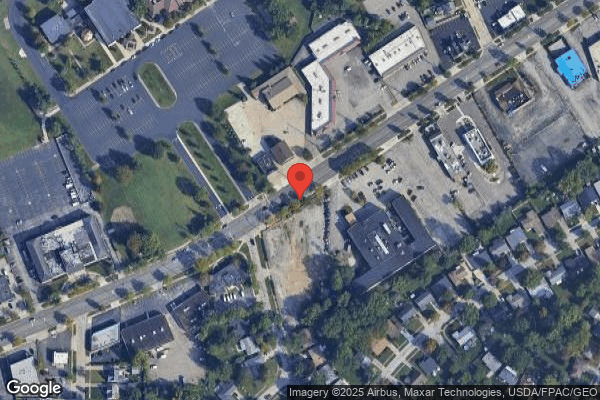

6455 PEARL RD, PARMA HEIGHTS, OH 44130 (440) 888-5900
For profit - Corporation 162 Beds COMMUNICARE HEALTH Data: November 2025
Trust Grade
28/100
#863 of 913 in OH
Last Inspection: October 2023

Over 2 years since last inspection. Current conditions may differ from available data.

Overview

Greenbrier Health Center has received a Trust Grade of F, which indicates poor quality and significant concerns about care. Ranking #863 out of 913 facilities in Ohio places them in the bottom half, while their county rank of #86 out of 92 indicates there are very few better options nearby. The facility is reportedly improving, having reduced their issues from 18 in 2024 to just 2 in 2025. However, staffing is a concern, with a low 1/5 star rating and a high turnover rate of 65%, significantly above the state average. Specific incidents include a failure to properly assess a resident's need for blood-thinning medication, which led to significant health risks, and complaints about the food quality being cold and unappetizing. While there are some signs of improvement, these serious issues and staffing challenges could be concerning for families considering this facility.

Trust Score
F
28/100
In Ohio
#863/913
Bottom 6%
Safety Record
Moderate
Needs review
Inspections
Getting Better
18 → 2 violations
Staff Stability
⚠ Watch
65% turnover. Above average. Higher turnover means staff may not know residents' routines.
Penalties
✓ Good
$9,750 in fines. Lower than most Ohio facilities. Relatively clean record.
Skilled Nurses
⚠ Watch
Each resident gets only 22 minutes of Registered Nurse (RN) attention daily — below average for Ohio. Fewer RN minutes means fewer trained eyes watching for problems.
Violations
⚠ Watch
37 deficiencies on record. Higher than average. Multiple issues found across inspections.
★☆☆☆☆
1.0
Overall Rating
★☆☆☆☆
1.0
Staff Levels
★★★★☆
4.0
Care Quality
★★☆☆☆
2.0
Inspection Score
Stable
2024: 18 issues
2025: 2 issues

The Good

  • 4-Star Quality Measures · Strong clinical quality outcomes
  • Full Sprinkler Coverage · Fire safety systems throughout facility
  • No fines on record

Facility shows strength in quality measures, fire safety.

The Bad

1-Star Overall Rating

Below Ohio average (3.2)

Significant quality concerns identified by CMS

Staff Turnover: 65%

19pts above Ohio avg (46%)

Frequent staff changes - ask about care continuity

Federal Fines: $9,750

Below median ($33,413)

Minor penalties assessed

Chain: COMMUNICARE HEALTH

Part of a multi-facility chain

Ask about local staffing decisions and management

Staff turnover is elevated (65%)

17 points above Ohio average of 48%

The Ugly 37 deficiencies on record

1 actual harm
Mar 2025 1 deficiency
CONCERN (D) 📢 Someone Reported This

A family member, employee, or ombudsman was alarmed enough to file a formal complaint

Potential for Harm - no one hurt, but risky conditions existed

Deficiency F0697 (Tag F0697)

Could have caused harm · This affected 1 resident

Based on medical record review, interview, and policy review the facility failed to administer pain relieving medications as ordered. This affected one (Resident #8) of three residents reviewed who re...

Read full inspector narrative →
Based on medical record review, interview, and policy review the facility failed to administer pain relieving medications as ordered. This affected one (Resident #8) of three residents reviewed who received pain medications. The census was 120. Findings include: Review of the medical record for Resident #8 revealed an admission date of 01/14/25. Diagnoses included Crohn's disease of large intestine with fistula, intervertebral disc degeneration, and chronic pain. Review of the comprehensive Minimum Data Set (MDS) assessment, dated 01/21/25, revealed Resident #8 had intact cognition and chronic pain. Review of the plan of care dated 02/02/25 revealed Resident #8 had complaint of acute/chronic pain related to Crohn's disease, intervertebral disc degeneration, lumbosacral region, abdominal pain, and other chronic pain. Interventions included attempting non-pharmacological interventions, complete pain assessments, follow physician orders, and observe for pain every shift. Interview on 03/07/25 at 10:38 A.M. with the Administrator revealed on 02/25/25 Assistant Director of Nursing (ADON) #205 was upset and had an attitude because she had to work the floor due to a call off. ADON #205 was not familiar with the resident medication administration on that unit. The Administrator heard concerns from staff, residents, and family that ADON #205 was not administering medications in a timely manner on that date. The Administrator sent the unit manager (Unit Manager #204) to investigate the concerns around 3:00 P.M. Unit Manager #204 reported back there were concerns. The Administrator assumed the concerns were addressed/resolved. Interview on 03/07/25 at 11:35 A.M. with Resident #8 revealed she received pain medication every four hours and she asked ADON #205 for her pain medication, hydromorphone (opioid analgesic). Resident #8 stated she knew it was time for another dose so she asked ADON #205 who stated, you will have to wait because I am not going to stop passing medications for you. Resident #8 reported she was in pain and crying because she was very upset. Interview on 03/07/25 at 11:56 A.M. with Unit Manager #204 revealed on 02/25/25 she was sent to investigate complaints from staff, residents, and family regarding residents not receiving their medications on the hall where Resident #8 resided. Unit Manager #204 took over the medication administration from ADON #205 and immediately gave Resident #8 the pain medication (hydromorphone) she had requested and did not receive. Unit Manager #204 stated Resident #8 waited at least an hour for the pain medication (hydromorphone). Review of the medication administration record revealed Resident #8 was ordered fentanyl transdermal patches 72 hour 100 milligrams (mg), lidocaine pain relief external patch 4% daily, gabapentin 300 mg three times a day, acetaminophen 500 mg three times a day, and hydromorphone 4 mg every four hours as needed for pain. Resident #8 received one dose of hydromorphone at 10:30 A.M. Based on the physician order, Resident #8 could receive the as needed hydromorphone for pain at 2:30 P.M. Review of the controlled drug administration record dated 02/25/25 revealed Resident #8 received hydromorphone 2 mg at 10:30 A.M. and at 4:07 P.M. Review of the facility's undated policy Pain Management and Assessment revealed staff were to ensure residents received treatment and care in accordance with professional standards of practice. This deficiency represents non-compliance investigated under Complaint Number OH00163109.
Feb 2025 1 deficiency
CONCERN (D) 📢 Someone Reported This

A family member, employee, or ombudsman was alarmed enough to file a formal complaint

Potential for Harm - no one hurt, but risky conditions existed

Deficiency F0660 (Tag F0660)

Could have caused harm · This affected 1 resident

**NOTE- TERMS IN BRACKETS HAVE BEEN EDITED TO PROTECT CONFIDENTIALITY** Based on medical record review, interviews and policy review the facility failed to ensure effective discharge planning was in p...

Read full inspector narrative →
**NOTE- TERMS IN BRACKETS HAVE BEEN EDITED TO PROTECT CONFIDENTIALITY** Based on medical record review, interviews and policy review the facility failed to ensure effective discharge planning was in place for two residents (Residents #125 and #126) of three residents reviewed for discharge planning. The facility census was 123. Findings include: 1. Review of the closed medical record for Resident #125 revealed an admission date of 04/30/24 and a discharge date of 12/04/24. Diagnoses included but were not limited to diabetes mellitus with neuropathy, spondylosis, psychoactive substance abuse, and vascular dementia. Review of Resident #125's care plan revealed it was last reviewed on 04/2024 and stated the resident had no plans for discharge to the community. Review of Resident #125's Minimum Data Set (MDS) 3.0 quarterly assessment dated [DATE] revealed the resident had a Brief Interview for Mental Status (BIMS) score of 13 which indicated intact cognition. Review of activities of daily living (ADLs) revealed Resident #125 used a walker and required supervision for ADLs. The assessment noted there was no plan for discharge. Review of Resident #125's MDS 3.0 discharge assessment dated [DATE] revealed a BIMS score of 13 which indicated intact cognition. Review of activities of daily living (ADLs) revealed Resident #124 was independent for ADLs. The assessment noted active plans to discharge, but a referral had been declined. Review of Resident #125's nursing progress notes revealed a note dated 12/04/24 timed at 5:47 P.M. revealed Resident #125 discharged with family, medications, orders and belongings were sent and report was called to the new facility. Further review of Resident #125's progress notes revealed no other recorded notes related to discharge planning prior to the note dated 12/04/24. Review of the 12/04/24 discharge summary for Resident #125 revealed the resident was being discharged to an assisted living facility. Interview on 02/11/25 at 2:26 P.M. with Social Worker #509 confirmed she had not documented any changes to discharge planning in the medical record and had not updated the care plan for Resident #125. 2. Review of the closed medical record for Resident #126 revealed an admission date of 09/05/24 and a discharge date of 02/01/25. Diagnoses included but were not limited to spastic quadriplegic cerebral palsy, contracture of left lower leg, pseudobulbar affect, anxiety disorder, seizures, paralytic gait, depression, suicidal ideations, and history of traumatic brain injury. Review of Resident #126's discharge care plan revealed it was last revised on 10/16/24 with no noted plans for discharge. Review of Resident #126's MDS 3.0 quarterly assessment dated [DATE] revealed a BIMS score of 14 which indicated intact cognition. Review of activities of daily living (ADLs) revealed Resident #126 required moderate to maximum assistance for ADLs. The assessment noted there was no plan for discharge. Review of Resident #126's MDS 3.0 discharge assessment dated [DATE] revealed a BIMS score of 14 which indicated intact cognition. Review of activities of daily living (ADLs) revealed Resident #126 required moderate to maximum assistance from staff. Active discharge planning was noted. The assessment referenced contact with a local agency was not made due to unknown place of discharge. Review of the social services progress notes dated 02/01/25 timed at 11:09 A.M. revealed Social Worker (SW) # 509 received electronic mail contact from Abuse Counselor #513 stating Resident #126 wanted to discuss discharge possibility to move out of state to South Carolina (SC) to be closer to family. Abuse Counselor #513 had contacted SC Medicaid agency and was advised that Resident #126 was unable to apply for Medicaid until he was physically in the state of SC. Abuse Counselor #513 was able to secure a plane flight and transportation through American Disability Act (ADA) to provide Resident #126 a supervised flight to SC. Resident #126's father was going to pick him up at the airport and take him to a local hospital (name not specified) to start the process to transfer his Medicaid services and find placement at a local skilled nursing home facility. Social Worker #509 was going to follow Resident #126's transport to the airport and check Resident #126 in at the airport to initiate ADA assistance for his flight. Review of nursing progress note dated 02/01/25 timed at 1:49 P.M. revealed Resident #126 was picked up and discharged . Social worker accompanied Resident #126 to the airport. Resident #126 left with medications, physician orders and belongings. No additional progress notes were found related to discharge planning. Review of Discharge summary dated [DATE] for Resident #126 revealed a discharge date of 02/01/25. Resident #126's discharge status was noted to be home under care of organized home health service with written medication list provided, Resident #126 noted to fly home to South Carolina to be with family. Resident #126's father was planning to meet resident at the airport and take him to a (non-specified) hospital to initiate care in another state and the Medicaid process. Resident's plane flight was set up with American's Disability Act (ADA) compliance and patient was to be supervised through any waiting periods until his father picked him up in SC. Resident #126 was noted to be able to make needs known and sometimes required assistance to read materials. Interview on 02/11/25 at 8:41 A.M. with Social Worker #509 revealed Resident #126 was working with Abuse Counselor #513 who made her aware on 12/31/24 of Resident #126's request to move to SC to be closer to family. Abuse Counselor #513 told her she had reached out to Medicaid in South Carolina and was told Resident #126 was unable to start Medicaid benefit transfer until he was physically in the state of SC and was advised to have Resident #126 go to a local hospital to start the Medicaid process. Abuse Counselor #513 arranged for the plane flight with ADA assistance, and Resident #126's father to pick him up at the airport in SC and take him to a local hospital to initiate transfer of Medicaid benefits. SW #509 followed the transport vehicle to the airport, and she assisted to check Resident #126 in at airport security until ADA assistance for the flight was initiated. Phone interview on 02/11/25 at 10:05 A.M. with Abuse Counseling Manager (ACM) #510 revealed Abuse Counselor #513 was out sick at the time of the interview but was familiar with Resident #126's case. ACM #510 stated Resident #126 had expressed desire to move back to SC back in June or July of 2024 and the agency had been working with Resident #126 since then to secure paperwork and the necessary funds to move back to SC. Resident #126 was able to pay for his plane ticket and the associated transportation and ADA supervision fees with his personal account. Abuse Counselor #513 had previously spoken to a local Medicaid office in SC who instructed her until Resident #126 was physically present in SC, his benefits were unable to be transferred. The Medicaid office had encouraged Abuse Counselor #513 to have Resident #126 taken to a local hospital to initiate Medicaid benefit transfer. Abuse Counselor #513 arranged for ADA supervised assistance from check in at the airport until being picked up in SC. Abuse Counselor #513 also spoke with Resident #126's father who agreed to pick Resident #126 up at the airport and take him to a hospital. Phone interview on 02/11/25 at 10:25 A.M. with SC Medicaid Representative #511 confirmed in order to receive Medicaid benefits, the person needs to be physically present and have a permanent address in the state of SC. If the person was receiving benefits in another state, they would need to request a termination letter and provide proof benefits are no longer being received in the previous state. SC Medicaid Representative #511 stated if a person was trying to establish benefits in SC, they would need to be physically present in the state. If individuals are unable to care for themselves, they could go to a local hospital to initiate the process to transfer Medicaid benefits. Phone interview on 02/11/25 at 10:56 A.M. with Resident #126's father confirmed he had spoken with Abuse Counselor #513 towards the end of December 2024 on the phone and had agreed to pick up Resident #126 at the airport and take him to a local hospital. Resident #126's father stated he was unable to take care of Resident #126 and had not been asked by the former facility or anyone else to assist with looking for a potential long-term care facility near him (in SC). Resident #126's father confirmed he had picked up Resident #126 at the airport on 02/01/25 and had taken him to a local hospital where he remained as of 02/11/25. Resident #126's father also confirmed he had his motorized wheelchair and will take it to wherever Resident #126 is placed for long term care. Interview on 02/11/25 at 2:26 P.M. with SW #509 confirmed she had spoken with Resident #126 about his discharge but had not entered any progress notes related to their conversations or conversations with Abuse Counselor #513 prior to the day of Resident #126's discharge. SW #509 also confirmed Resident #126's care plan had not been updated since discharge process was initiated and the social work section of the Discharge summary dated [DATE] for Resident #126 did not list the name of the hospital where Resident #126 was going nor any potential facilities for placement. Interview on 02/11/25 at 3:21 P.M. with the Administrator confirmed when a resident expresses interest in discharge, updates will be noted in the medical record and the care plan should be updated to reflect changes. Review of the undated facility policy Transfer and Discharge Policy revealed when a resident discharge is anticipated, facility will develop and implement a discharge plan that focuses on the resident's discharge goals, the preparation of resident to be active partners and effectively transition them to post discharge care and the reduction of factors leading to the preventable readmissions. The discharge plan will include regular re-evaluation of residents to identify changes that required modification of the discharge plan. The discharge plan will be updated, as needed, to reflect these changes. Facility will document that a resident has been asked about their interest in receiving information regarding returning to the community. If the resident indicates an interest in returning to the community, the facility will document any referrals to local contact agencies or other appropriate entities made for this purpose. The facility will assist resident and their resident representative in selecting a post-acute provider by using data that is relevant and applicable to the resident's goals of care and treatment preferences. The post discharge plan of care will indicate where the individual plans to reside, arrangements that have been made for the resident's follow up care and post discharged medical and non-medical services. This deficiency represents non-compliance investigated under Complaint Number OH00162430.
Sept 2024 1 deficiency
CONCERN (D) 📢 Someone Reported This

A family member, employee, or ombudsman was alarmed enough to file a formal complaint

Potential for Harm - no one hurt, but risky conditions existed

Accident Prevention (Tag F0689)

Could have caused harm · This affected 1 resident

THE FOLLOWING DEFICIENCY REPRESENTS AN INCIDENT OF PAST NON-COMPLIANCE THAT WAS SUBSEQUENTLY CORRECTED PRIOR TO THIS SURVEY. Based of observation, interview, record review,Self-Reported Incident (SRI)...

Read full inspector narrative →
THE FOLLOWING DEFICIENCY REPRESENTS AN INCIDENT OF PAST NON-COMPLIANCE THAT WAS SUBSEQUENTLY CORRECTED PRIOR TO THIS SURVEY. Based of observation, interview, record review,Self-Reported Incident (SRI) , and facility policy review, the facility failed to ensure all staff followed Mechanical lift protocol. This affected one (Resident #135) of three residents reviewed for safe transfer with Mechanical lift. This had the potential to affect 33 residents that required the use of a mechanical lift for transfers (Resident #1, #3, #9, #10, #18, #27, #37, #38, #39, #44, #48, #49, #51, #54, #56, #57, #64, #68, #70, #71, #78, #81, #85, #88, #89, #94, #110, #114, #115, #122, #123 and #135). The facility census was 122. Findings include: Review of the closed medical record for Resident #135 revealed an admission date of 02/01/24 and discharged on 08/22/24. Diagnoses included diabetes, chronic kidney disease, morbid obesity, spinal stenosis and osteoarthritis. Resident #135 had intact cognition. Resident #135 was dependent on transfers and used a mechanical lift (Hoyer) for transfers. Review of the progress note dated 08/19/24 at 1:28 P.M. revealed the Unit Manager Licensed Practical Nurse (LPN) #309 reported to the Director of Nursing (DON) that resident had fallen from the Hoyer lift. LPN #309 was approached by the State Tested Nurses Aide (STNA) #310 which stated the Hoyer lift scale detached from the Hoyer and Resident #135 dropped into her wheelchair. The Hoyer scale hit resident in the forehead. Resident did not fall at any time during the transfer. Emergency Medical Service (EMS) arrived and took resident to ER with paperwork in hand. Interview on 09/16/24 at 9:45 A.M. with LPN #309 stated she was the unit manager on when Resident #135 was transferred with one assist and the Hoyer broke, and she was put down in wheelchair hard by STNA #312. LPN #309 stated she tried to assess Resident #135 but, she refused. She asked Resident #135 if she was hurting and stated no, she had a cut on her forehead with a little blood, but it was not bleeding at that time. She was told the Hoyer arm dropped fast and she dropped into her wheelchair. LPN #309 stated the son called 911 and they took her to the nearest hospital. Resident #135 did not return to the facility. Interview on 09/16/24 at 11:06 A.M. with Maintenance Assistant #311 stated he checks all mechanical lifts monthly to ensure they are working properly. On 08/19/24 he was told Hoyer #4 broke. He stated when STNA #312 was lowering Resident #135 the weight scale had to of got caught on something and the Hoyer bar was still being lowered but could not lower and when the weight box finally bent and broke the Hoyer bar dropped until it reached were the hydraulic was lowered too. Observation on 09/17/24 at 10:07 A.M. of Resident #27 being Hoyer lifted from her bed to her motorized wheelchair with State STNA#307 and #308 revealed no safety concerns were noted. Review of the facility policy Mechanical Lifts and Transfer, not dated revealed use two employees to assist and for support in the safe use of a total transfer. Review of the employee corrective action form dated 08/19/24 revealed STNA #312 received a final written warning for safety/carelessness related to Hoyer lift protocol when transferring Resident #135 by herself, subsequently Resident #135 dropped into her wheelchair. Review of the self-reported incident (SRI) 250989 revealed on 08/19/24 STNA #312 was using the Hoyer by herself, and Resident #135 dropped about six inches quickly when the arm on the Hoyer dropped. A full investigation, training and correction actions were done. The deficient practice was corrected on 08/21/24 when the facility implemented the following corrective actions: • On 08/19/24, a SRI was opened, and investigation was started. • On 08/19/24, Hoyer slings inspected per Maintenance #311 with no negative findings. • On 08/19/24, STNA #312 received a final written warning for safety/carelessness related to Hoyer lift protocol when transferring Resident #135 by herself, subsequently Resident #135 dropped into her wheelchair. • On 08/19/24, Audits of mechanical lift transfers three times a week for four weeks per the DON or designee. • On 08/20/24, Education on mechanical lift safety was conducted to all nursing staff per the DON. • On 08/21/24, Resident skin checks completed by LPN #303 and LPN #320. • On 08/21/24, Resident statements for abuse and mechanical lift resident statements completed by LPN #303 and LPN #320 with no negative findings. • On 08/21/24, Mechanical lift competency for all nursing staff was started and completed on 08/28/24 by DON and Assistant DON. • On 08/21/24, Quality Assurance meeting was held for root cause analysis with DON, Medical Director #400, Administrator, Assistant DON, LPN #320, LPN #309, LPN #303, and Social Service Director (SSD) #304 with no changes. • On 08/21/24, Review of general guidelines for Hoyer by RDCO Registered Nurse (RN) #402, [NAME] President of Clinical Operations RN #403, Administrator, and RDCO Administrator #404. • Interviews on 09/16/24 and 09/17/24 from 8:30 A.M. through 3:00 P.M. with LPN #303, #306, #307, #309, RN #305, STNA #300, #301, #302 and #308 revealed knowledge of the Mechanical Lift Policy and procedures of two staff members for all mechanical lifts. Staff stated knowledge of change of condition and what is expected of them. • Observations on 09/16/24 revealed all Mechanical Lifts were functioning properly. This deficiency represents noncompliance investigated under Complaint Number OH00157258 and OH00157113.
Aug 2024 3 deficiencies
CONCERN (D) 📢 Someone Reported This

A family member, employee, or ombudsman was alarmed enough to file a formal complaint

Potential for Harm - no one hurt, but risky conditions existed

Resident Rights (Tag F0550)

Could have caused harm · This affected 1 resident

**NOTE- TERMS IN BRACKETS HAVE BEEN EDITED TO PROTECT CONFIDENTIALITY** Based on record review, interview and review of a local police report, the facility failed to ensure resident requests were hono...

Read full inspector narrative →
**NOTE- TERMS IN BRACKETS HAVE BEEN EDITED TO PROTECT CONFIDENTIALITY** Based on record review, interview and review of a local police report, the facility failed to ensure resident requests were honored and residents were treated with respect and dignity at all times. This affected one (#120) of 10 sampled residents and two residents who participated in random interviews (#108 and #8). The facility census was 128. Findings include: 1. Review of Resident #120's medical records revealed an admission date of 02/01/24. Diagnoses included morbid obesity, need for personal care assistance, muscle weakness and difficulty walking. Review of Resident #120's care plan dated 02/01/24 revealed Resident #120 required assistance with activities of daily living (ADL) by one staff who performed all the care and was totally dependent for transfers. Resident #120 preferred to get up into her wheelchair between breakfast and lunch and preferred to lay down before dinner daily. Review of the Minimum Data Set (MDS) assessment dated [DATE] revealed Resident #120 had intact cognition and was dependent with toileting, bathing, personal hygiene and transfers. Interview on 07/31/24 at 5:15 A.M. with State Tested Nursing Assistant (STNA) #213 revealed Resident #120 had requested assistance into bed sometime around 8:00 P.M. on 07/30/24 and no one had helped her. Around 10:00 P.M. the police arrived at the facility because Resident #120 contacted them stating she needed assistance back into bed. STNA #213 was unsure who the assigned aide was for Resident #120 and had assisted Resident #120 back into bed once the police arrived. Interviews on 07/31/24 at 5:15 A.M. with STNAs #213 and #239 revealed they were aware of some residents who had complained about staff being rude to them. Interview on 07/31/24 at 5:26 A.M. with Resident #108 revealed at times the staff was rude and short with him. Interview on 07/31/24 at 6:15 A.M. with Resident #8 revealed some staff were rude at times. Interview on 07/31/24 at 11:13 A.M. with Resident #120 revealed on 07/30/24 she was assisted out of bed around 3:00 P.M. and at approximately 8:10 P.M. she asked a STNA for assistance back into bed (could not provide name of the STNA but a description of the STNA matched STNA #213). Resident #120 stated she had overheard the STNA talking with someone in the hall about having to put all the residents back into bed and at that time she asked the STNA to help her. The STNA became upset and stated, Why are you getting in my business? Resident #120 told the aide she wasn't getting in her business but had overheard her discussing putting residents back into bed and she needed help with that. The STNA told Resident #120 she was leaving and Resident #120 thought the STNA had left because several hours had passed and the STNA had not returned. Resident #120 was upset about not being helped back into bed and called her son who called the police. Resident #120 stated the police arrived sometime around 11:00 P.M. and she was assisted back into bed at that time. Interview on 08/01/24 at 11:25 A.M. with the Administrator and Director of Nursing (DON) revealed they contacted the local police and obtained a copy of the police report from 07/30/24. Review of local police report with the Administrator at the time of the interview revealed Resident #120's son called the police on 07/30/24 at 10:25 P.M. to report Resident #120 had been left in her wheelchair since 2:00 P.M. and had defecated on herself twice. The report indicated upon arrival at 10:27 P.M. Resident #120 was receiving care. Review of facility's undated policy Resident Rights revealed residents had the right to be treated with respect and the right to decide when to go to bed and rise. This deficiency represents non-compliance investigated under Complaint Number OH00154863.
CONCERN (D) 📢 Someone Reported This

A family member, employee, or ombudsman was alarmed enough to file a formal complaint

Potential for Harm - no one hurt, but risky conditions existed

Safe Environment (Tag F0921)

Could have caused harm · This affected 1 resident

Based on observation and interview the facility failed to ensure a clean and sanitary environment. This affected two (#67 and #117) of five random residents whose rooms were observed. The facility cen...

Read full inspector narrative →
Based on observation and interview the facility failed to ensure a clean and sanitary environment. This affected two (#67 and #117) of five random residents whose rooms were observed. The facility census was 128. Findings include: Observation on 07/31/24 at 8:05 A.M. with State Tested Nursing Assistant (STNA) #230 and STNA #293 revealed two soiled incontinence briefs on Resident #117's wheelchair with gnats flying around them. Interview with STNA #230 at time of observation revealed when she entered Resident #117's room the incontinence briefs were on the floor and she had picked them up and placed them on Resident #117's wheelchair. Observation on 07/31/24 at 9:09 A.M. revealed a large pile of dirty linens on the floor of Resident #67's room with a foul odor detected. Interview with Resident #67 at time of observation revealed the dirty linens had been on the floor since last night when they changed his bed. The observation was confirmed by STNA #330 who indicated she would dispose of the linens. This deficiency represents non-compliance investigated under Complaint Number OH00154863.
CONCERN (E) 📢 Someone Reported This

A family member, employee, or ombudsman was alarmed enough to file a formal complaint

Potential for Harm - no one hurt, but risky conditions existed

Incontinence Care (Tag F0690)

Could have caused harm · This affected multiple residents

**NOTE- TERMS IN BRACKETS HAVE BEEN EDITED TO PROTECT CONFIDENTIALITY** Based on observation, interview and record review the facility failed to provide timely incontinence care. This affected four (#...

Read full inspector narrative →
**NOTE- TERMS IN BRACKETS HAVE BEEN EDITED TO PROTECT CONFIDENTIALITY** Based on observation, interview and record review the facility failed to provide timely incontinence care. This affected four (#102, #115, #117, and #120) of six residents observed for incontinence care. The facility census was 128. Findings include: 1. Review of Resident #102's medical records revealed an admission date of 12/05/23. Diagnoses included Alzheimer's disease, dementia, muscle weakness and need for personal care assistance. Review of the Minimum Data Set (MDS) assessment dated [DATE] revealed Resident #102 had impaired cognition, was dependent with toileting, and was incontinent of bowel and bladder. Review of Resident #102's care plan dated 06/10/24 revealed Resident #102 was totally dependent for toileting. Resident #102 was incontinent of bowel and bladder and interventions included to check Resident #102 for incontinence. Interviews on 07/31/24 at 5:15 A.M. with State Tested Nursing Assistant (STNA) #213 and STNA #239 revealed they were aware of residents who did not receive timely incontinence care; they observed residents who were soiled when they arrived to start their shifts at 7:00 P.M. Interview on 07/31/24 at 5:48 A.M. with STNA #214 revealed revealed she was aware of residents who did not receive timely incontinence care; STNA #214 observed residents who were soiled when she arrived to start her shifts at 7:00 P.M. Observation on 07/31/24 at 6:30 A.M. revealed Resident #102 was in a wheelchair in his room and his pants were wet. Interview with Resident #102 at time of observation revealed he was unable to answer questions appropriately and he was not sure if his pants were wet. At the time of the observation STNA #239 and Licensed Practical Nurse (LPN) #235 entered Resident #102's room and confirmed Resident #102's pants were wet. LPN #235 and STNA #239 transferred Resident #102 into bed and further observation revealed Resident #102's wheelchair had a puddle of urine on the seat. STNA #239 stated he was not the assigned STNA for Resident #102 and he did not know which STNA was assigned to his care. Interview on 07/31/24 at 6:50 A.M. with STNA #262 revealed she was assigned to Resident #102 at 3:00 A.M. and she was unaware Resident #102 needed incontinence care and was unable to state when he had last been checked and/or changed for incontinence. 2. Review of Resident #115's medical records revealed an admission date of 04/15/17. Diagnoses included intellectual disabilities, muscle weakness and contractures. Review of the MDS assessment dated [DATE] revealed Resident #115 was rarely understood, dependent with toileting and was incontinent of bowel and bladder. Review of the care plan dated 06/16/24 revealed Resident #115 was totally dependent for toileting. Resident #115 was incontinent of bowel and bladder. Interviews on 07/31/24 at 5:15 A.M. with State Tested Nursing Assistant (STNA) #213 and STNA #239 revealed they were aware of residents who did not receive timely incontinence care; they observed residents who were soiled when they arrived to start their shifts at 7:00 P.M. Interview on 07/31/24 at 5:48 A.M. with STNA #214 revealed revealed she was aware of residents who did not receive timely incontinence care; STNA #214 observed residents who were soiled when she arrived to start her shifts at 7:00 P.M. Observation on 07/31/24 at 8:33 A.M. revealed Resident #126 was in the hallway yelling that her roommate, Resident #115, had not been changed all night. Interview with Resident #126 at the time of the observation revealed Resident #115 had not received incontinence care since sometime yesterday and she had an odor of bowel movement. Observation of incontinence care on 07/31/24 at 8:55 A.M. for Resident #115 with STNA #330 and STNA #358 revealed Resident #115 was saturated with urine and stool that had soaked through her incontinence brief and bed sheets onto her mattress. STNAs #330 and #358 stated they had not provided care for Resident #115 since they started their shift at 7:00 A.M. and were not sure when Resident #115 had last been changed. Resident #115 was not interviewable. 3. Review of Resident #117's medical records revealed an admission date of 11/09/23. Diagnoses included cognitive deficits, tracheostomy, need for personal care assistance and muscle weakness. Review of the MDS assessment dated [DATE] revealed Resident #117 was rarely understood, dependent with toileting and was incontinent of bowel and bladder. Review of the care plan dated 05/02/24 revealed Resident #117 was totally dependent for toileting. Resident #117 was incontinent of bowel and bladder. Interviews on 07/31/24 at 5:15 A.M. with State Tested Nursing Assistant (STNA) #213 and STNA #239 revealed they were aware of residents who did not receive timely incontinence care; they observed residents who were soiled when they arrived to start their shifts at 7:00 P.M. Interview on 07/31/24 at 5:48 A.M. with STNA #214 revealed revealed she was aware of residents who did not receive timely incontinence care; STNA #214 observed residents who were soiled when she arrived to start her shifts at 7:00 P.M. Observation of incontinence care on 07/31/24 at 8:05 A.M. for Resident #117 with STNAs #230 and #293 revealed Resident #117 was incontinent of a large amount of urine that had soaked through his bed sheets and to his mattress. STNA #230 stated she had not provided incontinence care for Resident #117 since she had started her shift at 7:00 A.M. and was unable to state when he had last been checked and/or changed for incontinence. Resident #117 was not interviewable. 4. Review of Resident #120's medical records revealed an admission date of 02/01/24. Diagnoses included need for personal care assistance, muscle weakness and morbid obesity. Review of the MDS assessment dated [DATE] revealed Resident #120 had intact cognition. Resident #120 was dependent for toileting, and was incontinent of bowel and bladder. Review of the care plan dated 05/10/24 revealed Resident #120 was totally dependent for toileting. Resident #120 was incontinent of bowel and bladder. Interviews on 07/31/24 at 5:15 A.M. with State Tested Nursing Assistant (STNA) #213 and STNA #239 revealed they were aware of residents who did not receive timely incontinence care; they observed residents who were soiled when they arrived to start their shifts at 7:00 P.M. Interview on 07/31/24 at 5:48 A.M. with STNA #214 revealed revealed she was aware of residents who did not receive timely incontinence care; STNA #214 observed residents who were soiled when she arrived to start her shifts at 7:00 P.M. Interview on 07/31/24 at 11:13 A.M. with Resident #120 revealed she had last been changed at approximately 11:00 P.M. the previous evening. Observation of incontinence care on 07/31/24 at 11:23 A.M. for Resident #120 with STNA #358 revealed Resident #120 had been incontinent of a large amount of urine and stool that had soaked through her incontinence brief, her sheets and to her mattress. Interview with STNA #358 revealed she had not provided incontinence care for Resident #120 since her shift began and she did not know the last time she had received toileting assistance or was checked/changed. This deficiency represents non-compliance investigated under Complaint Number OH00154863.
Apr 2024 1 deficiency
CONCERN (D) 📢 Someone Reported This

A family member, employee, or ombudsman was alarmed enough to file a formal complaint

Potential for Harm - no one hurt, but risky conditions existed

Deficiency F0624 (Tag F0624)

Could have caused harm · This affected 1 resident

**NOTE- TERMS IN BRACKETS HAVE BEEN EDITED TO PROTECT CONFIDENTIALITY** Based on record review and interview, the facility failed to ensure Resident #135 received appropriate discharge instructions. T...

Read full inspector narrative →
**NOTE- TERMS IN BRACKETS HAVE BEEN EDITED TO PROTECT CONFIDENTIALITY** Based on record review and interview, the facility failed to ensure Resident #135 received appropriate discharge instructions. This finding affected one resident (#135) of three residents reviewed for discharge instructions. Findings include: Review of the medical record revealed Resident #135 was admitted on [DATE] and discharged on 03/29/24 with diagnoses including diabetes, essential hypertension, and muscle weakness. Review of Resident #135's Report and Decision of the Hearing Officer form dated 02/22/24 revealed the resident won the appeal, and the facility may not discharge and transfer the resident based on non-payment. Review of the quarterly Minimum Data Set (MDS) 3.0 assessment dated [DATE] revealed Resident #135 exhibited intact cognition. Review of the Notice of Discharge and Transfer form dated 02/28/24 revealed Resident #135 was being discharged for an unpaid balance of $11,520.00. The resident did not appeal the second notice. Review of the progress note dated 03/19/24 at 10:22 A.M. indicated Resident #135 was encouraged to come talk with Licensed Social Worker (LSW) #808 about the discharge. The resident reported that he would come later. Review of an email dated 03/21/24 at 2:09 P.M. from Regional Director of Finance #813 to LSW #808 revealed the email was a follow-up to make sure there were solid plans in place for Resident #135's discharge before the end of the month. The resident's last covered day was on 01/25/24. Review of an email dated 03/22/24 at 9:32 A.M. from LSW #808 to Regional Director of Finance #813 indicated Resident #135 was introduced to a group home owner yesterday, and he was unwilling to have a conversation with him. Review of Resident #135's progress note dated 03/25/24 at 1:54 P.M. indicated the durable medical equipment (DME) would be delivered to the facility on [DATE]. Review of the progress note dated 03/29/24 at 4:08 P.M. indicated Resident #135 was discharged home with all belongings, prescriptions, and medications. Review of Resident #135's billing statement revealed the resident owed the facility $20,480.00. Interview on 04/23/24 at 8:21 A.M. with Licensed Practical Nurse (LPN) #804 indicated she discharged Resident #135 home and provided all the prescriptions and medications that were available in the facility. She stated she was aware that he was going to a bed and breakfast but did not have further information to provide. Interview on 04/23/24 at 9:48 A.M. with LSW #808 indicated Resident #135 was discharged but would not go over the discharge plans with him. LSW #808 stated the resident owned a home, but the home was not safe to live in, and he had attempted to talk to the resident about a group home, an apartment or other lodging. He stated the resident said he was going to a bed and breakfast but would not provide that information to him. Interview on 04/23/24 at 3:00 P.M. with the Administrator confirmed Resident #135's medical record did not contain documented evidence the resident was discharged home with complete and accurate discharge instructions including a list of the resident's medications, the last dose received of those medications, the resident's diet, any follow-up physician visits, and the resident's activity level. Review of the Discharge Planning policy dated 07/17/20 revealed the process that generally began on admission and involved identifying each resident's discharge goals and needs, developing and implementing interventions to address them, and continuously evaluating them throughout the resident's stay to ensure a successful discharge. This deficiency represents non-compliance investigated under Master Complaint Number OH00152684.
Feb 2024 13 deficiencies
CONCERN (D) 📢 Someone Reported This

A family member, employee, or ombudsman was alarmed enough to file a formal complaint

Potential for Harm - no one hurt, but risky conditions existed

Deficiency F0551 (Tag F0551)

Could have caused harm · This affected 1 resident

**NOTE- TERMS IN BRACKETS HAVE BEEN EDITED TO PROTECT CONFIDENTIALITY** Based on resident record review, observation and staff interview, the facility failed to ensure reasonable requests made by a re...

Read full inspector narrative →
**NOTE- TERMS IN BRACKETS HAVE BEEN EDITED TO PROTECT CONFIDENTIALITY** Based on resident record review, observation and staff interview, the facility failed to ensure reasonable requests made by a resident's guardian were honored. This affected one (#1) of one resident reviewed for reasonable requests made by a guardian. The facility census was 131. Findings include: Review of the medical record for Resident #1 revealed an admission date of 11/27/23 with diagnoses that included quadriplegia, acute and chronic respiratory failure with hypoxia, tracheostomy status, traumatic subdural hemorrhage with loss of consciousness of unspecified duration and contractures of the left and right hip and left and right knee. Review of the quarterly Minimum Data Set (MDS) assessment dated [DATE], revealed Resident #1 was severely impaired for task of daily life and was dependent on staff for activities of daily living (ADLs). Review of the care plan dated 01/31/24 revealed Resident #1 required assistance with ADLs related to quadriplegia and a traumatic brain injury. Review of the progress note dated 01/11/24 timed 9:51 A.M. revealed a care conference was held on 01/09/24 with Resident #1's appointed guardian. Review of the progress note revealed Resident #1's guardian requested Resident #1 be up in his chair for a couple of hours per day. Review of the progress note dated 02/09/24 timed 10:02 A.M. revealed Resident #1's guardian requested Resident #1 be out of bed daily with his helmet on when out of bed. Observation on 02/14/24 at 7:30 A.M., 8:00 A.M., 10:45 A.M., and 2:45 P.M. revealed Resident #1 was in bed. Interview on 02/14/24 at 4:10 P.M. with Registered Nurse (RN) #828 confirmed Resident #1 remained in bed and had not been gotten out of bed and into his chair. Interview on 02/16/24 at 10:00 A.M. with Licensed Practical Nurse (LPN) #804 revealed Resident #1's guardian requested, during his care conference, to have him up in his chair. Review of the facility document titled Resident Rights effective 08/11/17, revealed that a legal guardian had the right to make important decisions on the resident's behalf and take part in care planning. This deficiency represents non-compliance investigated under Complaint Number OH00150571.
CONCERN (D) 📢 Someone Reported This

A family member, employee, or ombudsman was alarmed enough to file a formal complaint

Potential for Harm - no one hurt, but risky conditions existed

Quality of Care (Tag F0684)

Could have caused harm · This affected 1 resident

Based on observation, interview, record review, and personnel file review, the facility failed to ensure medications were administered according to accepted standards of practice. This affected one re...

Read full inspector narrative →
Based on observation, interview, record review, and personnel file review, the facility failed to ensure medications were administered according to accepted standards of practice. This affected one resident (#10) identified during a random observation. The facility also failed to ensure pain medications were administered as ordered by the physician and requested by the resident. This affected two of 14 sampled residents (#21 and #22). The facility census was 131. Findings include: 1. Observation on 02/14/24 at 9:09 A.M. revealed Unit Manger/Licensed Practical Nurse (LPN) #848 at a medication cart preparing medications for administration. LPN #848 was observed popping pills out of medication cards into a medication cup. LPN #848 handed the medication cup to Registered Nurse (RN) #828, who took the medications into Resident #10's room. Interview with LPN #848 at time observation revealed she was helping RN #828 with her medication pass. Interview on 02/14/24 at 10:31 A.M. with RN #828 revealed she administered the medications given to her by LPN #848 to Resident #10. RN #828 explained she was running behind on her medication pass and LPN #848 was helping her. RN #828 did not verify the medications that were given to her and did not sign them off as administered in the computer. Review of facility's undated Medication Administration policy revealed staff were not to administer medications prepared by others. 2. Interview on 02/20/24 at 11:06 A.M. with Resident #21 revealed Registered Nurse (RN) #831 did not administer his medication a few nights ago. Resident #21 requested oxycodone (used to treat moderate to severe pain) and RN #831 said the medication was unavailable. Resident #21 did not report this to facility staff. Review of Resident #21's Medication Administration Record (MAR) for February 2024 revealed his 02/18/24 evening medications were scheduled to be given at 9:00 P.M. The evening medications were documented by RN #831 as administered at 1:39 A.M. on 02/19/24 and there was no documentation the oxycodone was administered. Review of RN #831's personnel file revealed a write up dated 03/06/23 indicating the facility investigated resident complaints of not receiving their medications timely. 3. Interview on 02/20/24 at 1:44 P.M. with Licensed Practical Nurse (LPN) #898 revealed she had been told by some residents Registered Nurse (RN) #831 did not always administer their medications as scheduled/ordered. Resident #22 often complained of pain related to her diagnoses. Resident #22 was upset a few days ago and stated RN #831 did not administer her pain medication, Dilaudid (used to treat moderate to severe pain). LPN #898 had checked the Medication Administration Record (MAR) and RN #831 had not signed off as having administered Dilaudid to Resident #22. Review of Resident #22's MAR for February 2024 revealed evening medications on 02/18/24 were scheduled at 9:00 P.M. and were documented by RN #831 as given on 02/19/24 at 12:02 A.M. and 1:53 A.M. The was no documentation the Dilaudid was administered. Review of RN #831's personnel file revealed a write up dated 03/06/23 indicating the facility investigated resident complaints of not receiving their medications timely. This deficiency represents non-compliance investigated under Complaint Number OH00151242 and OH00150571.
CONCERN (D) 📢 Someone Reported This

A family member, employee, or ombudsman was alarmed enough to file a formal complaint

Potential for Harm - no one hurt, but risky conditions existed

Tube Feeding (Tag F0693)

Could have caused harm · This affected 1 resident

**NOTE- TERMS IN BRACKETS HAVE BEEN EDITED TO PROTECT CONFIDENTIALITY** Based on record review, observation, interview and policy review, the facility failed to appropriately care for a Percutaneous E...

Read full inspector narrative →
**NOTE- TERMS IN BRACKETS HAVE BEEN EDITED TO PROTECT CONFIDENTIALITY** Based on record review, observation, interview and policy review, the facility failed to appropriately care for a Percutaneous Endoscopic Gastrostomy (PEG) tube site to identify, lessen or resolve possible skin irritation and local infection. This affected one (#115) of two residents reviewed for PEG tubes. The facility census was 131. Findings include: Review of Resident #115's medical records revealed an admission date of 09/16/22. Diagnoses included gastrostomy (artificial opening in the abdomen for nutrition). Review of the Minimum Data Set (MDS) assessment dated [DATE] revealed Resident #115 had intact cognition and required extensive assistance with activities of daily living (ADL). Review of the care plan dated 01/1/6/24 revealed Resident #1 had a PEG tube. Interventions included provide insertion site care per orders. Observation of Resident #115 on 02/14/24 at 5:37 A.M. with State Tested Nursing Assistant (STNA) #941 revealed Resident #115 had a PEG tube. Observation of the PEG tube insertion site revealed there was not a dressing and a large amount of dried brown debris was noted around the tube insertion site. STNA #941 confirmed the observation and stated she did not perform care of PEG tube sites and she would inform the nurse. Observation of Resident #115 on 02/20/24 at 8:24 A.M. with unit manager/Licensed Practical Nurse (LPN) #804 revealed a gauze dressing around Resident #115's PEG tube insertion site. LPN #804 removed the gauze dressing and a large amount of dried brown debris was observed. Interview with Resident #115 at the time of observation revealed a nurse had come in that morning and put the dressing on the site without cleaning around the tube site. This observation was confirmed with LPN #804 who stated PEG tube sites were to be cleaned daily and as needed. Review of facility's undated policy titled Care of the Enteral Tube Site revealed direction to change dressing daily or more frequently if soiled.
CONCERN (D) 📢 Someone Reported This

A family member, employee, or ombudsman was alarmed enough to file a formal complaint

Potential for Harm - no one hurt, but risky conditions existed

Respiratory Care (Tag F0695)

Could have caused harm · This affected 1 resident

**NOTE- TERMS IN BRACKETS HAVE BEEN EDITED TO PROTECT CONFIDENTIALITY** Based on observation, interview and record review the facility failed to ensure appropriate respiratory care equipment was at th...

Read full inspector narrative →
**NOTE- TERMS IN BRACKETS HAVE BEEN EDITED TO PROTECT CONFIDENTIALITY** Based on observation, interview and record review the facility failed to ensure appropriate respiratory care equipment was at the resident's bedside for immediate access. This affected two (#1 and #17) of two residents reviewed for tracheostomy care. The facility census was 131. Findings include: 1. Review of Resident #17's medical records revealed an admission date of 11/09/23. Diagnoses include tracheostomy and dysphasia (difficulty swallowing). Review of the Minimum Data Set (MDS) assessment dated [DATE] revealed Resident #17 had impaired cognition. Review of the care plan dated 01/31/24 revealed Resident #17 had a tracheostomy. Interventions included keep an extra trach at the bedside and provide suctioning per orders. Review of current physician orders for February 2024 revealed to suction resident every shift and as needed. Observation on 02/14/24 at 8:38 A.M. revealed Resident #17 was exhibiting signs of inability to clear his airway. At the time of observation Licensed Practical Nurse (LPN) #866 was present and confirmed Resident #17 was having difficulty clearing his airway. During the observation unit manager/LPN #848 entered Resident #17's room and stated Registered Nurse (RN) #828 was on her way to the room. Resident #17 continued to show signs of inability to clear his airway. LPN #848 stated she could not locate a suctioning kit in the room, exited the room and returned without a suctioning kit. Continued observation revealed an unknown staff member knocking on the door and handing three suctioning kits to LPN #848. At 8:45 A.M., RN #828 entered Resident #17's room and Resident #17 was suctioned. The suctioning procedure removed a large amount of secretions from Resident #17's airway. Upon completion of the suctioning procedure Resident #17 refused an interview. Interview with LPN #848 revealed residents with tracheotomies were to have a suctioning kit available in their rooms. 2. Review of Resident #1's medical records revealed an admission date of 11/27/23. Diagnoses included tracheostomy,quadriplegia and respiratory failure. Review of the Minimum Data Set (MDS) assessment dated [DATE] revealed Resident #1 was rarely understood. Review of the care plan dated 01/31/24 revealed Resident #1 had a tracheostomy. Interventions included provide trach care and suctioning per orders. Review of current physician orders for February 2024 revealed an order to suction Resident #1 every shift and as needed. Observation on 02/14/24 at 9:09 A.M. with Licensed Practical Nurse (LPN) #848 revealed Resident #1 had a tracheostomy and was non verbal. Further observation revealed LPN #848 could not locate a suctioning kit in the resident's room. LPN #848 stated Resident #1 should have a suctioning kit available in his room.
CONCERN (D) 📢 Someone Reported This

A family member, employee, or ombudsman was alarmed enough to file a formal complaint

Potential for Harm - no one hurt, but risky conditions existed

Deficiency F0761 (Tag F0761)

Could have caused harm · This affected 1 resident

Based on observation, interview and policy review, the facility failed to ensure medications were not left unattended in resident rooms. This affected one (#72) of three residents whose rooms were ran...

Read full inspector narrative →
Based on observation, interview and policy review, the facility failed to ensure medications were not left unattended in resident rooms. This affected one (#72) of three residents whose rooms were randomly observed for unsecured medications. The facility census was 131. Findings include: Observation on 02/14/24 at 7:28 A.M. revealed Resident #72 was sleeping in bed, with a cup of medications on his bedside table that contained three pills. Observation of the medication cup in Resident #72's room on 02/14/24 at 7:31 A.M. with Unit Manager/Licensed Practical Nurse (LPN) #804 confirmed there were three pills in the medication cup. LPN #804 identified two of the pills being Resident #71's thyroid medication but was unable to identify the third pill. LPN #804 stated she had educated the nursing staff on not leaving medications at the residents' bedside previously. Review of facility's undated policy titled Medication Administration revealed medications should not be left unattended. This deficiency represents non-compliance investigated under Complaint Number OH00151242.
CONCERN (D) 📢 Someone Reported This

A family member, employee, or ombudsman was alarmed enough to file a formal complaint

Potential for Harm - no one hurt, but risky conditions existed

Deficiency F0805 (Tag F0805)

Could have caused harm · This affected 1 resident

**NOTE- TERMS IN BRACKETS HAVE BEEN EDITED TO PROTECT CONFIDENTIALITY** Based on observation, staff interview, resident record review, printed meal ticket review, and policy review, the facility faile...

Read full inspector narrative →
**NOTE- TERMS IN BRACKETS HAVE BEEN EDITED TO PROTECT CONFIDENTIALITY** Based on observation, staff interview, resident record review, printed meal ticket review, and policy review, the facility failed to ensure food was prepared in the correct form to meet resident needs. This affected one (#17) of one resident reviewed for appropriate diet texture. The facility census was 131. Findings include: Review of the medical record for Resident #17 revealed an admission date of 11/09/23 with diagnoses that included fracture of right femur, tracheostomy status, and dysphagia (difficulty swallowing) oropharyngeal stage. Review of the Diet History Food Preferences assessment dated [DATE] revealed Resident #17 had issues with swallowing and was on a pureed diet. Review of the physician orders dated 11/20/23 revealed Resident #17 had a current order for a regular diet, dysphagia pureed texture with nectar thick liquids consistency for nutrition. Review of the Dietary Nutritional assessment dated [DATE] revealed Resident #17 was on a pureed diet with a history of chewing and swallowing issues. Review of the quarterly Minimum Data Set (MDS) assessment dated [DATE] revealed Resident #17 had memory impairment, was dependent on staff for activities of daily living (ADLs), was moderately impaired for decisions regarding tasks of daily life and was on a mechanically altered diet. Review of the care plan dated 01/31/24 revealed Resident #17 was on a mechanically altered diet that consisted of dysphagia puree and nectar liquids with interventions to provide meals per diet order. Observation and interview on 02/14/24 at 8:25 A.M. revealed Resident #17 sitting in his room eating his breakfast. Resident #17's breakfast included scrambled eggs in a soft mechanical texture. Resident #17 was observed to have a continuous cough while having difficulty clearing his airway. Licensed Practical Nurse (LPN) #866 was informed Resident #17 was having difficulty clearing his airway. LPN #866 entered the room and indicated Resident #17 needed suctioned. Interview and observation on 02/14/24 at 8:42 A.M. with Unit Manager (UM) #848 revealed Resident #17 had an upcoming appointment to have his tracheostomy capped. UM #848 confirmed the scrambled eggs served to Resident #17 for breakfast were a soft mechanical texture. UM #848 said Resident #17 received the appropriate diet and could have scrambled eggs. Interview on 02/15/24 at 7:35 A.M. with LPN #846 revealed Resident #17 was on a mechanical soft diet. Interview on 02/15/24 at 7:36 A.M. with LPN #928 revealed Resident #17 was on a pureed texture, nectar thick diet. Observation and interview on 02/15/24 at 7:50 A.M. with State Tested Nurse Aide (STNA) #903 revealed Resident #17's breakfast tray arrived and consisted of mechanical chopped soft pancakes, pureed sausage with gravy, pureed cream of wheat and nectar thick orange juice. Review of the facility printed meal ticket on Resident #17's meal tray revealed Resident #17 was to receive a regular diet, dysphagia pureed textured and nectar thick liquids. The meal ticket indicated Resident #17's breakfast tray should have consisted of pureed buttermilk pancakes, pureed sausage patty with brown gravy, pureed oatmeal cereal, nectar thick milk, orange juice, coffee, or hot tea. STNA #903 verified Resident #17's breakfast tray and meal ticket did not match. Interview on 02/15/24 at 7:53 A.M. with UM #848 confirmed Resident #17's breakfast tray consisted of mechanical pancakes and did not match his meal ticket. Interview on 02/15/24 at 11:28 A.M. with Speech Therapist (ST) #901 revealed Resident #17 had multiple barium swallow trials with inconsistent results and a history of hospitalizations due aspiration pneumonia and insufficient oral motors due to surgeries. Resident #17 was high risk for aspiration and was recommended no food by mouth (NPO); however, after his last hospitalization, he received a physician order for the least restricted diet which consisted of a puree and nectar thick diet. ST #901 did not currently work with Resident #17 due to his risk of aspiration. Interview on 02/15/24 at 12:00 P.M. with Dietary Manager (DM) #812 revealed all resident meal tickets were printed and were followed and tracked for accuracy. Review of the facility document titled Meal Distribution revised February 2023, revealed all meals would be assembled in accordance with the individualized diet order, plan of care, and preferences.
CONCERN (E) 📢 Someone Reported This

A family member, employee, or ombudsman was alarmed enough to file a formal complaint

Potential for Harm - no one hurt, but risky conditions existed

Resident Rights (Tag F0550)

Could have caused harm · This affected multiple residents

**NOTE- TERMS IN BRACKETS HAVE BEEN EDITED TO PROTECT CONFIDENTIALITY** Based on resident record review, resident interviews, staff interviews, staff personnel files, and facility policy, the facility...

Read full inspector narrative →
**NOTE- TERMS IN BRACKETS HAVE BEEN EDITED TO PROTECT CONFIDENTIALITY** Based on resident record review, resident interviews, staff interviews, staff personnel files, and facility policy, the facility failed to ensure residents were treated with respect and dignity. This affected six residents who were interviewed, whose records were reviewed, or were observed during random observations (#9, #11, #71, #109, #112, and #115) and had the potential to affect all residents residing in the facility. The facility census was 131. Findings include: 1. Interview on 02/14/24 at 5:37 A.M. with Resident #115 revealed sometimes the nurses were rude to him while giving him medications. Interview on 02/14/24 at 7:28 A.M. with Resident #71 revealed he was able to provide most of his own care but there were staff who had been rude. Interview on 02/15/24 at 10:45 A.M. with Resident #112 revealed sometimes state tested nurse aides were rude to him and did not treat him with respect and dignity. 2. Review of the medical record for Resident #11 revealed an admission date of 11/20/23 with diagnoses that included unilateral primary osteoarthritis of the right hip and thoracic thoracolumbar and lumbosacral intervertebral disc disorder. Review of the Minimum Data Set (MDS) assessment dated [DATE] revealed Resident #11 had a Brief Interview Mental Status (BIMS) score of 15 that indicated he was alert and oriented to person, place, and time. Review of the care plan dated 12/14/23 revealed Resident #11 required assistance with activities of daily living (ADLs) with an intervention to approach and speak to in a calm manner. Interview on 02/14/24 at 6:07 A.M. with State Tested Nurse Assistant (STNA) #869 revealed she had been aware of resident complaints regarding Licensed Practical Nurse (LPN) #881. STNA #869 revealed approximately a week ago, she heard LPN #881 telling Resident #11 I'll give you your medicine when I feel like it. STNA #869 informed LPN #881 earlier that evening between approximately 9:00 P.M. and 10:00 P.M. Resident #11 was having pain. Resident #11 went outside for a smoke break, and once he returned, he asked again about his pain medication and LPN #881 told Resident #11 she was going to lunch, and he would have to wait. After LPN #881 returned from lunch, Resident #11 asked about his pain medication again and that was when LPN #881 told him she would bring his medications when she felt like it. 3. Review of the medical record for Resident #109 revealed an admission date of 02/13/24 with diagnoses that included type two diabetes, alcoholic cirrhosis of the liver without ascites, and other postprocedural endocrine and metabolic complications and disorders. Review of the annual Minimum Data Set (MDS) assessment dated [DATE] revealed Resident #109 had a Brief Interview Mental Status (BIMS) score of nine that indicated he had cognitive impairment. The assessment also revealed Resident #109 was independent for activities of daily living (ADLs). Review of the care plan dated 01/20/24 revealed Resident #109 had a behavior problem with interventions that included to approach and speak to in a calm manner. Observation on 02/20/24 at 9:35 A.M. revealed Resident #109 entering the courtyard designated for resident smoke breaks. STNA #834 was observed following behind Resident #109, opening the door to the courtyard and yelling Did you get a breakfast tray! Resident #109 appeared pleasant and was observed smiling in response to STNA #834's inquiry while saying No. STNA #834 was then observed yelling at Resident #109 in a blunt and abrupt tone Why are you laughing? I am being dead serious as she stormed off. Observation revealed Licensed Practical Nurse (LPN) #898 staring at STNA #834 with her mouth ajar. Interview on 02/20/24 at 9:40 A.M. with LPN #898 confirmed the interaction between STNA #834 and Resident #109. LPN #898 said she watched the entire encounter between STNA #834 and Resident #109. LPN #898 revealed she could not believe what she had just witnessed and found it strange that STNA #834 acted that way. Interview on 02/20/24 at 9:43 A.M. with Resident #109 confirmed STNA #834 yelled at him regarding his breakfast tray. 4. Review of the medical record for Resident #9 revealed an admission date of 09/26/23 with diagnoses that included Crohn's disease of both the small and large intestine, Crohn's disease of the large intestine with fistula, and moderate protein-calorie malnutrition. Review of the quarterly Minimum Data Set (MDS) assessment dated [DATE] revealed Resident #9 had a Brief Interview Mental Status (BIMS) score of 15 that indicated she was alert and oriented to person, place, and time. Review of the care plan dated 01/03/24 revealed Resident #9 required assistance with activities of daily living (ADLs) and had a behavior problem with interventions that included approaching and speaking to in a calm manner. Interview on 02/20/24 at 10:14 A.M. with Resident #9 revealed the previous week, Activities Aide (AA) #954 was talking with another resident. Resident #9 heard AA #954 say that snake over there as she was pointing at her. Resident #9 asked what that meant and AA #954 would not answer her. Resident #9 became upset and told Human Resource (HR) #876 and Activities Director (AD) #859. Resident #9 observed AA #954 being escorted out of the building a little while later. Interview on 02/20/24 at 10:28 A.M. with HR #876 revealed she had been made aware of what Resident #9 said happened and informed the Administrator and subsequently AA #954 was suspended. HR #876 revealed the investigation related to Resident #9's allegation was ongoing. 5. Interview on 02/20/24 at 1:44 P.M. with Licensed Practical Nurse (LPN) #898 revealed she had been aware of resident complaints regarding Registered Nurse (RN) #831 being rude, not answering call lights and being on her phone most times. Review of RN #831's personnel file revealed she was reprimanded for poor attitude and had 10 unidentified residents complaints about her customer service. Review of the facility document titled Resident Rights effective 08/11/17, revealed the policy indicated staff would provide care in a safe and respectful manner, that included but not limited to speaking respectfully to residents. This deficiency represents non-compliance investigated under Complaint Number OH00151242, OH00150858 and OH00150571.
CONCERN (E) 📢 Someone Reported This

A family member, employee, or ombudsman was alarmed enough to file a formal complaint

Potential for Harm - no one hurt, but risky conditions existed

Safe Environment (Tag F0584)

Could have caused harm · This affected multiple residents

Based on observation, resident interviews, staff interviews, and facility policy review, the facility failed to maintain a clean and sanitary environment. This affected seven (#17, #89, #90, #110, #11...

Read full inspector narrative →
Based on observation, resident interviews, staff interviews, and facility policy review, the facility failed to maintain a clean and sanitary environment. This affected seven (#17, #89, #90, #110, #111, #112, #113, and #115) residents and had the potential to affect all residents. The facility census was 131. Findings include: Observation on 02/14/24 at 5:24 A.M. revealed a food cart with multiple dirty dinner dishes located on the second floor. Interview on 02/14/24 at 5:31 A.M. with State Tested Nurse Assistant (STNA) #941 confirmed the dirty dishes in the hall and stated she was not aware of who was supposed to take them down to the kitchen. STNA #941 believed the dishes should have been taken down to the kitchen on the previous shift because dinner was done by the time she arrived for her shift. Observation of Resident #115's room on 02/14/24 at 5:37 A.M. revealed the wall underneath the air conditioning (AC) unit had a large amount of chipped paint. Interview with STNA #941 at the time of the observation confirmed the chipped paint. Observation of Resident #17's room on 02/14/24 at 8:25 A.M. revealed a packet of jelly and butter smashed into the floor. Observation of Resident #17's room on 02/15/24 at 5:19 A.M. revealed the same jelly packet was on the floor as the previous day's observation. Interview with STNA #924 confirmed the finding at the time of the observation. Observation of the first floor dining room, located near the designated smoking area, on 02/15/24 at 5:45 A.M. revealed four carts on wheels with old meal trays stacked on each shelf. Interview on 02/15/24 at 6:05 A.M. with Licensed Practical Nurse (LPN) #955 revealed the kitchen doors were locked at night and there was no way to access the kitchen. The STNAs collected the meal trays at night and left them in the first floor dining room until kitchen staff arrived in the morning. Observation on 02/15/24 at 7:05 A.M. revealed Resident #111 was in his room urinating on the floor next to his bed. Resident #111 resident was not interviewable. Interview on 02/15/24 at 10:45 A.M. with Resident #112 revealed his room was dirty and he cleaned his bathroom himself. Resident #112 said his bathroom door and entry door to his room were never cleaned and had multiple hand and fingerprints on them. Observation, at the time of the interview, revealed the bathroom door and entry door to Resident #112's room had multiple white colored smudges and what appeared to be hand and fingerprints on the doors. Interview on 02/15/24 at 10:55 A.M. with STNA #834 confirmed Resident #112's bathroom and entry room doors had smudges and hand/fingerprints on them. Interview on 02/15/24 at 11:00 A.M. with Housekeeper (HSKP) #958 revealed she cleaned resident rooms, common areas, and high contact surfaces daily. HSKP #958 revealed she had already cleaned the second floor units where the rooms of Residents #112, #113, #110 and #111 were located. HSKP #958 said she had swept and mopped all floors, changed the garbage, and dusted all needed areas. Tour of the second floor units with HSKP #958, at the time of the interview, revealed the bathroom and entry doors to Resident #112 and #113's room were not cleaned. Observation of Resident #110 and #111's room revealed surgical gloves, crumbled paper, a small plastic bag, other unidentifiable debris and trash on the floor and the floor had a dried sticky substance on it where Resident #111 had urinated. HSKP #958 confirmed the observations. On 02/20/24 at 8:16 A.M. a strong urine odor was noted outside of Residents #89 and #90's room. Observation at this time revealed Resident #89 was not present in the room but a large, dried, yellow stain was present on Resident #89's blanket and sheets. Observation of Resident #80 and 90's room on 02/20/24 at 8:24 A.M. with Unit Manager (UM) #804 revealed, Resident #89 was present in the room. UM #804 asked Resident #89 if her sheets were dirty and she stated yes. UM #804 asked Resident #89 what happened and Resident #89 stated oh you know and requested new sheets. UM #804 confirmed Resident #89's blanket and sheets had dried yellow stains and the room had a urine odor. Review of the facility document titled HCSG Cleaning Procedures 5 & 7 Step and Isolation Room Cleaning undated, revealed the facility had a cleaning procedure in place to ensure the resident environment was cleaned and sanitized properly. Review of the document revealed housekeeping staff were to collect trash, sweep, mop, and to spot clean all vertical surfaces including doors, handles and knobs. Review of the document revealed the facility did not implement the policy in regard to the allegation. This deficiency represents non-compliance investigated under Complaint Number OH00150858 and OH00150571.
CONCERN (E) 📢 Someone Reported This

A family member, employee, or ombudsman was alarmed enough to file a formal complaint

Potential for Harm - no one hurt, but risky conditions existed

Incontinence Care (Tag F0690)

Could have caused harm · This affected multiple residents

**NOTE- TERMS IN BRACKETS HAVE BEEN EDITED TO PROTECT CONFIDENTIALITY** Based on observation, interview and record review, the facility failed to ensure ongoing monitoring and timely intervention for ...

Read full inspector narrative →
**NOTE- TERMS IN BRACKETS HAVE BEEN EDITED TO PROTECT CONFIDENTIALITY** Based on observation, interview and record review, the facility failed to ensure ongoing monitoring and timely intervention for residents with symptoms of urinary tract infections and failed to provide timely and appropriate incontinence care and toileting assistance. This affected one (#115) of two residents reviewed for urinary catheters, and four (#15, #17, #117 and #136) of four residents reviewed for incontinence. The facility census was 131. Findings include: 1. Review of Resident #115's medical records revealed an admission date of 09/16/22. Diagnoses included obstructive uropathy (a disorder of the urinary tract that occurs due to obstructed urinary flow). Review of the Minimum Data Set (MDS) assessment dated [DATE] revealed Resident #115 had intact cognition, had a urinary catheter and was incontinent of bowel. Review of the care plan dated 01/16/24 revealed Resident #115 had a urinary catheter. Interventions included report signs and symptoms that included foul smelling urine to the physician. Review of an urinalysis report for Resident #115 revealed a collection date of 02/07/24 and a reported date of 02/07/24. The urinalysis report showed signs of a urinary tract infection (UTI) and indicated the sample was possibly contaminated. Review of current physician orders for February 2024 revealed no order for a repeat urinalysis or antibiotics. Observation of incontinence care on 02/14/24 at 5:31 A.M. for Resident #115 with State Tested Nurse Aide (STNA) #941 revealed when STNA #941 opened Resident #115's urinary catheter drainage bag to empty it a strong, pungent foul odor was immediately detected. STNA #941 confirmed the odor and stated she was not sure what was causing the odor. At the time of the observation Resident #115 stated he had a UTI but was not receiving antibiotics. Observation of Resident #115 on 02/20/24 at 8:24 A.M. with unit manager/Licensed Practical Nurse (LPN) #804 confirmed the strong, foul, pungent odor from Resident #115's urinary catheter drainage bag. LPN #804 stated Resident #115 was warm to the touch and his eyes appeared to be sunken in. LPN #804 obtained a set of vital signs. Resident #115's heart rate was 136 (normal range between 60-100) and temperature was 99.1 degrees Fahrenheit (F) (normal 98.6 degrees F). Review of the urinalysis report with LPN #804 confirmed the results indicated signs of a UTI and possible contamination. LPN #804 indicated a repeat specimen should have been obtained and sent for analysis. 2. Review of Resident #15's medical records revealed an admission date of 02/03/24. Diagnoses included difficulty walking and anxiety. Review of the Minimum Data Set (MDS) assessment dated [DATE] revealed Resident #15 had intact cognition, was dependent for toileting and incontinent of bowel and bladder. Review of the care plan dated 02/14/24 revealed Resident #15 required two of more staff for toileting. Observation on 02/15/23 at 12:03 P.M. revealed a call light on outside of Resident #15's room and Resident #15 was noted to be groaning. During interview with Resident #15, at the time of observation, the resident stated I'm so uncomfortable, it feels like something is under my back. Resident #15 asked if someone could assist her with repositioning. Upon exiting Resident #15's room STNA #910 was observed sitting in a common area outside of Resident #15's room. Interview with STNA #910 revealed she was aware Resident #15 had complaints of pain and had informed the nurse. STNA #910 stated she had repositioned Resident #15 approximately an hour ago. STNA #910 entered Resident #15's room with STNA #948 and began to assist Resident #15 with repositioning and while reposition the resident, STNA #910 noted Resident #15 was on a bed pan. Both STNA #910 and #948 denied they had placed Resident #15 on the bed pan. STNA #910 removed the bed pan and further observation revealed Resident #15 was wearing an incontinence brief. STNA #910 stated she sometimes placed residents on bedpans without removing their incontinence briefs in order to avoid the residents making a mess in their beds; however, STNA #910 had not placed Resident #15 on the bedpan without removing the incontinence brief, another staff must have. STNA #910 proceeded to remove the incontinence brief which contained stool. Interview with Resident #15 at time of observation revealed she had been placed on the bed pan approximately two hours ago. Resident #15 refused to provide the name of the staff member who had placed her on the bed pan; she stated I'm not a snitch. 3. Review of Resident #117's medical records revealed an admission date of 02/09/22. Diagnoses included left sided paralysis, dementia and muscle weakness. Review of the Minimum Data Set (MDS) assessment dated [DATE] revealed Resident #117 had impaired cognition and was incontinent of bowel and bladder. Review of the care plan dated 12/11/23 revealed Resident #117 had bowel and bladder incontinence. Interventions included provide assistance with toileting as needed and provide peri-care after each incontinence episode. Observation of incontinence care on 02/15/24 at 7:58 A.M. with STNA #838 for Resident #117 revealed Resident #117 was incontinent of a large amount of stool that was dried in some areas. STNA #838 stated she had not provided incontinence care for Resident #117 since the beginning of her shift at 7:00 A.M. and STNA #838 did not know when incontinence care was last provided. Resident #117 was combative during care and refused interview. 4. Review of Resident #17's medical records revealed an admission date of 11/09/23. Diagnoses included right femur fracture and tracheostomy. Review of Minimum Data Set (MDS) assessment dated [DATE] revealed Resident #17 had impaired cognition and was incontinent of bowel and bladder. Review of the care plan dated 01/31/24 revealed Resident #17 was incontinent of bowel and bladder. Interventions included check resident for incontinence. Interview on 02/14/24 at 6:07 A.M. with State Tested Nursing Assistant (STNA) #869 revealed while working her shifts she observed numerous residents who were heavily soiled with urine. STNA #869 sent an email to Human Resources (HR) #876 to inform her of her concerns but received no response. Review of the email with STNA #869 revealed an email dated 01/18/24 timed 1:08 A.M. which was sent to HR #876 indicating all of the residents on STNA #869 's assignment needed bed changes and bed baths and they were nasty. Interview on 02/14/24 at 11:46 A.M. with HR #869 revealed she had not received an email regarding concerns of resident care not being completed. Observation on 02/15/24 at 5:19 A.M. revealed a call light was on outside of Resident #17's room. Interview with Resident #17 at time of observation revealed he needed bathroom assistance. At the time of interview STNA #924 entered Resident #17's room and STNA #924 began assisting Resident #17. Further observation revealed Resident #17 had been incontinent of urine and the urine had saturated through his incontinence brief onto his sheets. STNA #924 stated she was not aware Resident #17 had been incontinent and stated Resident #17 usually used his call light for assistance. STNA #924 was not sure when Resident #17 had last been changed or toileted because another STNA also provided care for Resident #17. Interview on 02/15/24 at 6:10 A.M. with STNA #869 revealed she had changed Resident #17's incontinence brief and bed linens at approximately 8:00 P.M. the previous evening because Resident #17's bedding was soaked with urine. STNA #869 stated she assisted Licensed Practical Nurse (LPN) #875 with Resident #17's tracheostomy care at approximately 4:00 A.M. but had not provided Resident #17 with incontinence care. 5. Review of the closed medical record for Resident #136 revealed she was admitted to the facility on [DATE] and discharged on 12/16/23. Resident #136 had diagnoses that included traumatic subdural hemorrhage without loss of consciousness, type two diabetes mellitus and chronic kidney disease. Review of the quarterly Minimum Data Set (MDS) assessment dated [DATE] revealed Resident #136 had a Brief Interview for Mental Status (BIMS) score of four indicating severe cognitive impairment. Review of the care plan dated 02/22/21 revealed Resident #136 was incontinent of urine with interventions that included to observe for signs and symptoms of urinary tract infection (UTI) such as pain, burning, urine cloudiness, fever, altered mental status, foul smelling urine and to report to medical provider if identified. Review of the progress note dated 12/06/23 timed 1:00 A.M. revealed Resident #136 was seen by the physician and an urinalysis was ordered to rule out a UTI related to increased confusion. Review of the physician orders dated 12/06/23 revealed an order to obtain a urinalysis for Resident #136 due to increased confusion and possible UTI. Review of the progress note dated 12/07/23 timed 6:56 P.M. revealed staff were not able to obtain a urine sample from Resident #136 and the order was reentered into the electronic medical record (point click care). Review of the progress note dated 12/08/23 timed 6:35 A.M. revealed Resident #136's order to collect a urine sample for possible UTI was to be discontinued once collected. Review of the progress note dated 12/08/23 timed 12:06 P.M. revealed the lab had already been at the facility and Resident #136's urine sample would have to be collected on Sunday (12/10/23) for Monday (12/11/23) pick up. Review of the progress note dated 12/11/23 timed 6:27 A.M. revealed a urine sample had not been obtained for Resident #136. Review of the progress note dated 12/11/23 timed 7:13 P.M. revealed Resident #136 missed the the specimen hat for urine collection and the amount collected was not enough to send out for analysis. Review of the progress note dated 12/12/23 timed 6:23 A.M. revealed Resident #136's order to collect a urine sample for possible UTI was to be discontinued once collected. Review of the progress note dated 12/12/23 timed 6:51 P.M. revealed a urine sample could not be collected and an order was obtained to collect a sample using a straight catheter. Review of the progress note dated 12/15/23 timed 6:46 P.M. revealed Resident #136's urinalysis results were reported to the physician. Review of Resident #136 urinalysis lab results dated 12/15/23 revealed the urine was positive for klebsiella pneumoniae. Further review of the lab results revealed a collection date of 12/13/23. Review of the progress note dated 12/16/23 timed 5:00 A.M. revealed the facility was awaiting pending results of urine culture. Review of the infection control log dated December 2023 revealed no listing for Resident #136 having a UTI. Review of the Infection Control Surveillance Criteria Report assessment dated [DATE] revealed no information related to Resident #136 having a UTI. Interview on 02/21/24 at 2:44 P.M. with the Director of Nursing (DON) revealed she could not speak to why Resident #136's UTI was not followed-up on and why the UTI was not included on the infection control logs for the month of December 2023. The DON revealed staff were to complete infection control surveillance assessments in point click care but Resident #136 did not have an infection control surveillance assessment in place. The DON confirmed all the aforementioned findings at the time of the interview. This deficiency represents non-compliance investigated under Complaint Number OH00150858 and OH00150571.
CONCERN (E) 📢 Someone Reported This

A family member, employee, or ombudsman was alarmed enough to file a formal complaint

Potential for Harm - no one hurt, but risky conditions existed

Deficiency F0810 (Tag F0810)

Could have caused harm · This affected multiple residents

**NOTE- TERMS IN BRACKETS HAVE BEEN EDITED TO PROTECT CONFIDENTIALITY** Based on resident record review, observations, and staff interviews, the facility failed to ensure assistive devices were in pla...

Read full inspector narrative →
**NOTE- TERMS IN BRACKETS HAVE BEEN EDITED TO PROTECT CONFIDENTIALITY** Based on resident record review, observations, and staff interviews, the facility failed to ensure assistive devices were in place for meals. This affected three (#97, #125 and #126) of three residents reviewed for assistive devices during meals. The facility census was 131. Findings include: Observation of the lunch meal tray line on 02/15/24 at 1:17 P.M. with Kitchen [NAME] (KC) #957 revealed the meal tickets of three residents (#97, #125, and #126) were set to the side. The meal tickets indicated the assistive devices each resident required with meals. Continued observation revealed KC #957 looking throughout the kitchen for the required assistive devices. Interview with KC #957, at the time of the observation, revealed Residents #97 and #126 required a scoop plate and Resident #125 required a divided plate and they had already used the assistive plates that were available, there were no more assistive plates. Observation and interview on 02/15/24 at 1:23 P.M. with the Administrator, who was assisting with tray line, revealed she told KC #957 to use regular plates for Residents #97, #125, and #126. The Administrator revealed the kitchen ran out of assistive plates and needed to order more. Observation revealed lunch meal trays for Residents #97, #125, and #126 were plated on regular plates, placed on the meal cart, and exited the kitchen. The Administrator confirmed the above findings at the time of the observation. Review of the medical record for Resident #97 revealed she admitted to the facility on [DATE] with diagnoses that included hemiplegia and hemiparesis following nontraumatic intracerebral hemorrhage affecting left nondominant side, chronic obstructive pulmonary disease and dysphagia oropharyngeal phase. Review of the physician orders dated 09/01/22 revealed Resident #97 had an order in place to receive a regular textured diet, thin consistency with a scoop plate for meals. Review of the Dietary Nutritional assessment dated [DATE] revealed Resident #97 was able to eat independently with setup of required adaptive equipment of a scoop plate. Review of the annual Minimum Data Set (MDS) assessment dated [DATE] revealed Resident #97 had a Brief Interview for Mental Status (BIMS) score of 15 that indicated she was alert and oriented to person, place, and time. The MDS assessment revealed Resident #97 required setup and cleanup assistance with eating. Review of the care plan dated 01/27/24 revealed Resident #97 was at risk for malnutrition related to dysphagia with interventions that included the need for adaptive equipment, scoop plate, and to provide meals per diet order. Review of the medical record for Resident #125 revealed he was admitted to the facility on [DATE] with diagnoses that included disorder of the brain, epilepsy, and dysphagia oral phase. Review of the quarterly Minimum Data Set (MDS) assessment dated [DATE] revealed Resident #125 was alert and oriented with some cognition impairment, required setup for eating and was on a mechanically altered diet. Review of the physician orders dated 01/25/24 revealed a current order to use divider plates for all meals. Review of the Dietary Nutritional assessment dated [DATE] revealed Resident #125 was able to eat independently with setup and required a divided plate in place for all meals. Review of the care plan dated 02/13/24 revealed Resident #125 was at risk for malnutrition with interventions that included a need for a mechanically altered diet, meals provided per diet orders, and a divider plate for all meals. Review of the medical record for Resident #126 revealed he was admitted to the facility on [DATE] with diagnoses that included type two diabetes mellitus, encephalopathy, and chronic kidney disease. Review of the physician orders dated 09/13/23 revealed an order for Resident #126 to utilize a scoop plate and two handled mugs with lids for all meals to improve independence with feeding. Review of the quarterly Minimum Data Set (MDS) assessment dated [DATE] revealed Resident #126 had a Brief Interview Mental Status score of six that indicated cognitive impairment and was on therapeutic diet. Review of the care plan dated 01/21/24 revealed Resident #126 was at risk for malnutrition with interventions that included provide assistance with meals, provide meals per diet order, and provide adaptive equipment as needed. Review of the Dietary Nutritional assessment dated [DATE] revealed Resident #126 required a scoop plate for all meals.
CONCERN (F) 📢 Someone Reported This

A family member, employee, or ombudsman was alarmed enough to file a formal complaint

Potential for Harm - no one hurt, but risky conditions existed

Deficiency F0804 (Tag F0804)

Could have caused harm · This affected most or all residents

Based on observation, interviews, and menu review, the facility failed to serve hot, palatable, and visibly pleasing foods. This affected Residents #17, #19, #20, #28, #34, #108, and had the potential...

Read full inspector narrative →
Based on observation, interviews, and menu review, the facility failed to serve hot, palatable, and visibly pleasing foods. This affected Residents #17, #19, #20, #28, #34, #108, and had the potential to affect all residents, except Residents #23, #25, #63, #100, and #115 who were identified as not consuming food by mouth (NPO). The facility census was 131. Findings include: Interview with Resident #28 on 02/14/24 at 6:18 A.M. revealed the facility's food had no flavor and he wouldn't feed it to a dog. Interview with Resident #19 on 02/15/24 at 7:40 A.M. revealed the facility's food was terrible. Interview with Resident #17 on 02/15/24 at 7:57 A.M. revealed the facility's food was cold and not hot enough. Observation on 02/15/24 at 10:00 A.M. with State Tested Nursing Assistant (STNA) #948 revealed she was using the first floor unit microwave behind the nursing station adjacent to Resident #17's room. Interview with STNA #948, at the time of the observation, revealed Resident #20's food was cold and Resident #20 requested that it to be warmed up. Review of the facility menu for the week of 02/11/24 to 02/17/24 revealed the lunch meal for 02/15/24 consisted of crispy baked chicken, cheese quiche, macaroni and cheese, sauteed spinach, sliced parsley carrots, dinner rolls and/or bread, and pumpkin pie. Observation of kitchen tray line on 02/15/24 at 1:17 P.M. revealed a pan of crispy baked chicken with the pieces of chicken ranging in sizes from small to large. The breading was falling off the chicken and the pieces were flimsy. Dietary [NAME] (DC) #957 was grimacing and shaking her head as she plated the lunch meal. Interview with DC #957, at the time of the observation, revealed she did not know why the chicken looked the way it did or why the chicken sizes varied. DC #957 continued to plate the meals placing various sized pieces of chicken on the plates as the chicken was falling apart. After the last resident meal was plated there was no macaroni and cheese or sauteed spinach left; therefore, macaroni and cheese and sauteed spinach could not be tested for flavor or palatability. In addition there was no macaroni and cheese or sauteed spinach available if second helpings were requested. Completion of a test tray with Dietary Manager (DM) #812 on 02/15/24 at 1:30 P.M. revealed the tray consisted of mashed potatoes, Brussel sprouts, and crispy baked chicken. The mashed potatoes, Brussel sprouts and crispy baked chicken had little to no seasoning, was bland, and without flavor. The Brussel sprouts measured an internal temperature of 124 degrees Fahrenheit, and the crispy baked chicken measured an internal temperature of 115 degrees Fahrenheit, and both tasted cold. DM #812 verified the findings of the test tray at the time the test tray was completed. Interview on 02/20/24 at 8:08 A.M. with Resident #34 revealed he took a picture of his food on 02/16/24 because he was given two pieces of raw bacon. Resident #34 said he reported it to everyone including the Administrator, Director of Nursing (DON) and the staff nurses. Interview on 02/20/24 at 8:20 A.M. with Resident #108 revealed he could not identify a food item on his breakfast tray. Observation at the time of the interview revealed a brownish colored formed substance that looked like sawdust and the edges of the food item appeared dry. Resident #108 picked up the item and was unable to tear it in half. Observation of Resident #108's meal ticket revealed the meal consisted of scrambled eggs with cheese and a turkey sausage patty. Resident #108 said he would not eat it because he did not know what it was. Observation and interview on 02/20/24 at 8:24 A.M. with Unit Manager (UM) #804 verified the observation of the unknown food item on Resident #108's tray. UM #804 said she would call the kitchen and have them send Resident #108 a new tray without the item on it. Review of a list provided by the facility revealed Residents #23, #25, #63, #100, and #115 were identified as not consuming food by mouth (NPO). This deficiency represents non-compliance investigated under Complaint Number OH00150571.
CONCERN (F) 📢 Someone Reported This

A family member, employee, or ombudsman was alarmed enough to file a formal complaint

Potential for Harm - no one hurt, but risky conditions existed

Food Safety (Tag F0812)

Could have caused harm · This affected most or all residents

Based on observation and staff interview, the facility failed to ensure staff wore hair coverning when in the kitchen. This had the potential to affect all residents, except Residents #23, #25, #63, #...

Read full inspector narrative →
Based on observation and staff interview, the facility failed to ensure staff wore hair coverning when in the kitchen. This had the potential to affect all residents, except Residents #23, #25, #63, #100, and #115 who were identified as not consuming food by mouth (NPO). The facility census was 131. Findings include: Observation and interview on 02/15/24 at 1:00 P.M. revealed Kitchen Aide (KA) #814 entering the kitchen from the door located near the first floor dining room and walking from one side of the kitchen to the opposite side entrance, near the front entrance of the facility, without a hairnet in place. Interview with KA #814 revealed she went to get something to drink and did not want to walk all the way around to reenter the kitchen. Interview on 02/21/24 at 9:40 A.M. with Corporate Dietary Manager (CDM) #959 revealed there were no hairnets for kitchen staff use located at the entry to the kitchen from the first floor dining room. Review of the facility provided list revealed Residents #23, #25, #63, #100, and #115 were identified as not consuming food by mouth (NPO).
CONCERN (F) 📢 Someone Reported This

A family member, employee, or ombudsman was alarmed enough to file a formal complaint

Potential for Harm - no one hurt, but risky conditions existed

Infection Control (Tag F0880)

Could have caused harm · This affected most or all residents

**NOTE- TERMS IN BRACKETS HAVE BEEN EDITED TO PROTECT CONFIDENTIALITY** Based on observation, interview, record review and review of personnel file, the facility failed to ensure staff who clocked in ...

Read full inspector narrative →
**NOTE- TERMS IN BRACKETS HAVE BEEN EDITED TO PROTECT CONFIDENTIALITY** Based on observation, interview, record review and review of personnel file, the facility failed to ensure staff who clocked in for work with symptoms of Covid-19 were immediately tested and or sent home. This had the potential to affect all residents. The facility also failed to ensure urinary catheter drainage bags were not placed on the floor. This affected one (#85) of two residents reviewed for urinary catheters. The facility census was 131. Findings include: 1. Review of Resident #85's medical records revealed an admission date of 12/15/23. Diagnoses included stroke with left sided weakness, and muscle weakness. Review of the Minimum Data Set (MDS) assessment dated [DATE] revealed Resident #85 had impaired cognition, had an indwelling urinary catheter and was incontinent of bowel. Review of the care plan dated 12/22/23 revealed Resident #85 had an indwelling urinary catheter related to obstructive uropathy (disorder of the urinary tract that occurs due to obstructed urinary flow). Interventions included position catheter bag below the level of the bladder. Observation on 02/15/24 at 7:52 A.M. revealed Resident #85 was sleeping in bed and his urinary catheter was on the floor under his bed. This observation was confirmed with Licensed Practical Nurse (LPN) #892 who stated the catheter should not have been placed on the floor. LPN #892 picked up Resident #85's urinary catheter and hung it on the resident's bed rail. Review of facility policy titled Catheter Care undated, revealed to check that collection bag is not on the floor. 2. Interview on 02/20/24 at 10:28 A.M. with Human Resources (HR) #876 revealed Receptionist #954 was written up due to a Covid situation. Receptionist #954 came to work with symptoms of Covid and worked her entire shift after being told she needed to test for Covid. Receptionist #954 did not test until the end of her shift and reported the results were positive. Interview on 02/21/24 at 1:36 P.M. with the Director of Nursing (DON) and the infection preventionist, Licensed Practical Nurse (LPN) #848 revealed Receptionist #954 presented to work with symptoms of Covid in December 2023. The DON stated staff were not to report to work if they had Covid symptoms. The DON was not present on the date Receptionist #954 worked with symptoms of Covid but did sign Receptionist #954's disciplinary write up. The DON stated the Administrator informed Receptionist #954 to test but Receptionist #954 did not follow the directive and did not test. The DON stated according to the write up Receptionist #954 worked the entire shift then completed the Covid test which was positive. LPN #848 stated she was present at the facility on the date Receptionist #954 worked with Covid symptoms but was not notified of the situation. LPN #848 did not see Receptionist #954 at anytime during the shift. Interview on 02/21/24 at 3:10 P.M. with the Administrator revealed she was present the day Receptionist #954 came to work with symptoms of Covid; however, the Administrator did not see Receptionist #954 at any time that day. Review of Receptionist #954's write up dated 12/26/23 with the Administrator revealed it was the first time she had seen the write up and the Administrator was not aware of who told Receptionist #954 to test during the shift. The Administrator indicated she did not receive a phone call from Receptionist #954 but someone did call (could not recall who) to inform her Receptionist #954 had tested positive for Covid. Once the Administrator was aware Receptionist #954 was positive for Covid she advised that Receptionist #954 should leave the facility immediately. Review of Receptionist #954's personnel file revealed a write up dated 12/26/23 that indicated at the beginning of the shift on 12/18/23 at 8:00 A.M. Receptionist #954 was told to test for Covid due to being symptomatic. Receptionist #954 was told again in the afternoon to test for Covid and still did not. At 4:30 P.M., Receptionist #954 was told by HR #876 to test and again did not but went outside for a smoke break. The write up further indicated Receptionist #954 called the Administrator at 6:17 P.M. and stated she was positive and the Administrator told her to leave immediately. The Administrator received a phone call at 6:46 P.M. from the therapy director indicating Receptionist #954 remained at the facility and was observed walking the halls with her mask down below her chin. Review of the facility policy titled Criteria for Covid-19 Requirements revised 05/11/23 revealed all who entered and had any signs or symptoms of Covid, a positive test or had close contact with an individual diagnosed with Covid was to report to the clinical leader or charge nurse This deficiency represents non-compliance investigated under Complaint Number OH00150571.
Oct 2023 9 deficiencies 1 Harm
SERIOUS (G) 📢 Someone Reported This

A family member, employee, or ombudsman was alarmed enough to file a formal complaint

Actual Harm - a resident was hurt due to facility failures

Quality of Care (Tag F0684)

A resident was harmed · This affected 1 resident

**NOTE- TERMS IN BRACKETS HAVE BEEN EDITED TO PROTECT CONFIDENTIALITY** Based on closed medical record review, facility policy review and interview, the facility failed to collaborate care between nur...

Read full inspector narrative →
**NOTE- TERMS IN BRACKETS HAVE BEEN EDITED TO PROTECT CONFIDENTIALITY** Based on closed medical record review, facility policy review and interview, the facility failed to collaborate care between nursing and physician services to identify and assess risk factors affecting quality of care and wellbeing of Resident #129 and placing Resident #129 at risk for the development of a blood clot and rehospitalization within 30 days of admission. Actual harm occurred on 09/01/23 when Resident #129, who had a history of embolism (blood clot), was at high risk for developing blood clots and was non-ambulatory, insisted on being sent to the hospital because the facility was not doing anything to address his complaints of severe pain in his left leg which was being treated at the facility as neuropathic pain. Resident #129 was ordered the anti-coagulant medication - Heparin from admission through 08/23/23. The facility failed to adequately assess the continued need for Heparin or any other type of anti-coagulant medication after 08/23/23. After being transported to the hospital on [DATE], the resident was diagnosed with a large blood clot in his leg and required intravenous (IV) Heparin and an oral anticoagulant (the resident was not a candidate for surgical intervention, the preferred treatment). This affected one resident (#129) of 34 residents reviewed for quality of care. The facility census was 125. Findings include: Review of Resident #129's closed medical record revealed the resident was admitted to the facility for rehabilitation on 08/05/23 after being hospitalized from [DATE] due to a motorcycle accident requiring trauma intensive care and emergency surgery. Resident #129 was his own responsible party. Review of a hospital history and physical for Resident #129, dated 06/30/23, revealed Resident #129 had been brought into the hospital emergency room following a motorcycle accident. Resident #129 arrived at the hospital emergency room with complaints of pain all over his body and was diagnosed with deep vein thrombosis (DVT)/blood clots in both proximal lower extremities and an open book fracture of the pelvis. Upon admission to the facility on [DATE] Resident #129 had diagnoses including embolism and thrombosis of iliac artery, fracture of other parts of pelvis, right side rib fracture, low back pain, surgical aftercare following surgery on the digestive system, obstructive and reflux uropathy, muscle weakness, need for assistance with personal care, contusion of unspecified part of neck, dysphagia, paralytic ileus, low back pain, hypertension, and neuralgia and neuritis. Review of the physician's orders revealed an order, dated 08/05/23 for Heparin sodium (Porcine) 5000 units subcutaneously (SQ) three times a day for circulation. On 08/08/23 this order was revised to read Heparin sodium injection 5000 units SQ every eight hours for circulation for 14 days and discontinue 08/21/23. Review of the care plan, dated 08/07/23, revealed Resident #129 was at risk for abnormal bleeding or hemorrhage due to anticoagulant use related to embolism and thrombosis of the iliac artery. Interventions included administering medications and observing side effects and effectiveness. Record review of the admission Minimum Data Set (MDS) 3.0 assessment, dated 08/17/23, revealed Resident #129 was cognitively intact and required extensive assistance of two staff for bed mobility, transfers and toilet use, extensive assist of one for dressing, personal hygiene, and supervision with eating. Resident #129 had impairment on both sides of the lower extremities, used a wheelchair for mobility and required set up help only for mobility. Resident #129 had an indwelling catheter, an ostomy, was frequently incontinent of bowel, had fractures, other multiple traumas, DVT, and septicemia. The MDS assessment revealed Resident #129 received anticoagulant therapy seven out of seven days and was receiving occupational and physical therapy services. Further review of the physician's orders revealed an order dated 08/21/23 for Heparin sodium (Porcine) 5000 units SQ every eight hours for circulation until 08/31/2023. However, this order was discontinued on 08/23/23 per Certified Nurse Practitioner (CNP) #600. Review of progress notes dated 08/14/23, 08/28/23 and 08/29/23 by the CNP revealed Resident #129 had suffered extensive injuries from a motorcycle accident, had bilateral nephrostomy tubes present, internal fixation of the anterior pelvis and percutaneous pinning of the posterior pelvis following pelvic fracture. The resident denied pain on 08/14/23 except when visitors were present the pain would elevate and would consist of sharp, shooting pain to his left lower leg. The resident was agreeable to try Gabapentin to treat neuropathic pain in addition to the other pain medications noted. On 08/28/23 the resident was seen for complaints of nausea; pain was low at a one out of 10 and he denied any other complaints. It was noted he had been prescribed an antibiotic, Sulfamethoxazole-trimethoprim on 08/23/23 to treat a urinary tract infection and was prescribed an anti-nausea medication at the visit. On 08/29/23 the resident was seen for acute, increase neuropathic pain to the bilateral legs which was noted to be present over the last several weeks since admission. The resident had no other complaints, and the vital signs were normal. Gabapentin was increased to treat the neuropathic pain and the resident agreed. The CNP noted the resident had chronic one-plus edema that showed no change at each visit. Review of a telehealth visit note dated 09/01/23 completed by CNP #606 revealed a telehealth visit was conducted due to Resident #129 complaining of increased pain stating it was above a 10 out of 10 although all vital signs were normal with no elevation in pulse, temperature or blood pressure and no non-verbal signs of pain noted. The note documented the resident appeared to be nontoxic and had been on the phone with his ex-wife about how the facility was not doing anything and he was not ready to come to the facility for rehab. He was currently on the phone with his ex-wife, both were making each other agitated and insisting on going to the emergency department (ED). According to the resident, no pain meds work for him, Tramadol or Oxycontin and he needed something stronger. Explained to resident and his ex-wife this was going to be a long process that involved trial and error, not something that was going to get resolved with a visit at 4:00 A.M. and that they need to speak with the appropriate team for their concerns. Both just want to go to ED, explained that ED was just going to send him right back after giving him one dose of pain meds, but they were both not listening and talking over staff. Note to send to ED per patient request. Review of the nurse's note, dated 09/01/23 at 4:23 A.M. revealed Resident #129 was complaining of severe pain, refusing to take a muscle relaxant, vital signs were obtained, telehealth was contacted and despite the explanation provided by convergence the resident was determined for a hospital transfer and therefore transferred to the hospital at 4:20 A.M. Review of the nurse's note dated 09/01/23 at 8:22 A.M. revealed Resident #129 was being admitted to the hospital with a diagnosis of DVT to the left lower extremity. Review of the discharge MDS 3.0 assessment, dated 09/01/23, revealed Resident #129 was discharged to an acute hospital and not expected to return to the facility. Record review of the Physical Therapy Discharge summary dated [DATE] and completed by Physical Therapist (PT) #607 revealed Resident #129 was discharged from PT services due to going out to the hospital for a DVT. Resident #129 had been working with therapy though was making slow and steady progress due to his pain and complaints of dizziness when attempting to sit up. Resident #129 continued to be non-weight baring and had been maintaining this as Resident #129 had not been getting out of bed and had been declining attempts to try a sliding board since he was only able to sit at the edge of the bed for 30 seconds at a time due to dizziness. Interviews and medical record review were conducted intermittently with the Director of Nursing (DON) between 10/23/23 at 3:27 P.M. and 10/24/23 at 12:43 P.M. for Resident #129. The DON verified Resident #129 had a history of blood clots noted in the records. When asked if Resident #129 had a blood clot in his leg upon admission to the facility, the DON explained he had a history of blood clots but was not aware of a current blood clot when admitted to the facility. Interview on 10/23/23 at 3:39 P.M. with CNP #600 revealed he worked at the facility four to five days a week and verified he had discontinued the Heparin order on 08/23/23. There was no evidence the CNP considered the resident's risk for developing blood clots or need for continued anti-coagulant treatment after 08/23/23. Interview on 10/23/23 at 4:35 P.M. with Rehab Director (RD) #608 confirmed Resident #129 had been receiving physical therapy services and did not ambulate. RD #608 said Resident #129 had a history of blood clots but did not know of an active blood clot while at the facility. Interview on 10/23/23 at 5:23 P.M. with Resident #129 revealed he was at the facility for rehabilitation, had a history of blood clots in his legs and had not been able to get up and walk at the facility prior to being sent to the hospital on [DATE] at his own request. Resident #129 explained his legs started hurting and because the pain was severe, he wanted to go to the hospital; he was worried about blood clots, so he insisted they send him out. Resident #129 explained after he left the hospital, he went to a different care facility to receive rehabilitation and was up walking around now. Resident #129 did not specify how long he had been hospitalized for the DVT. Interview via phone on 10/24/23 at 1:35 P.M. with Primary Care Physician (PCP) #604 confirmed he cared for Resident #129 while Resident #129 resided at the facility. PCP #604 revealed he also cared for Resident #129 after he was transferred to the hospital on [DATE]. PCP #604 revealed Resident #129 was injured badly when he was hit on his motorcycle while going through an intersection and had an extensive pelvic fracture. PCP #604 explained Resident #129 had a blood clot that extended from the iliac femoral artery all the way down his leg, and this was confirmed in the hospital on [DATE]. PCP #604 revealed those types of clots were usually removed surgically but because of the resident's extensive fractures, that was not an option. PCP #604 explained Resident #129's treatment in the hospital consisted of a Heparin drip (intravenous) then an anticoagulant. PCP #604 revealed Heparin injections being given at the facility were used prophylactically to prevent further blood clots. PCP #604 explained if one dose a day was prescribed, then the person was at low risk for an embolism. If two doses were prescribed, the person was at moderate risk for developing a clot and if three doses a day were prescribed, they were at high risk. PCP #604 revealed Resident #129 was ordered three doses a day because he was at high risk for developing a blood clot. When asked about what could happen if Resident #129 had missed doses of the Heparin, PCP #604 revealed if Resident #129 received at least one dose a day of the Heparin, it would be less likely to form a blood clot than missing all three doses in one day. PCP #604 verified the CNP was following the resident's care in the facility. PCP #604 indicated he could not recall if he was notified the Heparin was discontinued on 08/23/23 by the nurse practitioner and revealed the only reason why he personally would have discontinued the Heparin was if the resident was ambulatory. PCP #604 stated blood clots can be deadly. Interview was conducted via phone on 10/24/23 at 4:04 P.M. with the Regional Director of Clinical/Registered Nurse (RDC/RN) #900 who revealed Resident #129 was assessed by the CNP on 08/14/23 and was treated for neuropathic pain. Resident #129 was assessed again by the CNP on 08/28/23 and 08/29/23 and the RDC/RN did not believe there were signs of a new DVT. RDC/RN #900 said he had spoken with PCP #604 about the half-life of Heparin and PCP #604 informed him intermittent missed doses would not cause a DVT, but a DVT could occur if there were multiple missed doses for several days in a row. Interview via phone on 10/25/23 at 9:22 A.M. with CNP #600 revealed he had discontinued the Heparin dose for Resident #129 on 08/23/23, and thought it was possibly because he had started Resident #129 on an antibiotic on 08/23/23 and at times there could have been a drug interaction between the antibiotic and the Heparin. CNP #600 confirmed he did not document why he discontinued the Heparin for Resident #129 on 08/23/23. CNP #600 revealed Resident #129 was non-weight bearing but stated he did see Resident #129 transfer himself. CNP #600 explained he did not know the Heparin was supposed to continue (per the physician's order) until 08/31/23 because he did not look into the ins and outs of how many days the Heparin was ordered. When CNP #600 was asked about Resident #129 being diagnosed with a blood clot in the hospital on [DATE], CNP #600 did not respond to the question. Review of the undated facility policy titled Routine Resident Care revealed it was the policy of the facility to meet the total needs of the resident including the administration of medications. This deficiency represents non-compliance identified during the investigation of Complaint Number OH00146541.
CONCERN (D) 📢 Someone Reported This

A family member, employee, or ombudsman was alarmed enough to file a formal complaint

Potential for Harm - no one hurt, but risky conditions existed

Notification of Changes (Tag F0580)

Could have caused harm · This affected 1 resident

Based on record review, review of facility policy, observation and interview, the facility failed to timely address a change of condition for Resident #16. This affected one resident (Resident #16) of...

Read full inspector narrative →
Based on record review, review of facility policy, observation and interview, the facility failed to timely address a change of condition for Resident #16. This affected one resident (Resident #16) of three residents reviewed for a change in condition. The facility census was 125. Findings include: Record review for Resident #16 revealed an admission date of 06/01/23 with diagnoses including hemiplegia and hemiparesis following a stroke affecting left non-dominant side, muscle weakness, and need for assistance with personal care. Record review of the quarterly Minimum Data Set (MDS) 3.0 assessment, dated 10/07/23, revealed Resident #16 was cognitively intact, dependent with toileting and personal hygiene and was always incontinent of bowel and bladder. Resident #16 had no ulcers, wounds, or other skin problems. Record review of the care plan dated 06/14/23 revealed Resident #16 had functional bowel and bladder incontinence. Interventions included checking resident for incontinence, wash, rinse, and dry perineum, observe for signs and symptoms of a urinary tract infection (UTI), pain, burning, urine cloudiness, fever, foul smelling urine and report to medical provider if identified. Record review of a progress note dated 10/18/23 at 10:33 A.M. for Resident #16 completed by Licensed Practical Nurse (LPN) #500 revealed per report from the nightshift nurse, the resident was complaining of pain in her peri area. The Certified Nurse Practitioner (CNP) was notified and gave a new order for triad paste (a paste used to protect and sooth skin in the genital area) which was applied to the resident during care. All parties were notified. Record review of a progress note dated 10/19/23 at 3:35 A.M. revealed Resident #16 was sent out to the hospital and admitted with diagnoses including urinary tract infection, low serum potassium and back pain. Observation on 10/16/23 at 5:06 P.M. with State Tested Nursing Assistant (STNA) #201 and Clinical Manager Licensed Practical Nurse (LPN) #275 revealed Resident #16 was incontinent of bowel and bladder. Observation revealed during peri care Resident #16 screamed loudly ouch, after each wipe (multiple wipes with the washcloth were observed to remove stool in the vaginal area) and said the area burned and itched. Resident #16 continued to complain throughout the incontinence care stating with each wipe, ouch, it hurts, it itches so bad. Observation of Resident #16's right crease in the vaginal area revealed the skin was a deep red color. Clinical Manager LPN #275 verified the observation and said she would notify the Certified Nurse Practitioner (CNP) of the Resident #16's concern and condition of the skin. Interview on 10/17/23 at 10:08 A.M. with Resident #16 revealed she continued to have pain during incontinence care. Interview on 10/17/23 at 4:02 P.M. with Resident #16 revealed she did not think the staff addressed her concern with the physician because nothing was done to relieve her pain with peri care. Interview on 10/17/23 at 4:06 P.M. with LPN #277 revealed she was Resident #16's charge nurse. LPN #277 revealed she was unaware of Resident #16 having any pain during incontinence care. Interview on 10/17/23 at 4:39 P.M. with STNA #202 revealed she was Resident #16's care giver, and Resident #16 had been complaining of pain with peri care and itching in the vaginal area a lot. STNA #202 revealed she did not report it to LPN #277 or any nurse because she thought they were aware. Interview and record review on 10/18/23 at 9:34 A.M. with CNP #600 revealed he was at the facility five days a week and cared for Resident #16. CNP #600 revealed he was not made aware Resident #16 had pain or itching in the vaginal area. Review of the physician orders with CNP #600 revealed CNP #600 confirmed Resident #16 received no new orders for care and treatment of the pain or itching in the vaginal area. Interview and record review on 10/18/23 at 10:05 A.M. with Clinical Manager LPN #275 verified after the observation on 10/16/23 of Resident #16 complaining of pain and itching in her peri area, there was no documentation, assessment, or physician notification to address Resident #16's complaints. Clinical Manager LPN #275 confirmed she did not document her observations or let the CNP, or physician know of Resident #16's concerns. Clinical Manager LPN #275 revealed she let the nurse on the floor know and confirmed the nurse did not follow through with the concern. Review of the facility policy titled, Notification of Change in Condition undated, revealed the center must inform the resident, consult with the resident's physician and or notify the residents representative, authorized family member, or legal power of attorney when there is a change requiring such notification. Circumstances requiring notification include but are not limited to circumstances that require a need to alter treatment which may include a new treatment. This deficiency represents non-compliance identified during the investigation of Complaint Number OH00146541.
CONCERN (D)

Potential for Harm - no one hurt, but risky conditions existed

ADL Care (Tag F0677)

Could have caused harm · This affected 1 resident

**NOTE- TERMS IN BRACKETS HAVE BEEN EDITED TO PROTECT CONFIDENTIALITY** Based record review, review of the facility policy, observation and interview, the facility failed to provided daily and as need...

Read full inspector narrative →
**NOTE- TERMS IN BRACKETS HAVE BEEN EDITED TO PROTECT CONFIDENTIALITY** Based record review, review of the facility policy, observation and interview, the facility failed to provided daily and as needed nail care to Resident #78 who required staff assistance with his activities of daily living (ADL). This affected one resident (Resident #78) of three residents reviewed for activities of daily living. The facility census was 125. Findings include: Record review for Resident #78 revealed an admission date of 04/29/21 with diagnoses including hemiplegia and hemiparesis following cerebral infarction affecting left non-dominant side and need for assistance with personal care. Record review of the quarterly Minimum Data Set (MDS) 3.0 assessment dated [DATE] revealed Resident #78 was rarely or never understood. Resident #78 required extensive assistance of two for bed mobility, toilet use, personal hygiene, and extensive assistance of one for eating. Resident #78 had an indwelling catheter and was always incontinent of bowel. Record review of the care plan dated 05/07/21 revealed Resident #78 had an ADL self care performance deficit, required assistance with ADL's related to mobility, hemiplegia following cerebral infarction. Interventions included extensive assistance with hygiene. Observation on 10/16/23 at 12:18 P.M. revealed Resident #78 was lying in bed. Resident #78 did not respond verbally and was able to move her right hand freely. Resident #78 did not move her left hand. Observation revealed all the fingernails, including the thumb nail on the right hand were long in length and embedded with a thick dark black/brown substance. Observation and interview on 10/16/23 at 5:43 P.M. with State Tested Nursing Assistant (STNA) #538 confirmed Resident #78's nails on her right hand continued to be imbedded with a thick dark brown/black substance. STNA #538 revealed Resident #78 was at times able to feed herself but would use her fingers to eat instead of silverware. Observation and interview on 10/17/23 at 4:42 P.M. with STNA #202 confirmed Resident #78 continued to have a thick dark brown/black substance embedded under all of her nails on the right hand. STNA #202 revealed Resident #78 dug in her stool at times. Interview with the Director of Nursing (DON) on 10/24/23 at 12:10 P.M. revealed nail care was to be completed daily and as needed. Record review of the facility policy titled, Routine Resident Care undated, revealed Routine Resident Care was care that was not necessarily medically or clinically based but necessary for quality of life promoting dignity and independence. Additional procedures included to provide routine daily care by a certified nursing assistant with specialized training in rehabilitation/restorative which included implementing and maintaining programs for skin care.
CONCERN (D)

Potential for Harm - no one hurt, but risky conditions existed

Accident Prevention (Tag F0689)

Could have caused harm · This affected 1 resident

**NOTE- TERMS IN BRACKETS HAVE BEEN EDITED TO PROTECT CONFIDENTIALITY** Based on observation, interview, record review, and review of the facility policy, the facility failed to ensure all smoking sup...

Read full inspector narrative →
**NOTE- TERMS IN BRACKETS HAVE BEEN EDITED TO PROTECT CONFIDENTIALITY** Based on observation, interview, record review, and review of the facility policy, the facility failed to ensure all smoking supplies were secured in a locked area when not in use by independent smokers. This affected two residents (Resident #106 and #65) of two residents reviewed for smoking. The facility identified 27 residents who independently smoked at the facility. The facility census was 125. Findings include: 1. Record review for Resident #106 revealed an admission date of 04/02/23. Diagnosis included nicotine dependence. Record review of the quarterly Minimum Data Set (MDS) 3.0 assessment dated [DATE] revealed Resident #106 was cognitively intact. Record review of the care plan dated 04/11/23 revealed Resident #106 utilized nicotine products. Interventions included: complete smoking evaluation and educate resident / resident representative to facility smoking policy. Record review of the smoking assessment dated [DATE] revealed Resident #106 was an independent smoker. Observation on 10/19/23 at 3:10 P.M. revealed the facility provided an outdoor smoking area for residents, and near the exit door to the outside smoking area was a storage area containing several small locked boxes. Interview with Regional Director #603 revealed residents who were independent smokers were assigned a locked box and given a key to store their smoking supplies. Residents were to store their cigarettes' and lighter in the locked boxes when they were not smoking. Observation on 10/19/23 at 3:13 P.M. revealed Resident #106 was in the outdoor smoking area smoking independently with other residents also smoking outdoors. Resident #106 finished smoking and properly dispensed of the cigarette butt, walked past the storage area and headed back into the facility into the residential area of the facility. Observation and interview with Resident #106 confirmed she had her cigarettes and lighter in her pocket and did not lock them up before coming back into the facility. Resident #106 revealed she forgot to lock them up prior to leaving the area. Regional Director (RD) #603 was present and confirmed Resident #106 was supposed to lock her cigarettes and lighter in the locker prior to leaving the area and Resident #106 did not lock her smoking supplies prior to leaving the smoking area. 2. Record review for Resident #65 revealed an admission date of 01/19/23. Diagnosis included nicotine dependence. Record review of the quarterly MDS 3.0 assessment dated [DATE] revealed Resident #65 was cognitively intact. Record review of the Smoking assessment dated [DATE] for Resident #65 revealed Resident #65 was independent for smoking. Observation on 10/19/23 at 3:14 P.M. revealed Resident #65 was in the outdoor smoking area smoking independently with other residents also smoking outdoors. Resident #65 finished smoking and properly dispensed of the cigarette butt, walked past the storage area and headed back into the facility into the residential area of the facility. Observation and interview with Resident #65 confirmed he had his cigarettes and lighter in a pouch he was carrying. Resident #65 revealed sometimes he locked them up and sometimes he didn't. RD #603 was present and confirmed Resident #65 was supposed to lock his cigarettes and lighter in the locker prior to leaving the area and Resident #65 did not lock his smoking supplies prior to leaving. Record review of the facility policy titled, Resident/Patient Smoking dated effective 03/25/16 revealed facility staff will secure smoking materials in a locked area when not in use by the resident for both independent and supervised smokers.
CONCERN (D) 📢 Someone Reported This

A family member, employee, or ombudsman was alarmed enough to file a formal complaint

Potential for Harm - no one hurt, but risky conditions existed

Deficiency F0757 (Tag F0757)

Could have caused harm · This affected 1 resident

Based on record review, review of the facility policy and interview, the facility failed to follow the physician order for a gradual dose reduction (GDR) of a psychotropic medication as recommended by...

Read full inspector narrative →
Based on record review, review of the facility policy and interview, the facility failed to follow the physician order for a gradual dose reduction (GDR) of a psychotropic medication as recommended by the licensed pharmacist for Resident #57. This affected one resident (Resident #57) of five residents reviewed for GDR of medications. The facility census was 125. Findings include: Record review for Resident #57 revealed an admission date of 12/29/20. Record review of the census revealed Resident #57 resided at the facility from 08/10/22 through 10/19/23 with no hospital or discharge transfers out of the facility. Record review of the care plan dated 10/16/23 revealed Resident #57 was at risk for falls secondary to a history of falls, receiving antianxiety and antidepressant medications. Interventions included to observe medication for side effects that may increase risk for falls. Review of the Pharmacist Recommendation for the Prescriber report, dated 07/18/23, completed by Consultant Pharmacist (CP) #602 revealed Resident #57 was recently documented for multiple falls. After a review of current medications, the following medications can increase the risk for dizziness, sedation and therefore increase the risk for falls. Please review and discontinue or decrease medications if appropriate. Medications included Trazadone 150 milligrams (mg) by mouth every day. Included in the Pharmacist Recommendation for the Prescriber report dated 07/18/23 was the Pharmacist Recommendation Prescriber response dated 07/25/23. The Prescriber response was completed by Certified Nurse Practitioner (CNP) #600 on 07/25/23 and included decrease trazadone to 100 mg by mouth every night. Record review of the physician orders for Resident #57 revealed an order for Trazadone HCL (antidepressant) 150 mg initiated 10/31/22 and discontinued 08/21/23. The Trazadone 100 milligrams (mg) one tablet by mouth at bedtime for insomnia was initiated on 08/21/23 which was nearly one month after CNP #600 recommended to decrease Trazadone to the 100 mg dose. Record review of the Medication Administration Record (MAR) for Resident #57 for July and August 2023 revealed Resident #57 received trazadone 150 mg daily for July and August 2023 ending 08/20/23. On 08/21/23 Trazadone HCL 100 mg one tablet by mouth at bedtime for insomnia was initiated. Interview on 10/18/23 at 5:00 P.M. with the Director of Nursing (DON) confirmed the order to decrease Trazadone to 100 mg one tablet by mouth at bedtime was received on 07/25/23. The DON confirmed the order was not initiated until 08/21/23 and confirmed the order should have been initiated 07/25/23. Record review of the facility policy titled, Pharmacy and Therapeutics Committee Monthly Meeting undated, included to perform psychotropic medication evaluations for gradual dosage reduction (GDR). The Consultant Pharmacist provides overview on medication use within the facility based on monthly drug regimen reviews and brings forward any issues that are a pattern or trend within the facility. The DON assures all monthly Consultant Pharmacist Drug Regimen Review recommendations are addressed timely. This deficiency represents non-compliance identified during the investigation of Complaint Number OH00146673 and OH00146541.
CONCERN (D) 📢 Someone Reported This

A family member, employee, or ombudsman was alarmed enough to file a formal complaint

Potential for Harm - no one hurt, but risky conditions existed

Deficiency F0760 (Tag F0760)

Could have caused harm · This affected 1 resident

**NOTE- TERMS IN BRACKETS HAVE BEEN EDITED TO PROTECT CONFIDENTIALITY** Based on closed medical record review, facility policy review and interview, the facility failed to prevent a significant medica...

Read full inspector narrative →
**NOTE- TERMS IN BRACKETS HAVE BEEN EDITED TO PROTECT CONFIDENTIALITY** Based on closed medical record review, facility policy review and interview, the facility failed to prevent a significant medication error for Resident #129, who had an admitting diagnosis of embolism and thrombosis of the iliac artery and history of deep vein thrombosis (DVT) in the bilateral lower extremities, when staff failed to administer Heparin (an anti-coagulant/blood thinner medication) according to the physician order. The facility also failed to notify the physician (PCP) and/or certified nurse practitioner (CNP) of missed doses of the medication. This affected one resident (#129) of six residents reviewed for medication administration. The facility census was 125. Findings include: Review of Resident #129's closed medical record revealed the resident was admitted to the facility for rehabilitation on 08/05/23 after being hospitalized from [DATE] due to a motorcycle accident requiring trauma intensive care and emergency surgery. Resident #129 was his own responsible party. Review of the hospital history and physical for Resident #129, dated 06/30/23, revealed Resident #129 had been brought into the hospital emergency room following a motorcycle accident. Resident #129 arrived at the hospital emergency room with complaints of pain all over his body and was diagnosed with deep vein thrombosis (DVT)/blood clots in both proximal lower extremities and an open book fracture of the pelvis. Upon admission to the facility on [DATE] Resident #129 had diagnoses including embolism and thrombosis of iliac artery, fracture of other parts of pelvis, right side rib fracture, low back pain, surgical aftercare following surgery on the digestive system, obstructive and reflux uropathy, muscle weakness, need for assistance with personal care, contusion of unspecified part of neck, dysphagia, paralytic ileus, low back pain, hypertension, and neuralgia and neuritis. Review of the physician's orders revealed an order, dated 08/05/23 for Heparin sodium (Porcine) 5000 units subcutaneously (SQ) three times a day for circulation. On 08/08/23 this order was revised to read Heparin sodium injection 5000 units SQ every eight hours for circulation for 14 days and discontinue 08/21/23. Review of the care plan, dated 08/07/23, revealed Resident #129 was at risk for abnormal bleeding or hemorrhage due to anticoagulant use related to embolism and thrombosis of the iliac artery. Interventions included administering medications and observing side effects and effectiveness. Record review of the admission Minimum Data Set (MDS) 3.0 assessment, dated 08/17/23, revealed Resident #129 was cognitively intact and required extensive assistance of two staff for bed mobility, transfers and toilet use, extensive assist of one for dressing, personal hygiene, and supervision with eating. Resident #129 had impairment on both sides of the lower extremities, used a wheelchair for mobility and required set up help only for mobility. Resident #129 had an indwelling catheter, an ostomy, was frequently incontinent of bowel, had fractures, other multiple traumas, DVT, and septicemia. The MDS assessment revealed Resident #129 received anticoagulant therapy seven out of seven days and was receiving occupational and physical therapy services. Further review of the physician's orders revealed an order dated 08/21/23 for Heparin sodium (Porcine) 5000 units SQ every eight hours for circulation until 08/31/2023. However, this order was discontinued on 08/23/23 per CNP #600. Review of the Medication Administration Record (MAR) for Resident #129 for August 2023 revealed the Heparin sodium injection was scheduled to be administered at 6:00 A.M., 2:00 P.M. and 10:00 P.M. Review of the MAR revealed the medication was first administered on 08/05/23 at 10:00 P.M. and was administered three times a day as ordered until 08/15/23 at 10:00 P.M. Review of the MAR revealed the following Heparin doses were not administered to Resident #129 as ordered: 08/15/23 at 10:00 P.M., 08/16/23 at 6:00 A.M. and 10:00 P.M., 08/17/23 at 6:00 A.M., 08/19/23 at 10:00 P.M., 08/20/23 and 08/21/23 at 6:00 A.M. and 10:00 P.M. and 08/22/23 at 6:00 A.M. Review of an electronic MAR note dated 08/17/23 at 12:00 A.M., 08/17/23 at 6:47 A.M., 08/19/23 at 10:00 P.M., 08/20/23 at 8:36 A.M., and 08/20/23 at 9:53 P.M. completed by Licensed Practical Nurse (LPN) #297 revealed the Heparin for Resident #129 was unavailable and awaiting pharmacy to deliver. Review of the electronic MAR note dated 08/22/23 at 12:29 A.M. and 08/22/23 at 5:55 A.M. completed by Registered Nurse (RN) #229 revealed the Heparin for Resident #129 was unavailable. Review of the medical record for Resident #129 from 08/15/23 through 09/01/23 revealed no documentation of a physician or CNP being notified of the missed doses of Heparin for Resident #129. Review of a telehealth visit note dated 09/01/23 completed by CNP #606 revealed a telehealth visit was conducted due to Resident #129 complaining of increased pain stating it was above a 10 out of 10 although all vital signs were normal with no elevation in pulse, temperature or blood pressure and no non-verbal signs of pain noted. The note documented: he appeared to be nontoxic and had been on the phone with his ex-wife about how the facility was not doing anything and he was not ready to come to the facility for rehab. He was currently on the phone with his ex-wife, both were making each other agitated and insisting on going to the emergency department (ED). According to the resident, no pain meds work for him, Tramadol or Oxycontin and he needed something stronger. Explained to resident and his ex-wife this was going to be a long process that involved trial and error, not something that was going to get resolved with a visit at 4:00 A.M. and that they need to speak with the appropriate team for their concerns. Both just want to go to ED, explained that ED was just going to send him right back after giving him one dose of pain meds, but they were both not listening and talking over staff. Note to send to ED per patient request. Review of the nurse's note, dated 09/01/23 at 4:23 A.M. revealed Resident #129 was complaining of severe pain, refusing to take a muscle relaxant, vital signs were obtained, telehealth was contacted and despite the explanation provided by convergence the resident was determined for a hospital transfer and therefore transferred to the hospital at 4:20 A.M. Review of the nurse's note dated 09/01/23 at 8:22 A.M. revealed Resident #129 was being admitted to the hospital with a diagnosis of DVT to the left lower extremity. Review of the discharge MDS 3.0 assessment, dated 09/01/23, revealed Resident #129 was discharged to an acute hospital and not expected to return to the facility. Record review of the Physical Therapy Discharge summary dated [DATE] and completed by Physical Therapist (PT) #607 revealed Resident #129 was discharged from PT services due to going out to the hospital for a DVT. Interviews and medical record review were conducted intermittently with the Director of Nursing (DON) between 10/23/23 at 3:27 P.M. and 10/24/23 at 12:43 P.M. for Resident #129. The DON verified Resident #129 did not receive his Heparin as ordered between 08/15/23 at 10:00 P.M. through the last dose on 08/23/23 at 6:00 A.M. The DON verified Resident #129 had a history of blood clots noted in the records. The DON explained the doses should not have been missed because the nurses had an option to reorder the Heparin on the electronic MAR and she was unsure why they did not and instead mark they did not have the medication. The DON confirmed some nurses pulled the Heparin for Resident #129 from the starter box when it was available and that was why some doses were missed and some doses were not missed. The DON confirmed the nurses did not notify any CNP or physician during that period when Resident #129 did not receive his Heparin as ordered and she would have expected the nurses to notify the physician when a medication was not available. Interview on 10/23/23 at 3:39 P.M. with CNP #600 revealed he worked at the facility four to five days a week and had discontinued the Heparin order on 08/23/23. CNP #600 stated he cared for Resident #129 and was never notified Resident #129 missed any doses of Heparin. CNP #600 revealed he would expect to be notified if medication was not available. Interview on 10/23/23 at 5:23 P.M. with Resident #129 verified he was at the facility for rehabilitation, had a history of blood clots in his legs and had not been able to get up and walk at the facility prior to being sent to the hospital on [DATE] at his own request. Resident #129 explained his legs started hurting and because the pain was severe, he wanted to go to the hospital; he was worried about the blood clots, so he insisted they send him out. Resident #129 explained after he left the hospital, he went to a different care facility to receive rehabilitation and was up walking around now. Resident #129 did not specify how long he had been hospitalized for the DVT. Interview via phone on 10/24/23 at 1:35 P.M. with PCP #604 confirmed he cared for Resident #129 while Resident #129 resided at the facility. PCP #604 revealed he also cared for Resident #129 after he was transferred to the hospital on [DATE]. PCP #604 revealed Heparin injections being given at the facility were used prophylactically to prevent further blood clots. PCP #604 explained if one dose a day was prescribed, then the person was at low risk for an embolism. If two doses were prescribed, the person was at moderate risk for developing a clot and if three doses a day were prescribed, they were at high risk. PCP #604 revealed Resident #129 was ordered three doses a day because he was at high risk for developing a blood clot. When asked about what could happen if Resident #129 had missed doses of the Heparin, PCP #604 revealed if Resident #129 received at least one dose a day of the Heparin, it would be less likely to form a blood clot than missing all three doses in one day. PCP #604 verified he was not notified of the missed Heparin doses for Resident #129 Interview via phone on 10/25/23 at 9:22 A.M. with CNP #600 revealed he recalled the DON telling him at morning meeting the Heparin was hard to get but stated he had not been informed of any missed Heparin doses for Resident #129. CNP #600 revealed heparin was a drug readily available and confirmed he was never told of any missed doses. Review of the facility undated policy titled Routine Resident Care revealed it was the policy of the facility to meet the total needs of the resident including the administration of medications. This deficiency represents non-compliance identified during the investigation of Complaint Number OH00146541 and OH00146673.
CONCERN (E) 📢 Someone Reported This

A family member, employee, or ombudsman was alarmed enough to file a formal complaint

Potential for Harm - no one hurt, but risky conditions existed

Safe Environment (Tag F0584)

Could have caused harm · This affected multiple residents

Based on observation and staff and resident interview, the facility failed to maintain a sanitary and comfortable interior living environment. This affected seven residents (Resident #4, #16, #31, #38...

Read full inspector narrative →
Based on observation and staff and resident interview, the facility failed to maintain a sanitary and comfortable interior living environment. This affected seven residents (Resident #4, #16, #31, #38, #39, #78, and #103.) of the 125 residents living in the facility. Finding Include: 1. Observation on 10/17/23 at 8:15 A.M. of Resident #4's room revealed the heater unit on the floor had busted parts, was rusted and covered in dust. Three of three walls in the room were dirty with pealing paint and dried on staining from the ceiling to the floor. Interview with Resident #4 at the time of observation revealed she wished they would do something about the heater and dirty walls. 2. Observation on 10/16/23 at 5:03 P.M. of Resident #16's room revealed the bathroom door had four holes in the middle of the door and the privacy curtain had two holes in the top of the curtain. Interview at the time of observation with Resident #16 revealed the door had been that way since she moved into the room. 3. Observation on 10/16/23 at 11:52 A.M. of Resident #31's room revealed the television (TV) and TV shelf were dusty and the window blinds were covered in a thick layer of dust. Interview at time of the observation with Resident #31 revealed her room got mopped but did not get dusted. 4. Observation on 10/16/23 at 12:17 P.M. of Resident #103's room revealed peeling paint on the walls with large gouges with drywall showing. 5 . Observation on 10/16/23 at 4:41 P.M. of Resident #38's room revealed the TV, shelf and blinds were covered with a thick layer of dust and the wall behind her bed had the top layer of the wall peeling and flaking. Resident #38 stated housekeeping cleaned rooms but did not move anything to clean around. 6. Observation on 10/16/23 at 5:55 P.M. of Resident #78's room revealed the cushion on the top of the right siderail of the bed was ripped and torn. Interview on 10/16/23 at 6:00 P.M. with State Tested Nurse Assistant (STNA) #538 verified the bed rail for Resident #78 was not in good repair. 7. Observation on 10/17/23 8:50 A.M. of Resident #39's room revealed two of three walls with multiple areas of peeling paint, dark brown dried drips of liquid substance on the walls and an air conditioning unit covered with dust particles. Interview and observations on 10/18/23 at 2:31 P.M. with Maintenance Director (MD) #544 verified all above environmental concerns and housekeeping concerns. Review of the work orders for the last six months revealed no work orders for the areas of concern for Resident #4, #16, #31, #38, #39, #78, and #103. Review of the Deep Clean Checkout List revealed TVs and shelves should be wiped and dusted. Review of the deep cleaning schedule for September 2023 revealed Resident #31's room was to be deep cleaned and Resident #38's room should have been deep cleaned on 10/11/12. This deficiency represents non-compliance identified during the investigation of Complaint Number OH00146626.
CONCERN (E)

Potential for Harm - no one hurt, but risky conditions existed

Infection Control (Tag F0880)

Could have caused harm · This affected multiple residents

**NOTE- TERMS IN BRACKETS HAVE BEEN EDITED TO PROTECT CONFIDENTIALITY** Based on record review, review of the facility policy, observation and interivew, the facility failed to demonstrate appropriate...

Read full inspector narrative →
**NOTE- TERMS IN BRACKETS HAVE BEEN EDITED TO PROTECT CONFIDENTIALITY** Based on record review, review of the facility policy, observation and interivew, the facility failed to demonstrate appropriate use of Personal Protective Equipment (PPE) when entering and exiting the room of Resident #33 who resided on the second floor and was on transmission-based precautions for COVID-19. This had the potential to affect 46 residents (Resident #14, #78, #122, #100, #5, #53, #104, #113, #8, #16, #41, #29, #57, #81, #4, #10, #76, #63, #47, #46, #68, #89, #83, #112, #42, #24, #13, #18, #27, #55, #40, #30, #25, #6, #19, #38, #73, #98, #66, #32, #107, #90, #106, #31, #60, and #21 residing on the second floor. The facility census was 125. Findings include: 1. Record review for Resident #33 revealed an admission date of 05/04/21. Diagnosis included COVID-19 dated 10/12/23. Record review of the quarterly Minimum Data Set (MDS) 3.0 assessment dated [DATE] revealed Resident #33 was moderately cognitively impaired and required extensive assistance of one staff for bed mobility, transfers, dressing and toilet use. Resident #33 was frequently incontinent of bowel and bladder. Review of the physician order dated 10/12/23 for Resident #33 revealed and order for droplet precautions (use to prevent the spread of pathogens in respiratory secretions) maintained until 10/23/23 for COVID-19. Record review of the care plan dated 10/12/23 revealed Resident #33 was on droplet isolation precautions for a COVID-19 positive test. Interventions included droplet isolation precautions per physician's order and to determine appropriate barriers to apply based on isolation precaution category and activities to be performed e.g. masks, gowns, gloves, face shields. When leaving the isolation room, dispose of linen, trash, and disposable items using appropriate infection control procedures. 2. Record review for Resident #52 revealed an admission date of 04/10/17. Diagnosis included COVID-19 dated 10/12/23. Record review of the quarterly MDS assessment dated [DATE] revealed Resident #52 mental status was not assessed. Resident #52 required extensive assistance of two persons for bed mobility, transfers, dressing, extensive assist of one for personal hygiene, and total dependence for toilet use. Resident #52 had an indwelling catheter and was always incontinent of bowel. Record review of the care plan dated 10/12/23 revealed Resident #52 was on droplet isolation precautions for COVID-19. Interventions included droplet isolation precautions per physician's order, determine appropriate barriers to apply based on isolation precaution category and activities to be performed e.g. masks, gowns, gloves, face shields. Record review of the physician order dated 10/12/23 for Resident #52 revealed an order for droplet precautions maintained until 10/23/23 for COVID-19. Observation and record review revealed Resident #52 and Resident #33 were roommates. Observation and interview on 10/16/23 at 1:13 P.M. revealed State Tested Nursing Assistant (STNA) #568 opened the door to exit Resident #52 and #33's room. STNA #568 indicated he was assigned to the second floor resident care areas. STNA #568 still had his N 95 mask, face shield, and gloves on and had not yet washed his hands before exiting the room. Regional Director (RD) #603 was also present near the surveyor and instructed STNA #568 to return to the room to remove his PPE and wash his hands. STNA #568 closed the door and once again opening the door, stepped out of the room and closed the door. STNA #568 was wearing the same N95 and face shield. RD #603 informed STNA #568 to return to the room, remove all PPE and wash his hands again. STNA #568 returned as instructed. Observation and interview on 10/16/23 at 5:59 P.M. revealed LPN #337 had her medication cart in front of the doorway of Resident #33 and #52. LPN #337 indicated she was the nurse on the second floor resident care area. Observation with RD #603 revealed LPN #337 opened the residents door, had full PPE on with exception of a face shield. LPN #337 had been wearing prescription glasses with no side pieces for protection. LPN #337 went back into the room, closed the door, removed her PPE then exited the room. LPN #337 confirmed she did not wear goggles or a face shield while caring for Residents #33 and 52. RD #603 confirmed LPN #337 should have worn the goggles or face shield while caring for residents with COVID-19. Review of the facility policy titled, Criteria for Covid 19 Requirements reviewed 05/11/23, revealed the process for isolation/covid room or unit if warranted included full PPE was required when entering a resident room which includes: N95 mask, eye protection, gown, and gloves. PPE is discarded before exiting the room. The receptacle for waist is placed inside the room at the exit. The eye protection may be discarded and new one applied or may be cleaned after each patient encounter. Perform hand hygiene per protocol before donning PPE and after doffing PPE.
MINOR (C)

Minor Issue - procedural, no safety impact

Staffing Data (Tag F0851)

Minor procedural issue · This affected most or all residents

Based on interview and record review, the facility failed to submit complete and accurate staffing information for the Payroll-Based Journal (PBJ) report to Centers for Medicare and Medicaid Services ...

Read full inspector narrative →
Based on interview and record review, the facility failed to submit complete and accurate staffing information for the Payroll-Based Journal (PBJ) report to Centers for Medicare and Medicaid Services (CMS). This had the potential to affect all 125 residents in the facility. Findings include: Review of [NAME] PBJ Staffing data report revealed facility triggered for low weekend staffing and one star staffing for fiscal year quarter two of 2023. Interview on 10/19/23 at 1:45 P.M. with the Administrator revealed that they submit the facility staffing data to the corporate office who then reports it to CMS. Interview on 10/19/23 at 4:27 P.M. with Corporate Regional Director (CRD) #572 verified the facility triggered for low weekend staffing and one star for staffing for fiscal year quarter two of 2023. CRD #572 explained the facility staffing data was transposed inaccurately to the office responsible for sending the data to CMS resulting in the trigger of low weekend staffing and one star for staffing for quarter two of 2023.
Mar 2023 3 deficiencies
CONCERN (D) 📢 Someone Reported This

A family member, employee, or ombudsman was alarmed enough to file a formal complaint

Potential for Harm - no one hurt, but risky conditions existed

Medical Records (Tag F0842)

Could have caused harm · This affected 1 resident

**NOTE- TERMS IN BRACKETS HAVE BEEN EDITED TO PROTECT CONFIDENTIALITY** Based on interview, record review and review of facility policy, the facility failed to ensure accurate documentation of Residen...

Read full inspector narrative →
**NOTE- TERMS IN BRACKETS HAVE BEEN EDITED TO PROTECT CONFIDENTIALITY** Based on interview, record review and review of facility policy, the facility failed to ensure accurate documentation of Resident #118's medication was recorded in the medical record. This affected one resident (Resident #118) out of five residents reviewed for accurate documentation of medications in the medical record. The facility census was 117. Findings include: Review of Resident #118's medical record revealed an admission date of 06/05/21 and diagnoses included paraplegia, anxiety disorder, schizoaffective disorder, bipolar type, and pain in unspecified joint. Resident #118 was discharged to the local hospital on [DATE]. Review of Resident #118's Quarterly Minimum Data Set (MDS) 3.0 assessment dated , 01/26/23, revealed Resident #118 was cognitively intact. Resident #118 required extensive assistance of two staff members for bed mobility and had total dependence of two staff members for transfers. Resident #118 had a suprapubic catheter and was frequently incontinent of bowel. Resident #118 received an opioid medication. Review of Resident #118's care plan dated, 09/21/21, included Resident #118 had a substance use disorder related to opioid dependence. Interventions included to provide medications per medical provider orders, monitor for signs and symptoms of side effects and evaluate effectiveness of medication. Report abnormal findings to the medical provider. Review of Resident #118's hospital After Visit Summary dated, 08/08/22, included Resident #118 had a history of opioid use disorder and to continue Methadone 105 mg oral daily. Further review revealed orders for methadone (Dolophine) 105 mg, take 105 mg by mouth once daily. Review of Resident #118's physician orders dated, 08/09/22, revealed Methadone HCl (hydrochloride) Oral Solution 10 milligram (mg) per 5 milliliters (ml), give 10.5 ml (10.5 ml equaled 21 mg) by mouth in the morning for pain. Review of Resident #118's Medication Administration Record from 08/10/22 through 03/03/23 revealed Methadone HCl oral solution 10 mg per 5 ml, give 10.5 ml (10.5 ml equaled 21 mg) by mouth in the morning for pain. Review of Resident #118's Continuity of Care Document dated, 02/27/23, provided by the Director of Nursing (DON), included orders for Methadone (Dolophine) 10 mg per ml solution, take 10.5 ml (105 mg) by mouth once daily. Review of Resident #118's hospital physician notes dated, 03/03/23 through 03/09/23, included medications prior to admission included methadone 10 mg per 5 ml, give 10.5 ml (10.5 ml equaled 21 mg) orally once a day. Interview on 03/27/23 at 9:44 A.M. with Licensed Practical Nurse (LPN) #209 revealed he worked at the methadone clinic Resident #118 visited once a week. LPN #209 stated on 12/10/21 Resident #118 was ordered Methadone 105 mg once a day. LPN #209 stated Resident #118's Methadone dose was decreased to 90 mg once a day on 11/22/22 by the physician at the methadone clinic. LPN #209 stated Resident #118's methadone was ordered by the physician at the methadone clinic and the prescription was also filled by the clinic and sent to the facility Resident #118 resided in. Interview on 03/27/23 at 11:42 A.M. with the Administrator, DON, and Regional Director of Clinical Services (RDCS) #208 revealed they were not aware Resident #118's methadone order was decreased to 90 mg per day. The DON stated the methadone was ordered and filled at the methadone clinic Resident #118 visited once a week. The DON stated the methadone was sent from the methadone clinic to the facility once a week. The DON stated facility nurses administered the methadone to Resident #118 one time a day. The DON stated at some point the order changed and the correct methadone dose was not documented in Resident #118's electronic medical record. The DON stated the methadone was ordered and filled by the methadone clinic so the dose had to be correct, and the facility nurses made a typographical error when transcribing the methadone into the electronic record. The DON stated the nurses had a responsibility to document correctly in Resident #118's medical record, but she did not know if the dose of methadone was written on the label. The Administrator and the DON stated they did not send information regarding Resident #118's methadone to the hospital Resident #118 was admitted to on 03/03/23. The DON stated she could not speak to why the hospital documented Resident #118 was receiving methadone 10 mg per 5 ml, give 10.5 ml (21 mg) orally once a day for pain pre-admission to the hospital. The DON stated if an agency nurse sent Resident #118 to the hospital they might not have sent pertinent information. The DON stated a face sheet and a medication list were usually sent with a resident when they were admitted to a local hospital, but the face sheet and medication list were not sent. The DON stated no further information was sent, the communication was verbal and she did not know which staff member communicated with the local hospital regarding Resident #118's admission. Interview on 03/27/23 at 1:45 P.M. with Clinical Manager/Licensed Practical Nurse (CM/LPN) #201 revealed the Administrator and DON did not know CM/LPN #201 worked the day Resident #118 was sent to the hospital and a paper transfer form was sent with Resident #118. CM/LPN #201 did not provide a face sheet or medication list with the transfer form. Inteview on 03/27/23 at 4:00 P.M. with the Administrator revealed she was unable to provide a medication list which was sent with the resident to the hospital because the resident was discharged and it was not available in the electronic record. The Administrator stated she was unable to provide a hard chart for Resident #118 because she did not have a medical record staff member at this time and Resident #118's chart was in pieces and she would not know where to look for it. Interview on 03/28/23 at 9:55 A.M. with LPN #209 stated Resident #118's methadone was labeled with dose of methadone prescribed by the physician. LPN #209 stated the label would have Resident #118's name and 90 mg methadone written on it. LPN #209 stated everything was measured in mg at the methadone clinic. Review of the facility policy titled Medication Administration revised, 12/14/17, included observe the five rights when administering each medication: the right resident, the right time, the right medicine, the right dose and the right route. This deficiency represents non-compliance investigated under Complaint Number OH00141296.
CONCERN (D) 📢 Someone Reported This

A family member, employee, or ombudsman was alarmed enough to file a formal complaint

Potential for Harm - no one hurt, but risky conditions existed

Infection Control (Tag F0880)

Could have caused harm · This affected 1 resident

Based on observation, interview, record review and review of facility policy, the facility failed to ensure appropriate hand hygiene was completed for Resident's #25, #78 and #106 and a glucometer was...

Read full inspector narrative →
Based on observation, interview, record review and review of facility policy, the facility failed to ensure appropriate hand hygiene was completed for Resident's #25, #78 and #106 and a glucometer was disinfected between uses for Resident's #25 and #106. This affected three residents (Resident's #25, #78, and #106) of three residents reviewed for infection control during blood glucose checks. Findings include: Review of Resident #25's medical record revealed an admission date of 01/04/23 and diagnoses included type two diabetes mellitus with diabetic chronic kidney disease, encephalopathy, and anxiety disorder. Review of Resident #25's physician orders dated, 03/01/23, revealed blood glucose (accucheck), reference range 70-110 milligram (mg)/dL (decilitre), before meals for diabetes. Review of Resident #78's medical record revealed an admission date of 02/13/23 and diagnoses included type two diabetes mellitus with diabetic neuropathy, spinal stenosis and obesity. Review of Resident #78's physician orders dated, 02/14/23, revealed Humalog Subcutaneous Solution 100 units per milliliter, inject 6 units subcutaneously before meals and at bedtime for diabetes, hold if blood sugar less than 200. Review of Resident #106's medical record revealed an admission date of 01/25/23 and diagnoses included type two diabetes with diabetic neuropathy, chronic obstructive pulmonary disease, cutaneous abscess of abdominal wall. Review of Resident #106's physician orders dated, 03/03/23, revealed blood glucose (accucheck), glucose reference range 70-110 mg/dL, before meals for diabetes. Observation on 03/23/23 at 4:00 P.M. of Registered Nurse (RN) #203 revealed she was standing at the medication cart. RN #203 stated she was preparing to check blood sugars for residents, and filled a small plastic basket with alcohol wipes, a glucometer, lancets, insulin syringes and an insulin bottle labeled Humalog insulin 100 units per milliliter (ml). RN #203 proceeded to walk into Resident #25's room. RN #203 did not put on (don) gloves and told Resident #25 she was going to check his blood sugar. RN #203 picked up an alcohol wipe, opened it with her bare hands, used the alcohol wipe to clean Resident #25's finger, and using the glucometer checked his blood sugar. Resident #25's blood sugar was 121 and did not require coverage with insulin. Observation of RN #203 revealed she walked out of Resident #25's room, did not wash her hands or use hand sanitizer, and did not disinfect the glucometer before walking into Resident #106's room to check her blood sugar. Observation on 03/23/23 at 4:05 P.M. of RN #203 revealed she did not don gloves, walked into Resident #106's room, did not wash her hands or use hand sanitizer, did not disinfect the glucometer which was used to check Resident #25's blood sugar, and with her bare hands opened an alcohol wipe and cleaned Resident #106's finger. RN #203 proceeded to use the same glucometer which was used to check Resident #25's blood sugar, and checked Resident #106's blood sugar. Resident #106's blood sugar was 166 and did not require insulin coverage. RN #203 walked out of Resident #106's room without washing her hands or using hand sanitizer, and did not disinfect the glucometer before proceeding to Resident #78's room. Observation on 03/23/23 at 4:08 P.M. of Clinical Manager/Licensed Practical Nurse (CM/LPN) #201 revealed she stopped RN #203 before she entered Resident #78's room and instructed her to get a different glucometer from the medication cart. RN #203 walked to the medication cart and took a glucometer out of the drawer to use when Resident #78's blood sugar was checked. RN #203 donned gloves per instructions from CM/LPN #201 but did not wash her hands or use hand sanitizer before checking Resident #78's blood sugar. Observation revealed RN #203 checked Resident #78's blood sugar and it was 236. RN #203 took an insulin syringe and the Humalog insulin 100 units per ml from the plastic basket, drew up 6 units of insulin from the bottle and injected it into Resident #78's left upper arm. After injecting the insulin into Resident #78's left arm, RN #203 was preparing to place the used syringe in the basket with clean supplies for checking blood sugars and was stopped by CM/LPN #201. CM/LPN #201 instructed RN #203 not to place the used syringe in the basket. After disposing of the used insulin syringe RN #203 doffed her gloves but did not wash her hands or use hand sanitizer. Observation on 03/23/23 at 4:09 P.M. of CM/LPN #201 revealed she brought disinfectant wipes to RN #203 and instructed her to clean the glucometer used for Resident's #25 and #106. CM/LPN #201 stated the glucometer should be sanitized between use for residents and wait two to four minutes before it was used. Interview on 03/23/23 at 4:10 P.M. of RN #203 confirmed she did not don gloves until instructed to do so by CM/LPN #201, used the same glucometer without disinfecting it for Resident's #25 and #106, and did not wash her hands or use hand sanitizer after checking blood sugars for Resident's #25, #78, and #106. Review of facility policy titled Handwashing revised, 04/01/17, included practicing hand hygiene was a simple but effective way to prevent the spread of infections by breaking the chain of infection. Proper cleaning of hands could prevent the spread of germs, including those that were resistant to antibiotics and were becoming resistant to antibiotics. When hands were not visibly soiled, alcohol-based hand sanitizers were the preferred method for cleaning hands, and use soap and water method for cleaning hands when hands were visibly dirty or soiled or known or suspected exposure to clostridium difficile or norovirus, if the facility was experiencing an outbreak, before eating and after using a restroom. Review of facility policy titled Cleaning and Disinfection of Glucose Meter revised, 10/08/18, included proper personal protective equipment (PPE) was to be used when providing, cleaning, and disinfecting of glucose testing devices. Each medication cart would have at least two glucose meters that were shared by residents. One meter may be in use while the other meter was undergoing disinfection with the high-level antimicrobial wipe for wet-contact time per the manufacturer's recommendation. A suggested method to obtain proper disinfection times for wet-contact was to wrap the machine in the wipe ensuring that all surfaces remained wet during the contact time period. Perform proper hand hygiene prior to obtaining blood sugar from the resident, between resident contact, prior to gloving, and after removing gloves. Shared glucometers must undergo cleaning and disinfection after each resident use. Perform hand hygiene and don PPE when cleaning the machine to prevent microscopic contamination.
CONCERN (E) 📢 Someone Reported This

A family member, employee, or ombudsman was alarmed enough to file a formal complaint

Potential for Harm - no one hurt, but risky conditions existed

Food Safety (Tag F0812)

Could have caused harm · This affected multiple residents

Based on observation, interview, record review and review of facility policy, the facility failed to ensure a clean, sanitary kitchen was maintained. This had the potential to affect all residents who...

Read full inspector narrative →
Based on observation, interview, record review and review of facility policy, the facility failed to ensure a clean, sanitary kitchen was maintained. This had the potential to affect all residents who were served food from the kitchen. The facility census was 117. Findings include: Interview on 03/27/23 at 7:45 A.M. with Culinary Supervisor (CS) #202 revealed she arrived to the facility at approximately 7:40 A.M. and she was assisting the dietary staff to serve the breakfast meal to the residents timely. Observation on 03/27/23 at 7:48 A.M. of the garbage disposal system revealed a large puddle of light brown, foamy material with large quantities of chopped up food on the floor underneath the garbage disposal system. Interview on 03/27/23 at 7:48 A.M. of Cook/Dietary Aide (C/DA) #205 confirmed the presence of a large puddle of light brown foamy material with large quantities of chopped up food on the floor under the garbage disposal system. C/DA #205 stated the puddle was present when he arrived in the morning on 03/27/23, and was from yesterday (03/26/23). C/DA #205 stated the puddle was caused from a crack in a pipe from the garbage disposal, too much food had been placed in the garbage disposal, and the pressure from the garbage disposal trying to process a large quantity of food caused the chopped up food and water to be forced out of the crack in the pipe and onto the floor. C/DA #205 indicated the pipe from the garbage disposal had been cracked for a week or two and the staff had to be careful to not put too much food through the system at one time. Observation of a pipe leading from the back of the garbage disposal with C/DA #205 revealed a small to moderate amount of light brown foamy material with chopped up food was on the pipe, and underneath the pipe on the floor was the large puddle of chopped up food and foamy light brown material. Observation on 03/27/23 at 7:50 A.M. with CS #202 confirmed the presence of a large puddle of light brown foamy material with chopped up food under the garbage disposal and some of the same material was on the pipe leading out of the garbage disposal. CS #202 stated she was aware there was a problem with the garbage disposal and Maintenance Supervisor (MS) #206 was taking care of the problem. CS #202 stated the problem started a couple weeks ago, and something was wrong with the jet on the garbage disposal. Observation on 03/27/23 at 10:08 A.M. of the garbage disposal with the Administrator and Regional Director of Dietary Services (RDDS) #207 revealed the puddle on the floor under the garbage disposal had been cleaned up, but a small amount of foamy light brown material with chopped up food could be seen on the pipe leading out of the back of the garbage disposal. The Administrator stated she was not aware there was a problem with the garbage disposal. Interview on 03/27/23 at 10:40 A.M. with MS #206 revealed he had been notified by the dietary staff that the little gold part which directed water out into the sink leading to the garbage disposal was broken, and also the gold part needed sealed because water was leaking around it and running down onto the floor. MS #206 stated the needed parts were ordered a week or so ago, but were on backorder. MS #206 stated he did not have any paperwork showing the part had been ordered because the order was done verbally. Observation on 03/27/23 at 10:40 A.M. of the garbage disposal system with MS #206 and Regional Director of Dietary Services (RDDS) #207 revealed a sink leading to the garbage disposal system with a gold part located at the top and back of the sink. MS #206 stated this was where food was sprayed off the dishes and the gold valve supplied water to help process the food in the garbage disposal system. MS #206 indicated a red lever for water, which was supposed to be turned on when the system was being used. MS #206 stated this was temporary until the gold valve part was received and installed. MS #206 stated small quantities of food should be processed at one time until the part was received, because large quantities caused a lot of pressure and the system would vibrate roughly. MS #206 stated he told C/DA #205 this information and thought C/DA #205 passed it to the other shift of dietary staff. MS #206 indicated Culinary Supervisor #202 was not in the facility and he only told C/DA #205. MS #206 stated he was not aware food was leaking out of the pipe at the back of the garbage disposal system, stated the pipe was not cracked, and probably four little bolts had worked their way loose that connected the garbage disposal system to the pipe. MS #206 stated the bolts needed tightened and sealed and that would prevent the leaking from the pipe. MS #206 stated he would tighten and seal the bolts today. Interview on 03/27/23 at 1:02 P.M. with RDDS #207 revealed an inservice would be completed on 03/27/23 for all dietary staff including appropriate cleaning in the kitchen. RDDS #207 stated the staff should have cleaned the floor after the puddle occurred. Review of Work Order #18157 created by the Administrator on 03/16/23 revealed the water valve was not working at the top of the sink bowl disposal area, located in the kitchen, and was a medium priority. Review of Work Order #18158 created on 03/17/23 by CS #202 revealed disposal overflow needed sealed, located in the kitchen, and was medium priority. Review of the facility policy titled Sanitation and Infection Control undated, included all staff were assigned area and equipment cleaning tasks, pertinent to their area. This deficiency represents non-compliance investigated under Complaint Number OH00140944.
Feb 2020 2 deficiencies
CONCERN (D)

Potential for Harm - no one hurt, but risky conditions existed

PASARR Coordination (Tag F0644)

Could have caused harm · This affected 1 resident

**NOTE- TERMS IN BRACKETS HAVE BEEN EDITED TO PROTECT CONFIDENTIALITY** Based on record review and staff interview, the facility failed to refer the resident to the appropriate state-designated author...

Read full inspector narrative →
**NOTE- TERMS IN BRACKETS HAVE BEEN EDITED TO PROTECT CONFIDENTIALITY** Based on record review and staff interview, the facility failed to refer the resident to the appropriate state-designated authority for Level II Pre-admission Screening and Resident Review (PASRR) evaluation and determination after the resident had a psychiatric hospitalization and subsequent new mental health diagnosis. This affected one Resident (Resident #84) of ten residents (Resident #16, #19, #50, #59, #61, #84, #93, #102, #110 and #147) reviewed for PASRR. The facility census was 150. Findings Include: Review of the medical record revealed Resident #84 was admitted on [DATE] with diagnoses including bipolar disorder, other schizophrenia and major depressive disorder. Review of the progress note dated 01/01/18 revealed Resident #84 had increased anxiety, suicidal ideation and complained of hearing voices in his head. On 01/02/18, Resident #84 was sent to the hospital for further evaluation, and on 01/03/18 was admitted to the psychiatric hospital. Resident #84 was subsequently readmitted to the facility on [DATE] with a new primary diagnosis of schizoaffective disorder. Review of both the electronic and hard medical charts revealed no evidence the facility referred Resident #84 to the appropriate state authority (The Ohio Department of Mental Health) for a Level II PASRR evaluation as required. Interview on 02/11/20 at 3:24 P.M. Regional Director of Operations #178 verified there was no record a PASRR level II was completed when Resident #84 returned from a hospital psychiatric stay with a new diagnosis of schizoaffective disorder.
CONCERN (D)

Potential for Harm - no one hurt, but risky conditions existed

Infection Control (Tag F0880)

Could have caused harm · This affected 1 resident

**NOTE- TERMS IN BRACKETS HAVE BEEN EDITED TO PROTECT CONFIDENTIALITY** Based on observation, interview and record review, the facility failed to follow infection control practices while passing a mea...

Read full inspector narrative →
**NOTE- TERMS IN BRACKETS HAVE BEEN EDITED TO PROTECT CONFIDENTIALITY** Based on observation, interview and record review, the facility failed to follow infection control practices while passing a meal tray and cleaning a contact precaution room. This affected one resident (Resident #19) of two residents (Residents #19 and #148) reviewed for isolation precautions. Findings include: 1. Record review of Resident #19 revealed an initial admission date of 07/10/19. Diagnoses included: weakness, chronic obstructive pulmonary disease, and history of enterocolitis due to clostridium difficile (c diff). Review of the significant change Minimum Data Set (MDS) 3.0 assessment dated [DATE] revealed the resident had intact cognition, required extensive assistance of two staff for bed mobility, transfers, and toilet use, and was frequently incontinent of bowel and bladder. Review of February 2020 physician orders dated 02/10/20 revealed contact precautions every shift for diagnosis of rule out of c diff. Review of the care plan for Resident #19 with pending c. diff culture revealed interventions included to place the resident in a private room with contact isolation precautions. Observation on 02/10/20 at 12:01 P.M. of Resident #19's room with contact precaution sign and personal protective equipment (PPE) outside of her room door. Interview at this time with Registered Nurse (RN) #22 stated Resident #19 was in isolation precautions for a diagnosis of rule out c. diff. Observation on 02/10/20 at 12:48 P.M. of State Tested Nurse Aide (STNA) #3 deliver lunch meal tray to Resident #19 without donning a gown or gloves. STNA #3 used hand sanitizer when exiting Resident #19's room. Interview on 02/10/20 at 12:50 P.M. with STNA #3 verified he did not don a gown or gloves when he entered Resident #19's room and did not wash his hands but had used hand sanitizer when he exited Resident #19's room. STNA #3 stated he only dropped off the meal tray and did not set it up due to Resident #19 was able to do it herself. Review of the facility policy titled Standard Precautions, revised 04/01/17, revealed handwashing with soap and water when known or suspected c. diff outbreak or occurrence. Review of the Centers for Disease Control and Prevention (CDC) Hand Hygiene in Health Care Settings, dated 01/31/20, revealed wash with soap and water after known or suspected cases of exposure to spore (c. difficile). 2. Observation on 02/11/20 at 2:28 P.M. of Housekeeping Staff (HKS) #130 cleaning Resident #19's room revealed HSK #130 donned gown, glove, and mask prior to entering Resident #19's room. HSK #130 first took trash out of the room to a locked soiled room and in a yellow barrel. HSK #130 re-gloved and observed to clean Resident #19. HSK #130 then placed the mop head, swifter head of broom and place them a clear trash bag and put the trash bag on cart. HSK #130 then pushed the cart to a locked room. Interview on 02/11/20 at 2:42 P.M. with HSK #130 revealed the isolation rooms were cleaned separately. HSK #130 stated the chemicals she used to clean Resident #19's room included the disinfectant called 5L, 3H for the mop water, and 1L was the glass cleaner. HSK #130 stated she didn't know what the chemicals were. HSK #130 stated she did not use bleach to clean Resident #19's room. Interview on 02/11/20 at 3:51 P.M. and 5:03 P.M. with District Manager of Housekeeping and Laundry (DMHL) #177 revealed the 5L was a Quat solution used in all residents' rooms and most isolation rooms except for cleaning isolation rooms for c. diff, they used a 1:10 bleach solution or c. diff tabs. Review of the 3M Disinfectant Cleaners revealed the 5L was a Quat disinfectant cleaner concentrate that did not list to be effective against c. diff.
Dec 2018 3 deficiencies
CONCERN (D)

Potential for Harm - no one hurt, but risky conditions existed

Deficiency F0688 (Tag F0688)

Could have caused harm · This affected 1 resident

**NOTE- TERMS IN BRACKETS HAVE BEEN EDITED TO PROTECT CONFIDENTIALITY** Based on observation, interview and record review the facility failed to ensure splints were applied as ordered and care planned...

Read full inspector narrative →
**NOTE- TERMS IN BRACKETS HAVE BEEN EDITED TO PROTECT CONFIDENTIALITY** Based on observation, interview and record review the facility failed to ensure splints were applied as ordered and care planned to maintain functional ability related to contractures for Resident #120 . This affected one of three residents reviewed for range of motion. The facility census was 142. Findings include: Resident #120 was admitted to the facility on [DATE]. Diagnoses included unspecified intellectual disabilities, contractures (a condition of shortening and hardening of muscles, tendons, or other tissue, often leading to deformity and rigidity of joints) to bilateral shoulders and hands. Review of the care plan dated 04/26/18 revealed interventions to apply hand splints four-five hours during the day for contractures. Review of physicians' orders dated 10/02/18 revealed the resident was to wear bilateral resting hand splints plus elbow splints as per functional maintenance program, and nursing staff were to apply, remove and check the resident's skin per the care plan. Observations on 12/16/18 at 10:04 A.M., 1:00 P.M. and 3:30 P.M.,on 12/17/18 at 9:00 A.M., 11:30 A.M. and 3:30 P.M., and on 12/18/18 at 9:10 A.M. and 11:15 A.M. revealed Resident #120 was not wearing hand splints. Interview on 12/18/18 at 11:00 A.M with the Therapy Manager (TM) revealed Resident #120 was ordered (as of 07/17/18) to have bilateral hand splints to be put on by the nursing staff every day. The TM was not able to verify that staff were putting the splints on the resident as ordered. Interview on 12/18/18 at 11:30 A.M. with State Tested nurse Aide (STNA) #22 revealed she was not aware of any hand splints for Resident #120. Interview on 12/18/18 at 12:00 P.M. with the Director of Nursing (DON) revealed she talked to STNA #97 who usually worked with Resident #120 about the resident's hand splints. STNA #97 was also unaware of any splints ordered for Resident #120. The DON verified staff were unaware that Resident #120 was to have hand splints applied daily and the resident would be reassessed for splints by therapy. Observations and interviews on 12/18/18 at 1:00 P.M. with STNA #97 and therapy staff revealed STNA#97 was not aware of any splints to be applied to the Resident #120's hands. Therapy staff stated the hand splints were found in the resident's bottom dresser drawer with some other old splints used in the past.
CONCERN (E)

Potential for Harm - no one hurt, but risky conditions existed

Food Safety (Tag F0812)

Could have caused harm · This affected multiple residents

Based on observation, interview and policy review the facility failed to maintain sanitary procedures during dining service in the second floor dining room. This had the potential to affect all 99 res...

Read full inspector narrative →
Based on observation, interview and policy review the facility failed to maintain sanitary procedures during dining service in the second floor dining room. This had the potential to affect all 99 residents who currently resided on the second floor. The census was 142. Findings include: Observations of the lunch meal on 12/16/18 at 12:20 P.M. revealed foods were transferred from the kitchen to the steam table in the second floor dining room for meal service. Meals for all 99 residents who resided on the second floor were served from the second floor dining room steam table. Dietary Staff (DS) #118 was observed wearing one glove while scooping food onto plates. DS#118 also was observed grabbing plates, opening the cooler and touching multiple other non-food items with the gloved hand. DS#118 was grabbed a toasted cheese sandwich without washing her hands or changing the glove and placed in onto a plate. DS#118 then grabbed another sandwich with the gloved hand. Immediate interview with DS#118 revealed she was unaware that she should be changing gloves between handling of non-food and food items. DS#118 then removed the one glove and continued to plate food. Observation of DS #118's hands revealed she had half inch acrylic nails on all fingers. Subsequent interview revealed DS#118 was unaware of the policy regarding staff attire, specifically acrylic nails. On 12/16/18 at 12:40 P.M. the Administrator verified facility policy and procedure for hand hygiene indicated no acrylic nails were permitted during meal service. The Administrator interviewed DS#118 and provided education regarding hand hygiene and acrylic nails. Review of facility policy titled, Staff Attire and dated 2017 revealed finger nails were to be kept clean and neat, and nail polish and/or acrylic nails were not permitted.
MINOR (B)

Minor Issue - procedural, no safety impact

Deficiency F0625 (Tag F0625)

Minor procedural issue · This affected multiple residents

**NOTE- TERMS IN BRACKETS HAVE BEEN EDITED TO PROTECT CONFIDENTIALITY** Based on medical record review, review of facility policy, and staff interview, the facility failed to notify residents or their...

Read full inspector narrative →
**NOTE- TERMS IN BRACKETS HAVE BEEN EDITED TO PROTECT CONFIDENTIALITY** Based on medical record review, review of facility policy, and staff interview, the facility failed to notify residents or their responsible party of the facility's bed hold policy. This affected two (Residents #147 and #154) of two residents reviewed for hospitalization. The facility census was 142. Findings include: 1. Resident #147 was admitted to the facility on [DATE]. Diagnoses included respiratory failure, colon cancer, major depressive disorder, and diabetes. Review of quarterly Minimum Data Set (MDS) assessment dated [DATE] revealed the resident was cognitively intact, and had shortness of breath when lying flat. Review of progress notes dated 10/27/18 at 10:32 P.M. revealed Resident #147 was sent out to the hospital for shortness of breath. There was no evidence found in the medical record the resident and/or family member was notified of the facility's bed hold policy. 2. Resident #153 was admitted to the facility on [DATE]. Diagnoses included low blood pressure, fainting and type two diabetes. Review of a discharge MDS assessment dated [DATE] revealed the resident had intact memory, used an indwelling urinary catheter and was frequently incontinent of stool. Review of progress notes dated 09/24/18 at 2:10 P.M. revealed Resident #154 was sent to the hospital emergency room for evaluation of loose stools per resident request. There was no evidence in the medical record the resident and/or family member was notified of the facility's bed hold policy. On 12/17/18 at 1:45 P.M. the Administrator verified there was no evidence Residents #147 or #154 were notified of the bed hold policy upon transfer to the hospital. The Administrator revealed the facility had not been issuing bed hold notices to residents transferred to the hospital. Review of the facility's Bed-Hold policy, revised 02/17/2017 revealed the Admissions Director will notify the resident or responsible party of days available under their Medicaid benefits or the cost associated with holding the bed will be explained, within 24 hours of the patient leaving the facility, or the following business day if the patient leaves on the weekend or a holiday.
Understanding Severity Codes (click to expand)
Life-Threatening (Immediate Jeopardy)
J - Isolated K - Pattern L - Widespread
Actual Harm
G - Isolated H - Pattern I - Widespread
Potential for Harm
D - Isolated E - Pattern F - Widespread
No Harm (Minor)
A - Isolated B - Pattern C - Widespread

Questions to Ask on Your Visit

  • "Why is there high staff turnover? How do you retain staff?"
  • "Can I speak with families of current residents?"
  • "What's your RN coverage like on weekends and overnight?"

Our Honest Assessment

Strengths
  • • Licensed and certified facility. Meets minimum state requirements.
Concerns
  • • 37 deficiencies on record, including 1 serious (caused harm) violation. Ask about corrective actions taken.
  • • Grade F (28/100). Below average facility with significant concerns.
  • • 65% turnover. Above average. Higher turnover means staff may not know residents' routines.
Bottom line: Trust Score of 28/100 indicates significant concerns. Thoroughly evaluate alternatives.

About This Facility

What is Greenbrier's CMS Rating?

CMS assigns GREENBRIER HEALTH CENTER an overall rating of 1 out of 5 stars, which is considered much below average nationally. Within Ohio, this rating places the facility higher than 0% of the state's 100 nursing homes. A rating at this level reflects concerns identified through health inspections, staffing assessments, or quality measures that families should carefully consider.

How is Greenbrier Staffed?

CMS rates GREENBRIER HEALTH CENTER's staffing level at 1 out of 5 stars, which is much below average compared to other nursing homes. Staff turnover is 65%, which is 19 percentage points above the Ohio average of 46%. High turnover can affect care consistency as new staff learn residents' individual needs. RN turnover specifically is 64%, which is notably high. RNs provide skilled clinical oversight, so turnover in this role can affect medical care quality.

What Have Inspectors Found at Greenbrier?

State health inspectors documented 37 deficiencies at GREENBRIER HEALTH CENTER during 2018 to 2025. These included: 1 that caused actual resident harm, 34 with potential for harm, and 2 minor or isolated issues. Deficiencies causing actual harm indicate documented cases where residents experienced negative health consequences.

Who Owns and Operates Greenbrier?

GREENBRIER HEALTH CENTER is owned by a for-profit company. For-profit facilities operate as businesses with obligations to shareholders or private owners. The facility is operated by COMMUNICARE HEALTH, a chain that manages multiple nursing homes. With 162 certified beds and approximately 118 residents (about 73% occupancy), it is a mid-sized facility located in PARMA HEIGHTS, Ohio.

How Does Greenbrier Compare to Other Ohio Nursing Homes?

Compared to the 100 nursing homes in Ohio, GREENBRIER HEALTH CENTER's overall rating (1 stars) is below the state average of 3.2, staff turnover (65%) is significantly higher than the state average of 46%, and health inspection rating (2 stars) is below the national benchmark.

What Should Families Ask When Visiting Greenbrier?

Based on this facility's data, families visiting should ask: "How do you ensure continuity of care given staff turnover, and what is your staff retention strategy?" "Can you walk me through typical staffing levels on day, evening, and night shifts?" "Can I visit during a mealtime to observe dining assistance and food quality?" "How do you handle medical emergencies, and what is your hospital transfer rate?" These questions are particularly relevant given the facility's high staff turnover rate and the below-average staffing rating.

Is Greenbrier Safe?

Based on CMS inspection data, GREENBRIER HEALTH CENTER has a clean safety record: no substantiated abuse findings (meaning no confirmed cases of resident harm), no Immediate Jeopardy citations (the most serious violation level indicating risk of serious injury or death), and is not on the Special Focus Facility watch list (a federal program monitoring the lowest-performing 1% of nursing homes). The facility has a 1-star overall rating and ranks #100 of 100 nursing homes in Ohio. While no facility is perfect, families should still ask about staff-to-resident ratios and recent inspection results during their visit.

Do Nurses at Greenbrier Stick Around?

Staff turnover at GREENBRIER HEALTH CENTER is high. At 65%, the facility is 19 percentage points above the Ohio average of 46%. Registered Nurse turnover is particularly concerning at 64%. RNs handle complex medical decisions and coordinate care — frequent RN changes can directly impact care quality. High turnover means new staff may not know residents' individual needs, medications, or preferences. It can also be disorienting for residents, especially those with dementia who rely on familiar faces. Families should ask: What is causing the turnover? What retention programs are in place? How do you ensure care continuity during staff transitions?

Was Greenbrier Ever Fined?

GREENBRIER HEALTH CENTER has been fined $9,750 across 1 penalty action. This is below the Ohio average of $33,176. While any fine indicates a compliance issue, fines under $50,000 are relatively common and typically reflect isolated problems that were subsequently corrected. Families should ask what specific issues led to these fines and confirm they've been resolved.

Is Greenbrier on Any Federal Watch List?

GREENBRIER HEALTH CENTER is not on any federal watch list. The most significant is the Special Focus Facility (SFF) program, which identifies the bottom 1% of nursing homes nationally based on persistent, serious quality problems. Not being on this list means the facility has avoided the pattern of deficiencies that triggers enhanced federal oversight. This is a positive indicator, though families should still review the facility's inspection history directly.