BROADVIEW MULTI CARE CENTER
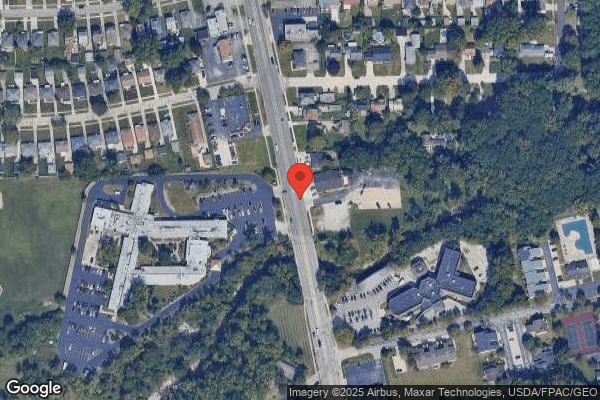
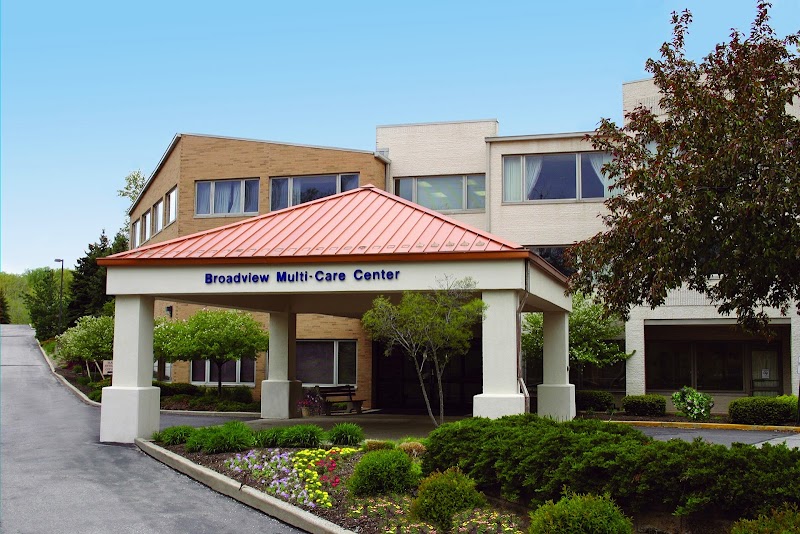
5520 BROADVIEW RD, PARMA, OH 44134 (216) 749-4010
For profit - Corporation 200 Beds LEGACY HEALTH SERVICES Data: November 2025
Trust Grade
30/100
#424 of 913 in OH
Last Inspection: March 2025

Within standard 12-15 month inspection cycle. Federal law requires annual inspections.

Overview

BROADVIEW MULTI CARE CENTER in Parma, Ohio has received a Trust Grade of F, which indicates poor performance with significant concerns about care. It ranks #424 out of 913 nursing homes in Ohio, placing it in the top half of facilities, but its low grade suggests there are serious issues to consider. The facility is improving, having reduced the number of issues from 19 in 2024 to 14 in 2025, but it still reported two serious incidents, including one where a resident fell during a lift transfer due to improper assistance, resulting in injuries. Staffing is an area of concern with a rating of 2 out of 5 and a turnover rate of 59%, which is higher than the state average, suggesting that staff may not stay long enough to build strong relationships with residents. However, the center has no fines on record, indicating that it has not faced serious legal penalties, and it offers more RN coverage than 79% of other facilities, which is a positive aspect that can lead to better care oversight.
Trust Score
F
30/100
In Ohio
#424/913
Top 46%
Safety Record
High Risk
Review needed
Inspections
Getting Better
19 → 14 violations
Staff Stability
⚠ Watch
59% turnover. Above average. Higher turnover means staff may not know residents' routines.
Penalties
✓ Good
No fines on record. Clean compliance history, better than most Ohio facilities.
Skilled Nurses
✓ Good
Each resident gets 48 minutes of Registered Nurse (RN) attention daily — more than average for Ohio. RNs are trained to catch health problems early.
Violations
⚠ Watch
45 deficiencies on record. Higher than average. Multiple issues found across inspections.
★★★☆☆
3.0
Overall Rating
★★☆☆☆
2.0
Staff Levels
★★★★★
5.0
Care Quality
★★☆☆☆
2.0
Inspection Score
Stable
2024: 19 issues
2025: 14 issues

The Good

  • 5-Star Quality Measures · Strong clinical quality outcomes
  • Full Sprinkler Coverage · Fire safety systems throughout facility
  • No fines on record

Facility shows strength in quality measures, fire safety.

The Bad

3-Star Overall Rating

Near Ohio average (3.2)

Meets federal standards, typical of most facilities

Staff Turnover: 59%

13pts above Ohio avg (46%)

Frequent staff changes - ask about care continuity

Chain: LEGACY HEALTH SERVICES

Part of a multi-facility chain

Ask about local staffing decisions and management

Staff turnover is elevated (59%)

11 points above Ohio average of 48%

The Ugly 45 deficiencies on record

2 actual harm
Aug 2025 5 deficiencies
CONCERN (D) 📢 Someone Reported This

A family member, employee, or ombudsman was alarmed enough to file a formal complaint

Potential for Harm - no one hurt, but risky conditions existed

Report Alleged Abuse (Tag F0609)

Could have caused harm · This affected 1 resident

**NOTE- TERMS IN BRACKETS HAVE BEEN EDITED TO PROTECT CONFIDENTIALITY** Based on record review, review of a facility self-reported incident (SRI), interview and review of facility policy, the facility...

Read full inspector narrative →
**NOTE- TERMS IN BRACKETS HAVE BEEN EDITED TO PROTECT CONFIDENTIALITY** Based on record review, review of a facility self-reported incident (SRI), interview and review of facility policy, the facility failed to ensure an allegation of misappropriation was timely reported to the state agency. This affected one (Resident #127) out of seven residents reviewed for misappropriation. The facility census was 160. Findings include:Review of the medical record for Resident #127 revealed an admission date of 05/22/25 and diagnoses included chronic renal disease requiring dialysis, diabetes, respiratory failure and hypertension. Review of the quarterly Minimum Data Set (MDS) dated [DATE] revealed Resident #127 had impaired cognition. Review of the screenshot of Resident #127's phone dated 07/26/25 revealed on 07/26/25 at 12:10 P.M. her credit card was used at 12:10 P.M. for a DoorDash purchase from a restaurant named, Empanadas for $24.39. The screenshot also revealed on 07/26/25 at 12:37 P.M. her credit card was used for an online purchase at [NAME] Secret.com for $79.34. The screenshot revealed the last four digits of the credit card were [####]. Review of the DoorDash receipt (provided by Former Certified Nursing Assistant (CNA) #612) from Empanadas dated 07/26/25 at 1:10 P.M. revealed there was a purchase of one combo meal of chicken stew, white rice, and beans as well as a drink. The amount on the receipt was $24.39 and the last four digits of the credit card were [####], the same amount and last four digit on Resident #127's phone screenshot. Review of the Employee Time Entry Report for CNA #612 revealed she worked at the facility on 07/26/25 from 7:00 A.M. to 6:30 P.M., the date Resident #127 revealed her card was used for DoorDash. Former CNA #612 worked 07/28/25, the date Resident #127 reported the incident, from 7:00 A.M. to 11:00 A.M, the time Assistant Director of Nursing (ADON)/Registered Nurse (RN) #609 had her leave the facility. Review of the email dated 07/28/25 at 12:43 P.M. from ADON/RN #609 to the Administrator revealed the morning of 07/28/25 ADON/RN #609 was sitting in the nursing station when Resident #127 returned from her appointment. Former CNA #612 told Resident #127 that she should tell ADON/RN #609 about someone using her bank card on 07/26/25. Resident #127 then showed ADON/RN #609 a text message alert from the bank that someone had ordered Empanadas using her card. Resident #127 reported to ADON/RN #609 that CNA #620 was eating Hispanic food that day at the facility. ADON/RN #609 called CNA #620, and she denied eating Hispanic food, but stated Former CNA #612 was eating Hispanic food. ADON/RN #609 then had Former CNA #612 come into the office and asked if she ordered Hispanic food from Empanadas and she verified she had. ADON/RN #609 then asked her for the receipt from DoorDash which she provided, and it had the same amount and last four digits of Resident #127's credit card (same as the screenshot). ADON/RN #609 then had Former CNA #612 leave the facility and told her not to return until she heard from someone at the facility. Review of SRI tracking #263396 created on 07/29/25 at 5:07 P.M. by the Administrator revealed facility ADON/RN #609 informed the Administrator of Resident #127's allegation of misappropriation. Resident #127 alleged Former CNA #612 used her bank card without her knowledge. ADON/RN #609 interviewed Former CNA #612 as she was present in the facility, but she refused to participate in the investigation. ADON/RN #609 sent CNA #612 home. The SRI revealed Resident #127 already cancelled her bank cards with replacements ordered. Staff interviews were conducted and identified that Former CNA #612 had Hispanic food but did not confirm the allegation. The police department was notified and was onsite. The SRI revealed at this time the facility suspects the incident occurred but was not able to confirm. The facility unsubstantiated the SRI based on the evidence was inconclusive. Resident #127 was reimbursed and an ongoing investigation with the police department continued. Former CNA #612 was removed from the facility. Additional residents were also named in the SRI as victims: Resident #156, Former Residents #165, and #167. Interview on 08/20/25 at 10:48 A.M. with ADON/RN #609 revealed on 07/28/25 at approximately 11:00 A.M. Former CNA #612 told Resident #127 to tell her that someone used her credit card on 07/26/25. She revealed she went outside with Resident #127, and she showed her two text messages from her bank on her phone for a DoorDash purchase from Empanadas and an online purchase from [NAME] Secrets. ADON/RN #609 revealed Resident #127 stated she had not given anyone permission to use her credit card. ADON/RN #609 revealed she called CNA #620 who had worked on 07/26/25 to ask if she was eating food from Empanadas and she had denied but stated Former CNA #612 was. Former CNA #612 was on duty and had her come to her office. She asked if she received DoorDash from Empanadas at the facility on 07/26/25, and she stated she had. ADON/RN #609 revealed she asked Former CNA #612 for the DoorDash receipt which she showed her, and it matched the same amount and last four-digit numbers of Resident #127's credit card that Resident #127 had shown her on her phone. Former CNA #612 would not confirm or deny that she used Resident #127's credit card for the purchase. She immediately had Former CNA #612 punch out and go home. She notified the Administrator on 07/28/25 at approximately 11:15 A.M. and informed him of the allegation and investigation. She believed a week later they found Resident #127's credit card in the laundry. Interview on 08/20/25 at 11:08 A.M. with Administrator verified the alleged allegation of misappropriation was made by Resident #127 to ADON/RN #609 on 07/28/25 at approximately 11:00 A.M. and she notified him regarding the incident and investigation. He verified he did not report the SRI until 07/29/25 at 5:07 P.M. to the state agency. He verified he did not report the incident within 24 hours. Interview on 08/20/25 at 11:33 A.M. with Resident #127 revealed she heard Former CNA #612 in the hallway complaining that she did not have gas for her vehicle and was going through a rough time. She loaned her ten dollars using her credit card by using the Cash App (a mobile payment system). Two days later, she received notification on her phone that her credit card was used for DoorDash and [NAME] Secrets that she did not give anyone authorization to use. She did not report it right away, but a few days later she had told, ADON/RN #609. She revealed she had shown ADON/RN #609 her phone which had messages from her bank of the charges. Review of the facility policy labeled, Abuse, Neglect, Exploitation, and Misappropriation of Resident Property, dated 06/08/22, revealed the administrator or designee would notify the state agency of all alleged violations involving mistreatment, neglect, abuse, exploitation, and misappropriation of resident property as soon as possible but no later than 24 hours from the time of the incident and/or allegation. This deficiency represents non-compliance investigated under Master Complaint Number 2594162.
CONCERN (D) 📢 Someone Reported This

A family member, employee, or ombudsman was alarmed enough to file a formal complaint

Potential for Harm - no one hurt, but risky conditions existed

Deficiency F0760 (Tag F0760)

Could have caused harm · This affected 1 resident

**NOTE- TERMS IN BRACKETS HAVE BEEN EDITED TO PROTECT CONFIDENTIALITY** Based on record review, observation, interview, review of the incident accident log, review of manufacture's guidelines, review ...

Read full inspector narrative →
**NOTE- TERMS IN BRACKETS HAVE BEEN EDITED TO PROTECT CONFIDENTIALITY** Based on record review, observation, interview, review of the incident accident log, review of manufacture's guidelines, review of the Medication Omission report, review of the Notice of Corrective Action form, review of the Wrong Dose report, review of the National Library of Medicine and review of the facility policy, the facility failed to ensure residents were free of significant medication errors. This affected three (Residents #29, #34, and #169) out of 11 residents observed or reviewed for medication administration. The facility census was 160. Findings include:1. Review of Resident #29's medical record revealed an admission date of 06/04/24 with diagnoses including schizoaffective disorder, chronic respiratory failure, anemia, human immunodeficiency virus (HIV), gastroesophageal reflux disease (GERD), and end stage renal disease (ERSD) requiring dialysis. Review of the care plan dated 06/13/24 revealed Resident #29 had ESRD with dialysis. Interventions included administering medication as ordered, and monitoring lab work as indicated. Review of the care plan dated 06/13/24 revealed Resident #29 had the potential for gastrointestinal distress related to GERD. Interventions included giving medications as ordered, monitoring for abdominal distention, pain, nausea, vomiting heartburn, or indigestion. Review of the August 2025 physician orders revealed Resident #29's orders included: ferrous sulfate oral solution 300 milligram (mg) per five milliliter (ml) (iron supplement) give 5 ml by mouth two times a day as a supplement, midodrine oral 10 mg tablet (medication to treat orthostatic hypotension) give one tablet by mouth one time a day every Monday, Wednesday and Friday, renal multivitamin (supplement) give one tablet by mouth one time a day due to ESRD, and darunavir-cobicistat oral tablet 800-150 mg (medication to treat HIV) give one tablet by mouth one time a day for HIV. There was no order to crush his medications. Observation of the medication administration on 08/20/25 at 7:59 A.M. completed by Licensed Practical Nurse (LPN) #608 revealed she prepared the following medications for Resident #29: Ferrous sulfate 325 milligram (mg) one tablet, darunavir-cobicistat 800-150mg one tablet, [NAME]-Vite one tablet, and midodrine 10 mg one tablet. She then proceeded to crush the medications and mixed in applesauce. Interview on 08/20/25 at 8:22 A.M. and 08/21/25 at 8:53 A.M. with LPN #608 verified she crushed all Resident #29's medications including the ferrous sulfate tablet, darunavir-cobicistat, [NAME]-Vite, and midodrine. She verified Resident #29 did not have an order to crush his medications and verified the above medications should not have been crushed. She stated, I thought he always got them crushed because when she started at the facility that was what she was told. She verified Resident #29 had an order for ferrous sulfate oral solution 300 mg per five ml give 5 ml by mouth and she administered ferrous sulfate 325 mg one tablet instead. Interview on 08/20/25 at 8:26 A.M. with Registered Nurse (RN)/Assistant Director of Nursing (ADON) #609 revealed Resident #29 did not have an order to crush his medications, and he takes his medications whole. Interview on 08/20/25 at 12:25 P.M. with Facility Pharmacist #615 revealed Resident #29 had an order for ferrous sulfate oral solution 300 milligram per five ml give 5 ml by mouth two times a day and not ferrous sulfate 325 mg tablet. She revealed the ferrous sulfate 325 mg tablet should not be crushed as it was coated and would alter the medication release mechanism that could cause gastrointestinal issues. She revealed per recommendations darunavir-cobicistat 800-150 mg tablet should not be crushed. Also, she revealed the [NAME]-Vite was also coated and should not be crushed per recommendations. She revealed the Midodrine 10 mg she was unsure as in her system it did not list if can and/or cannot but would refer to the manufacturer guidelines. Interview on 08/20/25 at 1:04 P.M. with Director of Nursing (DON) verified Resident #29 did not have an order to crush his medications and stated LPN #608 should not have crushed his medications including the darunavir-cobicistat 800-150mg tablet, [NAME]-Vite, and Midodrine 10 mg. He verified Resident #29 had an order for ferrous sulfate oral solution 300 mg per five ml give 5 ml by mouth and not ferrous sulfate 325 mg one tablet as well as ferrous sulfate tablets should not be crushed. Review of the Symtuza, dated 2025, manufacture guidelines for darunavir-cobicistat 800-150 mg tablet revealed the medication had the option to split the pill into two pieces and after splitting the entire dose should be consumed immediately after splitting. There was nothing in the guidelines regarding crushing of the tablet. Review of the National Library of Medicine, dated 10/30/24, revealed ferrous sulfate tablet should not be crushed or chewed. Review of the [NAME]-Vite RX- Uses, Side effects and More, dated 2025, package guidelines revealed do not crush or chew extended-release capsules or tablets as doing so can release all the drug at once increasing the risk of side effects. Review of the Well Wisp, dated 2025, guidelines revealed crushing midodrine was not recommended as it can alter the medication's effectiveness and safety profile. The tablets were designed to release the active ingredient gradually into the blood stream which was crucial to maintain a stable blood pressure throughout the day. Crushing these tablets could disrupt this controlled release feature and lead to rapid absorption causing adverse effects. 2. Review of the medical record for Resident #34 revealed an admission date of 01/11/24 with diagnoses including schizoaffective disorder, bipolar disorder, and dementia with agitation. Review of the care plan dated 09/25/24 revealed Resident #34 required use of psychotropic medications with potential adverse reactions related to insomnia, poor appetite, and schizophrenia. Interventions included administering medications per physician order, monitoring resident's behaviors, monitoring, documenting and reporting any adverse effects to the physician. Review of the nursing notes dated from 03/24/25 to 08/21/25 revealed no signs of adverse effects from Resident #34 not receiving her Haloperidol Decanoate intramuscular (IM) injection (antipsychotic) as ordered on 03/24/25, 04/21/25, and 05/19/25. Review of the March 2025 Medication Administration Record (MAR) revealed on 03/24/25, Resident #34 refused her Haloperidol Decanoate IM injection. Review of the nursing notes dated 03/24/25 revealed there was no documented evidence Resident #34's Primary Care Physician (PCP) #618 was notified she had refused her Haloperidol Decanoate IM injection. Review of the April 2025 MAR revealed on 04/21/25 Resident #34 was scheduled for her Haloperidol Decanoate IM injection but the MAR was blank indicating she did not receive the injection. Review of the May 2025 MAR revealed on 05/19/25 Resident #34 was scheduled to receive her Haloperidol Decanoate IM injection and LPN #617 documented OT. (clarification with Administrator revealed OT meant when refused or the medication not provided for some reason). Review of the nursing note dated 05/19/25 revealed there was no documented evidence PCP #618 was notified that Resident #34's Haloperidol Decanoate IM injection was not administered as ordered. Review of the nursing note dated 06/05/25 at 12:44 P.M. and completed by the DON revealed the Administrator and he met with Resident #34's guardian regarding the recent incident. The facility provided support and at this time the concerns had been addressed. Review of the June 2025 MAR revealed on 06/09/25 Resident #34 received her Haloperidol IM injection. Review of the June 2025 physician orders revealed Resident #34 had an order dated 11/27/24 for Haloperidol Decanoate IM solution 50 mg per ml inject one ml IM one time a day every 28 days for bipolar disorder. Review of the quarterly Minimum Data Set (MDS) assessment dated [DATE] revealed Resident #34 had intact cognition and no behaviors. Review of the Medication Omission report, dated 06/05/25, and completed by RN #613 revealed during chart review, Resident #34 missed multiple doses of her IM Haldol medication. Resident #34 was immediately assessed for injuries and none were noted. The report revealed Resident #34 was at baseline, vital signs were stable, and no negative findings were noted. Resident #34's guardian and Nurse Practitioner (NP) #616 were notified, and a new order was received to start medication on 06/09/25. Review of the Notice of Corrective Action, dated 06/05/25, revealed LPN #617 received corrective action due to poor work performance that involved a medication error. She was educated on the five medication rights before giving a medication. Interview on 08/21/25 at 1:35 PM and 3:27 P.M. with the DON revealed the facility was conducting a medication audit and discovered Resident #34 had missed several doses of her Haloperidol Decanoate IM injection. He verified on 03/24/25 that the nurse had documented Resident #34 had refused her Haloperidol Decanoate IM injection, and he did not have documented evidence Resident #34's PCP #618 was notified. He also verified on 04/21/25 Resident #34 was scheduled to receive her Haloperidol Decanoate IM injection, but the MAR was blank indicating she did not receive it. Also, he verified on 05/19/25 she was scheduled to receive the Haloperidol Decanoate IM injection, but the nurse documented that it was on order and Resident #34 did not receive it. He revealed on 06/05/25 during the medication audit the facility discovered Resident #36 had not received her Haloperidol Decanoate IM injection that was scheduled to be given every 28 days since 02/24/25. Resident #36 was assessed and had no adverse effects from the omitted doses. He verified she was administered her Haloperidol Decanoate IM injection on 06/09/25. Interview on 08/21/25 at 3:35 P.M. with Resident #34 revealed she was aware she missed her Haloperidol Decanoate IM injections for several months and felt she did not have any adverse effects from the missed doses. She revealed she did not feel she needed the Haloperidol Decanoate IM injection and revealed recently they had taken her off the Haloperidol Decanoate IM injection as now she received the pill form. She revealed she felt happy as she did not like taking IM injections. 3. Review of the closed medical record Resident #169 revealed an admission date of 04/18/25 and he was discharged on 08/17/25. His diagnoses included lymphedema, peripheral vascular disease, diabetes and chronic pain. Review of the May 2025 physician orders revealed Resident #169 had the following orders: Oxycodone 15 mg (opioid pain medication) give one tablet by mouth every six hours for chronic pain and Oxycodone 10 mg (opioid pain medication) give one tablet by mouth every eight hours as needed for breakthrough pain. Review of the Wrong Dose report dated 05/20/25 at 12:45 A.M. and completed by RN #600 revealed Resident #169 had requested his as needed Oxycodone 10 mg dose and RN #600 gave Oxycodone 15 mg dose in error. Resident #169 was notified of wrong dose given and expressed understanding. The report revealed NP #619 was notified and ordered to hold his 6:00 A.M. dose of Oxycodone 15 mg and give his as needed Oxycodone 10 mg. He had no adverse effects from the medication error. Review of the nursing notes dated 05/20/25 to 08/17/25 revealed no adverse effects from the wrong dose of medications given to Resident #169 on 05/20/25. Review of the nursing note dated 05/20/25 at 1:32 A.M. and completed by RN #600 revealed she contacted NP #619, and a medication review was done. RN #600 received a new order to hold Resident #169's 6:00 A.M. dose of routine Oxycodone 15 mg and give him his 10 mg as needed dose instead at 6:00 A.M. Review of NP #619's note dated 05/20/25 at 1:32 A.M. revealed Resident #169 was given his Oxycodone 15 mg dose instead of his 10 mg dose. The note revealed the plan would be to hold his 6:00 A.M. dose. Review of the Notice of Corrective Action dated 05/20/25 revealed RN #600 was given corrective action due to poor work performance regarding medication error. Review of the care plan dated 08/07/25 revealed Resident #169 was at risk for pain and discomfort related to cellulitis, arthritis, and depression. Interventions included administering pain medications as ordered, monitoring and documenting side effects of pain medication, and assessing for pain. Interview on 08/21/25 at 1:35 P.M. with the DON revealed on 05/20/25 Resident #169 had requested his as needed Oxycodone 10 mg dose and RN #600 gave his routine Oxycodone 15 mg dose in error. He revealed NP #619 was notified and ordered to hold his 6:00 A.M. dose of Oxycodone 15 mg and give his as needed Oxycodone 10 mg instead. He revealed Resident #169 did not have any adverse effects from the medication error. Review of the incident accident log dated from 05/01/25 to 08/19/25 revealed the facility had two medication errors as on 05/20/25 Resident #169 received the wrong dose of medication, and on 06/05/25 Resident #34's medication was omitted. Review of the facility policy labeled, Medication Administration- General Guidelines, dated 2006, revealed medications were to be administered as prescribed and in accordance with good nursing principles and practices. Th policy revealed the nurse must ensure the five rights (right resident, right drug, right dose, right route, and right time were applied for each medication being administered). The policy revealed crushing of medications may require a physician's order and if safe to do so. The policy revealed an individual approach should be used when crushing in working with the pharmacist and physician to determine the most appropriate method and consider each resident safety. Long- acting and enteric coated dosages should not be crushed. The policy revealed medication refusals must be reported to the physician after three doses or per facility protocol and there must be documentation of the notification. The policy revealed if a dose was withheld, refused or was not available the space provided on the MAR needed to be initialed and circled. This deficiency represents non-compliance investigated under Complaint Number 2583042.
CONCERN (D) 📢 Someone Reported This

A family member, employee, or ombudsman was alarmed enough to file a formal complaint

Potential for Harm - no one hurt, but risky conditions existed

Safe Environment (Tag F0921)

Could have caused harm · This affected 1 resident

Based on record review, observation and interview, the facility failed to ensure Resident #29's room was maintained in a clean and sanitary manner. This affected one (Resident #29) out of six resident...

Read full inspector narrative →
Based on record review, observation and interview, the facility failed to ensure Resident #29's room was maintained in a clean and sanitary manner. This affected one (Resident #29) out of six residents reviewed for physical environment. The facility census was 160. Findings include:Review of Resident #29's medical record revealed an admission date of 06/04/24 with diagnoses including schizoaffective disorder, chronic respiratory failure, and end stage renal disease requiring dialysis. Review of the care plan dated 06/11/24 revealed Resident #29 was alert and oriented and able to make his needs known. Interventions included encouraging the resident to make a routine, daily decisions, and coach through process if decisions were not forthcoming. There was nothing in his comprehensive care plan regarding hoarding and/or concerns related to not allowing staff to clean/maintain his room in a sanitary manner. Observation during medication administration on 08/20/25 at 7:59 A.M. revealed Licensed Practical Nurse (LPN) #608 entered Resident #29's room and multiple gnats were flying, landing, and/or crawling on his breakfast tray, drink cups, and the straws in his cups that were located on his bedside table next to Resident #29. Also, there were gnats flying around his room, on his bed and on Resident #29. Attempted interview on 08/20/25 at 8:20 A.M. with Resident #29 but he just looked at this surveyor when questions were asked regarding the gnats. Interview on 08/20/25 at 8:22 A.M. with LPN #608 verified there were multiple gnats on his food, cups, and straws as well as flying in his room and on Resident #29. She revealed the gnats were always in Resident #29's room and verified, there were most likely over 40 gnats. She revealed she did not know what the facility was doing regarding the gnats. Interview on 08/20/25 at 8:26 A.M. with Registered Nurse (RN)/Assistant Director of Nursing (ADON) #609 verified there were multiple gnats in Resident #29's room on his food, cups, straws, as well as on Resident #29. She revealed the gnats were always in his room as Resident #29 hoards items, but she would let housekeeping know. Observation on 08/21/25 at 8:53 A.M. of Resident #29's room revealed his breakfast tray was on his bedside table with three drinks with straws in each drink. There were multiple gnats climbing all over the leftover food on his tray, up his straws, and on his cups. Gnats were also observed flying throughout the room and on his bed, including on his pillow. On the corner of Resident #29's bedside table, there were five Nutren 2.0 (supplement drink) containers that had multiple gnats crawling on all the containers, especially on the lid area. Interview on 08/21/25 at 9:00 A.M. with LPN #608, who was administering medications in the hallway, revealed Resident #29 had left for dialysis. She verified gnats continued to be in Resident #29's room including on his leftover food, straws, cups, supplement drink containers, and bed. She again stated, they always in there. When asked what the plans were to resolve the concern, she shrugged her shoulders and, in a motion, took her hands and clapped them together as she revealed that was how she tried to get rid of the gnats. She verified there was over 50 gnats in his room. Interview on 08/21/25 at 9:02 A.M. with the Director of Nursing (DON) verified the gnats in Resident #29's room including on his leftover food, straws, cups, and bed. He revealed he was unsure what the facility was doing about the gnats in his room. Interview on 08/21/25 at 9:04 A.M. with Maintenance Director #614 verified the gnats in Resident #29's room and revealed there were most likely over 50 gnats including on his leftover food, drinks, straws, and bed. He was not aware there were gnats in his room. He was not notified on 08/20/25 regarding the gnats observed in Resident #29's room. He stated that staff were to notify him of any pests, and he then addressed any concern. Interview on 08/21/25 at 10:20 A.M. with Housekeeping #607 revealed she sometimes worked on Resident #29's unit and she verified she had routinely seen gnats in his room. She revealed Resident #29 kept food in his room including putting it in his drawers or other spots, but that she had a good rapport with Resident #29 and just had to remind him his room needed cleaned. She revealed Resident #29 never refused to have his room cleaned to her knowledge. Interview on 08/21/25 at 10:45 A.M. with the Administrator revealed the facility did not have an actual pest control policy. This deficiency represents non-compliance investigated under Complaint Number 2583042.
CONCERN (E) 📢 Someone Reported This

A family member, employee, or ombudsman was alarmed enough to file a formal complaint

Potential for Harm - no one hurt, but risky conditions existed

Deficiency F0602 (Tag F0602)

Could have caused harm · This affected multiple residents

**NOTE- TERMS IN BRACKETS HAVE BEEN EDITED TO PROTECT CONFIDENTIALITY** Based on record review, review of a facility self-reported incidents (SRIs), personnel file review, interviews and review of the...

Read full inspector narrative →
**NOTE- TERMS IN BRACKETS HAVE BEEN EDITED TO PROTECT CONFIDENTIALITY** Based on record review, review of a facility self-reported incidents (SRIs), personnel file review, interviews and review of the facility policy, the facility failed to ensure residents were free from misappropriation. This affected six (Residents #26, #127, #156, #165, #167, and #168) out of seven residents reviewed for misappropriation. The facility census was 160. Findings include:1. Review of the medical record for Resident #127 revealed an admission date of 05/22/25 with diagnoses including chronic renal disease requiring dialysis, diabetes, respiratory failure and hypertension. Review of the quarterly Minimum Data Set (MDS) assessment dated [DATE] revealed Resident #127 had impaired cognition. Review of the screenshot of Resident #127's phone dated 07/26/25 revealed on 07/26/25 at 12:10 P.M. her credit card was used at 12:10 P.M. for a DoorDash purchase from a restaurant named, Empanadas for $24.39. The screenshot also revealed on 07/26/25 at 12:37 P.M. her credit card was used for an online purchase at [NAME] Secret.com for $79.34. The screenshot revealed the last four digits of the credit card were [####]. Review of the DoorDash receipt (provided by Former Certified Nursing Assistant (CNA) #612) from Empanadas dated 07/26/25 at 1:10 P.M. revealed there was a purchase of one combo meal of chicken stew, white rice, and beans as well as a drink. The amount on the receipt was $24.39 and the last four digits of the credit card were [####], the same amount and last four digit on Resident #127's phone screenshot. Review of the Employee Time Entry Report for CNA #612 revealed she worked at the facility on 07/26/25 from 7:00 A.M. to 6:30 P.M., the date Resident #127 revealed her card was used for DoorDash. Former CNA #612 worked 07/28/25, the date Resident #127 reported the incident, from 7:00 A.M. to 11:00 A.M, the time Assistant Director of Nursing (ADON)/Registered Nurse (RN) #609 had her leave the facility. Review of the email dated 07/28/25 at 12:43 P.M. from ADON/RN #609 to the Administrator revealed the morning of 07/28/25 ADON/RN #609 was sitting in the nursing station when Resident #127 returned from her appointment. Former CNA #612 told Resident #127 that she should tell ADON/RN #609 about someone using her bank card on 07/26/25. Resident #127 then showed ADON/RN #609 a text message alert from the bank that someone had ordered Empanadas using her card. Resident #127 reported to ADON/RN #609 that CNA #620 was eating Hispanic food that day at the facility. ADON/RN #609 called CNA #620, and she denied eating Hispanic food, but stated Former CNA #612 was eating Hispanic food. ADON/RN #609 then had Former CNA #612 come into the office and asked if she ordered Hispanic food from Empanadas and she verified she had. ADON/RN #609 then asked her for the receipt from DoorDash which she provided, and it had the same amount and last four digits of Resident #127's credit card (same as the screenshot). ADON/RN #609 then had Former CNA #612 leave the facility and told her not to return until she heard from someone at the facility. Review of SRI tracking #263396 created on 07/29/25 at 5:07 P.M. by the Administrator revealed facility ADON/RN #609 informed the Administrator of Resident #127's allegation of misappropriation. Resident #127 alleged Former CNA #612 used her bank card without her knowledge. ADON/RN #609 interviewed Former CNA #612 as she was present in the facility, but she refused to participate in the investigation. ADON/RN #609 sent CNA #612 home. The SRI revealed Resident #127 already cancelled her bank cards with replacements ordered. Staff interviews were conducted and identified that Former CNA #612 had Hispanic food but did not confirm the allegation. The police department was notified and was onsite. The SRI revealed at this time the facility suspects the incident occurred but was not able to confirm. The facility unsubstantiated the SRI based on the evidence was inconclusive. Resident #127 was reimbursed and an ongoing investigation with the police department continued. Former CNA #612 was removed from the facility. Additional residents were also named in the SRI as victims: Resident #156, Former Residents #165, and #167. Review of the undated SRI investigation statement completed by the Administrator revealed he met with Resident #127 following the allegation of misappropriation and Resident #127 stated she thought one staff member, Former CNA #612, was responsible for the misuse of her credit card. She stated she did not witness Former CNA #612 using the card. ADON/RN #609 was investigating, and Resident #127 replaced her debit card and felt safe having it in her room. Review of the nursing note dated 07/30/25 at 9:52 A.M. and completed by the Administrator revealed he met with Resident #127 who had no additional concerns, and all her items were secured. Review of the Check Authorization Form dated 08/04/25 and completed by the Administrator revealed a check request for $104.00 was requested for the reimbursement to Resident #127 for staff usage of resident card without her consent. Review of receipt dated 08/04/25 revealed Resident #127 signed that she received the reimbursement check for $104.00. Review of the undated additional facility investigation revealed face sheets for Residents #26, #156, Former Residents #165, #167, and #168. There was an undated notebook paper that identified other potentially affected residents on the top of the paper dates and last four digits of credit card numbers for each resident. There were no other witness statements, interviews and/ or any other facility investigation including details for the other named resident victims. Review of the Termination Report dated 07/29/25 revealed Former CNA #612 was terminated from the facility on 07/29/25 for violation of company policy and was not eligible for rehire. Interview on 08/20/25 at 10:48 A.M. with ADON/RN #609 revealed on 07/28/25 at approximately 11:00 A.M. Former CNA #612 told Resident #127 to tell her that someone used her credit card on 07/26/25. She revealed she went outside with Resident #127, and she showed her two text messages from her bank on her phone for a DoorDash purchase from Empanadas and an online purchase from [NAME] Secrets. ADON/RN #609 revealed Resident #127 stated she had not given anyone permission to use her credit card. ADON/RN #609 revealed she called CNA #620 who had worked on 07/26/25 to ask if she was eating food from Empanadas and she had denied but stated Former CNA #612 was. Former CNA #612 was on duty and had her come to her office. She asked if she received DoorDash from Empanadas at the facility on 07/26/25, and she stated she had. ADON/RN #609 revealed she asked Former CNA #612 for the DoorDash receipt which she showed her, and it matched the same amount and last four-digit numbers of Resident #127's credit card that Resident #127 had shown her on her phone. Former CNA #612 would not confirm or deny that she used Resident #127's credit card for the purchase. She immediately had Former CNA #612 punch out and go home. She notified the Administrator on 07/28/25 at approximately 11:15 A.M. and informed him of the allegation and investigation. She believed a week later they found Resident #127's credit card in the laundry. Interview on 08/20/25 at 11:08 A.M. with Administrator verified the alleged allegation of misappropriation was made by Resident #127 to ADON/RN #609 on 07/28/25 at approximately 11:00 A.M. and she notified him regarding the incident and investigation. Interview on 08/20/25 at 11:33 A.M. with Resident #127 revealed she heard Former CNA #612 in the hallway complaining that she did not have gas for her vehicle and was going through a rough time. She loaned her ten dollars using her credit card by using the Cash App (a mobile payment system). Two days later, she received notification on her phone that her credit card was used for DoorDash and [NAME] Secrets that she did not give anyone authorization to use. She did not report it right away, but a few days later she had told, ADON/RN #609. She revealed she had shown ADON/RN #609 her phone which had messages from her bank of the charges. ADON/RN #609 investigated and found out Former CNA #612 was eating the food that she bought on her credit card that day at the facility. She stated, I am nervous in here, I do not know who will take something next. She revealed then a girl in laundry found her card in the dryer which she stated, was messed up as I said she did not want to get mixed up in this. She verified the facility reimbursed her but she wanted Former CNA #612 prosecuted as it was not right for her to use her credit card without her consent. 2. Review of the closed medical record of Former Resident #165 revealed an admission date of 07/04/25. She was discharged home on [DATE]. Her diagnoses included diabetes, osteomyelitis, and chronic renal disease requiring dialysis. There was nothing in her medical record regarding misappropriation. Phone interview on 08/21/25 at 10:27 A.M. with Former Resident #165 revealed she had several credit cards that were used without her permission while at the facility. She revealed her Discover card was charged $208.00 and currently she was attempting to have the charges removed. Her bank card was charged $198.00 and she was reimbursed from her bank. There were a total of six or seven DoorDash charges on her credit cards that totaled approximately $300.00. She had no idea how a staff member could have gotten her card as she slept with her purse. 3. Review of the medical record for Resident #156 revealed an admission date of 06/26/25 with diagnoses including heart failure, chronic obstructive pulmonary disease (COPD), and atrial fibrillation. There was nothing in his medical record regarding misappropriation. Review of the admission MDS assessment dated [DATE] revealed Resident #156 had impaired cognition. Interview on 08/21/25 at 9:26 A.M. with Resident #156 revealed yesterday, 08/20/26, they told him about his credit card being misused by someone and some man at the facility had his card currently. He had not used his credit card recently and stated, this is wrong as he became upset. 4. Review of the medical record for Former Resident #168 revealed an admission date of 01/21/25 with diagnoses including major depression and bipolar disorder. There was nothing in his medical record regarding misappropriation. Review of the Medicare Five-Day MDS assessment dated [DATE] revealed Resident #168 had intact cognition. 5. Review of the medical record for Resident #26 revealed an admission date of 07/13/25 with diagnoses including diabetes, hypertension, and adult failure to thrive. There was nothing in his medical record regarding misappropriation. Review of the admission MDS assessment dated [DATE] revealed Resident #26 had intact cognition. Interview on 08/21/25 at 9:20 A.M. with Resident #26 revealed he had a wallet with one-hundred-dollar bill, two twenty-dollar bill and a Visa credit card that came up missing after it was sitting on his over the bed table. He revealed this happened two to three months ago, and he reported the incident, and a police report was filed. Interview on 08/21/25 at 9:40 A.M. with the Administrator revealed Resident #26 was just recently admitted and was not at the facility two or three months ago. Resident #26 had never reported that his wallet, money, or credit card was missing. He revealed the facility had never contacted the police to file a report on his missing wallet, money or credit cards. 6. Review of the closed medical record for Former Resident #167 revealed an admission date of 07/19/25. She was discharged on 08/02/25. Her diagnoses included diabetes, chronic kidney disease, and congestive heart failure. There was nothing in his medical record regarding misappropriation. Review of the admission MDS assessment dated [DATE] revealed Former Resident #167 had intact cognition. Interview on 08/21/25 at 8:14 A.M., 10:45 A.M., and 11:06 A.M. with the Administrator revealed Healthcare Investigator Specialist through Abuse, Neglect, and Misappropriation (ANM) unit #611 notified him (unsure of exact date) that when he checked with [NAME] Secrets records he had found other residents at the facility were potentially affected including Residents #26, #156, Former Residents #165, #167, and #168 as they all had either charges or attempted charges on their credit cards. He revealed he had not filed additional SRI's as he stated he was told by Healthcare Investigator Specialist through ANM unit #611 not to as he would add to the current SRI #263396 the victims (residents) names. He verified he had not completed any additional investigations for the other residents besides Resident #127 despite being aware there were additional victims (residents) on 08/13/25 or 08/14/25. He revealed Healthcare Investigator Specialist through ANM unit #611 was completing the investigation as well as the police department. He revealed he had just spoken to Resident #156's daughter on 08/20/25 who lived out of state who stated a few months ago, Residents #156's credit card had been misused, and she did not know who to contact. He revealed last night, 08/20/25, he received permission from Resident #156 to take his card to keep it safe. Former Resident #168 had cognitive impairment and no longer resided at the facility. He revealed it appeared the [NAME] Secret transaction went through and Healthcare Investigator Specialist through ANM unit #611 was still working on the amount of the transaction. Healthcare Investigator Specialist through ANM unit #611 stated Resident #26 had a [NAME] Secret transaction but on interview last night, 08/20/25 Resident #26 stated he did not have any credit cards. He revealed that Former Resident #165's credit card was misused but that she had disputed the charges with her credit card company and the charges got removed from the cards. Former Resident #167 had progressive dementia, and her bank card was used for a purchase at [NAME] Secrets. He revealed he sent a memo to the residents last night, 08/20/25, informing them that there was an event of unconsented use of credit cards and asked the residents to report if they had any issues. He also revealed that starting today, 08/21/25, his receptionist and nurse managers would be contacting families regarding the misappropriation of credit card use to see if any other residents were affected. He unsubstantiated the SRI because the police report was still open and the facility had reimbursed Resident #127 her money. He verified it appeared there was misappropriation but until Former CNA #612 was formally charged, and in his opinion, the SRI was inconclusive. Interview on 08/21/25 at 9:49 A.M. with Healthcare Investigator Specialist through ANM unit #611 revealed he became aware of the incident of misappropriation through the SRI #263396 involving Resident #127 and Former CNA #612 that was filed by the facility. On 08/12/25 he was at the facility and started his investigation. On 08/13/25 he spoke with Former CNA #612 who denied the incident. He submitted a request from [NAME] Secrets on 08/13/25 and discovered there were more victims (residents) that had resided at the facility or currently still did reside at the facility. On 08/13/25 or 08/14/25 he let the facility administrator know there were more victims and the details of his investigation. He revealed he told the administrator he would add the victims (residents) names to SRI #263396 but never told the administrator to not investigate the additional residents affected. He revealed misappropriation potentially involving Former CNA #612 using resident's credit cards occurred from 06/25/25 to 07/26/25. He revealed that Former Resident #168's credit card was charged on 06/25/25 $84.24 and it appeared he was the first victim. The transaction included a known email address with Former CNA #612 nickname on it. Resident #26's credit card was used on 07/16/25 for a charge of $187.70 and on 07/19/25 for a charge of $56.16. Former Resident #165 had three credit cards with multiple charges on each card without her knowledge/consent. Former Resident #167 credit card was also used. Attempted interview on 08/21/25 at 10:17 A.M. with Former CNA #612 revealed the phone number was unable to take the call and unable to leave a voicemail. Review of the personnel file for Former CNA #612 revealed a date of hire of 09/27/24. She had references prior to hire, was on the background check log without any concerns, had an active CNA certification that was in good standing and had training on abuse including misappropriation on hire. Review of the facility policy labeled, Abuse, Neglect, Exploitation, and Misappropriation of Resident Property, dated 06/08/22, revealed residents had the right to be free from abuse, neglect, exploitation, and misappropriation of resident property. This deficiency represents non-compliance investigated under Master Complaint Number 2594162.
CONCERN (E) 📢 Someone Reported This

A family member, employee, or ombudsman was alarmed enough to file a formal complaint

Potential for Harm - no one hurt, but risky conditions existed

Investigate Abuse (Tag F0610)

Could have caused harm · This affected multiple residents

**NOTE- TERMS IN BRACKETS HAVE BEEN EDITED TO PROTECT CONFIDENTIALITY** Based on record reviews, review of a facility self-reported incident (SRI), interviews and review of the facility policy, the fa...

Read full inspector narrative →
**NOTE- TERMS IN BRACKETS HAVE BEEN EDITED TO PROTECT CONFIDENTIALITY** Based on record reviews, review of a facility self-reported incident (SRI), interviews and review of the facility policy, the facility failed to ensure alleged incidents of misappropriation were thoroughly investigated. This affected five (Residents #26, #156, #165, #167, and #168) out of seven residents reviewed for misappropriation. The facility census was 160. Findings include:1. Review of the medical record for Resident #127 revealed an admission date of 05/22/25 with diagnoses including chronic renal disease requiring dialysis, diabetes, respiratory failure and hypertension. Review of the quarterly Minimum Data Set (MDS) assessment dated [DATE] revealed Resident #127 had impaired cognition. Review of the screenshot of Resident #127's phone dated 07/26/25 revealed on 07/26/25 at 12:10 P.M. her credit card was used at 12:10 P.M. for a DoorDash purchase from a restaurant named, Empanadas for $24.39. The screenshot also revealed on 07/26/25 at 12:37 P.M. her credit card was used for an online purchase at [NAME] Secret.com for $79.34. The screenshot revealed the last four digits of the credit card were [####]. Review of the DoorDash receipt (provided by Former Certified Nursing Assistant (CNA) #612) from Empanadas dated 07/26/25 at 1:10 P.M. revealed there was a purchase of one combo meal of chicken stew, white rice, and beans as well as a drink. The amount on the receipt was $24.39 and the last four digits of the credit card were [####], the same amount and last four digit on Resident #127's phone screenshot. Review of the email dated 07/28/25 at 12:43 P.M. from ADON/RN #609 to the Administrator revealed the morning of 07/28/25 ADON/RN #609 was sitting in the nursing station when Resident #127 returned from her appointment. Former CNA #612 told Resident #127 that she should tell ADON/RN #609 about someone using her bank card on 07/26/25. Resident #127 then showed ADON/RN #609 a text message alert from the bank that someone had ordered Empanadas using her card. Resident #127 reported to ADON/RN #609 that CNA #620 was eating Hispanic food that day at the facility. ADON/RN #609 called CNA #620, and she denied eating Hispanic food, but stated Former CNA #612 was eating Hispanic food. ADON/RN #609 then had Former CNA #612 come into the office and asked if she ordered Hispanic food from Empanadas and she verified she had. ADON/RN #609 then asked her for the receipt from DoorDash which she provided, and it had the same amount and last four digits of Resident #127's credit card (same as the screenshot). ADON/RN #609 then had Former CNA #612 leave the facility and told her not to return until she heard from someone at the facility. Review of SRI tracking #263396 created on 07/29/25 at 5:07 P.M. by the Administrator revealed facility ADON/RN #609 informed the Administrator of Resident #127's allegation of misappropriation. Resident #127 alleged Former CNA #612 used her bank card without her knowledge. ADON/RN #609 interviewed Former CNA #612 as she was present in the facility, but she refused to participate in the investigation. ADON/RN #609 sent CNA #612 home. The SRI revealed Resident #127 already cancelled her bank cards with replacements ordered. Staff interviews were conducted and identified that Former CNA #612 had Hispanic food but did not confirm the allegation. The police department was notified and was onsite. The SRI revealed at this time the facility suspects the incident occurred but was not able to confirm. The facility unsubstantiated the SRI based on the evidence was inconclusive. Resident #127 was reimbursed and an ongoing investigation with the police department continued. Former CNA #612 was removed from the facility. Additional residents were also named in the SRI as victims: Resident #156, Former Residents #165, and #167. Review of the undated SRI investigation statement completed by the Administrator revealed he met with Resident #127 following the allegation of misappropriation and Resident #127 stated she thought one staff member, Former CNA #612, was responsible for the misuse of her credit card. She stated she did not witness Former CNA #612 using the card. ADON/RN #609 was investigating, and Resident #127 replaced her debit card and felt safe having it in her room. Review of the Check Authorization Form dated 08/04/25 and completed by the Administrator revealed a check request for $104.00 was requested for the reimbursement to Resident #127 for staff usage of resident card without her consent. Review of receipt dated 08/04/25 revealed Resident #127 signed that she received the reimbursement check for $104.00. Review of the undated additional facility investigation revealed face sheets for Residents #26, #156, Former Residents #165, #167, and #168. There was an undated notebook paper that identified other potentially affected residents on the top of the paper dates and last four digits of credit card numbers for each resident. There were no other witness statements, interviews and/ or any other facility investigation including details for the other named resident victims. Review of the Employee Time Entry Report for CNA #612 revealed she worked at the facility on 07/26/25 from 7:00 A.M. to 6:30 P.M., the date Resident #127 revealed her card was used for DoorDash. Former CNA #612 worked 07/28/25, the date Resident #127 reported the incident, from 7:00 A.M. to 11:00 A.M. Review of the Termination Report dated 07/29/25 revealed Former CNA #612 was terminated from the facility on 07/29/25 for violation of company policy and was not eligible for rehire. Interview on 08/20/25 at 10:48 A.M. with ADON/RN #609 revealed on 07/28/25 at approximately 11:00 A.M. Former CNA #612 told Resident #127 to tell her that someone used her credit card on 07/26/25. She revealed she went outside with Resident #127, and she showed her two text messages from her bank on her phone for a DoorDash purchase from Empanadas and an online purchase from [NAME] Secrets. ADON/RN #609 revealed Resident #127 stated she had not given anyone permission to use her credit card. ADON/RN #609 revealed she called CNA #620 who had worked on 07/26/25 to ask if she was eating food from Empanadas and she had denied but stated Former CNA #612 was. Former CNA #612 was on duty and had her come to her office. She asked if she received DoorDash from Empanadas at the facility on 07/26/25, and she stated she had. ADON/RN #609 revealed she asked Former CNA #612 for the DoorDash receipt which she showed her, and it matched the same amount and last four-digit numbers of Resident #127's credit card that Resident #127 had shown her on her phone. Former CNA #612 would not confirm or deny that she used Resident #127's credit card for the purchase. She immediately had Former CNA #612 punch out and go home. She notified the Administrator on 07/28/25 at approximately 11:15 A.M. and informed him of the allegation and investigation. She believed a week later they found Resident #127's credit card in the laundry. Interview on 08/20/25 at 11:33 A.M. with Resident #127 revealed she heard Former CNA #612 in the hallway complaining that she did not have gas for her vehicle and was going through a rough time. She loaned her ten dollars using her credit card by using the Cash App (a mobile payment system). Two days later, she received notification on her phone that her credit card was used for DoorDash and [NAME] Secrets that she did not give anyone authorization to use. She did not report it right away, but a few days later she had told, ADON/RN #609. She revealed she had shown ADON/RN #609 her phone which had messages from her bank of the charges. ADON/RN #609 investigated and found out Former CNA #612 was eating the food that she bought on her credit card that day at the facility. She stated, I am nervous in here, I do not know who will take something next. She revealed then a girl in laundry found her card in the dryer which she stated, was messed up as I said she did not want to get mixed up in this. She verified the facility reimbursed her but she wanted Former CNA #612 prosecuted as it was not right for her to use her credit card without her consent. 2. Review of the closed medical record of Former Resident #165 revealed an admission date of 07/04/25. She was discharged home on [DATE]. Her diagnoses included diabetes, osteomyelitis, and chronic renal disease requiring dialysis. There was nothing in her medical record regarding misappropriation. Phone interview on 08/21/25 at 10:27 A.M. with Former Resident #165 revealed she had several credit cards that were used without her permission while at the facility. She revealed her Discover card was charged $208.00 and currently she was attempting to have the charges removed. Her bank card was charged $198.00 and she was reimbursed from her bank. There were a total of six or seven DoorDash charges on her credit cards that totaled approximately $300.00. She had no idea how a staff member could have gotten her card as she slept with her purse.3. Review of the medical record for Resident #156 revealed an admission date of 06/26/25 with diagnoses including heart failure, chronic obstructive pulmonary disease (COPD), and atrial fibrillation. There was nothing in his medical record regarding misappropriation. Review of the admission MDS assessment dated [DATE] revealed Resident #156 had impaired cognition. Interview on 08/21/25 at 9:26 A.M. with Resident #156 revealed yesterday, 08/20/26, they told him about his credit card being misused by someone and some man at the facility had his card currently. He had not used his credit card recently and stated, this is wrong as he became upset. 4. Review of the medical record for Former Resident #168 revealed an admission date of 01/21/25 with diagnoses including major depression and bipolar disorder. There was nothing in his medical record regarding misappropriation. Review of the Medicare Five-Day MDS assessment dated [DATE] revealed Resident #168 had intact cognition. 5. Review of the medical record for Resident #26 revealed an admission date of 07/13/25 with diagnoses including diabetes, hypertension, and adult failure to thrive. There was nothing in his medical record regarding misappropriation. Review of the admission MDS assessment dated [DATE] revealed Resident #26 had intact cognition. Interview on 08/21/25 at 9:20 A.M. with Resident #26 revealed he had a wallet with one-hundred-dollar bill, two twenty-dollar bill and a Visa credit card that came up missing after it was sitting on his over the bed table. He revealed this happened two to three months ago, and he reported the incident, and a police report was filed. Interview on 08/21/25 at 9:40 A.M. with the Administrator revealed Resident #26 was just recently admitted and was not at the facility two or three months ago. Resident #26 had never reported that his wallet, money, or credit card was missing. He revealed the facility had never contacted the police to file a report on his missing wallet, money or credit cards. 6. Review of the closed medical record for Former Resident #167 revealed an admission date of 07/19/25 and she was discharged on 08/02/25. Her diagnoses included diabetes, chronic kidney disease, and congestive heart failure. There was nothing in his medical record regarding misappropriation. Review of her admission MDS dated [DATE] revealed Former Resident #167 had intact cognition. Interview on 08/21/25 at 8:14 A.M., 10:45 A.M., and 11:06 A.M. with the Administrator revealed Healthcare Investigator Specialist through Abuse, Neglect, and Misappropriation (ANM) unit #611 notified him (unsure of exact date) that when he checked with [NAME] Secrets records he had found other residents at the facility were potentially affected including Residents #26, #156, Former Residents #165, #167, and #168 as they all had either charges or attempted charges on their credit cards. He revealed he had not filed additional SRI's as he stated he was told by Healthcare Investigator Specialist through ANM unit #611 not to as he would add to the current SRI #263396 the victims (residents) names. He verified he had not completed any additional investigations for the other residents besides Resident #127 despite being aware there were additional victims (residents) on 08/13/25 or 08/14/25. He revealed Healthcare Investigator Specialist through ANM unit #611 was completing the investigation as well as the police department. He revealed he had just spoken to Resident #156's daughter on 08/20/25 who lived out of state who stated a few months ago, Residents #156's credit card had been misused, and she did not know who to contact. He revealed last night, 08/20/25, he received permission from Resident #156 to take his card to keep it safe. Former Resident #168 had cognitive impairment and no longer resided at the facility. He revealed it appeared the [NAME] Secret transaction went through and Healthcare Investigator Specialist through ANM unit #611 was still working on the amount of the transaction. Healthcare Investigator Specialist through ANM unit #611 stated Resident #26 had a [NAME] Secret transaction but on interview last night, 08/20/25 Resident #26 stated he did not have any credit cards. He revealed that Former Resident #165's credit card was misused but that she had disputed the charges with her credit card company and the charges got removed from the cards. Former Resident #167 had progressive dementia, and her bank card was used for a purchase at [NAME] Secrets. He revealed he sent a memo to the residents last night, 08/20/25, informing them that there was an event of unconsented use of credit cards and asked the residents to report if they had any issues. He also revealed that starting today, 08/21/25, his receptionist and nurse managers would be contacting families regarding the misappropriation of credit card use to see if any other residents were affected. He unsubstantiated the SRI because the police report was still open and the facility had reimbursed Resident #127 her money. He verified it appeared there was misappropriation but until Former CNA #612 was formally charged, and in his opinion, the SRI was inconclusive. Interview on 08/21/25 at 9:49 A.M. with Healthcare Investigator Specialist through ANM unit #611 revealed he became aware of the incident of misappropriation through the SRI #263396 involving Resident #127 and Former CNA #612 that was filed by the facility. On 08/12/25 he was at the facility and started his investigation. On 08/13/25 he spoke with Former CNA #612 who denied the incident. He submitted a request from [NAME] Secrets on 08/13/25 and discovered there were more victims (residents) that had resided at the facility or currently still did reside at the facility. On 08/13/25 or 08/14/25 he let the facility administrator know there were more victims and the details of his investigation. He revealed he told the administrator he would add the victims (residents) names to SRI #263396 but never told the administrator to not investigate the additional residents affected. He revealed misappropriation potentially involving Former CNA #612 using resident's credit cards occurred from 06/25/25 to 07/26/25. He revealed that Former Resident #168's credit card was charged on 06/25/25 $84.24 and it appeared he was the first victim. The transaction included a known email address with Former CNA #612 nickname on it. Resident #26's credit card was used on 07/16/25 for a charge of $187.70 and on 07/19/25 for a charge of $56.16. Former Resident #165 had three credit cards with multiple charges on each card without her knowledge/consent. Former Resident #167 credit card was also used. Attempted interview on 08/21/25 at 10:17 A.M. with Former CNA #612 revealed the phone number was unable to take the call and unable to leave a voicemail. Review of the personnel file for Former CNA #612 revealed a date of hire of 09/27/24. She had references prior to hire, was on the background check log without any concerns, had an active CNA certification that was in good standing and had training on abuse including misappropriation on hire. Review of the facility policy labeled, Abuse, Neglect, Exploitation, and Misappropriation of Resident Property, dated 06/08/22, revealed once the administrator was notified an investigation of the alleged violation would be conducted. The investigation must be completed within five working days. The person investigating the incident should take the following actions: interview the resident, accused and all witnesses, obtain a statement from the resident, accused and each witness, review each resident's record, and document evidence of the investigation. The policy revealed follow up to the investigation would ensure involved residents plan of care was reviewed and revised if needed, determine modifications to exiting policies and procedures, and staff training if appropriate. This deficiency represents non-compliance investigated under Master Complaint Number 2594162.
Jul 2025 3 deficiencies 1 Harm
SERIOUS (G) 📢 Someone Reported This

A family member, employee, or ombudsman was alarmed enough to file a formal complaint

Actual Harm - a resident was hurt due to facility failures

Accident Prevention (Tag F0689)

A resident was harmed · This affected 1 resident

**NOTE- TERMS IN BRACKETS HAVE BEEN EDITED TO PROTECT CONFIDENTIALITY** THE FOLLOWING DEFICIENCY REPRESENTS AN INCIDENT OF PAST NON-COMPLIANCE THAT WAS SUBSEQUENTLY CORRECTED PRIOR TO THIS SURVEY. Bas...

Read full inspector narrative →
**NOTE- TERMS IN BRACKETS HAVE BEEN EDITED TO PROTECT CONFIDENTIALITY** THE FOLLOWING DEFICIENCY REPRESENTS AN INCIDENT OF PAST NON-COMPLIANCE THAT WAS SUBSEQUENTLY CORRECTED PRIOR TO THIS SURVEY. Based on medical record review, hospital documentation review, resident and staff interviews, review of the facility investigation, policy review and review of the facility initiated corrective action, the facility failed to ensure appropriate care and assistance was provided to prevent a resident fall during a mechanical (Hoyer) lift transfer. Actual Harm occurred on 06/05/25 when Resident #116 was transferred with a Hoyer lift using only one staff member and the incorrect Hoyer sling resulting in a fall approximately four feet to the floor causing extensive bruising, pain and abrasions. Resident #116 was transferred to the emergency room where he had multiple x-rays. This affected one resident (#116) of three residents reviewed for falls. The facility census was 152. Findings include: Review of the medical record for Resident #116 revealed an admission date 05/28/22 with diagnoses including Cuada Equina Syndrome (the bundle of nerves at the base of the spinal cord, becomes compressed), lumbar stenosis, morbid obesity and heart failure. Review of the annual Minimum Date Set (MDS) 3.0 assessment dated [DATE] revealed Resident #116 had intact cognition. The assessment revealed Resident #116 required substantial/maximal assistance for toileting, personal hygiene, and bed mobility, was dependent on staff for showers and transferring. Resident #116 was always incontinent of bladder and frequently incontinent of bowel. Review of the physician orders dated 01/30/25 revealed Resident #116 was to be transferred with a mechanical lift (Hoyer) transfers at all times with two assists. Review of the plan of care dated 02/11/25 for activities of daily living (ADL) revealed Resident #116 had a self-care performance deficit related to debility related to Cauda Equina Syndrome, lumbar and thoracic spinal stenosis, radiculopathy, morbid obesity, pain, self-limiting with participating in ADL and mobility in and out of bed. Interventions included mechanical lift (Hoyer) transfers with two assists, providing total assistance with transfers and providing total assistance with personal hygiene. Review of the progress note dated 06/05/25 at 6:33 P.M. revealed the nurse was called to Resident #116's room by the aide. The aide stated Resident #116 had fallen while being transferred into bed with the Hoyer lift; it appears both bottom straps broke during the transfer, and Resident #116 fell to the floor. Resident #116 denied hitting his head. He complained of right hip and foot pain. Resident #116 was immediately assessed and assisted back to bed by four staff. The right foot was bruised and swollen; abrasions were noted to the right ankle, right elbow and a skin tear was noted to the left ankle. The doctor was notified, and orders were given to send Resident #116 to the emergency room via 911. Resident #116's family was notified. Review of the fall investigation dated 06/05/25 revealed Licensed Practical Nurse (LPN) #499 was the floor nurse, Certified Nurse Assistant (CNA) #540 was assigned to Resident #116, and CNA #505 was the other CNA on the unit. When Resident #116 fell to the floor, it was witnessed (CNA #540) in the resident's room. Resident #116 requested to be put in bed for hygiene care and was assisted per the care plan. (However, the care plan stated the resident required two staff assistance for the Hoyer, and only one staff was in the room at the time of the fall). Review of the (hospital) MyChart record dated 06/05/25 revealed Resident #116 received a computed tomography scan (CT) cervical spine without contrast, CT of the head without contrast, CT of T-spine/L-spine without contrast, x-rays of the left ankle, right ankle, right elbow, right femur, left foot, right foot, right hip, right humerus, right knee, left tibia and right tibia. Wound care notes in the record included a right elbow abrasion measuring one centimeter by one centimeter, a left ankle skin tear measuring 1.5 centimeters by 1.9 centimeter and a right ankle abrasion measuring three centimeters by one centimeter. Review of the witness statement taken over the phone by the DON on 06/05/15 for CNA # 540 revealed she and another aide were in the room when she was transferring Resident #116 back into bed. CNA #540 stated that when the Hoyer lift was lifting Resident #116 off of his power chair, the straps broke. CNA #540 then went and got the LPN #499, while the other aide stayed with Resident #116. Review of the undated witness statement from LPN #499 revealed around 5:30 P.M. she was passing medications, and the CNA came to her and told her Resident #116 was on the floor. She immediately went into the room to find Resident #116 was lying on the floor partially on the legs of the Hoyer. Both aides stated that the Hoyer strap broke, and Resident #116 fell. LPN #499 stated Resident #116 was assessed and sent to hospital for evaluation. Resident #116 had right foot pain. Review of the fall review dated 06/05/25 at 6:33 P.M. revealed Resident #116 was confined to chair, unable to stand without physical assistance, right foot and ankle pain. Fall details revealed the nurse was called to Resident #116's room when he had a fall while being transferred into bed with the Hoyer lift. It appeared both bottom straps broke during the transfer, and Resident #116 fell to the floor. Resident #116 complained of right foot and hip pain. Resident #116's right foot was bruised and swollen; he had abrasions to the right ankle and right elbow and a skin tear to the left ankle. Interview on 07/22/25 at 10:23 A.M. with Resident #116 revealed he fell out of the Hoyer lift when the lift pad straps broke. During the interview, Resident #116 stated there was only one aide transferring him when he fell. Resident #116 stated the aide had the wrong pad for the Hoyer, and the stitching on the straps broke and he fell to the floor. He stated he was about four feet off the floor when he fell. Resident #116 stated the pad that was used was a lift pad, used to reposition residents in bed or assist with moving them to a cot. The aide did not use the Hoyer pad that was supposed to be used with the Hoyer lift. Resident #116 stated he was in a lot of pain after the fall, and his whole right side had bruises all over it and some abrasions. Also, his left foot and ankle were bruised, and he had a skin tear. Resident #116 stated he was in a lot of pain as a result of the fall and requested to go to the hospital to be checked out.Interview on 07/22/25 at 11:58 A.M. with LPN #499 revealed she was the nurse on duty when Resident #116 fell from the Hoyer lift. LPN #499 stated the aide came to her and told her Resident #116 fell from the Hoyer when he was being transferred back to bed. LPN #499 stated there were two aides in the room when she went in to assess Resident #116. Both aides stated the straps on the pad broke, and he fell. LPN #499 stated she did not know the difference between the lift pad and a Hoyer pad and did not recall which pad was being used, but stated it was a pad with handles. LPN #499 stated Resident #116 fell from at least bed height. Interview on 07/23/25 at 10:45 A.M. with the Administrator revealed during the fall investigation it was identified that CNA #540 was the only aide in the room when Resident #116 fell from the Hoyer lift. The fall was reported to the unit nurse; she went into Resident #116's room to complete an assessment. CNA #540 was in the room at the time of the fall, the other aides working stated they were not in the room during the Hoyer transfer. CNA #540 was sent home while the investigation was being completed. During the investigation of the fall, it was also identified that a Hoyer pad was not used during the transfer, the wrong pad was used; a lift pad used for repositioning was used. The Administrator verified the lift pad was not made to sustain lifting a resident with the Hoyer lift, and that CNA #540 did not follow appropriate procedures for transferring a resident with a mechanical lift. All Hoyer lift transfers were to be completed with two assists. The deficient practice was corrected on 06/06/25 when the facility implemented the following corrective actions: On 06/05/25 Resident #116 was assessed for injuries and transferred to the emergency room for evaluation. On 06/05/25 CNA #540 was suspended pending a facility investigation. On 06/05/25 Resident #116's family, Medical Director and Physician were notified of the fall by the DON. On 06/05/25 Maintenance Director #362 performed a visual inspection of the Hoyer lift in use. On 06/05/25 all lift pads were removed from all units by Central Supply #539. On 06/05/25 an audit of the mechanical lift pads was completed to ensure there were no frays, rips, or tears with no concerns noted by Central Supply #539. Beginning on 06/05/25 education by the DON/designee was completed on mechanical lift with mechanical lift pad and two assist with return demonstration to all CNAs and nurses. All education was completed by 06/07/25. Beginning on 06/06/25 audits of staff use of mechanical lift and mechanical lift policy and procedures will be completed by the DON/designee of five residents' weekly times four weeks then three residents weekly for eight weeks. On 06/06/25 audits of all Hoyer lift pads were completed by Central Supply #539 and thereafter will be completed once a week for four weeks and then as needed. Beginning on 06/06/25, Quality Assurance and Performance Improvement (QAPI) will be held weekly times four weeks and then monthly times two to review the findings of the above audits. This deficiency represents non-compliance investigated under Complaint Number 1276734 (OH00166418), 1276731 (OH00164835) and 1276730 (OH00164488).
CONCERN (D) 📢 Someone Reported This

A family member, employee, or ombudsman was alarmed enough to file a formal complaint

Potential for Harm - no one hurt, but risky conditions existed

Incontinence Care (Tag F0690)

Could have caused harm · This affected 1 resident

**NOTE- TERMS IN BRACKETS HAVE BEEN EDITED TO PROTECT CONFIDENTIALITY** Based on record review, observations, staff and resident interviews, the facility failed to ensure incontinent care needs were m...

Read full inspector narrative →
**NOTE- TERMS IN BRACKETS HAVE BEEN EDITED TO PROTECT CONFIDENTIALITY** Based on record review, observations, staff and resident interviews, the facility failed to ensure incontinent care needs were met in a timely manner for Resident #6. This affected one (Resident #6) of three residents reviewed for incontinence care. The facility census was 154. Findings include: Review of the medical record for Resident #6 revealed an admission date 01/05/24. Diagnoses included type II diabetes, convulsions, chronic diastolic congestive heart failure, hypertension, presence of a cardiac pacemaker, and peripheral vascular disease. Review of the plan of care dated 01/09/24 revealed Resident #6 had bowel incontinence related to impaired mobility, physical limitations, no control and unformed stool. Interventions included checking if Resident #6 was continent, offer assistance with toileting, if incontinent, remove wet or soiled clothing, briefs, provide incontinent care, and apply protective barrier after each incontinent episode. Review of the Minimum Data Set (MDS) assessment dated [DATE] revealed Resident #6 had cognitive impairment and was dependent on staff for toileting. Resident #6 was always incontinent of bowel and had an indwelling suprapubic catheter (a soft tube placed through the lower abdomen directly into the bladder to drain urine) for urine output. Observation on 07/21/25 at 11:15 A.M. revealed Resident #6's call light was on. The call light was continuously monitored to see when staff were going to respond. Observation of multiply staff going down the hall, but no one entered Resident #6's room until 11:54 A.M. Licensed Practical Nurse (LPN) #395 entered the room to give Resident #6 medication. Interview on 07/21/25 at 11:56 A.M. with Resident #6 revealed the nurse came in to give medications and when he asked to be changed because he had waited all morning, the nurse stated she would go get his aide. Resident #6 stated he felt like she thought she was too good to change him. Resident #6 stated he had been waiting all morning for incontinence care. Observation on 07/21/25 at 11:58 A.M. revealed the interim Director of Nursing (DON) brought clean towels and washcloths to provide incontinence care to Resident #6. The interim DON and LPN #395 completed incontinence care. Interview on 07/21/25 at 12:07 P.M. with Certified Nurse Assistance (CNA) #514 stated she was the aide for Resident #6, and she was assisting other residents that had to get up for dialysis and was told that Resident #6 needed changed, but she had not gotten there yet. CNA #514 did not feel they were short staffed, just busy. CNA #514 stated call lights should be answered within ten minutes. Interview on 07/21/25 at 12:21 P.M. with LPN #395 verified call lights should be answered within ten minutes and that 40 minutes was too long. LPN #395 stated she assisted with cleaning Resident #6, and he had had a small bowel movement. Interview on 07/21/25 at 12:25 P.M. with the interim DON verified call lights should be answered within as soon as possible, it may take ten minutes if staff were busy. The interim DON stated any staff member could answer a call light, to see if they can assist the residents at that time. Staff were to work together to answer call lights timely. This deficiency represents non-compliance investigated under Complaint Number 1276733 (OH00167219) and 1276730 (OH00164488).
CONCERN (D) 📢 Someone Reported This

A family member, employee, or ombudsman was alarmed enough to file a formal complaint

Potential for Harm - no one hurt, but risky conditions existed

Deficiency F0810 (Tag F0810)

Could have caused harm · This affected 1 resident

**NOTE- TERMS IN BRACKETS HAVE BEEN EDITED TO PROTECT CONFIDENTIALITY** Based on record review, observation and interview, the facility failed to provide the appropriate assistive device to enable res...

Read full inspector narrative →
**NOTE- TERMS IN BRACKETS HAVE BEEN EDITED TO PROTECT CONFIDENTIALITY** Based on record review, observation and interview, the facility failed to provide the appropriate assistive device to enable residents to eat or drink independently. This affected two (Residents #19 and #25) of three residents reviewed for assistive devices and 19 residents reviewed for needing assistance with meals. This had the potential to affect three additional (Residents #64, #104, and #122) identified by the facility as also requiring adaptive equipment for eating and drinking. The facility census was 152. Findings include: 1. Review of the medical record for Resident #19 revealed an admission date of 06/21/22. Diagnoses included hemiplegia and hemiparesis, vascular dementia, dysphagia, and impulse disorder. Review of the quarterly Minimum Data Set (MDS) 3.0 assessment dated [DATE] revealed Resident #19 was severely cognitively impaired and was dependent on staff for eating and drinking. Review of the physician's orders for Resident #19 revealed the resident was on a pureed texture, nectar thickened liquids, with double portion proteins, ordered 11/08/24. A Magic Cup (supplement) three times a day for dietary supplement to be provided with meals, with total assistance was ordered 02/10/25. Adaptive equipment required included a sippy cup with lid/spout and a divided plate. Review of the quarterly nutrition assessment completed on 07/11/25 revealed Resident #19 required a spouted cup with lid and handle at all meals to promote independence with beverages. Total assistance was to be provided at meals at this time with spouted cup. Observation of meal trays and assistance on 07/22/25 at 12:45 P.M. revealed Resident #19's tray ticket stated sippy cup with lid/spout and a divided plate. The resident did not have the sippy cup with lid/spout. The observation was verified with Certified Nursing Assistant (CNA) #430 and CNA #536. 2. Review of the medical record for Resident #25 revealed an admission date of 03/15/25. Diagnoses included drug induced Parkinson's, Alzheimer's, convulsions, and dementia with other behavioral disturbances. Review of the significant change MDS 3.0 assessment dated [DATE] revealed Resident #25 was severely cognitively impaired and was dependent on staff for eating and drinking. Review of the physician's orders for revealed Resident #25 was on a pureed diet with double portion of protein and vegetable, ordered 03/15/25. Adaptive equipment: scoop plate, built-up utensil(s), and a two handled sippy cup. Review of the nutrition assessment dated [DATE] at 4:24 P.M, revealed Resident #25 revealed a pureed diet, double portions were in place and tolerated well. Resident #25 needed extensive-to-total assistance to complete the meal. Preferences and alternative menu were reviewed with his wife who provided preferences. Observation of meal trays and assistance on 07/22/25 at 12:44 P.M. revealed Resident #25's tray ticket listed a 2-handle sippy cup, built-up utensils and scoop plates. The resident did not have the 2-handle sippy cup. Staff were assisting residents. The observation was verified with CNA #430 and CNA #536. This deficiency was an incidental finding identified during the complaint investigation.
Mar 2025 6 deficiencies
CONCERN (D) 📢 Someone Reported This

A family member, employee, or ombudsman was alarmed enough to file a formal complaint

Potential for Harm - no one hurt, but risky conditions existed

Resident Rights (Tag F0550)

Could have caused harm · This affected 1 resident

Based on record review, observation and interview, the facility failed to provide a dignified dining experience for residents who required assistance with feeding. This affected one (Resident #21) of ...

Read full inspector narrative →
Based on record review, observation and interview, the facility failed to provide a dignified dining experience for residents who required assistance with feeding. This affected one (Resident #21) of five residents observed for dining. Findings Include: Review of medical record for Resident #21 noted an admission date of 02/08/19. Diagnoses included multiple sclerosis, contracture to right and left elbow, right and left knee, and contracture of muscle, unspecified thigh. Review of the comprehensive Minimum Data Set assessment, dated 01/06/25, revealed Resident #21 had intact cognition and was dependent for eating. Review of the plan of care dated 02/11/19 noted Resident #21 had performance deficit related to multiple sclerosis and required assistance with feeding. Interventions included to provide extensive assistance with eating. Observations on 03/17/25 at 8:51 A.M. revealed Certified Nursing Assistant (CNA) #331 standing at the foot of the bed which was against the wall reaching over to feed Resident #21. Interview during the observations with CNA #331 revealed she was standing as she was feeding Resident #21 because there was no room for a chair for her to sit in as she fed Resident #21. Interview on 03/18/25 at 9:32 A.M. with the Administrator revealed staff should be seated when feeding residents. Interview on 03/20/25 at 2:20 P.M. with the Administrator revealed the facility did not have a policy regarding providing a dignified dining experience for residents who were dependent for eating. This deficiency represents non-compliance investigated under Complaint Number OH00163727.
CONCERN (D) 📢 Someone Reported This

A family member, employee, or ombudsman was alarmed enough to file a formal complaint

Potential for Harm - no one hurt, but risky conditions existed

Grievances (Tag F0585)

Could have caused harm · This affected 1 resident

Based on interviews and record review the facility failed to ensure resident concerns of missing items were addressed timely. This affected two of two residents reviewed for missing items (Resident #6...

Read full inspector narrative →
Based on interviews and record review the facility failed to ensure resident concerns of missing items were addressed timely. This affected two of two residents reviewed for missing items (Resident #61 and #131). The facility census was 162. Findings Include: 1. Interview on 03/17/25 at 12:15 P.M. with Resident #61 revealed his licenses, social security card and birth certificate that he kept in a locked drawer were missing; he did not suspect theft. He reported the missing items to staff but nothing happened. Interview on 03/19/25 at 11:40 A.M. with Social Worker #411 revealed she was told by Resident #61 several months ago that he was missing his driver's license, social security card and birth certificate that he kept in a locked drawer. Social Worker #411 stated she filled out a concern form and told Resident #61 she would help him to get the items replaced and he declined. Interview on 03/19/25 at 3:50 P.M. with the Administrator revealed she had no knowledge of Resident #61 reporting missing items. The Administrator revealed upon receiving reports of missing items, staff were to fill out a concern form and the form was to be given to her. The Administrator verified staff did not follow through with Resident #61's concerns regarding his missing items. Review of the grievance/concern log from January 2024 through March 2025 revealed no documentation of Resident #61's concern related to missing items. 2. Interview on 03/18/25 at 9:29 A.M. with Resident #131 revealed she was missing two necklaces and she told Register Nurse (RN) #335. Resident #131 stated she lost the necklaces about eight months ago but did not report until a few months ago. Resident #131 had the prices for the necklaces which she gave to the staff. Resident #131 said they were waiting on the corporate office to replace the necklaces. Interview on 03/19/25 at 10:58 A.M. with RN #335 verified Resident #131 reported that she was missing two necklaces sometime before the new year. RN #335 explained Resident #131 had a very cluttered room and the necklaces could have been within the clutter. RN #335 said she filled out a concern form and had the pricing for the necklaces which she gave to the administrator. RN #335 told Resident #131 the pricing information would be sent to the corporate office. RN #335 did not know what happened after she gave the information to the administrator. Interview on 03/19/25 at 3:50 P.M. with the Administrator revealed she had no knowledge of Resident #131's missing items and there had been no follow up regarding Resident #131's missing items. Review of the grievance/concern log from January 2024 through March 2025 revealed no documentation of Resident #131's concern related to missing items. Review of the facility policy Grievance/Concern logs, dated 01/06/25 revealed all resident grievances and/or concerns would be recorded on the facility's resident grievance/concern log. The social service department was responsible for recording and maintaining the logs. This deficiency represents non-compliance investigated under Complaint Number OH00162623 and OH00161502.
CONCERN (D)

Potential for Harm - no one hurt, but risky conditions existed

Infection Control (Tag F0880)

Could have caused harm · This affected 1 resident

Based on observation, record review, staff interviews, and facility policy, the facility failed to ensure Resident #112 was placed on contact isolation precautions per the physician orders. This affec...

Read full inspector narrative →
Based on observation, record review, staff interviews, and facility policy, the facility failed to ensure Resident #112 was placed on contact isolation precautions per the physician orders. This affected one resident (#112) out of four residents reviewed for isolation precautions and had the potential to affect all residents in facility. Total census was 162. Findings Include: Review of the medical record for Resident #112 revealed an admission date of 10/02/24 with diagnoses including paraplegia, protein calorie malnutrition, multiple pressure ulcers stage four, ureterostomy, neuromuscular dysfunction of bladder, and anxiety disorder. Observation on 03/18/25 at 4:30 P.M. revealed door signage of enhanced barrier precautions (EBP) in place for Resident #112. Review of medical record revealed an order for isolation was entered on 12/12/24 for contact precautions. Resident #112 was identified as a carrier for Acinetobacter baumannii (a highly resistant organism to antibiotics that can cause hospital-acquired infections as well as community infections in nursing homes). Interview on 03/18/25 at 4:40 P.M. with Assistant Director of Nursing (ADON) #335 verified the isolation order was contact precautions and not EBP. Review of facility policy titled Isolation Precautions (dated 11/30/2023) revealed In addition to Standard Precautions, use Contact Precautions for residents known or suspected to be infected with microorganisms than can be easily transmitted by direct or indirect contact, such as handling environmental surfaces or resident-care items. In some instances, residents colonized with these organisms may also require Contact Precautions
CONCERN (E)

Potential for Harm - no one hurt, but risky conditions existed

Menu Adequacy (Tag F0803)

Could have caused harm · This affected multiple residents

Based on observation, interview, and review of the facility policy, the facility failed to ensure accurate portions were served according to the menu diet spread sheet. This affected 42 residents (#8,...

Read full inspector narrative →
Based on observation, interview, and review of the facility policy, the facility failed to ensure accurate portions were served according to the menu diet spread sheet. This affected 42 residents (#8, #24, #28, #33, #35, #37, #39, #41, #42, #44, #45, #55, #60, #81, #82, #83, #87, #92, #93, #95, #105, #112, #118, #120, #130, #132, #135, #143, #146, #149, #154, #155, #156, #157, #158, #160, #161, #162, #163, #164, #165, and #453). The facility census was 162. Findings Include: Observation of the lunch tray line meal service on 03/19/25 at 12:05 P.M. revealed a four ounce spoodle was used to serve the ham and beans and a three ounce spoodle was used to serve the fried potatoes. Review of the menu diet spread sheet revealed an eight ounce spoodle was supposed to be used for the ham and beans and a four ounce spoodle for the fried potatoes. Interview on 03/19/25 at 12:09 P.M. with Dietary Staff (DS) #339 verified the serving sizes served were not correct according to the menu diet spread sheet. DS #339 stated they had already served the early trays that included Residents #24, #28, #39, #42, #95, #120, and #132. DS #339 stated units [NAME] Point A and B were also served. This included residents #8, #33, #35, #37, #41, #44, #45, #55, #60, #81, #82, #83, #87, #92, #93, #105, #112, #118, #130, #135, #143, #146, #149, #154, #155, #156, #157, #158, #160, #161, #162, #163, #164, #165, and #453.
CONCERN (E)

Potential for Harm - no one hurt, but risky conditions existed

Food Safety (Tag F0812)

Could have caused harm · This affected multiple residents

Based on observation, staff interview, and review of facility policy, the facility failed to maintain a clean and sanitary kitchen. This had the potential to affect all residents except six residents ...

Read full inspector narrative →
Based on observation, staff interview, and review of facility policy, the facility failed to maintain a clean and sanitary kitchen. This had the potential to affect all residents except six residents (#26, #99, #104, #140, #158, and #305) who received nothing by mouth. Total census was 162. Findings Include: Observation during kitchen tour with Dietary Director #366 on 03/17/25 at 9:05 A.M. revealed a large broken beverage bottle and large container of strawberries with gray fuzzy growth located in the bottom of the extra refrigerator near the outside exit hallway to the kitchen. A large bag of salt and one cardboard box filled with graham cracker snacks were open to air and unlabeled located on the kitchen snack shelf. Additionally, two employee outside jackets were found together on the same kitchen snack shelf with food items. Three large floor bin containers located next to snack shelf were not closed and partially open to air. Each bin had a large amount of food debris and old crumbs located on the plastic bin cover. Bin #1contained loose flour, Bin #2 contained loose dry oatmeal, and Bin #3 contained powdered thickener. The spice rack shelving by the mixer contained old food debris/crumbs and dried on liquid splatter. A blueberry muffin mix bag was also found opened, exposed to air, and undated on the middle shelf of the spice rack. In the large freezer unit, a large cardboard box of beyond burgers and two boxes of packaged donuts were found opened, exposed, and undated. One large box of graham cracker crumbs was found opened and undated in the dry storage area. Interview with Dietary Director #66 on 03/17/25 at 9:05 A.M. verified all findings during kitchen tour. Dietary Director #366 also stated staff should not have placed any personal items (outside jackets) with food items or in the actual kitchen area. Review of the diet type report dated 03/18/25 revealed six residents (#26, #99, #104, #140, #158, and #305) had physician orders to receive nothing by mouth. Review of facility policy titled Food Preparation and Storage (no date) revealed all kitchen surfaces and equipment would be cleaned and sanitized as appropriate and food items would be stored properly.
CONCERN (E)

Potential for Harm - no one hurt, but risky conditions existed

Safe Environment (Tag F0921)

Could have caused harm · This affected multiple residents

Based on observations and interview the facility failed to maintain clean and sanitary resident rooms and failed to ensure the outdoor courtyard used for smoking was not littered with cigarette butts....

Read full inspector narrative →
Based on observations and interview the facility failed to maintain clean and sanitary resident rooms and failed to ensure the outdoor courtyard used for smoking was not littered with cigarette butts. This affected 10 of 162 residents (Residents #9, #38, #49, #52, #53, #61, #111, #112, #164, #306). Facility census was 162. Findings include: 2. Observation on 03/17/25 at 9:33 A.M. revealed nine residents (Resident #38, #49, #52, #53, #61, #111, #112, #164 and #306 out in the courtyard smoking. Further observations revealed over 50 cigarette butts on the ground in the grass, flower beds, in cracks outside sidewalks and under trees. Interview on 03/17/25 at 9:40 A.M. with Housekeeper #416 verified the cigarette butts on the ground. Housekeeper #416 said cigarette butts should be put in the appropriate receptacle. Interview on 03/17/25 at 9:45 A.M. with Maintenance Director #415 revealed residents threw cigarette butts on the ground even though there were plenty of receptacles in the smoking area. 3. Observation of Resident #61's room on 03/17/25 at 11:25 A.M. revealed dried blood smeared on the floor that appeared to be from the wound on the bottom of Resident #61's foot. Interview on 03/17/25 at 11:27 A.M. with Resident #61 revealed housekeeping did not come into his room to clean every day. Observation of Resident #61's room on 03/18/25 at 4:00 P.M. revealed the floor was dirty and still had spots of smeared blood on the floor. Interview with Resident #61 revealed he did not think housekeeping had cleaned his room recently. Interview on 03/18/25 at 4:05 P.M. with Licensed Practical Nurse (LPN) #317 confirmed Resident#61's floor was not clean and there was dried blood on the floor. Interview on 03/20/25 at 9:07 A.M. with Housekeeper #459 revealed resident rooms were to be cleaned daily which included sweeping and mopping the floors. 1. Observation of Resident #9's room on 03/18/25 at 8:57 A.M. revealed a moderate amount of a dried tannish, substance splattered on the tube feeding pole, on the dresser next to bed, the floor, on the wall up to the ceiling behind the bed, the floor mat, and on the privacy curtain. Interview at the time of the observation with Resident #9 revealed last week an aide did something and the tube feeding formula bag burst and splattered everywhere. Observation of Resident #9's room on 03/18/25 at 9:04 A.M. with Registered Nurse (RN) #307 verified the dried formula as described above. RN #307 stated the splattered formula looked old, like it happened last week.
Oct 2024 3 deficiencies
CONCERN (D) 📢 Someone Reported This

A family member, employee, or ombudsman was alarmed enough to file a formal complaint

Potential for Harm - no one hurt, but risky conditions existed

Deficiency F0602 (Tag F0602)

Could have caused harm · This affected 1 resident

**NOTE- TERMS IN BRACKETS HAVE BEEN EDITED TO PROTECT CONFIDENTIALITY** Based on record review, review of a facility self- reported incident (SRI), review of facility investigation, review of facility...

Read full inspector narrative →
**NOTE- TERMS IN BRACKETS HAVE BEEN EDITED TO PROTECT CONFIDENTIALITY** Based on record review, review of a facility self- reported incident (SRI), review of facility investigation, review of facility policy, and staff interview, the facility failed to prevent the misappropriation of Resident #130's prescribed narcotics. This affected one resident (#130) of three residents reviewed for misappropriation. The facility census was 153. Findings include: Medical record review revealed Resident #130 was admitted to the facility on [DATE] with diagnoses to include but not limited to diabetes mellitus, bipolar disorder, anxiety disorder, and chronic pain. Review of the quarterly Minimum Data Set (MDS) assessment, dated 10/04/24, revealed Resident #130 had moderately impaired cognition, was on a pain regimen, and was dependent for activities of daily living. Review of Resident #130's plan of care dated 04/26/16 with a revision on 06/01/17 revealed Resident #130 was at risk for pain/discomfort related to a history of stroke, chronic colitis, chronic pain, and right hip pain. Interventions included but were not limited to acknowledge presence of pain, administer pain medications as ordered, monitor and document for side effects of pain regimen, encourage non-medical interventions to control pain and decrease use of analgesic therapy. Review of the pharmacy packing slip dated 09/30/24 revealed that a total of 116 pills of oxycodone-acetaminophen 5-325 milligram (mg) (opioid analgesic) were delivered to the facility for Resident #130 and signed off by License Practical Nurse (LPN) #524. Review of the October 2024 physician orders revealed Resident #130 was ordered oxycodone-acetaminophen (opioid analgesic) tablet 10-325 milligrams (mg) to be given every six hours for chronic pain. Review of Resident #130's Medication Administration Record (MAR) from 10/01/24 through 10/28/24 revealed on 10/15/24, Resident #130 did not have any Percocet (oxycodone/acetaminophen) that could be administered and staff were waiting for the medication to arrive. Review of the medication administration note dated 10/15/24 timed 2:59 A.M. revealed Percocet oral tablet 10-325 mg was not given because medication was not available. Review of the medication administration note dated 10/16/24 timed 1:21 A.M. revealed Percocet oral tablet 10-325 mg was given from the stock in the Pyxis machine (an automated medication dispensing system). Review of the medication administration note dated 10/16/24 at 6:23 A.M. revealed Percocet oral tablet 10-325 mg was not given related to no authorization to pull the medication. Review of the nurse practitioner (NP) note dated 10/16/24 timed 8:23 A.M. revealed Resident #130's chief complaint was pain. The NP asked Resident #130 if she would like to switch to a different pain medication and Resident #130 declined because the Percocet controlled her pain every six hours. The NP ordered Percocet 5-325 mg to be pulled from the Pyxis times four tablets for two doses. Review of the nurses note dated 10/17/24 timed 2:52 A.M. revealed the nurse called the pharmacy to follow up with Resident #130's narcotic pain medication. The pharmacy stated that the medication would be delivered around 11 :00 A.M. and nurse would be able to pull medication from the Pyxis machine. Review of the facility's SRI initiated 10/18/24 revealed that Resident #130's sister called and had concerns about the timeliness of Resident #130's medication. An addendum to the SRI was added after the conclusion was drawn that there were some potential inconsistencies with the narcotic log related to Resident #130's order for Percocet 10-325 mg. The Administrator began a secondary investigation utilizing Quality Assurance Performance Improvement (QAPI). An interview on 10/30/24 at 10:30 A.M. with the Administrator revealed that staff called the pharmacy to obtain a refill for Resident #130's Percocet, at the time they were notified it was too early, and they would need to obtain a new prescription. An investigation was initiated and during the investigation, it was discovered that a full card of Resident #130's Percocet and the narcotic sheet were missing. The nurses were not counting all the medication cards containing Percocet, but the current in use card. The nurses did not realize a full card of Percocet was missing until there was no longer any Precocet available for administration. All the nurses were drug tested for opioids except one who refused (Registered Nurse [RN] #600). All the nurses tested negative for opioids. RN #600 refused to take a test stating she took Suboxone (used to treat opioid dependence), so she would come up positive. The administrator explained that if she was on a prescribed medication, it would not be an issue. RN #600 stated that she got the Suboxone from a friend and resigned immediately. A telephone interview on 10/30/24 at 1:30 P.M. with RN #600 revealed she did not know about the missing Percocet and immediately after ended the phone call. Review of the facility policy dated 11/30/23 titled, Abuse, Mistreatment, Neglect, Exploitation, and Misappropriation of Resident Property, revealed misappropriation was the deliberate misplacement, exploitation, or wrongful temporary or permanent use of a resident's belongings or money without resident's consent. This deficiency represents non-compliance investigated under Complaint Number OH00159092.
CONCERN (D) 📢 Someone Reported This

A family member, employee, or ombudsman was alarmed enough to file a formal complaint

Potential for Harm - no one hurt, but risky conditions existed

Deficiency F0806 (Tag F0806)

Could have caused harm · This affected 1 resident

**NOTE- TERMS IN BRACKETS HAVE BEEN EDITED TO PROTECT CONFIDENTIALITY** Based on observation, interview, and record review, the facility failed to provide residents with their preferences during meals...

Read full inspector narrative →
**NOTE- TERMS IN BRACKETS HAVE BEEN EDITED TO PROTECT CONFIDENTIALITY** Based on observation, interview, and record review, the facility failed to provide residents with their preferences during meals. This affected two residents (#13 and #66) out of three residents (#13, #66, and #91) reviewed for diets and weight loss. The facility census was 154. Findings include: 1. Medical record review for Resident #13 revealed the resident was admitted to the facility on [DATE] with a readmit date of 07/25/23 and diagnoses including diabetes mellitus, chronic kidney disease and major depressive disorder. Review of the quarterly Minimum Data Set (MDS) assessment, dated 08/03/24, revealed the resident had intact cognition and required set up only for eating. Review of the October 2024 physician orders revealed that Resident #3 was ordered a regular diet with no restrictions and double portions of protein. Review of Resident #13's diet ticket revealed that he wanted triple portions of protein. Review of Resident #13's care plan dated 01/30/23 with a revision date of 01/31/24 revealed Resident #13 had altered nutritional status due to diagnoses. Interventions included but were not limited to honoring food preferences. Observation on 10/29/24 at 12:27 P.M. revealed Resident #13's tray was put into the food cart with a single portion of the alternate meat. Resident #13's diet ticket indicated triple portions of protein. Upon request, Dietary Aide (DA) #540 removed the ray from the food cart and Registered Dietary Technician #409 verified the prepared meal tray included one portion of protein, not three. 2. Medical record for Resident #66 revealed the resident was admitted to the facility on [DATE] with diagnoses including heart disease, dementia, and major depressive disorder. Review of the comprehensive Minimum Data Set (MDS) assessment, dated 10/18/24, revealed the resident was rarely understood and was dependent for eating. Review of the October 2024 physician orders revealed that Resident #66 was ordered a regular diet, regular texture, and regular consistency of liquids. Review of Resident #66's diet ticket revealed that the resident wanted ice cream and eight ounces of whole milk to drink. Review of the nutritional assessment for Resident #66 dated 10/17/24 timed 1:45 P.M. revealed Resident #66 received a nutritional supplement, whole milk with meals, and pudding or ice cream with lunch and dinner for additional calories. Review of Resident #66's care plan with a revision date of 10/17/24 revealed Resident #66 had altered nutritional status due to diagnoses. Interventions included but were not limited to honoring food preferences and nutrient dense food items added to trays. Observation on 10/29/24 at 12:11 P.M. revealed Resident #66's tray was put into the food cart without the eight ounces of whole milk and ice cream that was on the ticket. Upon request, Dietary Aide (DA) #540 removed the tray from the food cart, and DA #448 verified the tray to be delivered to Resident #66 did not include whole milk or ice cream. DA #448 said there was no whole milk or ice cream available, but the resident was supposed to receive the items with her lunch meal. This deficiency represents non-compliance investigated under Complaint Number OH00159092.
CONCERN (F) 📢 Someone Reported This

A family member, employee, or ombudsman was alarmed enough to file a formal complaint

Potential for Harm - no one hurt, but risky conditions existed

Deficiency F0804 (Tag F0804)

Could have caused harm · This affected most or all residents

Based on record review, observations, and interviews, the facility did not ensure food was served at palatable temperatures. This had the potential to affect 151 residents that received meals from the...

Read full inspector narrative →
Based on record review, observations, and interviews, the facility did not ensure food was served at palatable temperatures. This had the potential to affect 151 residents that received meals from the facility. Three residents (Resident #12, #48, and #116) out of 154 residents received nothing by mouth. The facility census was 154. Findings include: Interviews during the complaint investigation on 10/29/24, 10/30/24 and 10/31/24 during various hours from 7:45 A.M. through 4:00 P.M. with Residents #32, #119, #121, and #130 revealed that the food was cold and/or not palatable. Observation of tray line on 10/29/24 from 11:50 A.M. through 1:06 P.M. revealed food was above 165 degrees Fahrenheit (F) on the tray line. The food truck left the kitchen at 1:06 P.M. and arrived at the unit at 1:07 P.M. When the last tray on the truck was delivered on 10/29/24 at 1:15 P.M., the test tray was removed from the food cart and placed on a table where food temperatures were taken. The Corn flake crusted pork was 109 degrees Fahrenheit (F), and the cabbage was 116 degrees F. Registered Dietary Technician #409 stated that the food should have been hotter. The taste test revealed that the food was tepid. The facility provided a document indicating three residents (Resident #12, #48, and #116) received nothing by mouth. The facility was not able to provide a policy regarding what food temperatures should be during service. This deficiency represents non-compliance investigated under Complaint Number OH00159092.
Jun 2024 4 deficiencies
CONCERN (D) 📢 Someone Reported This

A family member, employee, or ombudsman was alarmed enough to file a formal complaint

Potential for Harm - no one hurt, but risky conditions existed

Deficiency F0688 (Tag F0688)

Could have caused harm · This affected 1 resident

**NOTE- TERMS IN BRACKETS HAVE BEEN EDITED TO PROTECT CONFIDENTIALITY** Based on interview, medical record review, and review of facility policy, the facility failed to ensure a restorative program wa...

Read full inspector narrative →
**NOTE- TERMS IN BRACKETS HAVE BEEN EDITED TO PROTECT CONFIDENTIALITY** Based on interview, medical record review, and review of facility policy, the facility failed to ensure a restorative program was established for contracture management as recommended by therapy. This affected one (#110) of three residents reviewed for contracture management. The facility census was 178. Findings include: Review of the medical record for Resident #110 revealed diagnoses including hemiplegia and hemiparesis following cerebral infarction affecting left non-dominant side, fibromyalgia, scoliosis, limitations of activities due to disability, and need for assistance with personal care. Review of physician's order dated 04/10/24 revealed apply left wrist brace at bedtime and remove in the morning for contracture prevention. Review of the Medicare Minimum Data Set (MDS) admission assessment dated [DATE] revealed Resident #110 had severe cognitive impairment and was dependent on staff assistance for toilet hygiene, bathing, dressing, personal hygiene, and transfers. Review of the Nurse Practitioner Progress Note dated 04/25/24 revealed Resident #110 was a stroke patient and was admitted to facility for long term care. Review of the Occupational Therapy (OT) Evaluation and Plan of Treatment dated 05/16/24 revealed Resident #110 was started on therapy services for use of left resting hand splint and passive range of motion exercises. Resident #110 was noted to have left sided contractures of shoulder, elbow, wrist, hand, fingers, hip, foot, heel, knee, and ankle. Review of OT Discharge summary dated [DATE] revealed Resident #110 was discharged from therapy services due to reaching the highest practicable level on skilled services. Discharge recommendations included restorative range of motion program and restorative splint/brace program. Resident #110's prognosis to maintain was identified as good with consistent staff follow-through. Further review of the medical record for Resident #110 revealed no evidence a restorative range of motion program had been established. Interview on 06/18/24 at 2:09 P.M. with Therapy Director #463 revealed Resident #110 was on therapy services for splinting and range of motion exercises. Therapy Director #463 indicated Resident #110's daughter was educated during therapy sessions on range of motion exercises. Therapy Director #463 indicated Resident #110's daughter was at the facility all the time and was doing the exercises. Follow up interview on 06/18/24 at 3:35 P.M. with Therapy Director #463 confirmed there was no restorative program for range of motion established for Resident #110. Interview on 06/20/24 at 11:59 A.M. with Restorative Licensed Practical Nurse (LPN) #348 revealed she had not received a restorative program from therapy for Resident #110; however, Resident #110 was appropriate for a program. Restorative LPN #348 indicated she was unsure why it was expected Resident #110's daughter would complete the exercises. Restorative LPN #348 was not aware of the recommendations on the OT discharge summary for a range of motion program and restorative splint/brace program. The Director of Nursing (DON), who was present during interview, indicated it did not make sense that Resident #110's daughter was responsible for maintaining the range of motion program for Resident #110 while admitted at the facility. Review of facility policy Restorative Nursing Policy and Procedure dated 11/30/23 revealed each resident would be screened for restorative nursing upon admission, readmission, annually, quarterly, and with significant changes. Restorative programs could be determined as a continuation of care following therapy services. This deficiency represents non-compliance investigated under Complaint number OH00154470 and OH00154244.
CONCERN (D) 📢 Someone Reported This

A family member, employee, or ombudsman was alarmed enough to file a formal complaint

Potential for Harm - no one hurt, but risky conditions existed

Infection Control (Tag F0880)

Could have caused harm · This affected 1 resident

**NOTE- TERMS IN BRACKETS HAVE BEEN EDITED TO PROTECT CONFIDENTIALITY** Based on observation, interview and record review the facility failed to ensure proper infection control techniques were used fo...

Read full inspector narrative →
**NOTE- TERMS IN BRACKETS HAVE BEEN EDITED TO PROTECT CONFIDENTIALITY** Based on observation, interview and record review the facility failed to ensure proper infection control techniques were used for residents on isolation precautions. This affected one (#146) of three residents observed for isolation precautions. The facility census was 178. Findings include: Review of Resident #146's medical records revealed an admission date of 06/05/24. Diagnoses included stoke with right sided weakness, need for personal care assistance and cognitive deficits. Review of Resident #146's care plan dated 06/05/24 revealed Resident #146 was incontinent of bowel and bladder. Interventions included check resident for incontinence and provide care as needed. Review of Resident #146's Minimum Data Set (MDS) assessment dated [DATE] revealed Resident #146 had impaired cognition. Resident #146 was incontinent of bowel and bladder. Review of Resident #146's progress note dated 06/19/24 revealed a stool sample was obtained to test for Clostridioides difficile (C-diff), a bacterial infection. Review of the progress note dated 06/20/24 revealed contact isolation precautions were initiated due to C-diff results were pending. Observation on 06/20/24 at 7:28 A.M. revealed isolation supplies and signs posted for contact precautions for Resident #146's room indicating use of gown, gloves and mask. Observation at 8:00 A.M. revealed a staff member entered Resident #146's room without donning personal protective equipment (PPE). Continued observation revealed Licensed Practical Nurse (LPN) #319 was in Resident #146's room and stated she was going to provide Resident #146 with incontinence care. LPN #319 stated she referred to answer any questions after she completed Resident #146's care. At 8:12 A.M. LPN #319 exited Resident #146's room and interview with LPN #319 confirmed the isolation supplies and signs posted outside the resident's room indicated Resident #146 was on contact precautions. LPN #319 stated she was unaware of why Resident #146 was on contact precautions and she confirmed she had not worn PPE while performing incontinence care. Review of facility policy Isolation Precautions revised 11/30/23 revealed a resident could be placed in Isolation Precautions without a physician orders. Residents with suspected C-diff infections were to be placed in contact precautions and inform staff members of the need of isolation precautions. This deficiency represents non-compliance investigated under Complaint Number OH00154470.
CONCERN (E) 📢 Someone Reported This

A family member, employee, or ombudsman was alarmed enough to file a formal complaint

Potential for Harm - no one hurt, but risky conditions existed

Incontinence Care (Tag F0690)

Could have caused harm · This affected multiple residents

**NOTE- TERMS IN BRACKETS HAVE BEEN EDITED TO PROTECT CONFIDENTIALITY** Based on observation, interview and record review the facility failed to ensure adequate and timely incontinence care. This affe...

Read full inspector narrative →
**NOTE- TERMS IN BRACKETS HAVE BEEN EDITED TO PROTECT CONFIDENTIALITY** Based on observation, interview and record review the facility failed to ensure adequate and timely incontinence care. This affected two (#53 and #89) of four residents observed for incontinence care. The facility also failed to ensure adequate urinary catheter care. This affected two (#9 and #65) of two residents observed for urinary catheter care. The facility census was 178. Findings include: 1. Review of Resident #9's medical records revealed an admission date of 01/05/24. Diagnoses included neuromuscular bladder and stoke with left sided weakness. Review of Resident #9's Minimum Data Set (MDS) assessment dated [DATE] revealed Resident #9 had intact cognition, was incontinent of bowel, and had a urinary catheter. Review of Resident #9's care plan dated 05/09/24 revealed Resident #9 was at risk for infection related to urinary catheter. Interventions included cleanse suprapubic catheter (catheter placed in the abdomen used to drain urine from the bladder) site with normal saline, apply mesalt (a dressing for discharging wounds) and a drain sponge secured with tape daily. Interview on 06/17/24 at 10:20 A.M. with Licensed Practical Nurse (LPN) #335 confirmed Resident #9 had a urinary catheter. Observation of Resident #9 with LPN #335 revealed a split gauze dressing around the insertion site of the suprapubic catheter was saturated with urine and the skin around the insertion site was reddened. Interview with LPN #335 confirmed the soiled dressing and reddened area. LPN #335 did not know when catheter care had last been completed. Interview with Resident #9 at time of observation revealed catheter care had not been performed for several days. 2. Review of Resident #53''s medical records revealed an admission date of 03/23/24. Diagnoses included chronic kidney disease and muscle weakness. Review of Resident #53''s care plan dated 03/25/24 revealed Resident #53 was incontinent of bowel and bladder. Interventions included provide incontinence care as needed. Review of Resident #53's MDS assessment dated [DATE] revealed Resident #53 had impaired cognition, required substantial assistance with toileting and was incontinent of bowel and bladder. Observation on 06/20/24 at 9:28 A.M. revealed a strong pungent odor from Resident #53. Observation of incontinence care at 9:31 A.M. with State Tested Nurse Aide (STNA) #397 for Resident #53 revealed Resident #53 had a large amount of foul smelling liquid stool in his groin area. STNA #397 confirmed the observation and stated it appeared as if Resident #53 had not received proper and adequate cleaning during incontinence care. Resident #53 was not interviewable. 3. Review of Resident #65's medical records revealed an admission date of 05/16/24. Diagnoses included spinal cord injury, paraplegia muscle weakness and need for personal care assistance. Review of the care plan dated 05/17/24 revealed Resident #65 was at risk for infection related to suprapubic catheter. Interventions included provide catheter care per physician orders. Review of Resident #65's MDS assessment dated [DATE] revealed Resident #65 had intact cognition. Resident #65 had a suprapubic catheter and a colostomy. Review of Resident #65's current physician orders for June 2024 revealed provide catheter care every shift. Observation of Resident #65 on 06/17/24 at 10:01 A.M. with STNA #421 revealed Resident #65 had a suprapubic catheter. Further observation revealed a split gauze around the insertion site that was soiled with dried blood and was sticking to Resident #65's abdomen. The skin around the insertion site was reddened. Interview with Resident #65 at time of observation revealed staff rarely performed catheter care. Interview with STNA #421 at time of observation revealed she had not performed catheter care and was unable to state when it had last been completed. 4. Review of Resident #89's medical records revealed an admission date 03/02/24. Diagnoses included stroke with right sided weakness and acute kidney injury. Review of Resident #89's MDS assessment dated [DATE] revealed Resident #89 was rarely understood and was incontinent of bowel and bladder. Review of Resident #89's care plan dated 06/07/24 revealed Resident #89 was incontinent of bowel and bladder. Interventions included check resident for incontinence and provide care as needed. Interview on 06/17/24 at 6:44 A.M. with Resident #89 revealed he was soiled and had last been changed before bed the previous evening. Observation of incontinence care on 06/17/24 at 6:50 A.M. for Resident #89 with STNA #458 revealed Resident #89 was incontinent of a large amount of urine and liquid stool that had saturated through the mattress pad and onto the bed. Interview with STNA #458 at time of observation revealed there had been multiple assignment changes and she was unsure who was assigned to care for Resident #89. This deficiency represents non-compliance investigated under Complaint Number OH00154470.
CONCERN (F) 📢 Someone Reported This

A family member, employee, or ombudsman was alarmed enough to file a formal complaint

Potential for Harm - no one hurt, but risky conditions existed

Safe Environment (Tag F0921)

Could have caused harm · This affected most or all residents

Based on observation and interview the facility failed to provide a clean and sanitary environment. This affected five (#89, #110, #115, #134 and #180) residents and had the potential to affect all re...

Read full inspector narrative →
Based on observation and interview the facility failed to provide a clean and sanitary environment. This affected five (#89, #110, #115, #134 and #180) residents and had the potential to affect all residents residing in the facility. The facility census was 178. Findings include: Observation on 06/17/24 at 6:38 A.M. revealed several dirty, moldy towels underneath an ice machine with puddles of water under the machine. Further observation revealed the floors around the ice machine were dirty with various debris. This was confirmed at time of observation with Licensed Practical Nurse (LPN) #465. Interview with LPN #465 at the time of the observation revealed she was aware of concerns related to housekeeping, especially on the weekends. On 06/17/24 at 6:44 A.M. a strong foul odor was noted outside of Resident #115's room. The origin of the odor was not determined; however, observation revealed a food tray on a wheelchair outside of Resident #134's room from the previous meal service. The floors in this area were dirty with various types of debris on them. The observations and odor were verified with LPN #465 at time of observation. Observation on 06/17/24 at 6:58 A.M. revealed Resident #89's tube feeding pole and oxygen concentrator had a large amount of dried tube feeding formula on them. This observation was confirmed with State Tested Nursing Assistant (STNA) #458. Interview on 06/17/24 at 7:24 A.M. with Resident #180 revealed her room was not cleaned daily. Resident #180 stated her room was last cleaned approximately two weeks ago. Observation revealed the floors were dirty and there was various food debris on the floor. Interview on 06/17/24 at 10:55 A.M. with Housekeeper #466 revealed she was aware of concerns related to housekeeping. Housekeeper #466 had started her employment at the facility about a month ago. The previous housekeeper was terminated due to not performing his cleaning duties. Housekeeper #466 stated she had been trying to get things clean since she started. Housekeeper #466 worked every other weekend and stated she observed dirty rooms when she returned to work after being off for the weekend. Observation on 06/18/24 at 7:09 A.M. revealed two meal trays on a sink in Resident #110's room from the previous meal. This observation was confirmed with Registered Nurse (RN) #374 who stated the previous shift should have removed the meal trays after dinner. This deficiency represents non-compliance investigated under Complaint Number OH00154244.
Apr 2024 5 deficiencies
CONCERN (D) 📢 Someone Reported This

A family member, employee, or ombudsman was alarmed enough to file a formal complaint

Potential for Harm - no one hurt, but risky conditions existed

ADL Care (Tag F0677)

Could have caused harm · This affected 1 resident

**NOTE- TERMS IN BRACKETS HAVE BEEN EDITED TO PROTECT CONFIDENTIALITY** Based on observation, interview, record review and review of the facility policy the facility failed to ensure Resident #22 was ...

Read full inspector narrative →
**NOTE- TERMS IN BRACKETS HAVE BEEN EDITED TO PROTECT CONFIDENTIALITY** Based on observation, interview, record review and review of the facility policy the facility failed to ensure Resident #22 was assisted into bed timely after returning from an appointment. This affected one resident (Resident #22) and had the potential to affect eleven residents (Resident's #5, #22, #45, #69, #71, #76, #78, #87, #103, #143, #167 residing on the nursing unit who required a mechanical lift for transfers. The facility census was 175. Findings include: Review of Resident #22's medical record revealed an admission date of 10/23/23 and diagnoses included hydronephrosis with renal and ureteral calculous obstruction, type two diabetes mellitus with diabetic neuropathy, muscle weakness, and difficulty in walking. Review of Resident #22's care plan dated 10/03/23 included Resident #22 had an ADL (Activity of Daily Living) self-care deficit related to weakness, impaired mobility. Resident #22 would improve current functional status related to ADL's. Interventions included to provide total assist with transfer (chair to bed to chair transfer, shower transfer), use a mechanical lift transfer with two assist, monitor for fatigue and provide rest periods as needed. Review of Resident #22's Quarterly Minimum Data Set 3.0 assessment dated [DATE] revealed Resident #22 was cognitively intact. Resident #22 was frequently incontinent of urine and occasionally incontinent of bowel. Resident #22 was dependent for toileting hygiene and bathing and required substantial to maximal assistance with dressing. Resident #22 was dependent for transfers and used a wheelchair. Review of Resident #22's physician orders revised 03/20/24 revealed mechanical lift for all transfers at all times with assist of two. Observation on 04/23/24 at 3:30 P.M. of Registered Nurse (RN) #497 and State Tested Nursing Assistant (STNA) #312 revealed they were standing in the hall of the Rosepointe B nursing unit outside of Resident #22's room, having a conversation, and Resident #22's call light was on. STNA #312 stated she just arrived for work at 3:30 P.M. and was assigned to Rosepointe B nursing unit for the 3:00 P.M. until 11:00 P.M. shift., and STNA #335 was also assigned to the unit, but she did not know where STNA #335 was. RN #497 stated she thought STNA #335 was on her lunch break. Further observation revealed STNA #312 entered Resident #22's room and answered his call light. Resident #22 was sitting in a wheelchair by his bed and indicated he would like to go to bed. STNA #312 walked out of the room and told RN #497 Resident #22 requested to be assisted into bed, RN #497 stated okay and walked into the nurses station. RN #497 did not come back and assist STNA #312 to help Resident #22 into bed. STNA #312 told the surveyor she could not put Resident #22 into bed by herself because he required a mechanical lift. Observation on 04/23/24 at 3:45 P.M. of Resident #22's call light revealed it was on, and no staff were visible on the unit. Interview on 04/23/24 at 3:50 P.M. with Resident #22 revealed he had been waiting awhile to go to bed, had been rushed at lunch and unable to finish his meal because transportation was at the facility to pick him up for an appointment. Resident #22 stated he hoped his lunch was available because he was hungry. Resident #22 indicated he returned from his appointment slightly after 3:00 P.M., he was not able to walk to get into bed by himself, he activated his call light when he returned around 3:00 P.M., and was waiting for someone to put him to bed. Resident #22 stated he told the staff he wanted to go to bed when he returned at 3:00 P.M., it was now 3:50 P.M. and he was still waiting. Observation on 04/23/24 at 3:52 P.M. revealed STNA's #312 and #335 entered Resident #22's room with a mechanical lift and assisted him into bed. STNA #312 left the room with the mechanical lift and STNA #335 provided Resident #22's incontinence care without assistance. Further observation revealed Resident #22's incontinence brief was soaked with urine, and STNA #335 stated Resident #22 was gone a long time for his appointment she was not surprised the brief was saturated with urine. Interview on 04/23/24 at 4:05 P.M. with STNA #335 revealed there were not enough STNA's assigned to Rosepointe B, and when there were only two STNA's they worked nonstop to provide care for the residents. STNA #335 stated Resident's #76 and #101 were very challenging and the STNA's had to keep an eye on them and babysit plus take care of all the other residents on the nursing unit. STNA #335 indicated she made sure the residents were taken care of before she took her lunch break, and usually went around 3:00 P.M., but then there was no one to back her up. Interview on 04/23/24 at 5:03 P.M. with STNA #345 revealed she was called and asked if she could work today starting at 3:00 P.M. and she arrived to Rosepointe B around 3:15 P.M. STNA #345 stated when she arrived to the nursing unit she immediately went in a room of a resident with a call light on and provided care. Review of the facility policy titled Ohio Resident Rights and Facility Responsibilities included it was the facility's policy to abide by all resident rights, and to communicate these right to residents and their designated representatives in a language that they can understand. The rights of a resident of a home shall include, but were not limited to the right to have all reasonable requests and inquiries responded to promptly. This deficiency represents non-compliance investigated under Complaint Number OH00152723.
CONCERN (D) 📢 Someone Reported This

A family member, employee, or ombudsman was alarmed enough to file a formal complaint

Potential for Harm - no one hurt, but risky conditions existed

Quality of Care (Tag F0684)

Could have caused harm · This affected 1 resident

**NOTE- TERMS IN BRACKETS HAVE BEEN EDITED TO PROTECT CONFIDENTIALITY** Based on interview, record review and review of facility policy the facility failed to ensure Resident #176's physician orders w...

Read full inspector narrative →
**NOTE- TERMS IN BRACKETS HAVE BEEN EDITED TO PROTECT CONFIDENTIALITY** Based on interview, record review and review of facility policy the facility failed to ensure Resident #176's physician orders were followed for treatments to her left above the knee amputation stump. This affected one resident (Resident #176) out of three residents reviewed for treatments. The facility census was 175. Findings include: Review of Resident #176's medical record revealed an admission date of 03/22/24 and diagnoses included encounter for orthopedic aftercare following surgical amputation, dehiscence of amputation stump, acquired absence of left leg above knee, and encounter for surgical aftercare following surgery on the skin and subcutaneous tissue. Resident #176 was discharged from the facility on 04/08/24. Review of Resident #176's hospital After Visit Summary discharge instructions revealed she had a hospital admission from 03/14/24 through 03/22/24. Resident #176's principal diagnosis was incision and drainage abscess, thigh or knee region. Resident #176 had an amputation stump infection. Treatment, wound care included the physician ordered a special dressing or packing to the wound. When a wound was deep, or when it tunneled under the skin, packing the wound could help it heal. The packing material absorbed any drainage from the wound , which helped the tissues heal from the inside out. Without packing, the wound might close at the top without healing at the deeper areas of the wound. This could then possibly trap fluid and bacteria in the deeper areas leading to the wound to not heal and, or infection. Further review of the discharge instructions revealed Resident #176 had a left leg, full thickness surgical wound with brown and yellow slough along the incision at first evaluation. The plan was to perform wet to dry dressing twice daily with wound packing. Continue wound packing until wound heals and the wound was unable to be packed. Fill the entire wound but do not overstuff. To perform the dressing change, lift the patient's leg up towards her abdomen. Remove the old dressing, cleanse wound with wound cleanser and pat dry. Gently fill wound with Kerlix moistened with Vashe (Vashe Wound Solution is a wound cleanser containing Pure Hypochlorous Acid: a vital molecule produced by the human body ' s own immune system when fighting harmful bacteria and infection, The use of Vashe with collagenase results in more efficient wound bed preparation and debridement versus saline with collagenase) leaving a tail outside the wound for easy removal. Lay Vashe moistened Kerlix on the wound (along the incision and the posterior leg). Cover with ABD's, wrap with Kerlix and secure with an ACE wrap. Change twice daily and as needed based on drainage. Review of Resident #176's progress notes dated 03/22/24 at 9:45 P.M. included Resident #176 was admitted on [DATE] at 6:30 P.M. Resident #176 had no apparent short term or long term memory problems, answered questions readily and her motivation was good. Resident #176 required two person assistance for bed mobility and transfers. Review of Resident #176's physician orders dated 03/23/24 at 12:45 A.M. revealed to cleanse wound with NS (normal saline) or skin cleanser and pat dry with two nonsterile two by two's, apply wet to dry F/B (followed by) ABD (abdominal) pad, Kerlix wrap and ACE wrap, monitor for signs and symptoms of pain with dressing change, medicate with pain medication as needed and, or notify the physician if pain is present, location was left lower amputation site. Two times a day and as needed. Further review revealed there were no orders to gently fill wound with Kerlix moistened with Vashe (Vashe Wound Solution is a wound cleanser containing Pure Hypochlorous Acid: a vital molecule produced by the human body ' s own immune system when fighting harmful bacteria and infection, The use of Vashe with collagenase results in more efficient wound bed preparation and debridement versus saline with collagenase) leaving a tail outside the wound for easy removal. Lay Vashe moistened Kerlix on the wound (along the incision and the posterior leg). Review of Resident #176's physician orders from 03/22/24 through 04/08/24 did not reveal orders to use normal saline instead of Vashe for treatment. Review of Resident #176's Treatment Administration Record (TAR) dated 03/23/24 through 04/08/24 revealed cleanse wound with NS or skin cleanser and pat dry with two nonsterile two by two's, apply went to dry followed by ABD pad, Kerlix wrap and ace wrap. monitor for signs and symptoms of pain with dressing change, medicate with pain medication as needed and, or notify physician if pain was present for left lower amputation site. Further review of Resident #176's TAR did not reveal instructions to gently fill wound with Kerlix moistened with Vashe leaving a tail outside the wound for easy removal. Lay Vashe moistened Kerlix on the wound (along the incision and the posterior leg). Review of Resident #176's care plan dated 03/25/24 included Resident #176 had the potential for alteration in skin integrity related to impaired mobility, incontinence, L AKA (left above the knee amputation) wound dehiscence and infection and other diagnoses. Resident #176 would not develop skin breakdown through the review date. Interventions included to administer treatments as ordered and monitor for effectiveness. Interview on 04/24/24 at 4:56 P.M. with Certified Wound Nurse/Licensed Practical Nurse (CWN/LPN) #360 revealed Resident #176's wound treatment orders were put in Resident #176's electronic medical record by the nurse and she reviewed the orders to make sure they were correct and easy to follow. CWN/LPN #360 confirmed Resident #176's physician orders and TAR did not have orders to pack the wound with Vashe moistened Kerlix, and stated specific orders from the discharge instructions were not needed because nurses would know the wound needed to be packed, and if a dressing was ordered wet to dry the nurses knew to pack the area. CWN/LPN #360 stated wet to dry was for an open area and was not put on the skin. CWN/LPN #360 stated Resident #176 was not seen by a physician or wound nurse practitioner at the facility because she was followed by her orthopedic surgeon, and it was too confusing if more than one physician were involved. Interview on 04/25/24 at 8:27 A.M. with the Director of Nursing (DON) revealed the facility used normal saline as the wound cleanser. The DON confirmed Resident #176 had Vashe ordered for the treatment of her left above the knee amputation site, but normal saline was used instead. The DON stated she was familiar with Vashe, but it was standard in long term care to use normal saline and pack the Kerlix in the wound loosely. The DON confirmed the physician was not contacted to obtain new orders to use saline instead of Vashe. Interview on 04/25/24 at 8:59 A.M. with Registered Nurse (RN) #446 revealed she completed Resident #176's dressing change to her amputation site at least one time and it was a really bad wet to dry dressing change. RN #446 stated she used the small bottles of saline to moisten the packing, she knew what Vashe was and did not remember if she used Vashe as a wash for Resident #176's treatment. Review of the facility policy titled Ohio Resident Rights and Facility Responsibilities included it was the facility's policy to abide by all resident rights, and to communicate these rights to residents and their designated representatives in a language that they could understand. The resident had the right upon admission and thereafter to adequate and appropriate medical treatment and nursing care and to other ancillary services that comprise necessary and appropriate care consistent with the program for which the resident was contracted. This deficiency represents non-compliance investigated under Complaint Number OH00152608 and is an example of continued non-compliance from the survey dated 04/01/24.
CONCERN (D) 📢 Someone Reported This

A family member, employee, or ombudsman was alarmed enough to file a formal complaint

Potential for Harm - no one hurt, but risky conditions existed

Incontinence Care (Tag F0690)

Could have caused harm · This affected 1 resident

**NOTE- TERMS IN BRACKETS HAVE BEEN EDITED TO PROTECT CONFIDENTIALITY** Based on observation, interview, record review and review of facility policy, the facility failed to ensure Resident #47's urine...

Read full inspector narrative →
**NOTE- TERMS IN BRACKETS HAVE BEEN EDITED TO PROTECT CONFIDENTIALITY** Based on observation, interview, record review and review of facility policy, the facility failed to ensure Resident #47's urine culture result report was reported timely to the physician, and failed to ensure Resident #10 and Resident #47 received appropriate incontinence care timely. This affected two residents (Resident #10 and #47) out of three reviewed for incontinence. The facility census was 175. Findings include: 1. Review of Resident #47's medical record revealed an admission date of 11/09/22 and diagnoses included chronic respiratory failure with hypoxia, metabolic encephalopathy, and acute pancreatitis without necrosis or infection. Review of Resident #47's Quarterly Minimum Data Set (MDS) 3.0 assessment dated [DATE] revealed Resident #47 was cognitively intact. Resident #47 was always incontinent of urine and bowel. Review of Resident #47's progress notes dated 04/10/24 through 04/24/24 did not reveal evidence Resident #47 requested two incontinence briefs or an incontinence brief and a liner, or the risks of wearing two incontinence briefs, or a brief and a liner were discussed with her. Review of Resident #47's care plan revised 04/11/24 included Resident #47 had an ADL self care performance deficit related to limited mobility, impaired balance and other diagnoses. Resident #47 would improve current functional status related to ADL's (Activity of Daily Living's). Interventions included to provide total assistance with bed mobility, mechanical lift for transfers with two assist, Resident #47 was totally dependent for toileting hygiene and to provide incontinence care after each episode of incontinence. Review of Resident #47's progress notes dated 04/10/24 at 10:01 P.M. revealed Resident #47 was admitted to the facility on [DATE] at 8:40 P.M. and included Resident #47 had a 14 F (french, size) foley (indwelling) catheter which was placed on 04/09/24 while she was admitted to the hospital. Review of Resident #47's progress notes dated 04/11/24 at 9:22 A.M. written by Resident #47's Nurse Practitioner included Resident #47 was post acute hospitalization for pancreatitis, UTI (urinary tract infection), and acute kidney injury (AKI). Resident #47's records state she was sent to the hospital on [DATE] and found to have acute pancreatitis with pseudocyst, UTI, cellulitis and AKI. Review of Resident #47's progress notes dated 04/15/24 at 8:40 P.M. revealed Resident #47's foley catheter was changed per request from Resident #47's Nurse Practitioner, and urine to be sent out in the morning of 04/16/24. A new foley catheter, size 16 F was inserted. Further review revealed Resident #47's catheter was discontinued per order on 04/16/24 at 9:17 A.M. Review of Resident #47's physician orders dated 04/15/24 at 7:19 P.M. revealed send a urine for urinalysis and culture and sensitivity. Review of Resident #47's urine culture revealed it was collected on 04/16/24 and reported on 04/20/24. The report indicated Resident #47 had morganella morgani, an organism known to possess inducible beta-lactamase, suggest clinical observation for the development of resistance after using cephalosporins or extended spectrum penicillins. Further review revealed neither doxycycline or Keflex was on the list of antibiotics which were effective against the organism morganella morgani. Review of Resident #47's progress notes dated 04/16/24 through 04/24/24 did not reveal evidence Resident #47's Physician or Nurse Practioner were notiifed of Resident #47's urinalysis and culture and sensitivity results. Review of Resident #47's physician orders dated 04/18/24 revealed Doxycycline Hyclate oral tablet 100 mg, give 100 mg by mouth two times a day for lymphedema. Observation on 04/24/24 at 7:58 A.M. of Resident #47 revealed she was lying in bed with the head of the bed elevated. Resident #47 stated her incontinence brief was not changed since last night around 9:00 P.M. Resident #47 stated she put her call light on about 8:00 P.M. because she had a bowel movement and no one answered the light until around 9:00 P.M. Resident #47 stated she did not like laying in a dirty brief. Resident #47 stated the STNA's did not come in her room during the night to check on her or ask if she needed her incontinence brief changed, and she wished the STNA's had changed her on the night shift. Resident #47 indicated she liked to have her incontinence brief changed timely because she had a urinary tract infection recently and she wanted to be careful so she did not develop another one. Resident #47 stated she was scheduled to receive a shower around 10:00 A.M. and the STNA's would change her incontinence brief then. Observation on 04/24/24 at 10:10 A.M. of Resident #47 revealed State Tested Nursing Assistant (STNA) #469 was preparing to give her a shower. There was a strong odor of urine in the room. STNA #469 stated Resident #47's incontinence brief did not always get changed at night. Resident #47 stated she had a urinary tract infection recently and wanted to be careful she did not develop another one. STNA's #377 and #459 entered Resident #47's room to help transfer her using the mechanical lift from her bed to the shower bed. Before Resident #47 was transferred incontinence care was provided and observation revealed Resident #47 was wearing two incontinence briefs which were saturated with urine and had a moderate to large formed brownish bowel movement. Resident #47 stated she did not ask to wear two incontinence briefs and did not know why she had two on. Resident #47 stated sometimes she wore a liner and an incontinence brief. Observation of Resident #47's perineal area and buttocks revealed they were reddened. Review of Resident #47's care plan revealed an intervention of Resident #47 preferred to wear brief with liner at times and would add additional brief if liner not available was added on 04/24/24 by Clinical Services Manager #509 after the surveyor observation on 04/24/24 that Resident #47 was wearing two incontinence briefs. Review of Resident #47's progress notes dated 04/24/24 at 11:54 A.M. included lab results reported to physician and new orders were received. Reclarified with physician UA (urinalysis) results. Would stop Doxy (doxycycline, antibiotic as the resident was on for lymphedema) on 04/24/24 and start Cipro (Ciprofloxacin, antibiotic) 500 milligram (mg) twice a day as culture was not sensitive to current antibiotic (Doxycycline Hyclate) or Keflex (antibiotic, Cephalosporin) which Resident #47 completed on 04/23/24. Review of Resident #47's physician orders dated 04/24/24 at 12:12 P.M. revealed orders Ciprofloxacin HCL (hydrochloride) tablet 500 mg, give one tablet by mouth two times a day for infection for seven days. Interview on 04/24/24 at 1:48 P.M. with Staff Development Coordinator (SDC) #505 revealed on 04/15/24 she provided a staff inservice and education titled incontinence care, urinary catheters, double briefing. SDC #505 stated she provided education on the correct procedure for incontinence care. SDC #505 indicated she educated staff that residents should wear one brief unless it was care planned that their preference was two briefs, and if a resident preferred two incontinence briefs the nurse needed to be notified and it should be documented in the progress notes that the resident preferred two incontinence briefs and the risks of wearing two incontinence briefs should be documented. SDC #505 stated the more briefs a resident wore increased the chances of developing a decubitus ulcer. SDC #505 stated if a resident preferred an incontinence brief with a liner it should be care planned, and there should be documentation in the progress notes regarding resident preferred to wear an incontinence brief and a liner and the risks of wearing both should be documented. SDC #505 stated she educated staff on importance of checking on residents every two hours and to knock on door and ask the residents if they need to use the bathroom or bedpan or change their incontinence brief if it was soiled. SDC #505 stated the night shift STNA's should be checking on residents every two hours. SDC #505 stated she heard the day shift STNA's say night shift did not change residents timely. Interview on 04/24/24 at 1:04 P.M. with Unit Manager (UM) #489 revealed when asked about Resident #47's urinalysis and culture and sensitivity collected on 04/16/24 and reported on 04/20/24, UM #489 stated the doctor did not catch on that the antibiotic the resident was on was not effective. UM #489 was not sure if Physician #506 or Nurse Practitioner (NP) #507 viewed the results. Interview on 04/24/24 at 1:17 P.M. of Physician #506 revealed she was not aware until today (04/24/24) that Resident #47 had a urinalysis and culture and sensitivity ordered. Physician #506 did not know who ordered Resident #47's urinalysis and culture and sensitivity, checked Resident #47's orders and found out it was ordered by NP #507. Interview on 04/24/24 at 5:12 P.M. with NP #507 revealed she ordered Resident #47's urinalysis and culture and sensitivity because she had a foley catheter and had a UTI while in the hospital. NP #507 stated Resident #47 was on Keflex (antibiotic) and doxycycline (antibiotic) and she did not see the urine results which were reported on 04/20/24 until the facility staff called her today (04/24/24). NP #507 stated Physician #506 was also called today (04/24/24) with the results. NP #507 stated not getting the correct antibiotic could cause the infection to worsen but when she last saw Resident #47 she was reading, watching television, was not lethargic and did not have a fever. NP #507 stated she had a lot of residents to see and it was the facility's job to get Resident #47's urine culture results and report it to her or Physician #506. NP #507 stated she was not notified of Resident #47 urine culture and sensitivity results until today and both UM #489 and the Director of Nursing called her with the results, and the antibiotic order was changed from Doxycycline to Ciprofloxacin. Review of the facility policy titled Ohio Resident Rights and Facility Responsibilities included it was the facility's policy to abide by all resident rights, and to communicate these rights to residents and their designated representatives in a language that they could understand. The resident had the right upon admission and thereafter to adequate and appropriate medical treatment and nursing care and to other ancillary services that comprise necessary and appropriate care consistent with the program for which the resident was contracted. 2. Review of Resident #10's medical record revealed an admission date of 02/08/19 and diagnoses included multiple sclerosis, unspecified protein-calorie malnutrition, and weakness. Review of Resident #10's care plan revised 08/25/22 included Resident #10 had bladder incontinence , activity intolerance, and impaired mobility and no control. Resident #10 would remain free from skin breakdown due to incontinence and brief use through the review date. Interventions included to check for wetness before and after meals, at bedtime at during rounds during the night, to check Resident #10 for incontinence and if she was incontinent to remove wet, soiled clothing and briefs, provide incontinence care and apply protective barrier after each incontinent episode. There was no evidence of a care plan or interventions for an incontinence brief and a liner. Review of Resident #10's Quarterly MDS 3.0 assessment dated [DATE] revealed Resident #10 had moderate cognitive impairment. Resident #10 was always incontinent of urine and bowel. Resident #10 was dependent for toileting hygiene, personal hygiene, bathing and dressing. Review of Resident #10's progress notes from 03/25/24 through 04/24/24 did not reveal evidence Resident #10 requested an incontinence brief with a liner, or that the risks of wearing an incontinence brief and liner were explained to her. Observation on 04/24/24 at 9:02 A.M. of STNA #469 and #459 preparing to provide Resident #10's incontinence care revealed Resident #10 stated she was changed last night but could not remember the time. STNA #469 stated this was an ongoing problem, and often when she came to work residents were soaking wet and were not changed all night. STNA #469 proceeded to provide Resident #10's incontinence care and when Resident #10's incontinence brief was removed a liner could also be seen, and both were wet. STNA #469 stated she was not sure why Resident #10 had a liner and Resident #10 stated she did not request to wear an incontinence brief and a liner. Interview on 04/24/24 at 1:48 P.M. of Staff Development Coordinator (SDC) #505 revealed on 04/15/24 she provided a staff inservice and education titled incontinence care, urinary catheters, double briefing. SDC #505 stated she provided education on the correct procedure for incontinence care. SDC #505 indicated she educated staff that residents should wear one brief unless it was care planned that their preference was two briefs, and if a resident preferred two incontinence briefs the nurse needed to be notified and it should be documented in the progress notes that the resident preferred two incontinence briefs and the risks of wearing two incontinence briefs should be documented. SDC #505 stated the more briefs a resident wore increased the chances of developing a decubitus ulcer. SDC #505 stated if a resident preferred an incontinence brief with a liner it should be care planned, and there should be documentation in the progress notes regarding resident preferred to wear an incontinence brief and a liner and the risks of wearing both should be documented. SDC #505 stated she educated staff on importance of checking on residents every two hours and to knock on door and ask the residents if they need to use the bathroom or bedpan or change their incontinence brief if it was soiled. SDC #505 stated the night shift STNA's should be checking on residents every two hours. SDC #505 stated she heard the day shift STNA's say night shift did not change residents timely. Review of the facility policy titled Ohio Resident Rights and Facility Responsibilities included it was the facility's policy to abide by all resident rights, and to communicate these rights to residents and their designated representatives in a language that they could understand. The resident had the right upon admission and thereafter to adequate and appropriate medical treatment and nursing care and to other ancillary services that comprise necessary and appropriate care consistent with the program for which the resident was contracted. This deficiency represents non-compliance investigated under Complaint Number OH00153182 and is an example of continued non-compliance from the survey dated 04/01/24.
CONCERN (E) 📢 Someone Reported This

A family member, employee, or ombudsman was alarmed enough to file a formal complaint

Potential for Harm - no one hurt, but risky conditions existed

Deficiency F0725 (Tag F0725)

Could have caused harm · This affected multiple residents

**NOTE- TERMS IN BRACKETS HAVE BEEN EDITED TO PROTECT CONFIDENTIALITY** Based on observation, interview, and record review, the facility failed to ensure sufficient staffing to timely transfer residen...

Read full inspector narrative →
**NOTE- TERMS IN BRACKETS HAVE BEEN EDITED TO PROTECT CONFIDENTIALITY** Based on observation, interview, and record review, the facility failed to ensure sufficient staffing to timely transfer residents who required two person Hoyer lift assistance. This affected Resident #22 and had the potential to affect all eleven residents (Resident's #5, #22, #45, #69, #71, #76, #78, #87, #103, #143, #167) residing on the nursing unit who required a mechanical lift for transfers. Findings include: Review of Resident #22's medical record revealed an admission date of 10/23/23 and diagnoses included hydronephrosis with renal and ureteral calculous obstruction, type two diabetes mellitus with diabetic neuropathy, muscle weakness, and difficulty in walking. Review of Resident #22's care plan dated 10/03/23 included Resident #22 had an ADL (Activity of Daily Living) self-care deficit related to weakness, impaired mobility. Resident #22 would improve current functional status related to ADL's. Interventions included to provide total assist with transfer (chair to bed to chair transfer, shower transfer), use a mechanical lift transfer with two assist, monitor for fatigue and provide rest periods as needed. Review of Resident #22's Quarterly Minimum Data Set 3.0 assessment dated [DATE] revealed Resident #22 was cognitively intact. Resident #22 was frequently incontinent of urine and occasionally incontinent of bowel. Resident #22 was dependent for toileting hygiene and bathing and required substantial to maximal assistance with dressing. Resident #22 was dependent for transfers and used a wheelchair. Review of Resident #22's physician orders revised 03/20/24 revealed mechanical lift for all transfers at all times with assist of two. Observation on 04/23/24 at 3:30 P.M. of Registered Nurse (RN) #497 and State Tested Nursing Assistant (STNA) #312 revealed they were standing in the hall of the Rosepointe B nursing unit outside of Resident #22's room, having a conversation, and Resident #22's call light was on. STNA #312 stated she just arrived for work at 3:30 P.M. and was assigned to Rosepointe B nursing unit for the 3:00 P.M. until 11:00 P.M. shift., and STNA #335 was also assigned to the unit, but she did not know where STNA #335 was. RN #497 stated she thought STNA #335 was on her lunch break. Further observation revealed STNA #312 entered Resident #22's room and answered his call light. Resident #22 was sitting in a wheelchair by his bed and indicated he would like to go to bed. STNA #312 walked out of the room and told RN #497 Resident #22 requested to be assisted into bed, RN #497 stated okay and walked into the nurses station. RN #497 did not come back and assist STNA #312 to help Resident #22 into bed. STNA #312 told the surveyor she could not put Resident #22 into bed by herself because he required a mechanical lift. Observation on 04/23/24 at 3:45 P.M. of Resident #22's call light revealed it was on, and no staff were visible on the unit. Interview on 04/23/24 at 3:50 P.M. of Resident #22 revealed he had been waiting awhile to go to bed, had been rushed at lunch and unable to finish his meal because transportation was at the facility to pick him up for an appointment. Resident #22 stated he hoped his lunch was available because he was hungry. Resident #22 indicated he returned from his appointment slightly after 3:00 P.M., he was not able to walk to get into bed by himself, he activated his call light when he returned around 3:00 P.M., and was waiting for someone to put him to bed. Resident #22 stated he told the staff he wanted to go to bed when he returned at 3:00 P.M., it was now 3:50 P.M. and he was still waiting. Observation on 04/23/24 at 3:52 P.M. revealed STNA's #312 and #335 entered Resident #22's room with a mechanical lift and assisted him into bed. STNA #312 left the room with the mechanical lift and STNA #335 provided Resident #22's incontinence care without assistance. Further observation revealed Resident #22's incontinence brief was soaked with urine, and STNA #335 stated Resident #22 was gone a long time for his appointment she was not surprised the brief was saturated with urine. Interview on 04/23/24 at 4:05 P.M. of STNA #335 revealed there were not enough STNA's assigned to Rosepointe B, and when there were only two STNA's they worked nonstop to provide care for the residents. STNA #335 stated Resident's #76 and #101 were very challenging and the STNA's had to keep an eye on them and babysit plus take care of all the other residents on the nursing unit. STNA #335 indicated she made sure the residents were taken care of before she took her lunch break, and usually went around 3:00 P.M., but then there was no one to back her up. Interview on 04/23/24 at 5:03 P.M. of STNA #345 revealed she was called and asked if she could work today starting at 3:00 P.M. and she arrived to Rosepointe B around 3:15 P.M. STNA #345 stated when she arrived to the nursing unit she immediately went in a room of a resident with a call light on and provided care. Review of the list of residents requiring a mechanical lift revealed eleven residents (Resident's #5, #22, #45, #69, #71, #76, #78, #87, #103, #143, #167) residing on the Rosepointe B nursing unit required a mechanical lift for transfers. Review of the facility policy titled Ohio Resident Rights and Facility Responsibilities included it was the facility's policy to abide by all resident rights, and to communicate these right to residents and their designated representatives in a language that they can understand. The rights of a resident of a home shall include, but were not limited to the right to have all reasonable requests and inquiries responded to promptly. This deficiency represents non-compliance investigated under Complaint Number OH00152723.
CONCERN (E) 📢 Someone Reported This

A family member, employee, or ombudsman was alarmed enough to file a formal complaint

Potential for Harm - no one hurt, but risky conditions existed

Deficiency F0741 (Tag F0741)

Could have caused harm · This affected multiple residents

**NOTE- TERMS IN BRACKETS HAVE BEEN EDITED TO PROTECT CONFIDENTIALITY** Based on observation, interview, record review and review of the facility policy the facility failed to ensure sufficient staffi...

Read full inspector narrative →
**NOTE- TERMS IN BRACKETS HAVE BEEN EDITED TO PROTECT CONFIDENTIALITY** Based on observation, interview, record review and review of the facility policy the facility failed to ensure sufficient staffing to meet the behavioral health needs of the residents. This affected Resident's #76 and #101 and had the potential to affect all 31 residents residing on their nursing unit. The census was 175. Findings include: 1. Review of Resident #101's medical record revealed an admission date of 01/05/24 and diagnoses included vascular dementia, hemplegia (paralysis) and hemiparesis (weakness) following cerebral infarction affecting left non-dominant side, and schizophrenia. Resident #101 resided on Rosepointe B unit. Review of Resident #101's care plan revised 04/09/24 included Resident #101 demonstrated socially inappropriate behaviors, verbally inappropriate towards staff, observed Resident #101 placing self on floor, crawling on floor, and was hard to redirect. Resident #101's dignity would be honored AEB (as evidenced by) Resident #101's needs would be honored daily by next review date. Interventions included assess for causes of behavior and alter environment as needed, to escort Resident #101 to a private area if unable to divert Resident #101's attention, and provide diversional activities as appropriate. Review of Resident #101's Quarterly Minimum Data Set (MDS) 3.0 assessment dated [DATE] revealed Resident #101's Brief Interview for Mental Status was not completed due to Resident #101 was rarely or never understood. Resident #101 was frequently incontinent of urine and always incontinent of bowel. Resident #101 was dependent for bathing, toileting and personal hygiene and bathing. Resident #101 required substantial to maximal assistance for dressing. Review of Resident #101's progress notes dated 04/20/24 at 5:29 P.M. included an unidentified nurse was leaving another resident room when the supervisor stated Resident #101 attempted to stand in the common area, was asked to sit down, then sat and flopped hard in the chair causing the chair to tilt backwards while Resident #101 was sitting in it. Resident #101 appeared to be in no pain with no injuries, vital signs were within normal limits, and he was assisted off the floor by two staff members. Review of the facility nursing assignment sheets dated 04/20/24 revealed on second shift (3:00 to 11:00 P.M.) two STNA's (STNA's #399 and #504) were assigned to the Rosepointe B nursing unit. RN #352 and LPN #364 were were the two nurses assigned to Rosepointe B from 3:00 P.M. until 7:00 P.M. Review of the facility incident log dated 04/20/24 at 5:50 P.M. revealed Resident #101 had a fall. Review of Resident #101's progress notes dated 04/20/24 at 5:50 P.M. revealed Resident #101 was transferred to the local hospital due to fall per physician orders. Resident #101 returned from the hospital at 10:10 P.M. with no new orders. Review of the facility nursing assignment sheets dated 04/22/24 from 7:00 A.M. until 3:00 P.M. revealed two STNA's (STNA's #327 and #356) were assigned to Rosepointe B. Registered Nurse (RN) #347 and RN #474, and Hospitality Aide # 447 were assigned to Rosepoint B. Interview on 04/22/24 at 8:26 A.M. with RN #347 revealed she was scheduled to work on Rosepointe B, and today she was the supervisor and also had an assignment. RN #347 stated when she was the supervisor she did not always have an assignment in addition to being the supervisor, but sometimes if there was a call off she took an assignment. RN #347 indicated when she was the supervisor and also had an assignment it was very hard for her to get everything done she needed to do. RN #347 stated if she was called away from her assignment to handle an issue her work sat for her until she came back, and she often stayed late to finish work, expecially charting and sometimes treatments. RN #347 stated she worried about staffing today because Rosepointe B had 31 residents and only two STNA's, four or five residents had dementia and psychiatric issues and it was hard for the STNA's to get all their work done. RN #347 stated a resident asked her for orange juice and there was no STNA around to get it, and another resident asked her for cookies, and there was no STNA to get the cookies either, RN #347 indicated she ran to get the orange juice and cookies, but then her meds did not get passed. Interview on 04/22/24 at 1:29 P.M. with State Tested Nursing Assistant (STNA) #356 revealed today (04/22/24) she was assigned to Rosepointe B which was the unit Resident #101 resided on. STNA #356 stated only two aides were assigned to Rosepointe B, there were 31 residents and they required alot of assistance with their care. STNA #356 stated there were multiple residents residing on the unit who required a mechanical lift. STNA #356 stated she often did not have enough time to complete her charting in the electronic record, and things like transfers using a mechanical lift, incontinence care and showers did not always get done timely. Interview on 04/22/24 at 1:41 P.M. of State Tested Nursing Assistant (STNA) #327 revealed she always worked on Rosepointe B which was the nursing unit Resident #101 resided on. STNA #327 stated today (04/22/24) from 7:00 A.M. until 3:00 P.M. two STNA's were assigned to care for 31 residents on Rosepointe B, and each STNA had sixteen residents to take care of. STNA #327 stated they did the best they could, but two STNA's were not enough to care for the residents, because many of the residents were dependent on staff for their care and there were quite a few residents who needed a mechanical lift for transfers. STNA #327 indicated Resident's #76 and #101 required almost constant supervision because they had behaviors and took alot of time, she had both residents in her assignment, and it wasn't fair to the other residents. STNA #327 stated sometimes there was a third STNA scheduled on Rosepointe B, but they were usually told to go home around 11:00 A.M and they were full time STNA's. STNA #327 stated there was no time for her to take a break because she wanted to make sure the residents were cared for. Observation on 04/22/24 at 1:51 P.M. with STNA #327 of Resident #101 revealed Resident #101 was lying in bed without an incontinence brief, had taken the sheets off the bed and was lying on a bare mattress. STNA #327 stated Resident #101 took his incontinence brief off, clothes off, and sheets off the bed multiple times during the day, she was in the room constantly, he had behaviors, and it was not fair to the other residents. STNA #327 stated she changed Resident #101's incontinence brief and put clean sheets on his bed 20 minutes ago. Observation revealed STNA #327 could not find a clean fitted sheet in Resident #101's cupboard and walked out of his room to find one. When STNA #327 walked out of Resident #101's room she noticed a call light was on at the very end of a long hall of resident rooms. STNA #327 stated STNA #356 was at lunch and a call light was on, and she would need to answer the call light before finishing Resident #101's care. STNA #327 was about half way down the hall on her way to answer the call light when Registered Nurse (RN) #474 told STNA #327 she would answer the call light. STNA #327 found a fitted sheet and walked back into Resident #101's room to finish his care. Observation revealed Resident #101 sitting on the side of the bed with no incontinence brief or pants on and long dry red scabs could be seen on his bilateral lower legs. STNA #327 indicated Resident #101 picked his legs, crawled on the floor, would not leave clothes on and was generally a lot of work. STNA #327 proceeded to provide incontinence care while Resident #101 squirmed around the bed, and when she was finished, before she had a chance to put Resident #101's brief on he urinated on the clean incontinence brief and fitted sheet. STNA #327 had to leave the room to find another fitted sheet and incontinence brief, brought them to the room, proceeded to provide incontinence care a second time and was able to put Resident #101's brief on him, and to put the fitted sheet on the bed. When asked, STNA #327 stated the nurses tried to help the aides with resident care, but they were busy too. STNA #327 pointed to Resident #101's shirt and said that was his third shirt today. STNA #327 finished Resident #101's care and as she walked out of Resident #101's room at 2:17 P.M. he immediately started trying to take his shirt and incontinence brief off. Observation on 04/22/24 at 2:17 P.M. revealed Resident #173's call light was on and STNA #327 walked in her room to answer the call light and came out of the room two minutes later. Observation on 04/22/24 at 2:19 P.M. of Resident #76 with STNA #327 revealed Resident #76 was lying in his bed, taking his incontinence brief off and his fingers had feces on them. STNA #327 stated she just changed him before she talked to the surveyor at around 1:50 P.M. and she would need to clean him up and change him again now. STNA #327 left the room to find a fitted sheet and something to clean Resident #76's fingers, she returned with Registered Nurse (RN) #474 to assist her because STNA #356 was on her lunch break. As RN #474 and STNA #327 came back to Resident #76's room a call light started alarming and RN #474 left the room to answer it. STNA #327 waited for RN #474 to return. RN #474 returned to the room and STNA #327 proceeded to provide incontinence care with RN #474's assistance. RN #474 stated Resident #76 was constantly taking his incontinence brief and clothing off and digging in his rectum with his fingers, he consumed his feces, and she was going to get a psych consult. Observation of Resident #76's fingers revealed they were covered in feces, his bed was wet with urine, and the incontinence brief he had taken off and thrown on the bed was dry with no urine in it. RN #474 stated this was the fourth time today she cleaned feces off his hands, and it took two staff to change him every time. RN #474 indicated Resident #76 required alot of supervision. STNA #327 and RN #474 finished Resident #76's incontinence care and left his room at 2:45 P.M. Observation on 04/22/24 at 2:45 P.M. of Resident #101 with STNA #327 revealed he had taken his incontinence brief off and had removed his fitted sheet from the bed, and was sitting on the side of the bed with no incontinence brief or pants on. STNA #327 stated she did not go to lunch today, and rarely went to lunch because she was constantly in Resident #76 and #101's room along with trying to care for the other 14 residents in her assignment. STNA #327 entered Resident #101's room, provided incontinence care and found a fitted sheet for his bed. Observation on 04/22/24 at 4:07 P.M. of Registered Nurse (RN) #474 revealed she was supposed to leave at 3:00 P.M. but stayed to catch up on some stuff like taking physician orders off the charts, documenting in resident records, checking resident labwork before she went home. RN #474 stated RN #347 left the floor for a quick break because she came to work at 7:00 A.M. and was too busy during the day to take a break. RN #474 indicated RN #347 worked until 7:00 P.M. and was assigned to relieve her when she returned from her break. RN #474 stated she also was too busy to take a break since came in at 7:00 A.M., she did not eat the lunch she packed, and only left the floor for about 15 minutes to get a drink. RN #474 stated she had to help the STNA's with resident care because if she didn't they would not be able to get the care done, but when she helped she didn't get her work done, and that was why she was still at the facility. RN #474 stated it was important to make sure the residents were cared for. Review of Resident #101's progress notes dated 04/22/24 at 4:11 P.M. revealed Resident #101 took off his (incontinence) brief multiple times this shift. Resident #101 was dressed in a brief and a new gown. Observation on 04/22/24 at 4:28 P.M. of RN's #347 and #474 revealed they were sitting at the nurses station. RN's #347 and #474 stated they usually did not take a lunch break because if they did then they could not get their work done. RN #347 stated they would not be able to complete things like charting, taking physician orders off the charts, and checking labwork. RN's #347 and #474 stated they often were not able to complete their resident charting because they wanted to make sure residents were cared for first. RN #347 stated sometimes treatments did not completed during her shift and she stayed to finish treatments before she went home. Review of Resident #101's progress notes dated 04/22/24 at 6:51 P.M. included Resident #101 was sitting in the common area and was fed his dinner. The STNA left the area to collect trays and another staff member found him on his hands and knees next to his chair. Resident #101 was assisted to his chair and taken into the nurses station to sit with the nurse. Interview on 04/24/24 at 4:00 P.M. with the Director of Nursing (DON) revealed Nursing Scheduler #320 did not determine staffing for the facility, but was directed by the DON and the Administrator. The DON stated there was a morning meeting every day at 8:30 A.M. and both the DON and the Administrator determined the number of STNA's and nurses needed on each nursing unit. The DON stated on 04/22/24 the determination was two STNA's were needed on the Rosepointe B nursing unit, and there were two Registered Nurse's assigned to the unit too. The DON indicated the facility always met the staffing requirements. Interview on 04/25/24 at 9:24 A.M. of STNA #504 revealed she was working on 04/20/24 and was assigned to Rosepointe B when Resident #101 had a fall and was sent to the hospital. STNA #504 stated there were two STNA's assigned to Rosepointe B on 04/20/24, she was on a break and when she returned to the unit from her break she found out Resident #101 had a fall. STNA #504 stated Resident #101 was constantly moving, he gets out of bed, he talks to himself, he was blind, he takes his clothes and incontinence brief off, and goes to the bathroom on the floor. STNA #504 indicated Resident #101 spoke Spanish, but would switch to English if staff could not communicate with him in Spanish. STNA #504 indicated when there were only two STNA's assigned to the Rosepointe B nursing unit it was hard to keep track of everything, all the residents were needy, and the STNA's could be changing a resident and Resident #101 would be crawling in the hall, or climbing on a table in the common area. STNA #504 stated Resident #101 could be combative at times, and he would come out of his room with no clothing or an incontinence brief on. On the day he fell STNA #504 stated Resident #101 was in the common area and pushed himself backwards while sitting in a chair and hit his head. STNA #504 stated she did not witness Resident #101's fall because she was on a break and STNA #399 did not witness the fall because she was in a resident room providing care. STNA #504 indicated Licensed Practical Nurse (LPN) #364 was supervising Rosepointe B and also had an assignment, and she was in the nursing station. RN #352 was in the hall passing resident medications, and LPN #364 heard Resident #101 fall from where she was sitting in the nursing station. Interview on 04/25/24 at 10:26 A.M. with Licensed Practical Nurse (LPN) #419 revealed she was very familiar with Resident #101, he usually was not combative, but the last time she worked with him he was combative, cursing, and crawled out of bed and into another resident room. LPN #419 stated she had him in the nurses station with her and gave him a drink and that calmed him down, but he needed to have a close eye on him, and he had no sense of what he was doing. LPN #419 stated she had to complete a risk management for Resident #101 because he crawled out of bed and was kind of kneeling half in the bed, and this happened around 10:30 P.M. LPN #419 indicated there were two STNA's assigned to Rosepointe B on that evening shift. 2. Review of Resident #76's medical record revealed an admission date of 03/20/24 and diagnoses included nontraumatic intracerebral hemorrhage, vascular dementia without behavioral disturbance, psychotic disturbance, mood disturbance, and anxiety, and adjustment disorder. Resident #76 resided on Rosepointe B unit. Review of Resident #76's admission MDS 3.0 assessment dated [DATE] revealed a Brief Interview for Mental Status was not conducted due to Resident #76 was rarely or never understood. Resident #76 was frequently incontinent of urine and always incontinent of bowel. Resident #76 was dependent for toileting hygiene, personal hygiene, and bathing. Resident #76 needed substantial to maximal assistance with dressing. Review of Resident #76's care plan dated 03/19/24 included Resident #76 had impaired cognition function and impaired thought processes related to cognitive and communication lossess. Resident #76 responds to his name. Resident #76 would improve current level of cognitive function through the review date. Interventions included to monitor, document and report to the physician any changes incognitive function, specifically changes in decision making ability, memory, recall and general awareness, difficulty expressing self, difficulty understanding others, and level of consciousness, mental status. Further review did not reveal evidence Resident #76 had a care plan for behaviors including putting his hands in his incontincence brief and consuming feces. Review of the list of residents requiring a mechanical lift revealed eleven residents (Resident's #5, #22, #45, #69, #71, #76, #78, #87, #103, #143, #167) residing on the Rosepointe B nursing unit required a mechanical lift for transfers. Review of the facility incident log revealed Resident #76 had a fall on 04/14/24 at 11:07 A.M. Review of the facility nursing staff assignment sheets dated 04/14/24 revealed two STNA's (STNA's #461 and #508) were assigned to work first shift (7:00 A.M. to 3:00 P.M.) on the Rosepointe B nursing unit where Resident's #76 resided. Further review revealed RN's #342 and 497 and Hospitality Aide #322 were also assigned to Rosepointe B. Review of Resident #76's progress notes dated 04/14/24 at 11:13 A.M. included Resident #76 was observed by an unidentified STNA lying on the floor next to his bed, his bed was in the low position, vital signs were checked, were within normal limits, and Resident #76 had no apparent injury. The Nurse Practitioner was notified and orders given to send Resident #76 to the Emergency Department for a CT (computerized tomography) scan via a transport service. Resident #76 was on Plavix (anticoagulant). Resident #76 was unable to provide a statement, was nonverbal, and tried to get out of bed without assistance. Review of Resident #76's progress notes dated 04/14/24 at 6:28 P.M. included the nurse spoke with the emergency room physician and Resident #76 was admitted to the hospital for a possible small cranial bleed. Review of Resident #76's progress notes dated 04/19/24 at 5:20 P.M. included Resident #76 was readmitted to the facility from the hospital. Observation on 04/22/24 at 2:19 P.M. of Resident #76 with STNA #327 revealed Resident #76 was lying in his bed, taking his incontinence brief off and his fingers had feces on them. STNA #327 stated she just changed him before she talked to the surveyor at around 1:50 P.M. and she would need to clean him up and change him again now. STNA #327 left the room to find a fitted sheet and something to clean Resident #76's fingers, she returned with Registered Nurse (RN) #474 to assist her because STNA #356 was still at lunch. As RN #474 and STNA #327 came back to Resident #76's room a call light started alarming and RN #474 left the room to answer it. STNA #327 waited for RN #474 to return. RN #474 returned to the room and STNA #327 proceeded to provide incontinence care with RN #474's assistance. RN #474 stated Resident #76 was constantly taking his incontinence brief and clothing off and digging in his rectum with his fingers, he consumed the feces on his fingers, and she was going to get a psych consult. Observation of Resident #76's fingers revealed they were covered in feces, his bed was wet with urine, and the incontinence brief he had taken off and thrown on the bed was dry with no urine in it. RN #474 stated this was the fourth time today she cleaned feces off his hands, and it took two staff to change him every time. RN #474 indicated Resident #76 required alot of supervision. STNA #327 and RN #474 finished Resident #76's incontinence care and left his room at 2:45 P.M. Interview on 04/22/24 at 3:43 P.M. with Resident #5 (Resident #76's roommate) revealed it was very uncomfortable to be Resident #76's roommate and says this happens all the time. Resident #5 stated he did not request a room change or complain to the Administrator or Director of Nursing (DON) because he did not want to cause problems. Resident #5 stated it could take awhile for his call light to be answered, the average wait time was 15 to 20 minutes, and longer if the facility was short on help. Resident #5 stated it took longer for call lights to be answered at shift change. Interview on 04/25/24 at 8:15 A.M. with RN #342 revealed he was working on 04/14/24 when Resident #76 had a fall and was sent to the local hospital Emergency Department. RN #342 stated an unidentified STNA found Resident #76 lying on the ground by his bed, his head was touching the floor, and notified him. RN #342 indicated he reported the fall to the Nurse Practitioner, Resident #76 was taking an anticoagulant, and the Nurse Practitoner gave an order to send Resident #76 to the hospital for evaluation. RN #342 stated thank god I followed up because the hospital found a small brain bleed, and Resident #76 was admitted to the hospital for a few days. RN #342 stated he could not remember what aides were working that day, but Resident #76 was a challenging resident, had behaviors and required a lot of attention. Interview on 04/25/24 at 9:09 A.M. with RN #446 revealed Resident's #76 and #101 were a handful, and when only two STNA's were assigned to Rosepointe B it could be hard to keep track of them. This deficiency represents non-compliance investigated under Complaint Number OH00152723.
Apr 2024 6 deficiencies
CONCERN (D) 📢 Someone Reported This

A family member, employee, or ombudsman was alarmed enough to file a formal complaint

Potential for Harm - no one hurt, but risky conditions existed

Notification of Changes (Tag F0580)

Could have caused harm · This affected 1 resident

**NOTE- TERMS IN BRACKETS HAVE BEEN EDITED TO PROTECT CONFIDENTIALITY** Based on interview, record review and review of the facility policy the facility failed to ensure Resident #93's resident repres...

Read full inspector narrative →
**NOTE- TERMS IN BRACKETS HAVE BEEN EDITED TO PROTECT CONFIDENTIALITY** Based on interview, record review and review of the facility policy the facility failed to ensure Resident #93's resident representative was notified of a change of condition. This affected one resident (Resident #93) out of three residents reviewed for resident representative notification. The facility census was 170. Findings include: Review of Resident #93's medical record revealed an admission date of 11/21/23 and diagnoses included end stage renal disease, dependence on renal dialysis, and encephalopathy. Resident #93 was transported to the hospital on [DATE] and passed away at the hospital on [DATE]. Review of Resident #93's medical record profile notes dated 11/21/23 revealed Resident #93's Emergency Contact Number One (EC1) #533 was her friend. Review of Resident #93's Quarterly Minimum Data Set (MDS) 3.0 assessment dated [DATE] revealed Resident #93 had moderate cognitive impairment. Resident #93 required supervision or touching assistance with Activity of Daily Livings's and required partial to moderate assistance with bathing. Resident #93 was always incontinent of urine and bowel. Review of Resident #93's care plan dated 02/26/24 included Resident #93 had renal failure with hemodialysis. Resident #93 would be kept comfortable in the presence of changing symptoms related to renal failure. Interventions included for hemodialysis, to monitor right chest dressing for signs and symptoms of bleeding; monitor and record vital signs per physician's order; send to the ER (Emergency Department) for HD (hemodialysis) catheter dysfunction. Resident #93 was a fall risk and Resident #93 would prevent and minimize fall related injuries through the review date. Interventions included to encourage Resident #93 to ask for assistance and to assist with all transfers, locomotion and mobility. Resident #93 had ineffective breathing patterns as evidenced by shortness of breath, labored respirations, cough, change in alertness. Resident #93 would be kept comfortable in the presence of symptoms related to respiratory disease process. Interventions included to monitor respiration rate and depth, breath sounds, and report abnormal findings to the physician. Review of Resident #93's progress notes dated 03/11/24 at 1:47 P.M. included Resident #93's physician was notified of significant bruising on the posterior scapula area on the right side of her upper back. A CBC (complete blood count), CMP (comprehensive metabolic panel), PT (prothrombin time) and PTT (partial thromboplastin time) was ordered to be drawn by the dialysis staff and sent out STAT (immediately). Resident #93 was her own responsible party. There was no evidence Resident #93's EC1 #533 was notified of bruising to her scapula or STAT bloodwork being drawn. Review of Resident #93's progress notes dated 03/12/24 at 3:16 P.M. included Resident #93 was admitted from the local hospital (on 03/07/24) with a diagnosis of acute encephalopathy and C Diff (clostridium difficile). Resident #93 was noted with scattered bruising on her right hip and leg, purple-blue in color, a dark purple bruise to her right upper back measuring 20 centimeters (cm), bruise to her left wrist 8 cm by 4 cm and was reddish-purple in color, right shoulder area 5 cm by 9.5 cm and was purple-blue in color, top of her right foot area 8.5 cm by 3 cm and was light purple in color and Resident #93's right clavicle and circumference of the arm length was 30 cm and purple-blue in color, petechiae were noted to the left upper back. No other skin issues were noted. There was no evidence Resident #93's EC1 #533 was notified. Review of Resident #93's progress notes dated 03/12/24 at 9:25 P.M. revealed Resident #93's Nurse Practitioner was notified she was gray in color, lips purple, heart rate 42, unable to obtain blood pressure, oxygen saturation was 86 percent. Resident #93 was a full code and Resident #93 was sent to the local hospital ER (Emergency Department) for further evaluation. There was no evidence Resident #93's EC1 #533 was notified of the transfer. Review of Resident #93's progress notes dated 03/13/24 at 5:20 A.M. revealed Resident #93 was admitted to the local hospital with a urinary tract infection, sepsis, and acute respiratory failure. There was no evidence Resident #93's EC1 #533 was notified. Interview on 03/27/24 at 10:48 A.M. of EC1 #533 revealed the facility did not notify her of bruises Resident #93 had all over her body, and she was not notified when Resident #93 had to be transferred to the hospital via 911 and had respiratory failure and sepsis. EC1 #533 stated she only found out about these things when the hospital called her to let her know Resident #93 was admitted to the hospital. EC1 #533 stated she got really upset with the facility staff because the facility did not notify her. EC1 #533 stated she thought Resident #93 was in good hands at the facility and was really upset when she realized she did not get the care she needed. Interview on 04/01/24 at 12:10 P.M. of the Director of Nursing (DON) confirmed Resident #93's EC1 #533 was not notified on 03/11/24 of Resident #93's bruising to her scapula. The DON confirmed Resident #93's EC1 #533 was not notified on 03/12/24 of Resident #93's bruising to multiple areas of her body, or Resident #93 was transferred to the hospital when she was gray in color, lips blue, and staff was unable to obtain blood pressure and her oxygen saturation was 86 percent. The DON confirmed Resident #93's EC1 #533 was not notified on 03/13/24 when the facility found out Resident #93 was admitted to the hospital with a urinary tract infection, sepsis and respiratory failure. The DON stated Resident #93 was her own responsible party and the facility did not have to notify EC1 #533. The DON stated Resident #93's EC1 #533 was only a friend and emergency contact person and was not Resident #93's responsible party, power of attorney or guardian and the facility did not have to notify her. The DON stated she stopped notifying Resident #93's EC1 #533 when she realized she was only an emergency contact. Review of the facility policy titled Change in Resident's Condition reviewed 11/30/23 included the facility should notify the resident, his or her Attending Physician, and representative (sponsor) of changes in the resident's medical, mental condition. Unless otherwise instructed by the resident, the Nurse Supervisor or Charge Nurse would notify the resident's family or representative (sponsor). Except in medical emergencies notifications would be made timely of a change occurring in the resident's medical, mental condition or status. This deficiency represents non-compliance investigated under Complaint Number OH00152410.
CONCERN (D) 📢 Someone Reported This

A family member, employee, or ombudsman was alarmed enough to file a formal complaint

Potential for Harm - no one hurt, but risky conditions existed

Safe Environment (Tag F0584)

Could have caused harm · This affected 1 resident

Based on observation, interview, record review and review of the facility policy the facility failed to ensure Resident's #104 and #124 had a clean, sanitary and homelike environment. This affected tw...

Read full inspector narrative →
Based on observation, interview, record review and review of the facility policy the facility failed to ensure Resident's #104 and #124 had a clean, sanitary and homelike environment. This affected two residents (Resident's #104 and #124) out of three reviewed for clean, sanitary environment. The facility census was 170. Findings include: Review of Resident #149's medical record revealed an admission date of 07/01/21 and diagnoses include quadriplegia, chronic respiratory failure with hypoxia or hypercapnia, and type two diabetes mellitus. Review of Resident #149's Quarterly Minimum Data Set (MDS) 3.0 assessment revealed Resident #149 was cognitively intact. Review of Resident #104's medical record revealed an admission date of 04/27/23 and diagnoses included heart failure, antiphospholipid syndrome and moderate protein-calorie malnutrition. Interview on 03/26/24 at 4:57 P.M. with Resident #149 revealed the room he shared with Resident #104 was not very clean. Interview on 03/26/24 at 5:00 P.M. with Resident #104 revealed he was very unhappy the room was dirty and needed cleaned. Resident #104 stated he had to tell the staff the room was very dirty and they needed to clean it. Resident #104 stated he took pictures of his dirty room and showed unidentified staff members. Resident #104 stated some of the dirty things were cleaned but others still needed done. Resident #104 pointed to two pedestal fans in the room and said look at those, and also said to look at the toilet dispenser in the bathroom which was empty and to look at a roll of toilet paper which looked like it was rolling around on the floor in something wet, had dried and was placed on the grab bar in the bathroom. Resident #104 stated he was not going to use the dirty looking toilet paper. Observation on 03/26/24 at 5:00 P.M. of Resident #104's and #149's room with the Director of Nursing confirmed two pedestal fans were in the room, the fans were turned on and a thick coating of dust was covering both fans and dust was blowing around the room. Further observation revealed the floor had bits and pieces of debris on it and looked like it needed mopped. Observation of the bathroom revealed the toilet paper dispenser was empty and a small roll of toilet paper was placed on a metal grab bar near the toilet. The roll of toilet paper looked like it had been wet, dried, had some dirty areas noted on it and the edges of the toilet paper roll were curled up. Interview on 03/27/24 at 3:42 P.M. of Housekeeping Supervisor (HS) #371 revealed she cleaned Resident #104 and #149's room. HS #371 stated the fans were very dirty and dusty and she took the fans apart and cleaned them. HS #371 stated she put toilet paper in the bathroom, cleaned the room well and put the room on a dusting schedule. HS #371 stated she was recently hired and the facility did not have a housekeeping supervisor for about three months. Review of the facility policy titled Resident Rights and Facility Responsibilities reviewed 10/24/23 included residents have the right to a safe and clean living environment pursuant to the Medicare and Medicaid programs, and applicable state laws and regulations prescribed by the public health council.
CONCERN (D) 📢 Someone Reported This

A family member, employee, or ombudsman was alarmed enough to file a formal complaint

Potential for Harm - no one hurt, but risky conditions existed

Quality of Care (Tag F0684)

Could have caused harm · This affected 1 resident

**NOTE- TERMS IN BRACKETS HAVE BEEN EDITED TO PROTECT CONFIDENTIALITY** Based on interview, record review, review of hospital records and review of the facility policy the facility failed to ensure Re...

Read full inspector narrative →
**NOTE- TERMS IN BRACKETS HAVE BEEN EDITED TO PROTECT CONFIDENTIALITY** Based on interview, record review, review of hospital records and review of the facility policy the facility failed to ensure Resident #93's central venous catheter dressing was changed and failed to ensure physician orders were obtained for the care of Resident #93's central venous catheter. This affected one resident (Resident #93) out of three residents reviewed for dressing changes. The facility census was 170. Findings include: Review of Resident #93's medical record revealed an admission date of 11/21/23 and diagnoses included end stage renal disease, dependence on renal dialysis, and encephalopathy. Resident #93 was transported to the hospital on [DATE] and passed away at the hospital on [DATE]. Review of Resident #93's Quarterly Minimum Data Set (MDS) 3.0 assessment dated [DATE] revealed Resident #93 had moderate cognitive impairment. Resident #93 required supervision or touching assistance with Activity of Daily Livings's and required partial to moderate assistance with bathing. Resident #93 was always incontinent of urine and bowel. Review of Resident #93's care plan dated 02/26/24 included Resident #93 had renal failure with hemodialysis. Resident #93 would be kept comfortable in the presence of changing symptoms related to renal failure. Interventions included for hemodialysis, to monitor right chest dressing for signs and symptoms of bleeding; monitor for signs of infection; send to the ER (Emergency Department) for HD (hemodialysis) catheter dysfunction. Review of Resident #93's medical record dated 03/07/24 revealed Resident #93 returned to the facility after being discharged from the local hospital. Review of Resident #93's admission Assessment and Baseline Care Plans dated 03/07/24 at 3:12 P.M. included Resident #93 was admitted to the facility on [DATE] at 9:45 A.M. Resident #93 was alert, calm, forgetful and cooperative. Resident #93 had a PICC (peripherally inserted central catheter) line, single lumen located in her right upper arm. The right upper arm dressing was dry and intact with old dried blood beneath the tegaderm, double lumen flushes without issue. The documentation was unclear whether the lumen is single lumen or double lumen. There was no documentation regarding Resident #93's left central venous catheter or the location. There was no documentation of a dialysis catheter in Resident #93's chest. Review of Resident #93's physician orders, Medication Administration Record (MAR) and Treatment Administration Record (TAR) from 03/07/24 through 03/12/24 did not reveal evidence Resident #93's left internal jugular central venous catheter had orders for the care of the catheter or orders for dressing changes. Further review of Resident #93's MAR and TAR from 03/07/24 through 03/12/24 did not reveal evidence dressing changes were completed for Resident #93's left internal jugular central venous catheter. There was no evidence from 03/07/24 through 03/12/24 dressing changes for a right upper arm PICC line were ordered and completed, and there was no evidence of dressing changes or orders for a dialysis catheter located in Resident #93's chest. Review of Resident #93's progress notes dated 03/08/24 at 6:00 A.M. written by Resident #93's Nurse Practitioner included Resident #93 was post acute hospitalization and was readmitted on [DATE] following a hospitalization for AMS (altered mental status) and hypotension experienced at dialysis. Resident #93 had her dialysis catheter swapped out to a left IJ (internal jugular). Further review of Resident #93's progress notes dated 03/08/24 through 03/12/24 did not reveal documentation about Resident #93's left IJ central venous catheter, right PICC line or dialysis catheter in her chest. Review of Resident #93's Emergency Department to Hospital admission included Resident #93 arrived at the Emergency Department on 03/12/24 at 10:14 P.M. and Resident #93's chief complaint was altered mental status and facility staff reported altered mental status and Resident #93 was more lethargic than last week. Staff was unable to give any further report than that. Facility staff did not provide much information to EMS (Emergency Medical Services). Further review revealed documentation of a PICC line in the left upper extremity and a dialysis line in the chest. Resident #93 arrived at the Emergency Department wearing a hospital gown and an incontinence brief. Resident #93's LUE (left upper extremity) central line dressing was barely hanging on and noted to be completely soiled. There was dark brown-green drainage all around the central line. Interview on 04/01/24 at 4:51 P.M. of the Director of Nursing (DON) and the Administrator revealed Resident #93 was combative on the way to the hospital on [DATE] and was giving the transport people a hard time. The DON stated her left upper arm dressing must have come loose in the struggle. When asked about the left upper extremity central line dressing being completely soiled with dark brown-green drainage the DON stated hospitals have a problem with nursing homes, and she would investigate the left upper extremity central line dressing changes. The DON did not provide further information regarding Resident #93's left upper extremity central line dressing changes or dressing changes or orders for the right upper arm PICC line or the dialysis catheter located in Resident #93's chest. Interview on 04/01/24 at 3:58 P.M. of Dialysis Nurse (DN) #531 revealed Resident #93 had a permanent central venous catheter used for her dialysis. DN #531 stated she could not remember the location of the central venous catheter. Review of the facility policy titled Resident Rights and Facility Responsibilities reviewed 10/24/23 included upon admission and thereafter, the right to adequate and appropriate medical treatment and nursing care and to other ancillary services that comprise necessary and appropriate care consistent with the program for which the resident contracted. This care shall be provided without regard to considerations such as race, color, religion, national origin, age or source of payment for care. This deficiency represents non-compliance investigated under Complaint Number OH00152410.
CONCERN (D) 📢 Someone Reported This

A family member, employee, or ombudsman was alarmed enough to file a formal complaint

Potential for Harm - no one hurt, but risky conditions existed

Deficiency F0698 (Tag F0698)

Could have caused harm · This affected 1 resident

**NOTE- TERMS IN BRACKETS HAVE BEEN EDITED TO PROTECT CONFIDENTIALITY** Based on interview, record review and review of the facility policy the facility failed to thoroughly assess Resident #93's cond...

Read full inspector narrative →
**NOTE- TERMS IN BRACKETS HAVE BEEN EDITED TO PROTECT CONFIDENTIALITY** Based on interview, record review and review of the facility policy the facility failed to thoroughly assess Resident #93's condition prior to dialysis treatment and failed to ensure Resident #93 was transported to the hospital timely when her dialysis catheter was not functioning and she could not receive renal dialysis. This affected one (Resident #93) of three residents reviewed for dialysis. The facility census was 170. Findings include: Review of Resident #93's medical record revealed an admission date of 11/21/23 and diagnoses included end stage renal disease, dependence on renal dialysis, and encephalopathy. Resident #93 was transported to the hospital on [DATE] and passed away at the hospital. Review of Resident #93's Quarterly Minimum Data Set (MDS) 3.0 assessment dated [DATE] revealed Resident #93 had moderate cognitive impairment. Resident #93 required supervision or touching assistance with Activity of Daily Livings's and required partial to moderate assistance with bathing. Resident #93 was always incontinent of urine and bowel. Review of Resident #93's care plan dated 02/26/24 included Resident #93 had renal failure with hemodialysis. Resident #93 would be kept comfortable in the presence of changing symptoms related to renal failure. Interventions included for hemodialysis, to monitor right chest dressing for signs and symptoms of bleeding; monitor and record vital signs per physician's order; send to the ER (Emergency Department) for HD (hemodialysis) catheter dysfunction. Review of Resident #93's Dialysis Communication Form dated 02/19/24 at 7:58 P.M. included Resident #93's vital signs were not checked on 02/19/24 before dialysis, but the blood pressure, pulse and and temperature were from 02/16/24 at 1:01 A.M. Further review revealed Resident #93 was unable to be dialyzed due to poor blood flow from CVC (central venous catheter). Activase was attempted without success. An order was received from Nephrologist #530 to send Resident #93 to the ER (Emergency Department) for CVC replacement. Review of Resident #93's progress notes dated 02/19/24 at 8:24 P.M. included while Resident #93 was in dialysis she began having complications with her port. The dialysis center contacted Nephrologist #530 and obtained an order to send Resident #93 to the local hospital due to CVC (central venous catheter) dysfunction. Resident #93's primary care provider was notified and a transportation company was called and a pick up time was arranged for 02/20/24 at 1:00 A.M. for Resident #93 to be transported to the local hospital. Review of Resident #93's progress notes dated 02/20/24 at 11:04 A.M. revealed Resident #93 was sent to the local hospital for dialysis port obstruction. Interview on 04/01/24 at 12:10 P.M. of the Director of Nursing (DON) revealed Resident #93's catheter was not working properly off and on since she was admitted to the facility. The DON stated Resident #93 was sent for vascular studies to determine if she was a candidate for an AV (arteriovenous) fistula. When asked why Resident #93's blood pressure, pulse and temperature checked on 02/16/24 at 1:00 A.M. were documented on Resident #93's communication form on 02/19/24 and vital signs were not checked on 02/19/24 before dialysis the DON stated she would have checked vital signs before dialysis on 02/19/24 due to her complex medical history. The DON confirmed Resident #93 was not transported to the hospital until 02/20/24 around 11:00 A.M. and stated she did not know why Resident #93 was not transported to the local hospital on [DATE] at 1:00 A.M. as arranged. Interview on 04/01/24 at 3:58 P.M. of Dialysis Nurse (DN) #531 revealed Resident #93 had a permanent central venous catheter used for dialysis. Interview on 04/01/24 at 3:45 P.M. of Nephrologist #530 revealed Resident #93 had dialysis Monday, Wednesday and Friday and there were problems with her dialysis catheter and it had to be changed every other week. Nephrologist #530 stated Resident #93 should have been transferred to the hospital ASAP (as soon as possible) when she could not receive dialysis because her catheter was not working properly. Nephrologist #530 stated it should have been treated as an urgent situation because Resident #93 missed dialysis and her potassium level was not known, and it was not known if Resident #93 had fluid overload, or if she was septic. Nephrologist #530 indicated Resident #93 was confused, had stones, had infected calculi, sepsis, thrombophilia, she had encephalopathy, she was not healthy and was not doing well. Interview on 04/01/24 at 4:04 P.M. of Licensed Practical Nurse (LPN) #476 revealed she was working on 02/19/24 when Resident #93's dialysis catheter was not functioning properly and Nephrologist #530 wrote an order for her to be sent to the Emergency Department at the local hospital. LPN #476 stated she was told the transfer was non-emergent and she made arrangements for Resident #93 to be transferred to the hospital by a transportation company on 02/20/24 at 1:00 A.M. LPN #476 stated the transportation company said they were on their way but did not pick up Resident #93 on 02/20/24 at 1:00 A.M. and still had not arrived to transfer Resident #93 when she went home on [DATE] at around 8:00 A.M. LPN #476 stated she did not call the transportation company to find out whey they did not come to the facility to transfer Resident #93 to the hospital. Interview on 04/01/24 at 4:12 P.M. of Transportation Company Representative (TCR) #532 revealed on 02/19/24 at 9:30 P.M. the transportation crew arrived at the facility to transfer Resident #93 to the hospital, but the doors were locked and they could not get in the building. TCR #532 stated the crew called all four extensions listed on the sign on the outside of the main entrance, but the phones just kept ringing and ringing, no one answered the phones, then the crew left. TCR #532 stated the transportation company tried again on 02/20/24 at 7:21 A.M. to pick up Resident #93 so she could be transferred to the hospital, but again the facility phones kept ringing and ringing with no answer. TCR #532 indicated the transportation company called the facility again on 02/20/24 at 8:37 A.M., someone answered the phone and the facility was told it would probably be about two hours before the transportation company could pick Resident #93 up and take her to the hospital. TCR #532 stated the company was able to pick Resident #93 up on 02/20/24 at 9:07 A.M. and transport her to the hospital. Review of the facility policy titled Dialysis Communication revised 11/30/23 included the policy was to ensure appropriate documentation was provided for the resident to ensure communication between the facility and the dialysis center. Nursing would complete the dialysis communication form each time the resident had dialysis. Review of the facility policy titled Resident Rights and Facility Responsibilities reviewed 10/24/23 included upon admission and thereafter, the right to adequate and appropriate medical treatment and nursing care and to other ancillary services that comprise necessary and appropriate care consistent with the program for which the resident contracted. This care shall be provided without regard to considerations such as race, color, religion, national origin, age or source of payment for care. This deficiency represents non-compliance investigated under Complaint Number OH00152410 and Complaint Number OH00152162.
CONCERN (E) 📢 Someone Reported This

A family member, employee, or ombudsman was alarmed enough to file a formal complaint

Potential for Harm - no one hurt, but risky conditions existed

Incontinence Care (Tag F0690)

Could have caused harm · This affected multiple residents

**NOTE- TERMS IN BRACKETS HAVE BEEN EDITED TO PROTECT CONFIDENTIALITY** Based on observation, interview, record review, review of the facility policy and review of hospital records the facility failed...

Read full inspector narrative →
**NOTE- TERMS IN BRACKETS HAVE BEEN EDITED TO PROTECT CONFIDENTIALITY** Based on observation, interview, record review, review of the facility policy and review of hospital records the facility failed to ensure Resident #142 received incontinence care timely, failed to ensure Resident #9 received services to care for his suprapubic catheter, and failed to ensure Resident's #76 and #93 received appropriate incontinence care. This affected three residents (Resident's #76, #93, #142) out of five residents reviewed for incontinence care and one resident (Resident #9) out of three residents reviewed for catheter care. The facility census was 170. Findings include: 1. Review of Resident #142's medical record revealed an admission date of 01/15/23 and diagnoses included congestive heart failure, drug-induced systemic lupus erythematosus, and schizophrenia. Review of Resident #142's Quarterly Minimum Data Set (MDS) 3.0 assessment dated [DATE] revealed Resident #142 had moderate cognitive impairment. Resident #142 was dependent on staff for toileting, bathing and personal hygiene. Resident #142 had an indwelling catheter and was always incontinent of bowel. Review of Resident #142's care plan revised 03/27/24 included Resident #142 was at risk for infection and, or trauma related to the use of a foley (indwelling catheter) catheter and retention. Resident #142 would be free from infection and, or injury related to foley catheter use. Interventions included monitor for signs and symptoms of a urinary tract infection, and assess Resident #142 for pain and discomfort every shift. Observation on 03/27/24 at 5:48 A.M. of State Tested Nursing Assistant (STNA) #515 provide incontinence care for Resident #142 revealed Resident #142's incontinence brief was saturated with urine and the reusable pad underneath Resident #142 was very wet with urine. Resident #142 stated it was very uncomfortable to have the catheter leak urine and to lay in urine after the catheter leaked. Resident #142 stated her catheter had been leaking for three days and had not been changed. STNA #515 confirmed Resident #142's foley catheter was leaking two days ago and Licensed Practical Nurse (LPN) #387 was notified. STNA #515 indicated she did not check Resident #142's incontinence brief during the night because Resident #142 put her call light on if she needed anything. STNA #515 stated she should have checked Resident #142. Interview on 03/28/24 at 8:25 A.M. of Licensed Practical Nurse (LPN) #387 revealed she changed Resident #142's catheter on 03/24/24. LPN #387 stated she did not work on 03/25/24 and when she came to work on 03/26/24 she was told Resident #142's catheter was leaking, she checked it and saw it was leaking. LPN #387 stated Resident #142 was previously on medication for bladder spasms, the medication was discontinued, LPN #387 contacted Resident #142's physician and obtained a new order for the medication for bladder spasms. LPN #387 stated she did not document Resident #142's catheter was leaking, or orders were obtained for medication for bladder spasms in Resident #142's medical record because she had a lot going on and forgot. Review of the policy titled Incontinence Care reviewed 11/30/23 included the purpose was to keep skin clean, dry, and free of irritation and odor, to identify skin problems as soon as possible so treatment could be started, to prevent skin breakdown and to prevent infection. 2. Review of Resident #9's medical record revealed an admission date of 01/05/24 and diagnoses included type two diabetes mellitus with diabetic autonomic polyneuropathy, neuromuscular dysfunction of the bladder, and epilepsy. Review of Resident #9's Quarterly Minimum Data Set (MDS) 3.0 assessment dated [DATE] revealed Resident #9 was cognitively intact. Resident #9 was dependent for toileting, personal hygiene and lower body dressing. Resident #9 had an indwelling catheter and was always incontinent of bowel. Review of Resident #9's care plan dated 01/08/24 included Resident #9 was at risk for infection and, or trauma related to use of a suprapubic catheter for a neurogenic bladder. Interventions included assess Resident #9 for pain and discomfort every shift, provide foley catheter care every shift and monitor for signs and symptoms of a urinary tract infection. Review of Resident #9's physician orders from 03/01/24 through 03/27/4 did not reveal orders for a suprapubic catheter dressing or to cleanse the area around the suprapubic catheter. Review of Resident #9's Medication Administration Record (MAR) and Treatment Administration Record (TAR) from 03/01/24 through 03/27/24 did not reveal evidence cleansing the suprapubic catheter or dressing's around the catheter was completed. Observation on 03/27/24 at 6:02 A.M. of STNA #515 revealed she provided incontinence care for Resident #9 and Resident #9's catheter bag was lying on the floor and did not have a dignity cover. STNA #515 placed an empty plastic container on Resident #9's bed, picked the catheter bag off the floor and emptied a large amount of dark yellow urine into the plastic container placed on Resident #9's bed. STNA #515 took the empty bag and placed it back on the floor. Further observation revealed STNA #515 removed Resident #9's incontinence brief and Resident #9's suprapubic catheter did not have a dressing around it, there was a small amount of bloody drainage around the insertion site and a moderate amount of light yellowish colored mucous looking drainage around the bloody drainage at the insertion site. Resident #9's skin around the suprapubic catheter was irritated and reddish in color. STNA #515 finished changing Resident #9's incontinence brief and did not put barrier cream on Resident #9's buttocks, scrotum or groin. Observation on 03/27/24 at 7:12 A.M. of Resident #9 with Unit Manager (UM) #338 confirmed Resident #9 had bloody and light colored mucous-like drainage around his suprapubic catheter insertion site and there was no dressing around the catheter. UM #338 confirmed the skin around the suprapubic catheter insertion site was irritated and reddish in color. UM #338 confirmed Resident #9's catheter bag was lying on the floor. UM #338 confirmed there were no physician orders for cleansing Resident #9's suprapubic catheter insertion site or for a dressing for the suprapubic catheter. Review of the policy titled Incontinence Care reviewed 11/30/23 included the purpose was to keep skin clean, dry, and free of irritation and odor, to identify skin problems as soon as possible so treatment could be started, to prevent skin breakdown and to prevent infection. 3. Review of Resident #76's medical record revealed an admission date of 03/13/19 and diagnoses included urinary tract infection, peripheral vascular disease and vascular dementia. Review of Resident #76's Quarterly Minimum Data Set (MDS) 3.0 assessment dated [DATE] revealed Resident #76 had severe cognitive impairment. Resident #76 was dependent for toileting hygiene, personal hygiene and dressing. Resident #76 was always continent of urine and frequently incontinent of bowel. Review of Resident #76's care plan revised 10/25/19 included Resident #76 had bowel incontinence and loose stool. Resident #76 would remain free from skin breakdown due to incontinence and brief use through the review date. Interventions included if Resident #76 was incontinent to remove wet or soiled clothing and incontinence briefs, provide incontinence care and apply protective barrier cream after each episode. Observation on 03/27/24 at 6:55 A.M. of State Tested Nursing Assistant (STNA) #311 revealed she entered Resident #76's room to provide incontinence care. There was a pungent odor in the room and when STNA #311 removed Resident #76's incontinence brief a large brown semi formed bowel movement was noted. Further observation revealed Resident #76 was wearing two incontinence briefs. STNA #311 stated she did not put two incontinence briefs on Resident #76 and when asked if she changed Resident #76 during the night STNA #311 was vague in her answer and it was not a yes or no. Resident #76 could not say when she was last changed. Observation of Resident #76's skin revealed her coccyx was a dark purple-red color and blanched to the touch. STNA #311 did not apply protective barrier cream after Resident #76's incontinence care was complete and before she put a clean incontinence brief on her. STNA #311 confirmed she did not apply barrier cream to Resident #76's buttocks. Review of the policy titled Incontinence Care reviewed 11/30/23 included the purpose was to keep skin clean, dry, and free of irritation and odor, to identify skin problems as soon as possible so treatment could be started, to prevent skin breakdown and to prevent infection. 4. Review of Resident #93's medical record revealed an admission date of 11/21/23 and diagnoses included end stage renal disease, dependence on renal dialysis, and encephalopathy. Resident #93 was transported to the hospital on [DATE] and passed away at the hospital on [DATE]. Review of Resident #93's medical record profile notes dated 11/21/23 revealed Resident #93's Emergency Contact Number One (EC1) #533 was her friend. Review of Resident #93's Quarterly Minimum Data Set (MDS) 3.0 assessment dated [DATE] revealed Resident #93 had moderate cognitive impairment. Resident #93 required supervision or touching assistance with Activity of Daily Livings's and required partial to moderate assistance with bathing. Resident #93 was always incontinent of urine and bowel. Review of Resident #93's care plan dated 02/26/24 included Resident #93 had renal failure with hemodialysis. Resident #93 would be kept comfortable in the presence of changing symptoms related to renal failure. Interventions included for hemodialysis, to monitor right chest dressing for signs and symptoms of bleeding; monitor and record vital signs per physician's order; send to the ER (Emergency Department) for HD (hemodialysis) catheter dysfunction. Resident #93 had bladder and bowel incontinence. Resident #93 would remain free from skin breakdown due to incontinence and brief use through the review date. Interventions included to check Resident #93 for incontinence, and if she was incontinent remove wet or soiled clothing and briefs, provide incontinence care and apply protective barrier after each incontinent episode. Review of Resident #93's ED (Emergency Department) to Hospital admission dated 03/12/24 included Resident #93 was admitted to the ED on 03/12/24 at 10:14 P.M. Resident #93 was admitted to the hospital wearing a hospital gown and and incontinence brief. When placing Resident #93's foley catheter (indwelling catheter), Resident #93 was noted to have massive amounts of powder and creams with fecal matter still dried underneath of them. Resident #93 was cleaned and found to have excoriation to the groin and pus draining from the area. After the foley catheter was placed return urine was purulent and sluggish. Resident #93's family arrived to the ED and were visibly upset about the state Resident #93 was in when she arrived to the ED from the facility and the lack of proper care at the facility. Interview on 04/01/24 at 11:04 A.M. of Emergency Contact Number One (EC1) #533 revealed EC1 #533 stated she felt like she dropped the ball on Resident #93's care because Resident #93 was in the facility and she thought she was being cared for properly, but she really wasn't receiving good care. EC1 #533 stated the nurse at the local hospital took very good care of Resident #93 and told her when Resident #93 was admitted to the hospital on [DATE] she had feces inside the folds of her legs, in her vagina, and it was crusted and old. EC1 #533 stated the nurse told her she documented the condition Resident #93 was in on 03/12/24 when she was admitted to the hospital. Interview on 04/01/24 at 4:51 P.M. of the Director of Nursing and the Administrator revealed when asked about the hospital documentation Resident #93 was admitted with massive amounts of powder and cream on her buttocks and legs and it was mixed with dried feces the DON stated that was why we use barrier cream. When asked about the excoriation and pus noted to Resident #93's groin when the barrier cream and powder mixed with feces was removed the DON stated hospitals had a problem with nursing homes, Resident #93 was incontinent and that was why she could have stool mixed with creams and powders. Review of the policy titled Incontinence Care reviewed 11/30/23 included the purpose was to keep skin clean, dry, and free of irritation and odor, to identify skin problems as soon as possible so treatment could be started, to prevent skin breakdown and to prevent infection. This deficiency represents non-compliance investigated under Master Complaint Number OH00152410 and Complaint Number OH00151750.
CONCERN (E) 📢 Someone Reported This

A family member, employee, or ombudsman was alarmed enough to file a formal complaint

Potential for Harm - no one hurt, but risky conditions existed

Deficiency F0804 (Tag F0804)

Could have caused harm · This affected multiple residents

Based on observation, record review, review of email, review of facility policy the facility failed to ensure Resident's #104, #124 and #149 were provided milk that is palatable. This is affected thre...

Read full inspector narrative →
Based on observation, record review, review of email, review of facility policy the facility failed to ensure Resident's #104, #124 and #149 were provided milk that is palatable. This is affected three residents (Resident's #104, #124 and #149) and had the potential to affect all 166 residents who dined in the facility. The facility census was 170. Findings include: Review of Resident #149's medical record revealed an admission date of 07/01/21 and diagnoses include quadriplegia, chronic respiratory failure with hypoxia or hypercapnia, and type two diabetes mellitus. Review of Resident #149's physician orders dated 02/03/24 revealed regular diet, regular texture, thin consistency. Review of Resident #149's Quarterly Minimum Data Set (MDS) 3.0 assessment revealed Resident #149 was cognitively intact. Review of Resident #104's medical record revealed an admission date of 04/27/23 and diagnoses included heart failure, antiphospholipid syndrome and moderate protein-calorie malnutrition. Review of Resident #124's medical record revealed an admission date of 12/20/23 and diagnoses included hypertensive heart disease, end stage renal disease, and congestive heart failure. Review of Resident #124's physician orders dated 12/20/23 revealed renal diet, regular texture, thin consistency, double portions. Review of an email dated 10/13/23 at 11:21 A.M. from a representative of the outside company that managed dietary operations to DDS #308 revealed the facility food supplier reported a supply shortage for half-pint dairy production. The supplier was reporting the issue lied in the main paper supply for the milk cartons. At this time the current inventory would be allocated to accounts that have historically purchased half-pints. All other orders would be substituted to bulk options. The issue was not focused on milk, but to the cartons the milk was supplied in. This was a national supplier of cartons for milk. The issue would take about one to two months to build inventory back to the original standard. The outside company would continue to work with the food supplier and the customer to ensure product would be received as needed. Bulk milk was available as substitution and an option for purchase. If this became an issue for the facility, the facility might need to make arrangements to pour milks for a short period of time. The following items were affected: low fat chocolate milk half-pints, two percent milk half-pints, homogenized vitamin D milk half-pint, one percent milk half-pint and fat free skim milk half-pints. Review of Resident Food Committee minutes dated 01/03/24 attended by 11 residents revealed old business follow-up was a milk shortage, but there was no documentation about the milk shortage in the minutes. Review of the minutes dated 03/06/24 revealed 16 residents attended the meeting and new business issues included milk vendor issues but there was no documentation regarding the milk vendor issues. Review of the facility food delivery invoices dated 02/19/24 and 03/04/24 revealed only one percent fresh milk half-pints were delivered to the facility. There was no evidence two percent and whole milk half-pints were delivered. Review of invoices dated 03/11/24 and 03/18/24 revealed only the substitute ultra pasteurized one percent milk was delivered to the facility. There was no evidence fresh milk was delivered in one percent, two percent or whole milk half-pints. Interview on 03/26/24 at 4:57 P.M. of Resident #149 revealed he was lying in bed and pleasant to talk to. Resident #149 stated the food was terrible, not palatable and he could not drink the milk. Resident #149 stated the milk had a weird flavor, was served warm, and he could not drink it. Interview on 03/26/24 at 5:00 P.M. of Resident #124 revealed the milk was horrible. Resident #124 stated the milk was watery, made with some kind of powder, did not need refrigerated, and he could not drink it. Interview on 03/27/24 at 3:01 P.M. of Registered Dietician (RD) #349 revealed she was the facility dietician for about a year and a half. RD #349 stated she was not aware the food company was using a milk substitute and stated the facility received whatever the food service provided. RD #349 stated Director of Dining Services (DDS) #308 typically informed her if there were substitutions. RD #349 stated culinary and nutritional expertise was provided to the facility by an outside company who were responsible for key aspects of dietary operations including the menu for the facility. RD #349 stated dieticians who worked for the outside company were responsible for making sure the milk was the same nutritional value. RD #349 stated she never tried the substitute milk, but it was actual milk and just powdered. Interview on 03/27/24 at 3:33 P.M. of DDS #308 revealed if the facility was out of a food item she would go to the store and buy whatever was needed including milk. If there was no milk DDS #308 would substitute something like juice or lemonade. DDS #308 stated if she needed to make a substitution she spoke to RD #349 or a dietician from the outside company. DDS #308 stated the facility had been getting the substitute milk off an on since 06/2023. DDS #308 stated she had not tasted the substitute milk. Interview on 03/28/24 at 8:55 A.M. of Dietary Aide (DA) #471 revealed when the food service company did not have fresh milk to complete the facility delivery order, the company used a substitute milk which it got from a different supplier. DA #471 stated the substitute milk was one percent milk and was in a green and white container, and did not need refrigerated. DA #471 stated sometimes the food supply company would add the substitute milk to the delivery to complete the order if there was not enough regular, fresh milk. DA #471 stated when she received substitute milk in the delivery she tried to save the regular, fresh milk for residents who liked it for their cereal. DA #471 indicated for the past two to three weeks the only milk delivered to the facility was the substitute milk. There was no fresh milk delivered and the residents were not happy. DA #471 stated she tried the substitute milk and it was disgusting. Interview on 03/28/24 at 9:30 A.M. of Company Representative (CR) #534 revealed the milk provided to the facility as a substitute milk was actually regular milk with the same nutritional value. CR #534 stated it probably tasted different because the company used an ultra high temperature pasteurization process. CR #534 stated it tasted different because the pasteurization process extended the shelf life of the milk and the milk did not have to be refrigerated. Interview on 03/28/24 at 9:49 A.M. of DDS #308 revealed when the food supply company began deliveries to the facility in 06/2023 there used to be two percent and whole milk as well as one percent milk. DDS #308 indicated this was before the shortage of cardboard in 10/2023. DDS #308 stated the facilities delivery of milk changed in 10/2023, and sometimes the facility received two percent and whole milk, and about 50 percent of the time the deliveries only included one percent fresh milk or the substitute milk. DDS #308 stated at times she went to the store and bought gallons of fresh two-percent or whole milk to use when there was not enough milk sent to last the week. DDS #308 stated the last time she went to the store to buy milk was about a month ago and since that time the facility only received one percent fresh milk or the substitute milk. DDS #308 indicated there had been no deliveries of two-percent or whole milk for at least a month and the residents wanted two percent or whole milk and complained about it. DDS #308 stated she did not go to the store to purchase gallons of fresh two-percent and whole milk because she wanted to use what was on the shelf before buying additional milk. Interview on 03/28/24 at 10:00 A.M. of Resident #124 revealed he was not happy with the milk and wished it was whole milk because whole milk had a richer flavor and goes better in cereal and recipes. Interview on 03/28/24 at 10:10 A.M. of DA #506 revealed she had not tried the substitute milk, wrinkled her nose up and stated there was no way she would drink that stuff. Interview on 03/28/24 at 12:49 P.M. of Registered Nurse (RN) #511 revealed there was a back order of milk over the past weekend, and some of the residents were not happy with the milk substitutions. RN #511 stated he tried the substitute milk and it was not very good. Review of the facility policy titled Resident Rights and Facility Responsibilities reviewed 10/24/23 included residents had the right to have all reasonable requests and inquiries responded to promptly. This deficiency represents non-compliance investigated under Complaint Number OH00152162.
Jan 2024 1 deficiency
CONCERN (D) 📢 Someone Reported This

A family member, employee, or ombudsman was alarmed enough to file a formal complaint

Potential for Harm - no one hurt, but risky conditions existed

Quality of Care (Tag F0684)

Could have caused harm · This affected 1 resident

**NOTE- TERMS IN BRACKETS HAVE BEEN EDITED TO PROTECT CONFIDENTIALITY** Based on record review, interview, and facility policy review the facility failed to ensure physician's orders were followed for...

Read full inspector narrative →
**NOTE- TERMS IN BRACKETS HAVE BEEN EDITED TO PROTECT CONFIDENTIALITY** Based on record review, interview, and facility policy review the facility failed to ensure physician's orders were followed for Resident #187. This affected one resident (#187) of three residents reviewed for admission and discharge procedures. The facility census was 187. Findings include: Review of the medical record for Resident #187 revealed an admission date of 11/11/23 and a discharge date of 11/22/23. Diagnoses included dementia, chronic kidney disease, heart failure, fracture of the right shoulder, depression, and arthritis. Review of the comprehensive Minimum Data Set (MDS)assessment dated [DATE] revealed Resident #187 was cognitively intact. She required some substantial/maximum assistance for eating and oral hygiene and was dependent for toileting, showering, hygiene, and upper and lower body dressing. She had an impairment to her upper extremity on one side. Review of the hospital discharge instructions provided to the facility dated 11/11/23 revealed Resident #187 had an appointment on 11/13/23 to see a neurologist. She also had an order to remain non weight bearing to her right upper extremity and to wear a sling until her follow-up appointment. Review of the physician's orders for November 2023 revealed an appointment to see a neurologist on 4/30/24. Special instructions included a physician to verify all orders regardless of date or time. Review of the admission progress note dated 11/11/23 at 3:43 P.M. revealed Resident #187 was admitted and accompanied by her son, and orders for reviewed and clarified with the doctor. Review of the nursing note dated 11/11/23 at 6:07 P.M. revealed Resident #187 had an ace wrap on her right hand and arm. There was no documented evidence that the resident was wearing a sling at the time of the observation. Interview on 01/04/24 at 2:31 P.M. with Licensed Practical Nurse (LPN) #506 revealed she worked with Resident #187 but could not recall whether or not she used a sling to either upper extremity at any time. Interview on 01/04/24 at 2:33 P.M. with the Director of Nursing (DON) revealed when a resident was admitted from the hospital the facility reviewed the discharge orders from the hospital and followed whatever the orders said, verifying the orders with the facility physician. She revealed the facility would schedule transportation if an appointment was already scheduled. She revealed Resident #187 was admitted on a Saturday and no one was available to schedule transportation for the appointment. She confirmed the physician was not notified of the appointment, and the residents' family was not contacted to see if they could provide transportation. She confirmed there was no documented evidence the resident was wearing a sling while at the facility, there was no order for a sling, and nothing related to a fractured arm in the resident's care plan. Review of the facility policy titled Physician Services, dated 11/13/19, revealed the facility was to follow physician's orders as written. This deficiency represents noncompliance investigated under Complaint Number OH00148697.
Nov 2023 3 deficiencies
CONCERN (D) 📢 Someone Reported This

A family member, employee, or ombudsman was alarmed enough to file a formal complaint

Potential for Harm - no one hurt, but risky conditions existed

Unnecessary Medications (Tag F0759)

Could have caused harm · This affected 1 resident

**NOTE- TERMS IN BRACKETS HAVE BEEN EDITED TO PROTECT CONFIDENTIALITY** Based on observation, interview and record review the facility failed to ensure medications were administered with an error rate...

Read full inspector narrative →
**NOTE- TERMS IN BRACKETS HAVE BEEN EDITED TO PROTECT CONFIDENTIALITY** Based on observation, interview and record review the facility failed to ensure medications were administered with an error rate of less than five percent. A total of four errors out of 25 opportunities for error were observed resulting in a 16 percent medication error rate. This affected one resident (#117) of two (#104 and #117) observed for medication administration. The facility census was 171. Findings include: Review of Resident #117's medical records revealed an admission date of 11/18/18. Diagnoses included convulsions, stroke with right sided weakness and aphasia (difficulty speaking). Review of Minimum Data Set (MDS) assessment dated [DATE] revealed Resident #117 had intact cognition. Resident #117 required extensive assistance with bed mobility, personal hygiene and toileting. Review of the current physician orders for November 2023 revealed Resident #117 was ordered levetiracetam (seizure medication) extended release 500 milligrams (mg) two times a day, amantadine (seizure medication) 100 mg once a day, Flomax (urinary retention medication) 0.4 mg capsule one time a day and fluticasone propionate aerosol (inhaler), one puff one time a day. Observation of medication administration on 11/21/23 at 8:46 A.M. for Resident #117 with Licensed Practical Nurse (LPN) #495 revealed LPN #495 removing a levetiracetam 500 mg tablet from a medication card, the top of the medication card indicated not crush the medication. LPN #495 proceeded to remove an amantadine 100 mg tablet from a medication card with indications on the card that indicated not crush the medication. LPN #495 removed a Flomax 0.4 mg capsule from a medication card and opened the capsule and poured the contents into a medication cup. LPN #495 removed a fluticasone (nasal spray) bottle from the medication cart. LPN #495 crushed the levetiracetam, amantadine and mixed the contents of the Flomax along with several other medications together with applesauce. LPN #495 entered Resident #117's room with the crushed medications and the nasal spray and administered the medications to Resident #117. Resident #117 stated to LPN #495 whole. LPN #495 asked Resident #117 if she wanted her medications whole and Resident #117 stated yes. Interview with LPN #495 after the medication administration revealed she was unaware why Resident #117's medications were crushed and stated she had been crushing the medications for a while. Further review of Resident #117's physician orders for November 2023 revealed no active order for fluticasone nasal spray, however there was an order for fluticasone (Flovent) inhaler. Follow up interview on 11/21/23 at 10:30 A.M. with LPN #495 revealed she was not aware there was not an active order for fluticasone nasal spray and the current order was for a fluticasone inhaler. LPN #495 stated she had not noticed the medication cards indicated not to crush the levetiracetam and amantadine. Telephone interview on 11/21/23 at 11:01 A.M. with the pharmacy confirmed levetiracetam and amantadine should not be crushed, and the Flomax capsule contents should not have been emptied. The pharmacy also verified there was not an active order for the fluticasone nasal spray and fluticasone nasal spray had not been delivered to the facility since July 2022. Interview on 11/22/23 at 12:22 P.M. with the Administrator and Director of Nursing (DON) revealed the nursing staff had been educated on the proper techniques to be used for medication administration. The DON did not know Resident #117's medications had been crushed. The Administrator stated the fluticasone was a house stock medication and the nursing staff obtained the medication as needed. The Administrator confirmed there was not an active order for the fluticasone. Review of facility's undated policy titled Administration Procedures for All Medications revealed prior to removing the medication check for contraindications and check the Medication Administration Record (MAR) for orders. This deficiency represents non-compliance investigated under Complaint Number OH00148100 and OH00147810.
CONCERN (D) 📢 Someone Reported This

A family member, employee, or ombudsman was alarmed enough to file a formal complaint

Potential for Harm - no one hurt, but risky conditions existed

Deficiency F0761 (Tag F0761)

Could have caused harm · This affected 1 resident

**NOTE- TERMS IN BRACKETS HAVE BEEN EDITED TO PROTECT CONFIDENTIALITY** Based on observation and interview the facility failed to ensure medications were not left unattended at the residents bedside. ...

Read full inspector narrative →
**NOTE- TERMS IN BRACKETS HAVE BEEN EDITED TO PROTECT CONFIDENTIALITY** Based on observation and interview the facility failed to ensure medications were not left unattended at the residents bedside. This affected one resident (#149) of three (#104, #117 and #149) observed for unattended medications. The facility census was 171. Findings include: Review of Resident #149's medical records revealed an admission date of 08/30/21. Diagnoses included chronic pain, high blood pressure and anxiety. Review of the Minimum Data Set (MDS) assessment dated [DATE] revealed Resident #149 had intact cognition. Resident #149 required partial assistance with toileting, bathing and personal hygiene. Observation on 11/20/23 at 10:33 A.M. revealed Resident #149 was asleep in bed with his blanket pulled up over his head. Further observation revealed a medication cup that contained nine unidentified medications on Resident #149's breakfast tray. The observation was confirmed by Licensed Practical Nurse (LPN) #336 who stated medications should not be left unattended in resident rooms. LPN #336 awakened Resident #149 and asked him to consume the medications. Interview with Resident #149 at time of observation revealed he was unaware the medication had been delivered and he stated medications had been left at his bedside before. Interview on 11/20/23 at 10:44 A.M. with LPN #494 revealed she delivered Resident #149's medication and stated she had woken him up; however, she did not wait for Resident #149 to consume the medications. LPN #494 stated she should have waited for Resident #149 to consume the medications prior to exiting the room. Interview on 11/20/23 at 3:27 P.M. with Hospitality Aide (HA) #322 revealed she had observed medications left on residents' bedside trays. This deficiency represents non-compliance investigated under Complaint Number OH00148100.
CONCERN (F) 📢 Someone Reported This

A family member, employee, or ombudsman was alarmed enough to file a formal complaint

Potential for Harm - no one hurt, but risky conditions existed

Safe Environment (Tag F0921)

Could have caused harm · This affected most or all residents

Based on observation and interview the facility failed to provide a clean and sanitary environment. This had the potential to affect all residents residing in the facility. The facility census was 171...

Read full inspector narrative →
Based on observation and interview the facility failed to provide a clean and sanitary environment. This had the potential to affect all residents residing in the facility. The facility census was 171. Findings include: Observation on 11/20/23 at 8:04 A.M. revealed Resident #162 was in a wheelchair in her room. Observation of the room revealed various debris and a pile of dirty linen on the floor. Resident #162 was not interviewable. Observation on 11/20/23 at 8:20 A.M. revealed Residents #15 and #49 were sleeping in bed. Observation of the room revealed various debris on the floor. Interview on 11/20/23 at 9:03 A.M. with the Administrator revealed the previous housekeeping supervisor had recently walked out of the facility and she promoted a staff member to the housekeeping supervisor position. Observation of Resident #111's room on 11/20/23 at 10:07 A.M. revealed a large red splatter on the wall and the bathroom door. Interview with Resident #111 at time of observation revealed she had rolled over a ketchup packet a few weeks ago and it splattered on the door and wall. Resident #111 stated the housekeeping staff cleaned her room maybe once a week and when they did clean the room they usually only swept the inside of the doorway. Observation of Resident #142's room on 11/20/23 at 10:50 A.M. revealed Resident #142's bedding had areas of stool on the sheets and there was a pile of clothing with stool on them on the floor in front of the bathroom door. Resident #142 was not present in the room at time of observation. The observations were confirmed by State Tested Nurse Aide (STNA) #491 who stated the bedding should have been changed when soiled. STNA #491 did not know who placed the soiled clothing on the floor. On 11/21/23 at 12:35 P.M. a pungent odor of stale urine was noted outside of Residents #30's and #147's room. At time of observation, the unit manager, Licensed Practical Nurse (LPN) #339 confirmed the strong odor and placed a call to Housekeeping Supervisor #364 to come and clean the room. Observation on 11/21/23 at 12:49 P.M. revealed Resident #156's room had various debris on the floor, the bathroom light fixture did not work, and there was stool on the floor and toilet seat. Interview with Resident #156 at time of observation revealed the housekeeping staff did not clean his room on a regular basis and he could not say when it had last been cleaned. LPN #339, who was standing outside of Resident #156's room at the time of the observations, entered the room and confirmed the observations. Interview on 11/21/23 at 1:57 P.M. with Housekeeping Supervisor #364 revealed she was recently promoted to the supervisor position, she was aware of issues in the housekeeping department, and was working on fixing the issues. This deficiency represents non-compliance investigated under Complaint Number OH00148118.
Aug 2023 3 deficiencies
CONCERN (D) 📢 Someone Reported This

A family member, employee, or ombudsman was alarmed enough to file a formal complaint

Potential for Harm - no one hurt, but risky conditions existed

Quality of Care (Tag F0684)

Could have caused harm · This affected 1 resident

**NOTE- TERMS IN BRACKETS HAVE BEEN EDITED TO PROTECT CONFIDENTIALITY** Based on interview, record review and review of the facility policy the facility failed to ensure Resident #190's significant we...

Read full inspector narrative →
**NOTE- TERMS IN BRACKETS HAVE BEEN EDITED TO PROTECT CONFIDENTIALITY** Based on interview, record review and review of the facility policy the facility failed to ensure Resident #190's significant weight gain was evaluated timely, the facility failed to ensure Resident #190 was administered medication for loose watery stools per physician order and the facility failed to ensure Resident #190's abdominal circumference measurements were addressed. This affected one resident (Resident #190) out of three residents reviewed for quality of care. The facility census was 166. Findings include: Review of Resident #190's medical record revealed an admission date of 06/11/23 and diagnoses included unspecified diastolic (congestive) heart failure, Parkinson's Disease, unspecified atrial fibrillation, dehydration and type two diabetes mellitus. Resident #190 was transported to the local hospital and discharged from the facility on 07/09/23. Review of Resident #190's care plan dated 06/14/23 included Resident #190 was at risk for fluid imbalance related to altered oral intake, acute kidney failure and congestive heart failure. Resident #190 would remain free of signs and symptoms of fluid overload as evidenced by and including a decrease in or absence of edema, anxiety, agitation, lab values within normal limits for resident. Interventions included to administer medications as ordered and monitor and document side effects and effectiveness; monitor lab work per physician orders. Resident #190 had altered nutritional status as evidenced by and including congestive heart failure, diabetes mellitus type two, and lactose intolerance. Resident #190 would comply with recommended medical nutrition therapy ordered. Interventions included to monitor weights every week for one month then monthly and as needed thereafter; notify physician, Certified Nurse Practitioner (CNP) and responsible party regarding significant weight changes; report a weight gain or loss of five percent or more to the physician and Registered Dietician. Resident #190 had bowel incontinence, unformed stool. Resident #190 would remain free from skin breakdown due to incontinence and incontinence brief use through the review date. Interventions included to administer medications per physician order; record bowel movement size and consistency and report abnormalities to the charge nurse. Review of Resident #190's admission Minimum Data Set (MDS) 3.0 assessment dated [DATE] revealed Resident #190 had moderate cognitive impairment. Resident #190 required extensive assistance of two staff members for bed mobility and toilet use. Resident #190 was total dependence of two staff members for transfers. a. Review of Resident #190's physician orders dated 06/21/23 revealed loperamide HCl (hydrochloride) oral tablet 2 milligrams (mg), give one tablet by mouth four times a day for loose stool for three days. Review of Resident #190's physician orders dated 06/21/23 revealed loperamide HCl (hydrochloride) oral tablet 2 milligrams (mg), give one tablet by mouth every six hours as needed for loose stool for diarrhea. Review of Resident #190's Medication Administration Record (MAR) revealed Resident #190 received loperamide HCl 2 mg on 06/21/23 at 5:00 P.M. and 9:00 P.M., on 06/22/23 and 06/23/23 at 9:00 A.M., 1:00 P.M., 5:00 P.M. and 9:00 P.M. and 06/24/23 at 9:00 A.M. and 1:00 P.M. Review of Resident #190's electronic documentation by State Tested Nursing Assistant's (STNA) revealed Resident #190 was incontinent of bowel and had unformed and watery diarrhea on 07/02/23 at 6:59 A.M. and 12:01 P.M., on 07/03/23 at 6:59 A.M. and 12:03 P.M., on 07/05/23 at 5:54 A.M., 12:19 P.M. and 9:02 P.M., on 07/07/23 at 1:56 P.M., on 07/08/23 at 6:45 A.M. and 9:21 P.M., on 07/09/23 at 5:50 A.M. Further review of Resident #190's MAR revealed no additional loperamide HCl 2 mg was not administered until 07/07/23 and 11:00 A.M. and 07/09/23 at 12:25 P.M. Interview on 08/01/23 at 10:59 A.M. of STNA's #660 and #701 revealed they took care of Resident #190 when he resided at the facility. STNA's #660 and #701 stated Resident #190 had diarrhea a lot of the time and the nurses were aware Resident #190 had diarrhea, but they could not remember the nurses names. STNA's #660 and #701 stated Resident #190 had diarrhea his entire stay at the facility and his daughter would ask the nurses to give him medication to help with the diarrhea. Interview on 08/01/23 at 1:05 P.M. of the Interim Director of Nursing (IDON) revealed she did not know why Resident #190 did not receive loperamide HCl 2 mg between 06/24/23 and 07/07/23 for loose watery diarrhea stools. Interview on 08/01/23 at 2:23 P.M. of Certified Nurse Practitioner (CNP) #651 revealed she spoke with Resident #190's daughter about a few concerns including Resident #190's diarrhea. CNP #651 stated she had no idea why Resident #190 did not receive immodium (loperamide HCl 2 mg) between 06/24/23 and 07/07/23. CNP #651 stated she did not discontinue the immodium, Resident #190's daughter told her Resident #190 had a lot of stomach upset from food and it did not make sense that Resident #190 did not receive the immodium. Review of the facility policy titled Administration Procedures for All Medications revised 08/2020 included medications would be administered in a safe and effective manner. At a minimum review the 5 rights at each step of the medication administration. When administering as needed medications, document the reason for giving, observe for medication actions, reactions and record on the PRN (as needed effectiveness) sheet or similar form. b. Review of Resident #190's physician orders dated 06/11/23 revealed weekly weights times four, then monthly. Review of Resident #190's weights revealed on 06/11/23 weight was 196 pounds, on 06/20/23 weight was 200.2 pounds, on 06/29/23 weight was 216 pounds, weight of 215.8 pounds on 07/04/23 and 07/05/23 weight of 216 pounds. The weights revealed a significant weight gain of 10.2 percent from 06/11/23 through 06/29/23. Review of Resident #190's physician orders dated 07/03/23 revealed to measure abdominal circumference every shift for three days. Review of Resident #190's care plan did not reveal a care plan to measure Resident #190's abdominal circumference or interventions for instructions on what to do after obtaining the abdominal circumference measurements. Review of Resident #190's Treatment Administration Record (TAR) revealed Resident #190's abdominal circumference was measured at 40 centimeters (cm) on 07/03/23 for the evening and night shift (times were not documented). Measurements on 07/04/23 were 40 cm for day shift, evening shift and night shift. Measurements on 07/05/23 were 40 cm for day shift and night shift, and 45 cm for the evening shift. Measurement on 07/06/23 was 40 cm on day shift. Review of Resident #190's progress notes dated 06/11/23 through 07/05/23 did not reveal the physician or CNP #651 was notified of Resident #190's significant weight gain of 10.2 percent from 06/11/23 through 06/29/23. Further review of Resident #190's progress notes on 06/12/23, 06/16/23, 06/19/23, 06/21/23 revealed documentation by CNP #651 to closely monitor weights, labs, and vital signs. Resident #190's progress notes from 07/03/23 through 07/06/23 did not reveal CNP #651 was notified of the results of the abdominal circumference measurements. Review of Resident #190's progress notes dated 07/05/23 documented by CNP #651 included Resident #190 had chronic diastolic congestive heart failure and was followed by the cardiology service during his admission to the hospital. Resident #190's ejection fraction (EF) equaled 45 plus or minus 5 percent (normal is 50 percent or higher, used as an indicator of the severity of heart failure). CNP #651 stated she spoke with RD #501 regarding questionable 20 pound weight gain since admission on [DATE]. Would watch weights, ordered abdominal circumference every day for three days given daughters concern for abdominal distention. Review of Resident #190's progress notes dated 07/06/23 documented by RD #501 included Resident #190 had a significant weight gain of 10.2 percent since admission. Possibility of questioned accuracy of admission weight due to significant change. If admission weight accurate, weight gain might be attributed to fluid gains in combination with improved oral intake. Spoke with CNP #651 and there was no noted edema. Order in place for abdominal circumference every day for three days due to daughter concern of abdominal distention. CNP #651 and daughter aware of weight trend. Review of Resident #190's progress notes dated 07/07/23 documented by CNP #651 included new orders to weigh Resident #190 two times a week, staff previously ordered to measure abdominal circumference. Lasix (diuretic) 20 mg for three days, cautious use given recent acute kidney injury and dehydration. Resident #190 had edema (swelling) present in right and left lower leg. Review of Resident #190's progress notes dated 07/09/23 revealed Resident #190 was transported to the local hospital per daughter because she felt he needed to be evaluated for increased abdominal girth and low hemaglobin and hematacrit. Further review revealed Resident #190 was admitted to the local hospital with a diagnosis of abdominal pain. Interview on 08/01/23 at 11:45 A.M. of Registered Dietician (RD) #501 revealed she monitored resident weights. RD #501 stated she gave a list of residents who needed weighed to Restorative/Weight Aide (R/WA) #626 and she collected the monthly and weekly weights. RD #501 stated once the weights were obtained R/WA #626 returned the weights to her for review. RD #501 stated if a resident had a significant weight change she would make a note and evaluate the weight change within a couple days because she wanted to address the weight change as soon as possible. RD #501 stated she spoke with Resident #190's daughter often, and he had a significant weight gain of 10.20 percent. RD #501 stated she questioned the weight gain and wondered if 196 pounds was accurate. RD #501 confirmed the scales were calibrated and as far as she knew the scales were accurate. RD #501 indicated when Resident #190's weight was 216 pounds on 06/29/23 she asked for a reweigh but did not get the reweigh until 07/04/23. RD #501 could not remember what day she asked R/WA #626 for a reweigh of Resident #190. RD #501 confirmed she kept the lists of weights and dates the weights were obtained by R/WA #626 but was unable to provide the list. RD #501 confirmed she did not contact CNP #651 before 07/05/23 to discuss Resident #190's significant weight gain of 10.20 percent. Interview on 08/01/23 at 1:32 P.M. of R/WA #626 revealed she checked resident's weekly, monthly and daily weights. R/WA #626 stated RD #501 gave her a list of residents who needed weights obtained. R/WA #626 stated as soon as she received the paper stating a resident needed to be reweighed she did it the same day she received the paper. R/WA #626 stated she did not wait to do a reweigh of a resident. R/WA #626 indicated she kept the list of weights and the day the weights were obtained, but was unable to locate the list for the day she did Resident #190's reweigh. Interview on 08/01/23 at 2:23 P.M. of CNP #651 revealed she spoke with Resident #190's daughter regarding a concern for a weight gain and swelling. CNP #651 stated she spoke to RD #501 on 07/05/23 and RD #501 told her there was a question as to accuracy of Resident #190's weight. CNP #651 stated she was not sure when Resident #190's weights were obtained and she should have notified of the significant weight gain of 10.20 percent before 07/05/23 when she spoke with RD #501. CNP #651 stated there was an order to measure Resident #190's abdominal circumference. CNP #651 stated the nurses were not sure how to measure and she asked RD #501 to show the nurses how to do the measurements. CNP #651 stated she asked the nurses a couple times about the measurements but was never contacted when they were completed. CNP #651 indicated she was not aware the abdominal measurements were completed until she was informed by the surveyor. Interview on 08/01/23 at 2:47 P.M. of the Administrator and Interim Director of Nursing (IDON) revealed Resident #190's daughter was the one worried about his weight gain and swelling and that was why the abdominal circumference was ordered and might be why the nurses did not contact the physician or CNP #651 to give the results of the measurements. The Administrator and IDON confirmed there was a physician order for Resident #190's abdominal circumference to be measured. Review of the facility policy titled Weight Monitoring reviewed 06/08/22 included resident's weekly weight would be monitored if requested by the dietician or physician. The dietician, dietary technician would assess the weight and initiate appropriate interventions as indicated. The unit nurse, designee would notify the physician or responsible party of change in weight status and would obtain any physician orders needed at the time. The dietician, dietary technician would follow up with nursing to confirm that reweighs were completed and requested orders were obtained. This deficiency represents non-compliance investigated under Complaint Number OH00144493.
CONCERN (D) 📢 Someone Reported This

A family member, employee, or ombudsman was alarmed enough to file a formal complaint

Potential for Harm - no one hurt, but risky conditions existed

Unnecessary Medications (Tag F0759)

Could have caused harm · This affected 1 resident

**NOTE- TERMS IN BRACKETS HAVE BEEN EDITED TO PROTECT CONFIDENTIALITY** Based on observation, interview, record review and review of the facility policy the facility failed to ensure a medication erro...

Read full inspector narrative →
**NOTE- TERMS IN BRACKETS HAVE BEEN EDITED TO PROTECT CONFIDENTIALITY** Based on observation, interview, record review and review of the facility policy the facility failed to ensure a medication error rate of less than five percent during Resident #102's medication administration observation. This affected one resident (Resident #102) out of five residents reviewed for medication administration. There were 31 opportunities for error, administered by two nurses, two errors were made, and the medication error rate was 6.45 percent. The facility census was 166. Findings include: Review of Resident #102's medical record revealed an admission date of 03/18/22 and diagnoses included heart failure, type two diabetes mellitus, and irritable bowel syndrome. Review of Resident #102's physician orders dated 06/03/23 revealed Humalog Injection Solution 100 units per milliliter (ml), inject subcutaneously before meals and bedtime for diabetes. Review of Resident #102's Quarterly Minimum Data Set (MDS) 3.0 assessment dated [DATE] revealed Resident #102 was cognitively intact. Resident #102 required extensive assistance of two staff for bed mobility, was total dependence of two staff members for transfers. Resident #102 received insulin. Review of Resident #102's care plan dated 06/26/23 included Resident #102 was at risk for hyperglycemic, hypoglycemic reactions, abnormal lab values, diabetic ulcers, related to diabetes. Resident #102 would not exhibit signs and symptoms of hyperglycemia, hypoglycemia and lab values would be within normal limits. Interventions included to give medications per physician orders. Review of Resident #102's physician orders dated 07/13/23 revealed Lantus Solution (insulin glargine), inject 35 units subcutaneously one time a day for diabetes mellitus. Observation on 07/31/23 at 9:50 A.M. of Licensed Practical Nurse (LPN) #702 revealed she was preparing to check a blood sugar for Resident #102. LPN #702 gathered supplies for the blood sugar and entered Resident #102's room. LPN #702 checked Resident #102's blood sugar and it was 195. LPN #702 stated Resident #102 would not receive Humalog insulin because the blood sugar was under 200 per the parameters ordered by the physician. LPN #702 continued with Resident #102's medication administration and stated Resident #102 was due to receive Lantus insulin 35 units. LPN #702 proceeded to withdraw 35 units of Lantus insulin 100 units per milliliter (ml) from a previously opened bottle of insulin wiping the top off first with an alcohol swab. LPN #702 walked into Resident #102's room and injected the insulin into Resident #102's left upper arm. LPN #702 walked back to the medication cart and observation of the Lantus insulin 100 units per ml bottle which was previously opened revealed it did not have the date it was initially opened and used written on it. LPN #702 confirmed the Lantus insulin bottle did not have an opened date written on it and disposed of the bottle. This resulted in one medication error. Review of Resident #102's Medication Administration Audit Report dated 07/31/23 revealed Humalog Injection Solution 100 units per ml (insulin lispro), inject per sliding scale, if 0 to 200, give 0 units of insulin, if 201 to 250 give 2 units, 251 to 300 give 4 units, 301 to 350 give 6 units, 351 to 400 give 8 units, and if blood sugar was greater than 400 call the physician, subcutaneously before meals and at bedtime for diabetes. Further review revealed Resident #102's blood sugar was checked at 9:54 A.M. approximately an hour and a half after the breakfast meal was served. This resulted in one medication error. Interview on 07/31/23 at 3:30 P.M. of LPN #702 revealed she arrived to the facility around 8:30 A.M. and the late arrival put her a little behind with the resident medication administration. LPN #702 stated Resident #102 requested blood sugars to be checked after breakfast. Interview on 07/31/23 at 3:33 P.M. of Resident #102 revealed she did not request blood sugars to be checked after meals, and sometimes the nurses did not check her blood sugar until after meals. Resident #102 stated her blood sugars should be checked before her meals were served. Review of the facility policy titled Administration Procedures for All Medications revised 08/2020 included medications would be administered in a safe and effective manner. At a minimum review the 5 rights (right patient, right drug, right time, right dose, right route) at each step of the medication administration. This deficiency represents non-compliance investigated under Complaint Number OH00144493.
CONCERN (D) 📢 Someone Reported This

A family member, employee, or ombudsman was alarmed enough to file a formal complaint

Potential for Harm - no one hurt, but risky conditions existed

Medical Records (Tag F0842)

Could have caused harm · This affected 1 resident

**NOTE- TERMS IN BRACKETS HAVE BEEN EDITED TO PROTECT CONFIDENTIALITY** Based on interview and record review the facility failed to ensure Resident #190's medical record had accurate and thorough docu...

Read full inspector narrative →
**NOTE- TERMS IN BRACKETS HAVE BEEN EDITED TO PROTECT CONFIDENTIALITY** Based on interview and record review the facility failed to ensure Resident #190's medical record had accurate and thorough documentation regarding physician ordered lab work. This affected one resident (Resident #190) out of three residents reviewed for documentation in the medical record. The facility census was 166. Findings include: Review of Resident #190's medical record revealed an admission date of 06/11/23 and diagnoses included unspecified diastolic (congestive) heart failure, Parkinson's Disease, unspecified atrial fibrillation, dehydration and type two diabetes mellitus. Resident #190 was transported to the local hospital and discharged from the facility on 07/09/23. Review of Resident #190's care plan dated 06/14/23 included Resident #190 was at risk for fluid imbalance related to altered oral intake, acute kidney failure and congestive heart failure. Resident #190 would remain free of signs and symptoms of fluid overload as evidenced by and including a decrease in or absence of edema, anxiety, agitation, and lab values within normal limits for resident. Interventions included to monitor lab work per physician orders. Review of Resident #190's admission Minimum Data Set (MDS) 3.0 assessment dated [DATE] revealed Resident #190 had moderate cognitive impairment. Resident #190 required extensive assistance of two staff members for bed mobility and toilet use. Resident #190 was total dependence of two staff members for transfers. Review of Resident #190's physician orders dated 06/13/23 revealed stat (immediately) urinalysis times one, and CBC (complete blood count) and BMP (basic metabolic panel) every Monday. The first Monday following the order was 06/19/23. Review of Resident #190's lab results revealed Resident #190 did not have a CBC and BMP drawn by the lab on 06/19/23. The CBC and BMP was not drawn until 06/29/23, ten days after it was supposed to be drawn. Review of Resident #190's progress notes dated 06/26/23 and documented by CNP #651 included labs had not been drawn, will reach out to nursing. Review of Resident #190's progress notes dated 06/28/23 and documented by CNP #651 included unfortunately labs still have yet to be drawn, will discuss with staffing. Review of Resident #190's progress notes from 06/19/23 through 06/29/23 did not reveal documentation about why the CBC and BMP were not drawn until 06/29/23. There was no documentation an attempt was made to draw the blood. Interview on 08/01/23 at 1:05 P.M. with the Interim Director of Nursing (IDON) confirmed there was no documentation in Resident #190's medical record regarding why the CBC and BMP were not drawn on 06/19/23 and 06/26/23 as scheduled. The IDON stated communication with the lab was challenging and maybe the lab technician was unable to obtain the blood and did not tell a nurse. The IDON indicated she did not know why the bloodwork was not drawn when it was supposed to be and would look in the situation. The IDON stated the lab had a separate electronic system she could check which was separate from the electronic system used by the facility for the resident's medical records. The IDON stated surveyors did not have access to the lab electronic system. Interview on 08/01/23 at 2:23 P.M. of Certified Nurse Practitioner (CNP) #651 revealed Resident #190's CBC and BMP which were ordered to be drawn on 06/19/23 and 06/26/23 were not drawn until 06/29/23 which was ten days after. CNP #651 indicated she was not sure why it took so long for the labs to be drawn. Interview on 08/01/23 at 2:47 P.M. of the Administrator and IDON revealed they checked the lab electronic record (EMED) and found the lab attempted to draw Resident #190's blood on 06/21/23, 06/26/23, 06/27/23 and finally was able to collect the CBC and BMP on 06/29/23. This deficiency represents non-compliance investigated under Complaint Number OH00144493.
Aug 2019 6 deficiencies 1 Harm
SERIOUS (G)

Actual Harm - a resident was hurt due to facility failures

Deficiency F0692 (Tag F0692)

A resident was harmed · This affected 1 resident

**NOTE- TERMS IN BRACKETS HAVE BEEN EDITED TO PROTECT CONFIDENTIALITY** Based on observation, record review and interview the facility failed to ensure one resident (Resident #172) was provided adequa...

Read full inspector narrative →
**NOTE- TERMS IN BRACKETS HAVE BEEN EDITED TO PROTECT CONFIDENTIALITY** Based on observation, record review and interview the facility failed to ensure one resident (Resident #172) was provided adequate assistance with meals as recommended by therapy staff to prevent weight loss. Actual harm occurred when Resident #172, who was assessed by therapy to require stand by assistance from staff for meals, experienced a significant weight loss of 9.1 pounds, 5.61 percent (%) in one month when the resident was not being provided adequate assistance. This affected one of six residents reviewed for nutrition. The facility identified ten residents with weight loss. Findings include: Review of Resident #172's medical record revealed the resident was admitted to the facility on [DATE] with diagnoses including heart failure, unspecified dementia without behavioral disturbance and unspecified glaucoma. Review of Resident #172's physician's orders revealed an order dated 06/28/19 for a regular diet, regular texture, and thin consistency with fortified foods at all meals. Review of Resident #172's current nutritional care plan revealed an intervention initiated 02/07/13 for staff to assist the resident at meals as needed. Review of Resident #172's current activities of daily living (ADL) care plan revealed an intervention initiated 07/13/15 for meals to be in the dining room with an overbed table related to positioning. Review of the Occupational Therapy (OT) Evaluation and Plan of Treatment form, dated 06/27/19 revealed the current referral indicated the resident was referred to OT due to a possible decrease in self feeding skills. Resident #172 was currently at baseline regarding her ability to self-feed, however she would benefit from having stand-by assistance (SBA) to provide verbal and visual cues for proper sequencing and attention to tasks. The form also indicated Resident #172's current level required SBA for self-feeding tasks primarily to provide verbal and visual cues to attend to tasks and proper sequencing. Review of Resident #172's weight on 06/07/19 was 162.3 pounds. On 07/12/19 the resident's weight was 153.2 pounds which reflected a significant weight loss of 9.1 pounds or 5.61% in one month. Review of Resident #172's Minimum Data Set (MDS) 3.0 assessment dated [DATE] revealed the resident exhibited severe cognitive impairment and required supervision and setup with meals. The MDS did not reflect the resident had sustained any weight loss. Review of the undated MDS ADL Coding Crosswalk to Therapy Levels of Assistance form confirmed that SBA included supervision. Observation on 07/30/19 at 9:16 A.M. revealed Resident #172 was in her room for breakfast. The resident was sitting up in bed and staring at the breakfast tray. The resident was not eating and staff were not in the resident's room cueing the resident with the breakfast meal. Observation on 07/30/19 at 1:51 P.M. revealed Resident #172 was in the her room with her lunch meal. The resident was in a wheelchair in the her room and was not observed eating her lunch meal. No staff were present in the resident's room during the lunch meal. Observation on 07/31/19 at 8:49 A.M. revealed Resident #172 was in the her room with her breakfast tray. The resident was staring at the tray and not eating the meal. No staff were present in the resident's room during the breakfast meal. Interview on 07/31/19 at 12:10 P.M. with Therapist #801 confirmed Resident #172 had an OT evaluation on 06/27/19 and therapy services recommended SBA with meals. Interview on 07/31/19 at 12:14 P.M. with State Tested Nursing Assistant (STNA) #802 indicated Resident #172 required assistance with meals or the resident would not eat. The STNA indicated this was why the resident's daughter came in to assist the resident. STNA #802 confirmed the resident preferred finger foods and sandwiches. STNA #802 confirmed staff set up Resident #172's tray in the resident room and then delivered the rest of the trays. Interview on 07/31/19 at 12:19 P.M. with Licensed Practical Nurse (LPN) #803 confirmed Resident #172 consumed twenty-five to seventy-five percent of meals and the higher percentage was when the daughter had assisted the resident with meals. Interview on 07/31/19 at 1:02 P.M. with Resident #172's daughter confirmed she requested the OT evaluation and confirmed the resident was not eating or feeding herself well. Interview on 07/31/19 at 1:49 P.M. with Restorative LPN #804 revealed Resident #172 was not on any type of restorative dining program at this time. LPN #804 revealed the resident had required assistance with meals in 2015 and progressed to being more dependent from 2016 to present. Restorative LPN #804 confirmed he was unaware of the OT evaluation that had been completed in June 2019. Interview on 07/31/19 at 2:07 P.M. with Dietitian #805 and Dietary Technician #806 revealed Resident #172 was not feeling well in June 2019 and confirmed the resident was not eating well. Dietitian #805 indicated Resident #172 was ordered fortified foods and weekly weights. Dietitian #805 confirmed Resident #172's comprehensive MDS assessment in July 2019 was inaccurately coded and did not reflect the resident's significant weight loss. Dietitian #805 revealed Resident #172 consumed meals in the dining room with her daughter assisting her. A second interview on 07/31/19 at 2:35 P.M. with Therapist #801 revealed SBA was provided when Resident #172 consumed her meals in the dining room but the resident would not be provided SBA for meals that were provided in her room. Interview on 07/31/19 at 2:52 P.M. with STNA #808 revealed Resident #172 was not provided staff assistance consuming meals in her room. The STNA revealed after the tray was set up her daughter would sometimes come in to help her eat. A follow up interview on 07/31/19 at 4:19 P.M. with Therapist #801 indicated Resident #172's medical record did not have any evidence the therapy recommendation was communicated to the nursing staff because in the therapy world, stand by assist and setup mean the same thing. Therapist #801 confirmed she did not notify the nursing department of the recommendation for Resident #172 to have SBA for meals. Review of a Speech Therapy Evaluation and Plan of Treatment, dated 08/01/19 revealed Resident #172 required alternation of liquids and solids, bolus size modifications, eating paired with automatic tasks and general swallow techniques and precautions with an upright posture during meals. The resident required verbal cues as needed to not talk with food in her mouth.
CONCERN (D)

Potential for Harm - no one hurt, but risky conditions existed

Safe Environment (Tag F0584)

Could have caused harm · This affected 1 resident

Based on observation, record review and interview the facility failed to maintain Resident #146's wheelchair in good repair. This affected one resident (#146) of seven sampled residents requiring the ...

Read full inspector narrative →
Based on observation, record review and interview the facility failed to maintain Resident #146's wheelchair in good repair. This affected one resident (#146) of seven sampled residents requiring the use of a wheelchair. Findings include: Review of Resident #146's Minimum Data Set (MDS) 3.0 assessment, dated 07/03/19 revealed the resident had mild cognitive impairment and was alert to self and others with periods of forgetfulness, confusion and disorientation. Resident #146 was assessed to have functional impairment of both upper and lower extremities related to Parkinson's disease and required the total assistance of one to two staff for transfers and locomotion on and off the unit. Observation of Resident #146 on 07/29/19 at 11:40 A.M. revealed the resident was seated in a tilt in space wheelchair with her feet propped on pillows on top of a foot stool. The right-side foot rest was not attached to the wheelchair and the area where the foot rest attached appeared to have been sheared off. An interview with State tested nursing assistant (STNA) #811 on 07/29/19 at 11:45 A.M., revealed the right foot rest had been broken off approximately three weeks prior and the wheelchair had not been repaired. STNA #811 indicated she had to use the foot stool with pillows in order for Resident #146 to be seated comfortably in her wheelchair. During a follow up interview on 08/01/19 at 12:25 P.M., STNA #811 indicated she had notified Licensed Practical Nurse (LPN) #804 about the broken right foot rest. During an interview on 07/29/19 at 12:35 P.M., LPN #804 denied being aware of the broken foot rest on Resident #146's wheelchair. LPN #804 indicated he would follow up with the Maintenance Director. During an interview on 07/29/19 at 12:44 P.M., Maintenance Director #500 indicated he was just made aware of the broken wheelchair foot rest and indicated he had the part and he was able to get it replaced.
CONCERN (D)

Potential for Harm - no one hurt, but risky conditions existed

Deficiency F0676 (Tag F0676)

Could have caused harm · This affected 1 resident

**NOTE- TERMS IN BRACKETS HAVE BEEN EDITED TO PROTECT CONFIDENTIALITY** Based on observation, record review and interview, the facility failed to ensure one resident (Resident #172) was provided adequ...

Read full inspector narrative →
**NOTE- TERMS IN BRACKETS HAVE BEEN EDITED TO PROTECT CONFIDENTIALITY** Based on observation, record review and interview, the facility failed to ensure one resident (Resident #172) was provided adequate assistance with meals as recommended by therapy staff. This affected one (#172) of six residents reviewed for assistance with nutrition. Findings include: Review of Resident #172's medical record revealed the resident was admitted to the facility on [DATE] with diagnoses including heart failure, unspecified dementia without behavioral disturbance and unspecified glaucoma. Review of Resident #172's current nutritional care plan revealed an intervention initiated 02/07/13 for staff to assist the resident at meals as needed. Review of Resident #172's current activities of daily living (ADL) care plan revealed an intervention initiated 07/13/15 for meals to be in the dining room with an overbed table related to positioning. Review of the Occupational Therapy (OT) Evaluation and Plan of Treatment form, dated 06/27/19 revealed the current referral indicated the resident was referred to OT due to a possible decrease in self feeding skills. Resident #172 was currently at baseline regarding her ability to self-feed, however she would benefit from having stand-by assistance (SBA) to provide verbal and visual cues for proper sequencing and attention to tasks. The form also indicated Resident #172's current level required SBA for self-feeding tasks primarily to provide verbal and visual cues to attend to tasks and proper sequencing. Review of Resident #172's Minimum Data Set (MDS) 3.0 assessment dated [DATE] revealed the resident exhibited severe cognitive impairment and required supervision and setup with meals. Review of the undated MDS ADL Coding Crosswalk to Therapy Levels of Assistance form confirmed that SBA included supervision. Observation on 07/31/19 at 8:49 A.M. revealed Resident #172 was in the her room with her breakfast tray. The resident was staring at the tray and not eating the meal. No staff were present in the resident's room during the breakfast meal. Interview on 07/31/19 at 12:10 P.M. with Therapist #801 confirmed Resident #172 had an OT evaluation on 06/27/19 and therapy services recommended SBA with meals. Interview on 07/31/19 at 12:14 P.M. with State Tested Nursing Assistant (STNA) #802 indicated Resident #172 required assistance with meals or the resident would not eat. The STNA indicated this was why the resident's daughter came in to assist the resident. STNA #802 confirmed the resident preferred finger foods and sandwiches. STNA #802 confirmed staff set up Resident #172's tray in the resident room and then delivered the rest of the trays. Interview on 07/31/19 at 1:02 P.M. with Resident #172's daughter confirmed she requested the OT evaluation and confirmed the resident was not eating or feeding herself well. Interview on 07/31/19 at 2:52 P.M. with STNA #808 revealed Resident #172 was not provided staff assistance consuming meals in her room. The STNA revealed after the tray was set up her daughter would sometimes come in to help her eat. A follow up interview on 07/31/19 at 4:19 P.M. with Therapist #801 indicated Resident #172's medical record did not have any evidence the therapy recommendation was communicated to the nursing staff because in the therapy world, stand by assist and setup mean the same thing. Therapist #801 confirmed she did not notify the nursing department of the recommendation for Resident #172 to have SBA for meals.
CONCERN (D)

Potential for Harm - no one hurt, but risky conditions existed

ADL Care (Tag F0677)

Could have caused harm · This affected 1 resident

**NOTE- TERMS IN BRACKETS HAVE BEEN EDITED TO PROTECT CONFIDENTIALITY** Based on record review and interview the facility failed to ensure Resident #93, who was dependent on staff for activities of da...

Read full inspector narrative →
**NOTE- TERMS IN BRACKETS HAVE BEEN EDITED TO PROTECT CONFIDENTIALITY** Based on record review and interview the facility failed to ensure Resident #93, who was dependent on staff for activities of daily living received timely and adequate showers per the resident's choice and the facility shower schedule. This affected one resident (93) of three residents reviewed for choices. Findings include: Review of Resident #93's medical record revealed the resident was admitted to the facility on [DATE] with diagnoses including chronic obstructive pulmonary disease, anxiety disorder, contracture of the left hand, hemiplegia and hemiparesis following cerebral infarction affecting the left dominant side. Review of Resident #93's Minimum Data Set (MDS) 3.0 assessment dated [DATE] revealed the resident exhibited intact cognition and was totally dependent with one person physical assist for bathing. Review of nurse aide documentation revealed Resident #93 was scheduled for showers Wednesday and Saturday on the 3:00 P.M. to 11:00 P.M. shift. Review of Resident #93's medical record, shower documentation and computer nurse aide documentation from 07/01/19 to 07/31/19 revealed the resident received showers on 07/03/19 and 07/06/19 as well as a bed bath on 07/27/19. Review of Resident #93's medical record and shower documentation revealed the resident did not receive a shower or bed bath as scheduled on 07/10/19, 07/13/19, 07/17/19, 07/20/19 and 07/24/19. Interview on 07/30/19 at 4:16 P.M. with Resident #93 and her husband verified the resident did not receive showers as scheduled. Interview on 07/31/19 at 12:51 P.M. with the Director of Nursing (DON) verified Resident #93 did not receive showers as scheduled.
CONCERN (D)

Potential for Harm - no one hurt, but risky conditions existed

Respiratory Care (Tag F0695)

Could have caused harm · This affected 1 resident

Based on observation, record review and interview the facility failed to ensure Resident #62's oxygen tubing was maintained in a clean manner. This affected one resident (#62) of two residents reviewe...

Read full inspector narrative →
Based on observation, record review and interview the facility failed to ensure Resident #62's oxygen tubing was maintained in a clean manner. This affected one resident (#62) of two residents reviewed with oxygen therapy. Findings include: Review of Resident #62's medical record revealed an initial admission date of 04/05/18 with diagnoses including chronic obstructive pulmonary disease, chronic respiratory failure, interstitial pulmonary disease. The annual Minimum Data Set (MDS) 3.0 assessment, dated 06/01/19 revealed the resident had impaired cognition and required extensive assistance of two staff for bed mobility, total dependence of two staff for transfers, and supervision of one staff for eating. Review of the July 2019 physician orders revealed a respiratory order for Airvo2 high flow system every shift related to chronic obstructive pulmonary disease and chronic respiratory failure. Observation on 07/29/19 at 3:15 P.M. of Resident #62 revealed the resident laying in bed with a nasal cannula in his nose and the length of the oxygen tubing connected to the oxygen concentrator. There was brownish, dried stain on the nasal cannula and the upper part of the oxygen tube that rested on Resident #62's chest. An unsuccessful attempt to interview the resident at this time. Resident #62 had been sleeping and didn't stay awake long enough for an interview. Observation on 07/30/19 at 9:34 A.M. of Resident #62 revealed the oxygen tubing had the same brownish, dried stains. Interview on 07/31/19 at 8:36 A.M. with Licensed Practical Nurse (LPN) #810 revealed Resident #62 received high flow oxygen that was received all day and was managed by the respiratory therapist. During observation at this time of Resident #62's oxygen tube, LPN #810 verified the brownish, dried stain on the oxygen tubes and stated nursing was able to wipe that off. Interview on 07/31/19 at 8:52 A.M. with Respiratory Therapist (RT) #501 revealed Resident #62 required continuous, high flow oxygen. RT #501 stated she visited Resident #62 once daily or as needed but the oxygen tubing was changed monthly. RT #501 stated Resident #62 didn't like to wear a clothing protector and would get food and beverages on the oxygen tubing. Observation at this time of Resident #62 with RT #501 revealed the nasal cannula had been cleaned but the portion of the oxygen tubing that rested on Resident #62 had brownish, dried stains. RT #501 washed her hands, gloved and with a wet towel wiped part of the oxygen tube with dried, brownish stain flaking onto RT #501 gloved hand.
CONCERN (D)

Potential for Harm - no one hurt, but risky conditions existed

Infection Control (Tag F0880)

Could have caused harm · This affected 1 resident

Based on observation, record review and interview the facility failed to use appropriate hand washing and change gloves during medication administration for Resident #93 to prevent the spread of infec...

Read full inspector narrative →
Based on observation, record review and interview the facility failed to use appropriate hand washing and change gloves during medication administration for Resident #93 to prevent the spread of infection. This affected one resident (#93) of two residents sampled during medication administration. Findings include: During an observation of medication administration on 07/30/19 at 7:36 A.M., Licensed Practical Nurse (LPN) #809 was observed to enter Resident #93's room with artificial tears eye drops, and prepared oral medications. LPN #809 performed hand washing, placed gloves on both hands and placed one drop of artificial tears into each of Resident #93's eyes. Following the administration, LPN #809 offered a tissue to the resident, elevated the head of Resident #93's bed using the bed remote and then administered Resident #93's oral medications. With the same gloved hands, LPN #809 then obtained an enteral tube syringe, removed Resident #93's gastrostomy tube (G-tube) from under the blanket, checked the G-tube for placement, obtained water from the sink in a cup, gravity flushed Resident #93's G-tube with 200 cubic centimeters (cc) of water, clasped the G-tube and cleaned the equipment. LPN #809 then removed her gloves and performed hand washing. Interview on 07/30/19 at 7:47 A.M. with LPN #809 verified she did not change her gloves or perform hand washing between the administration of oral medications, eye drops and enteral flushing. Interview on 07/31/19 at 12:09 P.M. with Director of Nursing indicated that gloves should have been changed between eye drops, oral medication administration and G-tube flushing. Review of undated policy titled Medication Administration General Guidelines revealed the person administering medications adheres to good hand hygiene, which includes washing hands thoroughly before and after administration of ophthalmic, topical, vaginal, rectal, and parenteral preparations, and before and after administration of medication - via enteral tubes, and examination gloves are worn when necessary.
Understanding Severity Codes (click to expand)
Life-Threatening (Immediate Jeopardy)
J - Isolated K - Pattern L - Widespread
Actual Harm
G - Isolated H - Pattern I - Widespread
Potential for Harm
D - Isolated E - Pattern F - Widespread
No Harm (Minor)
A - Isolated B - Pattern C - Widespread

Questions to Ask on Your Visit

  • "What safeguards are in place to prevent abuse and neglect?"
  • "Why is there high staff turnover? How do you retain staff?"
  • "Can I speak with families of current residents?"
  • "What's your RN coverage like on weekends and overnight?"

Our Honest Assessment

Strengths
  • • No fines on record. Clean compliance history, better than most Ohio facilities.
Concerns
  • • Multiple safety concerns identified: Federal abuse finding, 2 harm violation(s). Review inspection reports carefully.
  • • 45 deficiencies on record, including 2 serious (caused harm) violations. Ask about corrective actions taken.
  • • Grade F (30/100). Below average facility with significant concerns.
  • • 59% turnover. Above average. Higher turnover means staff may not know residents' routines.
Bottom line: This facility has a substantiated abuse finding. Extreme caution advised. Explore alternatives.

About This Facility

What is Broadview Multi's CMS Rating?

CMS assigns BROADVIEW MULTI CARE CENTER an overall rating of 3 out of 5 stars, which is considered average nationally. Within Ohio, this rating places the facility higher than 0% of the state's 100 nursing homes. This mid-range rating indicates the facility meets federal standards but may have areas for improvement.
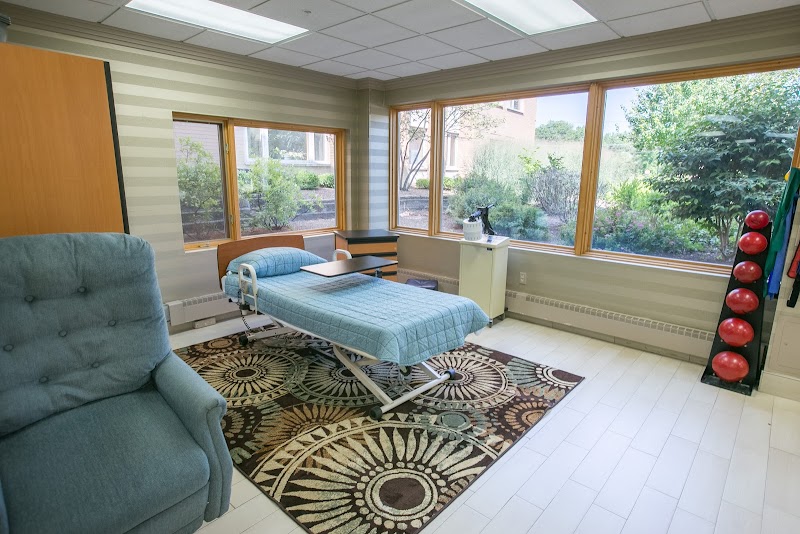
How is Broadview Multi Staffed?

CMS rates BROADVIEW MULTI CARE CENTER's staffing level at 2 out of 5 stars, which is below average compared to other nursing homes. Staff turnover is 59%, which is 13 percentage points above the Ohio average of 46%. High turnover can affect care consistency as new staff learn residents' individual needs. RN turnover specifically is 56%, which is notably high. RNs provide skilled clinical oversight, so turnover in this role can affect medical care quality.

What Have Inspectors Found at Broadview Multi?

State health inspectors documented 45 deficiencies at BROADVIEW MULTI CARE CENTER during 2019 to 2025. These included: 2 that caused actual resident harm and 43 with potential for harm. Deficiencies causing actual harm indicate documented cases where residents experienced negative health consequences.
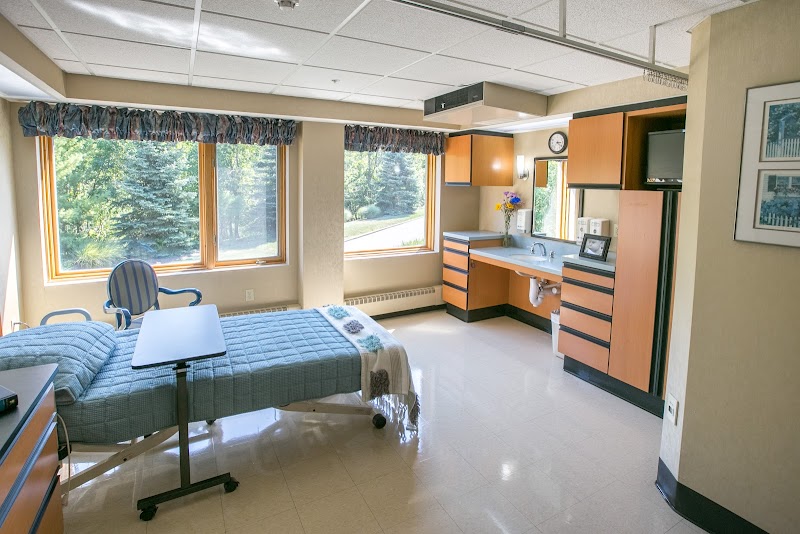
Who Owns and Operates Broadview Multi?

BROADVIEW MULTI CARE CENTER is owned by a for-profit company. For-profit facilities operate as businesses with obligations to shareholders or private owners. The facility is operated by LEGACY HEALTH SERVICES, a chain that manages multiple nursing homes. With 200 certified beds and approximately 160 residents (about 80% occupancy), it is a large facility located in PARMA, Ohio.

How Does Broadview Multi Compare to Other Ohio Nursing Homes?

Compared to the 100 nursing homes in Ohio, BROADVIEW MULTI CARE CENTER's overall rating (3 stars) is below the state average of 3.2, staff turnover (59%) is significantly higher than the state average of 46%, and health inspection rating (2 stars) is below the national benchmark.

What Should Families Ask When Visiting Broadview Multi?

Based on this facility's data, families visiting should ask: "What safeguards and monitoring systems are in place to protect residents from abuse or neglect?" "How do you ensure continuity of care given staff turnover, and what is your staff retention strategy?" "Can you walk me through typical staffing levels on day, evening, and night shifts?" "Can I visit during a mealtime to observe dining assistance and food quality?" These questions are particularly relevant given the substantiated abuse finding on record, the facility's high staff turnover rate, and the below-average staffing rating.

Is Broadview Multi Safe?

Based on CMS inspection data, BROADVIEW MULTI CARE CENTER has documented safety concerns. The facility has 1 substantiated abuse finding (meaning confirmed case of resident harm by staff or other residents). The facility has a 3-star overall rating and ranks #100 of 100 nursing homes in Ohio. Families considering this facility should ask detailed questions about what corrective actions have been taken since these incidents.

Do Nurses at Broadview Multi Stick Around?

Staff turnover at BROADVIEW MULTI CARE CENTER is high. At 59%, the facility is 13 percentage points above the Ohio average of 46%. Registered Nurse turnover is particularly concerning at 56%. RNs handle complex medical decisions and coordinate care — frequent RN changes can directly impact care quality. High turnover means new staff may not know residents' individual needs, medications, or preferences. It can also be disorienting for residents, especially those with dementia who rely on familiar faces. Families should ask: What is causing the turnover? What retention programs are in place? How do you ensure care continuity during staff transitions?

Was Broadview Multi Ever Fined?

BROADVIEW MULTI CARE CENTER has no federal fines on record. CMS issues fines when nursing homes fail to meet care standards or don't correct problems found during inspections. The absence of fines suggests the facility has either maintained compliance or corrected any issues before penalties were assessed. This is a positive indicator, though families should still review recent inspection reports for the full picture.

Is Broadview Multi on Any Federal Watch List?

BROADVIEW MULTI CARE CENTER is not on any federal watch list. The most significant is the Special Focus Facility (SFF) program, which identifies the bottom 1% of nursing homes nationally based on persistent, serious quality problems. Not being on this list means the facility has avoided the pattern of deficiencies that triggers enhanced federal oversight. This is a positive indicator, though families should still review the facility's inspection history directly.