North Royalton Post Acute
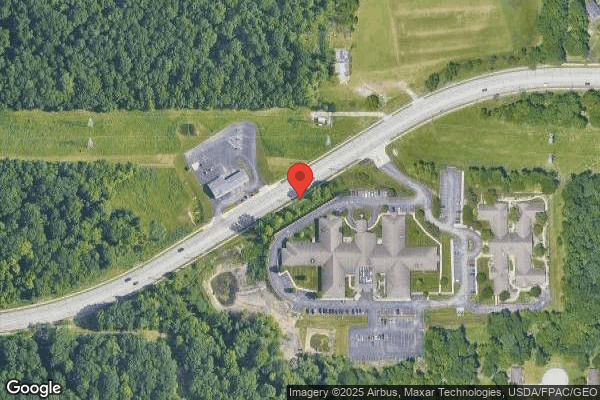
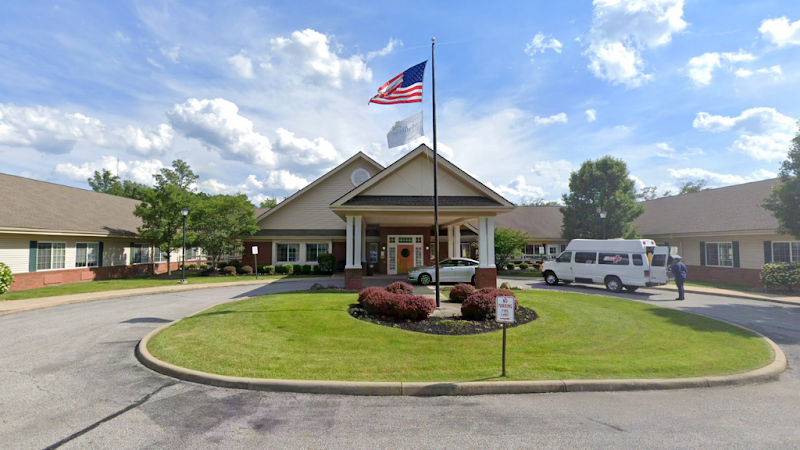
9055 WEST SPRAGUE ROAD, PARMA, OH 44133 (440) 842-4967
For profit - Corporation 130 Beds PACS GROUP Data: November 2025 2 Immediate Jeopardy citations
Trust Grade
29/100
#745 of 913 in OH
Last Inspection: January 2024

Within standard 12-15 month inspection cycle. Federal law requires annual inspections.

Overview

North Royalton Post Acute has a Trust Grade of F, indicating significant concerns and a poor overall performance. With a state ranking of #745 out of 913, they are in the bottom half of Ohio facilities, and rank #69 out of 92 in Cuyahoga County, meaning there are better options available nearby. The facility is worsening, with issues doubling from 2 in 2023 to 4 in 2024, which raises red flags for potential residents. Staffing is a notable weakness, receiving a 1-star rating and a turnover rate of 41%, which, while better than the state average, still suggests instability. Additionally, there have been serious issues, such as the failure to implement proper infection control practices, putting residents at risk for serious health complications, and a past incident where a resident with severe cognitive impairment was able to leave the facility unnoticed, resulting in injuries.
Trust Score
F
29/100
In Ohio
#745/913
Bottom 19%
Safety Record
High Risk
Review needed
Inspections
Getting Worse
2 → 4 violations
Staff Stability
○ Average
41% turnover. Near Ohio's 48% average. Typical for the industry.
Penalties
⚠ Watch
$24,007 in fines. Higher than 85% of Ohio facilities, suggesting repeated compliance issues.
Skilled Nurses
⚠ Watch
Each resident gets only 22 minutes of Registered Nurse (RN) attention daily — below average for Ohio. Fewer RN minutes means fewer trained eyes watching for problems.
Violations
⚠ Watch
16 deficiencies on record. Higher than average. Multiple issues found across inspections.
★★☆☆☆
2.0
Overall Rating
★☆☆☆☆
1.0
Staff Levels
★★★☆☆
3.0
Care Quality
★★★☆☆
3.0
Inspection Score
Stable
2023: 2 issues
2024: 4 issues

The Good

  • Full Sprinkler Coverage · Fire safety systems throughout facility
  • No fines on record
  • Staff turnover below average (41%)

    7 points below Ohio average of 48%

Facility shows strength in fire safety.

The Bad

2-Star Overall Rating

Below Ohio average (3.2)

Below average - review inspection findings carefully

Staff Turnover: 41%

Near Ohio avg (46%)

Typical for the industry

Federal Fines: $24,007

Below median ($33,413)

Minor penalties assessed

Chain: PACS GROUP

Part of a multi-facility chain

Ask about local staffing decisions and management

The Ugly 16 deficiencies on record

2 life-threatening
Aug 2024 2 deficiencies
CONCERN (D) 📢 Someone Reported This

A family member, employee, or ombudsman was alarmed enough to file a formal complaint

Potential for Harm - no one hurt, but risky conditions existed

Comprehensive Care Plan (Tag F0656)

Could have caused harm · This affected 1 resident

Based on interview and record review the facility failed to ensure a comprehensive discharge care plan was in place for Resident #99. This affected one resident (Resident #99) out of three residents r...

Read full inspector narrative →
Based on interview and record review the facility failed to ensure a comprehensive discharge care plan was in place for Resident #99. This affected one resident (Resident #99) out of three residents reviewed for comprehensive care plans. The facility census was 95. Findings include: Review of the closed medical record for the Resident #99 revealed an admission date of 07/18/24 and a discharge date of 08/14/24. Diagnosis included but not limited to displaced intertrochanteric fracture of left femur, Parkinson's disease, aneurysm of the ascending aorta, chronic vascular disorder of intestine, right bundle-branch block, intracardiac thrombosis, history of falling, history of walking, muscle wasting and atrophy, and COVID-19. Review of the admission Minimum Data Set (MDS) assessment, dated 07/25/24, revealed the resident had intact cognition. The resident was extensive assistance for bed mobility, substantial with maximal assistance for toileting hygiene, Review of behavior and mood revealed he had feelings of being down and trouble falling asleep. He had no behaviors. Review of the comprehensive care plan dated 07/19/24 revealed no care plan was in place for Resident #99's discharge. Interview on 08/27/24 at 7:49 A.M. with Licensed Social Worker (LSW) #167 verified there was no comprehensive discharge care plan in place for Resident #99. Review of facility policy, Care Planning-Interdisciplinary Team, revised 11/13/19, revealed the disciplinary team is responsible the development of an individualized comprehensive care plan for each resident and a comprehensive care plan for each resident is developed with in seven (7) days of completion of the resident assessment.
CONCERN (D) 📢 Someone Reported This

A family member, employee, or ombudsman was alarmed enough to file a formal complaint

Potential for Harm - no one hurt, but risky conditions existed

Quality of Care (Tag F0684)

Could have caused harm · This affected 1 resident

**NOTE- TERMS IN BRACKETS HAVE BEEN EDITED TO PROTECT CONFIDENTIALITY** Based on interview, closed medical record review, and facility policy review, the facility failed to ensure Resident #71, Reside...

Read full inspector narrative →
**NOTE- TERMS IN BRACKETS HAVE BEEN EDITED TO PROTECT CONFIDENTIALITY** Based on interview, closed medical record review, and facility policy review, the facility failed to ensure Resident #71, Resident #93, Resident #99 skin impairments were thoroughly assessed, monitored and treated timely. This affected three residents (#71, #93, and #99) out of three residents reviewed for skin impairments. The facility census was 95. Findings included: 1. Review of the closed medical record for Resident #99 revealed an admission date of 07/18/24 and a discharge date of 08/14/24. Diagnosis included but not limited to displaced intertrochanteric fracture of left femur, Parkinson's disease, aneurysm of the ascending aorta, chronic vascular disorder of intestine, right bundle-branch block, intracardiac thrombosis, history of falling, history of walking, muscle wasting and atrophy, and COVID-19. Review of the admission Minimum Data Set (MDS) assessment, dated 07/25/24, revealed the resident had intact cognition. Review of Resident #99's hospital discharge paper work dated 07/18/24 at 11:27 A.M. revealed facility admission orders to have hip dressing in place for seven (7) days. Review of the admission assessment dated [DATE] revealed under section 10, (skin) there was a picture/diagram of a person showing front and back side and numbered. The site was numbered #34 and left front thigh and type of skin impairment was identified to be a surgical incision. There were no further description of the incision and no further documentation regarding the surgical incision or the dressing required for the incision. Review of the physician orders for July 2024 revealed there was no admission order on 07/18/24 for Resident #99's dressing to left hip to remain in place for 7 days. Review of the care plan dated 07/19/24 revealed he receives anticoagulant drug therapy related to risk for developing a blood clot. Interventions included administer medications per physician order, assess for side effects including, bleeding abnormalities and monitor skin for bruises. Review of the Treatment Administration Records (TARS) dated 07/22/24 at 11:00 P.M. revealed the facility put in an order for Resident #99's left hip to keep dressing dry and intact for 7 days and to remove after 7 days. Review of the Weekly Skin Check form for Resident #99 dated 07/25/24, 08/01/24, and 08/08/24 revealed a picture/diagram of a person showing front and back side and on the front side the left thigh area was circled and on the back side the left elbow area was circled. There was no documentation as to what the area was or any further description of the skin areas. The form was signed by the nurse. Review of the Weekly Skin Check form for Resident #99 dated 08/14/24 revealed a picture/diagram of a person showing front and back side and on the front side is circled the left thigh area and on the back side is circled the left elbow area. There was documentation on the left thigh front stating pre-existing. There was no further description of the circled areas. The form was signed by the nurse. Interview on 08/26/24 at 6:19 A.M. with Licensed Practical Nurse (LPN) #156 revealed weekly skin checks were to be completed by the nurse to include circling the area on the picture/diagram and documenting on the skin sheet the description and measurements of any skin impairments. Interview on 08/27/24 at 9:14 A.M. with Wound Registered Nurse (RN) #105 revealed there was no physician order put in place on 07/18/24 on admission for Resident #99 hip dressing change until 07/22/24 when she followed up with the resident and put the order in. Weekly skin checks were to be completed by the nurse to include circling the area on the picture/diagram and documenting on the skin sheet the description and measurements of any skin impairments Interview on 08/27/24 at 10:22 A.M. with Director of Nursing (DON) revealed skin assessments only had to list the locations by circling and no description of the skin area circled was required. Interview on 08/27/24 at 10:42 A.M. with LPN #148 revealed weekly skin checks were to be completed by the nurse to include circling the area on the picture/diagram and documenting on the skin sheet the description and measurements. Interview on 08/27/24 at 1:24 P.M. with LPN #178 revealed weekly skin checks were to be completed by a stat tested nursing assistance (STNA) circling on the skin sheet/shower sheet and nursing then documenting any skin issues in the computer to include description and measurement. Review of facility policy, Skin Management, revised 11/30/23, revealed a resident identified with skin breakdown will have a documented skin assessment weekly, wound description including measurements will be documented in point click care (computer system) and treatments as ordered. 2. Review of the closed medical record for the Resident #71 revealed an admission date of 08/12/24 and a discharge date of 08/24/24. Diagnosis included but not limited to encounter orthopedic aftercare, ankylosis spondylitis unspecified sites in spine, collapsed vertebra, and unspecified subsequent encounter for fracture with routine healing. Review of the Medicare 5-day Minimum Data Set (MDS) assessment, dated 08/14/24 , revealed the resident had intact cognition. Review of the admission assessment dated [DATE] revealed under section 10, (skin) there was a picture/diagram of a person showing front and back side and numbered. The site stated other (specify) lower back and type surgical incision. There were no measurements and no further documentation regarding the surgical incision or the dressing. Review of the Weekly Skin Check form for Resident #71 dated 08/14/21 revealed a picture/diagram of a person showing front and back side and on the back side was circled with no description of the skin area circled. There was no documentation as to what the area was or any further description or measurements. The form was signed by the nurse. Review of the Weekly Skin Check form for Resident #71 dated 08/21/21 revealed a picture/diagram of a person showing front and back side and on the back side was circled with the word surgical: wrote on form. There was no further documentation as to what the area was or any further description or measurements of the area. The form was signed by the nurse. Interview on 08/26/24 at 6:19 A.M. with LPN #156 revealed weekly skin checks were to be completed by the nurse to include circling the area on the picture/diagram and documenting on the skin sheet the description and measurements of any skin impairments. Interview on 08/27/24 at 9:14 A.M. with Wound RN #105 revealed revealed weekly skin checks were to be completed by the nurse to include circling the area on the picture/diagram and documenting on the skin sheet the description and measurements of any skin impairments. Interview on 08/27/24 at 10:22 A.M. with DON revealed skin assessments only had to list the locations by circling and no description of the skin area circled was required. Review of facility policy, Skin Management, revised 11/30/23, revealed a resident identified skin breakdown will have a documented skin assessment weekly, wound description including measurements will be documented in point click care (computer system) and treatments as ordered. 3. Review of the closed medical record for Resident #93 revealed an admission date of 08/08//24 and a discharge date of 08/22/24. Diagnosis included but not limited to vertebrogenic low back pain, and sacrum, subsequent encounter for fracture with routine healing. Review of the admission Medicare 5-day assessment dated [DATE] revealed Resident #93 had intact cognition. Review of the admission assessment dated [DATE] revealed under section 10, (skin) there was a picture/diagram of a person showing front and back side and numbered and the section was blank. Review of the Weekly Skin Check form for Resident #93 dated 08/13/24 and 08/22/24 revealed a picture/diagram of a person showing front and back side and on the front side there was a circle on right elbow, a circle of left elbow and circle above left elbow. There was no description or measurements of the skin area circled. The form was signed by the nurse. Review of the Weekly Skin Check form for Resident #93 dated 08/24/24 revealed a picture/diagram of a person showing front and back side and on the front side a circle on right elbow, left elbow and above left elbow. There is writing on the document stating bruising. There was no description or measurements of the bruising. The form was signed by the nurse. Interview on 08/26/24 at 6:19 A.M. with LPN #156 revealed weekly skin checks were to be completed by the nurse to include circling the area on the picture/diagram and documenting on the skin sheet the description and measurements of any skin impairments. Interview on 08/27/24 at 9:14 A.M. with Wound RN #105 revealed revealed weekly skin checks were to be completed by the nurse to include circling the area on the picture/diagram and documenting on the skin sheet the description and measurements of any skin impairments. Interview on 08/27/24 at 10:22 A.M. with DON revealed skin assessments only had to list the locations by circling the skin impaired area and no description of the skin area circled was required. Review of facility policy, Skin Management, revised 11/30/23, revealed a resident identified skin breakdown will have a documented skin assessment weekly, wound description including measurements will be documented in point click care (computer system) and treatments as ordered.
Jan 2024 2 deficiencies
CONCERN (D)

Potential for Harm - no one hurt, but risky conditions existed

Safe Environment (Tag F0584)

Could have caused harm · This affected 1 resident

**NOTE- TERMS IN BRACKETS HAVE BEEN EDITED TO PROTECT CONFIDENTIALITY** Based on observation, interview, and record review the facility failed to provide a clean and sanitary environment for Resident ...

Read full inspector narrative →
**NOTE- TERMS IN BRACKETS HAVE BEEN EDITED TO PROTECT CONFIDENTIALITY** Based on observation, interview, and record review the facility failed to provide a clean and sanitary environment for Resident #7 and #28, and failed to ensure Resident #57 had clean bed linens. This affected three (#7, #28 and #57) of ten residents observed for environment. The facility census was 83. Findings include: 1. Observations on 01/28/24 at 10:45 A.M. revealed Resident #7 was up in a wheelchair with his bedside table in front of him. Resident #7's wheelchair had dirty debris on the foot rests and on the cushioned leg brace to the left side. Resident #7's bedside table had various areas of dried spilled debris on the top of the table and in an open drawer of the table. Further observation revealed Resident #7's roommate (Resident #28) was receiving tube feeding. The tube feeding pole had various areas of dried tube feeding formula on it. Scattered debris was observed on the floor behind Resident #28's bed. Interview with Resident #28 at time of observation revealed They come in sometimes, but they don't look back there. Observations were confirmed by Licensed Practical Nurse (LPN) #587 on 01/28/24 at 11:00 A.M. 2. Observation on 01/30/24 at 7:07 A.M. revealed Resident #57 was out of bed. Observation of Resident #57's bed linens revealed multiple areas of dried blood and a large dried yellow stain on the middle of the bed sheet. Observation of and interview with Resident #57 revealed he could not say where the blood or yellow stains had come from or how long they had been there. Resident #57 said he was continent of urine and used the bathroom. Resident #57 did not have any obvious scratches, abrasions or skin tears. Interview on 01/30/24 at 10:30 A.M. with State Tested Nursing Assistant (STNA) #585 revealed Resident #57 was continent of urine and walked to the bathroom. STNA #585 had changed Residents #57's bed linens after being asked by the Administrator to change the sheets because they were soiled. STNA #585 confirmed the sheets had dried blood and a large dried yellow stain but he was unaware where the stains came from or how long they had been there. STNA #585 said Resident #57 did not have any scratches, abrasions, or skin tears that he was aware of and Resident #57 usually made his own bed in the mornings and kept his blankets pulled up over the sheets. Review of the Minimum Data Set assessment dated [DATE] revealed Resident #57 was independent with toileting, showering and ambulation. Resident #57 was incontinent of bowel and bladder.
MINOR (C)

Minor Issue - procedural, no safety impact

Deficiency F0838 (Tag F0838)

Minor procedural issue · This affected most or all residents

**NOTE- TERMS IN BRACKETS HAVE BEEN EDITED TO PROTECT CONFIDENTIALITY** Based on record review and interview the facility failed to ensure the facility assessment was updated and accurate. This had th...

Read full inspector narrative →
**NOTE- TERMS IN BRACKETS HAVE BEEN EDITED TO PROTECT CONFIDENTIALITY** Based on record review and interview the facility failed to ensure the facility assessment was updated and accurate. This had the potential to affect all residents. The facility census was 83. Findings include: Review of the Facility assessment dated [DATE] revealed the paragraph listed under Resident Population included another facility's name and indicated that facility provided care and services to individuals with certain medical and cognitive disabilities. The facility assessment further indicated how the facility utilized the minimum data set (MDS) assessment in regard to the resident population and the type of residents they did not admit. Further review of the facility assessment revealed a test box under the staffing plan that listed the position of the staff and the range needed. The range did not include the numbers needed for each position; the hours per patient per day for the licensed nurses and nurse aides; the full time equivalent (FTE) per week for the nursing personnel with administrative duties; staff needed for behavioral healthcare and services and the dietitian, or the FTE per day for the food and nutrition services staff. The facility assessment also did not indicate the use of the contracted agency nursing staff under facility resources, section E, contracts/memorandums/agreements with third parties for services. Review of the facility's two nursing agency staffing contracts revealed they were effective as of 03/01/23 and 03/06/23. Interview on 01/29/24 at 11:54 A.M. with the Administrator verified the above identified findings. The Administrator stated they had used agency staffing periodically since she had been with the facility, which was about a year.
Dec 2023 1 deficiency 1 IJ (1 facility-wide)
CRITICAL (L) 📢 Someone Reported This

A family member, employee, or ombudsman was alarmed enough to file a formal complaint

Immediate Jeopardy (IJ) - the most serious Medicare violation

Infection Control (Tag F0880)

Someone could have died · This affected most or all residents

⚠️ Facility-wide issue

**NOTE- TERMS IN BRACKETS HAVE BEEN EDITED TO PROTECT CONFIDENTIALITY** Based on observations, review of facility policy and procedures, interviews with the Communicable Disease Investigator and facil...

Read full inspector narrative →
**NOTE- TERMS IN BRACKETS HAVE BEEN EDITED TO PROTECT CONFIDENTIALITY** Based on observations, review of facility policy and procedures, interviews with the Communicable Disease Investigator and facility staff and review of the Centers for Disease Control and Prevention guidelines, the facility failed to implement effective infection control practices including a system to ensure the availability and appropriate use of personal protective equipment (PPE) by staff, a system to ensure staff were donning and doffing PPE when required. This resulted in Immediate Jeopardy and the potential for serious negative health outcomes and/or life-threatening harm when 43 residents (#97, #67, #80, #88, #31, #75, #93, #16, #10, #95, #43, #38, #87, #17, #34, #36, #25, #78, #44, #81, #47, #83, #49, #51, #30, #33, #82, #69, #01, #79, #74, #21, #24, #62, #14, #58, #37, #77, #06, #11, #45, #65 and #61) and 12 staff (State Tested Nursing Assistant (STNA) #362, #364, #429, #384, Nurse Aid in Training #311, Registered Nurse (RN) #436 and RN #388, Admissions #386 and #312, Licensed Practical Nurse (LPN) #431 and LPN #420 and Receptionist #322) tested positive for COVID-19 without the aforementioned systems in place to prevent the transmission and spread of COVID-19 to the vulnerable residents in the facility. The lack of current effective infection control practices during a COVID-19 outbreak in the facility placed all 94 residents at potential risk for the likelihood of serious life-threatening harm, negative health complications and/or death. The facility census was 94. On 11/29/23 at 1:40 P.M., the Administrator, Director of Nursing (DON), and Clinical Service Manager #447 were notified Immediate Jeopardy began on 11/11/23 when Resident #64, #67, #80, and #88 tested positive for COVID-19 and the facility failed to implement appropriate and recommended infection control practices to prevent the additional spread of COVID-19 in the facility resulting in an outbreak. The facility staff failed to ensure the appropriate donning and doffing of PPE when entering and exiting a COVID-19 isolation room, and failed to ensure necessary PPE was readily available to staff. Upon entrance to the facility on [DATE], a total of 43 residents had tested positive with 10 positive residents within an eight-day time frame since 11/21/23. The Immediate Jeopardy was removed on 11/30/23 when the facility implemented the following corrective actions: • On 11/29/23, an Ad Hoc Policy Review was held with the Administrator, Director of Nursing (DON) Registered Nurse (RN) #308, Regional Clinical Service Manager #447, and Meical Director #448 (via telephone) to review COVID-19 guidelines, Transmission Based Precaution guidelines, including assuring availability of PPE and hand hygiene. • On 11/29/23, the Regional Clinical Service Manager educated the Administrator and DON on COVID-19 guidelines, Transmission Based Precautions guidelines, ensuring availability of PPE, and Hand Hygiene. • On 11/29/23, the Administrator and DON educated Administrative staff Medicaid Liaison #379, Minimum Data Set (MDS) Registered Nurse (RN) #380, MDS LPN #395, Business Office Manager #346, Infection Control/Wound Nurse RN #445, Housekeeping Director #430, Licensed Social Worker (LSW) #405, Registered Dietitian #391, Director of Rehab #449, Nursing Scheduler #419, Unit Manager RN #360, Human Resources/Payroll #424, Social Service Designee (SSD) #437, Maintenance Director #399, and Food Service Director #325 on policies COVID-19 guidelines, Transmission Based Precautions guidelines, including ensuring availability of PPE, and Hand Hygiene. • On 11/29/23, an Ad Hoc Resident Council meeting was held with the Activities Director, Administrator and five residents to review policies of Infection Control Practices including but not limited to handwashing and source control. • On 11/29/23, Administrative Staff as listed above educated all direct care staff on policies including COVID-19 guidelines, Transmission Based Precautions guidelines, including ensuring availability of PPE, and Hand Hygiene. The training included the appropriate use of PPE, including what to wear and when to utilize it, and when to dispose or change it. Any remaining staff not educated on 11/29/23 would be removed from the schedule after 11/29/23, pending completion of mandatory education. Education/Training was completed for 33 nurses, 40 nursing assistants, six activity staff, 10 environmental services staff and 13 dietary staff. • On 11/29/23, the facility Unit Managers on both East and [NAME] Units completed COVID-19 screens on all residents not in transmission-based precautions for COVID-19 with no adverse findings. • On 11/29/23, the Clinical Service Manager and or DON completed audits of screening of all staff, with no adverse findings. • Beginning 11/29/23, an ongoing observational audit would be completed by the Administrator/Designee daily on each shift throughout the building to ensure proper infection control practices for four weeks, then randomly thereafter. Audits would include proper hygiene, proper donning and doffing of PPE, and availability of PPE. • Beginning 11/29/23, the facility would continue to test both residents and staff for 14 days following the last positive staff or resident. The facility would also test any resident or staff member who exhibited symptoms which would include fever or chills, cough, shortness of breath or difficulty breathing, fatigue, muscle or body ache, headache, new loss of taste or smell, sore throat and cold like symptoms. • Observations on 11/30/23 from 7:45 A.M. through 4:45 P.M., revealed facility staff providing care for residents were wearing correct PPE and performing hand hygiene. All halls had PPE stocked on the doors for access to correct PPE for residents with COVID-19. • Interviews on 11/30/23 between 8:00 A.M. and 4:45 P.M., with RN #450, Housekeeper #375, #306, LPN #438, STNA #330, #364, #441, and Scheduler #419, verified they had been educated on COVID-19 isolation precautions, the proper PPE to wear in the room of a resident who was positive for COVID-19, donning and doffing of PPE and hand hygiene. Although the Immediate Jeopardy was removed on 11/30/23, the facility remained out of compliance at Severity Level 2 (no actual harm with potential for more than minimal harm that is not Immediate Jeopardy) as the facility was still in the process of implementing their corrective action plan and monitoring to ensure on-going compliance. Findings include: The facility had 43 residents test positive for COVID-19 from 11/11/23 through 11/26/23. On 11/11/23, Resident #97, #67, #80, and #88 tested positive for COVID-19. On 11/12/23 Resident #31, #75, #93, #16, #10, #95, #43, #38, #87, and #17 tested positive for COVID-19. On 11/14/23 Resident #34, #36, and #25 tested positive for COVID-19. On 11/16/23 Resident #78 tested positive for COVID-19. On 11/17/23 Resident #44, #81, #47, #83, #49, #51, #30, #33, #82, #69, #1, #79, and #74 tested positive for COVID-19. On 11/19/23 Resident #21 and #24 tested positive for COVID-19. On 11/21/23 Resident #62, #14 and #58 tested positive for COVID-19. On 11/23/23 Resident #37 and #77 tested positive for COVID-19. On 11/24/23 Resident #6, #11, #45, and #65 tested positive for COVID- 19 and on 11/26/23 Resident #61 tested positive for COVID-19. The facility had 12 staff members test positive for COVID-19 from 11/11/23 through 11/25/23. On 11/11/23, STNA #362, and #364 tested positive for COVID-19. On 11/12/23, RN #436 tested positive for COVID-19. On 11/14/23, RN #388 tested positive for COVID-19. On 11/15/23, Nurse Aid in Training #311 tested positive for COVID-19. On 11/17/23, STNA #384 and Admissions #386 tested positive for COVID-19. On 11/18/23, LPN #431 tested positive for COVID-19. On 11/22/23, LPN #420 tested positive for COVID-19. On 11/24/23, STNA #429 tested positive for COVID-19. On 11/25/23, Admissions #312 and Receptionist #322 tested positive for COVID-19. Per the Administrator four additional staff had tested positive for COVID-19 but did not work more than 48 hours prior to testing. An interview with the facility Infection Preventionist #445 on 11/28/23 at 3:31 P.M., revealed the facility had completed contact tracing and were unable to determine the initial source (staff or visitor) of COVID-19 in the facility. Both staff and residents tested positive initially on 11/11/23. During the onsite investigation the following concerns were identified placing additional residents at risk for serious illness/complications from contracting COVID-19: On 11/28/23 at 12:15 P.M., State Tested Nursing Assistant (STNA) #384 was observed passing trays to residents served from the meal cart. STNA #384 was observed to be wearing an N95 mask that was visibly soiled with an orange/brown dried substance. STNA #384 donned a gown, gloves and face shield and entered Resident #37's room (Resident #37 had a diagnosis of COVID-19) with a lunch tray. Upon exit, STNA #384 did not doff the soiled N95 mask or the face shield. STNA #384 went back to the food cart, obtained another food tray, and went to pass the tray to Resident #29, a resident who was not diagnosed with COVID-19. The surveyor intervened prior to the STNA entering Resident #29's room and the STNA confirmed he did not remove or change his N95 mask or clean his face shield before or after exiting Resident #37's room and prior to going to assist another resident who was not COVID-19 positive. STNA #384 verified his N95 mask was soiled. STNA #384 then took off his N95 mask and face shield and placed it on top of Resident #37's isolation cart. STNA #384 revealed he was going to leave the mask and face shield there so he could use it again when he goes back in the room (Resident #37's room) later. On 11/28/23 at 12:27 P.M., STNA #384 was observed exiting Resident #24's room (Resident #24 had tested positive for COVID-19). STNA #384 was observed hanging his N95 mask on the inside of Resident #24's door. STNA #384 revealed he was saving the PPE to reuse it later and stated this was how they did it every day, staff would hang their PPE on the door or in the bathroom to reuse. Interview on 11/28/23 between 1:45 P.M. and 2:00 P.M., with LPN #383 and LPN #431 revealed they worked with COVID-19 positive and non-COVID-19 positive residents during the same shift. LPN #383 and #431 revealed they wore the same N-95 mask throughout the day as long as they covered it with a surgical mask when entering a COVID-19 positive room. LPN #383 revealed she also wore the same face shield throughout the day as long as she cleaned it once a day. Observation on 11/28/23 at 2:10 P.M. revealed the call light was activated above the door of Resident #37's room. Observation revealed RN Unit Manager (UM)/ADON #380 was in her office located at the entrance to the hall. RN UM/ADON #380 was observed exiting her office picking up an N95 mask and face shield off her desk. The face shield had two initials marked in black marker in the corner of the face shield. The face shield was visibly smudged with multiple fingerprints. RN UM/ADON #380 donned the N95 mask and face shield retrieved from her office, donned gloves and a gown from the isolation cart and entered Resident #37's room. Observation revealed at 2:15 P.M., RN UM/ADON #380 exited the room and walked up the hall toward her office with the N95 mask still on, while wiping off her faces shield. Upon entering her office, RN UM/ADON #380 removed the N95 mask and laid it on top of her desk. RN UM/ADON #380 confirmed she did not change her N95 mask after exiting Resident #37's room and revealed she could reuse the facemask when covered by a face shield. On 11/28/23 between 3:45 and 4:05 P.M., STNA #451 was observed wearing a surgical mask and face shield while assisting residents and throughout the halls. At 4:05 P.M., STNA #451 donned a gown to enter Resident #24's room. A sign posted on Resident #24's door to his room included the required PPE to wear when entering (an N95 mask, gown, gloves, and eye protection). STNA #451 did not don an N95 mask or gloves. STNA #451 entered Resident #24's room. While entering Resident #24's room, an N95 mask fell off the door onto the floor. Observation revealed a gown, and a face shield were also hanging on the door. STNA #451 confirmed the PPE hanging on the door and stated, sometimes they do that. STNA #451 revealed she would get the gloves in the resident's room as there were none on the isolation cart and closed the door. Upon exiting the resident's room, STNA #451 confirmed she did not wear an N95 mask into the room or gloves. STNA #451 began walking up the hall, she did not remove her surgical mask or face shield she had been wearing. STNA #451 revealed she did not need to wear an N95 mask when she wore a face shield, she only needed a surgical mask, and she did not need to change the surgical mask. STNA #451 confirmed she did not clean her face shield and stated, she only needed to clean the face shield at the end of her shift. STNA #451 then entered Resident #69's room who was not on isolation for COVID-19 and observed to physically assist Resident #69. Interview on 11/28/23 at 4:15 P.M., with the DON revealed staff should be wearing an N95 mask, face shield, gown and gloves when entering a resident room with COVID-19. When doffing PPE, the staff could reuse the face shield if they cleaned it with soap and water after each use. The DON revealed all other PPE should be disposed of after each use. The DON confirmed the facility did not have a shortage of PPE and stated staff should not be saving PPE (other than the face shield after cleansed). The DON revealed the last education provided to staff regarding COVID-19 and donning and doffing PPE was completed on 10/05/23. Interview on 11/29/23 at 8:30 A.M., with the Administrator revealed she reported positive COVID-19 cases weekly via e-mail to the local Health Department. The Administrator stated the Health Department never gave advice or communicated back to her regarding the positive COVID-19 cases. During an interview with the DON on 11/29/23 at 11:16 A.M., the DON confirmed there was no education provided to staff on donning and or doffing PPE on or after the outbreak of COVID-19 on 11/11/23. The DON revealed there was no oversight to assure staff were donning or doffing PPE appropriately to prevent the spread of COVID-19 to additional residents. Interview on 11/29/23 at 3:15 P.M., with Medical Director #448 revealed he was made aware of the positive COVID-19 cases at the facility. Medical Director #448 revealed he instructed the facility to follow the protocols with donning and doffing PPE. Interview on 11/30/23 at 2:56 P.M., with the Communicable Disease Investigator (CDI) #452 representing the Local Health Department (LHD) revealed the facility contact person, CDI #453, did not work at the department anymore. The facility had been submitting their COVID-19-line list weekly. Where the facility was sending the information to, was not being monitored by the local health department due to the assigned person no longer being with the department and the information the facility was sending was going into an empty box. CDI #452 revealed the facility was not reassigned to another CDI. CDI #452 confirmed this was an oversight on their end, but the facility was still required to include the information to physicians at the County Board of Health, and they did not. Interview on 11/30/23 at 3:10 P.M., with the Administrator confirmed the facility had not been sending the COVID-19- line list to physicians at the County Board of Health. Interview on 11/30/23 at 3:20 P.M., with CDI #452 revealed if the HD was aware of the outbreak at the facility, the advice to the facility would have included outbreak testing every three to seven days, recommendations to encourage mask wearing for all staff. Visitors should also be encouraged, and education to staff on hand hygiene, including donning and doffing, should have been reviewed along with the most recent CMS guidelines. Interview on 12/01/23 at 12:45 P.M., with the DON revealed testing for residents and staff was every three to seven days and they would test anytime if a resident had symptoms of COVID-19. The DON revealed nurses were to observe signs and symptoms of COVID-19 during daily care. Review of the policy provided for donning and doffing titled, COVID-19 Infection Prevention and Control Practice Audit, updated 07/25/22, revealed Health Care Personnel wear the following PPE in all Transmission Based Precaution rooms to include gloves, gown, N95 and eye protection. Review of the CDC guidelines titled Interim Infection Prevention and Control Recommendations for Healthcare Personnel During the Coronavirus Disease 2019 (COVID-19) Pandemic, May 8, 2023, revealed Recommended infection prevention and control (IPC) practices when caring for a patient with suspected or confirmed SARS-CoV-2 infection Health Care Professionals (HCP) who enter the room of a patient with suspected or confirmed SARS-CoV-2 infection should adhere to standard precautions and use a National Institute for Occupational Safety and Health (NIOSH) approved particulate respirator with N95 filters or higher, gown, gloves, and eye protection (i.e., goggles or a face shield that covers the front and sides of the face). This deficiency represents the non-compliance discovered during the investigation of Master Complaint OH000148588.
Jul 2023 1 deficiency
CONCERN (D) 📢 Someone Reported This

A family member, employee, or ombudsman was alarmed enough to file a formal complaint

Potential for Harm - no one hurt, but risky conditions existed

Medical Records (Tag F0842)

Could have caused harm · This affected 1 resident

Based on record review, interviews, and facility policy review the facility failed to ensure accurate documentation in the medical record for respiratory care and enteral tube feeding care for Residen...

Read full inspector narrative →
Based on record review, interviews, and facility policy review the facility failed to ensure accurate documentation in the medical record for respiratory care and enteral tube feeding care for Resident #93. This affected one resident (#93) of three residents reviewed for respiratory care and enteral tube feeding care. The facility census was 92. Findings include: Review of the medical record for Resident #93 revealed an admission date of 04/07/23 with diagnoses including traumatic subdural hemorrhage, acute and chronic respiratory failure, gastrostomy, tracheostomy, and personal history of traumatic brain injury. Review of Resident #93's physician's orders revealed he had orders for staff to check the residuals of his tube feeding every shift dated 05/28/23 and discontinued 06/05/23; to administer well water only, no tap water every shift dated 05/28/23 and discontinued 06/05/23; perform tracheostomy care twice daily and as needed every day and evening shift dated 05/28/23 and discontinued 06/05/23; change the tracheostomy inner cannula daily and as needed dated 05/28/23 and discontinued 06/05/23; and to monitor his oxygen level every four hours and if any signs of distress or oxygen is less than 90 percent (%), staff were to uncap him and apply humification dated 07/05/23. Review of the Medication Administration Record (MAR) and Treatment Administration Record (TAR) reviewed for June 2023 and July 2023 revealed nursing staff did not document these items as being completed: Tube feeding residuals on dayshifts on 06/01/23, 06/03/23 and 06/04/23 and on evening shift on 06/02/23. Well water only, no tap water on dayshifts on 06/01/23, 06/03/23 and 06/04/23 and on evening shift on 06/02/23. Tracheostomy care on dayshifts on 06/01/23 and 06/04/23 and on evening shift on 06/02/23. Change tracheostomy inner cannula on 06/01/23 and 06/04/23. Oxygen saturation on 07/07/23 at 8:00 A.M., 12:00 P.M. and 4:00 P.M.; on 07/09/23 at 8:00 A.M. and 12:00 P.M.; on 07/11/23 at 8:00 A.M. and 12:00 P.M., and on 07/12/23 at 8:00 A.M. and 12:00 P.M. Interview on 07/27/23 at 3:49 P.M. with the Director of Nursing (DON) revealed there were times the staff did not sign off on the MAR and TAR. She stated she had been educating to ensure they were documenting when they completed a task. Interview on 07/31/23 at 8:35 A.M. with the Administrator verified staff had completed the missing documentation on the MARs and TARs for Resident #93 on 07/29/23. She provided hand signed copies of Resident #93's MARs and TARs for the months of June 2023 and July 2023. She stated the staff had completed the tasks, just failed to document in the medical record. Review of the facility policy titled Oxygen Administration, dated 06/08/22, revealed the staff were to document in the medical record after assessing the resident. Review of the facility policy titled Enteral Tube Feeding-Bolus and Continuous, dated 06/08/22, revealed the staff were to document after checking residuals and feedings.
Nov 2022 2 deficiencies
CONCERN (D) 📢 Someone Reported This

A family member, employee, or ombudsman was alarmed enough to file a formal complaint

Potential for Harm - no one hurt, but risky conditions existed

Report Alleged Abuse (Tag F0609)

Could have caused harm · This affected 1 resident

Based on record reviews and interviews the facility failed to report an allegation of misappropriation to the state agency in a timely manner. This affected 11 residents (#1, #4, #12, #14, #19, #20, #...

Read full inspector narrative →
Based on record reviews and interviews the facility failed to report an allegation of misappropriation to the state agency in a timely manner. This affected 11 residents (#1, #4, #12, #14, #19, #20, #90, #93, #100, #101 and #102) of 29 who had resident fund accounts. The census was 98. Findings include: Review of the Self Reported Incident (SRI) dated 10/20/22 involving a substantiated allegation of misappropriation of resident funds affecting 11 residents (#100, #101, #102, #1, #4,#12, #14, #19, #20, #90 and #93) revealed the date of discovery was listed as 10/20/22 on the SRI. According to the SRI an audit of resident funds was started on 09/13/22 and completed on 10/07/22. The audit was completed by Manager Regional Business Office Support (MRBS) #332 and it was determined a former employee, Former Business Office Manager (FBOM) #1 misappropriated $18,460.00 from resident fund accounts. Review of the facility investigation of the SRI revealed the facility began investigating misappropriation of resident funds on 09/13/22, finished the investigation on 10/07/22 but did not report it to the state agency until 10/20/22. Interview on 11/08/22 at 3:48 P.M. with the Interim Administrator, who had been at the facility as the Interim Administrator for one month, revealed the Former Administrator (FA) #334 for the facility had requested MRBS #332 do an audit of resident funds after one resident started asking questions in Septemer 2022 about her account and some purchases made from the account. The Interim Administrator verified 11 residents had been affected by misappropriation and he started an SRI on 10/20/22. Interview on 11/08/22 at 4:34 P.M. with Human Resources (HR) #240 revealed the investigation into the misappropriation of resident funds began in the middle of September 2022. HR #240 explained the FBOM #1 had been terminated in August due to other unrelated issues and was terminated prior to the facility identifying the misappropriation of resident funds in September 2022. Interview on 11/08/22 at 5:03 P.M. with MRBS #332 revealed she was contacted by the FA #334 who had requested she audit a resident fund after a resident inquired about a clothing order FBOM #1 allegedly made on the resident's behalf. FA #334 saw some odd withdraws and became suspicious. MRBS #332 started looking at accounts remotely on 09/13/22, the day of the request, then came to the building on 09/14/22 to continue the audit. She stated it took her several weeks to complete the audit because she had vacation time she had to use or lose. She stated she oversaw ten buildings, some of which she was filling in at and it was month end, a busier time for billing. MRBS #332 stated once she was done with vacation there was a conference call on 10/20/22 to discuss the investigation and then reported it the same day. She stated her time off during the investigation was 09/19/22 through 09/26/22 and 10/10/22 through 10/14/22. She was off on 10/17/22 also. Review of facility policy titled Patient Protection Abuse, Neglect, Mistreatment and Misappropriation Prevention, dated 10/2021, revealed the facility did not implemented the policy in regards to timely reporting of alleged misappropriation. This deficiency substantiates Complaint Number OH00137098.
CONCERN (E) 📢 Someone Reported This

A family member, employee, or ombudsman was alarmed enough to file a formal complaint

Potential for Harm - no one hurt, but risky conditions existed

Deficiency F0602 (Tag F0602)

Could have caused harm · This affected multiple residents

Based on record review and interviews the facility failed to prevent misappropriation of resident funds. This affected 11 residents (Resident #1, Resident #4, Resident #12, Resident #14, Resident #19,...

Read full inspector narrative →
Based on record review and interviews the facility failed to prevent misappropriation of resident funds. This affected 11 residents (Resident #1, Resident #4, Resident #12, Resident #14, Resident #19, Resident #20, Resident #90, Resident #93, Resident #100, Resident #101 and Resident #102) out of 29 residents with resident accounts. The census was 98. Findings include: Review of a Self Reported Incident (SRI) dated 10/20/22 revealed an investigation of alleged misappropriation of three former Residents (#100, #101 and #102) and eight current residents ( #1,#4,#12, #14, #19,#20, #90 and #93) was substantiated by the facility. According to the SRI, the Manager Regional Business Office Support (MRBS) #332 completed an audit of resident trust accounts from 01/01/21 through 09/13/22. The audit was started on 09/13/22 and was signed off on 10/07/22. The investigation included the resident trust account information, including discharged residents, punch details of staff who had access to resident funds and staff and resident interviews. MRBS #332 discovered 11 residents had unauthorized withdrawals from their accounts. It was suspected that the Former Business Office Manager (FBOM) #1 was withdrawing funds from the accounts. Interviews were conducted with Former Administrator (FA) #334, Receptionist (REC) #235 as well as other staff. It was discovered REC #235 kept her password in a locked drawer which FBOM #1 had access to the drawer. Residents were interviewed and denied withdrawing those amounts. A police report was filed, #220-3084. The facility replenished funds on 10/20/22. Residents and representatives were notified on 10/20/22. The medical director was notified and an ad hoc quality assurance meeting was held on 10/21/22. It was determined FBOM #1 misappropriated $18,460 from resident trust accounts. Review of employee record for FBOM #1 revealed she was terminated on 08/24/22 for a work rule violation. She had been suspended and investigated for theft, as she purchased items through her employer without submitting payroll deduction forms. Termination occurred prior to the facility knowledge of the misappropriation of resident funds. Interview on 11/08/22 at 3:48 P.M. with the Interim Administrator revealed the FBOM #1 was terminated in August related to not paying through payroll deduction as she should have. The Interim Administrator stated the FA #334 had requested the MRBS #332 do an audit when a resident started asking in September about her account and some purchases allegedly made on her behalf. He stated an SRI was started on 10/20/22. He stated there were 29 residents who had accounts and 11 were affected by the misappropriation. Interview on 11/08/22 at 5:03 P.M. with MRBS #332 verified misappropriation occurred. She revealed she was contacted by the FA #334 who had requested she audit a resident fund after a resident inquired about a clothing order FBOM #1 allegedly made on the resident's behalf. FA #334 saw some odd withdraws to raise suspicion and wanted a complete audit of resident funds. MRBS #332 said she started looking at accounts remotely on 09/13/22, the day of the request, then came to the building on 09/14/22 to continue the audit. She stated it took her several weeks to complete the audit and the misappropriation of resident funds did occur in the amount of $18,460.00. This deficiency substantiates complaint number OH00137098.
Sept 2021 3 deficiencies
CONCERN (D)

Potential for Harm - no one hurt, but risky conditions existed

ADL Care (Tag F0677)

Could have caused harm · This affected 1 resident

**NOTE- TERMS IN BRACKETS HAVE BEEN EDITED TO PROTECT CONFIDENTIALITY** Based on observation, interview, and medical record review, the facility failed to ensure Resident #52 received frequent mouth c...

Read full inspector narrative →
**NOTE- TERMS IN BRACKETS HAVE BEEN EDITED TO PROTECT CONFIDENTIALITY** Based on observation, interview, and medical record review, the facility failed to ensure Resident #52 received frequent mouth care. This affected one (Resident #52) of three residents reviewed for activities of daily living. The facility census was 81 residents. Findings include: Medical record review for Resident #52 revealed an admission date of 07/30/21 with diagnoses of encephalopathy, muscle wasting, and history of cerebral infarction. Review of Resident #52's Minimum Data Set (MDS) assessment dated [DATE] revealed the resident needed extensive assistance with two plus physical assist for personal hygiene. Review of Resident #52's care plan dated 07/06/21 revealed the resident had a dental or oral health problem related to broken and missing teeth, with interventions to assist with oral hygiene as needed. Observation on 09/13/21 at 9:49 A.M. revealed Resident #52 had a missing front tooth and visible tooth decay. Interview on 09/13/21 at 9:49 A.M. Resident #52 revealed that he was not supplied with a toothbrush, and the facility staff do not assist him with brushing his teeth. Interview on 09/14/21 at 10:37 A.M. State Tested Nursing Assistant (STNA) #76 revealed that Resident #52 would need assistance to complete his mouth care. On 09/14/21 10:40 A.M., observationwith STNA #76 of Resident #52's room revealed he did not have any dental supplies in his bathroom. Further observation revealed STNA #76 was able to find an unopened tooth brush, unopened mouth wash, and unopened toothpaste in the residents dresser. Interview on 09/14/21 at 10:40 A.M. STNA #76 verified that Resident #52 has not been receiving routine mouth care.
CONCERN (D)

Potential for Harm - no one hurt, but risky conditions existed

Quality of Care (Tag F0684)

Could have caused harm · This affected 1 resident

**NOTE- TERMS IN BRACKETS HAVE BEEN EDITED TO PROTECT CONFIDENTIALITY** Based on observation, record review, and interview, the facility failed to ensure peripherally-inserted central catheter (PICC) ...

Read full inspector narrative →
**NOTE- TERMS IN BRACKETS HAVE BEEN EDITED TO PROTECT CONFIDENTIALITY** Based on observation, record review, and interview, the facility failed to ensure peripherally-inserted central catheter (PICC) protective dressings were changed weekly according to facility policy and standards of practice. This affected one (Resident #71) of one resident reviewed for proper intravenous access (IV) care. The facility census was 81 residents. Findings include: Observation of Resident #71 on 09/14/21 at 11:42 A.M. revealed he had a PICC in his right arm with a dressing dated 09/04/21. Interview with the resident at this time revealed he was unsure when it was changed but believed it was over a week ago. Interview with Registered Nurse #112 on 09/14/21 at 11:57 A.M. confirmed the above observation. She then gathered supplies and changed the PICC dressing. Record review of Resident #71 he was admitted [DATE] with diagnoses including polyneuropathy, osteomyelitis, congestive heart failure, and local infection of the skin. He had an order dated 09/05/21 for the central catheter dressing to be changed weekly. Review of his MAR revealed it was documented as done as-ordered on 09/10/21. Interview with the Director of Nursing (DON) on 09/15/21 at 9:17 A.M. revealed the facility investigated the above findings following surveyor notification. The DON interviewed the nurse who documented the dressing change on 09/10/21 and learned the nurse signed it off as done and gathered supplies to do the change, then was distracted when the resident requested pain medications and forgot to go back and change the dressing. The facility then did one-to-one re-education for the nurse on 09/14/21. Review of the facility's PICC dressing change policy dated 01/2009 revealed central catheter dressings were to be changed every seven days.
CONCERN (D)

Potential for Harm - no one hurt, but risky conditions existed

Infection Control (Tag F0880)

Could have caused harm · This affected 1 resident

**NOTE- TERMS IN BRACKETS HAVE BEEN EDITED TO PROTECT CONFIDENTIALITY** Based on observation interview, record review, and policy review the facility failed to ensure proper infection control measures...

Read full inspector narrative →
**NOTE- TERMS IN BRACKETS HAVE BEEN EDITED TO PROTECT CONFIDENTIALITY** Based on observation interview, record review, and policy review the facility failed to ensure proper infection control measures were followed during incontinence care and wound care. This affected two (Residents #12 and #71) of three residents reviewed for infection control. The facility census was 81 residents. Findings include: 1. Medical record review for Resident #12 revealed an admission date of 04/05/13 with diagnoses that included multiple sclerosis, dysphasia, and abscess of the spine. Review of Resident #12's 08/18/21 physician order revealed an order to cleanse abscess base of spine, apply calcium alginate and a dressing every other day and as needed. Observation on 09/14/21 at 11:45 A.M. revealed Registered Nurse (RN) #99 disinfect Resident #12's bedside table, lay a barrier down, and place wound supplies. She then washed her hands and applied gloves. At 11:46 A.M. RN #99 turned Resident #12 on her side, removed her dressing, cleansed the resident's spine with saline, and measured the wound. At this time she removed her gloves and without disinfecting her hands she placed new gloves on her hands. RN #99 then placed calcium alginate into the wound and a patch over the wound. After removing her gloves and washing her hands RN #99 disposed of the barrier and its contents on the residents bedside table, and without disinfecting the table she placed the residents water cup on the table and pulled the table over to the resident. Interview on 09/16/21 at 11:58 A.M. with RN #99 confirmed that she did not follow proper infection controls practices during Resident #12's dressing change. Review of the Non-Sterile Dressing Change policy, revised 04/16, indicated to verify the physician order, knock on the door, perform hand hygiene, introduce self, setup area, place waste receptacle with a leak proof bag under the table, provide privacy, perform hand hygiene, apply latex free non-sterile gloves, remove soiled dressing and discard in trash, removed soiled gloves and perform hand hygiene, apply new gloves, cleanse wound per physician orders, removed soiled gloves and discard, perform hand hygiene, and apply latex free non-sterile gloves, apply dressing per order and apply tape with initials and date of dressing change. 2. Medical record review for Resident #12 revealed an admission date of 04/05/13 with diagnoses that included multiple sclerosis, dysphasia, and abscess of the spine. Observation on 09/14/21 at 11:50 A.M. RN #99 and Licensed Practical Nurse (LPN) #800 washed their hands and applied gloves. RN #99 and LPN #800 begin incontinence care by unhooking Resident #12's incontinence brief, turning the resident on her side, and placing a clean brief underneath her. RN #800 cleaned the resident with incontinence wipes and LPN #800 removed the soiled brief. LPN #800 then walked to the residents bathroom and opened the door with her soiled glove. RN #99 with her soiled gloves then repositioned the resident, moved the residents catheter bag, and covered the resident with her sheets. Interview on 09/14/21 at 11:58 A.M. with RN #99 and LPN #800 confirmed proper infection control practice was not followed during incontinence care. Review of the facility policy, Hand Hygiene, dated 03/2020, revealed facility staff should wash their hands after having direct contact with body fluids or excretions. 3. Review of Resident #71's medical record revealed the resident was readmitted to the facility on [DATE] with diagnoses including hyperlipidemia, diabetes and peripheral vascular disease. Review of Resident #71's Minimum Data Set (MDS) 3.0 assessment dated [DATE] revealed the resident exhibited intact cognition. Review of Resident #71's physician orders revealed an order dated 08/17/21 to apply Vashe wound cleanser to a 4 x 4 then apply to the right gluteal fold and let soak on wound for three minutes, pack with silver alginate and cover with a foam dressing daily and as needed; and an order dated 08/18/21 to apply a foam dressing topically to the left ischium for preventative care. On 09/15/21 at 12:57 P.M., observation with Licensed Practical Nurse (LPN) #801 revealed she washed her hands, applied disposable gloves, removed the undated foam dressing to the left ischium, removed the soiled dressing to the right gluteal fold, removed her gloves and put both soiled dressings in the trash can with her gloves. She applied clean disposable gloves, placed Vashe wound cleanser on a 4 x 4 dressing and placed the 4 x 4 dressing on the right gluteal fold. She removed her gloves and stated she was to leave the Vashe wound cleanser on the right gluteal fold for three minutes. She replaced her gloves, removed the 4 x 4 with the Vashe wound cleanser and placed the dressing in the trash, packed the right gluteal fold with silver alginate using a sterile cotton applicator (Q-tip), removed her gloves, donned new disposable gloves, placed a clean 4 x 4 gauze dressing over the right gluteal fold and then a foam dressing. She then removed her gloves, applied new gloves and cleansed the left ischium with Vashe wound cleanser and then placed a foam dressing on the left ischium. She removed her gloves, cleaned up her area and washed her hands. Interview on 09/15/21 at 1:16 P.M. with LPN #801 confirmed she did not sanitize or wash her hands after removing the soiled dressings to the left ischium and right gluteal fold prior to completing wound care for both pressure areas. Review of the Non-Sterile Dressing Change policy, revised 04/16, indicated to verify the physician order, knock on the door, perform hand hygiene, introduce self, setup area, place waste receptacle with a leak proof bag under the table, provide privacy, perform hand hygiene, apply latex free non-sterile gloves, remove soiled dressing and discard in trash, removed soiled gloves and perform hand hygiene, apply new gloves, cleanse wound per physician orders, removed soiled gloves and discard, perform hand hygiene and apply latex free non-sterile gloves, apply dressing per order and apply tape with initials and date of dressing change. This deficiency substantiates Complaint Number OH00112912.
May 2019 5 deficiencies 1 IJ
CRITICAL (J)

Immediate Jeopardy (IJ) - the most serious Medicare violation

Accident Prevention (Tag F0689)

Someone could have died · This affected 1 resident

**NOTE- TERMS IN BRACKETS HAVE BEEN EDITED TO PROTECT CONFIDENTIALITY** Based on observations, staff interviews, review of the medical record, police report, emergency room documentation, accuweather....

Read full inspector narrative →
**NOTE- TERMS IN BRACKETS HAVE BEEN EDITED TO PROTECT CONFIDENTIALITY** Based on observations, staff interviews, review of the medical record, police report, emergency room documentation, accuweather.com, timeanddate.com, and the facility's Wandering And Exit Seeking policy and procedure, the facility failed to provide adequate supervision to prevent the elopement of one resident (Resident #204) who was assessed with severe cognitive impairment and exit seeking behaviors. This resulted in Immediate Jeopardy on 05/09/19 at approximately 5:45 A.M. when Resident #204 exited the facility without staff knowledge. The likelihood of actual harm that was Immediate Jeopardy occurred when Resident #204 was found on his knees in his bare feet at the bottom of a ravine with an incline of approximately 70 degrees next to a creek. The ravine contained heavy brush, weeds, downed trees, rocks, and large tree branches. When found, Resident #204 was cold and had cuts, bruises and abrasions to his face, arms and feet. This affected one of nine residents reviewed for elopement risk and wandering behaviors. The facility identified nine residents (Residents #7, #17, #25, #42, #51 #75, #78, #81 and #204) at risk for elopement. The facility census was 111. On 05/09/19 at 4:40 P.M., the Administrator, Director of Nursing (DON) and Corporate Nurse #619 were notified Immediate Jeopardy began on 05/09/19 at 5:45 A.M. when Resident #204, who was at risk for elopement and exhibited a desire to leave the facility, was identified as missing from the facility. Resident #204 was subsequently found at 6:37 A.M. at the bottom of a steep ravine next to a creek on his knees in his bare feet with cuts, bruises and abrasions. Resident #204 was transferred to the local hospital via emergency medical services (EMS). The Immediate Jeopardy was removed on 05/09/19 at 10:30 P.M. when the facility implemented the following corrective actions: • On 05/09/19 at 6:37 A.M., Resident #204 was located and transported to the local hospital at approximately 7:06 A.M. via EMS. • On 05/09/19 at 8:00 A.M., Secure Care devices (bracelets that signal a door alarm when exiting) were validated for placement and function by Scheduler #613. Eight residents (Residents #7, #17, #25, #42, #51 #75, #78, and #81) were identified with a need for Secure Care bracelets and were verified to have bracelets in place and the devices were functioning, • On 05/09/19 at 8:15 A.M., Maintenance Director (MD) #612 completed a door check on all doors with no negative findings. All exit doors were armed with the Secure Care wander management system and functioned as designed. • On 05/09/19 at 8:30 A.M., a missing resident drill was conducted by the DON with licensed practical nurses (LPNs), registered nurses (RNs), state tested nurse aides (STNAs), activity staff and housekeeping personnel currently in the building participating. Staff responded appropriately and followed all facility procedures. • On 05/09/19, at 12:30 P.M., the contracted maintenance company for the Secure Care security system conducted a maintenance and inspection check of all doors. All doors were functioning properly. • On 05/09/19 by 4:00 P.M., all residents identified with exit seeking behaviors (Residents #7, #17, #25, #42, #51 #75, #78, #81) were re-assessed and care plans were updated accordingly by Licensed Social Worker (LSW) #605. • On 05/09/19 by 5:00 P.M., all residents not previously identified as a risk for exit seeking behaviors were re-assessed for current risk and care plans were reviewed and revised as indicated by LSW #605. • On 05/09/19 at 10:30 P.M. staff had received education by the Administrator or DON regarding indicators of elopement and possible interventions, and review of the company's behavior practice guide including missing resident actions. This was confirmed by review of education sign in sheets. Any staff not in-serviced would not be allowed to work until education was provided by the respective department heads. • Beginning on 05/09/19, Maintenance Director #612 will complete audits of all door alarms weekly for four weeks. • Beginning on 05/09/19, the DON will complete an exit seeking audit (tool used for monitoring for elopement interventions and wandering status/behaviors for those identified at risk) weekly for four weeks and all results will be brought to the Quality Assurance Committee for evaluation and/or additional monitoring. • Interviews on 05/10/19 between 5:44 A.M. and 1:23 P.M. with STNAs #615, #617, #618, and LPNs #607 and #617, who represented all shifts, revealed staff were knowledgeable of facility policies and procedures regarding elopement and what to do in the event of missing persons. Although the Immediate Jeopardy was removed on 05/09/19 at 10:30 P.M., the deficiency remained at a Severity Level 2 (no actual harm with the potential for minimal harm that is not Immediate Jeopardy) as the facility was continuing with staff in-services and was in the process of monitoring staff and exit doors to ensure compliance and determine if further action required. Findings Include: Review of Resident #204's medical record revealed he was admitted to the facility on [DATE] with diagnoses including Alzheimer's disease, high blood pressure, major depressive disorder, anxiety disorder and dementia with behavioral disturbance Review of the admission Minimum Data Set 3.0 (MDS) assessment dated [DATE] revealed Resident #204 had severe cognitive impairment with no behaviors and required limited to extensive assistance of staff for activities of daily living. Review of Resident #204's care plan dated 02/18/19 revealed he was at risk for elopement due to dementia and exit seeking behaviors. Interventions included completing a resident identity sheet due to risk factors, Secure Care device placement to left ankle, accompany to meals and activities, and engage in activities/tasks to keep occupied. Review of the medical record revealed Resident #204 was sent to a local psychiatric hospital on [DATE] for suicidal ideations. Resident #204 returned to the facility on [DATE]. Review of physician's orders for Resident #204 revealed an order dated 05/03/19 for Wanderguard (Secure Care device) placement to the left ankle. Review of the behavioral symptom assessment completed by LSW #605 dated 05/06/19 indicated Resident #204 had exit seeking, unsafe and impulse behaviors. Observation of Resident #204 on 05/06/19 at 7:57 P.M. revealed he walked with a slow shuffling gait. Resident #204 was aware of self but confused to time, place, and situation. Resident #204 was unable to provide meaningful information when interviewed. Review of the nursing progress note written by LPN #606 dated 05/08/19 and timed 8:56 P.M. revealed the resident had exit seeking behaviors noted all day and was observed wandering in and out of other patients' rooms. Review of a facility incident report dated 05/09/19 revealed Resident #204 was unable to be located when LPN #607 entered his room to give morning medication at approximately 5:45 A.M. The report indicated Resident #204 was located in a ravine with heavy brush, weeds, downed trees and tree branches, with a steep approximately 70-degree angle with no shoes on. Observation on 05/09/19 at approximately 9:30 A.M. revealed the 200 unit where Resident #204 resided had three alarmed doors at the end of each of the three hallways. Further observation revealed all facility exit doors were alarmed. The facility was encircled by a paved lighted parking lot. Approximately 20 yards behind the rear parking lot was a heavily wooded area with an approximate 70 degree drop to a creek. The wooded area was covered with dead leaves, downed trees, tree limbs, rocks, weeds and bushes. Upon walking to the area where Resident #204 was found, the terrain was slippery and difficult to traverse. Review of daily historical temperatures on accuweather.com revealed a low temperature of 52 degrees Fahrenheit (F) on 05/09/19. Review of sunrise times on timeanddate.com revealed sunrise on 05/09/19 was 6:14 A.M. Review of LPN #607's statement dated 05/09/19 revealed Resident #204 was observed trying to get into the nurses' station restroom at approximately 5:00 A.M. Resident #204 was subsequently redirected back to his room by LPN #607, toileted and put back to bed. Upon re-entering Resident #204's room to give medication at 5:45 A.M. LPN #607 noted Resident #204 was not in his room. An immediate search was started and a Dr. Walker (missing resident) announcement was made via the overhead paging system. Review of RN #608's statement dated 05/09/19 revealed she was made aware at 5:45 A.M. that Resident #204 was missing by LPN #607 and other staff members on the unit. RN #608 assisted with the search of Resident #204 on his unit and other areas of the building. Review of STNA #609's statement dated 05/09/19 revealed she made no observations of restlessness or wandering behaviors throughout the night (by Resident #204). Review of STNA #611's statement dated 05/09/19 revealed she made observations of restless behaviors by Resident #204 between 12:15 A.M. and 12:30 A.M. STNA #611 indicated she sat with Resident #204 to calm him and assisted him back to bed after he calmed down. Review of the police report dated 05/09/19 revealed the police were dispatched to the facility at 6:26 A.M. for a report of a missing male (Resident #204). The report indicated Resident #204 was last seen at 5:30 A.M. in his bed and he was wearing a white shirt and plaid pajama pants. Resident #204 was found at 6:37 A.M. The narrative read Send squad he's cold and scraped up, he was by the creek. EMS arrived and transported Resident #204 to a local hospital at approximately 7:06 A.M. Review of the Emergency Documentation from the hospital dated 05/09/19 revealed Resident #204 was found down a 60 foot embankment in a creek. His tympanic (ear) temperature en route was 90 degrees F (normal oral temperature 98.6 degrees F and a tympanic temperature is 0.5 to 1 degree higher than an oral temperature), blood pressure 129/84 (normal less then 120 systolic and less than 80 diastolic) and heart rate 130 beats per minute (normal 60-100). Resident #204 did not remember the fall and denied pain. The resident stated the only thing that is bothering me is my cold feet! He was covered head to toe in abrasions. The physical exam revealed Resident #204's skin was warm and dry, cyanotic (bluish discoloration) left foot, head to toe abrasions, dry blood in mouth, right lateral chest wall ecchymosis (the escape of blood into the tissues from ruptured blood vessels), bilateral knee swelling and ecchymosis over right flank. Review of radiology reports revealed no fractures. The notes section of the documentation indicated Resident #204 was found to be hypothermic and treated with a Bair Hugger (convective temperature management system used to maintain core body temperature) as well as warmed intravenous fluids. He was admitted for additional evaluation and treatment. Interview with LPN #607 via telephone on 05/09/19 at 11:15 A.M. revealed Resident #204 went to bed on 05/09/19 at approximately 3:45 A.M. At approximately 5:00 A.M., Resident #204 was observed trying to enter the staff bathroom located at the nurses' station. LPN #607 redirected Resident #204 back to his room, took the resident to the bathroom and laid Resident #204 back in his bed at approximately 5:15 A.M. Upon reentering Resident #204's room to give morning medication, Resident #204 was not in his room. LPN #607 started an immediate headcount of all residents and a Dr. Walker (missing resident) page was announced over the facility loud speaker. LPN #607 indicated a local ambulance service arrived to drop off a resident from the local emergency room between 5:00 A.M. and 5:30 A.M. and set off the alarm to the main entrance of the facility twice. LPN #607 did not recall hearing any other alarms between 5:00 A.M. and 6:00 A.M. on 05/09/19. Interview with the DON on 05/09/19 at 11:49 A.M. revealed she arrived at the facility at approximately 5:00 A.M. Upon hearing the over-head page of Dr Walker over the loud speaker, the DON gathered information about what was going on and began an outside perimeter search of the building. The DON said Resident #204 was found in a ravine behind the facility near a creek by herself, the administrator and night shift supervisor (RN #614). Resident #204 was on his knees wearing flannel pajama pants, a polo shirt and no shoes. He had scratches, cuts and bruises on his arms, legs and face. The DON indicated upon Resident #204 being found, staff were instructed to call local EMS for transport to a local hospital for evaluation. Resident #204 was escorted up the ravine by the local police department, placed in an ambulance and transported to a local hospital at approximately 6:35 A.M. on 05/09/19. Interview with the Administrator on 05/09/19 at 11:55 A.M. revealed she arrived at the facility at 6:00 A.M. on 05/09/19. Upon arriving the to the facility, the Administrator was made aware of the situation and began assisting with the search process. At approximately 6:20 A.M., the Administrator contacted the local police department to assist in the search for the resident. Immediately following her phone call to the local police department, the Administrator contacted the spouse of Resident #204. The spouse of Resident #204 noted that Resident #204 enjoyed the outdoors and being in the woods and suggested to look in the wooded area behind the facility. The Administrator verified Resident #204 was found at the bottom of a ravine near a creek at approximately 6:30 A.M. After the resident was found, the Administrator tested Resident #204's Secure Care device and verified it was functioning with all facility exit doors. Interview with RN #608 on 05/09/19 at 1:57 P.M. revealed she last observed Resident #204 attempting to enter the bathroom located at the nurses' station at approximately 5:00 A.M. RN #608 was made aware Resident #204 was missing via the Dr. Walker page and assisted in the head count and search of the interior building for Resident #204. RN #608 denied hearing any door alarms go off in the building between 5:00 A.M. and 6:00 A.M. on 05/09/19. Interview with STNA #609 on 05/10/19 at 5:50 A.M. revealed she last saw Resident #204 at the nurses' station around 4:45 A.M. STNA #609 was made aware Resident #204 was missing by other staff members and the Doctor Walker overhead page. After finding Resident #204, STNA #609 was asked to bring shoes and a blanket to Resident #204 down in the ravine area. STNA #609 noted Resident #204 was wearing a polo shirt, pajama pants and no shoes and had cuts and scratches on his arms. STNA #609 denied hearing any door alarms going off from 5:00 A.M. to 6:00 A.M. on 05/10/19. Interviews on 05/10/19 between 5:55 A.M. and 6:00 A.M. with STNAs #610 and #611 revealed they noted Resident #204 being at or around the nurses' station between 4:00 A.M. and 5:00 A.M. Both STNAs, who were working on the unit where Resident #204 resided, were notified of Resident #204 missing by their coworkers and the Doctor Walker overhead page. Both STNAs denied hearing any door alarms going off between 5:00 A.M. and 6:00 A.M. Interview with Maintenance Director #612 on 05/10/19 at 1:11 P.M. revealed he was made aware of the elopement upon arrival to the facility around 7:30 A.M. on 05/09/19. Upon notification, MD #612 verified all doors were functioning properly and he contacted the company in charge of the monitoring system to come to the facility to check the system. Following inspection, the company indicated all exit door alarms were functioning as expected. Review of the facility's undated wandering and exit seeking policy revealed wandering was a behavioral symptom of special concern in the elderly and, or dementia population. Wandering was believed to be related to an individual's unmet need. The policy indicated the interdisciplinary team would evaluate the patient's history and current clinical conditions to identify patients at risks for wandering or exit seeking and develop a specific plan of care. Interventions that could be considered included structured activity program, patient room placement in relation to egress doors, personal security bracelet and safe wandering interventions. This deficiency substantiates Complaint Number OH00104311.
CONCERN (D)

Potential for Harm - no one hurt, but risky conditions existed

Deficiency F0578 (Tag F0578)

Could have caused harm · This affected 1 resident

**NOTE- TERMS IN BRACKETS HAVE BEEN EDITED TO PROTECT CONFIDENTIALITY** Based on record review and staff interview the facility failed to follow code status orders for Resident #57. This affected one ...

Read full inspector narrative →
**NOTE- TERMS IN BRACKETS HAVE BEEN EDITED TO PROTECT CONFIDENTIALITY** Based on record review and staff interview the facility failed to follow code status orders for Resident #57. This affected one of two residents whose closed records were reviewed. Finding include: Review of the closed record for Resident #57 revealed an admission date of [DATE]. Diagnoses included quadriplegia, chronic obstructive pulmonary disease, presence of prosthetic heart valve, long term use of anticoagulants, atrial fibrillation, endocarditis of a heart valve, non-rheumatic aortic valve disorder, rheumatic mitral valve disease, hypertension and atherosclerotic heart disease. Review of physician orders revealed a code status of Do Not Resuscitate Comfort Care -Arrest (DNRCC-Arrest) dated [DATE]. Review of the DNRCC-Arrest comfort care form signed by the physician dated [DATE] confirmed Resident #57's code status as DNRCC-Arrest. Review of the care plan dated [DATE] revealed Resident #57 chose a DNRCC-Arrest status and Cardiopulmonary resuscitation (CPR) measures would not be attempted during a cardiac or respiratory arrest. Review of the nurse's notes dated [DATE] at 1:40 P.M. revealed CPR was started. Review of the nurse's notes dated [DATE] at 2:40 P.M. revealed State Tested Nursing Assistant (STNA) #902 notified Registered Nurse (RN) #901 Resident #57 was extremely short of breath. RN #901 called a Code Blue over the overhead paging system and called emergency medical services (911). A finger sweep was performed, the mouth was clear then CPR was initiated on Resident #57. Review of the facility's investigation dated [DATE] revealed on [DATE] at approximately 1:00 P.M. Resident #57 became short of breath. STNA #902 notified RN #901 who found the resident's pulse oximetry level was 49% on two liters of oxygen via nasal cannula. Staff brought the crash cart to the room. RN #901 started rescue breaths using the ambu bag knowing Resident #57's code status was DNRCC-Arrest. The conclusion indicated Resident #57 was a DNRCC-Arrest and life sustaining measures were provided until Resident #57 was absent of signs of life and was pronounced dead by the emergency medical services. Interview on [DATE] at 2:00 P.M. with the Director of Nursing and Unit Manger #990 revealed rescue breaths were given per ambu bag, automated external defibrillators (AED) leads were placed on the chest, code blue was called as well as 911. Interview on [DATE] at 8:57 A.M. with RN #901 revealed she called a Code Blue and 911 for Resident #57 on [DATE] when the pulse oximetry level was 49% on two liters of oxygen via nasal cannula. RN #901 revealed she looked up the code status in the hard chart and found it to be DNRCC-Arrest. RN #901 confirmed rescue breaths were done on Resident #57 using an ambu bag although they did not completed chest compressions. Interview on [DATE] at 1:01 P.M. with Licensed Practical Nurse (LPN) #903 revealed she and RN #902 provided rescue breaths per ambu bag to Resident #57 who had a code status of DNRCC-Arrest. Review of the facility's DNRCC-Arrest guidelines dated 02/15 revealed, providing respiratory assistance other than administering oxygen, will not be administered. Review of the facility policy titled, Emergency Management dated 11/2013 revealed the resident's preference for advanced directives would be recorded in their medical record and further used in the development of the resident's plan of care.
CONCERN (E)

Potential for Harm - no one hurt, but risky conditions existed

Deficiency F0679 (Tag F0679)

Could have caused harm · This affected multiple residents

Based on record review and resident interview the facility failed to ensure it had evening weekend activities in-place to engage the residents. This affected Residents #5 #9, #18, #22 and #27. The fac...

Read full inspector narrative →
Based on record review and resident interview the facility failed to ensure it had evening weekend activities in-place to engage the residents. This affected Residents #5 #9, #18, #22 and #27. The facility census was 111. Findings Include: During the resident council meeting on 05/08/19 between 1:30 P.M. and 1:50 P.M., Residents #5 #9,#18, #22 and #27 voiced concerns related to the lack of evening activities on the weekends. Resident #18 notably described the facility as dull on weekend evenings. Review of the resident council meeting minutes revealed concerns regarding lack of evening activities were brought to the facility's attention in October 2018. Review of the activity calendar for the current month noted three identical activities and times on each Sunday and Saturday. The last activity was scheduled at 2:00 P.M. Activities Director (AD) #998 verified the lack of activities during the evenings on Saturday and Sunday in an interview on 05/08/19 at 1:55 P.M. AD #998 also noted she was aware of the residents' concerns regarding evening weekend activities for awhile and that the facility had been working on it.
CONCERN (F)

Potential for Harm - no one hurt, but risky conditions existed

Food Safety (Tag F0812)

Could have caused harm · This affected most or all residents

Based on observation and interview the facility failed to maintain sanitary conditions in the kitchen. This had the potential to affect all residents except seven residents, #43, #258, #99, #70, #54, ...

Read full inspector narrative →
Based on observation and interview the facility failed to maintain sanitary conditions in the kitchen. This had the potential to affect all residents except seven residents, #43, #258, #99, #70, #54, #97, and #93, who received nothing by mouth. Findings include: Tour of the kitchen on 05/06/19 from 8:04 P.M. to 9:18 P.M. with [NAME] #700 revealed the kitchen was partially closed down for the evening and [NAME] #700 was in the process of cleaning the slicer. [NAME] #700 indicated after cleaning the slicer he was leaving for the evening. Observations of the reach in cooler revealed various containers of thickened liquids stored within. The bottom shelf had a clearish colored wet spill and various dried stains throughout. The coffee machine had a moderate amount of lime buildup on the hot water spout and a smaller spout that dripped water was completely covered with lime. The two coffee spouts appeared cleaned but the tubing above both coffee spouts were partially covered with a caked on black substance. The stove top and the shelf above the stove top had a moderate amount of white food particles. The shelf above the stove top was also greasy. The steamer next to the stove was greasy and slightly discolored. Interview on 05/06/19 between 8:04 P.M. to 9:18: P.M. with [NAME] #700 verified the above findings and indicated the food particles on the stove and shelf was cream of wheat from the morning. Interview on 05/07/19 at 5:27 P.M. with Dietary Supervisor (DS) #701 revealed the facility did not have a cleaning policy, the cleaning schedule provided direction to staff. DS #701 stated there was not a cleaning schedule for the coffee maker but it was cleaned weekly by either himself or [NAME] #700.
MINOR (B)

Minor Issue - procedural, no safety impact

Deficiency F0711 (Tag F0711)

Minor procedural issue · This affected multiple residents

Based on record review and staff interview the facility failed to ensure monthly physician orders were signed and dated as required. This affected three (Residents #10, #24 and #89) of twenty six resi...

Read full inspector narrative →
Based on record review and staff interview the facility failed to ensure monthly physician orders were signed and dated as required. This affected three (Residents #10, #24 and #89) of twenty six residents reviewed. The facility census was 111. Findings Include: Review of the medical records for Residents #10, #24 and #89 on 05/07/19 between 1:00 P.M. and 2:00 P.M. revealed the following: 1. The monthly physician orders for Resident #10 for April 2019, March 2019, February 2019, January 2019, December 2019, November 2018 and October 2018 were not signed by the resident's physician (Physician #975). 2. The monthly physician orders for Resident #24 for April 2019, March 2019, February 2019 and January 2019 were not signed by the resident's physician (Physician #975). 3. The monthly physician orders sheets for Resident #89 for April 2019, March 2019, February 2019, January 2019, December 2019 and were not signed by the resident's physician (Physician #975). Interview with Unit Manager #990 on 05/07/19 at 2:15 P.M. verified the physician orders were not signed. Review of the physician visit schedule revealed Physician #975 was present in the facility on 04/22/19, 03/25/19, 02/21/19 and 01/21/19.
Understanding Severity Codes (click to expand)
Life-Threatening (Immediate Jeopardy)
J - Isolated K - Pattern L - Widespread
Actual Harm
G - Isolated H - Pattern I - Widespread
Potential for Harm
D - Isolated E - Pattern F - Widespread
No Harm (Minor)
A - Isolated B - Pattern C - Widespread

Questions to Ask on Your Visit

  • "What changes have you made since the serious inspection findings?"
  • "Can I speak with families of current residents?"
  • "What's your RN coverage like on weekends and overnight?"

Our Honest Assessment

Strengths
  • • 41% turnover. Below Ohio's 48% average. Good staff retention means consistent care.
Concerns
  • • Multiple safety concerns identified: 2 life-threatening violation(s). Review inspection reports carefully.
  • • 16 deficiencies on record, including 2 critical (life-threatening) violations. These warrant careful review before choosing this facility.
  • • $24,007 in fines. Higher than 94% of Ohio facilities, suggesting repeated compliance issues.
  • • Grade F (29/100). Below average facility with significant concerns.
Bottom line: Trust Score of 29/100 indicates significant concerns. Thoroughly evaluate alternatives.

About This Facility

What is North Royalton Post Acute's CMS Rating?

CMS assigns North Royalton Post Acute an overall rating of 2 out of 5 stars, which is considered below average nationally. Within Ohio, this rating places the facility higher than 0% of the state's 100 nursing homes. A rating at this level reflects concerns identified through health inspections, staffing assessments, or quality measures that families should carefully consider.
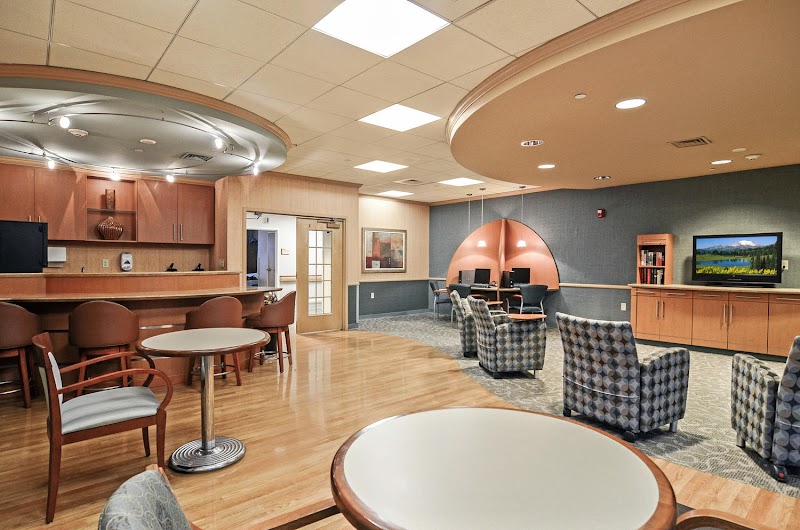
How is North Royalton Post Acute Staffed?
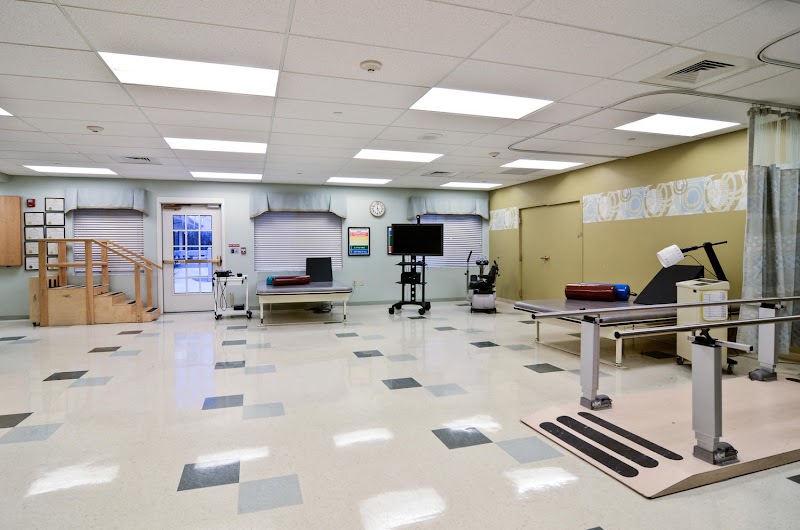
CMS rates North Royalton Post Acute's staffing level at 1 out of 5 stars, which is much below average compared to other nursing homes. Staff turnover is 41%, compared to the Ohio average of 46%. This relatively stable workforce can support continuity of care. RN turnover specifically is 59%, which is notably high. RNs provide skilled clinical oversight, so turnover in this role can affect medical care quality.

What Have Inspectors Found at North Royalton Post Acute?

State health inspectors documented 16 deficiencies at North Royalton Post Acute during 2019 to 2024. These included: 2 Immediate Jeopardy (the most serious level, indicating potential for serious harm or death), 12 with potential for harm, and 2 minor or isolated issues. Immediate Jeopardy findings are rare and represent the most serious regulatory concerns. They require immediate corrective action.

Who Owns and Operates North Royalton Post Acute?

North Royalton Post Acute is owned by a for-profit company. For-profit facilities operate as businesses with obligations to shareholders or private owners. The facility is operated by PACS GROUP, a chain that manages multiple nursing homes. With 130 certified beds and approximately 101 residents (about 78% occupancy), it is a mid-sized facility located in PARMA, Ohio.

How Does North Royalton Post Acute Compare to Other Ohio Nursing Homes?

Compared to the 100 nursing homes in Ohio, North Royalton Post Acute's overall rating (2 stars) is below the state average of 3.2, staff turnover (41%) is near the state average of 46%, and health inspection rating (3 stars) is at the national benchmark.

What Should Families Ask When Visiting North Royalton Post Acute?

Based on this facility's data, families visiting should ask: "What changes have been made since the serious inspection findings, and how are you preventing similar issues?" "Can you walk me through typical staffing levels on day, evening, and night shifts?" "Can I visit during a mealtime to observe dining assistance and food quality?" "How do you handle medical emergencies, and what is your hospital transfer rate?" These questions are particularly relevant given the facility's Immediate Jeopardy citations and the below-average staffing rating.

Is North Royalton Post Acute Safe?

Based on CMS inspection data, North Royalton Post Acute has documented safety concerns. Inspectors have issued 2 Immediate Jeopardy citations (the most serious violation level indicating risk of serious injury or death). The facility has a 2-star overall rating and ranks #100 of 100 nursing homes in Ohio. Families considering this facility should ask detailed questions about what corrective actions have been taken since these incidents.

Do Nurses at North Royalton Post Acute Stick Around?

North Royalton Post Acute has a staff turnover rate of 41%, which is about average for Ohio nursing homes (state average: 46%). Moderate turnover is common in nursing homes, but families should still ask about staff tenure and how the facility maintains care continuity when employees leave.

Was North Royalton Post Acute Ever Fined?

North Royalton Post Acute has been fined $24,007 across 1 penalty action. This is below the Ohio average of $33,319. While any fine indicates a compliance issue, fines under $50,000 are relatively common and typically reflect isolated problems that were subsequently corrected. Families should ask what specific issues led to these fines and confirm they've been resolved.

Is North Royalton Post Acute on Any Federal Watch List?

North Royalton Post Acute is not on any federal watch list. The most significant is the Special Focus Facility (SFF) program, which identifies the bottom 1% of nursing homes nationally based on persistent, serious quality problems. Not being on this list means the facility has avoided the pattern of deficiencies that triggers enhanced federal oversight. This is a positive indicator, though families should still review the facility's inspection history directly.