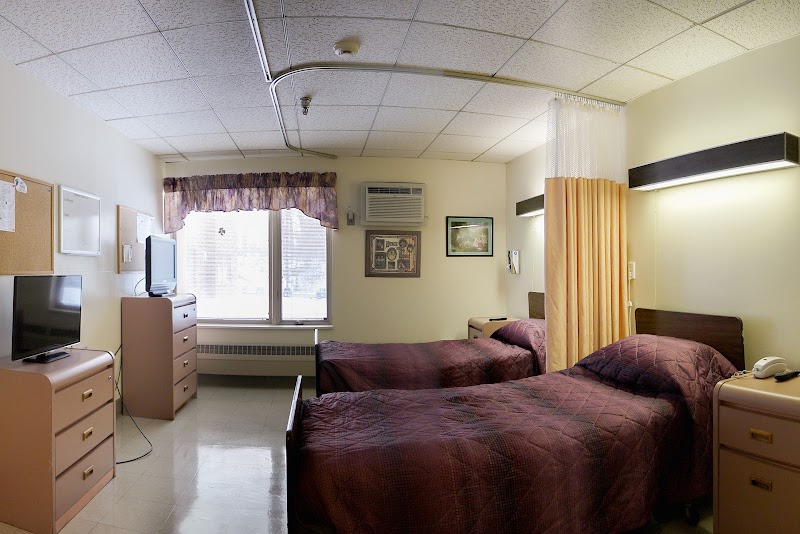
PLEASANT LAKE VILLA

7260 RIDGE RD, PARMA, OH 44129 (440) 842-2273
For profit - Corporation 209 Beds LEGACY HEALTH SERVICES Data: November 2025
Trust Grade
70/100
#324 of 913 in OH
Last Inspection: June 2024

Within standard 12-15 month inspection cycle. Federal law requires annual inspections.

Overview

Pleasant Lake Villa has a Trust Grade of B, which means it is a good choice for families seeking a nursing home, indicating it performs better than average but still has room for improvement. In Ohio, it ranks #324 out of 913 facilities, placing it in the top half, and #30 out of 92 in Cuyahoga County, meaning only a few local options are better. The facility is improving, with issues decreasing from 6 in 2024 to just 1 in 2025, although it still has a below-average staffing rating of 2 out of 5 stars and a turnover rate of 46%, which is slightly better than the state average. Notably, there have been no fines, which is a positive sign, but the RN coverage is average, suggesting that while nurses are present, there may not be enough to catch all potential issues. Families should be aware of past incidents, including a serious case where a resident experienced extreme pain due to a lack of effective pain management and concerns about proper use of personal protective equipment during COVID-19 precautions, which could potentially endanger multiple residents. Overall, while Pleasant Lake Villa has strengths in its ranking and lack of fines, it has notable weaknesses in staffing and some care practices that families should consider.

Trust Score
B
70/100
In Ohio
#324/913
Top 35%
Safety Record
Moderate
Needs review
Inspections
Getting Better
6 → 1 violations
Staff Stability
⚠ Watch
46% turnover. Above average. Higher turnover means staff may not know residents' routines.
Penalties
✓ Good
No fines on record. Clean compliance history, better than most Ohio facilities.
Skilled Nurses
○ Average
Each resident gets 31 minutes of Registered Nurse (RN) attention daily — about average for Ohio. RNs are the most trained staff who monitor for health changes.
Violations
⚠ Watch
20 deficiencies on record. Higher than average. Multiple issues found across inspections.
★★★★☆
4.0
Overall Rating
★★☆☆☆
2.0
Staff Levels
★★★★☆
4.0
Care Quality
★★★★☆
4.0
Inspection Score
Stable
2024: 6 issues
2025: 1 issues

The Good

  • 4-Star Quality Measures · Strong clinical quality outcomes
  • Full Sprinkler Coverage · Fire safety systems throughout facility
  • No fines on record

Facility shows strength in quality measures, fire safety.

The Bad

Staff Turnover: 46%

Near Ohio avg (46%)

Higher turnover may affect care consistency

Chain: LEGACY HEALTH SERVICES

Part of a multi-facility chain

Ask about local staffing decisions and management

The Ugly 20 deficiencies on record

1 actual harm
Mar 2025 1 deficiency
CONCERN (E) 📢 Someone Reported This

A family member, employee, or ombudsman was alarmed enough to file a formal complaint

Potential for Harm - no one hurt, but risky conditions existed

Infection Control (Tag F0880)

Could have caused harm · This affected multiple residents

**NOTE- TERMS IN BRACKETS HAVE BEEN EDITED TO PROTECT CONFIDENTIALITY** Based on medical record review, observation, staff interview, and review of the facility's Coronavirus (COVID-19) policy, the fa...

Read full inspector narrative →
**NOTE- TERMS IN BRACKETS HAVE BEEN EDITED TO PROTECT CONFIDENTIALITY** Based on medical record review, observation, staff interview, and review of the facility's Coronavirus (COVID-19) policy, the facility failed to ensure personal protective equipment (PPE) was donned correctly for Resident #193, who was on droplet precautions to potentially prevent the spread of COVID-19 infections. This had the potential to affect 29 residents (Residents #165, #166, #167, #168, #169, #170, #171, #172, #173, #174, #175, #176, #177, #178, #179, #180, #181, #182, #183, #184, #185, #186, #187, #188, #189, #190, #191, #192, and #193) who resided on the Sandalwood unit. The facility census was 189. Findings include: Review of the medical record for Resident #193 revealed an admission date of 10/09/24 with diagnoses including kidney transplant, type one diabetes mellitus with chronic diabetic kidney disease, pressure ulcer of the left heel, pressure ulcer to the right heel, and history of urinary tract infections. Review of the quarterly Minimum Data Set (MDS) 3.0 assessment dated [DATE] revealed Resident #193 had moderately impaired cognition, and was dependent on staff for bed mobility, toileting, and transferring. Resident #193 rejected care one to three days during the look back period. Observation on 03/03/25 at 10:33 A.M. with Resident #193 revealed there was PPE hanging on her door with a sign stating the resident was on droplet precautions. Certified Nursing Assistant (CNA) #201 went into Resident #193 to provide care and did not have PPE on. Registered Nurse (RN) #205 donned PPE to assist CNA #201. CNA #201 and Registered Nurse (RN) #205 were positioning Resident #193 for lunch. Interview on 03/03/25 at 10:45 A.M. with CNA #201 confirmed she did not were a gown, N-95 mask or face shield into Resident #193's room and stated the resident was on precautions for COVID-19. CNA #201 stated she cannot breathe in an N-95 mask. CNA #201 stated her assignment for the day was the Sandalwood unit. Review of the facility policy titled, COVID-19 Transmission based precautions- Droplet Precautions Quick Guide, dated 06/26/23 revealed staff were to utilize PPE which included-95 mask, eye protection, gowns, and gloves. This was an incidental finding discovered during the course of the complaint investigation.
Sept 2024 1 deficiency
CONCERN (D) 📢 Someone Reported This

A family member, employee, or ombudsman was alarmed enough to file a formal complaint

Potential for Harm - no one hurt, but risky conditions existed

ADL Care (Tag F0677)

Could have caused harm · This affected 1 resident

Based on observation, interview and record review, the facility failed to ensure Resident #135's nails were clean, and her chin was free of hair. This affected one resident (Resident #135) out of thre...

Read full inspector narrative →
Based on observation, interview and record review, the facility failed to ensure Resident #135's nails were clean, and her chin was free of hair. This affected one resident (Resident #135) out of three residents (Residents #51, #135, and #187) reviewed for activities of daily living (ADLs). The facility census was 158. Findings include: Review of the medical record for Resident #135 revealed an admission date of 07/30/24 with diagnoses including diabetes mellitus, Alzheimer's disease, and anxiety disorder. Review of the Care Plan dated 04/14/22 revealed Resident #135 had a self-care deficit related to cognition and generalized weakness. Interventions included nail care as needed. Review of the comprehensive Minimum Data Set (MDS) 3.0 assessment, dated 08/06/24, revealed Resident #135 had moderately impaired cognition and required substantial/maximal assistance with ADLs. Observation and interview on 09/14/24 at 9:40 A.M. with Resident #135 revealed she was lying in bed; her fingernails were long and dirty and she had hairs growing on her chin. Resident #135 stated that she liked the length of her nails, but she wished that they were cleaner, and she was embarrassed by having hairs on her chin. Resident #135 stated that she used to make sure that they were taken care of when she was at home. Interview on 09/14/24 at 9:41 A.M. with Licensed Practical Nurse (LPN) #371 verified the Resident #135's dirty nails and the hairs on her chin. Review of the facility policy dated 11/30/23 titled, Activity of Daily Living (ADL's), revealed maintaining personal hygiene included planning the task and gathering supplies, combing and/or styling hair, washing face and hands, brushing teeth, shaving or applying make-up, oral hygiene, self-manicure (safety awareness with nail care and/or application of deodorant or powder). This deficiency represents non-compliance investigated under Complaint Number OH00157469.
Jun 2024 2 deficiencies
CONCERN (D)

Potential for Harm - no one hurt, but risky conditions existed

Respiratory Care (Tag F0695)

Could have caused harm · This affected 1 resident

**NOTE- TERMS IN BRACKETS HAVE BEEN EDITED TO PROTECT CONFIDENTIALITY** Based on observation, interview, record review, and facility policy review the facility failed to ensure recommended guidelines ...

Read full inspector narrative →
**NOTE- TERMS IN BRACKETS HAVE BEEN EDITED TO PROTECT CONFIDENTIALITY** Based on observation, interview, record review, and facility policy review the facility failed to ensure recommended guidelines were followed for changing disposable respiratory equipment for Residents #12, #15, and #83. This affected three residents (#12, #15, and #83) of six residents reviewed for respiratory care. The facility census was 181. Finding include: 1. Review of the medical record revealed Resident #12 was admitted to the facility on [DATE] with diagnoses including pneumonia, epilepsy, heart failure, and chronic kidney disease. Review of the admission Minimum Data Set (MDS) assessment dated [DATE] revealed Resident #12 had short-term and long-term memory problems and used oxygen daily. Review of Resident #12's physician's orders revealed an order dated 05/14/24 to change the oxygen tubing and clean the filter weekly per facility policy and change the aerosol tubing and setup and clean the filter weekly per facility policy. Review of the medication administration record (MAR) for May 2024 revealed aerosol treatments were signed off as administered as ordered, and Resident #12 required oxygen daily. Review of the treatment administration record (TAR) for May 2024 revealed Resident #12's aerosol mask and tubing and oxygen tubing was last changed on 05/29/24. Observation on 06/03/24 at 12:13 P.M. of Resident #12 revealed the resident was wearing oxygen via nasal cannula that was not dated. The aerosol mask and tubing hooked up to the nebulizer was not in a bag and was not dated. The tubing dated 05/29/24 was in a clean bag on top of the oxygen concentrator. The bag with the new aerosol tubing and mask was still in the bag sitting on top of side table, not in use. Interview on 06/03/24 at 12:14 P.M. with Licensed Practical Nurse (LPN) #916 revealed oxygen tubing, aerosol masks, and tubing were to be replaced weekly and should be dated when changed. LPN #916 verified Resident #12's oxygen tubing, aerosol mask, and tubing were not dated to indicate when they were last changed, and the new tubing, dated 05/29/24, was still in the bag, not in use. 2. Review of the medical record revealed Resident #15 was admitted to the facility on [DATE] with diagnoses including dementia, heart disease, and anxiety. Review of the quarterly MDS assessment dated [DATE] revealed Resident #15 had impaired cognition and used oxygen. Review of Resident #15's physician's orders for June 2024 revealed there was no order to change oxygen tubing weekly. A new order was put in on 06/04/24 to change the oxygen tubing, after surveyor intervention. Observation on 06/03/24 at 2:15 P.M. of Resident #15's oxygen tubing with LPN #916 revealed the oxygen tubing was dated 03/05/24. LPN #916 verified the date on the tubing and stated the oxygen tubing should be changed weekly. Interview on 06/03/24 at 2:17 P.M. with Director of Nursing (DON) verified oxygen tubing was to be changed weekly due to infection control. The DON verified Resident #15 did not have an order to change her oxygen tubing weekly, and there was no documented evidence that Resident #15's oxygen tubing had been changed since 03/05/24. 3. Review of the medical record revealed Resident #83 was admitted to the facility on [DATE] with a diagnosis of acute respiratory failure. Review of Resident #83's physician orders for June 2024 revealed an order to administer oxygen via nasal cannula at three liters per minute. There was no order to change the oxygen tubing weekly. Observation 06/04/24 at 10:18 A.M. revealed Resident #83 in bed with oxygen on via nasal cannula at 2.5 liters per minute. There was no date on the nasal cannula tubing to indicate when it was last changed. The date on the storage bag for the oxygen tubing and nasal cannula was 4/30/24. Interview with LPN #909 at the time of the observation verified there was no date on the oxygen tubing and stated nasal cannula tubing was to be changed weekly. Review of the facility policy titled Operational Policy and Procedures- Respiratory Service, dated 07/06/2021, revealed oxygen cannulas, oxygen humidifier bottles, oxygen supply line, and nebulizer kit for aerosols should be changed weekly and disposable supplies need to be dated when changed.
CONCERN (E)

Potential for Harm - no one hurt, but risky conditions existed

Deficiency F0761 (Tag F0761)

Could have caused harm · This affected multiple residents

**NOTE- TERMS IN BRACKETS HAVE BEEN EDITED TO PROTECT CONFIDENTIALITY** Based on observation, interview, record review, and facility policy review revealed the facility failed to ensure multiple dose ...

Read full inspector narrative →
**NOTE- TERMS IN BRACKETS HAVE BEEN EDITED TO PROTECT CONFIDENTIALITY** Based on observation, interview, record review, and facility policy review revealed the facility failed to ensure multiple dose medications were dated when opened. This affected five residents (#39, #54, #81, #88 and #285) of 15 residents reviewed with insulin pens and two medication carts (Rosewood back and Oakwood front) of five medication carts reviewed. The facility census was 181. Findings Included: 1. Review of the medical record revealed Resident #285 was admitted to the facility on [DATE] with a diagnosis of type II diabetes. Review of the physician orders for June 2024 revealed an order for Insulin Glargine (long-acting insulin)100 unit/milliliter (ml) solution pen-injector. Observation on 06/06/24 at 10:01 A.M. of Oakwood front medication cart revealed Resident #285's insulin Glargine pen was dispensed on 04/25/24 and not dated to indicate when it was opened. Interview on 06/06/24 at 10:05 A.M. with Registered Nurse (RN) #995 verified Resident #285's insulin was dated when it was opened, and the dated insulin dispensed from pharmacy was 04/25/24. 2. Review of the medical record revealed Resident #88 was admitted to the facility on [DATE] with a diagnosis of type II diabetes. Review of the physician orders for June 2024 revealed Humalog (short-acting insulin) 100 unit/ml inject as per sliding scale. 3. Review of the medical record revealed Resident #54 was admitted to the facility on [DATE] with a diagnosis of type II diabetes. Review of the physician orders for June 2024 revealed Humalog injection solution per sliding scale. 4. Review of the medical record revealed Resident #39 was admitted to the facility on [DATE] with a diagnosis of type II diabetes. Review of the physician order for June 2024 revealed Humalog 100 unit/ml inject as per sliding scale. 5. Review of the medical record revealed Resident #81 was admitted to the facility on [DATE] with diagnosis of type II diabetes. Review of the physician order for June 2024 revealed Humalog 100 unit/ml inject as per sliding scale and Basaglar Kwik Pen solution 100 unit/ml (long-acting insulin) inject 21 units subcutaneously one time a day. Observation on 06/06/24 at 10:26 A.M. of Rosewood back medication cart for medication storage revealed Resident #88 Humalog flex pen, Resident #54's Humalog flex pen, Resident #39's Humalog flex pen and Resident #81's Humalog and Basaglar flex pens were opened and were not dated to indicate when they were opened. Interview on 06/06/24 at 10:30 A.M. with the Director of Nursing (DON) verified insulin was to be dated when it is opened and should not be used after the manufactures expiration date. The DON verified Resident's #39, #54, #81, #88 and #285 insulins were in use and were not dated per the facility policy. Review of the facility policy titled Medication Storage in the Facility, dated 11/2021, revealed that nurses shall place a date opened on medications. The manufacture's expiration date will be followed.
Apr 2024 3 deficiencies
CONCERN (D) 📢 Someone Reported This

A family member, employee, or ombudsman was alarmed enough to file a formal complaint

Potential for Harm - no one hurt, but risky conditions existed

Quality of Care (Tag F0684)

Could have caused harm · This affected 1 resident

**NOTE- TERMS IN BRACKETS HAVE BEEN EDITED TO PROTECT CONFIDENTIALITY** Based on interview and record review the facility failed to ensure wound treatments were completed as ordered. This affected one...

Read full inspector narrative →
**NOTE- TERMS IN BRACKETS HAVE BEEN EDITED TO PROTECT CONFIDENTIALITY** Based on interview and record review the facility failed to ensure wound treatments were completed as ordered. This affected one of three residents (Resident #152) reviewed for wound treatments. The facility census was 171. Findings Included: Review of the medical record for Resident #152 revealed an admission date of 09/06/22. Diagnoses included but were not limited to diabetes mellitus, dependence on renal dialysis, depression, pulmonary hypertension, absence of right leg below the knee, and calciphylaxis (calcium accumulates in small blood vessels of the fat and skin tissues). Review of the quarterly Minimum Data Set (MDS) assessment, dated 01/10/24, revealed Resident #152 had intact cognition and was dependent or required maximal assistance for activities of daily living. Review of the treatment orders for April 2024 revealed an order to cleanse skin tear to right elbow once daily with normal saline, apply four by four and border gauze dressing daily, every day shift for wound care. Review of the Medication Administration Record (MAR) for February 2024 revealed documentation indicating the dressing to right elbow was completed on 02/28/24. There was no documentation the wound care was completed on 02/29/24 through 03/04/24. The MAR for April 2024 revealed no documentation the dressing change was completed on 04/01/23. Review of physician orders dated 03/03/24 revealed a new order for doxycycline 100 milligram (mg) tablet twice a day for wound infection. Review of the wound assessment dated [DATE] revealed no odor, no drainage and no signs of infection to the right elbow noted. Interview on 04/01/24 at 3:29 P.M. with Registered Nurse (RN) #450 revealed dressing changes were to be completed as ordered, usually daily, and all dressing changes were dated and initialed at time of dressing change. During an interview on 04/02/24 at 9:50 A.M. with Resident #152, Resident #152 was confused regarding the events of how she sustained the skin tear; she said she was chasing her son and fell. Resident #152 was unable to provide information regarding treatments/dressing changes. Interview on 04/02/24 at 10:09 A.M. with the Director of Nursing (DON) revealed Resident #152 had a skin tear to elbow which became infected. Resident #152 was put on doxycycline (antibiotic). The DON verified Resident #152 had not received the dressing change to her right elbow from 02/28/24 through 03/02/24 as ordered. Interview on 04/02/24 at 11:35 A.M. with Licensed Practical Nurse (LPN) #350 revealed dressing changes were completed according to physician orders. All dressings were to be initialed, dated and documented as completed at the time of the dressing change. Interview on 04/02/24 at 11:52 A.M. with LPN #449 revealed Resident #152 received a skin tear to her right elbow. There was an order for the dressing to be changed daily. LPN #344 stated nurses were to change wound dressings as ordered, the dressing should be initialed and dated, and nurses were to document the treatment was completed. This deficiency represents non-compliance investigated under Complaint Number OH00152308.
CONCERN (D) 📢 Someone Reported This

A family member, employee, or ombudsman was alarmed enough to file a formal complaint

Potential for Harm - no one hurt, but risky conditions existed

Pharmacy Services (Tag F0755)

Could have caused harm · This affected 1 resident

Based on medical record review and interview the facility failed to ensure Resident #152 was not administered expired medication (budesonide) and the medication was available for administration. This ...

Read full inspector narrative →
Based on medical record review and interview the facility failed to ensure Resident #152 was not administered expired medication (budesonide) and the medication was available for administration. This affected one of three residents (Resident #152) reviewed for medication administration. The facility census was 171. Findings Included: Review of the medical record for Resident #152 revealed an admission date of 09/06/22. Diagnoses included but were not limited to eosinophilic esophagitis (an allergic inflammatory condition of the esophagus), diabetes mellitus, and dependence on renal dialysis. Review of the quarterly Minimum Data Set (MDS) assessment, dated 01/10/24, revealed Resident #152 had intact cognition. Review of the physician orders for February 2024 revealed orders for budesonide liquid 10 milliliters (ml) by mouth (corticosteroid, gastrointestinal) one hour before meals for eosinophilic esophagitis. Started on 02/11/24 and discontinued on 03/29/24. Review of the February and March 2024 medication administration record (MAR) revealed the budesonide liquid was not administered on March 1, 2, 3, 4, 5, 14 and 19. The budesonide was discontinued on 02/11/24 and restarted on 02/25/24 after Resident #152 returned from the hospital. The budesonide liquid expiration date was 02/21/24 and medication was given until 03/01/24 and then the medication was not available until 03/05/24. Interview on 04/02/24 at 10:09 A.M. with the Director of Nursing (DON) verified the bottle of budesonide liquid medication had an expiration date of 02/21/24 and this was not identified until 03/01/24. The unit manager (Licensed Practical Nurse #369) came to her on 03/01/24 and stated Resident #152's budesonide was expired, the family was notified and the doctor was contacted. The nurses were educated on checking medications to ensure that expired medications were not being given to residents. The DON confirmed Resident #152 received expired budesonide medication for six days. The DON stated after it was realized the medication was expired it took a few days to get more of the medication due to the medication was a specialty medication and only a specialty pharmacy could make the budesonide liquid. This deficiency represents non-compliance investigated under Complaint Number OH00152308.
CONCERN (D) 📢 Someone Reported This

A family member, employee, or ombudsman was alarmed enough to file a formal complaint

Potential for Harm - no one hurt, but risky conditions existed

Deficiency F0760 (Tag F0760)

Could have caused harm · This affected 1 resident

Based on medical record review and interview the facility failed to ensure Resident #152 received an anticoagulant medication to prevent the formation of blood clots as ordered. This affected one of t...

Read full inspector narrative →
Based on medical record review and interview the facility failed to ensure Resident #152 received an anticoagulant medication to prevent the formation of blood clots as ordered. This affected one of three residents (Resident #152) reviewed for medication administration. The facility census was 171. Findings Included: Review of the medical record for Resident #152 revealed an admission date of 09/06/22. Diagnoses included but were not limited to diabetes mellitus, dependence on renal dialysis, pulmonary hypertension, absence of right leg below the knee, and calciphylaxis (calcium accumulates in small blood vessels of the fat and skin tissues. Calciphylaxis causes blood clots, painful skin ulcers and may cause serious infections that can lead to death.) Review of the quarterly Minimum Data Set (MDS) assessment, dated 01/10/24, revealed Resident #152 had intact cognition. Review of the physician orders for February 2024 revealed orders for apixaban (anticoagulant) 2.5 milligrams (mg) tablet by mouth two times a day for atrial fibrillation. Review of the February and March 2024 medication administration record (MAR) revealed apixaban 2.5 mg tablet was started on 02/11/24. The morning doses of apixaban were not administered on February 12, 14,16,19,20,21,23, and 28 and on March 1, 6, and 14 (11 doses). Interview on 04/03/24 at 10:13 A.M. with Director of Nursing (DON) revealed Resident #152 was receiving dialysis three times a week in the mornings. The DON verified on dialysis days the nurses were not giving Resident #152 her apixaban. The DON verified apixaban was not being given as ordered. Review of Medscape website revealed if a dose of apixaban was not taken at the scheduled time, the dose should be taken as soon as possible on the same day and twice daily administration should be resumed. Premature discontinuation of any oral anticoagulant, including apixaban, increased the risk of thrombotic events. Because of the high plasma protein binding apixaban was not expected to be dialyzable. This deficiency represents non-compliance investigated under Complaint Number OH00152308.
Nov 2023 3 deficiencies
CONCERN (D) 📢 Someone Reported This

A family member, employee, or ombudsman was alarmed enough to file a formal complaint

Potential for Harm - no one hurt, but risky conditions existed

Transfer Requirements (Tag F0622)

Could have caused harm · This affected 1 resident

**NOTE- TERMS IN BRACKETS HAVE BEEN EDITED TO PROTECT CONFIDENTIALITY** Based on interview, record review and review of the facility policy, the facility failed to ensure Resident #172 and his Respons...

Read full inspector narrative →
**NOTE- TERMS IN BRACKETS HAVE BEEN EDITED TO PROTECT CONFIDENTIALITY** Based on interview, record review and review of the facility policy, the facility failed to ensure Resident #172 and his Responsible Party were given a transfer notice when Resident #172 was transported from the facility via Emergency Medical Services to the local hospital for evaluation. This affected one resident (Resident #172) out of three residents reviewed for transfers and discharges. The facility census was 170. Findings include: Review of Resident #172's medical record revealed an admission date of 11/01/23 and diagnoses included unspecified dementia with agitation, restlessness and agitation, and type two diabetes mellitus. Resident #172 was discharged from the facility on 11/03/23. Review of Resident #172's admission Assessment and Baseline Care Plans dated 11/01/23 at 6:44 P.M. included Resident #172 had cognitive impairment with poor decision making skills and had a diagnosis of dementia. Resident #172 was alert, quiet and cooperative. Resident #172 could ambulate independently and did not have a history of elopement. Review of Resident #172's progress notes dated 11/01/23 at 3:24 P.M. included Resident #172 was transported from the local hospital to the facility. Resident #172 had dementia and Alzheimer's Disease with agitation. Resident #172 was alert and oriented to time, place, person and spoke mainly Spanish with very little English. Resident #172 was resting peacefully and safety measures were maintained. Review of Resident #172's progress notes dated 11/02/23 at 10:37 A.M. included Resident #172 was pacing to and from his room on the nursing unit earlier this morning. At this time Resident #172 was off the nursing unit and pressing elevator buttons. Resident #172 was redirected and returned to his room without incident. Resident #172 was alert to self, pleasant and cooperative. One-to-one initiated for monitoring. Resident #172's Responsible Party was notified and updated. Review of Resident #172's progress notes dated 11/02/23 at 10:50 A.M. completed by an Advanced Practice Nurse included Resident #172 had dementia with agitation, was sitting on the side of his bed and was alert and oriented times two. Resident #172 was Spanish speaking and understood some English. Nursing reported some manic behaviors and pacing in his room and hallways. Resident #172 was admitted from the local hospital behavioral unit and had increased confusion and agitation. Resident #172's family reported agitation, aggression and abusive patterns. Review of Resident #172's progress notes dated 11/02/23 at 12:07 P.M. included Resident #172 was confused, independent with ambulation, combative with staff and was wandering in other resident's rooms. Interventions attempted and failed were to offer drink, one to one supervision, expression of feelings. The CNP (Certified Nurse Practitioner) gave an order for Resident #172 to return to the local hospital psychiatric unit. Resident #172's Responsible Party was contacted and updated. Review of Resident #172's progress notes dated 11/02/23 at 2:53 P.M. included Resident #172 had a change in condition including behavioral symptoms of agitation and psychosis. Resident #172 was confused and independent with ambulation. Resident #172 was verbally and physically combative with staff, wandering to other units and exit seeking. Attempts to redirect Resident #172 caused increased agitation. During attempts at redirection Resident #172 shoved a staff member. The Nurse Practitioner was notified and Resident was sent via Emergency Medical Services to the local hospital for a psychological evaluation. Review of Resident #172's progress notes dated 11/03/23 at 1:29 A.M. revealed Resident #172 was discharged from the facility. There was no documentation a transfer notice was sent with Resident #172 when he left the facility and there was no documentation Resident #172's Responsible Party was provided a transfer notice. Interview on 11/08/23 at 10:26 A.M. of Family Member (FM) #590 revealed she was Resident #172's daughter and also his Responsible Party. FM #590 stated Resident #172 was admitted to the facility on [DATE] she was told he was doing well, she visited him and he was very happy and calm. FM #590 stated on 11/02/23 she was told Resident #172 was doing well and a short time later she was called and told she needed to pick his belongings because was at the local hospital. FM #590 stated the facility nurse told her Resident #172 was entering other resident rooms and the staff could not be chasing after him. FM #590 stated the nurse told her Resident #172 attacked two people and shoved someone else's shoulder. FM #590 stated Resident #172 didn't mean anything by his actions. FM #590 indicated Resident #172 was cared for by her daughter before he was admitted to the local hospital behavioral unit. FM #590 stated she admitted Resident #172 to the local hospital because the neighbor upset him and he hit her daughter. FM #590 stated she was not given a 30 day notice, a transfer notice or any paper. FM #590 stated she received no communication from the facility other than Resident #172 was being transported to the local hospital. FM #590 stated the situation was very upsetting to her. FM #590 indicated the facility called her and told her she needed to sign paperwork so the insurance could be billed. Interview on 11/08/23 at 11:34 A.M. of the Administrator revealed Resident #172 was recently admitted from the local hospital psychiatric unit and had a history of beating up his grandchild. The Administrator stated Resident #172 became combative and physically aggressive at the facility and was sent to the local hospital for evaluation. The Administrator stated Hospital Liaison and Marketing (HLM) #591 evaluated Resident #172 and said he was appropriate for admission to the facility. The Administrator stated Resident #172 probably needed alternative placement other than the facility and the hospital would have a conversation with the family. The Administrator stated the facility did not get Resident #172's referral back from the hospital and if Resident #172 was discharged to the hospital he would not be a bed hold. Interview on 11/08/23 at 1:53 P.M. of Registered Nurse (RN) #423 revealed she was working on 11/02/23 when Resident #172 was sent to the hospital via Emergency Medical Services. RN #423 stated Resident #172 was fine in the morning but later in the day he became verbally and physically aggressive and started wandering into other resident rooms. RN #423 stated Resident #172 was exit seeking and pushed an aide into the double door. RN #423 stated she updated FM #590 about the situation with Resident #172 and told FM #590 that Resident #172 was going to be transported to the local hospital for evaluation. RN #423 stated she worked until 3:00 P.M. on 11/02/23 and told the daughter before she left the facility that Resident #172's belongings would stay in his room and she would lock his cell phone in the medication cart. RN #423 stated she went home and did not know what happened after that. Interview on 11/08/23 at 2:10 P.M. of Business Office Manager (BOM) #421 revealed Resident #172 had a medicaid insurance plan. BOM #421 stated she did not hold his bed or send a bed hold notice to Resident #172 or his Responsible Party because he did not have his admission paperwork signed and because he went to the hospital due to medical needs. BOM #421 indicated a transfer letter would have gone with the nurses packet. Interview on 11/08/23 at 2:32 P.M. of the Director of Nursing revealed Resident #172 was admitted to the facility on [DATE] from the local hospital psychiatric unit. The DON indicated on 11/02/23 Resident #172 was placed on one-to-one care because he was aggressive and yelling and walking into other resident rooms. The DON stated she knew Spanish and tried talking to Resident #172 in Spanish but he told her to get out of his room and slammed the door. The DON stated FM #590 was contacted and updated on the situation with Resident #172. The DON stated Resident #172 was not placed in the secured unit because he needed to be assessed before he was put on a unit of vulnerable residents. The DON stated Resident #172 was transported via Emergency Medical Services to the local hospital for evaluation. The DON confirmed a Transfer Letter should be located in Resident #172's electronic medical record and the Transfer Letter was not in the electronic medical record. Review of the facility policy titled Transfer or Discharge Notice reviewed 06/08/22 included the facility should provide a resident and, or the resident's representative (sponsor) with a thirty (30)-day written notice of an impending transfer or discharge. Except as specified below, a resident and, or his or her representative would be given a thirty (30)-day advance notice of an impending transfer or discharge from the facility: the transfer was necessary for the resident's welfare and the resident's needs could not be met at the facility; the safety of individuals in the facility was endangered; an immediate transfer or discharge was required by the resident's urgent medical needs; the resident had not resided in the facility for 30 days. The resident and, or the representative would be provided with the following information, including the reason for the transfer or discharge, the effective date of the transfer or discharge, the location to which the resident was being transferred or discharged , the name, address, and telephone number of the state long-term care ombudsman. This deficiency represents non-compliance investigated under Complaint Number OH00148150.
CONCERN (D) 📢 Someone Reported This

A family member, employee, or ombudsman was alarmed enough to file a formal complaint

Potential for Harm - no one hurt, but risky conditions existed

Transfer Notice (Tag F0623)

Could have caused harm · This affected 1 resident

**NOTE- TERMS IN BRACKETS HAVE BEEN EDITED TO PROTECT CONFIDENTIALITY** Based on interview, record review and review of the facility policy the facility failed to ensure Resident #172 and his Responsi...

Read full inspector narrative →
**NOTE- TERMS IN BRACKETS HAVE BEEN EDITED TO PROTECT CONFIDENTIALITY** Based on interview, record review and review of the facility policy the facility failed to ensure Resident #172 and his Responsible Party were given a bed hold notice and transfer notice when Resident #172 was transported from the facility via Emergency Medical Services to the local hospital for evaluation. This affected one resident (Resident #172) out of three residents reviewed for transfers and discharges. The facility census was 170. Findings include: Review of Resident #172's medical record revealed an admission date of 11/01/23 and diagnoses included unspecified dementia with agitation, restlessness and agitation, and type two diabetes mellitus. Resident #172 was discharged from the facility on 11/03/23. Review of Resident #172's admission Assessment and Baseline Care Plans dated 11/01/23 at 6:44 P.M. included Resident #172 had cognitive impairment with poor decision making skills and had a diagnosis of dementia. Resident #172 was alert, quiet and cooperative. Resident #172 could ambulate independently and did not have a history of elopement. Review of Resident #172's progress notes dated 11/01/23 at 3:24 P.M. included Resident #172 was transported from the local hospital to the facility. Resident #172 had dementia and Alzheimer's Disease with agitation. Resident #172 was alert and oriented to time, place, person and spoke mainly Spanish with very little English. Resident #172 was resting peacefully and safety measures were maintained. Review of Resident #172's progress notes dated 11/02/23 at 10:37 A.M. included Resident #172 was pacing to and from his room on the nursing unit earlier this morning. At this time Resident #172 was off the nursing unit and pressing elevator buttons. Resident #172 was redirected and returned to his room without incident. Resident #172 was alert to self, pleasant and cooperative. One-to-one initiated for monitoring. Resident #172's Responsible Party was notified and updated. Review of Resident #172's progress notes dated 11/02/23 at 10:50 A.M. completed by an Advanced Practice Nurse included Resident #172 had dementia with agitation, was sitting on the side of his bed and was alert and oriented times two. Resident #172 was Spanish speaking and understood some English. Nursing reported some manic behaviors and pacing in his room and hallways. Resident #172 was admitted from the local hospital behavioral unit and had increased confusion and agitation. Resident #172's family reported agitation, aggression and abusive patterns. Review of Resident #172's progress notes dated 11/02/23 at 12:07 P.M. included Resident #172 was confused, independent with ambulation, combative with staff and was wandering in other resident's rooms. Interventions attempted and failed were to offer drink, one to one supervision, expression of feelings. The CNP (Certified Nurse Practitioner) gave an order for Resident #172 to return to the local hospital psychiatric unit. Resident #172's Responsible Party was contacted and updated. Review of Resident #172's progress notes dated 11/02/23 at 2:53 P.M. included Resident #172 had a change in condition including behavioral symptoms of agitation and psychosis. Resident #172 was confused and independent with ambulation. Resident #172 was verbally and physically combative with staff, wandering to other units and exit seeking. Attempts to redirect Resident #172 caused increased agitation. During attempts at redirection Resident #172 shoved a staff member. The Nurse Practitioner was notified and Resident was sent via Emergency Medical Services to the local hospital for a psychological evaluation. Review of Resident #172's progress notes dated 11/03/23 at 1:29 A.M. revealed Resident #172 was discharged from the facility. There was no documentation a transfer notice was sent with Resident #172 when he left the facility and there was no documentation Resident #172's Responsible Party was provided a transfer notice. Interview on 11/08/23 at 10:26 A.M. of Family Member (FM) #590 revealed she was Resident #172's daughter and also his Responsible Party. FM #590 stated Resident #172 was admitted to the facility on [DATE] she was told he was doing well, she visited him and he was very happy and calm. FM #590 stated on 11/02/23 she was told Resident #172 was doing well and a short time later she was called and told she needed to pick his belongings because was at the local hospital. FM #590 stated the facility nurse told her Resident #172 was entering other resident rooms and the staff could not be chasing after him. FM #590 stated the nurse told her Resident #172 attacked two people and shoved someone else's shoulder. FM #590 stated Resident #172 didn't mean anything by his actions. FM #590 indicated Resident #172 was cared for by her daughter before he was admitted to the local hospital behavioral unit. FM #590 stated she admitted Resident #172 to the local hospital because the neighbor upset him and he hit her daughter. FM #590 stated she was not given a 30 day notice, a transfer notice or any paper. FM #590 stated she received no communication from the facility other than Resident #172 was being transported to the local hospital. FM #590 stated the situation was very upsetting to her. FM #590 indicated the facility called her and told her she needed to sign paperwork so the insurance could be billed. Interview on 11/08/23 at 11:34 A.M. of the Administrator revealed Resident #172 was recently admitted from the local hospital psychiatric unit and had a history of beating up his grandchild. The Administrator stated Resident #172 became combative and physically aggressive at the facility and was sent to the local hospital for evaluation. The Administrator stated Hospital Liaison and Marketing (HLM) #591 evaluated Resident #172 and said he was appropriate for admission to the facility. The Administrator stated Resident #172 probably needed alternative placement other than the facility and the hospital would have a conversation with the family. The Administrator stated the facility did not get Resident #172's referral back from the hospital and if Resident #172 was discharged to the hospital he would not be a bed hold. Interview on 11/08/23 at 1:53 P.M. of Registered Nurse (RN) #423 revealed she was working on 11/02/23 when Resident #172 was sent to the hospital via Emergency Medical Services. RN #423 stated Resident #172 was fine in the morning but later in the day he became verbally and physically aggressive and started wandering into other resident rooms. RN #423 stated Resident #172 was exit seeking and pushed an aide into the double door. RN #423 stated she updated FM #590 about the situation with Resident #172 and told FM #590 that Resident #172 was going to be transported to the local hospital for evaluation. RN #423 stated she worked until 3:00 P.M. on 11/02/23 and told the daughter before she left the facility that Resident #172's belongings would stay in his room and she would lock his cell phone in the medication cart. RN #423 stated she went home and did not know what happened after that. Interview on 11/08/23 at 2:10 P.M. of Business Office Manager (BOM) #421 revealed Resident #172 had a medicaid insurance plan. BOM #421 stated she did not hold his bed or send a bed hold notice to Resident #172 or his Responsible Party because he did not have his admission paperwork signed and because he went to the hospital due to medical needs. BOM #421 indicated a transfer letter would have gone with the nurses packet. Interview on 11/08/23 at 2:32 P.M. of the Director of Nursing revealed Resident #172 was admitted to the facility on [DATE] from the local hospital psychiatric unit. The DON indicated on 11/02/23 Resident #172 was placed on one-to-one care because he was aggressive and yelling and walking into other resident rooms. The DON stated she knew Spanish and tried talking to Resident #172 in Spanish but he told her to get out of his room and slammed the door. The DON stated FM #590 was contacted and updated on the situation with Resident #172. The DON stated Resident #172 was not placed in the secured unit because he needed to be assessed before he was put on a unit of vulnerable residents. The DON stated Resident #172 was transported via Emergency Medical Services to the local hospital for evaluation. The DON confirmed a Transfer Letter should be located in Resident #172's electronic medical record and the Transfer Letter was not in the electronic medical record. Review of the facility policy titled Transfer or Discharge Notice reviewed 06/08/22 included the facility should provide a resident and, or the resident's representative (sponsor) with a thirty (30)-day written notice of an impending transfer or discharge. Except as specified below, a resident and, or his or her representative would be given a thirty (30)-day advance notice of an impending transfer or discharge from the facility: the transfer was necessary for the resident's welfare and the resident's needs could not be met at the facility; the safety of individuals in the facility was endangered; an immediate transfer or discharge was required by the resident's urgent medical needs; the resident had not resided in the facility for 30 days. The resident and, or the representative would be provided with the following information, including the reason for the transfer or discharge, the effective date of the transfer or discharge, the location to which the resident was being transferred or discharged , the name, address, and telephone number of the state long-term care ombudsman. This deficiency represents non-compliance investigated under Complaint Number OH00148150.
CONCERN (E) 📢 Someone Reported This

A family member, employee, or ombudsman was alarmed enough to file a formal complaint

Potential for Harm - no one hurt, but risky conditions existed

Infection Control (Tag F0880)

Could have caused harm · This affected multiple residents

**NOTE- TERMS IN BRACKETS HAVE BEEN EDITED TO PROTECT CONFIDENTIALITY** Based on observation, interview, record review, review of the facility policy and review of the Centers for Disease Control (CDC...

Read full inspector narrative →
**NOTE- TERMS IN BRACKETS HAVE BEEN EDITED TO PROTECT CONFIDENTIALITY** Based on observation, interview, record review, review of the facility policy and review of the Centers for Disease Control (CDC) and Prevention guidelines, the facility failed to maintain an adequate infection control program to prevent the spread of infection. The facility failed to ensure staff donned appropriate personal protective equipment (PPE) prior to entering the room of and providing wound care to Resident #156 who had tested positive for Carbapenem-resistant Acinetobacter baumannii (CRAB). Furthermore, the facility failed to ensure Resident #155, who tested positive for CRAB washed his hands before leaving his room. This affected two sampled residents (#156 and #155) who tested positive for CRAB and had the potential to affect 42 additional residents (#1, #4, #10, #12, #26, #33, #34, #40, #45, #46, #54, #55, #56, #59, #60, #67, #68, #74, #80, #83, #89, #90, #93, #97, #98, #100, #102, #106, #109, #110, #112, #115, #116, #119, #121, #129, #137, #148, #150, #159, #160, #170) residing on the unit Resident #156 resided on and 22 residents (#2, #13, #19, #25, #43, #71, #86, #88, #91, #95, #96, #122, #127, #133, #134, #145, #147, #151, #158, #161, #163, #167) residing on the nursing unit Resident #155 resided on. The facility census was 170. Findings include: 1. Review of Resident #156's medical record revealed an admission date of 01/08/21 and diagnoses included dementia without behavioral disturbance, psychotic disturbance, mood disturbance and anxiety, carrier of Carbapenem-resistant Acinetobacter baumannii (does not respond to common antibiotics and some are resistant to all available antibiotics), and unspecified intellectual disabilities. Review of Resident #156's annual Minimum Data Set (MDS) 3.0 assessment dated [DATE] revealed Resident #156 did not have a Brief Interview for Mental Status completed due to Resident #156 was rarely or never understood. Resident #156 required extensive assistance of one staff member for bed mobility, total dependence of two staff members for transfers, and extensive assistance of two staff members for toilet use and personal hygiene. Review of Resident #156's physician orders dated 10/03/23 revealed an order to cleanse areas to the left buttock extending to the right thigh with normal saline and pat dry with a four-by-four gauze, apply TRIAD (skin protectant) and leave open to air (LOTA). Line bed with a chuck (disposable pad), no (incontinence) brief. Monitor for pain, discomfort with treatment, use prn (as needed) meds and, or contact the physician or Nurse Practitioner. Further review revealed to cleanse areas to right buttock extending to the right thigh with normal saline and pat dry with a four-by-four gauze, apply TRIAD and LOTA, line bed with a chuck and no brief. Monitor for pain and discomfort with treatment, use prn meds and or contact the physician or Nurse Practitioner. Review of facility laboratory report results revealed a swab of Resident's #156's axilla and groin was collected from 10/16/23 through 10/18/23 and reported on 10/23/23. Resident #156's Carbapenem-resistant Acinetobacter baumanni colonization culture showed Acinetobacter baumannii (A), this isolate tested positive for OXA-24/40-like carbapenemases by PCR (polymerase chain reaction which detect genetic material from the virus). Review of Resident #156's care plan dated 10/24/23 included Resident #156 had a CRAB (Carbapenem-resistant Acinetobacter baumannii) infection. Resident #156's infection would resolve with no adverse reactions to treatment. Interventions included contact isolation precautions; follow facility protocols for contact isolation for duration of treatment, monitor for increased withdrawal, social isolation; monitor wound for changes in color, odor, inflammation, exudate, and complaints of pain. Review of Resident #156's physician orders dated 10/24/23 revealed an order for contact precautions related to CRAB. Post a See Nurse Before Entering Sign on the door, provide personal blood pressure cuff, stethoscope, thermometer, wear gloves, mask, and gown as needed, and wash hands when touching environment and with direct patient care. Review of Resident #156's progress notes dated 10/24/23 at 11:35 A.M. revealed the nurse practitioner was asked to see Resident #156 due to CRAB positive. Resident #156's plan was to continue infection prevention measures, hand hygiene, environmental cleaning and Resident #156 was placed on enhanced barrier precautions (EBP). Interview on 11/06/23 at 9:34 A.M. of Licensed Practical Nurse/Staff Development/Infection Preventionist (LPN/SD/IP) #526 revealed the facility had quite a few residents positive with CRAB, and it had been going on for months. LPN/SD/IP #526 stated the Cuyahoga County Board of Health and Ohio Department of Health visited the facility on 04/2023 and gave recommendations and guidance for CRAB. LPN/SD/IP #526 stated she received a call from the Ohio Department of Health and Cuyahoga County Board of Health on 09/26/23. LPN/SD/IP #526 stated she was advised by the Ohio Department of Health and the Cuyahoga County Board of Health to test all the residents in the facility for CRAB. LPN/SD/IP #526 indicated most of the residents (some refused) were tested for CRAB over a three-day period from 10/16/23 through 10/18/23. LPN/SD/IP #526 revealed eight residents (Resident #57, #61, #92, #101, #113, #114, #155 and #156) tested positive for CRAB and were placed in private rooms or cohorted in a semi-private room. LPN/SD/IP #526 stated none of the eight residents who tested positive for CRAB had symptoms. LPN/SD/IP #526 stated staff washed their hands and wore isolation gowns and gloves when providing resident care for residents positive for CRAB. LPN/SD/IP #526 stated the facility was going to retest the residents in six months for CRAB. Observation on 11/07/23 at 9:10 A.M. of Resident #156's room revealed there was a small red sign to the right of the door which stated to Ask the Nurse before entering the room. There were personal protective equipment (PPE) supplies on the door to the room including isolation gowns. Further observation revealed Wound Physician (WP) #588, Registered Nurse/Wound Nurse (RN/WN) #447 and Med Tech (MT) #487 walked in Resident #156's room and did not don PPE. Observation revealed WP #588 and RN/WN #447 were standing next to Resident #156's bed and had not donned PPE. MT #487 was wearing gloves, no isolation gown and was leaning over Resident #156's bed and applying cream to Resident #156's right and left buttocks and upper thighs. MT #487's clothing was touching Resident #156's bed while she applied the cream. When asked about the sign and PPE on the door to Resident #156's room MT #487 stated Resident #156 did not have CRAB and that was why she did not have an isolation gown on. WP #588 stated Resident #156's roommate (Resident #114, also positive for CRAB) had some kind of urine bacteria and that was what the PPE was for. WP #588 stated Resident #114 was not in the room, so it was not a problem. Observation revealed Resident #114 was not in the room. Interview on 11/07/23 at 11:04 A.M. of RN/WN #447 confirmed Resident #156 was CRAB positive and she should have donned PPE before entering Resident #156's room with WP #588 and MT #487 to provide wound care. Interview on 11/07/23 at 1:48 P.M. of Medical Director #589 revealed he was aware the facility had an increase in CRAB cases. Medical Director #589 stated he talked to the Director of Nursing about the increase in CRAB cases today (11/07/23) and agreed with the measures the facility was taking to control the spread of CRAB. Medical Director #589 stated he had no additional recommendations for measures the facility should take. When asked if there should have been additional testing, screening when there were CRAB positive cases in 05/2023 and 08/2023 Medical Director #589 stated he could not recall anything regarding what was done about CRAB in the facility, and he could not comment on the residents who were positive in May and August 2023, and he could not comment if screening should have been done because it was too long ago. Medical Director #589 stated he attended scheduled monthly meetings and more often if needed. Interview on 11/08/23 at 3:36 P.M. of the Administrator, the Director of Nursing and LPN/SD/IP #526 revealed when asked why Resident #156's door did not have a Contact Precaution sign on the door and had a small red sign to the right of door stating to Ask a Nurse before entering the room LPN/SD/IP #526 stated the red sign says to see a nurse and the nurse would tell the person Resident #156 was on Contact Precautions. LPN/SD/IP #526 stated that was the way the facility had always done it. 2. Review of Resident #155's medical record revealed an admission date of 08/11/21 and diagnoses included epilepsy, carrier of carbapenem-resistant Acinetobacter baumannii (CRAB), and alcoholic cirrhosis of the liver with ascites. Review of Resident #155's quarterly MDS 3.0 assessment dated [DATE] revealed Resident #155 was cognitively intact. Resident #155 required setup or clean-up assistance for toileting and walking in his room or a corridor. Resident #155 used a manual wheelchair or scooter. Review of Resident #155's care plan dated 10/24/23 included Resident #155 had a CRAB infection. Resident #155's infection would resolve with no adverse reactions to treatment. Resident#155 would follow facility protocols for contact isolation for duration of treatment, monitor for increased withdrawal, social isolation; utilize PPE (personal protective equipment) as appropriate. Interview on 11/07/23 at 8:05 A.M. of LPN/SD/IP #526 revealed Resident's #57, #61, #92, #101, #113, #114, #155 and #156's were instructed that they should wash their hands before leaving the rooms they resided in. Observation on 11/07/23 at 4:10 P.M. of Resident #155 revealed he used a wheeled walker, walked out of his room into the hall and into the common area used by other residents and did not wash his hands before leaving the room. Interview on 11/07/23 at 4:10 P.M. of Resident #155 revealed he shared a room with Resident #113 and confirmed there was PPE supplies hanging on the door to his room. Resident #155 stated the PPE was on the door because both he and Resident #113 were swabbed and tested positive for something in their arm pits. Resident #155 indicated a person came by with the results and told him he would be tested again. Resident #155 stated he was not told he should do anything like washing his hands before leaving his room or to do anything different than he had been doing before he tested positive. Resident #155 confirmed he did not wash his hands before leaving his room. Review of the facility policy titled Isolation Precautions dated 06/08/22 included it was the policy of the facility, when necessary, to prevent the transmission of infections within the facility using Isolation Precautions. The 2007 Centers for Disease Control and Prevention (CDC) guidelines for Isolation Precautions would be utilized in the facility with some modifications. In addition to Standard Precautions, use Contact Precautions for residents known or suspected to be infected with microorganisms that could be easily transmitted by direct or indirect contact, such as handling environmental surfaces or resident-care areas. In some instances, residents colonized with these organisms may also require Contact Precautions. The above includes epidemiologically important organisms (multidrug-resistant organisms). Handwashing (hand hygiene) was the single most important precaution to prevent the transmission of infection from one person to another. Wash hands with soap and water before and after each resident contact and after contact with resident belongings and equipment. Alcohol-based hand rub could be used if hands were not visibly soiled. All personal protective equipment should be used once and discarded in either the trash or used linen receptacle before leaving the room. Review of the Centers for Disease Control and Prevention (CDC) Information for facilities titled CRAB Carbapenem-resistant Acinetobacter baumannii, An Urgent Public Health Threat included Acinetobacter baumannii was a species of bacteria that was an opportunistic pathogen. It could cause a variety of different types of infections. Infections caused by carbapenem-resistant A. baumannii (CRAB) don't respond to common antibiotics and some CRAB were resistant to all available antibiotics. Carbapenemase-producing CRAB had the potential to spread rapidly and was frequently associated with outbreaks. CRAB spreads through direct and indirect contact with patients infected or colonized with CRAB or contaminated environmental surfaces and equipment. It was usually transmitted from person to person, often via the hands of healthcare personnel or on contaminated shared medical equipment like blood pressure machines. CRAB could cause large outbreaks in healthcare facilities. Colonization meant that an organism was found in or on the body but was not causing any symptoms or disease. CRAB primarily colonized the digestive tract, respiratory tract, skin, and, or wounds but could colonize other body sites. Patients who were colonized with CRAB could be a source of spread to other patients. They were also at higher risk of developing CRAB infection than patients who were not colonized. And because patients colonized with CRAB don't have signs or symptoms, CRAB colonization could go undetected and contribute to silent spread of resistant bacteria. Colonization was detected by a screening test for patients and residents who were at risk of CRAB colonization or infection. Follow public health recommendations for CRAB colonization screening. Wear a gown and gloves when caring for patients with CRAB. CRAB could contaminate your hands and clothes while you care for a patient infected or colonized with CRAB or work in their environment. This puts the patients you care for afterward at risk of getting CRAB. Review of the CDC's Implementation of Personal Protective Equipment (PPE) Use in Nursing Homes to Prevent Spread of Multidrug-resistant Organisms (MDROs) included Contact Precautions were intended to prevent transmission of infectious agents, like MDROs, that were spread by direct or indirect contact with the resident or the resident's environment. Contact Precautions required the use of gown and gloves on every entry into a resident's room. The resident was given dedicated equipment (e.g., stethoscope and blood pressure cuff) and was placed into a private room. When private rooms were not available, some residents (for example, residents with the same pathogen) may be cohorted, or grouped together. This deficiency represents non-compliance investigated under Complaint Number OH00147595.
Apr 2023 6 deficiencies
CONCERN (D)

Potential for Harm - no one hurt, but risky conditions existed

Abuse Prevention Policies (Tag F0607)

Could have caused harm · This affected 1 resident

**NOTE- TERMS IN BRACKETS HAVE BEEN EDITED TO PROTECT CONFIDENTIALITY** Based on record review and interview the facility failed to implement their abuse policy and procedure in regards to reporting a...

Read full inspector narrative →
**NOTE- TERMS IN BRACKETS HAVE BEEN EDITED TO PROTECT CONFIDENTIALITY** Based on record review and interview the facility failed to implement their abuse policy and procedure in regards to reporting allegations of misappropriation to the Ohio Department of Health. This affected one resident (#180) of three residents (#33, #148, and #180) reviewed for abuse, neglect, and misappropriation of resident property. Findings include: Review of the medical record for Resident #180 revealed an admission date of 01/11/22 and a discharge date of 04/01/23. Diagnoses included anemia, chronic obstructive pulmonary disease, vascular dementia, cocaine dependence with withdrawal, and insomnia. Review of the quarterly minimum data set (MDS) assessment dated [DATE] revealed Resident #180 had impaired cognition and required limited assistance of one staff for bed mobility, transfers, and ambulation. Review of the nurse practitioner note dated 02/01/23 at 10:06 A.M. revealed Resident #180 was found in the common area, was pleasantly demented, and upset that she has lost her purse. The note indicated nursing was to call her sister to see if she took the purse. Review of the progress note dated 02/01/23 at 11:17 A.M. revealed nurse practitioner on the floor at this time. New orders were received. A call was placed to responsible party to update. Message left to return call to facility. Resident updated the nurse that she could not locate her purse, her sister was visiting last night and that was the last time she saw the purse. The note further indicted the nurse would check with the sister when she returned call to see if the purse was with her. Resident #180 was aware. There were no other progress notes related to Resident #180's purse or further attempted communication with the resident's sister/family. Review of the self-reported incident (SRI) submitted on 02/09/23 revealed a date of occurrence as 02/09/23 at 9:30 A.M. The SRI narrative summary revealed Resident #180 reported to the charge nurse on 02/01/23 at 11:17 A.M. she could not locate her purse and her sister was visiting last night when she saw her purse last. The sister did not return calls to the facility. The daughter was able to state the sister did not have the purse/belongings and that she was in visiting and saw the purse and belongings on 01/31/23 between 4:00 P.M. and 5:00 P.M. Resident resided on the memory care unit with ambulatory residents with diagnoses of dementia/Alzheimer's. Resident on 02/08/23 became fixated on her inability to locate her purse. Review of the facility's investigation revealed a form titled Missing/Damaged Item Investigative Data Sheet that indicated 02/08/23 was the date the item/s was reported missing to the nurse supervisor. Description of the items missing included a medium sized, black Coach tote, [NAME] wallet, an old identification, and keys. Under follow-up investigation report section was noted on 02/09/23, Resident #180's daughter called and stated the purse, wallet, and keys must have been taken after her visit on 01/31/23 between 4:00 P.M. and 5:00 P.M. and noticed on 02/01/23 when her mom told the nurse it was missing. Interview on 04/27/23 at 11:07 A.M. with the Administrator verified Resident #180 initially reported her purse missing to the nurse on 02/01/23. The Administrator stated she submitted the SRI to the Ohio Department of Health (ODH) on 02/09/23 because that was when Resident #180's daughter first notified her that the resident's purse was missing. The Administrator stated the nurse should have completed a missing item form and given it to the social worker. The Administrator stated staff looked for Resident #180's missing purse after Resident #180 had reported it but was unable to locate the purse. Review of the facility policy titled Abuse, Mistreatment, Neglect, Exploitation, and Misappropriation of Resident Property, dated 10/24/22 revealed, under initial report to ODH, all other allegations involving neglect, exploitation, mistreatment, misappropriation of resident property and injuries of unknown source would be reported to ODH immediately, but no later than 24 hours from the time the incident/allegation was made known to the staff member.
CONCERN (D)

Potential for Harm - no one hurt, but risky conditions existed

Report Alleged Abuse (Tag F0609)

Could have caused harm · This affected 1 resident

**NOTE- TERMS IN BRACKETS HAVE BEEN EDITED TO PROTECT CONFIDENTIALITY** Based on record review and interview the facility failed to ensure timely reporting of misappropriation to the Ohio Department o...

Read full inspector narrative →
**NOTE- TERMS IN BRACKETS HAVE BEEN EDITED TO PROTECT CONFIDENTIALITY** Based on record review and interview the facility failed to ensure timely reporting of misappropriation to the Ohio Department of Health. This affected one resident (#180) of three residents (#33, #148, and #180) reviewed for abuse, neglect, and misappropriation of resident property. Findings Include: Review of the medical record for Resident #180 revealed an admission date of 01/11/22 and a discharge date of 04/01/23. Diagnoses included anemia, chronic obstructive pulmonary disease, vascular dementia, cocaine dependence with withdrawal, and insomnia. Review of the quarterly minimum data set (MDS) assessment dated [DATE] revealed Resident #180 had impaired cognition and required limited assistance of one staff for bed mobility, transfers, and ambulation. Review of the nurse practitioner note dated 02/01/23 at 10:06 A.M. revealed Resident #180 was found in the common area, was pleasantly demented, and upset that she has lost her purse. The note indicated nursing was to call her sister to see if she took the purse. Review of the progress note dated 02/01/23 at 11:17 A.M. revealed nurse practitioner on the floor at this time. New orders were received. A call was placed to responsible party to update. Message left to return call to facility. Resident updated the nurse that she could not locate her purse, her sister was visiting last night and that was the last time she saw the purse. The note further indicted the nurse would check with the sister when she returned call to see if the purse was with her. Resident #180 was aware. There were no other progress notes related to Resident #180's purse or further attempted communication with the resident's sister/family. Review of the self-reported incident (SRI) submitted on 02/09/23 revealed a date of occurrence as 02/09/23 at 9:30 A.M. The SRI narrative summary revealed Resident #180 reported to the charge nurse on 02/01/23 at 11:17 A.M. she could not locate her purse and her sister was visiting last night when she saw her purse last. The sister did not return calls to the facility. The daughter was able to state the sister did not have the purse/belongings and that she was in visiting and saw the purse and belongings on 01/31/23 between 4:00 P.M. and 5:00 P.M. Resident resided on the memory care unit with ambulatory residents with diagnoses of dementia/Alzheimer's. Resident on 02/08/23 became fixated on her inability to locate her purse. Review of the facility's investigation revealed a form titled Missing/Damaged Item Investigative Data Sheet that indicated 02/08/23 was the date the item/s was reported missing to the nurse supervisor. Description of the items missing included a medium sized, black Coach tote, [NAME] wallet, an old identification, and keys. Under follow-up investigation report section was noted on 02/09/23, Resident #180's daughter called and stated the purse, wallet, and keys must have been taken after her visit on 01/31/23 between 4:00 P.M. and 5:00 P.M. and noticed on 02/01/23 when her mom told the nurse it was missing. Interview on 04/27/23 at 11:07 A.M. with the Administrator verified Resident #180 initially reported her purse missing to the nurse on 02/01/23. The Administrator stated she submitted the SRI to the Ohio Department of Health (ODH) on 02/09/23 because that was when Resident #180's daughter first notified her that the resident's purse was missing. The Administrator stated the nurse should have completed a missing item form and given it to the social worker. The Administrator stated staff looked for Resident #180's missing purse after Resident #180 had reported it but was unable to locate the purse. Review of the facility policy titled Abuse, Mistreatment, Neglect, Exploitation, and Misappropriation of Resident Property, dated 10/24/22 revealed, under initial report to ODH, all other allegations involving neglect, exploitation, mistreatment, misappropriation of resident property and injuries of unknown source would be reported to ODH immediately, but no later than 24 hours from the time the incident/allegation was made known to the staff member.
CONCERN (D)

Potential for Harm - no one hurt, but risky conditions existed

Quality of Care (Tag F0684)

Could have caused harm · This affected 1 resident

**NOTE- TERMS IN BRACKETS HAVE BEEN EDITED TO PROTECT CONFIDENTIALITY** Based on observation, interview, and record review, the facility failed to ensure treatments for skin impairments were provided ...

Read full inspector narrative →
**NOTE- TERMS IN BRACKETS HAVE BEEN EDITED TO PROTECT CONFIDENTIALITY** Based on observation, interview, and record review, the facility failed to ensure treatments for skin impairments were provided as ordered for Resident #11. This affected one Resident (#11) of two residents reviewed for skin impairment. The facility census was 167. Findings include: Review of the medical record for Resident #11 revealed admission date of 03/22/22 and diagnoses including spastic quadriplegia cerebral palsy, multiple sclerosis, and Barrett's esophagus. Review of the Medicare Minimum Data Set (MDS) Quarterly assessment dated [DATE] revealed Resident #11 had intact cognition. Resident #11 required total two staff assistance for bed mobility and transfers. The assessment indicated Resident #11 was at risk for pressure injuries and had interventions including pressure reducing device for bed, applications of non-surgical dressings, and application of ointment or medications. Review of the plan of care dated 04/11/22 revealed Resident #11 was at risk for alterations in skin integrity related to immobility, multiple sclerosis, and quadriplegic cerebral palsy. Interventions included administer treatments as ordered, monitor effectiveness of treatments, low air loss mattress, monitor and report suspicious skin areas, and provide assistance with bed mobility. Review of the physician's order dated 04/20/23 revealed to cleanse scab to right lower extremity with normal saline and pat dry. Apply abdominal (ABD) pad (a gauze pad used to absorb discharges from heavily draining wounds) and wrap with Kerlix (gauze wrap used to provide cushion and protect wound areas). Complete treatment every Tuesday, Thursday, and Saturday. Review of the physician's order dated 04/20/23 revealed to cleanse right foot with normal saline and pat dry. Apply ABD pad and wrap with Kerlix. Complete treatment every Tuesday, Thursday, and Saturday. Review of the physician's order dated 04/20/23 revealed to cleanse left foot with normal saline and pat dry. Apply ABD pad and wrap with Kerlix. Complete treatment every Tuesday, Thursday, and Saturday. Observation on 04/27/23 at 11:16 A.M. with Licensed Practical Nurse (LPN) #564 revealed Resident #11 laying in bed with sheets covering lower body. LPN #564 applied gloves and with Resident #11's permission pulled back sheets revealing his legs. Resident #11 had a dressing on the left foot dated 04/20/23 and an undated dressing on right lower leg. The dressing on Resident #11's right lower leg was loosely wrapped and was no longer covering the scabbed area. Resident #11 had scattered scabbing on the bottom of the right foot which was not covered with dressing per orders. LPN #564 confirmed the dressing on left foot was dated 04/20/23 and was not changed as ordered. LPN #564 confirmed the dressing on the right lower leg was no longer covering the area and was undated. LPN #564 confirmed there was no dressing on right foot as ordered. Interview with Resident #11 at time of observation revealed a nurse had changed the dressing on his right lower leg on 04/24/23 because the dressing was soiled with feces. Resident #11 stated worry about which nurse was assigned to him and reported he feared he would not get the care he was ordered with agency staff. Observation on 04/27/23 at 11:51 A.M. of Resident #11's lower legs with the Director of Nursing (DON) confirmed lack of dressing on right foot as ordered, confirmed lack of date and uncovered area on right lower leg, and confirmed dressing on left foot was dated 04/20/23 and had not been changed on 04/22/23 and 04/25/23 as ordered. Interview on 04/27/23 at 2:00 P.M. with Wound Nurse #549 revealed Resident #11 had chronic eczema and dermatitis which caused the scabbing. Review of facility policy Skin Care Management dated 06/08/22 revealed residents with identified skin breakdown would be regularly assessed and have treatments as ordered.
CONCERN (D)

Potential for Harm - no one hurt, but risky conditions existed

Tube Feeding (Tag F0693)

Could have caused harm · This affected 1 resident

Based on observation, interview, and review of the manufacturer formulary, the facility failed to change an enteral tube feeding bag per manufacturer guidelines. This affected one Resident (Resident #...

Read full inspector narrative →
Based on observation, interview, and review of the manufacturer formulary, the facility failed to change an enteral tube feeding bag per manufacturer guidelines. This affected one Resident (Resident #91) of two residents reviewed for tube feeding. The facility census was 167. Findings include: Review of the medical record for Resident #91 revealed an admission date of 08/15/19. Diagnoses included but were not limited to hemiplegia and hemiparesis following cerebral infarction affecting left non-dominant side, Parkinson's disease, dysphagia (difficulty swallowing), unspecified protein-calorie malnutrition, and adult failure to thrive. Review of the 03/17/23 quarterly Minimum Data Set (MDS) 3.0 assessment for Resident #91 revealed a Brief Interview of Mental Status (BIMS) score of 11 which indicated Resident #91 had moderate cognitive impairment. Review of the activities of daily living (ADLs) portion of the assessment revealed Resident #91 had total dependence of two staff for bed mobility and transfer; total dependence of one staff for toileting, personal hygiene, and bathing, and extensive assist of one staff for dressing. Resident # 91 was frequently incontinent of bladder and incontinent of bowel. Resident #91 had significant non prescribed weight loss and was receiving an enteral tube feeding. Review of the 04/21/23 physician's order for Resident #91 revealed the resident had an enteral feeding order for Isosource 1.5 calorie oral liquid to be given at a rate of 43 milliliters (ml) per hour via percutaneous endoscopic gastrostomy (PEG) tube every shift continuously. Observation on 04/24/23 at 10:41 A.M. revealed Resident #91 awake laying in bed with the head of the bed elevated. An intravenous (IV) pole with Resident #91's open system enteral tube feeding bag was hanging with a change date of 04/22/23, time of 8:00 A.M., and listed running at 43 ml per hour. Interview on 04/24/23 at 10:45 A.M. with Licensed Practical Nurse (LPN) #564 confirmed Resident #91's enteral tube feeding was running at 43 ml per hour and the bag was dated 04/22/23 with a last change time of 8:00 A.M. LPN #564 stated she was unsure why it had not been changed. Interview on 04/25/23 at 1:08 P.M. with LPN #546 revealed open system enteral tube feeding bags were to be changed every 24 to 48 hours when the tube feeding ran out. Interview on 04/25/23 at 1:12 P.M. with the Director of Nursing (DON) confirmed the facility policy did not specify a time frame to change the tube feeding bag, but the open tube feeding bag was to be changed at a minimum of every 24 hours. Review of the manufacturer formulary from Nestle Health Science titled; Your Nutrition and Tube Feeding Formulas revealed, under the formula hang time section for open systems, the hang time was up to eight hours for ready to use liquids.
CONCERN (E)

Potential for Harm - no one hurt, but risky conditions existed

Safe Environment (Tag F0584)

Could have caused harm · This affected multiple residents

Based on observation and staff interview the facility failed to ensure a clean and well maintained environment. This affected 41 of 167 facility residents, Residents #15, #19, #22, #26, #35, #37, #38,...

Read full inspector narrative →
Based on observation and staff interview the facility failed to ensure a clean and well maintained environment. This affected 41 of 167 facility residents, Residents #15, #19, #22, #26, #35, #37, #38, #40, #47, #52, #59, #63, #69,#72, #73 #78, #79, #84, #87, #89, #90, #97, #98, #99, #107, #109, #110, #112, #119, #123, #124, #128, #129, #141, #145, #148, #149, #151, #560, #561 and #563 . The facility census was 167. Findings Include: During an environment tour with Housekeeping Director (HSD) #540 on 04/27/23 between 11:07 A.M. and 11:25 A.M. The following was observed and verified with HSD #540. 1. The privacy curtains of the rooms occupied by Residents #15, #19, #38, #40, #47, #52, #63, #69, #72, #79, #87, #89, #90, #98, #99, # #107, #109, #110, #112, #119, #123, #124, #128, #141, #145, #148, #149, #151, #560, #561 and #563 had significant levels of unknown substances and stains. 2. The air conditioning (AC) units in the rooms occupied by Residents #22, #35, #37 were covered by bath towels to prevent cold air from leaking in to the room. The AC unit in the room occupied by Residents #123 and #145 was covered by bed blankets to prevent cold air from leaking in to the room. The AC unit in the room occupied by Residents #107 and #563 was covered by bed blankets and taped with black colored duct tape to prevent cold air from leaking in to the room. The AC unit in the room occupied by Residents #97 and #129 was covered by loose plastic to prevent cold air from leaking in to the room. The AC vent in the rooms occupied by Residents #26, #59, #78 and #84 had a significant thick layer of dust on it. 3. The fall mats in the rooms occupied by Residents #73, #112 and #141 were extremely worn, tattered and dirty. 4. The closet in the room occupied by Residents #47 and #124 had three noticeable holes in it. 5. The floor in the room occupied by Residents #15 and #72 was noticeably dirty with stains, debris and other unknown substances. 6. The fan at the bedside of Resident #15 was coated in dust.
MINOR (B)

Minor Issue - procedural, no safety impact

Deficiency F0711 (Tag F0711)

Minor procedural issue · This affected multiple residents

**NOTE- TERMS IN BRACKETS HAVE BEEN EDITED TO PROTECT CONFIDENTIALITY** Based on record review and staff interview the facility failed to ensure physicians orders were signed and dated. This affected ...

Read full inspector narrative →
**NOTE- TERMS IN BRACKETS HAVE BEEN EDITED TO PROTECT CONFIDENTIALITY** Based on record review and staff interview the facility failed to ensure physicians orders were signed and dated. This affected five of 37 residents whose physician orders were reviewed, Residents #38, #47, #66, #80 and #93. The facility census was 167. Findings Include: 1. Medical record review revealed Resident #38 was admitted to the facility on [DATE] with diagnoses that included heart attack, urinary retention and malnutrition. Further review of the medical record revealed the monthly recapitulation of physician orders for March 2023 and February 2023 and telephone orders from 02/10/23 and 12/20/22 were not signed and dated by Resident #38's physician. 2. Medical record review revealed Resident #47 was admitted to the facility on [DATE] with diagnoses that included abnormal weight loss, pulmonary embolism and syphilis. Further review of the medical record revealed the monthly recapitulation of physician orders for April 2023, March 2023, February 2023, January 2023 and December 2022 and telephone orders from 01/30/23 and 12/22/22 were not signed and dated by Resident #47's physician. 3. Medical record review revealed Resident #66 was admitted to the facility on [DATE] with diagnoses that included dementia, acute kidney failure and abnormal weight loss. Further review of the medical record revealed the monthly recapitulation of physician orders for April 2023, March 2023, February 2023, January 2023, December 2022, November 2022 and October 2022 were not signed and dated by Resident #66's physician. 4. Medical record review revealed Resident #80 was admitted to the facility on [DATE] with diagnoses that included type two diabetes, depression and chronic kidney disease. Further review of the medical record revealed the monthly recapitulation of physician orders for April 2023, March 2023, February 2023, January 2023, December 2022 and November 2022, telephone orders from 03/03/23, 02/22/23, 01/23/23, 01/13/23 and 12/09/22, and x-ray orders from 03/02/23 were not signed and dated by Resident #80's physician. 5. Medical record review revealed Resident #93 was admitted to the facility on [DATE] with diagnoses that included anxiety disorder, depression and psoriasis. Further review of the medical record revealed the monthly recapitulation of physician orders for April 2023, March 2023, January 2023, December 2022, November 2022, October 2022 and September 2022 were not signed and dated by Resident #93's physician. Interview with the Director of Nursing on 04/27/23 at 3:45 P.M. verified the lack of physician signatures and dates as noted above.
Nov 2019 4 deficiencies 1 Harm
SERIOUS (G)

Actual Harm - a resident was hurt due to facility failures

Deficiency F0697 (Tag F0697)

A resident was harmed · This affected 1 resident

Based on observation, record review and interview, the facility failed to implement a comprehensive and individualized pain management program for Resident #243 to treat the resident's gout. Actual ha...

Read full inspector narrative →
Based on observation, record review and interview, the facility failed to implement a comprehensive and individualized pain management program for Resident #243 to treat the resident's gout. Actual harm occurred when Resident #243 experienced extreme pain, moaning and yelling out due to pain in toes related to a medical diagnosis of gout with a lack of intervention and/or administration of effective pain medication between 11/18/19 at 8:30 A.M. and 11/19/19 at 8:00 P.M. This affected one resident (#243) of three residents reviewed for pain. Findings include: Resident #243 was admitted to this facility on 10/31/19. On 11/06/19 the resident was sent out to the hospital for mental status change. He was readmitted to this facility on 11/13/19. His admitting diagnoses included pneumonia, chronic gout, chronic kidney disease, type II diabetes and enterocolitis due to clostridium difficile. On 11/18/19 at 8:30 A.M. the resident's significant other approached this surveyor stating that she needed to get the doctor to come and look at her husband. She stated he was in terrible pain and no one was doing anything. On 11/18/19 at 8:35 A.M. Licensed Practical Nurse (LPN) #300 was informed the resident was having severe pain and needed to be seen. She was observed entering the resident's room at 8:45 A.M. Observation on 11/18/19 at 8:50 A.M. revealed the resident sitting up on the left side of the bed with his feet positioned on the floor. The resident was not wearing socks. The resident was rocking back and forth on the bed moaning. When asked if he was in pain, the resident stated it's awful, it really hurts. The right and left great toes were red along with redness on the top of both feet to the arch of both feet. Interview with LPN #300 on 11/18/19 at 9:10 A.M. revealed that she was going to contact the physician for medication for this resident. Observation on 11/18/19 at 9:35 A.M. the resident was repositioned in semi- fowlers position in bed. His feet were in bed and he was yelling at his significant other to take the covers off his feet because his toes really hurt. Observation on 11/18/19 at 11:00 A.M. revealed the resident sitting up at the side of the bed. His feet were observed on the floor. The resident was again rocking back and forth. This surveyor approached the resident, and he stated he did not want to talk because his toes hurt. Per interview with his significant other at this time, the physician was supposed to come in to see him. She verified the resident was still in pain. Interview with LPN #300 on 11/18/19 at 11:40 A.M. revealed that she had contacted the physician, and the nurse practitioner was going to see him. She stated she did medicate him with Tylenol (pain medication). Review of the physician order dated 11/18/19 at 11:30 A.M. stated the resident was receive Colchicine 0.625 milligrams (mg), an anti-inflammatory medication, twice a day. Review of nursing progress notes dated 11/18/19 at 12:39 P.M. revealed documentation from the nurse practitioner stating the resident was found sitting up in bed in no acute distress. The resident was calm and cooperative. The resident complained of gout to his great toes on both feet. Interview with the resident's significant other on 11/19/19 at 9:50 A.M. revealed he was in a lot of pain. She stated she was constantly calling the nurse yesterday to get the medication for him due to his gout pain. She was very frustrated and stated she could not get anyone to help him. Observation of the resident on 11/19/19 at 11:00 A.M. revealed the resident asleep in bed. The resident's significant other stated the resident had finally fallen asleep, and she hoped he slept for awhile because he was not feeling good and still having pain, and had not eaten anything. When asked if he got the medicine for his gout, she stated no. She stated he had not received anything for pain. She stated he now had other things going on and was now having bad abdominal pain on top of the gout pain. Further review of the physician orders revealed he was ordered Tylenol 325 mg two tablets every four hours as needed for general discomfort. Review of the resident's Medication Administration Record (MAR) for the month of November 2019 revealed he had not received Tylenol for his complaints of gout pain. Review of the MAR for the Colchicine for the month of November 2019 revealed the resident was ordered the Colchicine twice a day at 11:30 A.M. on 11/18/19. He had not received the evening dose of Colchicine on 11/18/19 or the morning dose of Colchicine on 11/19/19. Review of the nursing progress notes dated 11/18/19 at 10:58 P.M. revealed the Colchicine had not been given because it was not available. Review of the nursing progress notes dated 11/19/19 at 8:00 A.M. revealed the Colchicine was not given because it had not been delivered from the pharmacy. Review of the MAR revealed the evening dose of Colchicine on 11/19/19 was not administered because the resident refused all medication due to abdominal pain and nausea. Interview with LPN #304 on 11/21/19 at 10:00 A.M. revealed she took care of the resident on Monday (11/18/19) night shift. She stated the resident was complaining of gout pain, but she could not remember if he was showing signs and/or symptoms of pain. She verified she did not give the resident his ordered dose of Colchicine because she did not have the medication. She also stated there was a discrepancy with the order because the nurse practitioner ordered 0.625 mg, and Colchicine only comes in 0.6 mg. She contacted the physician the night of 11/18/19 to verify the ordered dosage amount and how often it should be given. She stated the physician did call her back, and he clarified the order to read Colchicine 0.6 mg two times a day. She then contacted the pharmacy and told them the correct order, and she told them she needed the medication delivered. When questioned if the she had given the resident anything for pain since she did not have the Colchicine, she stated she did not remember. She stated if she had given the resident Tylenol, she would have signed it off. Interview on 11/21/19 at 12:30 P.M., State Tested Nursing Assistant (STNA) #305 stated she had taken care of Resident #243 on 11/19/19. When asked if he had complained of pain, she stated sometimes it was hard to tell because he had behaviors. She stated he had a habit of screaming out a lot, and when he screamed out it could be because he needed help getting him to the bathroom or due to pain. The STNA did remember while she was taking him to the bathroom, he complained of gout pain and constipation. Interview with the Director of Nursing (DON) on 11/21/19 at 1:30 P.M. revealed the resident has behaviors. She stated he always yelled out but that does not mean he is yelling out in pain. When asked how staff knew the difference, she stated the staff go in to see what he needs. When asked about the resident being in pain and not getting his medication for his gout, she verified one nurse stated she gave him Tylenol. When the DON reviewed the MAR, she verified nothing was signed off showing the resident received Tylenol, and the Colchicine indicated it was not administered on 11/18/19 and 11/19/19.
CONCERN (D)

Potential for Harm - no one hurt, but risky conditions existed

Deficiency F0582 (Tag F0582)

Could have caused harm · This affected 1 resident

**NOTE- TERMS IN BRACKETS HAVE BEEN EDITED TO PROTECT CONFIDENTIALITY** Based on record review and staff interview, the facility failed to ensure residents received all required notices prior to the d...

Read full inspector narrative →
**NOTE- TERMS IN BRACKETS HAVE BEEN EDITED TO PROTECT CONFIDENTIALITY** Based on record review and staff interview, the facility failed to ensure residents received all required notices prior to the discontinuation of the skilled services. This affected two (Residents #87 and #160) of three residents reviewed for beneficiary notices. The facility census was 194. Findings include: 1. Review of the medical record revealed Resident #87 was admitted to the facility on [DATE]. Review of the beneficiary notice worksheet provided during the annual survey revealed Resident #87 was discharged from skilled services on 10/04/19. Review of census records revealed Resident #87 remained in the facility. Review of the list of notices provided to Resident #87 prior to the discontinuation of skilled services revealed Resident #87's responsible party was notified of the Notice of Medicare Non-Coverage (NOMNC) via phone call on 10/03/19. Further review of notices given to Resident #87 revealed no Skilled Nursing Facility Advanced Beneficiary Notice (SNF ABN) was provided to the responsible party as required. Interview with Licensed Social Worker (LSW) #301 on 11/19/19 at 3:23 P.M. revealed Resident #87's responsible party was not given a SNF ABN as required. 2. Review of the medical record revealed Resident #160 was admitted to the facility on [DATE]. Review of the beneficiary notice worksheet provided during the annual survey revealed Resident #160 was started on skilled services on 09/10/19 and was discharged from skilled services on 10/02/19. Review of census records revealed Resident #160 remained in the facility. Review of the list of notices provided to Resident #160's Power of Attorney (POA) prior to the discontinuation of skilled services revealed Resident #160's POA was notified of the NOMNC on 09/24/19. Further review of notices given to Resident #160 revealed no SNF ABN was given or signed by the resident or POA as required. Interview with LSW #301 on 11/19/19 at 3:23 P.M. revealed Resident #16 was not given a SNF ABN as required.
CONCERN (D)

Potential for Harm - no one hurt, but risky conditions existed

Deficiency F0761 (Tag F0761)

Could have caused harm · This affected 1 resident

**NOTE- TERMS IN BRACKETS HAVE BEEN EDITED TO PROTECT CONFIDENTIALITY** 2. Review of Resident #167's medical record revealed the resident was admitted to the facility on [DATE] with diagnoses includin...

Read full inspector narrative →
**NOTE- TERMS IN BRACKETS HAVE BEEN EDITED TO PROTECT CONFIDENTIALITY** 2. Review of Resident #167's medical record revealed the resident was admitted to the facility on [DATE] with diagnoses including Alzheimer's disease, cardiac arrhythmia, dementia in other diseases, hypertension, hypothyroidism and gout. Review of Resident #167's plan of care dated 06/24/19 revealed the resident refused medications. Interventions included administer medications as ordered, monitor and document for side effects and effectiveness. Review of Resident #167's quarterly Minimum Data Set (MDS) 3.0 assessment, dated 11/04/19, revealed Resident #167 had moderately impaired cognitive skills for daily decision making. Resident #167 required supervision of one staff for bed mobility, transfers and eating. Review of the November 2019 physician's orders for Resident #167 revealed the resident did not have an order to self-administer medications. Review of the Resident #167's medical record revealed no evidence of an assessment to self-administer medications. Review of the November 2019 Medication Administration Record revealed Resident #167 had orders for the medications that included Aspirin, Vitamin D capsule (supplement), Effexor (antidepressant), Omega 3 fish oil capsule (supplement), Amlodipine (antianginal), Hydralazine (for hypertension) that were documented as being administered by staff. Observation of Resident #167 on 11/18/19 at 10:55 A.M. revealed the resident was lying in bed with a medicine cup of various pills on the tray table next to the bed. Observation and interview on 11/18/19 from 10:57 A.M. to 11:04 A.M. with LPN #302 verified medications were left at the resident's bedside. LPN #302 stated they were from this morning but believed she may have an order for that. LPN #302 reviewed Resident #167's physician's order and verified she did not have an order for self-medication administration or medication to be left at the bedside. LPN #302 stated she did not administrator Resident #167's medications but had seen the medication tech go to her room. She stated staff should have ensured the medications were taken. Reviewed facility policy titled Medication Administration- General Guidelines revised on 01/24/14, revealed under the Administration section, the resident was always observed after administration to ensure the dose was completely ingested. Based on observation, record review and interview, the facility failed to ensure medications for Resident #247 and Resident #167 were properly stored prior to administration and were not left unattended in the residents' rooms. This affected two residents (Residents #247 and #167) of 26 residents whose rooms were observed. The facility census was 194. Findings include: 1. Record review revealed Resident #247 was admitted to the facility on [DATE] with admitting medical diagnoses including anemia, congestive heart failure, type II diabetes, partial mastectomy, hypertension and right pneumothorax. Review of the resident's physician's orders dated 11/16/19 revealed orders for: Imbruvica 420 milligrams (mg) tablet to receive half of the tablet daily for cancer Simvastatin 40 mg by mouth daily for high cholesterol Metoprolol 50 mg daily for hypertension Sitagliptin-Metformin 50-1000 mg daily for diabetes Valsartan 160 mg daily for hypertension and heart failure Xarelto 10 mg daily, a blood thinner Cephalexin 500 mg every 12 hours, an antibiotic Tizanidine 2 mg every 12 hours for muscle relaxation Record review revealed the resident did not have an order to self-administer medications. Interview with Resident #247 on 11/18/19 at 8:30 A.M. revealed she was alert and oriented. The resident revealed she required staff assistance to get up, reposition and ambulate. Observation and interview on 11/18/19 at 8:50 A.M. revealed the resident was lying in bed and her daughter was sitting at her bedside. On the bedside table next to the resident was a small medication cup filled with pudding. This resident informed the surveyor she had a narrowed esophagus and could not take a lot of things at once. She stated the nurse attempted to give her medications that were crushed in the pudding, but she could only swallow one small teaspoon. She stated the nurse left the medications in the pudding at her bedside for her to take when she could. There was no nurse located in the resident's room. When the resident was asked at this time if she wishes to self-administer her medication she stated no, she did not want that responsibility. Interview with Licensed Practical Nurse (LPN) #300 on 11/18/19 at 10:00 A.M. verified she did leave a medication cup with pudding and crushed medications at the resident's bedside. She stated the resident had a hard time swallowing it all, and the daughter had instructed the nurse to leave the medication in the pudding at the bedside, and her mom would take it when she could.
CONCERN (D)

Potential for Harm - no one hurt, but risky conditions existed

Infection Control (Tag F0880)

Could have caused harm · This affected 1 resident

Based on observation, record review and interview, the facility failed to ensure reverse isolation protocol was followed as ordered for Resident #247. This affected one of one resident who was in reve...

Read full inspector narrative →
Based on observation, record review and interview, the facility failed to ensure reverse isolation protocol was followed as ordered for Resident #247. This affected one of one resident who was in reverse isolation. Findings include: Review of the medical record revealed Resident #247 was admitted to this facility on 11/16/19. Her admitting medical diagnoses included anemia, congestive heart failure, type II diabetes, partial mastectomy, hypertension and right pneumothorax. This resident's Minimum Data Set (MDS) 3.0 assessment was not completed due to the resident was a new admission. Interview with the resident on 11/18/19 at 8:30 A.M. revealed she was alert and oriented. She stated she could not get up, reposition herself or ambulate without assistance. Review of the physician orders dated 11/15/19 an order for protective reverse isolation precautions. The order further stated to wear gown, mask and gloves as needed. Wash hands when touching the environment and with direct patient care. All care activities and therapies were to be provided in the resident's room. The resident was to remain in her room for the duration of the reverse isolation. Observation on 11/18/19 at 8:20 A.M. revealed Licensed Practical Nurse (LPN) #300 in Resident #247's room administering medication. The nurse was observed with no mask or protective gown on. She did have on gloves at the time. Interview with LPN #300 on 11/18/19 at 10:00 A.M. revealed she did go into the resident's room without the proper personal protective equipment and did not follow reverse isolation protocol.
Understanding Severity Codes (click to expand)
Life-Threatening (Immediate Jeopardy)
J - Isolated K - Pattern L - Widespread
Actual Harm
G - Isolated H - Pattern I - Widespread
Potential for Harm
D - Isolated E - Pattern F - Widespread
No Harm (Minor)
A - Isolated B - Pattern C - Widespread

Questions to Ask on Your Visit

  • "Can I speak with families of current residents?"
  • "What's your RN coverage like on weekends and overnight?"

Our Honest Assessment

Strengths
  • • No fines on record. Clean compliance history, better than most Ohio facilities.
Concerns
  • • 20 deficiencies on record, including 1 serious (caused harm) violation. Ask about corrective actions taken.
Bottom line: Mixed indicators with Trust Score of 70/100. Visit in person and ask pointed questions.

About This Facility

What is Pleasant Lake Villa's CMS Rating?

CMS assigns PLEASANT LAKE VILLA an overall rating of 4 out of 5 stars, which is considered above average nationally. Within Ohio, this rating places the facility higher than 99% of the state's 100 nursing homes. This rating reflects solid performance across the metrics CMS uses to evaluate nursing home quality.

How is Pleasant Lake Villa Staffed?

CMS rates PLEASANT LAKE VILLA's staffing level at 2 out of 5 stars, which is below average compared to other nursing homes. Staff turnover is 46%, compared to the Ohio average of 46%.

What Have Inspectors Found at Pleasant Lake Villa?

State health inspectors documented 20 deficiencies at PLEASANT LAKE VILLA during 2019 to 2025. These included: 1 that caused actual resident harm, 18 with potential for harm, and 1 minor or isolated issues. Deficiencies causing actual harm indicate documented cases where residents experienced negative health consequences.

Who Owns and Operates Pleasant Lake Villa?

PLEASANT LAKE VILLA is owned by a for-profit company. For-profit facilities operate as businesses with obligations to shareholders or private owners. The facility is operated by LEGACY HEALTH SERVICES, a chain that manages multiple nursing homes. With 209 certified beds and approximately 198 residents (about 95% occupancy), it is a large facility located in PARMA, Ohio.

How Does Pleasant Lake Villa Compare to Other Ohio Nursing Homes?

Compared to the 100 nursing homes in Ohio, PLEASANT LAKE VILLA's overall rating (4 stars) is above the state average of 3.2, staff turnover (46%) is near the state average of 46%, and health inspection rating (4 stars) is above the national benchmark.

What Should Families Ask When Visiting Pleasant Lake Villa?

Based on this facility's data, families visiting should ask: "Can you walk me through typical staffing levels on day, evening, and night shifts?" "Can I visit during a mealtime to observe dining assistance and food quality?" "How do you handle medical emergencies, and what is your hospital transfer rate?" "Can I speak with family members of current residents about their experience?" These questions are particularly relevant given the below-average staffing rating.

Is Pleasant Lake Villa Safe?

Based on CMS inspection data, PLEASANT LAKE VILLA has a clean safety record: no substantiated abuse findings (meaning no confirmed cases of resident harm), no Immediate Jeopardy citations (the most serious violation level indicating risk of serious injury or death), and is not on the Special Focus Facility watch list (a federal program monitoring the lowest-performing 1% of nursing homes). The facility has a 4-star overall rating and ranks #1 of 100 nursing homes in Ohio. While no facility is perfect, families should still ask about staff-to-resident ratios and recent inspection results during their visit.

Do Nurses at Pleasant Lake Villa Stick Around?

PLEASANT LAKE VILLA has a staff turnover rate of 46%, which is about average for Ohio nursing homes (state average: 46%). Moderate turnover is common in nursing homes, but families should still ask about staff tenure and how the facility maintains care continuity when employees leave.

Was Pleasant Lake Villa Ever Fined?

PLEASANT LAKE VILLA has no federal fines on record. CMS issues fines when nursing homes fail to meet care standards or don't correct problems found during inspections. The absence of fines suggests the facility has either maintained compliance or corrected any issues before penalties were assessed. This is a positive indicator, though families should still review recent inspection reports for the full picture.

Is Pleasant Lake Villa on Any Federal Watch List?

PLEASANT LAKE VILLA is not on any federal watch list. The most significant is the Special Focus Facility (SFF) program, which identifies the bottom 1% of nursing homes nationally based on persistent, serious quality problems. Not being on this list means the facility has avoided the pattern of deficiencies that triggers enhanced federal oversight. This is a positive indicator, though families should still review the facility's inspection history directly.