PLEASANTVIEW CARE CENTER
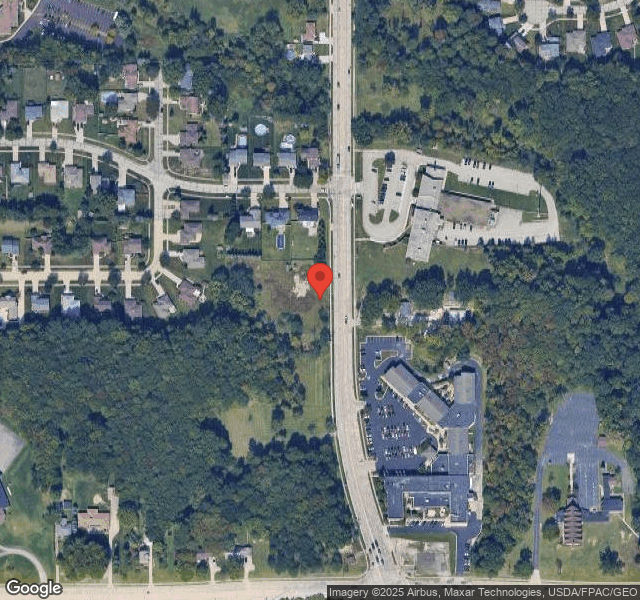
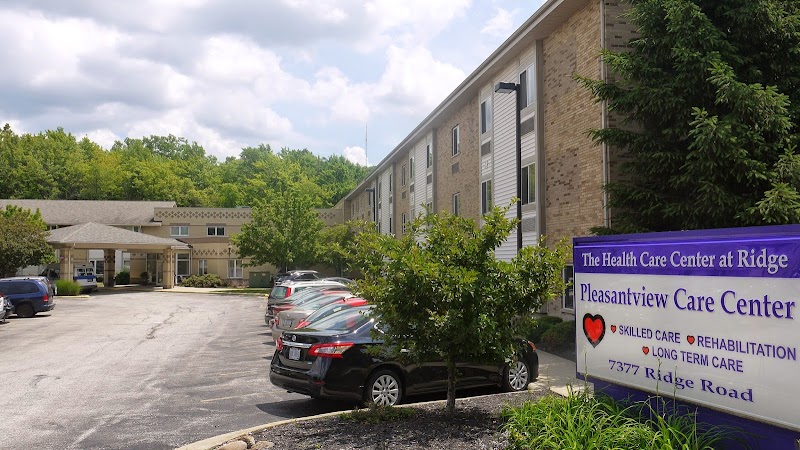
7377 RIDGE RD, PARMA, OH 44129 (440) 845-0200
For profit - Corporation 162 Beds LEGACY HEALTH SERVICES Data: November 2025
Trust Grade
60/100
#325 of 913 in OH
Last Inspection: June 2024

Within standard 12-15 month inspection cycle. Federal law requires annual inspections.

Overview

Pleasantview Care Center has a Trust Grade of C+, which means it is slightly above average but not outstanding in quality of care. It ranks #325 out of 913 nursing homes in Ohio, placing it in the top half of facilities in the state, and #31 out of 92 in Cuyahoga County, indicating it has a few better local options. The facility is showing improvement, with a decrease in reported issues from 4 in 2024 to 3 in 2025. However, staffing is a concern, receiving a rating of 2 out of 5 stars and experiencing a high turnover rate of 62%, above the state average of 49%. Although the facility has had no fines, which is a positive indicator, there have been serious incidents, including one where a resident sustained a significant fracture due to inadequate care and another where a resident developed serious pressure ulcers due to a lack of a proper prevention program. Overall, while Pleasantview Care Center has strengths in some areas, families should be aware of the staffing issues and the serious incidents reported.

Trust Score
C+
60/100
In Ohio
#325/913
Top 35%
Safety Record
Moderate
Needs review
Inspections
Getting Better
4 → 3 violations
Staff Stability
⚠ Watch
62% turnover. Above average. Higher turnover means staff may not know residents' routines.
Penalties
✓ Good
No fines on record. Clean compliance history, better than most Ohio facilities.
Skilled Nurses
○ Average
Each resident gets 41 minutes of Registered Nurse (RN) attention daily — about average for Ohio. RNs are the most trained staff who monitor for health changes.
Violations
⚠ Watch
13 deficiencies on record. Higher than average. Multiple issues found across inspections.
★★★★☆
4.0
Overall Rating
★★☆☆☆
2.0
Staff Levels
★★★★★
5.0
Care Quality
★★★☆☆
3.0
Inspection Score
Stable
2024: 4 issues
2025: 3 issues

The Good

  • 5-Star Quality Measures · Strong clinical quality outcomes
  • Full Sprinkler Coverage · Fire safety systems throughout facility
  • No fines on record

Facility shows strength in quality measures, fire safety.

The Bad

Staff Turnover: 62%

16pts above Ohio avg (46%)

Frequent staff changes - ask about care continuity

Chain: LEGACY HEALTH SERVICES

Part of a multi-facility chain

Ask about local staffing decisions and management

Staff turnover is elevated (62%)

14 points above Ohio average of 48%

The Ugly 13 deficiencies on record

2 actual harm
Aug 2025 1 deficiency
CONCERN (D) 📢 Someone Reported This

A family member, employee, or ombudsman was alarmed enough to file a formal complaint

Potential for Harm - no one hurt, but risky conditions existed

Pharmacy Services (Tag F0755)

Could have caused harm · This affected 1 resident

**NOTE- TERMS IN BRACKETS HAVE BEEN EDITED TO PROTECT CONFIDENTIALITY** THE FOLLOWING DEFICIENCY REPRESENTS AN INCIDENT OF PAST NON-COMPLIANCE THAT WAS SUBSEQUENTLY CORRECTED PRIOR TO THIS SURVEY.Base...

Read full inspector narrative →
**NOTE- TERMS IN BRACKETS HAVE BEEN EDITED TO PROTECT CONFIDENTIALITY** THE FOLLOWING DEFICIENCY REPRESENTS AN INCIDENT OF PAST NON-COMPLIANCE THAT WAS SUBSEQUENTLY CORRECTED PRIOR TO THIS SURVEY.Based on record review, interview, and facility policy review, the facility failed to ensure medications were given as ordered for Resident #210. This affected one resident (#210) of three residents reviewed for administration of medications. The facility census was 160. Findings include:Review of the closed medical record for Resident #210 revealed she was admitted to the facility on [DATE] and had diagnoses including bladder cancer, dysphagia, and other disorders of electrolyte and fluid imbalance. She expired in the facility on [DATE]. Review of Resident #210's physician's orders revealed an order for Phos-NaK oral packet (an electrolyte supplement) to be given four times per day starting [DATE]. Review of Resident #210's [DATE] Medication Administration Record (MAR) revealed all doses of the Phos-Nak, with the exception of the evening dose on [DATE], were marked ‘other' on the MAR.Review of Resident #210's progress notes revealed notes on [DATE] and from [DATE] to [DATE] indicating the medication was ‘on order' or the facility was waiting for pharmacy to fill it. Multiple notes indicated the facility's nurse practitioner was aware. A note on [DATE] revealed the pharmacy informed nursing that the medication was over-the-counter and should be provided by the facility.Interview on [DATE] from 10:52 A.M. to 10:59 A.M. with two Certified Nurse Practitioners (CNP) #748 and #739 revealed both provided care for Resident #210 during her stay at the facility. Both CNPs denied knowledge of Resident #210 lacking her ordered medications. Interview on [DATE] at 1:02 P.M. with the Director of Nursing revealed the facility investigation revealed the concern with Resident #210's Phos-NaK. The DON reported they re-educated staff on coordinating with the pharmacy and being aware the facility provided Phos-NaK for residents. She confirmed Resident #210 missed several days of ordered Phos-NaK doses.Review of the policy Medication Administration dated 12/2019 revealed medications were to be given according to orders. If three consecutive doses were unavailable, the nurse was to notify the physician and was to document both the notification and physician response.The deficient practice was corrected on [DATE] when the facility implemented the following corrective actions: -Resident #210 expired on [DATE].-On [DATE], the Director of Nursing completed a whole house audit of medication availability and proper communication with the pharmacy. -On [DATE], the DON provided an in-service to nursing staff on medication availability and what to do if a medication is unavailable.-On [DATE], the facility initiated Medication Administration Record (MAR) audits five days a week for two weeks then two days a week for 10 weeks to ensure proper follow-through if medication is unavailable.This deficiency represents noncompliance investigated under Complaint Number 2593423.
Apr 2025 2 deficiencies 1 Harm
SERIOUS (G) 📢 Someone Reported This

A family member, employee, or ombudsman was alarmed enough to file a formal complaint

Actual Harm - a resident was hurt due to facility failures

Accident Prevention (Tag F0689)

A resident was harmed · This affected 1 resident

**NOTE- TERMS IN BRACKETS HAVE BEEN EDITED TO PROTECT CONFIDENTIALITY** Based on closed record review, review of a facility self-reported incident (SRI), and interviews with staff and the coroner, the...

Read full inspector narrative →
**NOTE- TERMS IN BRACKETS HAVE BEEN EDITED TO PROTECT CONFIDENTIALITY** Based on closed record review, review of a facility self-reported incident (SRI), and interviews with staff and the coroner, the facility failed to ensure Resident #145 was provided adequate and necessary care and services during the provision of personal care to prevent an accident/injury. Actual harm occurred on [DATE] when Resident #145, who had right hemiplegia/hemiparesis and was dependent on staff for bed mobility and personal care sustained a significantly displaced acute proximal right humeral neck fracture with medial angulation during care provided by staff. The resident displayed increased pain as a result of the incident and required orthopedic surgical follow-up. This affected one resident (#145) of three residents reviewed for accident hazards. The facility census was 75. Findings include: Review of the closed medical record for Resident #145 revealed an admission date of [DATE] with diagnoses including hemiplegia and hemiparesis following cerebral infarction (stroke) affecting the right dominant side, osteopenia, atrial fibrillation, chronic pain, and convulsions. Review of the plan of care dated [DATE] revealed Resident #145 was at risk for impaired functional range of motion related to inability to move extremities independently, potential for contractures, and weakness due to history of stroke. Interventions included if the resident refused offer again later in the day and administer medications as ordered for pain. An activities of daily living (ADL) care plan related to activity intolerance, fatigue, pain and history of stroke revealed interventions including providing care based on the residents' usual performance. The care plan revealed the resident was dependent on staff for toileting, personal hygiene, rolling left to right, and transferring. Resident #145 was to always wear a gown per family. The care plan included to instruct Resident #145 to use grab bars on the bed to assist with bed mobility. Staff to assist with the completion of activities of daily living (ADLs), two people assist for all care and encourage Resident #145 to fully participate. Review of the Minimum Data Set (MDS) assessment dated [DATE] revealed Resident #145 had impaired cognition. The assessment revealed Resident #145 was dependent on staff for transfers, bed mobility (rolling left and right) and toileting. Resident #145 had impairment on one side of both lower and upper extremities. Review of a facility SRI tracking number 258571 revealed on [DATE], Resident #145 had redness and swelling on the right upper extremity. An x-ray results showed a proximal right humerus neck fracture. The SRI revealed staff were unaware of any falls or other injuries. Staff stated Resident #145 was able to roll to the right and hold the grab bar with her left hand for assistance. Following this incident, the facility initiated a new intervention for two-persons assistance with care to be provided to Resident #145. Review of the radiology report dated [DATE] at 9:30 P.M. of right shoulder revealed a significantly displaced acute proximal right humeral neck fracture with medial angulation. Greater than one shaft width displacement. The right humeral head remains in articulation with the glenoid with advanced degenerative changes of the joint space. Moderate degenerative change of the acromioclavicular joint. Reactive soft tissue swelling. Review of the physician orders dated [DATE] revealed an order for Tramadol (narcotic pain medication to treat moderate to severe pain) 50 milligrams (mg) one tablet every six hours as needed to treat the resident's pain. On [DATE], an additional order for routine pain medication was added (Tramadol 50 mg two times daily; then discontinued on [DATE]) On [DATE], Oxycodone (narcotic pain medication to treat moderate to severe pain) five mg one tablet every six hours for pain was ordered. Review of an orthopedic surgery note dated [DATE] revealed Resident #145 was seen by the physician for acute pain of right shoulder and displaced fracture of proximal end of right humerus. Review of hospital records revealed Resident #145 was transferred to the hospital on [DATE] related to hypoxia (body does not receive enough oxygen) and was treated for pneumonia. Resident #145 received comfort measures in the hospital and expired on [DATE]. Interviews on [DATE] at 10:14 A.M. with Registered Nurse (RN) #300; at 10:38 A.M. with RN #301, at 11:10 A.M. with Licensed Practical Nurse (LPN) #302; at 11:15 A.M. with Certified Nursing Assistant (CNA) #303; at 3:12 P.M. with CNA #304; at 3:16 P.M. with #305; and at 3:27 P.M. with CNA #306 revealed Resident #145 had a contracture to her right arm/shoulder and was unable to move her arm more than a few inches. Interview on [DATE] at 3:36 P.M. with RN #307 revealed she was Resident #145's nurse the weekend of [DATE], and she worked day shift. RN #307 denied knowledge of any swelling of redness to Resident#145's right arm/shoulder. The RN revealed she did not know of any injury until she came back in to work on Sunday morning. She was told the resident had a fracture of her humerus and her arm was in a sling. The resident had an order for pain medications and needed an orthro appointment made. Interview on [DATE] at 10:38 A.M. with RN #301 revealed she worked on [DATE] from 7:00 A.M. to 7:00 P.M. as the nursing supervisor. The floor nurse notified her on the evening of [DATE] that Resident #145 had redness and swelling of the right upper arm and it was warm not hot. RN #301 stated she did not see anything else out of the ordinary. Interview on [DATE] at 2:29 P.M. with the Director of Nursing (DON) revealed Resident #145 right humerus fracture must have been sustained during care (as the resident was dependent on staff for care and had an inability to move her right arm/shoulder more than a few inches). However, the DON revealed she was unable to determine how Resident #145 sustained the fracture. Interview on [DATE] at 9:50 A.M. with CNA #318 revealed he was the CNA assigned to care for Resident #145 on [DATE]. He stated during the shift on [DATE], he did not believe Resident #145 acted any different than her normal. During the interview, CNA #318 denied knowledge of any swelling in Resident #145's hand or arm, and no bruising or discoloration noted. Interview on [DATE] at 10:03 A.M. with Coroner #402 revealed the preliminary findings for cause of Resident #145's death was contributed to heart disease, pneumonia, and a right arm fracture. Coroner #402 stated there was a bruise on the arm where the fracture was, and a small bruise on the back of the resident's hand. The coroner revealed resident had osteopenia prominently and it would not have taken much to break her arm. The coroner revealed the break likely could have occurred when staff were providing care. This deficiency represents non-compliance investigated under Control Number OH00164638 and Complaint Number OH00164284.
CONCERN (D) 📢 Someone Reported This

A family member, employee, or ombudsman was alarmed enough to file a formal complaint

Potential for Harm - no one hurt, but risky conditions existed

Report Alleged Abuse (Tag F0609)

Could have caused harm · This affected 1 resident

**NOTE- TERMS IN BRACKETS HAVE BEEN EDITED TO PROTECT CONFIDENTIALITY** Based on interviews, record review, review of the facilities self-reported incident (SRI), and policy review, the facility faile...

Read full inspector narrative →
**NOTE- TERMS IN BRACKETS HAVE BEEN EDITED TO PROTECT CONFIDENTIALITY** Based on interviews, record review, review of the facilities self-reported incident (SRI), and policy review, the facility failed to ensure all injuries of unknown origin were timely reported to management and the State Survey Agency, Ohio Department of Health (ODH). This affected one (Resident #145) of one resident reviewed for abuse reporting. The facility census was 142. Findings include: Review of the closed medical record for Resident #145 revealed an admission date of 02/27/24. Diagnoses included hemiplegia and hemiparesis following cerebral infarction affecting the right dominant side, osteopenia, atrial fibrillation, chronic pain, and convulsions. Review of the Minimum Data Set (MDS) assessment dated [DATE] revealed Resident #145 had impaired cognition. Resident #145 was dependent on staff for transfers, bed mobility (rolling left and right) and toileting. Resident #145 had impairment on one side of both lower and upper extremities. Review of the facilities SRI tracking number 258571 revealed the facility reported an injury of unknown origin to ODH on 03/24/25 at 11:46 A.M. The incident details included on 03/22/25, Resident #145 had redness and swelling on the right upper extremity. The x-ray results showed a proximal right humerus neck fracture. Staff were unaware of any falls or other injuries. Staff stated Resident #145 was able to roll to the right and hold the grab bar with her left hand for assistance. Review of the radiology report dated 03/22/25 at 9:30 P.M. of right shoulder revealed a significantly displaced acute proximal right humeral neck fracture with medial angulation. Greater than one shaft width displacement. The right humeral head remains in articulation with the glenoid with advanced degenerative changes of the joint space. Moderate degenerative change of the acromioclavicular joint. Reactive soft tissue swelling. Interview on 04/16/25 at 10:38 A.M. with Registered Nurse (RN) #301 stated she worked at the facility on 03/22/25 from 7 A.M. to 7 P.M. as the nursing supervisor. The floor nurse notified her of Resident #145's redness and swelling of the right upper arm. The nurse notified the Nurse Practitioner on call and got orders for an ultrasound and an x-ray. She worked the next morning and was told in the morning report that Resident #145 had a humerus fracture. RN #301 stated she did not do anything else related to the incident and did not notify the Director of Nursing (DON) or Administrator of the incident. Interview on 04/17/25 at 8:15 A.M. with the DON verified she was not notified of Resident #145's arm fracture until 03/24/25 at 8:00 A.M., when she returned to the facility. The verified the SRI was not reported to ODH until 03/24/25 at 11:46 A.M. The DON verified an injury of unknown origin were to be reported to her and the Administrator immediately and should be reported to ODH within two hours of identifying an injury of unknown origin. Review of the facility policy titled Abuse, Mistreatment, Neglect, Exploitation and Misappropriation of Resident Property, dated 01/06/25 revealed all injuries of unknown source must be reported immediately to the Administrator or designee. The Administrator/designee should be notified by informing him/her in person, calling via telephone, or sending and email or text message. If abuse is alleged or a serious bodily injury, the Administrator or his/her designee will notify ODH immediately, but not later than two hours after the allegation is made or the serious bodily injury identified. This deficiency represents non-compliance investigated under Control Number OH00164638 and Complaint Number OH00164284.
Jun 2024 4 deficiencies
CONCERN (D)

Potential for Harm - no one hurt, but risky conditions existed

PASARR Coordination (Tag F0644)

Could have caused harm · This affected 1 resident

Based on interview and medical record review, the facility failed to ensure a preadmission screening and resident review (PASRR) Identification Screen was completed for a new diagnosis of a serious me...

Read full inspector narrative →
Based on interview and medical record review, the facility failed to ensure a preadmission screening and resident review (PASRR) Identification Screen was completed for a new diagnosis of a serious mental illness. This affected one Resident (#32) of five residents reviewed for PASRR. The facility census was 154. Findings include: Review of the medical record for Resident #32 revealed admission date of 03/10/23 and diagnoses including bipolar disorder, recurrent major depressive disorder, anxiety disorder, post traumatic stress disorder, and depressive type schizoaffective disorder. Review of the PASRR screen dated 03/30/23 revealed no evidence of schizoaffective disorder diagnosis was included on the screen. Review of Psychiatric Note dated 04/23/24 Resident #32 endorsed auditory hallucinations and delusions which supported diagnosis of schizophrenia. Additionally Resident #32's history revealed a consistent pattern of erratic behavior and challenges maintaining employment. It was recommended to add a new diagnosis of schizoaffective disorder. Review of the medical record revealed the diagnosis of depressive type schizoaffective disorder was added to Resident #32's diagnosis list on 04/23/24. Review of the medical record revealed there was no evidence of additional PASRR screening for Resident #32's newly added schizoaffective disorder diagnosis identified. There was no evidence of additional PASRR screens since 03/30/23. Interview on 06/11/24 at 10:30 A.M. with Director of Nursing (DON) and Social Service Designee (SSD) #581 confirmed a new diagnosis of schizoaffective disorder had been added for Resident #32 on 04/23/24. Interview on 06/11/24 at 11:00 A.M. with SSD #581 confirmed there had not been a PASRR screen completed for the 04/23/24 diagnosis. SSD #581 indicated she completed a PASRR screen on 06/11/24 to reflect the schizoaffective diagnosis. Review of the PASRR Result Notice dated 06/11/24 revealed Resident #32 did not require a level two evaluation and had no indications of serious mental illness and/or developmental disability.
CONCERN (E)

Potential for Harm - no one hurt, but risky conditions existed

Deficiency F0761 (Tag F0761)

Could have caused harm · This affected multiple residents

Based on observation, staff interview, and medication storage policy, the facility failed to ensure accurate labeling and storage of resident medication for medication cart #1 located on the Ridgeview...

Read full inspector narrative →
Based on observation, staff interview, and medication storage policy, the facility failed to ensure accurate labeling and storage of resident medication for medication cart #1 located on the Ridgeview unit and proper storage of medication in a locked box for Resident #408. This had the potential to affect 26 residents (6, 7, 8, 19, 23, 24, 26, 33, 36, 40, 48, 51, 55, 60, 63, 64, 81, 82, 90, 91, 98,107, 110, 118, 128, 144) who resided on Ridgeview unit. The census was 154. Findings include: 1. Observation on 06/12/24 at 9:20 A.M. of the medication cart #1 on Ridgeview unit with Licensed Practical Nurse (LPN) #534, revealed four loose white pills at the bottom of the medication cart drawer located between the medication cards. The four loose pills were observed to be without a medication label or resident identifier. Interview on 06/12/24 at 9:34 A.M., LPN #534 verified the four white pills were unable to be identified and confirmed the loose pills were without a medication label or resident identifier. 2. Record review of Resident #408 revealed an admission date 05/30/24. Diagnoses included atrial fibrillation, nonrheumatic aortic valve stenosis, bradycardia, and arteriovenous malformation. Review of the Brief Interview for Mental Status (BIMS) score revealed no cognitive impairment. An Assessment for Self-Administration of Medications was completed on 05/31/24 and it was determined that Resident #408 was capable of self-administering her medications and granted approval. Review of the Physician Orders revealed Resident #408 had an order allowing her to self-administer Tikosyn 125 micrograms (mcg) twice daily unsupervised. The record did not include an order for Resident $408 to self-administer Preservision. Observation on 06/10/24 at 3:54 P.M. revealed two pill bottles sitting on the bedside tray table of Resident #408 that were identified as Preservision and Tikosyn and were not secured in a locked compartment. Interview with Resident #408 at the time revealed her husband brought the medications from home for her to self-administer. Resident confirmed she self-administers the two medications as ordered. Interview with Registered Nurse (RN) #583 on 06/11/24 at 2:39 P.M. confirmed she was unaware Resident #408 had and was self-administering Preservision and the medications were not secured in a locked drawer in the resident's nightstand. RN #583 revealed that Resident #408 never disclosed that her husband gave her Preservision to self-administer. Review of the facility policy titled Medication Storage in the Facility revised 01/2018 revealed all medications dispensed by the pharmacy are stored in the container with the pharmacy label.
CONCERN (E)

Potential for Harm - no one hurt, but risky conditions existed

Deficiency F0804 (Tag F0804)

Could have caused harm · This affected multiple residents

Based on observation, interviews, policy review, and surveyor taste test, the facility failed to serve food at a hot and palatable temperature. This had the potential to affect 145 residents that rece...

Read full inspector narrative →
Based on observation, interviews, policy review, and surveyor taste test, the facility failed to serve food at a hot and palatable temperature. This had the potential to affect 145 residents that received meals from the kitchen with the exception of nine other residents (Residents #8, #19, #48, #72, #124, #135, #150, #310, #411) who were ordered nothing by mouth (NPO). The facility census was 154. Findings include: Interview with Resident #103 on 06/10/24 at 9:28 A.M. revealed the facility's food comes cold and so does the tea. Interview with Resident #408 on 06/10/24 at 3:49 P.M. revealed the resident was served eggs and cereal and does not eat them. Resident #408 also reported an incident on 06/09/24 in which she did not receive meat with her dinner. Interview with Resident #121 on 06/11/24 at 7:27 A.M. revealed the facility's food, specifically meat, is hard to cut and chew. Interview with Resident #21 on 06/11/24 at 9:55 A.M. revealed the resident was allergic to strawberries and was served strawberry jam desserts. Resident #21 also reported an incident in which he did not receive meat with his meal. Observation of lunch meal occurred on 06/12/24. Tray service began at 11:01 A.M. Observation revealed food temperatures were taken and logged prior to the start of the observation. Food temperatures were listed as followed: beef 161 degrees Fahrenheit (F); pork 158 degrees F; soup 176 degrees F; mixed vegetables 170 degrees F, baked potatoes 185 degrees F. Staff utilized plates out of the plate warmer with heated bottom and dome lid. Staff that plated food were attentive and communicated with tray line staff. Trays were plated and placed in a meal cart immediately. A test tray had been requested and was the last tray plated at 12:24 P.M. The meal cart arrived on the unit at 12:24 P.M. The staff passed out lunch food trays to residents in a disorganized manor which caused staff to transport the meal cart from one end of the unit to the other end a total of three times before all trays were passed. Once the trays were passed, the test tray was sampled at 12:41 P.M. by two surveyors with Dietary Manager #504 present. Temperatures of the foods sampled were as followed: beef 120 degrees F; mixed vegetables 120 degrees F; baked potato 130 degrees F. Dietary Manager #504 was made aware during the test tray observation that the beef, mixed vegetables, and baked potato were not palatable at the temperatures they were served. Review of the Food Temperatures at Point of Service Policy dated 06/08/22 revealed the holding temperatures for hot food should be at or above 135 degrees F.
CONCERN (E)

Potential for Harm - no one hurt, but risky conditions existed

Safe Environment (Tag F0921)

Could have caused harm · This affected multiple residents

Based on observation, staff interview, and review of facility policy, the facility failed to ensure residents had access to a non-flammable ashtray and properly disposed of used cigarettes. This affec...

Read full inspector narrative →
Based on observation, staff interview, and review of facility policy, the facility failed to ensure residents had access to a non-flammable ashtray and properly disposed of used cigarettes. This affected 19 residents (#3, #7, #10, #12, #15, #22, #27, #38, #55, #71, #72, #76, #96, #109, #112, #132, #137, #147, and #416), whom the facility identified as smokers, and had the potential to affect all 154 residents residing in the facility. Findings include: Observation on 06/11/24 at 2:31 P.M. with the Administrator revealed many cigarette butts in the plastic trash receptacle mixed with three empty combustible cigarette boxes, paper napkins, and plastic candy wrappers. No metal ashtray was available in the resident smoking area at the time of observation. Interview at the time of observation with the Administrator verified the above findings. Review of the facility policy titled Resident Smoking, dated 11/30/23, indicated smoking areas would have non-flammable ashtrays and non-flammable trash cans.
Jun 2023 1 deficiency 1 Harm
SERIOUS (G) 📢 Someone Reported This

A family member, employee, or ombudsman was alarmed enough to file a formal complaint

Actual Harm - a resident was hurt due to facility failures

Pressure Ulcer Prevention (Tag F0686)

A resident was harmed · This affected 1 resident

**NOTE- TERMS IN BRACKETS HAVE BEEN EDITED TO PROTECT CONFIDENTIALITY** Based on closed medical record review, hospital record review, policy and procedure review and interview, the facility failed to...

Read full inspector narrative →
**NOTE- TERMS IN BRACKETS HAVE BEEN EDITED TO PROTECT CONFIDENTIALITY** Based on closed medical record review, hospital record review, policy and procedure review and interview, the facility failed to develop and implement a comprehensive and individualized pressure ulcer prevention program to prevent and timely identify bilateral heel pressure ulcers for Resident #165. Actual harm occurred on 01/31/23 when Resident #165, who was cognitively impaired required extensive/dependence on staff for bed mobility and activities of daily living (ADL) care, was found to have an unstageable (full thickness tissue loss in which the base of the ulcer is covered by slough (yellow, tan, gray, green or brown) and/or eschar (tan, brown or black) in the wound bed) pressure ulcer to the right heel and a suspected deep tissue injury (SDTI) (a purple or maroon localized area of discolored intact skin or blood-filled blister due to damage of underlying soft tissue due to pressure and/or shear) pressure ulcer to the left heel. The ulcers deteriorated and on 05/23/23 the resident's daughter requested the resident be sent to the emergency room related to the condition of the heel ulcers, the ulcers had moderate amounts of copious drainage with a foul odor noted. The resident was subsequently admitted to the hospital and diagnosed and treated for heel ulcer wound infection. This affected one resident (#165) of three residents reviewed for pressure ulcers. Findings include: Review of Resident #165's closed medical record revealed the resident was admitted to the facility on [DATE], discharged to the hospital on [DATE], readmitted on [DATE] and discharged to the hospital on [DATE]. Resident #165 had diagnoses including essential hypertension, muscle weakness and adult failure to thrive. A plan of care dated 12/20/22 revealed the resident had the potential for altercation in skin integrity due to a diagnosis of failure to thrive (FTT), easily bruising, history of a skin tear due to fragile skin condition, abnormal labs, decreased circulation/oxygenation, vitamin deficiency, mood/behavior status and being at risk for malnutrition and incontinence. Interventions included to administer medications as ordered, administer treatments as ordered, Braden score quarterly and as needed, diet per recommendations, monitor for bruising, monitor labs, offload heels as tolerated, pressure redistribution cushion to chair. An intervention dated 01/04/23 indicated to implement a low air loss mattress to the bed. Review of Resident #165's admission assessment and baseline care plans form dated 12/30/22 revealed Resident #165 was at high risk for skin breakdown and no skin concerns or pressure areas were identified on the document. Review of Resident #165's Minimum Data Set (MDS) 3.0 assessment dated [DATE] revealed the resident had moderate cognitive impairment and required extensive two person assist for bed mobility and toilet use. The assessment also revealed the resident required total dependence with two-person assist for transfers and toilet use as well as total dependence one person assist for dressing, personal hygiene, and bathing. Review of Resident #165's medication administration records (MAR) and treatment administration records (TAR) from 01/01/23 to 01/31/23 revealed the low air loss mattress was implemented on 01/03/23. Review of Resident #165's Shower Sheet Forms dated 01/16/23, 01/19/23 and 01/23/23 did not reveal skin concerns or evidence of pressure ulcers. Review of Resident #165's progress note dated 01/25/23 at 2:26 P.M. revealed no new skin issues identified. Review of Resident #165's Shower Sheet Form dated 01/26/23 revealed her right and left heels were dry, and her shower sheet form dated 01/30/23 revealed nothing new was documented on the form. Review of Resident #165's progress note authored by Registered Nurse (RN) Wound Nurse #817 dated 01/30/23 at 11:15 A.M. revealed the resident was alert and responsive. Resident #165 required extensive assistance from one person for bed mobility and extensive assist from one person for transfers and toilet use. The note documented the resident's skin was within normal limits (WNL) and a treatment was in place. However, the progress note did not identify the type of treatment or the location of the treatment. Review of Resident #165's shower sheet form dated 01/31/23 revealed no skin issues were noted on the form. Review of Resident #165's progress note dated 01/31/23 at 7:39 A.M. revealed the resident had a SDTI (a purple or maroon localized area of discolored intact skin or blood-filled blister due to damage of underlying soft tissue due to pressure and/or shear) to the left heel and the wound bed was not visible with no drainage noted. The note also reflected the resident had a right heel pressure ulcer with the wound bed partially visible, 50% granulation tissue and scant drainage. (The right heel pressure ulcer was not staged by the facility per this note and the facility did not document wound measurements at this time). Review of Resident #165's Skin Alteration Incident Report Dated 01/31/23 at 11:02 A.M. indicated the son was notified on 02/01/23 at 1:05 P.M. and Certified Nurse Practitioner (CNP) #601 was notified on 01/31/23 at 1:05 P.M. of the new pressure ulcers. Review of Resident #165's facility Weekly Ulcer/Wound Documentation form dated 02/01/23 revealed a left heel SDTI measuring 5.1 centimeters (cm) length by 7.1 cm width with no cm depth which was a dark colored, non-blanching area. Resident #165 also had a right heel unstageable pressure ulcer (full thickness tissue loss in which the base of the ulcer is covered by slough (yellow, tan, gray, green or brown) and/or eschar (tan, brown or black) in the wound bed) which measured 2.3 cm by 6.1 cm by 0.1 cm depth. Resident #165 was noted to have 50% granulation tissue and 50% dark discolored area with a treatment in place. Review of the treatment administration records for February 2023 revealed no evidence the treatments were provided as ordered for the left heel on 02/06/23 or for the right heel on 02/06/23, 02/10/23, 02/14/23 or 02/28/23. Prior to the development of the pressure ulcers, there was no documented evidence of offloading for the resident's bilateral heels or turning and repositioning. Following the development of the bilateral heel pressure ulcers, the facility implemented the use of heel lift suspension boots to be used at all times. The use of the heel boots was reflected on the administration records. Record review revealed the facility completed weekly wound measurements from 02/01/23 through 05/23/23. Review of Resident #165's wound Certified Nurse Practitioner (CNP) #601's Wound Note form dated 02/14/23 revealed a left heel SDTI and a right heel unstageable pressure ulcer. The Weekly Wound Note, dated 03/28/23 at 11:27 A.M. revealed the resident had a left heel unstageable pressure ulcer which measured 5.0 cm length by 5.5 cm width with no depth and a right heel unstageable pressure ulcer which measured 2.6 cm length by 3.8 cm width with no depth which had 90% slough/necrosis present and a scant amount of thin, straw-colored drainage. Review of Resident #165's facility Weekly Ulcer/Wound Documentation form dated 05/23/23 revealed the CNP was in to assess and treat. The left heel was noted to have an unstageable pressure ulcer which measured 2.5 cm by 4.4 cm by 0.3 cm depth. Resident #165 also had a right heel unstageable pressure ulcer which measured 2.2 cm by 2.8 cm by 0.4 cm. Both heels were debrided at that time. Review of Resident #165's CNP #601's Weekly Wound Note dated 05/23/23 at 2:49 P.M. indicated the resident had an unstageable pressure ulcer to the left heel which measured 2.5 cm by 4.4 cm by 0.3 cm with a wound base of 50% granulation tissue and 50% slough/necrotic tissue with a scant amount of thin, straw-colored drainage and a debridement (a procedure to remove debris or infected/dead tissue from a wound) was completed. Resident #165 also had an unstageable right heel pressure ulcer which measured 2.0 cm by 2.8 cm by 0.4 cm with a wound base which was 100% slough/necrosis with a moderate amount of thin, straw-colored drainage and a debridement was completed. Review of Resident #165's progress note dated 05/23/23 at 10:08 P.M. indicated the resident's daughter requested the resident to be sent to the emergency room due to the ulcers to her heels. Wound care was provided, and moderate amounts of copious drainage was noted with a foul odor. Review of Resident #165's progress note dated 05/24/23 at 7:19 A.M. indicated the resident was admitted to the hospital for an infection. Review of Resident #165's emergency room visit note dated 05/24/23 at 1:46 A.M. indicated during an exam, Resident #165 was noted to have approximately grade three ulcerations of her bilateral heels, with the left worse than the right. There was foul smelling, purulent discharge with antibiotics initiated. No systemic symptoms or evidence of sepsis and radiographs showed no evidence of osteomyelitis or other deep space infection. Interview on 06/16/23 at 10:07 A.M. with CNP #601 indicated Resident #165's bilateral heels did have an odor but she did not feel it was an infectious odor but rather the odor of necrotic tissue. There was no evidence the resident's heel ulcers had ever been cultured while the wounds were being treated in the facility. Interview on 06/28/23 at 1:29 P.M. with the Director of Nursing (DON) revealed she believed Resident #165's bilateral heels were offloaded and the resident was being turned and repositioned prior to the development of the left heel SDTI heel pressure ulcer as well as the right heel unstageable pressure ulcer, although staff were not required to document the offloading or turning and repositioning in the resident's medical record. The DON confirmed Resident #165's hospital paperwork reflected the resident, upon admission to the hospital had purulent, foul-smelling drainage to her bilateral heels and she was hospitalized with a diagnosis of infection. Interview on 06/29/23 at 9:54 A.M. with Registered Nurse (RN) Wound Nurse #817 revealed the treatment in place that she documented in the progress note on 01/30/23 was barrier cream used to the resident's buttocks associated with incontinence. Interview on 06/29/23 at 11:46 A.M. with Resident #165's power of attorney (POA) for care revealed wound care concerns. The POA revealed there were multiple times the family would visit the resident and her heels would be directly on the bed and multiple times the dressings were not changed as ordered. He stated Emergency Contact #2 had visited Resident #165 prior to her discharge from the facility (on 05/24/23), and the resident's bilateral feet had a foul odor. The POA indicated the facility neglect was the reason why the resident did not return following her most recent hospitalization. Interview on 06/29/23 at 12:31 P.M. with the DON confirmed the facility did not obtain a culture of Resident #165's bilateral heel pressure wounds at any point following the development of the ulcers. Review of the facility policy titled Pressure Ulcer Prevention Protocols/Risk Assessment, dated 06/08/22, revealed a resident's level of risk for pressure ulcer development would initially be determined at the time of admission or readmission taking into consideration the nature of risk to include underlying causes. Residents were considered HIGH risk when admitted with any pressure ulcers, any history of pressure ulcers, any pressure ulcer wounds which the resident has physician order(s) addressing treatment(s), or a Braden Scale score less than or equal to 12. Pressure ulcer preventative/supportive precautions would be implemented including to offloading the resident's heels. This deficiency represents non-compliance investigated under Complaint Numbers OH00144100 and OH00143241.
Mar 2022 3 deficiencies
CONCERN (D)

Potential for Harm - no one hurt, but risky conditions existed

Pressure Ulcer Prevention (Tag F0686)

Could have caused harm · This affected 1 resident

**NOTE- TERMS IN BRACKETS HAVE BEEN EDITED TO PROTECT CONFIDENTIALITY** Based on observation, interview, record review, and review of the facility policy the facility failed to ensure physician orders...

Read full inspector narrative →
**NOTE- TERMS IN BRACKETS HAVE BEEN EDITED TO PROTECT CONFIDENTIALITY** Based on observation, interview, record review, and review of the facility policy the facility failed to ensure physician orders were followed and care planned interventions were implemented for Resident #230. This affected one (Resident #230) of three residents reviewed for pressure ulcers. The facility census was 149. Findings include: Review of Resident #230's medical record revealed an admission date of 02/22/22 with diagnoses including neoplasm of uncertain behavior of other specified digestive organs, diffuse large B-cell lymphoma, type two diabetes mellitus, and heart failure. The resident was discharged from the facility on 03/14/22. Review of Resident #230's Weekly Ulcer and Wound Documentation dated 02/22/22 revealed Resident #230 had an unstageable pressure ulcer (full-thickness skin and tissue loss in which the extent of tissue damage within the ulcer cannot be confirmed because it is obscured by slough or eschar) to the sacrum measuring 15.9 centimeters (cm) in length by 11.6 cm width and a depth of 0.1 cm. Review of Resident #230's admission assessment dated [DATE] included Resident #230 was at a high risk for skin breakdown. Review of Resident #230's physician orders on 02/24/22 revealed a low air loss mattress to the bed, check function every shift. Review of Resident #230's Treatment Administration Record (TAR) from 03/01/22 through 03/14/22 revealed there was documentation every shift Resident #230 had a low air loss mattress on the bed, and the function was checked every shift. Review of Resident #230's Minimum Data Set (MDS) 3.0 assessment dated [DATE] revealed Resident #230 was cognitively intact and required the extensive assistance of two staff for bed mobility, transfers, and toilet use. Resident #230 was frequently incontinent of urine, always incontinent of bowel, and admitted with a pressure ulcer, but location and stage were not documented. Review of Resident #230's care plan revised 03/11/22 included Resident #230 had the potential for alteration in skin integrity related to bruises easily, history of skin tears due to fragile skin condition, abnormal labs, decreased circulation, oxygenation, vitamin deficiency, mood/behavior status, at risk for malnutrition, osteoarthritis, congestive heart failure, diabetes mellitus, obstructive sleep apnea, anemia. diffuse large B cell lymphoma with poor prognosis. Resident #230 would not develop skin breakdown through review date. Interventions included low air loss pressure redistribution mattress to bed. Observation on 03/14/22 at 9:24 A.M. of Resident #230 revealed she was lying in her bed and her son was at the bedside. Further observation of Resident #230 revealed she was lying on a pressure reducing mattress, not a low air loss mattress as ordered by the physician. Interview on 03/14/22 at 9:24 A.M. with Resident #230's son revealed Resident #230 had a sore on her bottom and there had been zero improvement since Resident #230 was admitted to the facility three weeks ago. When asked why Resident #230 was not on a low air loss mattress, Resident #230's son stated he did not know what that was and as far as he knew Resident #230 was on the same mattress her entire admission. Interview on 03/14/22 at 2:51 P.M. with the Director of Nursing (DON) confirmed Resident #230's mattress was not a low air loss mattress as ordered by the physician. The DON stated it was a pressure reducing mattress, not a low air loss mattress. The DON stated if it was a low air loss mattress it would have a pump hanging at the foot of the bed, and the bed did not have a pump. The DON confirmed nurses were documenting in the TAR Resident #230 had a low air loss mattress. Interview on 03/15/22 at 8:53 A.M. with Licensed Practical Nurse (LPN) #771 confirmed she documented Resident #230 had a low air loss mattress in the TAR and did not verify Resident #230 had a low air mattress when she documented it. LPN #771 stated she did not remember if Resident #230 had a low air loss mattress. Interview on 03/17/22 at 10:00 A.M. with the DON revealed Resident #230 had a low air loss mattress, the mattress malfunctioned either on 03/12/22 or 03/13/22, Registered Nurse (RN) #663 replaced the malfunctioning mattress with a pressure reducing mattress but did not document any problems with the low air loss mattress or place a maintenance work order to have it repaired. The DON stated there was no documented evidence regarding the malfunctioning mattress in Resident #230's medical record or for a maintenance work order. Interview on 03/17/22 at 2:32 P.M. of Maintenance Director (MD) #711 revealed he did not receive a work order through the electronic system for Resident #230's malfunctioning mattress. MD #711 stated if a low air loss mattress was not functioning properly for a resident the staff could replace it with another low air loss mattress, because there were low air loss mattresses available for use located in the facility. Review of the electronic maintenance work orders with MD #711 from 03/05/22 through 03/17/22 confirmed there were no work orders initiated for Resident #230's air loss mattress malfunction. Review of Resident #230's progress notes from 03/04/22 through 03/14/22 revealed no documented evidence Resident #230's low air loss mattress was not functioning properly. Review of the facility policy titled Pressure Ulcer Prevention Protocols/Risk Assessment, dated 11/30/18, included the policy was to provide guidelines for the prediction and prevention of pressure ulcers utilizing a systemic approach and monitoring skin integrity by implementing preventative and supportive precautions appropriate for the resident's identified level of risk. Residents were considered high risk when admitted with any pressure ulcers. Pressure ulcers supportive preventative precautions would be implemented.
CONCERN (D)

Potential for Harm - no one hurt, but risky conditions existed

Accident Prevention (Tag F0689)

Could have caused harm · This affected 1 resident

Based on observation, interview, record review, and review of the facility policy the facility failed to ensure Resident #232 implemented safe smoking practices while residing in the facility. This af...

Read full inspector narrative →
Based on observation, interview, record review, and review of the facility policy the facility failed to ensure Resident #232 implemented safe smoking practices while residing in the facility. This affected one resident (Resident #232) of three residents reviewed for safe smoking practices. The facility census was 149. Findings include: Review of Resident #232's medical record revealed an admission date of 03/08/22 with diagnoses including sepsis, cutaneous abscess of right upper limb, and chronic obstructive pulmonary disease. Review of Resident #232's medical record and progress notes from 03/08/22 through 03/14/22 did not reveal documentation Resident #232 used tobacco and was educated on the smoking policy and risks of smoking. Review of Resident #232's admission Assessment and Baseline Care Plan dated 03/08/22 did not reveal documentation Resident #232 used tobacco and was educated on the smoking policy and risks of smoking. Observation on 03/14/22 at 11:40 A.M. revealed Resident #232 walked out of his room with his surgical mask on. Resident #232 walked outside to the smoking area, pulled a lighter and cigarettes out of his pocket and began to smoke a cigarette. There were no facility staff present while Resident #232 smoked his cigarette. Interview on 03/14/22 at 11:52 A.M. with Resident #232 stated he walked outside and smoked whenever he wanted to. Resident #232 stated he kept his cigarettes and lighter in his pocket, and as he was talking, he pulled the cigarettes and lighter out of his right pocket to show the surveyor. Resident #232 stated facility staff was not always outside with him when he was smoking. Interview on 03/14/22 at 12:32 P.M. of Licensed Practical Nurse (LPN) #771 confirmed she was not aware Resident #232 smoked and verified he had his cigarettes and lighter in his pocket. Interview on 03/15/22 at 3:55 P.M. with Assistant Director of Nursing/Registered Nurse (ADON/RN) #790 revealed she did not know Resident #232 was a smoker and explained the smoking policy to him and made sure he was aware of supervised smoking times. ADON/RN #790 stated she did not know why smoking was not documented on Resident #232's admission assessment and told Resident #232 to make sure the nurse had his cigarettes and lighter. ADON/RN #790 stated residents needed supervised during smoke breaks. Review of the facility list of residents that smoke on 03/14/22 did not include Resident #232. Review of the undated facility policy titled Smoking Rules and Responsibilities included no residents were permitted to keep cigarettes, cigars, lighters or any other smoking materials on their person. All residents must be supervised by staff during designated smoking times only. All residents who choose to smoke are evaluated by the facility upon admission, quarterly, and as needed to determine if the resident needs any assistive devices to ensure their safety.
CONCERN (F)

Potential for Harm - no one hurt, but risky conditions existed

Food Safety (Tag F0812)

Could have caused harm · This affected most or all residents

Based on observation, interview, and facility policy review the facility failed to ensure food was stored and prepared appropriately to prevent potential foodborne illness. This had the potential to a...

Read full inspector narrative →
Based on observation, interview, and facility policy review the facility failed to ensure food was stored and prepared appropriately to prevent potential foodborne illness. This had the potential to affect 139 residents who received meals in the facility. The facility identified 10 residents (Residents #14, #30, #56, #69, #87, #95, #122, #241, #378 and #429) as receiving no food by mouth. The facility census was 149. Findings include: Observation on 03/14/22 at 8:03 A.M. while completing the initial kitchen tour with Dietary [NAME] #661 revealed two tray carts with debris in the bottom of the carts, a straw on the floor of one cart, a food lid and debris in the bottom of a second cart, and two kitchen mixers had encrusted food materials behind the mixing bowls of the industrial mixer. While in the walk-in freezer ice buildup was observed on food items underneath the condenser, and two moldy oranges were found in the bin of oranges in the walk-in refrigerator. At the time of the observation, Dietary [NAME] #661 confirmed the findings. Observation on 03/15/22 at 9:10 A.M. of pureed food preparation with Dietary [NAME] #661 revealed she removed the robot coupe bowl and washed it in the sink with soapy water and replaced it on the robot coupe to complete second item. Dietary #661 confirmed she did not run the bowl through the dish machine for sanitation. Review of the facility policy titled, Cleaning Instructions: Food Preparation Appliances, dated 2017, revealed small appliances will be cleaned and sanitized after each use. Review of the facility policy titled, Cleaning and Sanitation of Dining and Food Service Areas, dated 2017, revealed the nutrition and food services staff will maintain the cleanliness and sanitation of the dining and food service areas through compliance with a written, comprehensive schedule. Review of the facility policy titled, Cleaning Instructions: Food Carts, dated 2017, revealed food carts will be cleaned and sanitized immediately after each use.
Apr 2019 2 deficiencies
CONCERN (D)

Potential for Harm - no one hurt, but risky conditions existed

Comprehensive Care Plan (Tag F0656)

Could have caused harm · This affected 1 resident

**NOTE- TERMS IN BRACKETS HAVE BEEN EDITED TO PROTECT CONFIDENTIALITY** Based on interview, observation and record review, the facility failed to ensure the care plans were updated timely for resident...

Read full inspector narrative →
**NOTE- TERMS IN BRACKETS HAVE BEEN EDITED TO PROTECT CONFIDENTIALITY** Based on interview, observation and record review, the facility failed to ensure the care plans were updated timely for residents with catheters. This affected two residents (Resident #44 and Resident #88) out of two residents reviewed for catheters. The facility census was 148. Findings Include 1. Resident #44 was admitted to the facility on [DATE]. Her admitting diagnoses included urinary tract infection, severe sepsis with septic shock, neuromuscular dysfunction of the bladder, chronic kidney failure and encephalopathy. According to Resident #44's Minimum Data Set 3.0 (MDS) assessment, dated 01/24/19, this resident had moderate cognitive impairment. She needed extensive assistance of staff for bed mobility, transfers, dressing, toilet use and personal hygiene. Review of the bowel and bladder assessment of this MDS showed that the resident did have an indwelling urinary catheter. Review of Resident #44's physician orders revealed on 02/05/19 the physician wrote an order for the resident to have a foley (Urinary drainage tube that is inserted into the bladder) due to a neurogenic bladder. The foley is to be a size 16 FR with a 10 cc balloon to gravity drainage. The foley catheter is to be secured with the foley leg strap. Review of this resident's plan of care dated 01/21/19 revealed the resident was at risk for infection and/or trauma related to use of a foley catheter for a neurogenic bladder. Review of the interventions for this plan of care showed to: Check foley catheter for patency, and/or kinks in tubing every shift; foley catheter care every shift, assess resident for pain/discomfort every shift and to monitor for signs/symptoms of urinary tract infection. There was no intervention listed to secure the foley with a foley leg strap. Interview with the Director of Nursing (DON) on 04/03/19 at 12:35 P.M. revealed that the resident did not have the intervention to secure the resident's catheter with foley leg strap. 2. Resident #88 was admitted to this facility on 01/09/18. His admitting diagnoses included acute kidney failure, chronic kidney disease, Alzheimer's disease, dementia and neuromuscular dysfunction of the bladder. Resident #88's Minimum Data Set 3.0 (MDS) assessment dated [DATE] revealed this resident was cognitively intact. Resident #88 needed extensive assistance of staff for bed mobility, transfers, toilet use and personal hygiene. The bowel and bladder assessment of this MDS stated the resident did have a foley catheter (a urinary catheter inserted into the bladder) to drain his urine. Review of the physician's order for this resident showed that on 01/31/19 the physician wrote an order for foley catheter insertion related to obstructive uropathy. A 16 FR foley catheter was to be inserted with a 10 cc balloon to gravity drainage. Secure the foley catheter with a leg strap. Review of the care plan dated 03/01/19 revealed the resident was at risk for infection related to the use of a foley catheter. Interventions for this care plan included Checking the foley catheter for patency, kinks in tubing every shift; and to provide foley catheter care every shift. It did not include that the foley catheter was to be secured with a foley catheter leg strap. Observation of catheter care being provided to this resident by State Tested Nurse Aide (STNA) #500 on 04/03/19 at 11:00 A.M. revealed that the resident did not have his foley catheter secured with a leg strap per the physician's order. STNA #500 verified that the resident did not have a leg strap in place on 04/03/19 at 11:25 A.M. Interview with the DON on 04/04/19 at 12:35 P.M. verified that the resident did not have an intervention in his care plan instructing staff to secure the foley catheter with a leg bag. .
CONCERN (D)

Potential for Harm - no one hurt, but risky conditions existed

Medical Records (Tag F0842)

Could have caused harm · This affected 1 resident

Based on record review, observation, and interview, the facility failed to ensure staff did not falsely record the removal of lidocaine patches for Resident #105. This affected one of seven residents ...

Read full inspector narrative →
Based on record review, observation, and interview, the facility failed to ensure staff did not falsely record the removal of lidocaine patches for Resident #105. This affected one of seven residents reviewed for medication administration (Resident #105, #447, #62, #64, #98, #67, and #110). the facility census was 150. Findings include: Observation of a medication administration pass for Resident #105 on 04/02/19 at 8:25 A.M. by Licensed Practical Nurse #201 revealed the resident to have two Lidocaine 4% patches dated 04/01/19 already on their knees. The nurse removed the old patches then applied new patches on each knee. Record review of Resident #105 revealed orders for their lidocaine patches to be applied at 9:00 A.M. each morning and removed at 5:00 P.M. each evening. Review of their medication administration record revealed a staff member documented that the patches were removed on 04/01/19 at 5:00 P.M. No evidence could be found indicating a different set was applied in between that time and Licensed Practical Nurse #201's removal of the old patches on 04/02/19. This finding was confirmed with the Director of Nursing on 04/02/19 at 4:12 P.M.
Understanding Severity Codes (click to expand)
Life-Threatening (Immediate Jeopardy)
J - Isolated K - Pattern L - Widespread
Actual Harm
G - Isolated H - Pattern I - Widespread
Potential for Harm
D - Isolated E - Pattern F - Widespread
No Harm (Minor)
A - Isolated B - Pattern C - Widespread

Questions to Ask on Your Visit

  • "Why is there high staff turnover? How do you retain staff?"
  • "Can I speak with families of current residents?"
  • "What's your RN coverage like on weekends and overnight?"

Our Honest Assessment

Strengths
  • • No fines on record. Clean compliance history, better than most Ohio facilities.
Concerns
  • • 13 deficiencies on record, including 2 serious (caused harm) violations. Ask about corrective actions taken.
  • • 62% turnover. Above average. Higher turnover means staff may not know residents' routines.
Bottom line: Mixed indicators with Trust Score of 60/100. Visit in person and ask pointed questions.

About This Facility

What is Pleasantview's CMS Rating?

CMS assigns PLEASANTVIEW CARE CENTER an overall rating of 4 out of 5 stars, which is considered above average nationally. Within Ohio, this rating places the facility higher than 99% of the state's 100 nursing homes. This rating reflects solid performance across the metrics CMS uses to evaluate nursing home quality.
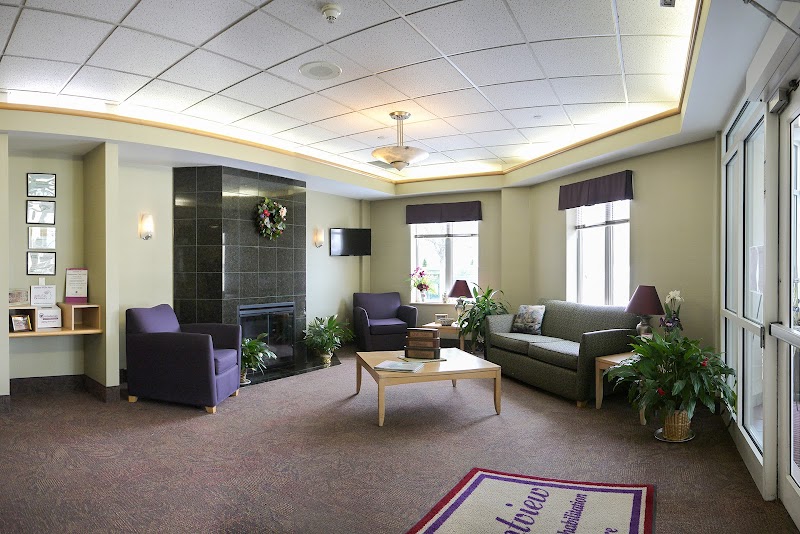
How is Pleasantview Staffed?

CMS rates PLEASANTVIEW CARE CENTER's staffing level at 2 out of 5 stars, which is below average compared to other nursing homes. Staff turnover is 62%, which is 16 percentage points above the Ohio average of 46%. High turnover can affect care consistency as new staff learn residents' individual needs.

What Have Inspectors Found at Pleasantview?

State health inspectors documented 13 deficiencies at PLEASANTVIEW CARE CENTER during 2019 to 2025. These included: 2 that caused actual resident harm and 11 with potential for harm. Deficiencies causing actual harm indicate documented cases where residents experienced negative health consequences.
Who Owns and Operates Pleasantview?

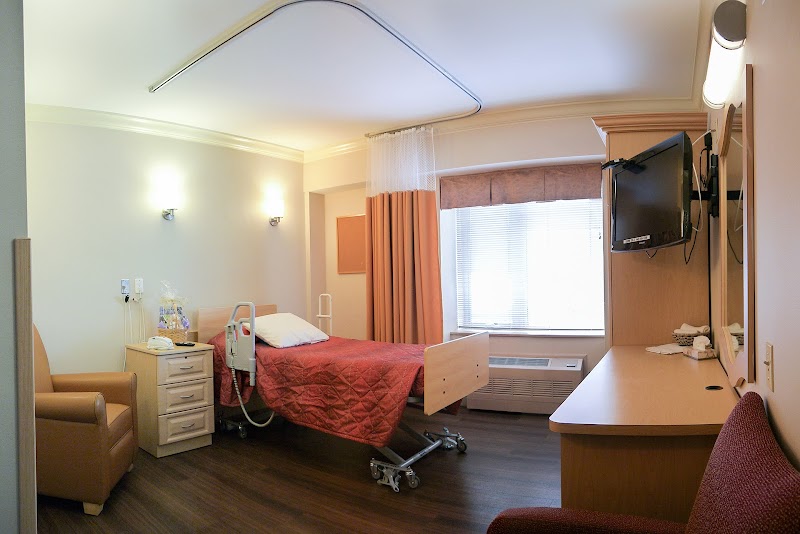
PLEASANTVIEW CARE CENTER is owned by a for-profit company. For-profit facilities operate as businesses with obligations to shareholders or private owners. The facility is operated by LEGACY HEALTH SERVICES, a chain that manages multiple nursing homes. With 162 certified beds and approximately 148 residents (about 91% occupancy), it is a mid-sized facility located in PARMA, Ohio.
How Does Pleasantview Compare to Other Ohio Nursing Homes?

Compared to the 100 nursing homes in Ohio, PLEASANTVIEW CARE CENTER's overall rating (4 stars) is above the state average of 3.2, staff turnover (62%) is significantly higher than the state average of 46%, and health inspection rating (3 stars) is at the national benchmark.

What Should Families Ask When Visiting Pleasantview?

Based on this facility's data, families visiting should ask: "How do you ensure continuity of care given staff turnover, and what is your staff retention strategy?" "Can you walk me through typical staffing levels on day, evening, and night shifts?" "Can I visit during a mealtime to observe dining assistance and food quality?" "How do you handle medical emergencies, and what is your hospital transfer rate?" These questions are particularly relevant given the facility's high staff turnover rate and the below-average staffing rating.

Is Pleasantview Safe?

Based on CMS inspection data, PLEASANTVIEW CARE CENTER has a clean safety record: no substantiated abuse findings (meaning no confirmed cases of resident harm), no Immediate Jeopardy citations (the most serious violation level indicating risk of serious injury or death), and is not on the Special Focus Facility watch list (a federal program monitoring the lowest-performing 1% of nursing homes). The facility has a 4-star overall rating and ranks #1 of 100 nursing homes in Ohio. While no facility is perfect, families should still ask about staff-to-resident ratios and recent inspection results during their visit.

Do Nurses at Pleasantview Stick Around?

Staff turnover at PLEASANTVIEW CARE CENTER is high. At 62%, the facility is 16 percentage points above the Ohio average of 46%. High turnover means new staff may not know residents' individual needs, medications, or preferences. It can also be disorienting for residents, especially those with dementia who rely on familiar faces. Families should ask: What is causing the turnover? What retention programs are in place? How do you ensure care continuity during staff transitions?

Was Pleasantview Ever Fined?

PLEASANTVIEW CARE CENTER has no federal fines on record. CMS issues fines when nursing homes fail to meet care standards or don't correct problems found during inspections. The absence of fines suggests the facility has either maintained compliance or corrected any issues before penalties were assessed. This is a positive indicator, though families should still review recent inspection reports for the full picture.

Is Pleasantview on Any Federal Watch List?

PLEASANTVIEW CARE CENTER is not on any federal watch list. The most significant is the Special Focus Facility (SFF) program, which identifies the bottom 1% of nursing homes nationally based on persistent, serious quality problems. Not being on this list means the facility has avoided the pattern of deficiencies that triggers enhanced federal oversight. This is a positive indicator, though families should still review the facility's inspection history directly.