VIOLET SPRINGS HEALTH CAMPUS
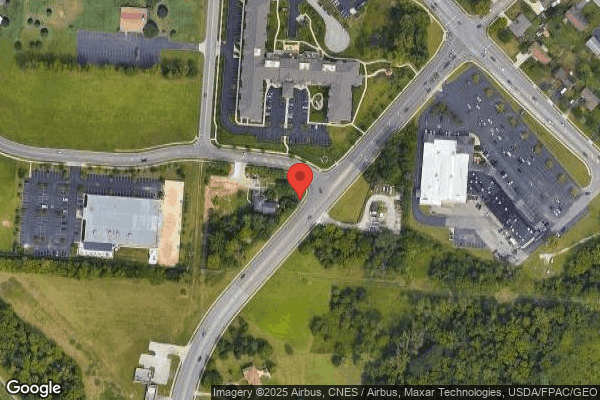
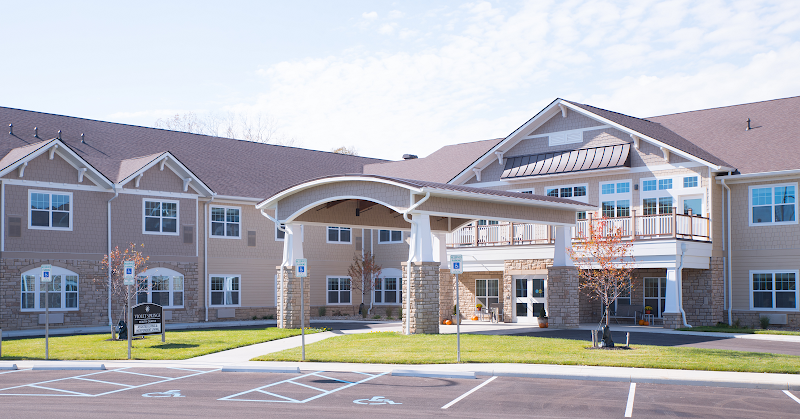
603 DILEY ROAD, PICKERINGTON, OH 43147 (614) 751-6413
For profit - Limited Liability company 58 Beds TRILOGY HEALTH SERVICES Data: November 2025 1 Immediate Jeopardy citation
Trust Grade
46/100
#568 of 913 in OH
Last Inspection: October 2024

Within standard 12-15 month inspection cycle. Federal law requires annual inspections.

Overview

Violet Springs Health Campus has a Trust Grade of D, indicating below-average performance with some concerns that families should consider. The facility ranks #568 out of 913 in Ohio, placing it in the bottom half of nursing homes in the state, and #6 out of 9 in Fairfield County, meaning only two local options are worse. While the facility's trend is improving, with issues decreasing from 9 in 2024 to 2 in 2025, there are still significant concerns, including $16,801 in fines, which is higher than 78% of Ohio facilities, suggesting compliance problems. Staffing is rated average with a 50% turnover rate, and RN coverage is good, being better than 87% of facilities, ensuring that residents receive necessary medical attention. However, there have been critical incidents, including a resident being injured after falling down stairs due to inadequate supervision and delays in responding to a resident’s medical emergency that resulted in them requiring CPR. Overall, while there are strengths in staffing and improved issues, families should weigh these against the concerning incidents and fines.

Trust Score
D
46/100
In Ohio
#568/913
Bottom 38%
Safety Record
High Risk
Review needed
Inspections
Getting Better
9 → 2 violations
Staff Stability
⚠ Watch
50% turnover. Above average. Higher turnover means staff may not know residents' routines.
Penalties
⚠ Watch
$16,801 in fines. Higher than 97% of Ohio facilities. Major compliance failures.
Skilled Nurses
✓ Good
Each resident gets 55 minutes of Registered Nurse (RN) attention daily — more than average for Ohio. RNs are trained to catch health problems early.
Violations
⚠ Watch
19 deficiencies on record. Higher than average. Multiple issues found across inspections.
★★★☆☆
3.0
Overall Rating
★★★☆☆
3.0
Staff Levels
★★★★★
5.0
Care Quality
★★☆☆☆
2.0
Inspection Score
Stable
2024: 9 issues
2025: 2 issues

The Good

  • 5-Star Quality Measures · Strong clinical quality outcomes
  • Full Sprinkler Coverage · Fire safety systems throughout facility
  • No fines on record

Facility shows strength in quality measures, fire safety.

The Bad

3-Star Overall Rating

Near Ohio average (3.2)

Meets federal standards, typical of most facilities

Staff Turnover: 50%

Near Ohio avg (46%)

Higher turnover may affect care consistency

Federal Fines: $16,801

Below median ($33,413)

Minor penalties assessed

Chain: TRILOGY HEALTH SERVICES

Part of a multi-facility chain

Ask about local staffing decisions and management

The Ugly 19 deficiencies on record

1 life-threatening 1 actual harm
Jun 2025 2 deficiencies 1 Harm
SERIOUS (G) 📢 Someone Reported This

A family member, employee, or ombudsman was alarmed enough to file a formal complaint

Actual Harm - a resident was hurt due to facility failures

Quality of Care (Tag F0684)

A resident was harmed · This affected 1 resident

**NOTE- TERMS IN BRACKETS HAVE BEEN EDITED TO PROTECT CONFIDENTIALITY** Based on closed medical record review, hospital record review, review of an Emergency Medical Services (EMS) run report, staff i...

Read full inspector narrative →
**NOTE- TERMS IN BRACKETS HAVE BEEN EDITED TO PROTECT CONFIDENTIALITY** Based on closed medical record review, hospital record review, review of an Emergency Medical Services (EMS) run report, staff interview, and facility policy review, the facility failed to timely and adequately identify an acute change in medical condition resulting in a delay in medical intervention/hospital care for Resident #54 resulting in the resident being found unresponsive and requiring cardiopulmonary resuscitation (CPR). Actual harm occurred beginning during the night shift on [DATE] when staff failed to identify an acute change in Resident #54's condition to ensure timely and adequate medical intervention was provided. At 6:00 A.M. Resident #54 sustained an unwitnessed fall. Resident #54 had an emesis (vomiting) and voiced complaints of not feeling well. The resident did not consume any breakfast and continued vomiting. At approximately 8:00 A.M., Certified Nurse Practitioner (CNP) #521 ordered intravenous (IV) fluids to be given to the resident; however, the IV fluids were not initiated until approximately 4:20 P.M. The resident was assessed to be hypotensive (low blood pressure) at 8:48 A.M. (91/51), 11:57 A.M. (95/62), 1:04 P.M. (90/58), and 4:55 P.M. (92/70). The resident did not consume lunch and continued vomiting at approximately 4:20 P.M. On [DATE] at 5:20 P.M., Resident #54 was found unresponsive and required cardiopulmonary resuscitation (CPR). Emergency Medical Services were called at that time, and the resident was subsequently transported to the emergency room. This affected one resident (#54) of three residents reviewed for change in condition. The facility census was 52. Findings include: Review of Resident #54's closed medical record revealed an admission date [DATE] with diagnoses including acute respiratory failure, congestive heart failure (CHF), high blood pressure, cardiomegaly, atrial fibrillation, and history of hemorrhagic stroke. Record review revealed the resident was admitted for short term rehabilitation (therapy services) following a stroke with a goal to discharge to home. Resident #54 was transferred to the hospital on [DATE] and did not return to the facility. Review of Resident #54's physician (admission) orders revealed an order dated [DATE] for advance directives indicating the resident was a Full Code (a medical directive that instructs healthcare providers to perform all possible life-saving measures in the event of a medical emergency, such as cardiac or respiratory arrest), Torsemide 20 milligrams (mg) (a diuretic medication used to to treat blood pressure, heart, and kidney conditions by increasing elimination of water, sodium, and potassium and resulting in increased urination) twice a day, an order to obtain daily weight related to CHF, and Metoprolol 50 mg (a beta blocker medication used to treat a variety of heart and blood pressure conditions) to be given two times per day. There were no parameters with the orders for the medications to be held. Review of Resident #54's physician orders dated [DATE] revealed orders for 2000 milliliters (ml) fluid restriction for 360 ml (12 ounces (oz) or 1.5 cups) three times per day (per meal) from dietary, 360 ml (12 oz) day shift from nursing, 360 ml (12 oz) evening shift from nursing, and 200 ml (6.8 oz) night shift from nursing to equal 2000 ml, an order dated [DATE] for Zofran (an antiemetic) 4 mg as needed with instructions to give one tablet every six hours as needed for nausea and/or vomiting, and an order dated [DATE] for continuous oxygen at two liters via nasal cannula. There was no documented evidence of an order for an Ensure nutritional drink. Review of the Minimum Data Set (MDS) assessment dated [DATE] revealed Resident #54 required (staff) assistance for transfers, ambulation, and personal hygiene tasks and was independent with eating. The MDS revealed the resident had moderately impaired cognition with a Brief Interview for Mental Status (BIMS) score of 9 out of 15. Review of Resident #54's physician orders revealed on [DATE] an order was obtained for Torsemide 20 mg with instructions to administer an extra 20 mg dose in the morning if weight gain for two days, as needed and on [DATE] an order was obtained for Torsemide 20 mg with instructions to administer 40 mg daily for CHF. Review of Resident #54's plan of care dated [DATE] revealed Resident #54 had potential for cardiovascular distress related to congestive heart failure, high blood pressure, and arterial fibrillation with interventions including, but not limited to, administer oxygen per physician orders, obtain laboratory testing as ordered and report results to the physician, administer medications as ordered, and observe for signs and symptoms of cardiovascular distress and report as needed. Review of Resident #54's blood pressure vital signs from [DATE] through [DATE] revealed abnormal ranges on [DATE] at 9:38 P.M. (81/55), [DATE] at 8:48 A.M. (96/60), [DATE] at 5:53 P.M. (99/60), [DATE] at 9:12 A.M. (97/61), and [DATE] at 8:09 P.M. (96/58). Review of Resident #54's physician orders dated [DATE] revealed an order was obtained for the diuretic medication, Torsemide 40 milligrams twice a day related to increased daily weight and increased edema. Review of the skilled nursing progress note dated [DATE] revealed Resident #54 was alert and oriented and able to make needs known. Resident #54 had bilateral lower extremity weakness, her lung sounds were clear and regular, with a steady and regular heart rate. There was no edema observed to the resident's lower extremities. Review of Resident #54's laboratory results dated [DATE] revealed abnormal results of blood urea nitrogen (BUN) 25 milligrams per deciliter (mg/dL) (normal levels 6 - 21 mg/dL) (an elevated level could indicate kidney issues or dehydration), white blood count (WBC) 13.42 microliters (uL) (normal levels 3.40 - 10.80 uL) (an elevated value could indicate infection), hemoglobin 10.40 grams per deciliter (g/dL) (normal levels 12.3 - 15.3) and hematocrit 33.4 percent (%) (normal levels 34% - 46.6%), and creatinine 1.6 mg/dL (normal levels 0.5 - 0.9). The resident's sodium 137 milliequivalents per liter (mEq/L) (normal levels 136 - 145) and potassium 3.6 mEq/L (normal levels 3.5 - 5.1) levels were normal. Review of Resident #54's nursing progress note dated [DATE] at 6:00 A.M. revealed the resident was observed lying on the floor on her right side with her feet facing the recliner. Resident #54 attempted to self-transfer from the recliner. Resident #54 was educated on using the call light for assistance with transfers. Review of Resident #54's fall investigation, dated [DATE], revealed the resident attempted to transfer independently, but could not due to having a history of a stroke and the resident required assistance with activities of daily living. The investigation noted that the resident did not strike her head during the fall on [DATE], but that the resident was more confused. did not feel well, and had several episodes of emesis noted during the day. Review of Resident #54's abnormal vital signs dated [DATE] at 7:53 A.M., revealed her pulse was 92 beats per minute (bpm); At 7:56 A.M. her pulse was 70 bpm and her oxygen saturation (SpO2) was 90% on two liters of oxygen via nasal cannula. At 8:48 A.M. her blood pressure was 91/51; And at 8:50 A.M. her blood pressure was 98/60. Review of Resident #54's [DATE] Medication Administration Record (MAR) revealed on [DATE] during the morning medication administration, Resident #54 received the following medications: Folic Acid 1 mg, Jardiance 10 mg, Lantus insulin 22 units, Sennosides-docusate sodium tablet 8.6-50 mg, Metoprolol 50 mg (her blood pressure read 103/71), Miralax 17 grams, potassium chloride 20 milliequivalents (mEq), and Torsemide 40 mg. The exact time of the medication administration was not available for review. Review of Resident #54's meal/fluid intakes from [DATE] revealed Resident #54 ate 76% to 100% of most meals and drank 360 ml of fluids per meal. The meal/fluid intakes for [DATE] revealed the resident did not eat breakfast or lunch and she drank a total of 360 ml of fluids (Ensure nutritional drink). Review of Resident #54's progress note dated [DATE] at 9:57 A.M. authored by CNP #521 revealed Resident #54 was assessed by CNP #521 at 8:00 A.M. related to a vomiting episode the morning of [DATE]. CNP #521 noted Resident #54's recent laboratory results, her WBC and BUN were elevated. CNP #521 ordered a chest x-ray to be obtained and gave an order for sodium chloride 0.9% parenteral solution 500 milliliters (ml) via intravenous route (IV) with instructions for the fluids to be administered 100 ml per hour for kidney protection and potential dehydration related to vomiting and the use of a diuretic medication. Review of Resident #54's abnormal vital signs dated [DATE] at 11:57 A.M. revealed her blood pressure was 95/62 and at 1:04 P.M. her blood pressure was 90/58. Review of Resident #54's evaluation/event form dated [DATE] at 1:12 P.M. authored by Licensed Practical Nurse (LPN) #240 revealed Resident #54 had an episode of vomiting on [DATE] at 8:00 A.M. following the administration of Resident #54's morning medications and after the resident consumed 240 ml of a clear Ensure supplement drink related to Resident #54 not eating the breakfast meal due to not feeling well. LPN #240 notified CNP #521 and requested Resident #54 to be assessed and for the CNP to review the recent laboratory results dated [DATE]. LPN #240 administered Zofran four mg disintegrating tablet with effective results noted. Review of Resident #54's evaluation/event form dated [DATE] at 6:15 P.M. revealed Resident #54 had another vomiting episode on [DATE] at approximately 4:00 P.M. LPN #240 notified CNP #521 of Resident #54's second episode of vomiting and Resident #54's lack of eating breakfast and lunch meals related to not feeling well. There were no new orders received, and Zofran was not recorded as administered following the vomiting episode. Review of Resident #54's physician orders revealed orders dated [DATE] at 4:20 P.M. for sodium chloride 0.9% parental solution 500 milliliters (ml) via IV to be administered 100 ml per hour which had initially been ordered on [DATE] at 8:00 A.M. There was no documented evidence of an order for a urinalysis to be completed. Review of Resident #54's abnormal vital signs dated [DATE] at 4:55 P.M. revealed her blood pressure was 92/70. Review of Resident #54's progress note dated [DATE] at 6:40 P.M. authored by LPN #240 revealed Resident #54's chest x-ray results were pending and sodium chloride 0.9% parental solution 500 milliliters (ml) via IV to be administered 100 ml per hour was initiated. Resident #54 was observed breathing heavily and then stopped breathing. LPN #240 attempted to arouse Resident #54 and checked for vital signs. Resident #54 did not respond, and CPR was initiated. Emergency Medical Services (EMS) were called and arrived at the facility, assessed Resident #54, noted there was a pulse, and EMS then transported Resident #54 to the emergency room. Resident #54's family and CNP #521 were notified. Review of the EMS run report for Resident #54 dated [DATE] at 5:33 P.M. revealed upon arrival to the facility, facility staff were performing CPR, there was a pulse obtained on the resident, and Resident #54 was transported to the hospital. While enroute, Resident #54 required CPR again, with CPR continuing upon arrival to the emergency department. Review of the hospital paperwork for Resident #54 dated [DATE] at 5:50 P.M. revealed Resident #54 arrived at the hospital at 5:47 P.M. with CPR initiated at 5:50 P.M. and continuing until 6:26 P.M. when Resident #54 was pronounced deceased . Review of Resident #54's chest x-ray results, dated [DATE] and fax timed 11:31 P.M. [obtained by the facility after the resident expired], revealed the chest x-ray was ordered due to an elevated WBC count. Cardiomegaly was identified as well as opacities in the right lung bases which may have been due to atelectasis or pneumonia. Following the resident's transfer to the hospital, the facility completed an investigation (due to the resident being found unresponsive and subsequently passing away). The investigation information consisted of a review of the resident's vital signs, witness statements, laboratory results, nurse notes, physician progress notes, and resident demographics. Review of the statement from the Executive Director, dated [DATE], revealed the county Coroner contacted the facility and asked basic questions concerning Resident #54's fall and how the resident was prior to the code. The Coroner stated he had no concerns with the fall contributing to her death. He stated he felt the cause of death was related to the resident's heart issues. He stated he was not looking into it any further and was submitting the death certificate to be signed. Review of the statement from Certified Resident Care Assistant (CRCA) #517, dated [DATE], revealed the CRCA had arrived in the morning and was informed by the night shift nurse that the resident had been passing emesis at night and that she should keep an eye on her. The statement included when the CRCA went in to check on her, the first thing she said was that she wasn't feeling well. The CRCA stated she informed the nurse. About 20 minutes later the resident began vomiting again. The statement indicated the CRCA assisted the resident to get cleaned up and use the bathroom and then the resident rested for a while. The Nurse Practitioner did come to evaluate the resident. The statement also included the resident later woke up and was restless. The CRCA took her to the bathroom and helped her back to the recliner but noted that after some time, she had another blow out of vomit. The CRCA cleaned the resident up and informed the nurse and noted that the resident refused to eat breakfast and lunch. Review of the statement from LPN #240 dated [DATE] revealed Resident #54 had vomited in the morning [indicating on [DATE]] after administering morning medications. When CNP #521 rounded, LPN #240 requested for Resident #54 to be assessed due to her not feeling well. CNP #521 evaluated Resident #54 and ordered a chest X-ray to be obtained and to initiate IV fluids of normal saline. At around 4:00 P.M. Resident #54 vomited again and CNP #521 was notified and requested the IV normal saline to be started and to notify her if the nurse was unable to initiate the IV placement. The IV was placed and normal saline fluid was initiated. LPN #240 then observed Resident #54 breathing heavily and she went to Resident #54 and called her name and Resident #54 was not responding. CPR was started immediately, and EMS was called. CPR continued until EMS arrived. Resident #54 had a pulse at the time EMS transported Resident #54 to the hospital. Review of the statement from Coroner #525 dated [DATE] revealed there were no concerns of Resident #54's fall contributing to her death. The statement included the cause of death was related to Resident #54's heart issues, and no further investigation was required. An interview on [DATE] at 4:34 P.M. with CNP #521 revealed the dayshift nurse had notified her of Resident #54 vomiting and not feeling well. She stated Resident #54 was the first one she saw that day, and the night nurse had notified her of the fall earlier. She stated she ordered a urinalysis culture and sensitivity (UA CS) due to her change in behavior. The wash basin was sitting by the resident's recliner and there was white mucus-looking emesis in the basin. CNP #521 revealed she assessed the resident, and she denied hitting her head, her neurological checks were normal for her, but she complained of her right shoulder hurting from her recent fall, but the more she moved it the better it felt to her. She complained of abdominal nausea and Zofran was ordered to help with that. IV fluids were also ordered due to her being on a large dose of Torsemide and she didn't want the resident to become dehydrated due to the medicine and her not feeling well, and she wanted her kidney function to be maintained as well due to her chronic kidney disease diagnosis. CNP #521 stated she also requested the chest X-ray due to the lab results from the previous week with her WBC's elevated, so she stated she was looking for a source of possible infection. She revealed the orders were not because of the fall, only to address the increased WBC's. CNP #521 stated when Resident #54 was admitted she had increased swelling and had a slight weight increase, but they managed that with medications and she was stable and the morning she assessed the resident [indicating [DATE]], though she did have some increased swelling in her lower legs and the staff had them elevated in the recliner. Interview on [DATE] at 11:15 A.M. with CRCA #517 revealed Resident #54 had vomited two times during the day on [DATE] and was not feeling well. Resident #54 did not eat breakfast and lunch, which was not normal for her. She stated Resident #54 did participate in therapy in the afternoon of [DATE]. Interview on [DATE] at 8:58 A.M. with LPN #214 revealed Resident #54 had fallen at 6:00 A.M. on [DATE] while attempting to transfer from the recliner. Resident #54 did not activate the call light for staff assistance prior to the fall. LPN #214 stated Resident #54 would always use the call light for assistance from staff, so not activating the call light was abnormal behavior for the resident. She stated Resident #54 was at baseline through the night of [DATE] and activated the call light several times for assistance from staff. LPN #214 stated she notified the CNP about the fall and she ordered the UA CS to be collected to check for a urinary tract infection since the resident's behavior was abnormal. She further confirmed the residents low blood pressure readings on [DATE], but also stated the resident often had lower blood pressure readings in the mornings. Interview on [DATE] at 4:34 P.M. with CNP #521 revealed CNP #521 evaluated Resident #54 following the first episode of vomiting at approximately 8:00 A.M. LPN #240 had administered a Zofran 4mg tablet with effective results noted. CNP #251 reviewed Resident #54's laboratory results obtained [DATE] with abnormal findings including an elevated BUN and WBC. CNP #521 ordered for a chest X-ray to be obtained and for IV fluids to be initiated of sodium chloride 0.9% parental solution 500 milliliters (ml) via IV to be administered 100 ml per hour. An interview on [DATE] at 10:02 A.M. with LPN #240 confirmed Resident #54's order for sodium chloride 0.9% parental solution 500 milliliters (ml) via IV to be administered 100 ml per hour was not initiated when initially received from CNP #521 at 8:00 A.M. on [DATE] and was actually initiated at approximately 4:00 P.M. (approximately 8 hours later) following Resident #54's second episode of vomiting. She further stated the urinalysis was not obtained as the resident was incontinent, but the chest X-ray was obtained. An interview on [DATE] at 12:25 P.M. with CNP #521 revealed LPN #240 did not notify CNP #521 the order for the IV fluids was not initiated following the first episode of vomiting as ordered by CNP #521. When LPN #240 notified CNP #521 of Resident #54's second episode of vomiting at approximately 4:00 P.M., CNP #521 requested the order for sodium chloride 0.9% parental solution 500 milliliters (ml) via IV to be administered 100 ml per hour to be initiated immediately. CNP #521 stated the fluids were ordered for kidney protection [not dehydration per the order] so it was acceptable to wait four to six hours to start the IV. She stated she did not feel Resident #54 was having an acute change in condition, but she did feel the resident had something going on due to her labs, but she was addressing it with the UA order and the chest X-ray order. An interview on [DATE] at 1:17 P.M. with the Director of Nursing (DON) revealed the CNP would write the order for the IV fluids and leave it on the nurses desk, but if it was a STAT order (to be completed immediately) then she would verbally tell the nurse and they would initiate the IV immediately or as quickly as possible. She stated her understanding was that Resident #54's IV was not a STAT situation, and that the CNP would have been okay with not starting the IV until they did start it at 4:00 P.M., since it was for kidney protection. An interview on [DATE] at 1:30 P.M. with the Assistant Director of Health Services (ADHS) revealed she would complete the IV initiations sometimes depending on the nurse on the hall. She stated that LPN #240 notified her verbally around 4:00 P.M. on [DATE] and requested Resident #54's IV to be placed after therapy and after the second episode of emesis. She stated she placed the IV in her left hand and it was successful on the first try and there were no issues. She stated if the order was to be placed as soon as possible then the CNP would write a STAT order, but if it was just fluids then she would tell them that it was okay to start it later, up to six hours after the order was received. An interview on [DATE] at 10:32 A.M. with Coroner #525 revealed Coroner #525 initiated an investigation into Resident #54's death due to her having been at the hospital less than 24 hours prior to death. There was no autopsy performed due to Resident #54's death had no suspicious findings upon completion of the investigation. The Coroner released jurisdiction on [DATE] to the facility's medical director. A review of the facility's policy titled Notification of Change in Condition dated [DATE] revealed resident assessments for change in condition, suspected injury, event of unknown origin or ordered lab and/or other diagnostic tests should be completed in a timely manner. This deficiency represents non-compliance investigated under Complaint Number OH00166297.
CONCERN (D) 📢 Someone Reported This

A family member, employee, or ombudsman was alarmed enough to file a formal complaint

Potential for Harm - no one hurt, but risky conditions existed

Accident Prevention (Tag F0689)

Could have caused harm · This affected 1 resident

**NOTE- TERMS IN BRACKETS HAVE BEEN EDITED TO PROTECT CONFIDENTIALITY** Based on medical record review, staff interview, and facility policy review, the facility failed to ensure fall interventions we...

Read full inspector narrative →
**NOTE- TERMS IN BRACKETS HAVE BEEN EDITED TO PROTECT CONFIDENTIALITY** Based on medical record review, staff interview, and facility policy review, the facility failed to ensure fall interventions were in place for a resident at risk for falls. This affected one resident (Resident #54) out three residents reviewed for falls. The facility census was 52. Findings Include: Review of Resident #54's medical record revealed admission date [DATE] with the following diagnoses including but not limited to acute respiratory failure, congestive heart failure (CHF), cardiomegaly, atrial fibrillation, and history of hemorrhagic stroke. Resident #54 expired on [DATE]. Review of Resident #54's admission fall risk evaluation dated [DATE] revealed Resident #54 was at risk for falling related to poor mobility, history of stroke, and weakness. Review of the Minimum Data Set (MDS) assessment dated [DATE] revealed Resident #54 required assistance from staff for transfers, ambulation, and personal hygiene tasks and the resident had impaired cognition with Brief Interview Mental Status (BIMS) of 9 out of possible 15. Review of Resident #54's post fall evaluations dated [DATE] and [DATE] revealed Resident #54 continued to be at risk for falls. Review of Resident #54's fall care plan dated [DATE] revealed Resident #54 at risk for falls with interventions including providing non-skid footwear, staff to assist resident with transfers, and encourage Resident #54 to assume the standing position slowly. Review of Resident #54's progress note dated [DATE] at 6:00 A.M. authored by Licensed Practical Nurse (LPN) #214 revealed Resident #54 had attempted to self-transfer from the recliner, resulting in Resident #54 being found on the floor beside the recliner. Resident #54 was observed wearing regular socks instead of non-skid socks or shoes. An interview on [DATE] at 8:58 A.M. with LPN #214 confirmed Resident #54 was not wearing non-skid socks or shoes prior to the fall on [DATE] at 6:00 A.M. LPN #214 stated Resident #54 was wearing regular socks at the time of the fall and should have had either shoes or non-skid socks in place instead. Review of the facility's fall management policy dated [DATE] revealed the facility strives to maintain a hazard free environment, mitigate fall risk factors, and implement preventative measures. This deficiency represents non-compliance investigated under Complaint Number OH00166297.
Oct 2024 8 deficiencies
CONCERN (D)

Potential for Harm - no one hurt, but risky conditions existed

Quality of Care (Tag F0684)

Could have caused harm · This affected 1 resident

**NOTE- TERMS IN BRACKETS HAVE BEEN EDITED TO PROTECT CONFIDENTIALITY** Based on medical record review and staff interview, the facility failed to take vital signs in connection to an as needed blood ...

Read full inspector narrative →
**NOTE- TERMS IN BRACKETS HAVE BEEN EDITED TO PROTECT CONFIDENTIALITY** Based on medical record review and staff interview, the facility failed to take vital signs in connection to an as needed blood pressure medication. This affected one (Resident #5) of five residents reviewed for unnecessary medications. Also, the facility failed to hold blood pressure medications and notify the physician when vital signs were outside safe/accepted parameters. This affected one (Resident #27) of five residents reviewed for unnecessary medications. The census was 46. Findings Include: 1. Resident #5 was admitted to the facility on [DATE]. Diagnoses included multiple fractures of pelvic with stable disruption of pelvic ring, pneumonia, type II diabetes, hypertensive heart and chronic kidney disease with heart failure, heart failure, chronic kidney disease (stage III), acute posthemorrhagic anemia, hypothyroidism, vitamin B deficiency, hypo-osmolality and hyponatremia, pure hypercholesterolemia, depression, unspecified hearing loss, gastroesophageal reflux disease (GERD), parasthesia of skin, dysphagia, and need for assistance with personal care. Review of Resident #5's Minimum Data Set (MDS) assessment, dated 06/21/24, revealed Resident #5 was cognitively intact. Review of Resident #5's current physician orders revealed an order for hydralazine 25 milligrams (mg) as needed once daily if systolic blood pressure reading was above 140. This order was started on 10/01/24. Further review of Resident #5's physician orders revealed there was not an for Resident #5's blood pressure to be taken daily. Review of Resident #5's vital signs, dated 10/01/24 to 10/16/24, revealed her blood pressure was taken on 10/03/24, 10/10/24, 10/13/24, and 10/16/24; it was not completed daily to determine if hydralazine 25 mg should be administered due to the parameters noted within the medication order. Interview with the Director of Health Services (DHS) on 10/16/24 at 11:00 A.M. and 11:26 A.M. revealed Resident #5 was on skilled nursing services, which meant she got her vital signs taken daily. When her skilled nursing services were discontinued, the order went to monthly vital signs, and her blood pressure order should have remained at daily. The DHS confirmed the blood pressure checks were not taken as they should have been. 2. Resident #27 was admitted to the facility on [DATE]. Diagnoses included encephalopathy, compression of brain, nontraumatic intracranial hemorrhage, aphasia, dysarthria and anarthria, sick sinus syndrome, abdominal aortic aneurysm, obesity, peripheral vascular disease, dementia, hypertensive chronic kidney disease, hyperlipidemia, hypothyroidism, occlusion and stenosis of unspecified carotid artery, altered mental status, restlessness and agitation, and prediabetes. Review of her MDS assessment, dated 09/13/24, revealed she had a significant cognitive impairment. Review of Resident #27's physician orders, dated 09/17/24 to 09/25/24, revealed an order for hydralazine 25 mg to be given three times daily. Review of Resident #27 physician orders, dated 09/25/24 to 10/16/24, revealed an order for hydralazine 12.5 mg to be given twice daily. Review of Resident #27's physician orders, dated 10/16/24, revealed an order for hydralazine 12.5 mg to be given twice daily. Also, a parameter of the medication to be held if the systolic blood pressure was less than 100 over 60, or her pulse was less than 60 beats per minute. Review of Resident #27's vital signs, dated 09/16/24 to 10/16/24, revealed the following dates where her blood pressure was below the accepted parameters: 10/12/24 at 11:20 A.M., 10/09/24 at 1:58 P.M., 10/03/24 at 3:03 P.M., 10/03/24 at 10:26 A.M., 10/02/24 at 1:38 P.M., 9/28/24 at 11:44 A.M., 09/25/24 at 2:12 P.M., 09/25/24 at 10:23 A.M., 09/25/24 at 7:51 A.M., and 09/19/24 at 11:43 A.M. Review of Resident #27's medication administration record (MAR), dated 09/17/24 to 10/16/24, revealed the hydralazine order was held on 09/28/24 and 09/29/24, due to her blood pressure being low and the nurse practitioner being notified. The blood pressures for those dates were 89 over 74 and 98 over 58. But, the hydralazine was not held, and the physician was not notified when Resident #27's blood pressure was below the safe/accepted parameters as listed above from the MAR. Interview with the DHS on 10/16/24 at 11:00 A.M. and 11:26 A.M. revealed that typically if blood pressure was less than 100 over 60 or pulse was less than 60 beats per minute, that medication for blood pressure was held. The DHS also confirmed the physician or nurse practitioner should be notified if the blood pressure was low. Interview with Registered Nurse (RN) #212 on 10/16/24 at 11:15 A.M. revealed there should be parameters for blood pressure medications. If there was not, the standard was holding blood pressure medications if the resident's blood pressure was less than 100. She confirmed she would also contact the physician if the blood pressure was less than 100.
CONCERN (D)

Potential for Harm - no one hurt, but risky conditions existed

Accident Prevention (Tag F0689)

Could have caused harm · This affected 1 resident

Based on record review, observation and interview the facility failed to ensure care planned interventions for falls were implemented for Resident #20. This affected one (Resident #20) out of four res...

Read full inspector narrative →
Based on record review, observation and interview the facility failed to ensure care planned interventions for falls were implemented for Resident #20. This affected one (Resident #20) out of four residents reviewed for falls. The facility census was 46. Findings Include: Review of the medical record for Resident #20 revealed an admission date of 06/14/23, with diagnoses including hydrocephalus, disorientation, altered mental status, hemiplegia, type two diabetes, depression, and anxiety. Review of the most recent Minimum Data Set (MDS) 3.0 assessment, completed on 08/23/24, indicated that the resident was severely cognitively impaired and required assistance with ambulation. Review of the care plan, dated 06/16/23, revealed Resident #20 was at risk for falls related to impaired balance, left hemiparesis, right thalamic mass, medication side effects, incontinence and cognition deficits. Review of interventions for the falls care plan revealed an intervention, dated 07/26/23, for bed mat on the floor. Observation of Resident #20's room and bathroom on 10/15/24 at 9:23 A.M. and 4:39 P.M. while Resident #20 was in bed revealed the fall mat was not present at the bedside or anywhere in the resident's room. Interview on 10/16/24 with Licensed Practical Nurse #174 and Certified Resident Care Associate #114 while in Resident #20's room confirmed that the resident was at risk for falls, and the fall mat was not currently present at the bedside, as specified in the care plan. Interview on 10/17/24 at 9:44 A.M. with the Director of Nursing (DON) confirmed the care planned intervention for a mat at the bedside for Resident #20. Review of falls management program guidelines dated 12/31/23 revealed the facility strived to maintain a hazard free environment, mitigate fall risk factors and implement preventative measures. The facility identified all care plan interventions should be implemented.
CONCERN (D)

Potential for Harm - no one hurt, but risky conditions existed

Drug Regimen Review (Tag F0756)

Could have caused harm · This affected 1 resident

**NOTE- TERMS IN BRACKETS HAVE BEEN EDITED TO PROTECT CONFIDENTIALITY** 3. Review of Resident #7's medical record revealed an admission date of 11/22/23 with diagnoses including kidney transplant, ost...

Read full inspector narrative →
**NOTE- TERMS IN BRACKETS HAVE BEEN EDITED TO PROTECT CONFIDENTIALITY** 3. Review of Resident #7's medical record revealed an admission date of 11/22/23 with diagnoses including kidney transplant, osteomyelitis, thrombocytopenia, atherosclerotic heart disease, parkinsonism, fibromyalgia, rheumatoid arthritis, spinal stenosis, type two diabetes mellitus, depression, and hemiplegia and hemiparesis. Review of Resident #7's quarterly Minimum Data Set (MDS) 3.0 assessment dated [DATE] revealed the resident had intact cognition. Review of Resident #7's pharmacy recommendation dated 02/27/24 revealed the pharmacist had a recommendation. The physician responded to the recommendation but there was no date to indicate his response was completed in a timely manner. Review of Resident #7's pharmacy recommendation dated 04/13/24 revealed the pharmacist had a recommendation. The physician responded to the recommendation but there was no date to indicate his response was completed in a timely manner. Review of Resident #7's pharmacy recommendation dated 05/08/24 revealed the pharmacist had a recommendation. The physician responded to the recommendation but there was no date to indicate his response was completed in a timely manner. Review of Resident #7's pharmacy recommendation dated 08/09/24 revealed the pharmacist had a recommendation. The physician responded to the recommendation but there was no date to indicate his response was completed in a timely manner. Review of Resident #7's pharmacy recommendation dated 09/06/24 revealed the pharmacist recommended reviewing the resident's 'as needed' pain medications and considering discontinuing Tramadol. The physician indicated Tramadol should be discontinued but there was no date to indicate his response was completed in a timely manner. Review of Resident #7's physician's orders on the morning of 10/16/24 revealed an order dated 07/09/24 for Tramadol 50 milligrams every eight hours as needed for pain. Interview on 10/16/24 at 8:56 A.M. with the Director of Health Services (DHS) verified the physician had not indicated the date of their response to the pharmacy recommendations. She additionally verified the Tramadol was still in place despite the physician's indication it should be discontinued. Based on medical record review and staff interview, the facility failed to provide evidence to support pharmacy recommendations were reviewed in a timely manner. This affected three (Residents #5, #27, and #7) of five residents reviewed for unnecessary medications. Also, the facility failed to follow a pharmacy recommendation after the physician agreed to the recommendation. This affected one (Resident #7) of five residents reviewed for unnecessary medications. The census was 46. Findings Include: 1. Resident #5 was admitted to the facility on [DATE]. Diagnoses included multiple fractures of pelvic with stable disruption of pelvic ring, pneumonia, type II diabetes, hypertensive heart and chronic kidney disease with heart failure, heart failure, chronic kidney disease (stage III), acute posthemorrhagic anemia, hypothyroidism, vitamin B deficiency, hypo-osmolality and hyponatremia, pure hypercholesterolemia, depression, unspecified hearing loss, gastroesophageal reflux disease (GERD), parasthesia of skin, dysphagia, and need for assistance with personal care. Review of Resident #5's Minimum Data Set (MDS) assessment, dated 06/21/24, revealed Resident #5 was cognitively intact. Review of Resident #5 pharmacy recommendations, dated 07/05/24, 07/15/24, and 08/12/24, revealed recommendations were made, the physician addressed the recommendations, but did not date the recommendations as to when they were actually addressed. There were no progress notes or other medical documents to support the physician signed and dated when the recommendations were addressed. 2. Resident #27 was admitted to the facility on [DATE]. Diagnoses included encephalopathy, compression of brain, nontraumatic intracranial hemorrhage, aphasia, dysarthria and anarthria, sick sinus syndrome, abdominal aortic aneurysm, obesity, peripheral vascular disease, dementia, hypertensive chronic kidney disease, hyperlipidemia, hypothyroidism, occlusion and stenosis of unspecified carotid artery, altered mental status, restlessness and agitation, and prediabetes. Review of Resident #27's MDS assessment, dated 09/13/24, revealed Resident #27 had a significant cognitive impairment. Review of Resident #27's pharmacy recommendations, dated 09/15/24, revealed a recommendation was made, the physician addressed the recommendation, but did not date the recommendation as to when it was actually addressed. There were no progress notes or other medical documents to support the physician signed and dated when the recommendation was addressed. Interview with the Director of Health Services (DHS) on 10/16/24 at 8:56 A.M. verified the physician had not indicated the date of their response to the pharmacy recommendations.
CONCERN (D)

Potential for Harm - no one hurt, but risky conditions existed

Deficiency F0757 (Tag F0757)

Could have caused harm · This affected 1 resident

**NOTE- TERMS IN BRACKETS HAVE BEEN EDITED TO PROTECT CONFIDENTIALITY** 3. Review of Resident #7's medical record revealed an admission date of 11/22/23 with diagnoses including kidney transplant, ost...

Read full inspector narrative →
**NOTE- TERMS IN BRACKETS HAVE BEEN EDITED TO PROTECT CONFIDENTIALITY** 3. Review of Resident #7's medical record revealed an admission date of 11/22/23 with diagnoses including kidney transplant, osteomyelitis, thrombocytopenia, atherosclerotic heart disease, parkinsonism, fibromyalgia, rheumatoid arthritis, spinal stenosis, type two diabetes mellitus, depression, and hemiplegia and hemiparesis. Review of Resident #7's quarterly Minimum Data Set (MDS) 3.0 assessment dated [DATE] revealed the resident had intact cognition. Review of Resident #7's plan of care dated 02/29/24 revealed they were at risk for pain related to their diagnoses. Interventions included administering medications as ordered, attempting non-pharmacological interventions, notifying the physician of increased pain, observing and recording verbal and nonverbal pain, and repositioning during routine rounds and as needed. Review of Resident #7's physician order dated 07/09/24 revealed an order for Acetaminophen 650 milligrams (mg) every six hours as needed. There were no parameters for administration. Review of Resident #7's physician order dated 07/09/24 revealed an order for Tramadol 50 mg every eight hours as needed. There were no parameters for administration. Review of Resident #7's physician order dated 08/07/24 revealed an order for oxycodone five mg every six hours as needed. There were no parameters for administration. Review of Resident #7's Medication Administration Record (MAR) from 09/16/24 to 10/16/24 revealed she did not receive Tramadol. Acetaminophen was administered twice on 09/16/24 for pains of seven, once on 09/17/24 for a pain of eight, once on 09/18/24 for a pain of six, once on 09/24/24 for a pain of five, once on 09/29/24 for a pain of six, once on 10/01/24 for a pain of five, once on 10/03/24 for a pain of six, once on 10/06/24 for a pain of five, and once on 10/15/24 for a pain of five. Oxycodone was administered on 09/17/24 for a pain of eight, on 09/25/24 for a pain of seven, on 10/02/24 for a pain of seven, on 10/03/24 for a pain of seven, on 10/05/24 for a pain of seven, on 10/08/24 for a pain of seven, on 10/09/24 for a pain of seven, on 10/10/24 for a pain of seven, on 10/13/24 for a pain of seven, and on 10/16/24 for a pain of seven. Interview on 10/16/24 at 11:18 A.M. with the Director of Health Services (DHS) verified there were no parameters in place for 'as needed' pain medication. Based on medical record review and staff interview, the facility failed to provide proper parameters for as needed and scheduled medications. This affected four (Residents #5, #27, #137, and #7) of five residents reviewed for unnecessary medications. The census was 46. Findings Include: 1. Resident #5 was admitted to the facility on [DATE]. Resident #5's diagnoses included multiple fractures of pelvic with stable disruption of pelvic ring, pneumonia, type II diabetes, hypertensive heart and chronic kidney disease with heart failure, heart failure, chronic kidney disease (stage III), acute posthemorrhagic anemia, hypothyroidism, vitamin B deficiency, hypo-osmolality and hyponatremia, pure hypercholesterolemia, depression, unspecified hearing loss, gastroesophageal reflux disease (GERD), parasthesia of skin, dysphagia, and need for assistance with personal care. Review of Resident #5's Minimum Data Set (MDS) assessment, dated 06/21/24, revealed Resident #5 was cognitively intact. Review of Resident #5's current physician orders revealed an order for hydralazine 25 milligrams (mg) as needed once daily if systolic blood pressure reading was above 140. This order was started on 10/01/24. There was no order Resident #5's blood pressure to be taken daily. Interview with the Director of Health Services (DHS) on 10/16/24 at 11:00 A.M. and 11:26 A.M. confirmed Resident #5 was on skilled nursing services, which meant her vitals would be taken daily. When her skilled nursing services were discontinued, the order went to monthly vital signs, and her blood pressure order should have remained at daily. The DHS confirmed there should have been parameters in place to check her blood pressure. 2. Resident #27 was admitted to the facility on [DATE]. Her diagnoses were encephalopathy, compression of brain, nontraumatic intracranial hemorrhage, aphasia, dysarthria and anarthria, sick sinus syndrome, abdominal aortic aneurysm, obesity, peripheral vascular disease, dementia, hypertensive chronic kidney disease, hyperlipidemia, hypothyroidism, occlusion and stenosis of unspecified carotid artery, altered mental status, restlessness and agitation, and prediabetes. Review of Resident #27's MDS assessment, dated 09/13/24, revealed Resident #27 had a significant cognitive impairment. Review of Resident #27's physician orders, dated 09/17/24 to 09/25/24, revealed an order for hydralazine 25 mg to be given three times daily. There were no parameters as to when to take Resident #27's blood pressure. Review of Resident #27's physician orders, dated 09/25/24 to 10/16/24, revealed an order for hydralazine 12.5 mg to be given twice daily. There were no parameters as to when to take Resident #27's blood pressure. Review of Resident #27's physician orders, dated 10/16/24, revealed an order for hydralazine 12.5 mg to be given twice daily. Also, a parameter of the medication to be held if the systolic blood pressure was less than 100 over 60, or her pulse was less than 60. Review of Resident #27's vital signs, dated 09/16/24 to 10/16/24, revealed the following dates in which blood pressure was not taken prior to and/or after the hydralazine was taken: 10/14/24 morning, 10/13/24 morning, 10/11/24 morning, 10/10/24 two missing, 10/08/24 one missing, 10/07/24 morning, 10/06/24 morning, 10/05/24 morning, 10/04/24 morning, 10/01/24 morning and evening, 09/30/24 morning, 09/24/24 afternoon, 09/23/24 morning, 09/22/24 afternoon, 09/21/24 afternoon, and 09/17/24 afternoon. Interview with the DHS on 10/16/24 at 11:00 A.M. and 11:26 A.M. and Registered Nurse (RN) #212 on 10/16/24 at 11:15 A.M. revealed there should be parameters set for a resident who was taking hydralazine for their blood pressure. They both confirmed if there were not parameters, they should contact the physician. 3. Resident #137 was admitted to the facility on [DATE]. Her diagnoses were morbid obesity, pancytopenia, chronic lymphedema, kidney cancer status post nephrectomy, hypertension, and hypothyroidism. Review of her MDS assessment revealed it had not been completed, but according to resident interviews, she was deemed to be cognitively intact. Review of Resident #137's current physician orders for the following as needed pain medications: acetaminophen 325 mg two tablets every eight hours, oxycodone five mg every four hours, Tramadol-acetaminophen 37.5-325 mg one tablet every six hours for pain level one to four, and Tramadol-acetaminophen 37.5-325 mg two tablets every six hours for pain level five to ten. There were no pain level parameters documented for acetaminophen or oxycodone. Review of Resident #137's Medication Administration Record (MAR), dated 10/13/24 to 10/16/24, revealed as needed oxycodone was given three times on 10/15/24 for pain levels of seven, nine, and nine. Also, acetaminophen was given on 10/14/24 for the pain level of eight. As needed Tramadol-acetaminophen was not given during this period for any pain level. Interview with the DHS on 10/16/24 at 11:00 A.M. and 11:26 A.M. confirmed there was not an order/parameters as to which pain medication should be given for each level of pain that Resident #137 had. The DHS confirmed there were parameters for the Tramadol-acetaminophen, but also confirmed that it was never administered, even though Resident #137 had documented pain. The DHS stated she spoke with the nurse practitioner and put pain level parameters in place for each as needed pain medication. Interview with RN #212 on 10/16/24 at 11:15 A.M. confirmed there needed to be parameters for as needed pain medications, so they knew which pain medication to give. If there were no parameters listed, they would ask the resident which pain medication they wanted or contact the nurse practitioner to receive guidance/parameters.
CONCERN (D)

Potential for Harm - no one hurt, but risky conditions existed

Unnecessary Medications (Tag F0759)

Could have caused harm · This affected 1 resident

Based on medical record review, medication administration observation, staff interviews, and medication administration policy review, the facility failed to ensure a medication error rate of five perc...

Read full inspector narrative →
Based on medical record review, medication administration observation, staff interviews, and medication administration policy review, the facility failed to ensure a medication error rate of five percent or less. Two errors occurred in 35 opportunities for error. The medication error rate was 5.77 percent. This affected one resident (Resident #20) of four residents observed for medication administration. The facility census was 46. Findings Include: Review of the medical record for Resident #20 revealed an admission date of 06/14/23, with diagnoses that include hydrocephalus, disorientation, altered mental status, hemiplegia, type two diabetes, depression, and anxiety. The most recent Minimum Data Set (MDS) 3.0 assessment, completed on 08/23/24, indicated Resident #20 was severely cognitively impaired. Review of the care plan dated 08/08/23 revealed Resident #20 utilized anti-depressant and chemical interventions related to the signs and symptoms of depression. Review of physician orders for Resident #20 revealed the following orders: -Duloxetine capsule, delayed release, 60 milligrams (mg), to be administered once daily. Ordered on 06/14/23. -Prednisone tablet, 10 mg, to be given once daily. Ordered on 10/14/24. - One to one feeding assistance, ensuring the resident was in an upright position. Encourage small bites and sips, and suggest a drink after every bite. Ordered on 08/23/24. -Mechanical soft texture and thin liquid consistency for dietary needs. Ordered on 05/16/24. -May crush medications or open capsules as needed, unless contraindicated; refer to the Do Not Crush list. Ordered on 06/14/23. Observation on 10/16/24 at 8:17 A.M. with Licensed Practical Nurse (LPN) #174 administering morning medication revealed that after retrieving the duloxetine capsule from the medication cart, LPN #174 proceeded to open the capsule and pour the sprinkles into a medication cup with applesauce. The capsule was discarded, and then LPN #174 gathered all of Resident #20's medications into a crush bag, proceeding to crush all tablets, including a tablet of prednisone 10 mg. Once all medications were crushed they were added to the cup of applesauce. The medications were administered to Resident #20 without concerns. Interview on 10/16/24 at 8:25 A.M. with LPN #174 confirmed Resident #20 was prescribed the duloxetine delayed-release capsule, which she administered by sprinkling it into a cup. She also confirmed that prednisone was crushed during this process. Interview on 10/17/24 at 9:44 A.M. with the Director of Nursing confirmed an extended-release capsule should not be opened and noted that prednisone was included on the Do Not Crush list. Review of medications not to be crushed dated 03/21 revealed prednisione delayed release and regular dosage was not be crushed due to time release formation.
CONCERN (E)

Potential for Harm - no one hurt, but risky conditions existed

Deficiency F0761 (Tag F0761)

Could have caused harm · This affected multiple residents

Based on observation, staff interview and review of facility policy the facility failed to ensure multi use vials of tuberculin purified protein derivative (PPD) were dated when they were opened. This...

Read full inspector narrative →
Based on observation, staff interview and review of facility policy the facility failed to ensure multi use vials of tuberculin purified protein derivative (PPD) were dated when they were opened. This had the potential to affect the 30 new admissions since 09/26/27 which included Residents #18, #38, #39, #40, #41, #42, #43, #132, #133, #134, #135, #136, #137, #138, #232, #234, #235, #236, #237, #239, #240, #241, #242, #243, #244, #245, #246, #247, #244 and #245. The facility census was 46. Findings Include: Observation on 10/17/24 at 10:08 A.M. of the 200 hallway medication room with the Director of Nursing (DON) revealed three open, used and unlabeled tuberculin purified protein derivative (PPD) solutions. Interview on 10/17/24 at 10:10 A.M. with the DON confirmed the tuberculin PPD solution was opened but neither the box nor the vials were dated as to when opened. The DON revealed the facility received the PPD solution on 09/26/24 confirming the medication was not past its possible use by date. The DON confirmed the opened vials should have been labeled with a date. Review of the facility's general guidelines for administration of medication dated 12/01/22 revealed any medication in a multi-vial dose may be used up to 30 days after being opened. Staff must date and initial the vial when opened. After 30 days the vial shall be disposed. Review of the list provided by the facility revealed Residents #18, #38, #39, #40, #41, #42, #43, #132, #133, #134, #135, #136, #137, #138, #232, #234, #235, #236, #237, #239, #240, #241, #242, #243, #244, #245, #246, #247, #244 and #245 were admitted after 09/26/24.
CONCERN (F)

Potential for Harm - no one hurt, but risky conditions existed

Deficiency F0730 (Tag F0730)

Could have caused harm · This affected most or all residents

Based on employee file review and staff interview, the facility failed to ensure State Tested Nursing Assistants (STNAs) received annual performance reviews. This had the potential to affect all resid...

Read full inspector narrative →
Based on employee file review and staff interview, the facility failed to ensure State Tested Nursing Assistants (STNAs) received annual performance reviews. This had the potential to affect all residents residing in the facility. The facility census was 46 residents. Findings Include: Review of STNA #139's employee file revealed a date of hire of 05/30/23. STNA #139's file contained a 90-day evaluation dated 11/10/23. STNA #139's file did not include an annual performance appraisal as of 10/17/24. Interview on 10/17/24 at 10:25 A.M. with Business Office Staff (BOS) #136 confirmed there was no annual evaluation present in the employee file for STNA #139. BOS #136 stated they were not required to do evaluations after the 90-day evaluation. Interview on 10/17/24 at 12:00 P.M. with the administrator confirmed there was no annual evaluation in the employee file for STNA #139.
CONCERN (F)

Potential for Harm - no one hurt, but risky conditions existed

Deficiency F0947 (Tag F0947)

Could have caused harm · This affected most or all residents

Based on record review and staff interview, the facility failed to ensure State Tested Nurse Aides (STNAs) completed the minimum required 12 hours of in-servicing a year. This affected one (STNA #139)...

Read full inspector narrative →
Based on record review and staff interview, the facility failed to ensure State Tested Nurse Aides (STNAs) completed the minimum required 12 hours of in-servicing a year. This affected one (STNA #139) of two STNAs reviewed for required in-services. This had the potential to affect all residents in the facility. The facility census was 46. Findings Include: Review of STNA #139's personnel record revealed a hire date of 05/30/23. The record revealed STNA #139 completed six hours of training as a new hire in orientation. STNA #139 was assigned 12 hours of inservice/ on-line training that had not been completed. Interview on 10/17/23 at 10:35 A.M., with Business office staff member #136 verified STNA #139 did not complete the required 12 hours of in-service training for the last year. Interview on 10/17/23 at 12:00 P.M., with the administrator verified the facility assigned 12 hours of on-line training but STNA #139 did not complete the training. The administrator agreed the minimum requirements for STNA staff was to complete 12 hours of in-servicing/training annually.
Mar 2024 1 deficiency 1 IJ
CRITICAL (J) 📢 Someone Reported This

A family member, employee, or ombudsman was alarmed enough to file a formal complaint

Immediate Jeopardy (IJ) - the most serious Medicare violation

Accident Prevention (Tag F0689)

Someone could have died · This affected 1 resident

**NOTE- TERMS IN BRACKETS HAVE BEEN EDITED TO PROTECT CONFIDENTIALITY** THE FOLLOWING DEFICIENCY REPRESENTS AN INCIDENT OF PAST NONCOMPLIANCE THAT WAS SUBSEQUENTLY CORRECTED PRIOR TO THIS SURVEY. Base...

Read full inspector narrative →
**NOTE- TERMS IN BRACKETS HAVE BEEN EDITED TO PROTECT CONFIDENTIALITY** THE FOLLOWING DEFICIENCY REPRESENTS AN INCIDENT OF PAST NONCOMPLIANCE THAT WAS SUBSEQUENTLY CORRECTED PRIOR TO THIS SURVEY. Based on closed medical record review, review of emergency medical services (EMS) records, review of hospital records, review of video footage, interviews with facility staff, the coroner, law enforcement and restaurant owner, and review of facility policy, the facility failed to ensure Resident #51 was provided a safe environment, adequate supervision and assistance during an outing to prevent a fall down a flight of stairs. This resulted in Immediate Jeopardy when Resident #51, who was assessed to have unspecified dementia/ severe cognitive impairment, was at moderate risk for falls and utilized a motorized wheelchair for mobility entered a restaurant on a facility planned community outing, maneuvered her motorized wheelchair without staff assistance, and then drove the wheelchair down 18 stairs resulting in the resident sustaining numerous injuries/fractures. The resident subsequently passed away as a result of the injuries sustained during the fall. This affected one resident (#51) of seven residents reviewed for accidents/falls. The facility census was 49. On [DATE] at 4:49 P.M., the Administrator, Director of Health Services (DHS), and Regional Clinical Director (RCD) #115 were notified Immediate Jeopardy began on [DATE] at approximately 12:15 P.M., when Resident #51 sustained a fall down a flight of stairs during a facility planned outing at a local restaurant. At the time of the incident, the resident was not provided a safe environment or adequate supervision/assistance while maneuvering her motorized wheelchair without staff assistance and drove her wheelchair down 18 stairs resulting in Resident #51 suffering numerous injuries/fractures. The resident passed away as a result of the incident. The Immediate Jeopardy was removed and corrected on [DATE] when the facility implemented the following corrective actions: • On [DATE], all residents with motorized wheelchairs had their wheelchairs assessed to determine if there were any functional issues. There were none noted. The facility implemented a plan to assess all motorized wheelchairs at least twice per week for four weeks, and then monthly thereafter to ensure proper functionality. This was completed by Program Director #121. • On [DATE], the facility ensured all residents in motorized wheelchairs were following their therapy recommendations prior to leaving the facility for a community outing. The facility implemented a plan for this to be assessed at least twice per week for four weeks, and then monthly thereafter to ensure they are being followed. This was completed by Program Director #121. • On [DATE] and [DATE], Program Director #121 assessed all residents who utilized a motorized wheelchair in the facility (Residents #17, #20, and #48) and found no issues with their ability to safely use the wheelchairs. • On [DATE], all nurses were educated by the Executive Director and DHS, about the following policies: Change of Condition policy, Notification of Change policy, Guidelines for Therapy Referral, Physician Provider Notification, Responsible Party Notification, Stop and Watch Early Warning Tool, SBAR communication tool, and Falls Management policy. • On [DATE], the facility implemented the practice of filling out community activity forms with the following information: Residents attending the activity, staff attending the activity, indicating if a resident was in a wheelchair, resident Brief Interview for Mental Status (BIMS) score, location/address of the activity, and name of contact at the activity to confirm if the location was wheelchair accessible. Also, the facility would also send a State Tested Nursing Assistant (STNA) on each outing as well. • On [DATE], all life enrichment (activities) staff were educated by Regional Life Enrichment Staff #120 regarding the following policies: Resident BIMS scores, resident care plans and resident profiles (what they mean and where they can be found in the medical records), and the newly implemented community activity forms. • On [DATE], all therapy staff were educated by Therapy Director #121 on the following policies: screening/observation process of new/existing residents, and Resident First Profile. • On [DATE], the Executive Director reviewed the following policies with no changes needed: fall management policy and resident outings and trips policy. • On [DATE], the facility reviewed the medical records for Resident #17, #20, and #48 to ensure their fall risk assessments, BIMS assessment, therapy evaluations (and recommendations if any), resident profile, and care plans were complete and accurate. No issues were found. • On [DATE], Therapy Staff #300, Activity Associate #105, Activity Associate #102, STNA #106, STNA #107, and Registered Nurse (RN) #108 were interviewed. They confirmed they had received appropriate educations and trainings consistent with the facility's plan of correction. The facility staff interviewed were knowledgeable regarding the education that was provided to them. Findings include: Review of the closed medical record for Resident #51 revealed the resident was admitted to the facility on [DATE] with diagnoses including unspecified dementia without behavioral disturbances, morbid obesity, unspecified convulsions, disorientation, need for assistance with personal care, other lack of coordination, cognitive communication deficit, unsteadiness on feet, dependence on wheelchair, and muscle weakness. Review of Resident #51's plan of care, initiated on [DATE] revealed Resident #51 had significant severe cognitive deficits with further deterioration anticipated due to the intrinsic nature of the disease process. Interventions included to encourage Resident #51 to make simple decisions with limited choices daily, observe cognitive functioning with all hands-on care and contact, and refer significant declines/changes to the physician as needed. A second plan of care, initiated [DATE] revealed Resident #51 had impaired cognition with associated short term memory impairment and risk for confusion, disorientation, altered mood, impaired or reduced safety awareness. The long-term goal was for Resident #51 to remain safe and not injure herself, secondary to impaired decision making. Interventions included to determine if decisions made by the resident endanger the resident or others, intervene if necessary; in new situations, provide support and reassure; pay attention to basic needs and provide ADL care as required, provide cues and supervision for decision making, and re-direct Resident #51 when agitated behaviors are present or potential for injury is evident. Additionally, a plan of care initiated [DATE] revealed Resident #51 required staff assistance to complete activities of daily living (ADL) tasks completely and safely related to dementia. Interventions included encourage Resident #51 to do as much as safely possible for self, observe for deterioration in ADL abilities and report if occurs, and therapy evaluation and treat as needed and ordered. Review of the Minimum Data Set 3.0 (MDS) assessment, dated [DATE], revealed Resident #51 had severe cognitive impairment. The assessment revealed Resident #51 was dependent on staff for assistance with transfers, personal hygiene, and bathing/showering. Review of Resident #51's most recent Fall Risk Assessment, dated [DATE], revealed Resident #51 was at moderate risk for falls. Review of Resident #51's progress notes, dated [DATE], revealed the facility documented, Resident noted with fall while on outing. EMS assessed resident. Resident transported to (local hospital) from outing. Daughter and provider updated. There were no other documented progress notes regarding the fall/incident that happened during the community outing on [DATE]. Review of the Emergency Medical Services Patient Care Record, dated [DATE], revealed EMS arrived at the community restaurant on [DATE] at 12:20 P.M. The report indicated Resident #51 was the individual involved and she fell down stairs and steps. Cardiopulmonary Resuscitation (CPR) was started immediately. EMS documented that there was injury and trauma to her airway and her tongue was swollen, which required them to use video to place the breathing tube, which was successful. An intravenous line was placed, and Resident #51 received three, one milligram (mg) doses of epinephrine by the time she reached the hospital. Resident #51 was unresponsive to care and services during the whole time she was in the care of EMS. Injuries noted on the report included open or depressed skull fracture, two or more proximal long bone fractures, and bruising to her lower two abdomen quadrants. Review of the EMS Patient Care Report, dated [DATE], revealed the narrative of the EMS run included the following: EMS was dispatched to a community restaurant for a person (Resident #51) who had fell down the stairs and was not breathing. Local fire department was dispatched also for the manpower. When they arrived at the scene, unknown females met them outside the restaurant and stated, she is dead, she caved her head in, there is nothing you can do. EMS went to where Resident #51 was located and found Resident #51 laying in the prone position at the bottom of the staircase. She was pulseless and apneic (involuntary or temporary pause in breathing). EMS repositioned Resident #51 on the floor and began manual compressions. A cardiac monitor and ventilator were placed to continue life sustaining measures. An initial heart rhythm of asystole (the cessation of electrical and mechanical activity of the heart) was noted. EMS took Resident #51 to the ambulance and transported her to the emergency room. Resuscitation efforts continued the entire time she was in the ambulance as well. Review of Resident #51's hospital records, dated [DATE], revealed on [DATE], she arrived at the emergency room with EMS performing CPR. The EMS personnel stated Resident #51 had a fall in her motorized wheelchair of approximately 25 stairs at the community restaurant, and when they arrived, she was in asystole (at the bottom of the stairs). EMS intubated her, placed an intraosseous IV and gave her epinephrine. Resident #51 had pulseless electrical activity (PEA) without the return of spontaneous circulation. No other information was available at that time. Physical exam of Resident #51 included a large laceration to the left forehead with large hematomas noted, an open fracture of the mid left tibia and fibula, and laceration to the mid right leg. At a later time, the hospital received more information that Resident #51 was seen on the camera at the restaurant and appeared to go headfirst over the staircase in her motorized wheelchair. Interview with Restaurant Owner #207 on [DATE] at 2:35 P.M. revealed she was in the building at the time of the incident with Resident #51. She stated the residents were in the gift shop by themselves. One of the facility staff had taken a couple residents to the dining room, which was out of sight of the gift shop. The other two male facility staff were outside assisting residents into the building, with one of the facility staff opening the front doors to the restaurant/gift shop. One of the male facility staff ran inside the gift shop and ran down the stairs to see if he could help as soon as he heard Resident #51 fell down the stairs. Restaurant Owner #207 indicated EMS was called to assist with the situation. Interview with Activities Associate #102 on [DATE] at 3:15 P.M. revealed Resident #51 was the first resident/wheelchair off the bus. He stated he assisted Resident #51 off the wheelchair lift and walked with her (and others) into the restaurant. He opened both sets of entry doors to allow Resident #51 to maneuver herself into the gift shop of the restaurant. He stated approximately four to six residents were in the restaurant at this time, but he did not know where they all were. He confirmed another female staff (Activities Associate #101) was already in the restaurant with a few residents. He stated when Resident #51 went through the second entry door into the restaurant, he asked her to wait. She continued in her motorized wheelchair without stopping/waiting. Activities Associate #102 then said are you ok to Resident #51 and stated she nodded her head and indicated that she was, so he let her continue while he kept holding the doors. He revealed he did not see Resident #51 fall. When he heard that Resident #51 fell, he stated he was near the doors, so he ran to the stairs and down them to see if he could help. One of the community members at the bottom of the stairs told him that Resident #51 did not have a pulse. He revealed a community member told him that EMS was called. During the interview, Activities Associate #102 revealed he had been employed with the facility for approximately three and a half weeks. He revealed they did not really discuss a plan as to who would take which residents into the facility and where each staff person would be when they got into the restaurant, but they had all gone on activities together before and they kept with the same plan. He was not able to explain/express what the same plan was. Interview with Transportation Associate #103 on [DATE] at 3:35 P.M. revealed he was the bus driver for six of the residents who went to the restaurant on [DATE]. He revealed he was outside of the restaurant when Resident #51 fell. He indicated he does not know where the other two staff were at the time of Resident #51's fall because he was assisting residents off of the bus. Interview with Activity Associate #101 on [DATE] at 3:50 P.M. revealed upon arriving to the restaurant, she entered with three residents. She revealed she went to the dining area of the restaurant with three other residents to pick the table and chairs for the entire group. While she was in the dining area, she was told by a restaurant staff person that one of their residents fell down the stairs. When she got to the gift shop area of the restaurant, Activities Associate #102 was at the bottom of the stairs checking on Resident #51. She revealed she called Life Enrichment Director (LED) #104 immediately after Resident #51's fall to report the incident. She stated when they got off the bus, prior to the fall, she told the two other staff that she would take a couple residents into the restaurant to get the table/chairs set up for all nine residents. She revealed she was in the dining area and did not see Resident #51 fall. Interview with Law Enforcement #206 on [DATE] at 9:11 A.M. revealed he watched the restaurant video of Resident #51 falling down the stairs. He stated it appeared Resident #51 turned near the corner of the stairs and fell straight down the stairs. Review of restaurant security camera video footage on [DATE] at 12:35 P.M. revealed the video was one minute and two seconds in length. The date on the video was [DATE] at approximately 12:23 P.M. and the title of the video was gift shop. Immediately as the video started, Resident #51 could be seen in her motorized wheelchair between the half wall of the stairway to the basement, and the exterior wall of the giftshop/restaurant; not very far from exterior door. Approximately 13 seconds after the video started, Resident #51 could be seen independently maneuvering her motorized wheelchair from the exterior door, to the back/middle section of the gift shop, where the top of the staircase was located. Approximately 19 seconds after the video started, Resident #51 could be seen facing the top of the staircase in her motorized wheelchair. Resident #51 then continued to independently maneuver her motorized wheelchair towards the stairs and proceeded to fall down the stairs with her motorized wheelchair. Resident #51 was then seen rolling down the stairs in her motorized wheelchair. At no point did it appear that Resident #51 stopped her wheelchair prior to falling down the staircase. Approximately four seconds after Resident #51 initially fell, video showed a person (identified to be Activities Associate #102) run from the exterior door to the top of the staircase. Approximately 10 seconds after the initial fall, Activities Associate #102 could be seen going down the stairs. For the other 32 seconds of the video, no other facility staff went into the gift shop area. At the time Resident #51 fell, there were no facility staff observed around Resident #51 to provide supervision/assistance or to ensure the environment was safe for Resident #51 while in the gift shop area. Interview with Coroner #205 on [DATE] at 12:58 P.M. revealed they would be completing an autopsy due to the nature of Resident #51's death. He stated based on the medical evaluation he had completed thus far, Resident #51 had the following injuries: multi-bilateral rib fractures which would have severely hindered Resident #51's breathing, complete dissection of the T11 and T12 thoracic spine, and C1 and C2 fracture with spinal cord traction. He stated he had not made a formal cause of death, but the most likely reason was multiple blunt force trauma accident. Interview with the Administrator on [DATE] at 8:05 A.M. confirmed the sequence of events that Activities Associate #102 reported, due to the information being reported to her in the same manner when she arrived at the restaurant. Activities Associate #102 was opening the door for Resident #51 and asked her to wait; however, she did not wait so Activities Associate #102 asked Resident #51 if she was ok and Resident #51 indicated she was. The Administrator confirmed Activities Associate #101 was in the dining area (The dining area was away from the gift shop area which was where the stairs were located). The Administrator confirmed she saw the restaurant video and there appeared to be no delay or hesitation with Resident #51 from turning right and around the corner of the gift shop and when she fell down the stairs. She stated the facility set staffing levels for community outings based on the level of the needs of the residents and they do not have a set number of staff that go on outings. Interview with Program Director #121 on [DATE] at 8:20 A.M. revealed Resident #51 had continued therapy with her motorized wheelchair for repetition and muscle memory. She revealed Resident #51 could not retain information about her motorized wheelchair or the ability to use it, other than what she had already retained. Resident #51 had maximized the amount of information about her wheelchair and how to use it, which was why they were performing therapy services related to maneuvering the wheelchair and turning it off/on three days per week as repetition. Review of the facility policy titled Resident Outings and Trips policy, dated [DATE], revealed the site chosen for the outing would be checked and reviewed for safety and accessibility. Notification of all proposed outings would be communicated to the Executive Director and Director of Health Services to support staffing ratios during outings. Campus staff to resident ratio would vary according to the type of outing, number of residents/patients, and the mental and physical functioning of the residents/patients. This deficiency represents non-compliance investigated under Complaint Number OH00151548.
Aug 2022 8 deficiencies
CONCERN (D)

Potential for Harm - no one hurt, but risky conditions existed

Resident Rights (Tag F0550)

Could have caused harm · This affected 1 resident

**NOTE- TERMS IN BRACKETS HAVE BEEN EDITED TO PROTECT CONFIDENTIALITY** Based on observation, record review, facility policy and procedure review and interview the facility failed to provide Resident ...

Read full inspector narrative →
**NOTE- TERMS IN BRACKETS HAVE BEEN EDITED TO PROTECT CONFIDENTIALITY** Based on observation, record review, facility policy and procedure review and interview the facility failed to provide Resident #27 dignity related to the use of an indwelling urinary catheter when the urinary collection bag was observed uncovered. This affected one resident (#27) of two residents reviewed for dignity. Findings include: Review of Resident #27's medical record revealed the resident was admitted to the facility on [DATE] with diagnoses including traumatic hemorrhage of cerebrum, other obstructive and reflux uropathy, benign prostatic hyperplasia, flaccid neuropathic bladder, type two diabetes mellitus, hyperlipidemia, depression, spinal stenosis and unspecified cord compression. Review of the comprehensive Minimum Data Set (MDS) 3.0 assessment, dated 06/10/22 revealed Resident #27 had moderately impaired cognition. The assessment did not reflect the use of a urinary catheter for the resident. Review of the plan of care, dated 07/27/22 revealed Resident #27 used a Foley catheter for a diagnosis of flaccid neurogenic bladder. Interventions included lab work according to physician orders, leg strap to prevent catheter from being pulled out, maintain a closed system with urinary bag below the resident's bladder and covered, observe for any signs of complications and observe tubing and avoid obstructions. On 08/01/22 at 11:57 A.M. Resident #27 was observed being wheeled (by staff) in a wheelchair, down the 400 hallway and into the dining room. The resident was observed with a urinary catheter bag hanging below his chair. The catheter bag was uncovered, and pale-yellow urine was viewed in the bag. Further observation from 12:30 P.M. to 1:19 P.M. revealed Resident #27 remained in the dining room with several residents including one sitting at his table with the urinary catheter bag remaining uncovered. On 08/01/22 at 1:17 P.M. interview with Assistant Director of Health Services (ADHS) #178 verified the resident's urinary catheter drainage bag was uncovered. On 08/01/22 at 1:19 P.M. ADHS #178 was observed placing a cover over the collection bag. Review of the undated policy titled Resident Rights Guidelines revealed residents had the right to be treated with dignity and respect.
CONCERN (D)

Potential for Harm - no one hurt, but risky conditions existed

Report Alleged Abuse (Tag F0609)

Could have caused harm · This affected 1 resident

**NOTE- TERMS IN BRACKETS HAVE BEEN EDITED TO PROTECT CONFIDENTIALITY** Based on record review, facility policy and procedure review and interview the facility failed to ensure a potential incident of...

Read full inspector narrative →
**NOTE- TERMS IN BRACKETS HAVE BEEN EDITED TO PROTECT CONFIDENTIALITY** Based on record review, facility policy and procedure review and interview the facility failed to ensure a potential incident of physical abuse was immediately reported to the Administrator and to the State agency as required. This affected two residents (#7 and #8) of two residents reviewed for abuse. Findings include: Record review revealed Resident #7 was admitted to the facility on [DATE] with diagnoses including hypertensive chronic kidney disease, acute cystitis, osteoarthritis, atherosclerosis, atherosclerotic heart disease, vascular dementia without behavioral disturbances, anxiety disorder, restlessness and agitation, major depressive disorder, and hypothyroidism. Review of the Minimum Data Set (MDS) 3.0 assessment, dated 05/06/22 revealed the resident had significant cognitive impairment. Review of Resident #7's progress notes, dated 07/10/22 (late entry written on 07/11/22), revealed the nurse was passing medication and heard yelling from the dining area. She went to the dining area and found Resident #7 yelling and trying to hit Resident #8. Resident #8 stated Resident #7 came from behind her and hit her left eye. Nurse confirmed she assessed her eye and found a red mark near the left eye of Resident #8. Both residents were separated and staff sat one on one with Resident #7 until she went to sleep. Record review revealed Resident #8 was admitted to the facility on [DATE] with diagnoses including dementia without behavioral disturbances, hypertensive heart disease, congestive heart failure, anemia, hyperlipidemia, restless leg syndrome, low back pain, depression, anxiety disorder, mood disorder, insomnia, osteoporosis, hearing loss, abnormalities of gait and mobility, and muscle weakness. Review of the MDS 3.0 assessment, dated 05/13/22 revealed the resident had moderate cognitive impairment. Review of Resident #8's progress notes, dated 07/10/22 revealed the nurse was told by Resident #8 that another resident (Resident #7) hit her on the face. On 08/04/22 at 2:42 P.M. interview with the Administrator revealed the incident between Resident #7 and Resident #8 was not reported to her until 07/11/22, when law enforcement entered the facility to start an investigation and take a report. She confirmed documentation supported Resident #8 reported to facility staff she was hit by Resident #7 in the eye, and there was a red mark near that eye. She confirmed documentation supported this occurred and facility staff knew about the incident on 07/10/22. She confirmed an allegation of physical abuse was not reported to the State agency until 07/11/22. Review of facility Abuse, Neglect, and Exploitation Procedural Guidelines, dated 08/29/19, revealed the definition of abuse was the willful infliction of injury. The policy indicated the facility was to ensure all alleged violations involving abuse were reported immediately, but no later than two hours after the allegation was made.
CONCERN (D)

Potential for Harm - no one hurt, but risky conditions existed

Deficiency F0625 (Tag F0625)

Could have caused harm · This affected 1 resident

**NOTE- TERMS IN BRACKETS HAVE BEEN EDITED TO PROTECT CONFIDENTIALITY** Based on record review, facility policy and procedure review and interview the facility failed to provide a bed hold notice to R...

Read full inspector narrative →
**NOTE- TERMS IN BRACKETS HAVE BEEN EDITED TO PROTECT CONFIDENTIALITY** Based on record review, facility policy and procedure review and interview the facility failed to provide a bed hold notice to Resident #42 and/or the residents representative at the time of discharge to the hospital. This affected one resident (#42) of two residents reviewed for hospitalization. Findings include: Record review revealed Resident #42 was admitted to the facility on [DATE] with diagnoses including metabolic encephalopathy, respiratory failure, hypertensive heart and kidney failure, congestive heart failure, atrial fibrillation, morbid obesity, osteoarthritis, obstructive sleep apnea, type II diabetes, hyperlipidemia and dependence on supplemental oxygen. Review of the Minimum Data Set (MDS) 3.0 assessment, dated 05/13/22 revealed the resident was cognitively intact. Review of Resident #42's medical record revealed she was discharged from the facility to the hospital on [DATE]. Record review revealed no evidence the resident or her responsible party were provided a bed hold notice at the time of discharge. On 08/04/22 at 8:34 A.M. interview with Director of Social Services (SS) #175 revealed the business office staff provided bed hold notices for those residents' who received Medicaid. SS #175 revealed per their regional office, the facility did not have to provide a bed hold notice for residents' who were not on Medicaid. Resident #42 was not on Medicaid. SS #175 verified a bed hold notice was never provided to Resident #42 or her representative at the time of discharge. Federal requirements require bed hold information to be provided to all facility residents, regardless of their payment source. Review of the facility Bed Hold policy, dated 11/23/16 revealed for Medicare residents who were transferred to the hospital, and upon notification of the discharge, the resident or representative would be asked if they would like their bed held. If they do, the bed would be reserved at the basic rate and billed privately until the resident/responsible party notified the campus they no longer want to reserve the bed.
CONCERN (D)

Potential for Harm - no one hurt, but risky conditions existed

Quality of Care (Tag F0684)

Could have caused harm · This affected 1 resident

**NOTE- TERMS IN BRACKETS HAVE BEEN EDITED TO PROTECT CONFIDENTIALITY** Based on observation, record review and interview the facility failed to ensure Resident #243's peripherally inserted central ca...

Read full inspector narrative →
**NOTE- TERMS IN BRACKETS HAVE BEEN EDITED TO PROTECT CONFIDENTIALITY** Based on observation, record review and interview the facility failed to ensure Resident #243's peripherally inserted central catheter (PICC) line dressing was changed as ordered by the physician. This affected one resident (#243) of two residents reviewed for intravenous catheter lines. Findings include: Record review revealed Resident #243 was admitted to the facility on [DATE] with diagnoses including encounter for orthopedic aftercare following surgical amputation, acquired absence of right great toe, osteomyelitis, cellulitis of right lower limb, type two diabetes mellitus with diabetic peripheral angiopathy with gangrene, morbid obesity due to excess calories, type two diabetes mellitus with diabetic neuropathy and chronic obstructive pulmonary disease. Record review revealed a physician's order, dated 07/08/22 for IV- PICC dressing change every five days, measure external catheter length, enter in measurement med note. Review of the 07/15/22 admission Minimum Data Set (MDS) 3.0 assessment revealed the resident was cognitively intact and required extensive assistance from staff for transfers and limited assistance from staff for bed mobility, dressing, toilet use and personal hygiene. The assessment revealed the resident used a wheelchair to aid in mobility, had an indwelling urinary catheter, was occasionally incontinent of bowel and received intravenous (IV) medications. On 08/02/22 at 9:50 A.M. Resident #243 was observed with a PICC line dressing to his right upper arm. The dressing was dated 07/24/22. On 08/02/22 at 9:50 A.M. interview with Resident #243 revealed it had been about a week since staff had changed his PICC line dressing. On 08/02/22 at 10:17 A.M. interview with Registered Nurse (RN) #125 verified Resident #243's PICC line dressing was dated as last being changed on 07/24/22 (nine days prior).
CONCERN (D)

Potential for Harm - no one hurt, but risky conditions existed

Deficiency F0698 (Tag F0698)

Could have caused harm · This affected 1 resident

Based on record review and interview the facility failed to ensure pre and post hemodialysis assessments were completed for Resident #14. This affected one resident (#14) of one resident reviewed for ...

Read full inspector narrative →
Based on record review and interview the facility failed to ensure pre and post hemodialysis assessments were completed for Resident #14. This affected one resident (#14) of one resident reviewed for hemodialysis. Findings include: Review of the medical record for Resident #14 revealed an admission date of 05/29/22 with diagnoses including encephalopathy, end stage renal disease with dependence on renal dialysis, hemiplegia and hemiparesis following cerebral infraction affecting left non-dominant side, hyperlipidemia, gastro-esophageal reflux disease, disorientation, and unspecified convulsions. Review of the physician's orders, dated 05/30/22 to 06/01/22 revealed an order for hemodialysis every Monday, Wednesday and Friday. A Dialysis Center Communication Observation was to be completed under 'other clinical observation' and sent with the resident. On 06/01/22 a physician's order revealed hemodialysis every Monday, Wednesday and Friday. A Dialysis Center Communication Observation was to be completed under 'other clinical observation' and sent with resident. Dialysis was scheduled at Fresnius in Pickerington 12:00 P.M. to 4:00 P.M. Review of the plan of care, dated 06/09/22 revealed Resident #14 had renal failure resulting in the need for (hemo) dialysis. Interventions included assessing the access site for signs of infection, coordinating care with the dialysis center, diet and fluid restrictions according to orders, observing catheter site according to orders, observing for signs of systematic infection and treatment to dialysis site per physician's order. Review of the electronic observation documentation from 05/29/22 to 07/27/22 revealed pre-dialysis and post-dialysis assessments were not completed for every dialysis session: On 06/01/22 no pre or post dialysis assessment was completed. On 06/03/22 a dialysis communication form was completed prior to dialysis only. On 06/06/22, 06/08/22, 06/10/22, 06/13/22, 06/15/22, 06/17/22, 06/20/22 and 06/24/22, no pre or post dialysis assessment was completed. On 06/24/22 a dialysis communication form was completed prior to dialysis only. On 06/29/22, 07/01/22, 07/04/22, 07/06/22, 07/08/22, 07/11/22, 07/13/22, 07/15/22, 07/18/22, 07/20/22, 07/22/22, 07/25/22 and 07/27/22 no pre or post dialysis assessment was completed. Review of the medical record from 05/29/22 to 07/27/22 revealed nothing to indicate Resident #14 had missed any dialysis appointments during this time period. On 08/03/22 at 11:19 A.M. interview with Licensed Practical Nurse (LPN) #163 revealed dialysis assessments were to be completed before and after dialysis. The LPN revealed the assessments were one form that was opened (electronically) in the morning but not completed until the resident returned from the dialysis center. On 08/04/22 at 4:23 P.M. and 5:00 P.M. interview with Clinical Support Registered Nurse (RN) #207 revealed assessments were to be completed before and after dialysis. Clinical Support Registered Nurse #207 confirmed the assessments were not being completed for Resident #14 for all of his dialysis treatments as noted above.
CONCERN (D)

Potential for Harm - no one hurt, but risky conditions existed

Unnecessary Medications (Tag F0759)

Could have caused harm · This affected 1 resident

**NOTE- TERMS IN BRACKETS HAVE BEEN EDITED TO PROTECT CONFIDENTIALITY** Based on observation, record review and interview the facility failed to maintain a medication error rate of less than five perc...

Read full inspector narrative →
**NOTE- TERMS IN BRACKETS HAVE BEEN EDITED TO PROTECT CONFIDENTIALITY** Based on observation, record review and interview the facility failed to maintain a medication error rate of less than five percent (%). The medication error rate was calculated to be 12.90% and included four medication errors of 31 medication administration opportunities. This affected one resident (#293) of three residents observed for medication administration. Findings include: Record review revealed Resident #293 was admitted to the facility on [DATE] with diagnoses including moderate protein-calorie malnutrition, atherosclerosis of aorta, asthma, hyperlipidemia, irritable bowel syndrome without diarrhea, dysphagia, dysphonia, adult failure to thrive, hypertension, gastro-esophageal reflux disease, constipation and shortness of breath. Review of physician's orders revealed the following oral medication orders, dated 07/13/22: Aspirin tablet delayed release/ enteric coated (DR/EC) 81 milligrams (mg) oral once a day for blood thinning. Metoprolol succinate (blood pressure and angina medication) extended release 50 mg for hypertension. Pantoprazole (medication for treatment of gastro-esophageal reflux disease) delayed release 40 mg for gastro-esophageal reflux disease. Miralax (polyethylene glycol 3350) give 17 grams for constipation every day. Record review revealed an order indicating staff may crush meds or open capsules as needed unless contraindicated and referred staff to the Do not crush list. On 08/03/22 at 8:20 A.M. Registered Nurse (RN) #125 was observed administering medications to Resident #293. RN #125 obtained the resident's medication and proceeded to crush the Enteric coated Aspirin, extended release Metoprolol, and delayed release Pantoprazole before administering them in chocolate pudding to Resident #293. At the time of the observation, RN #125 verified she had administered and was completed with the medication administration for Resident #293. On 08/03/22 at 9:29 A.M. interview with RN #125 verified she crushed the Aspirin enteric coated, Pantoprazole delayed release and Metoprolol 50 mg extended release; medications that should not have been crushed for administration. RN #125 also verified she did not administer the resident her Miralax at the time of the medication administration as ordered. Review of the information provided from the Safe Medication Practices website revealed Enteric coated Aspirin, Metoprolol succinate slow release and Pantoprazole slow release were on the do not crush list.
CONCERN (D)

Potential for Harm - no one hurt, but risky conditions existed

Deficiency F0804 (Tag F0804)

Could have caused harm · This affected 1 resident

Based on observation, record review and interview the facility failed to prepare and serve pureed foods in a manner to ensure they were served at the proper temperature and to ensure palatability. Thi...

Read full inspector narrative →
Based on observation, record review and interview the facility failed to prepare and serve pureed foods in a manner to ensure they were served at the proper temperature and to ensure palatability. This had the potential to affect two residents (#241 and #244) of two residents identified to be on a pureed diet. The facility census was 48. Findings include: Review of the medical record for Resident #241 revealed an admission date of 06/21/22 with diagnoses including fracture of unspecified part of neck of left femur, encephalopathy, sepsis, anxiety disorder, dysphagia, adult failure to thrive, and restlessness and agitation. Resident #241 had a physician's order, dated 07/08/22 for a regular diet with a puree consistency Review of the comprehensive Minimum Data Set (MDS) 3.0 assessment, dated 07/13/22 revealed Resident #241 had intact cognition, was on a mechanically altered diet and had a feeding tube providing 51% or more of calories and 501 cubic centimeters (cc's) or more of fluid a day. Review of the medical record for Resident #244 revealed an admission date of 07/15/22 with diagnoses including atherosclerotic heart disease, end stage renal disease with dependence on renal dialysis, type two diabetes, and adult failure to thrive. Review of the comprehensive Minimum Data Set (MDS) 3.0 assessment, dated 07/19/22 revealed Resident #244 had severe cognitive impairment and was on a mechanically altered and therapeutic diet. Resident #244 had a physician's order, dated 07/22/22 for a no added salt, puree diet. On 08/04/22 at 11:35 A.M. Dining Services Assistant Director (DSAD) #169 was observed preparing pureed food. The meat and potatoes were prepared appropriately and portioned into two divided plates, the two divided plates were then wrapped in saran wrap and put on the food prep table under a heat lamp. On 08/04/22 at 11:35 A.M. Dining Services Assistant Director (DSAD) #169 was observed preparing the dessert, banana cream pie. DSAD #169 put three pieces of pie in a blender and added an unmeasured amount of water that appeared to be more than a tablespoon. She then added two teaspoons of thickener to the blender and began to blend the dessert. DSAD #169 peered down into the blender and then added an additional amount of unmeasured water and an additional tablespoon of thickener. The food was blended again, and then poured into bowls. It was the consistency of applesauce. Interview at that time with DSAD #169 revealed she was following the recipe for three servings. However, she then confirmed she did not follow the recipe when she used unmeasured amounts of liquid, used water instead of whole milk, and exceeded the amount of thickener in the recipe. On 08/04/22 at 12:25 P.M. observation revealed the two plates of pureed meat and potatoes remained under the heat lamp. Meal service was observed from 12:25 P.M. to 12:50 P.M., one plate of pureed food went to Resident #241 and around 12:45 P.M. staff were observed pushing a cart towards the kitchen exit to serve trays to Resident #244 and his unit. At that time DSAD #169 confirmed the last pureed food was about to be delivered to Resident #244. DSAD #169 took the temperature of the food at that time and found the meat to be 115.2 degrees and the potatoes to be 102.8 degrees. She asked staff to warm the food up as it was too cold to serve to the resident. DSAD #169 confirmed both puree plates had been sitting under the heat lamp from the time they were plated to when they were served, approximately an hour later. DSAD #169 revealed the pureed foods were usually prepared and held until service in this manner. On 08/04/22 at 10:31 A.M. interview with Resident #241 revealed his food was not always served to him hot. He additionally reported the food was not consistent in texture, which was described as being different in how it looked or felt when he ate it. Review of the recipe titled pie banana cream pureed thick, revealed the recipe for three servings included three one tenth slices of banana cream pie, one and three fourths teaspoon of whole milk, and seven eighths teaspoon of food thickener. The procedure to be followed was to place pie pieces into the food processor, add milk and process until smooth, add food thickener and process briefly until mixed. Scrape down the sides with spatula and reprocess, cover and chill before serving. The pie was to be served using a number 10 scoop per serving.
CONCERN (D)

Potential for Harm - no one hurt, but risky conditions existed

Deficiency F0810 (Tag F0810)

Could have caused harm · This affected 1 resident

**NOTE- TERMS IN BRACKETS HAVE BEEN EDITED TO PROTECT CONFIDENTIALITY** Based on observation, record review and interview the facility failed to ensure Resident #5 was provided assistive devices at me...

Read full inspector narrative →
**NOTE- TERMS IN BRACKETS HAVE BEEN EDITED TO PROTECT CONFIDENTIALITY** Based on observation, record review and interview the facility failed to ensure Resident #5 was provided assistive devices at meals as ordered. This affected one resident (#5) of three reviewed for nutrition. Findings include: Review of the medical record for Resident #5 revealed the resident was admitted to the facility on [DATE] with diagnoses including unspecified dementia without behavioral disturbance, atherosclerotic heart disease, unspecified psychosis not due to a substance or known physiological condition, delirium due to known physiological condition, other bipolar disorder, post-traumatic stress disorder, auditory hallucinations and gastro-esophageal reflux disease. Review of the physician's order revealed an order, dated 03/29/21 for Resident #5 to use a divided plate at all meals for increased ability to self-feed during meals. Review of the comprehensive Minimum Data Set (MDS) 3.0 assessment, dated 04/29/22 revealed Resident #5 had severe cognitive impairment and required the supervision of one staff person for eating. On 08/01/22 from 12:30 P.M. to 1:13 P.M. observation of the lunch meal revealed Resident #5's food was served on a regular plate. The resident was observed feeding herself, however she was frequently observed pushing food to the edge of her plate that subsequently fell off the plate. Resident #5 was observed picking up pieces of food that fell off her plate with her hands. On 08/02/22 at 12:30 P.M. observation of the lunch meal revealed Resident #5's food was served on a regular plate. On 08/04/22 at 12:50 P.M. observation of the lunch meal revealed Resident #5's food was served on a regular plate. Observation at 2:37 P.M. revealed Resident #5 was still feeding herself lunch. The resident was observed pushing food items against other food items to scoop them up. She was again observed pushing food off the plate and picking it up with her fingers and eating it. On 08/04/22 at 2:38 P.M. interview with Assistant Director of Health Services (ADHS) #178 confirmed Resident #5 did not have a divided plate and had an order that called for it. ADHS #178 confirmed the facility had divided plates available for use.
Understanding Severity Codes (click to expand)
Life-Threatening (Immediate Jeopardy)
J - Isolated K - Pattern L - Widespread
Actual Harm
G - Isolated H - Pattern I - Widespread
Potential for Harm
D - Isolated E - Pattern F - Widespread
No Harm (Minor)
A - Isolated B - Pattern C - Widespread

Questions to Ask on Your Visit

  • "What changes have you made since the serious inspection findings?"
  • "Can I speak with families of current residents?"
  • "What's your RN coverage like on weekends and overnight?"

Our Honest Assessment

Strengths
  • • Licensed and certified facility. Meets minimum state requirements.
Concerns
  • • Multiple safety concerns identified: 1 life-threatening violation(s), 1 harm violation(s). Review inspection reports carefully.
  • • 19 deficiencies on record, including 1 critical (life-threatening) violation. These warrant careful review before choosing this facility.
  • • $16,801 in fines. Above average for Ohio. Some compliance problems on record.
  • • Grade D (46/100). Below average facility with significant concerns.
Bottom line: Trust Score of 46/100 indicates significant concerns. Thoroughly evaluate alternatives.

About This Facility

What is Violet Springs Health Campus's CMS Rating?

CMS assigns VIOLET SPRINGS HEALTH CAMPUS an overall rating of 3 out of 5 stars, which is considered average nationally. Within Ohio, this rating places the facility higher than 0% of the state's 100 nursing homes. This mid-range rating indicates the facility meets federal standards but may have areas for improvement.

How is Violet Springs Health Campus Staffed?

CMS rates VIOLET SPRINGS HEALTH CAMPUS's staffing level at 3 out of 5 stars, which is average compared to other nursing homes. Staff turnover is 50%, compared to the Ohio average of 46%.

What Have Inspectors Found at Violet Springs Health Campus?

State health inspectors documented 19 deficiencies at VIOLET SPRINGS HEALTH CAMPUS during 2022 to 2025. These included: 1 Immediate Jeopardy (the most serious level, indicating potential for serious harm or death), 1 that caused actual resident harm, and 17 with potential for harm. Immediate Jeopardy findings are rare and represent the most serious regulatory concerns. They require immediate corrective action.
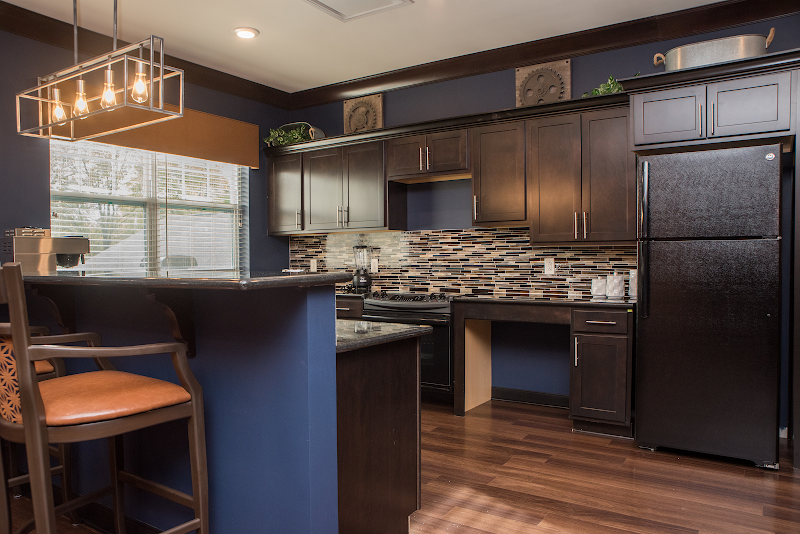
Who Owns and Operates Violet Springs Health Campus?

VIOLET SPRINGS HEALTH CAMPUS is owned by a for-profit company. For-profit facilities operate as businesses with obligations to shareholders or private owners. The facility is operated by TRILOGY HEALTH SERVICES, a chain that manages multiple nursing homes. With 58 certified beds and approximately 51 residents (about 88% occupancy), it is a smaller facility located in PICKERINGTON, Ohio.

How Does Violet Springs Health Campus Compare to Other Ohio Nursing Homes?

Compared to the 100 nursing homes in Ohio, VIOLET SPRINGS HEALTH CAMPUS's overall rating (3 stars) is below the state average of 3.2, staff turnover (50%) is near the state average of 46%, and health inspection rating (2 stars) is below the national benchmark.

What Should Families Ask When Visiting Violet Springs Health Campus?

Based on this facility's data, families visiting should ask: "What changes have been made since the serious inspection findings, and how are you preventing similar issues?" "Can I visit during a mealtime to observe dining assistance and food quality?" "How do you handle medical emergencies, and what is your hospital transfer rate?" "Can I speak with family members of current residents about their experience?" These questions are particularly relevant given the facility's Immediate Jeopardy citations.

Is Violet Springs Health Campus Safe?

Based on CMS inspection data, VIOLET SPRINGS HEALTH CAMPUS has documented safety concerns. Inspectors have issued 1 Immediate Jeopardy citation (the most serious violation level indicating risk of serious injury or death). The facility has a 3-star overall rating and ranks #100 of 100 nursing homes in Ohio. Families considering this facility should ask detailed questions about what corrective actions have been taken since these incidents.

Do Nurses at Violet Springs Health Campus Stick Around?

VIOLET SPRINGS HEALTH CAMPUS has a staff turnover rate of 50%, which is about average for Ohio nursing homes (state average: 46%). Moderate turnover is common in nursing homes, but families should still ask about staff tenure and how the facility maintains care continuity when employees leave.

Was Violet Springs Health Campus Ever Fined?

VIOLET SPRINGS HEALTH CAMPUS has been fined $16,801 across 1 penalty action. This is below the Ohio average of $33,247. While any fine indicates a compliance issue, fines under $50,000 are relatively common and typically reflect isolated problems that were subsequently corrected. Families should ask what specific issues led to these fines and confirm they've been resolved.

Is Violet Springs Health Campus on Any Federal Watch List?

VIOLET SPRINGS HEALTH CAMPUS is not on any federal watch list. The most significant is the Special Focus Facility (SFF) program, which identifies the bottom 1% of nursing homes nationally based on persistent, serious quality problems. Not being on this list means the facility has avoided the pattern of deficiencies that triggers enhanced federal oversight. This is a positive indicator, though families should still review the facility's inspection history directly.