AYDEN HEALTHCARE OF PIQUA
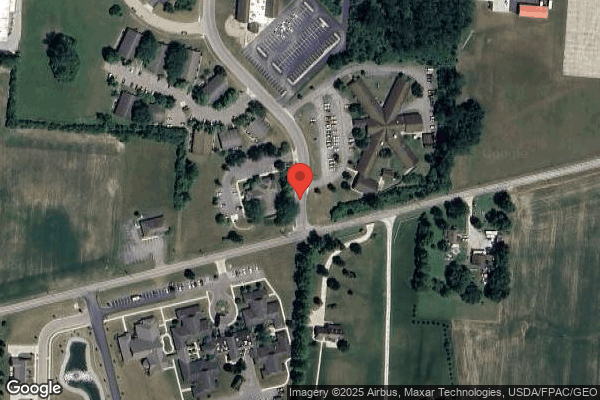
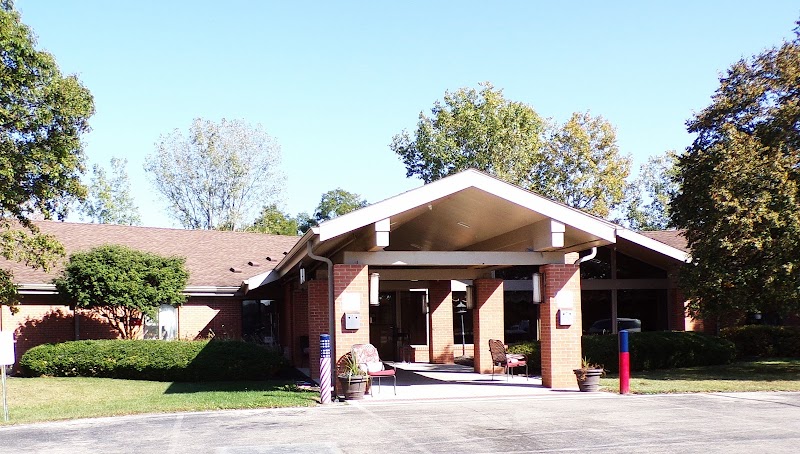
275 KIENLE DRIVE, PIQUA, OH 45356 (937) 773-9346
For profit - Limited Liability company 99 Beds AYDEN HEALTHCARE Data: November 2025
Trust Grade
33/100
#616 of 913 in OH
Last Inspection: September 2022

Over 2 years since last inspection. Current conditions may differ from available data.

Overview

Ayden Healthcare of Piqua has received a Trust Grade of F, indicating significant concerns about the quality of care provided. Ranking #616 out of 913 facilities in Ohio places it in the bottom half, and #3 out of 6 in Miami County suggests only two local options are better. The facility's performance has been stable, with 5 issues reported both in 2024 and 2025, but this stability includes serious deficiencies, such as failing to assess a resident's nutritional needs properly and providing inadequate oral care for another resident, leading to serious health issues. Staffing is a weakness with a low rating of 1 out of 5 and a turnover rate of 48%, which is concerning but slightly below the Ohio average, meaning staff may not be consistent. Additionally, the facility has accumulated fines of $19,890, which is average, but they have less RN coverage than 92% of Ohio facilities, indicating potential gaps in critical nursing oversight.

Trust Score
F
33/100
In Ohio
#616/913
Bottom 33%
Safety Record
High Risk
Review needed
Inspections
Holding Steady
5 → 5 violations
Staff Stability
⚠ Watch
48% turnover. Above average. Higher turnover means staff may not know residents' routines.
Penalties
✓ Good
$19,890 in fines. Lower than most Ohio facilities. Relatively clean record.
Skilled Nurses
⚠ Watch
Each resident gets only 19 minutes of Registered Nurse (RN) attention daily — below average for Ohio. Fewer RN minutes means fewer trained eyes watching for problems.
Violations
⚠ Watch
43 deficiencies on record. Higher than average. Multiple issues found across inspections.
★★☆☆☆
2.0
Overall Rating
★☆☆☆☆
1.0
Staff Levels
★★★★★
5.0
Care Quality
★★☆☆☆
2.0
Inspection Score
Stable
2024: 5 issues
2025: 5 issues

The Good

  • 5-Star Quality Measures · Strong clinical quality outcomes
  • Full Sprinkler Coverage · Fire safety systems throughout facility
  • No fines on record

Facility shows strength in quality measures, fire safety.

The Bad

2-Star Overall Rating

Below Ohio average (3.2)

Below average - review inspection findings carefully

Staff Turnover: 48%

Near Ohio avg (46%)

Higher turnover may affect care consistency

Federal Fines: $19,890

Below median ($33,413)

Minor penalties assessed

Chain: AYDEN HEALTHCARE

Part of a multi-facility chain

Ask about local staffing decisions and management

The Ugly 43 deficiencies on record

3 actual harm
Apr 2025 2 deficiencies
CONCERN (D) 📢 Someone Reported This

A family member, employee, or ombudsman was alarmed enough to file a formal complaint

Potential for Harm - no one hurt, but risky conditions existed

Accident Prevention (Tag F0689)

Could have caused harm · This affected 1 resident

**NOTE- TERMS IN BRACKETS HAVE BEEN EDITED TO PROTECT CONFIDENTIALITY** Based on medical records, observation, staff interviews, review of employee training records, review of employee personnel files...

Read full inspector narrative →
**NOTE- TERMS IN BRACKETS HAVE BEEN EDITED TO PROTECT CONFIDENTIALITY** Based on medical records, observation, staff interviews, review of employee training records, review of employee personnel files, review of manufacturer guidelines for a sit-to-stand lift, and review of facility policy, the facility failed to safely transfer a resident using a sit-to-stand lift. This affected one (#30) resident of the three residents reviewed for transfers. The facility identified three residents were dependent on staff for transfers. The facility census was 80. Findings included: Review of the medical record for Resident #30 revealed an admission date 11/25/24. Diagnoses included metabolic encephalopathy, muscle weakness, unsteadiness on feet, type two diabetes, and multiple fractures of ribs. Review of Quarterly Minimum Data Set (MDS) dated [DATE] revealed Resident #30 was severely cognitively impaired as evidence by a Brief Interview of Mental Status (BIMS) of 02. Resident #30 was dependent on staff for transfers and required substantial to maximal assistance for other activities of daily living (ADLs). Review of the plan of care for Resident #30 dated 02/26/25, revealed the resident had ADL self-care performance deficit related to Alzheimer's and limited mobility. Interventions included transfer with assistance from staff. Observation of a transfer for Resident #30 on 04/17/25 at 11:30 A.M. with Certified Nursing Assistant (CNA) #245 and CNA #200, revealed Resident #30 was assisted to a sitting position on the side of the bed. CNA #245 then placed a yellow (medium sized for residents weighing between 121 and 165 pounds) sit-to-stand sling around the resident. The sling was situated approximately one inch under the right arm and approximately three inches under the left arm. The sling could not be secured properly across the resident's chest as there was an approximate eight-inch gap between the sides of the sling and the straps were directly on the resident's bare chest. Interview on 04/17/25 at 11:45 A.M. with CNA #245, verified the yellow sling used on Resident #30 did not fit correctly which could have led to the resident slipping out the sling during the transfer. CNA #245 verified the yellow sling was a medium and the resident required a large sling. Interview on 04/17/25 at 1:33 P.M. with Physical Therapy Assistant (PTA) #219, revealed she provided training to the staff for the sit-to-stand lift when Resident #30 was assessed for needing therapy. PTA #219 stated she demonstrated the proper techniques to the staff, then had the staff sign a form verifying they were educated. PTA #219 stated Resident #30 required a large sling for safe transfers. PTA #291 stated the yellow sling used on the resident was a medium and it was too small for Resident #30. Interview on 04/17/25 at 1:51 P.M. with CNA #200, verified Resident #30 was placed in a yellow sling which was too small and not the appropriate size for Resident #30. Interview on 04/17/25 at 4:30 P.M. with Assisted Director of Nursing (ADON) #322, revealed the staff should have used the large green sling which was to be used on residents weighing between 154 to 254 pounds. ADON #322 verified Resident #30 was 249 pounds. Review of the facility policy titled Mechanical Lift Transferring dated 08/2021, revealed two nursing staff members will be used for all mechanical lift transfers and transfers that were done smoothly and safely using the appropriate equipment. Review of a facility form titled Mechanical Sling Lift for CNA #245, revealed staff would place a sling under a resident and visually check that sling is not too large or too small. CNA #200 was checked off for properly completing a sit-to-stand lift transfer on 01/05/24. Review of a facility form titled Mechanical Sling Lift for CNA #200, revealed staff would place a sling under a resident and visually check that sling is not too large or too small. CNA #200 was checked off for properly completing a sit-to-stand lift transfer on 09/09/24. Review of employee personnel file for CNA #245, revealed a hire date of 07/13/23. The employee personnel file contained a documented titled Employee Disciplinary Program indicated STNA #245 was given a verbal counseling for improperly transferring a resident using the sit-to-stand on 03/28/25 Review of the facility document titled Sling Color and Size Guide undated, revealed adults that weighed between 154 and 254 pounds, should have the green sling utilized when being transferred via the sit-to-stand lift. Review of manufacturer instructions for the sit-to-stand lift titled SARA 3000, revealed the residents will be placed in the appropriate fitting sling for safe and effective transfer. This deficiency represents non-compliance investigated under Complaint Number OH00164223.
CONCERN (E) 📢 Someone Reported This

A family member, employee, or ombudsman was alarmed enough to file a formal complaint

Potential for Harm - no one hurt, but risky conditions existed

Infection Control (Tag F0880)

Could have caused harm · This affected multiple residents

**NOTE- TERMS IN BRACKETS HAVE BEEN EDITED TO PROTECT CONFIDENTIALITY** Based on record review, staff interview, observation, review of online resources from Centers for Disease Control and Prevention...

Read full inspector narrative →
**NOTE- TERMS IN BRACKETS HAVE BEEN EDITED TO PROTECT CONFIDENTIALITY** Based on record review, staff interview, observation, review of online resources from Centers for Disease Control and Prevention (CDC), and review of facility policy, the facility failed to provide adequate infection control techniques during a resident's dressing change. This affected one (#20) resident of the three residents reviewed for infection control. The facility also failed to ensure staff properly discarded personal protective equipment (PPE) after completing a resident's dressing change who was in Enhanced Based Precautions (EBP). This had the potential to affect the 19 other residents (#01, #02, #03, #04, #05, #06, #07, #08, #09, #10, #11, #12, #13, #14, #15, #16, #17, #18, and #19) housed on the 100-hall who the facility identified as not being in EBP. The facility census was 80. Findings included: Review of record revealed Resident #20 had admission date on 03/17/25. Diagnoses included orthopedic aftercare from surgical amputation left leg below knee, acute osteomyelitis in left ankle and foot, and left leg below the knee, and acute kidney failure. Review of a physician order for Resident #20 dated 03/18/25, revealed the resident was ordered to have his coccyx wound cleansed with saline wound wash, patted dry, calcium alginate applied and covered with a superabsorbent dressing every day. Review of a Minimum Data Set (MDS) dated [DATE] revealed Resident #20 had a Brief Interview of Mental Status (BIMS) of 14 which indicated he was cognitively intact. Resident #30 required substantial to maximal assistance for activities of daily living (ADLs). Review of a physician order for Resident #20 dated 03/25/25, revealed the resident was ordered to be in Enhanced Barrier Precautions (EBP) due to pressure wounds and a wound on the right leg. Review of the plan of care dated 04/13/25, revealed Resident #20 had a pressure ulcer (a pressure ulcer is a localized injury of the skin and/or underlying tissue usually over a bony prominence, as a result of pressure, or pressure in combination with shear and/or friction) to the coccyx related to immobility. Interventions included administer medication as ordered, administer treatments as ordered, stay in EBP related to wounds, weekly treatment documentation to include measurement of each area of skin breakdowns. Review of a weekly skin assessment dated [DATE], revealed Resident #20 had a pressure ulcer on his coccyx which measured 2.1 centimeters (cm) in width by 1.1 cm in length by 0.1 in depth and categorized as a stage three pressure ulcer (full-thickness skin loss in which adipose [fat] is visible). The resident had a second wound on his left thigh related to a surgical incision which measured 8.3 cm in width by 1.2 cm in length by 0.2 cm in depth. Observation of wound care for Resident #20 on 04/29/25 from 10:58 A.M. through 11:14 A.M. with Registered Nurse (RN) #288, revealed the resident was able to turn himself to his right hip and assist with positioning. RN #288 washed her hands, applied personnel protective equipment (PPE) and gloves. RN #288 cleansed the resident's coccyx wound with four-by-four gauzes and normal saline spray. RN #288 placed the contaminated four-by-four gauzes on top of the resident's uncovered bedside table. RN #288 then took her scissors and cut the new calcium alginate dressing and applied it to the resident's wound bed. RN #288 never removed her contaminated gloves nor completed any hand hygiene before moving from a dirty area to a clean when completing the dressing change. Interview at the same time, RN #288 verified she didn't change gloves nor completed any hand hygiene when going from an area of dirty to clean wound care. RN #288 discarded the wound dressing items, removed her gloves and discarded, and exited the resident's room with her PPE (gown) in place. RN #228 placed her gown in the housekeeper's cart trash can located in the 100-hallway and RN #288 continued down the 100-hall. Interview on 04/29/25 at 11:15 A.M. with Housekeeper Director #300 verified RN #288 placed her gown in the mobile housekeeping cart trash bag after leaving Resident #20's room. A subsequent interview on 04/29/25 at 11:45 A.M. with RN #288, verified Resident #20 was in EBP. RN #288 stated she was not thinking when she exited the resident's room and discarded the PPE gown in the housekeeper's mobile cart trash bag. RN #288 stated she should have taken off her gown inside the resident's room and discarded it. Interview on 04/29/25 at 1:05 P.M. with Regional Nurse (RN) #350, revealed her expectations would be for all nurses to follow the appropriate infection control techniques. RN #350 stated she would expect a nurse to change their gloves and perform hand hygiene, when going from an area of dirty to clean, while completing dressing changes. RN #350 stated staff should not be discarding their PPE outside of a resident's rooms who were in EBP. Review of facility policy titled Enhanced Barrier Precautions dated 04/01/24, revealed the facility was required to have PPE including gowns and gloves available. PPE must be removed and discarded in the residents' room. Position a trash can inside the resident's room and near the exit for discarding PPE after removal and prior to exit of the room. Review of the facility policy titled Wound Care dated 08/2024, revealed staff shall complete wound care/ dressing changes using the appropriate infection control techniques. Remove old dressing and appropriately discard then wash and dry hands thoroughly before starting the new dressings. Review of the web site titled https://www.cdc.gov/clean-hands/hcp/clinical-safety/index.html dated 03/20/24 revealed that hand washing matters, and recommended immediately before touching a patient, before performing an aseptic task such as placing an indwelling device or handing invasive medical devices, between working on a soiled body site and a clean body site on the same patient, after touching a patient or patient's surroundings, after contact with blood, body fluids, or contaminated surfaces, and immediately after glove removal.
Mar 2025 2 deficiencies
CONCERN (D) 📢 Someone Reported This

A family member, employee, or ombudsman was alarmed enough to file a formal complaint

Potential for Harm - no one hurt, but risky conditions existed

Report Alleged Abuse (Tag F0609)

Could have caused harm · This affected 1 resident

**NOTE- TERMS IN BRACKETS HAVE BEEN EDITED TO PROTECT CONFIDENTIALITY** Based on medical record review, resident interview, review of the Certification and Licensure System (CALS), staff interview and...

Read full inspector narrative →
**NOTE- TERMS IN BRACKETS HAVE BEEN EDITED TO PROTECT CONFIDENTIALITY** Based on medical record review, resident interview, review of the Certification and Licensure System (CALS), staff interview and review of facility policy, the facility failed to report an allegation of inappropriate staff touching as potential resident abuse to the Ohio Department of Health (ODH). This affected one resident (#38) of three residents reviewed for abuse. The facility census was 83. Findings include: Review of Resident #38's medical record revealed an admission date of 09/17/24. Diagnoses included chronic respiratory failure, morbid (severe) obesity and Type II diabetes. Review of the quarterly Minimum Data Set (MDS), dated [DATE], revealed Resident #38 was cognitively intact, required set-up assistance with eating and oral hygiene, partial staff assistance with bed mobility and transfers, and substantial staff assistance with toileting hygiene, bathing, dressing, personal hygiene, and wheelchair mobility. Review of the physician orders revealed an order dated 02/22/25 for No Male Care for showers every shift for Post traumatic Stress Disorder (PTSD). Review of the care plan, dated 03/15/25, revealed Resident #38 preferred no male staff for showers, with a goal to not receive showers from male staff. Interventions included to keep a list of no male showers in the schedule book and respect resident's preference and carry them out while resident is in the facility. Interview on 03/18/25 at 11:01 A.M. with Resident #38 revealed a male Certified Nursing Assistant (CNA) had touched her inappropriately on two occasions. Further interview confirmed the male CNA was CNA #174. Resident #38 was unable to recall the date of the first incident but reported CNA #174 tickled her under her arms when she had her shirt on, which she did not like and it made her uncomfortable. Resident #38 stated she reported it at that time. Resident #38 reported that about one week ago, CNA #174 again tickled her under her arms. This time she had no shirt on. Resident #38 stated she did not like CNA #174 touching her under her arms, near her breasts, and she felt uncomfortable. Resident #38 stated she reported her concerns to the Director of Nursing (DON). The resident confirmed CNA #174 had not been back in her room but she was uncomfortable when he was around. Review of the facility submitted Self-Reported Incidents (SRIs) from 02/01/25 through 03/17/25, located in CALS, revealed no evidence the facility reported Resident #38's allegations of inappropriate staff touching. Interview on 03/18/25 at 12:09 P.M. with the Administrator verified there was no incident of inappropriate staff touching/potential abuse involving Resident #38 reported to the ODH. Interview on 03/18/25 at 1:45 P.M. with the Director of Nursing (DON) verified Resident #38 reported to her that CNA #174 had tickled her under her arms while she had clothing on, and then again when she had no clothing on. The DON further confirmed Resident #38 reported the incidents made her uncomfortable. The DON verified the incidents were not reported to the ODH because she did not take the resident's concerns as potential abuse. The DON stated Resident #38's request to not have a male staff assist with showers following the incidents with CNA #174 was honored and CNA #174 was moved to another unit. A follow-up interview on 03/18/25 at 1:59 P.M. with the Administrator confirmed the incidents involving Resident #38's allegations of CNA #174 touching her inappropriately were never reported to him. The Administrator stated CNA #174 was related to the DON and the DON changed CNA #174's assignment so that he no longer worked with Resident #38. Interview on 03/18/25 at 2:45 P.M. with CNA #174 confirmed he was no longer able to provide care for Resident #38, although he stated he was unsure of why. CNA #174 stated the resident asked him to scratch her back, by her arms, and that was all he did. Review of the facility policy titled Abuse, Mistreatment, Neglect, Exploitation and Misappropriation of Resident Property, dated 10/24/22, revealed residents have the right to be free from abuse. Facility staff should immediately report all such allegations to the Administrator and to the ODH. This deficiency represents non-compliance investigated under Complaint Number OH00163436.
CONCERN (D) 📢 Someone Reported This

A family member, employee, or ombudsman was alarmed enough to file a formal complaint

Potential for Harm - no one hurt, but risky conditions existed

Investigate Abuse (Tag F0610)

Could have caused harm · This affected 1 resident

**NOTE- TERMS IN BRACKETS HAVE BEEN EDITED TO PROTECT CONFIDENTIALITY** Based on resident interview, review of the Certification and Licensure System (CALS), medical record review, staff interview, an...

Read full inspector narrative →
**NOTE- TERMS IN BRACKETS HAVE BEEN EDITED TO PROTECT CONFIDENTIALITY** Based on resident interview, review of the Certification and Licensure System (CALS), medical record review, staff interview, and review of facility policy, the facility failed to investigate an allegation of inappropriate staff touching as potential resident abuse. This affected one resident (#38) of three residents reviewed for abuse. The facility census was 83. Findings include: Review of Resident #38's medical record revealed an admission date of 09/17/24. Diagnoses included chronic respiratory failure, morbid (severe) obesity and Type II diabetes. Review of the quarterly Minimum Data Set (MDS), dated [DATE], revealed Resident #38 was cognitively intact, required set-up assistance with eating and oral hygiene, partial staff assistance with bed mobility and transfers, and substantial staff assistance with toileting hygiene, bathing, dressing, personal hygiene, and wheelchair mobility. Review of the physician orders revealed an order dated 02/22/25 for No Male Care for showers every shift for Post traumatic Stress Disorder (PTSD). Review of the care plan, dated 03/15/25, revealed Resident #38 preferred no male staff for showers, with a goal to not receive showers from male staff. Interventions included to keep a list of no male showers in the schedule book and respect resident's preference and carry them out while resident is in the facility. Interview on 03/18/25 at 11:01 A.M. with Resident #38 revealed a male Certified Nursing Assistant (CNA) had touched her inappropriately on two occasions. Further interview confirmed the male CNA was CNA #174. Resident #38 was unable to recall the date of the first incident but reported CNA #174 tickled her under her arms when she had her shirt on, which she did not like and it made her uncomfortable. Resident #38 stated she reported it at that time. Resident #38 reported that about one week ago, CNA #174 again tickled her under her arms. This time she had no shirt on. Resident #38 stated she did not like CNA #174 touching her under her arms, near her breasts, and she felt uncomfortable. Resident #38 stated she reported her concerns to the Director of Nursing (DON). The resident confirmed CNA #174 had not been back in her room but she was uncomfortable when he was around. Review of the facility submitted Self-Reported Incidents (SRIs) from 02/01/25 through 03/17/25, located in CALS, revealed no evidence the facility reported Resident #38's allegations of inappropriate staff touching. Interview on 03/18/25 at 12:09 P.M. with the Administrator verified there was no incident of inappropriate staff touching/potential abuse involving Resident #38 reported to the ODH. Interview on 03/18/25 at 1:45 P.M. with the Director of Nursing (DON) verified Resident #38 reported to her that CNA #174 had tickled her under her arms while she had clothing on, and then again when she had no clothing on. The DON further confirmed Resident #38 reported the incidents made her uncomfortable. The DON verified the incidents were not reported to the ODH and the facility did not conduct an investigation into the allegations because she did not take the resident's concerns as potential abuse. The DON stated Resident #38's request to not have a male staff assist with showers following the incidents with CNA #174 was honored and CNA #174 was moved to another unit. A follow-up interview on 03/18/25 at 1:59 P.M. with the Administrator confirmed the incidents involving Resident #38's allegations of CNA #174 touching her inappropriately were never reported to him and further verified the facility did not conduct an investigation. The Administrator stated CNA #174 was related to the DON and the DON changed CNA #174's assignment so that he no longer worked with Resident #38. Interview on 03/18/25 at 2:45 P.M. with CNA #174 confirmed he was no longer able to provide care for Resident #38, although he stated he was unsure of why. CNA #174 stated the resident asked him to scratch her back, by her arms, and that was all he did. Review of the facility policy titled Abuse, Mistreatment, Neglect, Exploitation and Misappropriation of Resident Property, dated 10/24/22, revealed residents have the right to be free from abuse. It was the facility's policy to investigate all alleged violations involving abuse. This deficiency represents non-compliance investigated under Complaint Number OH00163436.
Feb 2025 1 deficiency
CONCERN (D) 📢 Someone Reported This

A family member, employee, or ombudsman was alarmed enough to file a formal complaint

Potential for Harm - no one hurt, but risky conditions existed

Deficiency F0711 (Tag F0711)

Could have caused harm · This affected 1 resident

**NOTE- TERMS IN BRACKETS HAVE BEEN EDITED TO PROTECT CONFIDENTIALITY** Based on medical record review, staff interview, and facility policy review, the facility failed to have physician visits and nu...

Read full inspector narrative →
**NOTE- TERMS IN BRACKETS HAVE BEEN EDITED TO PROTECT CONFIDENTIALITY** Based on medical record review, staff interview, and facility policy review, the facility failed to have physician visits and nurse practitioner visits notes signed in a timely manner. This affected three (#06, #34, and #60) of three residents reviewed for provider visits. The facility census was 84. Findings include: 1. Medical record review for Resident #06 revealed he was admitted to the facility on [DATE]. Diagnoses included myocardial infarction, diabetes mellitus, pulmonary embolism, essential primary hypertension, hyperlipidemia, respiratory failure, obstructive sleep apnea, major depressive disorder, pleural effusion chronic kidney disease, hernia, and morbid obesity. Review of the Minimum Data Set (MDS) assessment, dated 02/10/25, revealed Resident #06 was cognitively intact. Review of the progress notes for Resident #06 revealed he was assessed by the facility physician on 02/11/25; however, the document was not signed until 02/15/25. Further review revealed Resident #06 was assessed by Nurse Practitioner (NP) #500 on 02/13/25 and the document was not signed until 02/22/25. 2. Medical record review for Resident #34 revealed she was admitted to the facility on [DATE]. Diagnoses included, multiple sclerosis, hypothyroidism, neurogenic bowel, constipation, hyperlipidemia, gastro-esophageal reflux disease, osteomyelitis, and acute respiratory failure. Review of the MDS assessment, dated 01/03/25 revealed Resident #34 was cognitively intact. Review of the physician progress notes for Resident #34 revealed she was assessed by the physician on 01/06/25; however, the physician note was not signed by the physician until 01/19/25. 3. Medical record review for Resident #60 revealed she was admitted to the facility on [DATE]. Diagnoses included, cerebral infarction, diabetes mellitus, aphasia, morbid obesity, hyperlipidemia, hyperkalemia, dementia, kidney failure, metabolic acidosis, dehydration, and essential primary hypertension. Review of the MDS assessment, dated 02/10/25, revealed Resident #60 had impaired cognition. Review of the physician notes for Resident #60 revealed she was assessed by the physician on 01/28/25; however, the document was not signed by the physician until 02/07/25. Resident #60 was also assessed by the facility physician on 01/14/25 and the document was not signed until 01/17/25. Further review of the progress notes revealed Resident #60 was assessed by the facility physician on 01/06/25 and the document was not signed until 01/19/25. Interview on 02/25/25 at 3:18 P.M. with Assistant Director of Nursing (ADON) #200 stated the facility had several concerns related to the current facility Medical Director. ADON #200 stated the Medical Director gave notice to the facility that she was no longer going to work for the facility and was related to timely documentation of resident physician visits. ADON #200 confirmed Resident #06, Resident #34, and Resident #60 had provider visits that were not signed at the time of the visit. Review of the facility policy titled, Charting and Documentation, dated July 2017, revealed documentation of procedures and treatments should include specific details that include the date and time of the procedure.
Dec 2024 1 deficiency
CONCERN (D) 📢 Someone Reported This

A family member, employee, or ombudsman was alarmed enough to file a formal complaint

Potential for Harm - no one hurt, but risky conditions existed

Infection Control (Tag F0880)

Could have caused harm · This affected 1 resident

**NOTE- TERMS IN BRACKETS HAVE BEEN EDITED TO PROTECT CONFIDENTIALITY** Based on record review, observations, staff interviews and review of Centers for Disease Control and Prevention (CDC) guidelines...

Read full inspector narrative →
**NOTE- TERMS IN BRACKETS HAVE BEEN EDITED TO PROTECT CONFIDENTIALITY** Based on record review, observations, staff interviews and review of Centers for Disease Control and Prevention (CDC) guidelines, the facility failed to ensure staff followed proper infection control procedures during incontinence care. This affected one (#16) out of three residents review for infection control. The facility census was 82. Findings include: Review of medical record for Resident #16 revealed admission date of 11/01/22. Diagnoses include chronic obstructive pulmonary disease (COPD) and congestive heart failure (CHF). The resident remained in the facility. Review of Resident #16's quarterly Minimum Data Set (MDS) assessment dated [DATE] revealed the resident had a Brief Interview Mental Status (BIMS) score of eight out of 15 indicating impaired cognition. Resident #16 required set up for eating, maximum assistance with bed, transfers and was dependent for toileting hygiene. Resident #16 was frequently incontinent of bladder and always incontinent of bowel. Observation was made on 12/18/24 at 10:58 A.M. of incontinence care by Certified Nursing Assistants (CNA's) #104 and #105 for Resident #16. Resident #16 was assisted to her left side and CNA #104 was observed to thoroughly cleanse her of stool. Without removing her gloves, CNA #10 placed a new incontinence product under Resident #16 and encouraged her to lay on her back. CNA #105 then cleansed Resident #16's peri area. Just prior to applying the new incontinence product, CNA #104 grabbed two more wet wipes and cleaned her peri area. Interview on 12/18/24 at 11:23 A.M. with CNA #105 verified she did not remove her gloves after cleaning stool and used the soiled gloves when cleaning Resident #16's peri area. CNA #105 acknowledged she should have removed her gloves and washed her hands after cleaning stool. Review of guidelines from the CDC for Healthcare Providers for Hand Hygiene, located at https://www.cdc.gov/clean-hands/hcp/clinical-safety/?CDC_AAref_Val=https://www.cdc.gov/handhygiene/providers revealed the need to change gloves and clean hands if moving from work on a soiled body site to a clean body site. This deficiency represents non-compliance investigated under Complaint Number OH00160272.
Apr 2024 1 deficiency
CONCERN (F) 📢 Someone Reported This

A family member, employee, or ombudsman was alarmed enough to file a formal complaint

Potential for Harm - no one hurt, but risky conditions existed

Infection Control (Tag F0880)

Could have caused harm · This affected most or all residents

Based on review of facility infection control records, observations, staff interviews, review of electronic mail (e-mail) correspondence, review of facility policies and procedures, review of the Cent...

Read full inspector narrative →
Based on review of facility infection control records, observations, staff interviews, review of electronic mail (e-mail) correspondence, review of facility policies and procedures, review of the Center for Disease Control and Prevention CDC) guidance, and review of Ohio Department of Health's (ODH) guidance for reporting infectious diseases, the facility failed to develop and implement effective infection control policies and practices which includes a failure to ensure cleaning schedules for ice buckets were developed/implemented, failure to ensure storage areas were maintained in a sanitary manner to potentially prevent rodent/animal contamination, failure to ensure the handwashing sink in the kitchen was appropriately functioning, failure to develop written policies and procedures which included when and to who potentially communicable diseases should be reported, and failure to ensure the local health department was notified in a timely manner of a Campylobacter illness outbreak. This affected a total of nine (Resident #10, #32, #43, #45, #48, #54, #61, #65 and #66) residents who experienced gastrointestinal symptoms, five of which (Resident #10, #32, #48, #61 and #66) tested positive for Campylobacter. This had the potential to affect all 67 residents residing in the facility. The facility census was 67. Findings include: Review of the facility infection control records for a 2024 gastrointestinal outbreak revealed the onset of the outbreak was 03/12/24 and the reporting date was 04/01/24. The facility had nine (#10, #32, #43, #45, #48, #54, #61, #65 and #66) residents who experienced gastrointestinal illness including symptoms of vomiting and/or diarrhea (loose stools) from 03/12/24 through 03/31/24. On 03/12/24, Resident #66 experienced loose stools. On 03/17/24, Resident #32 experienced loose stools. On 03/18/24, Resident #10 experienced both vomiting and loose stools. On 03/22/24, Resident #45 experienced vomiting. On 03/25/24, Resident #61 experienced loose stools. On 03/27/24, Resident #65 experienced loose stools. On 03/30/24, Resident #43 experienced loose stools and Resident #48 experienced both vomiting and loose stools. On 03/31/24, Resident #54 experienced loose stools. Five (#10, #32, #48, #61 and #66) residents tested positive for Campylobacter Further review of the infection control records revealed the facility had five (Director of Nursing (DON), State Tested Nursing Assistant (STNA) #220, Licensed Practical Nurse (LPN) #312, Registered Nurse #223 and #300) staff members who experienced gastrointestinal illness including symptoms of vomiting, diarrhea (loose stools), and/or nausea from 03/11/24 through 04/06/24. There were no confirmed cases of Campylobacter among the staff. Initial tour of the facility on 04/11/24 at 8:17 A.M. through 8:35 A.M. with Human Resource Director #246, revealed the kitchen had one sink with soap and hand towels for handwashing but observations revealed the sink did not have working hot water. Observations revealed there was no sign indicating the hot water was not working and/or no sign indicating where staff should wash their hands. While completing the facility tour, an interview on 04/11/24 at 8:33 A.M. with [NAME] #252, confirmed she was not sure how long the hot water had not been working but knows it has been at least a couple of days. [NAME] #252 also revealed management has been working on it. [NAME] #252 revealed staff has been washing their hands in the 3-sink area. [NAME] #252 confirmed there is no soap or hand towels in 3-sink area, but she just uses what is available in the sink area that is not working. [NAME] #252 also confirmed other staff members would not know which sink to use unless told because there is not a sign hung to let staff know the hot water is not working and to use the other sink. Interview on 04/11/24 at 10:47 A.M. with [NAME] #310 confirmed the hot water in the hand washing sink is not working and it hasn't worked for a couple weeks. [NAME] #310 also confirmed the last Administrator was told it was not working before he left. [NAME] #310 confirmed staff wash their hands in the 3-compartment sink area and the staff use the hand soap and hand towels available at the hand washing sink which is approximately eight feet away. [NAME] #310 confirmed the new ice buckets have only been brought to the kitchen one time since 04/08/24 to be run through the dishwasher. [NAME] #310 is not aware of a cleaning schedule for the ice buckets, which are used to pass ice to the residents. During an interview on 04/11/24 at 11:38 A.M., the DON confirmed the local health department was not notified of the gastrointestinal outbreak until 04/01/24, which was approximately 20 days after the outbreak began. The DON also confirmed there was no policy which specified when and to whom communicable diseases should be reported. The DON also confirmed gloves and Styrofoam cups that were stored in the garage that was contaminated with possible rodents and cat feces and these items were being used. Observations of the storage garage and interview with the DON revealed the area had been cleaned up and there was currently no evidence of rodents or cats in the area. The DON confirmed that new ice buckets have been purchased based on the recent health departments recommendations but there is not a cleaning schedule in place, but there are expectations of the night shift floor staff to take them to the kitchen and change them out nightly for clean ones. The DON confirmed a total of nine (#10, #32, #43, #45, #48, #54, #61, #65 and #66) residents who experienced gastrointestinal symptoms and five (#10, #32, #48, #61 and #66) residents tested positive for Campylobacter. The DON confirmed there were five (DON, STNA #220, LPN #312, RN #223 and #300) staff members who experienced gastrointestinal illness including symptoms of vomiting, diarrhea (loose stools), and/or nausea from 03/11/24 through 04/06/24 but there were no confirmed cases of Campylobacter among these staff members. Interview on 04/11/24 at 2:20 P.M. with LPN #326 confirmed when gloves and Styrofoam cups were needed staff would go to the garage and pull the extra from the stock. LPN #326 confirmed there were evidence in the garage, before all of the outbreak, of cats using the garage as a litter box. LPN #326 confirmed gloves would be worn to pull supplies out of the garage so not to touch any nasty items. Interview on 04/11/24 at 2:39 P.M. with STNA #220 confirmed no knowledge of who's responsible for cleaning the ice buckets on the halls. STNA #220 confirmed the ice buckets are used to pass ice to residents. STNA #220 confirmed gloves and Styrofoam cups were pulled from the garage when it was dirty and had possible animal feces everywhere. Interview on 04/11/24 at 4:11 P.M. with the Administrator confirmed he was not aware of the hot water not working in the hand washing sink in the kitchen until today. The Administrator also confirmed the staff in the kitchen were aware to wash their hands in the prep sink and there was soap available for use. The Administrator confirmed there was no sign at the hand washing sink in the kitchen to inform staff the sink was not working and to use the prep sink. The Administrator confirmed staff members who do not work in the kitchen, would not know to wash their hands elsewhere. The Administrator confirmed the hot water in the hand washing sink was fixed during the investigation. Review of the e-mail correspondence from the local health department, dated 04/01/24, revealed after reviewing the line list, the Campylobacter was the infection with the first positive case being on 03/14/24 and the local health department notification was on 04/01/24. The health department inquired about any other interventions implemented such as staff being kept from work for at least 48 hours past resolution of symptoms. Review of the facility policy titled Infection Prevention and Control Program (IPCP), revised 11/15/21, revealed the IPCP designee should report communicable diseases that are reportable to local/state public health authorities. The policy did not contain specific information regarding when and to whom potentially communicable diseases would be reported. Review of the CDC guidance titled Guideline for the Prevention and Control of Campylobacter Gastroenteritis Outbreaks in Healthcare Settings dated 07/03/23, revealed as with all outbreaks, notify appropriate local and state health departments, as required by state and local public health regulations, if an outbreak of Campylobacter is suspected. Review of ODH guidance titled, Know Your ABCs: A Quick Guide to Reportable Infectious Diseases in Ohio, effective 08/01/19 revealed Campylobacter was listed under the section Class B. Facilities should report an outbreak, unusual incident or epidemic of other diseases by the end of the next business day. This deficiency represents non-compliance investigated under Complaint Number OH00152778.
Jan 2024 3 deficiencies
CONCERN (D) 📢 Someone Reported This

A family member, employee, or ombudsman was alarmed enough to file a formal complaint

Potential for Harm - no one hurt, but risky conditions existed

Deficiency F0559 (Tag F0559)

Could have caused harm · This affected 1 resident

**NOTE- TERMS IN BRACKETS HAVE BEEN EDITED TO PROTECT CONFIDENTIALITY** Based on medical record review, staff and resident interviews, and policy review, the facility failed to notify residents of roo...

Read full inspector narrative →
**NOTE- TERMS IN BRACKETS HAVE BEEN EDITED TO PROTECT CONFIDENTIALITY** Based on medical record review, staff and resident interviews, and policy review, the facility failed to notify residents of room changes. This affected two (#35 and #49) out of the three residents reviewed for room changes. The facility census was 71. Findings included: 1. Review of the medical record for Resident #35 revealed an admission date of 03/01/23 with medical diagnoses of Coal worker's pneumonoconiosis, Parkinson's disease, atherosclerotic heart disease (ASHD), and atrial fibrillation. Review of the medical record for Resident #35 revealed a quarterly Minimum Data Set (MDS), dated [DATE], which indicated Resident #35 had moderate cognitive impairment and required substantial/maximum staff assistance with toileting hygiene, bathing, and bed mobility and was dependent for transfers. Review of the medical record for Resident #35 revealed Resident #35 moved rooms on 11/28/23. Review of the medical record revealed no documentation to support Resident #35 was notified or approved of the room change. Interview on 01/29/24 at 3:30 P.M. with Director of Nursing (DON) confirmed the facility moved Resident #35 rooms and the medical record did not contain documentation to support Resident #35 was made aware of the room change or approved the room change. 2. Review of the medical record for Resident #49 revealed an admission date of 02/24/22 with medical diagnoses of chronic obstructive pulmonary disease, adult failure to thrive, chronic respiratory failure, and protein calorie malnutrition. Review of the medical record for Resident #49 revealed a quarterly MDS, dated [DATE], which indicated Resident #49 was cognitively intact and was independent with eating and bed mobility and supervision with bathing, toilet hygiene, and transfers. Review of the medical record for Resident #49 revealed Resident #49 moved rooms on 12/12/23. Review of the medical record revealed no documentation to support Resident #49 was notified or approved of the room change. Interview on 01/29/24 at 8:53 A.M. with Resident #49 stated that while she was hospitalized from [DATE] to 12/20/23 the facility moved her stuff to a different room without notifying her. Interview on 01/29/24 at 3:30 P.M. with DON confirmed the medical record for Resident #49 did not contain documentation to support the facility notified Resident #49 of her room change on 12/12/23 while she was hospitalized from [DATE] to 12/20/23. Review of the facility policy titled, Transfer, Room to Room, revised December 2016, stated the facility was to orient the resident to the transfer in a form and manner that the resident can understand and included location of room, who is the new roommate, if any, who would be providing the resident's care, that visitors would be information and why the transfer is taking place. The policy stated the information should be recorded in the resident's medical record include date/time room transfer was made, names and titles of staff who assisted with the move, how the resident tolerated the move, any assessment data obtained during the room move, if the resident refused, the resident why and the intervention taken, and the signature and title of person recording the data. This deficiency represents non-compliance investigated under Complaint Number OH00149671.
CONCERN (D) 📢 Someone Reported This

A family member, employee, or ombudsman was alarmed enough to file a formal complaint

Potential for Harm - no one hurt, but risky conditions existed

Free from Abuse/Neglect (Tag F0600)

Could have caused harm · This affected 1 resident

**NOTE- TERMS IN BRACKETS HAVE BEEN EDITED TO PROTECT CONFIDENTIALITY** Based on medical record review, staff interviews, review of the facility Self-Reported Incidents (SRI), and policy review, the f...

Read full inspector narrative →
**NOTE- TERMS IN BRACKETS HAVE BEEN EDITED TO PROTECT CONFIDENTIALITY** Based on medical record review, staff interviews, review of the facility Self-Reported Incidents (SRI), and policy review, the facility failed to ensure residents were free from resident-to-resident sexual abuse. This affected two (#11 and #62) out of the three residents reviewed for abuse. The facility census was 71. Findings included: 1. Review of the medical record for Resident #62 revealed an admission date of 01/07/22 with medical diagnoses of Alzheimer's disease, legal blindness, hypertension, and adult failure to thrive. Review of the medical record for Resident #62 revealed a quarterly Minimum Data Set (MDS), dated [DATE], which indicated Resident #62 had moderate cognitive impairment and required supervision with eating and substantial staff assistance with toilet hygiene, bed mobility, transfers, and bathing. Review of the medical record for Resident #62 revealed a Social Service note dated 01/11/24 at 2:07 P.M. which stated an attempt was made to contact the resident's power of attorney (POA) to notify him of an incident that occurred today with a male resident. The note stated there was no answer and a message was left requesting a return call. Review of the medical record revealed no further documentation related to an incident on 01/11/24. 2. Review of the medical record for Resident #11 revealed an admission date of 03/22/22 with medical diagnoses of Huntington's disease, mild Intellectual Disabilities, anxiety, and dysphagia. Review of the medical record for Resident #11 revealed a quarterly MDS, dated [DATE], which indicated Resident #11 is sometimes understood, able to understand information, and per staff interview alert and oriented to person, place, and time. Review of the MDS revealed Resident #11 required supervision with eating, transfers, and bed mobility and substantial staff assistance with toilet hygiene and bathing. Review of the medical record for Resident #11 revealed a nurse's note dated 01/15/24 at 8:00 P.M. which stated a staff member notified the nurse that a male resident was observed with his hands on her chest. The note stated Resident #11 was removed from the situation, assessed head to toe, and the Director of Nursing (DON) was notified. Review of the medical record for Resident #11 revealed no documentation related to the incident investigated for the SRI dated 01/11/24. 3. Review of the medical record for Resident #35 revealed an admission date of 03/01/23 with medical diagnoses of Coal worker's pneumonoconiosis, Parkinson's disease, atherosclerotic heart disease (ASHD), and atrial fibrillation. Review of the medical record for Resident #35 revealed a quarterly MDS, dated [DATE], which indicated Resident #35 had moderate cognitive impairment and required substantial/maximum staff assistance with toileting hygiene, bathing, and bed mobility and was dependent for transfers. Review of the medical record for Resident #35 revealed a nurse's note dated 01/11/24 at 12:13 P.M. which stated the nurse was notified that Resident #35 was observed being inappropriate with other female residents. The note stated Resident #35 was observed grabbing at female resident breasts and genital area. Review of the medical record revealed a Social Service note dated 01/11/24 at 1:47 P.M. that Resident #35 was observed by care staff in the dining room grabbing at the breasts of two female residents. The note stated Resident #35 was questioned regarding his behavior and he admitted to touching Resident #11 and Resident #62's breasts but could not state why he did it. Review of the medical record for Resident #35 revealed a physician order dated 01/11/24 for resident to be always visible by staff when not in bed and to document on behaviors every shift. The medical record revealed an order dated 01/12/24 for medroxyprogesterone acetate 10 milligrams one tablet by mouth daily for sexual behaviors. Review of the medical record for Resident #35 revealed a behavior care plan dated 01/12/24 which stated Resident #35 had the potential to be physically aggressive related to history of harm to others and poor impulse control. The interventions included medications as ordered and to document behaviors. 4. Review of the medical record for Resident #75 revealed an admission date of 10/15/20 with medical diagnoses of cerebral infarction with right hemiparesis, chronic obstructive pulmonary disease, depression, and hyperlipidemia. Review of the medical record revealed Resident #75 discharged from the facility on 01/21/24. Review of the medical record for Resident #75 revealed a quarterly MDS, 01/10/24, which indicated Resident #75 was cognitively intact and was independent with eating, bed mobility, transfers, and toilet hygiene. No behaviors were noted on the MDS. Review of the medical record for Resident #75 revealed a nurse's note dated 01/15/24 at 10:30 P.M. which stated Resident #75 was observed touching another female resident inappropriately in the dining room which was witnessed by the dietary staff. Further review of the note stated the DON and Administrator were notified and the police department was contacted. Review of the medical record revealed a nurse's note dated 01/17/24 at 10:34 A.M. which stated a police officer came to the facility to notify Resident #75 he was being charged with a crime related to the incident on 01/15/24. Review of the medical record for Resident #75 revealed a physician order dated 01/15/24 which stated if the resident must be supervised at all times by a staff member when he comes out of his room. Review of the SRI dated 01/11/24 stated Resident #35 was observed by staff to be touching Resident #11 and Resident #62's breasts over the top of their shirts while sitting in the dining room. Review of the SRI revealed an investigation was completed which included resident and staff interviews, resident assessments, and staff education. The SRI stated neither resident had any adverse effects from the incident. The SRI indicated the facility substantiated the allegation of abuse. Review of the SRI dated 01/15/24 stated Resident #75 was observed by staff with his hands down the front of Resident #11's shirt and was touching her breasts. The SRI stated an investigation was completed which included resident and staff interviews, resident assessments, police notification, and staff education on abuse. The SRI indicated the facility substantiated the allegation of abuse. Interview on 01/29/24 at 4:00 P.M. with DON confirmed the facility substantiated the allegation of sexual abuse by Resident #35 to Resident #11 and Resident #62 on 01/11/24 after a thorough investigation. DON also confirmed the facility substantiated the allegation of sexual abuse by Resident #75 to Resident #11 on 01/15/24 after a thorough investigation. Review of the facility policy titled, Abuse and Neglect, revised March 2018, stated sexual abuse was defined as non-consensual sexual contact of any type with a resident. The policy stated the residents would be assessed, the physician would be notified, and the facility management and staff would institute measures to address the needs of residents and minimize the possibility of abuse and neglect. This deficiency represents non-compliance investigated under Complaint Number OH00150359.
CONCERN (D) 📢 Someone Reported This

A family member, employee, or ombudsman was alarmed enough to file a formal complaint

Potential for Harm - no one hurt, but risky conditions existed

Deficiency F0742 (Tag F0742)

Could have caused harm · This affected 1 resident

**NOTE- TERMS IN BRACKETS HAVE BEEN EDITED TO PROTECT CONFIDENTIALITY** Based on medical record review, observations, and staff interviews, the facility failed to provide adequate behavioral supervisi...

Read full inspector narrative →
**NOTE- TERMS IN BRACKETS HAVE BEEN EDITED TO PROTECT CONFIDENTIALITY** Based on medical record review, observations, and staff interviews, the facility failed to provide adequate behavioral supervision for Resident #35, in accordance with the residents physician orders. This affected one (#35) out of three reviewed for sexual behaviors. The facility census was 71. Findings included: Review of the medical record for Resident #35 revealed an admission date of 03/01/23 with medical diagnoses of Coal worker's pneumonoconiosis, Parkinson's disease, atherosclerotic heart disease (ASHD), and atrial fibrillation. Review of the medical record for Resident #35 revealed a quarterly Minimum Data Set (MDS), dated [DATE], which indicated Resident #35 had moderate cognitive impairment and required substantial/maximum staff assistance with toileting hygiene, bathing, and bed mobility and was dependent for transfers. Review of the medical record for Resident #35 revealed a nurse's note dated 01/11/24 at 12:13 P.M. which stated the nurse was notified that Resident #35 was observed being inappropriate with other female residents. The note stated Resident #35 was observed grabbing at female resident breasts and genital area. Review of the medical record revealed a Social Service note dated 01/11/24 at 1:47 P.M. that resident was observed by care staff in the dining room grabbing at the breasts of two female residents. The note stated Resident #35 was questioned regarding his behavior and he admitted to touching Resident #11 and Resident #62's breasts but could not state why he did it. Review of the medical record for Resident #35 revealed a physician order dated 01/11/24 for resident to be always visible by staff when not in bed and to document on behaviors every shift. The medical record revealed an order dated 01/12/24 for medroxyprogesterone acetate 10 milligrams one tablet by mouth daily for sexual behaviors. Review of the medical record for Resident #35 revealed a behavior care plan dated 01/12/24 which stated Resident #35 had the potential to be physically aggressive related to history of harm to others and poor impulse control. The interventions included medications as ordered and to document behaviors. Observation on 01/29/24 at 11:48 A.M. revealed Resident #35 sitting in the dining room with other female residents, identified as Resident #11 and Resident #62. The observation revealed no staff were present to supervise Resident #35 while he was in the dining room with the other female residents. Observation with interview on 01/29/24 at 11:52 A.M. with State Tested Nursing Assistant (STNA) #217 confirmed Resident #35 was sitting in the dining room alone with Resident #11 and Resident #62 and there was not any staff present to supervise Resident #35. Interview on 01/29/24 at 4:00 P.M. with Director of Nursing (DON) confirmed Resident #35 was not to be left unsupervised when out of his room. This deficiency is based on incidental findings discovered during the course of this complaint investigation.
Oct 2023 1 deficiency 1 Harm
SERIOUS (G) 📢 Someone Reported This

A family member, employee, or ombudsman was alarmed enough to file a formal complaint

Actual Harm - a resident was hurt due to facility failures

Deficiency F0692 (Tag F0692)

A resident was harmed · This affected 1 resident

**NOTE- TERMS IN BRACKETS HAVE BEEN EDITED TO PROTECT CONFIDENTIALITY** Based on medical record review, physician and staff interviews, review of the facility policies and information from the Nationa...

Read full inspector narrative →
**NOTE- TERMS IN BRACKETS HAVE BEEN EDITED TO PROTECT CONFIDENTIALITY** Based on medical record review, physician and staff interviews, review of the facility policies and information from the National Pressure Ulcer Advisory Panel, the facility failed to accurately and timely assess a resident's nutritional status with decreased meal intakes, abnormal laboratory values, and two new in-house acquired unstageable pressure ulcers (slough and/or eschar: Known but not stageable due to coverage of wound bed by slough and/or eschar). Additionally, the facility failed to provide a diet to meet the resident's estimated energy and protein needs. Actual Harm occurred to Resident #05 when the facility was providing less calories and protein than the resident's estimated energy and protein needs resulting in the resident losing 4.7 percent weight loss in one month and the two unstageable pressure ulcers deteriorating. This affected one (Resident #05) of three residents reviewed for nutrition. The facility census was 76. Findings include: Closed medical record review for Resident #05 revealed an admission date of 07/19/23. Diagnoses included cerebral palsy, heart disease with history of malnutrition, stroke, osteopenia, hemiplegia, and hemiparesis. Review of the admission physician orders revealed Resident #05 received a nocturnal nutritional tube feeding. On 07/22/23, the nocturnal nutritional tube feeding was discontinued, and 200 milliliter (ml) water flushes every four hours was started. This would provide a total of 800 ml water daily. Resident #05 was to be on a pureed diet with liquid nutritional supplements 240 ml three times daily. On 07/27/23, the speech therapist was treating Resident #05 and the resident's diet was upgraded to mechanical soft with nectar thickened liquids. Review of the Minimum Data Set (MDS) assessment dated [DATE] revealed Resident #05 had severely impaired cognition and required extensive assistance from staff with eating. Review of the care plan dated 07/21/23 revealed Resident #05 had the potential for alteration in nutrition/hydration related to altered texture and gastrostomy tube feeding. Interventions were to encourage good nutrition and hydration to promote healthy skin. Review of a comprehensive metabolic panel dated 08/14/23 revealed Resident #05's glucose level was low at 58 milligrams/deciliter (normal was 65 to 99) and albumin was low at 2.8 grams per deciliter (normal was 3.5 to 5.5; indicating low serum protein stores necessary for skin integrity). Review of the nutrition assessment completed by Registered Dietitian (RD) #90 dated 08/31/23 revealed Resident #05 had a decreased appetite with intakes varying from 25-75 percent. Nutritional interventions were to start nutritional ice cream supplements three times daily at meals and the liquid supplements discontinued due to poor acceptance by Resident #05. The nutrition assessment did not mention the abnormal comprehensive metabolic panel dated 08/14/23. Review of the weekly body audit dated 09/09/23 revealed Resident #05 developed two new pressure areas on the sacrum and distal buttocks that were both unstageable wounds. The previous weekly body audit dated 08/28/23 revealed Resident #05's skin was intact. Review of the nutrition assessment by RD #90 completed on 09/29/23 revealed this was first time Resident #05 was nutritionally assessed after Resident #05 developed two unstageable pressure ulcers on 09/09/23. The resident's weight was 149 pounds on 09/01/23 with no weight loss and Body Mass Index (BMI) of 27.2. There was no additional weight recorded for Resident #05 from 09/02/23 to 09/29/23. The resident was dependent on one staff assistance for feeding mechanical soft diet, nectar thickened liquids with nutritional ice cream cups at all meals, with intakes varying from 26 to 100 percent. Resident #05's unstageable pressure ulcers to the sacrum and coccyx were declining. Liquid protein supplements at 30 ml twice daily were recommended for wound support. The resident continued to receive 800 ml of water daily via the gastrostomy tube. The nutrition assessment did not include the calculations of the resident's increased calorie and protein nutritional needs due to the unstageable pressure ulcers, did not accurately reflect the resident's meal intake, and did not mention the abnormal comprehensive metabolic panel dated 08/14/23. Review of Resident #05's weight record revealed the admission weight was 146 pounds on 07/27/23, 148 pounds on 08/10/23, 149 pounds on 09/01/23, and 142 pounds on 10/03/23. On 10/03/23, Resident #05 lost seven pounds (4.6 percent) in one month. Review of the wound documentation dated 10/03/23 revealed Resident #05's two unstageable wounds were combined and Resident #05 now had one unstageable pressure ulcer. The wound measured 7.0 centimeter (cm) in length by 6.8 cm in width and unable to determine depth and the wound had declined. Review of the meal intake records, from the time the two unstageable areas were identified on 09/09/23 until 10/03/23 when Resident #05's pressure areas were deteriorating and the seven pounds weight loss to 142 pounds, revealed Resident #05 was consuming less than half of his meals for 63 of the 80 opportunities which was equivalent to 78.5 percent, 51 to 75 percent of his meal consumed for 14 of the 80 opportunities equivalent to 17.5 percent of his meals and consumed more than 75 percent of his meals only three of the 80 opportunities equivalent to about four percent of his meals. Resident #05's daily estimated nutritional needs during this period were 2,010 kcals based on 30 calories per kilogram body weight, 100 to 134 grams of protein based on 1.5 to 2.0 gram per kilogram of body weight with unstageable pressure areas, and 2,010 ml of fluid based on 30 ml per kilogram of body weight. Based on the meal intake records including meals, nutritional supplements, and snacks, the resident's average daily intake during this period provided approximately 1,200 kilocalories (kcals) (60% of his estimated energy needs) and 42 grams of protein (31 to 42 percent of his estimated protein needs) daily. Review of the nursing progress note dated 10/10/23 revealed the resident's responsible family member contacted the Director of Nursing and expressed concerns Resident #05 was not eating well and he would like the tube feeding restarted. A physician's order for Jevity 1.5 at 60 ml for 12 hours nocturnally with 200 ml water flushes every six hours was initiated on 10/10/23. On 10/10/23, Dietary Technician (Diet Tech) #84 noted the tube feeding provided 1080 calories, 46 grams of protein and a total of 1347 ml of fluid daily. On 10/12/23, Diet Tech #84 noted the resident was not tolerating anything by mouth except nectar thickened liquids and requested the tube feeding be changed to continuous Isosource 1.5 ml at 60 ml plus the water flush. On 10/12/23, Resident #05 was found unresponsive and diagnosed with a urinary tract infection, acute encephalopathy, and hyperammonemia. Telephone interview with Physician #98 on 10/24/23 at 1:30 P.M. revealed Resident #05's pressure areas were not healing, and the resident continued to decline until he was hospitalized on [DATE]. Interview with Registered Nurse (RN) #80 on 10/24/23 at 2:28 P.M. verified Resident #05 received very little nutrition via the tube feeding during his entire stay. Telephone interview with Diet Tech #84 on 10/24/23 at 4:00 P.M. verified she was notified Resident #05 had two unstageable pressure ulcers via electronic mail on 09/13/23 which was communicated to RD #90 on a shared spreadsheet. Diet Tech #84 stated she was in the facility weekly to monitor the resident's nutritional status. Telephone interview with RD #90 on 10/24/23 at 5:08 P.M. revealed she coordinated with Diet Tech #84 and completed assessments for high-risk residents with pressure ulcers, tube feedings and receiving dialysis during her one-to-three-hour monthly visits. RD #90 verified her assessment on 09/29/23 had no new calculations for Resident #05's nutritional needs with the two unstageable pressure ulcers. She verified her recommendation for liquid protein 30 ml twice daily but did not specify the nutrition the supplement would provide to the resident. RD #90 verified her note did not specify calories, protein, and fluid provided to the resident from meals, nutrition supplements and snacks he consumed by mouth. RD #90 stated the resident's seven-pound weight loss from the previous month identified on 10/03/23 was not addressed because it was not considered significant until it was five percent or more weight change. Interview with [NAME] #92 on 10/25/23 at 8:50 A.M. revealed she was Resident #05's niece. The resident was eating well at home and received a nocturnal tube feeding for years every night prior to his admission. During his stay at the facility, he declined with the pressure ulcers and did not eat well especially the past month. The resident went home from the hospital on [DATE]. A second telephone interview with RD #90 on 10/26/23 at 9:30 A.M. confirmed she was not aware Resident #05 was consuming 50 percent or less at most meals from 09/09/23 through 0/03/23. RD #90 verified Resident #05 was not consuming enough nutrition to meet his estimated energy and protein needs. RD #90 verified she did not review and address the complete metabolic panel concerning the low glucose and low albumin on 08/14/23. Review of the facility policy titled Nutritional Assessment, revised 2017, revealed a nutritional assessment included the current nutritional status and risk factors for impaired nutrition was conducted for each resident by the multidisciplinary team as indicated by a change in condition that placed the resident at risk for impaired nutrition. The assessment was a process that included gathering and interpreting data, using the data to help define meaningful interventions for the resident at risk including a description of the resident's usual intake and appetite, any reduced appetite or weight loss, recent events that may have affected resident's nutritional status, laboratory results and general appearance of the resident. The need for enteral nutrition was periodically reassessed for appropriateness and effectiveness based on the resident's requirements for nutrient intake. Review of the facility policy titled Pressure Ulcers/Skin Breakdown, revised April 2018, revealed staff should attempt to maintain stable weight and provide 1.2 to 1.5 grams of protein per kilogram of body weight for residents with pressure ulcers. Review of the National Pressure Ulcer Advisor Panel (NPUAP) 2019 revealed nutrition screening should be conducted for those at risk of pressure injury and comprehensive nutrition assessments should be conducted for adults screened to be at risk for malnutrition and at risk of a pressure injury and for all adults with a pressure injury. If nutritional requirement cannot be achieved by normal dietary intake, offer calorie-and protein-fortified foods and/or nutritional supplements to the usual diets of adults at risk for pressure injury and are malnourished/at risk for malnutrition. Provide high-calorie, high protein, arginine, zinc, and antioxidant oral nutritional supplements or enteral formulas to adults with Stage II or greater pressure injury and are malnourished/at risk of malnutrition. Develop and implement individualized nutrition care plans for those with or at risk of a pressure injury and who are malnourished or at risk of malnutrition. This deficiency represents non-compliance investigated under Master Complaint Number OH00147667 and Complaint Number OH00147570.
Sept 2023 2 deficiencies
CONCERN (D) 📢 Someone Reported This

A family member, employee, or ombudsman was alarmed enough to file a formal complaint

Potential for Harm - no one hurt, but risky conditions existed

Report Alleged Abuse (Tag F0609)

Could have caused harm · This affected 1 resident

**NOTE- TERMS IN BRACKETS HAVE BEEN EDITED TO PROTECT CONFIDENTIALITY** Based on medical record review, resident and staff interview, self-reported incident review, and review of a facility policy, th...

Read full inspector narrative →
**NOTE- TERMS IN BRACKETS HAVE BEEN EDITED TO PROTECT CONFIDENTIALITY** Based on medical record review, resident and staff interview, self-reported incident review, and review of a facility policy, the facility failed to report all allegations of abuse to the administrator and other officials in a timely manner. This affected two (#3 and #4) of six residents reviewed for abuse. The census was 75. Findings include: 1. Record review of Resident #3 revealed the resident was admitted to the facility on [DATE]. Diagnoses for Resident #3 include chronic obstructive pulmonary disease, diabetes, anxiety, chronic respiratory failure, and heart failure. Review of the comprehensive Minimum Data Set (MDS) assessment dated [DATE] revealed the resident had intact cognition and required a two-person assist for activities of daily living (ADLs). Further review revealed the resident received hospice services and was on supplemental oxygen. Interview on 09/14/23 at 11:09 A.M., with Resident #2 stated she was not in the room on 07/13/23 when the alleged abuse from the Administrator towards Resident #3 occurred, but verified she witnessed Resident #3 report the allegations of abuse to the facility staff including the business office manager and the social worker the next day on 07/14/23. Interview on 09/18/23 at 2:20 P.M., with Resident #3 stated she reported the alleged abuse she experienced on 07/13/23 to Business Office Manager (BOM) #500 and Social Worker (SW) #400 after the incident the following day on 07/14/23, and then again at a later date. Resident #3 stated she reported to the staff she felt bullied and abused by the Administrator. Resident #3 verified she also reported her allegations to an investigator in the facility the week of 09/11/23. Resident #3 stated she was afraid of retribution, but felt she needed to report the alleged verbal abuse she experienced by the Administrator. Interview on 09/18/23 at 10:20 A.M., with BOM #500 stated on 07/13/23 her and the Administrator went into Resident #3's room and told her she had a balance due on her bill, and if she could not pay, she would receive a 30-discharge notice. BOM #500 stated it was an uncomfortable conversation for the resident and the staff, and stated the Administrator kept telling the resident she had to pay her bill or she would have to be discharged . BOM #500 stated it was an unprofessional conversation, but she could not determine if the Administrator was being verbally abusive or intimidating to Resident #3. BOM #500 verified she reported to the social worker on 07/14/23 after Resident #3 stated she felt verbally abused by the Administrator. BOM #500 stated she did not report any allegations of abuse to the Administrator or Director of Nursing (DON). Interview on 09/18/23 at 11:33 A.M., with SW #400 stated on 08/23/23 she had a care conference with Resident #3 and the resident reported the Administrator and BOM #500 came into her room and intimidated her on 07/13/23. SW #400 stated Resident #3 stated she felt bullied by the Administrator. SW #400 stated she reported the allegations of abuse to the corporate office on 09/05/23 via email, and did not receive a return email regarding the report. SW #400 stated she did not report the abuse allegations to the Administrator or the DON. 2. Record review of Resident #4 revealed the resident was admitted to the facility on [DATE] and discharged on 07/30/23. Diagnoses for Resident #4 included diabetes, hypertension, and acute kidney failure. Review of the comprehensive MDS assessment dated [DATE] revealed the resident had intact cognition and required a one-person assist for ADLs. Interview on 09/18/23 at 11:33 A.M., with SW #400 stated on 07/30/23, a Sunday, the Administrator came into the facility when the nurse on duty informed him Resident #4 was refusing to leave. SW #400 stated called and spoke with Resident #4 after the incident, and verified Resident #4 reported to her he felt bullied and threatened by the Administrator on 07/30/23, so much so Resident #4 called the police himself to report the Administrator throwing away his belongings. SW #400 verified she did not report the allegations of verbal abuse for Resident #4 to anyone. Interview on 09/18/23 at 1:45 P.M., with the DON and the Administrator revealed the Administrator stated there were no residents or staff members alleging he was abusive towards any residents that he was aware of. Further interview with the Administrator denied any reports of abuse regarding the incident on 07/30/23 with Resident #4 or the incident on 07/13/23 with Resident #3. Interview with the DON verified there had been no reports of any abuse made to her from staff regarding alleged abuse by the Administrator. Review of self-reported incidents (SRIs) reported to the State Survey Agency revealed there were no SRI reports filed for any allegations of abuse related to the allegations made by Resident #3 or Resident #4. Review of the facility policy titled, Abuse and Neglect, dated 03/2018, defined abuse as the willful infliction of intimidation resulting in harm including mental anguish. Per the policy, all allegations of abuse are to be reported to the abuse designee or Administrator and state agency, local Ombudsman, local law enforcement, the resident's representative, and the physician. This deficiency represents non-compliance investigated under Master Complaint Number OH00146467 and Complaint Number OH00146338.
CONCERN (D) 📢 Someone Reported This

A family member, employee, or ombudsman was alarmed enough to file a formal complaint

Potential for Harm - no one hurt, but risky conditions existed

Administration (Tag F0835)

Could have caused harm · This affected 1 resident

**NOTE- TERMS IN BRACKETS HAVE BEEN EDITED TO PROTECT CONFIDENTIALITY** Based on medical record review and resident and staff interview, the facility failed to ensure Administration administered the f...

Read full inspector narrative →
**NOTE- TERMS IN BRACKETS HAVE BEEN EDITED TO PROTECT CONFIDENTIALITY** Based on medical record review and resident and staff interview, the facility failed to ensure Administration administered the facility in a manner to maintain the highest psychosocial well-being of the residents. This affected three (#2, #4, and #5) of six residents reviewed for psychosocial well-being. The census was 75. Findings include: 1. Record review of Resident #2 revealed the resident was admitted to the facility on [DATE] as a readmission. Diagnoses for Resident #2 included aftercare following joint replacement surgery, muscle weakness, depression, and chronic kidney disease. Review of the comprehensive Minimum Data Set (MDS) assessment dated [DATE] revealed the resident had intact cognition and required a one-person assist for activities of daily living (ADLs). Interview on 09/14/23 at 11:09 A.M., with Resident #2 stated she reported the Administrator being inappropriate with a therapy worker, stopping the therapist in the hall, staring at her chest, and interrupting her therapy session. Resident #2 reported the Administrator told the therapist she was not wearing a name badge. Resident #2 stated she reported feeling very uneasy and uncomfortable in regard to the Administrator actions and she reported her uncomfortable feelings to the social worker. Resident #2 stated she did not feel comfortable in the facility when the Administrator was present. Interview on 09/18/23 at 11:33 A.M., with Social Worker (SW) #400 revealed the social worker worked in the facility for over four years. SW #400 stated on 09/02/23 Resident #2 reported there was an interaction with a therapist and the Administrator in which Resident #2 stated she felt very uncomfortable and wanted it reported the Administrator was acting inappropriate towards the staff members. SW #400 stated the resident did report the resident felt uncomfortable in the facility with the Administrator present. SW #400 verified she did not report any of the allegations the Administrator or the Director of Nursing (DON); however, she did report the allegations to the facility's corporate hotline on 09/05/23. 2. Record review of Resident #4 revealed the resident was admitted to the facility on [DATE] and discharged on 07/30/23. Diagnoses for Resident #4 include diabetes, hypertension, and acute kidney failure. Review of the comprehensive MDS assessment dated [DATE] revealed the resident had intact cognition and required a one-person assist for ADLs. Attempts to contact Resident #4 via telephone on 09/18/23 revealed the contact number was out of service. Interview on 09/18/23 at 11:33 A.M., with SW #400 stated on 07/30/23, a Sunday, the Administrator came into the facility when the nurse on duty informed him Resident #4 was refusing to leave. SW #400 stated she called and spoke with Resident #4 after the incident and stated Resident #4 reported to her he felt bullied and threatened by the Administrator on 07/30/23, so much so Resident #4 called the police himself to report the Administrator throwing away his belongings. SW #400 stated Resident #4 did assault the Administrator and the police ended up removing the resident from the facility and sided with the Administrator. SW #400 stated she did not report the allegations of verbal abuse for Resident #4 to anyone. 3. Record review of Resident #5 revealed the resident was admitted to the facility on [DATE]. Diagnoses for Resident #5 included hypertension, cervical fracture, acute kidney failure, chronic pulmonary disease, heart failure, anemia, kidney disease, and fractures. Review of the comprehensive MDS assessment dated [DATE] revealed the resident had intact cognition and required a one-person assist for ADLs. Interview on 09/18/23 at 3:00 P.M., with Resident #5 revealed on 09/14/23 around 4:00 P.M. the resident was wheeling herself down the 400 Hall to her room when she heard a female shouting for help. Resident #5 stated she recognized the female's voice as her nurse, Licensed Practical Nurse (LPN) #155. Resident #5 stated she heard a male voice shouting over the female voice, and she stated it sounded like the Administrator's voice. Resident #5 stated she was frightened, and she did not go out to the nurse's station to see what was happening. Resident #5 stated she instead hurried into her room and shut the door. Resident #5 stated she reported the incident to SW #400 and stated she felt very uncomfortable and unsafe in the facility with the Administrator present. Interview on 09/18/23 at 11:33 A.M., with SW #400 verified on 09/14/23, after the surveyor left the facility, the Administrator had an altercation with a nurse at the nurses' station and a resident witnessed the incident. SW #400 stated on 09/15/23, it was reported to her by Resident #5 the resident witnessed the incident by overhearing it. SW #400 stated Resident #5 identified the Administrator and the nurse in the incident and told the social worker she did not feel safe in the facility with the Administrator. SW #400 verified she did not report any allegations related to this incident for Resident #5.
Sept 2022 11 deficiencies 1 Harm
SERIOUS (G)

Actual Harm - a resident was hurt due to facility failures

ADL Care (Tag F0677)

A resident was harmed · This affected 1 resident

**NOTE- TERMS IN BRACKETS HAVE BEEN EDITED TO PROTECT CONFIDENTIALITY** Based on medical record review, observations, staff interview, and review of facility policy, the facility failed to provide rou...

Read full inspector narrative →
**NOTE- TERMS IN BRACKETS HAVE BEEN EDITED TO PROTECT CONFIDENTIALITY** Based on medical record review, observations, staff interview, and review of facility policy, the facility failed to provide routine oral care to a dependent resident who received tube feedings. This resulted in actual harm when Resident #27, who was dependent on staff for all aspects of care, displayed multiple areas of the lower gums that were observed to be bleeding and swollen with areas of dark brown holes on the teeth extending halfway up the teeth. Resident #27's teeth were observed to have significant yellow and gray build up on both the upper and lower natural teeth, that were yellowish gray in color. Resident #27's tongue was observed to be dry and pale pink in color. Resident #27's both upper and lower lips were discolored (a deep maroon color) with dry flaky skin. This affected one (#27) of one resident reviewed for gastronomy tube management. The facility identified two residents with a gastronomy tube. The facility census was 72. Findings include: Medical record review for Resident #27 revealed an admission date on 12/08/20 with diagnoses including stroke, gastronomy malfunction, hypertension, dementia, disturbances of salivary secretions, glaucoma, flaccid hemiplegia, type two diabetes, and contracture of the left hand. Review of the comprehensive Minimum Data Set (MDS) assessment dated [DATE] for Resident #27 revealed the resident had severely impaired cognition, required total assist for bed mobility, transfers, eating and toileting, is incontinent of bowel and bladder and has natural teeth. Review of the plan of care for Resident #27 dated 06/24/19 revealed the resident has potential for oral dental health problems related to dependence on staff for care. Interventions include apply lip balm/ointment as needed, coordinate arrangements for dental care, and provide oral care as needed. Review of the dental summary report for Resident #27 revealed the resident was seen on 07/07/21 by a dental hygienist who documented resident was semi-cooperative today due to increased head movement. Hygienist documented heavy calculus with moderate plaque and recommended assistance from staff for daily hygiene. Further review of the document revealed Resident #27 was unable to be seen on 01/20/22 due to testing positive for COVID-19 and remains in isolation. Additionally, the document noted a dentist visit on 04/15/22 and documented refused. No other documentation was made related to the visit. Review of the oral/dental evaluation dated 07/06/22 for Resident #27 revealed no recent oral examination, and resident did not refuse the dentist. Further review of the assessment revealed no natural teeth or tooth fragments present, no dentures, and that resident is dependent and is brushing adequately. Further review of the medical record revealed no documentation of refusal of oral care. Review of the monthly physician orders dated August 2022 for Resident #27 revealed resident is to have nothing by mouth (NPO). Resident #27 has a gastronomy tube placed and receives all nutritional support via enteral feedings. Observation on 08/30/22 at 9:55 A.M., revealed Resident #27 in bed with mouth open. Resident #27 opened eyes when called by name. Resident #27 was unable or unwilling to respond to verbal questions. Resident #27 was moving the head up, to the side and down constantly during observation. Resident #27 had multiple areas of the lower gums that were observed to be bleeding and swollen with areas of dark brown holes on the teeth extending halfway up the teeth. Resident #27's teeth were observed to have significant yellow and gray build up on both the upper and lower natural teeth, that were yellowish gray in color. Resident #27's tongue was observed to be dry and pale pink in color. Resident #27's both upper and lower lips were discolored (a deep maroon color) with dry flaky skin. Further observations revealed disposable toothettes (oral swab-stick) on the bedside table next to Resident #27. Interview on 08/30/22 at 10:10 A.M., with State Tested Nursing Assistant (STNA) #67 assigned to Resident #27 verified she did not complete oral care this morning for the resident. STNA #67 verified the discoloration of the lips, tongue and the significant debris accumulations around all teeth. Interview on 08/30/22 at 10:15 A.M. with Licensed Practical Nurse (LPN) #52, verified Resident #27 had significant buildup of matter on all teeth both upper and lower that was discolored yellow and brown. Furthermore, LPN #52 verified Resident 27's teeth had visible areas of missing enamel on the bottom front teeth. LPN #52 verified the resident's gums were red and swollen. Interview on 08/31/22 at 12:04 P.M., with the Assistant Director of Nursing (ADON) verified the resident lips were dry and bleeding at multiple sites of the gums and the teeth had buildup of yellow and brown matter covering the bottom one third of lower teeth and on both the upper and lower jaws. Interview on 08/31/22 at 12:46 P.M. with Minimum Data Set (MDS) Licensed Practical Nurse (LPN) #15, revealed she was reviewing the care plans yesterday and added a statement in the focus that the resident was resistant at times. LPN #15 verified she has taken care of the resident in the past and the resident is resistant to any care involving the face. MDS LPN #15 verified the resident chart does not include any documentation regarding the resistant behaviors, but she has taken care of her in the past and she will pull away from the caregiver. LPN #15 further verified the MDS assessment does not include any rejection of care. LPN #15 was unable to recall what day she provided care for the resident. Observation on 08/31/22 at 1:10 P.M. of oral care provided by LPN #52, revealed the resident turning her head to the right, then down and then to the left but allowed LPN #52 to complete the task. LPN #52 stated she can complete mouth care when she is assigned to the resident about every four hours. Resident #27's lips were soft and without flaky dry maroon colored skin, tongue was moist, but still with dry tissue lifting at the edges of the tongue. There was a heavy amount of yellow brown matter covering the teeth that remains. Review of policy titled Activities of Daily Living, dated 03/2018, revealed all care and services will be provided for residents who are unable to carry out tasks independently. Additionally, the policy stated the facility will document the refusals in the resident's clinical record. This deficiency substantiates Complaint Number OH00134891.
CONCERN (D)

Potential for Harm - no one hurt, but risky conditions existed

Deficiency F0578 (Tag F0578)

Could have caused harm · This affected 1 resident

**NOTE- TERMS IN BRACKETS HAVE BEEN EDITED TO PROTECT CONFIDENTIALITY** Based on record review and staff interview, the facility failed to ensure the medical record contained the advanced directive in...

Read full inspector narrative →
**NOTE- TERMS IN BRACKETS HAVE BEEN EDITED TO PROTECT CONFIDENTIALITY** Based on record review and staff interview, the facility failed to ensure the medical record contained the advanced directive information. This affected one (#319) of one resident reviewed for advanced directives. The facility census was 72. Findings include: Review of medical record for Resident #319 revealed admission date of 08/19/22, with diagnoses including orthopedic aftercare, right femur fracture, congestive heart failure, type two Diabetes Mellitus, depression and anxiety. Review of the admission Minimum Data Set (MDS) assessment dated [DATE] revealed the resident had intact cognition and required extensive two person assistance bed mobility, transfers, toileting and supervision for eating. Review of the care plan updated 08/31/22, revealed Resident #319 choose to be a Do Not Resuscitate (DNR) Comfort Care Arrest (CCA). Review of physician orders for Resident #319 revealed a full code order was place on 08/19/22 and discontinued on 8/25/22. A DNR - no directions specified for order was placed on 08/25/22 and discontinued on 08/29/22. A DNR CCA order was placed on 08/29/22. Record review on 08/28/22 at 3:30 P.M., of the paper chart for Resident #319 revealed a red paper stating STOP DNR CC was in the chart under the advanced directives tab. There was no DNR form in the chart. Interview on 08/28/22 at 3:30 P.M., with Licensed Practical Nurse (LPN) #66 verified there was no DNR form on the record and this is where staff would look for the code status.
CONCERN (D)

Potential for Harm - no one hurt, but risky conditions existed

Deficiency F0582 (Tag F0582)

Could have caused harm · This affected 1 resident

Based on record review and staff interview, and review of the Centers for Medicare and Medicaid Services (CMS) website, the facility failed to issue an Advanced Beneficiary Notice (ABN) as required. T...

Read full inspector narrative →
Based on record review and staff interview, and review of the Centers for Medicare and Medicaid Services (CMS) website, the facility failed to issue an Advanced Beneficiary Notice (ABN) as required. This affected two (#15 and #11) of three residents reviewed. The facility census was 72. Findings include: Review of medical record for Resident #15 revealed a re-admission date of 07/08/22, with diagnoses including stroke and hemiplegia/paresis affecting left non dominant side, Diabetes Mellitus type two and depression. Review of records for Resident #15 revealed a Notice of Medicare Non Coverage (NOMNC) was issued with an end of service date of 03/10/22 and signed by Resident #15 on 03/08/22. No Advanced Beneficiary Notice (ABN) was provided. Review of medical record for Resident #11 revealed admission date of 03/11/21, with diagnoses including chronic obstructive pulmonary disease, type two diabetes mellitus, depression and hypertension. Review of records for Resident #11 revealed a Notice of Medicare Non-Coverage (NOMNC) was issued with an end of service of 07/22/22 and Resident #11's guardian was contacted on 07/19/22. No Advanced Beneficiary Notice (ABN) was provided. Interview on 08/31/21 at 8:21 A.M., with Social Worker (SW) #124 revealed she was unaware the ABN's were to be provided to residents and verified an ABN had not been provided to Resident #11 or Resident #15. Review of the CMS website, (https://www.cms.gov/Outreach-and-Education/Medicare-Learning-Network-MLN/MLNProducts/AB-Tutorial/formCMSR131tutorial111915f.html) the facility must issue an Advanced Beneficiary Notice (ABN) when a Medicare item or service isn't reasonable and necessary under Program standards, including care that was not indicated for the diagnosis, treatment of illness, injury, or to improve the functioning of a malformed body member or more then the number of services allowed in a specific period for that diagnosis.
CONCERN (D)

Potential for Harm - no one hurt, but risky conditions existed

Deficiency F0625 (Tag F0625)

Could have caused harm · This affected 1 resident

**NOTE- TERMS IN BRACKETS HAVE BEEN EDITED TO PROTECT CONFIDENTIALITY** Based on medical record review and staff interview, the facility failed to issue bed hold notification to a resident. This affec...

Read full inspector narrative →
**NOTE- TERMS IN BRACKETS HAVE BEEN EDITED TO PROTECT CONFIDENTIALITY** Based on medical record review and staff interview, the facility failed to issue bed hold notification to a resident. This affected one (#34) of seven reviewed for hospitalization. The census was 72. Findings include: Review of Resident #34's medical record revealed an admission date of 07/04/22. Diagnoses listed included hypertension, hypothyroidism, chronic kidney disease, type two diabetes mellitus, and vascular dementia. Resident #34 was assessed as being moderately cognitively impaired and requiring extensive assistance with activities of daily living (ADLs) in a Minimum Data Set (MDS) assessment dated [DATE]. Further review revealed Resident #34 was transferred to a local hospital for evaluation on 07/20/22. There was no documentation of a bed hold notice being issued Resident #34 or her representative. Interview on 08/31/22 art 9:48 A.M., with Business Office Manager (BOM) #17 confirmed that Resident #34 was not issued a bed hold notice when discharged to the hospital on [DATE]. BOM #17 stated Resident #34 had a managed care insurance provider that did not pay for bed hold days.
CONCERN (D)

Potential for Harm - no one hurt, but risky conditions existed

Quality of Care (Tag F0684)

Could have caused harm · This affected 1 resident

**NOTE- TERMS IN BRACKETS HAVE BEEN EDITED TO PROTECT CONFIDENTIALITY** Based on medical record review, resident and staff interviews, and review of policy, then facility failed to assess and monitor ...

Read full inspector narrative →
**NOTE- TERMS IN BRACKETS HAVE BEEN EDITED TO PROTECT CONFIDENTIALITY** Based on medical record review, resident and staff interviews, and review of policy, then facility failed to assess and monitor a resident's bruising. This affected one (#30) of four residents reviewed for non-pressure related skin concerns. The census was 72. Findings include: Review of Resident #30's medical record revealed an admission date of 05/10/22. Diagnoses listed included type two diabetes mellitus, hyperlipidemia, major depressive disorder, emphysema, kidney failure, and age-related osteoporosis. Resident #30 was assessed as being cognitively intact and requiring limited assistance with personal hygiene in a quarterly Minimum Data Set (MDS) assessment dated [DATE]. Observation on 08/29/22 at 11:15 A.M., revealed bruising to Resident #30's bilateral hands, wrists, and lower forearms. Interview on 08/31/22 at 1:29 P.M., with Resident #30 stated the bruising to her hands, wrists, and forearms was from past blood draws. Further review of Resident #30's medical record revealed no documentation an any bruising to her bilateral hands, wrists, and lower forearms. Review of weekly skin assessments dated 08/16/22, 08/23/23, and 08/30/22 revealed no documentation of any bruising to Resident #30's bilateral hands, wrists, and lower forearms. Interview on 09/01/22 at 8:52 A.M., with the Director of Nursing (DON) stated the resident's bruising should be monitored and documented in the medical record. Observation and interview on 09/01/11 at 9:04 A.M., with the DON and Assistant Director of Nursing (ADON) #110, both confirmed Resident #30 had bruising to her bilateral hands, wrists, and forearms. Both confirmed that the bruising was not being monitored or documented in Resident #30's medical record. Review of the policy titled Skin: Skin Assessment & Documentation Policy & Procedure dated 12/01/18 , revealed a Skin Grid form would be completed when an area other than pressure is identified such as; rash, skin tear, burn, cut, abrasion, excoriation, open lesion, surgical wound, or bruise. Measure each area once a week and as needed (PRN) for changes in the wound.
CONCERN (D)

Potential for Harm - no one hurt, but risky conditions existed

Deficiency F0688 (Tag F0688)

Could have caused harm · This affected 1 resident

**NOTE- TERMS IN BRACKETS HAVE BEEN EDITED TO PROTECT CONFIDENTIALITY** Based on medical record review, observation, and staff interview, the facility failed to ensure a palm protector was applied as ...

Read full inspector narrative →
**NOTE- TERMS IN BRACKETS HAVE BEEN EDITED TO PROTECT CONFIDENTIALITY** Based on medical record review, observation, and staff interview, the facility failed to ensure a palm protector was applied as ordered. This affected one (#27) of three residents reviewed for limited range of motion and supportive devices. The facility census was 72. Findings include: Medical record review for Resident #27 revealed an admission date on 12/08/20, with diagnoses including: stroke, gastronomy malfunction, hypertension, dementia, disturbances of salivary secretions, glaucoma, flaccid hemiplegia, type two diabetes, and contracture of left hand. Review of comprehensive Minimum Data Set (MDS) assessment dated [DATE] for Resident #27 revealed severely impaired cognition. Resident #27 required total assist for bed mobility, transfers, eating and toileting. Resident #27 has functional limitation of range of motion on one side. Review of the plan of care for Resident #27 dated 08/03/17 revealed the resident has activity of self-care deficit as evidenced by inability to care for self-related to physical limitations with stroke affected left side, non-ambulatory and non-communicative. Interventions include dependence on two staff members for bed mobility, and palm protector to always left hand as tolerated. Review of the monthly physician orders for August 2022 revealed an order dated 07/21/21, to apply palm protector to left hand at all times as tolerated, monitor for signs and symptoms of redness and skin breakdown when donning and doffing. Observation on 08/30/22 at 9:55 A.M., of Resident #27 revealed the palm protector was not in place as ordered. Observation on 08/31/22 at 10:00 A.M., of Resident #27 revealed the palm protector was not in place as ordered. Review of the Medication Administration Record (MAR) for Resident #27 revealed the palm protector was documented as in place on 08/31/22 and signed by the nurse as applied. Interview on 08/31/22 at 10:08 A.M., with Licensed Practical Nurse (LPN) #146, verified the palm protector were signed off on the treatment administration record as applied but the resident did not have the splint in place as ordered. LPN #146 stated she would have to go to laundry and get one for her. Additionally, LPN #146 verified the palm protector was not on the [NAME] (an electronic form in which nursing staff can refer to for care and services of a specific resident) for the State Tested Nursing Aides.
CONCERN (D)

Potential for Harm - no one hurt, but risky conditions existed

Deficiency F0761 (Tag F0761)

Could have caused harm · This affected 1 resident

**NOTE- TERMS IN BRACKETS HAVE BEEN EDITED TO PROTECT CONFIDENTIALITY** Based on observations, medical record reviews, resident and staff interviews, and review of facility policies, the facility fail...

Read full inspector narrative →
**NOTE- TERMS IN BRACKETS HAVE BEEN EDITED TO PROTECT CONFIDENTIALITY** Based on observations, medical record reviews, resident and staff interviews, and review of facility policies, the facility failed to ensure medications were securely stored. This affected two (#39 and #72) of two resident reviewed for medications. The facility census was 72. Findings include: Review of medical record for Resident #39 revealed admission date of 05/15/20, with diagnoses including: stroke with dominant right side hemiplegia/paresis, depression and polyneuropathy. The resident remains in the facility. Review of the quarterly Minimum Data Set (MDS) assessment dated [DATE], revealed the resident had intact cognition and required supervision for all activities of daily living. Review of physician orders for August 2022, revealed Resident #39 had an order for Gabapentin (polyneuropathy) 300 milligram capsule three times daily. Observation on 08/29/22 at 10:11 A.M., revealed one capsule in a clear, unmarked medicine cup on Resident #39's bedside table. Interview on 08/29/22 at 10:13 A.M., with Licensed Practical Nurse (LPN) #66 revealed the capsule was Gabapentin. LPN #66 stated she had left the Gabapentin at bedside because Resident #39 stated he would like to take at a later time. Resident #39 verified this to be true and proceeded to take the medication. Review of the Administering Medications facility policy last revised 12/12 revealed residents may self-administer their own medications only if the Attending Physician and the Interdisciplinary care planning team, has determined they have the decision making to do so safely. No corresponding documentation was noted for Resident #39. Review of the Medication Storage facility policy dated 12/01/18 revealed all medications dispensed by the pharmacy are stored in the container with the pharmacy label. 2. Medical record review for Resident #21 revealed and admission on [DATE], with diagnoses including: chronic obstructive pulmonary disease, type two diabetes with polyneuropathy, schizoaffective disorder, chronic pain and anxiety. Review of the quarterly Minimum Data Set (MDS) assessment for Resident #21 dated 07/15/22 revealed an impaired cognition. Resident #21 requires supervision for bed mobility, limited assistance for transfers, and extensive assist for toileting. Review of the plan of care for Resident #21 dated 07/26/21 revealed resident has chronic pain related to arthritis. Interventions include as needed oral medication and topical Voltaren along with rest and relaxation, anticipate resident need for pain relief and respond immediately to complaints of pain and evaluate the effectiveness of pain interventions. Review of the active physicians' orders for Resident #21 was silent for analgesic muscle rub to be kept at bedside. Observation on 08/29/22 at 10:20 A.M., of unlabeled unsecured and half empty tube of analgesic muscle rub in Resident #21's bathroom sink. Observation of the warning label on tube of analgesic included statement to call poison control if ingested. Interview on 08/29/22 at 10:25 A.M. with Licensed Practical Nurse (LPN) #33 verified Resident #21 had a tube of analgesic muscle rub unsecured in the bathroom.
CONCERN (D)

Potential for Harm - no one hurt, but risky conditions existed

Deficiency F0800 (Tag F0800)

Could have caused harm · This affected 1 resident

**NOTE- TERMS IN BRACKETS HAVE BEEN EDITED TO PROTECT CONFIDENTIALITY** Based on record review, observation and physician, dietitian and staff interviews, the facility failed to assess a resident for ...

Read full inspector narrative →
**NOTE- TERMS IN BRACKETS HAVE BEEN EDITED TO PROTECT CONFIDENTIALITY** Based on record review, observation and physician, dietitian and staff interviews, the facility failed to assess a resident for personal food preferences and provide a diet to meet the nutritional needs. This affected one (#319) of one resident reviewed reviewed for nutrition. The facility census was 72. Findings include: Review of medical record for Resident #319 revealed admission date of 08/19/22, with diagnoses including: orthopedic aftercare, right femur fracture, congestive heart failure, type two Diabetes Mellitus, depression and anxiety. The resident remains in the facility. Review of the admission Minimum Data Set (MDS) assessment dated [DATE] revealed the resident had intact cognition and required extensive two person assistance bed mobility, transfers, toileting and supervision for eating. Review of a care plan updated 08/31/22 revealed Resident #319 was a potential for alteration in nutrition/hydration with interventions to provide diet as ordered. Diabetes Mellitus with interventions to monitor and report any signs or symptoms of hyper (high) or hypo (low) glycemia and administer medications as ordered. Interview and observation on 08/30/22 at 8:20 A.M., revealed Resident #319 was concerned about her diet because of the sugar, as she pointed to the two orange juice cartons she had left over from her breakfast. Review of hospital admission record printed 08/18/22 revealed diet instruction for a diabetic medium calorie diet (1600 to 1900) calorie diet. Record review of the physician orders for Resident #319 revealed a regular diet, regular texture, thin consistency with a start date of 08/19/22. Interview on 09/01/22 at 11:54 A.M., with the Director of Nursing (DON) revealed the facility does not offer specialty diets, currently all residents are on liberalized diets. The DON stated she was unaware Resident #319 had a concern and left to speak to her for additional food choices. Interview on 09/01/22 at 12:34 P.M., with Resident #319 revealed her blood sugars at home were usually between 180 milligrams (mg) per deciliter (dl) and 200 mg/dl. Resident #319 verified the DON had spoken to her regarding her diet and blood sugar concerns on 09/01/22. Record review of the August Medication Administration Record for Resident #319 revealed her blood sugars were checked four times daily. From 08/21/22 through 08/31/22 there were 23 of 44 occasions Resident #319's blood sugar was greater than 200 mg/dl, ranging from 203 mg/dl to 382 mg/dl. Record review of progress notes dated 09/01/22 revealed the DON spoke to Resident #319 regarding her concerns with increased blood sugars. Resident #319 informed the DON she would like to have fruit instead of sugary desserts and iced tea instead of two juices. The dietary manager was updated regarding Resident #319's preferences. Interview on 09/01/22 at 1:29 P.M., with Physician #1 regarding Resident #319's diet revealed the facility does not have a diabetic diets. She stated Resident #319 was new to the facility and she was placed on sliding scale insulin due to her documented high blood sugars while in the hospital, and her expectation would be for the facility to adjust the available diet as much as they could. Physician #1 gave examples of avoiding desert and carbohydrate counting. Interview on 09/01/22 at 2:24 P.M., with Dietician #10 verified the facility does not offer a specialized diet, adding adjustment could be made if requested. Dietician #10 gave examples of half a dessert, no extra roll, one piece of bread for a sandwich. Dietician #10 stated she was unaware Resident #319 was concerned with her blood sugars.
CONCERN (D)

Potential for Harm - no one hurt, but risky conditions existed

Medical Records (Tag F0842)

Could have caused harm · This affected 1 resident

Based on medical record review, observation and Nurse Practitioner and staff interviews, the facility failed to maintain accurate medical records. This affected one resident (#29) of 79 residents reco...

Read full inspector narrative →
Based on medical record review, observation and Nurse Practitioner and staff interviews, the facility failed to maintain accurate medical records. This affected one resident (#29) of 79 residents records reviewed during the annual recertification. The facility census was 72. Findings included Medical record review for Resident # 29 revealed an admission date on 12/01/18, with diagnoses including: type two Diabetes Mellitus with chronic kidney failure, bipolar disorder, above the right knee amputation, morbid obesity, anxiety disorder and hypertensive heart disease. Review of the quarterly Minimum Data Set (MDS) assessment for Resident #29 dated 07/14/22 revealed an impaired cognition. Resident #29 required extensive assist for bed mobility, dressing and toileting with two staff members, resident was supervised for eating. No dialysis was coded. Review of the plan of care for Resident #29 dated 06/23/17 was silent for dialysis treatment. Review of the active physician orders for Resident #29 for the month of September 2020 was silent for orders related to the treatment of dialysis, wound treatment orders or a clonidine 0.1 milligram order. Review of the discontinued physician order for Resident #29 for the year of 2022 revealed no orders for treatment to chronic non pressure foot ulcer. Review of the electronic health record for Resident #29 vital sign documentation revealed no documented blood pressures elevated above the prescribed perimeters requiring treatment. Review of the Nurse Practitioner #205 progress notes for Resident #29 dated 07/29/22 at 10:01 A.M., revealed documentation of an order for Clonidine 0.1 (mg) milligrams by mouth every eight hours as needed for blood pressure reading over 180/90 and that resident was tolerating hemodialysis treatment as prescribed without any major side effects. Further review of the progress note revealed non pressure chronic ulcer of left foot with fat layer exposed. Review for the Nurse Practitioner #205 progress notes for Resident #29 dated 08/09/22 revealed an order for Clonidine 0.1 milligrams by mouth every eight hours as needed for blood pressure reading over 180/90 and that resident was tolerating hemodialysis treatment as prescribed without any major side effects. Observation and interview on 08/30/22 a 3:19 P.M., with Resident #29 revealed an alert and well-groomed resident with a hospital gown on. No obvious venous access point for dialysis on bilateral arms or chest was observed. Resident #29 stated he does not have to go to dialysis and does not have any open wounds that he is aware of. Interview on 09/01/22 at 1:45 P.M., with the Director of Nursing (DON) verified Resident #29 does not have an order for clonidine 0.1 mg by mouth every eight hours as needed for blood pressures or that Resident #29 was receiving hemodialysis. DON further verified the facility has not been monitoring blood pressure every eight hours to ensure perimeters are below the prescribed readings. DON stated Resident #29 does not have a non-pressure chronic ulcer on the left foot. DON stated the facility does not have a specified staff member reading the nurse practitioners entries after each visit to confirm orders as they are not on a routine scheduled visits. Interview on 09/01/22 at 10:38 A.M., with Nurse Practitioner (NP) #205 verified the clonidine 0.1 mg was an active order and does not remember when or who he gave the order to for Resident #29. NP #205 stated he did not have access to enter orders into the electronic health record for the facility. NP #205 further stated he does not go back and read all the progress notes for accuracy. NP #205 stated he conducts the visit and documents in a separate software then accesses the facility medical records to copy and paste his information regarding the visit into the medical record. NP #205 verified the medical record contained another resident's medical information and shouldn't have. Further verified Resident #29 did not receive hemodialysis as stated.
CONCERN (E)

Potential for Harm - no one hurt, but risky conditions existed

Food Safety (Tag F0812)

Could have caused harm · This affected multiple residents

Based on observation and staff interview, the facility failed to ensure walk in freezer was sanitary and free of water leaking onto stored food and drinks. This had the potential to affect 67 of 72 re...

Read full inspector narrative →
Based on observation and staff interview, the facility failed to ensure walk in freezer was sanitary and free of water leaking onto stored food and drinks. This had the potential to affect 67 of 72 residents residing in the facility who receive their meals from the kitchen. The facility identified five (#19, #65, #27, #34 and #26) residents who receive no food from the kitchen. The facility census was 72. Findings include Observation on 08/29/22 at 9:15 A.M., of the walk-in freezer revealed a gray dish pan collecting water dripping from the freezer unit on the tip shelf of a storage unit. Water was dripping into the pan from a copper-colored line coming from the unit. The freezer unit had approximately three inches of ice formation on the underneath side of the unit. Directly under the gray dishpan was individually frozen juice cups that were sitting in a cardboard box that was wet from the leaking water. All other boxes in the walk in freezer were coated with a think layer of ice. The ceiling of the walk-in freezer had collections of clear liquid hanging in droplet shapes that were a mix of frozen and liquid solutions. The walk in freezer had a thermometer reading of minus 16 degrees. Interview on 08/29/22 at 9:18 A.M., with Dietary Manager #1 revealed the freezer has been in this condition for about a week, reports to the facility maintenance have been filed. Interview 08/29/22 at 9:30 A.M., with the Administrator stated the freezer was replaced less than one year ago and will follow up with maintenance to facilitate a repair. Administrator verified the ice buildup and clear liquid hanging from ceiling should not be there and will contact a repair company immediately. Interview on 08/30/22 at 2:30 P.M., with the Administrator stated a repair company had identified a wiring problem and had fixed the unit. The Administrator further stated he had made arrangements for a refrigerated truck to be onsite so that the freezer could be defrosted and cleaned properly. The Administrator confirmed 67 of 72 residents residing in the facility received their meals from the kitchen and there are five (#19, #65, #27, #34 and #26) residents who receive no food from the kitchen.
CONCERN (F)

Potential for Harm - no one hurt, but risky conditions existed

Infection Control (Tag F0880)

Could have caused harm · This affected most or all residents

**NOTE- TERMS IN BRACKETS HAVE BEEN EDITED TO PROTECT CONFIDENTIALITY** Based on observations, staff interviews, and review of Centers for Disease Control and Prevention (CDC) guidance, the facility f...

Read full inspector narrative →
**NOTE- TERMS IN BRACKETS HAVE BEEN EDITED TO PROTECT CONFIDENTIALITY** Based on observations, staff interviews, and review of Centers for Disease Control and Prevention (CDC) guidance, the facility failed to follow infection control standards to prevent the spread of COVID-19, by not having staff wear appropriate personal protective equipment (PPE). This had the ability to affect all the residents of the facility. The census was 72. Findings include: Observation of staff members upon entrance to the facility on [DATE] at 8:05 A.M., revealed no staff members were wearing eye protection. Tour of the facility on 08/29/22 at 9:20 A.M., revealed multiple working in the facility were currently not wearing any eye protection. Interview with Licensed Practical Nurse (LPN) #84 on 08/29/22 at 9:25 A.M., confirmed she was not wearing any eye protection while caring for residents. LPN #84 stated she was told she was not required to wear any due to county COVID-19 level. Interview with LPN #66 on 08/2922 at 9:29 A.M., confirmed she was not wearing any eye protection. LPN #66 stated eye protection was not currently required. Interview on 08/29/22 at 9:31 A.M., with the Administrator confirmed staff members were not currently wearing any eye protection in the facility. The Administrator stated that staff were only required to wear eye protection if the county level was red or orange, and currently the county was yellow. After review of CDC guidance with surveyor the Administrator confirmed the county in which the facility was located was listed as red (high) community transmission rate. Interview on 08/31/22 at 2:39 P.M., with the Assistant Director of Nursing (ADON) #110 stated required eye protection for COVID-19 prevention was stopped in the facility on 08/26/22. Review of the CDC website (https://covid.cdc.gov/covid-data-tracker/#county-view?list_select_state=all_states&list_select_county=all_counties&data-type=CommunityLevels) revealed the county the facility was located in was red (high) community transmission rate as of date through 08/25/22. Further review revealed healthcare facilities use transmission levels to determine infection control interventions. Review of the CDC website (https://www.cdc.gov/coronavirus/2019-ncov/hcp/infection-control-recommendations.html) revealed healthcare personnel (HCP) working in facilities located in counties with substantial or high transmission should also use personal protective equipment (PPE) eye protection (i.e., goggles or a face shield that covers the front and sides of the face) should be worn during all patient care encounters.
Oct 2019 6 deficiencies
CONCERN (D)

Potential for Harm - no one hurt, but risky conditions existed

Abuse Prevention Policies (Tag F0607)

Could have caused harm · This affected 1 resident

**NOTE- TERMS IN BRACKETS HAVE BEEN EDITED TO PROTECT CONFIDENTIALITY** Based on medical record review, staff interview, review of Self-Reported Incidents (SRI), and review of the facility policy, the...

Read full inspector narrative →
**NOTE- TERMS IN BRACKETS HAVE BEEN EDITED TO PROTECT CONFIDENTIALITY** Based on medical record review, staff interview, review of Self-Reported Incidents (SRI), and review of the facility policy, the facility failed to follow and implement the facility's abuse policy to ensure residents were protected from potential sexual abuse from other residents. This affected two (Resident #13 and Resident #20) of three residents reviewed for abuse. The facility census was 59. Findings include: 1. Review of Resident #13's medical record revealed the resident was admitted to the facility on [DATE]. Diagnoses included cerebrovascular disease, weakness, diabetes, vascular dementia without behaviors, hypertension, and muscle weakness. Review of the baseline care plan dated 06/13/19 revealed the Director of Nursing (DON) completed the care plan and documented Resident #13 had impaired cognition related to dementia. Review of the care plan dated 06/14/19 revealed Resident #13 had impaired thought processes characterized by deficit in memory, judgement, decision making related to vascular dementia. Interventions for the focus included the resident needs supervision with all decision making. Review of the comprehensive admission Minimum Data Set (MDS) assessment dated [DATE] revealed Resident #13's mental score was a 12, indicating impaired cognition. Review of the quarterly MDS assessment dated [DATE] revealed Resident #13 was documented as having a BIMS score of four, indicating severe cognitive impairment. Review of Resident #13's progress note dated 07/08/19 at 11:08 P.M. revealed Resident #13 was observed to be standing over top of another resident in the other resident's room. Per the note, the nurse witnessed what she believed to be a sexual act between the two residents. The nurse asked Resident #13 to leave the other resident's room. Continued review of the progress note indicated the other resident did not object to having Resident #13 in the room but was educated about privacy of all residents due to the roommate in the room. The nurse reported the incident to the oncoming nurse and the administration the next day. Review of the physician note dated 08/06/19 revealed documentation Resident #13 only oriented to person and place and was assessed as having dementia. Attempts to interview Resident #13 on 10/07/19 at 10:00 A.M. and on 10/08/19 at 9:10 A.M. revealed the resident refused to answer any questions. Interview on 10/09/19 at 2:13 P.M. with State Tested Nurse Aide, (STNA) #466 revealed Resident #13 had been educated when he can enter another resident's room. STNA #466, stated in the past Resident #13 would enter Resident #20's room without permission. STNA #466 stated she was aware of there were some behaviors between Resident #13 and Resident #20 but was unaware if any investigation into potential abuse had been conducted on the incidents. Per STNA #466, Resident #13 could become confused at times and per her knowledge, Resident #20 was never confused. STNA #466 stated she never witnessed any sexual abuse between the residents but stated if she had she would have reported it to the Administrator immediately. Interview on 10/10/19 at 2:00 P.M. with STNA #455 revealed Resident #13 was confused at times and needed to be redirected. STNA #455 stated she was aware Resident #13 thought he was in a relationship with Resident #20. STNA #455 stated the aide does not recall being interviewed or any investigation into the incidents of interactions between the residents. STNA #455 stated any type of sexual behaviors between residents should be reported to the Administrator and DON immediately per facility policy. STNA #455 stated Resident #20 would ask Resident #13 to come into her room when she would see him in the hallway. STNA #455 stated Resident #20 was not confused and was alert and oriented more than Resident #13. 2. Review of the medical record for Resident #20 revealed the resident was admitted to the facility on [DATE] and passed away in the facility on 08/13/19 with hospice services. Diagnoses for Resident #20 include bladder cancer, acute respiratory failure, urinary tract infections, anxiety, depression, dementia, diabetes, and muscle weakness. Review of Resident #20's quarterly assessment Minimum Data Set, (MDS), dated [DATE] revealed the resident had intact cognition with a Brief Interview Mental Score (BIMS) of 15. Review of Resident #20's care plans dated 02/05/15, revised 09/16/17 revealed a focus for resident exhibits attention seeking/manipulative behavior as evidenced by frequently turning on call light, multiple calls to facility each day, frequent requests for room changes, changes mind back and forth related to diagnosis of depression. Interventions include provide consistent routine, encourage to attempt activity before offering assistance, and honor resident preferences. Review of Resident #20's progress notes revealed on 07/04/19, the resident complained to the nurse another male resident had come to visit her and would not leave her room and made her feel uncomfortable. Per the note dated 07/06/19 at 10:12 A.M., the nurse entered the room to deliver medications when Resident #20 had a male resident visiting her in the room. The note documented the nurse educating Resident #20 the male resident was not to be in the room per Resident #20's request. Resident #20 stated to the nurse it was ok the male resident was in the room as they were now in a relationship and were planning on getting married. Per the note the resident was reminded her roommate had complained about the male resident being in the room as well as her own complaints about the male resident. The nurse offered to move Resident #20 to the lobby to visit with the male resident and Resident #20 declined. The Social Services department was notified of the incident. Review of the progress note dated 07/06/18 at 6:55 P.M. revealed the nurse entered the room to pick up a meal tray and witnessed Resident #20 with her hands down a male resident's pant and his hands underneath your gown. The nurse asked the male resident to leave the room and Resident #20 was questioned about the incident. Resident #20 stated her wishes were to have the male resident in the room as they were 'engaged'. The nurse provided education to Resident #20 on the importance of privacy due to her roommate being present at the time of the incident and the door to the room was open. Resident #20 stated touching was consensual. No mention of reporting the incident was noted in the documentation. Review of five of the facility's Self-Reported Incidents dated from 03/2019 to 10/2019 involving abuse revealed there were no SRI's reported for the 07/06/19 or 07/08/19 incidents involving Resident #13 and Resident #20. Interview on 10/07/19 at 4:00 P.M. with Administrator and DON revealed the nurse who witnessed the incident between Resident #13 and Resident #20 on 07/06/19 and 07/08/19 reported after the incidents occurred. Per the Administrator the prior Administrator had not completed a Self-Reported Incident, (SRI) due to the belief both residents had were cognitively intact. The Administrator stated the investigation into the incidents were not available to be reviewed. The Administrator and DON verified Resident #13's mental score was 12 upon admission and the resident was diagnosed with dementia. Per the Administrator and DON the resident's assessment dated [DATE] was incorrect. The DON and Administrator verified Resident #13 had a care plan for impaired thought process due to dementia. The Administrator verified the facility policy was to investigate and report all allegations of abuse and verified the nurse did not report the allegations of abuse regarding the incidents on 07/06/19 and 07/08/19 according to the policy. Review of the facility policy titled, Freedom from Abuse, Neglect, Misappropriation and Exploitation, dated 05/13/19 revealed Residents were not to be subjected to abuse from anyone including other residents. Per the policy, sexual abuse includes sexual coercion. Per the policy upon knowledge of any reported concerns the resident would be provided safety and an investigation will be conducted into the reports of abuse. The Administrator was responsible for reporting any allegations of abuse within two hours of the report to the proper authorities and the 'State Survey Agency'.
CONCERN (D)

Potential for Harm - no one hurt, but risky conditions existed

Report Alleged Abuse (Tag F0609)

Could have caused harm · This affected 1 resident

**NOTE- TERMS IN BRACKETS HAVE BEEN EDITED TO PROTECT CONFIDENTIALITY** Based on medical record review, staff interview, review of Self-Reported Incidents (SRI), and review of the facility policy, the...

Read full inspector narrative →
**NOTE- TERMS IN BRACKETS HAVE BEEN EDITED TO PROTECT CONFIDENTIALITY** Based on medical record review, staff interview, review of Self-Reported Incidents (SRI), and review of the facility policy, the facility failed to report incidents of potential resident to resident sexual abuse. This affected two (Resident #13 and Resident #20) of three residents reviewed for abuse. The facility census was 59. Findings include: 1. Review of Resident #13's medical record revealed the resident was admitted to the facility on [DATE]. Diagnoses included cerebrovascular disease, weakness, diabetes, vascular dementia without behaviors, hypertension, and muscle weakness. Review of the baseline care plan dated 06/13/19 revealed the Director of Nursing (DON) completed the care plan and documented Resident #13 had impaired cognition related to dementia. Review of the care plan dated 06/14/19 revealed Resident #13 had impaired thought processes characterized by deficit in memory, judgement, decision making related to vascular dementia. Interventions for the focus included the resident needs supervision with all decision making. Review of the comprehensive admission Minimum Data Set (MDS) assessment dated [DATE] revealed Resident #13's mental score was a 12, indicating impaired cognition. Review of the quarterly MDS assessment dated [DATE] revealed Resident #13 was documented as having a BIMS score of four, indicating severe cognitive impairment. Review of Resident #13's progress note dated 07/08/19 at 11:08 P.M. revealed Resident #13 was observed to be standing over top of another resident in the other resident's room. Per the note, the nurse witnessed what she believed to be a sexual act between the two residents. The nurse asked Resident #13 to leave the other resident's room. Continued review of the progress note indicated the other resident did not object to having Resident #13 in the room but was educated about privacy of all residents due to the roommate in the room. The nurse reported the incident to the oncoming nurse and the administration the next day. Review of the physician note dated 08/06/19 revealed documentation Resident #13 only oriented to person and place and was assessed as having dementia. Attempts to interview Resident #13 on 10/07/19 at 10:00 A.M. and on 10/08/19 at 9:10 A.M. revealed the resident refused to answer any questions. Interview on 10/09/19 at 2:13 P.M. with State Tested Nurse Aide, (STNA) #466 revealed Resident #13 had been educated when he can enter another resident's room. STNA #466, stated in the past Resident #13 would enter Resident #20's room without permission. STNA #466 stated she was aware of there were some behaviors between Resident #13 and Resident #20 but was unaware if any investigation into potential abuse had been conducted on the incidents. Per STNA #466, Resident #13 could become confused at times and per her knowledge, Resident #20 was never confused. STNA #466 stated she never witnessed any sexual abuse between the residents but stated if she had she would have reported it to the Administrator immediately. Interview on 10/10/19 at 2:00 P.M. with STNA #455 revealed Resident #13 was confused at times and needed to be redirected. STNA #455 stated she was aware Resident #13 thought he was in a relationship with Resident #20. STNA #455 stated the aide does not recall being interviewed or any investigation into the incidents of interactions between the residents. STNA #455 stated any type of sexual behaviors between residents should be reported to the Administrator and DON immediately per facility policy. STNA #455 stated Resident #20 would ask Resident #13 to come into her room when she would see him in the hallway. STNA #455 stated Resident #20 was not confused and was alert and oriented more than Resident #13. 2. Review of the medical record for Resident #20 revealed the resident was admitted to the facility on [DATE] and passed away in the facility on 08/13/19 with hospice services. Diagnoses for Resident #20 include bladder cancer, acute respiratory failure, urinary tract infections, anxiety, depression, dementia, diabetes, and muscle weakness. Review of Resident #20's quarterly assessment Minimum Data Set, (MDS), dated [DATE] revealed the resident had intact cognition with a Brief Interview Mental Score (BIMS) of 15. Review of Resident #20's care plans dated 02/05/15, revised 09/16/17 revealed a focus for resident exhibits attention seeking/manipulative behavior as evidenced by frequently turning on call light, multiple calls to facility each day, frequent requests for room changes, changes mind back and forth related to diagnosis of depression. Interventions include provide consistent routine, encourage to attempt activity before offering assistance, and honor resident preferences. Review of Resident #20's progress notes revealed on 07/04/19, the resident complained to the nurse another male resident had come to visit her and would not leave her room and made her feel uncomfortable. Per the note dated 07/06/19 at 10:12 A.M., the nurse entered the room to deliver medications when Resident #20 had a male resident visiting her in the room. The note documented the nurse educating Resident #20 the male resident was not to be in the room per Resident #20's request. Resident #20 stated to the nurse it was ok the male resident was in the room as they were now in a relationship and were planning on getting married. Per the note the resident was reminded her roommate had complained about the male resident being in the room as well as her own complaints about the male resident. The nurse offered to move Resident #20 to the lobby to visit with the male resident and Resident #20 declined. The Social Services department was notified of the incident. Review of the progress note dated 07/06/18 at 6:55 P.M. revealed the nurse entered the room to pick up a meal tray and witnessed Resident #20 with her hands down a male resident's pant and his hands underneath your gown. The nurse asked the male resident to leave the room and Resident #20 was questioned about the incident. Resident #20 stated her wishes were to have the male resident in the room as they were 'engaged'. The nurse provided education to Resident #20 on the importance of privacy due to her roommate being present at the time of the incident and the door to the room was open. Resident #20 stated touching was consensual. No mention of reporting the incident was noted in the documentation. Review of five of the facility's Self-Reported Incidents dated from 03/2019 to 10/2019 involving abuse revealed there were no SRI's reported for the 07/06/19 or 07/08/19 incidents involving Resident #13 and Resident #20. Interview on 10/07/19 at 4:00 P.M. with Administrator and DON revealed the nurse who witnessed the incidents between Resident #13 and Resident #20 on 07/06/19 and 07/08/19 reported it after the incidents occurred, but the prior Administrator had not documented when the reports were made. The Administrator verified the prior Administrator had not completed a SRI due to the belief both residents were cognitively intact. The Administrator and DON verified Resident #13's mental score was 12 upon admission and the resident was diagnosed with dementia. The DON and Administrator verified Resident #13 had a care plan for impaired thought process due to dementia. The Administrator also verified the facility policy was to investigate and report all allegations of abuse and verified the nurse did not report the allegations of abuse regarding the incidents on 07/06/19 and 07/08/19. The Administrator verified even after he was made aware of the incidents, there was no SRI filed regarding the alleged abuse. Review of the facility policy titled, Freedom from Abuse, Neglect, Misappropriation and Exploitation, dated 05/13/19 revealed Residents are not to be subjected to abuse from anyone including other residents. Per the policy, sexual abuse includes sexual coercion. Per the policy upon knowledge of any reported concerns the resident will be provided safety and an investigation will be conducted into the reports of abuse. The Administrator was responsible for reporting any allegations of abuse within two hours of the report to the proper authorities and the 'State Survey Agency'.
CONCERN (D)

Potential for Harm - no one hurt, but risky conditions existed

Investigate Abuse (Tag F0610)

Could have caused harm · This affected 1 resident

**NOTE- TERMS IN BRACKETS HAVE BEEN EDITED TO PROTECT CONFIDENTIALITY** Based on medical record review, staff interview, review of Self-Reported Incidents (SRI), and review of the facility policy, the...

Read full inspector narrative →
**NOTE- TERMS IN BRACKETS HAVE BEEN EDITED TO PROTECT CONFIDENTIALITY** Based on medical record review, staff interview, review of Self-Reported Incidents (SRI), and review of the facility policy, the facility failed to investigate incidents of potential resident to resident sexual abuse. This affected two (Resident #13 and Resident #20) of three residents reviewed for abuse. The facility census was 59. Findings include: 1. Review of Resident #13's medical record revealed the resident was admitted to the facility on [DATE]. Diagnoses included cerebrovascular disease, weakness, diabetes, vascular dementia without behaviors, hypertension, and muscle weakness. Review of the baseline care plan dated 06/13/19 revealed the Director of Nursing (DON) completed the care plan and documented Resident #13 had impaired cognition related to dementia. Review of the care plan dated 06/14/19 revealed Resident #13 had impaired thought processes characterized by deficit in memory, judgement, decision making related to vascular dementia. Interventions for the focus included the resident needs supervision with all decision making. Review of the comprehensive admission Minimum Data Set (MDS) assessment dated [DATE] revealed Resident #13's mental score was a 12, indicating impaired cognition. Review of the quarterly MDS assessment dated [DATE] revealed Resident #13 was documented as having a BIMS score of four, indicating severe cognitive impairment. Review of Resident #13's progress note dated 07/08/19 at 11:08 P.M. revealed Resident #13 was observed to be standing over top of another resident in the other resident's room. Per the note, the nurse witnessed what she believed to be a sexual act between the two residents. The nurse asked Resident #13 to leave the other resident's room. Continued review of the progress note indicated the other resident did not object to having Resident #13 in the room but was educated about privacy of all residents due to the roommate in the room. The nurse reported the incident to the oncoming nurse and the administration the next day. Review of the physician note dated 08/06/19 revealed documentation Resident #13 only oriented to person and place and was assessed as having dementia. Attempts to interview Resident #13 on 10/07/19 at 10:00 A.M. and on 10/08/19 at 9:10 A.M. revealed the resident refused to answer any questions. Interview on 10/09/19 at 2:13 P.M. with State Tested Nurse Aide, (STNA) #466 revealed Resident #13 had been educated when he can enter another resident's room. STNA #466, stated in the past Resident #13 would enter Resident #20's room without permission. STNA #466 stated she was aware of there were some behaviors between Resident #13 and Resident #20 but was unaware if any investigation into potential abuse had been conducted on the incidents. Per STNA #466, Resident #13 could become confused at times and per her knowledge, Resident #20 was never confused. STNA #466 stated she never witnessed any sexual abuse between the residents but stated if she had she would have reported it to the Administrator immediately. Interview on 10/10/19 at 2:00 P.M. with STNA #455 revealed Resident #13 was confused at times and needed to be redirected. STNA #455 stated she was aware Resident #13 thought he was in a relationship with Resident #20. STNA #455 stated the aide does not recall being interviewed or any investigation into the incidents of interactions between the residents. STNA #455 stated any type of sexual behaviors between residents should be reported to the Administrator and DON immediately per facility policy. STNA #455 stated Resident #20 would ask Resident #13 to come into her room when she would see him in the hallway. STNA #455 stated Resident #20 was not confused and was alert and oriented more than Resident #13. 2. Review of the medical record for Resident #20 revealed the resident was admitted to the facility on [DATE] and passed away in the facility on 08/13/19 with hospice services. Diagnoses for Resident #20 include bladder cancer, acute respiratory failure, urinary tract infections, anxiety, depression, dementia, diabetes, and muscle weakness. Review of Resident #20's quarterly assessment Minimum Data Set, (MDS), dated [DATE] revealed the resident had intact cognition with a Brief Interview Mental Score (BIMS) of 15. Review of Resident #20's care plans dated 02/05/15, revised 09/16/17 revealed a focus for resident exhibits attention seeking/manipulative behavior as evidenced by frequently turning on call light, multiple calls to facility each day, frequent requests for room changes, changes mind back and forth related to diagnosis of depression. Interventions include provide consistent routine, encourage to attempt activity before offering assistance, and honor resident preferences. Review of Resident #20's progress notes revealed on 07/04/19, the resident complained to the nurse another male resident had come to visit her and would not leave her room and made her feel uncomfortable. Per the note dated 07/06/19 at 10:12 A.M., the nurse entered the room to deliver medications when Resident #20 had a male resident visiting her in the room. The note documented the nurse educating Resident #20 the male resident was not to be in the room per Resident #20's request. Resident #20 stated to the nurse it was ok the male resident was in the room as they were now in a relationship and were planning on getting married. Per the note the resident was reminded her roommate had complained about the male resident being in the room as well as her own complaints about the male resident. The nurse offered to move Resident #20 to the lobby to visit with the male resident and Resident #20 declined. The Social Services department was notified of the incident. Review of the progress note dated 07/06/18 at 6:55 P.M. revealed the nurse entered the room to pick up a meal tray and witnessed Resident #20 with her hands down a male resident's pant and his hands underneath your gown. The nurse asked the male resident to leave the room and Resident #20 was questioned about the incident. Resident #20 stated her wishes were to have the male resident in the room as they were 'engaged'. The nurse provided education to Resident #20 on the importance of privacy due to her roommate being present at the time of the incident and the door to the room was open. Resident #20 stated touching was consensual. No mention of reporting the incident was noted in the documentation. Review of five of the facility's Self-Reported Incidents dated from 03/2019 to 10/2019 involving abuse revealed there were no SRI's reported for the 07/06/19 or 07/08/19 incidents involving Resident #13 and Resident #20. Interview on 10/07/19 at 4:00 P.M. with Administrator and DON revealed the nurse who witnessed the incidents between Resident #13 and Resident #20 on 07/06/19 and 07/08/19 reported after the incidents occurred, but the prior Administrator had not documented when the reports were made. Per the Administrator the prior Administrator had not completed a Self-Reported Incident, (SRI) due to the belief both residents had were cognitively intact. The Administrator stated the investigation into the incidents were not available to be reviewed due to the new Administrator not being able to find the paperwork. The Administrator and DON verified Resident #13's mental score was 12 upon admission and the resident was diagnosed with dementia. The DON and Administrator verified Resident #13 had a care plan for impaired thought process due to dementia. The Administrator verified the facility policy was to investigate all allegations of abuse. Review of the facility policy titled, Freedom from Abuse, Neglect, Misappropriation and Exploitation, dated 05/13/19 revealed Residents are not to be subjected to abuse from anyone including other residents. Per the policy, sexual abuse included sexual coercion. Per the policy upon knowledge of any reported concerns the resident will be provided safety and an investigation would be conducted into the reports of abuse.
CONCERN (D)

Potential for Harm - no one hurt, but risky conditions existed

Assessment Accuracy (Tag F0641)

Could have caused harm · This affected 1 resident

**NOTE- TERMS IN BRACKETS HAVE BEEN EDITED TO PROTECT CONFIDENTIALITY** 3. Review of Resident #24's medical record revealed an admission date of 10/03/17 with diagnoses including end stage chronic obs...

Read full inspector narrative →
**NOTE- TERMS IN BRACKETS HAVE BEEN EDITED TO PROTECT CONFIDENTIALITY** 3. Review of Resident #24's medical record revealed an admission date of 10/03/17 with diagnoses including end stage chronic obstructive pulmonary disease secondary to respiratory failure. Review of Resident #24's physician orders revealed an order for the resident to be admitted to hospice on 01/25/19. Review of the significant change Minimum Data Set (MDS) section O dated 01/31/19 revealed Resident #24 was not identified as receiving hospice services. Interview on 10/08/19 at 3:00 P.M. with Licensed Practical Nurse (LPN) #477 confirmed Resident #24's significant change MDS assessment dated [DATE], section O was incorrectly coded and failed to include hospice services. Based on medical record review and staff interview, the facility failed to ensure resident's Minimum Data Set (MDS) assessments were accurately coded. This affected three (Resident #6, #24, and #51) of fifteen residents reviewed for MDS accuracy. The facility census was 59. Findings include: 1. Review of Resident #6's medical record revealed an admission date of 02/23/18. Medical diagnoses included Alzheimer's disease, insomnia, dementia, chronic obstructive pulmonary disease, peripheral vascular disease, pain left shoulder, major depressive disorder, anxiety disorder, and atherosclerotic heart disease of coronary artery. Review of the resident's physician's orders revealed an order dated 04/30/19 for tramadol (opioid) three times daily for pain. Review of the resident's 07/13/19 quarterly MDS, revealed she received no pain medication during the assessment period. Review of section N, medications, revealed she received opioid medications seven of seven days of the assessment period. Interview with MDS Nurse #477 on 10/10/19 at 9:47 A.M. verified the resident's 07/13/19 MDS, section J, was incorrectly coded. She verified the resident did receive routine pain medications seven days of the assessment period. 2. Review of Resident #51's medical record revealed an admission date of 07/04/19. Medical diagnoses included diabetes mellitus, major depressive disorder, acquired absence of left and right leg above the knee, generalized muscle weakness, atherosclerotic heart disease, and obstructive and reflux uropathy. Review of the resident's 09/12/19 pressure ulcer assessment revealed the resident had a 2.5 centimeter x 2.5 centimeter unstageable pressure ulcer to the right buttock. Review of the resident's 09/18/19 quarterly MDS, section M, revealed the resident had no pressure ulcers. Interview with MDS Nurse #477 on 10/10/19 at 12:43 P.M. verified the resident's 09/18/19 MDS, section M, was incorrectly coded, as the resident had an unstageable pressure ulcer to the right buttock during the assessment period.
CONCERN (D)

Potential for Harm - no one hurt, but risky conditions existed

Incontinence Care (Tag F0690)

Could have caused harm · This affected 1 resident

**NOTE- TERMS IN BRACKETS HAVE BEEN EDITED TO PROTECT CONFIDENTIALITY** Based on medical record reviews, staff interview, and review of a facility policy, the facility failed to ensure timely treatmen...

Read full inspector narrative →
**NOTE- TERMS IN BRACKETS HAVE BEEN EDITED TO PROTECT CONFIDENTIALITY** Based on medical record reviews, staff interview, and review of a facility policy, the facility failed to ensure timely treatment of a resident's urinary tract infection. This affected one (Resident #35) of two residents reviewed for urinary tract infections. The facility census was 59. Findings include: Review of Resident #35's medical record revealed an admission date of 08/08/19. Medical diagnoses included encounter for orthopedic aftercare following surgical amputation, diabetes mellitus, polyneuropathy, heart failure, epilepsy, anxiety, and chronic obstructive pulmonary disease. Review of the resident's quarterly minimum data set (MDS) assessment dated [DATE] revealed a brief interview for mental status score of 10, indicating moderate impairment in cognition. The resident required extensive assistance for toilet use and personal hygiene. She was frequently incontinent of urine. Review of the resident's physician's orders revealed an order dated 09/28/19 for urinalysis (UA) with culture and sensitivity (C&S) for increased confusion and requiring frequent redirection. Review of the resident's laboratory results revealed the resident's UA with C&S was collected by the laboratory on 10/02/19. The report date was 10/04/19, and last reprint date was 10/05/19. Results revealed enterococcus faecium, vancomycin resistant enterococcus (VRE), greater than 100,000 colony forming units (CFU)/milliliters (ml), susceptible to Linezolid (antibiotic) only. Continued review of the laboratory report revealed patients with a positive test result should be placed in isolation or cohort with other VRE carriers according to institution's infection control practices. Continued review of the resident's physician's orders revealed an order dated 10/06/19 for Linezolid 600 milligrams (mg) twice daily for seven days and isolation precautions. Review of the resident's October 2019 Medication Administration Record (MAR) revealed she received one dose of Linezolid on 10/06/19 and 10/07/19 at 9:00 P.M. She did not receive her scheduled morning dose on 10/07/19 or 10/08/19. Interview with the Director of Nursing (DON) on 10/08/19 at 3:53 P.M. verified there was a delay in the facility receiving results of the resident's laboratory results, resulting in a delay in treatment of the resident's urinary tract infection. She also verified the resident had not received all ordered doses of Linezolid since 10/06/19. She stated the pharmacy initially only drop-shipped two Linezolid tablets for the resident. She stated the pharmacy called her to approve shipment of the remaining doses of Linezolid, as it was not covered under the resident's insurance plan. Review of an undated facility policy titled Laboratory Tracking revealed the facility was responsible for contacting the lab for any results not received when expected.
CONCERN (D)

Potential for Harm - no one hurt, but risky conditions existed

Drug Regimen Review (Tag F0756)

Could have caused harm · This affected 1 resident

**NOTE- TERMS IN BRACKETS HAVE BEEN EDITED TO PROTECT CONFIDENTIALITY** 2. Review of the medical record for Resident #5 revealed an admission date to the facility of 08/10/18. Diagnoses included stage...

Read full inspector narrative →
**NOTE- TERMS IN BRACKETS HAVE BEEN EDITED TO PROTECT CONFIDENTIALITY** 2. Review of the medical record for Resident #5 revealed an admission date to the facility of 08/10/18. Diagnoses included stage three chronic kidney disease, weakness, asthma, gastroesophageal reflux disease, osteoporosis, obstructive sleep apnea, gout, morbid obesity due to excess calories, vitamin B12 deficiency, spinal stenosis, major depressive disorder, obstructive and reflux uropathy, cerebral infarction due to embolism, schizophrenia, muscle weakness, difficulty walking, symbolic dysfunctions, anxiety, hyperlipidemia, hypertension, diabetes mellitus with neuropathy, bipolar disorder and muscle spasms. Review of the pharmacy recommendations dated 05/15/19 revealed Resident #5 was on Lexapro (antidepressant medication) 20 milligrams (mg) daily. The pharmacist requested a semi-annual review for the medication on this date. Continued review of the pharmacy recommendation dated 05/15/19 for the reduction of the Lexapro revealed the physician to acknowledge the recommendation with a signature dated 07/08/19 which was 54 days following the recommended review. Review of the physician orders for Resident #5 revealed an order dated 07/10/19 to decrease the Lexapro to 10 mg orally daily which was 56 days after the pharmacy recommendation for review of the medication. Review of the annual Minimum Data Set (MDS) 3.0 assessment dated [DATE] revealed Resident #5 had a Brief Interview for Mental Status (BIMS) of 13 indicating cognitive intactness. Interview on 10/09/19 at 10:45 A.M. with the Director of Nursing (DON) confirmed the physician did not review or sign the pharmacy recommendation dated 05/15/19 until 07/08/19. Review of an undated facility provided policy titled, Medication Regimen Reviews revealed the consultant pharmacist will provide a written report to physicians for each resident with an identified irregularity. If the situation is serious enough to represent a risk to a person's life, health, or safety, the consultant pharmacist will contact the physician directly to report the information to the physician and will document such contacts. If the physician does not provide a pertinent response or the consultant pharmacist identifies that no action has been taken, he/she will contact the medical director, or if the medical director is the physician of record - the administrator. The consultant pharmacist will provide the director of nursing services and medical director with a written, signed and dated copy of the report, listing the irregularities found and recommendations for their solutions. Based on medical record review, staff interviews, and review of a facility policy, the facility failed to ensure timely physician response to pharmacy recommendations. This affected two (Resident #6 and #5) of five residents reviewed for unnecessary medications. The facility census was 59. Findings include: 1. Review of Resident #6's medical record revealed an admission date of 02/23/18. Medical diagnoses included Alzheimer's disease, insomnia, dementia, chronic obstructive pulmonary disease, peripheral vascular disease, pain left shoulder, major depressive disorder, anxiety disorder, and atherosclerotic heart disease of coronary artery. Review of the resident's pharmacy recommendations revealed a recommendation written 04/17/19 for the resident's ferrous sulfate 325 milligrams (mg) twice daily. The recommendation indicated doses above 325 mg daily were not absorbed and contraindicated in geriatric resident's due to constipation. The physician did not respond to the recommendation until 05/10/19, and agreed with the recommendation. The resident also had a recommendation written on 04/17/19 to evaluate whether a gradual dose reduction was indicated for the resident's escitalopram medication. There was no physician response until 05/10/19. Review of the resident's Minimum Data Set, dated [DATE] revealed a brief interview for mental status score of three, indicating severe impairment in cognition. The resident received antianxiety medications, antidepressant medications, opioid medications, and antibiotic medications seven days of the assessment period. Continued review of the resident's pharmacy recommendations revealed a recommendation dated 07/17/19 advising no blood work had been completed in six months. The recommendation was for a comprehensive metabolic profile and a complete blood count. There was no response from the physician until 09/25/19, when the physician agreed with the recommendation. Interview with the Director of Nursing on 10/10/19 at 10:04 A.M. verified Resident #6's pharmacy recommendations were not responded to in a timely manner by the physician.
Sept 2018 13 deficiencies 1 Harm
SERIOUS (G)

Actual Harm - a resident was hurt due to facility failures

Pressure Ulcer Prevention (Tag F0686)

A resident was harmed · This affected 1 resident

**NOTE- TERMS IN BRACKETS HAVE BEEN EDITED TO PROTECT CONFIDENTIALITY** 2. Review of Resident #327's medical record revealed the resident was admitted to the facility on [DATE]. Diagnoses included con...

Read full inspector narrative →
**NOTE- TERMS IN BRACKETS HAVE BEEN EDITED TO PROTECT CONFIDENTIALITY** 2. Review of Resident #327's medical record revealed the resident was admitted to the facility on [DATE]. Diagnoses included congestive heart failure, diabetes mellitus, and a stage two pressure ulcer. Review of the MDS assessment, dated 08/29/18, revealed Resident #327 had moderate cognitive impairment. The MDS further revealed the resident had one unhealed stage two pressure ulcer. Further review of the medical record revealed Resident #327 was hospitalized [DATE] through 08/08/18, and again 08/09/18 through 08/20/18. Review of Resident #327's re-admission screening, dated 08/08/18, following a hospitalization revealed Resident #327 had a closed right heel blister, and was documented as measuring 5 cm, by 5 cm. No additional wound characteristics were documented for the heel. The re-admission screening dated 08/20/18 was silent for any right heel wound. Review of Resident #327's physician orders dated 08/27/18, revealed an order to change the weekly skin audits to be completed daily. Review of Resident #327's nursing progress note dated 08/30/18 revealed Resident #327 had a dark purple blister to the right heel. Review of Resident #327's TARs revealed no evidence the daily skin audits were completed on 08/30/18, 08/31/18 and 09/03/18. Observation of the right heel wound was not able to be observed for Resident #327 as the resident was admitted to the hospital on [DATE], and did not return to the facility prior to the exit date of the survey. Interview on 09/06/18 at 10:35 A.M., with the DON confirmed there was no skin monitoring documented of the right heel wound in respect to wound measurements and wound characteristics. The DON also confirmed the plan of care referenced the right heel as being unstageable and body audits for Resident #327 should have been completed on a daily basis. Review of a facility provided document titled, Skin Practice Guide, with an issue date of 01/2013, revealed if a pressure ulcer is identified, a Pressure Ulcer Scale for Healing (PUSH Tool) is initiated by a member of the wound team for each identified site. A comprehensive evaluation is completed and documented in the patient's clinical record and should include location, depth, appearance of surrounding skin, presence and location of tunneling, presence and location of undermining, evidence of infection and pain. Daily skin evaluations are completed by the licensed nurse for any patient with a pressure ulcer. Based on medical record reviews, observations, review of the National Pressure Ulcer Advisory Panel (NPUAP) website, review of the facility's skin guide, and staff interviews, the facility failed to appropriately monitor and evaluate pressure ulcers for two residents (#48 and #327) of three reviewed for pressure ulcers. This resulted in actual harm when Resident #48 developed an unstageable pressure ulcer to her right heel. The facility census was 76. Findings include: 1. Review of Resident #48's medical record revealed an admission date of 06/28/18 with diagnoses including dementia, pressure ulcer to the right heel, and osteoarthritis. Review of Resident #48's significant change correction Minimum Data Set (MDS) assessment dated [DATE], revealed the resident had severe cognitive impairment. Further review of the MDS assessment dated [DATE] revealed Resident #48 had a stage II pressure ulcer. Review of physician orders revealed weekly body audits were ordered 06/28/18. Review of Treatment Administration Records (TARs) revealed on 07/12/18, 07/19/18, 07/26/18, 08/02/18, 08/09/18, 08/23/18 and 08/30/18, weekly skin checks were not documented as being completed as ordered. Review of Resident #48's nursing progress note dated 07/26/18 revealed the resident had a right heel wound with slough (necrotic tissue) and dried drainage. Review of progress notes from, 07/01/18 through 09/05/18, revealed there was no documentation of Resident #48's pressure ulcer to her right heal, other than the nursing note dated 07/26/18. Resident #48 was documented as complaining of right foot, and lower extremity pain on 09/05/18, 09/04/18, 09/01/18, 08/28/18, 08/23/18, 08/17/18, 07/30/18, 07/26/18, 07/25/18 and 07/22/18. Review of a Hospice Summary Visit Note dated 07/31/18, revealed Resident #48 had a right heel wound measuring 1 centimeter (cm) by 0.2 cm deep. There was no documentation of the right heel wound's stage or appearance. Review of Resident #48's physician order dated 08/01/18, revealed an order for a wound consult. On 08/02/18 an order was received to discontinue the wound consult, and have Hospice monitor the wound. Review of Resident #48's skin progress note dated 09/05/18 revealed a wound round was completed and the resident was noted with a pressure ulcer to her right heel measuring 1 cm x 1.2 cm, and the depth was unable to be determined. The pressure ulcer was coded as unstageable. No tunneling or undermining present, and 100% of the wound bed was covered with light tan slough. A scant amount of brown drainage with no odor was present. Review of Resident #48's pressure ulcer assessment dated [DATE], revealed the resident had an unstageable right heel pressure ulcer to her right heel which measured 1 cm x 1.2 cm, with a wound bed covered in slough. A scant amount of dark brown exudate was present without odor. Review of Resident #48's comprehensive care plan revealed that a care plan for right heel pressure ulcer was not initiated until 09/05/18. Review of the facility's Skin Practice Guide, revealed a licensed nurse provides wound treatments as ordered and documents completion on the TAR. Weekly skin alteration evaluations were to be completed weekly and documented on a Skin Alteration Record. An observation of Resident #48's right heel on 09/06/18 at 10:36 A.M., revealed an unstageable pressure ulcer which measured 1.2 cm, by 1.3 cm, with a wound bed covered in tan slough. The wound bed was deeper than the surrounding skin's depth. Interview with the Director of Nursing (DON) on 09/05/18 at 1:41 P.M. confirmed she could not find any Skin Alteration Records for Resident #48's right heel pressure ulcer. The DON confirmed she had visualized the right heel pressure ulcer on 09/05/18, and it was unstageable. The DON confirmed pressure ulcers should be staged at least weekly. Interview with the DON on 09/06/18 at 11:20 A.M., confirmed weekly skin assessments were not completed as ordered. The DON confirmed it could not be determined when Resident #48 first developed the right heel pressure ulcer, or what stage, or size it was when found. The DON confirmed documentation for Resident #48's right heel pressure ulcer was inadequate. Review of the NPUAP website revealed an unstageable pressure injury is defined as obscured full-thickness skin and tissue loss. Full-thickness skin and tissue loss in which the extent of tissue damage within the ulcer cannot be confirmed because it is obscured by slough or eschar. If slough or eschar is removed, a Stage 3 or Stage 4 pressure injury will be revealed.
CONCERN (D)

Potential for Harm - no one hurt, but risky conditions existed

Deficiency F0558 (Tag F0558)

Could have caused harm · This affected 1 resident

**NOTE- TERMS IN BRACKETS HAVE BEEN EDITED TO PROTECT CONFIDENTIALITY** Based on medical record review, resident interview, staff interviews, and review of a facility policy, the facility failed to en...

Read full inspector narrative →
**NOTE- TERMS IN BRACKETS HAVE BEEN EDITED TO PROTECT CONFIDENTIALITY** Based on medical record review, resident interview, staff interviews, and review of a facility policy, the facility failed to ensure a resident received reasonable accommodation of her motorized wheelchair. This affected one resident (#67) of one residents reviewed for accommodation of needs. The facility census was 76. Findings include: Review of Resident #67's medical record revealed an admission date of 04/17/17. Medical diagnoses included chronic obstructive pulmonary disease, hemiplegia and hemiparesis affecting left non-dominant side, and diabetes. Review of the resident's most current Minimum Data Set (MDS) assessment dated [DATE] revealed the resident was cognitively intact. The resident exhibited no behaviors or rejection of care. Review of Resident #67's Power-Mobility Indoor Driving Assessment, dated 04/25/17, revealed the resident received a 100% for safety, and was able to drive independently with no restrictions with her motorized wheelchair A second Power-Mobility Indoor Driving Assessment, was completed on 11/14/17, and the resident received a score of 92%, and was assessed as able to drive independently with no restrictions. There were no further driving assessments completed. Review of the resident's care plan originally dated 05/17/17, and revised on 12/20/17 revealed the resident had a problem of attention seeking behaviors which included running into things with her motorized wheelchair to cause self inflicted injury. The goal was to reduce frequency of attention seeking and manipulative behavior. An intervention was added on 12/20/17 to include providing safety measures such as a manual wheelchair instead of a motorized wheelchair to prevent injury to self or others. The care plan did not include any alternatives attempted prior to removing the resident's motorized wheelchair. Review of Resident #67's nursing note dated 12/21/17 revealed the resident was sitting in her motorized wheelchair after receiving a shower. She was noted to be oriented to person, place, and event. She showed the nurse a skin tear to her right upper leg, with steri-strips in place. It was noted the resident revealed if she hurt herself in the motorized wheelchair again, she would take the chair away from her self. On 12/23/17, a nursing noted indicated Resident #67 was yelling for help because ran into the side of her bed because she could not stop her motorized wheelchair in time after getting too close. She received a skin tear to her right knee, and a laceration to the left lower extremity. A review of Resident #67's social services note revealed on 01/03/18 the licensed social worker spoke with the resident's sister about picking up the resident's motorized wheelchair. The resident's sister stated she would like to talk to therapy or someone about getting the resident a smaller scooter that would be easier for her maneuver. Review of the social service note dated 06/11/18 revealed the social worker spoke with the resident about her telling other staff members she was trying to find another facility to go to. The resident's sister was present. The resident wanted her motorized wheelchair back. The social worker explained the motorized wheelchair was taken for the resident's safety and she was not going to get it back. Interview with Resident #67 on 09/04/18 at 11:46 A.M., revealed the facility took her motorized wheelchair a few months back. She stated they told her she was not safe after she hit her chair on the bed frame twice. She felt it was very unfair and was very upset about it. She felt she should have been given another chance. She stated the facility staff told her it was up to therapy, and therapy said it was not up to them. She stated the therapy department denied saying she was not safe. Interview with the Director of Nursing (DON) on 09/06/18 at 9:50 A.M. verified the facility completed a Power-Mobility Indoor Driving Assessment, upon admission on [DATE] and she received a 100% for safety and was able to drive independently with no restrictions. A second Power-Mobility Indoor Driving Assessment was completed on 11/14/17 and she received a score of 92%, and was assessed as able to drive independently, with no restrictions. She verified there were no further driving assessments completed. She stated the resident had been unsafe with her motorized wheelchair in 12/2017. She verified the only place the resident's motorized wheelchair was addressed was on her attention seeking care plan. She verified there was no documentation of behavioral or any other type of alternatives attempted prior to taking the resident's motorized wheelchair. Interview with Physical Therapist #270 on 09/06/18 at 10:03 A.M., verified therapy had not completed any assessments for safety in Resident #67's motorized wheelchair since 11/14/17. She stated therapy did not see her until 01/2018 for safety and positioning in her manual wheelchair. Therapy was not consulted prior to taking the resident's motorized wheelchair. She stated they normally would be. Review of a facility policy titled Your Resident Rights, effective 10/15/16, revealed the resident has the right to, and the facility must promote and facilitate resident self-determination through support of resident choice.
CONCERN (D)

Potential for Harm - no one hurt, but risky conditions existed

Deficiency F0561 (Tag F0561)

Could have caused harm · This affected 1 resident

**NOTE- TERMS IN BRACKETS HAVE BEEN EDITED TO PROTECT CONFIDENTIALITY** Based on medical record review, resident interview, and staff interview, the facility failed to provide one resident (#66) of on...

Read full inspector narrative →
**NOTE- TERMS IN BRACKETS HAVE BEEN EDITED TO PROTECT CONFIDENTIALITY** Based on medical record review, resident interview, and staff interview, the facility failed to provide one resident (#66) of one reviewed, with their choice of bathing preference. The facility census was 76. Findings include: Review of the medical record of Resident #66 revealed an admission date of 10/03/17. Diagnoses included chronic obstructive pulmonary disease with exacerbation, chronic respiratory failure with hypoxia, cognitive communication deficit, and generalized anxiety disorder. Review of the annual minimum data set (MDS) dated [DATE] revealed Resident #66 had no cognition deficit. Further review revealed he required physical assistance of one staff member with part of bathing activity. The form also indicated it was very important to him to be able to choose between a shower or a tub bath. Review of the state tested nursing assistant's (STNAs) documentation dated 06/18, 07/18 and 08/18 regarding bathing for Resident #66 revealed he preferred tub baths, however did not receive any for the three month period. Interview on 09/05/18 at 1:10 P.M., with STNA #230 revealed she was not instructed on the use of the whirlpool tub, the only tub in the facility. She further added she was unaware of any resident wanting whirlpool baths. Interview on 09/05/18 at 1:15 P.M., with Registered Nurse #240 revealed the whirlpool tub was not functioning at present time. Interviews on 09/05/18 at 1:25 P.M., with STNAs #250 and #260 revealed they were trained on the whirlpool tub upon hire, and were aware of Resident #66 was on the list to receive tub baths twice weekly. They both agreed his schedule was for the evening shift. Interview on 09/05/18 at 1:30 P.M., with Maintenance Worker #210 revealed the whirlpool tub was functioning, however the drain stopper was broken, however a cork was available. Interview on 09/06/18 at 8:40 A.M., with Resident #66 confirmed he was not offered a tub bath on 09/05/18, and felt he did not get offered tub baths as he preferred, only showers.
CONCERN (D)

Potential for Harm - no one hurt, but risky conditions existed

Transfer Notice (Tag F0623)

Could have caused harm · This affected 1 resident

**NOTE- TERMS IN BRACKETS HAVE BEEN EDITED TO PROTECT CONFIDENTIALITY** 2. Review of Resident #327's medical record revealed the resident had an initial admission date to the facility on [DATE]. Diagn...

Read full inspector narrative →
**NOTE- TERMS IN BRACKETS HAVE BEEN EDITED TO PROTECT CONFIDENTIALITY** 2. Review of Resident #327's medical record revealed the resident had an initial admission date to the facility on [DATE]. Diagnoses included congestive heart failure, stage two pressure ulcer, and chronic obstructive pulmonary disease. Further review of the medical record revealed nursing progress notes indicated the resident was transferred to the hospital on [DATE] and 08/09/18. there was no evidence the resident or the resident's representative was given a written notice of the transfers to the hospital. Interview on 09/05/18 at 4:00 P.M., with Regional Nurse #200 confirmed the facility did not issue a written notice to Resident #327's representative regarding the transfer, or discharge to the hospital on [DATE] or 08/09/18. Based on closed medical record reviews and staff interviews, the facility failed to give residents and/or their representatives written notice of transfer/discharge. This affected two residents (#71 and #327) of three reviewed for hospitalization. The facility census was 76. Findings include: 1. Review of Resident #71's closed medical record revealed an admission date of 07/09/18 with diagnoses including metabolic encephalopathy, dysphagia and muscle weakness. Further review of Resident #71's closed medical record revealed she was transferred to a local hospital on [DATE], and returned to the facility on [DATE]. Resident #71 was again transferred to a local hospital on [DATE] and never returned to the facility. There was no documentation indicating Resident #71, or her representative was given written notice of transfer to the hospital on [DATE], or on 08/03/18. Regional Nurse #200 confirmed during an interview on 09/05/18 at 4:00 P.M., written notice of transfer was not given to Resident #71 for transfers to the hospital on [DATE] or 08/06/18.
CONCERN (D)

Potential for Harm - no one hurt, but risky conditions existed

Deficiency F0625 (Tag F0625)

Could have caused harm · This affected 1 resident

**NOTE- TERMS IN BRACKETS HAVE BEEN EDITED TO PROTECT CONFIDENTIALITY** 2. Review of Resident #327's closed medical record revealed the resident had an initial admission date to the facility on [DATE]...

Read full inspector narrative →
**NOTE- TERMS IN BRACKETS HAVE BEEN EDITED TO PROTECT CONFIDENTIALITY** 2. Review of Resident #327's closed medical record revealed the resident had an initial admission date to the facility on [DATE]. Diagnoses included congestive heart failure, diabetes mellitus, stage two pressure ulcer, and chronic obstructive pulmonary disease. Continued review of the closed medical record revealed Resident #327 was transferred to the hospital on [DATE] and returned to the facility on [DATE] at 6:06 P.M. Resident #327 was subsequently transferred to the hospital again on 08/09/18, and returned to the facility on [DATE] at 7:00 P.M. There was no evidence the resident or the resident's representative was notified of the bed hold policy, or bed hold days for the documented hospitalizations 07/27/18 through 08/08/18 and 08/09/18 through 08/20/18. Interview on 09/05/18 at 4:00 P.M., with Regional Nurse #200 confirmed the facility did not issue a written notice to Resident #327's representative regarding the facility's bed hold policy for the above stated hospitalizations. Based on closed medical record reviews and staff interviews, the facility failed to give residents and/or representatives written notice of bed hold policies. This affected two residents (#71 and #327) of three reviewed for hospitalization. The facility census was 76. Findings include: 1. Review of Resident #71's closed medical record revealed an admission date of 07/09/18 with diagnoses including metabolic encephalopathy, and muscle weakness. Further review of Resident #71's closed medical record revealed she was transferred to a local hospital on [DATE] and returned to the facility on [DATE]. Resident #71 was again transferred to a local hospital on [DATE] and never returned to the facility. There was no documentation indicating Resident #71 or her representative was given written notice of transfer to the hospital on [DATE] and 08/03/18. Further review revealed there was no documentation of Resident #71 or her representative being given bed hold policies on 07/31/18 or 08/03/18. During an interview the Administrator confirmed the bed hold policy was not given to Resident #71 for transfers on 07/31/18 and 08/06/18.
CONCERN (D)

Potential for Harm - no one hurt, but risky conditions existed

Deficiency F0657 (Tag F0657)

Could have caused harm · This affected 1 resident

Based on medical record review, resident interview, staff interview, and review of the facility's policy, the facility failed to ensure a resident was scheduled care conferences. This affected one res...

Read full inspector narrative →
Based on medical record review, resident interview, staff interview, and review of the facility's policy, the facility failed to ensure a resident was scheduled care conferences. This affected one resident (#11) of one resident reviewed for care conferences. The facility census was 76. Findings include: Review of Resident #11's medical record revealed an admission date of 09/24/13 with diagnoses including epilepsy, dysphagia, dementia and obsessive compulsive disorder. Further review of Resident #11's medical record revealed no documentation of a care conference as being offered, or held with Resident #11. Resident #11 stated in an interview on 09/04/18 at 3:07 P.M., the facility did not hold care conferences with her. Regional Nurse #200 confirmed during an interview on 09/06/18 at 8:14 A.M., there was no documentation of a care conference being offered, or held with Resident #11 in the past 12 months. Review of the facility's policy titled Interdisciplinary Care Planning, revealed all resident had the right to participate in the development and implementation of his or her own personal-centered plan of care.
CONCERN (D)

Potential for Harm - no one hurt, but risky conditions existed

Deficiency F0661 (Tag F0661)

Could have caused harm · This affected 1 resident

**NOTE- TERMS IN BRACKETS HAVE BEEN EDITED TO PROTECT CONFIDENTIALITY** Based on medical record review, staff interview, and review of a facility policy, the facility failed to ensure a resident recei...

Read full inspector narrative →
**NOTE- TERMS IN BRACKETS HAVE BEEN EDITED TO PROTECT CONFIDENTIALITY** Based on medical record review, staff interview, and review of a facility policy, the facility failed to ensure a resident received written discharge instructions. This affected one resident (#72) of one resident reviewed for discharge. The facility census was 76. Findings include: Review of Resident #72's medical record revealed she was admitted to the facility on [DATE] and discharged [DATE]. Medical diagnoses included traumatic subdural hemorrhage without loss of consciousness, repeated falls, diabetes mellitus, hypertension, and hyperlipidemia. Review of the resident's Discharge summary dated [DATE] revealed no documentation indicating the resident, or the resident's representative was provided with discharge instructions. There was no signature of the resident or the resident's representative on the discharge summary. Review of the nursing notes revealed no documentation the resident was provided with discharge instructions. Interview with the Director of Nursing (DON) on 09/05/18 at 3:04 P.M., verified the facility did not have a signed copy of the resident's discharge, and there was no documentation in the medical record indicating the discharge instructions were reviewed with the resident, or resident's representative. Review of a facility policy dated 12/09, and titled discharge: Home or Non-Institutional Setting, revealed the purpose was to provide safe departure from center to home, or a non-institutional setting. Procedures included conducting training sessions with family/resident on topics such as: signs and symptoms of complications, treatments, medications, diet, exercise, functional ADL techniques, and restrictions imposed by illness. On the day of discharge, provide the patient/family opportunity to ask questions or discuss issues related to health care needs at home or living situation. Review with patient/family any prescriptions ordered to include drug dosage, precautions as well as any other pertinent information. Complete discharge summary paperwork and place into medical record. Suggested documentation included education provided and patient/family response, discharge summary information, unusual observation and/or complaints and subsequent interventions including communications with physician, document the discharge in PCC (point click care) electronic documentation.
CONCERN (D)

Potential for Harm - no one hurt, but risky conditions existed

Dental Services (Tag F0791)

Could have caused harm · This affected 1 resident

**NOTE- TERMS IN BRACKETS HAVE BEEN EDITED TO PROTECT CONFIDENTIALITY** Based on medical record review, resident and staff interview, the facility failed to ensure a resident received an assessment, a...

Read full inspector narrative →
**NOTE- TERMS IN BRACKETS HAVE BEEN EDITED TO PROTECT CONFIDENTIALITY** Based on medical record review, resident and staff interview, the facility failed to ensure a resident received an assessment, and follow up for a dental concern. This affected one resident (#67) of one resident reviewed for dental concerns. The facility census was 76. Findings include: Review of Resident #67's medical record revealed an admission date of 04/17/17. Medical diagnoses included chronic obstructive pulmonary disease, cerebral infarction (stroke), dementia without behaviors, and diabetes. Review of the resident's most current Minimum Data Set (MDS) assessment dated [DATE] revealed the resident was cognitively intact. Review of the resident's nursing notes dated 09/03/18 at 11:25 A.M., revealed Resident #67 complained of pain in her right jaw, stating she was getting an abscess, and it would be the facility's fault if they did not get her into the dentist as soon as possible. The nurse documented she submitted a request on the 24 hour report sheet for morning meeting and administered as needed pain medication, which was effective in reducing pain. Interview with Resident #67 on 09/04/18 at 11:38 A.M., revealed she thought she had an abscessed tooth and a broken tooth. She stated she told staff, however did not think she was on the list to see the dentist. Interview with Licensed Practical Nurse (LPN) #360 on 09/05/18 at 12:15 P.M., revealed she was not aware of any dental issues for Resident #67. She reviewed the 09/03/18 nursing note and verified there was no follow up documented, and she could not find an oral assessment. Interview with Licensed Social Worker (LSW) #220 on 09/05/18 at 12:50 P.M., revealed she was the person who scheduled dental appointments. She was not aware of the resident having dental issues. She stated she would normally be notified during the morning meeting, and she had not.
CONCERN (E)

Potential for Harm - no one hurt, but risky conditions existed

Safe Environment (Tag F0584)

Could have caused harm · This affected multiple residents

Based on observations, resident interview, staff interviews, and review of a facility policy, the facility failed to ensure the dining room was maintained in good repair. This had the potential to aff...

Read full inspector narrative →
Based on observations, resident interview, staff interviews, and review of a facility policy, the facility failed to ensure the dining room was maintained in good repair. This had the potential to affect 22 residents (#2, #5, #6, #7, #15, #18, #21, #23, #29, #34, #35, #39, #41, #47, #48, #55, #58, #65, #67, #68, #73, and #321) who the facility identified who ate in the facility dining room. In addition, the facility failed to ensure a resident shower room was maintained in good repair. This had the potential to affect 22 residents (#5, #7, #12, #14, #16, #20, #21, #22, #26, #29, #30, #34, #36, #39, #50, #60, #62, #63, #64, #65, #67, and #68). The facility census was 76. Findings include: 1. Interview and observation of the 400 shower room with Resident #67 on 09/04/18 at 11:19 A.M., revealed she had concerns about the amount of cracked and broken tiles in the shower room. Observation revealed 30 broken tiles. Interview and observation of 400 shower room with Maintenance Director (MD) #210 on 09/05/18 at 12:23 P.M., verified there were 30 broken tiles in the 400 hall shower. 2. Observation of the dining room on 09/05/18 at 12:37 P.M., revealed two rectangular return ceiling vents, and six square ceiling heating vents were covered in dirt. One of the rectangular ceiling vents was directly over the location food was being served. Interview with MD #210 at the time of the observation verified the two rectangular return ceiling vents and six square ceiling heating vents were dirty, and needed cleaned. He further revealed there was no schedule for cleaning the vents. Review of a facility policy titled Dining Room Cleaning, dated 11/20/17, revealed housekeeping staff will clean and sanitize the dining rooms after every meal. Housekeeping staff provide a clean and sanitary environment with pleasant living standards for resident and family members.
CONCERN (E)

Potential for Harm - no one hurt, but risky conditions existed

Deficiency F0655 (Tag F0655)

Could have caused harm · This affected multiple residents

**NOTE- TERMS IN BRACKETS HAVE BEEN EDITED TO PROTECT CONFIDENTIALITY** Based on medical record reviews, staff interviews, and review of the facility's policy, the facility failed to develop baseline ...

Read full inspector narrative →
**NOTE- TERMS IN BRACKETS HAVE BEEN EDITED TO PROTECT CONFIDENTIALITY** Based on medical record reviews, staff interviews, and review of the facility's policy, the facility failed to develop baseline care plans for five residents (#32, #46, #48, #71 and #327) of six newly admitted residents reviewed. The facility census was 76. Findings include: 1. Review of Resident #46's medical record revealed an admission date of 09/01/18. Diagnoses included muscle weakness, displaced fracture of the greater tuberosity of the right humerus, bipolar disorder, seizures, diabetes mellitus, nondisplaced comminuted fracture of the shaft of the right fibula, and chronic obstructive pulmonary disease. There was no evidence the resident received a written summary of the 48-hour baseline plan of care. 2. Review of Resident #327's medical record revealed the resident had an initial admission date to the facility on [DATE]. Diagnoses included congestive heart failure, seizures, dementia, diabetes mellitus, pulmonary edema, stage two pressure ulcer, and chronic obstructive pulmonary disease. There was no evidence the resident received a written summary of the 48-hour baseline plan of care. 3. Review of Resident #32's medical record revealed an admission date 04/10/18 with diagnoses including emphysema, Alzheimer's disease, hyperlipidemia, epilepsy and hypertension. The medical record revealed no evidence of a base line care plan being completed within 48 hours of admission. 4. Review of Resident #48's medical record revealed an admission date of 06/28/18 with diagnoses including dementia, pressure ulcer to right heel, dysphagia, emphysema, major depressive disorder and osteoarthritis. The medical record revealed no evidence of a base line care plan being completed within 48 hours of admission. 5. Review of Resident #71's closed medical record revealed an admission date of 07/09/18 with diagnoses including metabolic encephalopathy, insomnia, anemia, aphasia, dysphagia and muscle weakness. The closed medical record revealed no evidence of a base line care plan being completed with 48 hours of admission. Regional Nurse #200 confirmed during interviews on 09/06/18 at 8:10 A.M., and 9:15 A.M., there were no baseline care plans given to Residents #32, #46, #48, #71 and #327. Review of the facility's policy titled, Interdisciplinary Care Planning, revealed that the facility must develop and implement a baseline person-centered care plan for each resident including the instructions needed to provide effective and person-centered care that meets professional standards of quality of care. A baseline care plan must be developed within 48 hours of a resident's admission.
CONCERN (E)

Potential for Harm - no one hurt, but risky conditions existed

Drug Regimen Review (Tag F0756)

Could have caused harm · This affected multiple residents

Based on medical record reviews, staff interview, and facility policy review, the facility failed to follow through on pharmacy recommendations for three residents (#16, #21, #66) of five reviewed for...

Read full inspector narrative →
Based on medical record reviews, staff interview, and facility policy review, the facility failed to follow through on pharmacy recommendations for three residents (#16, #21, #66) of five reviewed for unnecessary medications. The facility census was 76. Findings include: 1. Review of the medical record for Resident #16 revealed an admission date of 04/13/18. Diagnoses included coronary artery disease, chronic obstructive pulmonary disease, depression, diabetes mellitus type II, and bipolar disorder. Review of the consultant pharmacist recommendations dated 04/18/18 and again on 05/03/18, revealed a recommendation to add specific diagnosis to support the use of an antipsychotic (Seroquel) and to discontinue the as needed antianxiety (Buspar) by 04/27/18. Neither of the forms had any indication of the physician's notification or agreement/disagreement with the recommendations. 2. Review of the medical record for Resident #21 revealed an admission date of 07/24/15. Diagnoses included Huntington's disease, generalized anxiety disorder, unspecified psychosis, unspecified dementia without behavioral disturbances, and gastro-esophageal reflux disease. Review of the consultant pharmacist recommendations dated 12/14/17 revealed a recommendation to discontinue an as needed antianxiety medication (Lorazepam) related to non-use. A second form dated 02/13/18 revealed a recommendation to discontinue the as needed antianxiety medication (Lorazepam). A third from dated 06/12/18 revealed a recommendation to provide the rationale to support the as needed antianxiety medication (Lorazepam) or if medication decrease was clinically contraindicated, document rationale. The forms were all unsigned by the physician. 3. Review of the medical record for Resident #66 revealed an admission date of 10/03/17. Diagnoses include chronic obstructive pulmonary disease with exacerbation, major depressive disorder recurrent with severe psychotic symptoms, and insomnia. Review of the consultant pharmacist recommendations dated 02/03/18 revealed a recommendation to decrease the hypnotic (Ambien) to fie milligrams by mouth at bedtime. A second form dated 05/03/18 revealed the same recommendation with an additional recommendation to add the supporting diagnoses for a herbal (Melatonin) and an antianxiety (Clonazepam). The forms were silent for any physician response or signature. Interview on 09/05/18 at 2:50 P.M., with the Director of Nursing (DON) confirmed no responses were found for the above recommendations for Residents #16, #21 and #66. Review of the facility policy titled, Medication Regimen Review, dated 01/01/08, revealed the facility should encourage the physician to act upon the recommendations of the pharmacy, and may contact the Medical Director when no action has been received.
CONCERN (F)

Potential for Harm - no one hurt, but risky conditions existed

QAPI Program (Tag F0867)

Could have caused harm · This affected most or all residents

Based on review of facility quality assurance (QA) plans, and staff interview, the facility failed to ensure a QA plan was implemented. This had the potential to affect all 76 residents. Findings inc...

Read full inspector narrative →
Based on review of facility quality assurance (QA) plans, and staff interview, the facility failed to ensure a QA plan was implemented. This had the potential to affect all 76 residents. Findings include: Review of QA plans revealed the facility identified an issue with pharmacy recommendations, as they were not being followed up on in a timely manner. This was identified in April 2018. Continued review revealed the only audit completed was in June 2018. During the annual survey process, it was determined the pharmacy recommendations were not being followed up on as required. Interview with the Director of Nursing on 09/05/18 at 2:20 P.M., verified the facility identified a QA issue regarding pharmacy recommendations which were not being followed up in a timely manner. This was identified in April 2018. She verified the QA correction plan was not implemented, and the facility had only completed one audit in June 2018. She verified the pharmacy recommendations were still not consistently being followed up on.
CONCERN (F)

Potential for Harm - no one hurt, but risky conditions existed

Infection Control (Tag F0880)

Could have caused harm · This affected most or all residents

**NOTE- TERMS IN BRACKETS HAVE BEEN EDITED TO PROTECT CONFIDENTIALITY** Based on medical record review, observation, resident interview, staff interviews, and review of the Centers for Disease Control...

Read full inspector narrative →
**NOTE- TERMS IN BRACKETS HAVE BEEN EDITED TO PROTECT CONFIDENTIALITY** Based on medical record review, observation, resident interview, staff interviews, and review of the Centers for Disease Control (CDC) recommendations, the facility failed to ensure infection control guidelines were maintained for transmission-based precautions. This affected one resident (#13) of one resident reviewed for transmission based precautions. The facility census was 76. Findings include: Medical record review for Resident #13 revealed an admission date of 06/14/18. Diagnoses included diseases of the pancreas, enterocolitis related to clostridium difficile (C-diff), and seizures. Review of the Minimum Data Set (MDS) dated [DATE] revealed the resident was cognitively intact. Review of Resident #13's stool culture dated 08/14/18 revealed the resident had was positive for C-diff. A physician order dated 08/15/18 at 12:00 A.M., revealed an order for C-Diff precautions. Observation on 09/04/18 at 10:03 A.M., revealed an isolation cart outside of Resident #13's room with signage posted on the doorway to see a nurse prior to entering. Further observation revealed Resident #13's room did not contain a specified container for placing used personal protective equipment (PPE) items, or contaminated items in. Discarded yellow disposable gowns were observed to be in the resident's trash can beside the bed, towards the middle of the room. Interview on 09/04/18 at 9:20 A.M., with State tested Nursing Assistant (STNA) # 340 revealed the STNAs carried a clear plastic bag on their person when they went into Resident #13's room, and disposed of the used PPE items in the bag. The bag then was taken with them for disposal. STNA #340 confirmed there used to be a specified container within the room specifically designated for the disposal of the used PPE items and/or contaminated items, however it was no longer present in the room. Interview on 09/05/18 at 11:46 A.M., with Resident #13 revealed used PPE items were discarded in the trash can beside her bed, when not taken out of the room in a plastic bag. Interview on 09/05/18 at 3:15 P.M., with the Director of Nursing (DON) confirmed normally there was a specified container located in the room for disposal of used PPE items. Interview on 09/06/18 at 12:40 P.M., with Regional Nurse (RN) #200 revealed the facility did not utilize receptacles in the room for the placement of used PPE items, and, or contaminated isolation items. RN #200 further revealed housekeeping emptied Resident #13's trash can when it was full, and as needed. Review of the CDC 2007 Guidelines for Isolation Precautions, revealed designated containers should be used for disposable, or reusable PPE, and should be placed in a location that is convenient to the site of removal to facilitate disposal and containment of contaminated materials.
Understanding Severity Codes (click to expand)
Life-Threatening (Immediate Jeopardy)
J - Isolated K - Pattern L - Widespread
Actual Harm
G - Isolated H - Pattern I - Widespread
Potential for Harm
D - Isolated E - Pattern F - Widespread
No Harm (Minor)
A - Isolated B - Pattern C - Widespread

Questions to Ask on Your Visit

  • "Can I speak with families of current residents?"
  • "What's your RN coverage like on weekends and overnight?"

Our Honest Assessment

Strengths
  • • Licensed and certified facility. Meets minimum state requirements.
Concerns
  • • Multiple safety concerns identified: 3 harm violation(s). Review inspection reports carefully.
  • • 43 deficiencies on record, including 3 serious (caused harm) violations. Ask about corrective actions taken.
  • • $19,890 in fines. Above average for Ohio. Some compliance problems on record.
  • • Grade F (33/100). Below average facility with significant concerns.
Bottom line: Trust Score of 33/100 indicates significant concerns. Thoroughly evaluate alternatives.

About This Facility

What is Ayden Healthcare Of Piqua's CMS Rating?

CMS assigns AYDEN HEALTHCARE OF PIQUA an overall rating of 2 out of 5 stars, which is considered below average nationally. Within Ohio, this rating places the facility higher than 0% of the state's 100 nursing homes. A rating at this level reflects concerns identified through health inspections, staffing assessments, or quality measures that families should carefully consider.
How is Ayden Healthcare Of Piqua Staffed?

CMS rates AYDEN HEALTHCARE OF PIQUA's staffing level at 1 out of 5 stars, which is much below average compared to other nursing homes. Staff turnover is 48%, compared to the Ohio average of 46%. RN turnover specifically is 57%, which is notably high. RNs provide skilled clinical oversight, so turnover in this role can affect medical care quality.

What Have Inspectors Found at Ayden Healthcare Of Piqua?

State health inspectors documented 43 deficiencies at AYDEN HEALTHCARE OF PIQUA during 2018 to 2025. These included: 3 that caused actual resident harm and 40 with potential for harm. Deficiencies causing actual harm indicate documented cases where residents experienced negative health consequences.
Who Owns and Operates Ayden Healthcare Of Piqua?

AYDEN HEALTHCARE OF PIQUA is owned by a for-profit company. For-profit facilities operate as businesses with obligations to shareholders or private owners. The facility is operated by AYDEN HEALTHCARE, a chain that manages multiple nursing homes. With 99 certified beds and approximately 79 residents (about 80% occupancy), it is a smaller facility located in PIQUA, Ohio.
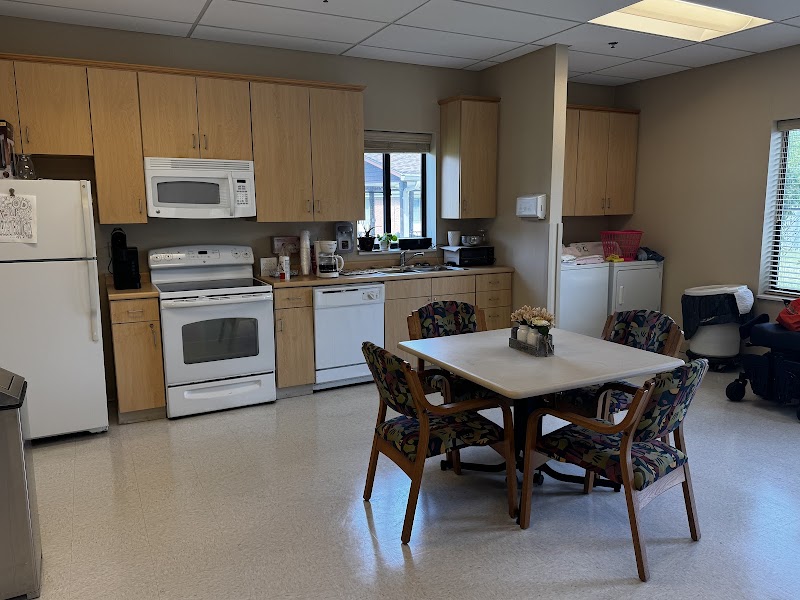
How Does Ayden Healthcare Of Piqua Compare to Other Ohio Nursing Homes?

Compared to the 100 nursing homes in Ohio, AYDEN HEALTHCARE OF PIQUA's overall rating (2 stars) is below the state average of 3.2, staff turnover (48%) is near the state average of 46%, and health inspection rating (2 stars) is below the national benchmark.

What Should Families Ask When Visiting Ayden Healthcare Of Piqua?

Based on this facility's data, families visiting should ask: "Can you walk me through typical staffing levels on day, evening, and night shifts?" "Can I visit during a mealtime to observe dining assistance and food quality?" "How do you handle medical emergencies, and what is your hospital transfer rate?" "Can I speak with family members of current residents about their experience?" These questions are particularly relevant given the below-average staffing rating.

Is Ayden Healthcare Of Piqua Safe?

Based on CMS inspection data, AYDEN HEALTHCARE OF PIQUA has a clean safety record: no substantiated abuse findings (meaning no confirmed cases of resident harm), no Immediate Jeopardy citations (the most serious violation level indicating risk of serious injury or death), and is not on the Special Focus Facility watch list (a federal program monitoring the lowest-performing 1% of nursing homes). The facility has a 2-star overall rating and ranks #100 of 100 nursing homes in Ohio. While no facility is perfect, families should still ask about staff-to-resident ratios and recent inspection results during their visit.

Do Nurses at Ayden Healthcare Of Piqua Stick Around?

AYDEN HEALTHCARE OF PIQUA has a staff turnover rate of 48%, which is about average for Ohio nursing homes (state average: 46%). Moderate turnover is common in nursing homes, but families should still ask about staff tenure and how the facility maintains care continuity when employees leave.

Was Ayden Healthcare Of Piqua Ever Fined?

AYDEN HEALTHCARE OF PIQUA has been fined $19,890 across 1 penalty action. This is below the Ohio average of $33,278. While any fine indicates a compliance issue, fines under $50,000 are relatively common and typically reflect isolated problems that were subsequently corrected. Families should ask what specific issues led to these fines and confirm they've been resolved.

Is Ayden Healthcare Of Piqua on Any Federal Watch List?

AYDEN HEALTHCARE OF PIQUA is not on any federal watch list. The most significant is the Special Focus Facility (SFF) program, which identifies the bottom 1% of nursing homes nationally based on persistent, serious quality problems. Not being on this list means the facility has avoided the pattern of deficiencies that triggers enhanced federal oversight. This is a positive indicator, though families should still review the facility's inspection history directly.