COUNTRY LANE GARDENS REHAB & NURSING CTR
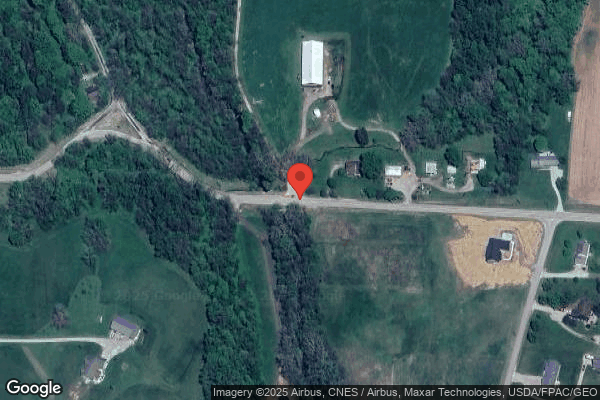
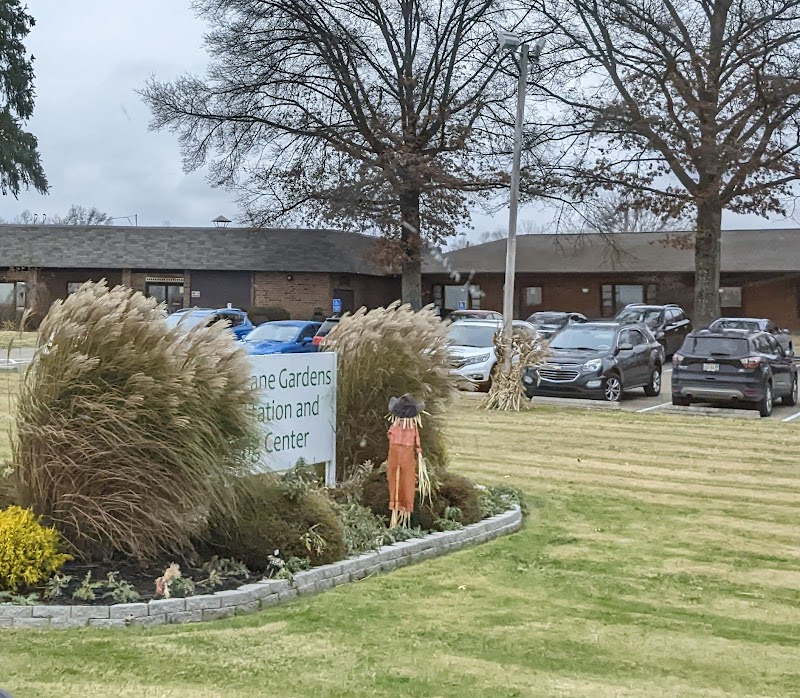
7820 PLEASANTVILLE ROAD, PLEASANTVILLE, OH 43148 (740) 536-7381
For profit - Corporation 99 Beds EPHRAM LAHASKY Data: November 2025 2 Immediate Jeopardy citations
Trust Grade
0/100
#649 of 913 in OH
Last Inspection: July 2024

Within standard 12-15 month inspection cycle. Federal law requires annual inspections.

Overview

Country Lane Gardens Rehab & Nursing Center has received a Trust Grade of F, indicating significant concerns and a poor overall performance. Ranked #649 out of 913 facilities in Ohio and #8 out of 9 in Fairfield County, they are in the bottom half of both assessments, indicating limited local options. The facility is showing an improving trend, having reduced reported issues from 22 in 2024 to 10 in 2025, but still has a troubling history with 87 total deficiencies, including critical incidents of malnutrition and inadequate supervision leading to resident elopement. Staffing is a relative strength, with a turnover rate of 34%, below the state average, but the facility has incurred $74,122 in fines, which is concerning as it surpasses those of 87% of Ohio facilities. While the RN coverage is average, a notable incident involved a resident suffering significant weight loss due to a lack of nutritional support, and another incident involved a resident eloping from the facility, highlighting serious safety and care issues.

Trust Score
F
0/100
In Ohio
#649/913
Bottom 29%
Safety Record
High Risk
Review needed
Inspections
Getting Better
22 → 10 violations
Staff Stability
○ Average
34% turnover. Near Ohio's 48% average. Typical for the industry.
Penalties
○ Average
$74,122 in fines. Higher than 73% of Ohio facilities. Some compliance issues.
Skilled Nurses
⚠ Watch
Each resident gets only 24 minutes of Registered Nurse (RN) attention daily — below average for Ohio. Fewer RN minutes means fewer trained eyes watching for problems.
Violations
⚠ Watch
87 deficiencies on record. Higher than average. Multiple issues found across inspections.
★★☆☆☆
2.0
Overall Rating
★★☆☆☆
2.0
Staff Levels
★★★★★
5.0
Care Quality
★☆☆☆☆
1.0
Inspection Score
Stable
2024: 22 issues
2025: 10 issues

The Good

  • 5-Star Quality Measures · Strong clinical quality outcomes
  • Full Sprinkler Coverage · Fire safety systems throughout facility
  • No fines on record
  • Staff turnover below average (34%)

    14 points below Ohio average of 48%

Facility shows strength in quality measures, fire safety.

The Bad

2-Star Overall Rating

Below Ohio average (3.2)

Below average - review inspection findings carefully

Staff Turnover: 34%

12pts below Ohio avg (46%)

Typical for the industry

Federal Fines: $74,122

Well above median ($33,413)

Moderate penalties - review what triggered them

Chain: EPHRAM LAHASKY

Part of a multi-facility chain

Ask about local staffing decisions and management

The Ugly 87 deficiencies on record

2 life-threatening 1 actual harm
Aug 2025 2 deficiencies
CONCERN (D) 📢 Someone Reported This

A family member, employee, or ombudsman was alarmed enough to file a formal complaint

Potential for Harm - no one hurt, but risky conditions existed

Notification of Changes (Tag F0580)

Could have caused harm · This affected 1 resident

**NOTE- TERMS IN BRACKETS HAVE BEEN EDITED TO PROTECT CONFIDENTIALITY** Based on review of the medical record, policy review, and interview, the facility failed to notify physician and family of abnor...

Read full inspector narrative →
**NOTE- TERMS IN BRACKETS HAVE BEEN EDITED TO PROTECT CONFIDENTIALITY** Based on review of the medical record, policy review, and interview, the facility failed to notify physician and family of abnormal radiology results. This affected one resident (#14) of three residents reviewed for notification. The facility census was 89.Findings Include:Record review revealed Resident #14 was admitted to the facility on [DATE] with diagnoses including end stage renal disease, heart failure, and other toxic encephalopathy.Review of an admission minimum data set (MDS) assessment dated [DATE] revealed Resident #14's cognition remained intact, and she had no behaviors.Review of nursing notes from 07/25/25 through 07/27/25 revealed no documented evidence of Resident #14 having a fall or being lowered to the ground.Review of a staff statement dated 07/27/25 by certified nurse aide (CNA) #140 revealed after Resident #14 finished using the bathroom, she stood up but was having trouble standing from the low toilet. CNA #140 helped Resident #14 up and the resident was standing very well while her pants were pulled up. After pants were up, Resident #14 became unstable and CNA #140 instructed her to sit back on the toilet but the resident began to fall. CNA #140 guided Resident #14 to the floor. CNA #140 pulled the call light and CNA #133 came in. CNA #133 stated the resident needed to get up, so CNA #140 and #133 got Resident #14 up and the resident did really well walking to bed. Resident #14 denied pain while walking but once in bed stated she may have hurt her foot. CNA #140 let the nurse know and asked when vitals should be taken. CNA #140 stated the nurse did not seem to care and went on a break.Review of a nursing note dated 07/28/25 at 7:08 P.M. by licensed practical nurse (LPN) #103 revealed Resident #14's physician gave new orders for a left ankle x-ray related to pain, a mobile x-ray company was called, and all parties were aware.Review of a nursing note dated 07/29/25 at 3:46 P.M. by LPN #105 revealed the note was a late entry for 07/26/25 at 6:20 P.M. LPN #105 was informed by Resident #14's spouse he took her to the bathroom and Resident #14 became dizzy so he put the wheelchair under her. Resident #14 was denying pain.Review of an order dated 07/29/25 revealed Resident #14 needed an orthopedic appointment due to left ankle fracture. An additional order dated 07/29/25 revealed Resident #14's left ankle/foot was to be wrapped with ace wrap and she was non-weight bearing for left ankle fracture.Review of an x-ray dated 07/29/25 revealed Resident #14 had an acute, minimally displaced fracture at the distal fibula with adjacent soft tissue swelling.Interview on 08/13/25 at 11:10 A.M. with Resident #14 and the resident's spouse revealed the resident was not made aware of the abnormal x-ray results until an aide let it slip to her. Resident #14's spouse could not recall if he was notified.Interview on 08/13/25 at 2:03 P.M. with the Administrator confirmed there was no evidence Resident #14, or her family were notified of the abnormal X-ray results. The Administrator verified there was no documented evidence Resident #14's physician was notified of the resident's fall on 07/26/25 with subsequent complaints of pain.Review of a policy titled Change in Condition (undated) revealed the nurse will notify physician when there has been an accident or incident involving the resident, discovery of injuries of an unknown source, or other change in condition. Prior to notifying the physician, the nurse will make detailed observations and gather relevant information and pertinent information for the provider. Unless otherwise instructed by the residents, a nurse will notify the resident's representative when there is a significant change in the resident's physical, mental or psychosocial status.This deficiency represents non-compliance investigated under Complaint Number 2583218.
CONCERN (D) 📢 Someone Reported This

A family member, employee, or ombudsman was alarmed enough to file a formal complaint

Potential for Harm - no one hurt, but risky conditions existed

Quality of Care (Tag F0684)

Could have caused harm · This affected 1 resident

**NOTE- TERMS IN BRACKETS HAVE BEEN EDITED TO PROTECT CONFIDENTIALITY** Based on closed medical record review, policy review and interview, the facility failed to provide timely diagnostic services an...

Read full inspector narrative →
**NOTE- TERMS IN BRACKETS HAVE BEEN EDITED TO PROTECT CONFIDENTIALITY** Based on closed medical record review, policy review and interview, the facility failed to provide timely diagnostic services and treatment when Resident #14 complained of pain to her ankle after a fall. This affected one resident (#14) of three residents reviewed for change in condition. The facility census was 89. Findings include:Record review revealed Resident #14 was admitted to the facility on [DATE] with diagnoses including end stage renal disease, heart failure, and other toxic encephalopathy. The resident was discharged from the facility on 08/01/25. Review of a care plan dated 07/14/25 revealed Resident #14 was at risk for falls, goals included to be free of minor injuries and major injuries during her stay. Interventions included but were not limited to anticipate and meet resident's needs, call light in reach, education on safety reminders and what to do if a fall occurs, ensure proper footwear, and therapy as needed.Review of an admission Minimum Data Set (MDS) assessment dated [DATE] revealed Resident #14's cognition remained intact, and she had no behaviors.Review of nursing notes from 07/25/25 through 07/27/25 revealed no documented evidence Resident #14 had a fall or was lowered to the ground during this time period.Review of a skilled nursing note dated 07/25/25 at 12:26 A.M. by Licensed Practical Nurse (LPN) #101 revealed Resident #14's pain level was 0 (1-10 pain scale).Review of a skilled nursing note dated 07/25/25 at 11:16 P.M. by LPN #107 revealed Resident #14 had a pain level of 0 (1-10 pain scale).Review of the medication administration record (MAR) for 07/2025 revealed Resident #14 had a physician order for tramadol (narcotic pain medication) oral tablet 50 milligrams (mg) give 50 mg by mouth every eight hours as needed for pain starting on 07/21/25. Resident #14 received this medication on 07/27/25 at 6:35 A.M. for a pain level of five (5) (on a 1-10 pain scale with 10 being the most severe pain) and again on 07/27/25 at 5:30 P.M. for a pain level of six (6) (1-10 pain scale).However, there was no evidence comprehensive assessments of the resident's pain to include location, quality, intensity, onset, duration, aggravating/alleviating factor were completed on 07/27/25 related to the use of the as needed narcotic pain medication. Review of a skilled nursing note dated 07/27/25 at 11:05 P.M. by LPN #107 revealed Resident #14 had a pain level of two (2) (1-10 pain scale).Review of a staff statement dated 07/27/25 by (CNA) #140 revealed after Resident #14 finished using the bathroom on 07/26/25, she stood up but was having trouble standing from the low toilet. CNA #140 helped Resident #14 up and the resident was standing very well while her pants were pulled up. After her pants were up, Resident #14 became unstable, and CNA #140 instructed the resident to sit back on the toilet but the resident began to fall. The statement included CNA #140 guided Resident #14 to the floor, CNA #140 pulled the call light and CNA #133 came in. CNA #133 stated the resident needed to get up, so CNA #140 and #133 got Resident #14 up and (per the statement) the resident did really well walking to bed. Resident #14 denied pain while walking but once in bed stated she may have hurt her foot. The statement included the CNA #140 let the nurse know and asked the nurse when vitals should be taken. CNA #140 stated the nurse did not seem to care and went on a break. (The statement did not specify which nurse the incident was reported to.) Review of Resident #14's medical record revealed no written documentation/evidence the resident was lowered to the floor during a transfer on 07/26/25. Review of a nursing note dated 07/28/25 at 7:08 P.M. by LPN #103 revealed Resident #14's physician gave new orders for a left ankle x-ray related to pain, a mobile x-ray company was called, and all parties were aware. Review of the MAR for 07/2025 revealed Resident #14 received tramadol oral tablet 50 milligrams (mg) on 07/29/25 at 12:48 A.M. for a pain level of four (4) (1-10 pain scale). Review of the MAR for 07/2025 revealed Resident #14 received tramadol oral tablet 50 milligrams (mg) on 07/29/25 at 11:34 P.M. for a pain level of three (3) (1-10 pain scale).However, there was no evidence comprehensive assessments of the resident's pain to include location, quality, intensity, onset, duration, aggravating/alleviating factor were completed on 07/29/25 related to the use of the as needed narcotic pain medication. Review of a nursing note dated 07/29/25 at 3:46 P.M. by LPN #105 revealed the note was a late entry for 07/26/25 at 6:20 P.M. when LPN #105 was informed by Resident #14's spouse he took her to the bathroom and Resident #14 became dizzy so he put the wheelchair under her. The late entry note revealed Resident #14 denied pain. Review of an x-ray report dated 07/29/25 revealed Resident #14 had an acute, minimally displaced fracture at the distal fibula with adjacent soft tissue swelling. Review of an order dated 07/29/25 revealed Resident #14 needed an orthopedic appointment due to left ankle fracture. An additional order dated 07/29/25 revealed Resident #14's left ankle/foot was to be wrapped with an ace wrap and she was non-weight bearing for left ankle fracture. There was nothing documented in the resident's medical record and nurse's notes related to this order. Review of a skilled nursing note dated 07/30/25 at 6:58 A.M. by Registered Nurse (RN) #113 revealed Resident #14 had a pain level of seven (7) (1-10 scale) in her right arm and left foot. Review of a nursing note dated 07/30/25 at 6:00 P.M. by LPN #118 revealed Resident #14 returned from an orthopedic appointment with an air cast to her left foot. Review of a statement dated 07/30/25 by LPN #118 revealed Resident #14 stated her husband had her get up out of bed to go to the bathroom, got to the doorway of the bathroom, they did not bring the wheelchair with them so her husband left her standing to go get the wheelchair but he did not make it back fast enough so Resident #14 fell back before he reached her, twisted left and fell to the floor. Resident #14 stated she fell two more times throughout the night trying to stand up from her commode and the aides helped her back up and into bed. The statement did not specify the date the incident occurred. Review of an orthopedic consult note dated 07/30/25 revealed Resident #14 had a fall on 07/27/25 (the resident's nursing home record indicated the resident had fallen on 07/26/25) and had immediate left ankle pain. Resident #14 had mild swelling, and tenderness to palpation along the lateral aspect of the ankle at the lateral malleolus. An x-ray completed in office revealed a nondisplaced [NAME] B ankle fracture and (the resident) should be weightbearing as tolerated in a high tide walking boot with a follow up in two weeks to evaluate if weightbearing caused any displacement.Review of an order dated 07/31/25 revealed Resident #14 was to wear an air cast to her left foot. Interview on 08/13/25 at 10:25 A.M. with LPN #105 revealed Resident #14 had an ankle fracture and a couple stories had been told. LPN #105 stated Resident #14's spouse stated he was walking her to the bathroom and pulling the wheelchair when she got dizzy and light-headed so she sat down. Then, Resident #14's spouse told her Resident #14 fell in the bathroom and got her foot stuck between the toilet and the wall. LPN #105 stated she did not hear about ankle pain until her next shift. LPN #105 stated when she went to speak to Resident #14, she was eating and said she was fine and had no pain. LPN #105 stated she educated Resident #14's spouse not to transfer resident without assistance and he responded he would do what he wanted. LPN #105 could not recall specific dates.Interview on 08/13/25 at 11:10 A.M. with Resident #14 and her spouse revealed she had fallen and broken her ankle while she had resided in the facility. Resident #14 revealed staff knew she had fallen and did not need to notify her spouse since he was present. Resident #14 stated they took a while to get an x-ray and no one notified her of the results, but the aide accidentally told her. Her spouse could not recall if he was notified.Interview on 08/13/25 at 1:12 P.M. with CNA #122 revealed Resident #14 told her about a fall she had and her ankle was hurting. CNA #122 stated Resident #14 thought her ankle was sprained. CNA #122 stated she reported to the nurse but could not recall which nurse. CNA #122 stated the nurse had told her since it happened on nightshift, nightshift needed to be the one to enter the fall assessment. CNA #122 stated Resident #14 was not crying but stated it did hurt pretty bad. CNA #122 could not recall the exact date the resident had told her about this.Interview on 08/13/25 at 1:15 P.M. with CNA #125 revealed Resident #14 informed her she had a fall and it was also passed along in report. Resident #14 stated she had fallen and hurt her foot but did not mention how. CNA #125 stated Resident #14 did not specify how much pain she had, just that it hurt. CNA #125 stated she reported the resident complaints to the nurse (unable to recall which nurse), and the nurse stated she would let the doctor know. CNA #125 could not recall which day this occurred.Interview on 08/13/25 at 1:19 P.M. with CNA #130 revealed Resident #14 stated her left ankle was hurting her and she had reported she had a fall on 07/26/25. Resident #14 did not provide details of the fall. CNA #130 stated Resident #14 told her she had multiple falls, and her foot and ankle were hurting. CNA #130 stated Resident #14 appeared to be in pain because every time staff touched her leg or went to move her, she would grimace. Resident #14 reported it was a sharp pain, like she sprained the ankle. CNA #130 stated she reported to LPN #107 who stated she was aware, and the dayshift nurse would have to take care of it.Multiple attempts were made to contact LPN #107 and were unsuccessful.Interview on 08/13/25 at 1:27 P.M. with CNA #133 revealed he recalled Resident #14 had been lowered to the floor by her spouse around 6:30-7:00 P.M. on either Friday (07/25/25) or Saturday (07/26/25) and he let the nurse know. CNA #133 stated he assisted in getting Resident #14 up prior to the nurse coming since her husband had already started to pick her up. CNA #133 stated Resident #14 did not complain of pain until later in the night. Resident #14 had a scrape to one of her legs below the knee from her wheelchair and complained of pain in the ankle. CNA #133 stated he told LPN #105 about the incident who went to Resident #14's room immediately.Interview on 08/13/25 at 2:03 P.M. with the Administrator confirmed there were no nursing notes (from 07/25/27- 07/27/25) related to falls or pain for Resident #14 until the x-ray was ordered (07/28/25). The x-ray note only indicated it was due to pain and no information about why the new onset of pain was occurring. The Administrator confirmed a late-entry note dated 07/29/25 for the date of 07/26/25 entered by LPN #105 revealed Resident #14 had a fall 07/26/25, after the note regarding the x-ray was entered. The Administrator confirmed the x-ray results were not in the nursing notes.Interview on 08/14/25 at 6:32 A.M. with CNA #140 revealed she was aware of several falls occurring for Resident #14. CNA #140 stated upon the beginning of their shift Saturday night (07/26/25) CNA #133 told her Resident #14 had a fall with her husband. CNA #140 stated when she saw Resident #14, she had complained of pain in her left foot. CNA #140 stated Resident #14 had another fall around 3:00 A.M. and when asked for assistance, CNA #133 came in to help her and they just lifted Resident #14 off the ground prior to any vitals or assessment being completed. CNA #140 stated this was confusing to her because other facilities she worked at followed protocol, like waiting for the nurse to assess the resident and take vitals. CNA #140 stated there was also a third fall later in the morning. CNA #140 stated Resident #14 was complaining of pain throughout the night. CNA #140 stated she wrote a statement and took a picture of it because she was told they (staff statements) usually go missing. CNA #140 stated her statement did not have many details because she was afraid of retaliation and her coworkers treating her poorly.Review of a policy titled Change in Condition dated 12/2016 revealed the nurse would notify the physician when there has been an accident or incident involving the resident, discovery of injuries of an unknown source, or other change in condition. Prior to notifying the physician, the nurse would make detailed observations and gather relevant information and pertinent information for the provider.This deficiency represents non-compliance investigated under Complaint Number 2583218
Jul 2025 3 deficiencies
CONCERN (D) 📢 Someone Reported This

A family member, employee, or ombudsman was alarmed enough to file a formal complaint

Potential for Harm - no one hurt, but risky conditions existed

Deficiency F0578 (Tag F0578)

Could have caused harm · This affected 1 resident

**NOTE- TERMS IN BRACKETS HAVE BEEN EDITED TO PROTECT CONFIDENTIALITY** Based on medical record review, staff interview, non-facility staff interview, and facility policy review, the facility failed t...

Read full inspector narrative →
**NOTE- TERMS IN BRACKETS HAVE BEEN EDITED TO PROTECT CONFIDENTIALITY** Based on medical record review, staff interview, non-facility staff interview, and facility policy review, the facility failed to ensure accurate/clear advanced directives were in place at the time of a resident's death. This affected one, (Resident #90), of three resident reviewed for advanced directives. The census was 88. Findings Include: Resident #90 was admitted to the facility on [DATE]. His diagnoses were encephalopathy, waldenstrom macroglobulinemia, atrial fibrillation, dementia, dysphagia, schizophrenia, hypertension, anemia, catatonic disorder, restlessness and agitation, encounter for palliative care, hallucinations, psychosis, and colostomy status. Review of his minimum data set (MDS) assessment, dated [DATE], revealed he had a severe cognitive impairment. Review of Resident #90's physician orders found he was placed on hospice services on [DATE]. Review of Resident #90's medical records, dated [DATE] to [DATE], revealed no hospice records. There was no hospice documentation on site, including no hospice plan of care, no hospice progress notes, and no resident code status. Interview with Administrator and Director of Nursing (DON) on [DATE] at 10:30 A.M. confirmed they did not have Resident #90's hospice documentation at the facility. They confirmed hospice had not sent any of the needed documents to them. They confirmed they should have had the documents in the facility, but hospice had not sent them since he was admitted to the facility. This included his change in advanced directive, which went from full code status to do not resuscitate - comfort care arrest (DNR-CCA). They confirmed during his death incident, the facility staff was confused as to whether to perform CPR or not, due to not having the updated advance directive documentation in the facility. Interview with Licensed Practical Nurse (LPN) #101 on [DATE] at 5:01 P.M. and [DATE] at 10:56 A.M. revealed she was the nurse for Resident #90 the evening of [DATE] and early morning of [DATE]. She confirmed she was told by the out-going nurse they were waiting for an updated advance directive order for Resident #90 from hospice; they were waiting for the physician to sign the change from full code status to DNR-CCA. She confirmed they never received the the updated advance directive by the morning of [DATE], when she was informed by a Certified Nursing Assistant (CNA) that Resident #90 was without vital signs. She ensured there was nothing in the electronic medical records to contradict the existing full code status order; which she did not find. So they started CPR. While her and LPN #102 were completing CPR, hospice staff called her and told her to stop CPR due to the change in his code status that was signed by the physician. She confirmed she stopped CPR until EMS arrived; which EMS started CPR again because they did not have documented evidence of a code status change. She confirmed they did not have all the needed hospice documentation in the facility to adequately provide the care and dignity to Resident #90. Interview with LPN #102 on [DATE] 3:25 P.M. and [DATE] at 11:10 A.M. revealed she was working an adjacent hallway when she heard someone yell for assistance in Resident #90's room. She went to get the crash cart as LPN #101 checked his code status. There was nothing in the electronic medical records to dispute he was a full code status, even though they had been told it was going to be changed to a DNR-CCA the night prior. She confirmed they started CPR; she confirmed she continued chest compressions as LPN #101 took a phone call from hospice staff who stated they should stop CPR. LPN #102 confirmed she continued chest compressions and then stopped as EMS was walking into the room to take over the care of Resident #90. She confirmed there was confusion that morning because they did not know Resident #90 code status for certain, and there was no documentation in the facility to refute that it had changed from a full code to DNR-CCA. Interview with Hospice Staff #175 on [DATE] at 8:17 A.M. confirmed they received the change in advance directive status for Resident #90 on [DATE] at approximately 10:00 P.M. He confirmed he did not receive notification that the nurse practitioner had signed it until the next day. He confirmed the facility did not receive a copy of the change of code status until after Resident #90 expired. He confirmed hospice had the ability to immediately send the change of code status to the facility when he was aware the physician had signed it. Given that it was very late on a Friday night when it was signed, it was an oversight to get it sent to the facility. Review of facility Advance Directive policy, dated [DATE], revealed information about whether or not the resident has executed an advance directive shall be displayed prominently in the medical record. Changes or revocation of a directive must be submitted to the Administrator. The Administrator may require new documents if changes are extensive. The Director of Nursing Services or designee will notify the attending physician of advance directives so that appropriate orders can be documented in the resident's medical record and care plan. Review of facility Do Not Resuscitate Order policy, dated [DATE], revealed do not resuscitate orders must be signed by the resident's attending physician on the physician's order sheet maintained in the resident's medical record. A DNR order form must be completed and signed by the attending physician and resident (or resident's legal surrogate, as permitted by state law), and placed in the front of the resident's medical record. DNR orders will remain in effect until the resident (or legal surrogate) provides the facility with a signed and dated request to end the DNR order. Verbal orders to cease the DNR will be permitted when two staff members witness such request. This deficiency represents non-compliance investigated under Complaint Number OH00166766.
CONCERN (D) 📢 Someone Reported This

A family member, employee, or ombudsman was alarmed enough to file a formal complaint

Potential for Harm - no one hurt, but risky conditions existed

Medical Records (Tag F0842)

Could have caused harm · This affected 1 resident

**NOTE- TERMS IN BRACKETS HAVE BEEN EDITED TO PROTECT CONFIDENTIALITY** Based on medical record review, staff interview, non-facility staff interview, and facility policy review, the facility failed t...

Read full inspector narrative →
**NOTE- TERMS IN BRACKETS HAVE BEEN EDITED TO PROTECT CONFIDENTIALITY** Based on medical record review, staff interview, non-facility staff interview, and facility policy review, the facility failed to ensure all resident medical records were complete. This affected one (Resident #90) of three resident medical records reviewed. The census was 88. Findings Include: Resident #90 was admitted to the facility on [DATE]. His diagnoses were encephalopathy, waldenstrom macroglobulinemia, atrial fibrillation, dementia, dysphagia, schizophrenia, hypertension, anemia, catatonic disorder, restlessness and agitation, encounter for palliative care, hallucinations, psychosis, and colostomy status. Review of his minimum data set (MDS) assessment, dated [DATE], revealed he had a severe cognitive impairment. Review of Resident #90 progress notes, dated [DATE], revealed two notes that stated, expired and body released to funeral home. There was no documentation in any portion of his medical record to explain how he expired, what happened prior to his expiration, and what was done (if anything) to provide life sustaining measures. Interview with Administrator and Director of Nursing (DON) on [DATE] at 10:30 A.M. confirmed there was no documentation to explain or describe the incident/death on [DATE] to Resident #90. They confirmed there should have been a full description of what happened prior, during, and after the incident/death. They also confirmed there should have been documentation to support what the nurse did and who she contacted. They confirmed the record did not contain the required information. Interview with Licensed Practical Nurse (LPN) #101 on [DATE] at 5:01 P.M. and [DATE] at 10:56 A.M. revealed she was the nurse for Resident #90 the evening of [DATE] and early morning of [DATE]. She confirmed she was the lead nurse for Resident #90's hallway, and was the person responsible for documenting all the aspects of the incident/death that occurred on [DATE]. She confirmed there was no documentation in Resident #90's medical record regarding the incident/death. She stated she thought she had documented it, but confirmed that it was not in his medical record as it should have been. Review of facility Change in a Resident's Condition or Status policy, dated [DATE], revealed the facility shall promptly notify the resident, his or her attending physician, and representative (sponsor) of changes in the resident's medical/mental condition and/or status. Prior to notifying the Physician or healthcare provider, the nurse will make detailed observations and gather relevant and pertinent information for the provider, including (for example) information prompted by the Interact SBAR Communication Form. The nurse will record in the resident's medical record information relative to changes in the resident's medical/mental condition or status. This deficiency represents non-compliance investigated under Complaint Number OH00166766.
CONCERN (D) 📢 Someone Reported This

A family member, employee, or ombudsman was alarmed enough to file a formal complaint

Potential for Harm - no one hurt, but risky conditions existed

Deficiency F0849 (Tag F0849)

Could have caused harm · This affected 1 resident

**NOTE- TERMS IN BRACKETS HAVE BEEN EDITED TO PROTECT CONFIDENTIALITY** Based on medical record review and staff interview, the facility failed to ensure hospice records were in the facility for full ...

Read full inspector narrative →
**NOTE- TERMS IN BRACKETS HAVE BEEN EDITED TO PROTECT CONFIDENTIALITY** Based on medical record review and staff interview, the facility failed to ensure hospice records were in the facility for full access and review. This affected one, (Resident #90), of one resident reviewed for hospice services. The census was 88. Findings Include: Resident #90 was admitted to the facility on [DATE]. His diagnoses were encephalopathy, waldenstrom macroglobulinemia, atrial fibrillation, dementia, dysphagia, schizophrenia, hypertension, anemia, catatonic disorder, restlessness and agitation, encounter for palliative care, hallucinations, psychosis, and colostomy status. Review of his minimum data set (MDS) assessment, dated 04/22/25, revealed he had a severe cognitive impairment. Review of Resident #90's physician orders found he was placed on hospice services on 05/01/25. Review of Resident #90's medical records, dated 05/01/25 to 05/10/25, revealed no hospice records were included in the record. There was no hospice documentation on site, including no hospice plan of care, no hospice progress notes, and no resident code status. Interview with Administrator and Director of Nursing (DON) on 06/24/25 at 10:30 A.M. confirmed they did not have the hospice documentation for Resident #90 in the facility. They confirmed hospice had not sent any of the needed documents to them. This deficiency represents non-compliance investigated under Complaint Number OH00166766.
Jun 2025 1 deficiency 1 Harm
SERIOUS (G) 📢 Someone Reported This

A family member, employee, or ombudsman was alarmed enough to file a formal complaint

Actual Harm - a resident was hurt due to facility failures

Free from Abuse/Neglect (Tag F0600)

A resident was harmed · This affected 1 resident

**NOTE- TERMS IN BRACKETS HAVE BEEN EDITED TO PROTECT CONFIDENTIALITY** THE FOLLOWING DEFICIENCY REPRESENTS AN INCIDENT OF PAST NONCOMPLIANCE THAT WAS SUBSEQUENTLY CORRECTED PRIOR TO THIS SURVEY. Base...

Read full inspector narrative →
**NOTE- TERMS IN BRACKETS HAVE BEEN EDITED TO PROTECT CONFIDENTIALITY** THE FOLLOWING DEFICIENCY REPRESENTS AN INCIDENT OF PAST NONCOMPLIANCE THAT WAS SUBSEQUENTLY CORRECTED PRIOR TO THIS SURVEY. Based on record review, resident and staff interviews, review of the facility's Self-Reported Incident (SRI) and investigation, review of the police report, policy review, and review of the Sexual Assault Nurse Examiner (SANE) exam, the facility failed to ensure a resident was free from sexual abuse. Actual Harm occurred to Resident #71 when Resident #88 sexually assaulted Resident #71, leaving Resident #71 with internal injuries after the sexual assault and psychosocial harm when Resident #71 had significant decline in her mental condition with increased anger, depression, and scared, disclosed a history of sexual trauma, and reported flashbacks, nightmares, and increased anxiety triggered by a male resident (Resident #88). The facility census was 85. Findings include: Review of the medical record for Resident #71 revealed an admission date of 09/08/22 with diagnoses including cerebral palsy, intellectual disabilities, schizoaffective disorder bipolar type, psychosis not due to a substance or known physiological condition, major depressive disorder recurrent moderate, generalized anxiety disorder, and post-traumatic stress disorder (PTSD). Review of the quarterly Minimum Data Set (MDS) 3.0 assessment dated [DATE] revealed Resident #71 had intact cognition. Resident #71 had moderate symptoms of depression, and verbal behavioral symptoms were noted one to three days during the look-back period. Resident #71 required extensive to total assistance from staff with most activities of daily living, including hygiene, dressing, toileting, and transfers. Review of the care plan for Resident #71 revealed she has a past traumatic event of exposure to sexual assault (rape/attempted rape/made to perform any type of sexual act through for or threat of harm/other unwanted or uncomfortable sexual experiences). Interventions included monitoring for residual emotional effects Review of the progress notes revealed on 05/08/25 at 12:41 P.M., Resident #71 reported to Certified Nursing Assistant (CNA) #115 that a male resident (Resident #88) had sexually assaulted her. The nurse immediately assessed Resident #71, who confirmed the allegation, stating the male resident had touched her inappropriately and against her will. A CNA remained with Resident #71 while the nurse reported the incident to facility management. The social services note dated 05/08/25 at 1:00 P.M. revealed Resident #71 stated she felt safe in the facility, especially knowing the male resident (#88) was placed on one-on-one supervision. She expressed fear about being transferred to another facility, as she had lived there for over 20 years. She was resting comfortably, watching television, and was aware that emergency medical services (EMS) would arrive soon to transport her to the hospital per her request. The progress note dated 05/08/25 at 3:20 P.M. revealed Resident #71 was transferred to the hospital for a sexual assault kit and further evaluation. The progress note dated 05/08/25 at 9:55 P.M. revealed Resident #71 returned from the hospital and was transferred to bed with staff assistance. The resident was crying, requested as needed anxiety medication, and expressed fear about the male resident (#88) still being in the facility. She stated she never wanted to see him again. Review of the facilities SRI control number 260173 dated 05/08/25 revealed Resident #71 alleged a male resident (#88) touched her inappropriately and wanted it reported to the police. Resident #71 reported Resident #88 had attempted to put his hand under her shirt and had touched her genital area. Resident #88 denied the incident occurred. Review of the police report for Resident #71 dated 05/08/25 revealed the related offense was gross sexual imposition of substantial impairment. Resident #88 (alleged assailant) denied anything happened then stated he went into Resident #71's room to just talk. Resident #88 stated that he would never do anything like that, knowing Resident #71's condition (unable to move from her waste down). Resident #88 stated that this was his second time he has been accused of this. Resident #71 stated Resident #88 came into her room asking for a relationship with her and Resident #71 did not know what that meant. Resident #88 stuck his fingers in her vagina and then groped her breast. Resident #71 told Resident #88 no but Resident #88 continued to do it anyway. Resident #71 began to cry and stated she shouldn't have to feel scared living in her home because of this incident. Review of the SANE exam conducted on 05/08/25 for Resident #71 (State Survey Agency received on 06/06/25) revealed there was vaginal penetration by assailant's fingers completed by direct visualization from the examiner. There were mild abrasions showed with Toluidine blue dye application (a diagnostic tool used to highlight microscopic tears or abrasions on the genital or anal areas that may not be visible to the naked eye). Resident #71 reported in the examination that she was lying in her bed in her room between 7:00 A.M. and 8:00 A.M. Resident #71 stated she was eating a bagel with cream cheese and Resident #88 entered her room and they were talking. Resident #88 stated 'I would like to do some stuff with you' and wanted Resident #71 to date Resident #88. Resident #71 responded maybe we will just watch television or something. Resident #71's roommate was in the room sleeping and Resident #71 didn't want to interrupt her roommate's sleep. Resident #71 told Resident #88 that they cannot do anything as her was roommate was sleeping and Resident #71 did not feel well and was not going to get out of bed that day. Resident #88 stated to Resident #71 that she did not have to get up and Resident #88 will return to her room later. Resident #71 felt better after she ate and Resident #88 returned to her room. Resident #71's roommate was not in the room and staff were also not in her room. Resident #88 asked Resident #71 if she was feeling better and Resident #88 replied that she was feeling better. Resident #88 stated Resident #71's roommate was not in the room so they can be alone now. Resident #88 proceeded to put his hands down Resident #71's adult brief and put his fingers in Resident #77's vagina. Resident #71 said Ouch, that hurts, stop that. I don't like that.Resident #88 stopped after that. A CNA (#115) walked into Resident #71's room and saw Resident #88's chair and said get out of the room. The CNA asked Resident #71 how long Resident #88 was in her room. Resident #71 was unable to see her clock and couldn not state how long Resident #88 was in her room. The CNA said it was 45 minutes when she was last in Resident #88's room. The CNA said Resident #88 has been doing this to all the women, and told Resident #71 she needed to press charges. The police came to the facility and Resident #71 talked to the police to press charges and then the police brought Resident #71 to the hospital for a sexual assault kit. The social services note dated 05/09/25 revealed Resident #71 agreed to resume counseling services. Review of psychiatric progress notes revealed on 05/06/25, Resident #71 reported a good mood with no signs of depression, anxiety, psychosis, or suicidal ideation. However, following a SRI incident, the 05/20/25 the progress note documented a significant decline in her condition-she described feeling angry, depressed, and scared, disclosed a history of sexual trauma, and reported flashbacks, nightmares, and increased anxiety triggered by a male resident. A treatment plan was developed, and she agreed to initiate low-dose Ativan (treats anxiety) and Prazosin (treats PTSD-associated nightmares). By 06/03/25, her symptoms had improved; she described her mood as good, denied depression, anxiety, or hallucinations, and noted that scheduled Ativan had reduced her anxiety. Staff also observed an improved mood, reduced anxiety, and continued medication compliance with no signs of psychosis or worsening symptoms. Prior interview on 05/19/25 at 2:52 P.M. with Resident #71 reported Resident #88 came into her room just to talk initially then began to touch her breast and told Resident #88 to stop and didn't want to be touched. Resident #88 continued to sexually abuse her and put his hands down her adult brief and Resident #71 yelled stop. A CNA (#115) came into her room and Resident #88 then stopped. Interview on 06/10/25 at 7:45 A.M. with Assistant Director of Nursing (ADON) #183 stated Resident #88 no longer resided in the facility and was transferred out on 06/02/25. Interview on 06/10/25 at 9:48 A.M. with Director of Nursing (DON) revealed Resident #88 was on one-on-one supervision after the incident until he was transferred to another facility. Interview on 06/10/25 at 10:37 A.M. with CNA #115 revealed she had been walking down the hall when she observed a wheelchair outside of Resident #71's room. CNA #115 entered the room and saw Resident #88's hand near Resident #71's waist. Resident #71 stated they were not doing anything. CNA #115 asked Resident #88 to leave Resident #71's room. Then Resident #71 reported that Resident #88 had been playing with her breast and sticking his hands down her pants. Interview on 06/10/25 at 11:08 A.M. with Resident #75 revealed she and other female residents were on edge with Resident #88 being in the building and were happy when they put him on a 24-hour watch and eventually transferred to another facility. Review of the facilities Abuse, Neglect, Exploitation, and Misappropriation of Resident Property policy dated 11/01/19 revealed sexual abuse was defined as non-consensual sexual contact of any type with a resident. As a result of the incident, the facility took the following action to correct the deficient practice by 06/02/25: • On 05/08/25, Resident #88 was placed on 1:1 supervision to prevent him from entering any rooms, • On 05/08/25, a SANE exam was completed. • On 05/08/25 a Police report was filed and investigation was ongoing as of 06/16/25. • Counseling services started with Resident #71 on 05/20/25. • Resident #88 was transferred to another facility as of 06/02/25. • All staff abuse education and resident rights training was completed on 05/29/25 and 06/02/25. This deficiency represents non-compliance investigated under Complaint Number OH00165920.
May 2025 1 deficiency
CONCERN (D) 📢 Someone Reported This

A family member, employee, or ombudsman was alarmed enough to file a formal complaint

Potential for Harm - no one hurt, but risky conditions existed

Deficiency F0740 (Tag F0740)

Could have caused harm · This affected 1 resident

**NOTE- TERMS IN BRACKETS HAVE BEEN EDITED TO PROTECT CONFIDENTIALITY** Based on interview and medical record review, the facility failed to care plan and document on Resident #43's behaviors and ensu...

Read full inspector narrative →
**NOTE- TERMS IN BRACKETS HAVE BEEN EDITED TO PROTECT CONFIDENTIALITY** Based on interview and medical record review, the facility failed to care plan and document on Resident #43's behaviors and ensure the physician or Certified Nurse Practitioner (CNP) addressed his behaviors. This affected one resident (#43) of four residents reviewed for abuse. The facility census was 90. Findings includes: Review of Resident #43's medical record revealed an admission date of 01/02/25 with diagnoses including chronic obstructive pulmonary disease, chronic heart failure, bipolar disorder, and presbyopia. Review of Resident #43's physician order dated 04/01/25 to 05/16/25 revealed an order for 15-minute checks. Review of Resident #43's progress notes dated 04/01/25 at 3:41 A.M. revealed Resident #43 was accused of sexual behaviors. Social Service Director (SSD) #168 revealed they met to discuss allegations, which Resident #43 denied. He was also educated on not entering female's rooms while they are naked. Review of Resident #43's progress note dated 04/06/25 at 3:05 P.M. revealed Resident #43 had been attempting to enter females' rooms on multiple occasions and had been caught rubbing a female residents' legs. Review of Resident #43's quarterly Minimum Data Set (MDS) 3.0 assessment dated [DATE] revealed the resident had severely impaired cognition. During one to three days of the lookback period he had physical and verbal behavioral symptoms directed towards others, and other behavioral symptoms not directed towards others. Review of Resident #43's progress note dated 04/10/25 7:08 A.M. and 04/18/25 at 1:56 A.M. revealed he experienced sexual behaviors towards another resident. Review of Resident #43's progress note dated 04/16/25 at 12:03 P.M. revealed he entered a female resident's room without permission. Review of Resident #43's physician order dated 05/08/25 revealed an order for one-on-one supervision. Review of the facilities self-reported incident (SRI) dated 05/08/25 revealed Resident #27 had accused Resident #43 of touching her inappropriately. Resident #27 reported Resident #43 had entered her room, touched her chest, put his hand inside her brief and put his fingers inside her. Resident #43 was placed on one-on-one supervision following this incident. This allegation was unsubstantiated by the facility. Review of Resident #43's medical record from 05/08/25 to 05/19/25 revealed no documentation related to the 05/08/25 incident and no documentation related to the reason for one-on-one supervision. Review of Resident #43's plan of care revealed it did not address sexual behaviors directed towards others. Review of Resident #43's progress notes from 04/01/25 to 05/18/25 revealed the physician or CNP #144 reviewed the resident on 04/01/25, 04/18/25, and 05/07/25. These notes did not indicate they were aware of the residents' behaviors and did not address them at all. Interview on 05/19/25 at 10:57 A.M. with CNP #144 revealed she was aware of Resident #43's sexual behaviors. The facility had kept her up to date on interventions they put in place. CNP #144 reported the facility stated Resident #43 declined any medications to curb sexual desires. Interview on 05/19/25 at 11:28 A.M. with Registered Nurse (RN) #133 revealed residents have told her Resident #43 asks for sexual favors. Interview on 05/19/25 at 12:27 P.M. and 1:48 P.M. with the Administrator verified the 05/08/25 allegation was not in Resident #43's medical record. She additionally verified his care plan did not address his behaviors towards other residents. The Administrator verified the physician and CNP notes did not address Resident #43's behaviors. She reported they had not attempted any medications related to his behaviors because they did not think he would take them.
Apr 2025 3 deficiencies
CONCERN (D) 📢 Someone Reported This

A family member, employee, or ombudsman was alarmed enough to file a formal complaint

Potential for Harm - no one hurt, but risky conditions existed

Report Alleged Abuse (Tag F0609)

Could have caused harm · This affected 1 resident

**NOTE- TERMS IN BRACKETS HAVE BEEN EDITED TO PROTECT CONFIDENTIALITY** Based on record review, interview, review of the Ohio Department of Health (ODH) Gateway and facility policy review, the facilit...

Read full inspector narrative →
**NOTE- TERMS IN BRACKETS HAVE BEEN EDITED TO PROTECT CONFIDENTIALITY** Based on record review, interview, review of the Ohio Department of Health (ODH) Gateway and facility policy review, the facility failed to report an allegation of resident-to-resident sexual abuse to the state agency. This affected two residents (#26 and #70) of four residents reviewed for sexual abuse. The facility census was 91. Findings include: 1. Review of the medical record for Resident #26 revealed an admission date of 01/02/25 with diagnoses including chronic obstructive pulmonary disorder, congestive heart failure, benign prostrate hypertrophy and bipolar disorder. Resident #26 was his own person with no designated power of attorney (POA). Review of the plan of care initiated on 03/24/25 revealed Resident #26 had a behavior problem as evidenced by making sexually inappropriate comments to the staff. The goal stated Resident #26 would have fewer episodes by the review date. The interventions included administering medications as ordered, anticipating and meeting resident needs, caregivers to provide opportunity for positive interaction, and attention, explaining all procedures to Resident #26 before starting and allowing time to adjust to changes, if reasonable, discuss Resident #26's behavior, and intervene as necessary to protect the rights and safety of others. Review of the progress notes revealed a note authored by Licensed Practical Nurse (LPN) #151 dated 04/01/25 at 3:41 A.M. revealed another resident reported that Resident #26 was given oral sex while in their room. Resident #26 denied any contact with the other resident and stated no penetrative or oral sex was received. The physician was notified and new orders for labs were received. The Unit Manager, Assistant Director of Nursing (ADON), and Director of Nursing (DON) were notified. Review of the medical record revealed Social Service Director (SSD) #270 completed a wellness visit with Resident #26 on 04/01/25 at 2:32 P.M. Resident #26 denied any sexual behaviors happened and no one gave him oral sex. Resident #26 was educated on safe sex practices and aware condoms would be supplied when needed. Resident #26 was provided education on not entering female resident's rooms while they were naked. Discussed best practice would be for Resident #26 to talk with female residents in the lobby area and Resident #26 agreed. Review of a note authored by SSD #270 dated 04/01/25 at 3:43 P.M. revealed Resident #26 had been given printed education as well as verbal education on sexually transmitted disease risk factors, symptoms and prevention. Resident #26 was also educated on condom use, why it was important, and the risk versus benefits of not using a condom. No issues or concerns were noted at this time. Review of the plan of care initiated on 04/01/25 revealed Resident #26 would be on every 15-minute checks for possible sexually inappropriate behavior -another resident reported oral sex. Review of the behavior assessment dated [DATE] revealed Resident #26 had socially disruptive behaviors, inappropriate sexual behaviors, agitation and irritability. Resident #26 was not a threat to self or others. A note authored by Registered Nurse (RN) #170 dated 04/06/25 at 3:05 P.M. revealed Resident #26 was attempting to get into female rooms and was currently on 15-minute checks. Resident #26 needed numerous reminders to not go into female rooms. Resident #26 attempted earlier to go into female room and this nurse educated Resident #26 once again to where he said he was not going. This nurse went into another resident room, came out and Resident #26 once again was trying to get into a female room. Resident #26 did turn around and stop; however, stated he was allowed to do what he wanted. Resident #26 was observed rubbing on a female resident's legs and was told to stop, which he did when staff was present. It was reported by other resident that Resident #26 continued to rub this particular female resident legs. This nurse reported off to on call nurse, the DON, regarding CF Review of a note authored by LPN #160 dated 04/07/25 at 10:59 A.M. revealed Resident #26 and female resident came to author to discuss sexual behaviors that have been reported. Resident #26 stated that nothing was happening between himself and the female resident, they were just friends. Resident #26 stated he did rub her leg and that was all. Discussed importance of not touching the female resident, and Resident #26 voiced understanding. Resident #26 stated if he wanted to do something, he knew where to go and wouldn't do it in his room. Review of the plan of care revealed a revision on 04/07/25 stating Resident #26 was noted to be attempting to go into another female resident's room, and rubbing another female resident's leg after the female pulled her pants legs. The goal stated Resident #26 would be monitored every 15-minute to ensure whereabouts and behaviors through the review date. The interventions included in the event of negative behavior, Resident #26 would be monitored until appropriate staff were notified, notify administrative staff in event of behaviors, provide redirection when noted to be going into other female resident rooms, report changes in behaviors that affect others to the physician and administrative staff and continue to monitor Resident #26's whereabouts and behaviors every 15 minutes. Review of a note authored by SSD #270 dated 04/09/25 at 2:25 P.M. revealed Resident #26 was educated on a behavior contract. The behavior contract was for sexual behaviors with a female resident. Resident #26 was aware he was not to have any sexual contact with the other resident per her guardian. If a violation occurred, it would lead to a 30-day discharge notice. Resident #26 voiced understanding of the contract, agreed, and signed. Review of the behavior contract signed on 04/09/25 revealed Resident #26 was not to have any sexual contact with Resident #70 per her guardian. If a violation occurred, a 30-day discharge notice would be issued. Resident #26 understood the contract, and the Ombudsman was aware. Review of a note authored by LPN #151 dated 04/10/25 at 7:08 A.M. revealed Resident #26 was observed by the Certified Nursing Assistant (CNA) kissing another resident in room B-9-B. Both were redirected successfully. Review of the quarterly Minimum Data Set (MDS) assessment dated [DATE] revealed Resident #26 had Brief Interview for Mental Status (BIMS) score of six indicating severe cognitive impairment. Resident #26 had physical and verbal behaviors and other behaviors directed towards others. Resident#26 required minimal assistance with activities of daily living (ADL), had impaired range of motion to one side of upper extremities and was mobile using a wheelchair. Resident #26 had no restraints or alarms. Review of the behavioral counseling notes dated 04/01/25, 04/08/25 and 04/15/25 revealed Resident #26 was frustrated with his current situation, was processing relationships and had inappropriate behaviors. Review of a note authored by LPN #151 dated 04/18/25 at 1:56 P.M. revealed Resident #26 was observed by other residents to have his hands in resident B-9-B pants and that resident had her legs wrapped around Resident #26. The nurse observed the residents sitting next to each other. The nurse separated the two residents successfully. 15-minute checks will continue. Review of the physician orders dated 04/25 revealed Resident #26 had an order for 15-minute checks for safety. Interview on 04/28/25 at 1:24 P.M. Resident #26 stated he did not like living at the facility because he was accused of messing with one of the ladies that live there. Resident #26 stated he did not touch the resident except when she asked him to rub her leg because she had a cramp in it. 2. Review of the medical record for Resident #70 revealed an admission date of 02/17/25 with diagnoses including anoxic brain damage, dementia, bipolar disorder, depression, anxiety, post-traumatic stress disorder, viral Hepatitis C, and opioid abuse with induced psychotic disorder. Review of the admission MDS assessment dated [DATE] revealed Resident #70 had BIMS score of 13 indicating intact cognition. Resident #70 had behaviors directed towards others and wandering. Resident #70 required set up assistance with ADL, had no impaired range of motion and ambulated per self. Resident #70 had no alarms or restraints. Review of the elopement assessment completed 02/17/25 revealed Resident #70 was a high risk for elopement. Review of the SSD admission assessment dated [DATE] revealed Resident #70 had history of depression, anxiety, adjusting to environment, wandering and inappropriate sexual behaviors. Review of the plan of care initiated on 02/18/25 and revised on 04/04/25 revealed Resident #70 had a behavior problem of yelling at others, calling them names and argumentative. The goal stated Resident #70 would have fewer episodes by the review date. Interventions included administering medications as ordered, educating the resident on successful coping and interaction strategies, explaining all procedures to Resident #70 prior to starting, and allowing her time to adjust to changes, if reasonable discuss behavior, explaining why behavior was unacceptable or inappropriate and intervene as necessary to protect the rights and safety of others. Review of the plan of care initiated on 02/18/25 and revised on 04/07/25 revealed Resident #70 could be sexually inappropriate with others per guardian and previous facility. On 04/01/25, the resident's guardian was okay with Resident #70 having one partner but not multiple. On 04/07/25, Resident #70 was noted to be pulling her pants legs up and allowing male resident to rub her legs. The goal stated Resident #70 would not display inappropriate sexual behaviors through the review date. The interventions included administering medications as ordered, behavioral health services as indicated if sexually inappropriate behaviors occurred, removing Resident #70 from the situation and place on one-to-one, monitoring for wandering into other resident rooms, notifying the administrator immediately if sexually inappropriate behavior occurred, providing safe practice information to Resident #70, and removing Resident #70 from the situation if inappropriate behavior was occurring. Review of progress notes revealed a note authored by SSD #270 dated 04/01/25 at 2:25 P.M. revealed Resident #70 was unable to sit still. Resident #70 promised she would not harm herself and confirmed she told the Nurse Practitioner she wanted to slit her wrists. Resident #70 was placed on suicide watch and sent to local emergency room for psychiatric evaluation. Resident #70 stated she gave a male resident two blow jobs and now had a sore mouth. SSD #270 educated Resident #70 on safe sex practices with oral sex and condoms would be supplied. SSD #270 discussed with Resident #70 to not have male residents in her room while she was naked, and she agreed. A note authored by SSD #270 on 04/01/25 at 2:22 P.M. revealed the SSD spoke to Resident #70's guardian about her sexual behaviors. Resident #70's guardian was okay with Resident #70 having one partner/boyfriend but not several. According to the guardian, Resident #70 had several at the previous facility, and Resident #70 had her tubes tied. The guardian wanted to keep all male residents out of Resident #70's room. A note authored by SSD #270 dated 04/01/25 at 3:46 P.M. revealed Resident #70 was provided with written education as well as verbal education on sexually transmitted disease risk factors, symptoms and prevention. Also, condom use and why it was important and the risk versus benefits of not using a condom. The centers for Disease Control and Prevention (CDC) guidelines on how to apply a condom were reviewed with Resident #70. Resident #70 was informed that condoms would be available for her use. Review of psychiatric visit note dated 04/01/25 revealed Resident #70 was currently paranoid, hyperverbal, elevated, restless and tangential. Resident #70 was sexually preoccupied and reported that she had not slept in days. Resident #70 shared she was previously a heroin addict and endorsed suicidal ideation with a plan to cut her wrists. Resident #70 was placed on one-to-one suicide watch and ordered to be sent out for evaluation. Resident #70 was unaware of current events as evidenced by age-appropriate responses to questions. Insight and judgement were grossly impaired as evidenced by age appropriate awareness of the problem, denial/blamed others and understanding cause and effect. Review of a note authored by LPN #171 dated 04/06/25 at 2:59 P.M. revealed Resident #70 was rolling up her pant legs in common areas for another resident to rub her legs. The nurse asked Resident #70 to roll her pants back down. Resident #70 rolled her pant legs down then back up when staff walked away. The guardian was notified and was okay with Resident #70 having a partner/boyfriend and did not want them separated. However, the guardian did not want the two residents to be alone together. The nurse reported the behavior to the on call nurse, the DON. Review of a note authored by LPN #160 dated 04/07/25 at 11:02 A.M. revealed Resident #70 and another male resident came to talk about sexual interactions that have been observed. Both stated nothing was going on and they were just friends. When asked about previous incidents, Resident#70 stated nothing ever occurred, and she gets cold sores on her mouth often. Review of a note authored by LPN #151 dated 04/10/25 at 7:25 A.M. revealed Resident #70 was observed kissing resident in room B-3-B, and both were redirected successfully. Review of a note authored by LPN #151 dated 04/18/25 at 2:11 A.M. revealed Resident #70 was observed by other residents to have resident from room B-3-B hands in her pants, and that Resident #70 had her legs wrapped around the male resident. The nurse observed the two residents sitting next to each other and separated them. 15-minute checks would continue. Review of a note authored by LPN #265 dated 04/21/25 at 1:12 P.M. revealed Resident #70's guardian gave consent for room change. Interview on 04/28/25 at 1:12 P.M. Resident #70 denied any sexual behavior or interactions between her and Resident #26 or anyone else at the facility. Review of the ODH Gateway revealed there was not a self-reported incident (SRI) submitted to state agency related to sexual inappropriate behaviors between Residents #26 and #70. Interview with the DON, Regional Nurse, Administrator and Regional Administrator on 04/28/25 at 2:40 P.M. revealed the facility moved Resident #70 to the secure unit for her safety and best interest. Interview with the Administrator 04/29/25 at 12:35 P.M. verified the facility did not complete an SRI into the sexual abuse allegation between Resident #26 and Resident #70. Review of the facility policy titled Abuse, Neglect, Exploitation and Misappropriation of resident property, dated 11/01/19, revealed the Administrator or his/her designee will notify ODH of all alleged violations involving Abuse, Neglect, Exploitation, Mistreatment of a resident, ad soon as possible, but in no event later than 24 hours from the time of the incident/allegation was made known to a staff member. This deficiency represents non-compliance investigated under Complaint Number OH00165092.
CONCERN (D) 📢 Someone Reported This

A family member, employee, or ombudsman was alarmed enough to file a formal complaint

Potential for Harm - no one hurt, but risky conditions existed

Investigate Abuse (Tag F0610)

Could have caused harm · This affected 1 resident

**NOTE- TERMS IN BRACKETS HAVE BEEN EDITED TO PROTECT CONFIDENTIALITY** Based on record review, interview, and facility policy review, the facility failed to thoroughly investigate an allegation of re...

Read full inspector narrative →
**NOTE- TERMS IN BRACKETS HAVE BEEN EDITED TO PROTECT CONFIDENTIALITY** Based on record review, interview, and facility policy review, the facility failed to thoroughly investigate an allegation of resident-to-resident sexual abuse. This affected two residents (#26 and #70) of four residents reviewed for sexual abuse. The facility census was 91. Findings include: 1. Review of the medical record for Resident #26 revealed an admission date of 01/02/25 with diagnoses including chronic obstructive pulmonary disorder, congestive heart failure, benign prostrate hypertrophy and bipolar disorder. Resident #26 was his own person with no designated power of attorney (POA). Review of the plan of care initiated on 03/24/25 revealed Resident #26 had a behavior problem as evidenced by making sexually inappropriate comments to the staff. The goal stated Resident #26 would have fewer episodes by the review date. The interventions included administering medications as ordered, anticipating and meeting resident needs, caregivers to provide opportunity for positive interaction, and attention, explaining all procedures to Resident #26 before starting and allowing time to adjust to changes, if reasonable, discuss Resident #26's behavior, and intervene as necessary to protect the rights and safety of others. Review of the progress notes revealed a note authored by Licensed Practical Nurse (LPN) #151 dated 04/01/25 at 3:41 A.M. revealed another resident reported that Resident #26 was given oral sex while in their room. Resident #26 denied any contact with the other resident and stated no penetrative or oral sex was received. The physician was notified and new orders for labs were received. The Unit Manager, Assistant Director of Nursing (ADON), and Director of Nursing (DON) were notified. Review of the medical record revealed Social Service Director (SSD) #270 completed a wellness visit with Resident #26 on 04/01/25 at 2:32 P.M. Resident #26 denied any sexual behaviors happened and no one gave him oral sex. Resident #26 was educated on safe sex practices and aware condoms would be supplied when needed. Resident #26 was provided education on not entering female resident's rooms while they were naked. Discussed best practice would be for Resident #26 to talk with female residents in the lobby area and Resident #26 agreed. Review of a note authored by SSD #270 dated 04/01/25 at 3:43 P.M. revealed Resident #26 had been given printed education as well as verbal education on sexually transmitted disease risk factors, symptoms and prevention. Resident #26 was also educated on condom use, why it was important, and the risk versus benefits of not using a condom. No issues or concerns were noted at this time. Review of the plan of care initiated on 04/01/25 revealed Resident #26 would be on every 15-minute checks for possible sexually inappropriate behavior -another resident reported oral sex. Review of the behavior assessment dated [DATE] revealed Resident #26 had socially disruptive behaviors, inappropriate sexual behaviors, agitation and irritability. Resident #26 was not a threat to self or others. A note authored by Registered Nurse (RN) #170 dated 04/06/25 at 3:05 P.M. revealed Resident #26 was attempting to get into female rooms and was currently on 15-minute checks. Resident #26 needed numerous reminders to not go into female rooms. Resident #26 attempted earlier to go into female room and this nurse educated Resident #26 once again to where he said he was not going. This nurse went into another resident room, came out and Resident #26 once again was trying to get into a female room. Resident #26 did turn around and stop; however, stated he was allowed to do what he wanted. Resident #26 was observed rubbing on a female resident's legs and was told to stop, which he did when staff was present. It was reported by other resident that Resident #26 continued to rub this particular female resident legs. This nurse reported off to on call nurse, the DON, regarding CF Review of a note authored by LPN #160 dated 04/07/25 at 10:59 A.M. revealed Resident #26 and female resident came to author to discuss sexual behaviors that have been reported. Resident #26 stated that nothing was happening between himself and the female resident, they were just friends. Resident #26 stated he did rub her leg and that was all. Discussed importance of not touching the female resident, and Resident #26 voiced understanding. Resident #26 stated if he wanted to do something, he knew where to go and wouldn't do it in his room. Review of the plan of care revealed a revision on 04/07/25 stating Resident #26 was noted to be attempting to go into another female resident's room, and rubbing another female resident's leg after the female pulled her pants legs. The goal stated Resident #26 would be monitored every 15-minute to ensure whereabouts and behaviors through the review date. The interventions included in the event of negative behavior, Resident #26 would be monitored until appropriate staff were notified, notify administrative staff in event of behaviors, provide redirection when noted to be going into other female resident rooms, report changes in behaviors that affect others to the physician and administrative staff and continue to monitor Resident #26's whereabouts and behaviors every 15 minutes. Review of a note authored by SSD #270 dated 04/09/25 at 2:25 P.M. revealed Resident #26 was educated on a behavior contract. The behavior contract was for sexual behaviors with a female resident. Resident #26 was aware he was not to have any sexual contact with the other resident per her guardian. If a violation occurred, it would lead to a 30-day discharge notice. Resident #26 voiced understanding of the contract, agreed, and signed. Review of the behavior contract signed on 04/09/25 revealed Resident #26 was not to have any sexual contact with Resident #70 per her guardian. If a violation occurred, a 30-day discharge notice would be issued. Resident #26 understood the contract, and the Ombudsman was aware. Review of a note authored by LPN #151 dated 04/10/25 at 7:08 A.M. revealed Resident #26 was observed by the Certified Nursing Assistant (CNA) kissing another resident in room B-9-B. Both were redirected successfully. Review of the quarterly Minimum Data Set (MDS) assessment dated [DATE] revealed Resident #26 had Brief Interview for Mental Status (BIMS) score of six indicating severe cognitive impairment. Resident #26 had physical and verbal behaviors and other behaviors directed towards others. Resident#26 required minimal assistance with activities of daily living (ADL), had impaired range of motion to one side of upper extremities and was mobile using a wheelchair. Resident #26 had no restraints or alarms. Review of the behavioral counseling notes dated 04/01/25, 04/08/25 and 04/15/25 revealed Resident #26 was frustrated with his current situation, was processing relationships and had inappropriate behaviors. Review of a note authored by LPN #151 dated 04/18/25 at 1:56 P.M. revealed Resident #26 was observed by other residents to have his hands in resident B-9-B pants and that resident had her legs wrapped around Resident #26. The nurse observed the residents sitting next to each other. The nurse separated the two residents successfully. 15-minute checks will continue. Review of the physician orders dated 04/25 revealed Resident #26 had an order for 15-minute checks for safety. Interview on 04/28/25 at 1:24 P.M. Resident #26 stated he did not like living at the facility because he was accused of messing with one of the ladies that live there. Resident #26 stated he did not touch the resident except when she asked him to rub her leg because she had a cramp in it. 2. Review of the medical record for Resident #70 revealed an admission date of 02/17/25 with diagnoses including anoxic brain damage, dementia, bipolar disorder, depression, anxiety, post-traumatic stress disorder, viral Hepatitis C, and opioid abuse with induced psychotic disorder. Review of the admission MDS assessment dated [DATE] revealed Resident #70 had BIMS score of 13 indicating intact cognition. Resident #70 had behaviors directed towards others and wandering. Resident #70 required set up assistance with ADL, had no impaired range of motion and ambulated per self. Resident #70 had no alarms or restraints. Review of the elopement assessment completed 02/17/25 revealed Resident #70 was a high risk for elopement. Review of the SSD admission assessment dated [DATE] revealed Resident #70 had history of depression, anxiety, adjusting to environment, wandering and inappropriate sexual behaviors. Review of the plan of care initiated on 02/18/25 and revised on 04/04/25 revealed Resident #70 had a behavior problem of yelling at others, calling them names and argumentative. The goal stated Resident #70 would have fewer episodes by the review date. Interventions included administering medications as ordered, educating the resident on successful coping and interaction strategies, explaining all procedures to Resident #70 prior to starting, and allowing her time to adjust to changes, if reasonable discuss behavior, explaining why behavior was unacceptable or inappropriate and intervene as necessary to protect the rights and safety of others. Review of the plan of care initiated on 02/18/25 and revised on 04/07/25 revealed Resident #70 could be sexually inappropriate with others per guardian and previous facility. On 04/01/25, the resident's guardian was okay with Resident #70 having one partner but not multiple. On 04/07/25, Resident #70 was noted to be pulling her pants legs up and allowing male resident to rub her legs. The goal stated Resident #70 would not display inappropriate sexual behaviors through the review date. The interventions included administering medications as ordered, behavioral health services as indicated if sexually inappropriate behaviors occurred, removing Resident #70 from the situation and place on one-to-one, monitoring for wandering into other resident rooms, notifying the administrator immediately if sexually inappropriate behavior occurred, providing safe practice information to Resident #70, and removing Resident #70 from the situation if inappropriate behavior was occurring. Review of progress notes revealed a note authored by SSD #270 dated 04/01/25 at 2:25 P.M. revealed Resident #70 was unable to sit still. Resident #70 promised she would not harm herself and confirmed she told the Nurse Practitioner she wanted to slit her wrists. Resident #70 was placed on suicide watch and sent to local emergency room for psychiatric evaluation. Resident #70 stated she gave a male resident two blow jobs and now had a sore mouth. SSD #270 educated Resident #70 on safe sex practices with oral sex and condoms would be supplied. SSD #270 discussed with Resident #70 to not have male residents in her room while she was naked, and she agreed. A note authored by SSD #270 on 04/01/25 at 2:22 P.M. revealed the SSD spoke to Resident #70's guardian about her sexual behaviors. Resident #70's guardian was okay with Resident #70 having one partner/boyfriend but not several. According to the guardian, Resident #70 had several at the previous facility, and Resident #70 had her tubes tied. The guardian wanted to keep all male residents out of Resident #70's room. A note authored by SSD #270 dated 04/01/25 at 3:46 P.M. revealed Resident #70 was provided with written education as well as verbal education on sexually transmitted disease risk factors, symptoms and prevention. Also, condom use and why it was important and the risk versus benefits of not using a condom. The centers for Disease Control and Prevention (CDC) guidelines on how to apply a condom were reviewed with Resident #70. Resident #70 was informed that condoms would be available for her use. Review of psychiatric visit note dated 04/01/25 revealed Resident #70 was currently paranoid, hyperverbal, elevated, restless and tangential. Resident #70 was sexually preoccupied and reported that she had not slept in days. Resident #70 shared she was previously a heroin addict and endorsed suicidal ideation with a plan to cut her wrists. Resident #70 was placed on one-to-one suicide watch and ordered to be sent out for evaluation. Resident #70 was unaware of current events as evidenced by age-appropriate responses to questions. Insight and judgement were grossly impaired as evidenced by age appropriate awareness of the problem, denial/blamed others and understanding cause and effect. Review of a note authored by LPN #171 dated 04/06/25 at 2:59 P.M. revealed Resident #70 was rolling up her pant legs in common areas for another resident to rub her legs. The nurse asked Resident #70 to roll her pants back down. Resident #70 rolled her pant legs down then back up when staff walked away. The guardian was notified and was okay with Resident #70 having a partner/boyfriend and did not want them separated. However, the guardian did not want the two residents to be alone together. The nurse reported the behavior to the on call nurse, the DON. Review of a note authored by LPN #160 dated 04/07/25 at 11:02 A.M. revealed Resident #70 and another male resident came to talk about sexual interactions that have been observed. Both stated nothing was going on and they were just friends. When asked about previous incidents, Resident#70 stated nothing ever occurred, and she gets cold sores on her mouth often. Review of a note authored by LPN #151 dated 04/10/25 at 7:25 A.M. revealed Resident #70 was observed kissing resident in room B-3-B, and both were redirected successfully. Review of a note authored by LPN #151 dated 04/18/25 at 2:11 A.M. revealed Resident #70 was observed by other residents to have resident from room B-3-B hands in her pants, and that Resident #70 had her legs wrapped around the male resident. The nurse observed the two residents sitting next to each other and separated them. 15-minute checks would continue. Review of a note authored by LPN #265 dated 04/21/25 at 1:12 P.M. revealed Resident #70's guardian gave consent for room change. Interview on 04/28/25 at 1:12 P.M. Resident #70 denied any sexual behavior or interactions between her and Resident #26 or anyone else at the facility. Interview with the DON, Regional Nurse, Administrator and Regional Administrator on 04/28/25 at 2:40 P.M. revealed the facility moved Resident #70 to the secure unit for her safety and best interest. Interview with the Administrator 04/29/25 at 12:35 P.M. verified the facility did not complete an investigation into the sexual abuse allegation between Resident #26 and Resident #70. Review of the facility policy titled Abuse, Neglect, Exploitation and Misappropriation of resident property, dated 11/01/19, revealed once the Administrator and the Ohio Department of Health (ODH) are notified, an investigation of the alleged violation will be conducted. The investigation must be completed within five working days. The investigation protocol included interviewing the residents, the accused and all witnesses. Witnesses include anyone who witnessed or heard about the incident. This deficiency represents non-compliance investigated under Complaint Number OH00165092.
CONCERN (D) 📢 Someone Reported This

A family member, employee, or ombudsman was alarmed enough to file a formal complaint

Potential for Harm - no one hurt, but risky conditions existed

Deficiency F0744 (Tag F0744)

Could have caused harm · This affected 1 resident

**NOTE- TERMS IN BRACKETS HAVE BEEN EDITED TO PROTECT CONFIDENTIALITY** Based on record review, review of a self-reported incident (SRI), facility policy review, and interview, the facility failed to ...

Read full inspector narrative →
**NOTE- TERMS IN BRACKETS HAVE BEEN EDITED TO PROTECT CONFIDENTIALITY** Based on record review, review of a self-reported incident (SRI), facility policy review, and interview, the facility failed to accurately and timely identify and address sexually oriented behaviors involving cognitively impaired residents (#71 and #32) to ensure the residents were able to consent to sexual activity and to prevent potential incidents of resident to resident sexual abuse. This affected two residents (#71 and #32) of four residents reviewed for sexual abuse. The facility census was 91. Findings include: Review of Resident #71's medical record revealed an admission date of 12/23/24 with diagnoses including atrial fibrillation, diabetes mellitus type two, morbid obesity, unspecified mood disorder, depression, and dementia. Record review revealed Resident #71 was her own person with no designated power of attorney (POA). Review of the quarterly Minimum Data Set (MDS) assessment dated [DATE] revealed Resident #71 had a Brief Interview for Mental Status (BIMS) score of four indicating severe cognitive impairment and no behaviors. Resident #71 had impaired range of motion to one of lower extremity, was dependent on staff for most activity of daily living (ADL) care and was independently mobile in wheelchair. Resident #71 had no restraints or alarms. Review of a progress notes revealed a note authored by the Director of Nursing (DON) dated 03/20/25 at 4:44 P.M. which indicated Resident #71 was observed in the common area with another resident (Resident #32) touching inappropriately through full clothing. The staff were able to easily redirect and separate the residents. Skin assessment implemented with no new areas noted. Review of SRI tracking number 258458 submitted to State agency on 03/20/25 at 5:19 P.M. revealed Resident #32 and Resident #71 had been spending time talking with each other. On 03/20/25, staff noted the two residents sharing a kiss with closed mouth, and he had his hand over her private area above her clothing. When interrupted, both became upset and yelled obscenities at the nurse. The nurse then asked them to separate and both were agreeable. Resident #32 was monitored with every 15-minute check. The primary care provider and Resident #32's spouse were notified and agreed to a care conference on 03/21/25. Resident #71 was her own person and had no emergency contact. An investigation was initiated that consisted of interviews of both residents involved as well as staff present with knowledge of the occurrence. Skin assessments were completed for both residents without signs of injury noted. The facility unsubstantiated the allegation (of sexual abuse) through investigation. The SRI included although both residents had cognitive impairment, both recalled and expressed during later interviews the occurrence to be of a mutual decision. Both residents were agreeable to interventions implemented by the facility. A care conference was held the next day on 03/21/25 with Resident #32 and his wife. Resident #32's wife was unable to drive at this time and requested Resident #32 be moved closer to her in [NAME]. Resident #32 agreed he would like to move closer to her. Social Services Director (SSD #270) was going to be sending referrals. The facility continued to monitor for any negative psychosocial impact and would update care planning accordingly. Both the Ombudsman and the psychological services provider were updated. Review of the plan of care revised on 03/20/25 revealed Resident #71 had behavior problem with history of biting self, verbal and physical aggression towards others, and periods of hallucination and delusions. On 03/20/25, Resident #71 was noted to be refusing medications, care, food related to wanting to be a brat due to being separated from the male resident (Resident #32). The goal was to have fewer episodes by the review date, and Resident #71 will allow care, food, etcetera when upset about being removed from the male resident through the review date. The interventions included administering medications as ordered, anticipating and meeting the resident's needs, caregivers to provide opportunity for positive interaction and attention, explaining all procedures before starting and allowing time to adjust to changes, if reasonable, discuss Resident #71's behavior, explain/reinforce why the behavior was inappropriate and/or unacceptable, intervene as necessary to protect the rights and safety of others, monitor behavior episodes and attempt to determine underlying cause, and will remove from male resident when touching/holding hands. Review of the behavioral assessment dated [DATE] revealed Resident #71 had depression and was not a threat to self or others. A note authored by the Administrator dated 03/24/25 at 4:16 P.M. revealed the Administrator spoke to the Ombudsman regarding Resident #71's interaction with another resident (Resident #32). The Ombudsman was informed both residents were seeking out the other and both enjoy each other's company. The Ombudsman wanted to confirm that neither was resisting each other. The Ombudsman suggested if the relationship progresses, they educate both resident's on sexually transmitted diseases and contraception. Review of the psychiatric visit note dated 03/25/25 revealed Resident #71 reported her mood was good, she was depressed and irritated because she was not able to leave when she wanted to. Resident #71 was easily distracted and sexually preoccupied. Per the nursing report, Resident # 71 refused care, had times of irritability and inappropriate sexual behavior. Resident #71 was unaware of the current events as evidenced by age-appropriate responses to questions. Resident #71 had poor insight and judgement as evidenced by age-appropriate awareness of problems and denied or blamed others. The note failed to contain any assessment or information related to the resident's ability to consent to sexual activity. Review of the physician orders dated 04/2025 revealed Resident #71 had an order for expert evaluation by a physician to determine cognitive function and decision-making ability. A note authored by Licensed Practical Nurse (LPN) #151 dated 04/02/25 at 9:49 P.M. revealed Resident #71 was observed to be in another resident's room (Resident #32) shirtless, and the other resident was naked. Both residents stated nothing happened; they just got naked. Both residents were redirected, and both residents put their clothing back on and left the room. 15-minute checks were initiated. The DON, Unit Manager, Assistant Director of Nursing (ADON) and Administrator were notified. A note authored by Social Service Director (SSD) #270 dated 04/08/25 at 11:33 A.M. revealed Resident #71 was aware and agreed to room move and to a new roommate. There were no issues or concerns at this time. A note authored by SSD #270 dated 04/09/25 at 4:25 P.M. revealed Resident #71 had been given printed education as well as verbal education on sexually transmitted diseases risk factors, symptoms, prevention, and condom use. She was also informed about why it was important and the risk versus benefits of not using a condom. The Centers for Disease Control (CDC) guidelines on how to apply a condom were reviewed. Resident #71 was aware that condoms would be available for her to use. No note revealed no other issues or concerns were noted at this time. The note failed to include an assessment and/or information related to the resident's understanding of the sexually based education and/or resident's ability to consent to sexual activity. Review of a care plan initiated 04/10/25 revealed Resident #71 was noted to have consensual sexual relations with another resident, explain to not do anything in common areas or around others and to be in private area. The goal was to not display inappropriate sexual behavior through the review date. The interventions included administering medications as ordered, behavioral health services as indicated, if sexually inappropriate behaviors occur, remove the residents from the situation, remind Resident #71 of private area for sexual relations with consenting partner, and remove Resident #71 from the situation if an inappropriate behavior was occurring. The care plan failed to contain evidence of how it was determined Resident #71 had the ability to consent to the sexual activity/relationship. Review of the medical record for Resident #32 revealed an admission date of 07/14/23 with diagnoses of unspecified dementia, diabetes mellitus type two, anxiety, and traumatic brain injury. Resident #32 had a medical power of attorney (POA) designated. Review of the behavioral assessment dated [DATE] revealed Resident #32 had unrealistic demands, agitation and irritability. Resident #32 was not a threat to self or others. Review of the annual MDS assessment dated [DATE] revealed Resident #32 had a Brief Interrview Mental Status (BIMS) score of 11 indicating moderate cognitive impairment. Resident #32 had no behaviors and required minimal assistance from the staff to complete activities of daily living (ADL) and was mobile using a wheelchair. Resident #32 had no alarms or restraints. Review of the progress notes revealed a nursing note authored by the Director of Nursing (DON) dated 03/20/25 at 2:44 P.M. (late entry) Resident #32 was observed in the common area with another resident (Resident #71) touching her inappropriately over clothes. The staff were easily able to redirect and separate the residents. Skin assessments were completed with no new areas noted. Review of the physician orders dated 04/2025 revealed Resident #32 had an order for every 15-minute checks by staff. Review of the plan of care created on 04/03/25 revealed Resident #32 would be on every 15-minute checks for sexually inappropriate behavior. The goal stated Resident #32 would be monitored every 15 minutes to ensure whereabouts and behaviors through the review date. The interventions included in the event of negative behaviors, the resident will be monitored until appropriate staff was notified, notify administrative staff in the event of behaviors identified, report changes in behaviors that affect others to the physician and administrative staff, staff would monitor the residents whereabouts and behaviors every 15 minutes, and when noted to be in contact with residents, remove from situation and remind him that was inappropriate. The plan of care did not include what the inappropriate behaviors were or address the reisdent's ability to engage in consensual sexual activity with other residents. Review of the behavioral assessment dated [DATE] revealed Resident #32 had unrealistic demands, agitation, irritability, and inappropriate sexual behaviors. Resident #32 was not a threat to self or others. A nursing note authored by Licensed Practical Nurse (LPN) #151 dated 04/02/25 at 9:19 P.M. revealed Resident #32 was observed to be in his room naked with another resident (Resident #71) who had taken her shirt off. Both residents stated nothing happened; they just got naked. Both residents put their clothing back on and left the room. Every 15-minutes checks were initiated. The DON, Administrator, Unit Manager and Assistant Director of Nursing (ADON) were notified. A note authored by SSD #270 dated 04/06/25 at 4:24 P.M. revealed Resident #32 had been given printed off education as well as verbal education on sexually transmitted disease risk factors, symptoms, and prevention. Condom use and why it was important and risk versus benefits of not using condoms. Also, the Center for Disease Control (CDC) guidelines on how to apply a condom. Resident #32 was aware that condoms would be available for him to use. No note included there were no issues or concerns at this time. However, the note failed to assess the resident's ability to engage or consent to sexual activity with other residents Review of a psychiatric visit note dated 04/08/25 revealed Resident #32 reported his mood was okay. Resident #32 was recently started on Rivastigmine (medication to treat mild dementia) and Tagamet (medication to reduce stomach acid also used to reducing sexual desires) was increased for behaviors related to dementia. Resident #32 had an increase in inappropriate sexual behaviors However, the note did not describe what these behaviors were. The resident's Sertraline (antidepressant) was stopped, and Resident #32 was put on Lexapro (antidepressant) as he was previously taking. Resident #32 tolerated the medication changes without side effects or adverse reactions. Resident #32 denied depression, sadness, irritability, and anxiety. The nursing staff reported an increase in inappropriate sexual behaviors. It was noted Resident #32 had poor insight and judgment as evidenced by age-appropriate awareness of problem, acceptance of help, and understanding cause and effect. Review of the plan of care revised on 04/10/25 revealed Resident #32 was noted to have sexually inappropriate behavior with another female resident (Resident #71). On 04/09/25, Resident #32 had consensual sexual relations with another resident (Resident #71). Resident #32 was instructed that needed to be in a private area. The goal stated Resident #32 would not display inappropriate sexual behaviors through the review date. The interventions included administering medications as ordered, behavioral health services as indicated, monitoring Resident #32 for wandering into the room of others, notifying the administrator immediately if sexually inappropriate behavior occurs between Resident #32 and another, remind Resident #32 the need to be in a private area when having sexual contact with consented partner, and remove Resident #32 from the situation if an inappropriate behavior was occurring. Interview on 04/28/25 at 11:51 A.M. with Certified Nursing Assistant (CNA) #120 revealed the CNA was unaware of any residents who had a sexual relationship at this time as administration had separated residents (#32 and #71) when they moved the lady (Resident #71) upstairs. Attempted telephone interview on 04/28/25 at 1:47 P.M with LPN #151, who documented reported inappropriate sexual behavior; however the LPN could not be reached. Interview on 04/28/25 at 1:01 P.M. with Resident #71 revealed the resident denied any sexual behavior or interaction between her and Resident #32 or anyone else at the facility. Interview on 04/28/25 at 1:18 P.M. with Resident #32 revealed staff liked to accuse him of having a girlfriend and having sex with her. Resident #32 stated he did not, and he was accused of being naked with her and was not. Resident #32 stated he had a wife and did not cheat. Interview with the DON, Regional Nurse, Administrator, and Regional Administrator on 04/28/25 at 2:40 P.M. revealed the facility moved Resident #71 to the secure unit for her safety and best interest. Following the move, no further inappropriate sexual behavior had been reported or observed. Interview with the Administrator on 04/29/25 at 12:35 P.M. confirmed sexual interaction between Residents #32 and #71 did occur and was reported to the State agency. This deficiency represents non-compliance investigated under Complaint Number OH00165092.
Jul 2024 17 deficiencies 1 IJ
CRITICAL (J)

Immediate Jeopardy (IJ) - the most serious Medicare violation

Deficiency F0692 (Tag F0692)

Someone could have died · This affected 1 resident

**NOTE- TERMS IN BRACKETS HAVE BEEN EDITED TO PROTECT CONFIDENTIALITY** Based on observation, medical record review, facility policy and procedure reviews and interviews, the facility failed to ensure...

Read full inspector narrative →
**NOTE- TERMS IN BRACKETS HAVE BEEN EDITED TO PROTECT CONFIDENTIALITY** Based on observation, medical record review, facility policy and procedure reviews and interviews, the facility failed to ensure Resident #9, who was identified as nutritional risk, was provided a comprehensive and individualized nutritional plan to include monitoring of nutritional status, physician notification of diet changes and discharge from hospice services, and implementation of nutritional interventions to prevent weight loss and honor the resident's right for food preferences. This resulted in Immediate Jeopardy and serious life-threatening harm beginning on 08/01/23 related to malnutrition/weight loss for Resident #9, who experienced a 9.47 percent weight loss in three months from 07/25/23 (92.9 pounds) to 10/31/23 (84.1 pounds), and a 12.91 percent weight loss in five months from 01/16/24 (85.2 pounds) to 06/02/24 (74.2 pounds) with a total weight loss of 22.38 percent of her body weight (a 19.8 pound weight loss) and a severely low body-mass index of 13.6 due to the facility's failure to address the resident's refusal to consume pureed foods, obtain hospice services/offer in-house palliative care or order comfort foods, negatively impacting the resident's psychosocial well-being due to not being able to participate in food related activities and evidence of continued weight loss. The resident was identified and/or observed during the survey to request money to obtain food from the facility vending machine and obtain food of regular consistency on her own to consume indicating she was hungry. This affected one resident (#9) of three residents reviewed for weight loss. The facility census was 77. On 06/27/24 at 5:18 P.M., the Administrator, Regional Director of Operations (RDO) and Regional Nurse were notified Immediate Jeopardy began on 08/01/23 when Resident #9's orders were changed from a regular diet with regular textures to regular diet with pureed textures which the resident refused to accept. Prior to and following this change in diet order the resident sustained a 9.47 percent (%) /8.8-pound weight loss in three months and continued to progressively lose weight, with another significant weight loss of 12.91% over five months resulting in admission to Hospice services on 03/22/24 with an admitting diagnosis of severe protein calorie malnutrition. On 03/24/24, hospice services and comfort foods were discontinued related to a clerical error which the facility failed to notify Registered Dietician (RD) #352, Certified Nurse Practitioner (CNP) #502, physician, or Resident #9's legal guardian of. The facility failed to follow-up with hospice and the resident's guardian or offer in-house palliative care and comfort foods until hospice services could be re-established. Additionally, the RD was not familiar with the facility policy related to comfort foods. The Immediate Jeopardy was removed on 06/27/24 when the facility implemented the following corrective actions: • On 06/27/24 at 5:45 P.M., the RDO and Regional Director of Clinical Services (RDCS) educated the facility Administrator on the Weight Assessment Interdisciplinary Interventions policy and Resident Dietary Preferences. • On 06/27/24 at 6:00 P.M., an emergency Quality Assurance Performance Improvement (QAPI) meeting was held with department heads including Dietary Manager #150, Unit Managers #440 and #330, Human Resource Director #200, Social Service Assistant #123, MDS Coordinator #101, Business Office Manager #108, Director of nursing (DON) and Medical Director (MD) #115 via telephone to discuss notification of Immediate Jeopardy and initiation of abatement plan for corrective action. • On 06/27/24 at 6:00 P.M., Transitions Hospice' Regional Care Coordinator #500 had communications with Resident #9 and her guardian to sign new consents to enter hospice care. • On 06/27/24 at 6:23 P.M., the facility Administrator contacted Resident #9's guardian to discuss Resident #9's wishes for comfort/pleasure foods due to Resident #9 disliking pureed food. A dietary waiver was emailed to Resident #9's guardian after a telephone conversation to obtain a signed dietary waiver. • On 06/27/24 at 6:31 P.M., the facility Administrator received a signed dietary waiver via email to change Resident #9's recommended diet to comfort foods. • On 06/27/24 at 7:24 P.M., Unit Manager #330 notified facility CNP #502 of new signed waiver for Resident #9 and a new order was received for comfort foods on 06/27/24. • On 06/27/24 at 7:28 P.M., the Administrator provided education to RD #352 regarding updates to the Weight Assessment Interdisciplinary Interventions Policy and Resident Dietary Preferences. • On 06/27/24 at 7:29 P.M., notification was made to Resident #9's guardian by Administrator of Resident #9's new orders. • On 06/27/24 at 8:34 P.M., Resident #9 and her guardian were notified of diet changes. • On 06/27/24 at 8:40 P.M., Unit Manager #440 notified the dietary department of the resident's diet change, and a diet slip was completed for Resident #9 to receive comfort food items. • On 06/27/24 at 8:45 P.M., Administrator developed an action plan for residents who voiced concerns regarding their diet type. The plan included for the interdisciplinary team (IDT) to meet with the resident(s) and guardian(s) to discuss diet concerns and changes per preference the resident may desire. The IDT would notify Speech and Occupational therapies for a need to screen resident to identify any physical conditions that may be causing the resident's refusal of diet. • On 06/27/24 at 9 P.M., Resident #9's care plan was updated by Unit Manager #330 to reflect changes to Resident #9's diet to regular/comfort food. • On 06/27/24 at 9:10 P.M., the facility policy for Weight Assessment and Interdisciplinary Intervention was updated by RDCS. • On 06/27/24 at 10 P.M., education was completed by the Administrator to the facility department heads via phone message per group chat. Employees responded back they received and read education which was documented by the Administrator with the date and time on an employee roster. A total of 103 staff members were notified of the education. Education included the updated policy for Weight Assessment and Interdisciplinary Interventions as well as resident preferences for diet. • On 06/27/24 at 10:30 P.M., the Administrator completed education to the facility staff on updated policy for Weight Assessments and Interdisciplinary Interventions as well as resident preferences for diet. 21 Licensed Practical Nurses (LPN) and six Registered Nurses (RN) were educated at this time. • On 06/27/24 at 10:40 P.M. Administrator, UM #440 and UM #330 assessed 76 residents for weight loss and identified nine additional residents with weight loss (Residents #51, #34, #65, #81, #28, #1, #57, #56 and #40) to ensure their weight loss was not due to psychosocial issues from dislike of their current diets. Interviews with identified residents provided no concerns with their current diets. If a resident was not interviewable, a legal representative was called. Care conference sheets were completed for the identified residents (#1, #9, #28, #34, #40, #51, #56, #57, #65 and #81) and conferences were completed in person or via phone. • On 06/27/24 at 10:50 P.M., care conferences were completed with residents or guardians to review weights, diets and preferences to ensure residents' psychosocial status is maintained. Care conferences were completed by Unit Managers #330 and #440, RDO, and Director of Business Development. • On 06/27/24 at 10:55 P.M., the Administrator implemented a plan to complete weekly audits for all residents for weight loss. This audit would be completed three times per week for two weeks, two times a week for two weeks, then weekly for four weeks. Any new residents with weight loss identified by the RD would be added to the audit list. Residents would be reviewed in QAPI for further need of monitoring or enhancement. Although the Immediate Jeopardy was removed on 06/27/24, the facility remained out of compliance at Severity Level 2 (no actual harm with potential for more than minimal harm that is not Immediate Jeopardy) as the facility was still in the process of implementing their corrective action plan and monitoring to ensure on-going compliance. Findings include: Review of Resident #9's medical record revealed the resident was admitted to the facility on [DATE] with diagnoses including chronic obstructive pulmonary disease, alcoholic liver disease, unspecified psychosis not due to a substance or known physiological condition, hypertension, anemia, hyperlipidemia, schizoaffective disorder, major depression, adult failure to thrive, insomnia, and diverticulosis of large intestine without perforation or abscess without bleeding. An additional diagnosis of unspecified severe protein-calorie malnutrition was added on 09/13/21. Review of a Dietary Review completed on 06/08/23 by the RD revealed Resident #9 did not have a therapeutic diet order, received house shakes twice daily, had no swallowing concerns, no weight loss, a Body Mass Index (BMI) of less than 19, intakes met 26-75% of estimated needs, and the resident was independent for eating after set-up. Review of a progress note dated 07/02/23 at 5:39 P.M. by Registered Nurse (RN) #223 revealed Resident #9 was going to other resident's rooms using feet to knock at doors trying to get snacks and money from residents and was redirected. Review of Resident #9's weight records revealed the resident's weight on 07/25/23 was 92.9 pounds. Review of a nursing note dated 07/26/23 at 11:42 A.M. by Licensed Practical Nurse (LPN) #227 revealed Resident #9 received a new diet order for mechanical soft foods and thin liquids. Review of a progress note dated 07/26/23 at 11:52 A.M. by Speech Therapist (ST) #321 revealed Resident #9's guardian was informed of Resident #9's new onset of choking and coughing with meals. Updated regarding new diet order with potential to downgrade to pureed if coughing continued. Record review revealed on 08/01/23 the resident's weight was 92.1 lbs. Review of a modified barium swallow study completed on 08/01/23 revealed Resident #9 exhibited intermittent pre-spill into the pharynx during the oral phase and displayed up to a two second swallow delay, intermittent flash penetration with thin liquids, and decreased epiglottic inversion with moderate vallecular residue with reflexive swallows able to clear in the pharyngeal phase. Recommendations included pureed diet, crushed medications or liquids medications, and noted the resident would benefit from speech therapy. Review of Speech Therapy information revealed the following: Review of a Speech Therapy (ST) Evaluation and Treatment plan revealed Resident #9 received services from 07/26/23 through 09/26/23. Review of a ST note dated 08/02/23 by ST #321 revealed Resident #9 stated she will not eat pureed food and declined to participate in therapy on this date. Review of a ST note dated 08/29/23 by ST #321 revealed staff requested allowance of cheese puffs to pureed diet due to very poor intake and weight loss. Review of the ST note dated 09/07/23 by ST #321 revealed staff reported concerns over poor intake of pureed food and risk for weight loss with request for soft food items such as beefaroni. Resident #9 did not like pureed diet. There was no documented evidence facility staff requests for Resident #9 to receive cheese puffs or soft food items such as beefaroni were addressed and these food additions implemented. Review of the physician's orders revealed Resident #9 had a diet order dated 08/01/23 for a regular diet with pureed textures, thin liquids, ice cream with lunch and dinner, and super cereal for breakfast. Review of a dietary note dated 08/08/23 at 12:34 P.M. by RD #352 revealed Resident #9's diet was downgraded to pureed on 08/01/23 and as a result, her by mouth intake had decreased. RD #352 stated Resident #9 received house shake twice daily with good intakes. Recommendations included offer milkshakes once or twice daily. Record review revealed on 08/15/23 the resident's weight was 90.2 lbs. On 09/10/23 the resident's weight was 92 lbs. On 09/19/23 the resident weighed 89.9 lbs. and on 09/26/23 she weighed 88.2 pounds. Review of a dietary note dated 09/26/23 at 9:48 A.M. by RD #352 revealed Resident #9 had an insignificant weight loss of 3.8 pounds, continued with poor appetite with 38% of meals consumed on average. Further weight loss was expected with poor appetite and refusal of supplements. Record review revealed no new interventions or changes made at this time. On 10/02/23 the resident weighed 88.6 lbs. which was noted to be a 4.3 pound weight loss from the weight of 92.9 lbs. on 07/25/23. Review of a quarterly Minimum Data Set (MDS) completed on 10/04/23 revealed Resident #9 had moderate cognitive impairment, no behaviors, required supervision for eating, had no signs of a swallowing disorder, had no significant weight loss, and received a mechanically altered diet. On 10/31/23 the resident weighed 84.1 lbs. On 11/01/23 the resident weighed 84.3 lbs. and on 11/06/23 she weighed 84.5 lbs., indicating a weight loss of 4.63% from 10/02/23 through 11/06/23. Review of a dietary note dated 11/07/23 at 11:16 A.M. by RD #352 revealed Resident #9 had a significant weight loss of 7.5 pounds in 60 days, 7.6 pounds in 90 days, and 8.5 pounds in 120 days, appetite remains poor, and Resident #9 was being noncompliant with diet order. Recommendations included adding ice cream with lunch. Review of a progress note dated 11/08/23 at 1:13 P.M. by LPN #227 revealed Resident #9 received a new order for speech therapy (ST) to evaluate and treat up to three times a week for three weeks for dysphagia management. Resident #9 and guardian aware of new order. Review of ST information revealed the following: Review of ST Evaluation and Treatment revealed Resident #9 received ST from 11/08/23 through 11/29/23. Review of a ST note dated 11/13/23 by ST #321 revealed extensive education was provided to Resident #9 regarding rationale for pureed diet. Review of a ST note dated 11/20/23 by ST #321 revealed Resident #9 was highly agitated and wanted a sandwich. There was no evidence the resident's right to consume foods other than pureed was considered or further pursued at this time. On 11/14/23 the resident weighed 85 lbs., on 11/20/23 she weighed 83 lbs., on 11/27/23 she weighed 84.2 lbs. and on 12/01/23 she weighed 82.4 lbs., indicating a weight loss of 3.06% from 11/08/23 through 12/01/23. Review of a progress note dated 12/06/23 at 1:34 P.M. by LPN #227 revealed Resident #9 had a new order for a dietary consult for low protein. Resident #9 and guardian were aware of new order. Record review revealed on 12/11/23 the resident weighed 84.4 lbs. Review of a nutrition note dated 12/12/23 at 10:19 A.M. by RD #352 revealed Resident #9's BMI was 15.4 and considered to be severely underweight. Resident #9 continued to receive a regular diet with pureed texture, fortified foods, and appetite was varying from 0-100% meals consumed on average. Resident #9 frequently refuses ONS (oral nutritional supplement) to aid in meeting nutritional needs and is a picky eater, does not like pureed diet, occasionally is noncompliant with diet texture. No new recommendations and the note indicated will monitor as needed. Review of a care plan dated 12/12/23 revealed Resident #9 had potential for behavior problems related to dementia, mood disorder, depression, psychosis, calls staff derogatory names, can be both physically and verbally aggressive towards staff, raises her voice at times, will refuse ADL care such as bathing, changing clothes and oral care; taking peers personal belongings for herself; going into rooms of others uninvited; confabulating stories about staff/residents; will attempt to assist other residents with ADLs; 07/31/23 asking other residents for money; 08/15/23 asking other residents for food/etc. since downgrade of her diet; 08/28/23 attempting to get ice herself from ice bucket; and 12/12/23 will often refuse medications. Interventions included redirecting Resident #9 when she asks others for money/snacks and reminding her she cannot ask others for food that is not on her diet. On 12/18/23 the resident weighed 81.8 lbs. which reflected an 11.1 pound weight loss since the weight on 07/25/23 of 92.9 lbs. Review of a nutrition note dated 12/19/23 at 11:09 A.M. by RD #352 revealed Resident #9 triggered for a significant weight loss of 2.6 pounds times one week, appetite was varying and overall poor with 0-50% of meals consumed on average. Record review revealed no new interventions or changes made at that time. On 12/28/23 the resident weighed 82.6 lbs., and on 01/01/24 the resident weighed 81.4 lbs. Review of a nutrition note dated 01/02/24 at 10:34 A.M. by RD #352 revealed Resident #9 triggered for a 7.2 lb. weight loss in 90 days and 11.6 lb. weight loss in 180 days. Resident #9 had a poor appetite with 0-75% of meals consumed on average with two meals consumed a day. No new interventions or recommendations were made at this time. Review of a quarterly MDS completed on 01/03/24 revealed Resident #9 had moderately impaired cognition, no behaviors, required supervision for eating, no signs of a swallowing disorder, had a weight loss of either five percent in the last month or loss of ten percent or more in the last six months and was not on a prescribed weight-loss regimen, and had a mechanically altered diet. Review of a Dietary Review completed on 01/04/24 revealed Resident #9 received a mechanically altered diet, house supplement twice daily, had no swallowing concerns, had a weight loss of five percent or more in the last month or loss of ten percent or more in the last six months without a prescribed weight-loss regimen, had a BMI of less than 19, intakes met 26-75% of needs, and was independent for eating after setup. Record review revealed no new interventions or recommendations were made at this time. Review of a care conference sheet dated 01/04/24 revealed Resident #9, her guardian via phone, Activities Director, Social Services Director, Dietary Manager, and another staff member were present. The sheet revealed Resident #9 was still on a pureed diet and the facility was having trouble getting her to eat, discussed her degenerative tongue issue, reviewed her weight, and the resident's guardian wanted to know if or when hospice should step in and discussed potential of comfort foods. However, no further information was documented in the chart as a follow-up to this care conference. On 01/15/24 the resident weighed 81.3 lbs., and on 01/16/24 the resident weighed 85.2 pounds. Review of a nutrition note dated 01/16/24 at 11:52 A.M. by RD #352 revealed Resident #9 triggered for a significant weight loss of 11.6 pounds in 180 days. The note indicated to continue nutrition plan of care and will follow up as needed. No new interventions or recommendations were implemented at this time. On 02/08/24 the resident weighed 71 lbs., indicating a weight loss of 16.67% from previous weight of 85.2 lbs. on 01/16/24. Review of a nutrition note dated 02/12/24 at 10:14 A.M. by RD #352 revealed Resident #9 triggered for a significant weight loss of 10.4 pounds in 30 days, 13.3 pounds in 90 days, and 21.1 pounds in 180 days. No changes in diet or appetite documented, and RD #352 requested a re-weight to verify weight loss. Record review revealed no new interventions or recommendations were implemented at this time. On 02/20/24 the resident weighed 76.2 lbs. Review of a nutrition note dated 02/27/24 at 10:22 A.M. by RD #352 revealed Resident #9 triggered for a weight gain of 5.2 pounds in 12 days, a weight loss of 9 pounds in 30 days, loss of 8 pounds in 90 days and 15.9 pounds in 180 days, with a question of the accuracy of weight taken on 02/08/24. No new interventions were noted at this time. On 03/04/24 the resident weighed 74.2 lbs., and on 03/11/24 the resident weighed 74.6 lbs. Review of a nutrition note dated 03/12/24 at 10:33 A.M. revealed Resident #9 triggered for a significant weight loss of 1.8 pounds in seven days with a recommendation to increase ice cream to twice daily (with lunch and dinner) and add pudding as a snack. Review of a social services note dated 03/14/24 at 2:05 P.M. by Social Services Assistant (SSA) #123 revealed Resident #9's guardian gave permission to get a hospice consult due to weight loss with no preference for hospice provider. A referral was sent and an additional note at 2:09 P.M. revealed SSA #123 was awaiting a response regarding hospice consult from the hospice provider. Review of a progress note dated 03/15/24 at 11:38 A.M. by previous DON #160 revealed a referral was sent to a different hospice provider and the social worker was to come to facility at noon for intake paperwork. An additional note at 2:39 P.M. revealed hospice representative was present and received paperwork. Review of a progress note dated 03/15/24 at 2:47 P.M. by previous DON #160 revealed Resident #9's weights were reviewed for one, three and six months with a 10% weight loss noted in six months. Review of the progress note revealed no additional information related to the root cause of the weight loss and/or any new interventions to prevent additional weight loss/promote weight gain. Review of a progress note dated 03/18/24 at 3:47 P.M. by previous DON #160 revealed the facility was awaiting paperwork from the hospice provider. Review of a progress note dated 03/22/24 at 7:16 P.M. by RN #389 revealed Resident #9 was admitted to Hospice for severe protein calorie malnutrition, routine level of care, continue DNRCC (do not resuscitate-comfort care), and continue all current medications. The resident's diet plan was for comfort foods and a liberalized diet at this time. Review of written orders dated 03/22/24 revealed Resident #9 admitted to Hospice for severe protein calorie malnutrition/routine level of care. There was no documented evidence Resident #9 ever received a liberalized diet or comfort foods. Review of Resident #9's medical record revealed no documented evidence of a physician order to discontinue hospice services. However, medical record review revealed staff progress notes that identified Hospice services were discontinued on 03/24/24 for Resident #9 with no evidence of notification to the physician, resident or guardian at that time. In addition, there was no evidence of follow-up to resolve why services were discontinued at this time. On 03/25/24 the resident weighed 74.6 lbs. Review of a nutrition note dated 03/26/24 at 2:05 P.M. by RD #352 revealed Resident #9 recently admitted to hospice care, overall goal was for comfort and quality of life with hospice. The note did not include any additional information related to comfort foods/liberalized diet at this time. The note also failed to identify that although hospice services had recently been initiated, they were not being provided as of this time. Review of a Nutritional Assessment Review completed by the RD on 03/26/24 revealed Resident #9's BMI was 13.6 and her goal weight was 110 lbs., she did not have swallowing issues, and her overall goal was for comfort and quality of life with hospice, expect decline in weight, skin integrity, and intakes as disease state progress. Recommendations included discontinuing weekly weights order due to hospice, consider discontinuing monthly weights due to hospice and monitor as needed. Review of a significant change MDS completed on 04/03/24 revealed Resident #9 had moderately impaired cognition, had no behaviors, required set-up help for eating, had no signs of a swallowing condition, had a weight loss of five percent or more in the last month or loss of ten percent or more in the last six months and was not on a prescribed weight-loss regimen, received a mechanically altered diet, and received hospice care. Review of a Dietary Review completed on 04/05/24 revealed Resident #9 received a mechanically altered diet, house supplement twice daily, had no swallowing issues, had a weight loss of five percent or more in the last month or loss of ten percent or more in last six months without a prescribed weight loss regimen, had a BMI of less than 19, intakes met 26-75% of estimated needs, and was independent for eating after set-up. Record review revealed no evidence of the resident receiving any type of comfort foods/liberalized diet at this time. Review of a social services note dated 04/09/24 at 2 P.M. by SSA #123 revealed a quarterly care conference was held with Resident #9, her guardian did not answer, and she would follow up as soon as guardian called back. Review of the care conference sheet revealed no additional information. There was no indication the resident's nutritional status, weight loss, diet order or hospice were discussed. On 04/16/24 the resident weighed 76 lbs. Review of a dietary note dated 04/16/24 at 10:40 A.M. by RD #352 revealed Resident #9 had a significant weight loss of 12.6 pounds in 180 days, she remained with varying appetite. At the time of this note, the RD documented the resident's overall rate of weight loss had slowed with a goal of comfort and quality of life with hospice. Review of a care plan dated 04/18/24 revealed Resident #9 was at risk for fluctuations in activity of daily living (ADL) ability related to current condition, diagnosis of psychosis, dementia, schizophrenia, on noted the resident was on hospice services at this time. The care plan also reflected the resident had communication problems and may need tasks explained. On 05/07/24 the resident weighed 74.8 lbs. Review of a dietary note dated 05/14/24 at 10:24 A.M. by RD #352 revealed no new recommendations regarding weight loss. Review of a dietary care plan dated 06/04/24 revealed Resident #9 was at risk for impaired nutritional status due to diagnoses including chronic obstructive pulmonary disease, anemia, hyperlipidemia, depression, ETOH abuse, hypertension, cataract, malnutrition. Underweight BMI and history of refusal of supplements, refuses to be weighed at times, need for mood-altering medications that may alter weight/appetite, and consistent weight loss in facility. On 03/25/24 the resident had been identified to have a significant weight loss in six months. Interventions included monitor intakes, monitor labs, monitor skin integrity, provide supplements as ordered, provide diet as ordered, provide medications as ordered, if meal was refused offer an alternative from the always available menu. On 06/02/24 the resident weighed 74.2 lbs. Review of a nutrition note on 06/11/24 at 11:38 A.M. by RD #352 revealed Resident #9 had a goal to clarify fortified foods. Fortified foods order discontinued and new order for super potatoes or super cereal once a day. Interview on 06/24/24 at 4:07 P.M. with Resident #9 revealed she refused to eat the facility food because they puree it. During the interview, Resident #9 was observed to have a bag of cool ranch Doritos and was observed to smash the chips into smaller pieces before eating them. No coughing was noted. Observation on 06/25/24 at 2:27 P.M. revealed Resident #9 had a pudding cup for a snack, and as she finished the pudding, she was scraping the sides clean trying to get as much of the pudding as she could from the cup to consume it. Interview on 06/25/24 at 2:31 P.M. with RN #223 revealed Resident #9 received mighty shakes as a supplement. RN #223 stated in January 2024, Resident #9's guardian had begun requesting hospice services, but services were stopped due to a clerical issue with the paperwork. RN #223 could not recall when hospice stopped but stated it had been weeks (since hospice stopped) and she was told Resident #9's guardian had not contacted hospice to resume services. RN #223 stated Resident #9 would eat but because she received pureed food she refuses to eat. RN #223 stated a paper was signed by Resident #9's guardian so that she could eat comfort foods (liberalized diet) and when she was on hospice services, she could eat whatever she wanted. RN #223 stated staff were told residents could only have comfort food if they received hospice services. RN #223 stated Resident #9 did have trouble swallowing, sometimes she was fine and sometimes she would cough. RN #223 stated Resident #9 had not been receiving any type of palliative care in house while awaiting readmission to hospice services. RN #223 stated Resident #9 has always been small but has had a weight loss. RN #223 stated Resident #9 mostly just eats mighty shakes, pudding, Jell-O and some pureed fruits. Interview on 06/26/24 at 4:11 P.M. with Resident #9's guardian revealed she was not aware Resident #9 was not receiving hospice services. The guardian stated there had been challenges with weight loss but stated Resident #9 was supposed to have been taken off the pureed diet and given whatever she wanted to eat. During the interview, Resident #9's guardian revealed she was aware Resident #9 buys food from the vending machine with her monthly allowance. Interview on 06/26/24 at 4:44 P.M. with Hospice Receptionist (HR) #111 revealed Resident #9 admitted to hospice on 03/22/24 and was discharged on 03/24/24. An additional hospice evaluation was completed on 04/01/24 but she was not re-admitted at that time. No additional information was provided. Interview on 06/26/24 at 4:54 P.M. with the Hospice Administrator revealed Resident #9's paperwork had a different last name listed than her medical card, so she was discharged from services. Interview on 06/26/24 at 4:58 P.M. with the Administrator, the RDO, and the ROCS revealed Resident #9 was to receive a house shake twice daily but confirmed even with this supplement she had not regained any of the weight she lost. The ROCS stated she believed Resident #9's weight was stable, and revealed the facility does not have paperwork for a comfort food diet being in place for Resident #9. The ROCS revealed hospice was offered in house but not palliative care because she was not sure Resident #9's primary care provider would offer palliative care. The Administrator revealed the hospice company had attempted to contact Resident #9's guardian about the paperwork and confirmed apart from one attempt at a care conference on 04/09/24, no one from the facility had reached out the Resident #9's guardian regarding comfort care, palliative care, or hospice care as it pertained to the resident's ability to consume foods other than pureed foods which the resident was refusing. Interview on 06/26/24 at 6:33 P.M. with the Administrator confirmed Resident #9's care conference notes, nursing progress notes, dietary notes, care plan listed hospice, and a hospice order entered by RN #389 as noted above. Observation on 06/27/24 at 10:35 A.M. revealed Re[TRUNCATED]
CONCERN (D)

Potential for Harm - no one hurt, but risky conditions existed

Resident Rights (Tag F0550)

Could have caused harm · This affected 1 resident

**NOTE- TERMS IN BRACKETS HAVE BEEN EDITED TO PROTECT CONFIDENTIALITY** Based on record review, observation, and interviews, the facility failed to ensure residents were treated with dignity and cloth...

Read full inspector narrative →
**NOTE- TERMS IN BRACKETS HAVE BEEN EDITED TO PROTECT CONFIDENTIALITY** Based on record review, observation, and interviews, the facility failed to ensure residents were treated with dignity and clothed per their preference. This affected one resident (#59) of two residents reviewed for dignity. The facility census was 77. Findings include: Record review revealed Resident #59 was admitted to the facility on [DATE] with diagnoses including chronic obstructive pulmonary disease, pneumonia, respiratory failure with hypoxia, and anorexia. Review of a care plan dated 05/22/24 revealed Resident #59 had an activity of daily living (ADL) self-care performance deficit and interventions included allowing sufficient time for dressing and undressing, needs maximum assistance with upper extremity dressing and dependent assistance for lower extremity dressing and putting on or taking off footwear. Review of a Personal Belonging Inventory assessment completed on 05/22/24 at 6:51 A.M. revealed Resident #59 had one shirt, one pair of pants, colostomy equipment, two cell phones and a cell phone charger. Review of an admission minimum data set completed on 05/30/24 revealed Resident #59's cognition was intact, he required maximum assistance from staff for upper body dressing and was dependent on staff for lower body dressing and applying footwear. Interview on 06/25/24 at 10:17 A.M. revealed Resident #59 was wearing a hospital gown, but he would rather not. Resident #59 stated the facility does change the hospital gown but does not change him into clothes. Resident #59 stated the hospital gown was thin and did not provide much warmth. Resident #59 had multiple blankets at the time of the observation trying to get warm. Interview on 06/26/24 at 2:14 P.M. with Activities Director (AD) #433 revealed the facility does have extra clothes as well as a lost and found. AD #433 was not sure if Resident #59 had been offered additional clothing to wear. Interview on 06/27/24 at 8:10 A.M. with Resident #59 revealed he was cold and still did not have clothing besides hospital gowns. Resident #59 stated he is freezing. Interview on 06/27/24 at 8:11 A.M. with State Tested Nursing Assistant (STNA) #102 confirmed Resident #59 was wearing a hospital gown and would prefer to wear sweatpants from the lost and found. Resident #59 stated to STNA #102 he was freezing.
CONCERN (D)

Potential for Harm - no one hurt, but risky conditions existed

Deficiency F0557 (Tag F0557)

Could have caused harm · This affected 1 resident

**NOTE- TERMS IN BRACKETS HAVE BEEN EDITED TO PROTECT CONFIDENTIALITY** Based on observation, record review, interview and facility policy review, the facility failed to ensure one residents (#68) was...

Read full inspector narrative →
**NOTE- TERMS IN BRACKETS HAVE BEEN EDITED TO PROTECT CONFIDENTIALITY** Based on observation, record review, interview and facility policy review, the facility failed to ensure one residents (#68) was able to utilize her power wheelchair. This affected one of two residents reviewed for dignity. Findings Include: 1. Review of the medical record for Resident #68 revealed an initial admission date of 07/12/23 with the diagnoses including chronic obstructive pulmonary disease (COPD), asthma, severe morbid obesity, cerebrovascular accident (CVA) with left sided hemiplegia, protein calorie malnutrition, atrial fibrillation, major depressive disorder, gastro-esophageal disorder, hypertension, hyperlipidemia, cannabis use, obstructive sleep apnea, anxiety disorder, diabetes mellitus, anemia, nicotine dependence, cardiac arrhythmia and pain in limb. Review of the resident's quarterly Minimum Data Set (MDS) assessment dated [DATE] revealed the resident had no cognitive deficit. The assessment indicated the resident had functional limitations in range of motion to one side of the upper and lower extremities. Review of the Occupational Therapy (OT) recertification, progress report and update therapy dated 05/17/24 to 07/15/24 revealed no goal for working with the resident on power wheelchair (PW) safety. Review of the resident's progress note dated 06/06/24 at 3:18 P.M. revealed the resident was relocated to a manual chair. The entry noted the Administrator and Human Resources (HR) were made aware. Review of the resident's power wheelchair (PW) or scooter safety skills assessment supplement dated 06/06/24 revealed the resident ran into another resident due to being late for smoking break. The resident was deemed to have failed several areas of the assessment. The assessment indicated OT and Physical Therapy (PT) would continue to address safety. On 06/24/24 at 12:58 P.M., interview with Resident #68 revealed she was grounded from her PW for the past month. Resident #68 reported she had been incontinent and it took the staff over 30 minutes to answer her call light which made her late for the scheduled smoking break. Resident #68 revealed the unknown State Tested Nursing Assistant (STNA) would not permit her to participate in the smoking break due to being late. Resident #68 revealed when a resident was coming in the door she was going out so she could smoke and she bumped the resident. On 06/26/24 at 4:16 P.M., interview with the Administrator revealed Resident #68 was removed from the resident and she was placed into a manual wheelchair due to running over two residents. The Administrator said the last incident occurred about three weeks ago when a resident was coming into the facility and she was going out to smoke. She revealed instead of Resident #68 waiting on the other resident to come in she ran over the resident. On 06/27/24 at 10:20 A.M., interview with Licensed Practical Nurse (LPN) #330 revealed the facility had planned on allowing the resident back into the PW upon discharge. On 06/27/24 at 10:25 A.M., interview with Occupational Therapy Assistant (OTA) #500 revealed therapy was working on wheelchair safety with the resident as she had three incidents involving hitting other residents with her PW. On 07/01/24 at 2:01 P.M., interview with OTA #500 verified the resident had not received any rehabilitation services related to PW safety prior to 06/27/24 when the surveyor requested the evaluation and daily notes for review. She revealed the resident has refused to work with the therapy staff on wheelchair safety this date but had no documented evidence of the resident's refusals. 07/01/24 at 2:05 P.M., interview with Resident #68 revealed the resident had received range of motion (ROM) services to her left upper and lower extremities but had not been offered to participate in wheelchair safety in her PW. She revealed she would participate with therapy as long as she was able to go out and smoke on time or the aides would not allow her to smoke. Resident #68 revealed she would work with Physical Therapy Assistant (PTA) #501. The resident revealed she had not been in her power chair since they grounded me from my chair. On 07/01/24 at 2:16 P.M., interview with PTA #501 revealed she had worked with the resident on stretching of her left upper and lower extremities this date however she refused to get out of bed to work on wheelchair safety. PTA #501 was informed the resident would participate in wheelchair safety in the PW. PTA #501 revealed she would try to get to her before she leaves but it may not be today. PTA #501 revealed if the resident refuses they don't document the refusal and move the resident to another day. PTA #501 revealed she had no documented evidence the resident refused services for PW safety. PTA #501 said the resident has a way of manipulating the situation in her favor and if we give the wheelchair back she won't learn from it. The PTA verified the resident had a difficult time propelling herself with one arm and leg in the manual wheelchair and the facility had not made any modifications to the manual wheelchair to ensure the resident had less difficulty propelling the wheelchair.
CONCERN (D)

Potential for Harm - no one hurt, but risky conditions existed

Notification of Changes (Tag F0580)

Could have caused harm · This affected 1 resident

**NOTE- TERMS IN BRACKETS HAVE BEEN EDITED TO PROTECT CONFIDENTIALITY** Based on record review, policy review, and interview, the facility failed to ensure a physician, resident, or the resident's gua...

Read full inspector narrative →
**NOTE- TERMS IN BRACKETS HAVE BEEN EDITED TO PROTECT CONFIDENTIALITY** Based on record review, policy review, and interview, the facility failed to ensure a physician, resident, or the resident's guardian were notified of changes in services and treatment. This affected one resident (#9) of one resident reviewed for hospice services. The facility census was 77. Findings include: Record review revealed Resident #9 was admitted to the facility on [DATE] with diagnoses including chronic obstructive pulmonary disease, alcoholic liver disease, unspecified psychosis not due to a substance or known physiological condition, hypertension, anemia, hyperlipidemia, schizoaffective disorder, major depression, adult failure to thrive, insomnia, and diverticulosis of large intestine without perforation or abscess without bleeding. An additional diagnosis of unspecified severe protein-calorie malnutrition was added on 09/13/21. Review of a care conference sheet dated 01/04/24 revealed Resident #9, her guardian via phone, Activities Director, Social Services Director, Dietary Manager, and another staff member were present. The sheet revealed Resident #9 was still on a pureed diet and the facility was having trouble getting her to eat, discussed her degenerative tongue issue, reviewed her weight, and the resident's guardian wanted to know if or when hospice should step in and discussed potential of comfort foods. No further information was documented in the medical record as a follow-up to this care conference. Review of a social services note dated 03/14/24 at 2:05 P.M. by Social Services Assistant (SSA) #123 revealed Resident #9's guardian gave permission to get a hospice consult due to weight loss with no preference for hospice provider. A referral was sent and an additional note at 2:09 P.M. revealed SSA #123 was awaiting a response regarding hospice consult from the hospice provider. Review of a progress note dated 03/22/24 at 7:16 P.M. by Registered Nurse (RN) #389 revealed Resident #9 was admitted to Hospice for severe protein calorie malnutrition, routine level of care, continue DNRCC (do not resuscitate-comfort care), and continue all current medications. Review of written orders dated 03/22/24 revealed Resident #9 was admitted to Hospice for severe protein calorie malnutrition, routine level of care, and to continue all current orders. Hospice services were discontinued on 03/24/24 with no evidence of notification to the physician, resident or guardian at that time. In addition, there was no evidence of follow-up to resolve why services were discontinued at this time. Interview on 06/25/24 at 2:31 P.M. with Registered Nurse (RN) #223 revealed in January 2024, Resident #9's guardian had requested hospice but services were terminated due to a clerical issue with the paperwork involving her last name. RN #223 stated Resident #9 had not been receiving hospice services for weeks and she was told her legal guardian had not contacted hospice to start services. Interview on 06/26/24 at 4:11 P.M. with Resident #9's legal guardian revealed she was unaware resident was no longer receiving hospice services. Interview on 06/27/24 at 1:02 P.M. with Medical Director (MD) #115 revealed he did not recall resident and was not aware of hospice discharge without looking at the computer. Interview on 06/27/24 at 1:40 P.M. with Resident #9's guardian revealed she had been in contact with hospice to sign new paperwork and re-admit. Guardian stated the facility had still not been in contact with her. Interview on 06/27/24 at 4:04 P.M. with Certified Nurse Practitioner (CNP) #503 revealed she did not believe the facility notified her when Resident #9 was discontinued from hospice services. Interview on 07/02/24 at 8:06 A.M. with SSA #123 revealed she had been attempting to get referrals out to hospice services prior to March and has since attempted to contact Resident #9's guardian without success. SSA #123 confirmed there was no documented evidence of her attempting to contact hospice or Resident #9's guardian, aside from the care conference note on 04/09/24. SSA #123 stated she is working on getting better at documentation. Review of a policy titled Change in a resident's Condition or Status (dated 03/25/24) revealed the facility shall promptly notify the resident, his or her attending physician, and representative of changes in the resident's medical/mental condition and/or status. Unless otherwise instructed by the resident, a nurse with notify the resident's representative when the resident is involved in any accident or incident that results in injury including injuries of unknown source, a significant change in resident's physical, mental, or psychosocial status, there is a need to change the resident's room assignment, a decision has been made to discharge the resident from the facility, or it is necessary to transfer the resident to a hospital/treatment center. The nurse will record in the resident's medical record information relative to changes in the resident's medical/mental condition or status.
CONCERN (D)

Potential for Harm - no one hurt, but risky conditions existed

Grievances (Tag F0585)

Could have caused harm · This affected 1 resident

**NOTE- TERMS IN BRACKETS HAVE BEEN EDITED TO PROTECT CONFIDENTIALITY** Based on record review and interviews, the facility failed to follow up on one resident's (#68) report of missing personal items...

Read full inspector narrative →
**NOTE- TERMS IN BRACKETS HAVE BEEN EDITED TO PROTECT CONFIDENTIALITY** Based on record review and interviews, the facility failed to follow up on one resident's (#68) report of missing personal items. This affected one of one resident reviewed for personal property. Findings Include: Review of the medical record for Resident #68 revealed an initial admission date of 07/12/23 with the diagnoses including chronic obstructive pulmonary disease (COPD), asthma, severe morbid obesity, cerebrovascular accident (CVA) with left sided hemiplegia, protein calorie malnutrition, atrial fibrillation, major depressive disorder, gastro-esophageal disorder, hypertension, hyperlipidemia, cannabis use, obstructive sleep apnea, anxiety disorder, diabetes mellitus, anemia, nicotine dependence, cardiac arrhythmia and pain in limb. Review of the resident's quarterly Minimum Data Set (MDS) assessment dated [DATE] revealed the resident had no cognitive deficit. On 06/24/24 at 1:04 P.M., interview with Resident #68 revealed she had an engagement ring and wedding band stolen from her drawer, Resident #68 revealed she had reported the missing items to the Administrator. On 06/26/24 at 4:16 P.M interview with the Administrator revealed the Resident #68 had reported an engagement ring missing however had not reported the wedding band missing. The Administrator revealed Resident #68 was not sure if the ring was taken home but would find out. The Administrator revealed Resident #68 had reported the missing ring three to four weeks ago. The Administrator verified she had not followed up with Resident #68 regarding the missing ring. On 06/26/24 at 4:43 P.M., interview with the Administrator revealed she spoke with the Resident #68 and the resident's rings were not taken home. The Administrator revealed she began an investigation and started a self-reported incident.
CONCERN (D)

Potential for Harm - no one hurt, but risky conditions existed

ADL Care (Tag F0677)

Could have caused harm · This affected 1 resident

**NOTE- TERMS IN BRACKETS HAVE BEEN EDITED TO PROTECT CONFIDENTIALITY** 2. Record review revealed Resident #59 was admitted to the facility on [DATE] with diagnoses including chronic obstructive pulmo...

Read full inspector narrative →
**NOTE- TERMS IN BRACKETS HAVE BEEN EDITED TO PROTECT CONFIDENTIALITY** 2. Record review revealed Resident #59 was admitted to the facility on [DATE] with diagnoses including chronic obstructive pulmonary disease, pneumonia, respiratory failure with hypoxia, and anorexia. Review of a care plan dated 05/22/24 revealed Resident #59 had an activity of daily living (ADL) self-care performance deficit and interventions included bathing/showering: check nail length and trim and clean on bath day and as necessary. Review of a shower sheet dated 05/29/24 revealed Resident #59's nails were not clipped. Review of an admission minimum data set completed on 05/30/24 revealed Resident #59's cognition was intact, he required maximum assistance with completing personal hygiene. Review of shower sheets dated 06/07/24, 06/14/24, and 06/17/24 revealed Resident #59 refused his shower due to not wanting to be cold but did not indicate if he was offered to have his nails trimmed. Review of a shower sheet dated 06/24/24 revealed Resident #59's shower was not completed. Interview on 06/25/24 at 9:38 A.M. revealed Resident #59's nails were longer than he preferred. Observation revealed his nails were approximately a quarter of an inch long, uneven and dirty. Interview on 06/27/24 at 8:10 A.M. with Resident #59 revealed his nails had not been trimmed and his preference was to have them trimmed. Interview on 06/27/24 at 8:11 A.M. with State Tested Nursing Assistant (STNA) #102 confirmed Resident #59's fingernails were long, uneven and dirty. Review of a policy titled Care of Fingernails/Toenails dated 10/2010 revealed nail care includes daily cleaning and regular trimming. Based on observation, record review, interview and facility policy review the facility failed to ensure two residents, who were dependent on staff, were provided shaving of facial hair and nail care. This affected two residents (#59 and #62) of five residents reviewed for activities of daily living (ADL). Findings Include: 1. Review of the medical record for Resident #62 revealed an initial admission date of cerebrovascular accident with right sided hemiplegia, aphasia, dysphagia, diabetes mellitus, protein calorie malnutrition, congestive heart failure, anemia, obstructive and reflux uropathy, hyperlipidemia, major depressive disorder, hypertension, insomnia, chronic pain syndrome, dry eye syndrome and gastro-esophageal reflux disease. Review of the plan of care dated 04/08/24 revealed the resident was at risk for declines/fluctuations in activities of living (ADL) related to present condition, CVA with hemiplegia, aphasia, dysphagia, congestive heart failure, noted limitations to one upper and lower extremity, transferred via Hoyer lift, uses motorized wheelchair with assist, feeds self after tray set-up dependent for all other ADL. Interventions included dependent on staff for bathing and grooming. Review of the resident's comprehensive Minimum Data Set (MDS) assessment dated [DATE] revealed the resident had no cognitive deficit. Review of the resident's monthly physician orders identified no orders related to ADL. On 06/24/24 at 4:07 P.M., observation of Resident #62 revealed his nails were long, jagged and dirty with a brown substance under them. Further review revealed the resident had an unkempt beard. On 06/25/24 at 1:38 P.M., observation of Resident #62 revealed the resident's nails remained long, jagged and dirty with a brown substance under them. Further observation and interview with the resident revealed Resident #62 had an unkempt beard. Resident #62 revealed he normally doesn't wear a beard however the staff does not provide shaving. On 06/26/24 at 1:45 P.M., observation of Resident #62 revealed the resident's nails remained long, jagged and dirty with a brown substance under them. Further observation and interview with the resident revealed Resident #62 had an unkempt beard. On 06/26/24 at 1:48 P.M., interview with Licensed Practical Nurse (LPN) #440 verified the resident's nails were long, jagged and dirty with a brown substance under them. Additionally LPN #440 verified the resident had a long beard. Review of the facility policy titled, Care of Fingernails/Toenails, dated 10/10 revealed nail care includes daily cleaning and regular trimming.
CONCERN (D)

Potential for Harm - no one hurt, but risky conditions existed

Quality of Care (Tag F0684)

Could have caused harm · This affected 1 resident

**NOTE- TERMS IN BRACKETS HAVE BEEN EDITED TO PROTECT CONFIDENTIALITY** Based on observation, record review and interview, the facility failed to implement a treatment to and monitor an abrasion behin...

Read full inspector narrative →
**NOTE- TERMS IN BRACKETS HAVE BEEN EDITED TO PROTECT CONFIDENTIALITY** Based on observation, record review and interview, the facility failed to implement a treatment to and monitor an abrasion behind Resident #79's right ear. This affected one of one resident (#79) reviewed for skin conditions. Findings Include: Review of the medical record for Resident #79 revealed an initial admission date of 01/23/24 with the diagnoses including but not limited to chronic obstructive respiratory failure (COPD), acute and chronic respiratory failure with hypoxia, severe protein calorie malnutrition, emphysema, anemia, metabolic encephalopathy, anxiety disorder, major depressive disorder, hyperlipidemia, bipolar disorder, sleep disorder, mood disorder, suicidal ideations, poisoning by drugs, medicaments and biological substances intentional self harm, nicotine dependence, palliative care and overactive bladder. Review of the incident report dated 05/17/24 at 1:10 P.M. revealed the nurse was notified the resident was outside in her wheelchair and fell forward out of her wheelchair. The Administrator was in front of the resident and prevented her from completely falling out of her chair and hitting a parked car. The resident's knees touched the ground. The resident stated her wheelchair went down the front ramp and she couldn't stop it. The resident was assessed after incident and an irritation was noted behind the resident's right ear from the resident's oxygen tubing stretching during incident. The resident was on safety awareness and voiced understanding. The Certified Nurse Practitioner (CNP) was notified of the irritation and will monitor for any additional adverse effects. Review of the medical record revealed no documented evidence the facility assessed, monitored or implemented a treatment for the irritation behind the resident's right ear. Review of the weekly skin assessment dated [DATE] revealed the resident had a scab behind her right ear. Review of the medical record revealed no assessment, monitoring or treatment implemented for the scabbed area found behind the resident's ear on 05/30/24. Review of the resident's quarterly Minimum Data Set (MDS) assessment dated [DATE] revealed the resident had no cognitive deficit. Review of the plan of care dated 06/11/24 revealed the resident was noted to have an abrasion to the back of his right ear. Interventions included observe/report/document for s/s of infection including redness, warmth, edema, treatment as ordered, notify physician of ineffectiveness, weekly monitoring for measurements and wound bed assessment and wound physician as indicated. Review of the weekly wound observation tool dated 06/11/24 revealed the resident was found to have an abrasion behind her right ear on 06/06/24. The facility classified the wound as an abrasion measuring 2.5 centimeters (cm) by 1.0 cm and describes as being 100% scabbed with scant amount of exudate. The facility implemented the treatment of skin prep. Review of the medical record revealed no initial assessment of the abrasion on 06/06/24 or implementation of a treatment. Review of the plan of care dated 06/11/24 revealed the resident was noted to have an abrasion to the back of his right ear. Interventions included observe/report/document for signs/symptoms of infection including redness, warmth, edema, treatment as ordered, notify physician of ineffectiveness, weekly monitoring for measurements and wound bed assessment and wound physician as indicated. Review of the weekly wound observation tool dated 06/18/24 revealed the abrasion behind her right ear measured 2.5 cm by 1.0 cm and described as 100% epithelial tissue. The facility determined the wound was improving. The facility implemented the treatment Exuderm and change every three days. Review of the weekly wound observation tool dated 06/25/24 revealed abrasion behind her right ear measured 1.5 cm by 0.9 cm by 0.1 cm and described as sallow pink tissue. The facility determined the wound was improving. The facility implemented the treatment cleanse with normal saline, apply zinc oxide and leave open to air daily and as needed. On 06/25/24 at 3:53 P.M., interview with the Administrator revealed the facility was applying skin prep, a foam dressing and Exuderm behind the resident's ear for prevention. She revealed there was an incident report for the resident when the abrasion occurred behind the resident's ear. On 06/26/24 at 9:06 A.M., interview with the Administrator verified there was no initial assessment, monitoring or implementation of a treatment for the abrasion behind Resident #79's right ear.
CONCERN (D)

Potential for Harm - no one hurt, but risky conditions existed

Accident Prevention (Tag F0689)

Could have caused harm · This affected 1 resident

**NOTE- TERMS IN BRACKETS HAVE BEEN EDITED TO PROTECT CONFIDENTIALITY** Based on medical record review, observation, and staff interview, the facility failed to ensure residents had physician orders f...

Read full inspector narrative →
**NOTE- TERMS IN BRACKETS HAVE BEEN EDITED TO PROTECT CONFIDENTIALITY** Based on medical record review, observation, and staff interview, the facility failed to ensure residents had physician orders for safety/fall interventions including the use of a perimeter mattress. This affected one resident (#38), of the five residents reviewed for fall interventions. Findings include: Review of the medical record for Resident #38 revealed an admission date of 01/18/18. Diagnoses included chronic obstructive pulmonary disease, primary generalized osteoarthritis, chronic pain, and alcohol inducted persisting dementia. Review of Resident #38's quarterly Minimum Data Set (MDS) 3.0 assessment dated [DATE] revealed a Brief Interview for Mental Status (BIMS) score of 03 out of 15 indicating a severely impaired cognition for daily decision making abilities. Noted to be free from any bilateral upper or lower extremity impairment and required the use of a wheelchair for mobility. Resident #38 required partial to moderate assistance for bed mobility and substantial to maximal assistance for transfers. Review of Resident #38's plan of care revealed plan for fall interventions but an indication for the use of a perimeter mattress was not included. Review of Resident #38's physician orders revealed no current order for the use of a perimeter mattress. Observation on 06/27/24 at 10:25 A.M. of Resident #38 along with Unit Manager (UM) #440 revealed resident sitting on the side of his bed. The bed was lowered to the floor and a fall mat was on the left side of the bed while the right side of the bed was up against the wall. Resident #38's mattress was noted to have sides that raised higher than the mattress itself. Interview on 06/27/24 at 10:30 A.M. with UM #440 verified Resident #38's current bed was noted to be a perimeter mattress and was used to help define edges for residents who are able to turn themselves in bed and move around, when residents are in bed and rolling, they can feel the edge of the mattress and note that it goes up and this is to let them know they are getting close to the edge of the bed so they don't roll out. This type of special mattress requires a physician order for use. It is not used to try and keep residents in bed. UM #440 verified Resident #38 did not have an current order for this type of mattress nor was this resident care planned for the use of a perimeter mattress.
CONCERN (D)

Potential for Harm - no one hurt, but risky conditions existed

Incontinence Care (Tag F0690)

Could have caused harm · This affected 1 resident

**NOTE- TERMS IN BRACKETS HAVE BEEN EDITED TO PROTECT CONFIDENTIALITY** Based on observation, record review and interview, the facility failed to implement a physician ordered dressing change to bilat...

Read full inspector narrative →
**NOTE- TERMS IN BRACKETS HAVE BEEN EDITED TO PROTECT CONFIDENTIALITY** Based on observation, record review and interview, the facility failed to implement a physician ordered dressing change to bilateral nephrostomy tubes (a tube that drains urine from your kidney into a bag) upon readmission to the facility. This affected one resident (#27) of two residents reviewed urinary tract infection. Findings Included: Review of the medical record for Resident #27 revealed an initial admission date of 03/12/22 with the latest readmission of 06/20/24 with diagnoses including congestive heart failure, acute and chronic respiratory failure with hypoxia, diabetes mellitus, chronic obstructive pulmonary disease, (COPD), severe morbid obesity, hyperlipidemia, hypertension, obstructive sleep apnea, lymphedema, major depressive disorder, gastro-esophageal reflux disease, constipation, bacteremia, urinary tract infection, disorder of kidney and ureter, anemia, chronic kidney disease, stage three, artificial openings of urinary tract status, presence of urogenital implants, hydronephrosis with renal and ureteral calculous obstruction, seasonal allergic rhinitis and migraine. Review of the resident's five day Minimum Data Set (MDS) assessment dated [DATE] revealed the resident has no cognitive deficit. The resident was dependent for toileting and transfers. Review of the resident's acute care hospital Discharge summary dated [DATE] revealed an order to cleanse the bilateral nephrostomy tubes with antibacterial soap and water, pat dry and cover with a dry dressing every other day. Review of the plan of care dated 06/24/24 revealed the resident required enhanced barrier precautions (EBP) related to wound for intravenous (IV) and bilateral nephrostomy tubes. Interventions included EBP signage on door and gloves and gowns for high contact resident care. Review of the plan of care dated 06/20/24 revealed the resident returned from the hospital with bilateral nephrostomy tubes in place, at risk for complications and will maintain until next physician visit. Interventions included call physician if develops sudden increase drainage with discomfort, blood in/around tubes, fever greater than 101, persistent blood in urine, nausea/vomiting, cloudy urine or strong odor or becomes dislodged/broke or leaks, cover nephrostomy tubes and keep dry for 14 days then may shower and allow water to run over them, empty nephrostomy tube bags often and when 2/3 full, follow up with urology on 07/15/24 and flush per physician order and as needed and notify the physician of any complications. Review of the resident's monthly physician orders for June 2024 identified orders dated 06/21/24 call and schedule bilateral nephrostomy tube change in two to three months, 06/23/24 cover nephrostomy tube drain dressing with plastic wrap before showering, do not submerge in water, must cover for 14 days if site is healed may shower without it, empty drain bag as often as needed and when it is about two thirds full, do not rinse bag and replace if it's leaking or bag or tubing gets damaged, monitor drainage from nephrostomy tube twice daily empty when two thirds full, EBP related to indwelling medical device and IV during high contact resident care activities and 06/24/24 may flush nephrostomy tubes with 10 milliliters (ML) of normal saline (NS) every 12 hours as needed, 06/26/24 clean around nephrostomy tube drain with clean cloth and NS making sure it is completely dry, apply dry T-drain drain dressing around drain tube place tape every other day and as needed. Review of the resident's July 2024 Treatment Administration Record (TAR) revealed the first documented treatment to the bilateral nephrostomy tubes was on 06/24/24. On 06/24/24 at 12:28 P.M., observation of Resident #27 revealed bilateral nephrostomy tubes collection bags laying on the resident's lap with clear yellow urine. On 06/27/24 at 11:50 A.M., Resident #27 refused to allow the observation of the dressing change to the bilateral nephrostomy tubes. 07/01/24 at 11:10 AM interview with Licensed Practical Nurse (LPN) #330 verified the physician ordered treatment was not implemented upon readmission and the treatment was not administered for four days following the readmission to the facility.
CONCERN (D)

Potential for Harm - no one hurt, but risky conditions existed

Deficiency F0745 (Tag F0745)

Could have caused harm · This affected 1 resident

**NOTE- TERMS IN BRACKETS HAVE BEEN EDITED TO PROTECT CONFIDENTIALITY** Based on record review and interview, the facility failed to ensure resident's received medically-related social services to mai...

Read full inspector narrative →
**NOTE- TERMS IN BRACKETS HAVE BEEN EDITED TO PROTECT CONFIDENTIALITY** Based on record review and interview, the facility failed to ensure resident's received medically-related social services to maintain the highest practicable psychosocial well-being. This affected one resident (#9) of one resident reviewed for receiving social services. The facility census was 77. Findings include: Record review revealed Resident #9 admitted to the facility on [DATE] with diagnoses including chronic obstructive pulmonary disease, alcoholic liver disease, unspecified psychosis not due to a substance or known physiological condition, hypertension, anemia, hyperlipidemia, schizoaffective disorder, major depression, adult failure to thrive, insomnia, and diverticulosis of large intestine without perforation or abscess without bleeding. An additional diagnosis of unspecified severe protein-calorie malnutrition was added on 09/13/21. Review of a care conference sheet dated 01/04/24 revealed Resident #9, her guardian via phone, Activities Director, Social Services Director, Dietary Manager, and another staff member were present. The sheet revealed Resident #9 was still on a pureed diet and the facility was having trouble getting her to eat, discussed her degenerative tongue issue, reviewed her weight, and the resident's guardian wanted to know if or when hospice should step in and discussed potential of comfort foods. No further information was documented in the medical record as a follow-up to this care conference. Review of a social services note dated 03/14/24 at 2:05 P.M. by Social Services Assistant (SSA) #123 revealed Resident #9's guardian gave permission to get a hospice consult due to weight loss with no preference for hospice provider. A referral was sent and an additional note at 2:09 P.M. revealed SSA #123 was awaiting a response regarding hospice consult from the hospice provider. Review of a care conference dated 04/09/24 revealed SSA #123 attempted to contact Resident #9's guardian for a care conference. No additional social services notes were identified relating to attaining hospice services or advocacy for Resident #9 to receive additional nutrition. Interview on 06/25/24 at 2:31 P.M. with Registered Nurse (RN) #223 revealed in January 2024, Resident #9's guardian had requested hospice but services were terminated due to a clerical issue with the paperwork involving her last name. RN #223 stated Resident #9 had not been receiving hospice services for weeks and she was told her legal guardian had not contacted hospice to start services. Interview on 06/26/24 at 4:11 P.M. with Resident #9's legal guardian revealed she was unaware resident was no longer receiving hospice services. Interview on 06/27/24 at 1:40 P.M. with Resident #9's guardian revealed she had been in contact with hospice to sign new paperwork and re-admit. Guardian stated the facility had still not been in contact with her. Interview on 06/27/24 at 5:56 P.M. with RN #223 and #389 revealed they asked facility management each week to call and get hospice re-established with no results. Interview on 07/02/24 at 7:37 A.M. with Administrator revealed the Social Services Director (SSD) is in charge of coordinating hospice services. Administrator revealed Social Services Assistant (SSA) #123 was the previous SSD but things weren't getting done so she took the assistant position. Administrator stated hospice services are being monitored more closely now. Administrator stated the hospice company did not notify the facility Resident #9 had enrolled in services but did notify them when she was discontinued from services. Interview on 07/02/24 at 7:47 A.M. with SSD #200 revealed she took over the position in late April or early May (2024) and does have previous experience as a social worker in a nursing facility. SSD #200 stated she did not know Resident #9 had actually signed up for hospice because everything on the facility's end stated pending. SSD #200 stated since she took over the position, she has been trying to get the department moving in the right direction which has been a struggle. SSD #200 stated one call for a follow up to hospice services being discontinued was not sufficient, but she is working on building a better relationship with all the hospice providers the facility works with. SSD #200 stated she does not have many communications with the hospice company providing services to Resident #9, but she is trying to rectify the situation. SSD #200 stated she planned on reaching out to arrange a conference and establish a better relationship with the hospice company. Interview on 07/02/24 at 8:06 A.M. with SSA #123 revealed she had been attempting to get referrals out to hospice services prior to March (2024) and has since attempted to contact Resident #9's guardian without success. SSA #123 confirmed there was no documented evidence of her attempting to contact hospice or Resident #9's guardian, aside from the care conference note on 04/09/24. SSA #123 stated she is working on getting better at documentation. SSA #123 stated she usually communicates with hospice companies via telephone. SSA #123 confirmed one or two residents currently receive hospice from the provider for Resident #9. SSA #123 stated hospice is invited to care conferences and additionally hospice will talk to unit managers. SSA #123 confirmed it was her responsibility to coordinate hospice services. SSA #123 stated in her role as a social worker, she should advocate for resident rights. SSA #123 stated she was unsure how to answer if she should have advocated for Resident #9 to receive additional services or nutrition to cultivate a higher psychosocial well-being and decrease behaviors. SSA #123 stated she was involved in morning meetings and afternoon meetings for the clinical staff and she had stated additional interventions were needed to get Resident #9 to eat her food or something along those lines. SSA #123 stated Resident #9 was not enjoying pureed foods. When asked if palliative care was offered in lieu of hospice services until the clerical issue was resolved, SSA #123 was unable to distinguish between palliative care and hospice care. SSA #123 stated she was new to the role and did not learn much in orientation about resources available to residents or an orientation in general. SSA #123 stated she learned as she went and she was in the process of learning the difference between hospice and palliative care. SSA #123 stated she was aware hospice had additional staff come in the facility but she was drawing a blank on other services. SSA #123 stated in regards to Resident #9, there is not much encouragement can do because once she has her mind set she doesn't change it. SSA #123 stated any time she spoke with Resident #9, the concerns were always food related.
CONCERN (D)

Potential for Harm - no one hurt, but risky conditions existed

Deficiency F0757 (Tag F0757)

Could have caused harm · This affected 1 resident

**NOTE- TERMS IN BRACKETS HAVE BEEN EDITED TO PROTECT CONFIDENTIALITY** Based on record review and interview, the facility failed to ensure as needed pain medication had parameters in place. This affe...

Read full inspector narrative →
**NOTE- TERMS IN BRACKETS HAVE BEEN EDITED TO PROTECT CONFIDENTIALITY** Based on record review and interview, the facility failed to ensure as needed pain medication had parameters in place. This affected one resident (#59) of two residents reviewed for pain. The facility census was 77. Findings include: Record review revealed Resident #59 was admitted to the facility on [DATE] with diagnoses including chronic obstructive pulmonary disease, pneumonia, respiratory failure with hypoxia, and anorexia. Review of orders revealed Resident #59 had an order in place starting on 05/22/24 for Acetaminophen oral tablet 325 milligrams (mg) give two tablets by mouth every six hours as needed for mild pain. The resident had an order starting on 06/26/24 for oxycodone oral tablet 15 mg give one tablet by mouth every eight hours as needed for pain. The resident had an order starting on 06/27/24 for oxycodone oral tablet five mg give three tablets by mouth every eight hours as needed for pain. There were no parameters for pain medication administration. Review of an admission minimum data set completed on 05/30/24 revealed Resident #59's cognition was intact, he had occasional pain, and shortness of breath when lying flat. Interview on 07/02/24 at 7:22 A.M. with the Administrator confirmed there were no parameters in place for the administration of acetaminophen or oxycodone.
CONCERN (D)

Potential for Harm - no one hurt, but risky conditions existed

Deficiency F0761 (Tag F0761)

Could have caused harm · This affected 1 resident

Based on observation and interview, the facility failed to ensure medications were stored in a locked compartment. This affected one resident (#1) of 77 residents in the facility. Findings Include: O...

Read full inspector narrative →
Based on observation and interview, the facility failed to ensure medications were stored in a locked compartment. This affected one resident (#1) of 77 residents in the facility. Findings Include: On 06/27/24 at 2:28 P.M., during a search of Resident #1's room for her right wrist brace, a clear plastic cup of pudding was found with chunks of a crushed white pill in them by State Tested Nursing Assistant (STNA) #116 on top of Resident #1's dresser. On 06/27/24 at 2:43 P.M., interview with Registered Nurse (RN) #223 revealed Resident #1's medications are administered whole and not crushed. RN #223 revealed she was unsure where the cup of medication came from and what the medication was. On 06/27/24 at 2:55 P.M., interview with Licensed Practical Nurse (LPN) #111 verified the white chunks in the clear plastic cup containing pudding was a white pill (narcotic) and was not stored in a locked compartment.
CONCERN (D)

Potential for Harm - no one hurt, but risky conditions existed

Medical Records (Tag F0842)

Could have caused harm · This affected 1 resident

**NOTE- TERMS IN BRACKETS HAVE BEEN EDITED TO PROTECT CONFIDENTIALITY** Based on medical record review and interview the facility failed to ensure accurate and complete medical records in the area of ...

Read full inspector narrative →
**NOTE- TERMS IN BRACKETS HAVE BEEN EDITED TO PROTECT CONFIDENTIALITY** Based on medical record review and interview the facility failed to ensure accurate and complete medical records in the area of nutritional supplement intake. This affected one resident (#79) of three residents reviewed for weight loss. Findings Include: Review of the medical record for Resident #79 revealed an initial admission date of 01/23/24 with the diagnoses including but not limited to chronic obstructive respiratory failure (COPD), acute and chronic respiratory failure with hypoxia, severe protein calorie malnutrition, emphysema, anemia, metabolic encephalopathy, anxiety disorder, major depressive disorder, hyperlipidemia, bipolar disorder, sleep disorder, mood disorder, suicidal ideations, poisoning by drugs, medicaments and biological substances intentional self harm, nicotine dependence, palliative care and overactive bladder. Review of the plan of care dated 01/30/24 revealed the resident had nutritional problem or potential nutritional problem related to mechanically altered diet, history of thickened liquids, malnutrition, emphysema, COPD, hypertension, bipolar disorder, low BMI, history of wounds, on mood altering medications, weight gain history, need for hospice care, expect decline in weight, skin integrity and by mouth intakes as disease state progress. Interventions included administer medications as ordered and monitor/document for side effects and effectiveness, provide and serve supplements as ordered, provide and serve diet as ordered, monitor intake and record every meal and Registered Dietician (RD) to evaluate and make diet change recommendations as needed. Review of the resident's quarterly change Minimum Data Set (MDS) assessment dated [DATE] revealed the resident had no cognitive deficit. The resident had no known weight loss and her weight was coded as 103 pounds. Review of the monthly physician orders for June 2024 identified orders dated 05/15/24 house supplement 120 milliliters (ml) by mouth twice daily and frozen nutritional treat daily with lunch. Review of the resident's May and June 2024 Medication Administration Record (MAR) revealed no documented evidence the facility recorded the percentage of the house supplement and frozen nutritional treat consumed. On 06/26/24 at 10:33 A.M. interview with Licensed Practical Nurse (LPN) #330 verified the facility was not recording the percentage of the house supplement and frozen nutritional treat consumed.
CONCERN (D)

Potential for Harm - no one hurt, but risky conditions existed

Deficiency F0849 (Tag F0849)

Could have caused harm · This affected 1 resident

**NOTE- TERMS IN BRACKETS HAVE BEEN EDITED TO PROTECT CONFIDENTIALITY** Based on record review and interview, the facility failed to ensure a communication process was in place with a hospice company ...

Read full inspector narrative →
**NOTE- TERMS IN BRACKETS HAVE BEEN EDITED TO PROTECT CONFIDENTIALITY** Based on record review and interview, the facility failed to ensure a communication process was in place with a hospice company resulting in Resident #9 having a delay in hospice services. This affected one resident (#9) of one resident reviewed for hospice. The facility census was 77. Findings include: Record review revealed Resident #9 was admitted to the facility on [DATE] with diagnoses including chronic obstructive pulmonary disease, alcoholic liver disease, unspecified psychosis not due to a substance or known physiological condition, hypertension, anemia, hyperlipidemia, schizoaffective disorder, major depression, adult failure to thrive, insomnia, and diverticulosis of large intestine without perforation or abscess without bleeding. An additional diagnosis of unspecified severe protein-calorie malnutrition was added on 09/13/21. Review of a care conference sheet dated 01/04/24 revealed Resident #9, her guardian via phone, Activities Director, Social Services Director, Dietary Manager, and another staff member were present. The sheet revealed Resident #9 was still on a pureed diet and the facility was having trouble getting her to eat, discussed her degenerative tongue issue, reviewed her weight, and the resident's guardian wanted to know if or when hospice should step in and discussed potential of comfort foods. No further information was documented in the chart as a follow-up to this care conference. Review of a social services note dated 03/14/24 at 2:05 P.M. by Social Services Assistant (SSA) #123 revealed Resident #9's guardian gave permission to get a hospice consult due to weight loss with no preference for hospice provider. A referral was sent and an additional note at 2:09 P.M. revealed SSA #123 was awaiting a response regarding hospice consult from the hospice provider. Review of a progress note dated 03/15/24 at 11:38 A.M. by previous Director of Nursing (DON) #160 revealed a referral was sent to a different hospice provider and the social worker was to come to facility at noon for intake paperwork. An additional note at 2:39 P.M. revealed hospice representative was present and received paperwork. Review of a progress note dated 03/18/24 at 3:47 P.M. by previous DON #160 revealed the facility was awaiting paperwork from the hospice provider. Review of a progress note dated 03/22/24 at 7:16 P.M. by Registered Nurse (RN) #389 revealed Resident #9 was admitted to Hospice for severe protein calorie malnutrition, routine level of care, continue DNRCC (do not resuscitate-comfort care), and continue all current medications. Review of written orders dated 03/22/24 revealed Resident #9 admitted to Hospice for severe protein calorie malnutrition, routine level of care, and to continue all current orders. Hospice services were discontinued on 03/24/24 with no evidence of notification to the physician, resident or guardian at that time. In addition, there was no evidence of follow-up to resolve why services were discontinued at this time. Review of a nutrition note dated 03/26/24 at 2:05 P.M. by Registered Dietitian (RD) #352 revealed Resident #9 recently admitted to hospice care, overall goal was for comfort and quality of life with hospice, expect a decline in weight, skin and intakes as the disease state progresses. Review of a Nutritional Assessment Review completed by RD #352 on 03/26/24 revealed Resident #9's BMI was 13.6 and her goal weight was 110 lbs., she did not have swallowing issues, and her overall goal was for comfort and quality of life with hospice, expect decline in weight, skin integrity, and intakes as disease state progress. Recommendations included discontinuing weekly weights order due to hospice, consider discontinuing monthly weights due to hospice and monitor as needed. Review of a significant change MDS completed on 04/03/24 revealed Resident #9 had moderately impaired cognition, had no behaviors, required set-up help for eating, had no signs of a swallowing condition, had a weight loss of five percent or more in the last month or loss of ten percent or more in the last six months and was not on a prescribed weight-loss regimen, received a mechanically altered diet, and received hospice care. Interview on 06/25/24 at 8:50 A.M. with Resident #9 revealed she thought she did receive hospice services. Interview on 06/25/24 at 2:31 P.M. with Registered Nurse (RN) #223 revealed in January 2024, Resident #9's guardian had requested hospice but services were terminated due to a clerical issue with the paperwork involving her last name. RN #223 stated Resident #9 had not been receiving hospice services for weeks and she was told her legal guardian had not contacted hospice to start services. Interview on 06/26/24 at 4:11 P.M. with Resident #9's legal guardian revealed she was unaware resident was no longer receiving hospice services. Interview on 06/26/24 at 4:44 P.M. with Hospice Receptionist #111 revealed Resident #9 was admitted to hospice services on 03/22/24 and services were discontinued two days later (03/24/24). Hospice Receptionist #111 stated Resident #9 was re-evaluated on 04/01/24, but had no additional information and stated the services were discontinued due to a clerical issue with Resident #9's last name. Interview on 06/26/24 at 4:54 P.M. with Hospice Administrator (HA) #112 revealed Resident #9's medical card had a different last name than what her guardian signed her name with so services were discontinued. Interview on 06/27/24 at 1:40 P.M. with Resident #9's guardian revealed she had been in contact with hospice to sign new paperwork and re-admit. Guardian stated the facility had still not been in contact with her. Interview on 06/27/24 at 5:56 P.M. with RN #223 and #389 revealed they asked facility management each week to call and get hospice re-established with no results. Interview on 07/02/24 at 7:37 A.M. with Administrator revealed the Social Services Director (SSD) is in charge of coordinating hospice services. Administrator revealed Social Services Assistant (SSA) #123 was the previous SSD but things weren't getting done so she took the assistant position. Administrator stated hospice services are being monitored more closely now. Administrator stated the hospice company did not notify the facility Resident #9 had enrolled in services, but did notify them when she was discontinued from services. Interview on 07/02/24 at 7:47 A.M. with SSD #200 revealed she took over the position in late April or early May and does have previous experience as a social worker in a nursing facility. SSD #200 stated she did not know Resident #9 had actually signed up for hospice because everything on the facility's end stated pending. SSD #200 stated since she took over the position, she has been trying to get the department moving in the right direction which has been a struggle. SSD #200 stated one call for a follow up to hospice services being discontinued was not sufficient but she is working on building a better relationship with all the hospice providers the facility works with. SSD #200 stated she does not have many communications with the hospice company providing services to Resident #9 but she is trying to rectify the situation. SSD #200 stated she planned on reaching out to arrange a conference and establish a better relationship with the hospice company. Interview on 07/02/24 at 8:06 A.M. with SSA #123 revealed she had been attempting to get referrals out to hospice services prior to March, and has since attempted to contact Resident #9's guardian without success. SSA #123 confirmed there was no documented evidence of her attempting to contact hospice or Resident #9's guardian, aside from the care conference note on 04/09/24. SSA #123 stated she is working on getting better at documentation. SSA #123 stated she usually communicates with hospice companies via telephone. SSA #123 confirmed one or two residents currently receive hospice from the provider for Resident #9. SSA #123 stated hospice is invited to care conferences and additionally hospice will talk to unit managers. SSA #123 confirmed it was her responsibility to coordinate hospice services. Review of the hospice agreement (dated 02/27/24) revealed the facility must designate a representative to work in conjunction with the hospice to coordinate care to the patient, the party must have a clinical background, function within their state scope of their practice, and have the ability to access the patient or have access to someone who has the skills and capabilities to access a patient. This person is responsible for coordinating facility staff participation in the hospice care planning process, should communicate with the hospice medical director, the patients attending physician, and all other practitioners participating in the provision of care to the patient as needed to coordinate the hospice care with the medical care provided by other physicians. The facility must provide orientation to the hospice staff in policies and procedures of the facility, including patients' rights, appropriate forms, and record keeping requirements. Review of a policy titled Hospice Program (dated January 2014) revealed when a resident has been classified as terminally ill, the Director of Nursing (DON) should contact a hospice agency and request a consult with the resident/family. All hospice services are provided under a contractual agreement, complete details outlining the responsibilities of the facility and hospice agency are contained in this agreement, and a copy of the agreement is kept on file.
CONCERN (D)

Potential for Harm - no one hurt, but risky conditions existed

Antibiotic Stewardship (Tag F0881)

Could have caused harm · This affected 1 resident

**NOTE- TERMS IN BRACKETS HAVE BEEN EDITED TO PROTECT CONFIDENTIALITY** Based on record review and interview, the facility failed to ensure residents required antibiotics prior to administration of an...

Read full inspector narrative →
**NOTE- TERMS IN BRACKETS HAVE BEEN EDITED TO PROTECT CONFIDENTIALITY** Based on record review and interview, the facility failed to ensure residents required antibiotics prior to administration of antibiotics. This affected two residents (#237 and #50) of six residents reviewed for antibiotic stewardship. The facility census was 77. Findings include: 1. Record review revealed Resident #50 was admitted to the facility on [DATE] with diagnoses including obsessive compulsive disorder, anemia, chronic pain, and gastro-esophageal reflux disease. Review of the infection control log for February 2024 revealed Resident #50 had a urinary tract infection which was treated with Amoxicillin. Review of a McGeer Criteria for Infection Surveillance (dated 02/14/24) revealed to meet criteria for treatment of a UTI criteria one (at least one of the following: acute dysuria or pain, swelling, or tenderness of testes, epididymis, or prostate; fever or leukocytosis and one or more of the following- acute costovertebral angle pain or tenderness, suprapubic pain, gross hematuria, new or marked increase in incontinence or urgency or frequency; and if no fever or leukocytosis then two or more of the following- suprapubic pain, gross hematuria, new or marked increase in incontinence or urgency or frequency) and two (at least one of the following microbiologic criteria: equal to or great than 100,000 cfu/mL of no more than 2 species of organisms in a voided urine sample or 100,000 cfu/mL of any organism in a specimen collected by an in-and-out catheter) must be met. McGeer criteria was marked as met for acute dysuria or pain and new or marked increase in incontinence, urgency and frequency as well as at least 100,000 cfu/mL of no more than two species of organisms in a voided sample. Review of a culture and sensitivity completed on 02/14/24 revealed 30-40,000 cfu/mL of streptococcus agalactiae were noted in the urine sample, not the required 100,000 cfu/mL. 2. Record review revealed Resident #237 was admitted to the facility on [DATE] with diagnoses including cancer, type II diabetes, atrial fibrillation and hypertension. Review of the infection control log for January 2024 revealed Resident #237 tested positive for a UTI. Review of a McGeer Criteria for Infection Surveillance Checklist (completed on 01/23/24) revealed Resident #237 met the criteria for acute dysuria or pain, suprapubic pain, gross hematuria, new or marked increase in frequency, and he did not meet criteria two. Resident #237 was treated with Macrobid 100 milligrams by mouth twice daily for 10 days from 01/23/24 to 02/02/24. Review of a urinalysis completed on 01/23/24 revealed Resident #237 did not have an infection and a culture and sensitivity was not indicated. Interview on 07/02/24 at 1:01 P.M. with Director of Nursing (DON) and Unit Manager #440 confirmed Residents #237 and #50 did not meet the McGeer criteria for antibiotic usage. Review of a policy titled Antibiotic Stewardship- Orders for Antibiotics (dated 12/2016) revealed appropriate indications for use of an antibiotic included criteria met for clinical definition of active infection or suspected sepsis and pathogen susceptibility, based on culture and sensitivity, to antimicrobial. When a culture and sensitivity is ordered, it will be completed and lab results and the current clinical situation will be communicated to the prescriber as soon as available to determine if antibiotic therapy should be started, continued, modified, or discontinued.
CONCERN (E)

Potential for Harm - no one hurt, but risky conditions existed

Deficiency F0712 (Tag F0712)

Could have caused harm · This affected multiple residents

**NOTE- TERMS IN BRACKETS HAVE BEEN EDITED TO PROTECT CONFIDENTIALITY** Based on medical record review, interview, and facility policy review, the facility failed to ensure three residents (#9, #68, a...

Read full inspector narrative →
**NOTE- TERMS IN BRACKETS HAVE BEEN EDITED TO PROTECT CONFIDENTIALITY** Based on medical record review, interview, and facility policy review, the facility failed to ensure three residents (#9, #68, and #79) were seen by a physician as required every 30 days for the first 90 days then every sixty thereafter. This affected three of 23 sampled residents. Findings Include: 1. Review of the medical record for Resident #68 revealed an initial admission date of 07/12/23 with the diagnoses including chronic obstructive pulmonary disease (COPD), asthma, severe morbid obesity, cerebrovascular accident (CVA) with left sided hemiplegia, protein calorie malnutrition, atrial fibrillation, major depressive disorder, gastro-esophageal disorder, hypertension, hyperlipidemia, cannabis use, obstructive sleep apnea, anxiety disorder, diabetes mellitus, anemia, nicotine dependence, cardiac arrhythmia and pain in limb. Review of the resident's quarterly Minimum Data Set (MDS) assessment dated [DATE] revealed the resident had no cognitive deficit. Review of the medical record revealed Resident #68 was admitted on [DATE] and was seen by Former Medical Director (FMD) #502 on 07/14/23 for an initial history and physical (H&P). Further review of the medical record revealed the resident was not seen by a physician again until 05/14/24 when the facility's current Medical Director (MD) #115 examined the resident. Additionally, MD #115 failed to alternate visits with the designee to see the resident every 60 days. On 07/02/24 at 3:45 P.M., interview with Licensed Practical Nurse (LPN) #440 verified Resident #68 was not seen by a physician and/or designee every thirty days for the first 90 days then every 60 days thereafter. 2. Review of the medical record for Resident #79 revealed an initial admission date of 01/23/24 with the diagnoses including but not limited to chronic obstructive respiratory failure (COPD), acute and chronic respiratory failure with hypoxia, severe protein calorie malnutrition, emphysema, anemia, metabolic encephalopathy, anxiety disorder, major depressive disorder, hyperlipidemia, bipolar disorder, sleep disorder, mood disorder, suicidal ideations, poisoning by drugs, medicaments and biological substances intentional self harm, nicotine dependence, palliative care and overactive bladder. Review of the resident's quarterly change Minimum Data Set (MDS) assessment dated [DATE] revealed the resident has no cognitive deficit. Review of the medical record revealed Resident #79 was admitted on [DATE] and was seen by Former Medical Director #502 on 01/24/24 for an initial history and physical (H&P). Further review of the medical record revealed the resident was not seen by a physician again until 05/14/24 when the facility's current Medical Director #115 examined the resident. Additionally, MD #115 failed to alternate visits with the designee to see the resident every 60 days. On 07/02/24 at 3:45 P.M., interview with Licensed Practical Nurse (LPN) #440 verified the resident was not seen by a physician and/or designee every thirty days for the first 90 days then every 60 days thereafter. 3. Record review revealed Resident #9 admitted to the facility on [DATE] with diagnoses including chronic obstructive pulmonary disease, alcoholic liver disease, unspecified psychosis not due to a substance or known physiological condition, hypertension, anemia, hyperlipidemia, schizoaffective disorder, major depression, adult failure to thrive, insomnia, and diverticulosis of large intestine without perforation or abscess without bleeding. An additional diagnosis of unspecified severe protein-calorie malnutrition was added on 09/13/21. Review of a physician note dated 03/11/23 revealed Resident #9 was seen by Medical Director #115 for a one month follow up. Resident #9 was not seen again by the physician until 05/14/24. Additionally, MD #115 failed to alternate visits with the designee to see the resident every 60 days. On 07/02/24 at 3:45 P.M., interview with Licensed Practical Nurse (LPN) #440 verified the resident was not seen by a physician and/or designee every thirty days for the first 90 days then every 60 days thereafter. Review of the facility policy titled, Attending Physician Responsibilities, (dated 08/14) revealed the primary practitioners responsible for providing medical services and coordinating the healthcare of each resident in the facility. Each attending physician will be responsible for accepting responsibility for initial and subsequent resident care. The attending physician will visit at least every 30 days for the first 90 days after admission and then at least every 60 days thereafter. After the first 90 days a Nurse Practitioner or other ,midlevel practitioner under the physician's supervision can make alternate scheduled visits unless otherwise restricted by regulations.
CONCERN (E)

Potential for Harm - no one hurt, but risky conditions existed

Infection Control (Tag F0880)

Could have caused harm · This affected multiple residents

**NOTE- TERMS IN BRACKETS HAVE BEEN EDITED TO PROTECT CONFIDENTIALITY** Based on record review, observation, and interviews, the facility failed to ensure enhanced barrier precautions were in place fo...

Read full inspector narrative →
**NOTE- TERMS IN BRACKETS HAVE BEEN EDITED TO PROTECT CONFIDENTIALITY** Based on record review, observation, and interviews, the facility failed to ensure enhanced barrier precautions were in place for residents with indwelling medical devices. This affected one resident (#59) of three residents reviewed for infection control. Additionally, the facility failed to ensure vaccination consents were fully completed, affecting two residents (#9 and #59) of five residents reviewed for vaccinations; and the facility failed to track infectious organisms. This had the potential to affect all 77 residents residing in the facility. The census was 77. Findings include: 1. Record review revealed Resident #59 was admitted to the facility on [DATE] with diagnoses including chronic obstructive pulmonary disease, pneumonia, respiratory failure with hypoxia, and anorexia. Review of an admission minimum data set completed on 05/30/24 revealed Resident #59's cognition was intact. Review of an undated Patient Vaccination Informed Consent/Declination Form revealed Resident #59 declined to receive the vaccination but did not specify which vaccination was being declined. Empty check boxes included the options on pneumonia and flu shots. Interview on 07/02/24 at 3:24 P.M. with Unit Manager (UM) #330 confirmed the informed consent/declination form was not filled out completely. 2. Record review revealed Resident #9 was admitted to the facility on [DATE] with diagnoses including chronic obstructive pulmonary disease, unspecified psychosis, anemia, and adult failure to thrive. Additional review of record revealed Resident #9 had a legal guardian of person in place. Review of a Patient Vaccination Informed Consent/Declination form (dated 10/19/23) revealed Resident #9 elected to have the flu shot. There was no indication Resident #9's guardian was aware. Review of an Informed Consent for Covid-19 Vaccination form (dated 11/27/23) revealed Resident #9 elected to have the Covid vaccination. There was no indication Resident #9's guardian was aware. Interview on 07/02/24 at 1:26 P.M. with UM #440 confirmed Resident #9 signed the Covid-19 vaccination form and her guardian was not aware. Interview on 07/02/24 at 3:55 P.M. with UM #330 confirmed Resident #9 signed the Flu vaccination consent form and her guardian was not aware. 3. Record review revealed Resident #59 was admitted to the facility on [DATE] with diagnoses including chronic obstructive pulmonary disease, pneumonia, respiratory failure with hypoxia, and anorexia. Review of a care plan dated 05/22/24 revealed Resident #59 had enhanced barrier precautions in place related to a colostomy and PICC line. Interventions included to have a sign on the door, and wear gloves and gowns for high contact resident care. Observation on 06/24/24 at 9:40 A.M. revealed Resident #59 did not have precautions in place. Interview on 06/24/24 at 4:35 P.M. with Registered Nurse (RN) #223 verified Resident #59 did not have enhanced barrier precautions in place. Interview on 06/25/24 at 10:42 A.M. with UM #440 revealed each resident who is on enhanced barrier precautions should have a sign on their door and a cart outside their door. 4. Review of the infection control log for January 2024 revealed four residents had tested positive for a urinary tract infection (UTI) but the pathogens were not logged and tracked for patterns. Review of the infection control log for February 2024 revealed four residents had tested positive for a UTI but two residents' pathogens were not logged or tracked for patterns. Review of the infection control log for April 2024 revealed three residents had tested positive for a UTI but the pathogens were not logged or tracked for patterns. Review of the infection control log for May 2024 revealed six residents had tested positive for a UTI but four residents' pathogens were not logged or tracked for patterns. Review of the infection control log for June 2024 revealed two residents had tested positive for UTIs but the pathogens were not logged or tracked for patterns. Interview on 07/02/24 at 1:01 P.M. with Director of Nursing and UM #440 confirmed pathogens for UTIs had not been logged and tracked to monitor any patterns or spreading of infections. Review of a policy titled Vaccination of Residents (dated August 2017) revealed prior to receiving vaccinations, the resident or their legal representative will be provided information and education regarding the benefits and potential side effects of the vaccinations. Review of a policy titled Enhanced Barrier Precautions (EBP) Policy and Procedure (dated 04/01/24) revealed EBPs are indicated for residents with wounds or indwelling medical devices regardless of multi-drug resistant organism (MDRO) status and for infections or colonization with an MDRO when contact precautions do not otherwise apply.
Apr 2024 4 deficiencies 1 IJ
CRITICAL (J) 📢 Someone Reported This

A family member, employee, or ombudsman was alarmed enough to file a formal complaint

Immediate Jeopardy (IJ) - the most serious Medicare violation

Accident Prevention (Tag F0689)

Someone could have died · This affected 1 resident

**NOTE- TERMS IN BRACKETS HAVE BEEN EDITED TO PROTECT CONFIDENTIALITY** Based on observation, record review, interview with staff, interview with guardian and review of the facility Wandering, Unsafe ...

Read full inspector narrative →
**NOTE- TERMS IN BRACKETS HAVE BEEN EDITED TO PROTECT CONFIDENTIALITY** Based on observation, record review, interview with staff, interview with guardian and review of the facility Wandering, Unsafe Resident policy and procedure, the facility failed to provide adequate supervision and safety interventions to prevent Resident #61 from eloping from the facility secure care unit. This resulted in Immediate Jeopardy and the potential for serious harm, injury, death on 03/24/24 between approximately 4:30 P.M. and 5:40 P.M. when Resident #61, who had a legal guardian, had a known history of eloping from skilled nursing facilities (SNFs) and who made verbal threats to elope from the facility exited the facility without staff knowledge and remained missing overnight. On 03/25/24 at 7:00 A.M. Resident #61 contacted his legal (court-appointed) guardian and notified her of his location which was noted to be approximately 50 miles away from the facility across major highways with speeds reaching up to 70 miles per hour (mph). The resident was noted to be admitted to a behavioral health crisis care center due to suicidal ideations at the time his whereabouts were identified. This affected one resident (#61) of three residents reviewed for elopement. The facility census was 86. On 03/27/24 at 1:55 P.M., the Administrator (LNHA) and Director of Nursing (DON) were notified Immediate Jeopardy began on 03/24/24 between approximately 4:30 P.M. and 5:40 P.M., when Resident #61 exited the facility without staff knowledge. The resident remained missing overnight and was not located until 03/25/24 when he contacted his legal guardian to report his location. The resident's legal guardian contacted the facility and reported the resident was currently at a behavioral health crisis care center in Columbus. The Immediate Jeopardy was removed on 03/27/24 when the facility implemented the following corrective actions: • On 03/24/24 at 5:45 P.M., State Tested Nursing Assistant (STNA) #171 activated the facility's code [NAME] (missing resident). • On 03/24/24 at 5:58 P.M., Registered Nurse (RN) #172 notified the Administrator in Training (AIT), the resident's legal guardian and the Medical Director (MD). • On 03/24/24 at 6:02 P.M., the facility notified the local law enforcement Resident #61 was missing from the facility's secure care unit. Staff began to search the facility grounds working out to the county roads, corn fields and woods. • On 03/24/24 at 6:30 P.M., local law enforcement arrived at the facility and obtained a description of the resident. • On 03/24/24 at 8:00 P.M., Regional Administrator (RA) #191, DON, Unit Managers (UM) #180 and #176 undated elopement assessments for all residents based on their elopement review and Brief Interview for Mental Status (BIMS). • On 03/24/24 at 12:00 A.M., Regional Director of Clinical Services (RDCS) #195, AIT and DON completed education to all staff regarding the facility elopement policy and procedure. • On 03/25/24 at 7:45 A.M., UM #180 received an email from Resident #61's guardian alerting the facility Resident #61 was found and was safe at a behavioral health crisis care center. • On 03/25/24 at 12:00 P.M., Regional Maintenance Director (RMD) #194 changed the door security system codes to all doors. RA #191, AIT, educated all department heads, Dietary Manager (DM) #145, Human Resources (HR) #190, Admissions Coordinator (AC) #107, UM #176 and #180, Minimum Data Set Coordinator (MDSC) #119, Activities Director (AD)/Business Office Manager (BOM) #119, Social Services Designee (SSD) #169 and Marketing Director #189 regarding door code changes and assuring the code is covered when entering the code into the door security system when exiting the facility. All department managers would then educate their respective departments. • On 03/25/24 at 12:30 P.M., the AIT and DON spoke with Resident #61's guardian who revealed the resident was currently at a behavioral health crisis center and planned to be transferred to a different behavioral health setting housed in the same building due to Resident #61 exhibiting suicidal ideations. The guardian would follow up with facility when more information was available. • On 03/25/24 at 12:45 P.M., RA #191 called the behavioral health crisis center to obtain an update on Resident #61; however, the center would not release any information to the facility due to court appointed guardian in place. • On 03/25/24, RMD #194 installed cameras above all exit doors on the secure care unit. • On 03/25/24 at 3:00 P.M., a Quality Assurance Performance Improvement (QAPI) meeting was held with RA #191, Regional Director of Clinical Services (RDCS) #197, DON, UM #176, #180, AIT and Medical Director (MD) to discuss Resident #61's eloping from the facility, changing security system codes to the doors, BIMS and elopement review on all residents, how Resident #61 was able to elope from the facility, education to complete with staff, audits for facility and root cause analysis. • On 03/25/24 at 3:15 P.M., AIT/designee began to audit for safe entry and exit of doors. The audits would continue five times per week for four weeks. • On 03/27/24 at 3:00 P.M., RA #191, RDCS, #197, educated the following department heads Dietary Manager (DM) #145, Human Resources (HR) #190, Admissions Coordinator (AC) #107, UM #176 and #180, Minimum Data Set Coordinator (MDSC) #119, Activities Director (AD)/Business Office Manager (BOM) #119, Social Services Designee (SSD) #169 and Marketing Director #189 regarding what to do if they hear a resident state they want to leave the facility. The staff would notify the nurse on duty so that the nurse may review resident cognition status (BIMS score) to identify if resident had a BIMS score of 12 or below and/or if the resident had a legal guardian. If the BIMS was noted to be 12 or below and/or the resident had a guardian, the resident would have increased safety measures implemented such as 15-minute checks, 30-minute checks, 1 on 1 supervision, psych eval, etc. The DON/Admin, Guardian and MD would be notified of resident statements and of plan to increase resident safety. • On 03/27/24 at 3:55 P.M., one resident (#58) was identified and placed on every 15-minute checks. The Medication Administration Record (MAR) and care plan was updated. • The facility implemented a plan beginning 03/28/24 for the DON/designee to begin audits for residents who have stated that they want to leave to ensure that interventions had been put into place to increase resident safety. This would be completed five days per week for four weeks then weekly for eight weeks. The results of the audits would be reviewed in QAPI for further need of monitoring or enhancement. Although the Immediate Jeopardy was removed on 03/27/24, the facility remains out of compliance at Severity Level 2 (no actual harm with the potential for more than minimal harm that is not Immediate Jeopardy) as the facility is still in the process of implementing their corrective action plan and monitoring to ensure on-going compliance. Findings include: Review of the medical record for Resident #61 revealed an initial admission date of 03/08/24 with admitting diagnoses including traumatic subdural hemorrhage with loss of consciousness of 30 minutes or less, nontraumatic subdural hemorrhage, chronic obstructive pulmonary disease (COPD), diabetes mellitus, bipolar disorder, cerebral infarction, gastro-esophageal reflux disease (GERD), major depressive disorder, post-traumatic stress disorder, hypertension, seizures, anxiety disorder, atrial fibrillation, anterior displaced fracture of sternal end of clavicle, conversion disorder with motor symptom of deficit, mood disorder, fracture of second thoracic vertebra, multiple fractures of ribs, right side, psychoactive substance abuse, cocaine dependence in remission, nicotine dependence in remission, history of traumatic brain injury (TBI) and alcohol dependence. Record review revealed Resident #61 had a legal (court-appointed) guardian effective 01/24/22 due to incompetency. Review of Resident #61's acute care hospital Discharge summary dated [DATE] revealed the resident was admitted to the hospital on [DATE] following a motor vehicle accident versus pedestrian after the resident had walked away from another skilled nursing facility (SNF) and was living homeless in downtown Columbus. The resident was admitted with diagnoses of subdural hematoma over right frontal and right temporal convexities, right temporal intraparenchymal hemorrhage, right thoracic one transverse process fracture and non-displaced right sphenoid fracture. Review of the physician's orders revealed an order dated 03/08/24 to admit to secure unit. Review of the resident's elopement assessment dated [DATE] (admission) revealed a score of 16 indicating the resident was at high risk for elopement. Review of the resident's physician medication orders revealed the resident had orders dated 03/08/24 Lipitor 40 milligrams (mg) by mouth daily at bedtime, Flector external patch 1.3% with special instructions to apply one patch to the left shoulder topically twice daily for pain, Depakote 500 mg by mouth daily for bipolar disorder, Dulera inhalation 200-5 micrograms (mcg) with the special instructions to inhale two puffs orally twice daily for COPD, Folic Acid 1 mg by mouth daily, Lidocaine external patch 4% with the special instructions to apply to skin topically daily and remove in 12 hours, Miralax 17 grams one scoop by mouth twice daily for constipation, Protonix 40 mg by mouth daily for GERD, Oxycodone 5 mg by mouth every six hours as needed for pain, Senna S 8.6-50 mg by mouth twice daily for constipation, Seroquel 50 mg by mouth daily at bedtime for bipolar disorder, Zoloft 150 mg by mouth daily for major depressive disorder, Sodium Chloride 1000 mg by mouth three times a day, Thiamine 100 mg by mouth daily and Metoprolol 50 mg by mouth daily for hypertension. Review of a plan of care dated 03/11/24 revealed Resident #61 resided on a secured unit related to history of elopement at other facilities. Interventions included encourage to attend activities of interest on the unit as needed, monitor for changes that may reduce the need for secure unit, monitor for exit seeking behavior and document when exit seeking occurs, promote consistent routine and caregivers, provide activities of interest, provide education to family and/or guardian about risks/benefits of secured unit as needed, secure unit orders per physician and supervision is required for attendance to off unit activities. Review of a plan of care dated 03/11/24 revealed Resident #61 was an elopement risk/wanderer related to history of attempts to leave other facilities unattended and impaired safety. Interventions included distract resident from wandering by offering pleasant diversions, structured activities, food, conversation, television, book, identify pattern of wandering, divert as needed and intervene as appropriate, monitor for fatigue and weight loss, provide activities of interest to deter wandering, and take the resident for a walk inside the building. Review of a Social Service (SS) progress note dated 03/11/24 at 5:06 P.M. revealed a care conference was held with the resident and guardian. The Interdisciplinary Team (IDT) discussed the resident refusing medications. The entry also documented the resident did not want to be at the facility and saying he was going back to Columbus wherever he wants. The guardian verified the resident was admitted for long term care placement at the facility. Review of the electronic Medication Administration Record (eMAR) dated 03/13/24 at 1:41 P.M. revealed Resident #61 had refused all morning medications and breakfast. The resident also stated, I want out of this place, I would rather be on the streets. The nurse educated the resident on the importance of taking medication as ordered. Review of the resident's comprehensive Minimum Data Set (MDS) assessment dated [DATE] revealed the resident had no cognitive deficit. Review of the mood and behavior section of the MDS assessment revealed the resident rejected care. The assessment indicated the resident required supervision with transfers and ambulation and received scheduled and as needed pain medication. The resident denied pain at the time of the interview for the assessment. Review of the progress note dated 03/20/24 at 5:36 P.M. revealed the resident had constantly called his guardian after returning from an appointment. The resident stated he was leaving tomorrow regardless of what his guardian said. The resident's guardian was informed of the resident's behavior. However, record review revealed no new safety or individualized interventions were implemented at this time to address the resident's desire to leave the facility. Review of a progress note dated 03/24/24 at 6:00 P.M. and authored by the DON revealed she was notified at 6:00 P.M. Resident #61 was not in the facility. A facility wide and facility grounds search was conducted without finding the resident. The Administrator in Training (AIT), DON, guardian and local law enforcement were notified the resident was missing. There were no additional nursing progress notes completed for Resident #61 to document when or where the resident was located, the circumstances of the resident being missing from the facility and/or the resident's condition/status when found. Record review revealed the incident of elopement involving Resident #61 was not reported to the State agency as a facility self-reported incident (SRI) as a potential incident of neglect. On 03/27/24 at 8:15 A.M., interview with the Administrator in Training (AIT) and DON revealed on 03/24/24 Resident #61 eloped from the facility secure care unit between the hours of 4:30 P.M. and 5:40 P.M. The DON revealed she felt the resident knew the secure system code on the door to the courtyard and he put it in and left the facility. The AIT said she felt when Resident #61 went out to smoke, he saw a staff member punch the code into the secure system on the door and was able to remember the code (which allowed him to leave without staff knowledge). During the interview, the AIT verified not permitting the residents residing on the secure care unit to visualize the code was a component of keeping the residents safe. The AIT stated, right' when asked if it was neglectful to not keep the code covered when staff punched the code into the secure system on the door. The AIT revealed she was told a self-reported incident (SRI) was not required because the resident was cognitively intact with a Brief Interview for Mental Status (BIMS) score of 14 (out of 15). However, the AIT indicated the facility had initiated corrective actions following the incident of elopement involving Resident #61. On 03/27/24 at 9:44 A.M., an interview with Unit Manger (UM) #180 revealed Resident #61's guardian was made aware of he was threatening to leave on 03/23/24. UM #180 revealed she received a phone call on 03/24/24 alerting her Resident #61 was missing from the facility. UM #180 revealed she instructed the staff to call the AIT, DON and the police to file a missing persons report. UM #180 revealed she felt Resident #61 obtained the code to the door secure system watching a staff member enter the code on the keypad. UM #180 revealed the E hallway was the only hallway on the second floor with an exit door to the outside of the facility. UM #180 revealed the door opened into a fenced in courtyard however, the gate used the same code for the secure system keypad and after entering the code, the resident likely was able to walk down the sidewalk. On 03/27/24 at 11:17 A.M., an interview with the Administrator revealed he was notified of Resident #61's elopement on 03/27/24 between 6:03 P.M. to 6:08 P.M. The Administrator said the AIT called him and said the resident eloped from the secure care unit at the facility. The Administrator revealed he assumed based on the resident's cognition he observed a staff member enter the code on the secure system when taking the residents out to smoke. The Administrator revealed the resident's court appointed guardian felt the resident was not safe to reside off the secure care unit. The Administrator revealed the guardian alerted the facility on 03/25/24 the resident called her and reported he was at a psychiatric facility that he had hitchhiked to the Columbus area. On 03/28/24 at 8:52 A.M., during an interview with Registered Nurse (RN) #172, the RN indicated the facility elevator doors were not working properly and were opening randomly allowing residents to potentially enter the elevators and leave the secure care unit. RN #172 revealed staff were supposed to be doing every 15-minute checks on all residents on the secure care unit (due to the elevators not working). RN #172 revealed State Tested Nursing Assistant (STNA) #171 delivered Resident #61's dinner meal at approximately 4:30 P.M. however, STNA #171 failed to visually ensure Resident #61 was in his room and/or bathroom when the meal tray was delivered. RN #172 revealed when STNA #171 returned to remove the meal tray, the resident was not observed in his room and the meal remained untouched. RN #172 revealed STNA #171 searched Resident #61's room and was unable to locate him. STNA #171 then notified RN #172 Resident #61 was missing. RN #172 revealed a facility wide and ground search was conducted; however, Resident #61 was not found. RN #172 revealed she notified the AIT and the DON of Resident #61's elopement. RN #172 revealed she was instructed to call 911 and report Resident #61 as a missing person. RN #172 revealed Resident #61 vocalized he was leaving the facility daily. On 03/28/24 at 9:05 A.M., an interview with Licensed Practical Nurse (LPN) #100 revealed she reported to duty on the secure care unit the morning of 03/24/24 and the elevators were barricaded with the medication carts. LPN #100 revealed for approximately two months the elevator doors were randomly opening so the staff were supposed to be doing every 15-minute checks and keep a staff member in the lounge to watch the elevator doors. LPN #100 revealed on 03/23/24 Resident #61 had removed the window frame in his room trying to escape the secured care unit. LPN #100 revealed Resident #61 was moved from the F hallway to the D hallway (as a result of this incident). LPN #100 revealed she had last seen Resident #61 at 4:00 P.M. when she tried to administer his scheduled medication to him. She revealed at 5:40 P.M. she was made aware by RN #172 Resident #61 was missing. LPN #100 revealed she assisted with the facility search and gave the local law enforcement a statement. LPN #100 revealed she felt Resident #61 obtained the code to the secure system on the exit door and walked away from the facility. LPN #100 revealed Resident #61 threatened to leave the facility daily. On 03/28/24 at 9:27 A.M., an interview with STNA #171 verified she delivered Resident #61 his meal tray on 03/24/24 at approximately 4:30 P.M. STNA #171 revealed she did not see the resident at that time and verified she had not visually ensured Resident #61 was in his room when she delivered his dinner meal. STNA #171 revealed she went to Resident #61's room to pick his meal tray up, the meal was untouched, and Resident #61 was not in his room. STNA #171 revealed she search his room, closet, bathroom and under his bed. STNA #171 revealed she asked STNA #118 if she had seen Resident #61; however, the STNA stated she had not. STNA #171 revealed she reported to RN #172 she was unable to locate Resident #61 and thought he was missing. STNA #171 revealed she then assisted with the facility wide and grounds search for Resident #61 but was unable to locate him. STNA #171 revealed she did give a written statement to local law enforcement. STNA #171 revealed Resident #61 previously was on the F hallway but Resident #61 removed his entire window trying to leave the facility on 03/23/24. STNA #171 revealed he was then moved to the D hallway. On 03/28/24 at 9:38 A.M., interview with STNA #118 revealed Resident #61 was discovered missing on 03/24/24 at dinner time between 4:30 P.M. and 5:30 P.M. STNA #118 revealed she assisted with the facility wide search and grounds search but was unable to locate Resident #61. STNA #118 revealed she had not visually observed Resident #61 since 3:30 P.M. when she assisted with smoke break (Resident #61 did participate in the smoke break). STNA #118 revealed Resident #61 attended smoke breaks in the courtyard of the secure care unit. STNA #118 revealed Resident #61 voiced he was leaving the facility on a daily basis. On 03/28/24 at 9:47 A.M., an interview with Resident #61's legal guardian revealed she was notified on 03/24/24 at 6:00 P.M. the resident was missing from the secured care unit of the facility. The guardian revealed the resident stated he walked out the back door and hitchhiked to Columbus. The guardian revealed Resident #61 called her the morning of 03/25/24 and informed her he was at a behavioral health crisis center in Columbus. She revealed Resident #61 had severe alcohol damage and a history of a traumatic brain injury (TBI) which affected the resident by him being impulsive and not making good decisions. The guardian revealed Resident #61 walked away from the last SNF he resided at (in December 2023) and was homeless in downtown Columbus where he was stuck (as a pedestrian) by a motor vehicle requiring hospitalization. The resident was admitted to this facility following the hospitalization for treatment of the injuries he sustained after being struck by a motor vehicle. Based on the time period the resident was noted to be missing from the facility, the resident did not receive any scheduled medications after he left the faciity on [DATE] at 3:30 P.M. Attempts to reach the resident's primary care physician during the investigation were unsuccessful. An attempt to obtain the police report associated with this incident was also requested during the investigation, but not provided. Review of the facility Root Cause Analysis, not dated revealed the resident expressed want to leave the facility several times and the facility failed to put proper interventions in place to stop the resident from leaving the facility. The resident exited the facility without the staff's knowledge of the event due to staff not properly hiding the code to the secure system when exiting the door. Review of the facility policy, Wandering, Unsafe Resident, last revised 10/13/20 revealed the facility would strive to prevent unsafe wandering while maintaining the least restrictive environment for residents who were at risk for elopement or other risk due to judgement or cognition. The staff would identify residents who were at risk for harm because of unsafe wandering, including elopement. This deficiency represents non-compliance investigated under Complaint Number OH00152379.
CONCERN (D) 📢 Someone Reported This

A family member, employee, or ombudsman was alarmed enough to file a formal complaint

Potential for Harm - no one hurt, but risky conditions existed

Notification of Changes (Tag F0580)

Could have caused harm · This affected 1 resident

**NOTE- TERMS IN BRACKETS HAVE BEEN EDITED TO PROTECT CONFIDENTIALITY** Based on record review, staff interview and facility policy review, the facility failed to notify Resident #61's primary care ph...

Read full inspector narrative →
**NOTE- TERMS IN BRACKETS HAVE BEEN EDITED TO PROTECT CONFIDENTIALITY** Based on record review, staff interview and facility policy review, the facility failed to notify Resident #61's primary care physician (PCP) of an elopement from the facility. This affected one resident (#61) of three residents for elopement. The facility census was 86. Findings Include: Review of the medical record for Resident #61 revealed an initial admission date of 03/08/24 with admitting diagnoses including traumatic subdural hemorrhage with loss of consciousness of 30 minutes or less, nontraumatic subdural hemorrhage, chronic obstructive pulmonary disease (COPD), diabetes mellitus, bipolar disorder, cerebral infarction, gastro-esophageal reflux disease (GERD), major depressive disorder, post-traumatic stress disorder, hypertension, seizures, anxiety disorder, atrial fibrillation, anterior displaced fracture of sternal end of clavicle, conversion disorder with motor symptom of deficit, mood disorder, fracture of second thoracic vertebra, multiple fractures of ribs, right side, psychoactive substance abuse, cocaine dependence in remission, nicotine dependence in remission, history of traumatic brain injury (TBI) and alcohol dependence. Review of the physician's orders revealed an order dated 03/08/24 to admit to secure unit. Review of the resident's elopement assessment dated [DATE] (admission) revealed a score of 16 indicating the resident was at high risk for elopement. Review of a plan of care dated 03/11/24 revealed Resident #61 resided on a secured unit related to history of elopement at other facilities. Interventions included encourage to attend activities of interest on the unit as needed, monitor for changes that may reduce the need for secure unit, monitor for exit seeking behavior and document when exit seeking occurs, promote consistent routine and caregivers, provide activities of interest, provide education to family and/or guardian about risks/benefits of secured unit as needed, secure unit orders per physician and supervision is required for attendance to off unit activities. Review of a plan of care dated 03/11/24 revealed Resident #61 was an elopement risk/wanderer related to history of attempts to leave other facilities unattended and impaired safety. Interventions included distract resident from wandering by offering pleasant diversions, structured activities, food, conversation, television, book, identify pattern of wandering, divert as needed and intervene as appropriate, monitor for fatigue and weight loss, provide activities of interest to deter wandering, and take the resident for a walk inside the building. Review of the progress note dated 03/20/24 at 5:36 P.M. revealed the resident had constantly called his guardian after returning from an appointment. The resident stated he was leaving tomorrow regardless of what his guardian said. The resident's guardian was informed of the resident's behavior. However, record review revealed no new safety or individualized interventions were implemented at this time to address the resident's desire to leave the facility. Review of a progress note dated 03/24/24 at 6:00 P.M. and authored by the DON revealed she was notified at 6:00 P.M. Resident #61 was not in the facility. A facility wide and facility grounds search was conducted without finding the resident. The Administrator in Training (AIT), DON, guardian and local law enforcement were notified the resident was missing. There were no additional nursing progress notes completed for Resident #61 to document when or where the resident was located, the circumstances of the resident being missing from the facility or that the resident's primary care physician (PCP) was notified of the elopement. On 03/28/24 at 2:35 P.M., interview with the Director of Nursing verified the medical record contained no documented evidence the resident's PCP was notified of the elopement from the facility. Review of the facility policy titled, Notification of Change, dated 02/2003 revealed the facility would promptly inform the resident, consult the resident's physician and notify consistent with his or her authority, the resident's representative when there was a change requiring notification. This deficiency represents non-compliance investigated under Complaint Number OH00152379.
CONCERN (D) 📢 Someone Reported This

A family member, employee, or ombudsman was alarmed enough to file a formal complaint

Potential for Harm - no one hurt, but risky conditions existed

ADL Care (Tag F0677)

Could have caused harm · This affected 1 resident

**NOTE- TERMS IN BRACKETS HAVE BEEN EDITED TO PROTECT CONFIDENTIALITY** Based on record review, interview and facility policy review, the facility failed to ensure Resident #2, who was dependent on st...

Read full inspector narrative →
**NOTE- TERMS IN BRACKETS HAVE BEEN EDITED TO PROTECT CONFIDENTIALITY** Based on record review, interview and facility policy review, the facility failed to ensure Resident #2, who was dependent on staff for bathing received scheduled showers. This affected one resident (#2) of three residents reviewed for showers. The facility census was 86. Findings Include: Review of the medical record for Resident #2 revealed an initial admission date of 07/12/23 with diagnoses including chronic obstructive pulmonary disease, asthma, severe morbid obesity, cerebrovascular accident with left sided hemiplegia, protein calorie malnutrition, atrial fibrillation, major depressive disorder, gastro-esophageal reflux disease, hypertension, hyperlipidemia, cannabis use, obstructive sleep apnea, anemia, pain, nicotine dependence and diabetes mellitus. Review of the plan of care dated 07/13/23 revealed the resident was at risk for declines/fluctuations in activities of daily living (ADL) related to poor condition, balance impairment with transfers and able to stabilize with staff assist, non ambulatory at this time, fluctuates between extensive assistance/dependent with one to two staff for bed mobility, dressing, toileting and personal hygiene, dependent on two staff for bathing and supervision with eating, has limited range of motion to left upper and lower extremities, complaints of pain, dyspnea while lying flat. Interventions included bed next to wall to improve living space, provide bed bath/shower per preference, which may vary, days/times/preference may vary, respect wishes if doesn't want to get wither, continue to offer and notify nurse, up in motorized wheelchair, remind her not to turn speed up, avoid scrubbing and pt dry sensitive skin, check nail length and trim and clean on bath day as necessary, repot and changes to the nurse and noted to occasionally choose not to take her shower, even after several attempts, respect her wishes. Review of the resident's quarterly Minimum Data Set (MDS) assessment dated [DATE] revealed the resident had no cognitive deficit. Review of the progress note dated 03/18/24 at 3:00 P.M. revealed the resident's family called and expressed concerns on how often the resident was receiving a shower. The nurse made the family member aware the resident expressed the desire to have a shower on day shift on Tuesdays and night shift on Thursday. Review of the facility shower schedule revealed Resident #2 was to receive a shower on dayshift every Tuesday and a shower every Thursday on nightshift. Review of the resident's shower documentation for the past 30 days received the resident had nine opportunities for a scheduled shower. Further review revealed no documented evidence the resident received a shower on 02/27/24, 02/29/24, 03/07/24, 03/14/24, 03/19/24 and 03/21/24. Review of the facility's electronic charting dashboard revealed staff was not to mark not applicable for Resident #2's shower on Thursday night shift. The entry indicated the resident requested a shower on Thursday nights and indicated staff must offer her a shower. On 03/28/24 at 10:55 A.M., interview with Resident #2 revealed she normally received her shower on day shift; however, night shift staff refused to provider her a shower. On 03/28/24 at 1:11 P.M., interview with Unit Manager (UM) #176 verified the resident's medical record contained no documented evidence the resident received all scheduled showers as noted above. Review of the facility policy titled, Shower/Tub Bath, dated 10/2010 revealed the purposes of this procedure was to promote cleanliness, provide comfort to the resident and to observe the condition of the resident's skin. The following information should be recorded on the resident's ADL record and/or in the resident's medical record: The date and time the shower/tub bath was performed. This deficiency represents non-compliance investigated under Complaint Number OH00152163.
CONCERN (D) 📢 Someone Reported This

A family member, employee, or ombudsman was alarmed enough to file a formal complaint

Potential for Harm - no one hurt, but risky conditions existed

Incontinence Care (Tag F0690)

Could have caused harm · This affected 1 resident

**NOTE- TERMS IN BRACKETS HAVE BEEN EDITED TO PROTECT CONFIDENTIALITY** Based on observation, record review and interview, the facility failed to ensure Resident #2 was timely and appropriately treate...

Read full inspector narrative →
**NOTE- TERMS IN BRACKETS HAVE BEEN EDITED TO PROTECT CONFIDENTIALITY** Based on observation, record review and interview, the facility failed to ensure Resident #2 was timely and appropriately treated for a urinary tract infection (UTI). This affected one resident (#2) of two residents reviewed for UTI. The facility census was 86. Findings include: Review of the medical record for Resident #2 revealed an initial admission date of 07/12/23 with diagnoses including chronic obstructive pulmonary disease, asthma, severe morbid obesity, cerebrovascular accident with left sided hemiplegia, protein calorie malnutrition, atrial fibrillation, major depressive disorder, gastro-esophageal reflux disease, hypertension, hyperlipidemia, cannabis use, obstructive sleep apnea, anemia, pain, nicotine dependence and diabetes mellitus. Review of the plan of care dated 07/25/23 revealed the resident was at risk for declines in continence, UTI, red and/or open areas related to present condition, noted to be frequently incontinent of bladder, needs staff assist with toileting and peri-care need with fluctuating ability, noted left sided hemiplegia, complaints of pain, receives diuretic therapy which may increase need to void and not able to get to bathroom in timely manner. Interventions include assist to bathroom, during the day for continence and encourage bathroom at bedtime yet is usually noted to be incontinent thru the evening hours, assist with toileting to attempt to avoid incontinent episodes, uses disposable briefs, change when indicated, check for incontinence during rounds and as needed, clean peri-area with each incontinence episode, ensure resident has an unobstructed path to the bathroom, check and change as required for incontinence and observe/document/repot for signs/symptoms of UTI. Review of the resident's quarterly Minimum Data Set (MDS) assessment dated [DATE] revealed the resident had no cognitive deficit. The assessment indicated the resident was frequently incontinent of both bowel and bladder. The assessment indicated the resident has not been treated for an infection in the past 30 days or received antibiotic medications. Review of the resident's quarterly bowel and bladder program screener dated 01/24/24 revealed the resident's incontinence was present but treatable and under control. The assessment indicated the resident was continent less than daily of urine and incontinent of bowel four to six times a week. Review of the progress note dated 03/14/24 at 12:38 A.M. revealed the nurse notified the lab that urine results from 03/04/24 showed partial on the lab website but according to the worker all results were completed and would be faxed to facility. Review of the progress note dated 03/14/24 at 2:09 P.M. revealed the facility received the urinalysis results and the Certified Nurse Practitioner (CNP) was notified. Review of the progress note dated 03/14/24 at 2:30 P.M. revealed a new order was obtained to redo the urinalysis/culture and sensitivity (UA/C&S). Review of the progress note dated 03/15/24 at 11:08 A.M. revealed the urine was not obtained for the UA/C&S, lab draw was rescheduled. Review of the progress note dated 03/18/24 at 4:00 A.M. revealed the resident had not urinated. Educated on the need to void for the lab, The resident refused to allow the nurse to perform a straight cath to obtain the urine specimen for testing. The resident revealed she would void during the day. Review of the progress note dated 03/18/24 at 3:00 P.M. revealed the resident's family called and expressed concerns with the resident having UTI symptoms. The facility informed the family the resident refused to allow the staff to obtain the urine via straight cath, but staff would try to obtain a specimen again later tonight. The family member stated she would call the facility back tomorrow to see if the lab specimen was sent to the lab. Review of the progress note dated 03/19/24 at 5:21 A.M. revealed the resident missed the clean catch hat and preferred not to have a straight cath done. Review of the progress note dated 03/21/24 at 12:27 A.M., revealed the UA results returned and came back partial. The CNP was notified and order to await C&S results. Review of the progress note dated 03/22/24 at 8:55 A.M. revealed the UA/C&S results collected on 03/19/24 revealed the UA had abnormal findings and the facility was awaiting on C&S results. Review of the progress note dated 03/22/24 at 6:09 P.M. revealed the C&S was positive for Proteus Mirabilis. The CNP was notified and ordered the antibiotic, Levaquin 500 milligrams (mg) by mouth twice daily for seven days as well as a probiotic twice daily for 10 days. The entry indicated the first dose of Levaquin 500 mg and Probiotic were administered this date. Review of the UA/C&S results dated 03/23/24 revealed the color of the resident's urine was light orange/brown (normal yellow), clarity turbid (normal clear), nitrite positive (normal negative) and leukocytes four plus (abnormal negative). Review of the C&S revealed the antibiotic Levaquin was resistive to the bacteria proteus mirabilis identified. Review of the resident's monthly physician orders for March 2024 identified an order dated 03/28/24 for the antibiotic, Augmentin 875 milligrams (mg) by mouth twice daily for 10 days for UTI. On 03/28/24 at 11:43 A.M., interview with Unit Manager (UM) #176 verified the lab results were not followed up in a timely manner and the initial course of treatment with the antibiotic, Levaquin was ineffective as the Levaquin was identified to be resistant to the bacteria. This deficiency represents non-compliance investigated under Complaint Number OH00152163.
Feb 2024 1 deficiency
CONCERN (D) 📢 Someone Reported This

A family member, employee, or ombudsman was alarmed enough to file a formal complaint

Potential for Harm - no one hurt, but risky conditions existed

Pharmacy Services (Tag F0755)

Could have caused harm · This affected 1 resident

**NOTE- TERMS IN BRACKETS HAVE BEEN EDITED TO PROTECT CONFIDENTIALITY** Based on record review, interviews and facility policy review, the facility failed to ensure narcotic pain medication was availa...

Read full inspector narrative →
**NOTE- TERMS IN BRACKETS HAVE BEEN EDITED TO PROTECT CONFIDENTIALITY** Based on record review, interviews and facility policy review, the facility failed to ensure narcotic pain medication was available to administer to one resident (#34). This affected one (Resident #34) of three residents reviewed for pain. The facility census was 87. Findings Include: Review of the medical record for Resident #34 revealed an initial admission date of 01/11/24 with diagnoses including malignant neoplasm, of bronchus or lung, secondary malignant neoplasm of brain, secondary malignant neoplasm of liver, protein calorie malnutrition, diabetes mellitus, chronic obstructive pulmonary disease (COPD), centrilobular emphysema, atrial fibrillation, seizures, hyperlipidemia, hypertension, sick sinus syndrome, lesion of sciatic nerve left lower limb, neoplasm related pain, major depressive disorder, overactive bladder, secondary malignant neoplasm of bone, tremors, adult failure to thrive, antineoplastic chemotherapy and antineoplastic immunotherapy. Review of the plan of care dated 01/14/24 revealed the resident was at risk of declines/fluctuation in pain of same interfering/causing declines in activities of daily living (ADL)/safety/sleep related to present condition, noted diagnosis of cancer. Interventions included administer analgesia per orders, give 30 minutes before treatment or care as needed, administer pain medications as ordered, anticipate resident's need for pain relief and respond immediately to any complaint of pain, attempt non-pharmacological interventions prior to giving as needed pain medications, evaluate the effectiveness of pain interventions, monitor/document probable cause of each pain episode, monitor/document for side effects of pain medication, monitor/record pain characteristics, notify physician if interventions are unsuccessful, observe and report changes in usual routine, sleep pattern, decrease in functional abilities, decrease in range of motion, withdrawn or resistive to care, observe/report to nurse any signs/symptoms of non-verbal pain, observe/record/report to nurse loss of appetite, refusal to eat and weight loss and observe/record/report to nurse any complaints of pain or requests for pain treatment. Review of the resident's comprehensive Minimum Data Set (MDS) assessment dated [DATE] revealed the resident had no cognitive deficit. The assessment indicated the resident was independent with eating, required partial/moderate assistance with bathing and toileting. The assessment indicated the resident was always continent of both bowel and bladder. The assessment indicated the resident received opioid medications. Review of the monthly physician orders for February 2024 identified orders dated 01/21/24 Norco 5/325 milligrams (mg) by mouth every four hours for pain and 02/23/24 Oxycontin 10 mg by mouth every 12 hours and Flexeril 5 mg by mouth three times a day. Review of the pain assessment dated [DATE] revealed the resident had almost constant pain that interfered with his sleep and day to day activities. The assessment indicated the resident rated his pain 10/10 with 10 being the worst pain possible. The assessment indicated the Norco was administered as scheduled and new pain medication of Oxycodone ER twice daily for pain management as well as Flexeril scheduled. The assessment indicated the resident reported the new pain medication has helped the pain to his shoulders as well as the Flexeril. Review of the resident's February 2024 Medication Administration Record (MAR) revealed the medication Norco 5/325 mg was not available to administer on 02/08/24 at 12:00 P.M. and 4:00 A.M. Further review of the MAR revealed the Norco 5/325 mg was not available to administer on 02/23/24 at 12:00 A.M., 4:00 A.M., 8:00 A.M., 12:00 P.M. and 4:00 P.M. On 02/26/24 at 4:05 P.M., interview with the Director of Nursing (DON) verified the resident's Norco 5/325 mg by mouth was not available to administer as physician ordered on 02/08/24 and 02/23/24. Review of the facility policy titled, Administering Pain Medications, dated 10/10 revealed pain management is defined as the process of alleviating the resident's pain to a level that is acceptable to the resident and is based on his or her clinical condition and established treatment goals. This deficiency represents non-compliance investigated under Complaint Number OH00150988.
Nov 2023 2 deficiencies
CONCERN (D) 📢 Someone Reported This

A family member, employee, or ombudsman was alarmed enough to file a formal complaint

Potential for Harm - no one hurt, but risky conditions existed

Deficiency F0561 (Tag F0561)

Could have caused harm · This affected 1 resident

Based on medical record review, staff interview, and resident interview, the facility failed to ensure residents were bathed according to their preference. This affected one (Resident #2) out of the t...

Read full inspector narrative →
Based on medical record review, staff interview, and resident interview, the facility failed to ensure residents were bathed according to their preference. This affected one (Resident #2) out of the three residents reviewed for bathing. The facility census was 78 Findings include: Review of the medical record for Resident #2 revealed an admission date of 07/12/23. Resident #2's diagnoses included hemiplegia and hemiparesis following a cerebral infarction affecting the left non-dominant side, muscle weakness, difficulty on feet, and difficulty walking. Resident #2 was her own representative and responsible party. Review of Resident #2's quarterly Minimum Data Set (MDS) 3.0 assessment, dated 10/18/23, revealed Resident #2 had intact cognition. Resident #2 was dependent on staff for bathing and showering needs. Review of Resident #2's shower schedule revealed Resident #2 was scheduled to receive a bath or shower on Tuesday's and Thursday's during day shift. Review of Resident #2's provided bath and showers listed under the completed activities of daily living (ADL) task from 09/01/23 through 09/30/23 revealed Resident #2 received a shower on 09/05/23 and 09/19/23, and was provided a bed bath on 09/29/23. Further review revealed Resident #2 refused a bed bath and/or shower on 09/09/23, 09/12/23, 09/23/23, and 09/26/23. All of the provided and attempted baths or showers occurred between 6:00 P.M. and 6:00 A.M. Interview on 11/08/23 at 12:48 P.M. with Resident #2 revealed she preferred her showers occur on day shift. Interview on 11/08/23 at 2:03 P.M. with the Director of Nursing (DON) confirmed Resident #2 had not received a shower on day shift during the month of September 2023 as per the schedule and her preferred time of day. This deficiency represents non-compliance investigated under Complaint Number OH00147238.
CONCERN (E) 📢 Someone Reported This

A family member, employee, or ombudsman was alarmed enough to file a formal complaint

Potential for Harm - no one hurt, but risky conditions existed

Investigate Abuse (Tag F0610)

Could have caused harm · This affected multiple residents

**NOTE- TERMS IN BRACKETS HAVE BEEN EDITED TO PROTECT CONFIDENTIALITY** Based on review of witness statements and staff interview, the facility failed to thoroughly investigate Former Registered Nurse...

Read full inspector narrative →
**NOTE- TERMS IN BRACKETS HAVE BEEN EDITED TO PROTECT CONFIDENTIALITY** Based on review of witness statements and staff interview, the facility failed to thoroughly investigate Former Registered Nurse (RN) #122 working while suspected of being under the influence of alcohol in order to ensure the residents Former RN #122 was assigned to care for were not adversely affected or subject to any type of abuse, neglect or misappropriation as a result of the incident. This had the potential to affect all 22 residents (#1, #2, #3, #4, #5, #6, #7, #8, #9, #10, #12, #13, #14, #15, #16, #17, #36, #38, #40, #42, #45, #83) residing on Unit A and the even rooms in Unit C. The facility census was 78. Findings include: Review of the witness statement by RN #131, dated 10/15/23, revealed staff on Unit A brought a cup to the writer (RN #131) stating Former RN #122 had vodka or some alcohol in a water bottle. Upon smelling the cup, it was noted to have a strong alcoholic odor. Staff reported erratic behavior from the nurse (Former RN #122). RN #131 and another nurse approached Former RN #122 and noticed a smell of alcohol on him. Former RN #122 was informed of the complaints and was offered a ride to the hospital for testing to clear up the matter. Former RN #122 declined and stated he would just go home. RN #131 attempted to count the narcotics with Former RN #122, but he was unable to count them and another nurse assisted with counting the narcotics while Former RN #122 was walked to the time clock. Review of the witness statement by RN #144, dated 10/15/23, revealed Former RN #122 was observed running into the wall several times, running into a staff member, and dropping pills, bottles, and a residents insulin needle on the floor. The nurse approached Former RN #122 and asked if he was okay and if he needed assistance. Former RN #122 was slow to respond and acted as if he did not comprehend or register what was being said. RN #144 reported she could smell alcohol on his breath, and he had been observed sipping from a water bottle on his medication cart. Former RN #122 took a drink from the bottle and walked away. RN #144 poured a small amount of the liquid from the water bottle into a cup and asked RN #131 for help. Human Resources Director #124 was contacted, and RN #131 and Licensed Practical Nurse (LPN) #145 counted medications and walked Former RN #122 out of the building. Review of the witness statement by LPN #145, dated 10/15/23, revealed RN #144 reported Former RN #122 was drinking while at work. LPN #145 and RN #131 offered Former RN #122 to go to the hospital and get tested, but he declined and stated he would just leave. The narcotics were counted and Former RN #122 was walked to the time clock. Former RN #122 clocked out and left the facility. Review of the witness statement by State Tested Nursing Aide (STNA) #147, dated 10/15/23, revealed she approached Former RN #122 to ask a question and could smell alcohol and he was slurring his speech. Review of the witness statement of STNA #150, dated 10/15/23, revealed STNA #150 observed Former RN #122 running into walls with the medication cart and dropping different medications. Former RN #122 was observed taking a drink out of a water bottle and smelled like alcohol. Review of the witness statement by Human Resource Director #124, dated 10/16/23, revealed on 10/15/23, she was contacted and informed Former RN #122 was possibly under the influence of alcohol. She informed the staff to send him home pending an investigation and to write statements. She reported the water bottle the nurse had been drinking out of was left in her office. The bottle contained a clear substance that had a very strong alcohol smell to it. Review of the schedule for 10/15/23 revealed Former RN #122 worked on the A hall as well as the even rooms on the C hall from 7:00 A.M. to 10:00 A.M. Interview on 11/08/23 at 1:02 P.M. with Human Resource Director #124 revealed Former RN #122 had been sent home on [DATE] for suspicion of being under the influence of alcohol. She reported Former RN #122 had been on probation from the nursing board due to a history of problems with alcohol. The nursing board had been contacted the next day and Former RN #122 did not return to work. Human Resource Director #124 reported she handled the investigation as far as it affected staffing. Interview on 11/08/23 at 2:30 P.M. with RN #131 revealed after Former RN #122 left on 10/15/23, she did a walkthrough of all the residents on his units and talked to them to see if they had any problems. She observed the non-interviewable residents to ensure they were at baseline. Additionally, she checked on the residents later in the shift and informed staff to check on them as well. She reported she finished Former RN #122's medication administration after he left. She reported the Medication Administration Record's (MAR) she reviewed did not look out of the ordinary but she did not look at all of the residents he could have administered medications to. RN #131 did not look to ensure all medications that were scheduled were provided. Additionally, while RN #131 and another nurse counted narcotics, RN #131 did not check to see if other medication counts were normal. RN #131 reported that other than her written statement there was no documentation of her actions. Interview on 11/08/23 at 2:44 P.M. with Unit Manager #133 revealed anything that was done to investigate the situation on 10/15/23 involving Former RN #122 was done and documented by RN #131. Interview on 11/09/23 at 3:12 P.M. with the Director of Nursing (DON) revealed she was unable to provide additional documentation showing the residents potentially affected by Former RN #122 were assessed. This deficiency represents non-compliance investigated under Complaint Number OH00147498.
Jan 2023 5 deficiencies
CONCERN (D) 📢 Someone Reported This

A family member, employee, or ombudsman was alarmed enough to file a formal complaint

Potential for Harm - no one hurt, but risky conditions existed

Report Alleged Abuse (Tag F0609)

Could have caused harm · This affected 1 resident

**NOTE- TERMS IN BRACKETS HAVE BEEN EDITED TO PROTECT CONFIDENTIALITY** Based on medical record review, staff interview, and facility policy review, the facility failed to investigate and report an in...

Read full inspector narrative →
**NOTE- TERMS IN BRACKETS HAVE BEEN EDITED TO PROTECT CONFIDENTIALITY** Based on medical record review, staff interview, and facility policy review, the facility failed to investigate and report an injury of unknown source/unidentified fractures to the state survey agency as required. This affected one (Resident #100) of three residents reviewed for injuries. The census was 87. Findings Include: Record review revealed Resident #100 was admitted to the facility on [DATE]. His diagnoses were Alzheimer's disease, psychosis, restlessness and agitation, hypokalemia, major depressive disorder, pain, insomnia, psoriasis, and personal history of COVID-19. Review of his Minimum Data Set (MDS) assessment, dated 10/01/22, revealed his cognitive status could not assessed due to his inability to answer the questions. Review of Resident #100 progress notes, dated 12/10/22, revealed nursing staff found Resident #100 in his room, expressing that his stomach hurt extremely bad. He was sent to the hospital, and it was determined he had three fractured ribs. Review of Resident #100 progress notes, dated 11/30/22 to 12/20/22, revealed the resident was observed on the floor of his room on 11/30/22 with a cut to his eye. He was sent to the hospital on that date to be reviewed for further injuries and general assessments. A spinal CT was completed; no fractures or injuries were noted. He was sent back to the facility the same day with no documentation to support any rib fractures or rib injuries. Review of Resident #100 progress notes, dated 12/11/22, confirmed the facility knew he had three fractured ribs via hospital records when he returned to the facility that day. Review of Resident #100 medical records, including progress notes, physician orders, care plan, and fall investigations, dated 11/30/22 to 12/20/22, revealed no documentation to support the facility investigated and reported the rib fractures as an injury of unknown source to the state survey agency. There was no evidence to support the facility initiated or completed an investigation within 24 hours of the injury being discovered, to try to determine the cause of the rib fractures; therefore it would be deemed as an unobserved/unexplained fracture. Interview with Director of Nursing (DON) on 01/04/23 at 3:30 P.M. and 01/05/23 at 1:45 P.M. confirmed they have no documentation to support an investigation or report to the state survey agency regarding Resident #100 fractured ribs. The DON stated she was told about Resident #100 being physically restrained by four people in the hospital, when he went for his fall on 11/30/22, but she confirmed there was no documentation from the hospital to determine where the four staff had to hold him and if there were any injuries as a result of the physical restraints. The DON confirmed she was informed by the facility nursing staff on 12/12/22 (the day after Resident #100 was diagnosed with fractured ribs) about Resident #100 rib fractures. The DON confirmed she reported it to Nurse Practitioner (NP) #300 on 12/12/22; stating that Resident #100 did not have any witnessed falls, shortness of breath, or other indications of injury prior to the acute episode on 12/10/22. The DON stated NP #300 was going to assess Resident #100 when she arrived to the facility on [DATE]. The DON confirmed NP #300 did not report any concerns about the injury, and also gave no explanation as to what could have caused the injury. Interview with NP #300 on 01/05/23 at 11:57 A.M. confirmed she was told about the rib fractures on 12/12/22, and went to the facility to assess Resident #100. NP #300 confirmed when she arrived at the facility, Resident #100 was not expressing any pain or discomfort. NP #300 confirmed she does not know the cause of the rib fractures. She also confirmed she knew about his hospital visit on 11/30/22 after a fall in the facility. NP #300 confirmed she knew that Resident #100 had to be restrained by four hospital staff, to put him in a four point soft restraint system while in the hospital. NP #300 also confirmed she was aware that Resident #100 had a spinal CT completed on 11/30/22 to rule out any structural injuries. NP #300 also confirmed that the spinal CT should have diagnosed rib fractures, had Resident #100 had them on 11/30/22 when he was physically restrained. NP #300 confirmed she does not know how Resident #100 acquired the rib fractures, but it could have been a multitude of reasons. Review of the facility Abuse, Neglect, Exploitation, and Misappropriation of Resident Property policy, dated 11/01/19, revealed it is the facility's policy to investigate all alleged violations of abuse, neglect, exploitation, mistreatment of a resident, or misappropriation of resident property, including injuries of unknown source, in accordance with this policy. Injury of unknown source was classified as when both of the following conditions are met: the source of the injury was not observed by any person, or the source of the injury could not be explained by the resident, and the injury is suspicious because of the extent of the injury, the location of the injury, the number of injuries observed at one particular point in time, or the incidence of injuries over time. Review of Center for Medicare and Medicaid Services (CMS) Appendix PP revealed under examples of injuries of unknown source, the following is required to report: unobserved/unexplained fractures, sprains, or dislocations. This deficiency is cited as an incidental finding to Master Complaint Number OH00138879.
CONCERN (D) 📢 Someone Reported This

A family member, employee, or ombudsman was alarmed enough to file a formal complaint

Potential for Harm - no one hurt, but risky conditions existed

Unnecessary Medications (Tag F0759)

Could have caused harm · This affected 1 resident

Based on observation, medical record review and staff interview, the facility failed to ensure a medication administration error rate of 5 percent (%) or less. The facility had 29 opportunities for er...

Read full inspector narrative →
Based on observation, medical record review and staff interview, the facility failed to ensure a medication administration error rate of 5 percent (%) or less. The facility had 29 opportunities for error with two observed errors resulting in a medication error rate of 6.8%. This affected one (Resident #6) two residents observed for medication administration. Findings include: Observation of medication administration on 01/03/23 at 8:17 A.M. by Licensed Practical Nurse (LPN) #27 revealed she prepared Resident #6's medication of Lispro (insulin) 2 units, Humulin N (insulin) 28 units, Acidophilus, Buspirone (treat anxiety) 5 mg, Diltiazem (blood pressure medication) 120 mg, Fluoxetine (anti-depressant) 30 mg, Miralax 17 gm (grams), omeprazole 20 mg, Pradaxa 150 mg, Risperdone 1 mg, Sennokot (laxative) 8.6 mg, Symbicort 160 mcg/4.5 mcg (inhaler), Vitamin C 250 mg two tablets, Vitamin D 25 mcg (micrograms), Zinc 50 mg. LPN #27 handed Resident #6 the Symbicort 160 mcg/4.5mcg inhaler for the resident to administer. Resident #6 administered herself two puffs, then waited 15 seconds, and administered two more puffs. LPN #27 did not intervene or instruct the resident at all during this administration. On 01/03/23 at 8:33 A.M. interview with LPN #27 verified Resident #6 had received four puffs of the Symbicort 160mcg/4.5mcg inhaler. Review of Resident #6's medical record revealed physician orders for January 2023 revealed a physician order for Symbicort 160 mcg/4.5mcg two puffs twice a day. This deficiency represents non-compliance investigated under Complaint Number OH00138776.
CONCERN (D) 📢 Someone Reported This

A family member, employee, or ombudsman was alarmed enough to file a formal complaint

Potential for Harm - no one hurt, but risky conditions existed

Deficiency F0761 (Tag F0761)

Could have caused harm · This affected 1 resident

**NOTE- TERMS IN BRACKETS HAVE BEEN EDITED TO PROTECT CONFIDENTIALITY** Based on observation, staff interview and policy and procedure review, the facility failed to ensure proper labeling of resident...

Read full inspector narrative →
**NOTE- TERMS IN BRACKETS HAVE BEEN EDITED TO PROTECT CONFIDENTIALITY** Based on observation, staff interview and policy and procedure review, the facility failed to ensure proper labeling of resident insulin medication and failed to ensure expired insulin was discarded. This affected two (Resident #6 and Resident #76) of two residents observed for medication administration. Findings include: 1. Observation of medication administration preparation on [DATE] at 7:54 A.M. by Licensed Practical Nurse (LPN) #27 revealed she prepared Resident #76's medication of Lispro (insulin) 12 units. The vial of insulin was dated [DATE] and was not labeled with any resident name. The vial of Lispro was being stored outside of the box that it came in from pharmacy. 2. Observation of medication administration preparation on [DATE] at 8:17 A.M. by LPN #27 revealed she prepared Resident #6's medication of Lispro 2 units. The vial of insulin was dated [DATE] and was not labeled with any resident name. The vial of Lispro was being stored outside of the box it came in from pharmacy. On [DATE] at 8:33 A.M. interview with LPN #27 verified the vial of Lispro insulin was not labeled correctly including the resident's name. LPN #27 also verified the vial of Lispro insulin was dated as being opened on [DATE]. Review of the facility's policy, Medications with Shortened Expiration Dates from Procare, LTC (not dated) revealed once these products are opened, they must be used within a specific timeframe to avoid reduced stability and sterility, and potentially reduced efficiency. All of these medications should be labeled in such a way that the Beyond Use Date is securely attached to part of the package and will not be discarded. Lispro insulin vial should be discarded 28 days after opening. On [DATE] at 1:10 P.M., interview with the Director of Nursing verified the Lispro insulin bottle was not labeled with the resident's name and was dated as being opened on [DATE] and had not been discarded. This deficiency represents non-compliance investigated under Complaint Number OH00138776.
CONCERN (D) 📢 Someone Reported This

A family member, employee, or ombudsman was alarmed enough to file a formal complaint

Potential for Harm - no one hurt, but risky conditions existed

Infection Control (Tag F0880)

Could have caused harm · This affected 1 resident

Based on observation, staff interview and policy and procedure, the facility failed to use proper infection procedures during medication administration. This affected two (Resident #6 and Resident #76...

Read full inspector narrative →
Based on observation, staff interview and policy and procedure, the facility failed to use proper infection procedures during medication administration. This affected two (Resident #6 and Resident #76) of two residents observed for medication administration. Findings include: Observation of medication administration on 01/03/23 at 7:54 A.M. by Licensed Practical Nurse (LPN) #27 revealed LPN #27 put on gloves and administered Resident #76 Lispro (Insulin) 12 units and Lantus 40 units. After administering the insulin to Resident #76, LPN #27 removed her gloves and left the room. LPN #27 did not wash her hands or use hand sanitizer. LPN #27 then gathered the equipment to obtain Resident #6's finger stick blood sugar. LPN #27 put on clean gloves entered Resident #6's room and placed the glucometer on the overbed table without a barrier. After obtaining the blood sugar, LPN #27 removed her gloves and placed the glucometer on the medication cart (without cleaning the glucometer), then without washing her hands, LPN #27 prepared Resident #6's medication of Lispro (insulin) 2 units and administered it. LPN #27 then removed her gloves and prepared Resident #6's other medication. On 01/03/23 at 8:33 A.M. interview with LPN #27 verified she had not followed infection control procedures during medication administration when she failed to wash her hands and perform hand hygiene between glove changes, between medication administration between residents, and failed to provide proper placement and cleaning of a glucometer machine. Review of the facility Handwashing/Hand Hygienedated 2001 and revised 08/15 revealed hand hygiene should be completed after removing gloves. Review of the facility Obtaining a Fingerstick Glucose Level dated 2001 and revised 10/11 revealed after obtaining a fingerstick blood level to clean and disinfect reusable equipment between uses according to the manufacturer's instructions and current infection control standards of practice. This deficiency represents non-compliance investigated under Master Complaint Number OH00138879 and Complaint Number OH00138776.
CONCERN (F) 📢 Someone Reported This

A family member, employee, or ombudsman was alarmed enough to file a formal complaint

Potential for Harm - no one hurt, but risky conditions existed

Deficiency F0727 (Tag F0727)

Could have caused harm · This affected most or all residents

Based on staff schedule review and staff interview, the facility failed to have a registered nurse on schedule as required. This had the potential to affect 87 of 87 residents in the facility. Finding...

Read full inspector narrative →
Based on staff schedule review and staff interview, the facility failed to have a registered nurse on schedule as required. This had the potential to affect 87 of 87 residents in the facility. Findings Include: Review of facility staffing schedule, dated 11/22/22 to 11/28/22, revealed the facility did not have a registered nurse on the schedule for the following dates: 11/22/22, 11/26/22, 11/27/22, and 11/28/22. Interview with the Director of Nursing (DON) on 01/04/23 at 3:00 P.M. confirmed they did not have a registered nurse scheduled on 11/22/22, 11/26/22, 11/27/22, and 11/28/22. This deficiency represents non-compliance investigated under Master Complaint Number OH00138879.
Apr 2022 22 deficiencies
CONCERN (D)

Potential for Harm - no one hurt, but risky conditions existed

Deficiency F0569 (Tag F0569)

Could have caused harm · This affected 1 resident

**NOTE- TERMS IN BRACKETS HAVE BEEN EDITED TO PROTECT CONFIDENTIALITY** Based on review of state/federal economic stimulus information and Medicaid guidelines, resident medical record review, financia...

Read full inspector narrative →
**NOTE- TERMS IN BRACKETS HAVE BEEN EDITED TO PROTECT CONFIDENTIALITY** Based on review of state/federal economic stimulus information and Medicaid guidelines, resident medical record review, financial record review, staff interview, and facility policy review, the facility failed to ensure resident financial accounts were maintained within the appropriate limits. This affected three (Residents #11, #41 and #44) of six resident financial records reviewed. The census was 86. Findings Include: Review of current state Medicaid resident trust guidelines revealed each resident that utilizes Medicaid insurance may not keep more than $2000 in a trust account. Also, the same guidelines confirmed that the COVID-19 stimulus checks (three total) do not count as monthly income; so it would not affect a resident's medical coverage. But, a resident who utilizes Medicaid insurance, and received stimulus payment(s), they have 12 months to spend that money from the time they receive it. Review of federal COVID-19 stimulus documentation revealed three different economic impact payments made to eligible persons. The following were the dates and payment amounts for individuals: $1200 in April 2020, $600 in December 2020/January 2021, and $1400 in March 2021. With these guidelines, a resident who received all three stimulus payments would only be permitted to have the following amounts in their trust account: from April 2020 to December 2020/January 2021, $3200; from December 2020/January 2021 to March 2021, $3800; and from March 2021 to April 2021, $5200. Starting in April 2021, residents were only permitted to have $4000. Starting in December 2021/January 2022, residents were only permitted to have $3400. Then, in April 2022, residents would have to be back down to the permitted $2000. 1. Record review revealed Resident #11 was admitted to the facility on [DATE]. Her diagnoses were cerebral palsy, morbid obesity, hypertension, hypothyroidism, psychosis, schizophrenia, anxiety disorder, hypocalcemia, pain, intellectual disabilities, legal blindness and bipolar disorder. According to her Minimum Data Set 3.0 assessment, dated 01/17/22, she was deemed cognitively intact. Review of Resident #11 financial records revealed she utilized Medicaid as her insurance source. According to her bank statement, dated 04/01/21 to 06/30/21, she received a stimulus payment of $1400 on 04/07/21. Her resident account total as of 01/01/22 was $6685.66 and her resident account total as of 03/31/22 was $6634.09. According to federal and state guidelines, she was permitted to have $3400 in her bank account as of 01/01/22, so she had $3285.66 too much. Also, as of 04/07/22, she was permitted to have $2000, so she had $4634.09 too much. 2. Record review revealed Resident #41 was admitted to the facility on [DATE]. Her diagnoses were dementia, chronic respiratory failure, chronic obstructive pulmonary disease, alcoholic cirrhosis of liver, hypertension, cerebrovascular disease, schizophrenia, anxiety disorder, bipolar disorder, and osteoarthritis. According to her MDS 3.0 assessment, dated 02/12/22, she was deemed cognitively intact. Review of Resident #41's financial records revealed she utilized Medicaid as her insurance source. According to her bank statement, dated 04/01/21 to 06/30/21, she received a stimulus payment of $1400 on 04/07/21. Her resident account total as of 03/31/22 was $2659.77. According to federal and state guidelines, she was permitted to have $2000 in her bank account as of 04/07/22, so she had $659.77 too much. 3. Record review revealed Resident #44 was admitted to the facility on [DATE]. His diagnoses were schizoaffective disorder, hypertension, psychosis, schizophrenia, and intellectual disabilities. According to his MDS 3.0 assessment, dated 04/04/22, he was deemed to have a severe cognitive impairment. Review of Resident #44 financial records revealed he utilized Medicaid as his insurance source. According to his bank statement, dated 04/01/21 to 06/30/21, he received a stimulus payment of $1400 on 04/07/21. His resident account total as of 01/01/22 was $3777.54 and his resident account total as of 03/31/22 was $3927.72. According to federal and state guidelines, he was permitted to have $3400 in his bank account as of 01/01/22, so he had $377.54 too much. Also, as of 04/07/22, he was permitted to have $2000, so she had $1927.72 too much. Interview with Business Office Manager (BOM) #16 on 04/14/22 at 12:23 P.M. confirmed she had just started the position, and she was figuring out who had more money in their accounts and who didn't. She confirmed she sent spend down letters to the families/residents who had too much money in March 2022, but they did not have evidence of any other spend down letters prior to that. She confirmed the account balances of the three residents above were accurate, and she will be contacting the families/resident to discuss a plan to spend down their money. Review of facility Medicaid Resident Fund Balance policy, dated 06/08/11, revealed medical resident fund balance within $200 of state allowance. The business office manager will notify the Medicaid resident/responsible party when a Medicaid Recipient Patient Trust Fund is within $200 of the state limit.
CONCERN (D)

Potential for Harm - no one hurt, but risky conditions existed

Deficiency F0582 (Tag F0582)

Could have caused harm · This affected 1 resident

Based on review of beneficiary notice documents and staff interview the facility failed to provide all the required notices to residents discharged from skilled nursing services, had not exhausted the...

Read full inspector narrative →
Based on review of beneficiary notice documents and staff interview the facility failed to provide all the required notices to residents discharged from skilled nursing services, had not exhausted their benefits, and remained in the facility. This affected two (Resident #44, and Resident #59) of three sampled residents reviewed for beneficiary protection notification. The facility census was 86. Findings include: 1. Review of Resident #44's beneficiary notice documentation revealed he was notified on 02/14/2022 of his discharged from skilled nursing services on 02/16/2022. Resident #44 had not exhausted his skilled nursing benefit and remained in the facility. Resident #44 was issued the Notice of Medicare Non-Coverage (NMNC) but was not issued the Skilled Nursing Facility Advance Beneficiary Notice of Non-Coverage (SNFABN) as required. Interview of Community Relations #46 on 04/21/22 at 12:48 P.M. confirmed Resident #44 was not provided SNFABN, only the NMNC. 2. Review of Resident #59's beneficiary notice documentation revealed he was notified on 04/06/2022 of his discharged from skilled nursing services on 04/08/2022. Resident #59 had not exhausted his skilled nursing benefit and remained in the facility. Resident #59 was issued the NMNC but was not issued the SNFABN as required. Interview of Community Relations #46 on 04/21/22 at 12:48 P.M. confirmed Resident #59 was not provided SNFABN, only the NMNC.
CONCERN (D)

Potential for Harm - no one hurt, but risky conditions existed

Transfer Requirements (Tag F0622)

Could have caused harm · This affected 1 resident

**NOTE- TERMS IN BRACKETS HAVE BEEN EDITED TO PROTECT CONFIDENTIALITY** Based on medical record review and staff interview, the facility failed to provide the following information to the receiving en...

Read full inspector narrative →
**NOTE- TERMS IN BRACKETS HAVE BEEN EDITED TO PROTECT CONFIDENTIALITY** Based on medical record review and staff interview, the facility failed to provide the following information to the receiving entity; contact information of the practitioner responsible for the resident's care, contact information of the resident's representative, comprehensive care plan goals, and a discharge summary. This affected two residents (Resident #65 and Resident #82) of two sampled residents reviewed for facility initiated transfers. The facility census was 86. Findings include: 1. Review of Resident #65's medical record revealed he was admitted on [DATE] with diagnoses that included: paroxysmal atrial fibrillation, chronic kidney disease, type II diabetes, dementia with behavioral disturbance, hyperlipidemia, major depressive disorder, and schizoaffective disorder. Review of Resident #65's significant change Minimum Data Set (MDS) dated [DATE] revealed the following. Resident #65's speech was clear, he made himself understood, understands others, and severely impaired decision making. Resident #65 had no indicators or psychosis, had verbal behaviors four to six days: that placed the resident at significant risk for physical illness or injury, significantly interfered with the resident's care, and significantly interfered with the resident's participation in activities or social interactions. Resident #65's behavior put others at significant risk of physical injury, significantly intruded on privacy or activities of the others, and significantly disrupted the care or living environment. Resident #65 rejected care four to six days and did not wander. Resident #65 required extensive assistance of two staff for bed mobility, to transfer, and required supervision of two staff to walk. Review of Resident #65's progress notes revealed on 07/16/2021 and on 12/22/2021 he was discharged to a behavioral hospital on an emergency basis. Review of Resident #65's discharge information revealed the contact information of the practitioner responsible for his care, contact information for his representative, comprehensive care plan goals, and a discharge summary were not provided to the behavioral hospital. Interview of Licensed Practical Nurse (LPN) #65 on 04/21/22 at 1:05 P.M. revealed the information sent with Resident #65 were his medication orders and a few progress notes. LPN #65 confirmed contact information of the practitioner responsible for the resident's care, contact information of the resident's representative, comprehensive care plan goals, and a discharge summary were not sent with the resident when he was discharged . 2. Review of Resident #82's medical record revealed she was admitted on [DATE] and discharged on 02/20/2022 with diagnoses that included: acute respiratory failure, disorder of brain, PVD, chronic obstructive pulmonary disease, pneumonia, anxiety disorder, malignant neoplasm of lung, gastro-esophageal reflux disease, major depressive disorder. Review of Resident #82's progress note dated 02/20/2022 revealed she was sent to the hospital due to a change in condition and shortness of breath with difficulty breathing. Review of Resident #82's discharge information revealed the contact information of the practitioner responsible for his care, contact information for his representative, comprehensive care plan goals, and a discharge summary were no provided to the hospital. Interview of Licensed Practical Nurse (LPN) #65 on 04/21/22 at 1:05 P.M. revealed the information sent with Resident #82 were his medication orders and a few progress notes. LPN #65 confirmed contact information of the practitioner responsible for the resident's care, contact information of the resident's representative, comprehensive care plan goals, and a discharge summary were not sent with the resident when he was discharged .
CONCERN (D)

Potential for Harm - no one hurt, but risky conditions existed

Transfer Notice (Tag F0623)

Could have caused harm · This affected 1 resident

**NOTE- TERMS IN BRACKETS HAVE BEEN EDITED TO PROTECT CONFIDENTIALITY** Based on medical record review and staff interview, the facility failed to notify the resident's representative in writing of di...

Read full inspector narrative →
**NOTE- TERMS IN BRACKETS HAVE BEEN EDITED TO PROTECT CONFIDENTIALITY** Based on medical record review and staff interview, the facility failed to notify the resident's representative in writing of discharge and the move and send a copy of the notice to a representative of the Office of the State Long-Term Care Ombudsman. In addition, the resident's representative was not provided the reason for the discharge, the location of the discharge, the name, address, and telephone number of the Office of the State Long-Term Care Ombudsman and for residents with mental disorders or related disability the mailing and email address and telephone number of the agency responsible for the protection and advocacy of individuals with mental disabilities. This affected two residents (Resident #65 and Resident #82) of two sampled residents reviewed for facility initiated discharge. The facility census was 86. Findings include 1. Review of Resident #65's medical record revealed he was admitted on [DATE] with diagnoses that included: paroxysmal atrial fibrillation, chronic kidney disease, type II diabetes, dementia with behavioral disturbance, hyperlipidemia, major depressive disorder, and schizoaffective disorder. Review of Resident #65's significant change Minimum Data Set (MDS) dated [DATE] revealed the following. Resident #65's speech was clear, he made himself understood, understands others, and severely impaired decision making. Resident #65 had no indicators of psychosis, had verbal behaviors four to six days: that placed the resident at significant risk for physical illness or injury, significantly interfered with the resident's care, and significantly interfered with the resident's participation in activities or social interactions. Resident #65's behavior put others at significant risk of physical injury, significantly intruded on privacy or activities of the others, and significantly disrupted the care or living environment. Resident #65 rejected care four to six days and did not wander. Resident #65 required extensive assistance of two staff for bed mobility, to transfer, and required supervision of two staff to walk. Review of Resident #65's progress notes revealed on 07/16/2021 and on 12/22/2021 he was discharged to a behavioral hospital on an emergency basis. Review of Resident #65's discharge information revealed his representative was not notified in writing of Resident #65's discharge and move. The Office of the State Long-Term Care Ombudsman was not sent notice. The Resident #65's representative was not provided the reason for the discharge, the location of the discharge, the name, address, and telephone number of the Office of the State Long-Term Care Ombudsman and for residents with mental disorders or related disability the mailing and email address and telephone number of the agency responsible for the protection and advocacy of individuals with mental disabilities. Interview of Community Relations #48 on 04/21/22 at 12:48 P.M. confirmed no written notice was provided to Resident #65's representative regarding his discharge and move. Community Relations #48 confirmed no notice was sent to a representative of the State Long-Term Care Ombudsman of his discharge and move. Community Relations #48 confirmed Resident #65's representative was not provided the reason for the discharge, the location of the discharge, the name, address, and telephone number of the Office of the State Long-Term Care Ombudsman and for residents with mental disorders or related disability the mailing and email address and telephone number of the agency responsible for the protection and advocacy of individuals with mental disabilities. 2. Review of Resident #82's medical record revealed she was admitted on [DATE] and discharged on 02/20/2022 with diagnoses that included: acute respiratory failure, disorder of brain, PVD, chronic obstructive pulmonary disease, pneumonia, anxiety disorder, malignant neoplasm of lung, gastro-esophageal reflux disease, major depressive disorder. Review of Resident #82 progress note dated 02/20/2022 revealed she was sent to the hospital due to a change in condition and shortness of breath with difficulty breathing. Review of Resident #82's discharge information revealed her representative was not notified in writing of Resident #82's discharge and move. The Office of the State Long-Term Care Ombudsman was not sent notice. The Resident #82's representative was not provided the reason for the discharge, the location of the discharge and the name, address, and telephone number of the Office of the State Long-Term Care Ombudsman. Interview of Community Relations #48 on 04/21/22 at 12:48 P.M. confirmed no written notice was provided to Resident #82's representative regarding her discharge and move. Community Relations #48 confirmed no notice was sent to a representative of the State Long-Term Care Ombudsman of her discharge and move. Community Relations #48 confirmed Resident #82's representative was not provided the reason for the discharge, the location of the discharge, the name, address, and telephone number of the Office of the State Long-Term Care Ombudsman.
CONCERN (D)

Potential for Harm - no one hurt, but risky conditions existed

Deficiency F0625 (Tag F0625)

Could have caused harm · This affected 1 resident

**NOTE- TERMS IN BRACKETS HAVE BEEN EDITED TO PROTECT CONFIDENTIALITY** Based on review of medical records, staff interview and policy review, the facility failed to notify the resident or the residen...

Read full inspector narrative →
**NOTE- TERMS IN BRACKETS HAVE BEEN EDITED TO PROTECT CONFIDENTIALITY** Based on review of medical records, staff interview and policy review, the facility failed to notify the resident or the resident's representative of the duration of the state bed hold policy and the facility's policies regarding bed-hold periods. This affected two residents (Resident #65 and Resident #82) of two sampled residents reviewed for discharge. The facility census was 86. Findings include: 1. Review of Resident #65's medical record revealed he was admitted on [DATE] with diagnoses that included: paroxysmal atrial fibrillation, chronic kidney disease, type II diabetes, dementia with behavioral disturbance, hyperlipidemia, major depressive disorder, and schizoaffective disorder. Review of Resident #65's significant change Minimum Data Set (MDS) dated [DATE] revealed the following. Resident #65's speech was clear, he made himself understood, understands others, and severely impaired decision making. Resident # 65 had no indicators or psychosis, had verbal behaviors four to six days: that placed the resident at significant risk for physical illness or injury, significantly interfered with the resident's care, and significantly interfered with the resident's participation in activities or social interactions. Resident #65's behavior put others at significant risk of physical injury, significantly intruded on privacy or activities of the others, and significantly disrupted the care or living environment. Resident #65 rejected care four to six days and did not wander. Resident #65 required extensive assistance of two staff for bed mobility, to transfer, and required supervision of two staff to walk. Review of Resident #65's progress notes revealed on 07/16/2021 and on 12/22/2021 he was discharged to a behavioral hospital on an emergency basis. Review of Resident #65's discharge information confirmed his representative was not notified in writing of the duration of state bed hold policy and the facility's policy regarding bed-hold periods. Interview of Community Relations #48 on 04/21/22 at 12:48 P.M. confirmed Resident #65's representative was not provided the duration of the state bed hold policy and was not provided the facility's policy regarding bed-hold periods. Review of the facility's Bed Hold Authorization/Notification policy dated 12/30/2016 revealed the resident or legal representative would be notified at the time of transfer to the hospital or therapeutic leave according to Federal and/or State requirements. 2. Review of Resident #82's medical record revealed she was admitted on [DATE] and discharged on 02/20/2022 with diagnoses that included: acute respiratory failure, disorder of brain, PVD, chronic obstructive pulmonary disease, pneumonia, anxiety disorder, malignant neoplasm of lung, gastro-esophageal reflux disease, major depressive disorder. Review of Resident #82 progress note dated 02/20/2022 revealed she was sent to the hospital due to a change in condition and shortness of breath with difficulty breathing. Review of Resident #82's discharge information revealed her representative was not notified in writing the facility's policy regarding bed-hold periods. Interview of Community Relations #48 on 04/21/22 at 12:48 P.M. confirmed her representative was not notified in writing of the facility's policy regarding bed-hold periods. Review of the facility's Bed Hold Authorization/Notification policy dated 12/30/2016 revealed the resident or legal representative would be notified at the time of transfer to the hospital or therapeutic leave according to Federal and/or State requirements.
CONCERN (D)

Potential for Harm - no one hurt, but risky conditions existed

Comprehensive Assessments (Tag F0636)

Could have caused harm · This affected 1 resident

**NOTE- TERMS IN BRACKETS HAVE BEEN EDITED TO PROTECT CONFIDENTIALITY** Based on medical record review and staff interview the facility failed to ensure comprehensive resident assessments were conduct...

Read full inspector narrative →
**NOTE- TERMS IN BRACKETS HAVE BEEN EDITED TO PROTECT CONFIDENTIALITY** Based on medical record review and staff interview the facility failed to ensure comprehensive resident assessments were conducted every 12 months. This affected one resident (Resident #29) of 19 sampled residents whose comprehensive assessments were reviewed. The facility census was 86. Findings include: Review of Resident #29's medical record revealed she was admitted on [DATE] with diagnoses that included: schizoaffective disorder bipolar type, personality disorder, catatonic disorder, anxiety disorder, and dystonia. Review of Resident #29's record revealed an annual Minimum Data Set (MDS) assessment dated [DATE]. An annual MDS dated [DATE] was in the process of completion. Interview of Registered Nurse (RN) on 04/19/22 at 3:16 P.M. confirmed Resident #29's MDS was conducted annually and was late.
CONCERN (D)

Potential for Harm - no one hurt, but risky conditions existed

PASARR Coordination (Tag F0644)

Could have caused harm · This affected 1 resident

**NOTE- TERMS IN BRACKETS HAVE BEEN EDITED TO PROTECT CONFIDENTIALITY** Based on record review, staff interview, and policy review, the facility failed to ensure a new Preadmission Screening and Resid...

Read full inspector narrative →
**NOTE- TERMS IN BRACKETS HAVE BEEN EDITED TO PROTECT CONFIDENTIALITY** Based on record review, staff interview, and policy review, the facility failed to ensure a new Preadmission Screening and Resident Review (PASARR) Identification Screen was completed for residents who had a newly added serious mental illness diagnosis. This affected two (Resident #25 and #65) of six residents reviewed for PASARR). Findings include: 1. A review of Resident #25's medical record revealed he was admitted to the facility on [DATE]. His diagnoses included major depressive disorder. A newly added diagnosis of schizo-affective disorder, bipolar type was added on 02/03/21. A PASARR identification screen dated 01/19/16 revealed Resident #25's PASARR was completed as he was seeking admission to the nursing facility. Section (D.) of the PASARR documented any indications of a serious mental Illness. The only relevant diagnoses the resident was indicated to have was a mood disorder and depression. A preadmission screen (PAS) determination, as a result of that PASARR, revealed the PAS determination was not applicable. Resident #25's medical record was absent for any evidence of a new PASARR being completed, after he was given a new diagnosis of schizo-affective disorder, bipolar type on 02/03/21. On 04/21/22 at 8:23 A.M., an interview with Licensed Social Worker (LSW) #51 revealed she did not work in the facility back in February 2021, when Resident #25 was given a new diagnosis of schizo-affective disorder, bipolar type. She confirmed the resident's newly added diagnosis was a serious mental illness diagnosis and he should have had a significant change assessment completed that included a new PASARR to determine if he needed level II services. On 04/21/22 at 8:43 A.M., a follow up interview with LSW #51 confirmed she was not able to find any documented evidence of a new PASARR being completed for Resident #25 when he had a new diagnosis of schizo-affective disorder added on 02/03/21. She had contacted the Central Ohio Area Agency on Aging and confirmed the last PASARR that was completed for Resident #25 was in January of 2016. A review of the facility's policy on Resident Review Requirements for Individuals Residing in Nursing Facilities dated 12/09/19 revealed resident reviews would be completed for an individual who had experienced a significant change in condition as defined in rule 5160-3-15 of the Administrative Code. The resident review would be submitted within 72 hours following the identification of the significant change. A review of the facility's policy on Preadmission Screening and Resident Review for Nursing Facility Applicants and Residents with Serious Mental Illness dated 11/10/20 revealed a serious mental illness diagnosis was defined as an individual who did not have dementia for which the treatment was considered primary, but had a major mental disorder diagnosable under the most recent edition of the Diagnostic and Statistical Manual of Mental Disorders and the mental disorder included but was not limited to schizophrenia and mood disorder. All individuals identified with indications or suspicion of a serious mental illness during a level one PASARR screen were to be referred to the Ohio Department of Mental Health and Addiction Services of Department of Developmental Disabilities, as appropriate, for a level II determination. 2. Review of Resident #65's medical record revealed he was admitted on [DATE] with diagnoses that included: paroxysmal atrial fibrillation, chronic kidney disease, type II diabetes, dementia with behavioral disturbance, hyperlipidemia, and major depressive disorder. On 02/25/2022 a diagnosis of schizoaffective disorder were added. Review of Resident #65's significant change Minimum Data Set (MDS) dated [DATE] revealed the following. Resident #65 was not considered a level II PASARR. Resident # 65's speech was clear, he made himself understood, understands others, and severely impaired decision making. Resident #65 had no indicators of psychosis, had verbal behaviors four to six days: that placed the resident at significant risk for physical illness or injury, significantly interfered with the resident's care, and significantly interfered with the resident's participation in activities or social interactions. Resident #65's behavior put others at significant risk of physical injury, significantly intruded on privacy or activities of the others, and significantly disrupted the care or living environment. There was no PASARR submitted when Resident #65 was newly diagnosed with schizoaffective disorder. Interview of Licensed Social Worker (LSW) #51 on 04/21/22 at 1:37 P.M. confirmed after Resident #65 was diagnosed with schizoaffective disorder no PASARR was conducted after the significant change.
CONCERN (D)

Potential for Harm - no one hurt, but risky conditions existed

Deficiency F0646 (Tag F0646)

Could have caused harm · This affected 1 resident

**NOTE- TERMS IN BRACKETS HAVE BEEN EDITED TO PROTECT CONFIDENTIALITY** Based on record review, staff interview, and policy review, the facility failed to notify the state mental health authority prom...

Read full inspector narrative →
**NOTE- TERMS IN BRACKETS HAVE BEEN EDITED TO PROTECT CONFIDENTIALITY** Based on record review, staff interview, and policy review, the facility failed to notify the state mental health authority promptly after residents had a significant change in their mental condition/ newly added diagnosis of a serious mental illness. This affected two (Resident #25 and #65) of six residents reviewed for Preadmission Screening and Resident Review (PASARR). Findings include: 1. A review of Resident #25's medical record revealed he was admitted to the facility on [DATE]. His diagnoses included major depressive disorder. A newly added diagnosis of schizo-affective disorder, bipolar type was added on 02/03/21. A PASARR identification screen dated 01/19/16 revealed Resident #25's PASARR was completed as he was seeking admission to the nursing facility. Section (D.) of the PASARR documented any indications of a serious mental Illness. The only relevant diagnoses the resident was indicated to have was a mood disorder and depression. A preadmission screen (PAS) determination, as a result of that PASARR, revealed the PAS determination was not applicable. Resident #25's medical record was absent for any evidence of a new PASARR being completed, after he was given a new diagnosis of schizo-affective disorder, bipolar type on 02/03/21. On 04/21/22 at 8:23 A.M., an interview with Licensed Social Worker (LSW) #51 revealed she did not work in the facility back in February 2021, when Resident #25 was given a new diagnosis of schizo-affective disorder, bipolar type. She confirmed the resident's newly added diagnosis was a serious mental illness diagnosis and he should have had a significant change assessment completed that included a new PASARR to determine if he needed level II services. On 04/21/22 at 8:43 A.M., a follow up interview with LSW #51 confirmed she was not able to find any documented evidence of a new PASARR being completed for Resident #25 when he had a new diagnosis of schizo-affective disorder added on 02/03/21. She had contacted the Central Ohio Area Agency on Aging and confirmed the last PASARR that was completed for Resident #25 was in January of 2016. A review of the facility's policy on Resident Review Requirements for Individuals Residing in Nursing Facilities dated 12/09/19 revealed resident reviews would be completed for an individual who had experienced a significant change in condition as defined in rule 5160-3-15 of the Administrative Code. The resident review would be submitted within 72 hours following the identification of the significant change. A review of the facility's policy on Preadmission Screening and Resident Review for Nursing Facility Applicants and Residents with Serious Mental Illness dated 11/10/20 revealed a serious mental illness diagnosis was defined as an individual who did not have dementia for which the treatment was considered primary, but had a major mental disorder diagnosable under the most recent edition of the Diagnostic and Statistical Manual of Mental Disorders and the mental disorder included but was not limited to schizophrenia and mood disorder. All individuals identified with indications or suspicion of a serious mental illness during a level one PASARR screen were to be referred to the Ohio Department of Mental Health and Addiction Services of Department of Developmental Disabilities, as appropriate, for a level II determination. 2. Review of Resident #65's medical record revealed he was admitted on [DATE] with diagnoses that included: paroxysmal atrial fibrillation, chronic kidney disease, type II diabetes, dementia with behavioral disturbance, hyperlipidemia, and major depressive disorder. On 02/25/2022 a diagnoses of schizoaffective disorder were added. Review of Resident #65's significant change Minimum Data Set (MDS) dated [DATE] revealed the following. Resident #65 was not considered a level II PASARR. Resident # 65's speech was clear, he made himself understood, understands others, and severely impaired decision making. Resident #65 had no indicators or psychosis, had verbal behaviors four to six days: that placed the resident at significant risk for physical illness or injury, significantly interfered with the resident's care, and significantly interfered with the resident's participation in activities or social interactions. Resident #65's behavior put others at significant risk of physical injury, significantly intruded on privacy or activities of the others, and significantly disrupted the care or living environment. The facility did not notify the state mental health authority when Resident #65 was newly diagnosed with schizoaffective disorder. Interview of Licensed Social Worker (LSW) #51 on 04/21/22 at 1:37 P.M. confirmed the state mental health authority was not notified after Resident #65 was diagnosed with schizoaffective disorder.
CONCERN (D)

Potential for Harm - no one hurt, but risky conditions existed

Deficiency F0661 (Tag F0661)

Could have caused harm · This affected 1 resident

**NOTE- TERMS IN BRACKETS HAVE BEEN EDITED TO PROTECT CONFIDENTIALITY** Based on medical record review, policy review, and staff interview, the facility failed to complete a recapitulation of an antic...

Read full inspector narrative →
**NOTE- TERMS IN BRACKETS HAVE BEEN EDITED TO PROTECT CONFIDENTIALITY** Based on medical record review, policy review, and staff interview, the facility failed to complete a recapitulation of an anticipated discharge of a resident. This affected one resident (Resident #84) of one sampled resident reviewed for an anticipated discharge. The facility census was 86. Findings include: Review of Resident #84's medical record revealed she was admitted on [DATE] and discharged on 02/21/2022 with diagnoses that included: respiratory failure, atrial fibrillation, pulmonary hypertension, morbid obesity, and history of COVID-19. Review of Resident #84's discharge planning assessment dated [DATE] revealed Resident #84 was admitted for short term stay, with the expectation of returning to the community, and plans to live with care giver. Resident #84 was discharged [DATE] and there was no recapitulation of Residents #84's stay. Interview of Licensed Practical Nurse (LPN) #65 on 04/21/22 at 2:51 P.M. confirmed Resident #84 was an anticipated discharge, and no recapitulation of Resident #84's stay was completed. Review of the facility's Discharge Summary and Plan revised December 2016 revealed the discharge summary will include a recapitulation of the resident's stay at this facility and a final summary of the resident's status at the time of the discharge in accordance with established regulations governing release of resident information and as permitted by the resident.
CONCERN (D)

Potential for Harm - no one hurt, but risky conditions existed

ADL Care (Tag F0677)

Could have caused harm · This affected 1 resident

**NOTE- TERMS IN BRACKETS HAVE BEEN EDITED TO PROTECT CONFIDENTIALITY** Based on observation, record review, staff interview and facility policy review, the facility failed to ensure one resident (#5)...

Read full inspector narrative →
**NOTE- TERMS IN BRACKETS HAVE BEEN EDITED TO PROTECT CONFIDENTIALITY** Based on observation, record review, staff interview and facility policy review, the facility failed to ensure one resident (#5), who was dependent on staff received nail care. This affected one of three residents reviewed for activities of daily living (ADL). Findings Included: Review of Resident #5's medical record revealed an admission date of 01/22/16 with the admitting diagnoses of Parkinson's disease, rheumatoid arthritis, diabetes mellitus, hypertension, hyperlipidemia, psychosis, major depressive disorder, overactive bladder, mood disorder, anxiety disorder, dry eye syndrome, vitamin B deficiency, niacin deficiency, Vitamin D deficiency, thiamine deficiency, constipation, pain, restless leg syndrome, insomnia and gastro-esophageal reflux disease. Review of the quarterly Minimum Data Set (MDS) assessment dated [DATE] revealed the resident had clear speech, understood others, makes himself understood and had no cognitive deficit as indicated by a Brief Interview for Mental Status (BIMS) score of 15. Review of the mood and behavior revealed the resident displayed verbal behaviors towards others. The resident required extensive assistance of two staff for bed mobility, transfers and personal hygiene. Review of the plan of care dated 04/12/19 revealed the resident had an ADL self-care performance deficit related to limited range of motion, arthritis, reduced physical mobility, use of narcotic pain medication, anxiety, psychosis, Parkinson's disease, resident chooses to allow staff to provide care instead of participating many times. Interventions included the resident requires one assist with grooming, encourage the resident to participate to the fullest extent possible with each interaction and praise efforts at self care. Review of the monthly physician's orders failed to identify any orders related to nail care. On 04/18/22 at 7:46 P.M., observation of the resident's fingernails revealed they were long, uneven and had a black substance under them. On 04/20/22 at 9:14 A.M., observation of the resident's fingernails revealed they were long, uneven and had a black substance under them. On 04/20/22 at 2:44 P.M., during interview, State Tested Nursing Assistant (STNA) #113 verified the resident's nails were long, uneven and had a black substance under them. Review of the facility policy titled, Care of Fingernails/Toenails, dated 10/10 revealed the purpose of the procedure was to clean nail bed, to keep nails trimmed and prevent infections. Nail care includes daily cleaning and regular trimming.
CONCERN (D)

Potential for Harm - no one hurt, but risky conditions existed

Quality of Care (Tag F0684)

Could have caused harm · This affected 1 resident

**NOTE- TERMS IN BRACKETS HAVE BEEN EDITED TO PROTECT CONFIDENTIALITY** Based on observation, record review and staff interview, the facility failed to ensure one resident (#21) vascular wounds were i...

Read full inspector narrative →
**NOTE- TERMS IN BRACKETS HAVE BEEN EDITED TO PROTECT CONFIDENTIALITY** Based on observation, record review and staff interview, the facility failed to ensure one resident (#21) vascular wounds were initially assessed and subsequently assessed weekly. This affected one of three residents reviewed for skin conditions. Findings Include: Review of Resident #21's medical record revealed an initial admission date of 10/25/19 with the latest readmission of 02/23/22. Diagnoses included chronic obstructive pulmonary disease (COPD), atrial fibrillation, asthma, hypertension, congestive heart failure, severe morbid obesity, obstructive sleep apnea, osteoarthritis, shared psychotic disorder, major depressive disorder, hypothyroidism and history of COVID-19. Review of the nursing admit/readmit date d 02/23/22 revealed the vascular wounds were not present on admission. Review of the resident's quarterly MDS assessment dated [DATE] revealed the resident had clear speech, understood others, made herself understood and had no cognitive deficit as indicated by a BIMS score of 13. The resident required extensive assistance with bed mobility and was independent with transfers and ambulation. The assessment indicated the resident had no dental issues. The assessment indicated the resident was at risk for skin breakdown and had no skin issues. Review of the plan of care revealed no care plan addressing the resident's vascular wounds. On 04/21/22 at 8:30 A.M. observation of Nurse Practitioner (NP) #80 and Licensed Practical Nurse (LPN) #1 provide the physician ordered treatment to the vascular wounds on the resident's right leg. The nurses entered the room and washed their hands. The resident's right leg was elevated on the resident's rollator walker, NP #80 removed the soiled dressings. She then measured the right shin wound at 12.5 centimeters (cm) by 25.0 cm with the wound appearance being red and warm to touch. The right inner thigh wound measured 4.0 cm by 4.0 cm. LPN #1 cleansed the wounds with normal saline (NS) and 4X4 separately. She covered the wound to the shin with an ABD pad and wrapped with kerlix. She then covered the thigh wound with a foam dressing. On 04/20/22 at 8:50 A.M. interview with LPN #1 verified the resident had no initial assessment and subsequent weekly assessments for the vascular wounds on her right leg. On 04/21/22 at 11:01 A.M., interview with LPN #1 verified the resident lacked a care plan addressing the vascular wounds.
CONCERN (D)

Potential for Harm - no one hurt, but risky conditions existed

Pressure Ulcer Prevention (Tag F0686)

Could have caused harm · This affected 1 resident

**NOTE- TERMS IN BRACKETS HAVE BEEN EDITED TO PROTECT CONFIDENTIALITY** Based on record review, review of consultation reports from a wound consultant, staff interview and policy review, the facility ...

Read full inspector narrative →
**NOTE- TERMS IN BRACKETS HAVE BEEN EDITED TO PROTECT CONFIDENTIALITY** Based on record review, review of consultation reports from a wound consultant, staff interview and policy review, the facility failed to assess a resident's pressure ulcers weekly to monitor the progression of the wound healing. This affected one (Resident #64) of two residents reviewed for pressure ulcers. Findings include: A review of Resident #64's medical record revealed she was admitted to the facility on [DATE]. Her diagnoses included an unstageable pressure ulcer (known but not stageable due to coverage of the wound bed by slough and/ or eschar) of the left buttock, a Stage II pressure ulcer (partial thickness loss of dermis presenting as a shallow open ulcer with a red or pink wound bed without slough) of the right buttock and a Stage II pressure ulcer of the sacrum. All pressure ulcers were present upon the resident's admission into the facility. A review of Resident #64's nursing admission assessment dated [DATE] confirmed the resident was known to have pressure ulcers to her bilateral buttocks, bilateral elbows, and bilateral heels. The assessment did not identify the stage of each pressure ulcer or the measurements of the pressure ulcers present. A review of Resident #64's physician's orders revealed she had treatment orders in place for pressure ulcers she had on her left and right gluteal fold, gluteal cleft, gluteal region, and bilateral heels. A review of Resident #64's admission Minimum Data Set (MDS) assessment dated [DATE] revealed the resident was at risk for pressure ulcers and was also known to have unhealed pressure ulcers. The unhealed pressure ulcers included two Stage II pressure ulcers, one unstageable pressure ulcer with slough/ eschar present and two unstageable pressure ulcers that were deep tissue injuries. All five pressure ulcers were indicated to be present upon admission. A review of Resident #64's care plans revealed the resident had multiple pressure ulcers to the gluteal cleft, gluteal region, left gluteal fold, and right gluteal fold. Interventions included monitoring the pressure ulcers weekly for measurements and wound bed assessments. They were also to monitor for signs and symptoms of infection to include redness, warmth, edema, tenderness, drainage and report changes to the physician/ wound doctor as indicated. Resident #64's medical record was absent for any documented evidence of the facility completing weekly assessments of the resident's pressure ulcers as per her plan of care. There was a skin note found in the progress notes dated 03/24/22 that revealed the resident was reviewed in the facility's weekly wound meeting. She was indicated to have been seen for the first time that day by a wound consultant. Wound assessment characteristics and her treatment plan was indicated to have been reviewed. On 04/20/22 at 8:50 A.M., an interview with Licensed Practical Nurse (LPN) #1 revealed there was no documented evidence of Resident #64's multiple pressure ulcers being assessed weekly by the facility's nursing staff. She reported the only assessments of the resident's multiple pressure ulcers were the one's completed by the wound consultant that visited the facility weekly. She acknowledged the facility should still be doing their own weekly wound assessments of the resident's pressure ulcers to monitor wound healing and the effectiveness of the treatments ordered. She provided the consultation notes from the wound consultant for review. A review of the consultation notes from the wound consultant provided by the facility revealed the wound consultant began monitoring Resident #64's pressure ulcers on 03/24/22. She continued to monitor the resident's pressure ulcers weekly through 04/14/22. The assessments for 03/31/22, 04/07/22 and 04/14/22 were not included as part of the medical record until they were uploaded on 04/20/21, when requested for review. A review of the facility's policy on Pressure Ulcers/ Skin Breakdown- Clinical Protocol revised March 2014 revealed the facility's nurse would document/ report a full assessment of the resident's pressure ulcer including the location, stage, measurements and the presence of exudates or necrotic tissue.
CONCERN (D)

Potential for Harm - no one hurt, but risky conditions existed

Deficiency F0692 (Tag F0692)

Could have caused harm · This affected 1 resident

**NOTE- TERMS IN BRACKETS HAVE BEEN EDITED TO PROTECT CONFIDENTIALITY** Based on medical record review, staff interview, and policy review, the facility failed to adequately monitor significant weight...

Read full inspector narrative →
**NOTE- TERMS IN BRACKETS HAVE BEEN EDITED TO PROTECT CONFIDENTIALITY** Based on medical record review, staff interview, and policy review, the facility failed to adequately monitor significant weight loss and meal intakes. This affected one (Resident #72) of four residents reviewed for nutrition. The census was 86. Findings Include: Record review revealed Resident #72 was admitted to the facility on [DATE]. Her diagnoses were cerebral infarction, chronic obstructive pulmonary disease, acute and chronic respiratory failure, acute embolism and thrombosis, asthma, morbid obesity, single subsegmental pulmonary embolism, anemia, hypertension, atrial fibrillation, tremor, sleep apnea, and encephalopathy. Review of her Minimum Data Set (MDS) 3.0 assessment, dated 04/02/22, she was deemed to be cognitively intact. Review of Resident #72 medical records revealed the following weights: 01/22/22 (225.9 pounds), 02/11/22 (220.4 pounds), 02/17/22 (198.6 pounds), and 03/02/22 (198.2 pounds). Review of Resident #72's nutritional note revealed on 02/23/22, the dietitian recognized a significant weight loss, but questioned the validity of it. She asked for a re-weight to be completed. The re-weight was not completed until 03/02/22. This did not allow the dietitian to accurately make decisions on what nutritional interventions to put in place. Also, the facility did not complete a re-weight for the five pound weight loss on 02/11/22. Review of Resident #72's medication administration records and meal intake records, dated February 2022 to April 2022, revealed the following information: In February 2022, 20 meal refusals, nine undocumented meal intakes, and eight feeding tube meal refusals; in March 2022, 18 meal refusals, five undocumented meal intakes, and 11 feeding tube meal refusals; and in April 2022, seven meal refusals, 12 undocumented meal intakes, and two feeding tube meal refusals. Review of Resident #72 nutritional care plan revealed staff were to document every meal intake. Attempted interview with Dietician #150 on 04/21/22 at 1:17 P.M., she was not available to answer questions. Interview with Licensed Practical Nurse (LPN) #1 on 04/21/22 at 2:16 P.M. confirmed that a five pound difference from weight to weight should receive a re-weight (which included the weights from 01/22/22 to 02/11/22). She also confirmed there should have been a re-weight completed regarding the significant weight loss from 02/11/22 to 02/17/22 (not completed until 03/02/22). She confirmed the significant weight loss for Resident #72. She confirmed there were many dietary refusals (food and supplement) and confirmed there were many missing meal intakes in Resident #72's medical record. She confirmed with the amount of refusals and missed meal intakes, the dietitian and/or physician should have been notified more often than was documented in her medical records. Review of facility Weight Assessment and Interventions policy, dated September 2008, revealed the multidisciplinary team will strive to prevent, monitor, and intervene for undesirable weight loss for our residents. The nursing staff will measure resident weights on admission, the next day, and weekly for two weeks thereafter. If no weight concerns are noted at this point, weights will be measured monthly thereafter. Any weight change of 5% of more since the last weight assessment will be retaken the next day for confirmation. If the weight is verified, nursing will immediately notify the dietitian in writing. Verbal notification must be confirmed in writing. The dietitian will respond within 24 hours of receipt of written notification.
CONCERN (D)

Potential for Harm - no one hurt, but risky conditions existed

Deficiency F0745 (Tag F0745)

Could have caused harm · This affected 1 resident

**NOTE- TERMS IN BRACKETS HAVE BEEN EDITED TO PROTECT CONFIDENTIALITY** Based on medical record review, resident interview, and staff interview the facility failed to provide medically related social ...

Read full inspector narrative →
**NOTE- TERMS IN BRACKETS HAVE BEEN EDITED TO PROTECT CONFIDENTIALITY** Based on medical record review, resident interview, and staff interview the facility failed to provide medically related social services to assist a resident in identifying alternative housing options and assistance with legal issues. This affected one resident (Resident #29) of three sampled residents reviewed for discharge. The facility census was 86. Findings include: Review of Resident #29's medical record revealed she was admitted on [DATE] with diagnoses that included: schizoaffective disorder bipolar type, personality disorder, catatonic disorder, anxiety disorder, and dystonia. Resident #29 is her own person and did not have legal oversight. Review of Resident #29's annual Minimum Data Set (MDS) dated [DATE] revealed the following. Resident #29's speech was clear, she made herself understood, understands others, and cognition was moderately impaired. Resident #29 had no behaviors, did not reject care, and did not wander. Resident #29 required supervision with set up help for bed mobility, to transfer, to walk. Resident #29 did not participate in the assessment. There was no discharge plan, return to community was unknown or uncertain, and no referral to local contact agency was made. Review of Resident #29's social service note dated 09/28/2020 revealed Resident #29 was encouraged to wait until she had a guardian before alternative living environments were explored. Review of Resident #29's social service note dated 07/21/2021 revealed the Licensed Social Worker (LSW) had contacted the County Probate Court regarding guardianship for Resident #29. Interview of Resident #29 on 04/19/22 at 8:30 A, M, revealed she wanted to move to another facility or living setting. Interview of LSW #51 on 04/19/22 at 3:22 P.M. revealed she had not talked to Resident #29 about alternative living arrangements. Interview of Qualified Mental Health Specialist (QMHS) #301 on 04/20/22 at 10:47 A.M. revealed she had worked with Resident #29 since July 2020. QMHS #301 stated Resident #29 had talked about wanting alternate living options as well as changes to her current room. QMHS #301 stated she had talked with the facility's previous LSW, but not the current LSW. Interview of LSW #51 on 04/21/22 at 1:23 P.M. confirmed guardianship for Resident #29 had not been followed through with. LSW #51 stated she was not aware Resident #29 want to explore alternative living arrangements.
CONCERN (D)

Potential for Harm - no one hurt, but risky conditions existed

Drug Regimen Review (Tag F0756)

Could have caused harm · This affected 1 resident

**NOTE- TERMS IN BRACKETS HAVE BEEN EDITED TO PROTECT CONFIDENTIALITY** 2. Review of Resident #5's medical record revealed an admission date of 01/22/16 with the admitting diagnoses of Parkinson's dis...

Read full inspector narrative →
**NOTE- TERMS IN BRACKETS HAVE BEEN EDITED TO PROTECT CONFIDENTIALITY** 2. Review of Resident #5's medical record revealed an admission date of 01/22/16 with the admitting diagnoses of Parkinson's disease, rheumatoid arthritis, diabetes mellitus, hypertension, hyperlipidemia, psychosis, major depressive disorder, overactive bladder, mood disorder, anxiety disorder, dry eye syndrome, vitamin B deficiency, niacin deficiency, Vitamin D deficiency, thiamine deficiency, constipation, pain, restless leg syndrome, insomnia and gastro-esophageal reflux disease. Review of the quarterly Minimum Data Set (MDS) assessment dated [DATE] revealed the resident had clear speech, understood others, makes himself understood and had no cognitive deficit as indicated by a Brief Interview for Mental Status (BIMS) score of 15. Review of the mood and behavior revealed the resident displayed verbal behaviors towards others. The resident received antipsychotic, antianxiety, antidepressant, hypnotic and opioid medications. The resident received antipsychotic medication on a routine basis and the last Gradual Dose Reduction (GDR) was attempted on 11/19/21. Review of the plan of care dated 08/31/18 revealed the resident uses psychotropic medications related to psychosis and insomnia with the target behavior verbally aggressive. GDR attempted 02/21, 03/17/21 and 10/21. Interventions included administer medications as ordered, consult with pharmacy, physician to consider gradual dose reduction (GDR) when clinically appropriate at least quarterly, monitor/document/report as needed any adverse reactions, monitor/record/occurrence of the target behavior symptoms. Review of the monthly physician's order for April 2022 identified orders dated 01/15/21 for Prozac 20 milligrams (mg) by mouth daily, 01/15/21 Trazadone 100 mg by mouth daily at bedtime, 10/15/21 Ambien 10 mg by mouth at bedtime, 01/24/22 Xanax 0.25 mg with the special instructions to give 2 tablet by mouth every 8 hours as needed for anxiety, 02/11/22 Seroquel Tablet 100 mg by mouth daily, 03/10/22 Buspar 5 mg by mouth twice daily, 03/25/22 Seroquel 25 mg by mouth daily. Review of the pharmacy recommendation dated 02/20/22 revealed the pharmacist recommended to evaluate the use with a trial dose reduction on the medications Xanax 0.25 mg two tablets by mouth every 8 hours as needed, Buspar 5 mg by mouth twice daily, Prozac 20 mg by mouth daily, Seroquel 175 mg by mouth daily, Trazadone 100 mg po daily at bedtime and consider a stop date for the as needed Xanax. Further review revealed the physician did not address the recommendation until 03/25/22. 04/20/22 at 2:25 PM interview with Regional Nurse #90 verified the pharmacy recommendation was not addressed in a timely manner. Based on record review, staff interview and policy review, the facility failed to ensure pharmacy recommendations were responded to timely by the physician and the physician provided an appropriate rationale as to why the pharmacy recommendation was contraindicated. This affected three (Resident #5, #16 and #65) of five residents reviewed for unnecessary medications. Findings include: 1. A review of Resident #16's medical record revealed she was admitted to the facility on [DATE]. Her diagnoses included polyneuropathy, Bipolar disorder, and opioid dependence. A review of Resident #16's physician's orders revealed she had an order in place for the use of Tizanidine HCL 4 milligrams (mg) by mouth every night at bedtime for spasticity. The order had been in place since 09/11/21. A review of Resident #16's monthly medication regimen reviews for the past 12 months revealed the facility's consulting pharmacist reviewed the resident's medications in January 2022 and a recommendation was made. The Consultant Pharmacist's Medication Regimen Review report for that recommendation was not able to be found in the resident's electronic health record. The facility was asked to obtain a copy of the report from the pharmacy to determine what recommendation had been made. A review of a Consultant Pharmacist's Medication Regimen Review report dated 01/20/22 revealed the pharmacist recommended the physician consider decreasing the Tizanidine dose from 4 mg by mouth every night at bedtime to 2 mg by mouth every night at bedtime to determine if a lower dose would be effective with less risk of side effects. The pharmacist's recommendation was not addressed by the physician until 04/20/22, when the recommendation report was requested for review. Findings were verified by Licensed Practical Nurse (LPN) #1. On 04/20/22 at 1:30 P.M., an interview with LPN #1 revealed Resident #16's pharmacy recommendation dated 01/20/22 was not addressed by the resident's physician in a timely manner. She stated they could not find evidence it had been addressed so they forwarded it to the nurse practitioner on 04/20/22 for a response. She was not sure why it did not get addressed on 01/20/22, when the recommendation was initially made. A review of the facility's policy on Medication Regimen Reviews revised April 2007 revealed medication regimen reviews would be completed monthly by the consultant pharmacist. The primary purpose of that review was to help the facility maintain each resident's highest practicable level of functioning by helping them utilize medications appropriately and prevent or minimize adverse consequences related to medication therapy to the extent possible. The consultant pharmacist was to document their findings and recommendations on the monthly drug/ medication regimen review report. The consulting pharmacist would provide a written report to physician's for each resident with an identified irregularity. The consulting pharmacist would provide the Director of Nursing and the medical director with a written, signed and dated copy of the report, listing the irregularities found and recommendations for their solutions. Copies of the drug/ medication regimen review reports, including physician's responses, would be maintained as part of the permanent medical record. 3. Review of Resident #65's medical record revealed he was admitted on [DATE] with diagnoses that included: paroxysmal atrial fibrillation, chronic kidney disease, type II diabetes, dementia with behavioral disturbance, hyperlipidemia, major depressive disorder, and schizoaffective disorder was added on 02/25/2022. Review of Resident #65's significant change Minimum Data Set (MDS) dated [DATE] revealed the following. Resident #65's speech was clear, he made himself understood, understands others, and severely impaired decision making. Resident #65 had no indicators or psychosis, had verbal behaviors four to six days; that placed the resident at significant risk for physical illness or injury, significantly interfered with the resident's care, and significantly interfered with the resident's participation in activities or social interactions. Resident #65's behavior put others at significant risk of physical injury, significantly intruded on privacy or activities of the others, and significantly disrupted the care or living environment. Resident #65 rejected care four to six days and did not wander. Resident #65 required extensive assistance of two staff for bed mobility, to transfer, and required supervision of two staff to walk. Resident #65 received and antipsychotic, and antidepressant seven days, received an antipsychotic medication of routine basis, no gradual dose reduction, and not clinically contraindicated. Review of Resident #65's physician orders revealed an antianxiety medication (Ativan) .5 milligrams (mg) every 12 hours as needed was ordered on 01/28/2022. Review of Resident #65's medication regimen review dated 02/20/2022 revealed a recommendation to discontinue the as needed Ativan, add a 14 day stop order or ad a linger stop order and document a reason for the need to continue past 14 days. The physician responded 03/25/2022 with disagree as Resident #65 still struggled with aggression. Review of Resident #65's medication administration record for February 2022, March 2022, and April 2022 revealed Resident #65 did not use the as needed Ativan. Interview of Registered Nurse (RN) #35 on 04/20/22 at 3:50 P.M. verified Resident #65 had not received the as needed Ativan. Interview of Licensed Practical Nurse (LPN) #65 confirmed Resident #65's physician had not justified the continued need for the as needed Ativan. Review of the facility's Antipsychotic Medication Use dated December 2016 revealed the following. Residents will not receive as needed doses of psychotropic medications unless that medication is necessary to treat a specific condition that is documented in the clinical record. The need to continue as needed orders for psychotropic medications beyond 14 days requires that the practitioners document the rationale for the extended order. The duration of the as needed order will be indicated in the order. The as needed orders for antipsychotic medications will not be renewed beyond 14 days unless the healthcare practitioner has evaluated the resident for the appropriateness of that medication.
CONCERN (D)

Potential for Harm - no one hurt, but risky conditions existed

Medication Errors (Tag F0758)

Could have caused harm · This affected 1 resident

**NOTE- TERMS IN BRACKETS HAVE BEEN EDITED TO PROTECT CONFIDENTIALITY** Based on medical record review, staff interview, and policy review, the facility failed to provide adequate justification for th...

Read full inspector narrative →
**NOTE- TERMS IN BRACKETS HAVE BEEN EDITED TO PROTECT CONFIDENTIALITY** Based on medical record review, staff interview, and policy review, the facility failed to provide adequate justification for the use of psychotropic medications. This affected two (Residents #285 and #5) of five residents reviewed for unnecessary medications. In addition, the facility failed to adequately address the use of as needed medications. This affected one (Resident #65) of five residents reviewed for unnecessary medications. The census was 86. Findings Include: 1. Record review revealed Resident #285 was admitted to the facility on [DATE]. His diagnoses were encounter for other orthopedic aftercare, fracture of unspecified part of neck of left femur, acute and chronic respiratory failure, chronic obstructive pulmonary disease, moderate protein-calorie malnutrition, tobacco use, unspecified dementia with behavioral disturbance. His cognitive assessment had not been completed. Review of Resident #285 medical records revealed he had the following medications prescribed and administered since admissions: Lorazepam 0.5 milligrams (mg), Quetiapine 25 mg twice daily, and Mirtazapine 7.5 mg. All three medications were ordered and to be administered for the same justification; dementia in other diseases classified elsewhere with behavioral disturbance. Review of Resident #285's hospital discharge documentation, dated 04/07/22, revealed no medical/mental health diagnoses to justify the use of the three medications listed above. Also, review of Resident #285's behavioral logs, dated 04/07/22 to 04/21/22, revealed no behaviors documented to support the use of those three medications. Interview with Licensed Practical Nurse (LPN) #65 and LPN #63 on 04/21/22 at 8:47 A.M. revealed when a new resident admits to the facility, they will get their hospital documentation, and review all the orders with the physician to ensure they are proper/appropriate. This review includes medications/treatments, and the justification for them. Per LPN #65 and #63, for a resident with an anti-psychotic or psychotropic medication order, they would need to have clear justification for the use of that medication, prior to ordering/administering it. Interview with LPN #65 on 04/21/22 at 1:03 P.M. confirmed they do not have justification for Resident #285's psychotropic medications, other than he was receiving them in the hospital and the physician approved they to be given upon admission. 2. Review of Resident #5's medical record revealed an admission date of 01/22/16 with the admitting diagnoses of Parkinson's disease, rheumatoid arthritis, diabetes mellitus, hypertension, hyperlipidemia, psychosis, major depressive disorder, overactive bladder, mood disorder, anxiety disorder, dry eye syndrome, vitamin B deficiency, niacin deficiency, Vitamin D deficiency, thiamine deficiency, constipation, pain, restless leg syndrome, insomnia and gastro-esophageal reflux disease. Review of the quarterly Minimum Data Set (MDS) assessment dated [DATE] revealed the resident had clear speech, understood others, makes himself understood and had no cognitive deficit as indicated by a Brief Interview for Mental Status (BIMS) score of 15. Review of the mood and behavior revealed the resident displayed verbal behaviors towards others. The resident required extensive assistance of two staff for bed mobility, transfers and personal hygiene. The resident received antipsychotic, antianxiety, antidepressant, hypnotic and opioid medications. Review of the plan of care dated 04/12/19 revealed the resident is on sedative/hypnotic therapy related to insomnia. Interventions include administer medications as ordered, do not exceed recommended daily dose thresholds for hypnotic medications, evaluate other factors potentially causing insomnia and monitor/document/report as needed for adverse effects. Review of the resident's physician's orders revealed an order dated 06/17/21 for Ambien 5 milligrams (mg) by mouth daily at bedtime and discontinued on 10/15/21 when the resident's Ambien was increased to 10 mg by mouth at bedtime. Review of the progress note dated 10/15/2021 at 10:52 P.M., revealed a new order was received to increase Ambien to 10 mg at bedtime. Review of the resident's behavior monitoring for October 2021 to April 2022 revealed no documented episodes of insomnia. Review of the medical record failed to provided documented justification of the increase and continued use of the resident's Ambien. On 04/20/22 at 2:25 P.M. interview with Regional Nurse #90 verified the lack of documented justification for the increase and continued use of the medication Ambien. 3. Review of Resident #65's medical record revealed he was admitted on [DATE] with diagnoses that included: paroxysmal atrial fibrillation, chronic kidney disease, type II diabetes, dementia with behavioral disturbance, hyperlipidemia, major depressive disorder, and schizoaffective disorder was added on 02/25/2022. Review of Resident #65's significant change Minimum Data Set (MDS) dated [DATE] revealed the following. Resident #65's speech was clear, he made himself understood, understands others, and severely impaired decision making. Resident #65 had no indicators of psychosis, had verbal behaviors four to six days; that placed the resident at significant risk for physical illness or injury, significantly interfered with the resident's care, and significantly interfered with the resident's participation in activities or social interactions. Resident #65's behavior put others at significant risk of physical injury, significantly intruded on privacy or activities of the others, and significantly disrupted the care or living environment. Resident #65 rejected care four to six days and did not wander. Resident #65 required extensive assistance of two staff for bed mobility, to transfer, and required supervision of two staff to walk. Resident #65 received an antipsychotic, an antidepressant seven days, received an antipsychotic medication of routine basis, no gradual dose reduction, and not clinically contraindicated. Review of Resident #65's physician orders revealed an antianxiety medication (Ativan) .5 milligrams (mg) every 12 hours as needed for agitation with care was ordered on 01/28/2022 with no stop date and an antipsychotic medication (Haldol) 5 mg intramuscularly every 12 hours as needed for agitation, aggression with care ordered 3/25/2022 with no stop date. There was no evidence Resident #65's physician provided a rational for the need of the as needed Ativan and Haldol for greater than 14 days. Interview of Licensed Practical Nurse (LPN) #65 on 04/21/22 at 2:51 P.M. confirmed Resident #65 had orders for as needed Ativan and Haldol with no stop date and there was no rational in Resident #65's medical record to justify the extended order of the medications.
CONCERN (D)

Potential for Harm - no one hurt, but risky conditions existed

Unnecessary Medications (Tag F0759)

Could have caused harm · This affected 1 resident

**NOTE- TERMS IN BRACKETS HAVE BEEN EDITED TO PROTECT CONFIDENTIALITY** Based on record review, observation, review of the manufacturer's product information, staff interview, and policy review, the f...

Read full inspector narrative →
**NOTE- TERMS IN BRACKETS HAVE BEEN EDITED TO PROTECT CONFIDENTIALITY** Based on record review, observation, review of the manufacturer's product information, staff interview, and policy review, the facility failed to ensure their medication error rate was less than 5%. The facility had two errors out of 25 opportunities for errors for a medication error rate of 8%. This affected two (Resident #32 and #284) of four residents observed for medication administration observation. Findings include: 1. A review of Resident #32's medical record revealed she was admitted to the facility on [DATE]. Her diagnoses included adult onset diabetes mellitus. A review of Resident #32's physician's orders revealed she had an order in place to receive Insulin Aspart (Novolog) subcutaneously twice a day per sliding scale. The resident was to begin receiving the sliding scale with a blood sugar result of 151 milligrams/ deciliter (mg/dl) or higher. The sliding scale directed the resident to be given two units of Novolog for a blood sugar between 151 to 200 mg/dl. The order had been in place since 03/30/20. On 04/20/22 at 8:00 A.M., an observation noted Resident #32 to be given her morning medications by Licensed Practical Nurse (LPN) #110. The nurse had checked the resident's blood sugar by a finger stick using the glucometer and determined her blood sugar was 151 mg/dl. She drew up two units of the Novolog insulin using the resident's Novolog flexpen. She secured the needle to the end of the flexpen and was observed to draw up the two units by turning the dial at the end of the flexpen to two units. She was not observed to prime the flexpen/ needle before drawing up the two units or administering it to the resident subcutaneously. A review of the product information the facility received from their consulting pharmacy on Humalog flexpens revealed the directions for use included the need to prime the pen before each injection. Priming the pen meant removing air from the needle and cartridge that may collect during normal use and ensured the pen was working correctly. If you did not prime before each injection, you may get too much or too little insulin. To prime the pen, they were to turn the dose knob to select two units and then hold the pen upright with the needle pointing up. They were then to tap the cartridge holder gently to collect air bubbles at the top pushing the knob in until it stopped and 0 was seen in the dose window. They were to hold the dose knob in and count to five slowly. They should then see insulin at the tip of the needle. On 04/20/22 at 10:35 A.M., an interview with LPN #1 confirmed LPN #110 did not prime the flexpen before administering insulin from the Novolog flexpen to Resident #32. She was standing at the cart at the time LPN #110 was drawing up the insulin to be administered per sliding scale. She assisted the nurse with locating a vial of Lantus insulin that was also to be given to the resident at the time the sliding scale insulin was administered. She stated she cringed when she saw the nurse fail to prime the flexpen when drawing up the two units as she knew it was going to be a concern but did not intervene. 2. A review of Resident #284's medical record revealed he was admitted to the facility on [DATE]. His diagnoses included chronic obstructive pulmonary disease (COPD). A review of Resident #284's physician's orders revealed the use of Symbicort 80-4.5 micrograms/ ACT with directions to give two puffs to be inhaled orally every morning and at bedtime for COPD. The order also included the direction to rinse the resident's mouth after use. The order had been in place since 04/15/22. On 04/20/22 at 9:20 A.M., a medication administration observation noted LPN #130 to administer morning medications to Resident #284. Among the medication administered was Symbicort 80/4.5 mcg/ ACT with the directions to give 2 puffs every morning and at bedtime. LPN #130 handed him the Symbicort inhaler first and allowed the resident to give himself two inhalations with no instructions. She then handed him a cup of water and a medicine cup that contained the rest of his medications for him to take orally. He did not rinse his mouth between the use of the Symbicort inhaler or the ingestion of the rest of his oral medications. On 04/20/22 at 9:50 A.M., an interview with LPN #130 confirmed she did not instruct Resident #284 to rinse his mouth with water and spit the contents out in a cup after he took his Symbicort inhaler and before he took the rest of his scheduled medications orally. She confirmed the instructions for use of Symbicort that was included in his orders and included on the label on the box the inhaler was shipped in instructed the resident to rinse his mouth after use. She denied that she had provided him any directive to do so and understood the risk of him developing thrush from the use of the corticosteroid inhaler with a failure to rinse the mouth after use. A review of the facility's Administering Medications policy revised December 2012 revealed medications should be administered in a safe and timely manner, and as prescribed. Medications must be administered in accordance with the orders.
CONCERN (D)

Potential for Harm - no one hurt, but risky conditions existed

Deficiency F0773 (Tag F0773)

Could have caused harm · This affected 1 resident

**NOTE- TERMS IN BRACKETS HAVE BEEN EDITED TO PROTECT CONFIDENTIALITY** Based on record review and staff interview, the facility failed to ensure laboratory tests were completed as ordered by the phys...

Read full inspector narrative →
**NOTE- TERMS IN BRACKETS HAVE BEEN EDITED TO PROTECT CONFIDENTIALITY** Based on record review and staff interview, the facility failed to ensure laboratory tests were completed as ordered by the physician. This affected one (Resident #16) of five residents reviewed for unnecessary medications. Findings include: A review of Resident #16's medical record revealed the resident was admitted on [DATE]. Her diagnoses included hypertension, generalized edema, and viral Hepatitis C. A review of Resident #16's physician's orders revealed she was to have a complete blood count (CBC), basic metabolic panel (BMP), lipid profile, and Vitamin D level every three months in the months of March, June, September, and December. The labs were to be drawn on the third Thursday of the month. A review of Resident #16's medical record revealed it was absent for any documented evidence of a CBC, BMP, lipid profile, or Vitamin D level being obtained in March 2022 as ordered. Findings were verified by Licensed Practical Nurse (LPN) #1. On 04/20/22 at 3:55 P.M., an interview with LPN #1 confirmed she was not able to find any evidence of Resident #16 having labs done in March 2022 as ordered. She stated they would have them done the following day. She was not able to explain why the labs did not get drawn. She stated, once the order was inputted into the computer, the lab company should have been aware of the need to obtain the labs from their report that was printed off on that particular day. She was not able to show an attempt was made to obtain those ordered labs and the resident had refused.
CONCERN (D)

Potential for Harm - no one hurt, but risky conditions existed

Antibiotic Stewardship (Tag F0881)

Could have caused harm · This affected 1 resident

**NOTE- TERMS IN BRACKETS HAVE BEEN EDITED TO PROTECT CONFIDENTIALITY** Based on record review, staff interview and facility policy review, the facility failed to ensure justification of antibiotic us...

Read full inspector narrative →
**NOTE- TERMS IN BRACKETS HAVE BEEN EDITED TO PROTECT CONFIDENTIALITY** Based on record review, staff interview and facility policy review, the facility failed to ensure justification of antibiotic use for three residents (#14, #48 and #49). This affected three of three reviewed for antibiotic use. Findings Include: 1. Review of Resident #48's medical record revealed an initial admission date of 09/01/18 with the latest readmission of 10/07/18 with the admitting diagnoses of polyarthritis, congestive heart failure, hypertension, hypothyroidism, insomnia and history of COVID-19. Review of the resident's quarterly Minimum Data Set (MDS) assessment dated [DATE] revealed the resident had clear speech, understood others, made herself understood and had a severe cognitive deficit as indicated by a BIMS score of three. Review of the December 2021 infection control log revealed an entry 12/13/21 documenting the resident was treated with Macrobid (a medication used to treat an infection) for a urinary tract infection (UTI) consisting of mixed skin flora. Review of the urinalysis and culture and sensitivity (UA/C&S) results dated 12/16/21 revealed the resident was negative for nitrite and leukocytes (positive is an indicator of UTI) and the C&S mixed skin flora with no sensitivity completed. Review of the resident's physician's orders revealed an order dated 12/13/21 for Macrobid 100 mg po twice a day until 12/19/21 for dysuria and suprapubic tenderness. On 04/21/22 at 2:45 P.M. interview with Licensed Practical Nurse (LPN) #1 verified the resident was administered antibiotic therapy without justification and another UA/C&S should have been obtained. 2. Review of Resident #49's medical record revealed an initial admission date of 03/27/15 with the latest readmission of 12/17/21 with the admitting diagnoses of dementia, atrial fibrillation, hypertension, hyperlipidemia, major depressive disorder and history of COVID-19, Review of the quarterly MDS assessment dated [DATE] revealed the resident had unclear speech, rarely/never understood others, sometimes made herself understood and had a severe cognitive deficit. Review of the December 2021 infection control log dated 12/16/21 revealed the resident was treated for a UTI with Macrobid for a UTI with the bacteria E-coli with gram negative rods. Review of the UA/C&S results dated 12/20/21 revealed the E-coli and the gram negative rods were not sensitive to the medication, Macrobid. Review of the resident's physician's orders revealed the resident was started on Macrobid 100 mg by mouth twice a day for five days for a UTI. Further review revealed the Macrobid was discontinued and Amoxicillin 500 mg by mouth three times a day for seven days for a UTI on 12/21/21. On 04/21/22 at 2:45 P.M. interview with LPN #1 verified the Macrobid was administered without justification. 3. Review of Resident #14's medical record revealed an admission date of 10/23/13 with the admitting diagnoses of cerebrovascular accident with left sided hemiplegia, diabetes mellitus, hypertension, aphasia, anxiety and convulsions. Review of the MDS assessment dated [DATE] revealed the resident had clear speech, understood others, made herself understood and had no cognitive deficit as indicated by a Brief Interview for Mental Status (BIMS) score of 14. Review of the March 2022 infection control log revealed an entry dated 03/08/22 documenting the resident had a UTI and was treated with Macrobid. The entry failed to identify the bacteria causing the UTI. Review of the UA/C&S dated 03/07/22 revealed the organism identified was mixed pathogen, probable contamination. Review of the physician's orders revealed an order dated 03/08/22 for Macrobid 100 milligrams (mg) by mouth twice a day for UTI with no stop date. Further review of the physician's orders identified an order dated 03/10/22 for Macrobid 100 mg by mouth twice a day until 03/18/22 for UTI. On 04/21/22 at 2:45 P.M. interview with LPN #1 verified the resident was administered antibiotic therapy without justification and another UA/C&S should have been obtained. Review of the policy titled, Antibiotic Stewardship, dated 12/16 revealed antibiotics will be prescribed and administered to residents under the guidance of the facility's Antibiotic Stewardship Program. When a C&S is ordered lab results and the current clinical situation will be communicated to the prescriber as soon as available to determine of antibiotic therapy should be started, continued or discontinued.
CONCERN (D)

Potential for Harm - no one hurt, but risky conditions existed

Deficiency F0888 (Tag F0888)

Could have caused harm · This affected 1 resident

**NOTE- TERMS IN BRACKETS HAVE BEEN EDITED TO PROTECT CONFIDENTIALITY** Based on the unprecedented global pandemic that resulted in the Presidential declaration of a State of National Emergency dated ...

Read full inspector narrative →
**NOTE- TERMS IN BRACKETS HAVE BEEN EDITED TO PROTECT CONFIDENTIALITY** Based on the unprecedented global pandemic that resulted in the Presidential declaration of a State of National Emergency dated 03/13/20, review of Centers for Medicare and Medicaid Services (CMS) memorandum QSO-22-09-ALL, review of the staff vaccination tracker, review of the COVID tracking log, review of staff schedules, review of timecards, review of the facility policy and interviews, the facility failed to implement their policy to ensure the staff COVID-19 vaccination rate was 100%. The facility staff vaccination rate was 96.03%. The census was 86. Findings include: Review of the staff vaccination tracker dated 04/21/22 revealed the facility had a total of 127 employees. There were 93 staff fully vaccinated for COVID-19, 29 staff with a granted exception and five staff partially vaccinated for COVID-19 (State Tested Nursing Assistant (STNA) #11, #57, #66, Activity Aide #22 and Medical Records #25). On 04/21/22 at 3:45 P.M. interview with the Administrator verified the facility had five partially vaccinated employees and were currently working their scheduled shifts. The Administrator said he thought the facility was at 100% for staff vaccination rate. He verified the staff vaccination rate was 96.03% which reflected partially and fully vaccinated staff, and staff granted medical or non-medical exemption. Review of the facility's undated COVID tracking log revealed there had not been any residents diagnosed with COVID-19 in the past 14 days; the last residents diagnosed with COVID-19 were diagnosed on [DATE]. Review of the facility's COVID-19 Vaccination policy dated 2022 revealed all staff were required to receive the COVID-19 vaccination series (one-dose or two-dose) as per Centers for Medicare and Medicaid Services (CMS) guidelines unless exempted for religious or medical reasons, or the vaccine needs to be delayed due to clinical considerations as outlined by Centers for Disease Control (CDC). See Employee COVID-19 Vaccination Policy. Staff documentation related to the COVID-19 vaccination included at a minimum: education to the staff regarding the risks, benefits and potential side effects of the COVID-19 vaccine; the offering of the COVID-19 vaccine or information on obtaining the COVID-19 vaccine; documentation of any religious or medical exceptions request and decisions rendered; and the COVID-19 vaccine status of staff and related information as indicated by NHSN. Review of Centers for Medicare & Medicaid Services (CMS) memorandum, QSO-22-09-ALL regarding COVID-19 health care staff vaccination, dated 01/14/22, revealed CMS expected all providers' and suppliers' staff to have received the appropriate number of doses by the time frames specified in the QSO-22-07 unless exempted as required by law, or delayed as recommended by the Centers for Disease Control (CDC). Facility staff vaccination rates under 100% constitute non-compliance under this rule. Within 30 days after issuance of this memorandum, less than 100% of all staff have received at least one dose of COVID-19 vaccine, or have a pending request for, or have been granted a qualifying exemption, or identified as having a temporary delay as recommended by the CDC, the facility is non-compliant under the rule.
CONCERN (E)

Potential for Harm - no one hurt, but risky conditions existed

Deficiency F0919 (Tag F0919)

Could have caused harm · This affected multiple residents

Based on observation and staff interview the facility failed to have a working call system from resident toilet rooms on the second floor. This had the potential to affect 30 of 30 residents who lived...

Read full inspector narrative →
Based on observation and staff interview the facility failed to have a working call system from resident toilet rooms on the second floor. This had the potential to affect 30 of 30 residents who lived on the second floor (Resident #34, Resident #47, Resident #3, Resident #29, Resident #38, Resident #43, Resident #54, Resident #46, Resident #132, Resident #65, Resident #15, Resident #8, Resident #33, Resident #39, Resident #40, Resident #24, Resident #2, Resident #80, Resident #12, Resident #48, Resident #42, Resident #23, Resident #285, Resident #44, Resident #286, Resident #36, Resident #37, Resident #35, Resident #57, and Resident #66) of 86 residents who lived in the facility. Findings include: Observation on 04/19/2022 at 8:39 A.M. revealed when the call light in Resident #65's and Resident #29's toilet rooms was activated the light did not illuminate in the hall. The call light panel at the nurses' station did not stay illuminated, there was an audible sound. Interview of Maintenance Director #62 on 04/19/2022 at 9:00 A.M. revealed the call system was old. He confirmed the toilet room call light did not illuminate in the hall and intermittently illuminated at the nurse's station. Maintenance Director #62 stated the call system had an audible component that was operational. Interview with Maintenance Director #62 on 04/21/22 at 2:58 P.M. confirmed the call light system on the second floor was not repaired. He contacted the vendor, and the entire system will have to replaced. Maintenance Director #62 stated residents on the second floor were given bells to ring if they need assistance in the toilet room until a functional system was in place. Interview with Maintenance Director #62, Licensed Practical Nurse (LPN) #15, LPN #63, and State Tested Nursing Assistant (STNA) #33 on 04/21/22 at 3:05 P.M. confirmed call light system not working. These staff members make rounds every 15 minutes of the toilet rooms to make sure no one is in them, and/or if a resident needed assistance. The call light system still makes an audible noise when activated. When that occurs, they will check every bathroom until they find the bathroom with the resident is in it. The call bells would be passed out now for residents to use to call for assistance. The facility identified Resident #34, Resident #47, Resident #3, Resident #29, Resident #38, Resident #43, Resident #54, Resident #46, Resident #132, Resident #65, Resident #15, Resident #8, Resident #33, Resident #39, Resident #40, Resident #24, Resident #2, Resident #80, Resident #12, Resident #48, Resident #42, Resident #23, Resident #285, Resident #44, Resident #286, Resident #36, Resident #37, Resident #35, Resident #57, and Resident #66 lived on the second floor.
CONCERN (F)

Potential for Harm - no one hurt, but risky conditions existed

Infection Control (Tag F0880)

Could have caused harm · This affected most or all residents

**NOTE- TERMS IN BRACKETS HAVE BEEN EDITED TO PROTECT CONFIDENTIALITY** Based on record review, observation, staff interview and policy review, the facility failed to ensure shared glucometers (device...

Read full inspector narrative →
**NOTE- TERMS IN BRACKETS HAVE BEEN EDITED TO PROTECT CONFIDENTIALITY** Based on record review, observation, staff interview and policy review, the facility failed to ensure shared glucometers (device used to determine a resident's blood glucose level by placing a drop of blood on a test strip and inserted into the glucose meter) were properly disinfected between uses. This affected four residents (Residents #6, #22, #25, and #32). Findings include: A review of Resident #32's medical record revealed she was admitted to the facility on [DATE]. Her diagnoses included adult inset diabetes mellitus. A review of Resident #32's physician's orders revealed she had an order to receive Novolog insulin twice a day per sliding scale based on the resident's blood glucose level. Her coverage for the sliding scale Novolog insulin began at 151 milligrams/ deciliter (mg/dl). On 04/20/22 at 8:00 A.M., an observation of a medication administration pass to Resident #32 noted Licensed Practical Nurse (LPN) #110 to check the resident's blood glucose level using a glucometer. She obtained the glucometer out of the top draw of the medication administration cart for the B-wing and took it into Resident #32's room to obtain her blood glucose level. She was observed to return to the medication cart and placed the glucometer back into the top drawer of the medication administration cart without disinfecting it first. Findings were verified by LPN #110. On 04/20/22 at 8:10 A.M., an interview with LPN #110 revealed Resident #32 did not have her own glucometer and shared one with the other residents on B-wing that had accucheck orders. She stated she believed there were seven residents on that unit that used the same glucometer. She was asked what was required after using a glucometer before it could be used on another resident. She had to be prompted with additional cues before she stated she needed to clean it in between uses. She acknowledged she put the glucometer back into the medication cart without disinfecting it. She was asked what she would use to disinfect the glucometer. She stated in other buildings she worked in, they would disinfect them with bleach wipes. She denied they had any disinfectant or bleach wipes on the medication cart and only had alcohol wipes, which was not an appropriate disinfectant cleaner. She checked with another nurse that was working on another unit and confirmed that nurse did not have any disinfectant wipes in her medication administration cart either. They determined the only place they had bleach wipes were in tubs at the nurses' station. On 04/20/22 at 9:20 A.M., an interview with LPN #1 revealed the nurses should be using a disinfectant wipe such as a bleach wipe to properly disinfect the shared glucometers between residents. She identified four residents (Resident #6, #22, #25, and #32) as having the use of that shared glucometer on B-wing and denied any of the four were Hepatitis or HIV positive. A review of the facility's policy on Blood Sampling- Capillary (Finger Sticks) revised September 2014 revealed the purpose of the procedure was to guide the safe handling of capillary- blood sampling devices to prevent transmission of bloodborne diseases to residents and employees. The general guidelines included the directive to always ensure that blood glucose meters intended for re-use were cleaned and disinfected between resident uses. Steps in the procedure included the need to follow the manufacturer's instructions, clean and disinfect reusable equipment, parts, and/ or devices after each use.
Sept 2019 26 deficiencies
CONCERN (D)

Potential for Harm - no one hurt, but risky conditions existed

Deficiency F0561 (Tag F0561)

Could have caused harm · This affected 1 resident

**NOTE- TERMS IN BRACKETS HAVE BEEN EDITED TO PROTECT CONFIDENTIALITY** Based on record review and interview the facility failed to honor Resident #186's preference for showers and Resident #66's pref...

Read full inspector narrative →
**NOTE- TERMS IN BRACKETS HAVE BEEN EDITED TO PROTECT CONFIDENTIALITY** Based on record review and interview the facility failed to honor Resident #186's preference for showers and Resident #66's preference for food. This affected two residents (#66, #186) of three residents reviewed for choices. Findings include: 1. Review of Resident #186' medical record revealed an original admission date of 08/28/19 with the latest readmission on [DATE] with the admitting diagnoses of traumatic brain injury, diabetes mellitus, nonalcoholic steatohepatitis, cirrhosis of the liver and chronic obstructive pulmonary disease (COPD). Review of the resident's Patient Profile Form, dated 09/03/19 revealed it was very important to the resident to choose which type of bath she takes. Review of the resident's comprehensive MDS 3.0 assessment dated [DATE] revealed the resident had clear speech, understands others, makes herself understood and has no cognitive deficit as indicated by a Brief Interview for Mental Status (BIMS) score of 15. Review of the mood and behavior section of the assessment revealed the resident displayed indicators of depression and had no episodes of rejecting care. The resident required extensive assistance of two staff for activities of daily living. Review of the plan of care dated 09/20/19 revealed the resident had a self-care deficit. Interventions included bed bath for comfort with one staff assist, encourage the resident to participate to the fullest extent possible, encourage resident to use call bell to call for assistance, monitor/document/report as needed any changes and praise all efforts at self care. Review of the resident's bathing schedule on the State tested nursing assistant (STNA) task list revealed the resident was a daily bed bath and a shower every Tuesday, Thursday and Saturday night. Review of the resident's shower documentation for the past 30 days revealed the resident had not received any of her 10 scheduled showers for the month of September 2019. On 09/23/19 at 3:30 P.M. interview with Resident #186 revealed she would prefer to receive her showers three days a week and a bed bath four days a week and had repetitively ask for her showers but was refused due to her non-ambulatory status. On 09/26/19 at 11:10 A.M. interview with the Director of Nursing (DON) verified the resident was not receiving her showers as scheduled. Review of the facility shower/tub bath policy and procedure, dated 10/2010 revealed the purpose of the procedure was to promote cleanliness, provide comfort to the resident and observe the condition of the resident's skin. 2. Review of Resident #66's medical record revealed the resident was admitted to the facility on [DATE] with diagnoses that included arthritis of right foot and ankle due to bacteria, acquired absence of left leg above knee, malignant neoplasm of thyroid gland, essential hypertension, chronic pulmonary embolism, type two diabetes, convulsions, neuromuscular dysfunction of bladder, major depressive disorder, morbid obesity and spinal stenosis. Review of Resident #66's nutrition note, dated 08/02/19 revealed no food preferences were listed. Review of Resident #66's quarterly MDS 3.0 assessment dated [DATE] revealed her speech was clear, she understands, was understood, and her cognition was intact. Resident #66 required supervision with set-up help to eat. Interview with Resident #66 on 09/23/19 at 1:53 P.M. revealed she had told the staff she did not like fish, but she received fish when it was on the menu. Interview with the Administrator on 09/26/19 at 7:48 A.M. revealed the dietitian only listed food preferences if the resident identified to her a preference. The facility did not obtain each residents food preferences.
CONCERN (D)

Potential for Harm - no one hurt, but risky conditions existed

Deficiency F0582 (Tag F0582)

Could have caused harm · This affected 1 resident

**NOTE- TERMS IN BRACKETS HAVE BEEN EDITED TO PROTECT CONFIDENTIALITY** Based on record review and staff interview the facility failed to ensure Advanced Beneficiary Notice (ABN) forms were issued tim...

Read full inspector narrative →
**NOTE- TERMS IN BRACKETS HAVE BEEN EDITED TO PROTECT CONFIDENTIALITY** Based on record review and staff interview the facility failed to ensure Advanced Beneficiary Notice (ABN) forms were issued timely as required upon discharge from Skilled Medicare Part A Services to Resident #68 and Resident #70. This affected two residents (#68 and #70) of three residents reviewed for Beneficiary Notices. Findings include: Review of Resident #68's medical record revealed the resident was admitted to the facility on [DATE]. Further review of the Beneficiary Notices revealed Resident #68 was cut from Medicare Part A Skilled Service on 06/24/19 and was notified of the last covered day on 06/21/19. Further review of the medical record revealed an ABN notice dated 06/24/19 notifying the resident she was responsible for paying the out of the pocket cost beginning on 06/25/19. Review of Resident #70's medical record revealed the resident was admitted to the facility on [DATE]. Further review of the Beneficiary Notices revealed Resident #70 was cut from Medicare Part A Skilled Service on 08/19/19 and the guardian was notified of the last covered day verbally via phone on 08/16/19. Further review of the medical record revealed an ABN notice dated 08/19/19. notifying the resident's guardian she was responsible for paying the out of the pocket cost beginning on 08/19/19 verbally via phone. On 09/26/19 at 8:07 A.M. interview with the Administrator verified the ABN forms were not provided to Resident #68 or Resident #70 in the required timeframe.
CONCERN (D)

Potential for Harm - no one hurt, but risky conditions existed

Grievances (Tag F0585)

Could have caused harm · This affected 1 resident

**NOTE- TERMS IN BRACKETS HAVE BEEN EDITED TO PROTECT CONFIDENTIALITY** Based on record review and interview the facility failed to make a prompt effort to address Resident #67's grievance regarding m...

Read full inspector narrative →
**NOTE- TERMS IN BRACKETS HAVE BEEN EDITED TO PROTECT CONFIDENTIALITY** Based on record review and interview the facility failed to make a prompt effort to address Resident #67's grievance regarding missing property in a timely manner. This affected one resident (Resident #67) of three residents reviewed for choices. Findings include: Review of Resident #67's medical record revealed an admission date of 08/23/19 with admitting diagnoses of Parkinson's disease, dementia, malignant neoplasm of the prostate and depression. Review of the plan of care dated 08/26/19 revealed the resident has a self-deficit related to dementia. Interventions included to assist with personal hygiene with one staff assist. Review of the resident's Inventory Personal Effects dated 08/26/19 revealed a shaving kit was listed as a personal belonging for the resident. Review of the resident's comprehensive Minimum Data Set (MDS) 3.0 assessment dated [DATE] revealed the resident had clear speech, understands others, made himself understood and had a severe cognitive deficit as indicated by a Brief Interview for Mental Status (BIMS) score of four. The resident required extensive assistance of one staff for personal hygiene. Review of the facility's September 2019 Concern Tracking Form revealed on 09/09/19 the resident's electric razor was missing. Review of the resident's progress notes from 08/24/19 through 09/23/19 revealed no documentation the resident's electric razor was missing. On 09/23/19 at 11:14 A.M. interview with the resident's family member revealed the resident's electric razor had been missing for at least three weeks with no resolution as of this time. On 09/24/19 at 4:20 P.M. interview with the Administrator verified the resident's electric razor was missing and had not been found or replaced as of this date. The Administrator revealed she was unsure why the concern had not been dealt with prior. She stated she ordered the resident a new razor and it would be delivered on 09/25/19.
CONCERN (D)

Potential for Harm - no one hurt, but risky conditions existed

Deficiency F0604 (Tag F0604)

Could have caused harm · This affected 1 resident

**NOTE- TERMS IN BRACKETS HAVE BEEN EDITED TO PROTECT CONFIDENTIALITY** Based on observation, record review and interview the facility failed to ensure a comprehensive assessment and medical justifica...

Read full inspector narrative →
**NOTE- TERMS IN BRACKETS HAVE BEEN EDITED TO PROTECT CONFIDENTIALITY** Based on observation, record review and interview the facility failed to ensure a comprehensive assessment and medical justification were in place for Resident #54 who was observed to have a seatbelt and chest strap restraint device in place while in a wheelchair. In addition, the facility failed to ensure the restraint devices were the least restrictive for the resident. This affected one resident (#54) of one resident reviewed for physical restraints. Findings include: Review of Resident #54's medical record revealed the resident was admitted to the facility on [DATE] with diagnoses that included convulsions, adult failure to thrive, hypothyroidism, bipolar disorder, intellectual disabilities, dysphagia, anxiety disorder and gastro-esophageal disease. Review of Resident #54's physical restraint decision tree dated 07/30/19 revealed the resident had a device that was an enabler and a restraint. However, there was no assessment of the restraint. Review of Resident #54's plan of care dated 07/31/19 did not address the use of a physical restraint. Review of Resident #54's admission Minimum Data Set (MDS) 3.0 assessment, dated 08/08/19 revealed the resident had no speech, rarely/never understands and was not understood. Resident #54 had short and long term memory impairment, no recall, and severely impaired decision making. Resident #54 required extensive assistance of two staff for bed mobility, to transfer and for locomotion. Resident #54 used a wheelchair for mobility. The assessment revealed Resident #54 had no restraints or alarms. Review of Resident #54's September 2019 physician orders revealed no orders for a physical restraint. Observation of Resident #54 on 09/24/19 at 8:14 A.M. revealed she was in a common area seated in a tilted wheelchair with a seatbelt and chest strap in place. Resident #54 was observed on 09/24/19 from 1:38 P.M. to 2:09 P.M. seated in a tilted wheelchair with a seat belt and chest strap applied. On 09/25/19 at 7:18 A.M. the resident was observed in a common area seated in tilt back wheelchair with a seat belt and chest strap applied. Resident #54 was observed on 09/25/19 from 8:14 A.M. to 10:35 A.M. seated in a tilted wheelchair with a seatbelt and chest strap applied. Interview with State tested nursing assistant (STNA) #295 on 09/25/19 at 12:40 P.M. revealed Resident #54 had a chest strap and seatbelt because she had a behavior of throwing herself around. Interview with Registered Nurse (RN) #315 on 09/25/19 at 12:45 P.M. revealed the wheelchair Resident #54 had was the one she had on admission. RN #315 verified the presence of the seat belt and chest strap in place at this time and confirmed Resident #54 could not remove the strap. She stated the resident had the strap because she flailed around in the chair at times. This RN was not aware the resident had a seatbelt applied. Interview with the Director of Nursing on 09/26/19 at 8:54 A.M. confirmed the resident could not remove the strap or seatbelt, there was no physician order for either device and there was no written assessment for the need for or use of either device. Review of the facility restraint policy, dated December 2007 revealed restraints shall only be used for safety and well-being of residents(s) and only after other alternatives have been tried unsuccessfully.
CONCERN (D)

Potential for Harm - no one hurt, but risky conditions existed

Investigate Abuse (Tag F0610)

Could have caused harm · This affected 1 resident

**NOTE- TERMS IN BRACKETS HAVE BEEN EDITED TO PROTECT CONFIDENTIALITY** Based on record review and interview the facility failed to ensure a thorough investigation was completed following an allegatio...

Read full inspector narrative →
**NOTE- TERMS IN BRACKETS HAVE BEEN EDITED TO PROTECT CONFIDENTIALITY** Based on record review and interview the facility failed to ensure a thorough investigation was completed following an allegation of misappropriation involving Resident #22 and failed to ensure the employee accused of the theft was suspended at the time of the incident. This affected one resident (#22) of three residents reviewed for abuse, neglect and/or misappropriation. Findings include: Review of Resident #22's medical record revealed the resident was admitted to the facility on [DATE] with diagnoses including dementia, unspecified mental disorder and stroke. Review of the admission Minimum Data Set (MDS) 3.0 assessment, dated 07/10/19 revealed the resident's speech was clear, he understood others, he understands, and his cognition was intact. Record review revealed the facility submitted a self reported incident, tracking number 180344 that indicated on 09/12/19 at 7:00 A.M. Resident #22 stated he was missing $2000.00. The resident reported he had vomited on his shirt the evening before and STNA (#205) helped him change. The resident stated the money fell to the floor and she (STNA #205) took it. The facility investigation revealed the facility checked with laundry and found no money and called STNA #205 who stated she did not see any money. The resident reported to the assistant director of nursing (ADON) that a girl (identified to be STNA #205) who was assisting him took the money out of his shirt while cleaning him up and placed it in her bra. The facility contacted the local sheriff department to make report and a report was taken. Review of the facility investigation revealed the only resident interviewed was Resident #22 and the only staff interviewed were the STNA staff working the night shift of 09/11/19. As a result of the investigation, the facility determined evidence was inconclusive and the resident was educated on utilizing a lock box and/or returning money to the business office for safe keeping. Review of STNA #205's time card revealed she worked on 09/12/19, 09/13/19, 09/14/19, 09/16/19 and 09/17/19. Review of the facility daily staffing sheets revealed STNA #205 worked on the second floor. Interview with the Administrator on 09/26/19 at 4:00 P.M. confirmed STNA #205 was not suspended immediately following Resident #22's allegation or during the investigation. The Administrator also revealed no other residents on the second floor were interviewed and staff on other shifts were not interviewed as part of the facility investigation. Review of the facility Abuse, Neglect, Exportation and Misappropriation policy, dated 11/27/17 revealed if a staff member was suspected or accused of abuse, neglect, exportation, or misappropriation, the facility should immediately remove the staff from the facility and the schedule pending investigation.
CONCERN (D)

Potential for Harm - no one hurt, but risky conditions existed

Deficiency F0645 (Tag F0645)

Could have caused harm · This affected 1 resident

**NOTE- TERMS IN BRACKETS HAVE BEEN EDITED TO PROTECT CONFIDENTIALITY** Based on record review and interview the facility failed to complete a Pre-admission screening/resident review (PASRR) for Resid...

Read full inspector narrative →
**NOTE- TERMS IN BRACKETS HAVE BEEN EDITED TO PROTECT CONFIDENTIALITY** Based on record review and interview the facility failed to complete a Pre-admission screening/resident review (PASRR) for Resident #82, a resident with an intellectual disability after the resident's 30-day hospitalization exemption expired. This affected one resident (#82) two residents reviewed for PASRR. The facility identified seven residents with intellectual disabilities. Findings include: Review of Resident #82's medical record revealed the resident was admitted to the facility on [DATE] with diagnoses that included hydrocephalus, severe developmental disorder, dysphagia, essential hypertension, anxiety disorder, major depression, seizures, kyphosis cervicothoracic and personality disorder. Review of Resident #82's PASRR revealed it was a hospital exemption dated [DATE]. Record review revealed the facility failed to complete and submit a PASRR after Resident #82 resided in the facility for greater than 30 days and the hospital exemption expired. Interview with Licensed Social Worker (LSW) #319 on [DATE] at 10:37 A.M. revealed no PASRR was conducted because the resident received Medicare. LSW #319 revealed prior to admission to the facility Resident #82 was living in a group home in [NAME] County Ohio and received services from [NAME] County Board of Developmental Disabilities. Further interview with LSW #319 on [DATE] at 12:08 P.M. revealed after the 30 days hospital exemption had expired, the facility should have completed and submitted a PASRR for Resident #82.
CONCERN (D)

Potential for Harm - no one hurt, but risky conditions existed

Deficiency F0661 (Tag F0661)

Could have caused harm · This affected 1 resident

**NOTE- TERMS IN BRACKETS HAVE BEEN EDITED TO PROTECT CONFIDENTIALITY** Based on closed record review and staff interview the facility failed to complete a discharge summary for Resident #86. This aff...

Read full inspector narrative →
**NOTE- TERMS IN BRACKETS HAVE BEEN EDITED TO PROTECT CONFIDENTIALITY** Based on closed record review and staff interview the facility failed to complete a discharge summary for Resident #86. This affected one resident (#86) of one resident reviewed who had been discharged from the facility. Findings include: Review of the Resident #86's closed medical record revealed the resident was admitted to the facility on [DATE] with diagnoses that included vascular dementia with Lewy bodies, schizophrenia and chronic obstructive pulmonary disease. Record review revealed Resident #86 was discharged to another facility on 07/29/19. Record review revealed the discharge summary for Resident #86 was blank/incomplete. On 09/27/19 at 11:43 A.M. interview with the Administrator verified a discharge summary had not been completed for Resident #86.
CONCERN (D)

Potential for Harm - no one hurt, but risky conditions existed

Deficiency F0676 (Tag F0676)

Could have caused harm · This affected 1 resident

**NOTE- TERMS IN BRACKETS HAVE BEEN EDITED TO PROTECT CONFIDENTIALITY** Based on observation, record review and interview the facility failed to implement adequate interventions to assist Resident #82...

Read full inspector narrative →
**NOTE- TERMS IN BRACKETS HAVE BEEN EDITED TO PROTECT CONFIDENTIALITY** Based on observation, record review and interview the facility failed to implement adequate interventions to assist Resident #82 to maintain her highest level of communication. This affected one resident (#82) of one resident reviewed for communication. Findings include: Review of Resident #82's medical record revealed the resident was admitted to the facility on [DATE] with diagnoses that included hydrocephalus, developmental disorder, dysphagia, essential hypertension, anxiety disorder, major depression, seizures, kyphosis cervicothoracic and personality disorder. Review of Resident #82's plan of care, dated 06/27/19 revealed the resident had impaired communication. Interventions included to allow adequate time to respond, repeat as necessary, do not rush, request clarification from the resident to ensure understanding, face when speaking to her, make eye contact, turn off TV/radio to reduce environmental noise, ask yes/no questions if appropriate, use simple, brief, consistent words/cues. Encourage Resident #82 to look at you directly, once she focuses, and was calm she could try to communicate her needs. The plan of care revealed Resident #82 could answer yes and no questions by shaking her head when she was focused. Review of Resident #82's quarterly Minimum Data Set (MDS) 3.0 assessment, dated 09/15/19 revealed her speech was unclear, she rarely never understood, and sometimes understands. Resident #82 had short and long term memory impairment, no recall and had severely impaired decision making. Resident #82 was dependent on one staff for dressing. Observation of Resident #82 on 09/23/19 at 12:28 P.M. revealed Resident #82 was making a squawking sound. Activity Director (AD) #282 was asking Resident #82 questions that where not yes/no and did not give the resident time to respond. The television was on near Resident #82. Resident #82 was observed on 09/24/19 at 1:57 PM to 2:14 P.M. seated in a common area in a wheelchair making a squawking noise. No staff interventions were observed being attempted. No staff approached the resident or attempted to determine if she needed something. At 2:32 P.M. the Assistant Director of Nursing (ADON) asked Resident #82 if she wanted to go for a walk, the ADON did not wait for an answer, but rather started pushing the resident in the wheelchair. Resident #82 hit at the ADON. Interview with AD #282 on 09/26/19 at 8:04 A.M. revealed she was not aware of any communication strategies to be used with the resident. Interview with State Tested Nursing Assistant (STNA) #300 on 09/26/19 at 2:12 P.M. revealed when you talk to the resident she understands and would give one word answers. STNA #300 stated Resident #82 would also point to the items she wanted.
CONCERN (D)

Potential for Harm - no one hurt, but risky conditions existed

ADL Care (Tag F0677)

Could have caused harm · This affected 1 resident

**NOTE- TERMS IN BRACKETS HAVE BEEN EDITED TO PROTECT CONFIDENTIALITY** Based on observation, record review and interview the facility failed to ensure Resident #57, who required extensive assistance ...

Read full inspector narrative →
**NOTE- TERMS IN BRACKETS HAVE BEEN EDITED TO PROTECT CONFIDENTIALITY** Based on observation, record review and interview the facility failed to ensure Resident #57, who required extensive assistance from staff for activity of daily living care received adequate and timely assistance with toileting. This affected one resident (#57) of one resident reviewed for assistance with activities of daily living. Findings include: Review of Resident #57's medical record revealed an admission date of 01/03/19 with diagnoses of Parkinson's disease, dementia without behavioral disturbances, bipolar disorder, benign prostatic hyperpiesia without lower urinary tract symptoms, overactive bladder and anxiety. Review of Resident #57's plan of care, dated 01/03/19 revealed the resident exhibited behaviors such as yelling out at times. Interventions included anticipating and meeting resident's needs, providing positive interaction and attention and stopping to talk with him as passing by. Review of Resident #57's quarterly Minimum Data Set (MDS) 3.0 assessment dated [DATE] revealed a Brief Interview for Mental Status (BIMS) score of 05 which indicated the resident had severe cognitive impairment. The assessment revealed Resident #57 required one staff extensive assistance for transfers and toilet use. Observation on 09/24/19 at 10:52 A.M. revealed Resident #57 was sitting in a recliner located in the common area on the first floor. Other residents and multiple staff members where also noted in the common area. Resident #57 was noted to be twisting back in forth in the recliner and continually moving both legs in and out as he yelled out, I need to pee. Can I pee here?. Resident #57 continued with this behavior for 15 minutes. Multiple staff members were observed at the nurse's station and at the medication cart, none of whom acknowledged Resident #57 or offered assistance. State Tested Nursing Assistant (STNA) #211 was observed walking past Resident #57 and yelled out as she continued walking, you have to wait. At approximately 11:10 A.M. STNA #211 was observed returning to Resident #57 and telling him, ok lets go pee. Interview on 09/24/19 at 11:20 A.M. with Registered Nurse (RN) #315 confirmed multiple staff walked past Resident #57 without offering him assistance with toileting. RN #315 stated, He yells like this all the time and also confirmed a staff member had not assisted him for approximately 15 minutes. This deficiency substantiates Complaint Number OH00107002.
CONCERN (D)

Potential for Harm - no one hurt, but risky conditions existed

Quality of Care (Tag F0684)

Could have caused harm · This affected 1 resident

**NOTE- TERMS IN BRACKETS HAVE BEEN EDITED TO PROTECT CONFIDENTIALITY** 3. Review of Resident #59's medical record revealed an admission date of 06/02/16 with the admitting diagnoses of Alzheimer's di...

Read full inspector narrative →
**NOTE- TERMS IN BRACKETS HAVE BEEN EDITED TO PROTECT CONFIDENTIALITY** 3. Review of Resident #59's medical record revealed an admission date of 06/02/16 with the admitting diagnoses of Alzheimer's disease, chronic obstructive pulmonary disease (COPD), psychotic disorder wish delusions and diabetes mellitus. Review of the resident's plan of care, dated 06/05/19 revealed the resident had the potential for constipation related to psychotropic medications. Interventions included to encourage the resident to sit on the toilet to evacuate his bowels if possible, monitor for side effects of constipation, keep physician informed of problems, monitor/document/ report to the physician as needed of complications related to constipation. Review of the resident's quarterly MDS 3.0 assessment dated [DATE] revealed the resident had clear speech, rarely/never understood others, sometimes made himself understood and had a severe cognitive deficit. The resident required extensive assistance two staff for toileting, was always incontinent of bladder and frequently incontinent of bowel. The resident was receiving Hospice services. Review of the resident's monthly physician's orders for September 2019 revealed orders dated 12/03/18 for Senexon S 8.6/50 milligrams (mg) with the special instructions to administer two tablets twice a day for constipation and 07/11/19 for Hospice services. Review of the resident's bowel movement record revealed the resident went from 09/06/19 to 09/16/19 with no bowel movement. Review of the resident's medical record from 09/06/19 to 09/26/19 revealed no documented evidence the resident had a bowel movement or the facility addressed the 10 day period of the resident not having a bowel movement. On 09/26/19 at 12:05 P.M. interview with the Director of Nursing (DON) verified the resident had no documentation of having a bowel movement for the 10 day period noted above and she would check with Hospice to see if they had any documentation. She indicated verified Hospice staff should report any bowel movements to the facility staff. She also indicated the staff, both nurses and State tested nursing assistants (STNA) should be monitoring the resident's bowel movements every shift and intervening accordingly. Review of the contract titled, Inpatient Services Agreement, dated 01/10/17 revealed the facility shall participate in any meetings when requested, for the coordination of care, supervision and evaluation by Hospice of the provision of the Inpatient Services. Hospice and Facility shall communicate with one another regularly and as needed for each particular Hospice Patient. Each party was responsible for documenting such communication in its respective clinical record to ensure that the needs of Hospice Patients were met 24 hours per day. This deficiency substantiates Complaint Number OH00107002. Based on observation, record review and interview the facility failed to ensure residents were properly positioned, skin conditions were assessed and/or bowel protocols were implemented. This affected two residents (#54 and #82) of four residents reviewed for mood/behavior and one resident (#59) of one resident reviewed for Hospice. Findings include: 1. Review of Resident #54's medical record revealed the resident was admitted to the facility on [DATE] with diagnoses that included convulsions, adult failure to thrive, hypothyroidism, bipolar disorder, intellectual disabilities, dysphagia, anxiety disorder and gastro-esophageal disease. Review of Resident #54's plan of care, dated 07/31/19 revealed the resident was to utilize a foot trough (a device applied to a wheelchair for leg positioning). Review of Resident #54's admission Minimum Data Set (MDS) 3.0 assessment, dated 08/08/19 revealed Resident #54 had no speech, rarely/never understands and was not understood. Resident #54 had short and long term memory impairment, no recall and severely impaired decision making. Resident #54 required extensive assistance of two staff for bed mobility, to transfer, and for locomotion. Resident #54 used a wheelchair for mobility. Observation of Resident #54 on 09/24/19 at 8:14 A.M. revealed the resident was in a common area seated in a tilted wheelchair with a foot trough on the wheelchair. However, the resident's feet were not on the foot trough and were dangling off the wheelchair. Resident #54 was observed on 09/24/19 from 1:38 P.M. to 2:09 P.M. seated in a tiled wheelchair with her feet off the foot trough, dangling from the wheelchair. During the observations, no staff were observed to reposition the resident or place her feet back in the foot trough. Resident #54 was observed on 09/25/19 from 8:14 A.M. to 10:35 A.M. seated in a tilted wheelchair with her feet out of the trough dangling. Facility staff did not reposition her or place her feet back in the foot trough. Interview with the Director of Nursing (DON) on 09/25/19 at 1:30 P.M. confirmed Resident #54's feet should not be dangling from the wheelchair. The DON indicated a leg board should have been added to Resident #54's wheelchair to prevent her legs from dangling. 2. Review of Resident #82's medical record revealed the resident was admitted to the facility on [DATE] with diagnoses that included hydrocephalus, developmental disorder, dysphagia, essential hypertension, anxiety disorder, major depression, seizures, kyphosis cervicothoracic, and personality disorder. Review of Resident #82's plan of care, dated 06/27/19 revealed no care plan was in place to address skin conditions that were not pressure related. Review of Resident #82's quarterly MDS 3.0 assessment, dated 09/15/19 revealed her speech was unclear, she rarely never understood, and sometimes she understands. Resident #82 had short and long term memory impairment, no recall and had severely impaired decision making. Resident #82 was dependent on one staff for dressing. Observation of Resident #82 on 09/23/19 from 5:11 P.M. to 5:33 P.M. revealed Resident #82 had flies landing on her bare leg. The resident swatted at flies and where flies had landed, she started scratching the area. Resident #82 scratched breaking the skin. The open area started out very small by the end of the observation the resident had a long open area on her leg. Another resident alerted the staff about the resident hurting herself. Review of Resident #82's progress note, dated 09/23/19 revealed the resident had a skin tear and a treatment was ordered. There where was not documentation of the size of the wound or a description of the wound. Interview of the Director of Nursing on 09/26/19 at 1:30 P.M. confirmed there were no measurements or description of the wound on Resident #82's leg.
CONCERN (D)

Potential for Harm - no one hurt, but risky conditions existed

Pressure Ulcer Prevention (Tag F0686)

Could have caused harm · This affected 1 resident

**NOTE- TERMS IN BRACKETS HAVE BEEN EDITED TO PROTECT CONFIDENTIALITY** Based on observation, record review and interview the facility failed to ensure Resident #83 received necessary treatment and se...

Read full inspector narrative →
**NOTE- TERMS IN BRACKETS HAVE BEEN EDITED TO PROTECT CONFIDENTIALITY** Based on observation, record review and interview the facility failed to ensure Resident #83 received necessary treatment and services to promote pressure ulcer healing and failed to ensure wound care was provided as ordered. This affected one resident (#83) of four residents reviewed for pressure ulcers. Findings include: Record review revealed Resident #83 was admitted to the facility on [DATE] with diagnoses including cardiomyopathy, chronic atrial fibrillation, heart failure, atherosclerotic heart disease, hyperlipidemia, type 2 diabetes mellitus, hypothyroidism, mild cognitive impairment, peripheral vascular disease and major depressive disorder. Record review revealed a physician's order, dated 08/30/19 to cleanse left foot, left side with normal saline/wound cleanser, apply hydrogel and dry clean dressing every day shift. Review of the 09/03/19 significant change Minimum Data Set (MDS) 3.0 assessment revealed the resident's cognitive status was not assessed but he was able to make his needs known. The assessment revealed the resident had a Stage II (partial-thickness skin loss with exposed dermis), Stage IV (full-thickness skin and tissue loss) and an unstageable (obscured full-thickness skin and tissue loss) pressure ulcer. Resident #83 required extensive assistance of two staff for bed mobility, dressing, toilet use and personal hygiene. The resident was assessed to be frequently incontinent of bladder and always incontinent of bowel. Review of a wound assessment dated [DATE] revealed a wound to Resident #83's left lateral foot that was acquired on 08/20/19 and staged as unstageable. The wound measured 7.6 centimeters (cm) wide by 1 cm in length with 0.1 cm depth and 100% eschar. The assessment was listed as improving from the original measurements of 8 cm wide by 1.5 cm length with 0.1 depth. Observation of Resident #83's dressing change on 09/26/19 at 11:28 A.M. revealed Licensed Practical Nurse (LPN) #204 removed the old bandages from the left foot and a spot started to bleed on top of the resident's foot. LPN #204 cleaned the wound to the top of the foot and instead of completing the dressing change to the unstageable pressure ulcer to the left lateral foot used wound cleanser and applied a hydrogel dressing to the newly bleeding area. LPN #204 left the pressure ulcer untreated and wrapped the foot up from the ankle to the mid foot area with a clean dry dressing. Interview with LPN #204 on 09/26/19 at 11:55 A.M. verified she was finished with the left foot dressing change. When questioned about the pressure ulcer dressing change LPN #204 verified she did the dressing change to the wrong area. LPN #204 stated she did the dressing change to the new area to the top of the foot and not to the unstageable pressure ulcer to the left lateral foot as ordered. This deficiency substantiates Complaint Number OH00107002.
CONCERN (D)

Potential for Harm - no one hurt, but risky conditions existed

Accident Prevention (Tag F0689)

Could have caused harm · This affected 1 resident

**NOTE- TERMS IN BRACKETS HAVE BEEN EDITED TO PROTECT CONFIDENTIALITY** Based on observation, record review and interview the facility failed to ensure Resident #54's wheelchair was adequately padded ...

Read full inspector narrative →
**NOTE- TERMS IN BRACKETS HAVE BEEN EDITED TO PROTECT CONFIDENTIALITY** Based on observation, record review and interview the facility failed to ensure Resident #54's wheelchair was adequately padded to prevent accidents/skin tears. This affected one resident (#54) of one resident reviewed for accident hazards. Findings include: Review of Resident #54's medical record revealed the resident was admitted to the facility on [DATE] with diagnoses that included convulsions, adult failure to thrive, hypothyroidism, bipolar disorder, intellectual disabilities, dysphagia, anxiety disorder and gastro-esophageal disease. Review of Resident #54's admission Minimum Data Set (MDS) 3.0 assessment, dated 08/08/19 revealed Resident #54 had no speech, rarely/never understands and was not understood. Resident #54 had short and long term memory impairment, no recall and severely impaired decision making. Resident #54 required extensive assistance of two staff for bed mobility, to transfer and for locomotion. Resident #54 used a wheelchair for mobility. Review of Resident #54's wound observation revealed on 09/21/19 the resident had an area on her left leg that measured 20 centimeters (cm) in length by 7 cm width with 0.2 cm depth that was identified to be a scabbed area. Observation of Resident #54 on 09/24/19 from 1:38 P.M. to 2:09 P.M. revealed she was seated in a tiled wheelchair with a foot trough on the wheelchair. However, her feet were not on the trough and were observed to be dangling from the wheelchair. There was lamb's wool on the right and left side of the wheelchair foot rest frames. The left frame padding did not cover a sharp joint. Resident #54 was observed to rub her left lower leg against the rough area on the wheelchair frame causing the scabbed areas to open. Resident #54 was observed on 09/25/19 from 8:14 A.M. to 10:35 A.M. seated in a wheelchair with a foot trough in place and the padding on the left frame of the wheelchair frame not covered exposing a sharp metal joint. Observation of Resident #54's left lower leg with Licensed Practical Nurse (LPN) #314 on 09/25/19 at 12:38 P.M. revealed from the knee to almost her ankles there were multiple scabbed areas. LPN #314 revealed those were the areas she documented on last week. The measurement documented last week revealed the multiple scabbed areas were not the wound that was 20 cm by seven cm. Resident #54's plan of care did not address the use or proper position of the lamb's wool on the resident's wheelchair to protect the resident from rough metal joints. Interview with the Director of Nursing (DON) on 09/25/19 at 1:30 P.M. confirmed Resident #54's wheelchair was not properly padded to protect the resident's legs from injury.
CONCERN (D)

Potential for Harm - no one hurt, but risky conditions existed

Deficiency F0740 (Tag F0740)

Could have caused harm · This affected 1 resident

**NOTE- TERMS IN BRACKETS HAVE BEEN EDITED TO PROTECT CONFIDENTIALITY** Based on observation, record review and interview the facility failed to implement adequate interventions to address the behavio...

Read full inspector narrative →
**NOTE- TERMS IN BRACKETS HAVE BEEN EDITED TO PROTECT CONFIDENTIALITY** Based on observation, record review and interview the facility failed to implement adequate interventions to address the behavioral health care needs of Resident #54 and Resident #82 to assist each resident to attain or maintain their highest practicable well-being. This affected two residents (#54 and #82) of four residents reviewed for mood and behavior. Findings include: 1. Review of Resident #82's medical record revealed the resident was admitted to the facility on [DATE] with diagnoses that included hydrocephalus, severe developmental disorder, dysphagia, essential hypertension, anxiety disorder, major depression, seizures, kyphosis cervicothoracic and personality disorder. Review of Resident #82's behavior grids revealed the following: In June 2019 Resident #82 had two episodes of pacing, four episodes of other behavior and one episode of false beliefs. In July 2019 Resident #82 had one episode of false beliefs, five episodes of other and five episodes of undefined behavior. In August 2019 Resident #82 had two episodes of pacing and 11 episodes of other. In September 2019 Resident #82 had five episodes of pacing, one episode of other and two episodes of undefined behavior. Review of the 06/06/19 to 09/26/19 progress notes revealed the behaviors documented as other and undefined could not be determined (as to what the actual behaviors were). Review of Resident #82's behavior plan of care, dated 08/03/19 revealed to monitor behavior episodes and attempt to determine underlying cause. Consider the location, time of day, persons involved, and situations when the behavior occurred and document behavior and potential causes. The care plan did not identify specific target behaviors to monitor for this resident. Review of Resident #82 quarterly Minimum Data Set (MDS) 3.0 assessment, dated 09/15/19 revealed her speech was unclear, she rarely never understood and sometimes she understands. Resident #82 had short and long term memory was impaired, no recall and had severely impaired decision making. Resident #82 had no indicators of psychosis, her only assessed behavior was not directed toward others daily and she did not reject care. Record review revealed there was no analysis of the resident's behavior to develop a plan to address the specific behaviors being exhibited by the resident. In addition, there was no evidence a behavioral assessment was completed for Resident #82. Observation of Resident #82 on 09/23/19 at 12:28 P.M. revealed Resident #82 was making a squawking sound. Activity Director (AD) #282 was asking Resident #82 questions that where not yes/no and the AD did not give her time to respond. The television was on near Resident #82. Resident #82 was observed on 09/24/19 at 1:57 PM to 2:14 P.M. seated in a common area wheelchair making a squawking noise. No staff interventions were observed to be provided to the resident and no staff approached the resident or attempted to determine if the resident needed something. At 2:32 P.M. the Assistant Director of Nursing (ADON) asked Resident #82 if she wanted to go for a walk. The ADON did not wait for an answer and started pushing the resident's wheelchair. Resident #82 hit at the ADON. Interview with AD #282 on 09/26/19 at 8:04 A.M. revealed she was not aware any communication strategies to be used with the resident. Interview with State tested nursing assistant (STNA) #300 on 09/26/19 at 2:12 P.M. revealed Resident #82 had behaviors including yelling and screaming. She stated Resident #82 did not walk or pace. Interview with Registered Nurse (RN) #261 on 09/25/19 at 1:30 P.M. revealed Resident #82 had daily behaviors and the staff just thought that was how she was and did not think anything about it. Interview with the Administrator on 09/26/19 at 7:54 A.M. verified no behavior assessment had been completed for Resident #82. 2. Review of Resident #54's medical record revealed the resident was admitted to the facility on [DATE] with diagnoses that included convulsions, adult failure to thrive, hypothyroidism, bipolar disorder, intellectual disabilities, dysphagia, anxiety disorder and gastro-esophageal disease. Review of Resident #54's admission MDS 3.0 assessment, dated 08/08/19 revealed Resident #54 had no speech, rarely/never understands and was not understood. Resident #54 had short and long term memory impairment, no recall and severely impaired decision making. Resident #54 had behavior symptoms not directed toward others four to six days, that did not place the resident at significant risk for physical illness or injury, did not interfere with care, did not interfere with participation in activities or social interactions and did not affect other residents including significantly intruding on activities of others or disrupt care or living environment. Resident #54 required extensive assistance of two staff for bed mobility, to transfer and for locomotion. Resident #54 used a wheelchair for mobility. Review of the cognition care area assessment dated [DATE] revealed Resident #54 yelled out at times while sitting in the lobby, which could be a disruption to the other residents. The plan called for caregivers to provided opportunity for positive interaction, attention, to stop and talk to the resident. Staff were to monitor behavior episodes and attempt to determine underlying cause. Consider the location, time of day, persons involved, and situations when the behavior occur and document behavior and potential causes. Record review revealed no evidence a behavioral assessment was conducted for Resident #54. Review of Resident #54's behavior monitoring for August 2019 revealed the resident exhibited nine episodes of unknown behavior, one episode of pacing, five days of unidentified behaviors and four days of yelling/screaming. For September 2019 the monitoring document revealed the resident exhibited two days of screaming and one day of other behavior. Observation of Resident #54 on 09/24/19 from 1:38 P.M. to 2:09 P.M. revealed the resident was seated in a tilted wheelchair in a common area yelling intermittently. No staff were observed to intervene during the observation. Resident #54 was observed on 09/25/19 from 8:14 A.M. to 10:35 A.M. seated in a common area in a wheelchair yelling intermittently with no staff intervention. At the time of the observation, interview with STNA #300 revealed sometimes Resident #54 yelled but she had been pretty good today. The STNA indicated she believed the resident's calling out depended on her pain. The STNA revealed when Resident #54 had a behavior she checked to see if the resident was dry, repositioned her in her chair and depending on the time of day she would lay her in bed. Interview with STNA #265 on 09/25/19 at 12:40 P.M. revealed Resident #54 had behaviors of yelling sometimes and stated her yelling really depended on how much pain she had. STNA #265 stated when Resident #54 had behaviors the STNA would check to see if the resident was dry, reposition her in the chair, and depending on time of day lay her in bed. Interview with Registered Nurse (RN) #315 on 09/25/19 at 12:45 P.M. revealed Resident #54 did not have any behaviors because she did not try to hit and the resident's moving around was not what she would call behavior. Interview with Registered Nurse (RN) #261 on 09/25/19 at 1:30 P.M. revealed Resident #54 had daily behaviors and the staff just thought that was how she was and did not think anything about it. Interview with the Administrator on 09/26/19 at 7:54 A.M. verified no behavior assessment was completed for Resident #54.
CONCERN (D)

Potential for Harm - no one hurt, but risky conditions existed

Deficiency F0757 (Tag F0757)

Could have caused harm · This affected 1 resident

**NOTE- TERMS IN BRACKETS HAVE BEEN EDITED TO PROTECT CONFIDENTIALITY** Based on record review and interview the facility failed to ensure laboratory testing (a hemoglobin A1C) was completed as ordere...

Read full inspector narrative →
**NOTE- TERMS IN BRACKETS HAVE BEEN EDITED TO PROTECT CONFIDENTIALITY** Based on record review and interview the facility failed to ensure laboratory testing (a hemoglobin A1C) was completed as ordered for Resident #30 to ensure the resident was on the appropriate dose of Metformin used to treat type two diabetes mellitus. This affected one resident (#30) of five residents reviewed for unnecessary medication use. Findings include: Record review revealed Resident #30 was admitted to the facility on [DATE] with diagnoses including type two diabetes mellitus, dementia, anemia, hypertension, major depressive disorder and mood affective disorder. Review of a physician order, dated 05/17/18 revealed the resident had an order for Metformin 500 milligrams (mg) tablet take one tablet by mouth one time a day for diabetes mellitus type two. Review of a physician order, dated 10/16/18 revealed a laboratory testing order for a Hemoglobin A1C (a lab to check the control of blood glucose levels), and a basic metabolic panel every three months in February/May/August/November. Review of Resident #30 medical record on 09/26/19 at 2:30 P.M. revealed no documented evidence the lab for the Hemoglobin A1C had been completed in August 2019. Interview with Nurse #209 on 09/26/19 at 2:49 P.M. verified there was no record of the laboratory testing for Resident #30's Hemoglobin A1C in the medical record or in the computer for August 2019.
CONCERN (D)

Potential for Harm - no one hurt, but risky conditions existed

Medication Errors (Tag F0758)

Could have caused harm · This affected 1 resident

**NOTE- TERMS IN BRACKETS HAVE BEEN EDITED TO PROTECT CONFIDENTIALITY** Based on record review and interview the facility failed to ensure the justified use of the antipsychotic medication, Haldol for...

Read full inspector narrative →
**NOTE- TERMS IN BRACKETS HAVE BEEN EDITED TO PROTECT CONFIDENTIALITY** Based on record review and interview the facility failed to ensure the justified use of the antipsychotic medication, Haldol for Resident #57, failed to ensure the resident had an adequate diagnosis for the use of the medication and failed to complete comprehensive behavior monitoring for the resident. In addition, the facility failed to ensure the justified use of the antipsychotic medication, Seroquel for Resident #82. This affected two residents (#57 and #82) of two residents reviewed for psychotropic medication. Findings include: 1. Review of Resident #57's medical record revealed an admission date of 01/03/19 with diagnoses of Parkinson's disease, dementia without behavioral disturbances, bipolar disorder, benign prostatic hyperpiesia without lower urinary tract symptoms, overactive bladder and anxiety. Review of Resident #57's plan of care, dated 01/03/19 revealed the resident had a potential for behaviors such as yelling out at times. Interventions included all behaviors were to be monitored and recorded. Review of Resident #57's quarterly Minimum Data Set (MDS) 3.0 assessment dated [DATE] revealed a Brief Interview for Mental Status (BIMS) score of 05 which indicated the resident had severe cognitive impairment. Review of Resident #57's physician's orders revealed an order for monitoring resident's behavior twice a shift. Record review revealed the resident had an order for the antipsychotic medication, Haldol Solution 5 milligrams (mg/milliliter) injection every six hours as needed for anxiety disorder Review of Resident #57's Medication Administration Records (MAR) from July to September 25, 2019 revealed the resident was administered the Haldol medication six times, on 07/14/19 at 11:41 A.M., 07/18/19 at 7:08 A.M., 08/13/19 at 10:48 A.M., 08/23/19 at 1:53 A.M., 09/19/19 at 8:00 P.M. and 09/25/19 at 4:18 P.M. Review of Resident #57's behavior monitoring record revealed no documented behaviors for the above dates when Resident #57 was administered the Haldol 5 mg injections. All of the above dates revealed a 0 under the behavior tab which reflected the resident had no behavior for that shift. Interview on 09/25/19 at 5:30 P.M. with the Director of Nursing (DON) confirmed there was no charted behaviors for the provided dated when Resident #57 received an Haldol injection. The DON also revealed the nurses working shifts was from 7:00 A.M. to 7:00 P.M. to verified which shift the injections were administered on. 2. Review of Resident #82's medical record revealed the resident was admitted to the facility on [DATE] with diagnoses that included hydrocephalus, developmental disorder, dysphagia, essential hypertension, anxiety disorder, major depression, seizures, kyphosis cervicothoracic and personality disorder. Review of Resident #82's physician orders revealed an order dated 06/09/19 for the antipsychotic medication, Seroquel 150 milligrams (mg) at bedtime for depression and insomnia. Review of Resident #82's pharmacy recommendation, dated 07/20/19 revealed depression and insomnia were not an acceptable diagnosis for the use Seroquel. On 07/30/19 the nurse practitioner added the diagnosis of psychosis. Review of Resident #82's progress notes dated 06/06/19 to 09/23/19 revealed no symptoms of psychosis were documented for the resident. Review of Resident #82's quarterly MDS 3.0 assessment, dated 09/15/19 revealed her speech was unclear, she rarely never understood, and sometimes she understands. Resident #82 had short and long term memory was impaired, no recall, and had severely impaired decision making. The assessment revealed Resident #82 received an antipsychotic medication daily and the resident had no indicators of psychosis. Interview with the Director of Nursing (DON) on 09/26/19 at 2:46 P.M. confirmed there was no justification for the use of the Seroquel and the resident displayed no symptoms of psychosis.
CONCERN (D)

Potential for Harm - no one hurt, but risky conditions existed

Medical Records (Tag F0842)

Could have caused harm · This affected 1 resident

Based on record review and interview the facility failed to ensure Resident #28 and Resident #81's medical records were accurate and complete related to incidents involving the residents. This affecte...

Read full inspector narrative →
Based on record review and interview the facility failed to ensure Resident #28 and Resident #81's medical records were accurate and complete related to incidents involving the residents. This affected two residents (#28 and #81) of three residents reviewed for abuse, neglect and/or misappropriation. Findings include: 1. Review of Resident #28's medical record revealed an admission date of 01/23/19 with the diagnoses of mood disorder, dementia, pain and insomnia. Review of Resident #28's quarterly Minimum Data Set (MDS) 3.0 assessment, dated 07/16/19 revealed Resident #28 required supervision of staff for bed mobility, transfers, walking in her room and corridor and locomotion on and off the unit. Resident #28 was noted to experience disorganized thinking and was orient to person and place. Record review revealed the facility submitted a self reported incident (SRI), dated 09/12/19 involving Resident #28. A summary of the incident revealed the incident was a resident to resident altercation. However, record review revealed no documentation was contained in the residents medical record involving this incident. Review of the facility policy titled Abuse, Neglect, Exploitation, and Misappropriation of Resident Property last revised on 10/27/17 revealed the residents chart should reflect evidence of the incident/investigation. Interview on 09/25/19 with the Director of Nursing (DON) confirmed Resident #28's medical record did not reflect the incident that occurred on 09/12/19. 2. Review of Resident #81's medical record revealed an admission date of 08/05/19 with the diagnoses of schizophrenia, hypertensive heart disease, and bipolar disorder. Review of Resident #81's plan of care, dated 08/06/19 revealed resident was a monitored smoker. Record review revealed a Self Reported Incident (SRI), tracking number 180326 dated 09/11/19 and involving Resident #81. Record review revealed no documentation was contained in the residents medical record involving this incident. Review of the facility policy titled Abuse, Neglect, Exploitation, and Misappropriation of Resident Property last revised on 10/27/17, revealed the residents chart should reflect evidence of the incident/investigation. Interview on 09/25/19 with the DON confirmed Resident #81's medical record did not reflect the incident that occurred on 09/11/19.
CONCERN (D)

Potential for Harm - no one hurt, but risky conditions existed

Infection Control (Tag F0880)

Could have caused harm · This affected 1 resident

**NOTE- TERMS IN BRACKETS HAVE BEEN EDITED TO PROTECT CONFIDENTIALITY** Based on observation, record review and interview the facility failed to maintain acceptable infection control practices to prev...

Read full inspector narrative →
**NOTE- TERMS IN BRACKETS HAVE BEEN EDITED TO PROTECT CONFIDENTIALITY** Based on observation, record review and interview the facility failed to maintain acceptable infection control practices to prevent the spread of infection during wound care and related to isolation precautions. This affected three residents (#79, #187 and #186) of three residents reviewed for infection control practices. Findings include: 1. Review of Resident #79's medical record revealed an admission date of 10/14/13 with the latest readmission of 01/19/18 with the admitting diagnoses of Alzheimer's disease, atrial fibrillation and carrier of Methicillin-resistant Staphylococcus aureus (MRSA). Review of the plan of care, dated 06/09/19 revealed the resident had impaired immunity related to being a potential carrier of MRSA. Interventions included to monitor/document/report as needed any signs/symptoms of infection, monitor/document/report to physician any signs/symptoms of delirium, keep environment clean and people with infection away, use universal precautions as appropriate. Review of the plan of care, dated 07/01/19 revealed the resident had an infection of his wound. Interventions included to administer antibiotic as ordered, contact isolation, maintain universal precautions when providing resident care and monitor temperature/pulse each shift. Review of the resident's comprehensive Minimum Data Set (MDS) 3.0 assessment, dated 08/27/19 revealed the resident had clear speech, understands others, makes himself understood and had a severe cognitive deficit. The resident required extensive assistance of two staff for transfers, bed mobility and was non-ambulatory. The MDS indicated the resident was not treated for an infection in the past 30 days. Review of the resident's monthly physician's orders for September 2019 revealed an order dated 07/22/19 for contact Isolation. On 09/23/19 at 10:50 A.M. revealed State tested nursing assistant (STNA) #295 was caring for the resident without personal protective equipment (PPE) and removed the resident's breakfast tray. Further observation revealed the clear plastic drawer container located outside the resident's door containing PPE had no gowns available for staff. On 09/23/19 at 12:20 P.M. observation of STNA #295 serve the resident his lunch meal revealed the staff member did not apply PPE as required before entering the room. The PPE continued to not have gowns available for use. On 09/23/19 at 12:22 P.M. interview with STNA #295 verified she should have applied PPE before entering the resident's room and verified the PPE cart did not have gowns available for use. 2. Review of Resident #187's medical record revealed an admission date of 09/20/19 with the admitting diagnoses of chronic hepatitis C, atrial fibrillation, depression and osteomyelitis. Review of the resident's admission screener dated 09/20/19 revealed the resident was alert and oriented. Observation on 09/23/19 at 12:15 P.M. revealed a cart with PPE was located outside Resident ##187's room. STNA #295 failed to apply PPE equipment prior to entering the room. Further observation revealed the resident's PPE cart located outside of the room did not contain gowns for use. On 09/23/19 at 12:18 P.M. interview with STNA #295 revealed the STNA did not know why the resident was in isolation, nor did she know the the type of isolation the resident was in. The STNA verified she should have applied PPE prior to entering the room and also verified the PPE cart did not contain gowns for use. Review of the facility isolation policy, dated 01/2012 revealed transmission-based precautions shall be used when caring for residents who are documented or suspected to have communicable disease or infections that can be transmitted to others. 3. Review of Resident #186' medical record revealed an original admission date of 08/28/19 with the latest readmission on [DATE] with the admitting diagnoses of traumatic brain injury, diabetes mellitus, nonalcoholic steatohepatitis, cirrhosis of the liver and chronic obstructive pulmonary disease (COPD). Review of the resident's plan of care, dated 08/29/19 revealed the resident had a wound to her coccyx. Interventions included to consult dietary as indicated, monitor weekly for measurement and wound bed assessment, reposition every two hours and as needed, supplements as ordered, treatment as ordered and wound physician as indicated. Review of the resident's comprehensive MDS 3.0 assessment dated [DATE] revealed the resident had clear speech, understands others, makes herself understood and has no cognitive deficit as indicated by a Brief Interview of Mental Status (BIMS) of 15. The resident required extensive assistance of two staff for activities of daily living. The facility indicated the resident was at risk for skin breakdown, had one unhealed stage III pressure ulcer that was not present upon admission. The facility implemented the interventions of a pressure reducing device for both her bed/chair, nutrition or hydration intervention and pressure ulcer care. Review of the resident's monthly physician's orders for September 2019 revealed an order dated 09/25/19 to cleanse coccyx with wound cleanser or may use soap and water, pat dry and apply hydrocolloid dressing every three days. On 09/25/19 at 2:05 P.M. observation of Registered Nurse (RN) #315 provide the physician ordered treatment to the resident's pressure ulcer to her coccyx revealed the RN had the required supplies on a barrier on the beside table. She washed her hands and applied a clean pair of disposable gloves. The nurse then checked the redness between the resident's legs and informed the resident she felt she had topical yeast and would notify the physician. She then took her gloves off and applied a clean pair of gloves and pulled the resident's clean incontinence brief down. An agency STNA was observed to assist the RN to position the resident onto her left side. The RN then placed the resident's catheter collection bag on the bed. She then checked the resident's buttocks for redness and a soiled dressing. The pressure ulcer had no dressing in place at the time of the observation. She then removed her gloves and washed her hands. The RN then applied a clean pair of gloves and cleansed the wound with wound cleanser and a 4X4. She then changed her gloves and cleansed the wound again with a 4X4 and wound cleanser. The RN then used the 4X4 package and fanned the wound dry and applied the hydrocolloid dressing. On 09/25/19 at 2:20 P.M. interview with RN #315 verified she did not wash her hands between each glove change. The RN also verified she should not have fanned the wound dry with the used 4X4 package dressing.
CONCERN (E)

Potential for Harm - no one hurt, but risky conditions existed

Resident Rights (Tag F0550)

Could have caused harm · This affected multiple residents

**NOTE- TERMS IN BRACKETS HAVE BEEN EDITED TO PROTECT CONFIDENTIALITY** 3. Review of Resident #57's medical record revealed an admission date of 01/03/19 with diagnoses including Parkinson's disease, ...

Read full inspector narrative →
**NOTE- TERMS IN BRACKETS HAVE BEEN EDITED TO PROTECT CONFIDENTIALITY** 3. Review of Resident #57's medical record revealed an admission date of 01/03/19 with diagnoses including Parkinson's disease, dementia without behavioral disturbances, bipolar disorder, benign prostatic hyperpiesia without lower urinary tract symptoms, overactive bladder and anxiety. Review of Resident #57's plan of care, dated 01/03/19 revealed a potential for yelling out at times which was to be alleviated by anticipating and meeting the resident's needs, providing positive interaction and attention and/or stopping to talk with him as passing by. Review of Resident #57's quarterly MDS 3.0 assessment, dated 08/10/19 revealed the resident had severe cognitive impairment. The assessment revealed Resident #57 required one staff extensive assistance for transfers and toilet use. Observation on 09/24/19 at 10:52 A.M. revealed Resident #57 was sitting in a recliner located in the common area on the first floor. Other residents and multiple staff members where also noted in the common area. Resident #57 was observed twisting back and forth in the recliner and continually moving both legs in and out as he continued to yell out I need to pee. Can I pee here?. Resident #57 continued with this behavior for 15 minutes. Multiple staff members were observed at the nurse's station and at the medication cart, none of whom acknowledged Resident #57 or offered assistance. State Tested Nursing Assistant (STNA) #211 was observed walking past Resident #57 and yelling out as she continued walking, you have to wait. At approximately 11:10 A.M. STNA #211 was observed returning to Resident #57 and telling him, ok lets go pee. Interview on 09/24/19 at 11:20 A.M. with RN #315 confirmed multiple staff walked past Resident #57 without offering him assistance with toileting. RN #315 stated, He yells like this all the time. 4. Review of Resident #60's medical record revealed an admission date of 08/02/19 with the admitting diagnoses of paraplegia, chronic hepatitis C, chronic pain syndrome, opioid dependence and neuromuscular dysfunction of the bladder. Review of the resident's plan of care dated 08/12/19 revealed the resident had a self-care deficit related to paraplegia. Interventions included one staff assist with dressing. Review of the resident's comprehensive MDS 3.0 assessment dated [DATE] revealed the resident had clear speech, understands others, makes herself understood and had no cognitive deficit as indicated by a Brief Interview for Mental Status (BIMS) score of 15. The resident was assessed to require extensive assistance of one staff for dressing and personal hygiene. On 09/25/19 at 1:57 P.M. observation of Resident #60 revealed the resident's shorts were pulled down exposing his buttocks through the back of the wheelchair to the numerous staff members and other residents in the hallway. LPN #314 verified the resident's buttocks was exposed at the time of the observation. Review of the facility Dignity policy and procedure, dated 08/2009 revealed each resident shall be cared for in a manner that promotes and enhances quality of life, dignity, respect and individuality. Residents shall be treated with dignity and respect at all times. The facility identified treated with dignity as, the resident would be assisted in maintaining and enhancing his or her self-esteem and self-worth. Based on observation, record review and interview the facility failed to ensure all residents were treated with respect and dignity, failed to ensure residents were properly and adequately clothed and failed to ensure requests for care were promptly honored. This affected four residents (#54, #57, #60 and #82) of eight sampled residents reviewed for dignity. Findings include: 1. Review of Resident #82's medical record revealed the resident was admitted to the facility on [DATE] with diagnoses that included hydrocephalus, developmental disorder, dysphagia, essential hypertension, anxiety disorder, major depression, seizures, kyphosis cervicothoracic and personality disorder. Review of Resident #82's plan of care, dated 06/28/19 revealed the resident required assistance of one staff member to dress. Review of Resident #82's quarterly Minimum Data Set (MDS) 3.0 assessment, dated 09/15/19 revealed her speech was unclear, she rarely never understood, and sometimes understands. Resident #82's short and long term memory were impaired, she had no recall, and had severely impaired decision making skills. The assessment revealed Resident #82 was dependent on one staff for dressing. Observation of Resident #82 on 09/23/19 at 2:12 P.M. revealed she was seated in a wheelchair in the common area, wearing a dressing with white compression stockings on. The top of the stockings had her name on them, written in a black marker. Observation at 3:36 P.M. revealed the resident was seated in a common area and her dress was up in back exposing her thigh area up to her buttocks. The resident's incontinence brief was visible and she was observed wearing the same stockings wiht her name written in black marker on them. Observation at 5:09 P.M. revealed she was sitting in a common area with her dress up in the front exposing an incontinent brief. Observation of Resident #82 on 09/25/19 at 10:20 A.M. revealed she was in the hall with her dress up in the back exposing her upper thigh and incontinent brief. The resident was observed wearing compression stockings with her name on them. Resident #82 was observed at 11:01 A.M. dressed the same. Licensed Practical Nurse (LPN) #307 was observed pushing Resident #82 in the hallway. At 11:08 A.M. Resident #82 was in her room with the door open facing the hallway. LPN #307 lifted Resident #82's dress up exposing her upper thighs and incontinence brief to see if the resident was wearing an abdominal binder. Interview with Assistant Director of Nursing (ADON) #500 on 09/25/19 at 11:05 A.M. revealed Resident #82's upper thigh and incontinence brief were exposed and should not be. She also confirmed the resident's stockings should not have the residents name visible on them. 2. Review of Resident #54's medical record revealed the resident was admitted to the facility on [DATE] with diagnoses that included convulsions, adult failure to thrive, hypothyroidism, bipolar disorder, intellectual disabilities, dysphagia, anxiety disorder and gastro-esophageal disease. Review of Resident #54's admission MDS 3.0 assessment, dated 08/08/19 revealed Resident #54 had no speech, rarely/never understands and was not understood. Resident #54 had short and long term memory impairment, no recall and severely impaired decision making. Resident #54 had behavior symptoms not directed toward others four to six days. Resident #54 required extensive assistance of two staff for dressing. Review of Resident #54's plan of care dated 09/04/19 revealed the resident required the assistance of one staff to dress. Observation of Resident #54 on 09/25/19 at 7:18 A.M. revealed she was seated in tilt back wheelchair with the end of her tube feeding hanging out over her top. Interview with Registered Nurse (RN) #315 on 09/25/19 at 7:18 A.M. confirmed Resident #54's feeding tube should not be hanging over her top. Observation of Resident #54 on 09/25/19 at 12:38 P.M. revealed she was in her room with LPN #314. The resident was observed to have dried tube feeding formula on her pants. LPN #314 confirmed there was dried formula on the resident's pants. Observation of Resident #54 at 2:17 P.M. revealed the resident was in the common area wearing the same soiled pants. At the time of this observation, LPN #314 confirmed Resident #54's pants should have been changed.
CONCERN (E)

Potential for Harm - no one hurt, but risky conditions existed

Menu Adequacy (Tag F0803)

Could have caused harm · This affected multiple residents

**NOTE- TERMS IN BRACKETS HAVE BEEN EDITED TO PROTECT CONFIDENTIALITY** 2. Review of Resident #60's medical record revealed an admission date of 08/02/19 with the admitting diagnoses of paraplegia, ch...

Read full inspector narrative →
**NOTE- TERMS IN BRACKETS HAVE BEEN EDITED TO PROTECT CONFIDENTIALITY** 2. Review of Resident #60's medical record revealed an admission date of 08/02/19 with the admitting diagnoses of paraplegia, chronic hepatitis C, chronic pain syndrome, opioid dependence and neuromuscular dysfunction of the bladder. Review of the resident's plan of care dated 08/06/19 revealed the resident was at risk for impaired nutritional status. Interventions included to provide diet as ordered, if the resident refused a meal offer an alternative from the always available menu and honor food preferences. Review of the resident's comprehensive Minimum Data Set (MDS) 3.0 assessment dated [DATE] revealed the resident had clear speech, understands others, makes herself understood and had no cognitive deficit as indicated by a Brief Interview for Mental Status (BIMS) score of 15. Review of the resident's monthly physician's orders for September 2019 revealed orders for a regular diet with double protein for breakfast and dinner. Review of the resident's medical record failed to provide any documented food preference for the resident. On 09/23/19 at 2:49 P.M. interview with Resident #60 revealed the facility had an always available menu and when he ordered from the menu for lunch he doesn't receive it until supper, along with his supper meal. On 09/25/19 at 1:40 P.M. Resident #60 was observed at the nurse's station yelling, I ordered hamburgers over an hour ago and I don't have them yet. This happens all the time. I order them for lunch and get them for supper. Licensed Practical Nurse (LPN) #314 phoned the dietary department and attempted to order the resident his hamburger again and was told the facility was out of hamburger patties. The resident then began yelling, they are always out of hamburger. They offer chef salads but they throw some lettuce and cucumber on it and call it a chef salad. I am not a vegetarian. On 09/25/19 at 2:25 P.M. interview with the Dietary Manager #268 verified the facility was out of hamburgers but the item remained on the always available menu posted outside the dining room. 3. Review of Resident #186' medical record revealed an original admission date of 08/28/19 with the latest readmission on [DATE] with the admitting diagnoses of traumatic brain injury, diabetes mellitus, nonalcoholic steatohepatitis, cirrhosis of the liver and chronic obstructive pulmonary disease (COPD). Review of the resident's plan of care dated 09/10/19 revealed the resident had a nutritional problem related to multiple medical diagnoses and significant weight loss. Interventions include to serve the diet as ordered and monitor and record intake of meal. Review of the resident's comprehensive MDS 3.0 assessment dated [DATE] revealed the resident had clear speech, understands others, makes herself understood and had no cognitive deficit as indicated by a BIMS of 15. Review of the resident's monthly physician's orders for September 2019 revealed an order dated 09/10/19 for a regular no added salt diet. Review of the resident's medical record failed to provide any documented food preference for the resident. On 09/25/19 at 2:10 P.M. interview with the resident revealed she could not eat all of her lunch due to sores she had in her mouth. She said she ate the broccoli and the inside of the baked potato because it was soft. She said the chicken was too hard and hurt her mouth. She said she ordered two hotdogs with no bun for lunch directly from the kitchen staff but had not been given the food item as of this time. On 09/25/19 at 2:25 P.M. interview with Dietary Manager #268 verified the resident did not receive the requested food item, hotdogs. Review of the facility undated Resident Food Preferences policy revealed individual food preferences would be assessed upon admission and communicated to the interdisciplinary team. The Food Service Department would offer a variety of foods at each scheduled meals, as well as access to foods throughout the day and night. Based on observation, record review and interview the facility failed to follow the written menu and failed to ensure residents were provided with alternative food choices to meet their needs. This affected two residents (#60 and #186) and had the potential to affect 36 residents (#85, #17, #36, #68, #12, #14, #59, #12, #8, #56, #66, #24, #79, #30, #51, #48, #38, #41, #58, #337, #65, #34, #73, #46, #6, #71, #7, #45, #50, #76, 35, #19, #83, #57, #32 and #78) who received therapeutic meal trays from the kitchen. The facility census was 90 Findings include: 1. On 09/26/19 from 11:16 A.M. to 12:02 P.M. observation in the kitchen of the midday meal tray line revealed the menu was not followed for the residents who received a carbohydrate-controlled diet. The residents received regular gelatin with fruit not the diet gelatin as the menu called for. The finger foods diet was not followed as whole potatoes and fruited gelatin were served not the drained fruit cocktail and diced potatoes as the menu called for. The residents on pureed diets did not receive pureed bread and were served pureed fruited gelatin. The menu called for pureed bread and pureed peaches or pears. Interview with Dietary Consultant (MC) #268 on 09/26/19 at 11:33 P.M. revealed they ran out of diet gelatin, did not have diced potatoes, pureed fruit, drained fruit cocktail and pureed bread on tray-line. The facility identified 36 residents, Resident #85, #17, #36, #68, #12, #14, #59, #12, #8, #56, #66, #24, #79, #30, #51, #48, #38, #41, #58, #337, #65, #34, #73, #46, #6, #71, #7, #45, #50, #76, 35, #19, #83, #57, #32 and #78 who received a therapeutic diet.
CONCERN (E)

Potential for Harm - no one hurt, but risky conditions existed

Deficiency F0809 (Tag F0809)

Could have caused harm · This affected multiple residents

Based on record review and interview the facility failed to serve a substantial evening snack when there was greater than 14 hours between the evening meal and morning meal. This affected 61 residents...

Read full inspector narrative →
Based on record review and interview the facility failed to serve a substantial evening snack when there was greater than 14 hours between the evening meal and morning meal. This affected 61 residents (#57, #47, #5, #14, #38, #76, #8, #3, #29, #78, #15, #28, #40, #2, #85, #9, #74, #81, #13, #64, #37, #52, #86, #14, #63, #26, #336, #49, #36, #186, #187, #188, #189, #60, #84, #79, #1, #11, #31, #80, #23, #51, #76, #190, #16, #44, #87, #55, #43, #59, #65, #7, #4, #88, #77, #21, #72, #67, #34, #83 and #18) of 90 residents Findings include: Review of the facility meal times revealed there was greater than 14 hors between the evening meal and the morning meal. Interview with Resident #336 on 09/23/19 at 2:50 P.M. revealed she did not get an evening snack and she wanted one. Interview with Resident #23, #37, #51, #63, #74, #76, and #190 who attended the Resident Council meeting on 09/24/19 at 3:06 P.M. revealed they did not get an evening snack. Interview with Dietary Aid #285 on 09/25/19 at 2:15 P.M. verified there was more than 14 hours between the evening meal and the morning meal. Dietary Aid #285 revealed the only residents who received an evening snack were the residents who had physician orders for an evening snack. The facility identified the following residents were not offered or provided an evening snack: Resident #57, #47, #5, #14, #38, #76, #8, #3, #29, #78, #15, #28, #40, #2, #85, #9, #74, #81, #13, #64, #37, #52, #86, #14, #63, #26, #336, #49, #36, #186, #187, #188, #189, #60, #84, #79, #1, #11, #31, #80, #23, #51, #76, #190, #16, #44, #87, #55, #43, #59, #65, #7, #4, #88, #77, #21, #72, #67, #34, #83 and #18.
CONCERN (F)

Potential for Harm - no one hurt, but risky conditions existed

Food Safety (Tag F0812)

Could have caused harm · This affected most or all residents

Based on observation, record review and interview the facility failed to ensure food was stored and prepared under sanitary conditions to prevent contamination and/or food borne illness. The facility ...

Read full inspector narrative →
Based on observation, record review and interview the facility failed to ensure food was stored and prepared under sanitary conditions to prevent contamination and/or food borne illness. The facility also failed to ensure the dish machine was properly functioning to clean and sanitize dishes and failed to ensure the kitchen area was maintained in a clean and sanitary manner to prevent contamination and/or food borne illness. This had the potential to affect all 88 residents who received meal trays from the kitchen. The facility identified two residents (#54 and #82) who received nothing by mouth. The facility census was 90. Findings include: 1. Initial tour of the kitchen on 09/23/19 at 9:32 A.M. with Dietary Consultant (DC) #268 revealed the shelf under the coffee had dried coffee on it. In the dry storage there was an opened box of Nilla wafers that were not sealed against pests. Observation of the dish machine revealed the wash temperature was 140 degrees Fahrenheit (F) and the rinse temperature was 170 F. Review of the dish washer policy and procedure revealed the final rinse should be 180-195 degrees Fahrenheit. The above findings were verified with DC #268 at the time of the observations. 2. Observations in the kitchen on 09/26/19 from 10:50 A.M. to 11:10 A.M. revealed the following: The handwashing sinks in the kitchen did not have hot water. Dietary Aid (DA) #206 confirmed the water in the hand wash sink did not get very warm. There was a dirty shirt hanging on metal shelving where clean dishes were stored. Interview with DC #268 revealed the shirt was a staff member's that had been on the floor and they hung it up there yesterday. DC #268 revealed the shirt should not be hanging on the shelf. A two compartment sink with garbage disposal (not in the dish room) had vegetables in it and there was water standing up to the mouth of the drain. The other sink had a dirty whisk, a dirty scoop, and there was a carrot in the drain. Observation of the sink with the disposal about five minutes later revealed about a quarter inch of water in it. No water was run into the sink. [NAME] #80 stated the disposal did not work right and they were not supposed to use it. There were 12 pans stored wet which was confirmed with DC #268 at the time of the observation. DC #268 ran the garbage disposal and the sink drained, there was standing water on the floor and DC #268 indicated the disposal just developed a leak.
CONCERN (F)

Potential for Harm - no one hurt, but risky conditions existed

Deficiency F0925 (Tag F0925)

Could have caused harm · This affected most or all residents

**NOTE- TERMS IN BRACKETS HAVE BEEN EDITED TO PROTECT CONFIDENTIALITY** Based on observation, record review and interview the facility failed to maintain an effective pest control program to prevent t...

Read full inspector narrative →
**NOTE- TERMS IN BRACKETS HAVE BEEN EDITED TO PROTECT CONFIDENTIALITY** Based on observation, record review and interview the facility failed to maintain an effective pest control program to prevent the presence of flies in the facility. This had the potential to affect all 90 residents residing in the facility. Findings include: 1. Review of Resident #82's medical record revealed the resident was admitted to the facility on [DATE] with diagnoses that included hydrocephalus, developmental disorder, dysphagia, essential hypertension, anxiety disorder, major depression, seizures, kyphosis cervicothoracic, and personality disorder. Review of Resident #82's quarterly MDS 3.0 assessment, dated 09/15/19 revealed her speech was unclear, she rarely never understood, and sometimes she understands. Resident #82 had short and long term memory impairment, no recall and had severely impaired decision making. Resident #82 was dependent on one staff for dressing. Observation of Resident #82 on 09/23/19 from 5:11 P.M. to 5:33 P.M. revealed Resident #82 had flies landing on her bare leg. The resident swatted at flies and where flies had landed, she started scratching the area. Resident #82 scratched breaking the skin. The open area started out very small by the end of the observation the resident had a long open area on her leg. Another resident alerted the staff about the resident hurting herself. 2. Observations made on 09/23/19 between 8:50 A.M. and 10:30 A.M. on the C hallway, common lounge and the F hallway and common lounge revealed multiple flies were observed in these areas. Interviews on 09/23/19 from 10:50 A.M. through 09/25/19 at 2:20 P.M. with Registered Nurse (RN) #315 and on 09/26/19 from 9:00 A.M. to 9:30 A.M. with RN #209 and Licensed Practical Nurse (LPN) #314 revealed the staff were aware of a fly problem the facility was experiencing. The staff reported the facility had treated for flies but it had not helped. Interview on 09/23/19 at 10:43 A.M. with Resident #1 revealed he felt the facility had a problem with flies. Two black flyswatters were observed on the resident's bedside table. Interview on 09/23/19 at 11:18 A.M. with Resident #67's family revealed the resident's room always had flies in it bugging them. Interview on 09/23/19 at 2:31 P.M. with Resident #16 revealed he felt the facility had a problem with flies since his admission on [DATE]. Observation revealed the resident had flies in his room and did have a flyswatter. Interview on 09/23/19 at 2:50 P.M. with Resident #60 revealed he felt the facility had a big problem with flies. Interview on 09/23/19 at 3:37 P.M. with Resident #186 revealed she felt the flies were bad in the facility. She said she killed about eight flies in her room on 09/22/19. Interview on 09/23/19 at 4:46 P.M. with Resident #52 revealed she felt the facility had a problem with flies. Observation on 09/23/19 at 5:00 P.M. of Resident #83's room revealed flies crawling on the resident's bed. Observation on 09/24/19 at 10:14 A.M. of Resident #45's room revealed multiple flies in her room. On 09/26/19 at 3:59 P.M. interview with the Administrator verified the facility had a problem with flies in the facility. Review of the undated policy titled Pest Control Policy revealed the facility was to maintain a pest free environment for all residents. 3. Observation in the kitchen on 09/26/19 from 10:50 A.M. to 11:10 A.M. revealed multiple flies in the kitchen landing on work surfaces as well as plates. Interview with Dietary Aid #208 at 11:00 A.M. revealed there was a fly problem in the kitchen and she thought it was because the facility was in the country. Observation in the kitchen on 09/26/19 from 11:16 A.M. to 12:02 P.M. revealed multiple flies were observed in the kitchen landing on work surfaces as well as plates. This deficiency substantiates Complaint Number OH00107002.
MINOR (C)

Minor Issue - procedural, no safety impact

Deficiency F0565 (Tag F0565)

Minor procedural issue · This affected most or all residents

Based on record review and interview the facility failed to demonstrate their response to resident council grievances and failed to have food council minutes and responses to grievances available for ...

Read full inspector narrative →
Based on record review and interview the facility failed to demonstrate their response to resident council grievances and failed to have food council minutes and responses to grievances available for review. This affected eight residents (#15, #23, #37, #51, #190, #63, #74 and #76) who were identified to regularly attend resident council meetings and had the potential to affect all 90 residents residing in the facility. Findings include: Review of the resident council minutes from 08/07/18 to 09/03/19 revealed dietary issues were addressed in a food committee. The minutes revealed grievances were brought up including a non working television, nurses not giving medications on time, not getting snacks, not receiving meals timely and not getting showers. Record review revealed the food committee minutes were not able to be located to review the complaints and there was no information available as to how the grievances were responded to/resolved. Interview with the Administrator on 09/24/19 at 10:32 A.M. revealed they do not have the food committee notes or information how the Resident Council grievances were addressed. The facility identified eight residents, Resident #15, #23, #37, #51, #190, #63, #74 and #76 who regularly attended resident council meetings. Interview with members of the Resident Council on 09/24/19 at 3:06 P.M. revealed they believed their grievances were addressed when they brought them up in Resident Council.
MINOR (C)

Minor Issue - procedural, no safety impact

Deficiency F0575 (Tag F0575)

Minor procedural issue · This affected most or all residents

Based on observation and interview the facility failed to have the complaint hotline number posted and a statement that the resident may file a complaint with the State Survey Agency concerning any su...

Read full inspector narrative →
Based on observation and interview the facility failed to have the complaint hotline number posted and a statement that the resident may file a complaint with the State Survey Agency concerning any suspected violation of state or federal nursing facility regulation, including but not limited to resident abuse, neglect, exploitation, misappropriation of resident property in the facility, and non-compliance with the advanced directives requirements and requests for information regarding returning to the community as required. This had the potential to affect all 90 residents residing in the facility. Findings include: Observation on 09/25/19 at 4:05 P.M. revealed a posting of the complaint number and a statement telling residents they may file a complaint with the State agency was unable to be located in the facility. Interview with the Administrator on 09/25/19 at 4:26 P.M. verified the facility did not have the complaint number posted or a statement telling residents they may file a complaint with the State agency as required.
MINOR (C)

Minor Issue - procedural, no safety impact

Abuse Prevention Policies (Tag F0607)

Minor procedural issue · This affected most or all residents

Based on record review and interview the facility failed to reference checks were completed for all employees and failed to ensure the abuse policy and procedure included the completion of reference c...

Read full inspector narrative →
Based on record review and interview the facility failed to reference checks were completed for all employees and failed to ensure the abuse policy and procedure included the completion of reference checks as part of the screening process. This affected five employees (State tested nursing assistants (STNA #321, #310, #295, #294 and #284) of nine employees whose personnel files were reviewed and had the potential to affect all 90 residents residing in the facility. Findings include: The facility must have written procedures for screening potential employees for a history of abuse, neglect, exploitation, or misappropriation of resident property in order to prohibit abuse, neglect, and exploitation of resident property. This included attempting to obtain information from previous employers and/or current employers. Review of personnel files on 09/26/19 revealed the facility failed to check five of nine employee's references as part of the screening process: State Tested Nurses Aide (STNA) #321 was hired on 05/21/18 STNA #310 was hired on 05/21/18 STNA #295 was hired on 07/17/19 STNA #294 was hired on 08/28/19 STNA #284 was hired on 07/31/19 On 09/26/19 at 12:15 P.M. interview with the Administrator verified no reference checks were completed for the above five personnel whose files were reviewed. Review of the facility Abuse, Neglect, Exportation and Misappropriation policy, dated 11/27/17 revealed no information was contained in the policy related to the completion of reference checks as part of the screening process.
MINOR (C)

Minor Issue - procedural, no safety impact

Deficiency F0947 (Tag F0947)

Minor procedural issue · This affected most or all residents

Based on record review and interview the facility failed to ensure all State tested nursing assistant (STNA) staff had no less than 12 hours of required in-service training per year as required. This ...

Read full inspector narrative →
Based on record review and interview the facility failed to ensure all State tested nursing assistant (STNA) staff had no less than 12 hours of required in-service training per year as required. This affected two STNAs (STNA #310 and #321) of five STNAs whose personnel files were reviewed and had the potential to affect all 90 residents residing in the facility. Findings include: Review of STNA #320 and STNA #321's personnel files revealed both STNAs were hired by the facility on 05/02/18. Review of both STNA #320 and STNA #321's personnel files revealed no evidence either employee had completed no less than 12 hours of required in-service training per year as required. There was no record of any in-service training for either employee between 05/02/18 and 05/02/19. On 09/26/19 at 12:15 P.M. interview with the Administrator verified the facility was unable to provide any written evidence that STNA #320 and STNA #321 had completed no less than 12 hours of required in-service training from 05/02/18 to 05/02/19.
Understanding Severity Codes (click to expand)
Life-Threatening (Immediate Jeopardy)
J - Isolated K - Pattern L - Widespread
Actual Harm
G - Isolated H - Pattern I - Widespread
Potential for Harm
D - Isolated E - Pattern F - Widespread
No Harm (Minor)
A - Isolated B - Pattern C - Widespread

Questions to Ask on Your Visit

  • "What changes have you made since the serious inspection findings?"
  • "What safeguards are in place to prevent abuse and neglect?"
  • "Can I speak with families of current residents?"
  • "What's your RN coverage like on weekends and overnight?"

Our Honest Assessment

Strengths
  • • 34% turnover. Below Ohio's 48% average. Good staff retention means consistent care.
Concerns
  • • Multiple safety concerns identified: Federal abuse finding, 2 life-threatening violation(s), 1 harm violation(s), $74,122 in fines. Review inspection reports carefully.
  • • 87 deficiencies on record, including 2 critical (life-threatening) violations. These warrant careful review before choosing this facility.
  • • $74,122 in fines. Extremely high, among the most fined facilities in Ohio. Major compliance failures.
  • • Grade F (0/100). Below average facility with significant concerns.
Bottom line: This facility has a substantiated abuse finding. Extreme caution advised. Explore alternatives.

About This Facility

What is Country Lane Gardens Rehab & Nursing Ctr's CMS Rating?

CMS assigns COUNTRY LANE GARDENS REHAB & NURSING CTR an overall rating of 2 out of 5 stars, which is considered below average nationally. Within Ohio, this rating places the facility higher than 0% of the state's 100 nursing homes. A rating at this level reflects concerns identified through health inspections, staffing assessments, or quality measures that families should carefully consider.

How is Country Lane Gardens Rehab & Nursing Ctr Staffed?

CMS rates COUNTRY LANE GARDENS REHAB & NURSING CTR's staffing level at 2 out of 5 stars, which is below average compared to other nursing homes. Staff turnover is 34%, compared to the Ohio average of 46%. This relatively stable workforce can support continuity of care.

What Have Inspectors Found at Country Lane Gardens Rehab & Nursing Ctr?

State health inspectors documented 87 deficiencies at COUNTRY LANE GARDENS REHAB & NURSING CTR during 2019 to 2025. These included: 2 Immediate Jeopardy (the most serious level, indicating potential for serious harm or death), 1 that caused actual resident harm, 80 with potential for harm, and 4 minor or isolated issues. Immediate Jeopardy findings are rare and represent the most serious regulatory concerns. They require immediate corrective action.

Who Owns and Operates Country Lane Gardens Rehab & Nursing Ctr?

COUNTRY LANE GARDENS REHAB & NURSING CTR is owned by a for-profit company. For-profit facilities operate as businesses with obligations to shareholders or private owners. The facility is operated by EPHRAM LAHASKY, a chain that manages multiple nursing homes. With 99 certified beds and approximately 88 residents (about 89% occupancy), it is a smaller facility located in PLEASANTVILLE, Ohio.

How Does Country Lane Gardens Rehab & Nursing Ctr Compare to Other Ohio Nursing Homes?

Compared to the 100 nursing homes in Ohio, COUNTRY LANE GARDENS REHAB & NURSING CTR's overall rating (2 stars) is below the state average of 3.2, staff turnover (34%) is significantly lower than the state average of 46%, and health inspection rating (1 stars) is much below the national benchmark.

What Should Families Ask When Visiting Country Lane Gardens Rehab & Nursing Ctr?

Based on this facility's data, families visiting should ask: "What changes have been made since the serious inspection findings, and how are you preventing similar issues?" "What safeguards and monitoring systems are in place to protect residents from abuse or neglect?" "Can you walk me through typical staffing levels on day, evening, and night shifts?" "Can I visit during a mealtime to observe dining assistance and food quality?" These questions are particularly relevant given the facility's Immediate Jeopardy citations, the substantiated abuse finding on record, and the below-average staffing rating.

Is Country Lane Gardens Rehab & Nursing Ctr Safe?

Based on CMS inspection data, COUNTRY LANE GARDENS REHAB & NURSING CTR has documented safety concerns. The facility has 1 substantiated abuse finding (meaning confirmed case of resident harm by staff or other residents). Inspectors have issued 2 Immediate Jeopardy citations (the most serious violation level indicating risk of serious injury or death). The facility has a 2-star overall rating and ranks #100 of 100 nursing homes in Ohio. Families considering this facility should ask detailed questions about what corrective actions have been taken since these incidents.

Do Nurses at Country Lane Gardens Rehab & Nursing Ctr Stick Around?

COUNTRY LANE GARDENS REHAB & NURSING CTR has a staff turnover rate of 34%, which is about average for Ohio nursing homes (state average: 46%). Moderate turnover is common in nursing homes, but families should still ask about staff tenure and how the facility maintains care continuity when employees leave.

Was Country Lane Gardens Rehab & Nursing Ctr Ever Fined?

COUNTRY LANE GARDENS REHAB & NURSING CTR has been fined $74,122 across 4 penalty actions. This is above the Ohio average of $33,820. Fines in this range indicate compliance issues significant enough for CMS to impose meaningful financial consequences. Common causes include delayed correction of deficiencies, repeat violations, or care failures affecting resident safety. Families should ask facility leadership what changes have been made since these penalties.

Is Country Lane Gardens Rehab & Nursing Ctr on Any Federal Watch List?

COUNTRY LANE GARDENS REHAB & NURSING CTR is not on any federal watch list. The most significant is the Special Focus Facility (SFF) program, which identifies the bottom 1% of nursing homes nationally based on persistent, serious quality problems. Not being on this list means the facility has avoided the pattern of deficiencies that triggers enhanced federal oversight. This is a positive indicator, though families should still review the facility's inspection history directly.