EDGEWOOD MANOR REHABILITATION & HEALTHCARE CENTER

1330 S FULTON ST, PORT CLINTON, OH 43452 (419) 734-5506
For profit - Partnership 80 Beds CROWN HEALTHCARE GROUP Data: November 2025
Trust Grade
40/100
#667 of 913 in OH
Last Inspection: July 2024

Within standard 12-15 month inspection cycle. Federal law requires annual inspections.

Overview

Edgewood Manor Rehabilitation & Healthcare Center in Port Clinton, Ohio, has received a Trust Grade of D, indicating below-average performance with some concerns about care. It ranks #667 out of 913 facilities in Ohio, placing it in the bottom half, and is #4 out of 4 in Ottawa County, meaning only one local option is better. The facility is showing an improving trend, reducing reported issues from 14 to 4 over the past year. Staffing is a significant weakness, with a low rating of 1/5 and a high turnover rate of 61%, which is concerning compared to the Ohio average of 49%. Although there have been no fines, which is a positive aspect, there are notable incidents, including a serious fall where a resident was injured due to inadequate assistance and a lack of required RN coverage, which could potentially affect all residents. Overall, while there are strengths such as quality measures rated 5/5, the facility has critical areas that need improvement to ensure resident safety and care quality.

Trust Score
D
40/100
In Ohio
#667/913
Bottom 27%
Safety Record
Moderate
Needs review
Inspections
Getting Better
14 → 4 violations
Staff Stability
⚠ Watch
61% turnover. Above average. Higher turnover means staff may not know residents' routines.
Penalties
✓ Good
No fines on record. Clean compliance history, better than most Ohio facilities.
Skilled Nurses
⚠ Watch
Each resident gets only 20 minutes of Registered Nurse (RN) attention daily — below average for Ohio. Fewer RN minutes means fewer trained eyes watching for problems.
Violations
⚠ Watch
33 deficiencies on record. Higher than average. Multiple issues found across inspections.
★★☆☆☆
2.0
Overall Rating
★☆☆☆☆
1.0
Staff Levels
★★★★★
5.0
Care Quality
★★☆☆☆
2.0
Inspection Score
Stable
2024: 14 issues
2025: 4 issues

The Good

  • 5-Star Quality Measures · Strong clinical quality outcomes
  • Full Sprinkler Coverage · Fire safety systems throughout facility
  • No fines on record

Facility shows strength in quality measures, fire safety.

The Bad

2-Star Overall Rating

Below Ohio average (3.2)

Below average - review inspection findings carefully

Staff Turnover: 61%

15pts above Ohio avg (46%)

Frequent staff changes - ask about care continuity

Chain: CROWN HEALTHCARE GROUP

Part of a multi-facility chain

Ask about local staffing decisions and management

Staff turnover is elevated (61%)

13 points above Ohio average of 48%

The Ugly 33 deficiencies on record

1 actual harm
Aug 2025 2 deficiencies
CONCERN (D) 📢 Someone Reported This

A family member, employee, or ombudsman was alarmed enough to file a formal complaint

Potential for Harm - no one hurt, but risky conditions existed

Pressure Ulcer Prevention (Tag F0686)

Could have caused harm · This affected 1 resident

**NOTE- TERMS IN BRACKETS HAVE BEEN EDITED TO PROTECT CONFIDENTIALITY** Based on observation, staff interview, review of medical record, review of hospital records, and review of facility policy, the ...

Read full inspector narrative →
**NOTE- TERMS IN BRACKETS HAVE BEEN EDITED TO PROTECT CONFIDENTIALITY** Based on observation, staff interview, review of medical record, review of hospital records, and review of facility policy, the facility failed to ensure wound care was timely ordered and implemented for one resident (#53) of three residents (#52, and #64) reviewed for wound care. The facility census was 62. Findings Include: Review of the medical record for Resident #53 revealed an admission date of 04/30/25 with diagnoses including anxiety, injury of unspecified kidney, hypothyroidism, altered mental status (AMS), osteoarthritis, asthma, benign prostatic hyperplasia (BPH), bipolar disorder, cellulitis, cerebral infarctions, chronic kidney disease (CKD), chronic obstructive pulmonary disease (COPD), depression, hyperlipidemia, diverticulitis of intestine, gastro-esophageal reflux disease (GERD), insomnia, suicidal ideations (SI), bipolar II disorder, and other long-term (current) drug therapy. Review of the most recent quarterly Minimum Data Set (MDS) assessment, dated 08/05/25, revealed a Brief Interview of Mental Status (BIMS) assessment score of 14, indicating Resident #53 was cognitively intact. Review of the community based hospital records for Resident #53 revealed the resident was admitted to the hospital on [DATE] through 08/09/25. While at the hospital the resident had a wound on his left great toe cultured and was determined to contain Staphylococcus aureus (S. aureus). There was a physician ordered to take one tablet of the antibiotic Sulfamethoxazole-Trimethoprim, 800-160 milligrams (mg), by mouth (PO), twice daily, with eight doses remaining when the resident was discharged to the nursing facility. The discharge paperwork received by the facility from the hospital contained the laboratory results for the left great toe wound which showed it was positive for S. aureus.Review of the facility medical record for Resident #53 revealed no orders for wound care including dressing changes for the left great toe from 08/09/25 through 08/11/25.Interview on 08/11/25 at 3:19 P.M. with the Administrator and the Director of Nursing verified Resident #53 had no wound care or dressing change orders in place from 08/09/25 through 08/11/25.Review of the facility policy titled Wound Care, dated September 2021 revealed the purpose of wound care is to care for the wounds to promote healing. This deficiency represents non-compliance investigated under Complaint Number 1385721 (OH00165660).
CONCERN (D) 📢 Someone Reported This

A family member, employee, or ombudsman was alarmed enough to file a formal complaint

Potential for Harm - no one hurt, but risky conditions existed

Infection Control (Tag F0880)

Could have caused harm · This affected 1 resident

**NOTE- TERMS IN BRACKETS HAVE BEEN EDITED TO PROTECT CONFIDENTIALITY** Based on observation, staff interview, review of medical record, and review of facility policy, the facility failed to ensure ad...

Read full inspector narrative →
**NOTE- TERMS IN BRACKETS HAVE BEEN EDITED TO PROTECT CONFIDENTIALITY** Based on observation, staff interview, review of medical record, and review of facility policy, the facility failed to ensure adequate infection control practices were implemented. This affected Resident #53 with the potential to affect all facility residents. The facility census was 62. Findings Include: Review of the medical record for Resident #53 revealed an admission date of 04/30/25 with diagnoses including anxiety, injury of unspecified kidney, hypothyroidism, altered mental status (AMS), osteoarthritis, asthma, benign prostatic hyperplasia (BPH), bipolar disorder, cellulitis, cerebral infarctions, chronic kidney disease (CKD), chronic obstructive pulmonary disease (COPD), depression, hyperlipidemia, diverticulitis of intestine, gastro-esophageal reflux disease (GERD), insomnia, suicidal ideations (SI), bipolar II disorder, and other long-term (current) drug therapy.Review of the most recent quarterly Minimum Data Set (MDS) assessment, dated 08/05/25, revealed a Brief Interview of Mental Status (BIMS) assessment score of 14, indicating Resident #53 was cognitively intact. Review of the community based hospital records for Resident #53 revealed the resident was admitted to the hospital on [DATE] through 08/09/25. While at the hospital the resident had a wound on his left great toe cultured and was determined to contain Staphylococcus aureus (S. aureus). There was a physician ordered to take one tablet of the antibiotic Sulfamethoxazole-Trimethoprim, 800-160 milligrams (mg), by mouth (PO), twice daily, with eight doses remaining when the resident was discharged to the nursing facility. The discharge paperwork received by the facility from the hospital contained the laboratory results for the left great toe wound which showed it was positive for S. aureus.Observation on 08/11/25 at 10:04 A.M. of the signage by the door for Resident #53's room revealed he was in enhanced barrier precautions (EBP). Observation on 08/11/25 at 2:17 P.M. of the signage by the door for Resident #53's room revealed he was in contact precautions. Review of the medical record for Resident #53 revealed he had no physician orders for any type of isolation precautions until 08/11/25 at 9:40 A.M. when he was placed in EBP for an arterial ulcer.Review of the medical record for Resident #53 revealed on 08/11/25 at 11:26 A.M., the resident was ordered contact isolation precautions.Interview on 08/11/25 at 2:34 P.M. with the Director of Nursing (DON) and the Administrator revealed Resident #53 was placed in contact isolation precautions due to the results of the wound culture of his left great toe being positive for S. aureus. The DON and the Administrator verified the Resident #53 was admitted to the facility on [DATE] with the positive wound culture results included in his discharge paperwork from the hospital, and he was receiving treatment for a wound infection at the time of admission but was not placed into isolation precautions until two days later. The DON and Administrator stated it is the responsibility of the admitting nurse to verify laboratory results to ensure residents are placed into the correct isolation precautions as needed. Observation on 08/11/25 at 2:28 P.M. with the DON and Registered Nurse (RN) #200 of Resident #53's room revealed there was no waste receptacle to place discarded Personal Protective Equipment (PPE) into when exiting Resident #53's room. During a concurrent interview with the DON and RN #200 it was verified there was no waste receptacle to place used PPE into when exiting Resident #53's room.Observation on 08/12/25 at 9:59 A.M. revealed Licensed Practical Nurse (LPN) #134 entering Resident #53's room without donning PPE.Interview on 08/12/25 at 10:01 A.M. with LPN #134 verified she entered Resident #53's room without donning any PPE, stating she was not aware he was on isolation precautions. Review of the facility policy titled, Infection Prevention and Control Program, dated September 2022, revealed important facets of infection prevention include implementing appropriate isolation precautions when necessary.This deficiency represents non-compliance investigated under Complaint Number1385721 (OH00165660).
Mar 2025 2 deficiencies
CONCERN (D) 📢 Someone Reported This

A family member, employee, or ombudsman was alarmed enough to file a formal complaint

Potential for Harm - no one hurt, but risky conditions existed

Incontinence Care (Tag F0690)

Could have caused harm · This affected 1 resident

**NOTE- TERMS IN BRACKETS HAVE BEEN EDITED TO PROTECT CONFIDENTIALITY** Based on observation, medical record review, and staff interview the facility failed to ensure timely interventions were provide...

Read full inspector narrative →
**NOTE- TERMS IN BRACKETS HAVE BEEN EDITED TO PROTECT CONFIDENTIALITY** Based on observation, medical record review, and staff interview the facility failed to ensure timely interventions were provided to address resident incontinence patterns. This affected one (#5) of four residents reviewed for incontinence care. The facility census was 66. Findings include: Resident #5 admitted to the facility on [DATE] with the diagnoses including, right rib fracture, cognitive communication deficit, fibromyalgia, hypertension, cerebral infarction with left side hemiplegia and hemiparesis, and polyneuropathy. According to the most current minimum data set assessment dated [DATE] Resident #5 was assessed with intact cognition, no history of refusal or behavior, required substantial to maximal assistance with activities of daily living, was incontinent of bowel and bladder,and was at risk for pressure ulcer development with no skin breakdown. On 12/11/24 a nursing plan of care was implemented to address Resident #5's risk for impaired skin integrity related to hemiparesis, hemiplegia, incontinent of bladder, incontinent of bowel, pain, and status post cerebral vascular accident with intervention to include providing incontinence care as needed (PRN). In addition on 12/17/24 a nursing plan of care was revised to address Resident #5's episodes of bladder and bowel incontinence related to diuretic use, generalized weakness, impaired mobility, pain, and physical limitations. Interventions included; administer medications per physician order. Assist resident with toileting needs. Monitor peri-area for redness, irritation, skin excoriation/breakdown. Provide disposable incontinence products. Provide peri care after each incontinent episode; and apply house barrier after incontinence care. On 12/24/24 a bowel and bladder assessment scored Resident #5 with a 17, indicating candidate for bladder retraining. Review of the medical record noted Resident #5 to be diagnosed with a urinary tract infection and receive antibiotic therapy 02/17/25 and 02/24/25 for the treatment of Escherichia coli (E.coli). On 02/17/25 a physician order was initiated for the administration of Ciprofloxacin 500 milligrams (mg) one tablet by mouth twice daily for urinary tract infection E.coli for seven (7) days. Observation on 03/13/25 at 5:41 A.M. noted Certified Nurse Aide (CNA) #302 indicate Resident #5 was last checked for incontinent at 12:30 A.M. CNA #302 removed Resident #5 blankets and discovered Resident #5 was heavily soiled through an adult brief and onto bed linen. CNA #302 proceeded to provide incontinence care and applied a new adult brief. At 5:51 A.M. interview with CNA #302 verified Resident #5 is to be checked for incontinence every two hours. On 03/13/25 at 6:45 A.M. interview with the Director of Nursing (DON) during review of Resident #5 medical record confirmed the resident is to be checked and changed for incontinence every two hours. DON verified Resident #5 had experienced a recent urinary tract infection. This deficiency represents non-compliance investigated under Master Complaint Number OH00162732.
CONCERN (D) 📢 Someone Reported This

A family member, employee, or ombudsman was alarmed enough to file a formal complaint

Potential for Harm - no one hurt, but risky conditions existed

Deficiency F0761 (Tag F0761)

Could have caused harm · This affected 1 resident

**NOTE- TERMS IN BRACKETS HAVE BEEN EDITED TO PROTECT CONFIDENTIALITY** Based on observation, medical record review, staff interview and facility policy review the facility failed to ensure medication...

Read full inspector narrative →
**NOTE- TERMS IN BRACKETS HAVE BEEN EDITED TO PROTECT CONFIDENTIALITY** Based on observation, medical record review, staff interview and facility policy review the facility failed to ensure medications were maintained and administered in a secure manner. This affected one resident (#4) observed with medications unattended at the bedside. The facility identified five cognitively impaired independently mobile residents(#19, #24, #25, #26, #27) with a total facility census of 66. Findings include; Resident #4 admitted to the facility on [DATE] with the diagnosis including, psychosis, anxiety disorder, depression, paranoid schizophrenia, auditory hallucinations, type two diabetes mellitus, hypertension, and chronic kidney disease. According to the most current minimum data set assessment dated [DATE] Resident #4 had intact cognition, no recorded behavior or rejection of care, required partial to moderate assistance with activities of daily living, was incontinent of bladder, and received antipsychotic, antianxiety, and hypoglycemic medications. Observation on 03/12/25 at 9:09 A.M. noted Resident #4 in bed and on the overbed table next to the bed was a medication cup containing five different pills/tablets. Interview with Resident #4 stated he forgot to take the medication before going to breakfast which was approximately one hour ago. Resident #4 was unable to identify the medications. On 03/12/25 at 9:11 A.M. interview with Licensed Practical Nurse (LPN) #400 verified she handed Resident #4 the medications before he went to breakfast. LPN #400 was unaware Resident #4 did not take the medications and did not observe medications were consumed. Observation of the electronic medication administration record (EMAR) with LPN #400 at the time of interview noted the were initialed as administered. On 03/13/25 at 9:40 A.M. the director of nursing (DON) provided a list of five residents(#19, #24, #25, #26, #27) assessed to be cognitively impaired and independently mobile. Review of facility Administering Medications Policy undated. Medications shall be administered in a safe and timely manner, and as prescribed. Medications must be administered in accordance with the orders, including any required time frame. Medications must be administered within one hour of their prescribed time. The individual administering the medication must initial on the resident's medication administration record (MAR) after giving the medication.
Nov 2024 4 deficiencies 1 Harm
SERIOUS (G) 📢 Someone Reported This

A family member, employee, or ombudsman was alarmed enough to file a formal complaint

Actual Harm - a resident was hurt due to facility failures

Accident Prevention (Tag F0689)

A resident was harmed · This affected 1 resident

**NOTE- TERMS IN BRACKETS HAVE BEEN EDITED TO PROTECT CONFIDENTIALITY** Based on record review, hospital discharge instruction reviewed, witness statement review, fall occurrence evaluation review, st...

Read full inspector narrative →
**NOTE- TERMS IN BRACKETS HAVE BEEN EDITED TO PROTECT CONFIDENTIALITY** Based on record review, hospital discharge instruction reviewed, witness statement review, fall occurrence evaluation review, staff interviews, and policy review, the facility failed to ensure a resident requiring two staff members for bed mobility was implemented which resulted in a fall from the bed with an injury. This resulted in Actual Harm when Resident #65, who was moderately cognitively impaired, required the assistance of two staff for bed mobility sustained a fall from bed, when one staff member was providing care, and the resident fell to the floor. Resident #65 experienced left leg pain and was transferred to the hospital and returned with diagnosis of a supracondylar fracture of the left femur (fracture of the shaft of the left femur), requiring a cast from the foot to the hip and treatment for pain. This affected one resident (Resident #65) of five residents reviewed for accidents. The facility census was 64. Findings include: Review of the facility electronic closed medical record for Resident #65 revealed an admission date of 09/20/22, with diagnoses of unspecified B-cell lymphoma, generalized muscle weakness, lack of coordination, abnormal posture, dementia, type two diabetes (DM2), cataract, anorexia, cachexia, reduced mobility, weakness, chronic obstructive pulmonary disease (COPD), hyperlipidemia, hypo-osmolality and hyponatremia, hypertensive heart and chronic kidney disease, stage four chronic kidney disease (CKD), gastrointestinal reflux disease (GERD), hypertension (HTN), overactive bladder (OAB), depression, and asthma. Resident #65 was on hospice prior to fall and passed away in the facility on 10/06/24. Review of the care plan, updated on 03/23/23, revealed Resident #65 had activities of daily living (ADL) self-care performance deficit related to HTN, chronic kidney disease (CKD), cognitive impairment, COPD, dementia, depression, generalized weakness, history of falls, impaired mobility, left femur fracture. Interventions included two-person assistance for bed mobility, toileting, and transfers. This intervention was to ensure that Resident #65 will maintain the current level of function with ADLs and her needs will be met. Review of the most recent Minimum Data Set (MDS) assessment dated [DATE] revealed a Brief Interview of Mental Status (BIMS) score of 09, indicated Resident #65 was moderately cognitively impaired. She was dependent for toileting, putting on/taking off footwear, sitting to lying, lying to sitting, chair/bed to chair transfer, tub/shower transfer, and being wheeled in a wheelchair. She required maximal assistance of two staff members with showering/bathing, lower body dressing, and rolling left and right in bed. She required supervision for personal hygiene. Resident #65 had no falls prior to this incident. Review of the Morse Fall Risk Assessment score of 45, indicated Resident #65 was a high risk for falls. Review of the progress noted dated 09/28/24 at 5:15 A.M. revealed Resident #65 fell out of bed while one staff member, State Tested Nursing Assistant (STNA) #159 was providing care without any other staff members assisting, when Resident #65 fell out of bed and onto the floor. An assessment was completed with Resident #65 complaining of left leg pain with palpation (process of using one's hand or fingers to identify a disease or injury of the body or the location of pain). The physician was notified, and orders were received to send Resident #65 the emergency room (ER) for evaluation and treatment and emergency services were notified to facilitate this transfer. The facility also notified Resident #65's husband. When asked what was being attempted when her fall occurred, Resident #65 stated, my legs went over the side. Review of the witness statement from STNA #159, dated 09/28/24 at 5:15 A.M., revealed STNA #159 was in the middle of care and was rolling Resident #65 way from himself and she put her legs off of the side of the bed, and she slid off the other side. She landed on her legs and her left leg was twisted to the side. She complained it was hurting her, and he helped her lie down on the floor. He put a pillow behind her head and went to tell Licensed Practical Nurse (LPN) #166. Review of the progress noted dated 09/28/24 at 11:09 A.M., revealed the facility received a call from the ER stating x-rays were completed and diagnosed Resident #65 with a left femur fracture. The ER placed Resident #65 in a cast from the left foot to hip and she would be returning to the facility on [DATE] in the afternoon. Review of the Fall Occurrence Evaluation dated 09/28/24 revealed Resident #65 slid out of bed (OOB) while one staff member was rendering care. Resident #65 complained of (c/o) pain to left leg when palpated. The physician was notified and an order to send Resident #65 to the emergency room (ER) for evaluation and treatment (eval et tx) was provided. The facility also notified Resident #65's husband. Review of Emergency Department Discharge Instructions for Resident #65 dated 09/28/24 revealed a diagnosis of a supracondylar fracture of the left femur (fracture of the shaft of the left femur). Resident #65 was to elevate leg with one to two pillows to reduce swelling, evaluate cast routinely (at least twice daily) to evaluate for integrity and sore sports, administer one Norco tablet every six hours for pain, administer Lactulose twice daily to reduce risk of constipation, and contact the orthopedic surgeon for follow-up. Review of the electronic medical record for Resident #65 revealed new orders for pain management were received. Resident #65 discharged from the hospital with orders for one tablet of Hydrocodone/Acetaminophen (Norco) 5/325 milligram (mg) to be administered every six hours as needed (PRN) for pain. The order for Hydrocodone/Acetaminophen 5mg/325mg was discontinued on 09/29/24 due to not effectively managing the pain from fracture. On 09/29/24, orders were received to administer Methadone every six hours as well as Morphine Sulfate (MS) every four hours PRN. Interview on 11/12/24 at 1:15 P.M., revealed STNA #159 was changing Resident #65 by himself. Interview on 11/12/24 at 4:17 P.M., with the Director of Nursing (DON) verified Resident #65 was care planned to be toileted and have bed mobility completed with the assistance of two people. Interview on 11/12/24 at 4:35 P.M., with the Administrator and the DON revealed there was a fall investigation completed by the facility after this incident and the corrective action was taken by educating all staff on following resident care plans appropriately and to always use two staff members when caring for Resident #65 on 11/11/24. The facility also completed a fall audit on 11/08/24 on all past falls. Interview on 11/14/24 at 1:55 P.M., with STNA #159 revealed he was providing care for Resident #65 independently and had no other staff members in her room to assist him. He stated that at the time of the incident, he was not aware that her care plan stated she required two people to provide care. STNA #159 stated at the time the incident occurred, he was rolling Resident #65 away from him to complete her incontinence care and she placed her legs off of the side of the bed subsequently sliding off of the bed and falling to the floor. He stated at the time of the fall, both positioning side rails were in place. Review of the facility policy titled, Falls, dated September 2021, revealed the staff will identify interventions related to the resident's specific risks and causes to try to prevent he resident from falling and try to minimize complication from falling. This deficiency represents non-compliance investigated under Complaint Number OH00159072 and OH00159507.
CONCERN (D) 📢 Someone Reported This

A family member, employee, or ombudsman was alarmed enough to file a formal complaint

Potential for Harm - no one hurt, but risky conditions existed

Free from Abuse/Neglect (Tag F0600)

Could have caused harm · This affected 1 resident

**NOTE- TERMS IN BRACKETS HAVE BEEN EDITED TO PROTECT CONFIDENTIALITY** Based on record review, resident interview, staff interview, medical record review, employee file review, self reported incident...

Read full inspector narrative →
**NOTE- TERMS IN BRACKETS HAVE BEEN EDITED TO PROTECT CONFIDENTIALITY** Based on record review, resident interview, staff interview, medical record review, employee file review, self reported incident review and review of policy, the facility failed to ensure residents were free from abuse by staff. This affected two (#14 and #60) of three residents reviewed for abuse. The facility census was 64. Findings include: 1. Review of the facility electronic medical record revealed Resident #14 was admitted to the facility on [DATE], with diagnoses include pneumonia, dysphagia, lack of coordination, abnormalities of gait and mobility, generalized muscle weakness, need for assistance with personal care, difficulty in walking, unspecified fracture of shaft of left fibula, chronic obstructive pulmonary disease (COPD), hypo-osmolality and hyponatremia, atrial fibrillation (a. fib), congestive heart failure (CHF), anemia, supraventricular tachycardia (SVT), respiratory failure with hypercapnia, fibromyalgia, alcohol abuse, obesity, gastroesophageal reflux disease (GERD), dependence on supplemental oxygen, post traumatic stress disorder (PTSD), atherosclerotic heart disease, bipolar disorder, spinal stenosis, personal history of nicotine dependence, and type two diabetes mellitus (DM2). Review of the most recent Medicare Five-Day Minimum Data Set (MDS) assessment dated [DATE] revealed a Brief Interview of Mental Status (BIMS) score of 15, indicating Resident #14 was relatively cognitively intact. Further review of the MDS assessment revealed Resident #14 required substantial/maximal assistance or was dependent for all functional abilities. Review of the facility Self-Reported Incident (SRI) tracking number 251671 revealed on 09/08/24 State Tested Nursing Assistant (STNA) #198 was aggravated and grouchy with Resident #14. STNA #198 was listed as a perpetrator. The facility unsubstantiated the verbal abuse. Review of Social Services Director #231 progress note dated 09/09/24 at 10:26 A.M., revealed she was made aware this morning (09/09/24), Resident (#14) stated she experienced verbal abuse from an aide (STNA #198) last night (09/08/24). Interview on 11/13/24 at 4:21 P.M., with the Director of Nursing (DON) revealed two Residents (#14 and #60) reported to her STNA #198 would taunt them from the hallway, even when they were not assigned to be in her care. Interview on 11/13/24 at 4:25 P.M., with Resident #14 revealed when she utilized her call light, STNA #198 would often ignore it and when she would come in to assist the resident, she would respond in a rude and unprofessional manner. Resident #14 stated on 09/08/24, STNA #198 threw a pillow at her and hit her orchid, damaging it. Resident #14 states the DON was aware of the events occurred on 09/08/24. Interview on 11/14/24 at 10:20 A.M., with the Administrator and the Director of Nursing (DON) revealed knowledge of the 09/08/24 incident. Interview on 11/14/24 at 2:25 P.M., with the Administrator revealed the only corrective action taken for SRI #251671 was education provided to STNA #198 regarding abuse and there was no other corrective action taken. 2. Review of the facility electronic medical record for Resident #60 revealed an admission date of 09/14/24, with diagnoses of other sequelae of cerebral infarction, generalized muscle weakness, lack of coordination, need for assistance with personal care, difficulty in walking, unspecified protein-calorie malnutrition, contractures of right wrist, right hand, right elbow, and left knee, hemiplegia and hemiparesis following cerebral infarction affecting right dominant side, peripheral vascular disease (PVD), occlusion and stenosis of unspecified carotid artery, overactive bladder (OAB), anxiety, depression, hypertension (HTN), and hyperlipidemia. Review of the most recent Medicare Five-Day MDS assessment dated [DATE] revealed a BIMS score of 10, indicating Resident #60's cognition was moderately intact. Further review of the MDS revealed Resident #60 was dependent for all functional abilities, was always incontinent of urine, and frequently incontinent of bowel. Review of SRI tracking number 253243 revealed Resident #60 stated a girl with a ponytail had been rough with her during care, but did not provide a name of the caregiver or dates. STNA #198 was listed as a perpetrator. The facility unsubstantiated the self reported incident. Review of Resident #60's right hip x-ray report, dated 10/22/24, revealed findings of irregularity of the right femoral neck, which may represent a nondisplaced fracture. Review of Resident #60's right hip computed tomography (CT) scan report, dated 10/23/24, revealed no fracture or dislocation. Interview on 11/13/24 at 7:40 A.M., with the DON revealed Resident #60 originally could not identify the caregiver who hurt her leg. Interview on 11/13/24 at 1:05 P.M., with Resident #60 revealed she felt STNA #198 did not like her and STNA #198 would be mean to Resident #60 when she was providing Care. Resident #60 stated STNA #198 would throw her in bed against the bed railing. Resident #60 stated when STNA #198 was not providing care to her, she would taunt her from the hallway. Interview on 11/13/24 at 4:21 P.M., with the Director of Nursing (DON) revealed two residents (#14 and #60) reported to her STNA #198 would taunt them from the hallway, even when they were not assigned to be in her care. Interview on 11/14/24 at 9:20 A.M., with the Administrator revealed when Resident #60 was initially hurt during care provided by STNA #198, Resident #60 was unable to identify who the perpetrator was, but it was later identified the perpetrator was STNA #198. STNA #198's employment was terminated for performance issues. Review of STNA #198's employee file revealed she was terminated on 11/04/24, for gross misconduct, violating company policies, and harassing fellow employees. Further review of the employee file for STNA #198 revealed she had been previously disciplined on 12/28/23 for insubordinate behaviors. Review of the policy titled, Abuse Investigation and Reporting, dated September 2021, revealed all reports of resident abuse, neglect, exploitation, misappropriation of resident property, mistreatment and/or injuries of unknown source (abuse) shall be promptly reported to local, state and federal agencies (as defined by current regulations) and thoroughly investigated by facility management. Findings of abuse investigations will also be reported. Review of the policy titled, Abuse Prevention Program, dated September 2021, revealed residents have the right to be free from abuse, neglect, misappropriation of resident property and exploitation. This includes but is not limited to freedom from corporal punishment, involuntary seclusion, verbal, mental, sexual or physical abuse, and physical or chemical restraint not required to treat the resident's symptoms. This deficiency represents non-compliance investigated under Complaint Number OH00159507.
CONCERN (D) 📢 Someone Reported This

A family member, employee, or ombudsman was alarmed enough to file a formal complaint

Potential for Harm - no one hurt, but risky conditions existed

Report Alleged Abuse (Tag F0609)

Could have caused harm · This affected 1 resident

**NOTE- TERMS IN BRACKETS HAVE BEEN EDITED TO PROTECT CONFIDENTIALITY** Based on observation, staff interview, record review, Enhanced Information Dissemination and Collection (EIDC) system review, wi...

Read full inspector narrative →
**NOTE- TERMS IN BRACKETS HAVE BEEN EDITED TO PROTECT CONFIDENTIALITY** Based on observation, staff interview, record review, Enhanced Information Dissemination and Collection (EIDC) system review, witness statement review, fall occurrence review, and policy review, the facility failed to timely report an incidence of potential neglect to the appropriate state agency. This affected one (#65) of three resident reviewed for reporting potential abuse and neglect. The facility census was 64. Findings include: Review of the facility electronic closed medical record for Resident #65 revealed an admission date of 09/20/22, with diagnoses of unspecified B-cell lymphoma, generalized muscle weakness, lack of coordination, abnormal posture, dementia, type two diabetes (DM2), cataract, anorexia, cachexia, reduced mobility, weakness, chronic obstructive pulmonary disease (COPD), hyperlipidemia, hypo-osmolality and hyponatremia, hypertensive heart and chronic kidney disease, stage four chronic kidney disease (CKD), gastrointestinal reflux disease (GERD), hypertension (HTN), overactive bladder (OAB), depression, and asthma. Resident #65 was on hospice prior to fall and passed away in the facility on 10/06/24. Review of the care plan, updated on 03/23/23, revealed Resident #65 had activities of daily living (ADL) self-care performance deficit related to HTN, chronic kidney disease (CKD), cognitive impairment, COPD, dementia, depression, generalized weakness, history of falls, impaired mobility, left femur fracture. Interventions included two-person assistance for bed mobility, toileting, and transfers. This intervention was to ensure that Resident #65 will maintain the current level of function with ADLs and her needs will be met. Review of the most recent Minimum Data Set (MDS) assessment dated [DATE] revealed a Brief Interview of Mental Status (BIMS) score of 09, indicated Resident #65 was moderately cognitively impaired. She was dependent for toileting, putting on/taking off footwear, sitting to lying, lying to sitting, chair/bed to chair transfer, tub/shower transfer, and being wheeled in a wheelchair. She required maximal assistance of two staff members with showering/bathing, lower body dressing, and rolling left and right in bed. She required supervision for personal hygiene. Resident #65 had no falls prior to this incident. Review of the Morse Fall Risk Assessment score of 45, indicated Resident #65 was a high risk for falls. Review of the progress noted dated 09/28/24 at 5:15 A.M. revealed Resident #65 fell out of bed while one staff member, State Tested Nursing Assistant (STNA) #159 was providing care without any other staff members assisting, when Resident #65 fell out of bed and onto the floor. An assessment was completed with Resident #65 complaining of left leg pain with palpation (process of using one's hand or fingers to identify a disease or injury of the body or the location of pain). The physician was notified, and orders were received to send Resident #65 the emergency room (ER) for evaluation and treatment and emergency services were notified to facilitate this transfer. The facility also notified Resident #65's husband. When asked what was being attempted when her fall occurred, Resident #65 stated, my legs went over the side. Review of the witness statement from STNA #159, dated 09/28/24 at 5:15 A.M., revealed STNA #159 was in the middle of care and was rolling Resident #65 way from himself and she put her legs off of the side of the bed, and she slid off the other side. She landed on her legs and her left leg was twisted to the side. She complained it was hurting her, and he helped her lie down on the floor. He put a pillow behind her head and went to tell Licensed Practical Nurse (LPN) #166. Review of the progress noted dated 09/28/24 at 11:09 A.M., revealed the facility received a call from the ER stating x-rays were completed and diagnosed Resident #65 with a left femur fracture. The ER placed Resident #65 in a cast from the left foot to hip and she would be returning to the facility on [DATE] in the afternoon. Review of the Fall Occurrence Evaluation dated 09/28/24 revealed Resident #65 slid out of bed (OOB) while one staff member was rendering care. Resident #65 complained of (c/o) pain to left leg when palpated. The physician was notified and an order to send Resident #65 to the emergency room (ER) for evaluation and treatment (eval et tx) was provided. The facility also notified Resident #65's husband. Review of the Enhanced Information Dissemination and Collection (EIDC) system, used to collect self-reported incident (SRI) by facilities, revealed there was no SRI related to Resident #65 being potentially neglected by STNA #159. Interview on 11/12/24 at 3:54 P.M., with the Administrator revealed the facility did not file a self-reported incident (SRI) for potential neglect when Resident #65 fell out of bed on 09/28/24. Interview on 11/12/24 at 4:17 P.M., with the Director of Nursing (DON) verified Resident #65 was care planned to be toileted and have bed mobility completed with the assistance of two people. Interview on 11/14/24 at 1:55 P.M., with STNA #159 revealed he was providing care for Resident #65 independently and had no other staff members in her room to assist him. He stated that at the time of the incident, he was not aware that her care plan stated she required two people to provide care. STNA #159 stated at the time the incident occurred, he was rolling Resident #65 away from him to complete her incontinence care and she placed her legs off of the side of the bed subsequently sliding off of the bed and falling to the floor. He stated at the time of the fall, both side rails were in place. Review of the policy titled, Abuse Prevention Program, dated September 2021, revealed residents have the right to be free from abuse, neglect, misappropriation of resident property and exploitation. This includes but is not limited to freedom from corporal punishment, involuntary seclusion, verbal, mental, sexual or physical abuse, and physical or chemical restraint not required to treat the resident's symptoms. Identify and assess all possible incidents of abuse. Investigate and report any allegations of abuse within timeframes required by federal requirements. Review of the policy titled, Abuse Investigation and Reporting, dated September 2021, revealed all reports of resident abuse, neglect, exploitation, misappropriation of resident property, mistreatment and/or injuries of unknown source (abuse) shall be promptly reported to local, state and federal agencies (as defined by current regulations) and thoroughly investigated by facility management. Findings of abuse investigations will also be reported.
CONCERN (D) 📢 Someone Reported This

A family member, employee, or ombudsman was alarmed enough to file a formal complaint

Potential for Harm - no one hurt, but risky conditions existed

Infection Control (Tag F0880)

Could have caused harm · This affected 1 resident

**NOTE- TERMS IN BRACKETS HAVE BEEN EDITED TO PROTECT CONFIDENTIALITY** Based on observation, staff interview, medical record review, and review of facility policy, the facility failed to ensure prope...

Read full inspector narrative →
**NOTE- TERMS IN BRACKETS HAVE BEEN EDITED TO PROTECT CONFIDENTIALITY** Based on observation, staff interview, medical record review, and review of facility policy, the facility failed to ensure proper infection control practices were maintained for residents in isolation. This affected one resident (Resident #54) of one resident reviewed for enhanced barrier precautions (EBP). The facility census was 64. Findings include: Review of the facility electronic medical record for Resident #54 revealed an admission date of [DATE] with diagnoses of cellulitis, other gram-negative sepsis, atrial fibrillation (a. fib), heart failure, unspecified protein-calorie malnutrition, non-pressure chronic ulcer of unspecified part of unspecified lower leg, non-pressure chronic ulcer of unspecified part of right lower leg, non-pressure chronic ulcer of unspecified part of left lower leg, non-pressure chronic ulcer of unspecified heel and midfoot, other disorders of plasma-protein metabolism, other disorders of glycoprotein metabolism, other signs and symptoms involving the musculoskeletal system, acute kidney failure (AKF), bradycardia, hypotension (HOTN), cellulitis of unspecified part of limb, severe sepsis without shock, urinary tract infection (UTI), obstructive and reflux uropathy, and stage three chronic kidney disease (CKD3). Review of the most recent Minimum Data Set (MDS) assessment, dated [DATE], revealed Resident #54 was dependent for all functional abilities and was moderately cognitively impaired. Observation on [DATE] at 5:00 A.M., of Resident #54's room revealed a sign by the door for EBP. At this time, State Tested Nursing Aide (STNA) #116 and STNA #117 entered Resident #54's room to provide incontinence care without wearing the required personal protective equipment (PPE) required when providing incontinence care to a resident in EBP. The required PPE for EBP is a gown and gloves. Interview on [DATE] at 5:04 A.M., with STNA #116 and STNA #117 revealed both aides were entering Resident #54's room to provide incontinence care without utilizing the required PPE for EBP. Further interview on [DATE] at 5:04 A.M. ,with STNA #116 and STNA #117 revealed they were not aware that Resident #54 was still in EBP and thought the order was expired. Review of the facility electronic medical record for Resident #54 revealed an order for EBP was placed on [DATE] at 3:04 P.M., for a wound to coccyx. Interview on [DATE] at 5:05 A.M., with STNA #116, STNA #117, Licensed Practical Nurse (LPN) #138, and LPN# 167 verified Resident #54 had an order for EBP that was placed on [DATE] at 3:04 P.M. for a wound to coccyx. Interview on [DATE] at 8:40 A.M., with the Director of Nursing (DON) verified Resident #54 had an order for EBP that was placed on [DATE] at 3:04 P.M. for a wound to coccyx. Review of the policy titled, Enhanced barrier Precautions, dated [DATE], revealed Enhanced Barrier Precautions (EBP) are an infection control method used in the facility to reduce transmission of drug-resistant organisms (MDROs). EBP refers to the use of glow and gloves during high-contact care activities for residents with the following: known infection or colonization with a resistant organism when Contact Precautions do no otherwise apply, chronic wounds, indwelling medical devices. Chronic wounds include: pressure ulcers/diabetic ulcers/non-healing surgical wounds/Venous Stasis Ulcer. The high-contact resident care activities are typically bundled care activities that are provided either during the morning or evening care and include: dressing, bathing/showering, transferring, providing hygiene, changing linens, changing briefs or assisting with toileting, caring for or using an indwelling medical device (for example, central venous catheter, urinary catheter, feeding tube care, tracheostomy/ventilator care), performing wound care.
Jul 2024 10 deficiencies
CONCERN (D) 📢 Someone Reported This

A family member, employee, or ombudsman was alarmed enough to file a formal complaint

Potential for Harm - no one hurt, but risky conditions existed

Free from Abuse/Neglect (Tag F0600)

Could have caused harm · This affected 1 resident

**NOTE- TERMS IN BRACKETS HAVE BEEN EDITED TO PROTECT CONFIDENTIALITY** Based on medical record review, review of the facility Self-Reported Incident (SRI), review of the facility investigation, revie...

Read full inspector narrative →
**NOTE- TERMS IN BRACKETS HAVE BEEN EDITED TO PROTECT CONFIDENTIALITY** Based on medical record review, review of the facility Self-Reported Incident (SRI), review of the facility investigation, review of the facility census, resident interview, and staff interview, the facility failed to ensure a resident was free from staff to resident verbal abuse. This affected one (#16) of five residents reviewed for abuse. The facility census was 65. Findings include: Review of the SRI dated 05/14/24 revealed Resident #16 was stating that a State Tested Nurse Aide (STNA) was verbally abusive to her. Review of the medical record revealed Resident #16 was admitted to the facility on [DATE]. Diagnoses included chronic obstructive pulmonary disease, muscle weakness, sleep deprivation, urge incontinence, anxiety, depression, hyperlipidemia, and hypertension. Review of the quarterly Minimum Data Set assessment dated [DATE] identified the resident as cognitively intact. The resident was always incontinent of urine and bowel and required staff assistance for a majority of the activities of daily living. Review of Resident #16's plan of care, revised 02/07/24, identified the resident had episodes of bladder and bowel incontinence. Interventions included assisting the resident with toileting needs and providing perineal care after each incontinent episode. Review of Resident #16's nursing progress notes dated 05/14/24 and timed 5:29 P.M. revealed the nurse was notified of alleged verbal abuse by an STNA. The STNA was removed from the building pending investigation. The resident was tearful at the time. Review of Resident #16's social service progress notes dated 05/14/24 and timed 7:13 P.M. revealed social services was notified of alleged verbal abuse by an STNA and the STNA was suspended pending investigation. Social services would interview the alleged STNA in the morning. An initial interview was conducted by the Director of Nursing (DON). Social services or the DON would also interview the resident and all residents and staff residing or working on the unit. Review of Resident #16's social service progress notes dated 05/15/24 and timed 6:35 P.M., revealed the resident was interviewed, was at their baseline mentally, had not had issues with the staff member in the past, and was not concerned about the situation. Review of a written statement provided by STNA #334 revealed STNA #402 walked into the room where STNA #334 and another STNA were. STNA #402 was complaining about a resident and stating she keeps peeing and she needs to stop drinking so much pop. STNA #402 requested help changing the resident. STNA #334, STNA #402, and an STNA responsible for training STNA #334 went into the resident's room. STNA #402 was complaining about the resident peeing (urinating) so much and the resident stated you're going to be in my shoes one day. STNA #402 then cursed and continued to repeat phrases including stop drinking so much pop! STNA #402 said all of these things in a mean manner, picked a dirty towel up off the floor, and whipped the resident with it because the resident started urinating in their new brief. STNA #402 then said she is peeing again. Review of a written statement dated 05/14/24 provided by STNA #323, revealed while assisting with a bed change for Resident #16, Resident #16 and STNA #402 were going back and forth arguing about how much the resident urinated and the mess the resident made when they urinated. STNA #323 attempted to diffuse the situation and STNA #402 was cussing at Resident #16 and being really mean and nasty to her. Review of the interview dated 05/15/24 with Resident #16's daughter revealed the resident's daughter stated according to Resident #16 that STNA #402 was cussing and telling Resident #16 they drank too much and ate too much ice. Review of the facility investigation dated 05/14/24 revealed the facility did not substantiate that verbal abuse occurred. Resident #16 was interviewed and stated they were shocked STNA #402 would make a comment to them. At the time of the incident, STNA #402 was removed from the facility and placed on suspension pending investigation. STNA #402 was written up and was suspended for one day without pay. STNA #402 then returned to work, no longer providing care for Resident #16. Review of the disciplinary action form dated 05/15/24, revealed it was reported that STNA #402 was cursing at a resident in regard to how much the resident needed to be changed and how much they wetted their bed. The applicable work rule on the form was verbal abuse toward a resident, and STNA #402 received suspension beginning on 05/14/24 and ending on 05/16/24 as a result. In the future, STNA #402 was expected to perform work duties and complete them in a professional manner, respecting residents' rights and dignity. Interview on 07/01/24 with Resident #16 revealed the resident had a previous incident with a staff member. Resident #16 reported they had urinated and needed to be changed. A STNA had come into the room and jumped all over me. Resident #16 reported the STNA was cursing and saying the resident drank too much, ate too much ice, and urinated too much. Resident #16 reported they were shocked because the STNA had never acted that way before. Resident #16 reported the STNA was no longer allowed in the resident's room following the incident. Interview on 07/02/24 at 2:19 P.M. with STNA #334 revealed the staff member relayed the incident as written in the previous witness statement. STNA #334 reported STNA #402 had been cursing at Resident #16 and telling the resident they urinated too much. STNA #334 reported they felt uncomfortable and reported the incident to the nurse on duty at the time of the incident. Interview on 07/02/24 at 4:21 P.M. with STNA #323 verified the details within the staff member's written statement. STNA #324 reported witnessing STNA #402 cursing at and telling Resident #16 they should not drink so much pop and eat so much ice. STNA #323 felt STNA #402 was belittling Resident #16. Resident #16 stated they did not know why STNA #402 was talking to them that way and that they could not help having to urinate that much. STNA #323 reported you could tell she (the resident) was hurt. Interview on 07/03/24 at 7:42 A.M. with the Administrator verified the facility did not substantiate verbal abuse had occurred although STNA #402 received disciplinary action for verbal abuse to a resident. The Administrator also verified the nurse aide registry was not contacted and STNA #402 returned to work following the incident. The Administrator reported STNA #402 admitted to saying they thought Resident #16 drank too much pop and ice. This deficiency represents non-compliance investigated under Complaint Number OH00154857.
CONCERN (D) 📢 Someone Reported This

A family member, employee, or ombudsman was alarmed enough to file a formal complaint

Potential for Harm - no one hurt, but risky conditions existed

Accident Prevention (Tag F0689)

Could have caused harm · This affected 1 resident

**NOTE- TERMS IN BRACKETS HAVE BEEN EDITED TO PROTECT CONFIDENTIALITY** 2. Review of the medical record revealed Resident #58 was admitted to the facility on [DATE]. Diagnoses included muscle weakness...

Read full inspector narrative →
**NOTE- TERMS IN BRACKETS HAVE BEEN EDITED TO PROTECT CONFIDENTIALITY** 2. Review of the medical record revealed Resident #58 was admitted to the facility on [DATE]. Diagnoses included muscle weakness, difficulty in walking, anxiety, depression, and disorientation. Review of the admission MDS assessment dated [DATE] identified Resident #58 was cognitively impaired and required supervision or touching assistance for transfers and ambulation. Review of the plan of care, revised 04/15/24, revealed Resident #58 was at risk for falls related to incontinence, cerebrovascular accident, weakness, impaired cognition with decreased safety awareness, and needs assistance with activities of daily living. Interventions included bed against wall, call light within reach, and mat to floor next to bed when occupied. Observations on 07/01/24 at 9:43 A.M., 07/01/24 at 12:48 P.M., and 07/02/24 at 6:56 A.M., revealed Resident #58 was in their bed and there was no mat in place on the floor next to the bed. A blue, padded mat was leaning up against a wall of the room on each occasion. Interview on 07/02/24 at 7:02 A.M. with Resident #58's roommate revealed there was never a mat next to Resident #58's bed. Interview on 07/02/24 at 7:04 A.M., with STNA #323 verified Resident #58 was in bed and did not have a mat in place next to the bed. STNA #323 reported noticing the mat in the room on 06/29/24 or on 06/30/24 and meant to ask whether the resident still needed the mat but had not yet. Interview on 07/02/24 at 7:07 A.M. with LPN #337 verified Resident #58's plan of care stated the mat was still supposed to be in place when the resident was occupying the bed. This deficiency represents non-compliance investigated under Complaint Number OH00154857. Based on medical record review, observation, staff interview, and facility policy, the facility failed to provide adequate supervision to prevent resident elopement. This affected one (#54) of three residents reviewed for elopement. Additionally, the facility failed to ensure fall interventions were in place for one (#58) of three residents reviewed for falls. The facility census was 65. Findings include: 1. Review of the medical record revealed Resident #54 was admitted on [DATE]. Diagnoses included noninfective gastroenteritis and colitis, cognitive communication deficit, muscle weakness, enterocolitis due to clostridium difficile, hypo-osmolality and hyponatremia, chronic obstructive pulmonary disease, acute embolism and thrombosis of unspecified deep veins of distal lower extremity, schizophrenia, and anxiety order. Review of the Minimum Data Set (MDS) assessment, dated 06/25/24, revealed the resident was rarely understood. The resident required the use of a wheelchair and was dependent for toileting and showers. Review of the MDS assessment, dated 10/18/23, revealed the resident was moderately cognitively impaired with no impairment to range of motion. Resident #54 was independent for toileting, upper and lower body dressing, putting on/taking off footwear, and personal hygiene. Review of the Dementia Unit Determination Evaluation, dated 04/13/23, revealed Resident #54 is appropriate for the memory care unit. The assessment revealed the resident was at home with family and as his memory declined he could not care for self. The resident was a flight risk as he wanted to go outside unsupervised and was not safe to do so. The family feels he would only be safe in a secured unit Review of the Dementia Unit Determination Evaluation, dated 07/11/23, revealed Resident #54 is appropriate for the memory care unit. The assessment revealed the resident is a flight risk to leave the building and he had some cognitive delays and prefers the environment. Review of the Dementia Unit Determination Evaluation, dated 12/28/23, revealed Resident #54 is appropriate for the memory care unit. The assessment revealed the resident is an elopement risk and meets the criteria for the unit. Review of the elopement evaluation dated 12/28/24 revealed the resident was at high risk of elopement. Review of the most recent care plan revealed Resident #54 was at risk for elopement and exit seeking behaviors with appropriate interventions. Review of nursing progress notes dated 12/28/23 at 4:19 A.M., revealed the resident was found sitting at the front door outside the facility around 3:45 A.M. by a staff member. Staff were unaware the resident was off the unit. Staff let the resident back into the locked unit. Resident was stumbling and slurring his words. Resident #54 had reported he walked to a local bar to listen to karaoke and he drank ice water and next he walked to another local bar to play pool and a [NAME] there bought him three beers then walked back to the facility. Resident #54 initially stated he could not remember who let him out of the facility. Staff went into the resident's room and found his bedroom window was able to open all the way and the screen was pushed out. Upon further questioning the resident admitted to going out the window but does not know the time he left. Vitals were taken, water and a peanut butter and jelly sandwich were provided. Initially the physician had instructed to monitor the resident and encourage fluids but later instructed for the resident to be sent to the emergency room to be evaluated. Review of nursing progress note dated 12/28/23 revealed Resident #54 was last seen at 7:45 P.M. (on 12/27/23) standing next to the nurse's station and the resident received his medication. Review of nursing progress notes dated 12/28/23 at 7:39 A.M. revealed report was received from the emergency department and reported no abnormalities were noted. Resident #54 ate and drank fluids and was transported back to the facility by his sister. Resident informed his resident room door must remain open and fifteen-minute checks were initiated. Review of hospital notes dated 12/28/23 revealed Resident #54 was treated for alcohol intoxication and medical evaluation. Review of nursing progress notes dated 12/28/23 at 9:59 A.M. revealed the writer performed a head to toe assessment on the resident and found no concerns. At the time of the incident the resident was wearing tan khaki pants, a long sleeve shirt with a flannel, a brown hat, and loafers. Review of social services progress notes dated 12/28/23 at 12:19 P.M. revealed Resident #54 exited the building through his window and went to two bars before walking back to the building and sitting outside by the front door in a chair when a staff found him sitting there. Resident #54 reported he wanted to go out so he unscrewed his window screen, climbed out, went to the first bar and drank water, then walked to the next bar and had three beers. The resident reported he stayed until close (2:00 A.M.) and walked back to the facility. Resident #54 reported he then sat down and waited for someone to come to the door. Resident #54 acknowledged it was wrong and would not do it again. Resident #54 was informed he was able to leave with family and could also have alcohol in the facility if it was kept at the nurse's station. The resident was not confrontational or confused and had a flat affect when discussing the incident. Review of social service progress note dated 12/28/23 at 4:12 P.M. with Resident #54's Power of Attorney (POA) regarding the severity of the incident last night of the resident's elopement. The discussion included who Resident #54 could leave with, shopping and bring back items not safe (scissors, screwdriver, wrench). The conclusion was Resident #54 may only leave with his sister, two brothers, and a church representative on Sundays. The person taking him out must monitor his shopping. Resident #54 stated he bought the tools that allowed him to open his window. Review of social service progress notes dated 02/15/24, revealed Resident #54's cognition had improved since admission and was unhappy being on the memory care unit. Resident #54 wants to come and go as he wishes off the unit and socialize with others on the North unit in addition to attending all of the facility activities. Resident #54 also enjoys leaving the facility with his friends to go out to eat and play pool. Resident #54 has become very sneaky at getting off the unit because he does not enjoy being with those people. New cognitive assessments were completed with a Brief Interview for Mental Status (BIMS) of 12 (increased from 9) indicating moderate cognitive impairment and scored a 23 (minimal cognitive deficit) on St. Louis university Mental Status (SLUMS). The resident and the POA asked for him to be moved to the unsecured unit. An order was obtained from the physician and the resident will now be able to sign himself out when he chooses to go out with his friends. His POA requested a call when he exits the building and returns. The resident agreed to the guidelines to sign out and tell a nurse. Interview on 07/01/24 at 6:55 P.M. with Licensed Practical Nurse (LPN) #302 verified approximately six to seven months ago Resident #54 had popped out of his window and went to a bar then walked back to the facility. LPN #302 verified he had not been observed from the time he received medication pass approximately between 8:00 P.M. and 9:00 P.M. and when he returned approximately 1:00 A.M. to 2:00 A.M. After he returned the staff opened his door to find that he had used a screwdriver to take out the screws to get the window open and then popped out the screen. LPN #302 reported prior to being admitted he was living with family and drinking every day and the family felt they could not keep him safe anymore. LPN #302 verified no checks were completed on the resident to know he was missing. Interview on 07/02/24 at 9:38 A.M. with the Administrator revealed Resident #54 was initially placed on the secure memory care unit and later determined to move him to the unsecured unit with guidelines for him to sign out. Review of policy, Elopements, dated September 2021, verified staff shall investigate and report all cases of missing residents. Staff was promptly report any resident who tries to leave the premises or is suspected of being missing to the charge nurse of DON.
CONCERN (D)

Potential for Harm - no one hurt, but risky conditions existed

Respiratory Care (Tag F0695)

Could have caused harm · This affected 1 resident

**NOTE- TERMS IN BRACKETS HAVE BEEN EDITED TO PROTECT CONFIDENTIALITY** Based on medical record review, observation, and staff interview, the facility failed to ensure Resident #16 received oxygen at ...

Read full inspector narrative →
**NOTE- TERMS IN BRACKETS HAVE BEEN EDITED TO PROTECT CONFIDENTIALITY** Based on medical record review, observation, and staff interview, the facility failed to ensure Resident #16 received oxygen at the correct rate as prescribed by the physician. This affected one (Resident #16) of two residents reviewed for respiratory care. The facility census was 65. Findings include: Review of the medical record revealed Resident #16 was admitted to the facility on [DATE]. Diagnoses included chronic obstructive pulmonary disease, muscle weakness, sleep deprivation, urge incontinence, anxiety, depression, hyperlipidemia, and hypertension. Review of the quarterly Minimum Data Set (MDS) assessment dated [DATE] identified the resident was cognitively intact. The resident was always incontinent of urine and bowel and required staff assistance for a majority of the activities of daily living. The resident received oxygen. Review of Resident #16's physician orders for July 2024 identified a current order dated 08/03/23 for two liters of oxygen via nasal cannula. Review of Resident #16's plan of care, revised 01/25/24, identified the resident had impaired respiratory status. Interventions included oxygen as ordered by the physician. During an observation on 07/01/24 at 9:19 A.M., Resident #16's oxygen concentrator was running at three liters per minute while Resident #16 was receiving the oxygen via nasal cannula. During an interview at the time of observation, Resident #16 reported they were supposed to receive two liters of oxygen per minute. During an interview on 07/01/24 at 9:25 A.M., Registered Nurse #351 confirmed Resident #16 should have been receiving two liters of oxygen per minute via nasal cannula. Registered Nurse #351 reported the control for Resident #16's oxygen concentrator must have gotten bumped.
CONCERN (D)

Potential for Harm - no one hurt, but risky conditions existed

Deficiency F0761 (Tag F0761)

Could have caused harm · This affected 1 resident

**NOTE- TERMS IN BRACKETS HAVE BEEN EDITED TO PROTECT CONFIDENTIALITY** Based on observation, staff interview, and review of the facility policy, the facility failed to discard expired insulin. This a...

Read full inspector narrative →
**NOTE- TERMS IN BRACKETS HAVE BEEN EDITED TO PROTECT CONFIDENTIALITY** Based on observation, staff interview, and review of the facility policy, the facility failed to discard expired insulin. This affected three residents (#18, #32, and #38) reviewed for insulin storage. The facility census was 65. Findings include: 1. Review of the medical record for Resident #18 revealed an admission date of [DATE] with a diagnosis of diabetes mellitus type II. Review of the current physician orders for 07/24 for Resident #18 revealed an order for novolog flex insulin pen. 2. Review of the medical record for Resident #32 revealed an admission date of [DATE] with a diagnosis of diabetes mellitus type II. Review of the current physician orders for 07/24 for Resident #32 revealed an order for fiasp insulin pen. 3. Review of the medical record for Resident #38 revealed an admission date of [DATE] with diagnosis of diabetes mellitus type II. Review of the current physician orders for 07/24 for Resident #38 revealed an order for novolog insulin. Observations on [DATE] at 8:52 A.M. of the medication cart labeled south-one revealed one multi-dose vial of aspat insulin opened and dated [DATE] for Resident #38, one fiasp insulin pen opened and dated [DATE] for Resident #32, and one novolog insulin pen opened and dated for [DATE] for Resident #18. Interview at the time of the observation with Licensed Practical Nurse (LPN) #344 verified the opened and expired insulin pens and multi-use vial. Review of the facility policy titled, Storage of Medications, dated 09/21 revealed the facility shall store all drugs and biological in a safe, secure, and orderly manner. The facility shall not use discontinued, outdated, or deteriorated drugs or biologicals. Review of the facility policy titled, Administering Medications, undated, revealed the expiration/beyond use date on the medication label must be checked prior to administering.
CONCERN (D)

Potential for Harm - no one hurt, but risky conditions existed

Laboratory Services (Tag F0770)

Could have caused harm · This affected 1 resident

**NOTE- TERMS IN BRACKETS HAVE BEEN EDITED TO PROTECT CONFIDENTIALITY** Based on review of the pharmacy recommendation, review of the medical record, staff interview, and review of the facility policy...

Read full inspector narrative →
**NOTE- TERMS IN BRACKETS HAVE BEEN EDITED TO PROTECT CONFIDENTIALITY** Based on review of the pharmacy recommendation, review of the medical record, staff interview, and review of the facility policy, the facility failed to ensure laboratory tests were completed per pharmacist recommendation and physician order. This affected one (#53) of one resident reviewed for laboratory testing. The facility census was 65. Findings include: Review of the medical record revealed Resident #53 was admitted to the facility on [DATE]. Diagnoses included type II diabetes mellitus with diabetic polyneuropathy, obesity, muscle weakness, anxiety, and depression. Review of the quarterly Minimum Data Set (MDS) assessment dated [DATE] identified Resident #53 as cognitively intact. Review of the plan of care, revised 08/23/23, revealed Resident #53 had an impaired metabolic status related to diabetes and obesity. Interventions included monitoring labs/diagnostic testing per physician order. Review of Resident #53's medical record including laboratory results revealed the last Hemoglobin A1C (HbA1c) test was completed on 12/28/24. Review of the pharmaceutical recommendation made to the attending physician for Resident #53 on 05/24/24 stated to please consider monitoring HbA1c every three months for diabetes therapy. The recommendation was reviewed on 06/11/24 with an order for monitoring of HbA1c every three months. Review of physician orders for 2024 identified an order dated 06/11/24 with a start date of 06/12/24 for HbA1c one time per day every three months, starting on the 12th. Review of the laboratory results dated [DATE] revealed the resident had laboratory work completed on 06/12/24, but did not include the HbA1c. An interview on 07/08/24 at 9:12 A.M. with the Director of Nursing (DON) verified Resident #53 did not have the HbA1c completed per order on 06/12/24. The DON further verified the most recent HbA1c that was completed for the resident was on 12/28/23. Review of the facility policy titled, Request for Diagnostic Services, not dated, revealed orders for diagnostic services would be carried out as instructed by the physician's order.
CONCERN (E) 📢 Someone Reported This

A family member, employee, or ombudsman was alarmed enough to file a formal complaint

Potential for Harm - no one hurt, but risky conditions existed

Report Alleged Abuse (Tag F0609)

Could have caused harm · This affected multiple residents

**NOTE- TERMS IN BRACKETS HAVE BEEN EDITED TO PROTECT CONFIDENTIALITY** 2. Review of the medical record for Resident #3 revealed she was admitted on [DATE] with diagnosis of dementia. Review of the c...

Read full inspector narrative →
**NOTE- TERMS IN BRACKETS HAVE BEEN EDITED TO PROTECT CONFIDENTIALITY** 2. Review of the medical record for Resident #3 revealed she was admitted on [DATE] with diagnosis of dementia. Review of the current physician orders from 07/24 for Resident #3 revealed she was prescribed melatonin one milligram (mg) at bedtime. Review of the quarterly Minimum Data Set (MDS) dated [DATE] for Resident #3 revealed she was cognitively impaired. 3. Review of the medical record for Resident # 29 revealed an initial admission date of 08/16/24 and a re-admission date of 03/08/24 with diagnosis of Alzheimer's disease Review of the significant change MDS dated [DATE] for Resident #29 revealed he was cognitively impaired. Review of the current physician orders for 07/24 for Resident #29 revealed he was not prescribed melatonin. 4. Review of the medical record for Resident # 55 revealed she was admitted on [DATE] with diagnosis of dementia and senile degeneration of brain. Review of the most recent MDS dated [DATE] for Resident #55 revealed she was cognitively impaired and rarely understood. Review of the current physician orders from 07/24 for Resident #55 revealed no order for melatonin. 5. Review of the medical record for Resident # 60 revealed an admission date of 01/10/24 with diagnosis of metabolic encephalopathy, dementia, and Alzheimer's disease. Review of the most recent MDS dated [DATE] for Resident #60 revealed she was cognitively impaired. Review of the current physician orders from 07/24 for Resident #60 revealed no order for melatonin. Interview on 07/02/24 at 8:37 A.M. with Resident #29 stated he does not recall or know of a time anyone other than a nurse gave him medication, he was not aware of a pill to help him sleep, and stated he really does not know. Interview on 07/02/24 at 2:02 P.M. with the Administrator stated she did not file a self-reported incident for an allegation of abuse of administration of unprescribed medication of melatonin by unlicensed staff. Interview on 07/02/24 at 2:28 P.M. with the Director of Nursing (DON) revealed she was notified of an allegation of melatonin being administered by an State Tested Nursing Assistant (STNA) and spoke with the nurse and reported it to the Administrator. The DON further stated she spoke with the nurse and did not conduct any further reporting. Review of the facility policy titled, Abuse Investigation and Reporting, dated 09/21 revealed all reports of resident abuse, neglect, exploitation, misappropriation of resident property, mistreatment and/or injuries of unknown source (abuse) shall be promptly reported to local, state, and federal agencies and thoroughly investigated by facility management. This deficiency represents non-compliance investigated under Complaint Number OH00154857. Based on medical record review, interviews with staff, review of Self-Reported Incidents (SRI), and review of facility policy, the facility failed to ensure instances of resident elopement were reported for Resident #54. Additionally, the facility failed to ensure staff allegations of a unlicensed staff member administering unprescribed melatonin were reported for four (#3, #29, #55, and #60) residents. This affected five (Residents #3, #29, #54, #55, and #60) of five residents reviewed for abuse. The facility census was 65. Findings include: 1. Review of the medical record revealed Resident #54 was admitted on [DATE]. Diagnoses included noninfective gastroenteritis and colitis, cognitive communication deficit, muscle weakness, enterocolitis due to clostridium difficile, hyo-osmolality and hyponatremia, chronic obstructive pulmonary disease, acute embolism and thrombosis of unspecified deep veins of distal lower extremity, schizophrenia, and anxiety order. Review of the Minimum Data Set (MDS) assessment, dated 06/25/24, revealed the resident was rarely understood. The resident required the use of a wheelchair and was dependent for toileting and showers. Review of the MDS assessment, dated 10/18/23, revealed the resident was moderately cognitively impaired with no impairment to range of motion. Resident #54 was independent for toileting, upper and lower body dressing, putting on/taking off footwear, and personal hygiene. Review of the Dementia Unit Determination Evaluation, dated 04/13/23, revealed Resident #54 is appropriate for the memory care unit. The assessment revealed the resident was at home with family and as his memory declined he could not care for self. The resident was a flight risk as he wanted to go outside unsupervised and was not safe to do so. The family feels he would only be safe in a secured unit Review of the Dementia Unit Determination Evaluation, dated 07/11/23, revealed Resident #54 is appropriate for the memory care unit. The assessment revealed the resident is a flight risk to leave the building and he had some cognitive delays and prefers the environment. Review of the Dementia Unit Determination Evaluation, dated 12/28/23, revealed Resident #54 is appropriate for the memory care unit. The assessment revealed the resident is an elopement risk and meets the criteria for the unit. Review of the elopement evaluation, dated 12/28/24, revealed the resident was at high risk of elopement. Review of the most recent care plan revealed Resident #54 was at risk for elopement and exit seeking behaviors with appropriate interventions. Review of nursing progress notes dated 12/28/23 at 4:19 A.M., revealed the resident was found sitting at the front door outside the facility around 3:45 A.M. by a staff member. Staff were unaware the resident was off the unit. Staff let the resident back into the locked unit. Resident was stumbling and slurring his words. Resident #54 had reported he walked to a local bar to listen to karaoke and he drank ice water and next he walked to another local bar to play pool and a [NAME] there bought him three beers then walked back to the facility. Resident #54 initially stated he could not remember who let him out of the facility. Staff went into the resident's room and found his bedroom window was able to open all the way and the screen was pushed out. Upon further questioning the resident admitted to going out the window but does not know the time he left. Vitals were taken, water and a peanut butter and jelly sandwich were provided. Initially the physician had instructed to monitor the resident and encourage fluids but later instructed for the resident to be sent to the emergency room to be evaluated. Review of nursing progress note dated 12/28/23 revealed Resident #54 was last seen at 7:45 P.M. (on 12/27/23) standing next to the nurse's station and the resident received his medication. Review of nursing progress notes dated 12/28/23 at 7:39 A.M. revealed report was received from the emergency department and reported no abnormalities were noted. Resident #54 ate and drank fluids and was transported back to the facility by his sister. Resident informed his resident room door must remain open and fifteen-minute checks were initiated. Review of hospital notes dated 12/28/23 revealed Resident #54 was treated for alcohol intoxication and medical evaluation. Review of nursing progress notes dated 12/28/23 at 9:59 A.M. revealed the writer performed a head to toe assessment on the resident and found no concerns. At the time of the incident the resident was wearing tan khaki pants, a long sleeve shirt with a flannel, a brown hat, and loafers. Review of social services progress notes dated 12/28/23 at 12:19 P.M. revealed Resident #54 exited the building through his window and went to two bars before walking back to the building and sitting outside by the front door in a chair when a staff found him sitting there. Resident #54 reported he wanted to go out so he unscrewed his window screen, climbed out, went to the first bar and drank water, then walked to the next bar and had three beers. The resident reported he stayed until close (2:00 A.M.) and walked back to the facility. Resident #54 reported he then sat down and waited for someone to come to the door. Resident #54 acknowledged it was wrong and would not do it again. Resident #54 was informed he was able to leave with family and could also have alcohol in the facility if it was kept at the nurse's station. The resident was not confrontational or confused and had a flat affect when discussing the incident. Review of social service progress note dated 12/28/23 at 4:12 P.M. with Resident #54's Power of Attorney (POA) regarding the severity of the incident last night of the resident's elopement. The discussion included who Resident #54 could leave with, shopping, and bringing back items not safe (scissors, screwdriver, wrench). The conclusion was Resident #54 may only leave with his sister, two brothers, and a church representative on Sundays. The person taking him out must monitor his shopping. Resident #54 stated he bought the tools that allowed him to open his window. Review of SRIs dated from 12/27/23 to current revealed no SRI's had been submitted regarding Resident #54's elopement. Interview on 07/01/24 at 6:55 P.M. with Licensed Practical Nurse (LPN) #302 verified approximately six to seven months ago Resident #54 had popped out of his window and went to a bar then walked back to the facility. LPN #302 verified he had not been observed from the time he received medication pass approximately between 8:00 P.M. and 9:00 P.M. and when he returned approximately 1:00 A.M. to 2:00 A.M. After he returned the staff opened his door to find that he had used a screwdriver to take out the screws to get the window open and then popped out the screen. LPN #302 reported prior to being admitted he was living with family and drinking every day and the family felt they could not keep him safe anymore. LPN #302 verified no checks were completed on the resident to know he was missing. Interview on 07/02/24 at 9:38 A.M. with the Administrator revealed Resident #54 was initially placed on the secure memory care unit and later determined to move him to the unsecure unit with guidelines for him to sign out. The Administrator revealed on 12/27/23 the Administrator was out of town and but had been notified. The Administrator verified no SRI was completed.
CONCERN (E) 📢 Someone Reported This

A family member, employee, or ombudsman was alarmed enough to file a formal complaint

Potential for Harm - no one hurt, but risky conditions existed

Investigate Abuse (Tag F0610)

Could have caused harm · This affected multiple residents

**NOTE- TERMS IN BRACKETS HAVE BEEN EDITED TO PROTECT CONFIDENTIALITY** Based on medical record review, interviews with residents, interviews with staff, and review of facility policy, the facility fa...

Read full inspector narrative →
**NOTE- TERMS IN BRACKETS HAVE BEEN EDITED TO PROTECT CONFIDENTIALITY** Based on medical record review, interviews with residents, interviews with staff, and review of facility policy, the facility failed to investigate an allegation of unlicensed staff administered unprescribed melatonin to residents. This affected four (Residents #3, #29, #55, and #60) of five residents reviewed for abuse. The facility census was 65. Findings include: 1. Review of the medical record for Resident #3 she was admitted on [DATE] with diagnosis of dementia. Review of the current physician orders from 07/24 for Resident #3 revealed she was prescribed melatonin 1 milligram (mg) at bedtime. Review of the quarterly Minimum Data Set (MDS) dated [DATE] for Resident #3 revealed she was cognitively impaired. 2. Review of the medical record for Resident #29 revealed an initial admission date of 08/16/24 and a re-admission date of 03/08/24 with diagnosis of Alzheimer's disease Review of the significant change MDS dated [DATE] revealed he was cognitively impaired. Review of the current physician orders for 07/24 for Resident #29 revealed he was not prescribed melatonin. 3. Review of the medical record for Resident #55 revealed she was admitted on [DATE] with diagnosis of dementia and senile degeneration of brain. Review of the current physician orders from 07/24 for Resident #55 revealed no order for melatonin. Review of the most recent MDS dated [DATE] for Resident #55 revealed she was cognitively impaired and rarely understood. 4. Review of the medical record for Resident #60 revealed an admission date of 01/10/24 with diagnosis of metabolic encephalopathy, dementia, and Alzheimer's disease. Review of the current physician orders from 07/24 for Resident #60 revealed no order for melatonin. Review of the most recent MDS dated [DATE] for Resident #60 revealed she was cognitively impaired. Interview on 07/02/24 at 2:28 P.M. with the Director of Nursing (DON) verified she was notified of an allegation of melatonin being administered by a State Tested Nursing Assistant (STNA) and spoke with the nurse and reported it to the Administrator. The DON further stated she spoke with the nurse and did not conduct any further reporting or investigating. Interview on 07/02/24 at 2:02 P.M. with the Administrator stated she did not file a self-reported incident for an allegation of abuse of administration of unprescribed medication of melatonin by unlicensed staff and did not investigate the allegation. Review of the facility policy titled Abuse Investigation and Reporting, dated September 2021, revealed all reports of abuse, neglect, exploitation, misappropriation of resident property, mistreatment and/or injuries of unknown origin would be reported and thoroughly investigated by facility management. The individual conducting the investigation would interview the resident, as well as the staff members who have had contact with the resident during the alleged incident. This deficiency represents non-compliance investigated under Complaint Number OH00154857.
CONCERN (E)

Potential for Harm - no one hurt, but risky conditions existed

Safe Environment (Tag F0921)

Could have caused harm · This affected multiple residents

Based on observation, staff interview, resident representative interview, and facility policy the facility failed to ensure the facility was maintained in a clean and sanitary manner. This affected 28...

Read full inspector narrative →
Based on observation, staff interview, resident representative interview, and facility policy the facility failed to ensure the facility was maintained in a clean and sanitary manner. This affected 28 (#3, #5, #14, #15, #18, #20, #22, #23, #26, #27, #29, #32, #33, #34, #36, #38, #39, #42, #43, #44, #45, #46, #51 #52, #55, #56, #60, and #61) residents residing in the memory care unit. The facility census was 65. Findings include: Observation on 07/01/24 at 10:16 A.M. of the memory care unit revealed the flooring of the edges of the hallways had a thick layer of dust and grime. Observation on 07/01/24 at 2:08 P.M. of Resident #60's room revealed the flooring, specifically around the corners and edges were unclean with built-up substance. Observation on 07/02/24 at 3:50 P.M. of the memory care unit revealed the flooring of the edges of the hallways had a thick layer of dust and grime. Resident #60's room flooring, specifically around the corners and edges remained unclean. In addition, Resident #45's room flooring around the corners and edges were unclean with a layer of dust. Observation on 07/03/24 at 10:50 A.M. of the memory care halls revealed the flooring remained visually dirty. In addition, Resident #45's and Resident #60's resident room flooring continued to appear to have a obvious build up and dust around the corners and edges. Interview on 07/03/24 at 10:52 A.M. with Housekeeping #322 verified the areas along the halls, Resident #45's room, and Resident #60's room flooring had a layer of dirt and debris. Housekeeping #322 reported they just started deep cleaning today and plans on completing two rooms per day. Review of policy, Housekeeping/Environmental Services, no date, revealed housekeeping and laundry departments shall implement and follow established work schedules in accordance with the needs of the facility. Cleaning schedules are developed and implemented to assure that each area of the facility is maintained in a safe, clean, and comfortable environment.
CONCERN (F)

Potential for Harm - no one hurt, but risky conditions existed

Deficiency F0727 (Tag F0727)

Could have caused harm · This affected most or all residents

Based on review of the staffing schedule, interviews with staff, and facility policy, the facility failed to ensure required Registered Nurse (RN) coverage. This had the potential to affect all 65 res...

Read full inspector narrative →
Based on review of the staffing schedule, interviews with staff, and facility policy, the facility failed to ensure required Registered Nurse (RN) coverage. This had the potential to affect all 65 residents. Findings include: Review of staff timesheets for 01/21/24, 03/02/24, 03/16/24, 03/17/24, 03/30/24, 03/31/24, 06/29/24, and 06/30/24 revealed the facility did not have a Registered Nurse (RN) working a minimum of eight hours a day. Interview on 07/03/24 at 3:25 P.M. with the Administrator verified the facility did not have a RN working a minimum of eight hours a day on the above dates. Review of policy, Staffing, dated September 2021, verified the facility will maintain adequate staffing on each shift to ensure the resident's needs and services are met. Licensed registered nursing and licensed nursing staff are available to provide and monitor the delivery of resident care services.
CONCERN (F)

Potential for Harm - no one hurt, but risky conditions existed

Food Safety (Tag F0812)

Could have caused harm · This affected most or all residents

Based on observation, staff interview, and review of the pest control service logs, the facility failed to ensure the kitchen was maintained in a clean and sanitary manner. This had the potential to a...

Read full inspector narrative →
Based on observation, staff interview, and review of the pest control service logs, the facility failed to ensure the kitchen was maintained in a clean and sanitary manner. This had the potential to affect 65 of 65 residents who received meals from the kitchen. Findings include: Observations during an initial tour of the kitchen on 07/01/24 beginning at approximately 7:40 A.M. revealed excessive buildup and grime in between and behind the fryer and stove, buildup and debris on the lower part of a metal food cart being used for resident meal trays, buildup and debris located on the floor and along the edges of the walls surrounding the interior side of an exit door located in the dry storage room, and excessive buildup which was black in color located under tables and appliances throughout the kitchen. During observations and interviews on 07/02/24 beginning at approximately 12:40 P.M., Regional Dietary Manager #391 verified the debris and buildup on the floors and meal cart. Review of facility pest control service logs dated 05/17/24 and 06/21/24 revealed the kitchen was inspected and spot treated. Corrective action recommendations included kitchen needs cleaned. An interview on 07/03/24 at 12:14 P.M. with the Maintenance Director verified the pest control logs stated the kitchen needed cleaned.
Aug 2022 10 deficiencies
CONCERN (D)

Potential for Harm - no one hurt, but risky conditions existed

Resident Rights (Tag F0550)

Could have caused harm · This affected 1 resident

Based on observation, and interview the facility failed to provide a dignified dining experience for residents. This affected seven (Residents #5, #24, #38, #40, #50, #53 and #122) of fourteen residen...

Read full inspector narrative →
Based on observation, and interview the facility failed to provide a dignified dining experience for residents. This affected seven (Residents #5, #24, #38, #40, #50, #53 and #122) of fourteen residents observed for lunch in the dining room. The facility census was 64. Findings include: Observation of the dining room on 08/15/22 between 12:15 P.M. and 12:50 P.M. revealed three tables with two residents each and eight tables with one resident. The three tables with two residents at each table were not served together. Resident #53 and #122 shared the last table along the left wall. Resident #122 received food after Resident #53 had eaten and left the dining room. Resident #40 and Resident #50 sat at a table together in the middle of the dining room in front of the vending machine. Resident #50 was served at 12:25 P.M. and Resident #40 was served at 12:32 P.M. Resident #50 waited to eat until Resident #40 received food. Resident #24 and #38 shared a table to the left of the kitchen window. Resident #38 received food at 12:28 P.M. and Resident #24 received food at 12:35 P.M. Observation at 12:45 P.M. revealed Resident #5 sitting alone at a table facing the wall, Resident #5 had not been provided a meal and staff were cleaning up the tables where other residents had been seated and completed their meal. Resident #5 was served at 12:50 P.M. Interview with Executive Director at 12:55 P.M. on 08/15/22 verified resident's sitting at the same table were not served together. Interview with Kitchen Manager #437 on 08/16/22 at 9:27 A.M. verified residents sitting at a table in the dining room for meals should be served together.
CONCERN (D)

Potential for Harm - no one hurt, but risky conditions existed

Deficiency F0657 (Tag F0657)

Could have caused harm · This affected 1 resident

**NOTE- TERMS IN BRACKETS HAVE BEEN EDITED TO PROTECT CONFIDENTIALITY** Based on record review, interview, and policy review, the facility failed to reassess the effectiveness of interventions and fai...

Read full inspector narrative →
**NOTE- TERMS IN BRACKETS HAVE BEEN EDITED TO PROTECT CONFIDENTIALITY** Based on record review, interview, and policy review, the facility failed to reassess the effectiveness of interventions and failed to review and update the comprehensive care plan for a resident. This affected one (Resident #53) of 22 residents whose care plans were reviewed. The facility census was 64. Findings include: Resident #53 was admitted on [DATE] with diagnoses including diabetes mellitus type II, acute kidney failure, displaced intertrochanteric left femur fracture, hypertension, depression, morbid obesity, osteoarthritis, and iron deficiency. Review of the Minimum Data Set (MDS) assessment, dated 07/15/22, revealed Resident #53 had moderate cognitive impairment. Resident #53 required extensive assistance for bed mobility, transfers, locomotion, dressing, toilet use and personal hygiene and required the assistance of two personal for bathing. Resident #53 was independent with eating. Review of the physician order dated 04/10/22 revealed a regular diet with mechanical soft ground meats. A physician order dated 07/19/22 added a magic cup two times a day, four ounces to be served with lunch and dinner at the recommendation of the dietician. Review of weights for Resident #53 revealed a preadmission weight from the hospital history and physical of 249.7 pounds on 12/29/21. Review of the facility weight for Resident #53 revealed a weight of 253 pounds on 03/05/22, a weight of 191 pounds on 04/05/22, a weight of 176.8 pounds on 06/05/22, a weight of 162.2 pounds on 07/15/22 and a weight of 157 pounds on 08/16/22. Resident #53 was reweighed by the Director of Nursing on 08/18/22 at 1:37 P.M. revealed a weight of 150.6 pounds. Review of the percentage of meals consumed from 07/24/22 through 08/18/22 revealed on average for breakfast fifty-one to one hundred percent of the meal is consumed with breakfast refused on 08/02/22 and 08/12/22. For lunch, on average fifty-one to one hundred percent of the meal is consumed, Resident #53 refused lunch on 08/02/22 and 08/13/22. For dinner, on average fifty-one to seventy-five percent of the meal is consumed and on average seventy-six to one hundred percent of the time the bedtime snack is consumed. The bedtime snack was refused on 08/05/22 and 08/17/22. Review of the care plan dated 02/23/22 for Resident #53 stated Resident #53 would not have significant with loss and an intervention to report any significant weight changes to the dietician, physician, and family. The care plan contained no documentation of interventions or updates related to Resident #53's weight loss. Interview with the Registered Dietician #439 on 08/17/22 at 3:20 P.M. revealed lack of knowledge related to Resident #53's significant weight loss. Registered Dietician #439 stated she will need to investigate. Interview with the Director of Nursing on 08/18/22 at 1:37 P.M. revealed lack of knowledge related to the weight loss for Resident #53. Review of the policy titled Documentation: Charting, undated, revealed the purpose of information in the clinical record is to provide a means of communication between physician, and other professionals contributing to the resident's care, and is a basis for planning and providing care to each resident.
CONCERN (D)

Potential for Harm - no one hurt, but risky conditions existed

Incontinence Care (Tag F0690)

Could have caused harm · This affected 1 resident

**NOTE- TERMS IN BRACKETS HAVE BEEN EDITED TO PROTECT CONFIDENTIALITY** Based on record review, observation, interview and policy review, the facility failed to ensure an indwelling urinary catheter w...

Read full inspector narrative →
**NOTE- TERMS IN BRACKETS HAVE BEEN EDITED TO PROTECT CONFIDENTIALITY** Based on record review, observation, interview and policy review, the facility failed to ensure an indwelling urinary catheter was maintained to prevent infection. This affected one (Resident #44) of one resident reviewed for catheter care. The census was 65. Findings include: Review of Resident #44's medical record revealed an admission date of 06/27/22. Diagnosis included infection and inflammatory reaction due to indwelling urethral catheter, dysphasia, Huntington's disease, gout, and diabetes mellitus. Review of Resident #44's admission Minimum Data Set (MDS) assessment dated [DATE] revealed the resident had a moderate cognitive function. The resident had an indwelling catheter and was always continent of bowel. Review of Resident #44's most recent care plan revealed the resident had a need for an indwelling catheter related to acute urinary retention due to benign prostatic hypertension. Catheter care was required each shift. Review of Resident #44's medical record revealed a physician's order dated 07/03/22 for the catheter to be to continuous drainage and to monitor output every shift. Review of Resident #44's Treatment Administration Record (TAR) dated July 2022 reveal the facility failed to monitor the resident's urinary output as ordered on 07/04/22, 07/06/22, 07/08/22, 07/09/22, 07/13/22, 07/18/22, and 07/22/22 on the day shift and on 07/06/22, 07/09/22, 07/18/22, and 07/21/22 on the night shift. Review of the resident's TAR dated August 2022 revealed urinary output failed to be documented on 08/01/22, 08/02/22 on the day shift and on 08/05/22, 08/10/22, 08/12/22, and 08/14/22 on the night shift. Observation of Resident #44 on 08/16/22 at 12:11 P.M., revealed the resident was lying in bed. His Foley catheter bag was observed laying on the floor at his bedside. The resident had multiple contractures and was unable to get out of bed on his own. Interview with State Tested Nursing Aide (STNA) #420 on 08/16/22 at 12:15 P.M. verified Resident #44's Foley bag was laying on the floor which was an infection control issue. Observation of Resident #44 on 08/16/22 at 2:02 P.M. revealed the resident was in bed and his Foley catheter bag was laying on the floor at bedside. Interview with STNA #432 on 08/16/22 at 2:02 P.M. verified Resident #44's Foley catheter bag remained on the floor at bedside. During observation on 08/17/22 at 8:15 A.M., Resident #44's catheter drainage bag was full and unable to hold any more urine. During interview on 08/17/22 at 8:22 A.M., State Tested Nursing Assistant (STNA ) #420 stated the catheter bag was not emptied by the night shift staff and she had not had time to empty the bag. The bag was to be emptied and the urine amount was then reported to the nurse to be documented. Interview with Clinical Program Specialist #438 on 08/18/22 at 12:29 P.M. revealed the facility did not have a policy related to indwelling urinary catheter care.
CONCERN (D)

Potential for Harm - no one hurt, but risky conditions existed

Deficiency F0698 (Tag F0698)

Could have caused harm · This affected 1 resident

**NOTE- TERMS IN BRACKETS HAVE BEEN EDITED TO PROTECT CONFIDENTIALITY** Based on record review, observation, interview and policy review, the facility failed to ensure a resident who required dialysis...

Read full inspector narrative →
**NOTE- TERMS IN BRACKETS HAVE BEEN EDITED TO PROTECT CONFIDENTIALITY** Based on record review, observation, interview and policy review, the facility failed to ensure a resident who required dialysis was receiving the care and treatment according to physician orders and failed to maintain communication with the dialysis center on coordination of care. This affected one (Resident #61) of one resident reviewed for dialysis. The facility census was 65. Findings include: Review of Resident #61's medical record revealed an admission date of 07/16/22, with diagnoses that included: end stage renal disease, morbid obesity, chronic obstructive pulmonary disease, atrial fibrillation, hyperkalemia, congestive heart failure, diabetes mellitus, type II, anemia, and hypertension. According to the Minimum Data Set (MDS) assessment dated [DATE], Resident #61 was cognitively intact, had clear speech and was able to understand others and able to make self-understood. Resident #61 required extensive assistance for bed mobility, dressing, toilet use, personal hygiene and required total dependence for transfers. Resident #61 was occasionally incontinent of urine and was dependent on renal dialysis. Review of the physician orders revealed an order dated 07/16/22 for renal dialysis three times a week on Mondays, Wednesday, and Fridays at 11:30 A.M., an order for daily weights written on 07/17/22 and on 07/18/22 an diet order for a fluid restriction 1000 milliliters (ml) in 24 hours. The fluid restriction specified 600 ml on dietary trays with 240 ml provided at breakfast, 120 ml provided at lunch, and 240 ml provided at dinner. Nursing was allowed 400 ml per day, 200 ml during the day, 150 ml in the evening and 50 ml at bedtime. Review of the care plan dated 07/16/22 revealed an impaired genitourinary status with interventions that included to complete daily weights, diet as ordered and to notify the physician if non-compliant with fluid restriction. Review of the intake record for Resident #61 revealed incomplete documentation of fluid intake for the 24-hour time frame on 07/18/22, 07/19/22, 07/20/22, 07/21/22, 07/22/22, 07/23/22, 07/24/22, 07/25/22, 07/26/22, 07/27/22, 07/28/22, 07/29/22, 07/30/22, 07/31/22, 08/01/22, 08/02/22, 08/03/22, 08/05/22, 08/06/22, 08/07/22, 08/08/22, 08/09/22, 08/10/22, 08/11/22, 08/12/22, 08/15/22, 08/16/22, and 08/17/22. Review of the documentation for daily weights revealed no weights were obtained for Resident #61 on 07/21/22, 07/22/22, 07/23/22, 07/27/22, 07/29/22, 08/01/22, 08/03/22, 08/07/22, 08/08/22, 08/10/22, 08/12/22, 08/13/22, 08/14/22 and 08/15/22. Review of the progress notes for Resident #61 revealed a nurse's note dated 07/28/22, the dialysis center recommended medication adjustments. Licensed Practical Nurse (LPN) #318 stated the medication list at dialysis center did not coincide with the facilities. Review of progress note dated 08/11/22 revealed the resident stated the dialysis machine on 08/10/22 was broken so they were note able to get any fluids off. LPN #333 was unable to find the dialysis paperwork to confirm the communication from the resident. Review of dialysis communication sheets was silent for pre or post dialysis treatment communication between the facility and the dialysis center on 07/10/22, 07/22/22, 08/01/22, 08/03/22, 08/05/22, 08/10/22, 08/12/22, and 08/15/22. Interview with Resident #61 on 08/16/22 at 2:44 P.M. confirmed the lack of communication between the facility and the dialysis center. Resident #61 stated she is the one doing the communication. Observation on 08/17/22 at 8:38 A.M., revealed an open, quarter empty bottle of soda on Resident #61's over bed table. Interview at the time of the observation with Licensed Practical Nurse (LPN) #425 verified the resident had a partial bottle of soda. Interview with Registered Nurse (RN) #438 on 08/17/22 at 11:11 A.M. verified there was no pre or post dialysis treatment communication between the facility and or the dialysis center on 07/10/22, 07/22/22, 08/01/22, 08/03/22, 08/05/22, 08/10/22, 08/12/22, and 08/15/22. RN #438 stated the documentation of the intake with meals is recorded by the aides and all other intake is recorded by the nurses. RN #438 verified the intakes are not recorded consistently for Resident #61 and further verified the fluid restriction as ordered has not been followed. Interview with LPN #425 on 08/17/22 at 10:55 A.M. verified the only resident on a fluid restriction is Resident #61 and further verified there are days when the intake for Resident #61 had not been recorded. LPN #425 further verified the fluid restriction for Resident #61 had not been followed. Interview on 08/17/22 at 3:10 P.M. with Registered Dietician #439 revealed lack of knowledge the fluid restriction for Resident #61 was not being followed. Review of the updated policy titled Hydration Intake and or Urine Output is required to accurately determine the amount of liquid a resident consumes in a twenty-four-hour period. A physician order is needed, and the special need of the resident is to be addressed in the care plan. Review of the undated policy titled Documentation: Charting revealed the information on the record is meant to provide a means of communication between the physician and other professionals on the care team and is a basis for planning care and treatment. Review of the undated policy titled Dialysis revealed the facility will communicate before and after dialysis and coordinate care as needed. This deficiency substantiates Complaint Number OH000134514.
CONCERN (D)

Potential for Harm - no one hurt, but risky conditions existed

Medical Records (Tag F0842)

Could have caused harm · This affected 1 resident

**NOTE- TERMS IN BRACKETS HAVE BEEN EDITED TO PROTECT CONFIDENTIALITY** Based on record review, staff interview and policy review, the facility failed to ensure accurate and complete medical records w...

Read full inspector narrative →
**NOTE- TERMS IN BRACKETS HAVE BEEN EDITED TO PROTECT CONFIDENTIALITY** Based on record review, staff interview and policy review, the facility failed to ensure accurate and complete medical records were maintained. This affected one (Resident #61) of 22 resident records reviewed. The facility census was 65. Findings include: Review of Resident #61's medical record revealed an admission date of 07/16/22, with diagnoses that included: end stage renal disease, morbid obesity, chronic obstructive pulmonary disease, atrial fibrillation, hyperkalemia, congestive heart failure, diabetes mellitus, type II, anemia, and hypertension. Review of the Minimum Data Set (MDS) assessment dated [DATE], Resident #61 was cognitively intact, had clear speech and was able to understand others and able to make self-understood. Resident #61 required extensive assistance for bed mobility, dressing, toilet use, personal hygiene and required total dependence for transfers. Resident #61 was occasionally incontinent of urine and was dependent on renal dialysis. Review of physician orders revealed an order for a glycated hemoglobin test (HgbA1C) every three months. Review of laboratory tests for Resident #61 revealed a HgbA1C was completed and resulted on 08/08/22. Review of the treatment record for August 2022 revealed the order for the HbgA1C has been signed off every day between 08/01/22 and 08/16/22. Interview on 08/17/22 at 3:52 P.M., with the Director of Nursing #337 verified the HbgA1C was not completed until 08/08/22 and further added the nurses should not have been signing off an order that had not been completed and the order should have fallen off the treatment record once completed. Review of undated policy titled Documentation: Charting revealed the purpose of information in the clinical record is to provide a means of communication between physician, and other professionals contributing to the resident's care, and is a basis for planning and providing care to each resident. Review of undated policy titled Documentation: Charting revealed the purpose of information in the clinical record is to provide a means of communication between physician, and other professionals contributing to the resident's care, and is a basis for planning and providing care to each resident. This deficiency substantiates Complaint Number OH000134514.
CONCERN (E)

Potential for Harm - no one hurt, but risky conditions existed

ADL Care (Tag F0677)

Could have caused harm · This affected multiple residents

**NOTE- TERMS IN BRACKETS HAVE BEEN EDITED TO PROTECT CONFIDENTIALITY** 6. Resident #20 was admitted to the facility originally on 06/10/22. He was discharged and then readmitted on [DATE]. His admitt...

Read full inspector narrative →
**NOTE- TERMS IN BRACKETS HAVE BEEN EDITED TO PROTECT CONFIDENTIALITY** 6. Resident #20 was admitted to the facility originally on 06/10/22. He was discharged and then readmitted on [DATE]. His admitting diagnoses included metabolic encephalopathy, asthma, heart failure, carcinoma insitu of prostate, tachycardia, atrial fibrillation and overactive bladder. Review of the MDS assessment, dated 08/08/22, revealed this resident was alert and oriented times three. Functionally, he needed extensive assistance of one to two people for a majority of activities of daily living including transfers, dressing, toilet use and personal hygiene. During interview on 06/17/22 at 3:45 P.M., Resident #20 revealed he just received a shower on 08/16/22. Before that he can't remember when he had one. He thinks it was when he was first admitted back in June He stated the aid informed him that he is suppose to get his showers on Tuesdays and Thursdays. Interview with STNA #420 on 08/17/22 at 4:06 P.M. revealed this resident gets his showers on Tuesdays and Fridays in the morning. Review of the resident's shower documentation revealed this resident did not receive a shower as per his plan of care on 07/08, 07/12, 07/15, 07/22, 07/26, and 08/09/22. During interview on 08/17/22 at 4:06 P.M., STNA #420 verified that if a resident does receive a shower then he would have a shower sheet. When asked about no showers for the above listed dates she stated then he must have not gotten a shower or refused it. Review of the facility policy titled Shower/Tub Bath, undated, revealed the purpose of the shower/bath was to promote cleanliness, provide comfort to the resident, and observe the condition of the resident's skin. The staff were to notify the supervisor if the resident refused the shower/tub bath. Based on record review, interview and policy review, the facility failed to provide showers for residents dependent on staff for activities of daily living. This affected six (Residents #36, #41, #45, #60, #64 and #20) of six residents reviewed for showers and baths. The census was 67. 1. Review of Resident #36's medical record revealed an admission date of 06/27/22. Diagnosis included peripheral vascular disease, chronic kidney disease, prostate cancer, and atherosclerosis. Review of Resident #36's admission Minimum Data Set (MDS) assessment, dated 07/06/22, revealed the resident had a moderate cognitive function. The resident required an extensive assist of one person for personal hygiene, bathing, and dressing. Review of Resident #36's most recent care plan revealed the resident had an activity of daily living self-care performance deficit related to chronic kidney disease, fluctuating activities of daily living, and generalized weakness. During an interview on 08/15/22 at 10:05 A.M., Resident #36 stated he did not receive showers or baths timely and he had to ask to receive them. The resident also stated he would have liked to have his fingernails cut, but no staff would complete the task. Review of the facility shower and bath schedule revealed Resident #36 was scheduled to have a shower or bath every Monday and Saturday on day shift. Review of Resident #36's shower documentation revealed the resident had a shower on 06/29/22 and was not given another bath or shower for seven days, until 07/06/22. The resident received a bed bath on 07/09/22, 07/13/22, a shower on 07/20/22 which was once a week. A bed bath was received on 07/27/22 and the next bed bath was not received until 08/03/22. Review of Resident #36's nursing notes dated 06/27/22 through 08/17/22 revealed no information related to refusal of baths or showers. Observation of Resident #36 on 08/15/22 at 10:04 A.M. revealed the resident was disheveled looking with uncombed hair and long fingernails. 2. Review of Resident #41's medical record revealed an admission date of 09/01/18. Diagnosis included traumatic brain injury, muscle wasting and atrophy, schizoaffective disorder, spastic hemiplegia affecting the left side, ataxia, and dysarthria and anarthria. Review of Resident #41's quarterly MDS assessment, dated 07/01/22, revealed the resident had high cognitive function. Review of Resident #41's most recent care plan revealed staff were to assist the resident with activities of daily living (i.e.: dressing, grooming, personal hygiene, locomotion, oral care, etc.) as needed. Interview with Resident #41 on 08/15/22 at 10:16 A.M. revealed he would like his nails trimmed and had asked staff in the past, but the task was not completed. Review of the facility Shower Schedule revealed the resident was to have a shower every Tuesday and Friday on the evening shift. Review of Resident #41's shower documentation revealed the resident received a shower on 05/09/22 and not again until 05/17/22. A shower was received on 05/19/22 and the next one was on 05/26/22. It was 24 days later on 06/20/22 when the resident received his next shower. After receiving a shower on 06/23/22 the next shower was given on 07/14/22. A shower was offered on 07/18/22 which was documented as refused and the staff offered the next shower on 07/25/22 and on 08/11/22 thereafter. The STNA noted that the resident's nails did not need clipped. Review of nursing notes dated 05/09/22 through 08/16/22 revealed no notes regarding the resident refusing showers. Observation of Resident #41 on 08/15/22 at 10:14 A.M. revealed the resident had long, dirty fingernails and his hair was disheveled. At 1:22 P.M. the resident was observed in his room sitting in a wheel chair with food on his chin and shirt. Observations on 08/16/22 at 2:01 P.M. revealed Resident #41 had food on his pants from lunch. In addition, when the had taken off his face mask to speak and a large area of yellow substance was seen inside the mask. 3. Review of Resident #45's medical record revealed an admission date of 06/24/20. Diagnosis included chronic kidney disease, tremors, lung cancer, alcohol dependence, chronic respiratory failure, and hip replacement. Review of Resident #45's quarterly MDS assessment, dated 07/08/22, revealed the resident had a high cognitive function and required an extensive one person assist for personal hygiene, dressing, toilet use, and bathing. Review of Resident #45's most recent care plan revealed the resident has an ADL self-care performance deficit related to anxiety, chronic obstructive pulmonary disease, and depression. He required assistance with activities of daily living which included dressing, grooming, personal hygiene, and oral care. Interview with Resident #45 on 08/16/22 at 9:44 A.M. revealed his last shower was three weeks ago. He stated it depended on which STNA was working if he would get assistance. Some STNA's would give showers/bathes and others would not and no one would even bring him a washcloth in the morning. Review of the facility shower schedule revealed Resident #45 was scheduled to have showers every Wednesday and Saturday on the day shift. Review of Resident #45's shower documentation revealed the resident received a shower on 06/18/22, 06/29/22 and 08/06/22. Review of nursing notes dated 05/25/22 through 08/17/22 revealed no refusal of showers/bathes. Observation of Resident #45 on 08/15/22 at 11:22 A.M. revealed the resident was disheveled with greasy hair and an unshaven face. 4. Review of Resident #60's medical record revealed an admission date of 2021. Diagnosis included congestive heart failure, urinary retention, chronic gout of the left ankle and foot, morbid obesity, and bladder cancer. Review of Resident #60's quarterly MDS assessment, dated 07/21/22, revealed the resident had a high cognitive function. He required a two person extensive assistance for bed mobility, transfers, personal hygiene, and bathing. Review of Resident #60's most recent care plan revealed the resident had an activity of daily living self-care performance deficit related to depression, fluctuating activity of daily living, functional limitation in range of motion, generalized weakness, history of falls, impaired mobility, pain, and a history of a hip fracture. Interventions were to assist with activities of daily living such as personal hygiene, oral care and grooming. Interview with Resident #60 was completed on 08/15/22 at 10:37 A.M. The resident stated he had to ask for a sponge bath, but hadn't received one in a month. Review of facility shower schedule revealed Resident #60 was scheduled to receive a shower on day shift every Monday and Thursday. Review of Resident #60's shower documentation revealed the resident received a shower on 05/05/22 and it wasn't until 18 days later, on 05/23/22 when he received the next shower. Twenty four days later he received a shower on 06/16/22, then two weeks later on 6/30/22. The last shower was received seven days later on 07/07/22 then on 07/14/22. On 08/01/22 a shower/bed bath was received and then 10 days later on 08/11/22. 5. Review of Resident #64's medical record revealed an admission date of 07/21/22. Diagnosis included osteomyelitis of vertebra, sacral and sacrococcygeal region, pressure ulcer, paraplegia, spina bifida, and morbid obesity. Review of Resident #64's admission MDS assessment, dated 07/28/22, revealed he had a high cognitive function. The resident required an extensive assist of 2 staff for bed mobility, dressing, and personal hygiene. Review of Resident #64's most recent care plan revealed he resident had an ADL self-care performance deficit related to impaired mobility, obesity, and paraplegia. Interview with Resident #64 on 08/15/22 at 10:51 A.M. revealed he had not had a bath or shower since admitted on [DATE] but once in a while they would wipe him off with a wash cloth. Review of the facility shower schedule revealed Resident #64 was to be given a shower every Wednesday and Saturday nights. Review of Resident #64's shower documentation revealed the resident had a bed bath on 07/23/22, 07/27/22 and then not again until 08/06/22. Observation on 08/15/22 at 10:43 A.M. revealed Resident #64 was laying in bed with uncombed hair and beard growth. Interview with STNA's #300, #335, and #420 on 08/17/22 between 9:10 A.M. and 3:18 P.M. revealed the staff attempted to complete all showers timely, but if they could not get completed the next shift was informed and the showers were to be completed then.
CONCERN (E)

Potential for Harm - no one hurt, but risky conditions existed

Deficiency F0730 (Tag F0730)

Could have caused harm · This affected multiple residents

Based on employee file review, staff interview, and policy review, the facility failed to complete annual evaluations on State Tested Nursing Aides (STNA). This affected four (#322, #327, #420, #424) ...

Read full inspector narrative →
Based on employee file review, staff interview, and policy review, the facility failed to complete annual evaluations on State Tested Nursing Aides (STNA). This affected four (#322, #327, #420, #424) of four STNA employee files reviewed. This had the potential to affect all 65 residents. The facility census was 65. Findings include: Review of STNA #322's employee file revealed a hire date of 04/22/14. The employee file did not contain a yearly employee evaluation for the past 12 months. Review of STNA #327's employee file revealed a hire date of 07/03/19. The employee file did not contain a yearly employee evaluation for the past 12 months. Review of STNA #420's employee file revealed a hire date of 01/25/05. The employee file did not contain a yearly employee evaluation for the past 12 months. Review of STNA #424's employee file revealed a hire date of 12/05/18. The employee file did not contain a yearly employee evaluation for the past 12 months. Interview on 08/18/22 at 9:16 A.M., with the Director of Nursing verified STNAs, #322, #327, #420, and #424 failed to have their annual performance evaluations completed. Review of the policy titled Performance Evaluations dated 09/2021, revealed the job performance of each employee shall be reviewed and evaluated at least annually. The completed performance evaluation will be sent by the director or supervisor to the human resource director to be placed in the employee's personnel record.
CONCERN (E)

Potential for Harm - no one hurt, but risky conditions existed

Infection Control (Tag F0880)

Could have caused harm · This affected multiple residents

Based on observation, staff interview, review of staff in-services, review of Centers for Disease Control for Prevention (CDC)guidance, and review of facility policy, the facility failed to ensure pro...

Read full inspector narrative →
Based on observation, staff interview, review of staff in-services, review of Centers for Disease Control for Prevention (CDC)guidance, and review of facility policy, the facility failed to ensure proper infection control practices and procedures were in place to prevent the spread of COVID-19. This had the potential to affect all 65 residents in the facility. The facility census was 65. Findings include: Observation of the kitchen area on 08/15/22 between 9:00 A.M. and 9:32 A.M. revealed the following: Dietary Aide (DA) #313 was noted scooping topping onto cakes in small round white foam containers. DA #313 was observed without a face mask as required by current recommendations. DA #313 had face mask pulled down under chin. Cook #418 was observed cleaning dishes and cooking at the stove top without face mask as required by current recommendations. [NAME] #418 was observed with face mask below chin. Additional observations on 08/15/22 from 11:35 A.M. to 12:50 P.M. revealed the following: At 11:35 A.M., [NAME] #418 took food temperatures without face mask to cover nose and mouth, as required by current recommendations. The face mask for [NAME] #418 was around the chin. At 11:35 A.M., DA #313 was pulling meal tickets without mask to cover nose and mouth as required by current recommendations. DA #313 had mask around neck. At 11:45 A.M., meal service started with plates prepared for the north hall. [NAME] #418 and DA #313 without face masks to cover nose and mouth as require by current recommendations. Face masks for both the cook and DA were pulled down to cover the chin. At 12:15 P.M., meal service was provided to the dining room. The face masks for [NAME] #418 and DA #313 remained around their chins. Meal service for the dining room was completed at 12:50 P.M. Interview on 08/15/22 at 12:50 P.M., with the Executive Director verified [NAME] #418 and DA #313 did not wear face masks to cover nose and mouth and further verified both had their face masks around their chins throughout meal service. Review of the updated infection control policy titled Personal Protective Equipment, revealed all staff are required to wear a face mask when in the facility. Review of in-service records from 08/01/21 to 08/18/22 revealed all staff persons, including DA #313 and [NAME] #418, revealed all staff were in-serviced on the facilities mask wearing policies and expectations. Review of the Centers for Disease Control for Prevention (CDC), Coronavirus Disease 2019 (COVID-19), Interim Infection Prevention and Control recommendations for Healthcare Personnel During the Coronavirus Disease 2019 (COVID-19) Pandemic Infection Control Guidance, updated 07/15/20, stated Healthcare Personnel (HCP) should wear a face mask at all times while they are in the healthcare facility, including in break rooms or other spaces where they might encounter co-workers. Review of the undated policy titled Infection Prevention and Control Program revealed the infection prevention and control program are a facility-wide effort involving all disciplines and individuals and is an integral part of the quality assurance and performance improvement program. Prevention of infection included to educate staff and ensuring that they adhere to proper techniques and procedures. This deficiency substantiates Complaint Number OH00134514.
CONCERN (F)

Potential for Harm - no one hurt, but risky conditions existed

Deficiency F0804 (Tag F0804)

Could have caused harm · This affected most or all residents

Based on observation, resident council minutes review, resident and staff interviews, the facility failed to serve hot and palatable foods. This had the potential to affect 65 of 65 residents who rece...

Read full inspector narrative →
Based on observation, resident council minutes review, resident and staff interviews, the facility failed to serve hot and palatable foods. This had the potential to affect 65 of 65 residents who receive food from the kitchen. The facility census was 65. Findings include: Interview with Resident #21 on 08/15/22 at 3:48 P.M., revealed the food was horrible, cold and not at all appetizing. Interview with Resident #24 on 08/15/22 at 11:41 A.M., revealed the food was cold and not palatable. Interview with Resident #33 on 08/15/22 at 10:27 A.M., revealed the was food cold and there is no variety. Interview with Resident #60 on 08/15/22 at 10:33 A.M., revealed the food was cold and terrible. He stated he would send the food back to be reheated but would be cold again by the time the staff brought it back. Resident #60 stated the facility used to give out a monthly menu, but they discontinued to do so. The menu failed to be followed when it was distributed. Interview with Resident #64 on 08/15/22 at 10:50 A.M., revealed all meals were served cold and were not palatable. Review of the test tray with Kitchen Manager #437 on 08/16/22 at 12:41 P.M., revealed the tray consisted of ham and beans, corn bread, spinach, roasted potatoes, and cheesecake. The ham and beans were soft and tender and with good flavor and was noted to be barely warm and measured a temperature of 112 degrees Fahrenheit (F). The spinach was noted to be bland and barely warm with little to no seasoning and measured a temperature of 98 degrees F. The roasted potatoes were firm and strongly seasoned and measured a temperature of 98 degrees F. The cornbread was soft and crumbled in hands making it difficult to eat and or to check the temperature. The cheesecake was tender and sweet with a temperature of 78 degrees F. Kitchen Manager #437 verified the findings of the test tray at the time of observation. Interview with Kitchen Manager #437 during the test tray observation revealed any hot food should be served above 140 degrees F. Reviewed of Resident Council meeting minutes dated 06/21/22 and 07/19/22 revealed concerns regarding food service and the dining experience.
CONCERN (F)

Potential for Harm - no one hurt, but risky conditions existed

Food Safety (Tag F0812)

Could have caused harm · This affected most or all residents

Based on observation and staff interview, the facility failed to maintain a clean and sanitary environment in the kitchen. This has the potential to affect 65 of 65 residents receiving food and drink ...

Read full inspector narrative →
Based on observation and staff interview, the facility failed to maintain a clean and sanitary environment in the kitchen. This has the potential to affect 65 of 65 residents receiving food and drink from the kitchen and who reside in the facility. The census was 65. Findings include: Observation on 08/16/22 between 9:27 A.M. and 10:00 A.M., of the kitchen, with Kitchen Manager #437 revealed: the box refrigerator with cartons of milk contained a white frosty substance halfway down all four sides of the walls of the refrigerator. The white substance flaked off the side walls and fell to the bottom of the refrigerator. The ceiling above the serving station and the lights above the stove and steam table contained dust and dirt. The water dispensing silver colored valve contained a quarter inch long black substance. Interview, at the time of the observation, with Kitchen Manager #437 revealed uncertainty of the last time the water dispensing machine machine was cleaned. Kitchen Manager #437 removed the substance from the dispenser and the black, slimy substance smeared in the paper towel. Further interview verified the dirty lights and the cartons of milk had unidentified substances on them and the refrigerator. Interview on 08/16/22 at 4:30 P.M., with the Director of Environmental Services #400, revealed the inside of the water dispensing machine had been cleaned monthly, adding the water dispenser is not specifically outlined in the cleaning process.
Aug 2019 5 deficiencies
CONCERN (D)

Potential for Harm - no one hurt, but risky conditions existed

MDS Data Transmission (Tag F0640)

Could have caused harm · This affected 1 resident

**NOTE- TERMS IN BRACKETS HAVE BEEN EDITED TO PROTECT CONFIDENTIALITY** Based on medical record review and staff interview, the facility failed to timely transmit a quarterly Minimum Data Set (MDS) as...

Read full inspector narrative →
**NOTE- TERMS IN BRACKETS HAVE BEEN EDITED TO PROTECT CONFIDENTIALITY** Based on medical record review and staff interview, the facility failed to timely transmit a quarterly Minimum Data Set (MDS) assessment to The Centers for Medicare and Medicaid Services (CMS). This affected one (#1) of 22 residents reviewed during the investigation stage of the survey. The census was 64. Findings include: Review of Resident #1's medical record revealed an admission date of 03/14/17. Diagnoses included unspecified fracture of upper end of unspecified tibia, secondary Parkinsonism, and dysphagia. Review of Resident #1's MDS assessments revealed the most recently completed annual MDS assessment was completed and transmitted on 01/11/19. Resident #1 had quarterly MDS assessments completed on 04/08/19 and 07/01/19, however, the quarterly MDS assessment completed on 07/01/19 was not transmitted to CMS. During review of Resident #1's MDS assessments, the quarterly MDS assessment dated [DATE] was marked as completed, however not locked, or transmitted to CMS as of 08/28/19 at 9:00 A.M. Interview on 08/28/19 at approximately 2:30 P.M., with MDS Nurse #110 verified Resident #1's quarterly MDS assessment completed on 07/01/19 was not timely transmitted to CMS.
CONCERN (D)

Potential for Harm - no one hurt, but risky conditions existed

Drug Regimen Review (Tag F0756)

Could have caused harm · This affected 1 resident

**NOTE- TERMS IN BRACKETS HAVE BEEN EDITED TO PROTECT CONFIDENTIALITY** Based on medical record review, staff interview and review of a facility policy, the facility failed to ensure pharmacy recommen...

Read full inspector narrative →
**NOTE- TERMS IN BRACKETS HAVE BEEN EDITED TO PROTECT CONFIDENTIALITY** Based on medical record review, staff interview and review of a facility policy, the facility failed to ensure pharmacy recommendations were addressed timely. This affected two residents (#33 and #28) of six reviewed for unnecessary medications. The facility census was 64. Findings include: 1. Medical record review revealed Resident #33 admitted to the facility on [DATE]. Diagnoses included major depressive disorder and anxiety. Review of the most recent quarterly Minimum Data Set (MDS) assessment, dated 07/22/19, revealed the resident had impaired cognition. Review of the resident's physician orders revealed the resident was prescribed Buspirone 10 milligrams (mg) every morning and at bedtime for anxiety. Review of the resident's monthly pharmacy review report, dated 03/22/19, revealed it was a repeated recommendation for the physician to consider a gradual dose reduction from 10 mg twice a day to 7.5 mg twice a day. The date of the original recommendation request was 01/27/19 and the facility was asked to please respond promptly to assure facility compliance with Federal regulations. The recommendation was not addressed by a physician until 04/24/19. Interview on 08/27/19 at 4:44 P.M., the Director of Nursing (DON) confirmed the resident's 03/22/19 monthly pharmacy review was a repeated request from 01/27/19 for the physician to consider a gradual dose reduction for Resident #33's Buspirone medication. The DON further confirmed there was no evidence the physician addressed the pharmacy's request until 04/24/19, the date the physician signed the form. 2. Review of Resident #28's medical record revealed an admission date of 04/18/11. Diagnoses included unspecified dementia without behavioral disturbances, major depression, anxiety, hyperlipidemia, essential hypertension. Review of a pharmacy consultation report dated 09/19/18 revealed Resident #28 had not used her as needed narcotic pain medication Tramadol in the past 60 days. The pharmacist recommended the medication be discontinued due to lack of use. Further review of the pharmacy consultation report revealed the facility never responded to the pharmacy recommendation, and Resident #28's as needed Tramadol order remained unchanged from the original order dated of 05/02/18. Review of a monthly pharmacy review progress noted completed on 02/23/19 revealed Resident #28 had an irregularity in her medication regimen identified, however, the facility was not able to provide the pharmacy recommendation document from the medication review on 02/23/19. Review of a consultation report dated 05/22/19 revealed a pharmacy recommendation, with a notation of a repeated recommendation from 02/23/19, to address Resident #28's as needed analgesic Biofreeze 4% gel that did not specify the frequency of use. The facility responded to the recommendation on 05/24/19. Interview on 08/28/19 at 1:03 P.M. with the DON #106 verified Resident #28's pharmacy recommendations from 09/19/18 and 02/23/19 were not responded to in a timely manner. DON #106 verified the facility did not have any documentation of Resident #28's pharmacy recommendation from 02/23/19. Review of a facility policy titled, Psychotropic Medication Use, most recent revision date 11/28/16, revealed the facility was supposed to comply with the Psychopharmacologic Dosage Guidelines created by the Centers for Medicare and Medicaid Services, the State Operations Manual, and all other Applicable Law relating to the use of psychopharmacologic medications including gradual dose reductions. Psychopharmacologic medications were any medication that affected brain activity associated with mental processes and behavior. Further review revealed all medications used to treat behaviors were supposed to have a clinical indication and be used in the lowest possible dose to achieve the desired therapeutic effect.
CONCERN (D)

Potential for Harm - no one hurt, but risky conditions existed

Deficiency F0757 (Tag F0757)

Could have caused harm · This affected 1 resident

**NOTE- TERMS IN BRACKETS HAVE BEEN EDITED TO PROTECT CONFIDENTIALITY** Based on medical record review, review of hospital records, staff interview, and review of a facility policy, the facility faile...

Read full inspector narrative →
**NOTE- TERMS IN BRACKETS HAVE BEEN EDITED TO PROTECT CONFIDENTIALITY** Based on medical record review, review of hospital records, staff interview, and review of a facility policy, the facility failed to ensure residents did not receive unnecessary medication. This affected one resident (#204) of six reviewed for unnecessary medications. The facility census was 64. Findings include: Medical record review revealed Resident #204 admitted to the facility on [DATE]. Diagnoses included protein-calorie malnutrition, unspecified chronic pain due to trauma, anxiety. Review of the resident's discharge orders, dated 08/19/19, from an acute care hospital revealed the resident was not ordered any antibiotic medications. Review of the resident's 08/19/19 facility admission orders revealed the resident was ordered Zithromax (antibiotic) 250 milligrams (mg) daily for infection. Review of Resident #204's Medication Administration Record (MAR) revealed the resident was administered Zithromax 250 mg daily, in the morning, from 08/20/19 through 08/27/19. Interview on 08/27/19 at 1:44 P.M., with the Director of Nursing (DON) confirmed on 08/19/19 the resident was ordered Zithromax 250 mg to be given daily. The DON further confirmed the resident was administered the medication daily beginning 08/20/19 through 08/27/19, however stated she did not know why the resident was ordered Zithromax. The DON confirmed the resident received the medication unnecessarily. Review of a facility policy titled, New admission Review Best Practice, dated 04/2019, revealed the facility was to ensure each new admission was to have all necessary orders, assessments, and other documentation necessary to provide appropriate care.
CONCERN (E)

Potential for Harm - no one hurt, but risky conditions existed

Assessment Accuracy (Tag F0641)

Could have caused harm · This affected multiple residents

**NOTE- TERMS IN BRACKETS HAVE BEEN EDITED TO PROTECT CONFIDENTIALITY** Based on medical record review and staff interview, the facility failed to ensure a resident's Minimum Data Set (MDS) assessment...

Read full inspector narrative →
**NOTE- TERMS IN BRACKETS HAVE BEEN EDITED TO PROTECT CONFIDENTIALITY** Based on medical record review and staff interview, the facility failed to ensure a resident's Minimum Data Set (MDS) assessment was accurate. This affected one resident (#17) of 19 reviewed during the annual survey. The facility census was 64. Findings include: Medical record review revealed Resident #17 admitted to the facility on [DATE]. Diagnoses included fracture of the first lumbar vertebra, fracture with delayed healing and low back pain. Review of the resident's physician orders revealed an order dated 11/13/18 to administer Tramadol (opioid pain medication) 50 milligrams (mg) two tablets every six hours as needed for pain. Review of the resident's Medication Administration Record (MAR) for 03/2019 revealed the resident was administered two Tramadol 50 mg tablets on 03/27/19 at 4:22 A.M., 03/28/19 at 12:03 P.M. and 03/31/19 at 3:39 P.M. Review of the resident's comprehensive MDS assessment, dated 04/02/19, section N0300 H, revealed the resident did not receive an opioid pain medication during the seven day look back period (03/27/19 through 04/02/19). Further review of the resident's 07/2019 MAR revealed the resident was administered the Tramadol on 07/01/19 at 2:15 P.M., 07/02/19 at 2:20 P.M. and 07/03/19 at 11:28 A.M. Review of the resident's quarterly MDS assessment, dated 07/07/19, section N0300 H, also revealed the resident did not receive an opioid pain medication during the seven day look back period (07/01/19 through 07/07/19). Interview on 08/26/19 at 3:30 P.M., with Registered Nurse (RN) #110 revealed she completed Resident #17's comprehensive MDS assessment dated [DATE] and quarterly assessment dated [DATE]. RN #110 confirmed the resident received Tramadol, on the above stated dates, during the look back period of both assessments. RN #110 further confirmed section N0300 H of both assessments did not reflect the resident received an opioid medication. RN #110 revealed she did no know Tramadol was an opioid medication.
CONCERN (E)

Potential for Harm - no one hurt, but risky conditions existed

Accident Prevention (Tag F0689)

Could have caused harm · This affected multiple residents

**NOTE- TERMS IN BRACKETS HAVE BEEN EDITED TO PROTECT CONFIDENTIALITY** Based on medical record review, observation, resident interview, staff interview, and review of facility policy, the facility fa...

Read full inspector narrative →
**NOTE- TERMS IN BRACKETS HAVE BEEN EDITED TO PROTECT CONFIDENTIALITY** Based on medical record review, observation, resident interview, staff interview, and review of facility policy, the facility failed to ensure resident safety while smoking. This affected three residents (#20, #24, and #48) of four residents reviewed for smoking. In addition, the facility failed to ensure fall interventions were in place as ordered and care planned. This affected one resident (#19) of three reviewed for falls. The facility census was 64. Findings include: 1. Review of Resident #20's medical record revealed an admission date of 08/28/17. Diagnosis included diabetes mellitus type 2, hemiplegia, and atherosclerotic heart disease. Resident was noted to be cognitively intact. Interview on 08/25/19 at 2:34 P.M. with Resident #20 revealed the resident maintains cigarettes and lighter in his/her personal possession. Review of Resident #20's annual Smoking Safety Screen dated 07/31/19 revealed staff were to keep the resident's cigarettes and lighter. Observation on 08/26/19 at 3:12 P.M. revealed Resident #20 had cigarettes and lighter with him/her and was not being supervised. Interview on 08/27/19 at 10:01 A.M. with State Tested Nursing Aid (STNA) #117 verified Resident #20 maintains personal possession of his/her cigarettes and lighter. Interview on 08/27/19 at 2:10 P.M. with Licensed Practical Nurse (LPN) #118 verified Resident #20 maintains personal possession of his/her cigarettes and lighter. 2. Review of Resident #24's medical record revealed the resident was admitted to the facility on [DATE] with diagnoses including heart failure, diabetes mellitus type 2, and muscular dystrophy. The resident was noted to be cognitively intact. Review of Resident #24's annual Smoking Safety Screen dated 07/31/19 revealed the safety modifications revealed staff were to keep the resident's cigarettes and lighter. Interview on 08/25/19 at 3:05 P.M. with Resident #24 confirmed the resident had personal possession of cigarettes and lighter. Observation on 08/26/19 at 9:51 A.M. revealed Resident #24 was in the designated courtyard unsupervised. Resident #24 obtained cigarettes and lighter from his/her personal bag and smoked unsupervised. Interview on 08/27/19 at 10:06 A.M. with STNA #117 verified Resident #24 maintained personal possession of his/her cigarettes and lighter. Interview on 08/27/19 at 2:14 P.M. with LPN #118 verified Resident #24 maintains personal possession of his/her cigarettes and lighter. 3. Review of Resident #48's medical record revealed an admission date of 04/29/13 with diagnoses including congestive heart failure, pulmonary edema,and end stage renal disease. The resident required oxygen and was cognitively intact. Review of Resident #48's annual Smoking Safety Screen dated 07/31/19 revealed the resident was safe to smoke independently in designated smoking areas. Interventions included staff to retain cigarettes, staff to retain lighter and supervised smoking times. Review of Resident #48's most recent care plan revealed the resident was to be reviewed for smoking safety quarterly. Staff was to retain cigarettes and lighter. The resident was to wear a non-flammable apron or cover/barrier during smoking activity. Resident #48 had oxygen therapy related to ineffective gas exchange. Observations of Resident #48 on 08/27/19 at 8:44 A.M. and 2:13 P.M. revealed the resident was in the facility front parking lot smoking by him/herself. Interview with LPN #120 on 08/27/19 at 5:10 P.M. verified that Resident #48 was outside in the front parking lot unsupervised and smoking. In addition, LPN #120 verified Resident #48 kept his/her cigarettes and lighter on his/her own person or in his/her room. Interview with MDS/Care Plan nurse #110 on 08/28/19 at 9:12 A.M. revealed the resident was care planned to keep the cigarettes and lighter in a smoking materials secured container at the nurses station. Review of the undated facility policy titled Facility Smoking Rules revealed staff members, residents, and visitors shall be permitted to smoke only in designated areas. The designated smoking area for this facility is located in the court yard and in the front sidewalk. 4. Review of Resident #19 medical record revealed an admission date of 04/19/17. Diagnoses included major depression, ataxia, muscle weakness, muscle wasting and atrophy, and unsteadiness on feet. Review of a physician order dated 10/31/18 revealed Resident #19 was ordered a mat to the floor to prevent injury. Review of a fall care plan dated 02/18/19 revealed Resident #19 was at risk for falls with an intervention to have a floor mat to the right side of the bed when Resident #19 was in bed. Review of the most recently completed MDS assessment dated [DATE] revealed Resident #19 was cognitively intact, required and extensive assistance with bed mobility and transfers, and had no falls since admission or since the prior assessment completed on 04/17/19. Review of the most recently completed fall risk assessment completed 07/09/19 revealed Resident #19 was a high risk for falling. Observation on 08/25/19 at 2:14 P.M. revealed Resident #19 was laying in bed with his bed in the low position with no mat to the floor on either side of the bed. Observation on 08/27/19 at 8:03 A.M. revealed Resident #19 laying in bed free from distress with no mat to the floor on either side of the bed. Further observation revealed a mat folded in the corner of the room placed between a night stand and the wall. Interview on 08/27/19 at 8:14 A.M. with LPN #120 verified Resident #19 had an order to have a floor mat when he was in bed. LPN #10 confirmed Resident #19 was in bed with no floor mat in place.
Understanding Severity Codes (click to expand)
Life-Threatening (Immediate Jeopardy)
J - Isolated K - Pattern L - Widespread
Actual Harm
G - Isolated H - Pattern I - Widespread
Potential for Harm
D - Isolated E - Pattern F - Widespread
No Harm (Minor)
A - Isolated B - Pattern C - Widespread

Questions to Ask on Your Visit

  • "Why is there high staff turnover? How do you retain staff?"
  • "Can I speak with families of current residents?"
  • "What's your RN coverage like on weekends and overnight?"

Our Honest Assessment

Strengths
  • • No fines on record. Clean compliance history, better than most Ohio facilities.
Concerns
  • • 33 deficiencies on record, including 1 serious (caused harm) violation. Ask about corrective actions taken.
  • • Grade D (40/100). Below average facility with significant concerns.
  • • 61% turnover. Above average. Higher turnover means staff may not know residents' routines.
Bottom line: Trust Score of 40/100 indicates significant concerns. Thoroughly evaluate alternatives.

About This Facility

What is Edgewood Manor Rehabilitation & Healthcare Center's CMS Rating?

CMS assigns EDGEWOOD MANOR REHABILITATION & HEALTHCARE CENTER an overall rating of 2 out of 5 stars, which is considered below average nationally. Within Ohio, this rating places the facility higher than 0% of the state's 100 nursing homes. A rating at this level reflects concerns identified through health inspections, staffing assessments, or quality measures that families should carefully consider.
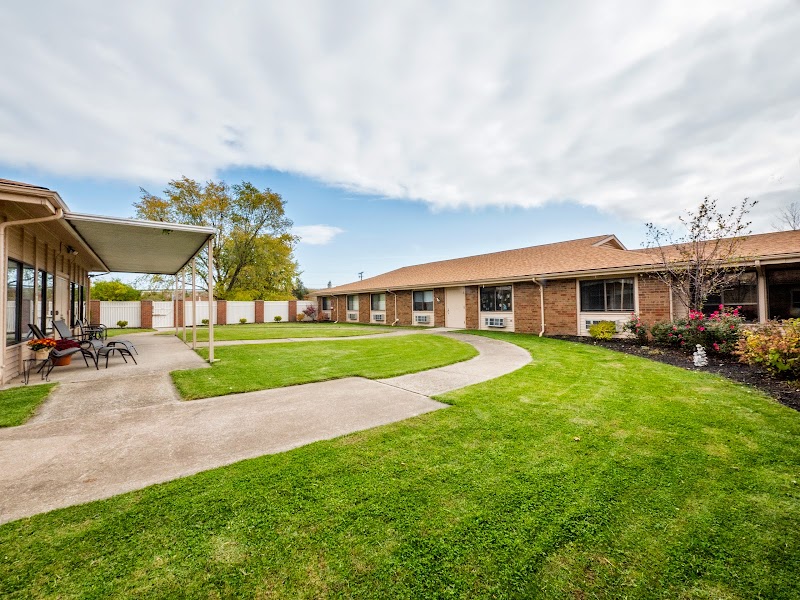
How is Edgewood Manor Rehabilitation & Healthcare Center Staffed?

CMS rates EDGEWOOD MANOR REHABILITATION & HEALTHCARE CENTER's staffing level at 1 out of 5 stars, which is much below average compared to other nursing homes. Staff turnover is 61%, which is 15 percentage points above the Ohio average of 46%. High turnover can affect care consistency as new staff learn residents' individual needs. RN turnover specifically is 75%, which is notably high. RNs provide skilled clinical oversight, so turnover in this role can affect medical care quality.

What Have Inspectors Found at Edgewood Manor Rehabilitation & Healthcare Center?

State health inspectors documented 33 deficiencies at EDGEWOOD MANOR REHABILITATION & HEALTHCARE CENTER during 2019 to 2025. These included: 1 that caused actual resident harm and 32 with potential for harm. Deficiencies causing actual harm indicate documented cases where residents experienced negative health consequences.
Who Owns and Operates Edgewood Manor Rehabilitation & Healthcare Center?

EDGEWOOD MANOR REHABILITATION & HEALTHCARE CENTER is owned by a for-profit company. For-profit facilities operate as businesses with obligations to shareholders or private owners. The facility is operated by CROWN HEALTHCARE GROUP, a chain that manages multiple nursing homes. With 80 certified beds and approximately 61 residents (about 76% occupancy), it is a smaller facility located in PORT CLINTON, Ohio.
How Does Edgewood Manor Rehabilitation & Healthcare Center Compare to Other Ohio Nursing Homes?

Compared to the 100 nursing homes in Ohio, EDGEWOOD MANOR REHABILITATION & HEALTHCARE CENTER's overall rating (2 stars) is below the state average of 3.2, staff turnover (61%) is significantly higher than the state average of 46%, and health inspection rating (2 stars) is below the national benchmark.

What Should Families Ask When Visiting Edgewood Manor Rehabilitation & Healthcare Center?

Based on this facility's data, families visiting should ask: "How do you ensure continuity of care given staff turnover, and what is your staff retention strategy?" "Can you walk me through typical staffing levels on day, evening, and night shifts?" "Can I visit during a mealtime to observe dining assistance and food quality?" "How do you handle medical emergencies, and what is your hospital transfer rate?" These questions are particularly relevant given the facility's high staff turnover rate and the below-average staffing rating.

Is Edgewood Manor Rehabilitation & Healthcare Center Safe?

Based on CMS inspection data, EDGEWOOD MANOR REHABILITATION & HEALTHCARE CENTER has a clean safety record: no substantiated abuse findings (meaning no confirmed cases of resident harm), no Immediate Jeopardy citations (the most serious violation level indicating risk of serious injury or death), and is not on the Special Focus Facility watch list (a federal program monitoring the lowest-performing 1% of nursing homes). The facility has a 2-star overall rating and ranks #100 of 100 nursing homes in Ohio. While no facility is perfect, families should still ask about staff-to-resident ratios and recent inspection results during their visit.

Do Nurses at Edgewood Manor Rehabilitation & Healthcare Center Stick Around?

Staff turnover at EDGEWOOD MANOR REHABILITATION & HEALTHCARE CENTER is high. At 61%, the facility is 15 percentage points above the Ohio average of 46%. Registered Nurse turnover is particularly concerning at 75%. RNs handle complex medical decisions and coordinate care — frequent RN changes can directly impact care quality. High turnover means new staff may not know residents' individual needs, medications, or preferences. It can also be disorienting for residents, especially those with dementia who rely on familiar faces. Families should ask: What is causing the turnover? What retention programs are in place? How do you ensure care continuity during staff transitions?

Was Edgewood Manor Rehabilitation & Healthcare Center Ever Fined?

EDGEWOOD MANOR REHABILITATION & HEALTHCARE CENTER has no federal fines on record. CMS issues fines when nursing homes fail to meet care standards or don't correct problems found during inspections. The absence of fines suggests the facility has either maintained compliance or corrected any issues before penalties were assessed. This is a positive indicator, though families should still review recent inspection reports for the full picture.

Is Edgewood Manor Rehabilitation & Healthcare Center on Any Federal Watch List?

EDGEWOOD MANOR REHABILITATION & HEALTHCARE CENTER is not on any federal watch list. The most significant is the Special Focus Facility (SFF) program, which identifies the bottom 1% of nursing homes nationally based on persistent, serious quality problems. Not being on this list means the facility has avoided the pattern of deficiencies that triggers enhanced federal oversight. This is a positive indicator, though families should still review the facility's inspection history directly.