BRIDGEPORT HEALTH CARE CENTER
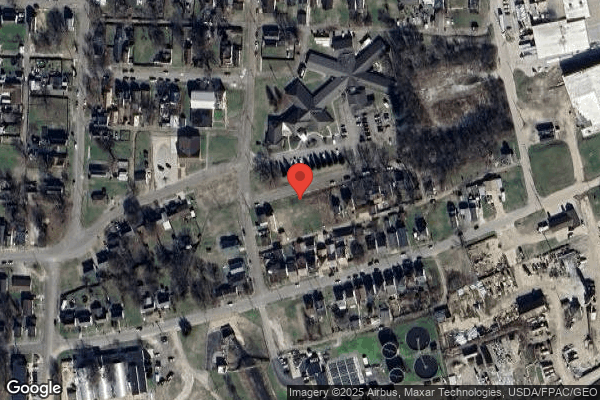

2125 ROYCE STREET, PORTSMOUTH, OH 45662 (740) 354-6635
For profit - Corporation 99 Beds COMMUNICARE HEALTH Data: November 2025
Trust Grade
50/100
#423 of 913 in OH
Last Inspection: December 2023

Within standard 12-15 month inspection cycle. Federal law requires annual inspections.

Overview

Bridgeport Health Care Center has a Trust Grade of C, which means it is average and sits in the middle of the pack among nursing homes. It ranks #423 out of 913 facilities in Ohio, indicating it is in the top half, but it is #8 out of 11 in Scioto County, suggesting there are better local options. The facility is improving, with issues decreasing from 4 in 2024 to 3 in 2025. Staffing ratings are concerning, with only 1 out of 5 stars and a turnover rate of 53%, which is around the Ohio average, indicating that staff may not be as consistent or experienced as desired. However, the facility has not incurred any fines, which is a positive sign, and it has more RN coverage than 90% of Ohio facilities, meaning residents may receive better monitoring and care. On the downside, there have been serious incidents reported, including a resident developing a deep tissue injury from a splint due to lack of monitoring, and another resident fell during a transfer because staff did not provide adequate assistance. These incidents highlight potential gaps in care that families should consider when researching this facility. Overall, while there are strengths such as no fines and strong RN coverage, there are also notable weaknesses that families should weigh carefully.

Trust Score
C
50/100
In Ohio
#423/913
Top 46%
Safety Record
Moderate
Needs review
Inspections
Getting Better
4 → 3 violations
Staff Stability
⚠ Watch
53% turnover. Above average. Higher turnover means staff may not know residents' routines.
Penalties
✓ Good
No fines on record. Clean compliance history, better than most Ohio facilities.
Skilled Nurses
⚠ Watch
Each resident gets only 20 minutes of Registered Nurse (RN) attention daily — below average for Ohio. Fewer RN minutes means fewer trained eyes watching for problems.
Violations
⚠ Watch
37 deficiencies on record. Higher than average. Multiple issues found across inspections.
★★★☆☆
3.0
Overall Rating
★☆☆☆☆
1.0
Staff Levels
★★★★★
5.0
Care Quality
★★★☆☆
3.0
Inspection Score
Stable
2024: 4 issues
2025: 3 issues

The Good

  • 5-Star Quality Measures · Strong clinical quality outcomes
  • Full Sprinkler Coverage · Fire safety systems throughout facility
  • No fines on record

Facility shows strength in quality measures, fire safety.

The Bad

3-Star Overall Rating

Near Ohio average (3.2)

Meets federal standards, typical of most facilities

Staff Turnover: 53%

Near Ohio avg (46%)

Higher turnover may affect care consistency

Chain: COMMUNICARE HEALTH

Part of a multi-facility chain

Ask about local staffing decisions and management

The Ugly 37 deficiencies on record

2 actual harm
Jan 2025 3 deficiencies
CONCERN (D) 📢 Someone Reported This

A family member, employee, or ombudsman was alarmed enough to file a formal complaint

Potential for Harm - no one hurt, but risky conditions existed

Assessment Accuracy (Tag F0641)

Could have caused harm · This affected 1 resident

**NOTE- TERMS IN BRACKETS HAVE BEEN EDITED TO PROTECT CONFIDENTIALITY** Based on record review, resident and staff interview the facility failed to complete an accurate comprehensive assessment for Re...

Read full inspector narrative →
**NOTE- TERMS IN BRACKETS HAVE BEEN EDITED TO PROTECT CONFIDENTIALITY** Based on record review, resident and staff interview the facility failed to complete an accurate comprehensive assessment for Resident #28, #47 and #74. This affected three residents (Resident #28, #47 and #74) of thirteen reviewed for comprehensive assessments. The facility census was 86 in house. Findings include: 1. Review of the medical record for Resident #28 revealed an admission date of 07/23/19 with diagnoses including hypertension, diabetes mellitus type two, hyperlipidemia, muscle weakness and difficulty walking. Review of the quarterly Minimum Data Set (MDS) dated [DATE] revealed Resident #28 had clear speech and was rarely understood therefore the Brief Interview Mental Status (BIMS) was not completed. Resident #28 was coded as modified independence with decision making. Resident #28 required staff assistance to complete activities of daily living. An interview on 01/14/25 at 4:02 P.M. with Resident #28 confirmed the resident was alert and oriented with clear speech. An interview on 01/15/25 at 3:50 P.M. with the Director of Nursing (DON) confirmed Resident #28 had clear speech and would be able to complete the BIMS interview. The DON confirmed the MDS dated [DATE] revealed Resident #28 had unclear speech and was unable to be assessed for BIMS. The DON stated Resident #28 refused to participate in the interview. Review of the Resident Assessment Instrument Manual revealed if the resident was at least sometimes understood the interview should be attempted. If a resident refused to answer a particular item, accept the refusal and move on to the next question. The interviewer may stop the interview and code the answer 0 if there had been no verbal or written response to any of the question up to section C0300C-the day of the week and the resident chooses to not answer (refusal). 2. Review of the medical record for Resident #47 revealed an admission date of 06/26/24 with diagnoses including cerebral infarction, hemiplegia/hemiparesis affecting the right side, dysphagia, and diabetes mellitus type two. Review of the admission MDS dated [DATE] revealed Resident #47 range of motion was not assessed. Resident #47 required assistance from the staff to complete activities of daily living. Review of the quarterly MDS dated [DATE] revealed Resident #47 was independent with decision making with no behaviors. Resident #47 had no impaired range of motion to his bilateral upper extremities or bilateral lower extremities. Resident #47 was coded as not using any device for mobility. An observation on 01/14/25 at 1:45 P.M. of Resident #47 revealed the resident's right hand was closed in a fist. The resident was unable to open his hand upon request. An interview on 01/15/25 at 3:50 P.M. with the Director of Nursing (DON) revealed the DON was not aware Resident #47 had a contracture to his right hand. The DON also confirmed the MDS dated [DATE] and 10/31/24 were not coded correctly. An observation of Resident #47 along with Occupational Therapist (OT) #143 on 01/16/25 at 10:30 A.M. confirmed Resident #47 had a contracture to his right hand. 3. Review of the medical record for Resident #74 revealed an admission date of 06/11/24 with diagnoses including epilepsy, cerebral infarction, traumatic subdural hemorrhage and bipolar disorder. Review of annual MDS dated [DATE] revealed Resident #74 had clear speech but was coded as rarely understood. Resident #74 required staff assistance to complete activities of daily living. Interview on 01/14/25 at 4:07 P.M. with Resident #74 revealed the resident had clear speech and was oriented to person and place. An interview on 01/15/25 at 3:50 P.M. with the Director of Nursing (DON) confirmed Resident #74 had clear speech and would be able to complete the BIMS interview. The DON confirmed the MDS dated [DATE] revealed Resident #74 had unclear speech and was unable to be assessed for BIMS. The DON stated Resident #74 refused to participate in the interview. Review of the Resident Assessment Instrument Manual revealed if the resident was at least sometimes understood the interview should be attempted. If a resident refused to answer a particular item, accept the refusal and move on to the next question. The interviewer may stop the interview and code the answer 0 if there had been no verbal or written response to any of the question up to section C0300C-the day of the week and the resident chooses to not answer (refusal).
CONCERN (D) 📢 Someone Reported This

A family member, employee, or ombudsman was alarmed enough to file a formal complaint

Potential for Harm - no one hurt, but risky conditions existed

Deficiency F0688 (Tag F0688)

Could have caused harm · This affected 1 resident

**NOTE- TERMS IN BRACKETS HAVE BEEN EDITED TO PROTECT CONFIDENTIALITY** Based on observation, record review and interview the facility failed to develop and implement a comprehensive and individualize...

Read full inspector narrative →
**NOTE- TERMS IN BRACKETS HAVE BEEN EDITED TO PROTECT CONFIDENTIALITY** Based on observation, record review and interview the facility failed to develop and implement a comprehensive and individualized range of motion program to timely identify and implement therapy recommendations to treat and prevent potential worsening of a right-hand contracture for Resident #47, a resident admitted to the facility with diagnosis of cerebral infarction, hemiplegia/hemiparesis affecting the right side. This affected one resident (#47) of one resident reviewed for range of motion. The facility census was 86. Findings include: Review of the medical record for Resident #47 revealed an initial admission date of 06/26/24 with diagnoses including cerebral infarction, hemiplegia/hemiparesis affecting the right side, dysphagia, chronic obstructive pulmonary disease and diabetes mellitus type two. Review of the admission nursing assessment dated [DATE] revealed Resident #47 did not have any contractures to the bilateral upper extremities. Review of an Occupational Therapy (OT) evaluation dated 06/27/24 revealed it did not assess Resident #47's range of motion to right upper extremity. The evaluation noted Resident #47 had hemiplegia and hemiparesis following cerebral infarction affecting the right dominant side. Review of Resident #47's Minimum Data Set (MDS) assessment dated [DATE] revealed Resident #47 had unclear speech and was rarely understood with no memory problem. Review of the mood and behaviors section of the assessment revealed Resident #47 had little interest or pleasure in doing things, feeling tired, trouble with sleep, trouble with concentrating but did not have any behaviors. Resident #47 was totally dependent on staff for activities of daily living per section G. The assessment did not address range of motion. Review of an OT treatment note dated 08/05/24 revealed OT was providing joint mobilization and assisted active range of motion to right upper extremity. The recertification also noted to add a splint to the right hand as it was becoming contracted. Review of the physician's orders for August and September 2024 revealed no orders for a hand splint device or range of motion to the resident's upper extremities. Review of an OT treatment note dated 10/01/24 revealed Resident #47 received orthotic training on use of palm guard for three hours to right hand with no signs and symptoms of decreased skin integrity. Review of an OT treatment note dated 10/03/24 revealed Resident #47 was noted with increased tone throughout his right upper extremity. Resident #47 had decreased tolerance with ranging of right hand. Resident #47 was at risk for skin breakdown in palm of right hand. Review of an OT treatment note dated 10/21/24 revealed Resident #47 was seen for completing staff education as appropriate related to the palm guard. OT placed folded soft device in hand. Per facility policy, nursing to write the order and complete the plan of care for palm guard (to right hand). Resident discharged from OT services this date. Review of Resident #47's quarterly MDS assessment dated [DATE] revealed the resident was rarely understood, was independent in decision making, had no behaviors, had no impaired range of motion to bilateral upper and lower extremities, and was dependent on staff for activities of daily living. Review of Resident #47's medical record in October 2024, including occupational therapy notes, revealed no evidence the facility assessed the severity of Resident #47's right upper extremity impairment at this time. Review of the physician's orders from October through December 2024 revealed no orders for a hand splint device and range of motion to upper extremities to Resident #47 right hand were written. Review of the physician's orders for January 2025 revealed no orders for a hand splint device, range of motion to upper extremities, or specific skin treatment to Resident #47 right hand. Review of Resident #47's plan of care revealed no care plan addressing the resident's contracture to his right hand. An observation on 01/14/25 at 1:45 P.M. of Resident #47 revealed the resident's right hand was closed in a fist. The resident was unable to open his hand upon request. An observation on 01/15/25 at 9:05 A.M. of Resident #47 revealed the resident's right hand remained closed in a fist. An interview with Resident #47 at the time of the observation revealed the resident responded no when asked if he had a device to put on his right hand, and that no one stretched his hand. An interview on 01/15/25 at 9:29 A.M. with Licensed Practical Nurse (LPN) # 203 confirmed Resident #47 did not have any orders for a splint, carrot or any device for his right hand (to address the identified contracture). In addition, LPN #203 stated the facility did not currently have a restorative program. An interview on 01/15/25 at 1:45 P.M. with Certified Nursing Assistant (CNA) # 124 revealed the CNA provided care for Resident #47. CNA #47 stated she did not provide range of motion or a device to the right hand of Resident #47 as part of the resident's routine care. An interview on 01/15/25 at 3:50 P.M. with the Director of Nursing (DON) revealed the DON was not aware Resident #47 had a contracture to his right hand. The DON confirmed there were no orders to care for the contracture or skin of Resident #47's right hand. The DON stated she would call the physician for orders for skin care and a therapy evaluation at this time. An observation of Resident #47 along with Occupational Therapist (OT) #143 on 01/16/25 at 10:30 A.M. confirmed Resident #47 had a contracture to his right hand. At the time of the observation, Resident #47 refused to permit OT #143 to stretch out his hand. OT #143 stated Resident #47 had been on therapy case load and was discharged in October 2024 (with recommendations for contracture management). OT #143 also confirmed Resident #47 did not currently have any kind of device for his right hand to keep it stretched out, prevent decline in range of motion or worsening of the contracture. OT #143 stated Resident #47 initial/admission therapy evaluation did not indicate the resident had a contracture of his right hand and it was possible that Resident #47 range of motion to right hand would become worse without treatment and care. A telephone interview on 01/23/25 at 12:10 P.M. with OT #143 revealed OT #143 did not complete the admission therapy evaluation for Resident #47. OT #143 did complete an evaluation for the contracture of Resident #47's right hand on 01/16/25. OT #143 stated the contracture did not visibly appear worse than it was when she saw it in 10/2024. OT #143 also verified there were no measurements taken of the resident's range of motion of the right hand in 10/2024 to compare to the measurements she did on 01/16/25. OT #143 stated the admission evaluation did not include range of motion and it was not required to. An interview on 01/23/25 at 3:15 P.M. with the Administrator revealed Resident #47's October 2024 MDS was incorrect, and it should have been coded the resident had impairment to his upper extremity. The facility did not have a policy on prevention of decline in range of motion per the Administrator.
CONCERN (D) 📢 Someone Reported This

A family member, employee, or ombudsman was alarmed enough to file a formal complaint

Potential for Harm - no one hurt, but risky conditions existed

Deficiency F0744 (Tag F0744)

Could have caused harm · This affected 1 resident

**NOTE- TERMS IN BRACKETS HAVE BEEN EDITED TO PROTECT CONFIDENTIALITY** Based on review of the Self Reporting Incident (SRI), record review, and interview the facility failed to implement individualiz...

Read full inspector narrative →
**NOTE- TERMS IN BRACKETS HAVE BEEN EDITED TO PROTECT CONFIDENTIALITY** Based on review of the Self Reporting Incident (SRI), record review, and interview the facility failed to implement individualized interventions and revise the care plan to address the Resident #69's dementia care needs related to sexual behaviors. This affected one resident (Resident #69) of one reviewed for dementia care. The facility census was 86. Findings include: Review of the medical record of Resident #69 revealed an admission date of 09/12/24 with diagnoses including unspecified dementia, anxiety, hypertension and hyperlipidemia. Resident #69 had a durable power of attorney (DPOA) listed in the medical record. Review of the Minimum Data Set (MDS) dated [DATE] revealed Resident #69 had severe cognitive impairment with a Brief Interview of Mental Status (BIMS) score of three with no behaviors. Resident #69 required supervision of staff to complete activities of daily living. Review of SRI #256217 dated 01/17/25 revealed Resident #69 was observed by staff in a sexual act with Resident #64. The facility was completing the investigation. However, the investigation revealed both residents were interviewed, assessed and monitored for psychosocial adverse effects. The staff were interviewed along with other residents with no concerns. The Social Worker had provided education to both Resident #64 and Resident #69 about safe sexual relationships. The Social Worker also spoke to both residents about a plan for future sexual encounters. Resident #64 and #69 agreed that if they wanted to have a sexual encounter they would inform the staff so that privacy would be provided. Review of Resident #69's medical record revealed no evidence the facility discussed Resident #69's plan to provide privacy for sexual contact with the resident's DPOA or physician. The plan of care had not been revised with interventions to address the sexual contact as well. Interview on 01/22/25 at 1:10 P.M. with Resident #69 DPOA revealed the facility had notified her of the sexual encounter. However, the facility had not informed her or discussed with her the plan to provide privacy for the residents to have a sexual relationship. The DPOA stated Resident #69 was not able to make safe, right or wrong decisions. Interview on 01/22/25 at 1:55 P.M. with Resident #69 revealed the resident was alert and oriented to person and place. Resident #69 denied any knowledge of the event or the discussion with Social Worker about the plan for privacy. A phone interview on 01/22/25 at 2:18 P.M. with Resident #69's nurse practitioner, who provided services to Resident #69, confirmed Resident #69 had dementia, confusion and was not cognitively able to make safe decisions on his own. Interview on 01/22/25 at 3:09 P.M. with the Director of Nursing (DON) confirmed the facility did not inform or discuss the plan for privacy for Resident #64 and #69 with the DPOA of Resident #69. DON revealed the licensed social worker (LSW) completed a sexual consent form provided by corporate and completed it on both residents. Both residents were assessed to be able to consent to a sexual relationship. Review of the facility policy titled Dementia Care revealed it is the policy of this facility to provide resident centered care that meets the psychosocial, physical and emotional needs and concerns of the residents. Safety is a primary concern for the residents, staff and visitors. Residents with dementia and/or dementia-related diagnoses will be treated with the same respect and dignity and afforded the same resident rights regardless of diagnoses, severity of condition or payment source . The policy continued with resident representatives will be communicated with for resident needs, updated, and notification as required by law. This deficiency represents non-compliance investigated under Complaint Number OH00161778.
May 2024 1 deficiency
CONCERN (D) 📢 Someone Reported This

A family member, employee, or ombudsman was alarmed enough to file a formal complaint

Potential for Harm - no one hurt, but risky conditions existed

Infection Control (Tag F0880)

Could have caused harm · This affected 1 resident

**NOTE- TERMS IN BRACKETS HAVE BEEN EDITED TO PROTECT CONFIDENTIALITY** Based on medical record review, staff interview, observation, and facility policy review, this facility failed to ensure enhance...

Read full inspector narrative →
**NOTE- TERMS IN BRACKETS HAVE BEEN EDITED TO PROTECT CONFIDENTIALITY** Based on medical record review, staff interview, observation, and facility policy review, this facility failed to ensure enhanced barrier protection including gloves were in place during wound care. This affected one (Resident #126) of the three residents reviewed for wound care. The facility census was 91. Findings include: Review of the medical record for Resident #126 revealed and admission date of 10/22/24. Diagnoses included type two diabetes mellitus, foot ulcers, and peripheral vascular disease. Review of Resident #126's quarterly Minimum Data Set (MDS) 3.0 assessment dated [DATE] revealed a Brief Interview for Mental Status (BIMS) score of 12 out of 15 indicating a moderately impaired cognition for daily decision making abilities. Resident #126 was noted to have one venous and arterial ulcer, and a diabetic foot ulcer. Review of the care plan dated 03/20/24 and revised 04/13/24 revealed Resident #126 had impaired skin integrity, or was at risk for altered skin integrity due to right lateral foot ulcer, left skin skin tear, right knee skin tear, right top foot skin tear, left lateral foot arterial ulcer, left groin surgical, and left forearm skin tear. Interventions include to complete daily skin checks, and complete treatments as ordered. Review of treatment orders for Resident #126 revealed the following: -Cleanse with house wound cleanser, apply Calcium Alginate to areas on right lateral foot, cover with gauze and Kerlix. -Cleanse wound to dorsal right foot with normal saline solution, pat dry and apply Betadine to wound bed, and leave open to air daily. -Cleanse wound to left lateral foot with normal saline solution, pat dry apply Betadine to wound bed and leave open to air daily. -Cleanse wound to left lateral heel with normal saline solution or wound cleanser, apply Medihoney to wound bed and cover with gauze and wrap with Kerlix every day shift. -Cleanse wound to left shin with normal saline solution, pat dry apply skin prep to wound bed and leave open to air daily. -Cleanse wound to right foot 5th digit with normal saline solution, apply skin prep to wound bed and leave open to air daily. -Cleanse wound to right knee with normal saline solution, pat dry apply skin prep to wound bed and leave open to air daily. -Cleanse wound to top of left foot with normal saline solution, pat dry apply Betadine to wound bed and leave open to air daily. Observation on 05/07/24 at 11:22 A.M. revealed during general observations Resident #126's room door was open and Licensed Practical Nurse (LPN) #135 could be seen completing a dressing change for Resident #126. Continued observation revealed LPN #135 did not have a gown or gloves on and was observed using a split gauze to spray house wound cleanser on and then cleanse the resident wound which appeared to be on the right lower leg. LPN #135 continued to opened a bandage package, applied ointment to the bandage and then placed the bandage directly on the wound followed by opening another bandage package, applied ointment to the bandage and placed it on the residents other wound. LPN #135 was then observed leaving the residents room without washing her hands. Interview on 05/07/2024 at 11:24 A.M. with LPN #135 revealed when starting the dressing change, she had gloves on but removed them due to getting Betadine on the gloves. LPN #135 confirmed she did not have gloves or a gown on during dressing change for Resident #126. LPN # 135 also confirmed she did not wash her hands prior to exiting the resident room. Interview on 05/07/2024 at 11:38 A.M. with the Administrator confirmed residents with chronic wounds, including Resident #126 should be in enhanced barrier precaution isolation which included the use of gloves and gown when completing care such as wound care. Review of the facility policy titled Standard Precautions, dated 06/24/2021 revealed under section II. When to perform Hand Hygiene, B. Before and after direct contact with a resident's intact skin. C. After contact with blood, body fluids or exertions, mucous membranes, non-intact skin or wound dressing. This deficiency was an incidental finding during investigation for Master Complaint Number OH00153465.
Feb 2024 3 deficiencies 2 Harm
SERIOUS (G) 📢 Someone Reported This

A family member, employee, or ombudsman was alarmed enough to file a formal complaint

Actual Harm - a resident was hurt due to facility failures

Pressure Ulcer Prevention (Tag F0686)

A resident was harmed · This affected 1 resident

**NOTE- TERMS IN BRACKETS HAVE BEEN EDITED TO PROTECT CONFIDENTIALITY** Based on observation, medical record review, staff interview, and policy review, the facility failed to monitor Resident #36's s...

Read full inspector narrative →
**NOTE- TERMS IN BRACKETS HAVE BEEN EDITED TO PROTECT CONFIDENTIALITY** Based on observation, medical record review, staff interview, and policy review, the facility failed to monitor Resident #36's skin under a splint/boot on the left foot to prevent the development of a pressure ulcer. Actual harm occurred on 12/26/23 when Resident #36, who was cognitively impaired was identified to have a deep tissue injury (DTI) pressure ulcer (described as intact skin with a localized area of persistent non-blanchable deep red, maroon, purple discoloration due to damage of underlying soft tissue) to the left foot caused by a splint. The splinting device had been implemented following a fracture on 12/18/23. However, staff failed to monitor/assess the resident's skin integrity under the splint resulting in the DTI pressure ulcer development. On 01/2224 the pressure ulcer was assessed to be unstageable (full-thickness skin and tissue loss in which the extent of tissue damage within the ulcer cannot be confirmed because the wound bed is obscured by slough or eschar). This affected one resident (#36) of three residents reviewed for pressure ulcers. The facility census was 92. Findings include: Review of the medical record for Resident #36 revealed an admission date of 07/07/22 and diagnoses including cerebrovascular disease, dementia, and diabetes. The resident resided on the secured dementia unit. Review of a quarterly Minimum Data Set assessment dated [DATE] revealed the resident had a brief interview for mental status score of five (5), indicating severe cognitive impairment. The assessment also reflected the resident required substantial/maximal assistance with bed to chair transfers and walking was not attempted (during the assessment period) due to medical condition/safety. Review of a nursing progress note revealed on 12/18/23 at 4:15 P.M. (documented as a late entry on 12/20/23 at 8:46 P.M. by Licensed Practical Nurse (LPN) #139) the nurse was called to Resident #36's room by aide. The resident had sustained a fall. The resident was subsequently transported to the hospital for an evaluation and treatment. Review of hospital records from 12/20/23 revealed the resident arrived (to the hospital) with a left leg fracture after a fall. The record noted the resident had a fracture of tibia and fibula after a fall at the nursing home. A splint was applied to the left leg and instructions were given to follow up with orthopedics. The hospital instructions further stated to monitor for any swelling or breakdown around the splint. Review of a nursing progress note dated 12/20/23 at 10:20 P.M. revealed Resident #36 returned from the hospital. Review of physician's orders revealed an order dated 12/21/23 for an ace bandage to lower left extremity. The order indicated to leave in place until follow up with orthopedic (the order did not address the splint that was applied at the hospital on [DATE]). There was no order written to monitor the skin around or under the brace at that time (and as per the hospital instructions). A plan of care dated 12/21/23 revealed the resident had a fractured left tib/fib, had impaired skin integrity or was at risk for altered skin integrity. The care plan did not include monitoring the resident's skin under the splint/boot A nursing progress note dated 12/22/23 at 9:45 A.M. revealed the resident was out of the facility for appointment with orthopedics. On 12/22/23 at 12:00 P.M. the resident returned from the appointment. However, the facility did not have any physician notes from this orthopedic appointment. Review of Resident #36's medical record revealed there was no evidence the skin under the brace was monitored until 12/26/23 when the wound nurse practitioner noted a deep tissue injury (DTI) to the top of the left foot measuring 2.0 centimeters (cm) long by 3.0 cm wide acquired on 12/26/23. On 12/26/23 the wound nurse practitioner recommended to cleanse the top of the left foot DTI with wound cleanser, apply skin prep, and leave open to air. The resident's plan of care was updated on 12/26/23 to monitor for skin breakdown under the splint/boot when check skin every two hours under brace and notify physician of any concerns was added to the plan of care. On 12/26/23 staff also documented on the care plan the resident had acquired an unstageable pressure ulcer of the left foot in the facility from an orthotic boot. An order was written on 12/26/23 to check skin every two hours under brace and notify physician of any concerns (six days after a splint was applied and after a pressure ulcer had already developed). Review of physician's orders and the treatment administration records (TAR) from December 2023 and January 2024 revealed a treatment was not initiated until 01/10/24 (15 days after the wound nurse practitioner made a treatment recommendation) to cleanse top of left foot pressure wound with in house wound cleanser, pat dry, apply Betadine and cover with ABD (padded gauze) for protection from Ortho boot. Review of wound nurse practitioner notes revealed on 01/02/24 the area on the top of the left foot was larger (3.5 cm long by 3.5 cm wide) with the same treatment recommended as on 12/26/23 (not implemented until 01/10/24). Review of a nursing progress note dated 01/02/24 at 12:49 P.M. revealed Resident #36 returned without a follow up summary from an orthopedic appointment. Orthopedic office attempted to be contacted to request details of appointment without success. Review of orthopedic physician consult notes dated 01/02/24 revealed Resident #36 was placed in a short leg walking boot with instructions to remove the boot for hygiene as well as evaluation of the decubitus ulcer. Review of a nurse's progress note dated 01/05/24 at 10:11 A.M. revealed Resident #36 would need to return for another orthopedic appointment in four weeks. Resident #36 was placed in a short leg walking boot with instructions to remove boot for hygiene and wound treatments. Review of the medical record and orders revealed the order for the ace bandage to lower left extremity with instructions to leave in place until follow up with orthopedics originally dated 12/21/23 was not discontinued until 01/05/24 (even though the resident had been wearing either a splint or boot since 12/20/23). There were no physician's orders for a splint/boot of any kind in the medical record until 01/05/24, when an order was written for a short leg walking boot to left leg/foot. An assessment by the wound practitioner on 01/09/24 revealed a the resident was assessed to have a Stage II pressure ulcer (defined as a partial-thickness loss of skin with exposed dermis, presenting as a shallow open ulcer. The wound bed is viable, pink or red, moist, and may also present as an intact or open/ruptured blister) on the top of the left foot measuring 3.2 cm long by 2.8 cm wide with the same treatment recommended as on 12/26/23 (not implemented until 01/10/24). Review of the medical record revealed a wound nurse practitioner note dated 01/16/24 revealed the top of the left foot was a Stage II pressure ulcer measuring 4 cm long by 3 cm wide with 75-99 percent epithelial tissue. Review of the wound nurse practitioner note dated 01/22/24 revealed the top of the left foot was assessed to be an an unstageable pressure ulcer (defined as full-thickness skin and tissue loss in which the extent of tissue damage within the ulcer cannot be confirmed because the wound bed is obscured by slough or eschar) measuring 4.2 cm long by 3.5 cm wide with 75-99 percent eschar. Review of the wound nurse practitioner note dated 02/20/24 revealed the top of the left foot was an unstageable pressure ulcer measuring 4 cm long by 2.2 cm wide with 75-99 percent eschar. Observation on 02/27/24 at 1:08 P.M. revealed Resident #36 was in bed on her back. She was observed to have an approximate 3 cm long by 3 cm wide dry, black scabbed area of eschar on the top of the left foot. Interview with the Director of Nursing (DON) on 02/28/24 at 10:45 A.M. confirmed there were no physician's orders to monitor the skin around or under the splint/boot until 12/26/23. She stated the nurse who wrote the order on 12/21/23 to leave the ace bandage in place did not know there was a splint under it. The DON confirmed the facility did not have any physician notes from the orthopedic visit on 12/22/23. She stated the hospital had applied a fiberglass splint to the left ankle on 12/20/23 and she did not know if the orthopedic physician left that splint on or applied a different type on 12/22/23. She stated at some point, the resident had a short leg walking boot applied. The DON confirmed a treatment to the top of the left foot did not start until 01/10/24 (15 days after a treatment order was received). Review of the undated facility policy titled Daily Skin Care for Skin Care and Wound Management revealed staff were to monitor skin in contact with adaptive equipment for areas of pressure. This deficiency is based on incidental findings discovered during the course of this complaint investigation.
SERIOUS (G) 📢 Someone Reported This

A family member, employee, or ombudsman was alarmed enough to file a formal complaint

Actual Harm - a resident was hurt due to facility failures

Accident Prevention (Tag F0689)

A resident was harmed · This affected 1 resident

**NOTE- TERMS IN BRACKETS HAVE BEEN EDITED TO PROTECT CONFIDENTIALITY** Based on medical record review, staff interview, and policy review, the facility failed to ensure Resident #36 received adequate...

Read full inspector narrative →
**NOTE- TERMS IN BRACKETS HAVE BEEN EDITED TO PROTECT CONFIDENTIALITY** Based on medical record review, staff interview, and policy review, the facility failed to ensure Resident #36 received adequate staff assistance during a staff assisted transfer from bed to chair to prevent a fall with injury. Actual harm occurred on 12/18/23 when Resident #36, who was cognitively impaired, at risk for falls and required substantial/maximal assistance from staff for transfers sustained a fall during a one-person staff assisted transfer. At the time of the transfer, the nursing assistant, (NA) #170 failed to use a gait belt and the resident fell to the floor with a resulting fracture of the left ankle. This affected one resident (#36) of four residents reviewed for falls. The facility census was 92. Findings include: Review of the medical record for Resident #36 revealed an admission date of 07/07/22 and diagnoses including cerebrovascular disease, dementia, and diabetes. The resident resided on the secured dementia unit. Review of the plan of care revealed on 04/09/22 the resident was noted to be at risk for falls related to impaired cognition, history of stroke, history of falls, safety awareness, and weakness. The plan of care on 04/09/22 and revised on 10/10/23 revealed the resident required substantial/maximal assistance for bed to chair transfers and helper does more that half the effort. It did not specify if the transfer was to be completed by one or two staff. Review of a fall risk assessment dated [DATE] revealed the resident was at risk for falls. Review of a quarterly Minimum Data Set assessment dated [DATE] revealed the resident had a brief interview for mental status score of 5, indicating severe cognitive impairment. The assessment revealed the resident required substantial/maximal assistance with bed to chair transfers and walking was not attempted due to medical condition/safety. Review of nursing progress note revealed on 12/18/23 at 4:15 P.M. (documented as a late entry on 12/20/23 at 8:46 P.M. by Licensed Practical Nurse (LPN) #139) the nurse was called to Resident #36's room by an aide. Resident noted to be sitting on the floor on the fall mat. Back was resting against the bed. Legs extended out in front of resident with arms crossed over her chest when this nurse entered the room. Head to toe assessment completed. No complaints of pain. No bruising or discolorations noted at this time. Vital signs obtained and all within normal limits. Interview with the Director of Nursing on 02/28/24 at 10:45 A.M. revealed that LPN #139 did not document the fall on 12/18/23 as she originally did not consider it a fall. She stated the nurse was later educated that this was considered a fall. Review of a written statement from Nursing Assistant #170 revealed on 12/18/23 at approximately 4:40 P.M. she was transferring Resident #36 from the bed to her wheelchair for dinner. The statement included she (the nursing assistant) sat her (the resident) up in bed before placing her hand on her back and then using her other hand to make sure her wheelchair was locked. As she reached to do so, she (the resident) began to slide off the bed. Her (the resident's)legs were bent and got stuck under her until her bottom hit the ground and she straightened her legs and extended them outward. LPN #139 came in to help her get the resident up. LPN #139 said that since Nursing Assistant #170 saw it happen and she was on her mat, it was not a fall. The resident's bed was in the lowest position when this happened and Nursing Assistant #170 stated she did not recall the resident screaming out in pain or complaining about being hurt. The statement was dated 12/21/23. Review of a nursing progress note revealed on 12/20/23 at 6:33 A.M. Resident #36 was complaining of left ankle pain when staff attempts to move left leg. No redness or swelling noted. Physician contacted and an order for a left ankle x-ray was given. Review of a nursing progress note revealed on 12/20/23 at 4:13 P.M. Resident #36 had x-ray completed today due to complaints of pain in left ankle/leg. Nurse practitioner at bedside and wanted resident to be sent to the hospital due to x-ray results. Resident transported to hospital. Review of the x-ray report of the left ankle from 12/20/23 revealed an acute nondisplaced oblique (at an angle) fracture of the distal tib-fib (the ankle end of the two long bones in the leg). Review of hospital records from 12/20/23 revealed the resident arrived (to the hospital) with a left leg fracture after a fall. The hospital records noted the resident had a fracture of tibia and fibula after a fall at the nursing home. A splint was applied to the left leg and instructions were given to follow up with orthopedics. Review of a nursing progress note revealed on 12/20/23 at 10:20 P.M. Resident #36 returned from the hospital. Resident has a tibia and fibula fracture. It is recommended that an appointment be scheduled for resident to see orthopedics. On 12/21/22 at 9:22 A.M. it was documented that an appointment was scheduled with orthopedics on 12/22/23 at 10:00 A.M. Nursing progress notes on 12/22/23 at 9:45 A.M. stated the resident was out of the facility for appointment with orthopedics. On 12/22/23 at 12:00 P.M. the resident returned from the appointment. However, the facility did not have any physician notes from the orthopedic appointment. Interview with the Director of Nursing on 02/28/24 at 10:45 A.M. confirmed the facility did not have any physician notes from the orthopedic visit on 12/22/23. She stated the hospital had applied a fiberglass splint to the left ankle on 12/20/23 and she did not know if the orthopedic physician left that splint on or applied a different type on 12/22/23. She stated at some point, the resident had a short leg walking boot applied. Resident #36 was seen again by the orthopedic physician on 01/02/24. An x-ray on 01/02/24 showed stable alignment of tibial and fibular fractures without significant interval healing. The physician notes stated evaluation of nondisplaced spiral type fracture to the left distal third of the tibial shaft as well as associated fracture to the left distal fibular shaft. The resident was placed in a short leg walking boot with instructions to remove the boot for hygiene as well as evaluation of the decubitus ulcer. Continue short leg walking boot immobilization. Return in four weeks. Review of a nursing progress note on 01/02/24 at 12:49 P.M. revealed Resident #36 returned without a follow up summary from the orthopedic appointment. Orthopedic office attempted to be contacted to request details of appointment without success. Voicemail left. On 01/05/24 at 10:11 A.M. notes indicated the resident will need to return for another orthopedic appointment in four weeks. Resident was placed in a short leg walking boot with instructions to remove boot for hygiene and wound treatments. There were no physician's orders for a splint/boot of any kind in the medical record until 01/05/24, when an order was written for a short leg walking boot to left leg/foot. Review of a nursing progress note on 01/30/24 at 8:46 A.M. revealed the resident left for an orthopedic appointment. On 01/30/24 at 1:38 P.M. the resident returned with new orders to discontinue the walking boot and encourage to float heels. Next appointment 02/27/24 with x-ray prior. The facility did not have any written notes from the orthopedic physician for the visit on 01/30/24. This was confirmed by the Director of Nursing on 02/28/24 at 10:45 A.M. Review of a nursing progress note on 02/27/24 at 9:17 A.M. revealed the resident left for an orthopedic appointment. On 02/27/24 at 10:43 A.M. the resident returned. It stated a visit summary was unavailable. Office contacted for findings or new orders. Office provided doctor referral to wound care with no other details available. Interview with Nursing Assistant #170 on 02/27/24 at 2:45 P.M. confirmed a couple months ago she was transferring Resident #36 from the bed to the chair by herself. She stated during the transfer, the resident slid to the mat on the floor by the bed. She stated the resident was supposed to be a two person transfer but she did not know that at the time. She stated the resident then had a broken foot a few days later. Interview with the Director of Nursing (DON) and MDS Registered Nurse #197 on 02/28/24 at 8:15 A.M. revealed the fracture diagnosed for Resident #36 on 12/20/23 was attributed to the fall on 12/18/23. The DON stated Nursing Assistant #170 did not use a gait belt to transfer Resident #36 from bed to chair, and should have. She stated that after the fall, she told Nursing Assistant #170 not to transfer the resident by herself. They confirmed the plan of care and [NAME] used by the nursing assistants (prior to the incident) did not specify if Resident #36 was to be transferred by one staff or two. The DON stated Resident #36 had always been a one staff assist for transfers but that Nursing Assistant #170 couldn't do it by herself. Interview with the DON on 02/28/24 at 10:45 A.M. revealed Nursing Assistant #170 was educated to use a gait belt for transfers after Resident #36's fall on 12/18/23. In addition, during the interview, the DON revealed the facility did not have any written notes from the orthopedic physician for the visit on 02/27/24. Review of the facility undated policy on Using a Gait Belt revealed using a gait belt while transferring or walking a patient would provide you and the patient increased safety and security. You can control a patient's balance and can keep the patient from falling by using a gait belt. This deficiency represents non-compliance investigated under Master Complaint Number OH00150944.
CONCERN (D) 📢 Someone Reported This

A family member, employee, or ombudsman was alarmed enough to file a formal complaint

Potential for Harm - no one hurt, but risky conditions existed

Comprehensive Care Plan (Tag F0656)

Could have caused harm · This affected 1 resident

**NOTE- TERMS IN BRACKETS HAVE BEEN EDITED TO PROTECT CONFIDENTIALITY** Based on medical record review and staff interview, the facility failed to develop a comprehensive care plan that included the l...

Read full inspector narrative →
**NOTE- TERMS IN BRACKETS HAVE BEEN EDITED TO PROTECT CONFIDENTIALITY** Based on medical record review and staff interview, the facility failed to develop a comprehensive care plan that included the level of staff assistance required for transfers. This affected one of three sampled residents (Resident #36). The facility census was 92. Findings include: Review of the medical record for Resident #36 revealed an admission date of 07/07/22 and diagnoses including cerebrovascular disease, dementia, and diabetes. The resident resided on the secured dementia unit. Review of a fall risk assessment dated [DATE] revealed the resident was at risk for falls. Review of a quarterly Minimum Data Set assessment dated [DATE] revealed the resident had a brief interview for mental status score of 5, indicating severe cognitive impairment. It further stated the resident required substantial/maximal assistance with bed to chair transfers. It stated walking was not attempted due to medical condition/safety. Review of the plan of care revealed on 04/09/22 the resident was noted to be at risk for falls related to impaired cognition, history of stroke, history of falls, safety awareness, and weakness. The plan of care on 04/09/22 and revised on 10/10/23 stated the resident required substantial/maximal assistance for bed to chair transfers and helper does more that half the effort. (It did not specify if the transfer was to be completed by one or two staff). Review of nursing progress notes revealed on 12/18/23 at 4:15 P.M. (documented as a late entry on 12/20/23 at 8:46 P.M. by Licensed Practical Nurse (LPN) #139) the nurse was called to Resident #36's room by aide. Resident noted to be sitting on the floor on the fall mat. Back was resting against the bed. Legs extended out in front of resident with arms crossed over her chest when this nurse entered the room. Head to toe assessment completed. No complaints of pain. No bruising or discolorations noted at this time. Vital signs obtained and all within normal limits. Review of a written statement from Nursing Assistant #170 revealed on 12/18/23 at approximately 4:40 P.M. she was transferring Resident #36 from the bed to her wheelchair for dinner. It stated she sat her up in bed before placing her hand on her back and then using her other hand to make sure her wheelchair was locked. As she reached to do so, the resident began to slide off the bed. Her legs were bent and got stuck under her until her bottom hit the ground and she straightened her legs and extended them outward. LPN #139 came in to help her get the resident up. The statement was dated 12/21/23. Review of a nursing progress note revealed on 12/20/23 at 6:33 A.M. Resident #36 was complaining of left ankle pain when staff attempts to move left leg. No redness or swelling noted. Physician contacted and an order for a left ankle x-ray was given. Review of a nursing progress note revealed on 12/20/23 at 4:13 P.M. Resident #36 had x-ray completed today due to complaints of pain in left ankle/leg. Nurse practitioner at bedside and wanted resident to be sent to the hospital due to x-ray results. Resident transported to hospital. Review of the x-ray report of the left ankle from 12/20/23 revealed an acute nondisplaced oblique (at an angle) fracture of the distal tib-fib (the ankle end of the two long bones in the leg). Review of hospital records from 12/20/23 revealed the resident arrived with a left leg fracture after a fall. It stated the resident had a fracture of tibia and fibula after a fall at the nursing home. A splint was applied to the left leg and instructions were given to follow up with orthopedics. Interview with Nursing Assistant #170 on 02/27/24 at 2:45 P.M. confirmed a couple months ago she was transferring Resident #36 from the bed to the chair by herself. She stated the resident slid to the mat on the floor by the bed. She stated the resident was supposed to be a two person transfer but she did not know that at the time. She stated the resident then had a broken foot a few days later. She stated the resident was now to be a two person transfer. Interview with the Director of Nursing (DON) and MDS Registered Nurse #197 on 02/28/24 at 8:15 A.M. revealed the fracture diagnosed for Resident #36 on 12/20/23 was attributed to the fall on 12/18/23. The DON stated Nursing Assistant #170 did not use a gait belt to transfer Resident #36 from bed to chair, and should have. She stated that after the fall, she told Nursing Assistant #170 not to transfer the resident by herself. They confirmed the plan of care and [NAME] used by the nursing assistants did not specify if Resident #36 was to be transferred by one staff or two. This deficiency is based on incidental findings discovered during the course of this complaint investigation.
Dec 2023 6 deficiencies
CONCERN (D)

Potential for Harm - no one hurt, but risky conditions existed

PASARR Coordination (Tag F0644)

Could have caused harm · This affected 1 resident

**NOTE- TERMS IN BRACKETS HAVE BEEN EDITED TO PROTECT CONFIDENTIALITY** Based on staff interview and record review, the facility failed to include all the mental health diagnoses on the preadmission s...

Read full inspector narrative →
**NOTE- TERMS IN BRACKETS HAVE BEEN EDITED TO PROTECT CONFIDENTIALITY** Based on staff interview and record review, the facility failed to include all the mental health diagnoses on the preadmission screening and resident review (PASARR) for Resident #8. This affected one (#8) of three residents reviewed for PASARR. The facility census was 90. Findings include: Review of the medical record for Resident #8 revealed an admission date of 08/14/15. Diagnoses included paranoid schizophrenia, major depressive disorder, antisocial personality disorder, psychosis, mood disorder. and anxiety disorder. A diagnosis of dementia with agitation was added on 08/15/15. Review of the PASARR completed on 03/13/23, revealed Resident #8 received antipsychotic, antidepressant, antianxiety and mood stabilizer medications. Resident #8 did not have any indication of intellectual and developmental disability. The PASARR revealed Resident #8 had indications of serious mental illness including schizophrenia, mood disorder, delusional disorder and severe anxiety. The PASARR did not include the diagnosis of antisocial personality disorder or psychosis. Review of the quarterly Minimum Data Set (MDS) assessment dated [DATE] revealed Resident #8 had moderately impaired cognition with no behavior symptoms. Resident #8 exhibited feelings of down/depressed and tired with little energy. Resident #8 received antipsychotic medication, antidepressant and antianxiety medication seven of seven days during the look back period. An interview on 12/14/23 at 9:32 A.M. with Social Services Designee #200 verified she missed the diagnosis of antisocial personality and psychosis listed on Resident #8's medical diagnosis list. Social Service Designee #200 confirmed the PASARR was incomplete.
CONCERN (D)

Potential for Harm - no one hurt, but risky conditions existed

Quality of Care (Tag F0684)

Could have caused harm · This affected 1 resident

**NOTE- TERMS IN BRACKETS HAVE BEEN EDITED TO PROTECT CONFIDENTIALITY** Based on observations, resident and staff interviews, record reviews, and review of the facility policy, the facility failed to ...

Read full inspector narrative →
**NOTE- TERMS IN BRACKETS HAVE BEEN EDITED TO PROTECT CONFIDENTIALITY** Based on observations, resident and staff interviews, record reviews, and review of the facility policy, the facility failed to identify and implement treatment for residents with skin alterations. This affected two (#3 and #20) of the two residents reviewed for non-pressure skin alterations during the annual survey. The facility census was 90. Findings include: 1. Record review for Resident #20 revealed the resident was admitted to the facility on [DATE]. Diagnoses included chronic heart failure, type two diabetes mellitus, weakness, and chronic obstructive pulmonary disorder. Review of the quarterly Minimum Data Set (MDS) assessment, dated 11/10/23, revealed Resident #20 had severely impaired cognition and required substantial to maximal assistance from staff for bed mobility, transfers, and toileting. Review of the care plan, most recently revised on 09/15/23, revealed Resident #20 had or was at risk for impaired skin integrity. Interventions included to complete weekly skin checks. Review of the facility's Weekly Skin Check assessment, dated 12/12/23, revealed Resident #20 was documented to not have any skin alterations present. Further record review for Resident #20 revealed no documentation of the presence of any skin alterations on the residents feet or toes. Interview with Resident #20 on 12/11/23 at 2:43 P.M. revealed the resident voiced concerns over needing to see the foot doctor due to being diabetic and having skin alterations on her toes. Observation on 12/11/23 at 2:47 P.M. revealed Resident #20 had small scabs present on the top of the second, third, and fourth toe on the residents right foot and reddened areas present to the tops of the second, third, and fourth toes on the left foot. No treatments were observed to be in place at the time of the observation. Observation and interview with Licensed Practical Nurse (LPN) #90 on 12/14/23 at 11:26 A.M. verified there were scabs and reddened areas present to the tops of the toes of Resident #20's left and right foot. LPN #90 additionally verified there was no treatment orders or documentation of the presence of the skin alterations on Resident #20's toes. 2. Review of the medical record for Resident #3 revealed an admission date of 02/17/23. Diagnoses included type two diabetes mellitus, neuromuscular dysfunction of the bladder, neuropathy, and peripheral vascular disease. Review of the plan of care dated 06/15/23, last revised on 09/28/23, revealed Resident #3 had impaired skin integrity and was at risk for altered skin integrity. Interventions included to complete skin at risk assessment upon admission, quarterly and as needed along with weekly skin assessments, and float heels as tolerated. Review of the Minimum Data Set (MDS) assessment dated [DATE] revealed Resident #3 had mild to moderate cognitive impairment. Resident #3 required extensive assistance of two persons for personal care/hygiene and bathing. The assessment did not indicate any skin impairments and no treatments to altered skin integrity. Review of the weekly skin assessments dated 12/07/23 and 12/14/23, completed by a licensed nurse, revealed Resident #3 had no skin impairment to the bilateral lower extremities. Review of the physician orders dated 12/2023 revealed no orders to assess Resident #3 bilateral lower extremities or any treatment for the scabbed areas and large white dry scales to bilateral lower extremities. Interview and observation on 12/13/23 at 9:05 A.M. with Licensed Practical Nurse (LPN) #90 revealed she was not aware of any abnormal skin impairment to Resident #3's bilateral lower extremities. Observation of Resident #3's bilateral lower extremities with LPN #90 revealed Resident #3 had dark purple/black lower extremities with dry scaly raised areas and brown scabs. LPN #90 confirmed the areas and stated the State Tested Nursing Assistants (STNA) provided lotion to skin after bathing. LPN #90 confirmed there was not any documentation in the medical record regarding the areas to Resident #3's bilateral lower extremities. Review of the facility policy titled Skin Care and Wound Management Overview, dated 12/13/23, revealed facility staff strived to prevent resident/patient skin impairment and to promote the healing of existing wounds. Each resident/patient was assessed upon admission then weekly for any changes in skin condition.
CONCERN (D)

Potential for Harm - no one hurt, but risky conditions existed

Deficiency F0692 (Tag F0692)

Could have caused harm · This affected 1 resident

**NOTE- TERMS IN BRACKETS HAVE BEEN EDITED TO PROTECT CONFIDENTIALITY** Based on staff interview, record review, and facility policy review, the facility failed to ensure Resident #31 was provided a s...

Read full inspector narrative →
**NOTE- TERMS IN BRACKETS HAVE BEEN EDITED TO PROTECT CONFIDENTIALITY** Based on staff interview, record review, and facility policy review, the facility failed to ensure Resident #31 was provided a speech therapy screen or evaluation as recommended by the dietitian on admission. This affected one (Resident #31) of three residents reviewed for nutrition. The facility census was 89. Findings include: Review of the medical record for Resident #31 revealed an admission date of 11/06/23. Diagnoses included encephalopathy, end stage renal disease, type two diabetes mellitus, and dementia. Review of the admission Minimum Data Set (MDS) assessment dated [DATE] revealed Resident #31 had impaired cognition and was dependent on staff for assistance with activities of daily living. The assessment indicated Resident #31 had no problems with swallowing or chewing, and no weight loss. Resident #31 had no documentation of therapy services during the look back period. Review of the admission dietary nutritional assessment dated [DATE] revealed Resident #31's meal intakes had been fair and the current nutritional plan of care met the resident's estimated needs. The dietitian recommended a speech therapy screen related to Resident #31 had stated she had difficulty swallowing. Review of the physician orders dated 12/2023 revealed Resident #31 was ordered a renal diet, regular texture with thin liquids. Review of the medical record for Resident #31 revealed no evidence of a speech/swallowing screen or evaluation. An interview on 12/14/23 at 3:26 P.M. with the Administrator verified Resident #31 was not screened or evaluated by speech therapy since admission. Review of the facility policy titled Nutritional Assessment and Recommendations revealed the facility had 14 days to implement a recommendation.
CONCERN (D)

Potential for Harm - no one hurt, but risky conditions existed

Respiratory Care (Tag F0695)

Could have caused harm · This affected 1 resident

**NOTE- TERMS IN BRACKETS HAVE BEEN EDITED TO PROTECT CONFIDENTIALITY** Based on observations, staff interviews, and record review, the facility failed to ensure physicians orders were in place for th...

Read full inspector narrative →
**NOTE- TERMS IN BRACKETS HAVE BEEN EDITED TO PROTECT CONFIDENTIALITY** Based on observations, staff interviews, and record review, the facility failed to ensure physicians orders were in place for the administration of oxygen therapy. This affected one (Resident #9) of two residents reviewed for respiratory care during the annual survey. The facility census was 90. Findings include: Record review for Resident #9 revealed the resident was admitted to the facility on [DATE]. Diagnoses included dementia with other behavioral disturbances, pulmonary fibrosis, and chronic obstructive pulmonary disease (COPD). Review of the five-day Minimum Data Set (MDS) assessment, dated 11/19/23, revealed Resident #9 had mildly impaired cognition. Review of the care plan, dated 11/16/23, revealed Resident #9 had COPD with shortness of breath while lying flat. Interventions included oxygen therapy as ordered. Review of the physicians orders for Resident #9 dated from 11/16/23 to 12/11/23 revealed there was no order for the administration of oxygen. Observations on 12/11/23 at 3:23 P.M. and on 12/12/23 at 9:15 A.M. revealed Resident #9 was sitting up in her recliner and had oxygen being administered by nasal cannula with the oxygen concentrator set to administer two liters per minute. Observation and interview with Licensed Practical Nurse (LPN) #100 on 12/12/23 at 2:11 P.M. verified Resident #9 had oxygen being administered by nasal cannula at a rate of two liters per minute. LPN #100 additional verified Resident #9 did not have physicians orders in place for the administration of oxygen. Interview with LPN #90 on 12/12/23 at 2:39 P.M. revealed physicians orders should be in place for all residents receiving oxygen therapy to determine the amount of oxygen to be administered.
CONCERN (D)

Potential for Harm - no one hurt, but risky conditions existed

Medication Errors (Tag F0758)

Could have caused harm · This affected 1 resident

**NOTE- TERMS IN BRACKETS HAVE BEEN EDITED TO PROTECT CONFIDENTIALITY** Based on staff interview and record review, the facility failed to ensure there was an appropriate diagnosis for the administrat...

Read full inspector narrative →
**NOTE- TERMS IN BRACKETS HAVE BEEN EDITED TO PROTECT CONFIDENTIALITY** Based on staff interview and record review, the facility failed to ensure there was an appropriate diagnosis for the administration of an antipsychotic medication for Resident #52. This affected one (#52) of five residents reviewed for unnecessary medications. The facility census was 90. Findings include: Review of the medical record for Resident #52 revealed an admission date of 05/10/23. Diagnoses included anxiety, depression, visual and auditory hallucinations, and dementia with psychotic disturbance. Review of the plan of care dated 07/24/23 revealed Resident #52 used antipsychotic medication related to dementia with psychotic disturbances. Review of the quarterly Minimum Data Set (MDS) assessment dated [DATE] revealed Resident #52 was cognitively intact and received an antipsychotic medication seven of seven days during the look back period. Review of the progress note dated 11/06/23 revealed the Psychiatric Nurse Practitioner (NP) #22 was in the facility and ordered to increase the olanzapine 2.5 milligrams (mg) by mouth from daily to two tablets by mouth at bedtime for dementia with psychotic disturbance. The nursing progress notes were silent on reason for increase in olanzapine. Review of the physician order dated 11/06/23 revealed Resident #52 had an order for olanzapine (antipsychotic) 2.5 mg two tablets at bedtime for diagnosis of dementia with psychotic disturbance. An interview on 12/14/23 at 10:18 A.M. with the Director of Nursing confirmed Resident #52 received an antipsychotic medication for the diagnosis of dementia with behavioral disturbance and this was not an appropriate diagnosis for the use of the antipsychotic medication.
CONCERN (D)

Potential for Harm - no one hurt, but risky conditions existed

Safe Environment (Tag F0921)

Could have caused harm · This affected 1 resident

**NOTE- TERMS IN BRACKETS HAVE BEEN EDITED TO PROTECT CONFIDENTIALITY** Based on observations and staff interviews, the facility failed to ensure resident's bathroom tiles remained in good repair. Thi...

Read full inspector narrative →
**NOTE- TERMS IN BRACKETS HAVE BEEN EDITED TO PROTECT CONFIDENTIALITY** Based on observations and staff interviews, the facility failed to ensure resident's bathroom tiles remained in good repair. This affected one bathroom that was shared by three residents in two rooms (rooms [ROOM NUMBERS]). The facility identified the three residents in rooms [ROOM NUMBERS] who were ambulatory and used the bathroom. The facility census was 90. Findings include: Observation on 12/11/23 at 9:35 A.M. of the secured memory care unit revealed three floor tiles located in the bathroom shared by rooms [ROOM NUMBERS] were broken creating jagged, uneven edges. Observation and interview on 12/13/23 at 3:30 P.M. with State Tested Nursing Assistant (STNA) #990 verified the tiles located in the bathroom shared by rooms [ROOM NUMBERS] were broken and had jagged edges which could cause a resident to trip or cut their feet. STNA #990 verified three residents used the restroom with the broken, jagged tiles. Observation and interview with Maintenance Technician #950 on 12/14/23 at 2:00 P.M. verified the three tiles in the bathroom shared by rooms [ROOM NUMBERS] were broken, jagged and needed replaced. Maintenance Technician #950 denied reports from facility staff of the tiles in the bathroom being broken or in of being replaced.
Apr 2023 1 deficiency
CONCERN (D) 📢 Someone Reported This

A family member, employee, or ombudsman was alarmed enough to file a formal complaint

Potential for Harm - no one hurt, but risky conditions existed

Deficiency F0602 (Tag F0602)

Could have caused harm · This affected 1 resident

**NOTE- TERMS IN BRACKETS HAVE BEEN EDITED TO PROTECT CONFIDENTIALITY** Based on observation, record review, self-reported incident review and interview, the facility failed to ensure all residents we...

Read full inspector narrative →
**NOTE- TERMS IN BRACKETS HAVE BEEN EDITED TO PROTECT CONFIDENTIALITY** Based on observation, record review, self-reported incident review and interview, the facility failed to ensure all residents were free from incidents of misappropriation of medication. This affected three residents (#58, #90, and #91) of three residents reviewed for misappropriation. The facility census was 89. Findings include: Record review revealed Resident #58 was admitted to the facility on [DATE] with diagnoses including diabetes mellitus type II, hypertension, anxiety, bipolar disorder, anxiety, suicidal ideations, depression and neuropathy. Record review revealed Resident #58 was alert and oriented to person, place, and time with a current Brief Mental Status (BIMS) score of 15 (out of 15 on the most recent Minimum Data Set (MDS) 3.0 assessment completed on [DATE]. Review of physician's orders revealed the resident received the anti-psychotic medication, Abilify 15 milligrams (mg) by mouth once daily at bedtime. Review of Resident #90's closed medical record review revealed the resident was admitted to the facility on [DATE] and was discharged to the hospital on [DATE] and did not return to the facility. The resident had diagnoses including paranoid schizophrenia, anxiety, hypothyroidism, hypertension, delusional disorders, reduced mobility, and muscle weakness. This resident had a BIMS score of 15 (out of 15) on the last MDS 3.0 assessment completed on [DATE]. Review of physician's orders during the resident's stay revealed the resident had an order for the anti-psychotic medication, Risperdal 1 mg by mouth twice daily in the morning and at bedtime. Review of Resident #91's closed medical record revealed the resident was admitted to the facility on [DATE] and expired in the facility on [DATE]. Resident #91 had diagnoses including myocardial infarction, bipolar disorder, hypertension, Alzheimer's disease, anxiety, dysphagia, schizophrenia, atrial fibrillation, and hyperlipidemia. The resident was alert to person and place with a BIMS score of 9 (out of 15) on the last completed MDS 3.0 assessment completed on [DATE]. Review of physician's orders during the resident's stay revealed the resident had an order for the anti-psychotic medication, Seroquel 25 mg by mouth once daily in the morning. Review of facility self-reported incident (SRI), tracking number 233025 revealed on [DATE] the facility became aware of a situation involving a possible misappropriation of property, which involved a former nurse who worked as a contracted agent. Review of the SRI revealed the incidents involved three residents (one current and two discharged ) and was also being investigated by an Ohio Board of Nursing Special Investigator. The report identified Registered Nurse #40 as the person of interest in the investigation. Medications included Seroquel 25 mg, Abilify 15 mg, and Risperdal 1 mg. Interview with the Administrator and Director of Nursing on [DATE] at 8:45 A.M. revealed the facility was notified of an ongoing investigation involving one current and two former residents. Both stated that a Special Investigator from the Board of Nursing telephoned the facility on [DATE] and informed them of an ongoing investigation involving psychotropic medications for Resident #58, Resident #90, and Resident #91. They stated a medication card for each resident was returned to them on [DATE], with the count for each: Resident #58 had nine pills out of thirty for Aripiprazole (Abilify) 15 mg; Resident #90 had 28 out of thirty for Risperidone 1 mg; and Resident #91 had 16 out of thirty for Seroquel 25 mg. These medications were returned with a suspected misappropriation date between June and [DATE]. Both verified they did not know or suspect these medications had been taken from the facility, and verified they first became aware of the situation on [DATE]. Both indicated they were told by the investigator that the investigation was ongoing and that was the only information they had been provided. Telephone Interview with Enforcement Agent #50 on [DATE] at 10:55 A.M. revealed this agent received a complaint from a former boyfriend of Registered Nurse #40 recently. He stated the boyfriend provided him with the three cards of medications for the three residents involved, while being told the former nurse at the facility had brought them home for the boyfriend to use. He stated he personally brought the medications back to the facility on [DATE], and informed the facility of the investigation that was ongoing. Observation of Medication Rooms with the Director of Nursing on [DATE] at 12:10 P.M. revealed any medications that were due to be returned to the pharmacy were to be placed in sealable plastic bags and kept on the counter to be picked up by pharmacy personnel. The Director of Nursing revealed when a resident was either discharged , a medication was discontinued, or if the resident would expire, all medications were to be placed in the plastic bags and kept in the locked medication room until they were picked up by the pharmacy. The Director of Nursing stated she could not say for sure, but believed Registered Nurse #40 removed the medications from the room on night shift after the three residents had either went to the hospital or expired. This deficiency represents non-compliance investigated under Control Number OH00141175.
Apr 2022 11 deficiencies
CONCERN (D)

Potential for Harm - no one hurt, but risky conditions existed

Resident Rights (Tag F0550)

Could have caused harm · This affected 1 resident

Based on observation, record review and staff interview the facility failed to maintain Resident #136's dignity when the resident's indwelling urinary catheter collection bag was uncovered and visible...

Read full inspector narrative →
Based on observation, record review and staff interview the facility failed to maintain Resident #136's dignity when the resident's indwelling urinary catheter collection bag was uncovered and visible. This affected one resident (#136) of two residents reviewed for dignity. Findings Include: Review of Resident #136' medical record revealed an initial admission date of 02/22/22 with the latest readmission of 03/29/22 and diagnoses including sepsis, diabetes mellitus, osteomyelitis, hyperlipidemia, begin prostate hypertrophy (BPH) with obstruction, fracture of lumbar vertebra and non-displaced fracture of first cervical vertebra. Review of an admission seven day evaluation, dated 03/01/22 revealed the resident was admitted to the facility with an indwelling urinary catheter for (BPH) with obstruction. Review of the resident's comprehensive Minimum Data Set (MDS) 3.0 assessment, dated 03/01/22 revealed the resident had clear speech, understood others, made himself understood and had no cognitive deficit as indicated by a Brief Interview for Mental Status (BIMS) score of 14. The assessment revealed the resident required extensive assistance of two staff for toilet use. The assessment indicated the resident had an indwelling urinary catheter and was always incontinent of bowel. Review of the plan of care, dated 03/08/22 revealed the resident had an indwelling urinary catheter related to BPH with obstruction. Interventions included change catheter per medical provider order and as needed, indwelling urinary catheter size 16 FR/10 milliliter (ml) balloon to continuous drain, provide privacy bag, observe/document for pain/discomfort due to catheter, observe/record/report to physician any signs/symptoms of urinary tract infection (UTI), provide catheter care every shift and as needed. Review of the monthly physician's orders for April 2022 revealed an order, (initiated 03/29/22) for indwelling urinary catheter #16FR/10 ml balloon to continuous drain for BPH with obstruction, provide privacy bag, change indwelling urinary catheter every 30 days and as needed, indwelling urinary catheter care every shift and as needed with soap and water, secure straps if applicable and document output every shift. On 04/03/22 at 7:44 P.M. observation of Resident #136's indwelling urinary catheter revealed the collection bag was without a cover and urine was visible from the hallway. On 04/04/22 at 10:55 A.M. observation of Resident #136's indwelling urinary catheter revealed the collection bag was without a cover and the urine was visible from the hallway. On 04/04/22 at 10:59 A.M. interview with Registered Nurse (RN) #129 verified the resident's indwelling urinary catheter collection bag lacked a cover and the urine in the collection bag was visible from the hallway resulting in a lack of dignity for the resident.
CONCERN (D)

Potential for Harm - no one hurt, but risky conditions existed

Deficiency F0558 (Tag F0558)

Could have caused harm · This affected 1 resident

**NOTE- TERMS IN BRACKETS HAVE BEEN EDITED TO PROTECT CONFIDENTIALITY** Based on observation, record review and interview the facility failed to reasonably accommodate Resident #69's seating/positioni...

Read full inspector narrative →
**NOTE- TERMS IN BRACKETS HAVE BEEN EDITED TO PROTECT CONFIDENTIALITY** Based on observation, record review and interview the facility failed to reasonably accommodate Resident #69's seating/positioning needs to address physical limitations for the resident to ensure the resident maintained her highest level of functioning. This affected one resident (#69) of three residents reviewed for positioning. Findings Include: Record review for Resident #69 revealed the resident was admitted to the facility on [DATE] and had diagnoses including dementia with behavioral disturbances, anxiety, depression, bipolar disorder, unsteadiness on feet, unspecified psychosis, dysphagia, cellulitis, need for assistance with personal care, abnormal posture and delusional disorders. Review of the annual Minimum Data Set (MDS) 3.0 assessment, dated 03/16/22 revealed the resident was rarely/never understood, required extensive assistance from two staff members for transfers, bed mobility and toileting and required extensive assistance from one staff member for eating. On 04/03/22 at 8:48 P.M. Resident #69 was observed sitting in the lobby in a specialized (Broda) chair. The resident's legs and feet were observed to be hanging down and were not able to touch the floor. There were no footrests connected to the Broda chair for the resident to place her feet on. On 04/04/22 at 7:40 A.M. and 10:35 A.M. Resident #69 was observed sitting in the lobby in a Broda chair. The resident's legs and feet were observed to be hanging down and were not able to touch the floor. There were no footrests connected to the Broda chair for the resident to place her feet on. On 04/05/22 at 9:35 A.M. Resident #69 was observed sitting in the lobby in a Broda chair sleeping. The resident's legs and feet were observed to be hanging down and were not able to touch the floor. There were no footrests connected to the Broda chair for the resident to place her feet on. On 04/06/22 at 10:45 A.M. observation and interview with the Director of Nursing (DON) verified Resident #69 was sitting in her Broda chair and her legs and feet were hanging down and unable to touch the floor. There were no footrests connected to the Broda chair for the resident to place her feet on. The DON removed the resident's socks to reveal both feet were swollen with pitting edema present and the resident had red/purple discoloration to the toes.
CONCERN (D)

Potential for Harm - no one hurt, but risky conditions existed

Deficiency F0561 (Tag F0561)

Could have caused harm · This affected 1 resident

Based on record review, facility policy and procedure review and interview the facility failed to ensure Resident #2 and Resident #25 received their preferred frequency and method of bathing. This aff...

Read full inspector narrative →
Based on record review, facility policy and procedure review and interview the facility failed to ensure Resident #2 and Resident #25 received their preferred frequency and method of bathing. This affected two residents (#2 and #25) of four residents reviewed for choices. Findings Include: 1. Review of Resident #2's medical record revealed an initial admission date of 12/02/21 with the latest readmission of 02/19/22. Resident #2 had diagnoses including atrial fibrillation, diabetes mellitus, congestive heart failure, severe morbid obesity, repeated falls, chronic obstructive pulmonary disease, major depressive disorder, anxiety disorder and hypertension. Review of the plan of care, dated 12/13/21 revealed the resident had an activity of living (ADL) care performance deficit; required assistance with ADL care related to weakness, fracture of left ankle (non-weight bearing), morbid obesity, incontinence, cognitive deficit and difficulty walking. Interventions included the resident required extensive assistance with bathing and transfers. Review of the resident's quarterly Minimum Data Set (MDS) 3.0 assessment, dated 12/31/21 revealed the resident had clear speech, understood others, made herself understood and had a moderate cognitive deficit as indicated by a Brief Interview for Mental Status (BIMS) score of 12. The assessment revealed the resident required physical assistance from one staff for bathing. Review of an evaluation, dated 02/19/22 revealed the resident preferred showers three times a week in the evening. Review of the facility shower schedule revealed the resident's showers were scheduled every Tuesday and Friday on day shift. Review of the resident's shower documentation for January, February and March 2022 revealed the resident received two showers weekly, despite the preferred three times a week on evening shift. On 04/04/22 at 10:21 A.M. interview with Resident #2 revealed the resident indicated a preference for daily showers in the evening. However, the resident indicated residents were only allowed two showers per week. On 04/06/22 at 1:56 P.M. interview with Registered Nurse (RN) #410 verified the resident was not receiving at least three showers per or showers in the evening per the resident's assessed preference. 2. Review of Resident #25's medical record revealed an admission date of 01/31/22 with admitting diagnoses of congestive heart failure, asthma, benign prostatic hyperplasia with lower urinary tract symptoms, chronic ischemic heart disease, insomnia, atrial fibrillation, hypothyroidism and hypertension. Review of an evaluation, dated 01/31/22 revealed the resident preferred showers in the evening two days a week. Review of the resident's comprehensive Minimum Data Set (MDS) 3.0 assessment, dated 01/31/22 revealed the resident had clear speech, understood others, made himself understood and had a moderate cognitive deficit as indicated by a Brief Interview for Mental Status (BIMS) score of 10. The assessment revealed the resident was dependent on two staff for bathing. Review of the plan of care, dated 02/01/22 revealed the resident had a self care performance deficit required assistance with activities of daily living (ADL) related to weakness, unsteadiness, indwelling urinary catheter and bowel incontinence. Interventions included the resident required physical assistance with bathing and required mechanical lift and two person assist with transfers. Review of the resident's shower schedule revealed the resident's scheduled showers were every Tuesday and Friday evening. Review of the resident's shower documentation for February 2022 revealed the resident did not receive scheduled showers on 02/08/22, 02/18/22, 02/22/22 or 02/25/22. Review of the resident's shower documentation for March 2022 revealed the resident did not receive scheduled showers on 03/01/22, 03/08/22, 03/15/22 or 03/18/22. On 04/04/22 at 3:46 P.M. interview with the resident's wife revealed the facility would not shower her husband because he was transferred by a mechanical lift. On 04/05/22 at 2:40 P.M. interview with State Tested Nursing Assistant (STNA) #213 revealed the resident received a bed bath due to being a mechanical lift and the lack of a shower chair. Review of the facility policy titled Personal Bathing and Shower, last revised 02/16/22 revealed residents have the right to choose their schedules, consistent with their interests, assessments and care plans including choice for personal hygiene. This included but was not limited to choices about the schedules and type of activities for bathing that may include a shower, a bed-bath or tub bath or a combination on different days. Bathing preferences should be care planned including type and schedule.
CONCERN (D)

Potential for Harm - no one hurt, but risky conditions existed

Deficiency F0625 (Tag F0625)

Could have caused harm · This affected 1 resident

Based on record review and interview the facility failed to provide Resident #3 with a bed hold notification prior to hospital stay. This affected one resident (#3) of four residents reviewed for noti...

Read full inspector narrative →
Based on record review and interview the facility failed to provide Resident #3 with a bed hold notification prior to hospital stay. This affected one resident (#3) of four residents reviewed for notification of bed hold. Findings Include: Review of the medical record for Resident #3 revealed an admission date of 08/09/21 with diagnoses including chronic obstructive pulmonary disorder (COPD), morbid obesity, diabetes mellitus, depression, congestive heart failure and atrial fibrillation. Review of the quarterly Minimum Data Set (MDS) 3.0 assessment, dated 03/01/22 revealed Resident #3 was cognitively intact with no behaviors. The resident had clear speech, was understood and understands. Review of the nursing progress notes revealed on 10/24/21 at 4:17 P.M. Resident #3 was requesting to go to the local emergency room, and was refusing to wear her bi-level positive airway pressure (BiPap machine), used to help push air into the lungs. The resident was receiving treatment for COPD exacerbation and was on oxygen at four liters per minute via nasal cannula. Vital signs included blood pressure 148/90, oxygen saturation level 90% on four liters of oxygen via nasal cannula, heart rate 94, respiratory rate 20 and temperature 98.1 degrees Fahrenheit. A note dated 10/24/21 at 4:20 P.M. revealed the nurse received an order for a chest x-ray. Resident #3 refused and demanded to go to the emergency room. The nurse attempted two times to reach a family member and was unsuccessful. A note dated 10/24/21 at 7:40 P.M. revealed the resident was being admitted to the hospital with a diagnosis of hypoxemic failure. A note dated 10/27/21 at 6:04 P.M. revealed Resident #3 was readmitted to the facility at 4:51 P.M. An interview on 04/04/22 at 1:49 P.M. with Resident #3 revealed she had a hospital stay a couple of months ago. Resident #3 said she did not remember if anyone talked to her about holding her bed while she was gone. The facility was unable to provide a bed hold notification for Resident #3 indicating the resident, and the Ombudsman were notified of the bed hold while the resident was admitted to the hospital. An interview on 04/07/22 at 10:49 A.M. with the Regional Director of Operations revealed the facility did not have evidence of bed hold notification for Resident #3 or evidence the Ombudsman was not notified. Review of the facility policy titled Bed Hold Policy, dated 04/20/17 revealed the facility would obtain the proper authorization to hold a resident bed when the resident returns to the hospital or goes on leave. The bed hold authorization form may be signed prior to the resident leaving the building or within 24 hours of the resident leaving the facility. The policy also revealed the Admissions Director or designee would notify the resident and/or the responsible party of the days available under their Medicaid benefits associated with holding and the bed hold would be explained to the resident. Also, the nurse or designee would obtain the resident's or responsible party's signature on the bed hold authorization form each time the resident leaves on a bed hold.
CONCERN (D)

Potential for Harm - no one hurt, but risky conditions existed

Deficiency F0645 (Tag F0645)

Could have caused harm · This affected 1 resident

Based on record review and interview the facility failed to complete a Pre-admission Screening and Resident Review (PASARR) as required. This affected one resident (#74) of two sampled residents revie...

Read full inspector narrative →
Based on record review and interview the facility failed to complete a Pre-admission Screening and Resident Review (PASARR) as required. This affected one resident (#74) of two sampled residents reviewed for PASARR Findings Include: Review of the medical record for Resident #74 revealed an admission date of 08/17/21 with diagnoses including paranoid schizophrenia, anxiety, delusional disorder and the need for assistance with personal care. Review of the quarterly Minimum Data Set (MDS) 3.0 assessment, dated 03/31/22 revealed Resident #74 had clear speech, was understood and understands. The assessment revealed Resident #74 was cognitively intact with no behaviors. Resident #74 required two person physical assistance with bed mobility, transfers, dressing, toileting, personal hygiene and bathing. Review of the 04/2022 physician's orders revealed Resident #74 received Meditelecare health visits for psychiatric and psychological health and the antipsychotic medication Risperidone one milligram by mouth in the morning and at bed time. Resident #74 had the following behaviors: wandering, exit seeking and calling 911. Non-pharmacological interventions included one to one care, redirection, snacks, fluids and activities. Review of the plan of care revealed Resident #74 had behavior problems such as refusing showers, refusing weights, non compliance with diet, and refusing to wear her bi-level positive airway pressure (BiPap) machine, used to help push air into the lungs. Interventions included administer medications as ordered, observe and document the effectiveness of medications and the side effects, approach the resident and speak in a calm manner, behavioral health consult as needed and encourage the resident to express her feelings. Review of the PASARR, dated 08/05/21 revealed recommendations for a Level II screening due to mental health diagnoses of paranoid schizophrenia and delusional disorder. However, no Level II assessment was completed. Review of the progress notes for Resident #74 revealed no documentation of social service interactions or counseling in lieu of Level II services. On 04/05/22 at 2:12 P.M. interview with the Director of Nursing (DON) revealed Resident #74 had an initial PASARR completed on 08/05/21. However, the DON revealed neither she or the facility had received the recommendations regarding a Level II assessment and said assessment had not been completed.
CONCERN (D)

Potential for Harm - no one hurt, but risky conditions existed

ADL Care (Tag F0677)

Could have caused harm · This affected 1 resident

2. Review of the medical record for Resident #8 revealed an admission date of 01/31/17 with diagnoses including Parkinson's disease, congestive heart failure, bipolar disorder, schizophrenia disorder,...

Read full inspector narrative →
2. Review of the medical record for Resident #8 revealed an admission date of 01/31/17 with diagnoses including Parkinson's disease, congestive heart failure, bipolar disorder, schizophrenia disorder, and chronic obstructive pulmonary disorder. Review of the quarterly Minimum Data Set (MDS) 3.0 assessment, dated 01/10/22 revealed Resident #8 had clear speech, was understood and understands. Resident #8 was cognitively intact with no behaviors. Resident #8 required extensive assistance of one person for bed mobility, transfers, dressing, toileting, personal hygiene and bathing. Resident #8 was incontinent of bowel and bladder. Review of the plan of care revealed Resident #8 needed assistance to complete activities of daily living including dressing, bathing, and personal hygiene. On 04/04/22 at 2:05 P.M., 04/05/22 at 9:17 A.M., and 04/06/22 at 2:24 P.M. Resident #8 was observed wearing the same clothes. The clothes were observed to be soiled with food. In addition, the resident's fingernails were observed to be long, jagged and dirty. On 04/05/22 at 9:17 A.M. interview with Resident #8 revealed a staff person (he did not know the name) was supposed to trim his fingernails after his shower yesterday but the staff person did not come back. On 04/06/22 at 2:24 P.M. interview with Unit Manager #308 confirmed the resident had on soiled clothing and the resident's fingernails needed trimmed. Review of the facility policy titled Nail and Hair Hygiene Services, dated 02/15/22 revealed the facility would provide routine care for the resident for hygienic purposes including but not limited to nail hygiene. Nail hygiene included routine trimming, cleaning and filing. Routine nail hygiene may be performed in conjunction with bathing or performed separately. Based on observation, record review, facility policy and procedure review and interview the facility failed to ensure Resident #25 and Resident #8, who required staff assistance for activities of daily living receiving timely and adequate assistance with bathing, nail care and/or dressing to maintain proper hygiene and grooming. This affected two residents (#8 and #25) of six residents reviewed for activities of daily living (ADL) care. Findings Include: 1. Review of Resident #25's medical record revealed an admission date of 01/31/22 with admitting diagnoses of congestive heart failure, asthma, benign prostatic hyperplasia with lower urinary tract symptoms, chronic ischemic heart disease, insomnia, atrial fibrillation, hypothyroidism and hypertension. Review of an evaluation, dated 01/31/22 revealed the resident preferred showers in the evening two days a week. Review of the resident's comprehensive Minimum Data Set (MDS) 3.0 assessment, dated 01/31/22 revealed the resident had clear speech, understood others, made himself understood and had a moderate cognitive deficit as indicated by a Brief Interview for Mental Status (BIMS) score of 10. The assessment revealed the resident was dependent on two staff for bathing. Review of the plan of care, dated 02/01/22 revealed the resident had a self care performance deficit required assistance with activities of daily living (ADL) related to weakness, unsteadiness, indwelling urinary catheter and bowel incontinence. Interventions included the resident required physical assistance with bathing and required mechanical lift and two person assist with transfers. Review of the resident's shower schedule revealed the resident's scheduled showers were every Tuesday and Friday evening. Review of the resident's shower documentation for February 2022 revealed the resident did not receive scheduled showers on 02/08/22, 02/18/22, 02/22/22 or 02/25/22. Review of the resident's shower documentation for March 2022 revealed the resident did not receive scheduled showers on 03/01/22, 03/08/22, 03/15/22 or 03/18/22. On 04/04/22 at 3:46 P.M. interview with the resident's wife revealed the facility would not shower her husband because he was transferred by a mechanical lift. On 04/05/22 at 2:40 P.M. interview with State Tested Nursing Assistant (STNA) #213 revealed the resident received a bed bath due to the resident required the assistance of a mechanical lift and the lack of a shower chair. Review of the facility policy titled Personal Bathing and Shower, last revised 02/16/22 revealed residents have the right to choose their schedules, consistent with their interests, assessments and care plans including choice for personal hygiene. This included but was not limited to choices about the schedules and type of activities for bathing that may include a shower, a bed-bath or tub bath or a combination on different days. Bathing preferences should be care planned including type and schedule.
CONCERN (D)

Potential for Harm - no one hurt, but risky conditions existed

Quality of Care (Tag F0684)

Could have caused harm · This affected 1 resident

**NOTE- TERMS IN BRACKETS HAVE BEEN EDITED TO PROTECT CONFIDENTIALITY** Based on observation, record review and interview the facility failed to timely identify new areas of non-pressure related skin ...

Read full inspector narrative →
**NOTE- TERMS IN BRACKETS HAVE BEEN EDITED TO PROTECT CONFIDENTIALITY** Based on observation, record review and interview the facility failed to timely identify new areas of non-pressure related skin impairment for Resident #69 and failed to ensure non-pressure related wound care treatments were completed as ordered for Resident #67. This affected two residents (#67 and #69) of three residents reviewed for non-pressure related skin conditions. Findings Include: 1. Record review for Resident #67 revealed the resident was admitted to the facility on [DATE] and had diagnoses including iron deficiency anemia, acute gastritis with bleeding, type two diabetes mellitus with hyperglycemia, insomnia, presence of cardiac pacemaker, history of falls, unsteadiness on feet, weakness, need for assistance with personal care, gastrointestinal hemorrhage, unspecified dementia with behavioral disturbances, atrial fibrillation and hypertension. Review of the quarterly Minimum Data Set (MDS) 3.0 assessment, dated 03/14/22 revealed the resident had moderately impaired cognition evidenced by a Brief Interview for Mental Status (BIMS) score of 09. This assessment revealed the resident required extensive assistance from one staff member for transfers, bed mobility and toileting. This MDS 3.0 assessment revealed the resident had two venous/arterial ulcers. Review of the care plan, revised 03/29/22 revealed the resident had potential/actual impairment to skin integrity. Interventions included to assess pain related to skin impairments and offer medication as ordered, monitor bruising to bilateral upper extremities every shift until resolved, pressure reducing cushion to wheelchair as ordered, pressure reducing/relieving mattress, turn/reposition frequently as tolerated and weekly skin assessment as ordered. Review of the physician's orders revealed an order, dated 03/29/22 for Aquaphor Advanced Therapy Ointment to be applied topically to bilateral lower extremities, apply abdominal (ABD) pads and wrap with Kerlix every shift. On 04/03/22 at 9:01 P.M. Resident #67 was observed lying in bed with no treatment in place to the bilateral lower extremities. On 04/04/22 at 7:45 A.M. and 9:45 A.M. Resident #67 was observed lying in bed with no treatment in place to the bilateral lower extremities. On 04/04/22 at 9:45 A.M. observation and interview with State Tested Nursing Assistant (STNA) #107 verified Resident #67 did not have a treatment in place to the bilateral lower extremities. STNA #107 verified the resident's legs were both observed to be discolored from the knee to the ankle with multiple scabbed areas noted. On 04/05/22 at 11:15 A.M. Resident #67 was observed lying in bed with no treatment in place to the bilateral lower extremities. On 04/05/22 at 11:15 A.M. interview with Licensed Practical Nurse (LPN) #212 verified Resident #67 did not have a treatment in place to the bilateral lower extremities. 2. Record review for Resident #69 revealed the resident was admitted to the facility on [DATE] and had diagnoses including dementia with behavioral disturbances, anxiety, depression, bipolar disorder, unsteadiness on feet, unspecified psychosis, dysphagia, cellulitis, need for assistance with personal care, abnormal posture and delusional disorders. Review of the annual MDS 3.0 assessment, dated 03/16/22 revealed the resident was rarely/never understood. This assessment revealed the resident required extensive assistance from two staff members for transfers, bed mobility and toileting and required extensive assistance from one staff member for eating. This resident was assessed to have moisture associated skin damage. Review of the care plan, most recently revised on 03/31/22 revealed the resident had potential/actual impairment to skin integrity related to fragile skin and continually scratching self. Interventions included administer medications per order, encourage good nutrition and hydration, encourage resident to wear geri-sleeves/long sleeves as tolerated, fingernail care/keep nails trimmed and treatments as ordered. On 04/03/22 at 8:48 P.M. Resident #69 was observed to be in the lobby sitting in a specialized (Broda) chair and was observed rubbing two open areas to the back of her right shoulder. On 04/03/22 at 8:48 P.M. interview with State Tested Nursing Assistant (STNA) #224 revealed Resident #69 frequently rubbed and scratched at areas causing her skin to open. STNA #224 verified Resident #69 had two open areas to the back of the right shoulder which were open at that time. On 04/05/22 at 3:00 P.M. Resident #69 was observed to have two open areas to the back of her right shoulder which did not have any type of treatment in place. On 04/05/22 at 3:00 P.M. interview with STNA #107 verified Resident #69 had two open skin areas on the back of her right shoulder with no treatment in place. Review of facility skin assessments and progress notes from 03/01/22 through 04/05/22 revealed no documentation of any skin alterations to the back of the resident's right shoulder. On 04/06/22 at 10:30 A.M. Resident #69 was observed to continue to have two open areas to the back of the right shoulder. On 04/06/22 at 10:30 A.M. interview with Registered Nurse (RN) #402 verified Resident #69 had two open areas to the back of her right shoulder. RN #402 verified there was no documentation of the areas or orders for treatment. This deficiency substantiates Complaint Number OH00131356.
CONCERN (D)

Potential for Harm - no one hurt, but risky conditions existed

Dental Services (Tag F0791)

Could have caused harm · This affected 1 resident

Based on observation, record review, facility policy and procedure review and interview the facility failed to provide routine dental services for Resident #8. This affected one resident (#8) of one r...

Read full inspector narrative →
Based on observation, record review, facility policy and procedure review and interview the facility failed to provide routine dental services for Resident #8. This affected one resident (#8) of one resident reviewed for dental services. Findings Include: Review of the medical record for Resident #8 revealed an admission date of 01/31/17 with diagnoses including Parkinson's disease, congestive heart failure, bipolar disorder, schizophrenia disorder, and chronic obstructive pulmonary disorder. Review of the quarterly Minimum Data Set (MDS) 3.0 assessment, dated 01/10/22 revealed Resident #8 had clear speech, was understood and understands. Resident #8 was cognitively intact with no behaviors. Resident #8 required extensive assistance of one person for bed mobility, transfers, dressing, toileting, personal hygiene and bathing. Resident #8 did not have discomfort or difficulty chewing related to dental status identified on the MDS assessment. Review of the plan of care for Resident #8 revealed the resident was at risk for oral/dental health problems related to being edentulous and refusing to go to the outpatient dentist. Interventions included coordinate arrangements for dental care, transportation as needed monitor/document/report to the physician signs and symptoms of oral dental problems needing attention such as pain, abscess, bleeding and missing teeth and loose, broken, eroded and decayed teeth. Provide mouth care as needed. Review of the progress notes revealed a social service late entry, dated 03/04/22 at 2:33 P.M. indicating Resident #8 requested a dental appointment and an appointment was scheduled with a local dentist on 03/17/22 at 11:00 A.M. The resident and physician were made aware. A note dated 03/17/22 at 1:30 P.M. indicated the resident returned to the facility from an appointment. The nursing notes were silent related to the appointment, any new orders or treatments or if resident refused care. On 04/04/22 at 2:31 P.M. observation of Resident #8 revealed the resident had few teeth on the bottom gum. The teeth were eroded, decayed and dark in color. On 04/04/22 at 2:31 P.M. interview with Resident #8 revealed the resident indicated his teeth hurt at times and he had gone to the dentist but was not sure when he was getting the teeth removed. On 04/06/22 at 3:17 P.M. interview with social services revealed Resident #8 refused to be seen by the in house dentist and therefore an outside dental appointment was made on 03/17/22. However, Resident #8 refused care at the dentist office. Resident #8 was placed on the list for the in house dentist to assess on 04/20/22. The social services employee confirmed there was no documentation in regards to resident refusing care, the extent of the previous appointment or the dental plan for the resident. During the onsite survey, the facility failed to provide a consult sheet from the dentist or any documentation Resident #8 went to the appointment at the outside dental services, any refusal or care provided or recommended. Review of the facility policy titled Dental Care, dated 02/15/22 revealed the facility would provide dental services to the residents on an annual basis and as needed.
CONCERN (D)

Potential for Harm - no one hurt, but risky conditions existed

Medical Records (Tag F0842)

Could have caused harm · This affected 1 resident

**NOTE- TERMS IN BRACKETS HAVE BEEN EDITED TO PROTECT CONFIDENTIALITY** Based on record review and staff interview the facility failed to ensure Resident #2's medical record was complete and accurate ...

Read full inspector narrative →
**NOTE- TERMS IN BRACKETS HAVE BEEN EDITED TO PROTECT CONFIDENTIALITY** Based on record review and staff interview the facility failed to ensure Resident #2's medical record was complete and accurate related to the resident's diagnoses. This affected one resident (#2) of 25 sampled residents whose medical records were reviewed. Findings Include: Review of Resident #2's medical record revealed an initial admission date of 12/02/21 with the latest readmission of 02/19/22. Resident #2 had diagnoses including atrial fibrillation, diabetes mellitus, congestive heart failure, severe morbid obesity, repeated falls, chronic obstructive pulmonary disease, major depressive disorder, anxiety disorder and hypertension. Review of the acute care hospital Discharge summary, dated [DATE] failed to identify a diagnoses of seizures. Review of the resident's quarterly Minimum Data Set (MDS) 3.0 assessment, dated 12/31/21 revealed the resident had clear speech, understood others, made herself understood and had a moderate cognitive deficit as indicated by a Brief Interview for Mental Status (BIMS) score of 12. The assessment indicated the resident did not have seizures as a current diagnoses. Review of the resident's monthly physician's orders for April 2022 revealed an order (initiated 02/19/22) for Depakote (a medication used to prevent seizures) 500 milligrams (mg) by mouth three times a day. Review of the resident's plan of care failed to identify a care plan for seizures. Review of a pharmacy recommendation, dated 03/23/22 revealed the pharmacist recommended a diagnoses be added for the use of the medication Depakote 500 mg by mouth three times a day. Further review revealed the diagnosis of seizures was handwritten beside the medication. On 04/06/22 at 3:50 P.M. interview with Registered Nurse (RN) #410 verified Resident #2 had no history of seizure activity and the diagnosis of seizures was inaccurate.
CONCERN (E)

Potential for Harm - no one hurt, but risky conditions existed

Safe Environment (Tag F0921)

Could have caused harm · This affected multiple residents

**NOTE- TERMS IN BRACKETS HAVE BEEN EDITED TO PROTECT CONFIDENTIALITY** Based on observation and interview the facility failed to maintain a clean and functional environment for all residents with evi...

Read full inspector narrative →
**NOTE- TERMS IN BRACKETS HAVE BEEN EDITED TO PROTECT CONFIDENTIALITY** Based on observation and interview the facility failed to maintain a clean and functional environment for all residents with evidence of poor repair to five rooms that required wall repairs and paint. This affected seven residents who resided in Rooms 38, 32, 28, 157 and 165. The facility census was 84. Findings Include: On 04/06/22 at 4:35 P.M. observation of room [ROOM NUMBER] revealed the west wall of the room had paint that was visually bubbled up and peeling away from the wall. Some areas had exposed dry wall and other exposed areas from missing paint. Observation and interview with Maintenance Director #237 and Maintenance Technician #318 at the time of the observation verified the finding. On 04/06/22 at 4:38 P.M. observation of room [ROOM NUMBER] revealed the south wall and the west wall of this room had bubbled paint that extended from the ceiling to the floor. Some areas of exposed dry wall were observed as well. Observation and interview with Maintenance Director #237 and Maintenance Technician #318 at the time of the observation verified the finding. On 04/06/22 at 4:42 P.M. observation of room [ROOM NUMBER] revealed the south wall of the room had bubbled paint that extended from the ceiling to the floor. Observation and interview with Maintenance Director #237 and Maintenance Technician #318 at the time of the observation verified the finding. On 04/06/22 at 4:46 P.M. observation of room [ROOM NUMBER] revealed multiple areas of exposed dry wall, with multiple holes in places along the baseboard of the room. Observation and interview with Maintenance Director #237 and Maintenance Technician #318 at the time of the observation verified the finding. On 04/06/22 at 4:52 P.M. observation of room [ROOM NUMBER] revealed the south wall was partially exposed with multiple large cracks in the paint. Dry wall was exposed in multiple areas where the paint was peeling away. Observation and interview with Maintenance Director #237 and Maintenance Technician #318 at the time of the observation verified the finding. In addition, interview with Maintenance Director #237 and Maintenance Assistant #318 on 04/06/22 at 5:00 P.M. again verified the findings made during the above observations.
CONCERN (F)

Potential for Harm - no one hurt, but risky conditions existed

Infection Control (Tag F0880)

Could have caused harm · This affected most or all residents

**NOTE- TERMS IN BRACKETS HAVE BEEN EDITED TO PROTECT CONFIDENTIALITY** 2. Record review revealed Resident #185 was admitted to the facility on [DATE] with a latest re-admission of 04/01/22. Resident ...

Read full inspector narrative →
**NOTE- TERMS IN BRACKETS HAVE BEEN EDITED TO PROTECT CONFIDENTIALITY** 2. Record review revealed Resident #185 was admitted to the facility on [DATE] with a latest re-admission of 04/01/22. Resident #185 had diagnoses including diabetes mellitus type two, anxiety, hemiplegia and hemiparesis, aphasia, hypertension, altered mental status, gastroesophageal reflux disease, gout, bipolar disorder, suicidal ideations, chronic kidney disease stage 2, hyperlipidemia, depression, epilepsy, myocardial infarction, reduced mobility, difficult ambulation and muscle weakness. Review of the MDS 3.0 assessment, dated 03/04/22 revealed the resident had minimal cognitive impairment and was able to make his needs known at all times. Resident #185 was re-admitted to the facility on [DATE] following a hospitalization from 03/16/22 through 04/01/22. This resident had been vaccinated for COVID-19 with a first dose on 09/24/21 and second dose on 10/12/21. On 04/03/22 a physician's order was obtained for droplet precautions (for COVID-19). The order was discontinued on 04/04/22. On 04/03/22 at 8:05 P.M. observation of Resident #185's room revealed there was no isolation cart or signage near the room indicating the resident was in any type of isolation. On 04/04/22 at 8:00 A.M. observation of Resident #185's room revealed there was an isolation cart and signage posted identifying the resident was on droplet precautions. At the time of the observation, Resident #185 was observed exiting his room via wheelchair. The resident was returned to his room by a facility staff and educated he was on isolation precautions. On 04/04/22 at 8:15 A.M. interview with Social Service Director (SSD) #406 revealed she had spoken with Resident #185 on 04/03/22 at approximately 8:05 A.M. in the main lobby. SSD #406 revealed she was unaware the resident was on any type of isolation precautions at that time as the resident was in the lobby and there were no indications of the resident being on droplet precautions. On 04/04/22 at 8:25 A.M. interview with the Director of Nursing revealed Resident #185 had been placed on droplet precautions on 04/03/22 due to being re-admitted following the hospitalization even though the resident returned on 04/01/22. The DON then indicated since the resident had been vaccinated for COVID-19 the precautions weren't necessary and therefore an order had been obtained this morning (on 04/04/22) to discontinue the isolation. The DON was unable to provide any evidence of COVID-19 testing for the resident following the resident's re-admission. In addition, there was no evidence the facility followed the isolation precautions during the time they were ordered. Review of the facility's policy titled, Standard Precautions and Transmission Based Precautions (TBP), last revised 06/25/21 revealed isolation precautions were the method of preventing the spread of contagious disease and microorganism transfer to others following Center for Disease Control (CDC) recommendations and guidelines. TBP were designed for residents documented or suspected to be infected with highly transmissible or epidemiological important pathogens for which additional precautions beyond Standard Precautions were needed to interrupt transmission of disease causing microorganism. For droplet precautions, staff would utilize the proper PPE upon entering the room or cubical area including gloves, mask and eye protection before contacting the resident or environment. Review of the current CDC guidance related to COVID-19 in nursing homes revealed newly-admitted residents and residents who had left the facility for greater than 24 hours, regardless of vaccination status, should have a series of two viral tests for SARS-COV-2 infection; immediately and, if negative, again 5-7 days after their admission. Based on observation, record review, facility policy and procedure review, review of the Centers for Disease Control (CDC) guidance and interview the facility failed to maintain acceptable infection control practices, including the proper use of personal protective equipment (PPE) and isolation precautions to prevent the potential spread of COVID-19. This affected two residents (#49 and #185) and had the potential to affect all 84 residents residing in the facility. Findings Include: 1. Review of Resident #49's medical record revealed an initial admission date of 01/21/22 with the latest readmission of 04/01/22 with the admitting diagnoses of non-pressure chronic ulcer of foot, diabetes mellitus, plantar fascia affirmations, constipation, obstructive sleep apnea and chronic peripheral venous insufficiency. Review of the plan of care, dated 02/15/22 revealed the resident was at risk for COVID-19 related to declination of (COVID-19) vaccine or vaccine administration contraindicated. Interventions included droplet isolation. Review of the Minimum Data Set (MDS) 3.0 assessment, dated 03/20/22 revealed the resident had clear speech, understands others, makes herself understood and had no cognitive deficit as indicated by a Brief Interview for Mental Status (BIMS) score of 15. Review of the mood and behavior section of the MDS revealed the resident rejected care. The assessment revealed the resident required extensive assistance from two staff for bed mobility, transfers and ambulation. Review of the monthly physician's order for April 2022 revealed orders for COVID-19 testing on the day of admission and day seven. The order indicated the resident was to be on droplet precautions for seven days and may come out of isolation on day eight after a negative COVID-19 test. On 04/04/22 at 10:45 A.M. Registered Nurse (RN) #129 was observed to enter Resident #49's room. The RN failed to apply the proper PPE (i.e. gown, gloves, eye protection and N95 mask) at the time she entered the room. The RN was wearing a surgical mask. At the time the RN entered, the resident was noted to have a physician order for droplet isolation (for COVID-19) following the hospital re-admission on [DATE]. RN #129 proceeded to check the resident's blood sugar upon entering the room. Interview with RN #129 at the time of the observation verified the resident was in droplet precautions for COVID-19 and she failed to utilize any PPE when in the resident's room. On 04/04/22 at 10:47 A.M. RN #129 attempted to obtain a disposable gown from the plastic PPE cabinet outside Resident #49's room. However, there were no disposable gowns in the cabinet. The RN then obtained a disposable gown from a cabinet down the hallway and applied the gown and a pair of gloves. RN #129 entered Resident #49's room, administered the resident's insulin and exited the room. The RN did not remove/discard or change her surgical mask upon exiting and walked down the hallway. No protective eyewear was worn by the RN while in Resident #49's room. On 04/04/22 at 2:56 P.M. interview with RN #402 verified Resident #49 was on droplet precautions and indicated all staff should be wearing a gown, gloves, eye protection and an N95 mask when entering the resident's room. Review of the facility's policy titled, Standard Precautions and Transmission Based Precautions (TBP), last revised 06/25/21 revealed isolation precautions were the method of preventing the spread of contagious disease and microorganism transfer to others following Center for Disease Control (CDC) recommendations and guidelines. TBP were designed for residents documented or suspected to be infected with highly transmissible or epidemiological important pathogens for which additional precautions beyond Standard Precautions were needed to interrupt transmission of disease causing microorganism. For droplet precautions, staff would utilize the proper PPE upon entering the room or cubical area including gloves, mask and eye protection before contacting the resident or environment. Review of the current CDC guidance related to COVID-19 in nursing homes revealed newly-admitted residents and residents who had left the facility for greater than 24 hours, regardless of vaccination status, should have a series of two viral tests for SARS-COV-2 infection; immediately and, if negative, again 5-7 days after their admission. In general, all residents who are not up to date with all recommended COVID-19 vaccine doses and were new admissions and readmissions should be placed in quarantine, even if they have a negative test upon admission, and should be tested as described in the testing section above; COVID-19 vaccination should also be offered.
Jul 2019 12 deficiencies
CONCERN (D)

Potential for Harm - no one hurt, but risky conditions existed

Assessment Accuracy (Tag F0641)

Could have caused harm · This affected 1 resident

**NOTE- TERMS IN BRACKETS HAVE BEEN EDITED TO PROTECT CONFIDENTIALITY** Based on interview, observation and record review, the facility failed to ensure two residents (Residents #78 and #242) of 23 re...

Read full inspector narrative →
**NOTE- TERMS IN BRACKETS HAVE BEEN EDITED TO PROTECT CONFIDENTIALITY** Based on interview, observation and record review, the facility failed to ensure two residents (Residents #78 and #242) of 23 residents reviewed had accurate assessments. Findings Include: 1. Resident #242 was admitted to the facility on [DATE] and readmitted on [DATE] with diagnoses including hydrocephalus, end stage renal disease, anxiety, depression, unspecified psychosis, dementia and heart failure. Review of the Weekly Skin assessment dated [DATE] indicated no areas of concern were identified. Review of the Minimum Data Set (MDS) 3.0 assessment completed on 07/09/19 revealed severe cognitive impairment and required extensive assistance for activities of daily living. Review of the Plan of Care dated 07/10/19 identified Resident #242 had a deficit in self care performance. Interventions included to observe for redness, open areas, scratches, cuts and bruises and report any changes to the nurse. Resident #242 was dependent on staff for bathing. Review of the admission assessment dated [DATE] did not identify any areas of concern regarding skin with exception of skin tear to the left wrist. The 48 hour baseline care plan dated 07/19/19 identified Resident #242 had a non-pressure ulcer, a turn and reposition program, and pressure reducing mattress with goals to heal skin issues and maintain healthy skin. Review of nursing progress notes did not identify any concerns regarding Resident #242's skin condition. Review of a physician order dated 07/20/19 indicated to cleanse skin tear to left wrist with in house wound cleaner and apply Optifoam. No other physician orders were noted for skin care. Observation of Resident #242 on 07/22/19 at 10:37 A.M. revealed multiple skin tears, scabbed areas and bruising on both upper extremities. Interview with Licensed Practical Nurse (LPN) #49 on 07/24/19 at 11:22 A.M. confirmed multiple skin areas on left and right arm which were not identified on the admission assessment. LPN #49 stated the scabbed areas, open areas and bruises should have been documented on admission. On 07/24/19 at 11:23 A.M. Resident #242's son entered the resident's room and reported scabbed areas to his father's wrist were sustained when an acute care facility had to restrain Resident #242 when they completed a Cat scan about two months ago. Resident #242's son reported the areas had never healed because Resident #242 kept picking at them. 2. Review of Resident #78's medical record revealed he was admitted on [DATE] with diagnoses that included Dementia Lewy bodies, Alzheimer's disease, dementia with behavioral disturbance, Parkinson's disease, chronic kidney disease, major depression recurrent, and essential hypertension. Review of Resident #78's bladder assessment dated [DATE] revealed the resident was continent of urine. Review of Resident #78's admission Minimum Data Set (MDS) assessment dated [DATE] revealed clear speech, understands, understood, and his cognition was severely impaired. Resident #78 was occasionally incontinent of urine and on scheduled toileting. Interview of the Director of Nursing (DON) on 07/25/19 at 5:00 P.M. confirmed Resident #78's assessment was not accurate regarding urinary continence.
CONCERN (D)

Potential for Harm - no one hurt, but risky conditions existed

Comprehensive Care Plan (Tag F0656)

Could have caused harm · This affected 1 resident

**NOTE- TERMS IN BRACKETS HAVE BEEN EDITED TO PROTECT CONFIDENTIALITY** 2. Review of the medical record for Resident #197 revealed an admission date of 07/01/19 and a diagnosis of cellulitis of the le...

Read full inspector narrative →
**NOTE- TERMS IN BRACKETS HAVE BEEN EDITED TO PROTECT CONFIDENTIALITY** 2. Review of the medical record for Resident #197 revealed an admission date of 07/01/19 and a diagnosis of cellulitis of the left lower leg. An admission assessment on 07/01/19 indicated the resident had a vascular wound on the front of the left lower leg measuring two centimeters in diameter. Review of the July 2019 treatment administration record revealed a treatment to the front of the left lower leg to be done daily including cleanse wound with wound cleanser, apply Maxorb ag, cover with dressing, and wrap leg with Kerlix. The treatment had been ordered since admission. Review of the 48 hour base line care plan and the comprehensive care plan revealed the resident's cellulitis of the leg was not addressed on either care plan. Observations on 07/22/19 at 10:44 A.M. revealed Resident #197 had a dressing to the left lower leg. Interview with Unit Coordinator #8 on 07/24/19 at 11:13 A.M. confirmed Resident #197's care plans did not address the cellulitis of the left leg or the treatment. Based on medical record review, observations, and staff interview the facility failed to develop resident centered care plans in the area of meal preference, behavior, and wound care. This affected two of 23 sampled residents whose care plans were reviewed (Resident #63 and #197). The facility census was 98. Findings include: 1. Review of Resident #63's medical record revealed he was admitted on [DATE] with diagnoses that included vascular dementia, mixed receptive-expressive language, cognitive communication deficit, dysphagia, major depressive disorder recurrent, and altered mental status. Review of Resident #63's quarterly Minimum Data Set (MDS) assessment dated [DATE] revealed Resident #63's speech was unclear, he rarely was understood, rarely understood, and his cognition was severely impaired. Resident #63 had no indicators of psychosis, had verbal behaviors four to six times a day, other behavior symptoms one to three days, he did not reject care, and wandered one to three days. Review of Resident #63's plan of care revised 12/17/18 revealed Resident #63 used psychotropic drugs. The plan of care identified Resident #63's target behaviors but there were no individualized interventions identified on the plan of care. Review of Resident #63's plan of care plan dated 06/11/19 revealed Resident #63 preferred to have meals left on his tray. The intervention was resident preferred by be called by a nickname, to sweep around as he wished, to attend activities-entertainment of interest, to walk around, watch TV-programs of his interest, and play cards. Interview of the Director of Nursing (DON) on 07/25/19 at 11:19 A.M. confirmed Resident #63's plan of care was not individualized.
CONCERN (D)

Potential for Harm - no one hurt, but risky conditions existed

ADL Care (Tag F0677)

Could have caused harm · This affected 1 resident

**NOTE- TERMS IN BRACKETS HAVE BEEN EDITED TO PROTECT CONFIDENTIALITY** Based on observation, interview and record review, the facility failed to ensure residents received nail care. This affected two...

Read full inspector narrative →
**NOTE- TERMS IN BRACKETS HAVE BEEN EDITED TO PROTECT CONFIDENTIALITY** Based on observation, interview and record review, the facility failed to ensure residents received nail care. This affected two residents (Resident #43 and #242) of four residents reviewed for activities of daily living. Findings Include: 1. Resident #43 was admitted on [DATE] with diagnoses including quadriplegia, flaccid neuropathic bladder, depression and muscle spasms. A review of the Minimum Data Set (MDS) 3.0 assessment completed on 05/06/19 indicated no cognitive impairments and Resident #43 required extensive assistance with personal hygiene. The plan of care for Resident #43 dated 06/04/18 indicated she was dependent on staff for activities of daily living (ADL) and to assist as required and encourage Resident #43 to perform as much of self care as able. Review of the State Tested Nursing Assistant (STNA) documentation from 07/17/19 through 07/23/19 revealed Resident #43 was dependent on staff for ADL and care was delivered on 07/20/19, 07/21/19, 07/22/19, and 07/23/19 Observation on 07/22/19 at 4:38 P.M. and on 07/23/19 at 2:13 P.M. revealed Resident #43's nails on the right hand were in need of filing. The nails were jagged and had a brown substance under the nail bed. Resident #43 reported the nails had needed filed for a few days and stated she could not clean under her nails or file them. On 07/23/19 at 6:07 P.M. Licensed Practical Nurse (LPN) #84 reported nail care was provided on shower days. LPN #84 confirmed Resident #43's nails needed trimmed and the pointer finger on the right hand was jagged and needed filed and other nails were broken off. Review of the facility policy Nail and Personal Hygiene, dated 05/30/19, indicated nails should be trimmed immediately after bathing or alternatively, soaking nails in warm soapy water prior to trimming to reduce tearing and provide ease of trimming and filing. 2. Resident #242 was admitted to the facility on [DATE] and readmitted to the facility on [DATE] with diagnoses including hydrocephalus, weakness, end stage renal disease, anxiety, depression, unspecified psychosis, dementia, and heart failure. A review of the MDS 3.0 assessment completed 07/09/19 revealed severe cognitive impairment and Resident #242 required extensive assistance with activities of daily living. The plan of care for Resident #242 dated 07/10/19 revealed self care performance deficit related to activities of daily living. Resident #242 was dependent on staff to provide a bath as ordered. On 07/22/19 at 10:35 A.M. Resident #242 was observed to have long nails and brown substance was noted under the nails. During an interview with State Tested Nursing Assistant (STNA) #14 on 07/24/19 at 1:41 P.M. she stated bathing was completed by facility staff and hospice staff for Resident #242. A partial bath was administered daily due to dialysis. STNA #14 stated nail care was to be performed when bathing a resident. She stated Resident #242 digged at his skin and frequently had a lot of brown substance under his nails. STNA #242 confirmed Resident #242' nails were in need of care and nail beds had a large amount of dried, brown substance under the nail bed. Review of the facility policy Nail and Personal Hygiene, dated 05/30/19, indicated nails should be trimmed immediately after bathing or alternatively, soaking nails in warm soapy water prior to trimming to reduce tearing and provide ease of trimming and filing.
CONCERN (D)

Potential for Harm - no one hurt, but risky conditions existed

Quality of Care (Tag F0684)

Could have caused harm · This affected 1 resident

**NOTE- TERMS IN BRACKETS HAVE BEEN EDITED TO PROTECT CONFIDENTIALITY** Based on medical record review, observations, resident interview, and staff interview, the facility failed to ensure appropriate...

Read full inspector narrative →
**NOTE- TERMS IN BRACKETS HAVE BEEN EDITED TO PROTECT CONFIDENTIALITY** Based on medical record review, observations, resident interview, and staff interview, the facility failed to ensure appropriate treatment and care was provided in the areas of skin treatments and positioning. This affected two of six residents reviewed for skin conditions non pressure (Residents #59 and #192) and one of one resident reviewed for positioning (Resident #20). The facility census was 98. Findings include: 1. Review of the medical record for Resident #20 revealed an admission date of 09/17/16 and diagnoses including dementia, cerebrovascular disease, and contracture of the left hand. The resident had a physician's order for a Hoyer (mechanical) lift for all transfers. Review of the minimum data set assessment dated [DATE] revealed the resident had severe cognitive impairment and required the assistance of two staff for bed mobility and transfers. Observations on 07/23/19 at 9:25 A.M. , 07/24/19 at 8:47 A.M., and 07/26/19 at 9:30 A.M. revealed Resident #20 up in a Broda (geriatric) chair. The resident was leaning to the right without support on the right side to maintain an upright position. The built in positioning device had been removed from the right side of the chair. The built in positioning device was in place on the left side of the chair. Interview with State Tested Nursing Assistant #83 on 07/26/19 at 9:55 A.M. revealed Resident #20 used to have a built in cushion or positioning device on the right side of the chair but she did not know what happened to it. Interview with Physical Therapist #102 on 07/26/19 at 10:00 A.M. confirmed Resident #20 was leaning to the right in the chair and had no positioning device on the right side of the chair. Interview with Therapy Director #93 on 07/26/19 at 10:03 A.M. confirmed the resident should have a positioning device on both sides to keep him sitting upright. 2. Review of the medical record for Resident #59 revealed an admission date of 06/06/19 and diagnoses including amputation of the left midfoot, diabetes, and end stage renal disease. Review of the minimum date set assessment completed 06/23/19 revealed the resident had a brief interview for mental status score of 15, indicating intact cognition, and surgical wounds. Review of treatment administration records for July 2019 revealed physician's orders for dressing changes to the right and left feet daily. Interview with Resident #59 on 07/23/19 at 9:05 A.M. revealed on 07/21/19 only the dressing on the left foot was changed. He stated the nurse told him they ran out of dressing supplies (Kerlix) and they could not complete the dressing change to the right foot. Review of the treatment administration record for 07/21/19 revealed Registered Nurse #60 documented the treatments to the feet were not completed as the resident was out of the facility. There was no documentation to indicate when or why the resident was out of the facility on 07/21/19. A nurses note on 07/21/19 at 9:08 A.M. indicated the resident was up in his wheelchair without pain. Interview with the Director of Nursing on 07/25/19 at 9:25 A.M. confirmed there was no documentation to indicate when Resident #59 was out of the facility or why the treatments could not be completed at some time during the shift. 3. Review of the medical record for Resident #192 revealed an admission date of 07/10/19 and a diagnosis of cellulitis of the right and left lower legs. The resident had a physician order dated 07/11/19 for a treatment to the right lower leg which included washing with soap and water, applying zinc cream, covering large crust on lateral leg with silver foam, and securing with Kerlix on Monday, Wednesday, and Friday. Observations on Monday, 07/22/19, at 11:06 A.M. and 12:48 P.M. revealed the dressing on Resident #192's right lower leg had yellow drainage on it and the dressing was hanging off the resident's leg. Review of the treatment administration record revealed Licensed Practical Nurse (LPN) #39 had documented the treatment to the right lower leg had been completed on 07/22/19 at 10:24 A.M. Interview with LPN #39 on 07/22/19 at 12:50 P.M. revealed she had accidentally documented the treatment to Resident #192's right lower leg had been completed. However, she had not done the dressing change and would not have known it needed to be done since she had already documented in the electronic medical record that it was done.
CONCERN (D)

Potential for Harm - no one hurt, but risky conditions existed

Respiratory Care (Tag F0695)

Could have caused harm · This affected 1 resident

**NOTE- TERMS IN BRACKETS HAVE BEEN EDITED TO PROTECT CONFIDENTIALITY** Based on observation, record review, staff interview and review of facility policy, the facility failed to date an oxygen humidi...

Read full inspector narrative →
**NOTE- TERMS IN BRACKETS HAVE BEEN EDITED TO PROTECT CONFIDENTIALITY** Based on observation, record review, staff interview and review of facility policy, the facility failed to date an oxygen humidification bottle and nebulizer tubing to ensure they were replaced in a timely manner to prevent the build up bacteria. This affected one of one resident reviewed for respiratory care (Resident #71). The facility census was 98. Findings include: Review of Resident #71's medical record revealed an admission date of 03/05/12 with diagnoses including diabetes mellitus type two, primary hypertension (high blood pressure), heart failure, acute respiratory failure and chronic obstructive pulmonary disease. Review of Minimum Data Set (MDS) assessment dated [DATE] revealed Resident #71 was cognitively intact and required extensive assistance in bed mobility, transferring, toileting, hygiene and dressing. Review of Resident #71's physician orders revealed an order dated 06/20/19 for cool mist humidification set at 50 % at all times (per tracheostomy) and instruction to check sterile water three times a day and fill. Review of a physician order dated 06/17/19 revealed to change and date nebulizer tubing every week and as needed with instruction to initial and date tubing. Observation of Resident #71's oxygen administration equipment on 07/22/19 at 2:57 P.M. revealed Resident #71 was receiving 10 liters of humidified oxygen via an undated humidification bottle. Observation of Resident #71's oxygen administration equipment on 07/24/19 at 10:29 A.M. revealed Resident #71 was receiving 9 liters of oxygen via an undated humidification bottle. Interview on 07/24/19 at 10:33 A.M. with Licensed Practical Nurse (LPN) #50 confirmed the humidification bottle on Resident #71's oxygen administration equipment was undated. LPN #50 stated it should always be dated. Observation on 07/25/19 at 8:56 A.M. of Resident #71's oxygen administration equipment revealed the humidification bottle was undated and the nebulizer (device that delivers medication in the form of a mist to the lungs)tubing was undated. Interview with Resident #71 on 07/25/19 at 8:58 A.M. revealed that resident was administered medication through the nebulizer daily. Interview on 07/25/19 at 9:25 A.M. with LPN #50 confirmed the nebulizer tubing was undated and water humidification bottle was again undated. LPN #50 verified the nebulizer tubing should always be dated. Interview on 07/25/19 at 11:01 A.M. with Unit Coordinator #49 revealed there was not policy regarding dating the humidification bottles but the bottles were to be changed and dated along with the other oxygen delivery equipment and/or when needed. Review of facility policy titled Supplemental Oxygen using Nasal Cannula dated 05/02/2014 revealed nasal cannula and tubing would be dated as to when opened.
CONCERN (D)

Potential for Harm - no one hurt, but risky conditions existed

Deficiency F0698 (Tag F0698)

Could have caused harm · This affected 1 resident

**NOTE- TERMS IN BRACKETS HAVE BEEN EDITED TO PROTECT CONFIDENTIALITY** Based on observation, interview and record review, the facility failed to ensure communication was received from the dialysis ce...

Read full inspector narrative →
**NOTE- TERMS IN BRACKETS HAVE BEEN EDITED TO PROTECT CONFIDENTIALITY** Based on observation, interview and record review, the facility failed to ensure communication was received from the dialysis center following a resident's dialysis. This affected one resident (Resident #242) of one resident reviewed for dialysis. Findings Include: Resident #242 was admitted to the facility on [DATE] and readmitted to the facility on [DATE] with diagnoses including hydrocephalus, weakness, end stage renal disease, anxiety, depression, unspecified psychosis, dementia, and heart failure. Review of the Minimum Data Set 3.0 assessment completed 07/09/19 revealed the resident had severe cognitive impairment and was receiving dialysis. Review of the 48 hour baseline care plan identified Resident #242 was receiving dialysis. Review of physician orders for Resident #242 revealed dialysis on Tuesday, Thursday and Saturday with a pick up time of 9:00 A.M. A packed lunch was to be sent with Resident #242 to dialysis. The resident was ordered a Renal diet. The arteriovenous (AV) shunt for dialysis was located in the left arm and staff were to check bruit and thrill every shift and as needed. Review of Resident #242's Plan of Care dated 07/15/19 identified dialysis related to end stage renal failure with interventions including pre-dialysis weight and post dialysis weights on Tuesday, Thursday, and Saturday. Resident #242 was to be picked up at 9:00 A.M. for chair time of 10:15 A.M. and was to take a packed lunch to dialysis. Staff were to obtain vital signs and report significant changes in pulse, respirations and blood pressure immediately, provide education as needed and monitor AV shunt and palpate for thrill and auscultate with stethoscope to detect bruit. Staff were to assess for signs of infection, bleeding or sensation impairment around fistula and entire extremity. Review of the medical record for Resident #242 revealed a facility completed transfer sheet to dialysis on 07/02/19, 07/04/19, 07/06/19, 07/09/19, 07/11/19, 07/20/19 and 07/23/19. Resident #242 refused dialysis on 07/13/19. Resident #242 was out of the facility from 07/16/19 through 07/19/19. No communication from the dialysis center to the facility was in the medical record. Interview on 07/24/19 at 2:10 P.M. with Licensed Practical Nurse (LPN) #17 revealed all information the facility received from the dialysis center was to be scanned into the computer. LPN #17 confirmed there was no information scanned in the computer for Resident #242 and the dialysis center did not always send information back with the resident, however the dialysis center would call if anything abnormal occurred during dialysis and/or the resident was being sent to the emergency room for further evaluation. Interview with the Director of Nurses (DON) on 07/25/19 at 2:03 P.M. confirmed information from the dialysis center was not in Resident #242's medical record. The DON stated the facility staff was to complete a pre and post dialysis evaluation. When asked about specific information regarding dialysis including weights, tolerance, laboratory results, etc., the DON confirmed no dialysis information had been sent to the facility regarding Resident #242. The DON stated it was very seldom they received information from the dialysis center. Review of the facility contract dated 02/17/15 indicated the dialysis center would provide relevant information regarding the dialysis treatment which may require follow-up care of observation by the facility staff.
CONCERN (D)

Potential for Harm - no one hurt, but risky conditions existed

Drug Regimen Review (Tag F0756)

Could have caused harm · This affected 1 resident

**NOTE- TERMS IN BRACKETS HAVE BEEN EDITED TO PROTECT CONFIDENTIALITY** Based on medical record review and staff interview the facility failed to ensure the attending physician provided a rationale fo...

Read full inspector narrative →
**NOTE- TERMS IN BRACKETS HAVE BEEN EDITED TO PROTECT CONFIDENTIALITY** Based on medical record review and staff interview the facility failed to ensure the attending physician provided a rationale for not following a pharmacy recommendation regarding gradual dose reductions. This affected one of five sampled residents review for unnecessary medications (Resident #63). The facility census was 98. Findings include: Review of Resident #63's medical record revealed he was admitted on [DATE] with diagnoses that included vascular dementia, mixed receptive-expressive language, cognitive communication deficit, dysphagia, major depressive disorder recurrent, and altered mental status. Review of Resident #63's consultant pharmacy report dated 08/22/18 revealed a recommendation for a gradual dose reduction. The medications identified were an antianxiety medication (clonazepam), an antidepressant (sertraline), and a mood stabilizer (valproic acid). On 08/30/18 the physician declined a dose reduction but gave no rational as to why the dose reduction was declined. Interview of the Director of Nursing on 07/25/19 at 11:19 A.M. confirmed there was no rational as to why the medications were not decreased.
CONCERN (D)

Potential for Harm - no one hurt, but risky conditions existed

Medication Errors (Tag F0758)

Could have caused harm · This affected 1 resident

**NOTE- TERMS IN BRACKETS HAVE BEEN EDITED TO PROTECT CONFIDENTIALITY** 3. Resident #34 was admitted to the facility on [DATE] with diagnoses including dementia with behavioral disturbances, unspecifi...

Read full inspector narrative →
**NOTE- TERMS IN BRACKETS HAVE BEEN EDITED TO PROTECT CONFIDENTIALITY** 3. Resident #34 was admitted to the facility on [DATE] with diagnoses including dementia with behavioral disturbances, unspecified mood disorder, violent behavior, anxiety, major depression and adjustment disorder with depressed mood and unspecified psychosis. Resident #34 was out of the facility from 02/15/19 through 02/18/19 for an urinary tract infection and from 05/30/19 through 06/08/19 due to a fall. Review of the Minimum Data Set 3.0 assessment completed on 07/05/19 revealed Resident #34 had severe cognitive impairment. No behaviors/psychosis were noted during the look back period. Review of the physician orders for July 2019 included Donepezil HCl 10 milligrams (mg) at bedtime for dementia, Tramadol HCl 50 mg two times daily for pain control, Xifaxan Tablet 550 mg two times daily for hepatic encephalopathy and Risperidone one mg two times daily for behaviors. The Plan of Care for Resident #34 identified behavioral concerns related to attention seeking, picking at skin, refusing to wear non skid socks, excessive eating, urinating in inappropriate places, putting self on floor, putting food on the floor and eating it, picking and eating scabs, wandering, going out of room without appropriate clothing, and hitting arms/hands on stuff deliberately to cause skin tears. Non-Pharmacological interventions included turning and repositioning, offering toileting, offering back rub, darken room, quiet surroundings, offer fluids/food, music or television, offer activity, encourage rest and monitor behavior episodes and attempt to determine underlying cause. Review of the behavior monitoring documentation revealed the documentation did not indicate what behaviors were observed. An interview with the Director of Nursing (DON) on 07/25/19 at 11:19 A.M. revealed individualized behaviors were on the orders, not the STNA flow sheets. The DON confirmed you could not track the resident's behaviors and the treatment administration record documentation did not reflect what behavior the resident had and what intervention was attempted. Based on medical record review and staff interview, the facility failed to adequately monitor the use psychotropic medications and track behavioral symptoms for progress and/or decline. This affected three of five residents reviewed for unnecessary medications (Residents #9, #34, and #63). The facility census was 98. Findings include: 1. Review of the medical record for Resident #9 revealed an admission date of 05/03/18 and diagnoses of schizophrenia, schizoaffective disorder, and post traumatic stress disorder. The resident was currently receiving trazodone 50 milligrams (mg) daily for depression, haldol 5 mg four times daily for schizoaffective disorder, trintellix 10 mg daily for depression, and ativan 0.5 mg two times daily for anxiety. The behavior flow record listed behaviors of giving personal belongings away, hallucinations, paranoia, wandering aimlessly, pacing hallway, agitation, throwing personal items in hallway, and verbally abusive to staff. Review of the behavior flow record revealed in July 2019 day shift staff placed a check mark in a box each day of the month. There was no indication of what the check mark meant. There was no indication if the resident had behaviors or what type. Interview with the Director of Nursing on 07/26/19 at 11:27 A.M. confirmed the behavior flow record was not specific and did not indicate if the resident was experiencing behaviors or not. She stated the staff were documenting wrong and should document the number that corresponded to the behavior exhibited as a means of monitoring how often behaviors were exhibited. 2. Review of Resident #63's medical record revealed he was admitted on [DATE] with diagnoses that included vascular dementia, mixed receptive-expressive language, cognitive communication deficit, dysphagia, major depressive disorder recurrent, and altered mental status. Review of Resident #63's quarterly Minimum Data Set (MDS) assessment dated [DATE] revealed Resident #63's speech was unclear, he rarely was understood, rarely understood, and his cognition was severely impaired. Resident #63 had no indicators of psychosis, had verbal behaviors four to six times a day, had other behavior symptoms one to three days, he did not reject care, and wandered one to three days. Review of Resident #63's plan of care revised 12/17/18 revealed Resident #63 used psychotropic drugs. The plan of care did not identify Resident #63's target behaviors. The plan of care indicated the resident's behavior, the intervention used, and the effectiveness would be documented on the behavior log. Review of Resident #63's July 2019 physician orders revealed he received an antipsychotic medication (olanzapine) 5 milligrams (mg) three times a day, an antianxiety medication (clonazepam) 0.5 mg three times a day, and a mood stabilizer (clonazepam) 0.5 mg three times a day. The July physician orders revealed Resident #63's target behaviors included yells at staff/residents then apologizes, throws food, sexual inappropriateness, wandering, hoarding dirty clothes, aggressive with others, states he knows you even though he does not, hitting wall/door, lying and sitting on the floor. The non-pharmacological interventions listed included redirect him, allow him to express his feelings, praise progress and appropriate behavior, encourage to allow staff to wash his clothes, discuss why behavior was inappropriate, and/or provide one to one staffing. Review of Resident #63's treatment administration record (TAR) from June 2019 through 07/25/19 revealed the behaviors the resident expressed, the attempted intervention, or the effectiveness of the intervention were not documented. Review of Resident #63's progress notes revealed on 06/11/19 he was screaming and yelling aggressively. No intervention was listed. On 07/06/19 Resident #63 was physically aggressive with staff and the resident refused redirection. No other interventions were identified as attempted. Interview of the Director of Nursing (DON) on 07/25/19 at 11:19 A.M. confirmed Resident #63's behaviors were not documented. The DON stated the TAR was where the behaviors, the attempted interventions, and the effectiveness of the intervention were to be documented.
CONCERN (D)

Potential for Harm - no one hurt, but risky conditions existed

Medical Records (Tag F0842)

Could have caused harm · This affected 1 resident

**NOTE- TERMS IN BRACKETS HAVE BEEN EDITED TO PROTECT CONFIDENTIALITY** Based on medical record review, observations, and staff interview, the facility failed to ensure medical records were complete, ...

Read full inspector narrative →
**NOTE- TERMS IN BRACKETS HAVE BEEN EDITED TO PROTECT CONFIDENTIALITY** Based on medical record review, observations, and staff interview, the facility failed to ensure medical records were complete, accurately documented, and readily accessible. This affected two of 23 residents reviewed (Residents #9 and #192). The facility census was 98. Findings include: 1. Review of the medical record for Resident #9 revealed an admission date of 05/03/18 and diagnoses including schizoaffective disorder, schizophrenia, and post traumatic stress disorder. There was no evidence in the medical record the resident was receiving psychological services from an outside agency. Record reviewed revealed the resident was hospitalized [DATE] through 04/16/19 for a diagnosis of hypoxia. However, there were no hospital records available (discharge summary) for the resident's hospital stay to provide information to staff on the resident's treatment while hospitalized . After confirmation the information was not in the medical record, the facility obtained progress notes from Nurse Practitioner #130 who provided psychiatric services for Resident #9. The facility also obtained a Summarization of Encounter from the hospital on [DATE] for the hospital stay 04/12/19 through 04/16/19. Review of the psychiatric progress notes revealed Resident #9 had been seen on 06/20/18, 12/13/18, and 04/25/19. Review of the psychiatric progress note from 04/25/19 revealed the resident had been hospitalized for psychosis. The notes further stated the resident was on Rexulti (an antipsychotic medication) and was off of Haldol (an antipsychotic medication). However, review of physician's orders revealed no evidence Resident #9 had taken Rexulti and the resident was receiving Haldol. Interview with Nurse Practitioner #130 on 07/26/19 at 10:33 A.M. revealed she worked for an outside agency that provided mental health services. She stated she was never instructed to have her progress notes sent to the facility. She confirmed her progress note on 04/26/19 was not accurate as the resident was not hospitalized for psychosis. She further confirmed it was an error on her part to think the resident was on Rexulti and not on Haldol. She confirmed that having progress notes available in the facility would ensure continuity of care for the staff to be able to carry out her recommendations. Interview with the Director of Nursing on 07/26/19 at 11:27 A.M. confirmed the facility did not have psychiatric progress notes or a hospital discharge summary available for Resident #9 prior to being requested by the surveyor. 2. Review of the medical record for Resident #192 revealed an admission date of 07/10/19 and a diagnosis of cellulitis of the right and left lower legs. The resident had a physician order dated 07/11/19 for a treatment to the right lower leg which included washing with soap and water, applying zinc cream, covering large crust on lateral leg with silver foam, and securing with Kerlix on Monday, Wednesday, and Friday. Observations on Monday 07/22/19 at 11:06 A.M. and 12:48 P.M. revealed the dressing on Resident #192's right lower leg was hanging off his leg with yellow drainage on the dressing. Review of the treatment administration record revealed Licensed Practical Nurse (LPN) #39 had documented the treatment to the right lower leg had been completed on 07/22/19 at 10:24 A.M. Interview with LPN #39 on 07/22/19 at 12:50 P.M. revealed she had accidentally documented the treatment to Resident #192's right lower leg had been completed. However, she had not done the dressing change and would not have known it needed to be done since she had already documented in the electronic medical record that it was done.
CONCERN (E)

Potential for Harm - no one hurt, but risky conditions existed

Accident Prevention (Tag F0689)

Could have caused harm · This affected multiple residents

Based on observation and staff interview, the facility failed to ensure water temperatures were maintained between 105 degrees Fahrenheit (F) and 120 degrees F. This affected 23 of the 98 residents re...

Read full inspector narrative →
Based on observation and staff interview, the facility failed to ensure water temperatures were maintained between 105 degrees Fahrenheit (F) and 120 degrees F. This affected 23 of the 98 residents residing in the facility (Resident #5, #12, #15, #16, #20, #23, #28, #29, #34, #44, #47, #52, #57, #62, #63, #65, #75, #78, #79, #81, #90, #141, and #242). Findings include: Testing of the water temperatures on 07/23/19 between 10:18 A.M. and 10:27 A.M. with Maintenance Supervisor #6 revealed the following: 1. The temperature at Resident #57 and Resident #75's room sink was 135 degrees F. 2. The temperature at Resident #78 and Resident #79's room sink was 132 degrees F. 3. The temperature at Resident #16 and Resident #47's room sink was 130 degrees F. 4. The temperature at Resident #65 and Resident #34's room sink was 130 degrees F. 5. The temperature at Resident #90's room sink was 130 degrees F. 6. The temperature at Resident #5 and Resident #44's room sink was 130 degrees F. 7. The temperature at Resident #62 and Resident #29's room sink was 128 degrees F. 8. The temperature at Resident #28 and Resident #81's room sink was 128 degrees F. 9. The temperature at Resident #23 and Resident #56's room sink was 128 degrees F. 10· The temperature at Resident #63 and Resident #141's room sink was 128 degrees F. 11. The temperature at Resident #20 and Resident #52's room sink was 130 degrees F. 12. The temperature at Resident #12 and Resident #15's room sink was 128 degrees F. 13. The temperature at Resident #242's room sink was 130 degrees F. 14. Observation of the hot water tank that supplied the resident rooms revealed it was set at 130 degrees F. Interview with Licensed Practical Nurse (LPN) #68 on 07/23/19 at 10:22 A.M. revealed no residents had sustained burns related to hot water temperatures. Interview of Maintenance Supervisor #6 on 07/23/19 at 10:30 A.M. revealed the facility had recently installed a new system and they were monitoring water temperatures daily. Prior to today the water temperatures had been within acceptable ranges. Interview with the Administrator on 07/23/19 at 11:03 A.M. revealed the hot water tank had been emptied and refilled. The water temperatures had come down. The facility contacted a plumber who was on the way to the facility. Prior to today daily monitoring of water temperatures revealed no concerns. Interview with State Tested Nurse Aide (STNA) #70 on 07/23/19 at 3:46 P.M. revealed no residents had sustained burns. STNA #70 adjusted the water temperatures for the residents. Interview with STNA #14 on 07/23/19 at 3:53 P.M. revealed no residents had sustained burns. STNA #14 adjusted the water temperatures for residents.
CONCERN (E)

Potential for Harm - no one hurt, but risky conditions existed

Safe Environment (Tag F0921)

Could have caused harm · This affected multiple residents

Based on observations and staff interview, the facility failed to provide a functional, sanitary, and comfortable environment for residents. This affected ten of 32 residents in the initial pool (Resi...

Read full inspector narrative →
Based on observations and staff interview, the facility failed to provide a functional, sanitary, and comfortable environment for residents. This affected ten of 32 residents in the initial pool (Residents #8, #23, #39, #44, #58, #63, #79, #81, #90, and #242). Facility census was 98. Findings include: 1. Observations on 07/22/19 at 10:05 A.M. and 07/26/19 at 2:25 P.M. revealed large areas of chipped paint on the wall beside both beds and chipped paint on the bathroom door and room door in Resident #90's room. 2. Observations on 07/23/19 at 9:21 A.M. and 07/26/19 at 2:32 P.M. revealed both arms of Resident #39's wheelchair were torn with the padding exposed. 3. Observations on 07/22/19 at 3:08 P.M. and 07/26/19 at 2:30 P.M. revealed the paint on the wall behind Resident #8's bed was chipped. 4. Observations on 07/23/19 at 9:08 A.M. and 07/26/19 at 2:31 P.M. revealed the walls were marred by the bed/sink area and the sink basin edge was in poor repair in Resident #242's room. 5. Observations on 07/23/19 at 9:02 A.M. and 07/26/19 at 2:47 P.M. revealed scrapes and cuts in the wallpaper behind the bed and paint scraped off the bathroom wall in Resident #58's room. 6. Observations on 07/23/19 at 9:33 A.M. and 07/26/19 at 2:35 P.M. revealed an approximate three foot by two foot white area on the wall that had been patched near the bed by the window, the sink basin was rusty, and an approximate four foot strip of laminate was off the front of the counter by the sink in Resident #44's room. 7. Observations on 07/23/19 at 9:18 A.M. and 07/26/19 at 2:45 P.M. revealed white patched areas on the wall behind the bed in Resident #63's room. 8. Observations on 07/23/19 at 2:23 P.M. and 07/26/19 at 2:44 P.M. revealed the walls beside both beds had chipped paint in Resident #81's room. 9. Observations on 07/23/19 at 9:40 A.M. and 07/26/19 at 2:40 P.M. revealed the bathroom floor tile was stained yellow and the door was scraped and rusty in Resident #23's room. 10. Observations on 07/23/19 at 9:48 A.M. and 07/26/19 at 2:43 P.M. revealed chipped paint on the wall by the bed and the bathroom door was chipped and rusted in Resident #79's room. The observations were confirmed by Maintenance Supervisor #6 on 07/26/19 between 2:25 P.M. and 2:47 P.M.
CONCERN (F)

Potential for Harm - no one hurt, but risky conditions existed

Food Safety (Tag F0812)

Could have caused harm · This affected most or all residents

Based on observation and staff interview the facility failed to maintain sanitary conditions in the kitchen regarding storing of cups and meal trays. This had the potential to affect all 98 residents ...

Read full inspector narrative →
Based on observation and staff interview the facility failed to maintain sanitary conditions in the kitchen regarding storing of cups and meal trays. This had the potential to affect all 98 residents in the facility. Findings include: Observation in the kitchen on 07/24/19 from 11:00 A.M. to 11:45 A.M. revealed cups in the kitchen were stacked not air dried and the meal trays were stacked and wet. Interview of [NAME] #117 on 07/25/19 at 10:01 A.M. revealed sometimes trays were wet when meals were sent out. Observation of the kitchen on 07/25/19 at 10:02 A.M. revealed 50 trays and 25 cups were stored wet and not air dried. This was confirmed by Dietary Manager #110.
Understanding Severity Codes (click to expand)
Life-Threatening (Immediate Jeopardy)
J - Isolated K - Pattern L - Widespread
Actual Harm
G - Isolated H - Pattern I - Widespread
Potential for Harm
D - Isolated E - Pattern F - Widespread
No Harm (Minor)
A - Isolated B - Pattern C - Widespread

Questions to Ask on Your Visit

  • "Can I speak with families of current residents?"
  • "What's your RN coverage like on weekends and overnight?"

Our Honest Assessment

Strengths
  • • No fines on record. Clean compliance history, better than most Ohio facilities.
Concerns
  • • 37 deficiencies on record, including 2 serious (caused harm) violations. Ask about corrective actions taken.
  • • Grade C (50/100). Below average facility with significant concerns.
Bottom line: Mixed indicators with Trust Score of 50/100. Visit in person and ask pointed questions.

About This Facility

What is Bridgeport Health's CMS Rating?

CMS assigns BRIDGEPORT HEALTH CARE CENTER an overall rating of 3 out of 5 stars, which is considered average nationally. Within Ohio, this rating places the facility higher than 0% of the state's 100 nursing homes. This mid-range rating indicates the facility meets federal standards but may have areas for improvement.
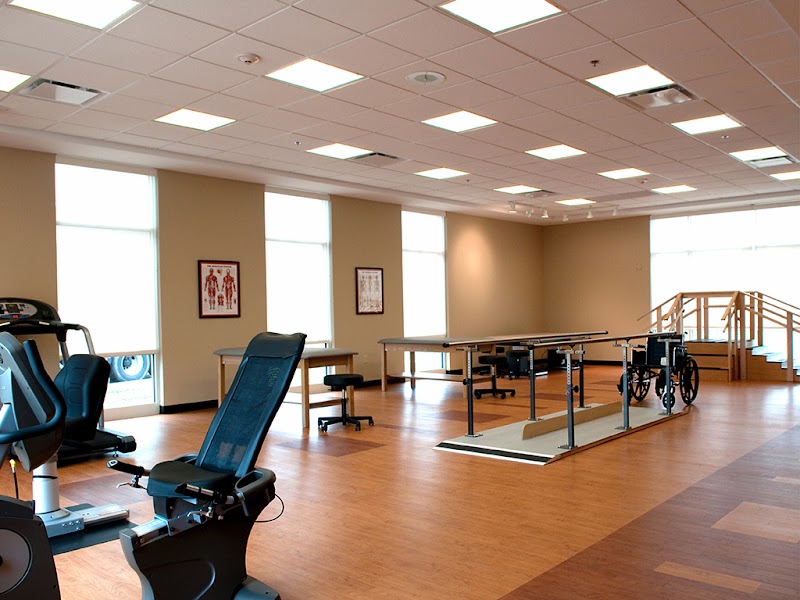
How is Bridgeport Health Staffed?

CMS rates BRIDGEPORT HEALTH CARE CENTER's staffing level at 1 out of 5 stars, which is much below average compared to other nursing homes. Staff turnover is 53%, compared to the Ohio average of 46%. RN turnover specifically is 56%, which is notably high. RNs provide skilled clinical oversight, so turnover in this role can affect medical care quality.

What Have Inspectors Found at Bridgeport Health?

State health inspectors documented 37 deficiencies at BRIDGEPORT HEALTH CARE CENTER during 2019 to 2025. These included: 2 that caused actual resident harm and 35 with potential for harm. Deficiencies causing actual harm indicate documented cases where residents experienced negative health consequences.
Who Owns and Operates Bridgeport Health?

BRIDGEPORT HEALTH CARE CENTER is owned by a for-profit company. For-profit facilities operate as businesses with obligations to shareholders or private owners. The facility is operated by COMMUNICARE HEALTH, a chain that manages multiple nursing homes. With 99 certified beds and approximately 88 residents (about 89% occupancy), it is a smaller facility located in PORTSMOUTH, Ohio.
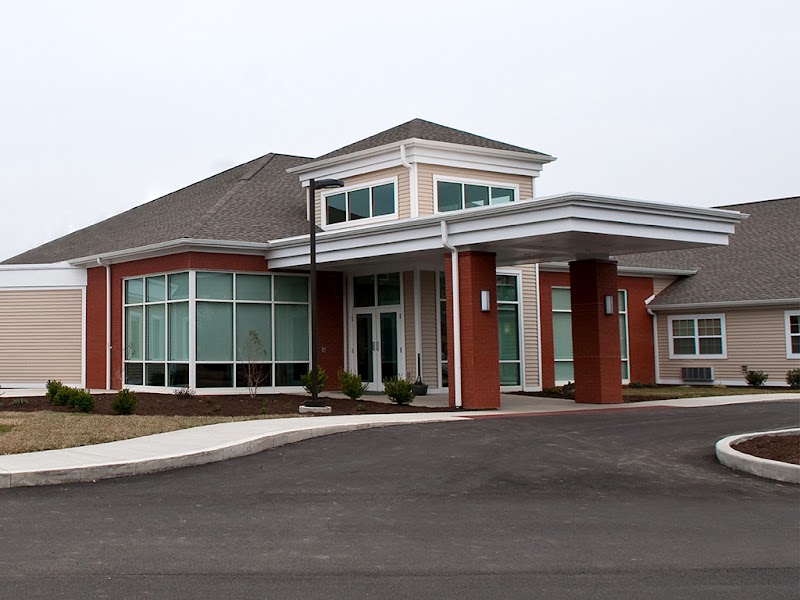
How Does Bridgeport Health Compare to Other Ohio Nursing Homes?

Compared to the 100 nursing homes in Ohio, BRIDGEPORT HEALTH CARE CENTER's overall rating (3 stars) is below the state average of 3.2, staff turnover (53%) is near the state average of 46%, and health inspection rating (3 stars) is at the national benchmark.

What Should Families Ask When Visiting Bridgeport Health?

Based on this facility's data, families visiting should ask: "Can you walk me through typical staffing levels on day, evening, and night shifts?" "Can I visit during a mealtime to observe dining assistance and food quality?" "How do you handle medical emergencies, and what is your hospital transfer rate?" "Can I speak with family members of current residents about their experience?" These questions are particularly relevant given the below-average staffing rating.

Is Bridgeport Health Safe?

Based on CMS inspection data, BRIDGEPORT HEALTH CARE CENTER has a clean safety record: no substantiated abuse findings (meaning no confirmed cases of resident harm), no Immediate Jeopardy citations (the most serious violation level indicating risk of serious injury or death), and is not on the Special Focus Facility watch list (a federal program monitoring the lowest-performing 1% of nursing homes). The facility has a 3-star overall rating and ranks #100 of 100 nursing homes in Ohio. While no facility is perfect, families should still ask about staff-to-resident ratios and recent inspection results during their visit.

Do Nurses at Bridgeport Health Stick Around?

BRIDGEPORT HEALTH CARE CENTER has a staff turnover rate of 53%, which is 7 percentage points above the Ohio average of 46%. Moderate turnover is common in nursing homes, but families should still ask about staff tenure and how the facility maintains care continuity when employees leave.

Was Bridgeport Health Ever Fined?

BRIDGEPORT HEALTH CARE CENTER has no federal fines on record. CMS issues fines when nursing homes fail to meet care standards or don't correct problems found during inspections. The absence of fines suggests the facility has either maintained compliance or corrected any issues before penalties were assessed. This is a positive indicator, though families should still review recent inspection reports for the full picture.

Is Bridgeport Health on Any Federal Watch List?

BRIDGEPORT HEALTH CARE CENTER is not on any federal watch list. The most significant is the Special Focus Facility (SFF) program, which identifies the bottom 1% of nursing homes nationally based on persistent, serious quality problems. Not being on this list means the facility has avoided the pattern of deficiencies that triggers enhanced federal oversight. This is a positive indicator, though families should still review the facility's inspection history directly.