HILL VIEW RETIREMENT CENTER
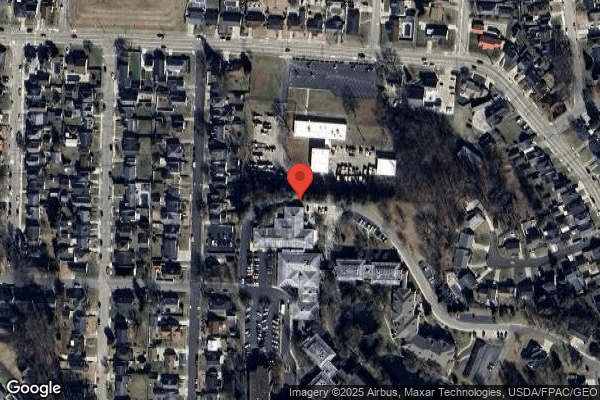

1610 28TH STREET, PORTSMOUTH, OH 45662 (740) 354-3135
Non profit - Church related 72 Beds Independent Data: November 2025
Trust Grade
65/100
#273 of 913 in OH
Last Inspection: July 2024

Within standard 12-15 month inspection cycle. Federal law requires annual inspections.

Overview

Hill View Retirement Center has a Trust Grade of C+, which means it is considered decent and slightly above average compared to other facilities. In Ohio, it ranks #273 out of 913, placing it in the top half of nursing homes, and #6 out of 11 in Scioto County, indicating only five local options are better. The facility is improving, with reported issues decreasing from 2 in 2024 to just 1 in 2025. However, staffing is a concern, with a 72% turnover rate that is significantly higher than the state average of 49%, although there have been no fines recorded, which is a positive aspect. Specific incidents noted include a lack of proper maintenance, such as a large section of the dining room ceiling missing and water damage in hallways, which could pose risks to residents. While the facility shows some strengths, these maintenance issues highlight areas needing urgent attention.

Trust Score
C+
65/100
In Ohio
#273/913
Top 29%
Safety Record
Low Risk
No red flags
Inspections
Getting Better
2 → 1 violations
Staff Stability
⚠ Watch
72% turnover. Very high, 24 points above average. Constant new faces learning your loved one's needs.
Penalties
✓ Good
No fines on record. Clean compliance history, better than most Ohio facilities.
Skilled Nurses
○ Average
Each resident gets 34 minutes of Registered Nurse (RN) attention daily — about average for Ohio. RNs are the most trained staff who monitor for health changes.
Violations
⚠ Watch
18 deficiencies on record. Higher than average. Multiple issues found across inspections.
★★★★☆
4.0
Overall Rating
★★★☆☆
3.0
Staff Levels
★★☆☆☆
2.0
Care Quality
★★★★☆
4.0
Inspection Score
Stable
2024: 2 issues
2025: 1 issues

The Good

  • Full Sprinkler Coverage · Fire safety systems throughout facility
  • No fines on record

Facility shows strength in fire safety.

The Bad

Staff Turnover: 72%

26pts above Ohio avg (46%)

Frequent staff changes - ask about care continuity

Staff turnover is very high (72%)

24 points above Ohio average of 48%

The Ugly 18 deficiencies on record

Aug 2025 1 deficiency
CONCERN (F) 📢 Someone Reported This

A family member, employee, or ombudsman was alarmed enough to file a formal complaint

Potential for Harm - no one hurt, but risky conditions existed

Safe Environment (Tag F0921)

Could have caused harm · This affected most or all residents

Based on observation, staff interview, and review of the facility policy, the facility failed to ensure the environment was maintained in good repair. This had the potential to effect all residents re...

Read full inspector narrative →
Based on observation, staff interview, and review of the facility policy, the facility failed to ensure the environment was maintained in good repair. This had the potential to effect all residents residing in the facility. The facility census was 64.Findings include:Observations on 08/08/25 from 10:22 A.M. through 11:30 A.M., during a tour of the facility, revealed a large portion of the ceiling in the second-floor dining room was missing. The area below the missing ceiling had yellow caution tape set up to keep people from walking underneath it. Continued observation of the second-floor hallway, outside of Resident #2's room, revealed discolored ceiling tiles and water was leaking down into a large and a small trash can placed underneath. The ceiling tiles had a black substance on them, which appeared mold or mildew like. Further observation of the third-floor hallway, located outside of Resident #63's room, revealed discolored ceiling tiles from what appeared to be water damage, and the carpet underneath the area was wet. The ceiling vents, located directly inside the doorways of 14 residents' (#6, #20, #22, #24, #26, #30, #39, #40, #49, #50, #52, #60, #61, and #63) rooms had water dripping down from them, which was being collected in trash cans placed by the facility staff. Many of the vents had areas of rust on them. Concurrent interview with Maintenance Director (MD) #900 revealed the ceiling in the second-floor dining room had fallen on 07/02/25 due to water damage. MD #900 confirmed the water leak had been repaired but the drywall still needed replaced. Further interview with MD #900 verified the hallway ceilings on the second and third floors and the vents in the resident rooms were leaking water and in need of repair. Review of the facility policy titled, Homelike Environment, dated 12/23/19, revealed it was the policy of the facility to provide residents with a safe, clean, comfortable and homelike environment. Staff and management shall maximize, to the extent possible, the characteristics of the facility that reflect a personalized, home-like setting. These characteristics included cleanliness and order.This deficiency represents non-compliance identified during the investigation of Complaint Number OH00167516 (1385853).
Jul 2024 2 deficiencies
CONCERN (D)

Potential for Harm - no one hurt, but risky conditions existed

PASARR Coordination (Tag F0644)

Could have caused harm · This affected 1 resident

Based on record review and staff interview, the facility failed to update the Preadmission Screening and Resident Review (PASARR) with new mental illness diagnoses for residents. This affected two (Re...

Read full inspector narrative →
Based on record review and staff interview, the facility failed to update the Preadmission Screening and Resident Review (PASARR) with new mental illness diagnoses for residents. This affected two (Residents #28 and #33) of 18 residents reviewed for PASARR completion. The facility census was 53 residents. Findings include: 1.Review of the medical record for Resident #28 revealed an admission date of 10/04/19 with diagnoses including congestive heart failure, hypertension, encephalopathy and major depressive disorder. On 09/07/21 Resident #28 was diagnosed with unspecified psychosis. Review of the admission PASARR document for Resident #28 dated 09/04/19 revealed the had no indications of serious mental illness or developmental disability. Review of the plan of care for Resident #28 dated 02/26/24 revealed the resident had unspecified psychosis with paranoia, hallucinations and increased anxiety. Interventions included the following: monitor and record occurrences of target behavior symptoms such as pacing, wandering, disrobing, inappropriate response to verbal communication, violence and aggression towards the staff and others, document per the facility protocol. Review of the quarterly Minimum Data Set (MDS) assessment for Resident #28 dated 05/09/24 revealed the resident had mild cognitive impairment with delusions. Resident #28 required maximum assistance with activities of daily living (ADLs). Interview on 07/02/24 at 2:50 P.M. with Admissions Director (AD) #36 confirmed the PASARR document for Resident #28 dated 09/04/19 indicated the resident did not have a serious mental illness. AD #36 confirmed a new diagnosis of unspecified psychosis was added on 09/07/21 for Resident #28. AD #36 confirmed this was a serious mental illness and a new PASARR should have been completed for Resident #28. 2. Review of the medical record for Resident #33 revealed an admission date of 07/09/21 with diagnoses including multisystem inflammatory syndrome, hypothyroidism, paranoid personality disorder, non-traumatic subarachnoid hemorrhage, dementia and diabetes mellitus type two. On 11/30/21 Resident #33 was diagnosed with psychosis. Review of the admission PASARR dated 06/27/19 indicated Resident #33 had no indications of serious mental illness or developmental disability Review of the quarterly MDS assessment for Resident #33 dated 04/09/24 revealed the resident had severe impaired cognition with delusions. Resident #33 required maximum assistance of staff with ADLs. Resident #33 received antipsychotic medication and diagnoses on the MDS included psychotic disorder other than schizophrenia. Review of the admission PASARR dated 06/27/19 indicated Resident #33 had no indications of serious mental illness or developmental disability. Interview on 07/02/24 at 2:50 P.M. with AD #36 confirmed the PASARR document for Resident #33 dated 06/27/19 indicated Resident #33 did not have a serious mental illness. AD #36 confirmed a new diagnosis of psychosis was added on 11/30/21 for Resident #33. AD #36 confirmed this was a serious mental illness and a new PASARR should have been completed for Resident #33.
CONCERN (D)

Potential for Harm - no one hurt, but risky conditions existed

ADL Care (Tag F0677)

Could have caused harm · This affected 1 resident

Based on medical record review, observation, and staff interview the facility failed to provide adequate nail care to dependent residents. This affected one (Resident #13) of five dependent residents ...

Read full inspector narrative →
Based on medical record review, observation, and staff interview the facility failed to provide adequate nail care to dependent residents. This affected one (Resident #13) of five dependent residents reviewed for bathing and nail care. The facility census was 53 residents. Findings include: Review of the medical of the medical record for Resident #13 revealed an admission date of 08/31/22 with diagnoses including congestive heart failure, dementia, and diabetes mellitus type two. Review of the care plan for Resident #13 dated 08/31/22 revealed staff would clean and trim the resident's nails weekly, as needed, and when soiled. Review of the Minimum Data Set (MDS) assessment for Resident #13 dated 04/12/24 revealed the resident was unable to make her needs known as she rarely/never was understood. Resident #13 was dependent on the assistance of staff with bathing and nail care. Review of shower sheet for Resident #13 dated 06/30/24 revealed the resident had received bathing per the schedule with nail care documented as completed 06/30/24. Observation on 06/30/24 at 1:38 P.M. of Resident #13 revealed the resident had a dry black substance under the fingernails. Observation on 07/01/24 at 03:48 P.M. with Resident #13 revealed the resident's fingernails extended approximately one fourth to one-half inch from the end of the fingertips. There was a black substance underneath all fingernails on both hands. Observation on 07/02/24 at 08:50 A.M of Resident #13 on 07/02/24 at 08:50 A.M. revealed the resident's fingernails remained long and uncut with a black substance under all of the fingernails. Observation on 07/02/24 at 3:48 P.M. of Resident #13 revealed the resident's fingernails remained long and uncut with a black substance under all of the fingernails. Interview on 07/02/24 at 3:49 P.M. with Registered Nurse (RN) #87 confirmed Resident #13 was dependent on staff for nail care. RN #87 further confirmed Resident #13's fingernails were long and dirty and needed to be trimmed and cleaned.
Jun 2022 7 deficiencies
CONCERN (D)

Potential for Harm - no one hurt, but risky conditions existed

Comprehensive Care Plan (Tag F0656)

Could have caused harm · This affected 1 resident

**NOTE- TERMS IN BRACKETS HAVE BEEN EDITED TO PROTECT CONFIDENTIALITY** Based on observations, interviews, record reviews, and online guidance, the facility failed to adequately implement care plans a...

Read full inspector narrative →
**NOTE- TERMS IN BRACKETS HAVE BEEN EDITED TO PROTECT CONFIDENTIALITY** Based on observations, interviews, record reviews, and online guidance, the facility failed to adequately implement care plans and interventions. This affected three residents (#3, #29, and #31) of 20 residents whose care plans were reviewed during the annual survey. The facility census was 49. Findings include: 1. Record review for Resident #29 revealed this resident was admitted to the facility on [DATE] and had diagnoses including atrial fibrillation, stage three chronic kidney disease, hypertension, and systolic heart failure. Review of the admission Minimum Data Set (MDS) assessment, dated 05/03/22, revealed this resident had moderately impaired cognition evidenced by a Brief Interview for Mental Status (BIMS) assessment score of 03. This resident was assessed to require extensive assistance from one staff member for bed mobility, transfers, and toileting. Review of the active care plans for this resident revealed no care plan was implemented for wandering, being at risk for elopement, or the use of a wander guard until 06/21/22. Observation on 06/21/22 at 3:00 P.M. revealed Resident #29 was being assisted onto the elevator by family members when an alarm sounded due to the placement of a wander guard bracelet on the resident. The resident's daughter alerted staff the bracelet should probably be cut off for a while since it had been in place for a couple of weeks. Interview with Registered Nurse (RN) #60 on 06/24/22 at 11:00 A.M. verified there had not been a care plan in place for wandering, being at risk for elopement, or use of a wander guard for Resident #29 prior to 06/21/22. 2. Record review for Resident #31 revealed this resident was admitted to the facility on [DATE] and had diagnoses including stage four chronic kidney disease, dementia without behavioral disturbances, hypertension, and chronic obstructive pulmonary disorder. Review of the admission MDS assessment, dated 04/23/22, revealed this resident had moderately impaired cognition evidenced by a BIMS assessment score of 07. This resident was assessed to require extensive assistance from two staff members for bed mobility and extensive assistance from one staff member for transfers and toileting. Review of the care plan, dated 5/23/22, revealed this resident received dialysis. The only intervention listed was to send a sacked snack with the resident to dialysis. Interview with RN #60 on 06/24/22 at 11:00 A.M. verified the only intervention listed on the resident's care plan was to send a sacked snack with the resident to dialysis and did not contain any additional interventions detailing the plan of care the facility was to provide to the resident regarding dialysis care and treatment. Review of the online guidance from NurseJournal titled Nursing Care Plans Explained (https://nursejournal.org/articles/nursing-care-plans-explained/), modified on 04/28/2022, revealed nursing care plans were a vital part of the nursing process and provided a centralized document of the residents conditions, diagnoses, the nursing teams goals for the resident, and a measure of the residents progress. Nursing care plans were structured to capture all the important information for the nursing team in one place and ensured everything important was documented and available to all team members. Without nursing care plans, communication could become disjointed, and resident information may have been scattered across different records, or nursing staff may have had to rely on verbal handoff's which the new nurse may mishear or even forget. 3. Review of the medical record for Resident #3 revealed an admission date of 03/05/22 with diagnoses including osteoarthritis, hypertension, chronic kidney disease, diabetes mellitus and congestive heart failure. Review of the quarterly Minimum Data Set (MDS) 3.0 for Resident #3 dated 06/12/22 revealed the resident had moderate cognitive impairment with no behaviors. Resident #3 required extensive assistance of one person for bed mobility, transfers, dressing, toileting, and personal hygiene. Resident #3 was always incontinent of bowel and bladder. Resident #3 had an unstageable pressure ulcer with a treatment. Review of the Braden scale (used to determine risk of developing a pressure ulcer) dated 06/13/22 indicated Resident #3 was a low risk for developing pressure ulcers. Review of the pressure ulcer assessment dated [DATE] revealed the assessment to be incomplete and no indication Resident #3 had an unstageable pressure ulcer to his right heel. Review of the physician orders for June 2022 for Resident #3 revealed an order to paint right heel with betadine, wrap with kerlix daily and leave for protection. The June 2022 orders also included an order for Prevalon boots while in bed or chair to bilateral heels. Review of the treatment administration record for May 2022 and June 2022 revealed Resident #3 received the treatment to his right heel daily. Review of the pressure ulcer weekly skin assessment report/tracking log for Resident #3 revealed on 03/28/22 an unstageable pressure ulcer to right heel measured 2 centimeters (cm) by 1.5 cm with purple wound base. On 06/21/22 the unstageable pressure ulcer to right heel measured 0.5 cm by 0.2 cm with a light scab. Review of the plan of care initiated on 03/07/22 with no revisions revealed Resident #3 had the potential for pressure ulcer development related to immobility. The interventions included: cushion to wheelchair/chair dated 03/07/22, protective barrier cream to peri-anal area every shift and as needed dated 03/07/22, gel overlay to bed dated 03/07/22, inform the resident, family/caregivers of any new area of skin breakdown dated 03/07/22, may follow wound care clinic if skin issues occur dated 03/07/22 and turn and reposition every two hours and as needed for comfort as resident will allow dated 05/17/22. The plan of care did not address the actual active unstageable pressure ulcer to Resident #3's right heel. Observations of Resident #3 on 06/22/22 at 12:04 P.M., and on 06/23/22 at 9:53 A.M. revealed the resident was not wearing the Prevalon boots as ordered to bilateral lower extremities while in bed and up in his chair. An interview on 06/23/22 at 10:22 A.M. with State Tested Nursing Assistant (STNA) #280 revealed the resident had skin issues to his buttocks and right heel. The STNA said Resident #3 did not have any heel protectors such as Prevalon boots to wear while in bed or up in wheelchair. An interview on 06/24/22 at 10:34 A.M. with Licensed Practical Nurse (LPN) #100 revealed Resident #3 had a small scabbed area to right heel that was a blister. The current treatment was swab with iodine, and cover it with a foam dressing. An observation on 06/24/22 at 11:24 A.M. of Resident #3 sitting in his recliner. The resident was not wearing his Prevalon boots, and he proceeded to peel the foam dressing away from his heel. There was a dark dry scabbed area approximately 2 cm in diameter with no redness, drainage or odor noted. Resident #3 then put the dressing back over the area. The dressing was dated 06/23/22 and Resident #3 said someone would be changing it soon. An interview on 06/24/22 at 12:50 P.M. with Registered Nurse (RN) #60 confirmed Resident #3 did not have a care plan in place for the unstageable pressure ulcer to his right heel. Review of the facility policy titled Preventative Skin Care dated 11/27/17 indicated the licensed nurse will document the resident's response to all treatments by completing a weekly progress note to include length, width, depth,odor,drainage, color, pain, and effects of treatment. The RN manager will assess the weekly progress and determine if a new treatment order is needed. Documentation will be done in the medical record and interventions will be incorporated in the resident's care plan.
CONCERN (D)

Potential for Harm - no one hurt, but risky conditions existed

Deficiency F0657 (Tag F0657)

Could have caused harm · This affected 1 resident

Based on observation, interview, record review and review of the facility policy the facility failed to revise a resident's plan of care to reflect the pressure ulcer prevention device of Prevalon Boo...

Read full inspector narrative →
Based on observation, interview, record review and review of the facility policy the facility failed to revise a resident's plan of care to reflect the pressure ulcer prevention device of Prevalon Boots. This affected one of six residents (#12) reviewed for pressure ulcers. The facility census was 49. Findings include: Review of the medical record for Resident #12 revealed an admission date of 07/20/17 with diagnoses including dementia, unspecified psychosis, weakness and chronic obstructive pulmonary disorder. Review of the quarterly Minimum Data Set (3.0) dated 04/08/22 revealed Resident #12 had severe cognitive impairment. Resident #12 was totally dependent on one person for bed mobility, transfers, dressing, toileting, and personal hygiene. Resident #12 had impaired range of motion to bilateral upper extremities. Resident #12 had no skin impairments documented. Review of the physician telephone orders for Resident #12 revealed an order dated 05/03/22 for the resident to wear Prevalon boots while in bed. Staff may remove for dressing and hygiene per resident's tolerance. Review of the Treatment Administration Record (TAR) for May 2022 and June 2022 revealed documentation Resident #12 was wearing Prevalon boots when in bed and may remove for hygiene and dressing. Review of the Braden scale for predicting pressure ulcers score risk dated 5/10/22 revealed Resident #12 was at high risk. The assessment indicated Resident #12's bilateral heels would become reddened in 120 minutes while lying in bed making Resident #12 at risk for pressure ulcer development to bilateral heels. Review of Resident #12's plan of care dated 04/20/22 revealed a plan in place for impaired skin integrity as evidenced by a stage two pressure ulcer to left buttocks related to immobility. The interventions included pressure relieving cushion to wheelchair, protective cream to peri/anal areas every shift and as needed, gel overlay to bed, follow up with local hospital wound care center if skin issues occur, treatment per physician orders and turn and reposition every two hours and as needed for comfort. The plan of care was not revised to include the Prevalon boots to Resident #12's bilateral heels when in bed. Observations of Resident #12 on 06/22/22 at 2:42 P.M., 06/23/22 at 10:02 A.M. and at 2:30 P.M. revealed the resident's heels were lying flat on the bed. Resident #12 did not have on her Prevalon boots as ordered. An interview on 06/23/22 at 2:30 P.M. with State Tested Nursing Assistant (STNA) #440 confirmed Resident #12 did not have on her Prevalon boots, and the STNA could not locate the Prevalon boots in Resident #12's room. An interview on 06/24/22 at 11:19 A.M. with Registered Nurse (RN) #60 confirmed the plan of care was not revised to include the Prevalon boots to bilateral heels when in bed. Review of the facility polity titled Preventative Skin Care dated 11/27/17 indicated the RN manager would complete a skin risk assessment for each resident on admission, quarterly, with significant change and acute episode. The Braden's risk scale would be completed on admission weekly times four then monthly, with significant change per Resident Assessment Instrument (RAI) and acute episode. A pressure point skin tolerance test will be completed with the risk scale. All identified risk factors will be documented and interventions will be initiated and documented in the care plan with changes added or deleted as needed.
CONCERN (D)

Potential for Harm - no one hurt, but risky conditions existed

Pressure Ulcer Prevention (Tag F0686)

Could have caused harm · This affected 1 resident

**NOTE- TERMS IN BRACKETS HAVE BEEN EDITED TO PROTECT CONFIDENTIALITY** Based on observation, interview, record review and review of facility policy the facility failed to ensure pressure prevention d...

Read full inspector narrative →
**NOTE- TERMS IN BRACKETS HAVE BEEN EDITED TO PROTECT CONFIDENTIALITY** Based on observation, interview, record review and review of facility policy the facility failed to ensure pressure prevention devices were in place as ordered by the physician. The affected two of five residents (#12 and #3) reviewed for pressure ulcers. The facility census was 49. Findings include: 1. Review of the medical record for Resident #3 revealed an admission date of 03/05/22 with diagnoses including osteoarthritis, hypertension, chronic kidney disease, diabetes mellitus and congestive heart failure. Review of the quarterly Minimum Data Set (MDS) 3.0 for Resident #3 dated 06/12/22 revealed the resident had moderate cognitive impairment with no behaviors. Resident #3 required extensive assistance of one person for bed mobility, transfers, dressing, toileting, and personal hygiene. Resident #3 was always incontinent of bowel and bladder. Resident #3 had an unstageable pressure ulcer (defined as full-thickness skin and tissue loss in which the extent of tissue damage within the ulcer cannot be confirmed because the wound bed is obscured by slough or eschar) with a treatment. Review of the Braden scale (used to determine risk of developing a pressure ulcer) dated 06/13/22 indicated Resident #3 was a low risk for developing pressure ulcers. Review of the pressure ulcer assessment dated [DATE] revealed the assessment to be incomplete and no indication Resident #3 had an unstageable pressure ulcer to his right heel. Review of the physician orders for June 2022 for Resident #3 revealed an order to paint right heel with betadine, wrap with kerlix daily and leave for protection. The June 2022 orders also included an order for Prevalon boots while in bed or chair to bilateral heels. Review of the treatment administration record for May 2022 and June 2022 revealed Resident #3 received the treatment to his right heel daily. Review of the pressure ulcer weekly skin assessment report/tracking log for Resident #3 revealed on 03/28/22 an unstageable pressure ulcer to right heel measured 2 centimeters (cm) by 1.5 cm with purple wound base. On 06/21/22 the unstageable pressure ulcer to right heel measured 0.5 cm by 0.2 cm with a light scab. Review of the plan of care initiated on 03/07/22 revealed Resident #3 had the potential for pressure ulcer development related to immobility. The interventions included: cushion to wheelchair/chair, protective barrier cream to peri-anal area every shift and as needed, gel overlay to bed, inform the resident, family/caregivers of any new area of skin breakdown, may follow wound care clinic if skin issues occur, and turn and reposition every two hours and as needed for comfort as resident will allow. Observations of Resident #3 on 06/22/22 at 12:04 P.M., and on 06/23/22 at 9:53 A.M. revealed the resident was not wearing the Prevalon boots as ordered to bilateral lower extremities while in bed and up in his chair. An interview on 06/23/22 at 10:22 A.M. with State Tested Nursing Assistant (STNA) #250 revealed the resident had skin issues to his buttocks and right heel. The STNA said Resident #3 did not have any heel protectors such as Prevalon boots to wear while in bed or up in wheelchair. STNA #250 confirmed Resident #3 was not wearing his Prevalon boots. An interview on 06/24/22 at 10:34 A.M. with Licensed Practical Nurse (LPN) #100 revealed Resident #3 had a small scabbed area to right heel that was a blister. The current treatment was swab with iodine, and cover it with a foam dressing. An observation on 06/24/22 at 11:24 A.M. of Resident #3 sitting in his recliner revealed the resident was not wearing his Prevalon boots, and he proceeded to peel the foam dressing away from his heel. There was a dark dry scabbed area approximately 2 cm in diameter with no redness, drainage or odor noted. Resident then put the dressing back over the area. The dressing was dated 06/23/22 and Resident #3 said someone would be changing it soon. Review of the facility policy titled Preventative Skin Care dated 11/27/17 indicated the licensed nurse will document the resident's response to all treatments by completing a weekly progress note to include length, width, depth,odor,drainage, color, pain, and effects of treatment. The RN manager will assess the weekly progress and determine if a new treatment order is needed. Documentation will be done in the medical record and interventions will be incorporated into the resident's care plan. 2. Review of the medical record for Resident #12 revealed an admission date of 07/20/17 with diagnoses including dementia, unspecified psychosis, weakness and chronic obstructive pulmonary disorder. Review of the quarterly Minimum Data Set (3.0) dated 04/08/22 revealed Resident #12 had severe cognitive impairment. Resident #12 was totally dependent on one person for bed mobility, transfers, dressing, toileting, and personal hygiene. Resident #12 had impaired range of motion to bilateral upper extremities. Resident #12 had no skin impairments documented. Review of the physician telephone orders for Resident #12 revealed an order dated 05/03/22 for the resident to wear Prevalon boots while in bed. Staff may remove for dressing and hygiene per residents tolerance. Review of the Treatment Administration Record (TAR) for May 2022 and June 2022 revealed documentation Resident #12 was wearing Prevalon boots when in bed and may remove for hygiene and dressing. Review of the Braden sale for predicting pressure ulcers score risk dated 5/10/22 revealed Resident #12 was at high risk. The assessment indicated Resident #12 bilateral heels would become reddened in 120 minutes while lying in bed making Resident #12 at risk for pressure ulcer development to bilateral heels. Review of Resident #12 plan of care dated 04/20/22 revealed a plan in place for impaired skin integrity as evidenced by a stage two pressure ulcer (defined as partial-thickness loss of skin with exposed dermis, presenting as a shallow open ulcer. The wound bed is viable, pink or red, moist, and may also present as an intact or open/ruptured blister) to left buttocks related to immobility. The interventions included pressure relieving cushion to wheelchair, protective cream to peri/anal areas every shift and as needed, gel overlay to bed, follow up with local hospital wound care center if skin issues occur, treatment per physician orders and turn and reposition every two hours and as needed for comfort. The plan of care was not revised to include the Prevalon boots to Resident #12's bilateral heels when in bed. Observations of Resident #12 on 06/22/22 at 2:42 P.M., 06/23/22 at 10:02 A.M. and at 2:30 P.M. revealed the resident's heels were lying flat on the bed. Resident #12 did not have on her Prevalon boots as ordered. An interview on 06/23/22 at 2:30 P.M. with STNA #440 confirmed Resident #12 did not have on her Prevalon boots, and the STNA could not locate the Prevalon boots in Resident #12's room. Review of the facility policy titled Preventative Skin Care dated 11/27/17 indicated the licensed nurse will document the resident's response to all treatments by completing a weekly progress note to include length, width, depth,odor,drainage, color, pain, and effects of treatment. The RN manager will assess the weekly progress and determine if a new treatment order is needed. Documentation will be done in the medical record and interventions will be incorporated in to the resident's care plan.
CONCERN (D)

Potential for Harm - no one hurt, but risky conditions existed

Accident Prevention (Tag F0689)

Could have caused harm · This affected 1 resident

**NOTE- TERMS IN BRACKETS HAVE BEEN EDITED TO PROTECT CONFIDENTIALITY** Based on observations, interviews, and record reviews, the facility failed to ensure fall interventions were in place as per the...

Read full inspector narrative →
**NOTE- TERMS IN BRACKETS HAVE BEEN EDITED TO PROTECT CONFIDENTIALITY** Based on observations, interviews, and record reviews, the facility failed to ensure fall interventions were in place as per the plan of care and failed to ensure evidence of monitoring a resident who was at risk for elopement. This affected two residents (#29 and #44) of the five residents reviewed for falls and elopement during the annual survey. The facility census was 49. Findings include: 1. Record review for Resident #29 revealed this resident was admitted to the facility on [DATE] and had diagnoses including atrial fibrillation, stage three chronic kidney disease, hypertension, and systolic heart failure. Review of the admission Minimum Data Set (MDS) assessment, dated 05/03/22, revealed this resident had moderately impaired cognition evidenced by a Brief Interview for Mental Status (BIMS) assessment score of 03. This resident was assessed to require extensive assistance from one staff member for bed mobility, transfers, and toileting. Review of the active care plans for this resident revealed no care plan was implemented for wandering, being at risk for elopement, or the use of a wander guard until 06/21/22. Review of the physicians orders for Resident #29 revealed there was not an order in place for a wander guard or monitoring of the wander guards placement or function until 06/21/22. Observation on 06/21/22 at 3:00 P.M. revealed Resident #29 was being assisted onto the elevator by family members when an alarm sounded due to the placement of a wander guard bracelet on the resident. The residents daughter alerted staff the bracelet should probably be cut off for a while since it had been in place for a couple of weeks. Interview with Licensed Practical Nurse (LPN) #90 on 06/21/22 at 3:28 P.M. verified there was no documentation of monitoring of the placement or function of Resident #29's wander guard present on the Medication Administration Record (MAR) or Treatment Administration Record (TAR) for the for the month of 06/2022. Interview with Registered Nurse (RN) #20 on 06/21/22 at 3:36 P.M. verified there was not an order for a wander guard or to check the placement or function of the wander guard for Resident #29. Interview with RN #60 on 06/24/22 at 11:00 A.M. verified there had not been a care plan in place for wandering, being at risk for elopement, or use of a wander guard for Resident #29 prior to 06/21/22. 2. Record review for Resident #44 revealed this resident was admitted to the facility on [DATE] and had diagnoses including repeated falls, essential tremors, reduced anxiety, and dementia without behavioral disturbances. Review of the admission MDS assessment, dated 05/30/22, revealed this resident had intact cognition evidenced by a BIMS assessment score of 15. This resident was assessed to require extensive assistance from one staff member for bed mobility, transfers, and toileting. This resident was assessed to have had one fall with injury since admission or the prior assessment. Review of the care plan, dated 05/23/22, revealed this resident was at risk for falls. Interventions included to change the call light button to a touch pad call light and to position the resident's walker within reach. Review of the nurses progress note, dated 06/15/22, revealed the resident was found on the floor next to the commode. The resident reported to the nurse using the call light to summons assistance to the bathroom, however, the call light was not on. The new intervention put into place was to change the call light to a touch pad call light. Observation and interview on 06/23/22 at 2:39 P.M. revealed Resident #44 was sleeping in a recliner located on one side of the room while the resident's walker was located by the wall across the room from the resident. Two button call lights were observed in the resident's room, one connected to the resident's recliner and one connected to the bed. There was no touch pad call light observed in the room. RN #30 verified the resident's walker was not within reach of the resident and there were only push button call lights in the resident's room at the time of the observation.
CONCERN (D)

Potential for Harm - no one hurt, but risky conditions existed

Deficiency F0698 (Tag F0698)

Could have caused harm · This affected 1 resident

**NOTE- TERMS IN BRACKETS HAVE BEEN EDITED TO PROTECT CONFIDENTIALITY** Based on observation, interviews, record reviews, and review of facility policies, the facility failed to ensure adequate monito...

Read full inspector narrative →
**NOTE- TERMS IN BRACKETS HAVE BEEN EDITED TO PROTECT CONFIDENTIALITY** Based on observation, interviews, record reviews, and review of facility policies, the facility failed to ensure adequate monitoring of a dialysis residents AV shunt. This affected the one resident (#31) who was receiving dialysis while residing in the facility. The facility census was 49. Findings include: Record review for Resident #31 revealed this resident was admitted to the facility on [DATE] and had diagnoses including stage four chronic kidney disease, dementia without behavioral disturbances, hypertension, and chronic obstructive pulmonary disorder. Review of the admission MDS assessment, dated 04/23/22, revealed this resident had moderately impaired cognation evidenced by a BIMS assessment score of 07. This resident was assessed to require extensive assistance from two staff members for bed mobility and extensive assistance from one staff member for transfers and toileting. Review of the care plan, dated 5/23/22, revealed this resident received dialysis. The only intervention listed was to send a sacked snack with the resident to dialysis Review of the physicians order, dated 05/19/22, revealed this resident was scheduled to receive dialysis every Monday, Wednesday, and Friday. Review of the physicians orders revealed there was not an order to assess the AV shunt for thrill and bruit until 06/22/22. Review of the Medication Administration Record, Treatment Administration Record, and progress notes from 05/19/22 through 06/21/22 revealed no documentation of the monitoring of the AV shunt for thrill and bruit. Observation on 06/21/22 at 2:45 P.M. revealed Resident #31 was sitting in a recliner and had an AV shunt present in her left upper arm. Interview with Licensed Practical Nurse (LPN) #600 on 06/22/22 at 10:45 A.M. verified Resident #31 had an AV shunt present and there were not orders to monitor the AV shunt for thrill and bruit. Review of the facility policy titled Hemo-Dialysis, dated 04/20/2008, revealed the facility would monitor the dialysis access site per physician's orders and report any concerns.
CONCERN (D)

Potential for Harm - no one hurt, but risky conditions existed

Medication Errors (Tag F0758)

Could have caused harm · This affected 1 resident

**NOTE- TERMS IN BRACKETS HAVE BEEN EDITED TO PROTECT CONFIDENTIALITY** 2. Record review for Resident #44 revealed this resident was admitted to the facility on [DATE] and had diagnoses including esse...

Read full inspector narrative →
**NOTE- TERMS IN BRACKETS HAVE BEEN EDITED TO PROTECT CONFIDENTIALITY** 2. Record review for Resident #44 revealed this resident was admitted to the facility on [DATE] and had diagnoses including essential tremors, insomnia, dementia without behavioral disturbances, and anxiety. Review of the admission MDS assessment, dated 05/30/22, revealed this resident had intact cognition evidenced by a Brief Interview for Mental Status (BIMS) assessment score of 15. This resident was assessed to require extensive assistance from one staff member for bed mobility, transfers, and toileting. Review of the active physicians order, dated 05/26/22, revealed an order to administer Ativan (an antianxiety medication) 0.5 milligrams (mg) every hour of sleep as needed. Interview with Registered Nurse (RN) #30 on 06/23/22 at 2:12 P.M. verified Resident #44 has an active order for Ativan to be administered as needed which did not contain a stop date. Based on record review and interviews the facility failed to provide an appropriate diagnosis for the use of an antipsychotic and failed to discontinue an antianxiety medication due to non-use. This affected two residents(Resident #44 and Resident #201) of five residents reviewed for unnecessary medications. The facility census was 49. Findings include: 1. Record review of Resident #201 on 06/22/22 at 3:28 P.M. revealed this resident was admitted to the facility on [DATE] with the following medical diagnoses: left femur fracture, dysphagia, muscle weakness, anemia, depression, anxiety, hypertension, carotid artery stenosis, gastroenteritis, chronic kidney disease, diarrhea, and transient ischemic attacks. This resident is currently alert and oriented to person, place, and time per admission assessment and nursing notes as this resident does not have an active BIMS score as this resident has been residing in the facility for approximately 2 days. Review of Physician Orders revealed this resident is receiving the following medications: Olanzapine 2.5mg PO daily at bedtime for mood. Review of current medical diagnoses revealed this resident does not have an active diagnosis of mood disorder or any other psychiatric disorder. Interview with Registered Nurse #40 on 06/23/22 at 09:17 A.M. verified this resident does not have a current diagnosis of mood disorder or any other psychiatric disorder.
CONCERN (D)

Potential for Harm - no one hurt, but risky conditions existed

Deficiency F0761 (Tag F0761)

Could have caused harm · This affected 1 resident

**NOTE- TERMS IN BRACKETS HAVE BEEN EDITED TO PROTECT CONFIDENTIALITY** Based on observations, interviews, record reviews, and review of facility policies, the facility failed to ensure medications we...

Read full inspector narrative →
**NOTE- TERMS IN BRACKETS HAVE BEEN EDITED TO PROTECT CONFIDENTIALITY** Based on observations, interviews, record reviews, and review of facility policies, the facility failed to ensure medications were stored appropriately and provided for the use intended. This affected one resident (#48) out of the 49 residents observed during the annual survey. The facility census was 49. Findings include: Record review for Resident #48 revealed this resident was admitted to the facility on [DATE] and had diagnoses including chronic obstructive pulmonary disease, dementia without behavioral disturbances, anxiety, insomnia, and asthma. Review of the quarterly Minimum Data Set (MDS) assessment, dated 06/05/22, revealed this resident had mildly impaired cognition evidenced by a Brief Interview for Mental Status (BIMS) assessment score of 11. This resident was assessed to require extensive assistance from one staff member for bed mobility, transfers, and toileting. Review of the care plan, dated 06/13/22, revealed this resident had asthma and shortness of breath. Interventions included to give aerosols or bronchodilators as ordered. Review of the facility Self Administration of Medication assessment, dated 06/06/22, revealed this resident was unaware of medications, doses, etc. and nursing staff was to administer all medications. Review of the active physicians orders revealed there were no orders to leave medications or inhalers at bedside. Observation and interview on 06/21/22 at 10:53 A.M. revealed Resident #48 was sitting in a recliner and had an inhaler located within easy reach on the tray table located directly beside the recliner. Resident #48 picked up the inhaler and stated it did not seem to be working correctly and was not able to read the label. The label was observed to be severely faded and contained the the wording Albuterol Aer HFA inhale two puffs by mouth every four hours as needed for dyspnea. Interview with Licensed Practical Nurse (LPN) #90 on 06/21/22 at 11:08 A.M. revealed staff provided the inhaler to Resident #48 as a placebo due to the resident's anxiety if the inhaler was not there. Observation on 06/22/22 at 10:05 A.M. revealed Resident #48 was sitting in a recliner and had the inhaler located within easy reach on the tray table located directly beside the recliner. Observation and interview on 06/23/22 at 12:55 P.M. with Registered Nurse (RN) #30 verified there was an inhaler lying on the table within easy reach of Resident #48. RN #30 picked up the inhaler and took it out of the room as she informed Resident #48 she would have to check and see what the inhaler was and if it could be left in the room. RN #30 then verified the inhaler was labeled Albuterol Aer HFA and demonstrated the inhaler being depressed with aerosolized medication coming out of the inhaler. RN #30 then checked the physician's orders for Resident #48 and verified there was no order for the resident to have the inhaler at bedside. RN #30 stated she was unsure as to why the resident had the inhaler in room. Review of the facility policy titled Self Administration of Medications, dated 06/08/10, revealed residents would not be allowed to administer or retain medications in their rooms unless ordered so by the physician and approved by the care planning team.
Dec 2019 8 deficiencies
CONCERN (D)

Potential for Harm - no one hurt, but risky conditions existed

Resident Rights (Tag F0550)

Could have caused harm · This affected 1 resident

**NOTE- TERMS IN BRACKETS HAVE BEEN EDITED TO PROTECT CONFIDENTIALITY** Based on observation, staff interview and policy review the facility failed to ensure residents were treated with dignity with r...

Read full inspector narrative →
**NOTE- TERMS IN BRACKETS HAVE BEEN EDITED TO PROTECT CONFIDENTIALITY** Based on observation, staff interview and policy review the facility failed to ensure residents were treated with dignity with respect related to names boldly printed on the back of a wheelchair as well as devices hanging off the back of a wheelchair. This affected one (Resident #18) of one sampled resident reviewed for dignity. Findings include: Review of Resident #18's medical record revealed she was admitted on [DATE] with diagnoses that included; essential hypertension, iron deficiency anemia, gastro-esophageal reflux, dementia without behaviors, hearing loss, Alzheimer's disease, urinary tract infection, and altered mental status. Review of Resident #18's quarterly Minimum Data Set (MDS) dated [DATE] revealed the following. Resident #18's speech was clear, she usually understood, understands, and her cognition was severely impaired. Resident #18 was dependent on two staff for bed mobility, required extensive assistance of two staff for transfers, did not walk, used a wheelchair, and did not use a restraint. Observation of Resident #18 on 12/10/19 at 9:57 A.M. revealed she was seated in a wheelchair in a common area. The back of Resident #18's wheelchair had another person's name on it and the seat belt was fastened and dangling from the back of the wheelchair. Observation of Resident #18 on 12/11/19 at 8:28 A.M. revealed she was in the same wheelchair, in a common area, at 9:54 A.M. she was in the same wheelchair in the activity room, and at 11:29 A.M. she was again in the dining room in the same wheelchair. Interview of Assistant Director of Nursing (ADON) #159 on 12/11/19 at 11:29 A.M. confirmed another person's name was on the back of the wheel chair Resident #18 was using. ADON #159 stated families donated wheelchairs and they were used for other residents. ADON #159 confirmed a seatbelt was dangling off the back of the wheel chair and Resident #18 did not use a seat belt. Interview of the Director of Nursing (DON) on 12/11/19 at 1:49 P.M. confirmed it was not dignified to have a name printed on the on the back of a wheelchair, nor was it dignified having the seatbelt dangling off the back of the wheelchair. Review of the facility policy regarding dignity (dated 11/28/16) revealed each resident is accepted as a valued individual, who deserves to be treated with dignity and respect.
CONCERN (D)

Potential for Harm - no one hurt, but risky conditions existed

ADL Care (Tag F0677)

Could have caused harm · This affected 1 resident

**NOTE- TERMS IN BRACKETS HAVE BEEN EDITED TO PROTECT CONFIDENTIALITY** Based on medical record review. observation, and staff interview the facility failed to ensure a resident maintained good nutrit...

Read full inspector narrative →
**NOTE- TERMS IN BRACKETS HAVE BEEN EDITED TO PROTECT CONFIDENTIALITY** Based on medical record review. observation, and staff interview the facility failed to ensure a resident maintained good nutrition with respect to maintaining food and liquid consistency. This affected one of three residents reviewed for decline in activities of daily living (Resident #11). Findings include: Review of Resident #11's medical record revealed she was admitted on [DATE] with a diagnoses that included; cerebral infarction, hypertension, generalized anxiety, constipation, psychosis, protein calorie malnutrition, restlessness, agitation, major depression, dementia without behavioral disturbance, and insomnia. Review of Resident #11's admission physician orders dated 06/21/19 revealed the resident was ordered a mechanical soft diet with regular consistency liquid. Review of Resident #11's admission Minimum Data Set (MDS) dated [DATE] revealed her cognition was severely impaired. Resident #11 had no behaviors and did not reject care. Resident #11 required extensive assistance of two staff for bed mobility, to transfer, and required supervision with set up help to eat. Resident #11 had no swallowing problems, no significant weight changes, a mechanically altered diet, and no dental problems. Resident #11 had no special treatments, and she received therapy after admission. Review of Resident #11's nursing progress notes dated 09/11/19 revealed the resident was pocketing food and her diet was changed to pureed foods with regular consistency liquids. On 09/25/19 Resident #11's diet was changed again to pureed foods with nectar consistency liquids, built up utensils and a no spill cup. Review of Resident #11's quarterly MDS dated [DATE] revealed the following changes; she had unclear speech, sometimes she understood, sometimes she understands, was dependent on one staff to eat. Resident #11 received therapy that ended on 08/26/19 and she received no restorative nursing programs. Review of Resident #11's weights revealed the following. On 09/13/2019 she weighed 147.7 pounds, on 09/20/2019 her weight was 147.0 pounds, and on 09/27/2019 her weight was 129.4 pounds. There was no evidence the Resident #11 received services to prevent a down grade in her diet, a change in the consistency of her liquids, or the need for adaptive equipment. Resident #11 was not evaluated by therapy for services until 10/11/19 when occupational therapy (OT) evaluated her. Resident #11 was not evaluated by speech therapy (ST). Observation of Resident #11 on 12/11/19 at 11:49 A.M. in the dining room revealed the resident received pureed food, nectar thick liquids, built up utensils, and staff was feeding her. Interview of Assistant Director of Nursing (ADON) #159 on 12/12/19 at 5:16 P.M. confirmed there was no evidence Resident #11 received services to maintain her diet consistency and no evaluation of her diet after her diet was downgraded. No plan was developed and implemented to maintain the resident's ability to eat.
CONCERN (D)

Potential for Harm - no one hurt, but risky conditions existed

Deficiency F0688 (Tag F0688)

Could have caused harm · This affected 1 resident

**NOTE- TERMS IN BRACKETS HAVE BEEN EDITED TO PROTECT CONFIDENTIALITY** Based on medical record review, observation, and staff interview the facility failed to ensure a resident received services to m...

Read full inspector narrative →
**NOTE- TERMS IN BRACKETS HAVE BEEN EDITED TO PROTECT CONFIDENTIALITY** Based on medical record review, observation, and staff interview the facility failed to ensure a resident received services to maintain their range of motion following a stroke. This affected one of three residents reviewed for decline in activities of daily living (Resident #11). Findings include: Review of Resident #11's medical record revealed she was admitted on [DATE] with a diagnoses that included; cerebral infraction, essential hypertension, generalized anxiety, constipation, psychosis, protein calorie malnutrition, restlessness, agitation, dysarthria following cerebral infarction, major depression, dementia without behavioral disturbance, and insomnia. Review of Resident #11's admission Minimum Data Set (MDS) dated [DATE] revealed her speech was clear she understood, was understood, and her cognition was severely impaired. Resident #11 had no behaviors and did not reject care. Resident #11 required extensive assistance of two staff for bed mobility, to transfer, for locomotion on unit, and had no limitations in functional range of motion. Resident #11 had no falls. Resident #11 had no special treatments, and she received therapy after admission. Review of Resident #11 quarterly MDS dated [DATE] revealed the following changes; she had functional limitation of range of motion on one side of both upper and lower extremities, and had two or more falls with no injury. Resident #11 received therapy that ended on 08/26/19 and she received no restorative nursing programs. There was no evidence the Resident #11 received services to maintain her range of motion. Resident #11 was not evaluated for range of motion by therapy until 10/11/19 when occupational therapy evaluated her for services. Interview of Assistant Director of Nursing (ADON) #159 on 12/12/19 at 5:16 P.M. confirmed there was no evidence Resident #11 received services to maintain her range of motion. No plan was developed and implemented to maintain the resident's range of motion.
CONCERN (D)

Potential for Harm - no one hurt, but risky conditions existed

Incontinence Care (Tag F0690)

Could have caused harm · This affected 1 resident

**NOTE- TERMS IN BRACKETS HAVE BEEN EDITED TO PROTECT CONFIDENTIALITY** Based on observation and medical record review the facility failed to ensure a resident had an order for a catheter and received...

Read full inspector narrative →
**NOTE- TERMS IN BRACKETS HAVE BEEN EDITED TO PROTECT CONFIDENTIALITY** Based on observation and medical record review the facility failed to ensure a resident had an order for a catheter and received services to prevent urinary tract infections. This affected one of one sampled resident reviewed for urinary catheters (Resident #38). Findings include: Review of Resident #38's medical record revealed she was admitted on [DATE] readmitted on [DATE] with diagnoses that included; acute cystitis with hematuria, neuromuscular dysfunction of the bladder, hemiplegia and hemiparesis, and dysphagia. Review of Resident #38's annual Minimum Data Set (MDS) dated [DATE] revealed her cognition was severely impaired, she had delusions, had other behaviors one to three days, that did not impact her or other residents, she did not reject care and she did not wander. Resident #38 did not have a urinary catheter and was always incontinent of urine. Review of Resident #38's 5-day Medicare MDS dated [DATE] revealed she was frequently incontinent of urine. Review of Resident #38's nurses progress notes dated 11/13/19 revealed the resident had not voided in the past two shifts. The physician was notified, and a urinary catheter was inserted. Review of telephone orders for Resident #38 revealed on 11/14/19 orders were received to schedule a urology appointment due to urinary retention and placement of a catheter. Review of December 2019 physician orders revealed no orders for a urinary catheter. Observation of Resident #38 on 12/10/19 at 9:53 A.M. revealed she was seated in a wheelchair in the activity room and the urinary catheter tubing was resting on the floor. Observation of Resident #38 on 12/12/19 at 8:11 A.M. revealed she was seated in a wheelchair in common area with the catheter tubing resting on the floor. Interview of Licensed Practical Nurse (LPN) #167 on 12/12/19 at 8:20 A.M. confirmed Resident #38's catheter tubing was on the floor on 12/12/19 at 8:11 A.M. and it should be off the floor. LPN #167 adjusted the tubing. Interview of Assistant Director of Nursing (ADON) on 12/12/19 at 3:41 P.M. confirmed there was no order for the indwelling catheter.
CONCERN (D)

Potential for Harm - no one hurt, but risky conditions existed

Respiratory Care (Tag F0695)

Could have caused harm · This affected 1 resident

**NOTE- TERMS IN BRACKETS HAVE BEEN EDITED TO PROTECT CONFIDENTIALITY** Based on record review, observation and interview the facility failed to provide appropriate respiratory care by not labeling ox...

Read full inspector narrative →
**NOTE- TERMS IN BRACKETS HAVE BEEN EDITED TO PROTECT CONFIDENTIALITY** Based on record review, observation and interview the facility failed to provide appropriate respiratory care by not labeling oxygen tubing with the appropriate date and time that it was provided to the resident. This affected one (Resident #4) out of three reviewed for oxygen use. The facility census was 68. Findings include: Record review of Resident #4 revealed the resident was admitted to the facility on [DATE] with the following medical diagnoses: myocardial infarction, insomnia, anxiety, muscle weakness, hypertension, hypothyroidism, dementia, hyperlipidemia, dementia, syncope, pulmonary embolism, transient ischemic attack, and osteoarthritis. The most recent MDS assessment completed on 11/28/19 indicated moderate/severe cognitive impairment. Review of physician orders revealed the was to receive continuous oxygen at 2-3 liters per minute per nasal cannula for a diagnoses of pulmonary embolism and shortness of breath. The resident was care planned for oxygen delivery with measurable goals and appropriate interventions. On 12/09/19 at 05:39 P.M., observation of Resident #4 revealed the oxygen tubing provided to the resident was not labeled with the date and time it was provided to the resident for continuous oxygen administration On 12/10/19 at 08:15 A.M., the oxygen tubing remained unlabeled and undated on observation. On 12/11/19 at 11:55 A.M., observation of Resident #4 revealed the oxygen tubing on the portable oxygen tank remained unlabeled with the appropriate date and time provided to the resident for use. On 12/12/19 at 09:00 A.M., observation of Resident #4 revealed oxygen tubing remained unlabeled and undated. On 12/12/19 at 09:00 A.M., interview with Licensed Practical Nurse (LPN) #167 verified that the oxygen tubing for Resident #4 remained unlabeled with the appropriate date and time it was provided to the resident. Review of the facility policy on the use of oxygen and nebulizers revealed that this policy is undated during this review. The policy states the disposable tubing, masks, cannulas, handheld nebulizers and humidifiers are to be replaced weekly and dated to ensure compliance.
CONCERN (D)

Potential for Harm - no one hurt, but risky conditions existed

Infection Control (Tag F0880)

Could have caused harm · This affected 1 resident

**NOTE- TERMS IN BRACKETS HAVE BEEN EDITED TO PROTECT CONFIDENTIALITY** Based on observation, medical record review and staff interview, the facility failed to follow proper infection control procedur...

Read full inspector narrative →
**NOTE- TERMS IN BRACKETS HAVE BEEN EDITED TO PROTECT CONFIDENTIALITY** Based on observation, medical record review and staff interview, the facility failed to follow proper infection control procedures to prevent the potential spread of infection. This affected one (Resident #167) of one resident reviewed for isolation precautions. Findings Include: Review of Resident #167's medical record revealed an admission date of 12/06/19 with the admitting diagnoses of clostridium difficile (c-diff), diabetes mellitus, congestive heart failure and restless leg syndrome. Review of the resident's admission Health Care Nursing admission assessment dated [DATE] revealed the resident was alert and oriented. She understood others, made herself understood and had memory problems. The assessment indicated the resident required one assist from staff for activities of daily living. Review of the plan of care dated 12/09/19 revealed the resident had c-diff. Interventions included to disinfect all equipment used before it leaves the room, the resident requires supervision, reminders with hand washing after being toileted and before and after meals, educate resident/family/staff regarding preventative measures to contain the infection, encourage good nutrition and hydration, give all medications and IV therapy as ordered, monitor for symptoms of weakness, dehydration, fever, nausea, and vomiting and blood in stool, use as much disposable equipment as possible or use dedicated equipment such as thermometer and blood pressure cuff. Review of the resident's admission physician's orders dated 12/05/19 indicated orders for Vancomycin 250 milligrams (mg)/5 milliliters (ml) with the special instructions to take 12.5 mg by mouth every six hours for 14 days for c-diff, Flagyl 500 mg by mouth every six hours until 12/14/19 for c-diff and maintain c-diff precautions. On 12/10/19 at 10:41 A.M. observation of the resident revealed a cart in the resident's room containing personal protective equipment (PPE) with no sign on the door alerting staff or visitors the resident had isolation precautions. On 12/10/19 at 11:30 A.M. observation of State Tested Nursing Assistant (STNA) #129 delivering the resident's lunch meal revealed the STNA entered the resident's room, adjusted the resident's chair, bedside table and delivered the meal without donning PPE. On 12/11/19 at 1:40 P.M. observation of Registered Nurses (RN) #159 and #161 provide the physician ordered dressing change to the resident's left leg wound revealed the staff had not utilize any PPE while providing the dressing change. On 12/11/19 03:01 PM interview with RN #160 verified the resident was on Vancomycin (an antibiotic) for C-diff, staff should utilize PPE, and there was not a sign on the door alerting the staff and/or visitors of the being on contact isolation.
CONCERN (E)

Potential for Harm - no one hurt, but risky conditions existed

Deficiency F0578 (Tag F0578)

Could have caused harm · This affected multiple residents

**NOTE- TERMS IN BRACKETS HAVE BEEN EDITED TO PROTECT CONFIDENTIALITY** Based on Record Review and Interview the facility failed to obtain a physician order for Advance Directives, including Do Not Re...

Read full inspector narrative →
**NOTE- TERMS IN BRACKETS HAVE BEEN EDITED TO PROTECT CONFIDENTIALITY** Based on Record Review and Interview the facility failed to obtain a physician order for Advance Directives, including Do Not Resuscitate-Comfort Care provisions. This affected four residents(Resident #31, #50, #18, and #163) out of four reviewed for Advance Directives. The facility census was 68. Findings include: 1. Record Review of Resident #31 revealed the resident was admitted to the facility on [DATE] with the following medical diagnoses: severe sepsis, mesenteric artery abscess with ischemic bowel, malaise, hyperlipidemia, depression, hypertension, chronic embolism and thrombosis, constipation, chronic pain, muscle weakness, diabetes mellitus type II, and difficult ambulation. The most recent Minimum Data Set (MDS) assessment completed on 10/23/19, indicated the resident had minimal cognitive impairment. Review of current physician orders revealed the resident did not have a valid Do Not Resuscitate-Comfort Care (DNR-CCA) order in place either in paper chart or electronic record, but did have an DNR-CCA form dated 11/21/19 in the chart. The resident did not have a care plan to address code status. On 12/12/19 at 09:29 A.M. interview with Registered Nurse (RN) #162 verified the resident did not have a written physician order in place in regards to her DNR-CCA status. She also verified the resident had no care plan to address her code status. 2. Record Review of Resident #50 revealed the resident was admitted to the facility on [DATE] with the following medical diagnoses: pulmonary embolism, depression, constipation, bipolar disorder, unspecified psychosis, schizophrenia, Guillian-Barre syndrome, acute embolism and thrombosis, dementia, hypertension, and hyperlipidemia. The most recent MDS assessment completed on 11/09/19, indicated the resident was rarely/never understood. Review of current physician orders revealed the resident did not have a valid DNR order in place either in paper chart or electronic record, but did have a DNR-CCA form dated 11/09/19 in the chart. The resident was accepted into hospice services on 11/07/19. The resident did not have a care plan to address code status. On 12/12/19 at 09:29 A.M. interview with RN #162 verified the resident did not have a written physician order in place in regards to her DNR-CCA status. She also verified the resident did not have a care plan to address her code status. 4. Review of Resident #163's medical record revealed an admission date of 11/21/19 with the admitting diagnoses of epilepsy, major depressive disorder, diabetes mellitus and neuropathy. Review of the resident's comprehensive MDS 3.0 assessment dated [DATE] revealed the resident had clear speech, understands others, makes herself understood and had no cognitive deficit as indicated by a Brief Interview for Mental Status (BIMS) score of 13. Review of the resident's Do Not Resuscitate (DNR) Identification Form, not dated revealed the resident was determined to be a DNR comfort care (DNRCC) status. Review of the resident's physician's orders failed to identify an order to reflect the resident's wishes for the DNRCC status. Review of the resident's plan of care failed to identify a care plan addressing the resident's DNRCC status. Review of the resident's Care Conference Note dated 12/04/19 revealed the resident had a DNRCC advance directive. On 12/11/19 at 9:15 A.M. interview with the DON verified the resident had no physician's order for the DNRCC status in place. On 12/11/19 at 9:55 A.M. interview with Registered Nurse (RN) #200 verified the resident did not have an advance plan of care addressing her desired code status. Review of the facility's advanced medical directives (dated 09/08/04) revealed the facility would ensure a resident's choice concerning the implementation of advance directives would be followed. 3. Review of Resident #18's medical record revealed she was admitted on [DATE] with diagnoses that included; hypertension, anemia, gastro-esophageal reflux, dementia without behaviors, hearing loss, Alzheimer's disease, urinary tract infection, and altered mental status. Review of Resident #18's quarterly MDS dated [DATE] revealed the following. Resident #18's speech was clear, she usually understood, understands, and her cognition was severely impaired. Review of Resident #18's plan of care dated 03/06/17 revealed no advanced directives were identified on the plan of care. Review of Resident #18's December 2019 physician's orders revealed the resident had advanced directives, but no specific advance directive was identified. Review of Resident #18's medical record revealed on 11/23/03 she formulated a living will and on 06/06/11 the resident's durable power of attorney elected Do Not Resuscitate Comfort Care-Arrest (DRNCC-A) as their advanced directive. Interview of Assistant Director of Nursing (ADON) #159 on 12/11/19 at 11:29 A.M. confirmed there was no order for DRNCC-A for Resident #18. Interview of the DON on 12/11/19 at 1:49 P.M. confirmed there was no physician order for DNRCC-A for Resident #18. Interview of ADON #16 on 12/11/19 at 2:29 P.M. confirmed there was no care plan for advanced directives for Resident #18.
CONCERN (E)

Potential for Harm - no one hurt, but risky conditions existed

Safe Environment (Tag F0921)

Could have caused harm · This affected multiple residents

Based on observation and staff interview the facility failed to ensure a sanitary and comfortable resident environment. This affected seven of 68 residents currently residing in the facility Findings...

Read full inspector narrative →
Based on observation and staff interview the facility failed to ensure a sanitary and comfortable resident environment. This affected seven of 68 residents currently residing in the facility Findings include: 1. Observation of Resident #11 on 12/10/19 at 9:41 A.M. revealed the resident was in her room seated in a wheelchair with a pommel cushion in place. The covering was missing from the center of the cushion exposing discolored foam. Resident #11 stated she was embarrassed by it and attempted to cover it with her pants. Observation with the Director of Nursing (DON) on 12/12/19 between 4:00 P.M. and 4:09 P.M. confirmed Resident #11's pommel cushion still had missing covering. 2. Observation of Resident #38 on 12/10/19 at 9:53 A.M. revealed the wheelchair covering on the right wheel was soiled, there was dried food on the brake, dried food was on the leg rest, and the covering on the left leg rest was torn with exposed foam. Observation with the DON on 12/12/19 between 4:00 P.M. and 4:09 P.M. confirmed Resident #38's wheel chair brakes, wheel covering, and leg rests were dirty, and the left leg rest cover was torn with exposed foam. 3. Observation of Resident #31 on 12/10/19 on 10:11 A.M. revealed the seat of the resident's wheelchair seat was soiled and the left seat corner was torn exposing a metal edge. Observation with the DON on 12/12/19 between 4:00 P.M. and 4:09 P.M. confirmed Resident #31's wheelchair seat was soiled, and the left seat corner was torn exposing a metal edge. 4. Observation of the activity room on 12/11/19 at 9:40 A.M. revealed seven chairs in the room had worn covering with exposed foam padding. Observation with the DON on 12/12/19 between 4:00 P.M. and 4:09 P.M. confirmed the seven chairs were in disrepair. The facility identified Residents #28, #8, #17 and #10 used these chairs on a regular basis.
Understanding Severity Codes (click to expand)
Life-Threatening (Immediate Jeopardy)
J - Isolated K - Pattern L - Widespread
Actual Harm
G - Isolated H - Pattern I - Widespread
Potential for Harm
D - Isolated E - Pattern F - Widespread
No Harm (Minor)
A - Isolated B - Pattern C - Widespread

Questions to Ask on Your Visit

  • "Why is there high staff turnover? How do you retain staff?"
  • "Can I speak with families of current residents?"
  • "What's your RN coverage like on weekends and overnight?"

Our Honest Assessment

Strengths
  • • No major safety red flags. No abuse findings, life-threatening violations, or SFF status.
  • • No fines on record. Clean compliance history, better than most Ohio facilities.
Concerns
  • • 18 deficiencies on record. Higher than average. Multiple issues found across inspections.
  • • 72% turnover. Very high, 24 points above average. Constant new faces learning your loved one's needs.
Bottom line: Mixed indicators with Trust Score of 65/100. Visit in person and ask pointed questions.

About This Facility

What is Hill View Retirement Center's CMS Rating?

CMS assigns HILL VIEW RETIREMENT CENTER an overall rating of 4 out of 5 stars, which is considered above average nationally. Within Ohio, this rating places the facility higher than 99% of the state's 100 nursing homes. This rating reflects solid performance across the metrics CMS uses to evaluate nursing home quality.

How is Hill View Retirement Center Staffed?

CMS rates HILL VIEW RETIREMENT CENTER's staffing level at 3 out of 5 stars, which is average compared to other nursing homes. Staff turnover is 72%, which is 26 percentage points above the Ohio average of 46%. High turnover can affect care consistency as new staff learn residents' individual needs. RN turnover specifically is 64%, which is notably high. RNs provide skilled clinical oversight, so turnover in this role can affect medical care quality.

What Have Inspectors Found at Hill View Retirement Center?

State health inspectors documented 18 deficiencies at HILL VIEW RETIREMENT CENTER during 2019 to 2025. These included: 18 with potential for harm.

Who Owns and Operates Hill View Retirement Center?

HILL VIEW RETIREMENT CENTER is owned by a non-profit organization. Non-profit facilities reinvest revenue into operations rather than distributing to shareholders. The facility operates independently rather than as part of a larger chain. With 72 certified beds and approximately 61 residents (about 85% occupancy), it is a smaller facility located in PORTSMOUTH, Ohio.

How Does Hill View Retirement Center Compare to Other Ohio Nursing Homes?

Compared to the 100 nursing homes in Ohio, HILL VIEW RETIREMENT CENTER's overall rating (4 stars) is above the state average of 3.2, staff turnover (72%) is significantly higher than the state average of 46%, and health inspection rating (4 stars) is above the national benchmark.

What Should Families Ask When Visiting Hill View Retirement Center?

Based on this facility's data, families visiting should ask: "How do you ensure continuity of care given staff turnover, and what is your staff retention strategy?" "Can I visit during a mealtime to observe dining assistance and food quality?" "How do you handle medical emergencies, and what is your hospital transfer rate?" "Can I speak with family members of current residents about their experience?" These questions are particularly relevant given the facility's high staff turnover rate.

Is Hill View Retirement Center Safe?

Based on CMS inspection data, HILL VIEW RETIREMENT CENTER has a clean safety record: no substantiated abuse findings (meaning no confirmed cases of resident harm), no Immediate Jeopardy citations (the most serious violation level indicating risk of serious injury or death), and is not on the Special Focus Facility watch list (a federal program monitoring the lowest-performing 1% of nursing homes). The facility has a 4-star overall rating and ranks #1 of 100 nursing homes in Ohio. While no facility is perfect, families should still ask about staff-to-resident ratios and recent inspection results during their visit.

Do Nurses at Hill View Retirement Center Stick Around?

Staff turnover at HILL VIEW RETIREMENT CENTER is high. At 72%, the facility is 26 percentage points above the Ohio average of 46%. Registered Nurse turnover is particularly concerning at 64%. RNs handle complex medical decisions and coordinate care — frequent RN changes can directly impact care quality. High turnover means new staff may not know residents' individual needs, medications, or preferences. It can also be disorienting for residents, especially those with dementia who rely on familiar faces. Families should ask: What is causing the turnover? What retention programs are in place? How do you ensure care continuity during staff transitions?

Was Hill View Retirement Center Ever Fined?

HILL VIEW RETIREMENT CENTER has no federal fines on record. CMS issues fines when nursing homes fail to meet care standards or don't correct problems found during inspections. The absence of fines suggests the facility has either maintained compliance or corrected any issues before penalties were assessed. This is a positive indicator, though families should still review recent inspection reports for the full picture.

Is Hill View Retirement Center on Any Federal Watch List?

HILL VIEW RETIREMENT CENTER is not on any federal watch list. The most significant is the Special Focus Facility (SFF) program, which identifies the bottom 1% of nursing homes nationally based on persistent, serious quality problems. Not being on this list means the facility has avoided the pattern of deficiencies that triggers enhanced federal oversight. This is a positive indicator, though families should still review the facility's inspection history directly.