RIVER RUN HEALTHCARE OF PORTSMOUTH
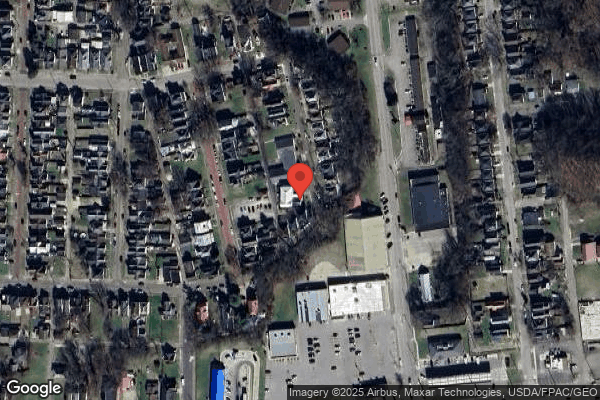
1319 SPRING STREET, PORTSMOUTH, OH 45662 (740) 354-6619
For profit - Corporation 25 Beds HILLSTONE HEALTHCARE Data: November 2025
Trust Grade
80/100
#154 of 913 in OH
Last Inspection: February 2025

Within standard 12-15 month inspection cycle. Federal law requires annual inspections.

Overview

River Run Healthcare of Portsmouth has earned a Trust Grade of B+, indicating it is above average and recommended for families considering options. It ranks #154 out of 913 facilities in Ohio, placing it in the top half, and #4 out of 11 in Scioto County, meaning only three local facilities are rated higher. The facility is improving, with reported issues decreasing from one in 2023 to none in 2025. While staffing is a concern with a 2/5 rating and a turnover rate of 16%, which is good compared to the state average of 49%, they currently do not have any fines on record, which is a positive sign. However, there have been significant incidents, including a serious fall resulting in a resident sustaining a fractured hip due to inadequate supervision, and ongoing pest control issues where flies were observed in resident areas, highlighting areas that need attention.

Trust Score
B+
80/100
In Ohio
#154/913
Top 16%
Safety Record
Moderate
Needs review
Inspections
Getting Better
1 → 0 violations
Staff Stability
✓ Good
16% annual turnover. Excellent stability, 32 points below Ohio's 48% average. Staff who stay learn residents' needs.
Penalties
✓ Good
No fines on record. Clean compliance history, better than most Ohio facilities.
Skilled Nurses
○ Average
Each resident gets 36 minutes of Registered Nurse (RN) attention daily — about average for Ohio. RNs are the most trained staff who monitor for health changes.
Violations
⚠ Watch
34 deficiencies on record. Higher than average. Multiple issues found across inspections.
★★★★★
5.0
Overall Rating
★★☆☆☆
2.0
Staff Levels
★★★★★
5.0
Care Quality
★★★★☆
4.0
Inspection Score
Stable
2023: 1 issues
2025: 0 issues

The Good

  • 5-Star Quality Measures · Strong clinical quality outcomes
  • Low Staff Turnover (16%) · Staff stability means consistent care
  • Full Sprinkler Coverage · Fire safety systems throughout facility
  • No fines on record
  • Staff turnover is low (16%)

    32 points below Ohio average of 48%

Facility shows strength in quality measures, staff retention, fire safety.

The Bad

Chain: HILLSTONE HEALTHCARE

Part of a multi-facility chain

Ask about local staffing decisions and management

The Ugly 34 deficiencies on record

1 actual harm
Aug 2023 1 deficiency
CONCERN (F) 📢 Someone Reported This

A family member, employee, or ombudsman was alarmed enough to file a formal complaint

Potential for Harm - no one hurt, but risky conditions existed

Safe Environment (Tag F0921)

Could have caused harm · This affected most or all residents

**NOTE- TERMS IN BRACKETS HAVE BEEN EDITED TO PROTECT CONFIDENTIALITY** Based on observations, staff interviews, and resident interviews, the facility failed to provide an effective pest control progr...

Read full inspector narrative →
**NOTE- TERMS IN BRACKETS HAVE BEEN EDITED TO PROTECT CONFIDENTIALITY** Based on observations, staff interviews, and resident interviews, the facility failed to provide an effective pest control program. This had the potential to affect all 21 residents residing in the facility. The facility census was 21. Findings include: Observation on 08/24/23 at 10:12 A.M. revealed five flies were observed on the window of the exit door located at the end of the hallway by room [ROOM NUMBER]. An unknown number of flies were observed flying in the hallway. More than 30 dead flies were observed on the ledge located between the walls and hand rails along the 100 and 200 halls. Observation and interview with Licensed Practical Nurse (LPN) #200 on 08/24/23 at 10:55 A.M. verified two flies were observed to be crawling on Resident #5's face and pillowcase while the resident was sleeping in bed and multiple flies were observed flying around in the room of Resident #10. LPN #200 stated flies were definitely a problem at the facility. Observation on 08/24/23 at 11:50 A.M. revealed Resident #5 was observed to be eating her lunch tray in her room and flies were landing on the residents food. Observation on 08/24/23 at 12:00 P.M. revealed residents were sitting in the dining area eating their lunch meals while multiple flies were flying around them and landing in their food. Interviews with three residents (#4, #7, and #9) at the time of the observation verified the flies were an issue at the facility and stated they had to fight to keep the flies off their food. Interview with Housekeeping Supervisor #777 on 08/24/23 at 12:15 P.M. revealed there was a problem with flies in the facility. Observation on 08/24/23 at 2:28 P.M. revealed there were eight flies observed on the window of the exit door by room [ROOM NUMBER]. Interview with Resident #20 on 08/24/23 at 2:35 P.M. revealed flies were a horrible problem at the facility.
May 2022 11 deficiencies
CONCERN (D)

Potential for Harm - no one hurt, but risky conditions existed

Deficiency F0637 (Tag F0637)

Could have caused harm · This affected 1 resident

**NOTE- TERMS IN BRACKETS HAVE BEEN EDITED TO PROTECT CONFIDENTIALITY** Based on record review and staff interview the facility failed to timely initiate a significant change Minimum Dat Set (MDS) 3.0...

Read full inspector narrative →
**NOTE- TERMS IN BRACKETS HAVE BEEN EDITED TO PROTECT CONFIDENTIALITY** Based on record review and staff interview the facility failed to timely initiate a significant change Minimum Dat Set (MDS) 3.0 assessment after a change in Resident #10's condition and discharge from Hospice services. This affected one resident (#10) of one resident reviewed for Hospice services. Findings include: Record review for Resident #10 revealed the resident was admitted to the facility on [DATE] and had diagnoses including altered mental status, sepsis, edema, chronic kidney disease, type two diabetes mellitus with other specified complication and acute kidney failure. Review of the admission Minimum Data Set (MDS) assessment, dated 03/18/22 revealed the resident had mildly impaired cognition with a Brief Interview for Mental Status (BIMS) score of 11 out of 15. The resident was assessed to require limited assistance from one staff member for bed mobility, extensive assistance from one staff member for transfers and limited assistance from one staff member for eating. This resident was assessed to have received Hospice care while residing in the facility. On 05/10/22 at 8:45 A.M. interview with the Director of Nursing (DON) revealed Hospice services were discontinued for Resident #10 on 04/05/22. Review of the MDS assessments for Resident #10 revealed there was no evidence a significant change MDS 3.0 assessment was completed timely following the discontinuation of Hospice services for the resident. The MDS assessment was not initiated until 05/09/22. On 05/10/22 at 9:54 A.M. interview with Registered Nurse (RN) #121 verified a significant change MDS assessment was not initiated for Resident #10 timely after being discharged from Hospice services on 04/05/22. RN #121 verified the MDS was not initiated until 05/09/22.
CONCERN (D)

Potential for Harm - no one hurt, but risky conditions existed

Assessment Accuracy (Tag F0641)

Could have caused harm · This affected 1 resident

**NOTE- TERMS IN BRACKETS HAVE BEEN EDITED TO PROTECT CONFIDENTIALITY** Based on record review and staff interview the facility failed to accurately code medications on the Minimum Data Set (MDS) 3.0 ...

Read full inspector narrative →
**NOTE- TERMS IN BRACKETS HAVE BEEN EDITED TO PROTECT CONFIDENTIALITY** Based on record review and staff interview the facility failed to accurately code medications on the Minimum Data Set (MDS) 3.0 assessment for Resident #5. This affected one resident (#5) of five residents reviewed for unnecessary medication use. Findings include: Record review for Resident #5 revealed the resident was admitted to the facility on [DATE] and had diagnoses including Alzheimer's disease, dementia with behavioral disturbances, anxiety and depression. Review of the admission MDS 3.0 assessment, dated 03/04/22 revealed the resident was assessed to have received an anti-psychotic medication seven of seven days in the assessment reference period. Review of the active and discontinued physician's medication orders, dated 02/25/22 through 05/10/22 revealed the resident was not prescribed any anti-psychotic medication(s). On 05/11/22 at 9:10 A.M. interview with the Director of Nursing (DON) verified Resident #5 had not received any medications classified as an anti-psychotic while residing at the facility. The DON revealed staff had most likely coded an anti-psychotic medication on the admission MDS assessment, dated 03/04/22 due to receiving the medication Lamictal, which the DON verified was classified as being an anti-convulsant medication.
CONCERN (D)

Potential for Harm - no one hurt, but risky conditions existed

Quality of Care (Tag F0684)

Could have caused harm · This affected 1 resident

**NOTE- TERMS IN BRACKETS HAVE BEEN EDITED TO PROTECT CONFIDENTIALITY** Based on observation, record review and interview the facility failed to ensure ongoing communication with a Hospice provider re...

Read full inspector narrative →
**NOTE- TERMS IN BRACKETS HAVE BEEN EDITED TO PROTECT CONFIDENTIALITY** Based on observation, record review and interview the facility failed to ensure ongoing communication with a Hospice provider regarding the care needs and services provided to Resident #10 and failed to ensure a treatment order for Resident #16 was specific to detail the actual treatment required or being provided to the resident. This affected one resident (#10) of one resident reviewed for Hospice services and one resident (#16) of three residents reviewed for change in condition. Findings include: 1. Record review for Resident #10 revealed the resident was admitted to the facility on [DATE] and had diagnoses including altered mental status, sepsis, edema, chronic kidney disease, type two diabetes mellitus with other specified complication, and acute kidney failure. Record review revealed the resident was receiving Hospice services at the time of admission to the facility. Review of the admission Minimum Data Set (MDS) 3.0 assessment, dated 03/18/22 revealed the resident had mildly impaired cognition evidenced by a Brief Interview for Mental Status (BIMS) score of 11 out of 15. The resident was assessed to require limited assistance from one staff member for bed mobility, extensive assistance from one staff member for transfers and limited assistance from one staff member for eating. This resident was assessed to have received Hospice care while residing in the facility. Review of the Hospice care plan, dated 03/18/22, revised on 05/09/22 and resolved on 05/10/22 revealed the resident received Hospice services. Interventions included to consult with Hospice team to ensure needs were met. Record review revealed Resident #10 had a physician's order for Hospice services from admission through 05/08/22. On 05/10/22 at 8:45 A.M. interview with the Director of Nursing (DON) revealed the facility had no Hospice communication notes or documentation available in the facility for review prior to the Hospice provider faxing them to the facility on [DATE]. The DON revealed upon calling the Hospice provider for Resident #10 on 05/09/22 (as part of the survey process), it was discovered the resident's Hospice services had been discontinued on 04/05/22. The DON stated facility staff were unaware the resident had not been receiving Hospice services from 04/05/22 through 05/09/22 while residing in the facility. On 05/10/22 at 9:54 A.M. interview with Registered Nurse (RN) #121 revealed Resident #10 had previously received Hospice services but believed they were discontinued after the resident went to the hospital a few weeks prior. On 05/10/22 at 10:00 A.M. interview with State Tested Nursing Assistant (STNA) #127 revealed Resident #10 was currently receiving hospice services. 2. Record review for Resident #16 revealed the resident was admitted to the facility on [DATE] and had diagnoses including primary generalized osteoarthritis, anxiety disorder, type two diabetes mellitus, vitamin D deficiency and lymphedema. Review of the quarterly MDS 3.0 assessment, dated 04/12/22 revealed the resident had moderately impaired cognition evidenced by a Brief Interview for Mental Status (BIMS) assessment score of 06 out of 15. The resident was assessed to require extensive assistance from two staff members for bed mobility, was dependent upon two staff members for toileting and transfers and required limited assistance from one staff member for eating. Review of the active physician's orders revealed an order, dated 04/27/22 to apply bilateral lower extremities two times a day. Review of the Treatment Administration Record (TAR) from 04/27/22 through 05/09/22 revealed documentation by nursing staff the ordered treatment apply bilateral lower extremities every shift had been completed as ordered. On 05/10/22 at 10:00 A.M. observation of Resident #16 revealed the resident was lying in bed with no treatments or devices observed to be in place to the bilateral lower extremities. On 05/10/22 at 10:07 A.M. interview with Registered Nurse (RN) #121 revealed the active physician's order for Resident #16 to apply bilateral lower extremities every shift needed clarified by the physician as it did not contain instructions on what to apply. RN #121 verified staff had documented the ordered treatment as being completed per physician's order every shift from 04/27/22 through 05/09/22 despite not knowing what was ordered to be applied. On 05/10/22 at 10:05 A.M. interview with the DON verified the physician's order for the treatment for Resident #16 needed clarified as it did not contain instructions on what to apply to Resident #16's bilateral lower extremities.
CONCERN (D)

Potential for Harm - no one hurt, but risky conditions existed

Pressure Ulcer Prevention (Tag F0686)

Could have caused harm · This affected 1 resident

**NOTE- TERMS IN BRACKETS HAVE BEEN EDITED TO PROTECT CONFIDENTIALITY** Based on observation, record review, facility policy and procedure review and interview the facility failed to ensure ongoing as...

Read full inspector narrative →
**NOTE- TERMS IN BRACKETS HAVE BEEN EDITED TO PROTECT CONFIDENTIALITY** Based on observation, record review, facility policy and procedure review and interview the facility failed to ensure ongoing assessments/monitoring of pressure ulcers, pressure ulcer interventions and treatments were provided for Resident #10 who was admitted to the facility with pressure ulcers. This affected one resident (#10) of two residents reviewed for pressure ulcers. Findings include: Record review for Resident #10 revealed the resident was admitted to the facility on [DATE] and had diagnoses including altered mental status, sepsis, edema, chronic kidney disease, type two diabetes mellitus with other specified complication and acute kidney failure. Review of a facility admission Nursing Observation Form, dated 03/11/22 revealed documentation the resident had pressure ulcers located on the coccyx, left heel and right heel. Review of the active physician's order, dated 03/12/22 revealed an order to cleanse the pressure ulcer to the resident's coccyx with normal saline or wound cleanser, apply Med Honey ointment and cover with a foam dressing every day at bedtime. Review of the care plan, dated 03/13/22 (revised 04/08/22) revealed the resident had impaired skin integrity. Interventions included to apply barrier cream/ointment after each incontinent episode as needed, encourage fluids, inspect skin daily during routine daily care, pressure reduction devices if ordered, turn and reposition as ordered, elevate heels off mattress and treatments per order. Review of the admission Minimum Data Set (MDS) 3.0 assessment, dated 03/18/22 revealed the resident had mildly impaired cognition evidenced by a Brief Interview for Mental Status (BIMS) assessment score of 11 out of 15. The resident was assessed to require limited assistance from one staff member for bed mobility, extensive assistance from one staff member for transfers and limited assistance from one staff member for eating. The assessment revealed the resident was at risk for pressure ulcer development. Review of the Certified Nurse Practitioner (CNP) wound care note, dated 03/25/22 revealed the resident had a Stage III (full-thickness loss of skin, in which subcutaneous fat may be visible in the ulcer and granulation tissue and epibole (rolled wound edges) are often present) pressure ulcer to the right heel and an unstageable (full-thickness skin and tissue loss in which the extent of tissue damage within the ulcer cannot be confirmed because the wound bed is obscured by slough or eschar) pressure ulcer to the left heel. The plan of care for the areas of pressure included off-loading boots, float heels while in bed and keep pressure off heels as much as possible. Review of the CNP wound care note, dated 04/15/22, revealed the resident continued to have areas of pressure located to the right and left heel. The plan of care included to continue prevalon offloading boots, float heels while in bed and keep pressure off heels as much as possible. Review of CNP wound care note, dated 04/26/22, revealed the resident continued to have areas of pressure located to the right and left heel. The plan of care included to continue prevalon offloading boots, float heels while in bed, keep pressure off heels as much as possible and to follow up with resident in one week. Review of the Treatment Administration Record (TAR) for 05/2020 revealed there was no documentation of the ordered treatment to the pressure ulcer located on the coccyx of Resident #10 being completed on 05/05/22, 05/06/22, 05/07/22, 05/08/22 or 05/09/22. On 05/09/22 at 9:16 A.M. Resident #10 was observed lying in bed on her back with her left and right heel directly against the mattress. There were no prevalon boots applied to the left or right heel or observed in the resident's room. There was one pillow observed on the resident's bed which was located under her head. On 05/09/22 at 3:00 P.M. Resident #10 was observed lying in bed on her back with her left and right heel directly against the mattress. There were no prevalon boots applied to the left or right heel or observed in the resident's room. There was one pillow observed on the resident's bed which was located under her head. On 05/10/22 at 9:54 A.M. interview with Registered Nurse (RN) #121 verified Resident #10 had pressure ulcers to the coccyx, left heel, and right heel present upon admission to the facility on [DATE]. On 05/10/22 at 10:00 A.M. Resident #10 was observed lying in bed with no prevalon boots observed on the left or right heel. Observation of care being performed revealed the resident had no pressure ulcer dressing observed to the coccyx or in the garbage bag being used while incontinence care was being completed. On 05/10/22 at 10:00 A.M. interview with State Tested Nursing Assistant (STNA) #127 during the observation verified there had not been a foam dressing in place to the coccyx of Resident #10 at that time. STNA #127 revealed the resident did not utilize prevalon boots to either heel and there were none located in the resident's room. On 05/10/22 at 1:55 P.M. Resident #10 was observed lying in bed on her back with her left and right heel directly against the mattress. There were no prevalon boots applied to the left or right heel or observed in the resident's room. There was one pillow observed on the resident's bed which was located under her head. On 05/11/22 at 9:20 A.M. Resident #10 was observed lying in bed on her back with her left and right heel directly against the mattress. There were no prevalon boots applied to the left or right heel or observed in the resident's room. There was one pillow observed on the resident's bed which was located under her head. On 05/11/22 at 3:00 P.M. interview with the Administrator verified the plan of care documented on the CNP wound care notes dated 03/25/22, 04/15/22, and 04/26/22 included to float heels while in bed, prevalon off-loading boots and keep pressure off the heels as much as possible. The Administrator verified there were no orders for prevalon off-loading boots to be applied to the resident's left and right heels or care planned interventions for prevalon off-loading boots to be worn by the resident. The Administrator verified there was no evidence of an assessments of the pressure ulcer to the resident's coccyx since 03/11/22 and also verified there was not evidence of weekly wound assessments being completed for the areas of pressure located on the residents left and right heels. Review of the facility policy titled Wound Care, revised 12/2020 revealed wounds would be evaluated when they were observed and weekly until resolved. Wounds were to be monitored for location, size, undermining, tunneling, exudates, necrotic tissue and the presence or absence of granulation tissue and epithelization. Wound evaluations were to be documented weekly and as needed.
CONCERN (D)

Potential for Harm - no one hurt, but risky conditions existed

Incontinence Care (Tag F0690)

Could have caused harm · This affected 1 resident

Based on observation, record review, facility policy and procedure review and interview the facility failed to ensure appropriate indwelling urinary catheter care was provided for Resident #18 to prev...

Read full inspector narrative →
Based on observation, record review, facility policy and procedure review and interview the facility failed to ensure appropriate indwelling urinary catheter care was provided for Resident #18 to prevent urinary tract infections when staff failed to appropriately clean the resident's catheter. This affected one resident (#18) of two residents reviewed for catheters. Findings include: Record review for Resident #18 revealed an admission date of 04/09/21 with most recent admission of 01/31/22 with diagnoses including pneumonia, depression, dysphagia, urinary tract infection, neuromuscular dysfunction of bladder, polyneuropathy, quadriplegia, cerebral infarction due to occlusion of cerebral artery, psychoactive substance abuse, bipolar disorder, nontraumatic intracranial hemorrhage, insomnia and chronic viral hepatitis C. Review of a physician's order, dated 02/09/22 revealed an order for catheter care each shift related to other neuromuscular dysfunction of the bladder. Review of the 04/09/22 annual Minimum Data Set (MDS) 3.0 assessment revealed Resident #18 was cognitively intact and required total dependence from staff for bed mobility, transfers, dressing, eating, toilet use, bathing and personal hygiene. The resident required extensive assistance for locomotion on and off unit. The resident used a wheelchair to aid in mobility, had an indwelling urinary catheter and was always incontinent of bowel. On 05/12/22 at 1:31 P.M. State Tested Nursing Assistant (STNA) #127 was observed to empty the resident's urinary catheter bag and stated she had completed catheter care for Resident #18. The surveyor then asked the STNA to actually clean the resident's catheter (catheter care). STNA #127 gathered supplies, washed her hands and applied gloves. STNA #127 had a damp washcloth with soap and water and a washcloth with water for cleaning the catheter. The STNA cleaned the indwelling urinary catheter from the clear tubing area down to the collection bag. STNA #127 did not remove the resident's pants and did not clean the latex portion of the catheter where it was inserted into the resident's penis. On 05/12/22 at 1:52 P.M. interview with STNA #127 verified she did not clean the catheter around the area where it was inserted into the resident's penis or the tubing around the insertion area. ON 05/12/22 at 3:19 P.M. interview with the Director of Nursing revealed the facility policy does not indicate where to clean the catheter. The DON said her expectations would be for the catheter to be cleaned at least three to four inches from the insertion site (penis) down the tubing. Review of the 02/01/22 facility Catheter Care Policy and Procedure document revealed it was the policy to provide urinary catheter care that keeps the resident free from infection and cross contamination. Clean catheter in only one direction away from the body using a clean area of the cloth from each stroke.
CONCERN (D)

Potential for Harm - no one hurt, but risky conditions existed

Deficiency F0692 (Tag F0692)

Could have caused harm · This affected 1 resident

**NOTE- TERMS IN BRACKETS HAVE BEEN EDITED TO PROTECT CONFIDENTIALITY** Based on record review and interviews the facility failed to ensure dietary recommendations were implemented and/or failed to en...

Read full inspector narrative →
**NOTE- TERMS IN BRACKETS HAVE BEEN EDITED TO PROTECT CONFIDENTIALITY** Based on record review and interviews the facility failed to ensure dietary recommendations were implemented and/or failed to ensure resident weights were obtained as ordered. This affected two residents (#10 and #16) of the three residents reviewed for nutrition. Findings include: 1. Record review for Resident #10 revealed the resident was admitted to the facility on [DATE] and had diagnoses including altered mental status, sepsis, edema, chronic kidney disease, type two diabetes mellitus with other specified complication and acute kidney failure. Review of the physician's orders revealed an order, dated 03/11/22 to obtain weight every day for three days after admission. Review of the care plan, dated 03/15/22 revealed the resident had protein malnutrition. Interventions included 30 milliliters (ml) of ProStat (a protein supplement) twice a day and an 1,800 ml fluid restriction. Review of the dietary progress note, dated 03/15/22 revealed a recommendation to add 30 ml of ProStat twice a day and implement an 1,800 ml fluid restriction due to edema. Review of the physician's orders from 03/11/22 through 05/10/22 revealed no orders for 30 ml of ProStat twice a day or an 1,800 ml fluid restriction. Review of the admission Minimum Data Set (MDS) assessment, dated 03/18/22 revealed the resident had mildly impaired cognition evidenced by a Brief Interview for Mental Status (BIMS) assessment score of 11 out of 15. The resident was assessed to require limited assistance from one staff member for bed mobility, extensive assistance from one staff member for transfers and limited assistance from one staff member for eating. There was no weight or height documented in the assessment as a dash was documented where the information was to be located. Review of documented weights for Resident #10 revealed the resident weighed 176.6 pounds on 04/11/22. No other weights were available for review. On 05/10/22 at 11:51 A.M. interview with the Director of Nursing (DON) verified there were not any weights available for Resident #10 except for the one documented on 04/11/22. The DON verified there was no follow up completed for the dietary recommendations dated 03/15/22 for an 1,800 ml fluid restriction or 30 ml of ProStat twice a day. On 05/11/22 at 10:15 A.M. interview with Registered Dietitian (RD) #800 verified the dietary recommendations made for Resident #10 on 03/15/22 had included 30 ml of ProStat twice a day to assist in wound healing and an 1,800 ml fluid restriction daily due to documented edema. RD #800 verified no weight or height had been documented on the admission MDS assessment dated [DATE] as there was not a height or weight available. RD #800 verified it was very difficult to accurately assess a resident's nutritional status without documentation of weights or height. 2. Record review for Resident #16 revealed the resident was admitted to the facility on [DATE] and had diagnoses including primary generalized osteoarthritis, anxiety disorder, type two diabetes mellitus, vitamin D deficiency and lymphedema. Review of the care plan, dated 10/13/15 (revised 02/17/22) revealed the resident had the potential for/alteration in nutrition and hydration. Interventions included to weigh at the same time of day and record as ordered, provide and serve diet as ordered and obtain and monitor lab/diagnostic work as ordered. Review of a dietary progress note, dated 08/31/21 revealed a recommendation for a low concentrated sweets diet with Juven (a protein supplement taken by mouth) twice a day to aid in wound healing and prevent elevated blood glucose and weight gain. Review of the resident's current physician's orders revealed an order for a low concentrated sweet diet and Juven twice a day. The order had been in place since 09/2021. Review of the dietary progress note, dated 01/12/22 revealed a recommendation to discontinue Juven twice a day. There was no evidence this recommendation was followed up or changes to the physician's order were made. Review of the Medication Administration Record (MAR) from 09/02/21 through 05/10/22 revealed no documentation of the administration of Juven twice a day as ordered Review of the quarterly Minimum Data Set (MDS) assessment, dated 04/12/22 revealed the resident had moderately impaired cognition evidenced by a Brief Interview for Mental Status (BIMS) assessment score of 06 out of 15. The resident was assessed to require extensive assistance from two staff members for bed mobility, was dependent upon two staff members for toileting and transfers and required limited assistance from one staff member for eating. On 05/11/22 at 10:35 A.M. interview with Registered Nurse (RN) #121 revealed orders for Juven would be put in the computer and administration would be documented by the nurse. RN #121 verified Resident #16 had not been receiving Juven as ordered.
CONCERN (D)

Potential for Harm - no one hurt, but risky conditions existed

Drug Regimen Review (Tag F0756)

Could have caused harm · This affected 1 resident

**NOTE- TERMS IN BRACKETS HAVE BEEN EDITED TO PROTECT CONFIDENTIALITY** Based on record review, facility policy and procedure review and interview the facility failed to timely address pharmacy recomm...

Read full inspector narrative →
**NOTE- TERMS IN BRACKETS HAVE BEEN EDITED TO PROTECT CONFIDENTIALITY** Based on record review, facility policy and procedure review and interview the facility failed to timely address pharmacy recommendations for Resident #20. This affected one resident (#20) of five residents reviewed for unnecessary medication use. Findings include: Record review for Resident #20 revealed the resident was admitted to the facility on [DATE] and had diagnoses including unspecified psychosis, anxiety, major depressive disorder and insomnia. Review of the Consultant Pharmacist Recommendation for Provider, dated 07/08/21 revealed a recommendation to evaluate and consider tapering off Pantoprazole at the time. The recommendation contained no documentation of the review of the recommendation. There were no documented signature(s) by the physician or facility staff present on the recommendation. Review of the Consultant Pharmacist Recommendation for Provider, dated 09/13/21 revealed the recommendation to evaluate and consider tapering off Pantoprazole at the time. The recommendation contained no documentation of the review of the recommendation. There were no documented signature(s) by the physician or facility staff present on the recommendation. Review of the Consultant Pharmacist Recommendation for Provider, dated 03/11/22 revealed the recommendation to evaluate and consider tapering off Pantoprazole at the time. The recommendation was signed and dated as being reviewed by the Cerified Nurse Practitioner on 05/11/22. Review of the quarterly Minimum Data Set (MDS) assessment, dated 04/13/22 revealed the resident had intact cognition evidenced by a Brief Interview for Mental Status (BIMS) assessment score of 15 out of 15. The resident was assessed to require extensive assistance from one staff member for bed mobility, was dependent on two staff members for transfers, required extensive assistance from two staff members for toileting and required supervision with setup assistance only for eating. On 05/10/22 at 11:30 A.M. interview with the Director of Nursing (DON) verified the pharmacy recommendations dated 07/08/21 and 09/13/21 contained no evidence they had been reviewed and the 03/11/22 recommendation was not addressed until 05/11/22 (two months later). Review of the facility policy titled Pharmacy: Pharmacy Recommendations Policy, dated 01/01/16 revealed the DON or Assistant DON would review the recommendations with the physician and/or Medical Director, implement any changes into the medical record within 30 days, and the recommendations would be marked on the recommendation form by the intials of the DON or Assistant DON to show it had been completed.
CONCERN (D)

Potential for Harm - no one hurt, but risky conditions existed

Medication Errors (Tag F0758)

Could have caused harm · This affected 1 resident

Based on record review and interview the facility failed to ensure the anti-histamine medication, Vistaril (for anxiety/agitation) was administered to Resident #11 with a current physician's order to ...

Read full inspector narrative →
Based on record review and interview the facility failed to ensure the anti-histamine medication, Vistaril (for anxiety/agitation) was administered to Resident #11 with a current physician's order to ensure the medication was necessary. This affected one resident (#11) of five residents reviewed for unnecessary medication use. Findings include: Record review for Resident #11 revealed an admission date of 02/23/22 with diagnoses including type two diabetes mellitus, altered mental status, sepsis, malignant neoplasm of prostate, dementia without behaviors, displaced intertrochanteric fracture of right femur, protein calorie malnutrition, dehydration and pneumonia. Record review revealed a physician's order, dated 04/21/22 for Vistaril (hydroxyzine pamoate), an anti-histamine medication sedative hypnotic medication 25 milligrams (mg) every eight hours as needed (PRN) for anxiety/agitation. The order for the medication was for 14 days. Review of the medication administration record Resident #11 received the Vistaril on 05/10/22 at 9:48 P.M. On 05/12/22 at 11:00 A.M. interview with the Director of Nursing (DON) verified the Vistaril order was for 14 days and should have ended on 05/04/22. The resident did not have a physician order for the medication at the time it was administered on 05/10/22.
CONCERN (D)

Potential for Harm - no one hurt, but risky conditions existed

Unnecessary Medications (Tag F0759)

Could have caused harm · This affected 1 resident

Based on observation, record review, medication insert review and interview the facility failed to maintain a medication error rate of less than five percent (%). The medication error rate was calcula...

Read full inspector narrative →
Based on observation, record review, medication insert review and interview the facility failed to maintain a medication error rate of less than five percent (%). The medication error rate was calculated to be 7.14% and included two medication errors of 28 medication administration opportunities. This affected two residents (#6 and #9) of three residents observed for medication administration. Findings include: 1. Record review for Resident #9 revealed an admission date of 10/29/19 with pertinent diagnoses of: fracture of superior rim of left pubis, overactive bladder, history of COVID-19, hypothyroidism, type two diabetes mellitus, hypertension, Alzheimer's disease, epilepsy, dementia, hyperlipidemia, Parkinson's disease, major depressive disorder, insomnia and tremor. Review of a physician's order, dated 03/31/22 revealed an order for Primidone Tablet 250 milligrams (mg) give one tablet by mouth in the morning for tremors. On 05/11/22 at 8:46 A.M. Registered Nurse (RN) #121 was observed administering medications to Resident #9. RN #121 obtained a blister pack containing the medication Primidone 250 mg and administered a half of a tablet (125 mg). On 05/11/22 at 9:52 A.M. interview with RN #121 verified she only administered Resident #9 one half tablet of the Primidone 250 mg (125 mg) instead of a full tablet. RN #121 revealed the resident was to receive one tablet in the morning and half a tablet at bedtime. RN #121 revealed there was not a blister pack with a full tablet of 250 mg Primidone in the medication cart. 2. Record review for Resident #6 revealed an admission date of 04/06/19 with diagnoses including chronic obstructive pulmonary disease, COVID-19, hypothyroidism, brief psychotic disorder and type two diabetes mellitus. Review of a physician's order, dated 07/26/21 revealed an order for Aspart Solution (insulin) 100 unit/milliliter, inject 14 units subcutaneously before meals for diabetes. Review of the physician's orders, revealed an order dated 03/29/22 for Novolog (insulin) FlexPen Solution Pen-injector 100 unit/milliliter (Insulin Aspart) per sliding scale for blood sugar (Accu checks) before meals and at bedtime. If blood sugar less than 70 call physician, for blood sugar of 150 to 200 give two units, for blood sugar 201 to 250 give four units, blood sugar 251 to 300 give six units, blood sugar 301 to 400 give nine units, blood sugar 402 to 450 give 12 units and for blood sugar 451 or above, call physician. On 05/12/22 at 10:32 A.M. Licensed Practical Nurse (LPN) #333 was observed during medication administration. At the time of the observation, the LPN was observed to obtain Resident #6's Insulin Aspart insulin pen and turned the dial to 23 units to administer insulin to the resident. At the time of the observation, LPN #333 failed to first prime the insulin pen prior to administering the dose of insulin. On 05/12/22 at 10:42 A.M. interview with LPN #333 verified she did not prime the insulin pen prior to administrating Resident #6 insulin. LPN #333 revealed she did not know how to prime an insulin pen. Review of the Insulin Aspart FlexPen medication insert, dated 11/01/19 revealed before each injection small amounts of air may collect in the cartridge. To avoid injecting air and to ensure proper dosing, turn the dose selector to select two units. Hold the FlexPen with the needle pointing up. Tap the cartridge gently with your finger a few times to make any air bubbles collect to the top of the cartridge. Keep the needle pointing upwards, press the push button all the way in. The dose selector returns to zero. A drop of insulin should appear at the needle tip. If not, change the needle and repeat the procedure no more than six times. If you do not see a drop of insulin after six times, do not use the Insulin Aspart FlexPen.
CONCERN (F)

Potential for Harm - no one hurt, but risky conditions existed

Deficiency F0727 (Tag F0727)

Could have caused harm · This affected most or all residents

Based on review of daily staffing sheets, review of employee time clock punches and staff interview the facility failed to ensure a Registered Nurse was on-duty and present in the facility for at leas...

Read full inspector narrative →
Based on review of daily staffing sheets, review of employee time clock punches and staff interview the facility failed to ensure a Registered Nurse was on-duty and present in the facility for at least eight hours daily as required. This had the potential to affect all 22 residents residing in the facility. Findings include: Review of the facility sheets titled Report of Nursing Staff Directly Responsible for Resident Care, dated 05/02/22 and 05/03/22, revealed documentation a Registered Nurse (RN) was only present for six hours each day at the facility. Review of the employee time clock punches for 05/02/22 and 05/03/22 revealed there was not an RN clocked in for work on 05/02/22 or 05/03/22. Review of the facility list provided by Business Office Manager #350 titled Agency Staffing/Hours and Other Buildings, not dated, revealed on 05/02/22 and 05/03/22 RN #805 was documented to have worked at the facility from 4:00 P.M. to 10:00 P.M. for a total of six hours each day. On 05/12/22 at 3:00 P.M. interview with the Administrator verified the facility only had an RN present in the facility for six hours each day on 05/02/22 and 05/03/22. The Administrator revealed here had been issues with the RN who was the Director of Nursing on those days and was therefore not present in the facility.
CONCERN (F)

Potential for Harm - no one hurt, but risky conditions existed

Deficiency F0868 (Tag F0868)

Could have caused harm · This affected most or all residents

Based on record review and staff interview the facility failed to ensure all required members of the Quality Assessment and Assurance (QAA) committee attended meetings at least quarterly. This had the...

Read full inspector narrative →
Based on record review and staff interview the facility failed to ensure all required members of the Quality Assessment and Assurance (QAA) committee attended meetings at least quarterly. This had the potential to affect all 22 residents residing in the facility. Findings include: Review of the QAA committee meeting minutes, dated 04/20/22 revealed the absence of the signature of the Director of Nursing (DON) to indicated the DON's presence at the meeting. On 05/12/22 at 3:00 P.M. interview with the Administrator verified the DON had not been in attendance at the QAA meeting held on 04/20/22 due to another work commitment.
Feb 2020 22 deficiencies 1 Harm
SERIOUS (G)

Actual Harm - a resident was hurt due to facility failures

Accident Prevention (Tag F0689)

A resident was harmed · This affected 1 resident

**NOTE- TERMS IN BRACKETS HAVE BEEN EDITED TO PROTECT CONFIDENTIALITY** Based on observation, medical record review, policy review and interview, the facility failed to provide adequate supervision to...

Read full inspector narrative →
**NOTE- TERMS IN BRACKETS HAVE BEEN EDITED TO PROTECT CONFIDENTIALITY** Based on observation, medical record review, policy review and interview, the facility failed to provide adequate supervision to ensure safety during smoking, prevent falls, and prevent injuries from resident care equipment. Actual Harm occurred on 01/01/2020 when the facility failed to have effective interventions in place and provide Resident #7, who was at high risk for falls and had a history of falls, adequate supervision resulting in the resident sustaining an unwitnessed fall from her wheelchair and sustaining a fractured left hip and pelvis. This affected one resident (#7) of three residents reviewed for accidents. Additionally, one resident (#11) of one sampled resident reviewed for smoking was not provided adequate supervision during smoking, and one resident (#13) of three residents reviewed for accidents did not have their wheelchair modified to prevent injuries. Findings include: 1. Review of Resident #7's medical record revealed she was admitted to the facility on [DATE] with diagnoses that included malignant neoplasm of upper lobe right bronchus or lung, malignant neoplasm, chronic obstructive pulmonary disease and atherosclerotic heart disease. Review of Resident #7's fall risk assessment dated [DATE] revealed she was at high risk for falls. Review of Resident#7's progress notes revealed on 11/13/2019 at 5:45 P.M. the resident fell from her bed onto the floor. Resident #7 was unable to answer questions due impaired cognition and communication. A floor mat was placed on the floor beside her bed. Review of Resident #7's plan of care regarding falls initiated on 11/27/2019 revealed she was at risk for falls and to have commonly used articles within easy reach, maintain a clear pathway and her bed locked. Review of Resident #7's Minimum Data Set (MDS) 3.0 assessment, dated 11/29/2019 revealed her speech was clear, sometimes she was understood, sometimes she understands, her short-term and long-term memory was impaired, she had no recall and her decision making was severely impaired. Resident #7 had no indicators of psychosis, no behaviors and did not reject care. Review of Resident #7's progress notes revealed on 01/01/2020 the resident was found on the floor of her room. There was no evidence a floor mat was in place at the time of the fall (as implemented after the 11/2019 fall). The note stated Resident #7 was encouraged to eat meals in dining area, educated on proper use of call light, and encouraged to ask for help. It could not be determined what fall safety interventions were in place prior to and at the time of the fall and following the fall it could not be determined that new interventions were individualized and effective for the resident. Resident #7's fall resulted in a skin tear to right inner and outer knee, right forearm and right elbow. On 01/02/20 at 1:45 P.M. Resident #7 complained to the Hospice nurse that she had left leg and hip pain. The Hospice nurse directed the staff to send the resident to the emergency department. Resident #7 was assessed to have a fractured left hip and pelvis. Review of the post fall investigation dated 01/02/2020 revealed on 01/01/2020 at 3:30 P.M., Resident #7 fell when she tried to get out of her wheelchair. The investigation failed to include evidence of effective and individualized fall safety interventions being in place at the time of the fall. Following the fall, new interventions were to educate and encourage Resident #7 to use her call light and encourage her to eat in the dining area. (However, the resident was assessed to have severely impaired decision making skills, no recall ability and long and short term memory impairment). Record review revealed Resident #7 sustained a fall on 01/11/20. Review of the post fall investigation dated 01/13/2020 revealed on 01/11/2020 at 12:57 P.M. the resident had fallen from the bed to the floor. There was no evidence the fall mat was in place to the floor at the time of the fall. A new intervention was added for half side rails and a new wheelchair with working brakes. Review of Resident #7's undated post fall investigation revealed on 01/28/2020 at 4:23 P.M. the resident fell from her wheelchair trying to self-transfer to her recliner chair. There was no evidence of any fall safety interventions being in place and effective at the time of the fall. Following the fall, the new safety intervention was Resident #7 being educated on the use of the call light and to ask for help. However, again the resident was assessed to be cognitively impaired and this interventions would not be effective or individualized for the resident. Observation of Resident #7 on 02/10/2020 at 1:15 P.M. revealed her feet were off the footrest of her wheelchair and Resident #11 asked the Director of Nursing (DON) to reposition Resident #7 as she looked uncomfortable. The DON placed Resident #7's feet on the footrest but her feet were then hanging over the footrest. The DON pushed Resident #7 back to her room telling her they would bring her back out. At 1:20 P.M. the DON went to the administrative area and Resident #7 was still in her room. At 1:37 P.M. Resident #7 was observed in her room in her recliner chair with her feet elevated. Her call light was not within reach. Observation of Resident #7 on 02/12/2020 at 9:57 A.M. revealed she was in her room in her recliner chair, asleep, leaning to the right and her feet were elevated. Resident #7's call light was not in reach. Interview with the DON on 02/12/2020 at 10:08 A.M. confirmed Resident #7's call light was not in reach (which was a safety intervention for the resident). The DON gave the call light to Resident #7 and instructed her to use it to call for help, asked the resident if she needed pain medication or to be repositioned. Resident #7 was sleepy and did not respond. Interview with Licensed Practical Nurse (LPN) #105 on 02/12/2020 at 10:51 A.M. revealed she was not aware of Resident #7 using a call light. LPN #105 revealed staff needed to check on the resident a lot when she was no in a common area (due to her fall risk and inability to use her call light for assistance). Interview with State Tested Nursing Assistant (STNA) #135 on 02/12/2020 at 11:26 A.M. revealed Resident #7 did not use a call light. STNA #135 revealed staff assisted the resident to bed to sleep at night and the resident frequently sat in her recliner chair during the day. Interview with Corporate Registered Nurse #115 on 02/12/2020 at 3:00 P.M. confirmed educating Resident #7 on the use of the call light to prevent falls was not an appropriate intervention for her. Corporate Registered Nurse #115 confirmed limited interventions to prevent falls were implemented with Resident #7 and also verified Resident #7 sustained a fall with fracture on 01/01/20 due to a lack of adequate supervision and effective and individualized fall safety interventions being in place for the resident. Review of the facility assistive device and equipment policy, dated July 2017 revealed the facility would address the appropriateness of devices and equipment for each resident to avoid the risk of injury. 2. Review of Resident #13's medical record revealed she was admitted to the facility on [DATE] with diagnoses that included epilepsy, intellectual disability, and depressive disorder and mood disorder. Review of Resident #13's quarterly MDS 3.0 assessment, dated 08/28/2019 revealed her speech was clear she was rarely/never understood, usually understands, her short- and long-term memory was impaired, she had no recall and her cognition was severely impaired. Resident #13 required extensive assistance of two staff for bed mobility, was dependent on two staff to transfer, she did not walk and she was dependent on two staff for locomotion and used a wheelchair for mobility. Resident #13 had no falls and no skin problems. Review of Resident #13's progress notes revealed on 02/03/2020 at 11:16 A.M. an order was obtained for an x-ray of the right lower leg and right foot related to bruising. Resident #13's medical record had no evidence of what caused the resident's right leg and foot bruising. Observation of Resident #13 on 02/10/2020 at 11:29 A.M. and 1:17 P.M. revealed she was seated in wheelchair at table in dining room and her feet were dangling with no support. On 02/11/2020 at 8:55 A.M. and 3:14 P.M., Resident #13 was observed in her wheelchair and her feet were dangling. Resident #13 was observed on 02/12/2020 at 8:54 A.M. and on 02/13/2020 at 9:53 A.M. seated in her wheelchair and her feet were dangling with no support. There were no footrests on the resident's wheelchair. Interview with LPN #105 and Corporate Registered Nurse #115 on 02/13/2020 at 4:38 P.M. revealed on 02/3/2020, Resident #13's leg and ankle were caught between the receiving lever for the footrest and the front wheel of the chair on the right side, about a 4-inch gap. This accident resulted in bruising of the lower leg and foot. An x-ray was obtained with no signs of a fracture. These staff members confirmed there was no documentation in the medical record of the incident, no evidence of monitoring of the leg and ankle bruising, and there were no preventive measures were put into place to prevent Resident #13 from being injured again. Review of the facility assistive device and equipment policy, dated July 2017 revealed the facility would address the appropriateness of devices and equipment for each resident to avoid the risk of injury. 3. Review of Resident #11's medical record revealed she was admitted to the facility on [DATE] with diagnoses that included hernia without obstruction or gangrene, osteoarthritis, chronic obstructive pulmonary disease, bipolar disorder, opioid abuse, hypothyroidism, inhalant abuse, essential hypertension, atrial fibrillation, post-traumatic stress disorder, muscle weakness, constipation, major depressive disorder and type two diabetes. Review of Resident #11's quarterly MDS 3.0 assessment dated [DATE] revealed Resident #11's speech was clear, she understands, was understood and her cognition was intact. Resident #11 had no indicators of psychosis, had no behaviors, and did not reject care. Resident #11 required limited assistance of one staff for bed mobility and to transfer. Review of Resident #11's smoking assessment dated [DATE] revealed the resident can carry her own lighter and cigarettes. Observation of Resident #11 on 02/09/2020 at 5:50 P.M. revealed the resident went outside to smoke with STNA #137. Resident #11 pulled cigarettes and lighter out of her jacket pocket. Interview with LPN #139 on 02/09/2020 at 6:03 P.M. revealed Resident #11 and #8 kept their cigarettes and lighters on them. Interview with the DON on 02/10/2020 at 3:05 P.M. revealed residents were not supposed to keep lighters or cigarettes on them. The DON stated the lighters and cigarettes were kept at the nurse's station and a STNA would give them to the resident and goes out with the resident to smoke. She stated this had changed a month ago or so (residents not being permitted to maintain possession of cigarettes and/or lighters). Review of the facility smoking policy, dated 08/22/2019 revealed residents must store smoking materials with staff, except when they are under the supervision of staff.
CONCERN (D)

Potential for Harm - no one hurt, but risky conditions existed

Resident Rights (Tag F0550)

Could have caused harm · This affected 1 resident

**NOTE- TERMS IN BRACKETS HAVE BEEN EDITED TO PROTECT CONFIDENTIALITY** Based on observation, record review and interview the facility failed to ensure residents were treated with dignity and respect....

Read full inspector narrative →
**NOTE- TERMS IN BRACKETS HAVE BEEN EDITED TO PROTECT CONFIDENTIALITY** Based on observation, record review and interview the facility failed to ensure residents were treated with dignity and respect. This affected one resident (#19) who did not receive her meal when other residents were served and one resident (#18) who was served last in the dining room after the hall trays were passed. The facility census was 19. Findings include: 1. Resident #19 was admitted to the facility on [DATE] with diagnoses including cerebrovascular disease, anxiety, depression, malignant neoplasm of colon, malignant neoplasm of hepatic flexure and altered mental status. A review of the quarterly Minimum Data Set (MDS) 3.0 assessment completed on 01/01/20 revealed Resident #19 had moderate cognitive impairment and was totally dependent for two person assistance for activities of daily living. No delusions or hallucinations were identified. Resident #19 was identified as having no problems swallowing, however held food in mouth or cheeks. Review of physician's orders for 02/2020 revealed Resident #19 was to receive a regular diet served on a divided plate. Resident #19 was also to receive water at all meals. Resident #19's care plan identified an alteration in mood and behavior related to sad/anxious appearance, depression, crying/tearfulness, anxiety, mistrust of others especially with personal belongings. The identified goal was for Resident #19 to have reduced instances of mood indicators with interventions including, acknowledge resident mood with one to one interactions and acknowledge and convey acceptance of resident and provide repeated honest appraisals of residents strengths. Observation of Resident #19's tray card revealed she was to receive a regular diet with a divided plate. During observation of the evening meal on 02/09/20 at 5:21 P.M., 11 residents, Resident #3, #6, #7, #11, #13, #15, #16, #18, #19, #20 and #22 were observed in the dining room. All residents, with the exception of Resident #19 had been served their evening meal and were eating dinner. Resident #19 did not have a meal tray. State Tested Nursing Assistants (STNA) #116 and #137 were observed in the dining room assisting residents with their meal. Resident #19 was observed to start crying and asking where her meal was. Resident #19 was observed to be tearful/crying until 5:29 P.M. on 02/09/20 when a dinner tray was brought to her. Resident #19 received two corn dogs and french fries. No slaw (which was part of the planned menu) was served to Resident #19. On 02/09/20 at 5:30 P.M. STNA #137 reported the kitchen staff had sent Resident #19 a pureed corn dog and she was on a regular diet, so they sent the tray back to the kitchen. STNA #137 confirmed Resident #19 was tearful and crying and stated she would get tray as soon as the kitchen had prepared the food. On 02/09/20 at 5:33 P.M. [NAME] #123 reported they had ran out of corn dogs and she was preparing more. [NAME] #123 confirmed she had pureed a corn dog for Resident #19 and this was the reason she had run out of food. STNA #137 confirmed no slaw was prepared for Resident #19 and stated she did not know why she did not receive the slaw. STNA #137 confirmed she did not explain to Resident #19 the kitchen had run out of corn dogs, nor did the facility offer coleslaw or french fries to Resident #19 while waiting on the corn dog to be prepared. During an interview with Dietary Manager #118 on 02/09/20 at 5:47 P.M. she reported the facility ran out of slaw and Resident #19 was served an extra corn dog to replace the slaw. Review of the facility policy titled, Quality of Life - Dignity, dated 08/2009 revealed all resident were to be treated with dignity and respect at all times. 2. Observation of the dining room meal on 02/09/20 at 11:36 A.M. revealed Resident #18 was seated at a table waiting for lunch. At 11:40 A.M. the first meal cart was in the dining room. State Tested Nursing Assistant (STNA) #116 stated this was the hall cart and the residents served in the dining room usually ate in their rooms. Resident #16, #3, #6, #2, #11, #20, and #7 were served their meal in the dining room. At 11:41 A.M. Resident #18 asked STNA #116 where her meal tray was. STNA #116 told the resident her tray was on the other cart. At 11:46 A.M. Resident #18 was observed seated at the table with Resident #20, #16 and #3 who were eating. Resident #18 asked where her meal tray was. STNA #116 told her it was coming out on the next cart which was the dining room cart. Resident #18 received her lunch meal tray at 11:50 A.M. Interview with Dietary Supervisor (DS) #118 on 02/13/19 at 2:30 P.M. revealed four residents (Resident #17, #19, #13, and #18) meal trays were on the dining room cart. DS #118 stated they did not think about adjusting the trays so all residents eating in the dining room were served at the same time and maybe they should have. Review of the facility policy titled, Quality of Life - Dignity, dated 08/2009 revealed all resident were to be treated with dignity and respect at all times.
CONCERN (D)

Potential for Harm - no one hurt, but risky conditions existed

PASARR Coordination (Tag F0644)

Could have caused harm · This affected 1 resident

**NOTE- TERMS IN BRACKETS HAVE BEEN EDITED TO PROTECT CONFIDENTIALITY** Based on medical record review and staff interview the facility failed to refer residents for a level II pre-admission screening...

Read full inspector narrative →
**NOTE- TERMS IN BRACKETS HAVE BEEN EDITED TO PROTECT CONFIDENTIALITY** Based on medical record review and staff interview the facility failed to refer residents for a level II pre-admission screening and resident review (PASARR) when a newly evident or possible mental disorder was apparent. This affected two residents (#11 and #18) of two residents reviewed for PASSAR. Findings include: 1. Review of Resident # 11's medical record revealed she was admitted to the facility on [DATE] with diagnoses that included hernia without obstruction or gangrene, osteoarthritis, chronic obstructive pulmonary disease, opioid abuse, hypothyroidism, inhalant abuse, essential hypertension, atrial fibrillation, muscle weakness, constipation, major depressive disorder and type two diabetes. Review of Resident #11's PASSAR dated 05/10/18 revealed the PASSAR was not applicable. Review of Resident #11's annual Minimum Data Set (MDS) 3.0 assessment, dated 04/28/19 revealed Resident # 11 had no level 2 PASSAR. Review of Resident #11's updated diagnoses list revealed on 05/10/19 she was newly diagnosed with bipolar disorder and Post Traumatic Stress Disorder (PTSD). Review of Resident #11 quarterly MDS 3.0 assessment, dated 12/31/19 revealed her speech was clear, she understands, was understood and her cognition was intact. Resident #11 had no indicators of psychosis, had no behaviors and did not reject care. Interview with Assistant Director of Nursing (ADON) #122 on 02/10/20 3:10 P.M. confirmed no new PASSAR was completed for Resident #11 that identified her mental disorders to determine is she required level 2 services. 2. Review of Resident #18's medical record revealed she was admitted to the facility on [DATE] with diagnoses that included chronic obstructive pulmonary disease, left artificial shoulder joint, overactive bladder, reactive psychosis, insomnia, type one diabetes, essential hypertension, intellectual disability, migraine, dependent personality, bipolar disorder, major depressive disorder, partial traumatic amputation of right mid foot and anxiety disorder. Resident #18's PASSAR dated 09/21/11 revealed the resident had no serious mental illness. Review of Resident #18's annual MDS 3.0 assessment, dated 04/01/19 revealed no level 2 PASSAR was completed and her cognition was intact. On 06/28/19 Resident #18 was newly diagnosed with schizophrenia. Review of Resident #18's progress note dated 10/14/19 revealed she attempted suicide. Resident #18 was admitted to a psychiatric hospital due to the attempted suicide with a plan. Resident #18 was readmitted on [DATE]. Review of Resident #18's PASSAR dated 11/11/19 revealed the resident had no serious mental illness. Review of Resident #18 quarterly MDS 3.0 assessment dated [DATE] revealed her speech was clear, she understands, was understood and her cognition was moderately impaired. Resident #18 had no indicators of psychosis, no behaviors and did not reject care. Interview with ADON #122 on 02/13/20 at 2:36 P.M. verified Resident #18's PASSAR did not accurately identify her mental health diagnoses to properly evaluate the resident for level 2 services.
CONCERN (D)

Potential for Harm - no one hurt, but risky conditions existed

Deficiency F0676 (Tag F0676)

Could have caused harm · This affected 1 resident

**NOTE- TERMS IN BRACKETS HAVE BEEN EDITED TO PROTECT CONFIDENTIALITY** Based on observation, record review and interview the facility failed to ensure Resident #6 was provided the necessary equipment...

Read full inspector narrative →
**NOTE- TERMS IN BRACKETS HAVE BEEN EDITED TO PROTECT CONFIDENTIALITY** Based on observation, record review and interview the facility failed to ensure Resident #6 was provided the necessary equipment to maintain/improve mobility. This affected one resident (#6) of two residents reviewed for positioning. Findings include: Resident #6 was admitted to the facility on [DATE] with diagnoses including Alzheimer's disease, dysphagia, diabetes mellitus, hypertension, depression and epilepsy. Review of the quarterly Minimum Data Set (MDS) 3.0 assessment, completed on 11/04/19 revealed Resident #6 had impaired cognition, required extensive assistance from staff for bed mobility, locomotion, dressing and total dependence from staff for personal hygiene, toilet use and transfers. On 02/09/20 at 11:29 A.M. Resident #6 was observed in the dining area with feet not positioned on the foot plate while in tile in space wheelchair. Resident #6's feet were observed resting against the foot place. On 02/09/20 at 1:30 P.M. Resident #6 was observed with feet not positioned on foot plate, but feet were observed dangling in air with back of right foot positioned against the foot plate. Resident #6 was observed on 02/10/20 at 11:26 A.M. with feet dangling against the foot plate of her wheelchair. Licensed Practical Nurse (LPN) #105 confimred Resident #6's feet did not rest on the foot plate of the wheelchair. During an interview with Physical Therapy Assistant (PTA) #131 on 02/10/20 at 11:45 A.M. revealed she had worked with Resident #6 in physical therapy and was familiar with the resident. PTA #131 reported the chair Resident #6 was using was provided by the facility due to Resident #6 needing a personalized chair to assist with positioning. PTA #131 confirmed the foot plate did appear to be slightly positioned behind the edge of the chair and Resident #6's feet did not rest on the foot plate. PTA #131 stated would be concerned regarding the resident's feet/ankles resting against the foot plate and could possibly cause skin tears to her feet and/or ankles.
CONCERN (D)

Potential for Harm - no one hurt, but risky conditions existed

ADL Care (Tag F0677)

Could have caused harm · This affected 1 resident

**NOTE- TERMS IN BRACKETS HAVE BEEN EDITED TO PROTECT CONFIDENTIALITY** Based on observation, record review and interview the facility failed to provide timely and adequate nail care to Resident #14, ...

Read full inspector narrative →
**NOTE- TERMS IN BRACKETS HAVE BEEN EDITED TO PROTECT CONFIDENTIALITY** Based on observation, record review and interview the facility failed to provide timely and adequate nail care to Resident #14, who was assessed to be dependent on staff for activities of daily living care. This affected one resident (#14) of two residents reviewed for activities of daily living. Findings include: Record review revealed Resident #14 was admitted to the facility on [DATE] with diagnoses including congestive heart failure, history of cerebrovascular accident with hemiplegia left side, obesity, delusional disorder, depression, convulsions, diabetes mellitus and chronic obstructive pulmonary disease. Review of the care plan dated 03/15/16 revealed Resident #14 was dependent on staff and all activity of daily living care and the resident's needs would be met. Review of the quarterly Minimum Data Set (MDS) 3.0 assessment, completed 01/01/20 revealed Resident #14 had moderate cognitive impairment and was totally dependent on staff for activities of daily living. On 02/09/20 at 10:28 A.M. an observation of Resident #14's fingernails revealed they were long, jagged and a brown substance was observed under the nails on the right hand. Resident #14 reported her nails were longer than she liked them and needed to be trimmed. Licensed Practical Nurse (LPN) #105 confirmed on 02/10/20 at 3:32 P.M. Resident #14's fingernails were long and needed trimmed. Resident #14 reported at this time they were supposed to be trimmed on 02/06/19, however staff did no get to them that day and no one had been back to trim her nails. On 02/11/20 at 1:28 P.M. State Tested Nursing Assistant (STNA) #120 reported nail care was to be done when residents were showered or as needed. STNA #120 reported Resident #14 would refuse a shower at least one time every two weeks, however a bed bad would be completed and nail care should be performed at that time. Review of the facility policy titled, Fingernails/Toenails, Care of, dated 02/2018 revealed ail beds were to be kept clean and nails trimmed.
CONCERN (D)

Potential for Harm - no one hurt, but risky conditions existed

Deficiency F0679 (Tag F0679)

Could have caused harm · This affected 1 resident

**NOTE- TERMS IN BRACKETS HAVE BEEN EDITED TO PROTECT CONFIDENTIALITY** Based on observation, record review, policy review and interview the facility failed to develop and implement a comprehensive an...

Read full inspector narrative →
**NOTE- TERMS IN BRACKETS HAVE BEEN EDITED TO PROTECT CONFIDENTIALITY** Based on observation, record review, policy review and interview the facility failed to develop and implement a comprehensive and individualized activity program to meet the total care needs of Resident #18. This affected one resident (#18) of three residents reviewed for activities. Findings include: Review of Resident #18's medical record revealed she was admitted to the facility on [DATE] with diagnoses that included schizophrenia, chronic obstructive pulmonary disease, left artificial shoulder joint, overactive bladder, reactive psychosis, insomnia, type one diabetes, essential hypertension, intellectual disability, migraine, dependent personality, bipolar disorder, major depressive disorder, partial traumatic amputation of right mid foot and anxiety disorder. Review of Resident #18's annual Minimum Data Set (MDS) 3.0 assessment dated [DATE] revealed Resident #18's speech was clear, she understands, was understood and her cognition was intact. Resident #18 had moderate depression, delusions and was verbally abuse one to three days in the past seven days which did not impact the resident or other residents. The assessment also revealed she rejected care one to three days in the past seven days. It was somewhat import for Resident #18 to have books/magazines to read, to listen to music, not very important to be around animals, to keep up with the news, it was very important to do things in groups, to do favorite activities, to go outside and get fresh air in good weather, and somewhat important to participate in religious services. Resident #18 required extensive assistance of one staff for bed mobility, extensive assistance of two staff to transfer, to walk in room, did not walk in corridor, extensive assistance of one staff for locomotion. Resident #18 used a wheelchair for mobility. Review of Resident #18's quarterly MDS 3.0 assessment, dated 01/03/2020 revealed Resident #18's cognition was moderately impaired, she had no indicators of psychosis, no behaviors, and did not reject care. Resident #18 was dependent on two staff for bed mobility, to transfer, to walk, and was dependent on one staff for locomotion. Review of Resident #18's activity participation review, dated 01/31/2020 revealed it was very important for her to participate in religious practices. Resident #18 attended most of the daily group activities. Review of the activity calendar for February 2020 revealed on 02/09/20 at 10:00 A.M. a spiritual activity was planned. Observation of the common area on the unit on 02/09/20 from 10:00 A.M. to 10:25 A.M. revealed the television was on with a Hallmark channel movie on, it was a romance movie. Interview with Resident #18 on 02/09/20 at 10:44 A.M. revealed there were not many activities on the weekends because Activity Assistant (AA) #108 was not there. Resident #18 stated there were STNA staff during the week/weekends to do activities but they just put digital video disc's (DVD's) on and call it the activity. She stated spiritual was on the calendar for 10:00 A.M. but the TV was on the hallmark channel instead. Interview with AA #108 on 02/11/20 at 3:30 P.M. confirmed the weekend activities were conducted by the STNAs and sometimes they do not follow the calendar. Review of the facility activity policy, revised 01/2020 revealed activities were scheduled daily (including weekends) and activities were offered based on the individual preferences and needs of residents.
CONCERN (D)

Potential for Harm - no one hurt, but risky conditions existed

Deficiency F0692 (Tag F0692)

Could have caused harm · This affected 1 resident

**NOTE- TERMS IN BRACKETS HAVE BEEN EDITED TO PROTECT CONFIDENTIALITY** Based on observation, record review and interview the facility failed to ensure residents received nutritional interventions to ...

Read full inspector narrative →
**NOTE- TERMS IN BRACKETS HAVE BEEN EDITED TO PROTECT CONFIDENTIALITY** Based on observation, record review and interview the facility failed to ensure residents received nutritional interventions to prevent weight loss and fluids were not needlessly restricted. This affected two residents (#7 and #18) of seven residents reviewed for nutrition and hydration. Findings include: 1. Review of Resident #7's medical record revealed she was admitted to the faciliy on 11/13/2019 with diagnoses that included malignant neoplasm of upper lobe right bronchus or lung, malignant neoplasm, chronic obstructive pulmonary disease and atherosclerotic heart disease. Review of Resident #7's admission Minimum Data Set (MDS) 3.0 assessment, dated 11/29/2019 revealed her speech was clear, sometimes she was understood, sometimes she understands, her short- and long-term memory was impaired, she had no recall and her decision making was severely impaired. Resident #7 had no indicators of psychosis, no behaviors, and did not reject care. Resident #7 required extensive assistance of one staff for bed mobility, extensive assistance of two staff to transfer, did not walk, was dependent on one staff for locomotion and required limited assistance of one staff to eat. Review of Resident #7's weights revealed on 11/20/2019 she weighed 124.3 pounds. On 12/20/2019 Resident #7 weighed 117.8 pounds. On 12/24/19 a physician's order was obtained for ice cream with every dinner meal due to unplanned weight loss. Observation of Resident #7 at the evening meal on 02/09/2020 at 5:21 P.M. revealed she did not receive ice cream. Observation of Resident #7 at the evening meal on 02/12/2020 at 5:12 P.M. revealed she did not receive ice cream. Interview with State tested Nursing Assistant (STNA) #117 on 02/12/2020 at 5:12 P.M. revealed Resident #7 did not receive ice cream all the time. However, Resident #7 did like ice cream and always ate her ice cream when she got it Interview with Dietary Supervisor (DS) #118 on 02/13/2020 8:27 A.M. revealed Resident #7 was on the list for ice cream at dinner, but it was not her tray card. DS #118 revealed there was a new dietary staff serving in the evening and she did follow the lists. 2. Review of Resident #18's medical record revealed she was admitted to the facility on [DATE] with diagnoses that included schizophrenia, chronic obstructive pulmonary disease, left artificial shoulder joint, overactive bladder, reactive psychosis, insomnia, type one diabetes, essential hypertension, intellectual disability, migraine, dependent personality, bipolar disorder, major depressive disorder, partial traumatic amputation of right mid foot and anxiety disorder. Review of Resident #18's quarterly MDS 3.0 assessment dated [DATE] revealed Resident #18's speech was clear, she understands, was understood and her cognition was moderately impaired. Resident #18 had no indicators of psychosis, no behaviors and did not reject care. Resident #18 was dependent on two staff for bed mobility, to transfer and required limited assistance of one staff to eat. Review of Resident #18's progress notes dated 02/05/2020 revealed the resident was placed on a 2000 milliliter (ml) fluid restriction. No reason was documented in Resident #18's medical record for the fluid restriction. Interview with Resident #18 on 02/09/2020 at 10:49 A.M. revealed she was told today she was on a 2000 ml fluid restriction and for breakfast she received a 1/2 cup coffee with her breakfast meal. Observation of the lunch meal on 02/09/2020 at 11:57 A.M. revealed STNA #116 reminded Resident #18 she was on a fluid restriction and she could have six ounces of tea. Interview with STNA #120 on 02/11/2020 at 1:41 P.M. revealed Resident #18 was on a 2000 ml fluid restriction. STNA #120 revealed Resident #18 could have a six-ounce cup of tea at each meal. Interview with STNA #117 on 02/11/2020 at 2:24 P.M. revealed Resident #18 was on a 2000 ml fluid restriction and she could have 6 ounces each shift for the 2000 ml per shift. Interview with the Director of Nursing (DON) on 02/11/2020 at 3:08 P.M. revealed Resident #18 was not supposed to be on a 2000 ml fluid restriction. The DON revealed he made an error as to which resident was on a fluid restriction.
CONCERN (D)

Potential for Harm - no one hurt, but risky conditions existed

Respiratory Care (Tag F0695)

Could have caused harm · This affected 1 resident

**NOTE- TERMS IN BRACKETS HAVE BEEN EDITED TO PROTECT CONFIDENTIALITY** Based on observation, record review and interview the facility failed to ensure Resident #14 was administered oxygen per physici...

Read full inspector narrative →
**NOTE- TERMS IN BRACKETS HAVE BEEN EDITED TO PROTECT CONFIDENTIALITY** Based on observation, record review and interview the facility failed to ensure Resident #14 was administered oxygen per physician order. This affected one resident (#14) of one resident reviewed for oxygen therapy. Findings include: Resident #14 was admitted to the facility on [DATE] with diagnoses including congestive heart failure, history of cerebrovascular accident with hemiplegia left side, obesity, delusional disorder, depression, convulsions, diabetes mellitus and chronic obstructive pulmonary disease. Review of the quarterly Minimum Data Set (MDS) 3.0 assessment dated [DATE] revealed Resident #14 had moderate cognitive impairment and was totally dependent on staff for activities of daily living. Review of the current physician's orders included an order for oxygen at three liters per nasal cannula with humidified air for chronic obstructive pulmonary disease. The current care plan for Resident #14 revealed the facility would provide oxygen therapy per physician orders. On 02/09/2020 at 10:16 A.M., Resident #14 was observed with oxygen at three liters per nasal cannula via oxygen concentrator. No humidification was observed. Resident #14 reported on 02/10/2020 at 11:19 A.M. her nose often gets dry from the oxygen and she will move it to the side of her nose so it feels better. No humidification was observed for Resident #14 at this time. On 02/10/2020 at 3:32 P.M., Licensed Practical Nurse (LPN) #105 confirmed Resident #14's order indicated oxygen was to be humidified, however no humidification was provided for Resident #14 oxygen. Review of the facility policy titled Respiratory Therapy, dated 08/01/2018 revealed cool aerosol was to be ordered by a physician and the equalizer was to be placed to the air compressor.
CONCERN (D)

Potential for Harm - no one hurt, but risky conditions existed

Drug Regimen Review (Tag F0756)

Could have caused harm · This affected 1 resident

**NOTE- TERMS IN BRACKETS HAVE BEEN EDITED TO PROTECT CONFIDENTIALITY** Based on observation, record review and interview the facility failed to ensure monthly pharmacy reviews were completed for Resi...

Read full inspector narrative →
**NOTE- TERMS IN BRACKETS HAVE BEEN EDITED TO PROTECT CONFIDENTIALITY** Based on observation, record review and interview the facility failed to ensure monthly pharmacy reviews were completed for Resident #1 and failed to ensure a pharmacy recommendation for Resident #14 was acted upon timely. This affected two residents (#1 and #14) of five residents reviewed for unnecessary medication use. Findings include: 1. Resident #1 was admitted to the facility on [DATE] with diagnoses including chronic obstructive pulmonary disease, Alzheimer's disease, bipolar disorder, hypertension, dementia, anxiety, depression and suicidal ideations. The quarterly Minimum Data Set (MDS) 3.0 assessment completed on 01/17/2020 revealed Resident #1 had impaired cognition and required limited assistance with activities of daily living. Resident #1's physician's orders for February 2020 included an order for Lamotrigine (a medication used to treat bipolar disorder) 100 milligrams (mg) one tablet daily for bipolar disorder and Zoloft (an anti-depressant) 25 mg one tablet daily for depression. Review of Resident #1's medical record did not contain evidence of pharmacy reviews completed for March 2019, April 2019, May 2019, June 2019, July 2019 or November 2019. On 02/06/2020 at 2:43 P.M., Registered Nurse (RN) #115 confirmed the facility was unable to provide pharmacy recommendations or evidence the pharmacist had reviewed Resident #1's medical record and had no recommendations for these months as noted above. Review of the facility policy titled Pharmacy Services - Medication Monitoring, dated November 2018, revealed the consultant pharmacist would perform a comprehensive review of each resident's medical record and findings/recommendations would be reported to the physician and/or the Director of Nurses. 2. Resident #14 was admitted to the facility on [DATE] with diagnoses including congestive heart failure, delusional disorder, depression, convulsions, diabetes mellitus and chronic obstructive pulmonary disease. Review of quarterly MDS 3.0 assessment completed on 01/01/2020 revealed the resident had moderate cognitive impairment, hallucinations and delusions and required two person physical assistance for activities of daily living. The physician's orders for February 2020 included an order for Celexa (a medication used to treat depression) 20 mg daily. The medical record contained a pharmacy recommendation dated 01/17/2020 for a gradual reduction (GDR) for Celexa 20 mg to Celexa 10 mg, and a physician telephone order dated 01/20/2020 to discontinue Celexa 20 mg daily and start Celexa 10 mg daily. Review of the Medication Administration record from 01/20/2020 through 01/31/2020 and 02/01/2020 through 02/10/2020 revealed Resident #14 continued to receive Celexa 20 mg daily during this time period. Observation of the medication cards for Resident #14 revealed she only had Celexa 20 mg daily available for administration. On 02/10/2020 at 2:25 P.M. the Director of Nurses (DON) confirmed the pharmacist had recommended a GDR for Celexa 20 mg daily to Celexa 10 mg daily and the physician approved the GDR and ordered to discontinue Celexa 20 mg daily and start Celexa 10 mg daily; however the facility continued to administer Celexa 20 mg daily. Review of the facility policy titled Pharmacy Services - Medication Monitoring, dated November 2018 revealed the consultant pharmacist would perform a comprehensive review of each resident's medical record and findings/recommendations would be reported to the physician and/or the DON and the facility would follow the physician orders.
CONCERN (D)

Potential for Harm - no one hurt, but risky conditions existed

Medication Errors (Tag F0758)

Could have caused harm · This affected 1 resident

**NOTE- TERMS IN BRACKETS HAVE BEEN EDITED TO PROTECT CONFIDENTIALITY** Based on observation, record review and interview the facility failed to ensure Resident #14's psychoactive medication, Celexa w...

Read full inspector narrative →
**NOTE- TERMS IN BRACKETS HAVE BEEN EDITED TO PROTECT CONFIDENTIALITY** Based on observation, record review and interview the facility failed to ensure Resident #14's psychoactive medication, Celexa was being administered at the most effective dose and as prescribed by the physician. This affected one resident (#14) of five residents reviewed for unnecessary medications. Findings include: Resident #14 was admitted to the facility on [DATE] with diagnoses including congestive heart failure, history of cerebrovascular accident with hemiplegia left side, obesity, delusional disorder, depression, convulsions, diabetes mellitus and chronic obstructive pulmonary disease. Review of quarterly Minimum Data Set (MDS) 3.0 assessment completed on 01/01/2020 revealed Resident #14 had moderate cognitive delay, hallucinations and delusions, and was totally dependent on staff for activities of daily living. Review of the physician's orders dated 01/20/2020 revealed to discontinue Celexa (a medication used to treat depression) 20 milligrams (mg) daily and start Celexa 10 mg daily. Review of the Medication Administration Record (MAR) from 01/21/2020 through 01/31/2020 and 02/01/2020 through 02/10/2020, revealed Celexa 20 mg was administered daily during this time period. Observation of the medication the facility provided for Resident #14 revealed Celexa 20 mg was being provided. Licensed Practical Nurse (LPN) #105 confirmed on 02/10/2020 at 1:19 P.M. the facility did not have any Celexa 10 mg tablets for Resident #14. On 02/10/2020 at 2:25 P.M. during an interview with the Director of Nursing (DON), the DON confirmed the physician order on 01/20/2020 indicated he agreed with the gradual dose reduction and ordered to discontinue Celexa 20 mg daily and start administering Celexa 10 mg daily. The DON confirmed Resident #14 continued to receive Celexa 20 mg daily. Review of the facility policy titled Pharmacy Services, dated November 2018 revealed medications would be administered per physician order.
CONCERN (D)

Potential for Harm - no one hurt, but risky conditions existed

Deficiency F0807 (Tag F0807)

Could have caused harm · This affected 1 resident

**NOTE- TERMS IN BRACKETS HAVE BEEN EDITED TO PROTECT CONFIDENTIALITY** Based on observation, record review and interview the facility failed to ensure Resident #20 received fresh water daily as desir...

Read full inspector narrative →
**NOTE- TERMS IN BRACKETS HAVE BEEN EDITED TO PROTECT CONFIDENTIALITY** Based on observation, record review and interview the facility failed to ensure Resident #20 received fresh water daily as desired. This affected one resident (#20) of two sampled residents reviewed for hydration. Findings include: Review of Resident #20's medical record revealed she was admitted to the facility on [DATE] with diagnoses that included multiple sclerosis, hypothyroidism, major depressive disorder, gastro-esophageal reflux, generalized anxiety and vertigo. Review of Resident #20's plan of care, dated 05/14/2019 revealed she had the potential for alteration in hydration. Review of Resident #20's Minimum Data Set (MDS) 3.0 assessment dated [DATE] revealed Resident #20's speech was clear, she understood, she understands and her cognition was intact. Resident #20 had no behaviors and did not reject care. Resident # 20 required extensive assistance of one staff for bed mobility, was dependent on two staff to transfer and required limited assistance of one staff to eat. Review of Resident #20's nutrition assessment dated [DATE] revealed her estimated fluid needs were 1400-1600 milliliters (ml)/per day. Interview with Resident #20 on 02/09/2020 at 3:58 P.M. revealed she did not get fresh ice water daily. Observation at the time of the interview revealed Resident #20 did not have a water cup in her room. Resident #20 stated she wanted fresh ice water in the morning and evening. Observation of Resident #20 on 02/12/2020 at 9:00 A.M. revealed she was in bed and had a cup of water dated 02/11/2020 on her over bed table, which did not contain ice. Resident #20 said she had water this morning, but night shift did not always pass water. Observation on 02/13/2020 at 9:59 A.M. revealed a water cup (without ice) on her over bed table dated 02/11/2020. Interview with State Tested Nursing Assistant (STNA) #120 on 02/13/2020 at 10:27 A.M. revealed residents were to receive a fresh cup every three days and ice water should be passed each shift. During a follow up interview with Resident #20 on 02/13/2020 at 10:28 A.M., the resident revealed she did not get fresh water each shift, her cup had no ice in it and it was 3/4 full with water. Resident #20 stated sometimes her water tasted stale/old. Interview with Licensed Practical Nurse (LPN) #105 on 02/13/2020 at 11:19 A.M. revealed ice water was to be passed once a day. Interview with corporate Registered Nurse (RN) on 02/13/2020 at 11:32 A.M. revealed the facility did not have a policy related to passing water or the use of foam cups for water delivery. The RN revealed it was the facility protocol to change the cup every three days. An additional interview at 4:48 P.M. revealed ice water should be passed on each shift and the cup should be changed daily.
CONCERN (D)

Potential for Harm - no one hurt, but risky conditions existed

Deficiency F0808 (Tag F0808)

Could have caused harm · This affected 1 resident

Based on medical record review, menu review and staff interview the facility failed to provide therapeutic diets to residents as ordered. This affected two residents (#11 and #17) of 19 residents resi...

Read full inspector narrative →
Based on medical record review, menu review and staff interview the facility failed to provide therapeutic diets to residents as ordered. This affected two residents (#11 and #17) of 19 residents residing in the facility. Findings include: Review of Resident #11 and Resident #17's medical records revealed both residents had a current physician order for an 1800 calorie American Diabetic Association (ADA) diet. Review of the facility menu revealed the facility did not have a planned 1800 calorie ADA diet available to provide. Interview with Dietary Supervisor (DS) #118 on 02/11/2020 at 12:00 P.M. confirmed the facility did not have a menu for an 1800 calorie ADA diet.
CONCERN (D)

Potential for Harm - no one hurt, but risky conditions existed

Medical Records (Tag F0842)

Could have caused harm · This affected 1 resident

**NOTE- TERMS IN BRACKETS HAVE BEEN EDITED TO PROTECT CONFIDENTIALITY** Based on observation, record review and interview the facility failed to ensure resident medical records were maintained in a co...

Read full inspector narrative →
**NOTE- TERMS IN BRACKETS HAVE BEEN EDITED TO PROTECT CONFIDENTIALITY** Based on observation, record review and interview the facility failed to ensure resident medical records were maintained in a complete and accurate manner. This affected two residents (#19 and #13) of 13 sampled residents. Findings include: 1. Resident #19 was admitted to the facility on [DATE] with diagnoses including cerebrovascular disease, anxiety, depression, malignant neoplasm of colon, malignant neoplasm of hepatic flexure and altered mental status. Review of the quarterly Minimum Data Set (MDS) 3.0 assessment completed on 01/01/2020 revealed Resident #19 had moderate cognitive impairment. The physician's orders for February 2020 indicated Resident #19 was to receive a regular diet. Resident #19's care plan identified she was non-compliant at times with refusal of personal care and refusal of diet orders. The care plan also identified Resident #19 was at risk for choking, however refused a special diet. During observation of noon meal on 02/09/2020 at 12:03 P.M., Resident #19 was observed sitting at a table with two other residents. On 02/09/2020 at 12:21 P.M. Resident #19 was observed feeding herself a large spoon of ground chicken. Resident #19 choked on the chicken and State Tested Nursing Assistant (STNA) #116 took a napkin and assisted Resident #19 to expel a large bolus of chicken from her mouth on 02/09/2020 at 12:25 P.M. Resident #19 continued to eat her meal. On 02/09/2020 at 12:28 P.M. State Tested Nursing Assistant (STNA) #137 reported Resident #19 had choked on food before while eating and they just remove the food from her mouth and she is okay. Review of the nursing progress notes for Resident #19 from 02/09/2020 through 02/13/2020 did not include information regarding choking in the dining room or the physician being notified of the choking. On 02/13/2020 at 1:54 P.M. the Assistant Director of Nurses (ADON) confirmed there was no documentation in the medical record regarding Resident #19 choking on the chicken nor evidence the physician was notified. 2. Review of Resident #13's medical record revealed she was admitted to the facility on [DATE] with diagnoses that included epilepsy, intellectual disability, and depressive disorder and mood disorder. Review of Resident #13's quarterly MDS 3.0 assessment, dated 08/28/2019 revealed her speech was clear, she was rarely/never understood, usually understands, her short- and long-term memory was impaired, she did not have recall and her cognition was severely impaired. Resident #13 required extensive assistance of two staff for bed mobility, was dependent on two staff to transfer, she did not walk, she was dependent on two staff for locomotion and used a wheelchair for mobility. Resident #13 had no falls and no skin problems. Review of Resident #13's progress notes revealed on 02/03/2020 at 11:16 A.M. an order was obtaining for an x-ray of right lower leg and right foot related to bruising. Resident #13's medical record was silent as to what caused the resident's right leg and foot bruising. Interview with Corporate Registered Nurse #115 on 02/13/2020 at 4:38 P.M. confirmed there was no documentation in the medical record of any type of incident resulting in bruising.
CONCERN (D)

Potential for Harm - no one hurt, but risky conditions existed

Deficiency F0849 (Tag F0849)

Could have caused harm · This affected 1 resident

**NOTE- TERMS IN BRACKETS HAVE BEEN EDITED TO PROTECT CONFIDENTIALITY** Based on review review, review of the facility Hospice contract and staff interview the facility failed to ensure the Hospice co...

Read full inspector narrative →
**NOTE- TERMS IN BRACKETS HAVE BEEN EDITED TO PROTECT CONFIDENTIALITY** Based on review review, review of the facility Hospice contract and staff interview the facility failed to ensure the Hospice contract contained all of the required elements. This affected one resident (#7) of one resident reviewed for Hospice services. Findings include: Review of Resident #7's medical record revealed she was admitted to the facility on [DATE] and she received Hospice services. Review of the facility Hospice contract revealed it did not contain all required elements. The contract did not contain a provision stating Hospice assumed responsibility for determining the appropriate course of Hospice care. The contract did not include a statement the Long Term Care (LTC) facility must report all alleged violations involving mistreatment, neglect, or verbal, mental, sexual, and physical abuse, including injuries of unknown source, and misappropriation of patient property by Hospice personnel, to the Hospice administrator immediately when the LTC facility becomes aware of the alleged violation. The contract did not included a delineation of the responsibilities of the Hospice and the LTC facility to provide bereavement services to LTC facility staff. The LTC facility did not designate a member of the facility's interdisciplinary team who was responsible for working with Hospice representatives to coordinate care to the resident provided by the LTC facility staff and Hospice staff. Interview with the Administrator on 02/13/2020 at 4:59 P.M. confirmed the Hospice contract did not contain the required elements and no facility staff were designated as responsible to work with Hospice representative.
CONCERN (D)

Potential for Harm - no one hurt, but risky conditions existed

Antibiotic Stewardship (Tag F0881)

Could have caused harm · This affected 1 resident

**NOTE- TERMS IN BRACKETS HAVE BEEN EDITED TO PROTECT CONFIDENTIALITY** Based on medical record review and staff interview the facility failed to ensure an effective antibiotic stewardship program was...

Read full inspector narrative →
**NOTE- TERMS IN BRACKETS HAVE BEEN EDITED TO PROTECT CONFIDENTIALITY** Based on medical record review and staff interview the facility failed to ensure an effective antibiotic stewardship program was implemented to identify the appropriate use of antibiotics for Resident #20. This affected one resident (#20) of one resident reviewed for urinary tract infections. Findings include: Review of Resident #20's medical record revealed she was admitted to the facility on [DATE] with diagnoses that included multiple sclerosis, hypothyroidism, major depressive disorder, gastro-esophageal reflux, generalized anxiety and vertigo. Review of Resident #20's Minimum Data Set (MDS) 3.0 assessment, dated 01/20/2020 revealed Resident #20's speech was clear, she understood, she understands and her cognition was intact. Resident #20 had no behaviors and did not reject care. Resident #20 required extensive assistance from one staff for bed mobility and was dependent on two staff to transfer. Resident #20 was always incontinent of bladder. Review of Resident #20's progress notes revealed on 12/19/19 the resident went to the emergency department (ED) due to complaints of lower left stomach pain. Resident #20 returned from the ED with a diagnosis of a urinary tract infect (UTI) and was placed on an antibiotic, Ciprofloxacin. On 02/01/2020 Resident #20 requested to go to the ED as she had cold chills. Resident #20 returned from the ED with a diagnose of a UTI and placed on an antibiotic, Levaquin. Record review revealed no urinalysis or urine reports to support Resident #20's had a UTI on 12/19/2019 or 02/01/2020. On 02/13/2020 at 4:00 P.M. upon surveyor request, he facility received copies of the urine testing preformed on 12/19/2019 and 02/01/2020 which revealed no bacterial growth in either specimen. Review of the revised McGeer criteria for infection surveillance checklist dated 02/01/2020 revealed the criteria had not been completed for either of Resident #20's possible UTI's or antibiotic use. Interview with Corporate Registered Nurse #115 on 02/13/2020 at 4:48 P.M. confirmed Resident #20 did not meet McGeer criteria for antibiotic treatment as the urine testing completed on both 12/19/19 and 02/01/20 revealed no evidence of bacterial growth.
CONCERN (E)

Potential for Harm - no one hurt, but risky conditions existed

Deficiency F0567 (Tag F0567)

Could have caused harm · This affected multiple residents

Based on record review and interview the facility failed to ensure residents had access to their personal funds account. This affected one resident (#20) and had the potential to affect 12 additional ...

Read full inspector narrative →
Based on record review and interview the facility failed to ensure residents had access to their personal funds account. This affected one resident (#20) and had the potential to affect 12 additional residents (#3, #4, #6, #8, #11, #13, #14, #15, #16, #18, #19, and #21) who had personal funds managed by the facility. Findings include: On 02/09/20 at 3:53 P.M. during an interview, Resident #20 reported she could not get money from her personal fund account at any time requested. Resident #20 reported she had to wait until someone from the business office was in the facility to receive money from her personal funds account. On 02/13/20 at 1:54 P.M. interview with Business Office Manager (BOM) #125 and the Assistant Director of Nurses (ADON) revealed the facility did not provide residents' access to money after office hours or on the weekend. The ADON reported in the past they had left money in the medication cart, however this was not the current practice. The facility identified 13 residents, Resident #3, #4, #6, #8, #11, #13, #14, #15, #16, #18, #19, #20 and #21 who had personal funds managed by the facility. Review of the facility admission packet revealed funds would be available to residents at all times.
CONCERN (E)

Potential for Harm - no one hurt, but risky conditions existed

Deficiency F0568 (Tag F0568)

Could have caused harm · This affected multiple residents

Based on record review and interview the facility failed maintain receipts for items purchased from resident funds. This had the potential to affect 13 residents (#3, #4, #6, #8, #11, #13, #14, #15, #...

Read full inspector narrative →
Based on record review and interview the facility failed maintain receipts for items purchased from resident funds. This had the potential to affect 13 residents (#3, #4, #6, #8, #11, #13, #14, #15, #16, #18, #19, #20 and #21) who had personal funds managed by the facility. Findings include: During review of resident personal accounts on 02/13/20 at 2:02 P.M., Business Office Manager (BOM) #125 reported residents would sign out an amount of money (for withdrawal) and the Assistant Director of Nurses (ADON) would go to the store and get what they wanted. BOM #125 reported she did not have any receipts reflecting what the ADON had purchased for the residents. BOM #125 revealed the ADON would give the residents what items they had wanted from the store, the receipt, and any change left from the amount withdrawn. BOM #125 revealed she did not receive any receipts from items purchased nor was any change returned to the resident account. The facility identified 13 residents, Resident #3, #4, #6, #8, #11, #13, #14, #15, #16, #18, #19, #20 and #21 who had personal funds managed by the facility. On 02/13/20 at 2:05 P.M. the ADON confirmed she did shop for residents at the facility. The ADON revealed the residents would tell her what they wanted, the resident would withdraw cash from their accounts and she would go to the store and get what the resident wanted. The ADON reported when she returned to the facility, she would give the items, receipt and change to the residents.
CONCERN (E)

Potential for Harm - no one hurt, but risky conditions existed

Quality of Care (Tag F0684)

Could have caused harm · This affected multiple residents

**NOTE- TERMS IN BRACKETS HAVE BEEN EDITED TO PROTECT CONFIDENTIALITY** Based on observation, record review and interview the facility failed to ensure all residents received adequate and timely treat...

Read full inspector narrative →
**NOTE- TERMS IN BRACKETS HAVE BEEN EDITED TO PROTECT CONFIDENTIALITY** Based on observation, record review and interview the facility failed to ensure all residents received adequate and timely treatment and care as needed. The facility failed to ensure coordinated communication and care with Hospice for Resident #7, failed to ensure adequate preventative measures were in place for a non pressure related skin ulceration for Resident #18, failed to ensure adequate bowel monitoring was completed for Resident #20, failed to monitor bruising for Resident #13 and failed to ensure Resident #1 was adequately monitored for diarrhea, nausea and vomiting prior to the resident being hospitalized for a small bowel observation. This affected five residents (#1, #7, #13, #18 and #20) of 13 sampled residents. Findings include: 1. Resident #1 was admitted to the facility on [DATE] with diagnoses including chronic obstructive pulmonary disease, Alzheimer's disease, bipolar disorder, hypertension, dementia, anxiety, depression and suicidal ideation. Review of the quarterly Minimum Data Set (MDS) 3.0 assessment completed on 01/17/20 revealed Resident #1 had impaired cognition and required limited assistance from staff for activities of daily living. Review of the physician's orders revealed on 02/05/20 the physician ordered blood work including a Complete blood Count with Differential and Procalcitonin level due to nausea and vomiting. On 02/06/20 the physician ordered to start Doxycycline (an antibiotic) 100 milligrams (mg) two times daily for seven days due to nausea, vomiting, and diarrhea. On 02/09/20 a physician telephone order indicated to send to local emergency room for evaluation due to vomiting for three days. Review of the nursing progress note for 02/05/20 did not contain information regarding contacting the physician for resident complaints/symptoms of nausea, vomiting or diarrhea. Review of the task documentation did not contain information regarding Resident #1 continence, meal intake or fluid intake from 02/01/20 through 02/08/20. On 02/08/20 the documentation indicated Resident #1 was continent of stool, consumed 75 - 100% of her noon meal and 0-25% of her evening meal with fluid intake for the 1080 milliliters. The nursing notes from 02/05/20 through 02/08/20 revealed a medication administration note which indicated Resident #1 was receiving Doxycycline 100 mg for nausea, vomiting and diarrhea. On 02/09/20 at 10:00 A.M. the nursing note indicated Resident #1 was resting quietly in bed with both eyes closed. A large amount of brown dried emesis was noted on the floor beside the bed. The next note on 02/09/30 at 11:00 A.M. indicated the Director of Nursing (DON) was contacted and assessed the resident. Resident #1 was described as pale in color with cyanosis noted, blood pressure 110/67, pulse 72 and regular and respirations 16. The physician was notified and an order was received to transport to the local emergency room with family notification. A review of the emergency room (ER) documentation on 02/09/20 at 5:18 P.M. indicated Resident #1 was transferred to their facility for treatment due to a small bowel obstruction. The ER documentation indicated the family reported Resident #1 had began complaining of abdominal pain three days ago and also had emesis the past three days. The family denied knowledge Resident #1 had any fever. During an interview with Registered Nurse (RN) #128 on 02/09/20 at 5:42 P.M. she reported she received information from the previous shift that Resident #1 had emesis for past two to three days. RN #128 stated the nurse reported Resident #1 had been vomiting again on night shift and had brown emesis this morning. RN #128 stated she then asked the DON to check Resident #1 and he felt she was dehydrated, contacted the physician and the resident was transferred to a local emergency room. RN #128 reported Resident #1 had been treated for the past few days for an intestinal infection. RN #128 confirmed brown emesis noted on the floor earlier on 02/09/20. On 02/09/20 at 5:43 P.M. Licensed Practical Nurse (LPN) #139 reported Resident #1 had taken her 8:00 P.M. medication on 02/08/20 and then returned to the nurse's station around 10:00 P.M. to 11:00 P.M., was talkative and then returned to her room. LPN #139 reported around 6:00 A.M. she noticed Resident #1 had thrown up and did not administer her morning medications. LPN #139 reported Resident #1 had no complaints of pain. On 02/12/20 at 3:27 P.M. the DON reported RN #128 did not have access to electronic charting because she was an agency nurse. The DON stated RN #128's documentation would be on paper, however all other documentation regarding Resident #1 would be noted in the electronic record. The DON confirmed no documentation regarding nausea, vomiting, emesis or abdominal pain to contact the physician for the orders of laboratory testing or antibiotic therapy. The DON revealed you could not tell if the symptoms had improved or increased and there was no indication of any further communication with the physician or assessing of the resident's bowel sounds. The DON confirmed documentation in the electronic was for the justification of the antibiotic (nausea, vomiting, puking) and no narrative was present to note if Resident #1 had complained of abdominal pain, if bowel sounds were present, or the number of emesis or diarrhea per shift. 2. Review of Resident #7's medical record revealed she was admitted to the facility on [DATE] with diagnoses that included malignant neoplasm of upper lobe right bronchus or lung, malignant neoplasm, chronic obstructive pulmonary disease and atherosclerotic heart disease. Review of Resident #7 admission MDS 3.0 assessment, dated 11/29/19 revealed her speech was clear sometimes she was understood, sometimes she understands, her short- and long-term memory was impaired, she had no recall and her decision making was severely impaired. Resident #7 had no indicators of psychosis, no behaviors, and did not reject care. Resident #7 received Hospice services. Resident #7's record contained no hospice notes, care plan, or current recertification. Review of Resident #7's progress notes dated 01/01/20 revealed the resident fell in her room trying to get out of her wheelchair. Hospice was not notified of the fall until 01/02/20 when the Hospice nurse visited the resident. Interview with Licensed Practical Nurse (LPN) #105 on 02/12/20 at 10:51 A.M. revealed there was not much communication with the Hospice nurse regarding Resident #7's hospice care. Interview with State Tested Nursing Assistant (STNA) #135 on 02/12/20 at 11:26 A.M. revealed Hospice did not provide any information regarding the care for Resident #7. Interview with the Director of Nursing (DON) on 02/12/20 at 2:55 P.M. confirmed there was no evidence Hospice was notified until 01/02/20 of the resident's 01/01/20 fall. The DON confirmed the facility did not have copies of Hospice notes, a Hospice care plan, and no current recertification for Resident #7. 3. Review of Resident #18's medical record revealed she was admitted to the facility on [DATE] with diagnoses that included schizophrenia, chronic obstructive pulmonary disease, left artificial shoulder joint, overactive bladder, reactive psychosis, insomnia, type one diabetes, essential hypertension, intellectual disability, migraine, dependent personality, bipolar disorder, major depressive disorder, partial traumatic amputation of right mid foot and anxiety disorder. Review of Resident #18's plan of care initiated on 03/15/16 and revised on 06/14/17 revealed she had a recurring diabetic ulcer to her left ankle. The listed interventions included turn and reposition as ordered and treatments as ordered. Resident #18's care plan dated 02/09/20 revealed she used a non-hospital bed. Review of Resident #18's physician's orders revealed on 11/06/19 an order was obtained for protective boot (Prevalon) to her left ankle for preventative measures. The order indicated the boot may remove for hygiene and as needed. Review of Resident #18's quarterly MDS 3.0 assessment, dated 01/03/2020 revealed the resident's speech was clear, she understands, was understood and her cognition was moderately impaired. Resident #18 had no indicators of psychosis, no behaviors and did not reject care. Resident #18 was dependent on two staff for bed mobility, to transfer, to walk, was dependent on one staff for locomotion and used a wheelchair for mobility. Resident #18 had a diabetic foot ulcer and had a pressure reduction mattress. Review of Resident #18 weekly skin observations revealed her skin was intact on 02/04/20. Review of Resident #18's wound evaluation flow sheet revealed on 02/07/20 her left ankle had a diabetic ulcer that measured two centimeters (cm) in length by 1.8 cm width with 0.1 cm depth. The listed preventative intervention was the Prevalon boot. On 02/07/20 a treatment was initiated to cleanse the wound with wound cleanser, pack with prism cover with a clean dry dressing change daily and as needed. No physician order for treatment to the left ankle was obtained until 02/10/20. The ordered treatment was cleansing the wound to the left outer ankle with wound cleaner, pat dry, apply antibiotic ointment cover with a clean dry dressing, change every three days and as needed. Observation of Resident #18 on 02/10/20 at 8:30 A.M. revealed she was in bed on her right-side ankle on the mattress, left ankle covered with sheet and comforter, there were no measures to prevent skin breakdown applied to either feet or ankles. Observation of Resident #18's mattress revealed it was a regular mattress and was not a preventative skin mattress. Resident #18 was observed at 11:32 A.M., she was in bed on her back with no protective skin measures in place. At 1:19 P.M. Resident #18 was still in bed on her back with no protective skin measures in place. Resident #18 was observed in bed until 2:29 P.M. Observation of Resident #18 on 02/10/20 at 3:01 P.M. revealed she was up, in her wheelchair and she was wearing a Prevalon boot on her left foot. Observation of Resident #18 on 02/11/20 at 3:13 P.M. revealed she was in bed on her back with no protective skin measures in place. Interview with STNA #107 on 02/10/20 at 3:01 P.M. confirmed the resident had been in bed all morning. Interview with STNA #117 on 02/11/20 at 2:24 P.M. revealed Resident #18 only wore the Prevalon boot when she was up in the wheelchair. The STNA revealed the boot was to protect her ankle from being bumped. Interview with LPN #105 on 02/11/20 at 2:30 P.M. revealed Resident #18 only wore the boot when she was out of bed. Interview with Corporate Registered Nurse #115 on 02/12/20 at 2:50 P.M. confirmed Resident #18 had no protective skin measures in place. Review of the facility wound care policy, dated 09/2019 revealed treatments would be implemented by the nurse as required by the physician. 4. Review of Resident #13's medical record revealed she was admitted to the facility on [DATE] with diagnoses that included epilepsy, intellectual disability, and depressive disorder and mood disorder. Review of Resident #13's quarterly MDS 3.0 assessment, dated 08/28/19 revealed her speech was clear, she was rarely/never understood, usually understands, her short- and long-term memory was impaired, she had no recall and her cognition was severely impaired. Resident #13 required extensive assistance of two staff for bed mobility, was dependent on two staff to transfer, she did not walk and she was dependent on two staff for locomotion and used a wheelchair for mobility. Resident #13 had no falls and no skin problems. Review of Resident #13's progress notes revealed on 02/03/20 at 11:16 A.M. an order was obtained for an x-ray of right lower leg and right foot related to bruising. Resident #13's medical record was silent to what caused the resident's right leg and foot bruising. Observation of Resident #13 on 02/10/20 at 11:29 A.M. and 1:17 P.M. revealed she was seated in a wheelchair at a table in dining room, her feet were dangling with no support. On 02/11/20 at 8:55 A.M. and 3:14 P.M. Resident #13 was in her wheelchair and her feet were dangling. Resident #13 was observed on 02/12/20 at 8:54 A.M. and on 02/13/20 at 9:53 A.M. seated in her wheelchair and her feet were dangling with not support. There were no footrests on the resident's wheelchair. Interview with LPN #105 and Corporate RN #115 on 02/13/20 at 4:38 P.M. revealed on 02/03/20 Resident #13's leg and ankle were caught between the receiving lever for the footrest and the front wheel of the chair on the right side, about a 4-inch gap. This accident resulted in bruising of the lower leg and foot. An x-ray was obtained with no signs of a fracture. These staff members confirmed there was no documentation in the medical record of the incident and no evidence of monitoring of the leg and ankle bruising. Review of the facility assistive device and equipment policy, dated July 2017 revealed the facility would address the appropriateness of devices and equipment for each resident to avoid the risk of injury. 5. Review of Resident #20's medical record revealed she was admitted to the facility on [DATE] with diagnoses that included multiple sclerosis, hypothyroidism, major depressive disorder, gastro-esophageal reflux, generalized anxiety and vertigo. Review of Resident #20's annual MDS 3.0 assessment, dated 01/20/2020 revealed Resident #20's speech was clear, she understood, she understands and her cognition was intact. Resident #20 had no behaviors and did not reject care. Resident #20 required extensive assistance of one staff for bed mobility, was dependent on two staff to transfer, to walk, for locomotion on and off the unit, for dressing, toilet use and personal hygiene. Resident #20 was always incontinent of bowel and bladder and was not on a toileting program. Review of Resident #20's bowel records revealed she had no bowel movement from 01/17/20 until 01/22/20 and from 01/24/20 until 02/09/20. There was no evidence Resident #20 was treated for the lack of bowel movement. Interview with Resident #20 on 02/13/20 at 10:28 A.M. revealed sometimes she does not have a bowel movement for several days and does not receive any treatment for it. Interview with LPN #105 on 02/13/20 at 11:19 A.M. revealed Resident #20 had a little problem with her bowels moving, the resident received pain medications. LPN #105 confirmed the resident did not receive treatment for lack of bowel movements. Interview with Corporate RN #115 on 02/13/20 at 4:48 P.M. revealed the facility had a bowel protocol, but it was not implemented for Resident #20. The protocol indicated if the resident did not have a bowel movement in three days then the resident would receive treatment for the lack of a bowel movement.
CONCERN (F)

Potential for Harm - no one hurt, but risky conditions existed

Deficiency F0730 (Tag F0730)

Could have caused harm · This affected most or all residents

Based on record review and interview the facility failed to ensure annual performance evaluations and in-service education was completed as required. This affected two employees, STNA #116 and #120 wh...

Read full inspector narrative →
Based on record review and interview the facility failed to ensure annual performance evaluations and in-service education was completed as required. This affected two employees, STNA #116 and #120 who had worked in the facility for more than one year and had the potential to affect all 19 residents residing in the facility. Findings include 1. STNA #116 started to work at the facility on 02/03/16. Review of STNA #116's personal file revealed an employee evaluation dated 02/01/19, however it was not signed by STNA #116 indicating agreement with or review of the evaluation. The Assistant Director of Nurses (ADON) confirmed on 02/13/20 at 10:35 A.M. that STNA #116's evaluation had not been signed by the employee as required. Review of the facility policy, titled Performance Evaluation, dated 06/2010 revealed performance evaluations would be completed after 90 days of employment, yearly, and would be dated and signed by the employee acknowledging receiving the evaluation. In addition, review of STNA #116's annual in-service training documentation revealed no evidence the employee completed at least 12 hours of in-service training between 02/03/19 and 02/03/20. On 02/13/20 at 10:35 A.M. during an interview with the Assistant Director of Nursing (ADON) she reported she had not kept record of STNA in-service training/hours and could not produce documentation of STNA #116 completing at least 12 hours of in-service annually as required. 2. STNA #120 started to work at the facility on 08/01/18. Review of STNA #120's personal file revealed the file did not contain a yearly performance evaluation. The Assistant Director of Nurses (ADON) confirmed on 02/13/20 at 10:35 A.M. STNA #120 did not have a yearly evaluation completed and maintained in the employee's personal file. Review of the facility policy, titled Performance Evaluation dated 06/2010 revealed performance evaluations would be completed after 90 days of employment, yearly, and would be dated and signed by the employee acknowledging receiving the evaluation. In addition, review of annual in-service training documentation revealed no evidence the employee completed at least 12 hours of in-service training between 08/01/18 and 08/01/19. On 02/13/20 at 10:35 A.M. during an interview with the Assistant Director of Nursing (ADON) she reported she had not kept record of STNA in-service training/hours and could not produce documentation of STNA #120 completing at least 12 hours of in-service annually as required.
CONCERN (F)

Potential for Harm - no one hurt, but risky conditions existed

Menu Adequacy (Tag F0803)

Could have caused harm · This affected most or all residents

Based on observation, menu review and staff interview the facility failed to ensure the written menu was followed. This had the potential to affect all 19 residents residing in the facility. Findings...

Read full inspector narrative →
Based on observation, menu review and staff interview the facility failed to ensure the written menu was followed. This had the potential to affect all 19 residents residing in the facility. Findings include: Observation of the preparation of the ground chicken on 02/11/2020 at 11:00 A.M. revealed [NAME] #106 placed 12.8 ounces of chicken in the food processor to chop. According to the menu 21.2 ounces were needed for four servings of chicken for the lunch meal. Observation of tray line at 11:33 A.M. revealed [NAME] #106 served residents a four-ounce serving of chicken. Review of the menu revealed residents on a mechanical soft diet should receive 5.3 ounces. The menu did not identify the serving size for the chicken for the other diets served in the facility. [NAME] #106 served other diets a four-once portion. Interview with Dietary Supervisor (DS) #118 on 02/11/2020 at 12:00 P.M. confirmed the menus did not specify the serving size for chicken for the regular diet, the no added salt diet, and the carbohydrate-controlled diet. The menu for mechanical soft diet called for 5.3 ounces of chicken not the 4 ounces that was served.
CONCERN (F)

Potential for Harm - no one hurt, but risky conditions existed

Safe Environment (Tag F0921)

Could have caused harm · This affected most or all residents

Based on observation and interview the facility failed to maintain the floor in the 100 hall and dining area in a clean and sanitary manner and to ensure the surface was safe for those who walk throug...

Read full inspector narrative →
Based on observation and interview the facility failed to maintain the floor in the 100 hall and dining area in a clean and sanitary manner and to ensure the surface was safe for those who walk through this area. This had the potential to affect all 19 of 19 resident residing at the facility. Findings include: On 02/13/20 at 4:26 P.M. during tour of the facility with Registered Nurse (RN) #115 the flooring in the 100 Hall and part of the dining area was observed to be loose and in poor repair. Gaps between the laminate flooring up to two inches were noted, preventing cleaning due to exposure of the sub floor. The finish was coming off of some pieces of the laminate flooring exposing the particle board. Interview with RN #115 confirmed the above findings at the time of the observation.
MINOR (C)

Minor Issue - procedural, no safety impact

Deficiency F0625 (Tag F0625)

Minor procedural issue · This affected most or all residents

**NOTE- TERMS IN BRACKETS HAVE BEEN EDITED TO PROTECT CONFIDENTIALITY** Based on medical record review and staff interview the facility failed to notify Resident #12 in writing of the facility bed hol...

Read full inspector narrative →
**NOTE- TERMS IN BRACKETS HAVE BEEN EDITED TO PROTECT CONFIDENTIALITY** Based on medical record review and staff interview the facility failed to notify Resident #12 in writing of the facility bed hold policy and number of bed hold days the resident had available. This affected one resident (#12) and had the potential to affect all 19 residents residing in the facility. Findings include: Review of Resident #12's medical record revealed she was admitted to the facility on [DATE] with diagnoses that included obesity, dependence on dialysis, chronic obstructive pulmonary disease, hyperlipidemia, end stage renal disease, frontal lobe and executive function deficits and osteomyelitis of right ankle and foot. Review of Resident #12's quarterly Minimum Data Set (MDS) 3.0 assessment, dated 01/04/20 revealed her speech was clear, she understands, was understood and her cognition was intact. Review of Resident #12's progress notes dated 01/24/20 revealed the resident was admitted to the hospital due to possible food poisoning. There was no evidence Resident #12 was not notified in writing of the bed hold policy or days available to her. Interview with Business Office Manager (BOM) #125 on 02/13/20 at 5:50 P.M. confirmed Resident #12 was not given written notice of her behold days. Interview with the Director of Nursing and the Administrator on 02/13/20 at 4:47 P.M. revealed Resident #12 was at dialysis and ordered chicken salad. Resident #12 became ill during dialysis and was admitted to the hospital with food poisoning.
Understanding Severity Codes (click to expand)
Life-Threatening (Immediate Jeopardy)
J - Isolated K - Pattern L - Widespread
Actual Harm
G - Isolated H - Pattern I - Widespread
Potential for Harm
D - Isolated E - Pattern F - Widespread
No Harm (Minor)
A - Isolated B - Pattern C - Widespread

Questions to Ask on Your Visit

  • "Can I speak with families of current residents?"
  • "What's your RN coverage like on weekends and overnight?"

Our Honest Assessment

Strengths
  • • Grade B+ (80/100). Above average facility, better than most options in Ohio.
  • • No fines on record. Clean compliance history, better than most Ohio facilities.
  • • 16% annual turnover. Excellent stability, 32 points below Ohio's 48% average. Staff who stay learn residents' needs.
Concerns
  • • 34 deficiencies on record, including 1 serious (caused harm) violation. Ask about corrective actions taken.
Bottom line: Generally positive indicators. Standard due diligence and a personal visit recommended.

About This Facility

What is River Run Healthcare Of Portsmouth's CMS Rating?

CMS assigns RIVER RUN HEALTHCARE OF PORTSMOUTH an overall rating of 5 out of 5 stars, which is considered much above average nationally. Within Ohio, this rating places the facility higher than 99% of the state's 100 nursing homes. This rating reflects solid performance across the metrics CMS uses to evaluate nursing home quality.

How is River Run Healthcare Of Portsmouth Staffed?

CMS rates RIVER RUN HEALTHCARE OF PORTSMOUTH's staffing level at 2 out of 5 stars, which is below average compared to other nursing homes. Staff turnover is 16%, compared to the Ohio average of 46%. This relatively stable workforce can support continuity of care.

What Have Inspectors Found at River Run Healthcare Of Portsmouth?

State health inspectors documented 34 deficiencies at RIVER RUN HEALTHCARE OF PORTSMOUTH during 2020 to 2023. These included: 1 that caused actual resident harm, 32 with potential for harm, and 1 minor or isolated issues. Deficiencies causing actual harm indicate documented cases where residents experienced negative health consequences.

Who Owns and Operates River Run Healthcare Of Portsmouth?

RIVER RUN HEALTHCARE OF PORTSMOUTH is owned by a for-profit company. For-profit facilities operate as businesses with obligations to shareholders or private owners. The facility is operated by HILLSTONE HEALTHCARE, a chain that manages multiple nursing homes. With 25 certified beds and approximately 22 residents (about 88% occupancy), it is a smaller facility located in PORTSMOUTH, Ohio.

How Does River Run Healthcare Of Portsmouth Compare to Other Ohio Nursing Homes?

Compared to the 100 nursing homes in Ohio, RIVER RUN HEALTHCARE OF PORTSMOUTH's overall rating (5 stars) is above the state average of 3.2, staff turnover (16%) is significantly lower than the state average of 46%, and health inspection rating (4 stars) is above the national benchmark.

What Should Families Ask When Visiting River Run Healthcare Of Portsmouth?

Based on this facility's data, families visiting should ask: "Can you walk me through typical staffing levels on day, evening, and night shifts?" "Can I visit during a mealtime to observe dining assistance and food quality?" "How do you handle medical emergencies, and what is your hospital transfer rate?" "Can I speak with family members of current residents about their experience?" These questions are particularly relevant given the below-average staffing rating.

Is River Run Healthcare Of Portsmouth Safe?

Based on CMS inspection data, RIVER RUN HEALTHCARE OF PORTSMOUTH has a clean safety record: no substantiated abuse findings (meaning no confirmed cases of resident harm), no Immediate Jeopardy citations (the most serious violation level indicating risk of serious injury or death), and is not on the Special Focus Facility watch list (a federal program monitoring the lowest-performing 1% of nursing homes). The facility has a 5-star overall rating and ranks #1 of 100 nursing homes in Ohio. While no facility is perfect, families should still ask about staff-to-resident ratios and recent inspection results during their visit.

Do Nurses at River Run Healthcare Of Portsmouth Stick Around?

Staff at RIVER RUN HEALTHCARE OF PORTSMOUTH tend to stick around. With a turnover rate of 16%, the facility is 30 percentage points below the Ohio average of 46%. Low turnover is a positive sign. It means caregivers have time to learn each resident's needs, medications, and personal preferences. Consistent staff also notice subtle changes in a resident's condition more quickly.

Was River Run Healthcare Of Portsmouth Ever Fined?

RIVER RUN HEALTHCARE OF PORTSMOUTH has no federal fines on record. CMS issues fines when nursing homes fail to meet care standards or don't correct problems found during inspections. The absence of fines suggests the facility has either maintained compliance or corrected any issues before penalties were assessed. This is a positive indicator, though families should still review recent inspection reports for the full picture.

Is River Run Healthcare Of Portsmouth on Any Federal Watch List?

RIVER RUN HEALTHCARE OF PORTSMOUTH is not on any federal watch list. The most significant is the Special Focus Facility (SFF) program, which identifies the bottom 1% of nursing homes nationally based on persistent, serious quality problems. Not being on this list means the facility has avoided the pattern of deficiencies that triggers enhanced federal oversight. This is a positive indicator, though families should still review the facility's inspection history directly.