GRANDE POINTE HEALTHCARE COMMU
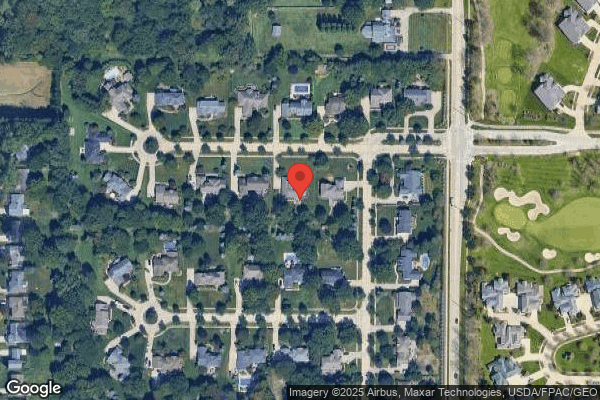
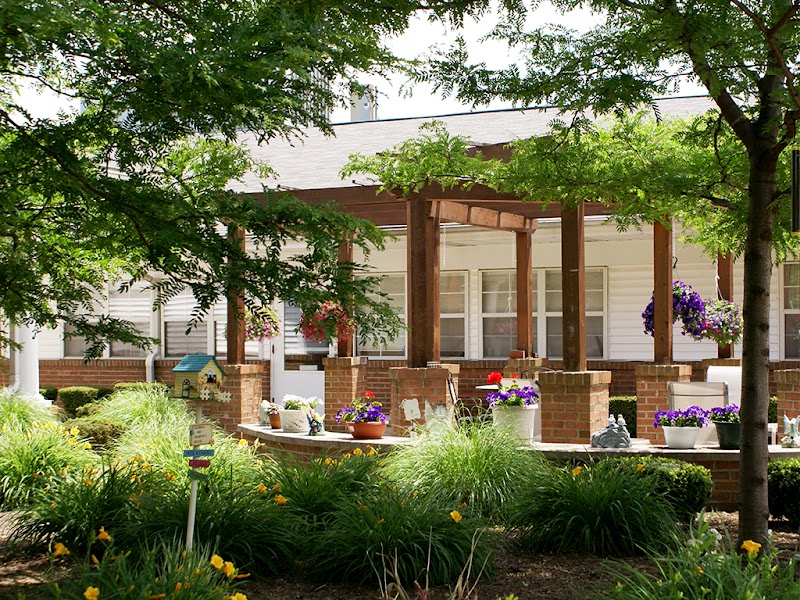
THREE MERIT DR, RICHMOND HEIGHTS, OH 44143 (216) 261-9600
For profit - Corporation 176 Beds COMMUNICARE HEALTH Data: November 2025 1 Immediate Jeopardy citation
Trust Grade
0/100
#691 of 913 in OH
Last Inspection: March 2025

Within standard 12-15 month inspection cycle. Federal law requires annual inspections.

Overview

Grande Pointe Healthcare Community in Richmond Heights, Ohio, has received a Trust Grade of F, indicating significant concerns and poor performance. Ranking #691 out of 913 in Ohio places it in the bottom half, while being #63 out of 92 in Cuyahoga County suggests only a few local options are better. Although the facility is improving, with issues decreasing from 17 in 2024 to 5 in 2025, it still faces challenges, including $158,445 in fines, which is concerning and higher than 90% of Ohio facilities. Staffing is a weak point, with only 1 out of 5 stars and RN coverage less than 94% of state facilities, indicating potential gaps in care. Specific incidents include a failure to protect a resident with dementia from sexual abuse by another resident and not adequately treating pressure ulcers for another resident, which resulted in serious harm. While the facility has some strengths, such as excellent quality measures, families should carefully weigh these weaknesses when considering care options.

Trust Score
F
0/100
In Ohio
#691/913
Bottom 25%
Safety Record
High Risk
Review needed
Inspections
Getting Better
17 → 5 violations
Staff Stability
⚠ Watch
49% turnover. Above average. Higher turnover means staff may not know residents' routines.
Penalties
○ Average
$158,445 in fines. Higher than 59% of Ohio facilities. Some compliance issues.
Skilled Nurses
⚠ Watch
Each resident gets only 18 minutes of Registered Nurse (RN) attention daily — below average for Ohio. Fewer RN minutes means fewer trained eyes watching for problems.
Violations
⚠ Watch
34 deficiencies on record. Higher than average. Multiple issues found across inspections.
★★☆☆☆
2.0
Overall Rating
★☆☆☆☆
1.0
Staff Levels
★★★★★
5.0
Care Quality
★☆☆☆☆
1.0
Inspection Score
Stable
2024: 17 issues
2025: 5 issues

The Good

  • 5-Star Quality Measures · Strong clinical quality outcomes
  • Full Sprinkler Coverage · Fire safety systems throughout facility
  • No fines on record

Facility shows strength in quality measures, fire safety.

The Bad

2-Star Overall Rating

Below Ohio average (3.2)

Below average - review inspection findings carefully

Staff Turnover: 49%

Near Ohio avg (46%)

Higher turnover may affect care consistency

Federal Fines: $158,445

Well above median ($33,413)

Significant penalties indicating serious issues

Chain: COMMUNICARE HEALTH

Part of a multi-facility chain

Ask about local staffing decisions and management

The Ugly 34 deficiencies on record

1 life-threatening 3 actual harm
Jul 2025 2 deficiencies
CONCERN (D) 📢 Someone Reported This

A family member, employee, or ombudsman was alarmed enough to file a formal complaint

Potential for Harm - no one hurt, but risky conditions existed

Quality of Care (Tag F0684)

Could have caused harm · This affected 1 resident

**NOTE- TERMS IN BRACKETS HAVE BEEN EDITED TO PROTECT CONFIDENTIALITY** Based on interview, record review, and facility policy review, the facility failed to complete wound treatments as ordered by th...

Read full inspector narrative →
**NOTE- TERMS IN BRACKETS HAVE BEEN EDITED TO PROTECT CONFIDENTIALITY** Based on interview, record review, and facility policy review, the facility failed to complete wound treatments as ordered by the physician. This affected one resident (#114) of three residents reviewed for wound care. The facility census was 140. Findings include:Review of the medical record for Resident #114 revealed an initial admission date of 08/20/24 and re-entry date of 03/18/15. The resident had been hospitalized from [DATE] to 03/18/25 for a wound infection. Diagnoses included polyosteoarthritis, dementia, adult failure to thrive, left-hand and right-hand contractures, left and right shoulder contractures, and severe protein-calorie malnutrition.Review of the Quarterly Minimum Data Set (MDS) assessment dated [DATE] revealed Resident #114 had severely impaired cognition and four venous/arterial ulcers. Review of a wound assessment report dated 03/25/25 revealed Resident #114 had a left elbow wound due to end-of-life skin failure, and arterial ulcers to the right hallux (big toe), right heel, left hallux, and left heel.Review of physician orders dated 05/05/25 revealed Resident #114 was admitted to hospice services due to cerebral atherosclerosis with a life expectancy of less than sixth months.Review of a wound assessment report dated 06/02/25 revealed Resident #114 had a sacral/buttocks wound and a left elbow wound due to end-of-life skin failure, and arterial ulcers to the right heel, right hallux, left heel, and left hallux. Review of the physician orders for April 2025 revealed Resident #114 had treatments ordered to the left hallux, left heel, right hallux and right heel arterial ulcers. The left hallux, left heel, and right heel treatments were to cleanse with normal saline solution (NSS), apply betadine (an antiseptic solution), cover with an abdominal (ABD) dressing then wrap with gauze daily on night shift. The right hallux treatment was to cleanse with NSS, apply silver alginate (a dressing used for wounds at risk of or showing signs of infection), cover with an ABD dressing then wrap with gauze daily on night shift. Review of the Treatment Administration Record (TAR) for April 2025 revealed Resident #114's ordered wound treatments were not documented as completed on 04/05/25, 04/17/25, 04/20/25 and 04/25/25. Review of the physician orders for May 2025 revealed Resident #114 had treatments ordered to the left elbow wound and left hallux, left heel, right hallux and right heel arterial ulcers. The left elbow treatment was to cleanse with NSS, apply silver alginate, then cover with a border gauze dressing daily on day shift. The left hallux, left heel, right hallux, and right heel treatments were to cleanse with NSS, apply betadine, cover with an ABD dressing then wrap with gauze three times weekly on night shift. On 05/14/25, the left hallux, left heel, right hallux, and right heel treatments were changed and stated to cleanse with NSS, apply betadine, then leave open to air daily on night shift. Review of the TAR for May 2025 revealed Resident #114's left elbow treatment was not documented as completed on 05/23/25. The treatments to Resident #114's left hallux, left heel, right hallux, and right heel were not documented as completed on 05/03/25 or 05/24/25. Review of the physician orders for June 2025 revealed Resident #114 had treatments ordered to the sacrum/buttocks wound, the left elbow wound, and the left hallux, left heel, right hallux and right heel arterial ulcers. The sacrum/buttocks treatment was to cleanse with NSS, apply silver alginate, cover with a sacral foam dressing, then apply Calmoseptine (a moisture barrier) to the peri-wound (skin surrounding the wound) daily on night shift. The left elbow treatment was to cleanse with NSS, apply silver alginate, then cover with border gauze dressing daily on day shift. The left hallux and left heel treatments were to cleanse with NSS, apply betadine and leave open to air three times weekly on night shift. The right hallux and right heel treatments were to cleanse with NSS, apply betadine, cover with an ABD dressing, and wrap with gauze three times weekly on night shift. On 06/12/25, the right hallux treatment was changed to cleanse with NSS, apply betadine then leave open to air three times weekly on night shift. Review of the TAR for June 2025 revealed Resident #114's sacrum/buttock wound was not documented as completed on 06/12/25, 06/14/25, 06/15/25, 06/21/25 and 06/24/25. Resident #114's left elbow treatment was not documented as completed on 06/06/25. The left hallux treatment was not documented as completed on 06/05/25, 06/12/25, 06/14/25, 06/21/25 and 06/24/25. The left heel treatment was not documented as completed on 06/05/25, 06/14/25, 06/21/25 and 06/24/25. The right heel treatment was not documented as completed on 06/05/25, 06/14/25, 06/21/25 and 06/24/25. The right hallux treatment was not documented as completed on 06/05/25, 06/14/25, 06/21/25 and 06/24/25.Review of nursing progress notes from April 2025 to June 2025 revealed no evidence Resident #114's wound treatments were completed as identified in the above findings. Interview on 07/07/25 at 9:25 A.M. with Director of Nursing verified Resident #114's wound treatments were not completed as ordered by the physician as identified in the above findings.Review of facility policy, Skin Care & Wound Management Overview, undated, revealed completed treatments were to be documented in the electronic treatment administration record.This deficiency represents non-compliance investigated under Complaint Number OH00165152 (1321594) and OH00163754 (1321590).
CONCERN (D) 📢 Someone Reported This

A family member, employee, or ombudsman was alarmed enough to file a formal complaint

Potential for Harm - no one hurt, but risky conditions existed

Incontinence Care (Tag F0690)

Could have caused harm · This affected 1 resident

**NOTE- TERMS IN BRACKETS HAVE BEEN EDITED TO PROTECT CONFIDENTIALITY** Based on interview, record review, and facility policy review, the facility failed to timely implement physician orders to inser...

Read full inspector narrative →
**NOTE- TERMS IN BRACKETS HAVE BEEN EDITED TO PROTECT CONFIDENTIALITY** Based on interview, record review, and facility policy review, the facility failed to timely implement physician orders to insert an indwelling urinary catheter. This affected one resident (#145) of three residents reviewed for urinary tract infection (UTI) prevention. The facility census was 140.Findings include: Review of the medical record for Resident #145 revealed an admission date of 03/20/25 and discharge date of 04/01/25. Diagnoses included orthopedic aftercare, closed fracture of the lower end of left femur, closed fracture of the lateral condyle of left femur, closed fracture of the medial condyle of left femur, fracture of the ninth and tenth thoracic vertebra, and atrial fibrillation. A diagnosis of retention of urine was added upon the date of discharge on [DATE].Review of Resident #145's undated profile sheet revealed the resident was listed as his own responsible party with two children both listed as emergency contacts.Review of the nursing progress notes from 03/20/25 to 03/24/25 revealed Resident #145 was admitted to the facility for skilled therapy services due to a fall which resulted in a left femur fracture. The resident was oriented, able to make needs known, and had no complaints or concerns.Review of Resident #145's physician orders dated 03/25/25 indicated for routine laboratory testing to include a CMP (comprehensive metabolic panel) and for a post-operative orthopedic appointment on 04/01/25.Review of the Nurse Practitioner (NP) progress note dated 03/25/25 revealed Resident #145 had no acute pain and routine laboratory testing was pending. Review of a laboratory test collected on 03/26/25 revealed a high BUN (blood urea nitrogen) level and low GFR (glomerular filtration rate) which both values were used to assess kidney function.Review of the NP progress note dated 03/27/25 revealed Resident #145 denied any changes with bladder function. The laboratory test collected 03/26/25 which resulted in a low GFR indicated stage four chronic kidney disease, so nephrology was to be consulted for evaluation.Review of a laboratory test collected on 03/27/25 again revealed Resident #145 had a high BUN level and low GFR. Review of a nursing progress note dated 03/27/25 revealed the nephrologist was contacted regarding Resident #145's kidney function, and ordered an ultrasound of the kidneys, a bladder scan with PVR (post-void residual) [a measure of the amount of urine remaining in the bladder immediately after urination] and a urinalysis with culture and sensitivity (UA/ CS) [to test for a urinary tract infection] due to the elevated BUN level.Review of Resident #145's physician order dated 03/27/25 revealed to collect a urine specimen for UA/CS, a bladder scan with PVR, and an ultrasound of the kidneys due to the elevated BUN level. The corresponding Treatment Administration Record (TAR) for March 2025 indicated the ultrasound was completed on 03/28/25.Review of the admission Minimum Data Set (MDS) assessment dated [DATE] revealed Resident #145 had moderately impaired cognition and was frequently incontinent of urine. Resident #145 did not have an indwelling urinary catheter.Review of a nursing progress note dated 03/28/25 revealed Resident #145's ultrasound of the bladder and kidneys was completed, including the PVR which resulted in 703 milliliters (mL) of urine left in the bladder after voiding. The nephrologist ordered a Foley catheter (an indwelling urinary catheter) to be inserted.Review of Resident #145's physician order dated 03/28/25 indicated to insert a Foley catheter due to PVR of 703 mL and to change the foley catheter and drainage bag as needed every shift. The corresponding TAR for March 2025 indicated the Foley catheter was inserted on 03/28/25 night shift but no urine specimen had yet been obtained as ordered. Review of the electronic medication administration note dated 03/29/25 at 3:06 P.M. indicated Resident #145 did not have a foley catheter in place as was indicated on the TAR as placed on 03/28/25. There was no indication the physician was contacted.Review of a nursing progress note dated 03/29/25 at 11:02 P.M. revealed Resident #145 was straight catheterized (a urinary catheter used to drain the bladder and not designed to remain in the bladder for extended periods) which drained 1250 mL of urine, and a urine specimen was collected and placed into a refrigerator. There was no documented evidence of urinary discomfort or communication with the physician. The corresponding TAR for March 2025 indicated the urine specimen was collected on 03/29/25 night shift.Review of the electronic medication administration note dated 03/30/25 at 9:27 P.M. indicated Resident #145 continued to have no Foley catheter in place. There was no indication the physician was contacted.Review of a primary care physician progress note dated 03/31/25 revealed Resident #145 denied blood in the urine, difficulty urinating, and had no frequent urination. There was no evidence in the documentation of the physician being aware of the nephrologist's orders for an indwelling urinary catheter to be placed, or that there was a delay in executing those orders. Review of a nursing progress note dated 03/31/25 at 3:09 P.M. revealed Resident #145 had a Foley catheter placed by order of a NP due to retention. The note referenced Resident #145 tolerated the Foley catheter insertion well, having 1500 mL of urine released with some hematuria (blood in the urine) observed. The NP was made aware, and a urine culture was pending.Review of Resident #145's physician orders dated 03/31/25 indicated to insert a Foley catheter to continuous drain for a diagnosis of urinary retention, perform Foley catheter care every shift and as needed, and to change the Foley catheter as needed. The corresponding TAR for March 2025 indicated the Foley catheter was placed on 03/31/25 night shift. Review of the nursing assistant voiding documentation for Resident #145 from 03/27/25 to 03/31/25 revealed the resident was either incontinent using a brief or was continent while using a urinal or the bathroom.Interview on 07/02/25 at 9:32 A.M. with Registered Nurse (RN) #444 who was a Unit Manager confirmed Resident #145's urinalysis ordered on 03/27/25 was not sent to the laboratory until 03/31/25. RN #444 confirmed the urine was not collected until 03/29/25 which was a Saturday, and the laboratory did not pick up specimens on weekends. RN #444 verified Resident #145 had an order for a Foley catheter to be placed on 03/28/25, and although it was signed off as inserted, it was not placed until 03/31/25.Interview on 07/07/25 at 8:39 A.M. with Director of Nursing (DON) verified on 03/28/25, the nurse who received the initial order to place a Foley catheter in Resident #145 had passed the information on to the next shift which was night shift. The night shift nurse indicated the resident voided throughout the night, either by incontinence or use of a urinal, so the physician was contacted to inquire whether the Foley catheter was needed to no avail. The DON confirmed there were no additional attempts to contact the physician recorded in Resident #145's record. From 03/28/25 until the Foley catheter was placed on 03/31/25, staff reported Resident #145 as having no complaints regarding voiding. When RN #444 returned to work, she contacted the NP and inserted Resident #145's Foley catheter. Review of an undated nurse shift report sheet revealed for Resident #145 an order was placed for a foley catheter; however, the resident was using a urinal, and the doctor was called with no answer.Interview on 07/07/25 at 9:20 A.M. with NP #418 revealed Resident #145 was referred to nephrology because of abnormal laboratory values, but denied being aware of the need for a Foley catheter due to urinary retention until 03/31/25.Review of a written witness statement of Licensed Practical Nurse (LPN) #396 undated for 03/28/25 indicated placement of the foley catheter was signed off in error, and Resident #145 was voiding using a urinal, so the physician was contacted to clarify if a foley catheter was needed due to the resident voiding, but there was no answer. It was written onto the nurse report sheet.Review of a written witness statement of RN #433 dated 07/02/25 for 03/27/25 indicated speaking to the nephrologist regarding Resident #145's abnormal laboratory values and new orders received for an ultrasound of the kidneys with a bladder scan for PVR and to obtain a UA/CS. The statement indicated the oncoming shift nurse was notified. Review of a written witness statement of Certified Nursing Assistant (CNA) #337 dated 07/02/25 revealed resident #145 was incontinence and used a brief on 03/28/25.Review of the undated policy, Physician Orders, revealed the provider may write orders in the medical record or may enter an electronic order. A provider may give a medical order over the telephone. A provider may send a signed and dated fax medical order. Verbal orders are accepted but will be input into the electronic medical record by the nurse as soon as practicable. The nurse that takes the physician order will be responsible for executing the order or provide for the safe hand-off to the next nurse. The policy further explained that outside vendors, including laboratory services, should be contacted to execute the medical order. Review of the undated policy, Notification of Change in Condition, revealed the facility must consult with the resident's medical practitioner when there was a change requiring such notification. Circumstances requiring notification included a significant change in the resident's physical, mental or psychosocial condition, circumstances that required a need to alter treatment which may include a new treatment, or discontinuation of a current treatment. The medical practitioner was to be promptly notified of significant changes in condition, and the medical record must reflect the notification, response and interventions implemented to address the resident's condition. This deficiency represents non-compliance investigated under Complaint Number OH00164261 (1321592).
Mar 2025 3 deficiencies
CONCERN (D)

Potential for Harm - no one hurt, but risky conditions existed

Deficiency F0699 (Tag F0699)

Could have caused harm · This affected 1 resident

**NOTE- TERMS IN BRACKETS HAVE BEEN EDITED TO PROTECT CONFIDENTIALITY** Based on interview, record review, and review of facility policy, the facility failed to ensure residents with a diagnosis of Po...

Read full inspector narrative →
**NOTE- TERMS IN BRACKETS HAVE BEEN EDITED TO PROTECT CONFIDENTIALITY** Based on interview, record review, and review of facility policy, the facility failed to ensure residents with a diagnosis of Post-Traumatic Stress Disorder (PTSD) were provided culturally competent and trauma-informed care. This affected two residents (#81 and #82) of two residents reviewed for PTSD. The facility census was 147. Findings include: 1. Review of Resident #81's medical record revealed the Resident was admitted to the facility on [DATE]. Her diagnoses included heart disease, burns to her head, face, and neck. Other diagnoses included major depressive disorder, scar conditions and fibrosis, insomnia, Post Traumatic Stress Disorder (PTSD), and restlessness and/or agitation. Review of the Minimum Data Set (MDS) assessment dated [DATE] revealed Resident #81 had moderately impaired cognition, slight confusion regarding person, place and time. She displayed no signs or symptoms of delirium, and no behaviors were noted. PTSD was noted as an active diagnosis. Review of Resident #81's Social History Assessments, dated 10/19/23 and 11/05/24, completed by Resident #81's nephew and guardian, revealed no information regarding PTSD. Review of Resident 81's care plans revealed nonspecific, generic triggers such as unexpected noises. Interview on 03/05/25 at 10:22 A.M. with Certified Nursing Assistant (CNA) #336, CNA #355, and CNA #542 revealed they were unaware of which residents have PTSD nor where to look for any possible triggers. 2. Review of the medical record for Resident #82 revealed an admission date of 10/30/24 with diagnoses including unspecified dementia without behavioral disturbance, psychotic disturbance, or mood disturbance, hypertensive chronic kidney disease, attention to gastrostomy, dysphagia, malignant neoplasm of the prostate, and benign prostatic hyperplasia with lower urinary tract symptoms. On 01/21/25, a diagnosis was added to the medical diagnoses list for chronic post-traumatic stress disorder (PTSD). Review of the Social History Assessment: Ohio - V8 completed on 11/01/24 revealed Resident #82 had no indication of PTSD, no noted triggers, and listed mental health diagnoses included adjustment disorder with depressed mood, psychotic disturbance, mood disturbance, and anxiety. There were no updated Social History Assessment updates after PTSD was added as an additional diagnosis. Review of the care plan updated on 01/22/25 revealed Resident #82 had the diagnosis of PTSD. Further review of the care plan revealed no etiology, triggers, or resident-specific interventions to mitigate agitation or anxiety related to PTSD. The care plan intervention was to provide quiet areas and comfort item but did not list what items provided Resident #82 comfort. Review of the MDS quarterly assessment dated [DATE] revealed Resident #82 had a severe cognitive impairment with no reported behaviors. Further review of the MDS revealed Resident #82 had non-traumatic brain dysfunction, non-Alzheimer's dementia, and PTSD. Interview on 03/06/25 at 1:51 P.M. with CNA #422 confirmed she was unaware Resident #82 had PTSD and did not know how to find out if he had any specific triggers. CNA #422 suggested the surveyor could probably just ask Resident #82 if he had any triggers. Interview on 03/06/25 at 2:11 P.M. with Licensed Practical Nurse (LPN) #325 confirmed she was not aware Resident #82 had PTSD and was unable to verbalize specific triggers or stressors. Interview on 03/06/25 at 2:15 P.M. with LPN #416 confirmed he had no concerns regarding behaviors and had no encounters where he believed Resident #82 to be triggered. LPN #416 further confirmed staff should be able to find information regarding triggers in the resident charts. At 2:21 P.M., after several minutes of searching Resident #82's electronic medical record, LPN #416 confirmed he was unable to determine anything regarding Resident #82's PTSD-related behaviors or triggers. Interview on 03/05/25 at 2:10 P.M. with the Director of Nursing (DON) reported PTSD triggers are found in the resident's care plan. Interview on 03/06/25 at 11:45 A.M. Regional Registered Nurse (RN) #581 confirmed PTSD triggers are found in the resident's care plan. Review of the list of facility residents who received counseling services in the past six months revealed no counseling services were provided to Resident #81 or Resident #82. Review of facility policy titled Plan of Care Overview, undated, asserted the care plans were written treatment provided for a resident that is resident-focused and provides for optimal personalized care. Review of facility policy titled Behavior Management General, undated, revealed the facility was to identify and safely manage residents who were at risk for displaying behaviors related to psychiatric diagnoses and implement a person-centered plan to help find causes of potential behaviors and de-escalation techniques to mitigate safety risks to self or others.
CONCERN (E)

Potential for Harm - no one hurt, but risky conditions existed

Accident Prevention (Tag F0689)

Could have caused harm · This affected multiple residents

Based on observation, interview, and policy review, the facility failed to ensure adequate supervision to prevent accidents related to smoking safety. This had the potential to affect four residents (...

Read full inspector narrative →
Based on observation, interview, and policy review, the facility failed to ensure adequate supervision to prevent accidents related to smoking safety. This had the potential to affect four residents (#62, #85, #98, and #210) of four residents reviewed for smoking. The facility identified 18 current residents who smoked. The facility census was 147. Findings include: Observation on 03/10/25 at 9:15 A.M. of the resident smoke break with Activity Leader #548 revealed Resident #85 and Resident #98 were outside the building, approximately five feet from the glass exit door, smoking cigarettes. Activity Leader #548 was inside the building supervising through the glass door. Resident #210 arrived to smoke break late, and Activity Leader #548 opened the door for her to go out and smoke. Resident #210 wheeled herself out and parked her wheelchair with her back facing the glass door where Activity Leader #548 was supervising. Activity Leader #548 remained inside the building supervising through the door. Resident #85 was observed to pass his lit cigarette to Resident #210 to light her cigarette. Resident #210 then returned the cigarette to Resident #85 and both residents continued to smoke. The approved cigarette disposal receptacle was located approximately thirty feet from the building. Resident #98 smoked his cigarette down to filter and threw it on the ground and motioned Activity Leader #548, who was inside the building, to come out and help him back into the building. Resident #62 then arrived to smoke and the Activity Leader lit her cigarette. Interview with Activity Leader #548 on 03/10/25 at 9:24 A.M. stated she supervised the residents from inside the building. Activity Leader #548 verified that all four residents required supervision with smoking. She stated she did not see Resident #98 throw his cigarette on the ground nor did she see Resident #85 give his cigarette to Resident #210 to light. Activity Leader #548 stated the residents will throw routinely throw their used cigarettes on the ground instead of using the designated receptacle. At the end of the smoking session, Activity Leader #548 stated she typically will retrieve the used cigarettes the residents discard on the ground and disposes of them in the designated receptacle. Interview with the Activity Director on 03/10/25 at 9:30 A.M. stated she would allow staff to supervise residents from inside the building through the glass door if they can visibly see the residents while smoking. Activity Director #559 verified Activity Leader #548 was unable to see Resident #210 smoking. Activity Leader #548 should have walked outside and positioned herself within view of all residents who were outside smoking. Review of the facility policy titled Resident Smoking Guidelines. undated stated a supervised smoker is a resident that is unable to demonstrate safe smoking habits including smoking material management, lighting, controlling cigarette ash, extinguishing smoking materials, and requires staff supervision when smoking. The policy is to promote a resident centered care by providing a safe smoking area for residents that request to smoke and are capable of safe smoking behaviors either independently or with supervision.
CONCERN (F)

Potential for Harm - no one hurt, but risky conditions existed

Food Safety (Tag F0812)

Could have caused harm · This affected most or all residents

Based on observation, interview, and review of the facility policy, the facility failed to ensure the kitchen was maintained in a clean and sanitary manner. This had the potential to affect all reside...

Read full inspector narrative →
Based on observation, interview, and review of the facility policy, the facility failed to ensure the kitchen was maintained in a clean and sanitary manner. This had the potential to affect all residents except three residents (#68, #75, and #207) who received nothing by mouth and did not receive food from the facility's kitchen. The facility census was 147. Findings include: Observations on 03/03/25 from 10:02 A.M. to 10:23 A.M. during the tour of the kitchen with Mobile Dietary Manager (MDM) #800 revealed on a rack several white dessert plates stacked that had dried brownish, substance and crumbs on several of the plates. Observation of the oven, stove, tilt skillet, and steamer all had various food crumbs and grease on the front and the surfaces on the side of the equipment. The floor in front of the stove, oven, tilt skillet, and steamer and between the stove and the tilt skillet and the tilt skillet and the steamer were dirty with a moderate amount of dark colored debris. Interview on 03/03/25 between 10:02 A.M. and 10:23 A.M. with MDM #800 verified the identified findings and stated they will be taken care of right away. Review of the list of residents with the diet orders provided by facility revealed Resident #68, Resident #75, and Resident #207 had orders to receive nothing by mouth and received no food from the facility's kitchen. Review of the policy Environment, dated September 2017 revealed all food preparation areas, food service areas, and dining areas will be maintained in a clean and sanitary condition.
Dec 2024 7 deficiencies 1 IJ
CRITICAL (J) 📢 Someone Reported This

A family member, employee, or ombudsman was alarmed enough to file a formal complaint

Immediate Jeopardy (IJ) - the most serious Medicare violation

Free from Abuse/Neglect (Tag F0600)

Someone could have died · This affected 1 resident

**NOTE- TERMS IN BRACKETS HAVE BEEN EDITED TO PROTECT CONFIDENTIALITY** Based on observation, record review, self-reported incident (SRI) review, review of a police report, facility policy review and ...

Read full inspector narrative →
**NOTE- TERMS IN BRACKETS HAVE BEEN EDITED TO PROTECT CONFIDENTIALITY** Based on observation, record review, self-reported incident (SRI) review, review of a police report, facility policy review and interviews, the facility failed to ensure Resident #28, who had dementia, was deemed incompetent, and unable to provide consent, was free from resident-to-resident sexual abuse. This resulted in Immediate Jeopardy and the potential for actual physical and psychosocial harm on 11/26/24 at approximately 8:20 P.M. when Resident #18, who had a history of engaging in physical activity (i.e. hand holding and touching behaviors) with Resident #28 without care planned interventions, was observed by Certified Nurse Aide (CNA) #396 engaged in an activity indicative of oral sex on Resident #28. This affected one resident (#28) of three residents reviewed for abuse. The facility census was 158. On 12/10/24 at 4:10 P.M., the Administrator, Director of Nursing (DON) and Regional Director of Clinical Operations (RDCO)/Registered Nurse (RN) #219 were notified Immediate Jeopardy began on 11/26/24 at approximately 8:20 P.M. when CNA #396 found Resident #28 laying back on her bed with her legs wide open and Resident #18 kneeling with his face between Resident #28's legs. Resident #28, who was cognitively impaired lacked the cognitive ability to consent to the sexual activity. The facility failed to address Resident #18's prior physical aggression towards Resident #28 and a known relationship formed with Resident #28 prior to this sexual abuse incident. In addition, there was no evidence of any further behavioral assessments addressing the capacity to consent to sexual activity in addition to no documented monitoring or consistent interventions being initiated following the observed sexual encounter. The Immediate Jeopardy was removed on 12/11/24 when the facility implemented the following corrective actions: • On 11/26/24 at 8:20 P.M. CNA #396 knocked on Resident #28's door, walked in and noticed Resident #28 laying on her back on her bed with her legs open and Resident #18 on his knees with his face in between the resident's legs. Residents #18 and #28 were immediately separated by CNA #396 and Resident #18 was placed on one-on-one (1:1) supervision with CNA #396. The 1:1 supervision ended on 12/03/24 at 7:00 A.M. • On 11/26/24 At 8:29 P.M. CNA #396 notified the Administrator of an allegation of resident-to-resident sexual abuse. • On 11/26/24 At 8:32 P.M. the Administrator notified the DON of an allegation of resident-to-resident sexual abuse. • On 11/26/24 At 8:34 P.M. the DON notified RDCO/RN #219 and Regional Director of Operations (RDO) #410 of an allegation of resident-to-resident sexual abuse. • On 11/26/24 at 9:00 P.M. the DON and RDCO/RN #219 interviewed Resident #18 and Resident #28 by phone as the staff members were not in the facility at that time. • On 11/26/24 at 10:00 P.M. the Administrator submitted a SRI report with the State Agency. • On 11/26/24 at 10:20 P.M. the families of Resident #18 and Resident #28 were made aware of the allegation of resident-to-resident sexual abuse. • On 11/26/24 at 10:20 P.M. Licensed Practical Nurse (LPN) #310 called the police to report the allegation of resident-to-resident sexual abuse. • On 11/26/24 at 11:00 P.M. LPN #310 notified On-call Physician #196 of the allegation of resident-to-resident sexual abuse involving Resident #18 and Resident #28. No new orders were given and he recommended to follow up with in-house provider and DON. • On 11/26/24 at 11:27 P.M. LPN #310 attempted to check Resident #28's skin but she refused. On 11/26/24 at 11:52 P.M. LPN #310 attempted to check Resident #18's skin but he refused. • On 11/27/24 Unit Manager (UM)/LPN #368 completed skin checks on all residents on the Connections (dementia) unit. • On 11/27/24 the DON/designee provided education throughout the day to the Connections unit staff by on sexual abuse and sexual behaviors including behavior to look for such as holding hands, kissing and spending a lot of time together. Education to staff included reporting behaviors to the Administrator, DON, and/or UM/LPN #368. Any staff not there were educated their next scheduled day of work. • On 11/27/24, UM/LPN #368 placed a note at the nurses' station informing staff Resident #18 and Resident #28 were not permitted to be left alone behind closed doors due to the allegation of sexual abuse. This was communicated to staff via shift-to-shift report. Any staff not there were educated their next scheduled day of work. • On 11/27/24 at 5:30 P.M. Nurse Practitioner (NP) #195 assessed Resident #18 and Resident #28 with no new orders provided at that time. • On 12/09/24 at 10:20 A.M. Licensed Social Worker (LSW) #245 made a referral to another facility for Resident #18 per family request as the family talked about him residing on an all-male unit. • On 12/10/24 and 12/11/24 the DON/Designee interviewed all residents on the Connections unit to determine their capacity to consent to sexual behavior with the questionnaire from the facility's policy, Process for Consensual Sexual Behavior. It was determined no residents had the capacity to consent on the Connections unit including both Resident #18 and Resident #28. If a resident would have the capacity to consent to sexual activity, the facility would involve the physician, interdisciplinary team (IDT) and resident's guardian/representative and the team will discuss the risks/benefits of sexual behavior and develop a plan of care. • On 12/10/24 at 4:51 P.M. Resident #18 was immediately placed on 1:1 supervision with physician's order written by UM/LPN #368 and care plan updated by Minimum Data Set (MDS)/LPN #309 to reflect resident required 1:1. Resident #18's Kardex (care card) was also updated so staff were aware. Resident #18 would remain on 1:1 supervision until discharged from the facility. MDS/LPN #309 also reviewed Resident #28's care plan and no additional changes were made. • On 12/10/24 and 12/11/24 the DON/Designee interviewed staff working on the Connections unit regarding knowledge of any residents that have a sexual relationship who lack the capacity to consent. Any resident found to be having sexual relations with other residents who lack the capacity to consent would be reviewed by the physician and IDT team to discuss the risks/benefits of sexual behavior and this would be discussed with the resident's guardian/representative and a plan of care would be developed. There were no other residents that were identified to be having a sexual relationship and there were no additional resident-to-resident sexual occurrences found. DON/Designee reviewed all charts on the unit as well with no findings. • On 12/10/24 and 12/11/24 the DON/Designee educated all staff on the facility's abuse and neglect policy which included: (a) What constitutes abuse and types of abuse and neglect; (b) Identification of signs and symptoms in residents and staff of potential abuse and abusers; (c) Actions to take when abuse is witnessed, suspected, or alleged; (d) Timely and appropriate reporting of witnessed, suspected, or alleged abuse to all responsible parties per facility policy; (e) Protection of resident while conducting a thorough investigation of alleged abuse; (f) Proper assessment of residents who have been or suspected to be abused; (g) Prevention of future incidents of abuse from occurring; (h) Sexual activity between residents including what constitutes sexual abuse per Centers for Medicare and Medicaid Services (CMS) guidelines and what to do when you identify inappropriate sexual behaviors including reporting to your supervisor, DON, or Administrator and holding a meeting with physicians, IDT and family to develop a plan of care for the resident. Staff were also educated on the facility's dementia policy as the allegation of resident-to-resident sexual abuse occurred on the Connections (dementia) unit. Additionally, staff were educated on behaviors and what to look for with residents that lack the capacity to consent to sexual behaviors. Staff on leave to be educated upon return and prior to working the floor. • On 12/11/24 from 9:30 A.M. to 2:00 P.M. the DON/Designee started additional skin checks on all residents on the Connections unit. • On 12/11/24 at 10:00 A.M. Medical Director (MD)/Physician #406 completed medication reviews for Resident #18 and Resident #28. • On 12/11/24 at 11:00 A.M. LSW #245 completed psychosocial reviews for Resident #18 and Resident #28. • On 12/11/24 at 11:00 A.M. the Administrator/designee had an ad hoc Quality Assurance/Performance Improvement (QAPI) meeting to discuss the Immediate Jeopardy and abatement plan, the facility's abuse policy and the resident-to-resident sexual abuse involving Resident #18 and Resident #28. Staff present included the Administrator, the DON, Infection Preventionist (IP)/RN #370, (MD)/Physician #406, UM/LPN #240, UM/LPN #368, LPN/UM #349, UM/RN #395, RDCO/RN #219, Regional Resident Care Coordinator (RRCC)/RN #411 and Divisional Director of Clinical Operations (DDCO)/RN #199. • Beginning 12/11/24, LSW #245 would continue offering support to Resident #18 and Resident #28 by weekly visits for four weeks then as needed. • Beginning 12/11/24 all facility-reported incidents would be reviewed by DON/Designee immediately to ensure no other residents were affected. DON/Designee to address issues with reported incidents immediately upon identification. This would be ongoing. • Beginning 12/11/24 all allegations of abuse would be reported to the RDCO/RN #219 by the DON or Administrator as soon as the allegation was made. This would be ongoing. • Beginning on 12/11/24 the DON/Designee would educate all new staff on Abuse, Dementia and Behavioral Health management. This would be ongoing as part of new hire orientation. • Beginning on 12/11/24 the DON/Designee would observe five residents weekly for four weeks, then three residents weekly for four weeks, then two residents weekly for four weeks to look for any inappropriate sexual behaviors between residents. This would continue until compliance was achieved. • Beginning on 12/11/24, the Administrator/Designee would interview five staff members weekly for four weeks, then three staff members weekly for four weeks, then two staff members weekly for four weeks to determine if there have been any inappropriate sexual behaviors between residents. This would continue until compliance was achieved. • The Administrator or DON would monitor compliance with the above during monthly QAPI meetings for three months, then as needed for one year. • The RDCO/RN #219 would monitor compliance with the above during monthly visits times for three months then on an as needed basis. • Interviews on 12/16/24 from 7:55 A.M. to 9:07 A.M. with LPN/Medical Records #307, UM/RN/Assistant Director of Nursing (ADON) #307, CNA #390, CNA #365, CNA #382, Activities Aide (AA) #232 and RN #351 confirmed they received education on sexual abuse, dementia, sexual behaviors between residents and sexual consent. Although the Immediate Jeopardy was removed on 12/11/24 the deficiency remained at Severity Level 2 (no actual harm with potential for more than minimal harm that is not Immediate Jeopardy) as the facility was in the process of implementing their corrective action plan and monitoring to ensure continued compliance. Findings include: Review of Resident #28's medical record revealed an admission date of 10/19/19 with diagnoses including heart disease, vascular dementia with other behavioral disturbance, depression, cognitive communication deficit, insomnia, post-traumatic stress disorder (PTSD), dysphagia, burn of unspecified degree of head, face and neck restlessness and agitation. Review of Resident #28's guardianship documentation revealed she was deemed incompetent and had a guardian of person effective 03/13/20. Review of Resident #28's care plans revealed a plan of care dated 08/23/21 and revised 03/24/22 for impaired cognitive function related to dementia with listed interventions including observe/document report to medical provider any changes in cognitive function, specifically changes in decision making ability, memory, recall and general awareness, difficulty expressing self, difficulty understanding others, level of consciousness and mental status. Review of a plan of care dated 05/02/23 revealed Resident #28 required placement on a secured unit with listed interventions including notify medical provider/resident representative of behavior changes and provide diversionary activities as needed and redirect when appropriate. Review of Resident #28's physician's orders revealed an order dated 06/16/23 for behavior monitoring which included: 1. Withdrawn 2. Tearful. 3. Refusal of Care. 4. Poor appetite. Non-pharmacological intervention: 1. Redirect. 2: One-on-one. Every shift for behaviors. Review of Resident #28's progress notes revealed a telehealth note dated 03/21/24 at 1:13 A.M. with the following information: Resident #28 was jumped on by another resident (on dementia unit). No fall to ground, unwitnessed. Noted to have small, very superficial abrasion to nose. No tenderness to palpitation. Residents are separated. Police are on site. Review of a nurse's note dated 03/21/24 at 1:53 A.M. revealed the following information: At approximately 12:35 A.M. Resident #28 alerted this nurse that another resident jumped on her. Upon assessment resident noted to have small abrasion to nose, scratch. Resident immediately separated for safety. Vitals obtained, appropriate notifications made, and supervisor noted. Police called and on-site talking with resident. This nurse instructed resident to call for help and use call light if any residents attempted to enter room. Review of a facility SRI dated 03/21/24 at 12:35 A.M. revealed an allegation of resident-to-resident physical abuse between Resident #18 and Resident #28. Resident #28 alleged Resident #18 hit her and/or jumped on her. Resident #18's cognition was listed as oriented times one and Resident #28's cognition was listed as oriented times one. Staff statements were included from CNA #400, the police were called, and skin sweeps were completed on like residents. The facility determined the allegation of abuse was unsubstantiated due to no witnesses. Review of an IDT follow up note dated 03/22/24 at 11:40 A.M. revealed the following information: Resident to Resident incident. Resident #28 reported other male resident jumped on her in her room. The resident has a small, reddened area to her nose, no further injuries or complaints. Root cause: dementia. Interventions put into place: residents immediately separated, one on one with male resident and treatment given to injured area. Review of Resident #28's medical record revealed there was no further follow up with additional interventions to address the 03/21/24 incident. Review of a plan of care dated 04/24/24 revealed Resident #28 had a communication problem related to dementia with listed interventions including observe for declines in communication and anticipate and meet needs. Review of a quarterly Minimum Data Set (MDS) assessment dated [DATE] revealed Resident #28 had a brief interview for mental status (BIMS) score of nine, indicating moderate cognitive impairment and had no behaviors coded on the assessment. Review of a plan of care dated 09/30/24 revealed Resident #28 had diagnosis of PTSD with listed interventions including observe for increased agitation, anxiety and offer quiet areas and comfort items, observe resident in group situations and prevent resident from becoming overstimulated and assist resident in identifying what triggers PTSD episodes. Review of a nurses' note dated 11/26/24 at 11:28 P.M. and authored by LPN #310 revealed the following information: Around 10:00 P.M. while doing rounds, CNA entered Resident #28's room and saw the resident laying in her bed with pants down with a male resident kneeling in front of her with his head within proximity of her vagina. Residents were immediately separated. Resident #28 was interviewed, stated she consented, not forced and felt safe. Guardian notified. Physician notified. Police notified. Resident #28 resting in room, will continue to monitor. Review of a facility SRI dated 11/26/24 revealed an allegation of resident-to-resident sexual abuse involving Resident #18 and Resident #28. Resident #18 was allegedly found to be performing oral sex on Resident #28 on 11/26/24 at approximately 8:30 P.M. CNA #396 found Resident #18 kneeling with his head in proximity of Resident #28's vagina. Both residents were separated and interviewed and reported consenting to the behavior and understanding what they were engaged in. Resident #28 also stated she was in a relationship with Resident #18. The facility determined the allegation of sexual abuse to be unsubstantiated as both residents consented to the sexual interaction. Review of a telehealth note dated 11/27/24 at 12:00 A.M. and authored by Physician #196 revealed the following information: Resident #28 was seen with another resident appearing to have intimate contact. Both residents have dementia, and acts were consensual per the residents. Follow with in house provider and DON. Review of a nurse practitioner note dated 11/27/24 at 1:00 A.M. and authored by NP #195 revealed the following information: Met with Resident #28 today to follow-up for nursing reports of patient having physical interaction of a sexual nature. Per nursing report and chart review, Resident #28 was seen laying in her bed with another resident/male between her legs. It is important to know that the patient is currently a resident on a locked dementia unit. Resident #28 does have a diagnosis of vascular dementia. Resident #28 is alert and oriented times one to two at baseline. Resident #28 reports she is angry she is being questioned repeatedly and repeatedly states the other resident is her boyfriend. Resident #28 denies being forced to do anything and denied wanting to press charges or file a complaint on the other resident. Review of Resident #28's quarterly Minimum Data Set (MDS) 3.0 assessment dated [DATE] revealed she was moderately cognitively impaired, required set up for eating, supervision for toileting, dressing and personal hygiene and most ambulatory tasks. Review of a plan of care dated 12/09/24 and revised 12/09/24 revealed Resident #28 had a behavior problem with listed interventions including '11/26/24 not to be in room with male with door closed,' communicate with resident/resident representative regarding behaviors and treatment, intervene as necessary to protect the rights and safety of others and notify medical provider of increased episodes of behaviors. Record review as of 12/09/24 revealed the facility had not assessed or developed a comprehensive or individualized plan care for Resident #28 related to human sexuality needs or preferences or the resident's capacity to consent to sexual activity. Review of Resident #28's Kardex as of 12/10/24 had a notation under 'Monitoring' on 11/26/24 for not being in room with male with door closed. Review of Resident #18's medical record revealed an admission date of 11/22/22 with diagnoses including depression, anxiety, dementia with agitation, cognitive communication deficit and history of transient ischemic attack (TIA). Review of Resident #18's care plans revealed a plan of care dated 11/23/22 for impaired cognitive function [related to] dementia and listed interventions including communicate with resident/family/caregivers regarding resident's capabilities and needs, discuss concerns about confusion, disease process and nursing home placement with resident/family/caregiver and keep routine as consistent as possible in order to decrease confusion. Review of a plan of care dated 11/23/22 revealed Resident #18 required a secured unit due to dementia and listed interventions included notify medical provider/resident representative of behavior changes and provide diversionary activities as needed. Redirect when appropriate. Review of a plan of care dated 11/25/22 revealed Resident #18 wandered aimlessly from place to place, and listed interventions included notify medical provider, resident representative of behavior changes and notify staff of wandering risk. Review of a plan of care dated 11/30/22 and revised 10/16/24 revealed Resident #18 had a behavior problem [related to] disease process, nursing home admission, refusal of medication, banging on exit doors, history of refusing labs, screaming at others, cursing at others, layers clothing, refuses to change daily including socks/underwear, refuses shower feels doesn't needs it and hoards personal care items (personal/private bought) with listed interventions including '11/26/24 not be in room with female with door closed (initiated 12/09/24),' behavioral health consults as needed, communicate with resident/resident representative regarding behaviors and treatment, intervene as necessary to protect the rights and safety of others, monitor behavioral episodes and attempt to determine underlying causes and notify medical provider of increased episodes of behaviors. Review of a plan of care dated 11/30/22 and revised 10/16/24 revealed Resident #18 had a communication problem due to other disease process/condition usually understands and is usually understood with listed interventions including observe for declines in communication and anticipate and meet needs. Review of Resident #18's physician's orders revealed an order dated of 06/16/23 for behavior monitoring which included: 1. Withdrawn 2. Tearful. 3. Resists Care. 4. Agitation. Non-pharmacological intervention: 1. One-on-one. 2: Calm quiet environment. 3. Activity. 4. Meet Needs Every shift for behaviors as well as an order dated 12/05/24 for monitor resident for exit-seeking behaviors and document each shift twice a day. Resident #18's guardianship documentation revealed he was deemed incompetent and had a guardian of person and estate effective 07/17/23. Review of Resident #18's progress notes revealed a telehealth note dated 03/21/24 at 1:49 A.M. revealed the following information: 'Patient on dementia unit, allegedly hit another resident. Police were on site. Reports have been filed. Residents immediately separated. Resident #18 now calm. No change in behavior from baseline. Review of a nurse's note dated 03/21/24 at 2:16 A.M. revealed the following information: At approximately 12:35 A.M. this shift another resident alleged Resident #18 jumped on her. Residents immediately separated for safety and Resident #18 instructed to stay in his room. Vitals obtained, abrasion noted to right hand, appears to be a scratch. Appropriate notifications were made, and the police were called and were onsite taking statement. Review of a facility SRI dated 03/21/24 at 12:35 A.M. revealed an allegation of resident-to-resident physical abuse between Resident #18 and Resident #28. Resident #28 alleged Resident #18 hit her and/or jumped on her. Resident #18's cognition was listed as 'oriented times one' and Resident #28's cognition was listed as 'oriented times one.' Staff statements were included from CNA #400, the police were called, and skin sweeps were completed on like residents. The facility determined the allegation of abuse was unsubstantiated due to no witnesses. Review of a nurse practitioner note dated 03/22/24 at 1:00 A.M. and authored by NP #194 revealed the following information: Resident #18 resides on the dementia unit due to the condition. It was reported he was involved in an altercation with another female resident yesterday and the female member sustained a small scratch to the nose. Resident #18 denies any such incident occurring. Today, Resident #18 was observed acting well with the other resident. He is alert and oriented times one to two and ambulates independently. Review of an IDT follow-up note dated 03/22/24 at 11:44 A.M. revealed the following information: Resident to Resident incident. It was reported by female resident; Resident #18 jumped on her in her room causing a small abrasion to his hand. No further injuries or complaints. Root cause: dementia. Interventions put into place: residents immediately separated, one on one with male resident and treatment given to injured area. Review of Resident #18's medical record revealed no evidence of the one-on-one supervision or additional interventions adding to his comprehensive care plan to address the incident. Review of Resident #18's annual MDS assessment dated [DATE] revealed the resident was severely cognitively impaired, had no behaviors coded on the assessment and required set up for meals, dressing and toileting. Resident #18 required supervision for ambulation and was independent with most mobility. Review of a nurses' note dated 11/26/24 at 11:43 P.M. and authored by LPN #310 revealed the following information: Around 10:00 P.M. during rounds CNA walked into female resident room and saw Resident #18 kneeling in front of her with his head within proximity of her vagina. Residents were immediately separated. Resident #18 was interviewed and stated it was consensual, not forced and he felt safe. Guardian and physician notified as well as police. Review of a telehealth note dated 11/27/24 at 12:02 A.M. and authored by Physician #196 revealed the following information: Resident #18 was seen with another resident appearing to have intimate contact. Both residents have dementia and acts were consensual per the residents. Follow with in house provider and DON. Review of a nurse practitioner note dated 11/27/24 at 1:00 A.M. and authored by NP #195 revealed the following information: Nursing reports that patient was observed in an alleged sexual encounter with another resident. Per nursing report and chart review Resident #18 was found in another resident's room. The other patient was laying on the bed and Resident #18 was between her legs. It is important to understand that Resident #18 is on a locked dementia unit and has a diagnosis of dementia. Nursing reports that Resident #18 has a history of developing relationships, girlfriend/boyfriend intermittently with other residents since his stay at the facility. Resident #18 has been seen socializing more closely with this resident as opposed to others. There have been no other inappropriate behaviors observed or reported before this incident. Resident #18 reports he is very angry with questioning he has had to answer regarding the incident. Resident #18 was initially dismissive and would not talk but after some encouragement he reports he did nothing wrong and was with his girlfriend. Resident #18 declines being forced to do anything and declines having to force the other resident. Resident #18 reports it has been a consensual relationship. Review of Resident #18's nurse's notes from March 2024 through November 2024 did not contain any documentation regarding Resident #18 holding hands with other residents, putting his arm around other residents or developing a relationship with other residents. Review of a facility SRI dated 11/26/24 revealed an allegation of resident-to-resident sexual abuse involving Resident #18 and Resident #28. Resident #18 was allegedly found to be performing oral sex on Resident #28 on 11/26/24 at approximately 8:30 P.M. CNA #396 found Resident #18 kneeling with his head in proximity of Resident #28's vagina. Both residents were separated and interviewed and reported consenting to the behavior and understanding what they were engaged in. Resident #28 also stated she was in a relationship with Resident #18. The facility determined the allegation of sexual abuse to be unsubstantiated as both residents consented to the sexual interaction. Review of a witness statement dated 11/26/24 and authored by LPN #310 revealed the following information: Since beginning of shift on 11/26/24 both residents (#18, #28) were acting normal, at their baseline, in a good mood, no change in condition, no behaviors, no issues or complaints. Review of a witness statement dated 11/26/24 and authored by CNA #396 revealed the following information: I was doing rounds and noticed Resident #24 was not in her room so I knocked on Resident #28's door and walked in and saw Resident #28 laying back on her bed with her legs wide open and Resident #18 on his knees with his face in between her legs. Review of a staff schedule for 11/26/24 7:00 P.M. to 7:00 A.M. identified three staff working on the Connections secured unit: LPN #310, CNA #396 and CNA #358. No witness statement was available for CNA #358. Review of a typed, unauthored interview dated 11/27/24 with Resident #28 revealed the following information: Resident #28 shared she and the gentleman were in an average relationship and that no sexual contact occurred. Resident #28 stated she is not married, just an average relationship and reported other patient did not have a spouse. Resident #28 stated sexual intimacy occurred between people that care for one another and that she was not taken advantage of. Resident #28 indicated she could say no to sexual contact. Resident #28 stated she was aware one of them may move but that did not mean their relationship will end. Review of a typed, unauthored interview dated 11/27/24 with Resident #18 revealed the social worker read the questions and Resident #18 responded 'no' to the first four questions relating to who initiated the sexual contact, did the patient believe the other person was a spouse, what level of sexual intimacy was he comfortable with and if the behavior was consistent with formerly held beliefs/values. Resident #18 stated he could say no to sexual contact. Resident #18 said he would be fine when the relationship ends, and he would just not see her anymore. Review of a typed interview completed by the DON and RDCO/RN #219 on 11/26/24 at 9:00 P.M. with Resident #28 revealed she knew what was happening in her room with Resident #18 and thought they were alone in here. Resident #18 stated she was not forced during this episode, no one put a gun to my head, stated she felt safe and was not hurt. Review of a typed interview completed by the DON and RDCO/RN #219 on 11/26/24 at 9:00 P.[TRUNCATED]
CONCERN (D) 📢 Someone Reported This

A family member, employee, or ombudsman was alarmed enough to file a formal complaint

Potential for Harm - no one hurt, but risky conditions existed

Notification of Changes (Tag F0580)

Could have caused harm · This affected 1 resident

**NOTE- TERMS IN BRACKETS HAVE BEEN EDITED TO PROTECT CONFIDENTIALITY** Based on record review, review of a self-reported incident (SRI), review of facility policies and interview, the facility failed...

Read full inspector narrative →
**NOTE- TERMS IN BRACKETS HAVE BEEN EDITED TO PROTECT CONFIDENTIALITY** Based on record review, review of a self-reported incident (SRI), review of facility policies and interview, the facility failed to timely inform residents' attending physicians of an instance of resident-to-resident sexual abuse. This affected two residents (Resident #18 and Resident #28) out of three residents reviewed for abuse. Facility census was 158. Findings include: 1. Review of Resident #28's medical record revealed an admission date of 10/19/19 and diagnoses including heart disease, vascular dementia with other behavioral disturbance, depression, cognitive communication deficit, insomnia, post-traumatic stress disorder (PTSD), dysphagia, burn of unspecified degree of head, face and neck restlessness and agitation. Review of Resident #28's guardianship documentation revealed she was deemed incompetent and had a guardian of person effective 03/13/20. Review of a quarterly Minimum Data Set (MDS) assessment dated [DATE] revealed Resident #28 had a brief interview for mental status (BIMS) score of nine, indicating moderate cognitive impairment and had no behaviors coded on the assessment. Review of Resident #28's plans of care revealed a plan of care dated 08/23/21 and revised 03/24/22 for impaired cognitive function related to dementia with listed interventions including observe/document report to medical provider any changes in cognitive function, specifically changes in decision making ability, memory, recall and general awareness, difficulty expressing self, difficulty understanding others, level of consciousness and mental status. Review of a plan of care dated 05/02/23 revealed Resident #28 required placement on a secured unit with listed interventions including notify medical provider/resident representative of behavior changes and provide diversionary activities as needed and redirect when appropriate. Review of a SRI dated 11/26/24 revealed an allegation of resident-to-resident sexual abuse involving Resident #18 and Resident #28. Resident #18 was allegedly found to be performing oral sex on Resident #28 on 11/26/24 at approximately 8:30 P.M. Certified Nurse Aide (CNA) #396 found Resident #18 kneeling with his head in proximity of Resident #28's vagina. Both residents were separated and interviewed and reported consenting to the behavior and understanding what they were engaged in. Resident #28 also stated she was in a relationship with Resident #18. The facility determined the allegation of sexual abuse to be unsubstantiated as both residents consented to the sexual interaction. Review of a telehealth note dated 11/27/24 at 12:00 A.M. and authored by Physician #196 revealed the following information: 'Resident #28 was seen with another resident appearing to have intimate contact. Both residents have dementia and acts were consensual per the residents. Follow with in house provider and Director of Nursing (DON).' Review of a nurse practitioner (NP) note dated 11/27/24 at 1:00 A.M. and authored by NP #195 revealed the following information: 'Met with Resident #28 today to follow-up for nursing reports of patient having physical interaction of a sexual nature. Per nursing report and chart review, Resident #28 was seen laying in her bed with another resident/male between her legs. It is important to know that the patient is currently a resident on a locked dementia unit. Resident #28 does have a diagnosis of vascular dementia. Resident #28 is alert and oriented times one to two at baseline. Resident #28 reports she is angry she is being questioned repeatedly and repeatedly states the other resident is her boyfriend. Resident #28 denies being forced to do anything and denied wanting to press charges or file a complaint on the other resident.' Phone interview on 12/09/24 at 3:42 P.M. with Physician #405 revealed he was the attending physician for Resident #28. Physician #405 was unaware of Resident #28 having a sexual encounter with another resident on the dementia unit. Interview on 12/10/24 at 12:54 P.M. with the DON revealed if it was not documented, it was not done regarding physician notifications. The DON confirmed there was not evidence in Resident #28's record that her attending physician, Physician #405 had been made aware of the allegation of sexual abuse involving Resident #28. 2. Review of Resident #18's medical record revealed an admission date of 11/22/22 and diagnoses including depression, anxiety, dementia with agitation, cognitive communication deficit and history of transient ischemic attack (TIA). Resident #18's guardianship documentation revealed he was deemed incompetent and had a guardian of person and estate effective 07/17/23. Review of Resident #18's annual MDS dated [DATE] revealed he was severely cognitively impaired, had no behaviors coded on the assessment and required set up for meals, dressing and toileting. Resident #18 required supervision for ambulation and was independent with most mobility. Review of Resident #18's plans of care revealed a plan of care dated 11/23/22 for impaired cognitive function [related to] dementia and listed interventions including communicate with resident/family/caregivers regarding resident's capabilities and needs, discuss concerns about confusion, disease process and nursing home placement with resident/family/caregiver and keep routine as consistent as possible in order to decrease confusion. Review of a plan of care dated 11/23/22 revealed Resident #18 required a secured unit due to dementia and listed interventions included notify medical provider/resident representative of behavior changes and provide diversionary activities as needed. Redirect when appropriate. Review of a SRI dated 11/26/24 revealed an allegation of resident-to-resident sexual abuse involving Resident #18 and Resident #28. Resident #18 was allegedly found to be performing oral sex on Resident #28 on 11/26/24 at approximately 8:30 P.M. CNA #396 found Resident #18 kneeling with his head in proximity of Resident #28's vagina. Both residents were separated and interviewed and reported consenting to the behavior and understanding what they were engaged in. Resident #28 also stated she was in a relationship with Resident #18. The facility determined the allegation of sexual abuse to be unsubstantiated as both residents consented to the sexual interaction. Review of a nurses' note dated 11/26/24 at 11:43 P.M. and authored by Licensed Practical Nurse (LPN) #310 revealed the following information: 'Around 10:00 P.M. during rounds CNA walked into female resident room and saw Resident #18 kneeling in front of her with his head within proximity of her vagina. Residents were immediately separated. Resident #18 was interviewed and stated it was consensual, not forced and he felt safe. Guardian and physician notified as well as police.' Review of a telehealth note dated 11/27/24 at 12:02 A.M. and authored by Physician #196 revealed the following information: 'Resident #18 was seen with another resident appearing to have intimate contact. Both residents have dementia and acts were consensual per the residents. Follow with in house provider and DON.' Review of a nurse practitioner note dated 11/27/24 at 1:00 A.M. and authored by NP #195 revealed the following information: 'Nursing reports that patient was observed in an alleged sexual encounter with another resident. Per nursing report and chart review Resident #18 was found in another resident's room. The other patient was laying on the bed and Resident #18 was between her legs. It is important to understand that Resident #18 is on a locked dementia unit and has a diagnosis of dementia. Nursing reports that Resident #18 has a history of developing relationships, girlfriend/boyfriend intermittently with other residents since his stay at the facility. Resident #18 has been seen socializing more closely with this resident as opposed to others. There have been no other inappropriate behaviors observed or reported before this incident. Resident #18 reports he is very angry with questioning he has had to answer regarding the incident. Resident #18 was initially dismissive and would not talk but after some encouragement he reports he did nothing wrong and was with his girlfriend. Resident #18 declines being forced to do anything and declines having to force the other resident. Resident #18 reports it has been a consensual relationship.' Phone interview on 12/09/24 at 3:57 P.M. with Physician #406 revealed he was the attending physician for Resident #18. Physician #406 stated he had heard about inappropriate behavior on the secured unit last month but indicated they did not tell me if it was consensual. Physician #406 did not have additional information to add regarding timely notification of Resident #18 having a sexual encounter with another resident on the dementia unit. Interview on 12/10/24 at 12:54 P.M. with the Director of Nursing (DON) revealed if it was not documented, it was not done regarding physician notifications. The DON confirmed there was not evidence in Resident #18's record that his attending physician, Physician #406 had been made aware of the allegation of sexual abuse involving Resident #18. Review of the facility policy, Notification of Change in Condition, no date revealed the center must inform the resident, consult with the resident's physician and/or notify the residents' representative, authorized family member or legal power of attorney/guardian when there is a change requiring such notification. The practitioner is promptly notified of significant changes in condition and the medical record must reflect the notification, response and interventions implemented to address the resident's condition. Review of the facility policy, Telehealth Services, no date revealed telehealth services will be utilized under the following guidelines: after hours on weekdays (5:00 P.M. to 8:30 A.M.) and weekends at all times for changes in condition. Telehealth services do not need to be utilized by the facility when the primary physician or licensed nurse practitioner is in-house to physically assess the resident and during weekdays (8:30 A.M. to 5:00 P.M.) the facility will directly contact the primary care physician or licensed nurse practitioner assigned to the resident during this timeframe for all resident care needs. The policy did not address how significant changes in resident condition, such as allegations of resident-to-resident abuse, would be communicated from the off-hours personnel to the residents' attending providers.
CONCERN (D) 📢 Someone Reported This

A family member, employee, or ombudsman was alarmed enough to file a formal complaint

Potential for Harm - no one hurt, but risky conditions existed

Investigate Abuse (Tag F0610)

Could have caused harm · This affected 1 resident

**NOTE- TERMS IN BRACKETS HAVE BEEN EDITED TO PROTECT CONFIDENTIALITY** Based on interview, review of a self-reported incident (SRI), review of the facility investigation and review of the facility po...

Read full inspector narrative →
**NOTE- TERMS IN BRACKETS HAVE BEEN EDITED TO PROTECT CONFIDENTIALITY** Based on interview, review of a self-reported incident (SRI), review of the facility investigation and review of the facility policy, the facility failed to thoroughly investigate allegations of resident-to-resident sexual abuse. This affected one resident (#28) of three residents reviewed for abuse. Facility census was 158. Findings include: Review of Resident #28's medical record revealed an admission date of 10/19/19 with diagnoses including heart disease, vascular dementia with other behavioral disturbance, depression, cognitive communication deficit, insomnia, post-traumatic stress disorder (PTSD), dysphagia, burn of unspecified degree of head, face and neck restlessness and agitation. Review of Resident #28's guardianship documentation revealed she was deemed incompetent and had a guardian of person effective 03/13/20. Review of a quarterly Minimum Data Set (MDS) assessment dated [DATE] revealed Resident #28 had a brief interview for mental status (BIMS) score of nine, indicating moderate cognitive impairment and had no behaviors coded on the assessment. Review of Resident #28's care plans revealed a plan of care dated 08/23/21 and revised 03/24/22 for impaired cognitive function related to dementia with listed interventions including observe/document report to medical provider any changes in cognitive function, specifically changes in decision making ability, memory, recall and general awareness, difficulty expressing self, difficulty understanding others, level of consciousness and mental status. Review of a plan of care dated 05/02/23 revealed Resident #28 required placement on a secured unit with listed interventions including notify medical provider/resident representative of behavior changes and provide diversionary activities as needed and redirect when appropriate. Review of a nurses' note dated 11/26/24 at 11:28 P.M. and authored by Licensed Practical Nurse (LPN) #310 revealed the following information: Around 10:00 P.M. while doing rounds, Certified Nurse Aide (CNA) entered Resident #28's room and saw the resident laying in her bed with pants down with a male resident kneeling in front of her with his head within proximity of her vagina. Residents were immediately separated. Resident #28 was interviewed, stated she consented, not forced and felt safe. Guardian notified. Physician notified. Police notified. Resident #28 resting in room, will continue to monitor. Review of Resident #18's medical record revealed an admission date of 11/22/22 with diagnoses including depression, anxiety, dementia with agitation, cognitive communication deficit and history of transient ischemic attack (TIA). Resident #18's guardianship documentation revealed he was deemed incompetent and had a guardian of person and estate effective 07/17/23. Review of Resident #18's annual MDS assessment dated [DATE] revealed the resident was severely cognitively impaired, had no behaviors coded on the assessment and required set up for meals, dressing and toileting. Resident #18 required supervision for ambulation and was independent with most mobility. Review of Resident #18's care plans revealed a plan of care dated 11/23/22 for impaired cognitive function [related to] dementia and listed interventions including communicate with resident/family/caregivers regarding resident's capabilities and needs, discuss concerns about confusion, disease process and nursing home placement with resident/family/caregiver and keep routine as consistent as possible in order to decrease confusion. Review of a plan of care dated 11/23/22 revealed Resident #18 required a secured unit due to dementia and listed interventions included notify medical provider/resident representative of behavior changes and provide diversionary activities as needed. Redirect when appropriate. Review of a nurses' note dated 11/26/24 at 11:43 P.M. and authored by LPN #310 revealed the following information: Around 10:00 P.M. during rounds CNA walked into female resident room and saw Resident #18 kneeling in front of her with his head within proximity of her vagina. Residents were immediately separated. Resident #18 was interviewed and stated it was consensual, not forced and he felt safe. Guardian and physician notified as well as police. Review of a facility SRI dated 11/26/24 revealed an allegation of resident-to-resident sexual abuse involving Resident #18 and Resident #28. Resident #18 was allegedly found to be performing oral sex on Resident #28 on 11/26/24 at approximately 8:30 P.M. CNA #396 found Resident #18 kneeling with his head in proximity of Resident #28's vagina. Both residents were separated and interviewed and reported consenting to the behavior and understanding what they were engaged in. Resident #28 also stated she was in a relationship with Resident #18. The facility determined the allegation of sexual abuse to be unsubstantiated as both residents consented to the sexual interaction. Review of a witness statement dated 11/26/24 and authored by LPN #310 revealed the following information: Since beginning of shift on 11/26/24 both residents (#18, #28) were acting normal, at their baseline, in a good mood, no change in condition, no behaviors, no issues or complaints. Review of a witness statement dated 11/26/24 and authored by CNA #396 revealed the following information: I was doing rounds and noticed Resident #24 was not in her room so I knocked on Resident #28's door and walked in and saw Resident #28 laying back on her bed with her legs wide open and Resident #18 on his knees with his face in between her legs. Review of a staff schedule for 11/26/24 7:00 P.M. to 7:00 A.M. identified three staff working on the Connections secured unit: LPN #310, CNA #396 and CNA #358. No witness statement was available for CNA #358. Review of a typed, unauthored interview dated 11/27/24 with Resident #28 revealed the following information: Resident #28 shared she and the gentleman were in an average relationship and that no sexual contact occurred. Resident #28 stated she is not married, just an average relationship and reported other patient did not have a spouse. Resident #28 stated sexual intimacy occurred between people that care for one another and that she was not taken advantage of. Resident #28 indicated she could say no to sexual contact. Resident #28 stated she was aware one of them may move but that did not mean their relationship will end. Review of a typed, unauthored interview dated 11/27/24 with Resident #18 revealed the social worker read the questions and Resident #18 responded 'no' to the first four questions relating to who initiated the sexual contact, did the patient believe the other person was a spouse, what level of sexual intimacy was he comfortable with and if the behavior was consistent with formerly held beliefs/values. Resident #18 stated he could say no to sexual contact. Resident #18 said he would be fine when the relationship ends, and he would just not see her anymore. Review of a typed interview completed by the Director of Nursing (DON) and Regional Director of Clinical Operations (RDCO)/Registered Nurse (RN) #219 on 11/26/24 at 9:00 P.M. with Resident #28 revealed she knew what was happening in her room with Resident #18 and thought they were alone in here. Resident #18 stated she was not forced during this episode, no one put a gun to my head, stated she felt safe and was not hurt. Review of a typed interview completed by the DON and RDCO/RN #219 on 11/26/24 at 9:00 P.M. with Resident #18 revealed he understood what was happening in his room with Resident #28, he was not forced, felt safe and was not hurt, and leave me alone. A telephone interview on 12/10/24 at 8:33 A.M. and 2:09 P.M. with CNA #396 revealed on 11/26/24 around 8:30 P.M. she had identified Resident #24 was not in her bed so she went to her (Resident #24's old room (which was Resident #28's current room) to look for the resident. When she arrived to this room, she witnessed Resident #18 giving Resident #28 oral sex. CNA #396 stated both residents did not have pants on and Resident #18 was on his knees and his head was between Resident #28's legs. CNA #396 called LPN #310 down and reported what she saw to the Administrator. CNA #396 stated they separated both residents at that time. CNA #396 explained both Resident #18 and Resident #28 felt they were boyfriend and girlfriend and would put their arms around each other and sit next to each other and this had been going on for maybe nine months to one year. CNA #396 stated Family Member (FM) #192 saw them often sitting at the table together and Resident #18 would introduce Resident #28 as his girlfriend. CNA #396 shared the night of the incident, a staff member had called off, so it was her, LPN #310 and CNA #358 on the dementia unit from 7:00 P.M. to 7:00 A.M. When asked about when both residents had been last seen (as her witness statement did not contain this information), CNA #396 stated 15 minutes prior, both residents were sitting at the table together on the unit. A telephone interview on 12/10/24 at 9:31 A.M. and 2:11 P.M. with CNA #358 revealed she was aware of the sexual interaction that had occurred between Resident #18 and Resident #28 but was providing patient care to other residents at the time it was discovered. CNA #358 stated the nurse, and the other CNA were communicating with administration. CNA #358 stated she was present when Resident #28 was being questioned by staff (not named) and Resident #28 was aggravated, said she consented to the activity and was asking why people were in her business. When asked when she last saw Resident #18, CNA #358 stated he had been upset at his roommate and was sitting in the dining room before 12:00 A.M. but did not recall further. When asked when she last saw Resident #28, CNA #358 stated she put her roommate to bed before 8:00 P.M. An interview was attempted with LPN #310 on 12/10/24 at 8:32 A.M. but was not successful. Interview on 12/10/24 at 11:56 P.M. with Licensed Social Worker (LSW) #245 revealed FM #192 had left her a voicemail about the sexual encounter between Resident #18 and Resident #28. Resident #18 was in Resident #28's room during rounds the evening of 11/26/24 and was found in a sexual position kneeling in front of Resident #28. LSW #245 confirmed she completed the typed, unauthored interviews as part of the facility's SRI and related investigation and shared Resident #18 said nothing and Resident #28 felt she was in a relationship with Resident #18. Interview on 12/10/24 at 12:41 P.M. with the DON and RDCO/RN #219 revealed the DON indicated she was not sure how long Resident #18 and Resident #28 had been friends and was made aware of multiple staff reports Resident #18 and Resident #28 were holding hands on the unit and were quite close which was not documented in either resident's medical record. The DON indicated she had learned from staff interviews during the SRI investigation that both residents would walk together and hold hands but this was not documented within the SRI. The DON was questioned regarding the lack of detail in both staff statements for the SRI on 11/26/24 including times and she indicated both residents were last seen not much before the time of the encounter walking together and did not have further documentation to provide on the matter. A follow up interview on 12/11/24 at 8:24 A.M. with the DON, the Administrator and Divisional Director of Clinical Operations (DDCO)/RN #199 revealed no statement was collected from CNA #358 even though she was working on the unit at the time of the sexual encounter with Resident #18 and Resident #28, as the DON and the Administrator indicated they could not get ahold of her. When asked about establishing a timeline, including interviewing staff from the shift before an incident occurred to see if there were any precursors to this behavior, the Administrator stated they did not obtain a timeline as they got a first-hand account from CNA #396 and they would only establish a timeline if the incident was not witnessed. When asked why LPN #310's statement lacked information regarding this incident including times, the DON stated that it reflected that LPN #310 saw the residents at the beginning of the shift but to determine when LPN #310 last saw both residents, they would have to interview her again. Follow-up interview on 12/11/24 at 8:40 A.M. with DDCO/RN #199 during a review of the sexual abuse SRI with the surveyor confirmed the SRI lacked a timeline and the two available staff statements were not clear, complete and did not contain time details to help with establishing a timeline. Review of the undated facility policy, Ohio Abuse, Neglect and Misappropriation, revealed the accurate and timely identification of any event which would place our residents at risk is a primary concern of the facility. Each occurrence of alleged abuse will be identified and reported to the supervisor and investigated timely. The DON and Administrator receive reports of resident incidents. The Administrator determines when an investigation is required and directs the investigation. Statements will be obtained from the resident or from the reporter of the incident in writing whenever possible by the Administrator or Designee. Statements will be obtained from staff related to the incident including victim, person reporting incident, accused perpetrator and witnesses. The statement should be in writing, signed and dated at the time it is written. Statements should include the following: first-hand knowledge of the incident and a description of what was witnessed, seen or heard. Following the initial report of the alleged violation, the facility will complete a thorough investigation and put measures in place to prevent other incidents from occurring during the course of the investigation.
CONCERN (D) 📢 Someone Reported This

A family member, employee, or ombudsman was alarmed enough to file a formal complaint

Potential for Harm - no one hurt, but risky conditions existed

Accident Prevention (Tag F0689)

Could have caused harm · This affected 1 resident

**NOTE- TERMS IN BRACKETS HAVE BEEN EDITED TO PROTECT CONFIDENTIALITY** Based on record review, fall investigation review, interview and review of the facility policy, the facility failed to thoroughl...

Read full inspector narrative →
**NOTE- TERMS IN BRACKETS HAVE BEEN EDITED TO PROTECT CONFIDENTIALITY** Based on record review, fall investigation review, interview and review of the facility policy, the facility failed to thoroughly investigate falls to ensure appropriate safety interventions were in place for Resident #160. This affected one resident (#160) of three residents reviewed for falls. Facility census was 158. Findings include: Review of Resident #160's closed medical record revealed an admission date of 09/04/24 and diagnoses including type two diabetes, repeated falls, hypertension, obesity, aphasia following cerebral infarction and hemiplegia and hemiparesis following non-traumatic intracerebral hemorrhage affecting left non-dominant side. Resident #160 discharged to the hospital on [DATE] and did not return to the facility. Review of Resident #160's physician's orders revealed an order dated 09/04/24 for low bed with bilateral mats to floor every shift and an order dated 09/04/24 for physical therapy (PT) and occupational therapy (OT) to evaluate. Review of Resident #160's admission nursing evaluation dated 09/04/24 revealed Resident #160's fall history was unknown prior to admission but Resident #160 had poor recall and judgement and required a wheelchair and/or ambulation assistance. The assessment indicated Resident #160 was at risk for falls. Review of a discharge-return anticipated Minimum Data Set (MDS) 3.0 assessment dated [DATE] revealed Resident #160 had intact memory, no behaviors documented, required substantial/maximal assistance for bed mobility and transfers and was dependent on staff for toileting. Resident #160 had one fall with minor injury and one fall with major injury coded on the assessment. Review of Resident #160's care plans revealed a plan of care dated 09/04/24 for risk of falls due to cerebrovascular accident with left hemiparesis and diabetes mellitus with listed interventions including physical therapy evaluation; move closer to nursing station when returns; assess for risk for falls on admission/readmission, quarterly and as needed; educate resident or resident representative how to operate bed controls/call light/television; ensure resident is wearing appropriate non-skid footwear; ensure resident's room is free of potential visible hazards; ensure the bed locks are engaged; initiate neurological checks if a fall is unwitnessed or if the head is involved; low bed with bilateral mats to floor; observe medication for side effects that may increase risk for falls; place call bell within reach and remind resident to call for assistance. Review of Resident #160's progress note dated 09/06/24 at 6:33 A.M. and was authored by Licensed Practical Nurse (LPN) #356 and contained the following information: 'Resident #160 was found on the floor next to bed at approximately 4:10 A.M. by laboratory technician. Resident #160 was assessed for pain and injury, Resident #160 complained of headache and stated that he hit his head upon landing on the floor. Resident #160's bed was found in high position and Resident #160 stated he had lifted the bed up for reasons he did not know. Nurse practitioner contacted and recommended sending Resident #160 [to the hospital] due to hitting his head and being on blood thinners. Vitals were obtained and emergency contact informed of incident.' The progress note did not indicate when LPN #356 last saw Resident #160 prior to the fall and in what capacity. Review of a progress note dated 09/06/24 at 6:43 A.M. and authored by LPN #356 revealed Resident #160 was picked up [by emergency medical services] at 6:00 A.M. headed to Euclid Hospital. Review of a progress note dated 09/06/24 at 7:56 A.M. and authored by Unit Manager (UM)/RN #395 revealed Resident #160 was transferring to University Hospitals main campus with diagnosis intracranial hemorrhage. Review of a post-fall investigation dated 09/06/24 revealed Resident #160 fell from the bed to the floor at 4:10 A.M. Resident #160 was found sitting on the floor next to bed unable to verbalize how he came to be on the floor. A new intervention was listed as move Resident #160 closer to the nurses' station upon return from hospital. Follow-up was listed as 'sent to hospital via 9-1-1.' Appropriate notifications were made. Staff on duty were identified at LPN #356, Certified Nurse Aide (CNA)#198 and CNA #383. Review of an incident report for Resident #160's fall on 09/06/24 reported by LPN #356 timed the fall at 4:10 A.M. revealed Resident #160's emergency contact was notified on 09/06/24 at 4:30 A.M., the telehealth physician was notified on 09/06/24 at 4:31 A.M., an ambulance was called on 09/06/24 at 5:00 A.M. and Resident #160 was sent to the hospital on [DATE] at 6:00 A.M. Notes on the incident report were added by UM/RN #396 on 12/09/24 to include what happened: 'Per nurse, Resident #160 found on the floor by laboratory technician and did not witness fall;' and resident statement of what happened: 'Per patient, raised bed for unknown reasons and fell, states that he hit his head.' The incident report section, Care Prior to Fall, listed a visually observed time of 09/06/24 at 4:10 A.M. with no further information provided as to who saw Resident #160 and in what capacity prior to his fall. The report indicated mattresses were on the floor and the call light was off at the time of discovery. Review of a witness statement dated 09/06/24 for CNA #198 revealed the following information: 'Verbal- did not witness incident.' The statement did not indicate when CNA #198 last saw Resident #160. Review of a witness statement dated 09/06/24 for CNA #383 revealed the following information: 'Verbal- did not witness incident.' The statement did not indicate when CNA #383 last saw Resident #160. Review of bowel and bladder tracking for 09/06/24 revealed Resident #160 was checked for incontinence at 2:17 A.M. by CNA #383 but this information was not within the facility investigation. Interview on 12/11/24 at 11:12 A.M. with UM/RN #395 revealed Resident #160's fall on 09/06/24 was unwitnessed. When asked when Resident #160 was seen prior to falling as it was not stated in the facility's fall investigation, UM/RN #395 stated staff should have seen him at the 2:00 A.M. checks. UM/RN #395 confirmed the time of 4:10 A.M. on the fall investigation is when the laboratory technician found Resident #160, not the actual time he fell or was seen last by staff. The floor nurse was supposed to do an incident report when a resident fell and gather witness statements; these witness statements would tell what staff were doing at the time of the fall and when they last observed the resident which UM/RN #395 confirmed was not done in this case. UM/RN #395 also confirmed the incident report was not done at the time of the fall and this was the reason why she placed notes in the incident report on 12/09/24. Interview on 12/11/24 at 12:11 P.M. with the Director of Nursing (DON) revealed she had no further information regarding Resident #160's fall on 09/06/24 aside from the content of the fall investigation and incident report provided other than he was found by the laboratory technician at 4:10 A.M. The DON confirmed witness statements and fall investigations were to include more details including the last time a staff member saw the resident and the last time the resident was toileted or cared for. The DON explained the facility's unit managers were to complete the post-fall investigation with a completed incident report and witness statements within seven days following the fall for discussion at the weekly risk meeting. The DON indicated in this case, LPN #356 was responsible for obtaining complete and accurate witness statements post-fall and UM/RN #395 should have asked further questions about the witness statements that did not provide adequate information as required. The DON acknowledged she did not like how these witness statements were done and confirmed she needed to continue to educate staff. Phone interview on 12/11/24 at 1:56 P.M. with CNA #198 revealed she no longer worked for the facility and did not recall Resident #160's fall. Phone interview on 12/11/24 at 1:58 P.M. with LPN #356 revealed on 09/06/24 during night shift, the lab staff found Resident #160 on the floor. When asked when she last saw Resident #160 as the progress notes and report did not contain this information, LPN #356 stated she saw Resident #160 an hour prior, maybe under an hour prior to his fall and she and CNA #383 had repositioned him at that time in a low bed. When asked if staff had entered the room after she had prior to Resident #160's fall, LPN #356 claimed she and CNA #383 had just been in there. Phone interview on 12/11/24 at 2:04 P.M. with CNA #383 revealed he did not recall Resident #160's fall. Review of the facility policy, Fall Prevention and Management, no date revealed once the resident is safely transferred a fall investigation should begin. Ask the resident what they were doing when the fell. Identify if there were witnesses to the fall. Ask them what they saw, have them write a statement if possible. Immediately written statements provide much more detail than asking later. This deficiency represents noncompliance investigated under Complaint Number OH00159828.
CONCERN (E) 📢 Someone Reported This

A family member, employee, or ombudsman was alarmed enough to file a formal complaint

Potential for Harm - no one hurt, but risky conditions existed

Deficiency F0725 (Tag F0725)

Could have caused harm · This affected multiple residents

**NOTE- TERMS IN BRACKETS HAVE BEEN EDITED TO PROTECT CONFIDENTIALITY** Based on record review, review of the facility assessment, self-reported incident (SRI) review and interview the facility failed...

Read full inspector narrative →
**NOTE- TERMS IN BRACKETS HAVE BEEN EDITED TO PROTECT CONFIDENTIALITY** Based on record review, review of the facility assessment, self-reported incident (SRI) review and interview the facility failed to maintain sufficient levels of staff on the secured care unit to meet the supervisory needs of all residents. This affected two residents (#18 and #28) and had the potential to affect the 41 residents residing on the facility's secured memory care unit. Facility census was 158. Findings include: Review of the facility assessment dated [DATE] revealed based on the facility resident population and their needs for care and support, our approach to staffing is to ensure that each of our nursing facility residents has the minimum direct care staff to meet the needs of the residents at any given time. We work to assure necessary staff based on the model shown. For the Connections (secured) unit on night shift, there were to be one to two licensed nurses and two to three nurse aides. The facility assessment did not delineate what would determine more or less nurses or aides or at what point staffing would change on the Connections unit. Review of a staff schedule for 11/26/24 from 7:00 P.M. to 7:00 A.M. identified three staff working on the Connections secured unit: Licensed Practical Nurse (LPN) #310, Certified Nurse Aide (CNA) #396 and CNA #358. In addition, concerns for Resident #18 and Resident #28 were identified which correlated to a lack of staffing and resident supervision on 11/26/24: Review of a facility SRI dated 11/26/24 revealed an allegation of resident-to-resident sexual abuse involving Resident #18 and Resident #28. Resident #18 was allegedly found to be performing oral sex on Resident #28 on 11/26/24 at approximately 8:30 P.M. CNA #396 found Resident #18 kneeling with his head in proximity of Resident #28's vagina. Both residents were separated and interviewed and reported consenting to the behavior and understanding what they were engaged in. Resident #28 also stated she was in a relationship with Resident #18. The facility determined the allegation of sexual abuse to be unsubstantiated as both residents consented to the sexual interaction. Review of a witness statement dated 11/26/24 and authored by LPN #310 revealed the following information: Since beginning of shift on 11/26/24 both residents (#18, #28) were acting normal, at their baseline, in a good mood, no change in condition, no behaviors, no issues or complaints. Review of a witness statement dated 11/26/24 and authored by CNA #396 revealed the following information: I was doing rounds and noticed Resident #24 was not in her room so I knocked on Resident #28's door and walked in and saw Resident #28 laying back on her bed with her legs wide open and Resident #18 on his knees with his face in between her legs. No witness statement was available for CNA #358. A telephone interview on 12/10/24 at 8:33 A.M. and 2:09 P.M. with CNA #396 revealed on 11/26/24 around 8:30 P.M. she had identified Resident #24 was not in her bed so she went to her (Resident #24's old room (which was Resident #28's current room) to look for the resident. When she arrived to this room, she witnessed Resident #18 giving Resident #28 oral sex. CNA #396 stated both residents did not have pants on and Resident #18 was on his knees and his head was between Resident #28's legs. CNA #396 called LPN #310 down and reported what she saw to the Administrator. CNA #396 stated they separated both residents at that time. CNA #396 shared the night of the incident, a staff member had called off, so it was only her, LPN #310 and CNA #358 on the dementia unit from 7:00 P.M. to 7:00 A.M. When asked about when both residents had been last seen (as her witness statement did not contain this information), CNA #396 stated 15 minutes prior, both residents were sitting at the table together on the unit. A telephone interview on 12/10/24 at 9:31 A.M. and 2:11 P.M. with CNA #358 revealed she was aware of the sexual interaction that had occurred between Resident #18 and Resident #28 but was providing patient care to other residents at the time it was discovered. CNA #358 stated the nurse and the other CNA were the only other staff on the unit at the time. When asked when she last saw Resident #18, CNA #358 stated he had been upset at his roommate and was sitting in the dining room before 12:00 A.M. but did not recall further. When asked when she last saw Resident #28, CNA #358 stated she put her roommate to bed before 8:00 P.M. An interview was attempted with LPN #310 on 12/10/24 at 8:32 A.M. but was not successful. Interview on 12/16/24 at 2:09 P.M. with the Administrator revealed for staffing schedules, the facility's corporation utilized an outside company based in Dubai that made the schedules and she, the Director of Nursing (DON) and Human Resources (HR) got on daily calls with their point person to discuss the schedule. The Administrator stated since she had starting working at this facility in January 2024, the facility did not utilize staffing agencies to meet staffing needs. The Administrator explained they had a dedicated call-off specialist that would help to fill holes in the schedule 72 hours out, but the DON and Unit Managers would help to fill scheduling needs when changes occurred more last minute. The on-call manager would call staff to try to get the call-off replaced and if it could not be covered, staff could be pulled from a unit with less acuity and if the situation was really bad the on-call manager would have to come in to work. The Administrator was asked regarding the facility assessment and what determined two versus three aides on the Connections unit on night shift as the facility assessment did not specify and she indicated that census as well as resident behaviors or need to have a one-on-one staff would impact how many staff were needed on the unit at any given time. The Administrator explained that there was a staffing ladder for the whole building which was based on census number and would give how many total CNAs could be in the building but confirmed this did not break down further into units, including the Connections unit. The Administrator confirmed the schedule provided for 11/26/24 was accurate and as-worked with one LPN and two CNAs working at the time the sexual abuse between Resident #18 and Resident #28 occurred.
CONCERN (F) 📢 Someone Reported This

A family member, employee, or ombudsman was alarmed enough to file a formal complaint

Potential for Harm - no one hurt, but risky conditions existed

Employment Screening (Tag F0606)

Could have caused harm · This affected most or all residents

**NOTE- TERMS IN BRACKETS HAVE BEEN EDITED TO PROTECT CONFIDENTIALITY** Based on personnel file review, interview, review of facility policies and review of the Ohio Revised Code (ORC), the facility f...

Read full inspector narrative →
**NOTE- TERMS IN BRACKETS HAVE BEEN EDITED TO PROTECT CONFIDENTIALITY** Based on personnel file review, interview, review of facility policies and review of the Ohio Revised Code (ORC), the facility failed to hire staff free of disqualifying offenses. This affected one out of seven personnel files reviewed and had the potential to affect all 158 residents residing in the facility. Findings include: Review of personnel files on 12/11/24 starting at 2:20 P.M. with Employee Lifecycle Manager (ELM) #246 and Regional Employee Engagement Specialist ([NAME]) #197 revealed the following area of concern: Review of Maintenance Staff (MS) #385's personnel file revealed a date of hire of 04/28/23. MS #385 was on the Bureau of Criminal Investigation (BCI) log as having a background check sent on 04/27/23 and the results returning on 05/11/23 with no findings. ELM #246 and [NAME] #197 were asked to provide the background check report. Further review of MS #385's background check report dated 05/12/23 revealed charges for domestic violence (2919.25) on 12/28/95. No personal care standards were located within MS #385's personnel file. Interview with [NAME] #197 verified the above findings at the time of discovery and confirmed MS #385 did not have personal care standards completed within his personnel file or background check reports. Review of the facility policy, Background Checks/Abuse Checks Under Ohio Law, effective 10/01/00 revealed if an individual had convictions you will see a printout that will list all convictions for that individual not just convictions for disqualifying crimes. You will need to review the printout to determine whether any of the convictions are disqualifying. The printout will also include arrests for which the Bureau of Criminal Investigation (BCII) or the Federal Bureau of Investigation (FBI) has no record of disposition (i.e. they do not know how the matter turned out in the courts). If a job applicant has been arrested for what would be a disqualifying crime but there is no disposition listed, you will have to investigate yourself to find out what the result was. You may put the burden on the applicant to provide you with evidence of what the disposition of the offense was you are not required to hire someone with a prohibited offense regardless of whether they can meet personal care standards or not Any individual found not eligible to work may not be employed. Review of the policy, Ohio Prohibited Offenses, dated 10/01/19 revealed applicants coming under final consideration for employment with the facility's corporation may not have been convicted of, plead guilty to or plead no contest to the listed offenses including 2919.25 domestic violence. Review of ORC Rule 3701-13-05, Disqualifying Offenses, dated 12/08/23 revealed except as set forth in the personal character standards established in rule 3701-13-06 of the Administrative Code, no Direct Care Provider is allowed to employ a person in a position that involves providing direct care to an older adult if the person has been convicted of or pleaded guilty to a violation of any of the following sections of the Revised Code . including 2919.25 domestic violence.
CONCERN (F) 📢 Someone Reported This

A family member, employee, or ombudsman was alarmed enough to file a formal complaint

Potential for Harm - no one hurt, but risky conditions existed

Abuse Prevention Policies (Tag F0607)

Could have caused harm · This affected most or all residents

**NOTE- TERMS IN BRACKETS HAVE BEEN EDITED TO PROTECT CONFIDENTIALITY** Based on personnel record review, facility policy review, and interview, the facility failed to implement their abuse policy and...

Read full inspector narrative →
**NOTE- TERMS IN BRACKETS HAVE BEEN EDITED TO PROTECT CONFIDENTIALITY** Based on personnel record review, facility policy review, and interview, the facility failed to implement their abuse policy and procedure regarding checking potential applicants against the Ohio Nurse Aide Registry (NAR) prior to working with residents as well as completing background checks as required. This affected six out of seven personnel files reviewed and had the potential to affect all 158 residents who resided in the facility. Findings include: Review of personnel files on 12/11/24 starting at 2:20 P.M. with Employee Lifecycle Manager (ELM) #246 and Regional Employee Engagement Specialist ([NAME]) #197 revealed the following areas of concern: • Review of Certified Nurse Aide (CNA) #365's personnel file revealed a date of hire of 11/29/23. CNA #365 was checked against the NAR on 12/19/23, after she had already been working with residents. CNA #365 was not on the facility's background check log and her file contained no envelope with background checks available for further review. • Review of Dietary Aide (DA) #338's personnel file revealed a date of hire of 08/08/24. DA #338's file lacked evidence she was checked against the NAR. DA #338 was not on the background check log and a copy of her background checks was present dated 12/11/24. • Review of CNA #384's personnel file revealed a date of hire of 08/14/24. CNA #384 was checked against the NAR on 09/03/24, after she had already been working with residents. • Review of Licensed Practical Nurse (LPN) #324's personnel file revealed a date of hire of 04/03/24. LPN #324's file lacked evidence she was checked against the NAR. • Review of Maintenance Staff (MS) #385's personnel file revealed a date of hire of 04/28/23. MS #385's personnel file lacked evidence he was checked against the NAR. • Review of Receptionist #224's personnel file revealed a date of hire of 06/16/23. Receptionist #224's personnel file lacked evidence she was checked against the NAR. Receptionist #224 was on the facility's background check log, however, her file contained no envelope with background checks available for further review. Interview with [NAME] #197 verified the above findings at the time of discovery and confirmed the NAR was to be checked and background checks were to be run for all potential employees before they were hired to ensure no applicant had a finding of abuse, neglect, misappropriation or other disqualifying offenses. Review of the policy, Background Checks/Abuse Checks Under Ohio Law, dated 10/01/00 revealed it was policy of the facility's corporation to assure a check of the Ohio NAR registry was completed on all candidates for employment prior to a job offer being made. When hiring or rehiring any employee, including contract employees, to any position within an Ohio facility, you must conduct an Ohio Bureau of Criminal Identification and Investigation (BCII) and Federal Bureau of Investigation (FBI) check prior to date of hire. Review of the facility policy, Ohio Abuse, Neglect and Misappropriation, no date revealed following the personal interview and upon recommendation of the interviewer, background checks will be performed. A pre-hire criminal background check will be performed for all potential Ohio staff. Licensure/registry checks will be performed after the interview to verify the NAR. All checks will be managed by the facility Human Resources manager/designee and results will be reviewed with the appropriate department head and administration.
Sept 2024 3 deficiencies 1 Harm
SERIOUS (G) 📢 Someone Reported This

A family member, employee, or ombudsman was alarmed enough to file a formal complaint

Actual Harm - a resident was hurt due to facility failures

Pressure Ulcer Prevention (Tag F0686)

A resident was harmed · This affected 1 resident

**NOTE- TERMS IN BRACKETS HAVE BEEN EDITED TO PROTECT CONFIDENTIALITY** Based on closed medical record review, review of skin and wound notes, facility policy review and interview, the facility failed...

Read full inspector narrative →
**NOTE- TERMS IN BRACKETS HAVE BEEN EDITED TO PROTECT CONFIDENTIALITY** Based on closed medical record review, review of skin and wound notes, facility policy review and interview, the facility failed to ensure individualized care planned interventions were developed and followed to prevent Resident #165 from developing in-house pressure ulcers within 30 days of admission and failed to ensure the pressure ulcer was properly treated, and interventions were initiated to promote healing and to prevent Resident #165 from developing an additional full thickness wound to the left buttock from incontinence associated dermatitis. Actual Harm occurred on 09/12/24 when Resident #165, who was at risk for developing pressure ulcers, was dependent on staff for bed mobility and incontinence care, and had in-house acquired Stage III pressure ulcers (full-thickness loss of skin that extended to the subcutaneous tissue, but did not cross the fascia beneath it) on her sacral area, developed a new new full thickness (extend deeper than the skin's epidermis and dermis layers and can reach the subcutaneous tissue, muscle, bone or tendons) wound to the left buttock with a primary etiology of incontinence associated dermatitis (a combination of chemical and physical irritation to the skin from prolonged exposure to urine and/or feces). Resident #165's family voiced concerns staff did not provide timely assistance with turning and repositioning, off-loading and timely incontinence care believed to be a contributing factor to the development. The facility census was 160. Findings include Review of Resident #165's closed medical record revealed an admission date of 08/03/24 with diagnoses including cerebral infarction due to unspecified occlusion or stenosis of right middle cerebral artery, hemiplegia and hemiparesis following cerebral infarction affecting the left dominant side, and cognitive communication deficit. Resident #165 was discharged from the facility on 09/16/24. Review of Resident #165's Nursing admission Evaluation, Braden Scale for Predicting Pressure Sore Risk dated 08/03/24 revealed Resident #165 was at high risk for developing a pressure ulcer/injury. Review of Resident #165's care plan dated 08/03/24 and revised on 09/24/24 included Resident #165 had impaired skin integrity or was at risk for altered skin integrity. Revision on 09/24/24 (Resident #165 was discharged from the facility on 09/16/24) revealed Resident #165 had a bilateral buttock, coccyx pressure injury and on 09/12/24 developed a pressure injury to her left buttock. The goal developed was for Resident #165 to have improved or maintain current skin status through the next review date. Interventions included to complete weekly skin checks; intervention initiated on 08/03/24 was encourage Resident #165 to turn and reposition or assist as needed as resident allowed; intervention initiated on 08/05/24 was encourage Resident #165 to turn and reposition every two hours and as needed as tolerated; provide peri care as needed to avoid skin breakdown due to incontinence. Review of Resident #165's medical record including physician orders, progress notes and Treatment Administration Record (TAR) from 08/03/24 through 08/17/24 did not reveal evidence Resident #165 was turned and repositioned every two hours and as needed or encouraged to turn and reposition. Review of Resident #165's admission Minimum Data Set 3.0 assessment dated [DATE] revealed Resident #165 had severe cognitive impairment. Resident #165 was dependent for toileting, personal hygiene, bathing, dressing, rolling left and right from lying on her back, sit to lying, and lying to sitting. Resident #165 was frequently incontinent of urine and bowel. Resident #165 was at risk for developing pressure ulcers/injuries, and Resident #165 did not have a pressure ulcer/injury at this time. Review of Resident #165's progress notes dated 08/11/24 at 10:00 P.M. and written by Registered Nurse (RN) #809 revealed she was called into Resident #165's room by an unidentified State Tested Nursing Assistant (STNA) and RN #809 identified several skin tears on Resident #165's right and left buttock. The area was cleansed with normal saline and covered with a foam dressing. Telehealth was contacted and asked to follow up with wound care. Review of Resident #165's progress notes dated 08/11/24 at 10:07 P.M. and written by a Telehealth Provider revealed the Telehealth Provider was notified Resident #165 had a Stage II (partial-thickness loss of skin with exposed dermis, presenting as a shallow open ulcer. The wound bed is viable, pink or red, moist, and may also present as an intact or open/ruptured blister) pressure ulcer. Resident #165 did not ambulate, and off load to prevent worsening. The progress note did not include treatment orders being implemented and to have the wound care nurse evaluate the area. Review of Resident #165's physician orders on 08/11/24 did not reveal treatment orders for Resident #165's pressure ulcer at this time. Review of Resident #165's Skin Grid Pressure dated 08/11/24 at 11:38 P.M. included Resident #165 had a new pressure area, in-house acquired, risk factors were impaired and the resident had decreased mobility. Resident #165's right buttock had a Stage II pressure injury and measurements were length 1.0 cm, width 1.0 cm and depth 0. The edges were distinct, outlined clearly visible, attached and even with the wound base. The wound bed had granulation tissue present, the wound bed was pink, reddened and had no drainage. There were no measurements for Resident #165's left buttock or evaluation of the wound appearance at this time. Review of Resident #165's progress notes dated 08/12/24 revealed her sister (guardian) was aware of skin areas and new orders and Resident #165 was evaluated by Wound Nurse Practitioner (WNP) #815. Review of Resident #165's skin and wound progress notes dated 08/12/24 at 4:42 P.M. written by WNP #815 included Resident #165 was seen for a new Stage III pressure injury of the sacrum (investigation noted this to be the same area previously identified by facility staff on 08/11/24) and measurements included length 3.0 cm, width 5.0 cm and depth 0.1 cm. The wound edges were attached, exposed tissue was subcutaneous, wound base 90 percent granulation, 10 percent epithelial and a moderate amount of serosanguineous drainage was noted. A sharp debridement was not performed due to patient, family refusal. Treatment recommendations were cleanse with normal saline, apply silver alginate to base of the wound, secure with bordered foam dressing, and change twice a day (BID) and as needed (PRN). Recommend ongoing pressure reduction and turning/repositioning per protocol, including pressure reduction to the heels and all bony prominences. All prevention measures were discussed with the staff at the time of the visit. Use appropriate moisture barrier creams per approved list, to provide thorough skin care for each incontinent episode. Resident #165 was recommended for a nutritional consult for presence of a wound, and reevaluation of current supplementation. Discussed with Unit Manager and would follow up in one week and as needed. Review of Resident #165's physician orders dated 08/12/24 revealed an order to cleanse areas to bilateral buttocks, coccyx with normal saline, pat dry, apply silver alginate and border foam, change twice daily and as needed until resolved. Review of Resident #165's progress notes and evaluations dated 08/12/24 through 08/27/24 did not reveal an evaluation of Resident #165's Stage III sacral pressure injury including appearance and measurements during this time period. Review of Resident #165's medical record including evaluations and progress notes from 08/12/24 through 09/09/24 did not reveal a nutritional consult for the presence of a Stage III pressure ulcer or reevaluation of Resident #165's current supplementation. Review of Resident #165's physician orders dated 08/16/24 at 3:30 P.M. (was ordered on 08/12/24) revealed turn and reposition every two hours and as needed as tolerated, every shift. Review of Resident #165's Treatment Administration Record (TAR) dated 08/16/24 at night did not reveal documentation Resident #165 was turned and repositioned every two hours as ordered. Review of Resident #165's medical record including progress notes did not indicate a reason why turning and repositioning was not completed. Review of Resident #165 TAR dated 08/16/24, 08/17/24, 09/01/24, 09/02/24, 09/08/24 at night and 09/09/24 in the morning revealed Resident #165's treatment orders to cleanse her buttocks, coccyx with normal saline, pat dry, apply silver alginate and border foam were not completed as ordered. Review of Resident #165's medical record including progress notes, physician orders did not indicate a reason why the treatment was not completed on these dates. Review of Resident #165's progress notes dated 08/20/24 at 6:13 P.M. revealed Resident #165 was unavailable and wound care would follow up in one week. There was no reason given why Resident #165 was unavailable for her wound evaluation. Review of Resident #165's skin and wound noted dated 08/27/24 at 1:41 P.M. written by WNP #815 included Resident #165 had a Stage III sacral pressure injury and measurements were length 4.5 cm, width, 8.0 cm and depth 0.1 cm. Wound status was improving despite measurements (the wound base on 08/12/24 and 08/27/24 was 10 percent epithelial and 90 percent granulation). The wound base was 10 percent epithelial and 90 percent granulation, exposed tissue subcutaneous, wound edges attached, and a moderate amount of serosanguineous drainage was noted. Treatment recommendations were cleanse with normal saline, apply silver alginate to the base of the wound, secure with bordered foam and change twice a day and as needed. Resident #165 was recommended for a nutritional consult for the presence of a wound and reevaluation of current supplementation. This was discussed with the Unit Manager. Review of Resident #165's dietary progress notes dated 08/28/24 and 08/30/24 did not reveal evidence Resident #165 had a nutritional consult for her sacral Stage III pressure ulcer or reevaluation of current supplementation. Review of Resident #165's aide charting of skin observation in the electronic record from 08/27/24 through 09/16/24 did not reveal evidence skin areas were noted. Review of Resident #165's skin and wound note dated 09/03/24 at 4:23 P.M. written by WNP #815 included Resident #165 had a surgical sacral wound debridement of her Stage III pressure ulcer, it was improving without complications, and pre-debridement measurements were length 4.5 cm, width 7.0 cm and depth 0.1 cm and 100 percent of the wound was debrided and indications for the debridement were removal of biofilm (bacteria form aggregates, or communities of slow-growing cells) causing delayed wound closure, stimulate acute healing response. A surgical excisional debridement of devitalized subcutaneous (tissue that was no longer living or was weak and could be detrimental to healing) was performed. Tissue removal including but not limited to biofilm was performed to keep the wound in an active state of healing. Post debridement measurements were length 4.5 cm, width 7.0 cm and depth 0.2 cm. Treatment was cleanse with normal saline, apply silver alginate to the base of the wound, secure with bordered foam and change twice a day and as needed. Resident #165 was recommended for a nutritional consult for the presence of a wound and reevaluation of current supplementation. Review of Resident #165's weight change progress notes dated 09/09/24 at 5:15 P.M. included meals and supplements meet re-estimated needs of 2032 to 2370 kcal (kilocalories) and 88 to 95 gm (gram) of protein for Stage III sacrum pressure ulcer (this was 28 days after the nutritional consult was ordered). Review of Resident #165's skin and wound note dated 09/12/24 at 2:40 A.M. written by WNP #816 revealed the date of service was 09/12/24 at 6:40 A.M. included Resident #165's Stage III sacrum pressure ulcer measurements included length 4.5 cm, width 7.0 cm, depth 0.1 cm and the area was improving without complications, wound base was 100 percent granulation soft, unhealthy, the wound edges were unattached, the peri wound was macerated, and exudate indicated stool contamination. New treatment was cleanse with normal saline, apply bacitracin ointment, apply Triad over bacitracin wound and over bilateral buttock and ischium to the base of the wound, cover with ABD (abdominal pad) twice a day and as needed. Further review of Resident #165's skin and wound note dated 09/12/24 at 2:40 A.M. revealed the date of service was 09/12/24 at 6:40 A.M. and included Resident #165 had a new full thickness (extend deeper than the skin's epidermis and dermis layers and can reach the subcutaneous tissue, muscle, bone or tendons) wound to the left buttock and stated the primary etiology was incontinence associated dermatitis (a combination of chemical and physical irritation to the skin from prolonged exposure to urine and/or feces). Resident #165 had diaper dermatitis. Measurements included length 6.0 cm, width 5.0 cm and depth 0 cm., peri wound was macerated, the wound base indicated scar tissue with scattered opened areas of epithelial tissue, exudate indicated contaminates with stool. Treatment was cleanse with wound cleanser, apply bacitracin ointment, apply Triad over the bacitracin ointment to the base of the wound and cover with ABD pad twice a day and as needed. Review of Resident #165's medical record from 08/27/24 through 09/12/24 including progress notes, physician orders, TAR did not reveal evidence Resident #165 had a new wound area to her left buttock. Review of Resident #165's physician orders dated 09/12/24 through 09/16/24 did not reveal new treatment orders for Resident #165's sacral Stage III pressure ulcer to cleanse with normal saline, apply bacitracin ointment, apply Triad over bacitracin wound and over bilateral buttock and ischium to the base of the wound, cover with ABD twice a day and as needed. Further review did not reveal treatment orders for left buttock to cleanse with wound cleanser, apply bacitracin ointment, apply Triad over the bacitracin ointment to the base of the wound and cover with ABD pad twice a day and as needed. Review of Resident #165's TAR dated 09/12/24 through 09/16/24 did not reveal evidence treatments for Resident #165's sacral Stage III pressure ulcer and full thickness wound of her left buttock were completed as ordered. Interview on 09/25/24 at 11:01 A.M. with Guardian #818 revealed Resident #165 was admitted to the facility and did not have any open areas on her skin. Guardian #818 stated sometime between 08/03/24 and 08/10/24 Resident #165 developed bedsores on her bottom, and she knew this because on 08/10/24 Resident #165 was soaking wet and was lying on soaking wet, brown stained sheets and she saw wounds on Resident #165's sacral area when the aides changed her. Guardian #818 stated she was really upset, was crying and talked to the Director of Nursing (DON) about the aides not changing Resident #165 timely. Guardian #818 stated Resident #165 was mildly retarded and she sat in a wheelchair all day long in the same position without taking the pressure off her bottom and did not get changed by staff (related to incontinence). Guardian #818 indicated Resident #165 told her that her butt hurt from bedsores. Guardian #818 stated Resident #165 was neglected at the facility. Interview on 09/25/24 at 5:03 P.M. with WNP #815 and the DON confirmed Resident #165's sacral Stage III pressure ulcer was not evaluated on 08/20/24. WNP #815 stated Resident #165 was not available, she did not know why she was not available and did not have to document why Resident #165 was not available for wound rounds even though Resident #165 was in the facility at the time of wound rounds. WNP #815 stated Resident #165 could have been at therapy or eating or with her family and it happened sometimes. WNP #815 stated she was not aware Resident #165's nutritional consult was not completed until 09/09/24 (although it was documented a nutritional consult needed completed on 08/12/24, 08/27/24 and 09/03/24 in the skin and wound notes). Interview on 09/26/24 at 7:45 A.M. with Registered Nurse (RN) #809 revealed an STNA initially told her about Resident #165's buttocks and when she looked at the areas it looked like she had skin tears. RN #809 stated there was what looked like a skin tear on both the right and left buttock, she called the Telehealth provider, and the provider thought the areas looked like pressure injuries. RN #809 indicated she measured the right and left buttock areas, documented them in Resident #165's nurses notes; the wounds were pink and there was no drainage (record review revealed only the right buttock had measurements and appearance documented). Interview on 09/26/24 at 3:01 P.M. with Licensed Practical Nurse/Unit Manager/Infection Preventionist (LPN/UM/IP) #800 confirmed Resident #165 did not have her sacral Stage III pressure ulcer evaluated on 08/20/24. LPN/UM/IP #800 stated the Unit Manager should have evaluated the wound if WNP #815 did not evaluate it and should have completed a pressure skin grid and documented measurements and appearance of the wound. LPN/UM/IP #800 stated each Unit Manager was responsible for the residents with wounds who resided on their nursing units, and not all Unit Managers did the same thing. LPN/UM/IP #800 stated the nurse's cleansed the new area with normal saline, put a foam dressing on, completed a skin grid and notified the Unit Managers, WNP #815 or a facility Nurse Practitioner, and if it was after hours the Telehealth provider was contacted for treatment orders. Interview on 09/27/24 at 2:06 P.M. with the DON and Registered Dietician (RD) #817 revealed RD #817 stated he worked on site at the facility Monday through Friday and all his documentation for the residents could be found in their electronic records. RD #817 stated he was familiar with Resident #165 and met with her a few times after she was admitted on [DATE]. RD #817 stated when he was notified a resident had a pressure ulcer, he would complete a nutritional evaluation with in about a week of the notification. RD #817 confirmed Resident #165's Stage III pressure ulcer was identified on 08/12/24 and the first time he documented a nutritional evaluation for the Stage III pressure ulcer was on 09/09/24. RD #817 stated he could not remember when he first found out Resident #165 had a Stage III sacral pressure ulcer, but stated it was probably in the daily morning meeting. Interview on 09/29/24 at 9:08 A.M. with the DON revealed she was not aware of Guardian #818's concerns regarding Resident #165's care including incontinence care and pressure ulcer concerns. The DON confirmed Resident #165's treatment orders written on 09/12/24 were not placed by WNP #816. The DON stated on 09/12/24 WNP #816 was filling in for WNP #815 and should have put the orders in if they were new orders. The DON indicated the Unit Manager should have reviewed the skin and wound notes, and she was not sure what happened with Resident #165's orders. The DON confirmed treatments were not completed as ordered from 09/12/24 through 09/16/24 as noted above for Resident #165's sacral Stage III pressure ulcer and full thickness wound to the left buttock. Review of the facility undated policy titled Skin Care and Wound Management Overview included facility staff strived to prevent resident skin impairment and to promote the healing of existing wounds. The interdisciplinary team worked with the resident and/or family/responsible party to identify and implement interventions to prevent and treat potential skin integrity issues. The interdisciplinary team evaluated and documented identified skin impairments and pre-existing signs to determine the type of impairment, underlying condition(s) contributing to it and description of impairment to determine appropriate treatment. Each resident was evaluated upon admission and weekly thereafter for changes in skin condition. Resident skin condition was also re-evaluated with change in clinical condition, prior to transfer to the hospital and upon return from the hospital. Skin care and wound management program included implementation of prevention strategies to decrease the potential for developing pressure ulcers. Develop a care plan with individualized interventions to address risk factors, communicate risk factors and interventions to the care giving team. For treatment select and complete the appropriate form, pressure ulcer documentation, complete for all pressure ulcers, review and select the appropriate treatment for the identified skin impairment, obtain a physician's order. This deficiency represents non-compliance investigated under Complaint Number OH00157677.
CONCERN (D) 📢 Someone Reported This

A family member, employee, or ombudsman was alarmed enough to file a formal complaint

Potential for Harm - no one hurt, but risky conditions existed

Incontinence Care (Tag F0690)

Could have caused harm · This affected 1 resident

**NOTE- TERMS IN BRACKETS HAVE BEEN EDITED TO PROTECT CONFIDENTIALITY** Based on observation, interview, record review and review of the facility policy the facility failed to ensure Resident's #28 an...

Read full inspector narrative →
**NOTE- TERMS IN BRACKETS HAVE BEEN EDITED TO PROTECT CONFIDENTIALITY** Based on observation, interview, record review and review of the facility policy the facility failed to ensure Resident's #28 and Resident#127 were provided incontinence care timely. This affected two residents (Resident's #28 and #127) out of four residents reviewed for incontinence care. The facility census was 160. Findings include: 1. Review of Resident #28's medical record revealed an admission date of 09/30/20 and diagnoses included Alzheimer's Disease, vascular dementia, and other speech and language deficits following unspecified cerebrovascular disease. Review of Resident #28's care plan dated 10/20/21 and revised on 08/07/24 included Resident #28 was incontinent of bowel and bladder related to impaired cognition, impaired mobility. Resident #28 would remain free of skin break down due to incontinence. Interventions included to check Resident #28 for incontinence and wash, rinse and dry perineum, and changed clothing as needed after incontinence episodes; Resident #28 used disposable briefs, change as needed. Review of Resident #28's Annual Minimum Data Set (MDS) 3.0 assessment dated [DATE] revealed Resident #28 had severe cognitive impairment. Resident #28 was dependent for personal and toileting hygiene, dressing, and the ability to roll left and right from lying on back, chair, bed-to-chair transfer, and to return to lying on back on the bed. Resident #28 was always incontinent of urine and bowel. Observation on 09/25/24 at 4:16 P.M. of State Tested Nursing Assistant (STNA) #819 revealed she was providing incontinence care for Resident #28. Observation of Resident #28 revealed she was lying on her bed and her gown was soaked with urine, her bed was soaked with urine, there was a dried urine ring around the wet urine, the sheet also had some greenish brown material that looked like bowel movement, and she was wearing two incontinence briefs which were soaked with urine and bowel. STNA #819 stated she did not put two incontinence briefs on Resident #28, the night shift did it. STNA #819 indicated she checked Resident #28 when she arrived for work at 7:00 A.M., had not changed her incontinence brief since she arrived for work, and this was the first time Resident #28's incontinence brief was changed today. Resident #28's buttocks, sacral area and perineum were reddened. STNA #819 stated she was too busy until now to provide incontinence care. STNA #819 continued with the incontinence care and removed Resident #28's gown and top sheet and left her lying naked and uncovered. Resident #28 repeatedly said cover me, please cover me but STNA #819 did not acknowledge Resident #28's request and did not find a sheet or blanket to cover Resident #28. Licensed Practical Nurse (LPN) #820 entered Resident #28's room, Resident #28 said cover me, and LPN #820 did not acknowledge Resident #28 said anything, did not cover her, and left the room. When asked why Resident #28 was not provided a sheet or blanket to cover her as requested STNA #819 stated there were no sheets in the room she could use. 2. Review of Resident #127's medical record revealed an admission date of 08/20/24 and diagnoses included polyosteoarthritis, dementia without behavioral, psychotic, mood disturbance, and anxiety, and cognitive communication deficit. Review of Resident #127's admission MDS 3.0 assessment dated [DATE] revealed Resident #127 had severe cognitive impairment. Resident #127 was dependent for toileting and personal hygiene, bathing, and was frequently incontinent of urine and bowel. Review of Resident #127's care plan dated 08/30/24 included Resident #127 was incontinent of urine. Resident #127 would remain free of skin breakdown due to incontinence. Interventions included to check resident for incontinence, wash, rinse, dry perineum and change clothing as needed after incontinence episodes. Observation on 09/25/24 at 4:16 P.M. of STNA #819 revealed she was finished providing incontinence care for Resident #127 but held up a bag with two incontinence briefs which were soaked with urine and a large bowel movement. STNA #819 stated she had to completely change Resident #127's gown and bed because they were soaked with urine and stool. STNA #819 confirmed Resident #127 was wearing two incontinence briefs which were put on her by the night shift aides. STNA #819 stated I am not going to lie, the night shift put two briefs on, indicated she arrived for work at 7:00 A.M. and she had not changed Resident #127's incontinence brief because she was too busy to provide Resident #127's incontinence care until now. Review of the facility policy titled Routine Resident Care undated included licensed staff would include the following services based upon their scope of practice, but not limited to maintaining nursing skills for appropriate areas of care management including but not limited to bowel and bladder management. Provide routine daily care by a certified nursing assistant with specialized training in rehabilitation, restorative care under the supervision of a licensed nurse including but not limited to implementing and maintaining a program for skin care, toileting, providing care for incontinence with dignity and maintaining skin integrity. This deficiency represents non-compliance investigated under Complaint Number OH00157677 and Complaint Number OH00157217.
CONCERN (D) 📢 Someone Reported This

A family member, employee, or ombudsman was alarmed enough to file a formal complaint

Potential for Harm - no one hurt, but risky conditions existed

Unnecessary Medications (Tag F0759)

Could have caused harm · This affected 1 resident

Based on observation, interview, record review and review of the facility policy the facility failed to ensure a medication error rate of less than 5 percent (%). A Total of two errors out of 26 oppor...

Read full inspector narrative →
Based on observation, interview, record review and review of the facility policy the facility failed to ensure a medication error rate of less than 5 percent (%). A Total of two errors out of 26 opportunities were observed resulting in a 7.69% medication error rate. This affected two residents (Resident's #98 and #139) out of six residents reviewed for medication administration. The facility census was 160. Findings include: 1. Review of Resident #98's medical record revealed an admission date of 01/04/24 and a re-entry date of 09/10/24. Resident #98's diagnoses included chronic respiratory failure, chronic obstructive pulmonary disease, and dependence on renal dialysis. Review of Resident #98's physician orders dated 09/11/24 at 12:17 A.M. revealed orders for Spiriva Respimat 2.5 mcg/ACT Aerosol, solution, two puffs inhale orally in the morning for COPD (chronic obstructive pulmonary disease). Observation on 09/25/24 at 8:38 A.M. of Licensed Practical Nurse (LPN) #821 revealed she was standing at the medication cart preparing medications for Resident #98. LPN #821 prepared Guaifenisen 1200 ER (extended release) tablet and placed it in a small plastic cup, took Breo Ellipta inhaler 200 mcg/25 mcg (not the ordered Spiriva inhaler) out of the medication cart and laid it on top of the cart while she finished preparing the medications. LPN #821 was unable to find Resident #98's Potassium Chloride 10 millequivalents packet in the medication cart and locked the guaifenesin tablet and the Ellipta inhaler in the medication cart while she searched for the medication. LPN #821 could not find the Potassium Chloride packet and unlocked the cart and took the plastic cup with the guaifenesin tablet in it, but did not take the Ellipta inhaler out of the cart, and walked in Resident #98's room and administered the medication. LPN #821 walked back to the medication cart and signed off in the electronic record she administered Resident #98's guaifenesin and Breo Ellipta inhaler. LPN #821 was preparing to administer the next residents medication when she was asked about Resident #98's inhaler. LPN #821 confirmed she did not administer the Breo Ellipta inhaler, and signed off in Resident #98's electronic record she administered it. LPN #821 took the Breo Ellipta inhaler out of the medication cart and walked in Resident 98's room and had her take two puffs orally. This was identified as one medication error. 2. Review of Resident #139's medical record revealed an admission date of 03/22/24 and diagnoses included anxiety disorder, chronic obstructive pulmonary disease, and polyneuropathy. Review of Resident #139's physician orders dated 09/19/24 revealed Anoro Ellipta (Umexlidinium-Vilanterol), inhalation aerosol powder breath activated 62.5-25 mcg/ACT, one inhalation, inhale orally one time a day for SOB (shortness of breath). Observation on 09/25/24 at 9:12 A.M. of LPN #804 revealed she was standing at the medication cart preparing to administer medications for Resident #139. LPN #804 took Resident #139's Anoro Ellipta inhaler out of the medication cart and walked into Resident #139's room. LPN #804 handed the Anoro Ellipta inhaler to Resident #139 without giving any instructions on how many inhalations were ordered, and Resident #139 proceeded to rapidly inhale four times. When asked how many inhalations were ordered, LPN #804 confirmed Resident #139 took four inhalation and stated Resident #139 was supposed to inhale two times (the order was for one inhalation), not four, and Resident #139 knew that. Resident #139 stated she did not know how many inhalations she was supposed to take. This was identified as one medication error. Review of the medication administration revealed two nurses were observed to have 26 opportunities for error while administering medications to six residents. Two errors were observed and the medication error rate was 7.69 percent. Review of the facility policy titled Medication Administration undated included to only administer medication as prescribed by the provider. Observe the five rights in giving each medication the right resident, the right time, the right medication, the right dose and the right route. This deficiency represents non-compliance investigated under Complaint Number OH00156479.
Jul 2024 1 deficiency
CONCERN (E) 📢 Someone Reported This

A family member, employee, or ombudsman was alarmed enough to file a formal complaint

Potential for Harm - no one hurt, but risky conditions existed

Deficiency F0602 (Tag F0602)

Could have caused harm · This affected multiple residents

THE FOLLOWING DEFICIENCY REPRESENTS AN INCIDENT OF PAST NONCOMPLIANCE THAT WAS SUBSEQUENTLY CORRECTED PRIOR TO THIS SURVEY Based on medical record review, review of a facility self-reported incident (...

Read full inspector narrative →
THE FOLLOWING DEFICIENCY REPRESENTS AN INCIDENT OF PAST NONCOMPLIANCE THAT WAS SUBSEQUENTLY CORRECTED PRIOR TO THIS SURVEY Based on medical record review, review of a facility self-reported incident (SRI) investigation, observation, staff and resident interviews, and review of the facility Abuse, Neglect and Misappropriation policy, the facility failed to ensure controlled substances were stored and discarded properly to prevent misappropriation. This affected seven residents (#256, #257, #258, #259, #260, #261, and #262) of seven residents reviewed for misappropriation. The facility census was 156. Findings include: Review of the closed medical record for Resident #256 revealed an admission date of 04/21/24 and a discharge date of 05/01/24. Diagnoses included but were not limited to sepsis, type II diabetes with polyneuropathy and chronic kidney disease. Review of Resident #256's physician orders dated 04/26/24 revealed an order for Percocet (oxycodone) oral tablet 5-325 milligrams (mg). Give one tablet by mouth every morning and at bedtime for moderate pain. Review of the closed medical record for Resident #257 revealed an admission date of 11/30/23 and a discharge date of 12/14/23. Diagnoses included but were not limited to fracture of the neck of the left femur, chronic kidney disease, alcohol dependence, generalized anxiety disorder. Review of Resident #257's physician orders dated 12/09/23 revealed an order for Morphine Sulfate Solution 10 mg per five milliliters (ml). Give 3.75 ml by mouth every four hours as needed for pain for three days. Review of the physician orders dated 12/01/24 revealed an order for Fentanyl Transdermal Patch 25 microgram/hour. Apply one patch in the morning every three days for pain. Review of the closed medical record for Resident #258 revealed an admission date of 05/06/24 and a discharge date of 05/29/24. Diagnoses included but were not limited to displaced fracture of base of left femur, aftercare following explanation of hip joint prosthesis, and neuropathy. Review of Resident #258's physician orders dated 05/07/24 revealed an order for hydrocodone-acetaminophen (APAP) oral table 5-325 mg. Give one tablet by mouth every four hours as needed for pain. Review of physician orders dated 05/07/24 revealed an order for hydrocodone-acetaminophen oral table 5-325 mg. Give one tablet by mouth every six hours as needed for pain. Review of the closed medical record for Resident #259 revealed an admission date of 11/19/22 and a discharge date of 11/23/22. Diagnoses included but were not limited to palliative care, stage III chronic kidney disease and senile degeneration of brain. Review of Resident #259's physician order dated 11/19/23 revealed an order for lorazepam (Ativan) oral table 0.5 mg. Give one table orally every four hours as needed for anxiety. Review of the closed medical record for Resident #260 revealed an admission date of 05/13/24 and a discharge date of 06/01/24. Diagnoses included but were not limited to end stage renal disease, malignant neoplasm of prostrate and unspecified severe protein-calorie malnutrition. Review of Resident #260's physician orders revealed an order dated 05/23/24 for oxycodone HCL oral capsule five mg. Give one table by mouth every six hours for pain. Review of the closed medical record for Resident #261 revealed an admission date of 05/10/24 and a discharge date of 06/20/24. Diagnoses included but were not limited to metabolic syndrome, cirrhosis of the liver, and depression. Review of Resident #261's physician order dated 05/10/24 revealed an order for oxycodone HCl oral tablet 10 mg. Give one tablet by mouth every six hours as needed for pain. Review of the closed medical record for Resident #262 revealed an admission date of 01/29/24 and a discharge date of 02/16/24. Diagnoses included but were not limited to emphysema, end stage renal disease and osteoarthritis. Review of Resident #262's physician order dated 01/30/24 revealed an order for as needed (prn) Tramadol HCl oral tablet 50 mg. Give one table by mouth every 12 hours as needed for pain for seven days. Review of Self-Reported Incident (SRI) Number 249080 with an initiation date of 06/26/24 revealed a suspicion of misappropriation. The SRI indicated there was potential misappropriation of medications of discharged residents. The SRI identified Residents #256, #257, #258, #259, #260, #261, and #262 as being the residents involved. The summary of missing medications indicated regarding Resident #256, no narcotic sheet was found, no medications were found nor listed on the destruction list. Resident #256 was noted to be missing 27 oxycodone pills. Regarding Resident #257, four Fentanyl patches were found in the drawer, no Fentanyl narcotic sheets were found. A Morphine bottle with 16 ml was found with no narcotic sheet. Regarding Resident #258, oxycodone narcotic sheet was found with no medication or destruction log. Thirty tablets were noted to be missing. Hydrocodone narcotic sheet was found, no destruction log and two pills were noted to be missing. Regarding Resident #259, an Ativan as needed narcotic form was found. Medications were missing and not listed on the destruction log. Twenty pills were noted to be missing. Regarding Resident #260, an oxycodone narcotic form was found, no medications or destruction log was found. Twenty pills were noted to be missing. Regarding Resident #261, an oxycodone narcotic form was found, no medications were found nor destruction log. Twenty-seven pills were noted to be missing. Regarding Resident #262, a Tramadol narcotic sheet was found, no medications were found nor a destruction log. Twenty-three pills were noted to be missing. Interview on 07/08/24 at 10:39 A.M. with the Director of Nursing (DON) revealed she found multiple narcotic sheets for seven discharged residents (Residents # 256, 257, #258, #259, #260, #261 and #262) and the medications were missing from Unit Manager (UM) #7's desk. UM #7 was immediately suspended pending investigation. The DON stated when interviewed, UM #7 did not have an explanation of the whereabouts of the missing medications. The missing narcotics could not be located, and the DON was unsure what happened to them. Observation and interview on 07/09/24 between 12:07 P.M. and 12:32 P.M. with the DON revealed there were no narcotic sheets found for Resident #256 and no medications were found nor listed on the destruction list. Resident #256 was missing 27 oxycodone pills; Resident #257's narcotic sheets were missing and unable to be reviewed. Resident #258's narcotic sheets dated 05/27/24 revealed no medications were signed off for hydrocodone (oxycodone-APAP) and the narcotic sheet dated 05/21/24 for oxycodone-APAP revealed no medications were signed off. The DON stated they found the medication card for the oxycodone-APAP which had 10 left so there were two missing from the medication card that were unaccounted for; Resident #259's narcotic sheet dated 11/14/22 revealed no Ativan was signed out. The DON confirmed no Ativan was signed off as having been administered and 20 pills were missing; Resident #260's narcotic log for oxycodone dated 05/23/24 revealed 20 pills were missing; the oxycodone narcotic sheet for Resident #261 dated 01/31/24 revealed all doses were given and matched the medication administration record indicating the oxycodone was administered. The DON confirmed Resident #261's oxycodone medication card dated 02/07/24 revealed no doses were given but the oxycodone dispensed by the pharmacy was missing, and the Tramadol 50 mg narcotic sheet for Resident #262 dated 01/31/24 indicated 23 pills were missing. Review of the witness statement for UM #7 dated 06/26/24 confirmed narcotic sheets were found in her office during her vacation and medications were identified as missing. UM #7 indicated she had recently been sloppy with her job duties and had misplaced several narcotics and took full responsibility for her actions. Review of the police report dated 06/26/24 timed at 4:17 P.M. revealed the DON filed a theft of narcotics report concerning Unit Manager #7. The stolen medications included Percocet, oxycodone, and Ativan. The report was forwarded to the Ohio Board of Health and the Pharmacy Board. Phone interview on 07/08/24 at 3:54 P.M. with UM #7 confirmed she had pulled medications for the identified discharged residents and had not properly stored or disposed of them but denied stealing them. Review of the employee file UM #7 revealed an employee termination letter was mailed to her on 07/02/24 after attempts to reach her by phone and text on 07/01/24 and 07/02/24 were not responded to. Review of the facility policy Discontinued Medications with a revision date of August 2020 revealed when medications were discontinued by the prescriber or the resident was discharged and medications were not sent with the resident, the medications were to be marked as discontinued and stored in a secured and separate area from the active medications until destroyed per facility policy or returned to the pharmacy when permissible by state regulations. Residents whose medications were sent home on discharge would be provided medications in accordance with state laws and regulations, and according to discharge medication policies. Review of the facility policy Controlled Substance Disposal with a revision date of August 2020 revealed the DON, in collaboration with the consultant pharmacist, was responsible for the facility's compliance with federal and state laws and regulation in the handling of controlled medications. All controlled substances remaining in the facility after a resident was discharged or an order was discontinued were to be disposed of in the facility by the DON and consultant pharmacist or other licensed personnel or returned to the Drug Enforcement Administration (DEA) or by sending to the appropriate state agency, as directed by state laws, regulations, and/or by the DEA. Disposition was to be documented on the facility's drug Destruction log. The witnessing licensed nurse would ensure that at a minimum, the following information was entered on the facility's Drug Destruction log or similar form: date of destruction, resident's name, name and strength of medication, prescription umber, amount of medication destroyed and signature of witness. Review of the facility policy OHIO Abuse, Neglect and Misappropriation with a revision date of 04/01/19 revealed misappropriation of resident property was defined as deliberate misplacement, exploitation, or wrongful, temporary, or permanent use of a resident's belongings or money without the resident's consent. The deficient practice was corrected on 07/02/24 when the facility implemented the following corrective actions: • On 06/26/24 the facility's corporation, police, pharmacy, and medical director were notified, and an investigation was started. • An SRI was filed on 06/26/24 at 2:56 P.M. • Unit Manager #7 was suspended pending investigation on 06/26/24. • All residents had pain assessments completed on 06/27/24 by the DON and Unit Managers with no negative findings. • All nursing staff interviews were conducted from 06/26/24 through 07/01/24 by the DON. • The DON/designee completed a 30 day look back of any delivered narcotics and validated narcotic sheets and medications on 06/27/24 with no negative findings. • The DON provided one on one in-service with clinical management team on chain of custody and Pathway to Narcotic Management on 07/01/24. • The DON provided one on one education to all licensed nurses and Certified Medication Technicians between 06/26/24 and 07/01/24. This one-on-one education included education and expectations as it related to chain of custody and Pathway to narcotic management to ensure proper procedures followed • Beginning on 06/27/24 the facility implemented a plan for the DON/designee to check medication carts in facility one time per week for four weeks or until compliance was maintained to ensure recognition and proper reporting process was being followed for any potential misappropriation instances. • Beginning 06/27/24, all narcotic destruction to be completed by the DON weekly along with another member of management until further notice. • Beginning on 06/27/24 the DON and another nurse would collect discontinued narcotics weekly from each medication cart. • UM #7 was terminated on 07/01/24; the termination letter was mailed on 07/02/24. • The Ohio Board of Nursing was notified on 07/10/24 that there was a narcotic discrepancy, and the Unit manager could not account for the location of those medications belonging to the narcotic sheets that she was in possession of. • The Administrator/designee to present the results of the audits monthly to the Quality Assurance Performance Improvement (QAPI) committees for no less than three months. Any patterns that identified would have an action plan initiated. The QAPI committee to determine when 100 percent compliance is achieved, or if ongoing monitoring was required. This deficiency represents non-compliance investigated under Self -Reported Incident Control Number OH00155404.
Jun 2024 5 deficiencies 1 Harm
SERIOUS (G) 📢 Someone Reported This

A family member, employee, or ombudsman was alarmed enough to file a formal complaint

Actual Harm - a resident was hurt due to facility failures

Deficiency F0697 (Tag F0697)

A resident was harmed · This affected 1 resident

**NOTE- TERMS IN BRACKETS HAVE BEEN EDITED TO PROTECT CONFIDENTIALITY** Based on record review, review of facility policy and interview the facility failed to develop and implement a comprehensive and...

Read full inspector narrative →
**NOTE- TERMS IN BRACKETS HAVE BEEN EDITED TO PROTECT CONFIDENTIALITY** Based on record review, review of facility policy and interview the facility failed to develop and implement a comprehensive and effective pain management program for Resident #156, including a comprehensive pain assessment and effective interventions to timely treat the resident's pain. This affected one resident (#156) of three residents reviewed for pain. The facility census was 154. Actual Harm occurred on 04/21/24 when Resident #156, who was admitted to the facility with an unstageable (full thickness tissue loss in which the base of the ulcer is covered by slough (yellow, tan, gray, green or brown) and/or eschar (tan, brown or black) in the wound bed) pressure ulcer to the sacrum, experienced moderate to severe/unbearable pain, difficulty with seated positioning, difficulty sleeping at night and pain that interfered with therapy activities and ability to complete hemodialysis treatments due to the lack of effective pain management interventions (including the administration of pain medication). Pain medication was not ordered for the resident until 04/24/24, and Resident #156 was not administered any pain medication until 04/26/24 at bedtime. Findings include: Review of Resident #156's closed medical record revealed an admission date of 04/21/24 with diagnoses including sepsis, pneumonia, type two diabetes mellitus with diabetic chronic kidney disease, and diabetic polyneuropathy. Resident #156 had dependence on renal dialysis. Resident #156 was discharged from the facility to another skilled nursing facility on 05/01/24. Review of Resident #156's After Visit Summary and Clinical Summary dated 04/06/24 through 04/21/24 included Resident #156 was admitted to the hospital with diabetic ketoacidosis without coma associated with other specified diabetes mellitus, end stage renal disease, Influenza A, pneumonia of both lungs due to infectious organism, unspecified part of lung, and bacteremia due to gram-negative bacteria. There were no orders for pain medication. Review of Resident #156's progress note dated 04/21/24 at 7:01 P.M. revealed Resident #156 arrived at the facility via stretcher from the local hospital, and his daughter and sister-in-law were at the bedside. Licensed Practical Nurse (LPN) #379 noted she did not receive report on Resident #156. Review of Resident #156's progress note dated 04/21/24 at 11:36 P.M. revealed Telehealth Notification notes including Resident #156 was a new admission, alert and oriented times three (person, place, time), and medications were reviewed with the nurse. Review of Resident #156's progress note dated 04/21/24 at 11:46 P.M. included Licensed LPN #425 verified Resident #156's medications with Telehealth on call and okay to continue discharge orders, all orders were entered in the electronic system at this time. Review of Resident #156's Medication Administration Record (MAR) dated 04/22/24 through 05/01/24 revealed to monitor for pain every shift. There were check marks for each shift, but there was no pain rating using a scale of one to ten, zero indicating no pain, and ten indicating the worst pain, and it was unable to be determined if Resident #156 had pain based on the review of the MAR. Review of Resident #156's care plan dated 04/22/24 revealed Resident #156 had complaints of acute, chronic pain or was at risk for pain due to polyneuropathy. The care plan revealed Resident #156 would be able to verbalize relief of pain through the target date of 07/21/24. Interventions included to administer non-pharmacological interventions such as repositioning, relaxation techniques; to complete a pain assessment as needed; to follow physician orders for complaints of pain; to observe for pain every shift; provide medication per orders and monitor for signs and symptoms of side effects and evaluate the effectiveness of the medication. Review of Resident #156's physician encounter notes dated 04/22/24 at 1:00 A.M. and written by Certified Nurse Practitioner (CNP) #320 included this was a new patient visit, Resident #156 was a full code, and was admitted to the facility on 04/19/24 (he was admitted to the facility on [DATE]). Resident #156 had a past medical history of sepsis, pneumonia, type two diabetes mellitus, and end-stage renal disease with hemodialysis. Resident #156 was lying in his bed upon arrival, he was pleasant and appropriate and reported having pain to his buttocks. Resident #156 stated he was living at home, was independent, developed pneumonia and sepsis, became extremely weak and was unable to ambulate. Resident #156 reported he became incontinent of both bowel and bladder and often sat in his stool which led to breakdown of the skin on his buttocks. Further review of Resident #156's encounter notes plan did not reveal orders for pain medication. Review of Resident #156's progress notes dated 04/22/24 at 8:42 A.M. included Resident #156 arrived at the facility on 04/21/24 at 6:55 P.M. and was accompanied by his family. Resident #156 had an open pressure wound to the coccyx. Resident #156's medications were verified. Review of Resident #156's Physical Therapy note dated 04/23/24 and signed at 2:36 P.M. by Physical Therapist (PT) #361 included Resident #156 tolerated functional mobility poorly this date stating dizziness and generalized pain. Resident #156 complained of buttock pain while in the w/c (wheelchair) and a two-inch cushion was added. Resident #156 reported mild relief. There was no evidence Resident #156's nurse was notified of Resident #156's pain. Record review revealed there was no care plan for pain related to Resident #156's unstageable sacral pressure ulcer. Review of Resident #156's skin and wound progress note dated 04/23/24 at 5:35 P.M. and written by Certified Nurse Practitioner (CNP) #491 included the reason for the visit was Resident #156 was a new admission to the facility and needed a skin and wound assessment. Resident #156 presented upon admission with an unstageable pressure ulcer to the sacrum with a length of 2.0 centimeters (cm), width of 1.5 cm and depth was 0 cm. The wound base was 1 to 24 percent granulation tissue and 75 to 99 percent slough. Resident #156's wound pain at rest was a 3. Resident #156's Skin and Wound Plan did not include orders for pain medication. Review of Resident #156's physician encounter notes dated 04/24/24 at 1:00 A.M. written by CNP #320 included Resident #156 was sitting in his room upon arrival and continued to report he was having unbearable pain to his sacral area. Resident #156 had an unstageable wound to the sacral area. Discussed medication options with Resident #156 and he stated he was willing to try anything. Further review revealed a plan for Tramadol HCl oral tablet 50 milligrams (mg), give one tablet by mouth every six hours as needed for mild pain. Review of Resident #156's physician orders dated 04/24/24 at 9:30 A.M. revealed the order for Tramadol HCl oral tablet 50 mg, give one tablet by mouth every six hours as needed for mild pain was written. Review of Resident #156's MAR did not reveal evidence Resident #156 received Tramadol 50 mg by mouth for pain from 04/24/24 through 04/28/24 at 12:25 P.M. Review of Resident #156's Occupation Therapy notes written by OT (Occupational Therapist) #357 and signed on 04/24/24 at 5:09 P.M. included Resident #156 was seated in a dialysis chair at the start of the session and stating he had pain everywhere. There was no evidence Resident #156's nurse was notified Resident #156 had pain. Review of Resident #156's Care Conference note dated 04/26/24 at 11:11 A.M. included physiotherapy barriers to Resident #156's improvement were dizziness and pain. Attendees to Resident #156's care conference included Resident #156's sister, Licensed Independent Social Worker (LISW) #485, Physician #492 and PT #361. Review of Resident #156's Speech Therapy notes dated 04/26/24 and signed at 1:21 P.M. by SLP (Speech Language Pathologist) #348 included Resident #156 struggled to maintain positioning due to wound on bottom which was causing significant pain. Resident #156's sister reported the physician was in and had plans to better address pain going forward. Review of Resident #156's MDS note dated 04/26/24 at 2:55 P.M. revealed Resident #156 reported having pain of nine out of ten during the MDS look-back period. The nurse on duty was notified of Resident #156's complaints of pain. Review of Resident #156's nursing progress note dated 04/26/24 at 2:55 P.M. did not reveal evidence Resident #156's pain was evaluated by a nurse or pain medication was administered. Review of Resident #156's physician orders dated 04/26/24 at 5:22 P.M. revealed an order for Percocet (oxycodone with acetaminophen) oral tablet 5-325 mg, give one tablet every morning and at bedtime for moderate pain. Review of Resident #156's MAR did not reveal evidence he received pain medication (acetaminophen, Tramadol or Percocet) for reports of pain of nine out of a ten on a pain scale of zero to ten, zero being no pain and ten indicating the worst pain, until 04/26/24 at HS (bedtime). On 04/26/24 between 8:00 P.M. and 10:00 P.M. Resident #156 received Percocet oral tablet 5-325 mg. Resident #156's pain rating was marked as zero when Percocet was administered. Review of Resident #156's progress notes dated 04/27/24 at 11:16 A.M. revealed the nurse spoke with MD #494. Pharmacy was contacted and would be contacting MD #494 for verbal prescription. The note did not specify what the verbal prescription was. Resident #156 notified. Review of Resident #156's 5-day MDS 3.0 assessment dated [DATE] revealed Resident #156 was cognitively intact. The assessment revealed Resident #156 received a scheduled pain medication regimen. Resident #156 had pain or was hurting in the last five days, the pain almost constantly made it hard for him to sleep at night, and the pain occasionally interfered with therapy activities. Resident #156 rated the worst pain he experienced over the last five days as a nine on a scale of zero to ten, zero being no pain and ten being the worst pain he could imagine. Review of Resident #156's physician encounter note dated 04/29/24 at 1:00 A.M. included Resident #156 shortened his hemodialysis session today as his sacral pain was unbearable while sitting in the dialysis chair. Resident #156 had an unstageable sacral wound and was followed by wound care and the wound nurse practitioner. Resident #156 and his sister reported that Resident #156 had better managed pain with topical treatments as opposed to the systemic medication that he had. Resident #156 was scheduled Percocet with Tramadol as needed. Resident #156 reported that he got no relief from the Tramadol and minimal relief from the Percocet. Resident #156 was open to having a referral to pain management. Resident #156's pain level was a seven, and he was lying on his left side with a furrowed brown with intermittent moaning and rocking. Resident #156's plan was to coordinate care with physiatrist and continue Percocet oral tablet 5-325 mg (oxycodone with acetaminophen), give one tablet by mouth every morning and at bedtime for moderate pain. Continue to encourage Resident #156 to lay on alternating sides and consult pain management. The goal was Resident #156 would not report unmanageable pain. Review of Resident #156's OT notes written by OT #357 and signed on 04/29/24 at 4:15 P.M. included Resident #156 was lying supine at the start of the session, no noted pain, but had increased dizziness and fatigue. During therapy Resident #156 suddenly threw himself down onto the bed yelling I am just too dizzy! I hurt! There was no evidence in the notes Resident #156's nurse was notified he was in pain. Review of Resident #156's MAR dated 04/29/24 revealed Resident #156's bedtime Percocet tablet was not given. Resident #156's pain level was documented as a zero. Review of Resident #156's progress notes dated 04/29/24 at 10:52 P.M. revealed Resident #156's Percocet tablet was not given due to it being on order. Further review did not reveal evidence Resident #156's physician was notified he did not receive the Percocet per physician order. Review of Resident #156's MAR dated 04/29/24 at 10:52 P.M. revealed Tramadol 50 mg oral tablet was administered, and Resident #156's pain level was marked as zero. Review of Resident #156's Grievance Form dated 04/29/24 included Resident #156's family stated Resident #156 was not receiving his pain medication. Unit Manager (UM) #386 followed up on the grievance, and wrote the nurse was educated that when a substance order was taken, a prescription must be initiated, but did not state what the substance was. Review of Resident #156's MAR dated 04/30/24 revealed Resident #156's Percocet was not given as ordered in the morning, and there was no pain level documented. Review of Resident #156's MAR dated 04/30/24 at 8:01 A.M. revealed Tramadol 50 mg oral tablet was administered, and Resident #156's pain level was rated at an eight on a scale of zero to ten, ten being the worst pain. Review of Resident #156's progress note dated 04/30/24 at 9:55 A.M. revealed Percocet tablet was not given due to awaiting written prescription to be faxed to pharmacy. There was no evidence Resident #156's physician was contacted regarding the need for a written prescription. Further review did not reveal evidence Resident #156's physician was notified he did not receive the Percocet per physician order. Review of Resident #156's PT notes written by PT #361 and signed on 04/30/24 at 1:31 P.M. included Resident #156 was originally not agreeable to therapy stating he did not receive his Percocet today, and he remained dizzy with mobility. Review of Resident #156's physician encounter notes written by CNP #320 dated 05/01/24 at 1:00 A.M. included Resident #156 was being discharged from the facility today (05/01/24) and nursing reported Resident #156 declined going to dialysis today. Resident #156 was lying on his bed upon arrival and his sister was present. Resident #156 reported he was unable to tolerate his pain and would wait until he was transferred to resume dialysis. Resident #156's pain level was a five. Review of Resident #156's physician progress note dated 05/01/24 at 5:59 A.M. and written by Physician #492 revealed the service date was 04/26/24 and it was an initial encounter for physical medicine and rehabilitation. The notes included Physiatry, Physical Medicine and Rehabilitation consult was requested for management of decline in function with impaired mobility and self-care. Resident #156 was seen in room for interdisciplinary meeting and then individually with Resident #156 and his sister following the meeting. Resident #156's main concern today was the pain from his sacral ulcer that prevented him from being able to sit up for long periods of time or fully participate in therapies. Resident #156 also expressed that he was unable to complete full sessions of HD (hemodialysis) due to the pain and even expressed his desire to potentially discontinue dialysis. Resident #156's pain was severe sacral pain without radiation and was a deep ache with occasional sharpness. Resident #156 reported minimal relief with current pain regimen of Percocet 5-325 mg (Resident #156 did not have Percocet ordered until 04/26/24 at 5:22 P.M.) and tramadol (ordered on 04/24/24 and first dose of Tramadol was not administered until 04/28/24 at 12:25 P.M.) every six hours as needed. Resident #156 reported insomnia and sleeping difficulty mainly due to his pain. Pain and opioid management evaluation was continuing to monitor Resident #156's pain closely. Percocet 5-325 mg two times a day for pain control. Monitor for pain and effect on therapy progress and tolerance. Review of Resident #156's progress note dated 05/01/24 at 8:37 A.M. and written by Physician #492 revealed the service date was 04/29/24 included Resident #156 was seen in room briefly while working with therapy and then later in the morning with Resident #156's sister present. Resident #156's sister expressed significant concern for Resident #156's care during his stay. Resident #156 continued to have significant pain in his sacrum that was severe today. Attempted trials with donut pillow brought to facility by the family were unsuccessful, and he was still unable to tolerate any sitting. Resident #156's pain medication was discussed, and the plan was to increase Percocet to 10-650 mg. Updates for 04/29/24 included Resident #156's sacral pain was still uncontrolled, and Percocet would be increased to 10-650 mg twice a day. Discussed need for slow titration of medication as Resident #156 was on HD (hemodialysis) and was at higher risk for adverse reactions such as somnolence and respiratory depression. Monitor for pain and effect on therapy progress and tolerance. Monitor closely for side effects and discontinue medication immediately if any signs and symptoms are present. Review of Resident #156's physician orders, MAR, and nursing progress notes dated 04/29/24 through 05/01/24 did not reveal orders for Percocet 10-650 mg to be administered twice a day. Review of Resident #156's OT Discharge summary dated [DATE] at 4:36 P.M. included no progress was made while on therapy services due to short treatment duration. Resident #156 met no goals at this time with barriers due to decreased activity tolerance and limited ability to participate in treatment sessions due to increased pain and fatigue. Review of Resident #156's nursing progress notes dated 04/21/24 through 05/01/24 did not reveal non-pharmacological interventions for pain control such as turning to relieve pain. Interview on 06/20/24 at 11:42 A.M. of the Director of Nursing (DON) revealed when a resident was admitted to the facility, orders should be verified by the physician. The DON stated orders should be verified as soon as possible because the sooner the resident's medications were in the system the sooner pharmacy could send them. The DON indicated if a resident had a medication ordered and it was available in the on hand medications in the automated medication dispensing system, the medication should be given, and the nurses should not wait until pharmacy delivered the medications. Interview on 06/20/24 at 5:23 P.M. of UM #386 revealed she did not know anything about Resident #156's pain or not having pain medication ordered. Interview on 06/21/24 at 10:24 A.M. of CNP #320 confirmed Resident #156 did not have pain medications ordered when he was admitted to the facility. CNP #320 stated it was absolutely a miss on my part. CNP #320 stated for renal residents she usually started with Tylenol and worked up to tramadol or stronger pain medications as needed. CNP #320 confirmed she wrote a progress note on 04/22/24 and it stated Resident #156 had pain in the buttocks and a note on 04/24/24 stating Resident #156 had unbearable pain. CNP #320 revealed she remembered Resident #156, he had difficulty moving due to pain, could not tolerate dialysis, and there was talk of getting a donut for him to sit on during dialysis. Interview on 06/24/24 at 6:50 A.M. of LPN #433 revealed when Resident #156 was admitted to the facility on [DATE] it was a very busy and chaotic night, and she was the only nurse on the nursing unit Resident #156 resided on. LPN #433 stated she did not remember many details about Resident #156, but she always checked newly admitted resident's admission orders for narcotics and if narcotics were ordered she called the resident's physician right away so the residents could receive pain medications as needed. LPN #433 stated another nurse verified Resident #156's medications with the physician and she did not know what medications were ordered. LPN #433 indicated it was very time consuming to admit a resident, verify the medications, and have all the paperwork and forms completed, and she often had to choose between finishing the admitting information or passing medications to the residents residing on the nursing unit she was assigned to. Interview on 06/24/24 at 9:15 A.M. of LISW #485 revealed Resident #156 had a grievance filed on 04/29/24 and included in the grievance was Resident #156 and his family were upset the resident did not receive his pain medications. DSS #485 stated Resident #156's family wanted him transferred (to another facility) because of concerns with his care. Interview on 06/24/24 at 9:57 A.M. with CNP #320 revealed she missed ordering Resident #156's pain medication, but the nurses did not tell her Resident #156 had pain. CNP #320 stated Resident #156 did not want to go to dialysis because of the pain from his sacral wound. CNP #320 stated Physician #492 was a physiatrist and helped manage Resident #156's pain, but she was not sure if he ordered anything for pain. CNP #320 indicated MD #494 ordered Percocet, but there was no documentation in Resident #156's progress notes how we got to the Percocet. CNP #320 stated she told the nurses about the pain referral, they did not do it, and she could not remember which nurse she told. Interview on 06/24/24 at 11:41 A.M. of Physician #492 revealed his first visit with Resident #156 was on 04/26/24. Physician #492 stated Resident #156 was admitted with sepsis, pneumonia, and he had a sacral pressure ulcer which was causing him a lot of pain. Physician #492 stated Resident #156's pain was stable pretty much his whole admission. Physician #492 stated his main objective was to control Resident #156's pain, and he was having dizziness as well. Physician #492 stated on 04/29/24 Resident #156's pain was uncontrolled, and he increased the Percocet from 5-325 mg to 10-650 mg. Physician #492 stated he did not have electronic access to write orders and wrote the orders for the Percocet increase on paper orders, and flagged Resident #156's chart and told a nurse he wrote orders. Physician #492 stated he did not remember which nurse he told, but the orders did not get taken off the chart and started. Interview on 06/24/24 at 12:04 P.M. with MD #494 revealed he did not remember details regarding Resident #156, but he remembered Resident #156 was in pain and he ordered Percocet. Review of the facility on hand medications located in the automated medication dispensing system revealed oxycodone-acetaminophen 5-325 mg tablets (Percocet) were available in the system. Review of the undated facility policy titled Pain Management and Assessment included to the extent possible and in consideration of cognitive abilities, the nurse would provide a thorough assessment by observation of activities and treatment, relief for detection of pain and to attempt to identify location and any limitations imposed by the pain. Clues might include facial grimaces during care, guarding or protecting a body limb or part. Additionally, the basis for the pain management included source, type, and intensity of pain, the use of the appropriate pain management scale for the resident's ability to express pain, to include non-pharmacological and pharmacological treatment and whether each treatment was effective. Impact of pain on quality of life including sleep loss, function abilities and mood. Use of the 1 to 10 pain scale for residents with intact cognition abilities who can and are willing to determine their worst pain ever (10) and no pain (1) range using numbers. This deficiency represents non-compliance investigated under Master Complaint Number OH00154408.
CONCERN (D) 📢 Someone Reported This

A family member, employee, or ombudsman was alarmed enough to file a formal complaint

Potential for Harm - no one hurt, but risky conditions existed

Pressure Ulcer Prevention (Tag F0686)

Could have caused harm · This affected 1 resident

**NOTE- TERMS IN BRACKETS HAVE BEEN EDITED TO PROTECT CONFIDENTIALITY** Based on record review, interview, and review of the facility policy the facility failed to ensure care planned interventions we...

Read full inspector narrative →
**NOTE- TERMS IN BRACKETS HAVE BEEN EDITED TO PROTECT CONFIDENTIALITY** Based on record review, interview, and review of the facility policy the facility failed to ensure care planned interventions were timely implemented for treatments for Resident #156's unstageable sacral pressure ulcer (full thickness tissue loss in which the base of the ulcer is covered by slough (yellow, tan, gray, green or brown) and/or eschar (tan, brown or black) in the wound bed). This affected one resident (#156) out of three residents reviewed for wounds. The facility census was 154. Findings include: Review of Resident #156's medical record revealed an admission date of 04/21/24 with diagnoses including sepsis, pneumonia, type two diabetes mellitus with diabetic chronic kidney disease, and diabetic polyneuropathy. Resident #156 had dependence on renal dialysis. Resident #156 was discharged from the facility to another skilled nursing facility on 05/01/24. Review of Resident #156's After Visit Summary and Clinical Summary dated 04/06/24 through 04/21/24 included Resident #156 was admitted to the hospital with diabetic ketoacidosis without coma associated with other specified diabetes mellitus, end stage renal disease, Influenza A, pneumonia of both lungs due to infectious organism, unspecified part of lung, and bacteremia due to gram-negative bacteria. There were no orders for treatments to Resident #156's coccyx pressure ulcer. Review of Resident #156's Nursing admission Evaluation dated 04/21/24 at 6:55 P.M. included Resident #156 had a coccyx pressure ulcer, Stage III (full thickness tissue loss, subcutaneous fat may be visible but bone, tendon or muscle are not exposed, slough may be present but does not obscure the depth of tissue loss, may include undermining and tunneling).The length was 8.0 centimeters (cm), width was 3.0 cm, and depth was not noted. The evaluation stated Resident #156 had treatment orders in place (he did not have treatment orders). Review of Resident #156's progress notes dated 04/21/24 at 7:01 P.M. revealed Resident #156 arrived at the facility via stretcher from the local hospital and his daughter and sister-in-law were at the bedside. Licensed Practical Nurse (LPN) #379 stated she did not receive report on Resident #156. Review of Resident #156's physician orders dated 04/21/24 at 7:01 P.M. revealed orders for a wound care consult. Further review did not reveal orders for treatment of Resident #156's sacral pressure ulcer. Review of Resident #156's progress notes dated 04/21/24 at 11:36 P.M. revealed Telehealth Notification notes including Resident #156 was a new admission, alert and oriented times three (person, place, time), and medications were reviewed with the nurse. Review of Resident #156's progress notes dated 04/21/24 at 11:46 P.M. included LPN #425 verified Resident #156's medications with Telehealth on call and okay to continue discharge orders, all orders were entered in the electronic system at this time. Review of Resident #156's progress notes dated 04/21/24 through 04/23/24 did not reveal evidence Resident #156's sacral pressure ulcer was monitored daily and observed for dressings, drainage, or appearance of the wound. There was no documented evidence treatments were completed. Review of Resident #156's Medication Administration Record (MAR) and Treatment Administration Record (TAR) dated 04/21/24 through 04/24/24 revealed no documented evidence treatments were completed for Resident #156's sacral pressure ulcer. Review of Resident #156's physician encounter notes dated 04/22/24 at 1:00 A.M. and written by Certified Nurse Practitioner (CNP) #320 included this was a new patient visit, Resident #156 was a full code, and was admitted to the facility on [DATE] (he was admitted to the facility on [DATE]). Resident #156 had a past medical history of sepsis, pneumonia, type two diabetes mellitus, and end-stage renal disease with hemodialysis. Resident #156 was lying in his bed upon arrival, he was pleasant and appropriate and reported having pain in his buttocks. Resident #156 stated he was living at home, was independent, developed pneumonia and sepsis, became extremely weak and was unable to ambulate. Resident #156 reported he became incontinent of both bowel and bladder and often sat in his stool which led to breakdown of the skin on his buttocks. Further review of Resident #156's encounter notes plan did not reveal treatment orders for his coccyx (sacral) pressure ulcer. Review of Resident #156's care plan dated 04/22/24 included Resident #156 had impaired skin integrity of the sacrum. Resident #156 would have improved or maintained current skin status through the next review date. Interventions included administering treatments as ordered by the medical provider. Review of Resident #156's skin and wound note dated 04/23/24 at 5:35 P.M. included the reason for the visit was Resident #156 was a new admission to the facility and the visit was for a skin and wound assessment. Resident #156 presented to the facility upon admission with an unstageable pressure ulcer to the sacrum. The sacral pressure ulcer measurements were length 2.0 cm, width 1.5 cm and depth 0 cm. The wound base was one to 24 percent granulation and 75 to 99 percent slough and had a moderate amount of serous drainage. Treatment recommendations were cleanse with normal saline, apply medical grade honey, calcium alginate to the base of the wound, and secure with bordered foam. Change daily and as needed. Review of Resident #156's TAR dated 04/24/24 revealed treatment order for the sacrum, cleanse with normal saline, pat dry, apply Medihoney gel to wound bed followed by calcium alginate, and cover with foam daily and as needed every night shift. Further review of Resident #156's TAR revealed on 04/26/24 and 04/30/24 there was no documented evidence treatments were completed or reason why they were not completed. Interview on 06/20/24 at 5:23 P.M. of the Director of Nursing (DON) and Unit Manager (UM) #386 confirmed Resident #156 did not have treatment orders for his unstageable sacral pressure ulcer from 04/21/24 until 04/23/24 at 5:35 P.M. The DON and UM #386 confirmed Resident #156's TAR did not have documented evidence treatments were completed for his sacral pressure ulcer on 04/26/24 and 04/30/24. Interview on 06/21/24 at 10:24 A.M. of Certified Nurse Practitioner (CNP) #320 confirmed Resident #156 did not have treatment orders from 04/21/24 through 04/23/24 for his unstageable sacral pressure ulcer, and the nurse should have received treatment orders when Resident #156's orders were verified with the Telehealth Nurse Practitioner when he was admitted . Review of the facility policy titled Skin Care and Wound Management Overview, dated 07/01/16, included the skin and wound management program included application of treatment protocols based on clinical best practice standards for promoting wound healing, daily monitoring of existing wounds. Obtain a physician order for treatment and document the treatment on the TAR. This deficient practice represents non-compliance investigated under Master Complaint Number OH00154408.
CONCERN (D) 📢 Someone Reported This

A family member, employee, or ombudsman was alarmed enough to file a formal complaint

Potential for Harm - no one hurt, but risky conditions existed

Accident Prevention (Tag F0689)

Could have caused harm · This affected 1 resident

Based on interview, record review, and review of the facility policy the facility failed to ensure Resident #156 had individualized care planned interventions for falls, failed to ensure a thorough in...

Read full inspector narrative →
Based on interview, record review, and review of the facility policy the facility failed to ensure Resident #156 had individualized care planned interventions for falls, failed to ensure a thorough investigation and accurate follow up evaluation after a fall. This affected one resident (#156) out of three residents reviewed for accidents. The facility census was 154. Findings include: Review of Resident #156's medical record revealed an admission date of 04/21/24 with diagnoses including sepsis, pneumonia, type two diabetes mellitus with diabetic chronic kidney disease and diabetic polyneuropathy. Resident #156 had dependence on renal dialysis. Resident #156 was discharged from the facility to another skilled nursing facility on 05/01/24. Review of Resident #156's After Visit Summary and Clinical Summary dated 04/06/24 through 04/21/24 included Resident #156 was admitted to the hospital with diabetic ketoacidosis without coma associated with other specified diabetes mellitus, end stage renal disease, Influenza A, pneumonia of both lungs due to infectious organism, unspecified part of lung, and bacteremia due to gram-negative bacteria. Review of Resident #156's progress notes dated 04/21/24 at 7:01 P.M. revealed Resident #156 arrived at the facility via stretcher from the local hospital and his daughter and sister-in-law were at the bedside. Licensed Practical Nurse (LPN) #379 stated she did not receive report on Resident #156. Review of Resident #156's progress notes dated 04/21/24 at 11:36 P.M. revealed Telehealth Notification notes including Resident #156 was a new admission, alert and oriented times three (person, place, time), and medications were reviewed with the nurse. Review of Resident #156's progress notes dated 04/21/24 at 11:46 P.M. included LPN #425 verified Resident #156's medications with Telehealth on call and okay to continue discharge orders, all orders were entered in the electronic system at this time. Review of Resident #156's Nursing admission Evaluation dated 04/21/24 included Resident #156 was at risk for falls. Review of Resident #156's care plan dated 04/22/24 included Resident #156 was at risk for falls due to polyneuropathy. Resident #156 would not sustain major injury related to falls through the review date. Resident #156 would be without falls through the review date. Interventions included assessing for falls on admission, readmission, quarterly and as needed; ensure Resident #156 was wearing appropriate non-skid footwear; initiate neurological checks if fall was unwitnessed, or the head was involved. Further review of Resident #156's care plan did not reveal interventions related to falls and Resident #156's confusion, disorientation, and dizziness. Review of Resident #156's Physical Therapy noted dated 04/23/24 and signed at 2:36 P.M. by Physical Therapist (PT) #361 included Resident #156 tolerated functional mobility poorly this date stating dizziness and generalized pain. Resident #156 complained of buttock pain while in the w/c (wheelchair) and a two-inch cushion was added. Resident #156 reported mild relief. There was no documented evidence Resident #156's nurse was notified of Resident #156's pain or dizziness. Review of Resident #156's progress notes dated 04/25/24 at 5:22 P.M. included Resident #156 was alert and oriented times three (time, place, person). Review of Resident #156's progress notes dated 04/26/24 at 5:06 P.M. included Resident #156 was confused and disoriented. There was no further documentation regarding Resident #156's confusion and disorientation. Review of Resident #156's physician orders dated 04/26/24 at 5:23 P.M. revealed orthostatic hypertension (hypotension) times one, NOW, measure blood pressure and heart rate while Resident #156 was supine (lying on his back), one time only for one day. Orthostatic hypertension (hypotension) have the patient stand and measure blood pressure and heart rate again, one time only for one day. Review of Resident #156's Treatment Administration Record (TAR) dated 04/26/24 did not reveal documented evidence Resident #156's blood pressure and heart rate were checked for orthostatic hypotension as ordered by the physician. The area on the TAR on 04/26/24 for documentation of Resident #156's blood pressure and heart rate was not completed. Review of Resident #156's progress notes and vital signs tab on 04/26/24 in the electronic record did not reveal documented evidence Resident #156's blood pressure and heart rate were checked as ordered by the physician. The progress notes did not have documentation regarding why the orthostatic hypotension checks for blood pressure and heart rate were ordered, or why they were not completed on 04/26/24. Further review revealed on 04/27/24 at 1:35 P.M. (20 hours after the order was given, and 10 hours after Resident #156's fall) Resident #156's blood pressure and heart rate were checked for orthostatic hypotension, and the results were negative for orthostatic hypotension. Review of Resident #156's Follow up Report (should have been fall investigation per the Director of Nursing (DON)) dated 04/27/24 at 3:30 A.M. included around 3:30 A.M. Resident #156 attempted to use the bathroom, while standing up his blanket wrapped around his foot, and he slid across the floor and landed on his buttocks. A head-to-toe assessment was completed with no sign of injury noted, vital signs stable, and the on-call Nurse Practitioner was notified with no new orders. Further review revealed no injuries noted with unwitnessed fall, and neurological checks were not being done. The Follow Up Report did not specify what Resident #156 was wearing on his feet, if anything, and it only had one witness statement written by LPN #433 and did not include the aide witness statement who found Resident #156 on the floor. Further review revealed the form stated no noted drop between lying and standing blood pressure, but there was no lying and standing blood pressure documented on the form. Resident #156's lying and standing blood pressure and heart rate were not checked until 04/27/24 at 1:35 P.M. Resident #156 had a balance problem while walking. Review of Resident #156's witness statement undated written by LPN #433 revealed Resident #156 was found on the floor by the State Tested Nursing Assistant (STNA). Resident #156 was lying on the floor asleep with his blanket. LPN #433 stated she did not witness a fall, nor did she hear calls for help. Resident #156's door was always open unless family was visiting. Review of Resident #156's progress notes dated 04/27/24 at 8:08 A.M. revealed on 04/27/24 around 3:30 A.M. Resident #156 attempted to use the bathroom, and while standing up his blanket wrapped around his foot, and he slid across the floor and landed on his buttocks. Head-to-toe assessment was completed, no signs of injury were noted, vital signs were stable, and the on-call Nurse Practitioner was notified with no new orders. Review of Resident #156's progress notes dated 04/27/24 at 10:30 A.M. included the post fall evaluation stated no injuries noted related to the unwitnessed fall, and Resident #156 was not transferred to the hospital. Review of Resident #156's Grievance Form dated 04/29/24 revealed Resident #156 stated no one answered him, he was yelling and could not find his call light. Unit Manager (UM) #386 was given the grievance and the resolution of the grievance was verified with a staff member that Resident #156 had a fall. The writing on the grievance form was difficult to read, and the rest of the fall resolution could not be read. Review of Resident #156's physician progress notes dated 05/01/24 at 5:59 A.M. and written by Physician #492 revealed the service date was 04/26/24 and it was an initial encounter for physical medicine and rehabilitation. The notes included Physiatry, Physical Medicine, and Rehabilitation consult was requested for management of decline in function with impaired mobility and self-care. Resident #156 was seen in room for interdisciplinary meeting and then individually with Resident #156 and his sister following the meeting. Resident #156's sister stated that Resident #156's encephalopathy and confusion had been slowly improving. Resident #156 reported dizziness upon change of position or standing, and it was difficult for Resident #156 to describe his dizziness and he denied the room spinning or syncopal (fainting) feelings. Resident #156 would require close monitoring for altered mental status, fever, and or leukocytosis that would indicate recurrent or worsening state. Interview on 06/24/24 at 9:15 A.M. of Director of Social Services (DSS) #485 revealed Resident #156's care conference was on 04/26/24 and attendees included DSS #485, Resident #156's sister, Physician #492, therapy, and UM #386. DSS #485 stated a number of things were discussed, including Resident #156 was feeling weak, therapy was working with him, his balance needed improvement, and he was also dizzy. DSS #485 stated the family filed a grievance on 04/29/24 and the grievance included Resident #156 had a fall and was yelling out for help because he could not find his call light. DSS #485 revealed Resident #156's family wanted him transferred because of concerns regarding his care. Interview on 06/24/24 at 9:57 A.M. of Certified Nurse Practitioner (CNP) #320 revealed she did not know anything about Resident #156's order to check for orthostatic hypotension, and there was no documentation explaining why it was ordered by Medical Director #494. CNP #320 stated if the order said the blood pressure and heart rate needed checked NOW then it should have been done as ordered. CNP #320 indicated Resident #156's dizziness was not brought to her attention, and there should have been precautions in place. Interview on 06/24/24 at 11:41 A.M. of Physician #492 revealed his first visit with Resident #156 was on 04/26/24. Physician #492 stated Resident #156 was admitted with sepsis, pneumonia, and he had a sacral pressure ulcer which was causing him a lot of pain. Physician #492 stated his main objective was to control Resident #156's pain, and he was having dizziness as well. Interview on 06/24/24 at 12:04 P.M. of Medical Director (MD) #494 revealed he did not remember details about Resident #156 or why he ordered him to be checked for orthostatic hypotension, but it should have been done when he ordered it. MD #494 stated Resident #156's dizziness was probably caused by medications he was taking for heart failure. MD #494 indicated if Resident #156's orthostatic hypotension was positive it could have contributed to his fall. Interview on 06/24/24 at 4:20 P.M. of the Director of Nursing (DON) revealed LPN #497 no longer worked at the facility and could not be contacted to ask why Resident #156's blood pressure and heart rate were not checked for orthostatic hypotension. The DON stated on 04/26/24, Resident #156's blood pressure and heart rate were not checked for orthostatic hypotension, and she did not know why. The DON confirmed Resident #156's fall investigation did not include a witness statement from the aide, and it should have been included. The DON confirmed the fall investigation stated there was no noted drop in Resident #156's blood pressure from lying to standing and she did not know how that could be documented because there was no documentation Resident #156's blood pressure was taken while lying and standing. The DON confirmed the nurse who initiated the fall investigation used the post fall investigation instead of the fall investigation and it was completed by three different nurses and only one nurse (LPN #433) should have completed the form. The DON confirmed neurological checks were not completed after Resident #156's fall and they should have been initiated because the fall was unwitnessed. The DON confirmed UM #386 checked the box on the fall investigation form for neurological checks as not applicable, but that was incorrect. The DON stated interventions and notifications should have been done. Review of the facility policy titled Fall Prevention and Management, dated 05/25/21, included if the resident was identified to be at risk for falls, a care plan should be initiated that included a plan to potentially diminish the risk for falls. The care plan should include interventions that address environmental factors, activities of daily living (ADL) factors, risk factors that result from dementia and other mental diagnosis, medical diagnosis that put the resident at higher risk. Issues such as toileting, eating, transferring, and impulsiveness should be considered. The care plan can address furniture arrangements, footwear, medications that can cause dizziness, drowsiness, and instability. If the resident hit their head or it was an unwitnessed fall begin neuro checks per the neuro checks policy. Identify if there were any witnesses to the fall. Ask the witnesses what they saw and have them write a statement if possible. Complete the Post Fall Assessment and complete a Fall Follow Up UDA every shift for 72 hours. This deficient practice represents non-compliance investigated under Master Complaint Number OH00154408.
CONCERN (D) 📢 Someone Reported This

A family member, employee, or ombudsman was alarmed enough to file a formal complaint

Potential for Harm - no one hurt, but risky conditions existed

Deficiency F0698 (Tag F0698)

Could have caused harm · This affected 1 resident

**NOTE- TERMS IN BRACKETS HAVE BEEN EDITED TO PROTECT CONFIDENTIALITY** Based on interview, record review, and review of the facility policy the facility failed to ensure Resident #156 received dialys...

Read full inspector narrative →
**NOTE- TERMS IN BRACKETS HAVE BEEN EDITED TO PROTECT CONFIDENTIALITY** Based on interview, record review, and review of the facility policy the facility failed to ensure Resident #156 received dialysis on his scheduled days per physician orders. This affected one resident (#156) out of three residents reviewed for dialysis. The facility census was 154. Findings include: Review of Resident #156's medical record revealed an admission date of 04/21/24 with diagnoses including sepsis, pneumonia, type two diabetes mellitus with diabetic chronic kidney disease, and diabetic polyneuropathy. Resident #156 had dependence on renal dialysis. Resident #156 was discharged from the facility to another skilled nursing facility on 05/01/24. Review of Resident #156's After Visit Summary and Clinical Summary dated 04/06/24 through 04/21/24 included Resident #156 was admitted to the hospital with diabetic ketoacidosis without coma associated with other specified diabetes mellitus, end stage renal disease, Influenza A, pneumonia of both lungs due to infectious organism, unspecified part of lung, and bacteremia due to gram-negative bacteria. Resident #156 received hemodialysis at the hospital on [DATE]. Further review of Resident #156's Clinical Summary did not reveal he had hemodialysis on 04/20/24 or 04/21/24. Review of Resident #156's progress notes dated 04/21/24 at 7:01 P.M. revealed Resident #156 arrived at the facility via stretcher from the local hospital and his daughter and sister-in-law were at the bedside. Licensed Practical Nurse (LPN) #379 stated she did not receive report on Resident #156. Review of Resident #156's progress notes dated 04/21/24 at 11:36 P.M. revealed Telehealth Notification notes including Resident #156 was a new admission, alert and oriented times three (person, place, time), and medications were reviewed with the nurse. Review of Resident #156's progress notes dated 04/21/24 at 11:46 P.M. included LPN #425 verified Resident #156's medications with Telehealth on call and okay to continue discharge orders, all orders were entered in the electronic system at this time. Review of Resident #156's physician orders dated 04/22/24 revealed Dialysis days were Monday, Wednesday, and Friday. Review of an email dated 04/22/24 at 11:27 A.M. written by Intake Coordinator (IC) #496 for the dialysis company revealed per our clinical team SNF (skilled nursing facility) says Resident #156 was dialyzed yesterday (04/21/24) then sent to the facility (so no treatment was required today). IC #496 was planning to begin him on Wednesday and then three treatments per week. Review of Resident #156's care plan dated 04/22/24 included Resident #156 was currently on hemodialysis therapy. Resident #156 would be free of signs and symptoms of complications from hemodialysis through the review date. Interventions included administering medications per medical provider's orders. On dialysis days, administer medications before, during, and after dialysis according to medical providers orders; communicate with dialysis center regarding medications; in-house dialysis Monday-Wednesday-Friday; coordinate residents care in collaboration with the dialysis center. Review of Resident #156's Dialysis Hand Off Communication Reports revealed on 04/22/24 there was no Dialysis Report completed. Interview on 06/20/24 at 5:23 P.M. of Unit Manager (UM) #386 revealed on 04/21/24 Resident #156 arrived at the facility around 7:00 P.M. When asked about Resident #156 not having a Dialysis Communication Form on 04/22/24, UM #386 indicated Resident #156's progress notes had a note that cefazolin (antibiotic) 2 grams intravenous (IV) was administered during dialysis on 04/22/24 and that was how it was known Resident #156 had dialysis. UM #386 stated as far as she knew, Resident #156 did not miss any dialysis days. Interview on 06/21/24 at 10:09 A.M. of Dialysis Nurse #495 revealed Resident #156 did not have dialysis on 04/22/24 because he was dialyzed on 04/21/24 at the hospital before he was admitted to the facility. Dialysis Nurse #495 stated communication with the facility nurses depended on the nurse and sometimes communication was good and sometimes things got missed. Interview on 06/21/24 at 10:24 A.M. of Certified Nurse Practitioner (CNP) #320 indicated she did not have notes revealing Resident #156 had dialysis on 04/21/24 before he was transported to the facility. Interview on 06/24/24 at 6:50 A.M. of LPN #433 revealed when Resident #156 was admitted to the facility on [DATE] it was a very busy and chaotic night, and she was the only nurse on the nursing unit that Resident #156 resided on. LPN #433 stated she did not remember many details about Resident #156, but remembered another nurse verified Resident #156's medications with the physician. LPN #433 indicated it was very time consuming to admit a resident, verify the orders and have all the paperwork and forms completed, and she often had to choose between finishing the admitting information or passing medications to the residents residing on the nursing unit she was assigned to. Interview on 06/24/24 at 9:15 A.M. of Director of Social Services (DSS) #485 revealed Resident #156's family filed a complaint about issues with dialysis, and Resident #156 was not properly approved for dialysis prior to being admitted to the facility. DSS #485 stated Resident #156 missed dialysis on Monday (04/22/24) because his insurance was not fully approved, and dialysis did not have a chair time for him. DSS #485 indicated the family was upset about this. DSS #485 revealed Resident #156's family wanted him transferred because of concerns regarding his care. Interview on 06/24/24 at 12:13 P.M. of Dialysis Nurse #495 revealed she called the hospital dialysis center and found out Resident #156 did not have dialysis on 04/20/24 or 04/21/24 and should have had dialysis on 04/22/24 and received his cefazolin 2 gram IV. Interview on 06/24/24 at 12:22 P.M. of Intake Coordinator (IC) #496 revealed she communicated with nursing homes and the dialysis center, and whatever information she received from nursing homes was passed to the clinical staff at the dialysis center. IC #496 stated she probably received an email from the facility stating Resident #156 had dialysis while he was in the hospital. Interview on 06/24/24 at 4:20 P.M. of the Director of Nursing (DON) confirmed Resident #156 did not have dialysis on 04/22/24 as scheduled and ordered by the physician. The DON stated she spoke with IC #496 and was told IC #496 did not speak to a nurse at the facility about Resident #156's dialysis. IC #496 stated the dialysis nurse reported facility staff told her Resident #156 had dialysis on 04/21/24. The DON stated the dialysis nurse did not verify herself but took the word of the nurses that Resident #156 had dialysis on Sunday (04/21/24). Review of the updated facility policy titled Hemodialysis Care and Monitoring included it was the policy of the facility to provide resident centered care that met the psychosocial, physical, and emotional needs and concerns of the residents. Safety was a primary concern for our residents, staff and visitors. The facility would provide resident centered care to meet the resident's need for dialysis, provide a method for coordination and collaboration between the nursing home and the dialysis facility. This deficiency represents non-compliance investigated under Master Complaint Number OH00154408.
CONCERN (D) 📢 Someone Reported This

A family member, employee, or ombudsman was alarmed enough to file a formal complaint

Potential for Harm - no one hurt, but risky conditions existed

Deficiency F0760 (Tag F0760)

Could have caused harm · This affected 1 resident

**NOTE- TERMS IN BRACKETS HAVE BEEN EDITED TO PROTECT CONFIDENTIALITY** Based on interview, record review, and review of the facility policy the facility failed to ensure Resident #156 received medica...

Read full inspector narrative →
**NOTE- TERMS IN BRACKETS HAVE BEEN EDITED TO PROTECT CONFIDENTIALITY** Based on interview, record review, and review of the facility policy the facility failed to ensure Resident #156 received medications per physician orders. This affected one resident (#156) out of three residents reviewed for medication administration. The facility census was 154. Findings include: Review of Resident #156's medical record revealed an admission date of 04/21/24 with diagnoses including sepsis, pneumonia, type two diabetes mellitus with diabetic chronic kidney disease and diabetic polyneuropathy. Resident #156 had dependence on renal dialysis. Resident #156 was discharged from the facility to another skilled nursing facility on 05/01/24. Review of Resident #156's After Visit Summary and Clinical Summary dated 04/06/24 through 04/21/24 included Resident #156 was admitted to the hospital with diabetic ketoacidosis without coma associated with other specified diabetes mellitus, end stage renal disease, Influenza A, pneumonia of both lungs due to infectious organism, unspecified part of lung, and bacteremia due to gram-negative bacteria. Resident #156's Medication List orders included: a. cefazolin (antibiotic) 3 g (gram) in sodium chloride 0.9 percent 100 milliliter (ml) IVPB (intravenous piggyback), infuse 3 g at 200 ml per hour over 30 minutes into a venous catheter one time per week for 26 days. Give every Friday during the last half hour of dialysis, end date 05/17/24. b. cefazolin in dextrose 5 percent, 2 gram per 100 ml solution, infuse 100 ml (2 g) at 200 ml per hour over 30 minutes into a venous catheter two times a week for 25 days. Give every Monday and Wednesday during the last half hour of dialysis, end date 05/17/24. c. insulin glargine 100 units per ml injection, inject 8 units under the skin once every 24 hours. Take as directed per insulin instructions. Start 04/21/24. Review of Resident #156's progress notes dated 04/21/24 at 7:01 P.M. revealed Resident #156 arrived at the facility via stretcher from the local hospital and his daughter and sister-in-law were at the bedside. Licensed Practical Nurse (LPN) #379 stated she did not receive report on Resident #156. Review of Resident #156's progress notes dated 04/21/24 at 11:36 P.M. revealed Telehealth Notification notes including Resident #156 was a new admission, alert and oriented times three (person, place, time) and medications were reviewed with the nurse. Review of Resident #156's progress notes dated 04/21/24 at 11:46 P.M. included LPN #425 verified Resident #156's medications with Telehealth on call and okay to continue discharge orders, all orders were entered in the electronic system at this time. Review of Resident #156's care plan dated 04/22/24 included Resident #156 was currently on hemodialysis therapy. Resident #156 would be free of signs and symptoms of complications from hemodialysis through the review date. Interventions included administering medications per medical provider's orders. On dialysis days, administer medications before, during, and after dialysis according to medical providers orders; communicate with dialysis center regarding medications; in-house dialysis Monday, Wednesday, and Friday; coordinate residents care in collaboration with the dialysis center. Resident #156 was currently on intravenous therapy due to IV (intravenous) ATB (antibiotic). Resident #156 would be free of signs and symptoms of infection at IV insertion site, through the review date. Interventions included administering IV medications, flushes per medical provider's orders. Observe for side effects and effectiveness. Resident #156 had an infection of sepsis, pneumonia. Resident #156 would be free of signs and symptoms of infection by the review date. Interventions included administering antibiotics and antimicrobials per medical provider's orders. Resident #156 had diabetes. Resident #156 would be free from signs and symptoms of hypoglycemia and hyperglycemia through the review date. Interventions included administering insulin injections per order, obtaining blood sugars per orders, and reporting abnormal findings to the medical provider, resident, resident representative. Review of Resident #156's physician orders dated 04/21/24 revealed insulin glargine subcutaneous solution 100 units per ml, inject 8 units subcutaneously at bedtime for DM (diabetes mellitus). Review of Resident #156's Delivery Manifest revealed IV cefazolin 2 gram per 100 ml normal saline was delivered to the facility on [DATE] at 6:39 P.M. Review of Resident #156's Medication Administration Record (MAR) and nursing progress notes dated 04/22/24 and 04/24/24 revealed IV (intravenous) cefazolin 2 GM (gram) per 100 ml normal saline, give every Monday and Wednesday during the last half hour of dialysis was documented it was given in dialysis. Review of Resident #156's Dialysis Hand Off Communication Reports revealed on 04/22/24 there was no Dialysis Report completed. Further review of the Dialysis Report dated 04/24/24 revealed the area for medications given during dialysis was not completed. Review of Resident #156's Pharmacy Delivery Manifest revealed IV cefazolin 3 gram per 100 ml normal saline was delivered to the facility on [DATE] at 6:46 P.M. Review of Resident #156's MAR dated 04/26/24 (Friday) revealed IV cefazolin 3 GM per 100 ml normal saline, give every Friday during last half hour of dialysis. Further review of the MAR revealed cefazolin 3 gram per 100 ml normal saline intravenous was not documented it was administered as ordered. Review of Resident #156's progress notes on 04/26/24 revealed no documentation regarding why Resident #156's cefazolin 3 gram intravenous was not administered as ordered. Review of Resident #156's Dialysis Hand Off Communication Report dated 04/26/24 revealed none was documented in the area for medications given during dialysis. Review of the facility on hand medications available in the automated medication dispensing system revealed insulin glargine 100 units per ml pen was available. Interview on 06/20/24 at 11:42 A.M. of the Director of Nursing (DON) revealed when a resident was admitted to the facility orders should be verified with the physician. The DON stated orders should be verified as soon as possible because the sooner resident's medications were in the system the sooner pharmacy could send them. The DON indicated if a resident had a medication ordered and it was available in the on hand medications in the automated medication dispensing system the medication should be given, and the nurses should not wait until pharmacy delivered the medications. Interview on 06/20/24 at 5:23 P.M. of Unit Manager (UM) #386 revealed on 04/21/24 Resident #156 arrived at the facility around 7:00 P.M. and did not receive 8 units insulin glargine 100 units per ml which was ordered to be given at 9:00 P.M. UM #386 stated the telehealth provider was called, Resident #156's medications were verified at 11:46 P.M., and it was too late to give the insulin because it was past the due time of 9:00 P.M. and the orders defaulted to the next day. When asked about Resident #156 not having a Dialysis Communication Form on 04/22/24 UM #386 indicated Resident #156's progress notes had a note that cefazolin 2 gram IV was administered in dialysis on 04/22/24 and that was how it was known Resident #156 had dialysis. UM #386 stated as far as she knew Resident #156 did not miss any dialysis days. UM #386 stated she did not know why on 04/26/24 none was marked on Resident #156's Dialysis Communication Form, and the Dialysis Nurse would need to be asked that question. Interview on 06/21/24 at 9:24 A.M. of LPN #425 revealed she was the night shift supervisor and did not remember Resident #425 because her usual assignment was in the memory care unit. LPN #425 stated she put resident orders in the electronic system and called physicians to verify medications to help the nurses on the floor. LPN #425 stated the standard procedure was to call the telehealth Nurse Practitioner (NP) to verify resident medications, and she would absolutely document what the NP told her to do regarding insulin including whether to administer the insulin or to hold it. LPN #425 stated she verified Resident #156's orders when he was admitted to the facility, but she was not the nurse taking care of him and did not remember anything about his insulin being due on 04/21/24 at 9:00 P.M. Interview on 06/21/24 at 10:09 A.M. of Dialysis Nurse #495 revealed Resident #156 did not have dialysis on 04/22/24 because he was dialyzed on 04/21/24 at the hospital before he was admitted to the facility. Dialysis Nurse #495 stated because Resident #156 did not have dialysis on 04/22/24 cefazolin 2 gram IV was not administered in dialysis. Dialysis Nurse #495 stated cefazolin 3 gram IV was not administered on 04/26/24 because the nurse did not give it to her and did not tell her it needed to be administered in dialysis. Dialysis Nurse #495 stated she did not see resident orders and relied on the nurses to tell her if something was ordered and needed to be given to a resident. Dialysis Nurse #495 indicated on 04/24/24 she gave Resident #156 cefazolin 2 gram IV but forgot to document it on the Dialysis Communication Form. Dialysis Nurse #495 stated communication with the facility nurses depended on the nurse and sometimes communication was good and sometimes things got missed. Interview on 06/21/24 at 10:24 A.M. of Certified Nurse Practitioner (CNP) #320 revealed she did not know anything about Resident #156 not receiving insulin on 04/21/24. CNP #320 stated Resident #156 arrived at the facility between 6:30 P.M. and 7:00 P.M. and that was plenty of time to verify Resident #156's orders and administer his insulin. CNP #320 indicated the nurse could pull insulin glargine out of the automated medication dispensing system so Resident #156 could receive his bedtime dose. CNP #320 indicated she did not have notes revealing Resident #156 had dialysis on 04/21/24 before he was transported to the facility. CNP #320 stated she did not know anything about missed doses of cefazolin 2 gram and 3 gram IV, nothing was reported to her about missed doses of cefazolin. CNP #320 revealed some negative effects of not receiving antibiotics as ordered would be the infection would not resolve and the resident could get sicker. 06/24/24 at 6:50 A.M. of LPN #433 revealed when Resident #156 was admitted to the facility on [DATE] it was a very busy and chaotic night, and she was the only nurse on the nursing unit Resident #156 resided on. LPN #433 stated she did not remember many details about Resident #156, but remembered another nurse verified Resident #156's medications with the physician. LPN #433 stated she remembered Resident #156 told her he needed his insulin, she checked his blood sugar but did not remember what it was and did not remember if she documented the blood sugar. LPN #433 stated she did not call the physician regarding Resident #156's insulin and blood sugar. LPN #433 indicated it was very time consuming to admit a resident, verify the medications and have all the paperwork and forms completed, and she often had to choose between finishing the admitting information or passing medications to the residents residing on the nursing unit she was assigned to. Interview on 06/24/24 at 12:13 P.M. of Dialysis Nurse #495 revealed she called the hospital dialysis center and found out Resident #156 did not have dialysis on 04/20/24 or 04/21/24 and should have had dialysis on 04/22/24 and received his cefazolin 2 gram IV. Interview on 06/24/24 at 4:20 P.M. of the DON confirmed Resident #156's insulin and cefazolin 2 and 3 gram IV were not given as ordered. Review of the undated facility policy titled Medication Administration included administer medication only as prescribed by the provider. Observe the five rights when giving each medication, the right resident, the right time, the right medicine, the right dose and the right route. This deficiency represents non-compliance investigated under Master Complaint Number OH00154408.
May 2024 1 deficiency
CONCERN (D) 📢 Someone Reported This

A family member, employee, or ombudsman was alarmed enough to file a formal complaint

Potential for Harm - no one hurt, but risky conditions existed

Incontinence Care (Tag F0690)

Could have caused harm · This affected 1 resident

**NOTE- TERMS IN BRACKETS HAVE BEEN EDITED TO PROTECT CONFIDENTIALITY** Based on interview, observation, record review, and review of facility policy the facility did not ensure Resident #131 was prov...

Read full inspector narrative →
**NOTE- TERMS IN BRACKETS HAVE BEEN EDITED TO PROTECT CONFIDENTIALITY** Based on interview, observation, record review, and review of facility policy the facility did not ensure Resident #131 was provided timely incontinence care. This affected one resident (#131) out of three residents reviewed for incontinence. This had the potential to affect 102 residents (#2, #3, #4, #5, #7, #11, #12, #13, #14, #15, #17, #19, #20, #22, #23, #25, #26, #27, #28, #29, #30, #32, #33, #36, #37, #38, #39, #40, #41, #44, #45, #46, #47, #48, #49, #50, #51, #52, #53, #54, #57, #59, #62, #64, #65, #66, #68, #70, #71, #72, #73, #74, #76, #77, #79, #80, #81, #82, #83, #84, #86, #87, #88, #91, #92, #93, #96, #97, #103, #104, #105, #107, #108, #110, #112, #114, #115, #117, #118, #119, #120, #121, #123, #125, #126, #127, #128, #131, #132, #133, #134, #135, #136, #137, #138, #139, #140, #142, #144, #145, #146, and #148) that were identified by the facility as incontinent. The facility census was 142. Findings include: Review of the medical record for Resident #131 revealed an admission date 04/29/24 with diagnoses including dementia, diabetes, hypertension, need for personal assistance with personal care, and heart failure. Review of the admission Minimum Data Set (MDS) assessment dated [DATE] revealed Resident #131 had impaired cognition as his brief interview for mental status (BIMS) score was a four out of 15. He was dependent on staff for toileting, personal hygiene, rolling left and right, and transfers. He was always incontinent of urine and frequently incontinent of bowel. Review of the care plan dated 05/10/24 revealed Resident #131 had an activities of daily living (ADL) self-care performance due to morbid obesity. Interventions revealed he was totally dependent on one staff for toileting and rolling left and right. Review of the care plan dated 05/10/24 revealed Resident #131 had impaired skin integrity and/or was at risk for impaired skin integrity due to immobility and incontinence. Interventions included provide peri-care as needed to avoid skin breakdown due to incontinence and turn and reposition every two hours. Review of the daily staffing schedule for 05/10/24 revealed State Tested Nursing Assistant (STNA) #606 was assigned Resident #131's unit from 7:00 A.M. to 7:00 P.M. Review of the witness statement dated 05/10/24 authored by Licensed Practical Nurse (LPN) #607 revealed STNA #606 was asked several times throughout the shift to change Resident #131. The statement revealed Resident #131 had his tray sitting in front of him and was, full of bowel movement (BM). He had BM in his bed and all over his body. Review of the Employee Corrective Action Form dated 05/13/24 revealed STNA #606 was given a final written warning due to performance/ policy violation regarding providing patient care and insubordination as she did not complete a directive by the charge nurse. Review of the witness statement dated 05/14/24 and completed by STNA #606 revealed on 05/10/24 she arrived at work at 7:00 A.M., and the nurse asked her to clean up Resident #131, who had a BM. She asked one of the other aides to assist her since the resident required two staff assist, and the other aide stated she would help after she was done with one of her residents. She started her rounds and was getting residents up out of bed. She asked for help again around 12:00 P.M., but the meal trays were getting dropped off. STNA #606 notified the nurse that she would get to Resident #131 after she passed lunch trays. She passed trays and started doing something for another resident and lost track of time. Interview on 05/20/24 from 8:09 A.M. to 8:34 A.M. with Resident #75 revealed on 05/10/24 an aide came in her room (she was unable to identify the aide by name) and stated an aide (also unable to identify the aide by name) assigned to Resident #131 did not change him all day, and he had bowel movement all over his body and hands. The aide provided his lunch tray even though he was incontinent of BM and made him eat in that condition until late afternoon when he was finally cleaned up. Interview on 05/20/24 at 2:56 P.M. with Resident #131 revealed he was cognitively impaired and unable to recall the incident that had occurred on 05/10/24 and/or any other incident where he was not timely assisted with incontinence care. Review of the [NAME] as of 05/21/24 for Resident #131 revealed staff were to anticipate and meet the resident's needs, and provide assistance as needed with ADL. He was dependent on staff for rolling left and right and for toileting and hygiene. Observation on 05/21/24 at 5:44 A.M. revealed STNA #610 provided Resident #131 with incontinence care without any issues. Interview on 05/21/24 at 8:02 A.M. with STNA #612 revealed she came on duty on 05/21/24 at 7:00 A.M. and was assigned Resident #131's care. When she arrived to the unit, she smelled something resembling a resident was incontinent of BM but at that time was unable to determine which resident was. Between 8:30 A.M. to 9:00 A.M. the nurse (unable to identify by name) came to her and stated Resident #131 was incontinent of BM and needed cleaned up. asked STNA #613 to assist her, but she was busy with another resident, so she started getting other residents up. At approximately 12:00 P.M. she thought about trying to complete his care, but the lunch trays came, so she and STNA #613 decided to clean him up after lunch trays were delivered. She did provide Resident #131 with his tray and knew he was still incontinent of BM as she could smell it. At the time she passed his tray, he did not have any BM on his hands. After lunch she got busy completing care for other residents. Between 2:00 P.M. to 2:20 P.M. Resident #131 had BM all over his body, hands, and bed. At that time, he was cleaned up. She verified she had not provided incontinence care and/or any other care from the time she came in on 05/10/24 at 7:00 A.M. until at approximately 2:00 P.M., and he laid in BM for a prolonged period of time (seven hours). She also verified she never asked for any other assistance from any other nurses and STNAs except STNA #613, who was busy and unable to assist her both times she asked. Interview on 05/21/24 at 8:40 A.M. with the Director of Nursing (DON) verified Resident #131 did not receive timely incontinence care on 05/10/24. Review of the undated facility policy labeled, Perineal Care- Male and Female revealed the purpose of the procedure was to provide cleanliness and comfort to the resident, to prevent infections and skin irritation and to observe the resident's skin condition. The policy revealed providing personal care services promotes a sense of well-being and meets hygiene standards of care. Perineal care would be care planned for each individual resident to meet his or her specific needs, choices, and frequency. This deficiency represents non-compliance investigated under Complaint Number OH00153965.
Mar 2023 1 deficiency
CONCERN (D) 📢 Someone Reported This

A family member, employee, or ombudsman was alarmed enough to file a formal complaint

Potential for Harm - no one hurt, but risky conditions existed

Deficiency F0760 (Tag F0760)

Could have caused harm · This affected 1 resident

**NOTE- TERMS IN BRACKETS HAVE BEEN EDITED TO PROTECT CONFIDENTIALITY** Based on record review and interview the facility failed to ensure Resident #5 was free of a significant medication error. This ...

Read full inspector narrative →
**NOTE- TERMS IN BRACKETS HAVE BEEN EDITED TO PROTECT CONFIDENTIALITY** Based on record review and interview the facility failed to ensure Resident #5 was free of a significant medication error. This effected one resident (#5) of three residents reviewed for medication administration. The facility census was 154. Finding include: Review of the medical record for Resident #5 revealed an admission date of 06/10/21 with diagnoses including Alzheimer's disease, diabetes, dementia, and chronic pain. Review of the quarterly Minimum Data Set (MDS) 3.0 assessment dated [DATE] revealed Resident #5 had severely impaired cognition. Resident #5 required the extensive assistance of one staff for bed mobility, transfers, locomotion on unit, dressing, toilet use, and personal hygiene. Review of the physician orders for March 2023 revealed Resident #5 had no order for insulin injections. Review of the nursing progress note dated 02/12/23 at 11:57 P.M. revealed at approximately 9:15 P.M. Agency Licensed Practical Nurse (LPN) #321 went in to administer medications and while confirming the resident's name, Resident #5 confirmed she was the resident who was to receive insulin. Resident #5 was given Lantus 10 units with a blood sugar of 173. Resident #5 was not the resident she stated she was. LPN #321 caught the error and rechecked Resident #5's vital signs and blood sugar. Resident #5's vital signs were within normal range, and the resident had no signs or symptoms of hypoglycemia or respiratory distress. The resident's blood sugar was 117. At approximately 9:38 P.M. the physician was contacted via phone and the situation with Resident #5 receiving insulin in error was explained. The physician stated to send Resident #5 out to the emergency room (ER) because she was at risk for becoming hypoglycemic. The resident was sent out via ambulance to the ER. Review of the nursing progress note dated 02/13/23 at 12:16 A.M. revealed at 11:50 LPN #321 called the ER. The physician stated Resident #5 was responding well to the fluids being administered. The physician stated the resident was becoming low with a blood sugar of 87. The resident was being given sugar to help with the hypoglycemia. Review of the nursing progress note dated 02/13/23 at 6:49 A.M. revealed LPN #321 called the ER for a patient status update. Resident #5's last blood sugar was 80 at 5:45 A.M. The hospital had administered dextrose five percent in water and normal saline. Review of the hospital summary for Resident #5 revealed the resident presented on 02/12/23 with accidental long- acting insulin overdose. Resident #5 was not prescribed insulin but received a single dose of glargine 10 units subdural at 9:38 P.M. Dextrose five percent in water and normal saline was administered. Resident #5 was monitored due the long-acting nature of the insulin administered. Interview on 03/09/23 at 8:38 A.M. with the Director of Nursing (DON) revealed an agency nurse accidentally administered insulin to the wrong resident. LPN #321 recognized the mistake right away, called the DON, called the physician, and sent the resident out for monitoring. Resident #5 was admitted for observation. There was no residual effect on the resident. The facility reported the error to the agency and educated the nurse. The medication error was put on the occurrence log. This deficiency represents non-compliance investigated under Complaint Number OH00140539.
Jan 2023 2 deficiencies
CONCERN (F) 📢 Someone Reported This

A family member, employee, or ombudsman was alarmed enough to file a formal complaint

Potential for Harm - no one hurt, but risky conditions existed

Deficiency F0804 (Tag F0804)

Could have caused harm · This affected most or all residents

Based on observation, completion of a test tray, and interview the facility failed to serve meals that were palatable and at appetizing temperatures. This had the potential to affect all residents res...

Read full inspector narrative →
Based on observation, completion of a test tray, and interview the facility failed to serve meals that were palatable and at appetizing temperatures. This had the potential to affect all residents residing in the facility except Resident #18 who received nothing by mouth. The census was 146. Findings Include: Interviews on 12/29/22 from 9:26 A.M. to 9:56 A.M. with Residents #5, #6, #10 revealed their food was always cold. Observations of tray line on 12/29/22 at 11:33 A.M. revealed the pizza measure 194 degrees Fahrenheit (F), raviolis 135 degrees F, potato tots 140 degrees F, and puree ravioli 143 degrees F. A test tray was requested and left the kitchen at 12:23 P.M. with the resident meal trays. The meal trays arrived on the unit at 12:25 P.M. The meal cart was placed at the center of three units. Continued observations revealed one of five staff members (Registered Nurse [RN] #205) started to pass the trays while other staff stood around. Once the other staff began passing trays it was in a disorganized fashion. Staff were observed pulling trays and delivering the trays to residents located on three different halls in no specific order. A test tray was sampled with RN #205 on 12/29/22 at 12:51 P.M. The test tray included pizza, potato tots, raviolis, and puree ravioli. All food was sampled. All the food temperatures were below 100 degrees F. RN #205 spit all the food she tasted into a napkin stating the food was nasty. The food was barley warm and tasted bland. Interview on 12/29/22 at 12:55 P.M. with RN #205 verified the observations. This deficiency represents non-compliance investigated under Complaint Number OH00138624.
CONCERN (F) 📢 Someone Reported This

A family member, employee, or ombudsman was alarmed enough to file a formal complaint

Potential for Harm - no one hurt, but risky conditions existed

Infection Control (Tag F0880)

Could have caused harm · This affected most or all residents

Based on record review, observation and interview, the facility failed to provide incontinence care in a manner to prevent urinary tract infections. This affected one (Resident #17) of three residents...

Read full inspector narrative →
Based on record review, observation and interview, the facility failed to provide incontinence care in a manner to prevent urinary tract infections. This affected one (Resident #17) of three residents reviewed for incontinence care. The facility also failed to ensure proper glove use and hand sanitization during tray line. The affected all residents except Resident #18 who consumed nothing by mouth. The census was 146. Findings Include: 1. Review of the medical record for Resident #17 revealed an admission date of 10/14/22. Diagnoses included cerebral infarction due to unspecified ocular occlusion, cognitive communication deficit and unspecified lack of coordination. Review of the quarterly Minimum Data Set (MDS) assessment, dated 10/21/22, revealed Resident #17 had impaired cognition, required extensive assist for toileting, and was incontinent of bowel and bladder. Observations on 12/29/22 at 11:13 A.M. revealed State Tested Nurse Aide (STNA) #210 providing incontinence care for Resident #17. Resident #17 was lying on her back as STNA #210 was observed wiping feces with a washcloth using a back to front motion, STNA #210 repeated this back to front wiping motion two times. At time of observation STNA #210 verified wiping Resident #17 using a back to front motion. STNA #210 continued to clean Resident #17. STNA #210 picked up a towel to dry Resident #17, observation of the towel revealed there was feces on it. Interview with STNA #210 at the time she obtained the towel verified there was feces on the towel. STNA #210 then picked up fresh washcloths and continued to clean the area. 2. Observations on 12/29/22 at 11:56 A.M. revealed [NAME] #1 wearing gloves as he was plating food. [NAME] #1 was observed reaching into his back pocket to turn off his cell phone, walking over to the dry storage area, opening the door, handling large cans of sauce then returning to the tray line touching hamburger buns without changing gloves or washing hands. Interview with [NAME] #1 immediately after observations confirmed the observations. This deficiency represents non-compliance investigated under Complaint Number OH00138624 and OH00138552.
Dec 2022 1 deficiency 1 Harm
SERIOUS (G) 📢 Someone Reported This

A family member, employee, or ombudsman was alarmed enough to file a formal complaint

Actual Harm - a resident was hurt due to facility failures

Accident Prevention (Tag F0689)

A resident was harmed · This affected 1 resident

THE FOLLOWING SURVEY FINDING PERTAINS TO AN INCIDENT OF PAST NONCOMPLIANCE THAT WAS SUBSEQUENTLY CORRECTED PRIOR TO THIS SURVEY. Based on record review and interview, the facility failed to ensure res...

Read full inspector narrative →
THE FOLLOWING SURVEY FINDING PERTAINS TO AN INCIDENT OF PAST NONCOMPLIANCE THAT WAS SUBSEQUENTLY CORRECTED PRIOR TO THIS SURVEY. Based on record review and interview, the facility failed to ensure residents were transferred in a manner to prevent injury. This affected one of three residents reviewed for falls. Facility census was 147. Actual harm occurred when Resident #152, who lacked coordination and had reduced mobility, sustained a laceration requiring transfer to an emergency room for evaluation and treatment, 14 sutures, and prophylactic antibiotics while being transferred from a wheelchair to bed. Findings include: Review of the medical record for Resident #152 revealed an admission date of 04/29/22 and discharge date of 10/26/22. Diagnoses included osteoarthritis, lack of coordination, dependence on wheelchair, reduced mobility, need for assistance with personal care, diabetes mellitus, congestive heart failure, and schizophrenia. Review of the telehealth progress note dated 07/21/22 timed 10:30 P.M. revealed Resident #152 sustained a long laceration to right leg during transfer when leg was caught on metal railing of bed. Wound estimated to be 12 centimeter (cm) long by nursing with exposed tissue. There was noted bleeding and order to transfer to hospital for wound care and possible stitches. Review of the nursing progress note dated 07/21/22 timed 11:00 P.M. revealed a State Tested Nurse Aide (STNA) notified nurse that Resident #152 sustained injury during care. The STNA indicated Resident #152 cut leg against bed frame during transfer. Resident #152 was treated for bleeding and assessed. Resident #152 reported no pain. The Director of Nursing (DON), telehealth physician, unit manager, and family were notified. Review of the facility Transfer Form dated 07/21/22 revealed Resident #152 was transferred to hospital for leg laceration. Review of telehealth physician post transfer note dated 07/22/22 timed 3:39 A.M. revealed sutures placed, started on prophylactic antibiotic. Review of nursing progress note dated 07/22/22 timed 10:57 A.M. revealed Resident #152 returned from hospital with 14 stitches to right leg. Review of the Skin Grid Non-Pressure document dated 07/22/22 revealed Resident #152 had new skin impairment on 07/21/22. Resident #152 sustained right lower extremity laceration measuring 12.0 cm x 1.5 cm x less than 0.1 cm. Skin treatment included cleanse with normal saline, pat dry, cover with ABD (large padded gauze) and wrap with Kerlix (absorbent gauze wrap) daily and as needed. Review of the facility Skin Alteration Investigation dated 07/22/22 revealed Resident #152 sustained right lower extremity laceration and was sent to hospital for treatment. Resident #152 returned to facility with sutures. Family and physician were notified. Investigation indicated STNA was transferring Resident #152 from wheelchair to bed for incontinence care. During transfer Resident #152 was noted to scrape leg on bed causing skin tear. Review of a statement from maintenance dated 07/22/22 revealed nursing asked for a pool noodle to be placed around bed. Maintenance checked bed for correct functioning and pool noodle was placed as requested. Maintenance indicated there was no damage to bed and there was no metal sticking out or around the bed. Review of the Staff Education form dated 07/22/22 revealed the STNA was educated on appropriate technique for transfers. Review of the plan of care dated 07/25/22 revealed Resident #152 was at risk for altered skin integrity. Interventions included complete weekly skin checks, monitor stitches to right leg for infection, noodle foam on bed frame, monitor vital signs, and lab testing as needed. Review of the Medicare Discharge Minimum Data Set (MDS) assessment, dated 10/21/22, revealed Resident #152 had intact cognition. Resident #152 required extensive assistance with bed mobility and transfers. Interview with the Director of Nursing (DON) on 12/07/22 at 4:00 P.M. confirmed Resident #152 sustained a laceration to the right lower extremity while being transferred back to bed. The laceration was deep, pressure was applied, and telehealth was called. Telehealth provided instruction to send Resident #152 to emergency room for evaluation. The laceration required sutures and Resident #152 was placed on a prophylactic antibiotic. The DON said the unit manager looked at the bed frame and could not identify where the injury occurred. Maintenance also looked at the bed and did not see where the injury occurred. The DON further indicated Resident #157 had contracted legs and she thought when the STNA turned the resident her leg caught on the bed. Review of the facility's corrective action revealed the following actions were implemented and the deficiency corrected as of 07/25/22. No residents sustained injuries during transfer since 07/21/22. On 07/21/22, Resident #152 was transferred to the hospital for treatment in a timely manner and family notification was completed. On 07/22/22, the facility completed a thorough investigation to determine how the injury occurred; the STNA involved received education on appropriate transfer techniques; maintenance assessed the bed frame and determined there were no sharp edges, and a foam pool noodle was placed on the bed frame. On 07/25/22, Resident #152's care plan was updated. On 08/04/22, Resident #152 had stitches removed without difficulty. There were no signs or symptoms of infection. Observations on 12/06/22 from 7:40 A.M. to 8:15 A.M. and subsequent observations throughout the day revealed staff transferring residents using appropriate technique. No environmental safety hazards were noted. This deficiency represents non-compliance investigated under Complaint Number OH00137537.
Jul 2022 5 deficiencies
CONCERN (D)

Potential for Harm - no one hurt, but risky conditions existed

Deficiency F0561 (Tag F0561)

Could have caused harm · This affected 1 resident

Based on record review, interview, and observation the facility failed to provide residents who received meals in their rooms the opportunity to choose menu items prior to meal service and failed to e...

Read full inspector narrative →
Based on record review, interview, and observation the facility failed to provide residents who received meals in their rooms the opportunity to choose menu items prior to meal service and failed to ensure a copy of the menus and the always available meal alternatives were posted in an easily accessible location. This affected two (Resident's #16 and #67) of five residents reviews for choices. The facility census was 156. Findings include: Review of the medical record for Resident #16 revealed an admission date of 06/04/18. Diagnoses included chronic obstructive respiratory failure, chronic obstructive pulmonary disease, and diabetes mellitus. Review of the quarterly Minimum Data Set (MDS) 3.0 assessment, dated 07/12/22, revealed Resident #16 had intact cognition. Review of the medical record for Resident #67 revealed an admission date of 05/03/22. Diagnoses included dementia, type two diabetes mellitus, and chronic kidney disease. Review of the quarterly MDS 3.0 assessment, dated 07/12/22, revealed Resident #67 had impaired cognition. Interviews on 07/18/22 at 10:40 A.M., Resident's #16 and #67 were asked if they were able to choose the meals they wanted. Both residents stated they did not know what food was being served until the tray was on the bedside table. Resident's #16 and #67 stated they asked staff for an alternative or call the kitchen themselves, which delays receiving their meal. Resident's #16 and #67 stated they do not receive menus to select meals. Interview on 07/18/22 at 10:56 A.M., State Tested Nurse Assistant (STNA) #572 stated residents sometimes filled out meal tickets, but then the kitchen would change the meal. STNA #572 stated residents do not know what the meal will be until it was delivered to their rooms. Residents may ask for an alternative meal at that time. Interviews on 07/18/22 at 4:02 P.M., Registered Dietitian (RD) #583 stated the residents were screened upon admission for food preferences, those preferences were placed in the dietary program. RD #583 stated residents do not choose their meals beforehand, the kitchen offers an alternative menu daily including chicken salad, deli sandwich, grilled cheeses sandwich, chef salad, and a hotdog that residents could choose from if they did not like the meal served. RD #583 stated menus are posted on the wall in the hallways. RD #583 was asked if residents who were non mobile or unable to leave their rooms receive menus. RD #583 could not confirm that menus were available to those residents. The District Dietary Manager (DDM) stated the facility would change the process for gathering meal choices. Interview on 07/21/22 at 7:51 A.M. Licensed Practical Nurse (LPN) #602 stated residents don't choose their meals, there were alterative menus available if residents don't like the meal delivered. Observations from 07/18/22 to 07/21/22 revealed the Always Available Menu were located on the corner of the nurse's desk. Observations on 07/18/22 between 10:00 A.M. and 11:00 A.M. revealed no menus were located in resident rooms.
CONCERN (D)

Potential for Harm - no one hurt, but risky conditions existed

Safe Environment (Tag F0584)

Could have caused harm · This affected 1 resident

Based on record review, observations, and interviews the facility failed to change dirty bed linens in a timely manner. This affected one (Resident #22) of five residents reviewed for environment. The...

Read full inspector narrative →
Based on record review, observations, and interviews the facility failed to change dirty bed linens in a timely manner. This affected one (Resident #22) of five residents reviewed for environment. The facility census was 156. Findings include: Review of medical record revealed Resident #22 had an admission date of 12/18/20. Diagnoses included Wernicke's encephalopathy, cognitive communication deficit, and abnormalities of gait and mobility. Observation on 07/18/22 at 10:30 A.M. revealed bed linens for Resident #22 were covered with brown material covering the lower half of the bed. The bed linens were piled up on the bed, the pillow was broken down and cracked and had no pillowcase. Resident #22 verified the observation. Observation on 07/19/22 at 8:25 A.M. revealed Resident #22's bed linens were not changed; the blankets were in the same position, and the pillow didn't have a pillowcase on it. Interview on 07/19/22 at 8:30 A.M., Licensed Practical Nurse (LPN) #602 and Resident #22 verified the observations. LPN #602 changed the linens and made the bed.
CONCERN (D)

Potential for Harm - no one hurt, but risky conditions existed

Deficiency F0679 (Tag F0679)

Could have caused harm · This affected 1 resident

Based on record review, observations, and interviews the facility failed to provide activities for Resident #104. This affected one (Resident #104) of five residents reviewed for activities. The facil...

Read full inspector narrative →
Based on record review, observations, and interviews the facility failed to provide activities for Resident #104. This affected one (Resident #104) of five residents reviewed for activities. The facility census was 156. Findings include: Review of the medical record for Resident #104 revealed an admission date of 01/04/19. Diagnoses included chronic obstructive pulmonary disease, abnormalities of gait and mobility, contracture to the left and right hip, and left and right knee. Review of the quarterly Minimum Data Set (MDS) 3.0 assessment, dated 05/13/22, revealed Resident #104 had impaired cognition. The resident required extensive assistance for bed mobility, transfers, and ambulation. Review of the plan of care dated 02/01/22 revealed Resident #104 had impaired cognitive function, dementia with short term memory loss. Intervention included to provide a program of activities to accommodate the resident's abilities. Review of the Activity Preference Interview dated 02/23/22 revealed Resident #104 currently interested in audio books/reading/writing, crafts/arts, sports, music, watching television/movies, religious activities/bible study, spending time outdoors/walking or wheeling outdoors, talking/conversating/helping others, and attending social events. Resident #104 preferred to participate in activities in the afternoon and in the activity room or own room. Resident #104 was most active in the morning and afternoon. Observations throughout the day on 07/18/22 of Resident #104 revealed the resident was in bed all day shift. No staff were observed providing any sort of activity with the resident. Observations on 07/19/22 between 8:30 A.M. and 3:43 P.M. revealed no staff visiting with the resident or providing activity material including books, television and or music. Interview on 07/19/22 at 3:47 P.M., Activity Director (AD) #679 stated that residents receive one on one (1:1) activity in their room daily if not attending a group activity. AD #679 stated that activities are not provided to Resident #104; however, she was in Resident #104's room the afternoon of 07/18/22 around 4:00 P.M. and briefly discussed guitars with the resident. Interview on 07/19/22 at 3:52 P.M., Licensed Practical Nurse (LPN) #508 stated Resident #104 will get out of bed and room sometimes. LPN #508 stated staff did not prompt or ask Resident #104 if he wanted to get out of bed, attend an activity and/or complete an activity in his room. LPN #508 stated he fed Resident #104 on 07/18/22 and they spoke a while. Observations on 07/20/22 between 9:30 A.M. and 2:00 P.M. revealed Resident #104 lying in bed looking at the wall, no music was playing, the television was off, Resident had no activity materials on bedside table. Observations over the last three days revealed Resident #104 lying in the bed, the room was quiet, staff entered the room only to complete care. Interview on 07/20/22 at 12:10 P.M., LPN #602 stated Resident #104's activity preferences should be updated because the resident liked to watch television or listen to music. LPN #602 did state Resident #104 loved to sing because he was in a band. Observation on 07/20/22 at 12:16 P.M., Resident #104 was observed in bed, the room was quiet, the television and radio were off. Resident #104 had a snack and drink on bedside tray, no reading/writing or activity material was observed. The surveyor told Resident #104 that he had a television and radio in his room. Resident #104 stated I do, I would like to listen to music, I have to keep up on my music. The television and radio were in a stand located behind the view of Resident #104.
CONCERN (D)

Potential for Harm - no one hurt, but risky conditions existed

Deficiency F0692 (Tag F0692)

Could have caused harm · This affected 1 resident

**NOTE- TERMS IN BRACKETS HAVE BEEN EDITED TO PROTECT CONFIDENTIALITY** Based on observation, interview, and record review the facility failed to ensure adequate feeding assistance. This affected one ...

Read full inspector narrative →
**NOTE- TERMS IN BRACKETS HAVE BEEN EDITED TO PROTECT CONFIDENTIALITY** Based on observation, interview, and record review the facility failed to ensure adequate feeding assistance. This affected one resident (Resident #356) of one resident observed for feeding assistance. The facility census was 156. Findings include: Review of the medical record for Resident #356 revealed an admission date of 07/03/22. Diagnosis included dementia, cognitive deficits, and dysphasia (difficulty swallowing). Review of the Minimum Data Set (MDS) 3.0 assessment dated [DATE] revealed no recorded cognitive score due to Resident #356 was rarely understood. Resident #356 required extensive assistance with eating, toileting, and personal hygiene. Review of the care plan dated 07/06/22 revealed Resident #356 had cognitive deficits and required assistance of one staff for eating. Resident #356 was at risk for aspiration due to dysphasia and required assistance with meals. Interview on 07/18/22 at 11:36 A.M. with Resident #356's daughter revealed the resident was unable to eat or drink on her own and she required assistance. Resident #356's daughter further stated she was present daily at the facility, and she had observed staff dropping off the resident's food trays; however, they had not been assisting her with meals. Observation on 07/18/22 at 1:31 P.M. revealed Resident #356's lunch tray was on a meal cart that contained other used trays. Further observation revealed the Resident #356 had a pureed meal that was still intact. Interview on 07/18/22 at 1:31 P.M. with State Tested Nursing Assistant (STNA) #642 revealed she had not passed out or collected the lunch trays. STNA #642 stated the administrative staff assisted with the lunch meal and she was unaware Resident #356 had not received her lunch tray. Interview on 07/18/22 at 1:35 P.M. with Resident #356's daughter revealed a lunch tray had not been delivered to the resident. Observation on 07/19/22 at 7:48 A.M. revealed breakfast trays had been delivered to Resident #356's area. Observation on 07/19/22 at 8:05 A.M. revealed no tray was observed in Resident #356's room. Observation on 7/19/22 at 8:11 A.M. revealed STNA #642 approached Registered Nurse (RN) #532 and had informed her Resident #356 had refused her breakfast. Observation of the food cart revealed Resident #356's breakfast tray was on the cart and the pureed meal appeared to be intact. RN #532 confirmed the meals appearance and was unable to state if STNA #642 attempted to feed the resident. Observation on 07/19/22 at 12:18 P.M. revealed Resident #356's lunch tray had been delivered to her room by STNA #642, and STNA #642 had then exited the room. Observation on 07/19/22 at 12:28 P.M. revealed Resident #356's lunch tray had been removed and placed on the meal cart. Observation revealed food had appeared to be disturbed; however, observations between 12:18 P.M. and 12:28 P.M. revealed no staff had re-entered the resident's room to assist her with the meal. Interview on 07/19/22 at 12:45 P.M. with STNA #642 revealed she had attempted to feed Resident #356; however, the resident had spit the food out and had not eaten.
CONCERN (D)

Potential for Harm - no one hurt, but risky conditions existed

Deficiency F0698 (Tag F0698)

Could have caused harm · This affected 1 resident

**NOTE- TERMS IN BRACKETS HAVE BEEN EDITED TO PROTECT CONFIDENTIALITY** Based on interview and record review the facility failed to provide appropriate dialysis care. This affected three (Resident's #...

Read full inspector narrative →
**NOTE- TERMS IN BRACKETS HAVE BEEN EDITED TO PROTECT CONFIDENTIALITY** Based on interview and record review the facility failed to provide appropriate dialysis care. This affected three (Resident's #25, #131, #135) of three reviewed for dialysis care. The facility census was 156. Findings include: 1. Review of the medical record for Resident #25 revealed an admission date of 07/20/22. Diagnosis included end stage renal disease (ESRD) and dialysis dependence. Review of the Minimum Data Set (MDS) 3.0 assessment dated [DATE] revealed Resident #25 had intact cognition and required extensive assistance with transfers, toileting, and personal hygiene. Review of the care plan dated 07/11/22 revealed Resident #25 was currently on dialysis therapy related to ESRD, and dialysis was to be done Monday, Wednesday, and Friday with a pickup time of 5:50 A.M. and ensure Resident #25 was up by 5:00 A.M. Review of the current physician's orders for July 2022 revealed Resident #25 was to be up at 5:00 A.M. on dialysis days and was to be picked up at 5:50 A.M. for dialysis, and a pre/post dialysis assessment was to be completed. Review of dialysis assessments for Resident #25 revealed no post dialysis assessments on 07/04/22 and 07/08/22 and no pre dialysis assessment on 07/18/22. 2. Review of the medical record for Resident #131 revealed an admission date of 08/19/20. Diagnosis included ESRD and dialysis dependence. Review of the MDS 3.0 assessment dated [DATE] revealed no recorded cognition score, and Resident #131 required extensive assistance with bed mobility, transfers, toileting, and personal hygiene. Review of the care plan dated 06/18/22 revealed Resident #131 was on dialysis therapy every Tuesday, Thursday, and Saturday with a pickup time of 9:50 A.M. Review of the current physician's orders for July 2022 revealed Resident #131 was to receive dialysis on Tuesday, Thursday, and Saturdays with a pickup time of 9:50 A.M. and staff was to obtain a pre and post dialysis weight along with a pre/post dialysis assessment. Review of Resident #131's dialysis assessments revealed no pre dialysis assessment on 07/15/22. 3. Review of the medical records for Resident #135 revealed an admission date of 05/10/21. Diagnosis included ESRD and dialysis dependence. Review of the MDS 3.0 assessment dated [DATE] revealed Resident #135 had impaired cognition and required extensive assistance with bed mobility, transfers, toileting, and personal hygiene. Review of the care plan dated 06/23/22 revealed Resident #135 was receiving dialysis therapy every Tuesday, Thursday, and Saturday with a pickup time of 2:30 P.M. Review of the current physician's orders for July 2022 revealed dialysis to be done every Tuesday, Thursday, and Saturday with a pickup time of 2:30 P.M. and use a Hoyer pad in the wheelchair for dialysis transfers. Review of the dialysis assessments revealed no post dialysis assessments on 06/13/22, 07/02/22, and 07/16/22. Review of progress note dated 07/16/22 revealed Resident #135 did not receive dialysis due to not having a Hoyer pad. Interview on 07/20/22 at 8:26 A.M. with Licensed Practical Nurse (LPN) #602 confirmed Resident's #25, #131 and #135 dialysis assessments were incomplete. LPN #602 stated a pre and post dialysis should have been completed.
May 2019 3 deficiencies
CONCERN (D)

Potential for Harm - no one hurt, but risky conditions existed

Quality of Care (Tag F0684)

Could have caused harm · This affected 1 resident

**NOTE- TERMS IN BRACKETS HAVE BEEN EDITED TO PROTECT CONFIDENTIALITY** Based on observation, interview, record review, and policy and procedure review, the facility failed to identify and provide nee...

Read full inspector narrative →
**NOTE- TERMS IN BRACKETS HAVE BEEN EDITED TO PROTECT CONFIDENTIALITY** Based on observation, interview, record review, and policy and procedure review, the facility failed to identify and provide needed care and resident centered services, in accordance with the professional standards of practice to meet the needs of Residents #1 and #43. This affected one (Resident #1) of one resident reviewed for position/mobility and one (Resident #43) of three residents reviewed for activities of daily living. Findings include: 1. Review of the medical record revealed Resident #43 was admitted to the facility on [DATE] with diagnoses including chronic heart failure, chronic kidney disease, osteoarthritis, cognitive communication deficit and obesity. Review of physician's orders dated 10/11/18 indicated she was to be provided a restorative dressing/grooming program with supervision to limited assistance for lower body for a minimum of 15 minutes daily, six to seven days per week. Review of the shower/bathing preferences dated 10/18/17 indicated she preferred a shower. Review of the plan of care related to incontinence initiated on 03/08/19 indicated to check her every two hours and as required for incontinence. Wash and change her clothing as needed after incontinent episodes. Review of the activities of daily living plan of care indicated she required extensive assistance of person with bathing. Review of the comprehensive assessment (MDS 3.0) dated 03/14/19 indicated she was independent in daily decision making and displayed no behaviors or resistance to care. She required the limited assistance of one staff for personal hygiene and required physical help with bathing. She was always continent of bladder and occasionally incontinent of bowel. Review of Resident #43's behavior progress note dated 08/06/19 at 1:56 P.M. indicated her hygiene was fair. There were a few notes related to her refusing personal care or bathing. Review of the May 2019 medication administration record for behaviors lacked identification of any behaviors including refusals of care Review of Resident #43's bath/shower records revealed in March 2019 she received a shower on 03/06/19, 03/10/19, 03/13/19, 03/24/19, 03/27/19, and 03/31/19, and refused twice on 03/03/19 and 03/07/19. In April 2019 she received a shower only twice on 04/07/19 and 04/24/19 and had five refusals. In May 2019 she received a shower twice on 05/05/19 and 05/15/19 and had two refusals. Observations on 05/13/19 at 10:40 A.M. at the 400 unit nurses' station an extremely foul, pervasive, stench of body odor was noted. Upon investigation the odor appeared to be emanating from room [ROOM NUMBER], 425, or 427. On 05/13/19 at 3:20 P.M. the odor on the 400 unit was still present though not as strong. On 05/14/19 at 8:18 A.M. at the 400 unit nurses' station the body odor was present but fainter than the first day. On 05/17/19 at 10:35 A.M. when walking by Resident #43's room, the distinct smell of stale urine was noticeable in the hallway. Interview with Resident #70's mother on 05/14/19 at 5:15 P.M. revealed concerns that Resident #70's roommate (Resident #43) was not a very clean person and did not bathe. She said the whole room smelled and she used deodorizing spray. She said there was a bedside commode (BSC) in the room, and the whole room smelled funky 95% of the time. The mother said she reported this and was told it was Resident #43's right to not bathe and Resident #70 could move to another room. The mother said neither resident wanted to move so she visited outside of the room because of the nasty smell. She thought the (BSC) was only emptied and not disinfected by staff. Interview with State Tested Nurse Aide (STNA) #200 on 05/16/19 at 2:20 P.M. revealed Resident #43 was scheduled for a shower on the second shift on Sundays and Wednesdays, and did everything for herself. STNA #200 said they brought her things she asked for such as water or briefs, and emptied the BSC, but the resident did not ask them to provide care. On 05/16/19 at 2:51 P.M. STNAs #201 and #202 verified everyone was aware of the foul odor. They said second shift was supposed to shower Resident #43, but they were not sure she let them do it. They said they emptied the BSC, and put powder or disinfectant in the bottom to try and minimize the odor. The STNAs said they would not feel comfortable talking with her about her odor. Interview with STNAs #203 and #204 on 05/16/19 at 3:03 P.M. revealed they worked the second shift. They verified there was an odor in Resident 343's room. Both said Resident #43 took a shower when she wanted to. The odor came from Resident #43 and the BSC, also when the roommate was incontinent. Interview with the Licensed Practical Nurse (LPN) #205 on 05/17/19 at 10:36 A.M. revealed she didn't really smell the odor but said it was likely Resident #43's BSC needed emptied. LPN #205 asked Resident #43 if the BSC needed emptied and the resident replied yes. LPN #205 indicated the resident usually put on her light when the BSC needed emptied. On 05/17/19 at 10:55 A.M. Resident #43 asked LPN #205 why she was asking if the BSC needed emptied. LPN #205 told her it was because of the urine odor in her room. Resident #43 agreed there was odor in the room but insisted it was not because of her, it was her roommate. 2. Review of the medical record revealed Resident #1 was admitted to the facility on [DATE] (she was there for a previous respite stay 08/10/18-10/02/18). Diagnoses included dementia with behavioral disturbance, adult failure to thrive, chronic pulmonary disease, and hemiparesis and hemiplegia following cerebral infarction. Review of the admission observation tool 05/01/19 indicated she was totally dependent in functional status, had no contractures, and no appliances. Review of the 48 hour baseline care plan dated 05/04/19 indicated physical and occupational therapy services were in place to improve functional status. Review of the physician orders revealed no indication she was received physical or occupational therapy. Review of the admission comprehensive assessment (MDS 3.0) dated 05/09/19 indicated she was severely cognitively impaired and and required extensive to total assistance of one to two persons with all activities of daily living. The functional assessment indicated impairment of one side of the upper and lower extremities. The plan of care lacked identification of any limitation in range of motion. Review of the progress notes since her admission lacked any indication of limited range of motion. Observation on 05/14/19 at 10:28 A.M. revealed Resident #1's left hand was tightly fisted with the thumb between the second and third finger. She was unable to open the hand independently. The nails on the thumb and index finger were extremely long. There was no protection between her skin and nails. Resident #1 was observed on 05/15/19 at 10:37 A.M. with her left hand again fisted tightly with her thumb between her third and index finger and her nails remained extremely long. On 05/15/19 at 10:37 A.M. STNA #206 verified Resident #1's hand was tightly fisted with nothing to protect the palm of her hand. Resident #1 was again observed on 05/15/19 at 2:07 P.M. with the left hand in the same position. STNA #201 verified Resident #1's hand was tightly fisted with with the thumb between the second and third fingers. She was able to move the fingers out some. There were no scratches and the third and fourth nails were short. STNA #201 said therapy usually assessed for any type of roll or splint to be put in place. Interview with LPN #207, the unit manager, on 05/15/19 at 03:22 P.M. indicated the resident was there for a respite stay. She indicated the resident should have been assessed for range of motion and a device put in place to protect her palm. She said the hand should have been washed and nails trimmed. LPN #207 initiated a telephone order to put a hand roll in Resident #1's left hand and to remove it every shift to provide hygiene. On 05/16/19 at 9:44 A.M. Resident #1 was in bed asleep. Her hand was again tightly fisted with no palm protection. The thumb and index finger nails were extremely long. On 05/16/19 at 10:13 A.M. interview with unit manager, LPN #207, indicated when residents were admitted for a respite stay they did not get a history like they would if coming from a hospital or another facility. LPN #207 said they were unaware whether the resident was supposed to have a hand roll or splint device. LPN #207 verified they should have identified and addressed the problem of Resident #1's tightly fisted hand and long nails. LPN #207 confirmed she initiated an order the previous night for a hand roll and had hygiene, and had informed the nurses. However, the resident's care plan had not been updated and she did not directly communicate the new order to the STNAs. On 05/17/19 at 10:28 A.M. Resident #1 was in a chair sitting near the nurses' station. The left hand was once again tightly fisted, the thumbnail was visibly long and her hands were sticky. No hand roll was in place. LPN #207 verified the lack of a hand roll and placed a rolled washcloth in the resident's hand. Review of the routine resident care policy and procedure revised 10/31/13 indicated routine care rendered by all nursing staff included attention to physical, emotional, social, spiritual and lifestyle preferences according to individual job descriptions. Components of routine care for licensed staff included the nursing assessment, care planning, implementation and evaluation. Routine restorative/rehabilitative care including maintaining proper body position and alignment for all residents, encourage maximum function for each resident, assisting and teaching activities of daily living. Components of routine care for unlicensed staff included assisting the resident in personal care. This deficiency substantiates Complaint Number OH00104233.
CONCERN (F)

Potential for Harm - no one hurt, but risky conditions existed

Food Safety (Tag F0812)

Could have caused harm · This affected most or all residents

**NOTE- TERMS IN BRACKETS HAVE BEEN EDITED TO PROTECT CONFIDENTIALITY** Based on observation and interview, the facility failed to ensure proper sanitation procedures of resident unit pantries. This h...

Read full inspector narrative →
**NOTE- TERMS IN BRACKETS HAVE BEEN EDITED TO PROTECT CONFIDENTIALITY** Based on observation and interview, the facility failed to ensure proper sanitation procedures of resident unit pantries. This had the potential to effect 162 of 171 residents who ate by mouth. Nine Residents (#1, #4, #16, #24, #67, #86, #109, #116 and #464) received enteral nutrition. Findings include: Observation of pantries on 05/13/19 from 1:33 P.M. through 1:45 P.M. located on each unit revealed that all four microwaves located in the pantries used to warm resident's food had residue and food splatter on the inside, this was verified by Dietary Manager #99. On the [NAME] Skilled pantry, the small refrigerator that snacks and extra drinks were kept in had a ripped gasket that had accumulated food particles and juice in it. This was verified by Dietary Manager #99 at 1:35 P.M. Interview with Dietary Manager #99 on 05/13/19 revealed housekeeping was responsible for cleaning microwaves and dietary was responsible for cleaning refrigerators. There was no policy or schedule for maintaining refrigerators located in the pantries. Interview with the Administrator on 05/13/19 at 5:08 P.M. revealed dietary was responsible for the cleaning of pantries and there was no schedule or policy for cleaning of equipment located in the pantries.
MINOR (C)

Minor Issue - procedural, no safety impact

Transfer Notice (Tag F0623)

Minor procedural issue · This affected most or all residents

**NOTE- TERMS IN BRACKETS HAVE BEEN EDITED TO PROTECT CONFIDENTIALITY** 4. Resident #107 was admitted to the facility on [DATE] with diagnoses that included hemiplegia and hemiparesis of the left side...

Read full inspector narrative →
**NOTE- TERMS IN BRACKETS HAVE BEEN EDITED TO PROTECT CONFIDENTIALITY** 4. Resident #107 was admitted to the facility on [DATE] with diagnoses that included hemiplegia and hemiparesis of the left side, anxiety, difficulty swallowing, seizures, nontraumatic intracranial hemorrhage, in addition to acute and chronic respiratory failure. On 05/07/19 the resident went to an appointment to follow up with a neurologist, and from the physcian office was admitted to the hospital and returned to the facility of 05/15/19 with a diagnosis of central nervous system angitis. There was no documentation to indicate the the State Ombudsman was notified of the discharge to the hospital. In an interview on 05/17/19 at 2:15 P.M. the Director of Nursing verified she had not notified the local Ombudsman of transfers and discharges for Residents #11, #44, #107, and #129. Based on record review and interview the facility failed to notify the long-term care ombudsman of resident transfers to the hospital within 30 days. This affected four of four residents (Residents #11, #44, #107, and #129) reviewed for transfer and discharge. Findings include: 1. Clinical record review revealed Resident #11 was admitted to the facility on [DATE] with diagnoses that included vascular dementia, generalized muscle weakness, blindness right eye, and history of cerebral infarction. On 05/02/19 Resident #11 sustained a fall and was transferred to the hospital on [DATE]. There was no documentation to indicate the the State Ombudsman was notified of the discharge to the hospital. 2. Resident #59 was admitted to the hospital directly from an orthopedic appointment on 02/14/19 for possible amputation. There was no documentation to indicate the the State Ombudsman was notified of the discharge to the hospital. 3. Resident #129 was admitted to the hospital from the dialysis unit on 03/17/19 due to hypokalemia and electrolyte imbalance, and on 4/5/2019 with anemia and elevated Troponin levels. There was no documentation to indicate the State Ombudsman was notified of the discharge to the hospital.
Understanding Severity Codes (click to expand)
Life-Threatening (Immediate Jeopardy)
J - Isolated K - Pattern L - Widespread
Actual Harm
G - Isolated H - Pattern I - Widespread
Potential for Harm
D - Isolated E - Pattern F - Widespread
No Harm (Minor)
A - Isolated B - Pattern C - Widespread

Questions to Ask on Your Visit

  • "What changes have you made since the serious inspection findings?"
  • "What safeguards are in place to prevent abuse and neglect?"
  • "Can I speak with families of current residents?"
  • "What's your RN coverage like on weekends and overnight?"

Our Honest Assessment

Strengths
  • • Licensed and certified facility. Meets minimum state requirements.
Concerns
  • • Multiple safety concerns identified: Federal abuse finding, 1 life-threatening violation(s), 3 harm violation(s), $158,445 in fines. Review inspection reports carefully.
  • • 34 deficiencies on record, including 1 critical (life-threatening) violation. These warrant careful review before choosing this facility.
  • • $158,445 in fines. Extremely high, among the most fined facilities in Ohio. Major compliance failures.
  • • Grade F (0/100). Below average facility with significant concerns.
Bottom line: This facility has a substantiated abuse finding. Extreme caution advised. Explore alternatives.

About This Facility

What is Grande Pointe Healthcare Commu's CMS Rating?

CMS assigns GRANDE POINTE HEALTHCARE COMMU an overall rating of 2 out of 5 stars, which is considered below average nationally. Within Ohio, this rating places the facility higher than 0% of the state's 100 nursing homes. A rating at this level reflects concerns identified through health inspections, staffing assessments, or quality measures that families should carefully consider.
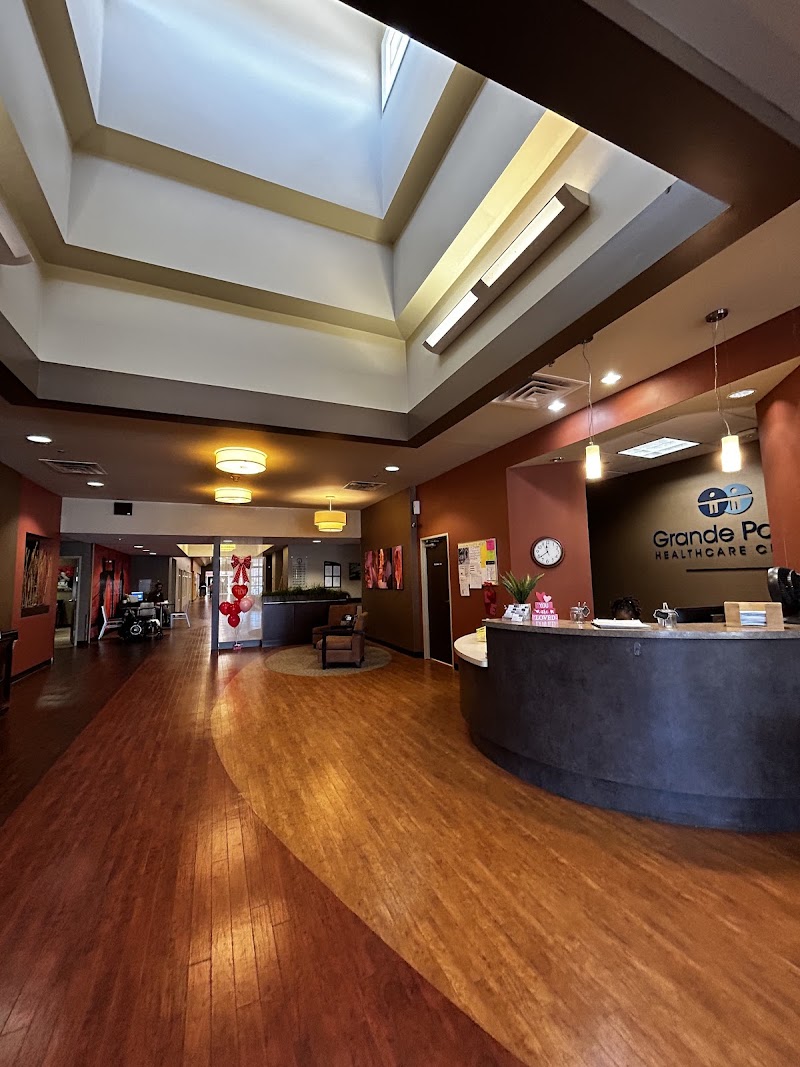
How is Grande Pointe Healthcare Commu Staffed?

CMS rates GRANDE POINTE HEALTHCARE COMMU's staffing level at 1 out of 5 stars, which is much below average compared to other nursing homes. Staff turnover is 49%, compared to the Ohio average of 46%.

What Have Inspectors Found at Grande Pointe Healthcare Commu?

State health inspectors documented 34 deficiencies at GRANDE POINTE HEALTHCARE COMMU during 2019 to 2025. These included: 1 Immediate Jeopardy (the most serious level, indicating potential for serious harm or death), 3 that caused actual resident harm, 29 with potential for harm, and 1 minor or isolated issues. Immediate Jeopardy findings are rare and represent the most serious regulatory concerns. They require immediate corrective action.
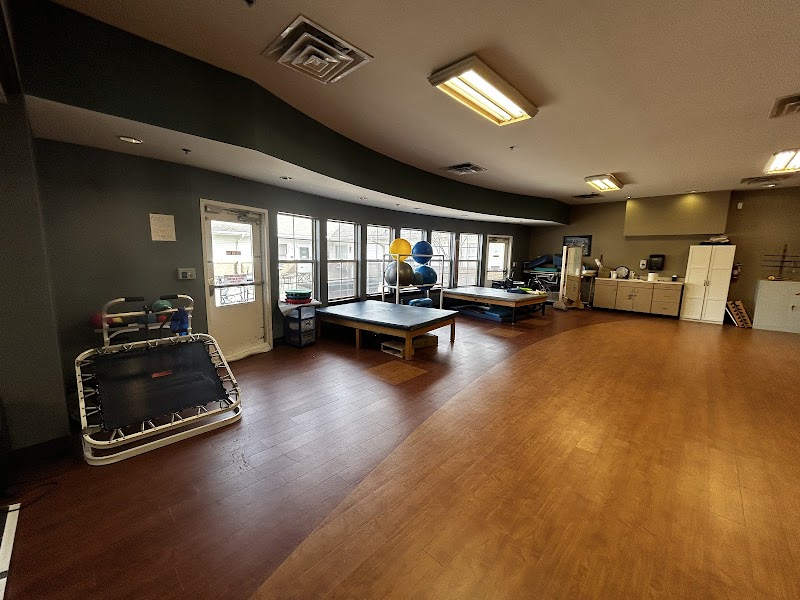
Who Owns and Operates Grande Pointe Healthcare Commu?

GRANDE POINTE HEALTHCARE COMMU is owned by a for-profit company. For-profit facilities operate as businesses with obligations to shareholders or private owners. The facility is operated by COMMUNICARE HEALTH, a chain that manages multiple nursing homes. With 176 certified beds and approximately 141 residents (about 80% occupancy), it is a mid-sized facility located in RICHMOND HEIGHTS, Ohio.
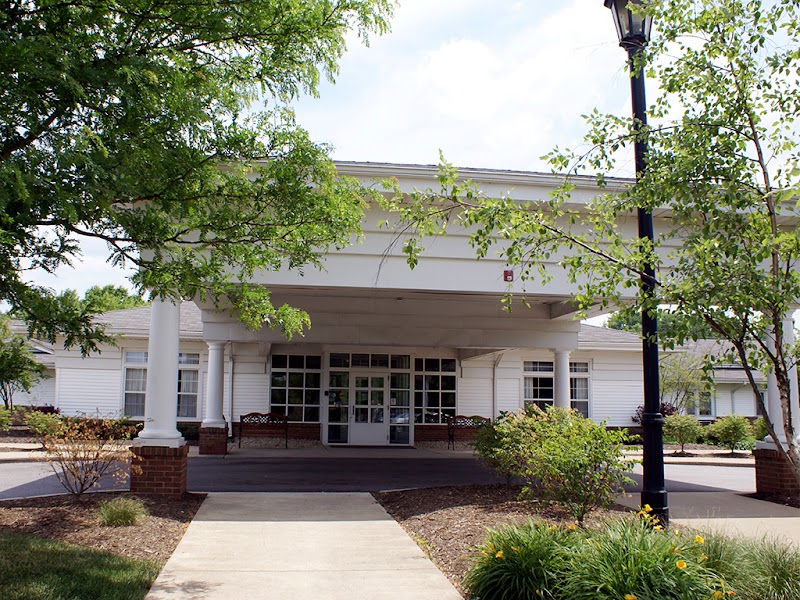
How Does Grande Pointe Healthcare Commu Compare to Other Ohio Nursing Homes?

Compared to the 100 nursing homes in Ohio, GRANDE POINTE HEALTHCARE COMMU's overall rating (2 stars) is below the state average of 3.2, staff turnover (49%) is near the state average of 46%, and health inspection rating (1 stars) is much below the national benchmark.

What Should Families Ask When Visiting Grande Pointe Healthcare Commu?

Based on this facility's data, families visiting should ask: "What changes have been made since the serious inspection findings, and how are you preventing similar issues?" "What safeguards and monitoring systems are in place to protect residents from abuse or neglect?" "Can you walk me through typical staffing levels on day, evening, and night shifts?" "Can I visit during a mealtime to observe dining assistance and food quality?" These questions are particularly relevant given the facility's Immediate Jeopardy citations, the substantiated abuse finding on record, and the below-average staffing rating.

Is Grande Pointe Healthcare Commu Safe?

Based on CMS inspection data, GRANDE POINTE HEALTHCARE COMMU has documented safety concerns. The facility has 1 substantiated abuse finding (meaning confirmed case of resident harm by staff or other residents). Inspectors have issued 1 Immediate Jeopardy citation (the most serious violation level indicating risk of serious injury or death). The facility has a 2-star overall rating and ranks #100 of 100 nursing homes in Ohio. Families considering this facility should ask detailed questions about what corrective actions have been taken since these incidents.

Do Nurses at Grande Pointe Healthcare Commu Stick Around?

GRANDE POINTE HEALTHCARE COMMU has a staff turnover rate of 49%, which is about average for Ohio nursing homes (state average: 46%). Moderate turnover is common in nursing homes, but families should still ask about staff tenure and how the facility maintains care continuity when employees leave.

Was Grande Pointe Healthcare Commu Ever Fined?

GRANDE POINTE HEALTHCARE COMMU has been fined $158,445 across 5 penalty actions. This is 4.6x the Ohio average of $34,663. Fines at this level are uncommon and typically indicate a pattern of serious deficiencies, repeated violations, or failure to correct problems promptly. CMS reserves penalties of this magnitude for facilities that pose significant, documented risk to resident health or safety. Families should request specific documentation of what issues led to these fines and what systemic changes have been implemented.

Is Grande Pointe Healthcare Commu on Any Federal Watch List?

GRANDE POINTE HEALTHCARE COMMU is not on any federal watch list. The most significant is the Special Focus Facility (SFF) program, which identifies the bottom 1% of nursing homes nationally based on persistent, serious quality problems. Not being on this list means the facility has avoided the pattern of deficiencies that triggers enhanced federal oversight. This is a positive indicator, though families should still review the facility's inspection history directly.