NORMANDY MANOR OF ROCKY RIVER
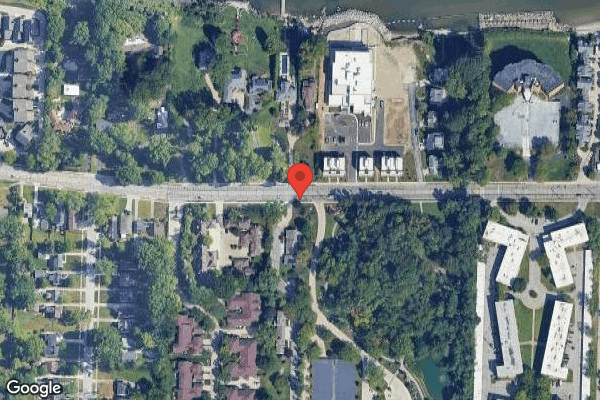
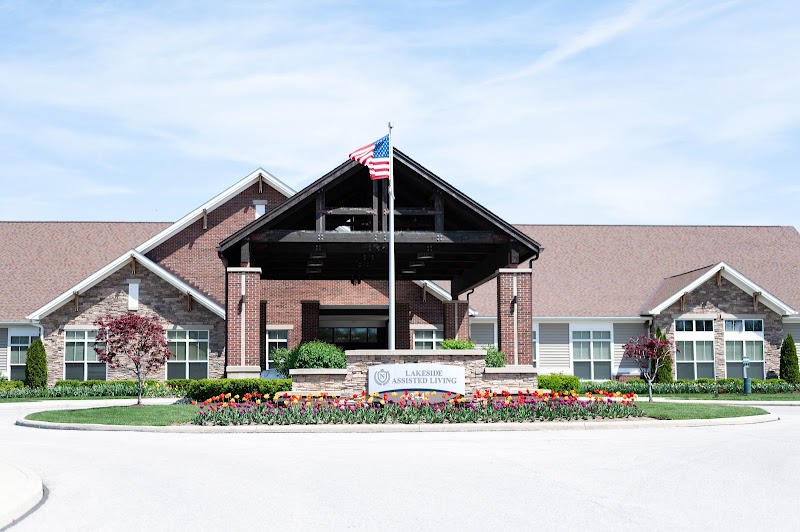
22709 LAKE RD, ROCKY RIVER, OH 44116 (440) 333-5400
For profit - Limited Liability company 150 Beds Independent Data: November 2025
Trust Grade
30/100
#742 of 913 in OH
Last Inspection: July 2024

Within standard 12-15 month inspection cycle. Federal law requires annual inspections.

Overview

Normandy Manor of Rocky River has a Trust Grade of F, indicating significant concerns about the quality of care provided. With a state ranking of #742 out of 913 facilities in Ohio and a county rank of #67 out of 92, it falls within the bottom half of both categories, suggesting limited quality options in the area. The facility is worsening, as the number of issues reported has increased from four in 2023 to eleven in 2024. Staffing is rated at 2/5 stars, with a turnover rate of 52%, which is around the state average, but there is less RN coverage than 82% of Ohio facilities, potentially impacting resident care. While there have been no fines reported, some serious incidents include a resident suffering significant injuries from a fall due to inadequate safety measures and failures in maintaining proper hygiene protocols and cleanliness, raising concerns about overall resident safety and care quality.

Trust Score
F
30/100
In Ohio
#742/913
Bottom 19%
Safety Record
High Risk
Review needed
Inspections
Getting Worse
4 → 11 violations
Staff Stability
⚠ Watch
52% turnover. Above average. Higher turnover means staff may not know residents' routines.
Penalties
✓ Good
No fines on record. Clean compliance history, better than most Ohio facilities.
Skilled Nurses
⚠ Watch
Each resident gets only 25 minutes of Registered Nurse (RN) attention daily — below average for Ohio. Fewer RN minutes means fewer trained eyes watching for problems.
Violations
⚠ Watch
35 deficiencies on record. Higher than average. Multiple issues found across inspections.
★★☆☆☆
2.0
Overall Rating
★★☆☆☆
2.0
Staff Levels
★★★★☆
4.0
Care Quality
★★☆☆☆
2.0
Inspection Score
Stable
2023: 4 issues
2024: 11 issues

The Good

  • 4-Star Quality Measures · Strong clinical quality outcomes
  • Full Sprinkler Coverage · Fire safety systems throughout facility
  • No fines on record

Facility shows strength in quality measures, fire safety.

The Bad

2-Star Overall Rating

Below Ohio average (3.2)

Below average - review inspection findings carefully

Staff Turnover: 52%

Near Ohio avg (46%)

Higher turnover may affect care consistency

The Ugly 35 deficiencies on record

1 actual harm
Nov 2024 3 deficiencies
CONCERN (D) 📢 Someone Reported This

A family member, employee, or ombudsman was alarmed enough to file a formal complaint

Potential for Harm - no one hurt, but risky conditions existed

Notification of Changes (Tag F0580)

Could have caused harm · This affected 1 resident

**NOTE- TERMS IN BRACKETS HAVE BEEN EDITED TO PROTECT CONFIDENTIALITY** Based on record review and interview, the facility failed to timely notify Resident #146's physician or nurse practitioner (NP) ...

Read full inspector narrative →
**NOTE- TERMS IN BRACKETS HAVE BEEN EDITED TO PROTECT CONFIDENTIALITY** Based on record review and interview, the facility failed to timely notify Resident #146's physician or nurse practitioner (NP) regarding the resident's decreased oral intake. This affected one resident (#146) of three residents reviewed for notification of change. The facility census was 136. Findings include: Review of Resident #146's medical record revealed the resident was admitted on [DATE] and discharged on 10/07/24 with diagnoses including cerebral infarction, unspecified dementia, hypothyroidism and major depressive disorder. Review of Resident #146's quarterly Minimum Data Set (MDS) 3.0 assessment dated [DATE] revealed the resident exhibited severe cognitive impairment; the resident had not had a weight loss or weight gain. Review of Resident #146's weight tracking form revealed on 05/02/24 the resident weighed 147.8 pounds in a wheelchair and on 09/05/24 the resident weighed 148 pounds in a wheelchair. Review of Resident #146's physician orders revealed an order dated 04/24/24 (discontinued 05/20/24) for a no concentrated carbohydrates diet, mechanical soft texture with a thin liquid consistency. Review of Resident #146's Documentation Survey Report (nurse aide tracking form) from 09/01/24 to 09/20/24 revealed 45 entries were documented and the resident consumed 25% of eleven meals, 50% of ten meals, 75% of fifteen meals, 100% of no meals and refused nine meals. The documentation on the report form indicated on 09/16/24 the resident refused the breakfast, lunch and dinner meal and on 09/17/24 the resident refused the breakfast meal for a total of four meals at 25% or less consumed. The documentation from 09/16/24 for breakfast, lunch and dinner and 09/17/24 for breakfast revealed the resident refused fluids. Review of Resident #146's physician orders revealed an order dated 05/20/24 (discontinued 09/26/24) for a no concentrated carbohydrates diet, regular texture, thin liquids consistency. Review of Resident #146's Functional Abilities and Goals assessment dated [DATE] revealed the resident had no impairment on the upper extremity (shoulder, elbow, wrist, hand) and required setup or clean-up assistance to use suitable utensils to bring food and/or liquids to the mouth and swallow food and/or liquid once the meal was placed in front of the resident. Review of Resident #146's Nutrition Assessment form dated 08/17/24 revealed the resident was on a no concentrated sweets regular thin liquids diet and the snacking preference was cookies. The resident was independent with eating. Review of Resident #146's physician orders revealed an order dated 09/16/24 (discontinued 09/20/24) for a no concentrated carbohydrates diet, mechanical soft texture with a thin liquid consistency. Review of Resident #146's progress note dated 09/16/24 at 9:39 A.M. revealed the resident consumed soft foods effectively and the resident's diet was downgraded to mechanical soft and ground meats. Review of Resident #146's progress note dated 09/16/24 at 2:04 P.M. revealed the resident consumed 25% of breakfast and lunch and consumed a total of 480 ml (milliliters) of fluids with breakfast and lunch. Review of Resident #146's progress note dated 09/16/24 at 2:06 P.M. revealed to continue to encourage the resident's fluid intake. Review of Resident #146's progress note dated 09/16/24 at 6:21 P.M. revealed the resident consumed two bowls of fruit and 360 ml of water. Resident #146's medical record and progress notes did not have documentation for the breakfast meal on 09/17/24 except the resident refused the meal and fluids. Review of Resident #146's progress notes did not reveal evidence the physician/NP were notified of Resident #146's decreased oral intake which included 25% for the breakfast, lunch and dinner meals on 09/16/24 with a total of 840 ml of fluids (for all three meals) and no fluids or food consumed for the breakfast meal on 09/17/24 as evidenced by the documentation in the medical record. Review of Resident #146's Multidisciplinary Care Conference form dated 09/17/24 at 3:30 P.M. (with the resident's nephew by phone) revealed the facility was working on the resident's hands to get them less tight using a splint for the lower tightness and the resident was now a feed for all meals. A conversation was held discussing hospice services. Review of Resident #146's medical record and progress note dated 09/19/24 at 6:27 P.M. revealed the resident did not eat her dinner and refused to open her mouth. Staff would continue to monitor. Review of Resident #146's speech therapy (ST) Discharge Summary form dated 09/19/24 revealed the resident was discharged from ST due to hospitalization. The form indicated instruction was provided to the resident and primary caregivers in cognitive-communicative strategies and functional memory techniques in order to facilitate improved functional abilities, increase safety and decrease need for assistance and prevent decline from current level of skill performance with carryover demonstrated. Review of Resident #146's physician orders revealed an order dated 09/20/24 for a pureed food diet with regular thin liquids. Interview on 1/05/24 at 9:26 A.M. with NP #897 revealed she was notified of Resident #146's change in condition on 09/19/24. She confirmed she was in the building on 09/17/24 and staff did not notify her of concerns in Resident #146's care. Interview on 11/06/24 at 11:43 A.M. with the Administrator confirmed the documentation revealed Resident #146 refused the breakfast meal on 09/17/24. The Administrator indicated she had only refused one meal in sequence but consumed 25% of the breakfast, lunch and dinner on 09/16/24 for a total of four meals at 25% or less consumed. Interview on 11/06/24 at 11:56 P.M. with the Administrator and Director of Nursing (DON) confirmed Resident #146's son was aware of the resident's poor appetite. The Administrator and DON indicated the resident had consumed 840 ml fluids between 09/16/24 for breakfast, lunch and dinner and 09/17/24 for the breakfast meal and stated the NP was made aware of the resident's poor appetite on 09/19/24. Interview on 11/06/24 at 12:22 P.M. with the Administrator indicated on 9/17/24 occupational therapy (OT) worked with the resident. Interviews on 11/06/24 at 12:29 P.M. with OT #899 and Physical Therapy Assist (PTA)/Rehab Director #900 confirmed OT #899 assisted Resident #146 with the lunch meal on 09/17/24 and she had consumed approximately 25% to 50% of her meal. She stated the resident was a maximum assist with meals and she did have increased pocketing and needed more cues for swallowing. Review of the Notification of Changes policy revised 09/30/22 revealed the purpose of the police was to ensure the facility promptly informed the resident, consults the resident's physician; and notifies the resident's representative of a change requiring notification. This deficiency represents non-compliance investigated under Complaint Number OH00158595.
CONCERN (E) 📢 Someone Reported This

A family member, employee, or ombudsman was alarmed enough to file a formal complaint

Potential for Harm - no one hurt, but risky conditions existed

Deficiency F0558 (Tag F0558)

Could have caused harm · This affected multiple residents

**NOTE- TERMS IN BRACKETS HAVE BEEN EDITED TO PROTECT CONFIDENTIALITY** Based on observations, resident record review, resident and family interviews, staff interviews, facility policy review, call li...

Read full inspector narrative →
**NOTE- TERMS IN BRACKETS HAVE BEEN EDITED TO PROTECT CONFIDENTIALITY** Based on observations, resident record review, resident and family interviews, staff interviews, facility policy review, call light audit review, resident council meeting minutes review, and concern log review, the facility failed to ensure call lights were in reach for two residents (#31, #62) and also failed to ensure call lights were answered in a timely manner for eighteen residents (#6, #17, #20, #24, #27, #60, #61, #65, #68, #72, #89, #92, #94, #101, #110, #127, #133, #136). This had the potential to affect all residents residing in the facility. The facility census was 136. Findings include: 1. Review of the medical record for Resident #65 revealed she was admitted to the facility on [DATE] with diagnoses including sepsis, hyperlipidemia, and atherosclerotic heart disease. Review of the physician orders revealed an order to encourage Resident #65 to reposition dated 10/04/24 and an order dated 10/08/24 for hoyer lift transfers at all times. Review of the Minimum Data Set (MDS) 3.0 assessment dated [DATE] revealed Resident #65 had a memory problem, was moderately impaired regarding task of daily life with inattention that was present but fluctuated and was dependent on staff for care. Review of the care plan dated 10/04/24 revealed Resident #65 was at risk for falls and had a self-care performance deficit related to limited mobility and pain. Interventions included ensure the call light was within reach, assist with transfers, require hands-on assistance including holding, lifting, and supporting trunk and limbs, and transfers of two staff with mechanical hoyer lift. Interview on 11/04/24 at 8:34 A.M. with Resident #109 revealed her call light response time were always too long. Resident #109 revealed staff would enter her room after she activated the call light, turn it off, and not return until later. Resident #109 revealed she always waited over 15 minutes. Resident #109 revealed there were never enough staff to cover staff breaks. Resident #109 revealed after activating her call light, staff didn't return until at least 45 minutes later. Observation and interview on 11/04/24 at 2:31 P.M. revealed Resident #65 was sitting in her tilt-in-space wheelchair, slouched down, leaning on her right side. Resident #65 revealed she was uncomfortable, sliding down in her wheelchair, and was feeling sick. Resident #65's daughter, who was in the room, pacing back and forth looking out the door for staff, revealed Resident #65's call light was activated 30 minutes ago. Resident #65's daughter revealed Certified Nursing Assistant (CNA) #889 came in the room, turned off the call light, and stated she would return to assist Resident #65 into bed. Resident #65's daughter revealed the resident was not feeling well, was uncomfortable in the wheelchair, and wanted to be placed in bed. Resident #65's daughter reactivated the call light. Observation on 11/04/24 at 2:40 P.M. revealed CNA #889 entered Resident #65's room and turned off the call light and left the room. Interview on 11/04/24 at 2:42 P.M. with CNA #889 revealed Resident #65's call light was turned on twice and she turned it off both times and would return when able to assist the resident. CNA #889 confirmed, verified, and acknowledged Resident #65 wanted to be placed in bed and was not feeling well. Observation on 11/04/24 at 2:45 P.M. revealed CNA #889 walked by Resident #65's room without providing assistance. Interview on 11/04/24 at 2:50 P.M. with Registered Nurse (RN) #648 revealed Resident #65's call light was activated approximately 40 minutes ago due to her not feeling well. RN #648 revealed she provided Resident #65 with Zofran at that time. RN #648 revealed Resident #65 was a two-person hoyer lift and utilized a tilt-in-space wheelchair. RN #648 revealed Resident #65 always slid down in her wheelchair and would lean towards one side. RN #648 revealed she would alert the CNA to put her in bed. RN #648 confirmed and verified Resident #65 wasn't feeling well, wanted to be placed in bed, and was positioned uncomfortably in her wheelchair. Observation on 11/04/24 at 2:58 P.M. revealed CNA #889 arrived to Resident #65's room with a hoyer lift and left it at the entrance to the door. CNA #889 was observed walking down the hall. Observation on 11/04/24 at 3:00 P.M. revealed CNA #889 and RN #648 returned to Resident #65's room and entered the room. RN #648 was observed exiting the room and continued to pass medications. Resident #65 was still observed to be sitting in her wheelchair with the transfer to bed incomplete. Observation on 11/04/24 at 3:02 P.M. revealed CNA #726 and #889 arrived at Resident #65 room to complete the hoyer transfer after approximately 1 hour of feeling sick and positioned uncomfortably in her wheelchair. CNA #726 and #889 confirmed and verified they arrived to complete the transfer at this time. Review of the call light audit report dated 11/01/24 through 11/03/24, provided by the Director of Nursing (DON) on 11/04/24 at 9:30 A.M. and confirmed and verified as accurate, revealed the following: • The call light belonging to Resident #72 was activated on 11/01/24 at 8:31 P.M. and wasn't answered until 20 minutes later. • The call light belonging to Resident #110 was activated on 11/01/24 at 9:48 P.M. and wasn't answered until 25 minutes later and activated again on 11/03/24 at 4:11 A.M. and wasn't answered until 26 minutes later. • The call light belonging to Resident #24 was activated on 11/01/24 at 9:53 P.M. and wasn't answered until 20 minutes later and activated again on 11/02/24 at 3:04 A.M. and wasn't answered until 39 minutes later. • The call light belonging to Resident #17 was activated on 11/01/24 at 10:10 P.M. and wasn't answered until 22 minutes later and activated again on 11/02/24 at 6:54 P.M. and wasn't answered until 27 minutes later. • The call light belonging to Resident #60 was activated on 11/02/24 at 7:17 A.M. and wasn't answered until 29 minutes later and activated again on 11/02/24 at 10:15 A.M. and wasn't answered until 22 minutes later and activated again on 11/02/24 at 10:59 A.M. and wasn't answered until 28 minutes later and activated again on 11/02/24 at 8:39 P.M. and wasn't answered until 25 minutes later. • The call light belonging to Resident #92 was activated on 11/02/24 at 8:29 A.M. and wasn't answered until 23 minutes later and activated again on 11/02/24 at 10:46 P.M. and wasn't answered until 34 minutes later. • The call light belonging to Resident #133 was activated on 11/02/24 at 8:32 A.M. and wasn't answered until 22 minutes later. • The call light belonging to Resident #27 was activated on 11/02/24 at 9:29 A.M. and wasn't answered until 26 minutes later. • The call light belonging to Resident #6 was activated on 11/02/24 at 9:56 A.M. and wasn't answered until 24 minutes later. • The call light belonging to Resident #89 was activated on 11/02/24 at 10:01 A.M. and wasn't answered until 22 minutes later. • The call light belonging to Resident #61 was activated on 11/02/24 at 10:06 A.M. and wasn't answered until 35 minutes later. • The call light belonging to Resident #136 was activated on 11/02/24 at 11:28 A.M. and wasn't answered until 23 minutes later and activated again on 11/02/24 at 1:42 P.M. and wasn't answered until 21 minutes later. • The call light belonging to Resident #68 was activated on 11/02/24 at 2:44 P.M. and wasn't answered until 21 minutes later. • The call light belonging to Resident #20 was activated on 11/02/24 at 6:52 P.M. and wasn't answered until 28 minutes later. • The call light belonging to Resident #127 was activated on 11/02/24 at 9:34 P.M. and wasn't answered until 23 minutes later. • The call light belonging to Resident #94 was activated on 11/02/24 at 11:29 P.M. and wasn't answered until 21 minutes later and activated again on 11/03/24 at 3:03 A.M. and wasn't answered until 33 minutes later and activated again on 11/03/24 at 3:39 A.M. and wasn't answered until 23 minutes later. • The call light belonging to Resident #101 was activated on 11/02/24 at 11:29 P.M. and wasn't answered until 21 minutes later and activated again on 11/03/24 at 3:05 A.M. and wasn't answered until 28 minutes later. 2. Review of the medical record for Resident #62 revealed she was admitted to the facility on [DATE] with diagnoses including atrial fibrillation, dementia, and anemia. Review of the physician orders revealed an order for tilt-in-space wheelchair dated 06/05/23 and two-person transfer at all times dated 06/17/24. Review of the Minimum Data Set (MDS) 3.0 assessment dated [DATE] revealed Resident #62 had a Brief Interview for Mental Status (BIMS) score of 9 that indicated she was alert and oriented with cognition impairment and dependent on care from staff. Review of the care plan dated 10/25/24 revealed Resident #62 had a self-care performance deficit related to limited mobility, limited balance, fatigue, and was at risk of falls. Interventions included tilt-in-space wheelchair, assist of two staff, and ensure the call light was within reach for prompt response. Observation and interview on 11/04/24 at 2:34 P.M. revealed Resident #62 call light was laying on the floor behind her wheelchair. Resident #62 revealed she needed the CNA assigned to her for help. Resident #62 revealed she could not reach her call light. Observation and interview on 11/04/24 at 2:35 P.M. with CNA #889 revealed Resident #62's call light was out of reach. CNA #889 was observed picking up the call light and stated to Resident #62 Your call light was out of reach; you wouldn't be able to reach it. CNA #889 confirmed and verified the findings. 3. Review of the medical record for Resident #31 revealed she was admitted to the facility on [DATE] with diagnoses including portal vein thrombosis, essential hypertension, and hyperlipidemia. Review of the physician orders revealed Resident #31 had an order dated 06/03/24 for transfer assist of two staff with hoyer. Review of the Minimum Data Set (MDS) 3.0 assessment dated [DATE] revealed Resident #31 had a memory problem, dependent on staff for care, and was severely impaired regarding task of daily life. Review of the care plan dated 09/26/24 for Resident #31 revealed an activities of daily living (ADL) self-care performance deficit related to limited mobility, deconditioning and was at risk for falls. Interventions included ensuring the call light was within reach, hands-on assistance and the use of a mechanical hoyer lift with two staff. Observation on 11/04/24 at 3:44 P.M. revealed Resident #31 was observed from the hall, laying in bed. The call light was wrapped around the bedrail and was hanging low to the floor and out of reach. Observation and interview on 11/04/24 at 3:44 P.M. with Licensed Practical Nurse (LPN) #710 revealed Resident #31 required assistance from staff for all care and call light was to remain in reach at all times. LPN #710 revealed Resident #31 was unable to engage in conversation and staff were to complete rounds to ensure safety. LPN #710 confirmed and verified Resident #31 call light was not within reach. Review of the resident council meeting minutes dated 08/21/24 revealed an identified concern by Resident #86 related to long call lights on the weekends. Review of the concern log dated 09/30/24 revealed an identified concern by Resident #17 related to call lights. Review of the facility document titled Call Lights: Accessibility and Timely Response reviewed 04/01/22, revealed the facility had a policy in place to ensure the facility was adequately equipped with a call light at each residents' bedside, toilet, and bathing facility to allow residents to call for assistance. Review of the policy revealed call lights would be directly relayed to a staff member or centralized location to ensure an appropriate response and staff would ensure the call light was within reach of resident and secured, as needed. Further review of the policy revealed a procedure was in place that required staff to answer a call light, turn off the signal and respond accordingly, and if assistance was needed, keep the call light on until help arrived. This deficiency represents non-compliance investigated under Complaint Number OH00158808 and Complaint Number OH00158488.
CONCERN (E) 📢 Someone Reported This

A family member, employee, or ombudsman was alarmed enough to file a formal complaint

Potential for Harm - no one hurt, but risky conditions existed

Free from Abuse/Neglect (Tag F0600)

Could have caused harm · This affected multiple residents

Based on record review, staff interviews and review of the employee handbook, the facility failed to ensure staff did not neglect resident care due to staff sleeping while on duty. This had the potent...

Read full inspector narrative →
Based on record review, staff interviews and review of the employee handbook, the facility failed to ensure staff did not neglect resident care due to staff sleeping while on duty. This had the potential to affect all twenty-two residents (#3, #12, #14, #15, #20, #34, #43, #46, #51, #53, #55, #57, #64, #70, #79, #116, #119, #123, #124, #128, #131, #134) residing on the 500-Hall and had the potential to affect all twenty-three residents (#8, #9, #16, #17, #26, #31, #39, #47, #58, #59, #68, #72, #80, #85, #86, #88, #97, #103, #106, #117, #125, #127, #133,) residing on the 800-Hall. The facility census was 136. Findings include: Review of the resident council meeting minutes dated 09/25/24 revealed an identified concern by Resident #17 regarding staff sleeping outside of his room with blankets. Resident #17 resided on the 800-Hall. Review of the facility Employee Handbook effective 05/01/16 revealed the facility had in place requirements of its staff to promote efficiency, productivity, and cooperation. Review of the handbook, page 28 and 29, revealed prohibited actions that would result in disciplinary actions up to and including termination of employment, including sleeping on duty. Review of email correspondence on 11/06/24 at 10:24 A.M. from the Administrator revealed a termination form dated 11/05/24 for Certified Nursing Assistant (CNA) #844 indicating she was terminated after receiving three previous disciplinary actions related to work performance. Review of the termination form revealed CNA #844 was noted to be sleeping on her hallway during the 11/04/24 shift and witnessed by the charge nurse. Interview on 11/04/24 at 8:34 A.M. with Resident #109 revealed staff slept during the night shift and even in their cars. Resident #109 revealed staff informed her that they went to their cars to sleep and would set their alarms to 6:00 A.M. to ensure they entered the building prior to shift change. Resident #109 revealed due to staff sleeping, she went without care for up to an hour at times. Interview on 11/05/24 at 6:04 A.M. with Licensed Practical Nurse (LPN) #806 revealed there were four CNA and one nurse for the 500-Hall and 800-Hall. LPN #806 revealed she caught CNA #722 asleep on the 800-Hall in a chair. LPN #806 verified the finding and appeared upset and stated, I don't work under these circumstance or conditions and all staff need to be prepared to handle their business. LPN #806 revealed she would alert the administration staff of her concerns. Observation and interview on 11/05/24 at 6:08 A.M. with CNA #722 revealed she was aware of the facility policy regarding sleeping on duty as it was listed in the employee handbook. When asked if she was caught sleeping by LPN #806, CNA #722 rolled her eyes in an upward direction indicating annoyance. CNA #722 stated she did not go to sleep on duty. Review of the facility document titled Abuse, Neglect and Exploitation reviewed 10/01/22, revealed the facility had a policy in place to provide protections for the health, welfare and rights of each resident by developing and implementing written policies and procedures that prohibit and prevent neglect. Review of the policy revealed neglect included but not limited to failure of the facility, its employees, or service providers to provide goods and services to a resident that are necessary to avoid physical harm, pain, mental anguish, or emotional distress. Review of the document revealed the facility did not implement policy. This deficiency represents non-compliance investigated under Complaint Number OH00158488.
Aug 2024 1 deficiency
CONCERN (F) 📢 Someone Reported This

A family member, employee, or ombudsman was alarmed enough to file a formal complaint

Potential for Harm - no one hurt, but risky conditions existed

Infection Control (Tag F0880)

Could have caused harm · This affected most or all residents

Based on observation, resident interview, staff interview, medical record review and review of facility policy, the facility failed to ensure Enhanced Barrier Precautions (EBP) were consistently imple...

Read full inspector narrative →
Based on observation, resident interview, staff interview, medical record review and review of facility policy, the facility failed to ensure Enhanced Barrier Precautions (EBP) were consistently implemented for Resident #67. This affected one (#67) of one resident reviewed for EPB. The facility identified 27 additional residents (#2, #9, #12, #14, #16, #27, #32, #33, #36, #44, #50, #54, #59, #60, #63, #76, #79, #80, #82, #101, #105, #107, #108, #118, #123, #126, and #127) on EBP. Additionally, the facility failed to ensure hand hygiene was performed following resident care. This affected two (#73 and #85) of two residents reviewed for personal care. The facility census was 127. Findings include: Record review for Resident #67 revealed an admission date of 05/31/24. Diagnoses included gastrostomy status. Review of the admission Minimum Data Set (MDS) assessment, dated 06/07/24, revealed Resident #67 was cognitively intact. Resident #67 was dependent for toileting, bathing, personal hygiene and was always incontinent of bowel and bladder. Resident #67 had medically complex conditions and had a feeding tube. Review of a physician order, dated 06/01/24, revealed EBP - gloves and gown to be worn when providing: dressing, bathing/showering, transferring, providing hygiene, changing linens, changing briefs or assisting with toileting, device care or use (central line, urinary catheter, feeding tube, tracheostomy/ventilator) and/or wound care (any skin opening requiring a dressing). Review of a physician order dated 07/23/24 revealed an order to cleanse gastrostomy (g)-tube site with normal saline (NS), pat dry and cover with dry split gauze daily and as needed. Review of the care plan, 06/03/24, revealed Resident #67 was on EBP related to a feeding tube and included gloves and gown to be worn when providing the following: dressing, bathing/showering, transferring, hygiene assistance, changing linens, incontinence care, toileting and device care or use. Observation on 08/22/24 at 9:00 A.M. of g-tube site care and treatment with Licensed Practical Nurse (LPN) #272 revealed Resident #67 had a sign near the entrance door to the room revealing the resident was on EBP. There was an isolation cart with personal protective equipment (PPE) near the entrance of the door. Continued observation revealed LPN #272 gathered the supplies to complete the dressing change to Resident #67's g-tube site. LPN #272 entered Resident #67's room without donning an isolation gown. LPN #272 proceeded to remove the old dressing, cleanse the g-tube site, applied new dressing and washed her hands. Concurrent interview with LPN #272 verified Resident #67 was on EBP and confirmed she did not wear an isolation gown while providing care, including the dressing change to Resident #67 g-tube site. LPN #272 stated, Well that's just a state thing. Interview on 08/22/24 at 10:37 A.M. with Resident #67 revealed staff do not wear a gown when they assist him with personal care. 2. Record review for Resident #85 revealed an admission date of 06/05/24. Diagnoses included pleural effusion and muscle weakness. Review of the Medicare five-day MDS assessment, dated 07/17/24, revealed Resident #85 was cognitively intact. Resident #85 was dependent for toileting, hygiene and was frequently incontinent of bowel. Observation on 08/22/24 at 9:36 A.M. of toileting assistance for Resident #85 provided by State Tested Nursing Assistant (STNA) #277 revealed Resident #85 was sitting on the toilet when STNA #277 entered the resident's room. STNA #277 donned a pair of disposable gloves, assisted Resident #85 with standing and proceeded to provide perineal (peri) care for Resident #85, following a bowel movement. STNA #277 pulled Resident #85's brief and pants up and assisted the resident to a chair near her bed. STNA #277 then removed her gloves, gathered dishes from Resident #85's bedside table and took the dishes to the kitchenette area. Concurrent interview with STNA #277 verified she did not perform hand hygiene, either by washing her hands or using hand sanitizer, after providing peri care to Resident #85 or prior to leaving the resident's room. Interview on 08/22/24 at 9:48 A.M. with the Director of Nursing (DON) revealed after doing peri care, staff should wash their hands or use hand sanitizer before leaving the room. 3. Record review for Resident #73 revealed an admission date of 10/06/22. Diagnoses included epilepsy and need for assistance with personal care. Review of the quarterly MDS assessment, dated 07/10/24, revealed Resident #73 was cognitively intact. Resident #73 was dependent for toileting and required substantial/maximum assist for personal hygiene. Resident #73 was always incontinent of bowel and bladder. Observation on 08/22/24 at 10:11 A.M. of incontinence care provided by STNA #341 for Resident # 73 revealed STNA #341 provided care, removed her gloves, then exited Resident #73's room, without performing hand hygiene. Continued observation revealed STNA #341 walked up the hall and entered another resident's room. Upon exit from the the other resident's room, interview with STNA #341 revealed she did not provide care for the resident. STNA #341 verified she did not wash her hands or use hand sanitizer after providing incontinence care for Resident #73 or prior to exiting Resident #73's room. Review of the facility policy titled, Enhanced Barrier Precautions, revised 07/13/22, revealed it was the policy of the facility to implement enhanced barrier precautions for preventing transmission of novel or targeted multi drug-resistant organisms. Implementation of enhanced barrier precautions included making gowns and gloves available outside the resident's room and was used for high-contact resident care activities to include dressing, bathing, transferring, hygiene, changing linens, changing briefs or assisting with toileting, device care or use and wound care. Review of the facility policy titled, Perineal Care, revised 11/10/22, revealed prior to providing care, perform hand hygiene and put on gloves. After completion of peri care, remove gloves and discard. Perform hand hygiene. Ensure call light is within reach and replace all equipment used.
Jul 2024 3 deficiencies
CONCERN (D)

Potential for Harm - no one hurt, but risky conditions existed

Tube Feeding (Tag F0693)

Could have caused harm · This affected 1 resident

Based on medical record review, observation, resident interview, staff interview, and review of the facility policy, the facility failed to ensure physician's orders were followed regarding dressing c...

Read full inspector narrative →
Based on medical record review, observation, resident interview, staff interview, and review of the facility policy, the facility failed to ensure physician's orders were followed regarding dressing changes for an enteral tube feeding site. This affected one (Resident #67) of one reviewed for enteral nutrition. The facility identified two Residents (#67 and #378) as receiving enteral nutrition feedings. The facility census was 126 residents. Findings include: Review of the medical record for Resident #67 revealed an admission date of 05/31/24 with diagnoses including left non-dominant sided hemiplegia and hemiparesis, cerebral infarction, difficulty walking, dysphagia, gastrostomy status, aphasia, and enterocolitis due to clostridium difficile. Review of the physician's orders for Resident #67 revealed an order dated 06/01/24 revealed the resident to receive nothing by mouth (NPO) and was to receive continuous enteral feeding to meet nutrition and hydration needs. Review of the physician's order dated 06/13/24 revealed Resident #67's percutaneous endoscopic gastrostomy (PEG) tube site should be cleaned and covered with a dry dressing daily and as needed. Observation on 07/09/24 at 8:04 A.M. revealed Resident #67 had two Styrofoam cups of water on his bedside tray table. Resident #67 had a dressing to his PEG tube site which was dated 07/07/24. Interview on 07/09/24 with Resident #67 confirmed staff regularly leave water on his tray table and reported he was not supposed to have it. Resident #67 also confirmed nursing staff did not change his PEG tube dressing daily as ordered by the physician. Interview on 07/09/24 at 8:18 A.M. with Licensed Practical Nurse (LPN) #473 confirmed Resident #67 had an NPO diet order and had cups of water at his bedside. LPN #473 further confirmed the cups of water should be removed, and she requested State Tested Nursing Assistant (STNA) #496 remove the water from the resident's bedside table. LPN #473 confirmed Resident #67's PEG tube dressing was dated 07/07/24, and the dressing should be changed daily. Review of facility policy titled Care and Treatment of Feeding Tubes dated 11/14/22 revealed feeding tubes will be utilized according to physician's orders.
CONCERN (E)

Potential for Harm - no one hurt, but risky conditions existed

Deficiency F0655 (Tag F0655)

Could have caused harm · This affected multiple residents

**NOTE- TERMS IN BRACKETS HAVE BEEN EDITED TO PROTECT CONFIDENTIALITY** Based on medical record review, staff interview, and review of the facility policy, the facility failed to ensure baseline care ...

Read full inspector narrative →
**NOTE- TERMS IN BRACKETS HAVE BEEN EDITED TO PROTECT CONFIDENTIALITY** Based on medical record review, staff interview, and review of the facility policy, the facility failed to ensure baseline care plans were developed and failed to ensure summaries of the baseline care plan were provided to the residents and/or their representatives. This affected two (Residents #120 and #67) out two residents who were reviewed for baseline care plans. The facility census was 126 residents. Findings include: 1. Review of the medical record for Resident #120 revealed admission date of 05/25/24 and diagnoses including sepsis due to streptococcus pneumoniae, aphasia, and dysarthria. Review of the admission Minimum Data Set (MDS) assessment for Resident #120 dated 06/01/24 revealed the resident had severely impaired cognition and was dependent on staff for activities of daily living (ADLs.) Review of the medical record for Resident #120 revealed it did not include a baseline care plan. Interview on 07/11/24 at 1:04 P.M. with MDS Nurse #508 confirmed the facility had not completed a baseline care plan for Resident #120. 2. Review of the medical record for Resident #67 revealed admission date of 05/31/24 and diagnoses including left non-dominant sided hemiplegia and hemiparesis, cerebral infarction, difficulty walking, gastrostomy status, aphasia, and enterocolitis due to clostridium difficile. Review of the admission MDS assessment dated [DATE] revealed Resident #67 had intact cognition and was dependent on staff for ADLs. Review of the medical record for Resident #67 revealed it did not include a baseline care plan. Interview on 07/11/24 at 1:08 P.M. with MDS Nurse #508 confirmed the facility had not completed a baseline care plan for Resident #67. Review of the facility policy titled Baseline Care Plan revealed a baseline care plan would be developed within 48 hours of a resident's admission which would include minimum care planning information. A written summary of the baseline care plan would be provided to the resident and representative in a language that the resident/representative would understand.
CONCERN (F) 📢 Someone Reported This

A family member, employee, or ombudsman was alarmed enough to file a formal complaint

Potential for Harm - no one hurt, but risky conditions existed

Garbage Disposal (Tag F0814)

Could have caused harm · This affected most or all residents

Based on observation, staff interview, and review of the facility policy, the facility failed to maintain a clean and sanitary dumpster area. This had the potential to affect all of the residents resi...

Read full inspector narrative →
Based on observation, staff interview, and review of the facility policy, the facility failed to maintain a clean and sanitary dumpster area. This had the potential to affect all of the residents residing in the facility. The facility census was 126 residents. Findings include: Observation on 07/08/24 at 9:02 A.M. with Dietary Director (DD) #470 of facility dumpster area behind the kitchen revealed there were two dumpsters. The sliding doors on the sides of both dumpsters were open with a significant amount of garbage and debris on the ground outside the dumpsters and in the surrounding brush. There was an unpleasant odor emanating from the dumpster. Interview on 07/08/24 at 9:03 A.M. with DD#470 confirmed maintaining the dumpster area was a shared responsibility with grounds and kitchen staff. DD#470 confirmed the dumpster area was not maintained in a clean and sanitary manner. Review of facility policy titled Garbage Removal and Dumpster undated revealed the dumpster would have a tight fitting lid and slide doors and would be kept covered at all times. This deficiency represents noncompliance investigated under Complaint Number OH00155054.
Feb 2024 4 deficiencies 1 Harm
SERIOUS (G) 📢 Someone Reported This

A family member, employee, or ombudsman was alarmed enough to file a formal complaint

Actual Harm - a resident was hurt due to facility failures

Accident Prevention (Tag F0689)

A resident was harmed · This affected 1 resident

**NOTE- TERMS IN BRACKETS HAVE BEEN EDITED TO PROTECT CONFIDENTIALITY** Based on medical record reviews, observations, family interview, staff interviews, and policy review the facility failed to ensu...

Read full inspector narrative →
**NOTE- TERMS IN BRACKETS HAVE BEEN EDITED TO PROTECT CONFIDENTIALITY** Based on medical record reviews, observations, family interview, staff interviews, and policy review the facility failed to ensure adequate fall interventions were in place to promote resident safety and prevent falls. Actual harm occurred on 12/05/23 when Resident #120, who was severely cognitively impaired and assessed at risk for falls, sustained an unwitnessed fall from a bed that was not in low position resulting in increased pain and hospitalization for traumatic sacral fractures with presacral edema and lumbar one and four compression fractures. The resident was not a candidate for invasive procedures and returned to the facility with hospice consultation orders. This affected three residents (#2, #88 and #120) of three residents reviewed for falls. The facility census was 117. Findings include: 1. Review of Resident #120's medical record revealed an admission date of 12/19/22, a re-admission date of 12/08/23 and a discharge date of 12/15/23. Diagnosis included unspecified dementia, chronic atrial fibrillation, difficulty in walking, muscle weakness, need for assistants with personal care, and cognitive communication deficit. Review of the Morse Fall Scale completed on 12/19/22 revealed Resident #120 was at high risk for falls. Review of the care plan dated initiated 12/20/22 revealed Resident #120 was at risk for falls related to confusion, reconditioning, gait/balance problems, unaware of safety needs, history of falls and cognitive impairment. Interventions included reminder sign, Dycem in front of recliner, anticipate and meet the resident needs, assist with ambulation, transfer, and toileting, call light in reach and non-skid socks as ordered. Review of the care plan revealed there was no intervention in place for Resident #120 to have the bed in lowest position while in bed. Review of an incident note dated 01/02/23 at 5:54 P.M., completed by Registered Nurse (RN) #273 revealed this nurse was alerted by the aide that the resident was on the floor. The resident was observed sitting on her buttocks with back up against the recliner. Following the incident, a Dycem was applied to the recliner as a fall/safety intervention. Review of a progress note for Resident #120 dated 01/13/23 at 6:42 A.M., completed by Licensed Practical Nurse (LPN) #257 revealed this nurse was alerted by resident calling out that she needed help and that she was on the floor. Upon entry into the room, the resident observed sitting straight up on the side of the bed, back towards nightstand, knees bent, when asked what happened, she stated she was trying to go to the bathroom and forgot to utilize call button. Following the incident, the interdisciplinary team (IDT) met and identified the resident stated she was trying to go to the bathroom and forgot to use the call light. A reminder sign was placed for the resident to ensure use of call system for help. Review of the Morse Fall Scale completed on 01/13/23, 04/18/23, and 07/19/23 revealed Resident #120 was at high risk for falls. Review of the quarterly Minimum Data Set (MDS) assessment dated [DATE] revealed Resident #120 was severely cognitively impaired. Review of the All Staff Inservice dated 11/17/23 included staff were educated to be sure Resident #120's bed was in the lowest position after you are done providing care. The All Staff Inservice was signed by four LPN's and ten State Tested Nursing Assistants (STNA). Record review revealed no evidence the resident's plan of care was updated following this inservice to reflect the bed position as an intervention for falls/safety for the resident. Review of a progress note dated 12/05/23 at 2:48 P.M., for Resident #120 completed by Registered Nurse (RN) #258 revealed Resident #120 was found lying on her back on the floor between her bed and her nightstand. Housekeeper #346 informed RN #258, Housekeeper #346 stated she had heard a Slap sound and then heard someone calling out. Resident #120 was crying at the moment and expressing she was in pain. An x-ray was ordered. On 12/05/23 at 3:49 P.M., Resident #120 had a change in mental status with more confusion post fall. The Certified Nurse Practitioner (CNP) was notified, and Resident #120 was sent to the emergency room (ER). Review of the hospital record for Resident #120 dated 12/06/23 at 10:06 A.M. revealed the status post fall, traumatic sacral fractures with presacral edema, lumbar one and four compression fractures, and a suspected type two myocardial infarction. Resident #120 was not a candidate for any invasive procedure and was referred to Hospice. Review of the progress note dated 12/08/23 at 12:00 P.M., completed by LPN #354 revealed Resident #120 returned to the facility. Hospice was in to evaluate patient. Review of the physician orders for Resident #120 dated 12/08/23 revealed Morphine Sulfate 0.25 milligrams (mg) to five mg every two hours as needed for pain. On 12/09/23, Resident #120 received additional orders for Tramadol 50 mg every six hours as needed for pain. Review of the Medication Administration Record for December 2023 revealed prior to Resident #120's fall on 12/05/23, Resident #120's only pain medication order was for Tylenol 325 mg as needed for pain which was not used prior to the fall on 12/05/23. After returning from the hospital on [DATE] Resident #120 required 20 doses of narcotic pain medication rating her pain a two to a nine level (on a scale of one to 10 with 10 being the most severe pain) prior to passing away on 12/15/23. Review of the progress note dated 12/15/23 at 2:00 P.M., revealed the son came and got nurse and stated that his mom had passed. Two nurses verified resident absence of vital signs. Interview on 02/06/24 at 3:34 P.M., with Resident #120's son revealed he visited his mother, daily over the past year while she resided at the facility. Resident #120's son revealed Resident #120 was confused and had already had two falls at the facility when he met with the Administrator, DON, and the Unit Manager to request her bed be placed in the lowest position while she was in bed. He feared if she fell out of bed at a routine bed height, she could be seriously injured. Resident #120's son revealed the Administrator, DON, and the Unit Manager assured him the bed would be placed in the lowest position while she was in bed. On multiple visits he stated he would find Resident #120's bed was not in the lowest position while she was in bed. Resident #120's son revealed he continued to meet with the Administrator, DON, and the Unit Manager on multiple occasions who consistently assured him the bed would be placed in the lowest position while she was in bed. Resident #120's son revealed facility staff who found Resident #120 on the floor on 12/05/23 confirmed her bed was not lowered when she was left unattended and fell out of bed resulting in multiple fractures. Interview on 02/07/24 between 2:45 P.M. and 4:40 P.M., with the DON, Administrator, and Unit Manager confirmed Resident #120's son had spoken with each of them on a few different occasions regarding his concerns of her bed being placed too high with concerns of her falling out of bed. The DON confirmed the facility used electric beds, the beds were able to raise and lower by using a remote control. During care, staff would raise the bed but were to lower it when care was complete. The DON revealed Resident #120's bed was to be in a low position while she was in bed unattended. The DON revealed staff were in-service to keep Resident #120's bed in a low position. The DON confirmed the low bed intervention was not placed in Resident #120's care plan and revealed he had met with the Interdisciplinary Team on several occasions, discussed the concern of staff not keeping her bed in the low position in morning meetings several different times and the MDS nurse who was present during those meetings was supposed to put the intervention in the care plan but never did. The DON stated if the resident was at risk for falls then the beds should always be in the lowest position when unattended by staff. The DON confirmed the MDS nurse at that time was no longer employed at the facility. The DON confirmed he was also able to add interventions to the care plans. Interview on 02/07/24 at 3:54 P.M., with Housekeeper #346 revealed she was the first one in the room after Resident #120 fell out of bed on 12/05/23. Housekeeper #346 revealed she heard Resident #120 screaming as she was talking to Housekeeping Supervisor #243 in the hall. They both started walking and went into Resident #120's room. Resident #120 was on the floor between the bed and nightstand. Housekeeper #346 revealed Resident #120's bed was not in any low position when she found her on the floor. Interview on 02/07/24 at 3:57 P.M., with Housekeeping Supervisor # 243 revealed she was with Housekeeper #346 when they heard someone screaming. They went into Resident #120's room and could see she had fallen; she was lying on the floor between the bed and nightstand, no one else was there. Housekeeping Supervisor #243 revealed Resident #120's bed was at regular height, not in the low position. Interview on 02/08/24 at 10:14 P.M., with RN #258 confirmed she was the charge nurse on 12/05/23 when Resident #120 fell out of bed. Housekeeping notified her of the fall. RN #258 revealed she remembered seeing Resident #120 lying on her back next to her bed. Resident #120 said she was in a lot of pain. RN #258 revealed Resident #120's bed was not in the low position; it was standard position a resident would use if they transferred themselves in an out of bed. RN #258 revealed she was not aware Resident #120's bed was supposed to be in a low position and revealed, It was not in her care plan. Interview on 02/08/24 at 10:55 A.M., with LPN Unit Manager (UM) #361 confirmed Resident #120's son spoke with her a couple times about Resident #120's bed needing to be in low position. LPN UM #361 revealed she in serviced staff several times about it. LPN UM #361 confirmed the All Staff Inservice in November 2023 was not signed by RN #258. LPN UM #361 confirmed not all the staff were in serviced and the intervention was not placed on the resident's care plan. 2. Review of Resident #88's medical record revealed an admission date of 09/20/19. Diagnosis included Alzheimer's disease with early onset, abnormal posture, and transient cerebral ischemic attack. Review of the quarterly MDS dated [DATE] revealed Resident #88 was severely cognitively impaired. Resident #88 required substantial to maximum assistants with care. Resident #88 had a history of falls. Review of the care plan for Resident #88 revealed Resident #88 was at risk for falls related to diabetes mellitus, hypertension, psychoactive drug use, and needs staff assist for transfers. Interventions included bolstering to exit side of bed. Review of the care plan revealed no interventions were in place to have the bed in low position while in bed. Record review of the physician orders for Resident #88 revealed an order dated 04/16/21 for bolster to exit side of bed. Observation on 02/06/24 at 2:55 P.M., revealed Resident #88 was lying in bed. Observation revealed Resident #88's bed was not in a low position. Resident #88 did not have a bolster in place to the exit side of the bed. LPN #354 verified Resident #88's bed was not in a low position and revealed Resident #88 was at risk for falls and the bed should be in the lowest position while she was in bed. Interview on 02/07/24 at 5:07 P.M., with DON stated Resident #88 should have had the intervention in her care plan to have the bed in low position while in bed because she was at risk for falls. DON stated Resident #88 did not have the intervention for a low bed in her care plan. Observation on 02/08/24 at 2:37 P.M., revealed Resident #88 was lying in bed. Observation revealed the bed was not in low position and there was no bolster on the bed Resident #88 was lying in. Interview and observation on 02/08/24 between 2:38 P.M. and 2:40 P.M., with RN #379 and LPN #277 confirmed Resident #88's bed was not in low position but should be because she was at risk for falls and confirmed Resident #88 did not have a bolster to the exit side of the bed and should have had one at all times while in bed to assist in preventing falls. 3. Review for Resident #2's medical record revealed an admission date of 08/29/23. Diagnosis included anxiety disorder, difficulty in walking, muscle weakness, lack of coordination, repeated falls, unspecified fall subsequent encounter subluxation of cervical four and five vertebrae, sequela. Record review of the Quarterly MDS dated [DATE] revealed Resident #2 was severely cognitively impaired. Resident #2 required substantial maximum assist for sitting to stand, transfers, and ambulation. Review of the care plan on 02/07/24 for Resident #2 dated 08/30/23 revealed Resident was at risk for falls related to confusion, deconditioning, gait balance problems and a history of falls. Interventions included assessing the resident for fall risk upon admission, quarterly and as needed. Assist with ambulation, transfer, toileting as needed, and to be sure the residents call light was within reach and encourage the resident to use it for assistants as needed. Review of the care plan on 02/07/24 revealed there was no intervention in the care plan to have the bed in the low position well in bed. Review of the care plan revealed interventions were added to included bed in lowest position while occupied added 02/09/23. Review of the progress note for Resident #2 dated 12/24/23 at 3:36 A.M., completed by LPN #403 revealed a State Tested Nurse Aides (STNA) informed this nurse (Resident #2) was found lying the left side of her bed on the floor, this nurse entered resident, noted floor clear from clutter, bed placed in lowest position, approached the resident, this nurse noted resident positioned on her right side on the side of her bed, this nurse asked Resident #2 what happened, resident stated she rolled out of bed. Intervention for resident rolling out of bed would be placing a floor mat on each side of the bed. Review of the progress note for Resident #2 dated 01/07/24 at 1:17 P.M., completed by Registered Nurse (RN) #336 revealed a fall occurred in the resident's room. The reason for the fall was not evident. The resident was up in wheelchair for breakfast, she did not want to stay up in wheelchair and attempted to transfer to bed unassisted. Review of the progress note for Resident #2 dated 01/12/24 at 1:36 P.M., completed by Unit Manager #361 revealed the IDT team reviewed the resident's fall. Resident #2 has had an increase of restlessness in the past couple weeks. Resident was found on floor in room, wheelchair located behind resident. Immediate intervention was resident was assessed for injury, pain and neuro checks initiated. When asked by the staff what she was doing resident stated that she was trying to get back into bed. At the time of fall, the resident is currently being seen by therapy for Part B services. With resident's gradual decline there is an order for a hospice consult. Due to resident's decline, there will be a move room closer to nursing station. Staff educated on ensuring that resident's wheelchair brakes are locked before leaving room. Review of the progress note for Resident #2 dated 01/16/24 at 1:43 P.M., completed by Unit Manager #361 revealed the IDT team reviewed resident's fall. The resident was found on the floor in a room. The resident was unable to clearly state what she was doing. She stated that they moved my room, and they did not come back to make my bed. Immediate intervention for fall was assessed for injury, pain, neuro checks initiated. No apparent injury noted at time of fall no complaints of pain noted. Immediate intervention was provided new intervention for this fall is bolster overlay mattress. Observation on 02/06/23 at 1:57 P.M., revealed Resident #2 was in bed eating her lunch. The bed was not in a low position and a bed bolster was observed. Unit Manager #361 verified the bed was not in a low position and stated it should have been. Interview on 02/07/24 at 5:07 P.M., with DON stated Resident #2 should have had the intervention in her care plan to have the bed in low position while in bed because she was at risk for falls. DON confirmed Resident #2 did not have the intervention for a low bed in her care plan. Observation on 02/12/24 at 3:00 P.M. revealed Resident #2 was lying in bed. Resident #2's bed was not in the lowest position, but the bed bolster mattress was in place. Observation and interview on 02/12/24 at 3:01 P.M., with RN #258 confirmed Resident #2's bed was not in the lowest position and confirmed bed should be in the lowest position if resident at risk for fall. Review of the policy titled, Fall Prevention and Management Policy, dated 04/01/22, revealed each resident will be assessed for fall risk on admission, quarterly, after any fall and as needed. If risks are identified, preventive measures will be put in place and added to the resident's care plan. All falls will be reviewed and investigated. This deficiency represents non-compliance investigated under Complaint Number OH00150460 and OH00149914.
CONCERN (D) 📢 Someone Reported This

A family member, employee, or ombudsman was alarmed enough to file a formal complaint

Potential for Harm - no one hurt, but risky conditions existed

Deficiency F0582 (Tag F0582)

Could have caused harm · This affected 1 resident

**NOTE- TERMS IN BRACKETS HAVE BEEN EDITED TO PROTECT CONFIDENTIALITY** Based on record review, resident interview, Ombudsman interview and staff interview, the facility failed to provide timely month...

Read full inspector narrative →
**NOTE- TERMS IN BRACKETS HAVE BEEN EDITED TO PROTECT CONFIDENTIALITY** Based on record review, resident interview, Ombudsman interview and staff interview, the facility failed to provide timely monthly billing statements to a resident for care and services. This affected one (#97) of three residents reviewed for monthly billing statements. The facility census was 117. Findings include: Review of Resident #97's medical record revealed an admission date of 05/05/23. Record review of diagnoses included congestive heart failure and collapsed vertebrae. Record review of the census form revealed from 06/09/23 through 09/20/23 Resident #97 was private pay. Resident #97 had a hospital stay from 09/20/23 and returned to the facility on [DATE] under Managed Care. On 12/04/23, Resident #97 was again private pay. Review of the quarterly Minimum Data Set (MDS) for Resident #97 revealed Resident #97 was cognitively intact. Resident #97 had no impairment of upper or lower extremities. Resident used a wheelchair for mobility. Review of the form titled, Rescinded 30-day discharge for (Resident #97) dated 01/26/24, completed by Business Office Manager (BOM) #275 revealed this was a formal notice that the 30-day discharge notice had been rescinded. The decision had been based on the check received the morning of 01/26/24. Payments moving forward are made by the fifth of every month. Interview on 02/06/24 at 3:04 P.M., with Resident #97 revealed she got a letter from BOM #275 the previous week after she paid $6,700.00 dollars which rescinded the 30-day notice. Resident #97 was holding the Rescinded 30-day discharge notice in her hand and revealed she nor her brother received a bill from the facility for the previous six months so she thought the insurance company must have been paying the bill until the previous Administrator and BOM #275 went in her room demanding payment. Resident #97 revealed the previous Administrator confirmed her bill was not sent out for six months because one of the girls from the business office was let go. So now, Resident #97 owed $29,000.00 that must be paid within 30 days or she will put you out in the streets. Resident #97 revealed BOM #275 stated I hate to do it, but we will have to unless the bill is paid. Resident #97 revealed they were going to charge a $500.00 a month late fee but they decided to remove it. Interview on 02/06/24 at 3:47 P.M., with BOM #275 revealed the previous BOM did not bill Resident #97 for an undetermined amount of time, for several months the bills were processed but was not given to Resident #97 or her brother. BOM #275 revealed she did have words with Resident #97 regarding a 30-day notice, but she never actually gave her a written 30-day notice. BOM #275 revealed late fees for $500.00 per month were removed for the months Resident #97 did not receive a bill. BOM #275 revealed Resident #97 told the Ombudsman the facility gave her a 30-day notice, so the Ombudsman suggested they gave Resident #97 a letter rescinding the notice. BOM #275 confirmed Resident #97 did not receive a bill from the facility during the six-month period until discussing her bill and 30-day notice with her. Review with BOM #275 of requested billing statements for Resident #97's previous six months billing revealed a billing statement dated 10/01/23 which had a due date of 10/05/23 and a billing statement of 01/01/24 with a due date of 01/05/24. BOM #275 revealed those were the only two statements available. BOM #275 confirmed Resident #97 did not receive any bill from the facility for the previous six months including the billing statement dated 10/05/23 because it had been misplaced. Phone interview on 02/07/24 at 8:30 A.M., with Ombudsman #401 revealed she had concerns which included the Business Office Manager (BOM) not giving residents their bank statements or billing statements. Ombudsman #401 revealed she spoke with three residents who verified this but only one (#97) gave permission to release their name. Ombudsman #97 revealed she did not tell anyone at the facility to give a retraction of a 30-day notice to any resident and revealed she had many concerns with the BOM at the facility. Interview on 02/07/24 at 10:11 A.M., with Administrator revealed she had been on leave, recently returning and an Interim Administrator assisted while she was gone. Administrator revealed there was confusion in the business office and some residents were not getting billed for several months. This deficiency represents non-compliance investigated under Complaint Number OH00150244.
CONCERN (D) 📢 Someone Reported This

A family member, employee, or ombudsman was alarmed enough to file a formal complaint

Potential for Harm - no one hurt, but risky conditions existed

Deficiency F0657 (Tag F0657)

Could have caused harm · This affected 1 resident

**NOTE- TERMS IN BRACKETS HAVE BEEN EDITED TO PROTECT CONFIDENTIALITY** Based on record review, family interview, staff interview, and policy review, the failed to update to care plans to included fal...

Read full inspector narrative →
**NOTE- TERMS IN BRACKETS HAVE BEEN EDITED TO PROTECT CONFIDENTIALITY** Based on record review, family interview, staff interview, and policy review, the failed to update to care plans to included fall interventions. This affected three (#2, #88, and #120) of three resident reviewed for care plans. The facility census was 117. Findings included: 1. Review of Resident #120's medical record revealed an admission date of 12/19/22, a re-admission date of 12/08/23 and a discharge date of 12/15/23. Diagnosis included unspecified dementia, chronic atrial fibrillation, difficulty in walking, muscle weakness, need for assistants with personal care, and cognitive communication deficit. Record review of the quarterly Minimum Data Set (MDS) assessment dated [DATE] revealed Resident #120 was severely cognitively impaired. Review of the Morse Fall Scale completed on 12/19/22, 01/02/23, 01/13/23, 04/18/23, and 07/19/23 revealed Resident #120 was at high risk for falls. Review of the Morse Fall Scale completed on 10/21/23 revealed Resident #120 was a moderate risk for falls and review of the Morse Fall Scale completed on 12/05/23 and 12/08/23 revealed Resident #120 was at high risk for falls. Review of the care plan dated 12/20/22 and revised 12/18/23 for Resident #120 revealed Resident #120 was at risk for falls related to confusion, reconditioning, gait/balance problems, unaware of safety needs, history of falls and cognitive impairment. Interventions included reminder sign, dycem in front of recliner, anticipate and meet the resident needs, assist with ambulation, transfer, and toileting, call light in reach and non-skid socks as ordered. Review of the care plan revealed there was no intervention in place for Resident #120 to have the bed in lowest position while in bed. Review of the All Staff Inservice dated 11/17/23 included to be sure Resident #120's bed was in the lowest position after you are done providing care. The All Staff Inservice was signed by four LPN's and ten State Tested Nursing Assistants (STNA). Interview on 02/06/24 at 3:34 P.M., with Resident #120's son revealed he visited his mother, daily over the past year while she resided at the facility. Resident #120's son revealed Resident #120 was confused and had already had two falls at the facility when he met with the Administrator, DON, and the Unit Manager to request her bed be placed in the lowest position while she was in bed. He feared if she fell out of bed at a routine bed height, she could be seriously injured. Resident #120's son revealed Administrator, DON, and the Unit Manager assured him the bed would be placed in the lowest position while she was in bed. On multiple visits he would find Resident #120's bed was not in the lowest position while she was in bed. Resident #102's son revealed he continued to meet with the Administrator, DON, and the Unit Manager on multiple occasions who consistently assured him the bed would be placed in the lowest position while she was in bed. Resident #120's son revealed facility staff who found Resident #120 on the floor on 12/05/23 confirmed her bed was not lowered when she was left unattended and fell out of bed resulting in multiple fractures. Interview on 02/07/24 between 2:45 P.M. and 4:40 P.M., with DON, Administrator, and Unit Manager confirmed Resident #120's son had spoken with each of them on a few different occasions regarding his concerns of her bed being placed too high with concerns of her falling out of bed. DON confirmed the facility used electric beds, the beds were able to raise and lower by using a remote control. During care, staff would raise the bed but were to lower it when care was complete. DON revealed Resident #120's bed was to be in a low position while she was in bed unattended. DON revealed staff were in-service to keep Resident #120's bed in a low position. DON confirmed the low bed intervention was not placed in Resident #120's care plan and revealed he had met with the Interdisciplinary Team on several occasions, discussed the concern of staff not keeping her bed in the low position in morning meetings several different times and the MDS nurse who was present during those meetings was supposed to put the intervention in the care plan but never did. DON stated if the resident was at risk for falls then the beds should always be in the lowest position when unattended by staff. DON confirmed the MDS nurse at that time was no longer employed at the facility. DON confirmed he was also able to add interventions to the care plans. Interview on 02/08/24 at 10:14 P.M., with RN #258 confirmed she was the charge nurse on 12/05/23 when Resident #120 fell out of bed. Housekeeping notified her of the fall. RN #258 revealed she remembered seeing Resident #120 lying on her back next to her bed. Resident #120 said she was in a lot of pain. RN #258 revealed Resident #120's bed was not in the low position; it was standard position a resident would use if they transferred themselves in an out of bed. RN #258 revealed she was not aware Resident #120's bed was supposed to be in a low position and revealed, It was not in her care plan. Interview on 02/08/24 at 10:55 A.M., with LPN Unit Manager (UM) #361 confirmed Resident #120's son spoke with her a couple times about Resident #120's bed needing to be in low position. LPN UM #361 revealed she in serviced staff several times about it. LPN UM #361 confirmed the All Staff Inservice was not signed by RN #258. LPN UM #361 confirmed not all the staff were in service and the intervention was not placed in the care plan. 2. Review of Resident #88's medical record revealed an admission date of 09/20/19. Diagnosis included Alzheimer's disease with early onset, abnormal posture, and transient cerebral ischemic attack. Review of the quarterly MDS dated [DATE] revealed Resident #88 was severely cognitively impaired. Resident #88 required substantial to maximum assistants with care. Resident #88 had a history of falls. Review of the care plan for Resident #88 revealed Resident #88 was at risk for falls related to diabetes mellitus, hypertension, psychoactive drug use, and needs staff assist for transfers. Interventions included bolstering to exit side of bed. Review of the care plan revealed no interventions were in place to have the bed in low position while in bed. Interview on 02/07/24 at 5:07 P.M., with DON stated Resident #88 should have had the intervention in her care plan to have the bed in low position while in bed because she was at risk for falls. DON stated Resident #88 did not have the intervention for a low bed in her care plan. 3. Review for Resident #2's medical record revealed an admission date of 08/29/23. Diagnosis included anxiety disorder, difficulty in walking, muscle weakness, lack of coordination, repeated falls, unspecified fall subsequent encounter subluxation of cervical four and five vertebrae, sequela. Record review of the Quarterly MDS dated [DATE] revealed Resident #2 was severely cognitively impaired. Resident #2 required substantial maximum assist for sitting to stand, transfers, and ambulation. Review of the care plan on 02/07/24 for Resident #2 dated 08/30/23 revealed Resident was at risk for falls related to confusion, deconditioning, gait balance problems and a history of falls. Interventions included assessing the resident for fall risk upon admission, quarterly and as needed. Assist with ambulation, transfer, toileting as needed, and to be sure the residents call light was within reach and encourage the resident to use it for assistants as needed. Review of the care plan on 02/07/24 revealed there was no intervention in the care plan to have the bed in the low position well in bed. Review of the care plan revealed interventions were added to included bed in lowest position while occupied added 02/09/23. Interview on 02/07/24 at 5:07 P.M., with DON stated Resident #2 should have had the intervention in her care plan to have the bed in low position while in bed because she was at risk for falls. DON confirmed Resident #2 did not have the intervention for a low bed in her care plan. Review of the policy titled, Fall Prevention and Management Policy, dated 04/01/22, revealed each resident will be assessed for fall risk on admission, quarterly, after any fall and as needed. If risks are identified, preventive measures will be put in place and added to the resident's care plan. All falls will be reviewed and investigated. This deficiency represents non-compliance investigated under Complaint Number OH00150460 and OH00149914.
CONCERN (F) 📢 Someone Reported This

A family member, employee, or ombudsman was alarmed enough to file a formal complaint

Potential for Harm - no one hurt, but risky conditions existed

Deficiency F0583 (Tag F0583)

Could have caused harm · This affected most or all residents

Based on observation, record review, resident interview, Ombudsman interview, and staff interviews, the facility failed to deliver all of residents mail to them and or their authorized representative....

Read full inspector narrative →
Based on observation, record review, resident interview, Ombudsman interview, and staff interviews, the facility failed to deliver all of residents mail to them and or their authorized representative. The facility also failed to provide residents mail to them unopened. This affected five (#10, #36, #97, #122, and #123) of five reviewed for mail and had the potential to affect all residents. The facility census was 117. Findings include: 1. Review for Resident #97's medical record revealed an admission date of 05/05/23. Review of the quarterly Minimum Data Set (MDS) assessment for Resident #97 revealed Resident #97 was cognitively intact. Interview on 02/06/24 at 3:04 P.M., with Resident #97 revealed she received her mail the previous day delivered by an Activities Assistant #262. Resident #97 revealed she received four envelopes of mail and one of the envelopes was opened prior to her receiving it. Resident #97 grabbed the four envelopes. One of the four envelopes were opened. The envelope opened had Resident #97's full name on the top line of the envelope. Under her name was the facility name then the facility address. The sender was a bank. Resident #97 removed the paper inside the envelope which was a non-negotiable check with Resident #97's name on it. Resident #97 revealed this was very upsetting, the facility should not be opening her mail. Interview on 02/06/24 at 3:38 P.M., with Activities Director #262 revealed the receptionist separates the mail. The resident's business mail goes to the business office and the resident's personal letters goes to the activities department to be delivered. Activities Director #262 revealed she had seen resident's mail opened prior to giving it to the residents. Interview on 02/06/24 at 3:47 P.M., with Business Office Manger (BOM) #275 revealed she received all resident's business mail. If the mail had anything from the payment distribution center, she opened it because a lot of families members would pay the resident's bill with a check. If anything was from Medicaid she opened it to verify the check list verification mailed to the resident. If it was from a bank and looked like a check she opened it to see what was inside or if it just looked like a bank statement, she usually would just filed it in the file cabinet. BOM #275 revealed she use to give residents the bank statements in the past but usually they just said file them, so now she just filed them all without asking the resident. BOM #275 revealed she did open Resident #97's mail because it was from a bank and had a payment distribution on it. BOM #275 stated if any mail to any resident had the facility name on the envelope anywhere, even under the resident name, that was considered distribution, so she had the right to open it. BOM #275 revealed that was what she was told by the Regional BOM, she said if it looks like a check, open it. BOM #275 revealed she had been in the position of BOM for over a month and had been opening resident's mail the whole time. Interview on 02/06/24 at 3:57 P.M., with Director of Social Services #304 revealed the resident has the right to receive mail unopened. Director of Social Services #304 revealed she had not received concerns from residents receiving unopened mail until this day. Interview on 02/06/24 at 4:10 P.M., with Administrator revealed the resident has the right to receive all of their mail and mail unopened. Administrator verified all residents received mail at the facility. Phone interview on 02/07/24 at 8:30 A.M., with Ombudsman #401 revealed she had concerns which included the Business Office Manager (BOM) not giving resident's their bank statements or billing statements. Ombudsman #401 revealed she spoke with three residents who verified this but only one, Resident #97 gave permission to release their name. Ombudsman #401 revealed she had many concerns with the BOM at the facility. Interview and record review on 02/07/24 at 10:38 A.M., with BOM #275 revealed a large filing cabinet in the office. BOM #275 opened the top drawer and revealed this was where she placed all resident's mail opened or unopened that was not going to be delivered. Observation revealed multiple files with resident's names in alphabetic order. BOM #275 removed four random files, Resident #10 had an unopened letter from an unknown source with his name on the top line of the letter, Former Resident #122 had multiple envelopes with some from Care Source/Centers for Medicaid and Medicare unopened. Resident #36 had a statement from Care Source unopened. Former Resident #123 had an unopened envelope from personal insurance company. BOM #275 revealed all residents residing in the memory care unit has all their mail automatically filed, none was to be delivered. BOM #275 revealed Activities will make one attempt to deliver mail to all other residents, if the resident is not there, the mail is returned to her and she filed it. There was no second attempt or notification made to the resident regarding their mail. Interview on 02/07/24 at 10:45 A.M., with Resident #10 revealed he wanted all his mail, he was never told he was not receiving any mail, the post office delivered mail no matter what, so he was not worried. Interview on 02/07/24 at 2:13 P.M., with Regional Business Office Manager (BOM) #402 revealed if the facility's name is on any letter, anywhere on the envelope, that gives the facility permission to open the mail. Regional BOM revealed it was not a policy, it is just something she was told. Review of the policy titled, Resident Rights dated 04/04/22, revealed the resident has the right to send and receive mail, and to receive letters, packages and other materials delivered to the facility for the resident through a means other than postal service, including the right to privacy of such communications consistent with this section. This deficiency represents an incidental finding investigated under Master Complaint Number OH00150460, and Complaint Numbers OH00150319, OH00150244, and OH00149914.
Dec 2023 1 deficiency
CONCERN (F) 📢 Someone Reported This

A family member, employee, or ombudsman was alarmed enough to file a formal complaint

Potential for Harm - no one hurt, but risky conditions existed

Food Safety (Tag F0812)

Could have caused harm · This affected most or all residents

Based on observation, interview and policy review, the facility failed to ensure foods were labeled, dated and not retained when expired. This had the potential to affect 118 residents receiving food ...

Read full inspector narrative →
Based on observation, interview and policy review, the facility failed to ensure foods were labeled, dated and not retained when expired. This had the potential to affect 118 residents receiving food from the facility's kitchen as Resident #13 was ordered nothing-by-mouth (NPO). The facility census was 119 residents. Findings include: Observation of the unit refrigerators on 12/14/23 starting at 10:23 A.M. with Dietary Manager (DM) #263 revealed the following areas of concern: • In the east dining room refrigerator, a bag with Resident #17's name on it had a sell by date of 10/01/23 and contained bread and soup. There was a container with Resident #23's name on it that had no date and contained salad and pita bread. There was a pizza box labeled with Resident #4's name and the date 12/03/23. There was a pie with no name or date and another pizza with no name or date. On the door of the refrigerator, a sign in bright pink stated, RESIDENT FOOD ITEMS ONLY. All items must be dated. Discard all items after 72 hours once opened. An additional sign in bright orange dated 05/02/19 read, ATTENTION ALL STAFF AND FAMILY MEMBERS: All food and beverages must be labeled with [the] resident's name and dated. Food and beverages will be thrown away three days from the date that is marked on the item. • In the west nutrition room, a putrid odor was present immediately upon opening the door. No thermometer was present in the refrigerator. Two undated and unlabeled takeout bags were noted that had a strong odor. There was a container with Resident #105's name and no date. A bottle of expired French dressing dated 12/06/23 was in the door of the refrigerator. • In the memory care refrigerator, the bottom shelf was stained and there was not a thermometer. There was a container of expired milk dated 12/02/23 and an opened milk that expired 12/13/23. There was a can of whipped cream with the date 06/05/21 in the door of the refrigerator and an undated bag of shredded lettuce. Interviews with DM #263 on 12/14/23 starting at 10:23 A.M. verified the observations at the time of discovery. DM #263 stated the State Tested Nursing Assistants (STNAs) would yell at dietary staff when they tried to throw away resident food so going through the refrigerators had been difficult. Interview on 12/14/23 at 10:58 A.M. with the Director of Nursing (DON) and the Interim Administrator revealed families were responsible for labeling and dating resident food before putting it in the designated refrigerators but staff would remind them to do this. Dietary staff were ultimately responsible for going through these refrigerators to dispose of expired food. Review of a list of resident diets provided by the facility revealed Resident #13 received nothing by mouth. Review of the undated policy regarding food brought into the facility revealed no staff food may be stored in unit refrigerators. Food brought in by the resident, family or visitors for resident use will be labeled with the resident's name and the date the item was stored. Food would be kept five days from label date then discarded except condiments which would be kept for two months (60 days) and non-perishable drinks and frozen foods would be kept one month (30 days). Any food or beverage that is not labeled with the residents' name and date will be discarded immediately. This deficiency is an example of noncompliance investigated under Master Complaint Number OH00148665.
Jul 2023 3 deficiencies
CONCERN (D) 📢 Someone Reported This

A family member, employee, or ombudsman was alarmed enough to file a formal complaint

Potential for Harm - no one hurt, but risky conditions existed

Report Alleged Abuse (Tag F0609)

Could have caused harm · This affected 1 resident

**NOTE- TERMS IN BRACKETS HAVE BEEN EDITED TO PROTECT CONFIDENTIALITY** Based on interview, record review, and review of the facility policy, the facility failed to report an allegation of misappropri...

Read full inspector narrative →
**NOTE- TERMS IN BRACKETS HAVE BEEN EDITED TO PROTECT CONFIDENTIALITY** Based on interview, record review, and review of the facility policy, the facility failed to report an allegation of misappropriation to the state agency as required. This affected one resident (Resident #84) of three residents reviewed for missing items. The facility census was 133. Findings include: Record review for Resident #84 revealed an admission date of 10/07/22. Diagnoses included Parkinson's Disease, chronic obstructive pulmonary disease, spinal stenosis, muscle weakness, abnormal posture, and need for assistance with personal care. Record review of the admission Minimum Data Set (MDS) dated [DATE] revealed Resident #84 had a Brief Interview of Mental Status score of 12 (moderately impaired). Resident #84 required extensive assistants of two for bed mobility, total dependence for transfers, and toilet use, and extensive assistants of one for personal hygiene. Resident #84 was always incontinent of bowel and bladder. Record review of Resident #84's medical record revealed no documentation of a missing item. Record review of a Complaint/Concern form dated 10/20/22 completed by Administrator revealed Resident #84 described a large black ring with a diamond that looked like a man's ring, had gone missing. Resident #84 revealed she was wearing the ring on her middle finger at night, and it was gone in the morning. Resident #84 revealed the ring was loose on her finger and this happened a couple of days ago. The family was notified and the family does not have the ring. The concern was referred to nursing, laundry, Social Services and the Administrator. Resident #84's room and the laundry room was searched. The form included the Administrators signature and date of 10/20/22 next to the signature. The second page of the report had a typed notation reading, This writer completed a room search on 10/20/22 to look for resident's ring that she reported missing. This writer did not find the ring. Resident reported she did not think it was stolen but that it might have fallen off in her bed. This writer informed the resident that we would continue looking for the ring. The form was signed by the Administrator and dated 10/20/22. Interview on 07/25/23 at 8:22 A.M. with Resident #84 revealed she was missing a ring. The resident stated the ring was her father's ring that came up missing at the facility. Resident #84 revealed she reported the missing ring to the Director of Nursing (DON) a few months ago and nothing happened. Resident #84 shared she always wore the ring on her left middle finger, but it was loose on her finger. She went to sleep one night and when she woke up in the morning, it was gone. That's when she reported it to the DON. Resident #84 shared nobody came back to tell her they didn't find it and they never asked if she wanted it replaced. Resident #84 shared nobody could replace her father's ring, it was a real diamond and the band was gold with black [NAME]. Resident #84 revealed the ring might have fallen off her finger then someone stole it. Resident #84 stated she told them she thought that someone may have stolen the ring. Interview on 07/25/23 at 8:50 A.M. with the DON revealed he did not know about Resident #84's missing ring. Interview on 07/25/23 at 9:10 A.M. with Licensed Social Worker (LSW) #106 revealed shortly after Resident #84 was admitted to the facility, she was missing her black ring. The ring had gold on the band with a stone. LSW #106 revealed there were inventory sheets that were to be filled out on admission by the staff and family, but they (the inventory sheets) don't always get done. LSW #106 revealed she did see a picture from the resident's admission with the ring on her finger, that's how she remembered what the ring looked like. LSW #106 was unsure what happened to the photo of the resident wearing the ring. Interview on 07/25/23 at 9:24 A.M. with LSW #101 revealed she reviewed the concern log for Resident #84's missing ring. LSW #101 revealed the inventory list was always an issue to remind staff and family to fill out. Resident #84's inventory list was not in her chart. LSW #101 revealed if a resident had a missing item, the facility would offer to replace it but the facility did not offer to replace Resident #84's ring. Interview on 07/25/23 at 9:29 A.M. with the Administrator confirmed the facility did not complete a self-reported incident (SRI) for Resident #84's missing ring. The Administrator revealed unless the resident reported an item stolen, an SRI would not be completed. The Administrator revealed Resident #84 did not use the word stolen, she reported it lost and that was different. The Administrator revealed she received the concern on 10/20/22 and personally looked in Resident #84's room and the laundry room for Resident #84's ring but it wasn't found. The Administrator revealed she was not sure what happened to the missing picture of Resident #84 wearing the ring, a former medical records person took the picture, and she was unsure what the former medical records person did with the picture, but it was unable to be found. The Administrator revealed Resident #84 never asked for the ring to be replaced so she never offered. Review of the facility undated policy titled, Missing Items revealed should items become missing, the facility would take reasonable efforts to attempt to locate the missing items. The procedure included the resident or responsible party should notify a staff member of the missing item and the staff member would notify their supervisor, the Administrator, DON, social work designee and complete the missing items report. This person would then coordinate all efforts to locate the missing items. In the event that misappropriation of a resident's property was suspected or known, the facility would follow the investigation and follow up sections of its policy on abuse, neglect, and misappropriation of residents funds or property. Review of the Abuse, Neglect, Exploitation and Misappropriation of Resident Property Policy revised 10/2020 revealed the facility will not tolerate Abuse, Neglect, and Exploitation of its residents or the Misappropriation of resident property. It is the facility's policy to investigate all alleged violations involving abuse, neglect, exploitation and mistreatment of a resident, or misappropriation of resident property, including injuries of unknown source, in accordance with this policy. Misappropriation is defined as the deliberate misplacement, exploitation, or wrongful temporary or permanent use of a resident's belongings or money without the resident's consent. The Administrator or his/her designee will notify the state agency of all alleged violations involving Abuse, Neglect, exploitation, mistreatment of a resident, or misappropriation of resident property as soon as possible, but in no event later than 24 hours from the time of the incident/allegation was made known to the staff member. This deficiency represents non-compliance investigated under Complaint Number OH00144205.
CONCERN (D) 📢 Someone Reported This

A family member, employee, or ombudsman was alarmed enough to file a formal complaint

Potential for Harm - no one hurt, but risky conditions existed

Investigate Abuse (Tag F0610)

Could have caused harm · This affected 1 resident

**NOTE- TERMS IN BRACKETS HAVE BEEN EDITED TO PROTECT CONFIDENTIALITY** Based on interview, record review, and review of the facility policy, the facility failed to ensure a thorough investigation was...

Read full inspector narrative →
**NOTE- TERMS IN BRACKETS HAVE BEEN EDITED TO PROTECT CONFIDENTIALITY** Based on interview, record review, and review of the facility policy, the facility failed to ensure a thorough investigation was completed regarding an allegation of misappropriation. This affected one resident (Resident #84) of three residents reviewed for missing items. The facility census was 133. Findings include: Record review for Resident #84 revealed an admission date of 10/07/22. Diagnoses included Parkinson's Disease, chronic obstructive pulmonary disease, spinal stenosis, muscle weakness, abnormal posture, and need for assistance with personal care. Record review of the admission Minimum Data Set (MDS) dated [DATE] revealed Resident #84 had a Brief Interview of Mental Status score of 12 (moderately impaired). Resident #84 required extensive assistants of two for bed mobility, total dependence for transfers, and toilet use, and extensive assistants of one for personal hygiene. Resident #84 was always incontinent of bowel and bladder. Record review of Resident #84's medical record revealed no documentation of a missing item. Record review of a Complaint/Concern form dated 10/20/22 completed by Administrator revealed Resident #84 described a large black ring with a diamond that looked like a man's ring, had gone missing. Resident #84 revealed she was wearing the ring on her middle finger at night, and it was gone in the morning. Resident #84 revealed the ring was loose on her finger and this happened a couple of days ago. The family was notified and the family does not have the ring. The concern was referred to nursing, laundry, Social Services and the Administrator. Resident #84's room and the laundry room was searched. The form included the Administrators signature and date of 10/20/22 next to the signature. The second page of the report had a typed notation reading, This writer completed a room search on 10/20/22 to look for resident's ring that she reported missing. This writer did not find the ring. Resident reported she did not think it was stolen but that it might have fallen off in her bed. This writer informed the resident that we would continue looking for the ring. The form was signed by the Administrator and dated 10/20/22. Interview on 07/25/23 at 8:22 A.M. with Resident #84 revealed she was missing a ring. The resident stated the ring was her father's ring that came up missing at the facility. Resident #84 revealed she reported the missing ring to the Director of Nursing (DON) a few months ago and nothing happened. Resident #84 shared she always wore the ring on her left middle finger, but it was loose on her finger. She went to sleep one night and when she woke up in the morning, it was gone. That's when she reported it to the DON. Resident #84 shared nobody came back to tell her they didn't find it and they never asked if she wanted it replaced. Resident #84 shared nobody could replace her father's ring, it was a real diamond and the band was gold with black [NAME]. Resident #84 revealed the ring might have fallen off her finger then someone stole it. Resident #84 stated she told them she thought that someone may have stolen the ring. Interview on 07/25/23 at 8:50 A.M. with the DON revealed he did not know about Resident #84's missing ring. Interview on 07/25/23 at 9:10 A.M. with Licensed Social Worker (LSW) #106 revealed shortly after Resident #84 was admitted to the facility, she was missing her black ring. The ring had gold on the band with a stone. LSW #106 revealed there were inventory sheets that were to be filled out on admission by the staff and family, but they (the inventory sheets) don't always get done. LSW #106 revealed she did see a picture from the resident's admission with the ring on her finger, that's how she remembered what the ring looked like. LSW #106 was unsure what happened to the photo of the resident wearing the ring. Interview on 07/25/23 at 9:24 A.M. with LSW #101 revealed she reviewed the concern log for Resident #84's missing ring. LSW #101 revealed the inventory list was always an issue to remind staff and family to fill out. Resident #84's inventory list was not in her chart. LSW #101 revealed if a resident had a missing item, the facility would offer to replace it but the facility did not offer to replace Resident #84's ring. Interview on 07/25/23 at 9:29 A.M. with the Administrator confirmed the facility did not complete a self-reported incident (SRI) for Resident #84's missing ring. The Administrator revealed unless the resident reported an item stolen, an SRI would not be completed. The Administrator revealed Resident #84 did not use the word stolen, she reported it lost and that was different. The Administrator revealed she received the concern on 10/20/22 and personally looked in Resident #84's room and the laundry room for Resident #84's ring but it wasn't found. The Administrator also verified she did not interview the staff regarding the missing ring. Review of the facility undated policy titled, Missing Items revealed should items become missing, the facility would take reasonable efforts to attempt to locate the missing items. The procedure included the resident or responsible party should notify a staff member of the missing item and the staff member would notify their supervisor, the Administrator, DON, social work designee and complete the missing items report. This person would then coordinate all efforts to locate the missing items. In the event that misappropriation of a resident's property was suspected or known, the facility would follow the investigation and follow up sections of its policy on abuse, neglect, and misappropriation of residents funds or property. Review of the Abuse, Neglect, Exploitation and Misappropriation of Resident Property Policy revised 10/2020 revealed the facility will not tolerate Abuse, Neglect, and Exploitation of its residents or the Misappropriation of resident property. It is the facility's policy to investigate all alleged violations involving abuse, neglect, exploitation and mistreatment of a resident,, or misappropriation of resident property, including injuries of unknown source, in accordance with this policy. Misappropriation is defined as the deliberate misplacement, exploitation, or wrongful temporary or permanent use of a resident's belongings or money without the resident's consent. The person investigating the incident should take the following actions: Interview the resident, the accused and all witnesses. Witnesses generally include anyone who: witnessed or heard the incident; came in close contact with the resident the day of the incident (including other residents, family members): and employees who worked closely with the accused employee (s) and/or alleged victim the day of the incident. Obtain a statement from the resident, if possible, the accused, and each witness. Evidence of the investigation should be documented. After a completion of the investigation, all of the evidence should be analyzed, and the Administrator (or his/her designee) will make a determination regarding whether the allegation or suspicion is substantiated. This deficiency represents non-compliance investigated under Complaint Number OH00144205.
CONCERN (F) 📢 Someone Reported This

A family member, employee, or ombudsman was alarmed enough to file a formal complaint

Potential for Harm - no one hurt, but risky conditions existed

Deficiency F0761 (Tag F0761)

Could have caused harm · This affected most or all residents

Based on observation, interview, and policy review, the facility failed to properly store medications. This had the potential to affect all 133 residents in the facility. Findings include: On 07/24/23...

Read full inspector narrative →
Based on observation, interview, and policy review, the facility failed to properly store medications. This had the potential to affect all 133 residents in the facility. Findings include: On 07/24/23 at 8:42 A.M. during preparation of medication administration observation, Registered Nurse (RN) #108 had unlocked the medication cart, exposing one five-ounce drinking cup approximately half full of white tablets. The cup was uncovered and written on the outside of the cup, with marker, was sodium bicarb 325 mg. Interview with the RN revealed she was unsure how many tablets were in the cup and she verified there was no expiration date listed for the medications. RN #108 revealed she was unsure how many days the cup with the white tablets had been stored in the cart. Further interview revealed sodium bicarb was an over the counter medication and there was only one cart that had a bottle of sodium bicarb 325 mg available for resident administration, so the medication was shared by pouring some of the tablets into a medication cup to store them in the medication cart for resident administration. Interview on 07/25/23 at 2:00 P.M. with the Director of Nursing (DON) verified medications were to be stored in the original packaging with the appropriate label and expiration date and never be stored outside of the original package with clear labeling. Review of the facility undated policy titled, Medication Storage revealed it was the facility policy to ensure all medications housed on the premises would be stored in the pharmacy and or medication rooms according to the manufacturer's recommendation and sufficient to ensure proper sanitation, temperature, light, ventilation, moisture control, segregation, and security. This deficiency represents non-compliance investigated under Complaint Number OH00144205.
Apr 2022 13 deficiencies
CONCERN (D)

Potential for Harm - no one hurt, but risky conditions existed

Deficiency F0569 (Tag F0569)

Could have caused harm · This affected 1 resident

**NOTE- TERMS IN BRACKETS HAVE BEEN EDITED TO PROTECT CONFIDENTIALITY** Based on interview and record review, the facility failed to ensure resident funds were disbursed in a timely manner for Residen...

Read full inspector narrative →
**NOTE- TERMS IN BRACKETS HAVE BEEN EDITED TO PROTECT CONFIDENTIALITY** Based on interview and record review, the facility failed to ensure resident funds were disbursed in a timely manner for Resident #94 after death as required, and failed to provide a spend-down letter for Resident #6 when she was over the resource limit. This affected two residents (Resident #6 and Resident #94) of five residents reviewed for resident funds. The facility census was 88 residents. Findings include: 1. Review of Resident #94's closed medical record revealed an admission date of [DATE] and diagnoses including Alzheimer's disease, dementia without behaviors, falls, anxiety and depression. Review of a significant change minimum data set (MDS) assessment dated [DATE] revealed Resident #94 was cognitively impaired. Review of nurses' notes revealed Resident #94 expired in the facility on [DATE]. Review of Resident #94's funds authorization revealed it was signed and witnessed on [DATE]. Review of Resident #94's funds transaction report indicated a final dispersal was not completed until a check was sent on [DATE]. Interview on [DATE] at 4:28 P.M. with Business Office Manager (BOM) #566 verified Resident #94's final disbursal exceeded the 30 day time limit. 2. Review of Resident #6's medical record revealed an admission date of [DATE] and diagnoses including dementia, falls, COVID-19, colostomy status and rectal prolapse. Review of a quarterly MDS assessment dated [DATE] revealed Resident #6 was cognitively impaired. Review of profile data indicated Resident #6 had a guardian. Review of Resident #6's funds authorization revealed it was signed on [DATE]. Review of Resident #6's funds transaction report revealed a closing balance of $5548.20 as of [DATE]. No spend-down letters were available for surveyor review. Interview on [DATE] at 4:28 P.M. with BOM #566 confirmed she did not have any spend-down letters for Resident #6 available for review. BOM #566 indicated Social Service staff assisted residents with spending resident funds. BOM #566 was asked for a facility policy on resident funds during the interview. Interview on [DATE] at 4:41 P.M. with Director of Social Services (DOSS) #577 indicated she also did not provide residents and/or their representatives with spend-down letters. The above findings were also verified with the Administrator and Assistant Administrator (AA) #547 during an interview on [DATE] at 4:45 P.M. No policy regarding resident funds was available during the survey.
CONCERN (D)

Potential for Harm - no one hurt, but risky conditions existed

Free from Abuse/Neglect (Tag F0600)

Could have caused harm · This affected 1 resident

**NOTE- TERMS IN BRACKETS HAVE BEEN EDITED TO PROTECT CONFIDENTIALITY** Based on interview, medical record review, and facility policy review, the facility failed to prevent resident to resident sexua...

Read full inspector narrative →
**NOTE- TERMS IN BRACKETS HAVE BEEN EDITED TO PROTECT CONFIDENTIALITY** Based on interview, medical record review, and facility policy review, the facility failed to prevent resident to resident sexual abuse. This affected affected four residents (Resident #35, Resident #39, #47, and #95) of four residents reviewed for abuse. The facility census was 88. Findings include: Review of the medical record for Resident #35 revealed an admission date of 06/27/14, with diagnoses including unspecified diastolic congestive heart failure, osteoporosis, history of falling, glaucoma, type 2 diabetes, Parkinson's disease, obsessive-compulsive disorder, unspecified dementia, anxiety disorder, major depressive disorder, and delusional disorder. Review of the progress notes dated 11/18/21 at 1:15 P.M. revealed a state tested nursing assistant (STNA) observed Resident #35 with his hand on the breast of a female resident. The residents were immediately separated, and Resident #35 was wheeled back to his room and placed in bed at his request. Review of the progress notes dated 01/16/22 at 11:55 A.M. revealed Resident #35 was observed with hands inside a disoriented female resident's shirt, on her breasts (Resident #39). The residents were separated, and Resident #35 was talked to about his behavior. After being separated, Resident #35 again approached the same resident (Resident #39) and started rubbing her legs. The female resident (Resident #39) was heard saying please don't do that and the residents were again separated. Staff would continue to monitor closely. Further review of Resident #35's progress notes revealed no further evidence of alleged sexual abuse incidents. Review of the quarterly minimum data set (MDS) 3.0 assessment dated [DATE] revealed the resident was cognitively intact with a brief interview for mental status (BIMS) of 13. He exhibited no behaviors and required supervision for locomotion in a wheelchair throughout the facility. Review of the care plan dated 04/03/22 revealed Resident #35 had a history of exhibiting affection that may be distressing to other residents, and resident's friends, and/or family members. Interventions included considering other options or resident's tactile pleasure or social intimacy, educating staff and family regarding normalcy of affectionate behaviors and discuss clear plans to divert and discourage displays, and subtly try to divert resident's attention at the earliest signs of growing affection. Further review of the care plan revealed the resident had exhibited episodes of being sexually inappropriate towards other residents. Interventions included redirecting the resident when being sexually inappropriate and explain why the behavior was not appropriate, as well as monitoring and documenting signs and symptoms of resident posing danger to self and others and behaviors observed. 1. Review of the medical record for Resident #47 revealed an admission date of 03/04/21 with diagnoses including cerebral palsy, intestinal obstruction, delirium due to unknown physiological condition, dementia, and epilepsy. Review of the quarterly MDS 3.0 assessment dated [DATE] revealed the resident was severely cognitively impaired with a BIMS of 00. She exhibited physical and verbal behaviors, received routine antipsychotics, and required supervision for locomotion throughout the facility. Review of the care plan dated 03/03/22 revealed Resident #47 had impaired cognitive function and impaired thought process related to being developmentally delayed, having dementia with behavioral disturbances, and a potential for delusions related to dementia. Interventions included to reorient and supervise resident as needed. Review of the progress notes dated 11/18/21 at 1:20 P.M., revealed an STNA observed a male resident with his hand on her breast while she was sitting in her wheelchair in the doorway of her room. Review of the self-reported incident (SRI) #21441 dated 11/18/21 revealed STNA #615 observed Resident #35 in a wheelchair sitting outside of Resident #47's room touching her breast. The conclusion of the investigation by the Director of Nursing (DON) was that the interaction between Resident #35 and Resident #47 was not sexual or physical abuse as STNA #615 assumed the placement of Resident #35's hand on Resident #47 was inappropriate, but she could not clearly see the interaction related to the touching. Staff would closely monitor the two residents and keep them separated. 2. Review of the medical record for Resident #39 revealed an admission date of 09/14/19. Diagnoses included Alzheimer's disease, unspecified dementia, essential hypertension, type 2 diabetes, and muscle weakness. Review of he quarterly MDS 3.0 assessment dated [DATE] revealed the resident had severe cognitive impairment with a BIMS of 3, exhibited no behaviors, and was supervision for locomotion in wheelchair throughout the facility. Review of the care plan dated 03/27/22 revealed the resident was an elopement risk as resident was disoriented and wandered. Interventions included placing a wander guard monitor to the left ankle and reporting changes in decision making ability, memory, understanding others, and general awareness. Review of the progress notes for Resident #39 lacked documentation regarding the incident that occurred on 01/16/22 involving Resident #35. Resident #39 resided in the 300 hall during the time of the incident on 01/16/22 as her room on the 800 hall was being renovated. The 300 hall was adjacent to the 400 hall, where resident #35 resided, and the halls shared common areas. Review of SRI #216841 dated 01/19/22 revealed housekeeper #608 reported to Registered Nurse (RN) #609 on 01/16/22 at 11:55 A.M. that Resident #35 was observed behind resident #39 with his arms around her and touching her breast. RN #609 intervened and observed Resident #35 with his hands inside Resident #39's shirt on her breasts. The conclusion of the investigation revealed the DON believed that Resident #35 thought Resident #39 was his girlfriend. Since Resident #39 had been coming to the common area of Resident #35 and spending time with him, it was unclear to the DON if the interaction observed on 01/16/22 was consensual. Interview on 04/13/22 at 2:15 P.M. with the Administrator and the DON revealed the SRI #216841 was unsubstantiated because it could not be determined if the actions during the incident were consensual as Resident #39 had been witnessed kissing Resident #35 after she approached him and both residents wanted intimacy. The facility was not allowing Resident #35 to have a girlfriend and they feel the situation had been resolved. The DON stated it was a fine line between abuse and consensual interactions of intimacy. Interview on 04/13/22 at 4:50 P.M. with Clinical Manager (CM) #585 revealed Resident #39 seeks out Resident #35 even though they had been separated and live on opposite ends of the building. Resident #39 wheeled herself to the 400 hall where Resident #35 resided on several occasions. Staff would take her back to her unit on the 800 hallway. For about three months the two residents would watch television together in the library and hold hands. This was no longer occurring since they were separated. Interview on 04/13/22 at 5:05 P.M. with Licensed Practical Nurse (LPN) #630 revealed Resident #39 was not cognitively intact to provide consent for intimacy or sexual actions. 3. Review of the medical record for Resident #95 revealed an admission date of 02/15/22 and a discharge date of 03/04/22. Diagnoses included displaced fracture of right femur, unspecified dementia, altered mental status, urinary tract infection, chronic kidney disease, and type 2 diabetes. Review of the discharge MDS 3.0 assessment dated [DATE] revealed the resident had a BIMS of 4 and exhibited wandering behaviors. Review of the care plan dated 02/16/22 revealed Resident #95 had impaired cognitive function/impaired thought process related to dementia and altered mental status. Interventions included cueing, re-orienting, and supervising as needed using consistent simple directives. Review of the progress notes lacked documentation regarding the alleged incident that occurred on 03/03/22. Review of SRI #218597 dated 03/03/22 revealed Resident #95 reported to Speech Therapist (ST) #631 on 03/03/22 at 3:25 P.M. that a male resident had touched her breast the previous day (03/02/22). Resident #95 told ST #631 she thought the man was lonely to do something like that. No male resident was observed in the vicinity during the time the incident was reported to ST #631. DON interviewed Resident #95 on 03/03/22 at 3:45 P.M. verified the man touched her breast, but a name or identity was not provided. Resident #95 was seen earlier in the day approaching Resident #35 and offering him a snack. Resident #35 denied he touched Resident #95's breast. Staff had separated Resident #95 and Resident #35 during previous interactions as they were aware of Resident #35 having a history of seeking female companionship. The conclusion of the SRI by the DON revealed it was uncertain if Resident #35 touched the breast of Resident #95 as she could not provide clear details of the occurrence. Resident #95 discharged from the facility on 03/04/22. Review of the facility policy titled, Abuse, Neglect, Misappropriation, Mistreatment Policy and Procedure, dated 05/14/21, revealed instances of abuse of all residents, irrespective of any mental or physical condition, cause physical harm, pain, or mental anguish. It included physical, mental, or sexual abuse. Sexual abuse was any non-consensual sexual act of any type with a resident, including resident to resident contact. Residents would not be subjected to abuse by anyone, including other residents. The goal of the facility was to protect residents from abuse, including sexual abuse, through the development of Operational policies and procedures. The facility recognized its' obligation to keep its' residents safe and to protect them from any harm to whatever extent possible and within acceptable standards of practice by following the abuse protocol.
CONCERN (D)

Potential for Harm - no one hurt, but risky conditions existed

Report Alleged Abuse (Tag F0609)

Could have caused harm · This affected 1 resident

Based on interview, medical record review, and facility policy review, the facility failed to report allegations of abuse in a timely manner as required. This affected one resident (Resident #39) of t...

Read full inspector narrative →
Based on interview, medical record review, and facility policy review, the facility failed to report allegations of abuse in a timely manner as required. This affected one resident (Resident #39) of three residents reviewed for reporting allegations of abuse. The facility census was 88. Findings include: Review of the facility Self-Reported Incident (SRI) #216841 dated 01/19/22 revealed the incident was reported on 01/19/22 but occurred on 01/16/22 at 11:55 A.M. Review of the progress notes for Resident #35 revealed a behavior progress note dated 01/16/22 at 11:55 A.M. stating Resident #35 was observed with hands inside a disoriented female resident's shirt, on her breasts (Resident #39). The residents were separated, and Resident #35 was talked to about his behavior. After being separated, Resident #35 again approached the same resident (Resident #39) and started rubbing her legs. The female resident (Resident #39) was heard saying please don't do that and the residents were again separated. Staff would continue to monitor closely. The progress notes lacked documentation of reporting the incident to Director of Nursing (DON) or the Administrator. Interview on 04/13/22 at 11:43 A.M. with DON verified the incident involving sexual abuse occurred on 01/16/22 and was not reported until 01/19/22. Review of the facility policy titled, Abuse, Neglect, Misappropriation, Mistreatment Policy and Procedure dated 05/14/21, revealed facility staff would immediately report any allegations of abuse, including sexual abuse, to the Administrator. If the Administrator was not in the facility, the individual reporting the alleged violation of mistreatment, neglect, or abuse to the DON. The Administrator must be contacted immediately, regardless of day or time. All allegations and known events of mistreatment, neglect, abuse, injuries of unknown origin, or misappropriation of property were to be reported to the Ohio Department of Health immediately, but no later than four hours after forming a suspicion.
CONCERN (D)

Potential for Harm - no one hurt, but risky conditions existed

MDS Data Transmission (Tag F0640)

Could have caused harm · This affected 1 resident

**NOTE- TERMS IN BRACKETS HAVE BEEN EDITED TO PROTECT CONFIDENTIALITY** Based on record review and interview, the facility failed to ensure Minimum Data Set (MDS) assessments were completed following ...

Read full inspector narrative →
**NOTE- TERMS IN BRACKETS HAVE BEEN EDITED TO PROTECT CONFIDENTIALITY** Based on record review and interview, the facility failed to ensure Minimum Data Set (MDS) assessments were completed following the death of a resident. This affected one resident (Resident #1) of two reviewed MDS assessments. Findings include: Review of closed medical record for Resident #1 revealed an admission date of 09/26/21 and a date of death of [DATE] with diagnoses of unspecified protein-calorie malnutrition, delirium due to physiological condition, anorexia, anemia, hypertension, dementia without behavioral disturbance. No MDS was found to be completed following the death of the Resident #1 on 12/16/21. Interview on 04/14/22 at 12:20 P.M. with Clinical Manager #585 confirmed no MDS was completed following death at the facility for Resident #1. Review of November 2019 revised facility policy titled, MDS Assessment Coordinator, revealed a Registered Nurse (RN) will conduct and coordinate the completion of the MDS.
CONCERN (D)

Potential for Harm - no one hurt, but risky conditions existed

Deficiency F0645 (Tag F0645)

Could have caused harm · This affected 1 resident

**NOTE- TERMS IN BRACKETS HAVE BEEN EDITED TO PROTECT CONFIDENTIALITY** Based on record review and staff interview, the facility failed to ensure a resident with a level two mental illness was screene...

Read full inspector narrative →
**NOTE- TERMS IN BRACKETS HAVE BEEN EDITED TO PROTECT CONFIDENTIALITY** Based on record review and staff interview, the facility failed to ensure a resident with a level two mental illness was screened by the appropriate state agency (The Ohio Department of Mental Health) for services and placement in the nursing facility. This affected one resident (Resident #90) of two residents reviewed for Pre-admission Screen and Resident Review (PASRR) status Findings Include: Review of the medical record revealed Resident #90 was initially admitted from the hospital on [DATE] and readmitted on [DATE] with diagnoses including dementia with behavior, unspecified psychosis, and major depressive disorder. Review of the hospital exemption PASRR screening form dated 11/07/17 for Resident #90 did not reveal a level of mental illness and/or developmental disability. Interview on 04/12/22 at 10:00 A.M. with Social Worker (SW) #567 revealed PASRR for Resident #90 was unable to be located. Interview on 04/13/22 at 12:56 P.M. with SW #577 revealed she was unable to locate a completed PASRR for Resident #90 since admission on [DATE] or readmission on [DATE] and stated a PASRR was completed for Resident #90 on 04/12/22 and therefore the facility had not notified the appropriate state agency (The Ohio Department of Mental Health.) timely following admission on [DATE] or readmission on [DATE]. Review of undated facility policy titled, Coordination-Pre-admission Screening and Resident Review (PASRR) program, revealed all residents admitted to the facility should receive a PASRR in accordance with State and Federal Regulations.
CONCERN (D)

Potential for Harm - no one hurt, but risky conditions existed

Pressure Ulcer Prevention (Tag F0686)

Could have caused harm · This affected 1 resident

**NOTE- TERMS IN BRACKETS HAVE BEEN EDITED TO PROTECT CONFIDENTIALITY** Based on observation, interview, record review, and review of facility policy, the facility failed to provide appropriate care a...

Read full inspector narrative →
**NOTE- TERMS IN BRACKETS HAVE BEEN EDITED TO PROTECT CONFIDENTIALITY** Based on observation, interview, record review, and review of facility policy, the facility failed to provide appropriate care and services and ensure physician orders were followed for one Resident #444 to prevent pressure ulcers from developing on the buttocks, thighs, and sacral area. This affected one resident (Resident #444) out of three residents reviewed for wounds. Findings include: Review of Resident #444's medical record revealed an admission date of 03/23/22 and diagnoses included osteomyelitis, hemangioma of intracranial structures, and paraplegia. Resident #444 was discharged from the facility on 04/11/22. Review of Resident #444's admission Minimum Data Set (MDS) 3.0 assessment dated [DATE], revealed Resident #444 was cognitively intact and required extensive assistance of two staff members for bed mobility and transfers. Resident #444 required total dependence of one person for toilet use. Resident #444 did not have a pressure ulcer, had an indwelling catheter and was frequently incontinent of bowel. Review of Resident #444's Braden Scale for Predicting Pressure Sore Risk dated, 03/23/22 revealed Resident #444 was at moderate risk for developing a pressure ulcer or injury. Review of Resident #444's care plan dated 03/23/22, did not reveal a care plan for skin integrity and the potential for developing a pressure ulcer or injury. Review of Resident #444's physician orders on 03/24/22 revealed strict repositioning every two hours every shift for skin integrity. Review of Resident #444's Occupational Therapy Progress Note on 03/30/22 did not reveal documentation of redness, bleeding to his thighs and buttocks. Review of Resident #444's Skin Observation Tool on 03/30/22 at 4:24 P.M. revealed Resident #444 had a left buttock skin tear, wound nurse aware. There was no documentation of the left buttock wound measurement or characteristics including wound bed and drainage. Review of Resident #444's progress notes on 03/31/22 at 3:47 P.M. revealed Resident #444 had a circular redness to the buttocks and upper thighs. Scattered open areas and a blister at the base of the spine were noted. Resident #444 was questioned, and stated he could not feel, and had fallen asleep on the bedpan two nights ago. Review of Resident #444's physician orders on 03/31/22 revealed buttocks and upper thighs, cleanse red, open areas with normal saline and pat dry. Apply Calmasyn ointment (skin protectant) to open areas and cover area with large sacral foam and foams as needed to cover area. Review of Resident #444's Investigation of Skin Alteration dated 03/31/22 included State Tested Nursing Assistant Supervisor (STNAS) #631 wrote she was notified by Nursing Supervisor/Wound Nurse #585 of a pressure area for Resident #444 due to being on a bedpan for an extended period of time. STNAS #631 immediately followed up with nurses and STNAs to inform them of the pressure area for Resident #444 and the importance of turning and repositioning him every two hours. STNAS #631 made rounds periodically to check on Resident #444 and mad sure he was turned and repositioned. Review of Resident #444's Treatment Administration Record (TAR) on 03/29/22, 03/30/22 and 03/31/22 revealed although Resident #444 was left on a bedpan many hours one of those days, the documentation stated he was turned and repositioned every two hours. Review of Resident #444's progress notes from 03/27/22 through 04/04/22 did not reveal documentation Resident #444 refused to be turned and repositioned. Review of Resident #444's medical record from 03/28/22 through 04/04/22 did not reveal documentation of size, measurements, drainage, or description of wound bed for Resident #444's pressure ulcers on his buttocks, sacrum, and upper thighs. Interview on 04/11/22 at 9:34 A.M. with Resident #444 revealed a couple nights ago he needed to use the bedpan, a staff member put him on a large bedpan around 1:00 A.M. and he was left on the bedpan until the next morning. Resident #444 stated he was not taken off the bedpan until 11:00 A.M. Resident #444 revealed he did not know the name of the staff member who put him on the bedpan. Resident #444 revealed he developed large blisters on his butt from the bedpan, he was a paraplegic and could not feel anything in that area, and did not know anything was wrong until two days later when blood, blisters and open areas on his bottom were observed by facility staff. Resident #444 verified the sores went all the way down to his thighs. Resident #444 stated the staff did not turn and reposition him every two hours, and rarely turned and repositioned him at all. Observation on 4/11/22 at 10:09 A.M. of Resident #444's wounds with Nursing Supervisor/Wound Nurse #585 revealed the buttocks, sacral area and upper thighs had a reddened circular ring extending in a circle. Multiple scabs were noted in the circular ring, and multiple open areas with dressings covering the area with a moderate amount of pinkish yellow noted on the dressings. When the dressings were removed, multiple open areas approximately two to three inches long and one inch wide with pink wound beds were noted. Nursing Supervisor/Wound Nurse #585 applied calmoseptine ointment (skin protectant) and foam border dressings to the area. Interview on 04/13/22 at 1:40 P.M. of Nursing Supervisor/Wound Nurse (NS/WN) #585 confirmed the wounds on Resident #444's buttocks and thighs were caused by laying on a bedpan many hours. NS/WN #585 indicated she was called to Resident #444's room on 03/31/22 by Occupational Therapist (OT) #630. OT #630 rolled Resident #444 onto his side, and RN/WN #585 observed a reddened ring area with open wounds surrounding Resident #444's buttocks. RN/WN #585 stated the red ring surrounded Resident #444's entire buttock area including the upper thighs, and there were open bleeding areas on both sides of the buttocks, and a blister in the sacral area . RN/WN #585 stated Resident #444 told her two nights prior his wife visited the facility, they argued and he forgot he was on the bedpan. RN/WN #585 revealed State Tested Nursing Assistant (STNA) #623 was assigned to care for Resident #444 the night the bedpan was not removed, and STNA #623 told her she heard the resident and his wife fighting and did not go in the room during the night. RN/WN #585 revealed it was unclear who placed Resident #444 on the bedpan. RN/WN #585 stated she educated STNA #623 and all the staff on the need to enter Resident #444's room to check on him and provide care. When asked about the documentation on the Skin Observation Tool on 03/30/22 at 4:24 P.M. regarding a left buttock skin tear and a note stating the wound nurse was notified NS/WN #585 indicated she did not recall receiving a wound alert, had left for the day and did not remember seeing it on 03/31/22. Interview on 04/13/22 at 3:30 P.M. with Occupational Therapist (OT) #630 revealed she entered Resident #444's room around 11:00 A.M. to work with him, and when he was rolled onto his side to put the bedpan under him she saw redness, bright pink areas and bleeding all around the buttocks and thighs. Resident #444 stated he slept with the bedpan under him two nights ago, could not remember who put the bedpan under him. OT #630 stated she told Registered Nurse (RN) #609 immediately about the reddened, bleeding areas on Resident #444's buttocks and thighs. OT #630 stated she worked with Resident #444 on 03/30/22 but didn't see his bottom because he was already dressed with his pants on. Interview on 04/14/22 at 11:55 A.M. with State Tested Nursing Assistant (STNA) #592 revealed STNA #592 stated she usually worked day shift on the nursing unit Resident #444 resided on. STNA #592 indicated she entered Resident #444's room on 03/31/22 between 10:00 A.M. and 12:00 P.M. with Occupational Therapy Assistant (OTA) #630 to provide care for Resident #444. STNA #592 stated when Resident #444 was turned on his side she could see small and large blisters, black and blue areas, bleeding, and a bed pan ring on his buttocks, thighs and sacral area. STNA #592 stated Resident #444 told her he was left on the bedpan all night by a short, black girl with glasses a couple nights ago. STNA #592 stated Resident #444 needed assistance and could not put himself on the bedpan. STNA #592 stated she did not turn and reposition Resident #444 before 10:00 A.M. because he was usually drowsy in the morning. STNA #592 stated Resident #444 did not refuse care and would allow care to be provided. Review of the facility policy titled, Wound Care, undated, included review the resident's care plan to assess for any special needs of the resident. The policy included all assessment data, for example, wound bed color, size, drainage obtained when inspecting the wound.
CONCERN (D)

Potential for Harm - no one hurt, but risky conditions existed

Deficiency F0688 (Tag F0688)

Could have caused harm · This affected 1 resident

**NOTE- TERMS IN BRACKETS HAVE BEEN EDITED TO PROTECT CONFIDENTIALITY** Based on observation, interview, and record review, the facility failed to ensure Resident #78 wore a hand splint per physician ...

Read full inspector narrative →
**NOTE- TERMS IN BRACKETS HAVE BEEN EDITED TO PROTECT CONFIDENTIALITY** Based on observation, interview, and record review, the facility failed to ensure Resident #78 wore a hand splint per physician order. This affected one resident (#78) out of two residents reviewed for positioning and range of motion (ROM). Findings include: Review of Resident #78's medical record revealed an admission date of 09/25/17 with diagnosis including dementia with behaviors disturbance and contracture of the left hand. Review of the quarterly admission Minimum Data Set (MDS) dated [DATE] revealed the resident was severely cognitively impaired. Review of the physicians orders from April 2022 revealed an order on 03/07/22 for a left hand splint to remain on at all times except during hygiene care. Observation on 04/12/22 at 8:45 A.M. revealed Resident #78 was in the common room not wearing a hand splint. Observation on 04/13/22 at 4:46 P.M. revealed Resident #78 was in the common room not wearing a hand splint. Interview on 04/13/22 at 4:52 P.M. with Licensed Practical Nurse (LPN) #528 revealed the LPN didn't know about an order for a hand splint for Resident #78. LPN #528 verified Resident #78 was not wearing a splint. Interview on 04/13/22 at 4:55 P.M. with LPN #574 revealed she knew resident's hand was contracted and he was supposed to wear a splint, but was resistant to it. The LPN verified Resident #78 was not wearing the splint. Interview on 04/13/22 at 5:15 P.M. with Director of Nursing verified there was an order for a hand splint but it was not showing up on the Treatment Administration Record (TAR) to be signed off on when applied.
CONCERN (D)

Potential for Harm - no one hurt, but risky conditions existed

Respiratory Care (Tag F0695)

Could have caused harm · This affected 1 resident

Based on observation, interview, record review and review of facility policy, the facility failed to ensure oxygen for one resident (Resident #93) was administered per physician orders. This affected ...

Read full inspector narrative →
Based on observation, interview, record review and review of facility policy, the facility failed to ensure oxygen for one resident (Resident #93) was administered per physician orders. This affected one resident (Resident #93) out of three residents reviewed for oxygen administration. Findings include: Review of Resident #93's medical record revealed an admission date of 03/18/22 and diagnoses included chronic atrial fibrillation, biventricular heart failure, and chronic venous hypertension with ulcer and inflammation of the right lower extremity. Review of Resident 93's admission Minimum Data Set (MDS) 3.0 assessment dated , 03/26/22 revealed Resident #93 required the extensive assistance of one staff member for bed mobility, was total dependence of two staff members for transfers, and total dependence of one staff member for toilet use. Resident #93 used oxygen. Review of Resident #93's care plan dated, 03/21/22 included Resident #93 had altered respiratory status, difficulty breathing related to risk for COVID-19. Resident #93 would maintain normal breathing pattern as evidenced by normal respirations, normal skin color, and regular respiratory rate pattern through the review date. Interventions did not include oxygen use or parameters for administration of oxygen. Review of Resident #93's physician orders from 03/18/22 through 04/11/22 did not reveal orders for administration of oxygen. Review of Resident #93's medical record from 03/19/22 through 04/11/22 revealed documentation of oxygen saturation levels for oxygen via nasal cannula on 03/26/22, 03/27/22, 03/28/22, 03/30/22, 03/31/22, 04/01/22, 04/03/22, 04/05/22, 04/09/22, 04/10/22, and 04/11/22. Observation on 04/11/22 at 12:40 P.M. of Resident #93 revealed she was sitting in a wheelchair, wearing a nasal cannula, there was an oxygen concentrator next to the wheelchair, and the oxygen tubing had popped off the concentrator and was laying on the floor. Observation of the oxygen concentrator revealed it was set to administer oxygen at three liters per minute. Further observation of the concentrator revealed the sterile water bottle used for humidification was empty and no water bubbles were observed. Interview on 04/11/22 at 12:44 P.M. with Director of Nursing (DON) confirmed Resident #93's oxygen tubing popped off the oxygen concentrator and was lying on the floor. DON confirmed the oxygen was set to administer 3 liters per nasal cannula per minute. Interview on 04/11/22 at 12:50 P.M. with Registered Nurse (RN) #602 confirmed Resident #93's oxygen tubing was lying on the floor, and sterile water bottle empty. RN #602 stated there was a tiny bit of water left in the sterile water bottle. Interview on 04/11/22 at 01:03 P.M. with RN #602 confirmed Resident #93 did not have physician orders for administration of oxygen or orders to change oxygen tubing and water for humidification. Review of the facility policy titled, Oxygen Administration, undated, included the purpose of this procedure was to provide guidelines for safe oxygen administration. Verify there was a physician order for this procedure. Review the resident's care plan to assess for any special needs of the resident. Check the mask, tank, humidifying jar, etcetera to be sure they were in good working order and were securely fastened. Be sure there was water in the humidifying jar and the water level is high enough that the water bubbles as oxygen flows through. Periodically re-check the water level in the humidifying jar.
CONCERN (D)

Potential for Harm - no one hurt, but risky conditions existed

Medical Records (Tag F0842)

Could have caused harm · This affected 1 resident

Based on observation, interview, medical record review, and facility policy review, the facility failed to ensure accurate documentation was contained in the medical record. This affected one (Residen...

Read full inspector narrative →
Based on observation, interview, medical record review, and facility policy review, the facility failed to ensure accurate documentation was contained in the medical record. This affected one (Resident #67) of four residents reviewed for documentation of medication administration. The facility census was 88. Findings include: Review of the medical record for Resident #67 revealed an admission date of 02/16/21 and a readmission date of 11/30/21. Diagnoses included wedge compression fracture of lumbar vertebrae, cyst of kidney, dysphagia, hypertension, pneumonia, and elevation of levels of liver enzymes (transaminase). Observation of medication administration on 04/12/22 at 8:15 A.M. by Licensed Practical Nurse (LPN) #580 for Resident #67 revealed the resident was administered Miralax (laxative) 17 grams (gm) powder mixed in four ounces of water, Preservation Areds (eye vitamin), Senna-S (laxative) 8.6-50 milligrams (mg), Vitamin D3 5000 units, and Atenolol (medication for high blood pressure or chest pain) 25 mg. There were 4 pills verified with LPN #580 prior to administration. The Senna-S and Atenolol were crushed and the Preservation Areds and Vitamin D3 were whole. All 4 pills were then mixed in applesauce and administered per resident preference. The Miralax was administered separately with no concerns. Review of the medication administration record (MAR) for Resident #67 revealed the observed medications were signed as administered. Further review of the MAR identified a digital signature for the administration of Lactobacillus (probiotic) tablet during the medication administration on 04/12/22 at 8:15 A.M. by LPN #580. Review of the physician orders for April 2022 identified orders for Senna-Docusate Sodium tablet 8.6-50 mg tablet two times a day for constipation, Miralax powder 17 gm by mouth daily for constipation, Vitamin D3 tablet 5000 units by mouth one time a day for supplement, Preservation Areds 2 plus multivitamin capsule two times a day for supplement, Atenolol 25 mg one time a day for hypertension, and Lactobacillus tablet one tablet by mouth two times a day for prophylaxis. Further review of the orders revealed the Lactobacillus was discontinued on 04/12/22 at 9:58 A.M. after the observation of medication administration for Resident #67 performed on 04/12/22 at 8:15 A.M. Interview on 04/12/22 at 9:00 A.M. with LPN #580 verified she signed for the administration of the Lactobacillus tablet as given during the observation of medication administration for Resident #67 and verified the medication was not administered. Review of facility policy titled Charting and Documentation, revised July 2017, revealed documentation in the medical record would be objective, complete, and accurate. Documentations of procedures and treatments would include care-specific details, including the name and date of the procedure or treatment provided, and the name, title, and date, and time the procedure or treatment was provided. Review of the undated facility policy titled Administering Medications revealed medications would be administered in a safe and timely manner, and as prescribed. The individual administering the medication would initial the resident's MAR on the appropriate line after giving each medication and before administering the next ones.
CONCERN (E)

Potential for Harm - no one hurt, but risky conditions existed

Deficiency F0761 (Tag F0761)

Could have caused harm · This affected multiple residents

Based on observation, interview, and facility policy review, the facility failed to ensure medication stored in the medication carts were not expired and insulin vials were labeled with the date opene...

Read full inspector narrative →
Based on observation, interview, and facility policy review, the facility failed to ensure medication stored in the medication carts were not expired and insulin vials were labeled with the date opened. This affected nine residents (Resident #21, #24, #35, #39, #54, #64, #86, #87, and #245) and had the potential to affect all 88 residents residing in the facility. Findings include: Observation on 04/12/22 at 3:03 P.M. of the medication cart in the 800 hall revealed the following: 1. Humalog insulin Kwik pen labeled only with room number for Resident #24 and an open date of 03/22/21 2. Lantus Solostar insulin 100 units per milliliter (u/ml) for Resident #64 was opened with an unreadable date on bottle 3. Vial of Humalog insulin 100 u/ml for Resident #54 was not labeled with date opened. A date of 03/27/22 was only on the opened box without a lid 4. Vial of Humalog insulin 100 u/ml for Resident #39 was not labeled with date opened. A date of 03/20/22 was only on the opened box without a lid 5. Vial of Lantus insulin 100 u/ml for Resident #39 was not labeled with date opened. A date of 04/02/22 was only on the opened box without a lid 6. Vial of Lantus insulin 100 u/ml for Resident #87 was not labeled with date opened. A date of 03/30/22 was only on the opened box without a lid 7. Vial of Lantus insulin 100 u/ml for Resident #21 was not labeled with date opened. A date of 03/30/22 was only on opened box without a lid 8. Bottle of Nitroglycerin 0.4 milligrams (mg) sublingual (SL) tablets for Resident #21 with expiration date of 02/2021 9. A second bottle of Nitroglycerin 0.4 mg SL tablets for Resident #21 was in a bag with an expiration date of 03/23/22, but the bottle was dated 06/2023 10. Bottle of Saline nasal spray for Resident #87 with an expiration date of 12/2021 Interview with Licensed Practical Nurse (LPN) #539 during medication storage observation for the 800 hall on 04/13/22 at 3:23 P.M. verified the above medications were expired or not labeled properly. Observation on 04/12/22 at 3:30 P.M. of medication refrigerator on the 400 hall revealed the following: 11. Bottle of 100 mg Nystatin Swish and Swallow for Resident #86 with an expiration date of 03/31/22 12. Vial of Novolog insulin 100 u/ml for Resident #35 was not labeled with date opened. A date of 03/01/22 was only on the box and was after the 28-day use of opened insulin vials. 13. Vial of Tuberculin solution 0.1 ml was opened and was not labeled on the vial, nor the box with the date opened. Interview on 04/12/22 at 3:30 P.M. with Registered Nurse (RN) #602 during the observation of medication storage for the 400 hall verified the above medications were expired or not labeled properly. Observation on 04/12/22 at 4:05 P.M. of the medication cart for the memory care unit revealed the following: 14. Bottle of Aspirin 81 mg stock medication with an expiration date of 10/2021 15. Bottle of Sodium Bicarbonate 325 mg with an expiration date of 04/2022 Interview on 04/12/22 at 4:05 P.M. with LPN #630 during observation of medication storage for the memory care unit verified the above medications were expired. Review of the facility policy titled, Storage of Medications, revised November 2020, revealed drug containers with missing, incomplete, improper, or incorrect labels would be returned to the pharmacy for proper labeling before storing. Discontinued, outdated , or deteriorating drugs or biologicals would be returned to the dispensing pharmacy or destroyed. 16. Observation on 04/11/22 from 9:00 A.M. to 9:09 A.M. during tour of nourishment refrigerators with Dietary Manager (DM) #546 revealed on the memory care unit there was a box of tuberculin solution inside the door of the nourishment refrigerator. The tuberculin solution was labeled 04/2022; no specific date of first use was further identified on the label. Interview with DM #546 at the time of observation verified medication was not to be stored in the nourishment refrigerator. Interview on 04/11/22 at 9:09 A.M. with Licensed Practical Nurse (LPN) #617 revealed she was unaware of the tuberculin solution in the nourishment refrigerator. LPN #617 denied any malfunctions of the medication refrigerator on the memory care unit. Interview on 04/11/22 at 9:11 A.M. with Director of Nursing (DON) verified the tuberculin solution was not to be stored in the nourishment refrigerator. DON denied any malfunctions of the medication refrigerator on the memory care unit. Follow-up interviews on 04/11/22 at 10:42 A.M. and 3:00 P.M. with DON verified no date of first use was specified on the opened package of tuberculin solution and should have been. DON identified one resident received tuberculin solution from this package, Resident #245. Review of the facility policy, Storage of Medications, revised November 2020 revealed medications requiring refrigeration were stored in a refrigerator located in the drug room at the nurses' station or other secured location. Medications are stored separately from food and are labeled accordingly.
CONCERN (E)

Potential for Harm - no one hurt, but risky conditions existed

Menu Adequacy (Tag F0803)

Could have caused harm · This affected multiple residents

**NOTE- TERMS IN BRACKETS HAVE BEEN EDITED TO PROTECT CONFIDENTIALITY** Based on observation, interview, and review of the facility's menu spreadsheet the facility failed to serve portions as specifi...

Read full inspector narrative →
**NOTE- TERMS IN BRACKETS HAVE BEEN EDITED TO PROTECT CONFIDENTIALITY** Based on observation, interview, and review of the facility's menu spreadsheet the facility failed to serve portions as specified on the menu spreadsheet. This affected 27 residents including 19 residents on a mechanical soft diet (Residents #9, #13, #15, #18, #22, #33, #49, #55, #59, #65, #68, #73, #77, #78, #85, #88, #91, #246 and #445) and eight residents on a pureed diet (Residents #27, #34, #37, #44, #47, #56, #72 and #74). The facility census was 88 residents. Findings include: Review of the menu spreadsheet for 04/12/22 for the lunch meal revealed a meal consisting of chicken, potatoes au gratin, California blend vegetables, and mint chocolate chip ice cream with alternates listed as pork roast, gravy, sweet potatoes, and Prince [NAME] vegetable mix. Portions for the chicken included three ounces for regular consistency diets, a #10-scoop for mechanical soft chicken, and a #10-scoop for pureed chicken. Observation of tray line on 04/12/22 starting at 11:27 A.M. revealed a lunch meal consisting of chicken, potatoes au gratin, mixed vegetables, mechanically altered chicken, pureed chicken, pureed vegetables, gravy, mashed potatoes, and soup as well as pork and alternate vegetable items. The pureed chicken was served with a green #12-scoop, and the mechanically altered chicken was served with a green #12-scoop. Tray-service began at 11:39 A.M. and both pureed chicken and the mechanically altered chicken were served with a green #12-scoop. Interview on 04/12/22 at 12:08 P.M. with Dietary Manager (DM) #546 verified the mechanically altered chicken and the pureed chicken both were served with a green #12-scoop. DM #546 was made aware during the interview the facility did not follow the menu spreadsheet that showed a larger, #10-scoop should have been used to serve these items during the meal. Review of a diet list as of 04/12/22 revealed 19 residents were on a mechanical soft diet (Resident's #9, #13, #15, #18, #22, #33, #49, #55, #59, #65, #68, #73, #77, #78, #85, #88, #91, #246 and #445), eight residents were on a pureed diet (Resident's #27, #34, #37, #44, #47, #56, #72 and #74) and Resident #345 was ordered nothing-by-mouth (NPO).
CONCERN (F)

Potential for Harm - no one hurt, but risky conditions existed

Food Safety (Tag F0812)

Could have caused harm · This affected most or all residents

Based on observation, interview, and record review the facility failed to ensure the high temperature dish machine reached the minimum rinse temperature required to ensure appropriate sanitation of di...

Read full inspector narrative →
Based on observation, interview, and record review the facility failed to ensure the high temperature dish machine reached the minimum rinse temperature required to ensure appropriate sanitation of dishes and utensils. This had the potential to affect 87 residents receiving meals from the kitchen (Resident #345 was ordered nothing-by-mouth). The facility census was 88. Findings include: Observation on 04/11/22 at 8:57 A.M. of the facility's dish machine with Dietary Manager (DM) #546 revealed the machine was in use. There were two indicator gauges for the wash and rinse cycle water temperatures, and both read 90 degrees Fahrenheit (F). Dish machine temperature logs were posted to the left of the dish machine. Review of the April 2022 dish machine temperature logs revealed temperatures were taken at breakfast, lunch, and dinner meals. Data through 04/11/22 at the breakfast meal revealed final rinse temperatures were as follows: • 04/01/22 150 degrees Fahrenheit (F), breakfast; 149 degrees F, lunch; 150 degrees F, dinner • 04/02/22 155 degrees F, breakfast; 155 degrees F, lunch; 150 degrees F, dinner • 04/03/22 150 degrees F, breakfast; 154 degrees F, lunch; 147 degrees F, dinner • 04/04/22 155 degrees F, breakfast; 155 degrees F, lunch; 147 degrees F, dinner • 04/05/22 145 degrees F, breakfast; 150 degrees F, lunch; 150 degrees F, dinner • 04/06/22 140 degrees F, breakfast; 180 degrees F, lunch; 150 degrees F, dinner • 04/07/22 147 degrees F, breakfast; 150 degrees F, lunch; 150 degrees F, dinner • 04/08/22 160 degrees F, breakfast; 155 degrees F, lunch; 152 degrees F, dinner • 04/09/22 160 degrees F, breakfast; 155 degrees F, lunch; 154 degrees F, dinner • 04/10/22 155 degrees F, breakfast; 160 degrees F, lunch; 157 degrees F, dinner Interview with DM #546 on 04/11/22 at 8:47 A.M. revealed the dish machine was a high temperature dish machine. DM #546 was made aware during the interview that 90 degrees F was not a sufficient temperature to ensure adequate sanitizing of dishes and utensils and that the minimum temperature for heat sanitization through the rinse cycle on a high temperature dish machine was 180 degrees F. Interview on 04/11/22 at 3:35 P.M. with Assistant Administrator (AA) #547, DM #546 and Maintenance Director #521 revealed the two front temperature gauges of the dish machine were incorrect. DM #546 stated a temperature strip had been run through the dish machine around lunch and rinse temperatures had been in the 150 degrees F range. DM #546 confirmed this did not meet the minimum rinse temperature of 180 degrees F. Review of dish machine operating instructions dated 08/22/19 revealed the high temperature dish machine would have a final rinse temperature of 180 degrees F to 195 degrees F.
CONCERN (F)

Potential for Harm - no one hurt, but risky conditions existed

Infection Control (Tag F0880)

Could have caused harm · This affected most or all residents

**NOTE- TERMS IN BRACKETS HAVE BEEN EDITED TO PROTECT CONFIDENTIALITY** 2. Review of the medical record for Resident #79 revealed an admission date of 03/09/22. Diagnoses included chronic obstructive ...

Read full inspector narrative →
**NOTE- TERMS IN BRACKETS HAVE BEEN EDITED TO PROTECT CONFIDENTIALITY** 2. Review of the medical record for Resident #79 revealed an admission date of 03/09/22. Diagnoses included chronic obstructive pulmonary disease (COPD), anxiety disorder, and type two diabetes with diabetic neuropathy. Review of the physician orders dated 03/15/22 identified an order to check fasting blood glucose each morning and document results. Observation on 04/12/22 at 7:30 A.M. of blood glucose testing by Accucheck glucometer used for multiple residents, by Registered Nurse (RN) #563 for Resident #79 revealed after the blood glucose was checked, RN #563 placed the glucometer in her pocket and did not sanitize it. Observation on 04/12/22 at 7:57 A.M. of RN #563 revealed she removed the glucometer from her pocket and placed it on top of the medication cart. There was no observation of RN #563 disinfecting he glucometer before placing it on the mediation cart. Interview on 04/12/22 at 7:57 A.M. with RN #563 verified she did not disinfect the glucometer and she was going home. 3. Review of the medical record for Resident #64 revealed an admission date of 10/22/21 and a readmission date of 04/06/22. Diagnoses included type one diabetes with ketoacidosis without coma, other specified diabetes mellitus with hypoglycemia without coma, and type one diabetes mellitus with hyperglycemia. Review of the physician orders dated 04/11/22 identified an order for blood glucose testing by Accucheck glucometer at 7:00 A.M. and at bedtime (8:00 P.M.) and notify physician if blood glucose is less than 80 or greater than 350. Observation on 04/12/22 at 12:18 P.M. of blood glucose testing by Accucheck glucometer for Resident #12 by Licensed Practical Nurse (LPN) #539 revealed she proceeded to use the glucometer for glucose testing on Resident #64 without disinfecting or sanitizing the glucometer between residents. Interview on 04/12/22 at 12:19 P.M. verified she did not disinfect the glucometer between residents. Review of the undated facility policy titled Glucometer Cleaning revealed all glucometers would be cleaned and disinfected using Clorox Germicidal wipes, or equivalent. All glucometers that would be shared by multiple patients would be thoroughly wiped with disinfectant and allowed to air dry after every use and between every patient. Based on observation, interview, facility policy review, and review of the Centers for Disease Control (CDC) Considerations for Preventing Spread of Covid-19, the facility failed to maintain proper infection control procedures to prevent the spread of infection. This had the potential to affect all residents residing in the facility. In addition, the facility failed to properly clean a shared glucometer between residents. This affected two (Resident's #79 and #64) of two residents reviewed for blood glucose monitoring. The facility census was 88. Findings include: 1. Review of Resident #248's medical records revealed an admission date of 04/11/22 with diagnoses including stroke, kidney failure, and sickle cell. Review of Resident #248's immunizations revealed no evidence of a Covid-19 vaccination. Review of the physician orders dated 04/11/22 revealed Resident #248 was ordered to be placed on isolation precautions for ten days upon admission. Review of the Minimum Data Set (MDS) 3.0 assessment dated [DATE] revealed an incomplete assessment. Review of the care plan dated 04/11/22 revealed Resident #248 was at risk for contracting the Covid-19 virus related to unvaccinated status. Observation on 04/13/22 at 7:53 A.M. revealed Resident #248 was on isolation precautions, and signage was posted outside of the resident's room that indicated a gown, gloves, N95 and face shield were to be worn prior to entering the room. Further observation revealed Clinical Manager (CM) #585 entered the resident's room to deliver her breakfast tray and assist with setting the residents tray up. Further observation revealed CM #585 did not wear a N95 or a face shield prior to entering the resident's room. Interview at 7:58 A.M. with CM #585 confirmed Resident #248 was on isolation precautions; however, CM #585 stated she was not aware she was required to wear a face shield or N95 into the resident's room. CM #585 confirmed the posted signage indicated a face shield and N95 were required prior to entering the resident's room. Interview on 04/13/22 at 8:03 A.M. with the Director of Nursing (DON) confirmed staff was required to wear a gown, gloves, face shield, and N95 prior to entering Resident #248's room. The DON further confirmed she had placed the required Personal Protective Equipment (PPE) requirements outside of the resident's room. Review of the CDC guidance updated 09/10/21 titled Interim Infection Prevention and Control Recommendations to Prevent SARS-CoV-2 Spread in Nursing Homes revealed older adults living in congregate settings are at high risk of being affected by respiratory and other pathogens, such as SARS-CoV-2. A strong infection prevention and control (IPC) program is critical to protect both residents and healthcare personnel (HCP). Even as nursing homes resume normal practices, they must sustain core IPC practices and remain vigilant for SARS-CoV-2 infection among residents and HCP to prevent spread and protect residents and HCP from severe infections, hospitalizations, and death. In general, healthcare facilities should continue to follow the IPC recommendations for unvaccinated individuals (e.g., use of Transmission-Based Precautions for those that have had close contact to someone with SARS-CoV-2 infection) when caring for fully vaccinated individuals with moderate to severe immunocompromise due to a medical condition or receipt of immunosuppressive medications or treatments. Manage residents with suspected or confirmed SARS-CoV-2 infection HCP caring for residents with suspected or confirmed SARS-CoV-2 infection should use full PPE (gowns, gloves, eye protection, and a NIOSH-approved N95 or equivalent or higher-level respirator). Source control and physical distancing (when physical distancing is feasible and will not interfere with provision of care) are recommended for everyone in a healthcare setting.
Apr 2019 7 deficiencies
CONCERN (D)

Potential for Harm - no one hurt, but risky conditions existed

Quality of Care (Tag F0684)

Could have caused harm · This affected 1 resident

**NOTE- TERMS IN BRACKETS HAVE BEEN EDITED TO PROTECT CONFIDENTIALITY** Based on record review, observation and interview, the facility failed to ensure a physician's order for the use of oxygen. This...

Read full inspector narrative →
**NOTE- TERMS IN BRACKETS HAVE BEEN EDITED TO PROTECT CONFIDENTIALITY** Based on record review, observation and interview, the facility failed to ensure a physician's order for the use of oxygen. This affected one resident (Resident #55) of one resident reviewed for oxygen. Findings include: Review of the medical record revealed Resident #55 was admitted to the facility on [DATE]. His admitting diagnoses included Parkinson's disease, pneumonitis due to inhalation of food, acute respiratory failure, Methicillin resistant staphylococcus, repeated falls, pain in right shoulder, major depressive disorder, and carcinoma in situ of the prostate. Review of this resident's annual Minimum Data Set Assessment (MDS) 3.0 assessment dated [DATE] revealed the resident was cognitively intact. Functionally, he required extensive assistance for most activities of daily living including bed mobility, transfers, toileting, dressing, and personal hygiene. He was independent for eating. Observations of this resident on 04/22/19 and 04/24/19 revealed the resident was receiving oxygen via nasal cannula. Review of the physician's orders from March 2019 to present revealed there was no physician's order for oxygen. Interview with the Director of Nursing (DON) on 04/24/19 at 12:30 P.M. revealed when the resident came back from the hospital in October of 2018, the hospital did not re-order the oxygen for this resident. Review of the oxygen saturation levels obtained for this resident revealed he had been receiving oxygen from October 2018 to the present day. Interview with Resident #55 on 04/24/19 at 2:30 P.M. revealed he always has had oxygen in his room for him to use. When asked about signs or symptoms for the need of oxygen and he responded he did not know why he needed it, but he did receive it. Interview with the DON on 04/25/19 at 1:00 P.M. verified he did not have an order for oxygen.
CONCERN (D)

Potential for Harm - no one hurt, but risky conditions existed

Pharmacy Services (Tag F0755)

Could have caused harm · This affected 1 resident

**NOTE- TERMS IN BRACKETS HAVE BEEN EDITED TO PROTECT CONFIDENTIALITY** Based on record review and staff interview, the facility failed to ensure physician ordered medications were readily available i...

Read full inspector narrative →
**NOTE- TERMS IN BRACKETS HAVE BEEN EDITED TO PROTECT CONFIDENTIALITY** Based on record review and staff interview, the facility failed to ensure physician ordered medications were readily available in a timely manner for Resident #38. This affected one of five residents reviewed for unnecessary medications. The facility census was 138. Findings Include: Review of the medical record for Resident #38 an admission date of 12/19/18 with diagnoses including fractured femur, dysphagia and high blood pressure. Review of the most recent Minimum Data Set (MDS) 3.0 assessment dated [DATE] revealed Resident #38 had moderate cognitive impairment and required extensive assistance for her activities of daily living. Review of the nursing progress notes for Resident #38 noted Resident #38 was admitted at approximately 9:00 P.M. on 12/19/18 and all admitting medication and related orders were verified with Resident #38's physician on 12/19/18 at 10:34 P.M. Review of the electronic medication administration record (EMAR) for 12/19/18 revealed no medications were given to Resident #38 on the evening of 12/19/18. Review of the nursing progress note from 12/20/18 at 8:06 A.M. revealed the facility was still awaiting medication. Review of subsequent nursing progress notes from the morning and afternoon of 12/20/18 revealed Resident #38's medication remained unavailable, and the following medications were unable to be given at the scheduled times due to the medication being unavailable at the facility: -Enoxaparin sodium solution (anticoagulant medication) 40 milligram (mg) at 10:23 A.M. -Tiotropium bromide monohydrate aerosol (breathing treatment medication) solution 2.5 micrograms (mcg) at 10:23 A.M. - Breo Ellipta aerosol powder (breathing medication) breath activated 100-25 mcg at 10:23 A.M. -Albuterol sulfate nebulization solution (breathing medication) 2.5 mg at 12:26 P.M. -Sucralfate tablet (stomach ulcer medication) one gram (gm) at 12:26 P.M. -BusPIRone HCl tablet (anti anxiety medication) 5 mg at 12:26 P.M. -Famotidine tablet (stomach upset medication) 20 mg at 6:25 P.M. -Risperidone (anti-psychotic medication) 0.5 mg at 6:26 P.M. -Sucralfate tablet (stomach ulcer medication) one gram (gm) at 6:26 P.M. -Macrobid capsule (antibiotic) 100 mg at 6:26 P.M. -Memantine HCl (dementia/memory drug) tablet 5 mg at 6:27 P.M. -Albuterol sulfate nebulization solution (breathing medication) 2.5 mg at 6:28 P.M. Review of both the electronic and hard chart revealed no evidence the facility made any attempts to expedite the process of receiving Resident #38's medication or inquiring as to why Resident #38's medication was not available the day after her admission. Interview with the facilities Director of Nursing on 04/23/19 at 2:57 P.M. verified Resident #38's medications were not given due to being unavailable at the facility. The Director of Nursing explained the facilities pharmacy typically drops off medications at the facility daily around one or two in the morning and she was unaware as to why Resident #38's medications were not available. Further, the Director of Nursing stated facility nurses should have pulled whatever medications were available from the facilities starter box (stock of certain common medications always available at the facility) until Resident #38's medications arrived from the pharmacy. The Director of Nursing also stated the facility does not have a policy as when to pull from the starter box, but it is the expectation of the facilities nursing staff to attempt to pull from starter box whenever medications are unavailable for whatever reason. Review of the facilities started box inventory noted the availability of Risperidone 0.5 mg and Enoxaparin 40 mg both of which were ordered for Resident #38.
CONCERN (D)

Potential for Harm - no one hurt, but risky conditions existed

Medical Records (Tag F0842)

Could have caused harm · This affected 1 resident

**NOTE- TERMS IN BRACKETS HAVE BEEN EDITED TO PROTECT CONFIDENTIALITY** Based on record review and interview, the facility failed to ensure documentation of Resident #55's oxygen saturation was accura...

Read full inspector narrative →
**NOTE- TERMS IN BRACKETS HAVE BEEN EDITED TO PROTECT CONFIDENTIALITY** Based on record review and interview, the facility failed to ensure documentation of Resident #55's oxygen saturation was accurate. This affected one resident (Resident #55) of one resident reviewed for oxygen. Findings Include: Review of the medical record revealed Resident #55 was admitted to the facility on [DATE]. His admitting diagnoses included Parkinson's disease, pneumonitis due to inhalation of food, acute respiratory failure, Methicillin resistant staphylococcus, repeated falls, pain in right shoulder, major depressive disorder, and carcinoma in situ of the prostate. Review of this resident's annual Minimum Data Set (MDS) 3.0 assessment dated [DATE] revealed the resident was cognitively intact. Functionally, he required extensive assistance for most activities of daily living including bed mobility, transfers, toileting, dressing, and personal hygiene. He was independent for eating. Review of the oxygen saturation documentation from December 2018 to present revealed in December 2018 on five occasions his documented oxygen saturation ranged from 10% to 15% (normal is above 92%). In January 2019 on three occasions his documented oxygen saturation ranged from 10% to 15%. In February 2019 on three occasions his oxygen saturation was documented between 10 and 15%. Interview with the Director of Nursing (DON) on 04/25/29 at 12:30 P.M. verified the documentation of oxygen saturation levels between 10 and 15% was inaccurate.
CONCERN (E)

Potential for Harm - no one hurt, but risky conditions existed

Comprehensive Care Plan (Tag F0656)

Could have caused harm · This affected multiple residents

**NOTE- TERMS IN BRACKETS HAVE BEEN EDITED TO PROTECT CONFIDENTIALITY** 2. Record review of Resident #48 revealed an admission date of 05/28/15. Diagnosis included dementia without behavioral disturba...

Read full inspector narrative →
**NOTE- TERMS IN BRACKETS HAVE BEEN EDITED TO PROTECT CONFIDENTIALITY** 2. Record review of Resident #48 revealed an admission date of 05/28/15. Diagnosis included dementia without behavioral disturbances. The significant change MDS 3.0 assessment dated [DATE] revealed Resident #48 was cognitively impaired and a prognosis of less than six months. Physician's orders were silent for hospice services. Review of the nursing note dated 01/18/2019 at 3:15 P.M. revealed Resident #48's responsible party wished to change her code status to Do Not Resuscitate Comfort Care (DNR-CC) and wished to have a meeting for possible hospice or palliative care. Review of social services note dated 01/18/2019 at 4:05 P.M. revealed the code status was changed to DNR-CC, and the code status form was signed and placed in Resident #48 chart. The electronic medical record was updated, and staff was notified. Review of social services note dated 01/21/2019 at 2:06 P.M. revealed the hospice referral was faxed on this date to a local hospice company per the daughters request. The staff was notified. Review of Resident #48's care plan revealed there was no care plan for hospice services. Interview on 04/24/19 at 9:08 A.M. with Registered Nurse (RN) #230 revealed Resident #48 was receiving hospice services and verified there was not a physician's order in the electronic medical record. RN #230 stated she did not create care plans, and the MDS nurses who shared her office were responsible for creating care plans. Interview on 04/24/19 at 9:12 A.M. in the office with RN #230, Licensed Practical Nurse (LPN) #270, and LPN #260 revealed they both were MDS nurses and responsible for creating care plans. Observation of LPN #260 accessing Resident #48's care plan in the electronic medical record and then asking asked LPN #270 if she had created a hospice care plan for Resident #48; LPN #270 stated she did not and would create one at this time. RN #230 asked when Resident #48 started on hospice, and LPN #260 responded at the end of January 2019. Interview on 04/24/19 at 9:41 A.M., RN #230 provided a consent and notice of election form signed by Resident #48's responsible party and dated 1/22/19 for hospice services for diagnosis of Alzheimer's. On the form was a date of 01/22/19 for start of care services for hospice. RN #230 stated an order necessarily doesn't have to be in the electronic medical record, but there should be a care plan. Review of the facility's undated policy titled Management of Resident Approaching End of Life revealed the care plan may also provide interventions that are consistent with the resident's personal beliefs, a change from one or more aggressive treatment plan to palliative care plan represents a significant change as defined by the MDS, therefore the care plan will be revised to reflect the new plan of care. 3. Review of the medical record for Resident #39 revealed an admission date of 09/26/11 with diagnoses including colon cancer, high blood pressure, dementia, anxiety disorder and major depressive disorder. Review of the most recent MDS 3.0 dated 01/24/19 revealed Resident #39 was cognitively intact and required extensive assistance for completing activities of daily living. Review of the care plan for Resident #39 dated 04/25/18 revealed a problem of making verbally inappropriate comments towards staff. The care plan goal for the problem noted the following The resident will have (SPECIFY how many: X/less than one episode/fewer than 3 episodes) (SPECIFY how often: per shift/per day/per week) of (SPECIFY verbal behavior) through the review date. No other specific goals related to number of behavioral episodes were noted in Resident #39's care plan LPN #260 verified in an interview on 04/24/19 at 2:32 P.M. that Resident #39's was not individualized and specific to Resident #39's verbal behaviors and goals. Based on record review, observation and interview, the facility failed to ensure the interventions for a fall care plan were implemented, failed to ensure a resident with an order for hospice had a hospice care plan, and failed to ensure a resident's care plan was individualized regarding behaviors. This affected three residents (Resident #43, Resident #48, and Resident #39) of 30 residents reviewed for care plans. Findings Include: 1. Review of the medical record revealed Resident #43 was admitted to the facility on [DATE]. His admitting diagnoses included dementia, syncope, macular degeneration and hypertension. Review of the quarterly Minimum Data Set Assessment (MDS) dated [DATE] revealed the resident had severe cognitive impairment. Functionally, the resident required extensive assistance for bed mobility. He was totally dependent on staff for transfers, dressing, toilet use and personal hygiene. Review of the plan of care dated 09/20/17, revealed Resident #43 was at risk for falls related to confusion, gait/balance problems, dementia and macular degeneration. Interventions for this plan of care included: Assist with transfers and toileting as needed; Be sure the resident's call light was within reach; Bed bolsters to sides of the bed; Defined perimeter mattress; and Dycem (non-slip grip) to the wheelchair and the recliner. Observation of the resident's bed on 04/22/19 at 3:15 P.M. revealed that the resident did not have a defined perimeter mattress in place. Observation of the resident on 04/23/19 at 2:00 P.M. revealed the resident was asleep in bed with the bed bolster in place, but he did not have a defined perimeter mattress on the bed. Interview with Registered Nurse (RN) #240 on 04/23/19 at 2:15 P.M. verified Resident #43 did not have a defined perimeter mattress in place according to the care plan.
CONCERN (E)

Potential for Harm - no one hurt, but risky conditions existed

Infection Control (Tag F0880)

Could have caused harm · This affected multiple residents

**NOTE- TERMS IN BRACKETS HAVE BEEN EDITED TO PROTECT CONFIDENTIALITY** Based on observation, record review and interview, the facility failed to ensure staff washed their hands between the assisting ...

Read full inspector narrative →
**NOTE- TERMS IN BRACKETS HAVE BEEN EDITED TO PROTECT CONFIDENTIALITY** Based on observation, record review and interview, the facility failed to ensure staff washed their hands between the assisting feeding of six residents (Residents #29, #36, #65, #75, #88 and #124) in the main dining room on the locked dementia unit and failed to ensure a catheter drainage bag for one resident (Resident #88) was kept off of the floor and out of danger of being stepped on. This had the potential to affect 13 additional residents (Residents #14, #23, #31, #33, # 41, #44, #63, #66, #87, #90, #91, #117, and 118) who ate in the main dining room on the dementia unit and eight additional residents (Residents #9, #14, #23, #66, #93, #94, #193, and #194) who had catheters in place. The facility census was 138. Findings include: 1. Observation on 04/22/19 from 12:45 P.M. to 1:40 P.M. of the main dining room on the secured dementia unit revealed State Tested Nursing Assistant (STNA) #190 was feeding Resident #29 and turned to open food items and began feeding Resident #75. The STNA alternated between feeding the two residents multiple times throughout the meal, using the right hand to feed each of residents, turning back and forth between the residents, touching the table or chair arms. The STNA also brushed back the hair of Resident #75 twice, moved the menu slip that Resident #29 had picked up off of the table, had been holding in front of the STNA and then dropped onto the table. STNA #190 occasionally used both hands to pick up a bowl of gelatin or when opening and pouring a milk carton into a cup. STNA #190 physically cued Resident #29 by touching her on the right arm and then verbally cued her to eat her sandwich that he had placed near her plate. During the observation Resident #29 was observed to touch her own utensils, cup and the edge of the plate and the STNA also touched the table and chair arms. Interview on 04/22/19 at 1:42 P.M. with STNA #190 his confirmed the STNA had not washed hands or sanitized them during the feeding of the two residents during the lunch meal. 2. Observation on 04/22/19 from 12:45 P.M. to 1:40 P.M. of the main dining room on the secured dementia unit revealed STNA #200 was feeding Resident #36 and turning to feed Resident #83. While the STNA was feeding Resident #36, she was observed to run her hand over the spoon on her plate, put her hand on her plate and pushed against the edge of the plate although not moving the plate significantly. Resident #36 also licked her fingers after reaching her cup but not being able to lift the cup to her mouth while STNA #200 turned back to feed Resident #83. STNA #200 continued to alternate between the two residents during the meal. Resident #83 was observed to place her hand on her. STNA #200 recognized Resident #36 was moving her hand during the meal smiling and asking Resident #36 if she had been playing with her pocket and readjusted her own clothing then continued feeding. Resident #36's shirt was noted to slide off her left shoulder and the STNA readjusted it and continued feeding. Interview on 04/22/19 at 1: 34 P.M. with STNA # 200 revealed the STNA confirmed she had not washed her hands or sanitized them between all of the interactions. 3. Observation on 04/22/19 from 12:45 P.M. to 1:40 P.M. of the main dining room on the secured dementia unit revealed STNA #210 had been feeding Resident #65 when Resident #124 stopped feeding herself. The STNA cued Resident #124 and then began to feed her then turned back to Resident #65 opening and handing the resident ice cream and assisting her with her drink. STNA #210 alternated between the two residents briefly until Resident #124 was finished and the STNA removed her clothing protector. Interview on 04/22/19 at 1:37 P.M. with STNA #210 confirmed she had not washed her hands or sanitized them between assisting the two residents. Review of the facility's undated policy titled Feeding the Helpless Resident revealed the policy did not address feeding multiple residents at the same time. Review of the facility's Handwashing policy revealed staff were to wash hands after direct contact with skin, contact with contaminated items or between direct contact with different residents. 4. Review of the medical record for Resident #88 revealed the resident had been readmitted to the facility on [DATE] and had a wound culture, dated 03/19/19, testing positive for Methicillin Resistant Staphylococcus Aureus (MRSA) in his buttock wound and on 04/24/19 in his urine. The urine culture was also positive for Proteus Mirabilis extended spectrum beta-lactamases. Observation of wound care on 04/25/19 from 9:15 A.M. to 10:18 A.M. for Resident #88 revealed the resident had a cart for personal protective equipment outside the room with a sign directing to see the nurse before entering the room. The resident's catheter bag was lying flat on the floor on right side of the bed with the drainage spout facing down. Licensed Practical Nurse (LPN) #220 and Registered Nurse (RN) #230 who was the Staff Development Nurse, donned gowns and gloves before entering the room. LPN #220 prepared her supplies on the resident's overbed table at the foot of the right side of the bed while RN #230 assisted her and then stood on the left side of the bed. A mat was on the floor next to the right side of the resident's bed. Drainage was visible through the dressing on Resident #88's right heel. LPN #220 proceeded to move to the right side of the bed, remove the dressings from the resident's wounds on his buttocks, ankle and feet, clean and redress the area. LPN #220 moved back and forth away from the bedside several times to discard items, obtain supplies, and change gloves. After tending the the resident's buttocks wound the shoe on her right foot got caught on the catheter tubing and she shook her foot to loosen the tubing and move her foot after which Resident #88 stated someone bumped him, and LPN #220 hit the tubing with her right shoe when backing away from the bed another time. While dressing the wounds the nurse stepped on the bag with her right foot and then her left foot several times and stood on the bag while applying padding and wrapping the resident's right foot. While preparing to reposition Resident #88 to provide care to the resident's right shin LPN #220 reached down, picked the drainage bag up and placed it on the bed on top of the fitted sheet. LPN#220 placed the drainage bag in the cloth bag on the bed. Interview on 04/25/19 at 10:23 A.M. with LPN #220 revealed she had not initially realized the drainage bag was on the floor. Interview on 04/25/19 at 10:50 A.M. with LPN # 220 revealed she notified the unit nurse of the incident and the unit nurse was going to change the catheter drainage set up. Review of the facility's Indwelling Catheter Policy, dated 04/01/06, revealed the drainage bag was to secured with covers over them and placed below the level of the insertion site and named bacteremia as a risk of catheterization. This deficiency substantiates Complaint Number OH00103704.
CONCERN (F)

Potential for Harm - no one hurt, but risky conditions existed

Food Safety (Tag F0812)

Could have caused harm · This affected most or all residents

Based on observation, record review and interview, the facility failed to ensure the nursing unit refrigerators were kept in sanitary conditions and proper storage of residents' food. This had the pot...

Read full inspector narrative →
Based on observation, record review and interview, the facility failed to ensure the nursing unit refrigerators were kept in sanitary conditions and proper storage of residents' food. This had the potential to affect all residents except Residents #86 and #242 who received nothing by mouth. Findings include: Tour of the nursing units on 04/22/19 between 9:47 A.M. and 10:01 A.M. with Dietary Manager (DM) #250 for observation of the nursing unit refrigerators. Observation of the refrigerator in the Regency dining room located on the east side for nursing units 100-400 revealed the refrigerator was kept locked and inside had various food items that were either wrapped, in containers from the kitchen with lids that were unlabeled and undated. The refrigerator located on the west side for nursing units 500 and 800 had various dried reddish spills on the shelves inside the refrigerator. The refrigerator located on the dementia unit (Arthur's Place) had various residents' foods that were unlabeled and undated in containers from the kitchen with lids and other containers. There was also dried reddish spills on the bottom shelf down the front of the inside of the refrigerator. Interview on 04/22/19 between 9:47 A.M. and 10:01 A.M. with DM #250 verified the above findings and stated housekeeping was responsible for cleaning the refrigerators. DM #250 stated she was unsure of who was responsible for managing the labeling, dating, and removing resident food items as needed. Review of the policy titled Meal Service, revised November 2018, revealed under item number eight that all food brought in need to be labeled with the residents' name and dated. Items left in the nourishment refrigerators past three days will be discarded by housekeeping as part of their cleaning routine. Under item number nine, revealed housekeeping was responsible for the cleaning of the refrigerator and freezer of the nourishment refrigerators located in the Regency dining room, west side nourishment room, and on Arthur's Place weekly.
MINOR (C)

Minor Issue - procedural, no safety impact

Garbage Disposal (Tag F0814)

Minor procedural issue · This affected most or all residents

Based on observation, record review and interview, the facility failed to ensure the outside dumpsters were maintained in a sanitary manner. This had the potential to affect all residents. The facilit...

Read full inspector narrative →
Based on observation, record review and interview, the facility failed to ensure the outside dumpsters were maintained in a sanitary manner. This had the potential to affect all residents. The facility census was 138. Findings include: Observation on 04/22/19 at 9:45 A.M. of the outside dumpsters with Dietary Manager (DM) #250 revealed two large, blue dumpsters. The dumpster on the left was filled to the top with trash with the lid unable to be closed. The dumpster on the right had a white, plastic bag on the top of the closed lid. There was a moderate amount of debris in the field surrounding and between both dumpsters. Interview at this time with DM #250 verified the findings and stated she will have one of the porters clean it up. Review of policy undated and titled Proper Garbage and Refuge Disposal, revealed the area around the dumpster is to be kept free of overflow by the maintenance department. When the garbage is taken to the dumpster the cover is closed and the area is picked up by the person taking the garbage out to prevent infestation.
Understanding Severity Codes (click to expand)
Life-Threatening (Immediate Jeopardy)
J - Isolated K - Pattern L - Widespread
Actual Harm
G - Isolated H - Pattern I - Widespread
Potential for Harm
D - Isolated E - Pattern F - Widespread
No Harm (Minor)
A - Isolated B - Pattern C - Widespread

Questions to Ask on Your Visit

  • "What safeguards are in place to prevent abuse and neglect?"
  • "Can I speak with families of current residents?"
  • "What's your RN coverage like on weekends and overnight?"

Our Honest Assessment

Strengths
  • • No fines on record. Clean compliance history, better than most Ohio facilities.
Concerns
  • • Multiple safety concerns identified: Federal abuse finding, 1 harm violation(s). Review inspection reports carefully.
  • • 35 deficiencies on record, including 1 serious (caused harm) violation. Ask about corrective actions taken.
  • • Grade F (30/100). Below average facility with significant concerns.
Bottom line: This facility has a substantiated abuse finding. Extreme caution advised. Explore alternatives.

About This Facility

What is Normandy Manor Of Rocky River's CMS Rating?

CMS assigns NORMANDY MANOR OF ROCKY RIVER an overall rating of 2 out of 5 stars, which is considered below average nationally. Within Ohio, this rating places the facility higher than 0% of the state's 100 nursing homes. A rating at this level reflects concerns identified through health inspections, staffing assessments, or quality measures that families should carefully consider.
How is Normandy Manor Of Rocky River Staffed?

CMS rates NORMANDY MANOR OF ROCKY RIVER's staffing level at 2 out of 5 stars, which is below average compared to other nursing homes. Staff turnover is 52%, compared to the Ohio average of 46%.

What Have Inspectors Found at Normandy Manor Of Rocky River?

State health inspectors documented 35 deficiencies at NORMANDY MANOR OF ROCKY RIVER during 2019 to 2024. These included: 1 that caused actual resident harm, 33 with potential for harm, and 1 minor or isolated issues. Deficiencies causing actual harm indicate documented cases where residents experienced negative health consequences.

Who Owns and Operates Normandy Manor Of Rocky River?

NORMANDY MANOR OF ROCKY RIVER is owned by a for-profit company. For-profit facilities operate as businesses with obligations to shareholders or private owners. The facility operates independently rather than as part of a larger chain. With 150 certified beds and approximately 132 residents (about 88% occupancy), it is a mid-sized facility located in ROCKY RIVER, Ohio.
How Does Normandy Manor Of Rocky River Compare to Other Ohio Nursing Homes?

Compared to the 100 nursing homes in Ohio, NORMANDY MANOR OF ROCKY RIVER's overall rating (2 stars) is below the state average of 3.2, staff turnover (52%) is near the state average of 46%, and health inspection rating (2 stars) is below the national benchmark.

What Should Families Ask When Visiting Normandy Manor Of Rocky River?

Based on this facility's data, families visiting should ask: "What safeguards and monitoring systems are in place to protect residents from abuse or neglect?" "Can you walk me through typical staffing levels on day, evening, and night shifts?" "Can I visit during a mealtime to observe dining assistance and food quality?" "How do you handle medical emergencies, and what is your hospital transfer rate?" These questions are particularly relevant given the substantiated abuse finding on record and the below-average staffing rating.

Is Normandy Manor Of Rocky River Safe?

Based on CMS inspection data, NORMANDY MANOR OF ROCKY RIVER has documented safety concerns. The facility has 1 substantiated abuse finding (meaning confirmed case of resident harm by staff or other residents). The facility has a 2-star overall rating and ranks #100 of 100 nursing homes in Ohio. Families considering this facility should ask detailed questions about what corrective actions have been taken since these incidents.

Do Nurses at Normandy Manor Of Rocky River Stick Around?

NORMANDY MANOR OF ROCKY RIVER has a staff turnover rate of 52%, which is 6 percentage points above the Ohio average of 46%. Moderate turnover is common in nursing homes, but families should still ask about staff tenure and how the facility maintains care continuity when employees leave.

Was Normandy Manor Of Rocky River Ever Fined?

NORMANDY MANOR OF ROCKY RIVER has no federal fines on record. CMS issues fines when nursing homes fail to meet care standards or don't correct problems found during inspections. The absence of fines suggests the facility has either maintained compliance or corrected any issues before penalties were assessed. This is a positive indicator, though families should still review recent inspection reports for the full picture.

Is Normandy Manor Of Rocky River on Any Federal Watch List?

NORMANDY MANOR OF ROCKY RIVER is not on any federal watch list. The most significant is the Special Focus Facility (SFF) program, which identifies the bottom 1% of nursing homes nationally based on persistent, serious quality problems. Not being on this list means the facility has avoided the pattern of deficiencies that triggers enhanced federal oversight. This is a positive indicator, though families should still review the facility's inspection history directly.