CONCORD CARE AND REHABILITATION CENTER
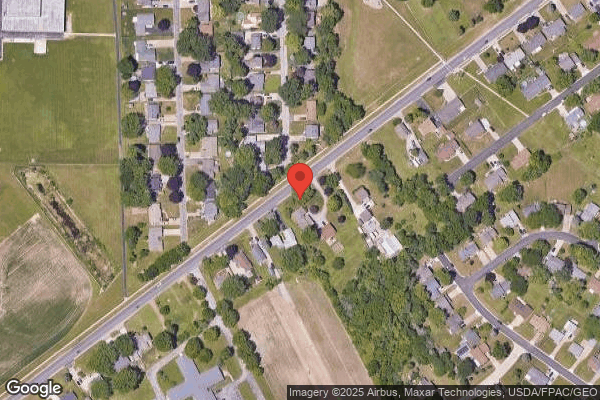
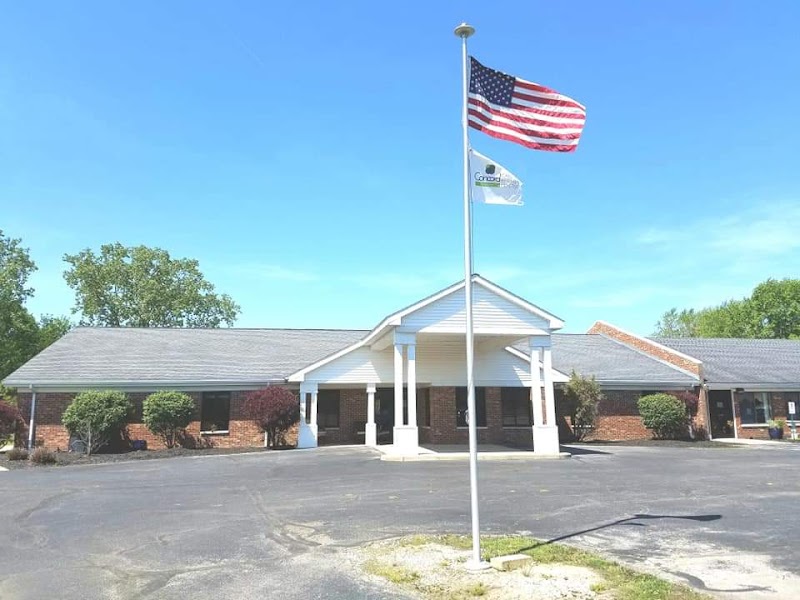
620 W STRUB RD, SANDUSKY, OH 44870 (419) 626-5373
For profit - Individual 50 Beds AOM HEALTHCARE Data: November 2025
Trust Grade
65/100
#243 of 913 in OH
Last Inspection: September 2024

Within standard 12-15 month inspection cycle. Federal law requires annual inspections.

Overview

Concord Care and Rehabilitation Center in Sandusky, Ohio, has a Trust Grade of C+, indicating it is slightly above average but not exceptional. It ranks #243 out of 913 nursing homes in Ohio, placing it in the top half of facilities statewide, and #5 out of 8 in Erie County, meaning there are only a few local options that are better. The facility's trend is stable, maintaining 5 issues from 2023 to 2024, which suggests ongoing concerns without improvement. Staffing is a weak point, with a rating of 2 out of 5 stars and a turnover rate of 55%, indicating that staff may not stay long enough to build strong relationships with residents. While there have been no fines, which is a positive sign, there are serious concerns regarding food safety and sanitation, as the facility has been cited for failing to have proper oversight in the kitchen and not maintaining adequate food storage, affecting all residents. Additionally, there is a lack of an effective quality assurance program to address these recurrent issues, which raises concerns about the overall management of care.

Trust Score
C+
65/100
In Ohio
#243/913
Top 26%
Safety Record
Low Risk
No red flags
Inspections
Holding Steady
5 → 5 violations
Staff Stability
⚠ Watch
55% turnover. Above average. Higher turnover means staff may not know residents' routines.
Penalties
✓ Good
No fines on record. Clean compliance history, better than most Ohio facilities.
Skilled Nurses
○ Average
Each resident gets 32 minutes of Registered Nurse (RN) attention daily — about average for Ohio. RNs are the most trained staff who monitor for health changes.
Violations
⚠ Watch
33 deficiencies on record. Higher than average. Multiple issues found across inspections.
★★★★☆
4.0
Overall Rating
★★☆☆☆
2.0
Staff Levels
★★★★★
5.0
Care Quality
★★★☆☆
3.0
Inspection Score
Stable
2023: 5 issues
2024: 5 issues

The Good

  • 5-Star Quality Measures · Strong clinical quality outcomes
  • Full Sprinkler Coverage · Fire safety systems throughout facility
  • No fines on record

Facility shows strength in quality measures, fire safety.

The Bad

Staff Turnover: 55%

Near Ohio avg (46%)

Frequent staff changes - ask about care continuity

Chain: AOM HEALTHCARE

Part of a multi-facility chain

Ask about local staffing decisions and management

Staff turnover is elevated (55%)

7 points above Ohio average of 48%

The Ugly 33 deficiencies on record

Sept 2024 2 deficiencies
CONCERN (D)

Potential for Harm - no one hurt, but risky conditions existed

Resident Rights (Tag F0550)

Could have caused harm · This affected 1 resident

**NOTE- TERMS IN BRACKETS HAVE BEEN EDITED TO PROTECT CONFIDENTIALITY** Based on record review, observation, staff interview, and review of facility policy, the facility failed to ensure residents wer...

Read full inspector narrative →
**NOTE- TERMS IN BRACKETS HAVE BEEN EDITED TO PROTECT CONFIDENTIALITY** Based on record review, observation, staff interview, and review of facility policy, the facility failed to ensure residents were treated with dignity/respect when staff failed to ensure residents names were not visible on their clothing. This affected one (Resident #31) of three residents reviewed for dignity. The facility census was 46. Findings include: Review of the medical record for Resident #31 revealed an admission date of 12/08/23 and diagnoses of rhabdomyolysis, heart disease, pneumonia, urinary tract infection, hypoglycemia, presence of cerebrospinal fluid drainage device, muscle weakness, altered mental status, depression, anxiety, anorexia. Review of the most recent quarterly Minimum Data Set (MDS) dated [DATE], revealed a Brief Interview for Mental Status (BIMS) score of three, indicating Resident #31 was severely cognitively impaired. Resident #31 required substantial/maximal assistance with upper and lower body dressing as well as putting on/taking off footwear. Observation on 09/03/24 at 12:38 P.M. revealed Resident #31 sitting in their wheelchair in the facility common area by the nurses station wearing yellow non-slip socks that were both visibly marked with Resident #31's first name. Staff interview on 09/03/24 at 12:39 P.M. with Licensed Practical Nurse (LPN) #210 verified the above findings. Review of the facility policy titled, Dignity, with a revision date of 02/21, revealed each resident shall be cared for in a manner that promotes and enhances his or her sense of well-being, level of satisfaction with life, and feelings of self-worth and self-esteem.
CONCERN (D)

Potential for Harm - no one hurt, but risky conditions existed

Accident Prevention (Tag F0689)

Could have caused harm · This affected 1 resident

**NOTE- TERMS IN BRACKETS HAVE BEEN EDITED TO PROTECT CONFIDENTIALITY** Based on observations, medical record review, staff and resident interviews, and policy review, the facility failed to ensure re...

Read full inspector narrative →
**NOTE- TERMS IN BRACKETS HAVE BEEN EDITED TO PROTECT CONFIDENTIALITY** Based on observations, medical record review, staff and resident interviews, and policy review, the facility failed to ensure residents were safely smoking. This affected one (Resident #41) of one resident reviewed for smoking. The facility census was 46. Findings include: Review of the medical record for Resident #41 revealed an admission date of 06/11/24 with diagnoses of cardiomyopathy, hypoxemia, ascites, chronic passive congestion of liver, nicotine dependence, congestive heart failure, type two diabetes mellitus, hypertension, fatty liver, insomnia, hypotension, and dyspnea. Review of the most recent Minimum Data Set (MDS) dated [DATE], revealed a Brief Interview for Mental Status (BIMS) score of 13, indicating Resident #31 was cognitively intact. Observation on 09/03/24 at 10:09 A.M. of Resident #41 while they were smoking revealed Resident #41 extinguished their cigarette on the ground and then placed the butt between the cushion of their wheelchair and the wheelchair. Interview on 09/03/24 at 10:10 A.M. with Resident #41 revealed they extinguish their cigarettes on the ground and place the butt between the cushion of their wheelchair and the wheelchair until they are ready to return inside of the facility. When Resident #41 is ready to go inside, Resident #41 places the used cigarette butts into approved receptacles. Interview on 09/03/24 at 10:20 A.M. with Licensed Practical Nurse (LPN) #220 verified the above findings. Review on 09/05/24 at 11:18 A.M. of an undated facility policy titled, Smoking, revealed residents are to extinguish all cigarettes in a designated container.
Jun 2024 3 deficiencies
CONCERN (D) 📢 Someone Reported This

A family member, employee, or ombudsman was alarmed enough to file a formal complaint

Potential for Harm - no one hurt, but risky conditions existed

Unnecessary Medications (Tag F0759)

Could have caused harm · This affected 1 resident

**NOTE- TERMS IN BRACKETS HAVE BEEN EDITED TO PROTECT CONFIDENTIALITY** Based on observation, medical record review, staff interview, and policy review, the facility failed to administer medications a...

Read full inspector narrative →
**NOTE- TERMS IN BRACKETS HAVE BEEN EDITED TO PROTECT CONFIDENTIALITY** Based on observation, medical record review, staff interview, and policy review, the facility failed to administer medications as ordered by the physician. A total of two medication errors were identified out of 30 opportunities for a medication error rate of 6.67 percent (%). This affected one (#33) of four residents observed for medication administration. The census was 41. Findings include: Review of Resident #33's medical record revealed the resident was admitted on [DATE] with diagnoses including diabetes mellitus type II, hypertension, and seizures. Review of Resident #33's current physician orders revealed the resident was to received a multivitamin with minerals to give one tablet by mouth once daily for supplement and the combined blood pressure medication valsartan-hydrochlorothiazide 160 milligrams (mg) - 25 mg tablet by mouth once daily with instructions to hold if the resident's systolic blood pressure was less than 110 millimeters of mercury (mmHg). Observation of medication administration for Resident #33 on 05/29/24 at 5:20 A.M. revealed Licensed Practical Nurse (LPN) #146 administered the resident a multivitamin tablet and administered the valsartan-hydrochlorothiazide 160 mg -25 mg after obtaining a blood pressure reading of 97/64 mmHg. The resident took the medications without incident. Interview on 05/29/24 at 6:18 A.M. with LPN #146 confirmed the nurse administered Resident #33 a multivitamin and valsartan-hydrochlorothiazide tablets, and confirmed the blood pressure medication should have been held due to the resident's low systolic blood pressure. Interview on 05/29/24 at 7:30 A.M. with the Director of Nursing (DON) revealed a multivitamin with minerals should have been administered to Resident #33 not a multivitamin. Review of the facility policy titled, Administering Medications, dated 12/12, revealed medications must be administered in accordance with the orders. This deficiency represents non-compliance under Master Complaint Number OH00154387, Complaint Number OH00154201, and Complaint Number OH00153750.
CONCERN (D) 📢 Someone Reported This

A family member, employee, or ombudsman was alarmed enough to file a formal complaint

Potential for Harm - no one hurt, but risky conditions existed

Infection Control (Tag F0880)

Could have caused harm · This affected 1 resident

Based on observation, staff interview interview, and review of facility policies, the facility failed to ensure proper hand hygiene was maintained during medication administration. This affected two (...

Read full inspector narrative →
Based on observation, staff interview interview, and review of facility policies, the facility failed to ensure proper hand hygiene was maintained during medication administration. This affected two (#32 and #39) of four residents observed during medication administration. The census was 41. Findings include: Observation on 05/29/24 at 5:20 A.M. of medication administration to Resident #39 revealed Licensed Practical Nurse (LPN) #146 popped out a tablet of the pain medication gabapentin 600 milligrams (mg) into his bare hand then put the tablet in the medication cup without sanitizing his hands. Observation on 05/29/24 at 5:35 A.M. of medication administration to Resident #32 revealed LPN #146 put a supplemental vitamin C 500 mg tablet directly into his bare hand from the bottle and put it in the medication cup without sanitizing his hands. Interview with LPN #146 on 05/29/24 at 6:00 A.M. confirmed he did not wash his hands from the beginning of medication administration at 5:20 A.M. through confirmation at 6:00 A.M. LPN #146 confirmed he put medications for Resident #32 and Resident #39 into his bare hand and into a medication cup without properly sanitizing his hands. Review of the facility policy infection control policy, dated 03/18, revealed the facility and staff will identify infection transmission risks and will implement relevant precautions. Review of the facility policy titled, Medication Administration, dated 12/12, revealed staff shall follow established facility infection control procedures including handwashing.
CONCERN (E) 📢 Someone Reported This

A family member, employee, or ombudsman was alarmed enough to file a formal complaint

Potential for Harm - no one hurt, but risky conditions existed

Accident Prevention (Tag F0689)

Could have caused harm · This affected multiple residents

**NOTE- TERMS IN BRACKETS HAVE BEEN EDITED TO PROTECT CONFIDENTIALITY** Based on observation, resident and staff interview, medical record review, and review of a facility policy, the facility failed ...

Read full inspector narrative →
**NOTE- TERMS IN BRACKETS HAVE BEEN EDITED TO PROTECT CONFIDENTIALITY** Based on observation, resident and staff interview, medical record review, and review of a facility policy, the facility failed to provide residents with appropriate supervision while smoking and failed to maintain smoking materials in a safe manner. This affected six (#11, #17, #23, #24, #26, and #37) of 16 residents reviewed for smoking. The census was 41. Findings include: Observation on 05/29/24 at 9:11 A.M. revealed Resident #11 was standing outside in the smoking area by herself smoking unsupervised. Observation on 05/29/24 at 9:22 A.M. revealed Resident #37 had a pack of cigarettes laying on his bed. Resident #37 was resting with his eyes closed while sitting in his custom electric wheelchair beside his bed. Interview with State Tested Nurse Aide (STNA) #130 on 05/29/24 at 9:22 A.M. verified Resident #11 was outside smoking unsupervised and Resident #37 had a pack of cigarettes laying on his bed. Interview with Licensed Practical Nurse (LPN) #125 on 05/29/24 at 9:25 A.M. revealed activities staff was supposed to lock cigarettes and lighters up and dispense them to residents at smoke breaks. Observation on 05/29/24 at 11:00 A.M. outside in the smoking area revealed Resident #26, Resident #23, and Resident #37 were smoking unsupervised. Interview with Resident #23 during the observation stated Activity Aid (AA) #154 let the residents out to smoke and left the area. Interview on 05/29/24 at 11:09 with Resident #37 stated he always kept his cigarettes on him and the residents are usually not supervised while smoking. Continued observation at 11:16 A.M. revealed no staff members were in the smoking area or near the door to the smoking area. No residents were wearing smoking aprons. Resident #24 came out to the smoking area, reached into his hoodie pocket, pulled out his cigarettes and lighter, and began smoking. Interview with Resident #24 during the observation stated he rolled his own cigarettes and kept them in his possession. Observation on 05/29/24 at 11:30 A.M. revealed AA #154 and STNA #138 came out to the smoking area at 11:30 A.M. and asked if anyone wanted to go in and have lunch since a code was needed to get in and out of the smoking area. Interview with the AA #154 on 05/29/24 at 11:32 A.M. verified he left the residents who were smoking unsupervised on 05/29/24 at 11:00 A.M. to go and get a key. Observation on 05/30/24 at 9:00 A.M. revealed Resident #11, Resident #17, Resident #23, and Resident #37 were outside smoking with no supervision and Resident #37 was not wearing a smoking apron. Interview with the Quality Assurance Manager (QAM) on 05/30/24 at 9:08 A.M. verified no resident prior to 9:08 A.M. outside smoking was supervised. The QAM also verified Resident #37 did not have on a smoking apron while smoking. Review of the most current smoking assessments for Resident #11, Resident #17, Resident #23, Resident #24, Resident #26, and Resident #37 revealed each resident was to be supervised when smoking at the posted smoking times only. Resident #37's smoking assessment dated [DATE] revealed the resident could smoking while supervised and wearing a smoking apron. Review of Resident #37's current care plan revealed the resident was a current smoker who required supervision and a smoking apron to be worn every time to provide safety from burning his clothing and/or himself. Review of the undated smoking policy revealed all smoking articles (cigarettes, e-cigarettes, cigars, lighters, and lighter fluid) will be stored in a designated locked area and are supervised by the nursing staff. No resident may have any smoking articles in their room or on their person. All smokers will be supervised at all times by a designated staff member. Staff member will pass out the cigarettes and will light each cigarette. This deficiency represents non-compliance investigated under Complaint Number OH00153750.
Dec 2023 1 deficiency
CONCERN (D) 📢 Someone Reported This

A family member, employee, or ombudsman was alarmed enough to file a formal complaint

Potential for Harm - no one hurt, but risky conditions existed

Deficiency F0602 (Tag F0602)

Could have caused harm · This affected 1 resident

**NOTE- TERMS IN BRACKETS HAVE BEEN EDITED TO PROTECT CONFIDENTIALITY** Based on medical record review, resident and staff interview, review of a facility self-reported incident (SRI), review of witne...

Read full inspector narrative →
**NOTE- TERMS IN BRACKETS HAVE BEEN EDITED TO PROTECT CONFIDENTIALITY** Based on medical record review, resident and staff interview, review of a facility self-reported incident (SRI), review of witness statements, review of a local law enforcement report, review of bank records, review of Quality Assurance Performance Improvement (QAPI) notes, review of a signed acknowledgement, and review of the facility policy, the facility failed to ensure a resident was free from misappropriation of money. This affected one (#02) of three residents reviewed for misappropriation. The facility census was 46. Findings include: Review of the medical record revealed Resident #02 was admitted to the facility on [DATE]. Diagnoses included multiple sclerosis, depression, anxiety, legal blindness, chronic pain, muscle weakness, lack of coordination, and tremors. Review of the quarterly Minimum Data Set (MDS) assessment, dated 11/14/23, revealed Resident #02 had a moderate cognitive impairment. Review of the nursing progress note dated 12/08/23 and timed 5:59 P.M. revealed Resident #02 stated he was missing money from his account. The resident's bank card was stopped and the police were notified. Review of a subsequent nursing progress note dated 12/08/23 and timed 6:35 P.M. revealed the resident's bank card was stopped and a new card was locked in the Director of Nursing's (DON) office. Review of the social service notes dated 12/08/23 and timed 7:31 P.M. revealed Resident #02 stated he was missing money. A police report was filed. The resident was upset but doing okay. Review of the nursing progress note dated 12/11/23 and timed 1:08 P.M. revealed Resident #02 requested to have his bank card. The bank card was given to the resident and the resident was instructed to keep the card in a safe place and not give it to anyone. The resident verbalized understanding. Review of the SRI dated 12/08/23 and timed 5:55 P.M., revealed on 12/08/23 at 3:00 P.M., Resident #02 was taken to the bank by Social Service Designee (SSD) #200 and Activities Director #201. The resident wanted to go to the bank to get statements, as his debit card was declined when he tried to use it. The statements were given to the resident while at the bank, and several withdrawals were made which the resident did not make. Upon returning to the facility, the Administrator and Director of Nursing (DON) were notified and the police were contacted. The resident's statement indicated Activities Assistant #105 made several unauthorized cash transfers and online store purchases from the resident's account. Activities Assistant #105 was contacted by the Administrator and DON for a written statement and was removed from the schedule pending investigation. The resident's card was stopped with a new one initiated. A bank new card was locked in the DON's office until the resident wanted it back. The police took a statement from Resident #02. The facility substantiated the allegation of misappropriation. Review of the written statement provided by SSD #200, revealed the staff member accompanied Resident #02 to the bank on 12/08/23 due to the resident being legally blind. The resident requested the bank teller cancel his previous debit card due to losing it. The resident also requested to withdraw money from his account and asked how much he had. The bank teller informed the resident there was $226.00 in his account. The resident stated he had not made any purchases during the month, other than at the vending machine a couple of times. The bank teller then showed SSD #200 the transaction history after obtaining permission from the resident to do so. SSD #200 noticed several cash transfers using an application called Cash App, as well as several purchases from an online retailer. SSD #200 asked the resident if he used Cash App or made purchases from the online retailer, and the resident responded he had not. The bank teller was able to pull up an individual Cash App transaction, which showed the first and middle name of Activities Assistant #105. A second name (Unknown Person #192) was also found on a transaction. SSD #200 notified the Administrator while at the bank that Resident #02's bank account was almost depleted and SSD #200 believed it was an due to an employee. Upon returning to the facility, SSD #200 took the resident and transaction history to the Administrator's office with the DON present as well. The Administrator and DON verified the name on the statement matched the employee. The police were called and a report was made. Review of the local law enforcement report, dated 12/08/23 and timed 4:55 P.M., revealed the police were called regarding a theft at the facility. The responding officer spoke with the Administrator and SSD #200. The staff members advised they were made aware of a possible theft. The staff members advised an activities assistant would assist residents in trips to stores and would have access to credit/debit cards in situations where residents could not typically shop alone. The staff advised they were made aware of possible bank fraud. The Administrator provided the officer with a bank statement which showed numerous transactions to a Cash App account. The statement also showed purchases from an online retailer, a women's clothing retailer, and partial Cash App transactions to another account. The officer then spoke with Resident #02, who advised he did not use Cash App in any way as he was legally blind and did not shop at the online retailer. Resident #02 reported all of the shopping he did was in person or with assistance by the activities aides. Resident #02 advised he did not authorize any transfers to either of the two Cash App accounts. The officer went over the statement and the resident advised which transactions could have been his. The resident advised he wished to pursue the matter criminally if possible, and was provided with a victim's rights form. The officer located at least nine transactions for the online retailer on the statement. The total value of the reported fraudulent transactions was $3,329.72, which was cumulative for both the online retailer and Cash App accounts. Review of the local law enforcement supplement, dated 12/12/23, revealed the officer received an emailed copy of requested bank statements. The officer reported the statements provided an accurate number of transactions and total of money misused from Resident #02's bank account via his debit card information. There appeared to be no fraudulent transactions in the month of September 2023. The total transactions made by Activities Assistant #105, beginning on 10/16/23 and ending on 12/08/23, included 59 withdrawals for a total of $2,771.00 and two deposits for a total of $155.41. The total transactions made by Unknown Person #192 included two withdrawals (one on 10/17/23 and one on 12/07/23) for a total of $70.75. The total transactions for purchases made from the online retailer included five purchases for a total of $283.99 and five deposits for a total of $96.35. The total for all fraudulent transactions made from Resident #02's account was $3,131.74. Review of the written statement provided by the DON, revealed Activities Assistant #105 called the facility on 12/11/23 at approximately 2:00 P.M. and reported Resident #02 had given her his bank card to transfer money into her account because the resident was appreciative of all she had done. Activities Assistant #105 reported she transferred $50.00 into her account using Resident #02's debit card. Activities Assistant #105 stated her Cash App account, used for cash transfers, had been hacked in the past. Activities Assistant #105 stated she got a new Cash App account in August 2023 and thought she had deleted Resident #02's information. Activities Assistant #105 stated she would pay any money back. Activities Assistant #105 was informed she was taken off the schedule pending investigation. Review of the undated written statement provided by Activities Assistant #105 revealed Activities Assistant #105 and Resident #02 went on an outing, possibly in October 2023. At that time, they went to the store to shop for winter clothing items. Afterwards, Resident #02 wanted to stop for food and cigarettes, so they did. While they were out, Resident #02 offered to give Activities Assistant #02 $50.00 for being kind. Resident #02 did not have cash so he told Activities Assistant #105 they could use an automated teller machine (ATM). Activities Assistant #105 reported there were not any ATMs around and suggested using Cash App. Resident #02 agreed and Activities Assistant #105 performed the transaction. Activities Assistant #105 then disconnected the card and gave the physical card back to Resident #02. Activities Assistant #105 reported her phone glitched at times and her Cash App account had been hacked in the past. Activities Assistant #105 reported she thought all of the transactions she had been making were with her own funds and had not been paying attention to any other cards linked to her account. Review of the QAPI notes dated 12/11/23, revealed a meeting was held due to a concern of misappropriation of resident funds. The facility identified the system to keep residents safe from misappropriation had failed. During interview on 12/27/23 at 9:28 A.M., Resident #02 confirmed he had money come up missing and found out a staff member had taken his bank card and was using it. During interview on 12/27/23 at 12:50 P.M., the Administrator confirmed the staff member had misappropriated funds using Resident #02's bank card. The Administrator reported Unknown Person #192 was Activities Assistant #105's [AGE] year-old daughter. During a phone interview on 12/27/23 at 2:16 P.M., Activities Assistant #105 reported Resident #02 had allowed her to take $50.00 from his bank account via Cash App a couple of months ago. Activities Assistant #105 reported thinking the resident's bank card from been removed from Cash App and did not realize she had been continuing to make charges from the resident's account. Review of the signed acknowledgment, dated 06/23/23, revealed Activities Assistant #105 signed acknowledging receiving and agreed to abide by the policy titled Residents Right to Freedom from Abuse, Neglect, and Exploitation Policy and Procedure. Review of the undated facility policy titled, Residents Right to Freedom from Abuse, Neglect, and Exploitation Policy and Procedure, revealed residents had the right to be free from abuse, neglect, misappropriation of their property, and exploitation. This deficiency represents non-compliance investigated under Complaint Number OH00149286.
Apr 2023 1 deficiency
CONCERN (D) 📢 Someone Reported This

A family member, employee, or ombudsman was alarmed enough to file a formal complaint

Potential for Harm - no one hurt, but risky conditions existed

ADL Care (Tag F0677)

Could have caused harm · This affected 1 resident

Based on medical record review, staff interview, review of the shower schedule, and review of shower sheets, the facility failed to ensure residents received assistance with showers as required. This ...

Read full inspector narrative →
Based on medical record review, staff interview, review of the shower schedule, and review of shower sheets, the facility failed to ensure residents received assistance with showers as required. This affected one (#4) of four residents reviewed for Activities of Daily Living (ADLs). The facility census was 45. Findings include: Review of Resident #4's medical record revealed an admission date of 02/10/23. Diagnoses included traumatic brain injury, hemiplegia, difficulty in walking, cocaine abuse, and nicotine dependence. Review of the admission Minimum Data Set (MDS) assessment, dated 02/17/23, revealed the resident had impaired cognition. The resident required physical assistance from one staff member for part of bathing. Review of Resident #4's plan of care, dated 03/15/23, revealed the resident was resistive to care. Interventions included allowing the resident to make decisions about treatment and encouraging as much participation in care as possible. Review of the shower schedule revealed Resident #4 was to receive assistance bathing on Wednesday and Saturday nights. Review of Resident #4's bathing documentation for 03/01/23 through 04/12/23 revealed the resident did not receive scheduled showers on 03/04/23, 03/08/23, 03/25/23, and 04/08/23. No refusals were documented for these dates. Interview on 04/13/23 at 6:56 A.M., with Licensed Practical Nurse (LPN) #200 revealed when a resident refused a shower the nurse on duty would attempt to encourage them. LPN #200 stated if the resident still refused then the refusal would be documented by the State Tested Nurse Aide (STNA) and signed by the nurse. Interview on 04/13/23 at 2:50 P.M., with the Director of Nursing verified there was no evidence Resident #4 was offered, received, or refused assistance bathing on these dates. This deficiency represents non-compliance investigated under Complaint Number OH00141852.
Mar 2023 3 deficiencies
CONCERN (D) 📢 Someone Reported This

A family member, employee, or ombudsman was alarmed enough to file a formal complaint

Potential for Harm - no one hurt, but risky conditions existed

Pressure Ulcer Prevention (Tag F0686)

Could have caused harm · This affected 1 resident

**NOTE- TERMS IN BRACKETS HAVE BEEN EDITED TO PROTECT CONFIDENTIALITY** Based on medical record reviews, review of the facility policy, and staff interview, the facility failed to complete a wound ass...

Read full inspector narrative →
**NOTE- TERMS IN BRACKETS HAVE BEEN EDITED TO PROTECT CONFIDENTIALITY** Based on medical record reviews, review of the facility policy, and staff interview, the facility failed to complete a wound assessment and treatment upon admission for Resident #16's pressure ulcer and failed to complete routine weekly wound measurements for Resident #48's pressure ulcer. This affected two (#16 and #48) of four residents reviewed for wounds. The facility census was 47. Findings include: 1. Review of Resident #16's medical record revealed an admission to the facility occurred on 02/02/23. Diagnoses including; cancer with metastasis to the colon, liver, lung and prostate; diabetes mellitus and chronic left foot wound. Review of the home health notes dated 02/02/03 revealed Resident #16 was being assisted with wound care for a stage IV pressure ulcer (Full thickness tissue loss with exposed bone, tendon or muscle) to the left heel. Resident #16 was receiving home health at home prior to admission to the facility on [DATE]. Review of Resident #16's admission assessment dated [DATE] and 02/03/23 revealed there was no evidence of any wound evaluation and or measurement of any wound on the left heel. The skin sections of the assessments were blank. Review of the admission physician orders dated 02/02/23 and treatment administration records (TAR) dated 02/02/23 through 02/07/23 revealed there were no treatments completed to Resident #16's chronic wound to the left heel. Review of the progress notes for Resident #16 from 02/02/23 through 02/08/23 revealed there was no mention of a wound and or treatment to Resident #16's left heel wound. Interview with the Assistant Director of Nursing (ADON) #806 on 03/15/23 at 12:35 P.M. confirmed there was no evidence Resident #16's left heel wound was assessed and measured upon admission on [DATE]. ADON #806 confirmed there was no documented treatment completed for the wound until 02/07/23, when the wound was assessed, measured and a treatment was started. Review of the facilities prevention of pressure ulcer policy revealed the resident's skin should be assessed within eight hours of admission to the facility. 2. Review of Resident #48's medical record revealed an admission to the facility occurred on 07/25/22. Resident #48 was discharged to home on [DATE]. Diagnoses included paraplegia, chronic pressure ulcer, and stage IV pressure ulcer (Full thickness tissue loss with exposed bone, tendon or muscle) to the coccyx. Review of the facilities wound assessments and measurements revealed they were completed on 08/04/22, 09/28/22, 11/20/22 and 12/20/22. There was no evidence the wound assessments were completed on a weekly and/or routine basis. There was no evidence the wound deteriorated during his stay. Interview with Assistant Director of Nursing (ADON) #806 on 03/15/23 at 12:35 P.M. revealed she started to be the wound care nurse in the facility in November 2022. ADON #806 confirmed Resident #48 declined to see the wound team in the facility and would go out to a wound center outside the facility. ADON #806 confirmed she could not locate weekly skin wound measurements for Resident #48. ADON #806 confirmed the facility should be completing weekly wound assessments and measurements to ensure treatments were effective. Review of the facilities pressure ulcer policy dated 2013 revealed if pressure ulcers are not treated when discovered, the have the potential to became larger, painful and infected. Staff were to routinely assess and document the condition of the resident's skin per facility wound and skin care program for any signs ad symptoms of irritation or breakdown. Under assessment, the skin will be assessed fro the presence of developing pressure ulcers on a weekly basis or more frequently if indicated. This deficiency represents non-compliance investigated under Complaint Numbers OH00138533 and OH00138085.
CONCERN (D) 📢 Someone Reported This

A family member, employee, or ombudsman was alarmed enough to file a formal complaint

Potential for Harm - no one hurt, but risky conditions existed

Deficiency F0692 (Tag F0692)

Could have caused harm · This affected 1 resident

**NOTE- TERMS IN BRACKETS HAVE BEEN EDITED TO PROTECT CONFIDENTIALITY** Based on observations, record reviews, and staff interviews, the facility failed to provide nutritional weight loss intervention...

Read full inspector narrative →
**NOTE- TERMS IN BRACKETS HAVE BEEN EDITED TO PROTECT CONFIDENTIALITY** Based on observations, record reviews, and staff interviews, the facility failed to provide nutritional weight loss interventions to the resident. This affected one (Resident #30) of three residents reviewed for nutrition. The facility census was 47. Findings include: Review of Resident #30's medical record revealed an admission to the facility occurred on 02/18/22. Diagnoses included diabetes mellitus, chronic obstructive pulmonary disease, and dysphagia. On 02/13/23, Resident #30 was placed on hospice services for end of life care. Review of Resident #30's physician orders revealed two whole milks with meals dated 12/22/22; four ounces of prune juice with meals dated 01/05/23; and Boost pudding (high calorie nutritional supplement) and sugar free shake (high calorie nutritional supplement) with three times a day with meal on 12/22/22. Review of the nutritional assessment dated [DATE] revealed Resident #30's weight was listed at 99 pounds with recent weight loss noted. Resident #30's weight was noted on 02/17/23 at 107 pounds. Resident #30 should have two whole milks and prune juice with all meals. The assessment revealed Resident #30 should receive Ready Care 2.0 (high calorie nutritional supplement and was not a physician order), 120 cubic centimeters (cc) and Boost pudding with all meals. Review of Resident #30's meal tickets revealed no evidence the whole milk and or nutritional supplements were listed on the meal ticket. Observation of the breakfast meal on 03/15/23 starting at 7:41 A.M. revealed [NAME] #802 was observed plating food but not using any resident meals ticket. [NAME] #802 revealed the tickets were all located in a pile off to the side of where she was plating food. [NAME] #802 revealed she knows all the residents and was not using the meal tickets. Observation of Resident #30's meal in the dinning room on 03/15/23 at 7:44 A.M. revealed Resident #30 had been served no whole milk and no nutritional supplements. State Tested Nursing Assistant (STNA) #870 was observed sitting with and assisting Resident #30 with the meal. STNA #870 confirmed confirmed Resident #30's physician orders revealed she should have received two cartons of whole milk, a sugar free shake, and Boost pudding and did not receive these. Interview with [NAME] #802 on 03/15/23 at 7:54 A.M. confirmed she did not use Resident #30's meal ticket to plate her food this morning. [NAME] #802 confirmed nutritional supplements were provided from the kitchen to the staff in the dining room. [NAME] #82 confirmed the staff should know who should get them. [NAME] #802 confirmed none of the residents in the dining room currently have their meal tickets in the dining room for staff to be aware of the diet orders, preference and or allergies. [NAME] #82 confirmed STNA #870 was feeding Resident #30 this morning was new from an agency and would not know what Resident #30 should receive. Interview with Dietary Manager (DM) #18 on 03/15/23 at 8:43 A.M. confirmed she was not aware [NAME] #802 was not using meal tickets when preparing meals for residents this morning. DM #18 confirmed when matching Resident #30's physician orders to her meal ticket that do not match. DM #18 confirmed there was a lack of communication and verification new orders were current on residents meal tickets. Observation of the lunch meal in the dinning room on 03/15/23 at 11:47 A.M. with DM #18 revealed the stack of meal tickets and was passing them out to the resident's tables in the dining room. [NAME] #802 was again observed plating food without using the individual meal tickets at the time of plating. Resident #30 was observed to receive her meal on 03/15/23 at 11:59 A.M. Resident #30 received a large styrofoam cup of orange drink. Resident #30 had no whole milk and no nutritional supplements (sugar free shake or Boost pudding). Review of Resident #30's meal ticket confirmed it did not match Resident #30's current physician orders and nutritional interventions for weight loss. Observation and interview with Registered Nurse (RN) #815 on 03/15/23 at 12:04 P.M. confirmed Resident #30's physician orders for meals and supplements does not match her meal ticket. RN #815 confirmed Resident #30 was not provided two cartons of whole milk, Boost pudding, or sugar free shake that was listed on her physician orders. This deficiency represents non-compliance investigated under Complaint Number OH00141049.
CONCERN (D) 📢 Someone Reported This

A family member, employee, or ombudsman was alarmed enough to file a formal complaint

Potential for Harm - no one hurt, but risky conditions existed

Deficiency F0806 (Tag F0806)

Could have caused harm · This affected 1 resident

Based on observations, medical record reviews, review of dietary meal tickets, and staff interviews, the facility failed to ensure residents received meal trays to accommodate their food allergies, in...

Read full inspector narrative →
Based on observations, medical record reviews, review of dietary meal tickets, and staff interviews, the facility failed to ensure residents received meal trays to accommodate their food allergies, intolerance and food preferences. This affected three (#30, #34, and #37) of four residents reviewed for dietary meals. The facility census was 47. Findings include: 1. Review of Resident #30's medical record revealed an admission to the facility occurred on 02/18/22. Diagnoses included diabetes mellitus, chronic obstructive pulmonary disease, and dysphagia. Review of Resident #30's physician orders dated 01/05/23 revealed an order for four ounces of prune juice with meals. Review of Resident #30's meal tickets dated 03/15/23 revealed no evidence the prune juice was listed on the meal ticket. The top part of the meal ticket stated peanut . with no evidence what this meant. Resident #30's food preference was hard boiled eggs for breakfast. Observation of the breakfast meal on 03/15/23 starting at 7:41 A.M. revealed [NAME] #802 was observed plating food but not using any resident meals ticket. [NAME] #802 revealed the tickets were all located in a pile off to the side of where she was plating food. [NAME] #802 revealed she knows all the residents and was not using the meal tickets. Observation of Resident #30's meal in the dinning room on 03/15/23 at 7:44 A.M. revealed Resident #30 had been served scrambled eggs and had no prune juice. State Tested Nursing Assistant (STNA) #870 was observed sitting with and assisting Resident #30 with the meal. STNA #870 confirmed confirmed Resident #30's physician orders revealed she should have received four ounces of prune juice and hard boiled eggs. Interview with [NAME] #802 on 03/15/23 at 7:54 A.M. confirmed she did not use Resident #30's meal ticket to plate her food this morning. [NAME] #802 confirmed she was not sure what the peanut . means on Resident #30's meal ticket and stated she though it meant Resident #30 does not like peanuts. [NAME] #802 confirmed none of the residents in the dining room currently have their meal tickets in the dining room for staff to be aware of the diet orders and or food allergies. [NAME] #82 confirmed STNA #870 was feeding Resident #30 this morning was new from an agency and would not know what Resident #30 should receive. Interview with Dietary Manager (DM) #18 on 03/15/23 at 8:43 A.M. confirmed she was not aware [NAME] #802 was not using meal tickets when preparing meals for residents this morning. DM #18 confirmed when matching Resident #30's physician orders to her meal ticket that do not match. DM #30 revealed Resident #30's meal ticket that revealed peanut . means she should get a peanut butter and jelly sandwich if she does not eat. DM #18 confirmed there was a lack of communication and verification new orders were current on resident's meal tickets. Observation of the lunch meal in the dinning room on 03/15/23 at 11:47 A.M. with DM #18 revealed the stack of meal tickets and was passing them out to the resident's tables in the dining room. [NAME] #802 was again observed plating food without using the individual meal tickets at the time of plating. Resident #30 was observed to receive her meal on 03/15/23 at 11:59 A.M. Resident #30 received a large styrofoam cup of orange drink. Resident #30 had no prune juice. Review of Resident #30's meal ticket confirmed it did not match Resident #30's current physician orders. Observation and interview with Registered Nurse (RN) #815 on 03/15/23 at 12:04 P.M. confirmed Resident #30's physician orders for meals did not match her meal ticket. RN #815 confirmed Resident #30 was not provided four ounces of prune juice that was listed on her physician orders. 2. Review of Resident #34's medical record revealed admission to the facility occurred on 04/20/16 with medical diagnosis including; diabetes, stroke and dysphagia. The records revealed Resident #34 has lactose intolerance and allergy to strawberries. Review of Resident #34's dietary meal tickets for 03/16/23 revealed under special instructions on the breakfast ticket, revealed it lacked information regarding Resident #34 was allergic to strawberries. The tickets for lunch and dinner did state Resident #34 had an allergy to strawberries. 3. Review of Resident #37's medical record revealed admission to the facility 02/10/23 with diagnoses including stroke and traumatic brain injury. The records revealed on 03/15/23, Resident #37 told the facility he could not tolerate white milk. Review of Resident #37's dietary meal tickets dated 03/16/23 revealed no evidence Resident #37 could not tolerate white milk. Interview with Dietary Manager (DM) #810 on 03/15/23 at 8:43 A.M. revealed she has a computerized system that prints tickets for each of the meals. The kitchen staff should be using those tickets to plate residents preferences and ensure food allergies were revealed. DM #810 confirmed she was not notified of Resident #37's white milk intolerance that was revealed yesterday and therefore it was not placed on his meal ticket. DM #810 confirmed Resident #34's allergy to strawberries was never placed on her breakfast meal ticket however it was on the lunch and dinner tickets. DM #18 confirmed there was a lack of communication and verification new orders were current on resident's meal tickets. This deficiency represents non-compliance investigated under Complaint Number OH00141049
Apr 2022 20 deficiencies
CONCERN (D)

Potential for Harm - no one hurt, but risky conditions existed

Resident Rights (Tag F0550)

Could have caused harm · This affected 1 resident

Based on observation, staff interviews and review of facility policy, the facility failed to provide dining assistance during with meals in a dignified manner when staff stood up while feeding residen...

Read full inspector narrative →
Based on observation, staff interviews and review of facility policy, the facility failed to provide dining assistance during with meals in a dignified manner when staff stood up while feeding residents. This affected one (Resident #27) of two residents reviewed for dining assistance. The facility census was 40. Findings include: Review of Resident #27's medical record revealed an admission date of 09/13/19. Diagnoses included cerebral vascular accident (CVA), dysphasia, hemiplegia, diabetes mellitus, and congestive heart failure. Review of Resident #27's quarterly Minimum Data Set (MDS) assessment, dated 03/28/22, revealed the resident had low cognitive function. The resident required supervision and set up assistance with eating. Observation on 04/20/22 at 8:09 A.M. revealed State Tested Nurse Aide (STNA) #419 standing next to Resident #27 while feeding her bites of oatmeal. Interview at that time with STNA #419 confirmed she was standing over Resident #27 while feeding her. Review of the facility policy titled Assistance With Meals, revised July 2017, revealed residents who cannot feed themselves will be fed with attention to dignity for example: Not standing over residents while assisting them with meals. Interview on 04/21/22 at 11:18 A.M. with the Director of Nursing revealed staff should be seated while providing dining assistance.
CONCERN (D)

Potential for Harm - no one hurt, but risky conditions existed

Deficiency F0552 (Tag F0552)

Could have caused harm · This affected 1 resident

**NOTE- TERMS IN BRACKETS HAVE BEEN EDITED TO PROTECT CONFIDENTIALITY** Based on medical record review and staff interviews, the facility failed to inform in advance of the risks and benefits of a new...

Read full inspector narrative →
**NOTE- TERMS IN BRACKETS HAVE BEEN EDITED TO PROTECT CONFIDENTIALITY** Based on medical record review and staff interviews, the facility failed to inform in advance of the risks and benefits of a new treatment order and the option to choose an alternative order of treatment for one (#40) resident out of 15 residents sampled. The facility census was 40. Findings include: Review of Resident #40's medical record identified admission to the facility occurred on 01/25/22. Diagnoses included end stage renal disease, anemia, diabetes and peritonitis. Resident #40 discharged on 02/19/22. Review of the admission assessment dated [DATE] revealed Resident #40 was alert and oriented and and independent with decisions. Resident #40 was independent with eating. Review of progress notes on 01/26/22 revealed Resident #40 was upset over his diet order and stated he was not going to be able to tolerate thickened liquids. Review of progress notes on 01/27/22 revealed Resident #40 requested and was denied ice for a dry throat. The notes revealed the dietician assessed Resident #40 on 01/26/22 and clarified the diet order of mechanical soft, nectar thick liquids. Resident #40 was documented in the progress notes as stating Bullshit, ice is the only thing that helps my dry throat. Review of progress notes dated 01/28/22 revealed Resident #40 requested regular water. The notes revealed the resident was informed until therapy changed the diet order they had to go by physician order for nectar thick liquids. Resident #40 became angry stating Go find out now, I'm sick of this shit. Review of speech therapy (ST) notes dated 01/28/22 revealed Resident #40 had a swallowing evaluation and a modified barium swallow at the hospital which showed oropharyngeal phase dysphagia. The ST wrote an order for regular water only between meals and a soft texture diet with nectar consistency fluids. Interview with the Director of Nursing on 04/21/22 at 10:19 A.M. confirmed there was no evidence the facility provided Resident #40 the risk and benefits of the diet order and or allowed Resident #40 to choose his treatment.
CONCERN (D)

Potential for Harm - no one hurt, but risky conditions existed

Deficiency F0561 (Tag F0561)

Could have caused harm · This affected 1 resident

Based on medical record reviews, resident interviews, staff interviews, observations, and review of the facility policy, the facility failed to ensure resident food preferences were served during meal...

Read full inspector narrative →
Based on medical record reviews, resident interviews, staff interviews, observations, and review of the facility policy, the facility failed to ensure resident food preferences were served during meals. This affected two (#12 and #25) of three residents reviewed for choices. The facility census was 40. Findings include: 1. Review of the medical record for Resident #12 revealed an admission date of 02/08/22. Diagnoses included end stage renal disease, type 2 diabetes mellitus, vascular dementia with behavioral disturbance, and hypertension. Review of the Minimum Data Set (MDS) assessment, dated 02/23/22, revealed Resident #12 had intact cognition. Review of the care plan initiated 02/10/22 for Resident #12 revealed he had a potential nutritional problem related to type 2 diabetes mellitus and end stage renal disease requiring hemodialysis. Interventions added on 04/06/22 included double portions at all meals. Review of a progress note dated 04/06/22 revealed Resident #12 requested double portions at all meals. Review of the physician orders for Resident #12 revealed an order dated 04/07/22 for double portions with meals. Observation on 04/20/22 at 12:54 P.M. revealed Resident #12 did not have double portions on his meal tray. Interview at the time of the observation with State Tested Nurse Aide (STNA) #419 confirmed Resident #12 received single portions. Review of the meal ticket for Resident #12 revealed no request for double portions. Observation on 04/21/22 at 8:40 A.M. revealed Resident #12 did not have double portions on his meal tray. Interview at the time of the observation with STNA #465 revealed Resident #12 received single portions of menu items on his breakfast tray. Interview on 04/21/22 at 10:06 A.M., Assistant Director of Nursing (ADON) #414 confirmed Resident #12 had a diet order for double portions. Further interview and observation of the meal ticket for Resident #12 confirmed his meal ticket did not include double portions. 2. Review of the medical record for Resident #25 revealed an admission date of 04/16/21. Diagnoses included chronic obstructive pulmonary disease, type 2 diabetes mellitus, oropharyngeal dysphagia, and anxiety disorder. Review of the MDS assessment, dated 03/22/22, revealed Resident #25 had intact cognition. Observation on 04/19/22 at 9:07 A.M. revealed Resident #25 had biscuits and gravy on her breakfast tray. Interview at that time with Resident #25 revealed she did not like biscuits and gravy, and had received biscuits and gravy on her breakfast tray. Further observation revealed the meal ticket identified Resident #25 disliked biscuits and gravy on her tray. Interview on 04/19/22 at 9:32 A.M. with STNA #437 confirmed Resident #25 received biscuits and gravy on her breakfast tray. STNA #437 confirmed the meal ticket stated the resident had a dislike of biscuits and gravy. Review of the facility policy titled Resident Food Preferences, revised July 2017, revealed resident food preferences would be identified and included in the care plan.
CONCERN (D)

Potential for Harm - no one hurt, but risky conditions existed

Comprehensive Assessments (Tag F0636)

Could have caused harm · This affected 1 resident

Based on record review and staff interview, the facility failed to ensure a Minimum Data Set (MDS) assessment was completed within 14 days of admission for one (#238) our of 15 residents sampled. The ...

Read full inspector narrative →
Based on record review and staff interview, the facility failed to ensure a Minimum Data Set (MDS) assessment was completed within 14 days of admission for one (#238) our of 15 residents sampled. The facility census was 40. Findings include: Review of Resident #238's medical record revealed an admission date of 04/07/22. Diagnosis included diabetes mellitus, obesity, seizures, and homicidal ideations. The resident was admitted on Hospice care due to congestive heart failure. As of 04/21/22 Resident #238 did not have a completed MDS assessment. Interview with Licensed Practical Nurse #430 on 04/21/22 at 9:02 A.M. verified the facility failed to complete a MDS assessment for Resident #238.
CONCERN (D)

Potential for Harm - no one hurt, but risky conditions existed

Deficiency F0657 (Tag F0657)

Could have caused harm · This affected 1 resident

Based on medical record review, resident interview, and staff interviews, the facility failed complete care conferences and provide the opportunity to participate in care planning meetings to make dec...

Read full inspector narrative →
Based on medical record review, resident interview, and staff interviews, the facility failed complete care conferences and provide the opportunity to participate in care planning meetings to make decisions about care for one (#5) out of 15 residents sampled. The facility census was 40. Findings include: Review of Resident #5's medical record revealed admission to the facility occurred on 02/07/20. Diagnoses included stroke, high blood pressure, dysphasia, and COVID-19. Review of the Minimum Data Set (MDS) assessment, dated 01/10/22, revealed Resident #5 was cognitively intact. The medical record revealed the most recent care plan meeting for Resident #5 occurred on 10/29/21. No additional care plan meetings have occurred since 10/29/21. Interview on 04/18/22 at 7:47 P.M., Resident #5 revealed she has no had a care conference in a long time and she would like to discuss therapy options with the facility. Interview on 04/21/22 at 7:43 A.M., the Assistant Director of Nursing (ADON) confirmed there was no evidence the facility has conducted a care plan meeting for Resident #5 since 10/29/21. The ADON confirmed these should be conducted every three months. Interview on 04/21/22 at 9:02 A.M., Licensed Practical Nurse (LPN) #470 confirmed the facility does not currently have a social worker, which is whom should be scheduling care conference meetings for the residents.
CONCERN (D)

Potential for Harm - no one hurt, but risky conditions existed

ADL Care (Tag F0677)

Could have caused harm · This affected 1 resident

Based on observation, medical record review, resident interview, and staff interview, the facility failed to ensure showers were provided at a frequency to maintain a clean hygienic appearance for one...

Read full inspector narrative →
Based on observation, medical record review, resident interview, and staff interview, the facility failed to ensure showers were provided at a frequency to maintain a clean hygienic appearance for one (#5) of two residents reviewed for activities of daily living. The facility census was 40. Findings include: Review of Resident #5's medical record revealed admission to the facility occurred on 02/07/20. Diagnoses included stroke, high blood pressure and seizures. Review of the Minimum Data Set assessment, dated 01/10/22, revealed Resident #5 was cognitively intact and dependant on staff for bathing. Observation and interview with Resident #5 on 04/18/22 at 7:43 P.M. Resident #5's hair was observed to be greasy and somewhat matted together. Resident #5 stated she was not even sure when the last time she received a shower and or her hair was washed. Review of the facility shower schedules revealed Resident #5 should be showered on Wednesdays and Saturdays, on the night shift. Review of the facility shower sheets revealed Resident #5's had one shower sheet completed for 04/06/22 with no other showers provided until two weeks later on 04/20/22. Observation of Resident #5 on 04/21/22 at 7:49 A.M. revealed Resident #5's hair was clean and unmatted. Resident #5 stated she finally got a shower and her hair washed and she felt so much better. Interview on 04/21/22 at 7:43 A.M. the Director of Nursing (DON) confirmed there was no evidence Resident #5 had a shower and/or her hair washed from 04/06/22 to 04/20/22. The interview confirmed Resident #5 should be receiving showers at least twice a week.
CONCERN (D)

Potential for Harm - no one hurt, but risky conditions existed

Pressure Ulcer Prevention (Tag F0686)

Could have caused harm · This affected 1 resident

Based on record review, resident interview, staff interview, and review of facility policy, the facility failed to complete preventive wound care per physician orders for one (#26) of two residents re...

Read full inspector narrative →
Based on record review, resident interview, staff interview, and review of facility policy, the facility failed to complete preventive wound care per physician orders for one (#26) of two residents reviewed for pressure ulcers. The facility identified three residents receiving wound care and 35 residents with preventative skin care. The facility census was 40. Findings include: Review of Resident #26's medical record revealed an admission date of 10/08/21. Diagnoses included seizures, chronic obstructive pulmonary disease, metabolic encephalopathy, cerebral vascular accident and fibromyalgia. Review of Resident #26's Minimum Data Set (MDS) assessment, dated 03/23/22, revealed the resident had intact cognitive function. She required limited assistance for bed mobility and was dependent on staff for transfers. Review of Resident #26's most recent care plan revealed she had a potential and actual impairment of skin integrity related to fragile skin, immobility, incontinence, and poor nutritional intake. Record review revealed Resident #26 had a healed pressure sore to the right hip and required protective foam to be applied daily. Review of Resident #26's medical record revealed a physician's order dated 03/23/22 to cover the right hip with bordered foam every day. Review of Resident #26's treatment administration record (TAR), dated April 2022, revealed the treatment to Resident #26's right his was not completed on 04/01/22, 04/02/22, 04/03/22, 04/05/22, 04/06/22, 04/07/22, 04/13/22, and 04/18/22. Interview with Resident #26 on 04/18/22 at 11:22 A.M. revealed she had an order for wound care every day, but it was not completed timely. She was afraid her healed pressure ulcer would return if the staff did not follow the physician's order. Interview with the Director of Nursing on 04/21/22 at 09:43 A.M. verified the nurses failed to complete, or document wound care was completed on 04/01/22, 04/02/22, 04/03/22, 04/05/22, 04/06/22, 04/07/22, 04/13/22, and 04/18/22. Review of the facility policy titled Wound Care, dated 11/2020, revealed to verify a physician's order and complete wound care to promote healing.
CONCERN (D)

Potential for Harm - no one hurt, but risky conditions existed

Deficiency F0688 (Tag F0688)

Could have caused harm · This affected 1 resident

**NOTE- TERMS IN BRACKETS HAVE BEEN EDITED TO PROTECT CONFIDENTIALITY** Based on observation, record review, and staff interview, the facility failed to apply a hand splint as ordered for one (#23) ou...

Read full inspector narrative →
**NOTE- TERMS IN BRACKETS HAVE BEEN EDITED TO PROTECT CONFIDENTIALITY** Based on observation, record review, and staff interview, the facility failed to apply a hand splint as ordered for one (#23) out of two residents reviewed for positioning. The facilty had seven residents with contractures. The facility census was 40. Findings include: Resident #23 was admitted to the facility on [DATE]. Diagnoses included hemiplegia affecting left side, diabetes mellitus, neuralgia and neuritis, muscle weakness, and major depressive disorder. Review of the physician order, dated 03/04/21, revealed an order for left resting hand splint to be applied with A.M. care and off with P.M. care as tolerated. Splint to be worn for up to 8 hours daily. Observations on 04/19/22 at 9:59 A.M., 12:40 P.M. and again at 4:19 P.M. revealed no splint to Resident #23's left hand. Observations on 04/20/22 at 7:45 A.M. revealed Resident #23 was up in the wheelchair in the dining room. Resident #23 did not have the left hand splint in place. Interview on 04/20/22 at 07:47 AM with the Executive Director and Assistant Director of Nursing #414 verified Resident #23 was to have the left splint applied in the morning with A.M. care. A staff member then retrieved Resident #23's left hand splint from the bin on top of the night stand in her room and applied it to Resident #23's hand. Observations on 04/21/22 at 7:17 A.M. revealed Resident #23 was in the dining room without the left hand splint in place. Resident #23's left hand was observed with the fingers curled down. Additional observation at 8:39 A.M. revealed the absent left hand splint. Resident #23's left hand was observed to be in a ball with the thumb tucked inside the fingers. Interview on 04/21/22 at 8:35 AM with State Tested Nurse Aide (STNA) #416 revealed Resident #23 was to wear a splint to the left hand. STNA #416 stated the splint should be applied in the morning and then off at night.
CONCERN (D)

Potential for Harm - no one hurt, but risky conditions existed

Deficiency F0692 (Tag F0692)

Could have caused harm · This affected 1 resident

**NOTE- TERMS IN BRACKETS HAVE BEEN EDITED TO PROTECT CONFIDENTIALITY** Based on medical record review, observation, resident interview, staff interview, and review of facility policy, the facility fa...

Read full inspector narrative →
**NOTE- TERMS IN BRACKETS HAVE BEEN EDITED TO PROTECT CONFIDENTIALITY** Based on medical record review, observation, resident interview, staff interview, and review of facility policy, the facility failed to provide a physician ordered nutritional supplements and failed to provide a physician prescribed therapeutic renal diet. This affected two (#12 and #27) out of five residents reviewed for nutrition. The facility identified four residents who were on nutritional supplements. The census was 40. Findings include: 1. Review of Resident #27's medical record revealed an admission date of 09/13/19. Diagnoses included cerebral vascular accident (CVA), dysphagia, hemiplegia, diabetes mellitus, and congestive heart failure. Review of the Minimum Data Set (MDS) assessment, dated 03/28/22, revealed Resident #27 had a low cognitive function. The resident required supervision and set up assistance with eating. Review of Resident #27's current care plan revealed she had nutritional problems related to CVA and dysphasia. The care plan showed fluctuating weight changes over the past year. Review of Resident #27's weight record revealed on 09/09/21 the resident weighed 162 pounds. On 12/21/21 the resident weighed 157 pounds. On 01/13/22 the resident's weight was 143.2 pounds, for a 13.8 pound loss equivalent to 8/7% in one month. Review of Resident #27's medical record revealed a physician's order dated 02/11/22 for a sugar free health shake with lunch and dinner for nutrition. Review of Resident #27's dietician note dated 02/16/22 revealed the resident had a weight of 131.8 pounds and was in a steady decline in body weight. She had had a steady decline in body weight despite appropriate nutritional supplements. The physician was notified. Review of Resident #27's weight on 02/21/22 revealed the resident weighed 144 pounds. Review of Resident #27's dietician note dated 03/02/22 revealed resident was down 13% in weight in the last six months. Review of Resident #27's weight on 03/02/22 revealed the resident weighed 140.6 pounds. Observation of lunch service on 04/20/22 at 12:14 P.M. revealed Resident #27 was in the dining room with no nutritional supplement was provided. Observation of lunch service on 04/21/22 at 11:16 A.M. revealed Resident #27 was in the dining room with no nutritional supplement was provided. Interview with [NAME] #403 on 04/21/22 at 12:10 P.M. revealed the dietary staff failed to provide Resident #27 ' s nutritional supplement with meals as ordered. Interview with the Registered Dietician (RD) on 04/21/22 at 3:22 P.M. revealed Resident #27 did require nutritional supplements. She stated she checked the supply closet and there were plenty of supplemental drinks available. 2. Review of the medical record for Resident #12 revealed an admission date of 02/08/22. Medical diagnoses included end stage renal disease (ESRD), type 2 diabetes mellitus, vascular dementia with behavioral disturbance, and hypertension. Review of the MDS assessment, dated 02/23/22, revealed Resident #12 had intact cognition,and was independent with no setup for eating. Review of the care plan initiated 02/10/22 for Resident #12 revealed he required dialysis three times weekly related to ESRD. Interventions included a CCD/liberal renal diet as ordered. Review of the Nutritional Comprehensive assessment dated [DATE] revealed the dietitian recommended yogurt with all meals. Review of the orders for Resident #12 revealed an order dated 03/03/22 for yogurt three times daily with meals. An order dated 03/10/22 was received for a consistent carbohydrate diet (CCD), renal diet, no oranges, no orange juice, no tomato, potato or banana for nutrition. An order dated 04/19/22 for Boost Glucose Control (BGC) nutritional supplement three times daily for supplement at 8:00 A.M., 12:00 P.M. and 5:00 P.M. Review of the dietary progress note, dated 04/20/22, revealed Resident #12 was underweight and had orders to receive a CCD, renal diet, BGC supplement three times daily, and yogurt three times daily with meals. Review of the meal ticket for Resident #12 on 04/20/22 at 12:54 P.M. and on 04/21/22 at 10:06 A.M. revealed no indication he should receive a CCD, renal diet with dietary restrictions. Observation on 04/20/22 at 12:54 P.M. revealed Resident #12 did not have yogurt with his meal. Interview at the this time with State Tested Nurse Aide (STNA) #419 confirmed Resident #12 did not receive yogurt. Observation on 04/21/22 at 8:40 A.M. revealed Resident #12 received orange juice with his meal and did not receive a yogurt. Interview at this time with STNA #465 verified Resident #12 received orange juice and did not receive yogurt on his meal tray. Additional observation on 04/21/22 at 9:18 A.M. revealed Resident #12 did not received the BGC supplement. Interview at this time with Resident #12 revealed he did not receive a BGC supplement with his breakfast tray. Review of the medication administration record on 04/21/22 at 9:20 A.M. revealed Resident #12 received a BGC supplement. Interview at this time with Licensed Practical Nurse (LPN) #446 confirmed she documented Resident #12 received a BGC supplement though she had not given him a BGC supplement. LPN #446 stated she would provide it to him upon his request. Interview on 04/21/22 at 10:06 A.M. with the Assistant Director of Nursing (ADON) #414 confirmed Resident #12 had a diet orders for CCD, renal diet, with dietary restrictions; yogurt with each meal; and a BGC supplement at 8:00 A.M., 12:00 P.M. and 5:00 P.M ADON #414 confirmed Resident #12's meal ticket did not indicate he would receive a CCD, renal diet with dietary restrictions. Review of the facility policy titled Therapeutic Diets, dated 10/2017, revealed Therapeutic diets are prescribed by the attending physician to support the resident's treatment and plan of care and in accordance with his or her goals and preferences.
CONCERN (D)

Potential for Harm - no one hurt, but risky conditions existed

Deficiency F0698 (Tag F0698)

Could have caused harm · This affected 1 resident

**NOTE- TERMS IN BRACKETS HAVE BEEN EDITED TO PROTECT CONFIDENTIALITY** Based on medical record review, staff interview, review the dialysis correspondence notebook, and review of the policy, the faci...

Read full inspector narrative →
**NOTE- TERMS IN BRACKETS HAVE BEEN EDITED TO PROTECT CONFIDENTIALITY** Based on medical record review, staff interview, review the dialysis correspondence notebook, and review of the policy, the facility failed to ensure communication was received from the dialysis clinic after dialysis treatment and failed to check for a bruit and thrill per physician order. This affected two (#12 and #11) of two residents reviewed for dialysis. The facility census was 40. Findings include: 1. Review of the medical record for Resident #12 revealed an admission date of 02/08/22. Medical diagnoses included end stage renal disease, type 2 diabetes mellitus, vascular dementia with behavioral disturbance, and orthostatic hypotension. Review of the physician orders dated 04/19/22 revealed Resident #12 had hemodialysis on Monday, Wednesday, and Friday. Review of the dialysis correspondence notebook for Resident #12 revealed the facility received no documentation from the dialysis clinic upon return of Resident #12 from the treatment. Interview on 04/20/22 at approximately 12:00 P.M. confirmed the dialysis clinic did not send reports for Resident #12 after his treatment. 2. Review of the medical record revealed Resident #11 was admitted to the facility on [DATE]. Diagnoses included end stage renal disease, hypertension, encephalopathy, anemia, and dementia. Review of the physician order dated 02/02/22 revealed an order for left lower arm to be assessed for thrill and bruit every shift. Review of the medical records revealed no evidence of the thrill and bruit being assessed on the day shift on 04/02/22, 04/04/22, 04/05/22, 04/07/22, 04/08/22, 04/10/22, 04/12/22, 04/16/22 and 04/18/22 or on the evening shift on 04/06/22 and 04/12/22. Interview with Resident #11 on 04/20/22 at 8:11 A.M. revealed staff are not checking fistula for thrill and bruit. Interview with the Director of Nursing on 04/21/22 at 3:25 P.M. verified the missing bruit and thrill assessments on 04/02/22, 04/04/22, 04/05/22, 04/06/22, 04/07/22, 04/08/22, 04/10/22, 04/12/22, 04/16/22 and 04/18/22. Review of policy titled Hemodialysis Access Care, revised 2010, revealed patency of site should be checked at regular intervals. Palpate the site to feel the thrill or use stethoscope to hear the bruit of blood flow through the access.
CONCERN (D)

Potential for Harm - no one hurt, but risky conditions existed

Deficiency F0773 (Tag F0773)

Could have caused harm · This affected 1 resident

Based on medical record reviews and staff interviews, the facility failed to obtain physician ordered laboratory (lab) tests for two (#3 and #23) of seven residents sampled for medication review. The ...

Read full inspector narrative →
Based on medical record reviews and staff interviews, the facility failed to obtain physician ordered laboratory (lab) tests for two (#3 and #23) of seven residents sampled for medication review. The facility census 40. Findings include: 1. Review of Resident #3's medical record revealed admission to the facility occurred on 09/01/20. Diagnoses included atrial flutter, chronic obstructive pulmonary disease and congestive heart failure. Review of the current physician orders revealed Resident #3 was to have a liver function and thyroid stimulating hormone (TSH) lab test completed every six months. Review of Resident #3 lab tests revealed a liver function test and a TSH level were obtained on 08/19/21. The record identified no testing was completed in February 2022 as ordered. Interview with the Director of Nursing (DON) on 04/21/22 at 12:11 P.M. confirmed the facility did not complete the TSH and liver function testing for Resident #3 as ordered. 2. Review of Resident #23's medical record identified admission to the facility occurred on 04/20/16. Diagnoses included diabetes, stroke, and high blood pressure. Review of the current physician orders revealed a comprehensive metabolic panel (CMP), lipids and hemoglobin A1C were to be completed every six months. Review of Resident #23's lab results revealed on 07/22/21 the CMP, hemoglobin A1C, and lipids were obtained. he records lacked evidence of of the laboratory testing being completed in January 2022. Interview with the DON on 04/21/22 at 12:11 P.M. confirmed Resident #23's laboratory testing was not completed in January 2022 as ordered.
CONCERN (D)

Potential for Harm - no one hurt, but risky conditions existed

Deficiency F0790 (Tag F0790)

Could have caused harm · This affected 1 resident

Based on medical record review, observation, resident interview, staff interview, and review of the facility policy, the facility failed to ensure residents received regular dental services. This affe...

Read full inspector narrative →
Based on medical record review, observation, resident interview, staff interview, and review of the facility policy, the facility failed to ensure residents received regular dental services. This affected one (#35) of two residents reviewed for dental services. The facility census was 40. Findings include: Review of Resident #35's medical record revealed an admission date of 07/12/21. Diagnoses included type II diabetes, dysphagia, major depressive disorder, and dysphagia. Review of the Minimum Data Set (MDS) assessment, dated 03/25/22, revealed Resident #35 was cognitively intact. Resident #35 had no mouth or facial pain or discomfort with chewing and had no obvious cavities or broken teeth at the time of the review. Review of Resident #35's care plan, revised 04/19/22, revealed supports and interventions for oral/dental health problems. Interventions included coordinating arrangements for dental care and transportation as needed, monitor for any signs or symptoms of oral problems needing attention, and to encourage to brush his teeth at least in the morning and at night. Review of Resident #35's Health Care Services Consent form dated 07/22/21 revealed Resident #35 accepted dental service provided by the facility. Review of Resident #35's medical record revealed there was no evidence Resident #35 had been seen by a dentist. Observation on 04/18/22 at 9:10 P.M. revealed Resident #35 had brown discolored teeth and missing teeth. Interview on 04/18/22 at 9:14 P.M., Resident #35 stated he saw a physician but had not seen a dentist. Interview on 04/21/22 at 12:49 P.M. with the Director of Nursing (DON) verified there was no record of Resident #35 being seen by a dentist. Review of the facility policy titled Dental Services, dated December 2016 revealed routine dental services were to be provided to residents.
CONCERN (D)

Potential for Harm - no one hurt, but risky conditions existed

Deficiency F0805 (Tag F0805)

Could have caused harm · This affected 1 resident

**NOTE- TERMS IN BRACKETS HAVE BEEN EDITED TO PROTECT CONFIDENTIALITY** Based on medical record review, observation, resident interview, observation of meal tickets, policy review and staff interview,...

Read full inspector narrative →
**NOTE- TERMS IN BRACKETS HAVE BEEN EDITED TO PROTECT CONFIDENTIALITY** Based on medical record review, observation, resident interview, observation of meal tickets, policy review and staff interview, the facility failed to provide the correct physician ordered diet consistency for three(#4, #27, #338) out of five residents reviewed for nutrition. The facility identified four residents who were ordered mechanical soft diets. The census was 40. Findings include: 1. Review of Resident #27's medical record revealed an admission date of 09/13/19. Diagnoses included cerebral vascular accident (CVA), dysphagia, hemiplegia, diabetes mellitus, and congestive heart failure. Review of Resident #27's Minimum Data Set (MDS) assessment, dated 03/28/22, revealed the resident had a low cognitive function. The resident required supervision and set up assistance with eating. Review of Resident #27's most recent care plan revealed she had nutritional problems related to CVA and dysphagia. The resident needed a therapeutic diet and mechanical soft diet texture due to aspiration precautions. Review of Resident #27's dietician note dated 02/16/22 revealed the diet ordered was a carbohydrate controlled diet with mechanical soft texture. Observation of lunch service on 04/21/22 at 11:16 A.M. revealed Resident #27 continued to be served a regular diet. Interview with [NAME] #403 on 04/21/22 at 12:10 P.M. verified Resident #27 was ordered a mechanical soft texture diet. Interview with the Registered Dietician (RD) on 04/21/22 at 3:22 P.M. revealed she was aware that there was an issue with the kitchen staff not following diet orders and she thought the Administrator was going to send the new cook to learn how to run the kitchen. Review of the facility policy titled Therapeutic Diets, dated 10/2017, revealed Therapeutic diets are prescribed by the attending physician to support the resident's treatment and plan of care and in accordance with his or her goals and preferences. If a mechanically altered diet is ordered, the provider will specify the texture modification. 2. Review of Resident #338's medical record revealed an admission date of 04/06/22. Diagnosis included homicidal ideations, atherosclerotic heart disease, and cardiac pacemaker. Review of Resident #338's MDS assessment, dated 04/13/22, revealed the resident was independent of eating and required set up help only. Review of Resident #338's most recent care plan revealed the resident had a nutritional problem related to dementia with behaviors need for therapeutic mechanical soft diet and to have all food chopped. Interventions included to provide and serve the diet as ordered. Review of Resident #338's medical record revealed a physician order dated 04/06/22 for a no added salt, mechanical soft texture diet. All textured foods were to be chopped. Observation of meal service on 04/20/22 at 12:10 P.M. revealed Resident #338 was served a small whole pizza for lunch. The resident was unable to eat the pizza and asked staff for assistance. State Tested Nurse Aide (STNA) #419 attempted to cut up the pizza with a knife and fork. The pizza appeared to be difficult to cut due to being hard. Interview with STNA #419 on 04/20/22 at 12:14 P.M. verified Resident #338 pizza was not chopped. Review of the facility provided list of residents requiring a mechanical soft diet revealed Resident #338 was omitted from the list. 3. Review of the medical record revealed Resident #4 admitted to the facility on [DATE]. Diagnoses included diabetes mellitus and hypertension. Review of Resident #4's physician orders revealed an order dated 04/15/22 for a regular diet. Interview on 04/19/22 at 9:29 P.M., Resident #4 stated he was not receiving the right meal. Stating he continues to receive mechanical soft foods with ground meat when his diet was changed to a regular diet a couple of days ago Observation on 04/19/22 at 12:43 P.M. revealed revealed Resident #4 was served ground pork for lunch. Observation at this time of the meal ticket revealed it identified Resident #4 to require a mechanical soft diet with ground meat. Interview on 04/19/22 at 12:43 P.M., [NAME] #404 verified Resident #4 was served a mechanical soft diet with ground meat. Interview with the Director of Nursing (DON) on 04/20/22 at 1:35 P.M. verified Resident #4 was not receiving the correct diet. The DON verified Resident #4's diet was changed on 04/15/22 to a regular consistency.
CONCERN (D)

Potential for Harm - no one hurt, but risky conditions existed

Deficiency F0810 (Tag F0810)

Could have caused harm · This affected 1 resident

Based on medical record review, observation, policy review and staff interview, the facility failed to provide adaptive devices at meals for one (#27) of five residents reviewed for nutrition. The fac...

Read full inspector narrative →
Based on medical record review, observation, policy review and staff interview, the facility failed to provide adaptive devices at meals for one (#27) of five residents reviewed for nutrition. The facility identified no residents requiring assistive meal devices. The census was 40. Findings include: Review of Resident #27's medical record revealed an admission date of 09/13/19. Diagnoses included cerebral vascular accident (CVA), dysphasia, hemiplegia, diabetes mellitus, and congestive heart failure. Review of Resident #27's Minimum Data Set (MDS) assessment, dated 03/28/22, revealed the resident required supervision and set up assistance with eating. Review of Resident #27's most recent care plan revealed she had nutritional problems related to CVA and dysphasia. Interventions added on 01/21/22 included the use of a plate guard and a non-skid mat. Observation of breakfast service on 04/20/22 at 8:14 A.M. revealed Resident #27 was in the dining room. The resident failed to be provided a non-skid mat and dish with plate guard. Observation of lunch service on 04/20/22 at 12:14 P.M. revealed Resident #27 was in the dining room and served her meal. No adaptive equipment was provided. Interview with State Tested Nurse Aide (STNA) #419 on 04/20/22 at 12:04 P.M. verified no non- skid mat or plate guard was provided to Resident #27. Observation of lunch service on 04/21/22 at 11:16 A.M. revealed Resident #27 was served her meal but was not provided with the non-skid mat and plate guard. Interview with [NAME] #403 on 04/21/22 at 12:10 P.M. verified Resident #27 was supposed to have an anti skid mat but the facility failed to have any in stock. The facility also failed to had a plate guard available so one could not be provided to the resident. [NAME] #403 verified the resident's meal ticket was marked as requiring a non-skid mat which was failed to be provided. Interview with the Registered Dietician (RD) on 04/21/22 at 3:22 P.M. verified Resident #27 did require a non-skid mat and plate guard with all meals. The RD revealed she was aware that there was an issue with the kitchen staff not following diet orders. Review of the facility policy titled Assistance With Meals, dated 07/2017, revealed adaptive devices (special eating equipment and utensils) will be provided for residents who need or request them. These may included devices such as silverware with enlarged/padded handles, plate guards, and/or specialized cups.
CONCERN (D)

Potential for Harm - no one hurt, but risky conditions existed

Medical Records (Tag F0842)

Could have caused harm · This affected 1 resident

**NOTE- TERMS IN BRACKETS HAVE BEEN EDITED TO PROTECT CONFIDENTIALITY** Based on record review and staff interview, the facility failed to maintain an accurate medical record. This affected one (#12) ...

Read full inspector narrative →
**NOTE- TERMS IN BRACKETS HAVE BEEN EDITED TO PROTECT CONFIDENTIALITY** Based on record review and staff interview, the facility failed to maintain an accurate medical record. This affected one (#12) of 15 residents reviewed. The facility census was 40. Findings include: Review of the medical record for Resident #12 revealed an admission date of 02/08/22. Medical diagnoses included end stage renal disease, type 2 diabetes mellitus, vascular dementia with behavioral disturbance, and orthostatic hypotension. Review of the hospital records for Resident #12 revealed he was hospitalized from [DATE] to 02/21/22. Review of the medication administration record for Resident #12 for February 2022 revealed staff documented vital signs on 02/18/22 during day shift, 02/19/22 during night shift, and 02/20/22 during day shift. Interview on 04/20/22 at 1:34 PM with the Director of Nursing confirmed Resident #12 was hospitalized and not in the facility from 02/15/22 to 02/21/22 and staff charted vital signs on 02/18/22, 02/19/22, and 02/20/22. Review of the policy titled Charting and Documentation, revised July 2017, revealed documentation in the medical record would be accurate.
CONCERN (E)

Potential for Harm - no one hurt, but risky conditions existed

Deficiency F0804 (Tag F0804)

Could have caused harm · This affected multiple residents

Based on resident interview, observation of a meal test tray, and staff interview, the facility failed to ensure food was served at an appetizing temperature and acceptable palatability for 13 (#4, #5...

Read full inspector narrative →
Based on resident interview, observation of a meal test tray, and staff interview, the facility failed to ensure food was served at an appetizing temperature and acceptable palatability for 13 (#4, #5, #6, #11, #12, #21, #24, #26, #27 and #33) residents with food complaints. The census was 40. Findings include: Interviews were completed with Resident #4, #5, #6, #11, #12, #21, #24, #26, #27 and Resident #33 at various times on 04/18/22 regarding meals services. All 13 residents had concerns regarding meals being cold, The residents identified this has been an on-going concern for quite a while. Observation on 04/19/22 at 12:37 P.M. revealed the requested test tray was placed on top of the food delivery cart and exited the kitchen. All resident meals were placed inside the delivery cart. Residents trays were delivered by staff on 04/19/22 between 12:39 P.M. and approximately 12:53 P.M. The test tray was removed from cart on 04/19/22 at 12:55 P.M. Test tray temperatures on 04/19/22 at approximately 12:57 P.M. revealed the diced potatoes were 90 degrees Fahrenheit, some pieces were charred and the potatoes were unpalatably cool. Interview on 04/19/22 at approximately 12:58 P.M. with Business Office Manager (BOM) #402 confirmed the temperature reading of the food from the thermometer and confirmed some pieces of the diced potatoes were charred. BOM #402 declined to taste the food.
CONCERN (F)

Potential for Harm - no one hurt, but risky conditions existed

Deficiency F0801 (Tag F0801)

Could have caused harm · This affected most or all residents

Based on observations and staff interview, the facility failed to have a director of food and nutrition services to provide oversight for the sanitation of the kitchen and the serving of physician ord...

Read full inspector narrative →
Based on observations and staff interview, the facility failed to have a director of food and nutrition services to provide oversight for the sanitation of the kitchen and the serving of physician ordered diets. This affected all 40 residents who reside in the facility. Findings include: Observations from 04/18/22 through 04/21/22 revealed no dietary staff member who was identified as in charge of kitchen. Observations and interviews between 04/19/22 and 04/21/22 revealed the facility failed to store food appropriately; failed to prepare food appropriately; failed to maintain a clean, sanitary kitchen; failed to serve food that was palatable, failed to provide adaptive equipment for meals, and failed to serve meals according to physician orders. Interview on 04/21/22 at approximately 3:00 P.M. with the Administrator revealed the facility has had no Dietary Manager since 02/08/22. Interview with the Registered Dietician (RD) on 04/21/22 at 3:22 P.M. revealed she was aware there was an issue with the kitchen staff not following diet orders and she thought the Administrator was going to send the new cook for training to learn how to run the kitchen.
CONCERN (F)

Potential for Harm - no one hurt, but risky conditions existed

Food Safety (Tag F0812)

Could have caused harm · This affected most or all residents

Based on observation, staff interview, review of dishwasher sanitation logs, and review of the facility policies, the facility failed to store food in a safe manner, failed to maintain a clean and san...

Read full inspector narrative →
Based on observation, staff interview, review of dishwasher sanitation logs, and review of the facility policies, the facility failed to store food in a safe manner, failed to maintain a clean and sanitary kitchen area, and failed to prepare and serve food in a sanitary manner. This had the potential to affect all residents in the facility. The facility census was 40. Findings include: 1. Observations during tour of the facility kitchen on 04/18/22 between 6:35 P.M. and 7:15 P.M. revealed the refrigerator had chopped cabbage and diced carrots dated 04/12/22, unsealed and undated shredded cheddar cheese, unsealed and undated mozzarella cheese, an undated bowl of potato salad, and approximately 20 single-serving green salads uncovered and undated. The freezer had undated and unsealed meatballs, vegetable egg rolls, chicken patties, and biscuits. The dry storage area had opened, undated raisins. The wire rack of the toaster upon which bread was placed before starting the conveyor belt was coated with debris. Crumbs and debris were on the counter around the toaster, there was a dried substance on the steam table, and floating items in the deep fryer. Interview with the [NAME] #404 on 04/18/22 at approximately 7:10 P.M. confirmed confirmed the items in the refrigerator should have been dated and sealed, and the cabbage and carrots should have been discarded. [NAME] #404 also confirmed the dirty toaster, debris on the counter, and dried gravy on the steam table. [NAME] #404 stated the staff had completed the cleaning for the day and was planning to leave the kitchen when the tour of the kitchen began. Review of the log to monitor the chemical dishwasher temperatures and chlorine concentration on 04/20/22 at 4:26 P.M. revealed it was dated January 2022 and was blank. Concurrent interview with Dietary Aide #411 confirmed the log was blank. Dietary Aide #411 and Dietary Aide #407 stated they did not know how to test the chlorine concentration of the dishwasher. Observation on 04/20/22 at 4:40 P.M. revealed a half-gallon of 2% milk dated 04/11/22 in the snack refrigerator at the nurses' station. Concurrent interview with State Tested Nurse Aide (STNA) #426 confirmed the expired milk was in the snack refrigerator. Interview on 04/20/22 at 5:05 P.M. with the Administrator revealed no dishwasher logs were available for February, March, and April 2022, and confirmed the dish machine logs were not completed in January 2022. Interview on 04/21/22 at 1:33 P.M. with the [NAME] #404 revealed the facility does not use a cleaning schedule. 2. Observation on 04/19/22 at 11:20 A.M. revealed [NAME] #404 preparing for the lunch meal service. [NAME] #404 was observed taking the temperature of the pork tenderloin. He used a dry paper towel to wipe the thermometer and placed the un-sanitized thermometer into the broccoli. [NAME] #404 wiped the thermometer with the same dry paper towel and placed it in the roasted potatoes. Observation on 04/19/22 at 11:50 A.M. revealed [NAME] #404 took the temperature of the pureed pork loin, wiped the thermometer with a dry white paper towel, and placed the thermometer in the pureed broccoli. Interview on 04/19/22 at 11:53 A.M. with [NAME] #404 verified there were disinfectant wipes available for cleaning the thermometer between food items but he had not used them. Review of the facility policy titled Preventing Foodborne Illness - Food Handling, revised July 2014, revealed all employees who handle, prepare or serve food will be trained in the practices of safe food handling. Employees will demonstrate knowledge and competency in these practices prior to working with food or serving food to residents Review of the undated facility policy titled Food Preparation and Service revealed leftovers will be labeled and dated. Leftovers will not be held longer than 48 hours. Food will be served at acceptable temperatures. 3. Observation on 04/19/22 at 11:53 A.M. of the kitchen found [NAME] #404 preparing dinner plates with pork, broccoli, potatoes, and gravy for dining room service with gloved hands. [NAME] #404 left the kitchen carrying two prepared plates into the dining room, returning at through the closed kitchen door without changing her gloves. At 12:03 P.M. [NAME] #404 returned to the steam table and began to prep six additional plates for service. At 12:04 P.M. [NAME] #404 carried two plates to the dining room and returned to the kitchen at 12:06 P.M. holding the door open with his gloved right hand as he spoke with Resident #16. At 12:08 A.M. [NAME] #404, without changing his gloves, cut two pieces of pork using a knife and fork on a cutting board. [NAME] #404, used his gloved hands to pick each piece of pork up, placing the pork back into the steam pan on the steam table. Interview with [NAME] #404 on 04/19/22 at 1:21 P.M. verified he did not change gloves or wash hands upon returning the kitchen to prepare more plates for service after serving meals in the dining room. [NAME] #404 verified he touched the door handle and the door to the kitchen when entering and then touched the pork.
CONCERN (F)

Potential for Harm - no one hurt, but risky conditions existed

QAPI Program (Tag F0867)

Could have caused harm · This affected most or all residents

Based on staff interview and review of facility documents, the facility failed to have an effective quality assurance program to address repeated concerns identified during three consecutive annual su...

Read full inspector narrative →
Based on staff interview and review of facility documents, the facility failed to have an effective quality assurance program to address repeated concerns identified during three consecutive annual surveys. This affected all residents in the facility. The facility census was 40. Findings include: Review of the Certification and Survey Provider Enhanced Reporting system (CASPER) report dated 02/18/22 revealed the facility received a deficiency for food procurement, food storage, food preparation during the annual surveys completed on 04/19/18 and 05/30/19. Interviews and observations between 04/19/22 and 04/21/22 revealed the facility failed to store food appropriately, failed to prepare food appropriately, and failed to maintain a clean, sanitary kitchen. Interview on 04/21/22 at 2:14 P.M. with the Administrator revealed the facility could provide no documentation the Quality and Performance Improvement (QAPI) committee met in 2021 or 2022. Interview on 04/21/22 at approximately 3:00 P.M. with the Administrator revealed the facility had no Dietary Manager since 02/08/22.
CONCERN (F)

Potential for Harm - no one hurt, but risky conditions existed

Deficiency F0868 (Tag F0868)

Could have caused harm · This affected most or all residents

Based on staff interview and review of facility documents, the facility failed to ensure a quality assessment and assurance committee met at least quarterly. This affected all residents in the facilit...

Read full inspector narrative →
Based on staff interview and review of facility documents, the facility failed to ensure a quality assessment and assurance committee met at least quarterly. This affected all residents in the facility. The facility census was 40. Findings include: Review of the facility documents revealed no Quality and Performance Improvement (QAPI) committee sign-in sheets or minutes were available for 2021 and 2022. Interview on 04/21/22 at 2:14 P.M. with the Administrator revealed the facility could provide no documentation the Quality and Performance Improvement (QAPI) committee met in 2021 or 2022.
May 2019 3 deficiencies
CONCERN (D)

Potential for Harm - no one hurt, but risky conditions existed

Deficiency F0655 (Tag F0655)

Could have caused harm · This affected 1 resident

**NOTE- TERMS IN BRACKETS HAVE BEEN EDITED TO PROTECT CONFIDENTIALITY** Based on medical record review, staff interview and policy review, the facility failed to develop a baseline care plan for newly...

Read full inspector narrative →
**NOTE- TERMS IN BRACKETS HAVE BEEN EDITED TO PROTECT CONFIDENTIALITY** Based on medical record review, staff interview and policy review, the facility failed to develop a baseline care plan for newly admitted residents. This affected one (Resident #28) of two residents reviewed for baseline care plans. The facility identified ten newly admitted residents. The facility census was 43. Findings include: Review of Resident #28's medical record revealed an admission date of 04/03/19. Diagnoses included chronic obstructive pulmonary disease, cerebral infarction, dysphagia, lack of coordination, type II diabetes, anxiety disorder, major depressive disorder, hypertension, osteoarthritis, anemia, hyperlipidemia, and Wernicke's encephalopathy. Review of Resident #28's Minimum Data Set (MDS) assessment dated [DATE] revealed the resident was cognitively intact. Resident #28 required extensive assistance with bed mobility, transfer, dressing, toilet use, and personal hygiene. Resident #28 required limited assistance with walking and supervision with eating and locomotion. Resident #28 displayed no behaviors during the review period. Review of Resident #28's care plan, revised 05/13/19, revealed a single support with interventions for nutritional risk. No supports or interventions were found for psychotropic medication use or diagnoses of anxiety or depression. Review of Resident #28's assessments revealed no baseline care plan was completed. Interview on 05/29/19 at 2:22 P.M. with MDS Nurse #210 verified Resident #28 did not have a baseline care plan completed and there was only one support for nutrition in the revised care plan. Review of the facility policy titled Care Plans- Preliminary, revised August 200, revealed a preliminary plan of care to meet the resident's immediate needs shall be developed for each resident within twenty-four hours of admission.
CONCERN (D)

Potential for Harm - no one hurt, but risky conditions existed

Comprehensive Care Plan (Tag F0656)

Could have caused harm · This affected 1 resident

Based on medical record review, staff interview and policy review, the facility failed to develop and implement a comprehensive care plan for residents who smoked, experienced pain and used psychotrop...

Read full inspector narrative →
Based on medical record review, staff interview and policy review, the facility failed to develop and implement a comprehensive care plan for residents who smoked, experienced pain and used psychotropic medications. This affected two (Residents #33 and #41) of 14 care plans reviewed. The facility census was 43. Findings include: 1. Review of Resident #33's medical record revealed an admission date of 04/11/19. Diagnoses included symbolic dysfunctions, hypertension, lack of coordination, osteoarthritis, major depressive disorder, anxiety disorder, nicotine dependence, fracture of upper end of tibia subsequent encounter for closed fracture, and encounter for surgical aftercare. Review of Resident #33's Minimum Data Set (MDS) assessment, dated 05/09/19, revealed the resident was cognitively intact. Resident #33 required supervision of staff for set up only for bed mobility, transfer, walking, locomotion, eating, toilet use and personal hygiene. Resident #33 displayed no behaviors during the review period. Resident #33 received as needed (PRN) pain medications and non-medication interventions for pain. Resident #33 reported frequent moderate pain at the time of the review. Review of Resident #33's care plan, updated 04/24/19, revealed supports and interventions for mood problems, and risk for nutritional problems. No supports or interventions were noted for smoking or pain. Resident #33's printed care plan was requested on 05/29/19 at 9:30 A.M. Interview on 05/29/19 at 1:12 P.M. with the Director of Nursing (DON) and MDS Nurse #210 verified Resident #33's care plan had not been revised or updated to include supports and interventions for smoking or pain. 2. Review of Resident #41's medical record revealed an admission date of 04/22/19. Diagnoses included metabolic encephalopathy, cerebral infarction, lack of coordination, altered mental status, dysphagia, aphasia, post traumatic seizures, acute kidney failure, abnormal blood chemistry, anxiety disorder, dysarthria and anarthria, psychosis, legal blindness, restlessness and agitation, dementia, chronic obstructive pulmonary disease, convulsion, and vascular dementia. Review of Resident #41's MDS assessment, dated 05/10/19, revealed the resident was rarely or never understood and had short term and long term memory problems. Resident #41 was not able to recall the current season, location of his room, names or faces of staff or that he was in a nursing home. Resident #41 had delusions during the review period. Resident #41 displayed behavioral symptoms not directed toward others daily during the review period. Review of Resident #41's care plan, updated 04/24/19, revealed supports and interventions for risk for nutritional problems, activities, impaired cognitive function, dementia, and behaviors. No supports or interventions were noted for psychotropic medication use. Interview on 05/29/19 at 1:12 P.M. with the Director of Nursing (DON) and MDS Nurse #210 verified Resident #41's care plan had not been revised or updated to include supports and interventions for psychotropic medication use. Review of the facility policy titled Comprehensive Assessment and the Care Delivery Process, revised December 2016, revealed monitoring results and adjusting interventions included periodically reviewing progress and adjusting interventions.
CONCERN (F)

Potential for Harm - no one hurt, but risky conditions existed

Food Safety (Tag F0812)

Could have caused harm · This affected most or all residents

Based on observation, staff interview, review of manufacturer's instructions and policy review, the facility failed to ensure the dishwashing machine maintained the proper chemical sanitizing level to...

Read full inspector narrative →
Based on observation, staff interview, review of manufacturer's instructions and policy review, the facility failed to ensure the dishwashing machine maintained the proper chemical sanitizing level to sanitize dishes; and failed to store foods in a safe and sanitary manner. This had the potential to affect all residents who received food from the kitchen. The facility identified all 43 residents received food from the kitchen. The facility census was 43. Findings include: Observation on 05/28/19 at 8:48 A.M. of the low temperature dishwasher revealed the sanitization level test strip showed no sanitizer was found in the rinse cycle of the dishwasher. The bottle of sanitizer connected below the dishwasher was empty. Interview on 05/28/19 at 8:50 A.M. with Dietary Staff #101 verified the sanitizer bottle was empty and the test strip was white which indicated no sanitizer was present in the rinse cycle of the dishwasher. Interview on 05/28/19 at 8:52 A.M. with Dietary Staff #101 revealed no rinse sanitizer solution was available to replace the empty bottle. Dietary Staff #101 reported all the dishes would be washed or rewashed in the three sink system to ensure sanitation. Dietary Staff #101 was not able to say how long the dishwasher sanitizing solution had been empty. The dishwasher stick log posted on the wall revealed the most recent test strip was completed on 05/07/19 and the sanitation level was appropriate at 50 parts per million of chlorine. Observation on 05/28/19 at 9:00 A.M. of the kitchen revealed a four pound jar of concord grape jelly, partially used, and being stored at room temperature in the preparation area. Visible on the label was refrigerate after opening. In addition, a dented can of mandarin oranges which had it's seal compromised was found in the walk-in cooler in line to be used. Interview on 05/28/19 at 9:01 A.M. With Dietary Staff #101 verified the grape jelly was kept at room temperature and should have been kept in the refrigerator. Dietary Staff #101 also verified the can of mandarin oranges was dented with the seal compromised. Dietary Staff #101 reported the dented can should have been removed from use and set aside to be returned to the supplier for credit. Observation on 05/28/19 at 11:05 A.M. of the kitchen revealed the rinse cycle sanitation solution was replaced. Coinciding interview with Dietary Manager #200 revealed the new bottle was added and the previous dishes were washed in the three sink system. Dietary Manager #200 tested the rinse solution and found the test strip was still clear indicating there was no rinse sanitizing solution running through the dishwasher. Dietary Manager #200 verified there was no sanitizing solution running through the dishwasher. Dietary Manager #200 stated she would inform maintenance for assistance with repairing the dishwashing machine. Interview on 05/28/19 at 11:40 A.M. with Dietary Manager #200 revealed maintenance looked at the dishwasher and the rinse sanitizing solution needed to be primed after it was replaced. Coinciding observation of the test strip revealed the test strip turned purple indicating the sanitizing solution was up to the proper level of 50 ppm. Interview on 05/29/19 at 12:15 P.M. with Dietary Manager #200 revealed there was no facility policy for checking the dishwasher sanitation levels. Dietary Manager #200 revealed they followed the manufactures instructions for proper sanitation. Review of the manufacturer's instructions for the American Dish Service Upright Dishwashers revealed all machines required detergent and sanitizer for proper operation. Sanitizer should be 6% solution of sodium hypochlorite. The initial setting was five cubic centimeter (cc) and this was to be checked regularly with a chlorine test kit. Free chlorine in the final rinse was to be 50 ppm or more. Review of the facility policy titled Food Storage, dated 2017, revealed refrigerated foods should be stored upon delivery and careful rotation procedures should be followed.
Understanding Severity Codes (click to expand)
Life-Threatening (Immediate Jeopardy)
J - Isolated K - Pattern L - Widespread
Actual Harm
G - Isolated H - Pattern I - Widespread
Potential for Harm
D - Isolated E - Pattern F - Widespread
No Harm (Minor)
A - Isolated B - Pattern C - Widespread

Questions to Ask on Your Visit

  • "Why is there high staff turnover? How do you retain staff?"
  • "Can I speak with families of current residents?"
  • "What's your RN coverage like on weekends and overnight?"

Our Honest Assessment

Strengths
  • • No major safety red flags. No abuse findings, life-threatening violations, or SFF status.
  • • No fines on record. Clean compliance history, better than most Ohio facilities.
Concerns
  • • 33 deficiencies on record. Higher than average. Multiple issues found across inspections.
  • • 55% turnover. Above average. Higher turnover means staff may not know residents' routines.
Bottom line: Mixed indicators with Trust Score of 65/100. Visit in person and ask pointed questions.

About This Facility

What is Concord Care And Rehabilitation Center's CMS Rating?

CMS assigns CONCORD CARE AND REHABILITATION CENTER an overall rating of 4 out of 5 stars, which is considered above average nationally. Within Ohio, this rating places the facility higher than 99% of the state's 100 nursing homes. This rating reflects solid performance across the metrics CMS uses to evaluate nursing home quality.

How is Concord Care And Rehabilitation Center Staffed?

CMS rates CONCORD CARE AND REHABILITATION CENTER's staffing level at 2 out of 5 stars, which is below average compared to other nursing homes. Staff turnover is 55%, which is 9 percentage points above the Ohio average of 46%. High turnover can affect care consistency as new staff learn residents' individual needs. RN turnover specifically is 100%, which is notably high. RNs provide skilled clinical oversight, so turnover in this role can affect medical care quality.

What Have Inspectors Found at Concord Care And Rehabilitation Center?

State health inspectors documented 33 deficiencies at CONCORD CARE AND REHABILITATION CENTER during 2019 to 2024. These included: 33 with potential for harm.

Who Owns and Operates Concord Care And Rehabilitation Center?

CONCORD CARE AND REHABILITATION CENTER is owned by a for-profit company. For-profit facilities operate as businesses with obligations to shareholders or private owners. The facility is operated by AOM HEALTHCARE, a chain that manages multiple nursing homes. With 50 certified beds and approximately 43 residents (about 86% occupancy), it is a smaller facility located in SANDUSKY, Ohio.

How Does Concord Care And Rehabilitation Center Compare to Other Ohio Nursing Homes?

Compared to the 100 nursing homes in Ohio, CONCORD CARE AND REHABILITATION CENTER's overall rating (4 stars) is above the state average of 3.2, staff turnover (55%) is near the state average of 46%, and health inspection rating (3 stars) is at the national benchmark.

What Should Families Ask When Visiting Concord Care And Rehabilitation Center?

Based on this facility's data, families visiting should ask: "How do you ensure continuity of care given staff turnover, and what is your staff retention strategy?" "Can you walk me through typical staffing levels on day, evening, and night shifts?" "Can I visit during a mealtime to observe dining assistance and food quality?" "How do you handle medical emergencies, and what is your hospital transfer rate?" These questions are particularly relevant given the facility's high staff turnover rate and the below-average staffing rating.

Is Concord Care And Rehabilitation Center Safe?

Based on CMS inspection data, CONCORD CARE AND REHABILITATION CENTER has a clean safety record: no substantiated abuse findings (meaning no confirmed cases of resident harm), no Immediate Jeopardy citations (the most serious violation level indicating risk of serious injury or death), and is not on the Special Focus Facility watch list (a federal program monitoring the lowest-performing 1% of nursing homes). The facility has a 4-star overall rating and ranks #1 of 100 nursing homes in Ohio. While no facility is perfect, families should still ask about staff-to-resident ratios and recent inspection results during their visit.

Do Nurses at Concord Care And Rehabilitation Center Stick Around?

Staff turnover at CONCORD CARE AND REHABILITATION CENTER is high. At 55%, the facility is 9 percentage points above the Ohio average of 46%. Registered Nurse turnover is particularly concerning at 100%. RNs handle complex medical decisions and coordinate care — frequent RN changes can directly impact care quality. High turnover means new staff may not know residents' individual needs, medications, or preferences. It can also be disorienting for residents, especially those with dementia who rely on familiar faces. Families should ask: What is causing the turnover? What retention programs are in place? How do you ensure care continuity during staff transitions?

Was Concord Care And Rehabilitation Center Ever Fined?

CONCORD CARE AND REHABILITATION CENTER has no federal fines on record. CMS issues fines when nursing homes fail to meet care standards or don't correct problems found during inspections. The absence of fines suggests the facility has either maintained compliance or corrected any issues before penalties were assessed. This is a positive indicator, though families should still review recent inspection reports for the full picture.

Is Concord Care And Rehabilitation Center on Any Federal Watch List?

CONCORD CARE AND REHABILITATION CENTER is not on any federal watch list. The most significant is the Special Focus Facility (SFF) program, which identifies the bottom 1% of nursing homes nationally based on persistent, serious quality problems. Not being on this list means the facility has avoided the pattern of deficiencies that triggers enhanced federal oversight. This is a positive indicator, though families should still review the facility's inspection history directly.