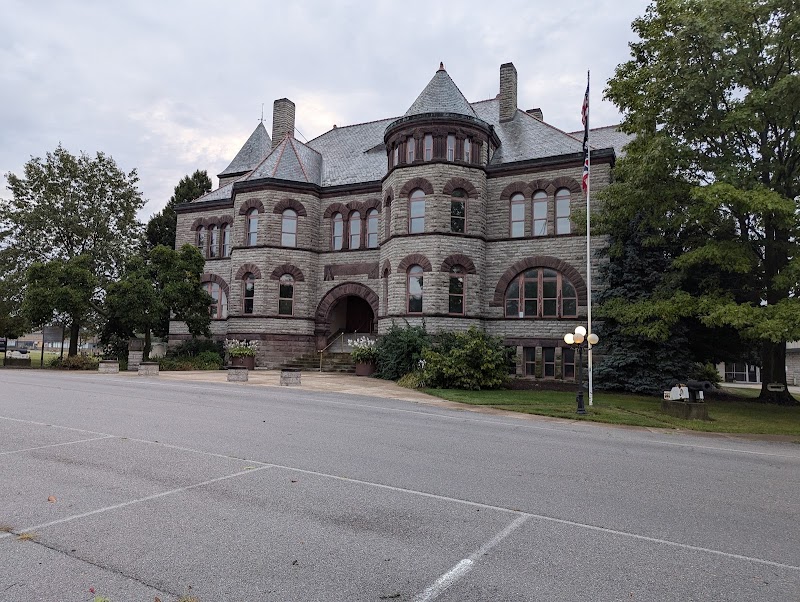
OHIO VETERANS HOME

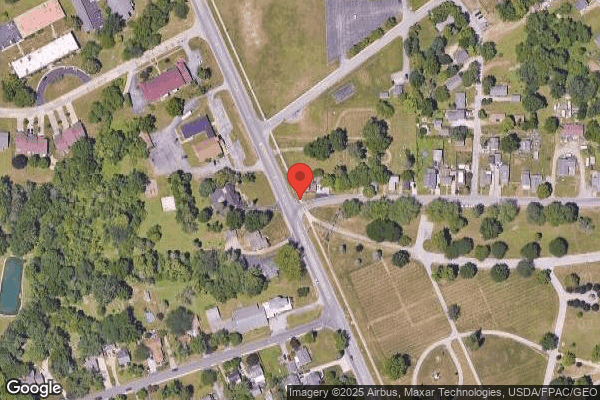
3416 COLUMBUS AVE, SANDUSKY, OH 44870 (419) 625-2454
Government - State 427 Beds Independent Data: November 2025
Trust Grade
75/100
#136 of 913 in OH
Last Inspection: January 2024

Within standard 12-15 month inspection cycle. Federal law requires annual inspections.

Overview

The Ohio Veterans Home in Sandusky has a Trust Grade of B, indicating it is a good choice for families looking for care, as it falls within the solid range of the grading scale. It ranks #136 out of 913 facilities in Ohio, placing it in the top half, and #3 out of 8 in Erie County, meaning there are only two local options that are better. The facility's performance has been stable, maintaining the same number of issues over the past two years. Staffing is a strong point, with a 5-star rating and a turnover rate of 30%, much lower than the state average, which suggests that staff are experienced and familiar with the residents. However, there have been some concerning incidents, such as a resident suffering a femur fracture during a transfer that was supposed to involve two staff members, and another resident received a laceration during a similar transfer. Additionally, there was a failure to follow proper food safety standards, which could affect all residents. Overall, while the facility has strong staffing and good rankings, these incidents highlight areas that need improvement.

Trust Score
B
75/100
In Ohio
#136/913
Top 14%
Safety Record
Moderate
Needs review
Inspections
Holding Steady
5 → 5 violations
Staff Stability
○ Average
30% turnover. Near Ohio's 48% average. Typical for the industry.
Penalties
✓ Good
No fines on record. Clean compliance history, better than most Ohio facilities.
Skilled Nurses
✓ Good
Each resident gets 45 minutes of Registered Nurse (RN) attention daily — more than average for Ohio. RNs are trained to catch health problems early.
Violations
⚠ Watch
18 deficiencies on record. Higher than average. Multiple issues found across inspections.
★★★★★
5.0
Overall Rating
★★★★★
5.0
Staff Levels
★★★★★
5.0
Care Quality
★★★☆☆
3.0
Inspection Score
Stable
2024: 5 issues
2025: 5 issues

The Good

  • 5-Star Staffing Rating · Excellent nurse staffing levels
  • 5-Star Quality Measures · Strong clinical quality outcomes
  • Full Sprinkler Coverage · Fire safety systems throughout facility
  • No fines on record
  • Staff turnover below average (30%)

    18 points below Ohio average of 48%

Facility shows strength in staffing levels, quality measures, fire safety.

The Bad

Staff Turnover: 30%

15pts below Ohio avg (46%)

Typical for the industry

The Ugly 18 deficiencies on record

2 actual harm
Jun 2025 4 deficiencies 1 Harm
SERIOUS (G) 📢 Someone Reported This

A family member, employee, or ombudsman was alarmed enough to file a formal complaint

Actual Harm - a resident was hurt due to facility failures

Accident Prevention (Tag F0689)

A resident was harmed · This affected 1 resident

**NOTE- TERMS IN BRACKETS HAVE BEEN EDITED TO PROTECT CONFIDENTIALITY** Based on medical record review, review of a self-reported incident (SRI) and related investigation documents, review of a hospit...

Read full inspector narrative →
**NOTE- TERMS IN BRACKETS HAVE BEEN EDITED TO PROTECT CONFIDENTIALITY** Based on medical record review, review of a self-reported incident (SRI) and related investigation documents, review of a hospital record, review of an employee skills checklist, and policy review, the facility failed to complete resident transfers using a mechanical lift with appropriate assistance as care planned and as ordered. Actual Harm occurred on 04/29/25 when Resident #2, who was care planned for two-person assistance with all personal care and had a physician order to always be transferred using two people, was transferred in her room by one staff member using a mechanical lift without assistance. Resident #2 sustained a right femur fracture as a result of the improper transfer. This affected one (#2) of three residents reviewed for accidents. The facility census was 223. Findings Include: Review of Resident #2's medical record revealed the resident was admitted to the facility on [DATE] with diagnoses that included dementia, peripheral vascular disease, and constipation. Review of the most recent Minimum Data Set (MDS) 3.0 assessment dated [DATE] revealed Resident #2 was severely cognitively impaired and required extensive assistance of two staff persons for completing her activities of daily living (ADLs) including transfers. Review of the care plan for Resident #2 dated 08/04/21 revealed Resident #2 required two staff persons for all personal care. Review of Resident #2's physician orders revealed an order dated 03/17/23 for Resident #2 to always be transferred by two persons. Review of an SRI and related investigation documentation dated 04/29/25 revealed on 04/29/25 Resident #2 was observed at dinner at approximately 7:45 P.M. and was noted to be not be acting right. Registered Nurse Clinical Care Coordinator (RNCCC) #200 documented noticeable painful facial grimacing and bruising to Resident #2's left leg and left facial abrasions, which RNCCC #200 felt was consistent with Resident #2 bumping her leg on the wall and rubbing her face with her hand as she often did. Upon further assessment, RNCCC #200 observed a deformity to Resident #2's right knee. Resident #2 was unable to verbalize to staff how she obtained the injuries. RNCCC #200 placed a call to Resident #2's primary care physician (PCP) and received orders to obtain x-rays of Resident #2's right knee and right hip. The facility was informed by the x-ray company that Resident #2 had a fracture to her right femur and new orders were obtained to send Resident #2 to a local hospital for evaluation. Further review of the SRI investigation dated 04/29/25 revealed common area video camera footage was reviewed by the facility's police department, the Administrator, and nursing administration. On the video, Certified Nurse Aide (CNA) #101 was seen entering Resident #2's room by herself around 5:10 P.M., bringing in a non-weight bearing lift inside the room. Approximately two minutes later, CNA #101 was seen exiting Resident #2's room with the non-weight bearing lift and placing the lift by the wall. CNA #101 then proceeded to interact with an unknown visitor. Once the interaction between the two was complete, video camera footage showed CNA #101 entered Resident #2's room by herself again, bringing the non-weight bearing lift with her. Approximately twelve (12) minutes later, CNA #101 was seen exiting the room, pushing Resident #2 in the cradle chair, and leaving the room with the non-weight bearing lift. The facility concluded after conducting interviews and statements from nursing staff and other interviews conducted by the facility police department that video footage and other investigation findings revealed CNA #101 failed to follow Resident #2's plan of care and physician orders, and failed to follow the facility policy and procedure for two staff members for all transfers with non-weight bearing residents. CNA #101 was escorted out of the building and the facility notified her staffing agency that she was placed on the do not return list. Review of the hospital x-ray evaluation dated 04/29/25 revealed Resident #2 had a supracondylar femur fracture (a fracture of the thigh bone just above the knee) with minimal comminution (a type of bone fracture where the bone breaks into three or more pieces, but the fragments are relatively small and relatively stable) and posterior displacement. Review of the document titled, Skills Checklist for State Tested Nurse Aide (STNA)/CNA, for CNA #101 dated 01/17/25, revealed CNA #101 was deemed capable to perform resident transfers. Interview with Lieutenant #300 from the facility's police department on 06/06/25 at 2:00 P.M. verified the events of the SRI dated 04/29/25 and CNA #101's failure to follow Resident #2's plan of care and physician order related to transferring the resident with resulting in the fracture of Resident #2's right femur. Interview with the Director of Nursing (DON) on 06/06/25 at 3:00 P.M. revealed, as a result of the incident when CNA #101 transferred Resident #2 by herself using a mechanical lift resulting in a fractured right femur on 04/29/25, the facility was engaging staff with re-education of the proper techniques of how to mechanical (Hoyer) lift transfer and the facility had not completed all staff education as of 06/06/25. Interview with the Assistant Director of Nursing (ADON) on 06/06/25 at 3:30 P.M. revealed she was the primary clinical investigator and during interview with CNA #101 and confirmed CNA #101 stated Resident #2's injury occurred during the transfer on 04/29/25. The ADON further stated CNA #101 did not identify she had any assistance transferring Resident #2 on 04/29/25. Review of the policy titled, Full Body Mechanical Lift Bed to Chair Transfer Work Instructions, dated 04/01/25, revealed all transfers involving the use of full body mechanical lift require two-assist for transfer. This deficiency represents non-compliance investigated under Master Complaint Number OH00165363.
CONCERN (D) 📢 Someone Reported This

A family member, employee, or ombudsman was alarmed enough to file a formal complaint

Potential for Harm - no one hurt, but risky conditions existed

Free from Abuse/Neglect (Tag F0600)

Could have caused harm · This affected 1 resident

**NOTE- TERMS IN BRACKETS HAVE BEEN EDITED TO PROTECT CONFIDENTIALITY** Based on medical record review, review of facility self-reported incidents (SRIs) and investigation documents, staff and residen...

Read full inspector narrative →
**NOTE- TERMS IN BRACKETS HAVE BEEN EDITED TO PROTECT CONFIDENTIALITY** Based on medical record review, review of facility self-reported incidents (SRIs) and investigation documents, staff and resident interview, and review a facility policy, the facility failed to ensure residents were free from verbal and physical abuse. This affected three (#3, #4, and #5) of five residents reviewed for abuse. The facility census was 223. Findings Include: 1. Review of Resident #3's medical record revealed the resident was admitted to the facility on [DATE] with diagnoses that included dementia, high blood pressure, and depression. Review of the most recent Minimum Data Set (MDS) 3.0 assessment dated [DATE] revealed Resident #3 was severely cognitively impaired and required extensive assistance of two staff persons for completing his activities of daily living (ADLs). Review of an SRI and corresponding investigation documents dated 03/20/25 revealed, on 02/06/25, staff witnesses reported that Certified Nurse Aide (CNA) #102 was deliberately agitating Resident #3 while other staff were providing Resident #3 a shower. Resident #3 was noticeably upset because of CNA #102's deliberate attempts at agitation and spit in CNA #102's face to which CNA #102 threw a towel at Resident #3, striking him in the face and head area. Upon investigation by facility administrative staff that included resident interviews, staff interviews, and record reviews, the allegation of abuse by CNA #102 to Resident #3 was substantiated. CNA #102's employment was terminated on 03/20/25. 2. Review of Resident #4's medical record revealed the resident was admitted to the facility on [DATE] with diagnoses that included dementia, high blood pressure, and major depressive disorder. Review of the most recent MDS 3.0 assessment dated [DATE] revealed Resident #4 was severely cognitively impaired and required hand on assistance of two staff persons for completing his ADLs. Review of Resident #5's medical record revealed the resident was admitted to the facility on [DATE] with diagnoses that included dementia, anxiety disorder, and wandering diseases. Review of the most recent MDS 3.0 assessment dated [DATE] revealed Resident #5 was severely cognitively impaired and required hand on assistance of two staff persons for completing his ADLs. Review of an SRI and corresponding investigation documentation dated 03/21/25 revealed CNA #103 informed administrative staff that between the dates of 03/05/25 and 03/10/25, at around 11:30 P.M., he and CNA #102 were putting Resident #5 to bed and while changing Resident #5's incontinence care products, CNA #102 took an inhalation off his nicotine vaping pen and exhaled the vapor into Resident #5's face. Further review revealed while continuing care for Resident #5, Resident #4 was heard in the hallway shouting, I do not know where to go. Upon hearing Resident #4, CNA #102 left the room and told Resident #4 to, go find a bridge to jump off of. CNA #103 confronted CNA #102 about his actions toward Resident #4 and Resident #5 and was ignored. CNA #102 was already on suspension from a previous SRI investigation and his employment was terminated subsequent to the two incidents reported on 03/20/25 and 03/21/25. Interview with Lieutenant #300 from the facility's police department on 06/06/25 at 2:00 P.M. verified both incidents of CNA #102 being verbally and physically abusive toward Resident #3, exhaling vapor into Resident #5's face during incontinence care, and being verbally abuse to Resident #4. Lieutenant #300 described CNA #102 as someone who thought they could do whatever he wanted to. Review of the policy titled, Abuse, Neglect, and Exploitation, dated 03/25/25, revealed the facility will prohibit and prevent abuse, neglect, exploitation or mistreatment, including injuries of unknown origin and misappropriation of resident property. This deficiency represents non-compliance investigated under Complaint Number OH00163793.
CONCERN (D) 📢 Someone Reported This

A family member, employee, or ombudsman was alarmed enough to file a formal complaint

Potential for Harm - no one hurt, but risky conditions existed

Deficiency F0602 (Tag F0602)

Could have caused harm · This affected 1 resident

**NOTE- TERMS IN BRACKETS HAVE BEEN EDITED TO PROTECT CONFIDENTIALITY** THE FOLLOWING DEFICIENCY REPRESENTS AN INCIDENT OF PAST NONCOMPLIANCE THAT WAS SUBSEQUENTLY CORRECTED PRIOR TO THIS SURVEY. Base...

Read full inspector narrative →
**NOTE- TERMS IN BRACKETS HAVE BEEN EDITED TO PROTECT CONFIDENTIALITY** THE FOLLOWING DEFICIENCY REPRESENTS AN INCIDENT OF PAST NONCOMPLIANCE THAT WAS SUBSEQUENTLY CORRECTED PRIOR TO THIS SURVEY. Based on medical record review, review of facility self-reported incidents (SRI) and related investigation documents, staff and resident interview, review of local new reports, and review of a facility policy, the facility failed to ensure residents were free from misappropriation. This affected one (#1) of five residents reviewed for misappropriation. The facility census was 223. Findings Include: Review of Resident #1's medical record revealed the resident was admitted to the facility on [DATE] with diagnoses that included type two diabetes, chronic kidney disease, and gout. Review of the most recent Minimum Data Set (MDS) 3.0 assessment revealed Resident #1 was cognitively intact and required hands on assistance from one staff person for completing his activities of daily living (ADLs). Review of an SRI and corresponding investigation documentation dated 03/31/25 revealed the facility was made aware of a claim that Resident #1 was missing between $1000 and $1500. Resident #1 alleged that theft was done by an African American staffing agency nurse aide. An investigation was immediately initiated which included resident interviews, staff interviews of all staff on-site at the time of the alleged theft, and medical record reviews. During an interview with the facility's police force, Certified Nurse Aide (CNA) #100 confessed to the theft of Resident #1's money from the wallet that was hanging on Resident #1's wheelchair while CNA #100 was in the room. The facility's police force obtained consent to search CNA #100's vehicle and a bag with $1050 was noted in the middle console of CNA #100's vehicle in dominations of $20 bills and $50 bills. Review of a statement completed by Lieutenant #300 with the facility's police department dated 04/03/25 revealed CNA #100 was questioned about Resident #1's money and confessed to take $1050 out of the resident's bag/wallet hanging over his chair while she was in his room. Review of a local news report dated 04/30/25 revealed CNA #100 was booked into the local county jail on 04/04/25 and charged with theft from the elderly which was classified as a fourth-degree felony and carried at minimum a six-month jail sentence to a maximum of 18 months. Interview with the Administrator on 06/06/25 at 10:00 A.M. verified the facility was made aware of an allegation of misappropriation of Resident #1's funds and immediately began an investigation. The Administrator stated through investigation it was determined CNA #100 was responsible for stealing Resident #1's money. Interview with Resident #1 on 06/06/25 at 10:30 A.M. stated he had money taken from his room and it was reported to the facility. Resident #1 stated the facility conducted and investigation and caught the person that stole it. Review of the policy titled, Abuse, Neglect, and Exploitation, dated 03/25/25, revealed the facility will prohibit and prevent abuse, neglect, exploitation or mistreatment, including injuries of of unknown origin and misappropriation of resident property. As a result of the incident, the facility took the following actions to correct the deficient practice by 04/08/25: • On 03/31/25, all staff working at the time of the alleged incident were interviewed and questioned by both facility clinical staff and the police department. • On 03/31/25, CNA #100 was escorted off the property upon confession of the theft. • On 03/31/25, CNA #100's employer was contacted and CNA #100 was put on the do not return list for the facility. • On 03/31/25, CNA #100 was reported to the Nurse Aide Registry. • On 03/31/25, all residents with a Brief Interview for Mental Status (BIMS) score of eight (indicating moderate cognitive impairment) or higher were interviewed regarding concerns with CNA #100 or any other staff related to misappropriation with no negative findings. All residents with BIMS scores indicating they were cognitively impaired had their medical records reviewed for concerns of misappropriation with no issues identified. The interviews and medical record reviews were completed by 04/01/25. • On 04/03/25, Resident #1's stolen funds were returned to the resident after processing for the criminal investigation into CNA #100's actions. • Immediately after the incident, all staff were assigned an online education regarding abuse, neglect, and misappropriation with all staff completing the in-service as of 04/08/25. • Review of facility SRIs on 06/06/25, completed between 04/01/25 and 05/19/25, revealed no further confirmed allegations of misappropriation and no trends or patterns were identified. • On 06/06/25, review of four (#2, #3, #4, and #5) additional resident medical records revealed no concerns related to misappropriation. This deficiency represents non-compliance investigated under Complaint Number OH00164401.
CONCERN (D) 📢 Someone Reported This

A family member, employee, or ombudsman was alarmed enough to file a formal complaint

Potential for Harm - no one hurt, but risky conditions existed

Report Alleged Abuse (Tag F0609)

Could have caused harm · This affected 1 resident

**NOTE- TERMS IN BRACKETS HAVE BEEN EDITED TO PROTECT CONFIDENTIALITY** Based on medical record review, review of a self-reported incident (SRI) and related investigation documents, staff interview, a...

Read full inspector narrative →
**NOTE- TERMS IN BRACKETS HAVE BEEN EDITED TO PROTECT CONFIDENTIALITY** Based on medical record review, review of a self-reported incident (SRI) and related investigation documents, staff interview, and review of a facility policy, the facility failed to timely report an allegation of abuse to the State Survey Agency in a timely manner. This affected one (#3) of five residents reviewed for abuse. The facility census was 223. Findings Include: Review of Resident #3's medical record revealed the resident was admitted to the facility on [DATE] with diagnoses that included dementia, high blood pressure, and depression. Review of the most recent Minimum Data Set (MDS) 3.0 assessment dated [DATE] revealed Resident #3 was severely cognitively impaired and required extensive assistance of two staff persons for completing his activities of daily living (ADLs). Review of an SRI and corresponding investigation documents dated 03/20/25 revealed, on 02/06/25, staff witnesses reported Certified Nurse Aide (CNA) #102 was deliberately agitating Resident #3 while other staff were providing Resident #3 his shower. Resident #3 was noticeably upset and spit in CNA #102's face, to which CNA #102 threw a towel at the resident striking Resident #3's in the face and head area. Further review revealed the alleged incident was reported to the State Survey Agency more than a month after it occurred. Interview with the current Administrator on 06/06/25 at 3:45 P.M. verified the previous Administrator did not report the allegation which occurred on 02/06/25 involving Resident #3 and CNA #102 to the State Survey Agency in a timely manner. Review of the policy titled, Abuse, Neglect, and Exploitation, dated 03/25/25, revealed the nursing home administrator shall be designated the Abuse Prevention Coordinator at the facility. This employee is responsible for reporting allegations or suspected abuse, neglect, or exploitation to the state survey agency and other officials in accordance with state law. The facility will report to the Administrator immediately but no later than two (2) hours after the allegation was made, if the events of the allegation involved abuse or resulted in serious bodily injury or not later than 24 hours if the events that caused the allegation do not involve abuse and do not results in serious bodily injury. The facility will also report to the state agency, adult protective services, law enforcement, and to all other required agencies, as applicable. This deficiency represents non-compliance investigated under Master Complaint Number OH00165363.
Jan 2025 1 deficiency
CONCERN (D) 📢 Someone Reported This

A family member, employee, or ombudsman was alarmed enough to file a formal complaint

Potential for Harm - no one hurt, but risky conditions existed

Smoking Policies (Tag F0926)

Could have caused harm · This affected 1 resident

**NOTE- TERMS IN BRACKETS HAVE BEEN EDITED TO PROTECT CONFIDENTIALITY** Based on review of the medical record, review of a police report, review of an incident report, observation, staff interview, an...

Read full inspector narrative →
**NOTE- TERMS IN BRACKETS HAVE BEEN EDITED TO PROTECT CONFIDENTIALITY** Based on review of the medical record, review of a police report, review of an incident report, observation, staff interview, and policy review, the facility failed to ensure a resident was adequately assessed for unsupervised smoking and failed to follow the smoking policy. This affected one (#84) of three residents reviewed for smoking safety. The facility identified 38 residents who smoked. The facility census was 223. Findings include: Review of the medical record revealed Resident #84 had an admission date of 12/30/13 and a readmission date of 10/20/23. Diagnoses included paranoid schizophrenia, type two diabetes mellitus, osteoarthritis, anxiety disorder, depression, unspecified psychosis, insomnia, and polyneuropathy. Review of the annual Minimum Data Set (MDS) assessment dated [DATE] revealed the resident had impaired cognition. The resident required supervision for walking and was independent in wheelchair. Review of the care plan initiated 10/29/23 for Resident #84 revealed the resident had schizophrenia with potential for delusions and hallucinations. Interventions included administering medications as ordered and monitoring for adverse effects and effectiveness of medications, to monitor and record episodes of hallucinations or delusions, and psychiatric consults as ordered. Further review of the care plan revealed Resident #84 had episodes of agitation raising voice and yelling at staff. Interventions included to immediately intervene if altercation with another resident, notify physician as needed, one to one visits as needed, find cause of agitation and rectify, encourage resident to vent feelings. Review of a physician order dated 01/31/24 revealed an order for oxygen two liters per minute per nasal cannula, if using oxygen mask adjust flow meter to at least five liters per minute for pulse oximeter of less than 88 percent as needed for shortness of breath. Review of a physician order dated 10/24/24 revealed the resident had order for quetiapine 25 milligrams (mg), one tablet by mouth in evening for insomnia and schizophrenia. Review of psychiatric progress notes dated 11/21/24 revealed the resident had been taken off most of his psychiatric medications due to a physical illness. The resident had recovered physically and had more mental health signs and symptoms. The nursing staff stated the resident had become more paranoid and agitated. The resident was started on quetiapine 25 milligrams (mg) daily after last visit. The resident denied hallucinations and paranoid beliefs at the time of the visit. Review of a nurses note dated 12/31/24 at 7:55 A.M. revealed Resident #84 had hallucinations. The resident's antipsychotic medication quetiapine was increased to 50 mg at bedtime. Review of a psychiatric progress note dated 01/09/25 revealed nursing had reported increased paranoia and agitation in the resident. The resident denied paranoia and hallucinations at the time of the visit. The resident was noted as more stable on quetiapine and to continue current medications. Review of social service progress note dated 01/15/25 revealed the resident requested a carton of cigarettes. The social worker asked the resident what made him decide to smoke and the resident replied he used to smoke and missed it. Review of a nurses note dated 01/16/25 at 7:16 A.M. revealed the resident pulled out his indwelling urinary catheter and yelled at nurse it was not needed and refused to have it replaced. Review of a physician order dated 01/16/25 at 11:35 A.M. revealed Resident #84 was an unsupervised smoker. Review of a smoking assessment dated [DATE] at 11:36 A.M., revealed the resident smoked in the designated smoking area and displayed safe smoking. Further review of the smoking assessment revealed the assessment evaluated the functional ability to smoke. The smoking assessment form had not indicated if other pertinent safety factors were evaluated including medical conditions (i.e. oxygen use), mental health symptoms, and cognition level before determining if a resident required supervision or no supervision while smoking. Review of a police report dated 01/16/25 at 1:15 P.M. revealed Housekeeper #250 reported a fire in an auditorium on the second floor. Staff #260 reported exiting his office and noticing a small flame in the auditorium as Resident #84 was exiting the room. Housekeeper #250 grabbed a fire extinguisher while Staff #260 grabbed the bin with flames and carried to the open area in the room. Staff #260 stated the fire was put out using the fire extinguisher. Video footage was later observed and confirmed Resident #84 entered the auditorium at 1:07 P.M. in his wheelchair. Resident #84 proceeded to a table with tissues and blew his nose. Resident #84 then removed five tissues from the box then wheeled to the pool table and scattered the balls on the table. Resident #84 then went to the north corner of the room touching items on the shelf with his back to the camera. At 1:11 P.M. Resident #84 turns and looks around the room. At 1:12 P.M. a small fire flames/illuminating light appeared near the area the resident was located. Resident #84 placed a tissue that was lit on fire into the bin. Smoke was observed in the air. Resident #84 placed what was believed to be tissues on the shelf where the flame was located. At 1:13 P.M. Staff #260 entered the auditorium noticed the flames, requested a fire extinguisher from Housekeeper #250 who was walking by. Staff #260 confronted Resident #84 who threw his hands in the air saying he does not know what happened as he exited the room. Staff #260 picked up and carried the bin with flames to an open area. Housekeeper #250 brought a fire extinguisher and Staff #260 used the extinguisher to put the fire out. The police were called and the fire department was notified. There was very little property damage. The police asked Resident #84 for his cigarettes and lighter and the resident provided them. Resident #84 was interviewed and denied starting the fire even after watching the video and stated it was not me. The Administrator stated the resident would be placed on one-on-one staff supervision until he could be evaluated at the hospital. It was noted in the police report the resident had a Brief Interview for Mental Status (BIMS) score of 11 out of 15 showing cognitive impairment. The resident's St. Louis University Mental Status (SLUMS) score was 16 out of 30 showing signs of dementia. The resident was also diagnosed with paranoid schizophrenia. Review of an incident report dated 01/16/25 at 1:29 P.M. revealed Resident #84 was not burned and had no injuries. The resident was burning items and witnessed by the police department on video surveillance. The resident's smoking materials were brought to the nurse by the police department. The resident was placed on one-one-supervision. Notifications were made to the physician, nurse practitioner, social worker, Administrator, Director of Nursing, and family. Review of a nurses note dated 01/16/25 at 1:29 P.M., revealed the police department was on the unit looking for Resident #84 for starting a fire in the auditorium with cards. Nurse took possession of the resident's cigarettes and lighter. Review of a progress note dated 01/16/25 at 1:55 P.M. revealed the resident set a fire and would now be a supervised smoker. Review of a progress note dated 01/16/25 at 2:25 P.M., revealed a BIMS was completed and the resident scored 11 out of 15 indicating cognitive impairment. Review of a social service note dated 01/16/25 at 2:47 P.M. revealed the social worker met with the resident. The resident denied starting a fire and stated he was playing pool. Resident continued to deny starting the fire even after he was told the incident was on camera. The social worker completed a slums assessment with the resident scoring a 16 out of 30 noting the resident had an eight grade education. Review of a progress note dated 01/16/25 at 3:06 P.M. revealed the physician approved of the resident on one-on-one supervision. Review of a social service note dated 01/16/25 at 5:12 P.M. revealed the resident agreed to go to the hospital for an evaluation for a psychiatric evaluation. Observation on 01/27/25 at 8:46 A.M. revealed there was a camera in the auditorium on the second floor. There were tables in the room and a pool table. Along the back wall there were shelves with books and activities like cards and puzzles. Further observation revealed no signs of fire, smoke or fire damage. Later observation of the grey plastic bin the fire was started in revealed the bin was melted on one end. Inside the bin were partially burned playing cards. Interview on 01/27/25 at 9:37 A.M., with the Administrator and Director of Nursing (DON) revealed after the fire incident on 01/16/25, the facility reviewed the smoking policy and smoking assessment with no changes made. Prior to the incident unsupervised/independent smokers could keep their lighters and cigarettes in their possession. The Administrator revealed staff were reeducated on the fire policy and smoking policy with new instructions to assess cognitive function using BIMS and SLUMS. Those with low scores were evaluated for supervised smoking. The Administrator revealed all smoking residents were reevaluated and all were now supervised while smoking. The DON revealed Resident #84 last used the as needed oxygen on 12/31/24. Further interview with the DON on 01/27/25 at 12:35 P.M. revealed she could not determine if Resident #84 had an oxygen concentrator in place for use on 01/16/24 when he was determined to be an unsupervised smoker in possessions of his cigarettes and lighter. The DON revealed the resident should not have had an oxygen concentrator in his room when he was allowed to have a lighter and cigarettes. Observation on 01/27/25 beginning at 10:40 A.M. in the designated smoking area outside the building revealed there were two extinguished cigarettes on the ground in the resident smoking area. Further observations revealed Resident #129 and Resident #40 were supervised by video surveillance while smoking. Licensed Practical Nurse (LPN) #300 had also been present in the smoking area. Registered Nurse (RN) #302 provided the residents with cigarettes and lit the resident's cigarettes. Interviews on 01/27/25 at 10:40 A.M., LPN #300 and at 10:43 A.M. with RN #302 each verified an extinguished cigarette was on the ground and had not been properly disposed of in the ash container. Further observation on 01/27/25 at 12:54 P.M., in Resident #84's room revealed there was an oxygen in use no smoking sign on the resident's door to the room. Resident #84 had no oxygen concentrator on his side of the shared room. Resident #84's roommate (Resident #12) had an oxygen concentrator on his side of the room and was ordered four liters of oxygen per nasal cannula continuous. Interview on 01/27/25 at 12:54 P.M., Certified Nursing Assistant (CNA) #200 verified Resident #84's roommate had an oxygen concentrator in the room and required continuous oxygen use. Interview on 01/28/25 at 6:55 A.M., the DON revealed supervision for smoking was determined by the smoking assessment. The DON verified the smoking assessment form does not instruct the nurse to evaluate medical condition (i.e. oxygen use), mental health symptoms or cognition when determining if a resident was considered a supervised or unsupervised smoker. The DON revealed there was nowhere to document those things on the form. The DON revealed supervised smokers were not allowed to keep their cigarettes and lighter. Unsupervised smokers could always keep their own cigarettes and lighters with them. The DON revealed some residents just need supervision to get to and from the smoking area and were observed from a distance. Other residents required staff to be present with them. The DON revealed RN #490 had completed Resident #84's smoking assessment how the nurses were told to do it and the resident demonstrated safe smoking. The DON revealed RN #490 should have evaluated the resident's order for oxygen and discontinued the order if the resident was not using the oxygen. The DON revealed the resident was not on the radar for behavioral concerns. The DON revealed staff thought it was odd that Resident #84 wanted to start smoking and provided education to the resident about smoking. The DON verified the facility was not evaluating the residents' cognition at the time of the smoking assessment as stated in the smoking policy. The DON also revealed prior to the fire they had not been considering current medical conditions and a in determining supervision level. Interview on 01/28/25 at 7:08 A.M., RN #490 revealed completing the smoking assessment for Resident #84 on 01/16/25. RN #490 revealed a resident's supervision level was determined by the smoking assessment form and nothing else. RN #490 revealed Resident #84 had an order for oxygen but was not using it. RN #490 revealed the resident smoked safely, and knew where to go to smoke so he was an unsupervised smoker and was allowed to keep his cigarettes and lighter. RN #490 was not having any hallucinations at the time of the smoking assessment. Interview on 01/28/25 at 7:47 A.M. RN #492 revealed for a smoking assessment the resident was taken outside to smoke and observed for hand dexterity, not dropping ashes and distinguishing the cigarette in the bin. RN #492 revealed health conditions and mental health conditions were not considered when evaluating the resident's level of supervision needed. RN #492 revealed the smoking policy stated nothing in regard to medical conditions. Interview on 01/28/25 at 7:53 A.M., RN #494 revealed a function smoking assessment along with a resident's diagnoses, medical conditions, mental health issues and cognition were evaluated to determine if a resident was a supervised or unsupervised smoker. RN #494 revealed residents on oxygen could not have smoking materials. RN #494 revealed residents with hallucinations would need to be supervised especially if they are going through an adjustment period with medications. RN #494 revealed everyday something changes regarding smoking. RN #494 revealed the policy should be clearer and more direct with more training. RN #494 revealed the facility had not been proactive just reactive when something happens. Interview on 01/28/25 at 8:19 A.M., RN #496 revealed the smoking assessment form was used to determine if a resident needed supervision while smoking. RN #496 revealed we check if the resident can hold and dispose of the cigarette. RN #496 revealed some need direct one on one assistance and some were just watched through a camera but we should be a little closer. RN #496 revealed if a resident or the resident's roommate was on oxygen then the resident should not have a lighter. RN #496 revealed if a resident had an increase in delusions or hallucinations then they should not have a lighter or smoke unsupervised. RN #496 revealed the smoking policy was confusing and does not clearly state things. Interview on 01/28/25 at 8:33 A.M., Registered Nurse (RN) #498 revealed smoking assessments were completed upon admission, readmission, and quarterly. RN #498 revealed they would observe the resident smoke. RN #498 revealed if the resident knew where to smoke, could hold, light, and ash the cigarette and where to extinguish the cigarette and not put on the ground then the resident was an independent smoker. RN #498 revealed she was not sure if a resident experiencing increases in mental health symptoms like delusions or hallucinations should be supervised or independent or have a lighter. RN #498 revealed previously she had not allowed one resident to keep his lighter because both his roommate and next door neighbor were on oxygen. RN #498 revealed the policy had some grey areas. RN #498 revealed after the fire the residents were now monitored more closely. Interview on 01/28/25 at 9:06 A.M., the Administrator revealed the facility was still in the process of evaluating the smoking policy and the smoking assessment forms as part of their performance improvement plan. Interview on 01/28/25 at 9:15 A.M., Licensed Social Worker (LSW) #600 revealed on 01/14/25 Resident #84 asked for cigarettes. LSW #600 revealed the resident was not a current smoker. LSW #600 revealed the resident stated he had smoked in the past and wanted a cigarette to smoke. LSW #600 revealed the cigarettes were purchased on 01/15/25 and given to the nurses on 01/16/25. LSW #600 revealed the resident had no alarming behaviors and she had not witnessed the resident having delusions or hallucinations. LSW #600 revealed after the fire she had evaluated the resident's cognition which was low which could be due to the resident's eighth grade education. LSW #600 further revealed Resident #94 denied starting the fire. Review of the policy Smoking, dated 02/02/24, revealed the provision of ashtrays but no direction to ensure cigarettes were extinguished in the provided ashtrays. No smoking signs would be maintained where oxygen was used. Resident who smoke would be assessed to determine if it was safe to smoke unsupervised using the assessment form. Smoking materials of supervised smoking resident would be maintained by the nursing staff. Unsupervised smokers could maintain smoking materials if stored safely and only used in designated smoking areas. All resident's on oxygen would be supervised smokers. If a resident who smokes experiences any decline in condition or cognition, they would be reassessed for ability to smoke and/or evaluate whether any additional safety measures were required. Documentation/information to support decision making of the assessment would be included in the medical record including assessment of relevant functional and cognitive factors affecting ability to smoke safely. Further review of the policy revealed no guidelines if an unsupervised smoker was allowed to maintain smoking materials if there roommate was on oxygen. Review of the policy Oxygen Safety, revised 03/18/24, revealed No Smoking signs would be used to identify oxygen in use and would remain in place until oxygen administration had been discontinued. No smoking rules would be strictly enforced while oxygen was in use including the removal of smoking materials from resident receiving oxygen. This deficiency represents non-compliance investigated under Complaint Number OH00161827.
Jan 2024 5 deficiencies
CONCERN (D)

Potential for Harm - no one hurt, but risky conditions existed

Deficiency F0558 (Tag F0558)

Could have caused harm · This affected 1 resident

Based on observations, medical record review and staff interviews, the facility failed to provide the resident with a table of appropriate height to ensure proper eating for one (#139) of 40 sampled r...

Read full inspector narrative →
Based on observations, medical record review and staff interviews, the facility failed to provide the resident with a table of appropriate height to ensure proper eating for one (#139) of 40 sampled residents. The facility census was 186. Finding include: Review of Resident #139's medical record identified admission to the facility occurred on 05/18/23. Diagnoses included Parkinson's disease, dementia, major depression, diabetes and prostate cancer. Review of Resident #139's record identified on 06/01/23 his weight was 161 pounds and on 01/02/24 his weight was 141 pounds, which was a 12.4% loss. Review of Resident #139's plan of care for nutritional concerns identified Resident #139's goal was to ensure adequate intake to prevent weight loss. The plan included interventions for dining which included to ensure the resident was in an upright posture for oral intake and alternating solids and liquids with each bite. Observation of Resident #139 on 01/10/24 at 8:29 A.M., revealed the resident was in the dining room. The dining room was observed with tables of varying heights. Resident #139 was observed at a table that was higher than others located in the room. Resident #139 was observed with his neck area at the same height as the top of the table. Resident #139 was observed to be reaching up to attempt to eat foods in front of him. Interview with Registered Nurse (RN) #436 on 01/10/24 at 8:29 A.M. confirmed Resident #139's chair was too low to the ground to comfortably eat. The interview confirmed Resident #139's wheelchair had a lowered seat, therefore when in front of a table he was positioned to low. Observation of Resident #139 on 01/11/24 at 9:04 A.M. revealed the resident was in his wheelchair at the dining table. Resident #139 had to reach up to get to his food and was poorly positioned. Interview with Therapeutic Program Worker (TPW) #710 on 01/11/24 at 9:04 A.M. confirmed Resident #139 was positioned poorly to the table in the dining room. TPW #710 confirmed since his wheelchair was so low when he was sitting up to the table he had to reach up to try and eat.
CONCERN (D)

Potential for Harm - no one hurt, but risky conditions existed

Deficiency F0657 (Tag F0657)

Could have caused harm · This affected 1 resident

Based on review of medical records, resident and staff interviews, the facility failed to ensure residents were included in their care plan meetings. This affected two (#17 and #95) of 40 sampled resi...

Read full inspector narrative →
Based on review of medical records, resident and staff interviews, the facility failed to ensure residents were included in their care plan meetings. This affected two (#17 and #95) of 40 sampled residents. The facility census was 186. Findings include: 1. Review of Resident #17's medical record identified admission to the facility occurred on 05/24/19. Diagnoses included major depression, diabetes, obesity and anxiety. The records identified Resident #17 with intact cognition. Review of care meeting notes dated 07/27/23 at 11:54 A.M. identified no participation including Resident #17 in his care plan choices. Review of Resident #17's most recent care meeting notes dated 11/09/23 at 12:15 P.M. identified the meeting was held on a phone conference; however, the conference did not include the resident. Interview with Resident #17 on 01/08/24 at 11:51 A.M. revealed he has not attended any care plan meetings, but would like to. Interview with Licensed Social Worker (LSW) #700 on 01/11/24 at 10:04 A.M. revealed residents were not being invited to their care meetings because I share an office with another LSW. LSW #700 confirmed she never thought about going to Resident #17's private room to do the meeting. 2. Review of Resident #95's medical record identified admission to the facility occurred on 01/22/19. Diagnoses included dementia, diabetes, high blood pressure and depression. Review of the Minimum Data Set (MDS) assessment, dated 10/13/23, revealed Resident #95 had moderately impaired cognition. Review of Resident #95's social services notes dated 10/25/23 at 11:48 A.M. identified his care conference was held. The notes identified Resident #95 was out of the building attending a facility activity at the time the meeting was held. Review of social services notes dated 07/26/23 at 11:29 A.M. identified a care meeting was held and Resident #95 was out of the facility at a baseball game. Interview on 01/08/24 at 10:40 A.M., Resident #95 stated he has not participated in any meetings about his care and would like to. Interview with LSW #560 on 01/10/24 at 1:49 P.M. confirmed the facility has not been working to ensure care meetings are being held at a time convenient for residents and they were not working around planned activities. The interview confirmed Resident #95 has not been able to participate in his last two meetings because they were scheduled when he was on facility initiated activities.
CONCERN (D)

Potential for Harm - no one hurt, but risky conditions existed

Deficiency F0685 (Tag F0685)

Could have caused harm · This affected 1 resident

**NOTE- TERMS IN BRACKETS HAVE BEEN EDITED TO PROTECT CONFIDENTIALITY** Based on record review, resident and staff interviews, the facility failed to ensure residents receive proper treatment and assi...

Read full inspector narrative →
**NOTE- TERMS IN BRACKETS HAVE BEEN EDITED TO PROTECT CONFIDENTIALITY** Based on record review, resident and staff interviews, the facility failed to ensure residents receive proper treatment and assistive devices to maintain their hearing abilities. This affected one (#79) of one resident identified with hearing issues. The facility census was 186. Findings include: Review of Resident #79's medical records revealed he was admitted on [DATE]. Diagnoses included dementia, psychotic disturbance, mood disturbance, and anxiety. Review of the Minimum Data Set assessment dated [DATE] revealed Resident #79 had moderate cognitive impairment and hearing difficulties. Observation on 01/10/24 at 9:48 A.M. revealed Therapeutic Program Worker (TPW) #460 pushing Resident #79 in a wheelchair. TPW #460 was leaning close towards his ear saying Can you hear me? Resident #79 did not respond. During an interview with Resident #79 on 01/08/24 at 11:46 A.M., Resident #79 was observed at that time with no hearing aides and his television was very loud. Resident #79 stated he has a hard time hearing sometimes and he doesn't have any hearing aides. Interview with Licensed Practical Nurse (LPN) #418 on 01/10/24 at 8:21 A.M. identified she has never known Resident #79 not to be able to hear that well. LPN #418 confirmed Resident #79 has had no audiology exams since his admission oo 06/06/19.
CONCERN (D)

Potential for Harm - no one hurt, but risky conditions existed

Accident Prevention (Tag F0689)

Could have caused harm · This affected 1 resident

Based on observation, resident interview, staff interview, and policy review, the facility failed to ensure safe smoking. This affected two residents (#43 and #171) of two residents reviewed for smoki...

Read full inspector narrative →
Based on observation, resident interview, staff interview, and policy review, the facility failed to ensure safe smoking. This affected two residents (#43 and #171) of two residents reviewed for smoking. The facility census was 186. Findings include: 1. Review of the medical record for Resident #171 revealed an admission date of 11/03/22. Diagnoses included chronic obstructive pulmonary disease, chronic respiratory failure with hypoxia, and chronic respiratory failure with hypercapnia. Review of the Minimum Data Set (MDS) assessment, dated 11/03/23, revealed Resident #171 had cognition impairment. Review of the MDS assessment revealed Resident #171 utilized oxygen. Review of the care plan, dated 11/16/23, revealed Resident #171 was a smoker and smoked unsupervised. Interventions included following smoking policy and procedure, smoking only in designated areas, storing cigarettes and lighter in medication room, and may keep one or two cigarettes on his person. Further review of the care plan revealed Resident #171 had a history of chronic respiratory failure with hypoxia and hypercapnia with interventions in place to apply two liters of oxygen via nasal cannula when going to bed and remove in the morning. Review of the physician orders dated 12/30/22 revealed Resident #171 had an order in place for two liters oxygen via nasal cannula every evening and night shift when resident goes to bed and remove in the morning. Review of the physician orders dated 07/18/23 revealed Resident #171 had an order in place to be an unsupervised smoker, have cigarettes and lighter stored in medication room, and may have one or two cigarettes at a time. Review of the quarterly Smoking Safety Evaluation dated 10/29/23 revealed Resident #171 was a smoker and did not require supervision. Observation and interview on 01/08/24 at 10:34 A.M. revealed Resident #171 was a smoker and went to the designated smoking area multiple times a day. Resident #171 revealed he kept his smoking paraphernalia in his pockets. Observation revealed multiple cigarettes and a lighter located in his coat pocket. An oxygen concentrator was located adjacent to the bed. Interview on 01/08/24 at 12:14 P.M. with Licensed Practical Nurse (LPN) #424 revealed cigarettes and lighter were to be kept locked in the medication room per the smoking policy. LPN #424 revealed Resident #171 kept his lighter on him and asked for two cigarettes at a time when going to smoke. LPN #424 revealed Resident #171 had a history of being caught smoking in his room and he utilized oxygen. Interview on 01/10/24 at 9:06 A.M. with LPN #422 revealed Resident #171 utilized oxygen only at night. He was an independent smoker but his cigarettes and lighter were locked in the medication room. Observation on 01/10/24 at 10:04 A.M. revealed Resident #171 exited his room and exited the facility to the designated smoking area without stopping at the nursing station. Resident #171 was observed retrieving his cigarette and lighter from his coat pocket, lit the cigarette, and started smoking. Observation and interview on 01/10/24 at 10:15 A.M. with LPN #422 revealed Resident #171 entered the facility placing cigarettes and lighter in his pocket and returned to his room. LPN #422 confirmed Resident #171 had a smoke break without retrieving any cigarettes and lighter from her or the medication room. LPN #422 also verified he kept his cigarettes and lighter on his person after entering the building. 2. Review of the medical record for Resident #43 revealed an admission date of 07/13/18. Diagnoses included chronic obstructive pulmonary disease (COPD), bilateral age-related cataracts, and nicotine dependence. Review of the MDS quarterly assessment, dated 12/22/23, revealed Resident #43 had intact cognition. Review of a physician's order, dated 04/21/23, identified Resident #43 as an independent, unsupervised smoker with use of a protective smoke apron. Review of Resident #43's care plan, revised 07/08/23, revealed Resident #43 was able to smoke independently and unsupervised with the use of a smoke apron. Review of Resident #43's Smoking Safety Evaluation, dated 12/16/23, revealed Resident #43 had no burns to his skin or clothing and did not drop ashes on himself. Observation on 01/09/24 at 10:12 A.M. revealed Resident #43 seated in his motorized wheelchair. Cigarette ashes were noted on his lap. He had his smoking supplies, a pack of cigarettes and a lighter, in the left breast pocket of his jacket. There were multiple circular burns observed in his clothing. Observation on 01/10/24 at 9:27 A.M. revealed Resident #43 mobilized himself in his motorized wheelchair down the elevator and out the main entrance to the designated smoking area. He did not have on a smoke apron. Resident #43 retrieved his smoking supplies out of his left breast pocket and proceeded to smoke. Interview on 01/10/24 at 9:35 A.M. with Housekeeper #351, stationed near the main entrance, verified Resident #43 was not wearing a smoke apron. Housekeeper #351 stated he never wore a smoke apron. Observation and interview on 01/10/24 at 9:53 A.M. with Resident #43 revealed he mobilized himself back up to the nursing unit. Resident #43 was observed with ashes on his lap and no smoke apron on. Resident #43 verified he never wore a smoke apron when he went outside to smoke. Resident #43 stated the smoke apron was overkill and he did not need it, nor did he wear it. Resident #43 stated he only dropped a few ashes here and there. Interview on 01/10/24 at 9:57 A.M. with Therapeutic Program Worker (TPW) #461 verified Resident #43 had ashes on his lap. TPW #461 stated she believed he had a smoking apron but he did not routinely wear it. Interview on 01/10/24 at 9:53 A.M. with LPN #407 revealed Resident #43 had a smoke apron in his room but refused to wear it. LPN #407 stated the staff occasionally reminded him to wear it. LPN #407 verified he was still able to go out to smoke independently whether he wore the smoke apron or not. Interview on 01/11/24 at 9:19 A.M. with Registered Nurse Clinical Care Coordinator (RNCCC) #433 verified Resident #43 had holes in his clothing from cigarette burns but believed them to be old holes. RNCCC #433 stated his family recently sent him new clothing and the staff are monitoring the new clothing for new holes. RNCCC #433 verified Resident #43's care plan and physician's orders identified the need for a smoke apron while out smoking independently but he did not consistently wear it. Review of the facility policy titled Smoking, dated 04/26/23, revealed all residents who smoke will be assessed to determine if the resident is safe to smoke unsupervised. Any resident deemed safe to smoke using the assessment form will be allowed to smoke in designated smoking areas, at designated times, and in accordance with their care plan with supervision as per facility policy. All safe smoking measures will be documented on each resident's care plan and communicated to all staff, visitors, and volunteers responsible for supervising residents while smoking. If a resident does not abide by the policy or their care plan, including refusal to wear protective gear, the resident's care plan may be revised to include additional measures such as prohibited smoking or even discharge. The interdisciplinary team, with guidance from the physician, will help to support the resident's right to make an informed decision regarding smoking by developing a safe smoking plan. Documentation to support decision making will be included in the medical record, including resident's wishes, assessment of relevant functional and cognitive factors affecting ability to smoke safely, response to smoking cessation intervention and compliance with the smoking policy.
CONCERN (D)

Potential for Harm - no one hurt, but risky conditions existed

Deficiency F0697 (Tag F0697)

Could have caused harm · This affected 1 resident

**NOTE- TERMS IN BRACKETS HAVE BEEN EDITED TO PROTECT CONFIDENTIALITY** Based on observations, medical record review, review of facility policy, and resident and staff interviews, the facility failed ...

Read full inspector narrative →
**NOTE- TERMS IN BRACKETS HAVE BEEN EDITED TO PROTECT CONFIDENTIALITY** Based on observations, medical record review, review of facility policy, and resident and staff interviews, the facility failed to provide adequate pain management which resulted in actual harm to Resident #111 who continued to have uncontrolled pain at a level of 8 out of 10 (with 10 being the highest level). This affected one (#111) of two residents reviewed for pain management. The facility census was 186. Findings include: Review of Resident #111's medical record revealed an admission date of 08/22/23. Diagnoses included chronic pain, chronic obstructive pulmonary disease (COPD), anxiety, depression, and mental and behavioral disorders. Review of Resident #111's quarterly pain assessment, dated 11/16/23, revealed pain over the last five days making it hard to sleep at night, which is frequently limiting his day to day activities. Resident has indicated his pain was moderate and rated as an eight out of 10. The care planning interventions included for the physician to check mark which interventions to utilize in helping the resident's pain revealed no pain interventions were checked and were left blank. Review of Resident #111's Medication Administration Record (MAR) for January 2024 revealed an order for ibuprofen 200 milligrams (mg) twice a day for pain. Nothing was ordered for pain to be given as needed (PRN). Review of the Physician-Patient Encounter Note dated 11/29/2023 revealed the resident was assessed by Physician #553 for an evaluation. Review of the physician's encounter note revealed question number nine on this form asked for the resident's most recent pain level, pain scale and date. All those questions were left blank. The note revealed the resident complained of new onset left hand pain. He reported the pain had been going on for a couple weeks. The pain was more severe in his third digit at the metacarpophalangeal (MCP) joint. The resident also complained of bilateral knee pain. The resident was offered a topical treatment and an occupational therapy evaluation, which he refused. The note revealed to continue current treatment with no changes in medications. Observation of Resident #111 on 01/08/24 at 11:26 A.M. revealed resident sitting in his recliner chair appearing irritated and anxious. Interview on 01/08/24 at 11:26 A.M. with Resident #111 revealed he was angry as he has been in frequent and uncontrolled pain since he admitted and the facility staff have done nothing to address it. He further stated he has notified multiple staff, including Physician #553. Upon his admission Physician #553 decreased his ibuprofen and this dosage is ineffective in relieving his pain. Resident #111 stated he wants his ibuprofen dosage back to what he was originally taking before coming to this facility, which consisted of ibuprofen 400 mg three times a day. Resident #111 stated he was currently receiving ibuprofen 200 mg twice a day and he has been in pain since the dosage decrease. He further stated Physician #553, along with all the other facility staff, were aware of how he has been feeling regarding his pain and they are well aware of how he feels about the decrease in this pain medication. He stated he has been offered Tylenol and has told the nursing staff, along with Physician #553, that Tylenol upsets his stomach and he cannot take it. Interview on 01/10/24 at 1:00 P.M. with Registered Nurse (RN) #436 confirmed Resident #111's quarterly pain assessment dated [DATE] was accurate. RN #436 confirmed the resident was not receiving any PRN pain medications. Interview with Licensed Practical Nurse (LPN) #396 on 01/10/24 at 08:40 A.M. revealed the medical team has discussed with Resident #111 other options. The medical team reviewed his labs and only wanted to put him on one ibuprofen due to his labs indicating there was a decline in his kidney function. Resident #111 wants his medications given his way and not the way the physician has ordered. LPN #396 stated Resident #111 currently has an order for ibuprofen 200 mg to be given in the morning and at bedtime. LPN #396 stated this is the only pain medication Resident #111 can have at this time. Interview on 01/10/24 at 11:11 A.M., LPN #396 stated she called Physician #553 and notified her Resident #111 wanted to be seen today regarding his pain and to increase his ibuprofen. LPN #396 stated Physician #553 said Resident #111's pain was all well documented regarding his ibuprofen order and complaints of his pain. Physician #553 stated she would try to see Resident #111 today, but if she was not able to see Resident #111 today, she would see him when she became available. Additional review of the medical record revealed a progress note dated 01/10/2024 revealed Nurse Practitioner (NP) #551 was asked to see this resident for multiple complaints. Resident #111's first complaint was pain in his hands and knees which he rated as a six out of 10 on the pain scale, stating this pain was an ache. The resident stated that he was diagnosed with arthritis and had been taking ibuprofen 400 mg three times a day, which provided relief. Resident #111 stated he was upset that when he was admitted into this this facility, the ibuprofen was decreased to 200 mg twice a day. Further review of this note reveals he did not want any arthritis cream or muscle rub, no K-Pad, or any acetaminophen. Resident #111 was adamant he had tried all of these things in the past and they were ineffective. Resident #111 insisted the ibuprofen at 400 mg three times a day was all that would work. He had been taking it that way for over twenty years without any problems and it reduced his pain down to a two or three, which was tolerable. Resident #111 stated to NP #551 he was left-handed and opening and doing things etc., was difficult for him. NP #551 thanked the resident for his time, and stated the ibuprofen would be looked at. NP #551 documented after evaluating Resident #111's laboratory (lab) results for his basic metabolic panel from December 2023, as well as his lab results for his comprehensive metabolic panel from August 2023, his kidney function was good on those two occasions. NP #551 increased the ibuprofen to 400 mg three times a day. Review of the January 2024 MAR revealed ibuprofen 400 mg three times a day was ordered on 01/10/24. Review of the facility policy titled Pain Management Work Instructions,dated 05/13/08, revealed a pain assessment and treatment program is used to evaluate the resident's pain consistently and accurately. For 4-6 (moderate pain) give Tylenol 650 mg and reassess. If unrelieved in one hour but minimized, attempt diversional activities. If pain persists beyond 48 hours and/or the condition worsens, notify physician for standing orders. Further review of this policy reveals if the pain is a 7-10 (severe pain) give Tylenol 650 mg per standing order or specific ordered pain medication for severe pain. Reassess and if unrelieved notify physician. The policy further reveals the process of treating acute or chronic unrelieved pain is to notify the physician with consideration of a referral to neurologist, pain clinic, or other. Unit Supervisor to evaluate use of PRN pain medication and refer to physician if needed when the PRN medication is used routinely. For moderate to severe pain that occurs every day, formulate a pain management program with specific interventions that address the resident's individual needs.
Oct 2019 5 deficiencies 1 Harm
SERIOUS (G)

Actual Harm - a resident was hurt due to facility failures

Accident Prevention (Tag F0689)

A resident was harmed · This affected 1 resident

**NOTE- TERMS IN BRACKETS HAVE BEEN EDITED TO PROTECT CONFIDENTIALITY** Based on medical record review, staff interview, resident interview, review of hospital documentation, review of mechanical lift...

Read full inspector narrative →
**NOTE- TERMS IN BRACKETS HAVE BEEN EDITED TO PROTECT CONFIDENTIALITY** Based on medical record review, staff interview, resident interview, review of hospital documentation, review of mechanical lift manufacturer instructions, review of facility mechanical lift policy, and review of facility incident investigation documentation, the facility failed to ensure residents were provided with appropriate supervision during a transfer using a mechanical lift. This resulted in actual harm when Resident #433 sustained a 5.0 centimeter (cm) laceration to the right anterior shin which required suturing. The resident was being transferred with a mechanical lift with only one staff person. This affected one (Resident #433) of three residents reviewed for use of mechanical lift for transferring. Facility census was 390. Findings include; Review of the medical record revealed Resident #433 was admitted to the facility on [DATE]. Diagnoses included myasthenia gravis, type II diabetes mellitus, dementia, major depression, chronic obstructive pulmonary disease, post traumatic stress disorder, chronic kidney disease, atrial fibrillation, anxiety disorder, chronic respiratory failure, and congestive heart failure. Review of the Minimum Data Set (MDS) assessment dated [DATE] revealed Resident #433 was alert, oriented, and able to make needs known. The resident was dependent on staff for the completion of activities of daily living (ADL), and required extensive physical assistance of two staff for bed mobility, transfer, and personal hygiene. The resident utilized a wheelchair for mobility. Review of a a physician order dated 04/27/17 revealed the resident required a non-weight bearing (Hoyer) lift to be used at all times for all transfers. Review of a nursing plan of care dated 07/24/19 was initiated to address fall risk. Interventions included the resident was an assist up in manual wheelchair daily. Additionally, a plan of care was developed on 07/24/19 to address the residents need for assistance with ADLs. Interventions included two staff assist with ADLs. There was no documentation on the care plans that indicated the number of staff to support the resident during a mechanical Hoyer lift for transfer. Review of an evaluation report for skin injury form, located in the medical record, revealed on 10/03/19 at 6:30 P.M. the resident was alert and oriented times two. The nurse was attempting to transfer Resident #433 with the mechanical Hoyer lift. The lift got stuck and the residents leg was stuck between the bed and the lift (Hoyer). The nurse attempted to remove the residents leg and the corner of the box on the Hoyer lift sliced the residents leg open, resulting in a laceration to the lateral right lower extremity. The lift indicated the battery was full but the lift would not go up. Review of nursing notes dated 10/03/19 at 7:16 P.M. revealed Resident #433's right anterior shin had an open area measuring 5.0 cm in length with adipose tissue exposure. Non-weight bearing Hoyer lift malfunctioned while licensed practical nurse (LPN) #400 was assisting the resident to bed. The resident sustained a large laceration with a large amount of bleeding. Pressure was placed to the laceration for over five minutes until bleeding stopped. The resident was subsequently sent to the emergency room for treatment. Review of nursing notes dated 10/03/19 at 7:25 P.M. noted the resident was being transferred to bed by LPN #400 when his leg hit on part of the Hoyer. State Tested Nurse Aide (STNA) #300 reported the Hoyer was not working properly. The maintenance staff were informed and removed the lift from service. Review of hospital documentation dated 10/03/19 noted the resident was treated for a laceration of the leg. The resident was placed on an antibiotic Keflex 500 milligrams (mg) every six hours for seven days and had six sutures placed to close the injury. On 10/24/19 at 8:15 A.M. interview with STNA#302 revealed residents were transferred either using one assist or two assist depending on their functional status and ability to comply with instructions while using the lift. Some residents were transferred using one staff member. On 10/24/19 at 9:10 A.M. interview with the Director of Nursing (DON) during a review of the facility full body mechanical lift instructions (policy) updated 04/04/19 noted in red print indicating all transfers involving the use of full body mechanical lift require two assist for transfer. The DON was unaware the mechanical lift policy required two staff to be utilized during a mechanical (Hoyer) lift transfer. On 10/24/19 at 11:04 A.M. interview with Resident #433, in his room, revealed when he sustained the laceration to his leg only one staff member performed the mechanical lift. Since that incident single staff members have provided transfers using the Hoyer lift from bed to chair and chair to bed. On 10/24/19 at 11:15 A.M. interview with LPN #401 and LPN #402 revealed they would use one person for transferring residents during a Hoyer lift transfer. The LPN's were unaware the facility policy indicated two staff were required. Further interview during a review of nursing and STNA care plans identified no documentation to direct staff on a specific number of staff to assist with Hoyer lift transfers. On 10/24/19 at 11:44 A.M. interview with STNA #301 during a review of STNA care plan intervention verified no directive was listed for Resident #433 referring to the number of staff to be present during a Hoyer lift transfer. On 10/24/19 at 1:43 P.M. interview with Assistant DON #101 verified she was unaware the Hoyer lift policy indicated two staff were to be utilized with mechanical lift transfers. According to the skin injury status post Hoyer lift malfunction investigation undated verified LPN #400 was transferring Resident #433 using the full body mechanical lift. LPN#400 was alone when the lift malfunctioned causing Resident #433's leg to become stuck between the bed frame and the lift. When LPN#400 attempted to remove Resident #433's leg from between the bed and lift, Resident #433's leg struck the corner of the Hoyer lift box and caused a laceration to his leg. The laceration resulted in Resident #433 being transported to the hospital emergency room to have six sutures put into place to close the wound. As a result of the incident corrective action was noted to remove the broken Hoyer lift from service. No documentation included staff utilized the appropriate number of staff when transferring residents while using the full body mechanical lift or the timely reporting of malfunctioning equipment. Review of manufacturer instructions for EZ Way Smart Lift (mechanical lift) revised 06/13/11 revealed the lift was designed to be operated safely by one caregiver. However, depending on the situation, facility policy, and the patients condition, two caregivers may be necessary. Review of facility policy entitled Full Body Mechanical Lift Bed To Chair Transfer Work Instructions with a revised date of 04/04/19 revealed all transfers involving the use of full body mechanical lift require two assist for transfer.
CONCERN (D)

Potential for Harm - no one hurt, but risky conditions existed

Resident Rights (Tag F0550)

Could have caused harm · This affected 1 resident

**NOTE- TERMS IN BRACKETS HAVE BEEN EDITED TO PROTECT CONFIDENTIALITY** Based on medical record review, observation, resident interview, and staff interview, the facility failed to ensure residents' d...

Read full inspector narrative →
**NOTE- TERMS IN BRACKETS HAVE BEEN EDITED TO PROTECT CONFIDENTIALITY** Based on medical record review, observation, resident interview, and staff interview, the facility failed to ensure residents' dignity was respected during the dining experience. This affected one (Resident #26) of two residents reviewed for dignity. The facility census was 390. Finding Include: Review of Resident #26's medical record revealed an admission date of 02/03/10. Diagnoses included dementia with behavioral disturbance, major depressive disorder, Alzheimer's disease, osteoarthritis, peripheral vascular disease, hypertension, diverticulitis, anemia, heart failure and chronic kidney disease. Review of the Minimum Data Set (MDS) dated [DATE] revealed Resident #26 was moderately cognitively impaired. Resident #26 required supervision for bed mobility, transfer, walking and eating. Resident #26 required extensive assistance with with dressing, toilet use, and personal hygiene. Resident #26 displayed verbal behavioral symptoms directed toward others, behavioral symptoms not directed toward others and rejection of care daily during the review period. Review of Resident #26's care plan revised 10/15/19 revealed supports and interventions for self-care deficit, toileting schedule, risk for falls, risk for skin breakdown, risk for weight loss, pain, asthma, depression, potential drug related side effects, and agitation. Observation on 10/21/19 at 11:38 A.M. of the 300 South dining room revealed Resident #26 was seated in a wheelchair at a dining room table. Resident #26 was wearing a loosely tied hospital gown exposing most of Resident #26's back. Resident #26 also had an empty urinal hooked to the seat on the back of his wheelchair. Interview on 10/21/19 at 11:44 A.M. with Resident #26 revealed Resident #26 required staff assistance with dressing and urinal use. Resident #26 stated he would want his gown tied better when he was in the dining room but he could not reach it himself. Resident #26 also stated he did not want his urinal hanging on the back of his wheelchair. Interview on 10/21/19 at 11:57 A.M. with State Tested Nursing Assistant (STNA) #510 verified Resident #26 was in the dining room with his back exposed because his gown was loosely tied. STNA #510 verified the urinal was hooked to the back of the residents wheelchair.
CONCERN (D)

Potential for Harm - no one hurt, but risky conditions existed

Quality of Care (Tag F0684)

Could have caused harm · This affected 1 resident

**NOTE- TERMS IN BRACKETS HAVE BEEN EDITED TO PROTECT CONFIDENTIALITY** Based on medical record review, observation and staff interview, the facility failed to ensure residents were properly positioni...

Read full inspector narrative →
**NOTE- TERMS IN BRACKETS HAVE BEEN EDITED TO PROTECT CONFIDENTIALITY** Based on medical record review, observation and staff interview, the facility failed to ensure residents were properly positioning with positioning devices while in wheelchairs. This affected two (Residents #239 and #354) of three residents reviewed for positioning. The facility census was 390. Findings Include: 1. Review of Resident #239's medical record revealed an admission date of 07/08/19. Diagnoses included mood disorder, anxiety disorder, depressive disorder, dementia, history of falling, and peripheral vascular disease. Review of the Minimum Data Set (MDS) assessment dated [DATE] revealed the resident had moderately impaired cognition. The assessment listed the resident as requiring extensive to total assistance for locomotion on and off the unit. Review of Resident #239's care plan dated 08/15/19 revealed the resident utilized a tilt in space wheelchair. Observation on 10/22/19 at 2:41 P.M. of Resident #239 revealed the resident sitting up in tilt in space wheelchair with no head support on the wheelchair. There was no device for the resident to lay his head on. Observation on 10/23/19 at 9:12 A.M. revealed the resident sitting in tilt in space wheelchair with no head support on the wheelchair. Interview on 10/23/19 at 10:12 A.M. with Occupational Therapist (OT) #104 verified Resident #239 did not have a head rest in place on his tilt in space wheelchair. OT #104 stated when the resident was discharged from OT services the tilt in space wheelchair did have a head rest. At the time of the interview, OT #104 observed the tilt in space wheelchair and she noted the bracket for the head rest had been removed. Observation on 10/24/19 at 9:56 A.M. revealed the resident sitting in tilt in space wheelchair with no head support on wheelchair. 2. Review of Resident #354's medical record revealed an admission date of 04/08/11. Diagnoses included schizophrenia, peripheral vascular disease, diabetes, hypertension, history of falls, dysphagia, and chronic kidney disease. Review of the MDS assessment dated [DATE] revealed the resident had moderately impaired cognition. The assessment listed the resident as being totally dependent on staff for locomotion on the unit. Review of Resident #354's care plan dated 05/03/19 revealed the resident utilized a tilt in space wheelchair with elevating leg rests. Review of Resident #354's physician order dated 05/03/19 revealed an order for tilt in space wheelchair with elevated leg rests. Observation on 10/22/19 at 9:13 A.M. of Resident #354 revealed the resident reclined in tilt in space wheelchair with no foot rests in place and legs dangling. Observation on 10/23/19 at 10:13 A.M. of the resident revealed the resident sitting in tilt in space wheelchair with no leg rests and legs dangling. Interview at the time of the observation with OT #104 verified Resident #354 did not have leg rests in place on his tilt in space wheelchair. Observation on 10/24/19 at 10:00 A.M. of the resident revealed the resident sitting in tilt in space wheelchair with no leg rests and legs dangling.
CONCERN (E)

Potential for Harm - no one hurt, but risky conditions existed

Menu Adequacy (Tag F0803)

Could have caused harm · This affected multiple residents

Based on observation and staff interview, the facility failed to provide staff recipes for pureed diets. This directly affected 14 residents (#3, 21, 89, 114, 164, 200, 232, 250, 300, 364, 377, 381, 3...

Read full inspector narrative →
Based on observation and staff interview, the facility failed to provide staff recipes for pureed diets. This directly affected 14 residents (#3, 21, 89, 114, 164, 200, 232, 250, 300, 364, 377, 381, 383 and 384) who the food was prepared for. The facility identified 19 residents who received a pureed diet. The facility census was 390. Findings include: Observation on 10/23/19 at 8:29 A.M., revealed [NAME] #165 placed eight slices of bread in a food processor with roast beef and gravy. After pureeing the mixture, [NAME] #165 divided the mixture into seven separate containers, covered the containers with plastic wrap and marked each container with a specific unit (unit A, D1 and D2, 2 North, B, C, D and 1 North) to be served to the residents on each unit who were ordered a pureed diet. Interview on 10/23/19 at 9:21 A.M., [NAME] #165 revealed she was not sure how may slices of bread she was supposed to use per serving for each pureed open face roast beef sandwich. [NAME] #165 further revealed she did not have a recipe to follow so she put in what she felt was adequate. [NAME] #16 confirmed she pureed 21 servings of open face roast beef sandwiches for 14 residents (#3, 21, 89, 114, 164, 200, 232, 250, 300, 364, 377, 381, 383 and 384) who resided on unit A, D1 and D2, 2 North, B, C, D and 1 North. [NAME] #165 further confirmed she used a total of eight pieces of bread for the 21 servings of pureed open face roast beef sandwiches. Interview on 10/23/19 at 9:23 A.M., Food Services Supervisor #550 confirmed each serving of open faced roast beef sandwiches should have had one slice of bread for each serving. Interview on 10/24/19 at 2:19 P.M., Director of Food Services (DFS) #560 confirmed each serving of open faced roast beef sandwiches should have had one slice of bread for each serving. DFS #560 further confirmed the facility could not find a recipe for open faced roast beef sandwiches for pureed diets. The facility was unable to provide a policy directly related to preparing pureed diets.
CONCERN (F)

Potential for Harm - no one hurt, but risky conditions existed

Food Safety (Tag F0812)

Could have caused harm · This affected most or all residents

Based on observation, staff interview and review of a facility policy, the facility failed to store, prepare, distribute and serve food in accordance with professional standards for food service safet...

Read full inspector narrative →
Based on observation, staff interview and review of a facility policy, the facility failed to store, prepare, distribute and serve food in accordance with professional standards for food service safety. This had the potential to affect all residents who resided in the facility except Resident #150 who was identified by the facility to not receive meals from the kitchen. The facility census was 390. Findings include: Observation of food storage on 10/23/19 at 8:56 A.M., revealed a plastic scoop was stored inside of a cardboard box of a powdered thickening agent (a substance which can increase the viscosity of a liquid). Interview on 10/23/19 at 9:21 A.M., [NAME] #165 verified a plastic scoop was stored inside the cardboard box of a powdered thickening agent. Observation on 10/23/19 at 10:07 A.M., revealed a plastic scoop was stored inside of a plastic bin of brown sugar. Interview on 10/23/19 at 10:08 A.M., Food Services Supervisor #550 verified a plastic scoop was stored inside the plastic bin of brown sugar. Review of a facility policy titled, Dry Storage, most recent revision date 07/11/18, revealed container with tight fitting covers were to be used for storing sugars, cereal, grain products and broken lots of bulk food. Further review revealed scoops were not to be stored directly in the product in the storage bins.
Sept 2018 3 deficiencies
CONCERN (D)

Potential for Harm - no one hurt, but risky conditions existed

Resident Rights (Tag F0550)

Could have caused harm · This affected 1 resident

**NOTE- TERMS IN BRACKETS HAVE BEEN EDITED TO PROTECT CONFIDENTIALITY** Based on medial record review, observation, and review of facility policy the facility failed to ensure residents with indwellin...

Read full inspector narrative →
**NOTE- TERMS IN BRACKETS HAVE BEEN EDITED TO PROTECT CONFIDENTIALITY** Based on medial record review, observation, and review of facility policy the facility failed to ensure residents with indwelling catheters had their catheters managed in a dignified manner. This affected one Resident (#147) of four reviewed for activity of daily living (ADL) care. The facility identified 41 residents as having indwelling catheters. In addition, the facility failed to ensure dependent residents were dressed on a daily basis. This affected one Resident (#352) of four reviewed for ADL care. The facility identified 24 residents as being dependent for dressing. The facility census was 392. Findings Include: 1. Review of Resident #147's medical record revealed an admission date of 12/04/16. Diagnoses included hyperlipidemia, chronic atrial fibrillation, hypertension, major depressive disorder, hemiplegia, dysphagia, and anxiety disorder. Review of Resident #147's Minimum Data Set (MDS) dated [DATE] revealed the resident was cognitively intact. Resident #147 required extensive assistance with transfer, dressing, and personal hygiene. Resident #147 was totally dependent on staff for toilet use. Resident #147 had an indwelling catheter. Review of Resident #147's care plan updated 07/10/18 revealed supports and interventions for ADL assistance, risk for falls, pain, indwelling catheter, risk for aspiration, risk for dehydration, risk for malnutrition, limited range of motion, and refusal of care. Observation on 09/10/18 at 11:48 A.M. found Resident #147 in bed with a full, uncovered, catheter bag hanging on the side of the bed. Resident #147 emitted a strong smell of body odor and urine. At the time of the observation Resident #147 was interviewed but the resident refused to comment on his hygiene or catheter bag. Interview on 09/10/18 at 11:49 A.M. with Licensed Practical Nurse (LPN) #410 verified Resident #147's catheter bag was full, uncovered, and visible from the hallway. LPN #410 lifted the full catheter bag and placed it in the catheter bag cover. Review of facility policy titled, Urinary Catheterization Work Instructions, dated 05/16/11 revealed the collection bag was to be emptied on each shift and as needed. Drainage bags should be placed in cloth/vinyl bag for aseptic purposes. 2. Resident #352 was admitted to the facility on [DATE] with diagnosis including cerebral vascular disease, depression, anemia, cognitive communication deficit, chronic kidney disease, anxiety, coronary artery disease, dementia. Review of the most current MDS assessment dated [DATE] identified the resident with moderately impaired cognition, dependent on staff for the completion of ADL and rejection of care. Review of a nursing plan of care dated 11/13/17 revealed the residents need for assistance with ADL's. Interventions included to allow the resident time to complete task as able, monitor the need for clothing or personal care items and assist with purchasing, two staff assist with all care. Additionally on 11/21/17 a plan of care was developed due to the resident's behavior of resistance to care. Interventions included explain procedures prior to beginning, use two care givers with care, when episodes of refusing care are noted approach with calm manner, explain all care, attempt to address any concerns related to care, notify social worker or Registered Nurse for follow up. Surveyor observations on 09/10/18 at 11:10 A.M., 1:00 P.M., 2:20 P.M. and on 09/11/18 at 11:08 A.M., 1:09 P.M. and 2:55 P.M. noted the resident was in bed wearing a hospital house gown. The resident had a wardrobe closet with approximately five shirts and one pair of pants. On 09/11/18 at 2:58 P.M., interview with State Tested Nurse Aide (STNA) #101 revealed no attempts were made to get the resident dressed due to behavioral concerns and resistance to care. STNA #101 also noted the resident lacked adequate clothing. On 09/11/18 at 3:01 P.M., interview with Licensed Practical Nurse (LPN) #200 confirmed the resident was resistive to care and was not dressed or out of bed on 09/10/18 or 09/11/18. Review of the medical record for 09/10/18 and 09/11/18 revealed no documentation indicating the resident was resistive to care on those dates.
CONCERN (D)

Potential for Harm - no one hurt, but risky conditions existed

ADL Care (Tag F0677)

Could have caused harm · This affected 1 resident

**NOTE- TERMS IN BRACKETS HAVE BEEN EDITED TO PROTECT CONFIDENTIALITY** Based on medical record review, observation, and review of facility policy the facility failed to ensure residents who required ...

Read full inspector narrative →
**NOTE- TERMS IN BRACKETS HAVE BEEN EDITED TO PROTECT CONFIDENTIALITY** Based on medical record review, observation, and review of facility policy the facility failed to ensure residents who required staff assistance with activities of daily living (ADL), received adequate care. This affected one Resident (#147) of four residents reviewed for ADLs. The facility census was 392. Findings Include: Review of Resident #147's medical record revealed an admission date of 12/04/16. Diagnoses included hyperlipidemia, chronic atrial fibrillation, hypertension, major depressive disorder, hemiplegia, dysphagia, and anxiety disorder. Review of Resident #147's Minimum Data Set (MDS) dated [DATE] revealed the resident was cognitively intact. Resident #147 required extensive assistance with transfer, dressing, and personal hygiene. Resident #147 was totally dependent on staff for toilet use and required supervision, set up only, for eating. Resident #147 displayed the behavior of rejecting care one to three days out of the review period. Review of Resident #147's care plan updated 07/18/18 revealed supports and interventions for risk for falls, pain, indwelling catheter, risk for aspiration, risk for dehydration, risk for malnutrition, limited range of motion, refusal of care, and activities of daily living assistance. Resident #147 disliked changing clothes, bathing, shaving (trimming beard) and haircuts. A specific care plan goal revealed Resident #147 would receive appropriate level of support to adequately and safely complete ADLs while maintaining maximum level of independence. Resident #147 would be clean, dressed, and well groomed each day through the review. Interventions for episodes of refusal of care were to redirect as needed, speak softly, listen to complaint, and reproach at a later time in a calm manner Inappropriate behaviors were to be monitored and document. Review of Resident #147's ADL Exception Comments form revealed Resident #147 refused a brief change on 08/14/18 and refused breakfast on 09/12/18. No other refusals were documented. Review of Resident #147's behavior log revealed tracking was completed for the behavior of refusing of showers. Resident #147 refused showers on 08/04/18, 09/05/18, 09/08/18 and 09/12/18. Showers were listed as being provided on 08/01/18, 08/08/18, 08/11/18, 08/15/18, 08/22/18, 08/26/18, 08/29/18 and 09/01/18. Resident #147's behavior log was silent to refusal of dressing, or other ADL care. Observation on 09/10/18 at 11:48 A.M. revealed Resident #147 was in bed with a full, uncovered, catheter bag hanging on the side of the bed. Resident #147 emitted a strong smell of body odor and urine. At the time of the observation, Resident #147 was interviewed and refused to comment on his hygiene or catheter bag. Interview on on 09/10/18 at 11:49 A.M. with Licensed Practical Nurse (LPN) #410 verified Resident #147 had a strong smell of urine and body odor. LPN #410 reported an oxidizer had been placed in Resident #147's room to help with the smell. LPN #410 reported Resident #147's odor had been an ongoing issue. LPN #410 also verified Resident #147's catheter bag was full and uncovered. LPN #410 lifted the full catheter bag and placed it in the catheter bag cover. Observation on 09/11/18 at 10:31 A.M. of Resident #147 revealed a strong smell of body odor and urine noted. An oxidizer was running in Resident #147's room. Resident #147's catheter bag was covered and appeared half full of urine. Resident #147 refused to answer questions. Resident #147 was found to be wearing the same clothes as the day before. Interview on 09/11/18 at 10:47 A.M. with LPN #420 revealed Resident #147 refused to drink anything but Dr. Pepper. Resident #147's urine was darker in color and had a stronger odor due to this. LPN #420 reported Resident #147 refused to shower and there was an odor from that as well. Interview on 09/11/18 at 11:00 A.M. with LPN #430 revealed Resident #147 refused to have his sheets changed and would refuse to get out of bed. LPN #430 reported the only time Resident #147 would get out of bed was to shower. LPN #430 reported Resident #147 would throw food if anything was brought to him after he declined to eat and he would hit at staff if they attempted to provide care after he refused. LPN #430 reported some of Resident #147's medications were adjusted for depression and they observed improvements with his cooperation. LPN #430 verified Resident #147 was wearing the same clothes as the day before. Interview on 09/11/18 at 4:19 P.M. with State Tested Nursing Assistant (STNA) #500 revealed Resident #147 would throw food at staff and swing at staff if they provided him food he didn't want or if they tried to provide care he didn't want. STNA #500 stated Resident #147 often refused to get dressed or cleaned up. Interview on 09/11/18 at 4:20 P.M. with LPN #440 found no refusals of care noted for Resident #147. LPN #440 verified Resident #147 was wearing the same clothes as yesterday. Interview on 09/11/18 at 4:25 P.M. with Resident #147 revealed he refused to eat breakfast and dinner. Resident #147 reported he ate all of his lunch and had been eating the snacks he had in his room. Resident #147 smelled unclean and was wearing the same clothes as yesterday (09/10/18). Resident #147 denied refusing to be changed or cleaned up. Interview on 09/12/18 at 10:30 A.M. with STNA #510 revealed Resident #147 was not cooperative with care and required total care for personal hygiene. STNA #510 reported she documented Resident #147's refusals as they were trained. STNA #510 reported Resident #147 had not refused care when STNA #510 worked with Resident #147. STNA #510 reported she would give Resident #147 time and Resident #147 would cooperate if re-approached with a calm tone and demeanor. Observation on 09/12/18 at 10:37 A.M. revealed Resident #147 watching television in his room. Resident #147's catheter bag was covered but was full and bulging. Resident #147 was dressed in a different shirt. Resident #147 still had a strong smell of body odor and urine. Resident #147 refused to be interviewed. Review of facility policy titled, Urinary Catheterization Work Instructions, dated 05/16/11 revealed the collection bag was to be emptied on each shift and as needed. Drainage bags should be placed in cloth/vinyl bag for aseptic purposes. Review of the facility policy titled, Dressing Resident Work Instructions, dated 05/13/17 revealed the policy was silent to the frequency residents should be dressed or have their clothing changed.
CONCERN (D)

Potential for Harm - no one hurt, but risky conditions existed

Incontinence Care (Tag F0690)

Could have caused harm · This affected 1 resident

**NOTE- TERMS IN BRACKETS HAVE BEEN EDITED TO PROTECT CONFIDENTIALITY** Based on medical record review, observation, staff interview and facility work instructions, the facility failed to ensure indwe...

Read full inspector narrative →
**NOTE- TERMS IN BRACKETS HAVE BEEN EDITED TO PROTECT CONFIDENTIALITY** Based on medical record review, observation, staff interview and facility work instructions, the facility failed to ensure indwelling urinary catheter care was provided accordingly. This affected one Resident (#17) of three reviewed for indwelling urinary catheter use. The facility identified 42 current residents with indwelling urinary catheters in a facility census of 392. Findings include: Resident #17 was admitted to the facility on [DATE] with diagnosis including, dementia, hypertension, benign prostatic hyperplasia, urethral stricture, urinary retention, coronary artery disease, neuromuscular dysfunction of the urinary bladder, and congestive heart failure. According to the most current minimum data set (MDS) assessment dated [DATE] the resident was identified with severe cognitive impairment, dependent on staff for the completion of activities of daily living (ADL's) and utilized an indwelling urinary catheter. According to the medical record on 10/06/16 a physician order for the placement of an indwelling (foley) urinary catheter was initiated due to the diagnosis of neurogenic urinary bladder. Catheter care was to be performed by cleansing the urinary meatus with soap and water and monitor output every shift. On 10/27/17 a nursing plan of care was initiated to address the use of the urinary indwelling catheter. Interventions included to monitor for signs and symptoms of urinary tract infection, catheter care as ordered, irrigate catheter as ordered, empty catheter drainage bag every shift, change catheter as ordered, cleanse urinary meatus with soap and water and monitor output each shift. On 09/07/18 the resident was noted to have a positive urine culture result indicating two organisms present in the urine. The organisms were identified as citrobacter fraundii and proteus mirabilis. The physician subsequently started the resident on antibiotic therapy for the treatment of a urinary tract infection. Review of the medical record lacked documentation indicating catheter care was being completed each shift. Surveyor observation on 09/12/18 at 9:20 A.M. revealed state tested nurse aide (STNA) #100 was observed at Resident #17's bedside. STNA#100 washed hands and donned non-sterile gloves. STNA#100 proceeded to expose Resident #17's perineum and obtained a disposable incontinence wipe. STNA#100 then cleansed the insertion site of the catheter, wiped the tubing and cleansed the residents scrotal area and with the same portion of incontinence wipe cleansed the insertion site and tubing. Resulting in cross contamination. Interview with STNA #100 on 09/12/18 at 9:27 A.M. verified the cross contamination during the indwelling urinary catheter care. On 09/12/18 at 11:47 A.M. interview with Assistant Director of Nursing(ADON) #1 verified the medical record did not contain documentation regarding the provision of indwelling catheter care each shift. Review of the facility catheter care work instructions updated on 06/01/17 noted the procedure to clean the catheter from the meatus down the catheter. Clean downward, away from the meatus with one stroke.
Understanding Severity Codes (click to expand)
Life-Threatening (Immediate Jeopardy)
J - Isolated K - Pattern L - Widespread
Actual Harm
G - Isolated H - Pattern I - Widespread
Potential for Harm
D - Isolated E - Pattern F - Widespread
No Harm (Minor)
A - Isolated B - Pattern C - Widespread

Questions to Ask on Your Visit

  • "Can I speak with families of current residents?"
  • "What's your RN coverage like on weekends and overnight?"

Our Honest Assessment

Strengths
  • • No fines on record. Clean compliance history, better than most Ohio facilities.
  • • 30% turnover. Below Ohio's 48% average. Good staff retention means consistent care.
Concerns
  • • 18 deficiencies on record, including 2 serious (caused harm) violations. Ask about corrective actions taken.
Bottom line: Generally positive indicators. Standard due diligence and a personal visit recommended.

About This Facility

What is Ohio Veterans Home's CMS Rating?

CMS assigns OHIO VETERANS HOME an overall rating of 5 out of 5 stars, which is considered much above average nationally. Within Ohio, this rating places the facility higher than 99% of the state's 100 nursing homes. This rating reflects solid performance across the metrics CMS uses to evaluate nursing home quality.

How is Ohio Veterans Home Staffed?

CMS rates OHIO VETERANS HOME's staffing level at 5 out of 5 stars, which is much above average compared to other nursing homes. Staff turnover is 30%, compared to the Ohio average of 46%. This relatively stable workforce can support continuity of care.

What Have Inspectors Found at Ohio Veterans Home?

State health inspectors documented 18 deficiencies at OHIO VETERANS HOME during 2018 to 2025. These included: 2 that caused actual resident harm and 16 with potential for harm. Deficiencies causing actual harm indicate documented cases where residents experienced negative health consequences.

Who Owns and Operates Ohio Veterans Home?

OHIO VETERANS HOME is owned by a government entity. Government-operated facilities are typically run by state, county, or municipal agencies. The facility operates independently rather than as part of a larger chain. With 427 certified beds and approximately 222 residents (about 52% occupancy), it is a large facility located in SANDUSKY, Ohio.

How Does Ohio Veterans Home Compare to Other Ohio Nursing Homes?

Compared to the 100 nursing homes in Ohio, OHIO VETERANS HOME's overall rating (5 stars) is above the state average of 3.2, staff turnover (30%) is significantly lower than the state average of 46%, and health inspection rating (3 stars) is at the national benchmark.

What Should Families Ask When Visiting Ohio Veterans Home?

Based on this facility's data, families visiting should ask: "Can I visit during a mealtime to observe dining assistance and food quality?" "How do you handle medical emergencies, and what is your hospital transfer rate?" "Can I speak with family members of current residents about their experience?"

Is Ohio Veterans Home Safe?

Based on CMS inspection data, OHIO VETERANS HOME has a clean safety record: no substantiated abuse findings (meaning no confirmed cases of resident harm), no Immediate Jeopardy citations (the most serious violation level indicating risk of serious injury or death), and is not on the Special Focus Facility watch list (a federal program monitoring the lowest-performing 1% of nursing homes). The facility has a 5-star overall rating and ranks #1 of 100 nursing homes in Ohio. While no facility is perfect, families should still ask about staff-to-resident ratios and recent inspection results during their visit.

Do Nurses at Ohio Veterans Home Stick Around?

OHIO VETERANS HOME has a staff turnover rate of 30%, which is about average for Ohio nursing homes (state average: 46%). Moderate turnover is common in nursing homes, but families should still ask about staff tenure and how the facility maintains care continuity when employees leave.

Was Ohio Veterans Home Ever Fined?

OHIO VETERANS HOME has no federal fines on record. CMS issues fines when nursing homes fail to meet care standards or don't correct problems found during inspections. The absence of fines suggests the facility has either maintained compliance or corrected any issues before penalties were assessed. This is a positive indicator, though families should still review recent inspection reports for the full picture.

Is Ohio Veterans Home on Any Federal Watch List?

OHIO VETERANS HOME is not on any federal watch list. The most significant is the Special Focus Facility (SFF) program, which identifies the bottom 1% of nursing homes nationally based on persistent, serious quality problems. Not being on this list means the facility has avoided the pattern of deficiencies that triggers enhanced federal oversight. This is a positive indicator, though families should still review the facility's inspection history directly.