PARKVUE HEALTH CARE CENTER
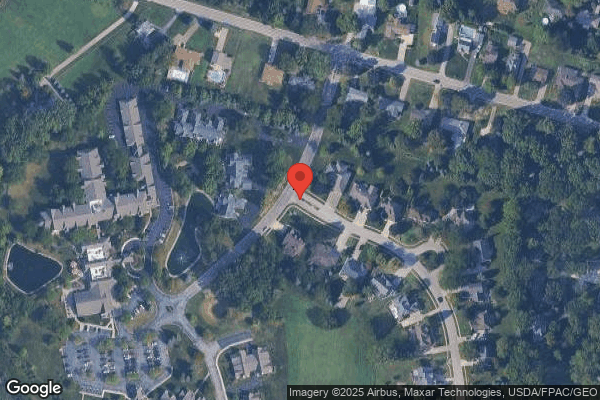
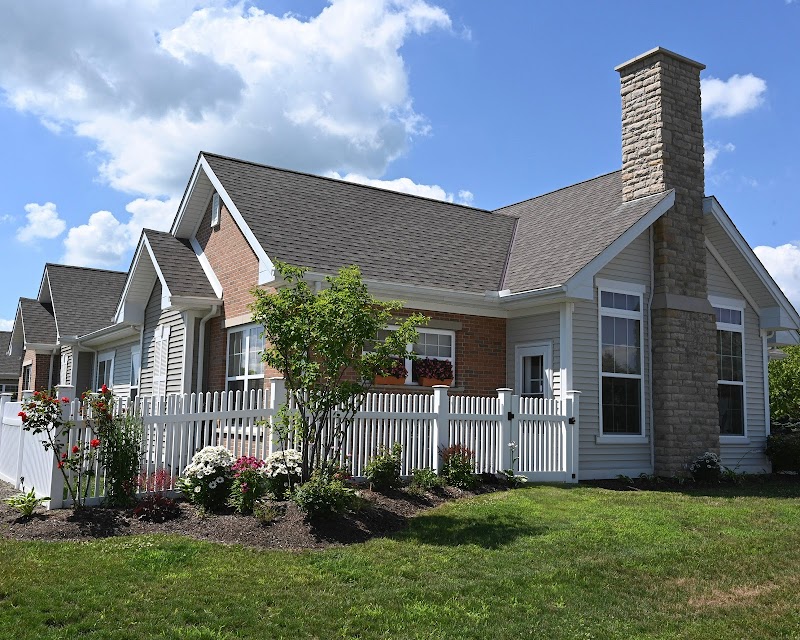
3800 BOARDWALK BLVD, SANDUSKY, OH 44870 (419) 621-1900
Non profit - Corporation 84 Beds UNITED CHURCH HOMES Data: November 2025
Trust Grade
75/100
#318 of 913 in OH
Last Inspection: October 2024

Within standard 12-15 month inspection cycle. Federal law requires annual inspections.

Overview

Parkvue Health Care Center in Sandusky, Ohio, has a Trust Grade of B, indicating it is a good choice for families considering nursing homes. It ranks #318 out of 913 facilities in Ohio, placing it in the top half, but it falls to #6 out of 8 in Erie County, meaning only one local facility is better. The trend is concerning as the number of issues has worsened from 1 in 2023 to 4 in 2024. Staffing is rated 4 out of 5 stars, but with a turnover rate of 52%, it is average compared to the state average. While the facility has not incurred any fines, which is a positive sign, there are some areas of concern, including unlabeled food items in the kitchen and heavily stained carpets throughout the facility, which could impact residents' comfort and safety.

Trust Score
B
75/100
In Ohio
#318/913
Top 34%
Safety Record
Low Risk
No red flags
Inspections
Getting Worse
1 → 4 violations
Staff Stability
⚠ Watch
52% turnover. Above average. Higher turnover means staff may not know residents' routines.
Penalties
✓ Good
No fines on record. Clean compliance history, better than most Ohio facilities.
Skilled Nurses
✓ Good
Each resident gets 48 minutes of Registered Nurse (RN) attention daily — more than average for Ohio. RNs are trained to catch health problems early.
Violations
⚠ Watch
20 deficiencies on record. Higher than average. Multiple issues found across inspections.
★★★★☆
4.0
Overall Rating
★★★★☆
4.0
Staff Levels
★★★★★
5.0
Care Quality
★★★☆☆
3.0
Inspection Score
Stable
2023: 1 issues
2024: 4 issues

The Good

  • 4-Star Staffing Rating · Above-average nurse staffing levels
  • 5-Star Quality Measures · Strong clinical quality outcomes
  • Full Sprinkler Coverage · Fire safety systems throughout facility
  • No fines on record

Facility shows strength in staffing levels, quality measures, fire safety.

The Bad

Staff Turnover: 52%

Near Ohio avg (46%)

Higher turnover may affect care consistency

Chain: UNITED CHURCH HOMES

Part of a multi-facility chain

Ask about local staffing decisions and management

The Ugly 20 deficiencies on record

Oct 2024 3 deficiencies
CONCERN (E)

Potential for Harm - no one hurt, but risky conditions existed

Deficiency F0920 (Tag F0920)

Could have caused harm · This affected multiple residents

Based on dining observations, staff interview, and review of the facility census, the facility failed to ensure there was adequate space in the dining room for 17 residents (#8, #18, #24, #31, #37, #3...

Read full inspector narrative →
Based on dining observations, staff interview, and review of the facility census, the facility failed to ensure there was adequate space in the dining room for 17 residents (#8, #18, #24, #31, #37, #39, #41, #47, #48, #49, #51, #52, #55, #59, #63, #70, and #178) currently residing on the secured unit. The facility census was 77. Findings include: Observation on 10/28/24 at 12:13 P.M. during the lunch meal revealed there were 15 residents seated in the dining room located on the secured unit. The dining room contained four square tables, one of which was up against a wall/counter. There were no open seats left in the dining room. Further observation during the lunch meal revealed Resident #41 was seated at a table designated for residents who required assistance with feeding and was actively being fed by State Tested Nursing Assistant (STNA) #338. STNA #351 then brought a 16th resident (Resident #18) to the dining area. STNA #338 moved Resident #41 to a sitting area while Resident #18 sat in Resident #41's place at the table. STNA #338 proceeded to feed Resident #41 in the sitting area, where there were no other residents. Further observation on 10/28/24 at 12:34 P.M. revealed STNA #338 finished feeding Resident #41 a cup of flavored gelatin and then left the sitting area. Resident #41 remained in the sitting area with no interaction until the rest of their lunch arrived at 12:39 P.M. Resident #41's plate was placed on a bedside table and Resident #41 was assisted with eating the rest of the lunch meal in the sitting area. An interview on 10/18/24 at 1:00 P.M. with STNA #338 verified STNA #338 moved Resident #41 to the sitting area for the lunch meal because there was not enough room for everyone in the dining area. STNA #338 also verified Resident #41 ate the lunch meal off of a bedside table located in the sitting area, where there were no other residents. An additional observation on 10/28/24 at 5:16 P.M. during the dinner meal revealed residents who were facing back-to-back had a small amount of space between the backs of their wheelchairs. STNA #314 stated aloud that they needed to find a spot for Resident #49 to sit. STNA #314 stated they would need to move Resident #41 in order for Resident #49 to fit through the middle passageway. STNA #314 moved Resident #41 away from their table (via wheelchair), assisted Resident #49 to a table, and then moved Resident #41 back to their table. STNA #314 then stated I had to move Resident #41 out so that I could get Resident #49 in. Review of the facility census on 10/28/24 revealed there were currently 17 residents residing on the secured unit.
CONCERN (F)

Potential for Harm - no one hurt, but risky conditions existed

Food Safety (Tag F0812)

Could have caused harm · This affected most or all residents

**NOTE- TERMS IN BRACKETS HAVE BEEN EDITED TO PROTECT CONFIDENTIALITY** 2. Observation on 10/28/24 at 9:11 A.M. of the satellite kitchen located on the [NAME] unit revealed: • A six-quart contai...

Read full inspector narrative →
**NOTE- TERMS IN BRACKETS HAVE BEEN EDITED TO PROTECT CONFIDENTIALITY** 2. Observation on 10/28/24 at 9:11 A.M. of the satellite kitchen located on the [NAME] unit revealed: • A six-quart container of Fruit Loops cereal that was approximately two-thirds full that was undated and unlabeled. • A six-quart container of Raisin Bran that was approximately one-half to two-thirds full that was undated and unlabeled. • A 35-ounce bag of Corn Flakes that was approximately one-half full that was undated. • A two-quart container of Corn Flakes that was approximately one-half full that was undated and unlabeled. • A 10.8-ounce box of Honey Nut Cheerios that was approximately two-thirds full with no date. • A 36-ounce box of iodized salt that was approximately one-eighth full with no date. • Shelves inside of the servery cabinets, where clean dishes are stored to be used for meal service for residents, were lined with placemats. The placemats and shelves were soiled with an unidentified dark brown substance. • The wall surrounding the sink by the dishwasher has peeling paint, peeling caulk, peeling backsplash, and there is a dark brown to black substance growing around the quarter-round trim and caulk. • A six-quart container of brown sugar that was approximately one-half full that was undated and unlabeled with two spoons stored inside. • Two 20-ounce containers of ketchup, both open and approximately one-half to two-thirds full, with no date. • Two 12 ounce containers of mustard, both open and approximately one-half to two-thirds full, with no date. • The Formica covering the drawer and cabinet door under the ice machine was lifting and exposed the particle board under it. Interview on 10/28/24 at 9:20 A.M. with Dining Services Assistant (DSA) #409 verified these findings. 3. Observation on 10/28/24 at 9:00 A.M. of the satellite kitchen located on the Boeckling unit revealed the microwave had a substance splattered on the inside door, top, back, and sides of the microwave. The dishwasher and garbage disposal located in the kitchen had buildup and grime on them. An interview at the time of observation with Dietary Aide #399 verified the buildup and splatter. 4. Observation on 10/28/24 at 9:18 A.M. of the satellite kitchen located on the [NAME] unit revealed there was buildup and splatter on the front and left side of the dishwasher, on the front and inside of a cupboard located to the left of the dishwasher, on the cupboard located above the aforementioned cupboard, on a garbage disposal located below the sink, and on the metal sliding doors located below the ice machine. An interview at the time of observation with Dietary Aide #401 verified the buildup and splatter. Review of the facility policy titled, Sanitation of Food Service Department, dated 2005, revealed the food service staff would maintain the sanitation of the food service department. Based on observation, staff interview, and policy review, the facility failed to maintain the satellite kitchens on each unit in a sanitary manner. This had the potential to affect all residents. The facility census was 77. Findings include: 1. Observation on 10/28/24 at 8:43 A.M. in the Ogontz satellite kitchen revealed in the freezer there was an undated package of frozen pancakes with ice buildup, and an undated partially frozen drink with a straw inside the cup. In the refrigerator there was an undated cup of fruit and undated cheese. Inside the bottom of the freezer there was a buildup of food and spills of food on the bottom of the freezer. There were drips of food on the outside of the refrigerator/freezer unit. Further observations revealed the handwashing sink faucet handles would not move or turn on. There were hardwater stains on on the outside of the dishwasher. Continued observation revealed the microwave had a build up of dried food on the sides and inside top of the microwave. Interview on 10/28/24 at 8:43 A.M., Dietary Aide #416 verified the unlabeled and undated food items in the refrigerator and freezer. Dietary Aide #416 verified the microwave had not been cleaned and should be cleaned daily. Dietary Aide #416 verified the inside bottom of the freezer, outside of the freezer, and the outside of the dishwasher had not been cleaned. Dietary Aide #416 revealed the hand washing sink had not worked for a long time and staff used the main kitchen sink.
CONCERN (F)

Potential for Harm - no one hurt, but risky conditions existed

Safe Environment (Tag F0921)

Could have caused harm · This affected most or all residents

Based on observation, staff interview, and policy review, the facility failed to ensure carpets were maintained in a clean and sanitary manner throughout the facility. This affected all residents. The...

Read full inspector narrative →
Based on observation, staff interview, and policy review, the facility failed to ensure carpets were maintained in a clean and sanitary manner throughout the facility. This affected all residents. The facility census was 77. Findings include: Observations on 10/28/24 beginning at 7:45 A.M. revealed the carpets throughout the halls and common areas on all four units were heavily stained in multiple spots throughout all four of the units. Interview on 10/29/24 at 3:54 P.M., the Director of Environmental Services (DES) #491 revealed the carpets were cleaned professionally once per year and were last cleaned in September of 2024. DES #491 revealed the facility cleaned spots on the carpet everyday. DES #491 verified there were multiple stains throughout the four units that kept coming back even after the area was cleaned. DES #491 revealed the facility planned to replace the carpet on one of the four units. Interview on 10/29/24 at 4:48 P.M., the Administrator verified the numerous carpet stains. The Administrator stated the facility had planned to replace the carpet with vinyl planks on one of the four units but had no start date for the project. Further interview on 10/31/24 at 9:37 A.M. the Administrator revealed the facility had now been approved to replace all the carpet in the facility. The Administrator revealed the carpet replacement would begin in December and take about six months to complete. Review of the undated policy, Carpet Cleaning Procedure revealed an outside cleaning contracted company would deep clean the facility carpets areas annually. Spot cleaning would be completed as needed and repeated if necessary.
Feb 2024 1 deficiency
CONCERN (D) 📢 Someone Reported This

A family member, employee, or ombudsman was alarmed enough to file a formal complaint

Potential for Harm - no one hurt, but risky conditions existed

Accident Prevention (Tag F0689)

Could have caused harm · This affected 1 resident

**NOTE- TERMS IN BRACKETS HAVE BEEN EDITED TO PROTECT CONFIDENTIALITY** Based on review of the medical record, staff, family and resident interviews, and policy review, the facility failed to safely t...

Read full inspector narrative →
**NOTE- TERMS IN BRACKETS HAVE BEEN EDITED TO PROTECT CONFIDENTIALITY** Based on review of the medical record, staff, family and resident interviews, and policy review, the facility failed to safely transfer Resident #42 resulting in a fall. This affected one (#42) of four residents reviewed for falls. The facility census was 80. Findings include Review of the medical record revealed Resident #42 had an admission date of 12/20/23 and a readmission date of 01/13/24. Diagnoses included acute kidney failure, discitis lumbar area, type two diabetes mellitus, radiculopathy lumbar region, low back pain, and chronic kidney disease stage three. Review of the five-day Minimum Data Set (MDS) assessment dated [DATE] revealed Resident #42 required substantial/maximal assistance for toileting hygiene, bed mobility, and transfers. The resident had no prior falls. Review of a fall risk assessment dated [DATE] revealed the resident was at risk for falls. Review of the care plan dated 01/06/24 for Resident #42 revealed the resident required moderate/maximal assistance of one to two staff for transfers. The resident was at risk for falls related to debility, unsteady gait with weakness, poor safety awareness, and a history of polio when younger. Interventions included to anticipate and meet resident needs, be sure the call light was within reach, prompt response to all requests for assistance, educate family/caregivers about safety reminders and what to do if a fall occurs, and encourage the resident to participate in activities that promote exercise, physical ability for strengthening and improved mobility. Review of a nurse's note dated 01/27/24 at 1:15 P.M. revealed the resident had a witnessed fall in his room today with a nursing assistant during transfer. The nursing assistant reported the resident's knees buckled while using the walker. The nursing assistant pulled a chair behind the resident and attempted to have the resident sit in the chair. The resident sat on the edge of the chair and slid down to the floor on his knees. The resident's family member was present in the room. An assessment was completed and no new injuries found. The resident's skin was intact. Vital signs were within normal limits. A neurological assessment was completed and was within normal limits for the resident. The resident denied any complaints at this time. A Hoyer lift was used to put resident back in bed with the assistance of three staff. The physician was notified with no new orders. Interview on 02/01/24 at 11:26 A.M. with Resident #42 revealed he was sitting in a regular chair using his peddling bike and wanted to go back to bed. Resident #42 revealed Nursing Assistant (NA) #192 assisted him up from the chair by grabbing onto his pajama bottoms. Resident #42 revealed he was using his walker and NA #192 was following behind him with a regular chair. Resident #42 revealed he told NA #192 he felt weak. Resident #42 revealed NA #192 told him to sit down. Resident #42 revealed he went to sit down and fell on his knees on the floor because the chair was not close enough. Resident #42 revealed NA #192 was not using a gait belt on him. Resident #42 revealed his family member was present when the fall happened. Interview on 02/01/24 at 11:50 A.M. with NA #192 revealed she was a nurse aide in training. NA #192 revealed she was transferring Resident #42 using his walker but his knees were giving out. NA #192 revealed she was following the resident with a high-top chair. NA #192 revealed she did not have a gait belt on the resident and she should of used a gait belt. NA #192 revealed she told the resident to sit down in the chair but she could not get the chair underneath the resident far enough. NA #192 revealed the resident slipped off the edge of the chair and fell on the floor. Interview on 02/01/24 at 1:35 P.M. with Registered Nurse (RN) #203 revealed a nursing assistant alerted her Resident #42 had fell. RN #203 revealed she assessed the resident with no injuries and the Hoyer lift was used to put the resident back in bed. RN #203 revealed the nursing assistant stated she grabbed the chair for the resident but he sat too close to the edge of the chair and went down on his knees. RN #203 revealed the nursing assistant had not used a gait belt and should have been using a gait belt to transfer the resident. Interview on 02/01/24 at 5:05 P.M. with Family Member (FM) #142 revealed the resident was sitting in a chair and asked to go back to bed. FM #142 revealed the resident was not able to stand up so NA #192 took a hold of the resident's pajama bottoms and pulled the resident up. FM #142 revealed NA #192 was not using a gait belt on the resident. FM #142 revealed the resident tried to take two steps with his walker. NA #192 was following behind the resident with a regular chair (not a wheelchair). FM #142 revealed the resident told NA #192 his legs were giving out and he needed to sit down. FM #142 revealed NA #192 told the resident to sit down. FM #142 revealed NA #192 had not placed the chair close enough to the resident. The resident went to sit down and slid off the edge of the chair onto his knees on the floor. FM #142 revealed staff used a hoist to get the resident back up and into bed. Interview on 02/05/24 at 11:40 A.M. with Assistant Director of Nursing (ADON) #332 revealed the resident fell while using his walker when a nursing assistant had not gotten a chair far enough under the resident to sit down. ADON #332 revealed she was not aware the nursing assistant was following the resident with a regular chair. ADON #332 revealed the nursing assistant should have followed with a wheelchair and should have used a gait belt. ADON #332 revealed she was going to complete some re-education with the nursing assistants and ensure each resident had a gait belt in their room. Review of the policy, Safe Resident Handling and Transfers Guidelines, last revised 02/10/23, revealed the facility would provide a safe and secure environment while handling and transferring residents safely to prevent risk for injury to residents and staff. The resident's mobility would be evaluated and assessed upon admission and reviewed quarterly. Transferring/handling aides would be based on the resident's needs or condition. Further review of the policy revealed a gait belt was a sturdy transfer belt that was used with residents at least partially ambulatory for transfer or walking assistance to prevent falls and caregiver back injury. This deficiency represents non-compliance investigated under Complaint Number OH00150649.
Jul 2023 1 deficiency
CONCERN (D) 📢 Someone Reported This

A family member, employee, or ombudsman was alarmed enough to file a formal complaint

Potential for Harm - no one hurt, but risky conditions existed

Medical Records (Tag F0842)

Could have caused harm · This affected 1 resident

**NOTE- TERMS IN BRACKETS HAVE BEEN EDITED TO PROTECT CONFIDENTIALITY** Based on medical record review and staff interview, the facility failed to ensure all resident meal intakes were documented. Thi...

Read full inspector narrative →
**NOTE- TERMS IN BRACKETS HAVE BEEN EDITED TO PROTECT CONFIDENTIALITY** Based on medical record review and staff interview, the facility failed to ensure all resident meal intakes were documented. This affected three residents (#64, #68 and #75) of five residents reviewed. The facility census was 72. Findings include: 1. Review of the medical record revealed Resident #64 was admitted to the facility on [DATE]. Diagnoses included dementia, anxiety and diabetes. Resident #64 was on hospice services at this time for end of life care. Review of Resident #64's meal intake records dated from 07/04/23 through 07/10/23 revealed the records were incomplete and did not include Resident #64's meal intake for all three meals a day. The records had days where no meals were documented. 2. Review of the medical record revealed Resident #68 was admitted to the facility on [DATE]. Diagnoses included dementia, anxiety and asthma. Resident #68 was able to eat independently with supervision. Review of Resident #68's meal intake record dated from 07/04/23 through 07/10/23 revealed the records were incomplete and included were days no meals were documented. 3. Review of the medical record revealed Resident #75 was admitted to the facility on [DATE]. Diagnoses included dementia and anxiety. Review of Resident #75's meal intake record dated from 06/02/23 through 06/08/23 revealed the meal intake records were incomplete and identified multiple days where no meals were documented. Interview with the Assistant Director of Nursing (ADON) #120 on 07/10/23 at 10:39 A.M., verified the nursing assistants should document all meal intakes into the electronic health record. The ADON #120 verified Resident #64, #68 and #75's meal intake records were incomplete and some days had no meals documented. This deficiency represents non-compliance investigated under Complaint Number OH00144160.
Mar 2022 9 deficiencies
CONCERN (D)

Potential for Harm - no one hurt, but risky conditions existed

Deficiency F0578 (Tag F0578)

Could have caused harm · This affected 1 resident

**NOTE- TERMS IN BRACKETS HAVE BEEN EDITED TO PROTECT CONFIDENTIALITY** Based on medical record review and staff interview, the facility failed to ensure the residents code status was consistently doc...

Read full inspector narrative →
**NOTE- TERMS IN BRACKETS HAVE BEEN EDITED TO PROTECT CONFIDENTIALITY** Based on medical record review and staff interview, the facility failed to ensure the residents code status was consistently documented in the medical record. This affected one (#4) out of 31 residents reviewed for advanced directive in the initial pool. The total facility census was 74. Findings include: Review of Resident #4's medical record revealed the resident was admitted to the facility on [DATE]. Diagnoses include respiratory failure, chest pain, dysphagia, type two diabetes, hypertensive heart disease, peripheral vascular disease, chronic obstructive pulmonary disease, atrial fibrillation, rheumatoid arthritis, spinal stenosis, bradycardia, and edema. Review of the physician orders revealed Resident #4 had an order dated 10/01/21 for Do Not Resuscitate Comfort Care Arrest (DNRCCA) no intubation, no intubation. Review of the paper medical chart for Resident #4 revealed there was a paper in the front of the medical record with a green sticker that stated Full Code. The paper medical chart had a had DNR paperwork present for Resident #4 and the DNR form had the word FULL written diagonally across the form. Review of Resident #4's care plan revealed there was a care plan in place which stated the resident wished to be a DNRCCA with no intubation dated 02/18/22. During an interview on 03/22/22 at 9:00 A.M. with Registered Nurse (RN) #738 revealed if a resident was found without signs of life the chart would be checked, the nurse indicated the paper medical record in the nurses station for DNR status and she would follow what the medical chart identified. RN #738 was asked if the DNR status was indicated on the resident's electronic medication administration record (EMAR) and the nurse stated yes. RN #738 opened Resident #4's EMAR and verified the DNR status indicated DNRCC-A no intubation. RN #738 then opened Resident #4's electronic orders and verified on 10/01/21 there was an order for DNRCCA, no intubation. RN #738 verified the paper medical chart DNR status did not match the DNR status that was in Resident #4's electronic medical record.
CONCERN (D)

Potential for Harm - no one hurt, but risky conditions existed

Deficiency F0698 (Tag F0698)

Could have caused harm · This affected 1 resident

**NOTE- TERMS IN BRACKETS HAVE BEEN EDITED TO PROTECT CONFIDENTIALITY** Based on medical record review and resident and staff interview, the facility failed to monitor a residents dialysis catheter ac...

Read full inspector narrative →
**NOTE- TERMS IN BRACKETS HAVE BEEN EDITED TO PROTECT CONFIDENTIALITY** Based on medical record review and resident and staff interview, the facility failed to monitor a residents dialysis catheter access site and failed to monitor the resident upon return to the facility after dialysis treatment. This affected one (#273) of one residents reviewed for dialysis. The total facility census was 74. Findings include: Review of Resident #273's medical record revealed the resident was admitted to the facility on [DATE] with diagnosis that include but are not limited to chronic kidney disease stage IV, morbid obesity, bradycardia, and fluid overload. Review of Resident #273 physician orders revealed the resident had an order to check dialysis line every shift for signs and symptoms of infection or bleeding with a start date of 03/20/22. Review of Resident #273's care plan revealed the resident had a care plan initiated on 03/20/20 stating I utilize HEMO dialysis related to end stage renal disease. The care plan contained an intervention to clinically assess the resident upon return to the facility from dialysis center dated 03/20/20. Review of Resident #273's progress notes revealed progress note 03/17/22 at 4:52 P.M. revealed the resident returned from having dialysis catheter placed. Review of Resident #273's Treatment Administration Record (TAR) for March 2022 revealed the record contained no documentation to the resident having her dialysis access site checked on 03/17/22, 03/18/22, or 03/19/22. Resident #273 did not have her dialysis access site monitored every shift until 03/20/22. Review of progress note dated 03/18/22 at 10:32 P.M. revealed Resident #273 requested her dialysis catheter to be checked as she felt it was pulling and the nurse charted the Registered Nurse (RN) supervisor assessed the area and reinforced the dressing. The progress notes contained no documentation regarding any other assessment or monitoring of the dialysis access catheter. Review of progress note dated 03/19/22 at 10 :54 P.M. revealed Resident #273 had her first dialysis today reports being tired no other issue. Review of progress note on 03/19/22 at 11:25 P.M. revealed the note was a skilled progress note with no mention of the resident return from dialysis clinical assessment. Review of Resident #273's hard medical record revealed post dialysis clinical assessment documentation was complete for dialysis services on 03/21/22; however, the post dialysis clinical assessment documentation was not completed after the first dialysis treatment on 03/19/22. During an interview with Resident #273 on 03/21/22 at 1:24 P.M. revealed the facility staff have not been assessing her dialysis catheter. During an interview with Licensed Practical Nurse (LPN) #704 on 03/23/22 at 10:00 A.M. revealed if a resident at the facility has dialysis services the dialysis access would be monitored and assessed every shift. During an interview with RN #752 on 03/23/22 at 10:57 A.M. confirmed Resident #273 did not have documentation of the dialysis catheter being ordered to be monitored until 03/20/22 and the record contained no documentation to the resident's catheter being monitored from 03/17/22 when it was inserted until 03/20/22 with the exception of one time on 03/18/22 when the resident requested to have the catheter assessed. During an interview with RN #738 on 03/23/22 at 9:40 A.M. revealed Resident #273 leaves for dialysis early before her shift starts at 7:00 A.M. and returns around 11:00 A.M. During an interview with LPN #704 on 03/23/22 at 10:00 A.M. revealed if a resident at the facility has dialysis services it is the standard to assess the resident upon return to the facility after dialysis treatment. LPN #704 revealed the assessment would include obtaining the resident's vital signs and checking the access site. During an interview with RN #738 on 03/23/22 at 11:05 A.M. confirmed the post dialysis clinical assessment was not completed on 03/19/22 after the resident returned to the facility from dialysis treatment. RN #738 also confirmed the dialysis treatment time for 03/19/22 was at 6:00 A.M. During an interview with RN #801 on 03/24/22 at 3:30 P.M. revealed the facility does not have a policy for dialysis.
CONCERN (D)

Potential for Harm - no one hurt, but risky conditions existed

Deficiency F0883 (Tag F0883)

Could have caused harm · This affected 1 resident

**NOTE- TERMS IN BRACKETS HAVE BEEN EDITED TO PROTECT CONFIDENTIALITY** Based on medical record review, staff interview, and review of facility policy, the facility failed to offer pneumococcal vaccin...

Read full inspector narrative →
**NOTE- TERMS IN BRACKETS HAVE BEEN EDITED TO PROTECT CONFIDENTIALITY** Based on medical record review, staff interview, and review of facility policy, the facility failed to offer pneumococcal vaccinations to residents. This affected one (#16) of five residents reviewed for pneumococcal vaccinations. The facility census was 74. Findings include: Review of the medical record revealed Resident #16 was admitted on [DATE] and readmitted on [DATE]. Diagnoses included chronic obstructive pulmonary disease (COPD), pressure ulcer of sacral region, vascular dementia, chronic kidney disease, cerebral infarction (stroke), pleural effusion (excessive fluid in spaces surrounding the lungs), heart failure, major depressive disorder, Coronavirus Disease 2019 (COVID-19), and malignant neoplasm of unspecified ovary. Review of the quarterly Minimum Data Set (MDS) assessment, dated 01/06/22 revealed Resident #16 was moderately cognitively impaired and up to date on her pneumococcal vaccine. Review of Resident #16's pneumococcal vaccination record, dated 11/01/19, revealed the resident received a single vaccination of Prevnar 13 (PCV13). The record contained no documentation for vaccination with Pneumovax 23 (PPSV23). Interview on 03/23/22 at 3:00 P.M. of Infection Preventionist (IP) #822 revealed pneumococcal vaccination included both a dose of PCV13 and PPSV23. IP #822 stated Resident #16 would have been due for PPSV23 in the fall of 2020, but the resident had COVID-19 in September 2020 and she believed there was a delay in administration of PPSV23 because of that. IP #822 stated she would have to look into whether Resident #16 had been offered PPSV23. Interview on 03/24/22 at 9:44 A.M. of IP #822 verified Resident #16 had not been offered the PPSV23 vaccination. Interview on 03/24/22 at 1:33 P.M. of the Director of Nursing (DON) revealed the admitting nurse verified a resident's vaccination status. The DON stated this was sometimes difficult to do because the resident, family, and physician did not always know the information. The DON stated the facility was working on gaining access to the state's vaccination reporting system to assist with vaccination verification. While the MDS nurse reviewed vaccination status during assessment periods, the DON verified the facility did not have a process in place to monitor and track vaccinations to ensure any additional pneumococcal doses were offered. The DON stated the MDS nurse must have missed Resident #16 had not been offered or received the PPSV23 vaccine. Review of facility policy titled Pneumococcal Immunizations, revised 09/01/21, revealed the DON or designee would coordinate and implement all activities. Additionally, residents age [AGE] years or older would receive PCV13 followed in one year by by PPSV23.
CONCERN (D)

Potential for Harm - no one hurt, but risky conditions existed

Deficiency F0888 (Tag F0888)

Could have caused harm · This affected 1 resident

Based on the unprecedented global pandemic that resulted in the Presidential declaration of a State of Nation Emergency dated 03/13/20, review of the Centers for Medicare and Medicaid Services (CMS) m...

Read full inspector narrative →
Based on the unprecedented global pandemic that resulted in the Presidential declaration of a State of Nation Emergency dated 03/13/20, review of the Centers for Medicare and Medicaid Services (CMS) memorandum QSO-22-09-ALL, review of the staff Coronavirus Disease 2019 (COVID-19) vaccination list, review of staff personnel records, review of staff timecards, review of facility policy, and staff interview, the facility failed to implement their vaccination policy and monitor staff members to ensure that 100 percent (%) of staff have received the COVID-19 vaccine, have an approved exception, or have been identified as appropriate temporary delay per Centers for Disease Control (CDC) guidance. The vaccination rate for the facility was calculated at 96.8%. The facility census was 74. Findings included: Review of the facility staff COVID-19 vaccination list, undated, revealed the facility had a total of 127 employees. There were 102 employees fully vaccinated for COVID-19, two employees partially vaccinated for COVID-19 and 18 employees had granted exemptions. Three, State Tested Nursing Assistants (STNA's), #720, #772 and #828, and one, Dietary Services Aide (DSA) #737 were identified as not having been vaccinated, having an exemption or a temporary delay per CDC guidance. This indicated a staff vaccination rate of 96.8%. Interview on 03/22/22 at 10:15 A.M. of Human Resources (HR) #773 verified STNA's #772 and #828 and DSA #737 were not vaccinated for COVID-19 and had not requested an exemption. HR #773 stated STNA #720 was a recent rehire and had no evidence of a COVID-19 vaccination, had not requested an exemption and had no delay per CDC guidance. HR #773 verified STNA's #772, #828, #720, and DSA #737 had been working and providing resident care. HR #773 stated the facility thought they had until April 13, 2022 to be in compliance with the regulation but recently learned they were required to be at 100% staff vaccination rate. HR #773 verified the facility policy indicated all staff employed prior to 12/06/21 had to be fully vaccinated for COVID-19 prior to 01/04/22 and staff hired after 12/06/21 must have received at least one dose of a COVID-19 vaccine prior to providing any care to residents. The facility confirmed there have been no new COVID-19 cases within the past four weeks. Review of STNA #720's personnel file revealed a hire date of 03/11/22. Review of STNA #720's timecard report from 03/11/22 through 03/23/22 revealed she worked on 03/11/22, 03/19/22, and 03/20/22. Review of STNA #772's personnel file revealed a hire date of 09/13/21. Review of STNA #772's timecard report from 02/13/21 through 03/23/22 revealed the STNA worked 02/18/22, 02/21/22, 02/26/22, 02/27/22, 03/04/22, 03/07/22, 03/12/22, 03/13/22, 03/18/22, and 03/21/22. Review of STNA #828's personnel file revealed a hire date of 10/15/03. Review of a timecard report from 02/13/22 through 03/23/22 revealed STNA #828 worked 02/16/22, 02/17/22, 02/18/22, 02/21/22, 02/22/22, 02/23/22, 02/24/22, 02/26/22, 02/27/22, 03/02/22, 03/03/22, 03/04/22, 03/07/22, 03/08/22, 03/09/22, 03/10/22, 03/12/22, 03/13/22, 03/16/22, 03/17/22, 03/18/22, and 03/21/22. Review of DSA #737's personnel file revealed a hire date of 11/29/21. Review of a timecard report from 02/13/22 through 03/23/22 revealed DSA #737 worked 02/16/22, 02/17/22, 02/18/22, 02/23/22, 02/24/22, 02/25/22, 02/26/22, 02/27/22, 03/02/22, 03/03/22, 03/04/22, 03/09/22, 03/10/22, 03/12/22, 03/13/22, 03/16/22, 03/17/22, and 03/18/22. Review of facility policy titled COVID-19 Staff Vaccine Policy, dated 11/16/21, revealed all staff hired or engaged before 12/06/21 must have received, at a minimum, the first dose of a primary series or a single dose COVID-19 vaccine by 12/05/21. All staff hired or engaged before 12/06/21 must be fully vaccinated against COVID-19 by 01/04/22. Additionally, all staff hired or engaged after 12/06/21 must have received, at a minimum, the first dose of a two dose COVID-19 vaccine or a one-dose COVID-19 vaccine prior to staff providing any care, treatment, or other services for the community and/or its residents. Further review revealed exemptions would be made under certain circumstances and staff requesting an exemption should contact human resources. Review of Centers for Medicare & Medicaid Services (CMS) memorandum, QSO-22-09-ALL regarding COVID-19 health care staff vaccination, dated 01/14/22, revealed CMS expected all providers' and suppliers' staff to have received the appropriate number of doses by the time frames specified in the QSO-22-07 unless exempted as required by law, or delayed as recommended by the Centers for Disease Control (CDC). Facility staff vaccination rates under 100% constitute non-compliance under this rule. Within 30 days after issuance of this memorandum, less than 100% of all staff have received at least one dose of COVID-19 vaccine, or have a pending request for, or have been granted a qualifying exemption, or identified as having a temporary delay as recommended by the CDC, the facility is non-compliant under the rule. Within 60 days after issuance of this memorandum, 100% of staff have received the necessary doses to complete the vaccine series (i.e., one dose of a single-dose vaccine or all doses of a multiple-dose vaccine series), or have been granted a qualifying exemption, or identified as having a temporary delay as recommended by the CDC, the facility is compliant under the rule.
CONCERN (E)

Potential for Harm - no one hurt, but risky conditions existed

Accident Prevention (Tag F0689)

Could have caused harm · This affected multiple residents

**NOTE- TERMS IN BRACKETS HAVE BEEN EDITED TO PROTECT CONFIDENTIALITY** Based on medical record review, observation, staff and resident interview, review of Safety Data Sheets (SDS) and review of faci...

Read full inspector narrative →
**NOTE- TERMS IN BRACKETS HAVE BEEN EDITED TO PROTECT CONFIDENTIALITY** Based on medical record review, observation, staff and resident interview, review of Safety Data Sheets (SDS) and review of facility policy, the facility failed to secure potentially hazardous chemicals on the the secured memory care unit and C pod. This affected two (#55 and #178) out of two residents reviewed for accident/hazards and had the potential to affect five (#3, #10, #33, #55 #68, and #372) additional residents identified by the facility as cognitively impaired and independently mobile who reside on the secured memory care unit. The facility census was 74. Findings include: 1. Review of the medical record revealed Resident #55 was admitted on [DATE] and a readmission date of 08/25/21. Diagnoses included Alzheimer's disease, osteoporosis, major depressive disorder, anxiety disorder, atrial fibrillation, and hypertension. Review of the annual Minimum Data Set (MDS) dated [DATE] revealed Resident #55 was severely cognitively impaired, required supervision for ambulation, and had wandering behavior. Review of the plan of care initiated 03/08/21 revealed Resident #55 had potential mood and behavior problems including restlessness, wandering the secure unit, and going in others spaces. Interventions included redirect as needed. Observation on 03/21/22 at 8:08 A.M. of Resident #38's room revealed the following products sitting on the resident's bedside table: A half-full seven fluid ounce bottle of anti-dandruff shampoo with a label warning to keep out of the reach of children, if swallowed, get medical help or contact poison control center right away; an eleven ounce can of shaving cream with a label warning to keep out of the reach of children; and an unlabeled, half-full medication cup with a thick pink substance. Continued observation of Resident #38's bathroom revealed a half-full medication cup with a peach gel-like substance. Observation on 03/21/22 at 8:11 A.M. of Resident #33's room revealed a full 16 ounce bottle of lotion sitting on the chair next to the Resident's bed. A warning label on the bottle of lotion stated keep out of reach of children, keep out of eyes, and for external use only. Observation on 03/21/22 at 8:21 A.M. of the Parlor A common area revealed a quarter full eight ounce bottle of hand sanitizer, with a warning label to keep out of reach of children. Continued observation of the common area revealed a quarter full aerosol can of disinfectant deodorant, located in an unlocked cabinet above the desk. A warning label on the aerosol can stated hazardous to humans, harmful if absorbed through the skin, take off contaminated clothing, rinse skin immediately with water for 15-20 seconds, call poison control, and keep out of reach of children. Also located in the same unlocked cabinet was a three quarter full eight ounce bottle of hand sanitizer with a warning label to keep out of reach of children. Observation on 03/21/22 at 8:33 A.M. of Resident #55's room revealed a half full, 12 fluid ounce bottle of body lotion and a half full six ounce bottle of baby powder sitting on the resident's bedside table. The baby powder had a warning label stating not for consumption, keep out of reach of children, avoid contact with eyes, external use only, and do not use on broken skin. Sitting on the sink counter in Resident #55's bathroom was a full, 21 fluid ounce bottle of body lotion with a warning label to keep out of the reach of children. Interview on 03/21/22 at 8:44 A.M. of Registered Nurse (RN) #848 and Stated Tested Nurse Aide (STNA) #811 revealed all residents residing on the secured unit were cognitively impaired. STNA #811 verified all potentially hazardous items, including hand sanitizer, disinfectant sprays, lotions, powders, soaps, and hair spray, were supposed to be secured and out of reach of the residents. RN #848 stated the pink paste in the unlabeled medication cup in Resident #38's room was butt paste and the peach gel-like substance in the medication cup in the bathroom was body wash. RN #848 and STNA #811 verified the items observed in Residents #38, #33, #55's rooms were not secured and included warning labels to keep out of reach of children. STNA #811 stated they would secure items within reach of residents on the secured memory care unit. Observation on 03/22/22 at 8:48 A.M. of Resident #3's bathroom revealed, sitting on the bathroom sink counter, a three-quarter full, 16 fluid ounce bottle of body lotion and a half-full, 12 fluid ounce pump style bottle of hair spray, which had a warning label to avoid eyes and keep out of the reach of children. Interview on 03/23/22 at 10:48 A.M. of the Administrator verified potentially hazardous materials should be locked and out of reach of residents on the secured memory care unit. The facility confirmed there are six (#3, #10, #33, #55 #68, and #372) residents on the secured memory care unit who are cognitively impaired, independently mobile and who could access unsecured chemicals. Review of the SDS for the disinfectant deodorant spray, revised 01/20/22, revealed the spray caused serious eye irritation, was an extremely flammable aerosol, wear eye/face protectant, store in a well-ventilated place, may be harmful if swallowed, may cause skin irritation, inhalation of vapors or mist may cause respiratory irritation, and keep out of reach of children. Review of the SDS for the hand sanitizer, revised 08/02/20, revealed hazard statements including causes serious eye irritation, if eye contact, immediately flush eyes with water for at least 15 minutes, and seek medical attention. Additionally, if swallowed, do not induce vomiting, rinse mouth with water and obtain medical attention. Review of the SDS for the body wash gel, revised 08/09/17, revealed may be harmful if swallowed. Review of the SDS for the butter paste (butt paste), dated 11/19/15, revealed if eye contact, flush eyes with water, occasionally lifting the upper and lower eyelids and if ingested, wash out mouth with water, if conscious, give small quantities of water, do not induce vomiting unless directed to do so by medical personnel and get medical attention if symptoms occur. Review of the SDS for the body lotion, revised 11/27/19, revealed if ingested, consult a physician, for external use only, avoid contact with eyes, and keep out of reach of children. Review of the SDS for baby powder, revised 05/08/14, revealed for eye contact, rinse eyes immediately with water, also under the eyelids, for at least 15 minutes, obtain medical attention if irritation persists and if ingested, call a physician or poison control center immediately. Review of facility policy titled Locked Cabinet Policy, revised August 2015, revealed upon admission, all items that could be of danger to residents if swallowed, applied, or inhaled (i.e.: mouthwash, ointment, shampoo, sprays, creams, etc) will be placed in the locked top drawer of the bedside stand or in another secure area. The keys for the drawer will be placed in the nursing station with the resident's name and put on bulletin board. The drawer may be opened by staff for the resident's use. 2. Medical record review of Resident #178 admission date 03/17/22. Diagnoses included cholelithiasis without obstruction, dehydration, and hypotension. Observation on 03/21/22 at 9:14 A.M. of Resident #178's bathroom with a spray bottle of Shurgard (use to clean and disinfect) sitting on the bathroom sink. Interview on 03/21/22 at 9:15 A.M. with Resident #178 stated the staff left the cleaning supplies in the bathroom after cleaning the sink and toilet yesterday. Interview on 03/21/22 at 09:18 AM with Registered Nurse (RN) #738 stated the cleaning produces are not to be in the resident rooms. RN #738 verified the spray bottle with chemical disinfectant left on the bathroom sink. Interview on 03/24/22 at 8:05 A.M. with Housekeeping Supervisor (HS) #846 stated the cleaning supplies are always to be in sight of the housekeeping personnel at all times and they are not to leave cleaning supplies in resident rooms. Review of the SDS revealed for Shurguard germicidal disinfectant caution keep out of reach of children. Review of facility policy titled Locked Cabinet Policy, revised August 2015, revealed upon admission, all items that could be of danger to residents if swallowed, applied, or inhaled (i.e.: mouthwash, ointment, shampoo, sprays, creams, etc) will be placed in the locked top drawer of the bedside stand or in another secure area. The keys for the drawer will be placed in the nursing station with the resident's name and put on bulletin board. The drawer may be opened by staff for the resident's use. Review of the facility policy dated titled Hazardous Chemical Security dated 06/2015, revealed hazardous chemicals and supplies will be used and stored in a safe manner. All hazardous chemicals and materials will be stored in a locked area when not in use. When using hazardous chemicals or materials, they must remain within sight of the staff member using them at all times to prevent access by resident.
CONCERN (E)

Potential for Harm - no one hurt, but risky conditions existed

Deficiency F0726 (Tag F0726)

Could have caused harm · This affected multiple residents

Based on review of personnel files and staff interview, the facility failed to ensure one State Tested Nurse Aide (STNA) received training and competencies when caring for residents with dementia. Thi...

Read full inspector narrative →
Based on review of personnel files and staff interview, the facility failed to ensure one State Tested Nurse Aide (STNA) received training and competencies when caring for residents with dementia. This affected one (STNA #759) out of eight personnel files reviewed and had the potential to affect 40 (#372, #28, #55, #3, #59, #27, #68, #47, #11, #6, #38, #8, #33, #14, #35, #43, #53, #39, #17, #34, #20, #5, #60, #24, #61, #64, #2, #63, #69, #54, #31, #19, #36, #71, #49, #7, #57, #1, #16 and #62) residents in the facility diagnosed with dementia who STNA #759 provided care. The facility census was 74. Findings include: Review of the personnel file for STNA #759 revealed a hire date of 03/23/20. Further review revealed STNA #759 completed training for the care of residents with dementia on 04/25/20. Review of STNA #759's personnel file revealed there was no further training or competencies on the care of residents with dementia was documented. Interview on 03/24/22 at approximately 3:15 P.M. with the Human Resources Manager #773 confirmed STNA #759 did not complete any training or competencies on the care of residents with dementia since 04/25/20. Further interview revealed STNA #773 was a current employee and did not have any gaps in his employment since his hire date. The facility confirmed STNA #759 provided care to residents with dementia which included a total of 40 (#372, #28, #55, #3, #59, #27, #68, #47, #11, #6, #38, #8, #33, #14, #35, #43, #53, #39, #17, #34, #20, #5, #60, #24, #61, #64, #2, #63, #69, #54, #31, #19, #36, #71, #49, #7, #57, #1, #16 and #62) residents.
CONCERN (E)

Potential for Harm - no one hurt, but risky conditions existed

Food Safety (Tag F0812)

Could have caused harm · This affected multiple residents

**NOTE- TERMS IN BRACKETS HAVE BEEN EDITED TO PROTECT CONFIDENTIALITY** Based on observations, staff interviews, and review of facility policies, the facility failed to ensure kitchen areas were maint...

Read full inspector narrative →
**NOTE- TERMS IN BRACKETS HAVE BEEN EDITED TO PROTECT CONFIDENTIALITY** Based on observations, staff interviews, and review of facility policies, the facility failed to ensure kitchen areas were maintained in a clean and sanitary condition and failed to ensure food was labeled/dated appropriately. This had the potential to affect 72 out of 74 residents who received meals from the facility kitchen, the facility identified two (#21 and #70) residents who received no food by mouth. The facility census was 74. Findings include: 1. The following concerns were noted during the initial kitchen tour conducted on 03/21/22 between 7:25 A.M. and 7:55 A.M. Observation at 7:25 a.m. a black substance on the ceiling, air vents and light fixtures over the preparation tables Interview with the Dining Services Assistant (DSA) #739 at 11:10 A.M. revealed cooks were responsible for cleaning the kitchen. DSA #739 verified the black substance on ceiling and light fixtures stating she did not know what the substance was but that it looked like duct. 2. The following concerns were noted during the initial unit kitchen tours conducted on 03/21/22 between 8:55 A.M. and 9:50 A.M. At 8:55 A.M. the tour of [NAME] Court kitchen revealed an unlabeled and undated clear plastic container with a white lid containing a pink substance sitting to the right on the first shelf of the refrigerator and an undated, open plastic bag of yellow cheese slices on the second shelf of the refrigerator. At the time of the observation, Dining Service Assistant #839 identified the pink substance as thickener, further adding the pink liquid should have been labeled and dated when it came from the main kitchen. Dining Service Assistant #839 verified the plastic bag holding the yellow cheese was open and should be sealed, labeled and dated. At 9:30 A.M. the tour of Boeckling Court revealed a half full, partially covered white cup with a white plastic spoon sticking out above the rim of the cup containing a white and black substance. The cup was not dated and labeled with a illegible name. Interview with the Director of Dining Services #711 verified this is not the way resident food is to be stored. Further adding facility policy states resident food should be labeled and dated. At 9:50 A.M. the tour of [NAME] kitchen revealed a stainless steel refrigerator in the service kitchen with drip marks down the exterior front and unknown white substance on the ice maker dispenser tray which left residue on finger when rubbed. Inside the refrigerator an opened undated and unlabeled minute maid cranberry apple raspberry juice in left drawer. Additionally, on the right middle shelf an open undated half empty container of broccoli cheddar soup labeled with Resident #55's first name. On the bottom of the open soup container with a use by date of 02/18/22. Interview at the time of the observation, Dining Service Assistant #771 verified the minute maid cranberry apple raspberry juice was open, undated and not labeled, further stating the open juice container should be labeled and dated. Dining Service Assistant #771 verified the use by date of 02/18/22, further stating the soup should have been disposed of. Observation on 03/21/22 at 11:51 A.M. of the [NAME] kitchen ceiling revealed a brown color mark with cracked, peeling paint in a circular pattern to the right of the ceiling light in middle of kitchen above the refrigerator. Interview at the time of the observation with Dining Service Assistant #771 revealed she was unaware of the brown mark with cracked, peeling paint, claiming she has never noticed it. Interview on 03/23/22 at 10:48 A.M. with Maintenance Director #900 and the Administrator revealed there had been a pipe leak a couple [NAME] ago which likely resulted in the ceiling damage to the [NAME] kitchen. The Administrator stated he was unaware of the damage and is not sure why it had not been taken care. 3. During on observation on 03/21/22 at 8:55 A.M. of the refrigerator which was located in the Olganz dining area, outside the kitchen serverery revealed in the freezer there was a Styrofoam container with a utensil handle sticking out of the foil that was covering the container. The observations revealed a paper napkin on top of the Styrofoam container which read 109. No thermometer was visualized in the freezer. Observation of the refrigerator revealed multiple food items in the refrigerator which included a 13 by nine inch glass dish with a brown cookie like substance that was 3/4 the way full, aluminum foil was attached to one end of the dish with the other end sticking straight up half way down the length of the dish, leaving the substance uncovered there was no label on the aluminum foil to indicate the date the food was placed in the refrigerator or what the dish contained. There was a 32 ounce container of great value low fat peach yogurt that was 3/4 empty with a manufacture use by date of 04/14/22, and no other label on the container indicating when the item was placed in the refrigerator or which resident the item belonged to. There was a clear plastic food container with a red lid inside a a plastic zip gallon bag labeled 110, two servings of lasagna, there was no date indicating when the food item was placed in the refrigerator. There was a full 32 ounce plastic container with a label reading Berard's seafood bisque in a brown paper sack labeled room [ROOM NUMBER], there was no date on the soup container or the bag to indicate when the soup was placed in the refrigerator. There were two pitchers of red liquid, that were approximately 1/4 full, one was dated 03/13/22, and the other was undated. There was one 7-Up, 16 oz bottle with no labeling on the bottle. There was no thermometer visualized in the refrigerator. During an observation of the refrigerator with the Director of Nursing (DON) 03/21/22 at 9:15 A.M. revealed the refrigerator was for employee use. When the contents of the refrigerator and freezer were observed with the DON, the DON identified the item in the freezer was a partial bowl of ice cream. The DON verified there were items in the refrigerator that appeared to be for both staff and resident use. The DON also verified the items lacked the proper labeling and there were not thermometers present in the either the freezer or refrigerator to know if the food was being kept at the correct temperature. The facility confirmed 72 out of 74 residents receive meals from the facility kitchen and there are two (#21 and #70) residents who received no food by mouth. During an observation of the Olganz kitchen serverery refrigerator with Dietary Worker #849 on 03/21/22 at 12:30 P.M. revealed there was a plastic container with a label that read chicken noodle soup dated 03/17/22. Dietary Worker #849 revealed the soup is made up in advance and kept in the refrigerator and served to residents on the hall as they request. Dietary Worker #849 verified the soup was out of date. Review of undated Sanitation Policy revealed the food service areas shall be maintained in a clean and sanitary manner. Further stating under policy interpretation and implementation all kitchens, kitchen areas, dining areas shall be kept clean and free from litter and rubbish with equipment maintained in good repair and shall be free from breaks, corrosions, open seams, cracks and chipped areas. Review of Food Storage Policy dated 2019 revealed food will be stored in areas that are clean, dry and free of contaminants. Stock must be rotated with each new order, old stock out first (first in, first out). Leftover food will be stored in covered containers or wrapped carefully and securely. Each item will be clearly labeled and dated before being refrigerated. Leftover food is used within seven days or discarded. Review of the Leftovers Policy dated 2019 states leftovers will be covered, labeled and dated; then stored appropriately. Leftovers that have not been properly stored will be discarded. Additionally, leftovers can be used within seven days with the day of preparation is counted as day one. Review of the Labeling, Dating and Covering Foods with a revision date of 05/2000 revealed food shall be stored in such a manner to prevent contamination. Open food shall be stored in an appropriate container and covered with plastic wrap or a lid that fits the container. The wrap or lid must be airtight. All foods and containers must be labeled and dated.
CONCERN (E)

Potential for Harm - no one hurt, but risky conditions existed

Safe Environment (Tag F0921)

Could have caused harm · This affected multiple residents

Based on observation and staff interview, the facility failed to ensure resident rooms and bathrooms were maintained in good repair. This had the potential to affect 15 (#20, #53, #60, #43, #33, #38, ...

Read full inspector narrative →
Based on observation and staff interview, the facility failed to ensure resident rooms and bathrooms were maintained in good repair. This had the potential to affect 15 (#20, #53, #60, #43, #33, #38, #24, #55, #49, #10, #3, #68, #2, #61, and #372) residents residing on the secured memory care unit. The facility census was 74. Findings include: Observation on 03/21/22 at 8:08 A.M. of Resident #38's room on the secured memory care unit revealed several quarter sized areas on the wall near the closet door with chipped paint and drywall and scrape marks along the walls. Observation on 03/21/22 at 8:31 A.M. of the Parlor B shower room on the secured memory care unit revealed cracked and peeling paint on the ceiling, near the vent. The paint was hanging from the ceiling. Interview on 03/21/22 at 8:44 A.M. of State Tested Nurse Aide (STNA) #811 verified the chipped paint and drywall and scrape marks on Resident #38's walls. STNA #811 stated the resident utilized a wheelchair and a hoyer lift and the damage was likely the result of the walls being hit. STNA #811 stated maintenance was generally good about making any needed repairs, if they were aware of the need. STNA #811 was uncertain if any work orders had been submitted for the repairs. Interview on 03/23/22 at 10:48 A.M. of the Administrator, Maintenance Director (MD) #900, and Maintenance Technician (MT) #707 verified the damage to Resident #38's walls and the ceiling in the Parlor B shower room. MT #707 stated the peeling paint on the ceiling in the Parlor B shower room was likely due to hot showers causing condensation resulting in the peeling paint. MD #900 stated the current process was for staff to complete a work order, but staff would sometimes stop MT #707 in the hall and make him aware of any maintenance needs. MT #707 verified maintenance had not received any work orders for Resident #38's room or the Parlor B shower room and he was unaware of any maintenance needs. The Administrator stated the facility would be outsourcing maintenance beginning in April 2022 and he felt this was going to help with addressing any issues and maintaining the facility. The facility confirmed the identified areas of concern had the potential to affect 15 (#20, #53, #60, #43, #33, #38, #24, #55, #49, #10, #3, #68, #2, #61, and #372) residents residing on the secured memory care unit.
CONCERN (F)

Potential for Harm - no one hurt, but risky conditions existed

Deficiency F0730 (Tag F0730)

Could have caused harm · This affected most or all residents

Based on personnel files review and staff interview, the facility failed to ensure one State Tested Nurse Aide (STNA) received 12 hours of annual training. This affected one (#759) out of five STNA pe...

Read full inspector narrative →
Based on personnel files review and staff interview, the facility failed to ensure one State Tested Nurse Aide (STNA) received 12 hours of annual training. This affected one (#759) out of five STNA personnel files reviewed and had the potential to affect all 74 residents residing in the facility. The facility census was 74. Findings include: Review of the personnel file for STNA #759 revealed a hire date of 03/25/20. Continued review revealed STNA #759 completed eight hours of continuing education in 2021. Further review revealed STNA #759 completed five hours of continuing education in the last 12 months. Interview on 03/24/22 at 1:45 P.M. with the Human Resource Manager #773 confirmed STNA #759 did not complete 12 hours of annual training. Further interview revealed STNA #759 was a current employee and had no gaps in his employment since his hire date.
Apr 2019 6 deficiencies
CONCERN (D)

Potential for Harm - no one hurt, but risky conditions existed

Deficiency F0569 (Tag F0569)

Could have caused harm · This affected 1 resident

**NOTE- TERMS IN BRACKETS HAVE BEEN EDITED TO PROTECT CONFIDENTIALITY** Based on medical record review, resident fund account review, staff interview and policy review, the facility failed to return f...

Read full inspector narrative →
**NOTE- TERMS IN BRACKETS HAVE BEEN EDITED TO PROTECT CONFIDENTIALITY** Based on medical record review, resident fund account review, staff interview and policy review, the facility failed to return funds from a resident personal funds account for a discharged resident. This affected one (#75) of six residents reviewed for resident fund accounts. The facility census was 76. Findings include: Medical record review revealed Resident #75 admitted to the facility on [DATE], diagnoses included Alzheimer's disease, dementia, and hypertension. Further review revealed the resident discharged from the facility on 12/28/18. Review of a facility resident trust account balance ledger, dated 04/11/19, revealed the facility had a personal funds account for Resident #75 with a balance of $1,855.04. Interview on 04/11/19 at 9:07 A.M., Business Office Manager (BOM) #220 revealed she was responsible for managing he residents personal funds accounts. BOM #220 revealed when a resident discharged from the facility, the facility was to return any monies left in their account to the resident, or responsible party, within 30 days. BOM #220 verified Resident #75 discharged from the facility on 12/28/18. BOM #75 further verified the facility did not return Resident #75's balance of $1,855.04. Review of a facility policy titled, Resident Personal Fund, most recent revision date 01/18/18, revealed the facility was to release resident funds upon death or discharge within 30 days of the death or discharge.
CONCERN (D)

Potential for Harm - no one hurt, but risky conditions existed

Comprehensive Care Plan (Tag F0656)

Could have caused harm · This affected 1 resident

**NOTE- TERMS IN BRACKETS HAVE BEEN EDITED TO PROTECT CONFIDENTIALITY** Based on medical record review, staff interview and review of facility policy, the facility failed to develop a comprehensive pl...

Read full inspector narrative →
**NOTE- TERMS IN BRACKETS HAVE BEEN EDITED TO PROTECT CONFIDENTIALITY** Based on medical record review, staff interview and review of facility policy, the facility failed to develop a comprehensive plan of care for a resident with a vision deficit who required glasses. This affected one (#19) out of 18 residents reviewed for care plans. The facility census was 76. Findings include: Medical record review revealed Resident #19 admitted to the facility on [DATE]. Diagnoses included hyperlipidemia, low back pain, and urinary tract disorder. Review of the comprehensive Minimum Data Set (MDS) assessment, dated 07/20/18, revealed the resident was alert and oriented. Further review revealed the resident was able to see adequately with glasses. Review of the most recent plan of care for Resident #19 did not indicate the resident had a vision impairment and wore glasses. Interview on 04/11/19 at 9:38 A.M. Registered Nurse (RN) #230 revealed she was responsible for completing the MDS assessments and creating and/or updating resident's plan of care. RN #230 verified she did not develop a plan of care regarding the resident's vision deficit and use of glasses. Review of the facility policy dated 2004 titled Nursing Standard of Practice; Subject: Care Plan Process revealed the interdisciplinary team directs care planning toward attaining and maintaining the highest optimal physical, psychosocial, functional status including advanced directives, and signs the approved plan of care.
CONCERN (D)

Potential for Harm - no one hurt, but risky conditions existed

Deficiency F0657 (Tag F0657)

Could have caused harm · This affected 1 resident

**NOTE- TERMS IN BRACKETS HAVE BEEN EDITED TO PROTECT CONFIDENTIALITY** Based on medical record review, observation, staff and resident interview, and review of facility policy, the facility failed to...

Read full inspector narrative →
**NOTE- TERMS IN BRACKETS HAVE BEEN EDITED TO PROTECT CONFIDENTIALITY** Based on medical record review, observation, staff and resident interview, and review of facility policy, the facility failed to ensure residents care plan were updated and revised when changes occurred. This affected one (#22) of 18 reviewed for care planning. The facility census was 76. Findings include: Review of Resident #22's medical record revealed an admission date of 12/09/17. Diagnoses included intracerebral hemorrhage, hypertension, hypokalemia, Alzheimer's disease, and neuromuscular dysfunction of the bladder. Review of Resident #22's Quarterly Minimum Data Set (MDS) dated [DATE] revealed a Brief Interview for Mental Status (BIMS) score of five indicating Resident #22 was severely cognitively impaired. Resident #22 required supervision for bed mobility, transfer, walking, locomotion, eating, and personal hygiene. Resident #22 was independent with toilet use. Resident #22 required limited assistance with dressing. Resident #22 had delusions and verbal behavioral symptoms directed toward others during the review period. Review of Resident #22's care plan revised 02/27/19 revealed supports and interventions for activities, risk for elopement, risk for falls, self-care deficit, mood behavior problems, cognitive loss, risk for falls, risk for skin breakdown, potential for pain, hypertension, risk for adverse side effects of antianxiety medication use, and potential for weight loss. The care plan was silent to supports or interventions for the use of antipsychotic medications. Review of Resident #22's physician orders revealed an order dated 01/09/19 for Zyprexa 2.5 milligrams (mg) by mouth at bedtime related to Alzheimer's disease with late onset. An interview was attempted on 04/10/19 at 2:37 P.M. with Resident #22. Resident #22 was pleasantly confused and unable to be interviewed. Resident #22 was clean, dressed, and alert. Resident #22 showed no signed of behaviors or side effects from medications. Interview on 04/10/19 at 2:45 P.M. with Licensed Practical Nurse (LPN) #200 revealed Resident #22's took Zyprexa at bedtime for Alzheimer's disease. LPN #200 stated she was not aware of any other diagnosis to support the use of this antipsychotic. Interview on 04/11/19 at 9:20 A.M. with LPN #210 verified Resident #22 was receiving Zyprexa 2.5 mg at bedtime for a diagnosis of Alzheimer's disease with late onset and there was no other diagnosis to support the use of an antipsychotic. LPN #210 also verified Resident #22's revised care plan did not include a support for use of an antipsychotic. Review of the facility policy titled, Resident Directed Care Planning Policy and Procedure, dated 11/22/16 revealed a comprehensive care plan must be reviewed and revised by the interdisciplinary team after each assessment, including both the comprehensive and quarterly review assessments.
CONCERN (D)

Potential for Harm - no one hurt, but risky conditions existed

Deficiency F0692 (Tag F0692)

Could have caused harm · This affected 1 resident

**NOTE- TERMS IN BRACKETS HAVE BEEN EDITED TO PROTECT CONFIDENTIALITY** Based on medical record review, staff interview, and review of a facility policy, the facility failed to evaluate a resident and...

Read full inspector narrative →
**NOTE- TERMS IN BRACKETS HAVE BEEN EDITED TO PROTECT CONFIDENTIALITY** Based on medical record review, staff interview, and review of a facility policy, the facility failed to evaluate a resident and notify the physician and/or dietician of a severe weight loss of 6.98 percent (%) in one month. This affected one (#36) of two residents reviewed for nutrition. The facility census was 76. Findings included: Medical record review revealed Resident #36 admitted to the facility on [DATE] with diagnoses including dementia, weight loss, and major depressive disorder. Review of the Minimum Data Set (MD'S) revealed the resident's cognition was severely impaired. Review of Resident #36's weights revealed on 03/06/19 the resident weighed 143.2 pounds. On 04/06/19 the resident weighed 133.2 pounds which revealed a 6.98% weight loss (ten pounds) in 30 days. There was a lack of evidence the physician and/or dietician was notified regarding the severe weight loss. Additionally, there was no evaluation of Resident #36 following the weight loss until the date of the survey. Interview on 04/10/19 at 3:09 P.M., the Director of Nursing verified the facility did not notify the physician or the dietician of the resident's 6.98% weight loss (10 pounds) in 30 days. The DON also confirmed Resident #36 was not re-evaluated following the weight loss. Review of a facility policy titled, Weight Change Policy, most recent revision date 03/2018, revealed if a resident weighed greater than 100 pounds, the facility were to notify the physician and dietician of any weight gain or loss of five pounds or more.
CONCERN (D)

Potential for Harm - no one hurt, but risky conditions existed

Medication Errors (Tag F0758)

Could have caused harm · This affected 1 resident

**NOTE- TERMS IN BRACKETS HAVE BEEN EDITED TO PROTECT CONFIDENTIALITY** Based on medical record review, observation, staff and resident interview, review of medication information from Medscape and re...

Read full inspector narrative →
**NOTE- TERMS IN BRACKETS HAVE BEEN EDITED TO PROTECT CONFIDENTIALITY** Based on medical record review, observation, staff and resident interview, review of medication information from Medscape and review of facility policy, the facility failed to ensure residents had appropriate diagnosis to support the use of antipsychotic medications. Additionally, the facility failed to ensure residents who received anti-anxiety medications as needed (PRN) did not have the medication in place for greater than fourteen days without a stop date or a reason for continuation. This affected two residents (#22, and #54) of five residents reviewed for unnecessary medications. The facility identified eleven residents who received anti-psychotic medications and nine residents who received anti-anxiety medications. The facility census was 76. Findings include: 1. Review of Resident #22's medical record revealed an admission date of 12/09/17. Diagnoses included intracerebral hemorrhage, hypertension, hypokalemia, Alzheimer's disease, and neuromuscular dysfunction of the bladder. Review of Resident #22's Minimum Data Set (MDS) dated [DATE] revealed a Brief Interview for Mental Status (BIMS) score of five indicating Resident #22 was severely cognitively impaired. Resident #22 required supervision for bed mobility, transfer, walking, locomotion, eating, and personal hygiene. Resident #22 was independent with toilet use. Resident #22 required limited assistance with dressing. Resident #22 had delusions and verbal behavioral symptoms directed toward others during the review period. Review of Resident #22's care plan revised 02/08/19 revealed supports and interventions for activities, risk for elopement, risk for falls, self-care deficit, mood behavior problems, cognitive loss, risk for falls, risk for skin breakdown, potential for pain, hypertension, risk for adverse side effects of antianxiety medication use, and potential for weight loss. The care plan was silent to supports or interventions for use of antipsychotic medications. Review of Resident #22's physician orders revealed an order dated 01/09/19 for Zyprexa 2.5 milligrams (mg) by mouth at bedtime related to Alzheimer's disease with late onset. Review of Resident #22's psychiatric follow up notes dated 01/09/19 revealed the psychiatrist recommended starting Zyprexa 2.5 mg at bedtime for Alzheimer's with behaviors. Review of Resident #22's psychiatric follow up notes dated 04/10/19 revealed the psychiatrist added the diagnoses of delusional disorder and dementia with behaviors to Resident #22's diagnoses list. Further review of Resident #22's physician orders revealed an order dated 04/04/19 for Ativan 0.5 milligrams (mg) one tablet by mouth every 12 hours as needed for increased agitation. No specific end date was indicated on the order. The end date was noted as indefinite. An interview was conducted on 04/10/19 at 2:37 P.M. with Resident #22. Resident #22 was pleasantly confused and unable to be interviewed. Resident #22 was observed to be clean, dressed, and alert. Resident #22 showed no signed of behaviors or side effects from medications. Interview on 04/10/19 at 2:45 P.M. with Licensed Practical Nurse (LPN) #200 revealed Resident #22 took Zyprexa at bedtime for Alzheimer's disease. LPN #200 stated she was not aware of any other diagnosis to support the use of this antipsychotic. LPN #220 further revealed Resident #22's PRN Ativan was discontinued last month but was brought back last week due to Resident #22 getting upset and agitated over the use of the bathroom. Interview on 04/11/19 at 9:20 A.M. with LPN #210 verified Resident #22 was receiving Zyprexa 2.5 mg at bedtime for a diagnosis of Alzheimer's disease with late onset and there was no other diagnosis to support the use of an antipsychotic. LPN #210 also verified Resident #22's revised care plan did not include a support for use of an antipsychotic. LPN #210 verified Resident #22 was prescribed and had been receiving Ativan 0.5 milligram (mg) with no end date and no indicated reason for continuation. Interview on 04/11/19 at 10:35 A.M. with LPN #210 verified Resident #22 did not have a diagnosis to support the use of an antipsychotic in January 2019 when Resident #22 was first prescribed Zyprexa and the diagnoses of delusional disorders and dementia with behavioral disturbances were added yesterday 04/10/19 to support the use. 2. Review of Resident #54's medical record revealed an admission date of 05/05/17. Diagnosis included dementia with behavioral disturbances, anxiety, congestive heart failure and diabetes mellitus. Review of Resident #17's quarterly MDS dated [DATE] revealed the resident had no behaviors. Review of Resident #54's annual MDS dated [DATE] revealed the resident had a high cognitive function. The resident required supervision in bed mobility, transfers, dressing and eating. Review of Resident #17's most recent care plan revealed the resident had mood/behavior problems related to anxiety and depression. The care plan documented Xanax (antianxiety) was ordered. Review of Resident #17's medical record revealed a physician's order dated 11/12/16 for Seroquel (antipsychotic) to be administered by mouth every evening related to dementia with behavioral disturbances. Further review of Resident #54's medical record revealed a physician's order dated 03/01/19 for Alprazolam (antianxiety) 0.25 milligram tablet to be given one time every 12 hours as needed for anxiety. The end date was indefinite. Interview was completed with LPN #210 on 04/11/19 at 9:25 A.M. The LPN verified that Resident #17 diagnosis for Seroquel was dementia with behavioral disturbances. LPN #210 further verified Resident #54 failed to be reevaluated by the physician every 14 days with a new as needed Ativan order written. Review of the Medscape dosage and indication information for the Zyprexa. The review revealed Zyprexa was able to be used for residents who were diagnosed with schizophrenia or bi-polar related agitation. Delusional disorders and dementia with behavioral disturbances were not listed as supported diagnoses. Review of the facility policy titled, Antipsychotic/Psychotropic Drugs reviewed 03/03/17 revealed antipsychotic and psychotropic drug therapy shall be used only when it was necessary to treat a specific condition. These conditions include schizophrenia, schizo-affective disorder, delusional disorder, psychotic mood disorders, acute psychotic episodes, brief reactive psychosis, schizophreniform disorder, atypical psychosis, Tourette's disorder, Huntington's disease and organic mental syndrome. Further review of the policy revealed the document was silent to the time frame limitations for PRN antianxiety medications and the need for reason for continuation.
CONCERN (E)

Potential for Harm - no one hurt, but risky conditions existed

Infection Control (Tag F0880)

Could have caused harm · This affected multiple residents

Based on medical record review, observation, staff interview, review of facility policy and procedures, the facility failed to ensure a resident who was positive with Influenza B wore personal protect...

Read full inspector narrative →
Based on medical record review, observation, staff interview, review of facility policy and procedures, the facility failed to ensure a resident who was positive with Influenza B wore personal protective equipment (PPE) when exiting their room. This had the potential to affect 13 residents (#23, #48, #62, #66, #67, #73, #224, #225, #226, #227, #228, #229, #230) residing in the 100 neighborhood. The facility census was 76. Findings include: Medical record review for Resident #23 with an admission date of 03/07/16 with diagnose including dementia with behavioral disturbance, anxiety disorder, and hyperlipidemia. Review of the physician orders dated 04/07/19 revealed Tamiflu capsule 75 (mg) milligrams by mouth every 12 hours for Influenza B for five days. In addition, Resident #23 to be on droplet precautions. Review of the Treatment Administration record (TAR) dated 04/09/19 revealed Droplet precautions every shift. Observation on 04/09/19 at 12:26 P.M. revealed Resident #23 has PPE's outside of his/her room with a sign reading to see the nurse before entering. In addition, Resident #23 was outside of his/her room without a mask while sitting in wheelchair in the 100 area. This was verified with Registered Nurse (RN) #250 and the Director of Nursing (DON). The facility confirmed this had the potential to affect 13 residents (#23, #48, #62, #66, #67, #73, #224, #225, #226, #227, #228, #229, #230) residing in the 100 neighborhood who could then be exposed to the Influenza B virus. Review of facility policy titled Isolation, undated, revealed droplet precautions refer to the actions designed to reduce/prevent the transmission of pathogen spread through close respiratory or mucous membrane contact with respiratory secretions.
Understanding Severity Codes (click to expand)
Life-Threatening (Immediate Jeopardy)
J - Isolated K - Pattern L - Widespread
Actual Harm
G - Isolated H - Pattern I - Widespread
Potential for Harm
D - Isolated E - Pattern F - Widespread
No Harm (Minor)
A - Isolated B - Pattern C - Widespread

Questions to Ask on Your Visit

  • "Can I speak with families of current residents?"
  • "What's your RN coverage like on weekends and overnight?"

Our Honest Assessment

Strengths
  • • No major safety red flags. No abuse findings, life-threatening violations, or SFF status.
  • • No fines on record. Clean compliance history, better than most Ohio facilities.
Concerns
  • • 20 deficiencies on record. Higher than average. Multiple issues found across inspections.
Bottom line: Generally positive indicators. Standard due diligence and a personal visit recommended.

About This Facility

What is Parkvue Health's CMS Rating?

CMS assigns PARKVUE HEALTH CARE CENTER an overall rating of 4 out of 5 stars, which is considered above average nationally. Within Ohio, this rating places the facility higher than 99% of the state's 100 nursing homes. This rating reflects solid performance across the metrics CMS uses to evaluate nursing home quality.
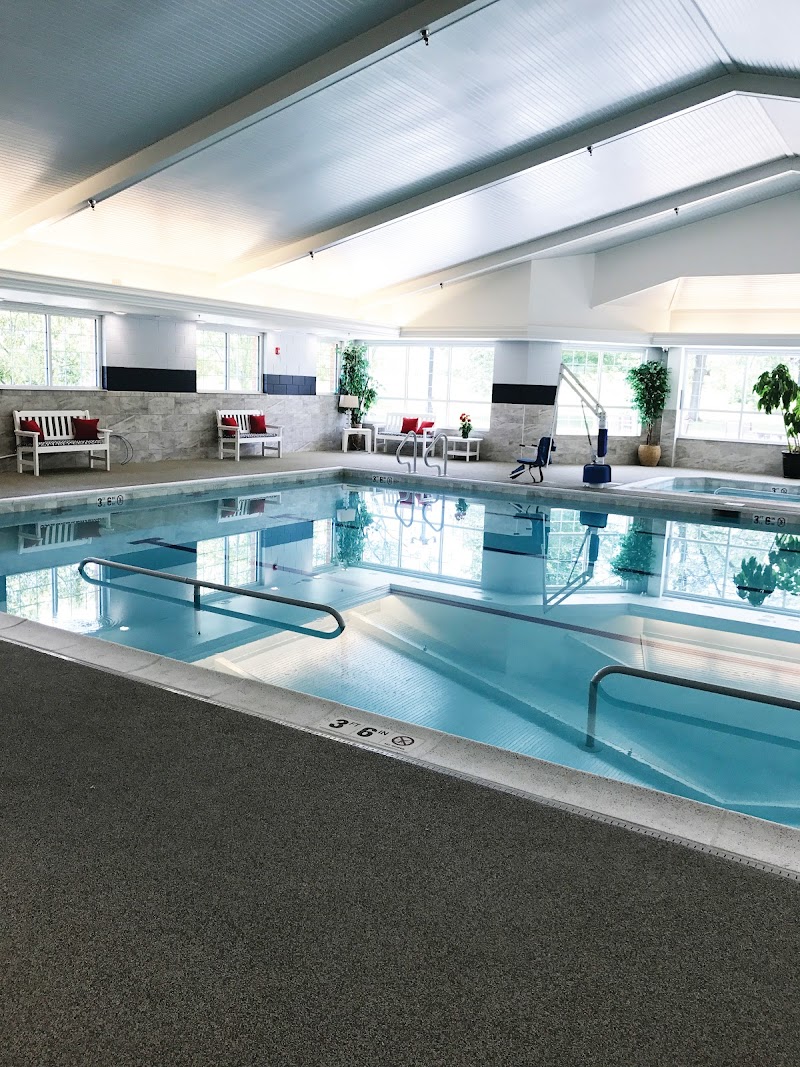
How is Parkvue Health Staffed?

CMS rates PARKVUE HEALTH CARE CENTER's staffing level at 4 out of 5 stars, which is above average compared to other nursing homes. Staff turnover is 52%, compared to the Ohio average of 46%.

What Have Inspectors Found at Parkvue Health?

State health inspectors documented 20 deficiencies at PARKVUE HEALTH CARE CENTER during 2019 to 2024. These included: 20 with potential for harm.
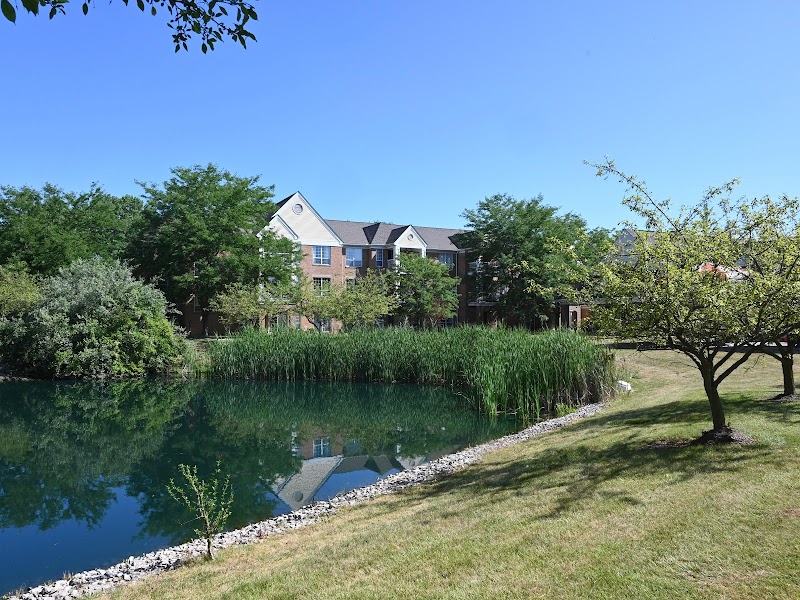
Who Owns and Operates Parkvue Health?

PARKVUE HEALTH CARE CENTER is owned by a non-profit organization. Non-profit facilities reinvest revenue into operations rather than distributing to shareholders. The facility is operated by UNITED CHURCH HOMES, a chain that manages multiple nursing homes. With 84 certified beds and approximately 73 residents (about 87% occupancy), it is a smaller facility located in SANDUSKY, Ohio.
How Does Parkvue Health Compare to Other Ohio Nursing Homes?

Compared to the 100 nursing homes in Ohio, PARKVUE HEALTH CARE CENTER's overall rating (4 stars) is above the state average of 3.2, staff turnover (52%) is near the state average of 46%, and health inspection rating (3 stars) is at the national benchmark.

What Should Families Ask When Visiting Parkvue Health?

Based on this facility's data, families visiting should ask: "Can I visit during a mealtime to observe dining assistance and food quality?" "How do you handle medical emergencies, and what is your hospital transfer rate?" "Can I speak with family members of current residents about their experience?"

Is Parkvue Health Safe?

Based on CMS inspection data, PARKVUE HEALTH CARE CENTER has a clean safety record: no substantiated abuse findings (meaning no confirmed cases of resident harm), no Immediate Jeopardy citations (the most serious violation level indicating risk of serious injury or death), and is not on the Special Focus Facility watch list (a federal program monitoring the lowest-performing 1% of nursing homes). The facility has a 4-star overall rating and ranks #1 of 100 nursing homes in Ohio. While no facility is perfect, families should still ask about staff-to-resident ratios and recent inspection results during their visit.

Do Nurses at Parkvue Health Stick Around?

PARKVUE HEALTH CARE CENTER has a staff turnover rate of 52%, which is 6 percentage points above the Ohio average of 46%. Moderate turnover is common in nursing homes, but families should still ask about staff tenure and how the facility maintains care continuity when employees leave.

Was Parkvue Health Ever Fined?

PARKVUE HEALTH CARE CENTER has no federal fines on record. CMS issues fines when nursing homes fail to meet care standards or don't correct problems found during inspections. The absence of fines suggests the facility has either maintained compliance or corrected any issues before penalties were assessed. This is a positive indicator, though families should still review recent inspection reports for the full picture.

Is Parkvue Health on Any Federal Watch List?

PARKVUE HEALTH CARE CENTER is not on any federal watch list. The most significant is the Special Focus Facility (SFF) program, which identifies the bottom 1% of nursing homes nationally based on persistent, serious quality problems. Not being on this list means the facility has avoided the pattern of deficiencies that triggers enhanced federal oversight. This is a positive indicator, though families should still review the facility's inspection history directly.