PROVIDENCE CARE CENTER
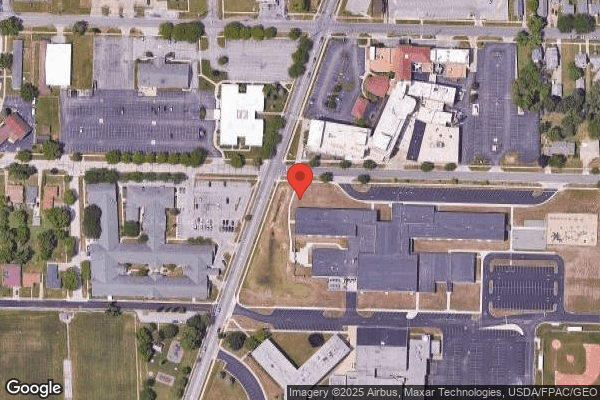
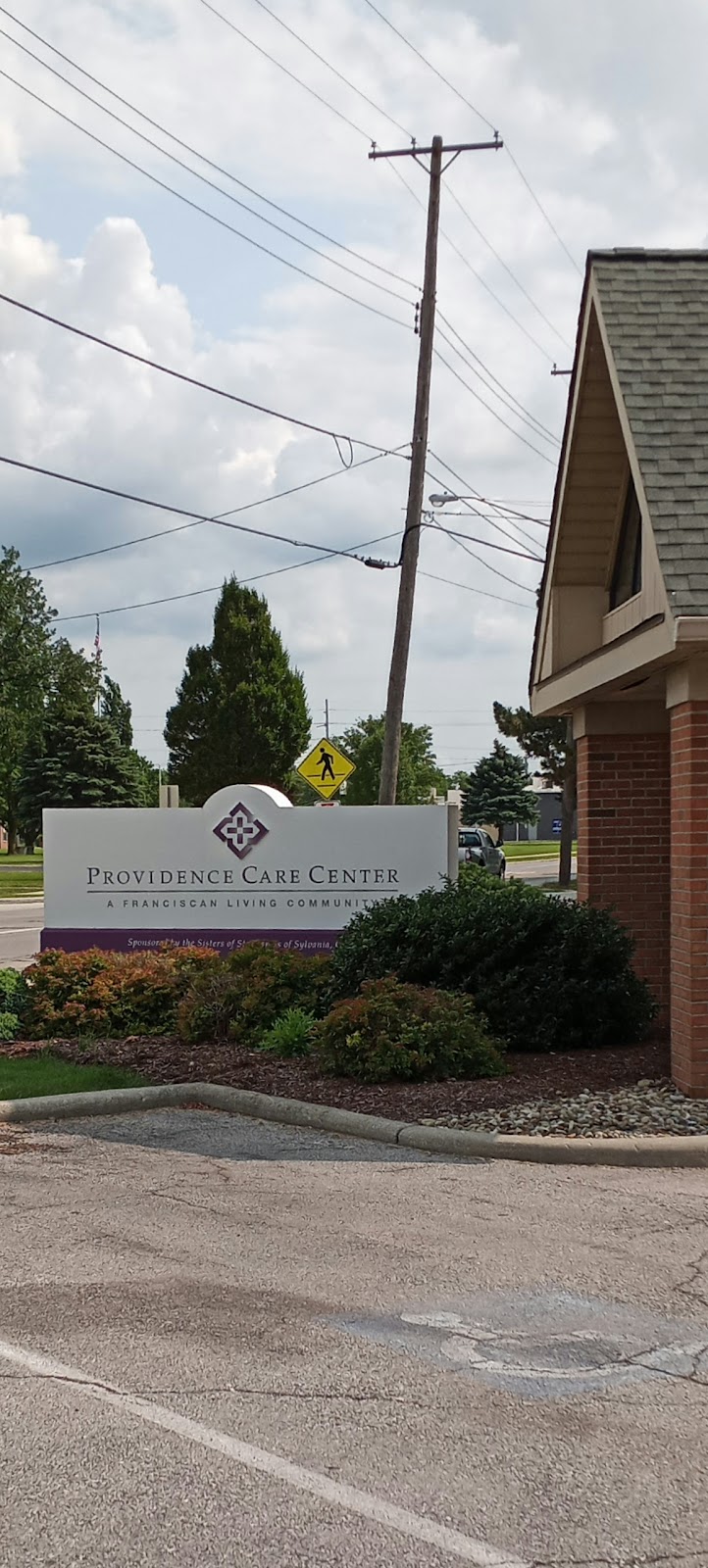
2025 HAYES AVENUE, SANDUSKY, OH 44870 (419) 627-2273
Non profit - Church related 138 Beds COMMONSPIRIT HEALTH Data: November 2025 1 Immediate Jeopardy citation
Trust Grade
21/100
#895 of 913 in OH
Last Inspection: May 2025

Inspected within the last 6 months. Data reflects current conditions.

Overview

Providence Care Center in Sandusky, Ohio has a Trust Grade of F, indicating significant concerns about the quality of care provided. With a state rank of #895 out of 913 and a county rank of #8 out of 8, it is in the bottom half of facilities, suggesting limited better options in the area. The facility's trend is worsening, with issues increasing from 2 in 2024 to 18 in 2025, highlighting growing problems. Staffing is a major concern, with a low rating of 1 out of 5 stars and a turnover rate of 68%, far exceeding the state average of 49%. Notably, there have been serious incidents, including a failure to provide timely CPR for a resident who was unresponsive, which led to their death, and ongoing issues with cleanliness, such as mold in ice machines and debris around dumpsters, putting residents at risk.

Trust Score
F
21/100
In Ohio
#895/913
Bottom 2%
Safety Record
High Risk
Review needed
Inspections
Getting Worse
2 → 18 violations
Staff Stability
⚠ Watch
68% turnover. Above average. Higher turnover means staff may not know residents' routines.
Penalties
○ Average
$21,951 in fines. Higher than 56% of Ohio facilities. Some compliance issues.
Skilled Nurses
○ Average
Each resident gets 34 minutes of Registered Nurse (RN) attention daily — about average for Ohio. RNs are the most trained staff who monitor for health changes.
Violations
⚠ Watch
42 deficiencies on record. Higher than average. Multiple issues found across inspections.
★☆☆☆☆
1.0
Overall Rating
★☆☆☆☆
1.0
Staff Levels
★★★★☆
4.0
Care Quality
★★☆☆☆
2.0
Inspection Score
Stable
2024: 2 issues
2025: 18 issues

The Good

  • 4-Star Quality Measures · Strong clinical quality outcomes
  • Full Sprinkler Coverage · Fire safety systems throughout facility
  • No fines on record

Facility shows strength in quality measures, fire safety.

The Bad

1-Star Overall Rating

Below Ohio average (3.2)

Significant quality concerns identified by CMS

Staff Turnover: 68%

21pts above Ohio avg (46%)

Frequent staff changes - ask about care continuity

Federal Fines: $21,951

Below median ($33,413)

Minor penalties assessed

Chain: COMMONSPIRIT HEALTH

Part of a multi-facility chain

Ask about local staffing decisions and management

Staff turnover is elevated (68%)

20 points above Ohio average of 48%

The Ugly 42 deficiencies on record

1 life-threatening
Jul 2025 3 deficiencies
CONCERN (D) 📢 Someone Reported This

A family member, employee, or ombudsman was alarmed enough to file a formal complaint

Potential for Harm - no one hurt, but risky conditions existed

Notification of Changes (Tag F0580)

Could have caused harm · This affected 1 resident

**NOTE- TERMS IN BRACKETS HAVE BEEN EDITED TO PROTECT CONFIDENTIALITY** Based on review of the medical record, staff interview, policy review, and review of a Self-Reported Incident (SRI) investigatio...

Read full inspector narrative →
**NOTE- TERMS IN BRACKETS HAVE BEEN EDITED TO PROTECT CONFIDENTIALITY** Based on review of the medical record, staff interview, policy review, and review of a Self-Reported Incident (SRI) investigation, the facility failed to notify the physician of a resident change in condition. This affected one (#69) of three residents reviewed for change in condition. The facility census was 97. Review of the medical record for Resident #69 revealed an admission date of 06/07/21. Diagnoses included dementia with behavioral disturbance, osteoarthritis, depression, anxiety, visual hallucinations, and bilateral hearing loss. Review of the annual Minimum Data Set (MDS) dated [DATE] revealed Resident #69 had severe cognitive impairment.Review of the SRI submitted on 07/08/25 at 8:41 A.M. revealed on 07/04/25 at 6:00 A.M., Resident #68 indicated Resident #69 stated Licensed Practical Nurse (LPN) #202 had touched her chest while trying to wake her up to give her medications. Resident #68 stated he had not seen LPN #202 touch Resident #69's chest but he wanted to believe her so he had. Resident #68 stated he had not wanted LPN #202 back in the room. Resident #68 stated Resident #69 had issues with other male caregivers when on another unit but had not known why. Review of statements dated 07/05/25 by the Administrator revealed she had received a call from LPN #410 stating Resident #68's Power of Attorney (POA) had called to say the resident no longer wanted LPN #202 in their room. The POA reported Resident #68 stated the nurse had rubbed Resident #69's chest. The Administrator called the POA who reported he no longer wanted LPN #202 in the room due to Resident #68 reporting LPN #202 had rubbed Resident #69's chest when passing medications. The Administrator informed the POA the incident would be investigated. The Administrator called LPN #202 who explained he rocked Resident #69's shoulder while calling her name several times to wake her up. LPN #202 stated he had only touched Resident #69's shoulder when trying to wake her up. The Administrator spoke with Resident #68 who reported he had not seen the incident. Resident #68 then told Resident #69 to show the Administrator where the nurse touched her on the chest. Resident #69 appeared confused then after further prompting, Resident #69 rubbed the area above her chest mirroring where Resident #68 was rubbing his chest. Review of the nurse's notes dated 07/04/25 through 07/10/25 revealed no documentation the physician was notified of an allegation of sexual abuse for Resident #69. Interview on 07/10/25 at 10:54 A.M., the Administrator verified there was no documentation of the allegation of sexual abuse allegedly occurring on 07/04/25 at 6:00 A.M. in Resident #69's medical record and no documentation the physician was notified. The Administrator revealed the nurse should have documented the incident and notification in the medical record. The Administrator revealed she had notified the physician on 07/05/25 but the notification had not been documented in the medical record. Interview on 07/14/25 at 11:38 A.M., Licensed Practical Nurse (LPN) #410 revealed around lunch time on 07/04/25, Resident #68 alleged Resident #69 had stated a male nurse had touched her chest. LPN #410 revealed she had notified the Administrator on 07/04/25 at 1:30 P.M. LPN #410 revealed she had not notified the physician and was unsure if she was supposed to notify the physician. Review of the facility policy Notification of Changes, dated 10/02/22, revealed the resident's physician would be notified when there was a change requiring notification including accidents, significant changes in physical, mental or psychosocial condition, and circumstances requiring a need to alter treatment.
CONCERN (D) 📢 Someone Reported This

A family member, employee, or ombudsman was alarmed enough to file a formal complaint

Potential for Harm - no one hurt, but risky conditions existed

Report Alleged Abuse (Tag F0609)

Could have caused harm · This affected 1 resident

**NOTE- TERMS IN BRACKETS HAVE BEEN EDITED TO PROTECT CONFIDENTIALITY** Based on review of the medical record, review of a Self-Reported Incident (SRI) investigation, staff interview, and review of fa...

Read full inspector narrative →
**NOTE- TERMS IN BRACKETS HAVE BEEN EDITED TO PROTECT CONFIDENTIALITY** Based on review of the medical record, review of a Self-Reported Incident (SRI) investigation, staff interview, and review of facility policy, the facility failed to timely report an allegation of sexual abuse. This affected one (#69) of three residents reviewed for abuse and one of one SRIs submitted since the annual comprehensive survey. The facility census was 97. Review of the medical record for Resident #69 revealed an admission date of 06/07/21. Diagnoses included dementia with behavioral disturbance, osteoarthritis, depression, anxiety, visual hallucinations, and bilateral hearing loss. Review of the annual Minimum Data Set (MDS) dated [DATE] revealed Resident #69 had severe cognitive impairment.Review of the medical record for Resident #68 revealed an admission date of 02/23/21. Diagnoses included hemiplegia and hemiparesis, hypertension, atrial fibrillation, and type two diabetes mellitus.Review of the quarterly MDS dated [DATE] revealed Resident #68 had intact cognition. Review of an SRI submitted on 07/08/25 at 8:41 A.M. revealed on 07/04/25 at 6:00 A.M., Resident #68 indicated Resident #69 had stated Licensed Practical Nurse (LPN) #202 had touched her chest while trying to wake her up to give her medications. Resident #68 stated he had not seen LPN #202 touch Resident #69's chest but he wanted to believe her, so he had. Resident #68 stated he just had not wanted LPN #202 back in the room. Resident #68 stated Resident #69 had issues with other male caregivers when on another unit but had not known why. Review of statements dated 07/05/25 by the Administrator revealed she had received a call from LPN #410 stating Resident #68's Power of Attorney (POA) had called to say the resident no longer wanted LPN #202 in their room. The POA reported Resident #68 stated LPN #202 had rubbed Resident #69's chest. The Administrator called the POA who reported he no longer wanted LPN #202 in the room due to Resident #68 reporting LPN #202 had rubbed Resident #69's chest when passing medications. The Administrator informed the POA the incident would be investigated. The Administrator called LPN #202 who explained he rocked Resident #69's shoulder while calling her name several times to wake her up. LPN #202 stated he had only touched Resident #69's shoulder when trying to wake her up. The Administrator spoke with Resident #68 who reported he had not seen the incident. Resident #68 then told Resident #69 to show the Administrator where the nurse touched her on the chest. Resident #69 appeared confused then after further prompting, Resident #69 rubbed the area above her chest mirroring where Resident #68 was rubbing his chest. Review of the nurse's notes from 07/04/25 through 07/10/25 revealed no documentation of the incident dated 07/04/25 in the residents' medical records. Interview on 07/10/25 at 10:15 A.M., Certified Nursing Assistant (CNA) #316 revealed Resident #68 reported Resident #69 had stated LPN #202 had touched her chest. CNA #316 revealed Resident #68 had reported the incident about a week and half ago, sometime during the week before 07/04/25. CNA #316 revealed she had reported the incident to the nurse but was unable to recall which nurse. CNA #316 revealed the nurse told her she had spoken with Resident #68 and Resident #69. CNA #316 revealed she had not been interviewed regarding the allegation and had not been asked to write a statement. Interviews on 07/10/25 beginning at 10:54 A.M., the Administrator revealed LPN #202 had worked a 12-hour night shift on 07/03/25 into 07/04/25. The Administrator revealed on 07/04/25 the day shift nurse LPN #410 called her around 1:30 P.M. and stated Resident #69 told Resident #68 that LPN #202 had touched her chest. The Administrator revealed she called LPN #202 and Resident #69's family. The Administrator verified she had not reported the incident occurring on 07/04/25 to the state agency until 07/08/25. Interview on 07/10/25 at 11:06 A.M., LPN #202 revealed he was notified a resident had made an allegation of sexual abuse when he worked night shift from 07/03/25 into 07/04/25. LPN #202 revealed the Administrator called him to discuss the incident six days ago. LPN #202 denied the allegation and stated he had touched the resident's shoulder when trying to wake her up to give her medications. Interview on 07/14/25 at 11:38 A.M., LPN #410 revealed on 07/04/25 around lunch time a nursing assistant had notified her Resident #68 wanted to speak with her. LPN #410 stated Resident #68 told her his spouse was not comfortable with male nurses and had not wanted male nurses in the room anymore. LPN #410 revealed after several minutes of conversation, Resident #68 reported Resident #69 told him a male nurse had touched her chest, but he had not witnessed the incident. LPN #410 revealed Resident #68 and Resident #69's Power of Attorney (POA) had called the facility stating they no longer wanted male staff providing care for Resident #69. LPN #410 revealed she then notified the Administrator on 07/04/25 around 1:30 P.M. LPN #410 revealed she had not documented the incident in the medical record. LPN #410 also revealed she had not notified the physician because she was not sure if she was supposed to. LPN #410 also verified she had not assessed Resident #69 after Resident #68's allegation of abuse. LPN #410 revealed Resident #68 had previously told her a week or two prior to the incident on 07/04/25 that he had not wanted male caregivers for Resident #69. LPN #410 told him at that time he would need to speak with the Administrator. LPN #410 revealed she had not documented or reported Resident #68's original request for no male staff for Resident #69 to the Administrator. Review of the facility policy Abuse, Neglect, and Exploitation, revised 12/2024, revealed the facility would report all alleged violations to the Administrator, state agency, adult protective services and to all other required agencies within specified timeframes: immediately, but not later than two hours after the allegation was made, if the event causing the allegation involved abuse or result in seriously bodily injury or not later than 24 hours if the events causing the allegation do not involve abuse and do not result in serious bodily injury. This deficiency represents non-compliance investigated under Complaint Number 1373153.
CONCERN (E) 📢 Someone Reported This

A family member, employee, or ombudsman was alarmed enough to file a formal complaint

Potential for Harm - no one hurt, but risky conditions existed

Investigate Abuse (Tag F0610)

Could have caused harm · This affected multiple residents

**NOTE- TERMS IN BRACKETS HAVE BEEN EDITED TO PROTECT CONFIDENTIALITY** Based on review of the medical record, staff interview, review of a Self-Reported Incident (SRI) investigation, review of staff ...

Read full inspector narrative →
**NOTE- TERMS IN BRACKETS HAVE BEEN EDITED TO PROTECT CONFIDENTIALITY** Based on review of the medical record, staff interview, review of a Self-Reported Incident (SRI) investigation, review of staff schedules and timekeeping records, and policy review, the facility failed to prevent further potential abuse during the investigation of an allegation of sexual abuse when the alleged perpetrator was allowed to continue to work on the same unit while an investigation was in progress. This had the potential to affect 36 residents (#75, #27, #88, #15, #11, #95, #63, #9, #82, #16, #47, #64, #53, #42, #39, #61, #74, #23, #46, #85, #24, #68, #69, #89, #87, #41, #20, #19, #10, #66, #58, #8, #31, #67, #96, #36) residing the Cedarview unit. The facility census was 97. Review of the medical record for Resident #69 revealed an admission date of 06/07/21. Diagnoses included dementia with behavioral disturbance, osteoarthritis, depression, anxiety, visual hallucinations, and bilateral hearing loss. Review of the annual Minimum Data Set (MDS) dated [DATE] revealed Resident #69 had severe cognitive impairment.Review of the medical record for Resident #68 revealed an admission date of 02/23/21. Diagnoses included hemiplegia and hemiparesis, hypertension, atrial fibrillation, and type two diabetes mellitus.Review of the quarterly MDS dated [DATE] revealed Resident #68 had intact cognition. Review of a SRI submitted on 07/08/25 at 8:41 A.M. revealed on 07/04/25 at 6:00 A.M., Resident #68 indicated Resident #69 stated Licensed Practical Nurse (LPN) #202 had touched her chest while trying to wake her up to give her medications. Resident #68 stated he had not seen LPN #2-2 touch Resident #69's chest but he wanted to believe her so he had. Resident #68 stated he just did not want LPN #202 back in the room. Resident #68 stated Resident #69 had issues with other male caregivers when on another unit but had not known why.Review of statements dated 07/05/25 by the Administrator revealed she had received a call from LPN #410 stating Resident #68's Power of Attorney (POA) had called to say the resident no longer wanted LPN #202 in their room. The POA reported Resident #68 stated the nurse had rubbed Resident #69's chest. The Administrator called the POA who reported he no longer wanted LPN #202 in the room due to Resident #68 reporting LPN #202 had rubbed Resident #69's chest when passing medications. The Administrator informed the POA the incident would be investigated. The Administrator called LPN #202 who explained he rocked Resident #69's shoulder while calling her name several times to wake her up. LPN #202 stated he had only touched Resident #69's shoulder when trying to wake her up. The Administrator spoke with Resident #68 who reported he had not seen the incident. Resident #68 then told Resident #69 to show the Administrator where the nurse touched her on the chest. Resident #69 appeared confused then after further prompting, Resident #69 rubbed the area above her chest mirroring where Resident #68 was rubbing his chest. Interviews beginning on 07/10/25 at 10:54 A.M. the Administrator revealed LPN #202 had worked a 12-hour night shift on 07/03/25 into 07/04/25. The Administrator revealed on 07/04/25 the day shift nurse LPN #410 called and told her Resident #69 told Resident #68 that LPN #202 had touched her chest. The Administrator revealed she called LPN #202 and Resident #69's family. The Administrator verified she had not reported the incident to the state agency until 07/08/25. The Administrator revealed alert and oriented residents on the unit were interviewed with no concerns. The Administrator verified the facility was still in the process of completing skin assessments for the cognitively impaired residents on the unit and the investigation had not yet been completed. The Administrator verified LPN #202 was not suspended and had worked 12-hour night shifts on 07/07/25 and 07/08/25 while the investigation continued. Interview on 07/10/25 at 11:06 A.M. LPN #202 revealed a resident had made an allegation of sexual abuse when he worked night shift from 07/03/25 into 07/04/25. LPN #202 revealed the Administrator called him to discuss the incident six days ago. LPN #202 revealed he was not suspended during the investigation and had worked on 07/07/25 into 07/08/25 and 07/08/25 into 07/09/25. Review of staffing schedules from 07/03/25 through 07/10/25 revealed LPN #202 was scheduled three shifts on the Cedarview unit, on 07/03/25 from 6:30 P.M. to 7:00 A.M., on 07/07/25 from 6:30 P.M. to 7:00 A.M., and on 07/08/25 from 6:30 P.M. to 7:00 A.M. Review of LPN #202's employee timecard revealed the nurse worked on the Cedarview unit on 07/03/25 from 6:30 P.M. through 6:36 A.M. on 07/04/25, On 07/07/25 from 6:31 P.M. through 6:53 A.M. on 07/08/25, and on 07/08/25 from 6:32 P.M. through 6:40 A.M. on 07/09/25. Review of the facility policy Abuse, Neglect and Exploitation, revised 12/2024, revealed the facility would make efforts to ensure all residents were protected from physical and psychosocial harms, as well as additional abuse, during and after the investigation. Including responding immediately to protect the alleged victim and integrity of the investigation and room or staffing changes, if necessary to protect the residents from the alleged perpetrator.This deficiency represents non-compliance investigated under Complaint Number 1373153.
May 2025 15 deficiencies
CONCERN (D)

Potential for Harm - no one hurt, but risky conditions existed

Notification of Changes (Tag F0580)

Could have caused harm · This affected 1 resident

Based on observation, record review, staff interview, and review of the facility policy, the facility failed to ensure the physician was notified when a medication was unavailable for administration. ...

Read full inspector narrative →
Based on observation, record review, staff interview, and review of the facility policy, the facility failed to ensure the physician was notified when a medication was unavailable for administration. This affected one (#57) of three residents reviewed for physician notification. The facility census was 96. Findings include: Review of Resident #57's medical record revealed an admission date of 10/07/24 with diagnoses including Parkinson's disease, hypertension (HTN), hyperlipidemia, hypothyroidism, major depressive disorder, anemia, and neuromuscular dysfunction of the bladder. Review of the quarterly Minimum Data Set (MDS) assessment, dated 03/27/25, revealed a Brief Interview of Mental Status (BIMS) score of 13, indicating Resident #57 was cognitively intact. Review of a physician order, dated 10/07/24, revealed Resident #57 had an order for trihexyphenidyl hydrochloride (HCl) (used to treat movement problems caused by Parkinson's disease), two milligrams (mg) to be administered orally (PO) two times per day. Observation on 05/19/25 at 7:00 A.M. of medication administration with Licensed Practical Nurse (LPN) #527 revealed trihexyphenidyl HCl was not administered to Resident #57. Concurrent interview with LPN #527 verified trihexyphenidyl HCI was not administered to Resident #57 due to the medication being unavailable. LPN #527 stated she would request the medication from the pharmacy and would administer it if it came in. Review of the Medication Administration Record (MAR) revealed Resident #57 was not administered either of the two ordered doses of trihexyphenidyl HCl on 05/19/25. Further review of Resident #57's medication record revealed no evidence the physician was notified that trihexyphenidyl HCl was unavailable for administration on 05/19/25. Interview on 05/21/25 at 9:10 A.M. with the Director of Nursing (DON) verified the prescribing physician was not notified that trihexyphenidyl HCl was unavailable for administration to Resident #57 on 05/19/25. Review of the facility policy titled, Notification of Changes, dated 10/02/22, revealed the facility promptly informed the resident, consults the resident's physician; and notifies, consistent with his or her authority, the resident's representative when there is a change requiring notification.
CONCERN (D) 📢 Someone Reported This

A family member, employee, or ombudsman was alarmed enough to file a formal complaint

Potential for Harm - no one hurt, but risky conditions existed

Safe Environment (Tag F0584)

Could have caused harm · This affected 1 resident

Based on observation, staff interview, resident interview, and review of the facility policy the facility failed to ensure bedding was maintained in a clean and sanitary manner. This affected one (#16...

Read full inspector narrative →
Based on observation, staff interview, resident interview, and review of the facility policy the facility failed to ensure bedding was maintained in a clean and sanitary manner. This affected one (#16) resident reviewed for soiled bedding. The facility census was 96. Findings include: Review of the medical record for Resident #16 revealed an admission date of 06/01/23. Diagnoses included Parkinson's disease, chronic kidney disease, and hypertension. Review of the quarterly Minimum Data Set (MDS) assessment, dated 03/21/25, revealed Resident #16 was mildly cognitively impaired and required supervision for bathing. Observation on 05/18/25 at 10:30 A.M. of Resident #16's bedding revealed several light brown streaks on the fitted sheet of the bed and a dark brown spot on the bed pad. Concurrent interview with Resident #16 revealed her sheets had not been changed in a while and stated they were dirty. Observation on 05/19/25 at 9:40 A.M. of Resident #16's bedding revealed the sheets remained with the same brown streaks on the fitted sheet. Concurrent interview with Resident #16 confirmed her sheets had not been changed. Observation on 05/20/25 at 9:29 A.M. of Resident #16's bedding revealed the bedding remained dirty and unchanged. Interview on 05/20/25 at 10:07 A.M. with Registered Nurse (RN) #509 verified the light brown streaks on the fitted sheet and the dark brown spot on the bed pad on Resident #16's bedding. Review of the facility policy titled, Homelike Environment, revised February 2021, revealed residents were provided a safe, clean, comfortable and homelike environment. The facility staff and management maximized, to the extent possible, the characteristics of the facility that reflect a personalized, homelike setting, to include a clean bed and bath linens that are in good condition.
CONCERN (D) 📢 Someone Reported This

A family member, employee, or ombudsman was alarmed enough to file a formal complaint

Potential for Harm - no one hurt, but risky conditions existed

Deficiency F0604 (Tag F0604)

Could have caused harm · This affected 1 resident

Based on medical record review, observation, staff interview and review of the facility policy, the facility failed to ensure valid indications for the use of mobility restricting devices. This affect...

Read full inspector narrative →
Based on medical record review, observation, staff interview and review of the facility policy, the facility failed to ensure valid indications for the use of mobility restricting devices. This affected two (#3 and #56) of two residents reviewed for elopement. The facility census was 96. 1. Review of Resident #3's medical record revealed an admission date of 06/01/22. Diagnoses included Alzheimer's disease, dementia, hypothyroidism and congestive heart failure. Review of the Minimum Data Set (MDS) 3.0 assessment, dated 04/04/25, revealed Resident #3 was severely cognitively impaired, required supervision for completing activities of daily living (ADLs) and exhibited no wandering behaviors. Further review of the MDS assessments since Resident #3's admission to the facility revealed the resident was never identified as having any wandering behaviors. Review of the Elopement Risk Assessment, dated 04/04/25, revealed Resident #3 had no history of elopement in the last six months and was identified as not being an elopement risk. Review of the care plan, dated 06/01/22, revealed Resident #3 was risk for wandering/elopement, with no specific diagnosis or reasoning for the wandering/elopement risk was identified. Interventions included WanderGuard to the left ankle and check its placement every shift. Review of the physicians orders revealed an order dated 02/05/24 to check placement of the WanderGuard (a medical device to help prevent residents, especially those at risk of wandering, from leaving secure areas within a facility) every shift daily and an order dated 03/08/24 to check WanderGuard function daily. Further review of the medical record revealed no documentation to support the use of a WanderGuard for Resident #3. Observation of Resident #3 on 05/20/25 at 9:45 A.M. revealed Resident #3 was sitting in her room watching television. Resident #3 presented with no observable restlessness or any indications that she was exit seeking. 2. Review of Resident #56's medical record revealed an admission date of 09/21/18. Diagnoses included Alzheimer's disease, schizophrenia, dementia, and major depressive disorder. Review of the MDS 3.0 assessment, dated 02/06/25, revealed Resident #56 was severely cognitively impaired, required one person assistance for completing ADLs, and exhibited no wandering behaviors. Further review of the MDS assessments since Resident #56's admission to the facility revealed the facility had never identified the resident as having wandering behaviors. Review of the Elopement Risk Assessment, dated 04/17/25, revealed Resident #56 had no history of elopement in the last six months and was identified as not being an elopement risk. Further review of previous Elopement Risk Assessments revealed Resident #56 had not been identified as being at risk for elopement since 11/16/23. Review of the physician orders revealed an order initiated on 02/05/24 to check placement of the WanderGuard every shift daily and an order dated 09/01/23 to check WanderGuard function daily. Observation on 05/20/25 at 10:15 A.M. of Resident #56, with the Director of Nursing (DON) present, revealed Resident #56 was laying back in her tilt-n-space wheelchair (reclining wheelchair) looking around in a common area. Resident #56 presented with no distress or repetitive movements/phrases that would indicate possible exit seeking behaviors. Interview with the DON on 05/20/25 at 11:00 A.M. confirmed the medical records for both Resident #3 and Resident #56 lacked indications for the use of the WanderGuard device. Review of the facility policy titled, Restraint Free Environment, dated 05/20/25, revealed it was the policy of the facility that each resident shall attain and maintain his/her highest practicable well-being in an environment that prohibited the use of physical or chemical restraints for discipline or convenience and limited restraint use to circumstances in which the resident had medical symptoms that warrant the use of such restraints. This deficiency represents non-compliance investigated under Complaint Number OH00163154.
CONCERN (D) 📢 Someone Reported This

A family member, employee, or ombudsman was alarmed enough to file a formal complaint

Potential for Harm - no one hurt, but risky conditions existed

Deficiency F0605 (Tag F0605)

Could have caused harm · This affected 1 resident

**NOTE- TERMS IN BRACKETS HAVE BEEN EDITED TO PROTECT CONFIDENTIALITY** Based on medical record review, staff interview, and review of facility policy, the facility failed to ensure residents who rece...

Read full inspector narrative →
**NOTE- TERMS IN BRACKETS HAVE BEEN EDITED TO PROTECT CONFIDENTIALITY** Based on medical record review, staff interview, and review of facility policy, the facility failed to ensure residents who received psychotropic medications were monitored for behaviors, adverse effects, and efficacy. This affected one (#15) of five residents reviewed for unnecessary medications. The facility census was 96. Findings include: Review of the medical record revealed Resident #15 was admitted to the facility on [DATE]. Diagnoses included anxiety, depression, psychotic disorder, and schizophrenia. Review of the Minimum Data Set (MDS) assessment, dated 04/21/25, revealed Resident #15 was cognitively intact. Review of the plan of care, revised 03/08/24, revealed Resident #15 used psychotropic medications. Interventions included administering medications as ordered and monitoring for side effects and effectiveness, and monitoring and reporting as needed side effects and adverse reactions of medication. Review of Resident #15's active physician orders for May 2025 revealed an order for buspirone (anti-anxiety medication) 7.5 milligram (mg) oral tablet, give one tablet by mouth two times per day for major depressive disorder; lorazepam (benzodiazepine medication used to treat anxiety) 0.5 mg oral tablet, give one tablet by mouth two times per day related to anxiety disorder; lorazepam 0.5 mg oral tablet, give 0.25 mg one time per day for anxiety disorder; and sertraline (anti-depressant medication) 50 mg oral tablet, give one tablet by mouth one time per day for major depressive disorder. Review of the Medication Administration Records (MAR) from 03/01/25 through 05/20/25 revealed Resident #15 received sertraline once daily from 03/01/25 through 04/14/25 and 04/18/25 through 05/20/25. The resident received buspirone twice per day from 03/01/25 through 04/14/25 and 04/14/25 through 05/19/25. Resident #15 also received lorazepam twice per day from 03/01/25 through 04/14/25 and 04/18/25 through 05/19/25. Further review of the medical record revealed no evidence Resident #15 was monitored for any specified behaviors or for efficacy related to the three medications from 03/01/25 through 05/20/25. In addition, there was no evidence the resident was monitored for adverse effects from the medications from 05/01/25 through 05/20/25. Interview on 05/20/25 at 5:45 P.M. with the Director of Nursing (DON) verified there was no evidence Resident #15 was monitored on a regular basis for behaviors, efficacy, and adverse effects for psychotropic medication use. Review of the facility policy titled, Use of Psychotropic Medication, undated, revealed the resident's response to psychotropic medications, including the presence/absence of adverse consequences, would be documented in the resident's record, and the resident's symptoms would be clearly identified and documented. Review of the facility policy titled, Behavioral Assessment, Intervention and Monitoring, revised March 2019, revealed when medications were prescribed for behavioral symptoms, documentation would include potential underlying causes of the behavior, specific target behaviors and expected outcomes, monitoring for efficacy and consequences.
CONCERN (D)

Potential for Harm - no one hurt, but risky conditions existed

Deficiency F0637 (Tag F0637)

Could have caused harm · This affected 1 resident

Based on medical record review and staff interview, the facility failed to complete timely Minimum Data Set (MDS) assessments following a significant change. This affected one (#91) of one resident re...

Read full inspector narrative →
Based on medical record review and staff interview, the facility failed to complete timely Minimum Data Set (MDS) assessments following a significant change. This affected one (#91) of one resident reviewed for hospice services. The facility identified five residents receiving hospice services. The facility census was 96 Findings include: Review of Resident #91's medical record revealed an admission date of 11/11/24. Diagnoses included dementia, insomnia and neck fracture. Review of the most recent Minimum Data Set (MDS) 3.0 assessment, dated 02/13/25, revealed Resident #91 was severely cognitively impaired and required extensive assistance from staff for activities of daily living (ADLs). The MDS did not indicate Resident #91 received hospice services. Review of the physician orders revealed an order dated 04/29/25 to consult a local hospice provider for potential admission for Resident #91. Further review of the medical record revealed Resident #91 elected hospice services on 05/01/25, with a diagnosis of senile degeneration of the brain. Additional review of the MDS assessments from 05/01/25 through 05/19/25 revealed no evidence that a significant change MDS was completed upon Resident #91's election of hospice services. Interview on 05/19/25 at 1:30 P.M. with the Director of Nursing (DON) verified a significant change MDS was not completed within 14 days of Resident #91 electing hospice services.
CONCERN (D)

Potential for Harm - no one hurt, but risky conditions existed

Deficiency F0657 (Tag F0657)

Could have caused harm · This affected 1 resident

Based on record review, observation and staff interview the facility failed to ensure residents care plans were an accurate representation of current resident conditions This affected two (#3 and #56)...

Read full inspector narrative →
Based on record review, observation and staff interview the facility failed to ensure residents care plans were an accurate representation of current resident conditions This affected two (#3 and #56) of two residents reviewed for elopement. The facility census was 96. Findings include: Review of Resident #3's medical record revealed an admission date of 06/01/22. Diagnoses included Alzheimer's disease, dementia, hypothyroidism and congestive heart failure. Review of the Minimum Data Set (MDS) 3.0 assessment, dated 04/04/25, revealed Resident #3 was severely cognitively impaired, required supervision for completing activities of daily living (ADLs) and exhibited no wandering behaviors. Further review of the MDS assessments since Resident #3's admission to the facility revealed the resident was never identified as having any wandering behaviors. Review of the Elopement Risk Assessment, dated 04/04/25, revealed Resident #3 had no history of elopement in the last six months and was identified as not being an elopement risk. Review of the care plan dated 06/01/22 revealed Resident #3 was identified at risk for wandering/elopement. No specific diagnosis or reasoning for the elopement risk was identified. Interventions included a WanderGuard to the left ankle and to check placement every shift. Observation of Resident #3 on 05/20/25 at 9:45 A.M. revealed Resident #3 was sitting in her room watching television. Resident #3 presented with no observable restlessness or any indications that she was exit seeking. 2. Review of Resident #56's medical record revealed an admission date of 09/21/18. Diagnoses included Alzheimer's disease, schizophrenia, dementia and major depressive disorder. Review of the quarterly MDS 3.0 assessment, dated 02/06/25, revealed Resident #56 was severely cognitively impaired, required one person assistance for completing ADLs, and exhibited no wandering behaviors. Further review of the MDS assessments since Resident #56's admission to the facility revealed the facility had never identified the resident as having wandering behaviors. Review of the Elopement Risk Assessment, dated 04/17/25, revealed Resident #56 had no history of elopement in the last six months and was identified as not being an elopement risk. Further review of the previous Elopement Risk Assessments revealed Resident #56 had not been identified as an elopement risk since 11/16/23. Review of the care plan dated 8/26/22 revealed Resident #56 was at risk for elopement due to understanding and recognizing her surroundings. Observation of Resident #56, with the Director of Nursing (DON) present, on 05/20/25 at 10:15 A.M. revealed Resident #56 was laying back in her tilt-n-space (reclining wheelchair) looking around in a common area. Resident #56 presented with no distress or repetitive movements/phrases that would indicate possible exit seeking behaviors. Interview with the DON on 05/20/25 at 11:00 A.M. verified Resident #3 and Resident #56's care plans did not accurately reflect the current elopement risks for Resident #3 and Resident #56. Review of the facility policy titled, Elopements and Wandering Residents, dated 11/01/17, revealed the interdisciplinary team would evaluate the unique factors contributing to risk in order to develop a person-centered care plan.
CONCERN (D) 📢 Someone Reported This

A family member, employee, or ombudsman was alarmed enough to file a formal complaint

Potential for Harm - no one hurt, but risky conditions existed

ADL Care (Tag F0677)

Could have caused harm · This affected 1 resident

**NOTE- TERMS IN BRACKETS HAVE BEEN EDITED TO PROTECT CONFIDENTIALITY** Based on observation, resident interview, medical record review, staff interview and review of the facility policy, the facility...

Read full inspector narrative →
**NOTE- TERMS IN BRACKETS HAVE BEEN EDITED TO PROTECT CONFIDENTIALITY** Based on observation, resident interview, medical record review, staff interview and review of the facility policy, the facility failed to ensure residents were provided assistance with oral hygiene. This affected one (#89) of one resident reviewed for oral hygiene. The facility census was 96. Findings include: Review of the medical record revealed Resident #89 was admitted to the facility on [DATE]. Diagnoses included lack of coordination, unsteadiness on feet, hypertension (TN), gastro-esophageal reflux disease (GERD), glaucoma, muscle weakness, and need for assistance with personal care. Review of the quarterly Minimum Data Set assessment dated [DATE] revealed Resident #89 was cognitively intact. The resident required supervision/touching assistance for oral hygiene. Review of the plan of care dated 10/21/24 revealed Resident #89 had an activities of daily living (ADLs) self-care performance deficit. Interventions included providing all necessary equipment to complete oral care and setting up and assisting as needed. Further review of Resident #89's medical record revealed no evidence the resident was specifically assisted with oral care on a regular basis. An observation on 05/18/25 at 9:22 A.M. of Resident #89 revealed the resident had their natural teeth. There was a line of buildup along the gumline of both their upper and lower teeth and a visible film over their teeth. An interview on 05/18/25 at 9:23 A.M. with Resident #89 revealed the resident needed help with brushing her teeth. Resident #89 reported if she asked staff to help her brush her teeth she was sure that they would. Resident #89 reported staff were so busy that she felt bad asking for help. Resident #89 reported she had been used to brushing her teeth three times per day prior to coming into the facility, but that she was unsure of the last time her teeth were brushed. Resident #89 reported staff did not offer to assist her with brushing her teeth. An observation on 05/19/25 at 10:33 A.M. revealed Resident #89's teeth appeared the same as the previous observation. The resident still had the layer of film and buildup over her teeth. An observation on 05/20/25 at 11:59 A.M. of Resident #89, with Certified Nursing Assistant (CNA) #556, verified the resident's teeth had buildup and were in need of being brushed. During the observation, Resident #89 stated to CNA #556 that she knew her teeth were pretty bad and she would really like to brush her teeth more often but knew that the aides were busy. CNA #556 stated they felt bad and would come back to assist the resident with brushing their teeth in a little while. Review of the facility policy titled Activities of Daily Living (ADLs), Supporting, revised March 2018, revealed residents who were unable to carry out activities of daily living independently would receive the services necessary to maintain good nutrition, grooming, and personal and oral hygiene. This deficiency represents non-compliance investigated under Complaint Number OH00163154.
CONCERN (D) 📢 Someone Reported This

A family member, employee, or ombudsman was alarmed enough to file a formal complaint

Potential for Harm - no one hurt, but risky conditions existed

Quality of Care (Tag F0684)

Could have caused harm · This affected 1 resident

**NOTE- TERMS IN BRACKETS HAVE BEEN EDITED TO PROTECT CONFIDENTIALITY** 2. Review of the medical record revealed Resident #15 was admitted to the facility on [DATE]. Diagnoses included anxiety, depres...

Read full inspector narrative →
**NOTE- TERMS IN BRACKETS HAVE BEEN EDITED TO PROTECT CONFIDENTIALITY** 2. Review of the medical record revealed Resident #15 was admitted to the facility on [DATE]. Diagnoses included anxiety, depression, psychotic disorder, and schizophrenia. Review of the five-day Minimum Data Set (MDS) assessment, dated 04/21/25, revealed Resident #15 was cognitively intact. Review of the plan of care, dated 08/28/18, revealed Resident #15 was at risk for constipation related to decreased mobility and medication side effects. Interventions included following the facility bowel protocol for bowel management and recording bowel movement pattern. Review of Resident #15's active physician orders for May 2025 revealed an order dated 04/17/25 for Oxycodone (opioid medication) five milligram (mg) oral capsule, give one capsule by mouth every six hours as needed for pain. Review of the Medication Administration Record from 04/17/25 through 05/19/25 revealed Resident #15 received Oxycodone on 11 occasions. Review of Resident #15's bowel tracking record from 04/21/25 through 05/19/25 revealed there were only two documented bowel movements within this timeframe. Interview on 05/20/25 at 5:45 P.M. with the Director of Nursing (DON) verified Resident #15's bowel movements had not been tracked per the plan of care and, subsequently, it could not determined whether the facility's bowel protocol needed to have been implemented. Review of the facility policy titled, Bowel Protocol, undated, revealed in the event a resident did not have a bowel movement for three consecutive days, the facility was to give as-needed medications, followed by contacting the physician if needed. Based on resident interview, medical record review, staff interview and review of the facility policy, the facility failed to ensure surgical wound treatments were completed as physician ordered. This affected one (#303) of one resident reviewed for non-pressure ulcer wound care. Additionally, the facility failed to track bowel movements to identify the need to implement the facility's bowel protocol. This affected on (#15) of one resident reviewed for bowel protocol. The facility census was 96. Findings include: Review of the medical record for Resident #303 revealed an admission date of 05/15/25 with diagnoses of malignant neoplasm of the brain and surgical aftercare following surgery for the nervous system. Review of the admission assessment dated for 05/15/25 for Resident #303 revealed she was alert and oriented to person, place, and time. Review the current physician orders for May 2025 revealed Resident #303 had an order to clean the scalp incision with half strength peroxide, pat dry, apply Aquaphor ointment, and leave open to air, twice a day. Review of the Treatment Administration Record (TAR) for Resident #303 revealed on 05/18/25 and 05/19/25, the night shift scalp incision treatment was not documented as completed. Interview on 05/18/25 at 2:30 P.M. with Resident #303 revealed her scalp incision was the result of brain cancer and she had to have a skull cap created as the cancer consumed the bone of her skull and the surgeon took a skin graft from her leg to create the skin for her scalp. Resident #303 stated no wound care had been provided for the incision to her scalp since her admission three days ago. Interview on 05/19/25 at 3:57 P.M. with Registered Nurse (RN) #590 verified the missing nursing initials on the TAR on 05/18/25 and 05/19/25 night shift, which indicated the treatments were not completed as physician ordered. Review of the facility policy titled, Wound Treatment Management, revised November 2022, revealed wound treatments would be provided in accordance with the physician orders and treatments would be documented on the TAR or in the electronic medical record.
CONCERN (D)

Potential for Harm - no one hurt, but risky conditions existed

Deficiency F0685 (Tag F0685)

Could have caused harm · This affected 1 resident

Based on medical record review, review of optometry (vision) notes, and staff interview, the facility failed to ensure residents received routine eye care timely. This affected one (#35) of one reside...

Read full inspector narrative →
Based on medical record review, review of optometry (vision) notes, and staff interview, the facility failed to ensure residents received routine eye care timely. This affected one (#35) of one resident reviewed for vision care. The facility census was 96. Findings include: Review of the medical record for Resident #35 revealed an admission date of 06/13/23. Diagnoses included metabolic encephalopathy, type two diabetes mellitus (DM2), hepatic encephalopathy, dysphagia, need for assistance with personal care, respiratory disorders, hypertension (HTN), depression, obstructive sleep apnea (OSA), and osteoarthritis. Review of the Minimum Data Set (MDS) assessment, dated 03/09/25, revealed Resident #35 had a Brief Interview of Mental Status (BIMS) score of 11, indicating the resident was moderately cognitively impaired. Review of an optometry note, dated 11/13/23, revealed Resident #35 was seen by the optometrist for an examination (exam). The resident had complaints of blurred vision in both eyes, which was getting worse. New eyeglasses were ordered. Further review revealed Resident #35 was to continue care with her primary care physician (PCP) to control blood sugars (BS), repeat dilated fundus exam (dilates the pupil to allow the back of they eye to be seen more clearly) in six to nine months to determine if a referral to a retinal specialist for further treatment was needed, and a comprehensive exam was due on 11/13/24. Review of an optometry note, dated 01/24/24, revealed Resident #35 was seen by the optometrist due to the new bifocals from November 2023 may have been lost and needed replaced. Further review revealed Resident #35 was to follow-up with the optometrist on 11/13/24 for a priority comprehensive examination. Further review of Resident #35's medical record revealed no evidence the resident received any optometry follow-up after the visit on 01/24/24. Interview on 05/20/25 at 11:27 A.M. with Director of Social Services (DSS) #598 verified Resident #35 had not been seen by optometry since 01/24/24 and confirmed the resident was past due for an exam.
CONCERN (D)

Potential for Harm - no one hurt, but risky conditions existed

Accident Prevention (Tag F0689)

Could have caused harm · This affected 1 resident

**NOTE- TERMS IN BRACKETS HAVE BEEN EDITED TO PROTECT CONFIDENTIALITY** Based on medical record review, observation, resident interview, staff interview, and review of the facility policy, the facilit...

Read full inspector narrative →
**NOTE- TERMS IN BRACKETS HAVE BEEN EDITED TO PROTECT CONFIDENTIALITY** Based on medical record review, observation, resident interview, staff interview, and review of the facility policy, the facility failed to ensure residents identified to smoke were assessed for safety. This affected one (#68) of one resident resident identified by the facility as a smoker. The facility census was 96. Findings include: Review of the medical record revealed Resident #68 was admitted to the facility on [DATE]. Diagnoses included chronic obstructive pulmonary disease (COPD), anxiety, depression, hypertension, and difficulty in walking. Review of the quarterly Minimum Data Set (MDS) assessment, dated 03/01/25, revealed Resident #68 was cognitively intact. The resident required partial/moderate assistance from staff when wheeling 50 or 150 feet once seated in their wheelchair. Review of the plan of care, dated 09/11/24, revealed Resident #68 was a daily smoker, had been informed of the facility non-smoking status, and would abide by smoking off of facility property at all times. Interventions included the receptionist in the front of the building would hold the resident's cigarettes. An interview on 05/19/25 at 7:27 A.M. with Resident #68 revealed the resident was unaware of an assessment completed by the facility to determine whether the resident was considered safe to smoke or to handle a lighter or cigarettes safely. Observation on 05/19/25 at approximately 2:30 P.M. revealed Resident #68 obtained their smoking materials from the receptionist at the front desk and propelled themselves off of the facility property via sidewalk to smoke. An interview on 05/20/25 at 8:43 A.M. with Licensed Practical Nurse (LPN) #529 revealed the facility was a non-smoking facility and Resident #68 was the only resident in the facility who smoked. LPN #529 reported Resident #68 went off of facility property to smoke. LPN #529 reported they were unsure if the resident had ever been assessed for safety when smoking. LPN #529 verified the receptionist kept Resident #68's cigarettes and lighter, and supplied them to Resident #68 whenever they wanted to smoke. An interview on 05/20/25 at 9:34 A.M. with the Director of Nursing (DON) verified the facility was considered a non-smoking facility and Resident #68 was the only resident residing in the facility who smoked. The DON verified the facility was aware Resident #68 was a smoker when they admitted to the facility. The DON verified Resident #68 had never been assessed to determine whether they were safe to smoke or to have a lighter and cigarettes. The DON also verified the resident was not assessed on a regular basis for safety when smoking and subsequently the facility would not necessarily know if the resident had a decline resulting in them becoming unsafe to smoke. Interview on 05/21/25 at 6:59 A.M. with Licensed Social Worker #598 verified the facility did not complete any type of assessment to verify Resident #68 was safe to smoke unsupervised or to handle a lighter and cigarettes. Review of the facility policy titled, Resident Smoking, dated 10/24/22, revealed residents who smoked would be further assessed using the Resident Safe Smoking Assessment to determine whether or not supervision was required for smoking, or if a resident was safe to smoke at all. The policy also stated if at any time the facility changed their policy to prohibit smoking, it would inform residents of this upon admission.
CONCERN (D)

Potential for Harm - no one hurt, but risky conditions existed

Deficiency F0760 (Tag F0760)

Could have caused harm · This affected 1 resident

**NOTE- TERMS IN BRACKETS HAVE BEEN EDITED TO PROTECT CONFIDENTIALITY** 2. Review of the medical record revealed Resident #30 was admitted to the facility on [DATE]. Diagnoses included respiratory fai...

Read full inspector narrative →
**NOTE- TERMS IN BRACKETS HAVE BEEN EDITED TO PROTECT CONFIDENTIALITY** 2. Review of the medical record revealed Resident #30 was admitted to the facility on [DATE]. Diagnoses included respiratory failure, chronic kidney disease, panic disorder, seizures, schizophrenia, anxiety, migraine, low back pain, pain in the right leg, and pain in the right hip. Review of the MDS assessment, dated 03/31/25, revealed Resident #30 was cognitively intact. Review of the active physician orders for May 2025 revealed an order dated 05/14/25 for Vancomycin (antibiotic medication) intravenous (IV) solution 1250 milligrams/250 milliliters (mg/ml), use 1250 ml IV one time per day for cellulitis for 10 days. The scheduled time for the medication to be administered was 9:00 A.M. Observation on 05/20/25 at 12:12 P.M. revealed Resident #30 was sitting up on the side of their bed. The resident was receiving Vancomycin IV via a midline catheter at the time of observation. A pole located next to the resident's bed contained a pump with medication administration settings. A bag containing fluid/medication was attached to a vial which contained fluid/medication via tubing. The bag containing medication read to infuse 1250 ml via IV over 90 minutes at 167 ml per hour daily. Further observation of the settings revealed the Vancomycin was being infused at 250 ml per hour, rather than at 167 ml per hour. Observation on 05/20/25 at approximately 12:15 P.M. with Licensed Practical Nurse (LPN) #529 verified the Vancomycin was being infused at 250 ml per hour, rather than at 167 ml per hour. LPN #529 reported they were unsure about the timing or why the medication was being administered at the wrong rate because Resident #30's assigned nurse, who began administering the medication, was on lunch break. Continued observation on 05/20/25 at 12:17 P.M. revealed the IV pump located in Resident #30's room began beeping and the screen read upstream occlusion. Registered Nurse (RN) #508 entered the room and stated the IV medication was complete and they would get Resident #30's nurse. LPN #529 then entered the room and disconnected the IV antibiotic from Resident #30's IV port. LPN #529 flushed the IV port, disposed of the IV antibiotic and tubing in the trashcan in the resident's room, and left the room. Interview on 05/20/25 at 12:24 P.M. with LPN #545 verified she was assigned to Resident #30 and had started the resident's Vancomycin administration. LPN #545 reported they had turned on the IV pump which asked to verify the patient, LPN #545 verified it was Resident #30, and that was how the rate of infusion was determined. LPN #545 verified they did not double-check to ensure the medication was being infused at the correct rate. LPN #545 also verified the medication was ordered to be given at 9:00 A.M. over a period of 90 minutes. LPN #545 verified that even if the medication had been started at 10:00 A.M., it would have been completed by 11:30 A.M. and it was not. LPN #545 reported they were unsure of what time they began administering the medication, as they did not sign the medication administration record until the medication was completely given. Observation on 05/20/25 at 12:51 P.M. with LPN #545 verified the vial of Vancomycin attached to the bag of fluid, placed in the resident's trashcan during the observation at 12:17 P.M. and used to infuse the IV antibiotic on 05/20/25, was full. LPN #545 reported the bottle was empty when they began infusing the medication but they had been having issues when preparing the medication. LPN #545 verified staff should check to ensure all medication was administered before disconnecting an IV. LPN #545 verified there was no way to know exactly how much Vancomycin Resident #30 received on 05/20/25. Review of the facility policy titled, Intravenous Therapy, dated 10/24/22, revealed when residents were receiving IV therapy, staff were directed to ensure the IV pump was programmed accurately and turned to the appropriate rate as ordered. Review of the facility policy titled Medication Administration, dated 12/20/24, revealed staff were to follow the six rights of medication administration which included the right dosage and the right time. Based on observation, medical record review, staff interview and review of the facility policy, the facility failed to ensure residents were free from significant medication errors. This affected two (#57 and #30) of four residents reviewed for medication administration. The facility census was 96. Findings include: Review of Resident #57's medical record revealed an admission date of 10/07/24 with diagnoses including Parkinson's disease, hypertension (HTN), hyperlipidemia, hypothyroidism, major depressive disorder, anemia, and neuromuscular dysfunction of the bladder. Review of the quarterly Minimum Data Set (MDS) assessment, dated 03/27/25, revealed a Brief Interview of Mental Status (BIMS) score of 13, indicating Resident #57 was cognitively intact. Review of a physician order, dated 10/07/24, revealed Resident #57 had an order for trihexyphenidyl hydrochloride (HCl) (used to treat movements related to Parkinson's disease), two milligrams (mg) to be administered orally (PO) two times per day related to Parkinson's disease. Observation on 05/19/25 at 7:00 A.M. of medication administration with Licensed Practical Nurse (LPN) #527 revealed trihexyphenidyl HCl was not administered to Resident #57. Concurrent interview with LPN #527 verified trihexyphenidyl HCI was not administered to Resident #57 due to the medication being unavailable. LPN #527 stated she would request the medication from the pharmacy and would administer it if it came in. Review of the Medication Administration Record (MAR) revealed Resident #57 was not administered either of the two ordered doses of trihexyphenidyl HCl on 05/19/25. Review of a nursing progress note dated 05/19/25 at 8:15 A.M., and authored by LPN #527, revealed med (medication) was ordered. Interview on 05/21/25 at 9:10 A.M. with the Director of Nursing (DON) verified neither ordered dose of two mg trihexyphenidyl HCl was administer to Resident #57 on 05/19/25. Review of the facility policy titled, Medication Administration, dated 12/30/24, revealed medications were administered by licensed nurses, or other staff who were legally authorized to do so in this state, as ordered by the physician.
CONCERN (E)

Potential for Harm - no one hurt, but risky conditions existed

Medical Records (Tag F0842)

Could have caused harm · This affected multiple residents

Based on medical record review, staff interview and review of facility policy, the facility failed to maintain complete documentation of care provided for residents. This affected four (#14, #95, #301...

Read full inspector narrative →
Based on medical record review, staff interview and review of facility policy, the facility failed to maintain complete documentation of care provided for residents. This affected four (#14, #95, #301, and #35) of four residents reviewed for activities of daily living (ADLs). The facility census was 96. Findings include: 1. Review of the medical record for Resident #14 revealed an admission date of 01/05/18. Diagnoses included atherosclerotic heart disease of native coronary artery, atrial fibrillation (a. fib), unspecified thoracic, thoracolumbar and lumbosacral intervertebral disc disorder, spinal stenosis, hypertension (HTN), major depressive disorder, anxiety, history of falling, unsteadiness on feet, generalized muscle weakness, and respiratory disorder. Review of the most recent quarterly Minimum Data Set (MDS) assessment revealed Resident #14 had a Brief Interview of Mental Status (BIMS) score of 11, indicating the resident was moderately cognitively impaired. The resident required assistance with hygiene. Review of the facility shower schedule revealed Resident #14 was scheduled to receive showers twice a week, every Tuesday and Saturday. Review of the shower sheets from February 2025 through 05/21/25 revealed no documentation of showers provided for Resident #14 on 02/04/25, 02/08/25, 02/11/25, 02/18/25, 02/22/25, 03/04/25, 03/08/25, 03/11/25, 03/22/25, 04/05/25, 04/08/25, 04/12/25, 04/15/25, 04/19/25, 04/29/25, 05/09/25, 05/10/25, 05/13/25, and 05/17/25. Interview on 05/21/25 at 11:17 A.M. with the Director of Nursing (DON) verified Resident #14's showers were not documented as completed. 2. Review of the medical record for Resident #95 revealed an admission date of 03/03/25. Diagnoses included chronic obstructive pulmonary disease (COPD), type two diabetes mellitus (DM2), generalized muscle weakness, dysphagia, hemiplegia and hemiparesis, acute and chronic respiratory failure, mild cognitive impairment, lack of coordination, unsteadiness on feet, HTN, aphasia, and obstructive and reflux uropathy. Review of the Medicare 5-Day MDS assessment, dated 03/06/25, revealed a BIMS score of 03, indicating Resident #9 was severely cognitively impaired. The resident required substantial/maximal (staff) assistance with personal hygiene. Review of the facility shower schedule revealed Resident #95 was scheduled to receive showers twice a week, on Tuesdays and Fridays. Review of the shower sheets from March 2025 through 05/20/25 revealed no documentation of showers provided for Resident #95 on 03/04/25, 03/07/25, 03/11/25, 03/14/25, 03/18/25, 03/21/25, 03/25/25, 03/28/25, 04/01/25, 04/08/25, 04/15/25, 04/18/25, 04/22/25, 04/25/25, 04/29/25, 05/02/25, 05/06/25, 05/09/25, 05/13/25, 05/16/25, and 05/20/25. Interview on 05/21/25 at 11:17 A.M. with the DON verified Resident #95's showers were not documented as completed. 3. Review of the medical record for Resident #301 revealed an admission date of 03/03/23. Diagnoses included obesity, DM2, HTN, anemia, major depressive disorder, fibromyalgia, anxiety, respiratory disorders, muscle weakness, need for assistance with personal care, and spina bifida. Review of the most recent quarterly MDS assessment, dated 04/08/25, revealed a BIMS score of 14, indicating Resident #301 was cognitively intact. The resident required assistance with personal hygiene. Review of the facility shower schedule revealed Resident #301 was scheduled to receive showers twice a week, on Mondays and Thursdays. Review of the shower sheets from February 2025 through April 2025 revealed no documentation for showers completed for Resident #301 on 02/17/25, 02/20/25, 03/10/25, 03/13/25, 03/17/25, 03/27/25, 03/31/25, 04/03/25, 04/14/25, 04/24/25, and 04/28/25. Interview on 05/21/25 at 11:17 A.M. with the DON verified Resident #301's showers were not documented as completed. 4. Review of the medical record for Resident #35 revealed an admission date of 06/13/23. Diagnoses included metabolic encephalopathy, type two diabetes mellitus (DM2), hepatic encephalopathy, dysphagia, need for assistance with personal care, respiratory disorders, hypertension (HTN), depression, obstructive sleep apnea (OSA), and osteoarthritis. Review of the MDS assessment, dated 03/09/25, revealed a Brief Interview of Mental Status (BIMS) score of 11, indicating Resident #35 was moderately cognitively impaired. Review of the Activities of Daily Living (ADL) Incontinence Care documentation from February 2025 through 05/01/25 revealed no documentation for incontinence care provided for Resident #35 on 02/02/25, 02/04/25, 02/06/25, 02/10/25, 02/11/25, 02/14/25, 02/15/25, 02/17/25, 02/19/25, 02/20/25, 03/01/25, 03/05/25, 03/08/25, 03/09/25, 03/11/25, 03/14/25, 03/16/25, 03/18/25, 03/19/25, 03/20/25, 03/22/25, 03/22/25, 03/24/25, 03/25/25, 03/26/25, 03/27/25, 03/29/25, 03/30/25, 04/02/25, 04/03/25, 04/04/25, 04/07/25, 04/08/25, 04/09/25, 04/11/25, 04/12/25, 04/13/25, 04/14/25, 04/15/25, 04/16/25, 04/17/25, 04/18/25, 04/19/25, 04/20/25, 04/21/25, 04/22/25, 04/23/25, 04/24/25, 04/25/25, 04/27/25, 04/30/25, 05/01/25, 05/02/25, 05/03/25, 05/04/25, 05/05/25, 05/06/25, 05/07/25, 05/08/25, 05/09/25, 05/10/25, 05/11/25, 05/13/25, 05/14/25, 05/15/25, 05/16/25, 05/18/25, 05/20/25, and 05/21/25. Interview on 05/21/25 at 11:17 A.M. with the DON verified the incontinence care provided for Resident #35 was not documented in the resident's medical record. Review of the facility policy titled, Documentation in Medical Record, dated 04/03/25, revealed each resident's medical record shall contain an accurate representation of the resident and include enough information to provide a picture of the resident's progress through completed, accurate, and timely documentation.
CONCERN (E)

Potential for Harm - no one hurt, but risky conditions existed

Antibiotic Stewardship (Tag F0881)

Could have caused harm · This affected multiple residents

Based on review of the facility infection tracking records, staff interview and review of the facility policy, the facility failed to ensure residents met infection criteria prior to the initiation of...

Read full inspector narrative →
Based on review of the facility infection tracking records, staff interview and review of the facility policy, the facility failed to ensure residents met infection criteria prior to the initiation of antibiotics. This affected 27 (#10, #11, #12, #18, #19, #24, #25, #26, #27, #30, #37, #40, #48, #50, #56, #62, #63, #64, #66, #69, #71, #75, #82, #88, #89, #102, and #301) of 27 residents reviewed for antibiotic stewardship. The facility census was 96. Findings include: Review of the facility infection tracking records from 12/01/25 through 01/31/25 revealed the facility utilized McGeer's (set of clinical and laboratory findings used to assist in identifying infections requiring antibiotic treatment) criteria to determine appropriate antibiotic usage. Further review revealed the following residents were ordered antibiotics without being reviewed to determine whether the McGeer's criteria for antibiotic use was met: • Resident #66, with an admission date of 09/12/23, was ordered ceftriaxone for a bladder infection on 12/02/24. • Resident #10, with an admission date of 10/10/24, was ordered levofloxacin for a bladder infection on 12/02/24. Resident #10 was also ordered Bactrim for a bladder infection on 01/20/25. • Resident #19, with an admission date of 05/15/24, was ordered doxycycline for a skin infection on 12/02/24. • Resident #25, with an admission date of 02/09/23, was ordered Maxipime for a bladder infection on 12/04/24. • Resident #56, with an admission date of 09/21/18, was ordered Bactrim for a bladder infection and cephalexin for a surgical wound on 12/07/24. Resident #56 was also ordered doxycycline for skin and surgical infections on 12/12/24, and was ordered doxycycline for an elbow infection on 01/16/25. • Resident #75, with an admission date of 06/23/22, was ordered doxycycline for a wound infection on 12/10/24. • Resident #37, with an admission date of 02/07/24, was ordered cefdinir for a bladder infection on 12/12/24, and was ordered Invanz for a bladder infection on 01/08/25. Resident #37 was also ordered levofloxacin for a bladder infection on 01/09/25. • Resident #88, with an admission date of 10/01/24, was ordered cephalexin for a bladder infection on 12/14/24. • Resident #102, with an admission date of 04/06/23, was ordered cefuroxime for a bladder infection on 12/18/24. • Resident #40, with an admission date of 05/27/18, was ordered doxycycline for a skin infection on 12/21/24. • Resident #27, with an admission date of 12/23/24, was ordered Bactrim for a post-surgical intervention on 12/26/24. Resident #27 was also ordered clindamycin for a post-surgical intervention on 01/03/25. • Resident #26, with an admission date of 03/31/23, was ordered cephalexin for a bladder infection on 01/02/25. • Resident #64, with an admission date of 09/01/21, was ordered doxycycline on 01/03/25 for an infection of the leg, and was ordered Invanz for a bladder infection on 01/22/25. • Resident #71, with an admission date of 06/07/21, was ordered cefdinir for a bladder infection on 01/03/25. • Resident #69, with an admission date of 05/21/22, was ordered cephalexin for a skin infection on 01/06/25. • Resident #62, with an admission date of 12/17/24, was ordered amoxicillin for a bladder infection on 01/11/25. Resident #62 was also ordered Invanz for a bladder infection on 01/30/25. • Resident #63, with an admission date of 08/28/24, was ordered cefadroxil for a bladder infection on 01/14/25. • Resident #301, with an admission date of 03/03/23, was ordered doxycycline for a lung infection on 01/15/25. • Resident #24, with an admission date of 11/22/23, was ordered doxycycline for a lung infection on 01/21/25. • Resident #48, with an admission date of 07/21/23, was ordered cephalexin for a bladder infection on 01/27/25. • Resident #89, with an admission date of 10/18/24, was ordered doxycycline for a skin infection on 01/28/25. • Resident #12, with an admission date of 01/26/22, was ordered Macrobid for a bladder infection on 01/29/25. • Resident #82, with an admission date of 09/23/23, was ordered doxycycline for blisters on their back on 01/29/25. • Resident #11, with an admission date of 07/03/19, was ordered doxycycline for a lung infection on 01/30/25. • Resident #30, with an admission date of 02/27/21, was ordered doxycycline for a lung infection on 01/30/25. • Resident #50, with an admission date of 12/05/24, was ordered Rocephin for a bladder infection on 01/31/25. • Resident #18, with an admission date of 10/10/21, was ordered doxycycline for methicillin-resistant staphylococcus aureus of an unknown origin on an unknown date in January 2025. Interview on 05/21/25 at 8:12 A.M. with Registered Nurse (RN) #590, identified as the facility's infection preventionist, confirmed the facility utilized McGeer's criteria as part of their antibiotic surveillance program and further verified the above residents were ordered antibiotics without the facility determining whether residents met McGeer's infection criteria for antibiotic usage. RN #590 reported the facility was supposed to ensure all residents who were prescribed antibiotics met McGeer's criteria but she did not have time to complete the process for any residents in the months of December 2024 or January 2025. Review of the facility policy titled, Antibiotic Prescribing Practices, dated 03/01/23, revealed antibiotic use protocols were implemented as a part of the facility's antibiotic stewardship program for the purpose of optimizing the treatment of infections and reducing adverse events associated with antibiotic use.
CONCERN (F)

Potential for Harm - no one hurt, but risky conditions existed

Food Safety (Tag F0812)

Could have caused harm · This affected most or all residents

Based on observation, staff interview and maintenance record review, the facility failed to ensure ice machines were maintained in a clean and sanitary condition. This had the potential to affect all ...

Read full inspector narrative →
Based on observation, staff interview and maintenance record review, the facility failed to ensure ice machines were maintained in a clean and sanitary condition. This had the potential to affect all residents. The facility census was 96. Findings include: Observation on 05/19/25 at 10:05 A.M. of the large industrial ice machine on the Rosewood unit, with Director of Maintenance (DOM) #600, revealed the inside of the machine had noticeable mold-like built up on the bottom of the machine and other areas throughout the machine. Multiple areas of the machine had large orange, rust-like areas. Concurrent interview with DOM #600 confirmed the findings and stated the ice machine was often used by staff and residents for various uses, such as filling water pitchers. Review of the ice machine maintenance records revealed the machine was last serviced on 02/14/24 and had no upcoming maintenance scheduled.
CONCERN (F)

Potential for Harm - no one hurt, but risky conditions existed

Garbage Disposal (Tag F0814)

Could have caused harm · This affected most or all residents

Based on observation and staff interview, the facility failed to maintain the dumpster area in a clean and sanitary manner. This had the potential to affect all residents. The facility census was 96. ...

Read full inspector narrative →
Based on observation and staff interview, the facility failed to maintain the dumpster area in a clean and sanitary manner. This had the potential to affect all residents. The facility census was 96. Findings include: Observation on 05/20/25 at 8:30 A.M. of the outside dumpster area revealed numerous cardboard boxes, gloves, food scraps and six alcoholic beverage cans on the ground, outside of the dumpster. Interview on 05/18/25 at 8:45 A.M. with [NAME] (CK) #257 verified the debris located on the ground, around the dumpster.
Sept 2024 2 deficiencies
CONCERN (D) 📢 Someone Reported This

A family member, employee, or ombudsman was alarmed enough to file a formal complaint

Potential for Harm - no one hurt, but risky conditions existed

Notification of Changes (Tag F0580)

Could have caused harm · This affected 1 resident

Based on medical record review, staff interview, family interview, and policy review, the facility failed to inform the resident and/or family regarding need to discontinue a seizure medication. This ...

Read full inspector narrative →
Based on medical record review, staff interview, family interview, and policy review, the facility failed to inform the resident and/or family regarding need to discontinue a seizure medication. This affected one (#107) of three residents reviewed for notification. The facility census was 106. Findings include: Review of Resident #107's medical record for Resident #107 revealed an admission date of 07/17/24 and a discharge date of 08/31/24. Diagnoses for Resident #107 included hypertensive urgency, urinary tract infection (UTI), schizophrenia, chronic obstructive pulmonary disease, muscle weakness, need for assistance with personal care, difficulty in walking, unsteadiness on feet, osteoarthritis, heart failure, seizures, pneumonia, vascular dementia, benign prostate hyperplasia (BPH), Alzheimer's disease, atrial fibrillation (a. fib), and seizures. Review of the Minimum Data Set (MDS) Assessment revealed a Brief Interview of Mental Status (BIMS) score of 13, indicating Resident #107 is cognitively intact. Review of the August 2024 monthly physician orders revealed an order dated 08/01/24 at 6:45 A.M., Phenytoin Sodium (Dilantin) Extended Capsule 100 milligrams, give two capsules by mouth two times a day for anticonvulsant. Review of a discontinued physician order dated 08/25/24 at 1:33 P.M., revealed an order to discontinue the Phenytoin Sodium due to physcian recommendation and pharmacy recommendation. Interview on 09/25/24 at 12:22 P.M., with the Administrator revealed Resident #107's Dilantin (a medication that is taken to control seizure activity) was ordered to be discontinued by Physician #400 based on the recommendations that were made by the facility pharmacy. Further interview with the Administrator revealed there is no documentation stating that was notification made to Resident #107 or his family regarding the discontinuation of this medication. Interview on 09/25/24 at 12:19 P.M., via telephone, with the Director of Nursing (DON) revealed she does not recall if family was notified of the discontinuation of Resident #107's Dilantin. Interview on 09/25/24 at 1:36 P.M., via telephone, with Resident #107's daughter revealed neither she nor Resident #107 were notified when Resident #107's Dilantin was discontinued. Interview on 09/26/24 at 10:28 A.M., with Physician #400 revealed the decision to discontinue Resident #107's Dilantin was made based primarily on the pharmacy recommendations. Further interview with Physician #400 revealed neither he nor any member of the facility staff discussed the discontinuation of Resident #107's Dilantin with Resident #107 or his family when the medication was discontinued. Review of the policy titled, Notification of Changes, dated 10/02/22, revealed circumstances requiring notification include discontinuation of current treatment. This deficiency represents non-compliance investigated under Complaint Number OH00157606.
CONCERN (D) 📢 Someone Reported This

A family member, employee, or ombudsman was alarmed enough to file a formal complaint

Potential for Harm - no one hurt, but risky conditions existed

Infection Control (Tag F0880)

Could have caused harm · This affected 1 resident

Based on observation, staff interview, review of medical record, and review of policy, the facility failed to ensure infection control policies and procedures were followed for maintaining urinary cat...

Read full inspector narrative →
Based on observation, staff interview, review of medical record, and review of policy, the facility failed to ensure infection control policies and procedures were followed for maintaining urinary catheter bags. This affected two (#50 and #87) of three residents reviewed for urinary incontinence. The facility census was 106. Findings include: 1.) Review of Resident #50's medical record revealed an admission date of 09/11/24, with diagnoses of multiple subsegmental thrombotic pulmonary emboli without acute cor pulmonale, depressive disorder, failure to thrive, hypokalemia, muscle weakness, unsteadiness, need for assistance with personal care, obstructive and reflux uropathy, anemia, syncope and collapse, other specified disorders of the male genital organs, Vitamin D deficiency, Vitamin B12 deficiency, and Barrett's esophagus. Review of the admission Minimum Data Set (MDS) Assessment, dated 08/13/24, for Resident #50 revealed a Brief Interview of Mental Status (BIMS) score of 14, indicating Resident #50 is cognitively intact. Observation on 09/25/24 at 11:27 A.M., revealed Resident #50 was seated in his chair and the urine collection bag for his indwelling urinary catheter was laying on the floor. Interview on 09/25/24 at 11:30 A.M., with Registered Nurse (RN) #322 verified the urine collection bag for Resident #50's indwelling urinary catheter was laying on the floor. 2.) Review of Resident #87 medical record revealed an admission date of 01/23/24 with diagnoses of atrial fibrillation (a. fib), protein-calorie malnutrition, type two diabetes mellitus (DM2), hypertension (HTN), obstructive reflux and uropathy, benign prostatic hyperplasia (BPH), and generalized muscle weakness. Review of the most recent quarterly MDS Assessment, dated 07/09/24, revealed a BIMS score of 03, indicating Resident #87 was severely cognitively impaired. Observation on 09/26/24 at 7:54 A.M., revealed Resident #87 being pushed down the hall by State Tested Nursing Assistant (STNA) #278 while seated in a manual wheelchair. Resident #87's urine collection bag for his indwelling urinary catheter was being allowed to drag the ground as he was pushed down the hall. Interview on 09/26/24 at 7:54 A.M., with Licensed Practical Nurse (LPN) #312 verified the urine collection bag for Resident #87's indwelling urinary catheter was being allowed to drag the ground while he was seated in a manual wheelchair and being pushed by STNA #278. Review of the policy titled, Catheter Care , dated 2014, revealed it is the policy of this facility to ensure that residents with indwelling catheters receive appropriate catheter care and maintain their dignity and privacy when indwelling catheters are in use.
Oct 2023 7 deficiencies
CONCERN (D)

Potential for Harm - no one hurt, but risky conditions existed

Deficiency F0558 (Tag F0558)

Could have caused harm · This affected 1 resident

**NOTE- TERMS IN BRACKETS HAVE BEEN EDITED TO PROTECT CONFIDENTIALITY** Based on observation, medical record review, resident and staff interviews, the facility failed to honor a resident's request to...

Read full inspector narrative →
**NOTE- TERMS IN BRACKETS HAVE BEEN EDITED TO PROTECT CONFIDENTIALITY** Based on observation, medical record review, resident and staff interviews, the facility failed to honor a resident's request to have a positioning side rail on her bed, to promote the resident's ability to assist with bed mobility. This affected one (#87) of 23 sampled residents for accommodation of needs. The facility census was 96. Findings include: Review of Resident #87's medical record revealed an admission date of 05/20/22, with medical diagnoses including: breast cancer with bone metastasis, muscle weakness, anxiety, and pain. Review of the most recent quarterly minimum data set (MDS) assessment dated [DATE], revealed Resident #87 is cognitively intact and required extensive assistance with bed mobility. Review of Resident #87's written plan of care for activities of daily living (ADL's) identified under the section of bed mobility encourage me and assist with repositioning in bed. The plan identified I use rails to reposition and turn in bed. Further review of the medical record revealed no evidence of an assessment of bed rails of any type or documentation of the rails being discussed with the resident. Observation on 10/02/23 at 11:10 A.M., revealed Resident #87 attempted to grab the grab bar and was unable to as her hands have some deformities. The resident was unable to grasp the small area on the bar. Interview with Resident #87, at the time of the observation, stated a few months ago the facility removed her half side rails and replaced them with a grab bar. Resident #87 stated she is not able to grab the bar and assist with her turning. Resident #87 stated she told the facility multiple times before they removed the half rails, she did not want them taken off. Resident #87 stated the Administrator at that time, made the staff removed everyone's side rails. Interview on 10/03/23 at 1:13 P.M., with Maintenance Supervisor (MS) #881 revealed the previous Administrator made the staff remove all resident's half side rails. MS #881 stated the previous Administrator identified all half side rails were restraints. MS #881 stated the facility removed all the M rails (half side rails) and replaced them with U bars (grab bars). MS #881 stated Resident #87 did not want hers removed and MS #881 waited as long as she could to remove Resident #87's. MS #881 stated she was following directions from the previous Administrator, and MS #881was concerned Resident #87 did not want the old bars removed.
CONCERN (D)

Potential for Harm - no one hurt, but risky conditions existed

PASARR Coordination (Tag F0644)

Could have caused harm · This affected 1 resident

**NOTE- TERMS IN BRACKETS HAVE BEEN EDITED TO PROTECT CONFIDENTIALITY** Based on record review and staff interview, the facility failed to submit a new Pre-admission Screening and Resident Review (PAS...

Read full inspector narrative →
**NOTE- TERMS IN BRACKETS HAVE BEEN EDITED TO PROTECT CONFIDENTIALITY** Based on record review and staff interview, the facility failed to submit a new Pre-admission Screening and Resident Review (PASARR) when a resident received a new diagnosis of bipolar disorder. This affected one (#71) of two residents reviewed for PASARR. The facility census was 96. Findings include: Review of PASARR results dated 08/02/23, revealed Resident #71 had no indications of serious mental illness. Record review revealed Resident #71 was admitted to the facility on [DATE], with diagnoses including chronic kidney disease, major depressive disorder, and dementia. Review of physician notes dated 08/10/23 revealed Resident #71 had a family history of schizoaffective disorder. Further review of the medical record revealed a new diagnosis of bipolar disorder was added for Resident #71 on 08/14/21. Review of the electronic and paper medical records revealed no evidence a new PASARR was completed when Resident #71 had a new diagnosis of bipolar disorder. Interview on 10/04/23 at 11:57 A.M., with Social Services Director #821 verified Resident #71 should have had a new PASARR completed upon receiving a new mental health diagnosis and did not.
CONCERN (D)

Potential for Harm - no one hurt, but risky conditions existed

Quality of Care (Tag F0684)

Could have caused harm · This affected 1 resident

**NOTE- TERMS IN BRACKETS HAVE BEEN EDITED TO PROTECT CONFIDENTIALITY** Based on observations, medical record review, policy review, resident and staff interviews, the facility failed to ensure a dail...

Read full inspector narrative →
**NOTE- TERMS IN BRACKETS HAVE BEEN EDITED TO PROTECT CONFIDENTIALITY** Based on observations, medical record review, policy review, resident and staff interviews, the facility failed to ensure a daily dressing was completed for a diabetic ulcer. This affected one (#95) of two residents reviewed for skin ulcers. The facility census 96. Findings include: Review of Resident #95's medical record revealed an admission date of 06/23/22, with medical diagnoses including: Diabetes Mellitus (DM) with foot ulcers, severe peripheral vascular disease (PVD) and hypertension. Review of the most recent [NAME] Data Set (MDS) assessment dated [DATE], identified Resident #95 was cognitively intact and able to make his needs known. The assessment revealed Resident #95 is identified with one diabetic ulcer to the outer right foot. Review of physician orders dated 09/01/23 revealed an order for the right outer foot wound to clean ulcer with Vashe (wound solution), apply Santyl and a dry dressing daily on day shift. Interview on 10/02/23 at 9:49 A.M., with Resident #95 stated the staff did not change his foot bandages over the weekend. Observations at the time of the interview revealed Resident #95 pulled up the blankets and the dressings on both feet were noted with dates of 09/29/23 with initials of AV written on the tape securing the dressings. Observation and interview on 10/02/23 at 10:10 A.M., with Licensed Practical Nurse (LPN) #704 verified the Resident #95's dressings to both feet were dated 09/29/23. LPN #704 confirmed Resident #95's dressing orders included daily dressing changes to both feet. LPN #704 verified there were two different nurses who worked on 09/30/23 and 10/01/23, during the day shift, that should have completed dressing changes for Resident #95's feet and did not. LPN #104 stated on 10/01/23, Agency LPN #728 signed off the Treatment Administration record (TAR), that she had completed the treatment; however, this was not completed on 10/01/23 as signed off. LPN #704 proceeded to change the dressing. Review of Resident #95's most recent wound measurements dated 09/27/23 identified the left heel, identified as a stage 4 wound, measured 1.8-centimeter (cm) by (X) 0.9 cm X 0.2 cm. Interview on 10/04/23 at 11:39 A.M., with Registered Nurse (RN) #990 verified Resident #95 has a stage 4 pressure sore to the left heel and a diabetic ulcer to the right lateral foot. Review of the policy titled, Wound Treatment dated October 2010, identified wound treatments will be provided in accordance with the physician orders, including the cleaning method, type of dressing and frequency of dressing change.
CONCERN (D)

Potential for Harm - no one hurt, but risky conditions existed

Pressure Ulcer Prevention (Tag F0686)

Could have caused harm · This affected 1 resident

**NOTE- TERMS IN BRACKETS HAVE BEEN EDITED TO PROTECT CONFIDENTIALITY** Based on observations, medical record review, policy review, resident and staff interviews, the facility failed to ensure a dail...

Read full inspector narrative →
**NOTE- TERMS IN BRACKETS HAVE BEEN EDITED TO PROTECT CONFIDENTIALITY** Based on observations, medical record review, policy review, resident and staff interviews, the facility failed to ensure a daily dressing was completed for a pressure ulcer. This affected one (#95) of four residents reviewed for pressure ulcers. The facility census 96. Findings include: Review of Resident #95's medical record revealed an admission date of 06/23/22, with medical diagnoses including: Diabetes Mellitus (DM) with foot ulcers, severe peripheral vascular disease (PVD) and hypertension. Review of the most recent [NAME] Data Set (MDS) assessment dated [DATE], identified Resident #95 was cognitively intact and able to make his needs known. The assessment revealed Resident #95 is identified with one stage 4 (full-thickness skin and tissue loss with exposed or directly palpable fascia, muscle, tendon, ligament, cartilage, or bone in the ulcer) wound to the left heel. Review of physician orders dated 09/01/23 revealed an order for the left heel pressure ulcer wound to clean ulcer with Vashe (wound solution), apply Santyl and a dry dressing daily on day shift. Interview on 10/02/23 at 9:49 A.M., with Resident #95 stated the staff did not change his foot bandages over the weekend. Observations at the time of the interview revealed Resident #95 pulled up the blankets and the dressings on both feet were noted with dates of 09/29/23 with initials of AV written on the tape securing the dressings. Observation and interview on 10/02/23 at 10:10 A.M., with Licensed Practical Nurse (LPN) #704 verified the Resident #95's dressings to both feet were dated 09/29/23. LPN #704 confirmed Resident #95's dressing orders included daily dressing changes to both feet. LPN #704 verified there were two different nurses who worked on 09/30/23 and 10/01/23, during the day shift, that should have completed dressing changes for Resident #95's feet and did not. LPN #104 stated on 10/01/23, Agency LPN #728 signed off the Treatment Administration record (TAR), that she had completed the treatment; however, this was not completed on 10/01/23 as signed off. LPN #704 proceeded to change the dressing. Review of Resident #95's most recent wound measurements dated 09/27/23 identified the left heel, identified as a stage 4 wound, measured 1.8-centimeter (cm) by (X) 0.9 cm X 0.2 cm. Interview on 10/04/23 at 11:39 A.M., with Registered Nurse (RN) #990 verified Resident #95 has a stage 4 pressure sore to the left heel and a diabetic ulcer to the right lateral foot. Review of the policy titled, Wound Treatment dated October 2010, identified wound treatments will be provided in accordance with the physician orders, including the cleaning method, type of dressing and frequency of dressing change.
CONCERN (D)

Potential for Harm - no one hurt, but risky conditions existed

Incontinence Care (Tag F0690)

Could have caused harm · This affected 1 resident

**NOTE- TERMS IN BRACKETS HAVE BEEN EDITED TO PROTECT CONFIDENTIALITY** Based on observation, staff interview, record review, review of the Centers for Disease Control and Prevention (CDC) guidance, a...

Read full inspector narrative →
**NOTE- TERMS IN BRACKETS HAVE BEEN EDITED TO PROTECT CONFIDENTIALITY** Based on observation, staff interview, record review, review of the Centers for Disease Control and Prevention (CDC) guidance, and review of policy, the facility failed to ensure a suprapubic catheter was positioned to allow urine to freely flow. This affected one (#77) of three residents reviewed for catheters. The facility census was 96. Findings include: Review of the medical record revealed Resident #77 was admitted to the facility on [DATE]. Diagnoses included heart failure, hyperlipidemia, mixed receptive-expressive language disorder, gastro-esophageal reflux disease, bladder-neck obstruction, urethral diverticulum, contracture of left hand, and hemiplegia. Review of the quarterly Minimum Data Set (MDS) 3.0 assessment, dated 08/08/23, revealed the resident was severely cognitively impaired. The resident required extensive assistance of two staff for bed mobility, dressing, and personal hygiene. The resident had an indwelling catheter. Review of Resident #77's current plan of care, dated 03/06/23, revealed the resident was at risk for infection due to suprapubic catheter and g-tube placement, with a goal of remaining free of signs and symptoms of infections. Interventions included enhanced barrier precautions and managing indwelling catheters to minimize risk of infection. Review of Resident #77's current plan of care, revised 05/15/23, revealed the resident had a suprapubic catheter placed with a goal of remaining free from catheter-related trauma. Interventions included checking tubing for kinks as needed; keeping the bag lower than bladder; positioning catheter bag and tubing below the level of the bladder. Review of current physician orders for October 2023, identified orders for a urinary catheter nursing measure to change collection bag with sediment or as needed, and change suprapubic catheter and drainage bag monthly and as needed. Observation on 10/04/23 at approximately 10:32 A.M., revealed Resident #77 was in his room and sitting up in his wheelchair with a mechanical lift sling underneath him. Resident #77's catheter tubing was going down through his right pant leg, came out of the bottom of his pant leg, and was looped upward. Resident #77 was sitting on top of the urinary catheter drainage bag and part of the urinary catheter tubing. Interview at the time of observation, with Licensed Practical Nurse (LPN) #839, verified Resident #77's catheter tubing was looped upward and Resident #77 was sitting on his urinary catheter drainage bag and part of his tubing. LPN #839 verified urine was unable to flow through the tubing and into the drainage bag. Review of the CDC guidance for Catheter-Associated Urinary Tract Infections (CAUTI), revised February 2017, revealed proper techniques for urinary catheter maintenance included maintaining unobstructed urine flow, keeping the catheter, and collecting tube free from kinking, and using standard precautions including the use of gloves and gown as appropriate during any manipulation of the catheter or collecting system. Review of the policy titled Catheter Care, revised 05/10/23, revealed the policy was to ensure that residents with indwelling catheters received appropriate catheter care.
CONCERN (D)

Potential for Harm - no one hurt, but risky conditions existed

Pharmacy Services (Tag F0755)

Could have caused harm · This affected 1 resident

**NOTE- TERMS IN BRACKETS HAVE BEEN EDITED TO PROTECT CONFIDENTIALITY** Based on medical record review, resident and staff interviews, the facility failed to ensure residents received medications as o...

Read full inspector narrative →
**NOTE- TERMS IN BRACKETS HAVE BEEN EDITED TO PROTECT CONFIDENTIALITY** Based on medical record review, resident and staff interviews, the facility failed to ensure residents received medications as ordered. This affected three (#31, #48, and #87) of 21 residents on the Cederview hallway. The facility census was 96. Findings include: 1. Review of Resident #31's medical record revealed an admission date of 12/10/17, with medical diagnoses including: chronic kidney disease (CKD), major depression, anemia, delusional disorder, paranoid schizophrenia, chronic pain, and obsessive-compulsive disorder. Review of the Minimum Data Set (MDS) assessment dated [DATE] identified the resident was cognitively intact. Review of Resident #31's Medication Administration records (MAR) dated 10/02/23, for medications scheduled upon rising, included Cymbalta 60 milligram (mg), Gabapentin 400 mg and Oxcarbazepine 600 mg, contained no evidence of initials listed to indicate Resident #31's medications were administered. Interview on 10/02/23 at 8:11 A.M., with Resident #31 stated she did not receive any of her early morning medications. Resident #31 stated the nurse just did not come in and give me any medications. Resident #31 stated she reported this to a nursing assistant; however, the nurse never did come in. Interview on 10/02/23 at 8:15 A.M., with State Tested Nursing Assistant (STNA) #888 verified there were three residents (#31, #48, and #87) complaining of not receiving their medications this morning from the night shift nurse. STNA #888 stated she has not had a chance to report this information to her supervisor at this time. STNA #888 stated the night shift nurse, Licensed Practical Nurse (LPN) #728, was from a staffing agency and the day shift nurse today, LPN #713, is also from a staffing agency. Interview on 10/02/23 at 10:28 A.M., with LPN #713 stated she relieved LPN #728 this morning and received verbal report from her. LPN #713 stated LPN #728 seemed in a hurry during the report and did not let me know any residents did not receive medications. LPN #713 stated she was not aware three residents have stated they did not receive medications this morning. LPN #713 verified the MARS do not indicate the residents received their medications. 2. Review of Resident #48's medical record revealed an admission date of 09/18/18, with medical diagnoses including: trigeminal neuralgia, insomnia, cardiomegaly, weakness, and morbid obesity. Interview on 10/02/23 at 10:31 A.M., with Resident #48 stated she never received her morning medications this morning. Resident #48 stated she has trigeminal neuralgia and if she does not receive her medications on time, it can cause pain. Resident #48 stated thank goodness I am not in pain at this time. Review of Resident #48's MAR for 10/02/23, for upon rising, revealed nine medications including: levothroxine 50 micrograms (mcg), linzess 290 mg, Protonix 40 mg, Cymbalta 30 mg, Tylenol 650 mg, Gabapentin 800 mg, Lactaid, Midodrin 5 mg and Xanax 0.25 mg, contained no evidence of initials listed to indicate Resident #48's medications were administered. 3. Review of Resident #87's medical record revealed an admission date of 05/20/22, with medical diagnoses including: breast cancer with bone metastasis, muscle weakness, Diabetes, anxiety, constipation, and high blood pressure. Review of Resident #87's MDS revealed the resident was cognitively intact. Interview on 10/02/23 at 11:10 A.M., with Resident #87 stated she did not receive her morning medications this morning from the agency nurse. Resident #87 stated she also did not have her blood sugar checked. Resident #87 stated she has muscle spasms and chronic pain and those are the medications that were not given this morning. Resident #87 stated this does not occur often, however, the staff told the nurse night nurse, and she did nothing. Review of Resident #87's MAR revealed Baclofen 10 mg and Percocet 5/325 mg medications were not initialed as being administered. The MAR listed a blood sugar level was listed. Interview on 10/02/23 at 3:50 P.M., with the Director of Nursing (DON) and Administrator stated the facility has started an investigation this morning (10/02/23) into allegations from three residents regarding not receiving their morning medications. The interview confirmed LPN #728 worked the overnight shift from 10/01/23 through 10/02/23, and this was her first shift in the facility. DON stated the facility interviewed LPN #728 as part of their investigation, and LPN #728 confirmed she does not remember giving Resident #31 or Resident #87 their medications. LPN #728 told the DON, that she reported to LPN #713 (day shift nurse) of not administering medications to those residents. The DON stated LPN #713 denied being told anyone did not receive their medications. The DON stated the facility is not going to have LPN #728 return to work at the facility.
CONCERN (E)

Potential for Harm - no one hurt, but risky conditions existed

Infection Control (Tag F0880)

Could have caused harm · This affected multiple residents

**NOTE- TERMS IN BRACKETS HAVE BEEN EDITED TO PROTECT CONFIDENTIALITY** Based on observation, resident interview, staff interview, record review, review of the policy, and review of the Centers for Di...

Read full inspector narrative →
**NOTE- TERMS IN BRACKETS HAVE BEEN EDITED TO PROTECT CONFIDENTIALITY** Based on observation, resident interview, staff interview, record review, review of the policy, and review of the Centers for Disease Control and Prevention (CDC) guidance, the facility failed to ensure staff wore appropriate Personal Protective Equipment (PPE) when performing high-risk resident care activities for residents on Enhanced Barrier Precautions (EBP). In addition, the facility failed to implement EBP per physician order for Resident #87. This affected four (#37, #77, #87, and #95) of 25 residents identified on EBP. Findings included: 1. Record review revealed Resident #37 was admitted to the facility on [DATE]. Diagnoses included cardiomyopathy, respiratory disorders, lack of coordination, asthma, hyperlipidemia, retention of urine, and hypothyroidism. Review of Resident #37's quarterly Minimum Data Set (MDS) 3.0 assessment, dated 08/10/23, revealed the resident was cognitively intact. The resident required extensive assistance of two staff for bed mobility, dressing, and toileting. The resident required extensive assistance of one staff member for personal hygiene and had an indwelling catheter. Review of Resident #37's current physician orders for October 2023, identified an order for urinary catheter care every shift. Further review of Resident #37's physician orders identified an order for enhanced barrier precautions in place outside of room for staff and resident protection. The order was dated 01/29/23 through 10/04/23. The order was discontinued during the survey on 10/04/23 and a new order dated 10/04/23 was implemented for enhanced barrier precautions as indicated every shift for isolation precautions. Observation on 10/02/23 at 10:35 A.M., revealed signage was posted on the exterior doorframe of Resident #37's room which identified the resident was on EBP. The signage stated everyone must clean their hands, including before entering and when leaving the room, and providers and staff must also wear gloves and a gown for high-contact resident care activities including but not limited to dressing, changing linens, wound care including any skin opening requiring a dressing, and device care or use including urinary catheters, feeding tubes, central lines, and tracheostomies. Resident #37 was sitting in the doorway leading to her room and asked State Tested Nurse Aide (STNA) #854 to fix her sweater and also stated she dropped some blankets. STNA #854 assisted Resident #37 in adjusting her sweater and then went into the resident's room, picked up and folder blankets which had been lying on the floor, and made the resident's bed. STNA #854 was not wearing a gown or gloves during any of these activities. Interview on 10/02/23 at 10:58 A.M., with STNA #886 revealed Resident #37 did not have any active infections and staff never wore a gown when going into the room or providing care to the resident. STNA #886 reported staff did not wear gowns for any of the residents on EBP and that Resident #37 should not have signage posted since she did not have an infection. Interview on 10/02/23 at 11:24 A.M., with STNA #854 verified STNA #854 had assisted Resident #37 with her sweater, blankets, and bed linens without gloves or a gown. STNA #854 verified staff were supposed to wear gloves and a gown anytime they touched a resident or assisted with changing/adjusting bed linens. Review of the facility policy titled Enhanced Barrier Precautions, dated 10/24/22, revealed the facility's policy was to implement enhanced barrier precautions for the prevention of transmission of Multidrug-Resistant Organisms (MDRO). The policy stated enhanced barrier precautions referred to the use of gown and gloves for use during high-contact resident care activities for residents known to be colonized or infected with a MDRO as well as those at increased risk of MDRO acquisition. The policy also stated clear signage would be posted on the door or wall outside of the resident room indicating type of precautions, required personal protective equipment, and the high-contact resident care activities that require the use of gown and gloves. The policy further stated high-contact resident care activities included dressing, bathing, transferring, providing hygiene, changing linens, changing briefs, or assisting with toileting, device care or use including central lines, urinary catheters, feeding tubes, and tracheostomy/ventilator tubes. Review of the CDC guidance titled Implementation of Personal Protective Equipment (PPE) Use in Nursing Homes to Prevent Spread of Multidrug-resistant Organisms (MDROs), reviewed 08/01/23, revealed EBP expanded the use of PPE and referred to the use of gown and gloves during high contact resident care activities that provided opportunities for transfer of MDROs to staff hands and clothing. Nursing home residents with wounds and indwelling medical devices were at especially high risk of both acquisition of and colonization with MDROs. Examples of high-contact resident care activities requiring gown and glove use for EBP included dressing, providing hygiene, changing linens, wound care, and device care. 2. Review of the medical record revealed resident #77 was admitted to the facility on [DATE]. Diagnoses included heart failure, hyperlipidemia, mixed receptive-expressive language disorder, gastro-esophageal reflux disease, bladder-neck obstruction, urethral diverticulum, contracture of left hand, and hemiplegia. Review of the quarterly Minimum Data Set (MDS) 3.0 assessment, dated 08/08/23, revealed the resident was with severe cognitive impairment. The resident required extensive assistance of two staff for bed mobility, dressing, and personal hygiene. The resident had an indwelling catheter. Review of current physician orders for October 2023, identified orders for urinary catheter nursing measure, change collection bag with sediment or as needed, and change suprapubic catheter and drainage bag monthly and as needed, and enhanced barrier precautions. Review of Resident #77's current plan of care, dated 03/06/23, revealed the resident was at risk for infection due to suprapubic catheter and g-tube placement, with a goal of remaining free of signs and symptoms of infections. Interventions included enhanced barrier precautions and managing indwelling catheters to minimize risk of infection. Observation on 10/02/23 at 10:55 A.M., revealed signage was posted on the exterior doorframe of Resident #37's room which identified the resident was on EBP. The signage stated everyone must clean their hands, including before entering and when leaving the room, and providers and staff must also wear gloves and a gown for high-contact resident care activities including but not limited to dressing, changing linens, wound care including any skin opening requiring a dressing, and device care or use including urinary catheters, feeding tubes, central lines, and tracheostomies. Interview on 10/02/23 at 10:58 A.M., with STNA #886 revealed Resident #77 did not have any active infections and staff never wore a gown when going into the room or providing care to the resident. STNA #886 reported staff did not wear gowns for any of the residents on EBP and that Resident #77 should not have signage posted since he did not have an infection. Observation on 10/04/23 at approximately 10:32 A.M., revealed Resident #77 was in his room and sitting up in his wheelchair with a mechanical lift sling underneath him. The resident's catheter tubing was going down through his right pantleg, came out of the bottom of his pantleg, and was looped upward. The resident was sitting on top of the urinary catheter drainage bag and part of the urinary catheter tubing. Interview at the time of observation, with Licensed Practical Nurse (LPN) #839, verified the resident's catheter tubing was looped upward and the resident was sitting on his urinary catheter drainage bag and part of his tubing. LPN #839 verified urine was unable to flow through the tubing and into the drainage bag. LPN #839 washed her hands upon entering the room, donned gloves, and rearranged the suprapubic catheter tubing and drainage bag. LPN #839 was not wearing a gown during this time. LPN #839 doffed their gloves. LPN #839 was asked about the suprapubic catheter and proceeded to move the catheter drainage bag with their bare hands. LPN #839 verified she did not don proper PPE prior to moving and touching Resident #839's suprapubic catheter tubing and drainage bag. Review of the CDC guidance for Catheter-Associated Urinary Tract Infections (CAUTI), revised February 2017, revealed proper techniques for urinary catheter maintenance included maintaining unobstructed urine flow, keeping the catheter, and collecting tube free from kinking, and using standard precautions including the use of gloves and gown as appropriate during any manipulation of the catheter or collecting system. Review of the facility policy titled Enhanced Barrier Precautions, dated 10/24/22, revealed the facility's policy was to implement enhanced barrier precautions for the prevention of transmission of multidrug-resistant organisms (MDRO). The policy stated enhanced barrier precautions referred to the use of gown and gloves for use during high-contact resident care activities for residents known to be colonized or infected with a MDRO as well as those at increased risk of MDRO acquisition. The policy also stated clear signage would be posted on the door or wall outside of the resident room indicating type of precautions, required personal protective equipment, and the high-contact resident care activities that require the use of gown and gloves. The policy further stated high-contact resident care activities included dressing, bathing, transferring, providing hygiene, changing linens, changing briefs, or assisting with toileting, device care or use including central lines, urinary catheters, feeding tubes, and tracheostomy/ventilator tubes. Review of the CDC guidance titled Implementation of Personal Protective Equipment (PPE) Use in Nursing Homes to Prevent Spread of Multidrug-resistant Organisms (MDROs), reviewed 08/01/23, revealed EBP expanded the use of PPE and referred to the use of gown and gloves during high contact resident care activities that provided opportunities for transfer of MDROs to staff hands and clothing. Nursing home residents with wounds and indwelling medical devices were at especially high risk of both acquisition of and colonization with MDROs. Examples of high-contact resident care activities requiring gown and glove use for EBP included dressing, providing hygiene, changing linens, wound care, and device care. 3. Review of Resident #87's medical record revealed an admission date of 05/20/22, with medical diagnoses including: breast cancer with bone metastasis, muscle weakness, anxiety, and pain. Review of the most recent quarterly Minimum Data Set (MDS) assessment dated [DATE], revealed Resident #87 is cognitively intact and had a long standing indwelling urinary Catheter. Review of Resident #87's physician orders for October 2023 revealed an order for Enhanced Barrier Precautions (EBP). Observation on 10/03/23 at 1:11 P.M., of Resident #87 receiving catheter care from State Tested Nursing Assistants (STNA) #811 and #859 revealed the staff had gloves on and was not utilizing gowns. Observations of the room revealed there was no signage to indicate the resident required EBP. Interview on 10/03/23 at 1:11 P.M., with STNA #811 and #859 verified the staff was not aware Resident #87 should be on Enhanced Barrier Precautions (EBP), which should including wearing a gown when providing care of her urinary catheter. STNA #811 and #859 verifed there was not a sign on the door to alert staff of the need to provide Resident #87 with precautions. Observation and interview on 10/03/23 at 1:23 P.M., with Registered Nurse (RN)/Unit Manager #831, verified Resident #87's room had no signage on the door to alert staff of the need for her to be on EBP. RN #831 verified Resident #87's physician orders included the barrier precautions. RN #831 stated all residents whom have a urinary catheter, wound and tube feeding should be in the EBP. 4. Review of Resident #95's medical record revealed an admission date of 06/23/22, with medical diagnoses including: Diabetes Mellitus (DM) with foot ulcers, Severe Peripheral Vascular Disease (PVD) and High blood pressure. The most recent assessment (MDS) dated [DATE] identified Resident #95, BIM score is 14, which identifies he is completely cognitively intact and able to make his needs known. The assessment revealed Resident #95 is identified with one stage 4 wound to the left heel. Review of physician orders dated 09/01/23 identified the left heel pressure ulcer wound; clean ulcer with Vashe, apply Santyl and a dry dressing daily on day shift. Observation of Licensed Practicing Nurse (LPN #704) changing Resident #95's wound dressings was completed on 10/02/23 at 10:10 A.M. LPN #704 was observed with gloves on, however no gown. LPN #704 confirmed Resident #95 should be on EBP, which includes the need for her to wear a gown when changing his dressings to the wounds on his feet. The observation confirmed there was a sign posted on the outside of Resident #95's room, which is a private room. The sign identified enhanced barrier precautions; Provider and staff must also wear gloved and gown for the following high contact resident care activities; dressing, bathing/showering, changing linens, providing hygiene; changing briefs' or assisting with toileting. Device care or use central line, urinary catheter, feeding tube, tracheostomy; wound care; anu skin opening requiring a dressing Review of the facilities Enhanced Barrier Precautions (EBP), Policy dated 10/24/22 was completed. It is the Policy of this facility to implement enhanced barrier precautions for the preventions of transmission of multi-resistant organisms. Enhanced barrier precautions refer to the use of gown, gloves for use during high-contact resident care activities for residents known to be colonized or infected with a MDRO as well as those at increased risk of MDRO acquisition.
Aug 2023 1 deficiency
CONCERN (E) 📢 Someone Reported This

A family member, employee, or ombudsman was alarmed enough to file a formal complaint

Potential for Harm - no one hurt, but risky conditions existed

Deficiency F0602 (Tag F0602)

Could have caused harm · This affected multiple residents

**NOTE- TERMS IN BRACKETS HAVE BEEN EDITED TO PROTECT CONFIDENTIALITY** THE FOLLOWING DEFICIENCY REPRESENTS AN INCIDENT OF PAST NON-COMPLIANCE THAT WAS SUBSEQUENTLY CORRECTED PRIOR TO THIS SURVEY. Bas...

Read full inspector narrative →
**NOTE- TERMS IN BRACKETS HAVE BEEN EDITED TO PROTECT CONFIDENTIALITY** THE FOLLOWING DEFICIENCY REPRESENTS AN INCIDENT OF PAST NON-COMPLIANCE THAT WAS SUBSEQUENTLY CORRECTED PRIOR TO THIS SURVEY. Based on review of facility self-reported incidents, review of controlled substances signs out sheets, review of policy, and staff interviews, the facility failed to prevent diversion of residents narcotic medications. This potentially affected 31 residents (Resident #1, #2, #3, #4, #9, #10, #12, #16, #20, #22, #25, #32, #35, #37, #41, #44, #50, #52, #57, #58, #66, #67, #83, #85, #90, #93, #101, #105, #110, #111 and #112) who resided on the Rosewood unit. The facility census was 106. Findings include: Review of facility self-reported incidents (SRI) #237089, #237081, #237080, and #237077, were all dated [DATE], the reports indicated the facility identified concerns regarding potential diversion of narcotic medications. During the facility investigation, additional concerns were identified. Review of the controlled drug administration records for 31 residents (#1, #2, #3, #4, #9, #10, #12, #16, #20, #22, #25, #32, #35, #37, #41, #44, #50, #52, #57, #58, #66, #67, #83, #85, #90, #93, #101, #105, #110, #111 and #112), revealed the records identified suspicious narcotic medication sign outs. Interview on [DATE] at 10:12 A.M., with the Administrator and Director of Nursing (DON) revealed the facility pharmacy called the facility on [DATE] and identified concerns regarding missing narcotic medications (1- Oxycontin and 5- Percocet pills) from the Omni-cell (automated dispensing system). The interview identified the pharmacy had sent six narcotic replacement medications that were not properly scanned in. The interview identified the facility started an investigation regarding narcotics after the pharmacy called with their concerns. The DON identified she pulled all the controlled drug administration records for review. The review of the records identified Licensed Practical Nurse (LPN) #300 had multiple instances of unusual errors, administration of pain medications to residents who don't usually need them, and suspicious documentation. The DON and Administrator identified LPN #300 was from a staffing agency and had been working at the facility since [DATE]. The interview identified the only unit LPN #300 worked at in the facility was the Rosewood unit. The interview confirmed that is where they started their investigation. The interview identified during their investigation there was suspicious activities of LPN #302 and Registered Nurse (RN) #303 identified. Continued interview revealed the DON contacted LPN #300 for their investigation and LPN #300 wrote a statement. The DON identified she produced copies of the concerning Narcotic records to LPN #300 and originally, she denied any mis-doing; however later, confirmed she had diverted narcotics from residents. Review of an undated letter written by LPN #300 revealed the letter identified LPN #300 admitted to taking residents medications when she pulled medications for unidentified residents. The note stated, I have taken one for myself after giving one to my patient and I have self-reported myself to the board of nursing because I wish to get help. Interview on [DATE] at 11:39 A.M., with the Administrator and DON verified during the facility investigation, LPN #302 was also identified with suspicious controlled drug records. The interview confirmed the facility spoke with LPN #302 whom denied any wrongdoing and agreed to submit to a drug screen. However, LPN #302 never showed up to take the test. The interview confirmed LPN #302's last day of work at the facility was [DATE] and she was terminated on [DATE]. The interview confirmed LPN #302 was turned into the board of nursing on [DATE], based on the suspicious activities. Continued interview with the Administrator and DON identified a third nurse, RN #303, was signing off destruction of residents narcotics, who had expired or discharged without another person's presence or signature. The interview confirmed RN #303 was placed on suspension, pending the investigation, and never returned to work. The facility identified they additionally contacted the board of nursing regarding RN #303 on [DATE]. Review of the policy titled Controlled Substances, updated [DATE], revealed Upon receipt, the nurse receiving the medication and the individual delivering the medication verify the name, dose and quantity of each controlled substance being delivered, both individuals sign the controlled substances record of receipt. Upon Administration, the nurse administering the medication is responsible for recording: the name of the resident, name strength and dose of the medication, time, method, and quantity of medication remaining with signature of nurse administering. Upon Disposition, waste and disposal of controlled medication are done in the presence of the nurse and a witness who also signs the disposal sheet. At the end of each shift, controlled medications are counted at the end of each shift. The nurse coming on duty and the nurse going off duty determine the count together. Any discrepancies in the controlled substance count are documented and reported to the director of Nursing services immediately. The DON investigates all discrepancies in controlled medication reconciliation to determine cause and identify any responsible parties and report the finding to the Administrator. The DON consults with the provider pharmacy and the Administrator to determine whether legal action is indicated. Policies and procedures for monitoring controlled medication to prevent loss, diversion or accidental exposure are periodically reviewed and updated by the Director of Nursing and the consultant pharmacist. The deficient practice was corrected on [DATE] when the facility implemented the following corrective actions: • On [DATE], Pharmscript Pharmacy (the facility pharmacy) reported to the facility the Omnicell replacement medications (Oxycodone/Oxycontin (5) total) were not placed into the Omnicell. The DON and Administrator initiated an investigation. • On [DATE], the DON and Administrator began interviewing staff concerning the potential missing medications, the process of administering medications, the processes for medication storage, and destruction. The facility pharmacy and Corporate also consulted. The interviews concluded on [DATE]. • On [DATE], The DON began education-ongoing on storage/destruction of medications with nursing staff. • On [DATE], the facility notified the local police to report misappropriation of narcotics (Incident report Number 23-7832). • On [DATE], Resident #112 reported she did not receive pain medication as requested to a State Tested Nurse Aide, who reported to DON. • On [DATE], LPN #300 provided a written statement and admitted to narcotic misappropriation. LPN #300 worked various shifts from [DATE] to [DATE]. LPN #300, self-reported to Ohio Board of Nursing. The facility made LPN #300 employing agency aware of the diversion at the facility. • On [DATE], State Reportable Incident filed with the Ohio Department of Health. All staff education to include Controlled Substance Administration & Accountability and Abuse, Neglect and Misappropriation of Resident Property provided. Agency staff educated upon beginning of shift. Thirty-one residents were identified as affected by the misappropriation. • On [DATE], the DON or designated nurse completed resident interviews and pain evaluations for all residents, with no concerns noted. Responsible parties, residents' physicians, medical director, local authorities, Ohio Department of Health Investigator and Ohio Board of Nursing were notified. • On [DATE] to [DATE], the investigation was ongoing., consulted with pharmacy and regional/corporate team on plan of action. The facility sets up access to Pharmscript Portal, controlled substance reports are emailed routinely from Pharmscript to Administrator/DON. Consulted with Medical Director, all residents medication regimen reviewed, changes were made as indicated. • On [DATE], the facility completed auditing of minimally weekly audits of charting narcotics, on medication carts/storage/destruction-controlled substances, to ensure properly documented. This was completed by the Director of Nursing or designee through [DATE]. • On [DATE] and [DATE], the facility spoke with LPN #302 and requested employee to submit for a drug screen, employee failed to show up at laboratory for test. Employee terminated on [DATE]. LPN #302 was reported to the Ohio Board of Nursing on [DATE]. • Beginning on [DATE], agency staff given personal logins to access Omnicell/PCC, after completing education. This is provided by DON or designee. • On [DATE], the facility began regularly disposing of controlled substances and logging destruction of controlled substance(s). • On [DATE] an Ad Hoc QAPI meeting completed, with Medical Director, pharmacy, and campus leadership time. Systems will continue to be reviewed monthly. • By [DATE], the facility installed cameras in all medication rooms. The footage will be available for up to 10 days and will be randomly reviewed by the Administrator or DON. • On [DATE], RN #303 was placed on suspension, pending the investigation, and never returned to work. RN #303 quit without notice, last day worked: [DATE]. RN #303 was reported to the Ohio Board of Nursing on [DATE]. • On [DATE], the MAR to Cart audit was completed by contracted pharmacy and showed no discrepancies. • Review of seven resident (#27, #47, #58, #59, #78, #79, and #105) records reviewed for narcotic misappropriation revealed no current concerns. • Review of in-servicing records revealed all nursing staff was educated on narcotic control dispensing, destroying, storing, and documenting per the facility policy. This education was provided by the DON or designee. Agency staff was educated upon starting shift by DON or designee. • Interviews on [DATE], with LPNs #216, #217, #218, #219, revealed they were able to verify education was provided and was able to verbalize facility policy for controlled substances. This deficiency represents non-compliance investigated under Complaint Number OH00145102 and Complaint OH00144995.
Jul 2023 2 deficiencies
CONCERN (D) 📢 Someone Reported This

A family member, employee, or ombudsman was alarmed enough to file a formal complaint

Potential for Harm - no one hurt, but risky conditions existed

Accident Prevention (Tag F0689)

Could have caused harm · This affected 1 resident

**NOTE- TERMS IN BRACKETS HAVE BEEN EDITED TO PROTECT CONFIDENTIALITY** Based on observations, medical record review, review of facility fall policy, and staff interviews, the facility failed to ensur...

Read full inspector narrative →
**NOTE- TERMS IN BRACKETS HAVE BEEN EDITED TO PROTECT CONFIDENTIALITY** Based on observations, medical record review, review of facility fall policy, and staff interviews, the facility failed to ensure fall interventions were in place for a resident at risk for falls. This affected one (Resident #55) of three residents review for falls. The facility census was 103. Findings include: Review of Resident #55's medical record identified admission to the facility occurred on 03/21/23 with medical diagnoses including; dementia, chronic kidney disease (CKD) and Alzheimer's disease. Resident #55 was receiving hospice services since admission. Review of Resident #55's admission fall risk assessment dated [DATE] revealed the resident was at high risk for falling and had multiple falls prior to admission. A care plan was developed with interventions in place to prevent falls. Review of Resident #55's progress note dated 06/10/23 at 5:43 A.M., revealed the resident was found on the floor after falling in the bathroom. The facility documented an intervention of non-skid strips to be placed on the bathroom floor. The intervention of non-skid strips to the bathroom floor was added to the resident's care plan on 06/10/23. Observation on 07/05/23 at 8:40 A.M. revealed Resident #55 walked into his bathroom independently and was standing at the sink running his hands under water. There were no non-skid strips located on the resident's bathroom floor. Interview and observation on 07/05/23 at 9:44 A.M. with Registered Nurse (RN) #200 revealed Resident #55's bathroom did not have non-skid strips placed on the floor as listed in the resident's care plan. RN #200 verified Resident #55 fell in his bathroom on 06/10/23 due to him flooding the bathroom, by plugging the sink. Review of the facility's fall policy dated 01/02/23, revealed staff would identify specific interventions related to the resident's risks to try to prevent falls. This deficiency represents non-compliance investigated under Complaint Number OH00143186.
CONCERN (D) 📢 Someone Reported This

A family member, employee, or ombudsman was alarmed enough to file a formal complaint

Potential for Harm - no one hurt, but risky conditions existed

Incontinence Care (Tag F0690)

Could have caused harm · This affected 1 resident

Based on observations, medical record review, and staff interviews, the facility failed to ensure a resident had an anchor device in place for the resident's catheter (a device that attaches to the r...

Read full inspector narrative →
Based on observations, medical record review, and staff interviews, the facility failed to ensure a resident had an anchor device in place for the resident's catheter (a device that attaches to the resident's leg to secure a catheter to prevent tugging). This affected one (Resident #103) of three residents reviewed for catheter care. The facility census was 103. Findings include: Review of Resident #103's medical record identified admission occurred on 01/11/23 with medical diagnoses including; morbid obesity, dementia, bipolar disorder and enlarged prostate. Further review revealed Resident #103 was admitted to the facility with a urinary catheter. Review of the resident's care plan revealed an intervention to, Secure my catheter to my thigh to decrease trauma and bladder spasms. Observation on 07/05/23 at 7:08 A.M. revealed State Testing Nurse Aides (STNAs) #205 and #206 providing catheter care to Resident #103. Resident #103's catheter did not have an anchor device to secure the catheter to his thigh, per his care plan. STNAs #205 and #206 verified Resident #103 had no anchor device for his catheter. Further observation revealed Resident #103 had a small amount of bloody drainage to the tip of his penis, however this was not unusual for the resident. STNAs #205 and #206 verified the facility had anchoring devices available and would get one placed. Review of the facility's urinary catheter care policy, last updated 05/10/23, revealed the policy did not address the use of urinary catheter anchors to decrease the potential for trauma. This deficiency represents non-compliance investigated under Complaint Number OH00143186.
Dec 2022 5 deficiencies 1 IJ
CRITICAL (J) 📢 Someone Reported This

A family member, employee, or ombudsman was alarmed enough to file a formal complaint

Immediate Jeopardy (IJ) - the most serious Medicare violation

Deficiency F0678 (Tag F0678)

Someone could have died · This affected 1 resident

**NOTE- TERMS IN BRACKETS HAVE BEEN EDITED TO PROTECT CONFIDENTIALITY** Based on medical record review, staff interviews, review of the facility investigation, review of the facility's policy for Emer...

Read full inspector narrative →
**NOTE- TERMS IN BRACKETS HAVE BEEN EDITED TO PROTECT CONFIDENTIALITY** Based on medical record review, staff interviews, review of the facility investigation, review of the facility's policy for Emergency Procedure - Cardiopulmonary Resuscitation, review of the American Heart Association Journal, review of a job description for Licensed Practical Nurses (LPN), and review of cardiopulmonary resuscitation (CPR) certifications, the facility failed to timely initiate CPR or contact emergency medical services (EMS) for one resident (Resident #03) found unresponsive, without a pulse or blood pressure, and who was identified as a Full Code status. This resulted in Immediate Jeopardy, serious life-threatening harm, and ultimate death when Resident #03 did not receive CPR after she was discovered with no pulse and no blood pressure and EMS was not contacted for assistance. This affected one (#03) of three residents (#03, #06, and #07) who expired unexpectedly at the facility. Additionally, the facility failed to ensure four nurses employed by the facility (Licensed Practical Nurse (LPN) #206, LPN #210, LPN #211, and LPN #222) of ten nurses had a current CPR certification for Healthcare Providers. This had the potential to affect 27 residents (#05, #09, #20, #25, #28, #38, #46, #47, #51, #53, #58, #65, #68, #73, #77, #78, #79, #81, #82, #84, #86, #91, #95, #98, #99, #102, and #104) designated with a Full Code resuscitation status. The facility census was 90. On [DATE] at 12:15 P.M., the Executive Director and Administrator #501 were notified Immediate Jeopardy began on [DATE] at approximately 1:00 A.M. when Resident #03, who was a Full Code resuscitation status, was found unresponsive by State Tested Nurse Aide (STNA) #104. STNA #104 notified LPN #205 of Resident #03 being unresponsive. Prior to responding to the room, LPN #205 checked Resident #03's chart for her resuscitation status and discovered the resident was a full code. LPN #205 assessed Resident #03 with no pulse or blood pressure, and Resident #03 was cold to the touch. LPN #205 chose to not initiate CPR or call EMS. LPN #205 called Resident #03's physician, Physician #800, and was unable to reach him. Two agency registered nurses (RN), RN #202 and RN #203, assessed Resident #03 and found no pulse or blood pressure. RN #202 suggested CPR be initiated for Resident #03 and LPN #205 responded with the decision to not initiate CPR or call EMS. LPN #205 notified the family of the resident's death by 1:44 A.M., and notified the funeral home, who picked up Resident #03 on [DATE] at 3:50 A.M. The facility received return contact from Physician #800 on [DATE] at approximately 6:45 A.M. The Immediate Jeopardy was removed on [DATE] when the facility implemented the following corrective actions: • On [DATE], the Executive Director notified the Medical Director of the incident. • On [DATE], the Director of Social Services reviewed all residents' advance directive paperwork with the electronic medical record order for accuracy. • On [DATE], the Executive Director completed Code Education with all staff through a virtual platform. The Code Education defined the proper response when finding an unresponsive individual at the facility. • On [DATE] at 9:40 A.M., LPN #205 was suspended pending investigation. On [DATE] LPN #205 was terminated. • On [DATE], the Executive Director and the Director of Nursing (DON) completed a Root Cause Analysis of the incident. • On [DATE], the Executive Director educated RN #202 and RN #203 on the facility's proper protocol and procedure for responding to residents with a Full Code resuscitation status. • Beginning [DATE], the DON/designee audited new admissions to compare the resident's advance directives to the physician orders for accuracy. This audit was done weekly for seven weeks from [DATE] through [DATE]. Findings were reviewed at the monthly Quality Assessment and Assurance (QAA) Committee meeting. • On [DATE], an ad hoc Quality Assurance and Performance Improvement (QAPI) meeting reviewed the plan of correction, including education and audits. • On [DATE], the DON or designee performed a Code Blue drill with licensed n ursing staff. Code Blue drills will be held quarterly with findings reviewed at the monthly QAA Committee meeting. • On [DATE] the Executive Director educated Physician #800 on the importance of timely responses to communications from the facility. • On [DATE] the medical record for Resident #06 and Resident #07, who expired unexpectedly at the facility, were reviewed and found staff responded appropriately. Although the Immediate Jeopardy was removed [DATE], the facility remains out of compliance at a Severity Level 2 (no actual harm with potential for more than minimal harm that is not Immediate Jeopardy) as the facility was still in the process of implementing their corrective action plan and non-compliance due to four nurses working at the facility had expired CPR certification. Findings include: 1.Review of the medical record for Resident #03 revealed a readmission date of [DATE] and a discharge date of [DATE]. Medical diagnoses included chronic obstructive pulmonary disease, hear t failure, and legal blindness. Review of a physician order dated [DATE] revealed Resident #03 had a Full Code resuscitation status. Review of a progress note dated [DATE] revealed Resident #03's code status was reviewed during a care conference and Resident #03 wished to remain a Full Code at that time. Review of a progress note dated [DATE] at 1:44 A.M. revealed Resident #03 was found unresponsive, without a pulse, with no readable blood pressure, and cold to the touch. Resident #03 was last noted to be responsive at 10:00 P.M. on [DATE]. The family was notified and coming in and Physician #800 was notified. Review of the facility investigation related to Resident #03's death, initiated on [DATE], revealed the Executive Director obtained statements via an interview from staff working the night Resident #03 expired. STNA #104's statement obtained during an interview, revealed she spoke with Resident #03 on [DATE] at approximately 12:30 A.M. STNA #104 returned to provide care at approximately 1:30 A.M. and found Resident #03 unresponsive to verbal and physical prompts. STNA #104 then notified LPN #205 that Resident #03 was unresponsive. Continued review of STNA #104's statement revealed LPN #205 checked Resident #03's pulse and vitals. STNA #104 heard LPN #205 say Resident #03 was gone. STNA #104 did not hear LPN #205 call a Code Blue, or give any further direction to the aides after saying Resident #03 was gone. Review of the documented interview statement from LPN #205 revealed she was notified by STNA #104 to check on Resident #03. LPN #205 assessed Resident #03 and found no vital signs were present and Resident #03 was not breathing. LPN #205 statement revealed she knew Resident #03 was a Full Code. RN #202 and RN #203, both agency staff, were in Resident #03's room with LPN #205 and LPN #205 informed them Resident #03 was a Full Code. Both RNs asked LPN #205 about starting CPR. LPN #205 did not initiate CPR. LPN #205 stated she called Physician #800 about Resident #03's death but did not receive a response. Interview on [DATE] at 2:18 P.M. with the Executive Director and the DON confirmed LPN #205 should have initiated CPR on Resident #03, who had a Full Code status and was found unresponsive on [DATE]. Further interview revealed LPN #205 no longer worked at the facility. The Executive Director revealed LPN #205's employment was terminated for multiple reasons, and ultimately for failure to follow physician orders. Further, the facility did not report LPN #205 to the Board of Nursing and did not file a self-reported incident regarding this event. Interview on [DATE] at 3:07 P.M. with STNA #104 revealed she spoke with Resident #03 on [DATE] at approximately 12:30 A.M. and Resident #03 was responsive at that time. STNA #104 returned to Resident #03's room at approximately 1:30 A.M. to check her for continence care. The light was off at that time. STNA #104 called Resident #03's name and gently tapped her on the shoulder/collar bone to elicit a response. STNA #104 stated Resident #03's skin was still warm, but she did not respond. STNA #104 then sought the help of the nearest nurse, LPN #205. STNA #104 stated LPN #205 checked on Resident #03 and did not initiate CPR or call EMS. A telephone interview on [DATE] at 3:27 P.M. with LPN #205 revealed she was not assigned to Resident #03 on [DATE] but was familiar with her. LPN #205 stated she was charting at the nurses' station when STNA #104 called for help with Resident #03. LPN #205 looked in Resident #03's chart at that time and found Resident #03 had a Full Code status. LPN #205 found Resident #03 unresponsive, without a pulse or blood pressure, and her arms and hands were cold to the touch. LPN #205 stated two agency nurses came into the room and also assessed Resident #03. The crash cart was brought to the room by aides. LPN #205 stated she used her nursing judgment to determine Resident #03 had passed and LPN #205 decided not to initiate CPR or call EMS. LPN #205 stated both agency RNs questioned whether CPR should be initiated. Again, LPN #205 stated she had decided not to initiate CPR. A follow up telephone interview with LPN #205 on [DATE] at 11:49 A.M. revealed she notified Physician #800 of Resident #03 being found unresponsive without a blood pressure and pulse via a phone call and a text message. She was unable to recall the time of the attempted telephone call. LPN #205 stated she heard back from Physician #800 on [DATE] between approximately 7:00 A.M. to 7:30 A.M. A telephone interview on [DATE] at 9:40 A.M. with agency RN #202 revealed she was not assigned to Resident #03 on [DATE]. RN #202 stated she received a call for assistance from an aide. When RN #202 approached Resident #03's room several people were standing outside the room. LPN #205 was in the room with Resident #03 and told RN #202 that Resident #03 Was gone. RN #202 stated LPN #205 informed her Resident #03 had a Full Code status. RN #202 indicated they should begin CPR on Resident #03 at that time. RN #202 stated LPN #205 told her LPN #205 had spoken with the doctor and he had Called it. RN #202 assessed Resident #03 and found no vital signs. Resident #03's coloring was dusky, and she felt cold. RN #202 stated she deferred to LPN #205 because she was facility staff and LPN #205 stated she had spoken with the physician. A telephone interview on [DATE] at 12:18 P.M. with Physician #800 revealed he was the previous medical director in the facility. Physician #800 verified he received a telephone call the day Resident #03 died in the facility at approximately 1:00 A.M. but did not hear his telephone ring during the night to answer the call. Physician #800 stated he was almost always up in the morning by 6:00 A.M. and that was the approximate time he saw he missed a call from the facility. Physician #800 stated it was after Resident #03 died that he talked to the nurse who had responded, as she was still on duty. Physician #800 stated when he called the facility, he was notified of Resident #03's death and recalled the nurse telling him Resident #03 was absent of vital signs and cold to the touch when discovered. Physician #800 could not recall what Resident #03's code status was, and upon being informed Resident #03 was a Full Code, Physician #800 stated the decision to begin resuscitation efforts would be based on nursing judgement in Resident #03's situation. Physician #800 stated since Resident #03 had an unwitnessed apparent arrest that occurred at least 15 minutes, or probably more, before being discovered by staff to have no vital signs, and she was cold to the touch, he would not have recommended the staff perform resuscitation efforts. Physician #800 stated Resident #03 would have had little to no hope of resuscitation given the situation. Review of the facility policy titled Emergency Procedure - Cardiopulmonary Resuscitation, revised February 2018, revealed if an individual (resident, visitor, or staff member) is found unresponsive and not breathing normally, a licensed staff member who is certified in CPR, Basic Life Support (BLS) shall initiate CPR unless: a. it is known that a Do Not Resuscitate (DNR) order that specifically prohibits CPR and/or external defibrillation exists for that individual; or b. there are obvious signs of irreversible death (e.g., rigor mortis). Review of the American Heart Association Journal, Vol. 122, No.18, found at https://www.ahajournals.org/doi/10.1161/CIRCULATIONAHA.110.970905, revealed the goals of resuscitation are to preserve life. Criteria for not starting CPR would include: Situations where attempts to perform CPR would place the rescuer at risk of serious injury or mortal peril; Obvious clinical signs of irreversible death (e.g., rigor mortis, dependent lividity, decapitation, transection, or decomposition); or a valid, signed, and dated advance directive indicating that resuscitation is not desired, or a valid, signed, and dated do not resuscitate order. 2. Review of the documentation provided by the facility revealed ten nurses were currently employed. Of those ten nurses, four LPNs (#206, #210, #211, and #222) had expired CPR certification for Healthcare Providers. Interview on [DATE] at 12:37 P.M. with Human Resource (HR) Director #302 confirmed four facility-employed nurses had expired CPR certification. Review of the facility's job description for Licensed Practical Nurses, revised [DATE], revealed LPNs must be currently certified in CPR. The deficiency represents noncompliance under Master Complaint Number OH00137743.
CONCERN (D) 📢 Someone Reported This

A family member, employee, or ombudsman was alarmed enough to file a formal complaint

Potential for Harm - no one hurt, but risky conditions existed

Report Alleged Abuse (Tag F0609)

Could have caused harm · This affected 1 resident

**NOTE- TERMS IN BRACKETS HAVE BEEN EDITED TO PROTECT CONFIDENTIALITY** Based on record review, review of facility investigation, staff interview, review of the facility's Self-Reported Incidents, and...

Read full inspector narrative →
**NOTE- TERMS IN BRACKETS HAVE BEEN EDITED TO PROTECT CONFIDENTIALITY** Based on record review, review of facility investigation, staff interview, review of the facility's Self-Reported Incidents, and review of the facility policy, the facility failed to report an allegation of neglect to the State Survey Agency. This affected one (Resident #03) of three residents reviewed for an unexpected death in the facility. The facility census was 90. Findings include: Review of the medical record for Resident #03 revealed a readmission date of [DATE] and a discharge date upon death of [DATE]. Medical diagnoses included chronic obstructive pulmonary disease, heat failure, and legal blindness. Review of a physician order dated [DATE] revealed Resident #03 was a Full Code. Review of a progress note dated [DATE] revealed Resident #03's code status was reviewed during a care conference and Resident #03 wished to remain Full Code at that time. Review of a progress note dated [DATE] at 1:44 A.M. revealed Resident #03 was found unresponsive, without a pulse, no readable blood pressure and cold to the touch. Resident #03 was last noted to be responsive at 10:00 P.M. on [DATE]. The family was notified and coming in and Physician #800 was notified. Review of the facility investigation related to Resident #03's death, initiated on [DATE], revealed the Executive Director obtained statements via an interview from staff working the night Resident #03 expired. State Tested Nurse Aide (STNA) #104's statement obtained during an interview, revealed she spoke with Resident #03 on [DATE] at approximately 12:30 A.M. STNA #104 returned to provide care at approximately 1:30 A.M. and found Resident #03 unresponsive to verbal and physical prompts. STNA #104 then notified Licensed Practical Nurse (LPN) #205 that Resident #03 was unresponsive. Continued review of STNA #104's statement revealed LPN #205 checked Resident #03's pulse and vitals. STNA #104 heard LPN #205 say Resident #03 was gone. STNA #104 did not hear LPN #205 call a Code Blue, or give any further direction to the aides after saying Resident #03 was gone. Review of the documented interview statement from LPN #205 revealed she was notified by STNA #104 to check on Resident #03. LPN #205 assessed Resident #03 and found no vital signs were present and Resident #03 was not breathing. LPN #205 statement revealed she knew Resident #03 was a Full Code. Registered Nurse (RN) #202 and RN #203, both agency staff, were in Resident #03's room with LPN #205 and LPN #205 informed them Resident #03 was a Full Code. Both RNs asked LPN #205 about starting CPR. LPN #205 did not initiate CPR. Review of the facility's Self-Reported Incidents revealed this incident of potential neglect was not reported to the State Survey Agency. Interview on [DATE] at 2:18 P.M. with the Executive Director and the Director of Nursing (DON) revealed LPN #205 should have initiated CPR on Resident #03 who had a Full Code status and was found unresponsive on [DATE]. The Executive Director revealed he did not file a Self-Reported Incident because he felt LPN #205's actions were not malicious and felt this incident did not meet the criteria for neglect. Review of the facility policy titled Abuse, Neglect and Exploitation, dated [DATE], revealed neglect was defined as a failure of the facility, its employees, or service providers to provide goods and services to a resident that are necessary to avoid physical harm, pain, mental anguish, or emotional distress. The facility will have written procedures that include reporting all allegations to the state agency. This is an incidental citation discovered during the complaint investigation.
CONCERN (D) 📢 Someone Reported This

A family member, employee, or ombudsman was alarmed enough to file a formal complaint

Potential for Harm - no one hurt, but risky conditions existed

Infection Control (Tag F0880)

Could have caused harm · This affected 1 resident

Based on observation, staff interview, record review, review of the facility postings, and review of facility policy, the facility failed to ensure staff wore appropriate personal protective equipment...

Read full inspector narrative →
Based on observation, staff interview, record review, review of the facility postings, and review of facility policy, the facility failed to ensure staff wore appropriate personal protective equipment (PPE) when entering the room of a resident with droplet isolation. This affected one resident (#103) during an observation of appropriate use of PPE. The facility identified 89 residents who were not currently positive for COVID-19. The facility census was 90 residents. Findings include: Review of the medical record for Resident #32 revealed an admission date of 11/11/22 with medical diagnoses of COVID-19 (12/07/22), fracture of left rib, and macular degeneration. Review of the medical record for Resident #103 revealed an admission date of 07/20/22 with medical diagnoses of Parkinson's disease, anxiety, and congestive heart failure. Observation on 12/08/22 at 7:55 A.M. revealed Resident #32 was in droplet isolation with a sign posted outside his door which read STOP - droplet isolation. Before entering this room in this order, wash your hands, put on gown, mask, goggles/face shield, gloves. Before exiting room take off in this order: gloves, gown, goggles/face shield, mask, wash your hands. Continued observation revealed a plastic three-drawer cart outside Resident #32's room with N95 masks, surgical masks, disposable gowns, plastic gloves, and sanitizing wipes. Interview on 12/07/22 at 4:51 P.M. with the Executive Director revealed Resident #32 tested positive for COVID-19 on 12/07/22 during the facility's routine testing. No residents in the facility were positive for COVID-19 prior to Resident #32 testing positive. Observation on 12/08/22 at 7:56 A.M. revealed State Tested Nurse Aide (STNA) #106 assisting Resident #32 in his room. STNA #106 repositioned Resident #32 to sit up in bed, she then set up his meal tray and arranged his blankets. She was wearing a disposable gown and gloves, a surgical mask, and goggles on the top of her head. Continued observation revealed STNA #106 doffed her gown and gloves, but was unobservable while in Resident #32's bathroom. STNA #106 exited Resident #32's room wearing a surgical mask with her goggles on the top of her head. Continued observation revealed STNA #106 went to the kitchen, returned with a tray, and at 8:04 A.M. entered Resident #103's room, provided assistance with repositioning, and set up his breakfast tray. Resident #103 was not in transmission-based precautions. Interview on 12/08/22 at approximately 8:06 A.M. with STNA #106 confirmed she wore a surgical mask and her goggles on top of her head while providing care to COVID-19-positive Resident #32. STNA #106 stated she changed her surgical mask in Resident #32's bathroom. Further interview revealed STNA #106 was unclear when she should wear a surgical mask versus an N95 mask. Interview on 12/08/22 at 11:53 A.M. with the Director of Nursing (DON) confirmed the sign posted outside Resident #32's room did not indicate the type of mask that should be worn in the room. Further interview confirmed an N95 mask should be worn when entering a COVID-19 isolation room. Review of the facility policy titled Coronavirus Prevention and Response, revised 10/04/22, revealed health care providers (HCP) who enter the room of a resident with suspected or confirmed severe acute respiratory syndrome-coronavirus-2 (SARS-CoV-2) infection should adhere to standard precautions and use a National Institute for Occupational Safety & Health (NIOSH)-approved particulate respirator with N95 filters or higher, gown, gloves, and eye protection. This deficiency represents non-compliance investigated under Master Complaint Number OH00137743.
CONCERN (D) 📢 Someone Reported This

A family member, employee, or ombudsman was alarmed enough to file a formal complaint

Potential for Harm - no one hurt, but risky conditions existed

Deficiency F0919 (Tag F0919)

Could have caused harm · This affected 1 resident

Based on medical record review, observation and staff interview, the facility failed to ensure residents had a functional call light. This affected one (#2) of three residents reviewed for functional ...

Read full inspector narrative →
Based on medical record review, observation and staff interview, the facility failed to ensure residents had a functional call light. This affected one (#2) of three residents reviewed for functional call lights. The facility census was 90. Findings include: Review of the medical record for Resident #2 revealed an admission date of 07/09/20 with diagnoses of dementia with agitation, congestive heart failure, and edema. Review of the quarterly Minimum Data Set (MDS) assessment for Resident #2, dated 11/04/22, revealed she had severely impaired cognition and required extensive assistance of one person for bed mobility, transfers, dressing, toileting, and hygiene. Observation on 12/06/22 at 9:29 A.M. revealed the call light in Resident #2's living area was non-functional. Interview at that time with Resident #2 revealed she was unable to explain how she would get staff's attention if she needed it. Interview on 12/06/22 at 9:32 A.M. with Licensed Practical Nurse (LPN) #201 confirmed Resident #2 did not have a cord to her wall call light and it was non-functional without the cord. Further interview at that time did not reveal an alternative method with which Resident #2 could alert staff to her needs. Interview on 12/06/22 at 9:36 A.M. with State Tested Nurse Aide (STNA) #101 revealed she was familiar with Resident #2 and checked on her frequently throughout the day. STNA #101 stated Resident #2 did not have a cord on her call light because Resident #2 would pull it out of the wall and hide it. Further interview revealed Resident #2 could mobilize independently, including self-transferring and walking. Continued interview revealed Resident #2 was usually unable to communicate her needs and required frequent checking. Interview on 12/07/22 at 3:41 P.M. with STNA #105 revealed she was familiar with Resident #2, checked on her frequently, and offered her fluids throughout the day. STNA #105 stated she believed Resident #2 did not have a call light because historically Resident #2 had wrapped cords from her recliner around her wrist, and STNA #105 felt the cord was removed from her room for safety. Further interview at that time did not reveal an alternative method with which Resident #2 could alert staff to her needs. This deficiency represents non-compliance investigated under Complaint Number OH00136998.
CONCERN (E) 📢 Someone Reported This

A family member, employee, or ombudsman was alarmed enough to file a formal complaint

Potential for Harm - no one hurt, but risky conditions existed

Deficiency F0887 (Tag F0887)

Could have caused harm · This affected multiple residents

**NOTE- TERMS IN BRACKETS HAVE BEEN EDITED TO PROTECT CONFIDENTIALITY** Based on medical record review, staff interview, and review of facility policy, the facility failed to document if the COVID-19 ...

Read full inspector narrative →
**NOTE- TERMS IN BRACKETS HAVE BEEN EDITED TO PROTECT CONFIDENTIALITY** Based on medical record review, staff interview, and review of facility policy, the facility failed to document if the COVID-19 vaccine was offered to residents and failed to provide education on the risk and benefits of the vaccine to residents who declined the COVID-19 vaccination. This affected five (#1, #2, #8, #9, and #10) of five residents reviewed for the COVID-19 vaccine. The facility identified a total of ten residents who refused the COVID-19 vaccination. The facility census was 90. Findings include: 1. Review of the medical record for Resident #1 revealed an admission date of 06/23/22 with medical diagnoses of bacteremia, type 2 diabetes mellitus, and hypertension. Review of the quarterly Minimum Data Set (MDS) assessment, dated 10/13/22, revealed Resident #1 had intact cognition. Review of Resident #1's immunization record revealed no documentation the resident was offered the COVID-19 vaccination. 2. Review of the medical record for Resident #2 revealed an admission date of 07/09/20 with diagnoses of unspecified dementia, moderate with agitation, congestive heart failure, and edema. Review of the quarterly MDS assessment, dated 11/04/22, revealed she had severely impaired cognition. Review of Resident #2's immunization record revealed she refused the COVID-19 vaccination. There was no evidence the resident was provided education regarding the risk and/or benefits associated with the vaccination. 3. Review of the medical record for Resident #8 revealed an admission date of 01/10/21 with medical diagnoses of type 2 diabetes mellitus and fibromyalgia. Review of the quarterly MDS assessment, dated 10/24/22, revealed Resident #8 had intact cognition. Review of Resident #8's immunization record revealed she refused the COVID-19 vaccination. There was no evidence the resident was provided education regarding the risk and/or benefits associated with the vaccination. 4. Review of the medical record for Resident #9 revealed an admission date of 11/07/22 with medical diagnoses of malignant neoplasm of brain and cognitive communication deficit. Review of the comprehensive MDS assessment, dated 11/13/22, revealed Resident #9 had intact cognition. Review of Resident #9's immunization record revealed no documentation the resident was offered the COVID-19 vaccination 5. Review of the medical record for Resident #10 revealed an admission date of 10/13/21 with medical diagnoses of ischemic cardiomyopathy and hypertension. Review of the comprehensive MDS dated [DATE] revealed Resident #10 had slightly impaired cognition. Review of Resident #10's immunization record revealed he refused the COVID-19 vaccination. There was no evidence the resident was provided education regarding the risk and/or benefits associated with the vaccination. Interview on 12/08/22 at 3:05 P.M. with the Executive Director revealed he could provide no documentation Resident #1 and Resident #9 were offered the COVID-19 vaccination or that Resident #2, Resident #8, and Resident #10 were provided education regarding the risk and/or benefits associated with the vaccination. Review of the facility policy titled COVID-19 Vaccination, revised 09/06/22, revealed it is the policy of this facility to minimize the risk of acquiring, transmitting or experiencing complications from COVID-19 (SARS-CoV-2) by educating and offering our residents and staff the COVID-19 vaccine. This deficiency represents non-compliance investigated under Master Complaint Number OH00137743.
Jun 2021 7 deficiencies
CONCERN (D)

Potential for Harm - no one hurt, but risky conditions existed

Quality of Care (Tag F0684)

Could have caused harm · This affected 1 resident

**NOTE- TERMS IN BRACKETS HAVE BEEN EDITED TO PROTECT CONFIDENTIALITY** Based on observations, staff interview, record review and review of the facility policy, the facility failed to apply Thrombo-Em...

Read full inspector narrative →
**NOTE- TERMS IN BRACKETS HAVE BEEN EDITED TO PROTECT CONFIDENTIALITY** Based on observations, staff interview, record review and review of the facility policy, the facility failed to apply Thrombo-Embolus Deterrent (TED) hose/compression stockings as ordered by the physician for a resident with edema. This affected one (#56) of one resident reviewed for edema. The facility census was 110. Findings include: Review of Resident #56's medical record revealed an admission date of 11/07/16. Diagnoses included hemiplegia and hemiparesis following cerebral infarction affecting right dominant side; contracture, right hand; dysphagia following other cerebrovascular disease; chronic obstructive pulmonary disease, unspecified (COPD); contracture, right ankle; and Type II diabetes mellitus with unspecified complications. Review of the quarterly Minimum Data Set (MDS) dated [DATE], revealed Resident #56 was moderately cognitively impaired and required total dependence, two-person assistance with bed mobility and transfers and extensive two-person assistance with dressing. Review of a physician order dated 11/02/16, revealed Resident #56 was to wear knee high TED hose bilaterally, on in the morning and off at bedtime. Review of the plan of care revised 11/16/18, revealed Resident #56 had edema of the bilateral lower extremities. Interventions included assist with application of support stocking. Additional review revealed Resident #56 had an Activities of Daily Living (ADL) self-care performance deficit and required extensive staff assistance for dressing. Interventions included apply TED hose to bilateral lower extremities in the morning and remove at bedtime. Observations on 06/21/21 at 1:37 P.M., 06/22/21 at 8:01 A.M., 1:37 P.M. and 3:18 P.M. and on 06/23/21 at 7:47 A.M. and 12:00 P.M., revealed Resident #56 in bed. Resident #56 did not have TED hose on during any of the observations. Interview on 06/22/21 at 3:28 P.M. with State Tested Nurse Aide (STNA) #239, revealed Resident #56 was accepting of care and never refused assistance. STNA #239 verified Resident #56 was not wearing TED hose as ordered. STNA #239 stated she usually did not work the day shift and did not know when Resident #56 was to wear them. STNA #239 did not know where the TED hose were. Interview on 06/23/21 at 12;12 P.M. with Unit Manager (UM) #263, verified Resident #56 was not resistive to care. UM #263 stated she was new and would have to look into the TED hose issue. Review of the undated facility policy titled, Activities of Daily Living (ADL), Supporting, revealed appropriate care and services will be provided for residents who were unable to carry out ADL's independently, with consent of the resident and in accordance with the plan of care, including appropriate support and assistance with dressing.
CONCERN (D)

Potential for Harm - no one hurt, but risky conditions existed

Pressure Ulcer Prevention (Tag F0686)

Could have caused harm · This affected 1 resident

**NOTE- TERMS IN BRACKETS HAVE BEEN EDITED TO PROTECT CONFIDENTIALITY** Based on record review, staff interview, and review of the facility policy, the facility failed to provide treatments for a Stag...

Read full inspector narrative →
**NOTE- TERMS IN BRACKETS HAVE BEEN EDITED TO PROTECT CONFIDENTIALITY** Based on record review, staff interview, and review of the facility policy, the facility failed to provide treatments for a Stage IV pressure ulcer as ordered by the physician for one resident. This affected one (#62) of three residents reviewed for pressure ulcers. The facility census was 110. Findings include: Review of Resident #62's medical record revealed an admission date of 05/20/20 and a readmission date of 02/03/21. Diagnoses included other specified disorders of brain; pressure ulcer of sacral region, Stage IV; hypertensive heart disease with heart failure; mixed receptive-expressive language disorder; contracture of left hand; and bladder-neck obstruction. Review of the annual Minimum Data Set (MDS) dated [DATE], revealed Resident #62 was moderately cognitively impaired, required extensive two-person physical assistance with bed mobility, dressing, toilet use and personal hygiene and had a Stage IV pressure ulcer. Review of the plan of care revealed Resident #62 was at risk for skin breakdown due to decreased mobility. Resident had brain mass resection in May of 2020, and was admitted to the facility with an open area to the coccyx. Revision, dated 02/03/21, revealed Resident #62 was readmitted to the facility with a Stage IV wound to coccyx. Interventions included administer treatments as ordered and monitor for effectiveness, and notify physician as needed. Review of the Skin and Wound Weekly Documentation dated 02/04/21, upon readmission to the facility, revealed Resident #62 had a Stage IV pressure ulcer on the coccyx. The pressure ulcer measured 2.5 centimeters (cm) x 2.1 cm x 3.9 cm with granulation tissue and slough present. The wound was noted to have a large amount of serosanguinous drainage, no odor, pink peri-wound, and unattached, well defined edges and shape. Additional review of the Skin and Wound Weekly Documentation dated 06/16/21, revealed Resident #62 continued with a Stage IV coccyx pressure ulcer measuring 2.2 cm x 1.9 cm x 5.0 cm. The wound was noted to be unchanged from previous assessments, had granulation tissue present, a moderate amount of serosanguinous drainage, no odor, pink peri-wound, and an unattached, well defined wound edges and shape. Review of a physician order dated 02/11/21, and discontinued on 04/07/21, revealed the following wound care treatment for Resident #62 was to change dressing to open area wet to dry after cleaning with normal saline daily to the coccyx. Review of the Treatment Administration record for March 2021 and April 2021, revealed treatments were not documented as being completed as ordered on 03/06/21, 03/28/21, 03/30/21, and 04/01/21. Review of a physician order dated 04/13/21, and discontinued on 04/25/21, revealed the following wound care treatment for Resident #62 was to cleanse wound to coccyx with normal saline, pack with wet to dry normal saline gauze, apply barrier cream to peri-wound tissue and cover with abdominal (ABD) pad and secure with tape. Change dressing daily and as needed. Review of the April 2021 TAR revealed treatments were not documented as being completed as ordered on 04/17/21 and 04/21/21. Review of a physician order dated 04/26/21, revealed the following wound care treatment for Resident #62 was to cleanse wound to coccyx with normal saline, pack with iodoform gauze, apply barrier cream to peri-wound tissue and cover with padded dressing, change dressing daily and as needed. Review of the May 2021 and June 2021 TAR revealed treatments were not documented as being completed as ordered on 05/01/21, 05/14/21, 05/16/21, 05/19/21, 05/29/21, 05/30/21, 06/11/21, 06/12/21, 06/13/21, and 06/18/21. Interview on 06/23/21 at 12:19 P.M. with Unit Manager (UM) #263, verified wound care treatments were not documented as being provided as ordered. Interview on 06/24/21 at 2:55 P.M. of the Director of Nursing verified treatments were not documented on the TAR and indicated the nurse likely forgot to document they were completed. Review of the facility policy titled, Pressure Ulcer/Injury Risk Assessment, revised July 2017, revealed the date and time and type of skin care provided should be recorded in the resident's medial record. This deficiency substantiates Complaint Number OH00112974 and OH00111479.
CONCERN (D)

Potential for Harm - no one hurt, but risky conditions existed

Deficiency F0688 (Tag F0688)

Could have caused harm · This affected 1 resident

**NOTE- TERMS IN BRACKETS HAVE BEEN EDITED TO PROTECT CONFIDENTIALITY** Based on observation, staff interview, record review and review of the facility policy, the facility failed to apply a Prafo boo...

Read full inspector narrative →
**NOTE- TERMS IN BRACKETS HAVE BEEN EDITED TO PROTECT CONFIDENTIALITY** Based on observation, staff interview, record review and review of the facility policy, the facility failed to apply a Prafo boot as care planned for one resident to prevent a decline of the contracture. This affected one (#56) of three residents reviewed for positioning and mobility. The facility census was 110. Findings include: Review of Resident #56's medical record revealed an admission date of 11/07/16. Diagnoses included hemiplegia and hemiparesis following cerebral infarction affecting right dominant side; contracture, right hand; dysphagia following other cerebrovascular disease; chronic obstructive pulmonary disease, unspecified (COPD); contracture, right ankle; and Type II diabetes mellitus with unspecified complications. Review of the quarterly Minimum Data Set (MDS) dated [DATE], revealed Resident #56 was moderately cognitively impaired and required total dependence, two-person assistance with bed mobility and transfers and extensive two-person assistance with dressing. Review of the plan of care, with an initiated date of 11/28/16, revealed Resident #56 had an Activities of Daily Living (ADL) self-care performance deficit related to impaired balance, limited mobility, impaired cognition/communication, right side hemiplegia/hemiparesis and limited range of motion to right lower extremity. Interventions included Prafo boot to right foot in bed for contracture prevention, on in the morning and off at bedtime. Observations on 06/21/21 at 1:37 P.M., 06/22/21 at 8:01 A.M., 1:37 P.M. and 3:18 P.M. and on 06/23/21 at 7:47 A.M. and 12:00 P.M., revealed Resident #56 in bed. During each of the observations, the resident was in bed and the Prafo boot was observed in the chair sitting at the end of the resident's bed. Interview on 06/22/21 at 3:28 P.M. with State Tested Nurse Aide (STNA) #239, revealed Resident #56 was accepting of care and never refused assistance. STNA #239 verified Resident #56 was not wearing the Prafo boot, stating Nope, it's laying in the chair. Interview on 06/23/21 at 12;12 P.M. with Unit Manager (UM) #263, verified Resident #56 was not resistive to care. UM #263 stated she was new and would have to look into the Prafo boot issue. Review of the undated facility policy titled, Activities of Daily Living (ADL), Supporting, revealed appropriate care and services will be provided for residents who were unable to carry out ADL's independently, with consent of the resident and in accordance with the plan of care. This deficiency substantiates Complaint Number OH00115282.
CONCERN (D)

Potential for Harm - no one hurt, but risky conditions existed

Accident Prevention (Tag F0689)

Could have caused harm · This affected 1 resident

**NOTE- TERMS IN BRACKETS HAVE BEEN EDITED TO PROTECT CONFIDENTIALITY** Based on record review, staff interview, review of hospital discharge documents, review of the fall investigation and review of ...

Read full inspector narrative →
**NOTE- TERMS IN BRACKETS HAVE BEEN EDITED TO PROTECT CONFIDENTIALITY** Based on record review, staff interview, review of hospital discharge documents, review of the fall investigation and review of the facility policy, the facility failed to provide adequate supervision of two assist to prevent a fall. This affected one (#56) of five residents reviewed for falls. The facility census was 110. Findings include: Review of Resident #56's medical record revealed an admission date of 11/07/16. Diagnoses included hemiplegia and hemiparesis following cerebral infarction affecting right dominant side; contracture, right hand; dysphagia following other cerebrovascular disease; chronic obstructive pulmonary disease, unspecified (COPD); contracture, right ankle; and Type II diabetes mellitus with unspecified complications. Review of the quarterly Minimum Data Set (MDS) dated [DATE], revealed Resident #56 was moderately cognitively impaired and required total dependence, two-person assistance with bed mobility and transfers. Additional review of the MDS dated [DATE], revealed Resident #56 required extensive two person assist for bed mobility and total dependence, two-person assistance with transfers. Review of the plan of care revealed Resident #56 had an Activities of Daily Living (ADL) self-care performance deficit related to impaired balance, limited mobility, impaired cognition/communication, right side hemiplegia and limited range of motion. Interventions, with an initiated date of 11/10/16, included two staff member assistance with bed mobility and transfers. Additional review of the plan of care revealed Resident #56 was at risk for fall/injury, revision date of 11/18/18, related to cardiovascular accident with residual right side hemiparesis, impaired cognition/communication, incontinence, inattention to safety needs and dependent upon staff assist with ADL's and physical functioning. Review of the Fall Risk assessment dated [DATE], revealed Resident #56 was at high risk for falls. Review of a nurses progress note dated 03/03/21, revealed the nurse entered Resident #56's room after hearing the nurse's aide call out. The resident was noted laying on her stomach at bedside. The resident was assessed, abrasion and swelling noted to left side of forehead and resident indicated pain. The nurse's aide stated indicated she was providing care to the resident when she rolled from the bed onto the floor. Resident #56 was transferred to the emergency department for further evaluation. Review of hospital discharge documents dated 03/03/21, revealed Resident #56 had a left forehead hematoma with abrasion. Interview on 06/24/21 at 2:45 P.M. with State Tested Nurse Aide (STNA) #205, verified she was assisting Resident #56 on the day of the fall. STNA #205 stated the resident's bed was approximately knee high and she was standing on the left side of the bed. STNA #205 stated she rolled Resident #56 toward her, trying to get the Hoyer lift sling under the resident, and the resident rolled off the bed. STNA #205 stated she attempted to catch the resident with her legs, but she was unable to hold her up and Resident #56 fell face first onto the floor. STNA #205 verified she was the only staff assisting Resident #56 with bed mobility. STNA #205 stated Resident #56 required two-person assist for transfers only at that time. Interview on 06/24/21 at 2:53 P.M. with the Administrator, revealed the facility implemented a care plan intervention of two-person assistance for all care following Resident' #56's fall. The Administrator verified the plan of care, dated 11/18/16, had an intervention for two-person assistance for bed mobility. The Administrator stated STNA #205 was disciplined following the fall and provided additional education. The Administrator verified the facility did not provide additional education to all staff. Review of the facility fall investigation revealed STNA #205, received corrective action for not using two-person assist to provide care to Resident #56. Details of the violation included STNA #205, provided morning care to the resident without two staff resulting in the resident having a fall from her bed. Review of the facility policy titled, Falls and Fall Risk, Managing, revised March 2018, revealed staff will implement a resident-centered fall prevention plan to reduce the specific risk factor(s) of falls for each resident at risk or with a history of falls. This deficiency substantiates Complaint Number OH00111018. This deficiency is an example of continued non compliance from the survey dated 06/13/21.
CONCERN (E)

Potential for Harm - no one hurt, but risky conditions existed

Deficiency F0761 (Tag F0761)

Could have caused harm · This affected multiple residents

**NOTE- TERMS IN BRACKETS HAVE BEEN EDITED TO PROTECT CONFIDENTIALITY** Based on observation, staff interview and review of the facility policy review, the facility failed to ensure medications were s...

Read full inspector narrative →
**NOTE- TERMS IN BRACKETS HAVE BEEN EDITED TO PROTECT CONFIDENTIALITY** Based on observation, staff interview and review of the facility policy review, the facility failed to ensure medications were stored in a safe and effective manner. This had the potential to affect 31 (#14, #37, #40, #41, #43, #44, #50, #67, #68, #69, #72, #73, #74, #88, #91, #94, #99, #100, #101, #104, #109, #262, #362, #363, #364, #365, #366, #367, #368, #400 and #401) residents who receive medications in a total facility census of 110. Findings include: Observation on [DATE] at 8:17 A.M., of the medication cart in the Rosewood Lane hallway revealed medications that were expired included Tylenol liquid (pain reliever/fever reducer) 160 milligram (mg) per five milliliter (ml) expired 06/2020, and Melatonin (sleep aide) three mg tablets expired 01/2021. Interview on [DATE] at 8:25 A.M. with Licensed Practical Nurse (LPN) #176, verified one bottle of Tylenol liquid 160 milligram (mg) per five milliliter (ml) expired 06/2020, and one bottle of Melatonin three mg tablets expired 01/2021. Observation on [DATE] at 8:35 A.M., of medication storage room in Rosewood Lane revealed medications that were expired including, one bottle of Acidophilus (probiotic) tablets expired 05/2021, one bottle of Vitamin B-12 expired 11/2020, one bottle of Preservision vitamin tablets expired 02/2021, two boxes of Culturelle (probiotic) expired 12/2020. Interview on [DATE] at 8:40 A.M. with the Director of Nursing verified medications that were expired including; one bottle of Acidophilus tablets expired 05/2021, one bottle of Vitamin B-12 expired 11/2020, one bottle of Preservision vitamin tablets expired 02/2021, two boxes of Culturelle expired 12/2020. Observation on [DATE] at 9:15 A.M., revealed the medication cart in Cedar View Place hallway had one medication, Ventolin (asthma) 90 microgram (mcg) inhaler expired 05/2021. Interview on [DATE] at 9:18 A.M. with LPN #190, verified Ventolin 90 mcg inhaler expired 05/2021. Review of the facility policy titled, Storage of Medications, revised 11/2020, revealed the facility stores all drugs and biological's in a safe, secure, and orderly manner. Drug containers that have missing, incomplete, improper, or incorrect labels are returned to the pharmacy for proper labeling before storing. Discontinued, outdated, or deteriorated drugs or biological's are returned to the dispensing pharmacy or destroyed.
CONCERN (E)

Potential for Harm - no one hurt, but risky conditions existed

Infection Control (Tag F0880)

Could have caused harm · This affected multiple residents

**NOTE- TERMS IN BRACKETS HAVE BEEN EDITED TO PROTECT CONFIDENTIALITY** Based on record review, observations, staff interview and review of the facility policy, the facility failed to follow their pol...

Read full inspector narrative →
**NOTE- TERMS IN BRACKETS HAVE BEEN EDITED TO PROTECT CONFIDENTIALITY** Based on record review, observations, staff interview and review of the facility policy, the facility failed to follow their policy and procedure for donning and doffing personal protective equipment (PPE). This affected 30 (#14, #37, #40, #41, #43, #44, #67, #68, #69, #72, #73, #74, #88, #91, #94, #99, #100, #101, #104, #109, #262, #362, #363, #364, #365, #366, #367, #368, #400 and #401) of 30 residents who reside on the Rosewood Lane hallway. In addition, the facility failed to properly disinfect a glucometer. This affected four (#67, #100, #262 and #365) residents who utilize the glucometer machine on the Rosewood Lane hallway. The facility census was 110. Findings include: Review of the medical record for Resident #109 revealed an admission date of 06/06/21, with an original admission date of 05/18/21. Diagnoses included muscle weakness, chronic obstructive pulmonary disease, Type 2 diabetes mellitus, diastolic heart failure, chronic gout and anemia. Review of the quarterly Minimum Data Set assessment dated [DATE], revealed Resident #109 was cognitively intact with a Brief Interview Mental Status (BIMS) of 15 of 15. Observation on 06/21/21 at 11:44 A.M., revealed a sign on Resident #109's door that stated Contact Precautions. Interview and observation on 06/21/21 at 11:44 A.M. with the Director of Nursing (DON), verified Resident #109 was a recent admission and was in quarantine for COVID-19 for 14 days. The DON removed the contact precaution sign off the door and returned with a sign that stated, please see nurse before entering the room. The DON verified all persons entering Resident #109's room were to wear a N95 mask. Interview and observation on 06/21/21 at 11:51 A.M. with Central Supply Staff #400, revealed they don't keep disinfectant wipes on the PPE supply cart due to another resident removing them from the bin and trying to eat them. When Central Supply Staff #400, was asked how staff disinfect their eye protection, she stated she didn't know. Observation and Interview on 06/21/21 at 11:53 A.M., revealed Central Supply Staff #400, put on a gown, N95 mask and gloves and entered Resident #109's room without eye protection. Central Supply Staff #400 put disinfectant wipes in the room and exited the room wearing her gown, gloves and N95 mask. Central Supply Staff #400, went back into Resident #109's room and removed her PPE and washed her hands. Central Supply Staff #400, verified she did not wear eye protection and came out into the hallway wearing her PPE. There were no garbage cans to dispose of dirty gowns, masks and gloves in the room except for a small trash can in the bathroom that was overflowing. Central Supply Staff #400, verified they should have a trash can in the room for hazardous waste. Observation on 06/21/21 at 12:28 P.M., revealed State Tested Nurse Aide (STNA) #236, put on a gown, gloves and eye protection. STNA #236 was wearing a blue surgical mask and entered Resident #109's room without putting on a N95 mask. STNA #236, hung her disposable gown up on the door inside Resident #109's room. There were three other gowns hanging in the room. Interview on 06/21/21 at 12:35 P.M. with STNA #236, revealed she thought Resident #109 was in contact isolation. STNA #236, verified she did not wear a N95 mask into Resident #109's room. STNA #236 verified they reuse their gowns for the entire shift. Review of the facility policy titled, Infection Prevention and Control Policy COVID-19, Basic Policy, revised 05/04/21, revealed healthcare personal who enter the room of a resident with known or suspected COVID-19 should adhere to Standard Precautions and use a NIOSH approved N-95 mask, gown, gloves and eye protection. Put on a clean isolation gown upon entry into the resident room or area. Change the gown if it becomes soiled. Remove and discard the gown in a dedicated container for waste or linen before leaving the resident room or care area. Disposable gowns should be discarded after use. Cloth gowns should be laundered after each use. Observation on 06/24/21 at 8:26 A.M., revealed Licensed Practical Nurse (LPN) #176, performed a blood glucose test utilizing a glucometer for Resident #369. LPN #176 disinfected the glucometer machine with a disinfectant wipe and then took a paper towel and dried it off. Interview on 06/24/21 at 8:26 A.M. with LPN #176, verified she dried the glucometer machine after disinfecting it with a Micro Kill Bleach Germicidal Bleach Wipe. Review of the Micro Kill Bleach wipe directions revealed the following: 1. Always use PPE. 2. Open Micro Kill Bleach Germicidal Wipe packet. 3. Remove pre-saturated three inch by three inch wipe. 4. Apply pre-saturated towelette and wipe desired surface to be disinfected. 5. A 30 second contact time is required to kill all of the bacteria and viruses. Reapply as necessary to ensure the surface remains wet for the entire contact time. 6. Allow to air dry and discard used wipe and empty packet. This deficiency substantiates Complaint Numbers OH00111473 and OH00111479.
CONCERN (F)

Potential for Harm - no one hurt, but risky conditions existed

Food Safety (Tag F0812)

Could have caused harm · This affected most or all residents

Based on observations, staff interview, and review of the facility policy, the facility failed to wear hairnets in the kitchen, serve residents lunch in a sanitary manner and use proper hand hygiene w...

Read full inspector narrative →
Based on observations, staff interview, and review of the facility policy, the facility failed to wear hairnets in the kitchen, serve residents lunch in a sanitary manner and use proper hand hygiene when preparing foods. This had the potential to affect 109 of 109 residents who receive meals from the facility kitchen. Resident #62, identified by facility, had an order for nothing by mouth. The facility census was 110. Findings include: 1. Observation on 06/21/20 at 8:50 A.M., during the initial tour of the kitchen, revealed three staff in the kitchen, including Dietary Manger #136. None of the staff were observed wearing hairnets. Observation on 06/21/21 at 8:55 A.M. with Dietary Aide (DA) #129 revealed DA #129 was not wearing a hairnet. DA #129 had her hair pulled up, with loose strands of hair hanging. DA #129 was scooping butterscotch pudding into serving dishes. Interview at the time of the observation with the DM #136, verified the staff, including herself, were not wearing hairnets. DM #136 stated the air conditioning was out in the kitchen and she had told staff they did not have to wear them to try to help keep them cooler. DM #136 told the kitchen staff they needed to put on hairnets. 2. Observation on 06/21/21 at 12:01 P.M. of lunch service in the dining room, revealed State Tested Nurse Aide (STNA) #240, took a tray with three uncovered bowls of soup and approached a table and asked the residents sitting at the table if they would like soup. STNA #240 leaned over the tray of uncovered soup and placed the tray of soup at face level of each resident while she asked if they would like the soup. After the resident responded, STNA #240 moved on to the next resident, repeating the practice of leaning over the uncovered soup and placing the tray with the soup at face level of each resident until the three bowls were accepted. Interview on 06/21/21 at 12:25 P.M. with STNA #240, verified she took the tray of uncovered soups and went from table to table, leaned over the uncovered soup, and placed the tray at face level of each resident she approached. STNA #240 stated she did not usually assist with dining service and was unaware of the best practices when serving meals. 3. Observation on 06/21/21 at 12:08 P.M. of the dining room lunch service revealed a steam table in the dining room where residents were being served lunch. Observation of Dietary Aide (DA) #13, preparing an alternative meal for Resident #87, revealed DA #135, with gloved hands, opened a bag of hamburger buns, reached in and grabbed a hamburger bun, placed the bun on a plate, opened a foil packet and grabbed a hamburger patty and placed the hamburger on the bun, picked up a condiment plate, removed the plastic wrap, picked up tomato and lettuce and placed on the plate with the hamburger, turned around and opened a cabinet door behind her and grabbed a single serve bag of potato chips and placed on the plate, opened a plastic bag and picked out pieces of onion and placed on the plate with the hamburger. During the observation, DA #135 did not remove her gloves or wash her hands before moving between food and non-food items. Interview on 06/21/21 at 12:23 P.M. with DA #135, verified she did not change her gloves or wash her hands in between touching food and non-food items. DA #135, stated she did not know she needed to do this. Review of the facility policy titled, Preventing Foodborne Illness-Food Handling, reviewed July 2014, revealed food will be stored, prepared, handled, and served so the risk of foodborne illness is minimized.
Understanding Severity Codes (click to expand)
Life-Threatening (Immediate Jeopardy)
J - Isolated K - Pattern L - Widespread
Actual Harm
G - Isolated H - Pattern I - Widespread
Potential for Harm
D - Isolated E - Pattern F - Widespread
No Harm (Minor)
A - Isolated B - Pattern C - Widespread

Questions to Ask on Your Visit

  • "What changes have you made since the serious inspection findings?"
  • "Why is there high staff turnover? How do you retain staff?"
  • "Can I speak with families of current residents?"
  • "What's your RN coverage like on weekends and overnight?"

Our Honest Assessment

Strengths
  • • Licensed and certified facility. Meets minimum state requirements.
Concerns
  • • Multiple safety concerns identified: 1 life-threatening violation(s). Review inspection reports carefully.
  • • 42 deficiencies on record, including 1 critical (life-threatening) violation. These warrant careful review before choosing this facility.
  • • $21,951 in fines. Higher than 94% of Ohio facilities, suggesting repeated compliance issues.
  • • Grade F (21/100). Below average facility with significant concerns.
Bottom line: Trust Score of 21/100 indicates significant concerns. Thoroughly evaluate alternatives.

About This Facility

What is Providence's CMS Rating?

CMS assigns PROVIDENCE CARE CENTER an overall rating of 1 out of 5 stars, which is considered much below average nationally. Within Ohio, this rating places the facility higher than 0% of the state's 100 nursing homes. A rating at this level reflects concerns identified through health inspections, staffing assessments, or quality measures that families should carefully consider.

How is Providence Staffed?

CMS rates PROVIDENCE CARE CENTER's staffing level at 1 out of 5 stars, which is much below average compared to other nursing homes. Staff turnover is 68%, which is 21 percentage points above the Ohio average of 46%. High turnover can affect care consistency as new staff learn residents' individual needs. RN turnover specifically is 76%, which is notably high. RNs provide skilled clinical oversight, so turnover in this role can affect medical care quality.

What Have Inspectors Found at Providence?

State health inspectors documented 42 deficiencies at PROVIDENCE CARE CENTER during 2021 to 2025. These included: 1 Immediate Jeopardy (the most serious level, indicating potential for serious harm or death) and 41 with potential for harm. Immediate Jeopardy findings are rare and represent the most serious regulatory concerns. They require immediate corrective action.

Who Owns and Operates Providence?

PROVIDENCE CARE CENTER is owned by a non-profit organization. Non-profit facilities reinvest revenue into operations rather than distributing to shareholders. The facility is operated by COMMONSPIRIT HEALTH, a chain that manages multiple nursing homes. With 138 certified beds and approximately 99 residents (about 72% occupancy), it is a mid-sized facility located in SANDUSKY, Ohio.

How Does Providence Compare to Other Ohio Nursing Homes?

Compared to the 100 nursing homes in Ohio, PROVIDENCE CARE CENTER's overall rating (1 stars) is below the state average of 3.2, staff turnover (68%) is significantly higher than the state average of 46%, and health inspection rating (2 stars) is below the national benchmark.

What Should Families Ask When Visiting Providence?

Based on this facility's data, families visiting should ask: "What changes have been made since the serious inspection findings, and how are you preventing similar issues?" "How do you ensure continuity of care given staff turnover, and what is your staff retention strategy?" "Can you walk me through typical staffing levels on day, evening, and night shifts?" "Can I visit during a mealtime to observe dining assistance and food quality?" These questions are particularly relevant given the facility's Immediate Jeopardy citations, the facility's high staff turnover rate, and the below-average staffing rating.

Is Providence Safe?

Based on CMS inspection data, PROVIDENCE CARE CENTER has documented safety concerns. Inspectors have issued 1 Immediate Jeopardy citation (the most serious violation level indicating risk of serious injury or death). The facility has a 1-star overall rating and ranks #100 of 100 nursing homes in Ohio. Families considering this facility should ask detailed questions about what corrective actions have been taken since these incidents.

Do Nurses at Providence Stick Around?

Staff turnover at PROVIDENCE CARE CENTER is high. At 68%, the facility is 21 percentage points above the Ohio average of 46%. Registered Nurse turnover is particularly concerning at 76%. RNs handle complex medical decisions and coordinate care — frequent RN changes can directly impact care quality. High turnover means new staff may not know residents' individual needs, medications, or preferences. It can also be disorienting for residents, especially those with dementia who rely on familiar faces. Families should ask: What is causing the turnover? What retention programs are in place? How do you ensure care continuity during staff transitions?

Was Providence Ever Fined?

PROVIDENCE CARE CENTER has been fined $21,951 across 1 penalty action. This is below the Ohio average of $33,298. While any fine indicates a compliance issue, fines under $50,000 are relatively common and typically reflect isolated problems that were subsequently corrected. Families should ask what specific issues led to these fines and confirm they've been resolved.

Is Providence on Any Federal Watch List?

PROVIDENCE CARE CENTER is not on any federal watch list. The most significant is the Special Focus Facility (SFF) program, which identifies the bottom 1% of nursing homes nationally based on persistent, serious quality problems. Not being on this list means the facility has avoided the pattern of deficiencies that triggers enhanced federal oversight. This is a positive indicator, though families should still review the facility's inspection history directly.