SEVEN HILLS HEALTH & REHAB CENTER
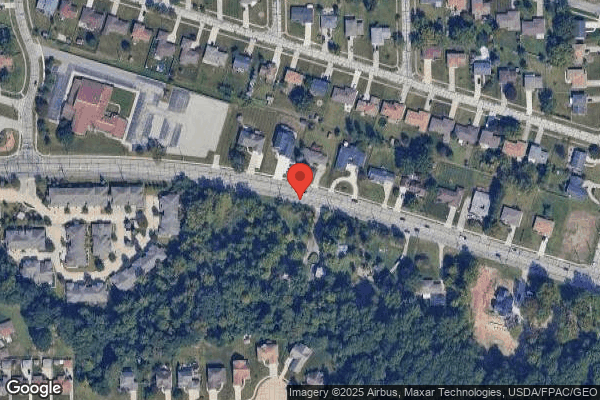

819 ROCKSIDE ROAD, SEVEN HILLS, OH 44131 (216) 487-7557
For profit - Corporation 80 Beds SABER HEALTHCARE GROUP Data: November 2025
Trust Grade
40/100
#774 of 913 in OH
Last Inspection: September 2022

Over 2 years since last inspection. Current conditions may differ from available data.

Overview

Seven Hills Health & Rehab Center has a Trust Grade of D, which indicates below-average performance with some concerning issues. It ranks #774 out of 913 facilities in Ohio, placing it in the bottom half of nursing homes in the state, and #74 of 92 in Cuyahoga County, meaning there are only a few better options nearby. Unfortunately, the facility is worsening, with the number of reported issues increasing from 3 in 2024 to 10 in 2025. Staffing is somewhat of a concern, receiving a 2/5 star rating with a turnover rate of 54%, which is near the state average. While there are no fines on record, there have been serious incidents, including a resident losing a significant amount of weight due to inadequate monitoring of tube feedings and another developing unstageable pressure ulcers because timely assessments and care were not provided. Overall, while the facility does have some strengths, such as no fines and a decent quality measures rating, the serious issues and declining trend raise significant concerns for families considering this option.

Trust Score
D
40/100
In Ohio
#774/913
Bottom 16%
Safety Record
Moderate
Needs review
Inspections
Getting Worse
3 → 10 violations
Staff Stability
⚠ Watch
54% turnover. Above average. Higher turnover means staff may not know residents' routines.
Penalties
✓ Good
No fines on record. Clean compliance history, better than most Ohio facilities.
Skilled Nurses
○ Average
Each resident gets 34 minutes of Registered Nurse (RN) attention daily — about average for Ohio. RNs are the most trained staff who monitor for health changes.
Violations
⚠ Watch
39 deficiencies on record. Higher than average. Multiple issues found across inspections.
★★☆☆☆
2.0
Overall Rating
★★☆☆☆
2.0
Staff Levels
★★★★★
5.0
Care Quality
★☆☆☆☆
1.0
Inspection Score
Stable
2024: 3 issues
2025: 10 issues

The Good

  • 5-Star Quality Measures · Strong clinical quality outcomes
  • Full Sprinkler Coverage · Fire safety systems throughout facility
  • No fines on record

Facility shows strength in quality measures, fire safety.

The Bad

2-Star Overall Rating

Below Ohio average (3.2)

Below average - review inspection findings carefully

Staff Turnover: 54%

Near Ohio avg (46%)

Higher turnover may affect care consistency

Chain: SABER HEALTHCARE GROUP

Part of a multi-facility chain

Ask about local staffing decisions and management

The Ugly 39 deficiencies on record

2 actual harm
Jul 2025 10 deficiencies 1 Harm
SERIOUS (G) 📢 Someone Reported This

A family member, employee, or ombudsman was alarmed enough to file a formal complaint

Actual Harm - a resident was hurt due to facility failures

Deficiency F0692 (Tag F0692)

A resident was harmed · This affected 1 resident

**NOTE- TERMS IN BRACKETS HAVE BEEN EDITED TO PROTECT CONFIDENTIALITY** Based on record review, observation, policy review, and interview, the facility failed to provide evidence that enteral tube fee...

Read full inspector narrative →
**NOTE- TERMS IN BRACKETS HAVE BEEN EDITED TO PROTECT CONFIDENTIALITY** Based on record review, observation, policy review, and interview, the facility failed to provide evidence that enteral tube feedings were administered to prevent weight loss. This affected two residents (#57 and #60) out of three reviewed for tube feeding. The facility also failed to obtain weekly weights as ordered. This affected four residents (#11, #20, #57, and #60) out of six reviewed for nutrition. The facility also failed to provide adequate hydration to prevent dehydration. This affected one resident (#11) out of three reviewed for hydration. The facility census was 63.Actual harm occurred on 06/16/25 when Resident #60, who had severe cognitive impairment and required enteral tube feeding to meet nutritional needs, sustained a 20.6 pound weight loss (in 34 days) as a result of the facility's failure to accurately monitor and record tube feed intakes, obtain weekly weights as ordered, and adjust tube feeding rate timely to prevent further weight loss. On 05/01/25, Resident #60 weighed 207.2 pounds. On 05/07/25 and 05/13/25, Resident #60 weighed 207.0 pounds. On 05/22/25, Resident #60 weighed 197.8 pounds, which was a weight loss of 9.2 pounds (4.4%) in 9 days. On 06/16/25, Resident #60 weighed 186.4 pounds, which was a further weight loss of 11.4 pounds (5.8%) and there was no evidence that the facility had been monitoring Resident #60's weight between 05/22/25 and 06/16/25 or that adjustments had been made to the tube feeding order to prevent further weight loss. The weight loss continued and on 06/19/25 the resident was assessed to sustain an additional weight loss of 7.0 pounds (3.8%) with a recorded weight of 179.4 pounds. Resident #60 sustained a severe weight loss of 13.4% since admission (in 51 days). Findings include: 1. Review of the medical record for Resident #60 revealed an admission date of 04/30/25 with diagnoses including aspiration pneumonia, lung cancer, cerebral infarction, dysphagia, laryngeal cancer, aphasia, and dysarthria. Review of the medical nutritional therapy assessment, dated 05/02/25, revealed Resident #60 received nothing by mouth (NPO) and required a feeding tube to meet nutritional needs. The assessment indicated Resident #60 required 2184 to 2589 calories, 81 to 97 grams of protein, and 2427 to 2832 milliliters (ml) of fluid daily. The nutritional goals included no unplanned significant weight changes, tube feeding formula and flushes as ordered, and weekly weights for four weeks. Review of the nutrition care plan, initiated 05/05/25, revealed Resident #60 was at increased nutritional risk related to gastric tube use, lung and laryngeal cancer, pneumonia, cerebral infarction, dysphagia, hemiplegia, overweight, requiring enteral feedings for nutrition and hydration, and malnutrition. Interventions included but were not limited to: check tube placement prior to medication or tube feeding administration (05/05/25), monitor for complications such as diarrhea, gastric distention, aspiration, and report complications to the physician (05/05/25), monitor labs per orders (05/05/25), monitor need for increased nutritional interventions related to diagnoses, tube feeding, medications, and other listed problems (05/05/25), monitor for signs and symptoms of dehydration such as poor skin turgor, cracked lips, thirst, fever, and abnormal labs (05/05/25), monitor weight per protocol (05/05/25), provide diet as ordered (05/05/25), provide tube feeding as ordered (05/05/25), provide tube feeding and medication flushes as ordered (05/05/25), and report 5% weight loss or gain to the physician and Registered Dietitian (RD) (05/05/25). The nutrition care plan was last reviewed and revised on 05/05/25 at 2:02 P.M. by RD #83.Review of the admission Minimum Data Set (MDS) assessment, dated 05/06/25, revealed Resident #60 had severe cognitive impairment with a Brief Interview for Mental Status (BIMS) score of 00. The assessment also indicated Resident #60 received 51% or more of daily calories from tube feeding and 501 milliliters (ml) or more of daily fluid from tube feeding.Review of the physician's orders for Resident #60 identified orders for NPO (ordered 04/30/25), weekly weights for four weeks (ordered 04/30/25, discontinued 06/03/25), bolus enteral feedings of Isosource to infuse 360ml every six hours via enteral tube, flush with 30ml of water after the bolus feed, and record amounts (ordered 04/30/25, discontinued 05/01/25), bolus enteral feedings of Isosource 1.5 to infuse 360ml every six hours via enteral tube for a total of 1440ml of formula providing 2160 calories, flush with 30ml of water after the bolus feed, and record amounts (ordered 05/01/25, discontinued 05/02/25), bolus enteral feedings of Isosource 1.5 to infuse 400ml every six hours via enteral tube for a total of 1600ml of formula providing 2400 calories, flush with 30ml of water after the bolus feed, and record amounts (ordered 05/02/25, discontinued 06/19/25), and bolus enteral feedings of Isosource 1.5 to infuse 500ml every six hours via enteral tube for a total of 2000ml of formula providing 3000 calories, flush with 30ml of water after the bolus feed, and record amounts (ordered 06/19/25). Physician's orders for routine tube feeding flushes were separate from the enteral formula orders and were as follows: free water flushing 250ml once daily via peg tube (ordered 04/30/25, discontinued 05/01/25), free water flushing 250ml every six hours via peg tube (ordered 05/01/25, discontinued 05/02/25), free water flushing 300ml every six hours via peg tube (ordered 05/02/25, discontinued 06/19/25), and free water flushing 250ml every six hours via peg tube (ordered 06/19/25). Review of the weights documented in the vitals portion of the electronic health record and on the Medication Administration Record/Treatment Administration Record (MAR/TAR) for Resident #60 revealed the following recorded weights: 207.2 pounds on 05/01/25, 207.0 pounds on 05/07/25, 207.0 pounds on 05/13/25, 197.8 pounds on 05/22/25, 186.4 pounds on 06/16/25, and 179.4 pounds on 06/19/25. There were no recorded weights between 05/22/25 and 06/16/25. Review of the MAR/TAR documentation for Resident #60 for May 2025 through June 2025 revealed the following: - On 05/14/25, 800ml of Isosource 1.5 was administered, which provided a daily total of 1200 calories (a deficit of 984 calories from the calculated nutritional needs). - On 05/15/25, 800ml of Isosource 1.5 was administered, which provided a daily total of 1200 calories (a deficit of 984 calories from the calculated nutritional needs). - On 05/16/25, 1200ml of Isosource 1.5 was administered, which provided a daily total of 1800 calories (a deficit of 384 calories from the calculated nutritional needs). - On 05/17/25, 900ml of Isosource 1.5 was administered, which provided a daily total of 1350 calories (a deficit of 834 calories from the calculated nutritional needs). It was documented that Resident #60 refused the 12:00 P.M. tube feeding formula administration. - On 05/18/25, 1200ml of Isosource 1.5 was administered, which provided a daily total of 1800 calories (a deficit of 384 calories from the calculated nutritional needs). - On 05/19/25, 1200ml of Isosource 1.5 was administered, which provided a daily total of 1800 calories (a deficit of 384 calories from the calculated nutritional needs). - On 05/20/25, 1400ml of Isosource 1.5 was administered, which provided a daily total of 2100 calories (a deficit of 84 calories from the calculated nutritional needs). - On 05/22/25, 1400ml of Isosource 1.5 was administered, which provided a daily total of 2100 calories (a deficit of 84 calories from the calculated nutritional needs). - On 05/23/25, 1200ml of Isosource 1.5 was administered, which provided a daily total of 1800 calories (a deficit of 384 calories from the calculated nutritional needs). - On 05/25/25, 1400ml of Isosource 1.5 was administered, which provided a daily total of 2100 calories (a deficit of 84 calories from the calculated nutritional needs). - On 05/26/25, 1200ml of Isosource 1.5 was administered, which provided a daily total of 1800 calories (a deficit of 384 calories from the calculated nutritional needs). - On 05/27/25, 1400ml of Isosource 1.5 was administered, which provided a daily total of 2100 calories (a deficit of 84 calories from the calculated nutritional needs). - On 05/29/25, 700ml of Isosource 1.5 was administered, which provided a daily total of 1050 calories (a deficit of 1184 calories from the calculated nutritional needs). - On 05/30/25, 1400ml of Isosource 1.5 was administered, which provided a daily total of 2100 calories (a deficit of 84 calories from the calculated nutritional needs). - On 05/31/25, 850ml of Isosource 1.5 was administered, which provided a daily total of 1275 calories (a deficit of 909 calories from the calculated nutritional needs). - On 06/01/25, 600ml of Isosource 1.5 was administered, which provided a daily total of 900 calories (a deficit of 1284 calories from the calculated nutritional needs). - On 06/02/25, 600ml of Isosource 1.5 was administered, which provided a daily total of 900 calories (a deficit of 1284 calories from the calculated nutritional needs). - On 06/03/25, 1100ml of Isosource 1.5 was administered, which provided a daily total of 1650 calories (a deficit of 534 calories from the calculated nutritional needs). - On 06/11/25, 1400ml of Isosource 1.5 was administered, which provided a daily total of 2100 calories (a deficit of 84 calories from the calculated nutritional needs). - On 06/12/25, 800ml of Isosource 1.5 was administered, which provided a daily total of 1200 calories (a deficit of 984 calories from the calculated nutritional needs). - On 06/14/25, 1400ml of Isosource 1.5 was administered, which provided a daily total of 2100 calories (a deficit of 84 calories from the calculated nutritional needs). - On 06/15/25, 930ml of Isosource 1.5 was administered, which provided a daily total of 1395 calories (a deficit of 789 calories from the calculated nutritional needs). - On 06/16/25, 1030ml of Isosource 1.5 was administered, which provided a daily total of 1545 calories (a deficit of 639 calories from the calculated nutritional needs). - On 06/20/25, 1000ml of Isosource 1.5 was administered, which provided a daily total of 1500 calories (a deficit of 684 calories from the calculated nutritional needs). - On 06/21/25, 1250ml of Isosource 1.5 was administered, which provided a daily total of 1875 calories (a deficit of 309 calories from the calculated nutritional needs). - On 06/23/25, 1000ml of Isosource 1.5 was administered, which provided a daily total of 1500 calories (a deficit of 684 calories from the calculated nutritional needs).Review of the dietary progress note dated 05/26/25 at 3:02 P.M. indicated Resident #60 had sustained a 4.5% weight loss since admission on Isosource 1.5 at 400ml every six hours with 300ml water flushes to provide 2400 calories, 109 grams (g) protein, and 2422ml free fluid. The note indicated the current tube feeding order was meeting Resident #60's nutritional needs and weight maintenance was desirable. The note indicated no changes were made to the tube feeding order and weekly weights would be continued for close monitoring.Review of the weights documented in the vitals portion of the electronic health record and on the MAR/TAR for Resident #60 revealed weekly weights were not obtained as ordered on 05/27/25 and 06/03/25. There was no progress note indicating the physician or RD were notified of the weight loss on 06/16/25.The nurses note dated 06/17/25 at 3:11 P.M. indicated Resident #60 was visited by a physician's assistant (unnamed) that day and new orders were added for Trazadone to address increased restlessness and agitation. There was no mention of weight loss.Review of the dietary progress note dated 06/19/25 at 4:37 P.M. indicated Resident #60 had sustained a significant weight loss of 15% in one month. The note indicated Resident #60 had increased nutritional needs due to a cancer diagnosis and activity levels. The tube feeding order was increased to Isosource 1.5 to infuse 500ml every six hours with 250ml water flushes to provide 3000 calories, 136g protein, and 2528ml free fluid.On 06/30/25 at 9:36 A.M., an interview with RD #83 stated when weight loss occurred, she would make any nutritional recommendations on the following Monday and the expectation was those recommendations would be addressed by Thursday each week (three days later). She also stated re-weights would be obtained to verify the weight loss. On 06/30/25 at 11:27 A.M., an interview with RD #83 stated she had not done the calculations to determine exact amounts, but a significant weight loss would require a large calorie deficit.On 06/30/25 at 3:57 P.M., an interview with Medical Director (MD) #87 stated the facility probably notified Physician's Assistant #88 of weight changes because the facility usually only notified MD #87 of bigger things. MD #87 said he would just follow the RD's recommendations for any changes because the RD was the expert with weight loss and calculating calories.On 06/30/25 at 4:45 P.M., an interview with the Director of Nursing (DON) verified the documentation on the MAR/TAR indicated Resident #60 did not receive the amount of tube feeding formula that was ordered on numerous days in May 2025 and June 2025.On 07/01/25 at 11:50 A.M., an interview with Regional RD #86 confirmed the documentation indicated the full amount of tube feeding formula was not administered for Resident #60. Regional RD #86 claimed it was just a documentation error, however, she was unable to provide any evidence that the tube feeding formula was administered as ordered. On 07/01/25 at 3:28 P.M., an interview with Regional RD #86 stated RD #83 reviewed the weight change that occurred on 05/22/25, recommended weekly weights to monitor weight trend, and Regional RD #86 confirmed those weekly weights were not obtained after 05/22/25. RD #86 confirmed no changes were made to the tube feeding formula order between 05/02/25 and 06/19/25. Regional RD #86 further stated the way their electronic health records were set up was confusing for the nurses, claiming that was why there were inconsistencies between the physician's orders and the documentation of tube feeding formula administration.On 07/01/25 at 3:53 P.M., an interview with the DON verified the weekly weights were documented as not obtained on the MAR/TAR on 05/27/25 and 06/03/25. The DON was unable to provide a reason why those weights were not obtained.An attempt to interview Physician's Assistant #88 on 07/02/25 was unsuccessful.Review of the facility's policy titled Dietary Enteral Nutrition Care, dated 06/02/20, revealed upon initiation of enteral feeding, the RD would conduct an assessment that included a calculation of the individual's energy, protein, and fluid requirements, as well as any potential medication interactions. If there was an existing enteral nutrition order, a comparison would be made between the individual's requirements and the physician ordered enteral formula and free fluid flush. The RD or designee would monitor weight, skin conditions, labs, physical symptoms, and tolerance to feeding. The nursing staff would communicate any concerns to the physician and RD regarding changes in condition such as weight loss, diarrhea, nausea, vomiting, bloating, gas, and high residual levels. Review of the facility's policy titled Resident Weight Policy, dated 12/12/23, revealed weights would be obtained routinely in order to monitor nutritional health over time. Each resident's weight would be determined upon admission to the facility, weekly for four weeks after admission, and monthly or more often if risk was identified, or as ordered. Nursing was responsible for obtaining weights. After the first four weeks, the resident review committee would determine the need for continued weekly weights. Weights would be recorded in the electronic health record. 2. Review of the medical record for Resident #57 (R #57) revealed an admission date of 01/09/25 with diagnoses of metabolic encephalopathy, moderate protein-calorie malnutrition, dysphagia, and type two diabetes mellitus.Review of the quarterly minimum data set (MDS) assessment dated [DATE] revealed R #57 was cognitively impaired, rarely or never able to make needs known, and rarely or never understood communication. The assessment indicated that she was dependent upon two staff members to move in bed, take a shower or bath, and dependent on one staff member for dressing. Review of the physician's orders revealed no pharmacological intervention for anxiety, agitation or restlessness, and no as needed medication for bowel regime. Further review of the physician's orders for June 2025 for R #57 identified orders for Diabetisource AC at 60 milliliters (ml) per hour for 22 hours to provide 1320ml formula and 1584 calories daily (ordered 03/17/25, discontinued 06/30/25), and Diabetisource AC at 65 ml per hour for 22 hours to provide 1,430ml formula and 1,716 calories daily (order dated 06/30/25).Review of medical nutritional therapy assessment, authored by Registered Dietitian (RD) #83 and dated 04/03/25, revealed R #57 received nothing by mouth (NPO) and required a feeding tube to meet nutritional needs. The assessment indicated the ordered enteral feeding would provide 1,584 calories, 79 milligrams (mg) of protein, 1,077 milliliters (ml) of free fluids plus flushes to total 1,977 ml daily. The estimated nutritional needs portion of the assessment was blank and there were no nutritional needs specified. The nutritional goals included tolerance to enteral feedings, no signs or symptoms of dehydration, and no significant weight changes. Review of lab results dated 05/08/25 revealed a basic metabolic panel (BMP) and a complete blood count (CBC) was obtained with results essentially within expected range for diagnosis and no new orders were obtained. Review of the lab results dated 06/05/25 revealed a BMP, CBC and hemoglobin A1C were obtained, and all results were within expected range and no new orders were written. There was no evidence that a Pre-Albumin level was obtained.Review of weights for R #57 revealed a weight loss of 4.8% within 30days. The documented weights were as follows: 152.0 pounds on 05/06/25, 154.2 pounds on 06/09/25, and 146.8 pounds on 06/26/25.Review of the Medication Administration Record (MAR) for R #57 for June 2025 revealed the following: On 06/09/25, 300ml of Diabetisource AC was administered, which provided a daily total of 360 calories (a deficit of 1224 calories from what was ordered).On 06/11/25, 300ml of Diabetisource AC was administered, which provided a daily total of 360 calories (a deficit of 1224 calories from what was ordered).On 06/12/25, 300ml of Diabetisource AC was administered, which provided a daily total of 360 calories (a deficit of 1224 calories from what was ordered).On 06/14/25, 750ml of Diabetisource AC was administered, which provided a daily total of 900 calories (a deficit of 684 calories from what was ordered).On 06/15/25, 810ml of Diabetisource AC was administered, which provided a daily total of 972 calories (a deficit of 612 calories from what was ordered).On 06/16/25, 300ml of Diabetisource AC was administered, which provided a daily total of 360 calories (a deficit of 1224 calories from what was ordered).On 06/17/25, 810ml of Diabetisource AC was administered, which provided a daily total of 972 calories (a deficit of 612 calories from what was ordered).On 06/18/25, 810ml of Diabetisource AC was administered, which provided a daily total of 972 calories (a deficit of 612 calories from what was ordered).On 06/19/25, 300ml of Diabetisource AC was administered, which provided a daily total of 360 calories (a deficit of 1224 calories from what was ordered).On 06/21/25, 300ml of Diabetisource AC was administered, which provided a daily total of 360 calories (a deficit of 1224 calories from what was ordered).On 06/22/25, 300ml of Diabetisource AC was administered, which provided a daily total of 360 calories (a deficit of 1224 calories from what was ordered).On 06/23/25, 300ml of Diabetisource AC was administered, which provided a daily total of 360 calories (a deficit of 1224 calories from what was ordered).On 06/24/25, 870ml of Diabetisource AC was administered, which provided a daily total of 1044 calories (a deficit of 540 calories from what was ordered).On 06/25/25, 300ml of Diabetisource AC was administered, which provided a daily total of 360 calories (a deficit of 1224 calories from what was ordered).On 06/26/25, 300ml of Diabetisource AC was administered, which provided a daily total of 360 calories (a deficit of 1224 calories from what was ordered).On 06/27/25, 870ml of Diabetisource AC was administered, which provided a daily total of 1044 calories (a deficit of 540 calories from what was ordered).On 06/28/25, 1260ml of Diabetisource AC was administered, which provided a daily total of 1512 calories (a deficit of 72 calories from what was ordered).On 06/29/25, 660ml of Diabetisource AC was administered, which provided a daily total of 792 calories (a deficit of 792 calories from what was ordered).Review of bowel tracking records for R #57 from 06/20/25 through 06/29/25 revealed no evidence of a bowel movement (BM) on 06/21/25, 06/22/25, 06/23/25, 06/25/25, 06/26/25, 06/27/25, 06/28/25, 06/29/25. There was no evidence of any as needed bowel interventions provided during this interval, just the routine daily dose of Miralax.Review of progress notes since admission revealed no documented evidence of anxiety or restlessness. Review of a progress note dated 06/26/25, authored by RD #83, revealed R #57 had a 4.8% weight loss since 06/09/25 (17 days). The note indicated R #57 was often restless, anxious and, per nursing staff, often rolled onto her tubing causing the infusion of formula to occlude. There were no other notes between 01/09/25 and 06/26/25 to indicate R #57 rolled onto her tubing causing the tube feed formula to stop infusing. Review of the progress note dated 07/01/25 at 8:43 P.M. indicated R #57 was transferred to an acute care hospital due to unrelieved brown emesis.An observation on 06/23/25 at 10:30 A.M. revealed that R #57 was in bed lying on her left side, the enteral feeding pump was alarming, and the formula was not infusing. A bag of Diabetisource AC was hanging on a pole and was attached to the infusion pump. The formula bag was labeled with a date of 06/23/25 without a time. Continued observation of R #57's room revealed no staff were present on the unit and no staff entered R #57's room until 12:52 P.M., approximately two hours and 22 minutes after the tube feed was first observed alarming.An observation on 06/23/25 at 12:52 PM revealed MDS nurse #11 walked into R #57 room. The enteral feeding pump ceased beeping. MDS nurse #11 verified that the pump was not infusing formula, that she restarted it and could not say how long the pump was beeping.A continuous observation on 06/24/25 from 8:00 A.M. until 1:13 P.M. revealed R #57 lying on her left side, not laying on enteral tubing. No staff members were observed entering R #57's room at any point during this observation.An observation on 06/25/25 07:41 A.M. revealed R #57 lying on her back with legs bent at the knees, not laying on enteral tubing. Further observations at 10:00 A.M., 12:30 P.M. and 4:03 P.M. revealed R #57 was in the same position.An interview on 06/24/25 at 02:43 P.M. with Certified Nursing Assistant (CNA) #58 revealed that R #57 was checked and changed about every 3 hours. CNA #58 was unable to state when she was last in the room. CNA #58 shared that they had twelve residents to care for all of which were located on the same hallway.An interview on 06/30/25 at 10:23 A.M. with the Director of Nursing (DON) revealed that when R #57's enteral feeding pump beeped then the nurses went down to the resident's room, readjusted the pump and/or tubing, and restarted the pump. The DON stated the pump would be occluded for a minimal time, not a significant amount of time. The DON indicated that she did not know how long a pump would have to be off to cause significant weight loss. The DON verified the documentation on the MAR of less than the ordered amount of enteral feeding. Regarding the lack of bowel movements, the DON stated that the MDS nurse brought a report to morning meeting and identified all residents that had no BM in three days or greater. That information was given to the nurses on the floor for follow-up. Once the information was given to the nurse, the alerts were cleared from the electronic health record system and no further information was tracked. An interview on 06/30/25 at 11:27 A.M. with RD #83 confirmed the documentation in the MAR was less than the ordered amount of tube feeding formula. RD #83 indicated that she would have to do calculations but that a significant weight loss in 30 days would require a large calorie deficit.An interview on 06/30/25 at 03:06 P.M. with Licensed Practical Nurse (LPN) #55 revealed that occasionally the tubing on R #57's feeding pump got kinked. The pump beeped but was not as loud as an IV pole and that R #57's room was two-thirds of the way down the hall away from the nurse's station, so it could not be heard at the nurse's station. LPN #55 Further shared that the second floor had two nurses assigned to split the all the residents on the second floor. Each nurse assigned to a hall also had to split another hall for medication administration and could not hear anything that occurred on the other hall. Further shared that Resident #57 used to move about and pull the whole pump and pole over when they were first admitted but doesn't do that anymore.An interview on 06/30/25 at 3:57 P.M. with Medical Director (MD) #87 stated the facility probably notified Physician's Assistant #88 of weight changes because the facility usually only notified MD #87 of bigger things. MD #87 said he would just follow the RD's recommendations for any changes because the RD was the expert with weight loss and calculating calories. MD #87 indicated that he expected lab chemistry to be monitored and to include pre-Albumin levels.Review of the facility's policy titled Dietary Enteral Nutrition Care, dated 06/02/20, revealed upon initiation of enteral feeding, the RD would conduct an assessment that included a calculation of the individual's energy, protein, and fluid requirements, as well as any potential medication interactions. If there was an existing enteral nutrition order, a comparison would be made between the individual's requirements and the physician ordered enteral formula and free fluid flush. The RD or designee would monitor weight, skin conditions, labs, physical symptoms, and tolerance to feeding. The nursing staff would communicate any concerns to the physician and RD regarding changes in condition such as weight loss, diarrhea, nausea, vomiting, bloating, gas, and high residual levels. Review of the facility's policy titled Resident Weight Policy, dated 12/12/23, revealed weights would be obtained routinely in order to monitor nutritional health over time. Each resident's weight would be determined upon admission to the facility, weekly for four weeks after admission, and monthly or more often if risk was identified, or as ordered. Nursing was responsible for obtaining weights. After the first four weeks, the resident review committee would determine the need for continued weekly weights. Weights would be recorded in the electronic health record.Review of the facility's policy titled Bowel Tracking Protocol, dated 03/12/24, revealed bowel movements were documented by nurse aides in the electronic medical record. If the resident had not had a bowel movement for 3 full days (72 hours), and in the absence of other resident-specific orders, the nurse would determine if laxatives were indicated based on the resident's bowel habits and patterns. Step 1: Milk of Magnesia 30 ml at bedtime the evening after 72 hours without a bowel movement (BM) ; Step 2: If no BM by 10:00 A.M. the following day, give bisacodyl suppository 10 mg PR; Step 3: If no BM by the next morning, contact provider for further orders.3. Review of the medical record for Resident #11 revealed an admission date of 04/17/25. Diagnoses included but were not limited to epilepsy, unspecified fracture of right and left pubis, fracture of right tibia, poly osteoarthritis, and repeated falls. Review of the 06/16/25 Minimum Data Set (MDS) for Resident #11 revealed a Brief Interview of Mental Status (BIMS) of 15 which indicated intact cognition. Resident #11 was noted to be independent for self-care, eating and dependent for toileting, bathing, dressing and wheeling 150 feet. Resident #11 was not noted to be on a therapeutic diet and was noted to have significant weight loss and was not on a physician prescribed weight loss program. Review of the 04/17/25 physician order for Resident #11 revealed an order to obtain weight upon admission and then weekly for four weeks once a day on Tuesdays.Review of the facility weight recording form from 04/14/25 revealed a weight for Resident #11 but was not dated as being another date other than 04/14/25 since resident was not at the facility on 04/14/25. Review of the admission progress note for Resident #11 revealed no listed admission weight. Review of the 04/21/25 care plan for Resident #11 revealed increased nutrition and hydration risk related to epilepsy, fracture of pubis, muscle weakness, obesity, diuretic use and potential for fluid related weight fluctuations. Interventions listed were to encourage compliance with diet guidelines, encourage resident to dine in the dining room, monitor dietary intake, monitor lab values per orders, monitor need for increased nutritional intervention related to diagnosis, medication and listed problems, monitor weight per protocol, offer alternate food is less than 50 % of meals, and encourage adequate fluid intake.Review of the facility weight recording form from 04/21/25, 04/28/25, for Resident #11 revealed no weight recorded. Review of the nursing progress note date 04/20/25 timed at 1:59 P.M. for Resident #11 revealed a burning sensation when voiding, and order for a urinalysis (UA) and a urine culture and sensitivity (C &S) test were obtained. Review of the nursing progress note dated 04/21/25 at 3:24 P.M. for Resident #11 revealed an order for Macrobid 100 milligrams (mg) by mouth twice daily for seven days for symptoms of a urinary tract infection.Review of the 04/22/25 lab results for Resident #11 revealed they were completed and a request with an order to repeat the labs on 04/29/25.Review of the facility weight recording form from 05/01/25 (monthly weights) for Resident #11 was 150.8 # and a reweight was requested but not completed. No weight was recorded in the medical record.Review of the facility weight recording form from 05/12/25 and 05/20/25 for Resident #11 revealed no weight recorded. Review of the medical record for Resident #11 revealed a weight on 04/21/25 of 173.2# and 06/16/25 of 164.4 pounds (#) and no additional weights recorded. Weight loss from 4/21/25 to 06/16/25 was 8.8# which was a 5 percent loss.Review of the labs recorded on 04/29/25 for Resident #11 revealed the physician requested no new orders. Review of the 05/12/25 nursing pro[TRUNCATED]
CONCERN (D) 📢 Someone Reported This

A family member, employee, or ombudsman was alarmed enough to file a formal complaint

Potential for Harm - no one hurt, but risky conditions existed

Deficiency F0558 (Tag F0558)

Could have caused harm · This affected 1 resident

**NOTE- TERMS IN BRACKETS HAVE BEEN EDITED TO PROTECT CONFIDENTIALITY** 3. Review of the medical record for Resident #28 revealed an admission date of 05/02/24 with diagnoses including diabetes mellit...

Read full inspector narrative →
**NOTE- TERMS IN BRACKETS HAVE BEEN EDITED TO PROTECT CONFIDENTIALITY** 3. Review of the medical record for Resident #28 revealed an admission date of 05/02/24 with diagnoses including diabetes mellitus, hypertension, anxiety, depression, bipolar disorder, and chronic kidney disease. Review of the minimum data set (MDS) assessment dated [DATE] revealed Resident #28 was cognitively intact and required substantial or maximum assistance for activities of daily living (ADLs). On 06/24/25 at 3:01 P.M., an observation of Resident #28's room revealed Resident #28 was laying in bed calling for help and her call light was observed on the floor and out of reach. An interview at the time of observation with Certified Nursing Assistant (CNA) #27 verified Resident #28's call light was on the floor and out of reach. On 06/25/25 at 10:40 A.M., an observation revealed Resident #28 was lying in bed and the call light was not in reach. The call signal light on top of the door was illumined, indicating the residents in the room requested assistance. Licensed Practical Nurse (LPN) #44 entered the room and asked Resident #28 what she needed. Resident #28 replied she needed her call light and wanted to get dressed. LPN #44 retrieved the call light and put it in reach of Resident #28. Resident #28's roommate stated she needed help and had put on the call light. On 06/25/25 at 10:42 A.M., an interview with LPN #44 verified Resident #28's call light was not reach. This deficiency represents non-compliance investigated under Master Complaint Number OH00165594. Based on observation, interview, record review and facility policy, the facility failed to ensure the resident's call light was within reach. This affected three Residents (#6, #28 and #122) out of six residents reviewed for call lights. The facility census was 63. Findings include: 1. Review of the medical record for Resident #6 revealed an admission date of 06/25/25 with diagnoses including acute respiratory failure, catatonic disorder, dysphagia, major depressive disorder, dependence on respiratory, multiple contractures, dependence on supplemental oxygen, and encephalopathy. Review of Minimum Data Set (MDS) assessment dated [DATE] revealed a Brief Interview for Mental Status (BIMS) score of 13 with maximum full dependence on staff for all activities of daily living (ADLs) and hygiene needs. Resident #6 was unable to perform any self-care due to catatonic state and contractures and uses a pressure pad call light for assistance. Observation on 06/24/25 at 9:30 A.M. revealed pressure pad call light located on the floor and resident was unable to call for assistance. Interview on 06/24/25 at 9:32 A.M. with Certified Nursing Assistant (CNA) #52 verified pressure pad call light on floor. CNA #52 replaced call light next to contracted arm so resident could activate if needed. 2. Review of medical record for Resident #122 revealed an admission date of 06/19/25 with diagnoses including infection of skin and subcutaneous tissue, sepsis, staphylococcus and pseudomonas infections (highly resistant bacterial organisms which require extended antibiotics), morbid obesity, protein-calorie malnutrition, chronic kidney disease, and muscle weakness. Review of MDS dated [DATE] revealed Resident #122 was alert, oriented, appropriate and no behavioral concerns. MDS also revealed Resident #122 required maximum assistance for ADLs, mobility, and hygiene needs due to deconditioning and morbid obesity. Interview and observation on 06/25/25 at 9:11 A.M. revealed Resident #122 complained of having a wet gown and needed to be changed. Resident was unable to reach call light for assistance. Call light was observed to be wrapped around the side of the bed rail near head of bed and out of reach for resident. Interview on 06/25/25 at 9:13 A.M. with CNA #84 verified call light was out of reach for resident. Call light was repositioned and secured on bed within reach for resident. Review of facility policy titled Resident Communication and Call Light Policy revised on 02/24/2023 revealed when resident is in bed or confined to a chair, the call light will be within easy reach.
CONCERN (D) 📢 Someone Reported This

A family member, employee, or ombudsman was alarmed enough to file a formal complaint

Potential for Harm - no one hurt, but risky conditions existed

Deficiency F0561 (Tag F0561)

Could have caused harm · This affected 1 resident

Based on record review, observation, and interview, the facility failed to honor resident preferences as ordered by the physician. This affected one resident (#19) out of two reviewed for choices. The...

Read full inspector narrative →
Based on record review, observation, and interview, the facility failed to honor resident preferences as ordered by the physician. This affected one resident (#19) out of two reviewed for choices. The facility census was 63. Findings include: Review of the medical record for Specified Resident #19 revealed an admission date of 10/22/24 with diagnoses including hemiplegia and hemiparesis following cerebral infarction affecting right dominant side, convulsions, hyperlipidemia, hypertension, depression, aphasia, muscle weakness, need for assistance with personal care, and difficulty in walking. Review of the quarterly Minimum Data Set (MDS) assessment, dated 04/18/25, revealed Resident #19 had severely impaired cognition. The assessment indicated Resident #19 required partial or moderate assistance for eating, oral hygiene, and personal hygiene; required substantial or maximum assistance for rolling left and right, sit to lying, and lying to sitting; and was totally dependent on staff for toileting hygiene, showering or bathing self, dressing, and chair/bed to chair transfer. Review of the optional state MDS assessment, dated 04/18/25, revealed Resident #19 required extensive assistance of two staff for bed mobility and total dependence of two staff for transfers. Review of the physician's orders for June 2025 identified orders for crush medications and split in divided amounts with pudding or yogurt only (ordered 12/28/24) and resident to be up before lunch and down after lunch as tolerated (ordered 04/02/25). Review of the progress note dated December 2024 through June 2025 revealed multiple documented instances of Resident #19 refusing his medications. Review of the progress note dated 12/08/24 at 12:12 P.M. revealed Resident #19 refused all morning medications crushed in applesauce because yogurt was unavailable. Review of the progress note dated 12/27/24 at 6:59 P.M. revealed medications were to be crushed and administered with pudding or yogurt. Review of the progress note dated 04/02/25 at 10:28 A.M. revealed Resident #19's representative was in agreement with getting the resident up before lunch and going down after lunch as long as Resident #19 agrees. Review of the progress note dated 04/12/25 at 4:59 A.M. revealed Resident #19 refused his medications and the resident indicated he would take them if the nurse put them in yogurt. On 06/23/25 at 12:45 P.M., an observation of Resident #19's room revealed he was sitting in bed feeding himself a hamburger. On 06/26/25 at 8:51 A.M., an interview with Licensed Practical Nurse (LPN) #45 revealed Resident #19's medications had been administered with applesauce that morning because the facility was out of yogurt. LPN #45 confirmed Resident #19's preference was for medications to be administered with yogurt instead of applesauce. On 06/26/25 at 9:03 A.M., an interview with Regional Dietary Manager #82 revealed there was yogurt available. Observation at the time of interview revealed a sufficient supply of yogurt in the walk-in refrigerator in the kitchen. On 06/26/25 at 9:05 A.M., an interview with the Director of Nursing (DON) confirmed Resident #19 preferred to take his medications with yogurt instead of applesauce. On 06/26/25 at 10:35 A.M., an interview with the DON confirmed Resident #19 had a physician's order to provide medications in pudding or yogurt only. The DON further revealed there was probably no yogurt in the second floor servery and LPN #45 did not go downstairs to look in the kitchen for yogurt. On 06/30/25 at 12:31 P.M., an observation of Resident #19 revealed he was in bed feeding himself a cheeseburger. On 06/30/25 at 12:40 P.M., an interview with LPN #55 confirmed staff did not get Resident #19 out of bed before lunch. LPN #55 further stated she's not aware of staff ever getting Resident #19 out of bed before lunch in the entire time she had worked at the facility (eight months). LPN #55 verified she signed the MAR/TAR as completed for getting him out of bed despite staff not getting him out of bed on multiple days. LPN #55 also verified there were no documented refusals for Resident #19 getting out of bed. On 07/01/25 at 12:07 P.M., an observation of Resident #19's room revealed he was in bed and Social Services Designee (SSD) #13 was delivering his lunch to him in bed. On 07/01/25 at 12:10 P.M., an interview with SSD #13 confirmed Resident #19 was eating lunch in bed. On 07/02/25 at 12:34 P.M., an observation of Resident #19's room revealed he was in bed feeding himself a cheeseburger. On 07/02/25 at 2:13 P.M., an interview with LPN #44 confirmed Resident #19 had not been out of bed all day, verified she signed the MAR/TAR as completed for getting him out of bed despite staff not getting him out of bed, and LPN #44 said she signed it off as completed because she offered it. LPN #44 claimed Resident #19 refused to get out of bed and confirmed there was no documentation of the refusal. This deficiency represents non-compliance investigated under Master Complaint Number OH00165594.
CONCERN (D) 📢 Someone Reported This

A family member, employee, or ombudsman was alarmed enough to file a formal complaint

Potential for Harm - no one hurt, but risky conditions existed

Deficiency F0679 (Tag F0679)

Could have caused harm · This affected 1 resident

**NOTE- TERMS IN BRACKETS HAVE BEEN EDITED TO PROTECT CONFIDENTIALITY** Based on record review, observations and interviews, the facility failed to provide meaningful resident-centered activities for ...

Read full inspector narrative →
**NOTE- TERMS IN BRACKETS HAVE BEEN EDITED TO PROTECT CONFIDENTIALITY** Based on record review, observations and interviews, the facility failed to provide meaningful resident-centered activities for Resident #57. This affected one (Resident #57) out of three residents reviewed for activities. The facility census was 63. Findings include: Review of the medical record for Resident #57 revealed an admission date of 01/09/25 with diagnoses of metabolic encephalopathy, moderate protein-calorie malnutrition, dysphagia, and type two diabetes mellitus. Review of the quarterly Minimum Data Set (MDS) assessment dated [DATE] revealed Resident #57 was cognitively impaired, rarely or never able to make needs known, and rarely or never understood communication. The assessment indicated that she was dependent upon two staff members to move in bed, take a shower or bath, and dependent on one staff member for dressing. Review of the current physician's orders revealed no pharmacological intervention for anxiety, agitation, or restlessness. Review of progress notes since admission revealed no evidence of anxiety or restlessness. Review of Resident #57's care plan revealed no evidence of anxiety, agitation, or restlessness addressed. Review of the activities care plan for Resident #57 revealed that she preferred activities that identify with her prior lifestyle. The identified goal was that Resident #57 would express satisfaction with daily routine and leisure activities. The identified interventions were to allow her to express her feelings and to interact with peers that have similar interests. Review of an activity assessment dated [DATE] for Resident #57 authored by Life Enrichment Director (LED) #4 revealed that Resident #57 interacted with team members during care and received a minimum of two visits per week from friends and family resulted in an assessment score of two. Per the facilities assessment a score of two required Resident #57 to receive two one-on-one visits per week. Review of the one-on-one activities visit documentation for Resident #57 provided by LED #4 with the following findings. 04/05/25 Resident #57 made eye contact, 04/19/25 Resident #57 refused, 04/26/25 Resident #57 refused, 05/03/25 Resident #57 made eye contact and verbal sounds, 05/17/25 Resident #57 refused, 05/21/25 Resident #57 made eye contact, verbal sounds and soft music was played, 05/31/25 Resident #57 refused, 06/07/25 Resident #57 refused, 06/21/25 Resident #57 refused, 06/21/25 Resident #57 made eye contact activities held her hand and applied lotion. No other documentation was provided. Visitation records were not signed to verify who provided these activities. During an observation on 06/23/25 at 10:30 A.M. Resident #57 was in bed lying on her left side, an enteral feeding pump was alarming, and the formula was not infusing. During an observation on 06/23/25 at 12:52 P.M. MDS Nurse #11 walked into Resident #57's room. The enteral feeding pump ceased beeping. MDS Nurse #11 verified that the pump was not infusing formula, that she restarted it and could not say how long the pump was beeping. During an observation 06/24/25 from 8:00 A.M. until 1:13 P.M. revealed Resident #57 lying on her left side without positioning device or pillows to relieve pressure or provide support. No staff members were observed entering Resident #57's room during this observation. An interview on 06/24/25 at 2:43 P.M. with Certified Nursing Assistant (CNA) #58 revealed that the CNAs check and change Resident #57 about every three hours or so. CNA #58 shared that Resident #57 required a Hoyer (mechanical) lift for transfer, but Resident #57 usually wasn't gotten out of bed. CNA #58 was unable to state why they did not get Resident #57 out of bed. An observation on 06/25/25 7:41 A.M. revealed Resident #57 lying on her back with legs bent at the knees without support for legs. Continued observations at 10:00 A.M., 12:30 P.M. and 4:03 P.M. revealed Resident # 57 to be in the same position. An interview on 06/26/25 at 7:52 A.M. LED #4 shared that residents who could not come to activities due to medical reasons or that preferred to stay in their rooms received one-on-one activities in their room. Some examples of one-on-one activities were puzzles, coloring pages, books, conversation, and playing music of the resident's choice. All residents were interviewed to find out what their preferred activities were, and a one-on-one visitation needs assessment was completed for residents that required one-on-one activities. Further shared that for Resident #57 it was more difficult to assess her preferences due to their lack of cognition and meaningful verbalization. We usually do one-on-one activities two to three times a week with her. For activity, we talk to her, she could nod or say yes/no responses. Lastly, she shared that the staff interacted with her while providing care, and she received visits from her husband. On 06/26/25 at 1:49 P.M. an interview with LED #4. verified that handwritten activity assessment that LED #4 provided was not dated or signed. LED #4 was unable to verify when the assessment was completed. Further verified that the handwritten assessment did not match the one in Matrix dated 04/04/25 and that the assessment in Matrix was the most accurate assessment. LED #4 shared that Resident #57 refused activities by frowning if they did not want to participate and was often asleep when activities staff approached them. LED #4 indicated that she did not think that being asleep was the same thing as refusal of the activity but could not verify if Resident #57 was reapproached while awake. An interview on 06/30/25 at10:36 A.M. with the Director of Nursing (DON) revealed that Resident #57 is a mechanical lift for transfers. The DON shared that this information was in Matrix for the CNAs to access. The DON verified that Resident #57 was not on bed rest. It was the expectation that she be dressed in street clothes and out of bed per the resident's wishes, but Resident #57 often did not want to be bothered. The DON further shared that Resident #57 got restless and could only be up in a chair for short periods of time before she became agitated. This deficiency represents non-compliance investigated under Complaint Number OH00165427.
CONCERN (D) 📢 Someone Reported This

A family member, employee, or ombudsman was alarmed enough to file a formal complaint

Potential for Harm - no one hurt, but risky conditions existed

Accident Prevention (Tag F0689)

Could have caused harm · This affected 1 resident

**NOTE- TERMS IN BRACKETS HAVE BEEN EDITED TO PROTECT CONFIDENTIALITY** Based on record review, interview, policy review, and review of the employee handbook, the facility failed to ensure staff perfo...

Read full inspector narrative →
**NOTE- TERMS IN BRACKETS HAVE BEEN EDITED TO PROTECT CONFIDENTIALITY** Based on record review, interview, policy review, and review of the employee handbook, the facility failed to ensure staff performed transfers in a safe manner per physician's orders and re-assess fall risk after a fall occurred. This affected one resident (#19) out of four reviewed for accident hazards. The facility census was 63. Findings include: Review of the medical record for Resident #19 revealed an admission date of 10/22/24 with diagnoses including hemiplegia and hemiparesis following cerebral infarction affecting right dominant side, convulsions, hyperlipidemia, hypertension, depression, aphasia, muscle weakness, need for assistance with personal care, and difficulty in walking. Review of the physician's orders for Resident #19 identified an order for a mechanical lift for transfers (ordered 10/23/24). Review of the most recent fall risk assessment, dated 10/23/24, revealed Resident #19 had no falls within the previous six months, was completely paralyzed or completely immobilized, and had a score of 0.0 indicating low fall risk. Review of the progress note dated 12/17/24 at 1:38 P.M. revealed Resident #19's roommate notified staff that Resident #19 was on the floor. Resident #19 was found laying on his back to the side of his bed. Resident #19 had no indicators or complaints of pain, answered yes/no questions indicating he was trying to get out of bed, and denied hitting his head. The note dated 12/17/24 at 10:57 P.M. revealed Resident #19 returned to the facility. The note dated 12/19/24 at 1:45 P.M. revealed Resident #19 returned to the facility following a transfer to the emergency room after experiencing a fall on 12/17/24. There was no documentation of a new fall risk assessment after Resident #19 sustained a fall on 12/17/24. Review of a video from the in-room camera dated 01/21/25 revealed Resident #19 was laying on the floor beside his bed. After the nurse assessed Resident #19 for injury, the video showed Certified Nursing Assistant (CNA) #60 and CNA #76 getting Resident #19 off the floor by lifting him under his arms. At no point was a mechanical lift used while transferring Resident #19 back into bed. Review of the progress note dated 01/21/25 at 9:30 P.M. revealed Resident #19 had a fall in his room, was assessed with no injuries identified, and the resident had no indicators or complaints of pain. The progress note dated 01/22/25 at 10:03 A.M. revealed the interdisciplinary team (IDT) reviewed Resident #19's fall from 01/21/25. Resident #19 was found on the floor in his room, was unable to state what he was attempting to do, had been in bed prior to the fall, and did not have any injuries after the fall. New interventions included low bed, bed against wall, mat to floor on open side of bed, and perimeter mattress to bed. The progress note dated 01/22/25 at 2:29 P.M. revealed Resident #19's representative was agreeable to the placement of a perimeter mattress. Resident #19's representative stated she did not want Resident #19's bed to be placed against the wall. The progress note dated 01/24/25 at 1:24 P.M. revealed the IDT reviewed the request from Resident #19's representative that the bed not be placed against the wall. There was no documentation of a new fall risk assessment after Resident #19 sustained a fall on 01/21/25. Review of the progress note dated 02/01/25 at 4:15 A.M. revealed Resident #19 was found sitting on the floor next to his bed, there was no apparent injury, and close observation would continue. Review of the IDT note dated 02/06/25 at 11:39 A.M. revealed Resident #19's fall was reviewed, the resident was unable to state what he was doing prior to the fall, no new safety devices were recommended by IDT, and therapy would assess for appropriateness of reacher in regards to ability to use. There was no documentation of a new fall risk assessment after Resident #19 sustained a fall on 02/01/25. Review of a video from the in-room camera dated 01/25/25 revealed CNA #46 and CNA #58 transferred Resident #19 from the bed to an electronic wheelchair utilizing a gait belt. At no point was a mechanical lift used while transferring Resident #19 into his wheelchair. Review of the quarterly Minimum Data Set (MDS) assessment, dated 04/18/25, revealed Resident #19 had severely impaired cognition. The assessment indicated Resident #19 required partial or moderate assistance for eating, oral hygiene, and personal hygiene; required substantial or maximum assistance for rolling left and right, sit to lying, and lying to sitting; and was totally dependent on staff for toileting hygiene, showering or bathing self, dressing, and chair/bed to chair transfer. The assessment indicated Resident #19 had one fall with no injury since the last assessment. Review of the optional state MDS assessment, dated 04/18/25, revealed Resident #19 required extensive assistance of two staff for bed mobility, total dependence of two staff for transfers, supervision with setup assist for eating, and total dependence of two staff for toilet use. Review of the physical therapy Discharge summary dated [DATE] revealed Resident #19 required a hoyer mechanical lift for transfers and was dependent on staff for basic mobility. Resident #19 was discharged from physical therapy due to progress ceased. Review of a video from the in-room camera dated 06/15/25 showed two staff members, Certified Nursing Assistant (CNA) #55 and CNA #58, in Resident #19's room during a hoyer mechanical lift transfer. While operating the hoyer mechanical lift to lift Resident #19 out of bed, CNA #55 grabbed her cell phone, propped the phone between her shoulder and her ear, and continued operating the hoyer mechanical lift while talking on the phone. On 06/25/25 at 3:38 P.M., review of the video dated 06/15/25 with the Administrator verified CNA #55 operated the hoyer mechanical lift to transfer Resident #19 while talking on her cell phone. On 06/26/25 at 10:45 A.M., review of the videos dated 01/21/25 and 01/25/25 with the Director of Nursing (DON) verified CNAs #46, #58, #60, and #76 all transferred Resident #19 without utilizing a hoyer mechanical lift. The DON further stated the facility did not have a specific policy or protocol detailing what to do after a fall occurs. On 06/26/25 at 10:50 A.M., an interview with the Administrator stated Resident #19's wife did not want Resident #19 to be transferred via mechanical lift. The Administrator verified Resident #19's care plan indicated the resident required a mechanical lift for transfers. The Administrator also reviewed and verified the contents of the videos from 01/21/25 and 01/25/25 at that time. On 06/26/25 at 12:20 P.M., an interview with the DON stated all staff were reporting to her that Resident #19's wife was insistent that staff not utilize a hoyer mechanical lift for transfers because Resident #19's wife wanted him transferred with a gait belt. The DON confirmed therapy had not cleared Resident #19 to be transferred with anything other than a hoyer mechanical lift. On 06/30/25 at 10:22 A.M., an interview with the DON confirmed Resident #19 did not have any new fall risk assessments after experiencing falls. The DON stated after a fall occurs, the IDT reviews the fall and a fall meeting occurs with therapy. The DON further stated no new fall risk assessment was completed that would give a new fall risk score. The DON also confirmed there was no mention of increased fall risk following the falls in January 2025 and February 2025. Review of the facility's employee handbook, dated 01/01/21, revealed the nature of the business of the facility did not allow for personal telephone calls during working hours. The unauthorized use of personal cellular phones or pagers while working in the facility was strictly prohibited and they may be confiscated until the end of the employee's shift. Review of the facility's policy titled Mechanical Lift Policy, dated 01/07/22, revealed a mechanical lift may be used for transferring residents that could not be safely transferred by themselves or with staff assistance. The resident's transfer status would be assessed on admission, quarterly, and as needed with any changes in the resident's transfer ability. Two staff person assist would be required for total body lifts. Any resident who could not be elevated from the floor utilizing contact guard or minimal assist would be lifted from the floor using a mechanical lift only. Review of the facility's policy titled Fall Prevention and Management Policy, dated 08/06/24, revealed residents would be assessed for fall risk on admission, quarterly, and as needed. All falls would be reviewed by the IDT, any new interventions would be implemented, and the care plan would be updated as necessary. The IDT review should include the results of the new fall risk assessment, discussion with the resident and/or any witnessing parties and to potential causal factors, review of the environment where the fall occurred, and discussion as to any new interventions which may help prevent further falls. This deficiency represents non-compliance investigated under Master Complaint Numbers OH00165594 and Complaint Number OH00165427.
CONCERN (D) 📢 Someone Reported This

A family member, employee, or ombudsman was alarmed enough to file a formal complaint

Potential for Harm - no one hurt, but risky conditions existed

Deficiency F0691 (Tag F0691)

Could have caused harm · This affected 1 resident

**NOTE- TERMS IN BRACKETS HAVE BEEN EDITED TO PROTECT CONFIDENTIALITY** Based on record review, interviews, and observations, the facility failed to ensure that colostomy care was provided as ordered ...

Read full inspector narrative →
**NOTE- TERMS IN BRACKETS HAVE BEEN EDITED TO PROTECT CONFIDENTIALITY** Based on record review, interviews, and observations, the facility failed to ensure that colostomy care was provided as ordered and per resident's preference. This affected one resident (Resident #26) out of two residents reviewed for ostomy care. Findings include: Review of medical record revealed that Resident #26 was admitted on [DATE] with diagnosis of heart failure, weakness, polyneuropathy, and major depression. Review of the annual Minimum Data Set (MDS) dated [DATE] Resident #26 was alert and oriented without cognitive impairment. They were dependent upon staff for toilet hygiene, shower and bath, as well as personal hygiene. Resident #26 was always incontinent of bladder and had a colostomy for bowel movements. Review of physician's orders reveal an order dated 01/26/25 to empty the colostomy bag every shift. Report any changes noted such as changes is color of stool, amount of stool, or consistency of stool. Document emptying contents and any changes noted. Review of the comprehensive care plan updated 05/12/25 revealed that per resident's preference empty colostomy pouch, empty all stool, rinse well with water, make sure no stool is left inside the pouch. Reapply the pouch to the wafer. If it remained unclean, replace the pouch with a new one. Review of point of care history for Certified Nursing Assistant (CNA) documentation revealed instructions to the CNA, per Resident's preference, empty colostomy pouch, empty all stool, rinse well with water (make sure no stool left inside pouch) reapply pouch to wafer. If it remained unclean place a new pouch on. The documents provided indicated that the colostomy bag was emptied as follows: 05/27/25 The colostomy pouch was emptied on day shift but not night shift 05/28/25 The colostomy pouch was emptied on both shifts 05/29/25 The colostomy pouch was emptied on both shifts 05/30/25 No evidence that the colostomy pouch was emptied 05/31/25 No evidence that the colostomy pouch was emptied 06/01/25 No evidence that the colostomy pouch was emptied 06/02/25 The colostomy pouch was emptied on day shift but not on night shift 06/03/25 The colostomy pouch was emptied on both shifts 06/04/25 The colostomy pouch was emptied on day shift but not night shift 06/05/25 The colostomy pouch was emptied on night shift but not day shift 06/06/25 The colostomy pouch was emptied on night shift but no day shift 06/07/25 The colostomy pouch was emptied on day shift but not night shift 06/10/25 The colostomy pouch was emptied on both shifts 06/11/25 The colostomy pouch was emptied on day shift but not night shift 06/12/25 The colostomy pouch was emptied on day shift but not night shift 06/13/25 The colostomy pouch was emptied on both shifts 06/14/25 through 06/16/25 There was no evidence that the colostomy pouch had been emptied 06/17/25 The colostomy pouch was emptied on night shift but not day shift 06/18/25 There was no evidence that the colostomy pouch was emptied 06/19/25 The colostomy pouch was emptied on night shift but not on day shift 06/20/25 through 06/23/25 There was no evidence that the colostomy pouch was emptied 06/24/25 The colostomy pouch was emptied on night shift but not on day shift An interview on 06/23/25 at 9:30 A.M. with Resident #26 revealed hey had a colostomy bag that didn't get emptied or cleaned the way it was supposed to. Resident #26 further shared that if the colostomy pouch was not emptied often enough the pressure from gas and fecal matter kept the stoma from draining and that they became experienced nausea. They shared that when the pouch was emptied, the pouch should be taken off the wafer, rinsed and cleaned out. They stated that the CNAs often just open the bottom of the bag and don't clean the pouch out. An interview on 06/24/25 at 02:43 PM with CNA #58 revealed that they only emptied the colostomy pouch if a nurse told them to. CNA #58 reported that they just opened the bottom pouch and emptied it into another bag. Further they shared they received the usual training from the nurse about how to empty Resident #26 colostomy pouch. An observation on 06/25/25 at 03:33 P.M. of Resident #26 revealed their colostomy pouch to be puffed up with large amount of gas and more than half full of feces. Resident #26 revealed her pouch had not been emptied on night shift or day shift this day. An interview on 06/25/25 at 03:49 PM with Assistant Director of Nursing (ADON) #8 revealed Resident #26 was alert, oriented and a reliable source of information. ADON #8 verified that there was no evidence of CNA documentation for emptying the resident's colostomy bag for multiple days and shift and could not verify that the care was provided. This deficiency represents non-compliance investigated under Complaint Number OH00165230.
CONCERN (D) 📢 Someone Reported This

A family member, employee, or ombudsman was alarmed enough to file a formal complaint

Potential for Harm - no one hurt, but risky conditions existed

Deficiency F0697 (Tag F0697)

Could have caused harm · This affected 1 resident

**NOTE- TERMS IN BRACKETS HAVE BEEN EDITED TO PROTECT CONFIDENTIALITY** Based on medical record review, interview, and facility policy review, the facility failed to ensure pain medications were admin...

Read full inspector narrative →
**NOTE- TERMS IN BRACKETS HAVE BEEN EDITED TO PROTECT CONFIDENTIALITY** Based on medical record review, interview, and facility policy review, the facility failed to ensure pain medications were administered timely to ensure effective pain management. This affected one resident (#120) out of eight residents reviewed for medication administration. The facility census was 63. Findings include: Review of medical record for Resident #120 revealed an admission date of 04/15/25 with diagnoses including pathological fractures, malignant neoplasm's of bone, malignant neoplasm of bladder, protein-calorie malnutrition, urostomy, and need for assistance with personal care. Review of Resident #120's Minimum Data Sheet (MDS) assessment dated [DATE] revealed a Brief Interview of Mental Status (BIMS) score of 15 indicating intact cognition. Resident #120 required moderate assistance for upper body activities of daily living (ADLs) and maximum assistance for lower body and mobility needs. Resident #120 also needed maximum assistance for toileting and hygiene needs. Review of care plan dated 05/01/25 revealed Resident #120 had chronic pain related to cancer and fractures. Interventions included the administration of pain medications per physician order and evaluate the effectiveness. Review of Resident #120's physician orders dated 04/15/25 revealed Morphine Extended Release 15 milligrams was ordered to be a scheduled medication administered twice daily from 7:00 A.M. to 11:00 A.M. and from 7:00 P.M. to 11:00 P.M., not as needed. Review of Resident #120's Medication Administration Record (MAR) revealed the resident did not receive any scheduled morphine doses on 04/15/25 or 04/16/25 in the morning as required. Resident #120 received one dose of Acetaminophen 325 milligrams on 04/16/25 at 6:58 A.M. for a pain score of four and a follow-up pain assessment of four with no relief. Further review of the MAR noted Resident #120 received the first dose of scheduled Morphine on 04/16/25 during the evening between 7:00 P.M. and 11:00 P.M. Further review of Resident #120's medical record revealed no documented evidence of new interventions for pain management while Resident #120 was awaiting his Morphine ER medication and while the Acetaminophen medication was ineffective. Interview with Licensed Practical Nurse (LPN) #19 on 06/24/25 at 1:45 A.M. verified the pharmacy delivers twice daily. She stated the facility also kept a variety of frequently used medications and antibiotics in stock to use if resident medications were unavailable. Those were kept in the medication storage room. Interview with LPN #23 on 06/24/25 at 2:00 P.M. revealed if there was a stat order, the pharmacy could make an emergency drop of the medication. If something was not available, the Omnicare Pharmacist would reach out to other sites for availability or notify physician of possible replacement. Interview with LPN #23 on 06/24/25 at 2:35 P.M. verified that pharmacy dropped off medications twice daily, once at 5:00 P.M. and another during the night. Interview with the Director of Nursing (DON) on 06/30/25 at 10:20 A.M. verified the missing medication in the MAR and further verified that Resident #120 did not receive his scheduled pain medication as ordered. Review of facility policy titled, Pain Management Policy revised on 01/08/25 revealed the facility will assess for pain and/or potential for pain in order for the resident to reach and maintain his/her highest practicable level of physical, mental, and psychosocial well-being in accordance with the comprehensive assessment and plan of care. Review of facility policy titled Pharmacy: Delivery and Receipt of Routine Deliveries revised on 08/01/24 revealed if an item ordered by the facility is not received, the facility staff should check for a pharmacy communication slip indicating the reason a medication was not delivered. Facility should also contact pharmacy and document any delivery discrepancies. This deficiency represents noncompliance investigated under Complaint Numbers OH00163252 and OH00165427.
CONCERN (E) 📢 Someone Reported This

A family member, employee, or ombudsman was alarmed enough to file a formal complaint

Potential for Harm - no one hurt, but risky conditions existed

Deficiency F0628 (Tag F0628)

Could have caused harm · This affected multiple residents

**NOTE- TERMS IN BRACKETS HAVE BEEN EDITED TO PROTECT CONFIDENTIALITY** Based on record review and interview, the facility failed to ensure notice of transfer and bed hold notice was provided to the r...

Read full inspector narrative →
**NOTE- TERMS IN BRACKETS HAVE BEEN EDITED TO PROTECT CONFIDENTIALITY** Based on record review and interview, the facility failed to ensure notice of transfer and bed hold notice was provided to the resident, and the discharge summary was completed. This affected six Residents #28, # 46, #55, #66 #118, and #119 of eight residents reviewed for hospitalization and discharge. Findings include: 1. Review of the medical record for Resident #28 revealed an admission date 05/02/24 with diagnoses including diabetes type II, puerperal vascular disease (PVR), hypertension, anxiety, depression, and bipolar. The record revealed Resident #28 was sent out to the hospital on [DATE].Review of the quarterly Minimum Data Set (MDS) assessment dated [DATE] revealed Resident #28 had intact cognition and was dependent on staff for activities of daily living. Review of the Immediate Transfer/Discharge, a written discharge notice to the resident/representative dated 05/13/25 revealed that the welfare and needs of the resident cannot be met in the facility due to the urgent medical needs of the resident. There was no evidence that the resident/representative received the written discharge notice. Interview on 06/26/25 at 1:13 P.M. with Receptionist #9 stated when a resident is sent out to the hospital, the Immediate Transfer/Discharge Notice is added to the packet of information that goes with the resident to the hospital. Interview with the Administrator on 06/26/25 at 1:15 P.M. verified there was no way to ensure the residents received the written notice. The Administrator stated the facility had identified the transfer discharge notices as a part of Quality Assurance (QA) project. The Administrator stated she had instructed the receptionist to put a copy of the discharge transfer notice in with the hospital paperwork with every person who leaves 911. Interview on 06/26/25 at 1:32 P.M. with Resident #28 stated he had never seen the Immediate Transfer/Discharge form. 2. Review of the medical record for Resident #46 revealed an admission date 8/15/24 with diagnoses including chronic respiratory failure, quadriplegia, neuromuscular bladder, tracheostomy status. The record revealed Resident #46 was sent to the emergency room on [DATE], 05/16/25, and 05/24/25.Review of the quarterly Minimum Data Set (MDS) assessment dated [DATE] revealed Resident #46 had intact cognition and was dependent on staff for activities of daily living. Review of the Immediate Transfer/Discharge, the discharge notice to the resident/representative dated 04/10/25, 05/16/25, 05/24/25 revealed the welfare and needs of the resident cannot be met in the facility due to the urgent medical needs of the resident. There was no evidence that the resident/representative received the written notice. Interview on 06/26/25 at 1:13 P.M. with Receptionist #9 stated when a resident is sent out to the hospital the Immediate Transfer/Discharge Notice is added to packet of information that goes with the resident.Interview on 06/26/25 at 4:30 P.M. with Resident # 46 stated he had never seen the Immediate Transfer/Discharge form. Interview on 06/26/25 at 1:13 P.M. with Receptionist #9 stated when a resident is sent out to the hospital, the Immediate Transfer/Discharge Notice is added to the packet of information that goes with the resident to the hospital. Interview with the Administrator on 06/26/25 at 1:15 P.M. verified there was no way to ensure the residents received the written notice. The Administrator stated the facility had identified the transfer discharge notices as a part of Quality Assurance (QA) project. The Administrator stated she had instructed the receptionist to put a copy of the discharge transfer notice in with the hospital paperwork with every person who leaves 911. 3. Review of the medical record for Resident #66 revealed an admission date 04/09/25 with diagnoses including respiratory failure, cocaine use, chronic obstructive pulmonary disease (COPD), tracheostomy status a gastrostomy. The record revealed Resident #66 was sent to the emergency room on [DATE]. Further review of the discharge documentation revealed there was no evidence of a bed hold notice or Immediate Transfer/Discharge notice, the written notice to the representative provided on 04/11/25.Interview on 07/02/25 at 1:30 PM with the Administrator verified the Resident #66 did not receive a written notice of transfer or a bed hold notice. 4.Review of the medical record for Resident #119 revealed an admission date 04/09/25 with diagnoses including paroxysmal atrial fibrillation, cancer of the colon, respiratory failure, type II diabetes and ileostomy status. The Resident was discharges on 4/17/25. Further review of the medical record revealed there was no evidence of an Immediate Transfer/Discharge form, a written notice of discharge to the resident/representative. Interview on 07/02/25 at 9:30 A.M. with the Administrator verified there was no evidence of a written discharge notice issued to Resident #119. Review of the facility policy titled Resident discharge/transfer letter policy revised 12/09/24 stated the facility will complete discharge letter appropriately and according to all federal, state and local regulation. 6. Review of the medical record for Resident #55 revealed an admission date of 02/19/25 with diagnoses including cerebral infarction, supraventricular tachycardia, hypertension, and muscle wasting and atrophy. Review of the quarterly Minimum Data Set (MDS) assessment, dated 05/19/25, revealed Resident #55 had severely impaired cognition.Review of the physician's orders for Resident #55 identified an order for an appointment for magnetic resonance imaging (MRI) testing on 06/27/25 at 10:00 A.M. (ordered 06/24/25).Review of the progress notes for June 2025 revealed no notes indicating Resident #55 had been transferred or admitted to the hospital.Review of the transfer/discharge assessment, dated 06/27/25, revealed Resident #55 was transferred to the hospital for MRI testing and the bed hold and transfer notices were sent with the resident at the time of transfer. There was no indication that the bed hold and transfer notices were provided to Resident #55's representative.On 06/26/25 at 1:13 P.M., an interview with Receptionist #9 stated the process for when a resident was transferred to the hospital was the immediate transfer/discharge notice was added to the packet that was sent to the hospital with the resident. Review of the certified mail tracking information for the bed hold notice mailed for Resident #55 revealed it was mailed on 06/30/25. There was no evidence that a transfer notice was mailed with the bed hold notice.On 06/30/25 at 4:51 P.M., an interview with the Director of Nursing (DON) stated Resident #55 was sent to the hospital for testing per his sister's request and the hospital kept him for further testing. The DON confirmed there was no note indicating the transfer and said there should have been a progress note. The DON further stated the transfer and bed hold notices were always sent with the residents to the hospital. The DON confirmed Resident #55 had a Brief Interview for Mental Status (BIMS) score of 2.0, indicating severe cognitive impairment, and his sister was notified of the transfer via phone call. On 07/02/25 at 12:49 P.M., an interview with the Administrator confirmed only a bed hold notice was mailed to Resident #55's representative and no transfer notice was provided in writing. 7. Review of medical record for Resident #118 revealed an admission date of 02/13/25 with a diagnoses including acute and subacute endocarditis, methicillin resistant staph aureus (a highly resistant organism), anxiety, obesity, obstructive sleep apnea, hypertension, congestive heart failure, pacemaker, dysphagia, and muscle weakness. Review of Minimum Data Set (MDS) assessment dated [DATE], revealed a Brief Interview for Mental Status (BIMS) score of 15 which is indicative of the resident having full cognition. Resident #118 needed partial/moderate assistance with activities of daily living (ADLs) and hygiene needs. Resident used a wheelchair for mobility and was able to self-propel. Review of baseline care plan dated 02/14/25 revealed goals of safety, nutritional status, medication and activities. Review of medical record revealed no discharge summary or discharge planning process was completed by facility as required. Interview with Administrator on 06/30/25 at 1:57 P.M. verified that Resident #118 did not have a discharge summary completed at the facility per requirement.Review of facility policy titled, Resident Discharge/Transfer Letter Policy revised 12/09/24 revealed discharge notices must have the following components: 1. Reason for discharge 2. The effective date of transfer/discharge, 3. The location to which the resident is transferred/discharge.
CONCERN (E) 📢 Someone Reported This

A family member, employee, or ombudsman was alarmed enough to file a formal complaint

Potential for Harm - no one hurt, but risky conditions existed

Deficiency F0804 (Tag F0804)

Could have caused harm · This affected multiple residents

Based on observation, interviews, review of resident council meeting minutes, review of dining council minutes, the facility failed to ensure palatable meals were being provided. This affected three r...

Read full inspector narrative →
Based on observation, interviews, review of resident council meeting minutes, review of dining council minutes, the facility failed to ensure palatable meals were being provided. This affected three residents (Resident #11, #30 and #45) and had the potential to affect 56 residents receiving food from the kitchen (except Residents # 6, #44, #51, #55, #57, #60, and #218 whom the facility identified as nothing by mouth). The facility census was 63. Findings include: Review of the food committee meeting minutes dated 01/21/25 revealed the following concerns: -an unidentified resident stated the Salisbury steak was bad -residents are asking for more juice options to be added to the juice cart at meals. Review of the food committee meeting minutes dated 02/25/25 revealed the following concerns: -rice is cooked too long and hard to chew -residents requested fresh fruit with meals -residents requested no more vegetable lasagna -residents reported getting sour milk with meals -residents reported kitchen not making enough food and are told they are not allowed to request more -Resident #50 stated on 02/22/25's lunch tray they only got spinach and bread with no meat -Residents requested if the dining room can be served first so their food is still hot when they are served Review of the 03/18/25 resident council meeting minutes revealed to see attached dining concerns, but the facility was unable to provide evidence of the food committee minutes for 03/18/25. Review of the 04/22/25 food committee meeting minutes revealed the following concerns: -the resident wanted things added to the food to make it taste better not just Stouffer's food -dietary staff need to read meal tickets better to ensure accuracy Review of the 05/20/25 food committee meeting minutes revealed the following concerns: -snacks are left at the nurses' desk, but when residents request a snack there are none left -Resident #37 reported not getting his double portions as requested Interview on 06/23/25 at 11:48 A.M. with Resident #11 revealed sometimes she gets foods she dislikes even though she has requested not to receive them. Observation on 06/25/25 at 11:40 A.M. with [NAME] #26 revealed the following temperatures: stuffed peppers 176 Fahrenheit (F), ground beef tips 170 F, pureed beef roast 183 F, beef patty 182 F, pureed cauliflower 168 F, cauliflower 185 F, mashed potatoes 175 F, gravy 185 F, burgers 185 F, chicken noodle soup 185 F, chicken breast 167 F, and noodles 180 F, and pureed bread 172 F. Lunch tray service began at 11:55 P.M. in the first floor serving station and finished at 12:18 P.M. The tray serving cart was delivered to first floor rooms starting at 12:20 P.M. The lunch tray pass finished at 12:31 P.M. The lunch test tray was completed with Regional Dietary Manager #82 and Dietitian #83 at 12:32 P.M. Temperatures of the test tray were as follows: Stuffed pepper 139 F, mashed potatoes 116 F, mixed vegetables 113 F, milk 49 F, and coffee 140 F. Interview following the temperatures with Dietitian #83 revealed the mashed potatoes and mixed vegetables were warmish but could be warmer for preference. Interview on 06/25/25 at 2:26 P.M. with Resident #30 revealed lunch was okay today but is frequently cold and has reported it previously. Interview on 06/25/25 at 2:29 P.M. with Resident #45 revealed she frequently receives cold meals and just doesn't eat them. Review of the 08/28/19 revised facility policy called; Food Temperatures Policy revealed hot foods should be palatable at the time of delivery. This deficiency represents non-compliance investigated under Complaint Number OH00165427.
CONCERN (E) 📢 Someone Reported This

A family member, employee, or ombudsman was alarmed enough to file a formal complaint

Potential for Harm - no one hurt, but risky conditions existed

Medical Records (Tag F0842)

Could have caused harm · This affected multiple residents

**NOTE- TERMS IN BRACKETS HAVE BEEN EDITED TO PROTECT CONFIDENTIALITY** Based on medical record review, review of shower documentation and interviews, the facility failed to ensure accurate and comple...

Read full inspector narrative →
**NOTE- TERMS IN BRACKETS HAVE BEEN EDITED TO PROTECT CONFIDENTIALITY** Based on medical record review, review of shower documentation and interviews, the facility failed to ensure accurate and complete bathing documentation was completed as required for four residents (Residents #5, #19, #33 and #57) of four residents reviewed for activities of daily living. The facility census was 63. Findings include:1. Review of the medical record for Resident #5 revealed an admission date of 12/09/16. Diagnoses included but were not limited to schizophrenia, anxiety disorder, obsessive compulsive disorder and osteoarthritis. Review of the 03/31/25 Minimum Data Set (MDS) 3.0 for Resident #5 revealed intact cognition and was dependent upon staff for bathing. Review of Resident 5's care plan dated 02/26/24 revealed she is dependent upon staff for bathing. Review of the shower sheets from 04/03/25, 4/07/25, 04/10/25, 04/14/25, 04/17/25, 04/20/25, 04/25/25, 05/06/25, 05/09/25, 05/13/25, 05/15/25, 05/20/25, 05/23/25, 05/27/25, 06/06/25, 06/10/25, and 06/17/25 revealed no evidence the nurse reviewed the shower sheet and no signature. Shower sheets that had documented refusals on 04/07/25, 04/14/25, 04/17/25, 04/20/25, 05/06/25, 05/15/25, and 05/27/25 revealed no evidence of a nursing progress note documenting the refusal or reattempts to offer bathing.Review of the facility provided shower sheet for Resident #5 received on 6/24/25 at 4:06 P.M. dated 06/24/25 revealed a bed bath was given and no nurse signature was found. Review of the facility shower schedule revealed Resident #5's scheduled shower days were Tuesday and Friday on the day shift. Interview on 06/24/25 at 4:34 P.M. with Assistant Director of Nursing (ADON) #8 revealed there is a shower book on each unit with the shower schedule. If a resident refuses, the aide is supposed to tell the nurse, and the nurse is to go to the resident and ask the reason for the refusal and document it in the nursing progress notes. The aide is supposed to give the completed shower sheet to the nurse, and the nurse is to review and sign the shower sheet. The ADON confirmed the above shower sheets provided by the facility were not signed by the nurse and the refusals listed above were not documented in the nursing progress notes. Interview on 06/24/25 at 5:00 P.M. with Resident #5 confirmed no one had offered her a bed bath and had only provided incontinence care. Interview on 06/24/25 at 5:16 P.M. with Certified Nurse Aide (CNA) #80 revealed Resident #5 was scheduled for a shower today but had not had the chance to bathe her due to busyness. CNA #80 confirmed the shower sheets was filled out at the beginning of shift in the morning because she always completes her showers. CNA #80 confirmed she had completed a shower sheet for Resident #5 at the beginning of her shift but had not bathed her and confirmed since she had not bathed her, she was unable to accurately confirm the completed skin check questions. Review of the 09/09/22 revised facility policy called Resident Bath/Showering/Scheduling Policy revealed each resident will be asked about bathing preferences upon admission (type of bath, preferred days and times). Each resident will be scheduled to receive a minimum of two times per week. When the bath or shower is complete, the nursing assistant will document the activity on the shower sheet in the electronic record. The nurse will address any findings in the clinical record and appropriate interventions will be initiated. If the bath/shower cannot be given or the resident refuses, the nursing assistant will promptly report the refusal to the charge nurse. The nurse in charge will speak with the resident who refuses to ascertain why and determine if alternative arrangements can be made. If the resident continues to refuse, the charge nurse will document the resident's refusal in the medical record.Review of the facility form called Bath/Shower sheet revealed the licensed nurse and nursing assistant are to review the shower sheet together. Charge nurse will address the concerns before submitting the form to the Director of Nursing. 2. Review of the medical record for Resident #33 admitted on [DATE] with diagnosis of diabetes mellitus type 2, and obstructive reflux uropathy. Review of Resident #33's MDS admission assessment dated [DATE] revealed Resident #33 was alert and oriented without cognitive impairment and was dependent upon staff for ADLs. Resident #33 was noted to have an indwelling urinary catheter and was continent of bowel. Review of Resident #33's shower sheets for April 2025 through June 2025 revealed the resident received showers on 04/05/25, 04/16/25, 05/07/25, 05/24/25, 05/28/25, 05/31/25, 06/04/25. 06/14/25, 06/18/25, 06/21/25. 06/25/25, 06/27/25, and on two additional dates for which the dates are illegible on the shower sheets. No other evidence was provided of showers being given for Resident #33.An interview on 06/26/25 at 2:25 P.M. with ADON #8 revealed that the facility did not have all the documentation for Resident #33's showers for the months of April, 2025, May 2025, and June 2025. ADON #8 confirmed she had requested unnamed staff members to complete and sign shower sheets for the missing dates where there is no record of a shower being given. 3. Review of the medical record for Resident #57 revealed an admission date of 01/09/25 with diagnoses including metabolic encephalopathy, moderate protein-calorie malnutrition, dysphagia, and type two diabetes mellitus.Review of the MDS quarterly assessment dated [DATE] revealed Resident #57 was cognitively impaired, rarely or never able to make needs known, and rarely or never understood communication. The assessment indicated that she was dependent upon two staff members to move in bed, take a shower or bath, and dependent on one staff member for dressingReview of Resident #57's shower sheets provided by ADON #8 included shower sheet for the following dates 4/21/25, 4/24/25, 5/2/25, 5/6/25, 5/9/25, 5/13/25, 6/20/25 that were blank except for the nurse's signature at the bottomAn interview on 06/30/25 at 03:21 P.M. with LPN #55 verified that shower sheets provided for 4/21/25, 4/24/25, 5/2/25, 5/6/25, 5/9/25, 5/13/25, and 6/20/25 were blank except for room number, date and nurse signature. The forms contained no evidence of documentation on whether a shower or bed bath had been given or was refused on these dates. 4. Review of the medical record for Resident #19 revealed an admission date of 10/22/24 with diagnoses including hemiplegia and hemiparesis following cerebral infarction affecting right dominant side, convulsions, hyperlipidemia, hypertension, depression, aphasia, muscle weakness, need for assistance with personal care, and difficulty in walking.Review of the MDS quarterly assessment, dated 04/18/25, revealed Resident #19 had severely impaired cognition. Review of Resident #19's shower sheets for April 2025 through June 2025 revealed 22 out of 26 shower sheets were not reviewed or signed by a licensed nurse, which the form indicated was required, and the shower sheet for 05/05/25 was completely blank.Review of the physician's orders for June 2025 identified orders for resident to be up before lunch and down after lunch as tolerated (ordered 04/02/25).Review of the Medication Administration Record/Treatment Administration Record (MAR/TAR) for 06/02/25 through 07/02/25 for Resident #19 revealed the order for getting Resident #19 out of bed before lunch and putting him back down after lunch was signed as completed daily. There were no refusals documented.On 06/23/25 at 12:45 P.M., an observation of Resident #19's room revealed he was sitting in bed feeding himself a hamburger.On 06/24/25 at 4:41 P.M., an interview with ADON #8 verified the shower sheets were not completed in their entirety and stated she had educated the nurses multiple times previously about reviewing and signing the shower sheets.On 06/30/25 at 12:31 P.M., an observation of Resident #19 revealed he was in bed feeding himself a cheeseburger. On 06/30/25 at 12:40 P.M., an interview with Licensed Practial Nurse (LPN) #55 confirmed staff did not get Resident #19 out of bed before lunch. LPN #55 further stated she's not aware of staff ever getting Resident #19 out of bed before lunch in the entire time she had worked at the facility (eight months). LPN #55 verified she signed the MAR/TAR as completed for getting him out of bed despite staff not getting him out of bed on multiple days. LPN #55 also verified there were no documented refusals for Resident #19 getting out of bed.On 07/01/25 at 12:07 P.M., an observation of Resident #19's room revealed he was in bed and Social Services Designee (SSD) #13 was delivering his lunch to him in bed. On 07/01/25 at 12:10 P.M., an interview with SSD #13 confirmed Resident #19 was eating lunch in bed.On 07/02/25 at 12:34 P.M., an observation of Resident #19's room revealed he was in bed feeding himself a cheeseburger.On 07/02/25 at 2:13 P.M., an interview with LPN #44 confirmed Resident #19 had not been out of bed all day, verified she signed the MAR/TAR as completed for getting him out of bed despite staff not getting him out of bed, and LPN #44 said she signed it off as completed because she offered it. LPN #44 claimed Resident #19 refused to get out of bed and confirmed there was no documentation of the refusal.This deficiency represents non-compliance investigated under Master Complaint Number OH00165594.
Oct 2024 3 deficiencies
CONCERN (D) 📢 Someone Reported This

A family member, employee, or ombudsman was alarmed enough to file a formal complaint

Potential for Harm - no one hurt, but risky conditions existed

Unnecessary Medications (Tag F0759)

Could have caused harm · This affected 1 resident

**NOTE- TERMS IN BRACKETS HAVE BEEN EDITED TO PROTECT CONFIDENTIALITY** Based on observation, record review and interview, the facility failed to ensure a medication error rate of less than 5% (percen...

Read full inspector narrative →
**NOTE- TERMS IN BRACKETS HAVE BEEN EDITED TO PROTECT CONFIDENTIALITY** Based on observation, record review and interview, the facility failed to ensure a medication error rate of less than 5% (percent). A total of 24 medications were observed with two errors for a medication error rate of 8.33%. This finding affected two (Resident #39 and #41) of three residents observed for medication administration. Findings include: 1. Review of medical record for Resident #39 revealed an admission date of 03/26/20. Diagnoses included type two diabetes with diabetic neuropathy, unspecified, major depressive disorder, recurrent and bipolar disorder. Review of the quarterly Minimum Data Set (MDS) 3.0 assessment dated [DATE] revealed the resident had intact cognition. Review of physician order dated 01/24/24 revealed orders for Novolin 70-30 via flexpen, administer 45 units one time a day. Observation on 10/03/24 8:43 A.M. revealed Licensed Practical Nurse (LPN) #836 administered 45 units of Novolin to Resident #39. LPN #836 retrieved the injector pen, sanitized the tip, twisted the injector needle and turned to the dosage dial to 45 units before injecting the insulin. LPN #836 did not prime the insulin pen. Interview during observation with LPN #836 revealed they did not know they were supposed to prime the insulin pen before administering insulin. 2. Review of medical record for Resident #41 revealed an admission date of 03/30/23. Diagnoses included type two diabetes with foot ulcer. Review of the quarterly Minimum Data Set (MDS) 3.0 assessment dated [DATE] revealed the resident had intact cognition. Review of physician order dated 09/25/24 revealed orders for insulin Glargine-yfgn, administer 14 units one time a day. Observation on 10/03/24 8:11 A.M. revealed LPN #840 administered 14 units of Glargine to Resident #41. LPN #840 retrieved the injector pen, sanitized the tip, twisted on the injector needle and turned to the dosage dial to 14 units before injecting the insulin. LPN #840 did not prime the insulin pen. Interview during observation with LPN #836 revealed they were not aware of the need to prime the insulin pen. Review of the facility policy titled, Using Insulin Pen Delivery Systems, dated 2023 indicated to attach new safety pen needle, hold upright and prime the pen to remove air bubbles and to ensure the needle is open and working properly, dial to prescribed dosage, and inject fully by depressing push button.
CONCERN (D) 📢 Someone Reported This

A family member, employee, or ombudsman was alarmed enough to file a formal complaint

Potential for Harm - no one hurt, but risky conditions existed

Infection Control (Tag F0880)

Could have caused harm · This affected 1 resident

Based on record review, observation, interview and policy review the facility failed to maintain infection control standards when administering medications. This affected one (Resident #30) of three r...

Read full inspector narrative →
Based on record review, observation, interview and policy review the facility failed to maintain infection control standards when administering medications. This affected one (Resident #30) of three residents reviewed for infection control during medication administration. Findings include: Review of medical record for Resident #30 revealed an admission date of 05/02/24. Diagnoses included type two diabetes, alcoholic cirrhosis of the liver and bipolar disorder. Review of the quarterly Minimum Data Set (MDS) 3.0 assessment for Resident #1 dated 08/07/24 revealed the resident had intact cognition. Observations on 10/02/24 at 7:55 A.M. revealed Licensed Practical Nurse (LPN) #836 administering medications for Resident #30. LPN #836 placed nine medications into her bare hand before placing them in the medication cup. Interview during the observation with LPN #836 revealed she should not have put the medication in my hand, they should go in the cup. Review of the facility policy titled, Pharmacy Services and Procedure Manual, dated 2022 revealed staff should not touch the medication when opening a bottle or unit dose package.
CONCERN (E) 📢 Someone Reported This

A family member, employee, or ombudsman was alarmed enough to file a formal complaint

Potential for Harm - no one hurt, but risky conditions existed

Deficiency F0761 (Tag F0761)

Could have caused harm · This affected multiple residents

Based on record review, observations and interviews the facility failed to ensure insulin was dated, labeled, and discarded properly. This affected six residents (#11, #12, #16, #30, #41 and Resident ...

Read full inspector narrative →
Based on record review, observations and interviews the facility failed to ensure insulin was dated, labeled, and discarded properly. This affected six residents (#11, #12, #16, #30, #41 and Resident #53) of 12 residents reviewed for insulin storage. Findings include: Review of medical record for Resident #11 revealed an admission date of 05/22/21. Diagnosis included type two diabetes. Review of the quarterly Minimum Data Set (MDS) 3.0 assessment for Resident #11 dated 08/14/24 revealed the resident had impaired cognition. Review of medical record for Resident #12 revealed an admission date of 11/28/23. Diagnosis included type two diabetes. Review of the quarterly Minimum Data Set (MDS) 3.0 assessment for Resident #12, dated 09/26/24 revealed the resident had intact cognition. Resident #12 was ordered insulin. Review of medical record for Resident #16 revealed an admission date of 09/28/23. Diagnosis included type two diabetes. Review of the quarterly Minimum Data Set (MDS) 3.0 assessment for Resident #16 dated 09/30/24 revealed the resident had intact cognition. Resident #16 was ordered insulin. Review of medical record for Resident #30 revealed an admission date of 05/02/24. Diagnoses included type two diabetes, alcoholic cirrhosis of the liver and bipolar disorder. Review of the quarterly Minimum Data Set (MDS) 3.0 assessment for Resident #30 dated 08/07/24 revealed the resident had intact cognition. Resident #30 was ordered insulin. Review of medical record for Resident #41 revealed an admission date of 03/30/23. Diagnosis included type two diabetes. Review of the quarterly Minimum Data Set (MDS) 3.0 assessment for Resident #41 dated 07/30/24 revealed the resident had intact cognition. Resident #41 was ordered insulin. Review of medical record for Resident #53 revealed an admission date of 04/08/24. Diagnosis included type two diabetes and hypoglycemia unspecified. Review of the quarterly Minimum Data Set (MDS) 3.0 assessment for Resident #53 dated 08/02/24 revealed the resident had impaired cognition. Resident #53 was ordered insulin. Observation of a medication cart on 10/03/24 at 8:30 A.M. revealed insulin injector pens with no date or name documented. Observations included one injector pen with no name or date, an injector pen of Aspart for Resident #11 dated 08/18/24, two injector pens of Lispro for Resident #12 not dated, and an injector pen of Lispro for Resident #41 that was not dated. Interview during observation with Licensed Practical Nurse (LPN) #840 verified the findings and stated all insulin must be labeled with names and dates. LPN #840 revealed insulin should be discarded after 28 days of the open date. Observations of a medication cart on 10/03/24 at 8:50 A.M. revealed insulin injector pens with no date or name documented. Observations included one injector pen with no name or date, an injector pen Lispro for Resident #16 not dated, an injector pen of Lispro and B insulin for Resident #30 not dated, and an injector pen of Glargine for Resident #53 not dated. Interview during observations with LPN #836 verified the findings and stated all insulin must be labeled with names and dates when opened. Review of the facility policy titled Pharmacy Services and Procedure Manual, dated 2022 noted staff should document the date opened on the label of medications with shortened expiration dates including insulin's and irrigation solutions.
Oct 2023 4 deficiencies
CONCERN (D) 📢 Someone Reported This

A family member, employee, or ombudsman was alarmed enough to file a formal complaint

Potential for Harm - no one hurt, but risky conditions existed

Deficiency F0558 (Tag F0558)

Could have caused harm · This affected 1 resident

**NOTE- TERMS IN BRACKETS HAVE BEEN EDITED TO PROTECT CONFIDENTIALITY** Based on observation of video from camera in room and record review, the facility failed to ensure call lights were kept within ...

Read full inspector narrative →
**NOTE- TERMS IN BRACKETS HAVE BEEN EDITED TO PROTECT CONFIDENTIALITY** Based on observation of video from camera in room and record review, the facility failed to ensure call lights were kept within reach and residents were able to use if desired. This affected Resident #152, one of three sampled residents. The census was 62. Findings include: Medical record review revealed Resident #152 was admitted to the facility on [DATE] with diagnoses including atherosclerotic heart disease, peripheral vascular disease with bilateral lower extremities wounds, hypertension, type 2 diabetes, dysphagia (difficulty swallowing), chronic obstructive pulmonary disease, dementia, cerebral infarction, protein-calorie malnutrition, osteomyelitis (bone infection), stage IV coccyx pressure wound and neuromuscular dysfunction of the bladder. Resident #152 was severely cognitively impaired and was totally dependent on staff for all activities of daily living including bed mobility, transfers, dressing, toileting, and personal hygiene. Review of Resident #152's care plan dated 07/27/23 revealed Resident #152 was at risk for falls characterized by history of falls, injury and/or multiple risk factors related t impaired gait and mobility. The care plan included multiple interventions to meet the goal, which was to minimize risk for falls and injuries related to falls, including maintain call bell within reach and educate resident to use call bell. Observation of a video dated 09/16/23 obtained from the surveillance camera located in Resident #152's room revealed State Tested Nurse Aide (STNA) #402 walked into the Resident 152's room. STNA #402 approached Resident #152, removed the call light and set it at the top of the bed, out of Resident #152's sight and reach. STNA #402 proceeded to check Resident #152 for incontinence then exit the room. Resident #152's call light remained out of the Resident 152's sight and reach.
CONCERN (D) 📢 Someone Reported This

A family member, employee, or ombudsman was alarmed enough to file a formal complaint

Potential for Harm - no one hurt, but risky conditions existed

Quality of Care (Tag F0684)

Could have caused harm · This affected 1 resident

**NOTE- TERMS IN BRACKETS HAVE BEEN EDITED TO PROTECT CONFIDENTIALITY** Based on observation, record review, and interview, the facility failed to ensure previously placed Fentanyl transdermal patches...

Read full inspector narrative →
**NOTE- TERMS IN BRACKETS HAVE BEEN EDITED TO PROTECT CONFIDENTIALITY** Based on observation, record review, and interview, the facility failed to ensure previously placed Fentanyl transdermal patches were removed prior to placing a new patch. This affected Resident #152, one of three sampled residents. The census was 62. Findings include: Medical record review revealed Resident #152 was admitted to the facility on [DATE] with diagnoses including atherosclerotic heart disease, peripheral vascular disease with bilateral lower extremities wounds, hypertension, type 2 diabetes, dysphagia (difficulty swallowing), chronic obstructive pulmonary disease, dementia, cerebral infarction, protein-calorie malnutrition, osteomyelitis (bone infection), stage IV coccyx pressure wound and neuromuscular dysfunction of the bladder. Resident #152 was severely cognitively impaired and was totally dependent on staff for all activities of daily living including bed mobility, transfers, dressing, toileting, and personal hygiene. Review of current physician's orders indicated Resident #152 was to receive a Fentanyl transdermal patch 72 hour 12 microgram/hour, apply one patch transdermally one time a day every three days for pain and remove per schedule. Observation of a video dated 09/29/23 obtained from a camera placed in Resident #152's room revealed an unidentified nurse at Resident #152's bedside removing a patch from Resident #152's right arm and applying a new patch. At the same time, another caregiver at the bedside asked what is this? and indicated another patch on Resident #152's left arm. One patch was dated 09/23/23 and the other was dated 09/27/23. The nurse removed both patches and disposed of them in the waste basket in Resident 152's room. During interview on 10/16/23 at 2:37 P.M., the Administrator indicated that she was aware of the video and she had provided re-education to the nursing staff regarding the medications administration policy. The Administrator confirmed the patches observed being applied and removed in the video were the physician ordered Fentanyl patches. Review of the facility policy titled General Dose Preparation and Medication Administration (revised 01/01/22) indicated staff should comply with facility policy, applicable law and the State Operations Manual when administering medications. This deficiency represents non-compliance investigated under Complaint Number OH00146442.
CONCERN (D) 📢 Someone Reported This

A family member, employee, or ombudsman was alarmed enough to file a formal complaint

Potential for Harm - no one hurt, but risky conditions existed

Deficiency F0761 (Tag F0761)

Could have caused harm · This affected 1 resident

**NOTE- TERMS IN BRACKETS HAVE BEEN EDITED TO PROTECT CONFIDENTIALITY** Based on observation, record review, and interview, the facility failed to ensure controlled substances (two Fentanyl transderma...

Read full inspector narrative →
**NOTE- TERMS IN BRACKETS HAVE BEEN EDITED TO PROTECT CONFIDENTIALITY** Based on observation, record review, and interview, the facility failed to ensure controlled substances (two Fentanyl transdermal patches) were disposed of properly after removal from resident. This affected Resident #152, one of three sampled residents. The total census was 62. Findings include: Medical record review revealed Resident #152 was admitted to the facility on [DATE] with diagnoses including atherosclerotic heart disease, peripheral vascular disease with bilateral lower extremities wounds, hypertension, type 2 diabetes, dysphagia (difficulty swallowing), chronic obstructive pulmonary disease, dementia, cerebral infarction, protein-calorie malnutrition, osteomyelitis (bone infection), stage IV coccyx pressure wound and neuromuscular dysfunction of the bladder. Resident #152 was severely cognitively impaired and was totally dependent on staff for all activities of daily Living including bed mobility, transfers, dressing, toileting, and personal hygiene. Review of physician's orders indicated Resident #152 was to receive a Fentanyl (a potent synthetic opioid) transdermal patch 72 hour 12 microgram/hour, apply one patch transdermally one time a day every three days for pain and remove per schedule. Observation of a video dated 09/29/23 obtained from a camera placed in Resident #152's room showed an unidentified nurse at Resident #152's bedside removing a patch from Resident #152's right arm. Another caregiver at the bedside identified another patch on Resident's 152's left arm which the unidentified nurse removed. The unidentified nurse was observed disposing the patches into the waste basket in Resident 152's room. During interview on 10/16/23 at 2:37 P.M., the Administrator indicated that she was aware of the video and she had provided re-education to the nursing staff regarding the medications administration policy. The Administrator confirmed the patches observed being removed and disposed into Resident #152's waste basket were the physician ordered Fentanyl patches. Review of the facility policy titled General Dose Preparation and Medication Administration (revised 01/01/22) indicated staff should comply with facility policy, applicable law and the State Operations Manual when disposing of controlled substances. This deficiency represents non-compliance investigated under Complaint Number OH00146442.
CONCERN (D) 📢 Someone Reported This

A family member, employee, or ombudsman was alarmed enough to file a formal complaint

Potential for Harm - no one hurt, but risky conditions existed

Infection Control (Tag F0880)

Could have caused harm · This affected 1 resident

**NOTE- TERMS IN BRACKETS HAVE BEEN EDITED TO PROTECT CONFIDENTIALITY** Based on observation of video from camera in room, record review, and interview, the facility failed to ensure infection control...

Read full inspector narrative →
**NOTE- TERMS IN BRACKETS HAVE BEEN EDITED TO PROTECT CONFIDENTIALITY** Based on observation of video from camera in room, record review, and interview, the facility failed to ensure infection control protocols were followed when providing resident care. This affected Resident #152. The total census was 62. Findings include: Medical record review revealed Resident #152 was admitted to the facility on [DATE] with diagnoses including atherosclerotic heart disease, peripheral vascular disease with bilateral lower extremities wounds, hypertension, type 2 diabetes, dysphagia (difficulty swallowing), chronic obstructive pulmonary disease, dementia, cerebral infarction, protein-calorie malnutrition, osteomyelitis (bone infection), stage IV coccyx pressure wound and neuromuscular dysfunction of the bladder. Resident #152 was severely cognitively impaired and was totally dependent on staff for all activities of daily living including bed mobility, transfers, dressing, toileting, and personal hygiene. Observation of a video dated 09/16/23 obtained from the surveillance camera located in Resident #152's room revealed State Tested Nurse Aide (STNA) #402 walking into the Resident 152's room as she took a sip from her uncovered cup filled with an unknown liquid. STNA #402 proceeded to set the cup down in Resident #152's room, using her ungloved hand to wipe her nose. STNA #402 then approached Resident #152, removed the call light and set it at the top of the bed. STNA #402 proceeded to draw back the Resident 152's blanket and sheet and used her ungloved hands to unfasten, pull back and check Resident #152's brief for wetness. STNA #402 then replaced the blanket and sheet, retrieved her cup and without washing her hands or using hand sanitizer exited the room. During interview on 10/16/23 at 3:15 P.M., the Administrator and Director of Nursing (DON) viewed the video that showed STNA #402's breach in infection control protocols. The Administrator confirmed STNA #402 should not have brought her uncovered drink into the room. The DON confirmed STNA #402 should have worn gloves when checking Resident #152's incontinence brief and washed her hands or used hand sanitizer prior to retrieving her drink and exiting the room. The Administrator stated that a statement from STNA #402 indicated she used hand sanitizer once she exited Resident #152's room. Both the DON and Administrator stated that reeducation regarding infection control had been provided to the nursing staff. Review of facility policy titled Infection Control: General Policies (revised 05/11/23) indicated facility staff were to support resident safety by adhering to all policies and procedures related to infection prevention. This deficiency represents non-compliance investigated under Complaint Number OH11466442.
Jun 2023 1 deficiency 1 Harm
SERIOUS (G) 📢 Someone Reported This

A family member, employee, or ombudsman was alarmed enough to file a formal complaint

Actual Harm - a resident was hurt due to facility failures

Pressure Ulcer Prevention (Tag F0686)

A resident was harmed · This affected 1 resident

Based on observation, record review, facility policy review and interview the facility failed to ensure timely assessments were completed, wound care was completed as ordered and adequate intervention...

Read full inspector narrative →
Based on observation, record review, facility policy review and interview the facility failed to ensure timely assessments were completed, wound care was completed as ordered and adequate interventions were implemented to prevent the development of pressure ulcers for Resident #33 and Resident #51. The facility census was 58. Actual Harm occurred on 04/03/23 when Resident #33, who required extensive to total dependence from staff for activities of daily living (ADL) including bed mobility, toileting and transfers, was found to have an unstageable (full thickness tissue loss in which the actual depth of the ulcer was obscured by slough/ dead skin) pressure ulcer to his right trochanter (hip). On 04/18/23 Resident #33 was identified with another unstageable pressure ulcer to his left trochanter. There was no evidence adequate interventions and monitoring was in place to prevent the development of these wounds or to ensure the wounds were identified prior to being unstageable. Actual Harm also occurred on 05/17/23, when Resident #51 who required extensive assistance from staff for ADL care including bed mobility, transfers, and toileting, was found to have an unstageable pressure ulcer to his right buttock/ upper posterior thigh. There was no evidence adequate interventions and monitoring was in place to prevent the development of this wound or to ensure the wound was identified prior to being unstageable. This affected two residents (#33 and #51) of three residents reviewed for pressure ulcers. Findings included: 1. Review of medical record for Resident #33 revealed an admission date of 08/30/22 with diagnoses including acute kidney failure, hypertension, cerebral infarction, and dementia. Review of care plan dated initiated on 01/24/23 (last revised on 06/07/23) revealed Resident #33 had actual impaired skin integrity related to the coccyx, right hip, and left hip areas. Interventions included to administer medication and treatments as ordered, to assess and document status of the wounds, to complete skin checks per protocol, to monitor nutritional status,to turn and reposition as indicated, and to use pressure relieving devices as indicated to bed and wheelchair. Review of Braden Scale Pressure Ulcer Risk Assessment completed on 02/24/23 by Registered Nurse (RN) #616, revealed Resident #33 was at moderate risk for developing pressure ulcers due to the following risk factors: occasionally moist, chairfast, very limited with mobility, inadequate nutrition, and a problem with friction and shear. Review of care plan, revised 03/30/23, revealed Resident #33 had an activities of daily living (ADL) self-care deficit related to impaired cognition and mobility. Interventions included assist with ADL's including dressing, grooming, toileting, and feeding, assist with one staff with bed mobility, assist with two staff with toileting, and transfer with two staff assist with a mechanical lift. Review of quarterly Minimum Data Set (MDS) 3.0 assessment, dated 03/30/23 revealed Resident #33 was rarely and/or never understood. He required extensive assist of two staff with bed mobility and was totally dependent of two staff with transfers. He required extensive assist of one staff with toileting and was unable to ambulate. He was at risk for pressure ulcers but had no pressure ulcers at the time of the assessment. Review of nursing notes dated from 03/01/23 to 04/03/23, for Resident #33, revealed there were no skin impairments/ pressure ulcers identified to his right trochanter area prior to 04/03/23 when the Wound Nurse Practitioner (NP) #615 found an unstageable pressure ulcer during wound rounds. Review of Wound Evaluation progress note dated 04/03/23 and completed by Wound NP #615 revealed Resident #33 had a new pressure wound to his right trochanter that was found as unstageable. The wound measured 1.8 cm in length, 1.2 cm in width and unable to determine depth due to slough. The note revealed the wound contained 100 percent slough. Review of Weekly Wound Assessment V1-V5 dated 04/04/23 and completed by Former Registered Nurse (RN) #617 revealed Resident #33 had an unstageable in house acquired pressure ulcer to his right trochanter hip. The pressure ulcer measured a length of 1.8 cm, width of 1.2 cm and unable to determine depth due to the slough. The wound was described with a small amount of serous (this watery fluid) drainage and the wound bed contained yellow slough. Review of nursing notes dated, 04/04/23 to 04/18/23, revealed no evidence Resident #33 had any skin impairments/ pressure areas to his left trochanter prior to 04/18/23 when former RN #617 documented she had found the unstageable pressure ulcer. Review of Weekly Wound Assessment V1-V5 dated 04/18/23 and completed by former RN #617 revealed Resident #33 had an unstageable in house acquired pressure ulcer to his left trochanter hip that measured 7.3 cm in length, 5.5 cm in width and had a depth of .1 cm. The wound was described as having small amount of serosanguineous (containing fluid and clear fluid) drainage and the wound bed was yellow. Review of Wound Evaluation progress note dated 04/26/23 and completed by Wound NP #615 revealed Resident #33 had a left trochanter pressure ulcer that was unstageable. The note revealed the wound measured 4 cm in length, .8 cm in width and unable to determine depth due to slough. The note revealed there was a small open area in the above measurement that was .5 cm in length, .5 cm in width and 100 percent slough with surrounding dark purple tissue. Review of Treatment Administration Record (TAR) dated May 2023 revealed Resident #33's treatment order to his right trochanter was to cleanse his wound with wound cleanser, apply Xeroform, and cover with border foam three times a week and as needed. There was no documentation the treatment order was completed on 05/16/23 or 05/23/23. The treatment record also revealed Resident #33's treatment order to his left hip that was to cleanse his left hip with wound cleanser, apply Xeroform, cover with border foam every Tuesday, Thursday and Saturday. There was no documentation the treatment was completed on 05/16/23, 05/23/23, or 05/25/23. Review of physician's orders from June 2023 revealed Resident #33 had an order dated 04/04/23 to cleanse right trochanter wound with wound cleanser, apply Xeroform, and cover with border foam three times a week and as needed; and an order dated 05/03/23 cleanse left hip with wound cleanser apply Xeroform, cover with border foam every Tuesday, Thursday and Saturday on night shift and side to side turned every two hours. Review of TAR for June 2023 revealed Resident #33's treatment to his left hip was not documented as completed on 06/01/23. Review of Wound Evaluation progress note dated 06/21/23 completed by Wound NP #615 revealed Resident #33 continued to have unstageable pressure ulcers to his right and left trochanter. The right trochanter measured a length of 1.5 cm in length and a width of 1 cm with 100 percent slough. The left trochanter pressure ulcer measured 5 cm in length and 8 cm in width with also 100 percent slough. Interview on 06/28/23 at 9:14 A.M. and at 2:22 P.M. with Licensed Practical Nurse (LPN)/Wound Nurse #614 revealed she had only been the wound nurse approximately for three weeks. She verified, after review of the documentation, that Resident #33's right trochanter was found as an unstageable pressure ulcer on 04/03/23, per the Wound NP #615 notes from the wound rounds, as that was the first the wound was documented. She also verified Resident #33's left trochanter pressure ulcer was also found as unstageable on 04/18/23. She verified Resident #33 required extensive to total dependence of staff for his bed mobility, toileting, and transfers. She verified the wounds should have been detected prior to being found unstageable. She verified the identified treatments were not documented as completed on the TAR for May 2023 and June 2023 as noted above. She verified if the treatments were not documented on the TAR, then most likely they were not done. She revealed she completed all the wounds treatments every Wednesday on the wound rounds. When she first started, she noted several times when treatments were not completed as ordered. She stated that when went to complete the treatment, the same treatment was in place that she had completed days prior. She verified the floor nurses were not doing the treatments as ordered. Observation on 06/28/23 at 11:41 A.M. of wound care completed by LPN/ Wound Nurse #614 and Wound NP #615 revealed Resident #33's right trochanter had an unstageable pressure ulcer that measured 1.5 cm in length, one cm in width and contained 100 percent slough with a small amount of serosanguineous drainage. The observation revealed Resident #33's left trochanter was an unstageable pressure ulcer that measured three cm in length, four cm in width and contained in the wound bed 100 percent slough. The treatment was completed according the the current order. Interview on 06/28/23 at 11:41 A.M. with Wound NP #615 verified, upon review of her notes, that Resident #33's pressure ulcer to his right trochanter was found on wound rounds as unstageable on 04/03/23. She revealed Resident #33's left trochanter pressure ulcer, that she evaluated on 04/26/23, was previously identified, according to the documentation on 04/18/23, as unstageable. The facility was unable to provide evidence adequate interventions had been implemented and were in place prior to the developed and failed to ensure skin monitoring was being completed to prevent the development of these wounds and to ensure the wounds were identified prior to being unstageable 2. Review of medical record for Resident #51 revealed an admission date of 06/29/21 with diagnoses including peripheral vascular disease, failure to thrive, lymphedema, chronic kidney disease, heart failure and diabetes. Review of care plan dated 06/29/21 revealed Resident #51 had a self-care deficit. Interventions included Resident #51 required staff assistance with dressing, grooming, and toileting, bed mobility of one staff assist, toileting of two staff assist, and transfers with two staff assist. Review of care plan dated 06/29/21 (with a revision date of 08/02/22) revealed Resident #51 had a potential for skin breakdown related to impaired mobility and incontinence. The interventions included to turn and repositioned as indicated, apply pressure relieving devices as indicating including ROHO cushion and air mattress, and to complete skin assessments per protocol. Review of annual MDS 3.0 assessment, dated 03/09/23 revealed Resident #51 had intact cognition. He required extensive assist of one person with bed mobility, transfers, dressing, toileting, and personal hygiene. He was unable to ambulate. Review of Wound Evaluation progress note dated 03/29/23 and completed by Wound Nurse Practitioner (NP) #615 revealed Resident #51 had moisture associated skin damage (MASD) to his left buttock. There were no documented concerns regarding his right buttock/ posterior thigh area. Review of physician's orders from 01/01/23 to 06/28/23 revealed an order dated 05/17/23, that was discontinued on 06/14/23, to cleanse wound to right buttocks with wound cleanser, apply Xeroform, cover with bordered foam and change daily. There was another order dated 06/14/23 to apply triad to right buttocks/ upper thigh area, cover with border foam and change daily and as needed, turn and reposition every two hours, and apply pressure reducing cushion to wheelchair. There were no other wound care treatment orders prior to 05/17/23 for his right buttock/ upper posterior thigh region. Review of Wound Evaluation progress note dated 05/17/23 and completed by Wound NP #615 revealed Resident #51 had a new unstageable pressure ulcer to his right buttock/ posterior upper thigh that measured a length of five centimeter (cm), width of 2.5 cm and a depth that was unable to be determined due to slough. The note revealed the wound had serosanguinous drainage and contained 100 percent slough. Review of Weekly Wound Assessment V1-V5 dated 05/17/23 and completed by former RN #617, revealed Resident #51 had an unstageable in house acquired pressure ulcer to his right buttock that measured a length of 5 cm, width 2.5 cm and the depth was unable to be determined as there was slough. The assessment revealed the date the wound was identified was 12/07/22 but subsequent interview with Licensed Practical Nurse (LPN)/ Wound Nurse #614 verified this was inaccurate as the date should have been 05/17/23. The assessment revealed the wound had a small amount of serosanguinous drainage and the wound bed was yellow and red. Review of quarterly MDS 3.0 assessment, dated 06/09/23 revealed Resident #51 had intact cognition and required limited assist of one person with bed mobility and extensive assist of one person with transfers, toileting, and personal hygiene. He was unable to ambulate. Review of Wound Evaluation progress note dated 06/14/23 and completed by Wound NP #615 revealed on assessment Resident #51's unstageable pressure ulcer to his right buttock/ upper thigh was healed with 100 percent epithelial tissue. Review of Wound Evaluation progress note dated 06/21/23 and completed by Wound NP #615 revealed Resident #51's wound to his right buttock/ upper thigh had reopened and was classified as a Stage III (full thickness skin loss in which adipose tissue (fat) is visible in the ulcer) measuring a length of 16 cm, width of eight cm, and a depth of 0.1 cm. The note revealed he had scattered open areas and 40 percent of the scattered areas had epithelia tissue with purple discoloration. Review of Weekly Wound Assessment V1-V5 dated 6/21/23 and completed by Licensed Practical Nurse (LPN)/ Wound Nurse #614 revealed Resident #51 had an in-house acquired Stage III pressure ulcer to his right buttock/ upper posterior thigh that measured a length of 16 cm, width of eight cm, and was 0.1 cm in depth. The assessment noted the wound had moderate amount of serosanguinous drainage and the wound bed was red. Review of Review of Wound Evaluation progress note dated 06/28/23 and completed by Wound NP #615 revealed Resident #51 continued to have a Stage III pressure ulcer to his right buttock/ posterior upper thigh area that measured 11 cm in length, two cm in width and 0.1 cm in depth. The note revealed he had 100 percent granulated tissue to the scattered open areas with moderate serosanguinous drainage. Interview on 06/28/23 at 1:11 P.M. with Wound NP #615 verified Resident #51, on 05/17/23 during wound rounds was found to have an unstageable pressure ulcer to his right buttock/ posterior thigh region. She revealed she did not have in her notes that he had any skin issues to his right buttock just his left from 01/01/23 to 05/17/23. She revealed the unstageable pressure ulcer resolved on 06/14/23 but reopened and was found at a Stage III on 06/21/23. Interview on 06/28/23 at 2:22 P.M. with LPN/ Wound Nurse #614 revealed she had only been the wound nurse approximately for three weeks. She revealed upon review of the Weekly Wound Assessment V1-V5 dated 05/17/23 Resident #51's pressure ulcer to his right buttock/ posterior thigh area was found as an unstageable. She verified that the date on the assessment was dated as 12/07/22 as the date when identified but she revealed this had to be inaccurate as on review Resident #51 had not received any treatments for his right buttock/ posterior thigh region from 01/01/23 to 05/17/23 and/or that she had any documentation he had any issues. She also revealed he had a pressure ulcer to his left buttock that was identified on 12/07/22 and felt the previous nurse had mixed up the dates on the assessments. She verified that Resident #51 needed staff assistance with his activities of daily living including with toileting as he was incontinent. She verified since he required assistance most likely his pressure ulcers should have been detected at a prior stage than unstageable/ Stage III. She verified the unstageable pressure ulcer healed on 06/14/23 but then was found at a Stage III on 06/21/23. Observation on 06/29/23 at 10:28 A.M. of wound care for Resident #51 completed by LPN #607 revealed Resident #51 had a Stage III to his right buttock that was red. She applied the treatment as ordered. There was no evidence adequate interventions were in place prior to the development of the unstageable pressure ulcer. In addition, there was no evidence of ongoing monitoring to prevent the development of this wound or to ensure the wound was identified prior to being unstageable. During the onsite investigation, the facility identified 19 residents, Resident #2, #3, #4, #5, #7, #11, #14, #17, #27, #33, #34, #36, #37, #47, #48, #49, #51, #57, and #58 with pressure ulcers. Review of facility policy labeled, Skin and Wound Care Best Practices dated 06/10/22 revealed the purpose of the policy was to provide evidence based preventative skin care and wound treatment to prevent unavoidable skin complications. The policy revealed prevention included provide pressure reduction and redistribution for those at risk including reposition at a frequency determined by risk assessment. The policy revealed educating the nursing aide staff on the importance of basic care such as bathing, repositioning, toileting, skin care and nutrition. This deficiency represents non-compliance investigated under Master Complaint Number OH00143562 and Complaint Number OH00143520.
May 2023 1 deficiency
CONCERN (D) 📢 Someone Reported This

A family member, employee, or ombudsman was alarmed enough to file a formal complaint

Potential for Harm - no one hurt, but risky conditions existed

Pressure Ulcer Prevention (Tag F0686)

Could have caused harm · This affected 1 resident

**NOTE- TERMS IN BRACKETS HAVE BEEN EDITED TO PROTECT CONFIDENTIALITY** Based on record review, interview and observation, the facility failed to ensure care and services for pressure ulcers/injuries ...

Read full inspector narrative →
**NOTE- TERMS IN BRACKETS HAVE BEEN EDITED TO PROTECT CONFIDENTIALITY** Based on record review, interview and observation, the facility failed to ensure care and services for pressure ulcers/injuries were provided according to professional standards of practice including documenting appropriate wound care orders and performing wound care according to physician orders for Resident #7 and #58. This affected two residents (#7 and #58) of three residents reviewed for wound care. The census was 65. Findings include: 1. Record review of Resident #7 revealed she was admitted [DATE] and had diagnoses including atrial fibrillation, bipolar disorder, and peripheral vascular disease. Review of the most recent wound assessments, dated 04/26/23, said she had an unstageable pressure sore (full thickness tissue loss exposing tendon, muscle or bone) to her right heel and to her lateral right foot which were to receive daily care and dressing changes, and a deep tissue injury (discolored, intact skin) to her coccyx which were to receive three dressing changes per week. Review of her physician orders and treatment administration record (TAR) revealed no active orders for any wound care for Resident #7, and no documentation any dressing changes were done. Interview with Clinical Nurse Practitioner (CNP) #601 on 05/03/23 at 12:13 P.M. confirmed Resident #7 had no wound care orders in place. She initially saw the resident the prior week and gave orders for regular wound care. Observation of a wound care procedure for Resident #7 on 05/03/23 at 1:10 P.M. with CNP #601 and Registered Nurse (RN) #602 revealed the dressing on her right foot (covering both the right heel and lateral right foot wounds) was dated 04/29/23. The deep-tissue injury on her coccyx had no bandage in place. The surveyor confirmed these findings with CNP #601 and RN #602 during the procedure. 2. Record review of Resident #58 revealed she was admitted [DATE] and had diagnoses including osteomyelitis, anemia, peripheral vascular disease, and diabetes. Review of the most recent wound assessments, dated 04/26/23, noted she had a vascular wound on her right foot and treatment was to include Xeroform (a nonadhesive occlusive dressing), a vascular wound on her left foot, and a stage IV pressure sore (a wound extending beneath the subcutaneous layer) on her coccyx and treatment was to include calcium alginate. These wounds were all documented as being present on admission. Review of the physician orders for Resident #58 revealed order for the coccyx dressing made no mention of applying calcium alginate. Observation of a wound care procedure for Resident #58 on 05/03/23 at 12:22 P.M. with CNP #601 and RN #602 revealed the prior wound dressing being removed from the right foot had no Xeroform in place. The wound on the coccyx had Xeroform and calcium alginate in place, which CNP #601 said was correct and matched the orders she gave. Interview with CNP #601 immediately following the procedure confirmed the right foot wound should have had Xeroform in place, and the current order for the coccyx wound did not indicate alginate was to be applied to the dressing. Review of the facility wound policy dated 06/10/22 revealed wounds were to be treated with evidence-based interventions as ordered by the provider. This deficiency represents noncompliance investigated under OH00142096.
Mar 2023 1 deficiency
CONCERN (D) 📢 Someone Reported This

A family member, employee, or ombudsman was alarmed enough to file a formal complaint

Potential for Harm - no one hurt, but risky conditions existed

Quality of Care (Tag F0684)

Could have caused harm · This affected 1 resident

Based on record review and interview the facility failed to ensure follow up laboratory work was completed and timely and appropriate care and treatment provided when Resident #1 had a change in condi...

Read full inspector narrative →
Based on record review and interview the facility failed to ensure follow up laboratory work was completed and timely and appropriate care and treatment provided when Resident #1 had a change in condition. This affected one (Resident #1) of three residents reviewed for a change in condition. Findings include: Review of the medical record for Resident #1 revealed an admission date of 01/10/22. Diagnoses included adult failure to thrive, major depressive disorder, chronic kidney disease, malignant neoplasm of prostate, and dementia. Review of the plan of care dated 01/11/22 revealed Resident #1 had altered cognitive function due to dementia and had a Do Not Resuscitate Comfort Care order in place. Review of the quarterly Minimum Data Set (MDS) assessment, dated 01/11/22, revealed Resident #1 had impaired cognition and required extensive assistance for bed mobility, transfers, locomotion, and toileting. Review of the nurse note dated 01/30/23 at 12:56 P.M. and physician order dated 01/30/23 revealed Resident #1 had pain/burning with urination, lethargy, and poor intake. The physician ordered stat (immediate) laboratory (lab) work including complete blood count (CBC), basic metabolic panel (used to check kidney function, blood sugar levels, and fluid and electrolyte balances) and urinalysis with culture and sensitivity. Review of lab work results dated 01/30/23 revealed the results were faxed to the Nurse Practitioner (NP) at 7:30 P.M. on 01/30/23. The results from the urinalysis revealed Resident #1 had yellow cloudy urine; two plus protein (reference range negative); one plus blood, small (reference range negative); positive nitrite (reference range negative); leukocyte esterase three plus, large (reference range negative); white blood cells greater than 186 (reference range 0-5); bacteria one plus; budding yeast present; mucous one plus, and hyaline cast two plus. The CBC results indicated a neutrophil (one of the first immune cells to respond to infection) count of 7.29 (reference range 1.60-5.50). The basic metabolic panel (BMP) was not completed due to inconsistent results. The comment section of the report indicated BMP was canceled 01/30/23 at 3:58 P.M., unable to verify inconsistent results. Confirmed reorder/redraw. Review of the Documentation Survey Report for January 2023 revealed bowel/bladder continence for Resident #1 on 01/29/23 for first and second shifts were blank, and an x was marked for third shift; for 01/30/23 there was no documentation for first shift, a 1 was documented for second shift and an x for third shift. First and second shifts were blank, and an x was marked for third shift for 01/31/23. Review of the graphic key instructions for urinary continence at the bottom of the Documentation Survey Report revealed staff were to select 0 if resident continent, 1 if incontinent, 2 did not void, 3 continence not rated due to indwelling urinary catheter, 4 not rated due to condom catheter, and 5 no related due to urinary ostomy. Review of Resident #1's medication administration (MAR) record for January 2023 revealed a Magic cup (nutritional supplement) daily at lunch, eight ounces of water and a Mighty shake (nutritional supplement) three times a day. The MAR indicated Resident #1 consumed 50 percent (%) of the Magic cup on 01/30/23 and 01/31/23. Resident #1 received eight ounces water three times on 01/30/23 and 01/31/23. Resident #1 consumed 100% of the Mighty shake at breakfast and lunch on 01/30/32, and none on 01/31/23. Review of the Nurse note dated 02/01/23 timed 6:14 A.M. revealed staff were unable to collect urine from Resident #1. Review of the Nurse note dated 02/02/23 timed 11:04 A.M. revealed Resident #1 had a change in condition. Vitals were obtained and included blood pressure 80/40, pulse 86, respirations 18, and oxygen saturation level of 82 percent (%) on room air. The note indicated Resident #1 had altered mental status, decreased food and fluid intake and functional decline related to mobility. Review of the Nurse note dated 02/01/23 timed 11:55 A.M. revealed Resident #1 had altered mental status, hypoxia (low oxygen levels), tachycardia (fast heart rate), and hypotension (low blood pressure). Resident #1 was receiving oxygen, his oxygen saturation continued to drop and he was sent to the hospital. Review of the Nurse note dated 02/01/23 timed 11:55 A.M. revealed Resident #1 was admitted to the intensive care unit with diagnosis of urinary tract infection. Interview with the Director of Nursing (DON) on 03/17/23 at 10:21 A.M. revealed Resident #1 had a steady decline with decreased food and fluid intake, and cognitive status. The dietitian ordered nutritional supplements to increase weight and health status. The DON stated the NP order lab work for Resident #1 on 01/30/23 due to a change in condition but the results did not come back until 02/02/23 (results were faxed to the NP on 01/31/23) and Resident #1 had already been sent to the hospital. The DON stated Resident #1 was not ordered an antibiotic for his signs/symptoms of urinary tract infection because of the facility's antibiotic stewardship program. Residents did not receive antibiotics unless an infection was confirmed. While the facility was waiting for Resident #1's lab work staff tried to encourage increased fluids from 01/30/23 through 02/01/23. Follow up interview with the DON on 03/27/23 at 12:09 P.M. confirmed the lab results for Resident #1 dated 01/30/23 indicated a reorder/redraw for a BMP was confirmed. The DON stated there was no physician order to reorder/redraw a BMP for Resident #1 and a repeat BMP was not completed. Interview on 03/27/23 at 1:41 P.M. with Licensed Practical Nurse (LPN) #104 revealed she provided care to Resident #1 on 02/01/23, the day he was sent to the hospital. During the morning report LPN #104 was told Resident #1 had not been eating or drinking. LPN #104 stated Resident #1 took sips of water when his morning medications were administered. Interview on 03/27/23 at 1:58 P.M. with the NP revealed he could not verify he was notified of Resident #1's lab results dated 01/30/23 or of the cancellation of the BMP. The NP indicated he typically ordered a next day lab draw if a resident refused a lab draw or a lab was canceled due to insufficient specimen or inconsistent results that could not be verified. The NP confirmed he did not write an order to redraw a BMP for Resident #1. Interview on 03/27/23 at 3:11 P.M. with State Tested Nurse Assistant (STNA) #106 revealed Resident #1 did not consume fluids or food during her shift on 01/30/23 (7:00 A.M. to 3:30 P.M.). STNA #106 stated Resident #1 did have a little better intake on 01/31/23. STNA #106 stated the documentation on the MAR of 100% in the boxes for each shift for the eight ounces of water three times a day indicated the fluids were offered, not consumed. Interview on 03/27/23 at 3:25 P.M. with STNA #107 stated he provided care for Resident #1 on 01/31/23 and Resident #1 was not his usual self. Resident #1 did not eat or drink much, he only took sips of Mighty shake and water. Resident #1 did not consume breakfast or lunch. Interview with the DON on 03/27/23 at 4:33 P.M. revealed she could not provide documentation regarding Resident #1's oral intake for January 2023. This deficiency represents non-compliance investigated under Complaint Number OH00140858.
Feb 2023 1 deficiency
CONCERN (D) 📢 Someone Reported This

A family member, employee, or ombudsman was alarmed enough to file a formal complaint

Potential for Harm - no one hurt, but risky conditions existed

Accident Prevention (Tag F0689)

Could have caused harm · This affected 1 resident

Based on medical record review, observation and staff interview, the facility failed to ensure physician ordered adaptive interventions at meals were followed for Resident #132. This affected one resi...

Read full inspector narrative →
Based on medical record review, observation and staff interview, the facility failed to ensure physician ordered adaptive interventions at meals were followed for Resident #132. This affected one resident (Resident #132) of three residents reviewed for adaptive equipment. The facility census was 63. Findings include: Review of the medical record review for Resident #132 revealed an admission date of 08/30/22 with diagnoses including vascular dementia and dysphagia (difficulty swallowing). Review of 01/08/23 quarterly Minimum Data Set (MDS) 3.0 assessment for Resident #132 revealed he was severely mentally impaired and required extensive assist of two staff for bed mobility, total dependence on two staff for transfer, dressing, bathing, extensive assist of one for locomotion, toileting, personal hygiene, and limited assist of one for meals. Review of Resident #132's care plan revealed he had increased nutrition and hydration risk related to weight loss and dysphagia. Interventions included monitor for signs and symptoms of aspiration, provide assistance with meals as needed to encourage intake and provide diet as ordered. Review of Resident #132's physician prescribed diet order dated 09/22/22 revealed an order for a pureed regular diet with nectar thick consistency liquids with no straws. Observation on 02/09/23 at 8:14 A.M. revealed State Tested Nurse Aide (STNA) # 229 giving Resident #132 a drink of the nectar thick liquids using a straw to consume the liquids from the cup. There was a meal tray ticket for Resident #132 clearly indicating Resident #132 was to have a pureed regular diet with nectar thick liquids and no straws at the meal. Interview at the time of the observation on 02/09/23 at 8:14 A.M. with STNA #229 revealed STNA #229 was unaware Resident #132 was not supposed to use straws when being offered liquids. Interview on 02/09/23 at 11:00 A.M. with Speech Therapist #287 verified Resident #132 had a diagnosis of dysphagia and required a pureed regular diet with nectar thick consistency liquids from a cup with no straws due to being a choking risk related to the diagnosis of dysphagia. This deficiency is a result of incidental findings investigated under Complaint Number OH00138419.
Sept 2022 10 deficiencies
CONCERN (D)

Potential for Harm - no one hurt, but risky conditions existed

ADL Care (Tag F0677)

Could have caused harm · This affected 1 resident

**NOTE- TERMS IN BRACKETS HAVE BEEN EDITED TO PROTECT CONFIDENTIALITY** Based on observation, interview, and record review, the facility failed to ensure regular nail care was provided for Resident #2...

Read full inspector narrative →
**NOTE- TERMS IN BRACKETS HAVE BEEN EDITED TO PROTECT CONFIDENTIALITY** Based on observation, interview, and record review, the facility failed to ensure regular nail care was provided for Resident #23. This affected one resident (Resident #23) of three reviewed for activities of daily living care. The facility census was 75. Findings include: Review of medical record for Resident #23 revealed admission date of 03/11/22 with diagnoses including rectal cancer, depression, anxiety disorder, unspecified side hemiplegia, and vital hepatitis C. Review of the care plan dated 03/14/22 revealed Resident #23 had activities of daily living (ADL) self-care deficit. Interventions included to assist with ADL of grooming, assist of two for bathing and hygiene, and refer to therapy as needed. Review of Medicare Minimum Data Set (MDS) 3.0 quarterly assessment dated [DATE] revealed Resident #23 required extensive one staff assistance for personal hygiene and one staff physical help for bathing. Review of Monthly Nursing Note dated 09/12/22 revealed Resident #23 was alert, oriented, pleasant, and cooperative with care. The nursing note indicated no concerns with resident condition. Review of shower sheets from August 2022 to September 2022 revealed Resident #23 last had nail care on 08/23/22. Observation on 09/12/22 at 9:14 A.M. revealed Resident #23 was sitting at edge of bed and fingernails were noted to be very long and broken. Resident #23 reported his nails needed trimmed and no staff had offered to assist him with nail care. Interview on 09/15/22 at 9:03 A.M. with State Tested Nursing Assistant (STNA) #315 revealed they were unsure who is responsible for providing nail care. STNA #315 indicated they had been working in the facility for a month and had not provided nail care yet. Interview on 09/15/22 at 9:05 A.M. with Agency STNA #317 revealed care for fingernails was to be completed during showers unless the resident had diabetes. Interview on 09/15/22 at 2:04 P.M. with STNA #320 revealed STNAs are unable to cut fingernails as they would be unsure if the resident had diabetes or not. Interview on 09/15/22 at 4:26 P.M. with Resident #23 revealed no staff had been in yet to complete nail care. Resident #23 showed hands revealing long, jagged, and discolored fingernails on both hands. Interview on 09/15/22 at 4:31 P.M. with Licensed Practical Nurse (LPN) #323 revealed showers are provided twice per week and nail care should be completed at the same time. LPN #323 observed Resident #23's nails and confirmed the nails were unacceptable length, discolored, and jagged. LPN #323 indicated she was unsure when Resident #23 last had nail care. LPN #323 indicated she would gather supplies and provide nail care for Resident #23. Interview on 09/15/22 at 4:39 P.M. with Director of Nursing (DON) revealed they were unaware of the issues with Resident #23's nails. Review of facility policy, Morning Care/AM Care, dated 09/01/22 revealed morning care will be offered each day. Morning care provided should include provide fingernail care.
CONCERN (D)

Potential for Harm - no one hurt, but risky conditions existed

Deficiency F0687 (Tag F0687)

Could have caused harm · This affected 1 resident

**NOTE- TERMS IN BRACKETS HAVE BEEN EDITED TO PROTECT CONFIDENTIALITY** Based on observation, interview, and record review, the facility failed to ensure regular podiatry care was provided for Residen...

Read full inspector narrative →
**NOTE- TERMS IN BRACKETS HAVE BEEN EDITED TO PROTECT CONFIDENTIALITY** Based on observation, interview, and record review, the facility failed to ensure regular podiatry care was provided for Resident #23. This affected one resident (Resident #23) of three reviewed for activities of daily living care. Findings include: Review of medical record for Resident #23 revealed admission date of 03/11/22 with diagnoses including rectal cancer, depression, anxiety disorder, unspecified side hemiplegia, and vital hepatitis C. Review of the care plan dated 03/14/22 revealed Resident #23 had activities of daily living (ADL) self-care deficit. Interventions included to assist with ADL of grooming, assist of two for bathing and hygiene, and refer to therapy as needed. Review of physician's order dated 06/11/22 revealed Resident #23 may see podiatrist. Review of Medicare Minimum Data Set (MDS) 3.0 quarterly assessment dated [DATE] revealed Resident #23 required extensive one staff assistance for personal hygiene and one staff physical help for bathing. Review of Weekly Skin Evaluation dated 09/09/22 revealed no skin issues. Review of Monthly Nursing Note dated 09/12/22 revealed Resident #23 was alert, oriented, pleasant, and cooperative with care. The nursing note indicated no concerns with resident condition. Observation on 09/12/22 at 9:14 A.M. revealed Resident #23 was sitting at edge of bed and toenails were noted to be thick and very long. Resident #23 reported no staff had offered to assist him with nail care. Interview on 09/15/22 at 9:03 A.M. with State Tested Nursing Assistant (STNA) #315 revealed they were unsure who is responsible for providing nail care. STNA #315 indicated they had been working in the facility for a month and had not provided nail care yet. Interview on 09/15/22 at 9:05 A.M. with Agency STNA #317 revealed care for nails was to be completed during showers unless the resident had diabetes. Interview on 09/15/22 at 2:04 P.M. with STNA #320 revealed STNAs are unable to cut nails as they would be unsure if the resident had diabetes or not. Interview on 09/15/22 at 4:26 P.M. with Resident #23 revealed no staff had been in yet to complete nail care. Interview on 09/15/22 at 4:31 P.M. with Licensed Practical Nurse (LPN) #323 revealed showers are provided twice per week and nail care should be completed at the same time. LPN #323 observed Resident #23's toenails and confirmed the nails were unacceptable length, thick, and discolored. LPN #323 indicated she was unsure when Resident #23 last had nail care. LPN #323 indicated she would gather supplies and provide fingernail care for Resident #23 and Resident #23 would need to see podiatry services. Interview on 09/15/22 at 4:34 P.M. with Social Service Designee (SSD) #314 revealed they were unsure when Resident #23 last had podiatry services. SSD #314 indicated podiatry was scheduled to visit on 09/26/22 and Resident #23 could be added to the list. Interview on 09/15/22 at 4:39 P.M. with Director of Nursing (DON) revealed they were unaware of the issues with Resident #23's nails. Interview on 09/19/22 at 10:23 A.M. with SSD #314 confirmed Resident #23 had not been since by podiatry since admission and Resident #23 was added to podiatry list for the upcoming visit. SSD #314 indicated Resident #23 was not signed up for any podiatry services, however had seen other ancillary services. Review of facility policy, Morning Care/AM Care, dated 09/01/22 revealed morning care will be offered each day. Morning care provided should include provide fingernail care. Review of facility policy, Social Services Policy, dated 04/16/21 revealed social services was responsible for coordinating needed ancillary services.
CONCERN (D)

Potential for Harm - no one hurt, but risky conditions existed

Pharmacy Services (Tag F0755)

Could have caused harm · This affected 1 resident

**NOTE- TERMS IN BRACKETS HAVE BEEN EDITED TO PROTECT CONFIDENTIALITY** Based on observation, interview, and record review, the facility failed to ensure Resident #25's aerosol treatment was administe...

Read full inspector narrative →
**NOTE- TERMS IN BRACKETS HAVE BEEN EDITED TO PROTECT CONFIDENTIALITY** Based on observation, interview, and record review, the facility failed to ensure Resident #25's aerosol treatment was administered properly. This affected one resident (Resident #25) of out four residents observed for medication administration. Findings include: Record review for Resident #25 revealed an admission date of 07/13/21 with diagnosis including quadriplegia, cerebrovascular disease, pneumonia, heart failure, and muscle wasting and atrophy. Record review of the annual MDS dated [DATE] revealed Resident #25 was rarely or never understood. Resident #25 had a short term and long term memory problem. Resident #25 was total dependence for all activities of daily living. Record review of the physician orders for September 2022 revealed Resident #25 had orders for albuterol solution 0.5-0.25 milligrams (mg) per three milliliters (ml) inhale orally every four hours as needed for shortness of breath. Observation on 09/13/22 at 4:15 P.M. revealed Resident #25 was lying in bed. Resident #25 had an aerosol mask that was turned sideways on his face. The aerosol tubing was not connected to the aerosol machine. The aerosol machine was running. There was no nurse in the resident room, or the hall Resident #25 was located on. Observation on 09/13/22 at 4:16 P.M. with Licensed Practical Nurse (LPN) #301 confirmed Resident #25 had an aerosol mask that was turned sideways on his face. LPN #301 confirmed the mask was positioned incorrectly on Resident #25's face and the aerosol tubing was not connected to the aerosol machine. The aerosol machine was running and the medication was not fully administered. LPN #301 assisted Resident #25 and revealed LPN #302 was Resident #25's charge nurse. Interview on 09/13/22 at 4:25 P.M. with LPN #302 confirmed she was Resident #25's charge nurse. LPN #302 revealed the aerosol treatment was initiated at around 4:00 P.M. by the previous shift nurse. LPN #302 revealed she seen Resident #25 between 4:05 P.M. and 4:10 P.M. when she had taken over the shift and the aerosol mask was applied correctly at that time and the tubing was connected to the machine with the machine running. LPN #302 confirmed Resident #25 was left unattended during the aerosol treatment and revealed she did not stay with any residents during their aerosol treatments. Interview on 09/15/22 at 11:42 A.M. with Director of Nursing confirmed nursing staff were to stay with residents during medication administration including aerosol treatments.
CONCERN (D)

Potential for Harm - no one hurt, but risky conditions existed

Unnecessary Medications (Tag F0759)

Could have caused harm · This affected 1 resident

**NOTE- TERMS IN BRACKETS HAVE BEEN EDITED TO PROTECT CONFIDENTIALITY** Based on observation, record review, interview, and review of manufacture's guidelines, the facility failed to ensure a medicati...

Read full inspector narrative →
**NOTE- TERMS IN BRACKETS HAVE BEEN EDITED TO PROTECT CONFIDENTIALITY** Based on observation, record review, interview, and review of manufacture's guidelines, the facility failed to ensure a medication error rate of less than five percent (%). Four errors occurred within 26 opportunities for error resulting in a medication error rate of 15.38%. This affected two residents (Resident #25 and #31) of four residents observed during the mediation administration observation. The facility census was 75. Findings include: 1. Review of Resident #25's medical records revealed an admission date of 07/13/21 with diagnoses including hyperglycemia, necrotizing fasciitis, quadriplegia, dysphagia, heart failure, and chronic kidney disease. Review of the care plan dated 07/12/22 revealed the resident had risk for unstable blood glucose related to diabetes. Review of the Minimum Data Set (MDS) dated [DATE] revealed had severely impaired cognition and required total care of two plus for bed mobility, transfers, toileting, and bathing. Resident #25 required total care of one assistance for dressing and hygiene. Resident #25 was total dependence for eating with one assistance via tube feeding. Review of the physician order for September 2022 revealed resident was to receive Ferrous Sulfate 325 milligram (mg) via peg tube every 12 hours. Ferrous Sulfate was not to be crushed for administration. Observation of medication administration on 09/13/22 at 8:10 A.M. revealed Licensed Practical Nurse (LPN) #311 reported only Ferrous Sulfate 325 mg tablet form was available not liquid. LPN #311 reported she was unable to crush tablet and give via peg tube and required liquid Ferrous Sulfate. LPN #311 checked to see if any liquid Ferrous Sulfate was available. LPN #311 reported there was no Ferrous Sulfate liquid form. LPN #311 reported she would have to contact the pharmacy and physician regarding this medication. LPN #311 did not give Resident #25 Ferrous Sulfate 325 mg as ordered. Review of the Medication Administration Record (MAR) for 09/13/22, revealed Ferrous Sulfate 325 mg dose was not available and not given to Resident #25. The MAR for 09/13/22, revealed a new order dated 09/13/22 at 9:00 P.M. for Ferrous Sulfate Liquid 220 (44 Fe) MG/milliliter (ML), to give 7.5 mg every 12 hours for supplement. Interview on 09/13/22 at 10:31 A.M. with LPN #311 verified Resident #25 did not receive Ferrous Sulfate 325 mg as ordered from the physician due to not being available as required in a liquid form. Review of facility policy, LTC Facility's Pharmacy Services and Procedure Manual, General Dose Preparation and Medication Administration, revised 01/01/22, revealed, verify each time a medication is administered that is the correct medication, at the correct dose, at the correct route, at the correct rate, at the correct time, for the correct resident, as set forth in facility's medication administration schedule. 2. Review of Resident #31's medical records revealed an admission date of 03/02/22 with diagnoses including type 2 diabetes mellitus with hyperglycemic, chronic obstructive pulmonary disease with acute exacerbation, schizophrenia, anxiety disorder, depressive disorder, and migraine. Review of the care plan dated 07/12/22 revealed the resident had risk for unstable blood glucose related to diabetes. Review of the Minimum Data Set (MDS) dated [DATE] revealed had moderately impaired cognition and required extensive assistance of one for bed mobility, transfers, dressing, toileting, hygiene, and bathing. Review of Resident #31's physician order for September 2022 revealed resident was ordered Jardiance 25 mg tablet to give one tablet my mouth one time a day and Folic Acid tablet 500 microgram (mcg) (1 mg) by mouth one time a day for supplement. Resident #31 was also ordered Humalog KwikPen Solution Pen-injector 100 unit/milliliter (ML) Insulin Lispro (1 unit dial) to be administered per sliding scale. Inject as per sliding scale: if 151 to 200, give 2 units (u); 201 to 250 give 4 u; 251 to 300 give 6 u; 301 to 350 give 8 u; 351 to 400 give 10 u; and 401 to 500 notify medical doctor if over 400, subcutaneously before meals and at bedtime for diabetes mellitus. Observation of medication administration on 09/14/22 at 07:42 A.M. revealed Licensed Practical Nurse (LPN) #302 reported there was no Jardiance 25 mg tablet available. LPN #302 reported she would need to re-order. LPN #302 reported it was reordered on 08/29/22, but she would reorder again. LPN #302 did not give Resident #31 her Jardiance 25 mg as ordered by the physician. In addition, LPN #302 removed 2 capsules of Folic Acid 400 mcg into medicine cup with other medications. Once all medications were put in medicine cup and LPN #302 was about to administer the medication this surveyor stopped her and asked her to check the bottle label for the folic acid. LPN #302 checked the labeled bottle of folic acid which was for 400 mcg not the 500 mcg as ordered by the physician. LPN #302 discarded the 2 capsules of Folic Acid into the sharp's container. LPN #302 checked with Central Supply for Folic Acid 500 mcg and there were none available. LPN #302 checked with Director of Nursing (DON) who reported no Folic Acid 500 mcg but would get some. Review of the MAR for September 2022 revealed Resident #31 did not receive her Jardiance 25 mg dose on 09/13/22 and 09/14/22 at scheduled time of 09:00 A.M. and did not receive her Folic Acid 500 mcg at 09:00 A.M. as ordered by the physician. Interview on 09/14/22 at 7:42 A.M. with LPN #302 verified Jardiance 25 mg was not available to be given as ordered. LPN #302 verified she was about to administer Folic Acid 400 mcg to Resident #31 which was not the ordered dose by the physician. LPN #302 confirmed the wrong dose of Folic Acid was prepared in the medicine cup to be administered. Observation on 09/14/22 of Resident #31's at 11:00 A.M. revealed the resident's blood sugar was 185. Per sliding scale order, Resident #31 was to receive 2 units of insulin. During medication administration observation on 09/14/22 at 11:34 A.M., LPN #302 prepared Resident #31's Lispro KwikPen insulin (a disposable prefilled insulin pen used for injection) by securing a new needle onto the KwikPen and set the dial at 2 units of insulin per sliding scale. LPN #302 did not prime the insulin pen as required before drawing up insulin to ensure correct insulin coverage is provided. LPN #31 used hand sanitizer and was about to enter Resident #31's room to administer insulin when this surveyor asked her to stop and informed, she did not prime the insulin pen. Interview on 09/14/22 at 11:34 A.M. with LPN #302 revealed she did not understand why or how to prime the insulin pen. LPN #302 reported she knows to prime insulin from a vial and a syringe, which was incorrect. LPN #302 verified she did not prime the insulin pen. Interview on 09/14/22 at 7:05 A.M. with DON confirmed insulin pens are required to be primed (discard 2 units) for 2 units before drawing up insulin dosage to ensure correct dosage of insulin is provided to the resident. Interview on 09/15/22 at 11:19 A.M. with DON verified Resident #31 did not receive ordered medication of Jardiance 25 mg on 09/13/22 and 09/14/22. DON verified Resident #31 did not have Folic Acid 500 mg available to administer per physician order. Review of facility policy, LTC Facility's Pharmacy Services and Procedure Manual, General Dose Preparation and Medication Administration, revised 01/01/22, revealed, verify each time a medication is administered that is is the correct medication, at the correct dose, at the correct route, at the correct rate, at the correct time, for the correct resident, as set forth in facility's medication administration schedule. Review of manufacturer's instructions for Insulin Lispro Injection KwikPen (pi.lilly.com/insulin-lispro-kwikpen-us-ifu.pdf) revealed guidelines to prime before each injection, if you do not prime before each injection, you may get too much or too little insulin.
CONCERN (D)

Potential for Harm - no one hurt, but risky conditions existed

Medical Records (Tag F0842)

Could have caused harm · This affected 1 resident

**NOTE- TERMS IN BRACKETS HAVE BEEN EDITED TO PROTECT CONFIDENTIALITY** Based on interview and record review, the facility failed to document Resident #126's hospitalization. This affected one residen...

Read full inspector narrative →
**NOTE- TERMS IN BRACKETS HAVE BEEN EDITED TO PROTECT CONFIDENTIALITY** Based on interview and record review, the facility failed to document Resident #126's hospitalization. This affected one resident (Resident #126) of four residents reviewed for hospitalization. Findings include: Record review of the medical records for Resident #126 revealed an admission date of 08/26/22 with diagnosis including paraplegia, neurogenic bowel, neuromuscular dysfunction of bladder and necrotizing fasciitis. Record review of the admission assessment dated [DATE] at 6:00 P.M. revealed Resident #126 arrived at the facility on 08/26/2022 at 6:00 P.M. for rehabilitation. Resident#126 had a discharge goal to return to the community. Resident #126 was alert and oriented and required one person assist for toileting. Record review of the admission Minimum Data Set (MDS) dated [DATE] revealed Resident #126 was cognitively intact. Record review of the care plan dated 09/02/22 revealed Resident#126 had an activity of daily living (ADL) self care deficit. Interventions included toileting with assist of one to two people. Interview on 09/12/22 at 10:25 A.M. with Resident #126 revealed he called 911 on his first night at the facility. Resident #126 revealed he called 911 because he was sitting in feces and they would not clean him up so he went to the hospital. Record review for Resident #126 revealed no documentation in the hard chart medical record or in the electronic medical record (Point Click Care), including the census, nurses notes or assessments of Resident #126 calling 911, going to the hospital or returning from the hospital at any time since admission on [DATE] at 6:00 P.M. Interview 09/19/22 at 9:22 A.M. with Director of Nursing (DON) revealed on Resident #126's first night at the facility, he didn't want to be there. DON confirmed Resident #126 called 911 the first night, 08/26/22, and told police he didn't want to be there, he wanted to go back to the hospital. Resident #126 stated no one was answering his call light for two hours. DON revealed she checked the facility cameras and Resident #126's call light was not on. DON revealed she checked Resident #126's call light and it was working. DON revealed Resident #126 had a bowel movement earlier after arrival and was assisted. DON revealed the ambulance took Resident #126 to the hospital (could not recall the time). DON revealed Resident #126 was clean and dry when he went to the hospital and returned from the hospital within two hours. DON revealed the staff at the hospital talked to Resident #126, Resident #126 wanted to return to his home in the community, and the hospital staff told him if he did not return to the facility, it would be considered against medical advise (AMA) due to seriousness of his wounds, so Resident #126 returned to the facility. DON confirmed Resident #126 had no documentation in the hard chart or electronic medical records of Resident #126 calling 911, leaving the facility to go to the hospital or returning from the hospital. DON revealed if she did not document neither do the nursing staff. DON confirmed she had no police report regarding the incident. Interview on 09/19/22 at 9:49 A.M. with Business Office Manager (BOMB) confirmed Resident #126 census did not show Resident #126 went to the hospital at any point since admission. BOMB revealed Resident #126 was gone from the facility to the hospital no more than two hours and due to insurance time, it was not required to document the change in Resident #126's census. Interview on 09/19/22 at 10:06 A.M. with Licensed Practical Nurse (LPN) #329 confirmed she was the charge nurse for Resident #126 when he was admitted on [DATE], LPN #329 confirmed Resident #126 called 911 on 08/26/22 (unsure of time), the police came and the 911 ambulance with a stretcher. LPN #329 revealed Resident #126 did not tell the staff he was calling 911 and had not asked for assistance due to incontinence. LPN #329 revealed Resident #126 told her he wanted to go back to the hospital because he felt his wound was infected. LPN #329 revealed Resident #126 was admitted to the facility the night before, and this incident was the following morning. LPN #329 confirmed she did not document any of the incident, Resident #126 calling 911, leaving the facility or returning from the hospital due to she was busy doing other things. Interview on 09/19/22 at 10:30 A.M. with DON revealed the facility had no policy for documentation required for admission and discharge of a resident.
CONCERN (D)

Potential for Harm - no one hurt, but risky conditions existed

Antibiotic Stewardship (Tag F0881)

Could have caused harm · This affected 1 resident

**NOTE- TERMS IN BRACKETS HAVE BEEN EDITED TO PROTECT CONFIDENTIALITY** Based on interview and record review, the facility failed to ensure the duration of Resident #18 antibiotic use was implemented ...

Read full inspector narrative →
**NOTE- TERMS IN BRACKETS HAVE BEEN EDITED TO PROTECT CONFIDENTIALITY** Based on interview and record review, the facility failed to ensure the duration of Resident #18 antibiotic use was implemented and monitored properly. This affected one resident (Resident #18) out of three residents reviewed for urinary tract infections. The facility census was 75. Findings include: Record review revealed Resident #18 had an admission date of 05/24/21 with diagnosis including dementia and multiple fractures of the pelvis. Record review of the care plan for Resident #18 dated 05/25/21 revealed Resident #18 had altered genitourinary status with a history of urinary tract infections (UTI) prior to admission. Interventions included to administer medications as indicated by the physician. Record review quarterly Minimum Data Set (MDS) dated [DATE] revealed Resident #18 was rarely or never understood. Record review of the urine specimen for Resident #18 collected on 08/02/22 revealed the urine was positive for nitrates with many bacteria presen , blood 1+, slightly cloudy, and mucous was present. The culture revealed sensitive to nitrofurantoin (macrobid). Record review of the physician orders for September 2022 revealed an order for macrobid 100 milligrams (mg) by mouth every 12 hours for a UTI. The medication was initiated on 08/03/22. Record review of the Medication Administration Record (MAR) revealed macrobid was initiated 08/03/22 at 9:00 P.M. and continued on 09/14/22 at 9:00 A.M. Record review from Medscape of dosage recommendations for macrobid revealed treatment for a UTI included macrobid 100 mg by mouth every 12 hours for seven days. For long term use prophylaxis/suppression was 50 to 100 mg by mouth at night (one time a day) for up to 12 months. Interview on 09/14/22 at 9:50 A.M. with Director of Nursing (DON) revealed she had just seen Resident #18 was still receiving macrobid and would call the Certified Nurse Practitioner (CNP) #324 to find out why she was still on it. Interview on 09/15/22 at 10:59 A.M. with Infection Preventionist (IP) #325 revealed she monitored antibiotic orders daily to assure residents were not medicated unnecessarily with antibiotics. IP #325 confirmed Resident #18 started a treatment of macrobid 100 mg by mouth every 12 hours for a UTI on 08/03/22. There was no stop date on the order for macrobid. IP #325 revealed she would have normally contacted the CNP to clarify the order but she had been off work or working short periods for the last month and did not review the antibiotic order for Resident #18. Phone Interview on 09/15/22 at 4:35 P.M. with CNP #325 and DON present confirmed the antibiotic dose (macrobid 100 mg by mouth every 12 hours) for Resident #18 was used to treat the UTI initiated on 08/03/22. CNP #325 confirmed the normal dose range for macrobid was for seven to 10 days for treatment of an active UTI and the medication dose should have been decreased to a prophylactic dose after the UTI was resolved.
CONCERN (E)

Potential for Harm - no one hurt, but risky conditions existed

Deficiency F0578 (Tag F0578)

Could have caused harm · This affected multiple residents

**NOTE- TERMS IN BRACKETS HAVE BEEN EDITED TO PROTECT CONFIDENTIALITY** Based on record review and interview, the facility failed to ensure residents had accurate advance directives within the medical...

Read full inspector narrative →
**NOTE- TERMS IN BRACKETS HAVE BEEN EDITED TO PROTECT CONFIDENTIALITY** Based on record review and interview, the facility failed to ensure residents had accurate advance directives within the medical records. This affected four residents (Residents #14, #43, #59, and #62) of twelve residents reviewed for advanced directives. Findings include: 1. Review of medical record for Resident #14 revealed admission date of 06/25/22 with diagnoses including revealed diabetes mellitus, hepatitis C, gout, end stage renal disease, dependence on renal dialysis, and right below knee amputation. Review of physician's order dated 06/25/22 revealed Resident #14 was a full code. Review on 09/12/22 at 3:57 P.M. of Resident #14's hard medical chart revealed no indication of code status. Interview on 09/12/22 at 4:28 P.M. with Licensed Practical Nurse (LPN) #313 confirmed there was no indication of code status in hard medical chart. LPN #313 indicated the code status was supposed to be indicated in hard medical chart. Interview on 09/12/22 at 4:29 P.M. with Social Services Designee (SSD) #314 confirmed there was no code status in hard medical chart for Resident #14. SSD confirmed code status was supposed to be indicated in hard medical chart even if full code. SSD #314 displayed the full code status document which was to be placed in the hard medical chart under the advance directive tab. Interview on 09/12/22 at 4:45 P.M. with Director of Nursing (DON) confirmed code status was to be entered in computer and medical records. DON confirmed there was no code status in the hard medical chart. 2. Review of Resident #43's medical record revealed the resident was admitted to the facility on [DATE] with diagnoses of congestive heart failure, atrial fibrillation, chronic obstructive pulmonary disease, chronic kidney disease, hypertension, nicotine dependence, and peripheral vascular disease. Review of the most recent Minimum Data Set (MDS) 3.0 assessment dated [DATE] revealed Resident #43 had intact cognition and required limited to extensive assistance for activities of daily living. Review of the physician's orders for Resident #43 revealed there was no order for code status in the computer or in the hard medical chart. Review of Resident #43's hard medical chart revealed no document to indicate code status. Interview on 09/12/22 at 4:28 P.M. with LPN #313 confirmed there was no code status in the orders or in the hard medical chart. LPN #313 revealed the code status is supposed to be in the orders and in the hard medical chart. Interview on 09/12/22 at 4:29 P.M. with Social Service Designee (SSD) #314 confirmed there was no code status in the computer or the hard medical chart. SSD #314 revealed there is supposed to be code status in the computer and hard medical chart, even full code status. SSD #314 showed the full code status document which was to be placed in the hard medical chart under the advance directive tab. Interview on 09/12/22 at 4:45 P.M. with DON confirmed code status is to be entered in computer and hard medical chart. DON confirmed there was no code status in the computer or the hard medical chart. 3. Review of Resident #59's medical record revealed the resident was admitted to the facility on [DATE] with diagnoses of depression, hypertension, chronic obstructive pulmonary disease, rheumatoid arthritis, and methicillin-resistant Staphylococcus aureus. Review of the most recent Minimum Data Set (MDS) 3.0 assessment dated [DATE] revealed Resident #59 had intact cognition and required limited assistance for activities of daily living. Review of the physician's orders for Resident #59 revealed there was no order for code status in the computer or in the hard medical chart. Review of Resident #59's hard medical chart revealed no document to indicate code status. Interview on 09/12/22 at 4:28 P.M. with LPN #313 confirmed there was no code status in the orders or in the hard medical chart for resident #59. LPN #313 revealed the code status is supposed to be in the orders and in the hard medical chart. Interview on 09/12/22 at 4:29 P.M. with Social Service Designee (SSD) #314 confirmed there was no code status in the computer or the hard medical chart for Resident #59. SSD #314 revealed there was supposed to be code status in the computer and hard medical chart, even full code status. SSD #314 showed the full code status document which was to be placed in the hard medical chart under the advance directive tab. Interview on 09/12/22 at 4:45 P.M. with DON confirmed code status is to be entered in computer and hard medical chart. DON confirmed there was no code status in the computer or the hard medical chart. 4. Review of Resident #62's medical record revealed the resident was admitted to the facility on [DATE] with diagnosis of acute kidney failure, diabetes mellitus type 2, hypertension, anxiety disorder, depression, heart failure, and atrial fibrillation. Review of the most recent Minimum Data Set (MDS) 3.0 assessment dated [DATE] revealed Resident #62 had intact cognition and was independent to supervision for activities of daily living. Review of the physician's orders for Resident #62 revealed there was an order dated 05/12/22 for full code status in the computer. Review of Resident #62's hard medical chart revealed no document to indicate code status. Interview on 09/12/22 at 4:28 P.M. with LPN #313 confirmed there was full code status in the orders and no code status in the hard medical chart for Resident #62. LPN #313 revealed the code status is supposed to be in the orders and in the hard medical chart. Interview on 09/12/22 at 4:29 P.M. with Social Service Designee (SSD) #314 confirmed there was full code status in the computer and no code status in the hard medical chart for resident #62. SSD #314 revealed there was supposed to be code status in the computer and hard medical chart, even full code status. SSD #314 showed the full code status document which was to be placed in the hard medical chart under the advance directive tab. Interview on 09/12/22 at 4:45 P.M. with DON confirmed code status is to be entered in computer and hard medical chart. DON confirmed there was a code status in the computer and no code status in the hard medical chart.
CONCERN (E)

Potential for Harm - no one hurt, but risky conditions existed

Deficiency F0692 (Tag F0692)

Could have caused harm · This affected multiple residents

**NOTE- TERMS IN BRACKETS HAVE BEEN EDITED TO PROTECT CONFIDENTIALITY** Based on record review and interview, the facility failed to ensure meal intakes were monitored. This affected five residents (R...

Read full inspector narrative →
**NOTE- TERMS IN BRACKETS HAVE BEEN EDITED TO PROTECT CONFIDENTIALITY** Based on record review and interview, the facility failed to ensure meal intakes were monitored. This affected five residents (Resident #8, #14, #23, #61, and #62) of five residents reviewed for nutrition monitoring. Findings include: 1. Review of the medical record for Resident #8 revealed admission date of 08/30/21 with diagnoses including catatonic disorder, depression, and hyperlipidemia. Resident #8 had physician's order dated 09/01/21 for a regular diet. Review of the care plan dated 06/17/22 revealed Resident #8 was at increased nutritional risk. Interventions included monitor dietary intake, monitor need for increased nutritional intervention, and provide diet as ordered. Review of the Minimum Data Set (MDS) 3.0 quarterly assessment dated [DATE] revealed Resident #8 was independent during meals. Review of electronic medical record (EMR) meal intake documentation from September 2022 revealed no documentation of meal intake for breakfast, lunch, or dinner. Review of paper medical record for meal intakes from September 2022 revealed no documentation of meal intake for breakfast, lunch, and dinner. Interview on 09/14/22 at 2:14 P.M. with State Tested Nursing Assistant (STNA) #315 revealed meal intakes are charted in EMR. Interview on 09/14/22 at 2:33 P.M. with Agency STNA #316 reported they did not have username or password for EMR and was unable to complete charting. Interview on 09/15/22 at 9:05 A.M. with Agency STNA #317 indicated meal intakes are charted in EMR. Interview on 09/15/22 at 9:37 A.M. with Registered Dietitian (RD) #318 revealed there has been a challenge to get staff to complete meal intake documentation. Interview on 09/15/22 at 11:32 A.M. with Director of Nursing (DON) revealed the corporate office had changed STNA documentation workstation to kiosk only, however the kiosks were not working correctly. DON indicated the facility had not received new kiosks. DON indicated at times the STNAs were able to document from desktop computers, but most of the charting should be on paper. Interview on 09/15/22 at 1:56 P.M. with Agency STNA #319 revealed it was the first time covering at the facility and they were told charting was completed on EMR. STNA #139 indicated they had not gotten a password or username yet. Interview on 09/15/22 at 2:04 P.M. with STNA #320 revealed the aides had to use paper charting at times. STNA #320 indicated most of the younger STNAs don't know how to do the paper charting, so if the computers are down then they won't chart. Follow up interview on 09/15/22 at 2:47 P.M. with DON confirmed if the charting was not in the paper logbook or in EMR then it was not completed. DON confirmed above findings. 2. Review of the medical record for Resident #14 revealed admission date of 06/25/22 with diagnoses including diabetes mellitus, end stage renal disease, iron deficiency anemia, and dependence on renal dialysis. Resident #14 had physician's order dated 07/01/22 for renal and diabetic diet restrictions with double protein at meals. Review of the Minimum Data Set (MDS) 3.0 five-day assessment dated [DATE] revealed Resident #14 was independent during meals. Review of Medical Nutritional Therapy assessment dated [DATE] revealed meal intake percentages indicated pending for Resident #14. Review of the care plan dated 07/29/22 revealed Resident #14 was at increased nutritional risk. Interventions included monitor dietary intake, monitor need for increased nutritional intervention, and provide diet as ordered. Review of electronic medical record (EMR) meal intake documentation from September 2022 revealed no documentation of meal intake for breakfast, lunch, or dinner. Review of paper medical record for meal intakes from September 2022 revealed no documentation of meal intake for breakfast, lunch, and dinner. Interview on 09/14/22 at 2:14 P.M. with STNA #315 revealed meal intakes are charted in EMR. Interview on 09/14/22 at 2:33 P.M. with Agency STNA #316 reported they did not have username or password for EMR and was unable to complete charting. Interview on 09/15/22 at 9:05 A.M. with Agency STNA #317 indicated meal intakes are charted in EMR. Interview on 09/15/22 at 9:37 A.M. with RD #318 revealed there has been a challenge to get staff to complete meal intake documentation. Interview on 09/15/22 at 11:32 A.M. with DON revealed the corporate office had changed STNA documentation workstation to kiosk only, however the kiosks were not working correctly. DON indicated the facility had not received new kiosks. DON indicated at times the STNAs were able to document from desktop computers, but most of the charting should be on paper. Interview on 09/15/22 at 1:56 P.M. with Agency STNA #319 revealed it was the first time covering at the facility and they were told charting was completed on EMR. STNA #139 indicated they had not gotten a password or username yet. Interview on 09/15/22 at 2:04 P.M. with STNA #320 revealed the aides had to use paper charting at times. STNA #320 indicated most of the younger STNAs don't know how to do the paper charting, so if the computers are down then they won't chart. Follow up interview on 09/15/22 at 2:47 P.M. with DON confirmed if the charting was not in the paper logbook or in EMR then it was not completed. DON confirmed above findings. 3. Review of the medical record for Resident #23 revealed admission date of 03/11/22 with diagnoses including rectal cancer, depression, and hyperlipidemia. Review of the care plan dated 06/15/22 revealed Resident #23 was at increased nutritional risk. Interventions included monitor dietary intake, monitor need for increased nutritional intervention, encourage resident to dine in dining room, and provide diet as ordered. Resident #23 had physician's order dated 07/01/22 for regular diet with ground textures. Review of the Minimum Data Set (MDS) 3.0 quarterly assessment dated [DATE] revealed Resident #23 was independent during meals. Review of Dietary Quarterly assessment dated [DATE] revealed meal intake percentages indicated pending for Resident #23. The assessment indicated Resident #23 had significant weight loss. Review of electronic medical record (EMR) meal intake documentation from September 2022 revealed documented intake for breakfast and lunch on 09/03/22 and 09/13/22 was 0 to 25 percent. There was no additional documentation of meal intake for breakfast, lunch, or dinner. Review of paper medical record for meal intakes from September 2022 revealed no documentation of meal intake for breakfast, lunch, and dinner. Interview on 09/14/22 at 2:14 P.M. with STNA #315 revealed meal intakes are charted in EMR. Interview on 09/14/22 at 2:33 P.M. with Agency STNA #316 reported they did not have username or password for EMR and was unable to complete charting. Interview on 09/15/22 at 9:05 A.M. with Agency STNA #317 indicated meal intakes are charted in EMR. Interview on 09/15/22 at 9:37 A.M. with RD #318 revealed there has been a challenge to get staff to complete meal intake documentation. Interview on 09/15/22 at 11:32 A.M. with DON revealed the corporate office had changed STNA documentation workstation to kiosk only, however the kiosks were not working correctly. DON indicated the facility had not received new kiosks. DON indicated at times the STNAs were able to document from desktop computers, but most of the charting should be on paper. Interview on 09/15/22 at 1:56 P.M. with Agency STNA #319 revealed it was the first time covering at the facility and they were told charting was completed on EMR. STNA #139 indicated they had not gotten a password or username yet. Interview on 09/15/22 at 2:04 P.M. with STNA #320 revealed the aides had to use paper charting at times. STNA #320 indicated most of the younger STNAs don't know how to do the paper charting, so if the computers are down then they won't chart. Follow up interview on 09/15/22 at 2:47 P.M. with DON confirmed if the charting was not in the paper logbook or in EMR then it was not completed. DON confirmed above findings. 4. Review of the medical record for Resident #61 revealed admission date of 05/31/22 with diagnoses including moderate protein calorie malnutrition, depression, and gastro-esophageal reflux disease. Resident #61 had physician's order dated 06/01/22 for regular diet. Review of the Minimum Data Set (MDS) 3.0 quarterly assessment dated [DATE] revealed Resident #61 was independent during meals. Review of Dietary Quarterly assessment dated [DATE] revealed meal intake percentages indicated pending for Resident #61. The assessment indicated Resident #61 had significant weight loss. Review of the care plan dated 08/12/22 revealed Resident #61 was at increased nutritional risk. Interventions included monitor dietary intake, monitor need for increased nutritional intervention, and provide diet as ordered. Review of electronic medical record (EMR) meal intake documentation from September 2022 revealed no documentation of meal intake for breakfast, lunch, or dinner. Review of paper medical record for meal intakes from September 2022 revealed no documentation of meal intake for breakfast, lunch, and dinner. Interview on 09/14/22 at 2:14 P.M. with STNA #315 revealed meal intakes are charted in EMR. Interview on 09/14/22 at 2:33 P.M. with Agency STNA #316 reported they did not have username or password for EMR and was unable to complete charting. Interview on 09/15/22 at 9:05 A.M. with Agency STNA #317 indicated meal intakes are charted in EMR. Interview on 09/15/22 at 9:37 A.M. with RD #318 revealed there has been a challenge to get staff to complete meal intake documentation. Interview on 09/15/22 at 11:32 A.M. with DON revealed the corporate office had changed STNA documentation workstation to kiosk only, however the kiosks were not working correctly. DON indicated the facility had not received new kiosks. DON indicated at times the STNAs were able to document from desktop computers, but most of the charting should be on paper. Interview on 09/15/22 at 1:56 P.M. with Agency STNA #319 revealed it was the first time covering at the facility and they were told charting was completed on EMR. STNA #139 indicated they had not gotten a password or username yet. Interview on 09/15/22 at 2:04 P.M. with STNA #320 revealed the aides had to use paper charting at times. STNA #320 indicated most of the younger STNAs don't know how to do the paper charting, so if the computers are down then they won't chart. Follow up interview on 09/15/22 at 2:47 P.M. with DON confirmed if the charting was not in the paper logbook or in EMR then it was not completed. DON confirmed above findings. 5. Review of the medical record for Resident #62 revealed admission date of 05/11/22 with diagnoses including diabetes mellitus, acute kidney failure, and morbid obesity. Resident #62 had physician's order dated 05/16/22 for diabetic diet with double protein portions. Review of the Minimum Data Set (MDS) 3.0 quarterly assessment dated [DATE] revealed Resident #62 was independent during meals. Review of electronic medical record (EMR) meal intake documentation from September 2022 revealed no documentation of meal intake for breakfast, lunch, or dinner. Review of paper medical record for meal intakes revealed documentation of 100% meal intake however there was no indication as to what meal or the month the documentation was from. The record had recordings for two meals. Review of the care plan dated 08/11/22 revealed Resident #62 was at increased nutritional risk. Interventions included monitor dietary intake, monitor need for increased nutritional intervention, and provide diet as ordered. Interview on 09/14/22 at 2:14 P.M. with STNA #315 revealed meal intakes are charted in EMR. Interview on 09/14/22 at 2:33 P.M. with Agency STNA #316 reported they did not have username or password for EMR and was unable to complete charting. Interview on 09/15/22 at 9:05 A.M. with Agency STNA #317 indicated meal intakes are charted in EMR. Interview on 09/15/22 at 9:37 A.M. with RD #318 revealed there has been a challenge to get staff to complete meal intake documentation. Interview on 09/15/22 at 11:32 A.M. with DON revealed the corporate office had changed STNA documentation workstation to kiosk only, however the kiosks were not working correctly. DON indicated the facility had not received new kiosks. DON indicated at times the STNAs were able to document from desktop computers, but most of the charting should be on paper. Interview on 09/15/22 at 1:56 P.M. with Agency STNA #319 revealed it was the first time covering at the facility and they were told charting was completed on EMR. STNA #139 indicated they had not gotten a password or username yet. Interview on 09/15/22 at 2:04 P.M. with STNA #320 revealed the aides had to use paper charting at times. STNA #320 indicated most of the younger STNAs don't know how to do the paper charting, so if the computers are down then they won't chart. Follow up interview on 09/15/22 at 2:47 P.M. with DON confirmed if the charting was not in the paper logbook or in EMR then it was not completed. DON confirmed above findings. Review of facility policy titled, IT Service Request, dated 08/02/22 revealed the facility has POC kiosks for STNA documentation. Three are not powering up, two power up but have no display, and one has a missing power cord. Email chain from Information Technology (IT) and Administrator indicated on 08/10/22 new kiosks were ordered from vendor. Review of facility policy titled, ADL Documentation Policy, dated 08/12/20 revealed activities of daily living care and actual meal consumption will be documented on each shift by staff providing care.
CONCERN (F)

Potential for Harm - no one hurt, but risky conditions existed

Deficiency F0730 (Tag F0730)

Could have caused harm · This affected most or all residents

Based on interview, record review, and review of the facility policy, the facility failed to ensure State Tested Nursing Assistants (STNA) received 12 hours of inservices annually. This had the potent...

Read full inspector narrative →
Based on interview, record review, and review of the facility policy, the facility failed to ensure State Tested Nursing Assistants (STNA) received 12 hours of inservices annually. This had the potential to affect all 75 of 75 residents residing in the facility. Findings include: Record review of STNA #326's employee file revealed a hire date of 06/25/20. Record review of the the signed transcript for STNA #326 revealed a combined total of 10.10 hours of annual inservices. Record review of STNA #327 employee file revealed a hire date of 03/30/21. Record review of the the signed transcript for STNA #327 revealed a combined total of 6.70 hours of annual inservices. Interview on 09/19/22 at 9:30 A.M. with Administrator confirmed STNA #326 had a total of 10.10 hours of inservicing and STNA #327 had a total of 6.70 hours of inservicing. Administrator confirmed all STNA's were required 12 hours of inservicing annually. Record review of the policy titled, Annual Inservices revealed no less than 12 hours annual inservice training/staff education is required. Calculate the date by which nurse aid must receive annual inservice education by employment/hire date rather than the calender year.
CONCERN (F)

Potential for Harm - no one hurt, but risky conditions existed

Infection Control (Tag F0880)

Could have caused harm · This affected most or all residents

Based on observation, interview, facility policy review, and review of online resources for the Centers for Disease Control and Prevention (CDC), the facility failed to ensure staff wore personal prot...

Read full inspector narrative →
Based on observation, interview, facility policy review, and review of online resources for the Centers for Disease Control and Prevention (CDC), the facility failed to ensure staff wore personal protective equipment (PPE) as required when entering Resident #127 and #266's room who were under droplet precautions for COVID-19 observation. This had the potential to affect all 75 residents residing in the facility. Findings include: Review of medical record for Resident #127 revealed admission date 09/09/22 and a physician order dated 09/12/22 to 09/15/22 for droplet precautions. Review of the immunization record revealed Resident #127 had declined the COVID-19 vaccination. Review of medical record for Resident #266 revealed admission date of 09/12/22 and a physician order dated 09/13/22 to 09/20/22 for droplet precautions. Review of the immunization record revealed Resident #266 was not up to date on COVID-19 vaccination series. Observation on 09/14/22 at 8:08 A.M. revealed between Resident #127's room and #266's room there was a sign indicating droplet precautions and a bin with PPE storage. Observation on 09/14/22 at 8:20 A.M. revealed Licensed Practical Nurse (LPN) #301 entered Resident #266's room to deliver a breakfast tray. LPN #301 was wearing N95 face mask and eye protection. LPN #301 set up Resident #266's breakfast tray and exited room. LPN #301 continued to pass trays without hand hygiene. Observation on 09/14/22 at 8:22 A.M. revealed LPN #301 entered Resident #127's room to deliver a breakfast tray. LPN #301 was wearing N95 face mask and eye protection. LPN #301 set up Resident #127's breakfast and washed hands prior to exiting room. Interview on 09/14/22 at 8:24 A.M. with LPN #301 revealed LPN #301 was unaware of which resident was on droplet precautions and indicated they would need to check electronic medical records for both residents. Interview on 09/14/22 at 8:33 A.M. with LPN #301 confirmed both Resident #127 and Resident #266 should be on droplet precautions for new admission COVID-19 observation. LPN #301 confirmed she did not wear appropriate PPE when entered Resident #127 and Resident #266's rooms. LPN #301 stated the appropriate PPE to wear for droplet precautions was gown, N95 mask, eye protection, and gloves. Review of an online resource per the CDC titled, Interim Infection Prevention and Control Recommendations to Prevent SARS-CoV-2 Spread in Nursing Homes, dated 02/02/2022, revealed in general, all residents who are not up to date with all recommended COVID-19 vaccine doses and are new admissions and readmissions should be placed in quarantine, even if they have a negative test upon admission. Review of facility policy titled, Transmission-Based Precautions Policy, dated 07/21/22, revealed when in a resident room identified with droplet precautions staff should wear gloves, gown, eye protection, and mask. Review of facility policy titled, Clinical Staff Personal Protective Equipment (PPE) Usage Guide, undated, revealed staff must wear N95 respirator mask, eye protection, gown, and gloves in resident room when a resident is under COVID-19 observation.
Sept 2019 5 deficiencies
CONCERN (D)

Potential for Harm - no one hurt, but risky conditions existed

Quality of Care (Tag F0684)

Could have caused harm · This affected 1 resident

**NOTE- TERMS IN BRACKETS HAVE BEEN EDITED TO PROTECT CONFIDENTIALITY** Based on observation, interview and record review, the facility failed to ensure treatments were given per physician's orders. T...

Read full inspector narrative →
**NOTE- TERMS IN BRACKETS HAVE BEEN EDITED TO PROTECT CONFIDENTIALITY** Based on observation, interview and record review, the facility failed to ensure treatments were given per physician's orders. This affected one resident (Resident #56) of two residents reviewed for non-pressure skin conditions. The facility census was 77. Findings include: Review of Resident #56's medical record revealed an admission date of 08/07/19 and diagnoses including chronic kidney disease, hypertension (high blood pressure), history of falls and peripheral vascular disease. Review of an admission comprehensive assessment dated [DATE] revealed Resident #56 was cognitively impaired and required limited assistance with assist of one staff for dressing and toileting. Review of a physician order dated 08/23/19 revealed a treatment consisting of Dakin's solution 0.5% (product used to treat skin infections) apply to left lateral ankle, topically, every day shift, for wound care; cleanse area with wound cleaner, pat dry, then apply Dakin's soaked gauze, cover with ABD (thick pad used for dressing wounds), and wrap with Kerlix (gauze bandage) every day shift every Monday, Wednesday and Friday for wound care. Review of Resident #56's August 2019 treatment administration record (TAR) revealed the treatment was not given as ordered on 08/30/19 (a Friday). Nurses' notes provided no further evidence why the treatment was not given as ordered. Review of Resident #56's September 2019 treatment administration record (TAR) revealed the treatment was signed off as being given on 09/02/19 (a Monday). Observation and interview with Resident #56 on 09/03/19 at 3:22 P.M. revealed the resident laying in bed with his left ankle wrapped and both feet in non-skid socks. Resident #56 shoved his left sock down to show the surveyor his left ankle bandage, which had yellow-green fluid coming through the dressing. The dressing was dated 08/27/19 (a Tuesday). Resident #56 denied any pain to the area during the interview. Interview with Licensed Practical Nurse (LPN) #600 on 09/03/19 at 4:11 P.M. revealed the nurse on the hall was responsible for completing wound care as ordered between passing medications and other tasks. LPN #600 then went into Resident #56's room with the surveyor and stated she thought the date on the resident's ankle dressing was 08/24/19 (a Saturday) and verified the dressing should not look as it did with fluid coming through the bandage. LPN #600 and the surveyor reviewed Resident #56's September 2019 TAR and verified the dressing was not dated 09/02/19 as it had been signed in the TAR. An interview on 09/04/19 at 9:33 A.M. with the Assistant Director of Nursing (ADON)/LPN #642 verified Resident #56's dressing to his vascular ulcer was not changed per orders and confirmed the date on the dressing observed was 08/27/19. ADON/LPN #642 reviewed the August 2019 TAR and verified the treatment was not given on 08/30/19 (a Friday) with no further documentation available for surveyor review. ADON/LPN #642 also reviewed the September 2019 TAR and verified the treatment dated 09/02/19 (a Monday) was signed off but not provided. ADON/LPN #642 stated all resident dressings at the facility were to be changed as directed per physician's orders.
CONCERN (D)

Potential for Harm - no one hurt, but risky conditions existed

Tube Feeding (Tag F0693)

Could have caused harm · This affected 1 resident

Based on record review, observation, and interview, the facility failed to ensure tube feed bags delivering enteral nutrition to residents were labeled with the formula, resident name, and time admini...

Read full inspector narrative →
Based on record review, observation, and interview, the facility failed to ensure tube feed bags delivering enteral nutrition to residents were labeled with the formula, resident name, and time administered. This affected one resident (Resident #33) out of five residents identified by the facility as receiving tube feeds. The total census was 77. Findings include: Observation on 09/03/19 at 10:12 A.M. revealed Resident #33 had tube feed infusing via a gastric feeding tube from an unlabeled, undated bag of formula. No indication was found on the bag or tubing indicating what type of formula was infusing, when it was hung, or which staff member hung it. This observation was confirmed with Licensed Practical Nurse (LPN) #600 on 09/03/19 at 10:25 A.M. Review of the facility's Enteral Therapy (Tube Feeding) and Care of G-Tube/J-Tube policy (revised August 2019) and policy titled Enteral Feeding Via Continuous Pump (revised October 2015)indicated nurses would administer enteral feeding as ordered by physician.
CONCERN (D)

Potential for Harm - no one hurt, but risky conditions existed

Deficiency F0760 (Tag F0760)

Could have caused harm · This affected 1 resident

**NOTE- TERMS IN BRACKETS HAVE BEEN EDITED TO PROTECT CONFIDENTIALITY** Based on record review and interview the facility failed to prevent significant medication errors for two residents (#31 and #58...

Read full inspector narrative →
**NOTE- TERMS IN BRACKETS HAVE BEEN EDITED TO PROTECT CONFIDENTIALITY** Based on record review and interview the facility failed to prevent significant medication errors for two residents (#31 and #58) of five residents reviewed for medication administration. The census was 77. Findings include: 1. Medical record review revealed Resident #31 was admitted to the facility for skilled care on 06/19/19 with diagnoses including end-stage renal disease, dependence on renal dialysis, type 2 diabetes, hypertension, blindness and muscle weakness. The Minimum Data Set (MDS) 3.0 assessment dated [DATE] revealed Resident #31 was cognitively intact and received insulin. Review of the physician order dated 06/19/19 indicated Resident #31 was to have her blood sugar checked four times a day. Review of the physician order dated 07/10/19 revealed Resident #31 was to receive Basaglar solution (insulin) 30 units one time a day. Review of the Medication Administration Record (MAR) for September 2019 indicated the Basaglar insulin was scheduled once a day at 9:00 A.M. During an interview on 09/03/19 at 12:15 P.M., LPN #600 indicated her shift started at 9:45 A.M. and she was in the process of completing her 9:00 A.M. medication administration. LPN #600 verified that she was still administering 9:00 A.M. medications and had not yet administered medications for Resident #31. Further review of the MAR revealed that Resident #31's blood sugar was recorded at 137 mg/dl at 1:19 P.M. on 09/03/19 and the scheduled 9:00 A.M. dose of Basaglar insulin was not administered until 1:19 P.M. on 09/03/19. During an interview with the Administrator, Director of Nursing (DON) and the Corporate nurse on 09/05/19 at 3:00 P.M., the DON indicated that the physician was made aware of the late insulin administration. Review of the progress notes for Resident #31 from 09/03/19 to 09/05/19 revealed the physician was notified of the late insulin administration/late blood glucose testing 09/03/19 at 8:33 P.M. 2. Review of the medical record revealed Resident #58 was admitted to the facility on [DATE] with diagnoses of encephalopathy, diabetes, chronic kidney disease, hypertension, bladder cancer and depression. Review of the 14-day Minimum Data Set (MDS) assessment dated [DATE] revealed the resident was cognitively intact and received insulin. Review of the physician orders indicated Resident #58 was to have his blood sugar checked once a day. Review of the physician's orders revealed the resident had an order dated 08/11/19 for Basaglar (insulin) 10 units to be administered one time a day. Review of the Medication Administration Record (MAR) for September 2019 indicated the Basaglar insulin was scheduled once a day at 9:00 A.M. During an interview on 09/03/19 at 12:15 P.M., Licensed Practical Nurse (LPN) #600 indicated her shift started at 9:45 A.M. and she was in the process of completing her 9:00 A.M. medication administration. LPN #600 verified that she was still administering medications and had not yet administered Resident #58's 9:00 A.M. medications. Further review of the September 2019 MAR revealed Resident #58's blood sugar was recorded at 260 mg/dl at 1:15 P.M. on 09/03/19 and the scheduled 9:00 A.M. dose of Basaglar insulin was not administered until 1:15 P.M. on 09/03/19. During an interview with the Administrator, Director of Nursing (DON) and the Corporate nurse on 09/05/19 at 3:00 P.M., the DON indicated that the physician was made aware of the late insulin administration. Review of the progress notes for Resident #58 from 09/03/19 to 09/05/19 revealed the physician was notified of the late insulin administration/ late blood glucose testing 09/03/19 at 8:28 P.M. This deficiency substantiates Complaint Number OH00106415
CONCERN (F)

Potential for Harm - no one hurt, but risky conditions existed

Infection Control (Tag F0880)

Could have caused harm · This affected most or all residents

Based on observation, record review and interview the facility failed to use alcohol-based hand sanitizer within dispensers mounted within resident care areas on the first and second facility resident...

Read full inspector narrative →
Based on observation, record review and interview the facility failed to use alcohol-based hand sanitizer within dispensers mounted within resident care areas on the first and second facility resident care hallways. This had the potential to affect all 77 residents residing within the facility. The facility also failed to ensure Tuberculosis (TB) tests were completed or had the first step read before new employees started to work for five new employees (State Tested Nursing Assistant (STNA) #640, STNA #641, STNA #660, STNA #663, and STNA #697) out of ten employees reviewed. This had the potential to affect all 77 residents in the facility. Findings include: 1. During the initial facility tour on 09/03/19 between 8:24 A.M. and 8:42 A.M., 19 hand sanitizer dispensers mounted within resident care areas on the first and second floors of the facility were observed to contain hand sanitizer gel labeled no alcohol. Review of Centers for Disease Control Guidelines for Healthcare Providers for Hand Hygiene, located at https://www.cdc.gov/handhygiene/providers/index.html, last reviewed 04/29/19, revealed alcohol-based hand sanitizers are the most effective products for reducing the number of germs on the hands of healthcare providers, and alcohol-based hand sanitizers are the preferred method for cleaning your hands in most clinical situations. Review of facility policy entitled Hand Washing, dated as Revised August 2015, revealed Preferably use an alcohol-based rub for routine hand antisepsis. Interview on 09/04/19 at 7:58 A.M. with Director of Nursing and Regional Nurse #701 confirmed the facility ordered non-alcohol based hand sanitizer gel for the dispensers in resident care areas, and further verified the dispensers in resident care areas on the first and second floors contain no alcohol in the hand sanitizer. 2. Review of personnel files on 09/04/19 from 12:15 P.M. to 2:00 P.M. with Human Resource Administrator (HRA) #608 and Director of Human Resources (DHR) #700 revealed the following: a. STNA #640 had a hire date of 08/06/19. A Mantoux test (a skin test used to screen for TB) was administered on 08/06/19 and did not have documented results. b. STNA #641 had a hire date of 07/16/19. A Mantoux test was administered on 07/16/19 and did not have documented results. c. STNA #660 had a hire date of 06/25/19. A Mantoux test was not administered. d. STNA #663 had a hire date of 07/15/19. A Mantoux test was not administered. e. STNA #697 had a hire date of 07/09/19. A Mantoux test was not administered. Interview with HRA #608 and DHR #700 on 09/04/19 at 12:32 P.M. verified the Mantoux tests were either not completed or read for the reviewed employees. Review of the facility provided New Employee Forms/ Documentation Checklist, undated, did not address the need for a Mantoux test being completed prior to employment. Review of the facility TB Risk Assessment, completed 04/15/19, identified the facility as being a low risk for TB. Review of the facility policy titled Tuberculosis, Employee Screening, reviewed April 2015, stated each newly hired employee would be screened for TB infection and disease after an employment offer had been made but prior to the employee's duty assignment. The policy also stated the initial TB tested was a two-step test and if the reaction to the first skin test was negative, the facility would administer a second skin test at least seven days but no longer than 21 days after the first test. The policy continued to state the employee could begin duty assignments after the first skin test (if negative) unless prohibited by state regulations.
MINOR (C)

Minor Issue - procedural, no safety impact

Abuse Prevention Policies (Tag F0607)

Minor procedural issue · This affected most or all residents

Based on personnel record review, policy review, and interviews, the facility failed to implement their abuse policy and procedure in relation to employee reference checks prior to hire. This affected...

Read full inspector narrative →
Based on personnel record review, policy review, and interviews, the facility failed to implement their abuse policy and procedure in relation to employee reference checks prior to hire. This affected seven new employees out of ten employees reviewed (Licensed Nursing Home Administrator (LNHA), Maintenance Director (MD) #638, State Tested Nursing Assistant (STNA) #640, STNA #641, STNA #660, STNA #663, and STNA #697) and had the potential to affect all 77 residents in the facility. Findings include: Review of personnel files on 09/04/19 from 12:15 P.M. to 2:00 P.M. with Human Resource Administrator (HRA) #608 and Director of Human Resources (DHR) #700 revealed the following: 1. The LNHA had a hire date of 10/08/18. Two reference check forms attached to the job application did not have proof of having been checked or attempted to have been checked. 2. MD #638 had a hire date of 09/06/18. Two reference check forms attached to the job application did not have proof of having been checked or attempted to have been checked. 3. STNA #640 had a hire date of 08/06/19. Two reference check forms attached to the job application did not have proof of having been checked or attempted to have been checked. 4. STNA #641 had a hire date of 07/16/19. Two reference check forms attached to the job application did not have proof of having been checked or attempted to have been checked. 5. STNA #660 had a hire date of 06/25/19. Two reference check forms attached to the job application did not have proof of having been checked or attempted to have been checked. 6. STNA #663 had a hire date of 07/15/19. Two reference check forms attached to the job application did not have proof of having been checked or attempted to have been checked. 7. STNA #697 had a hire date of 07/09/19. Two reference check forms attached to the job application did not have proof of having been checked or attempted to have been checked. Interview with HRA #608 and DHR #700 on 09/04/19 at 12:32 P.M. verified reference checks were not completed for the reviewed employees. Interview with the LNHA on 09/05/19 at 9:04 A.M. revealed the facility had a computer system where new employees who transferred from a sister facility were checked to see if they were able to be hired at another sister facility. For new employees who did not come from a sister facility, the LNHA stated previous employers were contacted. The LNHA was unable to provide proof the reviewed employees had reference checks completed or attempted. Review of the facility policy titled Ohio Resident Abuse Policy, revised 03/03/17 stated prior to hiring a new employee, the facility would generally attempt to obtain references from two prior employers. Review of the facility policy titled Employee Background Screening, revised 07/16/19, stated prior to hiring, the facility would perform exclusion, background and licensure checks on all new employees. The policy also stated it was the facility policy to obtain and verify two references from prior employers. Review of the facility New Employee Forms/ Documentation Checklist, undated, revealed an area where two employment reference checks had to be completed and marked as done. Review of the facility provided Code of Conduct, updated 03/30/18, stated the facility would conduct reasonable and prudent background investigations and reference checks in accordance with laws and regulations before hiring employees.
Aug 2018 3 deficiencies
CONCERN (D)

Potential for Harm - no one hurt, but risky conditions existed

Comprehensive Care Plan (Tag F0656)

Could have caused harm · This affected 1 resident

Based on interview and record review, the facility failed to implement the interventions of dietary intake monitoring for Resident #27 and Resident #41 reviewed for weight loss. This affected two of 2...

Read full inspector narrative →
Based on interview and record review, the facility failed to implement the interventions of dietary intake monitoring for Resident #27 and Resident #41 reviewed for weight loss. This affected two of 20 residents reviewed for care plans. The facility census was 50. Findings include: 1. Resident #27 was admitted to this facility on 10/31/16. Her admitting diagnoses included Alzheimer's disease, major depressive order, dysphagia, and kidney failure. Review of the Minimum Data Set 3.0 (MDS) assessment, dated 07/01/18, revealed she was rarely understood. Her functional assessment revealed she needed extensive assistance of one person for most activities of daily living. Resident #27 was noted to have weight loss and was being followed by the dietitian. Review of her body weight revealed on 03/13/18, she weighed 123.0 pounds (lbs). On 08/01/18 her weight had decreased to 117.0 lbs. Review of the resident's care plan for Increased Nutrition and Hydration Risk, revealed an intervention to record consumption of meals, including fluid intake. Review of the Meal Intake Log from 11/11/18 to 08/08/18 revealed meal intakes were not being monitored daily for every meal. All meal intakes for breakfast, lunch, and/or dinner were not documented on 07/16/18, 07/18/18, 07/19/18, 07/23/25, and 07/25/18. 2. Resident #41 was admitted to this facility on 11/14/16. Her admitting diagnoses included type two diabetes mellitus, hyperlipidemia, dysphagia, cognitive communication deficit, convulsions, and major depressive order. Review of the MDS assessment, dated 07/12/18, she was cognitively impaired. Her functional assessment revealed she needed extensive assistance of two staff for most activities of daily living. Resident #41 was noted to have weight loss and was being followed by the dietitian. Review of her body weight revealed on 07/02/18 weighed 164.8 lbs. On 08/01/18 her weight had decreased to 144.0 lbs. Review of the resident's care plan for Increased Nutrition and Hydration risk revealed an intervention to record consumption of meals, including fluid intake. Review of the Meal Intake Log from 11/11/18 to 08/08/18 revealed meal intakes were not being monitored daily for every meal. All meal intakes for breakfast, lunch, and/or dinner were not documented on 07/14/18, 07/15/18, 07/16/18, 07/23/25, and 07/26/18. Interview with Dietitian #98 on 08/09/18 at 8:00 A.M., regarding how she monitored meal intake when some meals were not documented, she stated that she goes by what she is given and would talk with staff. When asked if this gave her an accurate indication of the resident's intake, she stated it did not. Interview with the Director of Nursing on 08/09/18 at 9:00 A.M. verified the meal consumption intake for Residents #27 and #41 were not completed as directed by the plan of care.
CONCERN (D)

Potential for Harm - no one hurt, but risky conditions existed

Incontinence Care (Tag F0690)

Could have caused harm · This affected 1 resident

Based on interview and record review, the facility failed to ensure that urine collection bags were available to meet the needs of Resident #37. This affected one of four residents with urinary cathet...

Read full inspector narrative →
Based on interview and record review, the facility failed to ensure that urine collection bags were available to meet the needs of Resident #37. This affected one of four residents with urinary catheters. The facility census was 51. Findings include: Resident #37 was admitted to this facility on 10/31/16. Her admitting diagnoses included heart failure, bone cancer, breast cancer, personality disorder, and major depressive order. Review of the Minimum Data Set 3.0 (MDS) assessment, dated 07/06/18, revealed the resident was cognitively intact. Her functional assessment revealed she needed extensive assistance of one staff for most activities of daily living. Interviews with Resident #37 revealed that the facility did not have a new urine collection bag for her Foley catheter to replace the bag which was leaking on 08/04/18 and 08/05/18. Interview on 8/7/18 at 2:15 P.M. with Activities Director #97 revealed there were no urine collection bags available on 08/04/18 and the morning of 08/05/18 for Resident #37. The facility had to get one from another facility. Interview on 08/07/18 at 5:40A.M. Licensed Practical Nurse (LPN) #90 stated there were no Foley catheter urine collection bags to replace Resident #37's leaking bag on 08/04/18 and the morning of 08/05/18. Interview with the Director of Nursing on 08/08/18 at 2:13 P.M. verified the facility had no urine collection bags in the building on 08/04/18. This deficiency substantiates Complaint Number OH00098381.
CONCERN (F)

Potential for Harm - no one hurt, but risky conditions existed

Food Safety (Tag F0812)

Could have caused harm · This affected most or all residents

Based on observation, record review and interview, the facility failed to ensure proper sanitation procedures of food preparation areas. This had the potential to affect 50 residents who ate food from...

Read full inspector narrative →
Based on observation, record review and interview, the facility failed to ensure proper sanitation procedures of food preparation areas. This had the potential to affect 50 residents who ate food from the kitchen and food pantries located on each floor. The facility census was 51. Findings include: Observations made during a tour of the kitchen with Dietary Manager #99 on 08/06/18 at 8:40 A.M. revealed a dirty reach-in refrigerator that had shredded cheese and a cracked egg on the floor, the microwave in the had dried food splatter in it, and the ice machine had dried Orange Juice on the edge of the ice bin. This was verified by Dietary Manger #99. Observation of pantries located on each floor revealed opened cereal in containers that were not labeled and dated. Juices in pitchers located the reach-in refrigerators were not labeled and dated. The microwave located in the first floor pantry, used to warm resident's food, had residue and food splatter on the inside. Observations were verified by Dietary Manager #99.
Understanding Severity Codes (click to expand)
Life-Threatening (Immediate Jeopardy)
J - Isolated K - Pattern L - Widespread
Actual Harm
G - Isolated H - Pattern I - Widespread
Potential for Harm
D - Isolated E - Pattern F - Widespread
No Harm (Minor)
A - Isolated B - Pattern C - Widespread

Questions to Ask on Your Visit

  • "Can I speak with families of current residents?"
  • "What's your RN coverage like on weekends and overnight?"

Our Honest Assessment

Strengths
  • • No fines on record. Clean compliance history, better than most Ohio facilities.
Concerns
  • • 39 deficiencies on record, including 2 serious (caused harm) violations. Ask about corrective actions taken.
  • • Grade D (40/100). Below average facility with significant concerns.
Bottom line: Trust Score of 40/100 indicates significant concerns. Thoroughly evaluate alternatives.

About This Facility

What is Seven Hills Health & Rehab Center's CMS Rating?

CMS assigns SEVEN HILLS HEALTH & REHAB CENTER an overall rating of 2 out of 5 stars, which is considered below average nationally. Within Ohio, this rating places the facility higher than 0% of the state's 100 nursing homes. A rating at this level reflects concerns identified through health inspections, staffing assessments, or quality measures that families should carefully consider.
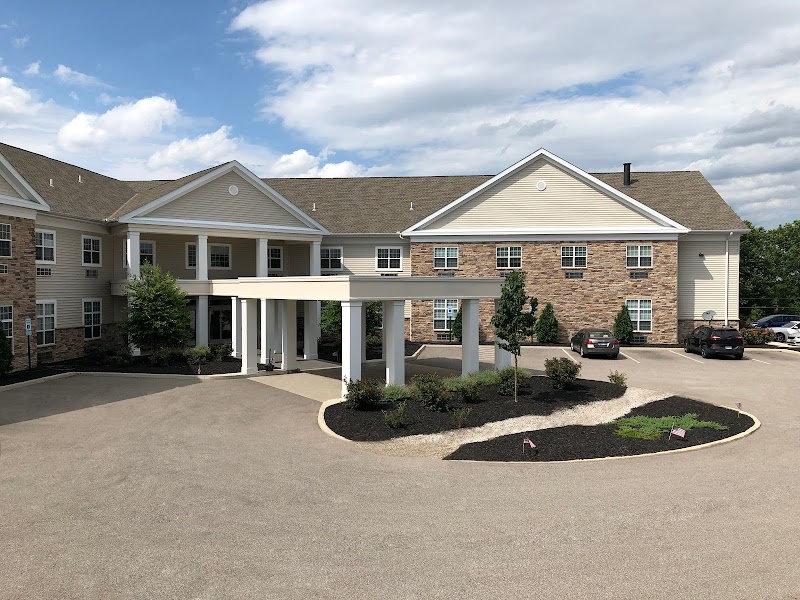
How is Seven Hills Health & Rehab Center Staffed?

CMS rates SEVEN HILLS HEALTH & REHAB CENTER's staffing level at 2 out of 5 stars, which is below average compared to other nursing homes. Staff turnover is 54%, compared to the Ohio average of 46%. RN turnover specifically is 70%, which is notably high. RNs provide skilled clinical oversight, so turnover in this role can affect medical care quality.

What Have Inspectors Found at Seven Hills Health & Rehab Center?

State health inspectors documented 39 deficiencies at SEVEN HILLS HEALTH & REHAB CENTER during 2018 to 2025. These included: 2 that caused actual resident harm, 36 with potential for harm, and 1 minor or isolated issues. Deficiencies causing actual harm indicate documented cases where residents experienced negative health consequences.

Who Owns and Operates Seven Hills Health & Rehab Center?

SEVEN HILLS HEALTH & REHAB CENTER is owned by a for-profit company. For-profit facilities operate as businesses with obligations to shareholders or private owners. The facility is operated by SABER HEALTHCARE GROUP, a chain that manages multiple nursing homes. With 80 certified beds and approximately 62 residents (about 78% occupancy), it is a smaller facility located in SEVEN HILLS, Ohio.
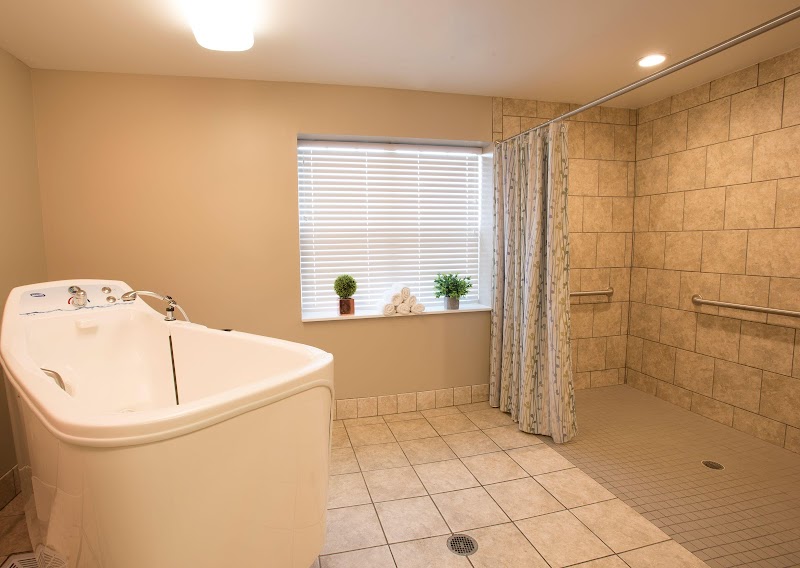
How Does Seven Hills Health & Rehab Center Compare to Other Ohio Nursing Homes?

Compared to the 100 nursing homes in Ohio, SEVEN HILLS HEALTH & REHAB CENTER's overall rating (2 stars) is below the state average of 3.2, staff turnover (54%) is near the state average of 46%, and health inspection rating (1 stars) is much below the national benchmark.

What Should Families Ask When Visiting Seven Hills Health & Rehab Center?

Based on this facility's data, families visiting should ask: "Can you walk me through typical staffing levels on day, evening, and night shifts?" "Can I visit during a mealtime to observe dining assistance and food quality?" "How do you handle medical emergencies, and what is your hospital transfer rate?" "Can I speak with family members of current residents about their experience?" These questions are particularly relevant given the below-average staffing rating.

Is Seven Hills Health & Rehab Center Safe?

Based on CMS inspection data, SEVEN HILLS HEALTH & REHAB CENTER has a clean safety record: no substantiated abuse findings (meaning no confirmed cases of resident harm), no Immediate Jeopardy citations (the most serious violation level indicating risk of serious injury or death), and is not on the Special Focus Facility watch list (a federal program monitoring the lowest-performing 1% of nursing homes). The facility has a 2-star overall rating and ranks #100 of 100 nursing homes in Ohio. While no facility is perfect, families should still ask about staff-to-resident ratios and recent inspection results during their visit.

Do Nurses at Seven Hills Health & Rehab Center Stick Around?

SEVEN HILLS HEALTH & REHAB CENTER has a staff turnover rate of 54%, which is 8 percentage points above the Ohio average of 46%. Moderate turnover is common in nursing homes, but families should still ask about staff tenure and how the facility maintains care continuity when employees leave.

Was Seven Hills Health & Rehab Center Ever Fined?

SEVEN HILLS HEALTH & REHAB CENTER has no federal fines on record. CMS issues fines when nursing homes fail to meet care standards or don't correct problems found during inspections. The absence of fines suggests the facility has either maintained compliance or corrected any issues before penalties were assessed. This is a positive indicator, though families should still review recent inspection reports for the full picture.

Is Seven Hills Health & Rehab Center on Any Federal Watch List?

SEVEN HILLS HEALTH & REHAB CENTER is not on any federal watch list. The most significant is the Special Focus Facility (SFF) program, which identifies the bottom 1% of nursing homes nationally based on persistent, serious quality problems. Not being on this list means the facility has avoided the pattern of deficiencies that triggers enhanced federal oversight. This is a positive indicator, though families should still review the facility's inspection history directly.