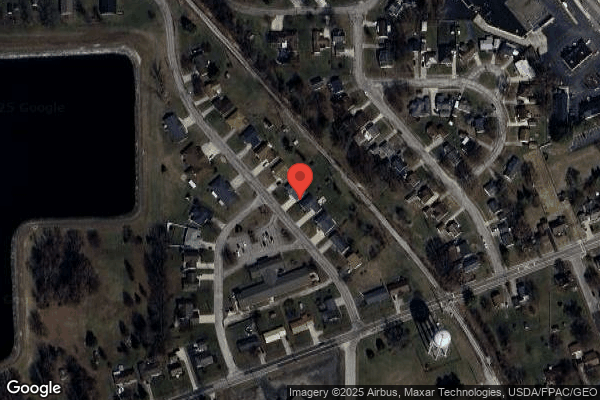
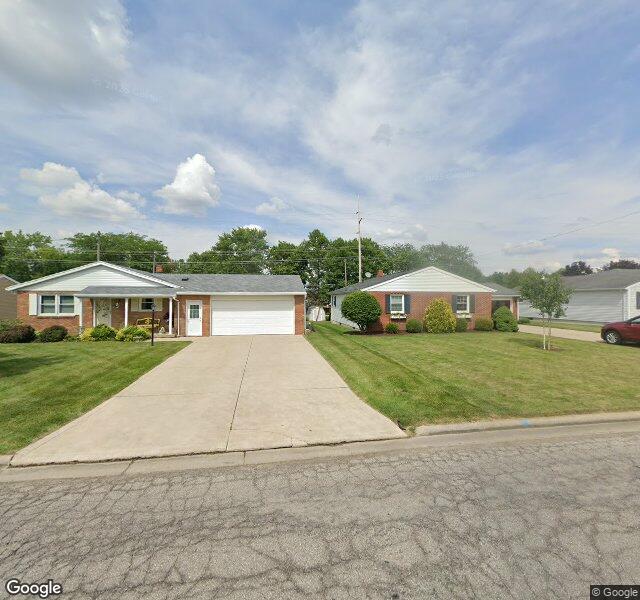
SHELBY POINTE, INC

100 ROGERS LANE, SHELBY, OH 44875 (419) 347-1313
For profit - Corporation 45 Beds JAG HEALTHCARE Data: November 2025
Trust Grade
55/100
#544 of 913 in OH
Last Inspection: January 2025

Within standard 12-15 month inspection cycle. Federal law requires annual inspections.

Overview

Shelby Pointe, Inc. has received a Trust Grade of C, which means it is average and in the middle of the pack compared to other nursing homes. It ranks #544 out of 913 facilities in Ohio, placing it in the bottom half, and #4 out of 10 in Richland County, indicating only three local options are better. The facility's trend is worsening, with reported issues increasing from 5 in 2023 to 8 in 2025. Staffing is a concern, rated at 1 out of 5 stars, with a 39% turnover rate that is better than the state average but still indicates instability. Notably, the facility has not incurred any fines, which is a positive sign, and it has average RN coverage, meaning they have sufficient registered nurses to help monitor resident care. However, there have been serious incidents, such as a resident with dementia wandering into another resident's room and suffering a shoulder fracture, as well as concerns over cleanliness and sanitation, including issues with a dishwasher that failed to properly sanitize dishes, risking residents' health. While the facility excels in quality measures, these weaknesses warrant careful consideration for families exploring care options.

Trust Score
C
55/100
In Ohio
#544/913
Bottom 41%
Safety Record
Moderate
Needs review
Inspections
Getting Worse
5 → 8 violations
Staff Stability
○ Average
39% turnover. Near Ohio's 48% average. Typical for the industry.
Penalties
✓ Good
No fines on record. Clean compliance history, better than most Ohio facilities.
Skilled Nurses
⚠ Watch
Each resident gets only 28 minutes of Registered Nurse (RN) attention daily — below average for Ohio. Fewer RN minutes means fewer trained eyes watching for problems.
Violations
⚠ Watch
23 deficiencies on record. Higher than average. Multiple issues found across inspections.
★★★☆☆
3.0
Overall Rating
★☆☆☆☆
1.0
Staff Levels
★★★★★
5.0
Care Quality
★★★☆☆
3.0
Inspection Score
Stable
2023: 5 issues
2025: 8 issues

The Good

  • 5-Star Quality Measures · Strong clinical quality outcomes
  • No fines on record
  • Staff turnover below average (39%)

    9 points below Ohio average of 48%

Facility shows strength in quality measures.

The Bad

3-Star Overall Rating

Near Ohio average (3.2)

Meets federal standards, typical of most facilities

Staff Turnover: 39%

Near Ohio avg (46%)

Typical for the industry

Chain: JAG HEALTHCARE

Part of a multi-facility chain

Ask about local staffing decisions and management

The Ugly 23 deficiencies on record

1 actual harm
Jan 2025 8 deficiencies
CONCERN (D)

Potential for Harm - no one hurt, but risky conditions existed

Accident Prevention (Tag F0689)

Could have caused harm · This affected 1 resident

**NOTE- TERMS IN BRACKETS HAVE BEEN EDITED TO PROTECT CONFIDENTIALITY** Based on observation, staff interview, medical record review, review of investigations, and review of a facility policy, the fac...

Read full inspector narrative →
**NOTE- TERMS IN BRACKETS HAVE BEEN EDITED TO PROTECT CONFIDENTIALITY** Based on observation, staff interview, medical record review, review of investigations, and review of a facility policy, the facility failed to ensure fall interventions were in place as ordered and care planned, failed to ensure falls were properly investigated, and failed to ensure interventions to prevent future falls were appropriate to the nature of the incident. This affected one (#8) of two residents reviewed for falls. The facility census was 43. Findings include: Review of the medical record for Resident #8 revealed an admission date of 07/08/23 with diagnoses including chronic obstructive pulmonary disease, moderate protein-calorie malnutrition, chronic respiratory failure, major depressive disorder, other generalized epilepsy, cachexia, generalized anxiety disorder, bipolar disorder, and depression. Review of Resident #8's quarterly Minimum Data Set (MDS) assessment dated [DATE] revealed the resident had intact cognition and had two or more falls since admission. Review of the physician order dated 03/28/24 revealed an order for non-skid strips in front of the toilet. Review of Resident #8's plan of care dated 04/10/24 revealed the resident was at risk for falls characterized by history of falls and injury, pain, use of psychotropic medications, unsteady gait, weakness, and ambulating without assistance. Interventions included keeping the bed in the lowest position, colored tape to wheelchair breaks, encouraging to be up by he nurses station, encouraging to toilet after smoke break, a fall mat to the bedside, personal alarm to the chair, visual reminder in bathroom and room to remind to call for assistance, removing the wheelchair from room while in bed (initiated 07/22/24 and revised 10/08/24), and educating the staff on proper placement of wheelchair when in bed (initiated 09/10/24 and revised 10/08/24). Review of Resident #8's progress note dated 07/21/24 revealed she was found laying on her stomach in her room. She reported she was getting out of bed and tripped over her wheelchair. A visual reminder to use the call light for assistance was implemented. Review of Resident #8's fall investigation dated 07/21/24 revealed the resident fell while getting out of bed when she tripped over her wheelchair. Additional interventions included educating to use call light for assistance and removing the wheelchair from the room when the resident was in bed. Review of Resident #8's progress note dated 08/03/24 revealed the nurse was notified the resident had fallen. She was on the floor between her bed and wheelchair. She stated she was transferring and fell to the floor as the resident reported she wanted to go to the bathroom. The intervention was to reeducate staff on removing the resident's wheelchair from the room while she was in bed. Review of Resident #8's progress note dated 08/31/24 revealed the resident remained on neurological checks that were initiated at 3:15 A.M. from the previous shift. She had no apparent injuries and range of motion was within normal limits. There was no further documentation related to this incident. Review of Resident #8's progress note and fall investigation dated 11/22/24 revealed the resident was found on the floor in the bathroom as she was going into the bathroom in her wheelchair. She reported she tried to go to the bathroom by herself and hit the back of her head. The intervention implemented was to maintain a low bed at all times. Observation on 12/30/24 at 1:55 P.M. and 3:41 P.M. revealed Resident #8 in bed with her wheelchair next to the bed. Further observation at 3:41 P.M. revealed there were no non-skid strips in front of the toilet and no signs in the bathroom or room reminding the resident to ask for assistance. Interview on 12/30/24 at 3:41 P.M. with Licensed Practical Nurse (LPN) #110 verified the wheelchair was next to Resident #8's bed, and verified there were no non-skid strips in front of the toilet or signs in the bathroom or room to remind the resident to ask for assistance. She reported she was unsure if the resident put herself in the bed or not, but verified staff were to remove the wheelchair. Interview on 12/31/24 at 1:31 P.M. with the Director of Nursing (DON) verified the wheelchair was not removed from the room while the resident was in bed at the time of Resident #8's fall on 08/03/24. The DON additionally verified there was a fall on 08/31/24 and there was no documentation or investigation for the incident. The DON additionally verified a low bed was an inappropriate intervention for Resident #8's fall on 11/22/24 which took place in the bathroom. Review of the undated policy titled, Managing falls and fall risk, revealed the staff were to implement a resident-centered fall prevention plan to reduce the specific risk factor of falls for each resident.
CONCERN (D)

Potential for Harm - no one hurt, but risky conditions existed

Medication Errors (Tag F0758)

Could have caused harm · This affected 1 resident

**NOTE- TERMS IN BRACKETS HAVE BEEN EDITED TO PROTECT CONFIDENTIALITY** Based on medical record review and staff interview, the facility failed to adequately monitor a resident's targeted behaviors as...

Read full inspector narrative →
**NOTE- TERMS IN BRACKETS HAVE BEEN EDITED TO PROTECT CONFIDENTIALITY** Based on medical record review and staff interview, the facility failed to adequately monitor a resident's targeted behaviors as ordered. This affected one (#3) of two residents reviewed for mood and behavior. The facility census was 43. Findings include: Review of Resident #3's medical record revealed an admission date of 08/08/24 and diagnoses including cerebral palsy, major depressive disorder, moderate protein-calorie malnutrition, type two diabetes mellitus, anxiety, dysphagia, unspecified mood disorder, and metabolic encephalopathy. Review of Resident #3's quarterly Minimum Data Set (MDS) assessment dated [DATE] revealed the resident had moderately impaired cognition. Review of Resident #3's physician order dated 08/09/24 revealed an order to monitor daily behaviors. Review of Resident #3's plan of care dated 08/23/24 revealed the resident required the use of psychotropic medications with potential for adverse reactions related to adjustment disorder with depressed mood, anxiety, decline in health status, decline in mood and behavior, depression, impaired coping skills, and schizoaffective disorder. Interventions included offering non-pharmacological interventions to manage anxiety, giving medications as ordered, evaluating effectiveness and side effects of medications, and monitoring resident mood and behavior every shift and document on any behaviors. Review of Resident #3's physician order dated 08/27/24 revealed an order for Vistaril 50 milligrams (mg) one capsule two times a day for anxiety. Review of Resident #3's physician order dated 10/15/24 revealed an order for Depakene oral solution 250 mg two times a day for mood affective disorder and 500 mg at bedtime for adjustment disorder with depressed mood. Review of Resident #3's physician order dated 11/05/24 revealed an order for lorazepam 0.5 mg one tablet three times a day for anxiety. Review of Resident #3's physician order dated 12/11/24 revealed an order for Zoloft 50 mg one tablet in the morning related to adjustment disorder with depressed mood. Review of Resident #3's physician order dated 12/11/24 revealed an order for Zoloft 100 mg one time a day for depression. Review of Resident #3's December 2024 medication administration record (MAR) between 12/03/24 to 12/30/24 revealed behaviors were present on 12/04/24, 12/05/24, 12/09/24, 12/10/24, 12/13/24, 12/14/24, 12/15/24, 12/18/24, 12/19/24, 12/23/24, 12/24/24, 12/25/24, 12/26/24, and 12/29/24; however, there was no indication what the actual behaviors were. Review of Resident #3's progress notes from 12/03/24 to 12/29/24 revealed there was no indication of what behaviors occurred on 12/04/24, 12/05/24, 12/09/24, 12/13/24, 12/14/24, 12/18/24, 12/19/24, 12/23/24, 12/24/24, 12/25/24, and 12/26/24. Interview on 01/02/25 at 11:00 A.M. with the Director of Nursing (DON) verified when Resident #3 displayed behaviors the nursing staff was supposed to be describing the behaviors that occurred and verified there was no documentation to support what the resident's behaviors were on the specified dates in December 2024.
CONCERN (D)

Potential for Harm - no one hurt, but risky conditions existed

Antibiotic Stewardship (Tag F0881)

Could have caused harm · This affected 1 resident

**NOTE- TERMS IN BRACKETS HAVE BEEN EDITED TO PROTECT CONFIDENTIALITY** Based on medical record review and staff interview, the facility failed to ensure a resident met established criteria for use of...

Read full inspector narrative →
**NOTE- TERMS IN BRACKETS HAVE BEEN EDITED TO PROTECT CONFIDENTIALITY** Based on medical record review and staff interview, the facility failed to ensure a resident met established criteria for use of an antibiotic medication prior to administration. This affected one (#8) of one residents reviewed for urinary tract infections (UTIs). The facility census was 43. Findings include: Review of the medical record for Resident #8 revealed an admission date of 07/08/23 with diagnoses including chronic obstructive pulmonary disease, moderate protein-calorie malnutrition, chronic respiratory failure, major depressive disorder, other generalized epilepsy, cachexia, generalized anxiety disorder, bipolar disorder, and depression. Review of Resident #8's quarterly Minimum Data Set (MDS) assessment dated [DATE] revealed the resident had intact cognition. Review of Resident #8's urinalysis collected on 12/10/24, and with results obtained on 12/11/24, revealed the urine was abnormal in color and clarity, with urobilinogen, nitrite, leukocyte esterase, bacteria, and calcium oxalate crystals noted. Review of Resident #8's progress note dated 12/11/24 revealed there was a new order for the antibiotic Macrobid 100 milligrams (mg) twice a day for five days pending a culture and sensitivity. Review of Resident #8's physician order dated 12/11/24 to 12/11/24 revealed an order for Macrobid 100 mg by mouth twice a day for UTI for 10 administrations pending a culture and sensitivity. Review of Resident #8's physician order dated 12/11/24 to 12/14/24 revealed an order for Macrobid 100 mg one time only for UTI pending culture and sensitivity and give 100 mg by mouth two times a day for nine administrations. Review of Resident #8's document titled, Revised McGeer Criteria for Infection Surveillance Checklist, dated 12/12/24, revealed the UTI criteria were not met. Further review of the document revealed without a catheter residents had two meet two criteria for treatment symptoms and a microbiologic criteria and Resident #8 did not meet the criteria. Review of Resident #8's physician order dated 12/12/24 to 12/13/24 revealed an order for Macrobid 100 mg one time only upon returning from procedure. Review of Resident #8's nurse practitioner note dated 12/14/24 revealed the resident's culture and sensitivity was positive for Escherichia coli (E. coli) and extended-spectrum beta-lactamase (ESBL) with minimal sensitivities. She was treated with Macrobid pending the culture and the culture and sensitivity indicated other medications were appropriate. The Macrobid was to be discontinued. Review of Resident #8's plan of care dated 12/24/24 revealed the potential for urinary tract infections related to poor toileting habits, history of UTIs, and reoccurring UTIs. Interventions included administering antibiotics as ordered, assessing urinary status, providing fluids throughout the day, and monitoring for signs of infection. Review of Resident #8's medication administration record (MAR) for December 2024 revealed Macrobid was administered twice on 12/11/24, 12/12/24, and 12/13/24. Review of Resident #8's medical record revealed no indication the physician or nurse practitioner was informed that Resident #8 did not meet the criteria for antibiotics. Interview on 12/31/24 at 2:32 P.M. with the Director of Nursing (DON) verified facility's criteria had not been met for an antibiotic related to Resident #8's UTI.
CONCERN (D)

Potential for Harm - no one hurt, but risky conditions existed

Deficiency F0914 (Tag F0914)

Could have caused harm · This affected 1 resident

Based observation and staff interview, the facility failed to maintain total visual privacy for residents. This affected two (#33 and #39) of 38 residents residing in semi-private rooms in the facilit...

Read full inspector narrative →
Based observation and staff interview, the facility failed to maintain total visual privacy for residents. This affected two (#33 and #39) of 38 residents residing in semi-private rooms in the facility. The census was 43. Findings include: 1. Observation of resident rooms on 12/31/24 between 12:55 P.M. and 2:25 P.M. with the Administrator revealed there was no privacy curtain around Resident #39's bed to ensure total visual privacy. Further observation revealed Resident #39 shared the room with Resident #11. 2. Observation of resident rooms on 12/31/24 between 12:55 P.M. and 2:25 P.M. with the Administrator revealed there was no privacy curtain around Resident #33's bed to ensure total visual privacy. Further observation revealed Resident #33 shared the room with Resident #23. Interview on 12/31/24 at approximately 2:25 P.M. with the Administrator verified Resident #33 and Resident #39's beds did not have curtains around them to ensure total visual privacy.
CONCERN (F)

Potential for Harm - no one hurt, but risky conditions existed

Safe Environment (Tag F0921)

Could have caused harm · This affected most or all residents

Based observation and staff interview the facility failed to maintain a clean and sanitary environment. This had the potential to affect all 43 residents residing in the facility. The census was 43. ...

Read full inspector narrative →
Based observation and staff interview the facility failed to maintain a clean and sanitary environment. This had the potential to affect all 43 residents residing in the facility. The census was 43. Findings include: An environmental tour was conducted on 12/31/24 between 12:55 P.M. and 2:25 P.M. with the Administrator. Observation of the exterior of the facility revealed the second window from the furthest east point of the building on the north side of the East Hall revealed the window screen was off its track and laying propped up against the building in an unsecured manner. Observation of the interior of the facility revealed the light ballast cover on the East Hall right before the egress exit revealed it contained dirt, debris, various dead bugs, and was partially cracked. Continued observation of Resident #23 and Resident #33's bedroom revealed missing molding around the boarders of the wall air conditioning and heating unit with deteriorating and eroding sheetrock from the edges and also gaps between the interior wall and exterior wall. Observation of Resident #25 and Resident #31's bedroom revealed significant gouges, indentations, and missing sheetrock behind Resident #31's headboard, and there was missing molding around the boarders of the wall air conditioning and heating unit deteriorating and eroding sheetrock from the edges and also gaps between the interior wall and exterior wall. Interview with the Administration on 12/31/24 between 12:55 P.M. and 2:25 P.M. verified all of the above environmental findings.
MINOR (B)

Minor Issue - procedural, no safety impact

Assessment Accuracy (Tag F0641)

Minor procedural issue · This affected multiple residents

**NOTE- TERMS IN BRACKETS HAVE BEEN EDITED TO PROTECT CONFIDENTIALITY** Based on medical record review and staff interview, the facility failed to ensure resident Preadmission Screening and Resident R...

Read full inspector narrative →
**NOTE- TERMS IN BRACKETS HAVE BEEN EDITED TO PROTECT CONFIDENTIALITY** Based on medical record review and staff interview, the facility failed to ensure resident Preadmission Screening and Resident Review (PASRR) status was correctly coded on the Minimum Data Set (MDS) assessment. This affected eight (#1, #11, #16, #18, #25, #30, #36, and #41) of 43 residents reviewed for MDS assessment accuracy. The facility census was 43. Findings Include: 1. Record review revealed Resident #1 was admitted to the facility on [DATE] with diagnoses that included schizoaffective disorder, type two diabetes, and epilepsy. Review of the PASRR level two evaluation from the state PASRR agency dated 10/24/23 revealed Resident #1 was ruled out from further review indicting Resident #1 did not have a serious mental illness (SMI), intellectual disability (ID), developmental disability (DD), or related condition. Review of section A of Resident #1's most recent comprehensive MDS assessment dated [DATE] revealed the facility answered, Yes, to the question, Is the resident currently considered by the state level II PASRR process to have serious mental illness and/or intellectual disability or a related condition? The facility subsequently answered, Yes, to the area of, Level II PASRR conditions: Serious Mental Illness, for Resident #1. 2. Record review revealed Resident #11 was admitted to the facility on [DATE] with diagnoses that included schizoaffective disorder, paranoid schizophrenia, and epilepsy. Review of the PASRR level two evaluation from the state PASRR agency dated 11/09/23 revealed Resident #11 had a level two mental illness. Review of section A of Resident #11's most recent comprehensive MDS assessment dated [DATE] revealed the facility answered, No, to the question, Is the resident currently considered by the state level II PASRR process to have serious mental illness and/or intellectual disability or a related condition? 3. Record review revealed Resident #16 was admitted to the facility on [DATE] with diagnoses that included bipolar disorder, schizophrenia, and mood disorder. Review of the PASRR level two evaluation from the state PASRR agency dated 09/01/23 revealed Resident #16 had a level two mental illness. Review of section A of Resident #16's most recent comprehensive MDS assessment dated [DATE] revealed the facility answered, No, to the question, Is the resident currently considered by the state level II PASRR process to have serious mental illness and/or intellectual disability or a related condition? 4. Record review revealed Resident #18 was admitted to the facility on [DATE] with diagnoses that included dementia, type two diabetes, and mood disorder. Review of the PASRR level two evaluation from the state PASRR agency dated 10/02/24 revealed Resident #18 was ruled out from further review, indicating Resident #18 did not have a SMI, ID, DD, or related condition. Review of section A of Resident #18's most recent comprehensive MDS assessment dated [DATE] revealed the facility answered, Yes, to the question, Is the resident currently considered by the state level II PASRR process to have serious mental illness and/or intellectual disability or a related condition? The facility subsequently answered, Yes, to the area of, Level II PASRR conditions: Serious Mental Illness, for Resident #18. 5. Record review revealed Resident #25 was admitted to the facility on [DATE] with diagnoses that included schizoaffective disorder, major depressive disorder, anxiety disorder, and other sexual disorder. Review of the PASRR level two evaluation from the state PASRR agency dated 11/13/23 revealed Resident #25 had a level two mental illness. Review of section A of Resident #25's most recent comprehensive MDS assessment dated [DATE] revealed the facility answered, No, to the question, Is the resident currently considered by the state level II PASRR process to have serious mental illness and/or intellectual disability or a related condition? 6. Record review revealed Resident #30 was admitted to the facility on [DATE] with diagnoses that included schizoaffective disorder, major depressive disorder, and anxiety disorder. Review of the PASRR level two evaluation from the state PASRR agency dated 10/26/23 revealed Resident #30 had a level two mental illness. Review of section A of Resident #30's most recent comprehensive MDS assessment dated [DATE] revealed the facility answered, No, to the question, Is the resident currently considered by the state level II PASRR process to have serious mental illness and/or intellectual disability or a related condition? 7. Record review revealed Resident #36 was admitted to the facility on [DATE] with diagnoses that included schizoaffective disorder, major depressive disorder, anxiety disorder, and other sexual disorder. Review of the PASRR level two evaluation from the state PASRR agency dated 11/04/24 revealed Resident #36 had a level two mental illness. Review of section A of Resident #36's most recent comprehensive MDS assessment dated [DATE] revealed the facility answered, No, to the question, Is the resident currently considered by the state level II PASRR process to have serious mental illness and/or intellectual disability or a related condition? 8. Record review revealed Resident #41 was admitted to the facility on [DATE] with diagnoses that included dementia with psychotic disturbance, major depressive disorder, and schizoaffective disorder. Review of the PASRR level two evaluation from the state PASRR agency dated 11/27/24 revealed Resident #41 had a level two mental illness. Review of section A of Resident #41's most recent comprehensive MDS assessment dated [DATE] revealed the facility answered, No, to the question, Is the resident currently considered by the state level II PASRR process to have serious mental illness and/or intellectual disability or a related condition? Interview with Social Service Designee (SSD) #152 on 12/31/24 at 1:15 P.M. verified the PASRR status for Resident #1, Resident #11, Resident #16, Resident #18, Resident #25, Resident #30, Resident #36, and Resident #41 were coded incorrectly on the MDS assessments.
MINOR (C)

Minor Issue - procedural, no safety impact

Deficiency F0575 (Tag F0575)

Minor procedural issue · This affected most or all residents

Based on observation and staff interview, the facility failed to ensure all required postings were displayed in the facility in a manner which was accessible at all times. This affected all 44 residen...

Read full inspector narrative →
Based on observation and staff interview, the facility failed to ensure all required postings were displayed in the facility in a manner which was accessible at all times. This affected all 44 residents residing in the facility. The facility census was 43. Findings include: Observation on 01/02/25 at 1:22 P.M., of all facility common areas and hallways revealed there was no posted contact information for pertinent state agencies and advocacy groups, such as the State Survey agency, the State licensure office, adult protective services, the protection and advocacy network, home and community-based service programs, and the Medicaid Fraud Control Unit. An interview with the Administrator on 01/02/25 at approximately 1:23 P.M. verified there was no list of pertinent state agencies and advocacy groups posted.
MINOR (C)

Minor Issue - procedural, no safety impact

Deficiency F0838 (Tag F0838)

Minor procedural issue · This affected most or all residents

Based on review of the facility assessment document and staff interview, the facility failed to ensure its facility assessment contained all required information. This had the potential to affect all ...

Read full inspector narrative →
Based on review of the facility assessment document and staff interview, the facility failed to ensure its facility assessment contained all required information. This had the potential to affect all 43 residents. The facility census was 43. Findings Include: Review of the current facility assessment document revealed the assessment did not contain specific staffing needs for each shift, such as day, evening, night and shifts. The assessment also did not contain information on how the facility would develop and maintain a plan to maximize recruitment and retention of direct care staff. Interview with the Administrator on 12/31/24 at 8:15 A.M. verified the assessment did not contain all required information.
Oct 2023 5 deficiencies
CONCERN (D)

Potential for Harm - no one hurt, but risky conditions existed

PASARR Coordination (Tag F0644)

Could have caused harm · This affected 1 resident

**NOTE- TERMS IN BRACKETS HAVE BEEN EDITED TO PROTECT CONFIDENTIALITY** Based on record review and staff interview, the facility failed to submit a new Pre-admission Screening and Resident Review (PAS...

Read full inspector narrative →
**NOTE- TERMS IN BRACKETS HAVE BEEN EDITED TO PROTECT CONFIDENTIALITY** Based on record review and staff interview, the facility failed to submit a new Pre-admission Screening and Resident Review (PASARR) when a resident received a new diagnosis of schizoaffective disorder. This affected one resident (#27) of three residents reviewed for PASARR. The facility census was 38. Findings include: Record review for Resident #27, revealed the resident was admitted to the facility on [DATE]. Diagnoses included other psychoactive substance abuse and alcohol abuse. Further review of the medical record revealed a new diagnosis of schizoaffective disorder which was added for Resident #27 on 11/16/21. Review of the annual Minimum Data Set (MDS) assessment 3.0 dated 07/01/23 for Resident #27, revealed the resident was cognitively impaired and had verbal behavioral symptoms directed toward others. Review of the electronic and paper medical records for Resident #27 revealed no evidence a new PASARR was completed when the resident received a new diagnosis of schizoaffective disorder. Interview on 10/11/23 at 11:51 A.M. with Social Service Designee (SSD) #349 verified a new PASARR should have been completed when Resident #27 was diagnosed with schizoaffective disorder. Interview on 10/12/23 at 7:45 A.M. with the Administrator verified Resident #27 should have a new PASARR completed/submitted upon receiving a new mental health diagnosis and did not.
CONCERN (D)

Potential for Harm - no one hurt, but risky conditions existed

Room Equipment (Tag F0908)

Could have caused harm · This affected 1 resident

Based on observations and staff and resident interviews, the facility failed to ensure resident's equipment was clean and in good repair. This affected three residents (#07, #08 and #30) of the 38 res...

Read full inspector narrative →
Based on observations and staff and resident interviews, the facility failed to ensure resident's equipment was clean and in good repair. This affected three residents (#07, #08 and #30) of the 38 residents observed during the initial screening process. The census was 38. Finds Included: 1) Observation of Resident #08 on 10/10/23 at 11:08 A.M. revealed the resident's wheelchair was dirty with grime and crumbs around the wheels, foot pedals, and seat cushion. Interview with Resident #8 at the same time, revealed his wheelchair had never been cleaned and it would be nice if it was clean. 2) Observation of Resident #07 on 10/10/23 at 11:29 A.M. revealed the resident wheelchair was dirty with dried food, liquid and grime on wheelchair wheels, foot pedals and the arm rests and the left arm rest was torn. Interview with Resident #7 at the same time, revealed her wheelchair had not been cleaned for a long time. 3) Observation of Resident #30 on 10/12/23 at 8:10 A.M. revealed the resident's wheelchair was dirty with dried food and covered in grime on wheels, cushion, and the wheelchair frame. Interview with Maintenance Director #304 on 10/12/23 at 8:15 A.M. verified the above concerns related to unkept resident's wheelchairs. Interview with the Administrator on 10/12/23 at 8:25 A.M. revealed there was no formalized plan for cleaning the resident's wheelchairs and there was no log of when the resident's wheelchairs had been cleaned or were scheduled to be cleaned. The Administrator stated there was no policy for cleaning resident wheelchairs.
CONCERN (E)

Potential for Harm - no one hurt, but risky conditions existed

Deficiency F0558 (Tag F0558)

Could have caused harm · This affected multiple residents

**NOTE- TERMS IN BRACKETS HAVE BEEN EDITED TO PROTECT CONFIDENTIALITY** Based on observation, record review and staff interview, the facility failed to ensure call lights were within reach and accessi...

Read full inspector narrative →
**NOTE- TERMS IN BRACKETS HAVE BEEN EDITED TO PROTECT CONFIDENTIALITY** Based on observation, record review and staff interview, the facility failed to ensure call lights were within reach and accessible for residents. This affected four residents (#02, #30, #14, and #15) of 38 residents reviewed for call light placement. Findings Include: 1) Record review for Resident #02 revealed the resident was admitted on [DATE] with diagnoses that included, but not limited to, major depressive disorder, chronic obstructive pulmonary disease (COPD), schizophrenia, and personality disorder. Review of the most recent Minimum Data Set (MDS) assessment 3.0 dated 07/21/23 for Resident #02, revealed the resident had severely impaired cognition and required extensive assistance of one staff member for mobility, transfer, and toilet use. Observation and interview of Resident #02 on 10/10/23 at 9:25 A.M., revealed the resident was lying in bed and his call light was lying on the floor under the bed. Resident #02 stated that she used the call light when she could find it. The call light was noted to be out of reach of Resident #02. Interview with Assistant Director of Nursing (ADON) #333 on 09/25/23 at 10:09 A.M. verified Resident #02's call light was out of reach and the resident couldn't access her call light. 2) Record review for Resident #30 revealed the resident was admitted on [DATE] with diagnoses that included, but not limited to, vascular dementia, wasting and atrophy, anxiety, and major depressive disorder. Review of the most recent MDS assessment 3.0 dated 07/28/23 for Resident #30, revealed the resident had severely impaired cognition and required extensive assistance of two staff for mobility, transfer, and toilet use. Observation of Resident #30 on 10/10/23 at 9:32 A.M., revealed the resident was lying in bed and his call light was behind the dresser. The call light was noted to be out of reach of Resident #30. Interview with Licensed Practical Nurse (LPN) #340 on 10/10/23 9:32 A.M., verified Resident #30's call light was out of reach and the resident couldn't access the call light. 3) Record review for Resident #14 revealed the resident was admitted on [DATE]. Diagnoses included schizoaffective disorder, restlessness and agitation, depression, mood disorder, dysphagia, difficulty in walking, unspecified convulsions, and muscle weakness. Review of the fall risk assessments dated 08/05/23, 08/15/23, 10/04/23, and 10/09/23 for Resident #14 revealed the resident was at high risk for falls. Review of the quarterly MDS assessment 3.0 dated 09/13/23 for Resident #14, revealed the resident was cognitively impaired and required extensive assistance of two staff for bed mobility, transfers, dressing, toileting, and personal hygiene. Review of the plan of care dated 08/14/23 for Resident #14, revealed the resident was at risk for falls. Interventions included anti-tippers to wheelchairs, re-educate resident to use call light, and call light in reach when in room. Observation on 10/10/23 at 9:32 A.M., revealed Resident #14 was lying in bed and his call light was not within reach. The call light was located behind a nightstand which was centrally located against a wall of the room and not near the resident. During an interview with ADON #333 at the same time, verified Resident #14's call light was not within reach and should have been. Review of the active October 2023 physician orders for Resident #14 revealed an order for encouraging the resident to use call light for staff assistance with activities of daily living. 4) Record review for Resident #15 revealed the resident was admitted to the facility on [DATE] with diagnoses of schizoaffective disorder, vascular dementia, restlessness and agitation, depression, muscle weakness, and difficulty in walking. Review of the MDS assessment 3.0 dated 08/16/23 for Resident #15, revealed the resident was cognitively impaired and required extensive assistance of one staff for bed mobility, transfers, dressing, toileting, and personal hygiene. Review of a fall risk assessment dated [DATE] for Resident #15, revealed the resident was at high risk for falls. Observation on 10/10/23 at 9:25 A.M. revealed Resident #15 was lying in bed and his call light was not within reach or near the bed. The call light was located on top of a nightstand which was located on the other side of a curtain which was used to divide the room. During an interview with the ADON #333 at the same time, verified Resident #15's call light was not within reach and should have been. Review of the undated facility policy titled Answering the Call Light, revealed staff would ensure that resident call lights were accessible to the resident when in bed, from the toilet, from the shower or bathing facility from the floor.
CONCERN (E)

Potential for Harm - no one hurt, but risky conditions existed

Deficiency F0800 (Tag F0800)

Could have caused harm · This affected multiple residents

Based on observations, interviews and record reviews, the facility failed to serve food at the proper portion size to meet the resident's nutritional needs. This affected seven residents (#4, #5, #8, ...

Read full inspector narrative →
Based on observations, interviews and record reviews, the facility failed to serve food at the proper portion size to meet the resident's nutritional needs. This affected seven residents (#4, #5, #8, #12, #14, #21 and #26) who the facility identified as receiving mechanical soft diets. The facility census was 38. Findings include: Observation of tray line on 10/12/23 at 11:45 A.M. revealed [NAME] #342 was scooping up the cold chicken salad into her gloved hand and placing the chicken salad on the lettuce situated on the plates. Interview with [NAME] #342 at the same time indicated she did not know the correct portion size for the chicken salad because the daily spreadsheet was in Dietary Manager (DM) #351's office. [NAME] #342 verified she was using her gloved hand to scoop out the chicken salad and plate it. Interview with DM #351 on 10/12/23 at 11:50 A.M. revealed the daily spreadsheet was in his office. DM #351 verified the mechanical soft diets should have received four ounces of cold chicken salad. DM #351 verified [NAME] #342 was plating the mechanical soft foods with her gloved hand and without an appropriate four-ounce food scooper.
CONCERN (F)

Potential for Harm - no one hurt, but risky conditions existed

Food Safety (Tag F0812)

Could have caused harm · This affected most or all residents

Based on observations, staff interviews and contractor interviews, the facility failed to ensure the low temperature dishwasher was functioning properly to sanitize the dishes and utensils. This had t...

Read full inspector narrative →
Based on observations, staff interviews and contractor interviews, the facility failed to ensure the low temperature dishwasher was functioning properly to sanitize the dishes and utensils. This had the potential to affect all 38 residents who the facility identified as receiving meals from the facility. The facility also failed to handle, prepare, distribute, and serve food in accordance with professional standards for food service safety. This affected seven residents (#4, #5, #8, #12, #14, #21 and #26) who the facility identified as receiving mechanical soft diets. The facility census was 38. Findings include: 1) Observation of the low temperature dishwasher on 10/10/23 at 8:47 A.M. with Dietary Manager (DM) #351, revealed DM #351 attempted to get a reading of the sanitizer on the test strips and the strips did not register any parts per million (ppm) to ensure concentration of the sanitizer was correct. DM #351 indicated the dishwasher should be registering at 50 PPM on the test strips for proper sanitation. DM #351 verified the findings at time of observation. Observation and interview on 10/12/23 at 11:11 A.M. with Chemical Company Technician (CCT) #422, revealed the sanitizer line running to the dishwasher had a hole in it and the tubing was pinched off restricting the flow of sanitizer going into the dishwasher. CCT #422 stated that the dish machine should register at 50 ppm for sanitization and when he arrived, the dishwasher was registering at zero PPM. 2) Observation of tray line on 10/12/23 at 11:45 A.M. revealed [NAME] #342 was scooping up the cold chicken salad into her gloved hand and placing the chicken salad on the lettuce situated on the plates. Interview with [NAME] #342 at the same time indicated she did not know the correct portion size for the chicken salad because the daily spreadsheet was in DM #351's office, so she used her gloved hand. [NAME] #342 verified she was using her gloved hand to scoop out the chicken salad and plate it. Interview with DM #351 on 10/12/23 at 11:50 A.M. verified [NAME] #342 was plating the mechanical soft foods with her gloved hand and should have used an appropriate four-ounce food scooper.
Nov 2022 8 deficiencies 1 Harm
SERIOUS (G) 📢 Someone Reported This

A family member, employee, or ombudsman was alarmed enough to file a formal complaint

Actual Harm - a resident was hurt due to facility failures

Deficiency F0744 (Tag F0744)

A resident was harmed · This affected 1 resident

**NOTE- TERMS IN BRACKETS HAVE BEEN EDITED TO PROTECT CONFIDENTIALITY** Based on medical record review, review of the Self-Reported Incident, review of hospital records, staff interviews, observations...

Read full inspector narrative →
**NOTE- TERMS IN BRACKETS HAVE BEEN EDITED TO PROTECT CONFIDENTIALITY** Based on medical record review, review of the Self-Reported Incident, review of hospital records, staff interviews, observations, and policy review, the facility failed to ensure a resident with dementia was provided person-centered interventions to prevent the resident from wandering into the rooms of other residents and potentially being harmed. Actual harm occurred when Resident #34 wandered into the room of Resident #43, and Resident #43 then pulled Resident #34 to the ground causing Resident #34 to receive an inferior dislocation of the left shoulder, and a closed traumatic displaced fracture of the proximal end of the left humerus. This affected one (#34) of three residents reviewed for dementia care. The facility census was 42. Findings include: Review of the medical record for Resident #34 revealed an admission date of 10/14/22, with diagnoses including Alzheimer's disease, dementia, cognitive communication deficit, unspecified psychosis, restlessness and agitation, and depression. Review of the admission Minimum Data Set (MDS) assessment, dated 10/14/22, revealed Resident #34 had severely impaired cognition. The resident required supervision/setup help only for most of the activities of daily living (ADL). The assessment noted the resident was not steady but able to stabilize without assistance for walking and did not use any mobility devices such as a wheelchair. The resident had a history of wandering and refusal of care. Review of Resident #34's plan of care, dated 10/21/22, revealed Resident #34 wandered with no discernable, rational purpose. Interventions included redirecting and cueing as needed. Review of the nurse progress notes dated 10/08/22, 10/09/22, 10/23/22, and 10/24/22, revealed Resident #34 wandered into the rooms of other residents on numerous occasions. Review of the nurse progress notes dated 10/31/22 and timed at 6:24 P.M., documented Resident #34 had went into Resident #43's room and Resident #43 grabbed Resident #34 and pulled her to the ground. Resident #34 was holding her arm with tears in her eyes and refused to move her arm or shoulder. Resident #34 was sent to the local emergency department for evaluation. Review of the nurse progress notes dated 10/31/22 and timed at 10:35 P.M., documented the hospital reported Resident #34 had a dislocation and fractured left humerus. Review of the hospital documentation dated 10/31/22 documented Resident #34 was diagnosed with an inferior dislocation of the left shoulder and closed traumatic displaced fracture of proximal end of the left humerus. Resident #34 was prescribed Hydrocodone-acetaminophen (Norco) 5-325 milligrams (mg) every four hours as needed for pain. Review of the nurse progress notes dated 10/31/22 and timed at 11:00 P.M., revealed Resident #34 returned to the facility and was total lifted into bed. Review of the nurse progress notes dated 11/02/22 and timed at 2:54 P.M., revealed Resident #34 was holding and guarding her left arm with grimacing facial expressions and calling out left arm pain. Resident #34 was offered and refused pain medication. 2. Review of the medical record for Resident #43 revealed an admission date of 09/08/22, with diagnoses included schizoaffective disorder, unspecified intellectual disabilities, paranoid schizophrenia, delusional disorders, bipolar II disorder, hallucinations, impulsiveness, and dementia. Review of the admission MDS assessment, dated 09/14/22, revealed Resident #43 was severely cognitively impaired and required supervision for activities of daily living. The resident had verbal and physical behaviors directed toward others. Review of Resident #43's plan of care, dated 09/12/22, revealed Resident #43 exhibited behavioral symptoms not easily altered and potentially harmful to resident or others: verbally abusive toward others, physically abusive toward others, resistive to care, non-compliant with drug and treatment regiment, refusal of care, scratching and biting staff, agitation, hallucinations, and impulsiveness. Goals included resident's anger and verbally abusive behavior would not escalate into combative behaviors that could result in injury to self or others, resident's physically abusive behavior would be decreased/eliminated with interventions and would not harm self or others. Interventions included determining causative situations for behavior and avoiding or optimally managing them and redirecting and cueing as needed. Review of Resident #43's nurse progress notes dated 09/08/22 through 10/31/22 revealed Resident #43 was verbally and/or physically aggressive with staff and/or residents who entered her room on numerous occasions. Review of the nurse progress notes dated 10/31/22 and timed at 6:30 P.M., documented Resident #34 was seen entering Resident #43's room at approximately 5:55 P.M. Resident #43 grabbed Resident #34 and pulled her to the ground. Resident #43 was yelling at Resident #34 and telling Resident #34 to get out of her room. Review of the Self-Reported Incident (SRI) dated 11/01/22 and timed at 3:53 P.M., revealed an incident occurred between Resident #34 and Resident #43 on 10/31/22 at approximately 5:55 P.M. The investigation revealed Resident #34 entered the room of Resident #43. Resident #43 began yelling and telling Resident #34 to get out of her room. Resident #34 would not leave, and Resident #43 grabbed Resident #34 and pushed her to the ground. Resident #34 was holding her arm, appeared to have tears in her eyes, and when asked if she was in pain stated yes. Resident #34 was sent to the emergency department for evaluation/treatment. The facility unsubstantiated physical abuse. Resident #34's room was moved closer to the nurse station. No other interventions were implemented to prevent further occurrences. Observation on 11/16/22 at 6:44 A.M., revealed Resident #34 was in a wheelchair and propelling herself down a hallway of the facility. Resident #34 wandered into the room of Resident #32 who was sleeping in his recliner at the time. Resident #34 eventually wandered back out of the room and down the hallway. No staff were out in the hallway or in the area at the time. State Tested Nurse Aide (STNA) #120 then approached and stated, be careful if you're going into that room-he is a [NAME]. Interview on 11/16/22 at 6:52 A.M., with STNA #120 revealed there were not enough staff to properly supervise residents to keep them safe. STNA #120 reported Resident #34 wandered into other resident rooms all the time and the residents get upset and aggravated; but staff just tell the other residents to ring their call light and if Resident #34 wandered into their room staff would come get her. Interviews on 11/16/22 from 5:45 A.M. to 10:30 A.M., with Licensed Practical Nurse (LPN) #114, STNA #120, and STNA #132, revealed there was not enough staff to provide adequate supervision to keep residents safe or to keep Resident #34 from wandering into the rooms of other residents. Staff reported Resident #43 does not like anyone in her space and would often become verbally and/or physically aggressive upon staff entering the resident's room. Staff also verified Resident #34 wandered throughout the facility and into other resident rooms on a regular basis and the only intervention that had been implemented following the incident with Resident #43, was Resident #34's room being moved closer to the nurse station and further from Resident #43's room. Staff reported Resident #34 was up and walking prior to the incident with Resident #43 and had since been in a wheelchair due to unsteadiness. Staff also reported Resident #34 now requires more assistance with all ADLs than she previously had and did not have full range of motion of her left arm. Review of the policy titled Dementia - Clinical Protocol, revised December 2017, revealed the interdisciplinary team would adjust interventions and the overall plan depending on the individual's responses to those interventions, progression of dementia, development of new acute medical conditions or complications, changes in resident or family wishes, etc. This deficiency represents non-compliance investigated under Master Complaint Number OH00137493 and Complaint Number OH00137473.
CONCERN (D) 📢 Someone Reported This

A family member, employee, or ombudsman was alarmed enough to file a formal complaint

Potential for Harm - no one hurt, but risky conditions existed

Deficiency F0557 (Tag F0557)

Could have caused harm · This affected 1 resident

Based on observations, resident and staff interviews, the facility failed to maintain personal privacy of medical information by posting a visible sign containing personal medical information. This af...

Read full inspector narrative →
Based on observations, resident and staff interviews, the facility failed to maintain personal privacy of medical information by posting a visible sign containing personal medical information. This affected one (#26) of 42 residents observed in the facility. The facility census was 42. Findings include: Observation on 11/17/22 at 7:25 A.M., revealed Resident #26's room had a sign posted on the wall outside the room that identified Absolutely no meals, snacks or drinks in Resident #26's name room . The sign listed Resident #26's actual name. Interview on 11/17/22 at 7:40 A.M., with Resident #26 revealed he has no idea why the sign is posted outside of his room. Resident #26 confirmed he is not permitted to have snacks in his room and he is not sure of the reason. Interview on 11/17/22 at 7:44 A.M., with the Director of Nursing (DON) verified there is a sign posted in the corridor of the facility, outside of Resident #26's room. The DON stated Resident #26 has coughing episodes at times, but confirmed the sign posted in the hallway is undignified. The DON stated Resident #26 is on a regular diet. The DON stated she has removed the sign before off the door and was not aware that someone had placed the sign back on the door. This deficiency represents the noncompliance investigated under Complaint Number OH00133588.
CONCERN (D) 📢 Someone Reported This

A family member, employee, or ombudsman was alarmed enough to file a formal complaint

Potential for Harm - no one hurt, but risky conditions existed

Investigate Abuse (Tag F0610)

Could have caused harm · This affected 1 resident

**NOTE- TERMS IN BRACKETS HAVE BEEN EDITED TO PROTECT CONFIDENTIALITY** Based on medical record review, policy review, resident and staff interviews, the facility failed to thoroughly investigate and ...

Read full inspector narrative →
**NOTE- TERMS IN BRACKETS HAVE BEEN EDITED TO PROTECT CONFIDENTIALITY** Based on medical record review, policy review, resident and staff interviews, the facility failed to thoroughly investigate and report an allegation of physical abuse of one resident to another. This affected two (#16 and #19) of four residents reviewed for potential abuse. The facility census was 42. Findings include: Review of Resident #16's medical record revealed an admission date of 07/07/20, with medical diagnoses including: bipolar disorder, schizophrenia, Parkinson's disease and PTSD (post traumatic stress disorder). Review of the quarterly Minimum Data Set (MDS) assessment dated [DATE], identified Resident #16 was cognitively intact. Review of Resident #16's progress notes dated 09/25/22 at 4:42 P.M., identified Resident #16 was coming back from smoking and another resident (Resident #19) grabbed her hair and pulled it. Interview on 11/17/22 at 11:37 A.M., with Resident #16 was asked if anyone had ever abused her and she identified yes. Resident #16 identified Resident #19 came up behind her several weeks ago, coming inside after smoking, and pulled the back of her hair. Resident #16 confirmed the back of her head was sore for days after the incident. Resident #16 confirmed she is scared of Resident #19 as she is violent. Resident #16 confirmed all the residents go out to smoke together. Interview on 11/16/22 at 6:52 A.M., with State Tested Nursing Assistant (STNA) #120 revealed she was present on 09/25/22, when Resident #19 was behind Resident #16 in the hallway. Resident #16 was moving slowly in her wheelchair and Resident #16 grabbed the back of her hair and pulled a whole handful of hair. STNA #120 stated staff separated the residents at that time. STNA #120 identified she is unaware of any changes that were made after the incident to ensure this does not occur again. Interviews on 11/17/22 at 1:26 P.M., with the Administrator, Director of Nursing (DON) and Assistant Director of Nursing, confirmed they were all aware of the incident that occurred on 09/25/22 between Resident #16 and Resident #19. The staff confirmed they did not start an investigation or a self reported incident and have any evidence of any changes made to ensure continued abuse did not occur. The staff confirmed the only documentation of the incident is located in Resident #16's progress notes and there was no investigation to identify the cause and or changes made to ensure residents are not abused by Resident #19. Review of Resident #19's medical record identified admission to the facility 04/02/19, with diagnoses including: history of traumatic brain injury resulting from motor vehicle accident (MVA), schizoaffective disorder, dementia, anemia, arthritis, anxiety, aggression, seizure disorder and history alcohol abuse. Review of the MDS assessment revealed Resident #19 is not cognitively intact and does not elicit recognizable words. Resident #19's medical record and written plan of care identified she usually propels herself around in a wheelchair that includes a harness due to leaning forward. The plan of care identified Resident #19 is prone to anger and aggression. The plan included document all behaviors displayed by resident and their response to the interventions; attempt to identify and eliminate the triggers that are causing the escalating behaviors and document all interactions with the resident including what triggered the aggression and what strategies worked to resolve it. Review of Resident #19's progress notes dated 09/25/22 at 4:12 P.M., identified Resident was yelling as loud as she can Hey, Hey. The notes identified activities staff reported Resident #19 thinks she needs to be the first person in line to go out to smoke and was blocking other residents. The notes identified when the activities staff asked Resident #19 to move back, the resident started screaming and cussing and would not move. Review of the policy titled Resident to Resident Abuse policy, dated February 2018, identified all altercations including those that may represent resident-resident abuse shall be investigated and reported to the Director of Nursing and Administrator. The policy identified residents should be separated; identify what happened, including what might have lead to aggressive conduct on the part of the individuals involved in the altercation; notify each residents representative and the attending physician; Review the events and possible measures to prevent additional incidents; makes changes to the plan of care; document all interventions and their effectiveness; document the incident, findings and corrective measures taken in the medical record. Interview on 11/17/22 at 1:26 P.M., with the DON confirmed the facility did not document any investigation into the 09/25/22 incident between Resident #16 and Resident #19, notification to the families or physician and put interventions into place to prevent additional incidents. This deficiency represents the noncompliance investigated under Complaint Number OH00137493.
CONCERN (D) 📢 Someone Reported This

A family member, employee, or ombudsman was alarmed enough to file a formal complaint

Potential for Harm - no one hurt, but risky conditions existed

Deficiency F0637 (Tag F0637)

Could have caused harm · This affected 1 resident

Based on observations, medical record review, and staff interviews, the facility failed to complete a comprehensive assessment after a significant change. This affected one (#34) of one resident revie...

Read full inspector narrative →
Based on observations, medical record review, and staff interviews, the facility failed to complete a comprehensive assessment after a significant change. This affected one (#34) of one resident reviewed for significant changes. The facility census was 42. Findings include: Review of the medical record for Resident #34 revealed an admission date of 10/14/22, with diagnoses including: Alzheimer's disease, dementia, cognitive communication deficit, unspecified psychosis, restlessness and agitation, and depression. Review of the admission Minimum Data Set (MDS) assessment, dated 10/14/22, revealed Resident #34 had severely impaired cognition. The resident required supervision/setup help only for most of the activities of daily living (ADL). The assessment noted the resident was not steady but able to stabilize without assistance for walking, and did not use any mobility devices such as a wheelchair. The resident did not have any fractures and was not receiving physical therapy, occupational therapy, or speech therapy. Review of the nurse progress notes dated 10/31/22 and timed 6:24 P.M., documented Resident #34 had went into Resident #43's room and Resident #43 grabbed Resident #34 and pulled her to the ground. Resident #34 was holding her arm with tears in her eyes and refused to move her arm or shoulder. Resident #34 was sent to the local emergency department for evaluation. Review of the hospital documentation dated 10/31/22 documented Resident #34 was diagnosed with an inferior dislocation of left shoulder and closed traumatic displaced fracture of proximal end of left humerus. Resident #34 was prescribed Hydrocodone-acetaminophen (Norco) 5-325 milligrams (mg) every four hours as needed for pain. Review of the nurse progress notes dated 10/31/22 and timed 11:00 P.M. revealed Resident #34 returned to the facility and was total lifted into bed. , Review of nurse progress notes dated 10/31/22 and timed 11:34 P.M., revealed a tab alarm would be placed to alert staff if the resident attempted to rise on own due to confusion and change in status. Observation on 11/16/22 at 6:44 A.M., revealed Resident #34 was in a wheelchair and propelling herself down hallways of the facility using her feet. Interviews on 11/16/22 from 5:45 A.M. to 10:30 A.M., with Licensed Practical Nurse (LPN) #114, STNA #120, and STNA #132, revealed staff reported Resident #34 was up and walking prior to the incident with Resident #43 and had since been in a wheelchair due to unsteadiness. Staff also reported Resident #34 now requires more assistance with all ADLs than she previously had and did not have full range of motion of her left arm. Interview on 11/21/22 at 2:12 P.M., with the Director of Nursing verified a Significant Change assessment had not yet been completed for Resident #34 who had changes in several areas of her ADLs.
CONCERN (E) 📢 Someone Reported This

A family member, employee, or ombudsman was alarmed enough to file a formal complaint

Potential for Harm - no one hurt, but risky conditions existed

Deficiency F0565 (Tag F0565)

Could have caused harm · This affected multiple residents

Based on resident council meeting minutes review, resident and staff interviews, the facility failed to consider and act upon residents concerns identified during September, October and November 2022,...

Read full inspector narrative →
Based on resident council meeting minutes review, resident and staff interviews, the facility failed to consider and act upon residents concerns identified during September, October and November 2022, in resident council meetings. The facility is identified to have from four to seven residents at various times whom attend the resident council meetings. This affected 10 (#1, #14, #8, #16, #21, #22, #24, #25, #26 and #31) of 42 residents who have attended the residents council meetings in the past three months. The facility census was 42. Findings include: Review of the resident council meeting minutes from September through November 2022 identified residents expressed the following concerns: having to wait until 12:00 A.M. for 10:00 P.M. coffee; aides needing to remind nurses about pain pills; Geri-chairs and alarms; clothing getting mixed up; residents cannot get some food alternatives; the cubed ham tasting bad; residents having hard time getting trays timely; Administrator hard to track down, aides short staffing often because of call offs; takes a while to get light bulb changed and the food is not always hot. Further review of the minutes identified no follow up and or acknowledgment of the resident's concerns from the September, October and November 2022 meeting minutes. Interview on 11/17/22 at 8:37 A.M., with the Administrator revealed he has been asking the staff for the follow up to the resident council meeting and has not gotten any. The Administrator stated the staff should be filling out a concern form for each issue and providing it to the manager of that section. The Administrator stated all concerns from resident council should be looked into. Review of the resident council meeting minutes dated 10/06/22 revealed under the housekeeping/laundry section identified Resident #14 had concerns that clothing keeps getting mixed up. Interview on 11/17/22 at 8:55 A.M., with Resident #14 revealed the staff keep putting her clothing on her roommate (Resident #13). Resident #14 stated when she tells the staff, they just brush it off, but it is a big deal to her. Resident #14 stated she feel like the staff are not taking her seriously. Resident #14 stated she shares a closet with Resident #13 and thinks that laundry staff put the clothing in the wrong section and that is why this is occurring. Interview on 11/17/22 at 9:40 A.M., with the Administrator and the Director of Nursing (DON) revealed the DON did tell him an incident occurred, where staff put Resident #14's clothing on Resident #13. The Administrator stated the facility is only aware of the one incident. The DON stated there is a new housekeeper and this incident occurred a few days ago and Resident #14 had complained in the Resident Council meeting minutes in 10/06/22. The Administrator verified there is no follow up they could locate to address the concerns expressed by the residents in the council meeting minutes. The Administrator stated the concerns listed in the council meeting minutes were not brought to her to address the concerns. This deficiency represents the noncompliance investigated under Complaint Number OH00133588.
CONCERN (E) 📢 Someone Reported This

A family member, employee, or ombudsman was alarmed enough to file a formal complaint

Potential for Harm - no one hurt, but risky conditions existed

Report Alleged Abuse (Tag F0609)

Could have caused harm · This affected multiple residents

**NOTE- TERMS IN BRACKETS HAVE BEEN EDITED TO PROTECT CONFIDENTIALITY** 2. Review of the medical record for Resident #34 revealed an admission date of 10/14/22. Diagnoses included Alzheimer's disease,...

Read full inspector narrative →
**NOTE- TERMS IN BRACKETS HAVE BEEN EDITED TO PROTECT CONFIDENTIALITY** 2. Review of the medical record for Resident #34 revealed an admission date of 10/14/22. Diagnoses included Alzheimer's disease, dementia, cognitive communication deficit, unspecified psychosis, restlessness and agitation, and depression. Review of the admission Minimum Data Set (MDS) assessment, dated 10/14/22, revealed Resident #34 had severely impaired cognition. The resident required supervision with a majority of the activities of daily living. The resident had a history of wandering and refusal of care. Review of the nurse progress notes dated 10/31/22 and timed 6:24 P.M., documented Resident #34 had went into Resident #43's room and Resident #43 grabbed Resident #34 and pulled her to the ground. Resident #34 was holding her arm with tears in her eyes and refused to move her arm or shoulder. Resident #34 was sent to the local emergency department for evaluation. Review of the nurse progress notes dated 10/31/22 and timed 10:35 P.M., documented the hospital reported Resident #34 had a dislocation and fractured left humerus. Review of the hospital documentation dated 10/31/22 documented Resident #34 was diagnosed with an inferior dislocation of left shoulder and closed traumatic displaced fracture of proximal end of left humerus. Resident #34 was prescribed Hydrocodone-acetaminophen (Norco) 5-325 milligrams (mg) every four hours as needed for pain. Review of Self-Reported Incident (SRI) #228740 dated 11/01/22 and timed 3:53 P.M. revealed an incident occurred between Resident #34 and Resident #43 on 10/31/22 at approximately 5:55 P.M. The investigation revealed Resident #34 entered the room of Resident #43. Resident #43 began yelling and telling Resident #34 to get out of her room. Resident #34 would not leave and Resident #43 grabbed Resident #34 and pushed her to the ground. Resident #34 was holding her arm, appeared to have tears in her eyes, and when asked if she was in pain stated yes. Resident #34 was sent to the emergency department for evaluation/treatment. The facility unsubstantiated physical abuse. Resident #34's room was moved closer to the nurse station. No other interventions were implemented to prevent further occurrences. A confidential interview with a staff member on 11/16/22 at 6:18 A.M. revealed the facility always investigated allegations of physical abuse but never timely. The staff member reported the facility did not report the SRI until Resident #34 was confirmed to have a fracture/dislocation. Interview on 11/21/22 at 12:02 P.M., with the Director of Nursing (DON) verified physical abuse was alleged for Resident #34 on 10/31/22 at approximately 5:55 P.M. and the facility did not initiate the SRI until 11/01/22 at approximately 3:53 P.M. The DON reported she did not realize the incident was required to be reported within the two-hour timeframe since she believed Resident #43 lacked the mental capacity to wilfully inflict injury on Resident #34--therefore she waited until Resident #34 was diagnosed with a fracture and dislocation to initiate the SRI. Review of the facility policy titled Abuse Prevention Program, revised February 2018, revealed any allegations of abuse would be reported within timeframe's as required by federal requirements. This deficiency represents non-compliance investigated under Complaint Number OH00133588. Based on medical record review, Self-Reported Incident (SRI) review, policy review, resident and staff interviews, the facility failed to timely report an allegation of physical abuse of a resident to the State Survey Agency, Ohio Department of Health (ODH). This affected four (#16, #19, #34 and #43) of four residents reviewed for potential abuse. The facility census was 42. Findings include: Review of Resident #16's medical record revealed an admission date of 07/07/20, with medical diagnoses including: bipolar disorder, schizophrenia, Parkinson's disease and PTSD (post traumatic stress disorder). Review of the quarterly Minimum Data Set (MDS) assessment dated [DATE], identified Resident #16 was cognitively intact. Review of Resident #16's progress notes dated 09/25/22 at 4:42 P.M., identified Resident #16 was coming back from smoking and another resident (Resident #19) grabbed her hair and pulled it. Interview on 11/17/22 at 11:37 A.M., with Resident #16 was asked if anyone had ever abused her and she identified yes. Resident #16 identified Resident #19 came up behind her several weeks ago, coming inside after smoking, and pulled the back of her hair. Resident #16 confirmed the back of her head was sore for days after the incident. Resident #16 confirmed she is scared of Resident #19 as she is violent. Resident #16 confirmed all the residents go out to smoke together. Interview on 11/16/22 at 6:52 A.M., with State Tested Nursing Assistant (STNA) #120 revealed she was present on 09/25/22, when Resident #19 was behind Resident #16 in the hallway. Resident #16 was moving slowly in her wheelchair and Resident #16 grabbed the back of her hair and pulled a whole handful of hair. STNA #120 stated staff separated the residents at that time. STNA #120 identified she is unaware of any changes that were made after the incident to ensure this does not occur again. Interviews on 11/17/22 at 1:26 P.M., with the Administrator, Director of Nursing (DON) and Assistant Director of Nursing, confirmed they were all aware of the incident that occurred on 09/25/22 between Resident #16 and Resident #19. The staff confirmed they did not start an investigation or a self reported incident and have any evidence of any changes made to ensure continued abuse did not occur. The staff confirmed the only documentation of the incident is located in Resident #16's progress notes and there was no investigation to identify the cause and or changes made to ensure residents are not abused by Resident #19. Review of Resident #19's medical record identified admission to the facility 04/02/19, with diagnoses including: history of traumatic brain injury resulting from motor vehicle accident (MVA), schizoaffective disorder, dementia, anemia, arthritis, anxiety, aggression, seizure disorder and history alcohol abuse. Review of the MDS assessment revealed Resident #19 is not cognitively intact and does not elicit recognizable words. Resident #19's medical record and written plan of care identified she usually propels herself around in a wheelchair that includes a harness due to leaning forward. The plan of care identified Resident #19 is prone to anger and aggression. The plan included document all behaviors displayed by resident and their response to the interventions; attempt to identify and eliminate the triggers that are causing the escalating behaviors and document all interactions with the resident including what triggered the aggression and what strategies worked to resolve it. Review of Resident #19's progress notes dated 09/25/22 at 4:12 P.M., identified Resident was yelling as loud as she can Hey, Hey. The notes identified activities staff reported Resident #19 thinks she needs to be the first person in line to go out to smoke and was blocking other residents. The notes identified when the activities staff asked Resident #19 to move back, the resident started screaming and cussing and would not move. Review of the policy titled Resident to Resident Abuse policy, dated February 2018, identified all altercations including those that may represent resident-resident abuse shall be investigated and reported to the Director of Nursing and Administrator. The policy identified residents should be separated; identify what happened, including what might have lead to aggressive conduct on the part of the individuals involved in the altercation; notify each residents representative and the attending physician; Review the events and possible measures to prevent additional incidents; makes changes to the plan of care; document all interventions and their effectiveness; document the incident, findings and corrective measures taken in the medical record. Interview on 11/17/22 at 1:26 P.M., with the DON confirmed the facility did not report the incident to the required agency.
CONCERN (E) 📢 Someone Reported This

A family member, employee, or ombudsman was alarmed enough to file a formal complaint

Potential for Harm - no one hurt, but risky conditions existed

Deficiency F0679 (Tag F0679)

Could have caused harm · This affected multiple residents

Based on observations, activities calendar reviews and staff interviews, the facility failed to provide planned and organized activities per the activities calender. This had the potential to affect 1...

Read full inspector narrative →
Based on observations, activities calendar reviews and staff interviews, the facility failed to provide planned and organized activities per the activities calender. This had the potential to affect 10 (#4, #13, #14, #16, #17, #18, #22, #24, #25 and #26) of 10 residents identified to typically attend group activities, with the planned activities program. The facility census was 42. Findings include: Review of the activities calendar for 11/16/22, identified a ball toss was scheduled for 10:00 A.M. Observations on 11/16/22 from 10:00 A.M. to 10:11 A.M., revealed activities staff was passing snacks/refreshments and there was no ball toss taking place. Review of the activities calendar dated 11/17/22 identified Social Fun was listed for an activity at 9:00 A.M. and Awake Church at 10:00 A.M.; ball toss at 2:00 P.M. and Rummy at 6:00 P.M. Interview on 11/17/22 at 7:00 A.M., with Activities Director (AD) #150 revealed she has been an activities assistant for the past 5 years but was recently promoted. AD #150 verified the posted November 2022 activities calendar and stated she has no idea what Social Fun consists of. AD #150 verified Social Fun is listed on the activities calendar every day at 9:00 A.M. AD #150 verified the first smoke time of the day is also at 9:00 A.M. AD #150 stated she passes snacks out at 9:30 A.M. and then again at 1:30 P.M. AD #150 stated the resident have access to things to do in the main dinning room area, on their own. The area was observed with AD #150 and confirmed she could not locate any playing cards and that rummy was listed for 6:00 P.M. tonight. AD #150 identified residents take the cards frequently and she does not know where they are. Observations on 11/17/22 at 8:16 A.M., revealed seven residents were sitting, eating in the main dinning room area. The television was observed to be on MTV with heavy metal music playing in the back ground. The observation continued off and on through 12:48 P.M. Observations on 11/17/22 at 9:08 A.M. and 10:06 A.M., revealed no group activities were occurring in the facility that were scheduled on the activities calendar. Interview on 11/17/22 at 12:48 P.M. with the Administrator verified MTV was playing on the television and he is not sure if the residents wanted that on there or not. Observation on 11/17/22 at 2:11 P.M., revealed no group activities were occurring. Interview on 11/17/22 at 2:11 P.M., with the Administrator regarding the lack of planned group activities that were listed on the calendar revealed he would look into this. Observation on 11/17/22 at 2:20 P.M., of the main dinning room, identified there was a group of resident bowling with AD #150. The observation identified the residents were actively participating in the activity. This deficiency represents the noncompliance investigated under Complaint Number OH00133588.
CONCERN (F) 📢 Someone Reported This

A family member, employee, or ombudsman was alarmed enough to file a formal complaint

Potential for Harm - no one hurt, but risky conditions existed

Food Safety (Tag F0812)

Could have caused harm · This affected most or all residents

Based on observations, kitchen cleaning forms and schedule review and staff interviews, the facility failed to keep the food services carts clean. This could potentially affect 42 of 42 residents resi...

Read full inspector narrative →
Based on observations, kitchen cleaning forms and schedule review and staff interviews, the facility failed to keep the food services carts clean. This could potentially affect 42 of 42 residents residing in the facility as all resident receive food from the kitchen. The facility census was 42. Findings include: Observation on 11/17/22 at 6:34 A.M., of the kitchen, revealed two metal carts that are used to transport the food down the hallways to the residents were not clean. The metal carts were both observed with a large amount of dried liquid and food particles throughout the carts, especially on the sides and bottom. Interview on 11/17/22 at 6:43 A.M., with Dietary Supervisor (DS) #140 confirmed there was a large amount of dried food and splashes of liquids throughout the metal kitchen carts. DS #140 stated the carts are on the daily cleaning schedule to be wiped down and deep cleaned once a month. DS #140 stated the hose outside that was used for the deep cleaning broke at the water source and therefore the deep cleaning of the carts has no been completed since around June 2022. The interview identified the facility is getting a power washer to clean the carts, but that has no occurred yet. Review of the form titled Daily Cleaning Schedule identified clean and sanitize delivery carts daily. The schedule was reviewed for the week of 11/13/22 through 11/17/22 and the cart cleaning was signed off daily. This deficiency represents the noncompliance investigated under Complaint Number OH00133588.
Aug 2021 2 deficiencies
CONCERN (D)

Potential for Harm - no one hurt, but risky conditions existed

Medication Errors (Tag F0758)

Could have caused harm · This affected 1 resident

**NOTE- TERMS IN BRACKETS HAVE BEEN EDITED TO PROTECT CONFIDENTIALITY** Based on review of medical records, staff interviews, and review of facility policy, the facility failed to ensure as-needed ant...

Read full inspector narrative →
**NOTE- TERMS IN BRACKETS HAVE BEEN EDITED TO PROTECT CONFIDENTIALITY** Based on review of medical records, staff interviews, and review of facility policy, the facility failed to ensure as-needed anti-anxiety medication had a rationale for continued use past 14 days for one (#18) of six residents reviewed for unnecessary medications. The facility identified 10 residents who were prescribed anti-anxiety medications. The census was 35. Findings include: Review of Resident #18's medical record revealed she admitted to the facility 09/29/20. Her diagnoses included dementia with behavioral disturbance and anxiety. Review of her Minimum Data Set (MDS) assessment dated [DATE], revealed she had a severe cognitive impairment and exhibited behaviors that significantly impacted social interactions. She was dependent on staff for all activities-of-daily-living. She received anti-anxiety medications daily. Review of a physician order dated 06/23/21 revealed Resident #18 was prescribed lorazepam (an anti-anxiety medication) one milligram (mg) each hour as needed for anxiety. Further review of Resident #18's physician orders and medical record lacked evidence a physician documented a rationale for extended use of as-needed anti-anxiety medications. Review of Resident #18's Medication Administration Record (MAR) for June 2021 revealed she received as-needed (PRN) anti-anxiety medications twice 6/23/21, once 6/24/21, 6/28/21, and 06/29/21. Review of Resident #18's Medication Administration Record (MAR) for July 2021 revealed she received as-needed (PRN) anti-anxiety medications once 07/02/21, 07/04/21; twice 07/05/21; once 07/06/21; twice 07/10/21; once 07/11/21-07/13/21, 07/23/21, 07/25/21-07/26/21, 07/30/21; and in August 2021, 08/02/21. Interview on 08/04/21 at 11:29 A.M. with the Director of Nursing (DON) confirmed Resident #18 has received PRN anti-anxiety medication since 06/23/21 without the prescribing physician's rationale for extended use. DON stated the facility lacked a policy that guided staff on the use of anti-anxiety medications.
CONCERN (D)

Potential for Harm - no one hurt, but risky conditions existed

Infection Control (Tag F0880)

Could have caused harm · This affected 1 resident

Based on observation, staff interview and policy review, the facility failed to ensure transmission-based precautions were implemented to prevent the spread of COVID-19. This affected one (#235) of tw...

Read full inspector narrative →
Based on observation, staff interview and policy review, the facility failed to ensure transmission-based precautions were implemented to prevent the spread of COVID-19. This affected one (#235) of two residents in the facility that were new admissions presumed COVID-19 positive. The facility identified no current positive COVID-19 residents. The census was 35. Findings include: Review of the medical records for Resident #235 revealed an admission date of 07/29/21. Diagnosis included Schizoaffective, anxiety, major depression and borderline personality disorder. Review of the order Quarantine for 14 days due to COVID-19 Precautions upon admission due to no COVID Vaccine per Facility Protocol. Observation on 08/03/21 at 9:42 A.M., of Housekeeper #350 coming out of Resident #235's room wearing gloves, gown and mask, caring a large red biohazard bag. Housekeeper #350 proceeded to carry the biohazard bag through the dining room and through the hall to the laundry chute. Housekeeper #350 returned to Resident #235's room with same personal protective equipment (PPE) on, reentered room. At 9:49 A.M., the Housekeeper #350 came back out of the isolation room with another red biohazard bag and again carried it through the dining room and down the hall to the laundry chute, with same PPE on. Housekeeper #350 returned to Resident #235's room and reentered a second time. At 9:58 A.M., Housekeeper came out of Resident #235's room and removed PPE. Interview on 08/03/21 at 10:00 A.M., with Housekeeper #350 verified she did not remove her PPE when leaving an isolation room. Housekeeper #350 verified she should not be carrying a dirty laundry bag through the dining room and down the hall. Housekeeper #350 verified that Resident #235 was on isolation due to being a new admission. Interview on 08/03/21 at 10:30 A.M., with the Interim Director of Nursing (DON) verified when leaving an isolation room staff are to remove PPE prior to leaving the room. The Interim DON stated biohazard bags are not to be carried through the facility. Review of the undated policy titled Donning and Doffing PPE revealed all PPE is to be removed prior to leaving the resident room. The deficiency substantiates the allegations contained in Complaint Number OH0011859.
Understanding Severity Codes (click to expand)
Life-Threatening (Immediate Jeopardy)
J - Isolated K - Pattern L - Widespread
Actual Harm
G - Isolated H - Pattern I - Widespread
Potential for Harm
D - Isolated E - Pattern F - Widespread
No Harm (Minor)
A - Isolated B - Pattern C - Widespread

Questions to Ask on Your Visit

  • "Can I speak with families of current residents?"
  • "What's your RN coverage like on weekends and overnight?"

Our Honest Assessment

Strengths
  • • No fines on record. Clean compliance history, better than most Ohio facilities.
  • • 39% turnover. Below Ohio's 48% average. Good staff retention means consistent care.
Concerns
  • • 23 deficiencies on record, including 1 serious (caused harm) violation. Ask about corrective actions taken.
  • • Grade C (55/100). Below average facility with significant concerns.
Bottom line: Mixed indicators with Trust Score of 55/100. Visit in person and ask pointed questions.

About This Facility

What is Shelby Pointe, Inc's CMS Rating?

CMS assigns SHELBY POINTE, INC an overall rating of 3 out of 5 stars, which is considered average nationally. Within Ohio, this rating places the facility higher than 0% of the state's 100 nursing homes. This mid-range rating indicates the facility meets federal standards but may have areas for improvement.

How is Shelby Pointe, Inc Staffed?

CMS rates SHELBY POINTE, INC's staffing level at 1 out of 5 stars, which is much below average compared to other nursing homes. Staff turnover is 39%, compared to the Ohio average of 46%. This relatively stable workforce can support continuity of care.

What Have Inspectors Found at Shelby Pointe, Inc?

State health inspectors documented 23 deficiencies at SHELBY POINTE, INC during 2021 to 2025. These included: 1 that caused actual resident harm, 19 with potential for harm, and 3 minor or isolated issues. Deficiencies causing actual harm indicate documented cases where residents experienced negative health consequences.

Who Owns and Operates Shelby Pointe, Inc?

SHELBY POINTE, INC is owned by a for-profit company. For-profit facilities operate as businesses with obligations to shareholders or private owners. The facility is operated by JAG HEALTHCARE, a chain that manages multiple nursing homes. With 45 certified beds and approximately 43 residents (about 96% occupancy), it is a smaller facility located in SHELBY, Ohio.

How Does Shelby Pointe, Inc Compare to Other Ohio Nursing Homes?

Compared to the 100 nursing homes in Ohio, SHELBY POINTE, INC's overall rating (3 stars) is below the state average of 3.2, staff turnover (39%) is near the state average of 46%, and health inspection rating (3 stars) is at the national benchmark.

What Should Families Ask When Visiting Shelby Pointe, Inc?

Based on this facility's data, families visiting should ask: "Can you walk me through typical staffing levels on day, evening, and night shifts?" "Can I visit during a mealtime to observe dining assistance and food quality?" "How do you handle medical emergencies, and what is your hospital transfer rate?" "Can I speak with family members of current residents about their experience?" These questions are particularly relevant given the below-average staffing rating.

Is Shelby Pointe, Inc Safe?

Based on CMS inspection data, SHELBY POINTE, INC has a clean safety record: no substantiated abuse findings (meaning no confirmed cases of resident harm), no Immediate Jeopardy citations (the most serious violation level indicating risk of serious injury or death), and is not on the Special Focus Facility watch list (a federal program monitoring the lowest-performing 1% of nursing homes). The facility has a 3-star overall rating and ranks #100 of 100 nursing homes in Ohio. While no facility is perfect, families should still ask about staff-to-resident ratios and recent inspection results during their visit.

Do Nurses at Shelby Pointe, Inc Stick Around?

SHELBY POINTE, INC has a staff turnover rate of 39%, which is about average for Ohio nursing homes (state average: 46%). Moderate turnover is common in nursing homes, but families should still ask about staff tenure and how the facility maintains care continuity when employees leave.

Was Shelby Pointe, Inc Ever Fined?

SHELBY POINTE, INC has no federal fines on record. CMS issues fines when nursing homes fail to meet care standards or don't correct problems found during inspections. The absence of fines suggests the facility has either maintained compliance or corrected any issues before penalties were assessed. This is a positive indicator, though families should still review recent inspection reports for the full picture.

Is Shelby Pointe, Inc on Any Federal Watch List?

SHELBY POINTE, INC is not on any federal watch list. The most significant is the Special Focus Facility (SFF) program, which identifies the bottom 1% of nursing homes nationally based on persistent, serious quality problems. Not being on this list means the facility has avoided the pattern of deficiencies that triggers enhanced federal oversight. This is a positive indicator, though families should still review the facility's inspection history directly.