SOLON POINTE AT EMERALD RIDGE
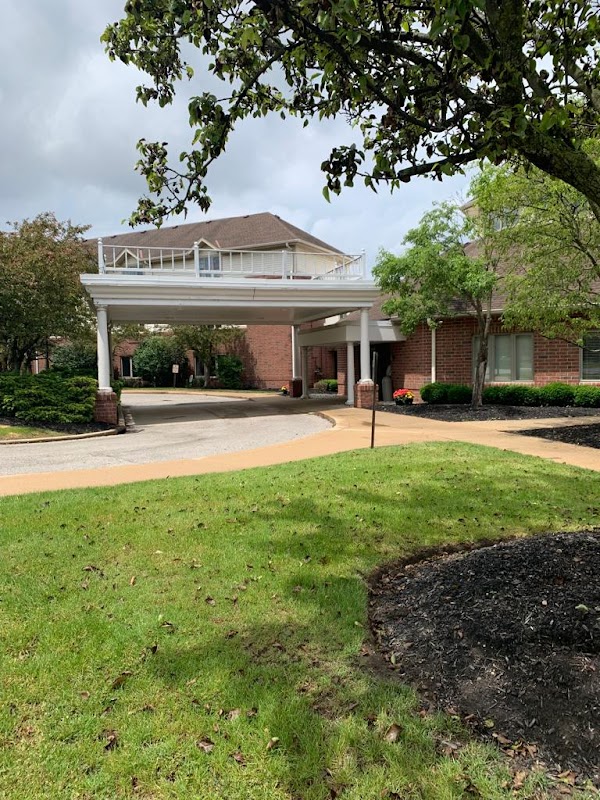
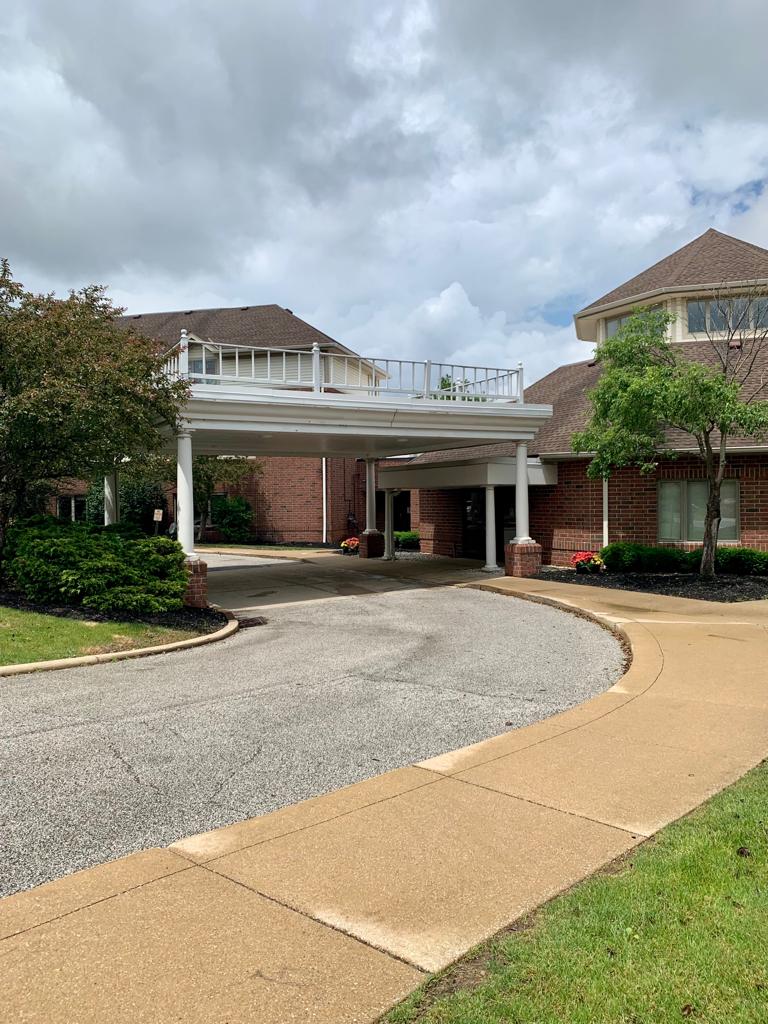
5625 EMERALD RIDGE PARKWAY, SOLON, OH 44139 (440) 498-3000
For profit - Individual 99 Beds CCH HEALTHCARE Data: November 2025 1 Immediate Jeopardy citation
Trust Grade
26/100
#784 of 913 in OH
Last Inspection: January 2023

Over 2 years since last inspection. Current conditions may differ from available data.

Overview

Solon Pointe at Emerald Ridge has received a Trust Grade of F, indicating significant concerns about the quality of care provided. It ranks #784 out of 913 facilities in Ohio, placing it in the bottom half statewide, and #76 out of 92 in Cuyahoga County, suggesting that only a few local options are better. Although the facility has shown an improving trend in issues reported, decreasing from 8 in 2023 to 7 in 2024, it still faces serious challenges. Staffing is rated average with a turnover rate of 72%, significantly higher than the state average of 49%, which may affect consistency in care. There were concerning incidents reported, including a cognitively impaired resident who eloped from the facility without staff knowledge, as well as unsafe medication storage practices that could endanger resident safety.

Trust Score
F
26/100
In Ohio
#784/913
Bottom 15%
Safety Record
High Risk
Review needed
Inspections
Getting Better
8 → 7 violations
Staff Stability
⚠ Watch
72% turnover. Very high, 24 points above average. Constant new faces learning your loved one's needs.
Penalties
○ Average
$10,845 in fines. Higher than 71% of Ohio facilities. Some compliance issues.
Skilled Nurses
○ Average
Each resident gets 38 minutes of Registered Nurse (RN) attention daily — about average for Ohio. RNs are the most trained staff who monitor for health changes.
Violations
⚠ Watch
28 deficiencies on record. Higher than average. Multiple issues found across inspections.
★★☆☆☆
2.0
Overall Rating
★★★☆☆
3.0
Staff Levels
★★★☆☆
3.0
Care Quality
★★☆☆☆
2.0
Inspection Score
Stable
2023: 8 issues
2024: 7 issues

The Good

  • Full Sprinkler Coverage · Fire safety systems throughout facility
  • No fines on record

Facility shows strength in fire safety.

The Bad

2-Star Overall Rating

Below Ohio average (3.2)

Below average - review inspection findings carefully

Staff Turnover: 72%

26pts above Ohio avg (46%)

Frequent staff changes - ask about care continuity

Federal Fines: $10,845

Below median ($33,413)

Minor penalties assessed

Chain: CCH HEALTHCARE

Part of a multi-facility chain

Ask about local staffing decisions and management

Staff turnover is very high (72%)

24 points above Ohio average of 48%

The Ugly 28 deficiencies on record

1 life-threatening
May 2024 7 deficiencies 1 IJ
CRITICAL (J) 📢 Someone Reported This

A family member, employee, or ombudsman was alarmed enough to file a formal complaint

Immediate Jeopardy (IJ) - the most serious Medicare violation

Accident Prevention (Tag F0689)

Someone could have died · This affected 1 resident

**NOTE- TERMS IN BRACKETS HAVE BEEN EDITED TO PROTECT CONFIDENTIALITY** Based on observations, medical record review, staff interview, family interview, review of the facility resident census, review...

Read full inspector narrative →
**NOTE- TERMS IN BRACKETS HAVE BEEN EDITED TO PROTECT CONFIDENTIALITY** Based on observations, medical record review, staff interview, family interview, review of the facility resident census, review of staff schedules, review of police records, review of the facility policy on Wandering, Unsafe Residents, review of the facility's investigation, review of information on the Weather Underground computerized environmental temperatures website, review of Google Maps, and review of the facility's elopement book, the facility failed to prevent the elopement of a cognitively impaired resident (Resident #70), with a history of attempted elopement and who was assessed to be at risk for elopement from the facility. This resulted in Immediate Jeopardy and the potential for serious life-threatening injuries, negative health outcomes and/or death, when Resident #70 left the facility through an alarmed elevator (that did not alarm/sound), without staff knowledge, and was found by a tenant at a previous residence, 1.4 miles from the facility which was down a two-lane road with a center turn lane and no sidewalk. The road had a speed limit of 35 miles-per-hour. In addition, concerns were identified that did not rise to an Immediate Jeopardy level when Resident #41, who was cognitively impaired and assessed at risk for elopement was observed not to have an electronic monitoring bracelet per physician's order and Resident #10 who was cognitively impaired was found to have an electronic monitoring bracelet that did not properly function/would not register as designed due to the bracelet being expired. The facility failed to ensure fall interventions were appropriate for two cognitively impaired resident (#18 and #85), who was assessed at risk for falls and care planned fall interventions were in place. This affected five residents (#10, #18, #41, #70 and #85) of five residents reviewed for exit seeking behaviors from the facility and/or at assessed at risk for falls. The facility identified 14 residents (#10, #13, #14, #22, #38, #41, #52, #53, #54, #58, #70, #77, #88, and #90) at risk for elopement. The facility census was 88. On [DATE] at 3:30 P.M., the Administrator, Director of Nursing (DON), Assistant Director of Nursing (ADON), Regional Director of Clinical Services #677, and Regional Director of Operations #676 were notified Immediate Jeopardy began on [DATE] when Resident #70, a cognitively impaired resident at risk for elopement walked out off the unit she resided on located on the second floor of the facility, took the elevator to the first floor without staff knowledge. Resident #70 then walked past the receptionist who thought she was a visitor, left the facility and was subsequently found 1.4 miles away from the facility. The Immediate Jeopardy was removed on [DATE] when the facility implemented the following corrective actions: • On [DATE] at 3:09 P.M., a resident head count was completed by facility staff to ensure that all current residents were accounted for. All residents were accounted for. • On [DATE] at 3:59 P.M., Resident #70 was returned by the [NAME] Police department and daughter. • On [DATE] at 3:59 P.M., Resident #70 had a head-to-toe assessment completed by Licensed Practical Nurse (LPN) #672 on 5.5.24, including visual assessment and physical assessment, and including but not limited to heat related issues. All results were unremarkable for significant negative effects. • On [DATE], assessments were completed on residents at risk for elopement by DON and Licensed Practical Nurse (LPN) #615. At risk residents were determined by the most recently completed wander assessment. • On [DATE], Resident #70 was immediately placed on a 1:1 supervision by State Tested Nursing Assistant (STNA) #678 upon return to the facility, until 4:44 P.M., at which point the one on one was discontinued by the DON and STNA #678 was reassigned at the elevator to ensure safety for all residents at risk for wandering. • On [DATE], the facility implemented a plan for a designated staff member to remain in place at elevator door 24 hours/7 days per week, to ensure residents at risk of wandering did not exit. This would remain in place until root cause of functioning concern is identified and corrected. • On [DATE] at 4:15 P.M., Resident #70's physician was notified of Resident #70's return to the facility and assessment findings by ADON #343. • On [DATE], all staff members present were interviewed by ADON #343. • On [DATE], all stairwell and exit door alarms were checked for functioning by DON. The facility indicated there were no concerns noted. • On [DATE], all residents with an order for a monitoring device (wander guards bracelets) were assessed to ensure placement of the wander guard and proper functioning of wander guard by DON and ADON #343. The facility indicated any wander guard that was not functioning properly was replaced by DON/designee. • On [DATE] at 4:16 P.M., Resident #70's previous wander guard was removed, and a new wander guard was placed on Resident #70 by the DON. • On [DATE] at 6:30 P.M., elopement drills for staff were conducted by the DON. On [DATE] at 4:25 P.M., an elopement drill was conducted for all staff by DON. On [DATE] at 2:00 A. M., an elopement drill for all staff was conducted by Registered Nurse (RN) #563. • On [DATE], all staff in-service related to elopement protocols began by the DON and/or designee, including but not limited to ensuring that wander guards are in place and functioning as ordered, how to engage wander guard bracelets prior to applying, how to check for functioning of the wander guard bracelet and wander guard system, wandering residents' policy, elopement policy, pictures to be obtained and uploaded to EHR upon admission to the facility, the elopement binder, and notification protocols by the Administrative Team, completed by [DATE]. No staff who are absent or PRN (pro re nata) is permitted to return to the floor and resident care until this in-servicing /education is completed. • On [DATE], all nursing staff in service on correct input of wander guard orders by the DON and/or designee (check placement and check function every shift) upon placement of wander guard by DON/designee and will be completed on or before [DATE]. No staff who are absent or PRN (pro re nata) is permitted to return to the floor and resident care until this in-servicing /education is completed. On [DATE], all nursing staff was to begin ensuring an order is in place to check wander guard placement and function every shift daily, ongoing. • On [DATE], all wandering device orders were to be transcribed into point click care (PCC) the day of implementation by nursing audit began by the DON/designee daily for 2 weeks then weekly at RISK for 3 month and present to Quality Assurance Performance Improvement (QAPI). • On [DATE], the profile pictures of all residents at risk for wandering were audited for accurate profile pictures in the electronic health record (EHR) by Medical Records/Central Supply #524. DON /designee began to audit profile pictures for all new admissions, five residents a week for two weeks then weekly for three months. Results would be presented to the facility Quality Assessment and Performance Improvement (QAPI). • On [DATE], Resident #70's profile picture was uploaded to the EHR and was placed in the wander guard book by Medical Records/Central Supply #524. • On [DATE], the elopement binder was audited for accuracy by Medical Records/Central Supply #524. No other discrepancies were identified. The elopement binder is to be audited for accuracy by DON/ designee five times a week for 2 weeks then weekly for 3 months. Results will be presented to QAPI. • On [DATE], the DON and Administrator met with Alta Contractor (electronic monitoring company) regarding wander guard alert system to ensure the system was functioning per manufacturer's guidelines. No concerns were identified. • On [DATE], all residents with wander guard bracelet orders were clarified to ensure an order to check placement and check function is placed in the HER and care planned by DON and LPN Supervisor #455. • On [DATE], wandering risk assessments were completed on all census active residents by DON and LPN Supervisor #455. All residents identified at risk for wandering were given a wander guard placed on their person, an order written for wander guard and the Provider/resident representative was notified. Additionally, the care plan was updated. • On [DATE], Resident #14 was identified to be at risk of wandering. Her physician was notified, and an order was given for a wander guard. A wander guard was placed on her, checked for placement/function, and her care plan was updated by Registered Nurse (RN) #443. • Effective [DATE], all new employees hired by the facility would receive education on residents at risk for wandering policy by the DON /designee. • On [DATE], the Minimum Data Set (MDS) nurse was educated by the DON, on ensuring that all residents who have an order for wander guard have a care plan in place for the wander guard. The education included ensuring that an intervention for checking the function and checking the placement of the wander guard are in the plan of care by DON/designee. • On [DATE], all staffing agencies utilized by the facility were provided education for their employees by the DON and a copy of this training was placed in the agency education binder by the Administrator. • On [DATE], all activities department and front desk staff were in serviced on PCC profile picture uploading upon admission by Administrator/ designee. Staff who were absent or PRN (pro re nata) would not be permitted to return to the floor and resident care until this in-servicing /education was completed. • On [DATE], all receptionists were in service on the elopement binder review and updating the binder weekly and with any new admission by the Administrative Team. Staff who were absent or PRN (pro re nata) would not be permitted to return to the floor and resident care until this in-servicing /education was completed. • On [DATE], the Admissions Director was in serviced on posting new admissions room number and expected date of admission by time clock daily (which is a secured area), by Administrator/designee. No staff who are absent or PRN (pro re nata) is permitted to return to the floor and resident care until this in-servicing /education is completed. Although the Immediate Jeopardy was removed on [DATE], the facility remained out of compliance at a Severity Level 2 (no actual harm with the potential for more than minimal harm that is not Immediate Jeopardy) as the facility was still in the process of implementing their corrective action plan and monitoring to ensure on-going compliance. Findings include: 1.Review of Resident #70's medical record revealed an admission date of [DATE] with diagnoses including dementia, muscle weakness, and hypertension. Review of the Brief Interview for Mental Status (BIMS) dated [DATE] completed by Social Service Director (SSD) #301 for Resident #70 revealed a score of four, indicating the resident had severe cognitive impairment. Review of the Behavior Assessment and Data Collection dated [DATE] at 4:24 P.M., completed by Licensed Practical Nurse (LPN) #457 revealed Resident #70 had dementia related elopement attempts. Resident #70 wandered and was at risk for potentially getting to dangerous area, stairs or out of the facility unassisted. Resident #70 displayed exit seeking behaviors. Review of the Wandering Risk assessment dated [DATE] at 4:30 P.M., completed by LPN #457 revealed Resident #70 had wandered before, at home or in the previous living setting, the family/significant other voiced concerns. The wandering placed Resident #70 at significant risk of getting to a potentially dangerous place including stairs or outside the facility. Resident #70 was a new admission, cognitively impaired with poor decision-making skills, and ambulated independently. Resident #70 talked about her desire to go home and was seeking to find her spouse/family. Review of the baseline care plan for Resident #70 dated [DATE] at 8:56 A.M., revealed Resident #70 was alert but cognitively impaired, did not require any mobility devices. Resident #70 had a left ankle wander guard (electronic monitoring bracelet/device) placement used for safety. Resident #70 was an elopement risk. Interventions included checking placement and function of safety monitoring device every shift. Review of the physician orders for Resident #70 revealed an order dated [DATE], for skin checks biweekly on shower days, document observation in skin assessment every evening shift every Wednesday and Saturday, and new note wander guard placement/ function start date [DATE] at 3:00 P.M. Review of the Treatment Administration Record (TAR) for Resident #70 revealed an order for the wander guard placement/ function start date [DATE] at 3:00 P.M. and skin checks biweekly on the 3:00 P.M. to the 11:00 P.M. shift only. The wander guard placement checks and skin checks were one combined entry on the TAR. Documentation revealed Resident #70's wander guard was not assessed for placement or function on [DATE] on the 11:00 P.M. to 7:00 A.M. shift or [DATE] on the 7:00 A.M. to the 3:00 P.M. shift. Review of the physician order for Resident #70 dated [DATE] revealed an order for routine resident checks to help maintain resident safety and well-being at least every two hours every shift. Review of the Medication Administration Record (MAR) and TAR for Resident #70 for [DATE] revealed the resident checks to help maintain resident safety and well-being at least every two hours every shift was documented by shifts 7:00 A.M to 3:00 P.M., 3:00 P.M. to 11:00 P.M. and 11:00 P.M. to 7:00 A.M. Review of the progress note dated [DATE] at 6:00 A.M., completed by LPN #671, included Resident #70 slept well thought the night. Review of the progress note dated [DATE] at 4:24 P.M., completed by LPN #672 revealed Resident #70 had a new wander guard in place on left ankle. Review of the progress note dated [DATE] at 6:58 P.M., completed by the DON, revealed incident noted at 2:30 P.M., doctor notified, Assistant Director of Nursing (ADON) notified, Power of Attorney (POA) notified. Resident #70 returned to facility at 3:49 P.M., POA present. No concerns voiced. Resident #70 was assessed. Wander guard present. Care plan (CP) reviewed. Risk management completed. Review of the form titled Call for Service report dated [DATE] at 3:04 P.M., completed by Police Department (PD) #1 located in [NAME] Heights revealed they received a call from [NAME] #673, that a female was confused and doesn't know where her apartment was. The female was identified as Resident #70. Dispatch contacted the daughter of Resident #70 who advised that Resident #70 was to be at the nursing home in [NAME]. On [DATE] at 3:55 P.M., Resident #70 was returned to the nursing home per the [NAME] Heights Police Department. Review of the [NAME] Police Department (PD) report created [DATE] at 4:00 P.M. and completed by Police Officer #674 revealed on [DATE], [NAME] PD was contacted by [NAME] Heights officers in regard to a confused female that was found wandering around an apartment building located at (given address) in [NAME] Heights. [NAME] dispatch advised them that there were no recent missing persons reported. [NAME] Heights officers learned the elderly females name was Resident #70. They found a phone number for her daughter and made contact with her. The daughter advised that her mother (Resident #70) was admitted to the nursing home in [NAME] the past Friday, on [DATE], due to her suffering from dementia and wasn't supposed to have left. [NAME] Heights Officer assisted in transporting (Resident #70) back to the nursing home in [NAME]. When Police Officer #674 spoke with the daughter on the phone, the daughter said her mother had a bracelet on her ankle that was supposed to omit a loud sound, should she walk past a certain door and alert staff. She also said that her mother was getting a new bracelet put on her that would work. It was unknown when (Resident #70) left the facility except it would have had to happen sometime after Friday. The nursing home (Resident #70) resided in did not contact [NAME] Police at any time to advise them of a missing person. The report included the distance from where Resident #70 resided at the nursing home to where she was located by the PD was 1.4 miles. Review of Google Maps confirmed the distance from the facility Resident #70 resided and the location Resident #70 was found was 1.4 miles. Observation of the route revealed it included a two-lane highway with a middle turn lane and no sidewalks. Review of Weather Underground computerized environmental temperatures website revealed on [DATE], the temperature ranged from 59 to 75 degrees. From 12:00 P.M. through 3:00 P.M., the temperature ranged from 70 to 75 degrees. Review of the daily schedule dated [DATE] revealed the 7:00 A.M to 3:00 P.M. shift, (Resident #70's hall) staff consisted of LPN #615, State Tested Nursing Assistant (STNA) #437, and STNA #355. Observation on [DATE] at 11:30 A.M., revealed on the second floor of the facility was a central hall. Located in the central hall was an elevator. On each end of the hall was a set of unsecured double doors that were closed. Behind each set of unsecured double doors was the residential living areas. Nursing Assistant Trainee #578 was observed sitting near the elevator and revealed he was monitoring the elevator to make sure residents did not leave. Review of the facility census revealed 47 residents resided on the second floor. Interview on [DATE] at 1:17 P.M., with LPN #526, revealed the unit Resident #70 resided on, located on the second floor, was not secured. LPN #526 revealed Resident #70 was at risk for elopement, but stated she was the only resident at risk for elopement on her unit. LPN #526 revealed the doors have an electronic monitoring system, every resident on her unit had an electronic monitoring bracelet on them. LPN #526 revealed she did not know how to check the alarm system to see if it was working but stated the 11:00 P.M. to 7:00 A.M. nurse checked it. Observation on [DATE] at 1:20 P.M., with LPN #526 of the facility list of residents at risk for elopement revealed 14 residents (#10, #13, #14, #22, #38, #41, #52, #53, #54, #58, #70, #77, #88, and #90) of 47 residents who were at risk for elopement, and all resided on the second floor of the facility. During the observation, interview with LPN #526 revealed she did not check any residents for bracelet placement this shift. When requested by the surveyor to check the electronic bracelets for function, LPN #526 revealed she did not know how, stating she had never done that before. LPN #526 revealed she would ask someone how to do it and return. Observation and interview on [DATE] between 1:43 P.M. and 5:00 P.M., revealed Resident #70 was pleasantly confused, smiled frequently and revealed the month was September, the year was October and confirmed she did not know where she was. Resident #70 ambulated with a slow steady gait. Interview on [DATE] at 4:38 P.M. with Resident #70's daughter revealed Resident #70 was admitted to the facility on Friday ([DATE]). On Sunday ([DATE]) at three something, [NAME] Heights police department called her and said a lady (her mom) was at her old apartment wandering around. Resident #70's daughter revealed she didn't know how her mom (Resident #70) got there, but stated the maintenance man at the apartment building, let her in her old apartment. Resident #70's daughter revealed someone at the apartment building called the police, they knew her because she lived there since 1981. Resident #70's daughter revealed her mom was known as the walking lady because she loved to walk. Resident #70's daughter revealed Resident #70 was diagnosed with dementia a few years ago. She and her sister took turns staying with her 24 hours a day for the past few years because she was no longer safe to stay by herself. She was very confused, her conversations no longer made sense. Resident #70's daughter revealed her sister became ill and they could no longer care for her by themselves and that was why they needed help to keep her safe and admitted her to the facility. Resident #70's daughter revealed she met the police at the apartment, she called the facility to let them know her mom was in her old apartment with the police. The police then returned her to the facility. Interview on [DATE] at 5:12 P.M., with the Administrator confirmed on [DATE] Resident #70 left the facility unattended. The facility did not complete a self-reported incident (SRI) of the situation because they determined the situation did not constitute neglect but was a result of a malfunctioning system. Resident #70 had a wander guard which should have alarmed to alert the staff when she went to the elevator to leave. The facility determined the elevator alarm was malfunctioning, it did not alert. The Administrator revealed residents were assessed on admission and if it was determined they were at risk for elopement a wander guard would be placed on them, which was done for Resident #70. The second floor was considered a memory care, not a locked unit. If a resident with a wander guard got close to the elevator it should sound and prevent the elevator from going down. When Resident #70 returned to the facility, a staff member was assigned to monitor the elevator because sometimes it worked, sometimes it did not. The Administrator revealed the company who placed the alarm system came to look at it on [DATE] and determined it was functioning correctly, but it was a hit and miss. The Administrator revealed the facility would have a monitor at the elevator until the alarm system was fixed or replaced. Interview on [DATE] at 5:20 P.M., with Maintenance Director #470 revealed the wander guard system only hooked up to the elevator, no doors. If any resident with a wander guard bracelet got within 10 feet of the elevator, the parameter monitor on the wall would reflect they were near the elevator. The alarm sounded when the elevator door opens. The elevator would not move until the resident was removed from the area and a code was put in to shut the alarm off. Maintenance Director #470 revealed he checked the monitor on the wall for the elevator about once a month, but he never documented it. He stated the last time he checked was about the middle of last month. An attempted follow-up interview on [DATE] at 8:35 A.M., with Resident #70 revealed the resident stated her sister picked her up and took her home. Resident #70 then began rambling and talking about hot flashes. A follow-up interview with Resident #70's daughter on [DATE] at 8:42 A.M. revealed Resident #70's sister lived out of state, was older than her and could not drive. Resident #70's daughter revealed she still did not know how Resident #70 got to her old apartment so far away, no one knew, either she walked, or someone picked her up, but confirmed she did not know. Interview on [DATE] between 10:03 A.M., with [NAME] #673 revealed she called the police on [DATE] when she saw Resident #70 outside wandering around the apartment building alone and looked confused. [NAME] #673 revealed she first called the maintenance man at the apartment; he knew her from when she lived there before, he let her in the building then she called the police. Interview on [DATE] at 10:05 A.M., with the Administrator revealed the facility did have cameras but she did not look at the footage related to the incident with Resident #70. The Administrator revealed possibly someone looked at the footage of when Resident #70 left the facility, but she did not know. The Administrator denied the surveyor the opportunity to view the camera footage. Interview on [DATE] at 11:35 A.M., with Repair Man #675 from the Alarm System Company revealed he found the alarm on the elevator working but stated the facility was using expired bracelets. He stated the plan was to replace all bracelets per the DON and plan to eventually change out whole system. Repair Man #675 revealed Resident #70's bracelet was one of the expired bracelets and did not work. The DON was present and revealed the facility purchased the alarm system in [DATE] and stated the bracelets should have been good for one year. The DON confirmed the bracelets should have been checked every shift for functioning. Interview on [DATE] at 11:39 A.M., with LPN #615 revealed she was the charge nurse on [DATE] for Resident #70 when Resident #70 left the facility unattended. LPN #615 revealed on [DATE] at about 2:00 P.M., she did Resident #70's vital signs, then left Resident #70 to check on other residents. LPN #615 revealed she did not recall what time it was when they noticed Resident #70 missing and started looking for her. LPN #615 revealed she went to a nearby apartment building, and someone said he did see a lady with that description walking down the street. Her and the man drove to a nearby plaza, then someone from the facility called and said they found her. Resident #70 still had her ankle bracelet on when she returned to the facility, the DON put a new one on. LPN #615 revealed the alarm system did not go off or sound when Resident #70 left the facility unattended. Interview on [DATE] at 11:51 A.M., with State Tested Nurse Assistant (STNA) #437 confirmed she worked with Resident #70 on [DATE] when she was found missing. STNA #437 revealed no alarm sounded when Resident #70 left. When she returned to the facility, her ankle monitor was still on. STNA #437 revealed on [DATE], she last saw Resident #70 around lunch time which was around 1:00 P.M. Resident #70 did not eat her lunch, she frequently walked around looking for her daughter and saying she was just there to visit. The STNA indicated the resident was wearing a jean blazer, black and white shirt, blue jeans, and black shoes. Interview on [DATE] at 12:01 P.M., with Administrator (Repair Man #675 also present) revealed she needed to clarify what Repair Man #675 said. Repair Man #675 said the bracelet was expired but we don't know that. Repair Man #675 then stated he no longer had time to speak with the surveyor. Interview and record review on [DATE] at 12:40 P.M., with the DON revealed the facility timeline for [DATE] included the following: The DON confirmed she viewed the camera footage of Resident #70 leaving the facility unattended. Per the DON, on [DATE] at 2:13 P.M., Resident #70 was noted leaving the unit. At 2:25 P.M., Resident #70 was seen leaving the facility by the front desk. Receptionist #307 was present. The DON revealed Receptionist #307 thought Resident #70 was a visitor. The DON confirmed the facility had an elopement book located at the front desk. The elopement book had pictures and information of all residents in it who were at risk for elopement. The book was to be used by the staff to confirm residents at risk for elopement. The DON revealed Resident #70's picture was not yet put in the elopement book on [DATE] when Resident #70 left the facility. The DON revealed on [DATE] at 2:30 P.M., the facility began searching for Resident #70. At 3:21 P.M., the facility was notified Resident #70 was found. The facility had not yet notified the police or family (as the timeline stated). When Resident #70 was found, the facility was notified by Resident #70's daughter that Resident #70 was found 1.4 miles from the facility at her previous apartment she resided at. Review of the undated written statement, completed by Receptionist #307 included, they came to the front desk and asked if I had seen the new lady around 2:30 P.M.; I remembered seeing a short lady with white hair, but I thought she was visiting. She was outside in front talking to the cable/internet guy. I thought she was a visitor. Interview on [DATE] at 10:30 A.M., with Regional Director of Operations (RDO) #676 confirmed the system used for elopement was not a WanderGuard system (trade name for a certain electronic monitoring system). The system was a wander preventative system in place. The facility referred to as a wander guard system although it was not a brand name WanderGuard. Review of the policy titled, Wandering, Unsafe Residents, revised [DATE], revealed the facility would strive to prevent unsafe wandering while maintaining the least restrictive environment for residents who were at risk for elopement. 2. Review for Resident #10's medical record revealed an admission date of [DATE] with diagnoses including dementia in other diseases classified elsewhere, unspecified severity, with behavioral disturbances. Review of the BIMS for Resident #10 completed [DATE] revealed a score of zero indicating (severe cognitive impairment). Review of the Nursing admission assessment dated [DATE], for Resident #10 completed by LPN #615, revealed Resident #10 was admitted to the facility due to dementia. Resident #10 required extensive assistants with bed mobility and transfers. Resident #10 was alert to person only and was appropriate for verbal expression. Resident #10 used a wheelchair and was able to propel herself off the unit. Review of the Wandering Risk Assessment for Resident #10 dated [DATE] completed by LPN #615 revealed Resident #10 was cognitively impaired with poor decision-making skills, was a new admission, and talked about her desire to go home. Review of the baseline care plan for Resident #10 dated [DATE] revealed the initial goal was for Resident #10 to remain in the facility. Resident #10 was not an elopement risk. Review of care plan for Resident #10 initiated [DATE], revealed the resident is an elopement risk/ wanderer and has been known to make unsafe transfers. Interventions included to check placement and functioning of safety monitoring device every shift. Reorient/validate and redirect resident as needed. Review of the physician order dated [DATE] at 11:00 P.M., revealed an order to check placement of wander guard to left lower extremity every shift for wandering. Review of the progress note dated [DATE] at 5:58 P.M., completed by LPN #615 revealed wander guard placed on le[TRUNCATED]
CONCERN (D) 📢 Someone Reported This

A family member, employee, or ombudsman was alarmed enough to file a formal complaint

Potential for Harm - no one hurt, but risky conditions existed

Deficiency F0558 (Tag F0558)

Could have caused harm · This affected 1 resident

**NOTE- TERMS IN BRACKETS HAVE BEEN EDITED TO PROTECT CONFIDENTIALITY** Based on observation, staff interview, and record review, the facility failed to ensure a resident's call light was accessible t...

Read full inspector narrative →
**NOTE- TERMS IN BRACKETS HAVE BEEN EDITED TO PROTECT CONFIDENTIALITY** Based on observation, staff interview, and record review, the facility failed to ensure a resident's call light was accessible to request assistance as needed. This affected one (#28) of four resident's observed for accommodation of needs. The facility census was 88. Findings include: Review of the medical record for Resident #28 revealed an admission date of 05/15/23. Diagnoses included chronic respiratory failure, hemiplegia affecting left nondominant side, morbid severe obesity, major depressive disorder, anxiety, tracheostomy, and dependence on respirator. Review of the Annual MDS assessment dated [DATE] revealed Resident #28 was cognitively intact. Resident #28 had no impairment of the upper or lower extremities. Resident #28 used no mobility devices. Resident #28 required assistants with activities of daily living. Review of the care plan for Resident #28 dated 02/15/24 revealed Resident #28 was at risk for falls related to deconditioning, confusion, gait/balance problems, and incontinence. Interventions included to be sure the residents call light was within reach and encourage the resident to use it for assistants as needed. Observation and interview on 05/08/24 at 3:22 P.M., with Resident #28 revealed the call light was wrapped around the lamp above her head out of reach. Resident #28 verified she could not reach the call light. Resident #28 revealed she liked the call light hanging above her head where she could reach up to get it but this time the State Tested Nursing Assistant (STNA) placed it out of her reach. Observation and interview on 05/08/24 at 3:30 P.M., with Licensed Practical Nurse (LPN) #370 verified Resident #28's call light was out of reach. LPN #370 revealed Resident #28 used her call light frequently.
CONCERN (D) 📢 Someone Reported This

A family member, employee, or ombudsman was alarmed enough to file a formal complaint

Potential for Harm - no one hurt, but risky conditions existed

Deficiency F0688 (Tag F0688)

Could have caused harm · This affected 1 resident

**NOTE- TERMS IN BRACKETS HAVE BEEN EDITED TO PROTECT CONFIDENTIALITY** Based on observation, resident interview, family interview, staff interview, record review, and review of policy, the facility f...

Read full inspector narrative →
**NOTE- TERMS IN BRACKETS HAVE BEEN EDITED TO PROTECT CONFIDENTIALITY** Based on observation, resident interview, family interview, staff interview, record review, and review of policy, the facility failed to timely implement measure to promote mobility of a resident, who required a specialized wheelchair to be evaluated by therapy services to obtain a customized wheelchair. This affected one (#28) of three residents reviewed for mobility. The facility census was 88. Findings include: Review of the medical record for Resident #28 revealed an admission date of 05/15/23. Diagnoses included chronic respiratory failure, hemiplegia affecting left nondominant side, morbid severe obesity, major depressive disorder, anxiety, tracheostomy, and dependence on respirator. Resident #28 had a payer source of Medicaid. Review of the Annual Minimum Data Set (MDS) assessment dated [DATE] revealed Resident #28 was cognitively intact. Resident #28 had no impairment of the upper or lower extremities. Resident #28 used no mobility devices. Resident #28 was set up or clean up assist with eating and oral hygiene, and dependent with toileting, bathing, dressing, personal hygiene, bed mobility, lying to sitting, and transfers. No wheelchair or scooter was used. Resident #28 had no behaviors exhibited and no rejections of care. Review of the care plan for Resident #28 dated 02/15/24 revealed Resident #28 had an activity of daily living (ADL) self-care performance deficit related to disease process. Resident requires staff assist to complete activities of daily living (ADL) tasks daily. Fluctuations are expected related to diagnosis. Interventions included the resident is bedfast all or most of the time. Monitor, document, as needed any changes. Physical and Occupational Therapy evaluation and treat per physician orders. Review of the Occupational Therapy Evaluation and Plan of Treatment with a Certification Period of 01/05/24 through 02/01/24 for Resident #28 completed by Occupational Therapist (OT) #685, revealed Clinical Impressions/Reason for skilled services included Resident #25 presented with impairments in balance, gross motor coordination, mobility, attention and strength resulting in limitations and or participation restrictions in the areas of mobility, self-care and functional tasks of choice, assess safety and independence with Activities of Daily Living (ADL's), increase functional activity tolerance, develop and instruct on adaptation techniques and develop and instruct on compensatory strategies in order to facilitate ability to live in environment with least amount of supervision and assistants. Due to documented physical impairments and associated functional deficits, without skilled therapeutic intervention, the patient is at risk for further decline in function, falls, immobility and compromised general health. Continued review of the OT progress notes revealed OT continued care through 02/27/24. Resident #25 actively participated with skilled interventions. Resident #28 demonstrated right lateral lean at edge of bed level, achieved midline, able to access bedside table and complete self-feeding. Head of bed elevated 35 degrees, no signs and symptoms of pain, discomfort, or shortness of breath. Review of the physician orders revealed Resident #28 received an order on 05/01/24, for OT eval completed, plan of care established to include therapeutic exercise, therapeutic activities to include self-care management, wheelchair management three times a week for four weeks. Interview on 05/08/24 at 3:22 P.M., with Resident #28 revealed she wanted to get out of bed. Resident #28 stated, They didn't have right size wheelchair for a long time so they couldn't get me up. Interview on 05/08/24 at 3:30 P.M., with Licensed Practical Nurse (LPN) #370 revealed Resident #28 recently received a bariatric wheelchair and had been getting up. Observation of the wheelchair for Resident #25 revealed a bariatric tilt-n-space chair. Interview on 05/15/24 at 9:50 A.M., with Occupational Therapist (OT) #685 revealed Resident #28 was currently on Occupational Therapy services to try the loaner chair. The loaner chair was a bariatric tilt-n-space chair. OT #685 revealed Resident #28 did not have a chair before receiving the loaner chair. Resident #28 was at the facility for about a year and was not getting out of bed because she did not have an option to get out of bed, there was no chair she could use. OT #685 revealed Resident #28 had low motivation to get out of bed, but she had no option. OT #685 revealed the chair got here for Resident #28 on 04/29/24, it was a trial wheelchair to eventually get her a custom wheelchair. OT #685 revealed Resident #25 was admitted to the facility on [DATE]. Resident #25 was picked up for the first time on 01/05/24 by OT for positioning in bed and to tolerate head of bed elevation. OT #685 revealed therapy never picked her up before because there was nothing to put her in. The insurance company wanted to see her tolerate getting up in order to order her a chair they would pay for. The facility did not have one to trial. OT #685 revealed it was mentioned to the Administrator in the past but was never approved. OT #685 revealed she finally went to a community vendor and received a loaner chair for Resident #25. Resident #25 was currently on case load beginning 05/01/23. Resident #25 sat up in the chair for an hour. OT #685 stated, It should have been attempted sooner, it's been a year, she is afraid now. It should have been done when she came, that's how it's usually done, they need to get out of bed. I finally went and got the chair myself, her needing to get out of bed is what kept me trying to find a chair we could use. Interview on 05/15/24 at 1023 A.M. with Resident #28's son revealed Resident #28 lived in Florida with her family and friends prior to the accident. She was at a hospital in Florida, they said she would need a nursing home that accepted bariatric and ventilator patients. The closest place was in Ohio. She had no family or friends in Ohio but had to go for care. Resident #28's son revealed prior to going to Ohio she did get out of bed, the facility used a mechanical lift, she got up all the time, every time he visited, she was up, she would go to the dining room to eat her meals and socialize. Resident #28's son revealed he hasn't been able to get to Ohio yet and didn't know why they were not getting her out of bed revealing, they should have been, that's their job. Observation and interview on 05/15/24 at 10:31 A.M. revealed Resident #28 were up in the chair in the dining area. Resident #28 was smiling and revealed it felt good to get up. Resident #28 confirmed she previously lived in Florida and was at a facility in Florida, in 2018. While she was at a church, she had a stroke and eventually needed to come to Ohio for care. Resident #28 revealed she was at another facility in Ohio for a year before transferring to the current facility, they never got her up either, they didn't even try. Resident #28 revealed she wanted to get up, when she lived in Florida, they got her up every day, they had patience; Resident #28 revealed she wanted to get up here also but sometimes with therapy, she refused, it is scary, but they never tried until now because they didn't have a chair to put her in. Interview on 05/15/24 at 10:40 A.M., with Administrator revealed Resident #28 never expressed she wanted to get out of bed until recently, she came with no motivation, she never expressed prior she wanted to get out of bed, she would not have been able to. Administrator stated no one asked her for a chair. Interview on 05/15/24 at 10:49 A.M., with OT #685 revealed since Resident #28 arrived she was dependent; she still was except she can feed herself; therapy did not evaluate her or pick her up until January which was nine months after she came. Interview on 05/16/24 at 2:00 P.M., with Physical Therapist (PT) #686 and Regional Director of Clinical Services (RDCS) #677 revealed Resident #28 was picked up in January 2024 for OT. Resident #28 was focusing on self-feeding and head of bed elevation. On 05/15/23, Resident #28 was screened by PT and OT and no evaluation was recommended by either therapy department because she could only tolerate 10 degrees up in bed and was too weak for therapy. PT #686 revealed Resident #28 was not assessed for a wheelchair either at that time because she was too weak to get up and could only tolerate 10 degrees up in bed. Interview on 05/20/24 at 2:44 P.M., with PT #686 revealed on 05/15/23, Resident #28 was not picked up for range of motion because that was not a skilled service, and the facility did not offer a Restorative Program. PT #686 confirmed Resident #28 was not screened again after 05/15/23 by therapy until January 2024, and revealed the therapy department only screened residents when they received a referral from the staff. Review of the policy titled, Rehab Services Policy titled Interdisciplinary Therapy Data Collection and Nursing to Therapy Communication Forms and Data Collection Log, revised 06/29/21, included the Interdisciplinary Therapy Data Collection form may be completed with specific information for nursing facility patients within - 72 hours of admission or readmission and or completed quarterly according to their care plan schedule and or upon referral/recommendation for a screen from facility staff. This deficiency represents the noncompliance investigated under Complaint Number OH00153124.
CONCERN (D) 📢 Someone Reported This

A family member, employee, or ombudsman was alarmed enough to file a formal complaint

Potential for Harm - no one hurt, but risky conditions existed

Respiratory Care (Tag F0695)

Could have caused harm · This affected 1 resident

**NOTE- TERMS IN BRACKETS HAVE BEEN EDITED TO PROTECT CONFIDENTIALITY** Based on record review and staff interview, the facility failed to ensure oxygen orders were obtained including the liters to be...

Read full inspector narrative →
**NOTE- TERMS IN BRACKETS HAVE BEEN EDITED TO PROTECT CONFIDENTIALITY** Based on record review and staff interview, the facility failed to ensure oxygen orders were obtained including the liters to be administered and the frequency of administration. This affected one (#18) of three residents reviewed for respiratory services. The facility census was 88. Findings include: Review of the medical record for Resident #18 revealed an admission date of 08/20/21. Diagnoses included chronic obstructive pulmonary disease and unspecified glaucoma. Review of the significant change Minimum Data Set (MDS) dated [DATE] for Resident #18 revealed Resident 18 was moderately cognitively impaired. Resident #18 received oxygen therapy. Review of the care plan for Resident #18 dated 07/13/23 revealed Resident #18 was at risk for developing complications secondary to has oxygen therapy related to respiratory illness. Review of the physician order dated 02/22/24 for Resident #18 revealed an order Respiratory Therapy to evaluate and treat as indicated. Review of the Respiratory Therapy note dated 02/23/24 at 3:28 P.M., completed by Respiratory Therapist (RT) #688 for Resident #18 revealed patient evaluated by RT. Patient SPO2 (oxygen saturation) on four liters via nasal cannula 94%. Patients heart rate 101. Patients lung sounds markedly diminished on left side on auscultation. Review of the General Progress Note dated 02/27/24 at 8:46 A.M., completed by RT #688 for Resident #18 revealed SPO2 99% on two liters of oxygen per nasal cannula. Continue to monitor. Review of the physician order for oxygen therapy for Resident #18 revealed there was no physician order for oxygen therapy dated 02/23/24 or after until 03/03/24. Review of the physician order for oxygen therapy for Resident #18 dated 03/03/24 and discontinued 03/16/24 revealed an order for oxygen as needed (prn) to maintain SPO2 above 90 % every one hour as needed for shortness of breath (sob). Review of the Medication Administration Record (MAR) for Resident #18 for March 2024 revealed under the only oxygen ordered dated 03/03/24 and discontinued 03/16/24 (for oxygen as needed (prn) to maintain SPO2 above 90 % every one hour as needed for sob) revealed there was no documentation Resident #18 had the oxygen saturation assessed to assure it was above 90%, nor was there documentation on the MAR Resident #18 received any oxygen. Review of the Respiratory Therapy note dated 03/07/24 at 2:20 P.M., completed by RT #687 revealed Resident #18 was on four liters of oxygen via oxygen concentrator. There was no documentation of the oxygen saturation. Review of the physician order for oxygen therapy for Resident #18 dated 03/16/24 and discontinued 03/19/24 revealed an order for oxygen PRN for comfort care every one hour as needed for shortness of breath (sob). Review of the Medication Administration Record (MAR) for Resident #18 for March 2024 revealed under the only oxygen ordered dated 03/16/24 and discontinued 03/19/24 (for oxygen PRN for comfort care every one hour as needed for sob) revealed no documentation Resident #18 received any oxygen or had sob. Review of the nursing note dated 03/19/24 at 4:19 P.M., completed by Licensed Practical Nurse #542, revealed Resident #18 status post weaning with RT, orders clarified per RT, Resident #18 was on continuous oxygen at two liters per nasal cannula. Review of the physician order dated 03/19/24 for Resident #18 revealed an order two liters of oxygen via nasal cannula continuous. Interview on 05/15/24 at 9:00 A.M., with RT #683 revealed she started working with Resident #18 on 03/01/24. Resident #18 had received oxygen therapy daily. RT #683 confirmed Resident #18 was on two liters of oxygen. RT #683 revealed she was not aware of the physician order dated 03/03/24 for oxygen as needed (prn) to maintain SPO2 above 90 % every one hour as needed for sob or the order dated 03/16/24 and discontinued 03/19/24 for oxygen PRN for comfort care every one hour as needed for sob. RT #683 revealed she was unsure of the orders but there should have been an amount in liters of oxygen placed in the orders, she just went by whatever the resident was already on. RT #683 verified there were no physician orders for Resident #18 oxygen use from 02/27/24 through 03/03/24 and the orders were not complete with a liter amount from 03/03/24 through 03/19/24. This deficiency represents the noncompliance investigated under Complaint Number OH00153124.
CONCERN (D) 📢 Someone Reported This

A family member, employee, or ombudsman was alarmed enough to file a formal complaint

Potential for Harm - no one hurt, but risky conditions existed

Deficiency F0757 (Tag F0757)

Could have caused harm · This affected 1 resident

**NOTE- TERMS IN BRACKETS HAVE BEEN EDITED TO PROTECT CONFIDENTIALITY** Based on record review, staff interview, and review of policy, the facility failed to monitor a resident's blood pressure prior ...

Read full inspector narrative →
**NOTE- TERMS IN BRACKETS HAVE BEEN EDITED TO PROTECT CONFIDENTIALITY** Based on record review, staff interview, and review of policy, the facility failed to monitor a resident's blood pressure prior to the administration of medication per physician orders. This affected one (#93) of three residents reviewed for assessment prior to medication administration. The facility census was 88. Findings include: Review of the medical record for Resident #93 revealed an admission date of 01/14/23 and a discharge date of 04/13/24. Diagnoses included chronic obstructive pulmonary disease (COPD), chronic combined systolic congestive and diastolic congestive heart failure (CHF), and essential primary hypertension. Review of the quarterly Minimum data set (MDS) dated [DATE] revealed Resident #93 required assistants with activities of daily living and had cardiorespiratory conditions. Review of the care plan for Resident #93 revealed Resident #93 was a full code. Resident #93 had hypertension interventions which included giving medications as ordered, monitoring side effects, and monitoring for signs and symptoms of hypertension. Review of the physician orders for Resident #93 revealed an order dated 09/13/23, for sacubitril valsartan oral tablet 24-26 milligrams (mg) give one tablet by mouth two times a day for COPD, hold if blood pressure is less than 120/60. Review of the Medication Administration Record (MAR) for March 2024 and April 2024 for Resident #93 revealed Resident #93's blood pressure was not documented on the MAR two times a day prior to giving the medication sacubitril valsartan oral tablet 24-26 mg. Review of the medical records including the progress notes and vital signs for Resident #93 revealed vital signs were not documented two times a day prior to giving the medication sacubitril valsartan oral tablet 24-26 mg. Interview on 05/13/24 between 3:51 P.M. and 4:08 P.M., with Licensed Practical Nurse (LPN) #486, #681, #457, and Registered Nurse (RN) #670 revealed if there was an order to check a blood pressure prior to giving a medication, the result of the blood pressure would be documented in the MAR after the blood pressure was taken. (LPN) #486, #681, #457, and Registered Nurse (RN) #670 confirmed if they assessed a resident's blood pressure, they would document it. LPN #457 revealed she worked with Resident #93 and revealed if the person placing the order in the electronical medical record does not place the vital sign in there also to pop-up when you're giving the medication like it is supposed to, it would be easy to miss the order to assess the blood pressure prior to giving the medication. LPN #457 confirmed she may have missed the portion of the order to assess Resident #93's blood pressure prior to giving the medication because it did not pop-up. Interview on 05/13/24 at 4:16 P.M., with Director of Nursing (DON) revealed she would expect the nurse to assess the blood pressure on any resident if it was in the physician orders and document the result. DON verified Resident #93 had an order for valsartan oral tablet 24-26 mg give one tablet by mouth two times a day for COPD, hold if blood pressure is less than 120/60. DON verified the blood pressure was not documented for Resident #93 prior to the medication being administered two times a day on the MAR or anywhere in the medical record. Interview via telephone, on 05/13/24 at 4:28 P.M., with Resident #93's Primary Care Physician/facility Medical Director, Physician #680 revealed if there were physician orders to check a resident's blood pressure prior to giving a medication, the nurse should be documenting the blood pressure in the medical record. Interview on 05/15/24 at 1:20 P.M., with DON and Physician #680 revealed one day Resident #93's blood pressure was low and Physician #680 was notified. Physician #680 suggested Resident #93 go to the hospital; the daughter refused and wanted Resident #93's blood pressure checked two times a day. Physician #680 agreed and gave the order to check Resident #93's blood pressure prior to giving the medication sacubitril valsartan oral tablet 24-26 mg and to hold the medication if the blood pressure was less than 120/60. DON revealed because it was the daughter's request to check the blood pressure, the nurses didn't need to document the results of the blood pressure, they would just notify the physician if it was too low. Physician #680 confirmed she gave the order, and it was a written physician order to hold the medication if the blood pressure was less than 120/60. DON confirmed she could not verify if Resident #93's blood pressure was assessed each time as per the physician's order. Review of the policy titled, Administering Medications, revised April 2019 revealed medications are administered in a safe and timely manner, and as prescribed. As required or indicated for a medication, the individual administering the medication records in the resident's medical record any results achieved and when those results were observed. This deficiency represents the noncompliance investigated under Complaint Number OH00153220.
CONCERN (D) 📢 Someone Reported This

A family member, employee, or ombudsman was alarmed enough to file a formal complaint

Potential for Harm - no one hurt, but risky conditions existed

Medical Records (Tag F0842)

Could have caused harm · This affected 1 resident

**NOTE- TERMS IN BRACKETS HAVE BEEN EDITED TO PROTECT CONFIDENTIALITY** Based on record review, staff interview, transport timeline review and review of policy, the facility failed to ensure documenta...

Read full inspector narrative →
**NOTE- TERMS IN BRACKETS HAVE BEEN EDITED TO PROTECT CONFIDENTIALITY** Based on record review, staff interview, transport timeline review and review of policy, the facility failed to ensure documentation was complete in the resident medical record. This affected one (#85) of three residents medical records reviewed for documentation. The facility census was 88. Findings include: Review of the medical record for Resident #85 revealed an admission date of 01/22/24. Diagnoses included cerebral palsy, chronic obstructive pulmonary disease, tracheostomy, and chronic respiratory failure. Review of the admission Minimum Data Set (MDS) dated [DATE] revealed Resident #85 had severe cognitive impairment and was impaired on one side of the upper and lower extremity. Resident #85 was dependent for activities of daily living. Resident #85 had medically complex conditions, which included cerebral palsy, chronic respiratory failure with hypoxia, tracheostomy, oxygen therapy, and suctioning. Review of the care plan dated 01/29/24 revealed Resident #85 was at risk for alteration in code status, Resident #85 was a full code. Interventions included obtaining vital signs as ordered per doctor and as needed, notify doctor as indicated. Interventions included calling 911 immediately as indicated. Review of the care plan dated 02/12/24 revealed Resident #85 was at risk for developing complications secondary to tracheostomy related to impaired breathing mechanics. Interventions included ensure that trach ties are secured at all times. Monitor/document for restlessness, agitation, confusion, increased heart rate (tachycardia), and bradycardia. Monitor/document level of consciousness, mental status, and lethargy as needed (PRN). Monitor/document respiratory rate, depth, and quality. Check and document every shift/as ordered. Provide means of communication and procedural information. Reassure me that help is available immediately. Tube out procedures: Keep extra trach tube and obturator at bedside. If the tube is coughed out, open stoma with a hemostat. If the tube cannot be reinserted, monitor/document for signs of respiratory distress. If able to breathe spontaneously, elevate the head of bed 45 degrees and stay with resident. Obtain medical help immediately. Review of the physician order dated 01/22/24 revealed Resident #85 was a full code. Additional orders included: Respiratory Therapy may evaluate and treat as needed dated 01/22/24. Spare trach (one size smaller, one size larger) and oxygen e tank at bedside dated 03/14/24. Trach care every shift and as needed dated 01/25/24. Trach assessment every four hours dated 01/24/24. Review of the progress note for Resident #85 dated 04/09/24 at 6:55 A.M., completed by Registered Nurse (RN) #433, revealed (Resident #85) decannulated herself. Unable to reinsert trach per respiratory. Patient was rounded on multiple times during the shift. Current pulse oximetry was 93% room air. Respiratory notified, doctor notified, patient currently receives hospice services. Patient will be sent out to emergency room (ER) for evaluation. Review of the respiratory therapy note dated 04/09/24 at 7:30 A.M., for Resident #85 completed by Respiratory Therapist (RT) #687 revealed the resident was assessed after self-decannulating her trach (removing the whole trach). Patient's assessment discovered by State Tested Nursing Assistant (STNA) and Respiratory. RT #687 performed Full Assessment with no findings of Respiratory Distress. RT #687 is stable on room air via stoma. Respiratory attempted to replace trach, but Resident #85 became semi-violent and was actually almost able to phonate (speak). RT #687 notified Pulmonologist and described the situation. Although Patient is quite Stable, Respirations unlabored, oxygen saturation at 95% on room air. Heart rate 68 beats per minute., (Resident #85's) secretions and airway integrity are of concern, so we agree that (Resident #85) should be sent out to ER and further evaluated by ear, nose, and throat (ENT). A physician's ambulance has been called for pick-up (non - emergent transport). RT will follow-up. Review of the progress note for Resident #85 dated 04/09/24 at 11:39 A.M., completed by RT #687 revealed respiratory assessed, Resident #85 noting the need for small amounts of secretion to be suctioned. Pt. has the ability to expectorate secretions intermittently but does require suctioning. The nurse also assisted with suctioning throughout the shift. Resident was last seen around 3:00 A.M. and then discovered self-decannulation (trach removal) at 5:50 A.M. Review of the progress note for Resident #85 dated 04/09/24 at 8:37 P.M., completed by Licensed Practical Nurse (LPN) #689 revealed she spoke with nurse, Doctor #690 from Hospital #691 about update for (Resident #85), as stated she is tachycardia and hypertensive, and they are trying to get her vitals stable. Review of the Therapy Administration Record for April 2024 for Resident #85 revealed on 04/08/24 oral care every shift and as needed every day was not documented as completed for the 7:00 P.M. to the 7:00 A.M. shift or on 04/09/24 for the 7:00 A.M. to the 7:00 P.M. shift. The trach care orders each shift and as needed two times a day was not documented completed on 04/08/24 for the 7:00 P.M. to the 7:00 A.M. shift or on 04/09/24 for the 7:00 A.M. to the 7:00 P.M. shift. The order for the trach assessment every four hours timed to be completed at 12:00 A.M., 4:00 A.M., 8:00 A.M., 12:00 P.M. 4:00 P.M. and 8:00 P.M. was not documented as completed on 04/08/24 at 4:00 P.M. and 8:00 P.M. and 04/09/24 at 12:00 A.M., 4:00 A.M. or 8:00 A.M. Record review of Resident # 85's medical record revealed there was no documentation of time of transport to the hospital. Record review of the transport timeline provided by Administrator obtained through an email dated 05/16/24 from Transport Company #692 revealed the call to the ambulance company for Resident #85 from the facility was placed on 04/09/24 at 7:21 A.M. The Ambulance arrived at the facility on site on 04/09/24 at 10:09 A.M. and transport arrived at the hospital at 10:49 A.M. Interview on 05/16/24 at 11:29 A.M., with Director of Nursing (DON) revealed she was unsure why Resident #85's Therapy Administration record for treatments was not documented as completed per orders. Review of the undated policy titled, Charting and Documentation revealed all services provided to the resident, progress towards the care plan goals, or any changes in the resident's medical, physical, functional, or psychosocial condition, may be documented in the resident's medical record. The medical record may facilitate communication between the interdisciplinary team regarding the resident's condition and response to care. This deficiency represents the noncompliance investigated under Complaint Number OH00153124.
CONCERN (D) 📢 Someone Reported This

A family member, employee, or ombudsman was alarmed enough to file a formal complaint

Potential for Harm - no one hurt, but risky conditions existed

Safe Environment (Tag F0921)

Could have caused harm · This affected 1 resident

Based on observation and staff interview, resident interview, the facility failed to timely repair one resident's wall with several large visible holes, dents, and scrape markings on it. This affected...

Read full inspector narrative →
Based on observation and staff interview, resident interview, the facility failed to timely repair one resident's wall with several large visible holes, dents, and scrape markings on it. This affected one (#28) of three residents reviewed for the environment. The facility census was 88. Findings include: Review of the medical record for Resident #28 revealed an admission date of 05/15/23. Diagnoses included chronic respiratory failure, hemiplegia affecting left nondominant side, morbid severe obesity, major depressive disorder, anxiety, tracheostomy, and dependence on respirator. Review of the Annual Minimum Data Set (MDS) assessment, dated 03/14/24, revealed Resident #28 had a Brief Interview of Mental Status (BIMS) score of 15 out of 15 (cognitively intact). Resident #28 had no impairment of the upper or lower extremities. Resident #28 used no mobility devices. Resident #28 had no behavior exhibited and no rejections of care. Observation on 05/08/24 at 3:22 P.M., revealed the wall behind Resident #28's headboard had three very large holes that reached from outside both sides of the headboard and continued behind the headboard from one end to the other. The wall also had multiple scrapes, dents, and black markings on it which were all visible while visiting with Resident #28. Interview at the time revealed Resident #28 stated she was unable to see the wall in her position in bed. Observation and interview on 05/08/24 at 3:30 P.M., with Licensed Practical Nurse (LPN) #370 confirmed the holes and markings on Resident #28's wall. LPN #370 revealed she was unsure how long it's been that way. Observation and interviews on 05/15/24 at 8:40 A.M., revealed Resident #28's wall had no repairs to the holes or markings on the wall were initiated. State Tested Nursing Assistant (STNA) #302, Respiratory Therapist (RT) #682 and #683, and LPN #370 were present and confirmed they just repositioned Resident #28 as they have in the past several times and have never banged the wall. RT #683 revealed the wall had holes and was banged up in that same condition as long as she could remember. Interview on 05/15/24 at 9:47 A.M., with Housekeeper #303 confirmed she had seen the holes in Resident #28's wall. Housekeeper #303 revealed she reported it to Maintenance Director #470 weeks ago. Interview on 05/15/24 at 10:55 A.M., with Maintenance Director #470 confirmed he was aware of the holes in the wall in Resident #28's room. Maintenance Director #470 revealed he was unsure how long ago he was made aware and confirmed he did not repair it. This deficiency represents the noncompliance investigated under Complaint Number OH00153124.
May 2023 1 deficiency
CONCERN (E) 📢 Someone Reported This

A family member, employee, or ombudsman was alarmed enough to file a formal complaint

Potential for Harm - no one hurt, but risky conditions existed

Safe Environment (Tag F0921)

Could have caused harm · This affected multiple residents

Based on observation, interview, and record review, the facility failed to ensure a clean and sanitary shower room. This had the potential to affect all residents residing on Chestnut unit with shared...

Read full inspector narrative →
Based on observation, interview, and record review, the facility failed to ensure a clean and sanitary shower room. This had the potential to affect all residents residing on Chestnut unit with shared shower room. The facility identified 22 residents (#3, #9, #15, #25, #26, #34, #44, #45, #46, #48, #49, #54, #59, #62, #66, #73, #78, #85, #88, #90, #92, and #93) as residing on Chestnut unit. The facility census was 93. Findings include: Interview on 05/24/23 at 11:19 A.M. with State Tested Nursing Assistant (STNA) #804 revealed there was one community shower room on the Chestnut unit. STNA #804 noted someone must have used the bathroom in the shower room as she had noted there was bowel movement (BM) in the room. Observation on 05/24/23 at 11:22 A.M. of the second floor Chestnut unit shower room with STNA #804 revealed a shower room adjacent to the nurse's station with the door closed. Upon entry to the shower room with STNA #804 there was a strong odor of BM. Observation revealed a large, formed BM on a facility shower chair. There was also noted smearing of an unidentified brown substance on floor leading to door for shower room. Findings were confirmed with STNA #804. STNA #804 indicated she was unsure how long the BM had been there and who was responsible for cleaning up the BM. Interview on 05/24/23 at 12:02 P.M. with Housekeeper #807 revealed when a resident would toilet in an inappropriate area the nurses and aides usually left it until someone from housekeeping addressed it. Interview on 05/24/23 at 2:07 P.M. with Housekeeping Director #808 revealed STNAs or nurses would be expected to dispose of feces or urine and the housekeeping staff would clean and sanitize after. Interview on 05/24/23 at 3:35 P.M. with the Director of Nursing (DON) revealed STNAs would be responsible for cleaning up urine or feces and a housekeeper would be responsible for disinfecting the area. Review of the facility policy, Cleaning Spills or Splashes of Blood or Body Fluids, dated January 2012, revealed whoever witnessed bodily fluids anywhere in the facility would notify environmental services. An appropriately trained individual would clean and disinfect any surface or equipment contaminated as soon as practical to prevent exposure. This deficiency represents non-compliance investigated under Complaint Number OH00143122.
May 2023 2 deficiencies
CONCERN (D) 📢 Someone Reported This

A family member, employee, or ombudsman was alarmed enough to file a formal complaint

Potential for Harm - no one hurt, but risky conditions existed

Deficiency F0561 (Tag F0561)

Could have caused harm · This affected 1 resident

**NOTE- TERMS IN BRACKETS HAVE BEEN EDITED TO PROTECT CONFIDENTIALITY** Based on observation, medical record review, policy review and interview, the facility failed to honor Residents #2's preference...

Read full inspector narrative →
**NOTE- TERMS IN BRACKETS HAVE BEEN EDITED TO PROTECT CONFIDENTIALITY** Based on observation, medical record review, policy review and interview, the facility failed to honor Residents #2's preferences. This affected one of three residents reviewed for transfer assistance. The census was 88. Findings include: Review of the medical record for Resident #2 revealed an admission date of 09/29/21 with diagnoses of multiple sclerosis, B-cell lymphoma, history of falling, seizures, need for personal assistance and major depressive disorder. Review of the activities of daily living (ADL) care plan, updated 05/10/22 revealed Resident #2 had an activities of daily living self-care performance deficit related to disease process. Resident #2 required staff assistance to complete ADL tasks daily. Resident #2 required extensive by one staff to move between surfaces daily and as necessary. Review of the nursing admission/readmission assessment dated [DATE] revealed Resident #2 usually woke up between 5:00 A.M. and 6:00 A.M. Review of the Minimum Data Set (MDS) 3.0 annual assessment dated [DATE] revealed Resident #2 was cognitively intact, required extensive physical assistance of two-person for transferring and utilized a wheelchair for mobility. Review of the nutrition/hydration status assessment dated [DATE] revealed Resident #2 fed herself, used a wheelchair and had meals in the dining room. Observation on 05/02/23 at 8:48 A.M. revealed Resident #2 was lying in bed, wearing a hospital gown, with an untouched breakfast tray on her overbed table. Interview, during the observation, with Resident #2 revealed she woke up around 5:30 A.M. and liked to be out of bed by 9:00 A.M. but there were not enough aides to get her up on time. Observation on 05/02/23 at 8:50 A.M. revealed Agency State Tested Nurse Aide (STNA) #6 was passing out breakfast trays while Registered Nurse (RN) #5 was sitting at the nursing station working on the computer on the Purple unit. Interview, during the observation, with RN #5 revealed Agency STNA #6 arrived late to work at 8:15 A.M. so RN #5 directed STNA #6 to pass breakfast trays then get Resident #2 out of bed. RN #5 stated she was passing medications. RN #5 verified Resident #2 was not out of bed and verified Resident #2 was supposed to be out of bed before breakfast as she liked to come to the dining room before breakfast. RN #5 also revealed Resident #2 would always complain that she was not out of bed on time then unable to eat in the dining room. RN #5 said Agency STNA #6's shift began at 7:00 A.M. and there was not a STNA on the unit with 15 residents from approximately 7:00 A.M. to 8:15 A.M. Interview on 05/02/23 at 8:55 A.M. with Agency STNA #6 revealed this day was her first time in the facility. Observation on 05/02/23 at 8:59 A.M. revealed Resident #2 continued to lay in bed and had eaten her cold cereal. At 9:02 A.M., STNA #6 entered Resident #2's room and asked RN #5 if she should get Resident #2 up and ready. RN #5 replied, yes and STNA #6 closed the door. At 9:36 A.M., STNA #6 exited Resident #2's room and Resident #2 was dressed in street clothes, self-propelling into her bathroom. Review of the facility's Quality of Life - Accommodation of Needs policy revised August 2009 revealed the resident's individual needs and preferences shall be accommodated to the extent possible, except when the health and safety of the individual or other residents would be endangered. This deficiency represents non-compliance investigated under Complaint Number OH00142180.
CONCERN (D) 📢 Someone Reported This

A family member, employee, or ombudsman was alarmed enough to file a formal complaint

Potential for Harm - no one hurt, but risky conditions existed

Incontinence Care (Tag F0690)

Could have caused harm · This affected 1 resident

**NOTE- TERMS IN BRACKETS HAVE BEEN EDITED TO PROTECT CONFIDENTIALITY** Based on observation and interview the facility failed to provide timely incontinence care. This affected one resident (#31) of ...

Read full inspector narrative →
**NOTE- TERMS IN BRACKETS HAVE BEEN EDITED TO PROTECT CONFIDENTIALITY** Based on observation and interview the facility failed to provide timely incontinence care. This affected one resident (#31) of two observed for incontinence care. The facility census was 88. Findings include: Review of Resident #31's medical records revealed an admission date of 01/10/23. Diagnoses included psoriasis and cellulitis (bacterial skin infection). Review of Resident #31's Minimum Data Set (MDS) assessment dated [DATE] revealed Resident #31 had intact cognition. Resident #31 required extensive assistance with toileting and personal hygiene and was incontinent of bowel and bladder. Review of Resident #31's care plan dated 02/17/23 revealed Resident #31 had self care deficits. Interventions included staff to provide care daily. Observation on 05/04/23 at 7:51 A.M. revealed Resident #31's call light was on outside of her room. Upon entering Resident #31's room a strong pungent odor of urine was noted. Interview with Resident #31 at time of observation revealed she had been changed the previous evening prior to bedtime. Further observation revealed Resident #31 had been incontinent of urine with a large visible wet area underneath of the resident. Observation of incontinence care for Resident #31 on 05/04/23 at 8:00 A.M. with State Tested Nursing Assistant (STNA) #105 revealed Resident #31 had been incontinent of a large amount of urine and liquid stool that had saturated through her incontinence brief and incontinence liner, two bath blankets and onto her mattress. STNA #105 stated she had started her shift at 7:00 A.M. and had not provided incontinence care to Resident #31 yet. STNA #105 stated she had not observed an STNA present on the unit when she arrived and did not know when not Resident #31 had last received incontinence care. This deficiency represents non-compliance investigated under Complaint Number OH00142180.
Jan 2023 5 deficiencies
CONCERN (D)

Potential for Harm - no one hurt, but risky conditions existed

Deficiency F0578 (Tag F0578)

Could have caused harm · This affected 1 resident

Based on record review and staff interview the facility failed to maintain an accurate medical record (code status) for Resident #45. This affected one resident (#45) of one resident reviewed for adva...

Read full inspector narrative →
Based on record review and staff interview the facility failed to maintain an accurate medical record (code status) for Resident #45. This affected one resident (#45) of one resident reviewed for advanced directives. The facility census was 78. Findings include: Review of the hard paper medical revealed a green piece of paper stating Resident #45 was a full code (full resuscitative measures including chest compressions would take place in the event of a cardiac arrest or other medical emergency). Review of the electronic medical record revealed Resident #45 was listed as a DNRCC (do not resuscitate comfort care) indicating Resident #45 would only be kept comfortable in the event of a cardiac arrest or similar medical event. Interview on 01/09/23 at 3:33 P.M. Licensed Practical Nurse (LPN) #101 verified that the electronic and paper charts had conflicting code status information. Review of the undated policy titled Advanced Directives revealed The plan of care for each resident will be consistent with his or her documented treatment preferences and/or advanced directives.
CONCERN (D)

Potential for Harm - no one hurt, but risky conditions existed

Comprehensive Care Plan (Tag F0656)

Could have caused harm · This affected 1 resident

**NOTE- TERMS IN BRACKETS HAVE BEEN EDITED TO PROTECT CONFIDENTIALITY** Based on record review, interview, and facility policy review the facility failed to ensure Resident #48's care plan included co...

Read full inspector narrative →
**NOTE- TERMS IN BRACKETS HAVE BEEN EDITED TO PROTECT CONFIDENTIALITY** Based on record review, interview, and facility policy review the facility failed to ensure Resident #48's care plan included communication and/or sensory deficits. This affected one resident (#48) of one resident reviewed for care planning. The facility census was 78. Findings include: Review of the medical record revealed Resident #48 was admitted to the facility on [DATE] with diagnoses including dementia, severe, with other behavioral disturbance, type two diabetes mellitus without complications, and sensorineural hearing loss, bilateral. Review of the Minimum Data Set 3.0 (MDS) 3.0 assessment dated [DATE] revealed Resident #48 was alert and oriented with some cognitive impairment. Review of Section B of the MDS assessment revealed Resident #48 had moderate difficulty with hearing with a hearing aid device. Review of the Nursing admission and/or re-admission assessment dated [DATE] revealed Resident #48 had moderate difficulty with hearing and utilized a hearing aid in his right ear. Review of the progress note dated 10/20/22 at 3:45 P.M. revealed Resident #48 was hard of hearing and had one hearing aid. Review of the care plan initiated on 10/25/22 revealed Resident #48 had no communication plan of care initiated related to being hard of hearing. Review of the facility document titled Inventory of Personal Effects, dated 10/20/22, revealed Resident #48 was admitted to the facility with one right ear hearing aid that was not working. Review of the document revealed the hearing aid was over [AGE] years old. Interview on 01/11/23 at 3:48 P.M. with Social Service Director (SSD) #8 revealed she was unaware of Resident #48's hearing aid needs. Interview on 01/12/23 at 10:24 A.M. with the Director of Nursing (DON) revealed resident impairments were to be care planned. Interview on 01/12/23 at 12:40 P.M. with MDS Coordinator #41 revealed she had just initiated Resident #48's communication problem related to being hard of hearing in the care plan and confirmed the findings. Review of the facility document titled Care Plans-Baseline, revised March 2022, revealed the facility had a policy in place that a baseline care plan would be developed to meet the resident immediate health and safety needs. Review of the document revealed the facility did not implement the policy.
CONCERN (F)

Potential for Harm - no one hurt, but risky conditions existed

Deficiency F0761 (Tag F0761)

Could have caused harm · This affected most or all residents

Based on observation, staff interview, and policy review the facility failed to ensure that all drugs and biologicals used in the facility were accurately labeled in accordance with professional stand...

Read full inspector narrative →
Based on observation, staff interview, and policy review the facility failed to ensure that all drugs and biologicals used in the facility were accurately labeled in accordance with professional standards to facilitate safe medication administration. This had the potential to affect all residents who reside in the facility. The facility census was 78. Findings include: Observation with the Director of Nursing (DON) on 01/10/23 at 12:05 P.M., of the medication storage room located on Rust unit, revealed the refrigerator contained one opened Novolog (insulin) flex pen mixed with other resident insulin pens, and without a resident identifier or date opened. Interview with the DON immediately following the observation, revealed the DON was unable to accurately identify the prescribed resident or date opened. The DON verified the medication was not labeled for safe medication administration per the facility policy. Observation with the DON on 01/10/23 at 12:35 P.M., of the medication storage room located on Maple unit, revealed the refrigerator contained a single one milliliter (ml) syringe that was filled with 0.1 ml of an unknown solution and placed in a plastic bin under resident vials of insulin. The syringe was not labeled with medication name, resident identifier, or date opened. Interview with the DON immediately following the observation, revealed the DON was unable to identify the medication solution or date the medication was drawn. The DON verified the medication was not labeled for safe medication administration per the facility policy. Interview on 01/12/23 at 10:28 A.M., The DON revealed all residents who reside at the facility require medication administration from staff. Review of the facility policy titled Storage of Medications, dated 04/2019, revealed the facility will store all drugs and biologicals in a safe, secure, and orderly manner. Review of the policy procedures revealed discontinued, outdated, or deteriorated drugs or biologicals are to be returned to the dispensing pharmacy or destroyed; Resident medications are stored separately from each other to prevent the possibility of mixing medications between residents; Medications requiring refrigeration are stored in a refrigerator or other secured location and are labeled accordingly.
CONCERN (F)

Potential for Harm - no one hurt, but risky conditions existed

Safe Environment (Tag F0921)

Could have caused harm · This affected most or all residents

Based on observation and staff interview the facility failed to maintain a clean and sanitary environment. This had the potential to affect all 78 residents residing in the facility. Findings include:...

Read full inspector narrative →
Based on observation and staff interview the facility failed to maintain a clean and sanitary environment. This had the potential to affect all 78 residents residing in the facility. Findings include: An environmental tour was conducted with Housekeeping Supervisor (HSK) #99 on 01/10/22 between 2:00 P.M. and 2:36 P.M. The following concerns were identified and verified at the time of discovery: • The tube feed pole used by Resident #20 had significant dried residual tube on the base of the pole. • The 700 and 800 halls had mold in the shower rooms. • The rooms occupied by Residents #25, #45 and #55 had tile flooring that was broken. • The hallway air conditioner/heating unit cover on the 700 hall was off and the air conditioner was dirty. • The room occupied by Resident #31 had a dirty and stained privacy curtain. • The toilet paper roll in Resident #229's room was off the wall, and the toilet paper was touching the bathroom floor. • The air vent on the 700 hall was rusted. • The 800-hall dining room had numerous water-stained ceiling tiles. • The bathroom walls in Resident #35's room were scuffed and had areas of paint peeling of the walls. • The bathroom door in Resident #65 room was broken. • The 500-hall had stained carpeting. • The bathroom curtain used as a bathroom door in Resident #4 and #283's room was stained and torn. • The walls in Resident #7's room had significant areas of scuff and paint chipping • Multiple light fixtures in the ceiling throughout the facility had dead bugs in them.
MINOR (C)

Minor Issue - procedural, no safety impact

Garbage Disposal (Tag F0814)

Minor procedural issue · This affected most or all residents

Based on observation, staff interview, and facility policy review the facility failed to ensure the dumpster area was maintained in a clean and sanitary condition. This had the potential to affect all...

Read full inspector narrative →
Based on observation, staff interview, and facility policy review the facility failed to ensure the dumpster area was maintained in a clean and sanitary condition. This had the potential to affect all residents. The facility census was 78. Findings include: Observation of the dumpster area on 01/11/23 at 2:15 P.M. revealed one dumpster did not have a door to keep closed. The dumpsters were noted to be open exposing the following: • Multiple used gloves, surgical masks, incontinence briefs and pads • Multiple empty brown cardboard boxes, plastic cups, bottles of cleansing liquid • Multiple food scraps, empty potato chips bags and pop bottles Interview on 01/11/23 at 2:15 P.M. with Dietary [NAME] (DC) #46 confirmed the above findings. Review of the facility document titled Waste Disposal, revised January 2012, revealed the facility had a policy in place that all infectious and regulated waste would be handled and disposed of in a safe and appropriate manner. Review of the document revealed the facility did not implement the policy.
Sept 2019 9 deficiencies
CONCERN (D)

Potential for Harm - no one hurt, but risky conditions existed

Transfer Notice (Tag F0623)

Could have caused harm · This affected 1 resident

**NOTE- TERMS IN BRACKETS HAVE BEEN EDITED TO PROTECT CONFIDENTIALITY** Based on record review and interview, the facility failed to ensure Resident #44's representative received written notice of tra...

Read full inspector narrative →
**NOTE- TERMS IN BRACKETS HAVE BEEN EDITED TO PROTECT CONFIDENTIALITY** Based on record review and interview, the facility failed to ensure Resident #44's representative received written notice of transfer to the hospital and bed hold notice. The facility also failed to ensure the long-term care Ombudsman received a copy of the transfers notice. This affected one of one resident reviewed for hospitalization. Findings include: Review of Resident #44 medical record revealed an initial admission date of 07/24/09. Diagnoses included unspecified dementia without behavioral disturbance, schizophrenia, malignant neoplasm of colon unspecified, and Alzheimer's disease with late onset. The significant change Minimum Data Set (MDS) 3.0 assessment dated [DATE] revealed the resident had impaired cognition and required total dependence of one staff for bed mobility and toilet use and total dependence of two staff for transfers. Review of the nursing note dated 07/14/2019 at 5:52 P.M. revealed a nurse placed a call to the local hospital for an update on Resident #44 and received confirmation that the resident was admitted . Review of the local hospital paperwork for Resident #44 revealed the resident was admitted to the hospital on [DATE]. Review of copies of the Ombudsman notifications sent via email dated 09/10/19 revealed none for Resident #44's hospitalization on 07/13/19. Interview on 09/18/19 at 12:09 P.M. with the Administrator verified the Ombudsman was not notified of Resident #44's transfer to hospital on [DATE]. Interview on 09/18/19 at 4:23 P.M. with Admissions Director (AD) #31 revealed he did not give Resident #44 or Resident #44's representative the written bed hold or transfer notice for Resident #44's hospitalization on 07/13/19.
CONCERN (D)

Potential for Harm - no one hurt, but risky conditions existed

Deficiency F0625 (Tag F0625)

Could have caused harm · This affected 1 resident

**NOTE- TERMS IN BRACKETS HAVE BEEN EDITED TO PROTECT CONFIDENTIALITY** Based on record review and interview, the facility failed to ensure Resident #44's representative received written notice of tra...

Read full inspector narrative →
**NOTE- TERMS IN BRACKETS HAVE BEEN EDITED TO PROTECT CONFIDENTIALITY** Based on record review and interview, the facility failed to ensure Resident #44's representative received written notice of transfer to the hospital and bed hold notice. This affect one of one resident reviewed for hospitalization. Findings include: Review of Resident #44 medical record revealed an initial admission date of 07/24/09. Diagnoses included unspecified dementia without behavioral disturbance, schizophrenia, malignant neoplasm of colon unspecified, and Alzheimer's disease with late onset. The significant change Minimum Data Set (MDS) 3.0 assessment dated [DATE] revealed the resident had impaired cognition and required total dependence of one staff for bed mobility and toilet use and total dependence of two staff for transfers. Review of the nursing note dated 07/14/2019 at 5:52 P.M. revealed a nurse placed a call to the local hospital for an update on Resident #44 and received confirmation that the resident was admitted . Review of the local hospital paperwork for Resident #44 revealed the resident was admitted to the hospital on [DATE]. Interview on 09/18/19 at 4:23 P.M. with Admissions Director (AD) #31 revealed he did not give Resident #44 or Resident #44's representative the written bed hold or transfer notice for Resident #44's hospitalization on 07/13/19.
CONCERN (D)

Potential for Harm - no one hurt, but risky conditions existed

Assessment Accuracy (Tag F0641)

Could have caused harm · This affected 1 resident

**NOTE- TERMS IN BRACKETS HAVE BEEN EDITED TO PROTECT CONFIDENTIALITY** Based on record review and interview, the facility failed to ensure the Minimum Data Set (MDS) 3.0 assessment was coded accurate...

Read full inspector narrative →
**NOTE- TERMS IN BRACKETS HAVE BEEN EDITED TO PROTECT CONFIDENTIALITY** Based on record review and interview, the facility failed to ensure the Minimum Data Set (MDS) 3.0 assessment was coded accurately for Residents #16 and #84. This affected two of 22 residents reviewed for accuracy of assessments. The facility census was 84. Findings include: 1. Record review of Resident #16 revealed an admission date of 01/01/14. Diagnoses included schizophrenia, vascular dementia without behavioral disturbance, and anxiety disorder. The quarterly MDS 3.0 assessment dated [DATE] revealed the resident received antidepressants daily. Review of the June 2019 and July 2019 Medication Administration Record (MAR) revealed Resident #16 did not receive antidepressants. Interview on 09/18/19 at 5:34 P.M. MDS Nurse #82 verified Resident #16 had not received antidepressants, and that the MDS 3.0 assessment dated [DATE] stating the resident received antidepressants was an error. 2. Record review of Resident #84 revealed an admission date of 07/24/19 and a discharge date of 08/05/19 with diagnoses that included urinary tract infection, unspecific abdominal pain and mild cognitive impairment. Review of Resident #84's quarterly MDS 3.0 assessment dated [DATE] indicated the resident was discharged to an acute care hospital. Review of Resident #84's medical record revealed that Resident #84 was discharged home with home health services. Interview on 09/19/19 at 9:51 A.M. with MDS Nurse #82 confirmed Resident #84's assessment should have been documented as a discharged home instead of an acute care hospital.
CONCERN (D)

Potential for Harm - no one hurt, but risky conditions existed

Deficiency F0761 (Tag F0761)

Could have caused harm · This affected 1 resident

Based on observations, interview and policy review, the facility failed to secure medications properly during medication administration. This had the potential to affect one (Resident #57) of 32 resid...

Read full inspector narrative →
Based on observations, interview and policy review, the facility failed to secure medications properly during medication administration. This had the potential to affect one (Resident #57) of 32 resident reviewed for medication administration. Findings Include: Observations on 09/17/19 at 6:28 P.M. revealed a medication cart unlocked and medications in a cup placed on top of the cart. No staff were observed near the cart. Licensed Practical Nurse (LPN) #86 arrived at the cart at 6:23 P.M., observed this writer at cart and verified the unlocked cart and medications sitting on top of medication cart. Review of medications and Medication Administration Record (MAR) revealed medications for Resident #57 including Gabapentin (antiseizure and nerve pain medication), Senna (laxative), Tylenol (pain medication), Lipitor(cholesterol medication), Melatonin (sleep medication), Keppra (antiseizure medication), and Metoprolol (blood pressure medication). Interview during observations, LPN#86 stated that she knew it was wrong to leave medications on top of the unlocked medication cart. LPN#86 stated that the facility policy and procedure is to never leave medications out, and lock the unattended cart. Review of medication administration policy, dated 2018, revealed medication carts must always be locked when out of sight, and medications are not to be left on top of the medication cart.
CONCERN (D)

Potential for Harm - no one hurt, but risky conditions existed

Deficiency F0810 (Tag F0810)

Could have caused harm · This affected 1 resident

**NOTE- TERMS IN BRACKETS HAVE BEEN EDITED TO PROTECT CONFIDENTIALITY** Based on observation, interview and record review, the facility failed to ensure consistent use of adaptive equipment for one re...

Read full inspector narrative →
**NOTE- TERMS IN BRACKETS HAVE BEEN EDITED TO PROTECT CONFIDENTIALITY** Based on observation, interview and record review, the facility failed to ensure consistent use of adaptive equipment for one resident (Resident #46) of eight Residents (#2, #10, #28, #44, #46, #61, #62 and #77) observed for adaptive equipment. The facility census was 84. Findings include: Review of Resident #46's medical record revealed an admission date of 05/14/19 with diagnoses including spinal stenosis, chronic kidney disease, schizoaffective disorder and heart failure. Review of the quarterly Minimum Data Set (MDS) 3.0 assessment dated [DATE] revealed Resident #46 was cognitively intact and was on a therapeutic diet. Review of Resident #46's meal ticket revealed Resident #46 was on a carbohydrate-controlled diet with adaptive equipment to include built up utensils, two handled sippy cups, and a high sided plate. Observation of lunch meal on 09/18/19 at 12:35 P.M. revealed cups for beverages were located on the top of the food truck. There were plastic coffee mugs and plastic glasses, no sippy cups. Resident #46's tray was delivered to her room with her juice in a regular plastic glass. Interview at the time of observation with Dietary Manager #186 revealed that a two handled sippy cup should have been on the tray and usually they were with the other cups and glasses on the top of the truck. Dietary Manager #186 went to the kitchen for a two handled sippy cup. Review of policy dated July 2017 entitled, Assistance with Meals revealed that adaptive devices will be provided for residents who need or request them.
CONCERN (D)

Potential for Harm - no one hurt, but risky conditions existed

Infection Control (Tag F0880)

Could have caused harm · This affected 1 resident

Based on observations, interview and policy review, the facility failed to adhere to infection control standards for cleaning glucometers. This had the potential to affect five (Residents #26, #31, #4...

Read full inspector narrative →
Based on observations, interview and policy review, the facility failed to adhere to infection control standards for cleaning glucometers. This had the potential to affect five (Residents #26, #31, #40, #46 and #54) of five residents who received blood sugar monitoring. The facility census was 84. Findings Include: Observations on 09/17/19 at 4:27 P.M., Licensed Practical Nurse (LPN) #81 checked a blood sugar for Resident #26, placed the glucometer back in medication cart without sanitizing it. At 4:46 P.M., LPN#81 took the glucometer out of the cart, entered room of Resident #46, and placed glucometer on resident personal side table without sanitizing it. LPN #81, eventually, grabbed the glucometer and cleaned it with an alcohol pad and tested blood sugar. LPN #81 placed glucometer back in medication cart without sanitizing it. Interview during observation, LPN #81 was questioned about policy and procedure for cleaning the glucometer. LPN #81 stated that glucometers were to be cleaned using a Santi wipe (germicidal disposable wipe). LPN #81 stated the glucometer was cleaned with an alcohol wipe because there were no Santi wipes in the cart. LPN #81 verified the glucometer should have been cleaned with a Santi wipe, not an alcohol wipe. Review of cleaning glucometers policy, dated 2018, revealed all glucometers are to be cleaned with a Santi wipe, alcohol is not an acceptable product and should not be used to disinfect glucometers. This is an example of continued noncompliance from the survey completed on 08/13/19.
CONCERN (E)

Potential for Harm - no one hurt, but risky conditions existed

Deficiency F0567 (Tag F0567)

Could have caused harm · This affected multiple residents

Based on observation, record review and interview, the facility failed to ensure Resident #37 had access to resident funds on weekends. This had the potential to affect 56 residents with active reside...

Read full inspector narrative →
Based on observation, record review and interview, the facility failed to ensure Resident #37 had access to resident funds on weekends. This had the potential to affect 56 residents with active resident accounts. Findings include: Interview on 09/16/19 at 11:16 A.M. with Resident #37 revealed residents with accounts had to get money on Friday for the weekend. Review of the Resident Fund Petty Cash log dated July 2019 to August 2019 were silent for weekend withdrawals. Observation on 09/18/19 at 1:26 P.M. revealed a sign in lobby on receptionist's counter that read banking hours Monday through Friday from 10:00 A.M to 4:00 P.M. Interview on 09/18/19 at 1:34 P.M. with Administrative Staff (AS) #24 and Administrator verified the sign on the receptionist counter and stated going forward residents will have access their funds on the weekends. Review of the facility's policy titled Resident Personal Financial Items, revised January 2018, revealed a personal needs account is available to residents to maintain money in the facility and is available upon request of the resident.
CONCERN (E)

Potential for Harm - no one hurt, but risky conditions existed

Safe Environment (Tag F0584)

Could have caused harm · This affected multiple residents

**NOTE- TERMS IN BRACKETS HAVE BEEN EDITED TO PROTECT CONFIDENTIALITY** Based on observation, record review and interview, the facility failed to maintain a clean, sanitary and homelike environment. T...

Read full inspector narrative →
**NOTE- TERMS IN BRACKETS HAVE BEEN EDITED TO PROTECT CONFIDENTIALITY** Based on observation, record review and interview, the facility failed to maintain a clean, sanitary and homelike environment. The facility also failed to ensure sufficient towels and wash cloths for resident use. This affected Residents #32, #67 and #22 and had the potential to affect all 84 residents residing in the facility. Findings include: 1. Observations of the resident environment on 09/16/19 at 11:35 A.M. revealed a large window in the hall between rooms [ROOM NUMBERS]. The window sill shelf appeared to be warped and in disrepair. The top portion of the window sill appeared to be removed and partially covered with black colored plastic. Interview on 09/16/19 at 11:37 A.M. with Registered Nurse (RN) #110 revealed the window sill had been like that for three weeks, and she had not seen anyone working on it. Observation at 11:57 A.M. of the paper towel dispenser in Resident #32's bathroom revealed it was broken. Interview on 09/16/19 at 12:11 P.M. with State Tested Nurse Aide (STNA) #123 verified the paper towel dispenser was broken but stated she didn't know how long it was broken. STNA #123 stated Resident #32 does use her bathroom. Observation and interview at 1:57 P.M. with Interim Maintenance Director (MD) #97 of the window on the 600 unit. MD #97 stated the air conditioner was leaking and caused water damaged. MD #97 stated the shelf in the window sill was compressed cheap wood which was why it appeared in disrepair from the water. MD #97 stated the plan was to replace the shelf with more durable material. MD #97 stated he was notified immediately about the window and had removed the damaged wood on top of the window sill after spraying mold. MD #97 stated he then placed the plastic over the exposed area. MD #97 stated that was three weeks ago, and he had not been able to fix the window because he was the only maintenance person. Observation on 09/17/19 at 1:58 P.M. with MD #97 of the paper towel dispenser in Resident #32's bathroom. Interview at this time with MD #97 revealed the paper towel rack wasn't broken but not installed properly. MD #97 stated he needed a key to unlock it and to fix it. MD #97 stated he wasn't aware it wasn't working properly. Interview on 09/18/19 07:54 A.M. with Housekeeper (HK) #179 revealed she knew Resident #32's paper towel dispenser was broken and had not been able to replenish the paper towels. HK #179 stated she told MD #97 one week ago that Resident #32's paper towel dispenser was broken. Review of the maintenance logs dated 06/19/19 to 09/03/19 was silent for window leak and room [ROOM NUMBER]'s broken paper towel dispenser. The facility did not have a policy related to maintenance. 2. Observations on 09/18/19 at 10:12 A.M. of the 700-unit dining room revealed food particles on floor and various food splatters in the microwave. This was verified at the time of observation by Activity Assistant (AA) #8. Observation on 09/18/19 at 10:21 A.M. of Resident #67's bed side table was chipped, and the covering was peeling. At this time this was verified by STNA #134. Observation on 09/18/19 at 10:23 A.M. of Resident #22's bathroom baseboards were dirty in the bathroom and appeared to have bowel movement on the baseboard near the toilet. This was verified at the time of observation by Licensed Practical Nurse (LPN) #88. Observation on 09/18/19 at 10:25 A.M. of the 800-unit dining room revealed food crumbs were all over the dining room floor, and the microwave had dried food residue in it. This was verified at the time of observation by STNA #134. Interview on 09/18/19 at 7:54 A.M. with Housekeeper (HK) #179 stated daily cleaning included pulling the trash from utility room and the nurse's station, and then start on the resident's rooms. HK #179 stated start with pulling the trash from the bathroom, clean the sink, mirror, commode, and the mop the floor. HK #179 stated then the toilet paper and paper towels are replenished. HK #179 stated resident rooms were usually deep cleaned when the resident moved out or a new resident moved in. HK #179 stated deep cleaning involved moving the furniture out and cleaning everything including the furniture. Review of the facility's housekeeping procedures titled Daily Work Assignment, revised 06/13/19, included timeframes to clean resident rooms following the 5 & 7 step cleaning process and the dining rooms after breakfast and lunch. The 5 & 7 step cleaning process included, spot clean walls, partitions, light fixtures and doors, horizontal cleaning surfaces, dust mop the floor, and damp mop the floor. 3. During Resident Council on 09/16/19 at 3:30 P.M. Residents #68, #80, and #74 revealed there were not enough linens. Interviews on 09/17/19 at 6:30 P.M. STNA #150 stated she worked evenings and at times there was enough linen, but not usually. She stated staff would have to go to laundry and get some if they did not have enough. Inventory taken for the [NAME] unit by STNA #150 revealed there were four bath towels and ten wash clothes for a census of 16 residents. Interview on 09/17/19 at 6:33 A.M. with STNA #148 stated there was not enough linen. Staff have to go to laundry or another unit to get some. Inventory taken for the Purple unit and Rust unit by STNA #148 revealed that neither linen storage cart had any towels or wash cloths on them. The census for the purple unit was 17, and the census for the Rust unit was 16. Interview on 09/17/19 at 6:47 A.M. with STNA #171 stated she worked evenings. Inventory taken for the Maple unit (2nd floor) by STNA #171 revealed there were no bath towels and no wash clothes for a census of 17 residents. On 09/17/19 at 7:10 A.M. inventory of the laundry department of the extra linen was taken by Corporate Administrator #172 revealed four bath towels and eight wash clothes. Interview on 09/17/19 at 7:18 A.M. Director of Housekeeping (DOH) #184 revealed he had an emergency stock available in case nursing ran short. Observation at this time of the emergency stock, inventory revealed 17 packs of wash clothes (50 each/pack) and 13 packs of towels (12/pack). Interview on 09/17/19 at approximately 7:20 A.M. with Registered Nurse (RN) #109 stated there was a key to get into the closet for the emergency stock. When RN #109 was asked to unlock the closet, she could not produce a key. Interview on 09/19/19 at 7:23 A.M. with Licensed Practical Nurse (LPN) #65 and RN #113 revealed they would get linens for the staff if laundry didn't have enough in stock. LPN #65 stated that she would have to look at other floors, and RN #113 stated that she would wash a dirty wash cloth by hand for the resident. Review of the facility par levels form titled Linen Delivery Schedule, dated 01/01/00 revealed par levels for [NAME] for the 7:00 A.M. to 3:00 P.M. shift was 22 for towels and 44 for wash cloths. The 3:00 P.M. to 11:00 P.M. shift was 33 for towels and 66 for washcloths. The Maple unit for the 7:00 A.M. to 3:00 P.M. shift was 40 for towels and 60 for wash cloths. The 3:00 P.M. to 11:00 P.M. shift was 60 for towels and 120 for washcloths. The Chestnut unit for the 7:00 A.M. to 3:00 P.M. shift was 42 for towels and 63 for wash cloths. The 3:00 P.M. to 11:00 P.M. shift was 62 for towels and 126 for washcloths. This deficiency substantiates Complaint Number OH00106518.
CONCERN (E)

Potential for Harm - no one hurt, but risky conditions existed

Food Safety (Tag F0812)

Could have caused harm · This affected multiple residents

Based on observation, record review and interview, the facility failed to ensure proper sanitation and storage of dishes. This had the potential to affect 81 of 84 residents who ate meals in the facil...

Read full inspector narrative →
Based on observation, record review and interview, the facility failed to ensure proper sanitation and storage of dishes. This had the potential to affect 81 of 84 residents who ate meals in the facility's kitchen. Residents #182, #184 and #232 did not receive anything by mouth. Findings include: Observation on 09/18/19 at 10:09 A.M. of the dish washing machine revealed the machine was a low temperature machine which used a sanitizer and was beeping. Dietary Aide (DA) #49 was asked to test the proper sanitizer concentration of the dish machine and did not know how to test the sanitizer. Dietary Manager #186 and Regional Dietary Manager #185 could not find the test strips and verified the dish machine was beeping. Regional Dietary Manager #185 stated that the chemical company was called and are on the way. A return visit to the kitchen on 09/18/19 at 11:35 A.M. revealed Dish Machine Technician #187 was working on the dish machine and stated that the machine was beeping because no chemicals were going into the machine to clean or sanitize the dishes. The dish machine was operating correctly now, and the litmus paper read 50 parts per million (ppm) of the sanitizer which was recommended in the policy. Observation during interview with Dish Machine Technician #187 on 09/18/19 at 11:35 A.M. revealed that Regional Dietary Manager #185 was assisting rewashing dishes to ensure dishes were properly sanitized, two chipped plates were located on the clean side of the dish machine's drainboard. This surveyor and Corporate Dietary Manager #188 counted the plates that were currently stored in the plate warmer and revealed 12 of 66 plates in the plate warmer were chipped. A review of the dish machine log revealed no documentation of monitoring sanitizer concentration levels, this was verified by DM #186. A review of the undated policy entitled, Dish Machine Use revealed that there was no information regarding sanitizer concentrations but did reveal that cracked and chipped dishes shall be appropriately discarded.
Aug 2018 4 deficiencies
CONCERN (D)

Potential for Harm - no one hurt, but risky conditions existed

Deficiency F0567 (Tag F0567)

Could have caused harm · This affected 1 resident

Based on record review and staff interview the facility failed to obtain written authorization from Resident #53 or her designated representative prior to managing Resident #53's personal funds. This ...

Read full inspector narrative →
Based on record review and staff interview the facility failed to obtain written authorization from Resident #53 or her designated representative prior to managing Resident #53's personal funds. This affected one resident (Resident #53) of seven residents whose personal fund accounts were reviewed. Findings include: Review of the authorization and agreement to handle resident funds for Resident #53 revealed Resident #53 signed the document allowing the facility to manage her personal funds on 01/23/18. Review of the the quarterly account statement for Resident #53 revealed Resident #53's Social Security check of $1551.00 was deposited on 01/11/18. On the same day $1550.00 was debited by the facility for care cost auto wdl. Record review revealed this transaction occurred prior to the facility obtaining authorization from Resident #53 or the resident's designated representative to manage the personal funds. Business Office Manager #700 verified the above information in an interview on 08/16/18 at 1:12 P.M.
CONCERN (E)

Potential for Harm - no one hurt, but risky conditions existed

Assessment Accuracy (Tag F0641)

Could have caused harm · This affected multiple residents

**NOTE- TERMS IN BRACKETS HAVE BEEN EDITED TO PROTECT CONFIDENTIALITY** Based on record review and staff interview the facility failed to ensure the Pre-admission Screen and Resident Review (PASRR) st...

Read full inspector narrative →
**NOTE- TERMS IN BRACKETS HAVE BEEN EDITED TO PROTECT CONFIDENTIALITY** Based on record review and staff interview the facility failed to ensure the Pre-admission Screen and Resident Review (PASRR) status was coded correctly for residents on the Minimum Data Set (MDS) Assessment. This affected five residents (Resident #9, #10, #39, #48 and #69) of five residents who the facility identified as having a level two mental illness or intellectual disability. Findings include: 1. Record review revealed Resident #9 was admitted to the facility on [DATE] with diagnoses that included cerebral palsy, spina bifida and major depressive. Review of the PASRR determination from the Ohio Department of Developmental Disabilities dated 02/15/13 revealed Resident #9 had a level two developmental disability. Review section A of the MDS assessment dated [DATE] revealed the facility answer No to the question of Is the resident currently considered by the state level II PASRR process to have serious mental illness and/or intellectual disability (mental retardation in federal regulation) or a related condition?. Social Worker #500 verified the above concern in an interview on 08/13/18 at 4:47 P.M. 2. Record review revealed Resident #10 was admitted to the facility on [DATE] with diagnoses that included epilepsy, mood disorder and psychotic disorder. Review of the PASRR determination from the Ohio Department of Mental Health dated 04/11/13 revealed Resident #10 had a level two mental illness. Review section A of the MDS assessment dated [DATE] revealed the facility answer No to the question of Is the resident currently considered by the state level II PASRR process to have serious mental illness and/or intellectual disability (mental retardation in federal regulation) or a related condition?. Social Worker #500 verified the above concerns in an interview on 08/13/18 at 4:47 P.M. 3. Record review revealed Resident #39 was admitted to the facility on [DATE] with diagnoses that included anxiety disorder, major depressive disorder and schizophrenia. Review of the PASRR determination from the Ohio Department of Mental Health dated 03/31/17 revealed Resident #39 had a level two mental illness. Review section A of the MDS assessment dated [DATE] revealed the facility answer No to the question of Is the resident currently considered by the state level II PASRR process to have serious mental illness and/or intellectual disability (mental retardation in federal regulation) or a related condition?. Social Worker #500 verified the above concerns in an interview on 08/13/18 at 4:47 P.M. 4. Record review revealed Resident #48 was admitted to the facility on [DATE] with diagnoses that included anxiety disorder, depression and psychotic disorder. Review of the PASRR determination from the Ohio Department of Mental Health dated 03/24/17 revealed Resident #48 had a level two mental illness. Review section A of the MDS assessment dated [DATE] revealed the facility answer No to the question of Is the resident currently considered by the state level II PASRR process to have serious mental illness and/or intellectual disability (mental retardation in federal regulation) or a related condition?. Social Worker #500 verified the above concern in an interview on 08/13/18 at 4:47 P.M. 5. Record review revealed Resident #69 was admitted to the facility on [DATE] with diagnoses that included bi-polar disorder, major depressive disorder and history of falling. Review of the PASRR determination from the Ohio Department of Mental Health 11/28/17 revealed Resident #69 had a level two mental illness. Review section A of the MDS assessment dated [DATE] revealed the facility answer No to the question of Is the resident currently considered by the state level II PASRR process to have serious mental illness and/or intellectual disability (mental retardation in federal regulation) or a related condition?. Social Worker #500 verified the above concern in an interview on 08/13/18 at 4:47 P.M.
MINOR (C)

Minor Issue - procedural, no safety impact

Staffing Information (Tag F0732)

Minor procedural issue · This affected most or all residents

Based on record review and staff interview the facility failed to ensure daily posted nursing staff information was updated timely. This had the potential to affect all 83 residents residing in the fa...

Read full inspector narrative →
Based on record review and staff interview the facility failed to ensure daily posted nursing staff information was updated timely. This had the potential to affect all 83 residents residing in the facility. Findings include: Observation of the posted nursing staff information on 08/14/18 at 5:45 P.M. revealed the posted nursing staff information was dated from the previous day of 08/13/18. Admissions Director #800 verified the information was not up to date in an interview on 08/14/18 at 5:55 P.M.
MINOR (C)

Minor Issue - procedural, no safety impact

Deficiency F0761 (Tag F0761)

Minor procedural issue · This affected most or all residents

Based on observation and interview the facility failed to ensure only nursing staff had access to medication storage room. This has the potential to affect all 83 residents residing in the facility. ...

Read full inspector narrative →
Based on observation and interview the facility failed to ensure only nursing staff had access to medication storage room. This has the potential to affect all 83 residents residing in the facility. Findings include: An observation on 08/14/18 at 11:35 A.M., revealed Maintenance Director #101 was doing tour with the State Life Safety Code (LSC) Surveyor. The LSC surveyor asked to see the 700 Hall medication room. Maintenance Director #101 unlocked the medication room. At 11:36 A.M. interview with the maintenance director revealed he had a master key which allowed access. On 08/14/18 at 11:38 A.M., a tour of the 700 Hall medication room accompanied by Licensed Practical Nurse (LPN) #805 revealed the facility's emergency medications were located in the room. There was a clear plastic tackle box labeled 'swing kit' located on the counter. The box was secured by a zip tie. Visible inside the swing kit were clear plastic containers containing medication. Each container was closed with a zip tie. The container was not attached to the counter. The controlled emergency medications were located in a cabinet secured with a padlock on the outside of the cabinet. The controlled medications were located inside a clear plastic box located on a shelf. The container had drawers each secured with a zip tie. The controlled medication box was not attached to the shelf On 08/14/18 at 11:43 A.M., LPN #805 confirmed the observation. She indicated all emergency medications are located in the 700 Hall medication room. On 08/15/18 at 5:00 P.M., the observation was shared with the Administrator. During an interview on 08/16/18 at 10:34 A.M., Maintenance Director #101 revealed he and Maintenance Assistant #103 had master keys. On 08/16/18 at approximately 7:00 A.M. he installed a second padlock on the emergency controlled medication cabinet. At 9:00 A.M., a locksmith arrived and changed the lock to the 700 Hall medication room. Maintenance Director #101 indicated he checked all other medication rooms in the facility. The master key did not allow access.
Understanding Severity Codes (click to expand)
Life-Threatening (Immediate Jeopardy)
J - Isolated K - Pattern L - Widespread
Actual Harm
G - Isolated H - Pattern I - Widespread
Potential for Harm
D - Isolated E - Pattern F - Widespread
No Harm (Minor)
A - Isolated B - Pattern C - Widespread

Questions to Ask on Your Visit

  • "What changes have you made since the serious inspection findings?"
  • "Why is there high staff turnover? How do you retain staff?"
  • "Can I speak with families of current residents?"
  • "What's your RN coverage like on weekends and overnight?"

Our Honest Assessment

Strengths
  • • Licensed and certified facility. Meets minimum state requirements.
Concerns
  • • Multiple safety concerns identified: 1 life-threatening violation(s). Review inspection reports carefully.
  • • 28 deficiencies on record, including 1 critical (life-threatening) violation. These warrant careful review before choosing this facility.
  • • $10,845 in fines. Above average for Ohio. Some compliance problems on record.
  • • Grade F (26/100). Below average facility with significant concerns.
Bottom line: Trust Score of 26/100 indicates significant concerns. Thoroughly evaluate alternatives.

About This Facility

What is Solon Pointe At Emerald Ridge's CMS Rating?

CMS assigns SOLON POINTE AT EMERALD RIDGE an overall rating of 2 out of 5 stars, which is considered below average nationally. Within Ohio, this rating places the facility higher than 0% of the state's 100 nursing homes. A rating at this level reflects concerns identified through health inspections, staffing assessments, or quality measures that families should carefully consider.
How is Solon Pointe At Emerald Ridge Staffed?

CMS rates SOLON POINTE AT EMERALD RIDGE's staffing level at 3 out of 5 stars, which is average compared to other nursing homes. Staff turnover is 72%, which is 26 percentage points above the Ohio average of 46%. High turnover can affect care consistency as new staff learn residents' individual needs. RN turnover specifically is 74%, which is notably high. RNs provide skilled clinical oversight, so turnover in this role can affect medical care quality.

What Have Inspectors Found at Solon Pointe At Emerald Ridge?

State health inspectors documented 28 deficiencies at SOLON POINTE AT EMERALD RIDGE during 2018 to 2024. These included: 1 Immediate Jeopardy (the most serious level, indicating potential for serious harm or death), 24 with potential for harm, and 3 minor or isolated issues. Immediate Jeopardy findings are rare and represent the most serious regulatory concerns. They require immediate corrective action.
Who Owns and Operates Solon Pointe At Emerald Ridge?

SOLON POINTE AT EMERALD RIDGE is owned by a for-profit company. For-profit facilities operate as businesses with obligations to shareholders or private owners. The facility is operated by CCH HEALTHCARE, a chain that manages multiple nursing homes. With 99 certified beds and approximately 88 residents (about 89% occupancy), it is a smaller facility located in SOLON, Ohio.

How Does Solon Pointe At Emerald Ridge Compare to Other Ohio Nursing Homes?

Compared to the 100 nursing homes in Ohio, SOLON POINTE AT EMERALD RIDGE's overall rating (2 stars) is below the state average of 3.2, staff turnover (72%) is significantly higher than the state average of 46%, and health inspection rating (2 stars) is below the national benchmark.

What Should Families Ask When Visiting Solon Pointe At Emerald Ridge?

Based on this facility's data, families visiting should ask: "What changes have been made since the serious inspection findings, and how are you preventing similar issues?" "How do you ensure continuity of care given staff turnover, and what is your staff retention strategy?" "Can I visit during a mealtime to observe dining assistance and food quality?" "How do you handle medical emergencies, and what is your hospital transfer rate?" These questions are particularly relevant given the facility's Immediate Jeopardy citations and the facility's high staff turnover rate.

Is Solon Pointe At Emerald Ridge Safe?

Based on CMS inspection data, SOLON POINTE AT EMERALD RIDGE has documented safety concerns. Inspectors have issued 1 Immediate Jeopardy citation (the most serious violation level indicating risk of serious injury or death). The facility has a 2-star overall rating and ranks #100 of 100 nursing homes in Ohio. Families considering this facility should ask detailed questions about what corrective actions have been taken since these incidents.

Do Nurses at Solon Pointe At Emerald Ridge Stick Around?

Staff turnover at SOLON POINTE AT EMERALD RIDGE is high. At 72%, the facility is 26 percentage points above the Ohio average of 46%. Registered Nurse turnover is particularly concerning at 74%. RNs handle complex medical decisions and coordinate care — frequent RN changes can directly impact care quality. High turnover means new staff may not know residents' individual needs, medications, or preferences. It can also be disorienting for residents, especially those with dementia who rely on familiar faces. Families should ask: What is causing the turnover? What retention programs are in place? How do you ensure care continuity during staff transitions?

Was Solon Pointe At Emerald Ridge Ever Fined?

SOLON POINTE AT EMERALD RIDGE has been fined $10,845 across 1 penalty action. This is below the Ohio average of $33,187. While any fine indicates a compliance issue, fines under $50,000 are relatively common and typically reflect isolated problems that were subsequently corrected. Families should ask what specific issues led to these fines and confirm they've been resolved.

Is Solon Pointe At Emerald Ridge on Any Federal Watch List?

SOLON POINTE AT EMERALD RIDGE is not on any federal watch list. The most significant is the Special Focus Facility (SFF) program, which identifies the bottom 1% of nursing homes nationally based on persistent, serious quality problems. Not being on this list means the facility has avoided the pattern of deficiencies that triggers enhanced federal oversight. This is a positive indicator, though families should still review the facility's inspection history directly.