ALTERCARE SOMERSET INC.
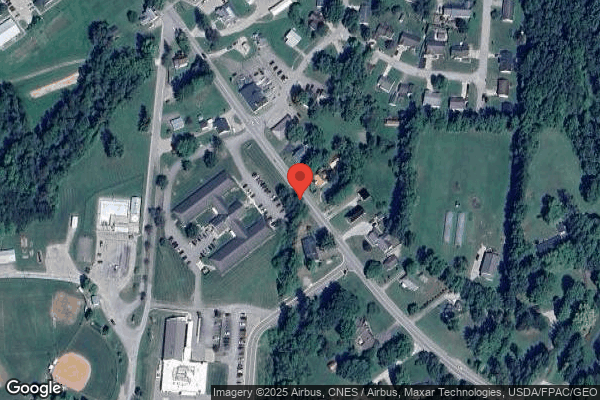
411 SOUTH COLUMBUS STREET, SOMERSET, OH 43783 (740) 743-2924
For profit - Corporation 79 Beds ALTERCARE Data: November 2025
Trust Grade
45/100
#589 of 913 in OH
Last Inspection: July 2024

Within standard 12-15 month inspection cycle. Federal law requires annual inspections.

Overview

Altercare Somerset Inc. has received a Trust Grade of D, indicating below-average performance with some concerning issues. Ranked #589 out of 913 facilities in Ohio, they fall in the bottom half of state options, and #2 out of 3 in Perry County suggests only one local facility has a better reputation. While the facility is improving-reducing issues from 16 in 2024 to just 2 in 2025-staffing is a significant weakness, with a low rating of 1 out of 5 stars and a 53% turnover rate, which is similar to the state average. There have been no fines reported, which is a positive sign, and RN coverage is average, allowing for some oversight in care. However, serious concerns were noted during inspections, including one instance where a resident experienced significant weight loss due to delayed implementation of nutritional recommendations, and another where infection control practices were not properly followed, potentially risking the health of all residents. Additionally, there were cleanliness issues in the facility's shower rooms, suggesting that maintaining a sanitary environment is a challenge. Overall, while there are some strengths, families should weigh these concerns seriously when considering this nursing home.

Trust Score
D
45/100
In Ohio
#589/913
Bottom 36%
Safety Record
Moderate
Needs review
Inspections
Getting Better
16 → 2 violations
Staff Stability
⚠ Watch
53% turnover. Above average. Higher turnover means staff may not know residents' routines.
Penalties
✓ Good
No fines on record. Clean compliance history, better than most Ohio facilities.
Skilled Nurses
⚠ Watch
Each resident gets only 25 minutes of Registered Nurse (RN) attention daily — below average for Ohio. Fewer RN minutes means fewer trained eyes watching for problems.
Violations
⚠ Watch
29 deficiencies on record. Higher than average. Multiple issues found across inspections.
★★☆☆☆
2.0
Overall Rating
★☆☆☆☆
1.0
Staff Levels
★★★★☆
4.0
Care Quality
★★★☆☆
3.0
Inspection Score
Stable
2024: 16 issues
2025: 2 issues

The Good

  • 4-Star Quality Measures · Strong clinical quality outcomes
  • Full Sprinkler Coverage · Fire safety systems throughout facility
  • No fines on record

Facility shows strength in quality measures, fire safety.

The Bad

2-Star Overall Rating

Below Ohio average (3.2)

Below average - review inspection findings carefully

Staff Turnover: 53%

Near Ohio avg (46%)

Higher turnover may affect care consistency

Chain: ALTERCARE

Part of a multi-facility chain

Ask about local staffing decisions and management

The Ugly 29 deficiencies on record

1 actual harm
Apr 2025 2 deficiencies
CONCERN (D) 📢 Someone Reported This

A family member, employee, or ombudsman was alarmed enough to file a formal complaint

Potential for Harm - no one hurt, but risky conditions existed

ADL Care (Tag F0677)

Could have caused harm · This affected 1 resident

**NOTE- TERMS IN BRACKETS HAVE BEEN EDITED TO PROTECT CONFIDENTIALITY** Based on record review and interview, the facility failed to ensure a resident, who required assistance with personal care, rece...

Read full inspector narrative →
**NOTE- TERMS IN BRACKETS HAVE BEEN EDITED TO PROTECT CONFIDENTIALITY** Based on record review and interview, the facility failed to ensure a resident, who required assistance with personal care, received assistance with activities of daily living (ADLs). This affected one resident (#11) of six residents reviewed for ADL assistance. The facility census was 71. Findings include: Closed record review revealed Resident #11 was admitted to the facility on [DATE]. Review of the resident's Face Sheet revealed the resident had admitting diagnoses including displaced midcervical fracture of left femur, closed fracture with routine healing, respiratory failure, chronic obstructive pulmonary disease, and hypertension. Resident #11 discharged from the facility on 03/31/25 to home. Review of ADL documentation including bed mobility, transfers, eating, toileting, bathing, bowel and bladder incontinence care from 03/29/25 through 03/31/25 revealed no evidence Resident #11 received any assistance with her ADLs on 03/30/25 and 03/31/25. Interview on 04/09/25 at 8:51 A.M. with Resident #11's family revealed while visiting Resident #11, her clothes had not been changed, she had not received assistance with eating and was left laying flat to eat so she had food all over her clothes and face. Interview on 04/10/25 at 2:10 P.M. with the Administrator confirmed there was no documented evidence Resident #11 received assistance with her ADLs on 03/30/25 or 03/31/25. The surveyor requested a facility policy for ADL care to residents but a policy was not received at the time of the survey. This deficiency represents non-compliance investigated under Complaint Number OH00164242.
CONCERN (D) 📢 Someone Reported This

A family member, employee, or ombudsman was alarmed enough to file a formal complaint

Potential for Harm - no one hurt, but risky conditions existed

Medical Records (Tag F0842)

Could have caused harm · This affected 1 resident

**NOTE- TERMS IN BRACKETS HAVE BEEN EDITED TO PROTECT CONFIDENTIALITY** Based on record review, observation, and interview, the facility failed to protect residents' confidential information. This aff...

Read full inspector narrative →
**NOTE- TERMS IN BRACKETS HAVE BEEN EDITED TO PROTECT CONFIDENTIALITY** Based on record review, observation, and interview, the facility failed to protect residents' confidential information. This affected three residents (#66, #88, and #99) of seven residents reviewed for HIPAA. The facility census was 71. Findings include: Record review revealed Resident #66 was admitted to the facility on [DATE] with diagnoses including type II diabetes, muscle weakness, and respiratory failure. Record review revealed Resident #88 was admitted to the facility on [DATE] with diagnoses including osteomyelitis, muscle weakness, and altered mental status. Record review revealed Resident #99 was admitted to the facility on [DATE] with diagnoses muscle weakness, syncope and collapse, and congestive heart failure. Interview on 04/09/25 at 8:51 A.M. with a resident's family member revealed they had a concern regarding the resident's HIPAA protected information laying on the nurses station visible to visitors with no staff present. Observation on 04/10/25 at 8:15 A.M. revealed while the surveyor was standing at the nurses station counter, the desk was visible. On the desk, Resident #66's code status form was visible (full code status), Resident #88's code status form was visible (DNRCCA), and the computer screen was unlocked and open to Resident #99's orders, including an order for skin prep to bilateral heels and two medication orders. There was no staff at the nurses station at the time of the observation. Interview on 04/10/25 at 8:19 A.M. with Certified Nursing Assistant (CNA) #310 confirmed information regarding Residents #66, #88 and #99 were visible at the nurse's station. The surveyor requested a policy regarding HIPAA protected information and the facility did not provide one. This deficiency represents non-compliance investigated under Complaint Number OH00164242.
Dec 2024 1 deficiency
CONCERN (D) 📢 Someone Reported This

A family member, employee, or ombudsman was alarmed enough to file a formal complaint

Potential for Harm - no one hurt, but risky conditions existed

ADL Care (Tag F0677)

Could have caused harm · This affected 1 resident

**NOTE- TERMS IN BRACKETS HAVE BEEN EDITED TO PROTECT CONFIDENTIALITY** Based on record review, review of the facility's shower schedules, resident interview, staff interview, and policy review, the f...

Read full inspector narrative →
**NOTE- TERMS IN BRACKETS HAVE BEEN EDITED TO PROTECT CONFIDENTIALITY** Based on record review, review of the facility's shower schedules, resident interview, staff interview, and policy review, the facility failed to ensure residents, who were dependent on staff for personal care, received the assistance needed to receive showers as scheduled. This affected three (Resident #3, #9, and #30) of three residents reviewed for activities of daily living (ADL). Findings include: 1. Review of Resident #3's medical record revealed he was admitted to the facility on [DATE]. His diagnoses included a dislocation of his right hip prosthesis, unsteadiness on feet, repeated falls, diabetes mellitus with diabetic neuropathy, muscle weakness, malignant neoplasm of the prostate, congestive heart failure, and hypertension. Review of Resident #3's admission Minimum Data Set (MDS) assessment dated [DATE] revealed the resident did not have any communication issues and was cognitively intact. He was not known to display any behaviors nor was he known to reject care during the seven days of the assessment period. He required substantial assistance with showers/baths and transfers. Review of Resident #3's care plan revealed he had a care plan in place for ADL functional status which required therapy services related to a decline in his prior level of function of ADL's/mobility. It was due to an impaired ability to perform ADL's and difficulty walking and the goal was for his ADL function to improve. The interventions included allowing him as much independence with ADL's as possible while still maintaining his safety, provide encouragement as needed to participate with ADL's daily and to offer praise for his efforts, provide assistance as needed with ADL's and to refer to the resident's profile for ADL assistance needed. Review of the Unit 2 shower schedule revealed Resident #3 was to receive a shower/bath every Tuesday, Thursday, and Saturday on the day shift. Review of Resident #3's shower documentation from 11/26/24 to 12/21/24 revealed the resident had no documented evidence of receiving showers/baths on his scheduled shower days on six of the 12 opportunities he was to receive one. There was no evidence he received a shower or bath on 11/30/24, 12/05/24, 12/07/24, 12/10/24, 12/19/24 or 12/21/24. He was further indicated to have only received a partial bed bath on 11/28/24, which was a scheduled shower day. 2. Review of Resident #9's medical record revealed he was admitted to the facility on [DATE]. He remained in the facility until he was discharged home on [DATE]. His diagnoses included orthopedic aftercare, infection of a surgical site, fracture of the upper end of his femur, difficulty walking, muscle weakness, adult onset diabetes mellitus, depression, acute and chronic respiratory failure, and abnormalities of gait and mobility. Review of Resident #9's admission MDS assessment dated [DATE] revealed the resident did not have any communication issues and was cognitively intact. He was not known to display any behaviors or reject care during the seven days of the assessment period. He did not have any functional limitation in range of motion (ROM). He was dependent on staff for showers/bathing and required partial/moderate assistance for transfers. Review of Resident #9's care plan revealed he had a care plan in place for an impaired ability to perform or participate in daily ADL care related to a history of multiple fractures, muscle weakness, and abnormal posture. His goal was to participate with ADL's as much as possible and to have a neat appearance daily. The interventions included providing him assistance with ADL care as needed. Review of the Unit 2 shower schedule revealed Resident #9 was scheduled to receive a shower/bath every Tuesday, Thursday, and Saturday on the day shift. Review of Resident #9's shower documentation from 11/27/24 to 12/20/24 revealed the resident had no documented evidence of receiving showers or baths on 11/28/24, 11/30/24, 12/03/24, 12/05/24, 12/07/24, 12/10/24, 12/12/24, 12/14/24, 12/17/24, or 12/19/24, on his scheduled shower days. There was no evidence of the resident receiving a shower 10 out of 10 opportunities when a shower was scheduled. He was documented to have received showers on 12/04/24, 12/09/24, 12/13/24, and 12/18/24, which were non-scheduled shower days. There were six times out of the 10 showers that he should have received, in which no shower had been offered or provided. 3. Review of Resident #30's medical record revealed she was admitted to the facility on [DATE]. Her diagnoses included hypertension, muscle weakness, abnormal posture, age-related osteoporosis, chronic pain syndrome, arthritis, and cataracts Review of Resident #30's admission MDS assessment dated [DATE] revealed the resident did not have any communication issues and was cognitively intact. She was not known to display any behaviors or reject care during the three days of the assessment period. She was not known to have any functional limitation in her range of motion. She required partial/moderate assistance for showers/baths and transfers. Review of Resident #30's active care plan revealed she had a care plan in place for an impaired ability to perform or participate in daily ADL's related to muscle weakness and chronic pain syndrome. The goal was for the resident to participate with ADL's as much as possible and to remain clean and dry, comfortable, and neat in appearance daily. The interventions included providing assistance with all ADL care as needed. Review of the Unit 1 shower schedule revealed Resident #30 was scheduled to receive showers every Tuesday, Thursday, and Saturday on the day shift. Review of Resident #30's shower documentation from 12/02/24 until 12/23/24 revealed the resident was not documented as having received any showers/baths on 12/03/24, 12/07/24, 12/14/24, 12/17/24, or 12/19/24, which were all scheduled shower days. A bed bath was documented as having been provided on 12/12/24. Three showers were documented as having been given, out of the nine opportunities the resident was scheduled to receive one. On 12/23/24 at 11:01 A.M., an interview with Resident #30 revealed she did not get showers that often when she was scheduled to receive one. She confirmed the documentation of her showers seemed accurate in regards to her not receiving a shower five of the days she was scheduled to receive one. She denied that she had asked for a bed bath on 12/12/24, when it was documented as having been provided to her on a scheduled shower day. She denied that the staff typically asked if she wanted a shower, but reported the staff just come in and do what they want to do. It was her preference to receive showers and she stated she may only get one of the three showers that were scheduled for her each week. On 12/23/24 at 11:09 A.M., an interview with the facility's Director of Nursing (DON) confirmed the three residents (#3, #9, and #30) reviewed for showers were missing documented evidence of receiving a shower on their scheduled shower days and that the documentation that she had already provided was the only documentation they had. She stated the facility was in the process of hiring a new shower aide, with the current one moving back into working on the floor. The DON reported the shower aide was very busy and also helped out on the floor and that was why they could not get the scheduled showers completed when they had a shower aide. She stated they hoped by replacing their current shower aide with a new one, it would allow them to get the showers completed as scheduled. On 12/23/24 at 12:15 P.M., an interview with the facility's Administrator revealed the completion of resident's showers had been an ongoing issue. She reported the facility continued to work to get the issue resolved and it was a work in progress. Review of the facility's undated policy on Shower/Tub Baths revealed it was the facility's policy to promote cleanliness, provide comfort to the resident, and to observe the condition of the resident's skin. It stated the following information should be recorded on the resident's ADL record and/or in the resident's medical record: the date and the time the shower/tub bath was performed; the name and the title of the individual(s) who assisted the resident with the shower/tub bath; all assessment data obtained during the shower/tub bath; how the resident tolerated the shower/tub bath; if the resident refused the shower/tub bath, the reason(s) why and the intervention taken; and the signature and title of the person recording the data. This deficiency represents non-compliance investigated under Complaint Number OH00160691.
Oct 2024 5 deficiencies
CONCERN (D) 📢 Someone Reported This

A family member, employee, or ombudsman was alarmed enough to file a formal complaint

Potential for Harm - no one hurt, but risky conditions existed

Deficiency F0602 (Tag F0602)

Could have caused harm · This affected 1 resident

Based on review of a facility self-reporting incident (SRI), it's related investigation, staff interview, and policy review, the facility failed to ensure resident's personal money was not misappropri...

Read full inspector narrative →
Based on review of a facility self-reporting incident (SRI), it's related investigation, staff interview, and policy review, the facility failed to ensure resident's personal money was not misappropriated by facility staff. This affected one resident (#36) of one residents reviewed for misappropriation and one of two SRI's reviewed. Findings include: Review of SRI with tracking #251595 dated 09/06/24 revealed an allegation of misappropriation was alleged involving Resident #36 and facility staff member. The initial source of the allegation was a facility staff member. Resident #36 was indicated to have been able to provide meaningful information when interviewed. The narrative summary of the incident revealed the date and time of the occurrence was on 09/20/24 at 11:30 A.M. and in the resident's room. Resident #36 reported he had lent a staff member (Housekeeper #77) $20.00 and it had not been paid back yet. Staff notified the administrator immediately of that allegation. An interview was conducted with Resident #36 who reported Housekeeper #77 had asked to borrow $10.00 from him approximately two months ago. He stated he did not have $10.00, but he had a $20.00, so he lent her $20.00. He denied reporting it to anyone before then. He did not have any concerns and he wanted to help Housekeeper #77, as they were friendly and got along well. Resident #36 reported no further concerns. An interview with Housekeeper #77 was conducted and she admitted she borrowed the $20.00 and had not paid it back yet. She denied she had asked any other residents to borrow money or accepted money from any other residents. She was placed on administrative leave pending the investigation. The Administrator interviewed other staff and residents with no relative concerns reported. The facility unsubstantiated the allegation indicating the evidence indicated misappropriation did not occur. As a result of the investigation, the facility could not conclude that misappropriation, or the deliberate misplacement, exploitation, or wrongful temporary or permanent use of a resident's belongings or money without the resident's consent, occurred. Resident #36 was reimbursed in the amount of $20.00. The facility indicated they followed the abuse reporting policy. Review of the facility's related investigation for SRI #251595 revealed the facility's administrator obtained a statement from Resident #36 on 09/06/24. She documented the interview on an Event Statement form that was identified as a Quality Assessment and Assurance (QAA) form. She documented Resident #36 stated approximately two months ago, Housekeeper #77 had asked him to borrow $10.00. He stated he only had a $20.00, so he lent her $20.00. He indicated they got along well and he was happy to help her. He had not reported it to anyone until then. Resident #36 indicated he was not concerned, he was just wondering when he could get his $20.00 back. It was explained to the resident that the facility would reimburse him and provided education to the resident to report any concern immediately. He indicated he did not report it because he was not concerned but voiced understanding that staff were not permitted to ask residents for money or to borrow money. Further review of the facility's related investigation revealed the facility's administrator documented her interview she conducted with Housekeeper #77 on 09/06/24. The facility's Director of Nursing (DON) was indicated to be present at the time of the interview, as well as the facility's housekeeping supervisor. When asked about the allegation of her borrowing money from a resident and not paying it back, Housekeeper #77 became tearful and stated yes I did that and I know better, I haven't paid him back yet but I can. She stated she felt she and the resident had a good relationship and she asked to borrow $10.00 dollars, but the resident only had a $20.00, so he lent her the $20.00 approximately two months ago. She denied she had asked to borrow money or had accepted money from any other residents. She then stated I promise I have never done that before or since then, I know I shouldn't have and I know this isn't allowed. It was communicated to the housekeeper that she would be placed on administrative leave pending the investigation, and the housekeeper voiced understanding. Review of a written statement obtained from Housekeeper #77 on 09/11/24 confirmed she asked Resident #36 to borrow $10.00 and he gave her $20.00. A month went by and she did not pay it back. Resident #36 asked another employee if she (Housekeeper #77) still worked there and that she had borrowed money from him and had not paid him back yet. Housekeeper #77 stated another employee reported it to her supervisor. Review of Housekeeper #77's employee personnel file revealed she received disciplinary action on 09/11/24. The disciplinary action indicated it was her first offense. The date of the violation was on 09/06/24 and the employer statement indicated the employee violated Section 11 of the Employee Handbook under prohibited conduct specifically #16, and #36. Number 16 was accepting money, gifts, gratuities etc. from the residents, the resident's families, or visitors. Number 36 pertained to unprofessional behavior or conduct. On 10/28/24 at 4:51 P.M., an interview with the DON revealed they had the state investigator from the abuse, neglect, and misappropriation department in a couple weeks ago and they reviewed the allegation of misappropriation and the facility's investigation. They also talked with Housekeeper #77 while there. She stated there was nothing that came out of that from what she knew. The facility's administrator was out of the facility during the complaint investigation. The DON was asked why the facility unsubstantiated the allegation, when the employee confirmed she asked to borrow money from Resident #36. She stated the resident consented to loan her the money. She acknowledged staff members were not permitted to ask the resident's for monetary assistance, after staff had made the resident believe that staff were in a financial crisis. Staff were in a position that may be perceived as one of power over a resident. As such, staff may be able to manipulate or unduly influence decisions by the resident. Staff must not accept or ask a resident to borrow money through request for a loan or solicitation. A resident's apparent consent was not valid if it it was obtained through coercion or fear, whether it was expressed by the resident or suspected by staff. Review of the facility's policy on Abuse, Mistreatment, Neglect, Injuries of Unknown Origin, and Misappropriation of Resident Property. Misappropriation was defined as the deliberate misplacement, exploitation, or wrongful temporary or permanent use of a resident's belongings or money without the resident's consent. An investigation of the allegation or suspicion would be conducted. After investigation, the facility should reach a conclusion analyzing all the evidence and making a determination whether the allegation or suspicion was substantiated. This deficiency represents an incidental finding of non-compliance investigated under Master Complaint Number OH00159030.
CONCERN (D) 📢 Someone Reported This

A family member, employee, or ombudsman was alarmed enough to file a formal complaint

Potential for Harm - no one hurt, but risky conditions existed

ADL Care (Tag F0677)

Could have caused harm · This affected 1 resident

**NOTE- TERMS IN BRACKETS HAVE BEEN EDITED TO PROTECT CONFIDENTIALITY** Based on record review, review of shower schedules, resident interview, staff interview, and policy review, the facility failed ...

Read full inspector narrative →
**NOTE- TERMS IN BRACKETS HAVE BEEN EDITED TO PROTECT CONFIDENTIALITY** Based on record review, review of shower schedules, resident interview, staff interview, and policy review, the facility failed to ensure residents, who were dependent on staff for personal care, received the assistance they needed for bathing/ showers. This affected three residents (#8, #14, and #20) of four residents reviewed for showers. Findings include: 1. Review of Resident #8's closed medical record revealed the resident was admitted to the facility on [DATE]. He remained in the facility until he was discharged to an inpatient rehabilitation unit on 10/24/24. His diagnoses included orthopedic aftercare, infection of a surgical site, fracture of the upper end of the right femur, difficulty walking, muscle weakness, and pressure ulcers on his bilateral heels. Review of Resident #8's Minimum Data Set (MDS) assessment dated [DATE] revealed the resident did not have any communication issues and was cognitively intact. he was not known to have displayed any behaviors nor was he known to reject care. He was dependent on staff for bathing/ showers. Review of Resident #8's active care plans revealed the resident had a care plan in place for an impaired ability to perform or participate in daily activities of daily living (ADL) care related to fracture of left upper & right upper femurs, fracture of left & right pubis, fracture of sacrum, bilateral fracture of acetabulum, bilateral fracture of ilium, laceration of spleen, bilateral contusion of kidneys, bilateral flank hematomas, abnormal posture, muscle weakness, and other symbolic dysfunctions. The care plan was initiated on 03/12/24. The goal was for the resident to participate with ADL's as much as possible and he would remain clean and dry, comfortable, and neat in appearance daily. Interventions included providing nail care and shampoo hair with showers per weekly schedule; groom hair daily and encourage resident to participate as able; provide/assist with am and pm care; encourage resident to participate with hygiene as tolerated; assist with and/or shave facial hairs every day prn or per resident preference; provide assistance with all ADL care and mobility as needed/ anticipate resident needs as able. Review of the shower schedule for Unit 2 revealed Resident #8 was scheduled to receive a shower or bath every Tuesday, Thursday, or Saturday. His shower was to be provided on day shift (7A to 3P). Review of Resident #8's shower documentation from 09/26/24 through 10/24/24 revealed there was no documented evidence of the resident being given a shower or bath on his scheduled shower days on 09/28/24, 10/05/24, 10/12/24, 10/15/24, and 10/19/24 (five of the 12 days he was scheduled). There was no evidence of the resident refusing his bath or a shower those days on the shower sheets or in the nurses' progress notes. On 10/29/24 at 10:06 A.M., email correspondence with the facility's Director of Nursing (DON) confirmed she did not have any documented evidence to support Resident #8 being given a bath or a shower on his scheduled shower days on 09/28/24, 10/05/24, 10/12/24, 10/15/24, or 10/19/24. She reported the shower sheets were where the staff documented the bath or shower when it had been given. 2. Review of Resident #14's medical record revealed she was admitted to the facility on [DATE]. Her diagnoses included polyosteoarthritis, muscle weakness, difficulty walking, unsteadiness on feet, chronic pain syndrome, morbid obesity, and pain in right shoulder. Review of Resident #14's quarterly MDS assessment dated [DATE] revealed the resident did not have any communication issues and was cognitively intact. She was not known to display any behaviors or reject care. Review of Resident #14's active care plans revealed the resident had a care plan in place for an impaired ability to perform or participate in daily ADL care related to polyosteoarthritis and weakness. The care plan was initiated on on 03/12/24. The goal was for the resident to participate with ADL's as much as possible and she would remain clean and dry, comfortable, and neat in appearance daily. The interventions included providing nail care and shampoo hair with showers per weekly schedule; groom hair daily and encourage the resident to participate as able; provide/assist with am and pm care; encourage the resident to participate with hygiene as tolerated; assist with and/or shave facial hairs every day and prn or per resident preference; observe/report any decline in ADL's, mobility or cognition; Provide assistance with all ADL care and mobility as needed; anticipate resident needs as able; and encourage resident to participate with care as tolerated. Review of the shower schedule for Unit 1 revealed Resident #14 was scheduled to receive a shower or bath every Tuesday, Thursday, or Saturday. The shower or bath was to be completed on day shift. Review of Resident #14's shower documentation on paper shower sheets for the past 30 days (09/26/24 through 10/26/24) revealed there was no documented evidence of the resident receiving a bath or a shower on 09/28/24, 10/03/24, 10/05/24, 10/12/24, or 10/17/24 (five of the 14 showers that were scheduled during that time). There was no indication that the baths or showers were offered and refused. On 10/28/24 at 3:30 P.M., an interview with Resident #14 revealed she was supposed to get showers every Tuesday, Thursday, and Saturday. She reported it was more common than not for her to only receive two showers a week, instead of the three she was scheduled for and preferred. She indicated this past week, she did not get a shower on Thursday or Saturday. She stated the shower she was supposed to get Saturday was not done until Sunday. They only had two aides on the floor those days and it made it hard for them to get the showers done. She denied she refused any showers when offered. On 10/29/24 at 10:06 A.M., email correspondence with the facility's DON confirmed she did not have any documented evidence to support Resident #14 being given a bath or a shower on her scheduled shower days on 09/28/24, 10/03/24, 10/05/24, 10/12/24, or 10/17/24. She denied the missed showers/ baths on the resident's scheduled shower day was related to staffing in any way. She indicated baths and showers were only documented on the paper shower sheets and she did not have anything else to prove they had been offered and/ or refused. 3. Review of Resident #20's medical record revealed the resident was admitted to the facility on [DATE]. His diagnoses included difficulty walking, abnormalities of gait and mobility, muscle weakness, bipolar disease, Parkinson's disease, and morbid obesity. Review of Resident #20's quarterly MDS dated [DATE] revealed the resident did not have any communication issues and he was cognitively intact. No behaviors were known, but the resident was indicated to have rejected care during that seven day assessment period. Review of Resident #20's active care plans revealed the resident had a care plan in place for an impaired ability to perform or participate in daily ADL Care related to a T5-T6 vertebrae fracture and rib fractures. The goal was for the resident to participate with ADL's as much as possible and will remain clean and dry, comfortable, and neat in appearance daily. The interventions included to observe/report any decline in ADL's, mobility or cognition; provide assistance with all ADL care and mobility as needed; anticipate resident needs as able; encourage resident to participate with care as tolerated. Review of the shower schedule for Unit 2 revealed Resident #20 was scheduled to receive a bath or a shower every Monday, Wednesday, and Friday. The bathing activity was to take place on the day shift. Review of Resident #20's documented showers revealed he was documented as having received a shower or bath on all scheduled days except 10/18/24 (1 of 14 opportunities). There was no documented evidence of the resident refusing that bath or shower when scheduled. On 10/29/24 at 10:06 A.M., email correspondence with the facility's DON confirmed she did not have any documented evidence to support Resident #20 being given a bath or a shower on his scheduled shower days on 10/18/24. She was not able to provide evidence of a bath or shower having been offered and refused for 10/18/24. This deficiency represents non-compliance investigated under Complaint Number OH00158499 and Complaint Number OH00158311.
CONCERN (D) 📢 Someone Reported This

A family member, employee, or ombudsman was alarmed enough to file a formal complaint

Potential for Harm - no one hurt, but risky conditions existed

Deficiency F0692 (Tag F0692)

Could have caused harm · This affected 1 resident

**NOTE- TERMS IN BRACKETS HAVE BEEN EDITED TO PROTECT CONFIDENTIALITY** Based on record review and staff interview, the facility failed to ensure a resident's nutritional status was adequately monitor...

Read full inspector narrative →
**NOTE- TERMS IN BRACKETS HAVE BEEN EDITED TO PROTECT CONFIDENTIALITY** Based on record review and staff interview, the facility failed to ensure a resident's nutritional status was adequately monitored by recording meal percentages and fluid intake amounts that were consumed during her stay in the facility. This affected one resident (#69) of three residents reviewed for nutrition. Findings include: Review of Resident #69's closed electronic medical record (EMR) revealed she was admitted to the facility on [DATE] for a respite stay. She remained in the facility until 08/24/24, when the resident's family opted to take her home, prior to the end of her five day respite stay. Her diagnoses included Alzheimer's disease, dementia without behavioral disturbances, unspecified protein calorie malnutrition, hypertensive heart disease with heart failure, pressure ulcer to an unspecified site and at an unspecified stage, contractures of muscles of multiple sites, and a personal history of malignant neoplasm of the breast. Review of Resident #69's physician's orders revealed the resident had an order in place for her breakfast, lunch, and dinner intakes, as well as the resident's fluid intakes. The order had been in place since 08/22/24. Review of Resident #69's meal and fluid intakes revealed there had not been a single meal or a single fluid ounce of liquids that had been documented as having been consumed by the resident during her stay in the facility between 08/22/24 and 08/24/24. The report was ran by the facility's Director of Nursing (DON) and provided for review on 10/24/24 at 1:56 P.M. On 10/24/24 at 2:05 P.M., an interview with the DON confirmed the report she provided for Resident #69's meal and fluid intakes did not have any documentation on it at all. She reported the staff should have been entering the resident's meal and fluid intakes into the computer, after they occurred. She denied they had anywhere else where the resident's meal percentage consumption and her fluid amounts she drank would have been recorded. She acknowledged without the documentation, she could not show evidence of the resident receiving three meals a day or given fluids throughout the day. She further acknowledged they could not show adequate monitoring of the resident's nutritional status as it was not able to be determined how much the resident was eating or drinking to maintain her proper nutritional and hydration status. She could not explain why there was no documentation for the resident during her three day stay in the facility. This deficiency represents an incidental finding of non-compliance investigated under Master Complaint Number OH00159030.
CONCERN (D) 📢 Someone Reported This

A family member, employee, or ombudsman was alarmed enough to file a formal complaint

Potential for Harm - no one hurt, but risky conditions existed

Medical Records (Tag F0842)

Could have caused harm · This affected 1 resident

**NOTE- TERMS IN BRACKETS HAVE BEEN EDITED TO PROTECT CONFIDENTIALITY** Based on record review and staff interview, the facility failed to ensure a resident's medical record was complete and accurate ...

Read full inspector narrative →
**NOTE- TERMS IN BRACKETS HAVE BEEN EDITED TO PROTECT CONFIDENTIALITY** Based on record review and staff interview, the facility failed to ensure a resident's medical record was complete and accurate to reflect activities of daily living (ADL) care that was provided to the resident while in the facility. This affected one resident (#69) of four residents reviewed for accuracy of medical records. Findings include: Review of Resident #69's closed electronic medical record (EMR) revealed she was admitted to the facility on [DATE] for a respite stay. She remained in the facility until 08/24/24, when the resident's family opted to take her home, prior to the end of her five day respite stay. Her diagnoses included Alzheimer's disease, dementia without behavioral disturbances, unspecified protein calorie malnutrition, hypertensive heart disease with heart failure, pressure ulcer to an unspecified site and at an unspecified stage, contractures of muscles of multiple sites, and a personal history of malignant neoplasm of the breast. Review of Resident #69's care plans revealed she had care plans in place to address her being at risk for skin breakdown, having existing wounds, and receiving hospice care. The interventions included the need to assist the resident with bed mobility, observing the resident for any incontinence episodes and provide incontinence care as needed, hospice aide to provide a shower/ bath and assist with personal hygiene care 1-3 x's weekly, shower or bathe per resident schedule and tolerance, and provide oral care. Review of Resident #69's Point of Care History report from 08/22/24 to 08/24/24 revealed the facility staff did not document the provision of any ADL care to the resident on 08/22/24 and 08/23/24 (first two days of her three day stay). There was no documentation of any ADL care being provided until 08/24/24 at 5:47 A.M. when the resident was finally documented as having received ADL assistance to include bed mobility, transfers, eating, toilet use, bathing assistance, and toileting. On 10/24/24 at 2:05 P.M., an interview with the DON confirmed the facility's Point of Care History did not document any ADL care that had been provided to Resident #69 for the first two days of her three day stay. She reported the resident was assisted with those things, but they were not documented. She was not able to explain why the staff did not document ADL care when they occurred. This deficiency represents an incidental finding of non-compliance investigated under Master Complaint Number OH00159030.
CONCERN (E) 📢 Someone Reported This

A family member, employee, or ombudsman was alarmed enough to file a formal complaint

Potential for Harm - no one hurt, but risky conditions existed

Safe Environment (Tag F0584)

Could have caused harm · This affected multiple residents

Based on observation, resident interview, and staff interview, the facility failed to ensure residents had the right to a safe, clean, and sanitary environment. This affected 42 of 67 residents (25 re...

Read full inspector narrative →
Based on observation, resident interview, and staff interview, the facility failed to ensure residents had the right to a safe, clean, and sanitary environment. This affected 42 of 67 residents (25 residents were identified to not use the facility's two shower rooms (Residents #3, #4, #6, #17, #21, #22, #36, #37, #38, #39, #42, #44, #47, #48, #50, #52, #53, #54, #55, #59, #63, #64, #65, and #66). The facility's census was 67. Findings include: On 10/28/24 at 10:25 A.M., an observation of the facility's main shower room on Unit 1 revealed the commode in the shower room was missing a toilet seat. There was a black colored substance on the vinyl floor, near the left side of the shower stall where the vinyl flooring met the tiled shower stall's floor. The black substance was not a stain and transferred to a paper towel when using it to wipe over the black substance. There was also dirt and grime build-up in the grout lines of the tiled shower stall floor and in the lower half of the tiled walls that enclosed the shower stall. The dirt and grime on the tiled floor covered about half of the surface area of the floor. The cleaner areas had gray colored grout lines, while the dirtier areas had dark gray to black grout lines. The vinyl flooring in front of the shower stall was peeling back mid-way and to the right end of the shower stall. The floor's underlayment was exposed where the vinyl flooring was peeling back. A metal transition strip was noted to go across the shower stall separating the tiled floor of the shower stall with the vinyl flooring that covered the resident of the shower room's floor. On 10/28/24 at 10:31 A.M., an observation of the facility's main shower room on Unit 2 revealed the grout lines between the tiled floor in the shower stall also had dirt and grime build-up. The grout lines were dark gray to black in color instead of the gray color it should have been. Dirt and grime build-up was also noted in the grout lines between some of the wall tiles that surrounded the shower stall. There was torn vinyl flooring noted to the left of the shower stall. The torn areas in the vinyl floor had a sealant that had been applied over the cracks in the vinyl, but the sealant was coming loose. The shower room also had a strong mildew odor that was present and noticeable when entering the shower room. On 10/28/24 at 3:15 P.M., a follow up observation was made of the environmental concerns noted earlier in the facility's two shower rooms. The Director of Nursing (DON) accompanied the surveyor and verified the findings. Unit 1's shower room was noted to have standing water in the area where the vinyl flooring was peeling back in from of the shower stall. The water was puddled right over top of the area where the vinyl flooring was peeling back away from the transition strip in front of the shower stall where the vinyl flooring and the tiled floor met. Other findings previously mentioned were still present in the Unit 1 shower room. The shower stall in Unit 2's shower room was noted to have a brown substance that looked like feces on the floor. No residents or other staff were in there at the time the observation was made. The DON stated the shower stall should be cleaned/ disinfected between each resident use. She acknowledged Unit 2's shower room had a strong mildew odor in it that was noticeable when entering the shower room. The other concerns noted in Unit 2's shower room remained. The DON reported she would have to have the shower rooms clean and would see about getting the toilet seat to the commode in Unit 1 fixed. On 10/28/24 at 3:30 P.M., an interview with Resident #14 revealed she had concerns about mold in the facility's shower rooms and it was like that on both sides. She claimed that was mold that was on the wall and on the floor. She mentioned the area of the vinyl flooring that was coming up and exposing the underlayment beneath it. She stated that could not be good for the water to be getting under the vinyl flooring. She alleged it had been like that for the past year or year and a half. They (facility) have said that they were going to fix it, but had to wait on something. She was not sure what they were waiting on and did not feel it should have taken that long to be fixed. She also confirmed the toilet seat on the commode in Unit 1's shower room had been off for about a month or a month and a half. This deficiency represents non-compliance investigated under Complaint Number OH00158499.
Jul 2024 10 deficiencies 1 Harm
SERIOUS (G)

Actual Harm - a resident was hurt due to facility failures

Deficiency F0692 (Tag F0692)

A resident was harmed · This affected 1 resident

**NOTE- TERMS IN BRACKETS HAVE BEEN EDITED TO PROTECT CONFIDENTIALITY** Based on medical record review, interview, and review of facility policy, the facility failed to develop and implement a compreh...

Read full inspector narrative →
**NOTE- TERMS IN BRACKETS HAVE BEEN EDITED TO PROTECT CONFIDENTIALITY** Based on medical record review, interview, and review of facility policy, the facility failed to develop and implement a comprehensive, effective and individualized nutritional program to ensure nutritional recommendations were implemented timely, weights and assessments were completed timely, care plans were updated appropriately, and significant/severe weight changes were addressed for Resident #264. Actual harm occurred when Resident #264 who was cognitively impaired and weighed 104 pounds on 05/19/24 experienced a gradual weight loss until 06/24/24 when she experienced a severe 8.5% (9 pounds) weight loss. The nutritional recommendations for Resident #264 that were made on 05/19/24 were not put in place until they were recommended again on 06/09/24. A nutritional assessment was not completed again following the 06/09/24 recommendation, and as of 07/18/24 Resident #264 weighed 93.8 pounds which was severe 6.7% (6.8 pound) weight loss from 06/20/24. This affected one resident (#264) of two residents reviewed for nutrition. The facility census was 62. Findings include: Review of the medical record for Resident #264 revealed an admission date of 05/08/24 with diagnoses including unspecified fracture of left femur, metabolic encephalopathy, muscle weakness, anorexia, dorsalgia, anemia, protein-calorie malnutrition, depression, osteoarthritis, and unspecified dementia without behavioral disturbance, psychotic disturbance, mood disturbance, and anxiety. Review of Resident #264's census revealed she was admitted on [DATE] with hospice services. The resident was discharged on 05/09/24 with return expected and returned on 05/13/24 without hospice. Resident #264 was discharged again on 05/19/24 with return expected and she returned on 05/21/24. Review of Resident #264's five-day Minimum Data Set (MDS) assessment dated [DATE] revealed the resident had severely impaired cognition. The assessment revealed the resident was 59 inches tall and weighed 104 pounds. Resident #264 was on a regular diet. Review of Resident #264's weights revealed there were no documented weights from 05/08/24 to 05/18/24. On 05/19/24 Resident #264 weighed 104 pounds. Review of Resident #264's nutrition assessment revealed the dietician completed one assessment for the resident which was dated 05/19/24. The assessment revealed the resident was on a regular diet and had varied intake. The dietitian recommended a house supplement twice a day for additional nutritional support. The goal was for the resident to be hydrated and nourished as her condition allowed. Review of an email dated 05/19/24 (provided 07/18/24 at 11:27 A.M.) revealed Dietitian #199 informed the Director of Nursing (DON) and Assistant Director of Nursing (ADON) #124 that she recommended starting Resident #264 on house supplement twice a day. Review of the physician's orders for Resident #264 from 05/19/24 to 06/05/24 revealed no orders for house supplement. Review of the physician's orders for Resident #264 revealed an order dated 05/21/24 for a regular diet. Additionally, there was a new order for weekly weights from 05/21/24 to 06/18/24. Review of Resident #264's weights revealed on 05/22/24 she weighed 140.2 pounds and on 05/24/24 she weighed 104.2 pounds. Review of Resident #264's progress note dated 05/24/24 revealed her weight had been obtained and the weight of 140.2 pounds was incorrect her weight was 104.2 pounds. Review of Resident #264's weights revealed on 05/28/24 she weighed 93 pounds. Review of the medical record revealed no evidence a reweigh was obtained at this time. Review of Resident #264's progress note dated 06/05/24 revealed Dietitian #199 reviewed weights and a weekly weight update was requested. The resident's most recent weight was showing a weight change since admission. The resident had variable oral intakes. Dietitian #199 recommended beginning four ounces of the house supplement twice a day for additional nutritional support. Review of the email dated 06/05/24 (provided on 07/18/24 at 11:31 A.M.) revealed Dietitian #199 informed the Director of Nursing (DON) and Assistant Director of Nursing (ADON) #124 that she needed a weekly weight on Resident #264 because of a weight change since admission. She also recommended beginning her on four ounces of house supplement twice a day. Dietitian #199 indicated this had been recommended previously and had been missed. Review of Resident #264's physician order dated 06/06/24 revealed an order for house supplement four ounces twice a day. Review of Resident #264's Medication Administration Record (MAR) from 06/06/24 to 07/14/24 revealed the house supplement did not have any indication of how much of the supplement the resident accepted. Resident #264 had refused the supplement on 07/01/24 and 07/03/24. Review of Resident #264's weights revealed on 06/07/24 she weighed 102.8 pounds, on 06/09/24 she weighed 101.2 pounds, on 06/20/24 she weighed 100.6 pounds, on 06/24/24 she weighed 95 pounds, and on 07/01/24 she weighed 95.4 pounds. Her 07/01/24 weight was a severe 7.2% weight loss thirty days. Review of Resident #264's plan of care dated 06/10/24 revealed the resident was at risk for altered nutrition related to a hip fracture with surgical wound and diagnoses. She was receiving hospice care and was to receive no routine weights for comfort. The plan of care revealed Resident #264 might not meet her estimated needs related to likely decline in condition or intakes. She was receiving a regular diet with variable intakes. House supplement was recommended twice a day, and the resident was receiving the medication Mirtazapine which might act as an appetite stimulant. Interventions included offering menu alternatives as needed, honoring food preferences, and not completing routine weights related to comfort measures, and providing the diet and supplements as ordered. Review of Resident #264's progress note dated 07/15/24 revealed a new order was received to continue weekly weights. Review of Resident #264's weights revealed a weight on 07/17/24 of 92.2 pounds and a weight on 07/18/24 of 93.8 pounds which was a severe 6.7% (6.8 pound) weight loss over thirty days. Review of Resident #264's medical record revealed Dietician #199 documented a nutritional assessment for Resident #264 on 05/19/24 and a progress note for the resident on 06/05/24 and no other documentation from the dietician was present in the medical record. Interview on 07/17/24 at 3:01 P.M. and 3:20 P.M. with Dietitian #199 revealed she worked six to twelve hours a week remotely for the facility. She reported she monitored significant weight changes weekly on Saturday by running a significant weight change report. Dietitian #199 indicated that when a resident had significant weight loss, she put them on weekly weights and monitored the weight weekly until the weight loss was corrected. She reported she was not always sure what was going on with residents and would ask staff for updates. Dietitian #199 revealed weights were supposed to be obtained within a week of admission. Dietitian #199 indicated she was unsure when Resident #264 was removed from hospice Dietitian #199 indicated Resident #264 was supposed to be getting weekly weights and had never been removed from the list. Dietitian #199 indicated she was not aware why the supplement as recommended on 05/19/24 had not been implemented. Dietitian #199 also indicated that supplement documentation should include percentages as she uses it in nutrition assessments. The last time Resident #264 was assessed was 06/05/24. Interview on 07/18/24 at 8:35 A.M. with the Director of Nursing (DON) confirmed the supplement did not get put in place for Resident #264 on 05/19/24 because she went out to the hospital that day. It did not get started when she returned on 05/21/24 but was implemented after the dietitian recommended it again on 06/05/24. Interview on 07/19/24 at 9:50 A.M. with the Administrator confirmed Resident #264's nutrition plan of care was incorrect as she stopped receiving hospice care on 05/13/24.
CONCERN (D)

Potential for Harm - no one hurt, but risky conditions existed

Deficiency F0569 (Tag F0569)

Could have caused harm · This affected 1 resident

**NOTE- TERMS IN BRACKETS HAVE BEEN EDITED TO PROTECT CONFIDENTIALITY** Based on record review and staff interviews, the facility failed to provide spend down notification for a resident who received ...

Read full inspector narrative →
**NOTE- TERMS IN BRACKETS HAVE BEEN EDITED TO PROTECT CONFIDENTIALITY** Based on record review and staff interviews, the facility failed to provide spend down notification for a resident who received Medicaid benefits. This affected one (#15) of five residents reviewed for funds. The facility census was 62. Findings include: Review of the medical record for Resident #15 revealed an admission date of 11/24/21 with diagnoses including senile degeneration of brain, contracture of multiple muscle sites, dysphagia, schizoaffective disorder, depression, attention and concentration deficit, vascular dementia, and persistent mood disorder. Review of Resident #15's comprehensive Minimum Data Set (MDS) 3.0 assessment dated [DATE] revealed the resident was unable to complete the Brief Interview for Mental Status (BIMS) assessment. She had a memory problem and severely impaired cognitive skills for daily decision making. Review of Resident #15's face sheet revealed she had a guardian. Review of Resident #15's order granting emergency guardianship revealed her current guardianship had been in place since 11/24/21. Review of Resident #15's quarterly statement dated 07/01/23 through 09/29/23 revealed an ending balance of $5,422.50. It was indicated this was mailed to guardian on 04/01/24. Review of Resident #15'2 quarterly statement dated 09/30/23 to 12/29/23 revealed an ending balance of $5,598.63. It was indicated this was mailed to the guardian on 01/02/24. Review of Resident #15's quarterly statement from 03/30/24 to 06/28/24 revealed an ending balance of $5,917.80. It was indicated this was mailed to the guardian on 07/02/24. Review of Resident #15's Resident Fund Balance Notification dated 07/01/24 revealed the letter was addressed to Resident #15 and indicated that her current resident fund balance was within $200 or exceeding what is allowable under medical assistance. The notification indicated the social worker should be contacted within the next seven days to discuss ways to assure continuance of Medicaid benefits. There was a place for a facility representative signature and resident acknowledgement but these were not filled out. Additionally, there was no information Resident #15's guardian received the notification. Review of the handwritten timeline by Social Service Coordinator #159, revealed in relation to Resident #15's account she had reached out to the guardian. On June 3rd (no year indicated) she reached out to the guardian about funeral arrangements. On June 13th (no year indicated) she left a voicemail related to funeral arrangements. On June 24th (no year indicated) she indicated papers were to be brought in related to funeral arrangements. On July 8th (no year indicated) papers were to be brought in. Interview on 07/18/24 at 7:55 A.M. with Social Service Coordinator #159 verified Resident #15 had exceeded the medicaid limit for funds for quite some time. SSC #159 revealed she had been speaking to Resident #15's guardian about her excessive funds since he took over at guardian. SSC #159 reported the money was supposed to go towards funeral arrangements, but he has not brought in the information to proceed with it. SSC #159 reported the guardian did not want the funds spent on anything but funeral arrangements but was unable to provide evidence of him saying this. SSC #159 reported her communications with the guardian were over phone calls and she did not think she had documentation to support her attempts to contact him.
CONCERN (D)

Potential for Harm - no one hurt, but risky conditions existed

Comprehensive Care Plan (Tag F0656)

Could have caused harm · This affected 1 resident

**NOTE- TERMS IN BRACKETS HAVE BEEN EDITED TO PROTECT CONFIDENTIALITY** 2. Review of the medical record for Resident #28 revealed an admission date of 01/13/21 with diagnoses including dysphagia, vasc...

Read full inspector narrative →
**NOTE- TERMS IN BRACKETS HAVE BEEN EDITED TO PROTECT CONFIDENTIALITY** 2. Review of the medical record for Resident #28 revealed an admission date of 01/13/21 with diagnoses including dysphagia, vascular dementia, chronic obstructive pulmonary disease, senile degeneration of brain, fibromyalgia, major depressive disorder, and contracture of muscle multiple sites. Review of Resident #28's quarterly MDS 3.0 assessment dated [DATE] revealed she was rarely or never understood. She was dependent on staff for eating. Review of Resident #28's plan of care revealed it did not address her hydration needs. Interview on 07/16/24 at 2:31 P.M. with the Administrator verified Resident #28 did not have plan of care for hydration. Based on medical record review and staff interview, the facility failed to ensure care plans were implemented for all residents. This affected two (Residents #55 and #28) of 20 resident care plans reviewed. The census was 62. Findings Include: 1. Resident #55 was admitted to the facility on [DATE]. His diagnoses were unspecified fracture of T5-T6 vertebra, difficulty walking, muscle weakness, hyperlipidemia, acute respiratory failure, dysphagia, anemia, type II diabetes, atherosclerotic heart disease, hypertension, atrial fibrillation, acute embolism and thrombosis, bipolar disorder, heart failure, Parkinson's disease, acute kidney failure, anxiety disorder, sleep apnea, insomnia, polyneuropathy, conjunctivitis, and altered mental status. Review of facility Minimum Data Set (MDS) assessment, dated 06/15/24, revealed he was cognitively intact. Resident #55 was assessed to need partial/moderate assistance for toilet hygiene, upper/lower body dressing, and personal hygiene. Also, he was assessed as needed substantial/maximal assistance for showering and bathing. Review of Resident #55 current care plans revealed he had a care plan related to Activities of Daily Living (ADL) assistance that was started on 07/17/24, after it was requested for a copy of that care plan. There was no care plan developed for ADL assistance prior to 07/17/24. Interview with Assisted Director of Nursing (ADON) #124 on 07/17/24 at 1:45 P.M. confirmed there was no ADL care plan for Resident #55 until they created it on 07/17/24. She confirmed he needs assistance with his ADLs and should have had one.
CONCERN (D)

Potential for Harm - no one hurt, but risky conditions existed

Quality of Care (Tag F0684)

Could have caused harm · This affected 1 resident

**NOTE- TERMS IN BRACKETS HAVE BEEN EDITED TO PROTECT CONFIDENTIALITY** Based on observations, medical record review, and staff interview, the facility failed to ensure a resident was properly positio...

Read full inspector narrative →
**NOTE- TERMS IN BRACKETS HAVE BEEN EDITED TO PROTECT CONFIDENTIALITY** Based on observations, medical record review, and staff interview, the facility failed to ensure a resident was properly positioned in a wheelchair. This affected one (Resident #25) of three residents reviewed for positioning. The facility census was 62. Findings include: Review of the medical record for Resident #25 revealed an admission date of 01/23/23 and diagnoses including spastic quadriplegia, cerebral palsy, traumatic brain injury, and scoliosis. Review of the Minimum Data Set assessment dated [DATE] revealed a brief interview for mental status score of 7, indicating severe cognitive impairment. Resident #25 had impairment in range of motion bilaterally, was unable to walk, and was dependent for all activities of daily living. Review of physician orders revealed the resident had a physician's order dated 03/12/23 for a dycem mat to the wheelchair seat to prevent sliding. Review of an occupational therapy Discharge summary dated [DATE] revealed on 02/28/24 a new custom wheelchair was obtained. On 03/27/24 the note indicated recent modifications provided to custom wheelchair to facilitate safe and upright seating as patient continues to slide forward at times. Requires verbal cues to lock brakes and reposition self, but is able to with multiple verbal cues and extended time with physical assist required at times. On 04/24/24 the note stated the same as 03/27/24. It also stated positioning had significantly improved, however not on a consistent basis. Observations on 07/16/24 at 7:45 A.M. revealed Resident #25 to be in a wheelchair in the dining room for breakfast. He was slid down in the wheelchair and his head was not positioned on the head rest of the custom wheelchair. He was also leaning to the left. Interview with State Tested Nursing Assistant (STNA) #133 at the time of this observation confirmed Resident #25 had received the custom wheelchair 3-4 months prior but it did not keep him from sliding down in the wheelchair. The STNA verified his head was not in the custom head rest. She stated she thought he had a back issue that prevented him from sitting upright and he leans to the left. Observations on 07/17/24 at 8:00 A.M. revealed Resident #25 to be in the custom wheelchair in the hallway. He was using his feet to propel the wheelchair and had slid down in the chair to where his bottom was near the edge of the wheelchair seat. He was not observed to have the dycem mat in the wheelchair seat. This was confirmed by Registered Nurse #126 at the time of the observation. She confirmed the resident had a physician's order to have a dycem mat in the wheelchair and did not. Interview with Resident #25's brother on 07/15/24 at 2:30 P.M. revealed the resident got the new wheelchair in February 2024. He stated he had not been satisfied with it as it does not work well for his positioning. Interview with Occupational Therapist #201 on 07/16/24 at 8:33 A.M. confirmed Resident #25 got the new custom wheelchair on 02/28/24. She stated he has scoliosis in his back and leans to the left. She stated that he uses his feet to propel the wheelchair and this pulls him down in the chair. She confirmed modifications had been made to the wheelchair in March and April 2024, but not since. There was no evidence of any further attempts to improve Resident #25's positioning in the wheelchair.
CONCERN (D)

Potential for Harm - no one hurt, but risky conditions existed

Incontinence Care (Tag F0690)

Could have caused harm · This affected 1 resident

**NOTE- TERMS IN BRACKETS HAVE BEEN EDITED TO PROTECT CONFIDENTIALITY** Based on medical record review, observations, and staff interview, the facility failed to ensure residents who were incontinent ...

Read full inspector narrative →
**NOTE- TERMS IN BRACKETS HAVE BEEN EDITED TO PROTECT CONFIDENTIALITY** Based on medical record review, observations, and staff interview, the facility failed to ensure residents who were incontinent of bladder received appropriate treatment and services to prevent urinary tract infections. This affected two of two residents reviewed for urinary tract infections (Residents #8 and #20) in a sample of 24. The facility census was 62. Findings include: 1. Review of the medical record for Resident #8 revealed an admission date of 08/31/23 and diagnoses including cerebral infarction with hemiplegia, diabetes, history of urinary tract infections with ESBL resistance. Review of a Minimum Data Set assessment completed 05/10/24 revealed a brief interview for mental status score of 11, indicating moderately impaired cognition. The resident was frequently incontinent of bowel and bladder and was dependent upon staff for toileting hygiene. Review of the plan of care dated 09/13/23 revealed the resident was incontinent of bowel and bladder and was at risk for skin breakdown and urinary tract infections. Incontinence care was to be provided as needed. Review of Resident #8's urine culture on 03/23/24 revealed positive results of greater than 100,000 Escherichia coli. (Escherichia coli is present in stool and can get into the urinary tract without proper hygiene). A physician's order was obtained for an antibiotic (Macrobid 100 milligrams twice daily for seven days). Review of the medication administration record revealed the antibiotic was started on 03/25/24 and continued until 04/02/24 for a total of 17 doses (14 ordered). Observations of incontinence care for Resident #8 on 07/17/24 at 12:50 P.M. revealed the resident to be in bed. The resident's incontinence brief was wet with urine. State Tested Nursing Assistant (STNA) #150 was preparing to provide the incontinence care. STNA #150 stated the facility was out of wet wipes to cleanse the resident's perineal area. The resident stated don't leave me wet. STNA #150 was observed to remove the wet incontinence brief and use dry toilet paper to wipe the resident's perineal and rectal area. The toilet paper had smears of bowel movement on it after the STNA wiped Resident #8. A clean incontinence brief was then applied. The resident's perineal area and rectal area were not cleansed after being incontinent of bladder and bowel. After the care was provided, Nursing Assistant #150 stated she did not consider using a washcloth and soap and water to cleanse the resident's skin because she felt it would be too rough on her skin, and confirmed the resident was not cleansed. Review of the facility undated policy on perineal care revealed it was the facility policy to provide cleanliness and comfort to the resident and to prevent infections and skin irritation. The policy stated to fill a wash basin half full of warm water. Wet a washcloth and apply soap. Wash the perineal area and then rinse thoroughly using fresh water and a clean washcloth. Rinse the wash cloth and apply soap. Wash the rectal area thoroughly and then rinse. Interview with the Director of Nursing on 07/17/24 at 1:09 P.M. revealed either wet wipes or a wash cloth with soap and water should be used to cleanse a resident's skin during incontinence care to remove urine and bowel movement from the resident's skin. The DON also confirmed Resident #8 received a total of 17 doses of Macrobid 100 mg and not the 14 doses that were ordered to treat the UTI on 03/25/24. 2. Review of the medical record for Resident #20 revealed an admission date of 03/22/24 and diagnoses include diabetes, chronic obstructive pulmonary disease, and schizoaffective disorder. Review of a Minimum Data Set assessment dated [DATE] revealed a brief interview for mental status score of 15, indicating intact cognition, the resident was frequently incontinent of bowel and bladder. Review of nursing progress notes revealed on 05/19/24 at 1:59 P.M. the resident's daughter said the resident was confused at times and she wanted to know if a urinalysis could be done. On 05/21/24 at 4:15 P.M. it was documented that a new order was received for a urinalysis and culture and sensitivity testing. On 05/26/24 at 3:15 P.M. it was documented that the urine test results were received, the physician was notified, and orders were received for an antibiotic daily for seven days. Review of urine culture and sensitivity results revealed on 05/24/24 the resident was noted to have >100,000 Escherichia coli in the urine. It was written on the results to give an antibiotic (Bactrim DS 800-160 twice daily for seven days (14 doses). Review of the medication administration record revealed the antibiotic was given in the evening on 05/26/24. The resident did not receive the antibiotic in the morning of 05/27/24. The medication was then restarted on 05/27/24 in the evening, at the twice daily cadence. The MAR revealed Resident # 20 received a total of 12 doses of Bactrim DS and the medication and not the ordered 14 doses. The Bactrim DS was discontinued on 06/01/24. Interview with the Director of Nursing on 07/16/24 at 10:30 A.M. confirmed Resident #20 did not receive the full ordered dose of antibiotics. She confirmed the resident should have received 14 doses and only received 12.
CONCERN (D)

Potential for Harm - no one hurt, but risky conditions existed

Deficiency F0691 (Tag F0691)

Could have caused harm · This affected 1 resident

**NOTE- TERMS IN BRACKETS HAVE BEEN EDITED TO PROTECT CONFIDENTIALITY** Based on record review and interview the facility failed to provide evidence that urostomy care was completed as care planned an...

Read full inspector narrative →
**NOTE- TERMS IN BRACKETS HAVE BEEN EDITED TO PROTECT CONFIDENTIALITY** Based on record review and interview the facility failed to provide evidence that urostomy care was completed as care planned and ordered for Resident #47. This affected one resident (#47) of one resident reviewed for urostomy care. The facility census was 62. Findings include: Review of the medical record for Resident #47 revealed an admission date of 01/11/23 with diagnoses including chronic kidney disease, unspecified dementia, unspecified mood disorder, obstructive and reflux uropathy, anxiety disorder, major depressive disorder, unspecified hearing loss, and malignant neoplasm of bladder. Review of Resident #47's quarterly Minimum Data Set (MDS) 3.0 assessment dated [DATE] revealed the resident had moderately impaired cognition and had an ostomy. Review of Resident #47's plan of care dated 01/27/23 revealed the resident had an alteration in elimination related to urostomy. Interventions included keeping drainage bag below bladder and off the floor, using leg strap to prevent tubing from pulling, changing catheter bag per policy, irrigating per physician's order, and urostomy care every shift and/or per policy. Review of Resident #47's physician order dated 01/11/23 revealed an order for ostomy care every shift and as needed. Review of Resident #47's physician's orders revealed no orders related to irrigating the tubing or changing the catheter bag. Review of Resident #47's Medication Administration Record (MAR) from 04/16/24 to 07/14/24 revealed no evidence that ostomy care was completed as ordered. Interview on 07/16/24 at 4:39 P.M. and 4:51 P.M. with the Administrator revealed the only documentation related to Resident #47's ostomy care was output monitoring. She verified there was no documented evidence that urostomy care was completed as ordered and care planned.
CONCERN (D) 📢 Someone Reported This

A family member, employee, or ombudsman was alarmed enough to file a formal complaint

Potential for Harm - no one hurt, but risky conditions existed

Deficiency F0725 (Tag F0725)

Could have caused harm · This affected 1 resident

**NOTE- TERMS IN BRACKETS HAVE BEEN EDITED TO PROTECT CONFIDENTIALITY** 3. Resident #7 was admitted on [DATE] with diagnoses that included toxic encephalopathy, muscle weakness, schizoaffective disord...

Read full inspector narrative →
**NOTE- TERMS IN BRACKETS HAVE BEEN EDITED TO PROTECT CONFIDENTIALITY** 3. Resident #7 was admitted on [DATE] with diagnoses that included toxic encephalopathy, muscle weakness, schizoaffective disorder, depression, bipolar disorder, polyneuropathy, autonomic dysreflexia, contracture of muscles multiple sites, quadriplegia, and spondylosis. Review of the Minimum Data Set (MDS) assessment dated [DATE] revealed that Resident #7 had a Brief Interview Mental Status (BIMS) of 12, indicating moderate impairment of cognition. Further review of Resident #7's assessment revealed that she was dependent for showering and bathing. Interview with Resident #7 on 07/15/24 at 10:28 A.M. revealed that Resident #7 prefers three showers weekly and that she felt that she had not been receiving three showers weekly. Specifically, Resident #7 stated that she had not been showered on Saturday, 07/13/24. Resident #7 stated that there was not enough staff that day to offer her a shower. Review of Shower sheets revealed that Resident #7 had refused a shower on 07/13/24. The shower sheet for 07/13/24 indicated that it had been signed by State Tested Nursing Assistant (STNA) #122. Interview with STNA #122 on 07/15/24 at 10:28 A.M. revealed that STNA #122 called off work on 07/13/24 due to illness. STNA #122 stated that she did not fill out a shower sheet on 07/13/24, nor did she offer Resident #7 a shower on 07/13/24 since she was not at the facility on that date. Review of timeclock records for Saturday 07/13/24 revealed that STNA #122 was scheduled on that date, but she did not work at the facility on 07/13/24. Interview with Staff Coordinator #171 on 07/17/24 at 12:28 P.M. confirmed that STNA #122 had called off ill on 07/13/24 and did not work at the facility on that date. The facility failed to produce further evidence that Resident #7 was showered on 07/13/24, per her preference. Review of the facility working schedule revealed that there were more direct care staff that actually worked during the weekdays than on the weekends. Interview with the Administrator on 07/17/24 at 2:37 P.M. confirmed that staffing on the weekends is less than during the weekdays. The Administrator stated that if the STNAs may not honor shower preferences if medical needs are prioritized. Administrator confirmed that there were many direct care call-offs on 07/13/24. This citation represents noncompliance investigated under OH00155741. 2. Review of Resident #40's medical record revealed she was admitted to the facility on [DATE]. Her diagnoses included low back pain, muscle weakness, difficulty walking, repeated falls, osteoarthritis, and unspecified dementia. Review of Resident #40's quarterly MDS assessment dated [DATE] revealed the resident coded as having moderate cognitive impairment. She was not known to display any behaviors and was not known to reject care. Her ADL function was not assessed as part of that quarterly MDS assessment. A prior admission MDS assessment dated [DATE] revealed the resident needed substantial/ maximal assistance with showers/ bathing. Review of Resident #40's care plans revealed she had a care plan in place for an impaired ability to perform ADL's due to difficulty walking and impaired wheelchair mobility. Interventions included providing the resident assistance as needed with ADL's. Review of the Unit 2 shower schedule revealed Resident #40 was to receive a shower or bath on the 3:00 P.M. to 11:00 P.M. shift on Tuesday, Thursday, and Saturday. Review of Resident #40's shower/ bathing documentation for the past 30 days revealed there was no documented evidence of the resident being given a shower or other type of bathing activity on 07/06/24 or on 07/13/24 (both Saturdays) on her scheduled shower day. On 07/15/24 at 1:43 P.M., interview with Resident #40 revealed she was supposed to get showers three times a week, but there were times she only got two a week. She reported it happened just the previous Thursday (07/11/24). She indicated there was only one aide on the floor and they did not have time to give her a shower. Further review of Resident #40's shower documentation on the Nursing Assistant Bathing/ Skin Tool revealed the resident was documented as having received a partial bed bath in her room on 07/11/24 in place of a shower confirming Resident #40's reports of not receiving a shower on her scheduled shower day. On 07/16/24 at 1:45 P.M., a follow up interview with Resident #40 confirmed the findings noted with review of her shower documentation sounded about right in regards to the number of showers she was given during that 30 day period. She stated it was likely that she did miss a few of her showers on her scheduled shower days over the past 30 days. She was then asked if she had been given a bed bath on 07/11/24, as was documented on the Nursing Assistant Bathing/ Skin Tool. She denied that a bed bath was even offered to her on 07/11/24 (Thursday), when she did not get her shower. She stated again there was only one aide on the floor that day and she was told they did not have time to give her a shower. On 07/16/24 at 2:20 P.M., an interview with the Director of Nursing (DON) confirmed there was not any documented evidence of Resident #40 receiving a shower on 07/06/24 and 07/13/24 (one of her three scheduled shower days over the course of a week). She stated she spoke to a STNA (STNA #113), who claimed to have set the resident up with a wash basin on 07/06/24. She confirmed they did not have any documentation to support the resident had been offered a shower on 07/06/24 and refused that explained why STNA #113 would have set the resident up for a bed bath on that day instead of giving her a shower as scheduled. She acknowledged it was the resident's preference to receive showers and showers should be given or at least offered on her scheduled days. On 07/17/24 at 2:10 P.M., an interview with STNA #115 revealed it was her initials that was written on the Nursing Assistant Bathing/ Skin Tool for 07/11/24 indicating a partial bed bath had been given to Resident #40 in her room. She reported those were her initials, but she did not fill that form out on that day. She also noted on the same form that she was documented as having provided a shower to the resident on 07/04/24. She denied she had completed the shower documentation for that date either. She indicated she had been on a work restriction since 06/26/24. Her right arm had a hand/ wrist splint on it and she was not permitted to complete showers. She was on a light duty restriction and only assisted with activities such as passing out ice water and answering lights. She verbalized she was upset that someone would put her name on that form indicating something was done by her that she did not do. She reported she only floated between the two units on 07/11/24 and could not say for sure if showers were not completed due to staffing issues on that day. Based on observations, medical record review, resident and staff interview, review of staffing schedules, and policy review, the facility failed to have sufficient staff to meet the needs of each resident. This affected three of 24 sampled residents (Residents #7, #20, and #40). The facility census was 62. Findings include: 1. Review of the medical record for Resident #20 revealed an admission date of 03/22/24 and diagnoses including diabetes, chronic obstructive pulmonary disease, and schizoaffective disorder. Review of a Minimum Data Set assessment dated [DATE] revealed a brief interview for mental status score of 15, indicating intact cognition. It indicated the resident required substantial/maximal assistance with bathing. Review of the plan of care dated 04/01/24 revealed Resident #20 required substantial/maximal assistance with shower/bathing. Review of the shower schedule for Resident #20 revealed she was scheduled for showers on Tuesday, Thursday, and Saturday. Review of medical record revealed there was no evidence Resident #20 received a scheduled shower on Thursday 06/20/24, Saturday 06/29/24, or Saturday 07/06/24. Interview with Resident #20 on 07/15/24 at 8:59 A.M. revealed one of her scheduled shower days was Saturday. She stated that she had not gotten a shower on Saturday (07/13/24) because the facility was short of help. She stated that this happens regularly on the weekends. She stated her last shower had been on Thursday (07/11/24) which was four days prior. She stated this bothered her and makes her feel awful not to get her scheduled showers. She stated the shower scheduled for Saturday was not given on a different day. The resident was observed, at that time, to have a dark material under her fingernails on both hands. Interview with the Administrator and Director of Nursing on 07/16/24 at 10:30 A.M. confirmed the resident did not receive a shower on 07/13/24.
CONCERN (D)

Potential for Harm - no one hurt, but risky conditions existed

Laboratory Services (Tag F0770)

Could have caused harm · This affected 1 resident

**NOTE- TERMS IN BRACKETS HAVE BEEN EDITED TO PROTECT CONFIDENTIALITY** Based on record review and staff interviews, the facility failed to ensure routine laboratory testing was completed weekly as or...

Read full inspector narrative →
**NOTE- TERMS IN BRACKETS HAVE BEEN EDITED TO PROTECT CONFIDENTIALITY** Based on record review and staff interviews, the facility failed to ensure routine laboratory testing was completed weekly as ordered by the physician. This affected one (#61) of five residents reviewed for unnecessary medications. The facility census was 62. Findings include: Review of Resident #61's medical record revealed she was admitted to the facility on [DATE]. Her diagnoses included sepsis, Methicillin- Resistant Staphylococcus Aureus (MRSA) infection in a diabetic ulcer of her left foot, and adult onset diabetes mellitus. Review of Resident #61's physician's orders revealed the resident had an order to receive Vancomycin 1,750 milligrams intravenously (IV) twice a day from 06/20/24 through 07/22/24. The physician's orders also included an order to obtain a complete blood count (CBC) with differential, sedimentation (sed) rate, C-Reactive Protein (CRP), and a Vancomycin trough level once a day on Tuesdays. That order had been in place since 06/24/24. Review of Resident #61's laboratory test results scanned into the electronic medical record (EMR) revealed no evidence of any of the labs that was ordered to be done weekly on Tuesday had been drawn on 07/09/24 or 07/16/24. On 07/17/24 at 3:43 P.M., an interview with the Director of Nursing (DON) revealed Resident #61 was out for an appointment on 07/09/24 and 07/16/24, when the laboratory technician was there to draw the labs. The DON confirmed the facility's nurses were able to draw blood if needed. The DON could not explain why the lab tests ordered to be done weekly on 07/09/24 was not obtained when Resident #61 returned to the facility later that same day or the following day. The DON stated the lab for 07/16/24 was scheduled to be obtained on 07/18/24. On 07/17/24 at 3:47 P.M., the Administrator brought a copy of a lab results for a CBC with Diff, CRP, and Renal panel that had been collected on 07/16/24. It did not include a sed rate or Vancomycin trough level as ordered. It was not clear where the lab had been obtained or why it was missing the sed rate and Vancomycin trough level. The Administrator denied she was able to find evidence of the labs being drawn on or around 07/09/24 as ordered. The Administrator acknowledged the facility was not obtaining labs on Resident #61 as ordered by her physician.
CONCERN (E)

Potential for Harm - no one hurt, but risky conditions existed

Deficiency F0676 (Tag F0676)

Could have caused harm · This affected multiple residents

**NOTE- TERMS IN BRACKETS HAVE BEEN EDITED TO PROTECT CONFIDENTIALITY** 4. Review of the medical record for Resident #264 revealed an admission date of 05/08/24 with diagnoses including unspecified fr...

Read full inspector narrative →
**NOTE- TERMS IN BRACKETS HAVE BEEN EDITED TO PROTECT CONFIDENTIALITY** 4. Review of the medical record for Resident #264 revealed an admission date of 05/08/24 with diagnoses including unspecified fracture of left femur, muscle weakness, dorsalgia, osteoarthritis, and unspecified dementia without behavioral disturbance, psychotic disturbance, mood disturbance, and anxiety. Review of Resident #264's five-day MDS assessment dated [DATE] revealed she had severely impaired cognition. Review of Resident #264's plan of care dated 05/04/24 revealed Resident #264 had impaired ability to perform or participate in daily ADL interventions included providing nail care and shampooing hair with showers according to the weekly schedule, providing and assisting with daily care, offering assistance with clothes daily, and referring to therapy as needed. Review of Resident #264's physician order dated 05/22/24 revealed she was dependent for bathing and showering. Review of the shower schedule revealed Resident #264 was to receive showers on Tuesdays, Thursdays, and Saturdays. Review of Resident #264's shower sheets from 06/01/2024 to 07/14/2024 revealed the resident did not receive a bath or shower as scheduled on 06/08/24, 06/15/24, 06/25/24, 06/29/24, and 07/06/24. On 06/04/24 it was indicated that therapy provided a shower, bath, or bed bath. The nurse initial was completed by the Director of Nursing (DON), the 06/04/24 bath/shower was written in the same writing as the initials. It was not specified who in therapy provided the bath or what was given. On 06/06/24 and 06/13/24 it was indicated that Resident #264 was given a partial bed bath. On 06/11/24 it was indicated therapy provided a bed bath. It was not specified who in therapy provided the bed bath. The nurse initial was completed by the DON, the 06/11/24 partial bed bath was written in the same writing as the initials. It was not specified who in therapy provided the bed bath. On 06/18/24 it was indicated therapy provided a partial bed bath. The nurse initial was completed by the DON, the 06/18/24 partial bed bath was written in the same writing as the initials. It was not specified who in therapy provided the bed bath. On 06/20/24 she was given a shower and on 06/22/24 she refused. On 06/26/24 it was indicated Resident #264 was given a bed bath. On 06/27/24 she was given a partial bed bath. The nurse initial was completed by the DON, the 06/27/24 partial bed bath was written in the same writing as the initials. On 07/02/24 Resident #264 received a partial bed bath. The nurse initial was completed by the DON, the 07/02/24 partial bed bath and the staff name was written in the same writing as the initials. On 07/04/24 Resident #264 received a shower from STNA #115. The nurse initial was completed by the DON, the 07/04/24 partial bed bath and the staff who completed it was written in the same writing as the initials. On 07/09/24 it was indicated therapy provided a bed bath. The nurse initial was completed by the DON, the 07/09/24 bed bath was written in the same writing as the initials. It was not specified who in therapy provided the bed bath. On 07/11/24 and 07/13/24 it was indicated Resident #264 refused a shower. Review of the electronic medical record revealed no additional baths or showers. The only documentation for baths or showers was completed by the STNA's on 06/06/24, 06/13/24, 06/20/24, 06/26/24, and 07/04/24. Interview on 07/16/24 at 1:10 P.M. with the DON revealed the normal procedure for showers is to have the nurse on duty sign the shower sheets to verify they were completed. She indicated she initialed the forms if the nurse did not. She verified that she completed many of the forms provided. She indicated she talked to the aides or reviewed the Electronic medical record to determine when showers had been completed. On 07/17/24 at 2:10 P.M. with STNA #115 revealed she had been on a work restriction since 06/26/24 and had not been permitted to complete showers. She was performing light duty including answering lights and passing out ice water. Interview on 07/16/24 at 2:20 P.M. with the DON and Administrator revealed therapy staff completed showers at times but did not document them. An undefined time later DON would interview the therapy staff to determine when they were completing showers. The DON verified which therapy staff were completing the showers was not indicated. Evidence that the missing showers were completed was requested, and no additional shower sheets were provided. Interview on 07/18/24 at 10:12 A.M. with the DON and Administrator revealed the DON obtained residents shower and bathing schedules and put them on the shower schedule. The shower schedule was set up according to residents' preferences. 3. Review of Resident #55's medical record reveaeled the resident was admitted to the facility on [DATE]. His diagnoses were unspecified fracture of T5-T6 vertebra, muscle weakness, Parkinson's disease, anxiety disorder, polyneuropathy, and altered mental status. Review of facility Minimum Data Set (MDS) assessment, dated 06/15/24, revealed he was cognitively intact was assessed to need partial/moderate assistance for toilet hygiene, upper and lower body dressing, and personal hygiene. Resident #55 needed substantial maximal assistance for showering and bathing. Review of Resident #55 shower forms, dated 05/13/24 to 07/12/24, revealed one instance on 06/03/24 in which it was documented that he was shaved. There was no other resident documentation to support if/when the facility shaved Resident #55 Observation of Resident #55 on 07/15/24 at 11:59 A.M. revealed he was not shaved. He had stubble on his face. Interview with Resident #55 on 07/15/24 at 11:59 A.M. revealed he would like more assistance with getting shaved. He does not like to have facial hair. He confirmed he currently has facial hair and did not get shaved last time he was showered. He stated he does not get asked very often if he would like to be shaved; he has to ask for it to be done during his shower days. Interview with Administrator on 07/17/24 at 9:45 A.M. confirmed there was no other documentation for Resident #55 to prove that he was offered and/or shaved each day that he took a shower with staff assistance. Interview with State Tested Nursing Aide (STNA) #110 and STNA #113 on 07/17/24 at 1:04 P.M. confirmed they are to ask residents if they would like to be shaved during each of their shower days. They are to document when they shave a resident on the shower forms each time. If there is no documentation on the forms, they did not ask or actually shave a resident. They confirmed Resident #55 likes to be clean shaven and when they perform showers for him, they will ask him each time. Based on record review, observations, resident, family and staff interviews, and policy review, the facility failed to ensure residents, who required assistance from staff for personal care, received the assistance they needed to complete activities of daily living per the residents' preferences. This affected four (#20, #40, #55, and #264) of six residents reviewed for activities of daily living (ADL). The facility's census was 62. Findings include: 1. Review of Resident #40's medical record revealed she was admitted to the facility on [DATE]. Her diagnoses included low back pain, muscle weakness, difficulty walking, repeated falls, osteoarthritis, and unspecified dementia. Review of Resident #40's quarterly MDS assessment dated [DATE] revealed the resident did not have any communication issues and her cognition was coded as being moderately impaired. She was not known to display any behaviors and was not known to reject care. Her ADL function was not assessed as part of that quarterly MDS assessment. A prior admission MDS assessment dated [DATE] revealed the resident needed substantial/ maximal assistance with showers/ bathing. Review of Resident #40's care plans revealed she had a care plan in place for needing therapy services related to a decline in her prior level of function of ADL's. Interventions included providing the resident assistance as needed with ADL's. Review of the Unit 2 shower schedule revealed Resident #40 was to be a shower or bath on the 3:00 P.M. to 11:00 P.M. shift every. Showers or baths were to be done every Tuesday, Thursday, and Saturday. Review of Resident #40's shower and bathing documentation for the past 30 days revealed showers/ baths were documented on a Nursing Assistant Bathing/ Skin Tool (paper sheet) or in Point of Care History (electronic documentation) documented in the electronic medical record (EMR). Shower documentation from both sources were reviewed for the time period between 06/18/24 to 07/16/24. There was no documented evidence of the resident being given or offered a shower or other type of bathing activity on 07/06/24 or on 07/13/24. On 07/15/24 at 1:43 P.M., interview with Resident #40 revealed she was supposed to get showers three times a week. There were times she only got two showers a week. She reported it happened just the previous Thursday (07/11/24). She indicated there was only one aide on the floor and they did not have time to give her a shower. Further review of Resident #40's shower documentation on the Nursing Assistant Bathing Skin Tool revealed the resident was documented as having received a partial bed bath in her room on 07/11/24, when the resident alleged she did not get one due to staffing issues. The form indicated the partial bed bath was completed by State Tested Nursing Assistant (STNA) #115. On 07/16/24 at 1:45 P.M., a follow up interview with Resident #40 confirmed the findings noted with review of her shower documentation and said that sounded about right. She confirmed she had likely missed a few of her showers on her scheduled shower days in the past 30 days. She was asked if she had been given a bed bath on 07/11/24 as was documented on the Nursing Assistant Bathing Skin Tool. She denied that a bed bath was even offered to her on 07/11/24, when she was not given a shower despite it being her scheduled shower day. She stated again they only had one aide on the floor on that day and she was told they did not have time to give her a shower. On 07/16/24 at 2:20 P.M., interview with the Director of Nursing (DON) confirmed there was not any documented evidence of Resident #40 receiving a shower on 07/06/24 and 07/13/24. She stated she spoke to STNA #113, who claimed to have set the resident up with a wash basin on 07/06/24. She confirmed they did not have any documentation to support the resident had been offered a shower on 07/06/24 and refused explaining why STNA #113 would have set the resident up for a bed bath instead. She acknowledged it was the resident's preference to receive showers and confirmed showers should be given or at least offered on her scheduled days. On 07/17/24 at 2:10 P.M. interview with STNA #115 revealed it was her initials that was written on the Nursing Assistant Bathing Skin Tool for 07/11/24 indicating a partial bed bath had been given to Resident #40 in her room. She reported those were her initials, but she did not fill the form out on that day. She also noted on that same form that she was documented as having provided a shower to the resident on 07/04/24. She denied she had given the resident a shower on that date and did not fill out the form to reflect that she had. She had been on a work restriction since 06/26/24. Her right arm had a hand wrist splint observed to be on it and she was not permitted to complete showers. She was on a light duty restriction and only assisted with activities such as passing out ice water and answering lights. She verbalized she was upset that someone would put her name on that form indicating something was done by her that she did not do. 2. Review of the medical record for Resident #20 revealed an admission date of 03/22/24 and diagnoses including diabetes, chronic obstructive pulmonary disease, and schizoaffective disorder. Review of a Minimum Data Set assessment dated [DATE] revealed a brief interview for mental status score of 15, indicating intact cognition. It indicated the resident was frequently incontinent of bowel and bladder and required substantial maximal assistance with bathing. Review of the plan of care dated 04/01/24 revealed to see resident profile for activity of daily living assistance needed. Review of the resident profile revealed Resident #20 required substantial maximal assistance with showers or bathing. Interview with Resident #20 on 07/15/24 at 8:59 A.M. revealed one of her scheduled shower days was Saturday. She stated that she had not gotten a shower on Saturday (07/13/24) because the facility was short of help. She stated that this happens regularly on the weekends. She stated her last shower had been on Thursday (07/11/24) which was four days prior. She stated this bothered her and makes her feel awful not to get her scheduled showers. She stated the shower scheduled for Saturday was not given on a different day. The resident was observed, at that time, to have a dark material under her fingernails on both hands. Observations on 07/15/24 at 11:50 A.M. and on 07/16/24 at 7:54 A.M. (while eating breakfast) revealed Resident #20 to have a dark material under her fingernails. Observations on 07/17/24 at 7:55 A.M. Resident #20 was eating breakfast in bed. She stated she was given a shower on 07/16/24 (Tuesday) but was still observed with a dark material under her fingernails. This was confirmed, at that time, by Registered Nurse (RN) #126. RN #126 stated the resident's fingernails should have been cleaned when she received a shower. She confirmed she would not want to eat with dark material under her fingernails. Review of the shower schedule for Resident #20 revealed she was scheduled for showers on Tuesday, Thursday, and Saturday. Review of nursing assistant bathing tools (shower records) for the past month for Resident #20 revealed a shower record dated 07/13/24, indicating the resident received a shower with fingernails cleaned on that day. The record stated the shower was completed by STNA #119. Interview with STNA #119 on 07/16/24 at 10:20 A.M. confirmed the STNA did not complete a shower for Resident #20 on 07/13/24. She stated she did not even work on that unit on 07/13/24. She stated staff did have difficulty getting showers done on Saturdays. She stated she did not complete a shower sheet for Resident #20 on that day. In addition, there was no evidence Resident #20 received a scheduled shower on 06/20/24, 06/29/24, or 07/06/24. Interview with the Administrator and Director of Nursing on 07/16/24 at 10:30 A.M. revealed they did not know why Nursing Assistant #119's name was written on the shower sheet for Resident #20 on 07/13/24 when she said she did not do the shower and the resident stated she did not receive a shower.
CONCERN (E)

Potential for Harm - no one hurt, but risky conditions existed

ADL Care (Tag F0677)

Could have caused harm · This affected multiple residents

**NOTE- TERMS IN BRACKETS HAVE BEEN EDITED TO PROTECT CONFIDENTIALITY** Based on record review, observations, resident, family and staff interviews, and policy review, the facility failed to ensure re...

Read full inspector narrative →
**NOTE- TERMS IN BRACKETS HAVE BEEN EDITED TO PROTECT CONFIDENTIALITY** Based on record review, observations, resident, family and staff interviews, and policy review, the facility failed to ensure residents, who required assistance from staff for personal care, received the assistance they needed to complete activities of daily living per the residents' preferences. This affected five (#7, #20, #40, #55, and #264) of six residents reviewed for activities of daily living (ADL). The facility's census was 62. Findings include: 1. Review of Resident #40's medical record revealed she was admitted to the facility on [DATE]. Her diagnoses included low back pain, muscle weakness, difficulty walking, repeated falls, osteoarthritis, and unspecified dementia. Review of Resident #40's quarterly MDS assessment dated [DATE] revealed the resident did not have any communication issues and her cognition was coded as being moderately impaired. She was not known to display any behaviors and was not known to reject care. Her ADL function was not assessed as part of that quarterly MDS assessment. A prior admission MDS assessment dated [DATE] revealed the resident needed substantial/ maximal assistance with showers/ bathing. Review of Resident #40's care plans revealed she had a care plan in place for needing therapy services related to a decline in her prior level of function of ADL's. Interventions included providing the resident assistance as needed with ADL's. Review of the Unit 2 shower schedule revealed Resident #40 was to be a shower or bath on the 3:00 P.M. to 11:00 P.M. shift every. Showers or baths were to be done every Tuesday, Thursday, and Saturday. Review of Resident #40's shower and bathing documentation for the past 30 days revealed showers/ baths were documented on a Nursing Assistant Bathing/ Skin Tool (paper sheet) or in Point of Care History (electronic documentation) documented in the electronic medical record (EMR). Shower documentation from both sources were reviewed for the time period between 06/18/24 to 07/16/24. There was no documented evidence of the resident being given or offered a shower or other type of bathing activity on 07/06/24 or on 07/13/24. On 07/15/24 at 1:43 P.M., interview with Resident #40 revealed she was supposed to get showers three times a week. There were times she only got two showers a week. She reported it happened just the previous Thursday (07/11/24). She indicated there was only one aide on the floor and they did not have time to give her a shower. Further review of Resident #40's shower documentation on the Nursing Assistant Bathing Skin Tool revealed the resident was documented as having received a partial bed bath in her room on 07/11/24, when the resident alleged she did not get one due to staffing issues. The form indicated the partial bed bath was completed by State Tested Nursing Assistant (STNA) #115. On 07/16/24 at 1:45 P.M., a follow up interview with Resident #40 confirmed the findings noted with review of her shower documentation and said, that sounded about right. She confirmed she had likely missed a few of her showers on her scheduled shower days in the past 30 days. She was asked if she had been given a bed bath on 07/11/24 as was documented on the Nursing Assistant Bathing Skin Tool. She denied that a bed bath was even offered to her on 07/11/24, when she was not given a shower despite it being her scheduled shower day. She stated again they only had one aide on the floor on that day and she was told they did not have time to give her a shower. On 07/16/24 at 2:20 P.M., interview with the Director of Nursing (DON) confirmed there was not any documented evidence of Resident #40 receiving a shower on 07/06/24 and 07/13/24. She stated she spoke to STNA #113, who claimed to have set the resident up with a wash basin on 07/06/24. She confirmed they did not have any documentation to support the resident had been offered a shower on 07/06/24 and refused explaining why STNA #113 would have set the resident up for a bed bath instead. She acknowledged it was the resident's preference to receive showers and confirmed showers should be given or at least offered on her scheduled days. On 07/17/24 at 2:10 P.M. interview with STNA #115 revealed it was her initials that was written on the Nursing Assistant Bathing Skin Tool for 07/11/24 indicating a partial bed bath had been given to Resident #40 in her room. She reported those were her initials, but she did not fill the form out on that day. She also noted on that same form that she was documented as having provided a shower to the resident on 07/04/24. She denied she had given the resident a shower on that date and did not fill out the form to reflect that she had. She had been on a work restriction since 06/26/24. Her right arm had a hand wrist splint observed to be on it and she was not permitted to complete showers. She was on a light duty restriction and only assisted with activities such as passing out ice water and answering lights. She verbalized she was upset that someone would put her name on that form indicating something was done by her that she did not do. 2. Review of the medical record for Resident #20 revealed an admission date of 03/22/24 and diagnoses including diabetes, chronic obstructive pulmonary disease, and schizoaffective disorder. Review of a Minimum Data Set assessment dated [DATE] revealed a brief interview for mental status score of 15, indicating intact cognition. It indicated the resident was frequently incontinent of bowel and bladder and required substantial maximal assistance with bathing. Review of the plan of care dated 04/01/24 revealed to see resident profile for activity of daily living assistance needed. Review of the resident profile revealed Resident #20 required substantial maximal assistance with showers or bathing. Interview with Resident #20 on 07/15/24 at 8:59 A.M. revealed one of her scheduled shower days was Saturday. She stated that she had not gotten a shower on Saturday (07/13/24) because the facility was short of help. She stated that this happens regularly on the weekends. She stated her last shower had been on Thursday (07/11/24) which was four days prior. She stated this bothered her and makes her feel awful not to get her scheduled showers. She stated the shower scheduled for Saturday was not given on a different day. The resident was observed, at that time, to have a dark material under her fingernails on both hands. Observations on 07/15/24 at 11:50 A.M. and on 07/16/24 at 7:54 A.M. (while eating breakfast) revealed Resident #20 to have a dark material under her fingernails. Observations on 07/17/24 at 7:55 A.M. Resident #20 was eating breakfast in bed. She stated she was given a shower on 07/16/24 (Tuesday) but was still observed with a dark material under her fingernails. This was confirmed, at that time, by Registered Nurse (RN) #126. RN #126 stated the resident's fingernails should have been cleaned when she received a shower. She confirmed she would not want to eat with dark material under her fingernails. Review of the shower schedule for Resident #20 revealed she was scheduled for showers on Tuesday, Thursday, and Saturday. Review of nursing assistant bathing tools (shower records) for the past month for Resident #20 revealed a shower record dated 07/13/24, indicating the resident received a shower with fingernails cleaned on that day. The record stated the shower was completed by STNA #119. Interview with STNA #119 on 07/16/24 at 10:20 A.M. confirmed the STNA did not complete a shower for Resident #20 on 07/13/24. She stated she did not even work on that unit on 07/13/24. She stated staff did have difficulty getting showers done on Saturdays. She stated she did not complete a shower sheet for Resident #20 on that day. In addition, there was no evidence Resident #20 received a scheduled shower on 06/20/24, 06/29/24, or 07/06/24. Interview with the Administrator and Director of Nursing on 07/16/24 at 10:30 A.M. revealed they did not know why Nursing Assistant #119's name was written on the shower sheet for Resident #20 on 07/13/24 when she said she did not do the shower and the resident stated she did not receive a shower. 3. Review of Resident #55's medical record revealed the resident was admitted to the facility on [DATE]. His diagnoses were unspecified fracture of T5-T6 vertebra, muscle weakness, Parkinson's disease, anxiety disorder, polyneuropathy, and altered mental status. Review of facility Minimum Data Set (MDS) assessment, dated 06/15/24, revealed he was cognitively intact was assessed to need partial/moderate assistance for toilet hygiene, upper and lower body dressing, and personal hygiene. Resident #55 needed substantial maximal assistance for showering and bathing. Review of Resident #55 shower forms, dated 05/13/24 to 07/12/24, revealed one instance on 06/03/24 in which it was documented that he was shaved. There was no other resident documentation to support if/when the facility shaved Resident #55 Observation of Resident #55 on 07/15/24 at 11:59 A.M. revealed he was not shaved. He had stubble on his face. Interview with Resident #55 on 07/15/24 at 11:59 A.M. revealed he would like more assistance with getting shaved. He does not like to have facial hair. He confirmed he currently has facial hair and did not get shaved last time he was showered. He stated he does not get asked very often if he would like to be shaved; he has to ask for it to be done during his shower days. Interview with Administrator on 07/17/24 at 9:45 A.M. confirmed there was no other documentation for Resident #55 to prove that he was offered and/or shaved each day that he took a shower with staff assistance. Interview with State Tested Nursing Aide (STNA) #110 and STNA #113 on 07/17/24 at 1:04 P.M. confirmed they are to ask residents if they would like to be shaved during each of their shower days. They are to document when they shave a resident on the shower forms each time. If there is no documentation on the forms, they did not ask or actually shave a resident. They confirmed Resident #55 likes to be clean shaven and when they perform showers for him, they will ask him each time. 4. Review of the medical record for Resident #264 revealed an admission date of 05/08/24 with diagnoses including unspecified fracture of left femur, muscle weakness, dorsalgia, osteoarthritis, and unspecified dementia without behavioral disturbance, psychotic disturbance, mood disturbance, and anxiety. Review of Resident #264's five-day MDS assessment dated [DATE] revealed she had severely impaired cognition. Review of Resident #264's plan of care dated 05/04/24 revealed Resident #264 had impaired ability to perform or participate in daily ADL interventions included providing nail care and shampooing hair with showers according to the weekly schedule, providing and assisting with daily care, offering assistance with clothes daily, and referring to therapy as needed. Review of Resident #264's physician order dated 05/22/24 revealed she was dependent for bathing and showering. Review of the shower schedule revealed Resident #264 was to receive showers on Tuesdays, Thursdays, and Saturdays. Review of Resident #264's shower sheets from 06/01/2024 to 07/14/2024 revealed the resident did not receive a bath or shower as scheduled on 06/08/24, 06/15/24, 06/25/24, 06/29/24, and 07/06/24. On 06/04/24 it was indicated that therapy provided a shower, bath, or bed bath. The nurse initial was completed by the Director of Nursing (DON), the 06/04/24 bath/shower was written in the same writing as the initials. It was not specified who in therapy provided the bath or what was given. On 06/06/24 and 06/13/24 it was indicated that Resident #264 was given a partial bed bath. On 06/11/24 it was indicated therapy provided a bed bath. It was not specified who in therapy provided the bed bath. The nurse initial was completed by the DON, the 06/11/24 partial bed bath was written in the same writing as the initials. It was not specified who in therapy provided the bed bath. On 06/18/24 it was indicated therapy provided a partial bed bath. The nurse initial was completed by the DON, the 06/18/24 partial bed bath was written in the same writing as the initials. It was not specified who in therapy provided the bed bath. On 06/20/24 she was given a shower and on 06/22/24 she refused. On 06/26/24 it was indicated Resident #264 was given a bed bath. On 06/27/24 she was given a partial bed bath. The nurse initial was completed by the DON, the 06/27/24 partial bed bath was written in the same writing as the initials. On 07/02/24 Resident #264 received a partial bed bath. The nurse initial was completed by the DON, the 07/02/24 partial bed bath and the staff name was written in the same writing as the initials. On 07/04/24 Resident #264 received a shower from STNA #115. The nurse initial was completed by the DON, the 07/04/24 partial bed bath and the staff who completed it was written in the same writing as the initials. On 07/09/24 it was indicated therapy provided a bed bath. The nurse initial was completed by the DON, the 07/09/24 bed bath was written in the same writing as the initials. It was not specified who in therapy provided the bed bath. On 07/11/24 and 07/13/24 it was indicated Resident #264 refused a shower. Review of the electronic medical record revealed no additional baths or showers. The only documentation for baths or showers was completed by the STNA's on 06/06/24, 06/13/24, 06/20/24, 06/26/24, and 07/04/24. Interview on 07/16/24 at 1:10 P.M. with the DON revealed the normal procedure for showers is to have the nurse on duty sign the shower sheets to verify they were completed. She indicated she initialed the forms if the nurse did not. She verified that she completed many of the forms provided. She indicated she talked to the aides or reviewed the Electronic medical record to determine when showers had been completed. On 07/17/24 at 2:10 P.M. with STNA #115 revealed she had been on a work restriction since 06/26/24 and had not been permitted to complete showers. She was performing light duty including answering lights and passing out ice water. Interview on 07/16/24 at 2:20 P.M. with the DON and Administrator revealed therapy staff completed showers at times but did not document them. An undefined time later DON would interview the therapy staff to determine when they were completing showers. The DON verified which therapy staff were completing the showers was not indicated. Evidence that the missing showers were completed was requested, and no additional shower sheets were provided. Interview on 07/18/24 at 10:12 A.M. with the DON and Administrator revealed the DON obtained residents shower and bathing schedules and put them on the shower schedule. The shower schedule was set up according to residents' preferences. 5. Resident #7 was admitted on [DATE] with diagnoses that included toxic encephalopathy, muscle weakness, schizoaffective disorder, polyneuropathy, autonomic dysreflexia, contracture of muscles multiple sites, quadriplegia, and spondylosis. Review of the Minimum Data Set (MDS) assessment dated [DATE] revealed that Resident #7 had a Brief Interview Mental Status (BIMS) of 12, indicating moderate impairment of cognition. Further review of Resident #7's assessment revealed that she was dependent for showering and bathing. Interview with Resident #7 on 07/15/24 at 10:28 A.M. revealed that Resident #7 prefers three showers weekly and that she felt that she had not been receiving three showers weekly. Specifically, Resident #7 stated that she had not been showered on Saturday, 07/13/24. Review of Shower sheets revealed that Resident #7 had refused a shower on 07/13/24. The shower sheet for 07/13/24 indicated that it had been signed by STNA #122. Interview with STNA #122 on 07/15/24 at 10:28 A.M. revealed that STNA #122 called off work on 07/13/24 due to illness. STNA #122 stated that she did not fill out a shower sheet on 07/13/24, nor did she offer Resident #7 a shower on 07/13/24 since she was not at the facility on that date. Review of timeclock records for Saturday 07/13/24 revealed that STNA #122 07/13/24 was scheduled on that date, but she did not work at the facility on 07/13/24. Interview with Staff Coordinator #171 on 07/17/24 at 12:28 P.M. confirmed that STNA #122 had called off ill on 07/13/24 and did not work at the facility on that date. The facility failed to produce further evidence that Resident #7 was showered on 07/13/24, per her preference. Review of the Shower policy revised on 04/18/24 stated that it is the facility's policy to promote cleanliness and provide comfort to the resident. The following information should be recorded on the resident's bath sheet: the date the shower/tub bath was performed by staff or refused by resident; if the resident refused the shower/tub bath, the reason why and the intervention taken; The name of the individual who assisted with/offered the resident the shower/tub bath.
Oct 2023 1 deficiency
CONCERN (F) 📢 Someone Reported This

A family member, employee, or ombudsman was alarmed enough to file a formal complaint

Potential for Harm - no one hurt, but risky conditions existed

Infection Control (Tag F0880)

Could have caused harm · This affected most or all residents

**NOTE- TERMS IN BRACKETS HAVE BEEN EDITED TO PROTECT CONFIDENTIALITY** Based on observation, staff interview, and policy review, the facility failed to ensure appropriate infection control practices ...

Read full inspector narrative →
**NOTE- TERMS IN BRACKETS HAVE BEEN EDITED TO PROTECT CONFIDENTIALITY** Based on observation, staff interview, and policy review, the facility failed to ensure appropriate infection control practices were followed in regards to the use of personal protective equipment (PPE) and donning/ doffing procedures were followed to help limit the spread of Covid-19 throughout the facility. This had the potential to affect all residents residing in the facility. The facility's census was 64. Findings include: 1 a.) On 10/10/23 at 9:37 A.M., an observation of Housekeeping Aide #19 noted her to be cleaning Resident #20's room (who was in transmission based precautions for being Covid-19 positive). She was observed mopping his floor before doffing her PPE to include the removal of her disposable gown and gloves while in the resident's room. She came out into the hallway with her N 95 mask still on and obtained hand sanitizer from a dispenser on the wall outside the resident's room. She was then observed to remove the face shield she had on and sat it on top of her housekeeping cart, without disinfecting it first. She then removed her N 95 mask and donned a new N 95 mask, without properly disinfecting her hands between mask changes. She donned a new disposable gown, disinfected the face shield she sat on top of her housekeeping cart using alcohol wipes, donned the face shield, put on a new pair of disposable gloves and entered the room of Resident #53. Resident #53 was also in transmission based precautions (TBP's) for being positive for Covid-19. Housekeeping Aide #19 proceeded to clean Resident #53's room emptying his trash, disinfecting his bedside table, cleaning his bathroom and mopping his floor. After she finished mopping the floor, she was observed to remove her gloves and disposed of them in the trash can attached to the side of her housekeeping cart in the hall. She was not observed to perform any hand hygiene after removing her gloves. She kept her disposable gown on while she stood at the doorway and wiped down the mop handle she used in the resident's room before returning it to her housekeeping cart. She removed her disposable gown and threw it away in the resident's room before coming out of the room and across the hall to obtain hand sanitizer from a dispenser on the wall by room [ROOM NUMBER]. The dispenser was empty, as was evident by a flashing red light, causing her to go to the next one down that was located outside room [ROOM NUMBER]. After disinfecting her hands, she applied a new mop head to the mop handle on her housekeeping cart and used an alcohol pad to disinfect her face shield. She removed her old N 95 mask and obtained a new N 95 mask from the PPE cart to don, without disinfecting her hands in between mask changes. She closed the door to Resident #53's room and put her face shield back on along with a new pair of disposable gloves. She then entered the room of Resident #14 to clean his room. Resident #14 was not on any TBP's, as evidenced by no sign posted outside his room or a PPE cart outside his room in the hall. On 10/10/23 at 10:14 A.M., an interview with Housekeeping Aide #19 revealed she had worked in the facility for eight years now. She confirmed the facility was experiencing a Covid-19 outbreak that started about two weeks ago. They were wearing a well fitting mask (surgical masks) throughout the building and had to don additional PPE when entering the room of a resident in TBP's for Covid-19. She was asked about the doffing procedures with removing their PPE when leaving the rooms of the residents in TBP's. She mentioned the need to perform hand hygiene and disinfect their face shields with alcohol pads when leaving the room. If they went to a new isolation room, they would have to don new PPE. If going to a non-Covid-19 room, they would just put a surgical mask back on or another N 95 mask, if they felt more comfortable wearing that. She sometimes wore the N 95 mask as part of her source control because she did not want to get Covid-19. She felt she had been adequately trained to protect herself from Covid-19 and to help prevent it from spreading throughout the facility. She acknowledged she was observed not following appropriate infection control practices when doffing and donning PPE between residents rooms. She confirmed she had removed her old N 95 mask and failed to properly disinfect her hands before donning a new N 95 mask, before entering the room of another resident. She also verified she placed her face shield on top of her housekeeping cart, after leaving a resident's room in isolation for Covid-19, without first properly disinfecting it. She acknowledged by doing so she likely contaminated the top of her housekeeping cart, which could possibly contribute to the spread of Covid-19. She also confirmed she did not wash/ sanitizer her hands, after removing her gloves, when she was then observed disinfecting the mop handle before putting it back onto her housekeeping cart. She acknowledged the removal of gloves did not negate the need to perform hand hygiene and failing to do so could contribute to the spread of infections. She further acknowledged she left residents' room (who were in isolation for being Covid-19 positive) without removing all the PPE she was wearing when in that isolation room. She acknowledged all her PPE should be discarded when leaving the isolation room and hand hygiene should be performed upon leaving the room. 1 b.) On 10/10/23 at 12:12 P.M., State Tested Nurse Aide (STNA) #24 was observed to don PPE to deliver a meal tray to Resident #62. Resident #62 was in TBP's for being Covid-19 positive. STNA #24 was noted to don a N 95 mask over top of the surgical mask she was already wearing. The N 95 mask she put over top of the surgical mask was not properly applied as she only used one of the two straps to secure the mask around the back of her head. The second strap hung loosely. Due to the N 95 mask being placed over top of her surgical mask and only one of the two straps to the N 95 mask being used to secure it to her head, a proper seal was not likely to have been achieved while she was in the resident's room. She sat the tray on the resident's bedside table. The resident was observed to be up in his wheelchair in his room and had a moist cough. He had coughed while she was in the room. The aide doffed her PPE while in the room and went into the bathroom to perform hand hygiene. She left the resident's room without donning a new surgical mask before she was observed proceeding down the hall to pass a tray to Resident #44. Resident #44 was in a room mid way down the hall and was not in TBP's for having Covid-19. She then went down to the lounge area to pass meal trays to the five residents sitting in there for lunch. She continued to pass all five trays to those residents at 12:20 P.M. without wearing a surgical mask as part of source control. It was not until 12:23 P.M. that she realized she did not don a new surgical mask, after leaving Resident #62's room. On 10/10/23 at 12:23 P.M., an interview with STNA #24 revealed she had worked at the facility for eight years now. She was asked what PPE she needed to wear when entering a resident's room in isolation for Covid-19. She stated they put on a blue gown, N 95 mask, gloves and a face shield. She was not aware the N 95 mask should not be put on over top of the surgical mask she was already wearing. She confirmed she did put the N 95 mask directly over top of her surgical mask and did not apply both straps around the back of her head to ensure a proper seal. She also confirmed she did not don a new surgical mask, after leaving the room of Resident #62 in isolation for Covid-19, before proceeding to other areas of the facility until 12:23 P.M. 1 c.) On 10/10/23 at 12:14 P.M., an observation of STNA #33 noted her to don PPE before delivering lunch trays to Resident #15 and #16. Both residents resided in the same room and both were in isolation for being Covid-19 positive. She was observed to don a N 95 mask over top of the surgical mask she was already wearing. On 10/10/23 at 12:27 P.M., an interview with STNA #33 revealed she had worked at the facility for five years. She thought it was appropriate to put a N 95 mask over top of the surgical mask she was wearing when she entered the room of Resident #15 and #16. She stated she just thought she would have to change both when leaving the room. She commented that everything changed so much. A review of the facility's policy on Isolation- Categories of Transmission Based Precautions updated November 2020 revealed it was the facility's policy that appropriate precautions shall be used either at all times (standard precautions) or for individuals who were documented or suspected to have infections or communicable diseases that could be transmitted to others (Transmission Based Precautions). TBP's would be used whenever measures more stringent that standard precautions were needed to prevent the spread of infection. PPE use for TBP's included the use of gloves when caring for a resident. The policy instructed them to remove gloves before leaving the room and wash hands immediately with an antimicrobial agent or a waterless antiseptic agent. For gown use, a gown was to be worn when entering the room if there was an anticipation that clothing would have substantial contact with an actively infected resident. The gown was to be removed before leaving the resident's environment. Under droplet precautions, the policy directed the staff to wear a mask when working with the resident. It did not specifically direct them on when and how to remove. The policy provided by the facility did not provide direction on how to don and doff PPE when used for residents in TBP's. A review of Centers for Disease Control's (CDC) Interim Infection Prevention and Control Recommendations for Healthcare Personnel During the Coronavirus Disease 2019 (COVID-19) Pandemic updated 05/08/23 revealed source control was recommended by those residing or working on a unit or area of the facility experiencing a Covid-19 outbreak. Source control referred to use of respirators or well-fitting facemask or cloth masks to cover a person ' s mouth and nose to prevent spread of respiratory secretions when they are breathing, talking, sneezing, or coughing. Healthcare Providers (HCP) who enter the room of a resident with suspected or confirmed Covid-19 (SARS-CoV-2) infection should adhere to Standard Precautions and use a NIOSH Approved particulate respirator with N 95 filters or higher , gown, gloves, and eye protection (i.e., goggles or a face shield that covers the front and sides of the face). Use of well-fitting masks in healthcare settings are an important strategy to prevent the spread of respiratory viruses. Well-fitting masks can help block virus particles from reaching the nose and mouth of the wearer (wearer protection) and, if someone is ill, help block virus particles coming out of their nose and mouth from reaching others (source control). Masking by healthcare personnel as part of Standard and Transmission-Based Precautions and by ill individuals as part of respiratory hygiene and cough etiquette (i.e., for people with symptoms) are already well-described. A review of the Sequence for Putting on PPE and How to Safely Remove PPE from the CDC revealed for mask or respirator use, the ties or elastic bands were to be placed at the middle of the head and neck. It did not direct to apply the N 95 mask (respirator) over top of a surgical/ procedure mask. Under How to Safely Remove PPE, the outside of goggles and face shields were considered contaminated. If the hands got contaminated during goggle or face shield removal, they directed the washing of hands immediately. If the item was re-usable, they were to be placed in a designated receptacle for reprocessing or otherwise discarded in a waste container. It did not direct the staff to place them on top of a housekeeping cart without disinfecting. Under the removal of a mask or respirator, the front of the mask or respirator was considered contaminated. If your hands get contaminated during removal, they were to wash their hands immediately or use an alcohol based hand sanitizer. They were directed to wash hands or use an alcohol-based hand sanitizer immediately after removing all PPE. This deficiency represents non-compliance investigated under Complaint Number OH00147149.
Jan 2020 10 deficiencies
CONCERN (D)

Potential for Harm - no one hurt, but risky conditions existed

Free from Abuse/Neglect (Tag F0600)

Could have caused harm · This affected 1 resident

**NOTE- TERMS IN BRACKETS HAVE BEEN EDITED TO PROTECT CONFIDENTIALITY** 2. Review of Resident #5's medical record revealed she admitted to the facility 12/17/13. Diagnoses included bipolar disorder, p...

Read full inspector narrative →
**NOTE- TERMS IN BRACKETS HAVE BEEN EDITED TO PROTECT CONFIDENTIALITY** 2. Review of Resident #5's medical record revealed she admitted to the facility 12/17/13. Diagnoses included bipolar disorder, personality disorder, anxiety disorder, and major depressive disorder. Review of Resident #5's Minimum Data Set (MDS), dated [DATE], revealed she was cognitively intact and independent with activities of daily living. Review of a form titled, Self Reported Incident Form, (SRI) tracking #183486, dated 11/08/19, revealed physical contact occurred between two residents and that there was no negative outcome to either resident. The SRI revealed Resident #46 had entered Resident #5's room and kicked her in her shins. Staff immediately intervened and re-directed Resident #46 out of Resident #5's room. The SRI stated Administrator attempted to interview Resident #46 following the incident, but he refused to participate. The SRI revealed Resident #46 had a history of traumatic brain injury and reduced mobility. Further review of the SRI revealed Administrator asked Resident #5 as to if she had any concerns related to Resident #46 or any other residents, to which Resident #5 replied, I think I will live. The SRI stated Resident #5 was laughing as she replied to Administrator. Under the heading, Facility Conclusion/Disposition, the SRI revealed the facility did not conclude that abuse occurred because the involved residents experienced no physical harm, pain, or mental anguish. The SRI stated Resident #46 could not provide a reason as to why he kicked Resident #5 and his anti-psychotic medication was increased. The SRI stated the facility followed their abuse policy. A witness statement stated 11/08/19 by Administrator revealed on 11/08/19 at 11:17 A.M., Licensed Practical Nurse (LPN) #36 heard Resident #5 calling out from her room. LPN #36 immediately responded and re-directed Resident #46 out of the room. Resident #5 reported to LPN #36 that Resident #46 had kicked her in the shins. The statement revealed, when interviewed, Resident #46 could not provide a reason as to why he had kicked Resident #5. Resident #5 was immediately interviewed who stated, I'm fine, I think I will live. Further review of the statement revealed as a result of the investigation, the facility did not conclude abuse occurred because no physical harm, pain, or mental anguish occurred nor could Resident #46 provide a reason why he kicked Resident #5 and his anti-psychotic medication was increased. Review of a form titled, Event Statement Form, dated 11/08/19, revealed that LPN #36 stated she heard Resident #5 calling out from her room and saw Resident #46 in the room. LPN #36 stated she re-directed Resident #46 and Resident #5 had reported he had kicked her in the shins. LPN #36 stated there were no injures to either resident noted. Review of a nursing progress note, dated 11/08/19 at 10:00 A.M., it was noted that another resident was in Resident #5's room and had kicked her in the shins. The note stated there were no visible signs or symptoms of injury and that Resident #5 denied injury. The other resident was redirected. The incident was reported to Resident #5's physician and Director of Nursing (DON). Review of Resident #46's medical record revealed he admitted to the facility 08/07/18. Diagnoses included traumatic brain injury, impulse disorder, and schizophrenia. Review of Resident #46's MDS, dated [DATE], revealed he refused to participate in his cognitive assessment. Review of Resident #46's physician orders dated 11/08/19 revealed his anti-psychotic medication was increased to 1 milligram a day in the morning. Review of Resident #46's care plan, started 08/14/18 revealed Resident #46 exhibited behaviors such as kicking exit doors, going in and out of other resident rooms and was physically aggressive with staff. His goal stated Resident #46 would not harm himself or others. Interventions included observing for inappropriate or wandering behaviors that are disruptive to other residents and provide comfort measures. Interventions also included observing for behavior that endangered the resident and/or others and to carefully intervene to promote safety of other residents. The care plan stated to redirect Resident #46 from other resident's rooms and unsafe situations as needed. Review of an interdisciplinary progress note dated 10/30/19 revealed Resident #46 had been having increased behaviors and had attempted to hit and kick staff. It noted staff would continue to monitor. A nursing progress note dated 11/01/19 at 2:53 P.M. revealed Resident #46 was having increased physical aggression with staff and was tearing pictures and note racks off the wall at the nurses station and was aggressive when redirected. a urinalysis was ordered and was negative per nursing progress notes. A progress note dated 11/08/19 at 11:17 A.M. revealed Resident #46 was in Resident #5's room and kicked her in the shins and no injury was noted to either resident. Resident #46 had been successfully redirected. Review of a nursing note dated 11/09/19 at 1:29 P.M. revealed Resident #46 had increased behaviors and was attempting to go in and out of other resident's rooms but was redirected. Review of Resident #46's medical record revealed he was on 15 minute checks from 11/08/19 at 11:30 A.M. through 11/10/19 at 1:30 P.M. Interview on 01/02/20 at 11:40 A.M. with Resident #5 revealed Resident #46 had come into her room on 11/08/19. She revealed she told Resident #46 to leave and he started kicking her in the shins. She stated at times he continued to come into her room. An interview with Resident #46 was attempted 01/04/20 at 9:38 A.M. related to the incident between Resident #46 and Resident #5, but Resident #46 refused to participate. Interview on 01/06/20 at 9:09 A.M. with Director of Nursing confirmed resident-to-resident physical abuse occurred when Resident #46 kicked Resident #5 in the shins on 11/09/19. Interview on 01/06/20 at 9:15 A.M. with Administrator confirmed Resident #46 had increased behaviors including physical aggression noted in his medical record beginning on 10/30/19. No further interventions were put into place for Resident #46's increased physical aggression. Administrator confirmed 11/08/19 Resident #46 entered Resident #5's room and kicked her in the shins. She stated she immediately attempted to interview Resident #46, who refused to participate. Administrator interviewed Resident #5 who confirmed Resident #46 had come into her room and began kicking her. Administrator confirmed no other residents or staff were interviewed other than Resident #46, Resident #5, and LPN #36. She verified the policy stated the interviews would include other residents and staff who may have came into contact with the perpetrator of victim on the day of the incident. She verified a thorough investigation was not completed and that the facility's abuse policy was not followed. Review of a facility policy titled, Abuse, Mistreatment, Neglect, Injuries of Unknown Source, and Misappropriation of Resident Property, undated, revealed the facility would not tolerate abuse of its residents by anyone and that it was the facility's policy to investigate all allegations, suspicions, and incidents of abuse sustained by its residents. Under the heading, Investigation Protocol, revealed that the investigation must be completed within five working days and that the person investigating would interview the resident, the accused, and all witnesses. Witnesses included anyone who: witnessed or heard the incident; came in close contact with the resident the day of the incident (including other residents, family members); and employees who worked closed with the accused and/or alleged victim the day of the incident. The policy revealed if there were no direct witnesses, then interviews may be expanded. Based on review of facility's Self Reported Incident (SRI), record review, and interview, the facility failed to ensure residents were free from abuse. This affected three (Resident #60, #46, and #5) of the five residents reviewed for abuse. Findings include: 1. Review of the medical record for Resident #60 revealed an admission date of 04/25/17 with the diagnoses of cellulite of the right and left lower limbs, difficulty in walking and unsteadiness on his feet. Review of Resident #60's quarterly Minimum Data Set (MDS) 3.0 dated for 11/29/19 revealed resident with an intact cognition. Interview on 01/02/20 at 11:27 A.M. with Resident #60 revealed a few months ago, another resident came into his room and started going through his clothes. This was when Resident #60 claimed he yelled at the other resident and that was when the other resident came over and punched him in the face and made his nose bleed. Review of the SRI #181538, completed for Resident #60 revealed the incident occurred on 10/03/19 at 11:00 P.M. where a male resident had entered into Resident #60's room. It was noted that Stated Tested Nursing Assistant (STNA) #24 saw the male resident entering Resident #60's room and that was when she ran down the hall to try to stop him. Upon entering the room she saw Resident #60 sitting in his wheelchair holding his nose which was bleeding. The facility's findings of this incident was unsubstantiated for abuse. Interview on 01/06/20 at 2:30 P.M. with the Administrator revealed she did not feel like it was abuse because the male resident who had punched Resident #60 had a severe cognitive impairment and did not even remember the incident. After reviewing the abuse policy, the Administrator confirmed this was a willful act and should have been substantiated for resident-to-resident abuse. Review of a facility policy titled, Abuse, Mistreatment, Neglect, Injuries of Unknown Source, and Misappropriation of Resident Property, undated, revealed the facility would not tolerate abuse of its residents by anyone and that it was the facility's policy to investigate all allegations, suspicions, and incidents of abuse sustained by its residents. Under the heading, Investigation Protocol, revealed that the investigation must be completed within five working days and that the person investigating would interview the resident, the accused, and all witnesses. Witnesses included anyone who: witnessed or heard the incident; came in close contact with the resident the day of the incident (including other residents, family members); and employees who worked closed with the accused and/or alleged victim the day of the incident. The policy revealed if there were no direct witnesses, then interviews may be expanded.
CONCERN (D)

Potential for Harm - no one hurt, but risky conditions existed

Abuse Prevention Policies (Tag F0607)

Could have caused harm · This affected 1 resident

**NOTE- TERMS IN BRACKETS HAVE BEEN EDITED TO PROTECT CONFIDENTIALITY** 2. Review of Resident #5's medical record revealed she admitted to the facility 12/17/13. Diagnoses included bipolar disorder, p...

Read full inspector narrative →
**NOTE- TERMS IN BRACKETS HAVE BEEN EDITED TO PROTECT CONFIDENTIALITY** 2. Review of Resident #5's medical record revealed she admitted to the facility 12/17/13. Diagnoses included bipolar disorder, personality disorder, anxiety disorder, and major depressive disorder. Review of Resident #5's Minimum Data Set (MDS), dated [DATE], revealed she was cognitively intact and independent with activities of daily living. Review of a form titled, Self Reported Incident Form, (SRI) tracking #183486, dated 11/08/19, revealed physical contact occurred between two residents and that there was no negative outcome to either resident. The SRI revealed Resident #46 had entered Resident #5's room and kicked her in her shins. Staff immediately intervened and re-directed Resident #46 out of Resident #5's room. The SRI stated Administrator attempted to interview Resident #46 following the incident, but he refused to participate. The SRI revealed Resident #46 had a history of traumatic brain injury and reduced mobility. Further review of the SRI revealed Administrator asked Resident #5 as to if she had any concerns related to Resident #46 or any other residents, to which Resident #5 replied, I think I will live. The SRI stated Resident #5 was laughing as she replied to Administrator. Under the heading, Facility Conclusion/Disposition, the SRI revealed the facility did not conclude that abuse occurred because the involved residents experienced no physical harm, pain, or mental anguish. The SRI stated Resident #46 could not provide a reason as to why he kicked Resident #5 and his anti-psychotic medication was increased. The SRI stated the facility followed their abuse policy. A witness statement stated 11/08/19 by Administrator revealed on 11/08/19 at 11:17 A.M., Licensed Practical Nurse (LPN) #36 heard Resident #5 calling out from her room. LPN #36 immediately responded and re-directed Resident #46 out of the room. Resident #5 reported to LPN #36 that Resident #46 had kicked her in the shins. The statement revealed, when interviewed, Resident #46 could not provide a reason as to why he had kicked Resident #5. Resident #5 was immediately interviewed who stated, I'm fine, I think I will live. Further review of the statement revealed as a result of the investigation, the facility did not conclude abuse occurred because no physical harm, pain, or mental anguish occurred nor could Resident #46 provide a reason why he kicked Resident #5 and his anti-psychotic medication was increased. Review of a form titled, Event Statement Form, dated 11/08/19, revealed that LPN #36 stated she heard Resident #5 calling out from her room and saw Resident #46 in the room. LPN #36 stated she re-directed Resident #46 and Resident #5 had reported he had kicked her in the shins. LPN #36 stated there were no injures to either resident noted. Review of a nursing progress note, dated 11/08/19 at 10:00 A.M., it was noted that another resident was in Resident #5's room and had kicked her in the shins. The note stated there were no visible signs or symptoms of injury and that Resident #5 denied injury. The other resident was redirected. The incident was reported to Resident #5's physician and Director of Nursing (DON). Review of Resident #46's medical record revealed he admitted to the facility 08/07/18. Diagnoses included traumatic brain injury, impulse disorder, and schizophrenia. Review of Resident #46's MDS, dated [DATE], revealed he refused to participate in his cognitive assessment. Review of Resident #46's physician orders dated 11/08/19 revealed his anti-psychotic medication was increased to 1 milligram a day in the morning. Review of Resident #46's care plan, started 08/14/18 revealed Resident #46 exhibited behaviors such as kicking exit doors, going in and out of other resident rooms and was physically aggressive with staff. His goal stated Resident #46 would not harm himself or others. Interventions included observing for inappropriate or wandering behaviors that are disruptive to other residents and provide comfort measures. Interventions also included observing for behavior that endangered the resident and/or others and to carefully intervene to promote safety of other residents. The care plan stated to redirect Resident #46 from other resident's rooms and unsafe situations as needed. Review of an interdisciplinary progress note dated 10/30/19 revealed Resident #46 had been having increased behaviors and had attempted to hit and kick staff. It noted staff would continue to monitor. A nursing progress note dated 11/01/19 at 2:53 P.M. revealed Resident #46 was having increased physical aggression with staff and was tearing pictures and note racks off the wall at the nurses station and was aggressive when redirected. a urinalysis was ordered and was negative per nursing progress notes. A progress note dated 11/08/19 at 11:17 A.M. revealed Resident #46 was in Resident #5's room and kicked her in the shins and no injury was noted to either resident. Resident #46 had been successfully redirected. Review of a nursing note dated 11/09/19 at 1:29 P.M. revealed Resident #46 had increased behaviors and was attempting to go in and out of other resident's rooms but was redirected. Review of Resident #46's medical record revealed he was on 15 minute checks from 11/08/19 at 11:30 A.M. through 11/10/19 at 1:30 P.M. Interview on 01/02/20 at 11:40 A.M. with Resident #5 revealed Resident #46 had come into her room on 11/08/19. She revealed she told Resident #46 to leave and he started kicking her in the shins. She stated at times he continued to come into her room. An interview with Resident #46 was attempted 01/04/20 at 9:38 A.M. related to the incident between Resident #46 and Resident #5, but Resident #46 refused to participate. Interview on 01/06/20 at 9:09 A.M. with Director of Nursing confirmed resident-to-resident physical abuse occurred when Resident #46 kicked Resident #5 in the shins on 11/09/19. Interview on 01/06/20 at 9:15 A.M. with Administrator confirmed Resident #46 had increased behaviors including physical aggression noted in his medical record beginning on 10/30/19. No further interventions were put into place for Resident #46's increased physical aggression. Administrator confirmed 11/08/19 Resident #46 entered Resident #5's room and kicked her in the shins. She stated she immediately attempted to interview Resident #46, who refused to participate. Administrator interviewed Resident #5 who confirmed Resident #46 had come into her room and began kicking her. Administrator confirmed no other residents or staff were interviewed other than Resident #46, Resident #5, and LPN #36. She verified the policy stated the interviews would include other residents and staff who may have came into contact with the perpetrator of victim on the day of the incident. She verified a thorough investigation was not completed and that the facility's abuse policy was not followed. Review of a facility policy titled, Abuse, Mistreatment, Neglect, Injuries of Unknown Source, and Misappropriation of Resident Property, undated, revealed the facility would not tolerate abuse of its residents by anyone and that it was the facility's policy to investigate all allegations, suspicions, and incidents of abuse sustained by its residents. Under the heading, Investigation Protocol, revealed that the investigation must be completed within five working days and that the person investigating would interview the resident, the accused, and all witnesses. Witnesses included anyone who: witnessed or heard the incident; came in close contact with the resident the day of the incident (including other residents, family members); and employees who worked closed with the accused and/or alleged victim the day of the incident. The policy revealed if there were no direct witnesses, then interviews may be expanded. Based on review of facility's Self Reported Incident (SRI), medical record review, and interview, the facility failed to implement the facility's abuse policy. This affected three (Resident #60, #46, and #5) of the five residents reviewed for abuse. The facility census was 68. Findings include: 1. Review of the medical record for Resident #60 revealed an admission date of 04/25/17 with the diagnoses of cellulite of the right and left lower limbs, difficulty in walking and unsteadiness on his feet. Review of Resident #60's quarterly Minimum Data Set (MDS) 3.0 dated for 11/29/19 revealed resident with an intact cognition. Interview on 01/02/20 at 11:27 A.M. with Resident #60 revealed a few months ago, another resident came into his room and started going through his clothes. This was when Resident #60 claimed he yelled at the other resident and that was when the other resident came over and punched him in the face and made his nose bleed. Review of the SRI #181538, completed for Resident #60 revealed the incident occurred on 10/03/19 at 11:00 P.M. where a male resident had entered into Resident #60's room. It was noted that Stated Tested Nursing Assistant (STNA) #24 saw the male resident entering Resident #60's room and that was when she ran down the hall to try to stop him. Upon entering the room she saw Resident #60 sitting in his wheelchair holding his nose which was bleeding. The facility's findings of this incident was unsubstantiated for abuse. Interview on 01/06/20 at 2:30 P.M. with the Administrator revealed she did not feel like it was abuse because the male resident who had punched Resident #60 had a severe cognitive impairment and did not even remember the incident. After reviewing the abuse policy, the Administrator confirmed this was a willful act and should have been substantiated for resident-to-resident abuse. Review of a facility policy titled, Abuse, Mistreatment, Neglect, Injuries of Unknown Source, and Misappropriation of Resident Property, undated, revealed the facility would not tolerate abuse of its residents by anyone and that it was the facility's policy to investigate all allegations, suspicions, and incidents of abuse sustained by its residents. Under the heading, Investigation Protocol, revealed that the investigation must be completed within five working days and that the person investigating would interview the resident, the accused, and all witnesses. Witnesses included anyone who: witnessed or heard the incident; came in close contact with the resident the day of the incident (including other residents, family members); and employees who worked closed with the accused and/or alleged victim the day of the incident. The policy revealed if there were no direct witnesses, then interviews may be expanded.
CONCERN (D)

Potential for Harm - no one hurt, but risky conditions existed

Investigate Abuse (Tag F0610)

Could have caused harm · This affected 1 resident

**NOTE- TERMS IN BRACKETS HAVE BEEN EDITED TO PROTECT CONFIDENTIALITY** 2. Review of Resident #5's medical record revealed she admitted to the facility 12/17/13. Diagnoses included bipolar disorder, p...

Read full inspector narrative →
**NOTE- TERMS IN BRACKETS HAVE BEEN EDITED TO PROTECT CONFIDENTIALITY** 2. Review of Resident #5's medical record revealed she admitted to the facility 12/17/13. Diagnoses included bipolar disorder, personality disorder, anxiety disorder, and major depressive disorder. Review of Resident #5's Minimum Data Set (MDS), dated [DATE], revealed she was cognitively intact and independent with activities of daily living. Review of a form titled, Self Reported Incident Form, (SRI) tracking #183486, dated 11/08/19, revealed physical contact occurred between two residents and that there was no negative outcome to either resident. The SRI revealed Resident #46 had entered Resident #5's room and kicked her in her shins. Staff immediately intervened and re-directed Resident #46 out of Resident #5's room. The SRI stated Administrator attempted to interview Resident #46 following the incident, but he refused to participate. The SRI revealed Resident #46 had a history of traumatic brain injury and reduced mobility. Further review of the SRI revealed Administrator asked Resident #5 as to if she had any concerns related to Resident #46 or any other residents, to which Resident #5 replied, I think I will live. The SRI stated Resident #5 was laughing as she replied to Administrator. Under the heading, Facility Conclusion/Disposition, the SRI revealed the facility did not conclude that abuse occurred because the involved residents experienced no physical harm, pain, or mental anguish. The SRI stated Resident #46 could not provide a reason as to why he kicked Resident #5 and his anti-psychotic medication was increased. The SRI stated the facility followed their abuse policy. A witness statement stated 11/08/19 by Administrator revealed on 11/08/19 at 11:17 A.M., Licensed Practical Nurse (LPN) #36 heard Resident #5 calling out from her room. LPN #36 immediately responded and re-directed Resident #46 out of the room. Resident #5 reported to LPN #36 that Resident #46 had kicked her in the shins. The statement revealed, when interviewed, Resident #46 could not provide a reason as to why he had kicked Resident #5. Resident #5 was immediately interviewed who stated, I'm fine, I think I will live. Further review of the statement revealed as a result of the investigation, the facility did not conclude abuse occurred because no physical harm, pain, or mental anguish occurred nor could Resident #46 provide a reason why he kicked Resident #5 and his anti-psychotic medication was increased. Review of a form titled, Event Statement Form, dated 11/08/19, revealed that LPN #36 stated she heard Resident #5 calling out from her room and saw Resident #46 in the room. LPN #36 stated she re-directed Resident #46 and Resident #5 had reported he had kicked her in the shins. LPN #36 stated there were no injures to either resident noted. Review of a nursing progress note, dated 11/08/19 at 10:00 A.M., it was noted that another resident was in Resident #5's room and had kicked her in the shins. The note stated there were no visible signs or symptoms of injury and that Resident #5 denied injury. The other resident was redirected. The incident was reported to Resident #5's physician and Director of Nursing (DON). Review of Resident #46's medical record revealed he admitted to the facility 08/07/18. Diagnoses included traumatic brain injury, impulse disorder, and schizophrenia. Review of Resident #46's MDS, dated [DATE], revealed he refused to participate in his cognitive assessment. Review of Resident #46's physician orders dated 11/08/19 revealed his anti-psychotic medication was increased to 1 milligram a day in the morning. Review of Resident #46's care plan, started 08/14/18 revealed Resident #46 exhibited behaviors such as kicking exit doors, going in and out of other resident rooms and was physically aggressive with staff. His goal stated Resident #46 would not harm himself or others. Interventions included observing for inappropriate or wandering behaviors that are disruptive to other residents and provide comfort measures. Interventions also included observing for behavior that endangered the resident and/or others and to carefully intervene to promote safety of other residents. The care plan stated to redirect Resident #46 from other resident's rooms and unsafe situations as needed. Review of an interdisciplinary progress note dated 10/30/19 revealed Resident #46 had been having increased behaviors and had attempted to hit and kick staff. It noted staff would continue to monitor. A nursing progress note dated 11/01/19 at 2:53 P.M. revealed Resident #46 was having increased physical aggression with staff and was tearing pictures and note racks off the wall at the nurses station and was aggressive when redirected. a urinalysis was ordered and was negative per nursing progress notes. A progress note dated 11/08/19 at 11:17 A.M. revealed Resident #46 was in Resident #5's room and kicked her in the shins and no injury was noted to either resident. Resident #46 had been successfully redirected. Review of a nursing note dated 11/09/19 at 1:29 P.M. revealed Resident #46 had increased behaviors and was attempting to go in and out of other resident's rooms but was redirected. Review of Resident #46's medical record revealed he was on 15 minute checks from 11/08/19 at 11:30 A.M. through 11/10/19 at 1:30 P.M. Interview on 01/02/20 at 11:40 A.M. with Resident #5 revealed Resident #46 had come into her room on 11/08/19. She revealed she told Resident #46 to leave and he started kicking her in the shins. She stated at times he continued to come into her room. An interview with Resident #46 was attempted 01/04/20 at 9:38 A.M. related to the incident between Resident #46 and Resident #5, but Resident #46 refused to participate. Interview on 01/06/20 at 9:09 A.M. with Director of Nursing confirmed resident-to-resident physical abuse occurred when Resident #46 kicked Resident #5 in the shins on 11/09/19. Interview on 01/06/20 at 9:15 A.M. with Administrator confirmed Resident #46 had increased behaviors including physical aggression noted in his medical record beginning on 10/30/19. No further interventions were put into place for Resident #46's increased physical aggression. Administrator confirmed 11/08/19 Resident #46 entered Resident #5's room and kicked her in the shins. She stated she immediately attempted to interview Resident #46, who refused to participate. Administrator interviewed Resident #5 who confirmed Resident #46 had come into her room and began kicking her. Administrator confirmed no other residents or staff were interviewed other than Resident #46, Resident #5, and LPN #36. She verified the policy stated the interviews would include other residents and staff who may have came into contact with the perpetrator of victim on the day of the incident. She verified a thorough investigation was not completed and that the facility's abuse policy was not followed. Review of a facility policy titled, Abuse, Mistreatment, Neglect, Injuries of Unknown Source, and Misappropriation of Resident Property, undated, revealed the facility would not tolerate abuse of its residents by anyone and that it was the facility's policy to investigate all allegations, suspicions, and incidents of abuse sustained by its residents. Under the heading, Investigation Protocol, revealed that the investigation must be completed within five working days and that the person investigating would interview the resident, the accused, and all witnesses. Witnesses included anyone who: witnessed or heard the incident; came in close contact with the resident the day of the incident (including other residents, family members); and employees who worked closed with the accused and/or alleged victim the day of the incident. The policy revealed if there were no direct witnesses, then interviews may be expanded. Based on review of facility's Self Reported Incident (SRI), medical record review, and interview, the facility failed to complete a full investigation into a reported abuse incident. This affected three (Resident #60, #46, and #5) of the five residents reviewed for abuse. The facility census was 68. Findings include: 1. Review of the medical record for Resident #60 revealed an admission date of 04/25/17 with the diagnoses of cellulite of the right and left lower limbs, difficulty in walking and unsteadiness on his feet. Review of Resident #60's quarterly Minimum Data Set (MDS) 3.0 dated for 11/29/19 revealed resident with an intact cognition. Interview on 01/02/20 at 11:27 A.M. with Resident #60 revealed a few months ago, another resident came into his room and started going through his clothes. This was when Resident #60 claimed he yelled at the other resident and that was when the other resident came over and punched him in the face and made his nose bleed. Review of the SRI #181538, completed for Resident #60 revealed the incident occurred on 10/03/19 at 11:00 P.M. where a male resident had entered into Resident #60's room. It was noted that Stated Tested Nursing Assistant (STNA) #24 saw the male resident entering Resident #60's room and that was when she ran down the hall to try to stop him. Upon entering the room she saw Resident #60 sitting in his wheelchair holding his nose which was bleeding. The facility's findings of this incident was unsubstantiated for abuse. Review of the facility's investigation for SRI #181538 revealed an interview with both residents and with the staff involved but no interviews were conducted with other residents who had or would have come in contact with the perpetrator. Interview on 01/06/20 at 2:30 P.M. with the Administrator confirmed the facility's abuse policy noted for the facility to interview other residents and that this was not completed and a complete investigation had not been completed. Review of a facility policy titled, Abuse, Mistreatment, Neglect, Injuries of Unknown Source, and Misappropriation of Resident Property, undated, revealed the facility would not tolerate abuse of its residents by anyone and that it was the facility's policy to investigate all allegations, suspicions, and incidents of abuse sustained by its residents. Under the heading, Investigation Protocol, revealed that the investigation must be completed within five working days and that the person investigating would interview the resident, the accused, and all witnesses. Witnesses included anyone who: witnessed or heard the incident; came in close contact with the resident the day of the incident (including other residents, family members); and employees who worked closed with the accused and/or alleged victim the day of the incident. The policy revealed if there were no direct witnesses, then interviews may be expanded.
CONCERN (D)

Potential for Harm - no one hurt, but risky conditions existed

Comprehensive Care Plan (Tag F0656)

Could have caused harm · This affected 1 resident

**NOTE- TERMS IN BRACKETS HAVE BEEN EDITED TO PROTECT CONFIDENTIALITY** Based on observation, review of resident medical records, interview with facility staff, and review of facility policy, the faci...

Read full inspector narrative →
**NOTE- TERMS IN BRACKETS HAVE BEEN EDITED TO PROTECT CONFIDENTIALITY** Based on observation, review of resident medical records, interview with facility staff, and review of facility policy, the facility failed to develop a care plan to address chronic kidney disease and failed to implement fall interventions for two (Resident #30 and Resident #21) of 18 residents reviewed for appropriate development and implementation of care plans. The census was 68. Findings include: 1. Review of Resident #30's medical record revealed she was admitted to the facility 07/15/17. Diagnoses included chronic kidney disease and type one diabetes. Review of her Minimum Data Set (MDS) dated [DATE], revealed Resident #30 was severely cognitively impaired, required extensive assistance from staff for activities of daily living, and had diagnoses including type one diabetes and chronic kidney disease. Review of Resident #30's progress notes revealed on 11/01/19 she was sent to the emergency room for evaluation and treatment as she was observed to be unresponsive with a blood sugar of 33. An After Visit Summary from the hospital, dated 11/02/19 at 1:07 A.M., revealed diagnoses of hypoglycemia and stage four chronic kidney disease. Review of Resident #30's care plan, last revised, 10/31/19, revealed no care plan for chronic kidney disease. After surveyor investigation, the facility initiated a care plan addressing Resident #30's chronic kidney disease on 01/04/20. During an interview on 01/04/20 at 3:53 P.M. with Regional MDS Nurse #45 confirmed Resident #30 did not have a care plan addressing her diagnoses of chronic kidney disease. 2. Review of Resident #21's medical record revealed she was admitted to the facility 10/05/19. Diagnoses included fracture of her left femur, cerebral infarction, and flaccid hemiplegia. Review of her Minimum Data Set (MDS) dated [DATE], revealed Resident #21 had a severe cognitive impairment and required extensive assistance with all activities of daily living except eating. The MDS also revealed Resident #21 had a fall with major injury in the facility. Review of a nursing progress note dated 12/14/19 at 4:01 P.M. revealed the interdisciplinary team reviewed Resident #21's fall interventions and her intervention for her bed to the wall was discontinued per Resident #21's request. Review of a physician order dated 12/15/19 revealed an order to have Resident #21's bed in the low position and a mat to the floor on the right side. Review of Resident #21's fall care plan last revised 12/15/19 at 4:00 P.M. revealed she was at risk for falls and that her risk of injury would be reduced with daily routine and care. An intervention, last revised 10/05/19, stated, mats to floor beside bed (10/05/19). Observation on 01/04/20 at 9:41 A.M. revealed Resident #21 was in bed with a mat on the right side of her bed. Interview on 01/04/20 at 9:42 A.M. with State-tested nursing assistant (STNA) #48 confirmed there was only one mat to Resident #21's bed on the right side. She confirmed the care plan stated plural mats. Interview on 01/04/20 at 10:49 A.M. with Licensed Practical Nurse #88 stated Resident #21 only needed a mat on the right side per physician orders. Interview on 01/06/20 at 7:33 A.M. with Director of Nursing (DON), revealed when inquired about Resident #21's fall interventions, that she was not sure and needed to look in the record because they had made so many changes. DON stated from 12/01/19 to 12/15/19 Resident #21's fall interventions included having her bed against the wall with a mat on the left side, but that on 12/15/19 Resident #21 no longer wanted to have her bed against the wall. DON stated at that time, Resident #21's fall interventions should have included bilateral mats to the floor. DON confirmed Resident #21's care plan intervention that had last been revised 10/05/19 was correct in stating mats to floor beside bed. DON stated the physician's order was incorrect and that the STNA's and nursing staff did not have matching interventions/orders on Resident #21's fall interventions. She stated she would have Resident #21's physician update the fall intervention orders. She confirmed Resident #21 should have had bilateral mats to the floor while in bed per her care plan. Review of a facility policy titled, Care Planning-Interdisciplinary Team Guidelines, undated, revealed the facility was responsible for the development of an individualized comprehensive care plan for each resident.
CONCERN (D)

Potential for Harm - no one hurt, but risky conditions existed

Deficiency F0657 (Tag F0657)

Could have caused harm · This affected 1 resident

**NOTE- TERMS IN BRACKETS HAVE BEEN EDITED TO PROTECT CONFIDENTIALITY** Based on record review as well as staff interviews, the facility failed to revised a care plan to include as-needed anti-psychot...

Read full inspector narrative →
**NOTE- TERMS IN BRACKETS HAVE BEEN EDITED TO PROTECT CONFIDENTIALITY** Based on record review as well as staff interviews, the facility failed to revised a care plan to include as-needed anti-psychotic medication on her care plan for one (Resident #21) of seven residents reviewed for unnecessary medications. The facility identified 25 residents who had orders for antipsychotic medications. Findings include: Review of Resident #21's medical record revealed she was admitted to the facility 10/05/19. Diagnoses included anxiety, altered metal status, and major depressive disorder. Review of Resident #21's Minimum Data Set (MDS) dated [DATE] revealed she had a severe cognitive impairment and required extensive assistance from staff with activities of daily living. Review of Resident #21's physician order history revealed from 12/06/19-01/03/20 she had orders for prochlorperazine maleate (an antipsychotic medication) 10 milligrams (mg) 1-2 tabs as needed, every four to six hours for nausea and vomiting. Review of Resident #21's psychotropic drug use care plan, dated 11/17/19 and last revised 11/17/19, lacked evidence Resident #21's care plan was revised to include her antipsychotic medication use between 12/06/19 and 01/03/20. Interview on 01/04/20 at 2:17 P.M. with Director of Nursing (DON) confirmed the last time Resident #21's psychotropic medication care plan had been revised was 11/17/19, and that she had a new order for an antipsychotic on 12/06/19 and that her care plan was never revised to include the use. The DON stated that her care plan should have been revised to include the antipsychotic medication use.
CONCERN (D)

Potential for Harm - no one hurt, but risky conditions existed

ADL Care (Tag F0677)

Could have caused harm · This affected 1 resident

Based on resident medical record review, observation, and interview, the facility failed to provide a resident (dependent on staff for bathing) with showers as per schedule and personal preference. Th...

Read full inspector narrative →
Based on resident medical record review, observation, and interview, the facility failed to provide a resident (dependent on staff for bathing) with showers as per schedule and personal preference. This affected one (Resident #38) of two residents sampled for Activities of Daily Living care. The facility census was 68. Findings include: Review of the medical record for Resident #38 revealed an admission date of 10/13/16 with the diagnoses of contracture of the left hand, muscle weakness, and abnormal posture. Review of Resident #38's quarterly Minimum Data Set (MDS) 3.0 dated for 11/08/19 revealed resident with a severely impaired cognition. Resident #38 required extensive assistance from two staff members for dressing, toilet use, and personal hygiene and was dependent on two staff members for bathing. Resident #38 was noted to have impairment on one unspecified side of his upper extremity. Resident #38 was noted to be frequently incontinent of bowel and bladder and required extensive assistance from two staff members for incontinence care. Review of the shower sheet for Resident #38 from 10/01/19 through 01/03/20 revealed resident had received a shower 15 of the 41 scheduled showers. Resident #38 received eight showers in October, seven showers in November, and eight showers in December. Review of the weekly shower schedule revealed Resident #38 was to receive a shower every Tuesday, Thursday, and Saturday between 11:00 P.M. and 7:00 A.M. Observation on 01/02/20 at 1:30 P.M. of Resident #38 revealed resident with hair that appeared dirty and greasy and not brushed. Resident #38's nails appeared to be long with a noted dark colored substance under them. Interview on 01/03/19 at 10:00 A.M. with Resident #38 revealed he likes to take showers and becomes upset when the staff tell him he has to take a bath. Resident #38 revealed he does not get as many showers as he would like to and most of the time he has to ask the staff for a shower because they will not offer him one. Resident #38 denies ever refusing to take a shower. Interview on 01/03/20 at 1:23 P.M. with the Director of Nursing (DON) revealed all residents are interviewed when they are admitted to what their bathing preferences are and based on this information, shower or bath are assigned for that resident. The DON confirmed the noted days and time on the facility's weekly shower schedule was per Resident #38's preference. Continued interview with the DON confirmed Resident #38's shower schedule or preference was not being followed.
CONCERN (D)

Potential for Harm - no one hurt, but risky conditions existed

Quality of Care (Tag F0684)

Could have caused harm · This affected 1 resident

**NOTE- TERMS IN BRACKETS HAVE BEEN EDITED TO PROTECT CONFIDENTIALITY** Based on review of resident medical records including hospital documentation as well as interview with facility staff revealed t...

Read full inspector narrative →
**NOTE- TERMS IN BRACKETS HAVE BEEN EDITED TO PROTECT CONFIDENTIALITY** Based on review of resident medical records including hospital documentation as well as interview with facility staff revealed the facility failed to ensure hospital discharge instructions were followed and failed to ensure hospital documentation was in the medical record for Resident #30. This had the potential to affect one (Resident #30) of 18 residents reviewed for quality of care. The census was 68. Findings include: 1. Review of Resident #30's medical record revealed she was admitted to the facility 07/15/17. Diagnoses included chronic kidney disease and type one diabetes. Review of her Minimum Data Set (MDS) dated [DATE], revealed Resident #30 was severely cognitively impaired, required extensive assistance from staff for activities of daily living, and had diagnoses including type one diabetes and chronic kidney disease. Review of Resident #30's progress notes revealed on 11/01/19 she was sent to the emergency room for evaluation and treatment as she was observed to be unresponsive with a blood sugar of 33. An After Visit Summary from the hospital, dated 11/02/19 at 1:07 A.M., revealed diagnoses of hypoglycemia and stage four chronic kidney disease. The instructions stated to follow up with Resident #30's established nephrologist as soon as possible. There was a hand-written note on the After Visit Summary that stated, Must see [nephrologist] ASAP due to abnormal labs. The After Visit Summary revealed there were 11 pages in the document; however, contained in Resident #30's medical record, were pages 1-4 as well as page 7. The abnormal laboratory results that were referenced were not present in the electronic or paper medical record. A nursing progress note, dated 11/02/19 at 1:15 A.M., revealed that the emergency room called and reported that Resident #30's labs were not within a normal limit and that she needed to see her nephrologist as soon as possible. Further review of Resident #30's entire medical record lacked evidence a nephrology appointment was ever scheduled. There was no further mention of the abnormal laboratory results or nephrology appointment in Resident #30's medical record. Review of Resident #30's care plan, last revised, 10/31/19, revealed no care plan for chronic kidney disease. After surveyor investigation, the facility initiated a care plan addressing Resident #30's chronic kidney disease on 01/04/20. During an interview on 01/04/20 at 3:53 P.M. with Regional MDS Nurse #45 confirmed Resident #30 did not have a care plan addressing her diagnoses of chronic kidney disease. Interview on 01/04/20 at 4:41 P.M. with Director of Nursing (DON) confirmed the referenced abnormal laboratory results from the hospital were not in Resident #30's medical record and that she was going to request them from the hospital immediately. DON confirmed Resident #30 admitted to the facility with a diagnoses of chronic kidney disease and that she had an established nephrologist. The DON stated there was no evidence in the medical record the discharge instructions from the hospital were followed as there was no evidence Resident #30 attended or was even scheduled a nephrology appointment to follow up on her abnormal laboratory results. The DON also confirmed there was no care plan for chronic kidney disease for Resident #30. Interview on 01/06/20 at 8:52 A.M. with DON revealed she received the abnormal laboratory results from the hospital and that an appointment had been scheduled 01/13/20 with Resident #30's nephrologist. Interview on 01/06/20 at 12:22 P.M. with Administrator revealed the facility did not have a policy to guide staff on following hospital discharge instructions once a resident returned to the facility.
CONCERN (D)

Potential for Harm - no one hurt, but risky conditions existed

Deficiency F0698 (Tag F0698)

Could have caused harm · This affected 1 resident

**NOTE- TERMS IN BRACKETS HAVE BEEN EDITED TO PROTECT CONFIDENTIALITY** Based on review of resident medical records, interview with facility staff, as well as review of the facility's dialysis policy ...

Read full inspector narrative →
**NOTE- TERMS IN BRACKETS HAVE BEEN EDITED TO PROTECT CONFIDENTIALITY** Based on review of resident medical records, interview with facility staff, as well as review of the facility's dialysis policy and service contract, the facility failed to obtain pre-dialysis vitals, including weights as care planned and ordered. The facility also failed to have on-going communication with the dialysis center. This affected one (Resident #218) of one resident reviewed for dialysis services. Resident #218 was the only resident who resided in the facility who received dialysis services. Findings include: Review of Resident #218's medical record revealed she admitted to the facility 12/12/19. Diagnoses included chronic kidney disease, stage five and dependence on renal dialysis. Review of Resident #218's Minimum Data Set (MDS) dated [DATE] revealed she was cognitively intact, required extensive assistance from staff for activities of daily living, and received dialysis. Review of Resident #218's physician orders dated 12/12/19 with no end date, revealed staff was to record her vital signs each shift. Her physician's orders dated 12/14/19 revealed Resident #218 is picked up from the facility at 10:30 A.M. for dialysis on Tuesdays, Thursdays, and Saturdays. Review of Resident #218's renal care plan dated 12/16/19, revealed Resident #218 received renal hemo dialysis and would receive renal dialysis without complications in coordination with the dialysis center and the facility. An intervention dated 12/16/19 revealed to obtain vital signs as ordered. Another intervention included to encourage the dialysis center to forward dialysis treatment notes to the facility. Review of Resident #218's Medication and Treatment Administration Record for January 2020 revealed her vitals were not taken or recorded for first shift on 01/02/20 and 01/04/20. Under the heading, Reasons/Comments, staff documented, Not administered: Resident Unavailable. Further review of the medical record, including the paper chart and electronic medical record lacked evidence of on-going communication between the facility and Resident #218's dialysis center. Interview on 01/04/20 at 11:04 A.M. with Licensed Practical Nurse (LPN) #88 confirmed she had not recorded Resident #218's vitals before she left for dialysis at 10:30 A.M. because the state-tested-nursing assistants (STNA) had not taken them. LPN #88 confirmed Resident #218 should have her vitals, including her weight so that fluid could be monitored, prior to leaving for dialysis on Tuesdays, Thursdays and Saturdays. She confirmed both Resident #218's care plan and and physician orders stated to record her vitals every shift. LPN #88 also confirmed vital signs were not obtained as care planned and ordered on first shift on 01/02/20. LPN #88 stated dialysis communication forms were sent with Resident #218 every time, but that the facility never received communication forms including the dialysis treatment report back from the dialysis center. LPN #88 confirmed there were no dialysis treatment reports in the medical record, nor was there evidence of on-going communication between the dialysis center and the facility as care planned. LPN #88 stated because pre-dialysis vitals were not obtained 01/02/20 and 01/04/20 and that the dialysis center was not sending dialysis treatment reports, there was no evidence of ongoing assessment of Resident #218's condition and monitoring for complications before and after dialysis treatments received at a certified dialysis facility. LPN #88 stated she had never called the dialysis center to request the dialysis reports because she thought the dialysis center would call if there were any issues. Review of the Outpatient Dialysis Services Agreement, dated 02/01/18, between the facility and Resident #218's dialysis center, revealed, both parties shall ensure that there was documented evidence of collaboration of care and communication between the nursing facility and the dialysis center. Review of a facility policy titled, Dialysis Care Planning Policy, undated, revealed it was the policy of the facility that all Residents who utilized renal dialysis received comprehensive interdisciplinary monitoring to ensure safety and support of dialysis services. The policy stated the facility would initiate and maintain a professional relationship with the dialysis center for and resident who received renal dialysis. The policy further stated the dialysis center would send reports from resident dialysis treatments to the facility after each visit. Further review of the policy stated the facility would communicate with the dialysis center for any concerns/questions in regard to the resident's care on any renal dialysis and that the facility would utilize dialysis center information in care planning for the resident.
CONCERN (D)

Potential for Harm - no one hurt, but risky conditions existed

Drug Regimen Review (Tag F0756)

Could have caused harm · This affected 1 resident

Based on resident medical review and interview, this facility failed to ensure reviewed pharmacy recommendations were put in place in a timely manner. This affected one (Resident #13) of six resident ...

Read full inspector narrative →
Based on resident medical review and interview, this facility failed to ensure reviewed pharmacy recommendations were put in place in a timely manner. This affected one (Resident #13) of six resident sampled for pharmacy review. The facility census was 68. Finding include: Review of Resident #13's medical record revealed an admission date of 06/20/19 with the diagnoses of acute respiratory failure, muscle weakness, and major depressive disorder with recurrent severe psychotic symptoms. Review of Resident #13's physician orders revealed an order dated for 01/04/20 for Amlodipine 2.5 milligrams (mg) to be given by mouth once a day for hypertension. Review of Resident #13's quarterly Minimum Data Set (MDS) 3.0 dated for 12/12/19 revealed resident with severely impaired cognition. Review of Resident #13's blood pressure (BP) results between 12/09/19 and 12/16/19 revealed the highest BP result of 138/62. Review of December, 2019 pharmacy recommendation for Resident #13 printed on 12/17/19, revealed a recommendation for the Amlodipine 5 mg tablet to be discontinued due to the recommended use of this medication was for hypertension with BP results greater than 150/90. Resident #13's physician reviewed this recommendation on 12/26/19 and decided to lower the Amlodipine from 5 mg to 2.5 mg a day. Interview on 01/04/20 at 2:02 P.M. with the Director of Nursing (DON) confirmed the pharmacy recommendation was made on 12/17/19, the physician reviewed and made changes on 12/26/19 and the new changes were not put in place until 01/04/20. The DON agreed this was a long period of time between the physician making changes to the order and the facility changing the order in Resident #13's record.
CONCERN (D)

Potential for Harm - no one hurt, but risky conditions existed

Medication Errors (Tag F0758)

Could have caused harm · This affected 1 resident

**NOTE- TERMS IN BRACKETS HAVE BEEN EDITED TO PROTECT CONFIDENTIALITY** Based on record review, staff interview, and review of facility policy, the facility failed to ensure as needed antipsychotic or...

Read full inspector narrative →
**NOTE- TERMS IN BRACKETS HAVE BEEN EDITED TO PROTECT CONFIDENTIALITY** Based on record review, staff interview, and review of facility policy, the facility failed to ensure as needed antipsychotic orders did not exceed 14 days for one (Resident #21) of seven residents reviewed for unnecessary medications. The facility identified 25 residents who had orders for antipsychotic medications. Findings include: Review of Resident #21's medical record revealed she was admitted to the facility 10/05/19. Diagnoses included anxiety, altered metal status, and major depressive disorder. Review of Resident #21's Minimum Data Set (MDS) dated [DATE] revealed she had a severe cognitive impairment and required extensive assistance from staff with activities of daily living. Review of Resident #21's physician order history revealed from 12/06/19-01/03/20 she had orders for prochlorperazine maleate (an antipsychotic medication) 10 milligrams (mg) 1-2 tabs as needed, every four to six hours for nausea and vomiting. Review of Resident #21's psychotropic drug use care plan, dated 11/17/19 and last revised 11/17/19, lacked evidence Resident #21's care plan was revised to include her antipsychotic medication use between 12/06/19 and 01/03/20. Further review of Resident #21's medical record revealed a note to the Prescriber from the consulting pharmacist, dated 12/17/19 that stated Resident #21 had an order for an as-needed (PRN) antipsychotic for nausea. The physician documented that he would discontinue the PRN antipsychotic and signed the form 12/26/19. Interview on 01/04/20 at 2:02 P.M. with Director of Nursing (DON) revealed she gave Resident #21's physician a stack of pharmacy recommendations, including Resident #21's on 12/26/19 during a facility staff meeting. DON confirmed that by 12/26/19, the 14 day PRN order had already surpassed the allotted 14 days. She confirmed she waited from 12/17/19 to 12/26/19 to give the recommendations to the physician. DON stated while the physician signed the recommendation 12/26/19, he did not return Resident #21's pharmacy recommendation with the order to discontinue the PRN antipsychotic medication until 01/03/20. Review of a facility policy titled, Psychoactive Medication Policy and Procedure-Therapeutic, undated, revealed when a psychoactive medication was ordered, the facility would ensure that the attending physician assessed the resident and determined the need to continue the use of the medication.
Understanding Severity Codes (click to expand)
Life-Threatening (Immediate Jeopardy)
J - Isolated K - Pattern L - Widespread
Actual Harm
G - Isolated H - Pattern I - Widespread
Potential for Harm
D - Isolated E - Pattern F - Widespread
No Harm (Minor)
A - Isolated B - Pattern C - Widespread

Questions to Ask on Your Visit

  • "Can I speak with families of current residents?"
  • "What's your RN coverage like on weekends and overnight?"

Our Honest Assessment

Strengths
  • • No fines on record. Clean compliance history, better than most Ohio facilities.
Concerns
  • • 29 deficiencies on record, including 1 serious (caused harm) violation. Ask about corrective actions taken.
  • • Grade D (45/100). Below average facility with significant concerns.
Bottom line: Trust Score of 45/100 indicates significant concerns. Thoroughly evaluate alternatives.

About This Facility

What is Altercare Somerset Inc.'s CMS Rating?

CMS assigns ALTERCARE SOMERSET INC. an overall rating of 2 out of 5 stars, which is considered below average nationally. Within Ohio, this rating places the facility higher than 0% of the state's 100 nursing homes. A rating at this level reflects concerns identified through health inspections, staffing assessments, or quality measures that families should carefully consider.
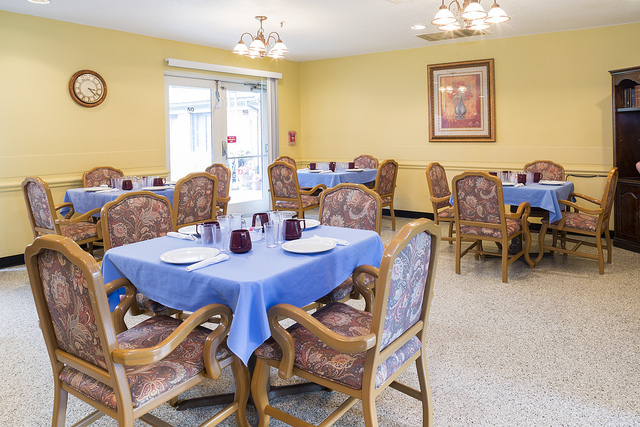
How is Altercare Somerset Inc. Staffed?

CMS rates ALTERCARE SOMERSET INC.'s staffing level at 1 out of 5 stars, which is much below average compared to other nursing homes. Staff turnover is 53%, compared to the Ohio average of 46%.

What Have Inspectors Found at Altercare Somerset Inc.?

State health inspectors documented 29 deficiencies at ALTERCARE SOMERSET INC. during 2020 to 2025. These included: 1 that caused actual resident harm and 28 with potential for harm. Deficiencies causing actual harm indicate documented cases where residents experienced negative health consequences.
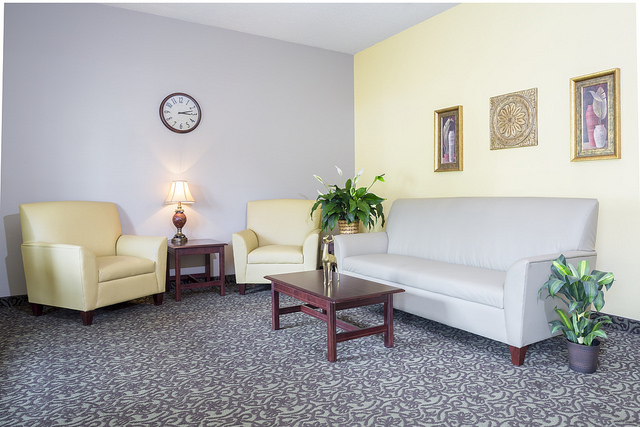
Who Owns and Operates Altercare Somerset Inc.?

ALTERCARE SOMERSET INC. is owned by a for-profit company. For-profit facilities operate as businesses with obligations to shareholders or private owners. The facility is operated by ALTERCARE, a chain that manages multiple nursing homes. With 79 certified beds and approximately 69 residents (about 87% occupancy), it is a smaller facility located in SOMERSET, Ohio.
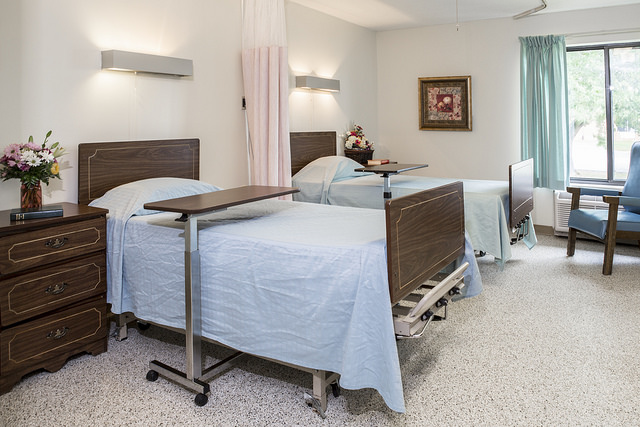
How Does Altercare Somerset Inc. Compare to Other Ohio Nursing Homes?

Compared to the 100 nursing homes in Ohio, ALTERCARE SOMERSET INC.'s overall rating (2 stars) is below the state average of 3.2, staff turnover (53%) is near the state average of 46%, and health inspection rating (3 stars) is at the national benchmark.

What Should Families Ask When Visiting Altercare Somerset Inc.?

Based on this facility's data, families visiting should ask: "Can you walk me through typical staffing levels on day, evening, and night shifts?" "Can I visit during a mealtime to observe dining assistance and food quality?" "How do you handle medical emergencies, and what is your hospital transfer rate?" "Can I speak with family members of current residents about their experience?" These questions are particularly relevant given the below-average staffing rating.

Is Altercare Somerset Inc. Safe?

Based on CMS inspection data, ALTERCARE SOMERSET INC. has a clean safety record: no substantiated abuse findings (meaning no confirmed cases of resident harm), no Immediate Jeopardy citations (the most serious violation level indicating risk of serious injury or death), and is not on the Special Focus Facility watch list (a federal program monitoring the lowest-performing 1% of nursing homes). The facility has a 2-star overall rating and ranks #100 of 100 nursing homes in Ohio. While no facility is perfect, families should still ask about staff-to-resident ratios and recent inspection results during their visit.

Do Nurses at Altercare Somerset Inc. Stick Around?

ALTERCARE SOMERSET INC. has a staff turnover rate of 53%, which is 7 percentage points above the Ohio average of 46%. Moderate turnover is common in nursing homes, but families should still ask about staff tenure and how the facility maintains care continuity when employees leave.

Was Altercare Somerset Inc. Ever Fined?

ALTERCARE SOMERSET INC. has no federal fines on record. CMS issues fines when nursing homes fail to meet care standards or don't correct problems found during inspections. The absence of fines suggests the facility has either maintained compliance or corrected any issues before penalties were assessed. This is a positive indicator, though families should still review recent inspection reports for the full picture.

Is Altercare Somerset Inc. on Any Federal Watch List?

ALTERCARE SOMERSET INC. is not on any federal watch list. The most significant is the Special Focus Facility (SFF) program, which identifies the bottom 1% of nursing homes nationally based on persistent, serious quality problems. Not being on this list means the facility has avoided the pattern of deficiencies that triggers enhanced federal oversight. This is a positive indicator, though families should still review the facility's inspection history directly.