WOODLAND COUNTRY MANOR INC
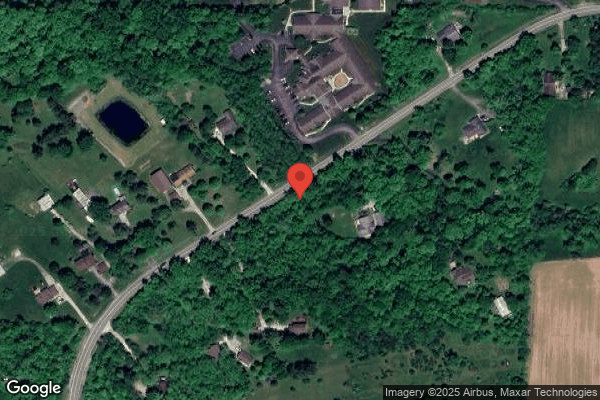
4166 SOMERVILLE RD, SOMERVILLE, OH 45064 (513) 523-4449
For profit - Corporation 60 Beds Independent Data: November 2025
Trust Grade
80/100
#383 of 913 in OH
Last Inspection: July 2022

Over 2 years since last inspection. Current conditions may differ from available data.

Overview

Woodland Country Manor Inc has a Trust Grade of B+, which means it is above average and generally recommended for families considering care options. It ranks #383 out of 913 facilities in Ohio, placing it in the top half, and #15 out of 24 in Butler County, indicating there are only a few better local choices. The facility's trend is stable, with the number of reported issues remaining the same over the past few years. However, staffing is a concern, rated at 1 out of 5 stars, which reflects challenges in retaining staff, although the turnover rate of 35% is better than the state average. There have been no fines, which is a positive indicator, but the nursing home has less RN coverage than 98% of Ohio facilities, raising concerns about oversight. Specific incidents of concern include the failure to implement a Legionella water safety plan, leaving residents potentially exposed to harmful bacteria. Additionally, biohazard materials were not secured from resident access, posing a risk to those who could reach them. Lastly, there was an incident where a resident with a history of elopement was not adequately supervised, which could have resulted in serious safety issues. Overall, while there are strengths in the facility's overall rating and absence of fines, families should be aware of the staffing challenges and specific safety incidents noted in inspections.

Trust Score
B+
80/100
In Ohio
#383/913
Top 41%
Safety Record
Low Risk
No red flags
Inspections
Holding Steady
1 → 1 violations
Staff Stability
○ Average
35% turnover. Near Ohio's 48% average. Typical for the industry.
Penalties
✓ Good
No fines on record. Clean compliance history, better than most Ohio facilities.
Skilled Nurses
⚠ Watch
Each resident gets only 20 minutes of Registered Nurse (RN) attention daily — below average for Ohio. Fewer RN minutes means fewer trained eyes watching for problems.
Violations
○ Average
9 deficiencies on record. Average for a facility this size. Mostly minor or procedural issues.
★★★★☆
4.0
Overall Rating
★☆☆☆☆
1.0
Staff Levels
★★☆☆☆
2.0
Care Quality
★★★★★
5.0
Inspection Score
Stable
2022: 1 issues
2025: 1 issues

The Good

  • Full Sprinkler Coverage · Fire safety systems throughout facility
  • No fines on record
  • Staff turnover below average (35%)

    13 points below Ohio average of 48%

Facility shows strength in fire safety.

The Bad

Staff Turnover: 35%

11pts below Ohio avg (46%)

Typical for the industry

The Ugly 9 deficiencies on record

May 2025 1 deficiency
CONCERN (D) 📢 Someone Reported This

A family member, employee, or ombudsman was alarmed enough to file a formal complaint

Potential for Harm - no one hurt, but risky conditions existed

Accident Prevention (Tag F0689)

Could have caused harm · This affected 1 resident

**NOTE- TERMS IN BRACKETS HAVE BEEN EDITED TO PROTECT CONFIDENTIALITY** Based on record review, review of a Self-Reported Incident (SRI) and investigation, policy review, resident and staff interviews...

Read full inspector narrative →
**NOTE- TERMS IN BRACKETS HAVE BEEN EDITED TO PROTECT CONFIDENTIALITY** Based on record review, review of a Self-Reported Incident (SRI) and investigation, policy review, resident and staff interviews, and observations, the facility failed to ensure staff provided adequate supervision to prevent a resident from leaving the facility unsupervised and failed to conduct a thorough investigation into the resident's elopement. This affected one (Resident #27) of three residents reviewed for elopement. The facility identified 11 residents at risk for elopement. The facility census was 51. Findings include: Record review for Resident #27 revealed the resident was admitted to facility on 03/13/25. Diagnoses included dementia, delirium, insomnia, depression, and auditory hallucinations. Review of the physician orders dated 03/14/25 revealed Resident #27 was to wear a wanderguard to the left ankle. Review of the care plan dated 03/18/25 revealed Resident #27 was an elopement risk/wanderer due to disoriented to place, impaired safety awareness, and wandered aimlessly. The goals were for Resident #28 will not leave the facility unattended and the resident's safety will be maintained. Interventions included to distract the resident from wandering, provide structured activities, and the resident's triggers for wandering/eloping are wanting to go back home. The resident's behavior is de-escalated by one-to-one talks and walking the halls with her, and wander alert device. On 05/17/25, a new intervention was implemented to have dietary staff lock the dining room windows and pull blinds before leaving at 7:00 P.M. On 05/19/25, a new intervention was implemented to add motion detector in bedroom window sill. Review of the Minimum Data Set (MDS) assessment dated [DATE] revealed Resident #27 suffered with sleep disturbance, being short tempered, and a history of wandering. Resident #27 had impaired cognition. Review of the elopement risk assessment dated [DATE] revealed Resident #27 was at risk for elopement. Review of the progress note dated 05/16/25 revealed staff discovered Resident #27 missing from her room around 2:00 A.M. during resident checks. Staff were able to locate Resident #27 outside of the building, wearing a wander guard monitoring device, in a parking lot next to the facilities assisted living (AL) unit around 2:45 A.M. Resident #27 willingly returned to facility with Certified Nursing Assistant (CNA) #50. Review of the facilities SRI and investigation dated 05/16/25 revealed there was an allegation of neglect reported to the State Survey Agency. Resident #27 was found outside the facility and the facility suspected that no alarms sounded. Allegedly, Resident #27 went out the dining room window. The facility's investigation only had two witness statements which were from Licensed Practical Nurses (LPN) #11 and #21. The facilities investigation did not include specific times Resident #27 was last seen or details of how the resident was found. There were no specific identifications of staff involved in the incident. There were no other staff interviews who were working the evening and night shift. There was no evidence the dining room window was assessed on how the resident could elope using that window, and/or an assessment of the windows throughout the facility, and any new interventions on prevention of other residents eloping from the dining room window, and/or other windows of the facilities. Review of the nursing schedules revealed CNAs #63, #66, #60, #68, #49, and #50 worked on 05/16/25 at 2:00 A.M. and there was no evidence the staff had been interviewed or witness statements obtained. Interview on 05/28/25 at 9:17 A.M. with Resident #27 revealed she had left the facility a few days ago by climbing out a low window. Resident #27 stated her brothers had arranged the plan for her to meet them, prompting her to leave the facility. Resident #27 stated she got into her brother's car and put her coat inside the car. Resident #27 stated her medical doctor found her outside the facility and assisted her back into the building. Observation of the dining room windows on 05/28/25 at 9:20 A.M. revealed the window which Resident #27 used to get outside of the facility was closed and locked. The window was unlocked and opened by the Administrator, and the screen easily removed. The Administrator verified Resident #27 could have opened the locked window and exited through the open window as the window was large enough and could be easily unlocked. Interview on 05/28/25 at 11:35 A.M. with the Director of Nursing (DON) stated the DON was notified of Resident #27's elopement the morning of 05/16/25. The DON confirmed Resident #27 had left the building early in the morning 05/16/25 via window in the dining room. The DON stated Resident #27 had a history of having long periods of being awake, wandering and exit seeking, then sleeping for long periods of time. The DON stated Resident #27 regularly expresses her desire to return home and has a history of attempts to leave the facility. Interview on 05/28/25 at 11:51 A.M. with Social Services (SS) #91 revealed the investigation had been done by herself under the direction of the Administrator who was training her on doing an investigation of an elopement. SS #91 confirmed she only obtained two LPN (#11 and #21) witness statements regarding the events leading up to and including finding Resident #27. SS #91 denied she interviewed or obtained witness statements from any other staff. Interview on 05/28/25 at 12:05 P.M. with LPN #7 stated Resident #27 was continually packing her things and saying she was leaving to go home. LPN #7 stated Resident #27 was exit seeking throughout most days, with staff intervening to keep her in the building or bring her back in the building when she gets out an exit door. Interview on 05/28/25 at 12:57 P.M. with CNA #63 stated Resident #27 left the building in the early morning on 05/16/25, without an alarm sounding to alert staff that she was outside. CNA #50 found Resident #27 in the parking lot behind the facilities AL unit on 05/16/25 around 2:45 A.M. CNA #63 confirmed once Resident #27 returned to the facility, Resident #27 was able to lead them to the window which she used to get out of the facility. CNA #63 stated she had provided SS #91 a statement about the situation several days after the incident and was not interviewed. Interview on 05/28/25 at 12:58 P.M. with CNA #68 stated she last observed Resident #27 at 1:30 A.M. wandering in the hallways with her coat, which was common. At rounding at 2:00 A.M., Resident #27 was not in her room. CNA #68 stated she assisted with inside room searches. Resident #27 returned inside of the facility without injuries at around 3:00 A.M. CNA #68 stated she had not been interviewed by any manager. Interview on 05/28/25 at 1:17 P.M. with CNA #66 stated Resident #27 was in the hallway around 2:00 A.M. and had was found by CNA #50 around 3:00 A.M. in the parking lot. CNA #66 assisted in searching the facility and observed Resident #27 returning into the facility with CNA #50. Resident #27 was self-ambulating and had no visible injuries. CNA #66 stated she a had not been interviewed by the managers and not documented her observations of 05/16/25. Interview on 05/28/25 at 1:30 P.M. with CNA #50 stated Resident #27 was walking around the hallway at 2:00 A.M., which was usual for Resident #27. CNA #50 stated Resident #27 was not in her room at about 2:30 A.M. and began the inside search and then began outside search. The weather was cool and not raining. Resident #27 was found around 3:00 A.M. in the facilities AL parking lot near an employee car, standing with the car door slightly opened. Resident #27's coat was in the passenger seat. Resident #27 ambulated back into the facility without difficulty and there were no apparent injuries or complaints of pain. CNA #50 stated she had submitted a written statement to SS #91. It was discovered the dining room window was opened, and the screen had been put back in position. Interview on 05/28/25 at 1:11 P.M. with Maintenance Director #92 stated he had been unaware of the elopement situation involving Resident #27 until recently and he had no discussions about window security with other managers at the time of the elopement. Maintenance Director #92 verified a resident could unlock the top window locking mechanism and climb through the larger dining room windows. Review of the facility's policy titled Elopement Policies and Procedures dated 02/26/25 revealed the facilities staff are to immediately implement policies and procedures for locating a resident in a timely manner in the event of elopement A complete and thorough investigation of the elopement along with an accident /incident report are to be completed in a timely manner. This deficiency represents non-compliance investigated under Control Number OH00165841.
May 2019 1 deficiency
CONCERN (F)

Potential for Harm - no one hurt, but risky conditions existed

Infection Control (Tag F0880)

Could have caused harm · This affected most or all residents

Based on review of the facility's Legionella plan and staff interview, the facility failed to implement the Legionella water plan. This had the potential to affect all 60 resident of the facility. Fi...

Read full inspector narrative →
Based on review of the facility's Legionella plan and staff interview, the facility failed to implement the Legionella water plan. This had the potential to affect all 60 resident of the facility. Findings include: Review of the facility Legionella plan revealed the facility would monitor the water sources for potential areas of Legionella growth through chlorine testing, routine testing of water temperatures, monitoring and flushing pipes in rooms and or areas of the building which were are not in use, and the motoring of decorative fountains and water fountains for use and evidence of debris and bioilm. Interview with the Administrator on 05/09/19 at 11:25 A.M., confirmed the facility was not doing any testing/monitoring for Legionella. The Administrator revealed the facility was working with outside resources to better understand the process to ensure compliance with the program.
Apr 2018 7 deficiencies
CONCERN (D)

Potential for Harm - no one hurt, but risky conditions existed

Deficiency F0554 (Tag F0554)

Could have caused harm · This affected 1 resident

**NOTE- TERMS IN BRACKETS HAVE BEEN EDITED TO PROTECT CONFIDENTIALITY** Based on record review, observation, resident interview, staff interview, and review of facility policy, the facility failed to ...

Read full inspector narrative →
**NOTE- TERMS IN BRACKETS HAVE BEEN EDITED TO PROTECT CONFIDENTIALITY** Based on record review, observation, resident interview, staff interview, and review of facility policy, the facility failed to complete an assessment of the ability to self administer medications for one (#207) out of seven residents screened. The total facility census was 57. Findings Include: Review of Resident #207's medical record revealed the resident was admitted to the facility on [DATE]. Diagnoses included pulmonary embolism, acute respiratory failure, hypothyroidism, epidemic vertigo, hyperlipidemia, Meniere disease, hypertension, dorsalgia, osteoporosis, falls, solitary pulmonary nodule, hypo-osmolarity, and hyponatremia. Review of physician orders revealed Resident #207 had an order dated 04/20/18 for Mylanta 20 cubic centimeters (cc) by mouth every four hours as needed, may keep at bedside. Review of Resident 207's medical record revealed no documentation the resident was assessed as safe to self administer medications. Review of nurses notes from 04/20/18 to present revealed no documentation Resident #207 had been screened for safe self medication administration or had received education regarding safe self administration of medication. Observation on 04/23/18 at 1:49 P.M. of Resident #207's room revealed a bottle of antacid liquid at the bedside. Interview on 04/23/18 at 1:49 P.M., Resident #207 stated his/her son brought in the antacid and he/she takes it whenever he/she wants. Interview with Licensed Practical Nurse (LPN) #66 on 04/23/18 at 1:55 P.M. verified Resident #207 had an order to keep the Mylanta at the bedside. Interview on 04/25/18 at 4:15 P.M., Licensed Social Worker (LSW) #30 and LPN #17 revealed the LSW typically completes a self administration of medication assessment with residents who are wanting to self administer medications. LSW #30 verified she has not completed a self administration assessment in a long time at the facility. LPN #17 verified Resident #207 was self administering Mylanta. LSW #30 verified she was not informed of this and had not performed a self administration assessment on the resident. Review of the policy titled Bedside Medication and Self-Administration of Medications revealed Each resident who desires to self-administer medication will be permitted to do so if the facility's interdisciplinary team has determined that the practice would be safe for the resident and other residents of the facility. The policy indicated each resident was offered the opportunity to self-administer his/her medications during the routine assessment by the facility's interdisciplinary team (IDT). If the resident desires to self-administer medications, an assessment is conducted by the IDT of the resident's cognitive, physical and visual ability to carry out this responsibility. The results of the IDT assessment are recorded on the Medication Self-Administration Assessment form, which is placed on the resident's medical record.
CONCERN (D)

Potential for Harm - no one hurt, but risky conditions existed

Notification of Changes (Tag F0580)

Could have caused harm · This affected 1 resident

**NOTE- TERMS IN BRACKETS HAVE BEEN EDITED TO PROTECT CONFIDENTIALITY** Based on record review, obervation, and staff interview, the facility failed to notify the family and physician when a pressure ...

Read full inspector narrative →
**NOTE- TERMS IN BRACKETS HAVE BEEN EDITED TO PROTECT CONFIDENTIALITY** Based on record review, obervation, and staff interview, the facility failed to notify the family and physician when a pressure ulcer went from a stage II ulcer to an unstageable ulcer for one (#210) of two residents reviewed for pressure ulcers. The facility identified two residents with pressure ulcers. The total facility census was 57. Findings include: Review of Resident #210's medical record revealed the resident was admitted to the facility on [DATE]. Diagnoses included histoplasmosis, diabetes mellitus, Parkinson's disease, sleep apnea, hypertension, gastro esophageal reflux disease, post cholecystectomy neuromuscular dysfunction of the bladder, pressure ulcers to inner buttock and coccyx, and congenital pancreatic cyst. Review of the Minimum Data Set assessment, dated 04/02/18, revealed the resident had cognitive impairment. The resident had three stage II pressure ulcers present on admission. Review of skin wound notes provided, dated 04/07/18, revealed the resident was admitted with three stage II pressure ulcers. The area to the left inner buttock measured 2.0 centimeters (cm) by 0.5 cm with a pink superficial tissue wound bed. The right inner buttock measured 0.3 cm by 2.0 cm with pink superficial tissue wound bed. The coccyx ulcer measured 0.8 cm by 0.1 cm with red superficial wound bed. The note indicated a treatment of Derma Med. The note indicated the family and were physician notified. Review of skin wound note dated 04/17/18 revealed the coccyx pressure ulcer was 1.0 cm by 0.1 cm with white slough covering 100% of wound bed. The coccyx wound was classified as unstageable. The note indicated to continue Derma Med as ordered. The note does not indicate the physician or family was notified of the change in the status of the coccyx wound. Observation on 04/26/18 at 10:20 A.M. revealed Registered Nurse (RN) #76 performing wound care to Resident #210's pressure ulcers. The inner buttock wounds, both right and left, were superficial in nature with pink wound beds. The coccyx wound was observed to have a pink peri wound with a wound bed that was a light white color. No slough was observed in the wound bed. Interview on 04/26/18 at 11:43 A.M., Licensed Practical Nurse #19 verified the medical record had no evidence the family and physician were notified of the coccyx wound being assessed by the facility as unstageable on 04/17/18.
CONCERN (D)

Potential for Harm - no one hurt, but risky conditions existed

Assessment Accuracy (Tag F0641)

Could have caused harm · This affected 1 resident

**NOTE- TERMS IN BRACKETS HAVE BEEN EDITED TO PROTECT CONFIDENTIALITY** Based on medical record review and staff interview, the facility failed to accurately code Minimum Data Set assessment to identi...

Read full inspector narrative →
**NOTE- TERMS IN BRACKETS HAVE BEEN EDITED TO PROTECT CONFIDENTIALITY** Based on medical record review and staff interview, the facility failed to accurately code Minimum Data Set assessment to identify a fall with injury, contractures, and hospice services for three (#33, #45 and #35) of 22 residents reviewed in the final sample. The facility census was 57. Findings include: 1. Review of the medical record revealed Resident #33 was admitted to the facility on [DATE]. Diagnoses included herpes zoster eye disease, diabetes mellitus, and dementia. The resident was readmitted on [DATE] with a fractured femur. Review of the nurse's notes dated 02/03/18 indicated Resident #33 was found on the floor of the room next to the bed on his/her back screaming out in pain. The resident stated he/she was trying to transfer from the bed to the wheelchair. The resident was transferred to the hospital and found to have a left femur fracture. Review of the Minimum Data Set (MDS) assessment, dated 03/07/18, did not indicate Resident #33 had a fall resulting in a fracture. Interview on 04/24/18 at 5:18 P.M., the Assistant Director of Nursing (ADON) #17 verified the resident's fall with fracture was not coded on the MDS assessment of 03/07/18. 2. Review of Resident #45's medical record revealed the resident was admitted on [DATE]. Diagnoses included Parkinson's dementia, frequent falls, metabolic encephalopathy, subarachnoid hemorrhage and depression. The resident's quarterly MDS assessment, dated 03/19/18, assessed the resident as having severe cognitive impairment. The MDS indicated the resident had no impairment in functional limitation in range of motion. Review of a physical therapy assessment dated [DATE] indicated the resident had impaired range of motion in both lower extremities. Review of a Rehabilitation/Restorative Service Delivery Record, dated 04/12/18, indicated the resident's legs were so contracted the staff could hardly put on his moon boots and it was hard to stretch out his leg without knowing if you were hurting in him. Interview on 04/26/18 at 2:00 P.M., ADON #17 verified she did not code Resident #45's as having contractures on the 03/19/18 MDS assessment. ADON # 17 further stated she codes contractures if the resident has a diagnoses of contractures or if therapy tells her. ADON #17 stated she never physically assessed Resident #45 herself. 3. Review of Resident #35's medical record revealed the resident was admitted to the facility on [DATE]. Diagnoses included Alzheimer's disease, hypothyroid, diabetes mellitus with diabetic polyneuropathy, hypercholesterolemia, dementia without behavior disturbances, major depressive disorder and essential hypertension. Hospice services were in place at the time of the admission. Review of the MDS assessment, dated 02/26/18, was not coded to indicate hospice services were being provided at the time of the time of assessment. Interview on 04/25/18 at 1:55 P.M., Licensed Practical Nurse (LPN) #17 verified hospice services were not coded on Resident #25's MDS assessment dated [DATE].
CONCERN (D)

Potential for Harm - no one hurt, but risky conditions existed

Deficiency F0657 (Tag F0657)

Could have caused harm · This affected 1 resident

**NOTE- TERMS IN BRACKETS HAVE BEEN EDITED TO PROTECT CONFIDENTIALITY** Based on record review, resident interview, and staff interview, the facility failed to develop a plan of care to address for pa...

Read full inspector narrative →
**NOTE- TERMS IN BRACKETS HAVE BEEN EDITED TO PROTECT CONFIDENTIALITY** Based on record review, resident interview, and staff interview, the facility failed to develop a plan of care to address for pain for one (#33) of five individuals reviewed for unnecessary medications. The census was 57. Findings include: Review of the medical record revealed Resident #33 was admitted to the facility on [DATE]. Diagnoses included herpes zoster eye disease, diabetes mellitus, and dementia. The resident was readmitted on [DATE] with a fractured femur. The resident had physician orders for the pain medication Norco 5-325 milligrams (mg) every four hours as needed. Review of the Minimum Data Set (MDS) assessment, dated 03/07/18, indicated the resident had moderately impaired cognitive skills and had pain frequently. Review of the medication administration record indicated Resident #33 received the Norco 5325 mgg on 13 occasions from 04/07/18 through 04/25/18. Review of the current plan of care did not contain any focus to address the resident's pain. Interview on 04/23/18 at 11:56 A.M., Resident # 33 stated she was having pain. Interview on 04/26/18 at 12:14 P.M., Licensed Practical Nurse (LPN) #19 verified Resident #33's plan of care did not address her pain.
CONCERN (D)

Potential for Harm - no one hurt, but risky conditions existed

Pressure Ulcer Prevention (Tag F0686)

Could have caused harm · This affected 1 resident

**NOTE- TERMS IN BRACKETS HAVE BEEN EDITED TO PROTECT CONFIDENTIALITY** Based on record review, observation, and staff interview, the facility failed to provide treatments to pressure ulcers for one (...

Read full inspector narrative →
**NOTE- TERMS IN BRACKETS HAVE BEEN EDITED TO PROTECT CONFIDENTIALITY** Based on record review, observation, and staff interview, the facility failed to provide treatments to pressure ulcers for one (#210) of two residents reviewed for pressure ulcers. The facility identified two residents with pressure ulcers. The facility census was 57. Findings Include: Review of Resident #210's medical record revealed the resident was admitted to the facility on [DATE]. Diagnoses included histoplasmosis, diabetes mellitus, Parkinson's disease, sleep apnea, hypertension, gastro esophageal reflux disease, post cholecystectomy neuromuscular dysfunction of the bladder, pressure ulcers to inner buttock and coccyx, and congenital pancreatic cyst. Review of the Minimum Data Set assessment, dated 04/02/18, revealed the resident had cognitive impairment. The resident had three stage II pressure ulcers present on admission and pressure ulcer care. Review of resident skin assessment, dated 04/02/18, revealed the resident had open areas present on the inner buttock and coccyx. Review of the physician orders revealed there were no ordered treatments for the pressure ulcers at the time of admission. On 04/06/18 Derma Med cream (skin protectant cream) was ordered to the right and left inner buttock. Review of Resident #210's Treatment Administration Record (TAR) revealed no treatments were completed to the inner right or left buttock until 04/06/18, four days after the resident was admitted to the facility with the pressure ulcers present. The TAR had no documentation of any treatment to the resident's coccyx pressure ulcer. Review of skin wound notes provided, dated 04/07/18, revealed the resident was admitted with three stage II pressure ulcers. The area to the left inner buttock measured 2.0 centimeters (cm) by 0.5 cm with a pink superficial tissue wound bed. The right inner buttock measured 0.3 cm by 2.0 cm with pink superficial tissue wound bed. The coccyx ulcer measured 0.8 cm by 0.1 cm with red superficial wound bed. The note indicated a treatment of Derma Med. The note indicated the family and were physician notified. The note documented the family and physician were notified. Review of the skin wound note dated 04/11/18 revealed the area to the left inner buttock measured 1.6 cm by 0.5 cm with a pink superficial tissue wound bed. The right inner buttock measured 0.3 cm by 2.0 cm with pink superficial tissue wound bed. The coccyx ulcer measured 1.0 cm by 0.1 cm with red superficial wound bed. The note indicates to continue with Derma Med as ordered. Review of skin wound note dated 04/17/18 revealed the coccyx pressure ulcer was 1.0 cm by 0.1 cm with white slough covering 100% of wound bed. The coccyx wound was classified as unstageable. The note indicated to continue Derma Med as ordered. The note does not indicate the physician or family was notified of the change in the status of the coccyx wound. Review of Resident #210's physician orders dated 04/26/18 revealed a new order Derma Med to the coccyx every shift. Observation on 04/26/18 at 10:20 A.M. revealed Registered Nurse (RN) #76 performing wound care to Resident #210's pressure ulcers. The inner buttock wounds, both right and left, were superficial in nature with pink wound beds. The coccyx wound was observed to have a pink peri wound with a wound bed that was a light white color. No slough was observed in the wound bed. Interview on 04/25/18 at 3:15 P.M., RN #76 verified there was no documented initiation of treatment to the resident's left and right buttock wounds from admission until 04/06/18. RN #76 verified there was no documented evidence of any treatment performed to Resident #201's coccyx. Interview on 04/25/18 at 3:30 P.M., Licensed Practical Nurse #19 stated the Derma Med was a house order and would not have required a written order for use. LPN #19 stated the staff would just document the Derma Med treatment on the TAR. LPN #19 verified the Derma Med was not documented as being applied to Resident #210's coccyx pressure ulcer. LPN #19 also verified the Derma Med was not documented as being applied to the right and left buttock pressure ulcers until 04/06/18.
CONCERN (D)

Potential for Harm - no one hurt, but risky conditions existed

Deficiency F0757 (Tag F0757)

Could have caused harm · This affected 1 resident

**NOTE- TERMS IN BRACKETS HAVE BEEN EDITED TO PROTECT CONFIDENTIALITY** Based on record review and staff interview, the facility failed to follow physician orders to obtain weekly vital signs, which i...

Read full inspector narrative →
**NOTE- TERMS IN BRACKETS HAVE BEEN EDITED TO PROTECT CONFIDENTIALITY** Based on record review and staff interview, the facility failed to follow physician orders to obtain weekly vital signs, which included a blood pressure for monitoring of an anti-hypertensive medication, as ordered for one (#33) of five residents review for unnecessary medications. The facility census was 57. Findings include: Review of the medical record revealed Resident #33 was admitted to the facility on [DATE]. Diagnoses included herpes zoster eye disease, diabetes mellitus, and dementia. The resident was readmitted on [DATE] with a fractured femur. Review of physician orders revealed an order for the anti-hypertensive medication Lisinopril 2.5 milligrams daily for hypertension and an order for weekly vital signs. The medical record indicated from 03/01/18 through 04/25/18 the resident had only had her vital signs, including blood pressure measurements, taken once per month. Interview on 04/25/18 at 12:25 P.M., Licensed Practical Nurse (LPN) #19 verified the resident's weekly blood pressure measurement were not taken. LPN #19 stated this must have been missed during the monthly change over.
CONCERN (E)

Potential for Harm - no one hurt, but risky conditions existed

Accident Prevention (Tag F0689)

Could have caused harm · This affected multiple residents

Based on observation and staff interview, the facility failed to secure biohazards from resident access. This had the potential to affect nine (#2, #3, #7, #16, #19, #23, #31, #43, and #53,) the facil...

Read full inspector narrative →
Based on observation and staff interview, the facility failed to secure biohazards from resident access. This had the potential to affect nine (#2, #3, #7, #16, #19, #23, #31, #43, and #53,) the facility identified as independently ambulatory and having the dexterity to open doors on the 100/200 Hall. The facility census was 57. Findings Include: Observation on 04/24/18 at 3:45 P.M. of the Server Storage Room in the breezeway between 100/200 Hall and the 500 Hall revealed the door was unsecured/unlocked and unmarked. Inside the room was one full bio-hazard box that was taped shut and one opened bio-hazard box that contained a full closed sharps container. Interview with Administrative Staff #1 on 04/24/18 at 4:01 P.M. verified the room was unsecured/unlocked and the room contained biohazard storage. The facility identified nine residents (#2, #3, #7, #16, #19, #23, #31, #43, and #53,) were independently ambulatory and able to open the storage room door who resided on the 100/200 Hall.
Understanding Severity Codes (click to expand)
Life-Threatening (Immediate Jeopardy)
J - Isolated K - Pattern L - Widespread
Actual Harm
G - Isolated H - Pattern I - Widespread
Potential for Harm
D - Isolated E - Pattern F - Widespread
No Harm (Minor)
A - Isolated B - Pattern C - Widespread

Questions to Ask on Your Visit

  • "Can I speak with families of current residents?"
  • "What's your RN coverage like on weekends and overnight?"

Our Honest Assessment

Strengths
  • • Grade B+ (80/100). Above average facility, better than most options in Ohio.
  • • No major safety red flags. No abuse findings, life-threatening violations, or SFF status.
  • • No fines on record. Clean compliance history, better than most Ohio facilities.
  • • 35% turnover. Below Ohio's 48% average. Good staff retention means consistent care.
Concerns
  • • No significant concerns identified. This facility shows no red flags across CMS ratings, staff turnover, or federal penalties.
Bottom line: Generally positive indicators. Standard due diligence and a personal visit recommended.

About This Facility

What is Woodland Country Manor Inc's CMS Rating?

CMS assigns WOODLAND COUNTRY MANOR INC an overall rating of 4 out of 5 stars, which is considered above average nationally. Within Ohio, this rating places the facility higher than 99% of the state's 100 nursing homes. This rating reflects solid performance across the metrics CMS uses to evaluate nursing home quality.
How is Woodland Country Manor Inc Staffed?

CMS rates WOODLAND COUNTRY MANOR INC's staffing level at 1 out of 5 stars, which is much below average compared to other nursing homes. Staff turnover is 35%, compared to the Ohio average of 46%. This relatively stable workforce can support continuity of care.

What Have Inspectors Found at Woodland Country Manor Inc?

State health inspectors documented 9 deficiencies at WOODLAND COUNTRY MANOR INC during 2018 to 2025. These included: 9 with potential for harm.
Who Owns and Operates Woodland Country Manor Inc?

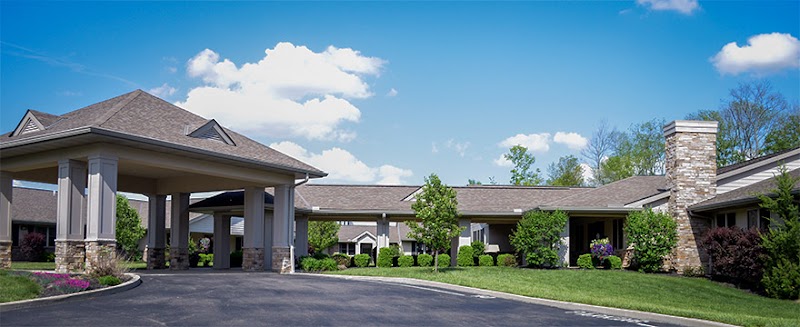
WOODLAND COUNTRY MANOR INC is owned by a for-profit company. For-profit facilities operate as businesses with obligations to shareholders or private owners. The facility operates independently rather than as part of a larger chain. With 60 certified beds and approximately 53 residents (about 88% occupancy), it is a smaller facility located in SOMERVILLE, Ohio.
How Does Woodland Country Manor Inc Compare to Other Ohio Nursing Homes?

Compared to the 100 nursing homes in Ohio, WOODLAND COUNTRY MANOR INC's overall rating (4 stars) is above the state average of 3.2, staff turnover (35%) is significantly lower than the state average of 46%, and health inspection rating (5 stars) is much above the national benchmark.

What Should Families Ask When Visiting Woodland Country Manor Inc?

Based on this facility's data, families visiting should ask: "Can you walk me through typical staffing levels on day, evening, and night shifts?" "Can I visit during a mealtime to observe dining assistance and food quality?" "How do you handle medical emergencies, and what is your hospital transfer rate?" "Can I speak with family members of current residents about their experience?" These questions are particularly relevant given the below-average staffing rating.

Is Woodland Country Manor Inc Safe?

Based on CMS inspection data, WOODLAND COUNTRY MANOR INC has a clean safety record: no substantiated abuse findings (meaning no confirmed cases of resident harm), no Immediate Jeopardy citations (the most serious violation level indicating risk of serious injury or death), and is not on the Special Focus Facility watch list (a federal program monitoring the lowest-performing 1% of nursing homes). The facility has a 4-star overall rating and ranks #1 of 100 nursing homes in Ohio. While no facility is perfect, families should still ask about staff-to-resident ratios and recent inspection results during their visit.

Do Nurses at Woodland Country Manor Inc Stick Around?

WOODLAND COUNTRY MANOR INC has a staff turnover rate of 35%, which is about average for Ohio nursing homes (state average: 46%). Moderate turnover is common in nursing homes, but families should still ask about staff tenure and how the facility maintains care continuity when employees leave.

Was Woodland Country Manor Inc Ever Fined?

WOODLAND COUNTRY MANOR INC has no federal fines on record. CMS issues fines when nursing homes fail to meet care standards or don't correct problems found during inspections. The absence of fines suggests the facility has either maintained compliance or corrected any issues before penalties were assessed. This is a positive indicator, though families should still review recent inspection reports for the full picture.

Is Woodland Country Manor Inc on Any Federal Watch List?

WOODLAND COUNTRY MANOR INC is not on any federal watch list. The most significant is the Special Focus Facility (SFF) program, which identifies the bottom 1% of nursing homes nationally based on persistent, serious quality problems. Not being on this list means the facility has avoided the pattern of deficiencies that triggers enhanced federal oversight. This is a positive indicator, though families should still review the facility's inspection history directly.