GRANDE LAKE HEALTHCARE CENTER
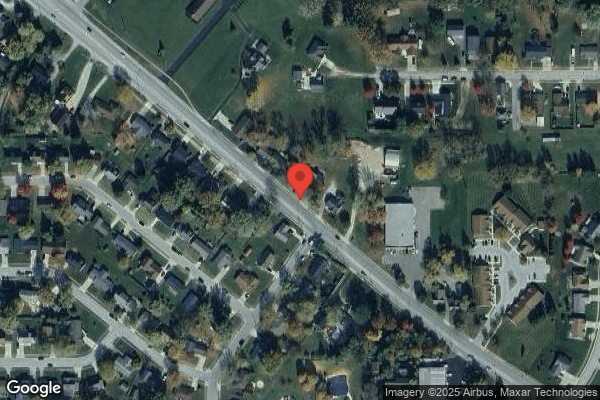
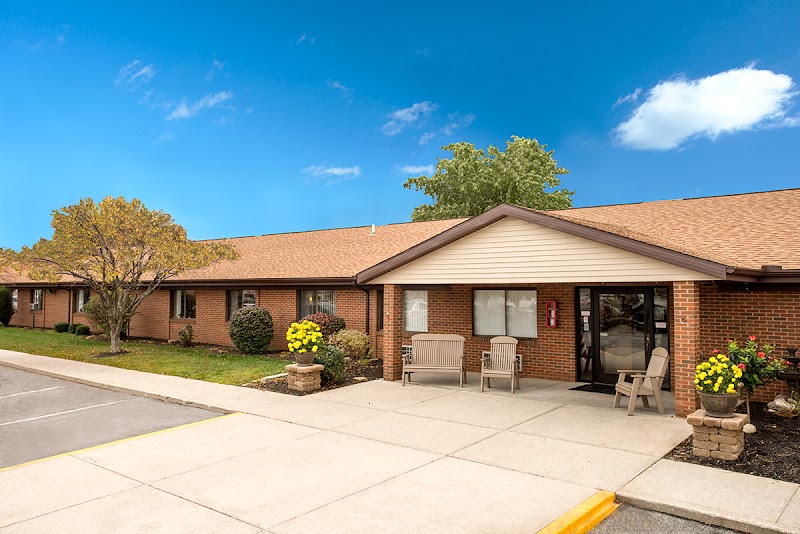
1209 INDIANA AVENUE, ST MARYS, OH 45885 (419) 394-7611
For profit - Corporation 45 Beds COMMUNICARE HEALTH Data: November 2025
Trust Grade
65/100
#267 of 913 in OH
Last Inspection: February 2025

Within standard 12-15 month inspection cycle. Federal law requires annual inspections.

Overview

Grande Lake Healthcare Center in St. Marys, Ohio, has a Trust Grade of C+, which indicates it is slightly above average but not without its issues. It ranks #267 out of 913 facilities in Ohio, placing it in the top half, and is #2 out of 8 in Auglaize County, meaning there is only one better local option. Unfortunately, the facility is experiencing a worsening trend, with reported issues increasing from 1 in 2024 to 7 in 2025. Staffing is average, with a turnover rate of 44%, which is lower than the state average, suggesting some stability among staff. Notably, there have been serious concerns, including a medication error that led to a resident's hospitalization and infection control failures during an influenza outbreak, which could potentially affect all residents. While the facility has no fines and good quality measures, it is essential to weigh these strengths against the recent troubling incidents.

Trust Score
C+
65/100
In Ohio
#267/913
Top 29%
Safety Record
Moderate
Needs review
Inspections
Getting Worse
1 → 7 violations
Staff Stability
○ Average
44% turnover. Near Ohio's 48% average. Typical for the industry.
Penalties
✓ Good
No fines on record. Clean compliance history, better than most Ohio facilities.
Skilled Nurses
○ Average
Each resident gets 31 minutes of Registered Nurse (RN) attention daily — about average for Ohio. RNs are the most trained staff who monitor for health changes.
Violations
⚠ Watch
33 deficiencies on record. Higher than average. Multiple issues found across inspections.
★★★★☆
4.0
Overall Rating
★★★☆☆
3.0
Staff Levels
★★★★★
5.0
Care Quality
★★★☆☆
3.0
Inspection Score
Stable
2024: 1 issues
2025: 7 issues

The Good

  • 5-Star Quality Measures · Strong clinical quality outcomes
  • Full Sprinkler Coverage · Fire safety systems throughout facility
  • No fines on record
  • Staff turnover below average (44%)

    4 points below Ohio average of 48%

Facility shows strength in quality measures, fire safety.

The Bad

Staff Turnover: 44%

Near Ohio avg (46%)

Typical for the industry

Chain: COMMUNICARE HEALTH

Part of a multi-facility chain

Ask about local staffing decisions and management

The Ugly 33 deficiencies on record

1 actual harm
Feb 2025 7 deficiencies 1 Harm
SERIOUS (G) 📢 Someone Reported This

A family member, employee, or ombudsman was alarmed enough to file a formal complaint

Actual Harm - a resident was hurt due to facility failures

Deficiency F0760 (Tag F0760)

A resident was harmed · This affected 1 resident

**NOTE- TERMS IN BRACKETS HAVE BEEN EDITED TO PROTECT CONFIDENTIALITY** Based on medical record review, review of hospital documentation, staff interview, nurse practitioner interview, and review of t...

Read full inspector narrative →
**NOTE- TERMS IN BRACKETS HAVE BEEN EDITED TO PROTECT CONFIDENTIALITY** Based on medical record review, review of hospital documentation, staff interview, nurse practitioner interview, and review of the Centers for Disease Control and Prevention (CDC) website, the facility failed to ensure medication orders for treatment of Influenza (Flu) Type A were timely initiated for a resident which caused a significant medication error. Actual harm occurred to Resident #13 when the resident exhibited a change in condition, tested positive for Influenza Type A, and was evaluated by a nurse practitioner who recommended the implementation of an antiviral medication which was not ordered timely or administered. This resulted in Resident #13 becoming difficult to arouse and responded only to painful stimuli. Resident #13 required hospitalization and was diagnosed with renal insufficiency, hypoxia, and pneumonia. This affected one (#13) of three residents reviewed for Influenza Type A infections. The census was 41. Findings include: Review of the medical record for Resident #13 revealed an admission date of 09/14/24. The resident was admitted with diagnoses including chronic obstructive pulmonary disease (COPD), bipolar disorder, chronic kidney disease stage three, heart failure, and atherosclerotic heart disease. The resident was hospitalized on [DATE]. Review of the quarterly Minimum Data Set (MDS) assessment dated [DATE] revealed Resident #13 had moderately impaired cognition, required set up assistance for meals, and maximum assistance with toileting hygiene, bed mobility, and transfers. Review of a progress note dated 02/14/25 documented by Certified Nurse Practitioner (CNP) #907 revealed Resident #13 had an acute visit due to increased cough and shortness of breath. Further review revealed the resident tested positive for Influenza Type A with a plan to start Resident #13 on the antiviral medication Tamiflu 30 milligrams (mg) daily. Review of Resident #13's physician orders revealed no order for Tamiflu until 02/20/25. Review of a nursing progress note dated 02/20/25 revealed a change in condition report for Resident #13 which indicated she was difficult to arouse and only responded to painful stimuli. It was recommended the resident be sent out to the emergency room (ER). Review of a subsequent entry note revealed Resident #13 was sent to the hospital at 10:28 A.M. Review of the hospital admission documentation dated 02/20/25 revealed Resident #13 had an admitting diagnoses of acute on chronic renal insufficiency, hypoxia (decreased perfusion of oxygen to the tissues), pneumonia, and Influenza Type A. Review of a chest x-ray image revealed the resident had patchy airspace opacities (increased density) in the bilateral lower lobes (of the lungs) concerning for multifocal pneumonia. Interview on 02/25/25 at 12:34 P.M. with CNP #907 verified she assessed Resident #13 on 02/14/25 and normally put her own orders in for residents, but acknowledged she forgot to put in the Tamiflu order for Resident #13. CNP #907 stated she discussed her plan with nursing staff prior to her leaving the facility, and later in the day she realized she forgot to place the order into the electronic chart. CNP #907 stated she then called the facility and spoke with Registered Nurse (RN) #610 and requested she enter the Tamiflu order for Resident #13. Interview on 02/25/25 at 2:12 P.M. with the Director of Nursing (DON) verified Resident #13 tested positive for Influenza Type A on 02/14/25. The DON stated she was unsure why Tamiflu was not started at the time of the positive testing. The DON stated CNP #907 spoke to RN #816 prior to leaving the facility on 02/14/25 and suggested the nurse be interviewed. The DON stated Resident #13's Tamiflu order dated 02/20/25 was ordered facility wide for prophylaxis. Interview on 02/25/25 at 2:15 P.M. with RN #816 verified CNP #907 did discuss Resident #13 with her prior to CNP #907 leaving the facility on 02/14/25. RN #816 verified CNP #907 did not indicate to her that she wanted Resident #13 to start on Tamiflu. RN #816 acknowledged nursing staff should have inquired why Resident #13 was not started on Tamiflu after her positive Influenza Type A test. Interview on 02/26/25 with Infection Preventionist (IP) #417 revealed the expectation for residents who test positive for Influenza Type A was to place them in droplet isolation, contact the physician, and start the residents on Tamiflu. IP #417 verified Resident #13 tested positive for Influenza Type A on 02/14/25 and neither she nor her nurse contacted the physician on 02/14/25 for medication orders. Interview on 02/27/25 at 8:40 A.M. with the DON acknowledged Resident #13 tested positive for Influenza Type A on 02/14/25. The DON stated CNP #907 would put in her own orders, but failed to do so for Resident #13. The DON acknowledged IP #417 had Resident #13's positive Influenza Type A test result, and stated IP #417 should serve as an additional means of ensuring proper treatments were in place. Review of the CDC website at, https://www.cdc.gov/flu/treatment/index.html, revealed a webpage titled, Treatment of the Flu, dated 09/09/24. Further review of the CDC guidance revealed antiviral drugs should be started as soon as possible after symptoms begin. Studies show that treatment of flu with antiviral medications works best when started within two days after flu symptoms begin and can lessen symptoms and shorten the time you are sick by about a day. Antiviral drugs can make illness milder and shorten the time a person is sick. They might also prevent some flu complications, like pneumonia. Starting antiviral treatment shortly after symptoms begin also can help reduce some flu complications. This deficiency represents non-compliance investigated under Master Complaint Number OH00161598 and Complaint Number OH00160883.
CONCERN (D) 📢 Someone Reported This

A family member, employee, or ombudsman was alarmed enough to file a formal complaint

Potential for Harm - no one hurt, but risky conditions existed

Resident Rights (Tag F0550)

Could have caused harm · This affected 1 resident

**NOTE- TERMS IN BRACKETS HAVE BEEN EDITED TO PROTECT CONFIDENTIALITY** Based on observation, medical record review, and staff interview, the facility failed to ensure urinary catheter collection bags...

Read full inspector narrative →
**NOTE- TERMS IN BRACKETS HAVE BEEN EDITED TO PROTECT CONFIDENTIALITY** Based on observation, medical record review, and staff interview, the facility failed to ensure urinary catheter collection bags were covered to maintain dignity. This affected one (#195) of four residents reviewed for respect and dignity. The census was 41. Findings included: Review of Resident #195's medical record revealed the resident was admitted on [DATE] with diagnoses of hypertension, lymphedema, and cellulitis. Review of the Minimum Data Set (MDS) assessment dated [DATE] revealed Resident #195 was cognitively intact and admitted with indwelling urinary catheter. Observation of Resident #195 on 02/24/25 at 11:39 A.M. revealed the resident had no cover in place on the urinary catheter collection bag. Interview with Certified Nurse Aide (#704) verified Resident #195's urinary catheter collection bag did not have a cover to maintain dignity at the time of the observation. This deficiency represents non-compliance investigated under Complaint Number OH00160883.
CONCERN (D)

Potential for Harm - no one hurt, but risky conditions existed

Deficiency F0554 (Tag F0554)

Could have caused harm · This affected 1 resident

**NOTE- TERMS IN BRACKETS HAVE BEEN EDITED TO PROTECT CONFIDENTIALITY** Based on record review, observation, staff interview, and policy review, the facility failed to determine if residents were clin...

Read full inspector narrative →
**NOTE- TERMS IN BRACKETS HAVE BEEN EDITED TO PROTECT CONFIDENTIALITY** Based on record review, observation, staff interview, and policy review, the facility failed to determine if residents were clinically appropriate to self-administer their medications. This affected two (#7 and #10) of four residents observed during medication administration. The facility census was 41. Findings include: 1. Review of the medical record for Resident #7 revealed an admission date of 11/14/23 with diagnoses including type two diabetes, chronic kidney failure, bipolar disorder, long term (current) drug therapy, and hypertension. Review of the Minimum Data Set (MDS) assessment dated [DATE] revealed Resident #7 was cognitively intact and required setup or clean-up assistance for activities of daily living (ADLs). Review of Resident #7's current physician orders revealed no order for self-administration of medication. Review of Resident #7's care plan dated 02/21/25 revealed no care plan for self-administration of medications. Review of assessments revealed no self-administration of medications assessment was completed for Resident #7. Observation of medication administration with Licensed Practical Nurse (LPN) #905 on 02/25/25 at 7:50 A.M. revealed Resident #7 administered her own Lantus (long-acting insulin) 50 units subcutaneous (SQ) without priming the insulin pen prior to dialing up the dose, Humalog (short acting insulin) 15 units SQ without priming the insulin pen prior to dialing up the dose, the inhaled medication for chronic obstructive pulmonary disease (COPD) Trelegy 100/62.5/25 micrograms (mcg), and cyclosporine 0.05 percent (%) eye drops. LPN #905 dialed up two extra units and primed the insulin pens prior to the resident administering the dose into her abdomen. Resident #7 also checked her own blood sugar with the glucometer handed to her by the nurse and checked her blood pressure with the wrist cuff provided by the nurse. Interview on 02/25/25 at 10:37 A.M. with the Director of Nursing (DON) verified Resident #7 did not have a self-administration of medication assessment or physician order to self-administer medications. 2. Review of the medical record for Resident #10 revealed admission date of 10/05/23 with diagnoses including end stage renal disease, type two diabetes, major depressive disorder, anxiety, fibromyalgia, insomnia, and convulsions. Review of the MDS assessment dated [DATE] revealed Resident #10 was cognitively intact. Review of the care plan dated 01/07/25 revealed Resident #10 had no care plan or mention of self-administration of medication. Review of Resident #10's current physician orders revealed the resident was ordered the anesthetic medication Lidocaine patch to apply one patch to the right thigh daily and the inhaled decongestant medication fluticasone (Flonase) nasal suspension 50 mcg twice daily with instructions the medication may be left at the bedside. There were no orders for self-administration of medications. Review of assessments revealed no self-administration medication assessment completed for Resident #10. Interview on 02/25/25 at 7:30 A.M. with LPN #905 revealed Resident #10 kept her Flonase at the bedside and will administer it after breakfast. LPN #905 stated the resident usually administered her own insulin and placed her Lidocaine patches on her body where she wanted them. Observation and interview on 02/25/25 at 7:35 A.M., during medication administration for Resident #10, revealed the resident did not administer her own insulin, but did placed two Lidocaine 4% patches to her left lower extremity after removing the old patches. Interview with LPN #905 verified the resident removed her old patches from yesterday prior to placing the new patches. Interview on 02/25/25 at 10:41 A.M. with the DON verified Resident #10 did not have a self-administration assessment completed prior to today. The DON verified Resident #10 was not documenting the administration of her Flonase as the nurses were doing that. The DON verified the resident had no physician order to self-administer medications. Review of the undated policy titled, Resident Self-Administration of Medications, revealed the interdisciplinary team (IDT) will assess for safety of self-administrating of medications or use of a continuous monitoring device including the following cognitive functioning, physical ability, and emotional ability. Assessments will include addressing the following and documenting in the care plan storage of the medication, responsible party for storage of medication, documenting the administration of drugs, location of where the drug will be administered, and the residents' ability to apply and monitor a continuous glucose monitoring device. A physician or provider order is required for residents to self-administer medication.
CONCERN (D)

Potential for Harm - no one hurt, but risky conditions existed

Deficiency F0583 (Tag F0583)

Could have caused harm · This affected 1 resident

**NOTE- TERMS IN BRACKETS HAVE BEEN EDITED TO PROTECT CONFIDENTIALITY** Based on observation, medical record review, staff interview, and policy review, the facility failed to provide privacy during a...

Read full inspector narrative →
**NOTE- TERMS IN BRACKETS HAVE BEEN EDITED TO PROTECT CONFIDENTIALITY** Based on observation, medical record review, staff interview, and policy review, the facility failed to provide privacy during a mechanical lift transfer. This affected one (#27) of one residents reviewed for privacy. The census was 41. Findings included: Review of Resident #27's medical record revealed the resident was admitted on [DATE] with diagnoses of myocardial infarction, dysphagia, Alzheimer's disease, and depression. Review of a quarterly Minimum Data Set (MDS) assessment dated [DATE] revealed Resident #27 was cognitively impaired, had limited range of motion with the upper and lower extremities, and was wheelchair bound. Review of Resident #27's current plan of care revealed Resident #27 was to be transferred by a mechanical (Hoyer) lift at all times and was dependent with all care using one to two helpers. Observation on 02/24/25 at 11:11 A.M. revealed Certified Nurse Aide (CNA) #604 and CNA #704 were inside Resident #27's room with the door open while placing a Hoyer lift sling under the resident. CNA #604 and CNA #704 rolled Resident #27 from side to side with the resident's dress above her incontinence brief. After the Hoyer lift sling was in place, CNA #704 walked away from bedside to get the Hoyer lift while CNA #604 remained at the bedside opposite the open door to the hallway. Further observation revealed Resident #27 remained in bed with her dress moved further up toward her head with her full breast exposed. CNA #604 and CNA #704 lifted Resident #27 using the Hoyer lift into a wheelchair with her incontinence brief exposed all while the door remained open to the hallway. Interview with CNA #604 and CNA #704 verified they did not close the door to Resident #27's room while providing care. Review of an undated facility policy titled, Resident Rights, revealed residents have the right to have their privacy respected when treatment, medication, or care is being administered including the door closed or privacy curtain drawn.
CONCERN (D)

Potential for Harm - no one hurt, but risky conditions existed

Deficiency F0810 (Tag F0810)

Could have caused harm · This affected 1 resident

**NOTE- TERMS IN BRACKETS HAVE BEEN EDITED TO PROTECT CONFIDENTIALITY** Based on observation, medical record review, staff interview, and facility policy review, the facility failed to ensure resident...

Read full inspector narrative →
**NOTE- TERMS IN BRACKETS HAVE BEEN EDITED TO PROTECT CONFIDENTIALITY** Based on observation, medical record review, staff interview, and facility policy review, the facility failed to ensure residents were provided assistive drinking devices as care planned. This affected one (#15) of one residents reviewed for assisted eating devices. The census was 41. Findings include: Review of Resident #15's medical record revealed the resident was admitted on [DATE]. Diagnoses included nontraumatic intracerebral hemorrhage, contracture of the right hip, contracture of the left hip, diabetes mellitus type II, neuromuscular dysfunction of the bladder, and left hand pain. Review of the Minimum Data Set (MDS) assessment dated [DATE] revealed Resident #15 was cognitively impaired required assistance with activities of daily living (ADLs), and had frequent pain. Review of a care plan dated 12/03/24 revealed Resident #15 had a potential for altered nutrition and had interventions for build up utensils for eating and a Kennedy cup (a lightweight, spill-proof drinking cup) for liquids at bedside table and with all meals. Observation on 02/24/25 at 12:30 P.M. revealed Resident #15 did not have a Kennedy cup on the tray with the resident's meal. Further observation revealed Resident #15 had an open, half-full can of soda pop and a 64 ounce cup with a handle and lid, but no straw, on the overbed table in front of the resident. Interview with Certified Nurse Aide (CNA) #604 verified Resident #15 did not have a Kennedy cup at the time of the observation. Observation on 02/24/25 at 5:30 P.M. revealed Resident #15 did not have a Kennedy cup in the dining room and the resident was served three separate drinks all contained in regular cups. Interview with CNA #604 verified Resident #15 did not have Kennedy cups at the time of the observation. Interview on 02/24/25 at 5:40 P.M. with Dietary Manager (DM) #718 revealed no staff came into the kitchen to request a Kennedy cup for Resident #15 to use in his room. DM #718 verified Kennedy cups were available every day at all times. Review of the undated policy titled, Assistive Eating Devices, revealed it is the policy of the facility to provide assistive eating devices to residents with limited arm mobility, grasp, range of motion or coordination as recommended by nursing or therapy to promote independence in drinking and eating to their maximum ability. Staff are to be educated for placement and use to assist the resident.
CONCERN (D)

Potential for Harm - no one hurt, but risky conditions existed

Deficiency F0847 (Tag F0847)

Could have caused harm · This affected 1 resident

**NOTE- TERMS IN BRACKETS HAVE BEEN EDITED TO PROTECT CONFIDENTIALITY** Based on medical record review, review of arbitration agreements, and staff and resident interviews, the facility failed to ensu...

Read full inspector narrative →
**NOTE- TERMS IN BRACKETS HAVE BEEN EDITED TO PROTECT CONFIDENTIALITY** Based on medical record review, review of arbitration agreements, and staff and resident interviews, the facility failed to ensure arbitration agreements were explained and presented to residents with appropriate cognition to understand the document content. This affected one (#145) of four residents reviewed for arbitration agreements. The census was 41. Findings include: Review of the medical record for Resident #145 revealed an admission date of 02/06/25 with diagnoses including moderate dementia with agitation, atrial fibrillation, chronic obstructive pulmonary disease (COPD), hypertension, legal blindness, bilateral unspecified hearing loss, heart failure, cognitive communication deficit, and unspecified hearing loss bilateral. Review of a previous admission Minimum Data Set (MDS) assessment, completed 12/16/24 while Resident #145 in a different facility, the resident was assessed with severe cognitive impairment. Review of an arbitration agreement document revealed the parties understand, acknowledge, and agree by entering into this arbitration agreement they are voluntarily selecting arbitration as the method of resolving their disputes without resorting to lawsuits or the courts, and they are giving up and waving their constitutional right to have their disputes decided in a court of law before a judge and jury, the opportunity to present their claims as a class action and/or to appeal any decision or award of damages resulting from the arbitration as provided herein. By checking this box and signing this arbitration agreement, they acknowledge they understand the terms of the arbitration agreement. Further, by signing this arbitration agreement, they are agreeing to have any claims or disputes between the resident or his or her representative and the facility as set forth herein, decided through binding arbitration and they are giving up their right to a jury or court trial. An X was placed on this box. Review of the arbitration agreement document revealed Resident #145 signed the agreement on 02/06/25. Review of the resident signature line revealed a first name that was legible and the last name was illegible. Review of an admission MDS assessment dated [DATE] revealed Resident #145 was assessed with severe cognitive impairment. Review of a care plan dated 02/20/25 revealed Resident #145 had impaired cognitive function with interventions including to administer medications as ordered, communicate with the resident, family, or caregiver regarding the resident's capabilities and needs, discuss concerns about confusion, disease process, nursing home placement with resident, family, or caregiver, offer two to three step instructions when completing basic tasks, and keep routines as consistent as possible in order to decrease confusion. Review of a resident profile revealed Resident #145 had a Durable Power of Attorney (DPOA). Interview on 02/25/25 at 3:27 P.M. with Resident #145 revealed the resident was alert and oriented to self only. Resident #145 did not know what day or month it was and thought he was at the hospital. Resident #145 could not state what town he was in. Resident #145 stated he remembered signing paperwork when he came to the building, but did not know what an arbitration agreement was. Interview on 02/26/25 at 3:53 P.M. with Admissions Director (AD) #723 revealed she attempts to review previous facility or hospital documentation to determine a resident's cognition or asked questions such as the resident's name, the day of the week, and where they are to gauge cognitive function. AD #723 stated she would also get family input as well to determine a resident's ability to sign paperwork. AD #723 stated she obtained Resident #145's information from documentation from entities where the resident received care prior to admission to the facility. AD #723 stated Resident #145's DPOA lived out of state and she contacted her as well. AD #723 verified there was no documentation regarding the conversation. AD #723 stated Resident #145 was a lot different when he came in from how he was now. AD #723 stated the resident was able to tell her his name, where he was, what day it was, and appeared to understand what she was asking. AD #145 stated she sat beside the resident's, placed the iPad (handheld electronic device) in front of the resident, and read the admission packet off to him and have the resident sign the documents after each section. AD #145 verified the resident had diagnoses of legal blindness, dementia, and hearing loss in bilateral ears. AD #723 stated Resident #145 heard better in the right ear. AD #723 stated the resident did not have his hearing aides as they were lost in the transition from nursing homes, but new ones were ordered. AD #723 stated if Resident #145 was the way he was now she would have never had him sign his own paperwork.
CONCERN (F)

Potential for Harm - no one hurt, but risky conditions existed

Infection Control (Tag F0880)

Could have caused harm · This affected most or all residents

**NOTE- TERMS IN BRACKETS HAVE BEEN EDITED TO PROTECT CONFIDENTIALITY** Based on observation, medical record review, review of infection control tracking documents, staff interview, and facility polic...

Read full inspector narrative →
**NOTE- TERMS IN BRACKETS HAVE BEEN EDITED TO PROTECT CONFIDENTIALITY** Based on observation, medical record review, review of infection control tracking documents, staff interview, and facility policy review, the facility failed to ensure proper infection control monitoring was timely and accurately maintained during an active influenza outbreak and failed to ensure a urinary catheter was maintained in a manner to prevent infection. This had the potential to affect all 41 residents residing in the facility. The census was 41. Findings include: 1. Review of the facility's infection control surveillance tracking revealed the document was not completed for February 2025. Interview on 02/26/25 at 124 P.M. with Infection Preventionist (IP) #417 acknowledged the facility was in an influenza outbreak and the method the facility utilized to track the infections was not updated for February 2025. IP #417 stated an employee was the first person to test positive for influenza on 02/11/25 and the next positive test was a resident on 02/13/25. IP #417 was not able to provide tracking information for the influenza outbreak at the time of the interview. IP #417 stated the physician was in the facility weekly on Thursdays and was made aware of the positive tests on 02/13/25. Interview on 02/27/25 at 8:40 A.M. with the Director of Nursing (DON) acknowledged the infection control surveillance tracking record was not accurately completed for February 2025. Review of the facility policy titled, Antibiotic Stewardship Plan, dated 05/01/17, revealed the Infection Preventionist (IP) would collect and analyze infection surveillance data to monitor and support antibiotic stewardship activities. The IP nurse would follow, track, and monitor residents for the purpose of treatment follow up. 2. Review of Resident #195's medical record revealed the resident was admitted on [DATE] with diagnoses of hypertension, lymphedema, and cellulitis. Review of the Minimum Data Set (MDS) 3.0 assessment dated [DATE] revealed Resident #195 was cognitively intact and was admitted with an indwelling urinary catheter. Observation of Resident #195 on 02/24/25 at 11:39 A.M. revealed the resident's urinary catheter collection bag was bag laying on the floor without a barrier. Further observation revealed Certified Nurse Aide (CNA) #704 walked into the room with a lunch tray and rolled a bedside table over the resident's urinary catheter collection bag. Interview with CNA #704 on 02/24/25 at approximately 11:40 A.M. verified Resident #195's urinary catheter collection bag was laying directly on the floor with no barrier and the bedside table was rolled over it. Review of an undated catheter care policy revealed the catheter bag should not be on the floor.
Jun 2024 1 deficiency
CONCERN (D) 📢 Someone Reported This

A family member, employee, or ombudsman was alarmed enough to file a formal complaint

Potential for Harm - no one hurt, but risky conditions existed

Deficiency F0657 (Tag F0657)

Could have caused harm · This affected 1 resident

**NOTE- TERMS IN BRACKETS HAVE BEEN EDITED TO PROTECT CONFIDENTIALITY** Based on medical record review, staff interview, and review of facility policy, the facility failed to ensure care conferences w...

Read full inspector narrative →
**NOTE- TERMS IN BRACKETS HAVE BEEN EDITED TO PROTECT CONFIDENTIALITY** Based on medical record review, staff interview, and review of facility policy, the facility failed to ensure care conferences were completed as required. This affected two (#15 and #48) of three residents reviewed for care conferences. The facility census was 42. Findings include: 1. Review of the medical record revealed Resident #15 was initially admitted on [DATE], discharged on 01/26/24, and was readmitted on [DATE]. Diagnoses included metabolic encephalopathy, type two diabetes mellitus, colostomy status, gastrostomy status, pressure ulcer of sacral region (stage 3), anxiety disorder, and depression. Review of the Minimum Data Set (MDS) assessment dated [DATE] revealed the resident was cognitively intact. Review of care conference progress notes revealed Resident #15 care conference were completed on 02/15/24, 02/16/24, 04/10/24, and 06/27/24. There was no care conference completed in January when the resident admitted . 2. Review of the medical record review revealed Resident #48 was admitted on [DATE]. Diagnoses included unspecified sequelae of cerebral infarction, type two diabetes mellitus without complications, respiratory failure, atherosclerotic heart disease of native coronary artery, hyperlipidemia, essential primary hypertension, cognitive communication deficit, chronic kidney disease stage three. Review of the MDS assessment dated [DATE] revealed the resident was cognitively intact. Review of care conference progress notes revealed Resident #48 care conferences were completed on 08/09/23, 02/07/24, and 06/10/24. There was no care conference completed in May 2023 when the resident admitted and care conferences were not completed quarterly. Interview on 06/27/24 at 12:02 P.M. with Social Services #200 verified Resident #15 and Resident #48's care conferences were not completed timely. Review of the policy Baseline Care Plan/48 Hour Care Plan, no date, verified the baseline care plan must be completed within 48 hours of admission including weekends and holidays and will be printed and shared with the resident and/or resident representative. Review of policy Plan of Care Overview, no date, verified care plans are reviewed quarterly and/or with significant changes in care. This deficiency represents non-compliance investigated under Complaint Number OH00154224.
Feb 2023 10 deficiencies
CONCERN (D)

Potential for Harm - no one hurt, but risky conditions existed

Deficiency F0657 (Tag F0657)

Could have caused harm · This affected 1 resident

**NOTE- TERMS IN BRACKETS HAVE BEEN EDITED TO PROTECT CONFIDENTIALITY** Based on medical record review, staff, resident, and resident representative interviews, and policy review; the facility failed ...

Read full inspector narrative →
**NOTE- TERMS IN BRACKETS HAVE BEEN EDITED TO PROTECT CONFIDENTIALITY** Based on medical record review, staff, resident, and resident representative interviews, and policy review; the facility failed to conducted care conferences. This affected two (#18 and #26) of two resident reviewed for care planning. The census was 36. Findings include: 1. Review of the medical record for Resident #18 revealed an initial admission date of 10/27/21, with re-entry admission on [DATE]. Diagnosis for Resident #18 included: altered mental status, muscle weakness, acute kidney failure, Parkinson's disease, dysphagia oropharyngeal phase, type two diabetes mellitus without complications, hypercalcemia, and major depressive disorder recurrent severe with psychotic symptoms. Review of the Minimum Data Set (MDS) Assessment, dated 12/15/22, revealed the resident was severely cognitively impaired. Review of the medical record, dated since 06/08/22 to date of survey, revealed no evidence of a care conferences being held. Interview on 02/06/23 at 2:39 P.M., with Resident #18's Representative verified they were not aware of care plan conferences being held. Interview on 02/08/23 at 5:00 P.M., with Activities Director/Social Services Designee #529 verified there were no care conferences held for Resident #26 since re-admission. 2. Review of the medical record revealed Resident #26 was admitted on [DATE]. Diagnosis included end stage renal disease, dependence on renal dialysis, heart failure, type two diabetes mellitus with other diabetic kidney complication, major depressive disorder recurrent, essential (primary) hypertension, acute respiratory failure with hypoxia, and acute respiratory failure with hypercapnia. Review of the Minimum Data Set (MDS) assessment, dated 11/23/22 revealed the resident was cognitively intact. Interview on 02/06/23 at 11:40 A.M., with Resident #26 revealed she was not familiar with care plan conferences and had never been invited nor participated in one. Review of social services progress note, dated 11/10/22, revealed she spoke with resident's sister about her upcoming care conference and the sister would like to reschedule until after they get back from vacation and will call upon return to schedule. Interview on 02/08/23 at 5:00 P.M., with Activities Director/Social Services Designee #529 revealed she had talked to the sister in the hallway after she had returned from vacation and did not reschedule the care conference. Activities Director/Social Services Designee #529 verified there were no care conferences held for Resident #26 since admission. Review of the undated policy titled Plan of Care Overview, revealed resident/representatives will be offered opportunities to voice their view in the development and implementation of his/her own plan of care. This will include holding meetings at a time when resident is functioning at his/her best, schedule meetings to accommodate a resident representative that may include conference calls, video calls or live sessions, and plan adequate meeting times. The care plan team shall include an interdisciplinary team.
CONCERN (D)

Potential for Harm - no one hurt, but risky conditions existed

Quality of Care (Tag F0684)

Could have caused harm · This affected 1 resident

**NOTE- TERMS IN BRACKETS HAVE BEEN EDITED TO PROTECT CONFIDENTIALITY** Based on record review, observations, resident and staff interviews, and policy review, the facility failed to ensure a resident...

Read full inspector narrative →
**NOTE- TERMS IN BRACKETS HAVE BEEN EDITED TO PROTECT CONFIDENTIALITY** Based on record review, observations, resident and staff interviews, and policy review, the facility failed to ensure a resident received the care and services for daily use of alcohol. This affected one (#17) of one resident reviewed for alcohol. The facility census was 36. Findings include: Review of medical record for Resident #17 revealed admission of 01/25/20, with diagnoses including unspecified convulsions, anxiety, insomnia, depression, migraine, atrial fibrillation, cerebral infarction with right sided hemiparesis/hemiplegia, and expressive language disorder. Review of Minimum Data Set (MDS) assessment dated [DATE], for Resident #17 revealed the mental status was unable to be assessed. Staff interviews revealed the resident independent for daily decision making. Resident #17 was assessed as independent for activities of daily living. Observation on 02/06/23 at 11:30 A.M., revealed two [NAME] Lite cans on over the bed table. One can noted to be open. Interview on 02/06/23 at 12:53 P.M., with Resident #17 stated she gets two beers a day. Resident #17 stated she gets both at the same time. Two empty beer cans noted in the trash can. Review of physician orders for January 2023 and February 2023 revealed no orders for beer consumption. There was no care plan in place to address the use of alcohol. Interview on 02/06/23 at 1:48 P.M., with Licensed Practical Nurse (LPN) #632 stated Resident #17 is allowed two beers per day. LPN #632 verified the resident received two beers today. LPN #632 verified no orders were in point click care for beer. Review of the undated policy titled Alcoholic Beverage Dispensing revealed a physician's order must be obtained to dispense alcohol to a resident.
CONCERN (D)

Potential for Harm - no one hurt, but risky conditions existed

Accident Prevention (Tag F0689)

Could have caused harm · This affected 1 resident

**NOTE- TERMS IN BRACKETS HAVE BEEN EDITED TO PROTECT CONFIDENTIALITY** Based on observation, staff interview, record review, and review of the policy, the facility failed to ensure fall interventions...

Read full inspector narrative →
**NOTE- TERMS IN BRACKETS HAVE BEEN EDITED TO PROTECT CONFIDENTIALITY** Based on observation, staff interview, record review, and review of the policy, the facility failed to ensure fall interventions were in place for a resident at risk for falls. This affected one (#20) of three residents reviewed for falls. The facility census was 36. Findings include: Review of the medical record for Resident #20 revealed an admission date of 12/19/22, with medical diagnoses of unspecified dementia, acute on chronic respiratory failure with hypoxia, morbid obesity, weakness, pain in lower extremities, and cerebral infarction. Review of the quarterly Minimum Data Set (MDS) assessment dated [DATE] revealed Resident #20 had impaired cognition and required extensive assistance of two people for bed mobility, transfers, dressing, toileting, and hygiene, and required supervision with one person assist for eating. Further review revealed Resident #20 fell two or more times without injury since the previous assessment. Review of a physician order dated 01/16/23 revealed Resident #20 needed a low bed with mats on the floor bilaterally for safety. Review of the current care plan revealed Resident #20 was at risk for falls. Interventions included having his bed in the lowest position with bilateral floor mats. Observation on 02/06/23 at 1:38 P.M., revealed Resident #20 in bed sleeping. Further observation revealed a floor mat on the right side of his bed only and the bed was not in the low position. Interview and concurrent observation with State Tested Nurse Aide (STNA) #531 on 02/06/23 at 1:46 P.M., confirmed Resident #20's bed was not in the low position and floor mats were not on both sides of the bed. STNA #531 lowered the bed to the lowest position and placed a floor mat on the left side of the bed at that time. Observation on 02/08/23 at 10:06 A.M., revealed Resident #20 lying in bed asleep. Two floor mats were folded and leaning against the wall. No mats were on the floor. The bed did not appear to be in the lowest position. Interview and observation on 02/08/23 at approximately 10:01 A.M., with Licensed Practical Nurse (LPN) #530 confirmed Resident #20 should have floor mats placed on both sides of his bed and further confirmed his bed was not in the lowest position. LPN #530 placed floor mats on both sides of Resident #20's bed and lowered the bed at that time. Interview on 02/09/23 at 3:32 P.M., with the Administrator confirmed staff were expected to implement fall interventions indicated in each resident's care plan. Review of the undated facility policy titled Fall Prevention and Management revealed the resident's care plan should include fall interventions specific to the needs of each resident.
CONCERN (D)

Potential for Harm - no one hurt, but risky conditions existed

Tube Feeding (Tag F0693)

Could have caused harm · This affected 1 resident

**NOTE- TERMS IN BRACKETS HAVE BEEN EDITED TO PROTECT CONFIDENTIALITY** Based on observation, record review, staff interview, and policy review, the facility failed to follow physician orders regardin...

Read full inspector narrative →
**NOTE- TERMS IN BRACKETS HAVE BEEN EDITED TO PROTECT CONFIDENTIALITY** Based on observation, record review, staff interview, and policy review, the facility failed to follow physician orders regarding tube feed administration. This affected one (#138) of one resident reviewed for tube feed. The facility census was 36. Findings include: Review of medical record for Resident #138 revealed admission of 02/01/23, with diagnoses of fusion of spine cervical region, spinal stenosis, unspecified cord compression, cerebral palsy, dysphagia, conversion disorder with seizures or convulsions, hypothyroidism, aphasia, pneumonitis due to inhalation of food and vomit, and anxiety. Review of Minimum Data Set (MDS) assessment dated [DATE] for Resident #138 revealed resident is rarely/never understood. Staff interview revealed resident is independent for daily decision making skills. Review of physician order dated 02/08/23 for Resident #138 revealed nepro at 45 milliliters (ml) per hour for 20 hours a day, off at 8:00 A.M. and on at 12:00 P.M. Observation on 02/08/23 at 3:04 P.M. of Resident #138 tube feed revealed tube feed not hooked up or on for resident. Interview on 02/08/23 at 3:05 P.M. with Licensed Practical Nurse (LPN #635) stated Resident #138 tube feed was to be held for four hours. Stated it was to be unhooked today from 9:15 A.M. to 1:15 P.M. LPN #138 verified tube feed had not been restarted and was unhooked. Review of policy titled Enteral Nutrition with Continuous Pump dated 01/05/22, revealed the nurse will monitor the flow rate during the shift to ensure proper functioning.
CONCERN (D)

Potential for Harm - no one hurt, but risky conditions existed

Drug Regimen Review (Tag F0756)

Could have caused harm · This affected 1 resident

**NOTE- TERMS IN BRACKETS HAVE BEEN EDITED TO PROTECT CONFIDENTIALITY** Based on medical record review, staff interview, and policy review, the facility failed to provide rationale for gradual dose re...

Read full inspector narrative →
**NOTE- TERMS IN BRACKETS HAVE BEEN EDITED TO PROTECT CONFIDENTIALITY** Based on medical record review, staff interview, and policy review, the facility failed to provide rationale for gradual dose reduction (GDR) not indicated. This affected one (#21) of five residents reviewed for GDR's. The facility census was 36. Findings include: Review of medical record for Resident #21 admitted on [DATE], with diagnoses including Alzheimer's with early onset, dementia, hypertension, adult failure to thrive, depression, and schizoaffective disorder. Review of Minimum Data Set (MDS) assessment dated [DATE], for Resident #21 revealed a Brief Interview for Mental Status (BIMS) score of five which indicated severe cognitive impairment. Resident #21 was independent for activities of daily living. Review of the form titled: CommuniCare: Psychotropic Medication Evaluation (Pharmacy and Therapeutics Committee), dated 02/09/22, for Resident #21 revealed GDR not indicated at this time, due since (pick one, note rational below). No rationale listed on GDR form. Review of the form titled: CommuniCare: Psychotropic Medication Evaluation (Pharmacy and Therapeutics Committee), dated 05/17/22, for Resident #21 revealed GDR is indicated at this time. No recommended dosage reduction was listed. Interview on 02/08/23 at 10:16 A.M., with Director of Nursing (DON) verified on 05/17/22, GDR was marked for dose reduction is indicated at this time with no recommendation for gradual dose. DON stated it was supposed to be marked as GDR not indicated at this time. No rationale provided. DON verified on 02/09/22, no rationale was provided for gradual dose reduction not indicated. Review of the undated policy titled: Antipsychotic Second Clinical Review, revealed documentation to support the use of antipsychotics in this setting includes prescriber is required to document use, goals, and ongoing assessments.
CONCERN (D)

Potential for Harm - no one hurt, but risky conditions existed

Deficiency F0760 (Tag F0760)

Could have caused harm · This affected 1 resident

**NOTE- TERMS IN BRACKETS HAVE BEEN EDITED TO PROTECT CONFIDENTIALITY** Based on observation, record review, staff interview, and policy review, the facility failed to administer medications per physi...

Read full inspector narrative →
**NOTE- TERMS IN BRACKETS HAVE BEEN EDITED TO PROTECT CONFIDENTIALITY** Based on observation, record review, staff interview, and policy review, the facility failed to administer medications per physician order. This affected one (#25) of three residents reviewed for medication administration. The facility census was 36. Findings include: Review of medical record for Resident #25 revealed admission date 09/22/21, with diagnoses including wernicke's encephalopathy, unspecified mood disorder, anxiety, bipolar disorder, and cognitive communication disorder. Review of Minimum Data Set (MDS) assessment dated [DATE] for Resident #25 revealed a brief interview of mental status (BIMS) score of 14 which indicated cognitively intact. Observation on 02/07/23 at 7:34 A.M., during medication pass with Licensed Practical Nurse (LPN) #632 revealed the nurse administered Seroquel 50 milligrams (mg) and Seroquel 25 mg to Resident #25. Review of physician order dated 02/02/23 for Resident #25 revealed discontinue previous Seroquel order. Start Seroquel 25 mg by mouth twice daily for five days then discontinue on 02/07/22. Start Seroquel 25 mg by mouth at bedtime on 02/07/23 for five days then discontinue on 02/13/23. Gradual dose reduction attempt, notify physician if resident does not tolerate. Review of physician orders for February 2023 for Resident #25 revealed Seroquel 25 mg twice daily was started on 02/03/23 and discontinued on 02/08/23. Seroquel 25 mg at bedtime was started on 02/08/23 to be discontinued on 02/14/23. Interview on 02/07/23 at 9:44 A.M., with LPN #632 verified Resident #25 was given Seroquel 25 mg tablet and Seroquel 50 mg tablet for a total of 75 mg. LPN #632 verified Seroquel 25 mg was to be given per the physician orders. Review of the policy titled Medication Administration reviewed on 01/05/2022 revealed facility to administer medication only as prescribed by the provider.
CONCERN (D)

Potential for Harm - no one hurt, but risky conditions existed

Dental Services (Tag F0791)

Could have caused harm · This affected 1 resident

**NOTE- TERMS IN BRACKETS HAVE BEEN EDITED TO PROTECT CONFIDENTIALITY** Based on medical record review, resident and staff interview, and policy review, the facility failed to ensure a resident was se...

Read full inspector narrative →
**NOTE- TERMS IN BRACKETS HAVE BEEN EDITED TO PROTECT CONFIDENTIALITY** Based on medical record review, resident and staff interview, and policy review, the facility failed to ensure a resident was seen by a dentist timely. This affected one (Resident #23) of one resident reviewed for dental concerns. The facility census was 36. Findings include: Review of the medical record revealed Resident #23 was admitted to the facility on [DATE]. Diagnoses included Alzheimer's disease with late onset, dementia in other diseases classified elsewhere severe with agitation, essential (primary) hypertension, hyperlipidemia, type two diabetes mellitus with diabetic neuropathy, acute kidney failure, acute kidney failure. Review of the Minimum Data Set (MDS) assessment, dated 12/09/22, revealed the resident was moderately cognitively impaired. Review of the care plan, dated 12/08/22, revealed the care plan was silent for dental needs. Review of the nurse's progress note, dated 09/17/22, revealed Resident #23 reported that while he was eating an apple four to five of his top teeth fell out. Resident's Representative reported he will call the dentist on Monday. The gum line was observed and no broken teeth were observed. Interview on 02/06/23 at 10:36 A.M., with Resident #23 revealed he bit into an apple more then 10 weeks ago and lost six teeth stating that the facility has not done anything about it. Interview on 02/27/23 at 3:08 P.M., with Activities Director/Social Services Designee #529 confirmed she was aware Resident #23 had broke or lost teeth after biting on apple in September 2022. Activities Director/Social Services Designee #529 reports it depends on the day if it is causing him problems or if he complains about it. She reports his son was trying to find in a dentist because he will take him to outside appointments and the facility was having issues finding a dentist to take Medicaid. The facility dentist came when the resident was out at the hospital in December 2022. Activities Director/Social Services Designee #529 confirmed not attempting to contact any outside dentist for services. Interview on 02/08/23 at 2:56 P.M., with Activities Director/Social Services Designee #529 revealed there is no scheduled date for the dentist to come. She did email them this morning to schedule. Activities Director/Social Services Designee #529 was able to confirm the dentist was scheduled on 12/02/22 but had a staffing issue and scheduled for 12/14/22 when the resident was out at the hospital. Review of the undated policy titled: Dental Services, stated the facility will assist the resident in obtaining routine dental services, providing emergency dental services, obtaining services to the resident to meet the needs of each resident, making appointments, and arrange for transportation.
CONCERN (E)

Potential for Harm - no one hurt, but risky conditions existed

Assessment Accuracy (Tag F0641)

Could have caused harm · This affected multiple residents

**NOTE- TERMS IN BRACKETS HAVE BEEN EDITED TO PROTECT CONFIDENTIALITY** Based on medical record review, staff interview and policy review, the facility failed to ensure resident assessments were compl...

Read full inspector narrative →
**NOTE- TERMS IN BRACKETS HAVE BEEN EDITED TO PROTECT CONFIDENTIALITY** Based on medical record review, staff interview and policy review, the facility failed to ensure resident assessments were complete and accurate. This affected four (#1, #17, #26, and #28) of 16 residents reviewed for accurate assessments. The facility census was 36. Findings include: 1. Review of the medical record for Resident #1 revealed an admission date of 09/22/22 and a readmission date of 11/01/22, with diagnoses of respiratory failure with hypoxia, morbid obesity, pain to lower extremities, dementia, congestive heart failure, and stage IV chronic kidney disease. Review of the quarterly Minimum Data Set (MDS) assessment dated [DATE], revealed staff determined a Brief Interview for Mental Status (BIMS) assessment for Resident #1 should be conducted. The BIMS assessment included seven questions. Review of the BIMS assessment for Resident #1 revealed four questions were completed, and the final three questions were marked not assessed. This resulted in a score of 99 indicating Resident #1 was unable to complete the interview. 2. Review of the medical record for Resident #17 revealed an admission date of 09/16/19, with diagnoses of unspecified convulsions, anxiety, and depression. Review of the quarterly MDS assessment dated [DATE], revealed staff determined a BIMS assessment for Resident #17 should be conducted. The BIMS assessment included seven questions. Review of the BIMS assessment for Resident #17 revealed four questions were completed, and the final three questions were marked not assessed. This resulted in a score of 99 indicating Resident #17 was unable to complete the interview. 3. Review of the medical record revealed Resident #26 was admitted on [DATE]. Diagnoses included end stage renal disease, dependence on renal dialysis, heart failure, hypertension, acute respiratory failure with hypoxia, and acute respiratory failure with hypercapnia. Review of the MDS assessment, dated 11/23/22, revealed Resident #26 was cognitively intact. The medication assessment revealed Resident #26 received an anticoagulant for one day. Review of the physician orders, dated 05/16/22 to 11/23/22, revealed no anticoagulant medications. 4. Review of the medical record for Resident #28 revealed an admission date of 11/04/21, with diagnoses of weakness, difficulty in walking, and history of transient ischemic attack. Review of the quarterly MDS assessment dated [DATE] revealed Resident #28 had intact cognition. Further review revealed he received an anticoagulant daily during the previous seven days. Review of the active orders in November 2022 revealed Resident #28 was on Plavix (an anti-platelet drug), Pletal (an anti-platelet drug), and a low-dose aspirin. Interview on 02/08/23 at 2:39 P.M., with the Regional Mobile MDS Nurse #533 confirmed the BIMS assessments for Resident #1 and Resident #17 were completed inaccurately, and should have been completed by asking the residents the final three questions rather than indicating the residents were not assessed. Further interview at that time with the Regional Mobile MDS Nurse #533 revealed the anticoagulant assessments for Resident #26 and Resident #28 were coded inaccurately based on the active orders at the time of the review. Review of the undated policy titled MDS Responsibilities revealed the assessment must be completed accurately.
CONCERN (F)

Potential for Harm - no one hurt, but risky conditions existed

Deficiency F0679 (Tag F0679)

Could have caused harm · This affected most or all residents

**NOTE- TERMS IN BRACKETS HAVE BEEN EDITED TO PROTECT CONFIDENTIALITY** Based on record review, observations, resident and staff interviews, review of the activity calendar, review of activity documen...

Read full inspector narrative →
**NOTE- TERMS IN BRACKETS HAVE BEEN EDITED TO PROTECT CONFIDENTIALITY** Based on record review, observations, resident and staff interviews, review of the activity calendar, review of activity documentation, resident council meeting minutes, and review of policy, the facility failed to provide sufficient and quality activities to meet the needs of residents. This affected seven (#5, #15, #18, #22, #23, #29, and #30) of seven residents reviewed for activities with the potential to affect all residents the facility. The facility census was 36. Findings include: 1. Review of medical record for Resident #5 revealed admission of 07/10/19 with diagnoses including chronic obstructive pulmonary disease, post-traumatic stress disorder, depression, hypertension, and dementia. Review of Minimum Data Set (MDS) assessment, dated 01/15/23, revealed Brief Interview of Mental Status (BIMS) score of six which indicated severe cognitive impairment. Resident required extensive assist of one for transfers. Resident independent for activities of daily living. Review of activity preferences interview, dated 08/01/22, for Resident #5 revealed resident was Baptist and was a member of a church prior to admission to facility, current interests included playing cards, reading magazines and newspaper, drawing, going for walks, watching football, being outside when weather is good going for sitting and relaxing, and talking and visiting family and friends. Resident prefers to participate in scheduled activities in the morning and afternoon. Review of care plan dated 01/10/23 for Resident #5 revealed resident attends activities of choice/interest and engages in self-initiated leisure activities. Interventions included encourage to attend activities, interview, and determine resident activity preferences, introduce to other residents with similar interests, provide a schedule of activities available, provide activity materials of interest such as magazines, library books, word puzzles. Residents preferred activities are listening to music in corridor and visiting with other residents. Interview on 02/07/23 at 2:05 P.M. with Resident #5 stated he would like to have more activities and is tired of sitting in his room all the time. He would like to have more residents involved in activities. Interview on 02/08/23 1:35 P.M. with Resident #5 states he attends some activities. Resident stated he would like different activities and more activities to sharpen his mind. Resident stated he was Catholic. Resident was indifferent regarding church services not being offered. Resident stated activities offered him include word search books and snacks. 2. Review of medical record for Resident #15 revealed admission [DATE] with diagnoses including iron deficiency anemia, anxiety, depression, other genetic related intellectual disability, and amnesia. Review of MDS assessment, dated 01/12/23, for Resident #15 revealed BIMS score of 15 which indicated cognitively intact. Resident #15 independent for activities of daily living. Review of activities preferences interview dated 07/29/22 for Resident #15 revealed resident was a member of Catholic church. Resident #15 current interests included cards, bingo, games, books, exercise, walking, jogging, sports, horror movies, keeping up with news, religious activity, bible study, spending time outdoors, talking, conversing, helping others, parties, social events, groups, and organizations. Resident #15 prefers to participate in scheduled activities in the afternoon and evening. Interview on 02/08/22 at 3:09 P.M. with Resident #15 revealed he would like to have more activities offered at the facility and have more to do. 3. Review of the medical record revealed Resident #18 was initially admitted to the facility on [DATE] with re-entry on 06/08/22. Diagnoses for Resident #18 included: fracture of base of skull left side subsequent encounter for fracture with routine healing, traumatic subarachnoid hemorrhage without loss of consciousness subsequent encounter, altered mental status, muscle weakness, acute kidney failure, Parkinson's disease, dysphagia oropharyngeal phase, type two diabetes mellitus without complications, hypercalcemia, and major depressive disorder recurrent severe with psychotic symptoms. Review of the MDS Assessment, dated 12/15/22, revealed the resident was severely cognitively impaired. Resident #18 is extensive one person assistance for bed mobility, transfers, walking in room, and locomotion on and off unit. Review of Resident #18's care plan, updated 12/21/22, revealed the resident participates in activities at times and prefers to participate in independent activities in her room. Goals include to one to one visits, participating in activities of choice, and show engagement of activities of interest through the review date. Interventions included to assist with transport to activities as needed, ensure activities are compatible with residents capabilities, encourage resident to attend, interview and determine activity preferences, provide one to one room visits if unable to attend out of room events, and other appropriate interventions. Review of activities preference interview, dated 12/14/22, revealed Resident #18 needs assistance getting to and from activities and is most active in the afternoon. Resident #18 religious preference is the Methodist Church, likes bingo games, crafts, bowling, watching programs, enjoying music, and likes to talk but is slow to respond. Resident #18 did not indicate any activities she would like the activities department to provide. Review of activity documentation, dated 01/01/23 to 02/07/23, revealed Resident #18 had a checkmark for a one on one visit three times. Observation on 02/06/23 and 02/07/23 of Resident #18 intermittently throughout the day revealed the resident laying in bed awake looking at the ceiling or out the door. The resident's side of the room was absent of a television or music. Resident #18 was only observed outside of the room for meals. Interview on 02/07/23 at 2:10 P.M., with Resident #18 indicated she would like to get out of her room sometimes and more than just for meals. Resident #18 does not want music or a television in her room. Resident #18 would like to have her nails painted or to have staff come and talk to her. Interview on 02/07/23 at 3:08 P.M., with Activities Director/Social Services Designee #529 verified Resident #18 does not have any documented participation of recent activities. 4. Review of medical record for Resident #22 revealed admission [DATE], with diagnoses including atherosclerotic heart disease, hypertension, glaucoma, polyosteoarthritis, gastro-esophageal reflux disease, and type two diabetes. Review of MDS assessment, dated 12/05/22, revealed BIMS score of 15 which indicated cognitively intact. Resident independent for activities of daily living. Review of activity preferences interview dated 08/01/22 for Resident #22 revealed resident was a member of Methodist church. Resident #23 current interest included solitaire, reading books, listening to the television, keeping up with news, helping others, and talking. Resident #23 prefers to participate in scheduled activities in the morning, afternoon, and evening. Review of care plan dated 12/13/22 for Resident #22 revealed resident prefers activities in her room such as reading and watching television. Resident will participate in activities of choice through review date. Resident will accept/participate in one-on-one visits. Interventions included assist with transport to activities as needed, encourage resident's representative to bring in personal items from home, encourage attendance to entertainment programs, large and small group activities, volunteer demonstrations, and religious activities, introduce to other residents with similar interests, invite to scheduled activities, provide one on one room visits if unable to attend out of room events, provide a schedule of activities available, and provide activity materials of interest. Interview on 02/08/23 at 2:59 P.M., with Resident #22 stated she would like more activities including more bingo. Resident #22 stated the facility did not provide church services on Sundays. Resident #22 would like church services on Sunday. 5. Review of medical record for Resident #23 revealed admission [DATE], with diagnoses including Alzheimer's with late onset, dementia with agitation, bipolar disorder, hypertension, type two diabetes, depression, post-traumatic stress disorder, anxiety, osteoarthritis, and benign prostatic hyperplasia. Review of MDS assessment, dated 01/02/23, revealed BIMS score of 11 which indicated moderately impaired cognition. Resident independent for activities of daily living. Review of activity preferences interview dated 12/20/22 for Resident #23 revealed resident was Methodist and went to weekly services on Sunday. Resident #23 current interests included reading murder mystery books, walking when back and legs are not bothering him, mystery movies, watching news daily, talking to others telling stories and jokes, and member of masonic lodge. Resident #23 prefers to participate in activities in the morning, afternoon, and evening and do independently on his own time. Review of care plan dated 12/08/22 for Resident #23 revealed person centered care. Staff to provide person centered care through the next review. Interventions included resident enjoys being up, and about at times walking, snack time, reading murder mysteries, watching murder mystery movies, and news, talking to others, and telling jokes. Resident naps at times. Interview on 02/08/23 at 2:54 P.M., with Resident #23 stated he only plays bingo at the facility. Resident stated the facility did not have church on Sundays. Resident stated he would like to attend church on Sunday. Resident stated he watches church currently on the television. 6. Review of medical record for Resident #29 revealed admission [DATE] with diagnoses including chronic obstructive pulmonary disease, overactive bladder, dementia, hypertension, atrial fibrillation, osteoarthritis, and history of falling. Review of MDS dated [DATE] for Resident #29 revealed BIMS score of seven which indicated severe cognitive impairment. Resident required extensive assist for activities of daily living. Review of activity preferences interview dated 11/18/22 for Resident #29 revealed resident current interests included bingo, playing cards, reading the newspaper, country music, watch television all day, and watch the news at 6:30 P.M. Resident prefers to participate in activities in the afternoon and evenings. Review of care plan dated 01/09/23 for Resident #29 revealed resident participates with activities of choice. Interventions included assist with transport to activities as needed, assure that the activities are compatible with resident's physical and cognitive capabilities, encourage attendance to entertainment programs, large and small group activities, volunteer demonstrations, and religious activities, interview and determine resident activity preferences, introduce to other residents with similar interests, invite resident to scheduled activities, provide one on one in room visits if unable to attend out of room events, provide a schedule of activities available, and provide activity materials of interest. Interview on 02/08/23 at 1:38 P.M. with Resident #29 stated she had played bingo once. Resident stated the facility did not have church on Sunday's. Resident #29 stated she would like to have church service at the facility on Sunday's. 7. Review of medical record for Resident #30 revealed admission [DATE], with diagnoses including hypo-osmolality and hyponatremia, volume depletion, headache, hypothyroidism, depression, and gastro-esophageal reflux disease. Review of MDS assessment, dated 12/08/22, for Resident #30 revealed BIMS score of 15 which indicated cognitively intact. Activity preference revealed the following were very important books, magazines, newspapers to read, going outside, participate in religious services or practices. The following are somewhat important doing favorite activities, doing things with groups of people, and listening to music. Resident #30 was independent for activities of daily living. Review of activity preferences interview, dated 12/06/22, for Resident #30 revealed resident is Catholic. Residents' current interests included bingo, bridge, crazy eights, documentaries, fiction, nonfiction, arts and crafts, walking, golfing, fishing, classical and country music, watching soap operas, baking, news, shopping and community outings, worship services, bible study, spending time outdoors, and talking. Resident prefers to participate in scheduled activities in the afternoon. Interview on 02/08/23 at 2:59 P.M., with Resident #30 stated she could use more activities and more bingo. Resident #30 stated the facility did not have church on Sundays and she would like to have church services. Observations on 02/06/23 to 02/09/23 over various times throughout the survey, revealed only one group activity was scheduled and offered at 1:30 P.M. No other group activities were observed being offered to meet the needs and desires of the residents. Review of the activity calendars, dated September 2022 through February 2023, revealed one activity is scheduled once per day at 1:30 P.M. The offered activity examples included resident council, games (bingo, uno, music trivia, dominoes), food (cream puff day, peppermint stick ice cream, popcorn day, muffin day, make your own pizza, pancakes, donut day), birthday party, spa day, and crafts . Every other weekend Saturday was scheduled for music and games and Sunday was scheduled for movie and games. Review of special notes on calendar revealed for resident's to participate in activities they must come to the dining room and there will be no more room to room activities. Review of large activity calendar posted in the resident hall for February 2023 revealed an activity offered every day at 1:30 P.M. only. Review of special notes on calendar revealed for resident's to participate in activities they must come to the dining room and there will be no more room to room activities. Review of the resident council meeting minutes, dated November 2022, revealed residents requested more activities. The facility response was to provide additional books, games, and movies to the cabinet in the common area available for residents to access. Interview on 02/07/23 at 3:08 P.M., with Activities Director/Social Services Designee #529 revealed there is a part-time activities assistant that comes in four day a week to offer the 1:30 P.M. resident activity. On the week days the activity aide is not here then she will complete the 1:30 P.M. activity and on every other weekend the aides fill in. Activities Director/Social Services Designee #529 verified one activity is offered per day, occasionally two. It was also verified at the November 2022 resident council resident's asked for more activities and the facility response was to provide additional books, games, and movies to the cabinet in the common area available for residents to access. Interview on 02/08/23 at 1:06 P.M., with Activities Aide #506 verified working three days a week and every other weekend. Activities Aide #506 reported she works from 11:30 A.M. to 3:00 P.M. and has time to complete the 1:30 P.M., group activity and provide one on one visits. Activities Aide #506 described the activities offered. For example, on popcorn day she will make popcorn for the residents who come to participate but she always makes extra and will deliver the extra to residents who stayed in their room if their diet allows. Activities Aide #506 verified there are no religious activities. Activities Aide #506 verified the facility has not reached out to any churches but needs to and nothing has been set up with a church prior to COVID-19. Activities Aide #506 reports she needs to reach out to an individual who provided a prayer service; another who played the piano and sang to see if they will come back. She stated her physician had offered to say the rosary with those who would want that and needs to follow up. Interview on 02/09/23 at 1:10 P.M., with the Administrator verified on the weekend when Activity Aide #506 is not working the aides will follow the activity schedule show a movie in the dining room for the activity for the day. The manager on the weekend may also assist or do a little extra. Review of the undated policy titled, Activities Program, revealed the activity program is designed to encourage restoration to self-care and maintenance of normal activity that is geared to the individual resident needs. The activity program is scheduled daily and residents are given an opportunity to contribute to the planning, preparation, conducting, cleanup and critique of the program. Activities of individual, small, and large are designed to meet the needs of residents including social activities, indoor and outdoor, religious programs, creative, intellectual and educational, exercise, individualized, in-room, and community. Activities shall reflect the cultural and religious interests of the residents.
CONCERN (F)

Potential for Harm - no one hurt, but risky conditions existed

Deficiency F0680 (Tag F0680)

Could have caused harm · This affected most or all residents

Based on observations, review of activity calendars, review of resident council minutes, review of personnel file and staff interviews, the facility failed to ensure the activities program was directe...

Read full inspector narrative →
Based on observations, review of activity calendars, review of resident council minutes, review of personnel file and staff interviews, the facility failed to ensure the activities program was directed by a qualified professional. This had the potential to affect 36 of 36 residents in the facility. Findings include: Observations on 02/06/23 to 02/09/23 over various times throughout the group survey, revealed only one activity was scheduled and offered at 1:30 P.M. No other group activities were observed being offered to meet the needs and desires of the residents. Review of the activity calendars, dated September 2022 through February 2023, revealed one activity is scheduled once per day at 1:30 P.M. The offered activity examples included resident council, games (bingo, uno, music trivia, dominoes), food (cream puff day, peppermint stick ice cream, popcorn day, muffin day, make your own pizza, pancakes, donut day), birthday party, spa day, and crafts . Every other weekend Saturday was scheduled for music and games and Sunday was scheduled for movie and games. Review of special notes on calendar revealed for resident's to participate in activities they must come to the dining room and there will be no more room to room activities. Review of large activity calendar posted in the resident hall for February 2023 revealed an activity offered every day at 1:30 P.M. only. Review of special notes on calendar revealed for resident's to participate in activities they must come to the dining room and there will be no more room to room activities. Review of the resident council meeting minutes, dated November 2022, revealed residents requested more activities. The facility response was to provide additional books, games, and movies to the cabinet in the common area available for residents to access. Review of the personnel record for Activities Director/Social Services Designee (AD/SSD) #529 revealed a hire date of 02/28/22. AD/SSD #529 personnel record had job descriptions signed for Social Services Director and Charge Nurse. The personnel record was silent for a job description for Activities Director. Review of the job employment application submitted 02/07/22 revealed the employee had formally worked as a State Tested Nursing Assistant (STNA) and Licensed Practical Nurse (LPN). Interview on 02/07/23 at 3:08 P.M., with AD/SSD #529 verified she has been in the role as the Activity Director and Social Services since March 2022 and is also a LPN. AD/SSD #529 stated when they hired her they needed a nurse more then they needed activities. AD/SSD #529 verified she does not meet criteria of an Activity Director but plans to get her certificate in the future. Interview on 02/07/23 at approximately 3:45 P.M., with the Administrator verified AD/SSD #529 does not meet the criteria of an Activities Director. The Administrator stated corporate preferred the position to be held by a LPN and due to the facility being small the position is split between social services and activities. Interview on 02/08/23 at 3:00 P.M., with the Administrator verified AD/SSD #529 did not have a signed Activities Director job description in the personnel file.
Jan 2020 15 deficiencies
CONCERN (D)

Potential for Harm - no one hurt, but risky conditions existed

Deficiency F0558 (Tag F0558)

Could have caused harm · This affected 1 resident

**NOTE- TERMS IN BRACKETS HAVE BEEN EDITED TO PROTECT CONFIDENTIALITY** Based on medical record review and resident and staff interviews the facility failed to arrange appropriate transportation to a ...

Read full inspector narrative →
**NOTE- TERMS IN BRACKETS HAVE BEEN EDITED TO PROTECT CONFIDENTIALITY** Based on medical record review and resident and staff interviews the facility failed to arrange appropriate transportation to a wound clinic for one resident (#11) of three residents reviewed for pressure and non pressure ulcers. The facility census was 31. Findings include: Resident #11 was admitted to the facility on [DATE] with a readmission of 12/15/19. Diagnoses included chronic obstructive pulmonary disease, diabetes type II, hypertension, gastro esophageal reflux disease, hypothyroidism, atrial fibrillation, major depression , urine retention, and morbid obesity. Review of the admission minimum data set (MDS) assessment dated [DATE] revealed a Brief Interview for Mental Status (BIMS) score was 14 out of 15 revealing no cognitive deficits. He required extensive assist of two staff for bed mobility and toileting. The resident did not transfer or ambulate. Review of the quarterly MDS assessment, dated 10/07/19, revealed the resident scored a 15 out of 15 on the BIMS assessment indicating no cognitive deficits. There was no change in his mobility activities of daily living. He was assessed as being bedfast. Review of the plan of care dated 10/16/19 stated the resident was bedfast requiring two staff members for bed mobility. Review of the admission Assessment , dated 10/07/19 revealed a hematoma (blister filled with blood) to the top of his right foot. The area was very tender to touch and movement. The area was the size of a large baseball with a scab in the center. The transport service stated they had some drainage from the area upon at the hospital. The area was wrapped with Kerlix, however the area was to be open to the air. Review of the weekly skin assessments revealed the hematoma on his right foot on 11/18/19 measured 6.5 centimeters (cm) in length by 6.0 cm in width. The skin assessment dated [DATE] revealed the area was open measuring 6.7 cm length by 4.7 cm in width by 0.7 cm in depth. The skin assessment, dated 12/24/19, stated the hematoma was drained by the wound clinic. Review of the skin assessment, dated 12/26/19, revealed an open area measuring 6.7 cm in length by 4.7 cm in width and 0.5 cm in depth. Review of the Skin/Wound assessment, dated 01/02/20 documented the area to the top of right foot now measured 6 cm in length by 3.5 cm in width with 0.02 cm depth. There was a slight amount of yellow green drainage with no odor. In addition the resident was noted to have a scabbed area to right foot second digit measuring 1 cm by 0.5 cm. A new treatment of betadine was started. Interview with Resident #11 on 01/02/20 at 4:30 P.M. stated he had an appointment with the wound clinic on 01/03/20 for an open area on the top of his right foot. He stated the area started with a blood blister caused by hitting his foot on the bed when he was in the hospital. It was observed there was an extra wide wheelchair in his room at the time of the interview. He stated he just got his wheelchair back in his room a couple of days ago. He stated he would have to go by stretcher to the wound clinic as he had not been up in his wheelchair for months. He expressed concerns about being transported to the wound clinic appointment in a wheelchair because he had not been up in an extremely long time. Interview with Resident #11 on 01/03/20 at 10:20 A.M. stated his appointment with the wound clinic was canceled because the facility did not arrange for transportation. Interview with Director of Nursing (DON) on 01/03/20 at 11:30 A.M. stated the facility was going to transport Resident #11 in a wheelchair with the facility's van to the wound clinic. She stated the resident had refused to go to the appointment. Interview with Registered Nurse (RN) #105 on 01/03/20 at 1:30 P.M. stated she had made the appointment with the wound clinic last Friday on 12/27/19 for the following Friday, 01/03/20. She stated she put the appointment on the 2019 calendar instead of the 2020 calendar. She verified she became busy and forgot to arrange for transportation. She verified the resident was unable to be transported by a wheelchair because he has not been up in a chair for more than 20 minutes in months. She verified he had to be transferred by stretcher.
CONCERN (D)

Potential for Harm - no one hurt, but risky conditions existed

Deficiency F0582 (Tag F0582)

Could have caused harm · This affected 1 resident

Based on medical record review and staff interview, the facility failed to ensure the Skilled Nursing Facility Advanced Beneficiary Notice (SNFABN) included the explanation of estimated cost. This aff...

Read full inspector narrative →
Based on medical record review and staff interview, the facility failed to ensure the Skilled Nursing Facility Advanced Beneficiary Notice (SNFABN) included the explanation of estimated cost. This affected two (#19 and #31) out of three residents review for beneficiary protection notification. The facility census was 31. Findings include: 1. Review of medical record for Resident #19 revealed an admission date of 10/21/19 with diagnosis including acute kidney failure, tachycardia, iron deficiency, chronic kidney disease, hypertension, hypothyroidism and muscle weakness. Review of physician order dated 11/18/19 Resident #19 documented physical therapy recertification complete for five time a week for one week to address therapy active training, gait training and patient caregiver education. Review of SNFABN documented Physical Therapy services were to end on 11/23/19. Resident #19 refused to sign the notice on 11/20/19. Resident #19 wasn't informed of the estimated cost as part of the SNFABN notification requirements. 2. Review of medical record for Resident #31 revealed and admission date of 12/04/19 with diagnosis including Rheumatoid Arthritis, venous inefficiency, contracture, hypoglycemia, muscle weakness, and symbolic dysfunction. Review of physician order dated 12/05/19 documented Resident #31 to continue physical therapy to address activity training, neurological training, gait training, group functional training and patient and caregiver training. Review of SNFABN documented therapy services were to end 12/26/19. Resident #19 signed 12/24/19 documented the notice was given for discontinuation of therapy service. Resident #31 wasn't informed of the estimated cost as part of the SNFABN notification requirements. On 01/02/20 at 1:15 P.M. interview with Registered Nurse (RN) #360 verified the estimated cost was not included in the SNFABN for Resident #19 and #31. RN #360 confirmed the estimated cost should have been part of the notice as required.
CONCERN (D)

Potential for Harm - no one hurt, but risky conditions existed

Transfer Notice (Tag F0623)

Could have caused harm · This affected 1 resident

**NOTE- TERMS IN BRACKETS HAVE BEEN EDITED TO PROTECT CONFIDENTIALITY** Based on medical record review, staff interview and policy review, the facility failed to ensure residents were provided written...

Read full inspector narrative →
**NOTE- TERMS IN BRACKETS HAVE BEEN EDITED TO PROTECT CONFIDENTIALITY** Based on medical record review, staff interview and policy review, the facility failed to ensure residents were provided written notification of transfer upon transfer from the facility. This affected one (#11) of five residents reviewed for hospitalizations. The facility census was 31. Findings include: Review of Resident #11's medical record revealed the resident was admitted to he facility on 10/07/19. Diagnoses included chronic obstructive pulmonary disease, diabetes type II, hypertension, gastro esophageal reflux disease, hypothyroidism, atrial fibrillation, major depression, urine retention and morbid obesity. Further review of Resident #11's medical record revealed the resident was transferred to the hospital and hospitalized on [DATE] and returned to the facility on [DATE]. Resident #11 was admitted to the hospital again on 12/08/19 and readmitted [DATE]. Review of the medical record revealed no reason for the transfers to the hospital on [DATE] and 12/08/19 given to resident and representative in writing. On 01/03/19 at 3:40 P.M. the Administrator verified Resident #11 and the representative were not given the reason for transfer and discharge for the hospitalizations on 10/28/19 and 12/08/19. Review of facility policy Admission, Discharge and Transfer dated 05/30/19, revealed the resident and the resident's representative were to be notified before the facility transferred or discharged a resident, in writing and in a language and manner they understood. The notice was to include why the resident was being transferred as well as a statement of the resident's appeal rights, including the name of the entity which received appeal requests along with their contact information as well as the Ombudsman's. The notice was to be given before the transfer or as soon as practical if the safety or health of the individuals in the facility would be endangered or if a resident's urgent medical needs required an immediate transfer.
CONCERN (D)

Potential for Harm - no one hurt, but risky conditions existed

MDS Data Transmission (Tag F0640)

Could have caused harm · This affected 1 resident

**NOTE- TERMS IN BRACKETS HAVE BEEN EDITED TO PROTECT CONFIDENTIALITY** Based on closed medical record review and staff interview, the facility failed to ensure a Discharge-return not anticipated Mini...

Read full inspector narrative →
**NOTE- TERMS IN BRACKETS HAVE BEEN EDITED TO PROTECT CONFIDENTIALITY** Based on closed medical record review and staff interview, the facility failed to ensure a Discharge-return not anticipated Minimum Data Set (MDS) assessment was completed and submitted within 14 days to Center for Medicare & Medicare Services (CMS) database. This affected one (#1) out of one resident reviewed for resident assessments based on information submitted to CMS. The facility census was 31. Findings include: Review of closed medical record documented Resident #1 was admitted to the facility on [DATE] with diagnosis including hypothyroidism, hypertension, history of falls, hyperlipidemia, constipation, atrial fibrillation and muscle weakness. Review of census record documented Resident #1 was discharge from the facility on 09/29/19 and moved to the assisted living in the same building. Review of discharge-return not anticipated MDS for Resident #1 dated 09/29/19 was not completed until 01/02/19 and was not submitted to the CMS database until 01/03/19. On 01/03/20 at 10:15 A.M. an interview with MDS Nurse #360 verified Resident #1's discharge assessment was not completed and transmitted to the CMS database with in 14 days after discharge from the facility. She verified it was completed on 01/02/19 and submitted to the CMS database on 01/03/19. She also verified resident was discharged fro the skilled side and moved to the assisted living side located in the same building.
CONCERN (D)

Potential for Harm - no one hurt, but risky conditions existed

Deficiency F0657 (Tag F0657)

Could have caused harm · This affected 1 resident

**NOTE- TERMS IN BRACKETS HAVE BEEN EDITED TO PROTECT CONFIDENTIALITY** Based on medical record review, staff, resident and family interview and policy review, the facility failed to ensure residents ...

Read full inspector narrative →
**NOTE- TERMS IN BRACKETS HAVE BEEN EDITED TO PROTECT CONFIDENTIALITY** Based on medical record review, staff, resident and family interview and policy review, the facility failed to ensure residents and responsible parties were provided personalized care planning conferences on admission and on a quarterly basis. This affected two (#2 and #21) of two residents reviewed for care planning. Facility census was 31. Findings include: 1. Review of the medical record for Resident #2 revealed the resident was admitted to the facility on [DATE]. Diagnoses include non displaced trimalleolar fracture ( fracture of the ankle including the ankle bone and the lower part of the tibial bone) of left lower leg, morbid obesity, right heart failure, depression, diabetes mellitus type II, diabetic neuropathy, chronic obstructive pulmonary disease, persistent mood disorder, ischemic heart disease, urine retention, neurogenic dysfunction of bladder, bipolar, hyperlipidemia, hypertension and anxiety. Review of a quarterly Minimum Data Set (MDS) 3.0 assessment dated [DATE] revealed the resident had no cognitive deficits or abnormal behaviors. The resident required extensive assistance for bed mobility, transfers, dressing, toileting and personal hygiene, with supervisions for locomotion and eating. Review of a plan of care for Resident #2 revealed a comprehensive plan of care had ben developed and updated on 11/23/19. Review of an Interdisciplinary Team (IDT) note dated 01/03/20 at 6:20 P.M. revealed a care conference was held for Resident #2 in the resident's room. Interview with Resident #2 on 01/02/20 at 1:32 P.M. revealed she had not been invited to a care conference meeting and would like to go. Resident #2 further stated she had never been given a copy of her plan of care. Interview with the Administrator on 01/03/20 at 9:30 A.M. revealed care conference invitations were to be sent out a month in advance. The Administrator further stated the invitation was to be sent to the resident if they were their own responsible party, otherwise it was to be sent to the resident's responsible party. The IDT was to document on the form if the resident or family attended the conference. Further interview with the Administrator on 01/04/20 at 11:45 A.M. verified there had been no care conference held for Resident #2 since the resident's admission to the facility until 01/03/20. The Administrator further verified the interdisciplinary team did have an impromptu meeting with Resident #2 on 01/03/20 after the IDT had been informed by the surveyor there had been no care conferences for the resident since admission. Interview with MDS nurse #360 on 01/04/20 at 1:00 P.M. verified the facility had not provided Resident #2 with a care conference on admission or at her quarterly update. She stated there was a care conference with the resident last night. She further verified there had been no care conferences on any resident since she started in 11/2019 and was not aware of who was supposed to be notifying residents and/or families if there was a care conference. She further verified the resident was not provided a copy of the plan of care from admission or after the first care conference last month. Review of a blank undated form revealed the facility did have a form to invite residents and family to a care conference but had not been used. 2. Review of the medical record for Resident #21 revealed the resident was admitted to the facility on [DATE]. Diagnoses include Alzheimer's disease, hypertension, psychosis, hypothyroidism, coronary artery disease, vitamin B12 deficiency, muscle weakness, symbolic dysfunction shortness of breath and chronic obstructive pulmonary disease. Review of a quarterly Minimum Data Set (MDS) 3.0 assessment dated [DATE] revealed the resident had short and long term memory issues and modified independence with cognitive skills for daily decision making. The MDS assessment revealed the resident had other behavioral symptoms not directed towards others on one to three days and no rejection of care. Extensive assistance was required for bed mobility, transfers, locomotion, dressing, eating, toileting and personal hygiene. The resident was always incontinent of urine and frequently incontinent of bowel. The resident had non-verbal signs of pain three to four days a week. The resident received a mechanically altered diet and had no weight issues or pressure ulcers. Review of a plan of care dated 11/13/19 revealed a comprehensive plan of care had been developed for Resident #21 upon admission to the facility. Review of the care conference note held on 01/03/20 at 7:52 P.M. revealed the family member did have concerns and requests which were discussed at the meeting including use of napkins at meal times, pain, use of smaller drinking glasses and missing dentures. It revealed the resident chose not to attend. It revealed the family member was notified of the care conference on 01/02/20 at 6:55 P.M. Interview with the family member for Resident #32 on 01/02/20 at 2:46 P.M. revealed she did not remember being invited to or attending a care conference meeting. She further revealed she did not receive a copy of the care plan the facility had come up with nor was she aware of what goals had been set for her, but would like to have a meeting. Interview with the Administrator on 01/03/20 at 9:30 A.M. revealed care conference invitations were to be sent out a month in advance. The Administrator further stated the invitation was to be sent to the resident if they were their own responsible party, otherwise it was to be sent to the resident's responsible party. The IDT was to document on the form if the resident or family attended the conference. Further interview with the Administrator on 01/04/20 at 11:45 A.M. verified there had been no care conference held for Resident #21 since the resident's admission to the facility. The Administrator further verified the interdisciplinary team did have an impromptu meeting with Resident #2 on 01/03/20 after the IDT had been informed by the surveyor there had been no care conferences for the resident since admission. The Administrator further verified the facility did not timely notify the resident or family of the care conference and it had only been determined to meet that day. Interview with MDS nurse #360 on 01/04/20 at 1:00 P.M. verified the facility had not provided Resident #21 with a care conference on admission or at her quarterly update. She further verified there had been no care conferences on any resident since she started in 11/2019 and was not aware of who was supposed to be notifying residents and/or families if there was a care conference. She further verified the resident and or family was not provided a copy of the plan of care from admission or after the first care conference last night. Review of a blank undated form revealed the facility did have a form to invite residents and family to a care conference. Review of facility policy Care Planning Meeting dated 02/04/19 revealed a care plan meeting was to be held to discuss the care plan and discharge planning. Conferences were to be held at least quarterly and invitations were to be extended to the resident and/or resident representative to attend the care conference.
CONCERN (D)

Potential for Harm - no one hurt, but risky conditions existed

Accident Prevention (Tag F0689)

Could have caused harm · This affected 1 resident

**NOTE- TERMS IN BRACKETS HAVE BEEN EDITED TO PROTECT CONFIDENTIALITY** Based on medical record, observation, and staff interview the facility failed to assess and implement interventions for a reside...

Read full inspector narrative →
**NOTE- TERMS IN BRACKETS HAVE BEEN EDITED TO PROTECT CONFIDENTIALITY** Based on medical record, observation, and staff interview the facility failed to assess and implement interventions for a resident who was exhibiting exit seeking behaviors. Additionally, the facility failed to implement physician orders fall interventions for a resident at risk for falling. This affected two (#33 and #7) out of three residents reviewed for accidents and hazards. The facility census was 31. Findings include: 1. Review of Resident #33's medical record revealed the resident was admitted to the facility on [DATE] with diagnoses including chronic obstructive pulmonary disease, congestive heart failure, major depressive disorder, schizophrenia and asthma. Review of the nursing admission Assessment, dated 12/09/19 revealed there was on documentation indicating if the resident was at risk elopement risk. Review of the admission minimum data set (MDS) assessment, dated 12/12/19, revealed the resident scored a four out of 15 on the Brief Interview for Mental Status (BIMS) indicating the resident has severe cognitive impairment. During the assessment look back period the resident did not display behaviors, rejection of care, or wandering. Review of the plan of care, dated 12/12/19 documented Resident #33 has been feeling down due to being back in a nursing home and having acute health conditions. The interventions include social service will continue to provide, services, monitor for changes, and report changes to the physician. Review of the nursing progress notes, dated 01/02/20 at 11:36 A.M. documented Resident #33 came out of her room with all of her belongings packed. She went to the back door and tried to get out. She stated she was waiting on her family member to come and take her to the trailer park. The resident was redirected and taken back to her room. Observation on 01/03/20 at 10:30 A.M. revealed the resident was sitting on the side of her bed in he room. She did not have a room mate. Observation of the location of the resident's room revealed she was the last room on the hallway next to the emergency exit door. Observation of the resident's room revealed her personal belongings were in bags and a small open tote on a chair across form her bed. Observation of the resident on 01/04/20 at 9:30 A.M. revealed the Resident # 33 was walking back and forth in the hallway outside of her room carrying her purse. Interview with the Director of Nursing on 01/04/20 at 4:15 P.M. verified Resident #33 was confused. She verified on 01/02/20 she exited the facility via the back door with her belongings. She verified the Resident #33 was at risk for elopement based on confusion, her attempt to leave the facility unattended, and the proximity of the back door to her room. She verified Resident 33 had not been assessed for elopement risk on admission or following 01/02/20 when she attempted to leave the facility unattended. On 01/04/19 at 4:40 P.M. the Administrator stated the facility did not have a policy for assessing or implementing a plan for residents who were at risk for elopement. 2. Review of Resident #7's medical record revealed the resident was admitted to the facility on [DATE]. Diagnoses including heart failure, chronic obstructive pulmonary disease, diabetes, atrial fibrillation, poly arthritis and anxiety disorder. Review of the quarterly minimum data set (MDS) assessment, dated 10/09/19, revealed the resident scored an eight on the BIMS indicating severe cognitive impairment. The assessment stated the resident had experienced two falls without injuries since the last MDS assessment. Review of the plan of care, dated 10/25/19, documented the resident was at risk for falls. The intervention included placing the right side of her bed against the wall. Review of the January 2020 monthly physician orders revealed an order initiated on 12/21/19 documented a floor mat was to be placed at the resident's bedside for fall prevention/injury every day and and through out the night. Observation on 01/04/20 at 11:15 AM revealed Resident #7 was in low bed lying on the very edge of the left side of the bed. The right side of the bed was against the wall. The floor mat was folded up against the wall at the foot of the bed. On 01/04/20 at 11:20 A.M. Registered Nurse (RN) #710 verified the resident was lying on the very edge of the bed and there was no floor mat by the bed. RN #710 verified there was a physician order for a floor mat to be placed by her bed because she sleeps so close to the edge and has fallen in the past.
CONCERN (D)

Potential for Harm - no one hurt, but risky conditions existed

Deficiency F0698 (Tag F0698)

Could have caused harm · This affected 1 resident

**NOTE- TERMS IN BRACKETS HAVE BEEN EDITED TO PROTECT CONFIDENTIALITY** Based on medical record review, staff interview and policy review, the facility failed to ensure physician ordered pre and post ...

Read full inspector narrative →
**NOTE- TERMS IN BRACKETS HAVE BEEN EDITED TO PROTECT CONFIDENTIALITY** Based on medical record review, staff interview and policy review, the facility failed to ensure physician ordered pre and post dialysis evaluations were completed. This affected one (#16) out of one resident reviewed for dialysis. The facility identified two resident currently receiving dialysis treatment. Findings include: Review of medical record for Resident #16 revealed an admission date of 11/14/19 with diagnosis including diabetes type two, obesity, and stage renal disease, anemia, fluid volume overload, atrial fibrillation, dependency on renal dialysis, non compliance with renal dialysis, liver disease, hypertension and congestive heart failure. Review of physician order dated 11/14/19 documented Resident #16 is to receive dialysis treatment on Mondays, Wednesdays and Fridays. Review of admission Minimum Data Set (MDS) assessment dated [DATE] documented Resident #16 was cognitively intact and currently received dialysis treatment. Review of comprehensive care plan for dialysis documented an intervention to follow obtain vital signs and weight as ordered per protocol. Review of physician order dated 11/29/19 documented Resident #16 was to have a pre-dialysis evaluation completed and sent to dialysis every day shift on Mondays, Wednesdays and Fridays . Further review documented a post dialysis evaluation needs to be completed upon return from dialysis on every night shift on Mondays, Wednesdays and Fridays. Review of nursing notes from 12/01/19 through 12/31/19 lacked any documented pre or post dialysis assessments completed on dialysis treatments. Review of dialysis treatment record for Resident #16 on Wednesday received dialysis treatment on 12/04/19. There lacked any documented pre or post dialysis treatment evaluations were completed. Review of dialysis treatment record for Resident #16 on Monday received dialysis treatment on 12/09/19. There lacked any documented pre or post dialysis treatment evaluation were completed. Review of dialysis treatment record for Resident #16 on Friday received dialysis treatment on 12/13/19. There lacked any documented pre or post dialysis treatment evaluation were completed. Review of dialysis treatment record for Resident #16 on Wednesday received dialysis treatment on 12/18/19. There lacked any documented pre or post dialysis treatment evaluation were completed. Review of dialysis treatment record for Resident #16 on Monday received dialysis treatment on 12/23/19. There lacked any documented pre or post dialysis treatment evaluation were completed. On 01/03/20 at 2:17 P.M. an interview with Director of Nursing (DON) verified the pre and post dialysis treatment evaluation were not completed as ordered for Resident #16. She also verified its part of the dialysis policy to complete a pre and post dialysis evaluation. Review of hemodialysis care and monitoring policy and procedure revised 03/23/18 documented pre and post dialysis evaluations are to be completed for dialysis treatments which include complete assessments including vital signs and weights.
CONCERN (D)

Potential for Harm - no one hurt, but risky conditions existed

Pharmacy Services (Tag F0755)

Could have caused harm · This affected 1 resident

**NOTE- TERMS IN BRACKETS HAVE BEEN EDITED TO PROTECT CONFIDENTIALITY** Based on medical record, and staff interview, the facility failed to administer Coumadin (anticoagulant) as ordered by the physi...

Read full inspector narrative →
**NOTE- TERMS IN BRACKETS HAVE BEEN EDITED TO PROTECT CONFIDENTIALITY** Based on medical record, and staff interview, the facility failed to administer Coumadin (anticoagulant) as ordered by the physician. This affected one (#7) out of five residents reviewed for unnecessary medication. The facility census was 31. Findings include: Review of Resident #7's medical record revealed the resident was admitted to the facility on [DATE]. Diagnoses include heart failure, chronic obstructive pulmonary disease, diabetes, atrial fibrillation, poly arthritis and anxiety disorder. Review of the quarterly minimum data set (MDS) assessment, dated 10/09/19, revealed the resident scored an eight out of 15 on the Brief Interview for Mental Status (BIMS) indicating severe cognitive impairment. The resident received, insulin, antianxiety, diuretic and anticoagulant medication all seven days of the assessment. Review of the plan of care, dated 10/25/19 documented the resident was at risk for abnormal bleeding or hemorrhage due to anticoagulant use related to atrial fibrillation. The goal stated the resident will be free from signs and symptoms of abnormal bleeding through next review date. The interventions included administering anticoagulant medications as currently prescribed by the physician, and obtain labs per physician order to monitor coagulation factors. Review of the December 2019 and January 2020 monthly physician orders included an order for Coumadin four milligrams (mg) once a day due to atrial fibrillation. Review of the international normalized ratio (INR) results, dated 12/30/19, revealed an INR of 4.2 (normal range between two to three for residents receiving anticoagulants). The physician wrote an order on the laboratory INR results sheets instructing staff to hold Coumadin for three days (12/31/19, 01/01/20 , and 01/02/20) and repeat the INR. Review of the medical record revealed there was no INR results dated 01/03/20. Review of the December 2019 medication administration record (MAR) revealed Coumadin four mg was not given on 12/31/19. Review of the January 2020 MAR revealed Coumadin four mg was not given on 01/01/20, 01/02/20, and 01/03/20. On 01/04/20 at 12:06 PM. Registered Nurse (RN) #710 found an INR lab result that had been faxed to the facility on [DATE]. The INR result was 2.73. She verified the physician had not been aware of the the INR results until 01/04/19 when the surveyor asked for the laboratory results. She stated she spoke to the physician on the phone and informed him of the INR results and he gave her a verbal order to resume the Coumadin four mg daily. She verified the resident did not receive Coumadin four mg on 01/03/20.
CONCERN (D)

Potential for Harm - no one hurt, but risky conditions existed

Drug Regimen Review (Tag F0756)

Could have caused harm · This affected 1 resident

**NOTE- TERMS IN BRACKETS HAVE BEEN EDITED TO PROTECT CONFIDENTIALITY** 2. Review of Resident #3's medical record review revealed and admission date of 01/06/17. Diagnoses include dementia with Lewy b...

Read full inspector narrative →
**NOTE- TERMS IN BRACKETS HAVE BEEN EDITED TO PROTECT CONFIDENTIALITY** 2. Review of Resident #3's medical record review revealed and admission date of 01/06/17. Diagnoses include dementia with Lewy bodies, dysphagia, hyperlipidemia, major depression, mental disorder, weakness and hypertension. Review of pharmacy recommendation dated 07/02/19 documented a recommendation to consider separating the administration of Carbidopa/Levodopa and Calcium/Vitamin D with iron by at least two hours. Further review documented the physician did not review the the recommendations until 11/19/19. Review of pharmacy recommendation dated 08/15/19 documented a recommendation to consider a gradual dose reduction for Seroquel (antipsychotic), Depakote Sodium (mood stabilizer) and Lexapro (antidepressant). The physician did not decline the recommendation until 12/09/19. Review of the quarterly minimum data set (MDS) assessment, dated 10/02/19, revealed the resident scored an 14 on out of 15 on the BIMS indicating no cognitive impairment. The assessment stated the resident received, antipsychotic, antidepressant, diuretic medication all seven days of the assessment. On 01/04/19 at 1:00 P.M. an interview with DON verified the physician is not following up on pharmacy recommendations timely for Resident #3's pharmacy recommendations dated 07/02/19 and 08/15/19. Review of medication regimen review policy and procedure revised 09/23/19 documented the Pharmacist shall conduct a monthly medication review and these reports will be acted upon in a timely manner by the attending physician, medical director or DON. Based on medical record review, staff interview and policy review, the facility failed to ensure monthly medication reviews were completed for Resident #7 and failed to ensure pharmacy recommendations were followed up on for Resident #3. This affected two (#7 and #3) out of five residents reviewed for unnecessary medications. The facility census was 31. Findings include: 1. Review of Resident #7's medical record revealed the resident was admitted to the facility on [DATE] with diagnoses including heart failure, chronic obstructive pulmonary disease, diabetes, atrial fibrillation, poly arthritis and anxiety disorder. Review of the quarterly minimum data set (MDS) assessment, dated 10/09/19, revealed the resident scored an eight out of 15 on the Brief Interview for Mental Status (BIMS) indicating severe cognitive impairment. The assessment stated the resident received, insulin, antianxiety, diuretic and anticoagulant medication all seven days of the assessment. Review for the monthly pharmacy visits revealed there was no record that the pharmacy reviewed the resident's medication regimen on 04/19, 06/19, 07/19, 11/19 and 12/19. On 01/04/19 at 11:58 AM the Director of Nursing (DON) verified there is no record of the pharmacy reviewing the resident's medication regimen for 04/19, 06/19, 07/19,11/19 and 12/19.
CONCERN (D)

Potential for Harm - no one hurt, but risky conditions existed

Deficiency F0773 (Tag F0773)

Could have caused harm · This affected 1 resident

**NOTE- TERMS IN BRACKETS HAVE BEEN EDITED TO PROTECT CONFIDENTIALITY** Based on medical record review and staff interview, the facility failed to notify the physician of the results of a urine cultur...

Read full inspector narrative →
**NOTE- TERMS IN BRACKETS HAVE BEEN EDITED TO PROTECT CONFIDENTIALITY** Based on medical record review and staff interview, the facility failed to notify the physician of the results of a urine culture and sensitivity resulting in the use antibiotic which the organism was not sensitive to. This affected one (#6) of five residents laboratory results reviewed during review of unnecessary medications. The facility census was 31. Findings include: Resident #6 was admitted to the facility on [DATE]. Diagnoses include chronic obstructive pulmonary disease, atrial fibrillation, chronic kidney failure, congestive heart failure, hypertension, anemia and Stage IV pressure ulcer to the sacrum. Review of the quarterly minimum data set (MDS) assessment, dated 10/09/19, revealed the resident's Brief Interview for Mental Status (BIMS) score was an eight out 15 indicating severe cognitive impairment. The resident required extensive assistance of two staff for bed mobility and transfers. He is no ambulatory and no longer propels his wheelchair on or off the unit. He has a suprapubic catheter in place He is always incontinent of bowel. He has unhealed Stage IV pressure ulcer. Review of the plan of care, updated 10/19/19 documented the resident has a suprapubic catheter in place due to a non healing Stage IV pressure ulcer. The plan of care stated he is at risk for urinary tract infections due to long term catheter placement. The interventions include monitor the resident for signs and symptoms of urinary tract infection and report the findings to the physician. Review of nursing progress note dated,12/26/19 at 7:03 PM, documented the urinalysis results was received and the physician was called with the results. A new order was received for Cipro (antibiotic) 500 milligrams (mg) twice a day for ten days for a urinary tract infection. Review of the urinalysis results that were faxed to the facility on [DATE] showed small amount of blood, positive nitrate, and large amount of leukocytes in the urine. The urinalysis results were signed by the physician. Review of the urine culture and sensitivity that were faxed to the facility on [DATE] revealed a colony count of greater than 100,000 CFU (colony forming units) per milliliter (ml) of proteus mirabilis (organism). The sensitivity documented Cipro has an intermediate susceptibility to Cipro at a dose of 750 mg twice a day. There was no physician signature on the urine culture and sensitivity report. Further review of the progress notes dated 12/29/19 through 01/03/20 made not mention the physician had been notified of the urine culture and sensitivity results. On 01/03/20 at 3:34 P.M. Director of Nursing (DON) verified she had spoken to the physician today and he was unaware of the urine culture and sensitivity results on 12/29/19. She stated on 01/03/20 the physician, after reviewing the urine culture and sensitivity, discontinued the Cipro and started the resident on Rocephin (antibiotic) which was listed as being sensitive to the organism identified on the urine culture and sensitivity.
CONCERN (D)

Potential for Harm - no one hurt, but risky conditions existed

Antibiotic Stewardship (Tag F0881)

Could have caused harm · This affected 1 resident

**NOTE- TERMS IN BRACKETS HAVE BEEN EDITED TO PROTECT CONFIDENTIALITY** Based on medical record review, staff interviews, and policy review the facility failed to implement antibiotic stewardship poli...

Read full inspector narrative →
**NOTE- TERMS IN BRACKETS HAVE BEEN EDITED TO PROTECT CONFIDENTIALITY** Based on medical record review, staff interviews, and policy review the facility failed to implement antibiotic stewardship policy to ensure a resident received optimal antibiotic therapy. This affected one (#6) out of five resident reviewed for unnecessary medications. The facility census as 31. Findings include: Review of Resident #6's medical record revealed the resident was admitted to the facility on [DATE]. Diagnoses include chronic obstructive pulmonary disease, atrial fibrillation, chronic kidney failure, congestive heart failure, hypertension, anemia and Stage IV pressure ulcer to the sacrum. Review of the quarterly minimum data set (MDS) assessment, dated 10/09/19, revealed the resident's Brief Interview for Mental Status (BIMS) score was an eight out of 15 indicating severe cognitive impairment. The resident required extensive assistance of two staff for bed mobility and transfers. He is no ambulatory and no longer propels his wheelchair on or off the unit. He has a suprapubic catheter in place He is always incontinent of bowel. He has unhealed Stage IV pressure ulcer. Review of the plan of care, updated 10/19/19 documented the resident has a suprapubic catheter in place due to a non healing Stage IV pressure ulcer. The plan of care documented the resident is at risk for urinary tract infections due to long term catheter placement. The interventions include monitor the resident for signs and symptoms of urinary tract infection and report the findings to the physician. Review of nursing progress note dated,12/26/19 at 7:03 PM, documented the urinalysis results were received and the physician was called with the results. A new order was received for Cipro (antibiotic) 500 milligrams (mg) twice a day for ten days for a urinary tract infection. Review of the urinalysis results that were faxed to the facility on [DATE] showed small amount of blood, positive nitrate, and large amount of leukocytes in the urine. The urinalysis results were signed by the physician. Review of the urine culture and sensitivity that were faxed to the facility on [DATE] revealed a colony count of greater than 100,000 CFU (colony forming units) per milliliter (ml) of proteus mirabilis (organism). The sensitivity documented Cipro has an intermediate susceptibility to Cipro at a dose of 750 mg twice a day. There was no physician signature on the urine culture and sensitivity report. Further review of the progress notes dated 12/29/19 through 01/03/20 made not mention the physician had been notified of the urine culture and sensitivity results. On 01/03/20 at 3:34 P.M. the Director of Nursing (DON) verified she had spoken to the physician today and he was unaware of the urine culture and sensitivity results on 12/29/19. She stated on 01/03/20 the physician, after reviewing the urine culture and sensitivity, discontinued the Cipro and started the resident on Rocephin (antibiotic) which was listed as being sensitive to the organism identified on the urine culture and sensitivity. On 01/04/19 at 2:17 P.M. Registered Nurse (RN) #105 verified the protocol for antibiotic use included identification of the organism and treating the organism with the antibiotics that were reported sensitive to the organism on the culture and sensitivity report. She verified Resident #6 antibiotic use did not follow the protocol. Review of the Antibiotic Stewardship Overview policy dated 08/30/18, documented the purpose of the policy is to optimize the treatment of infections while reducing adverse events associated with antibiotics. Section E titled Accountability indicated the DON will set the practice standards for assessing, monitoring and communicating changes in the residents condition by the front -line nursing staff.
CONCERN (E)

Potential for Harm - no one hurt, but risky conditions existed

Deficiency F0603 (Tag F0603)

Could have caused harm · This affected multiple residents

**NOTE- TERMS IN BRACKETS HAVE BEEN EDITED TO PROTECT CONFIDENTIALITY** 4. Review of the medical record for Resident #3 revealed the resident was admitted to the facility on [DATE]. Diagnoses include ...

Read full inspector narrative →
**NOTE- TERMS IN BRACKETS HAVE BEEN EDITED TO PROTECT CONFIDENTIALITY** 4. Review of the medical record for Resident #3 revealed the resident was admitted to the facility on [DATE]. Diagnoses include dementia with Lewy bodies, dysphagia, hypoxemia, abnormal gait, muscle weakness, depression, symbolic dysfunction, syncope and Parkinson's disease. Review of a Minimum Data Set (MDS) 3.0 quarterly assessment dated [DATE] revealed the resident had no cognitive deficits. Only set-up assistance and a walker of wheelchair were required for supervision. Further review of the medical record revealed no orders, consent or assessment for the resident to be on a secured unit. Additionally, there was no evidence in the medical record the resident had been provided a code to entrance/exit door. Further interview with the Administrator on 01/04/20 at 2:10 P.M. revealed there was no facility policy regarding the use of the secured entry system at the main door. The Administrator confirmed Resident #4, #2, #10 and #3 were cognitively intact, alerted, oriented and were not provided with the code to exit door. The facility identified 12 (#28, #9, #31, #15, #12, #25, #24, #27, #18, #26, #30 and #29) additional residents who are cognitively intact, alert, oriented and independently mobile who could potentially be affected by the secured entrance/exit door Review of facility policy Ohio Abuse, Neglect and Misappropriation dated 04/01/19 included involuntary seclusion as a sample of abuse. It defined involuntary seclusion as the separation from other residents or confinement to their room against their will. The policy did not address a resident being in a secured unit. Review of facility policy Physical Restraint and Management dated 05/3/19 revealed a physical restraint was any manual method, physical or mechanical device, equipment or material that was attached or adjacent to a resident's body, could not be removed easily and restricted their freedom of movement. A resident was to be assessed for the need of the restraint, care planned for the restraint and have a consent form and a physician order. A secured unit was not included in the examples of a restraint. Based on medical record review, observation, staff and resident interview and policy review, the facility failed to ensure residents were free from involuntary seclusion when the facility used a coded secure entrance/exit door at the main entrance of the facility without providing the code to resident's who were cognitively intact, alert, oriented and independently mobile. This affected four (#4, #2, #10, #3) of four residents reviewed for involuntary seclusion. The facility identified 12 (#28, #9, #31, #15, #12, #25, #24, #27, #18, #26, #30 and #29) additional residents who were cognitively intact, alert, oriented and independently mobile who could potentially be affected by the secured entrance/exit door. The facility census was 31. Findings include: 1. Review of the medical record for Resident #4 revealed the resident was admitted to the facility on [DATE]. Diagnoses include coronary artery disease, depression, anxiety, mild cognitive impairment, obesity, urinary incontinence, symbolic dysfunction, weakness, muscle weakness and chronic obstructive pulmonary disease. Review of a quarterly Minimum Data Set (MDS) 3.0 assessment dated [DATE] revealed the resident had no cognitive deficits. It further revealed the resident had no abnormal behaviors or episodes of wandering. Further review of the medical record revealed no orders, consent or assessment for the resident to be on a secured unit. Additionally, there was no evidence in the medical record the resident had been provided a code to entrance/exit door. Interview with the Administrator on 01/04/20 at 1:00 P.M. verified the entrance/exit to the facility was secured with a coded entry system and residents were unable to enter or exit without staff assistance. The Administrator stated it was company policy not to provide the code to anyone except stiff members. She further stated if residents wanted to go in or out, they would have to wait for staff assistance, even if the resident was alert and independently mobile. Interview with Resident #4 on 01/04/20 at 2:00 P.M. revealed he would like to go outside on the porch when he wanted without having to wait on someone to let him out. He stated he had never been given the code to the entry system or asked if he wanted to go outside on his own. Observation of the front main door entrance and exit from the facility between 01/02/20 and 01/04/20 at 1:00 P.M. revealed facility staff was required for visitors or alert and independently mobile residents to go outside or to re-enter the facility. A coded entry system was observed to the side of the door with the light on red. 2. Review of the medical record for Resident #2 revealed the resident was admitted to the facility on [DATE]. Diagnoses include non displaced trimalleolar fracture of left lower leg, morbid obesity, right heart failure, depression, diabetes mellitus type II, diabetic neuropathy, chronic obstructive pulmonary disease, persistent mood disorder, ischemic heart disease, urine retention, neurogenic dysfunction of bladder, bipolar, hyperlipidemia, hypertension and anxiety. Review of a quarterly Minimum Data Set (MDS) 3.0 assessment dated [DATE] revealed Resident #2 had no cognitive deficits, episodes of wandering or abnormal behaviors. The resident required extensive assistance for bed mobility, transfers, dressing, toileting and personal hygiene, with supervisions for locomotion and eating. Further review of the medical record revealed no orders, consent or assessment for the resident to be on a secured unit. Additionally, there was no evidence in the medical record the resident had been provided a code to entrance/exit door. 3. Review of the medical record for Resident #10 revealed the resident was admitted on [DATE]. Diagnoses include hemiplegia, hemiparesis, aphasia, anxiety, depression, muscle spasm, hyperlipidemia, lack of coordination, muscle weakness, unsteadiness, symbolic dysfunctions and expressive language disorder. Review of a 60-day Minimum Data Set (MDS) 3.0 assessment revealed the resident had no issues with short or long term memory. The resident required only supervision with locomotion. There were no abnormal behaviors or wandering episodes. Further review of the medical record revealed no orders, consent or assessment for the resident to be on a secured unit. Additionally, there was no evidence in the medical record the resident had been provided a code to entrance/exit door.
CONCERN (E)

Potential for Harm - no one hurt, but risky conditions existed

Deficiency F0883 (Tag F0883)

Could have caused harm · This affected multiple residents

**NOTE- TERMS IN BRACKETS HAVE BEEN EDITED TO PROTECT CONFIDENTIALITY** Based on medical record review, staff interview, and policy review, the facility failed to ensure resident's were offer and admi...

Read full inspector narrative →
**NOTE- TERMS IN BRACKETS HAVE BEEN EDITED TO PROTECT CONFIDENTIALITY** Based on medical record review, staff interview, and policy review, the facility failed to ensure resident's were offer and administer the influenza and pneumococcal vaccine. This affected five (#6, #11, #84, #7 and #33) out f five residents reviewed for immunizations in the infection control task. The facility census was 31. Findings include: 1. Review of Resident #6's medical record revealed the resident was admitted to the facility on [DATE]. Diagnoses include chronic obstructive pulmonary disease, atrial fibrillation, chronic kidney failure, congestive heart failure, hypertension, anemia and Stage IV pressure ulcer to the sacrum. Review of the resident's immunization record revealed no evidence the resident had been offered or received the pneumonia vaccine. 2. Review of Resident #11's medical record revealed the resident was admitted to he facility on 10/07/19 and readmitted on [DATE]. Diagnoses included chronic obstructive pulmonary disease (COPD), diabetes type II, hypertension, gastro esophageal reflux disease (GERD), hypothyroidism, atrial fibrillation, major depression, urine retention and morbid obesity. Review of the resident's immunization record revealed no evidence the resident had been offered or received the pneumonia vaccine. 3. Review of Resident #84's medical record revealed the resident was admitted to the facility 12/27/19. Diagnoses include congestive heat failure (CHF), morbid obesity, COPD, diabetes, anemia, hypertension, peripheral vascular disease (PVD), GERD, and major depressive disorder. Review of the resident's immunization record revealed no evidence the resident had been offered or received the influenza or pneumonia vaccine. 4. Review of Resident #7's medical record revealed the resident was admitted to the facility on [DATE]. Diagnoses include heart failure, COPD, diabetes, atrial fibrillation,poly arthritis, anxiety disorder and GERD. Review of the resident's immunization record revealed no evidence the resident had been offered or received the influenza or pneumonia vaccine. 5. Review of Resident #33's medical record revealed the resident was admitted to the facility on [DATE]. Diagnoses include COPD, CHF, major depressive disorder, schizophrenia, asthma and GERD. Review of the resident's immunization record revealed no evidence the resident had been offered or received the pneumonia vaccine. On 01/04/19 at 11:00 A.M. the Director of Nursing verified there was no additional records or information to show Residents #6, #11, #84, #7, and #33 were offered or received the immunizations not found in the electronic immunization record. Review of the Infection Control Prevention Program policy, updated 08/23/18, documented on page four under the subheading, Immunization Screening, indicated immunizations are offered as appropriate to residents to decrease the incidence of preventable infectious diseases including but not limited to an annual influenza vaccine and appropriate pneumonia vaccines. Review of the Pneumonic Vaccine Administration policy, updated 11/11/18 documented the nurse will assist in the collection data for the resident's vaccination history, and other factors to provide the information to the physician who will determine which pneumonia vaccine schedule the resident should receive. Review of the Resident Influenza Vaccine policy updated 10/31/18, documented residents residing in the facility prior to the onset of the influenza season will be offered the influenza vaccine, unless medically contraindicated or the resident has already been immunized for this season. All new admissions will be offered the influenza vaccine upon admission in the event the the admission occurs during the influenza season , October 1 through March 31.
CONCERN (F)

Potential for Harm - no one hurt, but risky conditions existed

Deficiency F0809 (Tag F0809)

Could have caused harm · This affected most or all residents

Based on review of a snack sign out sheet, observations, staff and resident interview and policy review, the facility failed to ensure residents received substantial bedtime snacks due to the time spa...

Read full inspector narrative →
Based on review of a snack sign out sheet, observations, staff and resident interview and policy review, the facility failed to ensure residents received substantial bedtime snacks due to the time span of greater than 14 hours between the dinner meal and breakfast. The facility identified all 31 residents residing in the facility who received food from the kitchen. Facility census was 31. Findings include: Review of bedtime snack sign out sheets dated 10/1/19 through 1/03/20 revealed bed time snacks were documented as not passed on 11/01/19, 11/03/19, 11/04/19, 11/07/19, 11/10/19, 11/17/19, 11/20/19, 11/23/19, 11/24/19, 11/25/19 and 12/01/19. 12/10/19, 12/12/19, 12/14/19, 12/23/19, 12/25/19 and 12/26/19. Review of morning meeting notes dated 12/06/19, 12/15/19, 12/31/19 and 01/02/20 revealed Dietary Manager #420 had informed management during the morning meeting of bedtime snacks not being provided to residents. Interview with four residents (#3, #4, #24 and #27) during the resident council meeting on 01/03/20 at 10:04 A.M. revealed they did not receive bedtime snacks on a routine basis. They further stated they did get hungry at night at times. Interview with Dietary Manager #420 on 01/03/10 at 10:30 A.M. verified there was a time span of greater than 14 hours between the supper meal and breakfast. She stated all residents were to be offered a substantial snack. She stated this could include peanut butter and jelly sandwiches, cold cut meat sandwiches, peanut butter crackers, cookies or ice cream. She stated some residents had informed her of their preferred snack and she would have it delivered with their name on it. She further stated the kitchen staff had delivered the snack cart to the nursing unit and on several occasions it had been returned to her with sometimes minimal items removed from the cart. She stated the dietary staff utilized a snack cart sheet to verify the bedtime snacks had been delivered to the nursing unit and a nurse was to sign that it had been received. Dietary Manager #420 further stated she had started marking the days she had received the snack cart back and the snacks had not been passed. She stated she had discussed this at the daily morning management meetings. She further stated she was approached today by a resident who voiced concerns to her that she was not getting snacks at night, and stated she had informed the Director of Nursing (DON). Interview with [NAME] #450 on 01/03/20 at 1:30 P.M. revealed she worked the evening shift in the kitchen and made the bedtime snack cart each night. She stated she delivered them to the nursing unit and the nurse signed the sheet to acknowledge receipt of the snacks. She stated there were plenty of snacks on the cart for every resident to have whatever they wanted. She stated she normally had the cart to the nursing staff around 6:00 P.M. Further interview with Dietary Manger #420 on 01/03/20 at 6:15 P.M. verified the bedtime snack cart had already been taken to the nursing unit. She stated there were 20 peanut butter and jelly sandwiches and 20 cold cut sandwiches. Observation of the snack cart with the Dietary Manager #420 revealed 20 sandwiches. Dietary Manager #420 stated the other 20 sandwiches had already been passed. The 20 remaining sandwiches were observed to be in a small hard plastic bin with ice in it, with sandwiches on top of the ice. A separate container was observed to have four frozen nutritional supplements, a vanilla health shake and one container of ice cream on top of ice. The container of ice cream was mushy and partially melted. Dietary Manager #420 verified the ice cream was no longer frozen and the ice in the containers may not keep the food items at the appropriate temperature. Additional items on the snack cart included bananas, water, peanut butter crackers and graham crackers. The facility confirmed all resident receive meals and snacks from the kitchen. Interviews with State Tested Nursing Assistant (STNA) #456 and #458 on 01/03/20 at 6:20 P.M. revealed all bedtime snacks had been passed at that time. They verified there were still residents eating supper at that time and supper was still in progress and snacks were to be passed by 7:00 P.M. Observation on 01/02/20 and 01/03/20 revealed residents's breakfast trays were getting to the residents at 8:00 A.M. Lunch trays were delivered at 12:15 P.M. and supper trays were delivered at 5:30 P.M. Further observation on 01/03/20 at 5:55 P.M. revealed bedtime snacks were delivered to the nurses station. Continued observation of the snack cart on 01/03/20 until 6:30 P.M. revealed three residents came to the nurses' station requesting a snack. Snacks labeled with resident names for specific snacks had been passed. A room to room observation was made by two surveyors between 6:30 P.M. and 6:40 P.M. Four residents were observed with a snack in their room. No snacks were observed left in the resident rooms for later resident use. Most of the snacks not labeled with resident names remained on the snack cart after staff stated the snacks had been passed. Observation of a posted note by the dietary and dining room entrance revealed meal times in the dining room were 8:00 A.M., 12:00 P.M. and 5:30 P.M. Resident meal trays delivered to their rooms were to go out at 7:45 A.M., 11:45 A.M. and 5:15 P.M. Review of facility policy Frequency of Meals dated 09/2017 revealed at least three meals were to be provided, at regular times comparable to normal mealtimes in the community. The time between a substantial evening meal and breakfast the following day was not exceed 14 hours, except when a nourishing snack is provided. It revealed suitable nourishing alternative meals and snacks were to be provided to a resident who wanted to eat at non traditional times outside of scheduled meals and consistent with the resident plan of care. A nourishing snack was defined as an item from the basic food groups, either singly or in combination with each other. A nourishing evening snack was to be provided if the time span between dinner one night and breakfast the next morning exceeded 14 hours. Review of facility policy Snacks dated 09/20/17 revealed bedtime snacks were to be provided to all residents. The policy further revealed the Dining Services department would assemble and deliver the snacks to the nursing units to be offered and Nursing Services were responsible to delivering the individual snacks to all residents.
CONCERN (F)

Potential for Harm - no one hurt, but risky conditions existed

Infection Control (Tag F0880)

Could have caused harm · This affected most or all residents

Based on documentation/record review, staff interview and review of policy and procedures, the facility failed to establish and implement specific testing protocols for their water management program ...

Read full inspector narrative →
Based on documentation/record review, staff interview and review of policy and procedures, the facility failed to establish and implement specific testing protocols for their water management program through the Legionella policy and procedure. This had the potential to affect all 31 residents residing in the facility. Facility census was 31. Findings include: Review facility Centers for Disease Control and Prevention (CDC) toolkit risk assessment for Legionella undated documented the facility was at increased risk for Legionella growth and spread. Further review documented the facility needed a water management program for the buildings hot and cold water distribution system. Review of CDC toolkit assessment for Legionella last revised 06/05/17 documented control measures should be applied where there are hazardous conditions for Legionella to possibly grow. Review of the facility Legionella policy and procedure revised 11/18/19 documented Water Management Plan documented the Center for Medicare and Medicaid (CMS) only requires the facility to consider the CDC toolkit and the facility doesn't follow it explicitly. Further review documented since water heater, storage tanks and boilers are kept greater to or equal to 108 degree Fahrenheit (F), they are not at any risk for Legionella growth or spread and are not addressed as control points. The policy defined control measures as elements within a building water system to limit the growth and spread of Legionella, such as heating, adding disinfectant, or cleaning. Additionally, the policy documented CMS Memorandum S&C 17-30-Hospitals/CAHs/NHs Revised 07/06/18 Requires that Nursing Homes Operators develop a plan that 'considers' the American Society of Heating, Refrigerating and Air Conditioning Engineers (ASHRAE) industry standard 188 and the CDC Toolkit on 'Developing a Water Management Program to Reduce Legionella Growth & Spread in Buildings'. The policy and procedure did not address specific testing protocols. Review of QSO-17-30 titled Hospitals/CAHs/NHs revealed facilities must have water management plans and documentation that, at a minimum, ensure each facility: 1. Conducts a facility risk assessment to identify where Legionella and other opportunistic waterborne pathogens (e.g. Pseudomonas, Acinetobacter, Burkholderia, Stenotrophomonas, nontuberculous mycobacteria, and fungi) could grow and spread in the facility water system; 2. Develops and implements a water management program that considers the ASHRAE industry standard and the CDC toolkit; and 3. Specifies testing protocols and acceptable ranges for control measures, and document the results of testing and corrective actions taken when control limits are not maintained. Testing protocols are at the discretion of the provider. Review of a reference from www.ashrae.org revealed water in direct hot and cold water pipes can pose multiple hazardous conditions. First, the process of heating the water can reduce disinfectant levels. Second, if hot water is allowed to sit in the pipes (stagnation), it might reach a temperature where Legionella can grow and could encourage sediment to accumulate or biofilm to form. With recirculating hot water pipes, the greatest risk is that returning water with reduced or no disinfectant cools to a temperature where Legionella can grow. If this happens, Legionella in the return line can travel to central distribution points and contaminate the entire plumbing system of the building. Additionally, control measures and limits should be established for each control point. You will need to monitor to ensure your control measures are performing as designed. Control limits, in which a chemical or physical parameter must be maintained, should include a minimum and maximum value. Water quality should be measured throughout the system to ensure that changes that may lead to Legionella growth (such as a drop in chlorine level) are not occurring and water heaters should be maintained at appropriate temperatures. Review of an untitled form from the City of St. Mary's documented the Environmental Protection Agency (EPA) requires regular sampling to ensure drinking water safety. The City of St. Mary's conducted sampling for (bacteria; inorganic; radiological; synthetic organic; volatile organic) during 2016. For years, samples have been collected for over 150 different contaminants most of which were not detected in the City of St. Mary's water supply. The Ohio EPA requires us to monitor for some contaminants less than once per year because the concentration of these contaminants do not change frequently. Some of our date, though accurate, are more than one year old. A complete listing of all the contaminants we monitor is available upon request. Further review of the form revealed total chlorine in 2017 (specific date not provided) was 2.0 parts per millions (ppm). This form did not specify where the samples were obtained in the City of St. Mary's and there were no evidence of samples collected at the facility. On 01/02/20 at 2:30 P.M. interview with Maintenance Director #390 verified the facility did not apply control measure to reduce the risk of Legionella growth because the facility's water storage tanks and heater are set at 140 degrees F. Maintenance Director #390 verified the water is then mixed at a mixing valve point near the hot water heaters then distributed at lower temperatures of approximately 110 degrees F throughout the facility. Maintenance Director #390 verified the facility does not have any control measures or testing protocols for the water distribution system which would include super heating, flushing the lines at at the water tank, monitoring water temperatures or chlorination past the the hot water tanks storage mixing valve being distributed throughout the facility. Maintenance Director #390 confirmed the City of St. Mary's instills chlorine into the city's water supply; however, there were no evidence of samples obtained at the facility and whether the levels are maintained high enough to prevent the growth of Legionella. The facility confirmed this had the potential to affect all 31 residents residing in the facility.
Understanding Severity Codes (click to expand)
Life-Threatening (Immediate Jeopardy)
J - Isolated K - Pattern L - Widespread
Actual Harm
G - Isolated H - Pattern I - Widespread
Potential for Harm
D - Isolated E - Pattern F - Widespread
No Harm (Minor)
A - Isolated B - Pattern C - Widespread

Questions to Ask on Your Visit

  • "Can I speak with families of current residents?"
  • "What's your RN coverage like on weekends and overnight?"

Our Honest Assessment

Strengths
  • • No fines on record. Clean compliance history, better than most Ohio facilities.
  • • 44% turnover. Below Ohio's 48% average. Good staff retention means consistent care.
Concerns
  • • 33 deficiencies on record, including 1 serious (caused harm) violation. Ask about corrective actions taken.
Bottom line: Mixed indicators with Trust Score of 65/100. Visit in person and ask pointed questions.

About This Facility

What is Grande Lake Healthcare Center's CMS Rating?

CMS assigns GRANDE LAKE HEALTHCARE CENTER an overall rating of 4 out of 5 stars, which is considered above average nationally. Within Ohio, this rating places the facility higher than 99% of the state's 100 nursing homes. This rating reflects solid performance across the metrics CMS uses to evaluate nursing home quality.
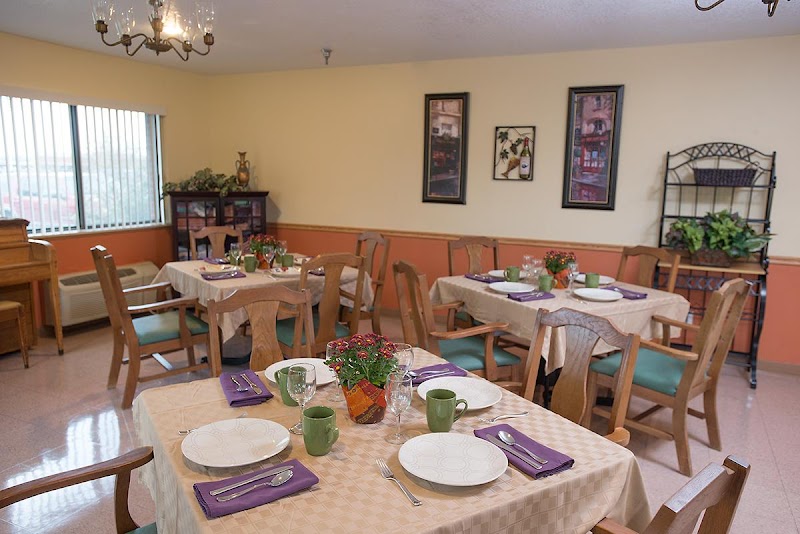
How is Grande Lake Healthcare Center Staffed?

CMS rates GRANDE LAKE HEALTHCARE CENTER's staffing level at 3 out of 5 stars, which is average compared to other nursing homes. Staff turnover is 44%, compared to the Ohio average of 46%. This relatively stable workforce can support continuity of care. RN turnover specifically is 57%, which is notably high. RNs provide skilled clinical oversight, so turnover in this role can affect medical care quality.

What Have Inspectors Found at Grande Lake Healthcare Center?

State health inspectors documented 33 deficiencies at GRANDE LAKE HEALTHCARE CENTER during 2020 to 2025. These included: 1 that caused actual resident harm and 32 with potential for harm. Deficiencies causing actual harm indicate documented cases where residents experienced negative health consequences.
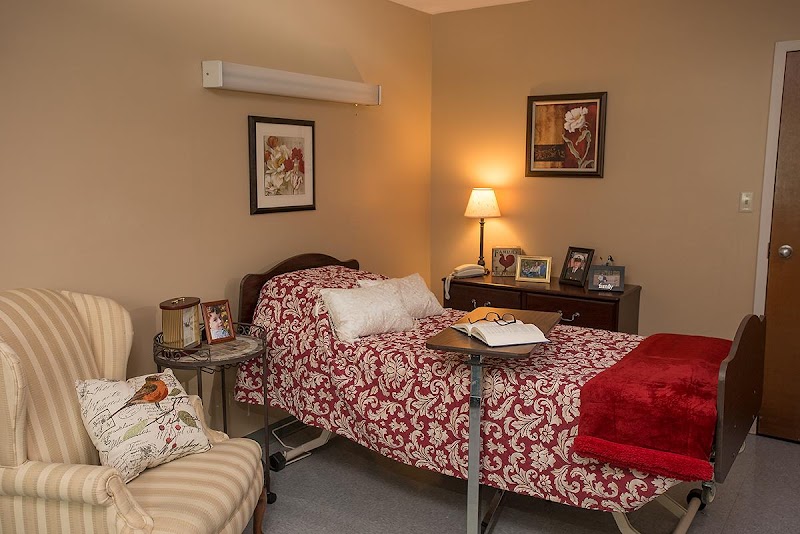
Who Owns and Operates Grande Lake Healthcare Center?

GRANDE LAKE HEALTHCARE CENTER is owned by a for-profit company. For-profit facilities operate as businesses with obligations to shareholders or private owners. The facility is operated by COMMUNICARE HEALTH, a chain that manages multiple nursing homes. With 45 certified beds and approximately 41 residents (about 91% occupancy), it is a smaller facility located in ST MARYS, Ohio.

How Does Grande Lake Healthcare Center Compare to Other Ohio Nursing Homes?

Compared to the 100 nursing homes in Ohio, GRANDE LAKE HEALTHCARE CENTER's overall rating (4 stars) is above the state average of 3.2, staff turnover (44%) is near the state average of 46%, and health inspection rating (3 stars) is at the national benchmark.

What Should Families Ask When Visiting Grande Lake Healthcare Center?

Based on this facility's data, families visiting should ask: "Can I visit during a mealtime to observe dining assistance and food quality?" "How do you handle medical emergencies, and what is your hospital transfer rate?" "Can I speak with family members of current residents about their experience?"

Is Grande Lake Healthcare Center Safe?

Based on CMS inspection data, GRANDE LAKE HEALTHCARE CENTER has a clean safety record: no substantiated abuse findings (meaning no confirmed cases of resident harm), no Immediate Jeopardy citations (the most serious violation level indicating risk of serious injury or death), and is not on the Special Focus Facility watch list (a federal program monitoring the lowest-performing 1% of nursing homes). The facility has a 4-star overall rating and ranks #1 of 100 nursing homes in Ohio. While no facility is perfect, families should still ask about staff-to-resident ratios and recent inspection results during their visit.

Do Nurses at Grande Lake Healthcare Center Stick Around?

GRANDE LAKE HEALTHCARE CENTER has a staff turnover rate of 44%, which is about average for Ohio nursing homes (state average: 46%). Moderate turnover is common in nursing homes, but families should still ask about staff tenure and how the facility maintains care continuity when employees leave.

Was Grande Lake Healthcare Center Ever Fined?

GRANDE LAKE HEALTHCARE CENTER has no federal fines on record. CMS issues fines when nursing homes fail to meet care standards or don't correct problems found during inspections. The absence of fines suggests the facility has either maintained compliance or corrected any issues before penalties were assessed. This is a positive indicator, though families should still review recent inspection reports for the full picture.

Is Grande Lake Healthcare Center on Any Federal Watch List?

GRANDE LAKE HEALTHCARE CENTER is not on any federal watch list. The most significant is the Special Focus Facility (SFF) program, which identifies the bottom 1% of nursing homes nationally based on persistent, serious quality problems. Not being on this list means the facility has avoided the pattern of deficiencies that triggers enhanced federal oversight. This is a positive indicator, though families should still review the facility's inspection history directly.