OTTERBEIN ST MARYS RETIREMENT COMMUNITY
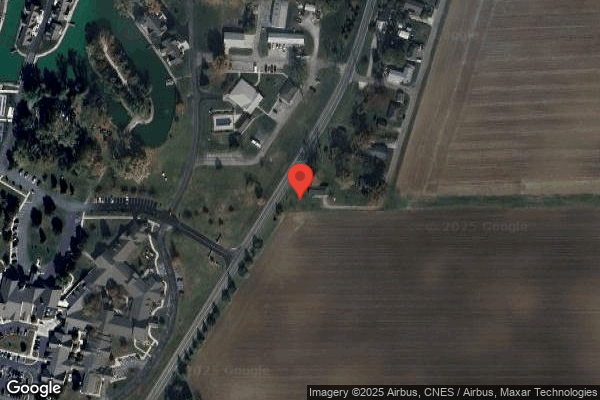
11230 STATE ROUTE 364, ST MARYS, OH 45885 (419) 394-6330
For profit - Corporation 53 Beds OTTERBEIN SENIORLIFE Data: November 2025
Trust Grade
65/100
#314 of 913 in OH
Last Inspection: September 2023

Over 2 years since last inspection. Current conditions may differ from available data.

Overview

Otterbein St Marys Retirement Community has a Trust Grade of C+, indicating it is slightly above average but has room for improvement. It ranks #314 out of 913 facilities in Ohio, placing it in the top half, and #3 out of 8 in Auglaize County, meaning there are only two local options that are better. The facility is improving, as it reduced its issues from 6 in 2023 to just 1 in 2024. Staffing is a strength, with a rating of 3 out of 5 stars and a turnover rate of 38%, which is below the Ohio average of 49%. However, there have been serious incidents, such as a resident eloping from a secured memory care unit and suffering hypothermia, highlighting concerns about safety and supervision. Overall, while Otterbein St Marys has strong staffing and is showing improvement, families should be aware of the serious incident and other concerns related to resident safety and communication about vaccinations.

Trust Score
C+
65/100
In Ohio
#314/913
Top 34%
Safety Record
Moderate
Needs review
Inspections
Getting Better
6 → 1 violations
Staff Stability
○ Average
38% turnover. Near Ohio's 48% average. Typical for the industry.
Penalties
✓ Good
No fines on record. Clean compliance history, better than most Ohio facilities.
Skilled Nurses
✓ Good
Each resident gets 44 minutes of Registered Nurse (RN) attention daily — more than average for Ohio. RNs are trained to catch health problems early.
Violations
⚠ Watch
23 deficiencies on record. Higher than average. Multiple issues found across inspections.
★★★★☆
4.0
Overall Rating
★★★☆☆
3.0
Staff Levels
★★★☆☆
3.0
Care Quality
★★★★☆
4.0
Inspection Score
Stable
2023: 6 issues
2024: 1 issues

The Good

  • Full Sprinkler Coverage · Fire safety systems throughout facility
  • No fines on record
  • Staff turnover below average (38%)

    10 points below Ohio average of 48%

Facility shows strength in fire safety.

The Bad

Staff Turnover: 38%

Near Ohio avg (46%)

Typical for the industry

Chain: OTTERBEIN SENIORLIFE

Part of a multi-facility chain

Ask about local staffing decisions and management

The Ugly 23 deficiencies on record

1 actual harm
Apr 2024 1 deficiency
CONCERN (D) 📢 Someone Reported This

A family member, employee, or ombudsman was alarmed enough to file a formal complaint

Potential for Harm - no one hurt, but risky conditions existed

Pressure Ulcer Prevention (Tag F0686)

Could have caused harm · This affected 1 resident

**NOTE- TERMS IN BRACKETS HAVE BEEN EDITED TO PROTECT CONFIDENTIALITY** Based on medical record review and staff interview, the facility failed to provide wound care as ordered. This affected one (Res...

Read full inspector narrative →
**NOTE- TERMS IN BRACKETS HAVE BEEN EDITED TO PROTECT CONFIDENTIALITY** Based on medical record review and staff interview, the facility failed to provide wound care as ordered. This affected one (Resident #20) of three reviewed for wounds. The facility census was 47. Findings include: Review of the medical record for Resident #20 revealed an admission date of 01/25/24 with diagnoses including but not limited to displaced bimalleolar fracture (ankle) of right lower leg, fracture of upper end of right tibia (larger bone in lower leg, shinbone), type one diabetes, major depressive disorder, syncope and collapse, other specified disorders of bone density and structure to right thigh, and hypertension. Review of the Minimum Data Set (MDS) assessment dated [DATE] revealed Resident #20 was cognitively intact. Resident #20 required extensive assistance for Activities of Daily Living (ADLs) and had surgical wounds. Review of the care plan dated 02/01/24 revealed Resident #20 had actual impairment to skin integrity of the right lower leg related to surgical wound. Interventions included but not limited to follow facility protocols for treatment and injury, keep skin clean and dry, use lotion on dry skin, monitor for side effects of medications, pressure reducing device as ordered, and weekly skin screen. Review of physician orders for Resident #20 revealed orders for nursing staff to change wound vac every Wednesday and Friday, place bridge between wounds and place suction in the middle of the bridge per wound clinic and wound clinic to change dressings. Review of the nursing note dated 03/05/24 revealed Resident #20 returned from the hospital per transport. Resident #20 complained of pain to right leg and ankle. Wound vac in place and draining. Order received from wound clinic to change wound vac on Thursday and Saturday this week. Review of the Treatment Administration Record (TAR) for March 2024 revealed no order put in to change wound vac on Thursday (03/07/24) and Saturday (03/09/24) therefore wound vac was not signed off as being changed. Wound vac was signed off as held on 03/06/24. Starting 03/11/24, wound vac started to be changed by the wound clinic on Monday, Wednesday, and Friday. Interview on 04/03/24 at 4:33 P.M. with the Director of Nursing (DON) verified the order was not put in for the wound vac change on Thursday 03/07/24 and Saturday 03/09/24, therefore it was not completed. This deficiency represents non-compliance investigated under Complaint Number OH00152598.
Nov 2023 2 deficiencies 1 Harm
SERIOUS (G) 📢 Someone Reported This

A family member, employee, or ombudsman was alarmed enough to file a formal complaint

Actual Harm - a resident was hurt due to facility failures

Accident Prevention (Tag F0689)

A resident was harmed · This affected 1 resident

**NOTE- TERMS IN BRACKETS HAVE BEEN EDITED TO PROTECT CONFIDENTIALITY** Based on medical record review, staff interview, review of facility investigations, review of a Sheriff's Office incident report...

Read full inspector narrative →
**NOTE- TERMS IN BRACKETS HAVE BEEN EDITED TO PROTECT CONFIDENTIALITY** Based on medical record review, staff interview, review of facility investigations, review of a Sheriff's Office incident report, review of the weather forecast, review of hospital discharge documents, and review of facility policy, the facility failed to prevent the elopement of confused residents from the secured memory care unit. This resulted in actual harm when one resident (#20) eloped from the facility without staff knowledge, was outside for approximately three hours in cool weather temperatures and light rain, was subsequently admitted to the hospital for evaluation and stabilization and was diagnosed with hypothermia (a significant and potentially dangerous drop in body temperature most commonly caused by prolonged exposure to cold) and a hypothermic blanket was applied. Furthermore, the resident was diagnosed with hypokalemia (low potassium) requiring intravenous (IV) fluids for hydration and found to have an episode of non-sustained ventricular tachycardia (heart arrythmia). Additionally, the facility failed to prevent the elopement of a second resident (#21) that placed the resident at risk for the potential for more than minimal harm when Resident #21 exited the secured memory care unit and was noted sitting outside the south entrance at the F door by a staff member who was coming on shift. This affected two (#20 and #21) of three residents reviewed for elopement risk. The facility census was 44. Findings Include: 1. Review of the medical record for Resident #20 revealed an admission date of 03/03/21. Diagnoses included major depressive disorder, schizoaffective disorder, dementia, Alzheimer's disease, delusional disorder, and mood disorder. Resident #20 resided on the secured memory unit. Review of Resident #20's Minimum Data Set (MDS) assessment dated [DATE] revealed a Brief Interview for Mental Status (BIMS) score of five, indicating Resident #20 was severely cognitively impaired. Resident #20 required supervision, set up only for her activities of daily living. Resident #20 displayed verbal behavioral symptoms directed toward others one to three days during the review period. Resident #20 did not display any wandering behaviors at the time of the review. Review of Resident #20's care plan revised 11/03/23 revealed supports and interventions for self-care deficit related to dementia, impaired cognitive function, risk for wandering, and behavior of wandering. Review of Resident #20's Wandering and Elopement Risk assessment dated [DATE] revealed Resident #20 was at low risk. On 10/28/23, Resident #20 was reassessed due to having a history of elopement in the last 30 days and was assessed at high risk for wandering and elopement. Review of the facility's investigation documentation revealed on 10/28/23 at approximately 4:30 A.M. Resident #20 exited the building through the fire door and the door did not alarm when opened. The facility found Resident #20 was missing at approximately 6:30 A.M. when State Tested Nursing Assistant (STNA) #136 went to get Resident #20 up for breakfast. The elopement protocol was initiated and 911 was called at approximately 7:00 A.M. On 10/28/23 at 7:20 A.M. Resident #20 was found lying on the ground by the police. Resident #20 was determined to be outside wearing only a two-piece pajama set, socks and shoes for approximately three hours. Resident #20 was transferred to the hospital and was admitted for hypothermia. Review of the Weather Summary for 10/28/23 revealed it was between 53 and 60 degrees and lightly raining during the time Resident #20 had eloped from the facility. Review of the Sheriff's Office Incident Report dated 10/28/23 revealed on 10/28/23 at 7:10 A.M. the facility called 911 and reported a missing person. The missing person was a resident at the facility. A deputy sheriff along with the local police department responded. While the deputy was enroute they were notified the missing resident was located lying on the ground behind one of the buildings. Resident #20 was noted to be responding but very cold and shaking. Review of the Medical Transportation Report dated 10/29/23 revealed Resident #20 was transported back to the facility following a hospital stay for a primary complaint of hypothermia. Review of Resident #20's progress notes revealed on 10/30/23 Resident #20 was seen by the physician for a routine visit and follow up from Resident #20's 10/28/23 hospitalization. It was noted staff reported Resident #20 wandered out of the facility in the early morning hours of 10/28/23 and was found lying on the ground. Resident #20's outdoor exposure was approximately three hours. Her downtime was thought to be approximately two hours after video surveillance was reviewed. In the emergency room she was found to have hypokalemia (low potassium) and admitted for further work-up and management. She was given IV hydration, and a hypothermic blanket was applied. She was also found to have an episode of non-sustained ventricular tachycardia (heart arrythmia). Resident #20 was consulted with cardiology and recommended to be followed. She returned to her baseline status with underlying dementia and confusion. The hospital course was uneventful. Resident #20 returned to the facility with a 48-hour [NAME] monitor (continuously measures the heart's electrical activity) in place and was to follow-up with cardiology in three to four days. Review of the Hospital Discharge documents dated 11/01/23 revealed Resident #20 was admitted to the hospital on [DATE] and discharged back to the facility on [DATE]. It was noted Resident #20 was brought into the emergency room due to being confused and found lying on the ground in the rain. Resident #20 was discharged with the diagnoses of altered mental status, non-sustained ventricular tachycardia, volume depletion, elevated lactic acid levels and hypothermia. Interview on 11/08/23 at 11:02 A.M. with the Director of Nursing (DON) and the Administrator verified on 10/28/23 Resident #20 eloped from the facility from a non-functional alarmed door, was missing for approximately three hours, was found by the local police department, was transferred to the hospital for evaluation and admitted . Interview on 11/08/23 at 1:17 P.M. with STNA #136 verified she was the staff who found Resident #20 to be missing. STNA #136 reported she had entered Resident #20's room to get her up for breakfast around 6:40 A.M. on 10/28/23 and found Resident #20 was not in her room. They searched inside and outside of the facility and STNA #136 reported it was the police who found Resident #20 lying on the ground outside. Resident #20 was taken to the hospital after the police found her on 10/28/23 and Resident #20 returned to the facility on [DATE]. Follow-up interview on 11/14/23 at 1:44 P.M. with the DON verified Resident #20 was diagnosed with hypothermia at the hospital following her elopement. 2. Review of Resident #21's medical record revealed an admission date of 10/09/23. Diagnoses included dementia and insomnia. Resident #21 resided on the secured memory unit. Review of Resident #21's MDS dated [DATE] revealed a BIMS score of two, indicating Resident #21 was severely cognitively impaired. Resident #21 displayed wandering behaviors one to three days during the review period. Review of Resident #21's care plan, revised 10/16/23, revealed supports and interventions for self-care deficit, cognitive impairment, behaviors of resisting care, wandering, yelling out cursing, being sexually inappropriate with staff, and elopement risk. Review of Resident #21's Wandering and Elopement Risk assessment dated [DATE] determined Resident #21 was at low risk for wandering and elopement. Resident #21 was reassessed on 10/28/23 and was found to be at moderate risk. Resident #21 was again assessed on 10/28/23 and was found to be at high risk for wandering and elopement. Review of the facility's investigation for an incident on 10/27/23 revealed at approximately 5:30 P.M. Resident #21 exited the secured unit and was noted to be sitting at the outside entrance of the memory care unit by a staff member. Resident #21 was last noted to be seen in the dining room eating dinner at 5:00 P.M. At 5:25 P.M., STNA #109 left the dining area to assist another resident. Resident #21 was noted to still be at the dining table. At 5:30 P.M. Resident #21 exited the south entrance and STNA #114, who was coming on shift, found Resident #21 sitting in his wheelchair outside the facility by the F door. At 5:37 P.M. The DON was notified, and it was reported a visitor was previously in with another resident and Resident #21 may have exited when the visitor left. Interview on 11/08/23 at 11:02 A.M. with the DON and the Administrator verified on 10/27/23 Resident #21 eloped from the facility. The DON reported Resident #21 was outside the facility for only a few minutes when a staff member, who was coming on shift, found him outside the exit door and brought him back in. The facility investigated what happened and believed Resident #21 followed a visitor out of the building. Interview on 11/14/23 at 1:03 P.M. with STNA #114 verified she was the staff who found Resident #21 outside of the facility. STNA #114 reported she had just returned to the facility when she saw Resident #21 outside the facility in his wheelchair. STNA #114 reported she knew Resident #21 lived on the secured unit and was not able to be outside by himself. STNA #114 asked him what he was up to outside, and he told her he needed to feed the animals. She reassured Resident #21 his animals were taken care of and said it was time to go back in. Resident #21 was cooperative with going back in the building. Review of the facility policy titled, Missing Resident Policy and Procedure, revised 12/21/22 revealed elopement was defined when a resident leaves the nursing community without the location's knowledge or supervision. This deficiency represents non-compliance investigated under Complaint Number OH00148063.
CONCERN (D) 📢 Someone Reported This

A family member, employee, or ombudsman was alarmed enough to file a formal complaint

Potential for Harm - no one hurt, but risky conditions existed

Report Alleged Abuse (Tag F0609)

Could have caused harm · This affected 1 resident

**NOTE- TERMS IN BRACKETS HAVE BEEN EDITED TO PROTECT CONFIDENTIALITY** Based on medical record review, staff interview, review of facility investigations, and review of facility policy, the facility ...

Read full inspector narrative →
**NOTE- TERMS IN BRACKETS HAVE BEEN EDITED TO PROTECT CONFIDENTIALITY** Based on medical record review, staff interview, review of facility investigations, and review of facility policy, the facility failed to report instances of potential neglect related to resident elopement to the state agency. This affected two (#20 and #21) of three residents reviewed for elopement. The facility census was 44. Findings Include: 1. Review of the medical record for Resident #20 revealed an admission date of 03/03/21. Diagnoses included major depressive disorder, schizoaffective disorder, dementia, Alzheimer's disease delusional disorder, and mood disorder. Resident #20 resided on the secured memory unit. Review of Resident #20's Minimum Data Set (MDS) dated [DATE] revealed a Brief Interview for Mental Status (BIMS) score of five, indicating Resident #20 was severely cognitively impaired. Resident #20 required supervision, set up only for her activities of daily living (ADLs). Resident #20 displayed verbal behavioral symptoms directed toward others one to three days during the review period. Resident #20 did not display any wandering behaviors at the time of the review. Review of Resident #20's care plan, revised 11/03/23, revealed supports and interventions for self-care deficit related to dementia, impaired cognitive function, risk for wandering, and behavior of wandering. Review of Resident #20's Wandering and Elopement Risk assessment dated [DATE] revealed Resident #20 was at low risk. On 10/28/23, Resident #20 was reassessed due to a history of wandering in the last 30 days and was assessed to be high risk for wandering and elopement. Review of the facility's Self-Reported Incidents (SRIs) from 09/14/23 through 11/10/23 revealed no SRI's were submitted for Resident #20. Review of Resident #20's medical record revealed on 10/28/23 at approximately 4:30 A.M. Resident eloped from the facility through a fire door which had not alarmed. Resident #20 was missing from the facility for approximately three hours and was found by the police outside the facility lying on the ground. Resident #20 was transferred to the hospital and was diagnosed with hypothermia. Interview on 11/08/23 at 11:02 A.M. with the Director of Nursing (DON) verified Resident #20 had eloped from the facility on 10/28/23. The DON also verified an SRI had not been completed for Resident #20's elopement. 2. Review of Resident #21's medical record revealed an admission date of 10/09/23. Diagnoses included dementia and insomnia. Resident #21 resided on the secured memory unit. Review of Resident #21's MDS, dated [DATE], revealed a BIMS score of two, indicating Resident #21 was severely cognitively impaired. Resident #21 displayed wandering behaviors one to three days during the review period. Review of Resident #21's care plan, revised 10/16/23, revealed supports and interventions for self-care deficit, cognitive impairment, behaviors of resisting care, wandering, yelling out, cursing, being sexually inappropriate with staff, and elopement risk. Review of Resident #21's Wandering and Elopement Risk assessment dated [DATE] determined Resident #21 was at low risk for wandering and elopement. Resident #21 was reassessed on 10/28/23 and was found to be at moderate risk. Resident #21 was again assessed on 10/28/23 and was found to be at high risk for wandering and elopement. Review of the facility's Self-Reported Incidents (SRIs) from 09/14/23 through 11/10/23 revealed no SRI's were submitted for Resident #21. Review of Resident #21's medical record revealed on 10/27/23 at approximately 5:30 P.M. Resident #21 eloped from the facility by following a visitor out the door. Resident #21 was found sitting in his wheelchair, unsupervised, outside the facility by a staff returning to work. Interview on 11/08/23 at 11:02 A.M. with the Director of Nursing (DON) and the Administrator verified on 10/27/23 Resident #21 eloped from the facility. The DON also verified an SRI had not been completed for Resident #21's elopement. Review of the facility policy titled, Abuse, Mistreatment, Neglect, Exploitation, and Misappropriation of Resident Property- Ohio Only, revised 10/25/22 revealed neglect was defined as the failure of the facility, it's employees, or facility service providers to provide goods and services to a resident to avoid physical harm, pain, mental anguish, or emotional distress. All allegations involving neglect without serious bodily injury would be reported to the Ohio Department of Health (ODH) immediately, but no later than 24 hours from the time of the incident/allegation was made known to the staff member. The facility would submit an online Self-Reported Incident (SRI) form in accordance to ODH's current instructions. This is an incidental finding discovered during the investigation of Complaint Number OH00148063.
Sept 2023 4 deficiencies
CONCERN (D)

Potential for Harm - no one hurt, but risky conditions existed

Deficiency F0655 (Tag F0655)

Could have caused harm · This affected 1 resident

Based on medical record review, staff and resident representative interviews, and policy review, the facility failed to include resident representative in the development of a baseline care plan and f...

Read full inspector narrative →
Based on medical record review, staff and resident representative interviews, and policy review, the facility failed to include resident representative in the development of a baseline care plan and failed to provide resident representative with a copy of the baseline care plan. This affected one (#198) out of five residents reviewed for baseline care plans. The facility census was 47. Findings include: Review of the medical record for Resident #198 revealed an admission date of 08/24/23 with medical diagnoses of sepsis, nondisplaced fracture of left humerus, hypothyroidism, and dementia. Review of the medical record for Resident #198 revealed an admission Minimum Data Set (MDS) assessment, dated 08/30/23, which indicated Resident #198 had severely impaired cognition and required extensive staff assistance with bed mobility, transfers, dressing, and toileting. Review of the medical record for Resident #198 revealed an admission Screen and Baseline Care plan assessment was completed by Director of Nursing (DON) on 08/24/23. Further review of the medical record revealed a signature sheet signed by Regional MDS nurse #204 which stated the care plan was reviewed with Resident #198 on 08/25/23 and the resident refused to sign the signature sheet. Review of the signature sheet and review of the medical record did not reveal any documentation to support the baseline care plan was developed or reviewed with Resident #198's representative or that a copy of the baseline care plan was given to the resident representative. Interview on 09/13/23 at 4:50 P.M. with Resident #198's representative confirmed she did not participate in the development or review of Resident #198's baseline care plans. Resident #198's representative also stated she was not given a copy of the baseline care plan. Interview on 09/13/23 at 5:30 P.M. with DON confirmed the medical record for Resident #198 did not have documentation to support the resident representative assisted with the development of the baseline care plan or was given a copy of Resident #198's baseline care plans. Review of policy titled, Baseline Care Plan dated 11/13/17, stated the facility was to develop and implement a baseline care plan for each resident that includes the instructions needed to provide effective and person-centered care of the resident that meet professional standards of quality care. The policy stated the facility would provide the resident and/or representative with a summary of the baseline care plan.
CONCERN (D)

Potential for Harm - no one hurt, but risky conditions existed

Quality of Care (Tag F0684)

Could have caused harm · This affected 1 resident

**NOTE- TERMS IN BRACKETS HAVE BEEN EDITED TO PROTECT CONFIDENTIALITY** 2. Review of the medical record for Resident #198 revealed an admission date of 08/24/23 with medical diagnoses of sepsis, nondi...

Read full inspector narrative →
**NOTE- TERMS IN BRACKETS HAVE BEEN EDITED TO PROTECT CONFIDENTIALITY** 2. Review of the medical record for Resident #198 revealed an admission date of 08/24/23 with medical diagnoses of sepsis, nondisplaced fracture of left humerus, hypothyroidism, and dementia. Review of the medical record for Resident #198 revealed an admission Minimum Data Set (MDS) assessment, dated 08/30/23, which indicated Resident #198 had severely impaired cognition and required extensive staff assistance with bed mobility, transfers, dressing, and toileting. Review of the MDS revealed Resident #198 was occasionally incontinent of bowel and had no constipation. Review of the medical record for Resident #198 revealed a physician order dated 08/24/23 for Colace (laxative) 100 milligram (mg) by mouth every 24 hours as needed for constipation and 08/28/23 bisacodyl suppository (laxative) 10 mg rectally every 24 hours as needed for constipation. Review of the medical record for Resident #198 revealed no documentation to support Resident #198 had a bowel movement from 08/25/23 through 09/01/23. Review of the medical record for Resident #198 revealed an August 2023 Medication Administration Record (MAR) which did not have documentation to support the facility staff administered any medications for constipation from 08/25/23 to 08/31/23. Interview on 09/11/23 at 11:57 A.M. with Resident #198's representative stated Resident #198 went seven days without a bowel movement before the resident was given medication to help treat his constipation. Resident #198's representative stated she informed staff the resident was having constipation. Interview on 09/13/23 at 11:30 A.M. with Director of Nursing (DON) stated the facility did not have a policy for management of constipation but the facility practice was for nursing staff to administer milk of magnesia when a resident had not had a bowel movement for three days. DON confirmed the medical record for Resident #198 did not have documentation to support Resident #198 had a bowel movement from 08/25/23 to 09/01/23 nor was medication administered to treat the constipation. Based on medical record review, observation, staff, physician and resident representative interviews, the facility failed to follow the physicians orders for treatment of a wound. This affected one (#8) of one reviewed for wound care. Additionally, the facility failed to provide care and services to treat a resident's constipation. This affected one (#198) out of one resident reviewed for constipation. The facility census was 47. Findings include: 1. Medical record review for Resident #8 revealed an admission on [DATE] with diagnoses including but not limited to myasthenia gravis with exacerbation, type two diabetes, sleep apnea, morbid obesity, major depressive disorder and anxiety. Review of the Minimum Data Set (MDS) assessment dated [DATE] for Resident #8 revealed the resident had impaired cognition. Resident #8 required limited assistance from one staff member for bed mobility, transfers, and toileting. Resident #8 required application of non surgical dressing and ointments to areas other than feet. Review of the plan of care for Resident #8 revealed resident has microbial infection related to venous ulcers, educate resident on disease management and infection control precautions. Enhanced Barrier Precautions in place. Review of the physician orders for Resident #8 revealed an order dated 08/26/2023 for Santyl External Ointment 250 unit/gram (Collagenase), apply to posterior right calf topically every day shift for wound healing. Apply Santyl and mix with Medihoney and cover with border gauze. Review of the skin and wound evaluation dated 08/01/23 revealed medial calf open area 1.1 centimeter (cm) x 1.4 cm with no depth or undermining documented. Redness of the skin was documented. Observation on 09/13/23 at 9:20 A.M. with Licensed Practical Nurse (LPN) #43 of Resident #8 wound dressing change revealed the resident had removed the dressing to right posterior calf prior to the nurse entering the room. LPN #43 donned gown and gloves and entered bathroom. LPN #43 used a wash cloth and hand soap from the soap dispenser hanging on the wall of the bathroom. LPN #43 washed the wound with a section of the soapy washcloth and then rinsed the wound with a separate area of the washcloth. LPN #43 discarded gloves and completed hand hygiene and new gloves donned. Plurogel was applied to the bordered dressing along with Medihoney and adhered to the wound on the right posterior calf. Interview on 09/13/23 at 9:30 A.M. with LPN #43 stated the physician did not order a specific wound cleanser so she just use the hand soap on the wall and a washcloth. Further interview LPN #43 verified that Plurogel is the same as Santyl and interchangeable. LPN #43 verified the physicians orders stated Santyl and not Plurogel. Interview on 09/13/23 at 9:40 A.M. with Director of Nursing (DON) verified Resident #8's order was for Santyl and the medical supply company advised her that Plurogel was an equivalent to Santyl and was significant savings. DON verified the order was not changed to reflect the interchange of ointment and it should have been. Additionally, the DON stated the wash cloth and hand soap should have not been used to clean wound. The wound should have been cleaned with a wound cleanser and gauze pads. Interview on 09/13/23 at 10:13 A.M. with Wound Physician #202 verified Plurogel was not an equivalent to Santyl and did not know the facility had not been using Santyl as ordered. Further interview with Wound Physician #202 verified that the nurse should not be using the wall hand soap on the wound, but a wound cleanser and will discuss the incident with the DON. Wound Physician #202 verified the wound did not increase in size and continued to heal slowly as with any venous ulcer does.
CONCERN (D)

Potential for Harm - no one hurt, but risky conditions existed

Deficiency F0849 (Tag F0849)

Could have caused harm · This affected 1 resident

Based on medical record review, staff and hospice staff interviews and review of a hospice contract, the facility failed to collaborate hospice services for the completion of a comprehensive plan of c...

Read full inspector narrative →
Based on medical record review, staff and hospice staff interviews and review of a hospice contract, the facility failed to collaborate hospice services for the completion of a comprehensive plan of care for a resident admitted hospice services. This affected one (#13) of one reviewed for Hospice services. The facility census was 47. Findings include: Medical record review for Resident #13 revealed an admission dated on 12/09/22 with diagnoses including but not limited to sepsis, electrolyte imbalance, hypothyroidism, anemia, lymphedema, acute osteomyelitis, type two diabetes, obesity, seizures, obstructive sleep apnea, encephalopathy, intracranial abscess and granuloma. Review of the significant Minimum Data Set (MDS) assessment for Resident #13 dated 08/28/23 revealed the resident had intact cognition. Resident #13 required limited assist for bed mobility, extensive assist for transfers and toileting. Resident #13 required supervision for eating. Resident #13 was coded as receiving hospice care in the past 14 days. Review of the hospice plan of care dated 08/21/23 for Resident #13 revealed a focus for facility coordination. Interventions include establish upon admission the care and services to meet the personal care, nutritional, mobility, durable medical equipment, elimination and integrity needs, hospice plan of care to outline services, and collaborate and educate the facility staff on patient/family needs and current interdisciplinary interventions. Review of the plan of care for Resident #13 dated 08/23/23 revealed the resident had an acute plan of care titled end of life care. Interventions included apply skin prep as directed, approach in calm manner, assist with toileting needs, campus staff and hospice staff to coordinate care for resident, comfort foods and liquids as tolerated, comfort measure: music of choice, repositioning, massage and hospice services. Review of the plan of care for Resident #13 dated 08/23/23 revealed resident receives hospice services. Interventions include provision of Activities of Daily Living (ADL's) to compensate for resident's changing abilities, encourage participation to the extent the resident wishes to participate, assess resident coping strategies and respect resident wishes, encourage resident to express feelings, listen with non-judgmental acceptance, compassion, encourage support system of family and friends, keep the environment quiet and calm, keep linens clean, dry and wrinkle free keep lighting low and familiar objects near, observe resident closely for signs of pain, administer pain medications as ordered, and notify physician immediately if there is breakthrough pain, review resident's living will and ensure it is followed, involve family in discussion, hospice nurse will provide services, hospice state tested Nursing Assistant (STNA) will provide services. Review of the physician orders for the month of September 2023 for Resident #13 revealed an order dated 08/22/23 to admit to Hospice. Review of the hospice visit notes dated 08/21/23 through 09/14/23 was silent for any collaboration between the hospice staff and the facility. Interview on 09/13/23 at 9:35 A.M. with Licensed Practical Nurse (LPN) #43 stated hospice will provide a visit schedule to the facility and it is kept at the nursing station. LPN #43 states the nurse comes once a week and not sure of the STNA's visits. Additionally, stated the Hospice provider has a book at the nursing station and may have a schedule there as well. Interview via phone on 09/13/23 at 12:20 P.M. with Hospice Staff #210 stated Resident #13 plan of care was completed and printed on 08/24/23 and sent to the physician for his signature. Hospice Staff #210 verified the physician has not returned the document at this time. Interview on 09/13/23 at 1:10 P.M. with facility Social Worker (SW) #108 verified a care conference did not occur when Resident #13 was admitted to the hospice program. SW #108 verified a significant change assessment was completed at that time. SW #108 stated the facility does not have a MDS nurse at the time and corporate is filling in. Interview on 09/13/23 at 1:52 P.M. with Hospice Registered Nurse (RN) #211 verified there has not been a care conference with the facility to collaborate care services. Further interview with Hospice RN #211 stated the plan of care for hospice care was completed on 08/24/23. Interview on 09/13/23 at 10:20 A.M. with Hospice RN #210 verified the facility binder did not contain the hospice plan of care and provided surveyor a copy for review. Interview on 09/14/23 at 11:30 A.M. with the Director of Nursing (DON) verified a care conference was not conducted to collaborate a plan of care for the Resident #13 and there should have been one. Review of the hospice contract signed 07/23/28 revealed under letter B, hospice will place a copy of the physicians plan of treatment and a copy of the interdisciplinary plan of care in the facilities chart. Additionally, letter G stated the hospice plan of care will be written and maintained at specific intervals for the hospice patient.
CONCERN (E)

Potential for Harm - no one hurt, but risky conditions existed

Deficiency F0883 (Tag F0883)

Could have caused harm · This affected multiple residents

**NOTE- TERMS IN BRACKETS HAVE BEEN EDITED TO PROTECT CONFIDENTIALITY** Based on record review, staff interview and policy review, the facility failed to provide each resident or representatives with ...

Read full inspector narrative →
**NOTE- TERMS IN BRACKETS HAVE BEEN EDITED TO PROTECT CONFIDENTIALITY** Based on record review, staff interview and policy review, the facility failed to provide each resident or representatives with education regarding the risk and benefits of influenza immunization yearly when influenza vaccines were offered. This affected four (#2, #27, #31 and #36) out of five residents reviewed for immunizations. The facility census was 47. Findings include 1. Medical record review for Resident #2 revealed an admission date of major depressive disorder, syncope and collapse, cerebral infarction, poly osteoarthritis, vitamin D, hyperlipidemia, seasonal allergic rhinitis, chronic obstructive pulmonary disease (COPD), anemia, hypertension, chronic bronchitis, dementia without behaviors, chronic kidney disease stage three. Review of the annual Minimum Data Set (MDS) assessment dated [DATE] for Resident #2 revealed the resident had impaired cognition. Resident #2 required extensive assist for bed mobility, transfers, and toileting. Resident #13 required supervision for eating. Review of the Resident #2 influenza immunization information revealed resident immunization was administered on 11/09/22. Further record review for Resident #2 revealed there was no documentation regarding the education provided for risk and/or benefits regarding the influenza immunization. 2. Review of the medical record for Resident #27 revealed an admission on [DATE] with diagnoses to include but not limited to dementia without behavioral disturbances, anxiety, major depression, and Alzheimer's disease. Review of the annual MDS assessment dated [DATE] for Resident #27 revealed the resident had impaired cognition. Resident #27 required extensive assist for bed mobility, transfers, and toileting. Resident #27 required supervision for eating. Review of the Resident #27 influenza immunization information revealed resident immunization was administered on 11/09/22. Further record review for Resident #27 revealed there was no documentation regarding the education provided for risk and/or benefits regarding the influenza immunization. 3. Review of the medical record for Resident #31 revealed an admission on [DATE] with diagnoses including but not limited to anemia, atrial fibrillation, arthritis, dementia, anxiety and depression. Review of the significant change MDS assessment for Resident #31 revealed the resident had severe cognitive impairment and resident rarely/never understood. Resident #31 required extensive assistance for bed mobility, transfers, eating and toileting. Review of the Resident #31 influenza immunization information revealed resident immunization was administered on 11/04/22. Further record review for Resident #31 revealed there was no documentation regarding the education provided for risk and/or benefits regarding the influenza immunization. 4. Review of the medical record for Resident #36 revealed an admission on [DATE] with diagnoses including but not limited to congestive obstructive pulmonary disease, hypertension, peripheral vascular disease, anxiety, depression, respiratory failure. Review of the quarterly MDS assessment dated [DATE] for Resident #36 revealed the resident had intact cognition. Resident #36 required extensive assist for bed mobility, transfers, and toileting. Resident #36 required supervision for eating. Review of the Resident #36 influenza immunization information revealed resident immunization was administered on 11/09/22. Further record review for Resident #36 revealed there was no documentation regarding the education provided for risk and/or benefits regarding the influenza immunization. Interview on 09/14/23 at 2:19 P.M. with the Director of Nursing (DON) revealed the nurse administering the immunization should have checked the box in the immunization section of the electronic health record when education of the risk and benefits of the injections were provided. Additionally, the DON stated the consent for the immunization would be scanned into the medical record and could be found in the miscellaneous tab. Interview on 09/14/23 at 3:20 P.M. with the DON verified the progress notes, the check box in the electronic health record and the miscellaneous tab contained no documentation for any education provided for risks and benefits for Resident #2, #27, #31, and #36. Review of the facility policy titled Influenza and Pneumococcal Immunization dated 06/19/2019 revealed the resident or the resident representative will receive education regarding the benefits and potential side effect of the immunization prior to the administration and annually.
Jun 2021 6 deficiencies
CONCERN (D)

Potential for Harm - no one hurt, but risky conditions existed

ADL Care (Tag F0677)

Could have caused harm · This affected 1 resident

Based on medical record review, resident and staff interview, review of the facility's shower schedules, shower/bath body audit sheets, and review of the state tested nurse aide (STNA) job summary, th...

Read full inspector narrative →
Based on medical record review, resident and staff interview, review of the facility's shower schedules, shower/bath body audit sheets, and review of the state tested nurse aide (STNA) job summary, the facility failed to provide routine showers to a resident who was totally dependent on staff for bathing. This affected one (#15) of one resident reviewed for activities of daily living (ADLs). The facility census was 45. Findings include: Review of the medical record for Resident #15 revealed an admission date of 04/09/21 with diagnoses of fracture of the right fibula, chronic kidney disease, depression and heart failure. Review of the admission Minimum Data Set (MDS) assessment, dated 04/13/21, revealed Resident #15 was cognitively intact. She required extensive assistance to total assistance for activities of daily living (ADLs), including extensive assistance of two staff for dressing and personal hygiene. She was totally dependent on staff for bathing. Review of the plan of care revealed Resident #15 had an impaired ability to perform or complete activities of daily living for herself including dressing and bathing. Interventions included to assist as needed to complete ADLs and encourage independence. Provide hygiene while in bed (due to Resident #15 had a knee immobilizer.) Review of the facility's shower schedules from 04/14/21 to 05/24/21 revealed Resident #15 had showers on Wednesday and Sunday on first shift. After 05/24/21, Resident #15's scheduled shower days were changed to Monday and Thursday on first shift. Review of the tasks documentation for Resident #15 revealed physical assistance with bathing was provided once in the last 30 days (from 05/09/21 to 06/08/21) on 06/05/21. Review of the Shower/Bath Body Audit sheets for 30 days from 05/09/21 to 06/08/21 revealed Resident #15 was bathed on 05/31/21, 06/03/21 and 06/05/21. Review of the South Hall 24-hour Report Sheet, which was not a part of the medical record, revealed Resident #15 was showered on 05/16/21 and 05/23/21 and documented Resident #15 refused a shower on 05/18/21. These showers were not documented anywhere in Resident #15's medical record and no refusals of showers were documented anywhere in Resident #15's medical record. There was no evidence Resident #15 received showers or a bed bath on her scheduled shower days on 05/09/21, 05/12/21, 05/19/21, 05/24/21, 05/27/21 or 06/07/21. Resident #15 was not bathed for a week from 05/09/21 to 05/16/21 and not bathed for a week from 05/23/21 to 05/31/21. Interview on 06/07/21 at 9:40 A.M. with Resident #15 stated she has had only one bed bath in the last month. Resident #15 stated she could not shower due to the immobilizer on her leg. Interview on 06/09/21 at 2:32 P.M. with Licensed Practical Nurse (LPN) #30 verified Resident #15's shower days were on Wednesday and Sunday on first shift from 04/14/21 to 05/24/21. After 05/24/21, Resident #15's scheduled shower days were changed to Monday and Thursday on first shift. Interview on 06/09/21 at 9:04 A.M. with the Director of Nursing (DON) stated Resident #15 takes bed baths and did not want showers. The DON verified bed baths should be documented under the bathing task in Resident #15's medical record. Subsequent interview on 06/09/21 at 2:31 P.M. with the DON verified Resident #15 did not receive showers on her scheduled shower days on 05/09/21, 05/12/21, 05/19/21, 05/24/21, 05/27/21 or 06/07/21. Resident #15 was not bathed for a week from 05/09/21 to 05/16/21 and not bathed for a week from 05/23/21 to 05/31/21. Interview with Regional Administrator #150 on 06/10/21 at 8:38 A.M. stated the facility had no specific policy that defines ADLs including resident showers as they follow resident preference and orders. Review of the State Tested Nurse Aid (STNA) Job Summary dated 04/15/19 revealed STNAs duties included to provide resident assistance with bathing.
CONCERN (D)

Potential for Harm - no one hurt, but risky conditions existed

Quality of Care (Tag F0684)

Could have caused harm · This affected 1 resident

**NOTE- TERMS IN BRACKETS HAVE BEEN EDITED TO PROTECT CONFIDENTIALITY** Based on medical record review, observation, resident and staff interviews, and policy review, the facility failed to ensure non...

Read full inspector narrative →
**NOTE- TERMS IN BRACKETS HAVE BEEN EDITED TO PROTECT CONFIDENTIALITY** Based on medical record review, observation, resident and staff interviews, and policy review, the facility failed to ensure non-pressure skin impairments were accurately assessed and routinely monitored. This affected one (#15) of two residents reviewed for non-pressure skin impairments. The facility census was 45. Findings include: Review of the medical record for Resident #15 revealed an admission date of 04/09/21 with diagnoses of fracture of the right fibula, chronic kidney disease, and heart failure. Review of the admission Minimum Data Set (MDS) assessment, dated 04/13/21, revealed surgical wounds were present upon admission for Resident #15. Review of the nurse progress notes from admission on [DATE] to 06/07/21 revealed no information about a new wound on her right leg at any time. Review of the physician orders, dated 04/09/21, revealed a dry dressing change to the right lower extremity daily. Skin checks to the right lower extremity every shift was ordered on 04/09/21. An immobilizer to the right lower extremity at all times was ordered on 04/10/21. Review of the medical record revealed the facility was using a photographing imaging wound assessment tool and Skin and Wound Evaluation form for Resident #15. Resident #15 had no initial surgical wound assessments upon admission. The first documentation of any wound assessment was a photograph dated 04/19/21 at 6:51 P.M. identified as wound #4, undiagnosed, body location was not set, age was unknown and where the wound was acquired was not set. Dimensions were 71.21 cm area, 23.87 cm length and 10.77 cm width. The image revealed four surgical wounds, one each at the lateral knee, lateral shin, medial knee and medial shin with staples intact. The four surgical wounds were not documented separately. Review of the assessment/photograph, dated 04/20/21 at 1:04 P.M., revealed wound #4 was a surgical wound with staples and the incision was approximated, six days old and present upon admission (eleven days prior). The location of the wound was not identified. Dimensions were 14.2 cm area, (80 percent improvement in one day), 20.92 cm length (12 percent improvement) and 9.77 cm width (9 percent improvement). The four surgical wounds, one each at the lateral knee, lateral shin, medial knee and medial shin with staples intact continued to be evaluated as one wound. The next assessment, dated 04/25/21 at 3:34 P.M., revealed wound #4 was 100 percent healed with zero area, length and width. The location was not identified. The wound was approximated with staples. Treatment included to wash with soap and water and no dressing was ordered. the image revealed staples were still present at the lateral shin, medial shin and medial knee surgical incisions. The lateral knee surgical incision was poorly visualized and the status of staples were unknown visually. No scabbing was visually noted at any of the four surgical wounds. Wound #4 was re-evaluated on 05/01/21 at 10:22 A.M., again identified as surgical with staples, approximated, present upon admission and with no location identified. Dimensions were 47.19 cm area, (232 percent increase), 22.27 cm length and 9.8 cm width. The image of Resident #15's right knee/shin revealed the four surgical wounds appeared well approximated with staples remaining in an undetermined number and with scabbing noted at the lateral shin, medial knee and medial shin. Wound #4 was the only assessment for the four surgical wounds. Wound #4 assessment one day later on 05/02/21 remained essentially the same as the assessment dated [DATE], however the dimensions were 15.55 cm area (67 percent improved), 22.27 cm length and 9.37 cm width. The next assessment was ten days later on 05/12/21 at 6:53 P.M. for wound #4. The location was still not identified, the four surgical wounds were still being evaluated as one wound. The image revealed increase scabbing at the lateral shin about three or four inches in length and about half an inch wide with irregular edges. The next assessment was eleven days later dated 05/23/21 at 3:53 P.M. for wound #4 identified to be surgical with staples at the right calf, well approximated and with zero area, length or width and 100 percent closed. Review of the corresponding wound photograph dated 05/23/21 revealed there were no staples on the four surgical wounds. The medial side of her right knee had two scabbed areas, each about an inch long. The medial side of her calf had one area which appeared to be scabbed about one inch long and half inch wide. Resident #15's lateral shin had a large area which appeared to be scabbed about three to five inches long and about an inch wide, increased in size from 05/12/21. No open areas were visually noted in the photograph. There was no further assessment of the wound from 05/23/21 to 06/08/21. The four surgical wounds were never evaluated separately. The first wound assessment identified as wound #4 was not completed until ten days after admission. There was no weekly wound assessment completed for ten days from 05/02/21 to 05/12/21. Interview with Resident #15 on 06/07/21 at 9:28 A.M. stated she had a wound under her right leg immobilizer. She verified she had surgical wounds from the repair of her fractured fibula and she wore a knee immobilizer. Resident #15 stated there were new wounds on her shin/ankle area in the front. The (unnamed) nurse found the wounds a couple of days ago but did not do anything to it when it was found. The nurse told her that the physician would need to be contacted for a new treatment. The nurse did cover the wound with a dry pad which was an existing treatment for the surgical wound near the location of the new wounds. Resident #15 stated that yesterday (06/06/21), the dry pad was sticking to the wound. The (unnamed) nurse did put a treatment on the new wounds on 06/06/21 then again covered the entire area with the dry pad. Resident #15 stated the staff were not routinely removing the knee immobilizer and not routinely completing dressing changes for the surgical wounds. Observation on 06/07/21 at 9:28 A.M. revealed Resident #15 was wearing a removable knee immobilizer on her right leg from her ankle to above her knee. The knee immobilizer had Velcro straps holding it in place. Observation on 06/08/21 at 2:20 P.M. with Licensed Practical Nurse (LPN) #49 revealed she removed Resident #15's knee immobilizer from her right leg. There were two abdominal (ABD) pads across her shin/calf area, not secured with any tape. LPN #49 removed the two pads revealing another small dressing which looked like adaptic approximately one inch square under the ABD pad at the medial mid-calf area. LPN #49 verified there was some sort of dressing about one inch square under the ABD pad and near an open wound. She removed it and verified it looked like an adaptic dressing. LPN #49 verified there was no order for adaptic, only a dry dressing was ordered. Further observation revealed three wounds at the medial mid-calf area. The most distal area appeared to be about 0.5 centimeters (cm.) long and 0.1 cm. and scabbed. The center wound appeared to be about 2.0 cm. long and 0.5 cm. wide, open with scant drainage. The periwound area was red. The third most proximal area was about 2.0 cm. long and 0.5 cm. and scabbed. LPN #49 verified the middle wound at the medial mid-calf area appeared to have been caused by rubbing and was not surgical a wound. LPN #49 verified she had not noted the open wound during her skin inspection that morning and she did not see the adaptic dressing during her skin inspection that morning. LPN #49 verified Resident #15's medial mid-calf had a new non-surgical wound previously covered with an adaptic dressing. She could not say how long the wound had been there. LPN #49 verified the open wound was draining and may need separate treatment and she would update the physician. Further observation of the right lower leg revealed a healed surgical incision lateral to the knee. The surgical incision medial to the shin had scabbed areas; the surgical incision medial to the knee had small scabbed areas. The surgical incision lateral to the shin was covered with a large irregular scabbed area three to five inches long and about an inch wide. LPN #49 verified Resident #15 still had these scabbed areas at three of the four surgical incision areas. Interview on 06/09/21 from 9:56 A.M. to 2:38 P.M. with Assistant Director of Nursing (ADON) #36 verified there was no initial assessment of Resident #15's surgical wound incisions upon admission. The four surgical incisions were never evaluated separately but were documented and evaluated as a single surgical wound. The first wound assessment identified as wound #4 was not completed until ten days after admission. Weekly wound assessments were not completed. ADON #36 verified the wounds were documented as 100 percent closed on 04/25/21 and on 05/23/21. ADON #36 verified that was not accurate as evidenced by the photographic images dated 04/25/21 and 05/23/21, showed there was still scabbing present at Resident #15's shin and knee. ADON #36 verified there was no wound assessment completed since 05/23/21 to 06/08/21. ADON #36 viewed the photograph of Resident #15's right leg taken on 05/23/21 and the new photograph taken by LPN #49 on 06/08/21 showing the new wound at her medial mid-calf. ADON #36 verified there was a new wound on the photo dated 06/08/21 which not present on 05/23/21. ADON #36 verified she was not aware of the new open area, there was no documentation of the new open area at her medial mid-calf, no physician notification and no new order for adaptic or any other treatment of the new wound.
CONCERN (D)

Potential for Harm - no one hurt, but risky conditions existed

Pressure Ulcer Prevention (Tag F0686)

Could have caused harm · This affected 1 resident

Based on medical record review, observation, staff interview and review of the facility's policy, the facility failed to accurately assess and routinely monitor residents with pressure ulcers. This af...

Read full inspector narrative →
Based on medical record review, observation, staff interview and review of the facility's policy, the facility failed to accurately assess and routinely monitor residents with pressure ulcers. This affected two (#4 and #25) of three residents reviewed for pressure ulcers. The facility identified four residents with pressure ulcers. The facility census was 45. Findings include: 1. Review of the medical record for Resident #4 revealed an admission date of 03/05/21. Diagnoses included stage four pressure ulcer to sacral region (Full thickness tissue loss with exposed bone, tendon or muscle. Slough or eschar may be present on some parts of the wound bed.), mononeuropathy, protein calorie nutrition, dementia with behavioral disturbance, muscle weakness, and colostomy. Review of Resident #4's plan of care, dated 03/10/21, revealed the pressure wound was to be assessed and monitored with length, width and depth when possible. The wound perimeter, wound bed and healing process was to be documented with improvements and declines in wound healing reported to the physician accordingly. Review of Resident #4's five-day Minimum Data Set (MDS) assessment, dated 03/11/21, revealed the resident was rarely/never understood with long and short term memory problems. The resident required assistance with bed mobility, transfers and toileting. The resident was admitted to the facility with a stage four pressure ulcer. Review of Resident #4's wound record revealed on 03/05/21, the resident was admitted with a stage four pressure ulcer to the sacrum which measured 11.9 centimeters (cm.) in length by 3.34 cm. in width. There were no measurements documented on 03/10/21, 03/17/21, 04/21/21, 05/21/21 and 06/08/21. The last documented wound measurement was dated 05/26/21 and measured 2.66 cm. in length by 1.83 cm. in width. Continued review of Resident #4's wound documentation revealed it to be silent for documented wound characteristics on 03/05/21, 03/07/21, 03/24/21, 03/31/21, 04/07/21, 04/14/21, 04/28/21, 05/05/21, 05/12/21, 05/14/21 and 05/25/21. Interview on 06/09/21 at 8:50 A.M. with the Director of Nursing (DON) confirmed there to be a lack of wound measurements documented for Resident #4 on 03/10/21, 03/17/21, 04/21/21, 05/21/21 and 06/08/21. The facility uploads photos, however, the measurements were not calculated on the above dates through the computerized system. The DON also confirmed there was a lack of documented wound characteristics documented for Resident #4 on 03/05/21, 03/07/21, 03/24/21, 03/31/21, 04/07/21, 04/14/21, 04/28/21, 05/05/21, 05/12/21, 05/14/21, 05/26/1 and 06/08/21. The DON confirmed Resident #4 was followed by an infectious disease physician for his wound. 2. Review of the medical record for Resident #25 revealed an admission date of 04/06/21. Diagnoses included acute and chronic respiratory failure, stage three pressure ulcer of sacrum (Full thickness tissue loss. Subcutaneous fate may be visible but bone, tendon, or muscle is not exposed), obesity, protein calorie malnutrition, muscle weakness, pressure ulcer right buttock - unstageable (slough and/or eschar: Known but not stageable due to coverage of wound bed by slough and/or eschar), cognitive communication deficit, dysphonia, neuromuscular dysfunction of bladder, and an unstageable sacral region pressure ulcer. Review of Resident #25's plan of care, initiated on 04/06/21, revealed the pressure wounds were to be monitored for effectiveness and to notify the advanced level provider as needed if the area worsens or does not respond. Review of Resident #25's five-day MDS assessment, dated 04/13/21, revealed the resident had intact cognition. The resident required extensive assistance of staff for bed mobility, transfers and toileting. The resident was identified to be at risk for pressure ulcers with a documented unhealed stage three present upon admission. Review of Resident #25's wound record revealed on 04/09/21 the resident was admitted with a stage three pressure ulcer to the coccygeal which measured 7.54 centimeters (cm.) in length by 4.43 cm. in width. The assessment was silent for documented wound characteristics on this date. Continued review of the wound record revealed there were no wound characteristics documented on 04/27/21, 05/04/21 and 05/18/21. Review of the wound record revealed on 06/09/21 the wound was documented as being 2.45 cm. in length and 0.38 cm. in width with 60% slough, moderate serosanguineous drainage with attached epithelial erythema and fragility surrounding the wound site. Observation of wound care for Resident #25 on 06/09/21 at 7:45 A.M. with LPN #30 revealed the resident to have two small pea sized open areas on the right buttock and one pea size open area near the sacral region. Interview on 06/09/21 with LPN #30 confirmed the resident was admitted with the open areas to the sacral and buttock areas. Interview on 06/09/21 at 8:50 A.M. with the Director of Nursing (DON) confirmed the lack of wound characteristics being documented for 04/09/21, 04/27/21, 05/04/21 and 05/18/21. The DON confirmed the resident to have documented open areas to right buttock that were being monitored as one wound site with one measurement as the wound initially entailed one area. The facility did a house sweep on 06/08/21 and realized they have issues with documentation of skin wounds and were putting a plan of action in place along with staff training. The DON confirmed Resident #25 was being followed by an infectious disease physician and surgeon for her wounds. Interview on 06/09/21 at 1:05 P.M. with Regional Administrator #150 confirmed the facility was lacking in required weekly wound documentation along with lack of documented wound characteristics which they have identified at the time of this survey in progress. Review of the facility's policy titled, Skin Care Management, with a revision date of 11/02/18, revealed with dressing changes or at least weekly at a minimum, documentation should include the date observed, location and staging, size inclusive of length and width of the wound, exudate (odor, color and approximate amount), pain, description of the wound bed to include color and type of tissue (granulation, necrosis, slough or eschar), and description of the wound edges and surrounding tissue.
CONCERN (D)

Potential for Harm - no one hurt, but risky conditions existed

Incontinence Care (Tag F0690)

Could have caused harm · This affected 1 resident

**NOTE- TERMS IN BRACKETS HAVE BEEN EDITED TO PROTECT CONFIDENTIALITY** Based on medical record review, observation, staff interview, and facility policy review, the facility failed to have a diagnosi...

Read full inspector narrative →
**NOTE- TERMS IN BRACKETS HAVE BEEN EDITED TO PROTECT CONFIDENTIALITY** Based on medical record review, observation, staff interview, and facility policy review, the facility failed to have a diagnosis for the need of a catheter and failed to have physician orders for catheter care for a resident. This affected one (#93) of two residents reviewed for urinary catheters. The facility identified three residents with an indwelling catheter. The facility census was 45. Findings include: Review of the medical record for Resident #93 revealed she was admitted on [DATE] with diagnoses of acute respiratory failure, dysphagia, cardiomyopathy, pneumonia, diabetes mellitus and hypertension. Her admission Minimum Data Set (MDS) assessment was not yet completed. Review of the initial plan of care revealed a focus area for the use of a urinary catheter with goals and interventions for the use of the catheter. Further review of Resident #93's medical record revealed there was no diagnoses for the use of a catheter and no physician orders for the use and care of a urinary catheter. Observation on 06/07/21 at 2:47 P.M. revealed Resident #93 had a indwelling urinary catheter draining dark amber urine hanging at the right side of the bed. Observation on 06/08/21 at 12:27 P.M. and at 2:14 P.M. and on 06/09/21 at 10:47 A.M. revealed Resident #93 continued to have a catheter. Interview with Director of Nursing (DON) on 06/09/21 at 12:05 P.M. verified Resident #93 was admitted to the facility with a indwelling catheter. The DON stated she did not know why she had a catheter and would have to look at the hospital notes. Interview with Licensed Practical Nurse (LPN) #30 on 06/09/21 at 12:14 P.M. verified Resident #93 had a indwelling catheter, verified there was no diagnosis for the reason for the catheter and verified there were no catheter orders in place for the use and care of Resident #93's indwelling catheter. Interview on 06/10/21 at 9:23 A.M. with Assistant Director of Nursing (ADON) #36 verified there was no diagnosis for the use of a catheter and no physician orders for the catheter for Resident #93. ADON #36 verified after reviewing her admission records, they had found no reason for the catheter and Resident #93 should not have continued with the catheter after her admission. ADON #93 stated it was now discontinued and Resident #93 had expressed relief that it was gone. Review of the facility's policy titled Indwelling Urinary Catheter (Foley) Care and Management, dated 11/20/20, revealed to review the necessity of continued urinary caterer use. Remove the catheter according to the physician order or facility protocol as soon as it is no longer clinically indicated.
CONCERN (D)

Potential for Harm - no one hurt, but risky conditions existed

Unnecessary Medications (Tag F0759)

Could have caused harm · This affected 1 resident

**NOTE- TERMS IN BRACKETS HAVE BEEN EDITED TO PROTECT CONFIDENTIALITY** Based on medical record review, observation, staff interview and facility policy review, the facility failed to ensure their med...

Read full inspector narrative →
**NOTE- TERMS IN BRACKETS HAVE BEEN EDITED TO PROTECT CONFIDENTIALITY** Based on medical record review, observation, staff interview and facility policy review, the facility failed to ensure their medication error rate of less than five percent (%). There were 35 medication opportunities with 11 medication errors, resulting in a 31% significant medication error rate. This affected one (#94) of six residents observed for medication administration. The facility census was 45. Findings include: Review of the medical record for Resident #94 revealed she was admitted to the facility on [DATE] with diagnoses including cerebral infarction, atrial fibrillation, dysphagia and hemiparesis and hemiplegia. Review of the physician orders, dated 06/10/21, revealed medications including vitamin C (vitamin) 500 milligrams (mg.), Aspirin (anti-inflammatory and blood thinner) 81 mg, calcium citrate plus vitamin D (vitamin) 315 mg./200 units, cartia (treats high blood pressure) 120 mg., Geritol complete (vitamin) one tablet, Lutein (vitamin) 100 mg., Miralax (treats constipation) 17 grams, Clonidine (treats high blood pressure) 0.1 mg., Eliquis (blood thinner) 2.5 mg., Metoprolol (treats high blood pressure) 25 mg. and UTI-stat (helps support urinary tract health) 30 milliliters (ml.). Review of the Medication Administration Record (MAR) for Resident #94 revealed all the medications noted above were scheduled to be administered daily at 7:30 A.M. Observation on 06/10/21 at 9:55 A.M. revealed Licensed Practical Nurse (LPN) #144 prepared medications for Resident #94 which included vitamin C 500 mg., Aspirin 81 mg., calcium citrate plus vitamin D 315 mg./200 units, cartia 120 mg., Geritol complete one tablet, Lutein 100 mg., Miralax 17 grams, Clonidine 0.1 mg., Eliquis 2.5 mg., Metoprolol 25 mg. and UTI-stat 30 ml. LPN #144 administered these medications to Resident #94 on 06/10/21 at 10:10 A.M. When Resident #94 received her medications, she told LPN #144 she usually takes them at 7:30 A.M. every day. This resulted in 11 medication errors out of 35 medication opportunities. Interview with LPN #144 at the time of the observation verified she was late giving the medications for Resident #94 which were due at 7:30 A.M. and should have been administered no later than 8:30 A.M. Interview with Director of Nursing (DON) on 06/09/21 at 8:00 A.M. verified the morning medication administration was scheduled at 7:30 A.M. and the nurses had one hour before and one hour after 7:30 A.M. to complete medication administration. Review of the facility's policy titled Medication Administration, dated 06/21/17, revealed medications will be administered by legally-authorized and trained persons in accordance to applicable state, local and federal laws and consistent with accepted standards of practice.
CONCERN (D)

Potential for Harm - no one hurt, but risky conditions existed

Deficiency F0761 (Tag F0761)

Could have caused harm · This affected 1 resident

Based on observation, staff interview, manufacturer's instructions and facility policy review, the facility failed to properly store medications. This affected one resident (#237) whose medications we...

Read full inspector narrative →
Based on observation, staff interview, manufacturer's instructions and facility policy review, the facility failed to properly store medications. This affected one resident (#237) whose medications were found to be preset in one medication cart of two medication carts observed and one medication room of two medication rooms observed for medication storage. The facility had a total of three medication carts and two medication rooms. The facility census was 45. Findings include: 1. Observation on 06/07/21 at 8:07 A.M. on the North Hall at the nurse's station revealed a vial of Albuterol sulfate (bronchodilator) 3.0 milligrams (mg.) in 3.0 milliliters (ml.) was laying on the window ledge, unattended, not in a locked container or cart and not in any prescription package. The nurse was in a resident room. Interview with Licensed Practical Nurse (LPN) #49 on 06/07/21 at 8:12 A.M. verified the vial of Albuterol sulfate 3.0 mg. in 3.0 ml. was laying on the window ledge, unattended, not locked and not in any prescription package. LPN #49 stated she was not aware it was there and did not leave it there. 2. Observation on 06/09/21 at 7:58 A.M. revealed LPN #30 was at the south unit medication cart. She opened the top drawer of the cart which revealed two medication cups containing preset medications. LPN #30 stated she had prepared the medications earlier and they were for Resident #237. LPN #30 verified rather than administering the medications, she left them in the top drawer while she completed a dressing change for another resident. LPN #30 stated one medication cup contained Resident #237's crushed medications Gabapentin (treats nerve pain) 400 mg., Levothyroxine (treats thyroid disease) 25 micrograms (mcg.), amiodarone (treats heart rhythm problems) 100 mg, Abilify (antipsychotic) 7.5 mg., aspirin (anti-inflammatory and blood thinner) 325 mg., buspar (treats anxiety) 15 mg. and Diltiazem (treats high blood pressure) 60 mg. The second medication cup contained his Depakote sprinkles (anticonvulsant) 500 mg. LPN #30 then opened the Depakote sprinkle capsule, emptied it into the other medication cup, added pudding and proceeded to administer the medications to Resident #237. 3. Observation on 06/10/21 at 10:28 A.M. of the south medication room with LPN #13 revealed one opened vial of influenza vaccine in the refrigerator dated 09/27/20. LPN #13 stated she did not know how long it was good and verified it was opened on 09/27/20. Review of the manufacturer's instructions for the influenza vaccine 2020-2021 formula revealed once the stopper of the multi-dose dial has been pierced the vial must be discarded within 28 days. Review of the facility's policy titled General Guidelines for Medication Storage, dated 07/23/19, revealed medications are stored safely, securely and properly following manufactures' recommendations or those of the supplier. The medications are accessible only to licensed nursing personnel, pharmacy personnel or others authorized to administer medications. Medications are dispensed in packaging/containers that meet regulatory requirements. Medication shall be kept and stored in these packages/containers. Transfer of medications from one container to another is not permitted. Only those authorized to administer medications are allowed access to medications. Medication carts, rooms and medication supplies are locked or attended by those authorized to administer medications.
Feb 2019 10 deficiencies
CONCERN (D)

Potential for Harm - no one hurt, but risky conditions existed

Resident Rights (Tag F0550)

Could have caused harm · This affected 1 resident

**NOTE- TERMS IN BRACKETS HAVE BEEN EDITED TO PROTECT CONFIDENTIALITY** Based on medical record review, observation, resident and staff interviews, and review of a facility handbook, the facility fail...

Read full inspector narrative →
**NOTE- TERMS IN BRACKETS HAVE BEEN EDITED TO PROTECT CONFIDENTIALITY** Based on medical record review, observation, resident and staff interviews, and review of a facility handbook, the facility failed to ensure a resident's dignity was maintained when a photograph was posted in the resident's room in view of other residents, staff and visitors. The picture was of the resident's legs and urinary catheter with a personal care directive hand written on the picture. This affected one (#25) of three residents reviewed for dignity. The facility census was 48. Findings include: Review of Resident #25's medical record revealed an admission date of 02/09/18. Medical diagnoses included spinal stenosis, generalized muscle weakness, paraplegia, altered mental status, neuromuscular dysfunction of bladder, fusion of lumbar spine, and hypertension. Review of the resident's Minimum Data Set (MDS) assessment dated [DATE] revealed a brief interview for mental status (BIMS) score of 15, indicating no cognitive impairment. The resident required extensive assistance with two plus staff members for bed mobility, dressing, toilet use, and personal hygiene. She was totally dependent for transfers. The resident had an indwelling urinary catheter. Observation and interview with Resident #25 on 02/19/19 at 2:28 P.M., revealed a photograph of the resident on her wall beside her bed. The photograph showed the resident from below the knees down to her feet and she was sitting in her wheelchair. Her catheter tubing was visible. On the photograph, there was handwriting, Please place hips back in chair and in the center!! The resident stated she would prefer the picture was not hanging in an area visible to visitors. Interview with State Tested Nursing Assistant (STNA) #455 on 02/20/19 at 11:20 A.M., verified the resident had a photograph on her wall depicting personal information and her catheter tubing was visible. She stated the photograph was to help the staff to remember how to position her for therapy. Review of the resident handbook under the section titled, Resident Rights & Facility Responsibilities revised on 06/19/18, revealed a facility must treat each resident with respect and dignity and care for each resident in a manner and in an environment that promotes maintenance or enhancement of his or her quality of life, recognizing each resident's individuality. The facility must protect and promote the rights of the resident.
CONCERN (D)

Potential for Harm - no one hurt, but risky conditions existed

Deficiency F0578 (Tag F0578)

Could have caused harm · This affected 1 resident

**NOTE- TERMS IN BRACKETS HAVE BEEN EDITED TO PROTECT CONFIDENTIALITY** Based on resident record review and staff interview, the facility failed to ensure advanced directives stored in the hard chart ...

Read full inspector narrative →
**NOTE- TERMS IN BRACKETS HAVE BEEN EDITED TO PROTECT CONFIDENTIALITY** Based on resident record review and staff interview, the facility failed to ensure advanced directives stored in the hard chart and electronic health record (EHR) were consistent. This affected one (#11) of 16 resident records reviewed for consistency of advanced directives. The census was 48. Findings include: Review of the medical record for Resident #11 revealed the resident was admitted to the facility on [DATE]. Diagnoses include cerebral infarction, muscle weakness, dysphagia, thyroid disorder, major depressive disorder, osteoarthritis, hypercholesterolemia, gout, and disorder of the prostate. Review of Resident #11's hard chart revealed the outside binding of the resident chart was marked with the letter A. Continued review of the hard chart revealed the first page of the chart was the document DNR Identification Form dated 2015, the form identified Resident #11's code status was do not resuscitate (DNR) comfort care (CC) arrest (A). Review of Resident #11's EHR identified the resident's code status was DNR CC. Interview on 02/20/19 at 6:26 P.M. with Licensed Practical Nurse (LPN) #400 revealed the A on the outside binding of the hard chart identified Resident #11's code status was DNR CC A. LPN #400 then reviewed Resident #11's DNR identification form to verify the residents code status. After review of the form, the LPN identified Resident #11's code status was DNR CC A. Continued interview with LPN #400 revealed the EHR for Resident #11 identified the residents code status was DNR CC. Further interview with LPN #400 confirmed the DNR information contained in Resident #11's hard chart and EHR was not consistent.
CONCERN (D)

Potential for Harm - no one hurt, but risky conditions existed

Abuse Prevention Policies (Tag F0607)

Could have caused harm · This affected 1 resident

**NOTE- TERMS IN BRACKETS HAVE BEEN EDITED TO PROTECT CONFIDENTIALITY** Based on medical record reviews, resident and staff interviews, review of facility self-reported incidents (SRIs) and review of ...

Read full inspector narrative →
**NOTE- TERMS IN BRACKETS HAVE BEEN EDITED TO PROTECT CONFIDENTIALITY** Based on medical record reviews, resident and staff interviews, review of facility self-reported incidents (SRIs) and review of a facility policy, the facility failed to ensure their policy was implemented when potential resident to resident verbal abuse and potential misappropriation allegations were not reported to the Ohio Department of Health and were not investigated. This affected three (#17, #18 and #25) of three residents reviewed for abuse and misappropriation. The facility census was 48. Findings include: 1. Review of Resident #17's medical record revealed an admission date of 11/21/18. Medical diagnoses included nontraumatic intracerebral hemorrhage, generalized muscle weakness, difficulty walking, dysphagia, cognitive communication deficit, cerebral infarction, unspecified atrial fibrillation, atherosclerotic heart disease, ischemic cardiomyopathy, pulmonary hypertension, diabetes mellitus, and bipolar disorder. Review of the resident's Minimum Data Set (MDS) assessment dated [DATE] revealed a brief interview for mental status (BIMS) score of 11, indicating moderate impairment in cognition. The resident required extensive assistance with two plus staff for bed mobility, transfers, dressing, toilet use, and personal hygiene. Interview with Resident #17 on 02/20/19 at 8:51 A.M., revealed his roommate (Resident #19) was a bully, verbally aggressive to him, and has threatened to hit him. He stated he had told several staff members about this, including Licensed Practical Nurse (LPN) #470. He stated he felt intimidated and threatened. He stated they had been roommates for several months and no one had offered to change his room or do anything about the situation. He stated he avoided his roommate as much as possible but it was hard because they were in the same room. Review of the resident's medical record revealed no documentation regarding the resident and his roommate's interactions. Interview with State Tested Nursing Assistant (STNA) #455 on 02/20/19 at 11:03 A.M., revealed she was aware Resident #17 and his roommate (Resident #19) did not get along. She stated they butt heads and she has heard them argue. She stated they threaten each other. She stated Licensed Social Worker (LSW) #480 was aware and the staff try to keep them separated. She thought they were considering moving one of them to another room. She was not aware of any interventions in place to address the resident's not getting along. Interview with LPN #470 on 02/20/19 at 11:55 A.M., revealed she was aware Resident #17 was not getting along with his roommate (Resident #19). She stated this had been going on for several weeks. She had not witnessed them threatening each other, but STNA #500 reported to her that Resident #17's roommate threatened to hit him. She stated the Administrator and Director of Nursing (DON) were aware of the issues between the residents. Interview with LSW #480 on 02/20/19 at 12:53 P.M., revealed the facility staff had discussed moving the residents to different rooms over the past weekend. She denied knowledge of the resident's threatening each other. She was aware they were not getting along and verified there was nothing documented regarding the resident's interactions and no interventions in place to address the situation. Numerous attempts to reach STNA #500 via telephone on 02/21/19 were unsuccessful. Review of the facility SRIs revealed there was no SRI regarding Resident #17 or #19 interactions. Interview with the DON and the Administrator on 02/21/19 at 10:52 A.M., revealed they have tried talking with the residents about them not getting along. They discussed moving Resident #19 to a different area to separate them, but have not implemented any interventions to address the situation thus far. The Administrator and DON stated they were not aware of Resident #19 threatening to hit Resident #17. She verified there was no investigation regarding this situation and it had not been reported to the Ohio Department of Health per the facility policy. 2. Review of Resident #18's medical record revealed an admission date of 09/25/18. Medical diagnoses included pneumonia, dysphagia, angina pectoris, obstructive and reflux uropathy, hypertension, and epilepsy. Review of the resident's MDS assessment dated [DATE] revealed a BIMS score of 14, indicating minimal impairment in cognition. The resident required extensive assistance with two plus staff for bed mobility, transfers, dressing, toilet use, and personal hygiene. Interview with Resident #18 on 02/19/19 at 11:24 A.M., revealed he was missing a cell phone. He stated it had been missing about six weeks. He stated he reported it to everyone on the floor and the laundry workers. He stated no one from administration came to talk to him about it. He stated he had a new cell phone which he purchased for $169.00. Review of the resident's medical record revealed no mention of a missing cell phone. Interview with LPN #400 on 02/19/19 at 3:17 P.M., revealed he was aware Resident #18 was missing a cell phone and it came up missing around three months ago. He stated he told laundry and the DON verbally. He stated the cell phone came up missing when the resident went to the hospital and his daughter could not find his cell phone. Interview with LPN #470 on 02/20/19 at 12:29 P.M., revealed she was aware the resident was missing a cell phone. She stated they looked everywhere for it and were unable to locate it. She stated she did not report this to the administration as she was not working when it came up missing. She stated his daughter got him a new cell phone. Interview with LSW #480 on 02/20/19 at 12:47 P.M., revealed she was aware of the resident's missing cell phone. She stated she did not know if it was found and the facility would replace it if it was not found. She stated she just assumed the issue had been resolved. She did not have any type of investigation documented. She thought it was reported missing in December. She stated she would call the resident's daughter. Further interview with LSW #480 on 02/20/19 at 3:53 P.M., revealed Resident #18's daughter stated the cell phone had not been located and she had replaced it. She stated she did not fill out a missing item report because the resident's daughter was looking for the cell phone. Review of the facility SRIs revealed no SRI was completed regarding Resident #18's missing cell phone. Interview with the DON and Administrator on 02/21/19 at 10:52 A.M., revealed they were not aware of Resident #18's missing cell phone and therefore, had no investigation. She verified it had not been reported to the Ohio Department of Health per the facility policy. 3. Review of Resident #25's medical record revealed an admission date of 02/09/18. Medical diagnoses included spinal stenosis, generalized muscle weakness, paraplegia, altered mental status, neuromuscular dysfunction of bladder, fusion of lumbar spine, and hypertension. Review of the resident's Minimum Data Set (MDS) assessment dated [DATE] revealed a brief interview for mental status (BIMS) score of 15, indicating no cognitive impairment. The resident required extensive assistance with two plus staff members for bed mobility, dressing, toilet use, and personal hygiene. She was totally dependent for transfers. Interview with Resident #25 on 02/19/19 at 2:38 P.M. revealed she had lost a cell phone approximately six months ago. She stated housekeeping staff had looked all over for it. She stated it was not found and her daughter bought her a new one. She stated she told quite a few people about her missing cell phone but she could not remember their names. Review of the resident's medical record revealed no mention of a missing cell phone. Interview with STNA #510 on 02/20/19 at 12:39 P.M., revealed she was aware the resident lost a cell phone three to four months ago. She stated they looked everywhere for it and she did not think it was ever found. She stated when an item is lost, the staff tell laundry, put a note in the nursing station about it, and tell housekeepers. She stated they also tell the social worker. Interview with LSW #480 on 02/20/19 at 12:44 P.M., revealed she had no reports of a missing cell phone for Resident #25. Review of the facility SRIs revealed no SRI was completed regarding Resident #25's missing cell phone. Interview with the DON and Administrator on 02/21/19 at 10:52 A.M., revealed they were not aware of Resident #25's missing cell phone and therefore, had no investigation. She verified it had not been reported to the Ohio Department of Health per the facility policy. Review of a facility policy titled Abuse, Neglect, Exploitation and Misappropriation of Resident Property revised on 11/23/18, revealed it was the facility's policy to investigate all alleged violations involving abuse, neglect, exploitation, mistreatment of a resident, or misappropriation of resident property, including injuries of unknown source. Facility staff should immediately report all such allegation to the Administrator and to the Ohio Department of Health (ODH) in accordance with the procedures in this policy. In the case of resident to resident abuse, the facility will refer the matter to the interdisciplinary team to determine the appropriate interventions.
CONCERN (D)

Potential for Harm - no one hurt, but risky conditions existed

Report Alleged Abuse (Tag F0609)

Could have caused harm · This affected 1 resident

**NOTE- TERMS IN BRACKETS HAVE BEEN EDITED TO PROTECT CONFIDENTIALITY** Based on medical record reviews, resident and staff interviews, review of facility self-reported incidents (SRIs) and review of ...

Read full inspector narrative →
**NOTE- TERMS IN BRACKETS HAVE BEEN EDITED TO PROTECT CONFIDENTIALITY** Based on medical record reviews, resident and staff interviews, review of facility self-reported incidents (SRIs) and review of a facility policy, the facility failed to ensure potential resident to resident verbal abuse and potential misappropriation allegations were reported to the Ohio Department of Health and the Administrator. This affected three (Residents #17, #18 and #25) of three residents reviewed for abuse and misappropriation. The facility census was 48. Findings include: 1. Review of Resident #17's medical record revealed an admission date of 11/21/18. Medical diagnoses included nontraumatic intracerebral hemorrhage, generalized muscle weakness, difficulty walking, dysphagia, cognitive communication deficit, cerebral infarction, unspecified atrial fibrillation, atherosclerotic heart disease, ischemic cardiomyopathy, pulmonary hypertension, diabetes mellitus, and bipolar disorder. Review of the resident's Minimum Data Set (MDS) assessment dated [DATE] revealed a brief interview for mental status (BIMS) score of 11, indicating moderate impairment in cognition. The resident required extensive assistance with two plus staff for bed mobility, transfers, dressing, toilet use, and personal hygiene. Interview with Resident #17 on 02/20/19 at 8:51 A.M., revealed his roommate (Resident #19) was a bully, verbally aggressive to him, and has threatened to hit him. He stated he had told several staff members about this, including Licensed Practical Nurse (LPN) #470. He stated he felt intimidated and threatened. He stated they had been roommates for several months and no one had offered to change his room or do anything about the situation. He stated he avoided his roommate as much as possible but it was hard because they were in the same room. Review of the resident's medical record revealed no documentation regarding the resident and his roommate's interactions. Interview with State Tested Nursing Assistant (STNA) #455 on 02/20/19 at 11:03 A.M., revealed she was aware Resident #17 and his roommate (Resident #19) did not get along. She stated they butt heads and she has heard them argue. She stated they threaten each other. She stated Licensed Social Worker (LSW) #480 was aware and the staff try to keep them separated. She thought they were considering moving one of them to another room. She was not aware of any interventions in place to address the resident's not getting along. Interview with LPN #470 on 02/20/19 at 11:55 A.M., revealed she was aware Resident #17 was not getting along with his roommate (Resident #19). She stated this had been going on for several weeks. She had not witnessed them threatening each other, but STNA #500 reported to her that Resident #17's roommate threatened to hit him. She stated the Administrator and Director of Nursing (DON) were aware of the issues between the residents. Interview with LSW #480 on 02/20/19 at 12:53 P.M., revealed the facility staff had discussed moving the residents to different rooms over the past weekend. She denied knowledge of the resident's threatening each other. She was aware they were not getting along and verified there was nothing documented regarding the resident's interactions and no interventions in place to address the situation. Numerous attempts to reach STNA #500 via telephone on 02/21/19 were unsuccessful. Review of the facility SRIs revealed there was no SRI regarding Resident #17 or #19 interactions. Interview with the DON and the Administrator on 02/21/19 at 10:52 A.M., revealed they have tried talking with the residents about them not getting along. They discussed moving Resident #19 to a different area to separate them, but have not implemented any interventions to address the situation thus far. The Administrator and DON stated they were not aware of Resident #19 threatening to hit Resident #17. She verified there was no investigation regarding this situation and it had not been reported to the Ohio Department of Health per the facility policy. 2. Review of Resident #18's medical record revealed an admission date of 09/25/18. Medical diagnoses included pneumonia, dysphagia, angina pectoris, obstructive and reflux uropathy, hypertension, and epilepsy. Review of the resident's MDS assessment dated [DATE] revealed a BIMS score of 14, indicating minimal impairment in cognition. The resident required extensive assistance with two plus staff for bed mobility, transfers, dressing, toilet use, and personal hygiene. Interview with Resident #18 on 02/19/19 at 11:24 A.M., revealed he was missing a cell phone. He stated it had been missing about six weeks. He stated he reported it to everyone on the floor and the laundry workers. He stated no one from administration came to talk to him about it. He stated he had a new cell phone which he purchased for $169.00. Review of the resident's medical record revealed no mention of a missing cell phone. Interview with LPN #400 on 02/19/19 at 3:17 P.M., revealed he was aware Resident #18 was missing a cell phone and it came up missing around three months ago. He stated he told laundry and the DON verbally. He stated the cell phone came up missing when the resident went to the hospital and his daughter could not find his cell phone. Interview with LPN #470 on 02/20/19 at 12:29 P.M., revealed she was aware the resident was missing a cell phone. She stated they looked everywhere for it and were unable to locate it. She stated she did not report this to the administration as she was not working when it came up missing. She stated his daughter got him a new cell phone. Interview with LSW #480 on 02/20/19 at 12:47 P.M., revealed she was aware of the resident's missing cell phone. She stated she did not know if it was found and the facility would replace it if it was not found. She stated she just assumed the issue had been resolved. She did not have any type of investigation documented. She thought it was reported missing in December. She stated she would call the resident's daughter. Further interview with LSW #480 on 02/20/19 at 3:53 P.M., revealed Resident #18's daughter stated the cell phone had not been located and she had replaced it. She stated she did not fill out a missing item report because the resident's daughter was looking for the cell phone. Review of the facility SRIs revealed no SRI was completed regarding Resident #18's missing cell phone. Interview with the DON and Administrator on 02/21/19 at 10:52 A.M., revealed they were not aware of Resident #18's missing cell phone and therefore, had no investigation. She verified it had not been reported to the Administrator or the Ohio Department of Health per the facility policy. 3. Review of Resident #25's medical record revealed an admission date of 02/09/18. Medical diagnoses included spinal stenosis, generalized muscle weakness, paraplegia, altered mental status, neuromuscular dysfunction of bladder, fusion of lumbar spine, and hypertension. Review of the resident's Minimum Data Set (MDS) assessment dated [DATE] revealed a brief interview for mental status (BIMS) score of 15, indicating no cognitive impairment. The resident required extensive assistance with two plus staff members for bed mobility, dressing, toilet use, and personal hygiene. She was totally dependent for transfers. Interview with Resident #25 on 02/19/19 at 2:38 P.M. revealed she had lost a cell phone approximately six months ago. She stated housekeeping staff had looked all over for it. She stated it was not found and her daughter bought her a new one. She stated she told quite a few people about her missing cell phone but she could not remember their names. Review of the resident's medical record revealed no mention of a missing cell phone. Interview with STNA #510 on 02/20/19 at 12:39 P.M., revealed she was aware the resident lost a cell phone three to four months ago. She stated they looked everywhere for it and she did not think it was ever found. She stated when an item is lost, the staff tell laundry, put a note in the nursing station about it, and tell housekeepers. She stated they also tell the social worker. Interview with LSW #480 on 02/20/19 at 12:44 P.M., revealed she had no reports of a missing cell phone for Resident #25. Review of the facility SRIs revealed no SRI was completed regarding Resident #25's missing cell phone. Interview with the DON and Administrator on 02/21/19 at 10:52 A.M., revealed they were not aware of Resident #25's missing cell phone and therefore, had no investigation. She verified it had not been reported to the Administrator or the Ohio Department of Health per the facility policy. Review of a facility policy titled Abuse, Neglect, Exploitation and Misappropriation of Resident Property revised on 11/23/18 revealed it was the facility's policy to investigate all alleged violations involving abuse, neglect, exploitation, mistreatment of a resident, or misappropriation of resident property, including injuries of unknown source. Facility staff should immediately report all such allegation to the Administrator and to the Ohio Department of Health (ODH) in accordance with the procedures in this policy.
CONCERN (D)

Potential for Harm - no one hurt, but risky conditions existed

Investigate Abuse (Tag F0610)

Could have caused harm · This affected 1 resident

**NOTE- TERMS IN BRACKETS HAVE BEEN EDITED TO PROTECT CONFIDENTIALITY** Based on medical record review, resident and staff interviews, review of facility self-reported incidents (SRIs) and review of a...

Read full inspector narrative →
**NOTE- TERMS IN BRACKETS HAVE BEEN EDITED TO PROTECT CONFIDENTIALITY** Based on medical record review, resident and staff interviews, review of facility self-reported incidents (SRIs) and review of a facility policy, the facility failed to ensure potential resident to resident verbal abuse and potential misappropriation allegations were thoroughly investigated. This affected three (Residents #17, #18 and #25) of three residents reviewed for abuse and misappropriation. The facility census was 48. Findings include: 1. Review of Resident #17's medical record revealed an admission date of 11/21/18. Medical diagnoses included nontraumatic intracerebral hemorrhage, generalized muscle weakness, difficulty walking, dysphagia, cognitive communication deficit, cerebral infarction, unspecified atrial fibrillation, atherosclerotic heart disease, ischemic cardiomyopathy, pulmonary hypertension, diabetes mellitus, and bipolar disorder. Review of the resident's Minimum Data Set (MDS) assessment dated [DATE] revealed a brief interview for mental status (BIMS) score of 11, indicating moderate impairment in cognition. The resident required extensive assistance with two plus staff for bed mobility, transfers, dressing, toilet use, and personal hygiene. Interview with Resident #17 on 02/20/19 at 8:51 A.M., revealed his roommate (Resident #19) was a bully, verbally aggressive to him, and has threatened to hit him. He stated he had told several staff members about this, including Licensed Practical Nurse (LPN) #470. He stated he felt intimidated and threatened. He stated they had been roommates for several months and no one had offered to change his room or do anything about the situation. He stated he avoided his roommate as much as possible but it was hard because they were in the same room. Review of the resident's medical record revealed no documentation regarding the resident and his roommate's interactions. Interview with State Tested Nursing Assistant (STNA) #455 on 02/20/19 at 11:03 A.M., revealed she was aware Resident #17 and his roommate (Resident #19) did not get along. She stated they butt heads and she has heard them argue. She stated they threaten each other. She stated Licensed Social Worker (LSW) #480 was aware and the staff try to keep them separated. She thought they were considering moving one of them to another room. She was not aware of any interventions in place to address the resident's not getting along. Interview with LPN #470 on 02/20/19 at 11:55 A.M., revealed she was aware Resident #17 was not getting along with his roommate (Resident #19). She stated this had been going on for several weeks. She had not witnessed them threatening each other, but STNA #500 reported to her that Resident #17's roommate threatened to hit him. She stated the Administrator and Director of Nursing (DON) were aware of the issues between the residents. Interview with LSW #480 on 02/20/19 at 12:53 P.M., revealed the facility staff had discussed moving the residents to different rooms over the past weekend. She denied knowledge of the resident's threatening each other. She was aware they were not getting along and verified there was nothing documented regarding the resident's interactions and no interventions in place to address the situation. Numerous attempts to reach STNA #500 via telephone on 02/21/19 were unsuccessful. Review of the facility SRIs revealed there was no SRI regarding Resident #17 or #19 interactions. Interview with the DON and the Administrator on 02/21/19 at 10:52 A.M., revealed they have tried talking with the residents about them not getting along. They discussed moving Resident #19 to a different area to separate them, but have not implemented any interventions to address the situation thus far. The Administrator and DON stated they were not aware of Resident #19 threatening to hit Resident #17. She verified there was no investigation regarding this situation. 2. Review of Resident #18's medical record revealed an admission date of 09/25/18. Medical diagnoses included pneumonia, dysphagia, angina pectoris, obstructive and reflux uropathy, hypertension, and epilepsy. Review of the resident's MDS assessment dated [DATE] revealed a BIMS score of 14, indicating minimal impairment in cognition. The resident required extensive assistance with two plus staff for bed mobility, transfers, dressing, toilet use, and personal hygiene. Interview with Resident #18 on 02/19/19 at 11:24 A.M., revealed he was missing a cell phone. He stated it had been missing about six weeks. He stated he reported it to everyone on the floor and the laundry workers. He stated no one from administration came to talk to him about it. He stated he had a new cell phone which he purchased for $169.00. Review of the resident's medical record revealed no mention of a missing cell phone. Interview with LPN #400 on 02/19/19 at 3:17 P.M., revealed he was aware Resident #18 was missing a cell phone and it came up missing around three months ago. He stated he told laundry and the DON verbally. He stated the cell phone came up missing when the resident went to the hospital and his daughter could not find his cell phone. Interview with LPN #470 on 02/20/19 at 12:29 P.M., revealed she was aware the resident was missing a cell phone. She stated they looked everywhere for it and were unable to locate it. She stated she did not report this to the administration as she was not working when it came up missing. She stated his daughter got him a new cell phone. Interview with LSW #480 on 02/20/19 at 12:47 P.M., revealed she was aware of the resident's missing cell phone. She stated she did not know if it was found and the facility would replace it if it was not found. She stated she just assumed the issue had been resolved. She did not have any type of investigation documented. She thought it was reported missing in December. She stated she would call the resident's daughter. Further interview with LSW #480 on 02/20/19 at 3:53 P.M., revealed Resident #18's daughter stated the cell phone had not been located and she had replaced it. She stated she did not fill out a missing item report because the resident's daughter was looking for the cell phone. Review of the facility SRIs revealed no SRI was completed regarding Resident #18's missing cell phone. Interview with the DON and Administrator on 02/21/19 at 10:52 A.M., revealed they were not aware of Resident #18's missing cell phone and therefore, had no investigation. 3. Review of Resident #25's medical record revealed an admission date of 02/09/18. Medical diagnoses included spinal stenosis, generalized muscle weakness, paraplegia, altered mental status, neuromuscular dysfunction of bladder, fusion of lumbar spine, and hypertension. Review of the resident's Minimum Data Set (MDS) assessment dated [DATE] revealed a brief interview for mental status (BIMS) score of 15, indicating no cognitive impairment. The resident required extensive assistance with two plus staff members for bed mobility, dressing, toilet use, and personal hygiene. She was totally dependent for transfers. Interview with Resident #25 on 02/19/19 at 2:38 P.M., revealed she had lost a cell phone approximately six months ago. She stated housekeeping staff had looked all over for it. She stated it was not found and her daughter bought her a new one. She stated she told quite a few people about her missing cell phone but she could not remember their names. Review of the resident's medical record revealed no mention of a missing cell phone. Interview with STNA #510 on 02/20/19 at 12:39 P.M., revealed she was aware the resident lost a cell phone three to four months ago. She stated they looked everywhere for it and she did not think it was ever found. She stated when an item is lost, the staff tell laundry, put a note in the nursing station about it, and tell housekeepers. She stated they also tell the social worker. Interview with LSW #480 on 02/20/19 at 12:44 P.M., revealed she had no reports of a missing cell phone for Resident #25. Review of the facility SRIs revealed no SRI was completed regarding Resident #25's missing cell phone. Interview with the DON and Administrator on 02/21/19 at 10:52 A.M., revealed they were not aware of Resident #25's missing cell phone and therefore, had no investigation. Review of a facility policy titled Abuse, Neglect, Exploitation and Misappropriation of Resident Property revised on 11/23/18 revealed it was the facility's policy to investigate all alleged violations involving abuse, neglect, exploitation, mistreatment of a resident, or misappropriation of resident property, including injuries of unknown source. Facility staff should immediately report all such allegation to the Administrator and to the Ohio Department of Health (ODH) in accordance with the procedures in this policy.
CONCERN (D)

Potential for Harm - no one hurt, but risky conditions existed

ADL Care (Tag F0677)

Could have caused harm · This affected 1 resident

**NOTE- TERMS IN BRACKETS HAVE BEEN EDITED TO PROTECT CONFIDENTIALITY** Based on observation, medical record review, and resident and staff interview, the facility failed to ensure a dependent residen...

Read full inspector narrative →
**NOTE- TERMS IN BRACKETS HAVE BEEN EDITED TO PROTECT CONFIDENTIALITY** Based on observation, medical record review, and resident and staff interview, the facility failed to ensure a dependent resident received bathing per his bathing schedule. This affected one (#17) of one residents reviewed for choices. The facility identified all 48 residents as requiring assistance for bathing. Findings include: Review of Resident #17's medical record revealed an admission date of 11/21/18. Medical diagnoses included nontraumatic intracerebral hemorrhage, generalized muscle weakness, difficulty walking, dysphagia, cognitive communication deficit, cerebral infarction, unspecified atrial fibrillation, atherosclerotic heart disease, ischemic cardiomyopathy, pulmonary hypertension, diabetes mellitus, and bipolar disorder. Review of the resident's Minimum Data Set (MDS) assessment dated [DATE] revealed a brief interview for mental status (BIMS) score of 11, indicating moderate impairment in cognition. The resident required extensive assistance with two plus staff for bed mobility, transfers, dressing, toilet use, and personal hygiene. He required physical help in part of bathing with one staff assist. Interview and observation of Resident #17 on 02/20/19 at 9:00 A.M., revealed he received showers very infrequently. He stated he would like to have a shower twice weekly but that does not occur. He stated the staff help him wash up but he would like to not feel like a pigsty. The resident was noted to have dandruff on his shirt and the skin around his ears appeared dry and flaky. Review of the resident's care plan dated 11/22/18 revealed he had a problem of self-care deficit. He had an impaired ability to perform or complete activities of daily living (ADL) for himself, such as feeding, dressing, bathing, toileting related to a cerebrovascular accident. His goal was to achieve/maintain his highest level of physical functioning with ADLs. Interventions included assisting him as needed to complete ADLs and encourage independence. Interview with State Tested Nursing Assistant #455 on 02/20/19 at 11:03 A.M., revealed the resident receives bed baths as he cannot get his legs wet. She stated he should get washed up daily and a full bed bath twice weekly. Interview with Licensed Practical Nurse #70 on 02/20/19 at 11:55 A.M. revealed the resident was able to take a shower. She stated he was scheduled for showers on second shift on Tuesdays and Saturdays. Review of the resident's shower schedule revealed he was scheduled for a shower on Tuesday and Saturday on second shift. Review of the resident's shower documentation for January and February revealed he refused a shower on 01/05/19, 01/15/19, 01/19/19, 01/22/19, 01/29/19, and 02/02/19. There was no documentation of a shower given or refused on 01/01/19, 01/08/19, 01/12/19, 01/26/19, 02/05/19, 02/09/19, 02/12/19, 02/16/19, and 02/19/19. Continued review of the shower documentation revealed the resident had not received a shower in January or February. Interview with the Director of Nursing on 02/20/19 at 4:14 P.M., verified the above shower documentation findings. She observed the resident at the time of interview and verified the resident had dandruff all over his shirt and appeared as if he needed a shower. She stated the facility did not have a policy regarding resident bathing.
CONCERN (D)

Potential for Harm - no one hurt, but risky conditions existed

Laboratory Services (Tag F0770)

Could have caused harm · This affected 1 resident

Based on medical record review and staff interview, the facility failed to ensure a resident's laboratory tests were completed as ordered. This affected one (#17) of five residents reviewed for unnece...

Read full inspector narrative →
Based on medical record review and staff interview, the facility failed to ensure a resident's laboratory tests were completed as ordered. This affected one (#17) of five residents reviewed for unnecessary medications. The facility census was 48. Findings include: Review of Resident #17's medical record revealed an admission date of 11/21/18. Medical diagnoses included nontraumatic intracerebral hemorrhage, generalized muscle weakness, difficulty walking, dysphagia, cognitive communication deficit, cerebral infarction, unspecified atrial fibrillation, atherosclerotic heart disease, ischemic cardiomyopathy, pulmonary hypertension, diabetes mellitus, and bipolar disorder. Review of the resident's physician's orders revealed an order written on 01/28/19 for a complete blood count (CBC) with differential, complete metabolic profile (CMP), and Depakote level in one week then repeat every four months. Review of the resident's laboratory work revealed he refused the CBC, CMP and Depakote level on 02/05/19. The laboratory paperwork indicated they would try to obtain specimens two more times and then the order would be discontinued due to the resident's wishes. Further review of the resident's medical record revealed no further attempts were made to obtain the resident's laboratory work. Interview with the Director of Nursing on 02/20/19 at 2:49 P.M., verified no further attempts had been made to obtain the resident's laboratory work. She stated the facility does not have a policy concerning obtaining laboratory work.
CONCERN (D)

Potential for Harm - no one hurt, but risky conditions existed

Medical Records (Tag F0842)

Could have caused harm · This affected 1 resident

**NOTE- TERMS IN BRACKETS HAVE BEEN EDITED TO PROTECT CONFIDENTIALITY** Based on observations, resident record review, staff and family interviews, the facility failed to ensure accurate documentation...

Read full inspector narrative →
**NOTE- TERMS IN BRACKETS HAVE BEEN EDITED TO PROTECT CONFIDENTIALITY** Based on observations, resident record review, staff and family interviews, the facility failed to ensure accurate documentation in the medical record for a physician ordered ankle foot orthotic (AFO). This affected one (#11) of one resident reviewed for contractures. The census was 48. Finding include: Review of the medical record for Resident #11 revealed the resident was admitted to the facility on [DATE]. Diagnoses include cerebral infarction, muscle weakness, dysphagia, thyroid disorder, major depressive disorder, osteoarthritis, hypercholesterolemia, gout, and disorder of the prostate. Review of Resident #11's physician order dated 05/25/17, revealed the resident was to have an AFO applied in the A.M. every day. The AFO was to be removed at bedtime. Review of Resident #11's treatment record (TAR) dated 02/19, revealed documentation the AFO was applied and removed per the physician orders. Multiple observations were made of Resident #11 throughout the day on 02/19/19 and 02/20/19 between 9:00 A.M. and 3:30 P.M., there was no observation of the AFO being used/applied. Observation on 02/20/19 at 6:26 P.M., of Resident #11's room revealed there was no AFO located in the resident room. The observation was completed with Licensed Practical Nurse (LPN) #400. Interview on 02/20/19 at 6:06 P.M., with Resident #11's family member revealed the resident did not have an AFO at the facility. The family member revealed the resident used an AFO when the resident was able to walk, but had not used the device in a very long time, probably years. Interview on 02/20/19 at 6:26 P.M., with LPN #400 verified LPN #400 documented the removal of Resident #11's AFO on the TAR on 02/01/19, 02/02/19, 02/05/19, 02/06/19, 02/09/19, 02/10/19, 02/11/19, 02/12/19, 02/14/19, 02/15/19, and 02/1919. The LPN further confirmed for the entire month of 02/19, facility staff were documenting the application and removal of Resident #11's AFO. Continued interview with LPN #400 revealed Resident #400 had not utilized an AFO in a long time. LPN #400 could not identify how long it had been since the resident had worn the AFO. The LPN #400 revealed an AFO was not removed by this LPN at all during the month of 02/19. Interview on 02/21/19 at 8:15 A.M., with the Program Therapy Manager (PTM) #12 revealed Resident #11 was discharged from therapy on 11/21/18. The PTM #12 revealed an AFO was used for the Resident #11 in 2015, when the resident was ambulatory. The PTM verified an AFO had not been used by Resident #11 during the month of 02/19.
CONCERN (E)

Potential for Harm - no one hurt, but risky conditions existed

Deficiency F0761 (Tag F0761)

Could have caused harm · This affected multiple residents

Based on medication storage area observations and staff interview, the facility failed to properly label and store medication. This affected two of four medications storage areas observed. The census ...

Read full inspector narrative →
Based on medication storage area observations and staff interview, the facility failed to properly label and store medication. This affected two of four medications storage areas observed. The census was 48. Findings include: 1. Observation on 02/21/19 at 11:48 A.M., of the rehabilitation medication cart revealed an opened and undated bottle of the prescribed ophthalmic solution thera tears. Continued observation of the rehabilitation medication cart revealed an opened and undated foil package of prescribed ipratropium/albuterol inhalant solution. Interview on 02/21/19 at 11:50 A.M., with Registered Nurse (RN) #300 verified the bottle of prescribed thera tears and the foil package of prescribed ipratropium/albuterol inhalant solution located in the rehabilitation medication cart was opened and undated. RN #300 confirmed multi-dose medications should be labeled with the date the medication was opened. 2. Observation on 02/21/19 at 12:13 P.M., of the south hall medication revealed an opened and undated bottle of the supplement UTI Stat. Review of the supplement label revealed the open date should be recorded on the bottom of the container, discarded 3 months after opening. Interview on 02/21/19 at 12:15 P.M., with Licensed Practical Nurse (LPN) #350 verified the bottle of UTI Stat was opened and undated. The LPN revealed the supplement was a stock medication, used by many residents. LPN #350 did not know how long the bottle had been opened.
CONCERN (F)

Potential for Harm - no one hurt, but risky conditions existed

Infection Control (Tag F0880)

Could have caused harm · This affected most or all residents

Based on review of the facility's Legionnaires prevention documentation/policy and staff interview, the facility failed to develop and implement a legionella control plan with identified control measu...

Read full inspector narrative →
Based on review of the facility's Legionnaires prevention documentation/policy and staff interview, the facility failed to develop and implement a legionella control plan with identified control measures. This had the potential to affect all 48 of 48 residents of the facility. The census was 48. Findings include: Review of a facility document titled Annual Legionnaires Policy Review dated 12/20/18 revealed quality assurance for water management would identify areas, control measures, who measures, and have documentation. Further review revealed this document did not identify control measures, frequency of control measure checks, who was responsible for completing checks, and what corrective action should be taken when control measures were out of desired ranges. Review of the facility's policy tilted Legionnaires Policy dated 09/06/17 revealed the facility will develop a water management program that would establish where control measures should be applied, how to monitor them, and establish ways how to intervene when control limits are not met. Further review revealed the policy did not identify control measures, frequency of control measure checks, who was responsible for completing checks, and what corrective action should be taken when control measures were out of desired ranges. Interview with the Administrator on 02/21/19 at 2:50 P.M., revealed the facility's Legionnaires Policy did not identify control measures, frequency of control measure checks, who was responsible for completing checks, and what corrective action should be taken when control measures were out of desired ranges.
Understanding Severity Codes (click to expand)
Life-Threatening (Immediate Jeopardy)
J - Isolated K - Pattern L - Widespread
Actual Harm
G - Isolated H - Pattern I - Widespread
Potential for Harm
D - Isolated E - Pattern F - Widespread
No Harm (Minor)
A - Isolated B - Pattern C - Widespread

Questions to Ask on Your Visit

  • "Can I speak with families of current residents?"
  • "What's your RN coverage like on weekends and overnight?"

Our Honest Assessment

Strengths
  • • No fines on record. Clean compliance history, better than most Ohio facilities.
  • • 38% turnover. Below Ohio's 48% average. Good staff retention means consistent care.
Concerns
  • • 23 deficiencies on record, including 1 serious (caused harm) violation. Ask about corrective actions taken.
Bottom line: Mixed indicators with Trust Score of 65/100. Visit in person and ask pointed questions.

About This Facility

What is Otterbein St Marys Retirement Community's CMS Rating?

CMS assigns OTTERBEIN ST MARYS RETIREMENT COMMUNITY an overall rating of 4 out of 5 stars, which is considered above average nationally. Within Ohio, this rating places the facility higher than 99% of the state's 100 nursing homes. This rating reflects solid performance across the metrics CMS uses to evaluate nursing home quality.

How is Otterbein St Marys Retirement Community Staffed?

CMS rates OTTERBEIN ST MARYS RETIREMENT COMMUNITY's staffing level at 3 out of 5 stars, which is average compared to other nursing homes. Staff turnover is 38%, compared to the Ohio average of 46%. This relatively stable workforce can support continuity of care.

What Have Inspectors Found at Otterbein St Marys Retirement Community?

State health inspectors documented 23 deficiencies at OTTERBEIN ST MARYS RETIREMENT COMMUNITY during 2019 to 2024. These included: 1 that caused actual resident harm and 22 with potential for harm. Deficiencies causing actual harm indicate documented cases where residents experienced negative health consequences.

Who Owns and Operates Otterbein St Marys Retirement Community?

OTTERBEIN ST MARYS RETIREMENT COMMUNITY is owned by a for-profit company. For-profit facilities operate as businesses with obligations to shareholders or private owners. The facility is operated by OTTERBEIN SENIORLIFE, a chain that manages multiple nursing homes. With 53 certified beds and approximately 46 residents (about 87% occupancy), it is a smaller facility located in ST MARYS, Ohio.

How Does Otterbein St Marys Retirement Community Compare to Other Ohio Nursing Homes?

Compared to the 100 nursing homes in Ohio, OTTERBEIN ST MARYS RETIREMENT COMMUNITY's overall rating (4 stars) is above the state average of 3.2, staff turnover (38%) is near the state average of 46%, and health inspection rating (4 stars) is above the national benchmark.

What Should Families Ask When Visiting Otterbein St Marys Retirement Community?

Based on this facility's data, families visiting should ask: "Can I visit during a mealtime to observe dining assistance and food quality?" "How do you handle medical emergencies, and what is your hospital transfer rate?" "Can I speak with family members of current residents about their experience?"

Is Otterbein St Marys Retirement Community Safe?

Based on CMS inspection data, OTTERBEIN ST MARYS RETIREMENT COMMUNITY has a clean safety record: no substantiated abuse findings (meaning no confirmed cases of resident harm), no Immediate Jeopardy citations (the most serious violation level indicating risk of serious injury or death), and is not on the Special Focus Facility watch list (a federal program monitoring the lowest-performing 1% of nursing homes). The facility has a 4-star overall rating and ranks #1 of 100 nursing homes in Ohio. While no facility is perfect, families should still ask about staff-to-resident ratios and recent inspection results during their visit.

Do Nurses at Otterbein St Marys Retirement Community Stick Around?

OTTERBEIN ST MARYS RETIREMENT COMMUNITY has a staff turnover rate of 38%, which is about average for Ohio nursing homes (state average: 46%). Moderate turnover is common in nursing homes, but families should still ask about staff tenure and how the facility maintains care continuity when employees leave.

Was Otterbein St Marys Retirement Community Ever Fined?

OTTERBEIN ST MARYS RETIREMENT COMMUNITY has no federal fines on record. CMS issues fines when nursing homes fail to meet care standards or don't correct problems found during inspections. The absence of fines suggests the facility has either maintained compliance or corrected any issues before penalties were assessed. This is a positive indicator, though families should still review recent inspection reports for the full picture.

Is Otterbein St Marys Retirement Community on Any Federal Watch List?

OTTERBEIN ST MARYS RETIREMENT COMMUNITY is not on any federal watch list. The most significant is the Special Focus Facility (SFF) program, which identifies the bottom 1% of nursing homes nationally based on persistent, serious quality problems. Not being on this list means the facility has avoided the pattern of deficiencies that triggers enhanced federal oversight. This is a positive indicator, though families should still review the facility's inspection history directly.