VANCREST OF ST MARY'S
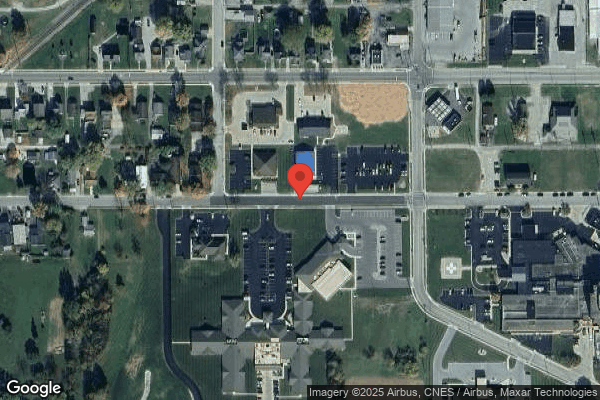
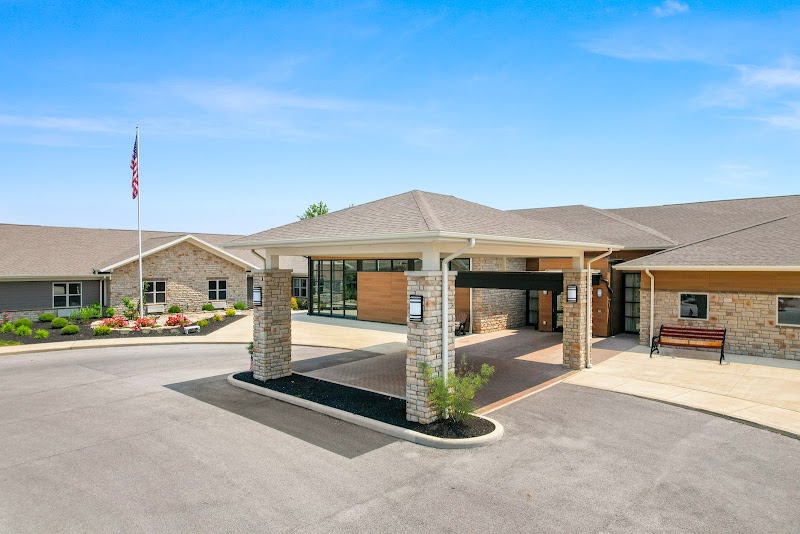
1035 HAGER STREET, ST MARYS, OH 45885 (419) 394-3308
For profit - Corporation 50 Beds VANCREST HEALTH CARE CENTERS Data: November 2025
Trust Grade
75/100
#361 of 913 in OH
Last Inspection: November 2023

Within standard 12-15 month inspection cycle. Federal law requires annual inspections.

Overview

Vancrest of St. Mary's has a Trust Grade of B, indicating it is a good choice among nursing homes, providing solid care but with some room for improvement. Ranked #361 out of 913 facilities in Ohio, it falls in the top half, while locally it is #4 out of 8 in Auglaize County, meaning there are only three options in the county that are better. However, the trend is worsening, with issues increasing from 3 in 2021 to 5 in 2023. Staffing is average, with a 3/5 star rating and a turnover rate of 46%, which is slightly better than the state average of 49%. Notably, there have been no fines, which is a positive sign of compliance. However, there are some areas of concern. Recent inspections revealed issues such as staff failing to maintain hand hygiene while delivering meal trays, which could risk spreading infection among residents. Additionally, there was a significant pest control problem, including a live raccoon in the attic, which posed risks to resident safety. While the facility has good RN coverage and a decent overall star rating, families should weigh these strengths against the identified weaknesses when considering care for their loved ones.

Trust Score
B
75/100
In Ohio
#361/913
Top 39%
Safety Record
Low Risk
No red flags
Inspections
Getting Worse
3 → 5 violations
Staff Stability
⚠ Watch
46% turnover. Above average. Higher turnover means staff may not know residents' routines.
Penalties
✓ Good
No fines on record. Clean compliance history, better than most Ohio facilities.
Skilled Nurses
○ Average
Each resident gets 35 minutes of Registered Nurse (RN) attention daily — about average for Ohio. RNs are the most trained staff who monitor for health changes.
Violations
⚠ Watch
16 deficiencies on record. Higher than average. Multiple issues found across inspections.
★★★★☆
4.0
Overall Rating
★★★☆☆
3.0
Staff Levels
★★★★☆
4.0
Care Quality
★★★★☆
4.0
Inspection Score
Stable
2021: 3 issues
2023: 5 issues

The Good

  • 4-Star Quality Measures · Strong clinical quality outcomes
  • Full Sprinkler Coverage · Fire safety systems throughout facility
  • No fines on record

Facility shows strength in quality measures, fire safety.

The Bad

Staff Turnover: 46%

Near Ohio avg (46%)

Higher turnover may affect care consistency

Chain: VANCREST HEALTH CARE CENTERS

Part of a multi-facility chain

Ask about local staffing decisions and management

The Ugly 16 deficiencies on record

Nov 2023 5 deficiencies
CONCERN (D)

Potential for Harm - no one hurt, but risky conditions existed

Deficiency F0635 (Tag F0635)

Could have caused harm · This affected 1 resident

**NOTE- TERMS IN BRACKETS HAVE BEEN EDITED TO PROTECT CONFIDENTIALITY** Based on medical record review, hospital paperwork review, staff interview, and resident interview, the facility failed to obtai...

Read full inspector narrative →
**NOTE- TERMS IN BRACKETS HAVE BEEN EDITED TO PROTECT CONFIDENTIALITY** Based on medical record review, hospital paperwork review, staff interview, and resident interview, the facility failed to obtain admission physician orders for the treatment of a surgical wound present on admission. This affected one (#97) of one residents reviewed for admission. The facility census was 47. Findings include: Review of the medical record of Resident #97 revealed an admission date of 11/17/23. Diagnoses include non-ST elevation myocardial infarction, atherosclerosis of autologous artery coronary artery bypass graft with angina pectoris with documented spasm and combined systolic (congestive) and diastolic (congestive) heart failure. Review of the hospital discharge paperwork dated 11/15/23 revealed Resident #97 was status post left heart catheterization. A second document titled Cardiac Cath Discharge Instructions undated revealed you can shower after 24 hours, remove the dressing in the shower. Review of the Nursing admission assessment dated [DATE] revealed Resident #97 was cognitively intact. Review of the progress note dated 11/17/23 at 6:32 P.M., revealed the presence of a pressure dressing to the left groin. A note, written by Registered Nurse (RN) #211, revealed a note stating, Will follow-up on orders when to be removed. Interview on 11/20/23 at 9:02 A.M., with Resident #97 revealed the resident was curious as to why the dressing was still on his groin after his heart catheterization. Resident #97 stated he was reluctant to allow the surveyor to view the dressing. Interview on 11/20/23 at 2:19 P.M., with Director of Nursing (DON) provided verification related to the progress note dated 11/17/23 at 6:32 P.M., which revealed Resident #97 had a pressure dressing to the left groin upon admission. The note indicated a follow-up of when to remove the dressing will occur. She further verified no additional notes or physician orders were documented related to the pressure dressing at the left groin. Review of the progress note dated 11/20/23 at 3:03 P.M., revealed the DON received clarification orders for the left groin pressure dressing. Resident #97 had a cardiac catheterization completed on 11/15/23 and according to the Cardiac Cath Discharge instructions from the Catheterization Laboratory the dressing could have been removed 24 hours post procedure. Review of a progress note dated 11/20/23 at 8:26 P.M., revealed the pressure dressing was removed from the left groin and no signs or symptoms of infection was noted. No drainage was noted at the time and Resident #97 tolerated the procedure well. Interview on 11/21/23 at 11:00 A.M., with the DON verified the dressing was not removed at the hospital and the facility had no orders to address the wound. The DON also verified once clarification orders were obtained the facility did not remove the dressing until five hours later.
CONCERN (D)

Potential for Harm - no one hurt, but risky conditions existed

Assessment Accuracy (Tag F0641)

Could have caused harm · This affected 1 resident

**NOTE- TERMS IN BRACKETS HAVE BEEN EDITED TO PROTECT CONFIDENTIALITY** Based on record review and staff interview, the facility failed to accurately assess residents' medications for quarterly Minimu...

Read full inspector narrative →
**NOTE- TERMS IN BRACKETS HAVE BEEN EDITED TO PROTECT CONFIDENTIALITY** Based on record review and staff interview, the facility failed to accurately assess residents' medications for quarterly Minimum Data Set (MDS) assessments. This affected two (#23 and #36) of 16 residents reviewed for accurate assessments. The current census is 47. Findings include: 1. Record review for Resident #23 revealed the resident was admitted to the facility on [DATE]. Diagnoses for Resident #23 included: fracture of femur, aftercare post-surgery, muscle weakness, chronic obstructive pulmonary disease, and anxiety. Review of the quarterly MDS assessment dated [DATE] revealed the resident had intact cognition. Per the assessment the resident was assessed as having received an antipsychotic medication on a routine basis with no gradual dose reduction attempted. Review of Resident #23's care plans dated 08/08/23 revealed no focus for antipsychotic medication noted in the care plans. Review of Resident #23's prescribed medications dating from August 2023 to September 2023 revealed the resident had not received any anti-psychotic medications. Interview on 11/21/23 at 2:45 P.M., with MDS Licensed Practical Nurse (LPN) #310 verified when she completed the assessment, she coded the resident for antipsychotic use on routine basis even though the resident had not received an antipsychotic during the review period. 2. Record review of Resident #36 revealed the resident was admitted to the facility on [DATE]. Diagnoses for Resident #26 included: depression, subarachnoid hemorrhage, hypertension, aphasia, lupus, and anxiety. Review of the quarterly MDS assessment dated [DATE] revealed the resident had been coded for receiving an antipsychotic medication on a routine bases and a gradual dose reduction was attempted. Review of Resident #23's care plans dated 06/12/23 revealed no focus for antipsychotic medication noted in the care plans. Review of Resident #23's prescribed medications dating from September 2023 to October 2023 revealed the resident had not received any anti-psychotic medications. Review of Resident #23's Medication Administration Record (MAR) dated October 2023 revealed the resident had not been prescribed or received any antipsychotic medications. Interview on 11/21/23 at 2:45 P.M., with the MDS LPN #310 verified when she completed the assessment, she coded the resident for antipsychotic use on routine basis even though the resident had not received an antipsychotic during the review period.
CONCERN (D)

Potential for Harm - no one hurt, but risky conditions existed

Quality of Care (Tag F0684)

Could have caused harm · This affected 1 resident

**NOTE- TERMS IN BRACKETS HAVE BEEN EDITED TO PROTECT CONFIDENTIALITY** Based on medical record review, hospital paperwork review, staff interview, resident interview, and policy review, the facility ...

Read full inspector narrative →
**NOTE- TERMS IN BRACKETS HAVE BEEN EDITED TO PROTECT CONFIDENTIALITY** Based on medical record review, hospital paperwork review, staff interview, resident interview, and policy review, the facility failed to assess a surgical wound and obtain physician orders for the treatment of a surgical wound. This affected one (#97) of one residents reviewed for admission. The facility census was 47. Findings include: Review of the medical record of Resident #97 revealed an admission date of 11/17/23. Diagnoses include non-ST elevation myocardial infarction, atherosclerosis of autologous artery coronary artery bypass graft with angina pectoris with documented spasm and combined systolic (congestive) and diastolic (congestive) heart failure. Review of the hospital discharge paperwork dated 11/15/23 revealed Resident #97 was status post left heart catheterization. A second document titled Cardiac Cath Discharge Instructions undated revealed you can shower after 24 hours, remove the dressing in the shower. Review of the Nursing admission assessment dated [DATE] revealed Resident #97 was cognitively intact. Review of the progress note dated 11/17/23 at 6:32 P.M., revealed the presence of a pressure dressing to the left groin. A note, written by Registered Nurse (RN) #211, revealed a note stating, Will follow-up on orders when to be removed. Interview on 11/20/23 at 9:02 A.M., with Resident #97 revealed the resident was curious as to why the dressing was still on his groin after his heart catheterization. Resident #97 stated he was reluctant to allow the surveyor to view the dressing. Interview on 11/20/23 at 2:19 P.M., with Director of Nursing (DON) provided verification related to the progress note dated 11/17/23 at 6:32 P.M., which revealed Resident #97 had a pressure dressing to the left groin upon admission. The note indicated a follow-up of when to remove the dressing will occur. She further verified no additional notes or physician orders were documented related to the pressure dressing at the left groin. Review of the progress note dated 11/20/23 at 3:03 P.M., revealed the DON received clarification orders for the left groin pressure dressing. Resident #97 had a cardiac catheterization completed on 11/15/23 and according to the Cardiac Cath Discharge instructions from the Catheterization Laboratory the dressing could have been removed 24 hours post procedure. Review of a progress note dated 11/20/23 at 8:26 P.M., revealed the pressure dressing was removed from the left groin and no signs or symptoms of infection was noted. No drainage was noted at the time and Resident #97 tolerated the procedure well. Interview on 11/21/23 at 11:00 A.M., with the DON verified the dressing was not removed at the hospital and the facility had no orders to address the wound. The DON also verified once clarification orders were obtained the facility did not remove the dressing until five hours later. Interview on 11/21/23 at 11:15 A.M. with Administrator, with review of the facility policy titled admission Assessment and Follow-Up: Role of the Nurse revealed the skin should be assessed and the expectation would be to remove any dressings, unless a specific order not to, to completely assess the skin. Review of the policy titled admission Assessment and Follow Up: Role of the Nurse dated September 2012 revealed the purpose of the procedure was to gather information about the resident's physical condition upon admission for the purpose of managing the resident. One step included to conduct a physical assessment to include the skin.
CONCERN (D)

Potential for Harm - no one hurt, but risky conditions existed

Deficiency F0760 (Tag F0760)

Could have caused harm · This affected 1 resident

**NOTE- TERMS IN BRACKETS HAVE BEEN EDITED TO PROTECT CONFIDENTIALITY** Based on medical record review, observation, staff interview, and review of the policy, the facility failed to ensure a resident...

Read full inspector narrative →
**NOTE- TERMS IN BRACKETS HAVE BEEN EDITED TO PROTECT CONFIDENTIALITY** Based on medical record review, observation, staff interview, and review of the policy, the facility failed to ensure a resident was free from significant medication error. This affected one (#97) of two residents reviewed for insulin administration. The facility census was 47. Findings include: Review of the medical record of Resident #97 revealed an admission date of 11/17/23. Diagnosis includes diabetes mellitus type one without complications. Review of the Nursing admission assessment dated [DATE] revealed Resident #97 was cognitively intact. Review of the physician order dated 11/21/23 revealed an order for Lispro insulin to be administered seven units and per sliding scale with meals. An added instruction read Resident may self-regulate insulin sliding scale. Review of the medication administration record (MAR) and insulin administration records for November 2023 revealed the Lispro insulin ordered for 11/21/23 at 5:00 P.M., was not documented as having been administered. Interview on 11/22/23 at 8:03 A.M., with Director of Nursing (DON) while reviewing the MAR for Resident #97 provided verification the 5:00 P.M. dose of Lispro insulin was not documented as having been administered on 11/21/23 at 5:00 P.M. Telephone interview on 11/22/23 at 8:10 A.M., along with DON, with Licensed Practical Nurse (LPN) #218 provided verification the Lispro insulin was not administered on 11/21/23 at 5:00 P.M. Observation on 11/22/23 at 8:15 A.M., with LPN #219 revealed LPN #219 was observed to place a needle onto the Lispro inulin pen and dialed the knob to 3 (three) and did not prime the needle. LPN #219 administered the insulin to Resident #97. LPN #219 had failed to prime the inulin pen. Interview on 11/22/23 at 8:20 A.M., with LPN #219 provided verification she had not primed the insulin pen prior to administering the 3 (three) units of Lispro insulin to Resident #97. Review of the undated policy titled Insulin Administration Level III revealed a new pen needle will be attached and primed to remove air bubbles. It must be primed before each injection. Turn the dosage knob to the 2 (two) unit indicator with the pen pointing upward, push the knob all the way to release the air. One drop of insulin should appear, repeat the step as needed until you see a drop of insulin to ensure all of the air is out.
CONCERN (E)

Potential for Harm - no one hurt, but risky conditions existed

Infection Control (Tag F0880)

Could have caused harm · This affected multiple residents

Based on observation, staff interview, and review of policy, the facility failed to maintain hand hygiene while delivering meal trays on the 200 hall. This had the potential to affect 12 (#24, #35, #3...

Read full inspector narrative →
Based on observation, staff interview, and review of policy, the facility failed to maintain hand hygiene while delivering meal trays on the 200 hall. This had the potential to affect 12 (#24, #35, #37, #95, #96, #97, #98, #99, #100, #101, #102, and #103) of 12 residents residing in the 200 hall. The facility census was 47. Findings include: Observation, on 11/20/23 beginning at 11:20 A.M., during the lunchroom tray delivery on the 200 hall, revealed the Director of Nursing (DON) was observed to enter the room of Resident #98 and touch the resident's glasses and cell phone. DON placed the tray onto the over bed table and proceeded out of the room and began reaching for another resident tray. Interview at this time with the DON, verified she had reached for another resident's tray and stated, I should have washed my hands after touching the personal items. Observation 11/20/23 at 11:40 A.M., revealed a State Tested Nursing Assistant (STNA) #257 was observed to assist a therapist with repositioning Resident #100. STNA #257 exited the room and began reaching for a resident tray from the insulated cart. Interview at the time of the observation, with STNA #257 verified she was proceeding to grab a resident food tray and stated I did not wash my hands after repositioning him. Review of the policy titled Handwashing/Hand Hygiene dated August 2015, revealed an alcohol-based hand rub containing at least 62% alcohol, or alternatively soap and water should be used before and after direct contact with residents and assisting residents with meals.
Jul 2021 3 deficiencies
CONCERN (D)

Potential for Harm - no one hurt, but risky conditions existed

Deficiency F0661 (Tag F0661)

Could have caused harm · This affected 1 resident

**NOTE- TERMS IN BRACKETS HAVE BEEN EDITED TO PROTECT CONFIDENTIALITY** Based on medical record review, staff interview and review of facility policy, the facility failed to complete a residents disch...

Read full inspector narrative →
**NOTE- TERMS IN BRACKETS HAVE BEEN EDITED TO PROTECT CONFIDENTIALITY** Based on medical record review, staff interview and review of facility policy, the facility failed to complete a residents discharge summary. This one (#41) of one resident reviewed for closed medical discharge records. The facility census was 47. Findings include: Review of the closed medical record for Resident #41 revealed an admission date of 05/25/21 and a discharge date of 06/14/21. Diagnoses included cerebral infarction, hypertension, benign prostatic hyperplasia, gastroesophageal reflux disease, major depression, speech and language deficits, muscle weakness, difficulty walking, dysphagia and cognitive communication. Review of the five day admission Minimum Data Set (MDS) dated [DATE] revealed a Resident #41 had a Brief Interview for Mental Status (BIMS) of 04 indicating severe cognitive impairment. Review of Resident #41's progress note dated 06/14/21, revealed Resident #41 was discharged from the facility to another facility. Further review of Resident #41's medical record revealed no evidence or documentation of a discharge summary being completed. Interview with the Administrator on 07/21/21 at 4:00 P.M., confirmed a discharge summary for Resident #41 was not completed. Review of facility policy, Discharge Summary and Plan with a revision date of 12/2016 revealed when the facility anticipates a resident's discharge to a private residence, another nursing care facility (i.e., skilled, intermediate care, ICF/ICD, etc.), a discharge summary and a post-discharge plan will be developed which will assist the resident to adjust to his or her new living environment.
CONCERN (D)

Potential for Harm - no one hurt, but risky conditions existed

ADL Care (Tag F0677)

Could have caused harm · This affected 1 resident

**NOTE- TERMS IN BRACKETS HAVE BEEN EDITED TO PROTECT CONFIDENTIALITY** Based on medical record review, observations, staff interview and review of facility policy, the facility failed to assist a res...

Read full inspector narrative →
**NOTE- TERMS IN BRACKETS HAVE BEEN EDITED TO PROTECT CONFIDENTIALITY** Based on medical record review, observations, staff interview and review of facility policy, the facility failed to assist a resident with changing his clothes. This affected one (#7) out of four residents reviewed for Activities of Daily Living (ADL's). The facility's census was 47. Findings included: Medical record review for Resident #7 revealed an admission date of 12/09/16. Diagnoses included, Alzheimer's, major depressive disorder, dementia, insomnia, psychosis, acute kidney failure, dysphagia, and high blood pressure. Review of Resident #7's Minimum Data Set 3.0 Assessment (MDS) dated [DATE] revealed a Brief Interview for Mental Status (BIMS) score of 12, indicating Resident #7 had moderate cognitive impairment. Resident #7 required limited assistance from one staff person with dressing. There were no behaviors documented, including no indication Resident #7 refused care or assistance from staff. Review of Resident #7's care plan with a date initiated of 10/16/19 revealed Resident #7 had an ADL deficit related to dementia and required limited assistance from one staff person with dressing. Further review revealed Resident #7 had a knowledge deficit related to dementia and was to be encouraged to participate in ADL's and staff were to assist as needed. Observations on 07/19/21 at 11:14 A.M., 1:34 P.M., and 3:51 P.M. revealed Resident #7 was wearing khaki pants with a red long-sleeved shirt. Observations on 07/20/21 at 9:43 A.M. and 2:44 P.M. Resident #7 was observed wearing the same khaki pants and red long-sleeved shirt observed on 07/19/21. At 2:44 P.M. the shirt and pants were soiled with stains. The shirt had white stains and the pants had a few dark wet spots and a neon orange spot. Observations on 07/21/21 at 9:14 A.M. and 1:33 P.M. Resident #7 was observed wearing the same khaki pants and red-long sleeved shirt observed on 07/19/21 and 07/20/21. The pants and shirt continued to be soiled with the same stains observed on 07/20/21 at 2:44 P.M. Interview on 07/21/21 at 1:33 P.M. State Tested Nurse Aide (STNA) #270 reported Resident #7 was compliant with care and accepting of assistance from staff. STNA #270 verified Resident #7 was wearing the same clothes two days in a row (07/20/21 and 07/21/21). STNA #270 was observed offering Resident #7 assistance with picking out new clothes to wear and offered assistance with dressing. Resident #7 actively engaged in picking out his clothes and was agreeable to changing his clothing. Interview on 07/21/21 at 1:35 P.M. Licensed Practical Nurse (LPN) #181 verified Resident #7 was compliant with care and allowed staff to assist with care. LPN #181 verified Resident #7 would need assistance and/or prompting from staff for dressing/changing clothes. Interview on 07/21/21 at 1:50 P.M. LPN #181 verified Resident #7's care plan stated Resident #7 required limited assistance from one staff person with dressing. Observation on 07/21/21 at 2:09 P.M. Resident #7 was observed wearing a different outfit of black pants and a gray long-sleeved shirt. Review of facility undated policy titled, Activities of Daily Living (ADL's)/Maintain Abilities, revealed the facility would ensure residents were given the appropriate treatment and services, including dressing.
CONCERN (D)

Potential for Harm - no one hurt, but risky conditions existed

Accident Prevention (Tag F0689)

Could have caused harm · This affected 1 resident

**NOTE- TERMS IN BRACKETS HAVE BEEN EDITED TO PROTECT CONFIDENTIALITY** Based on medical record review, observation, resident and staff interviews and review of facility policy, the facility failed to...

Read full inspector narrative →
**NOTE- TERMS IN BRACKETS HAVE BEEN EDITED TO PROTECT CONFIDENTIALITY** Based on medical record review, observation, resident and staff interviews and review of facility policy, the facility failed to ensure a resident had access to her call light to potentially prevent an accident or fall. This affected one (#13) out of three residents reviewed for fall management. The facility's census was 47. Findings included: Medical record review for Resident #13 revealed an admission date of 04/01/21. Diagnoses included, nontraumatic subacute subdural hemorrhage, unspecified fall, atherosclerotic heart disease, contusion of front wall of thorax, other seizures, transient cerebral ischemic attack, muscle weakness, chronic obstructive pulmonary disease, heart failure, anemia, scoliosis, osteoarthritis, stage IV kidney disease, and high blood pressure. Review of Resident #13's Minimum Data Set 3.0 Assessment (MDS) dated [DATE] revealed a Brief Interview for Mental Status (BIMS) score of 15, indicating Resident #13 was cognitively intact. Resident #13 required limited assistance with bed mobility, transfers, walking, eating, toileting, and maintaining hygiene and extensive assistance with dressing. Resident #13 had suffered from a fall since admission. Review of Resident #13's care plan with a date initiated of 01/19/21, revealed Resident #13 was at risk for falls with interventions in place to encourage use of call light for assistance and to keep the call light within reach. Observation on 07/21/21 at 1:25 P.M. Resident #13 was observed seated in her recliner chair covered with a blanket. Her call light was observed clipped onto her bed, in-between the side rails. Resident #13 attempted to reach her call light and was unable to do so. Resident #13 verified she was unable to reach her call light. Staff interviews on 07/21/21/ at 1:26 P.M. Licensed Practical Nurse (LPN) #181 and State-Tested Nurse Aide (STNA) #270 verified Resident #13 did not have access to her call light. STNA #270 added she felt therapy staff forgot to provide her call light to her. LPN #181 removed the call light from the bed and clipped it within reach of Resident #13. Review of facility policy titled, Falls- Clinical Protocol, revealed interventions to prevent palls would be identified and utilized.
Apr 2019 8 deficiencies
CONCERN (D)

Potential for Harm - no one hurt, but risky conditions existed

Deficiency F0645 (Tag F0645)

Could have caused harm · This affected 1 resident

**NOTE- TERMS IN BRACKETS HAVE BEEN EDITED TO PROTECT CONFIDENTIALITY** Based on medical record review and staff interview, the facility failed to have an accurate Pre-admission Screening and Record R...

Read full inspector narrative →
**NOTE- TERMS IN BRACKETS HAVE BEEN EDITED TO PROTECT CONFIDENTIALITY** Based on medical record review and staff interview, the facility failed to have an accurate Pre-admission Screening and Record Review (PASARR) for one of one (#28) reviewed for PASARR. The total facility census was 37. Findings include: Review of Resident #28 medical record revealed the resident was admitted to the facility on [DATE] with diagnosis that include but are not limited to sepsis, dementia, psychosis, carcinoma of lung, fracture of right femur, depression, dysphagia, weakness, need for assistance with personal care, chronic atrial fibrillation, hypertension, anemia, and heart failure. Review of the modification of the admission Minimum Data Set, dated [DATE] revealed the resident has a brief interview of mental status score of three indicating the resident is severely cognitively impaired, the resident had no hallucinations, delusions, or behaviors coded for the review period. The resident is coded as dependent on staff for all daily cares. Resident #28 has an indwelling urinary catheter, and is always in continent of bowel. Resident #28 is coded as having non Alzheimer's dementia, and psychotic disorders as current diagnosis. The resident received four days of anti-psychotic medication, seven days of anticoagulant, antibiotic and diuretic medication. Review of Resident #28 PASARR completed prior to admission to the facility revealed the resident was coded as not having a diagnosis of dementia and the current diagnosis of psychosis was not included in the PASARR screening. During an interview with the Administrator on 04/17/19 at 10:30 A.M. it was confirmed the PASARR did not accurately reflect Resident #28 as the dementia diagnosis was not coded correctly and the diagnosis of psychosis was additionally not on the PASARR screening.
CONCERN (D)

Potential for Harm - no one hurt, but risky conditions existed

Deficiency F0657 (Tag F0657)

Could have caused harm · This affected 1 resident

**NOTE- TERMS IN BRACKETS HAVE BEEN EDITED TO PROTECT CONFIDENTIALITY** Based on medical record review, staff interview and policy review, the facility failed to have care plans that accurately reflec...

Read full inspector narrative →
**NOTE- TERMS IN BRACKETS HAVE BEEN EDITED TO PROTECT CONFIDENTIALITY** Based on medical record review, staff interview and policy review, the facility failed to have care plans that accurately reflected the resident nutritional needs. This affected one (#28) out of 15 care plans reviewed. The total facility census was 37. Findings include: Review of Resident #28 medical record revealed the resident was admitted to the facility on [DATE] with diagnosis that include but are not limited to sepsis, carcinoma of lung, fracture of right femur, depression, dysphagia, weakness, need for assistance with personal care, chronic atrial fibrillation, escherichia coli, enterococcus, hypertension, psychosis, dementia, gastronomy, anemia, and heart failure. Review of the modification of the admission minimum data set (MDS) dated [DATE] revealed the resident has a brief interview of mental status score of three indicating the resident is severely cognitively impaired, the resident had no hallucinations, delusions,or behaviors coded for the review period. The resident is coded as dependent on staff for all daily cares. Resident has an indwelling urinary catheter catheter, and is always in continent of bowel. The resident is coded as receiving parenteral feeding that supplies 51% or more of total calories. not being on a therapeutic mechanically altered diet. Review of the resident physician orders revealed the resident has a diet order of pureed diet with honey thick liquids via one half teaspoons, recommended 90 degree positioning during and post meals with an order date of 03/19/19. The resident additionally has enteral feed orders of every four hours of free water, and Jevity 1.2 cal via peg tube at 90 milliliter (ml) per hour times 12 hours (7:00 P.M.-7:00 A.M.) for 1080 ml and 1296 calories. Review of the resident progress notes revealed the resident had a progress note on 04/01/19 that indicated the resident peripherally inserted central catheter (PICC) line was discontinued. Review of care plans revealed the care plan for activities of daily living of self care performance deficit related to current level of capability listed the resident ability with bed mobility, eating, toileting and transfers as extensive assist and not dependent as listed on the MDS, the interventions are dated 03/01/19 with revision dates of 03/27/19. Resident #28's care plan for risk of dehydration or potential fluid deficit stated related to NPO (nothing by mouth) and the resident had diet orders started on 03/19/19. Lastly Resident #28 had a care plan to reflect the resident having a PICC line, and the Picc line was discontinued on 04/01/19. During an interview with the director of nursing on 04/17/19 at 3:30 P.M. confirmed Resident #28's care plans were not updated to reflect the current status of the resident. Review of the facility policy titled Care Plans-Comprehensive dated 2001 with a revision date of September 2010 it was revealed an individualized comprehensive care plan that includes measurable objectives and timetables to meet the resident's medical, nursing, and psychological needs is developed for each resident. Assessments of residents are ongoing and care plans are revised as information about the resident and the resident's condition change.
CONCERN (D)

Potential for Harm - no one hurt, but risky conditions existed

Accident Prevention (Tag F0689)

Could have caused harm · This affected 1 resident

**NOTE- TERMS IN BRACKETS HAVE BEEN EDITED TO PROTECT CONFIDENTIALITY** Based on observation, medical record review, and staff interview, the facility failed to maintain the call light in reach for a ...

Read full inspector narrative →
**NOTE- TERMS IN BRACKETS HAVE BEEN EDITED TO PROTECT CONFIDENTIALITY** Based on observation, medical record review, and staff interview, the facility failed to maintain the call light in reach for a resident identified as being at risk for falls. This affected one (#1) of 16 observed during the annual survey. The total facility census was 37. Findings Include: Review of Resident #1 medical record revealed the resident was admitted to the facility on [DATE]. Diagnoses include arthropathy, weakness, poly osteoarthritis, history of transient ischemic attack and cerebral attack, leakage of biological heart valve graft, right artificial shoulder joint, benign prostatic hyperplasia, with lower urinary tract symptoms, cellulitis of other sites, osteomyelitis, cognitive communication deficit, need for personal assistance with cares, chronic embolism and thrombosis of unspecified vein, altered mental status, rhabdomyolysis, pulmonary embolism, acute kidney failure, hypertension and difficulty walking. Review of most recent quarterly Minimum Data Set, dated [DATE] revealed the resident has a brief interview of mental status score of eight indicating the resident has some cognitive impairment, the resident had no delusions, hallucinations or behaviors during the review period. The resident is coded as requiring supervision assist from staff for bed mobility transfers, walking in the room, eating and toileting. The resident does require extensive assist for one person for dressing and personal hygiene. The resident is occasionally incontinent of bladder. The resident reported shortness of breath with exertion, and has had a fall since admission to the facility. Review of resident care plan revealed the resident has potential for injury fall care plan related to falls in the community with an intervention to encourage to ask/use the call light for assistance and call light within reach. Observation of Resident #1 on 04/15/19 at 9:48 A.M. revealed the call light was on night stand not in reach of the resident who was lying in bed. Observation of Resident #1 on 04/15/19 at 2:00 P.M. revealed the resident was lying in bed and the call light was on the over bed table that was pushed perpendicular to the bed against the wall out of reach of the resident. During an interview with State Tested Nursing Assistant Assistant (STNA) #300 on 04/15/19 at 2:22 P.M. it was confirmed Resident #1's call light was not in reach and it should be. STNA #300 confirmed the call light was not available to the resident. STNA #300 stated the resident does not like it clipped to his person or blanket so the staff keep it clipped to the pillow. The staff moved the call light to the pillow so the resident had access to the call light.
CONCERN (D)

Potential for Harm - no one hurt, but risky conditions existed

Incontinence Care (Tag F0690)

Could have caused harm · This affected 1 resident

**NOTE- TERMS IN BRACKETS HAVE BEEN EDITED TO PROTECT CONFIDENTIALITY** Based on medical record review, observation, staff interview and policy review, the facility failed to perform urinary catheter ...

Read full inspector narrative →
**NOTE- TERMS IN BRACKETS HAVE BEEN EDITED TO PROTECT CONFIDENTIALITY** Based on medical record review, observation, staff interview and policy review, the facility failed to perform urinary catheter care according to the facility policy. This affected one (#13) of one resident sampled for urinary catheters. The facility census was 37. Findings include: Review of the medical record for Resident #13 revealed an admission date of 01/17/19. Diagnoses include heart disease, urinary tract infection, site not specified, major depressive disorder,recurrent, unspecified atrial fibrillation, thrombocytopenia, glaucoma, muscle weakness, retention of urine, and dysphagia, oropharyngeal phase. Review of the 14 day Minimum Data Set (MDS) dated [DATE] revealed Resident #13 had moderate cognitive impairment with a brief interview for mental status score of 10 out of 15. PHQ-9 was four. Resident #13 had an indwelling catheter and was always continent of bowel. Resident #13 had shortness of breath or trouble breathing with exertion and used oxygen. Review of the care plan dated 01/18/19 revealed Resident #13 had an indwelling Foley catheter due to urinary retention and has potential for complications related to indwelling Foley catheter. Resident #13 will remain free of signs/symptoms of urinary tract infection. Appropriate interventions were in place. Review of the current physician orders revealed an order dated 01/18/19 Foley catheter 18 french catheter with 10 milliliter balloon via continuous gravity. Order dated 03/15/19 may change Foley as needed for leaking or clogged tubing. Review of the labs results dated 03/19/19 revealed urine culture result with enteric gram negative bacilli (bacteria) greater than 100,000 and [NAME] pneumoniae (bacteria) greater than 100,000. An order dated 03/20/19 for Cipro (antibiotic) 750 milligrams twice a day for three days for urinary tract infection. Observation on 04/18/19 at 10:15 A.M. revealed State Tested Nurse Aide (STNA) #100 perform catheter care on Resident #13. STNA #100 gathered supplies, washed his/her hands, put on gloves, uncovered the resident, pulled down resident's adult brief, took a soapy washcloth and folded the washcloth around his hand and cleaned the creases on each side of the vaginal area and wiped downward with his washcloth, but went back over the other areas he had already cleaned with the same washcloth. STNA #100 then got a clean washcloth and repeated cleaning the residents pelvic creases and then vaginal area in a downward motion, a brownish color was on the washcloth after cleaning Resident #13. STNA #100 then took a clean wet washcloth with no soap to rinse the resident using the same washcloth wiping the creases then down the vaginal area in a downward motion. STNA #100 used a clean washcloth with soap and water to clean the catheter from insertion site downward away from the resident approximately four inches. STNA #100 used a towel to dry the resident and then pulled her brief back up and covered her. STNA #100 removed the gloves and washed his hands. Interview on 04/18/19 at 10:24 A.M. with STNA #100 verified he had used the same washcloth to clean Resident #13 and went back over with the same part of the washcloth to clean the vaginal area. Review of the policy titled Catheter Care, Urinary, revised 09/2014, revealed for a female resident, use a washcloth with warm water and soap to cleanse the labia. Use one area of the washcloth for each downward cleansing stroke. Change the position of the washcloth with each downward stroke. Next change the positron of the washcloth and cleanse around the urethral meatus. Do not allow the washcloth to drag on the resident's skin or bed linen. With a clean washcloth, rinse with warm water using the above technique. Use a clean washcloth with warm water and soap to cleanse and rinse the catheter from insertion site to approximately four inches outward.
CONCERN (D)

Potential for Harm - no one hurt, but risky conditions existed

Pharmacy Services (Tag F0755)

Could have caused harm · This affected 1 resident

**NOTE- TERMS IN BRACKETS HAVE BEEN EDITED TO PROTECT CONFIDENTIALITY** Based on review of medical records and staff interview, the failed to administer eye drops as ordered to a resident. This affect...

Read full inspector narrative →
**NOTE- TERMS IN BRACKETS HAVE BEEN EDITED TO PROTECT CONFIDENTIALITY** Based on review of medical records and staff interview, the failed to administer eye drops as ordered to a resident. This affected one (#16) of six residents reviewed for unnecessary medications. The census was 37. Findings include: Review of Resident #16's closed medical record revealed an admission date of 07/18/18. Diagnoses included type II diabetes, osteoarthritis. hypertension, major depressive disorder, psychosis, dementia, macular degeneration, mucopurulent conjunctivitis, and corneal abscess of right eye. Resident #16 was discharged to the emergency room (ER) on 04/13/19 for evaluation of right eye infection. As of completion of the annual survey on 04/18/19 Resident #16 had not yet returned to the facility. Review of a quarterly Minimum Data Set (MDS) assessment dated [DATE] revealed Resident #14 was assessed as being cognitively intact. Resident #16 required required extensive assistance with activities of daily living (ADLs). Review of Resident #16's physician orders revealed an order dated 04/06/19 for PredForte (steroid) 1 percent (%) eye drops, one drop in right eye every two hours while awake. Another order dated 04/06/19 was for Ocuflox (antibiotic) 0.3% one drop every two hours while awake. Review of Resident 16's medication administration records (MAR's) for April 2019 revealed no documentation of PredForte and Ocuflox being administered on 04/08/19 at 8:00 P.M. and on 04/09/19 at 4:00 P.M., 6:00 P.M. and 8:00 P.M. During an interview on 04/17/19 at 4:18 P.M. the Director of Nursing (DON) confirmed that Resident #16 had not been given PredForte and Ocuflox on 04/08/19 at 8:00 P.M. and on 04/09/19 at 4:00 P.M., 6:00 P.M. and 8:00 P.M. as ordered. This deficiency substantiates Complaint Number OH00103824.
CONCERN (D)

Potential for Harm - no one hurt, but risky conditions existed

Medication Errors (Tag F0758)

Could have caused harm · This affected 1 resident

Based on medical record review and staff interview, the facility failed to ensure a resident was free from unnecessary medication when the facility failed to limit as needed psychotropic medication or...

Read full inspector narrative →
Based on medical record review and staff interview, the facility failed to ensure a resident was free from unnecessary medication when the facility failed to limit as needed psychotropic medication orders to 14 days. This affected one (#29) of five residents sampled for unnecessary medications. The facility census was 37. Findings include: Review of the medical record revealed an admission date of 02/16/16. Diagnoses include other cerebrovascular disease, hemiplegia unspecified affecting unspecified side, muscle weakness, generalized anxiety disorder, major depressive disorder, unspecified atrial fibrillation, essential hypertension, and other specified depressive episodes. Review of the quarterly MDS 3.0 dated 03/29/19 revealed Resident #29 was cognitively intact with a brief interview for mental status score of 15 out of 15. Resident #29's PHQ-9 score was nine and the resident had verbal behaviors directed toward others one to three days and rejected care one to three days during the assessment period. Resident #29 received anti-anxiety, anti-depressant, anti-coagulant, opioids and diuretics seven days during the assessment period. Review of the care plan dated 02/16/19 revealed Resident #29 had the potential for anxiety related to anxiety disorder, resident becomes short of breath and with anxiety episodes and uses oxygen. Resident #29 had potential for at risk for altered behavior patterns related to disruptive interactions, disruptive verbally, resistive to care, anxiety, inappropriate verbal behaviors, physical behaviors directed toward staff, non-compliance with staff using proper lift equipment for transfers. Resident #29 had potential for altered mood pattern related to anxiety, depression, dependent on others for daily care due to hemiplegia. Resident #29 received psychotropic medications related to anxiety and depression. Review of the current orders revealed Resident #29 had orders for the following psychotropic medications: Zoloft 100 milligrams (mg) one tablet daily; Trazodone 100 mg one tablet at bedtime; Ativan 0.5 mg one tablet three times a day; Cymbalta 60 mg one tablet daily and Ativan 0.5 mg one tablet every 24 hours as needed Review of the PRN (as needed) Psychotropic Medication Order Review form dated 04/16/19 for Resident #29 revealed a current order for Ativan 0.5 mg one tablet every 24 hours as needed for anxiety. Order was started on 04/02/19. Order was reviewed by physician and marked the medication as effective toward the indication for use as above for anxiety, but did not mark an end date or mark the order to continue another 14 days and then review. Interview on 04/18/19 at 3:52 P.M. with the Administrator verified that Resident #29 did not have an end date for the Ativan 0.5 mg every 24 hours as needed.
CONCERN (F)

Potential for Harm - no one hurt, but risky conditions existed

Infection Control (Tag F0880)

Could have caused harm · This affected most or all residents

**NOTE- TERMS IN BRACKETS HAVE BEEN EDITED TO PROTECT CONFIDENTIALITY** 3. Review of the medical record for Resident #25 revealed an admission date of 03/02/18. Diagnoses include end stage renal disea...

Read full inspector narrative →
**NOTE- TERMS IN BRACKETS HAVE BEEN EDITED TO PROTECT CONFIDENTIALITY** 3. Review of the medical record for Resident #25 revealed an admission date of 03/02/18. Diagnoses include end stage renal disease, essential hypertension, atherosclerosis of coronary artery bypass graft without angina pectoris, anxiety disorders, major depressive disorder, recurrent, muscle weakness, non-rheumatic aortic stenosis. Review of the quarterly Minimum Data Set 3.0 dated 03/26/19, revealed Resident #25 was cognitively intact with a Brief Mental Interview Status score of 14 and PHQ-9 score was 11. Resident #25 was on peritoneal dialysis. Review of Resident #25's current physician orders revealed an order dated 04/13/19 to cleanse the dialysis catheter site using a sterile four by four with soap and water, pat dry and apply a sterile two by two. Continue with yellow/yellow on cycler at night. Unhook dialysis cycler upon completion, chart numbers, obtain blood pressure and weight. Review of the care plan dated 03/04/18 revealed Resident #25 had potential for fluid volume excess, infection at dialysis site, fluid retention related to end stage renal disease and dialysis. Appropriate goal and interventions were in place. Observation on 04/15/19 at 1:21 P.M. revealed Licensed Practical Nurse (LPN) #150 perform exit site care to Resident #25's peritoneal catheter. LPN #150 first opened a pack of sterile four by four (4 x 4) gauze, washed her hands with soap and water, put on gloves, removed old dressing, cleaned around catheter exit site with sterile water and gauze, applied gentamicin cream to gauze and applied gauze over catheter exit site and secured the gauze with tape. Interview on 04/15/19 at 1:27 P.M. with LPN #150 verified she opened sterile gauze package before washing her hands and did not remove her gloves and wash her hands prior to applying the new dressing. Observation on 04/18/19 at 8:27 A.M. revealed LPN #150 was going to perform the peritoneal disconnection for Resident #25. LPN #150 put a treatment in progress sign on the door, washed hands with soap and water for washed five seconds and shut off the water with her hand, then dried her hands with paper towels, put on gloves, pressed buttons on the peritoneal cycler machine, moved a trash can, then removed her gloves, then washed her hands with soap and water for eight seconds, turned off the water and dried hands with paper towels. LPN #150 then clamped the peritoneal line and disconnected the tubing from the catheter port, and capped the catheter port with a cap that had betadine in it. LPN #150 then removed her gloves and cleansed her hands with hand sanitizer. LPN #150 took Resident #25's vital signs and weight. LPN #150 said she looks at the waste bag for color, clarity, fibrin, amount and then she documents the findings. LPN #25 said she disposes of the waste into the toilet and the waste bags and tubing gets bagged and gets disposed of in the trash. Interview on 4/18/19 at 8:35 A.M. with LPN #150 verified when washing her hands, she turned off the water and then dried her hands with paper towels and washed her hands for eight seconds. Review of the policy titled Handwashing/Hand Hygiene, revised 08/2015, revealed the procedure to washing hands includes to vigorously lather hands with soap and rub them together, creating friction to all surfaces, for a minimum of 20 seconds (or longer) under a moderate stream of running water, at a comfortable temperature. Hot water is unnecessarily rough on hands. Rinse hands thoroughly under running water. Hold hands lower than wrists. [NAME] not touch fingertips to inside of sink. Dry hands thoroughly with paper towels and then turn off faucets with a clean, dry paper towel. Discard towels into trash. Use lotions throughout the day to protect the integrity of the skin. Based on observations, medical record review, staff interview and policy review, the facility failed to implement their policy regarding isolation precautions for one (#28) of one reviewed for transmission based precautions. The facility failed to maintain separation of clean and soiled laundry which had the potential to affect all 37 residents residing in the facility. The facility failed to perform proper hand hygiene prior to performing peritoneal dialysis for one (#25) of one observed during peritoneal dialysis procedures. The total facility census was 37. Findings include: 1. Review of Resident #28 medical record revealed the resident was admitted to the facility on [DATE] with diagnosis that include but are not limited to sepsis, carcinoma of lung, fracture of right femur, depression, dysphagia, weakness, need for assistance with personal care, chronic atrial fibrillation, hypertension, psychosis, dementia, gastronomy, anemia, and heart failure. Review of the modification of the admission Minimum Data Set, dated [DATE] revealed the resident has a brief interview of mental status score of three indicating the resident is severely cognitively impaired, the resident had no hallucinations, delusions,or behaviors coded for the review period. The resident is coded as dependent on staff for all daily cares. Resident has an indwelling urinary catheter, and is always in continent of bowel. Resident is coded as having non Alzheimer's dementia, and psychotic disorders are coded as current diagnosis. The resident received four days of anti-psychotic medication. Review of Resident #28's physician orders revealed the resident had an order for Methicillin-Resistant Staphylococcus Aureus (MRSA) contact precautions with care dated 03/22/19. Review of resident care plan revealed the resident had care plan for MRSA in Stage IV coccyx wound with an intervention to follow isolation precautions as needed for active infections. Review of the April Treatment Administration Record it was revealed Resident #28 has staff signing off every shift that staff are maintaining MRSA contact precautions with care every shift for MRSA. During an observation of Resident #28 on 04/15/19 at 10:48 A.M. two staff were observed entering the resident room without personal protective equipment in place (gown and gloves). There is an isolation cart outside the room beside the door. At 10:50 A.M. the resident's room mate is observed to be removed from the room and neither staff had continue to have on gown or gloves. Resident #28's room was entered on 04/15/19 at 10:53 A.M. and the staff were starting to provide care to the resident The staff identified themselves as State tested Nursing Assistant (STNA) #100 and #200. Neither staff were noted to have on a gown to protect their clothing but both staff did have on gloves. The staff were observed to provide incontinent care to Resident #28 who had a bowel movement. The resident has a wound vacuum dressing to her coccyx, that was not sealed at the base of the coccyx when the resident was noted to be turned on her side, and the machine would alarm. The staff were noted to have their clothing touch the bed linen during the procedure. When the wound vacuum machine would alarm the staff could touch the base of the dressing and the dressing would seal and the alarm would stop sounding. During an interview with STNA #100 at 10:55 A.M. it was revealed the resident is in isolation for MRSA in the wound and it is under the wound vacuum. The STNA stated staff only have to use personal protective equipment on dressing changes due to the wound being contained by the dressing. During an interview with the Director of Nursing (DON) on 04/18/19 at 10:5 A.M. it was verified the expectation is the staff will wear personal protective equipment when providing personal care to Resident #28 who is in isolation contact precautions. Review of policy titled Isolation - Categories of Transmission Based Precautions dated 2001 with a revision date of January 2012 revealed a section specific to Contact Precautions. The policy indicated Contact Precautions for residents known or suspected to be infected with microorganisms that can be transmitted by direct contact with the resident or indirect contact with environmental surfaces or resident - care items in the resident's environment. The decision on whether precautions are necessary will be evaluated on a case by case basis. Examples of infections requiring Contact Precautions include but are not limited to: Infections with multi-drug resistant organisms determined on a case by case basis). Staff should wear a disposable gown upon entering he Contact Precautions room or cubicle. 2. During an observation of the laundry with Environmental Services Director (ESD) #700 on 04/18/19 at 11:30 A.M. a laundry rack was observed that was three shelves. The shelves held blankets, hoyer lift pads, wheel chair cushions, and bath blankets on the soiled side of the laundry. ESD #700 stated the items are not used on the residents but were used for spills and then the area where the spilled occurred would be cleaned. ESD #700 confirmed the items should be stored in the dirty side of the laundry. The facility confirmed this had the potential to affect all 37 residents residing in the facility. Review of facility policy titled Departmental (Environmental Services) - Laundry and Linen dated 2001 with a revision date of January 2014 it was revealed separate soiled and clean linen at all times.
CONCERN (F)

Potential for Harm - no one hurt, but risky conditions existed

Deficiency F0925 (Tag F0925)

Could have caused harm · This affected most or all residents

**NOTE- TERMS IN BRACKETS HAVE BEEN EDITED TO PROTECT CONFIDENTIALITY** Based on observation, policy review and staff interview, the facility failed to maintain effective pest control for 19 residents...

Read full inspector narrative →
**NOTE- TERMS IN BRACKETS HAVE BEEN EDITED TO PROTECT CONFIDENTIALITY** Based on observation, policy review and staff interview, the facility failed to maintain effective pest control for 19 residents who reside on the 400 hallway. The total Facility Census was 37. Findings include: Observation on 04/15/19 at 2:10 P.M., during tour of the attic space with Maintenance Director (MD) #250, noted raccoon feces laying on top of the attic insulation and wood trusses, located above Resident room [ROOM NUMBER]. Further examination revealed a live raccoon laying between the roof trusses, above Resident room [ROOM NUMBER]. Observation of the attic space revealed there was an access door opened on the 400 hall attic space which allowed the Raccoon access to the entire 400 hallway, to include the small kitchenette and dining room to the smoke wall. During an interview with MD #250 on 04/15/19 at 2:11 P.M. it was confirmed there was a live Raccoon in the attic space in the 400 hallway. During an interview with the MD #250 on 04/17/19 at 8:00 A.M. it was revealed there was a live trap in the ceiling to catch the raccoon, however the trap was empty at this time. The facility confirmed this had the potential to affect all 37 residents residing in the facility. Review of the facility policy titled Pest Control dated 2001 with a revision date of 2008 it was revealed the facility shall maintain an effective pest control policy. The facility maintains an on-going pest control program to ensure that the building is kept free of insects and rodents.
Understanding Severity Codes (click to expand)
Life-Threatening (Immediate Jeopardy)
J - Isolated K - Pattern L - Widespread
Actual Harm
G - Isolated H - Pattern I - Widespread
Potential for Harm
D - Isolated E - Pattern F - Widespread
No Harm (Minor)
A - Isolated B - Pattern C - Widespread

Questions to Ask on Your Visit

  • "Can I speak with families of current residents?"
  • "What's your RN coverage like on weekends and overnight?"

Our Honest Assessment

Strengths
  • • No major safety red flags. No abuse findings, life-threatening violations, or SFF status.
  • • No fines on record. Clean compliance history, better than most Ohio facilities.
Concerns
  • • 16 deficiencies on record. Higher than average. Multiple issues found across inspections.
Bottom line: Generally positive indicators. Standard due diligence and a personal visit recommended.

About This Facility

What is Vancrest Of St Mary'S's CMS Rating?

CMS assigns VANCREST OF ST MARY'S an overall rating of 4 out of 5 stars, which is considered above average nationally. Within Ohio, this rating places the facility higher than 99% of the state's 100 nursing homes. This rating reflects solid performance across the metrics CMS uses to evaluate nursing home quality.

How is Vancrest Of St Mary'S Staffed?

CMS rates VANCREST OF ST MARY'S's staffing level at 3 out of 5 stars, which is average compared to other nursing homes. Staff turnover is 46%, compared to the Ohio average of 46%. This relatively stable workforce can support continuity of care.

What Have Inspectors Found at Vancrest Of St Mary'S?

State health inspectors documented 16 deficiencies at VANCREST OF ST MARY'S during 2019 to 2023. These included: 16 with potential for harm.

Who Owns and Operates Vancrest Of St Mary'S?

VANCREST OF ST MARY'S is owned by a for-profit company. For-profit facilities operate as businesses with obligations to shareholders or private owners. The facility is operated by VANCREST HEALTH CARE CENTERS, a chain that manages multiple nursing homes. With 50 certified beds and approximately 44 residents (about 88% occupancy), it is a smaller facility located in ST MARYS, Ohio.

How Does Vancrest Of St Mary'S Compare to Other Ohio Nursing Homes?

Compared to the 100 nursing homes in Ohio, VANCREST OF ST MARY'S's overall rating (4 stars) is above the state average of 3.2, staff turnover (46%) is near the state average of 46%, and health inspection rating (4 stars) is above the national benchmark.

What Should Families Ask When Visiting Vancrest Of St Mary'S?

Based on this facility's data, families visiting should ask: "Can I visit during a mealtime to observe dining assistance and food quality?" "How do you handle medical emergencies, and what is your hospital transfer rate?" "Can I speak with family members of current residents about their experience?"

Is Vancrest Of St Mary'S Safe?

Based on CMS inspection data, VANCREST OF ST MARY'S has a clean safety record: no substantiated abuse findings (meaning no confirmed cases of resident harm), no Immediate Jeopardy citations (the most serious violation level indicating risk of serious injury or death), and is not on the Special Focus Facility watch list (a federal program monitoring the lowest-performing 1% of nursing homes). The facility has a 4-star overall rating and ranks #1 of 100 nursing homes in Ohio. While no facility is perfect, families should still ask about staff-to-resident ratios and recent inspection results during their visit.

Do Nurses at Vancrest Of St Mary'S Stick Around?

VANCREST OF ST MARY'S has a staff turnover rate of 46%, which is about average for Ohio nursing homes (state average: 46%). Moderate turnover is common in nursing homes, but families should still ask about staff tenure and how the facility maintains care continuity when employees leave.

Was Vancrest Of St Mary'S Ever Fined?

VANCREST OF ST MARY'S has no federal fines on record. CMS issues fines when nursing homes fail to meet care standards or don't correct problems found during inspections. The absence of fines suggests the facility has either maintained compliance or corrected any issues before penalties were assessed. This is a positive indicator, though families should still review recent inspection reports for the full picture.

Is Vancrest Of St Mary'S on Any Federal Watch List?

VANCREST OF ST MARY'S is not on any federal watch list. The most significant is the Special Focus Facility (SFF) program, which identifies the bottom 1% of nursing homes nationally based on persistent, serious quality problems. Not being on this list means the facility has avoided the pattern of deficiencies that triggers enhanced federal oversight. This is a positive indicator, though families should still review the facility's inspection history directly.