LAURELS OF STEUBENVILLE THE
500 STANTON BOULEVARD, STEUBENVILLE, OH 43952 (740) 264-5042
For profit - Corporation 98 Beds CIENA HEALTHCARE/LAUREL HEALTH CARE Data: November 2025
Trust Grade
45/100
#714 of 913 in OH
Last Inspection: March 2025

Within standard 12-15 month inspection cycle. Federal law requires annual inspections.

Overview

Laurels of Steubenville has a Trust Grade of D, indicating below-average performance with some concerning issues. It ranks #714 out of 913 nursing homes in Ohio, placing it in the bottom half, and #4 out of 6 in Jefferson County, meaning there are only two better local options. The facility is worsening, with issues increasing from 2 in 2023 to 15 in 2025. Staffing is a relative strength, rated 3 out of 5 stars with a 38% turnover, which is better than the state average, but they have received serious complaints, such as failing to provide adequate pain relief to residents and not maintaining a clean environment. Although they have no fines on record, there are significant concerns about resident care and cleanliness that families should consider.

Trust Score
D
45/100
In Ohio
#714/913
Bottom 22%
Safety Record
Moderate
Needs review
Inspections
Getting Worse
2 → 15 violations
Staff Stability
○ Average
38% turnover. Near Ohio's 48% average. Typical for the industry.
Penalties
✓ Good
No fines on record. Clean compliance history, better than most Ohio facilities.
Skilled Nurses
○ Average
Each resident gets 36 minutes of Registered Nurse (RN) attention daily — about average for Ohio. RNs are the most trained staff who monitor for health changes.
Violations
⚠ Watch
46 deficiencies on record. Higher than average. Multiple issues found across inspections.
★★☆☆☆
2.0
Overall Rating
★★★☆☆
3.0
Staff Levels
★★☆☆☆
2.0
Care Quality
★★☆☆☆
2.0
Inspection Score
Stable
2023: 2 issues
2025: 15 issues

The Good

  • Full Sprinkler Coverage · Fire safety systems throughout facility
  • No fines on record
  • Staff turnover below average (38%)

    10 points below Ohio average of 48%

Facility shows strength in fire safety.

The Bad

2-Star Overall Rating

Below Ohio average (3.2)

Below average - review inspection findings carefully

Staff Turnover: 38%

Near Ohio avg (46%)

Typical for the industry

Chain: CIENA HEALTHCARE/LAUREL HEALTH CARE

Part of a multi-facility chain

Ask about local staffing decisions and management

The Ugly 46 deficiencies on record

1 actual harm
Aug 2025 3 deficiencies
CONCERN (D) 📢 Someone Reported This

A family member, employee, or ombudsman was alarmed enough to file a formal complaint

Potential for Harm - no one hurt, but risky conditions existed

Accident Prevention (Tag F0689)

Could have caused harm · This affected 1 resident

**NOTE- TERMS IN BRACKETS HAVE BEEN EDITED TO PROTECT CONFIDENTIALITY** Based on observations, medical record review, and interview, the facility failed to ensure orders were implemented for fall inte...

Read full inspector narrative →
**NOTE- TERMS IN BRACKETS HAVE BEEN EDITED TO PROTECT CONFIDENTIALITY** Based on observations, medical record review, and interview, the facility failed to ensure orders were implemented for fall interventions for one (Resident #1) of three residents reviewed for falls. Findings include:Review of Resident #1's open medical record revealed diagnoses including generalized muscle weakness, difficulty walking, hypertensive heart disease, major depressive disorder, solitary pulmonary nodule, aneurysm of the ascending aorta, fatty liver, diverticulosis, and affective mood disorder.Review of Resident #1's admission nursing assessment dated [DATE] revealed Resident #1 was alert and oriented to person, place and time. Resident #1 required one person assist with toileting and ambulation with a device. Fall risks identified included fear of falling/muscle weakness/decreased lower extremity joint function/balance deficit or gait deficit and medication use. Interventions included encouraging Resident #1 to wear appropriate footwear as needed, keeping the environment as safe as possible, Physical Therapy/Occupational therapy (PT/OT) evaluate and treat as ordered and as necessary, providing Resident #1 with activities that minimized the potential for falls while providing diversion and distraction, and placing the call light in reach and encouraging its use. Review of Resident #1's physician orders revealed an order dated 07/14/25 for non-skid strips to the left side of the bed for fall intervention and an order dated 07/17/25 to ensure placement of brightly colored tape to the call bell.During observations with Registered Nurse (RN) #180 on 08/07/25 a 8:57 A.M., RN #180 verified Resident #1 did not have non-skid strips placed on the floor to the left side of his bed and did not have brightly colored tape on his call bell.This deficiency represents non-compliance investigated under Master Complaint Number 1270229 (OH00167232) and Complaint Number 1270228 (OH00166463).
CONCERN (D) 📢 Someone Reported This

A family member, employee, or ombudsman was alarmed enough to file a formal complaint

Potential for Harm - no one hurt, but risky conditions existed

Infection Control (Tag F0880)

Could have caused harm · This affected 1 resident

Based on observations, policy review, and interview, the facility failed to implement appropriate infection control practices during medication administration and incontinence care. This affected one ...

Read full inspector narrative →
Based on observations, policy review, and interview, the facility failed to implement appropriate infection control practices during medication administration and incontinence care. This affected one (Resident #9) of seven residents observed for medication administration and one (Resident #84) of one resident observed for incontinence care. Findings include: On 08/06/25 between 9:00 A.M. and 9:16 A.M., Licensed Practical Nurse (LPN) #140 was observed preparing and administering medication to Resident #84. While preparing medication a famotidine 20 milligram (mg) tablet (used to reduce stomach acid production) was dropped on the floor. LPN #140 picked the medication up off the floor and disposed of it. Hand hygiene was not performed. LPN #140 continued to prepare and administer the other four medications (duloxetine 20 mg which is an anti-depressant, florastor 250 mg which is a probiotic, olmesartan 20 mg used to treat high blood pressure and oxycodone IR 5 mg which is a pain medication) to Resident #84. During the medication administration, LPN #140 was observed touching items in Resident #84's environment including the bed control and touching Resident #84 in an attempt to assist her to a more seated position. No hand hygiene was completed. After exiting Resident #84's room, LPN #140 proceeded to walk to the other side of the facility to the medication storage room in order to obtain a famotidine tablet. After obtaining the medication, LPN #140 returned to the medication cart where she proceeded to prepare it for administration. LPN #140 then entered the room and administered the famotidine to Resident #84. While administering the medication to Resident #84, her roommate (Resident #68) was calling out for help stating there was something in her eyes. After administering the famotidine, LPN #140 went to the linen cart and retrieved linens to clean Resident #84's eyes without performing hand hygiene.On 08/06/25 at 9:18 A.M. before LPN #140 could use the linens for Resident #68 she was stopped and verified she had not performed hand hygiene after picking the famotidine tablet up off the floor.Review of the facility's Medication Administration policy (last revised 10/17/23) revealed instructions to follow infection control practices. This included performing hand hygiene after direct resident contact. 2. On 08/07/25 at 10:30 A.M., Certified Nursing Assistant (CNA) #160 was observed providing perineal care to Resident #84. While cleaning Resident #84, CNA #160 was observed cleansing the pelvic area and shaft of the penis by using the same area of the washcloth to make multiple wipes in the same area. After cleaning the pelvic area, Resident #84 was turned to clean his buttocks. CNA #160 used the same area of the washcloth to cleanse the buttocks starting in the coccygeal area and cleaning downward with multiple swipes. After completing the incontinence care, Resident #84's bed control was used to adjust the bed prior to gloves being removed and hand hygiene being completed. On 08/07/25 at 10:45 A.M., CNA #160 verified she had made multiple wipes with the same area of the washcloth and cleansed from the coccygeal area downward when providing care. This deficiency represents non-compliance investigated under Complaint Number 1270228 (OH00166463).
CONCERN (F) 📢 Someone Reported This

A family member, employee, or ombudsman was alarmed enough to file a formal complaint

Potential for Harm - no one hurt, but risky conditions existed

Safe Environment (Tag F0921)

Could have caused harm · This affected most or all residents

**NOTE- TERMS IN BRACKETS HAVE BEEN EDITED TO PROTECT CONFIDENTIALITY** Based on observation and interview, the facility failed to maintain a sanitary, clean and comfortable environment for all reside...

Read full inspector narrative →
**NOTE- TERMS IN BRACKETS HAVE BEEN EDITED TO PROTECT CONFIDENTIALITY** Based on observation and interview, the facility failed to maintain a sanitary, clean and comfortable environment for all residents. This affected residents residing in 10 of 13 rooms observed, involved one of two resident shower/bathing rooms and had the potential to affect all 81 residents residing in the facility. Findings include:On 08/06/2025 between 11:20 A.M. and 12:17 P.M. observations of random rooms throughout the facility with Housekeeping Supervisor #190 revealed the following concerns which were verified by the supervisor at the time of the observation: Handrails in the hallway outside the dining room and office areas were observed being used by multiple unidentified residents as they propelled themselves to the main dining room. The inside ledge of the handrails were dusty with some debris observed. This was verified by the Administrator at the beginning of the tour. room [ROOM NUMBER] had dirt observed around the baseboard while entering the room. In the bathroom, a bag with a brief was observed under the sink counter. One brief was observed on the floor in the same area. Tissues were observed on floor. There was a large black discoloration on the floor at the right side of the base of the toilet. Interview with Housekeeping Supervisor #190 at the time of the observation verified this and stated the facility had tried to clean the discoloration unsuccessfully. There was splatter on the wall to the right of the toilet. Housekeeping Supervisor #190 indicated she could not state what caused the splatter or what it was. In Resident #46's room, Housekeeping Supervisor #190 verified the bathroom floor was stained and verified Resident #46's over bed table was dirty. room [ROOM NUMBER] was observed to have stains on the bathroom floor and there was staining noted on the wall under the bathroom sink. room [ROOM NUMBER] was observed to have discoloration on the floor on both sides of the toilet. In Resident #77's room the bathroom floor was stained and there was a urine collection container behind the toilet on the floor. The trash can by Resident #77's bed was filled over the top. Housekeeping Supervisor #190 indicated it was the responsibility of both housekeeping and nursing to empty trash cans when full. In Resident #82's room there was a yellow discoloration to the bathroom floor and Resident #82's over bed table was dirty. Housekeeping Supervisor #190 stated dirt in the window sill came from a plant Resident #82 used to have but was unable to state when the plant was removed from the window sill. The 300 hall spa had a thick dark yellow discoloration noted on the tiles of the floor and wall off the shower to the right of the room. A black discoloration was noted on the corner where the two walls met at the base of the shower. Housekeeping Supervisor #190 verified the discoloration and stated it appeared to be soap build-up. Resident #74 had an unused wheelchair in his room with a large dirt streak on the backrest which would come into contact with the resident's back and the cushion area was dirty. The top of the resident's dresser was dirty and the bathroom floor was discolored. On 08/06/25 at 11:47 A.M., the Administrator approached stating she understood there were concerns about the stained bathroom floors. The Administrator indicated there had been talks with corporate about addressing the stained areas. However, there were no definitive plans at that time on doing the repairs, purchasing the required materials, or a plan on time frames as residents had to be removed from their rooms for the day while the repairs were made. Continuation of the environmental tour with Housekeeping Supervisor #190 revealed the following: In room [ROOM NUMBER] there was a hole in the bathroom floor linoleum and rust spots on the floor by the toilet.In Resident #30's room there was discoloration of the bathroom floor as well as a trash can in the bathroom that was overflowing with wet paper towels on the floor by the trash can and trash under Resident #30's bed. In room [ROOM NUMBER] the bathroom floors were stained. During the course of the room inspections, Housekeeping Supervisor #290 reported two housekeepers were scheduled each day and they tried to get to every room on a daily basis. However, dependent on how many rooms needed deep cleaned, this was not always able to be done. The supervisor revealed the goal was to ensure each room was cleaned at least every other day.This deficiency represents non-compliance investigated under Master Complaint Number 1270229 (OH00167232).
Mar 2025 12 deficiencies
CONCERN (D)

Potential for Harm - no one hurt, but risky conditions existed

Resident Rights (Tag F0550)

Could have caused harm · This affected 1 resident

**NOTE- TERMS IN BRACKETS HAVE BEEN EDITED TO PROTECT CONFIDENTIALITY** Based on observation, record review, interview and facility policy review, the facility failed to ensure Resident #289's cathete...

Read full inspector narrative →
**NOTE- TERMS IN BRACKETS HAVE BEEN EDITED TO PROTECT CONFIDENTIALITY** Based on observation, record review, interview and facility policy review, the facility failed to ensure Resident #289's catheter bag was covered to ensure privacy. This affected one resident (#289) of three residents reviewed for dignity. The facility identified five residents (#2, #11, #70, #289 and #297) as using catheters in the facility. The facility census was 86. Findings include: Review of the medical record for Resident #289 revealed an admission date of 03/13/25. Diagnoses included sepsis, muscle weakness, congestive heart failure, atrial fibrillation, sleep apnea, arthritis, kidney failure, and pulmonary fibrosis. Review of the physicians' orders for March 2025 revealed an order for Foley catheter care every shift. Review of the care plan dated 03/13/25 revealed Resident #289 was at risk for urinary tract infection and catheter related trauma. Interventions included changing the catheter and tubing, ensuring the urinary drainage bag was secured properly with the dignity cover in place and ensuring the tubing was secured. Review of the comprehensive Minimum Data Set (MDS) assessment dated [DATE] revealed Resident #289 was cognitively intact. He required setup help for eating, supervision for oral and personal care, partial to moderate assistance with toileting and substantial and maximum assistance with showering. He had an indwelling catheter. Observation on 3/17/25 at 11:53 A.M. revealed Resident #289 in bed with the catheter urinary drainage bag attached to the side of the bed. There was no privacy cover on the bag. Resident #289 confirmed he had never seen a cover on the catheter bag. Interview at the time of the observation with Registered Nurse (RN) #1009 confirmed all catheter bags should have a privacy cover, and there was not one on Resident #289's catheter bag. Review of the facility policy titled Indwelling Urinary Catheter (Foley) Care and Management, dated 02/28/25, revealed urinary drainage bags would be concealed with a dignity bag.
CONCERN (D)

Potential for Harm - no one hurt, but risky conditions existed

Deficiency F0578 (Tag F0578)

Could have caused harm · This affected 1 resident

**NOTE- TERMS IN BRACKETS HAVE BEEN EDITED TO PROTECT CONFIDENTIALITY** Based on record review and interview, the facility failed to ensure that advanced directives were consistent within the medical ...

Read full inspector narrative →
**NOTE- TERMS IN BRACKETS HAVE BEEN EDITED TO PROTECT CONFIDENTIALITY** Based on record review and interview, the facility failed to ensure that advanced directives were consistent within the medical record. This affected two of two residents (#138 and #139) sampled for advanced directives. The facility census was 86. Findings include: 1. Review of Resident #138's medical record revealed an admission date of [DATE] and diagnoses including dementia, repeated falls, atrial fibrillation, and moderate protein-calorie malnutrition. Further review revealed Resident #138's admission Minimum Data Set (MDS) assessment was in the process of being completed and an evaluation was completed for the Brief Interview for Mental Status (BIMS) revealing a score of three indicating Resident #138 had severely impaired cognition. Review of Resident #138's medical record revealed an order dated [DATE] and a notation in the information banner, that appears on each screen of the resident's electronic medical record, indicating Resident #138 was a Full Code meaning that if the resident's heart or breathing stopped cardiopulmonary resuscitation (CPR) was to be performed. Further review of Resident #138's medical record revealed a Do Not Resuscitate form dated [DATE] indicating Resident #138 was to have a Do Not Resuscitate Comfort Care (DNRCC) status indicating that if Resident #138's heart or breathing stopped the resident was to be allowed to expire naturally without CPR being performed. In an interview on [DATE] at 1:17 P.M. Regional Nurse #1098 verified the order and banner were not changed when the DNRCC form was signed. In an interview on [DATE] at 8:10 A.M. Licensed Practical Nurse (LPN) #1017 revealed if she was looking to see if a resident was a Full Code or DNRCC she would find the information in the computer banner or in the orders. 2. Review of Resident #139's medical record revealed diagnoses including acute and chronic respiratory failure, morbid obesity, type two diabetes mellitus, protein-calorie malnutrition, chronic obstructive pulmonary disease, atrial fibrillation (irregular heartbeat), hypertensive heart disease with heart failure and chronic pulmonary embolism. Resident #139's face sheet and the area at the top of the computer with code status information indicated Resident #139 was a Full Code. However, Resident #139 had a signed DNRCC order signed dated [DATE]. On [DATE] at 1:01 P.M., Regional Nurse #1098, provided a form dated [DATE] which indicated Resident #139 had determined to change her status to Full Code. Regional Nurse #1098 indicated the form had been in the medical records office waiting to be scanned in. On [DATE] at 8:10 A.M., LPN #197 indicated if she was looking for a resident's code status, she would search the area toward the top of the electronic health record with the code status or look in the code book at the nursing station. On [DATE] at 11:15 A.M., Registered Nurse (RN) #1100 stated if she needed to locate a resident's code status, she would look at the banner area with the code status. On [DATE] at 12:35 P.M., the Director of Nursing (DON) stated nurses were required to determine code status by looking at the orders. Regional Nurse #1098 indicated the facility also had a code status book nurses could refer to. At 12:36 P.M., the DON verified the information in the code book at the nursing station indicated Resident #139 was a DNRCC. Regional Nurse #1098 indicated they must not have updated the code status book when they clarified Resident #139 was a Full Code.
CONCERN (D)

Potential for Harm - no one hurt, but risky conditions existed

Safe Environment (Tag F0584)

Could have caused harm · This affected 1 resident

Based on observation, record review and interview, the facility failed to ensure a clean, sanitary environment for a resident with a wound. This affected one resident (#64) of 24 residents' environmen...

Read full inspector narrative →
Based on observation, record review and interview, the facility failed to ensure a clean, sanitary environment for a resident with a wound. This affected one resident (#64) of 24 residents' environments which were observed. The facility census was 86. Findings include: Review of Resident #64's medical record revealed diagnoses including depression, emphysema, anemia, and thrombocytopenia. Review of toilet use information between 03/10/25 and 03/16/25 revealed assistance required varied from independent to extensive assistance. On 03/11/25, an order was written to cleanse an abscess to the left gluteal fold with normal saline, apply Aquacel AG with border gauze daily. A skin and wound evaluation dated 03/18/25 revealed Resident #64 had an abscess of the left gluteus measuring 0.9 centimeters (cm) by 0.4 cm. The depth was listed as not applicable. The assessment indicated there was no sign of infection. On 03/17/25 at 4:40 P.M., bowel movement was observed on both sides of the toilet seat. Resident #64 was on contact isolation with the personal protective equipment (PPE) disposed of in the bathroom. The sink for handwashing was also inside Resident #64's bathroom, requiring staff to go into the bathroom to dispose of PPE and perform hand hygiene. On 03/18/25 at 9:45 A.M., Registered Nurse (RN) #1009 verified Resident #64's toilet seat was soiled with bowel movement.
CONCERN (D)

Potential for Harm - no one hurt, but risky conditions existed

Quality of Care (Tag F0684)

Could have caused harm · This affected 1 resident

**NOTE- TERMS IN BRACKETS HAVE BEEN EDITED TO PROTECT CONFIDENTIALITY** Based on observation, medical record review, facility policy review and interview, the facility failed to timely address reports...

Read full inspector narrative →
**NOTE- TERMS IN BRACKETS HAVE BEEN EDITED TO PROTECT CONFIDENTIALITY** Based on observation, medical record review, facility policy review and interview, the facility failed to timely address reports of intense itching for one (Resident #60) of three residents reviewed for non-pressure-related skin impairment and failed to make timely notification of indicators of congestive heart failure for one (Resident #60) of 24 residents observed for edema. The facility census was 86. Findings include: Review of Resident #60's medical record revealed diagnoses including congestive heart failure (CHF), type two diabetes mellitus, hypertensive heart disease, peripheral vascular disease, atrial fibrillation, stage four chronic kidney disease, cardiomegaly, non-rheumatic aortic valve disorder, chronic cor pulmonale (right ventricular (RV) enlargement secondary to a lung disorder that causes pulmonary artery hypertension), history of pulmonary embolism, presence of a cardiac pacemaker, atherosclerotic heart disease, localized edema and chronic embolism and thrombosis of deep veins of bilateral distal lower extremities. a. On 02/01/25 an order was written to apply point relief pain relieving gel 12% menthol and 4% methyl salicylate to the right shoulder three times a day. The order indicated the gel could be left at bedside according to the nurse practitioner. On 03/18/25 at 7:30 A.M., Resident #60 stated she had something on her right shoulder, and it itched. Resident #60 stated staff told her it was probably arthritis, and they had been applying pain gel. Resident #60 lifted her shirt sleeve enough to allow observation of her upper right shoulder. A patch of dry skin was observed. Resident #60 stated her right shoulder to her neck was itching. On 03/18/25 between 3:00 P.M. and 3:15 P.M., Registered Nurse (RN) #1006 verified the right shoulder and shoulder blade had dry skin with some of the skin toward the mid/lower shoulder blade flaking. There appeared to be patches of skin which appeared to have scratches. RN #1006 stated Resident #60 had a history of her skin drying out and she believed it was from menthol for the pain gel. RN #1006 stated she would consult with the nurse practitioner regarding the itching and flaking skin. On 03/19/25 at 9:10 A.M., Certified Nursing Assistant (CNA) #1060 stated Resident #60 required substantial assistance to bathe and dress. Resident #60 insisted on getting up early and would not lie back down until after she left at 6:00 P.M. Review of a care plan initiated 08/20/24 revealed Resident #60 had a functional ability deficit and required assistance with self-care/mobility related to weakness, impaired mobility, shortness of breath and right shoulder pain. An intervention initiated 12/09/24 indicated Resident #60 was independent with upper body dressing but partial/moderate assistance with bathing. b. Review of a care plan initiated 08/20/24 indicated Resident #60 was at risk for cardiac complications related to multiple cardiovascular diseases: hyperlipidemia, hypertension, CHF, and use of a pacemaker. Interventions included observing, documenting and reporting the physician signs or symptoms of cardiac distress as needed, including shortness of breath and dependent edema, observing and reporting to the physician signs of CHF such as dependent edema of legs and feet, shortness of breath upon exertion, weight gain unrelated to intake, and abnormal breath sounds. Another intervention included observing and reporting to the physician edema and changes in weight. Review of a dietary note dated 08/25/24 at 12:40 P.M. revealed a 5.2% weight gain had been noted since a weight on 08/20/24. Meal intakes were primarily 76-100%. No edema was noted. Upon reviewing Resident #60's weight history, weight variances were normal. No shortness of breath was noted. Resident #60 had an order for daily weights. No new recommendations were provided. The dietitian indicated weights would continue to be monitored. Review of a dietary note dated 08/31/24 at 3:54 P.M. indicated Resident #60 had an 8.9% weight gain since 08/20/24. Meal intakes were primarily 76-100% and weight continued to trend up. No edema or shortness of breath was noted. Weight continued to be monitored daily for management of CHF. No new recommendations were made. A weight of 233.2 pounds was recorded. A nursing Situation, Background, Assessment, and Recommendation (SBAR) summary dated 09/18/24 at 9:15 A.M. indicated staff reported edema (new or worsening) and Resident #60's weight of 233.4 pounds but did not indicate it was a significant weight gain. The summary indicated Resident #60 was noted to have increased edema in bilateral lower legs. Resident #60's skin was tight and shiny. No redness or warmth to touch was noted. Resident #60 denied pain or discomfort related to edema but did state her legs feel like concrete, just heavy. Orders were given to start Lasix 40 milligrams (mg) (diuretic) every day, start potassium 10 milliequivalents (supplement) every day and obtain lab work (basic metabolic panel) on 09/23/24. A dietary note dated 10/08/24 at 3:09 P.M. indicated a weight gain of 11.2% was identified since the weight obtained on 08/20/24 and 5% since the weight obtained on 09/24/24. The note indicated staff reported Resident #60 was requesting double portions frequently. Weight continued to be monitored daily. No edema or shortness of breath was noted. A dietary note dated 11/14/24 indicated Resident #60 continued to trigger for a 9.2% weight gain since 08/20/24. Meal intakes were primarily 76-100%. No new recommendations were provided. No edema or shortness of breath were noted. A Nurse Practitioner (NP) note dated 11/19/24 indicated Resident #60 did not appear to be in acute distress. The NP documented Resident #60's weight and indicated there was no shortness of breath or cough. The NP made no acknowledgement of the significant weight gain but did indicate Resident #60's heart failure appeared to be compensated, and Lasix and potassium would continue. A nursing assessment dated [DATE] indicated Resident #60's breath sounds were clear. Edema was noted to both lower extremities. On 11/30/24, an order was written to apply knee high TED (anti-embolism) hose to both lower extremities: apply in the morning and remove in the evening. A nursing note dated 12/05/24 at 12:15 P.M. indicated the NP was notified of a 25.2-pound weight gain since August 2024. No new orders were provided. Continue to monitor. A dietary note dated 12/11/24 at 2:48 P.M. indicated Resident #60 had a 13% weight gain since 08/20/24, up an additional eight pounds since a weight obtained on 11/14/24. Weight continued to be monitored daily for CHF management. No edema or shortness of breath was noted. No new recommendations were given. A dietary note dated 01/09/25 at 1:46 P.M. indicated Resident #60 had an 8.3% weight gain since 10/13/24 and a 15.6% weight gain since 08/20/24. Meal intakes were good, and Resident #60 requested double portions with meals. A nutrition recommendation form dated 01/09/25 indicated weight was being monitored daily for CHF management and was stable. A request was made to determine if weights could be decreased to weekly, and the NP agreed on 01/20/25. A NP note dated 01/28/25 indicated Resident #60 had no edema and no increased dyspnea (shortness of breath). Continue to monitor. Lungs were clear to auscultation. A dietary note dated 02/11/25 revealed a weight gain of 7.6% since 11/12/24 and a 17% weight gain since 08/20/24. Weight was monitored weekly for CHF management. No edema was noted. No new recommendations were provided. A nursing assessment dated [DATE] indicated Resident #60 had edema of both lower extremities. Breath sounds were clear. A dietary note dated 03/14/25 at 11:25 A.M. revealed Resident #60 continued to trigger for a 10.4% weight gain since 09/13/24. Weekly weights continued to be monitored. On 03/17/25 at 11:45 A.M., Resident #60 was observed sitting in a wheelchair with her legs in a dependent position. Anti-embolism hose were observed on bilateral legs with edema noted. Resident #60 indicated she was aware it would be beneficial to elevate her legs for the edema, but she did not desire to lie in bed all day. On 03/18/25 at 1:06 P.M., Resident #60 was in the wheelchair with her feet in a dependent position with her right leg more edematous than the left leg. Resident #60 stated this was baseline for her. When asked if she had shortness of breath, Resident #60 stated she was always short of breath. Regional Nurse #1098, who was present, was interviewed after the observation and addressed the significant weight gain which continued to trigger with only one note indicating the weight gain was addressed with the NP in December 2024, the edema (dependent versus baseline) and the reported shortness of breath. Regional Nurse #1098 indicated she would have Resident #60 assessed. On 03/19/25 at 12:49 P.M., Registered Dietitian (RD) #2000 stated the facility had risk meetings and discussed residents who had significant weight changes. In the past she was told nursing would notify physicians/nurse practitioners of significant weight changes. RD #2000 stated she also provided a monthly report with significant weight changes. Although Resident #60 started with a rapid weight gain it had been slow and steady for a while. RD #2000 stated it was not until October or November of 2024 she found the responsibility of reporting significant weight changes had changed to be her responsibility. The prior Director of Nursing (DON) had informed her it was something she preferred to do. RD #2000 stated she had no risk notes regarding Resident #60 but insisted she had addressed the significant weight gain with the remainder of the team. RD #2000 acknowledged significant weight gain in a resident with a history of heart problems could represent a precursor to significant concerns such as CHF so timely notifications of significant weight gain were important as a resident's medical condition could deteriorate significantly in a short period of time. RD #2000 stated during her assessments nurses indicated there was no edema or signs of distress. Review of the facility's Weight Management policy, revised 09/22/23, indicated the dietary manager, unit manager and/or registered dietitian were responsible for communicating weight changes to the interdisciplinary team, attending physician and the resident's responsible party. The notification was to be documented in the medical record. The dietary manager or dietitian was responsible for providing a monthly summary of weight changes to the DON.
CONCERN (D)

Potential for Harm - no one hurt, but risky conditions existed

Pressure Ulcer Prevention (Tag F0686)

Could have caused harm · This affected 1 resident

**NOTE- TERMS IN BRACKETS HAVE BEEN EDITED TO PROTECT CONFIDENTIALITY** Based on observation, record review, review of manufacturer information and interview, the facility failed to implement interven...

Read full inspector narrative →
**NOTE- TERMS IN BRACKETS HAVE BEEN EDITED TO PROTECT CONFIDENTIALITY** Based on observation, record review, review of manufacturer information and interview, the facility failed to implement interventions to address identified risk factors for pressure ulcers and failed to implement physician orders for treatment of pressure ulcers. This affected two (Residents #49 and #139) of three residents reviewed for pressure ulcers. The facility census was 86. Findings include: 1. Review of Resident #49's medical record revealed diagnoses including type two diabetes mellitus, quadriplegia, anemia, and peripheral vascular disease. A physician's order dated 01/21/25 gave instructions to cleanse a wound to the right lateral malleolus (the bony prominence on each side of the ankle) with normal saline, pat it dry, and apply CMC fiber dressing (carboxymethylcellulose absorptive dressing for wounds with moderate to heavy exudate) to the wound bed and apply a foam patch every day and as necessary. Review of the weekly wound assessment dated [DATE] revealed Resident #49 had a stage two pressure injury (partial-thickness skin loss with exposed dermis) to the right lateral malleolus that was first identified 12/06/24. The wound measured 1.0 cm by 0.8 cm with 100% epithelial tissue and no drainage. On 03/18/25 at 1:13 P.M., Registered Nurse (RN) #1212 was observed changing the treatment on Resident #49's outer right ankle. The ankle was cleaned with normal saline and patted dry. When RN #1212 started to place the foam dressing on, RN #1002 attempted to intervene stating she believed RN #1212 was missing a step. RN #1212 insisted the order indicated the ulcer was to be cleaned and a dry dressing applied which she proceeded to do. On 03/19/25 at 4:20 P.M., RN #1212 verified she had not applied the CNC fiber dressing to Resident #49's ankle when the dressing was done on 03/18/25. 2. Review of Resident #139's medical record revealed diagnoses including acute and chronic respiratory failure with hypoxia, morbid obesity, type two diabetes mellitus, protein-calorie malnutrition, chronic obstructive pulmonary disease, atrial fibrillation, hypertensive heart disease with heart failure, peripheral vascular disease, lymphedema, and congestive heart failure. A nursing assessment dated [DATE] upon readmission indicated Resident #139 had a stage four sacral ulcer (full-thickness skin and tissue loss with exposed or directly palpable fascia, muscle, tendon, ligament, cartilage or bone in the ulcer) with 1.0 cm tunneling (passageways underneath the surface of the skin), a deep tissue injury (intact or non-intact skin with localized area of persistent non-blanchable deep red, maroon, purple discoloration or epidermal separation revealing a dark wound bed or blood filled blister) to the outer right ankle, and a black second toe of the left foot. The baseline care plan included with the admission assessment indicated Resident #139 had actual skin breakdown with interventions to observe the location, size and treatment of the skin injury. Report abnormalities, failure to heal, signs/symptoms of infection, and maceration to the physician. A baseline care plan revealed Resident #139 was at risk for impaired skin integrity related to history of impaired skin integrity, pemphigus (autoimmune disorder that causes blisters), impaired bed mobility, incontinence of bowel and bladder, diabetes, obesity, cellulitis of both lower extremities, chronic lymphedema (condition characterized by tissue swelling caused by an accumulation of protein-rich fluid), itching, chronic moisture associated skin damage under the breasts, coronary artery disease, peripheral vascular disease, hammer toes, declining to be assisted with turning and repositioning, and choosing to remain in bed most of the time. Interventions included cueing to reposition as needed. Review of the skin and wound assessments dated 03/13/25 indicated interventions for the treatment and healing of the pressure ulcers included turning/repositioning programs and use of heel boots. A Braden scale dated 03/14/25 indicated risk factors for skin breakdown/development of pressure ulcers included bedfast status, very limited mobility, and a potential problem with friction and shear. On 03/14/25 an order was written for a bariatric bed. On 03/17/25 at 3:45 P.M., Resident #139 was observed sitting in bed with the head of the bed elevated, sitting in a position which would add pressure to the sacrum. On 03/18/25 at 9:00 A.M., Resident #139 was observed lying in bed with the head of the bed elevated up to 30 degrees with Resident #139 lying on her back. At 1:00 P.M., was observed lying on her back. RN #1212 stated Resident #139's sacral ulcer looked better than it did upon admission, and it did not have as much of a smell. RN #1212 stated the mattress utilized by Resident #139 was a regular bariatric mattress. RN #1212 stated Resident #139 usually laid on her back. RN #1212 was unable to state particular interventions which were implemented to reduce the risk factor of bed immobility and pressure, instead stating she was going to request an order for a low air loss mattress. At 2:43 P.M., Resident #139 was observed lying in bed on her back. On 03/19/25 at 8:48 A.M., Resident #139 was observed lying on her back with the head of bed elevated to 45 degrees. On 03/19/25 at 9:10 A.M., Certified Nursing Assistant (CNA) #1060 stated Resident #139 often refused to turn onto her sides. Resident #139 would lie on her back with a sheet over her face. On 03/19/25 at 1:09 P.M., Resident #139 was lying in bed on her back. CNA #1060 reported Resident #139 was receiving a new mattress. Review of the manufacturer information for the Panacea original and support mattress (mattress observed on when admitted ) revealed the top layer provided comfortable pressure redistribution, creating individual load bearing cells that cradled users and improved air flow. Peak and valley middle layers provided suspension-like support while improving immersion on the mattress. The information indicated that the mattress might be appropriate for stage I (non-blanchable redness of intact skin) or stage II (partial thickness loss of skin). Mattresses were one part of an overall care plan to prevent and treat decubitus ulcers. A complete clinical assessment of each individual should be performed before selecting any therapeutic support surface. On 03/19/25 at 3:18 P.M., the Director of Nursing (DON) stated Resident #139 had returned from a long hospital stay. After discussing Resident #139's impaired bed mobility and refusals to reposition, the DON was asked how the facility was addressing those continued risk factors. The DON stated Resident #139 had returned to the facility on the evening of 03/13/25 and was placed on the same bariatric mattress she had used prior to hospitalization. The DON stated it took time to order and receive air mattresses. When residents were being readmitted , it was the responsibility of the marketing director to review referral information to determine if there was any change in equipment or supply needs. On 03/20/25 at 8:05 A.M., the Administrator provided the hospital referral information which indicated Resident #139 had an unstageable pressure ulcer with necrotic (dead) tissue on the sacrum. The Administrator also provided the purchase order for the air mattress dated 03/18/25. The Administrator stated the facility's interdisciplinary team would have been meeting to discuss Resident #139 the week of 03/17/25 after her readmission.
CONCERN (D)

Potential for Harm - no one hurt, but risky conditions existed

Incontinence Care (Tag F0690)

Could have caused harm · This affected 1 resident

**NOTE- TERMS IN BRACKETS HAVE BEEN EDITED TO PROTECT CONFIDENTIALITY** Based on observation, record review, staff interview and facility policy review, the facility failed to ensure Resident #21, who...

Read full inspector narrative →
**NOTE- TERMS IN BRACKETS HAVE BEEN EDITED TO PROTECT CONFIDENTIALITY** Based on observation, record review, staff interview and facility policy review, the facility failed to ensure Resident #21, who was incontinent of bladder, received appropriate treatment and services to prevent urinary tract infections (UTI) and failed to ensure Resident #21, who was incontinent of bowel, received appropriate treatment and services to restore as much normal bowel function as possible. This affected one resident (#21) of one resident reviewed for bowel and bladder incontinence and UTI. The facility census was 86. Findings include: Record review revealed Resident #21 was admitted to the facility on [DATE] with diagnoses including congestive heart failure (CHF), chronic respiratory failure, type two diabetes mellitus, malnutrition, neuropathy, asthma, chronic obstructive pulmonary disorder (COPD), muscle weakness, antibiotic resistance, depression, and pacemaker. Review of the Minimum Data Set (MDS) assessment completed on 12/01/24 revealed a Brief Interview for Mental Status (BIMS) score of 13, indicating Resident #21 was cognitively intact. Resident #21 required set up or clean up assistance for meals and oral hygiene, substantial/maximal assistance for toileting hygiene, adjusting clothing before and after voiding or bowel movement (BM), substantial/maximal assistance showering or bathing, partial/moderate assistance for upper and lower body dressing and putting on and taking off footwear. Resident #21 was frequently incontinent of urine (now has a Foley catheter as of January 2025) always incontinent of bowel and had constipation present. Resident #21 was on antidepressants and diuretics. A. Record review revealed an order for a urinalysis (UA) and urine culture & sensitivity (C&S) on 01/17/25 for Resident #21 completed on 01/17/25 with results dated 01/21/25 of UA collected on 01/17/25 for 4+ leukocytes, >50 white blood cells, and trace bacteria. Culture results revealed on 01/23/25 record review revealed urine culture contained klebsiella. Record review revealed an order placed on 01/23/25 to flush Resident #21 Foley catheter as needed for patency. There was no documentation of Resident #21's Foley catheter placement date. Record review revealed an order placed 02/11/25 for a urine C&S for Resident #21 completed on 02/11/25. Record review revealed results from 02/11/25 UA/C&S revealed >50 white blood cells (WBC), trace bacteria with urine culture resulting in klebsiella and enterococcus faecalis. Record review revealed Resident #21 had a urinalysis ordered on 03/03/25 with results of a small number of leukocytes, six to ten white blood cells, and a trace number of bacteria. The C&S came back on 03/06/25 for heavy Escherichia coli (ESCCOL) and heavy Klebsiella (KLEB-ESBL). Record Review revealed no documented evidence of Foley catheter care being completed for Resident #21 for any day in 2025. Observation on 03/17/25 at 11:16 A.M. reveled Resident #21 in enhanced barrier precautions (EBP) in bed in his room with an indwelling Foley catheter present. The indwelling Foley catheter drainage bag and tubing were lying on the floor to the right side of Resident #21's bed. Interview on 03/17/25 at11:45 A.M. with Certified Nurse's Aide (CNA) #1036 revealed the Foley catheter drainage bag should be hooked onto the bed and not lying on the floor. CNA #1036 confirmed the drainage bag was on the floor at this time, applied gloves and placed the tubing and drainage bag off the floor by hooking the drainage bag to the side of the bed below the bladder. Interview on 03/17/25 at 2:06 P.M. with Regional Nurse #1098 revealed the facility was to follow the Lippincott procedures for Foley catheter care and management. Interview on 03/19/25 at 8:15 A.M. with CNA #1030 revealed he was not sure how long Resident #21 has had his Foley catheter. CNA #1030 stated he was unable to locate where to chart Resident #21's Foley catheter care on Point Click Care (PCC) (electronic medical record) and it was usually in the tasks section. CNA ##1030 directed the surveyor to Registered Nurse (RN) #1002 for clarification on documentation of Foley catheter care for Resident #21. Interview on 03/19/25 at 08:19 A.M. with CNA #1048 revealed Resident #21 has had his foley for a few months. CNA #1048 stated aides are to complete Foley care with checks and changes, if the resident does not need changed at checks, then at least once a shift Foley care needs completed. Interview on 03/19/25 at 8:20 A.M. with CNA #1039 revealed Resident #21 had the Foley catheter in for at least a month or more but was not sure an exact date or exactly how long he has had it in. Interview on 03/19/25 8:24 A.M. with CNA #1060 revealed Resident #21 has had the Foley catheter in for a little while. Resident #21 had the Foley catheter when he was on the opposite side of the building in a different room when he was in isolation but does not remember when he was on the other side. Interview on 03/19/25 at 8:27 A.M. with Registered Nurse (RN) #1002 revealed Resident #21 had the foley catheter placed in January of 2025 after his UTI when urology gave the order to place the catheter, urology has since said to keep the catheter due to retention. RN #1002 stated Foley catheter care was to be completed along with checks and changes and at least once per shift. RN #1002 stated after Foley catheter care was completed, it was to be documented under the specific task in PCC. RN #1002 stated she was unable to locate the documentation or task in Resident #21's medical record. RN #1002 stated the task of Foley catheter care had not been activated in Resident #21's record which should be activated as soon as a resident received placement of an indwelling catheter. RN #1002 verified there was no documented evidence of Resident #21 receiving Foley catheter care since having the Foley catheter placed. Review of the undated Lippincott procedure for urinary Foley catheter care and maintenance revealed catheter drainage bag should be kept off the floor to reduce the risk of contamination and subsequent Catheter Associated Urinary Tract Infection (CAUTI). Review of the policy for Catheter Associated Urinary Tract Infection (CAUTI) prevention, dated 12/01/12 effective 01/28/25, revealed the catheter should be secured properly to prevent movement, the urinary collection bag and tubing should be kept off the floor. B. Record review of Resident #21's task for toilet use and continence revealed no documented evidence of a bowel movement (BM) from 02/18/25 through 02/22/25 totaling five days with no BM. Record review of Resident #21's task for toilet use and continence revealed no documentation of a BM from 02/24/25 through 03/04/25 totaling nine days with no BM. Record review of Resident #21's task for toilet use and continence revealed no documentation of a BM from 0 3/15/25 through 03/19/25 totaling five days with no BM. Record review of Resident #21's current medications revealed an order placed on 02/24/25 for tramadol HCl Oral Tablet 50 milligram (mg) (opioid pain medication) give 50 mg by mouth every 12 hours as needed for pain. Record review of Resident #21's care plan completed 10/23/23 revealed Resident #21 was at risk for constipation related to decreased mobility and medication side effects. Goals included Resident #21 will have a BM at least every three days. Interventions include administering medications as ordered and observing for ineffectiveness and side effects, reporting abnormal findings to the physician. Educate resident to notify staff of each BM if toileting self, encourage resident to sit on toilet to evacuate bowels if possible, observe for signs and symptoms of constipation: such as change in color or consistency of bowel movement, difficulty in expulsion, confusion, agitation, bradycardia, abdominal distention/tenderness/guarding/rigidity, vomiting, decreased/absent bowel sounds, diaphoresis, report abnormal findings to the physician, provide one assist to the bathroom with toileting as needed, and record BM pattern after each occurrence describing amount and consistency. Review of Resident #21's medication administration record (MAR) and treatment administration record (TAR) revealed no documentation of interventions being implemented or ordered relating to constipation on 02/18/25 through 02/22/22/25, 02/24/25 through 03/04/25, and 03/15/25 through 03/19/25. Record review of Resident #21's progress notes revealed no documentation of notification to the physician relating to absence of BMs for Resident #21 for the dates of 02/18/25 through 02/22/25, 02/24/25 through 03/04/25, and 03/15/25 through 03/19/25. Record review of Resident #21's care plan completed 01/24/25 revealed Resident #21 was at risk for UTI and catheter related trauma due to having an indwelling urinary catheter. Goals include Resident #21 will show no signs or symptoms (s/sx) of UTI through the next review date and catheter will remain patent and without complications. Interventions include ensuring catheter tubing is secured and ensuring the drainage bag is secured properly. Interventions include providing catheter care per policy. Interview on 03/19/25 at 1:17 P.M. RN #1005 revealed that there were no standing orders to follow if a resident hasn't had a BM. RN #1005 stated the policy was after three days with no BM, you are to implement interventions or reach out to the physician and get orders on what to do next to assist the resident. Interview on 03/19/25 at 1:20 P.M. with Licensed Practical Nurse (LPN) #1003 revealed PCC will alert staff if the resident hasn't had a BM after three days. The unit manager then makes up a list of those who have had no BM that was available at the nurse's station for all to review. This list was updated daily first thing in the morning. It was the expectation that the nurses or aides follow up with the residents to see if they have had a BM that the staff may not be aware of. If the residents had had no BM in the last three days, nurses were to reach out to the physician and receive orders on what the plan is. LPN #1003 stated this was the expectation and procedure across the facility. LPN #1003 if the resident refused any treatment, it should be documented in the medial record. Interview on 03/19/25 at 1:32 P.M. with RN #1001 revealed that the Director of Nursing (DON) prints a bowel list every morning of all residents who have not had a BM in three days. Each nurse received a list of those residents. Throughout the day, staff will ask residents on the list when their last BM was. If it has been more than three days since their last BM, they will check if the resident has any standing orders, and if they do not, nurses were to reach out to the physician to receive orders. If a resident refused treatment, it should be documents. Interview on 03/20/25 at 10:32 A.M. CNA #1029 revealed Resident#21 does not go to the toilet in the room, he stayed in bed and does not like to get out of it. Resident #21 was always incontinent of bowel and was completely dependent on being cleaned and changed. Resident #21 at times can tell staff when he had a BM, but majority of the time, he needed checked, and then you find he needs changed. CNA #1029 stated Resident #21 gets checked every two hours. After a resident has a BM, they were to document it in the resident record.
CONCERN (D)

Potential for Harm - no one hurt, but risky conditions existed

Respiratory Care (Tag F0695)

Could have caused harm · This affected 1 resident

**NOTE- TERMS IN BRACKETS HAVE BEEN EDITED TO PROTECT CONFIDENTIALITY** Based on observation, record review, interview and facility policy review, the facility failed to ensure oxygen was administered...

Read full inspector narrative →
**NOTE- TERMS IN BRACKETS HAVE BEEN EDITED TO PROTECT CONFIDENTIALITY** Based on observation, record review, interview and facility policy review, the facility failed to ensure oxygen was administered as ordered by the physician for Resident #289 and failed to ensure oxygen tubing was dated when changed for Residents #289 and #292. This affected two residents (#289 and #292) of three residents reviewed for oxygen administration. The facility identified 18 residents (#1, #3, #15, #16, #21, #34, #44, #62, #70, #71, #139, #235, #284, #285, #289, #292, #295 and #297) who utilized oxygen. The facility census was 86. Findings include: 1. Review of the medical record for Resident #289 revealed an admission date of 03/13/25. Diagnoses included sepsis, muscle weakness, congestive heart failure, atrial fibrillation, sleep apnea, arthritis, kidney failure and pulmonary fibrosis. Review of the care plan dated 03/13/25 revealed Resident #289 had difficulty breathing and was at risk for respiratory complications. Interventions included observing for difficulty breathing. Review of the comprehensive Minimum Data Set (MDS) assessment dated [DATE] revealed Resident #289 was cognitively intact. He required setup help for eating, supervision for oral and personal care, partial to moderate assistance with toileting and substantial and maximum assistance with showering. He had an indwelling catheter. Review of the physicians' orders for March 2025 revealed an order oxygen at two liters per minute continuously. Observation on 3/17/25 at 10:53 A.M. revealed Resident #289 was wearing his oxygen. The oxygen tank was set at three liters per minute, and there was no date on the oxygen tubing. Resident #289 was unsure how many liters of oxygen he should be receiving and could not confirm if or when the tubing on his oxygen had been changed. Interview at the time of the observation with Registered Nurse (RN) #1009 confirmed Resident #289's oxygen was set at three liters and there was no date on his oxygen tubing. She was unsure what the correct setting for Resident #289's oxygen should be. 2. Review of the medical record for Resident #292 revealed an admission date of 03/06/25. Diagnoses included kidney failure, heart disease, diabetes, shortness of breath, anxiety and vitamin D deficiency. Review of the care plan dated 03/11/25 revealed Resident #292 had difficulty breathing and was at risk for respiratory complications. Interventions included avoiding extreme temperatures, offering frequent periods of rest, observing for signs of difficulty breathing and obtaining labs as ordered. Review of the comprehensive MDS assessment dated [DATE] revealed Resident #292 was cognitively intact. He required setup help for eating, supervision for oral care, partial to moderate assistance for personal hygiene and was dependent on staff for toileting and showering. He was on oxygen. Review of the physician's orders for March 2025 revealed an order oxygen at two liters per minute continuously. Observation on 03/17/25 at 10:04 A.M. revealed Resident #292 was wearing his oxygen. There was no date evident on the oxygen tubing, and Resident #292 could not verify when the tubing had last been changed. Interview at the time of the observation with Licensed Practical Nurse (LPN) #1003 confirmed all tubing should be changed on Tuesday night and all should currently be dated 03/12/25. She confirmed there was no date on the oxygen tubing for Resident #292. Review of the facility policy titled Use of Oxygen, dated 02/28/25, revealed oxygen masks and tubing should be changed weekly, when soiled or dirty and dated.
CONCERN (D)

Potential for Harm - no one hurt, but risky conditions existed

Deficiency F0698 (Tag F0698)

Could have caused harm · This affected 1 resident

**NOTE- TERMS IN BRACKETS HAVE BEEN EDITED TO PROTECT CONFIDENTIALITY** Based on record review, interview and facility policy review, the facility failed to ensure pre and post dialysis assessments we...

Read full inspector narrative →
**NOTE- TERMS IN BRACKETS HAVE BEEN EDITED TO PROTECT CONFIDENTIALITY** Based on record review, interview and facility policy review, the facility failed to ensure pre and post dialysis assessments were consistently completed for Resident #66. This affected one resident (#66) of one resident reviewed for hemodialysis services. The facility census was 86. Findings include: Review of the medical record for Resident #66 revealed an admission date of 02/04/25. Diagnoses included urinary tract infection, kidney disease, muscle weakness and diabetes. Review of the care plan dated 02/04/25 revealed Resident #66 had a need for dialysis due to end stage kidney disease. Interventions included dialysis Tuesday, Thursday and Saturday, administering medications as ordered, observing for side effects and ineffectiveness of medications, checking and reinforcing the dressing at the access site as needed, and utilizing the dialysis communication form to communicate with the dialysis center. Upon return from the dialysis center the communication book would be reviewed and any updates provided to the physician as needed. Review of the comprehensive Minimum Date Set (MDS) assessment dated [DATE] revealed Resident #66 was moderately cognitively impaired. He required setup help for eating, partial to moderate assistance for oral and personal hygiene in substantial or maximum assistance for toileting and showering. He was on dialysis. Review of the physician's orders for March 2025 revealed an order for dialysis every Tuesday, Thursday and Saturday. Review of the pre and post dialysis assessment forms dated 02/06/25 through 03/15/25 revealed pre and post dialysis weights, assessments of the condition of the shunt or access site, mental status and recommended medication changes were not completed consistently. Interview on 03/20/25 at 12:26 P.M. with Licensed Practical Nurse (LPN) #1003 confirmed the nurse on duty was expected to complete the pre dialysis form prior to the resident's departure and ensure dialysis had completed their portion of the form upon the resident's return. She was aware the pre and post dialysis assessments had not been completed thoroughly and had no other documented evidence to verify pre and post dialysis assessments had been completed for Resident #66. Review of the facility policy titled Hemodialysis, dated 03/05/25, revealed residents should be evaluated daily for dialysis access sites and possible complications including but not limited to signs and symptoms of infection or bleeding. The facility would complete the appropriate section of the hemodialysis communication form prior to the resident receiving dialysis and again when the resident returned.
CONCERN (D)

Potential for Harm - no one hurt, but risky conditions existed

Deficiency F0757 (Tag F0757)

Could have caused harm · This affected 1 resident

**NOTE- TERMS IN BRACKETS HAVE BEEN EDITED TO PROTECT CONFIDENTIALITY** Based on record review, interview and facility policy review, the facility failed to ensure parameters were in place for the adm...

Read full inspector narrative →
**NOTE- TERMS IN BRACKETS HAVE BEEN EDITED TO PROTECT CONFIDENTIALITY** Based on record review, interview and facility policy review, the facility failed to ensure parameters were in place for the administration of pain medication and failed to ensure nonpharmacological interventions were attempted prior to administering narcotic pain medication to Resident #3. In addition, the facility failed to ensure insulin was given according to the physician's orders for Resident #21. This affected two residents (#3 and #21) of five resident reviewed for unnecessary medications. The facility census was 86. Findings include: 1. Review of the medical record for Resident #3 revealed and admission date of 06/11/24. Diagnoses included depression, bronchitis, history of stroke and failure to thrive. Review of the comprehensive Minimum Data Set (MDS) assessment dated [DATE] revealed Resident #3 was severely cognitively impaired. She required setup help for eating, partial to moderate assistance for oral hygiene, substantial to maximum assistance for showering and dressing and was completely dependent on staff for toileting needs. Review of Resident #3's physician's orders for March 2025 revealed an order dated 02/27/25 for Tylenol 325 milligrams (mg) give two tablets by mouth every six hours as needed for fever and an order dated 02/27/25 for Tramadol (narcotic pain medication) 50 mg every eight hours as needed (prn) for moderate and severe pain. Review of the medication administration record (MAR) for March 2025 revealed Resident #3 received Tramadol one time on 03/01/25 a pain level of three, one time on 03/02/25 for a pain level of four, one time on 03/06/25 for a pain level of five, one time on 03/10/25 for a pain level of six and one time on 03/15/25 for a pain level of five, all marked effective. Interview with the Director of Nursing (DON) on 03/20/25 at 10:23 A.M. revealed nurses were expected to call the physician if nonpharmacological interventions for pain did not work, and the patient was still reporting pain or only had controlled pain medicine ordered. She confirmed if a resident was unable to assess their pain using a traditional zero to ten pain scale with ten being the worst, nurses were expected to judge based on nonverbal expressions; she confirmed there was no clear scale to identify when to administer medications. She confirmed there was no documented evidence that the physician had ever been contacted for alternative means of pain medication management for Resident #3 and no documented evidence that nonpharmacological pain management was attempted prior to the administration of narcotic pain medication. Review of the facility policy titled Pain Management, dated 04/11/23, revealed the facility would complete a comprehensive pain assessment, determine the intensity of pain and notify the physician as needed. 2. Record review revealed Resident #21 admitted to the facility on [DATE] with diagnoses including congestive heart failure (CHF), chronic respiratory failure, type two diabetes mellitus, malnutrition, neuropathy, asthma, chronic obstructive pulmonary disorder (COPD), muscle weakness, antibiotic resistance, depression, pacemaker. Record review revealed an order placed on 11/11/24 for insulin apart flex pen subcutaneous solution pen injector 100 units per milliliter (mL). Inject 8 units subcutaneously in the evening for diabetes mellitus. Review of Resident #21 medical record revealed MDS assessment completed on 12/01/24 revealed a Brief Interview for Mental Status (BIMS) score of 13, indicating Resident #21 was cognitively intact. Resident #21 required setup or clean up assistance for meals and oral hygiene, substantial/maximal assistance for toileting hygiene, adjusting clothing before and after voiding or bowel movement (BM), showering or bathing, and partial/moderate assistance for upper and lower body and putting on and taking off shoes. Review of Resident #21 care plan initiated 09/06/22, revised 02/26/25 revealed Resident #21 was at risk for fluctuation in blood sugar levels related to diabetes mellitus, medication side effects, and requiring daily insulin. Goals included Resident #21 would be free of signs and symptoms of hypoglycemia or hyperglycemia. Interventions included administering medications as ordered, observing and reporting abnormal findings to the physician. Record review revealed an order placed on 03/03/25 for insulin glargine solution 100 units per mL. Inject 25 units subcutaneously one time a day for diabetes. Hold if blood sugar is less than 150 and notify the medical doctor (MD) if blood sugar is greater than 500. Inject 50 units subcutaneously at bedtime for diabetes. Hold if blood sugar is less than 150, and notify the MD if BS is above 500. Review of the medical record revealed on 03/07/25 documentation on Resident #21's MAR revealed Resident #21's blood sugar was 75 at 10:17 A.M., and 25 units of insulin glargine was administered by Licensed Practical Nurse (LPN) #1022 at 9:00 A.M. Review of the medical record revealed on 03/07/25 documentation on Resident #21's MAR revealed Resident #21's blood sugar was 133 at 5:28 P.M., and 50 units of insulin glargine was administered by LPN #1022 at 5:00 P.M. Review of the medical record revealed on 03/11/25 documentation on Resident #21's MAR revealed Resident #21's blood sugar was 78 at 8:17 A.M., and 25 units of insulin glargine was administered by LPN #1025 9:00 A.M. Review of the medical record revealed on 03/14/25 documentation on Resident #21's MAR revealed Resident #21's blood sugar was 75 at 6:57 A.M., and 25 units of insulin glargine was administered by LPN #1022 at 09:00 A.M. Review of the medical record revealed on 03/15/25 documentation on Resident #21's MAR revealed Resident #21's blood sugar was 100 at 8:30 A.M., and 25 units of insulin glargine was administered by LPN #1013 at 9:00 A.M. Review of the medical record revealed on 03/15/25 documentation on Resident #21's MAR revealed Resident #21's blood sugar was 101 at 4:46 P.M., and 50 units of insulin glargine was administered by LPN #1022 at 5:00 P.M. Review of documentation of Resident #21's MAR revealed Resident #21's blood sugar was 61 on 03/16/25 at 9:05 A.M. Resident #21's blood sugar was re-checked at 4:52 P.M. and was 74. There was no documented evidence that interventions were implemented for the blood sugar of 61 per the facility policy. Interview on 03/19/25 at 2:46 P.M. with the DON confirmed Resident #21's blood sugar was below 150 on above dates and insulin was administered. Insulin was not given as ordered and was given outside of parameter. The DON stated the MD should have been notified and the insulin should have been held. Review of the facility policy titled Diabetic Management, originating 03/01/13 effective 09/22/23, revealed anti-diabetic agents (insulin or oral anti diabetic agents) are administered per the physician order. If blood glucose is below 70 interventions are implemented, and blood glucose is to be re-checked 15-30 minutes after interventions. Review of the facility policy titled Medication Administration, originating 03/01/13 effective 10/17/23, revealed resident medications are administered in an accurate, safe, and timely manner in accordance with written orders of the attending physician. If a dose is inconsistent with the residents age, condition, or diagnosis contact the physician for clarification prior to administration of the medication.
CONCERN (D)

Potential for Harm - no one hurt, but risky conditions existed

Laboratory Services (Tag F0770)

Could have caused harm · This affected 1 resident

**NOTE- TERMS IN BRACKETS HAVE BEEN EDITED TO PROTECT CONFIDENTIALITY** Based on review of the medial record and interview with staff, the facility failed to ensure a physician's order was written for...

Read full inspector narrative →
**NOTE- TERMS IN BRACKETS HAVE BEEN EDITED TO PROTECT CONFIDENTIALITY** Based on review of the medial record and interview with staff, the facility failed to ensure a physician's order was written for laboratory tests obtained and laboratory tests were obtained immediately (STAT) as ordered by the physician for Resident #2. This affected one resident (#2) of five residents reviewed for antibiotic stewardship. The facility census was 86. Findings include: Review of the medical record revealed Resident #2 was admitted to the facility on [DATE]. Diagnoses included urinary tract infection, cerebral infarction, diabetes, moderate protein-calorie malnutrition, epilepsy, abdominal aortic aneurysm, kidney failure, hemiplegia left side, myocardial infarction, obstructive and reflux uropathy, hypertensive heart disease, chronic pain syndrome, presences of cerebrospinal fluid device, and nontraumatic subarachnoid hemorrhage. Review of the Nurse's Note dated 02/05/25 at 11:31 A.M. revealed the Nurse Practitioner (NP) was called because Resident #2 was acting lethargic, with very little verbal interaction. Resident #2's vital signs were taken, documented and told to the NP. The NP ordered a STAT urine, completed blood count (CBC), and a complete metabolic panel (CMP). The NP was also advised that the resident had refused her pill that morning and her blood sugar was 114 in the morning and 88 for lunch. Review of the Nurse's Notes dated 02/06/25 at 11:34 A.M. revealed a follow-up of Resident #2's condition yesterday. She was sitting up in the common area in a chair. The resident had no complaints. She was alert, oriented and responded to questions. Her urine was obtained and sent to the laboratory last night and they were waiting for the results of urine. The physician and daughter were notified. Review of the laboratory order form dated 02/06/25 revealed the laboratory specimens, CMP, CBC, urinalysis were collected from the facility on 02/06/25 at 4:23 A.M. Review of the laboratory results dated [DATE] revealed Resident#2 had 60,000 to 70,000 colony forming units of enterococcus faecalis bacteria indication the resident had a urinary tract infection. Review of the February 2025 physician's orders revealed Resident #2 had an order for Augmentin 875-125 milligrams (mg) (antibiotic) twice a day for seven days dated 02/09/25. Further review of the physician orders revealed no order was placed in the medical record for the NP's orders for STAT urinalysis, urine culture and sensitivity, CBC, or CMP. On 03/19/25 at 3:14 P.M. an interview with the Director of Nursing (DON) revealed the laboratory had taken up to four hours to pick up a STAT lab. On 03/19/25 at 4:30 P.M. an interview with the DON confirmed the laboratory took too long to pick up the STAT urine culture for Resident#2. She verified there was no order written for laboratory work to be done on 2/05/25. She does not know why it was not written. She had the form where they picked up the urine culture in the early morning of 02/06/25, but she does not know the exact time they were in the facility. The facility did not have a laboratory services policy.
CONCERN (D)

Potential for Harm - no one hurt, but risky conditions existed

Deficiency F0883 (Tag F0883)

Could have caused harm · This affected 1 resident

**NOTE- TERMS IN BRACKETS HAVE BEEN EDITED TO PROTECT CONFIDENTIALITY** Based on review of the medical record, interview with staff, review of information from the PneumoRecs Vax Advisor application a...

Read full inspector narrative →
**NOTE- TERMS IN BRACKETS HAVE BEEN EDITED TO PROTECT CONFIDENTIALITY** Based on review of the medical record, interview with staff, review of information from the PneumoRecs Vax Advisor application and facility policy review, the facility failed to ensure the pneumonia vaccine was up to date for Resident #19. This affected one resident (#19) of five residents reviewed for vaccination status. The facility census was 86. Findings include: Review of the medical record revealed Resident #19 was admitted to the facility on [DATE]. Diagnoses included chronic obstructive pulmonary disease, acute respiratory failure, epilepsy, chronic kidney disease, and shortness of breath. Review of the immunizations revealed Resident #19 had the pneumococcal polysaccharide vaccine 23 (PPSV23) pneumonia vaccine on 11/19/23. Review of the PneumoRecs Vax Advisor application revealed if a resident over [AGE] years of age had the PPSV23 and no other pneumonia vaccine they should be administered the Pneumonia conjugate vaccine 15 (PCV) or PCV20 after one year of administration of the PPSV23. On 03/20/25 at 8:42 A.M. an interview with the Director of Nursing (DON) confirmed Resident #19 was not up to date with her pneumonia vaccines. Review of the facility policy titled, Pneumococcal Vaccination (PPV) of Residents, dated 03/27/23, revealed the Advisory Committee of Immunization Practices (ACIP) recommends vaccination persona at high risk for serious complications from pneumococcal pneumonia, including those 65 years and older and all residents of nursing homes. Each resident's pneumococcal immunization status would be determined upon admission or soon afterward and would be documented in the resident medical record. If a resident over [AGE] years of age had the PPSV23 and no other pneumonia vaccine they should be administered the Pneumonia conjugate vaccine 15 (PCV) or PCV20 after one year of administration of the PPSV23.
CONCERN (E)

Potential for Harm - no one hurt, but risky conditions existed

Deficiency F0761 (Tag F0761)

Could have caused harm · This affected multiple residents

**NOTE- TERMS IN BRACKETS HAVE BEEN EDITED TO PROTECT CONFIDENTIALITY** Based on record review, observation, interview and facility policy review, the facility failed to ensure over the counter medica...

Read full inspector narrative →
**NOTE- TERMS IN BRACKETS HAVE BEEN EDITED TO PROTECT CONFIDENTIALITY** Based on record review, observation, interview and facility policy review, the facility failed to ensure over the counter medication had clearly labeled expiration dates. This was identified in two of four medication carts and had the potential to affect 18 residents (Residents #1, #9, #12, #25, #32, #37, #39, #47, #52, #54, #55, #59, #71, #73, #184, #285, #293, #296) of 24 residents with orders for aspirin 81 milligrams (mg). In addition, the facility failed to ensure medications were secured for Residents #289 and #292. This affected two residents (#289 and #292) of three residents reviewed for medication storage. The facility census was 86. Findings include: 1. On 03/17/25 at 9:27 A.M., RN #1006 was observed preparing and administering medication to Resident #59. One tablet of 81 mg aspirin was prepared and administered. The aspirin bottle had no expiration date. RN #1006 verified she was unable to find an expiration date during the preparation but administered the medication anyway. On 03/19/25 at 8:10 A.M., RN #1005 was observed preparing medication for administration to Resident #293. A bottle of enteric coated aspirin 81 mg was handed to the surveyor for review after it was withdrawn from the drawer. The expiration date on the bottle of aspirin was illegible. RN #1005 retrieved a new bottle of enteric coated aspirin after she inquired what the surveyor was looking for, and verified she was unable to read the expiration date either. The facility identified the following additional residents with orders for enteric coated aspirin (or orders for aspirin which did not designate if it was enteric coated or chewable) from the two involved carts: Residents #1, #9, #12, #25, #32, #37, #39, #47, #52, #54, #55, #71, #73, #184, #285, #296. Review of the pharmacy Storage and Expiration Dating of Medications and Biologicals policy, revised 08/01/24, revealed the facility should destroy and reorder medications and biologicals with illegible, worn labels. 2. Review of the medical record for Resident #289 revealed an admission date of 03/13/25. Diagnoses included sepsis, muscle weakness, congestive heart failure, atrial fibrillation, sleep apnea, arthritis, kidney failure and pulmonary fibrosis. Review of the comprehensive Minimum Data Set (MDS) assessment dated [DATE] revealed Resident #289 was cognitively intact. He required setup help for eating, supervision for oral and personal care, partial to moderate assistance with toileting and substantial and maximum assistance with showering. He had an indwelling catheter. Observation and interview on 03/17/25 at 10:53 A.M. with Resident #289 revealed Bengay (a topical analgesic cream used for temporary relief of minor muscle and joint pain) lying on the bedside table. Resident #289 revealed the facility was aware he had the Bengay in his possession. Licensed Practical Nurse (LPN) #1009 confirmed Resident #289 did not have an order to self-administer medication, and the Bengay should not have been left at his bedside. Review of the facility policy titled Storage and Expiration Dating of Medications and Biologicals, dated 08/01/24, revealed the facility would ensure all medications, including treatment items, were securely locked in a cabinet, cart or medication room that was not accessible to residents or visitors. 3. Review of the medical record for Resident #292 revealed an admission date of 03/06/25. Diagnoses included kidney failure, heart disease, diabetes, shortness of breath, anxiety and vitamin D deficiency. Review of the comprehensive MDS assessment dated [DATE] revealed Resident #292 was cognitively intact. He required setup help for eating, supervision for oral care, partial to moderate assistance for personal hygiene and was dependent on staff for toileting and showering. Observation and interview on 03/17/25 at 10:14 A.M. with Resident #292 revealed Resident #292 was self-administering allergy eye drops. A bottle of saline nasal spray was also observed at the bedside. Interview with Registered Nurse (RN) #1003 confirmed medication should not be left at the bedside. All medications were to be administered by facility staff and secured in a medication cart or medication storage room. An interview with Resident #292's wife confirmed she had brought the medication in for the resident last week. Review of the facility policy titled Storage and Expiration Dating of Medications and Biologicals, dated 08/01/24, revealed the facility would ensure all medications, including treatment items, were securely locked in a cabinet, cart or medication room that was not accessible to residents or visitors.
Mar 2023 2 deficiencies
CONCERN (D) 📢 Someone Reported This

A family member, employee, or ombudsman was alarmed enough to file a formal complaint

Potential for Harm - no one hurt, but risky conditions existed

Quality of Care (Tag F0684)

Could have caused harm · This affected 1 resident

**NOTE- TERMS IN BRACKETS HAVE BEEN EDITED TO PROTECT CONFIDENTIALITY** Based on interview, record review, and policy review the facility failed to obtain blood pressures as ordered by the physician. ...

Read full inspector narrative →
**NOTE- TERMS IN BRACKETS HAVE BEEN EDITED TO PROTECT CONFIDENTIALITY** Based on interview, record review, and policy review the facility failed to obtain blood pressures as ordered by the physician. This affected one resident (#91) of three residents reviewed. The facility census was 88. Findings included: Review of Resident #91's closed medical record revealed an admission date of 02/17/23 with diagnoses including paroxysmal atrial fibrillation, pneumonia, chronic obstructive pulmonary disease and syncope. She was discharged on 03/07/23. Review of Resident #91's admission Minimum Data Set (MDS) 3.0 assessment, dated 02/24/23, revealed the resident was cognitively independent. The assessment also identified diagnoses including debility, cardio-respiratory conditions, atrial fibrillation and other dysrhythmias and hypertension. Review of Resident #91's plan of care, dated 02/17/23, revealed to obtain vital signs as ordered and notify physician of abnormal readings as needed. Review of Resident #91's physician orders revealed an ordered dated 02/21/23 for vital signs every day shift for admission protocol until 02/23/23. Review of Resident #91's Medication Administration Record (MAR), dated February 2023, revealed vital signs every day ordered 02/21/23 until 02/23/23 was not completed as ordered. Vital signs were documented as obtained on 02/21/23 and 02/23/23 but not on 02/22/23 as ordered. Review of Resident #91's blood pressures documented under vital signs in the electronic health record revealed one blood pressure of 110/71 on 02/19/23. Interview on 03/28/23 at 2:45 P.M. with the Director of Nursing (DON) verified Resident #91 did not have blood pressure monitoring as ordered. She verified Resident #91 did have a blood pressures marked as obtained on 02/21/23 and 02/23/23 on her February 2023 MAR. There was blood pressure documentation in a nursing assessment dated [DATE]. However, there was no documentation of what Resident #91's blood pressure was on 02/23/23. She also verified Resident #91 did not have a blood pressure documented for 02/22/23 as ordered. Review of the facility policy titled, Physician's Order, reviewed 06/24/21 revealed treatment rendered to a guest/resident must be in accordance with the specific standing, written, verbal, or telephone order of a physician or other licensed health professional ordering within their scope of practice and clinical privileges. This deficiency represents non-compliance investigated under Complaint Number OH00140937.
CONCERN (D) 📢 Someone Reported This

A family member, employee, or ombudsman was alarmed enough to file a formal complaint

Potential for Harm - no one hurt, but risky conditions existed

Unnecessary Medications (Tag F0759)

Could have caused harm · This affected 1 resident

Based on observation, interview, record review and facility policy review the facility failed to ensure medication error rate was not five (5) percent (%) or greater. Twenty five opportunities for err...

Read full inspector narrative →
Based on observation, interview, record review and facility policy review the facility failed to ensure medication error rate was not five (5) percent (%) or greater. Twenty five opportunities for error were observed with three observed errors resulting in a medication error rate of 12%. This affected one resident (#18) of six residents reviewed for medication administration. The facility census was 88. Findings included: Review of Resident #18's medical record revealed an initial admission date of 08/03/18 with diagnoses including peripheral vascular disease, lymphedema, and essential hypertension. Review of Resident #18's quarterly Minimum Data Set (MDS) 3.0 assessment, dated 01/01/23, revealed she was cognitively independent. Review of Resident #18's medication record revealed no medication self-administer assessment. Observation on 03/21/23 at 7:46 P.M. revealed Registered Nurse (RN) #104 prepared Resident #18's evening medications which included one probiotic, one Gabapentin 100 milligrams (mg) and one ibuprofen 800 mg. and entered Resident #18's room. RN #104 placed the medication cup with the three medications in it on the over bed table and assessed Resident #18's level of pain. RN #104 then left the room without observing the medications being taken by Resident #18. At the time of the observation, interview with RN #104 revealed review of the steps RN #104 had taken when administering medication to Resident #18. RN #104 revealed she just needed to document the medications as administered on the Medication Administration Record (MAR). Observations were made for 25 opportunities for medication administration and there was error with three opportunities resulting in a medication error rate of 12 percent. Interview on 03/21/23 at 7:50 P.M. with RN #104 verified she left medications with Resident #18 and did not observe her take the medications. She also verified this was not as acceptable practice for medications administration. Interview on 03/28/23 at 11:30 A.M. with Resident #18 revealed the nurses regularly leave her medications on her over bed table and let her take her medications later at night because they trust her to take her medications. Interview on 03/28/23 at 4:45 P.M. with the Director of Nursing (DON) verified Resident #18 did not have a medication self-administer assessment or orders to self-administer her medications. Review of the facility policy titled, Medication Administration, revised 09/09/22 revealed the nurse was to observe the guest/resident swallow the oral medications. Do not leave medications with the guest/resident to self-administer unless the guest/resident is approved for self-administration of the medication. This deficiency represents non-compliance investigated under Complaint Number OH00140937.
Nov 2022 14 deficiencies 1 Harm
SERIOUS (G)

Actual Harm - a resident was hurt due to facility failures

Deficiency F0697 (Tag F0697)

A resident was harmed · This affected 1 resident

**NOTE- TERMS IN BRACKETS HAVE BEEN EDITED TO PROTECT CONFIDENTIALITY** Based on observations, medical record review, policy review, and interview, the facility failed to adequately address residents'...

Read full inspector narrative →
**NOTE- TERMS IN BRACKETS HAVE BEEN EDITED TO PROTECT CONFIDENTIALITY** Based on observations, medical record review, policy review, and interview, the facility failed to adequately address residents' complaints of pain for two (Residents #29 and #326) of five residents reviewed for pain. Actual Harm occurred to Resident #326 on 11/13/22 after staff assessed her with pain which was almost constant with a severity of nine on a scale of zero to ten with acknowledgment Resident #326 had no pain interventions in place, but did not pursue attempts to provide pain relief. Actual Harm occurred to Resident #29 on 11/14/22 after she was noted crying with interview revealing she was having pain from a fractured shoulder and requested ordered pain medication which the nurse refused to administer stating Resident #29 had been medicated earlier. Findings include: 1. Review of Resident #326's medical record revealed diagnoses including type two diabetes mellitus and diabetic neuropathy (type of nerve damage which can cause pain). An admission Minimum Data Set (MDS) 3.0 assessment dated [DATE] indicated Resident #326 was able to make herself understood and was cognitively intact. The MDS indicated Resident #326 had not received any scheduled pain medication or pain medication ordered on an as necessary basis. Nor did she receive any non-medication interventions for pain. A pain interview revealed Resident #326 reported she had almost constant pain over the previous five days which interfered with sleep at night and limited her day-to-day activities. The severity of the worst pain over the prior five days was rated at nine on a scale of zero to ten. There was no documentation indicating the pain was addressed with the physician or any attempts were made to address pain relief. Interview on 11/14/22 at 9:09 A.M., Resident #326 stated she had pain in the right shoulder that she had been having since prior to admission. Resident #326 indicated she had discussed the pain with staff, and her pain was not effectively managed. Interview on 11/14/22 at 9:14 A.M. with Licensed Practical Nurse (LPN) #238 indicated Resident #326 was admitted [DATE] but this was the first time she was assigned to care for her. After review of the medication orders, LPN #238 stated Resident #326 received Lyrica for pain. (Lyrica is a medication used to treat pain from nerve damage.) LPN #238 indicated she had not received any information in her shift report indicating Resident #326 had concerns with pain. At 9:37 A.M., LPN #238 was observed going to Resident #326's room and asking about pain. LPN #238 offered Resident #326 Tylenol (analgesic) and informed the resident she planned to call the physician and ask about a potential x-ray. LPN #238 was observed returning to the medication cart and preparing medication (labels not observed) before returning to Resident #326's room. A nursing note dated 11/14/22 at 9:31 A.M. indicated Resident #326 was complaining of pain in the right shoulder. Resident #326 stated it was an aching pain in her right shoulder and rated it a severity of six on a scale of zero to ten. Resident #326 reported the pain had been going on for some time prior to admission. Resident #326 denied trauma to the right shoulder. No bruising, swelling or redness was noted upon skin assessment. Resident #326 requested an x-ray be obtained. The primary care provider ordered an x-ray of the right shoulder. Results of the right shoulder x-ray obtained 11/14/22 indicated there was no acute fracture or dislocation. The osseous structures appeared intact. Joint spaces were narrowed. Soft tissues were unremarkable. No acute findings were identified. Degenerative changes were recorded. On 11/15/22 at 9:48 A.M., Resident #326 was observed propelling herself in the hall and stopped outside the therapy room to talk. Resident #326 stated the facility got an x-ray of her right shoulder on 11/15/22 but there had been no changes in pain management. Resident #326 stated she hoped it got figured out soon because she was tired of waking up at night from the pain. Resident #326 was holding onto her right shoulder as she spoke. At 1:40 P.M., Resident #326 reported she still had not received results of the shoulder x ray. The availability of the results in the electronic health record were discussed with a nurse (name unknown) before she discussed them with Resident #326. At 2:05 P.M., Resident #326 stated she had been receiving Tylenol approximately every six hours, but it was ineffective. Resident #326 stated she believed the pain was also limiting her participation in therapy. Resident #326 stated the nurse told her she was going to inquire if the physician would give an order for gel or cream to put on the shoulder for pain relief. On 11/15/22, an order was written for Tylenol 650 milligrams (mg) every six hours as needed for pain. Interview on 11/15/22 at 2:25 P.M. with State Tested Nursing Assistant (STNA) #248 indicated Resident #326 did complain of pain at times and would usually ask for Tylenol. STNA #248 stated she made the complaints and requests known to the nurses when they were voiced to her. Interview on 11/15/22 at 2:58 P.M. with Registered Nurse (RN) #234 indicated the facility had no standing orders for Tylenol. Nurses had to request an order. On 11/15/22 at 4:22 P.M., Resident #326's concerns about pain were discussed with the Director of Nursing (DON) along with her statements she had discussed the pain with staff with a Tylenol order not written until 11/15/22. On 11/16/22, Unit Manager (UM) #202 documented a late entry nursing note dated 11/15/22 at 10:45 A.M. which indicated the Nurse Practitioner was made aware of the results of the shoulder x-ray and that Resident #326 was complaining of chronic discomfort. The pain was rated at a five on a scale of zero to ten. An order was received for Tylenol on a as necessary basis and administered by the staff nurse. UM #202 also documented a late entry for 11/15/22 at 11:45 A.M. indicating Resident #326 verbalized relief of right should discomfort with a pain severity of two. On 11/16/22 at 9:00 A.M., UM #202 verified she documented the administration of the Tylenol by another nurse on 11/15/22 because she noticed the nurse failed to document the administration. A request was made for UM #202 to accompany the surveyor to Resident #326's room to discuss the pain and the effectiveness of Tylenol and the discrepancies between the effectiveness of Tylenol in documentation and interviews. Resident #326 was sitting in her room and reported she had another rough night related to right shoulder pain. UM #202 asked if Resident #326 had received Tylenol that morning, and Resident #326 indicated she had not. When asked if she would like some, Resident #326 indicated she would try it but stated the Tylenol never helped relieve the pain. Resident #326 stated the Lyrica was effective in managing her neuropathy but did not help the shoulder pain. On 11/17/22 at 10:14 A.M., Registered Nurse (RN) #300 stated she was cognizant of the assessment reference date (ARD) when she completed the MDS and stated she ensured she has her interviews completed within two days of the ARD. RN #300 verified Resident #326 told her she was having almost constant pain that interfered with sleep and day-to-day activities with a severity level of 9 on a scale of zero to ten over the five days prior to the ARD and that Resident #326 was not receiving any medication or non-pharmacological interventions for pain. RN #300 stated she was new to the MDS role and did not know for sure what to do with concerns that arose from the interviews. RN #300 stated she did not know nurses were not aware of Resident #326 having pain and she was not sure if therapy was addressing the pain. RN #300 verified she should have communicated the resident's concerns about pain timelier. Review of the facility's pain management policy, last revised 07/09/21, indicated residents were to be observed for indicators or pain including moaning, crying, or other vocalizations, wincing or frowning and other facial expression, body posture such as guarding or protecting an area of the body or lying very still, and decrease in usual activities. The Nursing Assistant would communicate to the licensed nurse when a resident was experiencing pain. The licensed nurse would communicate any new onset of resident pain or change in pain to the physician and to the interdisciplinary team (IDT) through the 24-hour report/dashboard process. Staff would implement the care plan for pain, monitor the resident, and administer therapeutic interventions for pain. 2. Review of Resident #29's medical record revealed diagnoses including dementia, Parkinson's disease, and depression. A nursing note dated 11/03/22 at 7:42 A.M. indicated Resident #29 returned from the hospital with a right humerus fracture after a fall. Orders were received for Tylenol and Ibuprofen (analgesic) on an as necessary basis for pain. A nursing note dated 11/03/22 at 7:00 P.M. indicated Resident #29 complained of pain with a severity of ten on a scale of zero to ten for the right affected arm. Resident #29 reported Tylenol was ineffective. Facial grimacing and crying out in pain were noted. Resident #29 had pain with any provided care. The physician was notified, and staff were awaiting response. A nursing note dated 11/03/22 at 9:00 P.M. indicated a new order was received for Oxycodone IR (opioid pain medication) 5 milligrams (mg) every four hours as necessary for pain. A care plan initiated 11/03/22 indicated an alteration in musculoskeletal status related to Resident #29 had a fracture of the right humerus. The goal was for Resident #29 to remain free from pain or at a level of discomfort acceptable to the resident. Interventions included administering analgesics as ordered by the physician. On 11/14/22 at 10:18 A.M., Resident #29 was observed sitting in the wheelchair in her room crying with tears running down her face. Resident #29 stated she was crying because of pain in her right arm. Resident #29 indicated she was unaware when she last had pain medication. With Resident #29's permission, her pain and inquiry as to whether she could have a pain pill was discussed with RN #235. RN #235 stated Resident #29 already had Oxycodone and Tylenol, stating Resident #29 had periods where she cried and screamed for no apparent valid reason such as that morning when she started crying and screaming about jelly. The behavior was not congruent with what was occurring at the time. RN #235 stated she had elevated Resident #29's arm on a pillow that morning. Review of the November 2022 Medication Administration Record (MAR) revealed Oxycodone was administered on 11/14/22 at 4:16 A.M. for pain at a severity level of eight. There was no documentation of Tylenol being administered the morning of 11/14/22. On 11/15/22 at 11:30 A.M., Resident #29 stated she had not slept well the previous night because of pain. Resident #29 indicated having a pillow under her right arm did little to help with pain from the fracture. On 11/15/22 at 2:25 P.M., State Tested Nurse Aide (STNA) #248 indicated Resident #29 had complained of pain since the fracture occurred. The only behavior she was aware of was Resident #29 crying out in pain. On 11/15/22 at 2:58 P.M., RN #234 stated if residents requested pain medication and it was ordered they should have it administered when requested. RN #234 stated the only behaviors she had noticed were when Resident #29 was in pain. Once the pain was controlled the behavior subsided. On 11/15/22 at 4:22 P.M., the request regarding pain medication and the nurse response were discussed with the Director of Nursing (DON) with no explanation provided.
CONCERN (D)

Potential for Harm - no one hurt, but risky conditions existed

Resident Rights (Tag F0550)

Could have caused harm · This affected 1 resident

**NOTE- TERMS IN BRACKETS HAVE BEEN EDITED TO PROTECT CONFIDENTIALITY** Based on observation, record review, staff interview, and facility policy review revealed the facility failed to ensure staff wa...

Read full inspector narrative →
**NOTE- TERMS IN BRACKETS HAVE BEEN EDITED TO PROTECT CONFIDENTIALITY** Based on observation, record review, staff interview, and facility policy review revealed the facility failed to ensure staff waited for permission to enter a resident's room while she was sleeping. This affected one resident (Resident #177) of three reviewed for dignity. The facility census was 79. Finding include: Review of the medical record revealed Resident #177 was admitted to the facility on [DATE]. Diagnoses included diabetes, anxiety, depression, chronic kidney disease, atrial fibrillation, back and hip pain, bradycardia, supranuclear palsy, and gastroesophageal reflux. Observation on 11/14/22 at 3:06 P.M. revealed Resident #177 was in bed sleeping. Maintenance #203, with an employee for the telephone company, knocked on the door of Resident #177's room and went into her room without waiting for the resident to wake up and give her permission to enter. Resident #177 woke up when the telephone company employee moved her bedside table and Maintenance #203 explained to her what they were doing in her room. Interview on 11/14/2 at 3:10 P.M. Maintenance #203 verified he had not waited for Resident #177 to wake up and give him permission to enter her room. Review of the facility policy titled Guest/Resident Dignity and Personal Privacy, dated 05/01/22, revealed the facility provided care for residents in a manner that resects and enhances each residents dignity, individuality and right to personal privacy. Knock on doors before entering; ask for permission to enter and announce presence.
CONCERN (D)

Potential for Harm - no one hurt, but risky conditions existed

Deficiency F0558 (Tag F0558)

Could have caused harm · This affected 1 resident

**NOTE- TERMS IN BRACKETS HAVE BEEN EDITED TO PROTECT CONFIDENTIALITY** Based on observation, record review, staff interview, and facility policy review the facility failed to ensure the call light wa...

Read full inspector narrative →
**NOTE- TERMS IN BRACKETS HAVE BEEN EDITED TO PROTECT CONFIDENTIALITY** Based on observation, record review, staff interview, and facility policy review the facility failed to ensure the call light was within reach for Resident #177. This affected one resident (Resident #177) of 24 residents observed for call lights within reach. The facility census was 79. Findings include: Review of the medical record revealed Resident #177 was admitted to the facility on [DATE]. Diagnoses included diabetes, anxiety, depression, chronic kidney disease, atrial fibrillation, back and hip pain, bradycardia, supranuclear palsy, and gastroesophageal reflux. Observation on 11/14/22 at 11:46 A.M. revealed the call light for Resident #177 was on the chair on the other side of the bed. Resident #177 stated she could not reach her call light because she was not able to walk over to the chair to get it. Interview on 11/14/22 at 11:47 A.M., Licensed Practical Nurse (LPN) #238 verified the call light for Resident #177 was not within her reach. Observation on 11/15/22 at 8:17 A.M. revealed Resident #177 was up in the wheelchair on the left side of her bed, and her call light was in the chair in the right side of the bed. Interview on 11/15/22 at 11:50 A.M. Corporate Nurse #275 verified the call light for Resident #177 was not within her reach. Review of the facility policy titled Call Lights, dated 04/01/22, revealed call lights would be placed within the residents reach and answered in a timely manner.
CONCERN (D)

Potential for Harm - no one hurt, but risky conditions existed

Deficiency F0583 (Tag F0583)

Could have caused harm · This affected 1 resident

**NOTE- TERMS IN BRACKETS HAVE BEEN EDITED TO PROTECT CONFIDENTIALITY** Based on observation, record review, and staff interview the facility failed to ensure privacy was maintained during a medical t...

Read full inspector narrative →
**NOTE- TERMS IN BRACKETS HAVE BEEN EDITED TO PROTECT CONFIDENTIALITY** Based on observation, record review, and staff interview the facility failed to ensure privacy was maintained during a medical treatment for Resident #176. This affected one resident (Resident #176) of one reviewed for privacy. The facility census was 79. Findings include: Review of the medical record revealed Resident #176 was admitted to the facility on [DATE]. Diagnoses included acute pulmonary edema, restless leg syndrome, hypertensive heart disease, low back pain, osteoarthritis, and intervertebral disc disease. Observation of wound care on 11/17/22 at 1:00 P.M. with Licensed Practical Nurse (LPN) #301 for Resident #176 revealed she provided wound care to both the residents heels without closing her door to the hallway or pulling the privacy curtain to maintain privacy. Interview on 11/17/22 at 1:15 P.M. LPN #301 verified she had not provided privacy to Resident #176 during wound care.
CONCERN (D)

Potential for Harm - no one hurt, but risky conditions existed

Comprehensive Assessments (Tag F0636)

Could have caused harm · This affected 1 resident

**NOTE- TERMS IN BRACKETS HAVE BEEN EDITED TO PROTECT CONFIDENTIALITY** Based on record review and interview, the facility failed to ensure a comprehensive bowel and bladder assessment was completed f...

Read full inspector narrative →
**NOTE- TERMS IN BRACKETS HAVE BEEN EDITED TO PROTECT CONFIDENTIALITY** Based on record review and interview, the facility failed to ensure a comprehensive bowel and bladder assessment was completed for Resident #67. This affected one (Resident #67) of nine residents reviewed for assessments. The facility census was 79. Finding include: Review of the medical record for Resident #67 revealed an admission date of 12/21/21. Diagnoses included generalized muscle weakness, aphasia, and gastro esophageal reflux disease (GERD). Review of the quarterly Minimum Data Set (MDS) 3.0 assessment dated [DATE] revealed Resident #67 had impaired cognition. He was incontinent of bowel and bladder and required extensive assistance of two staff for toilet use. Review of the care plan dated 10/28/22 revealed Resident #67 was incontinent of bowel and bladder due to a developmental delay. Interventions included checking and changing the resident's brief every two hours and changing clothing after incontinence care as needed. Review of the medical record from 12/21/21 through 11/16/22 revealed no documented evidence a comprehensive bowel and bladder assessment was completed. Interview on 11/16/22 at 2:15 P.M. with the Director of Nursing (DON) confirmed a comprehensive assessment was not completed for Resident #67.
CONCERN (D)

Potential for Harm - no one hurt, but risky conditions existed

MDS Data Transmission (Tag F0640)

Could have caused harm · This affected 1 resident

**NOTE- TERMS IN BRACKETS HAVE BEEN EDITED TO PROTECT CONFIDENTIALITY** Based on record review, review of the Centers for Medicare and Medicaid Services' (CMS) Long-Term Care Facility Resident Assessm...

Read full inspector narrative →
**NOTE- TERMS IN BRACKETS HAVE BEEN EDITED TO PROTECT CONFIDENTIALITY** Based on record review, review of the Centers for Medicare and Medicaid Services' (CMS) Long-Term Care Facility Resident Assessment Instrument (RAI) User's Manual, and staff interview, the facility failed to ensure Minimum Data Set (MDS) Assessments were completed as required. This affected one (Resident #5) of three residents closed records reviewed. The census was 79. Findings include: Review of the closed medical record for Resident #5 revealed an admission date of [DATE] with diagnoses including heart failure, Parkinson's disease, type two diabetes mellitus, hypertension, and cardiomyopathy. Resident #5 expired on [DATE]. Review of the completed Minimum Data Set (MDS) 3.0 Assessments for Resident #5 revealed an Entry Assessment was completed on [DATE] and an admission Assessment was completed on [DATE]. No other MDS 3.0 Assessments were available in the electronic health record. Review of the progress note dated [DATE] at 7:05 A.M. revealed Resident #5 expired in the facility and her time of death was declared on [DATE] at 7:05 A.M. Review of the Centers for Medicare and Medicaid Services' (CMS) Long-Term Care Facility Resident Assessment Instrument (RAI) User's Manual, dated [DATE], indicated the Death in Facility MDS completion date must be no later than seven days from the event date. On [DATE] at 2:32 P.M., interview with Corporate MDS Nurse #275 verified Resident #5 expired in the facility on [DATE] and there was no Death in Facility MDS 3.0 Assessment completed for Resident #5.
CONCERN (D)

Potential for Harm - no one hurt, but risky conditions existed

Deficiency F0679 (Tag F0679)

Could have caused harm · This affected 1 resident

**NOTE- TERMS IN BRACKETS HAVE BEEN EDITED TO PROTECT CONFIDENTIALITY** Based on observations, review of the medical record, review of activity calendars, review of activity attendance sheets, and sta...

Read full inspector narrative →
**NOTE- TERMS IN BRACKETS HAVE BEEN EDITED TO PROTECT CONFIDENTIALITY** Based on observations, review of the medical record, review of activity calendars, review of activity attendance sheets, and staff interviews revealed the facility failed to provide activities to Resident #68. This affected one (Resident #68) of two residents reviewed for activities. The facility census was 79. Findings include: Review of the medical record revealed Resident #68 was admitted to the facility on [DATE]. Diagnoses included dementia, Down's syndrome, epilepsy, affective mood disorder, bipolar disorder, psychosis, obstructive sleep apnea, peripheral vascular disease, and major depressive disorder. Review of the quarterly Minimum Data Set (MDS) 3.0 assessment dated [DATE] revealed Resident #68 had severely impaired cognition. Review of the admission activity assessment dated [DATE] revealed gospel and country music were very important. His favorite activities were preaching and music, but he also enjoyed sports, video games, singing, played the guitar at one time, loves taking rides in the car, watching old programs on television. Review of the plan of care revised on 10/04/22 revealed Resident #68 had the potential for isolation due to the medical condition of Down's syndrome. He preferred an independent leisure routine; he had impaired cognitive status but needed opportunities for socialization. He loved music and preaching, watching wildlife out the window and sitting in the common area socializing with peers and staff. He enjoyed watching television shows for young children. Interventions included offer to provide independent activities in his room, praise his efforts, provide a monthly activity calendar, provide room visits, remind of the activity times, offer to transport him to and from the activities, talk about life events and memories, and use a gentle approach. Review of the August 2022 activity attendance sheet for Resident #68 revealed he attended eight activities on 08/08/22, 08/11/22, 08/17/22, 08/24/22, 08/17/22, 08/24/22, 08/25/22, 08/26/22, 08/27/22 and 08/30/22 all one-on-one visits. Review of the August 2022 activity calendar revealed there were religious activities scheduled on 08/01/22, 08/02/22, 08/03/22, 8/04/22, 08/08/22, 08/07/22, 08/10/22, 08/11/22, 08/14/22, 08/17/22, 08/21/22, 08/24/22, 08/25/22, 08/28/22 and 08/31/22. Review of the September 2022 activity attendance sheet for Resident #68 revealed he attended activities on 09/07/22 and 09/26/22, both one on one visits. Review of the September 2022 activity calendar revealed there were religious activities scheduled on 09/04/22, 09/07/22, 09/08/22, 09/11/22, 09/14/22, 09/18/22, 09/21/22, 09/22/22, 09/25/22, and 09/28/22. Review of the October 2022 activity attendance sheet for Resident #68 revealed he attended activities on 10/03/22, 10/04/22, 10/05/22, 10/11/22, 10/17/22, 10/21/22, 10/24/22, and 10/25/22, all one on one visits. Review of the October 2022 activity calendar revealed there were religious activities scheduled on 10/02/22, 10/05/22, 10/06/22, 10/09/22, 10/12/22, 10/16/22, 10/19/22, 10/20/22, 10/23/22, 10/26/22, and 10/30/22. Review of the November 2022 activity attendance sheet from 11/01/22 to 11/15/22 for Resident #68 revealed he attended zero activities. Review of the activity calendar from 11/01/22 to 11/15/22 revealed there were religious activities scheduled on 11/02/22, 11/03/22, 11/06/22, 11/09/22, and 11/13/22 Observations on 11/14/22 at 9:08 A.M., 10:30 A.M., 11:56 A.M. and 3:00 P.M. and on 11/15/22 at 9:55 A.M., 11:30 A.M. and 1:40 P.M. revealed Resident #68 was in bed with no music or television playing. On 11/15/22 at 3:39 P.M. an interview with the Administrator revealed the facility had an activity aide working in May 2022 who had not documented the resident's activity and another one in September 2022 who did not document the resident's activities. She verified there was very little documentation of activities being done with Resident #68. On 11/15/22 at 3:41 P.M. an interview with Activity Director #214 revealed she did one-on-one with Resident #68. She stated he enjoyed music, talking about sports, and praying. On 11/15/22 at 4:16 P.M. an interview with Activity Director #214 revealed Resident #68 had no activities documented for November 2022. She stated her new activity aide did not have access to Point Click Care (PCC), so Resident #68's activity attendance was not documented in PCC. She stated she could have done it but did not have enough time to get it done. She stated they do pray and play music with him while they are doing his one-on-one. She stated they tried to bring him out to activities when he was up, but he was not always up out of bed. She stated her assistant quit at the end of September 2022, and she has been borrowing staff from dietary and housekeeping to help in activities. She indicated they do have recorded sermons from area pastors they could play for him.
CONCERN (D)

Potential for Harm - no one hurt, but risky conditions existed

Quality of Care (Tag F0684)

Could have caused harm · This affected 1 resident

**NOTE- TERMS IN BRACKETS HAVE BEEN EDITED TO PROTECT CONFIDENTIALITY** Based on review of the medical record and staff interview the facility failed to ensure daily weights for Resident #176 were obt...

Read full inspector narrative →
**NOTE- TERMS IN BRACKETS HAVE BEEN EDITED TO PROTECT CONFIDENTIALITY** Based on review of the medical record and staff interview the facility failed to ensure daily weights for Resident #176 were obtained as ordered. This affected one (Resident #176) of 24 resident records reviewed. The facility census was 79. Findings include: Review of the medical record revealed Resident #176 was admitted to the facility on [DATE]. Diagnoses included acute pulmonary edema, restless leg syndrome, hypertensive heart disease, low back pain, osteoarthritis, and intervertebral disc disease. Review of the medical record revealed at the time of the survey there was not Minimum Data Set (MDS) 3.0 assessment available. Review of the November 2022 physician's orders revealed Resident #176 had an order dated 11/07/22 to obtain a daily weight for congestive heart failure. Review of the daily weights in Point Click Care (PCC) revealed no documentation on weights for Resident #176 on 11/08/22, 11/09/22, 11/10/22, 11/11/22, 11/12/22, 11/13/22, and 11/14/22. Review of the November 2022 medication administration record (MAR) revealed no weights documented for Resident #176. On 11/16/22 at 11:41 A.M. an interview with the Director of Nursing (DON) revealed all monthly weights were documented in PCC and weekly and daily weights were documented on the residents MARs or Treatment Administration Record (TARs). She verified there were no weights documented in PCC, on the MARs or TARs for Resident #176 on 11/08/22, 11/0922, 11/10/22, 11/11/22, 11/12/22, 11/13/22 and 11/14/22.
CONCERN (D)

Potential for Harm - no one hurt, but risky conditions existed

Pressure Ulcer Prevention (Tag F0686)

Could have caused harm · This affected 1 resident

**NOTE- TERMS IN BRACKETS HAVE BEEN EDITED TO PROTECT CONFIDENTIALITY** Based on review of a medical record, observations, and staff interviews the facility failed to ensure a deep tissue injury (DTI)...

Read full inspector narrative →
**NOTE- TERMS IN BRACKETS HAVE BEEN EDITED TO PROTECT CONFIDENTIALITY** Based on review of a medical record, observations, and staff interviews the facility failed to ensure a deep tissue injury (DTI) was assessed and an order was obtained timely for Resident #176. This affected one (Resident #176) of two residents reviewed for pressure ulcers. The facility census was 79. Findings include: Review of the medical record revealed Resident #176 was admitted to the facility on [DATE]. Diagnoses included acute pulmonary edema, restless leg syndrome, hypertensive heart disease, low back pain, osteoarthritis, and intervertebral disc disease. Review of the medical record revealed at the time of the survey there was not Minimum Data Set (MDS) 3.0 assessment available. There was no skin assessment for Resident #176 from her day of admission on [DATE]. Review of the medical record revealed there were no progress notes from admission on [DATE] or 11/06/22. The first progress notes and assessment were dated 11/07/22. Review of the Nursing Comprehensive assessment dated [DATE] revealed Resident #176 had the following skin conditions on admission: petechia on her chest and bilateral lower extremities, excoriation under her right breast, and redness to her mid spine. Review of the skin assessment completed on 11/07/22 revealed Resident #176 had a DTI (A purple or maroon localized area of discolored intact skin or blood-filled blister due to damage of underlying soft tissue due to pressure and/or shear. The area may be preceded by tissue that is painful, firm, mushy, boggy, warmer or cooler as compared to adjacent tissue.) to her right heel which measured 3.0 centimeters (cm) in length by 2.9 cm in width with no applicable depth. She was admitted with the wound. There was no skin assessment for the left heel on admission or on 11/07/22. Review of the progress note dated 11/07/22 at 4:10 P.M. revealed a clarification to nursing comprehensive assessment during full body skin assessment the resident was noted to have DTI to right and left heel which were present on admission. The physician was notified, and a new order given. Review of the November 2022 physician's orders revealed Resident #176 had an order dated 11/07/22 for Skin-Prep (liquid film-forming dressing that forms a protective film to help reduce friction) to the spine, right and left heels and cover with a foam dressing every other day. On 11/16/22 at 11:41 A.M. interview with the Director of Nursing (DON) revealed there were no progress notes dated prior to 11/07/22, the admission assessment was dated 11/07/22, and there was no treatment order documented until 11/07/22 with no treatment to Resident #176's left and right heel until 11/08/22 She stated she would find out why. Observation of wound care on 11/17/22 at 1:00 P.M. with Licensed Practical Nurse (LPN) #301 for Resident #176 revealed a DTI to the left heel, which was dark purple with red edges, mushy, and covered the whole heel. She also had a DTI to the right heel, which was dark purple with red edges, mushy, and was the size of a 50-cent piece. On 11/16/22 at 1:33 P.M. an interview with Registered Nurse (RN) #202 revealed when she came to work on 11/07/22 she noticed there was an admission nursing assessment for Resident #176 which had been done earlier in the day. She stated she heard from the nurse working that Resident #176 was having pain in her heels. She spoke to the resident, and the resident asked her if she had an open area to her heels. She stated that was when she assessed them and found she had DTIs to both heels. She stated she received an order for a treatment and applied it; however, the order was carried over to 11/08/22. She verified at this time there was no documented evidence a treatment was completed on 11/06/22 or 11/07/22 or assessment of the wound from admission on [DATE]. She also verified there was no documented evidence of the residents left heel, and she documented the right heel twice by mistake. On 11/16/22 at 1:35 P.M. an interview with the DON revealed the admission assessment should have been completed within 24 hours of admission.
CONCERN (D) 📢 Someone Reported This

A family member, employee, or ombudsman was alarmed enough to file a formal complaint

Potential for Harm - no one hurt, but risky conditions existed

Accident Prevention (Tag F0689)

Could have caused harm · This affected 1 resident

**NOTE- TERMS IN BRACKETS HAVE BEEN EDITED TO PROTECT CONFIDENTIALITY** Based on observation, medical record review, and interview the facility failed to implement appropriate care plan interventions ...

Read full inspector narrative →
**NOTE- TERMS IN BRACKETS HAVE BEEN EDITED TO PROTECT CONFIDENTIALITY** Based on observation, medical record review, and interview the facility failed to implement appropriate care plan interventions and/or orders for fall prevention for two (Residents #29 and #63) of five residents reviewed for accidents. The facility census was 79. Findings include: 1. Review of Resident #29's medical record revealed diagnoses including dementia, chronic obstructive pulmonary disease, type two diabetes mellitus, chronic kidney disease, hypertension, and Parkinson's disease. A care plan initiated 01/05/22 indicated Resident #29 was at risk for falls related injuries and weakness, Parkinson's disease, dementia, and poor safety awareness. The care plan indicated Resident #29 chose not to seek staff assistance with transferring at times and chose to self-ambulate and self-transfer. Interventions included keeping the environment as safe as possible with even floors. Another intervention which was added was use of a mat to the floor. Review of the nursing notes and/or Situational Background Assessment Recommendation (SBAR) on 03/08/22 at 9:58 A.M., 04/27/22 at 11:45 A.M., 04/28/22 at 9:00 A.M., 04/30/22 at 9:50 A.M., 05/11/22 at 6:35 P.M., 05/17/22 at 7:26 P.M., 05/24/22 at 12:25 P.M., 06/18/22 at 11:00 A.M., 06/18/22 at 11:00 A.M., and 06/22/22 at 1:34 P.M. indicated Resident #29 fell and/or was observed on the floor. Review of the Resident at Risk note dated 06/23/22 at 11:56 A.M. revealed Resident #29 was educated to use the call light to seek staff assistance but chose not to do so at times. Review of the medical record revealed Resident #29 was hospitalized [DATE] with a urinary tract infection and esophageal varices. Review of the nursing note dated 07/06/22 at 7:39 P.M. indicated Resident #29 returned from the hospital and was placed in bed at low position and a mat was placed on the floor. Review of the quarterly Minimum Data Set (MDS) 3.0 assessment dated [DATE] indicated Resident #29 was moderately cognitively impaired with fluctuating disorganized thinking. Resident #29 required extensive assistance with transfers, and she did not walk. Review of the SBAR note dated 11/03/22 at 4:34 A.M. indicated Resident #29 had fallen and had pain. A recommendation was made to transfer Resident #29 to the emergency room (ER) for evaluation and treatment related to decreased range of motion to the right upper extremity. Review of the nursing note dated 11/03/22 at 7:42 A.M. indicated Resident #29 returned to the facility. Resident #29 presented with a right humerus fracture and right shoulder sling. Resident #29 was positioned in bed and mats were placed at the bedside on the floor. Review of the nursing note dated 11/03/22 at 9:10 A.M. indicated the interdisciplinary team (IDT) reviewed the fall from 11/03/22. Resident #29 was observed on her forearms and knees facing down on the floor next to her bed. After the fall, Resident #29 stated she was getting up to get a snack and slipped on the floor mat. Resident #29 was sent to the ER after the fall and confirmed to have a fracture of the right humeral head shoulder fracture. Fall interventions were reviewed, in place and remained appropriate. Interview on 11/14/22 at 11:09 A.M., Resident #29 stated she had fallen and broke her arm. Resident #29 stated she had a mat on the floor. Resident #29 stated she had been told the mat was supposed to help protect her from injury if she fell, but she believed it was more of a hazard than a help. Resident #29 stated she had gotten out of bed to do something, and the mat was wobbly to walk on, so she fell. Observation on 11/14/22 at 2:44 P.M., Resident #29 was lying in bed with a mat on the floor. The mat extended from the side of the bed outward toward the center of the room. One of the corners of the mat did not lie flat on the floor, but the corner rested in the air against the recliner. Interview on 11/14/22 at 2:47 P.M., Registered Nurse (RN) #235 verified the mat was not lying flat. Interview on 11/15/22 at 2:25 P.M., State Tested Nursing Assistant (STNA) #248 verified the mat Resident #29 had been using was not able to be positioned flat onto the floor. Interview on 11/15/22 at 2:58 P.M., RN #234 stated the mat that had been used during the timeframe of the fall/fracture curved up due to spatial issues although she had always seen it curving up at the bed and not the chair. RN #234 indicated she was not working when the fracture occurred. When RN #234 was asked if she ever considered the mat not lying flat a safety hazard, she stated she felt the nurse aides were more at risk of tripping on the mat because Resident #29 did not get up and stand by herself. Interview on 11/16/22 at 3:06 P.M., STNA #254 verified the mat Resident #29 had been using either curved up at the bed or the chair because of its size. Interview on 11/16/22 at 6:10 P.M., Licensed Practical Nurse (LPN) #243 stated on 11/03/22 when Resident #29 fell and fractured her shoulder she had gotten up and got a snack and was headed back to the bed. Resident #29 was found on the floor mat closer to the chair on her hands and knees like she caught her foot on the mat. The mat was thick. That night the curved portion of the mat was against the bed, and the part Resident #29 was on was flat on the floor. LPN #243 stated she only considered the mat a risk when it was curved up against the chair. 2. Review of Resident #63's medical record revealed diagnoses included dementia, muscle wasting, age-related osteoporosis, arthritis, difficulty walking, and glaucoma. A care plan initiated 04/27/22 indicated Resident #63 was at risk for falls and fall related injury related to a recent fall. The care plan indicated Resident #63 attempted to self-transfer/ambulate without seeking staff assistance. Interventions included providing assistive devices as needed such as a mat to the floor and Dycem (non-slip material) to the wheelchair seat. Physician orders dated 04/27/22 revealed orders for a mat on the floor and Dycem to the wheelchair. Review of the quarterly MDS 3.0 assessment dated [DATE] indicated Resident #63 was cognitively intact. On 11/16/22 at 1:22 P.M., RN #300 was observed exiting the bathroom where Resident #63 was sitting in her wheelchair. Upon request, Resident #63 stood and was observed not to have Dycem in the wheelchair. RN #300 verified there was no Dycem in the wheelchair at the time. Interview on 11/16/22 at 3:10 P.M., STNA #254 stated Resident #63 would sometimes remove the Dycem from her wheelchair because she did not like that it stuck to her clothing. STNA #254 indicated she was not certain if Resident #63 was still supposed to have a mat by her bed. STNA #261 who was present did not indicate she was certain about mat use either. On 11/17/22 at 7:11 A.M., Resident #63 was observed lying in bed. There was no mat on the floor. This was verified by STNA #246 who found the mat folded and by the closet on the opposite side of the room. On 11/17/22 at 1:15 P.M., while discussing the failure of staff to implement orders/interventions for fall prevention for Resident #63 including use of Dycem and the floor mat, the Administrator indicated Resident #63 would remove the Dycem herself. When asked if the resident was known to be non-compliant with the Dycem if she was evaluated for alternate means to prevent sliding no direct response was received. This deficiency represents non-compliance investigated under Complaint Number OH00135565.
CONCERN (D)

Potential for Harm - no one hurt, but risky conditions existed

Deficiency F0698 (Tag F0698)

Could have caused harm · This affected 1 resident

**NOTE- TERMS IN BRACKETS HAVE BEEN EDITED TO PROTECT CONFIDENTIALITY** Based on record review and interview, the facility failed to ensure a clinical assessment was completed before and after each di...

Read full inspector narrative →
**NOTE- TERMS IN BRACKETS HAVE BEEN EDITED TO PROTECT CONFIDENTIALITY** Based on record review and interview, the facility failed to ensure a clinical assessment was completed before and after each dialysis session for Resident #51. This affected one (Resident #51) of one resident reviewed for dialysis. The census was 79. Findings include: Review of the medical record for Resident #51 revealed an admission date of 07/09/22 with diagnoses including type two diabetes mellitus, end stage renal disease, and dependence on renal dialysis. Review of the physician's orders for November 2022 identified orders for hemodialysis every Tuesday, Thursday, and Saturday. Review of the quarterly Minimum Data Set (MDS) 3.0 assessment dated [DATE] revealed Resident #51 had no cognitive impairment. The assessment indicated Resident #51 received dialysis treatments. Review of the Hemodialysis Communication Forms dated 08/16/22 through 11/15/22 revealed Resident #51 was not clinically assessed before going to dialysis or upon returning from dialysis treatment on 08/23/22, 08/27/22, 08/30/22, 09/06/22, 09/08/22, 09/10/22, 09/13/22, 09/15/22, 09/17/22, 09/22/22, 09/24/22, 09/27/22, 10/04/22, 10/08/22, 10/13/22, 10/25/22, 11/05/22, and 11/10/22. Review of the progress note dated 10/25/22 at 11:11 A.M. revealed Resident #51 was transported to dialysis. A progress note dated 10/25/22 at 5:05 P.M. revealed Resident #51 was sent to the emergency department from the dialysis center. A progress note dated 10/25/22 at 8:33 P.M. revealed Resident #51 was admitted to the hospital due to hypertension. Review of the communication from the dialysis center dated 10/25/22 revealed Resident #51 had the complication of hypertension during dialysis treatment with a blood pressure reading of 224/97 millimeters of mercury (mm Hg). On 11/14/22 at 11:48 A.M., interview with Resident #51 stated he went to dialysis three times per week as scheduled. On 11/17/22 at 11:46 A.M., interview with the Director of Nursing (DON) verified clinical assessments were not completed before and after dialysis treatments on 08/23/22, 08/27/22, 08/30/22, 09/06/22, 09/08/22, 09/10/22, 09/13/22, 09/15/22, 09/17/22, 09/22/22, 09/24/22, 09/27/22, 10/04/22, 10/08/22, 10/13/22, 10/25/22, 11/05/22, and 11/10/22. The DON stated the nurse on duty was responsible for completing the Hemodialysis Communication Form before and after dialysis treatments.
CONCERN (D)

Potential for Harm - no one hurt, but risky conditions existed

Deficiency F0757 (Tag F0757)

Could have caused harm · This affected 1 resident

**NOTE- TERMS IN BRACKETS HAVE BEEN EDITED TO PROTECT CONFIDENTIALITY** Based on record review and staff interview the facility failed to ensure non-pharmacological interventions were attempted prior ...

Read full inspector narrative →
**NOTE- TERMS IN BRACKETS HAVE BEEN EDITED TO PROTECT CONFIDENTIALITY** Based on record review and staff interview the facility failed to ensure non-pharmacological interventions were attempted prior to the administration of pain medication, for Residents #34 and #58. This affected two (Residents #34 and #58) of six residents reviewed for unnecessary medication use. The facility census was 79. Findings include: 1. Review of the medical record for Resident #34 revealed an admission date of 12/13/16. Diagnoses included chronic obstructive pulmonary disease (COPD), hypertension, ataxic gait (impaired ability to walk), and partial weakness of the dominant right side. Review of the quarterly Minimum Data Set (MDS) 3.0 assessment dated [DATE] revealed the resident had moderately impaired cognition. He received scheduled and as needed pain medication. Review of the physician's orders for November 2022 revealed an order for Nucynta, a medication used to treat pain, 50 milligrams (mg) four times per day (QID) as needed. Review of the Medication Administration Record (MAR) for October 2022 revealed Resident #34 received Nucynta three times on 10/01/22, four times on 10/02/22, three times on 10/03/22 and 10/04/22, four times on 10/05/22, 10/06/22 and 10/07/22, one time on 10/08/22, three times on 10/09/22, four times on 10/10/22 and 10/11/22, two times on 10/12/22, four times on 10/13/22, three times on 10/14/22 and 10/15/22, four times on 10/16/22, one time on 10/17/22, four times on 10/19/22 and 10/20/22, three times on 10/21/22, two times on 10/23/22 and 10/24/22, four times on 10/25/22, one time on 1026/22, three times on 10/27/22, 10/28/22, 10/29/22 and 10/30/22 and four times on 10/31/22. Of the 91 times Nucynta was administered, non-pharmacological interventions were attempted 48 times. Review of the MAR for November 2022 revealed Resident #34 received Nucynta four times on 11/01/22, three times on 11/02/22, two times on 11/03/22, three times on 11/04/22, one time on 11/05/22, two times on 11/06/22 and 11/07/22, four times on to 11/08/22, three times on 11/09/22, two times on 11/10/22, three times on 11/11/22 and 11/13/22, one time on 11/14/22, four times on 11/15/22 and three times on 11/16/22. Of the 45 times Nucynta was administered, non-pharmacological interventions were attempted 27 times. Interview on 11/17/22 at 9:09 A.M. with the Director of Nursing (DON) confirmed non-pharmacological interventions were not attempted each time prior to Nucynta being administered. 2. Review of the medical record for Resident #58 revealed an admission date of 10/03/22. Diagnoses included COPD, diabetes, spinal stenosis, and rheumatoid arthritis. Review of the quarterly MDS 3.0 assessment dated [DATE] revealed the resident had moderately impaired cognition. He received scheduled and as needed pain medication. Review of the physician's orders for November 2022 revealed an order for Oxycodone, a medication used to treat pain, 20 mg every six hours as needed. Review of the MAR for October 2022 revealed the Resident #58 received Oxycodone one time on 10/04/22, two times on 10/05/22, 10/06/22, 10/07/22 and 10/08/22, one time on 10/09/22 and 10/10/22, two times on 10/122/22, one time on 10/12/22, two times on 10/13/22 and 10/14/22, three times on 10/15/22, two times on 10/16/22, three times on 10/17/22/ 10/18/22 and 10/19/22, two times on 10/19/22, one time on 10/21/22, 10/22/22 and 10/23/22, three times on 10/24/22, two times on 10/25/22, 10/26/22, 10/27/22, 10/28/22 and 10/29/22, one time on 10/30/22 and two times on 10/31/22. Of the 47 times Oxycodone was administered, non-pharmacological interventions were attempted 26 times. Review of the MAR for November 2022 revealed the Resident #58 received Oxycodone one time on 10/01/22 and two times on 11/02/22, 11/03/22, 11/04/22, 11/05/22 and 11/06/22. Of the 11 times Oxycodone was administered, non-pharmacological interventions were attempted five times. Interview on 11/16/22 at 11:40 A.M. with the DON confirmed non-pharmacological interventions were not attempted each time prior to Oxycodone being administered.
CONCERN (D)

Potential for Harm - no one hurt, but risky conditions existed

Medication Errors (Tag F0758)

Could have caused harm · This affected 1 resident

**NOTE- TERMS IN BRACKETS HAVE BEEN EDITED TO PROTECT CONFIDENTIALITY** Based on record review and interview, the facility failed to ensure Resident #42's recommendation for a gradual dose reduction (...

Read full inspector narrative →
**NOTE- TERMS IN BRACKETS HAVE BEEN EDITED TO PROTECT CONFIDENTIALITY** Based on record review and interview, the facility failed to ensure Resident #42's recommendation for a gradual dose reduction (GDR) was addressed by the physician. This affected one (Resident #42) of six residents reviewed for unnecessary medications. The facility census was 79. Findings include: Review of the medical record for Resident #42 revealed an admission date of 01/26/22. Diagnoses included dementia, visual hallucinations, and depression. Review of the comprehensive Minimum Data Set (MDS) 3.0 assessment dated [DATE] revealed the resident had severely impaired cognition. Review of the physician's orders for November 2022 revealed an order for Risperdal, an antipsychotic medication, 0.5 milligrams (mg) two times per day. Review of the consultation report 01/28/22 by Pharmacist #302 revealed a recommendation to reduce the dosage of Risperdal with a plan to discontinue the medication. There was no evidence the physician reviewed the recommendation or addressed it. Interview on 11/16/22 at 1:05 P.M. with the Director or Nursing (DON) confirmed the physician did not address the above referenced GDR for Resident #42.
CONCERN (F)

Potential for Harm - no one hurt, but risky conditions existed

Deficiency F0727 (Tag F0727)

Could have caused harm · This affected most or all residents

Based on review of schedules and interviews, the facility failed to ensure the Director of Nursing (DON) did not work as a charge nurse when the facility census was greater than 60. This had the poten...

Read full inspector narrative →
Based on review of schedules and interviews, the facility failed to ensure the Director of Nursing (DON) did not work as a charge nurse when the facility census was greater than 60. This had the potential to affect all 79 residents residing in the facility. Findings include: Review of nursing schedules from 10/15/22 to 11/17/22 revealed the DON worked as a charge nurse on 11/12/22 between 6:00 P.M. and 10:00 P.M. when the census was 80 and on 11/13/22 between 3:00 P.M. and 6:00 P.M. when the census was 79. On 11/15/22 at 4:22 P.M., the DON verified she worked as a charge nurse on the evening of 11/12/22 and the afternoon of 11/13/22. The DON stated she was unaware she was unable to work as a charge nurse if the census was greater than 60. On 11/17/22 at 12:15 P.M., the DON verified when she worked as a charge nurse on 11/12/22 the census was 80. On 11/17/22 at 12:41 P.M., the Administrator verified when the DON worked as a charge nurse on 11/13/22 the census was 79. The Administrator stated she was not aware the DON could not fulfill charge nurse requirements if census was greater than 60.
Feb 2020 15 deficiencies
CONCERN (D)

Potential for Harm - no one hurt, but risky conditions existed

Resident Rights (Tag F0550)

Could have caused harm · This affected 1 resident

**NOTE- TERMS IN BRACKETS HAVE BEEN EDITED TO PROTECT CONFIDENTIALITY** Based on observation, medical record review, policy review and interview the facility failed to maintain Resident #59's dignity ...

Read full inspector narrative →
**NOTE- TERMS IN BRACKETS HAVE BEEN EDITED TO PROTECT CONFIDENTIALITY** Based on observation, medical record review, policy review and interview the facility failed to maintain Resident #59's dignity related to the use of an indwelling urinary catheter. This affected one resident (#59) of two residents observed with an indwelling urinary catheter. Findings include: Medical record review revealed Resident #59 was admitted to the facility on [DATE] with a diagnosis including urinary retention related to obstruction uropathy. Review of the quarterly Nursing Comprehensive assessment dated [DATE] and the quarterly Minimum Data Set (MDS) 3.0 assessment dated [DATE] revealed the resident had an indwelling urinary catheter. On 02/24/20 at 12:16 P.M., observation during the lunch meal revealed Resident #59's indwelling catheter bag was attached to the underside of his specialized wheelchair uncovered. Yellow urine was observed in the catheter bag. On 02/24/20 at 2:35 P.M., observation revealed Resident #59 was sitting in his reclined specialized wheelchair in the common area across from the nurses' station. The indwelling catheter bag was uncovered and yellow urine was observed in the lower half of the collection bag. On 02/24/20 at 4:25 P.M., observation with the Director of Nursing (DON) verified Resident #59's indwelling urinary catheter bag was uncovered revealing yellow urine and catheter bags were to be covered at all times. The DON verified at time of observation this was a dignity concern for Resident #59. Review of the undated policy titled Indwelling Urinary Catheter Care and Management revealed staff were to ensure urinary drainage bags were concealed with a dignity bag.
CONCERN (D)

Potential for Harm - no one hurt, but risky conditions existed

Deficiency F0558 (Tag F0558)

Could have caused harm · This affected 1 resident

**NOTE- TERMS IN BRACKETS HAVE BEEN EDITED TO PROTECT CONFIDENTIALITY** Based on observation, record review and interview the facility failed to provide a dining table at an appropriate height to acco...

Read full inspector narrative →
**NOTE- TERMS IN BRACKETS HAVE BEEN EDITED TO PROTECT CONFIDENTIALITY** Based on observation, record review and interview the facility failed to provide a dining table at an appropriate height to accommodate Resident #57's needs. This affected one resident (#57) of one resident reviewed for accommodation of needs. Findings include: Medical record review revealed Resident #57 was admitted to the facility on [DATE] with diagnoses including coronary artery disease, weakness, lack of coordination and pain in left shoulder. Review of Resident #57's Minimum Data Set (MDS) 3.0 assessment, dated 12/17/19 revealed the resident required extensive assistance from one person for bed mobility, transfers, and dressing. For eating, the resident required supervision and set-up help. During observation on 02/24/20 at 12:10 P.M., Resident #57 was sitting in her wheelchair at a dining table in the main ding room. The top of table was level with the resident's upper chest, requiring the resident to reach up with her arms to access the food. During a subsequent observation on 02/27/20 at 5:10 P.M., the resident was again observed sitting in her wheelchair in the main dining room reaching up for her food due to the table being too high for the resident. During an interview on 02/27/20 at 5:13 P.M. Dietary Manager (DM) #100 confirmed Resident #57 sits lower than she should be at the dining table. DM #100 revealed the facility had tried different booster seats, however the resident didn't like either of them. DM #100 revealed she would speak with management regarding obtaining a new, lower table at an appropriate height for Resident #57.
CONCERN (D)

Potential for Harm - no one hurt, but risky conditions existed

Assessment Accuracy (Tag F0641)

Could have caused harm · This affected 1 resident

Based on record review and interview the facility failed to ensure Minimum Data Set (MDS) 3.0 assessments were accurately completed for Resident #53 and Resident #86. This affected two residents (#53 ...

Read full inspector narrative →
Based on record review and interview the facility failed to ensure Minimum Data Set (MDS) 3.0 assessments were accurately completed for Resident #53 and Resident #86. This affected two residents (#53 and #86) of 31 residents whose MDS assessments were reviewed. Findings include: 1. Review of Resident #53's medical record revealed an admission dated of 04/02/18 with diagnoses including chronic kidney disease, cerebral infarction, contracted left elbow and peripheral vascular disease. Review of a 01/16/20 Skin and Wound Evaluation revealed a new in house acquired right buttock abrasion measuring 2.0 centimeters (cm) by 5.2 cm with a pink/red wound bed and light serous exudates. Review of a 01/16/20 Skin and Wound Evaluation revealed an in house acquired left buttock abrasion measuring 2.8 centimeters (cm) by 2.6 cm with a pink/red wound bed and light serous exudates. A 01/22/20 nurse's note indicated the physician visualized the areas on the buttocks and reviewed the Skin and Wound evaluations. The physician was aware of and agrees with the origin of wound being an abrasion that is healing. Areas show improvement. No pressure injuries noted. Review of the 01/23/20 quarterly Minimum Data Set (MDS) 3.0 assessment revealed the resident was independent for daily decision making, required extensive assist of two staff for bed mobility, was totally dependent of two staff for transfers, did not walk, was at risk for pressure ulcers and had two unhealed Stage II (partial thickness loss of dermis presenting as a shallow open ulcer with a red-pink wound bed, without slough or bruising. May also present as an intact or open/ ruptured blister) pressure ulcers. Interview on 02/25/20 at 03:31 P.M. with Licensed Practical Nurse (LPN) #27 verified the MDS nurse read the description and thought the areas were Stage II pressure ulcers and coded the MDS as such which was different than the assessments. LPN #27 verified since the physician visualized the area the day prior and said they were abrasions not pressure ulcers they should not have been coded pressure ulcers. 2. Review of Resident #86's medical record revealed an admission dated of 12/06/19 with diagnoses including diabetes, anxiety, depression and history of falling. Review of the 12/18/19 Discharge MDS 3.0 assessment revealed the resident was discharged to an acute hospital resulting in a review for hospitalization. However, review of the corresponding nursing notes revealed the resident was discharged to home 12/18/19 with home health. Interview on 02/25/20 at 4:46 P.M. with LPN #27 verified the MDS 3.0 assessment was coded in error as discharge to acute hospital when it should of been discharge to home.
CONCERN (D)

Potential for Harm - no one hurt, but risky conditions existed

Deficiency F0655 (Tag F0655)

Could have caused harm · This affected 1 resident

**NOTE- TERMS IN BRACKETS HAVE BEEN EDITED TO PROTECT CONFIDENTIALITY** 2. Medical record review revealed Resident #58 was admitted to the facility on [DATE] with diagnoses including congestive heart ...

Read full inspector narrative →
**NOTE- TERMS IN BRACKETS HAVE BEEN EDITED TO PROTECT CONFIDENTIALITY** 2. Medical record review revealed Resident #58 was admitted to the facility on [DATE] with diagnoses including congestive heart failure and diabetes mellitus. The resident was discharged to the hospital on [DATE] and returned to the facility on [DATE]. Review of the physician's orders, dated 02/16/20 revealed the resident was to receive Hospice care. Record revealed no evidence of a baseline care plan or any care plan regarding the resident receiving Hospice services upon return to the facility provided to the resident and/or the resident's responsible party. On 02/26/20 at 2:07 P.M. interview with Assistant Director of Nursing (ADON) #1 revealed baseline care plans were to be completed if the resident was at the hospital a minimum of five days and upon their return a baseline care plan was to be completed until the comprehensive assessment and care plans were completed due to changes that might have occurred during the course of the resident's hospitalization. ADON #1 verified Resident #58 had been hospitalized for six days, there was no baseline care plan for Hospice services and stated this was due to it not being an option on the admission nursing assessment and that was the only way to populate the care plan. Based on record review and staff interview the facility failed to develop, implement and provide residents/representatives with a baseline plan of care as required. This affected two resident (#58 and #284) of eight residents reviewed for baseline plans of care. Findings include: 1. Review of Resident #284's medical record revealed an admission date of 02/15/20 with diagnoses including major depressive disorder, unspecified psychosis, anxiety disorder and congestive heart failure. Review of the physician's orders included an order for the medication, Seroquel (an antipsychotic), an order for the medication, Sertraline (an antidepressant) and daily weights. Record review revealed no evidence the facility had provided the resident and the resident's representative with a summary of a baseline care plan that included but was not limited to: (i) The initial goals of the resident. (ii) A summary of the resident's medications and dietary instructions. (iii) Any services and treatments to be administered by the facility and personnel acting on behalf of the facility. (iv) Any updated information based on the details of the comprehensive care plan, as necessary. Interview on 02/27/20 at 10:41 A.M. with the Director of Nursing (DON) verified there was no evidence of a baseline or comprehensive plan of care being provided to the resident/representative within 48 hours of admission. The DON verified if there was a care plan ever provided it would be scanned into the residents electronic record. The DON verified there was not a plan of care ever provided to the resident or representative for any area of the resident's diagnoses and/or care.
CONCERN (D)

Potential for Harm - no one hurt, but risky conditions existed

ADL Care (Tag F0677)

Could have caused harm · This affected 1 resident

**NOTE- TERMS IN BRACKETS HAVE BEEN EDITED TO PROTECT CONFIDENTIALITY** Based on observation, medical record review and interview the facility failed to ensure Resident #7, who was dependent on staff ...

Read full inspector narrative →
**NOTE- TERMS IN BRACKETS HAVE BEEN EDITED TO PROTECT CONFIDENTIALITY** Based on observation, medical record review and interview the facility failed to ensure Resident #7, who was dependent on staff for personal care was provided timely care and care according to the resident's preferences. This affected one resident (#7) of five residents reviewed for activities of daily living (ADL). The facility identified 28 residents dependent on staff for bathing. The facility census was 95. Findings include: Medical record review revealed Resident #7 was admitted to the facility on [DATE] with diagnoses including a spinal cord injury, osteoarthritis and heart failure. Review of the quarterly Minimum Data Set 3.0 assessment dated [DATE] revealed the resident was cognitively intact for daily decision-making, required extensive assist of two staff with personal hygiene and was dependent on staff for bathing. Review of the care plan titled ADL Self-Care Performance Deficit, revised 01/09/20 revealed Resident #7 had a very specific routine of how he preferred his daily ADL's to be completed. Interventions included the resident preferred his bathing two to three times a week on the 10:00 P.M. to 6:00 A.M. shift. Other interventions included the use of consistent routines, to keep fingernails trimmed and clean, and the nail length was to be checked, trimmed, and cleaned on bath days and as needed (PRN). Review of the Tasks: Shower/Bath and Personal Hygiene dated 02/24/20 and 02/25/20 revealed bathing and hygiene was provided to the resident during the 6:00 A.M. to 2:00 P.M. shift. There was no documented evidence Resident #7 had been offered a shower or personal hygiene on the 10:00 P.M. to 6:00 A.M. shift and no evidence Resident #7 had been shaved or provided nail care. On 02/24/20 at 10:18 A.M., observation revealed Resident #7 sitting in the hallway outside his room in a specialized wheelchair. The resident had whiskers, food debris on his clothing and on his face and long fingernails with yellow/brown debris under the nails. On 02/26/20 at 10:29 A.M., observation revealed Resident #7's fingernails were jagged with yellow and dark debris noted under the fingernails and he also had heavy facial hair growth. Interview with Resident #7 at the time of the observation revealed today was his shower day, he was not growing a beard and wanted shaved but no one had helped him. Resident #7 stated he was in the bathroom yesterday and someone had asked him if his nails needed trimmed and he said yes but they did not trim or clean his nails. Resident #7 also stated he had not been shaved since his last shower and only gets shaved on shower days but he doesn't want facial hair. At the time of the observation, Nurse Manager #2 was informed of the above, looked at the resident's personal hygiene including nails and facial hair and agreed with the above observation. Nurse Manager #2 stated shaving and nail care was to be provided on shower days and PRN. Nurse Manager #2 further stated residents should not have to wait for their assigned shower day to receive personal hygiene. At the conclusion of the interview, a staff member took the resident to the shower room. On 02/26/20 at 11:25 A.M., interview with Registered Nurse #4 revealed it was her expectation that bathing and personal hygiene was to be completed when needed and per resident preference as care planned.
CONCERN (D)

Potential for Harm - no one hurt, but risky conditions existed

Deficiency F0685 (Tag F0685)

Could have caused harm · This affected 1 resident

**NOTE- TERMS IN BRACKETS HAVE BEEN EDITED TO PROTECT CONFIDENTIALITY** Based on record review and interview the facility failed to ensure Resident #27's hearing aids were in proper working order and ...

Read full inspector narrative →
**NOTE- TERMS IN BRACKETS HAVE BEEN EDITED TO PROTECT CONFIDENTIALITY** Based on record review and interview the facility failed to ensure Resident #27's hearing aids were in proper working order and failed to obtain hearing aids for Resident #34. This affected two residents (#27 and #34) of three residents reviewed for hearing. Findings include: 1. Medical record review revealed Resident #27 was admitted to the facility on [DATE] with diagnoses including diabetes mellitus, pulmonary fibrosis, and a history of falling. Review of the plan of care, dated October 2019 revealed no documentation of hearing aids. Review of the progress notes, dated October 2019 through 02/25/20 revealed no documentation of improperly working hearing aids. Review of Resident #27's Minimum Data Set (MDS) 3.0 assessment, dated 12/17/19 revealed the resident required extensive assistance from one person for bed mobility, transfers and dressing. During an interview on 02/25/20 at 2:11 P.M., Resident #27 revealed she was very hard of hearing and had not been able to wear her hearing aids for a couple of weeks because the volume hasn't been functioning properly. The resident revealed she had notified staff but had not been offered audiology services. During an interview at 02/25/20 at 2:20 P.M., State Tested Nursing Assistant (STNA) #65 revealed Resident #27 does have hearing aids, however, she hasn't been wearing them because the hearing aids were broken. During an interview on 02/25/20 at 3:03 P.M., Social Services (SS) #121 revealed she had not been notified of the resident's hearing aids not working properly and confirmed the resident was not on the list for an audiology visit, however, she would speak with the resident and refer her for audiology services. During an interview on 02/25/20 at 3:18 P.M. Licensed Practical Nurse (LPN) #27 revealed he was unaware the resident wore hearing aids. 2. Review of Resident #34's medical record revealed the resident was admitted to the facility on [DATE] with diagnoses including glaucoma, diabetes and depression. Review of the admission consent, dated 04/12/12 revealed the resident consented to optometry, and audiology. Review of a 06/12/19 impaired communication plan of care related to a hearing deficit revealed a 06/12/19 intervention to ensure bilateral hearing aids were in place and functioning every shift while awake. Review revealed the resident's last audiology visit was on 08/07/19. The consult read The patient complained of hearing loss. Hearing loss is long standing. The hearing loss and options for hearing aides were discussed. Impressions were taken to begin a trial with binaural in the ear hearing aides. Follow up at the next facility visit for a hearing aide fitting. The patient is interested in a trial with hearing aides. Hearing aide recommendation: In the ear bilateral earmold. Impressions were completed. A Certificate of Medical Need/Physician statement was left at the facility and will be signed by the primary care doctor prior to a hearing aide fitting. The examine concluded severe to profound hearing loss with fair speech discrimination. Follow up: Hearing aide fitting in 1-3 months. Record review revealed there was no evidence of a follow up. The resident was on the list to be seen for a return visit on 12/04/19 but was not seen. Review of the 02/16/20 quarterly Minimum Data Set (MDS) 3.0 assessment revealed the resident was independent for daily decision making, with moderately impaired hearing, wore hearing aides and had impaired vision with no corrective lenses. Interview on 02/24/20 at 1:58 P.M. with Resident #34 revealed her hearing was not very good. Questions needed to be repeated in order for the surveyor to be understood. The resident did not have hearing aids in during the interview. Interview on 02/26/20 at 2:00 P.M. with Licensed Practical Nurse (LPN) #27 revealed the resident had had hearing aids since arriving. When he did the MDS on 02/16/20 he asked the STNA staff if her hearing aids were in and they said yes. He said the had a merger of the care plans and the intervention with a 06/12/19 date to place hearing aids because the plans were merged that day. LPN #27 revealed the intervention would have been added on admission if she arrived with them. Interview on 02/26/20 at 02:05 P.M. with Registered Nurse (RN) #2 revealed the resident's daughter said the resident refused to wear the hearing aids she had at times. There was an old hearing aid case with her name in the medication cart that contained new batteries but no hearing aids. Interview on 02/26/20 at 2:13 P.M. with STNA #65 revealed she did not remember ever seeing the resident with hearing aids. She was unable to find them in the room. Interview on 02/26/20 at 2:15 P.M. with STNA #4 revealed it had been two to three years since she last saw the resident's hearing aids. She was unable to find them in the room. Interview on 02/27/20 at 11:26 A.M. with SS #121 revealed the audiology company left a prescription for the doctor to sign for the hearing aids. When they returned the prescription was not signed so they did not do the fitting for the hearing aids. SS #121 said she did not know where the prescription was. She said she spoke to the resident and she wanted hearing aids. The staff looked in her room and could not locate her old ones. No one could say when she had them last. SS#121 verified getting the prescription signed so the resident could be fitted for hearing aids fell through the cracks.
CONCERN (D)

Potential for Harm - no one hurt, but risky conditions existed

Accident Prevention (Tag F0689)

Could have caused harm · This affected 1 resident

**NOTE- TERMS IN BRACKETS HAVE BEEN EDITED TO PROTECT CONFIDENTIALITY** Based on observation, record review and interview the facility failed to ensure Resident #14, who was at risk for falls was prov...

Read full inspector narrative →
**NOTE- TERMS IN BRACKETS HAVE BEEN EDITED TO PROTECT CONFIDENTIALITY** Based on observation, record review and interview the facility failed to ensure Resident #14, who was at risk for falls was provided fall safety interventions as care planned. This affected one resident (#14) of two residents reviewed for accidents. Findings include: Medical record review revealed Resident #14 was admitted to the facility on [DATE] with diagnoses including dementia without behavioral disturbance, epilepsy and history of cardiovascular accident with right-sided weakness. Review of the plan of care, dated 06/18/19 revealed the resident as at risk for falls with an intervention to wear non-skid footwear when out of bed. Review of the Minimum Data Set (MDS) 3.0 assessment, dated 09/05/19 revealed Resident #14 required extensive assistance from one person for locomotion and extensive assistance from two persons for bed mobility and transfers. Review of a nursing progress note, dated 11/10/19 at 6:30 P.M., revealed Resident #14 was found on floor following a fall, without injury. On 02/25/20 at 11:23 A.M. Resident #14 was observed out of bed without non-skid footwear. At the time of the observation, interview with State Tested Nursing Assistant (STNA) #44 confirmed Resident #14 was not wearing anti-skid socks (non-skid footwear) and the STNA revealed she would get a pair immediately. During an interview on 02/25/20 at 3:15 P.M. the Director of Nursing (DON) confirmed Resident #14 should have non-skid socks on at all times when out of the bed due to the resident's fall risk.
CONCERN (D)

Potential for Harm - no one hurt, but risky conditions existed

Incontinence Care (Tag F0690)

Could have caused harm · This affected 1 resident

**NOTE- TERMS IN BRACKETS HAVE BEEN EDITED TO PROTECT CONFIDENTIALITY** Based on observation, record review and interview the facility failed to ensure adequate and necessary care and treatment was pr...

Read full inspector narrative →
**NOTE- TERMS IN BRACKETS HAVE BEEN EDITED TO PROTECT CONFIDENTIALITY** Based on observation, record review and interview the facility failed to ensure adequate and necessary care and treatment was provided for Resident #42 related to the use of an indwelling urinary catheter. The facility also failed to ensure a bowel program was initiated for Resident #58 after a noted decline in bowel function. This affected one resident (#42) of three residents reviewed for UTI/catheters and one resident (#58) of one resident reviewed for bowel function. Findings include: 1. Record review revealed Resident #42 was admitted to the facility on [DATE] with diagnoses including retention of urine, urinary tract infection, indwelling foley catheter and fracture of right femur. Review of Resident #42's nursing progress notes and orders dated 02/2020 revealed on 02/13/20 Resident #42 had complaints of bladder spasms and requested a prescription for Pyridium for the spasms. The physician was notified, and new orders were received for Pyridium 100 milligrams (mg) three timed daily for three days and for a urinalysis. On 02/17/20 at 3:24 P.M., additional orders were received for the antibiotic, Cipro 500 mg twice daily for 10 days, Pyridium 200 mg three times daily for two days, and Florastor (a probiotic) twice daily for one month. Review of Resident #42's urine laboratory results revealed on 02/13/20 at 8:00 P.M., the urine specimen was collected. The lab received the urine on 02/14/20 at 8:56 A.M. The urine and culture results were reported to the facility on [DATE] at 11:45 A.M. The resident's urine culture indicated the resident had Escherichia coli and Cipro was sensitive. There as a handwritten note dated 02/17/20 by Registered Nurse (RN) #3 that indicated to start Cipro 500 mg twice daily for 10 days, Pyridium 200 mg three times daily for two days, and Florastor twice daily for one month. Review of Resident #42's Medication Administration Records (MAR) dated 02/2020 revealed Resident #42 did not receive the first dose of Cipro until 02/17/20 at 9:00 P.M. Review of Resident #42's Treatment Administration Records (TAR) dated 02/2020 revealed to provide Foley maintenance three times daily. There was no evidence the Foley maintenance/catheter hygiene was performed as ordered. Review of Resident #42's State Tested Nursing Assistant (STNA) documentation under the task section in the electronic medical record revealed no evidence catheter hygiene was provided for the resident. Review of Resident #42's plan of care, dated 02/17/20 revealed Resident #42 had a UTI and catheter-related trauma (indwelling catheter) related to obstructive uropathy and bladder spasms. Interventions included to administer medication as ordered, change catheter and tubing per facilities policy, position catheter bag and tubing below the level of the bladder, check the tubing for kinks, and provide catheter care per policy. Interview and observation on 02/26/20 at 9:05 A.M., revealed Resident #42 reported the facility staff was not providing catheter hygiene. The resident reported the staff set her up with bathing supplies and then usually leave the room. The resident reported she was not knowledgeable on providing her own catheter care and didn't know even what she should be cleaning the catheter with. The resident's catheter drainage bag was observed lying directly on the floor. The resident reported the bladder spasms had increased the last day or two. Interview on 02/26/20 at 7:58 A.M. and 9:15 A.M., with Registered Nurse (RN) #3 verified Resident 42's urine culture results were available on Sunday 02/16/20 at 11:45 A.M., however they were not addressed until Monday 02/17/20 at 3:45 P.M., and the resident was not started on antibiotics until 9:00 P.M. on 02/17/20 (33-34 hours after the results were available). The RN revealed the lab faxes the result when completed, however the nurses have access to the labs system and can check the testing progress at any time. RN #3 confirmed Resident #42 was independent with bathing and staff reported the resident was providing her own hygiene care. The RN reported she would provide the resident with catheter hygiene education today, including not to place the catheter bag directly on the floor. Interview on 02/26/20 at 10:00 A.M., with the Director of Nursing (DON) revealed she would have to ask staff what catheter maintenance included as this was not one of the standing orders, however she would assume it would include catheter hygiene. She confirmed the catheter hygiene should have been noted under the STNA task to direct the resident's care and she would add it to the STNA documentation. The DON stated the facility was going to provide catheter care hygiene education to the resident today. Review of the undated policy related to urinary catheter care and management revealed do not replace the drainage bag on the floor to reduce the risk of contamination and subsequent catheter associated urinary tract infections. Provide routine hygiene using soap and water or perineal cleaner or plain disposable wipes and document the procedure. 2. Medical record review revealed Resident #58 was initially admitted to the facility on [DATE] and readmitted on [DATE] with diagnoses including prostatic adenocarcinoma (cancer), constipation and a history of fecal impaction. Review of the discharge return anticipated Minimum Data Set (MDS) 3.0 assessment assessment dated [DATE] revealed Resident #58 was moderately impaired for daily decision-making and was always incontinent of bowel. Review of the admission Nursing Comprehensive Evaluation v 1.1-V 9 dated 02/17/20 revealed Resident #58 was continent of bowel with a bowel movement of at least one movement every three days. Review of the care plan titled At Risk for Constipation due to decreased mobility and opioid use revised 02/17/20 revealed to encourage resident to sit on toilet and noted the resident required extensive assist of two staff. The care plan also revealed to assist the resident to the bathroom with toileting as needed. Review of the Task List: Bowel Movement dated 02/16/20 through 02/26/20 revealed Resident #58 had two episodes of bowel continence and 10 episodes of bowel incontinence. On 02/24/20 at 4:03 P.M. interview with Resident #58 revealed he had the capability to be continent of bowel but has had accidents of incontinence when staff do not come in right away when he puts on his call light. Review of the facility Restorative Program list dated 02/26/20 revealed no evidence of any resident, including Resident #58 participating in a restorative bowel program. On 02/26/20 at 2:39 P.M. interview with Licensed Practical Nurse (LPN) #27 revealed the facility did not have or initiate any bowel retraining programs for any residents, including Resident #58. LPN #27 further verified he completed the comprehensive assessments and when it indicated a decline in bowel continence, there was no intervention implemented to restore or maintain bowel function. On 02/26/20 at 2:59 P.M. interview with Assistant Director of Nursing (ADON) #1 verified currently no interventions were being implemented when a resident had a decline in bowel continence and the facility had not established a protocol for bowel restorative programs. On 02/26/20 at 3:45 P.M. interview with ADON #1 revealed she spoke with the physician, they discussed ways to address Resident #58's bowel incontinence and the resident did have a pattern of incontinence that could be addressed and retrained by offering toileting every two hours. ADON #1 stated a protocol would still need to be developed to address declines in bowel continence; however, as of this date one was going to be ordered for Resident #58.
CONCERN (D)

Potential for Harm - no one hurt, but risky conditions existed

Respiratory Care (Tag F0695)

Could have caused harm · This affected 1 resident

**NOTE- TERMS IN BRACKETS HAVE BEEN EDITED TO PROTECT CONFIDENTIALITY** Based on observation, record review and interview the facility failed to ensure physician orders were in place for the administr...

Read full inspector narrative →
**NOTE- TERMS IN BRACKETS HAVE BEEN EDITED TO PROTECT CONFIDENTIALITY** Based on observation, record review and interview the facility failed to ensure physician orders were in place for the administration of oxygen, failed to ensure humidification was properly used and/or failed to ensure respiratory equipment was maintained in a clean/sanitary manner for Resident #25, #37, and #56. This affected three residents (#25, #37 and #56) of four residents reviewed for respiratory care. Findings include: 1. Medical record review revealed Resident #56 was admitted to the facility on [DATE] with diagnoses including shortness of breath and heart failure. Review of the plan of care, dated 07/01/19 revealed Resident #56 would be free of signs and symptoms of respiratory infections. Observation on 02/24/20 at 9:50 A.M. and again at 11:00 A.M., revealed Resident #56's oxygen tubing/nasal cannula was draped over the edge and laying in the trash can. The resident was not in the room at the time of the observation. Record review revealed the resident did not have a physician order for the use of oxygen. During an interview on 02/24/20 at 11:20 A.M. Registered Nurse (RN) #2 verified Resident #56's oxygen tubing was laying on and in contact with the trash can and that it should be placed in a plastic bag when not in use. 2. Medical record review revealed Resident #37 was admitted to the facility on [DATE] with diagnoses including chronic respiratory failure, diabetes mellitus and chronic obstructive pulmonary disease. Review of the plan of care, dated 06/18/19 revealed Resident #37 had a potential for difficulty breathing with interventions to provide oxygen and respiratory treatments as ordered. Review of Resident #37's physician's orders, dated February 2020 revealed no order for the use of oxygen at 4.5 liters per minute (LPM). There was no order for any oxygen. Observation on 02/24/20 at 11:10 A.M., revealed Resident #37 was receiving oxygen at 4.5 LPM per nasal cannula. The oxygen tubing was connected to the oxygen concentrator, without a humidifier bottle. On 02/24/20 at 11:22 A.M. RN #2 verified Resident #37 was receiving oxygen at 4.5 LPM per nasal cannula, without a humidifier bottle. She further revealed the facility policy was for oxygen flow rates of four liters or more to be humidified. During an interview on 02/24/20, the Assistant Director of Nursing (ADON) revealed the physician had given a verbal order for the oxygen therapy to infuse at 4.5 LPM per nasal cannula. on 02/23/20. However, the nurse failed to document the order. Review of the facility policy titled Oxygen Administration, dated 02/25/20 revealed the practitioner's order for oxygen therapy should verify the following: method of delivery, flow rate of delivery and oxygen saturation, if ordered. 3. Review of Resident #25's medical record revealed an admission dated of 06/14/19 with diagnoses including chronic obstructive pulmonary disease with acute exacerbation, chronic heart failure and chronic respiratory failure. Record review revealed physician's orders included a 06/18/19 order for oxygen at four liters/minute via nasal cannula continuous every shift for shortness of breath. Ipratropium Bromide Solution 0.02 % 2.5 milliliters (ml) inhale orally as needed for shortness of breath two times a day and twice a day as needed ordered 09/25/19. Review of the 01/01/20 quarterly Minimum Data Set (MDS) 3.0 assessment revealed the resident was severely impaired for daily decision making, required supervision from one staff for bed mobility, transfers and walking, and had oxygen. Review of the treatment administration record did not include changing of the humidification bottle or tubing/mask. Observation on 02/24/20 at 10:35 A.M. revealed the resident was in bed with oxygen on per nasal cannula at two liters per minute. The humidification bottle was dry and dated 02/04/20. A nebulizer mask was on the bedside table face down and not contained in a bag for sanitation. Observation and interview on 02/24/20 at 4:56 P.M. with RN #2 verified the humidification bottle was dry and dated 02/04/20. The RN verified the resident wears oxygen continuous and the bottle would have been dry a while ago. The humidification would last a few day not the 20 days the bottle was on. RN #2 verified the nebulizer mask was on the bedside table and not stored in a sanitary manner. RN #2 revealed the new oxygen company was supposed to come around every Friday. RN #2 included it was their responsibility to change the humidification bottles.
CONCERN (D)

Potential for Harm - no one hurt, but risky conditions existed

Deficiency F0740 (Tag F0740)

Could have caused harm · This affected 1 resident

**NOTE- TERMS IN BRACKETS HAVE BEEN EDITED TO PROTECT CONFIDENTIALITY** Based on medical record review and interview the facility failed to ensure Resident #51 received behavior health services to ass...

Read full inspector narrative →
**NOTE- TERMS IN BRACKETS HAVE BEEN EDITED TO PROTECT CONFIDENTIALITY** Based on medical record review and interview the facility failed to ensure Resident #51 received behavior health services to assist the resident to attain or maintain her highest level of well-being. This affected one resident (#51) of four residents reviewed for Preadmission Screening and Resident Review (PASARR) Identification Screen. Findings include: Review of the Preadmission Screening and Resident Review (PASARR) Identification Screen dated 11/12/19 revealed no evidence Resident #51 had major depressive disorder or anxiety disorder, the resident consented to receiving mental health and counseling services. Further review revealed the resident did not meet nursing home criteria and her needs could be met in an appropriate community setting that could provide for her ongoing need for psychiatric support. A group home, assisted living facility should be explored for the resident. The resident had been evicted from her apartment recently and that was why she was being placed in a nursing home until other housing was found. The resident required assistance with finding other housing. Medical record review revealed Resident #51 was admitted to the facility on [DATE] with diagnoses including paranoid schizophrenia, catatonic schizophrenia, major depressive disorder and anxiety disorder. Review of the admission Minimum Data Set 3.0 assessment dated [DATE] revealed Resident #51 was impaired for daily decision making, the resident and family/significant other participated in the assessment and the family/significant other, not the resident, indicated the expectation was the resident was to remain at the facility long term. Review of the care plan titled LTC (long term care) placement dated 11/29/19 revealed the resident/family/legal decision maker had verbalized acceptance of remaining at facility. Review of the medical record revealed Resident #51 was a long term resident and there was no evidence the facility was assisting her with finding other suitable housing. Review of the Medication Review Report dated 12/14/19 revealed an order to consult psychiatry; however, only medication management per psychiatry had been implemented. There was no evidence of counseling or other mental health services provided as indicated. Review of the Potential for Fluctuations in Mood, Depression, Anxiety and Schizoaffective Disorder plan of care, revised 01/27/20 revealed no evidence of mental health services, therapy, or coordinator. On 02/25/20 between 12:22 P.M. and 1:24 P.M., interview with Social Services (SS) #121 revealed she had not reviewed Resident #51's PASARR because she only looked at them if she was told to do one. SS #121 revealed she was unaware Resident #51 had consented to mental health services, there had been no referral, services or alternate placement looked into as of this date for the resident. On 02/25/20 at 1:46 PM and 1:56 P.M., interview with the Director of Nursing revealed the facility psychiatrist was responsible for medication management only and the resident did not have a mental health counselor or have mental health/behavioral health therapy since admission. The only intervention provided had been medication adjustments.
CONCERN (D)

Potential for Harm - no one hurt, but risky conditions existed

Deficiency F0757 (Tag F0757)

Could have caused harm · This affected 1 resident

2. Medical record review revealed Resident #58 was readmitted after a hospitalization on 02/16/20 with diagnoses including prostate cancer, constipation and history of fecal impaction. Review of the ...

Read full inspector narrative →
2. Medical record review revealed Resident #58 was readmitted after a hospitalization on 02/16/20 with diagnoses including prostate cancer, constipation and history of fecal impaction. Review of the electronic Medication Administration Record (eMAR) dated February 2020 revealed Oxycodone HCL, an opioid five milligrams (mg) every four hours was to be given as needed for severe pain. The order did not indicate what was determined to be severe pain for Resident #58. Further review of the eMAR dated 02/03/20 to 02/25/20 revealed Resident #58 was administered the Oxycodone HCL, 5 mg once for a pain rated at a level of two, once for a pain rated at a level of three, twice for a pain rated a level of four and five times for a pain rated a level of five. Review of the care plan titled At Risk for Pain and Has Chronic Pain, revised 02/17/20 revealed an acceptable pain level for the resident was a three out of 10. Interventions included to administer medications as ordered and evaluate characteristics of pain on a scale of zero to 10. Further review of the care plan revealed no interpretation of mild, moderate or severe pain on a scale of zero to 10 for Resident #58. On 02/24/20 at 2:48 P.M., interview with Resident #58 revealed he had pain in his back and legs, he was bedridden and medication was not always given timely for pain relief. On 02/26/20 at 6:01 P.M. interview with Assistant Director of Nursing (ADON) #1 verified there were no physician parameters indicating what severe pain was in order to administer the Oxycodone HCL 5 mg. ADON #1 verified the resident's care plan indicated an acceptable pain level was a three out of 10 and the resident had received Oxycodone for pain that had been care planned as being acceptable for the resident. ADON #1 further stated severe pain would be rated as a seven to 10. On 02/26/20 at 6:25 P.M. interview with ADON #1 verified the physician's pain scale was not clear and clarification was needed stating the current pain medication PRN order was subjective and did not indicate what severe pain was to be rated by the resident in order to administer the opioid. Review of the policy titled Pain Management, revised October 2019 revealed the facility was to evaluate and identify residents for pain, determine the type, location and severity and develop a care plan for pain management. Staff was to implement the care plan, monitor and administer therapeutic interventions for pain, if ordered. Based on record review and interview the facility failed to ensure the justified use of narcotic pain medication for Resident #284 and Resident #58. The facility failed to ensure parameters were in place related to medication administration, failed to ensure medication was administered only after a comprehensive pain assessment had been completed and/or failed to ensure evidence of non-pharmacological interventions prior to the medication administration. This affected two residents (#58 and #284) of five residents reviewed for unnecessary medication use. The facility identified five residents on a pain management program. Findings include: 1. Review of Resident #284's medical record revealed an admission date of 02/15/20 with diagnoses including osteoarthritis and an artificial hip joint. A 02/15/20 plan of care was developed for actual pain acute/chronic related to chronic pain and history of back pain. The plan of care revealed the use of non pharmacological interventions. Review of the 02/20/20 admission Minimum Data Set (MDS) 3.0 assessment revealed the resident was independent for daily decision making with no mood or behaviors identified. The resident received routine and as needed pain medication for a frequent pain level of a ten on a scale of 0-10 that affected sleep. Record review revealed a physician order, dated 02/21/20 for the narcotic analgesic, Oxycodone 10 milligrams (mg), one tablet every eight hours as needed for breakthrough pain. Review of the Medication Administration record revealed Oxycodone give mg was administered 15 times for breakthrough pain between 02/15/20 and 02/21/20. Oxycodone 10 mg was administered for breakthrough pain 11 times between 02/22/20 and 02/26/20. Record review revealed there were not comprehensive pain assessments that included the location and character of pain or the use of non pharmacological interventions for 10 of the 26 doses administered. A location and characteristic of pain was not identified 02/16/20 at 5:29 A.M., location, characteristic of pain and non pharmacological interventions were not identified 02/17/20 at 3:08 P.M., location and characteristic of pain was not identified 02/19/20 at 3:27 A.M The pain level identified for the administration on 02/19/20 at 3:27 A.M. was a one on a scale of 0-10 with 10 being the worst pain. The location, characteristic of pain and non pharmacological interventions were not identified 02/20/20 at 5:10 A.M. for the administration of Oxycodone. The pain level was documented as a zero when the Oxycodone was administered. The location, characteristic of pain and non pharmacological interventions were not identified 02/20/20 at 11:22 P.M. for the administration of Oxycodone. On 02/21/20 at 3:43 P.M. Oxycodone was administered without the use of non pharmacological intervention. The 02/24/20 2:26 P.M. and 02/25/20 9:05 A.M. administration did not include the area and characteristic of the pain. The location, characteristic of pain and non pharmacological interventions were not identified 02/25/20 at 8:13 P.M. for the administration of Oxycodone. Oxycodone was administered 02/26/20 at 3:49 P.M. without the use of non pharmacological interventions. Interview on 02/27/20 at 11:42 A.M. with Registered Nurse (RN) #1 verified pain medication was administered to Resident #284 when the resident was assessed for pain rated a zero and one on a scale of zero to ten. RN #1 verified the location and characteristic of the pain and the use of non pharmacological interventions were not documented for all as needed pain medication administered as noted above which had the possibility in the medication not being necessary when it was being administered.
CONCERN (D)

Potential for Harm - no one hurt, but risky conditions existed

Medical Records (Tag F0842)

Could have caused harm · This affected 1 resident

**NOTE- TERMS IN BRACKETS HAVE BEEN EDITED TO PROTECT CONFIDENTIALITY** Based on record review and interview the facility failed to ensure Resident #190's medical record was complete and accurate rela...

Read full inspector narrative →
**NOTE- TERMS IN BRACKETS HAVE BEEN EDITED TO PROTECT CONFIDENTIALITY** Based on record review and interview the facility failed to ensure Resident #190's medical record was complete and accurate related to infection and antibiotic use. This affected one resident (#190) of 31 residents whose medical records were reviewed. Findings include: Record review revealed Resident #190 was admitted to the facility on [DATE] and re-admitted on [DATE] after a hospitalization. The resident's diagnosis list indicated respiratory syncytial virus (RSV) detected on 02/20/20. Review of Resident #190's hospital discharge orders, dated 02/20/20 revealed an order for the antibiotic, Amoxicillin-pot clavulanate 875 milligrams (mg) every 12 hours for seven days (quantity #14). Review of Resident #190's medication administration records (MAR) dated 02/2020 revealed on 02/21/20 an order was entered for Amoxicillin 875 mg one tablet by mouth every 12 hours for bacterial infection for 7 days. The order was discontinued and rewritten on 02/21/20 for Amoxicillin 875-125 mg one tablet every 12 hours for RSV for ten (10) days. Further review of Resident #190's medical record revealed no evidence the Amoxicillin was changed to 10 days nor evidence the facility obtained the laboratory testing to confirm the RSV. Review of the February infection control log dated 02/2020 revealed no evidence Resident #190 was noted on the infection control log nor was a McGeer paper completed to ensure the resident met the criteria for treatment of the infection. Interview on 02/25/20 at 2:31 P.M., with Registered Nurse (RN) #3 verified there was no documented evidence the Amoxicillin was changed from seven days to ten days. RN reported she called the physician and clarified the order was for twice daily for seven days not 10 days. The RN reported the infection control nurse did not document the resident's RSV on the February 2020 infection control log and the McGeer criteria form was not in the log, however she had completed the McGeer criteria form and it was in her desk. The facility called to get the laboratory testing to confirm the RSV following surveyor intervention.
CONCERN (D)

Potential for Harm - no one hurt, but risky conditions existed

Antibiotic Stewardship (Tag F0881)

Could have caused harm · This affected 1 resident

**NOTE- TERMS IN BRACKETS HAVE BEEN EDITED TO PROTECT CONFIDENTIALITY** Based on record review and interview the facility failed to implement a comprehensive antibiotic stewardship program to monitor ...

Read full inspector narrative →
**NOTE- TERMS IN BRACKETS HAVE BEEN EDITED TO PROTECT CONFIDENTIALITY** Based on record review and interview the facility failed to implement a comprehensive antibiotic stewardship program to monitor and prevent the unnecessary/inappropriate use of antibiotics. This affected two residents (#58 and #195) of five residents reviewed for infections. Findings include: 1. Record review revealed Resident #195 was admitted to the facility on [DATE] with diagnoses including chronic obstructive pulmonary disease, cellulitis, acute and chronic respiratory failure, pneumonia, acute upper respiratory infections, atelectasis, acute bronchitis, heart failure, cough, dyspnea and history of lung cancer. Review of Resident #195's chest x-ray results dated 02/11/20 and 02/17/20 revealed the resident had cardiomegaly. There was no evidence of pneumonia or acute cardiopulmonary disease process noted. Review of Resident #195's nursing progress notes dated 02/18/20 revealed the resident had noted weight gain, increase sputum of yellow/green color and wheezing. New orders were received to start Aldactone (diuretic) 50 milligrams (mg) twice daily, increase Lasix (diuretic) to 40 mg twice daily, DuoNeb's four times daily, and start a Zithromax and Medrol dose pack for increased sputum and wheezing. Review of Resident #195's McGeer criteria form dated 02/18/20 documented the resident met criteria, however there was no evidence the resident had actually meet the criteria for upper respiratory infection (URI). There was a handwritten note indicating the resident had yellow/green sputum and wheezes. The criteria for URI included the resident must meet two of the following criteria: runny nose, sneezing, stuffy nose, sore throat, hoarseness, difficulty swallowing, dry cough, swollen/tender glands, fever, leukocytosis, or change in mental status. Review of Resident #195's medication administration records (MAR) dated 02/2020 revealed the resident received the antibiotic, Zithromax 500 milligrams (mg) on 02/19/20 and 250 mg on 02/20/20, 02/21/20, 02/22/20, and 02/23/20 for wheezing and increase sputum. Interview on 02/26/20 at 11:04 A.M. with Registered Nurse (RN) #3 confirmed the resident did not met the McGeer criteria even though she had checked yes on the form. The RN reported the Nurse Practitioner had ordered the antibiotic even though resident's chest x-rays were negative. She confirmed the resident was also receiving the Vancomycin (antibiotic) for cellulitis at the same time she received the Zithromax. Review of the antibiotic stewardship policy dated 09/2019 revealed the protocol was developed to prevent unnecessary treatment and resultant antibiotic resistance. The facility had adopted the McGeer's criteria for criteria for infection surveillance definition. 2. Medical record review revealed Resident #58 was readmitted to the facility after a hospitalization on 02/16/20 with diagnoses including prostate cancer, urinary retention and a urinary tract infection. Review of the admission Nursing Comprehensive Evaluation v 1.1-V 9 dated 02/17/20 revealed Resident #58 had an indwelling urinary catheter. Review of the care plan titled Active Urinary Tract Infection dated 02/17/20 revealed to administer medications as ordered. Review of the Urinalysis/Culture, Urine results dated 02/21/20 revealed Resident #58 had >100,000 CFU/mL of Extended Spectrum Beta-Lactamases escherichia coli (enzymes produced by bacteria that can be resistance to a range of frequently used antibiotics including penicillin's and cephalosporins) and >100,000 CFU/mL of Pseudomonas Aeruginosa (a multi-drug resistant pathogen). Review of the physician orders, dated 02/21/20 revealed to administer Ciprofloxacin (antibiotic) 250 milligrams (mg) every 12 hours for seven days and Bactrim DS 800-180 (mg) twice a day for seven days for infection. Review of the electronic Medication Administration Record dated 02/21/20 through 02/26/20 revealed Resident #58 received 10 doses of Ciprofloxacin 250 (mg) and 10 doses of Bactrim DS 800-180 (mg) for infection. On 02/26/20 at 4:17 P.M., interview with Assistant Director of Nursing (ADON) #1 revealed she contacted the nurse practitioner and she stated the bacteria (Extended Spectrum Beta-Lactamases escherichia coli and Pseudomonas Aeruginosa) was colonized and the resident did not need the antibiotics and ordered to discontinue the Bactrim DS and Ciprofloxacin. ADON #1 verified the antibiotics Resident #58 had received between 02/21/20 and 02/26/20 were unnecessary and should not have been given due to the organisms were colonized. Review of the policy and protocols titled Infection Control Antibiotic Stewardship & MDRO's (multi-drug resistant organisms), revised September 2019 revealed protocols were to be developed and followed that promote health and wellness through responsible use of antimicrobials in an effort to prevent unnecessary treatment and resultant antibiotic resistance.
CONCERN (E)

Potential for Harm - no one hurt, but risky conditions existed

PASARR Coordination (Tag F0644)

Could have caused harm · This affected multiple residents

**NOTE- TERMS IN BRACKETS HAVE BEEN EDITED TO PROTECT CONFIDENTIALITY** 4. Review of Resident #51's Preadmission Screening and Resident Review (PASARR) Identification Screen dated 11/12/19 revealed di...

Read full inspector narrative →
**NOTE- TERMS IN BRACKETS HAVE BEEN EDITED TO PROTECT CONFIDENTIALITY** 4. Review of Resident #51's Preadmission Screening and Resident Review (PASARR) Identification Screen dated 11/12/19 revealed diagnoses including schizophrenia and bipolar disorder. No other diagnoses were documented on the PASARR. Further review revealed the resident consented to receiving mental health and counseling services, did not meet nursing home criteria and her needs could be met in an appropriate community setting that could provide for her ongoing need for psychiatric support such as a group home or assisted living facility and these options should be explored for the resident. The resident had been evicted from her apartment recently and that was why she was being placed in a nursing home until other housing was found. The resident required assistance with finding other housing. Medical record review revealed Resident #51 was admitted on [DATE] with diagnoses including paranoid schizophrenia, catatonic schizophrenia, major depressive disorder and anxiety disorder. Review of the admission Minimum Data Set (MDS) 3.0 assessment dated [DATE] revealed Resident #51 was impaired for daily decision making, the resident and family/significant other participated in the assessment and the family/significant other, not the resident, indicated the expectation was the resident was to remain within the facility. Review of the record revealed no evidence another PASARR was completed after admission to capture the diagnoses of major depression disorder and anxiety disorder, or regarding the resident staying long term at the facility. On 02/25/20 at 12:22 P.M. and 12:50 P.M., interview with SS #121 revealed she had not reviewed Resident #51's PASRR because she only looked at them if she was told to do one. SS #121 verified a new PASARR should have been submitted with the addition of new diagnoses and the plan to remain at the facility long term. Based on record review and staff interview the facility failed to ensure Preadmission Screening and Resident Reviews (PASARRs) were completed and accurate to capture changes in diagnosis warranting a reassessment. This affected four residents (#9, #24, #34 and #51) of four residents reviewed for PASARR. Findings include: 1. Review of Resident #24's 08/09/17 PASSAR revealed no diagnoses under the question Does the individual have a diagnosis of any of the mental disorders listed below? The question was answered no. The list included other psychotic disorders and Schizophrenia. Record review revealed Resident #24's was admitted to the facility on [DATE]. Review of Resident #24's diagnoses list revealed an added diagnosis of unspecified psychosis not due to substance or known physiological condition added 11/12/17 and schizoaffective disorder added 10/19/18. Record review revealed as 02/25/20 the facility had not completed/submitted a new PASARR for the resident to capture the new diagnoses and to determine if Level II services were indicated. Interview on 02/25/20 at 12:29 P.M. with Social Services (SS) #121 revealed in her training she learned a new diagnosis could trigger a new PASSAR. SS #121 verified the facility did not complete a new PASSAR with the psychosis diagnosis of 11/12/17 or schizoaffective diagnosis of 10/19/18. SS #121 verified a new PASSAR should be completed for Resident #24. 2. Review of Resident #34's 04/09/12 admission PASARR revealed the only pertinent diagnosis included was Mood Disorder. The list included other psychotic disorders and Another mental disorder other than Mental Retardation that may lead to chronic disability. Record review revealed Resident #34 was admitted to the facility on [DATE]. Review of Resident #34's diagnoses list included a diagnosis of unspecified psychosis not due to substance or known physiological condition and diagnosis of major depression added 08/31/15. Record review revealed as 02/25/20 there was no evidence a new PASARR had been completed/submitted for Resident #34 to capture the new diagnoses and to determine if Level II services were indicated. Interview on 02/25/20 at 12:36 P.M. with SS #121 verified the diagnoses of psychosis and depressive disorder were added as new diagnoses after admission and a new PASARR had not been completed and should have been. 3. Review of Resident #9's 05/11/18 admission PASARR revealed the only pertinent diagnosis listed was mood disorder. The list included other psychotic disorders, Another mental disorder other than Mental Retardation that may lead to chronic disability and severe anxiety disorder. Review of the 11/21/18 readmission PASSAR revealed no pertinent diagnoses listed. Review of Resident #9's medical record revealed a readmission date of 11/21/18 with diagnoses including bipolar disorder (05/11/18), mood disorder (05/11/18) and anxiety disorder (11/21/18). Record review revealed no evidence the PASARR documentation accurately reflected the resident's diagnosis on the 05/11/18 or the 11/21/18 PASSAR. As of 02/25/20 there was no evidence an accurate and complete PASSAR had been completed/submitted for Resident #9 to determine if Level II services were indicated. Interview on 02/25/20 at 12:31 P.M. with SS #121 verified the diagnoses of bipolar and anxiety disorders were present on admission and were not captured on the 05/11/18 or 11/21/18 PASARRs. SS #121 revealed a new PASARR new/corrected PASARR should have been completed.
CONCERN (F)

Potential for Harm - no one hurt, but risky conditions existed

Deficiency F0809 (Tag F0809)

Could have caused harm · This affected most or all residents

Based on observation, record review and interview the facility failed to ensure evening snacks were provided to all residents. This affected ten residents (#20, #41, #48, #75, #192, #51, #46, #8, #33 ...

Read full inspector narrative →
Based on observation, record review and interview the facility failed to ensure evening snacks were provided to all residents. This affected ten residents (#20, #41, #48, #75, #192, #51, #46, #8, #33 and #35) and had the potential to affect all 95 residents residing in the facility. Findings include: Review of Resident Council Minutes dated 02/11/19 to 02/10/20 revealed during the meetings held on 02/11/19, 03/11/19, 04/08/19, 06/03/19, 07/15/19, 10/14/19 and 02/10/20 the residents present at the meeting voiced concerns regarding snacks not being delivered every night or they were delivered after 9:00 P.M. when the residents were asleep or not delivered if their door was shut. The council minute notes revealed staff were provided education each month that concerns were noted. Review of the snack list revealed Resident #192 was to receive a turkey sandwich with cheese, Resident #51 a deli sandwich, Resident #46 cottage cheese with tomatoes, Resident #8 ham and cheese on gluten free bread, Resident #33 a meat sandwich and Resident #35 deli sandwich. Observation on 02/27/20 at 8:42 A.M., of the nursing station refrigerator revealed there was a deli sandwich dated 02/26/20 for Resident #51, a deli sandwich for Resident #35 dated 02/26/20 and two meat sandwiches for Resident #33 one dated 02/25/20 and the other 02/26/20. Interview on 02/26/20 at 1:16 P.M., with four residents, Resident #20, #41, #48, and #75 during a resident council meeting revealed there were on ongoing issues regarding night snacks not being delivered timely or at all sometimes. The residents present reported they have voiced concerns numerous times to the facility staff and it was still on ongoing issue. Interview on 02/27/20 at 8:50 A.M., with the Administrator revealed she was aware there were concerns with snacks in the past, however she thought it had been resolved. Interview on 02/27/20 at 8:53 A.M. and 9:26 A.M., with Dietary Manager (DM) #100 verified there had been on ongoing concerns with evening snacks not being delivered or delivered timely. DM #100 revealed the kitchen sends the snack cart to the floors around 6:00 P.M. nightly. The kitchen staff leaves the cart behind the nurse's station and places the cold food in the refrigerator. The nursing staff were responsible for delivering the snacks to the residents. Around 11:00 A.M., her dietary staff check the nurse's station refrigerators and restocks them. The dietary staff had noted the previous night snacks were still in the refrigerators the next day. Interview on 02/27/20 at 9:25 A.M. with Resident #192 revealed he had not been receiving or offered a turkey sandwich at night per the snack list. Interview on 02/27/20 at 9:21 A.M. with Resident #33 revealed she had not gotten her night sandwich the last couple of nights. She reported she doesn't always get a sandwich at night. Interview on 02/27/20 at 9:27 A.M. with Resident #35 revealed she was not sure if she was getting a snack at night, but she knew she doesn't always get a sandwich. Review of the night snack policy, dated 04/2010 revealed the dietary department shall prepare the night snacks for all guests and deliver them to the nurses' station's nourishment pantry. A night snack shall consist of a choice of a beverage and a food item from a basic food group. Guests who require or request a specific night snack shall have their snack labeled with name, room number, diet, date, and time of the snack was to be given. The night snacks shall be distributed by the nursing department. This deficiency substantiates Complaint Number OH00110075.
Understanding Severity Codes (click to expand)
Life-Threatening (Immediate Jeopardy)
J - Isolated K - Pattern L - Widespread
Actual Harm
G - Isolated H - Pattern I - Widespread
Potential for Harm
D - Isolated E - Pattern F - Widespread
No Harm (Minor)
A - Isolated B - Pattern C - Widespread

Questions to Ask on Your Visit

  • "Can I speak with families of current residents?"
  • "What's your RN coverage like on weekends and overnight?"

Our Honest Assessment

Strengths
  • • No fines on record. Clean compliance history, better than most Ohio facilities.
  • • 38% turnover. Below Ohio's 48% average. Good staff retention means consistent care.
Concerns
  • • 46 deficiencies on record, including 1 serious (caused harm) violation. Ask about corrective actions taken.
  • • Grade D (45/100). Below average facility with significant concerns.
Bottom line: Trust Score of 45/100 indicates significant concerns. Thoroughly evaluate alternatives.

About This Facility

What is Laurels Of Steubenville The's CMS Rating?

CMS assigns LAURELS OF STEUBENVILLE THE an overall rating of 2 out of 5 stars, which is considered below average nationally. Within Ohio, this rating places the facility higher than 0% of the state's 100 nursing homes. A rating at this level reflects concerns identified through health inspections, staffing assessments, or quality measures that families should carefully consider.

How is Laurels Of Steubenville The Staffed?

CMS rates LAURELS OF STEUBENVILLE THE's staffing level at 3 out of 5 stars, which is average compared to other nursing homes. Staff turnover is 38%, compared to the Ohio average of 46%. This relatively stable workforce can support continuity of care.

What Have Inspectors Found at Laurels Of Steubenville The?

State health inspectors documented 46 deficiencies at LAURELS OF STEUBENVILLE THE during 2020 to 2025. These included: 1 that caused actual resident harm and 45 with potential for harm. Deficiencies causing actual harm indicate documented cases where residents experienced negative health consequences.

Who Owns and Operates Laurels Of Steubenville The?

LAURELS OF STEUBENVILLE THE is owned by a for-profit company. For-profit facilities operate as businesses with obligations to shareholders or private owners. The facility is operated by CIENA HEALTHCARE/LAUREL HEALTH CARE, a chain that manages multiple nursing homes. With 98 certified beds and approximately 85 residents (about 87% occupancy), it is a smaller facility located in STEUBENVILLE, Ohio.
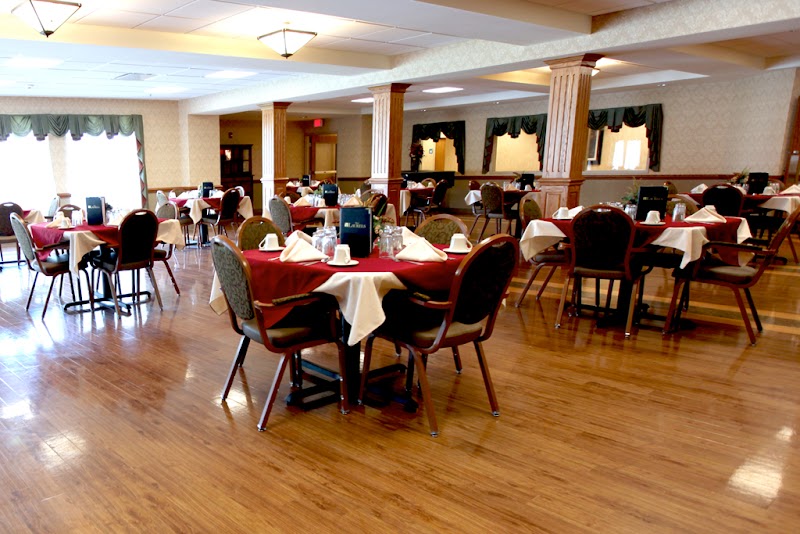
How Does Laurels Of Steubenville The Compare to Other Ohio Nursing Homes?

Compared to the 100 nursing homes in Ohio, LAURELS OF STEUBENVILLE THE's overall rating (2 stars) is below the state average of 3.2, staff turnover (38%) is near the state average of 46%, and health inspection rating (2 stars) is below the national benchmark.

What Should Families Ask When Visiting Laurels Of Steubenville The?

Based on this facility's data, families visiting should ask: "Can I visit during a mealtime to observe dining assistance and food quality?" "How do you handle medical emergencies, and what is your hospital transfer rate?" "Can I speak with family members of current residents about their experience?"

Is Laurels Of Steubenville The Safe?

Based on CMS inspection data, LAURELS OF STEUBENVILLE THE has a clean safety record: no substantiated abuse findings (meaning no confirmed cases of resident harm), no Immediate Jeopardy citations (the most serious violation level indicating risk of serious injury or death), and is not on the Special Focus Facility watch list (a federal program monitoring the lowest-performing 1% of nursing homes). The facility has a 2-star overall rating and ranks #100 of 100 nursing homes in Ohio. While no facility is perfect, families should still ask about staff-to-resident ratios and recent inspection results during their visit.

Do Nurses at Laurels Of Steubenville The Stick Around?

LAURELS OF STEUBENVILLE THE has a staff turnover rate of 38%, which is about average for Ohio nursing homes (state average: 46%). Moderate turnover is common in nursing homes, but families should still ask about staff tenure and how the facility maintains care continuity when employees leave.

Was Laurels Of Steubenville The Ever Fined?

LAURELS OF STEUBENVILLE THE has no federal fines on record. CMS issues fines when nursing homes fail to meet care standards or don't correct problems found during inspections. The absence of fines suggests the facility has either maintained compliance or corrected any issues before penalties were assessed. This is a positive indicator, though families should still review recent inspection reports for the full picture.

Is Laurels Of Steubenville The on Any Federal Watch List?

LAURELS OF STEUBENVILLE THE is not on any federal watch list. The most significant is the Special Focus Facility (SFF) program, which identifies the bottom 1% of nursing homes nationally based on persistent, serious quality problems. Not being on this list means the facility has avoided the pattern of deficiencies that triggers enhanced federal oversight. This is a positive indicator, though families should still review the facility's inspection history directly.