DIXON HEALTHCARE CENTER
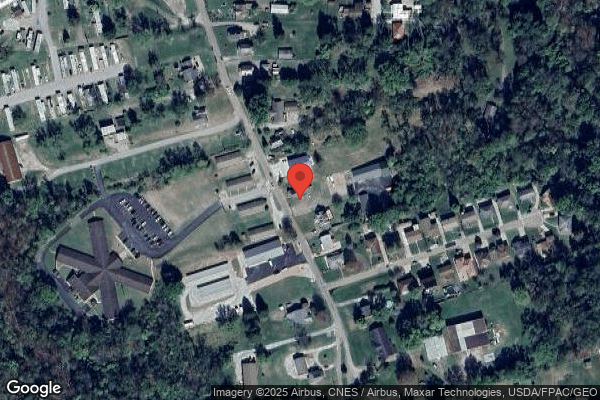

135 REICHART AVENUE, WINTERSVILLE, OH 43953 (740) 264-1155
For profit - Corporation 85 Beds COMMUNICARE HEALTH Data: November 2025 4 Immediate Jeopardy citations
Trust Grade
0/100
#662 of 913 in OH
Last Inspection: December 2024

Within standard 12-15 month inspection cycle. Federal law requires annual inspections.

Overview

Dixon Healthcare Center in Wintersville, Ohio, has received a Trust Grade of F, indicating significant concerns about its care quality. It ranks #662 out of 913 in Ohio, placing it in the bottom half of nursing facilities, and #3 out of 6 in Jefferson County, meaning only two local options are worse. The facility is trending toward improvement, having reduced issues from 30 in 2024 to 20 in 2025, but it still faces serious challenges. Staffing is rated 2 out of 5 stars, with a turnover rate of 51%, which is average but suggests instability. Notably, the facility has incurred $144,718 in fines, which is higher than 94% of Ohio facilities, indicating ongoing compliance issues. There have been critical incidents leading to resident deaths due to neglect, such as a failure to provide timely care and necessary medical interventions. For example, one resident did not receive prescribed medications and lab tests after returning from the hospital, while another experienced a decline in health without adequate assessment or communication to medical staff. On a positive note, the facility has good RN coverage, being better than 89% of similar facilities, which helps address potential problems. However, families should weigh these strengths against the serious weaknesses highlighted by the recent inspector findings.

Trust Score
F
0/100
In Ohio
#662/913
Bottom 28%
Safety Record
High Risk
Review needed
Inspections
Getting Better
30 → 20 violations
Staff Stability
⚠ Watch
51% turnover. Above average. Higher turnover means staff may not know residents' routines.
Penalties
✓ Good
$144,718 in fines. Lower than most Ohio facilities. Relatively clean record.
Skilled Nurses
✓ Good
Each resident gets 48 minutes of Registered Nurse (RN) attention daily — more than average for Ohio. RNs are trained to catch health problems early.
Violations
⚠ Watch
85 deficiencies on record. Higher than average. Multiple issues found across inspections.
★★☆☆☆
2.0
Overall Rating
★★☆☆☆
2.0
Staff Levels
★★★★★
5.0
Care Quality
★☆☆☆☆
1.0
Inspection Score
Stable
2024: 30 issues
2025: 20 issues

The Good

  • 5-Star Quality Measures · Strong clinical quality outcomes
  • Full Sprinkler Coverage · Fire safety systems throughout facility
  • No fines on record

Facility shows strength in quality measures, fire safety.

The Bad

2-Star Overall Rating

Below Ohio average (3.2)

Below average - review inspection findings carefully

Staff Turnover: 51%

Near Ohio avg (46%)

Higher turnover may affect care consistency

Federal Fines: $144,718

Well above median ($33,413)

Significant penalties indicating serious issues

Chain: COMMUNICARE HEALTH

Part of a multi-facility chain

Ask about local staffing decisions and management

The Ugly 85 deficiencies on record

4 life-threatening 1 actual harm
Jul 2025 8 deficiencies 1 IJ
CRITICAL (J) 📢 Someone Reported This

A family member, employee, or ombudsman was alarmed enough to file a formal complaint

Immediate Jeopardy (IJ) - the most serious Medicare violation

Free from Abuse/Neglect (Tag F0600)

Someone could have died · This affected 1 resident

**NOTE- TERMS IN BRACKETS HAVE BEEN EDITED TO PROTECT CONFIDENTIALITY** Based on closed medical record review, review of hospital records, review of Medscape medical reference information, policy revi...

Read full inspector narrative →
**NOTE- TERMS IN BRACKETS HAVE BEEN EDITED TO PROTECT CONFIDENTIALITY** Based on closed medical record review, review of hospital records, review of Medscape medical reference information, policy review, and interviews, the facility failed to protect Resident #64's right to be free from neglect. This resulted in Immediate Jeopardy and Actual Harm with subsequent death beginning on [DATE] when the facility failed to provide timely and appropriate goods and services to meet Resident #64's total care and medical needs and failed to ensure the resident received timely and necessary care and treatment to prevent serious illness and death. On [DATE] Resident #64 returned from the hospital with orders for Lasix (diuretic) 20 milligrams (mg) daily and basic metabolic profile (BMP) laboratory test to be completed on [DATE]. The orders for Lasix and the BMP were not initiated or completed per the hospital discharge orders. On [DATE], Resident #64 was ordered additional laboratory testing, including thyroid stimulating hormone (TSH), Vitamins B1, B6, and B12, plasma, folate, and Vitamin D and D3 levels that were not completed. Resident #64 was hospitalized from [DATE] to [DATE] for hypoglycemia, hyperkalemia with EKG changes, hyponatremia, and encephalopathy. On [DATE], the resident was ordered Lasix 80 mg upon discharge from the hospital that was not implemented. On [DATE], the resident was ordered to have laboratory testing including a complete blood count (CBC) and BMP completed STAT (immediately) to determine if the resident's Lasix was appropriate to continue. On [DATE], a one-time order for Lasix 40 mg and Potassium 20 milliequivalents (meq) was ordered and not administered. The STAT CBC and BMP lab results ordered on [DATE] and completed on [DATE] were not reported timely to the provider, resulting in the resident being hospitalized from [DATE] to [DATE] with edema requiring a Bumex (diuretic) continuous intravenous infusion. Additionally, upon re-admission on [DATE], Resident #64 was ordered Lactulose 15 mg/milliliter (ml), 45 ml four times daily. On [DATE], Resident #64 reported to the telehealth Nurse Practitioner (NP) that she had been on Lactulose and would like to restart it again to treat her cirrhosis. The telehealth NP inadvertently ordered a duplicate dose of Lactulose 30 ml, and the resident started the dosage on [DATE]. Resident #64 received duplicate doses of Lactulose, 45 ml and 30 ml doses, from [DATE] until [DATE] (with the exception of [DATE] and [DATE] when the medication was not administered). On [DATE], the resident's progress notes referenced the resident had left calf pain and was ordered an unspecified scan, which was not completed. Resident #64 continued to decline, could not stand, and requested to go the emergency room (ER) on [DATE]. However, Resident #64 was not transferred to the ER, nor was the nurse practitioner (NP) notified. On [DATE], Resident #64 again requested to go to the ER because she could not stand, which was abnormal for her. In the ER, the resident was diagnosed with hyperkalemia (elevated potassium level), acute kidney injury, and encephalopathy (a condition that affects brain function or structure and can lead to changes in mental state, behavior, or cognitive abilities). The resident subsequently went into acute respiratory arrest (in the ER) and expired in the hospital on [DATE]. This affected one resident (#64) of three residents reviewed for abuse and neglect. The facility census was 63. On [DATE] at 2:07 P.M., the Administrator, Interim Director of Nursing (IDON) #600, Assistant Director of Nursing/Registered Nurse (ADON/RN) #179, and Regional Nurse #601 were notified Immediate Jeopardy began on [DATE] when the facility failed to provide timely and appropriate goods and services to meet Resident #64's total care and medical needs and failed to ensure the resident received timely and necessary care and treatment to prevent serious illness and death. The Immediate Jeopardy was removed on [DATE] when the facility implemented the following corrective actions: On [DATE] at 3:00 P.M., Regional Director of Clinical Services #601 educated the Interim Director of Nursing #600 and Director of Nursing #179, LPN #135 and LPN #107 on the facility Abuse Neglect and Misappropriation, Residents Rights, Laboratory and Radiologic Services Reporting, Medication Administration, and Notification of Change in Condition policies, with emphasis on residents receiving the care and treatment needed to prevent serious illness and/or death, including medications needed to treat serious medical issues, providing ordered lab work and diagnostic tests that could identify medical issues, identifying serious changes and decline in a resident's condition. On [DATE] all new admissions (Resident #18, #28, #33, #43, #59 and #66) from [DATE] to current were audited and reviewed from 3:00 P.M. to 6:00 P.M., by Licensed Practical Nurse (LPN) #135 and LPN #107 to ensure all new admission orders were identified and implemented at time of admission. On [DATE], all 63 residents from [DATE] to current, were audited and reviewed from 3:00 P.M. to 8:00 P.M., by LPN #135 and LPN #107, to ensure all lab work was completed as ordered. Eight residents (Resident #4, #27, #28, #43, #50, #52, #59, #66) labs were re-scheduled due to the orders were not entered into lab portable. The physician was notified. On [DATE], all 63 residents from [DATE] to current were audited and reviewed from 3:00 P.M. to 3:30 P.M., by Registered Nurse (RN) #179, to ensure all lab results were identified and reported to the provider. On [DATE], all 63 residents from [DATE] to current were audited and reviewed from 3:00 P.M. to 3:30 P.M. by RN #179, for duplicated orders including lactulose orders awaiting clarification. On [DATE], all 63 residents from [DATE] to current were audited and reviewed from 3:00 P.M. to 3:30 P.M. by RN R#179, to ensure all diagnostic testing orders were identified and reported to the provider. One resident's (Resident #1) diagnostic tests were re-scheduled, and physician notified. On [DATE], all residents with a Brief Interview for Mental Status (BIMS) score of 13 or higher, total of 35 residents (Resident #3, #4, #8, #9, #10, #11, #12, #15, #17, #18, #20, #22, #28, #29, #32, #33, #35, #36, #41, #42, #43, #44, #45, #46, #47, #50, #51, #54, #55, #57, #58, #60, #61, #62, and #63) were interviewed by Social Service Designee (SSD) #116 and Director of Admissions #120, from 6:00 P.M. to 8:00 P.M., to ensure the residents were receiving goods and services as ordered such as medications, labs, and diagnostics. Three residents (Resident #3, #17, and #50), with concerns noted were addressed and MD notified. On [DATE], all 28 residents (Resident #1, #2, #5, #7, #13, #14, #16, #21, #23, #24, #25, #26, #27, #30, #31, #34, #37, #38, #39, #40, #48, #49, #52, #53, #56, #59, #64, and #66) with a BIMS less than 13 were assessed from 5:00 P.M. to 8:00 P.M. by LPN #135 and LPN #107 for potential neglect as a result of needed goods and services not being provided. Assessment included head to toe to assess for change of condition. Beginning on [DATE] the facility implemented a plan that upon hire, any new RN or LPN would receive education by the Assistant Director of Nursing/designee on Policies titled Abuse Neglect and Misappropriation, Residents Rights, Laboratory and Radiologic Services Reporting, Medication Administration, and Notification of Change in Condition, and verifying and confirming telehealth orders in a timely manner with emphasis on residents receiving the care and treatment needed to prevent serious illness and/or death, including medications needed to treat serious medical issues, providing ordered lab work and diagnostic tests that could identify medical issues, identifying serious changes and decline in a resident's condition. On [DATE] between 4:00 P.M and 10:00 P.M DON #600 and RN #179 educated all licensed nurses, (10 RNs and 9 LPNs) on the Abuse Neglect and Misappropriation, Residents Rights, Laboratory and Radiologic Services Reporting, Medication Administration, and Notification of Change in Condition policies, and verifying and confirming telehealth orders in a timely manner with emphasis on residents receiving the care and treatment needed to prevent serious illness and/or death, including medications needed to treat serious medical issues, providing ordered lab work and diagnostic tests that could identify medical issues, identifying serious changes and decline in a resident's condition. On [DATE] at 6:00 P.M, the Administrator presented the Quality Assessment and Performance Improvement (QAPI) Team with investigation and all findings for discussion and review. Discussion included abatement plan from incident regarding Resident #64, ensuring residents were receiving the care and treatment needed to prevent serious illness and/or death, including medications needed to treat serious medical issues, providing ordered lab work and diagnostic tests that could identify medical issues, identifying serious changes and decline in a resident's condition. Staff in attendance included the Administrator, Interim DON #600, LPN #107, Medical Records Director #188, SSD #116, LPN #135, Human Resource Director #155 and Regional Director of Clinical Operations #601. Via phone included the Medical Director #700, Regional Director of Operations (RDO) #701, Diversional Director of Clinical Operations (DDCO) #203, [NAME] President (VP) #702. A root cause analysis was performed on [DATE] by the interdisciplinary team with oversight by the Administrator. In review of the facilities non-compliance at Data Tag F600 current policies and procedures, documentation and staff interview, the root-cause analysis determined a need for improved clinical education and comprehensive oversight by clinical managers. Beginning on [DATE], the Administrator and DON or designee would conduct an audit on 3-5 residents/week for four weeks, and randomly thereafter to ensure residents were receiving the care and treatment needed to prevent serious illness and/or death, including medications needed to treat serious medical issues, providing ordered lab work and diagnostic tests that could identify medical issues, identifying serious changes and decline in a resident's condition, to prevent the same actions, situations, and/or practices from occurring in the future and to ensure on-going compliance. The audit would include reviewing new orders in the daily clinical meeting to ensure labs and diagnostics have been scheduled, results have been received, medications have been administered, and MD follow-up was complete. Three residents would be interviewed a week to identify if there were concerns. All findings of concern would be immediately addressed and reported to the QAPI committee for further review and prompt response and resolution. Although the Immediate Jeopardy was removed on [DATE], the deficiency remained at Severity Level 2 (no actual harm with the potential for more than minimal harm that is not Immediate Jeopardy) as the facility is still in the process of implementing their corrective action plan and monitoring to ensure on-going compliance. Findings included:Review of the closed medical record for Resident #64 revealed the resident was admitted to the facility on [DATE] with diagnoses including chronic kidney disease, cirrhosis, asthma, encephalopathy, bipolar, epilepsy, anxiety, falls, hypertension, depression, sleep disorder, post-traumatic stress disorder, hyperlipidemia, type 2 diabetes, left leg deep vein thrombosis, peripheral artery disease, and anemia. Review of Resident #64's plan of care initiated [DATE] revealed the resident used anti-anxiety medications and was encouraged to voice feelings, discuss coping skills, provide a calm environment, and limit over-stimulation. A care plan focus initiated [DATE] revealed Resident #64 was at nutritional risk due to acute renal failure, depression, diabetes, bipolar, morbid obesity, hypertension, fatty liver cirrhosis, diuretic therapy, large weight fluctuations related to fluid shifts from advanced disease process, and the resident doesn't want a therapeutic diet. The interventions included establishing a baseline weight, notify the medical provider and resident representative of unplanned weight changes, obtain labs per medical provider orders, obtain weekly weights if unplanned loss was identified, and provided diet as ordered. A care plan focus initiated [DATE] revealed Resident #64 had renal failure with interventions including to administer medication per orders and to observe for side effects and effectiveness. Report abnormal findings to medical provider. Observe for signs and symptoms of complication of renal disease (decrease urine output, increased BUN/creatine, edema, dyspnea, elevated blood pressure and heart rate, decreased peripheral pulses, fatigue, weight gain, confusion, and distended jugular veins). Notify medical provider, resident/resident representation of abnormal findings. Obtain and monitor labs/diagnostic studies, as ordered. Report abnormal findings to medical provider. Obtain weight as ordered and report abnormal fluctuations to medical provider. Provide diuretics as ordered. A care plan focus initiated [DATE] revealed Resident #64's activity of daily living (ADL) listed Resident #64 as independent with toileting and toileting hygiene. A care plan focus dated [DATE] revealed Resident #64's was at risk for altered bowel elimination related to medication side effects. Interventions included to administer medication per medical provider's order, monitor bowel movements, monitor medication for side effects of constipation. Keep medical provider, resident/resident representative of any problems. A care plan focus initiated [DATE] revealed Resident #64's had cirrhosis of the liver. Listed interventions included administering medication as ordered, providing emergency care for excessive bleeding, observing for signs and symptoms of liver disease (malaise, fatigue, anorexia, weight loss, edema, bleeding, constipation, diarrhea, ascites, confusion, and jaundice). Notify the medical provider of abnormal findings. Obtain and monitor labs/diagnostic studies as ordered. Obtain weight as ordered. A care plan focus initiated [DATE] revealed Resident #64 utilized anti-platelet medication. Interventions included providing medication as ordered and obtaining labs per orders. A care plan focus initiated [DATE] revealed Resident #64 occasionally had urinary incontinence related to urgency but was continent of bowel. The resident tended to wait too long to summon assistance and was noted to rush to the bathroom. Resident #64 was noted to toilet herself independently but was alert and able to ask for assistance if needed. A care plan focus initiated [DATE] revealed Resident #64 had behaviors related to bipolar disorder (verbal/physical outburst and delusions). Interventions included ensuring the resident felt safe and was able to express feelings and encouragement from family. Review of Resident #64's quarterly Minimum Data Set, dated [DATE] revealed a Brief Interview for Mental Status (BIMS) score of 15, indicating the resident had intact cognition. The resident's height was 65 inches, and she weighed 343 pounds. The assessment revealed the resident had delusions, but no behaviors towards others or rejection of care. The resident was always continent of urine and bowel and only required supervision of touching assistance with toileting. The resident's active diagnoses included renal failure, diabetes mellitus, hyperlipidemia, epilepsy, anxiety disorder, depression, asthma, cirrhosis of liver, stage 3 chronic kidney disease, and sleep disorder. The resident had no condition or chronic disease that may result in life expectancy of less than six months. The assessment revealed the resident wanted to talk to someone regarding returning to the community. Review of the resident's medical record revealed beginning on [DATE] the facility failed to provide timely and appropriate goods and services to meet Resident #64's total care and medical needs resulting in resident neglect. The facility failed to ensure comprehensive and individualized systems were in place to prevent resident neglect and to ensure Resident #64 received timely and necessary care and treatment to prevent serious illness and death. The following concerns were identified: a. Review of Resident #64's hospital records revealed the resident was hospitalized from [DATE] to [DATE] with diagnoses including acute kidney injury, hyperkalemia, volume overload/edema, hypertension, and anemia. Resident #64 was discharged from the hospital with new orders to increase Lactulose to 45 ml four times daily and to continue Lasix 40 mg twice daily. Review of Resident #64's progress note authored by NP #803 and dated [DATE] revealed the residents' blood pressure was low, her speech was slurred, and she was slow to respond. The resident has a history of encephalopathy with elevated ammonia levels and acute kidney injury. The note stated to send Resident #64 to the emergency room for evaluation and STAT labs. Review of Resident #64's hospital record dated [DATE] to [DATE] revealed the resident was transferred to the emergency room for altered mental status. The resident was diagnosed with acute kidney injury. The resident's discharge instructions included to decrease Lasix to 20 mg daily and listed an order for a BMP laboratory test to be completed on [DATE]. Review of Resident #64's medical record revealed no evidence a medication reconciliation was reviewed with a provider following the resident's re-admission on [DATE]. Review of Resident #64's Medication Administration Record (MAR) and orders dated 05/2025 revealed the Lasix 40 mg twice daily was discontinued. However, the new order for Lasix 20 mg was not initiated upon the resident's return from the hospital on [DATE]. Review of Resident #64's medical record revealed no evidence a BMP was completed on [DATE] as ordered. Review of Resident #64's weights revealed no evidence the resident was weighed on re-admission on [DATE]. On [DATE], the resident weighed 315 pounds and on [DATE], the resident weighed 340 pounds (reflecting a 25-pound weight gain in a seven-day period). Review of Resident #64's progress note dated [DATE] authored by RN #103 revealed Resident #64 had orders for laboratory testing including thyroid-stimulating hormone (TSH), Vitamin B1, B6, and B12, plasma, folate, and Vitamin D2 and D3. Review of Resident #64's medical record revealed no evidence the laboratory testing order on [DATE] for TSH, Vitamin B1, B6, and B12, plasma, folate, and Vitamin D2 and D3 was done. Review of Resident #64's progress note dated [DATE] authored by LPN #163 revealed the resident was on her way to an appointment with the liver doctor and she got very lethargic and felt like she was about to black out. The residents' blood sugar was 57 (hypoglycemic) and she was transferred to the emergency room. The aide that accompanied the resident reported the hospital was discussing admitting the resident. Review of Resident #64's hospital records dated [DATE] to [DATE] revealed the resident was admitted for hypotension, hypoglycemia, and altered mental status and was found to have acute kidney injury, hyperkalemia, and acute anemia and was transferred to interventive care unit (ICU) due to hypotension. The resident was also managed for acute on chronic anemia, acute encephalopathy, cirrhosis, sub-occlusive deep vein thrombosis, and lactic acidosis. The resident was re-admitted to the facility on [DATE]. Interview on [DATE] at 3:14 P.M., with the Administrator, IDON #600, and Corporate Nurse #601 confirmed the hospital records dated [DATE] indicated to decrease Lasix to 20 mg daily, however the order was not implemented. IDON #600 and Corporate Nurse #601 confirmed there was no documented evidence that the re-admission orders were reconciled with the resident's physician. IDON #600 confirmed the resident was re-admitted to the hospital on [DATE] and noted the resident had a 25-pound weight gain. During the interview the Administrator, IDON #600, and Corporate Nurse #601 confirmed there was no evidence the TSH, Vitamin B1, B6, and B12, plasma, folate, and Vitamin D2 and D3 laboratory testing was completed on [DATE] as ordered. Interview on [DATE] at 9:06 A.M., with Corporate Nurse #802 confirmed Resident #64 did not have a BMP on [DATE] per the hospital orders on [DATE]. b. Review of Resident #64's re-admission weight dated [DATE] revealed the resident weighed 391.8 pounds. Review of Resident #64's re-admission orders dated [DATE] revealed the resident was ordered Lasix 80 mg daily until appropriately diuresed and in one week ([DATE]) follow up with (laboratory testing) iron panel, TIBC, ferritin, CBC, and BMP. Review of Resident #64's MAR and orders revealed no evidence the Lasix 80 mg was implemented per the hospital discharge orders dated [DATE]. Review of Resident #64 progress note dated [DATE] at 1:36 P.M. authored by LPN #107 revealed it was reported to the nurse manger Resident #64 had increased edema in her abdomen and pelvis. A call was placed to the facility NP who consulted with the physician. New orders were obtained for a STAT CBC and BMP laboratory test, and a one-time dose of Lasix 80 mg was ordered. Review of Resident #64 laboratory results dated [DATE] revealed Resident #64's CBC and BMP were collected on [DATE] at 12:26 P.M., received at 2:22 P.M., and resulted at 2:28 P.M. The residents' glucose, BUN, and creatine were high and red blood cells, hemoglobin and hematocrit were noted to be low. Review of Resident #64's NP #905 note dated [DATE] revealed the resident was seen for edema. The resident had requested Lasix. The nurse reported the facility had not received the laboratory testing that was completed on [DATE] due to it being sent to the hospital. The nurse would call the hospital to try to get renal function test to determine if routine Lasix was ordered. A one-time order of Lasix 40 mg and Potassium 20 meq was ordered until renal function could be evaluated. The note included to please call back with any changes in conditions. Further review of Resident #64's 05/2025 MAR revealed no documented evidence the one-time order for Lasix 40 mg or Potassium 20 meq was administered per the NP's order on [DATE]. Review of Resident #64's progress note dated [DATE] authored by LPN #178 revealed the nurse attempted to call the hospital, however an automated system indicated laboratory requests were only available Monday through Friday and if there was a holiday, you could not get results until the following day. Review of Resident #64's progress note dated [DATE] authored by LPN #163 revealed laboratory results were received. The resident potassium was 4.9, BUN was 38, and Creatinine was 2.4. There was no documented evidence that the provider was notified of laboratory results. Review of Resident #64's weight dated [DATE] revealed the resident weighed 407.2 pounds (reflecting a 15.4-pound weight gain from the [DATE] weight of 391.8 pounds). Review of Resident #64's progress note dated [DATE] authored by RN #902 revealed Resident #64 was requesting a water pill due to her feet swelling up. Upon checking orders, the resident was not on any Lasix. The resident insisted she wanted it back. The provider called and said she could only give a stat order as she was waiting for the resident's labs. Resident #64 stated the labs were already drawn. The note included the provider couldn't trace her recent labs and said they had to wait for the results to determine if the resident could continue to take the Lasix. STAT order for a one-time dose of Lasix 40 mg and Potassium 40 mEq were placed and administered. Resident #64 later complained of shortness of breath, but her oxygen saturation levels were withing normal limits. Review of Resident #64's progress note dated [DATE] authored by LPN #178 revealed during skin assessment the resident was noted to have plus three pitting edema (a moderate amount of swelling where an indentation remains on the skin after pressure is applied for a short period of time) in her bilateral lower extremities. The resident was swollen from her abdomen to her toes. Resident #64's abdomen was tight, bumpy and dimpled like an orange peel. The physician was previously notified, and new orders were received. Review of Resident #64's progress note dated [DATE] at 1:30 P.M. authored by RN #158 revealed the resident complained of not feeling well. On examination, the resident had a distended abdomen that was pitting to the touch, with clear fluid oozing from the left side. The resident had edema of both lower extremities that were pitting to the touch. The resident complained of pain with touch to both the abdomen and lower extremities. The note referred to a new order to transfer the resident to the hospital. Review of Resident #64's hospital record dated [DATE] to [DATE] revealed the resident was seen for swelling and weight gain. The resident was profoundly edematous and was symptomatic with shortness of breath from volume (fluid) overload. The records indicated Resident #64 likely required a trial of aggressive diuresis. The resident reported gaining over 100 pounds over the past few weeks. The resident had increased peripheral edema as well as shortness of breath associated with weight gain. Due to these symptoms, she was brought to the emergency department for evaluation. Laboratory studies in the emergency department revealed the resident had an acute kidney injury with her creatine (a waste product indicative of kidney health, with elevated levels indicating kidney issues) elevated at 3.73. The last known creatine was on [DATE] and it was 2.40. Resident #64's potassium was elevated at 5.6 (normal level 3.5 to 5.0 (when levels get too high it can cause problems such as muscle weakness, irregular heartbeat, and can become life-threatening). The notes indicated Resident #64 also had anemia, with a hemoglobin level of 7.9 (normal values between 10.5 to 12.5). A chest x-ray was completed with findings of vascular congestion. The resident was admitted to the intensive care unit (ICU) for further evaluation and management. Nephrology (kidney specialist) was consulted due to renal failure and hyperkalemia. Resident #64 was started on a Bumex (diuretic) continuous intravenous infusion. Review of Resident #64's hospital record dated [DATE] to [DATE] revealed Resident #64 was ordered 45 ml of Lactulose four times daily and Bumex 2 mg daily. Interview on [DATE] at 3:14 P.M., with the Administrator, IDON #600, and Corporate Nurse #601 confirmed there was no documented evidence the provider was notified of the STAT laboratory results that were collected and resulted on [DATE]. There was no documented evidence on the MAR the Lasix 40 milligram (mg) and Potassium 20 milliequivalent (meq) were administered on [DATE] per NP #905 progress note dated [DATE]. Corporate Nurse #601 confirmed the resident was hospitalized from [DATE] to [DATE]. Interview on [DATE] at 9:06 A.M., with Corporate Nurse #802 confirmed the resident's Lasix 80 mg was not implemented per the discharge orders dated [DATE]. c. Review of Resident #64 bowel history records dated 05/2025 revealed the resident was hospitalized on [DATE] and returned on [DATE] and had one large soft bowel movement (BM) on night shift. On [DATE] one large loose BM, on [DATE] no BM, [DATE] one medium loose BM, no BM on [DATE], on [DATE] one medium formed BM on day shift and one large loose BM on nights. On [DATE] and [DATE], one medium soft BM on nights, [DATE] and [DATE] large soft BM on nights, and [DATE] one medium formed BM on days. The resident was hospitalized from [DATE] to [DATE]. On [DATE], the resident had one medium formed BM on nights, [DATE] one large form BM on days, [DATE] one large loose BM on nights. The resident was hospitalized on [DATE] to [DATE]. Review of Resident #64's re-admission orders dated [DATE] revealed an order for Lactulose 10 grams (gm) per 15 ml, give 45 ml four times day. Review of NP #200's telehealth note dated [DATE], which was not part of the medical record, revealed NP #200 completed a telehealth visit on [DATE] for monthly rounds. Resident #64 reported she was previously on Lactulose and would like to restart back on Lactulose for history of cirrhosis. The resident denied nausea, vomiting, abdominal pain, constipation, and diarrhea. The resident was having regular bowel movements without bleeding. The plan was to restart the Lactulose and obtain laboratory testing to check ammonia, prealbumin, CBC, and BMP. There was an addendum added after the surveyor noted concerns with the Lactulose order on [DATE]. The addendum was dated [DATE] at 11:37 A.M., indicating that Lactulose had been previously increased due to lack of stools and a listed goal was for the resident to have two to three stools a day. Review of Resident #64's MAR dated 06/2025 revealed from [DATE] to [DATE], the resident received 45 ml of Lactose four times daily. From [DATE] to [DATE], the resident received 30 ml of Lactose four times a day except for the 10:00 P.M. doses on [DATE] and [DATE] which were not given as the nurse questioned the duplicate orders and noted she was awaiting clarification. Review of Resident #64's progress note dated [DATE] authored by RN #902 revealed the resident's blood glucose was 91. The resident reported her stomach felt full and she had not been able to eat well for two days. Review of Resident #64's bowel record dated 06/2025 revealed the resident did not have a bowel movement (BM) on [DATE], one large, formed BM on [DATE] and [DATE] and one medium BM on [DATE]. Interview on [DATE] at 10:00 A.M., with LPN #135 revealed she had reached out to NP #200 to send his telehealth visit note as it was not contained in Resident #64's medical record. Interview on [DATE] at 3:14 P.M., with the Administrator, IDON #600, and Corporate Nurse #601 reported the NP visits were all telehealth visits, and the NPs were available 24/7 to verify/clarify all orders. They indicated they were not sure why the Lactulose order was not clarified on [DATE]. Interview on [DATE] at 11:50 A.M., via telephone with Corporate Nurse #601 confirmed NP #200 had increased the dose (of Lactulose) on [DATE], however his progress note was not in the medical record. The resident's ammonia level on [DATE] was 45 (normal range 9-33) and the prior ammonia level dated [DATE] was 114 in the hospital. A telephone interview on [DATE] at 12:05 P.M., with NP #200 revealed he did a telehealth visit on [DATE] which was not in the medical record due to a glitch in the system. NP #200 reported he added an order for an additional 30 ml of Lactulose due to Resident #64 not having two to three bowel movements a day, which was the goal. Resident #64 had just been re-admitted on [DATE] after being hospitalized from [DATE] to [DATE]. NP #200 could not recall how many bowel movements the resident was having prior to increasing the dose. NP #200 reported he did not consult with the resident's physician or specialist because he felt 75 ml was safe dose for a short period of time. The NP confirmed he did not put a stop date on the new order because he stated he knew Resident #64 would be seen again in a week for a follow-up. Interview on [DATE] at 12:30 P.M., via email with the Administrator confirmed NP #200 had added a late addendum, dated [DATE], to his progress note from [DATE] to include the Lactulose was increased due to Resident #64's lack of stools and the goal was two to three stools daily. Interview on [DATE] at 7:03 A.M., with Certified Nursing Aide (CNA) #113 reported Resident #64 toileted herself and reported the resident had three BM's daily. The CNA reported she had provided care to the resident the last few weeks before she had expired and she had intermittent confusion. Interview on [DATE] at 9:25 A.M., with CNA #190 revealed Resident #64 usually toileted herself, however the last few weeks she started [TRUNCATED]
CONCERN (D) 📢 Someone Reported This

A family member, employee, or ombudsman was alarmed enough to file a formal complaint

Potential for Harm - no one hurt, but risky conditions existed

Deficiency F0602 (Tag F0602)

Could have caused harm · This affected 1 resident

**NOTE- TERMS IN BRACKETS HAVE BEEN EDITED TO PROTECT CONFIDENTIALITY** Based on medical record review, review of self-reported incidents (SRI), interviews, and policy review, the facility failed to p...

Read full inspector narrative →
**NOTE- TERMS IN BRACKETS HAVE BEEN EDITED TO PROTECT CONFIDENTIALITY** Based on medical record review, review of self-reported incidents (SRI), interviews, and policy review, the facility failed to prevent misappropriation of Resident #48's narcotic pain patches. This affected one resident (#48) of three residents reviewed for controlled medications. The facility census was 63. Findings include: Medical record review revealed Resident #48 was admitted to the facility on [DATE] with diagnoses including hospice services, chronic obstructive pulmonary disease, type two diabetes, absence of eye and above right knee, anxiety, peripheral vascular disease, aphasia, bursitis of right elbow, and heart disease. Review of Resident #48's orders dated 03/31/25 to present revealed Fentanyl (an opioid analgesic) 50 microgram (mcg) patch. Instructions stated to apply one patch topically to the resident's upper torso every 72 hours routinely for pain. Review of Resident #48's admission assessment completed 03/31/25 revealed the resident was not capable of verbalizing pain. The resident was noted to have displayed non-verbal indicators of pain. The resident was receiving scheduled pain medication. Review of Resident #48's aphasia plan of care dated 03/31/25 and revised 06/17/25 revealed the resident had a communication problem. Listed interventions included to observe and document for physical and non-verbal indicators of discomfort or distress and to follow-up as needed. Review of Resident #48's chronic pain plan of care dated 04/01/25 revealed to observe the resident for pain every shift and follow physician orders for complaints of pain. Review of Resident #48's Minimum Data Set (MDS) admission assessment dated [DATE] revealed the resident's was rarely/never understood. The resident had non-verbal sounds and facial expressions as indicators of pain or possible pain. The resident was noted to have indicators of pain or possible pain daily. Review of Resident #48's controlled drug record dated 04/2025 revealed on 03/31/25, five Fentanyl 50 mcg patches were delivered. The first patch was recorded as administered on 04/01/25 and the second patch on 04/04/25 as scheduled. There was a missed dose on 04/07/25, and the third dose was administered on 04/10/25. The fourth dose was administered on 04/13/25, and the fifth dose did not have a date or time it was administered. Two additional Fentanyl 50 mcg patches were sent by the pharmacy on 04/11/25. The first patch was administered 04/16/25, there was missed dose on 04/19/25, and the second patch was administered on 04/22/25.Review of Resident #48's medication administration records dated 04/2025 revealed a Fentanyl 50 mcg patch was to be applied to the resident's upper torso every 72 hours routinely for pain. The patch was signed out on the controlled drug record on 04/13/25 and 04/16/25. There was no documented evidence that an additional patch was administered between 04/13/25 to 04/16/25 to account for the fifth patch that was sent on 03/31/25.Review of Resident #48's pain assessment dated [DATE] revealed the resident received scheduled pain medication and was unable to express acceptable pain level and/or tolerance. Interview on 07/08/25 at 12:22 P.M. with Registered Nurse (RN) #158 revealed there had been several instances where Resident #48's Fentanyl patch was not in-place. He could not recall dates, but the first time he didn't think anything about it. The second time he started to wonder. The third time another nurse reported to him Resident #48's Fentanyl patch was missing, and he knew it was in-place because he was the one that administered the patch. The fourth time he spoke to the previous Director of Nursing (DON) regarding his concerns that someone was removing patches from Resident #48, however she had theories of what could have happened, but did not do anything. Then, on 06/03/25, RN #158 reported he started his own investigation and tried to rule out the hospice aide. On 06/03/25, he noticed there was not a patch in place where it was documented it was placed, however there was an old patch on her lower back that was outdated (not three days prior but could not recall exact date). RN #158 reported he waited until the hospice aide gave the resident a shower and left. The outdated patch was still on the resident's lower back. He asked another nurse to witness him applying the new patch and when he went back two hours later to give the resident oral medication, the patch was missing. He asked the nurse to come back to verify the patch was missing. The facility searched for the room and resident and the patch could not be found. They told the unit manger which told the Administrator. RN#158 reported he never thought it would come up missing in two hours and he even put a transparent patch over the pain patch to ensure it was secure. Interview on 07/08/25 at 4:00 P.M., with Regional Nurse #203 confirmed the fourth patch was signed out on the 04/13/25 and the next patch would have due on 04/16/25. Regional Nurse #203 confirmed there was documented evidence on the narcotic control sheet the date and time the fifth patch was administered, however an additional two patches were sent on 04/11/25 and staff had signed out one patch on 04/16/25 leaving patch five on the previous control sheet unaccounted for.Review of SRI #261202 dated 06/04/25 revealed nursing staff reported to administration a missing fentanyl patch that was previously placed on Resident #48 approximately one and one-half hours before noticing it was missing. Licensed Practical Nurse (LPN) did not witness any staff, resident, or visitor enter the resident's room after placing the fentanyl patch. Nursing administration immediately searched the resident's room and facility for the missing fentanyl patch. The fentanyl patch was not found. An effort was made to communicate with resident in effort to gain knowledge of missing patch. Resident #48 seemed to understand and was willing to answer questions, though some confusion was observed. Initially, Resident #48 confirmed that she had taken the patch off herself but seemed to lose communication when asked of the current location of the patch. When questioned a second time, Resident #48 communicated that a white female staff member had taken the patch off of her. All female staff members present were not identified by the resident as the staff member in question. All staff, including staff that had already clocked out for their shift, were recalled to the building and statements were collected for all staff members pertaining to this investigation with no findings. The County Sheriff's office was notified. Officers arrived and also interviewed all staff with no findings as a result. One female housekeeping aide that had returned after being recalled was potentially identified as the suspected staff member who removed the patch by Resident #48 nodding her head. The female staff member was immediately suspended pending the outcome of the investigation. The female staff member submitted herself immediately for drug screening on her own accord. The results of the drug testing showed no positive result for illicit drugs. The following day, the staff member reported to her immediate supervisor that she would be resigning effective that day. Staff statements and interviews conducted by facility administration and the local sheriff's department resulted in no conclusive evidence as to who removed the fentanyl patch. Like residents were identified and audited with no concerns identified. A facility-wide narcotic audit was completed with no findings. Residents were interviewed regarding pain and/or assessed with no adverse findings. Resident #48's fentanyl patch was replaced by the facility at the facility's expense, and the resident's physician and responsible party was notified. All staff were re-educated on the facility's policy for abuse, neglect and misappropriation reporting out of an abundance of caution. Resident #48 had no adverse outcome as a result of the incident. The SRI concluded by referencing that the evidence was inconclusive. Review of the facility's policy and procedure titled Fentanyl Transdermal Patch undated revealed the regulation requires the facility have a system to account for controlled medications' receipt and disposition in sufficient detail to enable an accurate reconciliation. Fentanyl transdermal patches present a unique situation given the multiple boxed warnings, and the substantial amount of fentanyl remaining in the patch after removal, creating a potential for abuse, misuse, diversion, or accidental exposure. Remove the previous patch and dispose of immediately prior to adding the next patch. If no patch is located, provide a complete body scan and search clothing, bed linens and surrounding area if the patch had fallen off. Validate there is no patch on skin prior to applying the next patch. Document that no patch was located to be removed and verify with a second nurse. Notify the DON and/or Nursing management for follow-up. Recheck security of the patch and see that it actually sticks. The nurse will dispose of the patch in the presence of a second nurse. The nurse will stick the sticky sides of the patch together and place them in the drug disposal system. Both nurses will sign on the controlled substances proof of use sheet or the current use narcotic sign out sheet stating destruction, date, time, and method of destruction. Example S. [NAME], Licensed Practical Nurse (LPN) [NAME] Registered Nurse (RN) 03/02/17 Flushed 10:07 A.M. to denote destruction. Review of the facility's policy and procedure titled Medication Controlled Drugs and Security undated revealed narcotics would be kept under double lock and would be counted by the on-coming and off-going nurse at the end of each shift and before the keys are passed to the next shift. A record is retained for all drugs destroyed by licensed personnel and by individual state guidelines. Drug diversion would be treated as misappropriation of resident property and the board of nursing would be notified as appropriate for known drug diversions or suspected drug diversion after careful review and evidence collection. Controlled drugs as well as the controlled drug count sheets and cards, are counted every shift change by the nurse reporting on duty with the nurse reporting off duty. In the event a discrepancy is found, check the resident's medication sheets and chart to see if a narcotic had been administered and not recorded. Check previous recordings on the control sheet for mistakes in arithmetic. If the cause of the discrepancy cannot be located and/or the count does not balance, report the matter to the supervisor for immediate investigation. Nurses, or qualified medication aide may not leave the unit until the directed to do so by the immediate supervisor. The incident would be investigated and reported the Administration leadership. Review of the facility's policy and procedure titled Abuse, Neglect, and Misappropriation undated revealed an injury of unknown origin must meet both of the following conditions: the source of the injury was not observed by any person and could not be explained by the resident and the injury was suspicious because of the extent and location of the injury, number of injuries observed at one particular point in time, or the incidence of injuries over time. Misappropriation of resident property was defined as the deliberate misplacement, exploitation, or wrongful, temporary or permanent use of a resident's belongings or money without the resident's consent. It was the facility's policy to prevent the abuse, mistreatment, or neglect of residents or the misappropriation of their property. In the event an allegation was made, the facility would take measures to protect residents from harm during an investigation. Accurate and timely reporting of incidents, both alleged and substantiated, will be sent to officials in accordance with the state law. If the alleged violation is verified, appropriate corrective action would be taken by the facility. This deficiency represents non-compliance investigated under Complaint Number OH00166292 (1284491).
CONCERN (D) 📢 Someone Reported This

A family member, employee, or ombudsman was alarmed enough to file a formal complaint

Potential for Harm - no one hurt, but risky conditions existed

Investigate Abuse (Tag F0610)

Could have caused harm · This affected 1 resident

**NOTE- TERMS IN BRACKETS HAVE BEEN EDITED TO PROTECT CONFIDENTIALITY** Based on medical record review, observation, interview, and facility policy review, the facility failed to timely investigate an...

Read full inspector narrative →
**NOTE- TERMS IN BRACKETS HAVE BEEN EDITED TO PROTECT CONFIDENTIALITY** Based on medical record review, observation, interview, and facility policy review, the facility failed to timely investigate an injury of unknown origin. This affected one resident (#31) of three residents reviewed for abuse. The facility census was 63. Findings include:Medical record review revealed Resident #31 was admitted to the facility on [DATE] with diagnoses including Alzheimer's disease, dementia with other behavioral disturbance, conversion disorder with seizures or convulsions, anxiety, depression, paranoid schizophrenia, and nontraumatic intracerebral hemorrhage. Review of Resident #31's skin assessment dated [DATE] revealed the resident had skin tear on the left elbow measuring 2.0 centimeter (cm) in length by one cm in width by 0.1 cm depth. The diagnoses was fragile skin. Review of Resident #31's order dated 07/02/25 revealed to cleanse the left elbow with normal saline, pat dry, apply xeroform (a non-adherent gauze dressing) and cover with silicone boarder foam dressing. Instructions included to change the dressing daily and as needed, every day shift, for impaired skin integrity.Further review of Resident #31's record revealed no evidence how the resident sustained the skin tear or documentation regarding the bruise to the left lower arm. Observation on 07/08/25 at 10:50 A.M. of Resident #31 revealed the resident was sitting in common area in a wheelchair. The resident had a dressing intact, and a bruise noted to his left lower arm.Interview and observation of Resident #31 on 07/09/25 at 2:38 PM with Regional Nurse #202 and Administrator revealed the resident had a dark purple bruise on his left lower arm, scratches on the upper arm, scabs noted above the dressing on the left lower arm, and slight edema to the left arm. Regional Nurse #202 confirmed the facility did not conduct an investigation to determine how the resident sustained the skin tear, nor was there documentation regarding the bruise on the left lower arm. The Administrator reported the facility had started an self-reported incident (SRI) that day (07/09/25).Review of the facility's policy titled Abuse Neglect, and Misappropriation undated revealed an injury should be classified as an injury of unknown origin when both of the following conditions are met: the source of the injury was not observed by any person and the source of injury could not be explained by the resident and the injury was suspicious. The accurate and timely identification of any event which would place a resident at risk is a primary concern of the facility. The following procedure will assist the staff in the identification of incident and direct them to appropriate steps and interventions. Each occurrence of resident incident, bruise, abrasion, or injury of unknown source, or report of alleged abuse, neglect, or misappropriation of funds would be identified and reported to the supervisor and investigated timely. This deficiency represents non-compliance investigated under Complaint Number OH00166698 (1284492).
CONCERN (D) 📢 Someone Reported This

A family member, employee, or ombudsman was alarmed enough to file a formal complaint

Potential for Harm - no one hurt, but risky conditions existed

Quality of Care (Tag F0684)

Could have caused harm · This affected 1 resident

**NOTE- TERMS IN BRACKETS HAVE BEEN EDITED TO PROTECT CONFIDENTIALITY** Based on medical record review, observation, and interviews, the facility failed to ensure that adequate care and treatment was ...

Read full inspector narrative →
**NOTE- TERMS IN BRACKETS HAVE BEEN EDITED TO PROTECT CONFIDENTIALITY** Based on medical record review, observation, and interviews, the facility failed to ensure that adequate care and treatment was provided for a resident with left arm edema and failed to ensure bruising was assessed and documented. This affected one resident (#31) of three residents reviewed for change in condition. The facility census was 63. Findings include:Medical record review revealed Resident #31 was admitted to the facility on [DATE] with diagnoses including Alzheimer's disease, dementia with other behavioral disturbance, conversion disorder with seizures or convulsions, anxiety, depression, paranoid schizophrenia, and nontraumatic intracerebral hemorrhage. Review of Resident #31's progress notes dated 07/04/25 to 07/06/25 revealed no evidence the resident had left arm edema. Review of Resident #31 progress note dated 07/07/25 at 12:35 P.M., revealed the resident had a telehealth visit completed for concern of a swollen left arm. Nurse Practitioner (NP) #200 ordered a doppler (a non-invasive ultrasound used to assess the health of blood vessels) of the left arm. Further review of Resident #31's record revealed no documented evidence an assessment of the left arm edema was completed. Review of Resident #31's record revealed no evidence of the telehealth visit that was completed on 07/07/25 by NP #200.Review of Resident #31's orders dated 07/07/25 revealed no evidence a doppler of the left arm had been ordered. Review of Resident #31's telehealth visit completed by NP #201 dated 07/08/25 (actual time of visit was not noted) revealed the nurse reported the resident's left arm was swollen. The nurse stated it was not like that when she last cared for the resident a few days prior. The note stated Resident #31 did not seem to be in pain when at rest and when the arm was not being disturbed. Resident refused to straighten the left arm, even with the nurse trying on video. The resident was swatting her away. The resident had scrapes on the left arm that the nurse stated were from hitting his arms on things like the wheelchair. The note referenced there had been no recent significant trauma or falls. Resident #31's left upper arm did appear slightly swollen with mild pitting edema. A full evaluation could not be done due to the resident not being cooperative at the time of the exam. The note stated the left arm had no erythema (redness) observed on areas that could be observed via video in the current position. The plan was to apply ice and cold compress to the left upper arm for 30 minutes at a time, every three hours as tolerated by Resident #31 and to elevate the left upper extremity on pillows or rolled towels while in bed. The note stated to continue with orders by the previous provider (doppler examination). The note stated to report any results received to the provider for review upon receipt. The note concluded by instructing staff to monitor Resident #31 and report any acute changes in condition or declines noted to the providers promptly. Review of Resident #31's July 2025 physician orders revealed no evidence of any orders for ice and/or cold compresses for 30 minutes at a time every three hours as tolerated. Additionally, there was no evidence of an order to elevate Resident #31's left upper extremities on pillows or rolled towels while in bed as referenced in NP #201's note. Further review of Resident #31's physician orders revealed two orders were entered on 07/08/25 at 12:21 A.M. and 3:55 P.M. for a doppler of the left arm to rule out deep vein thrombosis (DVT) for new onset edema of left upper extremity for two days. Observation on 07/08/25 at 10:50 A.M., of Resident #31 revealed the resident was sitting in common area in a wheelchair. The resident had a dressing intact to his left lower arm and a dark purple bruise was noted on left lower arm measuring 5 centimeters (cm) by 4 cm. Review of Resident #31's progress notes dated 07/08/25 at 4:07 P.M. revealed the resident's left arm was still swollen. The resident had no complaints of pain or discomfort. A venous doppler was ordered to rule out DVT and labs were ordered for the following morning. Review of Resident #31's plan of care revealed no evidence a plan of care, or any interventions such as ice or elevation, had been implemented to address Resident #31'sleft upper extremity edema. Review of Resident #31's medical record on 07/09/25 revealed no evidence the doppler had been performed. Additionally, there was no evidence the dark purple bruise on the resident's left lower arm had been assessed. Interview and observation of Resident #31 on 07/09/25 at 2:38 PM with Regional Nurse #202 and the Administrator revealed the resident had a dark purple bruise on left lower arm, scratches on the upper arm and scabs noted above the dressing on the left lower arm, and slight edema noted to the left arm. The resident was lying in bed, and the resident's arm was not elevated. There was no evidence any ice or cold compress had been recently applied. Interview on 07/10/25 at 8:56 AM with Regional Nurse #202 confirmed the doppler should have been done within 24 hours of the original order on 07/07/25 at 12:35 P.M. The Regional Nurse confirmed the progress note indicated NP #200 had ordered the doppler on 07/07/25 at 12:35 P.M., however the order was not entered. Regional Nurse #202 confirmed NP #201 re-evaluated the Resident on 07/08/25 and ordered ice and elevation which was not implemented or ordered. The Regional Nurse confirmed there was no documentation of the dark purple bruise on the left arm as well. Interview on 07/14/25 at 11:58 A.M., with LPN #135 confirmed NP #200's note was not contained in Resident #31's electronic medical record. The LPN reported the note from NP #200 did not transfer into the system. The LPN provided the surveyor a copy of the note. The note was dated 07/07/25 at 10:44 A.M. and revealed the resident had complaining of left arm edema which began 2-3 days prior. The resident denied pain and any wounds or trauma. Resident #31 reported the left arm had some mild redness but denied any fevers or chills. The resident had plus-two (pitting) edema to the left upper extremity. The plan was to check a venous duplex (a type of doppler examination that uses real-time imaging in addition to ultrasound) of the left arm, check complete blood count and basic metabolic panel laboratory levels. If the duplex was positive (indicating an abnormal finding), the provider noted they may consider prescribing Resident #31 an anticoagulant. This deficiency represents non-compliance investigated under Complaint Number OH00166292 (1284491) and is a recite to the complaint survey completed 06/02/25.
CONCERN (D) 📢 Someone Reported This

A family member, employee, or ombudsman was alarmed enough to file a formal complaint

Potential for Harm - no one hurt, but risky conditions existed

Deficiency F0697 (Tag F0697)

Could have caused harm · This affected 1 resident

**NOTE- TERMS IN BRACKETS HAVE BEEN EDITED TO PROTECT CONFIDENTIALITY** Based on medical record review, interview, and policy review the facility failed to ensure residents received effective pain man...

Read full inspector narrative →
**NOTE- TERMS IN BRACKETS HAVE BEEN EDITED TO PROTECT CONFIDENTIALITY** Based on medical record review, interview, and policy review the facility failed to ensure residents received effective pain management. This affected three residents (#48, #61, and #65) of three residents reviewed that received pain patches. Findings include:1. Medical record review revealed Resident #48 was admitted to the facility on [DATE] with diagnoses including hospice services, chronic obstructive pulmonary disease, type two diabetes, absence of eye and above right knee, anxiety, peripheral vascular disease, aphasia, bursitis of right elbow, and heart disease. Review of Resident #48's admission assessment completed [DATE] revealed the resident was not capable of verbalizing pain. The resident was displaying non-verbal indicators of pain. The resident was receiving scheduled pain medication. Review of Resident #48's aphasia plan of care dated [DATE] and revised [DATE] revealed the resident had a communication problem. Interventions included observing/document for physical/nonverbal indicators of discomfort or distress and follow-up as needed. Review of Resident #48's chronic pain plan of care dated [DATE] revealed to observe pain every shift and follow physician orders for complaints of pain. Review of Resident #48's admission minimum data set (MDS) dated [DATE] revealed the resident's cognition was rarely/never understood. The resident had non-verbal sounds and facial expression as indicators of pain or possible pain. The resident had indicators of pain or possible pain daily. Review of Resident #48's pain assessment dated [DATE] revealed the resident received scheduled pain medication and was unable to express acceptable pain level and or tolerance. Review of Resident #48's orders dated [DATE] to present revealed Fentanyl (narcotic medication) 50 microgram (mcg) patch. Apply one patch topically to upper torso every 72 hours for pain. Review of Resident #48's Fentanyl 50 mcg control drug record dated [DATE] to [DATE] revealed no evidence a pain patch was administered on [DATE] and [DATE]. Interview on [DATE] at 4:00 P.M., with Regional Nurse #203 confirmed Resident #48's Fentanyl patch was not administered on [DATE] and [DATE] per physician orders and therefore would not have provided effective pain control for the resident.Interview on [DATE] at 9:43 A.M., with Registered Nurse (RN) #108 revealed Resident #48 had communication impairment and if she likes you she will nod when questioned. The resident had general chronic pain all over. The resident was receiving hospice services and the resident's hospice provider ordered the resident's pain medication on a schedule to ensure adequate pain control. 2. Record review revealed Resident #61 was admitted to the facility on [DATE] with diagnoses including dorsalgia, chronic pain, epilepsy, peripheral autonomic neuropathy, and hyperlipidemia. Review of Resident #61's chronic pain plan of care dated [DATE] revealed to provide medications per orders.Review of Resident #61's current orders revealed Buprenorphine (pain medication that works to block pain signals between the brain and the rest of the body) 10 mcg patch, one patch transdermal every seven days for pain (order written by pain center medical provider).Review of Resident #61's MAR dated [DATE] revealed the resident was not administered Buprenorphine pain patch on [DATE] or [DATE] due to medication was not available. The last dose was administered on [DATE] and resumed on [DATE]. Review of Resident #61's progress note dated [DATE] revealed resident requested as needed pain medication around 10:00 A.M. The nurse explained to the resident that it was an hour too early. The resident became irritated and started yelling that it was bullshit because it was only helping for four hours and they only let him have them every six hours and he had not slept for seven days because he was in pain. He states that they don't want to do anything about it and that they gave him a patch and nobody even changes it, that it has been over ten days since it was changed. The nurse reported she would look into it. The resident continued to curse at the nurse. The resident reported he would believe it all when he saw it because he had heard this all before. The nurse asked the resident to stop cursing and he reported he had enough and was tired of being the one in pain and no one doing anything about it. After checking into the residents' orders, this nurse tried to explain to the resident that the patch was due to be changed on [DATE] but it was not available. The nurse reported the facility called the pain clinic and was waiting on them to call back. Review of Resident #61's progress notes dated [DATE] to [DATE] revealed the facility did not attempt to notify the pain clinic the resident was out of Buprenorphine until [DATE]. The office was closed on [DATE]. The next attempt to contact the pain clinic was [DATE]. The office was closed. A third attempt was made on [DATE] and facility staff left a voice message. Review of Resident #61's Buprenorphine 10 mcg patch control drug record sheet revealed no evidence the resident received a pain patch on [DATE] or [DATE]. Further review revealed pharmacy had sent four additional patches on [DATE], however staff never administered the medication until [DATE]. Interview on [DATE] at 3:14 P.M., with Administrator, Intermit Director of Nursing (IDON) #600, and Corporate Nurse #601 confirmed Resident #61 did not receive Buprenorphine pain patch [DATE] and [DATE] and there was no documented evidence the pain clinic was notified until [DATE] the resident was out of Buprenorphine. Corporate Nurse #601 confirmed the facility attempted to call the pain clinic on [DATE] and [DATE]. The facility received the pain patch on [DATE], however it was not administered to the resident until [DATE]. 3. Closed medical record review revealed Resident #65 was admitted to the facility on [DATE] and expired on [DATE] and had been receiving hospice services. The resident's diagnoses included rheumatoid arthritis and diabetes. Review of Resident #65's orders dated 03/2025 to 06/2025 revealed the resident was ordered Fentanyl (narcotic medication) 75 mcg patch, apply two patches topically to upper torso every 72 hours for pain.Review of Resident #65's control drug record dated [DATE] revealed the resident had only received one 75 mcg Fentanyl patch (order was for two). Further review of the control drug records revealed no evidence of a control sheet for the Fentanyl patch that was administered on [DATE], [DATE], [DATE], [DATE], and [DATE]. Interview on [DATE] at 3:14 P.M., with Administrator, Interim Director of Nursing (IDON) #600, and Corporate Nurse #601 confirmed there was no evidence Resident #65 had received two Fentanyl patches on [DATE] and the facility was not able to find a control sheet for the Fentanyl patches that were administered on [DATE], [DATE], [DATE], [DATE], and [DATE]. Review of the facility's policy and procedure titled Medication Administration (undated) revealed to administer medication only as prescribed by the provider. Observe the five rights (resident, time, medication, dose and route) in giving each medication. Full attention should be given during preparation of medication. Medication will be charted when given. Narcotics will be signed out when given. Rotate transdermal patches and note location on the Medication Administration Record (MAR). Remove old patch and dispose of it properly. Narcotic patches require a second nurse to validate removal and disposal. Documentation of medication will be current for medication administration. Documentation of medication will follow accepted standard of nursing practice. Review of the facility's policy and procedure titled Pain Management and Assessment (undated) revealed staff would ensure that residents receive the treatment and care in accordance with professional standards of practice, the comprehensive care plan, and the residents' choices related to pain management. There is no objective test that can measure pain. The clinician must accept the resident's report of pain. This deficiency represents non-compliance investigated under Complaint Number OH00166292 (1284491).
CONCERN (D) 📢 Someone Reported This

A family member, employee, or ombudsman was alarmed enough to file a formal complaint

Potential for Harm - no one hurt, but risky conditions existed

Pharmacy Services (Tag F0755)

Could have caused harm · This affected 1 resident

**NOTE- TERMS IN BRACKETS HAVE BEEN EDITED TO PROTECT CONFIDENTIALITY** Based on medical record review, interview, and policy review the facility failed to ensure narcotic medication (pain patches) we...

Read full inspector narrative →
**NOTE- TERMS IN BRACKETS HAVE BEEN EDITED TO PROTECT CONFIDENTIALITY** Based on medical record review, interview, and policy review the facility failed to ensure narcotic medication (pain patches) were properly disposed of. This affected two residents (#48 and #65) of three residents reviewed that received narcotic pain patches. The facility census was 63.Findings include:1. Medical record review revealed Resident #48 was admitted to the facility on [DATE] with diagnoses including chronic obstructive pulmonary disease, type two diabetes, absence of eye and above right knee, anxiety, peripheral vascular disease, aphasia, bursitis of right elbow, and heart disease. Review of Resident #48's orders dated [DATE] to [DATE] revealed Fentanyl (narcotic medication) 50 microgram (mcg) patch. Apply one patch topically to upper torso every 72 hours for pain. Review of Resident #48's Fentanyl 50 mcg control drug record dated [DATE] to [DATE] revealed on [DATE], [DATE], [DATE], unknown date (no date documented), [DATE], [DATE], [DATE], [DATE], [DATE], [DATE], [DATE], [DATE], [DATE], [DATE], [DATE], [DATE], [DATE], [DATE] (times two), [DATE], [DATE], [DATE], [DATE], [DATE], and [DATE] there was no documented evidence the used Fentanyl patches was destroyed by two nurses. Interview on [DATE] at 4:00 P.M., with Regional Nurse #203 confirmed Resident #48's Fentanyl patch destruction was not witnessed by two staff nurses on [DATE], [DATE], [DATE], unknown date (no date documented), [DATE], [DATE], [DATE], [DATE], [DATE], [DATE], [DATE], [DATE], [DATE], [DATE], [DATE], [DATE], [DATE], [DATE] (times two), [DATE], [DATE], [DATE], [DATE], [DATE], and [DATE]. Interview on [DATE] at 9:48 A.M., with Licensed Practical Nurse (LPN) #189 confirmed she had removed Resident #48's Fentanyl patch and did not have a second nurse witness the destruction of the patch. The LPN reported she had placed the old patches in the sharp's container. 2. Closed medical record review revealed Resident #65 was admitted to the facility on [DATE] and expired on [DATE] and had received hospice services. The resident's diagnoses included rheumatoid arthritis and diabetes. Review of Resident #65's orders dated 03/2025 to 06/2025 revealed the resident was ordered Fentanyl 75 mcg patch apply two patches topically to upper torso every 72 hours for pain.Review of Resident #65's control drug record dated [DATE] to [DATE] revealed on [DATE], [DATE], [DATE], [DATE], [DATE], [DATE], [DATE], [DATE], [DATE], [DATE], [DATE], [DATE], [DATE], and [DATE] there was no documented evidence the used Fentanyl patch was destroyed by two nurses. Further review of the control drug records revealed no evidence of a control sheet for the Fentanyl patch that was administered or destroyed on [DATE], [DATE], [DATE], [DATE], and [DATE]. Interview on [DATE] at 3:14 P.M., with Administrator, Interim Director of Nursing (IDON) #600, and Corporate Nurse #601 confirmed there was no documented evidence the Fentanyl patch was destroyed by two nurses on [DATE], [DATE], [DATE], [DATE], [DATE], [DATE], [DATE], [DATE], [DATE], [DATE], [DATE], [DATE], [DATE], and [DATE] per the facility's policy. Corporate Nurse #601 confirmed the facility was not able to find a control sheet for the Fentanyl patches that were administered on [DATE], [DATE], [DATE], [DATE], and [DATE]. The Administrator confirmed he had submitted a self-reported incident (SRI) on [DATE] for Resident #48 pain patch that missing and the facility had reviewed Resident #48 and #65's medical records, however the discrepancies identified by the surveyor with the Fentanyl patches were not discovered during the facility's investigation completed on [DATE]. Resident #65 was Resident #48's roommate, and they were the only residents receiving Fentanyl patch medication during the investigation. Review of the facility's policy and procedure titled Fentanyl Transdermal Patch (undated) revealed the regulation required the facility have a system to account for controlled medications' receipt and disposition in sufficient detail to enable an accurate reconciliation. Fentanyl transdermal patches present a unique situation given the multiple boxed warnings, and the substantial amount of Fentanyl remaining in the patch after removal, creating a potential for abuse, misuse, diversion, or accidental exposure. Remove the previous patch and dispose of immediately prior to adding the next patch. If no patch is located, provide a complete body scan and search clothing, bed linens and surrounding area if the patch has fallen off. Validate there is no patch on skin prior to applying the next patch. Document that no patch was located to be removed and verify with a second nurse. Notify the DON and/or Nursing management for follow-up. Re-check security of the patch and see that it actually sticks. The nurse will dispose of the patch in the presence of a second nurse. The nurse will stick the sticky sides of the patch together and place them in the drug disposal system. Both nurses will sign on the controlled substances proof of use sheet or the current use narcotic sign out sheet stating destruction, date, time, and method of destruction. Review of the facility's policy and procedure titled Medication Controlled Drugs and Security (undated) revealed narcotics were to be kept under double lock and would be counted by the on-coming and off-going nurse at the end of each shift and before the keys are passed to the next shift. A record is retained for all drugs destroyed by licensed personnel and by individual state guidelines. Drug diversion would be treated as misappropriation of resident property and the board of nursing would be notified as appropriate for known drug diversions or suspected drug diversion after careful review and evidence collection. Controlled drugs as well as the controlled drug count sheets and cards, are counted every shift change by the nurse reporting on duty with the nurse reporting off duty. In the event a discrepancy is found, check the resident's medication sheets and chart to see if a narcotic had been administered and not recorded. Check previous recordings on the control sheet for mistakes in arithmetic. If the cause of the discrepancy cannot be located and/or the count does not balance, report the matter to the supervisor for immediate investigation. Nurses, or qualified medication aide may not leave the unit until the directed to do so by the immediate supervisor. The incident would be investigated and reported to the Administration leadership. This deficiency represents non-compliance investigated under Complaint Number OH00166292 (1284491).
CONCERN (E) 📢 Someone Reported This

A family member, employee, or ombudsman was alarmed enough to file a formal complaint

Potential for Harm - no one hurt, but risky conditions existed

Deficiency F0567 (Tag F0567)

Could have caused harm · This affected multiple residents

Based on observation, interview, review of funds list, and policy review, the facility failed to ensure residents had access to personal funds after business hours and on weekends. This affected four ...

Read full inspector narrative →
Based on observation, interview, review of funds list, and policy review, the facility failed to ensure residents had access to personal funds after business hours and on weekends. This affected four residents (#4, #22, #30 and #36) of four residents reviewed for personal funds managed by the facility. The facility census was 63.Findings include:Review of the facility funds list dated 07/08/25 revealed Residents #4, #22, #30, and #36 each had a personal funds account with the facility. Observation and interview on 07/08/25 at 7:26 A.M., with HR #153 confirmed she was responsible for dispensing resident funds. The surveyor requested to observe the money box for resident funds. HR #153 confirmed she did not leave a money box for staff after she left Tuesday at 5:00 P.M. The HR reported she leaves the money box on the weekends in the medical room, however, could not recall which staff member she had given to the box to the week prior. HR #153 reported most of the resident know they need to get money out before she leaves at the end of the day. Interview on 07/08/25 at 7:30 A.M., with Registered Nurse (RN) #158 reported he did not have access to personal funds, and it was the responsibility of HR #153. Interview on 07/08/25 at 7:50 A.M., with Licensed Practical Nurse (LPN) #163 confirmed there was no money left on weekends or after 5:00 P.M. on weekdays for staff to have available for residents. Interview on 07/08/25 at 8:00 A.M., with LPN #187 confirmed HR #153 was the only staff member that distributed personal funds money. LPN #187 reported the nursing staff did not have access to the money.Interview on 07/08/25 at 8:10 A.M., with Certified Nurse's Aide (CNA) #101 confirmed residents had voiced concerns regarding funds and they get frustrated because the staff doesn't have access to their funds. Interview on 07/08/25 at 10:15 A.M., with anonymous staff member #106 confirmed residents have voiced concerns that they don't have access to their money, and at times have waited days to get money due to the facility didn't have money in the personal funds box. The anonymous staff member reported in the past, a box was left in the medication room after hours to ensure residents had access to their funds after hours. Interview on 07/09/25 at 10:36 A.M., with Resident #22 confirmed the facility had ran out of money for days. The resident reported there was always an excuse why she could not get her money out. Resident #22 confirmed she cannot get her money out of her account after 5:00 P.M. during the week or on the weekends. Interview on 07/09/25 at 10:51 A.M., with Resident #4 confirmed she doesn't have access to her personal funds after 5:00 P.M. during the week and on the weekends. Resident #4 reported if you don't get your money out before 5:00 P.M. during the week, then you are just out of luck. Interview on 07/09/25 at 10:56 A.M., with Resident #30 confirmed he doesn't have access to his personal funds after 5:00 P.M. during the week or on weekends. Interview on 07/09/25 at 11:02 A.M., with Resident #36 confirmed he doesn't have access to his personal funds on the weekends or after 5:00 P.M. on weekdays. Interview on 07/10/25 at 7:07 A.M. with CNA #186 confirmed residents had voiced concerns regarding not having access to their funds. Interview on 07/10/25 at 7:16 A.M., with CNA #113 confirmed residents get flustered with her because they don't have access to their funds after management leaves. Review of the facility's policy and procedure titled Resident Trust Fund dated 06/01/16 revealed the facility would comply with all Federal and State laws and regulation regarding the handling of resident's funds and personal needs allowance accounts. This deficiency represents non-compliance investigated under Complaint Number OH00166292 (1284491).
CONCERN (F) 📢 Someone Reported This

A family member, employee, or ombudsman was alarmed enough to file a formal complaint

Potential for Harm - no one hurt, but risky conditions existed

Deficiency F0925 (Tag F0925)

Could have caused harm · This affected most or all residents

Based on review of pest invoices, review of concerns submitted to the state survey agency complaint intake unit, interviews, observation, and review of facility policy revealed the facility failed to ...

Read full inspector narrative →
Based on review of pest invoices, review of concerns submitted to the state survey agency complaint intake unit, interviews, observation, and review of facility policy revealed the facility failed to ensure an effective pest control program was maintained. This had the potential to affect all 63 residents residing in the facility. Findings include:1 a. Review of concerns submitted to the state survey agency complaint intake unit dated 06/13/25 and 07/10/25 revealed a concern with cockroaches in the kitchen. Review of the pest control invoice dated 06/10/25 revealed the building was inspected for services including all interior areas for possible pest entry ways and activity. All glue boards were replaced as needed. Open area of concern was noted in the kitchen. The wall covering was loose/peeling. Wall tile was cracked and there were gaps between baseboards and wall. These areas need repaired or replaced to help prevent pest entry and harbor sites. The kitchen door seal was not rodent proof. The seal needed repaired. There were German Cockroaches noted to be found on the devices. Concerns were discussed with Licensed Practical Nurse (LPN) #108. Review of the pest invoice dated 06/23/25 revealed there were still open concerns with the wall covering and door seal in the kitchen. Findings were discussed with the previous Maintenance Director (MD) #204.Observation on 07/08/25 at 7:34 A.M. of the kitchen with Dietary Manger (DM) #300 revealed there was several sticky bug traps with numerous bugs observed in the boxes. There were additional closed red boxes that contained pests but could not be observed. Dietary Manager (DM) #300 reported the facility had a few oriental roaches which come up through the drains, but they were mostly German roaches that come from the wooded area behind the building. The DM #300 and staff reported they had not seen any live roaches, but there had been some found in the traps. The DM #300 confirmed the back door seal was missing from the bottom door and the light from outside was coming through the bottom of the door. The DM #300 confirmed the observed findings and reported the pest control company had voiced concerns that the pests were coming from the back door. There were several broken floor tiles noted in front of the door. The DM #300 confirmed the seal had been missing for some time. The DM #300 reported the facility did not have a Maintenance Director (MD) at this time. Observation on 07/08/25 at 10:52 A.M. of the kitchen with the Administrator and DM #300 confirmed the areas of concern listed on the pest control invoices on 06/10/25 and 06/23/25 had not been repaired. The Administrator and DM #300 confirmed the tiles in the dishwasher area were pulled away from the wall, the back door seal on the bottom was missing, and the tile on the floor and wall near the back door were broken and tile was pulling away from the wall. Interview on 07/09/25 at 11:45 A.M., with the previous Director of Nursing (DON) confirmed staff had voiced concerns regarding roaches in the last monthly meeting, however she had never seen any live roaches. b. Interview on 07/08/25 at 1:22 P.M., with an Ombudsman representative via phone revealed she had received a call from a medical provider that was visiting Resident #20 and had noticed gnats in Resident #20's room. The resident had voiced concerns, and the medical provider was concerned due to the resident had a colostomy bag and was not able to get out of bed on his own. Observation on 07/09/25 at 8:19 A.M., of Resident #20's room revealed there were 12 gnats observed in the resident room. The gnats were observed on the resident pillow, bedside table, and wall by bed. The resident reported that the gnats had been a problem for the last two weeks and he was happy to see the surveyor so hopefully the surveyor could do something about it. Observation and interview on 07/09/25 at 8:21 A.M., with Housekeeper Manager (HM) #413 confirmed there was 12 gnats in Resident #20's room. The HM #413 reported she would have staff clean the room immediately. Interview on 07/10/25 at 7:07 A.M., with Certified Nurse Aide (CNA) #186 confirmed there were issues with gnats and roaches. CNA #186 reported Resident #20's room was really bad with gnats and the roaches were mostly in the kitchen area. Interview on 07/10/25 at 7:16 A.M., with CNA #113 confirmed there was issues with gnats and roaches in the building currently. The roaches were worse in the kitchen area. Interview and observation on 07/10/25 at 7:28 AM with Resident #20 revealed there were still gnats in his room, but he reported it was better than yesterday. There was one gnat observed flying near the resident's face. Review of the facility's policy and procedure titled Pest Control dated 09/15/21 revealed the pest control company would establish a regimented time each month for spraying and to eliminate pests in the center. If a problem should develop, the Environmental Service Director will contact the pest control company for an additional visit. The pest control company would report any problems or changes to the Environmental Service Director. This deficiency represents non-compliance investigated under Complaint Number OH00166698 (1284492) and OH00166292 (1284491).
Jun 2025 8 deficiencies 1 IJ
CRITICAL (J) 📢 Someone Reported This

A family member, employee, or ombudsman was alarmed enough to file a formal complaint

Immediate Jeopardy (IJ) - the most serious Medicare violation

Quality of Care (Tag F0684)

Someone could have died · This affected 1 resident

**NOTE- TERMS IN BRACKETS HAVE BEEN EDITED TO PROTECT CONFIDENTIALITY** Based on closed medical record review, facility policy and procedure review, and interview, the facility failed to provide timel...

Read full inspector narrative →
**NOTE- TERMS IN BRACKETS HAVE BEEN EDITED TO PROTECT CONFIDENTIALITY** Based on closed medical record review, facility policy and procedure review, and interview, the facility failed to provide timely, necessary and adequate care and services following an acute change in condition involving Resident #63. The facility failed to ensure changes in the residents' medical condition were comprehensively assessed, the resident change in condition, including abnormal vital signs, was communicated to the medical health provider, and individualized interventions were implemented for Resident #63 when the resident was identified by therapy staff to have a decline in health including tachycardia, hypoxemia, and excessive daytime sleepiness and lethargy. This resulted in Immediate Jeopardy and Actual Harm with subsequent death beginning on [DATE] at approximately 12:30 P.M. when Resident #63 had hypoxemia, increased sleepiness, lethargy, and tachycardia while sitting at rest in therapy without adequate intervention. On [DATE] following an inability to complete therapy, Resident #63 returned to his room with no evidence the resident was comprehensively assessed by nursing staff (including Assistant Director of Nursing (ADON) #164 who had been notified by therapy staff) or the on-site nurse practitioner related to the identified decline and change in condition. On [DATE] at 8:10 P.M. Resident #63 was found absent of vital signs. Staff initiated cardiopulmonary resuscitation (CPR) and called first responders from the local fire and rescue; however, the resident was subsequently pronounced deceased by first responder staff. On [DATE] at 12:01 P.M. the Administrator, Regional Director of Clinical Operations Registered Nurse (RN) #171, and Director of Nursing (DON) were notified Immediate Jeopardy began on [DATE] at approximately 12:30 P.M. when the therapy staff identified Resident #63 exhibited a decline and a change in condition which included hypoxemia, increased sleepiness/somnolence, lethargy, tachycardia with an inability to continue therapy without evidence of timely or adequate interventions/medical treatment being provided. Resident #63 remained in his room with increased somnolence, sleepiness, lethargy, and loud snoring that was not comprehensively addressed and without necessary and individualized interventions provided to the resident. On [DATE] at approximately 8:10 P.M. Resident #63 was found absent of vital signs when Licensed Practical Nurse (LPN) #86 entered the room to administer medication. Cardiopulmonary Resuscitation was initiated, 911 was called with local fire and rescue responding, and the resident was pronounced deceased at 8:40 P.M. The Immediate Jeopardy was removed on [DATE] when the facility implemented the following actions: • On [DATE], audits were completed by Licensed Practical Nurse (LPN) #75 and LPN #169 for all 62 current residents from [DATE] to current to ensure timely identification and adequate and necessary medical care and intervention was provided following an acute change in condition. • On [DATE] LPN #65 reviewed the nursing notes and care plans for all 62 residents from [DATE] to current for change of condition. • From [DATE] to [DATE] all residents with a Brief Interview for Mental Status (BIMS) score of 12 or higher were interviewed during daily ambassador rounds, to see if they had any concerns that needed to be addressed health or otherwise. This was completed by all department heads and would be an ongoing process. • From [DATE] to [DATE] all residents who were not able to be interviewed had a skin assessment completed by the DON/Designee. • On [DATE] the DON, Unit manager LPN #169 and MDS LPN #75 reviewed the last two weeks of residents who had been transferred to the hospital and/or who had expired in the facility to ensure adequate medical interventions were provided. • On [DATE] at 10:00 A.M., Regional Director of Clinical Services RN #171 re-educated the Director of Nursing on the policies Clinical Documentation Standards and Notification of Change in Condition to include ensuring timely identification of a resident acute change in condition and adequate and necessary medical care and intervention were provided following an acute change in condition. • On [DATE] from 10:00 A.M. to 4:00 P.M. the Director of Nursing re-educated all nurses either in person or via phone (including 10 RNs and 12 LPNs) on the Policies Clinical Documentation Standards and Notification of Change in Condition which included: Verbal communication with attending nurses. Ensuring timely identification and adequate and necessary medical care and intervention following an acute change in condition. If at any time staff felt a resident needed a higher level of care, call 911. • On [DATE] the Director of Rehabilitation (DOR) #173 educated 16 therapists either in person or via phone on the Notification of Change policy which included: Verbal or written communication to the nursing department. Communication with the nurse responsible for the resident. • Beginning on [DATE], upon hire any new nurse practitioner (NP) would receive education on the facility Clinical Documentation Standards and Notification of Change in Condition policies by the DON/Designee. • On [DATE] at 5:00 P.M., the Administrator presented the facility Quality Assessment and Performance Improvement (QAPI) Team with investigation and all findings for discussion and review. Discussion included an abatement plan from incident regarding Resident #63, to ensure timely identification and adequate and necessary medical care and intervention is provided following an acute change in condition. Staff in attendance included the Administrator, DON, Infection Control Preventionist LPN #169, Medical Records Director #107, SSD #168, MDS # 75, HR Director #74 and Regional Director of Clinical Operations #171 and (RDCO) #172. Via phone included the Medical Director, Regional Director of Operations #174 (RDO), Diversional Director of Clinical Operations #175 (DDCO), and [NAME] President (VP) of Risk #176. • Beginning on [DATE], the facility implemented a plan for the Administrator and/or designee/DON to conduct an audit on three to five residents/week for four weeks, and randomly thereafter to ensure timely identification and adequate and necessary medical care and intervention was provided following an acute change in condition. All findings of concern would be immediately addressed and reported to the QAPI committee for further review and prompt response and resolution. In addition, nurse's notes would be reviewed daily in the clinical A.M. meeting Monday through Friday ongoing. Any concerns noted would be directed to the medical providers. Although the Immediate Jeopardy was removed on [DATE] the deficiency remains at a Severity Level 2 (no actual harm with potential for more than minimal harm that is not Immediate Jeopardy) as the facility is still in the process of implementing their corrective action plan and monitoring to ensure on-going compliance. Findings include: Review of the closed medical record for Resident #63 revealed an admission date of [DATE] with diagnoses of cellulitis, morbid severe obesity (410 pounds (lbs.) on [DATE]), cor pulmonale (right sided heart failure), congestive heart failure, sleep apnea, hypertension, respiratory failure, acute and chronic renal failure, adult failure to thrive, psychoactive substance abuse, Stage 3 chronic kidney disease, chronic venous insufficiency, iron deficiency anemia, and lymphedema. Review of the facility physician's order dated [DATE] revealed Resident #63 was admitted to the facility for skilled level of care with therapy and/or nursing services (including antibiotic use for cellulitis to right posterior lower leg). Review of Resident #63's medical record revealed the resident was a full code (advance directive status) indicating the resident wished to receive all possible life-saving measures in the event of a cardiac or respiratory arrest. Review of Resident #63's physician's orders dated [DATE] revealed an order for physical and occupational therapy to evaluate and treat. Review of the physician orders dated [DATE] revealed the resident would receive occupational therapy services five times a week for 30 days with treatment including therapeutic exercises, therapeutic activities, neurologic reeducation, activity of daily living (ADL) training, and group therapy. Additionally, there was an order for the resident to receive physical therapy five times a week for 30 days for therapy exercise, therapy activities, neurological re-education, gait training and group therapy. A plan of care dated [DATE] revealed the resident had Bilevel Positive Air-way Pressure (BiPAP) Therapy for Obstructive Sleep Apnea. (A breathing device that delivers pressurized air through a mask, helping to open the airways an assist with breathing; often used to sleep apnea, chronic obstructive pulmonary disease (COPD) or other respiratory problems). The goal was for the resident to adhere to BiPAP regimen. Interventions included to educate resident/representative on the importance of BiPAP Therapy and encourage resident's use of BiPAP. There was not a general respiratory or oxygen plan of care for Resident #63. Review of the admission Minimum Data Set Assessment (MDS) assessment dated [DATE] revealed Resident #63 had a Brief Interview for Mental Status (BIMS) score that reflected he was cognitively intact and independent for daily decision making. The resident exhibited no behaviors, and the assessment included the resident rejected care one to three days in the look back period. Review of a Functional assessment dated [DATE] revealed Resident #63 had no upper or lower body functional impairment. The resident used a walker and wheelchair, was (staff) dependent for toileting, shower, upper and lower body partial moderate assistance with dressing, and personal hygiene. The resident was receiving physical and occupational therapy. The assessment revealed the resident required partial/moderate (staff) assistance to move from sitting position to lying position, required substantial/maximal (staff) assistance to move from lying position to sitting on the side of the bed, and required substantial/maximal (staff) assistance to transfer from a bed to a wheelchair. On [DATE] a physician order included oxygen at three liters per minute via nasal cannula as needed for shortness of breath or sign and symptoms of hypoxia/respiratory failure. Review of Nurse Practitioner (NP) #163's note dated [DATE] at 1:00 A.M. revealed the resident denied any chest pain or shortness of breath and had no other complaints. Review of Nurse Practitioner (NP) #163's note dated [DATE] revealed Resident #63 had been seen in the emergency department (ED) for a wound infection on [DATE] but had not been admitted . Upon assessment, the resident was sleeping in his bed with his legs dependent off of the bed. The resident was not wearing his BiPAP and noted to have loud snoring respirations. The NP note revealed she was able to wake the resident easily and upon asking why he wasn't wearing his BiPAP the resident reported he wore it when he could. Staff had frequently reported the resident refused the BiPAP. While in the ED venous blood gas testing showed a PCO2 of 87 which compared to one year prior was 84 and noted to be associated with hypoventilation due to obesity. The NP note revealed the resident had a diagnosis of sleep apnea and was supposed to be wearing a BiPAP, however he had been noted to be sleeping often without the BiPAP. The resident's vital signs included pulse of 76 beats per minute (BPM), blood pressure 130/64 mm/Hg, and oxygen saturation 98 percent on room air. The note included recommend using BiPAP all night and even throughout the day. Recommend follow up with pulmonology. Monitor respiratory status and vitals. Record review revealed there was no evidence of an appointment made with a pulmonologist as recommended by NP #163. Review of a nurse's note dated [DATE] at 3:00 A.M. and completed by LPN #77 revealed Resident #63 was pleasant. The resident took all evening medications as ordered without difficulty and had been medicated for generalized pain. The note included the resident refused to use BiPAP and had refused dressing changes to bilateral lower legs for this nurse, stating he was too tired. Review of the nurse's note dated [DATE] at 11:25 A.M. and completed by LPN #78 revealed the resident was alert and oriented to person, place and time. Receiving Occupational Therapy, receiving Physical Therapy and psychiatric consults. The note included the resident makes poor decisions; cues/supervision required. Review of Resident #63's occupational therapy note completed by Occupational Therapist (OT) #83 dated [DATE] and signed 12:58 P.M. revealed Resident #63's oxygen saturation at resting fluctuated between 75 and 89 percent (%) with an inability to recover with purse lip breathing (PLB). The resident came to the therapy room on three liters of oxygen. Increasing oxygen to four liters per minute via nasal cannula resulted in the resident's oxygen saturation fluctuating 82% to 95% PLB with inability to maintain greater than 90% consistently. The resident's resting heart rate was fluctuating between 86 and 116 beats per minute. The note revealed consult with nursing regarding this resident inappropriate for therapy at this time. Review of Resident #63's physical therapy note by Physical Therapy Assistant (PTA) #147 dated [DATE] at 1:24 P.M. included the resident was seen supine in bed with wound nurse removing intravenous therapy. The note included the nurse stated she had put the resident's oxygen on him while he was sleeping. The resident woke up and sat on the edge of bed (with) minimum assist times one. The resident remained on the edge of bed for 10 minutes to dress sitting unsupported. Resident edge of bed transfer to wheelchair with moderate assist times one, with cueing for sequencing and safety. Unable to reposition in wheelchair without momentum and required therapy behind wheelchair or it would tip. The resident wheeled halfway down to therapy and then requested be pushed the rest of the way. Resident's oxygen saturation checked upon arrival to therapy room and was 77%. Resident cued to breathe properly to increase oxygen saturations. Resident's oxygen was unable to stabilize at three liters increased to four liters, nursing aware. The resident was not appropriate for treatment on this date and returned to his room. Encouraged to keep oxygen on. The resident was also encouraged to sleep with a C-PAP (Note: this documentation identified the resident was using a C-Pap but Resident #63 was ordered and was using a BiPAP machine) machine on to increase patients' alertness during the day. The note included the resident still continues to spontaneously fall asleep no matter what he is doing. Review of Resident #63's medical record revealed no evidence a comprehensive nursing assessment or individualized interventions were initiated following this identified decline and change in condition per therapy notes on [DATE] at 12:58 P.M. and 1:24 P.M. respectively. Record review revealed documentation on Resident #63's treatment administration record that the resident refused to have vital signs taken by LPN #78 on [DATE] at 4:50 P.M. On [DATE] at 5:08 P.M. LPN #78 documented completion of a wound treatment to the resident's bilateral lower extremities. Review of the local Fire and Rescue Patient Care Record revealed a call came in to dispatch on [DATE] at 8:11 P.M. for a resident (#63) in cardiac arrest. Emergency responders were dispatched to the facility, arriving onsite at 8:15 P.M. and to the resident at 8:16 P.M. Upon arrival, the resident was found lying supine on the floor with cardiopulmonary resuscitation (CPR) in progress by facility staff. Staff reported to responders the resident had been lying in bed at 7:00 P.M., sleeping and snoring. Making rounds at 8:10 P.M., they found Resident #63 pulseless and apneic. The resident was in asystole (the complete absence of electrical and mechanical activity in the heart). Resuscitation efforts continued for over 20 minutes with the resident's skin becoming colder, and his color becoming more pale and cyanotic with lividity noted to his back. The resident's pupils were non-reactive. The resident was pronounced deceased on [DATE] at 8:40 P.M. Review of a nurse's note dated [DATE] at 9:10 P.M. revealed Resident #63 was found at 8:10 P.M. by Licensed Practical Nurse #86 (LPN) with no pulse or respirations. The note included the resident was last talked to at 7:15 P.M. by Certified Nurse Aide (CNA) #105. Staff quickly got help from a Curriculum Practicum Training (CPT) Intern (a nurse licensed in another country waiting to take the Ohio State Nursing Boards) RN #140 and CPT Intern RN #138 to call 911. LPN #86 grabbed the crash cart, and Automatic External Defibrillator (AED). The resident was lowered to the floor being especially careful not to hit his head. After which chest compressions started. An oxygen bag was obtained. The AED was put on scanned and no shock was advised. After about two to three minutes of chest compression, the resident started foaming out of the mouth and had blood come out of his nose. Staff went to get a suction kit. CNA's #116 and #162 were in the room assisting. Ambulance staff arrived at 8:16 P.M. and after a quick briefing of the situation they took over chest compressions, hooked the resident to a monitor, put in an oral air way and pushed epinephrine. At 8:40 P.M. emergency medical staff pronounced the resident deceased after contacting their physician. Review of Resident #63's Certificate of Death revealed the immediate cause of death was acute hypoxic respiratory failure and hypercapnic respiratory failure leading to the immediate cause. Interview on [DATE] at 3:03 P.M. with Occupational Therapist (OT) #83 revealed she called Assistant Director of Nursing (ADON) #164 into the therapy room on [DATE] when Resident #63 was in therapy. PTA #147 was also in the therapy room. OT #83 revealed she was unable to increase Resident #63's oxygen saturations. She had ADON #164 come into the therapy room to see him. The ADON was told they were unable to get the resident's vital signs to stabilize and could not continue therapy. The resident would fall asleep and wake up. They had to constantly get his attention. The resident would keep the oxygen on for therapy, per nasal cannula. Nurse Practitioner (NP) #163 was in the hall outside the therapy. The ADON went out to inform the nurse practitioner of the Resident #63's condition. However, the nurse practitioner did not come into the therapy room to assess the resident. OT #83 revealed therapy staff were shocked nothing happened. She believed she recalled the resident wheeling himself out of the therapy room when they could not continue therapy due to his oxygen saturations being low and pulse elevated. OT #83 revealed she signed her documentation of the therapy session at 12:58 P.M. She indicated that it would have been close to the time she would have seen him. Interview [DATE] at 3:44 P.M. with Nurse Practitioner (NP) #163 revealed on [DATE] she was talking to Licensed Practical Nurse #169 at her door which was across the hall from the therapy room. ADON #164 walked down the hall and in general passing told her Resident #63 keeps falling asleep in therapy. She asked if he had a follow up scheduled with an infectious disease doctor and was informed it was the following day. NP #163 stated she told ADON #164 to have the resident go to his appointment and do a telehealth visit if he changed and if it was needed that day. NP #163 indicated she saw the back of the resident's head while he was in therapy on [DATE]; but denied actually assessing the resident on this date. The NP revealed she felt like the resident had been falling asleep easily and refusing his BiPAP since admission and did not think this was any type of change for the resident over the past week. Interview on [DATE] 4:43 P.M. with PTA #147 revealed she went to Resident #63's room on [DATE]. The wound nurse was in there and told her she put oxygen on him when he was sleeping because of his loud snoring. PTA #147 revealed on [DATE] she was monitoring his vital signs; his pulse was erratic, and his oxygen saturation would go low and high. ADON #164 was walking past the room, and she asked ADON #164 to come in. The ADON stood and watched Resident #63 in therapy; his pulse and oxygen were erratic all over the place. OT #83 and PTA #147 then saw ADON #164 talk to NP #163 thinking the NP would then come in and assess the resident, but she did not. PTA #147 left the therapy room and upon her return, the resident was not in the therapy room. She stated she did not know how he got back to his room and denied taking him to his room. PTA #147 revealed this was the first date the resident had been unable to participate in therapy and was deemed not appropriate for therapy. PTA #147 revealed Director of Rehabilitation #173 told therapy staff she had reported in morning meeting the day after the resident passed away that he had not been appropriate for therapy the morning prior. Interview on [DATE] at 5:14 P.M. with Director of Rehabilitation (DOR) #173 revealed she was not working on [DATE]. However, on [DATE] her staff mentioned to her Resident #63 passed away. They informed her his oxygen saturations were all over (up and down), his heart rate was high, and he was inappropriate for therapy the previous day. DOR #173 revealed her staff told her they notified nursing. She mentioned in morning meeting the therapy staff said the resident's oxygen saturations were up and down the day prior. They increased his oxygen a liter, his pulse was high, and he was not appropriate for therapy. Interview on [DATE] at 5:36 P.M. with ADON #164 revealed on [DATE] one of the therapy staff called her into the therapy room and said Resident #63 did not look well. ADON #164 stated she saw the resident was in the therapy room, and verified he did not look well. She stated she went to get the NP (#163) and the NP said the resident had an infectious disease appointment the next day and to keep it and to do a telehealth visit if needed. The ADON verified she did not complete a head-to-toe comprehensive assessment on the resident. She thought the resident wheeled himself to his bedroom. The ADON denied recalling anyone else reporting anything new the rest of that day related to Resident #63. The ADON said she did not remember if she told the floor nurse on his hall that day ([DATE]) what happened in therapy. She said she probably should have documented therapy calling her in to see Resident #63 and what she saw that day in therapy, but she did not. A subsequent interview on [DATE] at 9:11 A.M. with ADON #164 occurred when the ADON called with additional information. She said (on [DATE]) Resident #63 was tired in the therapy. She stated she did speak to LPN #78, the nurse on his hall, and LPN #78 said this was the resident's normal. The ADON revealed she did not recall what exactly she reported to LPN #78 regarding the resident and therapy on this date. ADON #164 revealed Resident #63 was not doing well on [DATE]; he was not chatty like a normal day. An additional interview on [DATE] at 2:10 P.M. with ADON #164 included Resident #63 was falling asleep in therapy and did not look well. His head was falling down, and he was supporting it by holding it up with hand. ADON #164 included the resident was nodding off but easily arousable. When he was sleeping, he looked sick like he didn't feel well. She included she went to NP #163 to decide if they should transfer the resident to the emergency room. ADON #164 indicated she asked the NP if she (the NP) could look at the resident. However, the NP told her the was going to see the infectious disease physician the next day and to have staff do a telehealth visit if needed. Interview on [DATE] at 9:47 A.M, with LPN #86 revealed he was the night nurse who came in at 7:00 P.M. on [DATE]. He stated Resident #63's call light was on during report, and he thought CNA #105 answered the call light but said the resident did not want anything that he had just bumped it. LPN #86 revealed during shift change report he was not told of any episode in therapy related to Resident #63. He was told the resident was extremely tired throughout the day. LPN #86 revealed the first time he saw the resident was when he took in his medications at 8:10 P.M. at which time he found the resident's skin cool to touch, and he was not breathing. The resident's oxygen was up by his head and not in his nose. LPN #86 stated he ran out of the room and grabbed the crash cart and had a nurse call 911. A nurse supported the resident's head, they lowered him to the floor, and they began cardiopulmonary resuscitation. Interview on [DATE] at 9:27 A.M. with CNA #110 revealed on [DATE] she was assigned to Resident #63's hall. The resident had been very lethargic, and his lips were cyanotic, but he did go to therapy. CNA #110 revealed she had not assisted the resident back to bed after therapy and was unsure who had helped him get into bed. The CNA revealed she was not real familiar with Resident #63 but indicated the resident had not eaten any breakfast, or just a bite or two, indicating he was not hungry. However, she did have another staff enter he had eaten 26-50 percent of breakfast (she did not have access to enter the documentation). The CNA denied collect the resident's lunch tray, so she stated she did not write down a percentage eaten down, but revealed it was entered that he had eaten 76-100 percent (the accuracy of this could not be verified). The resident did not eat any dinner; however, the TASK kiosk included the resident consumed 51-75 percent of the dinner meal. CNA #110 revealed she told the aide coming in during shift report the resident had been lethargic, had not eaten. The resident's lips looked bluish, and he was taking gasps of air laying on the bed. The CNA stated it looked like he was going septic. She said she told the nurse (LPN #78) what she was seeing. She said the nurse reporting checking the resident's vital signs after lunch and they were fine. Interview on [DATE] at 10:07 A.M. with LPN #78 revealed on [DATE] the resident was asleep every time she went in his room, but she was able to wake him up. She stated she did not recall Resident #63 eating breakfast on this date. At lunch she tried to wake him up to eat lunch and he said OK. The LPN didn't recall if the resident ate supper on this date. The LPN revealed residents were not required to have vital signs taken every day and denied obtaining vital signs for the resident on this date. The LPN denied recall of ADON #164 saying anything to her or therapy saying anything to her about Resident #63's condition on [DATE]. LPN #78 revealed if she knew the resident's oxygen saturations were low and pulse fast, she would have obtained a set of vital signs every 20 minutes, turned on his oxygen and made sure he wore it. LPN #78 stated she thought Resident #63's face was flushed that day ([DATE]). The LPN then indicated Resident #63 refused his vitals to be taken at 4:50 P.M. as part of his daily orders. Interview on [DATE] at 10:39 A.M. with RN #149 revealed on [DATE] Resident #63 was difficult to arouse; however, the RN did not believe this was uncommon for the resident. The RN indicated she had discontinued the resident's intravenous antibiotic this morning and did not feel there was anything off about him at that time. Interview on [DATE] at 11:39 A.M. with the Director of Nursing revealed on [DATE] she documented Resident #63's supper meal percentage as 51-75 percent. She included someone would have had to tell her that percentage for her to write it. Interview on [DATE] at 11:53 A.M. with CNA# 162 revealed when she came in for night shift on [DATE] Resident #63 was asleep on walking rounds. She went out to her car and when she came in, they (staff) had started a code (for Resident #63). Interview on [DATE] at 10:28 A.M. with NP #163 revealed she was not provided any vital signs by ADON #164 to review from [DATE] for Resident #63. The NP stated if she knew the resident's oxygen saturation was 76 percent, pulse 118 and he was unable to complete therapy, she would have had the nurses keep the resident's BiPAP on him and would have transferred him to the emergency room if he continued with the elevated pulse and lower oxygen saturation. She stated she would have assessed him if she would have been aware of the change in condition. Interview on [DATE] at 5:04 P.M. with CNA #105 revealed on [DATE] Resident #63's call light was on at 6:53 P.M. when she arrived to work on this date. She stated she clocked in and put her stuff behind the nurse's station and then started answering lights (there were five resident call lights on). Resident #63's call light was the second light she answered. The resident way laying sideways in bed with his feet hanging down off the side of the bed and his head touching the mattress and propped up just a little bit. The CNA stated she asked the resident if he was alright or needed anything. The CNA stated the resident sort of sat up partially and his eyes were opened but he did not say anything. The CNA stated she took this as him not needing anything and left the room. Review of the facility undated Notification of Change in Condition policy revealed it was the policy of the facility to provide resident centered care that meets the psychosocial, physical, and emotional needs, concerns of the residents. Changes may include but are not limited to changes in overall health status, significant medical changes and therapy services changes. The policy included the facility must inform the resident, consult with the resident's medical practitioner and/or notify the residents' representative, authorized family member, or legal power of attorney/guardian when there was a change requiring such notification. Circumstances requiring notification included but were not limited to significant change in the resident's physical, mental, or psychosocial condition such as deterioration in health, mental or psychosocial status including but not limited to life-threatening conditions or clinical complications. Review of the facility's Oxygen-Medical Gas Use policy (dated 2014) included a licensed nurse, or respiratory personnel would provide respiratory assessments as indicated. This deficiency represents non-compliance investigated under Complaint Number OH00165450.
CONCERN (D) 📢 Someone Reported This

A family member, employee, or ombudsman was alarmed enough to file a formal complaint

Potential for Harm - no one hurt, but risky conditions existed

Notification of Changes (Tag F0580)

Could have caused harm · This affected 1 resident

Based on record review, interview and policy review, the facility failed to notify a family and physician of a resident fall. This affected one resident (#64) of three residents reviewed for falls. Fi...

Read full inspector narrative →
Based on record review, interview and policy review, the facility failed to notify a family and physician of a resident fall. This affected one resident (#64) of three residents reviewed for falls. Findings include: Review of Resident #64's medical record revealed a 09/25/23 admission with diagnoses including chronic diastolic congestive heart failure, type two diabetes, gastroesophageal reflux, disease, hypertension, hypothyroidism, moderate protein calorie malnutrition, cardiomyopathy, personal history of transient ischemic attacks without residual deficits, depression, dysphasia, neuropathy Non-rheumatic mitral valve stenosis and dementia. Review of a 05/09/25 quarterly minimum data set assessment (MDS) revealed the resident was severely impaired for daily decision-making with hallucinations, verbal behavior symptoms one to three of the look back days. She said no upper or lower body functional impairment. The resident was dependent on staff for oral hygiene, toileting, bathing, and on upper and lower body dressing and personal hygiene. She was dependent on staff for locomotion in her wheelchair. She was always incontinent of bowel and bladder. She had no falls since the last assessment. She had no unhealed ulcers or skin issues. Interview on 05/22/25 at 5:31 P.M. with Resident #64's daughter revealed she had an electronic monitoring device with a camera in her mother's room. She stated she saw her mother on the floor on camera footage and did not receive a call about a fall. She indicated she brought it to the attention of the facility and was not notiifed via text. Interview on 05/22/25 at 5:57 P.M. with the Director of Nursing (DON) verified on 03/31/25 Resident #64's daughter showed her footage of her mother in front of her wheelchair on the floor in her room on 03/28/25. Registered Nurse (RN) #126 was observed going in the room and completing an assessment. The Director of Nursing indicated the nurse told her that someone told him not to call the family. The DON said he changed his story several times including that he texted the resident's daughter. Review of the medical record revealed there was no documentation in the record of a fall on 03/28/25. The Nurse Notes included a late entry 03/31/25 at 7:19 P.M. that included the nurse was called to see the resident (#64) on arrival to the room. The resident was found to be slanted in the wheelchair with both feet on the floor. Resident #64 was put in a comfortable position. The daughter was texted to inform her of the situation. Review of the facility undated Notification of Change in Condition policy revealed it was the policy of the facility to provide resident centered care that meets the psychosocial, physical, and emotional needs, concerns of the residents. Changes may include but are not limited to changes in overall health status, significant medical changes and therapy services changes. The policy included the facility must inform the resident, consult with the resident's medical practitioner and/or notify the residents ' representative, authorized family member, or legal power of attorney/guardian when there was a change requiring such notification. Circumstances requiring notification included but were not limited to significant change in the resident's physical, mental, or psychosocial condition such as deterioration in health, mental or psychosocial status including but not limited to life-threatening conditions or clinical complications. Interview on 05/30/25 at 7:54 P.M. with the Director of Nursing (DON) verified there was no evidence of the physician being notified of the fall. The DON further verfiied the nurse told her and the daughter he was told not to report the fall to the daughter. Later changed his story and said he texted the daughter although the daughter had not received a text. This deficiency represents findings of non-compliance investigated under Complaint Number OH00165930.
CONCERN (D) 📢 Someone Reported This

A family member, employee, or ombudsman was alarmed enough to file a formal complaint

Potential for Harm - no one hurt, but risky conditions existed

ADL Care (Tag F0677)

Could have caused harm · This affected 1 resident

**NOTE- TERMS IN BRACKETS HAVE BEEN EDITED TO PROTECT CONFIDENTIALITY** Based on record review, hospice communication review, and interview, the facility failed to ensure a resident who was dependent ...

Read full inspector narrative →
**NOTE- TERMS IN BRACKETS HAVE BEEN EDITED TO PROTECT CONFIDENTIALITY** Based on record review, hospice communication review, and interview, the facility failed to ensure a resident who was dependent on staff for care received showers per preference. This affected one resident (#64) of three residents reviewed for showers. Findings include: Review of Resident #64's medical record revealed a 09/25/23 admission with diagnoses including chronic diastolic congestive heart failure, type two diabetes, gastroesophageal reflux, disease, hypertension, hypothyroidism, moderate protein calorie malnutrition, cardiomyopathy, personal history of transient ischemic attacks without residual deficits, depression, dysphasia, neuropathy Non-rheumatic mitral valve stenosis and dementia. The resident had a 04/15/24 Self Care Performance plan of care related to cognition and functional deficits. The resident was totally dependent on staff for bathing. Review of a 05/09/25 quarterly minimum data set assessment (MDS) revealed the resident was severely impaired for daily decision-making with hallucinations, verbal behavior symptoms one to three of the look back days. She had no upper or lower body functional impairment. The resident was dependent on staff for oral hygiene, toileting, bathing, and on upper and lower body dressing and personal hygiene. She was dependent on staff for locomotion in her wheelchair. She was always incontinent of bowel and bladder. She had no falls since the last assessment. She had no unhealed ulcers or skin issues. Review of a 05/20/25 readmission assessment revealed the resident's representative preferred the resident receive showers daily. Review revealed the admission assessment dated [DATE] included the resident/resident representative wanted a shower daily. Review of refusals, bathing documentation and hospice documentation revealed the resident had a bed bath on 05/21/25, shower 05/22/25, bed bath 05/23/25, no bath documented on 05/24/25 and a bed bath on 05/25/25. The resident was readmitted to the hospital 05/25/25. Review of the undated Routine Resident Care policy included to provide routine daily care by a certified nursing assistant under the supervision of a licensed nurse included assist or provide personal care including bathing. Interview 05/29/25 at 1:47 P.M. with Licensed Practical Nurse (LPN) #169 revealed the facility used shower sheets for refusals of bathing. They did not have any refusal sheets for Resident #64. There was no evidence of shower refusal. LPN #169 verified the resident did not have showers daily as per preference. This deficiency represents non-compliance investigated under Complaint Number OH00165930.
CONCERN (D) 📢 Someone Reported This

A family member, employee, or ombudsman was alarmed enough to file a formal complaint

Potential for Harm - no one hurt, but risky conditions existed

Accident Prevention (Tag F0689)

Could have caused harm · This affected 1 resident

**NOTE- TERMS IN BRACKETS HAVE BEEN EDITED TO PROTECT CONFIDENTIALITY** Based on record review, Sheriff report review, interview, and policy review, the facility failed to ensure resident needs were m...

Read full inspector narrative →
**NOTE- TERMS IN BRACKETS HAVE BEEN EDITED TO PROTECT CONFIDENTIALITY** Based on record review, Sheriff report review, interview, and policy review, the facility failed to ensure resident needs were met related to a fall and supervision was provided related to resident safety. This affected two residents(#42 and #64) of seven residents reviewed. Findings include: 1. Review of Resident #64's medical record revealed a 09/25/23 admission with diagnoses including chronic diastolic congestive heart failure, type two diabetes, gastroesophageal reflux, disease, hypertension, hypothyroidism, moderate protein calorie malnutrition, cardiomyopathy, personal history of transient ischemic attacks without residual deficits, depression, dysphasia, neuropathy, non-rheumatic mitral valve stenosis and dementia. Review of a 05/09/25 quarterly minimum data set assessment (MDS) revealed the resident was severely impaired for daily decision-making with hallucinations, verbal behavior symptoms one to three of the look back days. She had no upper or lower body functional impairment. The resident was dependent on staff for oral hygiene, toileting, bathing, and on upper and lower body dressing and personal hygiene. She was dependent on staff for locomotion in her wheelchair. She was always incontinent of bowel and bladder. She had no falls since the last assessment. She had no unhealed ulcers or skin issues. Interview on 05/22/25 at 5:31 P.M. with Resident #64's daughter revealed the resident had an electronic monitoring device with a camera in her room. The resident's daughter stated she saw her mother on the floor on camera footage and did not receive a call about a fall. She showed the footage to the Director of Nursing who said she did not know about the fall. Interview on 05/22/25 at 5:57 P.M. with the Director of Nursing (DON) verified on 03/31/25 Resident #64's daughter showed her footage of her mother in front of her wheelchair on the floor in her room on 03/28/25. Registered Nurse (RN) #126 was observed going in the room and completing an assessment. Review of Resident #64's medical record revealed there was no documentation in the record of a fall on 03/28/25. There was not an intervention put in place. The Nurse Notes included a late entry dated 03/31/25 at 7:19 P.M. included the nurse was called to see the resident on arrival to the room. The resident was found to be slanted in the wheelchair with both feet on the floor. The resident was put in a comfortable position. On examination, the resident was oriented to person but neither time or place. Vital signs were checked and recorded as temperature 98.2 degrees Fahrenheit, blood pressure 121/72, pulse 78 beats per minute, respirations 18 breaths per minute and oxygen saturation 96 percent oxygen saturation on room air. Review of the plan of care at risk/actual for falls related to impaired mobility, medication side effects, and impaired safety awareness included the resident had an intervention dated 03/28/25 for staff supervision when up in wheelchair for safety as resident allows. Review of the facility's undated Fall Prevention and Management policy included attempt to put an intervention in place that could prevent further falls. Complete the Post Fall Assessment, complete the Fall Follow Up at least twice each day times three days unless the residents condition is such that it should be continued longer. A report should be initiated in Risk Watch and update the care plan with new interventions. Interview on 05/30/25 at 7:54 P.M. with the Director of Nursing (DON) revealed the intervention was added 03/31/25 after she was made aware of the fall. The DON included the electronic record allowed the writer to back date an intervention and she entered the date of the fall. The DON verified the nurse did not document the fall, fill out an incident report or put an immediate intervention in place. The DON verified the Fall Prevention and Management policy identified to Complete the Post Fall Assessment, the Fall Follow Up at least twice each day times three days, report initiated in Risk Watch and update the care plan with new interventions and these were not done by the nurse for Resident #64. 2. Review of Resident #42's medical record revealed a 05/31/24 admission with diagnoses including pulmonary embolism, pleural effusion, chronic pain, and abnormalities of breathing. Review of the 04/08/25 Quarterly MDS included the resident was independent for daily decision making. He did not feel depressed or socially isolated. The resident had verbal behavioral symptoms directed towards others (e.g., threatening others, screaming at others, cursing at others) one to three days of the look back period and rejection of care four to six days. There was no functional impairment. He utilized a wheelchair manual, required staff supervision sit to stand or transfer, and could wheel himself 150 feet. He was always continent of bowel and bladder. He received as needed pain medication, anticoagulants and opiods. Review of an anonymous complaint called into the state on 05/30/25 included a resident left the facility, was in the middle of the street in a wheelchair, the police responded and it was reported in the local newspaper. Interview on 05/30/25 at 2:05 P.M. with the DON verified on 05/24/25 Resident #42 was in his wheel chair in the street and they called 911 to get him to return to the building. The DON indicated they did not consider it an elopement due to the resident being independent for decision making. She revealed when she received the call from staff the resident was in the road, she was told he was on Route 22 (a busier road) so she told the caller to call 911. The DON phoned the Administrator and they both went to the facility. The Administrator and Sheriff convinced the resident to return to the facility. Review of documentation revealed the resident signed himself out on 05/24/25 at 4:05 P.M. for a leave of absence. Record review included a Nurse Note dated 05/24/25 at 6:20 P.M. Resident #42 wanted to go to the store to get a beer. Staff tried to redirect the resident and told him that was not a good idea. He signed himself out in the book and was waiting on a cab. Will continue to monitor. Review of a 05/24/25 [NAME] County Sheriff's Office Call Record Report included the dispatch was called at 7:28 P.M. and the clearance time was 7:40 P.M. The sheriff's department arrived at 7:37 P.M. An employee of the facility requested a deputy to assist with a patient who walked away from the facility and who was refusing to return. Several other employees were currently with the patient near [NAME] Avenue however the patient has been combative and refusing staff's direction. Upon arrival the lieutenant spoke with Resident #42 who was in his wheelchair in the middle of [NAME] Avenue stating he hated the facility and he was not going back. Resident #42 stated he was going to the smoke shop to get some weed marijuana and a Twisted Tea and then he would go back. Resident #42 stated he's a grown man and just wants to live his life. The facility Administrator, stated the resident was allowed to sign himself out for the day if he wants, but he cannot be rolling down the road in a wheelchair. The officer advised the resident he would go get him a pop if he wanted and he said he only wanted a Twisted Tea. The officer explained to him he could not buy him alcohol in uniform and asked him if he was on a medication. Resident #42 admitted he was on oxycodone so the officer explained they would have to speak with the doctor before they gave him marijuana and alcohol while taking a narcotic. After a brief discussion Resident #42 agreed to go back to the facility and let the administrator talk to the doctor and nurse supervisor to see if they could work something out with him. Interview on 06/02/25 at 10:18 A.M. with Licensed Practical Nurse (LPN) #104 revealed she was the nurse on duty 05/24/25. It started about 3:00 P.M. with Resident #42 wanting a beer. The resident said he wanted a beer. She told him it was not a drinking facility. They have to have an order from the doctor. He said he would drink it there at the little store at the end of the road then turn left. It is a 76 gas station with a store. The store on the hill. He had money in his wallet. He had been here a year and to her knowledge never asked for alcohol in the past. We tried to redirect him. He said he was signing himself out for a leave of absence and calling a taxi. There was not a taxi in Wintersville or Steubenville that she knows of and she guesses he called Weirton [NAME] Virginia. He went and sat out front of the facility in his wheelchair at 4:05 P.M It was a little after 5:00 P.M. and he came back in and said he had to pee. LPN #104 said to the resident , you're back already? He said no he never left he was still waiting on a cab. He came back in to pee and then went back out. He did not eat supper. She did not see him again. She did not see him out front and he did not come back in. The next time she saw him was when the next shift was coming in before 7:00 P.M. An aide came in and said asked me if I knew Resident #42 was up the hill. She stopped and asked him what he was doing and he did not answer. He was at the top of the road that leads from the facility. He was talking to someone who was sitting on their porch from the apartment building at the top of the road. You can look up the hill from the nurse station. She did not see him and thought the cab must have come. A friend who use to work at the facility had stopped off to visit. She called LPN #104 when she left and said Resident #42 was sitting at the top of the hill in the middle of the street on [NAME]. They were in shift report. She told the night shift nurse who texted the DON who said call 911 if he won't move. After report she drove up the hill and parked the car in the street to shield him. A night shift aide was there in front of the wheelchair to stop it from going further because it was a hill to get to the main road. The resident would not get out of the middle of the road. He said it was his holiday weekend too, he has rights too. At that point he said he wanted pot also and wanted to go to Smokey's in Steubenville. He had never mentioned pot for the year he was there that she knows of. He would not leave the middle of the road. The police and the Administrator came so the employees left. The resident never seemed confused. When she saw him the next day he said he did everything right. She told him sitting in the middle of the road isn't exactly right and he told her sometimes shit happens. LPN #104 verified the resident had never signed out for a leave in the past. He said he was calling a taxi although she knew there was probably no taxi service in the area. She verified he sat outside from approximately 4:05 P.M. until 7:40 P.M. when he was returned to the facility by the Administrator. There was no knowledge of anyone going out to check on the resident. LPN #104 did not call the physician to get the resident a beer order. Interview on 06/02/25 at 10:48 A.M. with the DON revealed when she arrived to the facility (on 05/24/25) the Administrator was wheeling Resident #64 back to the building and the police were following. The resident had never mentioned a beer to her before. She had never known him to call a taxi. She told him if he wanted to go out he needed to wait till the taxi got here then sign out. He never mentioned friends or goes out with people. The facility van has been broken down for years so residents do not get to go on outings or shopping. They were borrowing a van from a sister facility on a routine day. They were cited last July (2024 during the annual recertification survey) for not having a van and not taking residents on appointments and outings. They were supposed to get a van from a sister facility on routine days but she doesn't know what happened to that because they stopped using the van. She verified if the facility could take Resident #64 to stores so he could shop himself especially because he was a greeter at Walmart for 10 years, he may not be saying he was leaving to go get a beer. Interview on 06/02/25 at 11:20 A.M. with Social Services #168 revealed she applied for Home Choice for Resident #42 last fall. The facility recommended assisted living. He did not agree with that. He wanted independent living. So Home Choice left. He now wants to go to an assisted living a friend went to and she contacted Home Choice to start the process again. They do not have a van. It comes up quite frequently from residents and families who want to go shopping. Last August (2024) they wanted to go to a festival in Steubenville having to do with the fort there and they couldn't go. She would tell the old Administrator who did not have an answer. She spoke to the new Administrator after getting a call from a company asking if we had a van, for him to follow up with the company. She does not know if he did anything with it. Interview on 06/02/25 at 12:16 P.M. with Activity Aide #79 revealed they were borrowing a van. The last outing was 08/26/24. The person who drove the van left so they quit going on trips. She said the residents are fed up. Resident #42 is young. He wanted to go get donuts but we could not take him because we don't have a van. He wants to be in the vehicle and see things. He wants to go out and is trapped inside. Review of the facility's undated Elopement Prevention of Management Overview policy included a leave of absence is defined as when a cognitively intact resident who is capable of independent decision or resident representative notifies the facility of intent to go on a leave of absence prior to leaving the facility. The interdisciplinary team plans the least restrictive interventions to promote mobility and safety to meet the individuals needs and goals of the resident/patient. Components of the elopement prevention and management program include but are not limited to environmental modifications to promote safe mobility with monitoring for effectiveness, regular rounds and structured group activities. This deficiency represents non-compliance investigated under Master Complaint Number OH00166127 and Complaint Number OH00165930.
CONCERN (D) 📢 Someone Reported This

A family member, employee, or ombudsman was alarmed enough to file a formal complaint

Potential for Harm - no one hurt, but risky conditions existed

Deficiency F0712 (Tag F0712)

Could have caused harm · This affected 1 resident

**NOTE- TERMS IN BRACKETS HAVE BEEN EDITED TO PROTECT CONFIDENTIALITY** Based on record review, interview, and policy review the facility failed to provide evidence the physician conducted in-person e...

Read full inspector narrative →
**NOTE- TERMS IN BRACKETS HAVE BEEN EDITED TO PROTECT CONFIDENTIALITY** Based on record review, interview, and policy review the facility failed to provide evidence the physician conducted in-person examination of all residents. This affected one resident (#51) of three residents reviewed for physician documentation. The facility census was 62. Findings include: Record review of Resident #51 revealed an admission date of 10/04/24. Diagnoses include Type 2 Diabetes Mellitus with diabetic neuropathy (nerve pain), Asthma, Morbid Obesity, Bipolar Disorder, Atrial Fibrillation (an abnormal hearth rhythm), Acute Respiratory Failure, Hypertension (high blood pressure), and Hyperlipidemia (high levels of fat in the blood). Review of the Minimum Data Set (MDS) assessment dated [DATE] revealed Resident #51 was admitted to the facility from a short-term general hospital. Review of the progress notes since admission revealed no notes in the electronic medical record written by the Medical Director #1 who was the attending physician for Resident #51. Interview with the director of nurse (DON) #1 on 05/22/25 at 3:55 P.M. revealed Medical Director #1 would co-sign Physician Assistant or Nurse Practitioner notes but did not have physician notes within Resident #51's medical record. Interview with DON #1 on 05/22/25 at 3:55 P.M. verified the facility was unable to provide physician notes from Medical Director #1 for Resident #51. Review of the undated policy titled General Physician Services revealed the physician was responsible for reviewing the resident's plan of care during visits and a progress note is to be written and signed. This deficiency represents an incidental finding of non-compliance investigated under Complaint Number OH00165450.
CONCERN (D) 📢 Someone Reported This

A family member, employee, or ombudsman was alarmed enough to file a formal complaint

Potential for Harm - no one hurt, but risky conditions existed

Medical Records (Tag F0842)

Could have caused harm · This affected 1 resident

**NOTE- TERMS IN BRACKETS HAVE BEEN EDITED TO PROTECT CONFIDENTIALITY** Based on record review, policy review, and staff interview, the facility failed to maintain accurate resident medical records. T...

Read full inspector narrative →
**NOTE- TERMS IN BRACKETS HAVE BEEN EDITED TO PROTECT CONFIDENTIALITY** Based on record review, policy review, and staff interview, the facility failed to maintain accurate resident medical records. This affected two residents (#42 and #64) of seven residents reviewed. Findings include: 1. Review of Resident #64's medical record revealed a 09/25/23 admission with diagnoses including chronic diastolic congestive heart failure, type two diabetes, gastroesophageal reflux, disease, hypertension, hypothyroidism, moderate protein calorie malnutrition, cardiomyopathy, personal history of transient ischemic attacks without residual deficits, depression, dysphasia, neuropathy Non-rheumatic mitral valve stenosis and dementia. Interview on 05/22/25 at 5:31 P.M. with Resident #64's daughter revealed she had an electronic monitoring device with a camera in her mother's room. She stated she saw her mother on the floor on camera footage and did not receive a call about a fall. She showed the footage to the Director of Nursing who said she did not know about the fall. Interview on 05/22/25 at 5:57 P.M. with the Director of Nursing (DON) verified on 03/31/25 the Resident #64's daughter showed her footage of her mother in front of her wheelchair on the floor in her room on 03/28/25. Registered Nurse (RN) #126 was observed going in the room and completing an assessment. Review of the medical record revealed there was no documentation in the record of a fall on 03/28/25 until three days later when the resident's daughter showed the DON the camera footage. Review of the facility undated Clinical Documentation Standards policy, included it is the policy of this facility to provide resident center care that meets the psychosocial, physical and emotional needs and concerns of the residents. Nurses will follow the basic standard practice for documentation, including, but not limited to providing a timely and accurate account of resident information in the medical record documenting legibly in English using only acceptable medical abbreviations. The primary purpose of the medical record is to provide continuity of care. Other reasons include clinical evidence of care, treatment records as evidence of care and regulatory statues that require maintaining and recording care. The nurse is expected to document accurately and truthfully to the best of his or her knowledge what is heard or seen during assessments or encounters that concern the resident. Document information specific to that resident in the record and not include another residents' information. Document entry during the work shift to complete all entries before leaving the facility for that shift. Document the status of the resident, including changes. The medical record will reflect the current status of the resident. Chart in real time when an event is occurring or shortly thereafter, as is practical. Avoid late entries. Late entries may be confusing and contradictory, and use only sparingly. Interview on 05/30/25 at 7:54 P.M. with the Director of Nursing (DON) verified the nurse did not document the fall, fill out an incident report or put an immediate intervention in place for Resident #64 and the resident's medical record was not complete and accurate. 2. Review of Resident #42's medical record revealed a 05/31/24 admission with diagnoses including pulmonary embolism, pleural effusion, chronic pain, and abnormalities of breathing. Review of an anonymous complaint called into the state 05/30/25 included a resident left the facility, was in the middle of the street in a wheelchair, the police responded and it was reported in the local newspaper. Interview 05/30/25 at 2:05 P.M. with the DON verified Resident #42 was in his wheel chair in the street and they called 911 to get him to return to the building. The DON indicated they did not consider it an elopement due to the resident being independent for decision making. She revealed when she received the call he was in the road, she was told he was on Route 22 a busier road so she told the caller to call 911. She phoned the Administrator and they both went to the facility. The Administrator and Sheriff convinced the resident to return to the facility. Record review included a Nurse Note dated 05/24/25 at 6:20 P.M. Resident #42 wanted to go to the store to get a beer. We tried to redirect and told him that was not a good idea. He signed himself out in the book and was waiting on a cab. Will continue to monitor. Review of a 05/24/25 [NAME] County Sheriff's Office Call Record Report included the dispatch was called at 7:28 P.M. and the clearance time was 7:40 P.M. The sheriff's department arrived at 7:37 P.M. An employee of the facility requested a deputy to assist with a patient who walked away from the facility and who was refusing to return. Several other employees were currently with the patient near [NAME] Avenue however the patient has been combative and refusing staff's direction. Upon arrival the lieutenant spoke with Resident #42 who was in his wheelchair in the middle of [NAME] Avenue stating he hated the facility and he was not going back. Resident #42 stated he was going to the smoke shop to get some weed marijuana and a Twisted Tea and then he would go back. Resident #42 stated he's a grown man and just wants to live his life. The facility Administrator, stated the resident was allowed to sign himself out for the day if he wants, but he cannot be rolling down the road in a wheelchair. The officer advised the resident he would go get him a pop if he wanted and he said he only wanted a Twisted Tea. The officer explained to him he could not buy him alcohol in uniform and asked him if he was on a medication. Resident #42 admitted he was on oxycodone so the officer explained they would have to speak with the doctor before they gave him marijuana and alcohol while taking a narcotic. After a brief discussion Resident #42 agreed to go back to the facility and let the administrator talk to the doctor and nurse supervisor to see if they could work something out with him. The medical record did not contain an entry of the resident being in the middle of the street, police being called and the Administrator and Director of Nursing coming to the facility to assist with the resident. Interview on 06/02/25 at 10:48 A.M. with the DON verified the medical record did not contain the events of the day on 05/24/25 for Resident #64. The DON verified it did not include the difficulty the staff had getting the resident out of the road and back into the facility. This deficiency represents non-compliance investigated under Complaint Number OH00165930.
CONCERN (D) 📢 Someone Reported This

A family member, employee, or ombudsman was alarmed enough to file a formal complaint

Potential for Harm - no one hurt, but risky conditions existed

Infection Control (Tag F0880)

Could have caused harm · This affected 1 resident

**NOTE- TERMS IN BRACKETS HAVE BEEN EDITED TO PROTECT CONFIDENTIALITY** Based on record review, policy review, and interview, the facility failed to ensure contact isolation precautions were implement...

Read full inspector narrative →
**NOTE- TERMS IN BRACKETS HAVE BEEN EDITED TO PROTECT CONFIDENTIALITY** Based on record review, policy review, and interview, the facility failed to ensure contact isolation precautions were implemented for a resident with a multi drug resistant organism with drainage that was not contained. This affected one resident (#63) of seven residents reviewed for infection control practices. Findings include: Review of the closed medical record for Resident #63 revealed an admission date of 03/28/25 with diagnoses of cellulitis, morbid severe obesity (410 pounds (lbs) on 04/21/25), cor pulmonale, congestive heart failure, hypertension, respiratory failure, acute and chronic renal failure, adult failure to thrive, psychoactive substance abuse, Stage 3 chronic kidney disease, chronic venous insufficiency, iron deficiency anemia, and lymphedema. Review of a Medical Director order dated 03/29/25 revealed Resident #63 was admitted to the facility for skilled level of care with therapy and/or nursing services. He was receiving oral and intravenous antibiotics for cellulitis to right posterior lower leg measuring 0.2-centimeter (cm) x 9 cm width x 10 cm length. Review of Resident #63's orders by the Medical Director included a 03/29/25 order for vital signs every shift for 72 hours then daily, a wound care consult and wound care to lower right leg posterior wound cleanse with soap and water, rinse with normal saline solution, pat dry, apply Silvadene cream to wound bed. cover with ABD , secure with Kling, and ace bandages from toes to below knees bilateral lower extremities, and a 03/31/25 order to evaluate and treat for physical and occupational therapy. Review of the Medical Directors orders dated 03/31/25 revealed the resident had enhanced barrier precautions implemented. Review of the admission Minimum Data Set Assessment (MDS) dated [DATE] revealed the resident had a Brief Interview for Mental Status (BIMS) that indicated Resident #63 was cognitively intact and independent for daily decision making. The resident exhibited no behaviors and rejected care one to three days in the look back period. Review of the Functional assessment dated [DATE] revealed no upper or lower body functional impairment. The resident used a walker and wheelchair, was dependent on staff for toileting, shower, upper and lower body partial moderate assistance with dressing, and personal hygiene. The resident was administered routine antipsychotics, antianxiety, antidepressant, diuretics, antibiotics, opioids, and hypoglycemic medications. The resident was receiving physical and occupational therapy. He required partial/moderate assistance to move from sitting position to lying position, required substantial/maximal assistance to move from lying position to sitting on the side of the bed, and required substantial/maximal assistance to transfer from a bed to a wheelchair. A wound culture was ordered 04/10/25 due to odor from the right leg wound. Review of a wound consult by Nurse Practitioner (NP) #177 dated 04/15/25 revealed the right lower leg vascular ulcer measured 15.00 centimeters (cm) x 10 cm x 0.3 cm with 100% granulation and improving without complications. Review of the medical record revealed the right leg wound culture was finalized 04/16/25 with heavy growth of Acinetobacter Baumannii (CRAB). This specimen was carbapenem resistant and positive for carbapenemase production. Review of Nurse Practitioner #163's note dated 04/17/25 at 1:00 A.M. revealed resident did have wound cultures that were reviewed today, and they are growing Acinetobacter Baumannii Carbapenem Resistant. I discussed with the patient that he may need to receive intravenous antibiotics for this. I did discuss the possible need for hospitalization. He did not want to go to the hospital at this time. He tells me the pain in his legs is getting better. Staff have reported refusal of dressing changes; however, the patient tells me he did not refuse dressing changes. He was noted to have an odor to the wound. No fever reported. I discussed with the patient that I am going to obtain blood cultures and labs here at the facility and plan to start intravenous gentamicin, an antibiotic, as long as his blood cultures are negative. He denies any chest pain or shortness of breath. He has no other complaints. Review of a Nurses Note by Licensed Practical Nurse (LPN) #78 dated 04/17/25 at 10:08 A.M. included Resident got some critical labs from lower legs. Nurse Practitioner (NP) notified, order to send to the emergency room for antibiotic intravenous therapy. Review of the right lower leg wound culture included the results were finalized 04/16/25. The wound culture grew heavy growth of Acinetobacter Baumannii Carbapenem Resistant bacteria. The culture included to notify local health department. There was no evidence of the health department being notified. Review of a Nurses Note written by LPN #77 dated 04/17/25 at 11:52 P.M. included at 7:52 P.M. the resident returned to the facility from the emergency department. There were no new orders. Vitals within normal limits for resident. Physician orders dated 04/18/25 written by Assistant Director of Nursing (ADON) #169 included to discontinue enhanced barrier precautions. There was no evidence of contact precautions ordered or initiated for Resident #63. Review of Nurse Practitioner #163's note dated 04/21/25 revealed Resident #63 was sent to the Emergency Department due to a wound infection on 4/17/25. He was evaluated in the emergency department and had full sepsis work up. He was given one dose of intravenous antibiotics then sent back to the facility. I reviewed his labs at the emergency department. Blood cultures were obtained and pending. His white blood cell count was negative. Procalcitonin was 0.041 and lactic acid was 1.4. The Chemistry panel showed a creatinine of 1.42 which was his baseline. He was noted to have a foul odor from his wounds. He received one dose of Ceftazidime then was sent back on no further antibiotics. Review of a finalized blood culture report dated 04/22/25 from Resident #63's emergency room visit of 04/17/25 returned no growth. A Peripherally Inserted Central Catheter (PICC) and Gentamycin Sulfate Solution 800 milligrams (mg) intravenously every 24 hours for infection for seven days in 0.9% normal saline solution (NSS) 100 milliliters was ordered intravenous and the first dose was administered 04/23/25 at 10:18 A.M. Interview on 05/2725 at 2:49 P.M. with Registered Nurse (RN) #179 from the [NAME] County Health Department revealed the facility did not call the health department to let them know they had a resident infected with Acinetobacter Baumannii Carbapenem Resistant bacteria. She reviewed the Ohio Department of Health (ODH) website. The local hospital will upload drug resistant bacteria cases to the ODH website. On the website she can see [NAME] County cases. RN #178 said she called the facility on 05/08/25 and asked them for a disease case report which she sent to them to fill out and return. She called the facility back on 05/22/25 and spoke with the Director of Nursing and told her she still did not have the information. On 05/27/25 she still had not received the information from the facility. Interview on 05/27/25 at 3:04 P.M. with Physical Therapy Assistant (PTA) #147 included Resident #63 had bilateral ace wraps to his lower legs. He would leave wet footprints on their floor when he was in the therapy department for treatment. His lower legs were edematous and they would seep down his legs and get his slipper socks wet. The slipper socks would leave wet footprints. He would leave wet foot prints with dripping from the edematous leg. We used gloves and at times gowns when we stood or transferred the resident. We put his feet on towels when he was in therapy to catch the drainage because they noticed he was getting their floor wet. PTA #147 included the resident would propel himself through the halls in a wheelchair with his feet and leave wet areas. Interview on 05/27/25 at 3:20 P.M. with RN #149 revealed Resident #63 was on enhanced barrier precautions not contact precautions. Resident #63 did not have dedicated equipment and staff did not gown and glove to enter the resident's room. Interview on 05/27/25 at 3:30 P.M. with the Director of Nursing verified there was no evidence Resident #63 was on contact precautions. The DON figured the ADON was canceling enhanced barrier precautions on 04/18/25 to change to contact precautions and did not write an order for contact precautions. Review of the Questionnaire for Reportable Condition form sent by the health department revealed for the question was the patient on contact precautions question #6 it was marked yes from 03/28/25-04/23/25. Question #11 ask if yes to above, was the patient on contact precautions was answered yes start date of 03/31/25 till 04/18/25. Questions #16, #17 and #21 were not answered. Interview 05/27/25 at 3:44 P.M. with LPN #169 revealed she took over infection control last week for the facility. The Director of Nursing was overseeing infection control in the interim after the ADON left until she received her certification. She received her certificate 05/16/25. She verified she marked the Resident #63 was on contact precautions when the resident was on enhanced barrier precautions. She indicated she took the isolation bin to Resident #63's room but did not know what isolation sign was up. Review of the facility undated Enhanced Barrier Precautions policy included the policy is applicable as an infection control intervention designed to reduce transmission of multi drug resistant organisms. Required personal protective equipment (PPE) included gowns and gloves. Communication to staff and visitors included to post a sign on the door, indicating enhanced precaution is required. Employees hand hygiene, gown, and glove use during high contact resident care activities that include dressing, bathing, showering, transferring providing hygiene, changing linens, changing or assisting with toileting, device care, use of central line, urinary catheter, feeding tube, tracheostomy, ventilator, wound care and any skin opening requiring addressing. In general gowns and gloves would not be recommended when performing transfers in common area, such as dining or activity rooms when contact is anticipated to be a shorter duration. Outside the resident room enhanced precaution should be followed when performing transfers or assisting during bathing in a shared shower room, and when working with resident in the therapy gym specifically with physical contact with transfer mobility. Residents are not restricted to the rooms or limited from participation in group activities. Enhanced precautions is intended to be in place for the duration of the resident stay in the facility until resolution of the wound or discontinuation of the indwelling medical device. Implementing contact versus enhanced barrier precautions applies to infected or colonized with any Multi drug Resistant organism (MDRO) and has secretions or exclusions that are unable to be covered or contained contact precautions are to be initiated. This deficiency represents incidental findings of non-compliance investigated under Complaint Number OH00165450.
MINOR (C) 📢 Someone Reported This

A family member, employee, or ombudsman was alarmed enough to file a formal complaint

Minor Issue - procedural, no safety impact

Deficiency F0565 (Tag F0565)

Minor procedural issue · This affected most or all residents

Based on review of Resident Council minutes, policy review, staff interview, and resident interview the facility failed to ensure Resident Council concerns were addressed in a timely manner. This had ...

Read full inspector narrative →
Based on review of Resident Council minutes, policy review, staff interview, and resident interview the facility failed to ensure Resident Council concerns were addressed in a timely manner. This had the potential to affect all the residents in the facility. The facility census was 62. Findings Include: Review of the Resident Council minutes from 02/25 to 05/25 revealed concerns identified during the Resident Council meeting. Call light wait time concerns were mentioned during the 02/25/25, 03/20/25, and 04/17/25 Resident Council meeting. Ice water concerns were mentioned during the 04/17/25 meeting. Review of the section titled Old Business in the Resident Council minutes revealed there was no mention of any resolution related to call light wait times or ice water concerns. Review of the undated Resident Council policy indicated that any concerns that are voiced at the meeting should be documented in a concern form, distributed to the appropriate dept head, and the facility should follow the Resident Grievance Procedure for any concerns identified. Interview on 05/19/25 at 3:36 P.M. with Resident #17 revealed the resident was still concerned with call light wait times. Resident #17 revealed a call light wait time of two hours between 04/30/25 and 05/05/25 Interview on 05/19 25 at 6:07 P.M. with Director of Activities #100 revealed they preside over Resident Council meetings. Director of Activities #100 indicated they will present concerns identified during the Resident Council to administrative staff during morning meetings. Director of Activities #100 included the following: concern forms are not used, concern forms are not presented to department heads, and department heads don't have a process to communicate resolutions to presiding staff on Resident Council. Director of Activities #100 verified concern resolutions are not brought back to the Resident Council meeting to show how concerns are being addressed. Interview on 05/20/25 at 4:48 P.M. with Social Service Designee #168 revealed they maintain a concern log for concerns presented to them such as missing items. Social Services does not handle resident council concerns. Interview 05/20/25 at 5:42 PM with Administrator #165 verified they do not have a paper trail of complaint resolution for Resident Council. The Administrator included they were doing call light audits to fulfill part of a plan of correction for a deficient practice in which the facility was cited. Review of the call light audits revealed the last audit was 04/03/25. During the Resident Council meeting on 04/17/25 the call light wait times were still a concern of the residents. This deficiency represents incidental findings of non-compliance investigated under Complaint Number OH00165450. .
Mar 2025 4 deficiencies 1 IJ
CRITICAL (J) 📢 Someone Reported This

A family member, employee, or ombudsman was alarmed enough to file a formal complaint

Immediate Jeopardy (IJ) - the most serious Medicare violation

Free from Abuse/Neglect (Tag F0600)

Someone could have died · This affected 1 resident

**NOTE- TERMS IN BRACKETS HAVE BEEN EDITED TO PROTECT CONFIDENTIALITY** Based on closed medical record review, review of hospital records, review of an emergency medical service (EMS) report and EMS s...

Read full inspector narrative →
**NOTE- TERMS IN BRACKETS HAVE BEEN EDITED TO PROTECT CONFIDENTIALITY** Based on closed medical record review, review of hospital records, review of an emergency medical service (EMS) report and EMS staff statements, review of facility Self Reported Incidents, review of a facility investigation, review of the facility dialysis policy and procedure, review of the facility Abuse/Neglect policy and procedure and interviews with staff, the coroner, and resident, the facility failed to prevent an incident of neglect when Resident #72 did not receive timely and necessary care to prevent major blood loss from his hemodialysis fistula site. This resulted in Immediate Jeopardy and Actual Harm with subsequent death beginning on [DATE], when Resident #72, who had intact cognition and required hemodialysis, was seen by dialysis staff, picking at his fistula site. The resident was educated not to pick at it and the resident stated he was a picker. Dialysis staff submitted a communication to the nursing home staff regarding the picking incident. The night shift nurse noted the resident asked for a band aid to cover the scabbed areas and the area was covered with a two by two (2x2) dressing with no further assessment or intervention at that time. On [DATE] at 11:25 A.M. Resident #72 was found by staff unresponsive, hemorrhaging a large amount of blood from his hemodialysis fistula in his left upper arm. The resident's call light had been activated (for an undetermined period of time) at the time he was found unresponsive. Resident #72 subsequently passed away on [DATE]. On [DATE] at 11:20 A.M., the Administrator, Director of Nursing (DON) and Divisional Director of Risk #223 were notified Immediate Jeopardy began on [DATE] when dialysis staff notified nursing home staff Resident #72 was picking at his dialysis fistula site. Nursing home staff failed to implement adequate and effective measures and interventions after identifying the resident was picking at his fistula site to prevent complications. On [DATE] at 11:25 A.M., Resident #72 was found by Certified Nursing Assistant (CNA) #267 with his call light on (for an undetermined amount of time), hemorrhaging a large amount of blood from his hemodialysis fistula. Resident #72 was subsequently pronounced deceased on [DATE] at 12:09 P.M. In addition, a concern that did not rise to the level of Immediate Jeopardy was identified when the facility failed to prevent staff to resident potential abuse when a staff member was identified engaging in an inappropriate romantic relationship with Resident #71. This affected two residents (#71 and #72) of three reviewed for abuse and neglect. The facility census was 71. The Immediate Jeopardy was removed on [DATE] when the facility implemented the following corrective actions: • On [DATE] at 11:45 A.M., the DON began collecting statements from all staff who worked on Resident #72's unit in last 24 hours. All statements were collected by [DATE]. • On [DATE] at 1:00 P.M., the Director of Human Resources #260 gave the DON all cardiopulmonary resuscitation (CPR) cards of the nurses completing CPR. • On [DATE], Licensed Practical Nurse (LPN) Unit Manager (UM) #208 completed assessments on residents who had dialysis ports or fistulas. The assessments included checking for any signs of infection, any bleeding, dry and intact dressings, and bruit and thrill for Resident #71's arteriovenous (AV) fistula and Resident #64's right upper cervical (RUC) hemodialysis (HD) port. • On [DATE], the DON initiated education to all 24 licensed nurses which was completed by [DATE]. The education pertained to the policy titled Hemodialysis Care and Monitoring with emphasis on the assessment of ports and shunts, pre and post assessments on dialysis residents, all dialysis orders, and on dialysis monitoring orders. The education also included communication between the facility and dialysis center every dialysis day and to initiate immediate dialysis interventions. New licensed nurses would be educated by the DON or designee during new hire orientation. • On [DATE] the DON initiated education of the facility's Abuse, Neglect, and Misappropriation Policy. The education was completed by [DATE] for all 24 licensed nurses and all 29 CNA's. New nurses and CNAs would be educated during new hire orientation. • On [DATE], the DON initiated an audit on all dialysis residents to validate dialysis orders to monitor residents' dialysis sites. Orders were corrected for Resident #71's left upper arm fistula and added to the treatment record. A physician order to check Resident #71's dialysis graft site for bruit and thrill every shift was initiated on [DATE]. • On [DATE], the DON reviewed and revised care plans for dialysis residents to ensure accuracy and Resident #71's was updated to ensure accuracy related to the type of fistula he had. • On [DATE], an Ad Hoc Quality Assurance Performance Improvement (QAPI) meeting was held with the Administrator, DON, Regional Director of Operations (RDO) #217, Regional Director of Clinical Operations (RDCO) #218, Diversional Director of Clinical Operations (DDCO) #219, [NAME] President (VP) of Risk #220, VP of Operations #221, and VP of Clinical Operations #222. • On [DATE], a Root Cause Analysis was completed by the DON, Administrator, Assistant Director of Nursing (ADON) #213, Divisional Director of Risk #223, and LPN UM #208. Licensed nurses CPR licenses were verified. The analysis determined the problem to be cardiac arrest secondary to hypovolemic shock due to hemorrhage from AV fistula per hospital documentation. Care plans, orders, and code statuses were reviewed for accuracy, dialysis patients were assessed, and nurses received education on Hemodialysis Care and Monitoring and medication administration. • On [DATE], the facility initiated audits for neglect through Angel Rounds (monitoring completed by department heads Monday through Friday on the residents) through observation and interviews of three staff and three residents, five days a week for four weeks. • Beginning on [DATE], the DON/designee would audit three dialysis residents, three times a week for four weeks then randomly thereafter to ensure dialysis orders were in place to monitor the shunt site with the schedule, pre/post dialysis forms were completed, and care plans and orders reflected dialysis recommendations, and any monitoring needed. The DON/designee will validate that the facility received communication forms from the dialysis center three days a week for four weeks then randomly thereafter. • On [DATE], education to all staff on answering call lights in a timely fashion was completed by the DON/designee. New staff would be educated during new hire orientation. • On [DATE], the ED/designee would initiate call light audits on three call lights, three days a week and interview five residents a week on call light response times for four weeks then randomly thereafter. • The results of audits will be forwarded to the facility QAPI committee for further review and recommendations until substantial compliance is maintained. The Medical Director will give input into any data presented and plans proposed by the Committee. Although the Immediate Jeopardy was removed on [DATE] the deficiency remained at a Severity Level II (no actual harm with potential for more than minimal harm that is not Immediate Jeopardy) as the facility is still in the process of implementing their corrective action plan and monitoring to ensure on-going compliance. Findings Included: 1. Review of the closed medical record for Resident #72 revealed the resident was admitted to the facility on [DATE] with diagnoses including hypertensive heart, end stage renal disease with hemodialysis, diabetes, hypothyroidism, dementia, major depressive disorder, hydronephrosis, benign prostatic hyperplasia, and mood disorder. The resident was discharged to the hospital on [DATE] where he expired. Review of the physician order dated [DATE] revealed Resident #72 had an order for staff to check his dialysis graft site for bruit and thrill every shift. Review of the hemodialysis care plan dated [DATE] revealed Resident #72 was receiving hemodialysis therapy related to renal failure and he had an AV fistula to the left upper extremity. Interventions included to administer medications per medical provider's order, observe for side effects and effectiveness, on dialysis days administer medications before, during, or after dialysis according to the medical providers orders, report abnormal findings to the medical provider, nephrologist, dialysis center, resident, and resident representative, communicate with the dialysis center regarding medication, vital signs, weights, restrictions, diet orders, nutrition or fluid needs, laboratory results, and who to notify with concerns, coordinate resident care in collaboration with dialysis center, evaluate the AV fistula for bleeding and if bleeding occurred, apply continuous direct pressure to the site for at least five minutes, if unable to stop the bleeding call 911, evaluate the resident following dialysis treatment, fluid restriction per orders, do not complete blood draws/blood pressure in the same arm as AV fistula, listen for bruit and thrill, do not remove dressing applied by dialysis center, and evaluate the AV fistula for bleeding. Review of the annual Minimum Data Set (MDS) assessment dated [DATE] revealed Resident #72 had intact cognition and received dialysis. The assessment revealed the resident required (staff) set-up assistance or supervision for all activities of daily living (ADL) and mobility. Review of the [DATE] and February 2025 Medication Administration Records (MAR) and Treatment Administration Records (TAR) revealed no documented evidence of staff checking the dialysis graft site for bruit and thrill every shift for Resident #72 as ordered. Review of a Dialysis Hand Off Communication Report document dated [DATE] revealed Resident #72 had been picking at scabs on his fistula and the plan was to try to keep a band aide on the sites. The communication was signed by Dialysis Registered Nurse (RN) #225. Further review of the report revealed Facility Registered Nurse #261 signed the form indicating she checked Resident #72's bruit and thrill. She documented the resident's dialysis catheter dressing was dry and intact and the resident had no signs or symptoms of infection at that time. Review of a nurse's note dated [DATE] at 11:25 A.M. revealed the nursing assistant notified the nurse that Resident #72 was bleeding. Upon entering the room, Resident #72 was unresponsive with a large amount of blood noted. 911 was called immediately and a code blue (a universal emergency code indicative of a medical emergency, usually cardiac or respiratory arrest) for the staff was called. CPR was initiated at 11:26 A.M. with the arrival of other clinical staff. An intravenous (IV) access line was unable to be obtained. Resident #72's physician and family were notified. The ambulance arrived at 11:33 A.M. and the resident was transferred to the emergency room (ER). Review of an Emergency Medical Service (EMS) report dated [DATE] revealed at 11:23 A.M. EMS was called for an emergency at the facility. The primary impression was Resident #72 had a cardiac arrest and the secondary (impression) was hemorrhage. The report included barriers of care that the resident was left unattended or unsupervised and he had a sharp object penetrating injury or a cut laceration at the nursing home on [DATE]. EMS was dispatched to the facility for a hemorrhage from an unknown origin and the resident was lethargic. Upon arrival, and after applying standard precautions, the staff were found at the door, holding the doors open, and reported the resident's fistula was bleeding and he was bleeding out. A large stack of four-by-four gauze along with a pressure dressing was gathered from the truck and the crew reported to the resident's bedroom. The resident was found supine in bed with active CPR being performed. The staff did not report active CPR to EMS until the crew was at the bedroom door. A crew member was sent to the truck to obtain supplies for the updated situation. Additional resources were immediately requested with one staff member reporting they did not know what happened because Resident #72 was not their resident. When asked for the patient's information and history they stated, Why don't you go get your paperwork, and another staff member provided his first and last name however, no birth date was given. Another staff member stated, talk to her (indicating to the staff member preforming CPR) she would know more. This staff member reported, He was just fine a moment ago when I checked on him and then I came in and he was bleeding. Upon assessment, there was a large amount of blood loss and the (resident's) dialysis fistula, located in the anterior portion of the upper left arm, was no longer bleeding. The assumed site where the hemorrhage occurred was clotted and mostly hardened at the site. The site was closely monitored so as not to disrupt the clot. The site appeared to have been self-controlled for a considerable time as there was a large amount of dried blood to the area and no signs of active hemorrhaging. There were pools of cold blood under the resident as well as on the floor and next to the bed he was in. There was blood splatter on the headboard of the bed. There were many clots of varying size and in various stages of forming, including bright red arterial blood that was coagulating with pools of dark dried blood clots. Estimation was difficult, but total blood loss appeared to be around two to four liters. The resident had no easily visible veins including the jugular veins and his dialysis fistula was flattened. The resident's pupils were non-reactive, round and equal. He did not show signs of rigor mortis, dependent lividity, or an injury incompatible with life. The resident's skin displayed pallor and was dry to the touch. The resident had signs of cyanosis around the mouth and slight mottling of the skin in various areas. Resident #72 also did not have a Do Not Resuscitate (DNR) order, the decision to continue attempted resuscitation was made. The automated external defibrillator (AED) was attached by nursing home staff, when prompted for analysis it provided no shock advised, and CPR was resumed. While CPR was continuing, the resident's shirt was cut to allow for access to the chest. At the next pulse check the resident was moved to allow for the [NAME] University Cardiopulmonary Assist System (LUCAS) back plate (an automated chest compression machine) to be applied. Due to the size of the resident and the conditions of the bed, the LUCAS was not able to be attached to the back plate. The resident was moved to the cot and secured to the cot. CPR continued with the LUCAS device now applied. When the resident was moved to the cot, a large amount of additional blood and blood clots were found underneath the resident on the bed including a singular mass of coagulated/clotted blood that was several inches wide in diameter. The now revealed blood and blood clots had also varied stages of clotting and drying. This increased the suspicion of a prolonged down time due to the different dryness of blood and changes in color across the collective fluid, however the approximate downtime was not-clear due to history gathering and findings on scene. Once loaded into the ambulance, intraosseous (IO) (bone marrow) access was obtained via 25 millimeter (mm) IO needle which gave positive bone marrow return. Endotracheal intubation was successfully achieved with a 7.5 tube and stylet. Direct visualization was achieved and the endotracheal tube (ETT) was placed at 22 centimeters (cm) at the teeth line. ETT was secured with a [NAME] (a device used to secure an ETT tube). Upon arrival at the hospital the resident was transferred to the bed and care was transferred to the hospital staff with a full report given to the nurse and physician on duty. Due to the nature of the call and the circumstances that occurred, a police report was filed with the local police department and adult protective services were contacted after the call. Review of a hospital ER report dated [DATE] revealed Resident #72 presented to the ER in cardiac arrest and they noted a large amount of blood on the sheets. It noted that the resident came from the nursing facility after an unwitnessed cardiac arrest with concerns of a fistula rupture and an unknown downtime. The note also stated upon arrival, the resident had no active bleeding from the fistula and [the fistula] was flat with overlying scabs with no palpable pulsation or hum. Resident #72 arrived at the ER at 11:57 A.M. with a diagnosis of cardiac arrest and hypovolemic shock due to hemorrhage from AV fistula. The residents time of death was 12:09 P.M. Review of a handwritten Police Department Statement from Paramedic #216 dated [DATE] revealed upon arrival to the scene, Resident #72 was found lying in a pool of his own blood and the blood was beginning to clot. The resident was bleeding from his fistula. Paramedic #216 noted that once they arrived on scene staff had begun CPR. The statement revealed they were originally dispatched for a resident bleeding and lethargic. The staff stated the resident's downtime was unknown and they did not have any idea when the bleeding started. The fire department took over CPR efforts and moved the resident to the ambulance. The resident was transported to the hospital where the resident was pronounced deceased . Paramedic #216's statement included staff stated they were going to lose their jobs because of this, but the statement did not elaborate as to why the staff made the statement. Review of a handwritten Police Department Statement from Paramedic #215 dated [DATE] revealed when responding to an emergency call, Resident #72 was found supine in bed with an obvious injury to his dialysis fistula. The wound appeared to have been self-controlled for a significant amount of time. The wound had bleeding in various stages of clotting, there was dried blood found in significant amounts on the wound and arterial blood was found all around the resident in bed and on the headboard of the bed. There were large clots found under the resident and around various areas such as the floor and the bed sheets. Paramedic #215 noted there were no first aid supplies, such as dressings or a tourniquet found in the room, and the staff members could not provide an account of the events. No staff members could provide a name or birth date for the resident. Paramedic #215 further revealed that most of the blood found was either cool or cold and had begun to darken, and this was a cause for concern as it appeared the resident had been deceased for a substantial amount of time, and that the blood hemorrhaging had occurred as a substantial amount of time had passed prior to the nursing home calling and reporting. The resident appeared to have been bleeding to death and laid in a pool of his own blood unnoticed for an abnormally long time. Review of the facility investigation revealed the only documents present pertaining to an investigation into the incident related to Resident #72 from [DATE] included 31 different staff members' statements about the last time they saw Resident #72 and if he was picking at his fistula site. The statements revealed the last staff to see Resident #72 alive was RN #204 on [DATE] at 9:00 A.M. The statements revealed no facility staff observed the resident picking at his fistula site, besides Dialysis RN #225. The facility also conducted a timeline of the code blue for Resident #72 stating who was present and the sequence of events after the resident was found unresponsive. On [DATE] at 11:53 A.M. an interview with Dialysis RN #225 revealed on [DATE] Resident #72 had numerous small scabs on his fistula and he was picking at them. She stated there was no active bleeding when she saw him and she told him to stop, but he stated he was sorry and that he was a picker. She stated he did not have a dressing or band aid on prior to dialysis. She stated there were no concerns with his fistula and it was assessed and accessed fine for her that day. She stated she placed a pressure dressing over his fistula prior to him leaving the dialysis center. On [DATE] at 12:15 P.M. an interview with Visitor #226 revealed she had been visiting her family member on [DATE] and stated the call light for Resident #72 had been on for a long period of time that morning when she was in the facility. On [DATE] at 1:00 P.M. an interview with the Director of Nursing confirmed Resident #72 had an order for his dialysis fistula bruit and thrill to be checked every shift. However, there was no documentation this was completed. On [DATE] at 2:31 P.M. an interview with the DON confirmed an aide did leave at 8:00 A.M. on [DATE], leaving three aides and one restorative aide for four halls. No additional information was provided related to the activation of Resident #72's call light or the length of time it had been on before the resident had been found unresponsive. On [DATE] at 2:32 P.M. an interview with the Administrator revealed she did not know what they facility could have done differently regarding the circumstances of in the incident with Resident #72 on [DATE]. On [DATE] at 9:20 A.M. an interview with CNA #241 revealed she was in the dining room when the code blue was called for Resident #72. She revealed the staff had been working short on the units on [DATE] because they had an aide go home sick. On [DATE] at 9:46 A.M. an interview with CNA #286 revealed she had been working the day Resident #72 coded (indicating when the code blue was called), but stated she was not working his hall. She stated they had an aide go home sick, so they had three aides for four units. She stated CNA #241 did not help on the floor or help answer call lights, she only completed her restorative programs. She stated she did not know how long Resident #72 had his call light on, but confirmed the resident's call light was on when she went into the room to help with the code. On [DATE] at 9:55 A.M. an interview with CNA #244 revealed she was not working on Resident #72's unit on [DATE], however when they called the code she ran into the resident's room. She stated she did not notice the call light on when she went into the room, but it was on when she came out of the room. She stated she saw Resident #72 at breakfast when she took his tray to him at around 7:30 A.M., but you could not see his fistula because it was higher up on his arm and his gown covered it but she stated she did not see any blood on his gown at that time. She stated she also heard him talking to Director of Public Relations #249 when she (Director of Public Relations #249) picked up his breakfast tray (at approximately 8:10 A.M.), but she (CNA #244) did not see him at that time. On [DATE] at 12:16 P.M. an interview with CNA #267 revealed he was the only aide working on Resident #72's unit. He stated he was in the shower room giving a shower to a different resident. After the shower, he took that resident back to her room to get her dressed and then took her down to the dining room. When he came back to the unit, the lunch cart was sitting in the hallway outside Resident #72's room. He stated he got Resident #72's tray off the meal cart, went to take it in the room, saw all of the blood, immediately put the tray down, and went to get help. He stated Resident #72's call light was on when he went into the room. He stated he had not been in Resident #72's room for a little while and he indicated no other staff were on the unit when he was in the shower room. On [DATE] at 7:25 A.M. an interview with RN #261 revealed on [DATE] Resident #72 had a couple scabbed areas to his fistula site and she applied a dressing to it. However, the RN revealed she did not document this or write any new orders because the dialysis sheet (from the treatment on this date) already indicated they placed a band aide on it earlier. She stated she did not see any concerns with his fistula site at that time and she did not personally see the resident picking at his fistula site, but stated he had been picking at his forehead. There was no evidence any new interventions were implemented at that time to prevent the resident from picking or to prevent complications with the resident's dialysis fistula site. On [DATE] at 12:10 P.M. an interview with Coroner #214 revealed she knew about Resident #72. She stated she did not handle the resident's body and she did not know what the resident's official cause of death was on the death certificate, but she remembered the nurses in the ER calling her to tell her about Resident #72. The nurses told her the resident had been bleeding profusely from his left upper arm fistula as it had ruptured. She stated the nurses explained the resident had passed away from cardiac arrest, but Coroner #214 stated that would have been considered cardiac arrest secondary to hypovolemic shock secondary to a ruptured fistula based on the circumstances. She further revealed the nurses told her there was so much blood that they had to clean the resident up completely before they allowed the family in to see him. Review of the undated facility policy titled, Ohio Abuse, Neglect and Misappropriation, revealed neglect occurred when the facility was aware of, or should have been aware of, goods or services a resident required but the facility failed to provide them to the resident resulting in, or which may result in, physical harm, pain, mental anguish, or emotional distress. Review of the undated facility policy titled, Hemodialysis Care and Monitoring, revealed it was the policy of the facility to provide resident centered care that met the psychosocial, physical, and emotional needs and concerns of the residents and that safety was the primary concern for the residents, staff and visitors. It noted that resident may require hemodialysis in the event of critically low kidney function, usually 12-15 percent to less, that allowed the buildup of lethal toxins in the blood. Hemodialysis may be required due to renal damage attributable to long term uncontrolled diabetes and/or hypertension or for acute episodes due to physical or chemical injury to the kidney. Residents would be individually evaluated by a nephrologist or physician for hemodialysis and would have a vascular access device placed specific to their needs. It was important that the nurse understand the type of venous access device each resident had, signs and symptoms to monitor, was pruritus or itchy skin present and if lotion could relieve, aneurysm which may rupture, bleeding, lack of bruit and thrill palpated at the site. General care was to monitored for infection, thrill and bruit. 2. Review of the medical record for Resident #71 revealed the resident was admitted to the facility on [DATE] with diagnoses including end stage renal disease, diabetes, neuropathy, hepatitis C, hypertension, anxiety disorder, major depressive disorder, complete traumatic amputation between the elbow and wrist of the left arm and phantom limb syndrome. Resident #71 was his own responsible party. Review of the plan of care dated [DATE] revealed no documentation of inappropriate sexual behaviors being exhibited by the resident. Review of the quarterly Minimum Data Set assessment dated [DATE] revealed Resident #71 had intact cognition and had no behaviors. Review of the signed handwritten statement from Certified Nursing Assistant (CNA) #287 dated [DATE] revealed she had called the Director of Human Resources #260 on [DATE] to let her know about an incident that occurred on Tuesday ([DATE]) morning in the parking lot, directly after working. Resident #71 walked to her (CNA #287's) car with CNA #227. CNA #227 got into the car and Resident #71 leaned down and thanked her (CNA #287) for giving CNA #227 a ride home, they both giggled then Resident #71 leaned in and kissed CNA #227. CNA #287 stated she turned her head away because she did not want to see it. Resident #71 then walked away. Review of the signed, typed statement for Director of Human Resources #260 revealed she had received a call from CNA #241 stating she spoke to a coworker and the coworker reported to her that CNA #227 and Resident #71 kissed in the parking lot after CNA #227's shift on the morning of [DATE]. CNA #241 stated to her that she received a call from CNA #287 stating she was taking CNA #227 home the morning after her scheduled shift on [DATE]. She stated Resident #71 walked to her [CNA #287's] car with a crutch and kissed CNA #227 in the car in the parking lot. Review of the facility Self Reported Incident (SRI) investigation dated [DATE] revealed a State surveyor called the facility Administrator and asked if she was aware of an allegation of sexual activity between a resident and staff. The investigation noted that the facility had been working on an investigation regarding a staff member and resident and possible romantic involvement that did not include allegations of sexual activity. Both the resident and staff member had previously denied the allegations of romantic involvement. The investigation further revealed CNA #227 was previously suspended upon arrival to work [DATE], pending the investigation of a suspected kiss with Resident #71. CNA #287 reported to the Director of Human Resources #260 on [DATE] that in the evening, she had driven CNA #227 home and Resident #71 walked them to the car and kissed CNA #227. CNA #227 denied that the resident kissed her. CNA #287's interview and statement indicated that CNA #227 was in the car, Resident #71 leaned in the window, and CNA #287 assumed the resident was going to kiss CNA #227, and CNA #287 looked away. Resident #71 was interviewed and stated he did not kiss CNA #227 but only walked her to the car. CNA #227 was interviewed via phone on [DATE] and she denied any sexual interactions with Resident #71. Resident #71 was interviewed on [DATE] and he denied any sexual interactions with CNA #227. The investigation noted Resident #71's psychosocial care plan was updated with new interventions and he would continue to see the facility psychiatric nurse practitioner and the facility counselor. Review of the facility investigation revealed the following text message exchange between CNA #227 and CNA #287 on [DATE]: • CNA #287 stated, Did you find a ride home? • CNA #227 replied, Nope • CNA #227 then stated, Mister man says he loves you But not the way he loves me • CNA #287 replied, Lol I hope not • CNA #227 stated, Girl . maybe I should just find a different job • CNA #287 replied,[TRUNCATED]
CONCERN (D) 📢 Someone Reported This

A family member, employee, or ombudsman was alarmed enough to file a formal complaint

Potential for Harm - no one hurt, but risky conditions existed

Report Alleged Abuse (Tag F0609)

Could have caused harm · This affected 1 resident

**NOTE- TERMS IN BRACKETS HAVE BEEN EDITED TO PROTECT CONFIDENTIALITY** Based on review of the medical record, review of facility Self Reported Incidents, review of facility investigation, interview w...

Read full inspector narrative →
**NOTE- TERMS IN BRACKETS HAVE BEEN EDITED TO PROTECT CONFIDENTIALITY** Based on review of the medical record, review of facility Self Reported Incidents, review of facility investigation, interview with staff, interview with residents, and review of faciliy policy and procedure, the facility failed to report an allegation of staff to resident sexual abuse to the State agency. This affected one resident (Resident #71) out of five residents reviewed for abuse and neglect. Finding included: Review of the medical record for Resident #71 revealed the resident was admitted to the facility on [DATE] with diagnoses including end stage renal disease, diabetes, neuropathy, hepatitis C, hypertension, anxiety disorder, major depressive disorder, complete traumatic amputation between the elbow and wrist of the left arm and phantom limb syndrome. Resident #71 was his own responsible party. Review of the plan of care dated 06/14/24 revealed no documentation of inappropriate sexual behaviors being exhibited by the resident. Review of the quarterly Minimum Data Set assessment dated [DATE] revealed Resident #71 had intact cognition and had no behaviors. Review of the signed handwritten statement from Certified Nursing Assistant (CNA) #287 dated 02/27/25 revealed she had called the Director of Human Resources #260 on 02/26/25 to let her know about an incident that occurred on Tuesday (02/25/25) morning in the parking lot, directly after working. Resident #71 walked to her (CNA #287's) car with CNA #227. CNA #227 got into the car and Resident #71 leaned down and thanked her (CNA #287) for giving CNA #227 a ride home, they both giggled then Resident #71 leaned in and kissed CNA #227. CNA #287 stated she turned her head away because she did not want to see it. Resident #71 then walked away. Review of the signed, typed statement for Director of Human Resources #260 revealed she had received a call from CNA #241 stating she spoke to a coworker and the coworker reported to her that CNA #227 and Resident #71 kissed in the parking lot after CNA #227's shift on the morning of 02/25/25. CNA #241 stated to her that she received a call from CNA #287 stating she was taking CNA #227 home the morning after her scheduled shift on 02/24/25. She stated Resident #71 walked to her [CNA #287's] car with a crutch and kissed CNA #227 in the car in the parking lot. Review of the facility Self Reported Incident (SRI) investigation dated 03/06/25 revealed a State surveyor called the facility Administrator and asked if she was aware of an allegation of sexual activity between a resident and staff. The investigation noted that the facility had been working on an investigation regarding a staff member and resident and possible romantic involvement that did not include allegations of sexual activity. Both the resident and staff member had previously denied the allegations of romantic involvement. The investigation further revealed CNA #227 was previously suspended upon arrival to work 02/27/25, pending the investigation of a suspected kiss with Resident #71. CNA #287 reported to the Director of Human Resources #260 on 02/26/25 that in the evening, she had driven CNA #227 home and Resident #71 walked them to the car and kissed CNA #227. CNA #227 denied that the resident kissed her. CNA #287's interview and statement indicated that CNA #227 was in the car, Resident #71 leaned in the window, and CNA #287 assumed the resident was going to kiss CNA #227, and CNA #287 looked away. Resident #71 was interviewed and stated he did not kiss CNA #227 but only walked her to the car. CNA #227 was interviewed via phone on 03/07/25 and she denied any sexual interactions with Resident #71. Resident #71 was interviewed on 03/07/25 and he denied any sexual interactions with CNA #227. The investigation noted Resident #71's psychosocial care plan was updated with new interventions and he would continue to see the facility psychiatric nurse practitioner and the facility counselor. Review of the facility investigation revealed the following text message exchange between CNA #227 and CNA #287 on 02/24/25: • CNA #287 stated, Did you find a ride home? • CNA #227 replied, Nope • CNA #227 then stated, Mister man says he loves you But not the way he loves me • CNA #287 replied, Lol I hope not • CNA #227 stated, Girl . maybe I should just find a different job • CNA #287 replied, Oh [expletive] what happened now? • CNA #227 stated, I miss my boyfriend • CNA #287 replied, Lol just be careful. • CNA #227 stated, I'm just meaning this drama [expletive] won't be for me lol • CNA #287 replied, Ya I know all this crap is [expletive] and [Resident #28] is the root. The text messages jump to another unknown date revealing following text message exchange between CNA #227 and CNA #287: • CNA #227 stated, Hey. • CNA #287 replied, What's up. • CNA #227 stated, I got suspended. (she was suspended on 02/27/25) • CNA #287 replied, For? • CNA #227 stated, You work tonight? • CNA #287 replied, Yes What for? • CNA #227 stated, They think we was making out in the parking lot Tues morning. I told her he [Resident #71] walked me out to the car, and thanked you for having my back and getting me home • CNA #287 replied, Oh someone saw you guys kiss? . girl that's why I told you to stay away from him . • CNA #227 stated, Aye all I know is it's not true Is it? • CNA #287 replied, What? Yes you did . girl don't bring me into this . and now bc I was in that car I'll probably get in trouble too bc I didn't report it. [Expletive]. • CNA #227 stated, I'm not wanting to bring you into it Wherever it came from I don't know But already guaranteed they are going to ask you. • CNA #287 replied, See this is why I was upset that day, I need this job and you both didn't care that it would put me in the middle by doing that • CNA #227 stated, Just call me. • CNA #287 replied, No I'm upset and now worried I'm going to lose my job. Someone saw you obviously so denying it isn't going to help. I'm [expletive] and I wasn't even the one who did it . • CNA #227 stated, You aren't [expletive] I did deny it, and I'm firm I'm assuming you being asked would mean you will tell her I did Just wondering if I shouldn't start looking for a job now • CNA #287 replied, If I lie when there's a witness I can lose my job and licenses over this [expletive]. So, what the [expletive]?? I do not know what to do. I need this job and you know that. I love being an aide. So, I don't know [CNA #227] I need to think about this seriously. Bc you guys didn't care about putting me in this position, but you're wanting me to lie to save you and risk me? How is that right? A real friend wouldn't have done that to me. So yes I'm stressed the [expletive] out and [explicit] off bad. Did the thought even cross your mind to tell the truth to keep me from getting in trouble? No, you just want me to lie and take a risk . • CNA #227 stated, I am not asking you to do anything .truly 100 % I don't know what to do other than deny it I love doing what I do too I have for YEARS This has never happened I did not mean for it to happen And you're right I wasn't thinking and I apologize a million times Guarantee it ain't gonna happen again regardless of the outcome I'm just trying to be calm I [expletive] up bad and not exactly sure how to get out of it Review of a termination event form revealed CNA #227 was terminated for violating company policy. Her last day of work was 02/26/25 and her termination date was 03/07/25. Review of the updated psychosocial plan of care for Resident #71 dated 03/06/25 revealed he had a decline related to his medical condition. Interventions included to encourage him to express any feelings/concerns regarding another staff members behavior, encourage him to come out of his room often with other residents and staff, observe the resident for signs of new onset of psychosocial issues and initiate resident specific interventions, offer and encourage attendance and involvement in facility activities, and offer emotional support as needed. Review of Resident #71's late entry progress note dated 03/06/25 at 5:06 A.M. revealed the facility nurse practitioner was notified of an allegation of inappropriate behavior from a staff member. On 03/06/25 at 2:31 P.M. an interview with the Administrator revealed she had been aware of rumors of inappropriate behavior between CNA #227 and Resident #71, however they both denied it when interviewed. On 03/10/25 at 9:20 A.M. an interview with CNA #241 revealed she was unaware of the date, but stated she received a telephone call from CNA #287 indicating Resident #71 and CNA #227 were outside the facility in her car kissing. She stated Resident #71 went outside on midnights a lot to talk to the girls. She stated she reported it to the Director of Public Relations #249 right away. On 03/10/25 at 9:34 A.M. an interview with Director of Public Relations #249 revealed she received a phone call from CNA #241 that an employee had called her stating a resident kissed an employee. She stated she told CNA #241 to have that employee call her immediately. She stated CNA #287 called her and stated as her [CNA #287] and CNA #227 were leaving to go home on [DATE], Resident #71 was outside, and he went up to CNA #227 and kissed her good-bye. Director of Public Relations #249 stated she looked at her telephone and stated she was informed on 02/26/25 at 8:53 P.M. and she immediately called the Administrator to inform her. She stated CNA #227 was immediately fired. On 03/10/25 at 11:04 A.M. an interview with CNA #227 revealed the morning of 02/25/25 she did not have a ride home from work so CNA #287 gave her a ride home. She stated CNA #287 was actually off that night and came to pick her up. She stated Resident #71 was walking out with her to the car because she had been having issues with an ex-boyfriend and had very high anxiety walking outside at night. She stated she got into the car and Resident #71 stood up and had his head in the window. She stated Resident #71 told CNA #287 thanks for picking her [CNA #227] up that morning and taking her home. She stated he never kissed her and she never kissed him. She stated he knew about her ex-boyfriend from hearing them talk about it at night. On 03/11/25 at 7:00 A.M. an interview with CNA #287 revealed she was picking CNA #227 up from work on 02/25/25 and Resident #71 was walking her to the car. She stated CNA #227 got into the car, Resident #71 leaned down in the car and told her thank you for picking CNA #227 up and then he bent over to kiss CNA #227. She stated she was surprised and turned her head so she did not see them kiss, but you could hear them kissing. She stated they had left, and she asked CNA #227 what the hell she was doing and it was not right because he was a resident. She stated she told CNA #227 that she put her [CNA #287] in a terrible position. She stated later that day CNA #227 texted her stating she was not thinking, it was not going to happen again, she knew she [explicit] up bad, and did not know what to do now. CNA #287 stated she did not call and report it until she went back to work on 02/26/25 and Director of Public Relations #249 asked her to fill out a statement. She stated she filled out a statement on 02/27/25 and gave them all of the text messages. On 03/10/25 at 3:15 P.M. an interview with Resident #28 revealed one night when CNA #227 was her aide, her roommate had her call light on for over 30 minutes so she got out of bed and went down to the nurse's station to find CNA #227. She stated she asked the nurse working where CNA #227 was and she stated she was out in the dining room talking to Resident #71. She stated she was mad because her roommates call light had been on for a while so she went back to the dining room and they were not back there, but they were in the back room that they call the bird cage, but it was really the employee breakroom. She stated she went back out and told the nurse to go get her because her roommate had to go to the bathroom. She stated a little while later, she turned her call light on for CNA #227 because she felt light-headed. She stated she had her call light on for about 20 minutes and so she just went looking for her. She stated the nurse was at the nurse's station again and told her CNA #227 was down in Resident #71 room. She stated she went down to his room and CNA #227 was sitting on Resident #71's bed talking with him. She stated she did not see them doing anything sexual, but after that she watched them and they would flirt a lot. She stated she even asked CNA #227 what the hell she was doing because Resident #71 was a resident and she [CNA #227] could not have a relationship with him. She stated CNA #227 actually said to her, why not? Resident #28 stated she could not believe she said that. On 03/11/25 at 9:00 A.M. an interview with the Administrator confirmed she had not reported the incident between Resident #71 and CNA #227 to the State agency because she believed it was not sexual abuse and they both denied the incident ever happening. On 03/11/25 at 2:30 P.M. an interview with Resident #71 revealed he denied having a sexual relationship with CNA #227. He stated the Administrator asked him if he was having sex with CNA #227 and he told her his [explicit] penis did not work anymore and stated he never leaned into the car and kissed her. On 03/19/25 at 9:20 A.M. an interview with Regional Director of Clinical Operations #218 revealed CNA #227 was no longer with the facility and she did not know why the termination letter stated the aide violated company policy, but from what she was told, even though CNA #227 and Resident #71 both denied anything happened between them, they decided to be overly cautious and terminate CNA #227. Review of the undated facility policy titled, Ohio Abuse, Neglect and Misappropriation, revealed sexual abuse was non-consensual sexual contact of any type with a resident. It was the policy of the facility to provide resident centered care that met the psychosocial, physical and emotional needs and concerns of the residents. It was the intent to the facility to prevent abuse, mistreatment or neglect of residents or misappropriation of their property, corporal punishment and/or involuntary seclusion and to provide guidance to direct care staff to manage any concerns or allegations of abuse, neglect or misappropriation of their property. The facility would provide staff education and training upon hire, annually and as needed for re-training to include but not limited to, the definition of abuse, neglect, and misappropriation, prohibiting such acts in the facility, and methods of protecting residents from verbal, mental, sexual and physical abuse, and misappropriation. This deficiency represents non-compliance investigated under Complaint Number OH00163468.
CONCERN (D) 📢 Someone Reported This

A family member, employee, or ombudsman was alarmed enough to file a formal complaint

Potential for Harm - no one hurt, but risky conditions existed

Deficiency F0698 (Tag F0698)

Could have caused harm · This affected 1 resident

**NOTE- TERMS IN BRACKETS HAVE BEEN EDITED TO PROTECT CONFIDENTIALITY** Based on review of the medical record, interview with staff, and review of facility policy and procedure, the facility failed to...

Read full inspector narrative →
**NOTE- TERMS IN BRACKETS HAVE BEEN EDITED TO PROTECT CONFIDENTIALITY** Based on review of the medical record, interview with staff, and review of facility policy and procedure, the facility failed to follow physician's orders to monitor the dialysis fistula bruit and thrill for Resident #72. This affected one resident (Resident #72) of three reviewed for dialysis. Findings included: Review of the medical record revealed Resident #72 was admitted to the facility on [DATE]. Diagnoses included hypertensive heart, end stage renal disease with dialysis, diabetes, hypothyroidism, dementia, major depressive disorder, hydronephrosis, benign prostatic hyperplasia, and mood disorder. He was discharged to the hospital on [DATE] where he later expired. Review of the physician order dated [DATE] revealed Resident #72 had an order to check his dialysis graft site for bruit and thrill every shift. Review of the hemodialysis care plan dated [DATE] revealed Resident #72 was receiving hemodialysis therapy related to renal failure and he had an AV fistula to the left upper extremity. Interventions included to administer medications per medical provider's order, observe for side effects and effectiveness, on dialysis days administer medications before, during, or after dialysis according to the medical providers orders, report abnormal findings to the medical provider, nephrologist, dialysis center, resident, and resident representative, communicate with the dialysis center regarding medication, vital signs, weights, restrictions, diet orders, nutrition or fluid needs, laboratory results, and who to notify with concerns, coordinate resident care in collaboration with dialysis center, evaluate the AV fistula for bleeding and if bleeding occurred, apply continuous direct pressure to the site for at least five minutes, if unable to stop the bleeding call 911, evaluate the resident following dialysis treatment, fluid restriction per orders, do not complete blood draws/blood pressure in the same arm as AV fistula, listen for bruit and thrill, do not remove dressing applied by dialysis center, and evaluate the AV fistula for bleeding. Review of the Annual Minimum Data Set assessment dated [DATE] revealed Resident #72 intact cognition and received dialysis. He required set up assistance or supervisor for all Activities of daily living and mobility. Review of the [DATE] to February 2025 Medication Administration Records (MAR) and Treatment Administration Records (TAR) revealed no documentation of staff checking the dialysis graft site for bruit and thrill every shift for Resident #72. On [DATE] at 1:00 P.M. an interview with Director of Nursing confirmed Resident #72 had an order to check his dialysis bruit and thrill every shift. However, the nurse had not been doing it because it was never transcribed onto the MAR or TAR. Review of the undated facility policy titled, Hemodialysis Care and Monitoring, revealed it was the policy of the facility to provide resident centered care that met the psychosocial, physical, and emotional needs and concerns of the residents and that safety was the primary concern for the residents, staff and visitors. It noted that resident may require hemodialysis in the event of critically low kidney function, usually 12-15 percent to less, that allowed the buildup of lethal toxins in the blood. Hemodialysis may be required due to renal damage attributable to long term uncontrolled diabetes and/or hypertension or for acute episodes due to physical or chemical injury to the kidney. Residents would be individually evaluated by a nephrologist or physician for hemodialysis and would have a vascular access device placed specific to their needs. It was important that the nurse understand the type of venous access device each resident had, signs and symptoms to monitor, was pruritus or itchy skin present and if lotion could relieve, aneurysm which may rupture, bleeding, lack of bruit and thrill palpated at the site. General care was to monitored for infection, thrill and bruit.
CONCERN (D) 📢 Someone Reported This

A family member, employee, or ombudsman was alarmed enough to file a formal complaint

Potential for Harm - no one hurt, but risky conditions existed

Unnecessary Medications (Tag F0759)

Could have caused harm · This affected 1 resident

**NOTE- TERMS IN BRACKETS HAVE BEEN EDITED TO PROTECT CONFIDENTIALITY** Based on observations, review of the medical record, interview with staff, and review of manufacture guidelines, the facility fa...

Read full inspector narrative →
**NOTE- TERMS IN BRACKETS HAVE BEEN EDITED TO PROTECT CONFIDENTIALITY** Based on observations, review of the medical record, interview with staff, and review of manufacture guidelines, the facility failed to maintain a medication error rate below five percent (%). There were two medication errors out of 29 opportunities for error, equaling a medication error rate of 6.9 %. This affected two residents (#59 and #66) of five residents (Resident #6, #48, #52, #59 and #66) observed for medication administration. Findings included: 1. Review of the medical record revealed Resident #66 was admitted to the facility on [DATE]. Diagnoses included chronic respiratory failure, chronic obstructive pulmonary disease (COPD), dyspnea, and schizophrenia. Review of the March 2025 physician's orders revealed Resident #66 had an order dated 09/21/23 for Fluticasone propionate and salmeterol inhalation powder 250/50 micrograms (mcg) with instructions to administer one puff twice daily for COPD, and swish and spit after usage. Observation of medication administration on 03/11/25 at 7:30 A.M. revealed Medication Technician #200 administered one inhalation of Fluticasone propionate and salmeterol inhalation 250/50 mcg to Resident #66, however she did not have the resident rinse her mouth out and spit after use. On 03/11/25 at 7:35 A.M. an interview with Medication Technician #200 confirmed she had not had Resident #66 rinse and spit after the administration of Fluticasone propionate and salmeterol inhalation. Review of the manufactures instruction for Fluticasone propionate and salmeterol inhalation powder revealed the user was to rinse their mouth with water after breathing in the medication then spit it out and not to swallow it. 2. Review of the medical record revealed Resident #59 was admitted to the facility on [DATE]. Diagnoses included chronic obstructive pulmonary disease (COPD), acute respiratory failure, asthma, cerebral ischemia, dependence on supplemental oxygen, and emphysema. Review of the March 2025 physician's orders revealed Resident #59 had an order dated 01/24/25 for Fluticasone propionate and salmeterol inhalation powder 250/50 micrograms (mcg) with instructions to administer one puff twice daily for asthma. Observation of medication administration on 03/11/25 at 8:19 A.M. revealed Intern Registered Nurse #201 administered one inhalation of Fluticasone propionate and salmeterol inhalation 250/50 mcg to Resident #59, however he did not have the resident rinse her mouth out and spit after use. On 03/11/25 at 8:25 A.M. an interview with Intern Registered Nurse #201 confirmed he had not had Resident #59 rinse and spit after the administration of Fluticasone propionate and salmeterol inhalation. Review of the manufactures instruction for Fluticasone propionate and salmeterol inhalation powder revealed the user was to rinse their mouth with water after breathing in the medication then spit it out and not to swallow it. This deficiency represents non-compliance investigated under Complaint Number OH00163468.
Dec 2024 14 deficiencies
CONCERN (D)

Potential for Harm - no one hurt, but risky conditions existed

Notification of Changes (Tag F0580)

Could have caused harm · This affected 1 resident

**NOTE- TERMS IN BRACKETS HAVE BEEN EDITED TO PROTECT CONFIDENTIALITY** 2. Review of the medical record revealed Resident #45 was admitted to the facility on [DATE]. Diagnoses included hypokalemia, bu...

Read full inspector narrative →
**NOTE- TERMS IN BRACKETS HAVE BEEN EDITED TO PROTECT CONFIDENTIALITY** 2. Review of the medical record revealed Resident #45 was admitted to the facility on [DATE]. Diagnoses included hypokalemia, bulbous ureteral stricture hematuria, benign prostatic hyperplasia, retention of urine, diabetes, hyperlipidemias, respiratory failure, atrial fibrillation, osteoarthritis, major depressive disorder, and dementia. Review of weights in Point Click Care for Resident #45 revealed on 07/07/24 he weighed 172.4 and on 10/09/24 he weighed 154.6 for a 10.3 percent weight loss. Review of the nutritional assessment dated [DATE] revealed Resident #45 was down seven pounds in one month and 15.4 in three months for a significant weight loss. The weight loss was discussed with the Interdisciplinary Team and the resident was much more active moving around in the hallways in his wheelchair. Review of the quarterly Minimum Data Set assessment dated [DATE] revealed Resident #45 had intact cognition and had lost weight. He was not on a prescribed weight loss regimen. On 12/18/24 at 11:10 A.M. an interview with the Director of Nursing confirmed there was no evidence in the medical record of Resident #45 indicating the physician or nurse practitioner was notified of his significant weight loss from 10/09/24. Review of the undated facility policy titled, Resident Height and Weight, revealed any weight loss concerns were reported to the practitioner and discussed at the weekly clinical meeting. Based on medical record review, interview, and policy review the facility failed to notify the physician of resident weight loss. This affected two (Resident #45 and #73) of four residents reviewed for nutrition. Findings included: 1. Closed record review revealed Resident #73 was admitted to the facility on [DATE] and was discharged on 11/04/24. The resident's diagnoses included osteomyelitis of vertebra, opioid use, acute subacute infective endocarditis, endocarditis (valve), infected surgical site, type two diabetes, edema, chronic obstructive pulmonary disease, heart failure, hypothyroidism, neuropathy, bipolar, anemia, pressure ulcer to sacral region, alcohol dependence, low back pain, localized swelling, mass and lump to left lower limb, and arthritis due to other bacteria left hand. Review of the admission assessment dated [DATE] revealed the resident had congestive heart failure (CHF) and had plus one pitting edema to bilateral lower extremities, the resident was set up or clean up assistance for eating. The resident was edentulous (no natural teeth) and wore upper and lower dentures. Review of the resident orders revealed on 09/20/24 she was ordered regular diet, regular texture, thin liquid consistency, weekly weight times four weeks upon admission. Review of Resident #73's weights revealed on 09/20/24 the resident weighed 133.9, 09/25/24 136.2, 10/03/24 136.4, 10/20/24 120.4, 10/21/24 120.4, and 11/01/24 100.0. There was no evidence the resident was weighed the week of 10/06/24 to 10/12/24 or the week 10/13/24 to 10/19/24. The resident lost 36.4 pounds in 29 days. Review of Resident #73's progress notes dated 10/20/24 to 11/04/24 revealed no evidence Resident #74 physician was notified of Resident significant weight loss of 16 pounds on 10/20/24 or the additional 20.4 pounds on 11/01/24. The last time the resident was seen by the physician was 09/30/24 and the nurse practitioner was 10/18/24. Interview on 12/17/24 at 12:33 P.M., with Resident #73's family member revealed she took her sister straight to the emergency room (ER) as soon as she was discharged on 11/04/24 from the facility. When they arrived at the hospital her sister only weighed 96 pounds, and she was 5'9 tall. Her sister had lost 37 pounds during her stay at the nursing home and she felt the facility wasn't providing her adequate nutrition/supplements as ordered. Interview on 12/18/24 at 3:14 P.M. with the Director of Nursing (DON) confirmed there was no documented evidence the physician was notified of significant weight loss 10/20/24 and 11/01/24. The resident had not been seen by the physician or nurse practitioner since 10/28/24. Interview on 12/19/24 at 11:53 A.M. with Nurse Practitioner (NP) #301 confirmed she was not notified of Resident #73's significant weight loss.
CONCERN (D)

Potential for Harm - no one hurt, but risky conditions existed

Deficiency F0657 (Tag F0657)

Could have caused harm · This affected 1 resident

**NOTE- TERMS IN BRACKETS HAVE BEEN EDITED TO PROTECT CONFIDENTIALITY** 2. Record review revealed Resident #34 was admitted to the facility on [DATE] with diagnoses including chronic kidney disease, a...

Read full inspector narrative →
**NOTE- TERMS IN BRACKETS HAVE BEEN EDITED TO PROTECT CONFIDENTIALITY** 2. Record review revealed Resident #34 was admitted to the facility on [DATE] with diagnoses including chronic kidney disease, anxiety, asthma, depression, encephalopathy, diabetes, bipolar, gastro-esophageal reflux disease, epilepsy, morbid obesity, hypertension, acute kidney failure, sleep disorder, cirrhosis of liver. Review of Resident #34's medical record revealed there had only been one care conference for Resident #34 since 08/08/23 and it was held on 08/08/24. The note indicated the resident was invited to attend; however, the resident was not on the list that attended the care conference. The staff in attendance was the social service designee, dietary manager, therapy staff, and a representative from Via [NAME]. The resident's plan was reviewed, and no changes occurred. Interview on 12/16/24 at 10:14 A.M., with Resident #34 revealed she had only been invited to one care conference in the last two years. Interview on 12/17/24 at 10:46 A.M. with the Social Services Designee (SSD) #119 confirmed there was only one care conference documented in the resident's medical record since the last annual and she would need to look into why she only documented one on 08/08/24 due to the resident was to have a care conference every quarter. Interview on 12/17/24 at 1:58 P.M., with SSD #119 revealed the resident didn't have a care conference on 09/07/23 or 12/08/23 and she forgot to document the care conference that occurred on 02/27/24, 05/07/24, and 11/07/24. The SSD confirmed the resident didn't attend any of the care conferences, but she was invited, however there was no documented evidence the resident was invited or notified of the care conferences. The SSD reported she invites the resident a week prior to the care conference in person and she doesn't ask or remind the resident prior to the start of the care conference unless she runs into them in the hall. The SSD confirmed she doesn't have staff or anyone in attendance sign that they participated in the care conference. Review of the facility's policy and procedure titled Care Plan Meetings undated revealed: 1. Social Services and/or person designated by social services contacts the resident and responsible party to set up a care plan meeting based on the resident and responsible party's availability. This meeting can be done in person or via a phone conference. 2. Social Services will be responsible to assure the care plan meeting invitation is completed and sent to the resident and responsible party. (The company has a standardized form to be used) A copy of the letter is to be placed in the chart. Social Services may delegate this task (such as to the receptionist) but is responsible to assure it has been completed. 3. The Director of Nursing (DON) identifies who from the clinical team will be available to attend the care plan meeting. 4. The following team members will be present during the care plan meeting: A clinical representative, Dietary, Social Services, Activities and Therapy. 5. A care plan note must be created at the time of the meeting to include the brief discussion of the meeting, concerns, follow up, etc. This note should include a list of all who attended the meeting, both from the resident/representatives and facility staff. The note can be found in Point Care Click (PCC) under progress notes. Based on resident interview, medical record review, policy review and staff interview the facility failed to ensure resident care conferences were completed quarterly. This affected two (Residents #34 and #56) of two residents reviewed for care conferences. The facility census was 74. Findings include: 1. Review of Resident #56's medical record revealed an admission date of 09/25/23 with diagnoses that included pressure ulcer to the sacrum, diabetes mellitus and chronic kidney disease. Review of Resident #56's Minimum Data Set (MDS) 3.0 quarterly assessment revealed an intact and independent cognition level. Further review of the medical record including progress notes revealed care conferences documented as completed on 07/25/24 and 01/23/24. No other notes related to care conferences were noted. Interview with Resident #56 on 12/16/24 at 10:40 A.M. revealed he had not been to any care conferences with the facility. Interview with Social Services Designee (SSD) #119 on 12/17/24 at 11:50 A.M. revealed care conferences are to be completed with residents and representatives quarterly. Further interview with SSD #119 on 12/17/24 at 2:20 P.M. verified Resident #56 did not have care conferences completed quarterly as required. Review of the undated facility policy Process for Care Plan Meetings revealed no evidence of time frames of when care conference are required to be completed.
CONCERN (D)

Potential for Harm - no one hurt, but risky conditions existed

Deficiency F0661 (Tag F0661)

Could have caused harm · This affected 1 resident

**NOTE- TERMS IN BRACKETS HAVE BEEN EDITED TO PROTECT CONFIDENTIALITY** Based on closed record review and interview the facility failed to ensure a discharge summary (recapitulation of stay, final sum...

Read full inspector narrative →
**NOTE- TERMS IN BRACKETS HAVE BEEN EDITED TO PROTECT CONFIDENTIALITY** Based on closed record review and interview the facility failed to ensure a discharge summary (recapitulation of stay, final summary of the resident stay, reconciliation of medications, and post-discharge plan of care) was completed upon resident discharge/transfer from the facility. This affected one (Resident #124) of two residents reviewed for discharge. Findings included: Closed record review revealed Resident #124 was admitted to the facility on [DATE] and discharged on 12/12/24 with diagnoses including displaced fracture of upper end of right humerus, hypertension, hyperlipemia, atrial fibrillation, gastro-esophageal reflux disease, bradycardia, hypothyroidism, benign prostatic hyperplasia with lower urinary tract symptoms, diabetes, kidney failure, difficulty walking, and muscle wasting, falls, lack of coordination, and presence of cardiac pacemaker. Review of Resident #124 medical record revealed no evidence of a discharge summary (recapitulation of stay, final summary of the resident stay, reconciliation of medications, and post-discharge plan of care), discharge instructions, or a progress note indicating the resident was discharged /transferred. Interview on 12/19/24 at 10:46 A.M. with the Administrator confirmed there was no documentation including a progress note or discharge summary completed when the resident was discharged /transferred to another facility on 12/12/24. The Administrator reported the family had initiated the discharge/transfer.
CONCERN (D)

Potential for Harm - no one hurt, but risky conditions existed

Quality of Care (Tag F0684)

Could have caused harm · This affected 1 resident

**NOTE- TERMS IN BRACKETS HAVE BEEN EDITED TO PROTECT CONFIDENTIALITY** Based on interview, medical record review, and policy review, the facility failed to ensure Resident #73 received timely and app...

Read full inspector narrative →
**NOTE- TERMS IN BRACKETS HAVE BEEN EDITED TO PROTECT CONFIDENTIALITY** Based on interview, medical record review, and policy review, the facility failed to ensure Resident #73 received timely and appropriate surgical wound care. This affected one (Resident #73) of one resident reviewed for non-pressure skin alterations. The facility census was 74. Findings include: Review of the closed medical record for Resident #73 revealed an admission date of 09/19/24 and a discharge date of 11/04/24. Medical diagnoses included osteomyelitis of vertebra, infected surgical site, type two diabetes mellitus, peripheral neuropathy, low back pain, localized swelling, and arthritis due to other bacteria of the left hand. Review of Resident #73's admission assessment dated [DATE] revealed the resident had a surgical dehiscence (the bursting or splitting open of a wound) wound on the lumbar back measuring 24.0 centimeters (cm) by 7.5 cm by 2.0 cm. Review of Resident #73's admission orders (from the hospital) dated 09/19/24 revealed no evidence of wound care order for the surgical incision on the spine, except to apply the resident was to have a wound vac applied to a surgical wound on her spine. The order called for the wound vac to be changed on Mondays, Wednesdays, and Fridays. The order did not include what type of foam was to be applied to the spinal surgical wound, nor the setting for which the wound vac's continuous suctioning was supposed to be set at. Review of Resident #73's physician orders dated 09/22/24 revealed an order for a wound to the lumbar spine to be cleansed with Dakin's (a diluted bleach solution used to kill bacteria in skin and/or wounds). A wound vac was then to be applied. The order specified for white foam to be applied to the suture line in the center of the wound, with black foam covering the entire wound. The order called for the wound vac to be set at 80 millimeters of mercury (mmHg) of suction continuously and for the wound to be changed every Tuesday, Thursday and Saturday. The order was discontinued the same day, on 09/22/24. Additional review of Resident #73's orders revealed no order for surgical site care or treatment to the spinal surgical wound from 09/22/24 to 09/26/24. Review of the Visiting Wound Nurse Practitioner (NP) #303 progress note dated 09/24/24 revealed the lumbar surgical wound measured 25.0 cm by 8.0 cm by 2.0 cm. Two pieces of foam were removed, and black and white foam was inserted. New orders for the wound vac to lumbar spine surgical wound were provided. The wound was to be cleansed with Dakin's solution and white foam applied to the suture line in the center of the wound, with black foam covering the entire wound. The order called for the wound vac to be set at 100 mmHg of suction continuously and for the wound to be changed every Tuesday, Thursday and Saturday. Review of Resident #73's Treatment Administrator Record (TAR) dated 09/2024 revealed the treatment was not administered on 09/29/24, with a note which indicated it had been completed the day before (on 09/28/24). Further review revealed no evidence the treatment to the lumbar was completed on 09/28/24. Review of Resident #73's physician's orders revealed an order dated 10/03/24 for the lumbar spine surgical wound to be cleansed with Dakin's solution. [NAME] foam was to be applied to the suture line in the center of the wound, with black foam covering. The order called for the wound vac to be set at 125 mmHg of suction continuously and for the wound vac dressing to be changed every Tuesday, Thursday and Sunday. The order was discontinued on 10/25/24. Review of Resident #73's Visiting Wound NP #303 note of the lumbar wound note dated 10/01/24 revealed the area measured 21.0 cm by 8.0 cm by 2.0 cm. The wound bed was 90% granulation and 10% slough. One piece of foam was removed, and one black piece of foam was applied. There was no evidence white foam was removed or applied per the orders. The note indicated the wound vac pump was set at 125 mmHg with continuous suction. Review of Resident #73's Visiting Wound NP #303 note of the lumbar wound note dated 10/08/24 revealed the area measured 21.0 cm by 8.0 cm by 2.0 cm. The wound bed was 90% granulation and 10% slough. One piece of foam was removed, and one black piece of foam was applied. There was no evidence white foam was removed or applied per the orders. The note indicated the wound vac pump was set at 125 mmHg with continuous suction. Review of Resident #73's Visiting Wound NP #303 note of the lumbar wound note dated 10/15/24 revealed the area measured 19.5 cm by 6.5 cm by 1.0 cm. The wound bed was 90% granulation and 10% slough. One piece of foam was removed, and one black piece of foam was applied. There was no evidence white foam was removed or applied per the orders. The note indicated the wound vac pump was set at 125 mmHg with continuous suction. Review of Resident #73's Visiting Wound NP #303 note of the lumbar wound note dated 10/22/24 revealed the area measured 20.5 cm by 7.0 cm by 2.0 cm. The wound bed was 90% granulation and 10% slough. One piece of foam was removed, and one black piece of foam was applied. There was no evidence white foam was removed or applied per the orders. The note indicated the wound vac pump was set at 125 mmHg with continuous suction. Review of Resident #73's physician's orders revealed an order dated 10/24/24 for the lumbar spine surgical wound to be cleansed with Normal Saline (instead of Dakin's). The wound was then to be covered with black foam. The order called for the wound vac to be set at 125 mmHg of suction continuously and for the wound vac dressing to be changed every Tuesday, Thursday and Sunday. The order was discontinued upon the resident's discharge on [DATE]. Review of Resident #73's telehealth visit note dated 10/31/24 revealed the resident's lumbar spine surgical wound appeared as 100% granulation (healing) tissue and the wound measured 18.0 cm by 6.5 cm x 0.5 cm. Review of Resident #73's assessment revealed no evidence the facility completed a comprehensive assessment of the lumbar spine wound on 10/31/24 when the would nurse was not physically present to measure and assess the wound. Interview on 12/17/24 at 8:50 A.M. with Licensed Practical Nurse (LPN) #155 revealed she was the facility's wound nurse, and she only does wound assessment on admission, for a change in condition, and if the facility's Visiting Wound NP (NP #303) was unavailable. LPN #155 stated the facility does not complete their own weekly wound assessments separate from the wound provider's. LPN #155 confirmed there were no wound vac orders for Resident #73 upon admission, and none were obtained until 09/22/24 and then discontinued the same day. LPN #155 confirmed there were no treatment orders in place from 09/23/24 to 09/26/24, however Visiting Wound NP #303 had seen Resident #73 on 09/24/24 and changed the wound vac dressing. LPN #155 confirmed the nurse practitioners were supposed to enter their own orders directly in the residents' electronic medical record, however there had been some glitches in the system preventing them from doing so. LPN #155 stated she had been entering the wound nurse practitioners' orders. LPN #155 confirmed the discrepancies in which phone was used and confirmed she was not aware of the discrepancy until questioned by the surveyor. LPN #155 stated she completed Resident #73's wound assessment on 10/31/24, when Visiting Wound NP #303 was not present in the facility, however she confirmed she did not document her assessment in the resident's medical record. Interview on 12/17/24 at 11:11 A.M. with Visiting Wound NP #303 revealed she was unaware Resident #73 did not receive her treatment as ordered because she did not have access to the resident's medical record. Visiting Wound NP #303 confirmed she could not enter her own orders or review everything in the resident's electronic medical record. She confirmed she was able to input her assessment into the electronic medical record. An interview on 12/18/24 at 10:48 A.M. with the Administrator and Corporate Nurse #300 confirmed wounds were followed weekly by a visiting wound nurse practitioner who had access to the residents' electronic medical records to enter her assessments. Visiting wound nurse practitioners were supposed to be entering their own orders. They had reached out to Visiting Wound NP #303 and she had typed up an unsigned statement indicating her documentation was inaccurate and contained discrepancies with the type of foam to be used. The unsigned statement stated to follow orders as written in the electronic medical record. An interview on 12/119/24 at 11:53 A.M. with Former NP #301 revealed she did not actively follow Resident #73's wounds, as the facility had a separate wound nurse practitioner who followed and monitored the residents with wounds. Review of the undated policy Skin Care & Wound Management revealed to conduct daily rounds to verify appropriate wound treatments are completed and documented.
CONCERN (D)

Potential for Harm - no one hurt, but risky conditions existed

Pressure Ulcer Prevention (Tag F0686)

Could have caused harm · This affected 1 resident

**NOTE- TERMS IN BRACKETS HAVE BEEN EDITED TO PROTECT CONFIDENTIALITY** Based on closed record review, interview, and policy review the facility failed to ensure pressure ulcer treatments were complet...

Read full inspector narrative →
**NOTE- TERMS IN BRACKETS HAVE BEEN EDITED TO PROTECT CONFIDENTIALITY** Based on closed record review, interview, and policy review the facility failed to ensure pressure ulcer treatments were completed per orders. This affected one (Resident #73) of four residents reviewed for pressure ulcers. Findings included: Closed record review revealed Resident #73 was admitted to the facility on [DATE] with diagnoses including osteomyelitis of vertebra, opioid use, infected surgical site, type two diabetes, anemia, pressure ulcer to sacral region, mass and lump to left lower limb, and arthritis due to other bacteria left hand. Review of Resident #73's hospital orders dated 09/19/24 revealed to cleanse sacrum wound with mild soap and water, apply Triad hydrophilic paste dime thick to sacrococcygeal area twice daily and as needed. The Triad paste doesn't need to remove completely with cleaning. There was no evidence this order was written on admission to the facility or administered according to the treatment administration record (TAR). Review of admission skin assessment dated [DATE] revealed the resident had a suspected deep tissue injury on the sacrum measuring 1.0 centimeter (cm) by 1.5 cm by 0.0 cm. Review of Resident #73's pressure ulcer assessment dated [DATE] revealed the resident had a suspected deep tissue injury (Purple or maroon area of discolored intact skin or blood-filled blister due to damage of underlying soft tissue from pressure and/or shear) on the sacrum measuring 1.0 cm by 1.5 cm by 0.0 cm. The skin was intact, dark purple, and non-blanchable. No treatment orders were noted. Review of Resident #73's orders dated 09/21/24 revealed to cleanse the sacrum with normal saline and cover with a foam dressing every day. Review of Resident #73's Wound Nurse Practitioner note dated 09/24/24 revealed the sacrum wound measured 1.5 cm by 2.2 cm by 0.3 cm, unstageable. The wound bed was covered with 100% slough (non-viable yellow, tan, gray, green or brown tissue; usually soft, stringy and mucinous in texture. Slough may be adherent to the base of the wound or present in clumps throughout the wound bed), surrounding skin had a fungal rash, and the wound had serosanguineous drainage. The area was debrided (the removal of devitalized/necrotic tissue and foreign matter from a wound to improve or facilitate the healing process). New orders to cleanse the wound with normal saline, apply Santyl (debridement agent), and house antifungal cream to peri wound and apply a border foam daily. Review of the September 2024 TAR revealed no evidence the treatment was completed. Review of Resident #73 Treatment Administration Record (TAR) dated 09/21/24 to 09/30/24 revealed the only wound orders were written on 09/21/24 to cleanse with normal saline and cover with a foam dressing. Further review revealed on 09/29/24 the treatment was not done due to staff reported it was done yesterday (09/28/24) even though the order was daily, and it was not completed on 09/30/24 due to it will be done tomorrow (10/01/24 but the order was for daily). Review of Resident #73's Wound NP note dated 10/01/24 revealed the sacrum wound measured 1.5 cm by 2.0 cm by 0.3 cm, unstageable due to the wound bed was covered with 100% slough. The wound required a mechanical debridement. The orders were to cleanse the wound with normal saline, apply Santyl, and house antifungal cream to peri wound and apply a boarder foam daily. Review of Resident #73's Wound NP note dated 10/08/24 revealed the sacrum wound measured 1.5 cm by 2.0 cm by 0.3 cm, unstageable due to the wound bed was covered with 100% slough. The wound required a mechanical debridement. The orders were to cleanse the wound with normal saline, apply Santyl, and house antifungal cream to peri wound and apply a boarder foam daily. Review of Resident #73's Wound NP note dated 10/15/24 revealed the sacrum wound measured 1.3 cm by 1.8 cm by 0.3 cm, unstageable due to the wound bed was covered with 100% slough. The orders were to cleanse the wound with normal saline, apply Santyl, and house antifungal cream to peri wound and apply a boarder foam daily. Review of Resident #73's TAR dated 10/01/24 to 10/20/24 revealed no evidence to cleanse the sacrum wound with normal saline, apply Santyl, and house antifungal cream to peri wound and apply a boarder foam daily. Review of Resident #73's orders dated 10/20/24 revealed to cleanse the sacrum wound with normal saline, apply Santyl, cover with a foam dressing daily. There was no order to apply antifungal cream. Review of Resident #73's Wound NP note dated 10/22/24 revealed the sacrum wound measured 1.0 cm by 1.5 cm by 0.3 cm, unstageable due to the wound bed was covered with 90% slough and 10% granulation tissue. The orders were to cleanse the wound with normal saline, apply Santyl, and house antifungal cream to peri wound and apply a boarder foam daily. Review of Resident #73's Wound NP telehealth note dated 10/31/24 revealed the sacrum wound measured 1.0 cm by 0.8 cm by 0.1 cm, unstageable due to the wound bed was covered with 90% slough and 10% granulation tissue. The orders were to cleanse the wound with normal saline, apply Santyl, and house antifungal cream to peri wound and apply a boarder foam daily. Review of Resident #73's assessment revealed no evidence LPN#155 had completed the weekly skin assessment on 10/31/24 due the Wound NP did not complete on onsite visit. Review of Resident #73's TAR dated 10/20/24 to 11/04/24 revealed no order to apply antifungal cream to the peri wound. Interview on 12/17/24 from 8:50 A.M. to 9:32 A.M. with Licensed Practical Nurse (LPN)/Wound Nurse (WN) #155 confirmed the hospital order for Triad was not administered per hospital admission orders. The LPN reported she never heard of Triad before. The LPN confirmed the Wound NP recommendation/order on 09/24/24 for Santyl were not implemented as well. LPN #155 reported the facility doesn't do their own weekly wound assessment, the Wound NP enters all assessments in the electronic medical record. The LPN also reported she had been entering the Wound NP orders into the electronic medical record due to the Wound NP currently didn't have access to enter her own orders due to a glitch. Licensed Practical Nurse (LPN)/Wound Nurse (WN) #155 confirmed the NP recommendation for Santyl and antifungal cream was not administered per the Wound NP recommendation/orders as indicated. LPN #155 also confirmed she had completed the hands on wound assessment on 10/31/24 however she did not document her findings in the electronic medical record. Interview on 12/17/24 at 11:11 A.M. with the Wound NP #300 revealed she was not aware the resident wasn't receiving the Santyl and antifungal treatment as ordered, The Wound NP also reported he measures the depth from the slough to the skin even though the true depth was unknown due to the slough. Interview on 12/19/24 at 10:48 A.M., with the Administrator and Corporate Registered Nurse #300 confirmed the Wound NP should be entering her own orders for treatments. The facility LPN has been entering the orders and the Medical Director had been signing off the Wound NP orders. The Medical Director had only seen the resident once on 09/30/24. Interview on 12/19/24 at 11:53 A.M. with the previous NP who resigned on 11/01/24 revealed she did not actively follow Resident #73's wound due to the facility had a wound NP that followed the resident wounds. Review of the facility's policy and procedure titled Skin Care & Wound Management Overview undated revealed: a. Pressure Ulcer Documentation. Complete for all pressure ulcers b. Skin Impairment Documentation. Complete for all skin impairment issues that require measurement to indicate if healing is occurring 2. Review and select the appropriate treatment for the identified skin impairment. 3. Obtain a physician's order 4. Communicate interventions to the caregiving team 5. Document treatment on the Treatment Administration Record (TAR) 6. Monitor and document progress 7. Evaluate effectiveness of interventions during the clinical meeting 8. Modify goals and interventions as indicated 9. Communicate changes to the caregiving team
CONCERN (D)

Potential for Harm - no one hurt, but risky conditions existed

Deficiency F0688 (Tag F0688)

Could have caused harm · This affected 1 resident

**NOTE- TERMS IN BRACKETS HAVE BEEN EDITED TO PROTECT CONFIDENTIALITY** Based on observation, staff and resident interview, record review, and policy review, the facility failed to ensure restorative ...

Read full inspector narrative →
**NOTE- TERMS IN BRACKETS HAVE BEEN EDITED TO PROTECT CONFIDENTIALITY** Based on observation, staff and resident interview, record review, and policy review, the facility failed to ensure restorative nursing programs were monitored and assessed quarterly. This affected one (Resident #58) of three residents reviewed for mobility. The facility census was 74. Findings include: Review of Resident #58's medical record revealed an admission date of 05/11/23 with diagnoses including cellulitis to the left lower leg, legal blindness, arthritis, hypertension, and depression. Review of Resident #58's restorative care plan dated 03/25/24 revealed the resident received a passive range of motion (PROM) exercise program to his lower extremities five to seven days per week, for 15 minutes per session. Review of Resident #58's Minimum Data Set (MDS) quarterly assessment dated [DATE] revealed the resident was assessed to have intact cognition with a Brief Interview for Mental Status (BIMS) score of a 15 out of 15. Resident #58 required assistance from staff to complete activities of daily living (ADL) tasks. The assessment noted the resident received five days of a restorative exercise program, lasting 15 minutes per session. Review of Resident #58's Point of Care (POC) documentation from 11/17/24 to 12/17/24 revealed Resident #58 participated in PROM exercise programs to his lower extremities five days per week, for 10 to 15 minutes per session. Review of Resident #58's assessments revealed no initial assessment for the restorative nursing program. Further review revealed the resident's medical record contained no evidence of quarterly monitoring assessments completed since Resident #58 began the PROM restorative exercise program on 03/25/24. Review of Resident #58's progress notes from 03/25/24 to 12/17/24 revealed no restorative nursing progress notes to review regarding Resident #58's progress while participating in the restorative exercise program for his lower extremities. Observation on 12/19/24 at 1:29 P.M. revealed Certified Nursing Assistant (CNA) #179 completing an active range of motion (ROM) restorative exercise program for Resident #58 instead of a passive ROM restorative exercise program which was the program to be performed per Resident #58's care plan and POC tasks. Interview on 12/18/24 at 1:30 P.M. with Resident #58 revealed the facility staff does not assist with a daily lower extremity exercise program. An interview on 12/19/24 at 1:40 P.M. with the Director of Nursing (DON) confirmed Resident #58 did not have any type of initial assessments, quarterly assessments, or progress notes to reflect Resident #58's progress or decline since the initiation of restorative exercise program for both lower extremities. The DON stated there should be quarterly assessments and monitoring of the resident's progress, improvement, or decline of ROM and mobility. A review of the facility's undated policy titled, Restorative Program revealed the policy defined active ROM involved exercise and movement of a joint without any assistance or effort from another person to the muscles surrounding the joint. Passive ROM was defined as the movement of a joint through the range of motion with no effort from the patient. The purpose of the restorative program was to provide direction and guidance to the clinical team to assess and implement a plan of action for resident-specific care to maintain or improve mobility with the maximum practicable independence unless a reduction in mobility is demonstrably unavoidable.
CONCERN (D)

Potential for Harm - no one hurt, but risky conditions existed

Accident Prevention (Tag F0689)

Could have caused harm · This affected 1 resident

Based on observation, policy review, and interview the facility failed to maintain hot water temperatures in a safe manner to prevent potential accident/resident burns. This affected two (Residents #1...

Read full inspector narrative →
Based on observation, policy review, and interview the facility failed to maintain hot water temperatures in a safe manner to prevent potential accident/resident burns. This affected two (Residents #14 and #51) of 13 residents whose water temperatures were obtained. Findings include: On 12/18/24 from 4:34 P.M. to 4:36 P.M. observation of the water temperature in Residents' #14 and #51 room revealed the water temperature was 123.6 degrees Fahrenheit (F). The residents in the rooms were not available for an interview. The Maintenance Director (MD) obtained the water temperature using the facility's digital thermometer in the presence of the surveyor and confirmed the water temperature during observation. Review of the facility undated policy and procedure for water temperatures revealed hot water temperatures meet regulatory requirements in Ohio of 105-120 (F). The policy and procedure did not include a procedure if water temperatures didn't meet regulatory requirements. Interview on 12/18/24 at 5:05 P.M., with the Administrator revealed the facility did not have an action plan for when water temperatures feel outside of acceptable parameters. The Centers for Medicare and Medicaid (CMS) guidance related to water temperatures as an accident hazard includes: Water may reach hazardous temperatures in hand sinks, showers, tubs, and any other source or location where hot water is accessible to a resident. Burns related to hot water/liquids may also be due to spills and/or immersion. Many residents in long-term care facilities have conditions that may put them at increased risk for burns caused by scalding. These conditions include: decreased skin thickness, decreased skin sensitivity, peripheral neuropathy, decreased agility (reduced reaction time), decreased cognition or dementia, decreased mobility, and decreased ability to communicate. The degree of injury depends on factors including the water temperature, the amount of skin exposed, and the duration of exposure. Some States have regulations regarding allowable maximum water temperature. Table 1 illustrates damage to skin in relation to the temperature of the water and the length of time of exposure. Time and Temperature Relationship to Serious Burns reveals at 120 degrees F the time required for a third degree burn in occur is five minutes. At 124 degrees F the time required for a third degree burn to occur is three minutes.
CONCERN (D)

Potential for Harm - no one hurt, but risky conditions existed

Incontinence Care (Tag F0690)

Could have caused harm · This affected 1 resident

**NOTE- TERMS IN BRACKETS HAVE BEEN EDITED TO PROTECT CONFIDENTIALITY** Based on medical record review, observation, and interview the facility failed to ensure residents were adequately assessed and ...

Read full inspector narrative →
**NOTE- TERMS IN BRACKETS HAVE BEEN EDITED TO PROTECT CONFIDENTIALITY** Based on medical record review, observation, and interview the facility failed to ensure residents were adequately assessed and treated for urinary incontinence and failed to ensure residents had adequate indication for use of an indwelling urinary catheter. This affected two (Resident #73 and #57) of three residents reviewed for bladder/bowel and catheters. Findings included: 1. Closed record review revealed Resident #73 was admitted to the facility on [DATE] with diagnoses including osteomyelitis of vertebra, opioid use, acute subacute infective endocarditis, endocarditis (valve), infected surgical site, type two diabetes, bipolar, anemia, pressure ulcer to sacral region, alcohol dependence, low back pain, localized swelling, mass, and lung to left lower limb, and arthritis due to other bacteria left hand. The resident was discharged on 11/04/24. Review of Resident #73's admission assessment dated [DATE] revealed the resident was incontinent of bladder and bowel. There was no evidence of a comprehensive bladder assessment to identify the type of bladder incontinence affecting Resident #73. Review of Resident #73's plan of care revealed no evidence of a bladder incontinence plan of care. Review of Resident #73's task for bladder dated 09/20/24 to 11/04/24 revealed the resident had 10 episodes of continence and 93 episodes of incontinence. Three of the 10 episodes of continence was within the first five days of admission. Review of Resident #73's admission Minimum Data Set (MDS) dated [DATE] indicated the resident was occasionally incontinent of bladder and the discharge MDS dated [DATE] indicated the resident was always incontinent of bladder. Interview on 12/18/24 12:24 P.M. with the Director of Nursing (DON) confirmed the Resident #73 was incontinent of bladder and bowel and there was no plan of care. Interview on 12/19/24 at 10:48 A.M., with the Administrator and Corporate Registered Nurse (RN) #300 confirmed Resident #73 was not comprehensively assessed to determine the type of incontinence nor was a plan of care developed. The Corporate RN #300 revealed she didn't consider the resident had a decline due to the admission MDS dated [DATE] indicated the resident was occasionally incontinent and upon discharge she was frequently. 2. Review of Resident #57's medical record revealed an admission date of 09/18/24 with diagnoses that included end stage renal disease with hemodialysis, cerebrovascular accident and diabetes mellitus. Review of Resident #57's physician's orders revealed upon readmission to the facility on [DATE] the resident had orders for the use of an indwelling urinary catheter, no indication for use was provided. Further review of the medical record including physician's and nurse practitioner assessments and other consultations including hospital records revealed no evidence of any type of indication for the use of an indwelling urinary catheter. Observation of Resident #57 throughout the annual survey from 12/16/24 to 12/19/24 revealed the use of an indwelling urinary catheter. Interview with Resident #57's representative on 12/16/24 at 11:30 A.M. revealed an unknown indication for use of an indwelling urinary catheter. On 12/17/24 at 2:30 P.M. interview with the Director of Nursing verified there was no evidence of a proper indication for use of an indwelling urinary catheter.
CONCERN (D) 📢 Someone Reported This

A family member, employee, or ombudsman was alarmed enough to file a formal complaint

Potential for Harm - no one hurt, but risky conditions existed

Deficiency F0692 (Tag F0692)

Could have caused harm · This affected 1 resident

**NOTE- TERMS IN BRACKETS HAVE BEEN EDITED TO PROTECT CONFIDENTIALITY** Based on closed medical record review, and interview the facility failed to ensure residents were provided a comprehensive and i...

Read full inspector narrative →
**NOTE- TERMS IN BRACKETS HAVE BEEN EDITED TO PROTECT CONFIDENTIALITY** Based on closed medical record review, and interview the facility failed to ensure residents were provided a comprehensive and individualized plan to monitor and address significant weight loss. This affected one (Resident #73) of four residents reviewed for nutrition. Findings included: Closed record review revealed Resident #73 was admitted to the facility on [DATE] and was discharged on 11/04/24. The resident's diagnoses included osteomyelitis of vertebra, opioid use, acute subacute infective endocarditis, endocarditis (valve), infected surgical site, type two diabetes, edema, chronic obstructive pulmonary disease, heart failure, hypothyroidism, neuropathy, bipolar, anemia, pressure ulcer to sacral region, alcohol dependence, low back pain, localized swelling, mass and lump to left lower limb, and arthritis due to other bacteria left hand. Review of the admission assessment dated [DATE] revealed the resident had congestive heart failure (CHF) and had plus one pitting edema to bilateral lower extremities, the resident was set up or clean up assistance for eating. The resident was edentulous (no natural teeth) and wore upper and lower dentures. Review of the resident orders revealed on 09/20/24 she was ordered regular diet, regular texture, thin liquid consistency, weekly weight times four weeks upon admission. Review of Resident #73's weights revealed on 09/20/24 the resident weighed 133.9, 09/25/24 136.2, 10/03/24 136.4, 10/20/24 120.4, 10/21/24 120.4, and 11/01/24 100.0. There was no evidence the resident was weighed the week of 10/06/24 to 10/12/24 or the week 10/13/24 to 10/19/24. The resident lost 36.4 pounds in 29 days. Review of Resident #73's admission dietary assessment dated [DATE] revealed the resident was a regular diet, regular texture, thin liquids, consistency. The resident consumes 50-100% of most meals. The resident consumes 2254 calories and 88 grams of protein. The resident height was 66 inches (5'6) and weight on 09/25/24 at 136.2; usually body weight unknown. The resident's body mass index (BMI) was 22 and in acceptable range for age. Estimated calorie needs were 1860- 2170 and estimated 68-87 grams protein, fluid estimated needs were 1860. Tolerating diet well. Appetite was good most days. By mouth intake was adequate. Estimated nutritional needs were being met. Food/beverage preferences in place. Does not endorse chewing or swallowing difficulties. Review of Resident #73's diet history/food preference dated 10/01/24 revealed the resident was on regular thin liquids, no nutritional supplements, appetite fair and eats 51-75% of meals, no likes or dislikes noted. Review of Resident #73's re-admission dietary assessment dated [DATE] revealed the resident was ordered a regular diet, average meal intake was 50%, on Vitamin C, omeprazole, trelegy, zinc, iron, levothyroxine, Diflucan, and Cefazolin intravenous. The resident had moderate muscle (temporal and shoulder) and fate (buccal) loss. No edema noted. The resident had a surgical wound with wound vac and unstageable area on sacrum per wound report. The resident had no swallowing disorders, oral/mouth problems, or adaptive eating equipment. The resident's height was 66 (5 foot six inches) inches (family reported she was 5'9), weight was 136.2 on 09/25/24, and BMI was 22 which was within normal limits. Her estimated calorie needs were 1860-2170, 93 grams of protein, and 1860 ml of fluid needed. Resident reported that she is in a lot of pain and was affecting her meal intake. This Registered Dietician observed zero of lunch consumed today. Regular diet appears therapeutically appropriate. The resident nutrient diagnoses included to increase nutrient needs related to wounds and evidence by increase Kilo calories and protein needs. Recommendation was to continue with regular diet recommend four ounces hi cal med pass bid (480 kcals, 20 g protein) - resident agreeable - Recommend Juven twice daily - recommended 30 milliliter (ml) liquid protein daily (100 kcals, 15 g protein) - recommend continuing with zinc and vitamin C - monitor weight trends - monitor hydration status - monitor wound healing Review of Resident #73 orders revealed on 10/05/24 Juven twice daily, 10/07/24 regular diet, dysphagia advance texture, thin liquids. 10/01/24 and 10/23/24 Med Pass (two calorie) four ounces hi calorie twice daily, and 10/01/24 Modular protein 30 ml daily. Review of Resident #73 Medication/Treatment Administration Record dated 10/2024 revealed no evidence the Juven intake percentage was monitored 10/05/24 to 10/31/24 and med pass percentage was not monitored 10/02/24 to 10/23/24. Interview on 12/28/24 at 8:00 A.M., with the DON confirmed there was a discrepancy in the resident's height. The resident's height was 5'9, however she felt staff obtained the inaccurate height due to the resident was contracted and bent over making it difficult to obtain an accurate height. Interview on 12/12/24 at 12:08 P.M. with the Registered Dietician #304 revealed he was not sure where the height 66 inches came from except in the header under vital signs under the resident's name it indicated 66 inches, even though it was not documented under the height section of the vital signs. The RD reported he was not aware the resident was 69 inches. The RD confirmed weights were not obtained the week of 10/06 to 10/12 or 10/13 to 10/19 and he had the resident on the weekly weight list that he provided to the facility. The RD confirmed the resident lost 36.4 pound without any explanation. The RD reported he had to go by what staff reported and what was documented. The RD reported he had spoke with the resident on 10/23/24 and she reported she was eating better and feeling better. Prior she was not eating because of pain. She did have an infection which could increase the resident's calorie needs however if staff were administering the supplement per orders and if her meal were accurate, she should have received adequate calorie intakes. He originally thought the 11/01/24 weight was inaccurate. He had no definitive answer why the resident continued to lose weight when her intakes had not changed. He did notice staff were not including percent of intakes of all the supplements in September and most of October and he had them change the order to include the percentage of intakes. This deficiency represents non-compliance investigated under Complaint Number OH00160253.
CONCERN (D)

Potential for Harm - no one hurt, but risky conditions existed

Deficiency F0745 (Tag F0745)

Could have caused harm · This affected 1 resident

Based on Ombudsman interview, resident interview, medical record review and staff interview, the facility failed to provide timely assistance to Resident #56 to obtain state photo identification. This...

Read full inspector narrative →
Based on Ombudsman interview, resident interview, medical record review and staff interview, the facility failed to provide timely assistance to Resident #56 to obtain state photo identification. This affected one (Resident #56) of one residents reviewed for social services assistance. The facility census was 74. Findings include: Review of Resident #56's medical record revealed an admission date of 09/25/23 with diagnoses that included pressure ulcer to the sacrum, diabetes mellitus and chronic kidney disease. Review of Resident #56's Minimum Data Set (MDS) 3.0 quarterly assessment revealed an intact and independent cognition level. Interview with the facility Ombudsman on 12/11/24 at 11:37 A.M. revealed concerns related to the facility not assisting Resident #56 in obtaining a state photo identification in a timely manner in order to gain access to his personal bank account. Interview with Resident #56 on 12/16/24 at 10:46 A.M. revealed he had not obtained a state photo identification in order to gain access to his personal bank account. Interview on 12/18/24 at 11:45 A.M. with Business Office Manager (BOM) #105 revealed on 07/22/24 she was notified by a case worker at the local Job and Family Services (JFS) office that Resident #56 was due for Medicaid reapplication and review. Resident #56 had a bank account with over $13,000 and needed to spend the account balance down or risk losing Medicaid eligibility. The facility had been working on getting the resident access to the back account, which included getting the resident a new state photo identification. BOM #105 stated the process had taken too long and the resident was very close to having Medicaid eligibility denied on 12/31/24, according to a letter from the JFS caseworker. On 12/18/24 at 12:30 P.M. interview with Social Services Designee (SSD) #119 verified the facility had not provided timely assistance in obtaining Resident #56 a new state photo identification in order for the resident to obtain access to his private bank account to spend down his account balance before losing Medicaid eligibility.
CONCERN (D)

Potential for Harm - no one hurt, but risky conditions existed

Deficiency F0760 (Tag F0760)

Could have caused harm · This affected 1 resident

**NOTE- TERMS IN BRACKETS HAVE BEEN EDITED TO PROTECT CONFIDENTIALITY** Based on medical record review and staff interview, the facility failed to Resident #73 was free from significant medication err...

Read full inspector narrative →
**NOTE- TERMS IN BRACKETS HAVE BEEN EDITED TO PROTECT CONFIDENTIALITY** Based on medical record review and staff interview, the facility failed to Resident #73 was free from significant medication errors. This affected one (Resident #73) of seven residents reviewed for medication administration. Findings include: Review of the closed medical record revealed Resident #73 was admitted to the facility on [DATE] and was discharged on 11/04/24. Medical diagnoses included osteomyelitis (bone infection) of the vertebra, opioid use, subacute infective endocarditis (infection of the hearts inner lining and/or heart valves), an infected surgical site, type two diabetes mellitus, low back pain, and arthritis due to other bacteria of the left hand. Review of Resident #73's record revealed the resident was hospitalized for a blood transfusion on 09/27/24 and returned on 09/28/24. Resident #73 also had a hospital stay of less than 24 hours on 10/13/24. Review of Resident #73's admission assessment dated [DATE] revealed the resident had a surgical dehiscence (the bursting or splitting open of a wound) wound on the lumbar back measuring 24.0 centimeters (cm) by 7.5 cm by 2.0 cm. Review of Resident #73's hospital admission orders dated 09/19/24 revealed the resident was to receive an eight-week course of intravenous (IV) cefazolin (antibiotic) through 11/06/24, (initiated after the surgical Incision and Drainage (I&D) of the lumbar wound on 09/11/24). Review of Resident #73's admission orders dated 09/19/24 revealed orders for cefazolin two gram per 100 milliliters (ml) intravenously every eight hours (6:00 A.M., 2:00 P.M., and 10:00 P.M.) for septic arthritis until 11/06/24. Review of Resident #73's nursing note dated 09/19/24 revealed the resident arrived at the facility on 09/19/24 at 10:40 P.M. on a gurney with two attendants. Review of Resident #73's Medication Administration Records (MAR) and corresponding MAR notes dated 09/2024 revealed on 09/20/24 the cefazolin was not administered at 6:00 A.M., 2:00 P.M., or 10:00 P.M. as ordered. On 09/20/24 at 10:00 P.M., there was a note indicating the medication had not arrived yet. On 09/22/24 the 6:00 A.M. dose of cefazolin was not signed off as administered nor was there a note indicating why the cefazolin was not administered. On 09/27/24, Resident #73's 10:00 P.M. dose was recorded as not administered as the resident was hospitalized . The resident went to the hospital on [DATE] in the afternoon and returned on the afternoon of 09/28/24. When the resident returned from the hospital on [DATE] the cefazolin order was discontinued, however on the admission orders there was a handwritten note to re-start the cefazolin until 11/06/24. The cefazolin was not administered 09/29/24 or 09/30/24. Review of Resident #73's MAR dated 10/2024 revealed on 10/01/24 at 2:00 P.M. the cefazolin was re-started. There was no documented evidence the cefazolin was administered on 10/03/24 at 6:00 A.M, 10/05/24 at 10:00 P.M., 10/06/24 at 6:00 A.M. and 10:00 P.M., 10/07/24 at 6:00 A.M., 10/12/24 at 6:00 A.M., 10/17/24 at 6:00 A.M., 10/21/24 at 6:00 A.M., 10/24/24 at 6:00 A.M. and 10:00 P.M., 10/25/24 at 6:00 A.M., and 10/31/24 at 6:00 A.M. There were no corresponding notes to indicate why the medication doses were not administered as ordered. Review of Resident #73's MAR dated 11/2024 revealed on 11/02/24 the 6:00 A.M. and the 11/04/24 at 6:00 A.M. doses of cefazolin were not signed off as administered as ordered. There were no corresponding notes to indicate why the medication doses were not administered as ordered. Interview on 12/17/24 at 2:32 P.M. with the Director of Nursing (DON) confirmed the above missed doses of Resident #73's cefazolin. The DON reported the facility uses medication techs who can't administer IV medication, and she had communicated with staff to come in and administer the IV medication. The DON confirmed she had no documentation to support Resident #73's IV cefazolin doses were administered as ordered on the above dates. Review of the undated policy Medication Administration revealed the MAR is the legal documentation for medication administration. The policy stated medications are to be administered as prescribed by the provider. Medications will be charted when given. Medications that are refused or withheld or not given will be documented. Documentation of medications will follow accepted standards of nursing practice.
CONCERN (D)

Potential for Harm - no one hurt, but risky conditions existed

Deficiency F0883 (Tag F0883)

Could have caused harm · This affected 1 resident

**NOTE- TERMS IN BRACKETS HAVE BEEN EDITED TO PROTECT CONFIDENTIALITY** Based on review of the medical record and interview with staff, the facility failed to ensure a pneumonia vaccine was given to R...

Read full inspector narrative →
**NOTE- TERMS IN BRACKETS HAVE BEEN EDITED TO PROTECT CONFIDENTIALITY** Based on review of the medical record and interview with staff, the facility failed to ensure a pneumonia vaccine was given to Resident #45 after consent. This affected one resident (Resident #45) of five residents reviewed for vaccinations. The facility census was 74. Findings include: Review of the medical record revealed Resident #45 was admitted to the facility on [DATE]. Diagnoses included hypokalemia, bulbous ureteral stricture hematuria, benign prostatic hyperplasia, retention of urine, diabetes, hyperlipidemia, respiratory failure, atrial fibrillation, osteoarthritis, major depressive disorder, and dementia. Further review of the medical record revealed no evidence Resident #45 was administered the pneumonia vaccine. Review of the Consent for Immunizations of Pneumonia dated 06/28/24 revealed Resident #45 consented to receiving the pneumonia vaccine on 06/28/24. Review of the June 2024 Medication Administration Record (MAR) revealed Resident #45 had not received the pneumonia vaccine. Review of the July 2024 MAR revealed Resident #45 had not received the pneumonia vaccine. An interview on 12/18/24 at 10:13 A.M. with Infection Preventionist #115 confirmed they had not administered the pneumonia vaccine to Resident #45 on admission after he consented to receiving it.
CONCERN (E)

Potential for Harm - no one hurt, but risky conditions existed

Deficiency F0558 (Tag F0558)

Could have caused harm · This affected multiple residents

**NOTE- TERMS IN BRACKETS HAVE BEEN EDITED TO PROTECT CONFIDENTIALITY** Based on observation, interview, and policy review the facility failed to maintain water temperatures in a manner to ensure resi...

Read full inspector narrative →
**NOTE- TERMS IN BRACKETS HAVE BEEN EDITED TO PROTECT CONFIDENTIALITY** Based on observation, interview, and policy review the facility failed to maintain water temperatures in a manner to ensure residents were provided sufficient and comfortable hot water for use with bathing/personal hygiene. This affected four residents (#32, #42, #56, and #63) of fifteen residents interviewed. Findings included: Interview on 12/18/24 at 2:53 P.M., with Resident #32 and Resident #42 revealed the hot water in their sink was hit and miss especially the last two weeks. The residents reported the water had been so cold staff has had to go to the shower room to obtain hot water to ensure they received warm water to take their bed baths. Interview on 12/18/24 at 3:53 P.M., with Maintenance Director (MD) revealed he had started two weeks ago, and hot water temperatures had been an issue since he started. The MD reported one of the three hot water tanks was not working because it needed a new thermostat control unit. The MD reported he didn't know which hot water tank serviced which part of the building. The MD reported he randomly checked water temperatures in the resident rooms; however, he doesn't document the results. The water temperatures in residents' rooms had been running between 98-117 degrees. The hot water tanks were located at the end of 200 hall near the center of the building near the nurse's station. The MD reported the hot water tanks do not have temperatures on the dial, so he has to guess and adjust the dials to find a temperature between 105-120 degrees Fahrenheit (F) The MD confirmed the facility did not have an action plan for the low hot water temperatures at this time. Random observation of resident water temperatures on 12/18/24 beginning at 3:53 P.M., with Maintenance Director (MD) revealed Resident #32 and Resident #42's water temperature, after running for an extended period of time, finally reached 107.7 F. In addition, the water temperature in room [ROOM NUMBER] (at the end room of Unit 2) reached 105.9 F but not until the water ran for six minutes (3:58 PM to 4:04 PM). The hot water faucet was leaking, and water was streaming down into the sink in room [ROOM NUMBER]. An interview with Resident #56 revealed his room hadn't had hot water and staff went to the shower room to get hot water last night for his bed bath. Observation of Unit 3 room [ROOM NUMBER] (close to the end of the hall) revealed the hot water had very little water pressure. The water ran six minutes (4:07 PM to 4:13 PM) and the water temperature only reached 76.8 F. During the observations on Unit 3, Resident #63 reported she had not had hot water for a long time now and the water never gets hot. In room [ROOM NUMBER] (close to the nurse's station) the water ran from 4:15 P.M. to 4:19 P.M. and the water temperature only reached 100.0 F. Observation of Unit 4 room [ROOM NUMBER] (located at the end of hall) revealed the hot water temperature reached 93.2 F after the water ran from 4:21 P.M. to 4:26 P.M. In room [ROOM NUMBER] (close to the nurse's station) the water ran from 4:22 P.M. to 4:33 P.M. but only reached 92.8 F. The MD obtained all the above temperatures using the facility's digital thermometer in the presence of the surveyor and confirmed the water temperatures at the time of the observations. Interview on 12/18/24 at 5:05 P.M., with the Administrator revealed the facility did not have an action plan to correct the identified low hot water temperatures. The facility had already replaced one hot water tank and a mixing valve. Review of the undated facility policy and procedure for water temperatures revealed hot water temperature regulatory requirements in Ohio were 105-120 (F). The policy and procedure did not include a procedure if the water temperatures didn't meet regulatory requirements.
CONCERN (F)

Potential for Harm - no one hurt, but risky conditions existed

Infection Control (Tag F0880)

Could have caused harm · This affected most or all residents

**NOTE- TERMS IN BRACKETS HAVE BEEN EDITED TO PROTECT CONFIDENTIALITY** 3. Review of the medical record for Resident #37 revealed an admission date of 9/17/19. Diagnoses include acute respiratory fail...

Read full inspector narrative →
**NOTE- TERMS IN BRACKETS HAVE BEEN EDITED TO PROTECT CONFIDENTIALITY** 3. Review of the medical record for Resident #37 revealed an admission date of 9/17/19. Diagnoses include acute respiratory failure with hypoxia, quadriplegia, epilepsy, dysphasia, cognitive communication deficit, and history of traumatic brain damage. Review of the Resident #37's physician's order dated 4/17/24 revealed the resident was ordered to have EBP related to the presence of percutaneous endoscopic gastrostomy (PEG) tube (a surgically placed tube into the stomach through which nutrition and medications can be administered). Review of Resident #37's care plan dated 08/02/24 revealed the resident required EBP related to the tracheostomy and PEG tube. Listed interventions included appropriate PPE will be utilized during high-contact care by caregivers which included dressing, bathing/showering, transferring, providing hygiene, changing linens, briefs, or assisting with toileting. Additional care plan focuses dated 12/17/24 noted Resident #37 was NPO (indicating nothing by mouth), required tube feedings, and was completely dependent on staff for all care. Listed interventions included to administer flushes and tube feeding per medical provider's order, administer medications via (PEG) tube per order, and maintain EBP during high-contact activities. Observation on 12/17/24 at 2:35 P.M. revealed Resident #37 had a sign on the outside of the door indicating EBP were required. Registered Nurse (RN) #102 prepared Resident #37's medications to administer via his PEG tube. Prior to administering the medications, RN #102 only applied gloves prior to entering the resident's room to administer Resident #37's medications through his PEG tube. Interview on 12/17/24 at 2:38 PM with RN #102 verified she did not wear a gown. She specified the appropriate PPE required by EBP for medication administration by PEG tube included gown and gloves. Review of the undated policy titled Medication Administration by Enteral Tube revealed section 3-d. Perform hand hygiene, apply gloves and any other PPE. Review of the undated policy titled Enhanced Barrier Precautions revealed Enhanced Barrier Precautions (EBP) refer to an infection control intervention designed to reduce transmission of multi-drug resistant organisms that employs hand hygiene, targeted gown and glove use during high contact resident care activities that include; dressing, bathing/showering, transferring, providing hygiene, changing linens, changing briefs or assisting with toileting, device care or use: central line, urinary catheter, feeding tube, tracheostomy/ventilator, wound care: any skin opening requiring a dressing. Based on observation, staff interview, medical record review, and facility policy review, the facility failed to ensure isolation laundry was handled and sanitized properly, failed to ensure infection control was maintained and enhanced barrier precautions (EBP) were implemented during tracheostomy care for Resident #53 and during medications administration for Resident #37. This had the potential to affect all residents residing in the facility who used the facility laundry, affected one resident (Resident #53) of two reviewed for tracheostomy care and affected one resident (Resident #37) of one observed for tube feeding medication administration. The facility census was 74. Findings include: 1. Review of the infection control surveillance logs revealed the last resident on isolation was on 08/20/24 for methicillin-resistant staphylococcus aureus and the last clostridium difficile was on 06/14/24. On 12/19/24 at 9:57 A.M. an interview with Laundry Staff #302 revealed she would go out to the units, get the linen barrels from the soiled linen rooms, she brought them back to the laundry room and started to sort them out into the large linen cart. She stated she wears gloves but no gown or face protection while separating. She stated she does not know anything about isolation laundry and has not had any isolation laundry in the two years she has been employed at the facility. Laundry Staff #302 stated she had never seen a red or yellow biohazard bag. She stated the washing machines were low temperature washers. On 12/19/24 at 10:00 A.M. an interview with Certified Nursing Assistant (CNA) # 179 revealed if a resident was on transmission-based (isolation) precautions, they would bag the linen up in the isolation rooms in a regular bag, bring it out to the soiled linen room, and place it in the soiled linen barrels. She stated the facility had red bags at the nurses station but they do not use them . She stated the way they handle isolation laundry just changed and they no longer have isolation barrels in the rooms. On 12/19/24 at 10:04 A.M. an interview with CNA #157 revealed the facility did not use isolation barrels in the isolation rooms anymore. CNA #157 stated they bag the isolation laundry up, bring it out to the soiled linen room, and put it in or on top the soiled linen barrel. She stated they do have red and yellow biohazard bags at the nurse station on but normally they just used the regular clear bags. On 12/19/24 at 11:54 A.M. an interview with Housekeeping Supervisor #301 revealed it was their company policy to treat all linen as isolation. She stated the isolation personals were to be in yellow or red biohazard bags. She stated the laundry personal would go out to the units and retrieve the barrels, she stated they were to be separating them with gloves, an apron and if it was isolation they were to wear goggles. She stated they only had the one cycle that had bleach administered in it and all linens were to be washed on that cycle. The isolation personal clothes were to be washed on a separate cycle with an extra additive. She verified if the facility staff were not placing the personals in the proper red or yellow biohazard bags, then the laundry staff would not be able to distinguish which was isolation and they would not be washed those linens properly. Review of the facility policy titled, Infection Control for Laundry/Linens, dated 02/24/22 revealed the purpose of the policy was to provide clarity for employees of the laundry duties and responsibilities regarding those duties as they relate to infection control and infection prevention practices at the facility. All soiled linen was considered contaminated and treated and handled as such. When sorting soiled linens, laundry staff would use Personal Protective Equipment (PPE) including gloves and an apron. 2. Review of the medical record revealed Resident #53 was admitted to the facility on [DATE]. Diagnoses included respiratory failure, hypertension, gastrostomy, tracheostomy, stage three sacral ulcer, osteomyelitis, diabetes, cerebral infarction, anoxic brain damage, conversion disorder with seizures, dysphagia, anxiety disorder, and major depressive disorder. Review of the December 2024 physician's orders revealed Resident#53 had an order dated 02/05/24 for full PPE donning, including an N-95 mask, when providing tracheostomy care and or nebulizer treatments. Observation of tracheostomy care on 12/17/24 at 12:20 P.M. revealed Registered Nurse (RN) #102 placed her supplies on Resident #53's bedside table with the suction machine, washed her hands, donned nonsterile gloves, checked Resident #53's oxygen saturation, and removed her gloves. RN #102 washed her hands and proceeded to set up her sterile field directly on the resident's bed because there was not a table present in the room. She removed Resident #53's inner tracheostomy cannula and discarded it. RN #102 then suctioned the residents with her sterile gloves on, removed her sterile gloves, washed her hands, and donned nonsterile gloves. RN #102 obtained a sterile four by four gauze, dipped the gauze into a nonsterile Styrofoam cup filled with normal saline (which she brought into the room), and cleaned Resident #53's neck, his tracheostomy faceplate, around his tracheostomy collar, and tracheostomy stoma. RN #102 removed her nonsterile gloves, washed her hands, donned nonsterile gloves and placed the tracheostomy dressing around his tracheostomy and changed his tracheostomy collar. She took off he nonsterile gloves, washed her hands, opened the new inner cannula, donned sterile gloves, placed the new inner cannula in the tracheostomy, and reapplied the resident's oxygen. RN #102 then washed her hands. On 12/17/24 at 12:30 P.M. an interview with RN #102 revealed the facility did not have complete tracheostomy cleaning kits and supplies and equipment for the procedure had to be set up separately. She verified Resident #53 was on EBP and she had not worn a gown. RN #102 additionally confirmed she had not put sterile normal saline in a sterile container, she did not wear sterile gloves while cleansing Resident #53's tracheostomy, and she set up her sterile field directly on the resident's bed. Review of the undated facility policy titled Tracheostomy Care revealed the purpose of the policy was to provide guidance for tracheostomy care. Process steps may be performed using a different sequence and does not imply incorrect procedure. Maintaining key areas of aseptic technique and working efficiently to resume oxygenation are the critical components of the process. The policy stated to maintain an aseptic (sterile) environment, to the extent possible, to reduce pathogen transmission. Open the sterile tracheostomy kit, set up sterile field, and apply sterile gloves. The policy called for the resident's faceplate to be cleansed with a sterile swab. A second swab to clean around the stoma and outer cannula, working from stoma site, outward was needed
Oct 2024 2 deficiencies
CONCERN (D) 📢 Someone Reported This

A family member, employee, or ombudsman was alarmed enough to file a formal complaint

Potential for Harm - no one hurt, but risky conditions existed

Investigate Abuse (Tag F0610)

Could have caused harm · This affected 1 resident

**NOTE- TERMS IN BRACKETS HAVE BEEN EDITED TO PROTECT CONFIDENTIALITY** Based on medical record review, hospice provider self-reported incident review, review of a facility self-reported incident inve...

Read full inspector narrative →
**NOTE- TERMS IN BRACKETS HAVE BEEN EDITED TO PROTECT CONFIDENTIALITY** Based on medical record review, hospice provider self-reported incident review, review of a facility self-reported incident investigation, and staff interview, the facility failed to thoroughly investigate an allegation of missing narcotic medications. This affected one (Resident #8) of three residents reviewed for narcotic medication use. The facility census was 73 Findings include: Review of Resident #8's medical record revealed an admission date of 12/27/23 with diagnoses that included rheumatoid arthritis, adult failure to thrive and hypertension. Further review of the medical record revealed on 04/19/24 Resident #8 was prescribed the use of morphine sulfate (Roxanol, opioid analgesic medication) 20 milligram (mg) per one milliliter (ml) 0.25 ml every two hours as needed for pain. Review of the Medication Administration Record (MAR) revealed a total of 31 doses of medication administered between 04/21/224 and 07/19/24. Thirty-one 0.25 ml doses from a 30 ml bottle would equal 22.25 ml remaining in the 30 ml bottle. Review of the controlled drug administration record for Resident #8's Roxanol revealed a 30 ml bottle was provided to the facility on [DATE] and 29 doses were documented as administered for a total of 22.25 ml remaining in the bottle. However, 29 doses (0.25 ml per dose) from a 30 ml bottle would equal 22.75 ml remaining in the 30 ml bottle. Review of the Hospice provider's self-reported incident (SRI) revealed on 10/17/24 a discrepancy was noted on the facility controlled drug administration record for Resident #8. The SRI revealed that the controlled drug administration records indicated a total of 22.5 milliliters (ml) of morphine sulfate was to be remaining in the medication bottle. The hospice employee observed only 16 ml of medication remaining in the medication bottle, which indicated a total of 6.5 ml unaccounted for. Review of the facility SRI Tracking Number 253102 with a created date of 10/18/24 indicated an allegation of missing Roxanol. Review of the facility investigation revealed eight doses of medication were not signed out by staff on the controlled drug administration record and three doses were not signed out on the Medication Administration Record (MAR). Further review of the facility investigation identified a total of eight doses were not documented on the controlled drug administration record. Eight 0.25 ml doses would equal two ml, which would not make up the difference in the actual 16 ml in the medication bottle and 22.5 ml on the controlled drug administration record. Observation of a picture of a Roxanol medication bottle, taken by the Director of Nursing, revealed approximately 16 ml of medication was remaining in the bottle. Interview with the Director of Nursing on 10/31/24 at 10:40 A.M. verified documentation concerns of staff not documenting medication administrated on the controlled drug administration record and the MAR. Interview with the Administrator on 10/31/24 at 10:55 A.M. verified the facility did not complete a throughout investigation as the SRI investigation did not identify or address several missing doses of medication, approximately four ml. Review of the untitled facility policy titled Chain of Custody for Controlled Substances revealed that nurse will sign both the MAR and the Drug Count sheet when administering a controlled substance to a resident. This deficiency represents non-compliance investigated under Complaint Number OH00159154
CONCERN (D) 📢 Someone Reported This

A family member, employee, or ombudsman was alarmed enough to file a formal complaint

Potential for Harm - no one hurt, but risky conditions existed

Pharmacy Services (Tag F0755)

Could have caused harm · This affected 1 resident

**NOTE- TERMS IN BRACKETS HAVE BEEN EDITED TO PROTECT CONFIDENTIALITY** THE FOLLOWING DEFICIENCY REPRESENTS AN INCIDENT OF PAST NON-COMPLIANCE THAT WAS SUBSEQUENTLY CORRECTED PRIOR TO THIS SURVEY. Bas...

Read full inspector narrative →
**NOTE- TERMS IN BRACKETS HAVE BEEN EDITED TO PROTECT CONFIDENTIALITY** THE FOLLOWING DEFICIENCY REPRESENTS AN INCIDENT OF PAST NON-COMPLIANCE THAT WAS SUBSEQUENTLY CORRECTED PRIOR TO THIS SURVEY. Based on medical record review, hospice provider self-reported incident, facility self-reported incident investigation, and staff interview, the facility failed to accurately document medication administration in the medical record and controlled drug administration records. This affected one (Resident #8) of three residents reviewed for narcotic medication use. The facility census was 73 Findings include: Review of Resident #8's medical record revealed an admission date of 12/27/23 with diagnoses that included rheumatoid arthritis, adult failure to thrive and hypertension. Further review of the medical record revealed on 04/19/24 Resident #8 was prescribed the use of morphine sulfate (Roxanol, opioid analgesic medication) 20 milligram (mg) per one milliliter (ml) 0.25 ml every two hours as needed for pain. Review of the MAR revealed a total of 31 doses of medication were administered between 04/21/224 and 07/19/24. Thirty-one 0.25 ml doses from a 30 ml bottle would equal 22.25 ml remaining. Review of the controlled drug administration record for Resident #8's Roxanol revealed a 30 ml bottle provided to the facility on [DATE] and revealed 29 does documented as administered and a total of 22.25 ml remaining. Twenty-nine 0.25 ml doses from a 30 ml bottle would equal 22.75 ml remaining. Review of the Hospice provider self-reported incident (SRI) revealed on 10/17/24 a discrepancy was noted to the facility controlled drug administration record for Resident #8. The SRI indicated that the controlled drug administration records indicated a total of 22.5 milliliters (ml) of morphine sulfate was to be remaining in the medication bottle. The hospice employee observed only 16 ml of medication remaining in the medication bottle, which indicated a total of 6.5 ml unaccounted for. Review of the facility SRI #253102 with a created date of 10/18/24 indicated an allegation of missing Roxanol. Review of the facility investigation revealed eight doses of medication not signed out by staff on the controlled drug administration record and three doses not signed out on the Medication Administration Record (MAR). Further review of the facility investigation identified a total of eight doses not documented on the controlled drug administration record. Eight 0.25 ml doses would equal 2 ml, which would not make up the difference in the actual 16 ml in the medication bottle and 22.5 ml on the controlled drug administration record. Observation of picture of Roxanol medication bottle taken by the Director of Nursing revealed approximately 16 ml of medication remaining in the bottle. Interview with the Director of Nursing on 10/31/24 at 10:40 A.M. verified the staff were not documenting medication administrated on the controlled drug administration record and the MAR resulting in discrepancies between the two administration sources. The deficiency was corrected on 10/28/24 after the facility implemented the following corrective actions: • Root Cause Analysis was completed on 10/18/24 by the Administrator, Director of Nursing, Assistant Director of Nursing and Unit Manager. The root cause was determined to be related to staff not documenting the medication delivery on the MAR and narcotic sheet. • Staff Education on Chain of Custody for Controlled Substances provided to 22 total nurses, seven Registered Nurses and 15 Licensed Practical Nurses. Sixteen were provided in person and six by phone. Completed on 10/23/24. • Review of Resident #8's narcotic medication orders and count sheets by the Director of Nursing. Completed on 10/18/24. • Review of all other residents utilizing narcotic medications by the Director of Nursing, Assistant Director of Nursing and Unit Manager was completed on 10/22/24. • Audits of narcotic medication count sheets beginning on 10/28/24. This deficiency represents non-compliance investigated under Complaint Number OH00159154.
Aug 2024 2 deficiencies 1 IJ
CRITICAL (J) 📢 Someone Reported This

A family member, employee, or ombudsman was alarmed enough to file a formal complaint

Immediate Jeopardy (IJ) - the most serious Medicare violation

Free from Abuse/Neglect (Tag F0600)

Someone could have died · This affected 1 resident

**NOTE- TERMS IN BRACKETS HAVE BEEN EDITED TO PROTECT CONFIDENTIALITY** THE FOLLOWING DEFICIENCY REPRESENTS AN INCIDENT OF PAST NON-COMPLIANCE THAT WAS SUBSEQUENTLY CORRECTED PRIOR TO THIS SURVEY. Bas...

Read full inspector narrative →
**NOTE- TERMS IN BRACKETS HAVE BEEN EDITED TO PROTECT CONFIDENTIALITY** THE FOLLOWING DEFICIENCY REPRESENTS AN INCIDENT OF PAST NON-COMPLIANCE THAT WAS SUBSEQUENTLY CORRECTED PRIOR TO THIS SURVEY. Based on medical record review, emergency room record review, review of a facility Self-Reported Incident (SRI), review of the facility investigation, review of the news broadcast at https://wtov9.com/news, employee code of conduct review, staff interviews, resident interview and review of facility policy, the facility failed to prevent staff to resident sexual abuse. This resulted in Immediate Jeopardy and the potential for actual physical and psychosocial harm on 08/08/24 at approximately 11:10 A.M. when Hospitality Aide (HA) #286 witnessed an incident of potential sexual abuse between Maintenance Director (MD) #300 and Resident #1, a resident with a court appointed legal guardian due to mental incapacity with a known history of hypersexual tendencies. On 08/08/24 HA #286 observed Resident #1 sitting in her room on the floor, with the door closed and Maintenance Director (MD) #300 standing in front of the resident. Upon entry to the room, HA #286 observed MD #300 pulling down his shirt and his pants appeared to have been unbuttoned. The incident was reported to nursing staff and the Administrator and MD #300 was suspended pending an investigation of alleged sexual abuse. The local police department was notified of the alleged incident. On 08/08/24 at 3:45 P.M. Police Chief (PC) #306 contacted the facility Administrator and reported MD #300 confessed to receiving oral sex from Resident #1 on 08/08/24 when discovered in the resident's room. The PC also reported MD #300 confessed to having sexual interactions with Resident #1 for the last nine to 12 months (while he was employed at the facility). MD #300 was arrested and charged with sexual assault of Resident #1. This affected one resident (#1) of two residents reviewed for abuse. The facility census was 75. On 08/15/24 at 4:30 P.M. the Administrator and Regional Director of Clinical Operations (RDCO) #304 were notified Immediate Jeopardy began on 08/08/24 when Resident #1 was observed on the floor in her room with MD #300 standing in front of her. MD #300 was adjusting his shirt, and his pants appeared to be unbuttoned when discovered by HA #286. MD #300 was suspended pending an investigation and later confessed to receiving oral sex from Resident #1 and being in a sexual relationship with Resident #1 for the past nine to 12 months (while employed at the facility). The MD was arrested by police and charged with the sexual assault of Resident #1. Based on Resident #1's diagnoses and mental incapacity, there was no evidence Resident #1 was able to consent to this relationship. The deficient practice was corrected on 08/10/24 when the facility implemented the following corrective actions: • On 08/08/24 between 11:10 A.M. and 11:20 A.M., Hospitality Aide (HA) #286 entered Resident #1's room (the door was closed) and observed Resident #1 sitting on the floor and Maintenance Director (MD) #300 standing in front of her, adjusting his clothing. HA #286 ensured the resident's safety by instructing MD #300 to immediately leave the room and reported the incident to Licensed Practical Nurse (LPN) #238. • On 08/08/24 at 11:30 A.M. LPN #238 reported the incident to the Administrator. • On 08/08/24 at 11:33 A.M. LPN #238 completed a head to toe and pain assessment on Resident #1. • On 08/08/24 at 11:34 A.M. the Administrator interviewed MD #300, who initially denied anything sexual was occurring and stated he was helping Resident #1 up off the floor. MD #300 was suspended pending the results of the investigation for suspicion of sexual abuse and escorted out of the facility by Human Resource Manager (HRC) #256. MD #300's timecard reflected an 11:45 A.M. time punch to end his shift MD #300's employment was subsequently terminated on 08/08/24. • On 08/08/24 at 11:40 A.M. the Administrator notified Regional Director of Operations (RDO) #308 of the suspicion of sexual abuse by MD #300. • On 08/08/24 at 11:45 A.M. the Administrator interviewed HA #286 regarding her observations. HA #286 remained with Human Resource Manager (HRM) #256 to provide a statement and then went home at 12:30 P.M. per her request. • On 08/08/24 at 12:06 P.M. the Director of Nursing was notified of the incident by the Administrator. • On 08/08/24 at 12:25 P.M. the Administrator notified the local police department of the incident HA #286 had reported involving MD #300. • On 08/08/24 at 12:30 P.M. the Administrator asked Social Service Designee (SSD) #225 to speak with Resident #1 to determine if the resident would share any information. The resident was unable to provide meaningful information at that time, indicating MD #300 had been fixing her television. • On 08/08/24 at 12:40 P.M. Police Chief #306 arrived at the facility and interviewed Resident #1. The Police Chief asked Resident #1 if she would like to go to the hospital and get checked out. Resident #1 declined at first but then stated it may be nice to get out for a little bit. The Police Chief explained to Resident #1 the hospital may complete a rape kit. Resident #1 stated she was familiar with rape kits. The resident returned to the facility on [DATE] at 5:57 P.M. No rape kit had been completed due to the resident's refusal at that time. • On 08/08/24 at 1:30 P.M. Resident #1 was transported to the emergency room (ER). • On 08/08/24 at 3:45 P.M. Police Chief #306 called the Administrator and reported during the interview with MD #300, MD #300 admitted to receiving oral sex from Resident #1. MD #300 was being arrested and taken to jail. • On 08/08/24 at 5:12 P.M. the Administrator initiated a self-reported incident to report the incident of sexual abuse to the State agency. • On 08/08/24 at 8:30 P.M. the DON/Designee interviewed 26 female residents (Resident #1, #2, #4, #5, #7, #8, #17, #21, #25, #26, #27, #33, #35, #38, #45, #46, #54, #58, #59, #62, #65, #68, #70, #71, #74 and #75) with a Brief Interview of Mental Status (BIMS) score of nine or higher (results range from 0-15) regarding MD #300. Skin sweeps were completed for 12 female residents (#3, #6, #20, #24, #32, #36, #37, #39, #40, #53, #69 and #74). unable to be interviewed Three residents (#16, #31 and #34) received both a skin sweep and interview due to their questionable BIMS score. • On 08/09/24 at 9:00 A.M. the DON/Designee interviewed 28 male residents (#10, #11, #12, #14, #15, #16, #18, #19, #28, #29, #30, #41, #42, #43, #44, #47, #48, #49, #50, #55, #56, #57, #61, #64, #66, #67, #72 and #73) and skin sweeps were completed for eight non-interviewable residents (#9, #13, #22, #23, #51, #52, #60 and #63) to identify any additional sexual abuse concerns. • On 08/09/24 by 1:00 P.M. the DON/Designee interviewed all 52 interviewable residents regarding abuse. Questioned asked included: Has staff, a resident or anyone else here abused you-this includes verbal, physical or sexual abuse? • On 08/09/24 by 1:00 P.M. the DON/Designee interviewed 97 staff (five housekeeping staff, 35 STNAs, eight dietary staff, seven registered nurses (RN), 16 licensed practical nurses (LPN), 15 therapy staff, seven administration staff, two activity staff, one maintenance staff, and one hospitality aide) regarding MD #300 and inappropriate activity with residents. Employees were interviewed either by phone or in person. STNA #200, #219, #220, and #250 were interviewed in-person or by phone by 08/13/24 due to approved leave, leave of absence (LOA) or beginning employment. STNA #230 remained on LOA and will be interviewed on her first shift upon her return. Questions asked included: Have you witnessed or heard any inappropriateness between MD #300 and a resident? If yes, what did you hear and when? HA #286 stated she had observed Resident #1 naked in her bathroom with MD #300 present a few months prior, but this was not reported. • On 08/09/24 at 3:13 P.M. Resident #1 was evaluated by Psychiatric Nurse Practitioner #307. • On 08/09/24 by 2:00 P.M. the Administrator/Designee completed education with 97 staff (five housekeeping staff, 35 STNAs, eight dietary staff, seven registered nurses (RN), 16 licensed practical nurses (LPN), 15 therapy staff, seven administration staff, two activity staff, one maintenance staff, and one hospitality aide). Employees were educated either by phone or in person regarding facility's abuse policy as well as identifying residents at risk for boundary violations and recognizing warning signs of inappropriate behavior. In addition, employees were also educated via text through On-Shift. STNA #200, #219, #220, and #250 were educated in-person or by phone by 08/13/24 due to approved leave, leave of absence or beginning employment. STNA #230 remains on LOA and will be educated on her first shift upon her return. Education was related to the facility abuse policy, identification of potential/actual abuse situations and abuse reporting. • On 08/09/24 at 11:30 A.M. an Ad Hoc Quality Assurance and Performance Improvement (QAPI) meeting was held. Members of the meeting included the Administrator, DON, Regional Director of Operations (RDO) #308, RDCO #304, Divisional [NAME] President of Risk #309, Medical Director #301, and Divisional President #310. As a result of the meeting, the facility-initiated interventions to have no male caregivers for Resident #1, no male staff in the resident's room without a witness and to encourage Resident #1 to leave the door open. • Beginning on 08/10/24, the DON/Designee began interviewing all interviewable residents, then implemented a plan to interview five residents weekly for four weeks regarding any abuse concerns. After four weeks, random interviews would be conducted. • Beginning on 08/10/24 the Administrator/Designee began interviewing five staff members which would be done weekly for four weeks regarding any abuse concerns. • Beginning on 08/10/24 Social Services and in-house counseling services would continue offering support to Resident #1 as needed. Additional residents would be identified as needed in morning clinical meeting by reviewing resident nurse's notes, discussion of grand rounds prior to morning meeting, recap from resident meetings from the therapeutic behavior specialist and psych services. • On 08/10/24 the facility implemented a plan for all self-reported incidents to be reviewed by the DON/Designee within 24 hours to ensure no other residents were affected. The DON/Designee would address issues with reported incidents immediately upon identification. • The facility implemented a plan for any additional staff training/re-education to be completed by the DON/Designee as needed on the facility Abuse and Neglect policy. • The facility also implemented a plan for the DON/Designee to educate all new staff on the abuse policy. This would be ongoing as part of new hire orientation. • Beginning in September 2024, the Administrator or DON would monitor compliance in the facility monthly QAPI meetings for three months. Then as needed for one year. • The facility identified Regional Director of Clinical Operations would monitor compliance during monthly visits times beginning 08/09/2024 for three months then on an as needed basis. Findings include: Review of the Final Decree of Adjudication of Incapacity and Appointment of Plenary Guardian of the Person and Estate document dated January 15, 2003, revealed Resident #1 was adjudged and decreed an incapacitated person and her parents were appointed as guardians. Review of Resident #1's medical record revealed an admission date of 08/04/21 with diagnoses including schizophrenia, adjustment disorder, anxiety, unspecified psychosis not due to a substance or known physiologic condition, depression, unspecified lack of coordination, difficulty walking and sleep disorder. Record review revealed the facility developed a care plan (initiated 03/09/22 and revised 04/22/24) for Resident #1 related to behaviors. The care plan noted the resident had diagnoses of schizophrenia, adjustment disorder, anxiety, and psychosis as evidenced by verbal outbursts, physical outbursts, hallucinations, restlessness, irritability, disturbance in sleep patterns, inappropriate/false statements, sexual behaviors/ comments (i.e. father), taking others belongings, yells loudly throughout the building, prefers to sleep on the floor at times stating its cooler. Interventions included administer medications as ordered; Observe and document signs and symptoms of effectiveness and side effects; Educate resident/resident representative to medication effectiveness and side effects; Assist with cosmetic routine; Behavioral health consults as needed; Communicate with resident/resident representative regarding behaviors and treatment; Consult with pastoral care, Psych services and/or support groups; Encourage active support by family/resident representative; Encourage resident to express feelings; Encourage resident to participate in activities of choice; Encourage to maintain as much independence and control/decision making as possible; Intervene as necessary to protect the rights and safety of others; Minimize potential for disruptive behaviors by offering tasks that divert attention; Monitor behavioral episodes and attempt to determine underlying causes; Music of resident's choice; Offer activity of choice, offer chocolate or pop (caffeine free when possible); Notify medical provider of increase in behaviors; observe and anticipate resident's needs: thirst, food, body positioning, pain and toileting needs; Offer TV or PlayStation; Praise any indication of progress in behaviors; Send for psych evaluation if unable to redirect. A plan of care, initiated on 03/09/22 revealed Resident #1 experienced hallucinations at times related to schizophrenia as she would not answer questions appropriately at these times and might appear to have cognitive decline related to this. Interventions included administer medications as ordered, assess whether the behaviors endanger her and/or others and intervene as necessary and obtain psych consult/psychosocial therapy as needed. A plan of care, initiated on 03/09/22 revealed Resident #1 had impaired temporal orientation and recall, hallucination, disorganized thinking and poor decision-making skills related to schizophrenia. Interventions included administer medication as ordered; Discuss concerns about confusion, disease process, nursing home placement with resident/family /care giver; Keep routine as consistent as possible in order to decrease confusion; Observe/document /report to medical provider any changes in cognitive function, specifically changes in: decision making ability, memory, recall and general awareness, difficulty expressing self, difficulty understanding others, level of consciousness, mental status; Offer two to three step instructions when competing basic tasks. Review of the resident's current physician orders revealed medications included Geodon 80 milligrams (mg) one tablet two times daily for schizophrenia, Sertraline 200 mg in the morning for depression, Wellbutrin SR 150 mg daily for depression, Amitriptyline 50 mg at bedtime for insomnia, Divalproex 500 mg in the A.M. and 1000 mg at night for schizophrenia, and Junel 1/20 daily for birth control (which had been ordered since August 2021). Review of the annual Minimum Data Set (MDS) 3.0 Assessment, dated 07/05/24, revealed a Brief Interview of Mental Status (BIMS) score of 13 (a level of 13-15 indicates intact cognition). Further review revealed the resident had delusions and indicated the resident had verbal behaviors directed toward others which occurred one to three days in the seven-day assessment period. Review of Resident #1's nurse's note, authored by the DON, dated 08/08/24 at 12:31 P.M. revealed staff reported an alleged allegation regarding Resident #1. The staff immediately had Resident #1 separated from harm and made to feel safe. The note included a head-to-toe assessment was completed with no abnormalities noted. Review of Resident #1's nurse's note, authored by the DON, dated 08/08/24 at 1:30 P.M. revealed the facility nurse practitioner (NP), NP #312 was notified, and an order was given to send Resident #1 to the emergency room. Resident #1's father was notified. Review of Resident #1's nurse's note, authored by the DON, dated 08/08/24 at 1:45 P.M. revealed Resident #1 was transported to the emergency room per (name of transport company). Review of a facility self-reported incident (SRI), tracking number 250577 revealed an initial report, dated 08/08/24 at 4:21 P.M. related to an incident of sexual abuse involving Resident #1 (victim). The SRI listed the perpetrator as MD #300. HA #286 was identified to be a witness of the incident. HA #286 reported she walked into Resident #1's room and the resident was sitting on the floor and MD #300 was standing in front of her, adjusting his clothing; pulling his shirt down and it appeared to her that, under his shirt, his pants were unfastened. HA #286 remained in the room and called for help. State Tested Nursing Assistant (STNA) #285 came in the room and assisted in standing Resident #1 up. HA #286 reported the incident because the positioning (of those involved) and the clothing adjustment when she walked into the room seemed suspicious to her. The investigation of the incident revealed on 08/08/24 between 11:10 A.M. and 11:20 A.M. HA #286 entered Resident #1's room and saw Resident #1 sitting on the floor and MD #300 standing in front of her adjusting his clothing. HA #286 ensured Resident #1's safety by asking MD #300 to immediately leave the room and reported the incident to LPN #238. At 11:30 A.M. LPN #238 reported the incident to the Administrator. At 11:33 A.M. LPN #238 assessed the resident which included a head-to-toe and pain assessment. At 11:34 A.M. the Administrator immediately met and interviewed MD #300. MD #300 denied anything sexual was going on. MD #300 stated he was helping Resident #1 up off the floor. MD #300 was sent home pending investigation. At 11:45 A.M. the Administrator interviewed HA #286. HA #286 remained with Human Resource Director #256 to complete a statement and went home after. At 12:06 P.M. the DON was notified and at 12:25 P.M. the Administrator notified the police and described the scenario as HA #286 explained. PC #306 stated he would be out. At 12:30 P.M. the Administrator asked social service staff to speak with Resident #1 and see if she would share any information. At 12:40 P.M. PC #306 arrived and interviewed Resident #1. PC #306 asked Resident #1 if she would like to go to the hospital and get checked out. Resident #1 declined at first but then stated it may be nice to get out for a little bit. PC #306 explained that the hospital may complete a rape kit. Resident #1 stated she was familiar with them (rape kits). At 1:30 P.M. Resident #1 went out to the emergency room (ER) and at 3:45 P.M. PC #306 called the administrator. PC #306 reported during their interview with MD #300, MD #300 admitted to receiving oral sex from Resident #1. MD #300 was arrested and taken to jail. At 5:57 P.M. Resident #1 returned from the ER but no rape kit was performed (resident refused). A skin check was completed upon the resident's return with no issues noted. On 08/15/24 at 4:59 P.M. the facility SRI was completed. As a result of this investigation the facility substantiated the incident of sexual abuse. Review of Resident #1's nurse's note, authored by the DON, dated 08/08/24 at 5:57 P.M. revealed Resident #1 returned from the emergency department. A head-to-toe assessment was completed with no new findings. Review of the emergency room Hospital discharge date d 08/08/24 revealed the resident was seen for vaginal discharge and indicated the resident was to follow up with her primary provider. No other information relevant to the visit was provided. As part of the facility investigation, a statement was obtained from HA #286. The handwritten statement dated 08/08/24 at 12:00 P.M. revealed HA #286 was going to pick up Resident #1's lunch tray. She opened the door and Resident #1 was sitting on the floor with her back to the sink. MD #300 was facing the resident. MD #300 hurried up and pulled his untucked shirt down over the front of his pants. Resident #1 was licking her lips. MD #300 wouldn't move. He said he was trying to help Resident #1 up. MD #300 wouldn't move and kept standing in front of Resident #1. HA #286 moved over a little bit and yelled out the door that they needed help. When HA #286 looked back, MD #300 was messing with the front of his pants while his shirt was still over his pants. Through his shirt, you could see that his pants were not buttoned. STNA #285 came in to help get Resident #1 up. HA #286 stated she did not leave the room. MD #300 asked, What else do you need fixed? But MD #300 did not have any tools with him. MD #300 left the room but stood in the hallway while HA #286 was in the room. MD #300 eventually left the hall. By the time MD #300 left the room, the staff had Resident #1 off the floor. Resident #1 did not admit to anything. HA #286 tried to ask Resident #1 if MD #300 made her do something and she said no. HA #286 documented she told Resident #1 we are all human, but we are supposed to protect her. Review of a police report dated 08/08/24 and completed by Police Chief (PC) #306, incident #24-08-000247 revealed the police were contacted by the facility related to an incident of sexual abuse involving Resident #1. During the initial police investigation, MD #300 admitted to receiving oral sex from Resident #1. MD #300 stated to PC #306 sexual relations with Resident #1 had been going on for nine months to a year. The prosecutor was contacted, and MD #300 was transported to a local county jail. MD #300 was charged with sexual assault. Review of the news broadcast at https://wtov9.com/news/local/[NAME]-healthcare-worker-charged-with-sexual-assault-of-a-resident on 08/13/24 at 5:08 P.M. revealed a maintenance worker employed by [NAME] Healthcare Center had been charged with sexual assault after an incident last week at the facility. MD #300 was arrested after an investigation and had since bonded out. The PC involved with the case stated he received a call from the facility Administrator on 08/08/24 that an incident was reported to her regarding a staff member that may have sexually assaulted a resident. Allegedly, another employee witnessed MD #300 engaging in sexual activity with a patient. On 08/15/24 at 8:18 A.M. an interview with PC #306 revealed MD #300 was arrested and charged related to the above incident with Resident #1 as the result of a police investigation. PC #306 indicated Resident #1 lacked the cognitive ability to report accurately what had or was occurring (with MD #300) due to her diagnoses. PC #306 stated based on their investigation, witness, suspect confession- the incident of sexual abuse had occurred. Further interview revealed the PC was aware of some rumors that MD #300 had been engaging in sexual activity for a number of years, but stated none of the staff felt had enough evidence or had witnessed anything specific prior to this incident on 08/08/24. On 08/15/24 at 9:35 A.M. an attempted interview with Resident #1 revealed the resident was unable to describe any physical interactions with MD #300. On 08/15/24 at 11:56 A.M. an interview with the Administrator revealed she was notified of the incident involving Resident #1 and MD #300 on 08/08/24 at 11:30 A.M. The Administrator stated she immediately brought MD #300 to the office, and he was notified at that time of a suspension pending investigation (into an allegation of sexual abuse). The Administrator stated she asked MD #300 if anything sexual had occurred with Resident #1 to which MD #300 denied. At that point MD #300 became angry and threw his keys on the desk. MD #300 was escorted out of the building. During the interview, the Administrator shared about a year ago, there was report of MD #300 coming to the building at off hours frequently however, she stated the incident was investigated without findings. On 08/15/24 at 12:21 P.M. an interview with HA #286 revealed on 08/08/24 between 11:10 A.M. and 11:20 A.M. she walked into Resident #1's room. The main door to the room was closed and Resident #1 only closed the door when looking for clothing or when she was sleeping. HA stated MD #300 was in Resident #1's bathroom and Resident #1 was sitting on the bathroom floor. HA #286 stated after she entered the room, MD #300 pulled down his shirt to cover the front of himself. HA #286 stated she asked MD #300 what he was doing in the room, and he told her he was helping Resident #1 get off the floor. HA #286 shared MD #300 would never assist a resident off the floor prior to this incident but would ask staff to assist a resident. HA #286 stated, at that point, MD #300 was told to leave the room and she stated she called for help. HA #286 stated MD #300 turned away from her and adjusted his pants and left the room but stayed in the hallway outside of the door. HA #286 further revealed there was an incident with MD #300 within the last year where he was in Resident #1's bathroom with Resident #1 and the resident was without clothing. HA #286 stated she did not report the incident because she did not think anyone would do anything about her observation. HA #286 also stated Resident #1 would often call out MD #300's name. On 08/15/24 at 12:55 P.M. interview with STNA #294 revealed she was working on a different hall on 08/08/24 and HA #286 had reported concerns involving Resident #1 directly to her. STNA #294 stated HA #286 was distraught and looked like she had just seen a ghost. STNA #294 stated HA #286 told her she walked into Resident #1's room for a food tray and Resident #1 was on the floor with her back up against the sink. HA #286 described MD #300 was standing over Resident #1 and had his shirt untucked. STNA #294 was told by HA #286 MD #300 then pulled down his shirt to cover his front. STNA #294 stated this was unusual for MD #300 as he always had his shirt tucked in with a belt on. At that point they were approached by LPN #238 and HA #286 was removed from the area to talk privately with LPN #238. Further interview with STNA #294 revealed MD #300 spent a lot of time with Resident #1 behind closed doors. STNA #294 also shared Resident #1 would call out MD #300 by name in a sweet manner but would call out to other staff with anger and would curse. STNA #294 indicated in her opinion, the facility failed Resident #1 by not reporting feelings staff had that MD #300 gave a creepy vibe regarding Resident #1. On 08/15/24 at 1:52 P.M. interview with LPN # 238 revealed on 08/08/24, HA #286 pulled her into a private area and informed her of an incident between Resident #1 and MD #300. LPN #238 stated she then reported the incident to the Administrator and HRM #256. After reporting the incident, LPN #238 stated she completed an assessment of Resident #1 for injury and there were no physical or mental issues. When asked what was meant by that, LPN #238 stated Resident #1 was confused at times with delusions. LPN #238 further revealed Resident #1 could not make safe decisions which all staff were aware of. LPN #238 shared Resident #1 would call out MD #300's name but stated this did not seem suspicious to her. LPN #238 stated she had not witnessed any unusual behaviors with MD #300 prior to this incident. LPN #238 stated there was a time MD #300 was reported to be coming in early (for work) but she stated this had been investigated, and nothing was found out of the ordinary. Lastly, LPN #238 stated Resident #1 was not capable of consenting to a sexual relationship with MD #300 due to her cognition. On 08/15/24 at 2:50 P.M. an interview with Physician #301 (also the facility medical director) revealed he was Resident #1's primary care physician. Physician #301 stated Resident #1 could not make safe decisions. Physician #301 further stated Resident #1 could say something sensible at one minute then something nonsensical the next. Physician #301 stated he was aware of the incident involving MD #300 that had occurred on 08/08/24 and had participated in the facility corrective plan following the incident. On 08/15/24 at 3:52 P.M. an interview with Resident #1's mother, who was a named guardian for the resident, revealed Resident #1 could, in no way make safe decisions. Resident #1's mother further stated Resident #1 often fixated on sex and would not stop fixating. Resident #1's mother revealed she had been notified of the incident that had occurred with MD #300 on 08/08/24. On 08/15/24 at 3:52 P.M. an interview with Ombudsman #303 revealed knowledge of the incident that occurred on 08/08/24. Ombudsman #303 stated she saw Resident #1 on 08/09/24 and at that time Resident #1 had denied the incident. Ombudsman #303 further stated she interviewed staff, and many were creeped out by MD #300 and advances he had made toward staff in the past. On 08/15/24 at 3:57 P.M. an interview with Nurse Practitioner (NP) #302 revealed she saw all residents in the building for psychiatric care except for Resident #65. NP #302 stated she was made aware of the incident that occurred on 08/08/24 on the day it happened and gave the order to send Resident #1 to the emergency room to have a rape kit completed. NP #302 stated Resident #1 was unable to make safe, informed decisions. The NP stated she felt MD #300 knew the status (cognitive and behavioral) of Resident #1 (he attended morning clinical meetings) including the resident being fixated on sex, her mental status, that she was on birth control and believed MD #300 likely felt no one would believe the resident if she reported sexual incidents. The NP stated the resident was on birth control as an intervention to prevent pregnancy if she was sexually active. She described it as the perfect storm. On 08/19/24 at 12:48 P.M. an interview with Social Service Designee (SSD) #225 revealed she was notified of the incident between Resident #1 and MD #300 on 08/08/24 and attempted to speak to Resident #1 about the incident. SSD #225 revealed Resident #1 was unable to tell her what MD #300 had done or why MD #300 was in the room. SSD #225 stated during the interview, Resident #1 denied any incidents regarding MD #300. On 08/22/24 at 11:20 A.M. an attempt to reach MD #300 via phone was made. The phone number was not in s[TRUNCATED]
CONCERN (D) 📢 Someone Reported This

A family member, employee, or ombudsman was alarmed enough to file a formal complaint

Potential for Harm - no one hurt, but risky conditions existed

Report Alleged Abuse (Tag F0609)

Could have caused harm · This affected 1 resident

**NOTE- TERMS IN BRACKETS HAVE BEEN EDITED TO PROTECT CONFIDENTIALITY** Based on record review, self-reported incident review, and staff interview the facility failed to timely report an allegation of...

Read full inspector narrative →
**NOTE- TERMS IN BRACKETS HAVE BEEN EDITED TO PROTECT CONFIDENTIALITY** Based on record review, self-reported incident review, and staff interview the facility failed to timely report an allegation of sexual abuse and failed to report an allegation of misappropriation to the state survey agency. This affected two residents (Resident #1 and Resident #50) of three residents reviewed for abuse. The facility census was 75. Findings include: 1. Review of the Final Decree of Adjudication of Incapacity and Appointment of Plenary Guardian of the Person and Estate document dated January 15, 2003, revealed Resident #1 was adjudged and decreed an incapacitated person and her parents were appointed as guardians. Review of Resident #1's medical record revealed an admission date of 08/04/21 with diagnoses including schizophrenia, adjustment disorder, anxiety, unspecified psychosis not due to a substance or known physiologic condition, depression, unspecified lack of coordination, difficulty walking and sleep disorder. Review of the annual Minimum Data Set (MDS) 3.0 Assessment, dated 07/05/24, revealed a Brief Interview of Mental Status (BIMS) score of 13 (a level of 13-15 indicates intact cognition). Further review revealed the resident had delusions and indicated the resident had verbal behaviors directed toward others which occurred one to three days in the seven-day assessment period. Review of Resident #1's nurse's note, authored by the DON, dated 08/08/24 at 12:31 P.M. revealed staff reported an alleged allegation regarding Resident #1. The staff immediately had Resident #1 separated from harm and made to feel safe. The note included a head-to-toe assessment was completed with no abnormalities noted. Review of a facility self-reported incident (SRI), tracking number 250577 revealed an initial report, dated 08/08/24 at 4:21 P.M.and related to an incident of sexual abuse involving Resident #1 (victim). The SRI listed the perpetrator as MD #300. HA #286 was identified to be a witness of the incident. HA #286 reported she walked into Resident #1's room and the resident was sitting on the floor and MD #300 was standing in front of her, adjusting his clothing; pulling his shirt down and it appeared to her that, under his shirt, his pants were unfastened. HA #286 remained in the room and called for help. State Tested Nursing Assistant (STNA) #285 came in the room and assisted in standing Resident #1 up. HA #286 reported the incident because the positioning (of those involved) and the clothing adjustment when she walked into the room seemed suspicious to her. The investigation of the incident revealed on 08/08/24 between 11:10 A.M. and 11:20 A.M. HA #286 entered Resident #1's room and saw Resident #1 sitting on the floor and MD #300 standing in front of her adjusting his clothing. HA #286 ensured Resident #1's safety by asking MD #300 to immediately leave the room and reported the incident to LPN #238. At 11:30 A.M. LPN #238 reported the incident to the Administrator. At 11:33 A.M. LPN #238 assessed the resident which included a head-to-toe and pain assessment. At 11:34 A.M. the Administrator immediately met and interviewed MD #300. MD #300 denied anything sexual was going on. MD #300 stated he was helping Resident #1 up off the floor. MD #300 was sent home pending investigation. At 11:45 A.M. the Administrator interviewed HA #286. HA #286 remained with Human Resource Director #256 to complete a statement and went home after. At 12:06 P.M. the DON was notified and at 12:25 P.M. the Administrator notified the police and described the scenario as HA #286 explained. PC #306 stated he would be out. At 12:30 P.M. the Administrator asked social service staff to speak with Resident #1 and see if she would share any information. At 12:40 P.M. PC #306 arrived and interviewed Resident #1. PC #306 asked Resident #1 if she would like to go to the hospital and get checked out. Resident #1 declined at first but then stated it may be nice to get out for a little bit. PC #306 explained that the hospital may complete a rape kit. Resident #1 stated she was familiar with them (rape kits). At 1:30 P.M. Resident #1 went out to the emergency room (ER) and at 3:45 P.M. PC #306 called the administrator. PC #306 reported during their interview with MD #300, MD #300 admitted to receiving oral sex from Resident #1. MD #300 was arrested and taken to jail. At 5:57 P.M. Resident #1 returned from the ER but no rape kit was performed (resident refused). A skin check was completed upon the resident's return with no issues noted. On 08/15/24 at 4:59 P.M. the facility SRI was completed. As a result of this investigation the facility substantiated the incident of sexual abuse. On 08/15/24 at 11:56 A.M. an interview with the Administrator revealed she was notified of the incident involving Resident #1 and MD #300 on 08/08/24 at 11:30 A.M. The Administrator stated she immediately brought MD #300 to the office, and he was notified at that time of a suspension pending investigation (into an allegation of sexual abuse). The Administrator stated she asked MD #300 if anything sexual had occurred with Resident #1 to which MD #300 denied. At that point MD #300 became angry and threw his keys on the desk. MD #300 was escorted out of the building. On 08/15/24 at 1:52 P.M. interview with LPN # 238 revealed on 08/08/24, HA #286 pulled her into a private area and informed her of an incident between Resident #1 and MD #300. LPN #238 stated she then reported the incident to the Administrator and HRM #256. After reporting the incident, LPN #238 stated she completed an assessment of Resident #1 for injury and there were no physical or mental issues. When asked what was meant by that, LPN #238 stated Resident #1 was confused at times with delusions. LPN #238 further revealed Resident #1 could not make safe decisions which all staff were aware of. On 08/19/24 at 11:22 A.M. an interview with the Administrator revealed she did not file a Self-Reported Incident (SRI) with the state survey agency until 08/08/24 at 4:21 P.M., exceeding the two hour reporting requirement. The Administrator stated she did not file the SRI initially as she was investigating a reported clothing adjustment. The Administrator reported that on 08/08/24 at 4:21 P.M., after she heard from PC #306 regarding MD #300's admission to receiving oral sex from Resident #1, she then filed the SRI 2. Review of the document titled; Health Care Power of Attorney dated 04/08/24 revealed Resident #50 had Licensed Practical Nurse (LPN) #241 as healthcare power of attorney. There were no Durable Power of Attorney documents for finances on file at the facility. Review of the medical record for Resident #50 revealed an initial date of admission as 06/17/24 and a readmission date of 08/08/24. Significant diagnoses included, heart failure, chronic obstructive pulmonary disease, presence of aortocoronary bypass graft, presence of heart-valve replacement, aneurism of artery of lower extremity and deep vein thrombosis of lower extremity. An admission Minimum Data Set (MDS) assessment dated [DATE] revealed a BIMS of 15 (cognitively intact). A review of Resident #50's demographic information revealed Resident #50 was his own responsible party. Review of a progress note dated 06/21/24 at 2:31 P.M., authored by Social Service Designee (SSD) #225, revealed SSD #225 spoke with the resident's medical power of attorney (MPOA) regarding Resident #50's Direct Express card (Social Security pre-paid debit card). SSD #225 provided information to MPOA to help assist with expenses. On 08/15/24 at 9:27 A.M. an interview with Resident #50 revealed he managed his own money. Resident #50 stated he has a MPOA (LPN #241) to help make decisions. Resident #50 denied having money taken from him. On 08/15/24 at 12:18 P.M. an interview with LPN #241 revealed she has been MPOA for Resident #50 for four months. LPN #241 denied knowledge of anyone seeking durable power of attorney for finances. On 08/19/24 at 12:48 P.M. an interview with SSD #225 revealed she had been approached by the MPOA and the spouse of the MPOA regarding Resident #50's bank card. SSD #225, MPOA and the spouse of MPOA approached Resident #50. Resident #50 disclosed a family member has card numbers and is making unauthorized purchases. SSD #225 advised MPOA and Resident #50 to cancel cards and order a bank investigation to get funds reinstated. SSD #225 stated she did not report the incident to administration. On 08/19/24 at 3:21 P.M. an interview with Regional Director of Clinical Operations (DCO) #304 revealed the misappropriation of resident property for Resident #50 as it was reported to SSD #225 should have been reported to administration. The DCO also stated an SRI should have been filed as well. A review of the policy titled; Ohio Abuse, Neglect and Misappropriation revealed misappropriation as deliberate misplacement, exploitation, or wrongful, temporary or permanent use of belongings or money without consent. The policy defined sexual abuse as non-consensual sexual contact of any type with a resident. The policy stated all alleged violations involving abuse, neglect, exploitation or mistreatment, including injuries of unknown source and misappropriation of resident property are reported immediately, but not later than two hours after the allegation is made, if the events that cause the allegation involve abuse or result in serious bodily injury. The policy also stated for alleged violations of neglect, exploitation, misappropriation of resident property or mistreatment that do not result in serious bodily injury, the facility must report the allegation no later than 24 hours. This deficiency represents non-compliance investigated under Master Complaint Number OH00156731 and Complaint Number OH00155753.
Jul 2024 7 deficiencies
CONCERN (D) 📢 Someone Reported This

A family member, employee, or ombudsman was alarmed enough to file a formal complaint

Potential for Harm - no one hurt, but risky conditions existed

Incontinence Care (Tag F0690)

Could have caused harm · This affected 1 resident

**NOTE- TERMS IN BRACKETS HAVE BEEN EDITED TO PROTECT CONFIDENTIALITY** Based on record review and interview, the facility failed to ensure new interventions were attempted to prevent recurring urinar...

Read full inspector narrative →
**NOTE- TERMS IN BRACKETS HAVE BEEN EDITED TO PROTECT CONFIDENTIALITY** Based on record review and interview, the facility failed to ensure new interventions were attempted to prevent recurring urinary tract infections. This affected one resident (#5) of three residents reviewed for urinary tract infections. Findings include: Review of Resident #5's medical record revealed a 09/25/23 admission with diagnoses including chronic congestive heart failure, type 2 diabetes, gastro-esophageal reflux disease, hypertension, hypothyroidism, angina pectoris, moderate protein calorie malnutrition, ischemic cardiomyopathy, transischemic attack and cerebral infarction, depression, dysphasia, obstructive and reflux uropathy, non-rheumatic mitral valve stenosis and altered mental status. Review of a 05/19/24 quarterly Minimum Data Set Assessment revealed the resident was independent for daily decision-making, dependent for toileting, personal hygiene and bathing. The resident had an indwelling urinary catheter at the time of the assessment and was frequently incontinent of bowel. The resident had an incontinence of bowels and functional bladder plan of care initiated 12/19/23. Interventions included check resident for incontinence, wash and dry perineum, changing as needed after incontinence episodes, observe for signs and symptoms of urinary track infections and report to medical provider. The resident used extra large disposable briefs. All interventions were dated 12/19/23. Review of laboratory testing revealed positive urinalysis for infection on: 10/06/23 Enterococcus Faecalis 10/29/23 Klebsiella Aerogenes 11/21/23 probably contamination 12/06/23 Escherichia Coli 02/14/24 Proteus Mirabilis 03/24/24 Providencia [NAME] II 05/16/24 was mixed flora 06/28/24 Enterococcus Faecalis 06/29/24 Streptococcus salivarius and Streptococcus Sanguinus Interventions beside antibiotic treatment included 10/30/23 straight cath with Foley one time only for urinary retention for one day. Leave Foley in place if more than 400 milliliter of of urine drained. Refer to urologist for urinary retention, and change Foley catheter as needed per physician order. A 11/04/23 order for Foley catheter care every shift and as needed with soap and water. Secure straps if applicable, document output every shift. There was no evidence of the facility providing inservice education on pericare when the resident had a positive urinalysis and culture for Escherichia Coli on 12/06/23. The resident consulted with the urologist on 12/13/23. She had her Foley catheter removed by nursing that morning and presented to the office for a trial void. It was the first time this urologist saw the resident and said the Foley was placed at an unknown time for an unknown reason. Her residual in the office was 21 milliliters and the urologist deemed the indwelling catheter as not necessary. Cranberry Oral Tablet 450 milligrams (MG) (Cranberry (Vaccinium macrocarpon)) was added 04/01/24. The resident saw the urologist 05/14/24 due to her daughter being concerned about her recurrent urinary tract infections and the altered mental status associated. The physician indicated unknown etiology for urinary tract infections. The resident was going to have a cystoscopy at the next visit on 06/11/24. The physician was going to check her previous CT scan, urogram, continue cranberry prophylaxis, and get urinalysis records, and cultures from the facility. The 06/11/24 consult was canceled by the urologist and she was in the hospital with sepsis on 07/01/24 when the 06/11/24 missed visit was rescheduled. There was no evidence of the nursing plan of care being updated due to seven urinary tract infections in nine months. There was no evidence of the facility providing education on incontinence care, increasing the frequency of incontinence care, increasing fluid intake or other measures to provide nursing interventions to reduce the amount of urinary tract infections. There were no revisions to the plan of care since initiated 12/19/23. The resident would test positive for a urinary tract infection and be treated with antibiotics. There was no increased surveillance demonstrated in an attempt to prevent the infections from reoccurring. Observation on 07/10/24 at 3:15 P.M. of pericare for Resident #5 revealed the facility used periwash spray on a disposable wipe to cleanse. State Tested Nurse Aide (STNA) #132 pulled the sheet and blanket up to the residents chest before changing her gloves. She was wearing the same gloves she used to clean up a bowel movement. Review of an email dated 07/13/24 at 4:20 P.M. from the Administrator included the resident needs to clear the urinary infection before she can go for the procedures at the urology office. The facility indicated the initial plan of care had the needed interventions on it. There was no evidence of increased nursing measures provided due to the recurrent urinary tract infections. This deficiency represents non-compliance investigated under Complaint Number OH00155294.
CONCERN (D) 📢 Someone Reported This

A family member, employee, or ombudsman was alarmed enough to file a formal complaint

Potential for Harm - no one hurt, but risky conditions existed

Deficiency F0800 (Tag F0800)

Could have caused harm · This affected 1 resident

Based on menu review, dislike list, interviews, and photo, the facility failed to ensure a nourishing, palatable well balanced diet was served. This affected one resident (#6) of three residents revie...

Read full inspector narrative →
Based on menu review, dislike list, interviews, and photo, the facility failed to ensure a nourishing, palatable well balanced diet was served. This affected one resident (#6) of three residents reviewed for nourishing diets. Findings include: Review of Resident #6's medical record revealed a 01/16/24 admission with diagnoses including major depressive disorder, Vitamin D deficiency, muscle weakness, alcoholic polyneuroparthy, iron deficiency anemia, and anxiety disorder. Review of the 05/27/24 Quarterly Minimum Data Set Assessment included the resident was independent for daily decision making, and walked with supervision. Interview on 07/10/24 at 9:01 A.M. with Resident #6 revealed on 05/27/24 she received a roll and mashed potatoes for supper. The resident had a time stamped photo of her meal tray. On 06/25/24 the resident received plain spaghetti noodles and peaches on her supper tray. Interview on 07/10/24 at 12:11 P.M. with Culinary Director #115 revealed it is possible to get only a few food choices or no entree on a meal tray. Culinary Director #115 indicated the computer program they use will eliminate all dislikes from a tray ticket. If a resident has both entrees on the dislike list they will not get one on their tray. The [NAME] should know to put something on in from the substitute list but not everyone does because they may get a complaint they did not want what was sent. Culinary Director #115 revealed they did not have a policy about how to handle a resident having a lot of dislikes. Review of the menu for 05/27/24 revealed the first entree country fried steak and second entree pork chops, both were on Resident #6's dislike list. She also doesn't get the vegetables served so she would have had mashed potatoes and a roll. She also gets a salad with lunch and supper. On 06/25/24 she would have received spaghetti noodles and the peaches because she had the first entree shrimp on her dislike list and the pizza is on her dislike list. She would not have received the zucchini but would have received a tossed salad. Interview 07/11/24 at 10:57 A,M, with Dietician #185 revealed he has been contracted by the facility for two years. The facility uses Mealtracker to enter dislikes and allergies. Mealtracker then produces the diet slips for each day and meal for the residents based their preference. Dietician #185 did not know did trays were coming out without an entrée. He said he will work on having a plan in place if both entrees for the day are dislikes. He said it would be common sense not to send a tray out with just a roll and potatoes. Review of the facility, Dining and Food Preference policy (revised 09/2017) included the registered dietitian/nutritionist or other clinically qualified nutrition professional will review and after consultation with the resident, adjust the individuals meal plan to ensure adequate fluid volume and appropriate nutritional content for residents that do not consume certain foods or food groups. This deficiency represents non-compliance investigated under Complaint Number OH00155294.
CONCERN (E) 📢 Someone Reported This

A family member, employee, or ombudsman was alarmed enough to file a formal complaint

Potential for Harm - no one hurt, but risky conditions existed

Resident Rights (Tag F0550)

Could have caused harm · This affected multiple residents

**NOTE- TERMS IN BRACKETS HAVE BEEN EDITED TO PROTECT CONFIDENTIALITY** Based on interview, activity calendar review, and record review, the facility failed to ensure residents right to self determina...

Read full inspector narrative →
**NOTE- TERMS IN BRACKETS HAVE BEEN EDITED TO PROTECT CONFIDENTIALITY** Based on interview, activity calendar review, and record review, the facility failed to ensure residents right to self determination when the facility van was not available to transport residents to the bank, appointments and community activities. This affected two residents (#2,#10) of three residents reviewed for banking transportation and one resident (#6) of three residents reviewed for medical appointment transportation. Findings include: 1. Record review of Resident #6 revealed a [DATE] admission with diagnoses including major depressive disorder, Vitamin D deficiency, muscle weakness, alcoholic polyneuroparthy, iron deficiency anemia, and anxiety disorder. Review of the [DATE] Quarterly Minimum Data Set Assessment included the resident was independent for daily decision making, and walked with supervision. Review of [DATE], 2:50 P.M. nurse note entered by Registered Nurse (RN) #146 revealed the resident had new appointments for a mammogram on [DATE] at 12:45 P.M. and the Pain Center on [DATE] at 8:48 A.M. The appointments were placed in the appointment book and the resident was aware. Interview on [DATE] at 9:01 A.M. with Resident #6 revealed the resident had a mammogram scheduled for [DATE] and the facility did not arrange transportation for her despite her giving them a week notice and inquiring the day prior to the test. The nurse tried to arrange the day prior and all the transport companies were booked. She indicated she took a taxi and paid 25 dollars for transportation. Interview on [DATE] at 9:42 A.M. with State Tested Nurse Aide (STNA) #132 included she knows she told the nurse a week ahead of time of Resident #6's mammogram. The day before the mammogram she checked to see if transportation was arranged and it was not. Interview on [DATE] at 9:47 A.M. with the Administrator revealed the facility does not have a company van to use for transportation. They had not had a functioning van for about a year. They use three outside agencies for transports. She did not know why the facility did not arrange transportation but she would reimburse the resident for the cost of the taxi. There Interview on [DATE] at 9:47 A.M. with the Director of Nursing revealed the mammogram appointment was on the books. She verified there was no transportation arranged by the facility. 2. Review of Resident #2's medical record revealed a [DATE] admission with diagnoses including type 2 diabetes, hypertension, hyperlipidemia, chronic atrial fibrillation, stimulant abuse, gastro-esophageal reflux disease, cerebral vascular disease, and retention of urine. Review of the [DATE] admission MDS included the resident was severely impaired for daily decision making, and had not attempted to walk. A [DATE] 1:44 P.M. Social Service Designee (SSD) #105 note included the resident assisted Resident #2 with calling Huntington Banking. Huntington confirmed a new debit card was sent to resident's previous address. Writer called son who reportedly will collect the mail and send it here. Interview on [DATE] at 5:13 P.M. with Social Services Designee (SSD) #105 revealed she had several residents who needed van transportation to the bank. Since the facility did not have a van it has been difficult getting them there. They did borrow a sister van to transport one resident. Interview on [DATE] at 4:57 P.M. with SSD #105 revealed Resident #2 needs to go to the bank because his debit card is expired and he did not receive a new one in the mail. What mail he did receive forwarded from his son, did not have a new debit card from Huntington bank. She helped facilitate a call to the bank knowing they would want to specifically speak with him. He had the ability to get a debit card from mobile banking but he did not know what the answers to the security questions were so he was locked out. The bank would not put the request for a debit card through over the phone. He had no one on the account with him who could change things on his behalf. He would put his son on the account but he lived four hours from his son and they both have to be at the bank. They could not do a change of address over the phone because he could not tell them his last deposits or withdraws so he needs to go in person. He needs to go in a van. Two of the transport companies only transport for medical needs. They do not have a facility van to take him. Interview on [DATE] at 9:47 A.M. with the Administrator revealed the facility does not have a company van to use for transportation. They had not had a functioning van for about a year. Am email dated [DATE] from the Administrator revealed she made arrangements for Resident #2 to be transported to the bank on [DATE]. 3. Review of Resident #10's medical record revealed a [DATE] admission with diagnoses including type 2 diabetes, chronic kidney disease, gastroesophageal reflux disease, hypertension, obstructive sleep apnea, neuromuscular dysfunction of bladder, hemiplegia and hemiparesis, hyperlipidemia, major depressive disorder, epilepsy, disorder of the thyroid, benign prostatic hyperplasia with lower urinary tract symptoms, schizoaffective disorder and sleep disorder. Review of the [DATE] MDS included the resident was independent for daily decision making, no behaviors, had functional impairment upper and lower extremities bilaterally, utilized the wheelchair and did not attempt to walk. A SSD #105 note dated [DATE] at 11:23 A.M. included she spoke to the residents' family and his checks were being directed to PNC bank. A [DATE] SSD#105 note included Resident #10's brother had no bank statements, social security card or birth certificate. A [DATE] SSD note included she called PNC bank services to order a new debit card. The resident was to be receiving a new debit card in the mail to the facility within eight business days. A [DATE] SSD #105 note included the writer assisted the resident with calling PNC bank to reorder a debit card. PNC Bank stated it would be delivered here between [DATE] and [DATE]. A [DATE] SSD note included she assisted Resident #10 with contacting PNC bank regarding ordering a new debit card. After contacting customer care, it was determined the resident needed to visit a branch location for services. Interview [DATE] at 4:57 P.M. with SSD #105 revealed Resident #10 needs to go to the bank in person. His brother and sister said they are not on the account. The address on his account is the address of the house he lived in with his mother. The mother is deceased and the house demolished. The brother brought original birth certificate, original Social Security card and old bank statement that was a new card activation. The resident has not seen or used his debit card in a long time. The new debit card was sent to the old address which no longer exits. The bank did transfer his address to the facility but he can not get a debit card through mobile banking because he was unable to remember the answers to his security questions and was locked out of his banking. He needs to go to the bank in person and the facility does not have a van to transport him. An email dated [DATE] from the Administrator revealed she made arrangements for Resident #10 to be transported to the bank on [DATE]. 4. Interview on [DATE] at 12:52 P.M. with Activities #92 revealed since [DATE] when she started in activities she has not had access to a van to take residents shopping or to community activities. In the last two years they rented a charter bus to take Veterans on an outing. They also arranged an outing to [NAME] Buffalo Park. They would love to take residents to see Christmas lights, to the store to do their own shopping, out to eat or to fun community events. Review of monthly activity calendars revealed the facility did not have planned activities off the property of the nursing home. Interview on [DATE] at 9:47 A.M. with the Administrator revealed the facility does not have a company van to use for transportation. They have not had a functioning van for about a year. She verified they did not have a van to transport residents on outings which could affect all the residents in the facility who would like to attend. This deficiency represents non-compliance investigated under Complaint Number OH00155294.
CONCERN (E) 📢 Someone Reported This

A family member, employee, or ombudsman was alarmed enough to file a formal complaint

Potential for Harm - no one hurt, but risky conditions existed

Deficiency F0576 (Tag F0576)

Could have caused harm · This affected multiple residents

Based on observation and interview, the facility failed to ensure resident mail and packages was delivered unopened and on the weekends. This affected three residents (#2, #6 and #7). Findings include...

Read full inspector narrative →
Based on observation and interview, the facility failed to ensure resident mail and packages was delivered unopened and on the weekends. This affected three residents (#2, #6 and #7). Findings include: 1. Review of Resident #6's medical record revealed a 01/16/24 admission with diagnoses including major depressive disorder, Vitamin D deficiency, muscle weakness, alcoholic polyneuroparthy, iron deficiency anemia, and anxiety disorder. Review of the 05/27/24 Quarterly Minimum Data Set Assessment included the resident was independent for daily decision making, and walked with supervision. Interview on 07/10/24 at 9:01 A.M. with Resident #6 revealed the resident has been attempting to get social security disability to get into an assisted living on a waiver. Two weeks ago Social Services Designee (SSD) #105 brought her mail from the social security office that had been opened with a clean cut like a letter opener. When she asked why it was opened she said sometimes people here try to outrun the system and open mail. Interview on 07/10/24 at 9:40 A.M. with Human Resources #145 revealed she lets a resident in and out the door on weekdays to get the mail from the mailbox. He places it on her desk. He does not open it. She has not seen mail come open. She puts the mail in the business office mailbox when it is sorted by personal and by what looks like checks that should go to the business office. The activity department gets the personal mail to deliver. Interview on 07/10/24 at 5:13 P.M. with SSD #105 revealed when she came in about two weeks ago the open mail from social security was in her mailbox. She checks her mailbox daily. She will get some magazines. She might get applications passport or home choice. The mail with the social security mail for Resident #6 was handed to her by Business Office Manager (BOM) #89. She said the mail was opened when she handed it to her. SSD #105 said she did not take the mail out of the envelope from the social security office. She delivered it to Resident #6. At the time of the survey, BOM #89 called off sick and was not available for interview. Interview on 07/10/24 at 9:40 A.M. with the Administrator verified Resident #6 received mail that had been opened. She included she questioned the staff who handled the mail and no one admitted to opening the mail. The Administrator revealed the facility does not have a mail policy. 2. Review of Resident #2's medical record revealed a 05/07/24 admission with diagnoses including type 2 diabetes, hypertension, hyperlipidemia, chronic atrial fibrillation, stimulant abuse, gastro-esophageal reflux disease, cerebral vascular disease, and retention of urine. Review of the 05/14/24 admission MDS included the resident was severely impaired for daily decision making, and had not attempted to walk. Interview on 07/10/24 at 10:44 A.M. with Resident #2 revealed his son sent him his bills in a manila envelope a couple weeks ago. There were three pieces of opened mail in an open manila envelope. He did not mention it to anyone. Interview on 07/10/24 at 5:13 P.M. with SSD #105 revealed Resident #2 received a manila envelope that looked dirty and torn. She did not know when it was damaged. 3. Review of Resident #7's medical record revealed a 10/17/23 admission with diagnoses including acute respiratory failure with hypoxia, paroxysmal atrial fibrillation, alcohol dependence, hypertension, multiple sclerosis, transient ischemic attack and cerebral infarction, chronic obstructive pulmonary disease, severe protein calorie malnutrition, nutritional anemia and insomnia. Review of a 05/06/24 quarterly MDS revealed the resident was independent for daily decision making. Interview on 07/10/24 at 10:56 A.M. with Resident #7 revealed on 07/05/24 he received an email his order from Walmart had been delivered and left by the front door. He said he did not receive the package until Monday 07/08/24 by Maintenance. Interview on 07/10/24 at 12:48 P.M. with Maintenance #103 revealed he saw the package in the foyer the day he took it to the resident. He did not know if anyone took the packages from the foyer and deliver them on the weekends. 4. Interview on 07/10/24 at 12:52 P.M. with Activities #92 and Activities #130 revealed the activity department does not receive mail or deliver it on Saturday or Sunday. Activities #92 indicated if there was a piece of mail left from Friday it may be delivered on Saturday but they do not know if the mail is brought in from the mailbox on Saturday. Interview on 07/10/24 at 3:45 P.M. with Human Resource (HR) #145 revealed she spoke to nursing and a resident gets the mail on Saturday and gives it to nursing. Nursing puts the mail in the business office mailbox and it stays there until their next work day. HR #145 verified the facility did not deliver mail on Saturdays. HR #145 also indicated she did not know of anyone responsible for delivering packages on the weekends that are delivered for the residents. Interview on 07/10/24 at 9:40 A.M. with the Administrator revealed the facility did not have a mail policy. This deficiency represents non-compliance investigated under Complaint Number OH00155294.
CONCERN (F) 📢 Someone Reported This

A family member, employee, or ombudsman was alarmed enough to file a formal complaint

Potential for Harm - no one hurt, but risky conditions existed

Deficiency F0804 (Tag F0804)

Could have caused harm · This affected most or all residents

Based on observation, interview, and test tray, the facility failed to serve palatable chicken. This had the potential to affect all the residents in the facility except two residents (#36, #69) who d...

Read full inspector narrative →
Based on observation, interview, and test tray, the facility failed to serve palatable chicken. This had the potential to affect all the residents in the facility except two residents (#36, #69) who do not receive nourishment from the kitchen. The facility census was 77 residents. Findings include: Observation of meal service on 07/10/24 at 11:28 A.M. revealed the chicken breast served to Resident #6 appeared dry. Resident #7 revealed he was ordering out because his chicken was dry. Resident #2 said he did not like the meal and was ordering a substitute. Observation of the kitchen on 07/10/24 at 11:42 A.M. revealed the tray line was finishing. The facility ran out of asparagus and provided green beans instead. There were less than a dozen chicken breast remaining. There was no juice in the pan with the chicken and the outside appeared dry. Interview on 07/10/24 at 11:44 A.M. interview with [NAME] #155 revealed he baked the chicken about 30 minutes. On 07/10/24 at 11:46 A.M. a chicken breast was tasted for palatability. The temperature of the chicken breast was 153.4 degrees. The chicken was tough to cut, The ends were dry and crispy. The chicken was tough to chew. The muscle fibers were hard to chew and swallow. The dry chicken was difficult to swallow. Interview on 07/10/24 at 11:55 A.M. with Culinary Director #115 verified the chicken did not have any juice running out of it and looked dry and fibrous when cut. Culinary Director #115 indicated he would instruct the [NAME] not to cook it as long. Interview on 07/10/24 at 4:43 P.M. with the Director of Nursing revealed she told the Administrator several residents complained to her about the chicken served at lunch. She asked for substitutes for them. This deficiency represents non-compliance investigated under Complaint Number OH00155294.
CONCERN (F) 📢 Someone Reported This

A family member, employee, or ombudsman was alarmed enough to file a formal complaint

Potential for Harm - no one hurt, but risky conditions existed

Administration (Tag F0835)

Could have caused harm · This affected most or all residents

Based on interview, observation, and invoice review, the facility failed to ensure the facility was administered in a manner to enable it to use its resources effectively to maintain the highest pract...

Read full inspector narrative →
Based on interview, observation, and invoice review, the facility failed to ensure the facility was administered in a manner to enable it to use its resources effectively to maintain the highest practicable well being of each resident when the facility transport van has not been available for resident use for over one year. This had the potential to affect all the residents in the facility. The resident census was 77. Findings include: During the course of the investigation, the surveyor observed and determined the facility did not have transportation available to transport a resident to a doctor appointment. It was discovered the facility did not have a van for transportation or activities. Interview on 07/10/24 at 9:47 A.M. with the Administrator revealed the facility does not have a company van to use for transportation. They have not had a functioning van for about a year. Review of facility provided documentation and invoice revealed the lift in the facility van broke in June 2022. The van was out of service until 04/20/23 when it was repaired. Review of an email dated 07/11/24 at 11:42 A.M. from the Administrator verified the van was not in use from June 2022 until 04/20/23. The van went back into service after the 04/20/23 repair until August 2023. In August 2023 the van door was rusted, would not close and would not engage in drive. A mechanic came to the facility 08/31/23 and reported he could not order parts. There was no further evidence of action until 02/21/24 when a used car place was contacted. They assessed the van on 02/24/24 and informed the facility they would attempt to order parts. The Administrator contacted the used car dealership who reported they expect the parts to be in this month. He thinks they are the correct parts. The van is currently out of service. The van was in service for four of the last 25 months. There was no evidence of the facility attempting to purchase another vehicle. There was no evidence of the facility attempting to share a sister facility van except for two isolated times they borrowed the van from a sister facility to transport a resident. Interview on 07/10/24 at 6:50 P.M. with the Administrator revealed it takes a long time to get parts. The Administrator said there could be a year or two wait to get another van. She verified measures had not been put in place to routinely share a van with the closest sister facility so the residents could go on outings or appointments. This deficiency represents non-compliance investigated under Complaint Number OH00155294.
CONCERN (F) 📢 Someone Reported This

A family member, employee, or ombudsman was alarmed enough to file a formal complaint

Potential for Harm - no one hurt, but risky conditions existed

Infection Control (Tag F0880)

Could have caused harm · This affected most or all residents

Based on observation, policy review, and interview, the facility failed to ensure sanitary pericare technique and availability of soap in the kitchen at the handwashing sink. This affected one residen...

Read full inspector narrative →
Based on observation, policy review, and interview, the facility failed to ensure sanitary pericare technique and availability of soap in the kitchen at the handwashing sink. This affected one resident (#5) who received personal care from staff and had the potential to affect all the residents in the facility except for two residents (#36, #69) who do not receive nourishment from the kitchen. The facility census was 77. Findings include: 1. Observation on 07/10/24 at 3:15 P.M. of pericare for Resident #5 took place with State Tested Nurse Aides (STNA) #132 and #108. After both STNA's gowned and gloved STNA #132 revealed the facility used periwash spray on a disposable wipe to cleanse the resident wiping from front to back, changing areas on the cloth and then dried with a towel. STNA #108 rolled the resident onto her left side. STNA #132 cleaned the bowel movement with a disposable wipe wet with periwash. After cleaning the bowel movement State Tested Nurse Aide (STNA) #132 pulled the sheet and blanket up to the residents' chest before changing her gloves. She was wearing the same gloves she used to clean up the bowel movement. Review of the facility's Perineal Care Male and Female policy (dated 2018) included on page four under Final Step Procedures to remove gloves and discard into designated container. Perform hand hygiene, put on gloves, then reposition the bedcovers and make the resident comfortable and place the call light within reach. Interview on 07/10/24 at 3:35 P.M. with STNA #132 verified she touched the resident bedsheets and blanket, pulled them back up to cover her before she removed the gloves she had on when she cleaned the bowel movement. 2. Observation of the kitchen on 07/10/24 at 11:42 A.M. revealed there was one handwashing sink. The sink did not have soap available for use. Interview on 07/10/24 at the 11:42 A.M. observation with [NAME] #155 verified there was not hand soap at the handwashing sink for the kitchen staff to wash hands. Not washing hands with soap could affect all the meals provided to residents. Interview on 07/10/24 at 11:44 A.M. with Dietary Aide #116 revealed they leave it up to housekeeping to change the soap. She indicated she washes her hands in the bathroom. This deficiency represents non-compliance investigated under Complaint Number OH00155294.
Mar 2024 3 deficiencies
CONCERN (D) 📢 Someone Reported This

A family member, employee, or ombudsman was alarmed enough to file a formal complaint

Potential for Harm - no one hurt, but risky conditions existed

Deficiency F0697 (Tag F0697)

Could have caused harm · This affected 1 resident

Based on medical record review, review of administration detail report, interviews, and policy review the facility failed ensure a resident received pain medication as ordered. This affected one (Resi...

Read full inspector narrative →
Based on medical record review, review of administration detail report, interviews, and policy review the facility failed ensure a resident received pain medication as ordered. This affected one (Resident #24) of one reviewed for pain management. Findings included: Medical record review revealed Resident #24 was admitted to the facility 10/10/19 with diagnoses including diffuse traumatic brain injury, idiopathic peripheral autonomic neuropathy, quadriplegia, muscle spasm, and opioid abuse in remission. Review of Resident #24's pain observation tool dated 01/12/24 revealed the resident verbalized and/or exhibited non-verbal symptoms of pain. The pain was worse in the morning, afternoon, evening, and night. The pain was sharp and chronic. The resident was able to verbally express their pain level. The resident reported the severity of pain was five out of 10 on the pain scale. The resident receives scheduled Oxycodone. Review of Resident #24's orders dated 03/20/24 revealed Percocet 7.5-325 milligrams (mg) once a day for pain and additional order for four times a day for pain. Further review of Resident #24's orders dated 10/09/19 to monitor pain every shift. Review of Resident #24's Medication Administration Record (MAR) dated 03/2024 revealed the order to administer Percocet 7.5-325 mg once a day was set up to be administered at 0200 (2:00 A.M.). The four times a day Percocet 7.5-325 mg order was set up to be administered at 0800 (8:00 A.M.), 1200 (12:00 P.M.), 1600 (4:00 P.M.), and 2000 (8:00 P.M.). Regarding the order to monitor pain, the staff were signing off as completed;, however there was no indication if the resident was having pain or the rating of the pain level. Review of Resident #24 administration detail report for Percocet 7.5-325 mg dated 03/20/24 to 03/29/24 with the Administrator and Director of Nursing revealed on 03/20/24 the resident didn't receive her 12:00 P.M. dose of Percocet until 1:05 P.M., the 03/21/24 8:00 A.M. dose until 9:05 A.M. and the 12:00 P.M. dose at 1:13 P.M., the 03/22/24 8:00 A.M. dose until 9:39 A.M. and the 12:00 dose P.M. until 1:05 P.M., the 03/22/24 8:00 P.M. dose at 9:13 P.M., the 03/23/24 8:00 A.M. dose until 10:25 A.M. and the 12:00 P.M. dose at 1:26 P.M., the 03/24/24 2:00 A.M. dose at 3:56 A.M., the 03/25/24 12:00 P.M. dose at 1:03 P.M., the 03/26/24 the 8:00 A.M. dose at 10:11 A.M., the 12:00 P.M. dose at 1:51 P.M., and the 4:00 P.M. dose at 5:42 P.M., the 03/28/24 8:00 A.M. and 12:00 P.M. dose at 11:05 A.M. and 4:00 P.M. dose at 5:28 P.M., and the 03/29/24 2:00 A.M. dose at 5:00 A.M Interview on 03/29/24 at 9:19 A.M., of Resident #24 revealed the resident had concerns she was not receiving her pain medication as ordered. The resident reported this morning she had requested her 8:00 A.M. Percocet at 8:20 A.M. and it wasn't administered until 9:19 A.M The resident reported she has waited up to two hours to get her pain medication that was scheduled for specific times per the pain clinic orders. Interview on 03/29/24 at 11:30 A.M., with Resident #24 and the Director of Nursing (DON) revealed the resident reported to the DON she hasn't been receiving her pain medication timely. The resident reported there were times her scheduled pain medication was two hours late. The resident reported to the DON that she quit reporting incidents to the DON because she never addresses her concerns. The resident also reported the facility runs out of her pain medication frequently. The facility doesn't call the pain clinic for new prescriptions when she starts to run low. Interview on 03/29/24 at 1:45 P.M., with the Administrator and DON confirmed Resident #24 did not receive the Percocet 7.5-325 mg at scheduled time as evidenced by the administration detail report. The DON reported the resident had just switched pain management clinics for pain management and was satisfied with the pain management plan. Review of the facility policy titled Pain Management and Assessment (undated) revealed there was no objective test that can measure pain and the clinician must accept the resident's reported pain. The facility must ensure that residents receive the treatment and care in accordance with professional standards of practice, the comprehensive care plan, and the resident's choices, related to pain management. Review of the facility policy titled Medication Administration (undated) revealed it was the facility policy to provide resident centered care that meets the psychosocial, physical, and emotional needs and concerns of the resident. The procedure included to administer medication only as prescribed by the provider. Observe the five rights in giving each medication including the right time. Prepare one resident's medication at a time. Medication would be charted when given. Narcotics would be signed out when given. Medication would be administered within the time frame of one hour before up to one hour after the time ordered. Documentation of medication would be current for medication administration.
CONCERN (D) 📢 Someone Reported This

A family member, employee, or ombudsman was alarmed enough to file a formal complaint

Potential for Harm - no one hurt, but risky conditions existed

Medical Records (Tag F0842)

Could have caused harm · This affected 1 resident

Based on record review, review of narcotic control sheet, review of administration detail report, interview, and policy review the facility failed to ensure medication administration was accurately do...

Read full inspector narrative →
Based on record review, review of narcotic control sheet, review of administration detail report, interview, and policy review the facility failed to ensure medication administration was accurately documented. This affected one (Resident #24) of one reviewed for pain management. Findings included: Interview on 03/29/24 at 9:19 A.M., with Resident #24 revealed she had requested her 8:00 A.M. scheduled pain pill at 8:20 A.M. and Licensed Practical Nurse (LPN) #127 did not administer her medication until now. Review of Resident #24's narcotic control sheet for Percocet 7.5-325 milligrams revealed on 03/29/24 the Percocet was administered at 8:00 A.M Review of Resident #24's administration detail report sheet dated 03/29/24 revealed LPN #127 administered Resident #24's Percocet at 8:40 A.M Interview on 03/29/24 at 9:21 A.M. with LPN #127 reported she had administered Resident #24's Percocet at 9:01 A.M LPN #127 confirmed she signed off the Percocet on the narcotic sheet at 8:00 A.M. which did not reflect the actual time she administered it. Review of the facility policy titled Medication Administration (undated) revealed medication would be charted when given and narcotics would be signed out when given.
CONCERN (F) 📢 Someone Reported This

A family member, employee, or ombudsman was alarmed enough to file a formal complaint

Potential for Harm - no one hurt, but risky conditions existed

Deficiency F0761 (Tag F0761)

Could have caused harm · This affected most or all residents

Based on medical record review, observation, interview, and policy review the facility failed to ensure medications were properly stored and secured. This affected Resident #24 with the potential to a...

Read full inspector narrative →
Based on medical record review, observation, interview, and policy review the facility failed to ensure medications were properly stored and secured. This affected Resident #24 with the potential to affect all 69 residents residing in the building. Findings included: 1. Observation on 03/29/24 at 7:43 A.M. revealed there was a medication cart left unlocked and unattended. The medication cart was in the main area of the building where residents sit and the area serves as the nursing station for all the nurses and the main desk. Interview on 03/29/24 at 7:44 A.M. with Licensed Practical Nurse (LPN) #190 confirmed the cart was unlocked and unattended. The LPN reported she was not sure who the nurse was that was responsible for the medication cart, however she would lock the cart. Interview on 03/29/24 at 11:41 A.M. with the Director of Nursing (DON) confirmed LPN #190 reported to her that the medication cart was left unlocked and unattended. LPN #127 confirmed with the DON she was the one that had left the medication cart unlocked and unattended. 2. Medical record review revealed Resident #24 was admitted to the facility 10/10/19 with diagnoses including diffuse traumatic brain injury, idiopathic peripheral autonomic neuropathy, quadriplegia, muscle spasm, and opioid abuse in remission. Observation and interview on 03/29/24 at 11:30 A.M. with the Resident #24 and the DON revealed the resident had two medication cups sitting on her bedside table with medications in them. One medication cup had four tums and one gabapentin 100 milligrams (mg) tablet, and the other cup had two stool softeners and two Immodium tablets. The DON confirmed the finding at the time of observation. The resident reported she refused to take the gabapentin because she was ordered 800 mg not 100 mg. The DON confirmed the resident has not been on 100 mg of gabapentin for some time and it was changed to 800 mg. The DON confirmed medications should not been left unattended in residents' rooms. The resident could not recall how long the medication had been in her room or who administered it, however reported Registered Nurse (RN) #180 had administered the wrong medication to her in the past. Review of the facility policy titled Medication Administration (undated) revealed do not leave medication carts unlocked. Never leave medication unattended. Remain with the resident until the medication was swallowed. Do not leave medication at bedside. Medication would be charted when given. Narcotics would be signed out when given. Review of the facility policy titled Storge of Medication (dated 09/2018) revealed medication carts would be locked when they are not attended by the person with authorized access.
Jan 2024 2 deficiencies 1 Harm
SERIOUS (G) 📢 Someone Reported This

A family member, employee, or ombudsman was alarmed enough to file a formal complaint

Actual Harm - a resident was hurt due to facility failures

Pressure Ulcer Prevention (Tag F0686)

A resident was harmed · This affected 1 resident

**NOTE- TERMS IN BRACKETS HAVE BEEN EDITED TO PROTECT CONFIDENTIALITY** Based on record review, observation and interview, the facility failed to develop and implement a comprehensive and individualiz...

Read full inspector narrative →
**NOTE- TERMS IN BRACKETS HAVE BEEN EDITED TO PROTECT CONFIDENTIALITY** Based on record review, observation and interview, the facility failed to develop and implement a comprehensive and individualized pressure ulcer prevention program to ensure the accurate identification of pressure ulcers, on-going assessment and monitoring, adequate treatment and effective interventions to timely identify and treat pressure ulcers for Resident #4. Actual Harm occurred on 11/24/23 when Resident #4, who was cognitively intact, paraplegic, required partial to moderate assistance with bed mobility and was identified by the facility as having systolic congestive heart failure placing him at high risk for developing pressure ulcers, was assessed by the Wound Nurse Practitioner (NP) #500 to have a new unstageable (full thickness loss of tissue completely covered by dead tissue) pressure ulcer to the left posterior thigh measuring 4.0 centimeters (cm) by 5.0 cm by 0.1 cm with 100 percent eschar (dead tissue). No further measurements were obtained of the left posterior thigh pressure ulcer until 01/02/24 by Licensed Practical Nurse (LPN) #501 who identified the pressure ulcer as larger by measurements of 6.0 cm by 7.0 cm with eschar and noting the pressure ulcer had declined. This affected one resident (#4) of three residents reviewed for pressure ulcers. The facility census was 71. Findings include: Record review revealed Resident #4 was admitted to the facility on [DATE] with diagnoses including systolic congestive heart failure (CHF), cocaine abuse, hyperlipidemia, hypertension, arteriosclerotic heart disease and paraplegia. Review of the admission Minimum Data Set (MDS) 3.0 assessment, dated 10/31/23, revealed Resident #4 had intact cognition, did not reject care, had impaired movement in the bilateral lower extremities, needed partial to moderate assistance with bed mobility and transfers from bed to chair or toilet and used a manual wheelchair for ambulation. The assessment revealed Resident #4 was always incontinent of urine and frequently incontinent of bowel. Resident #4 had occasional pain at a level of five on a scale of one being the least pain to 10 being the worst pain. Resident #4 was admitted to the facility with one Stage II (partial thickness loss of tissue with a red or pink wound bed) pressure ulcer, four Stage III (full thickness tissue loss with no bone, tendon or muscle exposure) pressure ulcers, three unstageable pressure ulcers and three venous ulcers. Review of the Nursing admission Evaluation V2 dated 10/25/23, and Skin and Wound note dated 10/27/23 completed by Nurse Practitioner #500 revealed Resident #4 was admitted to the facility with 11 wounds of both pressure and arterial etiology. The wounds included three unstageable pressure ulcers to the left inferior medial lower leg measuring 5.0 cm by 2.5 cm by 0.1 cm and had a moderate amount of serosanguinous (thin, bloody) drainage no odor, the right hip measuring 7.0 cm by 5.0 cm by 0.1 cm with scant drainage no odor, and the left hip measuring 6.0 cm by 8.0 cm by 1.0 cm with heavy seropurulent (thin, watery, cloudy and yellow to tan in color) drainage malodorous (foul smelling) after cleansing; four Stage III pressure ulcers to the left buttock measuring 1.0 centimeters (cm) by 1.0 cm by 0.1 cm and scant serosanguinous drainage nor odor, the left posterior knee measuring 4.0 cm by 8.0 cm by 0.1 cm with moderate serosanguinous drainage no odor , the right lower leg measuring 1.0 cm by 1.0 cm by 0.1 cm and scant drainage no odor, and the left lower leg measuring 2.0 cm by 2.0 cm by 0.1 cm and scant drainage no odor ; one Stage II pressure ulcer to the left superior medial lower leg measuring 1.5 cm by 1.5 cm and scant drainage no odor; three arterial wounds to the left fifth toe, left lateral foot and left lateral foot proximal without drainage or odor. Resident #4 had multiple musculoskeletal contractures and diminished pedal (foot) pulses. Review of an encounter note, dated 10/26/23 and authored by primary NP #505, revealed Resident #4 had congestive heart failure with an ejection fraction of 25 percent (normal is 55 to 70 percent), paraplegia and his pedal (foot) pulses were diminished at plus (+) two bilaterally (the scale for pedal pulse is zero being no pedal pulse and three being normal). Resident #4's pressure ulcers and arterial wounds were not assessed at the time of the visit. Review of the physician orders dated 10/26/23 to 11/03/23 revealed no treatment orders written for the unstageable right hip pressure ulcer until 11/03/23. Timely treatment orders were written on 10/26/23 for the remaining 10 pressure ulcers and arterial wounds, as well as orders for daily wound assessments of the dressings to see if dry and intact, any pain, drainage, signs of infection, presence of necrotic tissue, odor and assessment of the tissue surrounding the wounds. Review of the plan of care for Resident #4, dated initiated 10/29/23, revealed Resident #4 had behaviors of refusing incontinence care, refusing dressing changes and making false statements and accusations. Interventions included approach and speak in a calm manner, allow the resident as much control and independence for decision making as possible, attempt to determine underlying cause for behaviors, offer tasks that divert attention and intervene as necessary to protect the rights and safety of others. Review of the plan of care, dated 11/06/23, revealed Resident #4 had impaired skin integrity and was at risk for further risk of altered skin integrity. Interventions included complete weekly skin checks, complete skin at risk assessment upon admission, quarterly and as needed, and encourage the resident to turn and reposition or assist as needed as resident allows. The plan of care was updated on 11/15/23 to add interventions including administer treatments as ordered by medical provider, apply barrier cream post incontinent episodes, low air loss (LAL) mattress to the bed as ordered, provide appropriate off-loading cushion to chair, offer dietary supplements and diet per orders, notify resident and provider of any skin breakdown and nutrition consult on admission, quarterly and as needed. Review of the October 2023 Treatment Administration Record (TAR) revealed there was no documentation wound treatments or the daily wound assessments were completed on 10/26/23, 10/28/23 or 10/31/23. Treatments and assessments for the unstageable right hip pressure ulcer were not on the October 2023 TAR at all resulting in nothing being documented/recorded for the right hip. Review of the progress notes revealed no written evidence Resident #4 refused wound treatments on 10/26/23, 10/28/23 or 10/31/23. Resident #4 was documented as noncompliant with offloading and/or incontinence care on only 10/29/23 and 10/30/23 with no evidence to support education to the resident or additional compliance attempts at that time. Review of the Skin and Wound note dated 11/03/23 authored by NP #500 revealed all pressure ulcers and arterial ulcers were noted to be stable or improving without odor except for the unstageable pressure ulcer to the left hip continued to be malodorous after cleansing with heavy seropurulent drainage and measured 6.5 cm by 7.5 cm by 1.0 cm. and was noted to be improving. Review of progress notes dated 11/05/23 to 11/07/23 revealed Resident #4 had been sent to the hospital with complaints of chest pain on 11/05/23 and returned to the facility on [DATE]. Review of the Nursing admission Evaluation V2 dated 11/07/23 revealed Resident #4 was readmitted to the facility with three unstageable pressure ulcers to the left inferior medial lower leg measuring 5.0 cm by 2.5 cm by 0.1 cm, the right hip measuring 5.0 cm by 4.5 cm by 0.1 cm, and to the left hip measuring 6.5 cm by 7.5 cm by 1.0 cm; four Stage III pressure ulcers to the left buttock measuring 1.0 cm by 1.0 cm by 0.1 cm, the left posterior knee measuring 4.0 cm by 8.0 cm by 0.1 cm, the right lower leg measuring 1.0 cm by 1.0 cm by 0.1 cm and the left lower leg measuring 2.0 cm by 1.0 cm by 0.1cm; one Stage II pressure ulcer to the left superior medial lower leg measuring 1.5 cm by 1.5 cm, and three arterial wounds to the left fifth toe, left lateral foot and left lateral foot proximal. Review of the physician orders dated 11/07/23 revealed daily wound treatment orders in place for the pressure ulcers and arterial wounds, as well as orders for daily wound assessments of the dressings to see if dry and intact, any pain, drainage, signs of infection, presence of necrotic tissue, odor and assessment of the tissue surrounding the wounds. Review of the Braden Scale risk assessment dated [DATE] revealed Resident #4 was low risk for developing pressure ulcers. Review of the Braden Scale risk assessment dated [DATE] revealed Resident #4 was low risk for developing pressure ulcers. Review of the Braden Scale risk assessment dated [DATE] revealed Resident #4 was low risk for developing pressure ulcers. Further review of the medical record revealed no wound measurements were obtained by nursing staff or NP #500 between 11/07/23 to 11/23/23, and no thorough assessment of the appearance of the wound base, level of any tissue type exposure, appearance of the wound edges or and no documentation on the type and amount of any exudate from any of the wounds until NP #500 assessed Resident #4's wounds on 11/24/23. The only assessments on the wounds being completed by nursing staff from 11/08/23 to 11/23/23 included answering yes/no questions regarding if the dressing was dry and intact, was there drainage, any signs of infection, any odor, dead tissue, pain and was the surrounding skin normal or abnormal. Review of the Skin and Wound note dated 11/24/23 by NP #500 revealed Resident #4 developed a new unstageable pressure wound to the left posterior thigh measuring 4.0 cm by 5.0 cm by 0.1 cm with 100 percent eschar and peri wound erythema (redness). The treatment ordered included cleanse with wound cleanser, apply betadine to wound base and secure with bordered gauze every day. It was noted Resident #4's review of systems indicated he had faint pedal pulses and multiple contractures. Documentation of the other pressure ulcers revealed the Stage III pressure ulcer to the left buttock and the Stage II pressure ulcer to the left superior medial lower leg were both healed. The unstageable pressure ulcer to the left inferior medial lower leg measuring 9.0 cm by 5.0 cm by 0.1 cm with 75 to 99 percent eschar was marked as stable although larger from the previous measurement on 11/07/23. The Stage III pressure ulcer to the left posterior knee measuring 5.0 cm by 10.0 cm by 0.1 cm with 50 to 74 percent slough was marked as improving although measuring larger from the previous measurements on 11/07/23. Additional measurements included an improving unstageable pressure ulcer to the right hip measuring 3.0 cm by 3.0 cm by 0.1 cm with 25 to 49 percent slough, an improving Stage IV (full thickness tissue loss with exposed bone, tendon or muscle) pressure ulcer to the left hip measuring 6.5 cm by 7.5 cm by 1.0 cm with 3.0 cm undermining at 5 o'clock to 7 o'clock, a stable Stage III pressure ulcer to the right lower leg measuring 1.0 cm by 1.0 cm by 0.1 cm with 50 to 74 percent slough , and a stable Stage III pressure ulcer to the left lower leg measuring 2.0 cm by 1.0 cm by 0.1cm with 50 to 74 percent slough. NP #500 performed a debridement (removal of dead tissue using a curette) on the left lower leg Stage III and the right hip unstageable pressure ulcers. Review of the November 2023 TAR revealed there was no written evidence of wound treatments or the daily wound assessments being completed on any of the pressure ulcers on 11/08/23, 11/21/23, 11/25/23 or 11/27/23. Review of the progress notes from 11/09/23 through 11/30/23 revealed Resident #4 refused to see the wound NP on 11/14/23 and 11/28/23, refused wound treatments and wound assessments by nursing on 11/09/23, 11/12/23 and 11/29/23, and was noncompliant with offloading and/or incontinence care on 11/01/23, 11/05/23, 11/26/23 and 11/28/23. Review of the December 2023 TAR and progress notes dated 12/01/23 through 12/30/23 revealed there was no evidence the physician ordered wound treatments were implemented on 12/01/23, 12/23/23 or 12/25/23 and daily wound assessments were not completed on 12/01/23, 12/07/23, 12/16/23, 12/22/23, 12/23/23 or 12/25/23. There was documentation Resident #4 had refused to have his wound treatment done on 12/14/23, 12/21/23, and 12/27/23 with no evidence to support education to the resident or additional compliance attempts were made on 12/27/23. Review of the Wound NP note dated 12/05/23 revealed Resident #4 had refused the visit. Review of the primary NP #505 note dated 12/06/23 at 1:00 A.M. revealed Resident #4 was upset because his pain was out of control. He reported he was having severe burning in his bilateral hips. The note indicated although he was a paraplegic, he did experience severe neuropathic pain in his legs intermittently. He was having increased foul-smelling drainage to his right and left hip. The plan was to obtain x-rays of the right and left hip, wound culture the right and left hip. Review of the progress note dated 12/06/23 at 11:25 A.M. revealed wound care was done per order; wound cultures were ordered for both hips and posterior left knee and x-rays of both hips. Review of the physician orders dated December 2023 revealed orders for wound cultures of the left and right hip to be sent out on 12/07/23, x-rays to bilateral hips to rule out osteomyelitis, Imipenem-cilastatin (antibiotic) intravenous 500 milligrams (mg) every six hours for wound infection for seven days, Levofloxacin (antibiotic) 500 mg once daily for infection for 10 days and Doxycycline hyclate (antibiotic) 100 mg twice daily for wound infection for 10 days. All orders for daily wound assessments and treatments continued. Review of the wound culture results dated 12/06/23 and reported on 12/13/23 revealed Resident #4 had heavy growth of the organisms klebsiella pneumoniae extended- spectrum beta-lactamases (ESBLS), organisms pseudomonas aeruginosa and enterococcus raffinosus. Review of the wound culture results dated 12/07/23 and reported on 12/13/23 revealed Resident #4 had light growth of the organisms klebsiella pneumoniae EBSL and providencia stuartii. Review of the wound culture results dated 12/07/23 and reported on 12/13/23 revealed Resident #4 had heavy growth of the organism's pseudomonas aeruginosa and heavy growth of Acinetobacter baumannii Carbapenem Resistant Acinetobacter baumannii. Review of the primary NP #505 note dated 12/07/23 at 1:00 A.M. revealed x-rays were negative for osteomyelitis. The plan at that time indicated to refer to the wound clinic and pain clinic. Review of the progress note dated 12/11/23 at 3:08 P.M. revealed Resident #4 was referred to infectious disease physician due to infected wounds. Review of the physician's orders dated 12/11/23 revealed Resident #4 had an order for Imipenem-Cilastation 500 mg intravenous every six hours for wound infection for seven days. Review of the physician's order dated 12/13/23 revealed Resident #4 had an order for Doxycycline hyclate 100 mg twice daily for wound infection for 10 days. Review of the physician's order dated 12/15/23 revealed Resident #4 had an order for Levofloxacin 500 mg daily for infection for 10 days. Further review of the medical record revealed no assessment measurements of Resident #4's pressure ulcers were obtained from 11/25/23 through 01/02/23 when Licensed Practical Nurse (LPN) #501 obtained the measurements. Review of the Skin Grid Pressure V9 document, dated 01/02/24 and completed by LPN #501, revealed Resident #4 had a deteriorating unstageable pressure ulcer to the left rear thigh measuring 6.0 cm by 7.0 cm with eschar, a deteriorating Stage III pressure ulcer to the left posterior knee measuring 5.2cm x 10.3 cm by 0.1 with slough, a stable unstageable pressure ulcer to the right hip measuring 3.1 cm by 3.2 cm, a stable Stage III pressure ulcer to the right lower leg measuring 1.0 cm by 1.0 cm by 0.1 cm with slough, a stable Stage II pressure ulcer to the left lower leg measuring 2.0 cm by 1.0 cm by 0.1 cm with slough, a stable unstageable pressure ulcer to the left lower leg front measuring 9.3 cm by 5.1 cm with slough and eschar, and a stable Stage IV pressure ulcer to the left hip measuring 6.7 cm by 7.2 cm by 1.0. On 12/28/23 at 12:17 P.M. interview with Resident #4 revealed he did not refuse to have his wound treatments and assessments done by the nurses. The resident stated his concern was that the nurses come at the dumbest times so he would tell them to come back later not refuse. Resident #4 stated he did not like the wound nurse practitioner, NP #500, so he would not often let her do his assessments, but he would let LPN #501. Resident #4 was observed sitting in a wheelchair but was unable to put his feet onto the footrests as his legs bent at the knee due to contracture positioning his lower leg towards the underneath of the wheelchair seat but not touching the floor. Additional intermittent observations of Resident #4 on 12/28/23 revealed while he laid in bed, Resident #4 could not straighten out his legs resulting in the legs being bent at the knee without the lower leg making contact with the thigh. On 01/02/24 at 9:00 A.M. an interview with the Director of Nursing (DON) revealed the only thorough skin assessments and wound measurement the facility had prior to 01/02/23 were from Wound NP #500 on 10/27/23, 11/03/23, and 11/24/23 and his two admission assessments from 10/25/23 and 11/07/23. The DON indicated Resident #4 refused most weeks to allow Wound NP #500 to do the assessments and measurements. The DON verified his treatments were being done regularly by the facility nurses and the facility nurses could have measured his wounds when they were completing his treatments. On 01/02/24 at 12:10 P.M. an interview with Wound NP #500 revealed it was her expectation for the staff nurses to obtain wound measurement every seven days. She stated this was the only facility she did rounds in that did not get the measurement weekly if she was unable to get measurements. NP #500 explained she did not do wound care treatments when she rounded (saw residents), but stated she did look at the wounds, took measurements and pictures. NP #500 stated she had only seen Resident #4's pressure ulcers four times since he had been at the facility. There was no evidence this was communicated to the physician, or the resident was offered other options for wound care. On 01/02/24 at 12:24 P.M. an interview with Registered Nurse (RN) #502 revealed she often worked the unit Resident #4 resided on and provided his wound care. RN #502 stated she was not aware NP #500 expected the nurses to get wound measurements if a resident refused NP #500, and RN #502 was not asked to get measurement of Resident #4's wounds. On 01/02/24 at 4:35 P.M. an interview and record review with the DON of the October, November and December 2023 TARs revealed on 12/28/23 she had filled in the dates previously not signed off as completed by nursing on 12/01/23, 12/23/23 and 12/25/23. The DON indicated the treatments were done just not recorded on the TAR, so she filled it in. The DON also verified there was no documentation of wound care provided to Resident #4 on 10/26/23, 10/28/23, 10/31/23, 11/09/23, 11/14/23 or 11/28/23. On 01/04/24 at 10:15 A.M. an interview with primary NP #505 revealed she had a visit with Resident #4 due to the staff stating he was refusing to allow them to do his treatments. NP #505 stated Resident #4 told her he was not refusing to allow them to do his treatments. NP #505 said Resident #4 stated to her his wounds had increased drainage, were foul smelling and hurting him more. NP #505 explained to him she would get some x-rays and do some wound cultures. The x-rays were negative for osteomyelitis, but he had several different organisms growing which was why he was ordered different antibiotics. NP #505 indicated she would question why the facility staff found a new pressure ulcer at an unstageable with 100 percent eschar but stated for Resident #4 she felt the resident had co-morbidities placing him at increased risk for such development. When asked if she agreed with the Braden scores indicating the resident was low risk for developing pressure ulcers, NP #505 stated she did not agree because Resident #4 was definitely high risk for pressure ulcers, and stated it was the DON's responsibility to ensure all treatments were being provided to Resident #4. On 01/04/24 at 11:30 A.M. an interview with DON revealed Wound NP #500 had discovered the new left posterior thigh pressure ulcer on Resident #4 when she was doing her wound rounds on 11/24/23. The DON verified it was not normal to find a wound that was unstageable with 100 % eschar. The DON verified the resident's left lower leg wound, left posterior knee, and left hip were measuring larger on 11/24/23 and there were no wound grids or wound measurements for December 2023. The DON stated Resident #4 had refused a cushion in his chair at first because he stated he had one at home which was not brought to the facility so he then started to use the cushion provided by the facility. The DON stated Resident #4 refused an air mattress at first, but staff were able to talk him into the air mattress without the over lay. When asked why the Braden scores indicated he was low risk for developing pressure ulcers, the DON stated she did not know why his Braden scores assessed the resident to be at low risk and stated he should have scored as high risk so she would need to have him re-assessed. The DON verified the resident's left inferior lower leg, right hip, left posterior knee and the left rear thigh were all measuring larger or deteriorating on the 01/02/24 skin grid done by LPN #501 compared to the last documented wound assessment on 11/24/23 done by Wound NP #500. On 01/04/24 at 1:00 P.M. an interview with LPN #501 revealed she had just taken over as wound nurse for the facility about two weeks ago. LPN #501 stated Resident #4 had complained to her (exact dates unknown) about not wanting his treatments done in the morning and the nurses were coming in to do his treatments in the early morning. LPN #501 said Resident #4 told her he did not like to be woken up that early. LPN #501 said after she realized this about him, she decided she would do the treatments later in the evening and he was agreeable. LPN #501 verified his preference of not wanting treatments done in the morning was not added to the care plan. On 01/04/24 at 4:10 P.M. an interview with the DON confirmed there was no documentation that an order was obtained, or a treatment was completed for the right hip of Resident #4 from admission until 11/03/23. Review of the undated facility policy titled, Skin Care and Wound Management, revealed the facility staff strived to prevent resident skin impairment and promoted the healing of existing wounds. Each resident would be evaluated on admission and weekly thereafter for changes in skin condition. Residents should be re-evaluated with a change in clinical condition. Care plans should have individualized interventions. This citation represents non-compliance identified during the investigation of Complaint Number OH00149046.
CONCERN (E) 📢 Someone Reported This

A family member, employee, or ombudsman was alarmed enough to file a formal complaint

Potential for Harm - no one hurt, but risky conditions existed

Food Safety (Tag F0812)

Could have caused harm · This affected multiple residents

Based on observation and interview with the staff the facility failed to maintain a sanitary kitchen. This affected all residents but two residents ( Resident #29 and #63) who did not receive food fro...

Read full inspector narrative →
Based on observation and interview with the staff the facility failed to maintain a sanitary kitchen. This affected all residents but two residents ( Resident #29 and #63) who did not receive food from the facility kitchen. The facility census was 71 residents. Findings include: 1. Observations on 12/28/23 at 10:00 A.M. revealed [NAME] #603 was preparing pureed spinach for lunch with out a hair net on. He verified at 10:02 A.M. he did not have one on. Review of the undated facility policy titled, Staff Attire, revealed all staff members would have their hair off their shoulders, confined in a hair net or cap and facial hair would be restrained. All staff would exhibit appropriate personal hygiene. 2. Observation on 12/28/23 at 10:05 A.M. [NAME] #603 was placing lunch into the steamtable, however, there was dried up scrambled eggs and food debris littering the steam table and preparation area. This was verified by [NAME] #603 at 10:05 A.M. 3. Observations during a tour of the kitchen on 12/28/23 at 10:08 A.M. with Dietary Manager (DM) #604 revealed the back splash behind the three-compartment sink was dirty with build-up food splashed up onto it and running down the wall. The stainless-steel shelf under the steam table had two dirty steam table pan lids, a dirty pizza pan, and a dirty meal tray on it. All were dirty with dried on food. The shelf had food debris on it. There were three plastic bins with clean scoops and utensils in them to the left of the steam table which had a large amount of food debris and dirt in the bottom of them with the clean utensils. The trash can by the stove had a large amount of brown and white substances spilled down the side of it. All the meal carts were dirty but he stated they had not been cleaned from breakfast. The plastic container of sugar had a plastic cub ( used as a scoop) in the plastic container with the sugar. An interview at 10:12 A.M. DM #604 verified the above issues. Review of the undated facility policy titled, Environment, revealed all food preparation areas, food service area and dining area would be maintained in a clean and sanitary manner, including floors, walls, ceilings, lighting and ventilation. 4. Observation of meal service on 11/28/23 at 11:00 A.M. revealed the five meal carts were still dirty from breakfast. This was verified at this time by DM #604. The kitchen staff proceeded too used all five meal carts to deliver food after they were verified as being dirty by DM #604. 5. Observation on 12/28/23 at 11:05 A.M. revealed an egg salad sandwich and two cold cut sandwiches on plates on the table beside the steam table not on ice or anything similar to keep it cold. Verified at this time by [NAME] #603 however, he never placed them on ice. At 11:43 A.M. [NAME] #603 attempted to serve the egg salad sandwich to a resident on the tray line. He was stopped by the surveyor and asked to provide a temperature of the sandwich. The temperature of the egg salad sandwich was 54 degrees Fahrenheit. [NAME] #603 verified the egg salad was too warm to serve and he threw it out. 6. Observations thought out the meal service on 12/28/23 revealed at 11:15 A.M. [NAME] #603 used his bare hand to lift the trash can lid to throw a piece of paper away and did not wash his hands afterwards. He proceeded to pick up clean plates and started to plate up food. At 11:20 A.M. [NAME] #603 used his bare hand to lift the trash can lid to throw the soiled thermometer wipes away and did not wash his hands afterwards. He continued to touch the clean plates and serve food. At 11:25 A.M. [NAME] #603 tossed the gray scoop for the noodles into the noodles with the handle laying directly in the noodles. At 11:27 A.M. [NAME] #603 used his bare hand to lift the trash can lid to throw a piece of paper away and did not wash his hands afterwards. He picked up a stack of clean plates and started to plate up food. At 11;37 A.M. [NAME] #603 dropped a toasted cheese sandwich on the floor and picked it up with his bare hands, touched the trash can lid as he threw it in the trash, never washed his hands, and proceeded to continue plating up food and at 11:40 A.M. COOK #603 again tossed the gray scoop for the noodles into the noodles with the handle laying directly in the noodles and picked it back up out and continued to plate up food without retrieving a new scoop. He verified at this time he had dropped the scoop into the noodles and continued to use it and had touched the trash can numerous times without washing his hands before he started to touch the plates and serve food again. Review of the facility policy titled, Food Preparation, dated 09/17, revealed all staff would practice proper handwashing techniques and glove use. Dining Service staff would be responsible for food preparation procedures that avoid contamination by potentially harmful contamination. All utensils, food contact equipment, and food contact surfaces would be cleaned and sanitized after every use. This deficiency represents non-compliance investigated under Complaint Number OH00149046.
Dec 2023 4 deficiencies
CONCERN (D) 📢 Someone Reported This

A family member, employee, or ombudsman was alarmed enough to file a formal complaint

Potential for Harm - no one hurt, but risky conditions existed

Free from Abuse/Neglect (Tag F0600)

Could have caused harm · This affected 1 resident

**NOTE- TERMS IN BRACKETS HAVE BEEN EDITED TO PROTECT CONFIDENTIALITY** Based on record review, interview, and policy review, the facility failed to ensure residents were adequately protected from abu...

Read full inspector narrative →
**NOTE- TERMS IN BRACKETS HAVE BEEN EDITED TO PROTECT CONFIDENTIALITY** Based on record review, interview, and policy review, the facility failed to ensure residents were adequately protected from abusive behavior by other residents. This affected two (Resident #50 and #66) of five residents reviewed for abuse. The facility census was 77. Findings include: 1. Review of Resident #50's medical record revealed diagnoses including diabetes mellitus, end stage renal disease, dementia, psychotic disturbance, mood disturbance, and anxiety. A care plan for activity of daily living (ADL) self care performance deficit initiated 02/13/22 indicated Resident #50 required supervision/set up assistance for ambulation, locomotion and transfers. A care plan initiated 11/02/22 indicated behaviors exhibited by Resident #50 were related to food complaints. A quarterly MDS assessment dated [DATE] indicated Resident #50 was cognitively intact with no behavioral symptoms. A nursing note dated 11/01/23 at 9:20 P.M. indicated Resident #50 and Resident #74 were arguing in the television lounge. As the nurse entered the area, Resident #74 was standing by his wheelchair threatening to hit Resident #50 again. Staff intervened and redirected Resident #50 to the nursing station. Resident #50 had a red mark in the middle of his forehead from being punched by Resident #74. No other injuries were noted. Review of the Facility Reported Incident (FRI) dated 11/01/23 and the facility's investigation revealed details consistent with documentation in the medical record. The facility substantiated that physical abuse had occurred. The conclusion indicated Resident #74 had hit Resident #50 in what he believed was self defense. On 11/21/23 at 9:47 A.M., Resident #74 refused to speak about the incident stating he had no problems with other residents. On 11/21/23 at 2:59 P.M., Resident #50 stated he did not recall any other residents striking him. On 11/22/23 at 5:37 A.M., the Administrator verified Resident #74 had willfully hit Resident #50. The Administrator indicated Resident #50 picked fights with people so it was not surprising that he might have agitated Resident #74 and his response. It was not until another incident occurred between Resident #66 and Resident #74 that the facility believed there might be a pattern. Psychiatric services was supposed to see Resident #74 on 11/21/23. 2. Review of Resident #66's medical record revealed diagnoses including chronic obstructive pulmonary disease, solitary pulmonary nodule, and moderate protein-calorie malnutrition. Resident #66 was admitted to the facility receiving hospice services. A care plan initiated 11/20/23 indicated Resident #66 had an activity of daily living (ADL) self care performance deficit. Interventions indicated Resident #66 required substantial/maximal assistance with rising from a seated to standing position and when transferring to and from the chair and bed. A nursing note dated 11/20/23 at 8:39 A.M. revealed the nurse entered Resident #66's room due to his roommate calling staff inappropriate names when Resident #66 stated he was afraid and reported his roommate had hit him in the head three or four times and was yelling at him. The nurse transferred Resident #66 into his wheelchair and took him to the dining room where he was provided breakfast. No red marks or bruises were noted and Resident #66 denied pain. The Administrator was notified. Review of the initial FRI dated 11/20/23 and the facility's ongoing investigation revealed although Resident #74 reported Resident #66 was going onto his side of the room, drinking his drinks and taking his things was the precursor to Resident #74 hitting Resident #66, Resident #66 was unable to get out of bed on his own. A witness statement indicated in addition to Resident #66 alleging Resident #74 had hit him in the head three to four times he was calling him a white cracker and telling him he did not need to be in their room. Resident #66 reported Resident #74 was threatening to spit on him. On 11/21/23 at 9:50 A.M., Resident #66 verified there had been problems with another resident (was unable to provide name) but it was between him and his counsel and gave no further information. Review of Resident #74's medical record revealed diagnoses including chronic obstructive pulmonary disease, intermittent asthma, type two diabetes mellitus, congestive heart failure, opioid dependence and cocaine abuse. A care plan initiated 09/22/23 indicated Resident #74 had an Activity of Daily Living (ADL) self care performance deficit. Interventions indicated Resident #74 required partial to moderate assistance with transfers between the chair and bed. An admission Minimum Data Set (MDS) assessment dated [DATE] indicated Resident #74 was cognitively intact with no hallucinations or delusions. A nursing note dated 11/01/23 at 9:20 P.M. indicated Resident #74 and Resident #50 were heard yelling in the television lounge. As the nurse rounded the corner, Resident #74 was observed standing by his wheelchair threatening to hit Resident #50 again. Staff intervened and separated the residents. Resident #74 told the nurse he had asked Resident #50 to let him pass so he could get through the doorway. Resident #50 ignored him so Resident #74 reported he asked more loudly. Resident #74 stated Resident #50 turned around as if he was going to hit Resident #74 so he hit him first. An interdisciplinary note dated 11/02/23 at 3:53 P.M. indicated the incident was reviewed and the root cause of the incident was that Resident #74 felt threatened by Resident #50. A medication review was completed and psychological services were to be provided if Resident #74 agreed. Review of Resident #74's care plan initiated 11/02/23 indicated he had behavior problems related to facility admission, psychosocial issues as evidenced by yelling and cursing at staff and others, making false accusations, hitting others and inappropriate name calling. The care plan was updated 11/20/23 indicating Resident #74 was sent to the emergency room for evaluation of behavior, residents were separated and room changes were made. Review of a visit note by the Advanced Practice Registered Nurse (APRN) dated 11/20/23 indicated Resident #74 was seen after he punched another resident in the face. Resident #74 stated the other resident was watching him from under his curtain all night, went to his side of the room and drank from Resident #74's water cup so he punched him in the forehead and spit on him. The APRN documented she witnessed Resident #74 wheel his wheelchair next to the other resident and strike him again in the head and spit on him again while the resident was sitting in his wheelchair. The APRN planned to send Resident #74 to the emergency room (ER) for acute psychiatric evaluation as the resident accused of sparking Resident #74's response was a debilitated resident that was unable to ambulate without significant assistance and it would be very unlikely that Resident #66 did what Resident #74 accused him of. The APRN noted Resident #74 had a history of explosive and aggressive behavior in which he hit another resident in the face as well. The note indicated Resident #74 had been admitted on an antipsychotic which was discontinued due to lack of appropriate diagnosis. Instructions were written to refer for a psychiatric evaluation. On 11/22/23 at 7:07 A.M., the Director of Nursing (DON) was interviewed regarding the APRN note which indicated Resident #74 was observed exhibiting physically aggressive behavior toward Resident #66 a second time. The DON confirmed the occurrence, stating when she asked Resident #74 why he had hit Resident #66 again Resident #74 told the DON it was because Resident #74 hoped it would prevent himself from being sent back to the facility. However, Resident #74 was homeless and had nowhere else to go. This deficiency represents non-compliance investigated under Complaint Numbers OH00148439 and OH00148651.
CONCERN (D) 📢 Someone Reported This

A family member, employee, or ombudsman was alarmed enough to file a formal complaint

Potential for Harm - no one hurt, but risky conditions existed

Deficiency F0676 (Tag F0676)

Could have caused harm · This affected 1 resident

**NOTE- TERMS IN BRACKETS HAVE BEEN EDITED TO PROTECT CONFIDENTIALITY** Based on record review and interview, the facility failed to initiate a recommended restorative program to promote maintenance o...

Read full inspector narrative →
**NOTE- TERMS IN BRACKETS HAVE BEEN EDITED TO PROTECT CONFIDENTIALITY** Based on record review and interview, the facility failed to initiate a recommended restorative program to promote maintenance of a resident's ambulatory status. This affected one (Resident #26) of three residents reviewed for activities of daily living. The facility census was 77. Findings include: Review of Resident #26's medical record revealed diagnoses including depression, cerebrovascular disease, and occlusion and stenosis of the carotid artery. An admission nursing assessment dated [DATE] indicated Resident #26 required assistance with transfers, needed an ambulation device and required limited assistance to walk in her room. A plan of care initiated 05/13/22 indicated Resident #26 had a stroke with one side of her body affected. Interventions included monitoring for decline in activity of daily living status, therapy evaluations and treatments per orders and referring to restorative programs as needed. Review of an annual Minimum Data Set (MDS) assessment dated [DATE] indicated Resident #26 was cognitively intact and required supervision to walk in her room. All balance tests were unsteady but Resident #26 was able to stabilize without staff assistance. Review of a Physical Therapy (PT) evaluation dated 06/07/23 indicated Resident #26 had been referred for therapy after experiencing a decline in transfers, strength and gait training. Review of a PT Discharge summary dated [DATE] indicated Resident #26 had reached her maximum potential with PT. Resident #26 had developed the ability to don/doff her AFO brace but not consistently enough. Resident #26's transfers and gait training had improved since evaluation. The discharge recommendations included instructions to provide for Resident #26 to wear her brace during gait training. A quarterly MDS dated [DATE] indicated Resident #26 was cognitively intact. No restorative or therapy programs were indicated as being provided. During an interview on 11/21/23 at 1:34 P.M., Resident #26 stated she had not received therapy for a while and was now barely able to walk. During an interview on 11/21/23 at 3:37 P.M. Certified Occupational Therapy Assistant (COTA) #100 stated when Resident #26 was discharged from therapy she should have been started on a restorative nursing program with walking. On 11/22/23 at 9:28 A.M., the Director of Nursing (DON) stated staff assist Resident #26 to ambulate to the bathroom but there had been no therapy communication for a restorative nursing program. At 12:45 P.M. the DON stated she had spoken to therapy who indicated instructions to use the brace during gait training should have sparked a restorative program. This deficiency represents non-compliance investigated under Complaint Number OH00148311.
CONCERN (D) 📢 Someone Reported This

A family member, employee, or ombudsman was alarmed enough to file a formal complaint

Potential for Harm - no one hurt, but risky conditions existed

Quality of Care (Tag F0684)

Could have caused harm · This affected 1 resident

**NOTE- TERMS IN BRACKETS HAVE BEEN EDITED TO PROTECT CONFIDENTIALITY** Based on observation, record review and interview, the facility failed to ensure treatments/interventions were applied according...

Read full inspector narrative →
**NOTE- TERMS IN BRACKETS HAVE BEEN EDITED TO PROTECT CONFIDENTIALITY** Based on observation, record review and interview, the facility failed to ensure treatments/interventions were applied according to physician orders. This affected three (Residents #35, #73, and #76) of four residents reviewed for wounds. The facility identified eight residents with non-pressure related skin impairment. The facility census was 77. Findings include: 1. Review of Resident #35's medical record revealed diagnoses including heart failure, type two diabetes mellitus, dementia, venous insufficiency and history of a diabetic foot ulcer. On 07/31/23 an order was written for Profo boots to be applied while up in the recliner and in the bed. On 10/24/23 an order was written to cleanse the left medial heel with normal saline, apply santyl (debriding agent) and cover with a border dressing every day. A wound report dated 11/14/23 indicated Resident #35 had a full thickness diabetic foot ulcer on the left medial heel which measured 2.5 centimeters (cm) x 3.2 cm x 0.1 cm with moderate drainage. On 11/21/23 at 10:00 A.M., Resident #35 was observed sitting in a recliner in her room with her feet up. No Profo boots were observed on. On 11/21/23 at 10:22 A.M., observations with the Director of Nursing (DON) revealed when Resident #35's sock was removed from the left foot there was no dressing applied on the ulcer. Resident #35 complained of her left heel feeling sore and informed the DON the dressing had come off her heel during the night. The DON encouraged use of the Profo boots and Resident #35 indicated the boot had accidentally slipped off and had been reapplied. The Profo boots were observed by the bed and out of Resident #35's reach. 2. Review of Resident #76's medical record revealed diagnoses including osteomyelitis of the right ankle and foot and schizophrenia. A nursing admission assessment dated [DATE] indicated Resident #76 was alert and oriented to person, time and place. The assessment indicated Resident #76 had a pressure ulcer on the ball of his right foot. An order was written to cleanse the right foot incision with normal saline and apply a dry dressing every day for wound care. During observations on 11/21/23 at 10:40 A.M., the DON confirmed Resident #76 did not have a dressing on the right foot wound. Resident #76 reported it had fallen off during the night and staff were aware. Resident #76 confirmed for the DON he was walking on the right foot. The bottom of Resident #76's right foot appeared to have dirt around the open wound. Further review of wound progress notes revealed on 11/21/23 the wound consultant identified the wound as related to trauma. The treatment order was changed. 3. Review of Resident #73's medical record revealed diagnoses of an open wound to the left lower leg, nicotine dependence, congestive heart failure and chronic pain syndrome. An order dated 11/03/23 indicated the left medial lower leg inferior wound was to be cleansed with normal saline, silver alginate applied and covered with border dressing. An order dated 11/07/23 indicated the left medial lower leg superior wound was to be cleansed with normal saline, have silver alginate applied and covered with a border dressing. A wound consult report dated 11/14/23 indicated both areas were of surgical etiology. During observations on 11/21/23 at 10:31 A.M., the DON verified Resident #73 did not have any dressings on his leg. During the observation, an open area was observed on the left knee. The DON stated it was a previous area which had evidently reopened. This deficiency represents non-compliance investigated under Complaint Number OH148144.
CONCERN (D) 📢 Someone Reported This

A family member, employee, or ombudsman was alarmed enough to file a formal complaint

Potential for Harm - no one hurt, but risky conditions existed

Pressure Ulcer Prevention (Tag F0686)

Could have caused harm · This affected 1 resident

Based on observations, medical record review and interview, the facility failed to obtain a wound culture in accordance with orders. This affected one (Resident #75) of four residents reviewed for wou...

Read full inspector narrative →
Based on observations, medical record review and interview, the facility failed to obtain a wound culture in accordance with orders. This affected one (Resident #75) of four residents reviewed for wounds. The facility identified eight residents with pressure ulcers. The facility census was 77. Findings include: Review of Resident #75's medical record revealed diagnoses including rhabdomyolysis (breakdown of skeletal muscle), nicotine dependence, and conversion disorder with seizures or convulsions. A nursing note dated 09/09/23 at 6:00 P.M. indicated Resident #75 had unstageable areas to the mid-scapula and sacral areas. A wound consult note dated 09/29/23 indicated the sacral wound was deteriorating. A note by an Advanced Practice Registered Nurse (APRN) on 10/12/23 indicated Resident #75 had multiple foul smelling wounds which she would have cultured. An order was written for a culture of the sacral wound. An APRN note dated 10/19/23 indicated Resident #75 continued to have moderate amount of wound drainage. The note indicated the wound culture did not appear to have been sent. No results were located of a culture to the sacrum. On 11/21/23 at 10:42 A.M., Resident #75 was observed with a dressing on the sacral area. The dressing was dry and intact. No odors were noted. On 11/22/23 at 9:28 A.M., the Director of Nursing (DON) verified she had been unable to locate culture results or a discontinuation of the order to obtain a culture of the sacral wound but she had contacted the laboratory to determine if it had every been done. On 11/29/23 at 10:15 A.M., the Administrator stated the laboratory was unable to locate any evidence a wound culture was sent for Resident #75. This deficiency represents non-compliance investigated under Complaint Number OH00148144.
Oct 2023 1 deficiency
CONCERN (D) 📢 Someone Reported This

A family member, employee, or ombudsman was alarmed enough to file a formal complaint

Potential for Harm - no one hurt, but risky conditions existed

Respiratory Care (Tag F0695)

Could have caused harm · This affected 1 resident

**NOTE- TERMS IN BRACKETS HAVE BEEN EDITED TO PROTECT CONFIDENTIALITY** Based on observation, record review, and interview, the facility failed to ensure Resident #13's oxygen tubing and humidifier bo...

Read full inspector narrative →
**NOTE- TERMS IN BRACKETS HAVE BEEN EDITED TO PROTECT CONFIDENTIALITY** Based on observation, record review, and interview, the facility failed to ensure Resident #13's oxygen tubing and humidifier bottle were changed weekly as ordered and failed to ensure Resident #11's oxygen tubing was changed weekly. This affected two (Resident #13 and #11) of three residents reviewed for respiratory care. The facility identified nine residents as receiving oxygen therapy. Findings include: Review of the medical record revealed Resident #13 was admitted to the facility on [DATE]. Diagnoses included acute respiratory failure with hypoxia, human immunodeficiency virus, asthma, and morbid obesity. Review of the Minimum Data Set (MDS) assessment, dated 10/27/22, revealed Resident #13's Brief Interview for Mental Status (BIMS) score was 10, which indicated moderately impaired cognition. There were no behaviors or rejection of care. The resident received oxygen therapy. Review of the Care Plan, dated 01/07/23, revealed Resident #13 was at risk for altered respiratory status with the intervention to administer oxygen as ordered and to change tubing per facility policy. Review of physician order, dated 09/18/23, revealed the order for oxygen at three liters per minute to be infused via nasal cannula continuously. Further review revealed the physician order, dated 09/18/23, to change the oxygen tubing weekly. Observation on 10/21/23 at 11:40 A.M. revealed Resident #13's oxygen humidifier bottle was empty and oxygen tubing was dated 10/02/23. During interview on 10/21/23 at 11:50 A.M., Licensed Practical Nurse (LPN) #206 confirmed Resident #13's oxygen humidifier bottle was empty, and the oxygen tubing had not been changed weekly as ordered. During interview on 10/21/23 at 12:45 P.M., the Director of Nursing (DON) confirmed Resident #13's humidifier bottle and oxygen tubing should have been changed timely. 2. Review of the medical record revealed Resident #11 was admitted to the facility on [DATE]. Diagnoses included chronic obstructive kidney disease stage 5, diabetes mellitus, chronic obstructive pulmonary disease, peripheral vascular disease, and acquired absence of left leg above knee. Review of the Minimum Data Set (MDS) assessment, dated 09/07/23, revealed Resident #11's Brief Interview for Mental Status (BIMS) score was 14, which indicated the resident had intact cognition. There were no behaviors or rejection of care. The resident received oxygen therapy. Review of the Care Plan, dated 08/02/23, revealed Resident #11 received oxygen therapy due to a respiratory illness with the intervention to administer oxygen as ordered and to change tubing per facility policy. Review of physician order, dated 06/27/23, revealed the order for oxygen at two liters per minute to be infused via nasal cannula to maintain oxygen saturations greater than 92%. Observation on 10/21/23 at 12:15 P.M. revealed Resident #11's oxygen humidifier bottle was empty and oxygen tubing was dated 10/02/23. During interview on 10/21/23 at 12:25 P.M., Registered Nurse (RN) #208 confirmed Resident #11's oxygen tubing was not dated and there was no evidence that it had been changed weekly as ordered. During interview on 10/21/23 at 12:45 P.M., the Director of Nursing (DON) confirmed Resident #11's oxygen tubing should have been changed timely. This deficiency is based on an incidental finding discovered during the course of the complaint.
Aug 2023 19 deficiencies
CONCERN (D)

Potential for Harm - no one hurt, but risky conditions existed

Deficiency F0578 (Tag F0578)

Could have caused harm · This affected 1 resident

**NOTE- TERMS IN BRACKETS HAVE BEEN EDITED TO PROTECT CONFIDENTIALITY** Based on interview, record review, and facility policy review, the facility failed to ensure advanced directives were accurately...

Read full inspector narrative →
**NOTE- TERMS IN BRACKETS HAVE BEEN EDITED TO PROTECT CONFIDENTIALITY** Based on interview, record review, and facility policy review, the facility failed to ensure advanced directives were accurately documented for a resident. This affected one resident (#26) of three residents reviewed for advanced directives. The facility census was 56. Findings included: Review of Resident #26's medical record revealed she was admitted on [DATE] with diagnoses including Huntington's Disease, dementia in other diseases classified elsewhere, gastro-esophageal reflux disease, hyperlipidemia and generalized muscle weakness. Further review of her medical diagnosis form revealed she had chosen Do Not Resuscitate - Comfort Care Arrest (DNR-CCA) for her advanced directives. Review of Resident #26's physician order, dated 04/12/23, identified an order for DNR-CCA. Review of Resident #26's plan of care, dated 12/02/21, revealed she was a Do Not Resuscitate - Comfort Care (DNR-CC) advanced directive. Review of Resident #26's State of Ohio Do Not Resuscitate (DNR) form, dated 01/22/19, in the binder at the nurses' station, revealed she was to be a DNR-CC. Interview on 08/01/23 at 3:39 P.M. with Licensed Practical Nurse (LPN) #73 verified there was a discrepancy between Resident #26's signed State of Ohio DNR form and the care plan (DNR-CC) and the physician order and medical diagnosis form (DNR-CCA). Interview on 08/01/23 at 3:56 P.M. with Electronic Health Records Coordinator LPN #64 verified the most recent State of Ohio DNR paperwork in the advanced directive binder at the nurses' station and the physician order were not the same. She verified this could be confusing when providing end of life care. Review of the facility policy titled, Advance Directive (Resident's Right to Choose), undated, revealed any decision making regarding the resident's choices in their medical order for life-sustaining treatment and/or their advance directive will be documented in the resident's medical record and communicated to the interdisciplinary team and staff responsible for the resident's care.
CONCERN (D)

Potential for Harm - no one hurt, but risky conditions existed

Deficiency F0624 (Tag F0624)

Could have caused harm · This affected 1 resident

**NOTE- TERMS IN BRACKETS HAVE BEEN EDITED TO PROTECT CONFIDENTIALITY** Based on interview, record review, and facility policy review, the facility failed to ensure residents were sufficiently prepare...

Read full inspector narrative →
**NOTE- TERMS IN BRACKETS HAVE BEEN EDITED TO PROTECT CONFIDENTIALITY** Based on interview, record review, and facility policy review, the facility failed to ensure residents were sufficiently prepared for transfer to a local emergency room. This affected two residents (#35 and #49) of three residents reviewed for hospitalization. The facility census was 56. Findings included: 1. Review of Resident #35's medical record revealed he was admitted to the facility on [DATE] with diagnoses including malignant neoplasm of unspecified part of unspecified bronchus or lung, essential hypertension, hyperlipidemia, type two diabetes, and generalized muscle weakness. Review of Resident #35's quarterly Minimum Data Set (MDS) 3.0 assessment, dated 05/15/23, revealed he was cognitively impaired. Review of Resident #35's progress note, dated 06/22/23 and timed 6:37 P.M., revealed he was found on the floor beside of the bed. He stated he had hit his head on the floor and was dizzy. Resident #35's physician was notified, and he was sent out to local hospital. Review of Resident #35's progress notes dated from 06/22/23 at 6:37 P.M. to 06/27/23 at 5:39 P.M.(when he returned to the facility) revealed no documentation to support report was called to the local emergency room regarding his medical condition or that information was sent with him regarding his medical condition. Review of Resident #35's eInteract Transfer Form (the form the nurses are to complete when a resident is sent out to the local emergency room) dates revealed a total of two were completed in the month of June on 06/06/23 and 06/27/23. There was no documentation to support an eInteract Transfer Form was completed to transfer Resident #35 on 06/22/23. Review of Resident #35's eInteract Transfer Form, dated 06/27/23, revealed report was called to a local hospital on [DATE] at 5:00 P.M. for the transfer to the local emergency room for the fall which occurred on 06/22/23. Interview on 08/02/23 at 10:33 A.M. with the Director of Nursing (DON) verified the eInteract Transfer Form was completed upon return to the facility on [DATE] by LPN #80 and should have been completed by LPN #80 on 06/22/23 when Resident #35 was sent out to the local emergency room. The DON revealed the nurses probably called the hospital and sent paperwork but verified there was no documentation to support the resident was sufficiently prepared for transfer. 2. Review of Resident #49's medical record revealed he was admitted to the facility on [DATE] with diagnoses including acute respiratory failure, essential hypertension, tracheostomy status, and osteomyelitis. Review of Resident #49's quarterly MDS 3.0 assessment, dated 05/03/23, revealed his short-term and long-term memory were okay and he had a tracheostomy. Review of Resident #49's progress note, dated 07/26/23 at 6:00 A.M., revealed his trach came out, no distress was noted and the facility received a new order to send him to emergency room. Review of Resident #49's progress notes dated from 07/26/23 at 6:00 A.M. to 08/01/23 at 6:54 P.M. (when he returned to the facility) revealed no documentation to support report was called to the local emergency room regarding his medical condition or that information was sent with him regarding his medical condition. Review of Resident #49's eInteract Transfer Form dates revealed the transfer form was completed on 02/01/23 and 03/06/23 for transfers to hospital. There was no documentation to support an eInteract Transfer Form was completed to transfer Resident #49 on 07/26/23. Interview on 08/07/23 at 10:08 A.M. with the DON verified there was no documentation in Resident #49's medical record to support there was transfer paperwork completed or the receiving facility was informed of Resident #49's medical needs. Review of the facility policy titled, Transfer and Discharge Policy, reviewed 07/28/21, revealed it was the policy of the facility to provide resident centered care that meets the psychosocial, physical and emotional needs and concerns of the residents, including a smooth transition of care for discharge or transfer. Further review revealed information to the receiving provider must include a minimum of the following: contact information of the practitioner responsible for the care of the resident, resident representative information including contact information, advance directive information, all special instructions or precautions for ongoing care, as appropriate, comprehensive care plan goals, and all other necessary information, including a copy of the residents discharge summary, as applicable, and any other documentation, as applicable, to ensure a safe and effective transition of care.
CONCERN (D)

Potential for Harm - no one hurt, but risky conditions existed

Deficiency F0646 (Tag F0646)

Could have caused harm · This affected 1 resident

**NOTE- TERMS IN BRACKETS HAVE BEEN EDITED TO PROTECT CONFIDENTIALITY** Based on interview, record review, and facility policy review, the facility failed to ensure a Resident's Preadmission Screening...

Read full inspector narrative →
**NOTE- TERMS IN BRACKETS HAVE BEEN EDITED TO PROTECT CONFIDENTIALITY** Based on interview, record review, and facility policy review, the facility failed to ensure a Resident's Preadmission Screening and Resident Review (PASRR) was updated when a new mental health diagnosis was added. This affected one resident (#56) of six residents reviewed for PASRR and unnecessary medications. The facility census was 56. Findings included: Review of Resident #56's medical record revealed he was admitted to the facility on [DATE] with diagnoses including vascular dementia, essential hypertension, chronic kidney disease, major depressive disorder (entered 02/28/23), and unspecified psychosis not due to a substance or known physiological condition (entered 07/14/23). Review of Resident #56's quarterly Minimum Data Set (MDS) 3.0 assessment, dated 06/06/23, revealed he was cognitively impaired, had an active diagnosis of depression, and took an antipsychotic medication seven days and an antidepressant medication seven days during the seven day look back period. Review of Resident #56's physician order, dated 03/01/23, revealed he was to receive mirtazapine (an antidepressant medication) 15 milligram (mg) by mouth at bedtime for antidepressant and a physician order, dated 07/11/23, revealed he was to receive risperidone (an antipsychotic medication) give one mg by mouth every morning and at bedtime for anxiety, dementia. Review of Resident #56's Medication Administration Record (MAR), dated 07/23, revealed he received the medications as ordered. Review of Resident #56's medical record revealed an admission PASRR, dated 02/28/23, and no new PASRR was completed when the mental health diagnosis of unspecified psychosis not due to a substance or known physiological condition was added on 07/14/23. Interview on 08/03/23 at 11:05 A.M. with the Director of Social Services (DSS) #93 verified the most recent PASRR was the admission PASRR, dated 02/28/23, and Resident #56 had the diagnosis of unspecified psychosis not due to a substance or known physiological condition added on 07/14/23. She reported Resident #56 should have had a new PASRR completed with the new psychosis diagnosis, and he could have qualified for mental health services had the PASRR been completed accurately. Review of the facility policy titled, PASRR Ohio Procedure, effective 01/01/20, revealed all individuals must be screened for indications of serious mental illness and Intellectual Disability/Developmental Delay unless they meet the requirements for a hospital discharge exemption regardless of pay type. The PASRR (Preadmission Screening and Resident Review) consists of two parts which must follow the patient. Resident Review is completed when a current resident meets specific criteria in accordance with the rules and per specified timeframes. This is referred to as a change in condition. A change in condition means any major decline or improvements in the individual's physical or mental condition that will not normally resolve itself without intervention by staff or by implementing standard disease-related clinical interventions, the decline is not considered self-limiting, it impacts more than one area of the resident's health status and requires interdisciplinary review and/or revision of the care plan. At least one of the following criteria is met: There is a change in the individual's current diagnosis(es), mental health treatment, functional capacity, or behavioral such that, as a result of the change, the individual who did not previously have indications of a serious mental illness, or who did not previously have indications of a developmental delay, now has such indication.
CONCERN (D)

Potential for Harm - no one hurt, but risky conditions existed

Deficiency F0679 (Tag F0679)

Could have caused harm · This affected 1 resident

**NOTE- TERMS IN BRACKETS HAVE BEEN EDITED TO PROTECT CONFIDENTIALITY** Based on record review, review of the facility's activity calendar, observation, resident interview, staff interview, and policy...

Read full inspector narrative →
**NOTE- TERMS IN BRACKETS HAVE BEEN EDITED TO PROTECT CONFIDENTIALITY** Based on record review, review of the facility's activity calendar, observation, resident interview, staff interview, and policy review, the facility failed to ensure a resident was provided the opportunity to attend activities of her preference to improve her quality of life while residing in the facility. This affected one resident (#17) of four residents reviewed for activities. Findings include: A review of Resident #17's medical record revealed she was admitted to the facility on [DATE]. Her diagnoses included major depressive disorder, generalized anxiety disorder, adjustment disorder with mixed anxiety and depression, chronic obstructive pulmonary disease, and difficulty walking. A review of Resident #17's annual activity assessment dated [DATE] revealed the resident had a current interest in card games, religious activities/ bible studies, and group activities. She preferred activities in the afternoons and evenings and her preferred activity setting was the day/ activity room or in her own room. The assessment indicated she was considered enthusiastic/ interested in activities. A review of Resident #17's quarterly Minimum Data Set (MDS) assessment dated [DATE] revealed the resident had adequate hearing and vision with the use of corrective lenses. She had clear speech and was usually able to make herself understood and was usually able to understand others. Her cognition was moderately impaired. No behaviors or rejection of care was noted. She required an extensive assist of two for transfers. She required a limited assist of one for ambulation in her room/ corridor and locomotion on/ off the unit. A review of Resident #17's care plans revealed she had a care plan in place for attending activities of her interest/ choice. She was indicated to enjoy Bingo, watching TV, and parties. The care plan was initiated on 02/28/23 and last revised on 07/31/23. The goal was for the resident to participate in activities of her choice. The interventions included encouraging attendance to entertainment programs, large and small group activities, and religious activities. They were also to invite the resident to scheduled activities. A review of Resident #17's activity participation log for the past 30 days (07/04/23 through 08/02/23) revealed the resident was only documented as having participated in one on one activities during that time. No group activities were indicated to have been attended and there was no evidence of the resident refusing to attend any activities when offered. Bible studies/ religion/ spiritual; Bingo/ games; parties/ special events; movies/ music (all activities the resident was indicated to enjoy per her activity assessment) were not marked to show the resident participated in any of those activities during that time. A review of the facility's activity calendar for August 2023 revealed the facility scheduled eight activities daily seven days a week. Three of those activities were smoker's out so only five activities were typically scheduled daily for non-smokers. The activity schedule for 08/02/23 was noted to have Bingo scheduled for 2:00 P.M., which the resident was indicated to like to attend. On 08/01/23 at 2:58 P.M., an observation of Resident #17 noted her to be lying in bed in a supine position with her eyes closed. Her TV was on above her bed, but she was not actively watching the TV. She awakened without difficulty when knocking on her door. She denied much in the way of activities was going on that afternoon. She was noted to have an activity calendar on top of her dresser that was out of reach and out of view. She was asked if she was aware she had an activity calendar in her room and thought the one she had was for a month that had already passed. She was not aware it was for the current month's scheduled activities. She was not aware of a game activity of Jeopardy being scheduled for 3:00 P.M. that day or a Bingo activity scheduled for 6:30 P.M. later that same evening. She commented that she liked Bingo and was enthusiastic about that activity being scheduled. Ongoing observations of Resident #17 on 08/02/23 at 8:03 A.M. and again at 1:49 P.M. noted the resident to be in her room with the TV on. She was sitting up in her bedside chair at 8:03 A.M. and observed lying in her bed with her eyes closed at 1:49 P.M. On 08/02/23 at 2:00 P.M., an observation noted Bingo occurring in the main dining room without Resident #17 being present. There were only 12 of the facility's 56 residents in attendance for that activity. Activity Director #115 was leading the activity and was noted to be asking residents if they wanted to participate when they lingered into the dining room after the activity had started. Activity Assistant #135 was noted to enter the dining room with a male resident and informed Activity Director #115 that another female resident was coming out for the activity. On 08/02/23 at 2:10 P.M., an observation of Resident #17 noted her to continue to lie in bed with her eyes closed, while Bingo was occurring in the dining room. She aroused when her door was knocked on and gave permission to enter. She was asked if she had any interest in the Bingo activity that was going on in the dining room. She commented Bingo, I love Bingo. She was asked if anyone had come in to ask her if she wanted to attend the Bingo activity. She denied that anyone had. She was asked if she wanted to go to Bingo and said she did. On 08/02/23 at 2:12 P.M., an interview with Registered Nurse (RN) #104 revealed Resident #17 was known to enjoy group activities and was known to attend activities when they occurred. She reported the residents were made aware of the activities taking place by an activity calendar that had been provided to them. The staff would often go around and ask the residents if they wanted to attend activities. She acknowledged Resident #17 was still in bed when Bingo was occurring and it was one of the activities her activity assessment and care plan indicated she liked to attend. She denied the activity staff would go around and invite all the residents to attend a scheduled activity, but knew which residents enjoyed Bingo. She then went to ask Resident #17 if she wanted to attend the Bingo activity and the resident replied that she did. Resident #17 was heard telling the nurse that no one had come to ask her if she wanted to play Bingo. The resident ambulated out to the dining room for Bingo and joined the game at 2:20 P.M. The activity director set her up a Bingo card to play, 20 minutes after the activity had started. The resident remained out for activities, after the Bingo, for an activity titled Let's Make Fried Oreo's. That activity was occurring at 2:45 P.M. when it was not scheduled until 3:00 P.M. On 08/02/23 at 2:46 P.M., an interview with the Director of Nursing (DON) revealed staff should be encouraging and inviting residents to attend activities. She stated Resident #17 used to be more involved in activities before being hospitalized . She had been participating a little less since that time. She acknowledged the resident's participation log for the past 30 days did not show evidence of her attending activities of her interest that included group activities and games such as Bingo. She was informed the resident was observed in bed in the early afternoon the past two days when games were being played that included Jeopardy and Bingo. She also acknowledged the resident reported no one had come to ask her if she wanted to participate in those scheduled group activities, until it was made known to the staff that she wanted to participate. On 08/03/23 at 9:12 A.M., an interview with Activity Director #115 revealed she had been the facility's activity director for a little over a year now. That was her first job as an activity director, but had worked as an activity aide in the facility prior to that. She reported the residents would be aware of activities by the activity calendars that were provided to them. She also stated before the activity occurred, they would round the halls and see if anyone wanted to attend the activity. She reported Resident #17 had not been coming out of her room for the last two to three months. She was not sure why she had not been coming out, but had been going to the resident's room for one on one activities such as the daily chronicle, applying lotion, or providing nail care to the resident. She confirmed the resident's activity assessment indicated she liked group activities that included games, religious events, and Bingo. She claimed the activity assistant asked the resident yesterday to come to Bingo, but the resident was late for the activity. She was informed Resident #17 was interviewed, after the 2:00 P.M. Bingo had started, and was unaware it was taking place. The resident denied anyone had invited her to that activity. The resident did want to participate, when informed of the activity by the surveyor, and ambulated herself down for the activity, which was why she showed up 20 minutes late. She denied the Bingo activity that was scheduled on 08/01/23 at 6:30 P.M. took place, as she was busy updating the residents' activity participation logs on 08/01/23 and everything else going on with the annual survey. She claimed she had done independent activities instead. She denied she was documenting any resident refusals in the activity participation logs in the EHR or on paper when they occurred. She acknowledged the importance of the activity program to improve the quality of life for the residents residing in the facility. She stated she would make more of an effort to invite residents to attend scheduled activities and get them more involved with the activities they provided. A review of the facility's policy on the Activities Program revised 05/02/18 revealed it was the policy of the facility to provide resident centered care that met the psychosocial, physical, and emotional needs and concerns of the residents. The activity program was designed to encourage restoration to self care and maintenance of normal activity that was geared to the individual resident's needs. They were to be scheduled daily and residents were to be given the opportunity to contribute to the planning, preparation, conducting, cleanup, and critique of the program. They were to consist of individual and small and large group activities, which were designed to meet the needs and interests of each resident.
CONCERN (D)

Potential for Harm - no one hurt, but risky conditions existed

Accident Prevention (Tag F0689)

Could have caused harm · This affected 1 resident

**NOTE- TERMS IN BRACKETS HAVE BEEN EDITED TO PROTECT CONFIDENTIALITY** Based on interview, record review, review of facility elopement documentation, and facility policy review, the facility failed t...

Read full inspector narrative →
**NOTE- TERMS IN BRACKETS HAVE BEEN EDITED TO PROTECT CONFIDENTIALITY** Based on interview, record review, review of facility elopement documentation, and facility policy review, the facility failed to ensure a cognitively impaired, mobile resident had adequate supervision and did not elope from the facility. This affected one resident (#29) of two residents reviewed for accidents. The facility census was 56. Findings included: Review of Resident #29's medical record revealed she was admitted to the facility on [DATE] with diagnoses including atherosclerotic heart disease, unspecified disorientation, essential hypertension and unspecified dementia. Review of Resident #29's annual Minimum Data Set (MDS) 3.0 assessment, dated 05/08/23, revealed she was cognitively impaired and needed supervision and set up help only with bed mobility, transferring, walking in room, walking in corridor, locomotion on the unit, and locomotion off the unit. Further review revealed wandering behavior was not exhibited during the seven day look back period. Review of Resident #29's Wandering Observation Tool, Dated 06/08/23, revealed she had a history of wandering and/or a pattern tied to the resident's past, the family/responsible party voiced concerns that would indicate the resident may have wandering tendencies or try to leave, she had expressed anxiety/apprehension to leave the facility, packed personal belongings, paced with no course of action or direction, or attempted to exit doors, had a history of elopement, wandered without a sense of purpose, and based on this information, she was a risk for elopement or unsafe wandering. Review of Resident #29's physician orders, dated 01/21/21 to 03/05/21, identified staff were to check Wander Guard (electronic device worn by a resident that alarms when crossing the threshold of a specified area) placement every shift and check Wander Guard function every day shift. Resident #29 did not have an order for a Wander Guard again until 06/12/23. Review of Resident #29's plan of care, dated 12/12/21, revealed she had a risk for elopement: exit seeks and packed clothing. Interventions, dated 12/12/21, included provide diversionary activities as needed and redirect when appropriate, complete elopement risk assessment quarterly and as needed, and notify medical provider/resident representative of behavior changes. An intervention, dated 02/02/22 identified shut double doors in the lobby area when exiting behaviors increase. Interventions, dated 06/11/23, included apply secured device and check placement every shift, check function and door transmitter daily, wander guard applied, redirect as needed, reduce environmental stimulation when resident has increased confusion, offer additional snacks and fluids of her choice as she allows. Review of Resident #29's progress note, dated 06/11/23 and timed 4:30 P.M., revealed she was given her PM medications and was thankful her potassium was administered in pudding. Review of Resident #29's progress note, dated 06/11/23 and timed 6:20 P.M., revealed the nurse was informed by the CNA (Certified Nursing Assistant) that Resident #29 was not able to be found and the facility began looking for her in every resident room, bathroom and dining room. Review of Resident #29's progress note, dated 06/11/23 and timed 6:42 P.M., revealed she was assessed at the home (where she was located) when picked up. Resident #29 had no noted skin areas and denied falling. She was assisted into the car and driven back to facility. Upon arrival to the facility, she was offered fluids and snacks. A full body check was completed, and vital signs were within normal limits. Resident #29 denied any pain or discomfort. Review of Resident #29's progress note, dated 06/11/23 and timed 6:45 P.M., revealed around 6:30 P.M. a gentleman called and stated he had Resident #29 with him. Someone from the facility went to pick her up. Resident #29 was assessed and appeared to be okay. Review of Resident #29's elopement investigation timeline revealed Resident #29 was observed by Certified Nurse Aide (CNA) #127 on 06/11/23 at 5:45 P.M. when CNA #27 picked up her dinner tray. On 06/11/23 between 6:15 P.M. and 6:20 P.M., CNAs #83 and #112 took Resident #29 her clothes, and she wasn't in her room. CNA #83 went to the nurses' station and asked Licensed Practical Nurses (LPNs) #80 and #82 if they had seen Resident #29. LPN #80 said to check the bathroom. CNA #83 reported she did, and Resident #29 wasn't there. The rest of the facility was then checked for Resident #29. On 06/11/23 at 6:25 P.M., the facility and grounds were searched, and the surrounding roads started to be searched. On 06/11/23 at 6:30 P.M., LPN #80 received a telephone call from a man who lived locally and reported Resident #29 was at his home. Registered Nurse (RN) #65 left the facility to pick up Resident #29. The DON was notified of the elopement on 06/11/23 at 6:30 P.M. and the Administrator was notified of the elopement on 06/11/23 at 6:36 P.M. On 06/11/23 at 6:50 P.M. Resident #29 and RN #65 returned to the facility. Resident #29 was assessed by RN #65 for injury and none was noted. Resident #29 was placed on 1:1 supervision and a Wander Guard was placed on her at 8:42 P.M. Further review of the facility documentation revealed the address Resident #29 ambulated to, was a former home of hers and was approximately 1.5 miles from the facility by road and 0.6 miles from the facility by walking through a grassy area. The documentation also revealed Resident #29 most likely exited the facility through the front doors of the facility with a visitor or resident exiting the facility. Observation on 07/31/23 at 4:11 P.M. revealed Resident #29 was agitated and exit seeking. Interview on 08/02/23 at 3:55 P.M. with RN #65 verified Resident #29 did elope from the facility on 06/11/23 and was located in a home 1.5 miles away by road. She reported Resident #29 told her when she picked her up it was a long walk. Resident #29 was not able to provide RN #65 with information regarding what path she took to walk to her prior home, along the road or over the grassy area. RN #65 revealed Resident #29 had a pillowcase with a blanket in it when she was located. RN #65 verified Resident #29 did not have a Wander Guard on at the time of the elopement. RN #65 revealed Resident #29 was care planed for wandering and the intervention in place was to close the first set of double doors (entrance into the vestibule) as a deterrent. Observation on 08/02/23 at 5:30 P.M. of the main entrance door revealed it was continuously locked and could be opened by either a keypad at the door (one inside and one outside) or by a release switch at the nurses' station. If any individual was outside and rung the bell for entrance, there was a picture of the person on a small screen at the nurses' station and staff could open the door by the release switch. There is no camera for the inside of the main entrance door. Also observed was a blind spot between the location of the door release at the nurses' station and locked main exit door. The blind spot was approximately 12 to 15 inches wide at the edge of the inner double doors. Interview on 08/03/23 at 7:45 A.M. with Resident #29 revealed she remembered going to her home in June, 2023. She reported she used the back door that the employees use because that was where her car was parked. She denied using the front door because that door was for customers. Resident #29 reported she did live in the facility, but she was also an employee. Observation on 08/03/23 at 7:48 A.M. of the back door of the facility revealed a code was needed for the door into the back hallway and then a separate code was needed for the exterior exit door. An interview at the time with RN #65 revealed there were two separate codes and only the staff had the codes. She also reported Resident #29 did not have a car at the facility. Review of the facility policy titled, Missing Resident, revised 04/08/16, revealed the definition of elopement was when a cognitively impaired resident that required supervision wandered to an unsafe area unsupervised. Further review revealed it was the policy of the facility to provide a safe environment for residents and staff would be aware of and responsible for the resident's location.
CONCERN (D)

Potential for Harm - no one hurt, but risky conditions existed

Tube Feeding (Tag F0693)

Could have caused harm · This affected 1 resident

**NOTE- TERMS IN BRACKETS HAVE BEEN EDITED TO PROTECT CONFIDENTIALITY** Based on observation, interview, and facility policy review, the facility failed to ensure confirmation of PEG (percutaneous end...

Read full inspector narrative →
**NOTE- TERMS IN BRACKETS HAVE BEEN EDITED TO PROTECT CONFIDENTIALITY** Based on observation, interview, and facility policy review, the facility failed to ensure confirmation of PEG (percutaneous endoscopic gastrostomy) tube placement prior to the administration of medications. This affected one resident (#40) of one resident observed for medication administration through a PEG tube. The facility census was 56. Findings included: Review of Resident #40's medical record revealed an initial admission of 09/01/19 and a readmission on [DATE] with diagnoses including acute respiratory failure with hypoxia, quadriplegia, essential hypertension, personal history of traumatic brain injury, and gastrostomy status. Review of Resident #40's annual Minimum Data Set (MDS) 3.0 assessment, dated 07/06/23, revealed he was rarely/never understood, had a short-term and long-term memory problem, his ability to make decisions regarding tasks of daily living was severely impaired, and he had a feeding tube. Review of Resident #40's physician order, dated 07/24/23, identified he was to receive acetaminophen oral tablet 325 milligram (mg), give 650 mg via PEG tube every four hours as needed for pain/fever, physician order, dated 07/31/23, identified he was to receive Gabapentin oral tablet 600 mg, give one tablet by mouth three times a day for health maintenance, and physician order, dated 02/16/23, identified he was to receive Dantrolene Sodium oral capsule 50 mg, give 50 mg via his PEG tube three times a day for muscle spasms. Observation on 08/01/23 at 2:43 P.M. of Licensed Practical Nurse (LPN) #137 preparing Resident #40's afternoon medications of acetaminophen 325 milligram (mg) two tablets, Dantrolene 50 mg one capsule, and Gabapentin 600 mg one tablet. LPN #137 crushed the acetaminophen and Gabapentin tablets together and then combined the Dantrolene from the capsule. LPN #137 then added water to the crushed medications and stirred them. She entered Resident #40's room, stopped the pump administering the tube feed, disconnected the tube feed from Resident #40's PEG tube, connected a 60 milliliter (ml) syringe to the PEG tube, poured water in the syringe and let it infuse by gravity, poured one-half of the medications in water in the syringe and let it infuse by gravity, poured the remaining medications in water in the syringe and let it infuse by gravity, poured water in the syringe and let it infuse by gravity, reconnect the tube feed, and then restarted the pump to continue the administration of the tube feed. LPN #137 did not assess the placement of Resident #40's PEG tube prior to administering medications through it. Interview on 08/01/23 at 2:50 P.M. with LPN #137 verified she did not check placement of Resident #40's PEG tube placement prior to administering the medications and she should have by either injecting air and listening for air entering the stomach or aspiration of gastrointestinal contents to confirm placement of the tube. Review of the facility policy titled, Enteral General Nutritional (tube feeding) Guidelines, undated, revealed validate tube placement by aspirating 15-30 ml of stomach contents using a 60 ml piston syringe. Replace stomach contents once placement is verified.
CONCERN (D)

Potential for Harm - no one hurt, but risky conditions existed

Respiratory Care (Tag F0695)

Could have caused harm · This affected 1 resident

**NOTE- TERMS IN BRACKETS HAVE BEEN EDITED TO PROTECT CONFIDENTIALITY** Based on record review, observation, staff interview, and policy review, the facility failed to ensure a resident with a tracheo...

Read full inspector narrative →
**NOTE- TERMS IN BRACKETS HAVE BEEN EDITED TO PROTECT CONFIDENTIALITY** Based on record review, observation, staff interview, and policy review, the facility failed to ensure a resident with a tracheostomy tube had all the necessary tracheostomy equipment/ supplies needed for emergencies as ordered by the physician and as per the plan of care. This affected one resident (#34) of two residents reviewed with tracheostomies. Findings include: A review of Resident #34's medical record revealed he was admitted to the facility on [DATE]. His diagnoses included chronic obstructive pulmonary disease, acute on chronic respiratory failure, and tracheostomy status. A review of Resident #34's physician's orders revealed he had an order to receive humidified oxygen at 5 liters per minute (LPM) via trach mask. He also had an order to be suctioned every shift and as needed (prn). His orders included the need to maintain an Ambu bag (resuscitative device that could be attached to the tracheostomy to administer rescue breathing in the event of a respiratory arrest) oxygen (e.g. an E-cylinder), and suction canister in his room at all times. The order had been in place since 03/14/23. A review of Resident #34's care plans revealed he had a care plan in place for receiving tracheostomy care. The care plan was initiated on 03/04/23. The interventions included the need to keep an extra tracheostomy tube at the bedside (current size and one size smaller). If his tracheostomy tube dislodged, they were to attempt to re-insert it. They were to provide trach care and suctioning as per the orders. Those interventions were initiated on 03/04/23. On 08/01/23 at 9:38 A.M., an observation of Resident #34's room noted there to be a suction machine sitting on the dresser behind the resident's TV. It did not include a suction canister for it to be readily available for use in the event the resident needed to be suctioned. There was no oxygen source found in his room to include an emergency tank (E-cylinder) or oxygen concentrator that could be used to administer oxygen to the resident in the event of an emergency. There was also not an Ambu bag or two extra tracheostomy tubes (actual size and one size smaller) available to be used if the resident had an accidental dislodgement of his tracheostomy tube. On 08/02/23 at 3:14 P.M., Registered Nurse (RN) #141 was asked to check Resident #34's room to verify if the resident had the ordered tracheostomy equipment/ supplies readily available in his room to use in the event of an emergency. She reported the resident had been doing his own tracheostomy care over the past month and all they had been assisting him with was tying his trach ties. She verified the resident did not have an Ambu bag in his room, nor did he have an oxygen source such as a E-tank/ concentrator in his room. She confirmed there was a suction machine on his dresser behind the TV, but it did not include a canister. She checked his drawers in the nightstand by his bed and found a lid to a suction canister, but could not locate the canister itself. She did find a tracheostomy tube in the nightstand drawer, but could not find a second to show he had one of actual size and one size smaller as ordered by the physician. The nurse reported the resident had been moved from room [ROOM NUMBER] to his current room about a month ago and suspected maybe not all the equipment was moved. She checked his old room and did not note any of the missing tracheostomy equipment/ supplies in his old room that had not been moved to his current room. She acknowledged he should have that equipment in his room as per his orders and plan of care and indicated it would be necessary equipment to have in event the resident coded. The facility was asked to provide a policy on the care of a resident with a tracheostomy. They provided a policy on tracheostomy care instead. The tracheostomy care policy (undated) revealed residents with tracheostomies required care to remove thickened secretions around the cannula site to maintain an open and patent airway. It was within the scope of practice for the skilled and competent nurse to perform that procedure safely and effectively. The policy provided step by step instructions with the completion of tracheostomy care and was not directed at what equipment was to be maintained in the resident's room in the event of any emergency.
CONCERN (D)

Potential for Harm - no one hurt, but risky conditions existed

Deficiency F0745 (Tag F0745)

Could have caused harm · This affected 1 resident

**NOTE- TERMS IN BRACKETS HAVE BEEN EDITED TO PROTECT CONFIDENTIALITY** Based on record review, policy review, and interview, the facility failed to provide medically related social services to ensure...

Read full inspector narrative →
**NOTE- TERMS IN BRACKETS HAVE BEEN EDITED TO PROTECT CONFIDENTIALITY** Based on record review, policy review, and interview, the facility failed to provide medically related social services to ensure a resident maintained highest practicable mental and psychosocial well-being. This affected one resident (#55) of one resident reviewed for mood status. This had the potential to affect 34 residents with a Patient Health Questionnaire 9 (PHQ-9) score of 10 or higher. The facility census was 56. Findings included: Record review revealed Resident #55 admitted to the facility on [DATE] with diagnoses including chronic obstructive pulmonary disease, paroxysmal atrial fibrillation, hyperlipidemia, fracture of lower end of right femur, hypertension, and depression. Review of a comprehensive admission minimum data set (MDS) completed on 01/03/23 revealed Resident #55 had a PHQ-9 score of 6, indicating mild depression. Review of a quarterly MDS completed on 03/22/23 revealed Resident #55 had a PHQ-9 score of 13, indicating moderate depression. A quarterly MDS completed on 04/18/23 revealed Resident #55 had a PHQ-9 score of 10, indicating moderate depression. A Medicare 5-day MDS completed on 07/13/23 revealed Resident #55 had a PHQ-9 score of 17 indicating moderately severe depression. Review of Resident #55's care plan initiated on 12/29/22 revealed Resident #55 uses antidepressant medications for treatment of depression. Resident #55's care plan goals were to remain without side effects of medications and to have decreased episodes of depressed mood. Interventions listed included encouraging Resident #55 to discuss feelings and use coping skills, provide a calm environment, and limit stimulation, psych consult and counseling services as needed, and observing for side effects of antidepressant medication. Interventions added to the care plan on 06/19/23 included observing behaviors of tearful, withdrawn, change in appetite and provide antidepressant per medical providers orders. Review of social services notes on 01/17/23 revealed Resident #55 had a care conference, with no discussion regarding depression. Social services note from 03/08/23 revealed Resident #55 received a new pair of glasses. A social service note from 06/19/23 revealed a practitioner spoke with Social Services Director (SSD) #93 regarding Resident #55 making statements about suicidal ideation. Resident #55 revealed to SSD #93 that he was feeling depressed and had previously made two attempts at self-harm prior to living in facility. Resident #55 was sent to the emergency department for a psychiatric evaluation and was sent to an inpatient psychiatric hospital for treatment. Review of notes revealed Resident #55 readmitted to the facility on [DATE]. Since readmission, no social services notes were in the record. Interview on 07/31/23 at 2:18 P.M. with Resident #55 revealed the resident is continuing to struggle with depression and he was tearful during this conversation. Interview on 08/01/23 at 4:04 P.M. with SSD #93 revealed Resident #55 declined to attend counseling regarding his depression but he does see a psychiatrist once a month. SSD #93 stated she does not complete the depression assessment. Interview on 08/02/23 at 10:43 A.M. with Licensed Practical Nurse (LPN) #75 revealed she completes section D on the MDS which monitors for depression. LPN #75 stated she will let the Director of Nursing (DON) know if someone triggers for depression so they can be added to the list to see the psychiatrist once a month. LPN #75 stated the psychiatrist will repeat the assessment then add medications as needed. LPN #75 stated SSD #93 is made aware of any resident who triggers for depression in morning meetings, but LPN #75 did not feel Resident #55's depression score was enough to warrant a social services consult. LPN #75 stated Resident #55 is manipulative, and his mood depends on who walks into the room. Interview on 08/02/23 at 2:28 P.M. with Registered Nurse (RN) #104 revealed Resident #55 is receiving medications, including Remeron and trazodone, to address his depression. RN #104 states she has not noticed if Resident #55 has seemed depressed or tearful. Interview on 08/03/23 at 3:33 P.M. with SSD #93 confirmed there is no documentation of any social services encounters for Resident #55 since his readmission to the facility. Review of a policy titled Social Services and dated 07/17/20 revealed the social services department is responsible for assessing the residents emotional, social, and psychological strengths and abilities, potentials and identifying problems, needs, and obstacles to optimum mental health functioning. The policy also states the social services department should provide mental health services required by the resident or make appropriate referrals. The social service staff should document progress pertaining to adjustment, quality of life, and general behavioral manifestations; the social worker shall provide follow up evaluation and intervention as necessary. The primary concern of the social worker is to promote psychosocial well-being.
CONCERN (D)

Potential for Harm - no one hurt, but risky conditions existed

Deficiency F0757 (Tag F0757)

Could have caused harm · This affected 1 resident

**NOTE- TERMS IN BRACKETS HAVE BEEN EDITED TO PROTECT CONFIDENTIALITY** Based on record review and staff interview, the facility failed to ensure medications ordered on an as needed (prn) basis for hy...

Read full inspector narrative →
**NOTE- TERMS IN BRACKETS HAVE BEEN EDITED TO PROTECT CONFIDENTIALITY** Based on record review and staff interview, the facility failed to ensure medications ordered on an as needed (prn) basis for hypertension and pain included appropriate parameters to direct the nurse on when to administer the medications. This affected one resident (#34) of five residents reviewed for unnecessary medications. Findings include: A review of Resident #34's medical record revealed he was admitted to the facility on [DATE]. His diagnoses included hypertension (high blood pressure) and amputations of his bilateral legs above the knee, and adult inset diabetes mellitus with diabetic neuropathy. A review of Resident #34's physician's orders revealed he had orders in place to receive Clonidine HCL 0.1 milligrams (mg) by mouth every 12 hours as needed for hypertension. The order had been in place since 06/16/23 and did not include any parameters from the physician to direct the nurse on when to administer it. There was no order to administer if the resident's systolic blood pressure (SBP) or diastolic blood pressure (DBP) exceeded a certain reading. His orders also included the use of Oxycodone- Acetaminophen (Norco), an opioid analgesic, 5 mg- 325 mg by mouth prn for pain at bedtime. The resident had another order to receive Acetaminophen (Tylenol) 650 mg by mouth every six hours prn for pain. The orders for the prn Norco and prn Tylenol did not include parameters from the physician regarding their use. There was no order in place that directed the nurse on when to administer the prn Norco based on the resident's pain level on a 1-10 scale. Findings were verified by the Director of Nursing (DON). On 08/03/23 at 10:50 A.M., an interview with the DON confirmed Resident #34's physician's orders did not include any clear parameters in which his prn Clonidine or prn Norco should be used. She acknowledged the physician's orders should include those parameters to inform the nurse on when to give those medications.
CONCERN (D)

Potential for Harm - no one hurt, but risky conditions existed

Medication Errors (Tag F0758)

Could have caused harm · This affected 1 resident

**NOTE- TERMS IN BRACKETS HAVE BEEN EDITED TO PROTECT CONFIDENTIALITY** Based on interview, record review, and facility policy review, the facility failed to ensure psychotropic medications were used ...

Read full inspector narrative →
**NOTE- TERMS IN BRACKETS HAVE BEEN EDITED TO PROTECT CONFIDENTIALITY** Based on interview, record review, and facility policy review, the facility failed to ensure psychotropic medications were used for an appropriate indication and administered as ordered. This affected two residents (#31 and #56) of five residents reviewed for unnecessary medications. The facility census was 56. Findings included: 1. Review of Resident #56's medical record revealed he was admitted to the facility on [DATE] with diagnoses including vascular dementia, essential hypertension, chronic kidney disease, major depressive disorder, and unspecified psychosis not due to a substance or known physiological condition (added 07/14/23). Review of Resident #56's quarterly Minimum Data Set (MDS) 3.0 assessment, dated 06/06/23, revealed he was cognitively impaired, had an active diagnosis of depression, and took an antipsychotic medication seven days and an antidepressant medication seven days during the seven day look back period. a. Review of Resident #56's physician order, dated 03/01/23, revealed he was to receive Risperidone (an antipsychotic medication) one milligram (mg) by mouth one time a day for antidepressant and two mg by mouth at bedtime for antidepressant. Further review revealed a physician order, dated 07/11/23, which identified he was to receive the Risperidone one mg by mouth every morning and at bedtime for anxiety, dementia. Review of Resident #56's Medication Administration Records (MARs), dated March 2023 to July 2023, revealed he received the medications as ordered. Interview on 08/03/23 at 10:35 A.M. with Registered Nurse (RN) #65 verified depression, anxiety and dementia were not appropriate indications for use of Risperidone (an antipsychotic medication). b. Review of Resident #56's physician order, dated 07/10/23, revealed he was to receive Buspirone (an antianxiety medication) five mg by mouth three times a day for agitation until 07/24/23 and then he was to receive Buspirone 7.5 mg by mouth three times a day for agitation. Review of Resident #56's Medication Administration Records (MARs), dated July 2023, revealed he received the medications as ordered. Interview on 08/03/23 at 11:45 A.M. with RN #65 verified agitation was not an appropriate indication for use of Buspirone (an antianxiety medication). c. Review of Resident #56's physician order, dated 06/22/23, identified he was to receive Ativan oral tablet 0.5 milligrams (mg) one tablet by mouth as needed for anxiety twice a day for 14 days. The order was reviewed and reordered as needed. Review of Resident #56's Medication Administration Record (MAR), dated July 2023, revealed the order was on the record for twice a day and he received three doses of the Ativan on 07/30/23. Interview on 08/03/23 at 11:40 A.M. with RN #65 verified Resident #56 did not receive his as needed Ativan as ordered due to receiving three doses on 07/30/23 and the order was for twice a day not three times a day (in excessive dose). Review of the facility policy titled, Medication Regimen Review, revised 09/23/19, revealed the definition of an unnecessary medication is any drug when used: 1) in excessive dose (including duplicative therapy), 2) in excessive duration, 3) without adequate monitoring, 4) without adequate indications for its use, 5) in the presence of adverse consequences, 6) any combination of the reasons state. 2. Review of Resident #31's record revealed a 11/07/22 admission with diagnoses including type 2 diabetes, cellulitis of right lower limb, osteomyelitis of right ankle and foot, hyperlipidemia, depression, chronic kidney disease stage 4 (severe), angina pectoris, and anxiety disorder. Review of a 12/30/22 anti-psychotic medication plan of care revealed there was not a diagnosis or target behavior identified to support the use of an antipsychotic. Interventions included the resident will have decreased episodes of psychotic behavior. There was no psychotic behavior identified. Review of the 07/22/23 quarterly MDS revealed the resident was moderately impaired for daily decision making. The resident had no behaviors. The resident received insulin, antianxiety, antidepressant, anticoagulants and antibiotic medications. Physician orders include Brexpiprazole (antipsychotic) 2 milligrams (mg) orally in the morning for depression. Review of the resident diagnoses revealed there was not an appropriate diagnosis to support the use of an antipsychotic medication. Interview on 08/03/23 at 6:35 P.M. with the Director of Nursing (DON) revealed the physician ordered the antipsychotic for depression. Interview on 08/07/23 at 9:24 A.M. with the DON verified the antipsychotic medication was being administered for depression without a diagnosis of psychosis.
CONCERN (D)

Potential for Harm - no one hurt, but risky conditions existed

Unnecessary Medications (Tag F0759)

Could have caused harm · This affected 1 resident

**NOTE- TERMS IN BRACKETS HAVE BEEN EDITED TO PROTECT CONFIDENTIALITY** Based on observation, interview, and facility policy review, the facility failed to ensure they were free from a medication erro...

Read full inspector narrative →
**NOTE- TERMS IN BRACKETS HAVE BEEN EDITED TO PROTECT CONFIDENTIALITY** Based on observation, interview, and facility policy review, the facility failed to ensure they were free from a medication error rate of 5% or more. This affected one resident (#40) of four residents observed for medication administration. This resulted in three errors in medication administration out of 27 opportunities for error resulting in a medication error rate of 11.11%. The facility census was 56. Findings included: Review of Resident #40's medical record revealed an initial admission of 09/01/19 and a readmission on [DATE] with diagnoses including acute respiratory failure with hypoxia, quadriplegia, essential hypertension, personal history of traumatic brain injury, and gastrostomy status. Review of Resident #40's annual Minimum Data Set (MDS) 3.0 assessment, dated 07/06/23, revealed he was rarely/never understood, had a short-term and long-term memory problem, his ability to make decisions regarding tasks of daily living was severely impaired, and he had a feeding tube. Review of Resident #40's physician order, dated 07/24/23, identified he was to receive acetaminophen oral tablet 325 milligram (mg), give 650 mg via percutaneous endoscopic gastrostomy (PEG) tube every four hours as needed for pain/fever, a physician order, dated 07/31/23, identified he was to receive Gabapentin oral tablet 600 mg, give one tablet by mouth three times a day for health maintenance, and a physician order, dated 02/16/23, identified he was to receive Dantrolene Sodium oral capsule 50 mg, give 50 mg via his PEG tube three times a day for muscle spasms. Review of Resident #40's current physician orders revealed no order for medications to be cocktailed (putting medication together to be administered at the same time). Observation on 08/01/23 at 2:43 P.M. of Licensed Practical Nurse (LPN) #137 crushing the acetaminophen and Gabapentin tablets together and then combining the Dantrolene from the capsule to the crushed acetaminophen and Gabapentin. LPN #137 then added water to the crushed medications and stirred them for administration to Resident #40 though his PEG (percutaneous endoscopic gastrostomy) tube. LPN #137 cocktailed the medications together and administered the medications to Resident #40 without an order to do so. Interview on 08/01/23 at 3:25 P.M. with LPN #137 verified Resident #40 did not have an order for her to cocktail his medications together for administration in his PEG tube. She reported she was taught to crush the medications together and administer them together. She reported she previously worked in outpatient care, was new to working in a nursing home environment and did not realize medications should be administered separately via a PEG tube unless ordered to be given together (cocktailed). Interview on 08/01/23 at 3:27 P.M. with the director of nursing (DON) verified if there was no order to cocktail Resident #40's medications together for administration in the PEG tube, they must be administered individually with water flushes in between. Review of the facility policy titled, Medication Administration, undated, revealed a prescriber order is required to crush medications and a valid reference or clinician should be consulted to ensure the medication can be crushed. If crushed, the best practice includes separately crushing and administering multiple medications.
CONCERN (E)

Potential for Harm - no one hurt, but risky conditions existed

Safe Environment (Tag F0584)

Could have caused harm · This affected multiple residents

Based on observation, interview and record review, the facility failed to insure a clean, comfortable and homelike environment. This affected ten residents (#1, #7, #12, #15, #21, #39, #56, #60, #115 ...

Read full inspector narrative →
Based on observation, interview and record review, the facility failed to insure a clean, comfortable and homelike environment. This affected ten residents (#1, #7, #12, #15, #21, #39, #56, #60, #115 and #265). The census was 56. Findings include: Observation of the facility with the Administrator 08/02/23 at 6:04 P.M. revealed: • The wall paper and door thresholds throughout the halls of the facility were in disrepair. The wall paper was torn off the walls, especially around the doorways of the rooms. The door frames had the paint scratched off. • The halls of the facility did not have fresh air. The halls had an odor of staleness, body odor, dirty clothes and uncleanliness. • Resident #115 is in a low bed with the left side of the bed against the wall. The wall he would be looking at when lying on his left side had drywall damage and needed painted. • Resident #265's bed faced the bathroom door. The door had a great amount of paint damage making it an unsightly focal point. • Resident #12 had two 1.5 foot by six inches gouges in the wall exposing the drywall. There was a four foot piece of moulding off the wall. • Resident #7's wall behind his bed was patched and in need of being sanded/painted. Wheelchair was noted to have torn padding on the arm rests. • Resident #21's overbed light above his bed did not work. The wall behind his recliner was chipped and in need of being repaired. • Resident #39's room was small and crowded. The oxygen condenser was on the floor in the front of his refrigerator making it difficult to open the refrigerator. • Resident #60's linoleum in the bathroom was worn making it dirty looking. The base of his toilet was caulked and the caulking was blackened making it look dirty and not clean. The resident also did not have an overbed table. • Resident #1's linoleum in the bathroom was worn, making it dirty looking. The base of her toilet is caulked and the caulking is blacken making it look dirty and not clean and sanitary. The top of the resident's overbed table was disadhering making it a skin tear hazard. • Resident #15's bathroom wall has a large area of repaired plaster that was not painted. The linoleum in the bathroom is worn making it dirty looking. The base of his toilet was caulked. The caulking was blackened making it look dirty and not clean. • Resident #56's bathroom wall had a large patched area that needed painted. The bathroom had a strong urine odor. There was a graduated pitcher for measuring urine output on the back of the toilet that was not properly stored. The graduated pitcher had dried urine in the bottom of it as it had not been thoroughly washed out when last used. It belonged to another resident that used to be in the room next to the resident that had the same bathroom that was out to the hospital. Interview on 08/02/23 at 6:18 P.M. with the Administrator verified the wall paper was in disrepair. The Administrator noted it was damaged during COVID when they were taping off walls, barriers and doorways. The Administrator verified the facility ventilation systems does not circulate the air well making the stagnant air odor instead of fresh air. The Administrator verified the wall, floor, paint, moulding and furniture damage. In addition, the Administrator verified the overbed light was burnt out.
CONCERN (E)

Potential for Harm - no one hurt, but risky conditions existed

Deficiency F0645 (Tag F0645)

Could have caused harm · This affected multiple residents

**NOTE- TERMS IN BRACKETS HAVE BEEN EDITED TO PROTECT CONFIDENTIALITY** Based on record review, policy review, and interview, the facility failed to ensure an accurate Level I Pre-admission Screening/...

Read full inspector narrative →
**NOTE- TERMS IN BRACKETS HAVE BEEN EDITED TO PROTECT CONFIDENTIALITY** Based on record review, policy review, and interview, the facility failed to ensure an accurate Level I Pre-admission Screening/Resident Review (PASRR) was completed and did not submit a resident with a mental health disorder or intellectual disability for a Level II review for additional services. This affected two residents (#30 and #56) of two residents reviewed for PASRRs. This had the potential to affect 20 residents with diagnoses of mental health disorder or intellectual disabilities. The facility census was 56. Findings included: 1. Record review revealed Resident #30 was admitted to the facility on [DATE] with diagnoses including type II diabetes, chronic kidney disease, gastro-esophageal reflux disorder, hypertension, obstructive sleep apnea, neuromuscular dysfunction of bladder, hyperlipidemia, major depressive disorder, unspecified psychosis, schizophrenia, and epilepsy. Review of a quarterly minimum data set (MDS) completed on 07/18/23 revealed Resident #30 had a brief interview for mental status (BIMS) of 15, indicating no cognitive impairment. Review of a PASRR completed on 10/29/19 revealed indicators for diagnoses of schizophrenia and psychosis were not marked on the mental disorder screen and epilepsy was not marked on the intellectual disability screen. The result letter revealed no indications of serious mental illness, nor a developmental disability were present so a Level II screening was not indicated. Interview on 08/01/23 at 4:03 P.M. with Social Services Director (SSD) #93 revealed residents admitted to the facility with the pre-admission screening already completed, but once they are admitted a resident review may be completed. SSD #93 stated she did not complete the PASRR on Resident #30 because he was previously at another facility, went to the hospital, then admitted to current facility. SSD #93 stated she does try to review all PASRRs when a resident admits to the facility. Interview on 08/02/23 at 9:29 A.M. with SSD #93 revealed resident reviews are completed when a resident has a significant change, an admission to a psychiatric hospital, or new psychiatric diagnosis. SSD #93 confirmed the PASRR for Resident #30 did not have indications of a diagnosis of schizophrenia, psychosis, or epilepsy. Review of a policy titled PASSR Ohio Procedure dated 01/01/20 revealed any new admissions to the facility that has inaccurate information on their Level I but should have triggered for a Level II review will have a resident review completed immediately by the social services designee or a designee assigned by the administrator. It continues to state social services is responsible to track and submit all resident reviews. The guidance continues, stating a resident review should be submitted under several circumstances, including admission with a clean level I but there is subsequent evidence of a mental illness or developmental disability. 2. Review of Resident #56's medical record revealed he was admitted to the facility on [DATE] with diagnoses including vascular dementia, essential hypertension, chronic kidney disease, major depressive disorder (entered 02/28/23), and unspecified psychosis not due to a substance or known physiological condition (entered 07/14/23). Review of Resident #56's admission Minimum Data Set (MDS) 3.0 assessment, dated 03/06/23, revealed he was cognitively impaired, had an active diagnosis of depression, and took an antipsychotic medication six days and an antidepressant medication six days during the seven day look back period. Review of Resident #56's physician orders, dated 03/01/23, revealed he was to receive mirtazapine (an antidepressant medication) 15 milligram (mg) by mouth at bedtime for antidepressant and risperidone (an antipsychotic medication) give one mg by mouth one time a day for antidepressant and give two mg by mouth at bedtime for antidepressant. Review of Resident #56's Medication Administration Record (MAR), dated 03/23, revealed he received the medications as ordered. Review of Resident #56's admission PASRR (Preadmission Screening and Resident Review), dated 02/28/23, revealed, in section E:Indications of Serious Mental Illness, the box beside mood disorder was not checked. Further review revealed in section E, the boxes beside of antipsychotic and antidepressant medications were not checked. Interview on 08/03/23 at 11:05 A.M. with the Director of Social Services (DSS) #93 verified the admission PASRR, dated 02/28/23, was not accurate due to Resident #56 had a diagnosis of major depressive disorder and was on risperidone, an antipsychotic medication, and mirtazapine, an antidepressant medication. She verified Resident #56 could have qualified for mental health services had the PASRR been completed accurately.
CONCERN (E)

Potential for Harm - no one hurt, but risky conditions existed

Comprehensive Care Plan (Tag F0656)

Could have caused harm · This affected multiple residents

**NOTE- TERMS IN BRACKETS HAVE BEEN EDITED TO PROTECT CONFIDENTIALITY** 3. Review of Resident #39's medical record revealed he was admitted to the facility on [DATE] with diagnoses including hypertens...

Read full inspector narrative →
**NOTE- TERMS IN BRACKETS HAVE BEEN EDITED TO PROTECT CONFIDENTIALITY** 3. Review of Resident #39's medical record revealed he was admitted to the facility on [DATE] with diagnoses including hypertensive heart and chronic kidney disease with heart failure, stage five chronic kidney disease, peripheral vascular disease, type two diabetes mellitus, chronic obstructive pulmonary disease, and hyperlipidemia. Review of Resident #39's admission Minimum Date Set (MDS) 3.0 assessment, dated 06/29/23, revealed he was cognitively intact, had an active disease of asthma (COPD) or chronic lung disease and received oxygen therapy prior to admission and while a resident. Review of Resident #39's physician order, dated 06/27/23, identified he was to receive oxygen at two liters per minute and the oxygen may be titrated to keep his oxygen saturations greater than 92%. Review of Resident #39's comprehensive plan of care, dated 06/29/23, revealed no care plan regarding his respiratory or oxygen needs. Interview on 08/02/23 at 2:09 P.M. with Regional Resident Care Coordinator #148 verified Resident #39 did not have a care plan for his respiratory needs and should due to his diagnoses of heart failure and chronic obstructive pulmonary disease. 4. Review of Resident #56's medical record revealed he was admitted to the facility on [DATE] with diagnoses including vascular dementia, essential hypertension, chronic kidney disease, major depressive disorder, and unspecified psychosis not due to a substance or known physiological condition. Review of Resident #56's quarterly Minimum Data Set (MDS) 3.0 assessment, dated 06/06/23, revealed he was cognitively impaired, had an active diagnosis of depression, and took an antipsychotic medication seven days and an antidepressant medication seven days during the seven day look back period. Review of Resident #56's physician order, dated 06/22/22, identified he was to receive Ativan (an antianxiety medication) 0.5 milligram (mg) by mouth twice a day as needed for anxiety for 14 days and a physician order, dated 07/10/23, identified he was to receive Buspirone (an antianxiety medication) five mg by mouth three times a day for agitation until 07/24/23 and then he was to receive Buspirone 7.5 mg by mouth three times a day for agitation. Review of Resident #56's Medication Administration Records (MARs), dated 06/23 and 07/23, revealed he received the medications as ordered. Review of Resident #56's current comprehensive care plan, initiated 03/01/23, revealed he was not care planned for anxiety or an antianxiety medication. Interview on 08/03/23 at 10:51 A.M. with MDS Licensed Practical Nurse (LPN) #75 verified Resident #56 did not have a plan of care for his anxiety and the antianxiety medication he was taking and should have a plan of care for them. She reported she would add the anxiety and antianxiety medication plan of care. Review of the facility policy titled, Plan of Care Overview, undated, revealed for the purpose of the policy the Plan of Care, also Care Plan, is the written treatment provided for a resident that is resident-focused and provides for optimal personalized care. Further review revealed it is the policy of the facility to provide resident centered care that meets the psychosocial, physical and emotional needs and concerns of the resident. Based on record review and staff interview, the facility failed to ensure residents' complete comprehensive care plans included care plans to address constipation, oxygen use, and anxiety/ psychoactive medication use. This affected four residents (#21, #34, #39, and #56) of 22 residents reviewed for care plans. The facility census was 56. Findings include: 1. A review of Resident #21's medical record revealed she was admitted to the facility on [DATE]. Her diagnoses included schizophrenia, adjustment disorder, anxiety disorder, unspecified psychosis, muscle weakness, difficulty in walking, and need for assistance with personal care. A review of Resident #21's physician's orders revealed the resident was ordered to receive Colace (a stool softener) 100 milligrams by mouth every morning for constipation. The order had been in place since 10/04/22. She also had an order to receive Lactulose (a laxative) 20 Grams/ 30 milliliters by mouth twice a day for constipation. That order had been in place since 08/04/21. A review of Resident #21's active care plans revealed she did not have a care plan to address her diagnoses of constipation or the use of stool softeners/ laxatives. Her care plans were last revised on 07/31/23. On 08/07/23 at 10:00 A.M., an interview with the Director of Nursing (DON) confirmed Resident #21's active care plans did not address her diagnoses of constipation with the use of scheduled stool softeners/ laxatives. She stated the resident should have had a care plan to address that problem/ diagnosis and was surprised they did not have one, as that was one of the first care plans they would add for a resident. 2. A review of Resident #34's medical record revealed he was admitted to the facility on [DATE]. His diagnoses included adult inset diabetes mellitus, end stage chronic kidney disease, dependence on renal dialysis, acquired absence of the right and left leg above the knee, severe protein-calorie malnutrition, morbid obesity, and heart failure. A review of Resident #34's physician's orders revealed the resident was receiving Colace 100 mg by mouth twice a day for constipation. That order originated on 03/03/23. He also had an order to receive Oxycodone- Acetaminophen (Norco), which was an opioid analgesic, with directions to give one tablet as needed (prn) for pain at bedtime. That order originated on 04/28/23. A review of Resident #34's active care plans revealed he did not have a care plan in place to address his use of a stool softener for the diagnosis of constipation, or the use of an opioid analgesic that was known to have a side effect of constipation. Findings were verified by the DON. A review of drug information on Norco from Medscape revealed constipation may occur with use of the medication. They were to take measures to prevent constipation, such as, administering stool softeners and increase fiber intake. On 08/03/23 at 10:50 A.M., an interview with the DON confirmed Resident #34's care plans did not address his problem with constipation, the use of a stool softener to promote bowel movements, or the use of opioid analgesics that had a side effect of constipation. She agreed the resident should have had a care plan in place to address constipation.
CONCERN (E)

Potential for Harm - no one hurt, but risky conditions existed

Deficiency F0657 (Tag F0657)

Could have caused harm · This affected multiple residents

**NOTE- TERMS IN BRACKETS HAVE BEEN EDITED TO PROTECT CONFIDENTIALITY** Based on record review, policy review, and interview, the facility failed to provide residents with the ability to participate i...

Read full inspector narrative →
**NOTE- TERMS IN BRACKETS HAVE BEEN EDITED TO PROTECT CONFIDENTIALITY** Based on record review, policy review, and interview, the facility failed to provide residents with the ability to participate in the development of their comprehensive care plans within 72 hours upon resident admission to the facility and quarterly thereafter. This affected four residents (#7, #30, #48 and #55) of four residents reviewed for care planning. This facility census was 56 residents in the facility. Findings included: 1. Record review revealed Resident #30 was admitted to the facility on [DATE] with diagnoses including type II diabetes, chronic kidney disease, gastro-esophageal reflux disorder, hypertension, obstructive sleep apnea, neuromuscular dysfunction of bladder, hyperlipidemia, major depressive disorder, unspecified psychosis, schizophrenia, and epilepsy. Review of a quarterly minimum data set (MDS) completed on 07/18/23 revealed Resident #30 had a brief interview for mental status (BIMS) of 15, indicating no cognitive impairment. Interview on 07/31/23 at 3:24 P.M. with Resident #30 revealed he had not had a care conference with the facility since admission. Interview on 08/01/23 at 4:01 P.M. with Social Services Director (SSD) #93 revealed on 04/17/23 Resident #30 and family attended a care conference which was his only one since admission. SSD #93 stated for new admissions, care conferences are held about a week or two after admission and from then quarterly if there is time. SSD #93 stated if a resident has a change in condition or has concerns a care conference will be scheduled. Interview on 08/02/23 at 9:21 A.M. with SSD #93 revealed she was unaware of the requirement for admission care plan meetings to review the baseline care plan. SSD #93 stated quarterly care conferences were done at no specific time frame within the quarter and was not aware they should be completed after each MDS is completed. 2. Record review revealed Resident #48 was admitted to the facility on [DATE] with diagnoses including rheumatoid arthritis, gastro-esophageal reflux disease, hyperlipidemia, osteoporosis, major depressive disorder, dementia, and anxiety disorder. Review of a quarterly MDS completed on 05/08/23 revealed Resident #48 had a BIMS of 12, indicating mild cognitive impairment may be present. Interview on 07/31/23 at 10:52 A.M. with Resident #48 revealed she had not been invited to a care conference or received a copy of his care plan. Interview on 08/01/23 at 4:00 P.M. with Social Services Director (SSD) #93 revealed Resident #48's last care conference was in October 2022. SSD #93 stated for new admissions, care conferences are held about a week or two after admission and from then quarterly if there is time. SSD #93 stated if a resident has a change in condition or has concerns a care conference will be scheduled. Interview on 08/02/23 at 9:24 A.M. with SSD #93 revealed she was unaware of the requirement for admission care plan meetings to review the baseline care plan. SSD #93 stated quarterly care conferences were done at no specific time frame within the quarter and was not aware they should be completed after each MDS is completed. SSD #93 did provide additional care conference forms which revealed Resident #48 had a care conference on 08/16/22, 10/25/22, 01/09/23, and 04/11/23. SSD #93 confirmed Resident #48 did not receive a care conference within 72 hours of admission to facility. SSD #93 also confirmed Resident #48 was due for a quarterly care conference in July 2023 but did not receive one. 3. Record review revealed Resident #55 admitted to the facility on [DATE] with diagnoses including chronic obstructive pulmonary disease, paroxysmal atrial fibrillation, hyperlipidemia, fracture of lower end of right femur, hypertension, and depression. Review of a quarterly minimum data set (MDS) completed on 07/14/23 revealed Resident #55 had a BIMS of 15, indicating no cognitive impairment. Interview on 08/03/23 at 3:33 P.M. with SSD #93 revealed an admission care plan meeting had not been completed since Resident #55 had a readmission to the facility on [DATE]. Review of a policy titled Plan of Care Overview revealed facility should review care plans quarterly and/or with significant changes in care. 4. A review of Resident #7's medical record revealed he was admitted to the facility on [DATE]. His diagnoses included a mild intellectual disability, major depressive disorder, anxiety disorder, heart failure, chronic obstructive pulmonary disease, and difficulty walking. His profile tab under the electronic health record (EHR) identified a sister as an emergency contact. A review of Resident #7's Minimum Data Set (MDS) assessments in the EHR revealed he had quarterly MDS assessments completed on 11/08/22, 01/18/23, and 07/07/23. An annual MDS assessment was completed on 04/09/23. His most recent quarterly MDS assessment dated [DATE] revealed the resident had adequate hearing and vision. His speech was clear and he was able to make himself understood and was able to understand others. He was cognitively intact and was not known to display any behaviors, nor was he known to reject care. He was totally dependent on one for transfers and an extensive assist of one was needed for locomotion. A review of Resident #7's assessments under the EHR revealed an assessment titled Care Management Strategies Assessments documented assessments occurring on 01/16/23, 04/12/23, and 07/05/23. There was not a Care Management Strategies Assessment found for around 11/08/22, when a quarterly MDS assessment had been completed. Those care management strategies assessments that had been completed indicated the resident was in attendance for those assessments, but did not indicate his sister was part of those assessments. The summary sections on each assessment for the different departments to document summary/ concerns/ additional goals were left blank in all sections for nursing, activities, dietary, and social services. A review of Resident #7's progress notes revealed the only documented care conference meeting held for the resident occurred on 03/16/22. On 07/31/23 at 10:55 A.M., an interview with Resident #7 revealed he did not recall he had been involved in any care conferences held on his behalf. He was informed that a care conference would involve a meeting being held that included different departments to discuss his care, orders, and goals etc., but he denied any such meeting had occurred. On 08/02/23 at 11:15 A.M., an interview Social Service Designee #93 revealed she had worked as the facility's social worker for the past three years. She indicated she had recently started to document the resident's care conferences in the EHR under a care conference note located under the progress notes. She denied she had completed the Care Management Strategies Assessments, that were found under the assessment tab of the EHR, as part of the resident's care conference meetings. Those assessments were completed by the MDS nurse or the Assistant Director of Nursing (ADON) and were not part of the care planning conferences held for the residents. When a care conference meeting was held for the resident, it was typically done in her office. She claimed the resident would be present for the meeting in her office and they would call his sister so she could be a part of it. She verified the last care conference held for the resident was on 04/13/23. She stated she was past due for having another quarterly care conference meeting that should have been held in July 2023. She denied she had any documented evidence in the medical record to show evidence of a care conference meeting being held on 04/13/23. The only evidence she had of that meeting occurring was some notes in a book she used to keep track of the meetings. She had not had a chance to put it into the EHR, despite it being almost five months ago. She tried to schedule care conference meetings every three months or, as needed, if they warranted more or there was concerns. She denied invitations would be mailed for the meetings and would call the residents' families or inform them of an upcoming meeting when she saw then visiting in the facility. She did not use the MDS assessment schedule for coordinating her care conference meetings and just tried to keep track of them in her book that had a section for each resident. She acknowledged the need for better documentation to provide documented evidence of care conferences being held at least quarterly for residents as required. On 08/02/23 at 1:00 P.M., Care Conference Review Sheets were found and provided for review. The care conference review sheets that were provided were for quarterly reviews completed on 10/06/22 and 01/05/23. The information documented on the care conference review sheets was information that could be gathered by reviewing the resident's EHR and did not provide any evidence of different disciplines being part of the care conference meeting. A nurse and aide was not identified as being part of those meetings despite the form having a place to document their names. There was also not documentation to support the resident and/ or his sister were part of those meetings. There were no signatures from any person who was part of those meetings. SSD #93 also provided a copy of the page she had from her book that allegedly documented the care planning conference for the meeting on 04/13/23. It only documented the date, the resident's brief interview for mental status (BIMS) score, diagnoses, code status, and his support (sister) and her phone number. Under all that information, she wrote no concerns. There was no documentation on that hand written note to indicate any other departments, the resident, or his sister attended that meeting, or evidence his orders, condition, and goals were discussed as they should have been with a care planning conference meeting.
CONCERN (E)

Potential for Harm - no one hurt, but risky conditions existed

Pressure Ulcer Prevention (Tag F0686)

Could have caused harm · This affected multiple residents

**NOTE- TERMS IN BRACKETS HAVE BEEN EDITED TO PROTECT CONFIDENTIALITY** 3. Record review revealed Resident #55 was admitted to the facility on [DATE] with diagnoses including chronic obstructive pulmo...

Read full inspector narrative →
**NOTE- TERMS IN BRACKETS HAVE BEEN EDITED TO PROTECT CONFIDENTIALITY** 3. Record review revealed Resident #55 was admitted to the facility on [DATE] with diagnoses including chronic obstructive pulmonary disease, paroxysmal atrial fibrillation, hyperlipidemia, fracture of lower end of right femur, hypertension, and depression. Review of a quarterly MDS completed on 07/14/23 revealed Resident #55 had a brief interview for mental status (BIMS) of 15, indicating no cognitive impairment. Section G of the MDS which monitors for functional status revealed Resident #55 required an extensive assist of two for bed mobility, was totally dependent of two person assist for transfers, and requires set up help for eating. Section M of the MDS which monitors for skin conditions revealed Resident #55 had one, unhealed unstageable pressure injury which presented as a deep tissue injury (DTI) which was present on admission. Section M also revealed Resident #55 did not have a pressure relieving device to his wheelchair, was on a turning/repositioning program, and was receiving pressure ulcer care. Review of a care plan for skin integrity revealed Resident #55 was at risk for skin integrity issues related to decreased mobility, incontinence, nutrition, hydration, and a DTI to left malleolus. Resident #55's goals were to not have complication related to skin integrity and to show signs of healing by next review date. Resident #55's interventions included receiving treatments as ordered by a medical provider, complete daily wound assessments as ordered, complete weekly skin checks, encourage to turn and reposition, profo boots as tolerated, provide an appropriate off-loading cushion to chair, provide peri care as needed, and a low air loss mattress. Review of hospital records from 07/06/23 revealed Resident #55 had an order for unspecified wound care. Review of admission Initial Evaluation completed on 07/07/23 revealed Resident #55 had no skin issues noted and he will be encouraged to turn and reposition. Review of admission nursing note on 07/07/23 revealed Resident #55 had no skin issues noted. Review of Weekly Skin Check assessments from 07/11/23 and 07/18/23 revealed no skin areas were noted. Review of Weekly Skin check assessment for 07/26/23 revealed there was a skin issue noted but it was not new. Review of a Wound Assessment Report completed on 07/11/23 revealed Resident #55 had a DTI to the left malleolus measuring at two centimeters in length and one centimeter in width. Review of Wound Assessment Reports completed on 07/18/23, 07/25/23, and 08/01/23 revealed no improvement to the DTI. Review of Treatment Administration Record (TAR) from July 2023 revealed Resident #55 did not receive daily wound monitoring until 07/12/23, he started receiving skin prep to his bilateral heels on 07/12/23, and wound care treatment to the left malleolus did not begin until 07/12/23. Review of orders revealed Resident #55 was ordered a house supplement three times a day on 07/12/23, skin prep to bilateral heels daily for wound care on 07/11/23, and an order to apply skin prep to outer aspect of left ankle and cover with foam dressing every day shift for wound care starting on 07/12/23. Observation on 07/31/23 at 2:40 P.M. revealed Resident #55 was laying in bed diagonally. Resident #55 stated he was too tall for his bed. Observation on 08/02/23 at 4:09 P.M. revealed Resident #55 laying in bed on his back with a pillow stuffed between his feet and the footboard of the bed. Observation on 08/02/23 at 2:02 P.M. revealed Resident #55 was laying in bed on his back. Observation on 08/02/23 at 4:09 P.M. revealed Resident #55 was laying in bed on his back with his heels floated on a pillow, and the foot board had been removed from the bed. Interview on 08/02/23 at 11:20 A.M. with Director of Nursing (DON) revealed she was not made aware Resident #55 was too long for the bed and his feet would lay against the foot board. DON confirmed at this time Resident #55 admitted to the facility on [DATE] with a DTI to the left malleolus. The DON confirmed the admission note completed on 07/07/23 was completed by facility's wound care nurse and indicated no wounds were present upon readmission, no wounds were listed on the admission initial assessment, no wounds were indicated on the weekly skin checks completed on 07/11/23 and 07/18/23, a wound was indicated o 07/26/23 but stated it was previously identified on prior weekly skin check, wound care order from the hospital was not started until 07/12/23, treatment administration record showed no evidence of wound care being completed to left malleolus from 07/06/23 to 07/11/23. The DON also confirmed there was not an order for profo boots but they were listed in the care plan, the treatment administration record, or aide tasks so there was no way a refusal of profo boots could be documented. Interview on 08/02/23 at 4:11 P.M. with State Tested Nursing Assistant (STNA) #90 revealed Resident #55 often refuses to be repositioned in bed and he gets angry when staff offered every two hours. STNA #90 stated Resident #55 was told if he wanted repositioned, he would have to put on his call light and request it since he dislikes when staff offer to reposition him. Interview on 08/03/23 at 8:55 A.M. with DON confirmed task documentation for STNA's shows Resident #55 is being turned and repositioned every two hours, despite staff interview stating the staff were not turning and repositioning every two hours. The DON also confirmed MDS from 07/14/23 section E which monitors for behaviors does not have refusal of care marked, and the care plan states staff will encourage Resident #55 to turn and reposition. Review of the facility's Pressure Ulcer Prevention: High Risk policy dated 07/01/16 included to assist in position as needed and turn and reposition per plan of care. Based on observation, record review, policy review, and interview, the facility failed to ensure residents with current pressure ulcers and residents at risk for developing pressure ulcers were assessed, turned and repositioned and had treatment ordered for pressure areas. This affected three residents (#12, #40, and #55) of three residents reviewed for pressure ulcers. The facility identified three residents with pressure ulcers. Findings include: 1. Review of Resident #40's medical record revealed a 09/17/19 admission with diagnoses including acute respiratory failure with hypoxia, idiopathic peripheral neuropathy, tracheostomy, quadriplegia, aphasia, cognitive communication deficit, dysphasia, right and left foot drop, anxiety disorder, need for assistance with personal care, and contracture's of right and left hands. The resident had an at risk for impaired skin plan of care initiated 10/06/21 due to immobility, incontinence, tube feed, tracheostomy, and diagnosis of traumatic brain injury. Interventions included ensure resident is turned and repositioned every two hours and as needed and float bilateral heels on pillows. Resident is dependent on staff for all care. Review of the 07/06/23 annual Minimum Data Set (MDS) assessment revealed the resident was severely impaired for daily decision making, required total dependent of two for bed mobility, transfers, locomotion, dressing, toilet use, and personal hygiene. The resident required a two person physical assist for bathing, and had upper and lower functional impairment on both sides. The resident utilized an electric wheelchair. The resident had no pressure ulcers but had the potential for developing pressure ulcers. The resident had a pressure reducing mattress and chair. The resident had a tracheostomy, used oxygen and was suctioned. Physician orders included an order dated 04/13/23 to turn and reposition every two hours for skin integrity. Observation on 07/31/23 at 8:49 A.M., 10:12 A.M. and 11:22 A.M. revealed Resident #40 was in bed on his back, heels not elevated. Observation on 08/01/23 at 7:38 A.M., 10:16 A.M. and 4:44 P.M. revealed Resident #40 was in bed on his back, heels not elevated. Observation on 08/02/23 at 8:24 A.M., 11:13 A.M., and 3:58 P.M. revealed Resident #40 was in bed on his back. His heels were not elevated. Interview on 08/02/23 at 4:01 P.M. with State Tested Nurse Aide (STNA) #109 revealed the staff is not in the habit of turning residents. STNA #109 included when she went through orientation the staff did not make turning residents a priority. STNA #109 verified Resident #40 was not turned every two hours. Today they were trying to do a better job turning the residents. Review of the medical record revealed Resident #40 had TASK being signed off for turning and positioning when he was not being turned and repositioned by staff. Interview on 08/03/23 at 2:08 P.M. with the Director of Nursing (DON) verified turning and repositioning was being signed off on the State Tested Nurse Aide TASK when Resident #40 was not being turned. Review of an undated policy titled Routine Resident Care revealed licensed staff will include services such as pressure ulcer prevention and management, and nursing assistants will help to maintain proper body position and alignment for all residents. 2. Review of Resident #12's medical record revealed a 06/30/23 admission with diagnoses including atrial fibrillation, type 2 diabetes, cerebral infarction, hypertension, chronic obstructive pulmonary disease, and Alzheimer's disease. Upon admission, Resident #12 had a left heel Stage 1 (superficial reddening of the skin (or red, blue or purple hues in darkly pigmented skin that when pressed does not turn white (non-blanchable erythema) ) pressure ulcer measuring 6 centimeters (cm) x 8 cm x 0. Upon admission, Resident #12 had a right heel Stage 2 (partial-thickness loss of skin with exposed dermis) pressure ulcer on admission measuring 4.5 cm x 5 cm x 0.25 cm. Review of the physician orders revealed there were no pressure ulcer treatments ordered on admission. On 07/03/23 an order was entered to cleanse area to right and left heels with normal saline and apply foam dressing daily. Review of Resident #12's admission MDS dated [DATE] revealed the individual was moderately impaired for daily decision making, required extensive assist of two for bed mobility, totally dependent for transfers, required extensive assist of two for toileting, and personal hygiene, received hospice care and had one Stage 1 and one Unstageable (full-thickness skin and muscle loss, with slough or eschar obstructing the wound bed) pressure ulcer. An impaired skin integrity plan of care dated 07/16/23 included to ensure resident is turned and repositioned and educate resident/resident representative on need for turning and repositioning. Observation on 07/31/23 at 2:46 P.M., 4:02 P.M. and 6:10 P.M. revealed Resident #12 was in bed on his back with bilateral heel bows. Review of a wound note dated 08/01/23 included the resident had a new Deep Tissue Injury (DTI) (intact or non-intact skin with localized area of persistent non-blanchable deep red, maroon, purple discoloration or epidermal separation revealing a dark wound bed or blood filled blister) 17 cm x 16 cm x 0.1 cm with 100 percent granulation. New pressure injury to sacrum, suspicious for [NAME] (also known as a Kennedy terminal ulcer (KTU), is a dark sore that develops rapidly during the final stages of a person ' s life. Kennedy ulcers grow as skin breaks down as part of the dying process) ulcer. Treatment Recommendations: 1. Cleanse with normal saline . 2. Apply Hydrogel to base of the wound. 3. Secure with ABD 4. Change daily . The wound note dated 08/01/23 included the right heel was 3 cm x 3 cm x 0.1 cm unstageable pressure ulcer, improving. Treatment Recommendations: 1. Cleanse with normal saline 2. Apply Medical grade honey to base of the wound 3. Secure with bordered foam 4. Change daily. The wound note dated 08/01/23 included the left heel was 1 cm x 1.5 cm Stage 1 pressure ulcer, stable. Treatment recommendations: 1. Cleanse with normal saline 2. Apply betadine to base of the wound 3. Secure with bordered foam 4. Change daily . Observations on 08/01/23 at 9:05 A.M., 11:44 A.M., 2:45 P.M., and 4:09 P.M. revealed Resident #12 was in bed on his back with bilateral heel bows. Observation on 08/02/23 at 9:37 A.M. and 11:27 A.M. revealed Resident #12 was on his back with bilateral heel bows. Interview on 08/02/23 at 11:27 A.M. with Resident #12's wife who was sitting at his bedside revealed the resident had not been turned and his bottom was bad. Interview of 08/02/23 at 11:53 A.M. of Registered Nurse (RN) #141 revealed last week Resident #12 did not have the pressure ulcer on his coccyx. Today she changed a dressing to his coccyx and applied a Hydrogel pad. The area was red perimeter and purple center, unopened deep tissue injury (DTI). Interview on 08/02/23 at 3:58 P.M. with State Tested Nurse Aide (STNA) #109 included today they have been turning the resident every two hours. STNA #109 revealed the staff was not in the habit of turning residents. STNA #109 included when she went through orientation the staff did not make turning residents a priority. STNA #109 verified Resident #12 was not turned every two hours, however today they were trying to do a better job turning the residents. Review of a policy titled Skin Care & Wound Management Overview updated 10/05/21 revealed an admission Observation Tool should be completed to help identify areas of skin impairment and pre-existing signs, goals and interventions related to wound care should be modified and documented as needed, and changes should be communicated to the care giving team. For skin care treatment, a physician's order should be obtained and treatment should be documented on the TAR. Review of an undated policy titled Routine Resident Care revealed licensed staff will include services such as pressure ulcer prevention and management, and nursing assistants will help to maintain proper body position and alignment for all residents.
CONCERN (E)

Potential for Harm - no one hurt, but risky conditions existed

Antibiotic Stewardship (Tag F0881)

Could have caused harm · This affected multiple residents

**NOTE- TERMS IN BRACKETS HAVE BEEN EDITED TO PROTECT CONFIDENTIALITY** Based on review of the facility's infection control logs, infection control surveillance criteria reports, record reviews, staff...

Read full inspector narrative →
**NOTE- TERMS IN BRACKETS HAVE BEEN EDITED TO PROTECT CONFIDENTIALITY** Based on review of the facility's infection control logs, infection control surveillance criteria reports, record reviews, staff interview, and policy review, the facility failed to ensure antibiotics were not used unnecessarily and without an adequate indication for use. This affected five residents (#12, #29, #40, #49, and #215) of seven residents reviewed for antibiotic use. Findings include: 1. A review of the facility's infection control log for January 2023 revealed Resident #215 was recorded on the log as having had a facility acquired urinary tract infection (UTI) that was not catheter related. The date of symptom onset was not identified on the log, but the resident was marked as having had dysuria as a symptom. The infection control log indicated laboratory testing was completed. The resident was started on Cephalexin 500 milligrams (mg) every six hours for seven days. The infection control log did not identify what the organism was that caused the UTI that should have been identifiable with laboratory testing. A review of Resident #215's medical record revealed he was originally admitted to the facility on [DATE]. His diagnoses included Alzheimer's disease, benign prostatic hyperplasia, and urinary retention. On 08/07/23 at 1:30 P.M., an interview with Registered Nurse (RN) #65 revealed Resident #215 was started on an antibiotic in January 2023 for the treatment of a UTI as was indicated on the monthly infection control log. She was asked why the infection control log did not identify an organism that caused the infection when the log indicated laboratory testing was completed. She reported Resident #215 was sent out to the emergency room (ER) for behaviors. He was diagnosed with a UTI as a result of that ER visit. She claimed she had called the hospital to get a copy of the urine culture and was told it was not available. She confirmed, without a urinalysis with a culture and sensitivity report, it could not be determined if the resident truly had a UTI and an antibiotic was justified. She also confirmed, without a culture and sensitivity report, they could not verify the antibiotic he was ordered at the hospital would have been effective in treating his UTI, even if he had one. 2. A review of the facility's infection control report for February 2023 revealed Resident #49 was identified on the log as having had a bowel infection that was facility acquired. The date of onset of his symptoms was 02/23/23 and the resident was indicated to have diarrhea as his symptom. The infection control log indicated laboratory testing was performed, but the log did not record any organisms identified as a result of that testing. The resident was started on Vancomycin 500 mg twice a day and was to continue it until 03/07/23. A review of Resident #49's medical record revealed he was admitted to the facility on [DATE]. His diagnoses included respiratory failure, tracheostomy status (placement of an artificial airway through the front of the neck), dysphagia (difficulty swallowing) following a CVA, gastrostomy status (placement of a feeding tube into the stomach through the abdominal wall), and anoxic brain damage. On 08/07/23 at 1:30 P.M., an interview with RN #65 revealed Resident #49 was identified on the infection control log as having had a bowel infection and was treated with Vancomycin in February 2023. She confirmed they did a stool specimen, but the stool culture results came back negative for Clostridium Difficile (C-Diff), a bowel infection that causes frequent loose, bloody stool. She stated they continued the resident's Vancomycin until the order was completed, despite his stool being negative for C-Diff, at the direction of the physician. She stated he wanted to continue it anyway even though no C-Diff was detected. 3. A review of the facility's infection control log for March 2023 revealed Resident #12 was identified as having a facility acquired UTI without a catheter that had a date of symptom onset as 03/15/23. His symptoms were indicated to be pain. A urinalysis was indicated as having been obtained on the log and the resident was started on Amoxicillin 500 mg every eight hours for five days. An organism was not identified on the log that caused the UTI, which should have been identified if a urinalysis and culture and sensitivity was done. A review of Resident #12's medical record revealed he was admitted to the facility on [DATE]. His diagnoses included Alzheimer's disease, adult inset diabetes mellitus, and aphasia following a stroke. A review of an infection surveillance criteria report dated 03/27/23 revealed a report was completed for a UTI without a catheter. He was indicated on the report to have pain associated with urination and a greater than 100,000 colonies of any number of organisms in a specimen collected by an in and out catheter. He was indicated to have met criteria for the treatment of a UTI without a catheter. On 08/07/23 at 1:30 P.M., an interview with RN #65 revealed Resident #12 was included on the infection control log for March 2023 as having been treated for a facility acquired UTI without a catheter. She also confirmed he received Amoxicillin for five days for the treatment of a UTI. She was asked why an organism was not identified on the infection control log when a urinalysis was indicated to have been obtained. She reported Resident #12 had his urinalysis done at the hospital and she could not get them to send a copy of the culture and sensitivity results. She confirmed without a copy of the culture and sensitivity report being made available she could not confirm the resident had a UTI that required treatment or the antibiotic he received was even effective against the organism that may have been causing his infection. 4. A review of the facility's infection control log for March 2023 revealed Resident #29 was identified as having had a facility acquired UTI without a catheter that had a symptom onset date of 03/25/23. Her symptom she was having was dysuria. The log indicated a urinalysis was obtained and the resident was started on Ciprofloxacin 500 mg every 12 hours until 03/31/23. The infection control log did not identify the organism that caused the resident's infection. A review of Resident #29's medical record revealed she was admitted to the facility on [DATE]. Her diagnoses included unspecified dementia with behavioral disturbances and a need for assistance with personal care. A review of Resident #29's infection surveillance criteria report dated 03/27/23 revealed the resident had a UTI without a catheter in place. She was indicated to have dysuria and greater than 100,000 colonies of any number of organisms in a specimen collected by an in and out catheter, which meant she met criteria for treatment of a UTI based on the information included on the criteria report. On 08/07/23 at 1:30 P.M., an interview with RN #65 revealed Resident #29 was treated for a facility acquired UTI in March 2023. She confirmed a urinalysis was indicated to have been obtained but no organism was identified on the log as a result of that testing. She confirmed the resident received Ciprofloxacin 500 mg every 12 hours through 03/31/23. When asked why a organism was not identified on the infection control log, she reported the resident's urinalysis had been collected when she was out to the ER. She claimed she got a copy of the urinalysis and culture and sensitivity from the hospital and had just forgot to add the organism on her log. She provided a copy of the urinalysis that had been done on 03/25/23 for review. There was no indication that a culture and sensitivity had been done from the urinalysis obtained. She acknowledged without the culture and sensitivity it could not be determined the resident even met criteria for the treatment of a UTI, nor could she verify the organism that was causing the UTI was sensitive to the antibiotic ordered, even if she did have a UTI. 5. A review of the infection control report for March 2023 revealed Resident #40 was indicated to have had a eye infection that had a date of symptom onset as 03/13/23. His symptoms included drainage from his eye. The infection control log indicated a swab was obtained and the resident was ordered to receive Erythromycin 5 mg ophthalmic ointment to the right eye twice a day for seven days. There was no organism documented on the infection control log as having been identified as a result of the laboratory testing that was obtained. A review of Resident #40's medical record revealed he was admitted to the facility on [DATE]. His diagnoses included quadriplegia, seizures, aphasia, respiratory failure, tracheostomy status, blepharitis of the upper and lower eye lids of his bilateral eyes, dry eye syndrome, and need for assistance with personal care. On 08/07/23 at 1:30 P.M., an interview with RN #65 confirmed Resident #40 was treated for an eye infection in March 2023 as was documented on the facility's infection control log. She confirmed he received Erythromycin ophthalmic ointment to his right eye twice a day for seven days for the treatment of that infection. She also confirmed a swab was obtained of the drainage from his right eye. She was asked why the organism that caused the infection was not documented on the log if a culture had been obtained of the eye drainage. She reported a culture was done, but it only showed normal skin flora with no organisms seen. She stated they continued the Erythromycin ophthalmic ointment at the request of the resident's family even though he did not have an infection according to the culture results received on 03/17/23. She acknowledged they should be awaiting culture results, if obtained, to see if infections were present before starting residents on antibiotics. She reported the physician's were not always following the recommendations of the antibiotic stewardship program and would often continue antibiotics for the entire completion of the antibiotic therapy, even if lab testing showed no infections were present. A review of the facility's policy on Antibiotic Stewardship Plan revised 04/20/17 revealed the facility participated in an antibiotic stewardship program to protect the residents and reduce the threat of antibiotic resistance in that setting and as part of an overall national initiative. The leadership would support the antibiotic stewardship program by becoming an active participant in the program that included reviewing trends at the facility. The facility's medical director would be accountable for overseeing adherence and would have access to and review antibiotic use data to ensure best practices were being followed. The infection preventionist nurse would have expertise and data to inform strategies to improve antibiotic use. That included using evidence based published criteria during the evaluation and management of treated infections. The infection preventionist would have training, dedicated time and resources to collect and analyze infection surveillance data to monitor and support antibiotic stewardship activities.
CONCERN (F)

Potential for Harm - no one hurt, but risky conditions existed

Food Safety (Tag F0812)

Could have caused harm · This affected most or all residents

Based on observation, interview, record review, and facility policy review, the facility failed to ensure food appropriately stored, prepared and distributed and failed to ensure the environment was c...

Read full inspector narrative →
Based on observation, interview, record review, and facility policy review, the facility failed to ensure food appropriately stored, prepared and distributed and failed to ensure the environment was clean and sanitary. This had the potential to affect all 53 residents who received food from the kitchen. The facility provided a diet list which revealed Residents #5, #40 and #60 did not receive food by mouth and did not receive food from the kitchen. The facility census was 56. Findings included: 1. Observation on 08/01/23 at 10:45 A.M. revealed four containers of possibly fruit salad and four containers of possibly apple crisp not labeled or dated. An interview at the time with the Culinary Director #86 revealed the possibly fruit salad was from 08/01/23 and should have been labeled and dated. He was not sure of the date for the possibly apple crisp but verified it should have been dated and labeled. Review of the facility policy titled, Food Storage: Cold Foods, revised 04/2018, revealed all foods will be stored wrapped or in covered containers, labeled and dated, and arranged in a manner to prevent cross contamination. Review of the facility policy titled, Food: Preparation, revised 09/17, revealed all Time/Temperature Control for Safety (TCS) foods that are to be held for more than 24 hours at a temperature of 41 degrees or less, will be labeled and dated with a prepared date (Day 1) and a use by date (Day 7). 2. Observation on 08/01/23 at 10:55 A.M. of Culinary Aide #87, test the sanitizer in three compartment sink. Dietary Aide #87 placed the test strip in the sanitizer solution for approximately three (3) seconds and then read the test strip at 170 parts per minute (PPM) against the strip container. The container revealed the sanitation level was too low. Dietary Aide #87 revealed she had never tested the sanitizer before and didn't know what she was doing. Interview on 08/01/23 at 10:57 A.M. with Culinary Director #87 verified Dietary Aide #87 should have known how to test the sanitizer water and the PPM reading should be at least 225 PPM. Interview on 08/01/23 at 11:05 A.M. with Director of Clinical and Dietary Services #147 revealed Dietary Aide #87 did not complete the sanitizer test properly. Observation on 08/01/23 at 11:06 P.M. of Director of Clinical and Dietary Services #147 testing the three sink sanitation revealed a result of 225 PPM. 3. Review of the facility documentation titled, Three Compartment Sink Log, dated June 2023, revealed the sanitizer water was not measured for appropriate water temperature or chemical concentration on the following dates and times: 06/13/23 and 06/26/23 for dinner; 06/16/23, 06/19/23, 06/21/23, 06/22/23, and 06/23/23 for breakfast and lunch; 06/17/23 and 08/18/23 for lunch and dinner; and 06/20/23, 06/24/23, 06/25/23, 06//27/23, 06/28/23, 06/29/23, and 06/30/23 for breakfast, lunch and dinner. Review of the facility documentation titled, Three Compartment Sink Log, dated, July 2023, revealed the sanitizer water was not measured for appropriate water temperature or chemical concentration on the following dates and times: 07/04/23, 07/05/23, 07/06/23, 07/07/23, 07/10/23, and 07/11/23 for dinner; 07/13/23, 07/17/23, 07/21/23, 07/22/23, 07/23/23, 07/24/23, 07/26/23, 07/28/23 and 07/31/23; and 07/03/23, 07/08/23, 07/09/23, 07/14/23, 07/15/23, 07/16/23, 07/18/23, 07/19/23, 07/25/23, 07/29/23 and 07/30/23 for breakfast, lunch and dinner. Interview on 08/01/23 at 10:57 A.M. with the Culinary Director #87 revealed the three compartment sink daily for each meal and the chemical level should be checked for each use. 4. Review of the facility documentation titled, Service Line Checklist which the food temperatures for all hot and cold foods were to be documented on and dated for month of June 2023, revealed the following: no forms for 06/02/23, 06/03/23, 06/04/23, 06/26/23, 06/29/23, or 06/30/23; forms with no documentation of food temperatures for all three meals on 06/17/23, 06/18/23, 06/19/23, 06/20/23; forms with only dinner food temperatures on 06/01/23, 06/06/23, 06/07/23, 06/08/23, 06/09/23, 06/10/23, 06/16/23, 06/19/23, 06/21/23, 06/23/23, and 06/27/23; and a form with only lunch temperatures on 08/28/23. For the month of June 2023, the facility only had documentation of food temperatures for 39 meals out of 90 meals resulting in only 43.3 percent of meals having documentation of food temperature monitoring. Review of the facility documentation titled, Service Line Checklist which the food temperatures for all hot and cold foods were to be documented on and dated for month of July 2023, revealed the following: no forms for 07/01/23, 07/02/23, 07/04/23, 07/07/23, 07/08/23, 07/09/23, 07/10/23, 07/13/23, 07/23/23, 07/24/23, 07/25/23, 07/26/23, 07/29/23, and 07/30/23; forms with no documentation of food temperatures for all three meals on 07/15/23, 07/16/23, and 07/18/23; and forms with only dinner food temperatures on 07/06/23, 07/11/23, 07/17/23, 07/19/23, 07/20/23, 07/21/23, 07/22/23, 07/28/23, For the month of July 2023, the facility only had documentation of food temperatures for 26 meals out of 93 meals resulting in only 27.9 percentage of meals being documentation of food temperature monitoring. Interview on 08/01/23 at 10:58 A.M. with Director of Clinical and Dietary Services #147 verified food temperatures should be monitored on food prior to it leaving the kitchen to confirm it had reached safe cooking levels for consumption. She verified food temperatures should be documented for each meal and food items to confirm the temperature was monitored. Review of the facility policy titled, Food: Preparation, revised 09/2017, revealed temperatures for Time/Temperature Control for Safety (TCS) foods will be recorded at time of services , and monitored periodically during meal service periods. 5. Observation on 08/01/23 at 11:30 A.M. of State Tested Nursing Assistant (STNA) #109 taking Resident #12's food tray into his room. She then exited Resident #12's room with his food tray and returned it to the food cart where two food trays which had not been delivered were stored. Interview on 08/01/23 at 11:35 A.M. with Director of Clinical and Dietary Services #147 verified food trays should not enter rooms if the resident doesn't want them, She reported the staff should ask prior to taking the tray into the room. She verified food trays which have been a resident room should not be returned to the food cart. She verbalized she saw what STNA #109 had done, but this surveyor said something before she could. Interview on 08/01/23 at 11:37 A.M. with STNA #109 verified she regularly took the food trays into resident rooms and if the resident refused the tray, she returned the food tray to the food tray cart. 6. Observation on 08/07/23 at 10:43 A.M. of the large table mount can opener revealed the blade and arm both had a black dried substance. An interview at the time with the Culinary Director #56 revealed the can opener had been used earlier in the morning. He reported he scrubbed the blade and arm on 08/03/23 but didn't think it had been scrubbed since then and it should be wiped down daily. He verified the black dried substance on the blade and arm did not appear to be from use earlier in the day but from multiple days of use. Culinary Director #56 voiced he would change the cleaning schedule to reveal the can opener is to be scrubbed daily. Review of the facility policy titled, Environment, revised 09/17, revealed all food preparation areas, food service areas, and dining areas will e maintained in a clean and sanitary condition. Further review revealed the Dining Services Director will ensure that all employees are knowledgeable in the proper procedures for cleaning and sanitizing of all food service equipment and surfaces and all food contact surfaces will be cleaned and sanitized after each use. 7. Observation on 08/07/23 from 11:20 A.M. until 11:46 A.M. of resident refrigerators in their rooms with Registered Nurse (RN) #71 revealed the following: Resident #15's refrigerator was dirty with food like substance and there was no thermometer in the unit, Resident #16's refrigerator had no thermometer, Resident #18 had two refrigerators, both with thermometers (the thermometer in the top refrigerator read 38 degrees Fahrenheit and the thermometer in the bottom refrigerator read 34 degrees Fahrenheit), Resident #25's refrigerator did not have a thermometer, Resident #28's refrigerator had ice on the back wall and the thermometer read 66 degrees Fahrenheit, Resident #31's refrigerator was dirty with food like substance and there was no thermometer in the unit, Resident #39's refrigerator had a thermometer which read 58 degrees Fahrenheit, Resident #44's refrigerator did not have a thermometer, Resident #51's refrigerator was dirty with food like substance and there was no thermometer in the unit, and Resident #165's refrigerator had no thermometer. Interview on 08/07/23 at 11:20 A.M. with Resident #51 revealed he would permit staff to clean his refrigerator, but they don't. Interview on 08/07/23 at 11:28 A.M. with Resident #28 revealed staff members just put the thermometer in the refrigerator a few minutes ago and he did not have one prior to today. Review of the forms titled, Daily Temperature Log, dated for August 2023, revealed Residents #16, #18, #39, and #165 did not have documentation to support their refrigerators were assessed daily for proper temperatures. The forms also revealed Residents #31 and #51 shared a room, each had a refrigerator, and both names were on the top of two Daily Temperature Logs which was confusing. There was no way to confirm which refrigerator went with which log form. Interview on 08/07/23 at 11:46 A.M. with Registered Nurse (RN) #71 verified refrigerators for Residents #15, #31, and #51 were dirty, refrigerators for Residents #15, #16, #25, #31, #44, #51, and #165 did not have thermometers in them, there was no documentation to support Residents #16, #18, #39, and #165's refrigerators were assessed for proper temperatures due to not having a Daily Temperature Log form and the Daily Temperature Log forms for Residents #31 and #51 were confusing due to both residents names being on the top of two forms. Review of the facility policy titled, Storage of Resident Food, effective 02/19/17, revealed the policy was applicable to all adult living centers. The definition of unsafe foods included food that is expired, outdated or food that has been exposed to incorrect temperature or other environmental contaminants. Further review revealed residents have the option of bringing food into the facility or have family or friends bring food into the facility as long as safe storage guidelines are followed to protect the resident and other residents in the facility. Safety for all residents is a priority for food handling, including when residents have their own food brought into the facility. The facility recognized and supported resident's needs and right to bring in food from outside sources but still maintained safety and sanitary conditions for storage and consumption. Further review revealed refrigerator/freezers for storage of foods brought in by visitors will be properly maintained and equipped with thermometers, have temperatures monitored daily for refrigeration less than or equal to 41 degrees Fahrenheit and freezer less than or equal to 10 degrees Fahrenheit, and clean weekly.
CONCERN (F)

Potential for Harm - no one hurt, but risky conditions existed

Infection Control (Tag F0880)

Could have caused harm · This affected most or all residents

Based on review of the facility's infection control logs, staff interview, and policy review, the facility failed to maintain an effective infection control program that adequately tracked infections ...

Read full inspector narrative →
Based on review of the facility's infection control logs, staff interview, and policy review, the facility failed to maintain an effective infection control program that adequately tracked infections within the facility to identify trends/ patterns when they occurred. They also failed to ensure indwelling urinary catheter care was completed in accordance with acceptable infection control practices to prevent the possible spread of infection. This affected one (Resident #115) of one residents reviewed for catheter care and had the potential to affect all residents in the facility. The facility's census was 56. Findings include: 1. A review of the facility's infection control logs for the past seven months (January 2023 through July 2023) revealed the facility's infection preventionist was not consistently identifying and recording the organism involved with infections that was recorded on the monthly logs. The first three months of 2023 (January through March) were reviewed and did not always have an organism identified when the log indicated a diagnostic tests had been completed that should have identified a causative organism through a culture obtained. 1 a.) The infection control log for January 2023 revealed Resident #53 was indicated to have an identified infection with date of symptom onset being 01/14/23. The infection control log indicated his symptoms was dysuria (painful urination) and the infection identified was a urinary tract infection (UTI) from a catheter that was facility acquired. The log indicated a lab had been obtained, but there was not an organism recorded on the log to identify what the organism was that caused his UTI. He had been started on Cephalexin 500 milligrams (mg) intramuscularly every day for five days. The infection control log for January 2023 also identified Resident #215 as having had a UTI with no catheter that was also facility acquired. His symptoms included dysuria and a lab test was indicated to have been obtained. His organism that caused the UTI was not recorded on the monthly log and he was indicated to have been placed on Cephalexin 500 mg every six hours (route not specified) for seven days. 1 b.) The infection control log for February 2023 revealed Resident #49 was recorded on the log as having two different infections occurring that month (UTI and eye) where diagnostic tests had been indicated as having been performed with no recorded organisms identified on the log. He was identified as having had a UTI that was catheter related and facility acquired with a date of symptom onset as 02/15/23. His symptom was malaise. A urinalysis was indicated to have been performed, but there was no organism recorded on the log to show what caused his infection. He was started on Ceftriaxone 1 Gram intravenously every 24 hours for seven days. He was recorded on the log as having had eye infections, with date of symptom onset being 02/17/23 and 02/28/23. Drainage was indicated to be present for both entries and labs were indicated to have been completed. He was given Erythromycin 5 mg ophthalmic ointment to both eyes twice daily with the eye infection beginning 02/17/23 and Vancomycin 500 mg (no route specified) twice a day until 03/07/23. Neither entry on the infection control log identified the organism causing the eye infection that should have been identifiable through lab cultures obtained of the eye drainage. 1 c.) The infection control log for March 2023 revealed four different residents were included on the log as having had infections of various types with labs/ cultures being obtained. The logs did not record any of the organisms that caused those infections that should have been identified with lab/ culture testing. Resident #12 was indicated to have had a UTI that was not catheter related and facility acquired with a date of symptom onset being 03/15/23. His symptoms included pain and a urinalysis was indicated to have been completed. The organism that caused the infection was not recorded on the log. The resident was started on Amoxicillin 500 mg every eight hours for five days. Resident #29 was recorded on the log as having had a UTI not catheter related that was facility acquired. The date of symptom onset was 03/25/23 and her symptoms included dysuria. A urinalysis was indicated to have been obtained but no organism was recorded on the log to show what caused her UTI. She was placed on Ciprofloxacin 500 mg every 12 hours until 03/31/23. Resident #40 was recorded on the log twice that month as having had two separate infections (eye and oral). The date of his symptom onset for the eye infection was on 03/13/23 and was a facility acquired infection. He was indicated to have had eye drainage and a swab was listed under diagnostics performed. The log did not identify what organism was identified by the swab that was collected. He was started on Erythromycin 5 mg ophthalmic ointment to his right eye twice a day for seven days. His recorded oral infection was actually a respiratory infection as he was indicated to have a productive cough as his symptom that had an onset date of 03/23/23. The infection was identified as being facility acquired. A lab was indicated to have been obtained, but there was not an organism identified on the log. He was placed on Zosyn intravenously every six hours for seven days. Resident #49 was included on the log and identified as having had a facility acquired blood infection (Bacteremia) with a symptom onset date of 03/14/23. His symptom included malaise and diagnostics were indicated to have been obtained. The log did not identify the organism that caused his bacteremia despite lab testing being performed. On 08/07/23 at 1:30 P.M., an interview with Registered Nurse (RN) #65 revealed she was the facility's Infection Preventionist. She confirmed the facility's infection control logs did not always have an organism listed for each of the infections identified that also had cultures done. She reported she sometimes forgot to go back and add them or had difficulty getting the culture results back from the hospital if it was a lab obtained when the residents were sent to the emergency room. She acknowledged it would be difficult to monitor for any trends or patterns if she was not recording the organisms that were causing different infections within the facility. She denied that she identified the organisms involved with each infection on the facility's floor plan as a way to track for trends and patterns. She stated she was only recording the location and the different types of infections (respiratory, skin, UTI etc) on the floor plans. She agreed without including the organism on the infection control log or on the floor plan, she would not be able to easily identify any trends or patterns of infections if they should occur. A review of the facility's policy on Infection Prevention Program revised 01/15/20 revealed the facility's infection prevention program was comprehensive in that it addressed detection, prevention, and control of infections among residents and employees. A systematic and organized data-driven method was in place to prevent infections, track existing infections, track and trend for in-house infections, surveillance for outbreaks for effective and timely implementation of appropriate interventions and monitor infection control practices for compliance. The Infection Preventionist (IP) would coordinate and be responsible for surveillance and reporting of infectious outbreaks. Systems were to be in place to facilitate recognition of increases in infections as well as clusters and outbreaks. 2. Observation on 08/07/23 at 10:25 A.M. of catheter care took place with Resident #115. State Tested Nurse Aides (STNA) #102 and #129 prepared the basin of water, washcloths and towels, a brief, lift pad, total bath solution, perifresh spray, and periguard ointment on a clean overbed table. The resident was in a low bed and they raised it to waist height. STNA #129 cleansed the catheter with a wet washrag and perifresh from the insertion site of the catheter to away from the base of the penis using good technique. STNA #102 assisted in stabilizing the catheter and penis. STNA #129 changed the position on the washcloth for each area washed changed her gloves and repeated the process with rinse water from the same basin. He was turned on his left side and STNA #129 cleansed, rinsed and dried his buttock, placed a lift pad and rolled him to the right. She cleansed and rinsed his left buttock pulled through the lift pad and clean brief. Without changing their gloves they then pulled him up in bed using the lift pad, pulled down his t shirt, and pulled up his blanket to his chest. STNA #102 touched the bed remote with the same gloves on, lowered the bed and elevated his head. The positioning of the resident, touching of bedding and the bed remote were all completed while wearing the same gloves in which they provided pericare. Interview on 08/07/23 at 10:39 A.M. with STNA's #102 and #129 verified they did not change their gloves before touching the bed control and bedding. Review of the facility Male and Female Perineal Care policy (revised 03/09/21) included the final step procedures included remove gloves and discard into designated container, perform hand hygiene, put on gloves, reposition the bedcovers, make the resident comfortable and place the call light in reach.
May 2023 2 deficiencies
CONCERN (D) 📢 Someone Reported This

A family member, employee, or ombudsman was alarmed enough to file a formal complaint

Potential for Harm - no one hurt, but risky conditions existed

Resident Rights (Tag F0550)

Could have caused harm · This affected 1 resident

**NOTE- TERMS IN BRACKETS HAVE BEEN EDITED TO PROTECT CONFIDENTIALITY** Based on record review, interviews, and policy review the facility failed to ensure residents were afforded the right to transfe...

Read full inspector narrative →
**NOTE- TERMS IN BRACKETS HAVE BEEN EDITED TO PROTECT CONFIDENTIALITY** Based on record review, interviews, and policy review the facility failed to ensure residents were afforded the right to transfer to another facility timely upon request. This affected one (Resident #58) of three reviewed for transfers. Findings included: Record review revealed Resident #58 was admitted to the facility on [DATE] with diagnoses including anoxic brain damage, absence of the right leg above the knee, quadriplegia, cocaine use, poisoning by self-harm, insomnia, depression, and muscle spasms. Review of Resident #58's Minimum Data Set (MDS) assessment dated [DATE] revealed the resident's brief interview for mental status (BIMS) score was 15 out of 15 (cognition intact). Interview on 05/15/23 at 9:49 A.M. with Resident #58 revealed he had asked Social Services (SS) #180 to send a referral to be transferred to another facility in the area about two weeks ago and never heard anything. Interview on 05/15/23 at 10:11 A.M. with the Administrator revealed she was not aware Resident #58 had requested to be transferred. Interview on 05/15/23 11:19 A.M., with SS #180 confirmed she had spoken to Resident #58 regarding transferring to another facility; however, she never documented the request because she forgot and plus the facility would not accept him due to the facility would not accept the resident's insurance. Interview on 05/15/23 at 12:06 P.M. with Resident #58's brother reported he has never spoke to SS #180; however, his brother (Resident #58) and his girlfriend have spoken to SS #180 regarding the referral to another facility. He called the facility his brother wanted to be transferred to and the facility reported they had never received a referral for his brother. Interview on 05/15/23 at 12:19 P.M. with admission Staff #200 and #201 from the facility Resident #58 had requested to be transferred to revealed they had recently spoken to Resident #58's brother, and they told him they have never received a call or referral from SS #180 or the facility for his brother. admission Staff #200 reported SS #180 would have either spoken to her or admission Staff #201, and neither one had spoken to her. admission Staff #200 reported the facility takes the resident's insurance; however, they are required to run all insurance just to verify coverage due to there being so many different types of plans. admission Staff #200 reported they would never tell anyone they did not accept insurance until they received a copy of the insurance card and had the benefits department check the coverage. Interview on 05/15/23 at 3:07 P.M. with the Administrator confirmed there was no documented evidence SS #180 had made a referral for Resident #58 per his request to be transferred to another facility. The Administrator reported she just faxed the referral over to the facility for Resident #58. Review of Resident #58's medical records revealed no evidence a referral was made to a nursing facility per the resident's request. Review of the undated facility policy titled Resident Rights and Facility Responsibilities revealed resident response to request would be responded to promptly. This deficiency represents non-compliance investigated under Master Complaint Number OH00142801 and Complaint Number OH00142679.
CONCERN (D) 📢 Someone Reported This

A family member, employee, or ombudsman was alarmed enough to file a formal complaint

Potential for Harm - no one hurt, but risky conditions existed

Accident Prevention (Tag F0689)

Could have caused harm · This affected 1 resident

**NOTE- TERMS IN BRACKETS HAVE BEEN EDITED TO PROTECT CONFIDENTIALITY** Based on medical record review, review of typed statements, review of an appointment book, and interviews the facility failed to...

Read full inspector narrative →
**NOTE- TERMS IN BRACKETS HAVE BEEN EDITED TO PROTECT CONFIDENTIALITY** Based on medical record review, review of typed statements, review of an appointment book, and interviews the facility failed to ensure residents were transported safely to doctors' appointments. This affected one (Resident #58) of three residents reviewed for transportation. Finding include: Record review revealed Resident #58 was admitted to the facility on [DATE] with diagnoses including anoxic brain damage, absence of the right leg above the knee, quadriplegia, cocaine use, poisoning by self-harm, insomnia, depression, and muscle spasms. Review of Resident #58's Minimum Data Set (MDS) assessment dated [DATE] revealed the resident's brief interview for mental status (BIMS) score was 15 out of 15 (cognition intact). The resident required extensive assistance of two staff for bed mobility, total dependent for transfers and bathing, supervision on the unit, extensive assistance of two staff for dressing, toilet use, and personal hygiene. Resident #58 had limitation of range of motion on both upper and lower extremities. Review of Resident #58's plan of care revealed the resident required assistance with activity of daily living (ADL) related to quadriplegia, immobility, right above the knee amputation (AKA), and anoxic brain injury. Assistance fluctuated based on the time of day, mood, pain, and fatigue. Interview on 05/15/23 at 9:49 A.M. and 3:27 P.M. with Resident #58 revealed there was an issue with his appointment on 05/10/23. His sister (friend of the family, but like a sister) was supposed to ride with him to his appointment, but she slept in and was not able to go. The facility was aware she couldn't go; however, they still did not send anyone with him. He had been to the doctor's office before; however, the transport company dropped him off two blocks away from the building. He made it to the appointment and was not late. The resident reported he would require assistance (family or staff) to escort him to appointments due to his mobility impairments. Interview on 05/15/23 at 10:11 A.M. with Administrator revealed she was aware there were concerns with transport for Resident #58. A family member was supposed to go with Resident #58 and the transport company came in and grabbed the paperwork and left with Resident #58. The facility was not aware the family member did not show up. The resident was dropped off at the wrong building. The facility had used a different transport company due to theirs not being available. Interview on 05/15/23 at 12:06 P.M. with Resident #58's brother revealed his brother (Resident #58) had some memory impairment after the brain injury. A friend was supposed to go with him; however, she was not able to go, and the facility sent the resident to his appointment alone. He was told by the doctor's office in Columbus that the resident was dropped off at the wrong location and the resident had to cross the street to get to their office. The resident's brother reported the resident would need assistance with appointments due to his memory and mobility impairment. Interview on 05/15/23 at 12:31 P.M. with State Tested Nurse's Aide (STNA) #159 revealed no one told dayshift staff in report that Resident #58 had an appointment. At 8:55 A.M., she was told the resident had an appointment and the transport was picking him up at 9:00 A.M. She ran down the hall and gave him a bed bath. She washed his hair and beard. She was told his sister, or someone, was going with him; however, when STNA #139 was helping the transport gentlemen load the resident in van, Resident #58 received a call from the sister saying she was not going. The transport gentlemen left with Resident #58 without telling staff the sister/someone was not going. Staff were usually assigned to go with residents to appointments unless they were alert, oriented, and ambulatory. Interview on 05/15/23 at 1:36 P.M. with Registered Nurse (RN) #109 revealed he just typed a statement today (05/15/23) because he was going to hand write one but thought it would be easier for everyone to read if he typed it. RN #109 reported Resident #58 was getting ready for his appointment, and he was doing trach care on another resident which took him about 20 minutes. While staff and the driver were loading the resident in the van the person that was going to go with Resident #58 called and said they were not going to make it. By the time he got done with trach care, the driver had taken off with the resident. Resident #58's appointment was at 12:30 P.M. Resident #58 called him at 1:15 P.M. and said the driver dropped him off on campus at the wrong door, and he did not take him into the building. RN #109 reported he called the transport company and spoke to the manager to get the driver's number and name. The doctor's office called as well and asked for the driver's number so they could pick him up at the right door and they would meet him at the door and would help load the resident in the van. The driver left that morning and did not take his paperwork and he had to fax it to the doctor's office as well. RN #109 confirmed the resident would need supervision of staff/family to go to appointments. Interview on 05/15/23 at 1:45 P.M. with Owner of the Transport Company #202 revealed the driver was a new driver that transported Resident #58. Transport Owner #202 reported Resident #58's escort did not show up that day, and the driver should have never transported the resident without an escort. The driver was provided with education to never transport a resident without an escort. The owner reported the second issue was the resident was in motorized chair and they were told he would be in a normal size wheelchair. The drivers cannot touch motorized wheelchairs or assist residents. The driver only provided the address to the appointment and the name of the provider was not provided. The driver dropped the resident off at that location, and when he went to park the van and the resident took off before the driver returned. The address was in the wrong building and the resident took himself across the street to the correct building. The drivers do not go in with the residents to their appointments and will only take them to the registration office. Interview on 05/15/23 at 2:10 P.M. with the Director of Nursing (DON) revealed she was unaware of the incident until later that day because she was on call all day. The DON confirmed Resident #58 went to an appointment without an escort and was taken to the wrong building and left alone. The DON confirmed Resident #58 had some cognitive impairment related to the brain injury. Interview on 05/15/23 at 2:33 P.M. with Licensed Practical Nurse (LPN) #108 confirmed Resident #58 would require an escort to appointments due to his impaired mental capacity and physical impairment. LPN #108 reported she had worked the day of the incident and could have gone with the resident if she had known no one had gone with him that day. She was not aware until the doctor's office called for his paperwork and phone number of the transportation company. LPN #108 confirmed STNA #139 did not report to staff the family member was not able to escort the resident to his appointment. Review of the appointment book revealed on 05/10/23 a friend [name] was supposed to go with Resident#58 to his appointment. Review of STNA #139's typed unsigned statement taken by the DON revealed the DON called STNA #139, and STNA #139 reported the driver came in and he had her come out to help him with Resident #58. The driver had Resident #58's chair stuck on the lift. STNA #139 stated I used to do transportation, and I secured him in the chair. STNA #139 reported Resident #58 talked to his sister on the phone in the parking lot before leaving, and she told him she was not coming. The next day Resident #58 told her the driver did not know how to get him out of the van, and the driver had to get help. Review of RN #109's statement undated but signed revealed on Wednesday 05/10/23 Resident #58 had an appointment in Columbus, at the Neurology department. Resident #58 was scheduled for 9:00 A.M. pick up time for and 12:30 P.M. appointment. This nurse was in doing resident care for another resident when transportation arrived around 9:25 A.M. The transporter loaded the resident in the van. Someone called the family member who was supposed to go with the resident and when the family member answered the phone, she stated she had just woken up and was going to be unable to go. The driver went ahead and left the facility for the appointment. When this nurse came out, from doing care on the other resident, Resident #58 was already gone. Later that day Resident #58 called the facility, and this nurse answered his call. He stated that he made it to his appointment but was late. He was dropped off at a different part of the building, and he drove himself in his power chair to the office, because the driver did not get him to the office. Resident #58 stated he needed to know how to contact the driver so when his appointment was completed, they could contact the driver, to pick him up at a closer exit than where he was dropped off. This nurse called the transport office and got the driver's cell number and called the doctor's office and gave the staff the driver's name and the transport office number if they had any questions. They said they would call the driver when the resident's appointment was done, and they would get him to the closest exit, to meet up with the driver. Resident #58 completed the appointment and returned from appointment that afternoon without further incident. Review of the undated facility policy titled Resident Transportation revealed the facility would assist the resident in making transportation arrangements to and from the source of any needed sources. Social Service would contact the resident or representative to inquire of needs for transportation assistance. Social Service would collaborate with nursing for a needs assessment for transportation. This deficiency represents non-compliance investigated under Master Complaint Number OH00142801.
Oct 2021 9 deficiencies
CONCERN (D)

Potential for Harm - no one hurt, but risky conditions existed

Deficiency F0679 (Tag F0679)

Could have caused harm · This affected 1 resident

**NOTE- TERMS IN BRACKETS HAVE BEEN EDITED TO PROTECT CONFIDENTIALITY** 2. Review of Resident #4 revealed a 09/17/19 admission and 07/15/20 readmission. The resident had diagnoses including insomnia, ...

Read full inspector narrative →
**NOTE- TERMS IN BRACKETS HAVE BEEN EDITED TO PROTECT CONFIDENTIALITY** 2. Review of Resident #4 revealed a 09/17/19 admission and 07/15/20 readmission. The resident had diagnoses including insomnia, anxiety disorder, tracheostomy, gastrostomy, quadriplegia, contracture of right and left hands, bilateral foot drop, cognitive communication deficit, aphasia, and aphonia (loss of ability to speak). Review of the 07/04/21 annual Minimum Data Set Assessment (MDS) revealed the resident had no speech, was rarely understood and sometimes understood. The resident was severely impaired for daily decision making with long and short term memory problems. The resident showed little interest or pleasure in doing things, little energy and trouble with sleep. The resident had no behaviors. The resident was extensive assist of two for bed mobility, transfer, dressing, totally dependent of one for eating (tube feed) and toileting, extensive assist of two for personal hygiene and bathing. The resident had upper and lower extremity impairment bilaterally and utilized a mechanical lift to transfer from bed. The staff assessment of daily and activity preferences included family visits, music and spending time outdoors. Review of the 07/16/21 activities plan of care indicated the resident was dependent on staff for activities, cognitive stimulation, social interaction related to immobility, and traumatic brain injury. The goal was to maintain involvement in cognitive stimulation and social activities. Interventions included encourage ongoing family involvement and invite family to attend special events, activities, and meals. Encourage resident's representative to bring in personal items from home. Provide 1:1 in room visits if unable to attend out of room events. Staff to converse with resident while providing care. Review of the visitor log revealed the last time Resident #4 had a visitor was 10/03/21. Observation 10/04/21 at 11:11 A.M. revealed the resident was in bed on his back with the head of the bed elevated 45 degrees. The television was off. There was no music on. There was no one in the room with him. On 10/04/21 at 02:13 P.M. the resident was on his back with head of bed elevated 45 degrees. His positioning appeared unchanged. At 02:57 P.M. the television remained off. There was no music on. The resident was in bed on his back 10/05/21 at 10:26 A.M., 12:22 P.M., 2:08 P.M., and 4:38 P.M. The television was on. Observation 10/06/21 at 9:16 A.M., 10:15 A.M., 12:16 P.M. and 1:24 P.M. the resident was in bed on his back with the television on. On 10/07/21 at 11:26 A.M. and 12:25 P.M. the resident remained in bed with the television on cartoons. Review of the activity log revealed the resident had one to one activities on 08/28/21 at 12:13 P.M., 09/01/21 at 9:19 A.M., 09/02/21 at 4:30 P.M., 09/04/21 at 10:44 A.M., 09/05/21 at 10:40 A.M., 09/06/21 at 4:20 P.M., 09/16/21 at 6:40 P.M., 09/20/21 at 10:42 A.M., 09/21/21 at 4:43 P.M., 09/22/21 at 2:58 P.M. 10/01/21 at 2:44 P.M., 10/02/21 at 4:23 P.M., 10/03/21 at 4:20 P.M. and 10/04/21 at 4:33 P.M. There were 14 1:1 in 41 days. There was no documentation to indicate what the one to one activity's entailed. There were no other activities documented. There was no evidence of the facility providing music for the resident per his assessment. There was no evidence of the resident being taken outside per the assessment preference. Interview 10/05/21 at 12:22 P.M. with Registered Nurse #124 revealed the resident does get out of bed into his custom wheelchair at times. Interview 10/05/21 at 04:15 P.M. with Hospitality Aide #163 revealed Resident #4 knows what people are saying. He will laugh. The staff will put his television on. If he looked like he was feeling good the staff get him up. When he was up he was at the nurse station for a few hours. He was up on 10/03/21. His other activities were provided by the family. Sometimes his sister came and played music. The family was reading a series right now. The resident's dad usually comes in every morning and evening. The resident's step mom comes in the evening. His dad had been ill and had not been at the facility for a while. Interview 10/06/21 at 10:44 A.M. with State Tested Nurse Aide (STNA) #102 revealed she had never moved the resident out of his bed. They just have the television on in the room. She did not know of any activity the facility provided. Interview with Activity Director #112 on 10/07/21 at 10:00 A.M. regarding Resident #4 revealed she was very new to the position and had not worked in activities prior to employment at the facility. She had one week and four days of training by the prior activity director. She stated the prior director was burnt out and only taught her to do the beverage cart, snacks and the store operation. She had not documented in the resident records and was not sure how. She reported she had completed assessments and care plans on the new admissions. She reported the parents visit daily and she had observed they put sports or hunting shows on the television. She had attempted to interact with the resident but gets no response, not even eye contact, so she would leave the room. She reported the activity assistant was responsible for the one to one activities. Review of the activity log revealed the resident had one to one activities on 08/28/21 at 12:13 P.M., 09/01/21 at 9:19 A.M., 09/02/21 at 4:30 P.M., 09/04/21 at 10:44 A.M., 09/05/21 at 10:40 A.M., 09/06/21 at 4:20 P.M., 09/16/21 at 6:40 P.M., 09/20/21 at 10:42 A.M., 09/21/21 at 4:43 P.M., 09/22/21 at 2:58 P.M. 10/01/21 at 2:44 P.M., 10/02/21 at 4:23 P.M., 10/03/21 at 4:20 P.M. and 10/04/21 at 4:33 P.M. There were 14 1:1 in 41 days. There were no other activities documented. There was no evidence of the facility providing music for the resident per his assessment or being taken outside per the assessment preference. She verified there was no documentation to indicate what the one to one activity entailed. She acknowledged having ineffective training and after discussed with the administrator on 10/06/21 she will shadow a sister facility activity director and will complete additional training for activity directors. Since yesterday she and the administrator determined there were six residents in need of one to one activities and plans to assess them and develop individualized care plans. Interview 10/07/21 at 11:29 A.M. with STNA #157 revealed the resident's dad usually comes in and interacts with his son. STNA #157 revealed the resident's dad hurt his back and had not been coming in. She did not know anything the staff was doing differently to compensate for the resident not having daily family visits. Based on observation, interview, record review, and policy review, the facility failed to ensure activities were provided for two bed ridden residents. This affected two (Resident's #1 and Resident #4) of three residents reviewed for activities. Findings include: 1. Review of Resident #1's medical record revealed he was admitted on [DATE]. Diagnoses included adult failure to thrive, moderate intellectual disability, peripheral vascular disease, and anemia. Review of Resident #1's quarterly minimum data set (MDS) assessment, dated 07/01/21, revealed his cognition was moderately impaired, and he required extensive assistance of two or more staff members for bed mobility, transfers, dressing, and toilet use. Review of Resident #1's plan of care for activities, dated 07/17/21, revealed he has little or no activity involvement due to dementia and personal preference to do self initiated activities in his room. Interventions included to assist with transport to activities as needed, assure the activities are compatible with residents physical and cognitive capabilities, and provide schedule of activities. Observations on 10/04/21 through 10/07/21 revealed no activities were offered to Resident #1. Review of Resident #1's activity record from 08/16/21 to 10/06/21 revealed actvities were offered a total of 29 times between 08/16/21 through 10/06/21, including an activity on 10/06/21. The record did not identify what activity was offered. There was no documentation of refusals. On 10/06/21 at 9:48 A.M. interview of the Activity Director #112 revealed the staff offered him a snack and coffee during activities, but there was not much that the resident did. Activity Director #112 revealed the resident sometimes refused activities, but they were just getting the activity program up and running. Activity Director #112 revealed the facility does not document anything if the resident refuses activity. Review of the policy and procedure titled, Activity Program, dated 05/02/18, revealed the activity program was designed to encourage restoration to self-care and maintenance of normal activity that was geared to the individual resident's needs. Scheduled daily and residents are given an opportunity to contribute to the planning, preparation, conducting, cleanup and critique of the program. Consisted of individual and small and large group activities which were designed to meet the needs and interests of each resident and included, at a minimum social activities, indoor and outdoor activities, activities away from the facility, religious programs, creative activities, intellectual and educational activities, exercise activities,individualized activities, in-room activities and community activities. Reflected the schedules, choices and rights of the resident: Offered at hours convenient to the residents, including including holidays and weekends, reflects the cultural and religious interests of the residents and appealed to both men and women as well as all age groups of residents residing in the facility.
CONCERN (D)

Potential for Harm - no one hurt, but risky conditions existed

Quality of Care (Tag F0684)

Could have caused harm · This affected 1 resident

Based on observation, record review, policy and staff interview, the facility failed to ensure a resident totally dependent on staff was repositioned and his heels were floated. This affected one (Res...

Read full inspector narrative →
Based on observation, record review, policy and staff interview, the facility failed to ensure a resident totally dependent on staff was repositioned and his heels were floated. This affected one (Resident #4) of four residents reviewed for positioning. Findings include: Review of Resident #4 medical record revealed a 09/17/19 admission and 07/15/20 readmission. The resident had diagnoses including insomnia, anxiety disorder, tracheostomy, gastrostomy, quadriplegia, contracture of right and left hands, bilateral foot drop, cognitive communication deficit, aphasia, and aphonia (loss of ability to speak). Review of the 07/04/21 annual Minimum Data Set Assessment (MDS) revealed the resident had no speech, was rarely understood and sometimes understood. The resident was severely impaired for daily decision making with long and short term memory problems. The resident showed little interest or pleasure in doing things, little energy and trouble with sleep. The resident had no behaviors. The resident was extensive assist of two for bed mobility, transfer, dressing, totally dependent of one for eating (tube feed) and toileting, extensive assist of two for personal hygiene and bathing. The resident had upper and lower extremity impairment bilaterally and utilized a mechanical lift to transfer from bed. Review of the 07/16/21 risk for skin impairment plan of care, revealed the resident was at risk related to immobility, incontinence and tube feeding. Interventions included to ensure the resident was turned and repositioned and float heels while in bed. Physician orders included a 04/27/21 order to turn and reposition every two hours for skin integrity and a 10/06/21 order to encourage to float heels. Observation 10/04/21 at 11:11 A.M. revealed the resident was in bed on his back with the head of the bed elevated 45 degrees. His heels were on the mattress not floating. On 10/04/21 at 02:13 P.M. the resident was on his back with head of bed elevated 45 degrees. His positioning appeared unchanged. There were no pillows at either side of him nor supporting his feet. At 02:57 P.M. the resident was in bed on his back. On 10/05/21 at 10:26 A.M., 12:22 P.M., 2:08 P.M., and 4:38 P.M. the resident was in bed on his back with the head of the bed elevated 45 degrees. There were no pillow on either side and he appeared to be shifted slightly to right. His heels were not elevated. Observation 10/06/21 at 9:16 A.M., and 10:15 A.M. the resident was in bed on his back. He was elevated 30-45 degrees and had no pillows on either side of his flank. His feet were resting on a pillow as well as his heels. His heels were not floating. Interview 10/05/21 at 12:22 P.M. with Registered Nurse #124 revealed the resident does get out of bed into his custom wheelchair at times. Interview 10/05/21 at 04:15 P.M. with Hospitality Aide #163 revealed Resident #4 knows what people are saying. He will laugh. It was hard for him to stay on one side when a pillow was put under his back because he was very heavy and it just flattened out, so he stays on his back. When staff use the pillow it was under his knees and calves. He was rolled when staff change him, and that gets him off his back for a while. Interview 10/06/21 10:21 A.M. with STNA #181 said the resident was up in the wheelchair Sunday 10/03/21. STNA #181 revealed the resident was turned for incontinence care and no skin issues were noted. She indicated she did not use pillows to put him on his side or elevate his heels. Interview 10/06/21 at 10:44 A.M. with State Tested Nurse Aide (STNA) #102 revealed she had never moved the resident out of his bed. They check and change him. When she worked Monday, 10/04/21, she did not put a pillow on either side of him to turn. She did help another aide before she left Monday and she was pretty sure she put a pillow under his calves. She had never got him out of bed. Interview 10/06/21 at 10:15 A.M. with the Director of Nursing (DON) verified the resident was in bed on back. There were no pillows supporting him on either side and his heels were not floating but resting on pillow. The DON included the residents dad was usually there a lot and moved and positioned him but he had been there for several days. Interview 10/07/21 at 11:29 A.M. with STNA #157 revealed the resident's dad usually came in and repositioned his son. His Dad hurt his back and had not been coming in. Review of the Nurse Aide Rounds policy revealed a 05/29/19 revision. Rounds included turning and position in bed. Reposition needs included weight shifting and turning.
CONCERN (D)

Potential for Harm - no one hurt, but risky conditions existed

Pressure Ulcer Prevention (Tag F0686)

Could have caused harm · This affected 1 resident

**NOTE- TERMS IN BRACKETS HAVE BEEN EDITED TO PROTECT CONFIDENTIALITY** Based on observation, staff interview, medical record review, and policy and procedure review, the facility failed to turn and r...

Read full inspector narrative →
**NOTE- TERMS IN BRACKETS HAVE BEEN EDITED TO PROTECT CONFIDENTIALITY** Based on observation, staff interview, medical record review, and policy and procedure review, the facility failed to turn and reposition a dependent resident. This affected one (Resident #1) of two residents reviewed for pressure ulcers. Findings include: Review of Resident #1's medical record revealed he was admitted on [DATE]. Diagnoses included adult failure to thrive, moderate intellectual disability, peripheral vascular disease, and anemia. Review of the quarterly minimum data set (MDS) assessment, dated 07/01/21, revealed his cognition was moderately impaired, he required extensive assistance of two or more staff members for bed mobility, transfers, dressing, toilet use and personal hygiene. He was frequently incontinent of bowel and bladder. Review Resident #1's wound plan of care, dated 07/01/21, revealed the facility should turn and reposition the resident every two hours and as needed. Resident #1's plan of care revealed no evidence the resident was non-compliant or declined turning and repositioning. Review of Resident #1's wound assessment dated [DATE] revealed the resident had a right heel, stage III wound that measured 1.5 centimeters (CM) long by 1.5 cm wide by 0.1 cm in depth. Observations of Resident #1 on 10/05/21 revealed he was on his back at 7:45 A.M., 9:40 A.M., 11:44 AM, 12:55 P.M. 2:59 P.M., 3:50 P.M. and 4:55 P.M. On 10/06/21 Resident #1 was observed on his back again at 7:25 A.M., 8:06 A.M., and 9:48 A.M. Observations on 10/06/21 at 10:00 A.M. revealed Resident #1 remained on his back. Interview with the Director of Nursing at this time in regard to the resident being on his back and not being observed turned on 10/05/21 and 10/06/21 revealed she does not know why but would check into it. Review of the plan of care does not have as non-compliant with tuning or that he refuses. Review of the policy and procedure Nurse Aid Rounds dated 10/31/13 and revised 03/29/16 revealed it was the policy of the facility that State Tested Nurses Aides (STNA) provide patient centered care by monitoring patient care needs and safety on a routine basis throughout the day per the facility and individual needs. Rounding would be completed by STNA's to safely transfer care between on-coming and off-going shifts and periodically during each shift as directed by nurse plan of care. This included review of changes in plan of care, monitor and attend to toileting needs including incontinence needs, monitor and attend to hydration needs, report concerns or change in condition to nurse and turn and reposition residents in bed (repositioning needs including weight shift and turning).
CONCERN (D)

Potential for Harm - no one hurt, but risky conditions existed

Drug Regimen Review (Tag F0756)

Could have caused harm · This affected 1 resident

Based on interview, medical record review, and policy review, the facility failed to ensure a physician addressed a pharmacy recommendation and ensure the pharmacist addressed the lack of response. Th...

Read full inspector narrative →
Based on interview, medical record review, and policy review, the facility failed to ensure a physician addressed a pharmacy recommendation and ensure the pharmacist addressed the lack of response. This affected one (Resident #18) of five residents reviewed for unnecessary medications. Findings include: Review of Resident #18 revealed a 07/20/21 readmission with malignant neoplasm of right breast, secondary malignant neoplasm of brain, schizophrenia and bipolar disorder. admission orders included Xanax, an antianxiety medication, 0.25 milligrams give one tablet by mouth every eight hours as needed. Review of the 07/28/21 admission Minimum Data Assessment (MDS) revealed the resident was independent for daily decision making, had little interest, feeling down, trouble sleeping, feeling tired with a poor appetite, trouble concentrating, moves or speaks slow, and no behaviors. The resident was limited assist of one for bed mobility and transfer. The resident walked with supervision, supervised set up for eating, toilet and personal hygiene. Medications included insulin, antipsychotic, was not on routine pain medication, and was almost constantly in pain that limited activities with moderate depression. Review of the pharmacy recommendations revealed a 07/28/21 recommendation indicating the resident was ordered Xanax, an antianalytic, as needed on admission. As needed orders for psychotropic medications are limited to 14 days upon a new order. Update the order to include duration. There was no evidence the recommendation was addressed. There was not an order or rationale to continue the Xanax. The pharmacist conduced a 8/30/21 review with no recommendations. There was not a follow through on the July recommendation that was not addressed. Review of the 09/13/21 pharmacy review revealed a recommendation indicating the resident was ordered Xanax, an antianalytic, as needed on admission. As needed orders for psychotropic medications are limited to 14 days upon a new order. Update the order to include duration. The Xanax was discontinued on 09/14/21 then restarted as needed 09/17/21 due to residual anxiety. Interview 10/07/21 at 3:10 P.M. with the Director of Nursing (DON) verified there was no evidence the July 2021 recommendation was addressed. There was no order and rationale to continue the Xanax. The DON brought in a signed recommendation and stated the Nurse Practitioner just brought it in signed and dated for 08/05/21 to continue the Xanax for two months. There was no rationale why the Xanax would be continued. The DON verified they did not have the signed recommendation until 10/07/21. Review of the 03/01/19 Antipsychotic Second Clinical Review policy revealed the use of as needed use of antipsychotropic medications are limited to 14 days use and may not be continued/renewed unless the attending physician or prescribing practitioner evaluates the resident for appropriateness of that medication. A face to face assessment of the resident was required by the practitioner. Telephonic or verbal orders may not be provided. Documentation by the practitioner was required in the progress note.
CONCERN (D)

Potential for Harm - no one hurt, but risky conditions existed

Deficiency F0757 (Tag F0757)

Could have caused harm · This affected 1 resident

Based on interview, medical record review, policy review, the facility failed to ensure Resident #18 was not administered pain medications without appropriate comprehensive assessments including the l...

Read full inspector narrative →
Based on interview, medical record review, policy review, the facility failed to ensure Resident #18 was not administered pain medications without appropriate comprehensive assessments including the location and characteristics of the pain and failed to attempt non-pharmacological interventions prior to administering narcotics. This affected one (Resident #18) of five residents reviewed for unnecessary medications. Findings include: Review of Resident #18 revealed a 07/20/21 readmission with malignant neoplasm of right breast, secondary malignant neoplasm of brain, schizophrenia and bipolar disorder. Review of the 07/28/21 admission Minimum Data Assessment (MDS) revealed the resident was independent for daily decision making, had little interest, felt down, had trouble sleeping, felt tired with a poor appetite, had trouble concentrating, moved or spoke slow, and had no behaviors. The resident was limited assist of one for bed mobility and transfer. The resident walked with supervision, supervised set up for eating, toilet and personal hygiene. Medications included insulin, antipsychotic, was not on routine pain medication, and was almost constantly in pain that limited activities with moderate depression. Review of Resident #18's physician orders included a 07/31/21 order for Oxycodone HCL, an opiod, 5 mg one tablet as needed for pain three times daily as needed for pain. Review of Resident #18's Medication Administration Record dated July 2021 revealed Oxycodone 5 mg was administered on 07/31/21 (one dose), in August Oxycodone was administered 08/02/21, 08/03/21 x 2, 08/04/21 x 2, 08/05/21 x 2, 08/06/21 x 2, 08/08/21, 08/09/21, 08/10/21 x 2, 08/12/21, 08/13/21 , 08/14/21, 08/15/21, 08/16/21, 08/18/21, 08/19/21, 08/20/21 x 2, 08/21/21 x 2, 08/22/21, 08/23/21 x 3, 08/24/21 x 2, 08/25/21 x 2, 08/26/21, 08/27/21 (34 doses), in September 2021 09/01/21, 09/03/21, 09/14/21, 09/29/21, 09/30/21,(five doses) and October 2021 four times 10/02/21, 10/04/21, 10/05/21 and 10/06/21 for a total of 44 doses with no evidence of where the pain was located, the characteristics of the pain, what exacerbated the pain and attempt of non-pharmacological interventions prior to administration. On 10/06/21 at 6:09 P.M., interview with the Director of Nursing verified the staff did not document the location of the pain, characteristics of the pain and non-pharmacological interventions prior to administration of pain medication . Review of the Pain Management and Assessment policy, last reviewed 05/29/19, included characteristics of pain, additional symptoms associated with the pain, pain level, impact of the pain, precipitating factors exacerbating the pain, as well as those that reduce or eliminate the pain, non pharmacological interventions, and side effects should be identified. The facility should document medication pain relief and response, non pharmacological measures attempted and the resident response and update care plans as needed.
CONCERN (D)

Potential for Harm - no one hurt, but risky conditions existed

Medication Errors (Tag F0758)

Could have caused harm · This affected 1 resident

Based on interview, medical record review, and policy review, the facility failed to ensure as needed Xanax, antianxiety medication, did not exceed 14 days without appropriate physician assessments, b...

Read full inspector narrative →
Based on interview, medical record review, and policy review, the facility failed to ensure as needed Xanax, antianxiety medication, did not exceed 14 days without appropriate physician assessments, behaviors documented and non-pharmacological interventions attempted prior to as needed administration of psychotropic medications. This affected one (Resident #18) of five residents reviewed for unnecessary medications. Findings include: Review of Resident #18 revealed a 07/20/21 readmission with malignant neoplasm of right breast, secondary malignant neoplasm of brain, schizophrenia and bipolar disorder. admission orders included Xanax, an antianxiety medication, 0.25 milligrams give one tablet by mouth every eight hours as needed. Review of the 07/28/21 admission Minimum Data Assessment (MDS) revealed the resident was independent for daily decision making, had little interest, felt down, had trouble sleeping, felt tired with a poor appetite, had trouble concentrating, moved or spoke slow, and had no behaviors. The resident was limited assist of one for bed mobility and transfer. The resident walked with supervision, supervised set up for eating, toilet and personal hygiene. Medications included insulin, antipsychotic, was not on routine pain medication, and was almost constantly in pain that limited activities with moderate depression. Review of the Pharmacy recommendations revealed a 07/28/21 recommendation indicating the resident was ordered Xanax, an antianalytic, as needed on admission. As needed orders for psychotropic medications are limited to 14 days upon a new order. Update the order to include duration. There was no evidence the recommendation was addressed until 09/13/21. There was not an order with a stop date or rationale to continue the Xanax. Review of the Medication Administration Record dated July 2021 revealed Xanax 0.25 mg was administered on 07/21/21, 07/23/21, 07/24/21 x 2, 07/27/21, 07/28/21, 07/30/21, 07/31/21 (eight doses), in August Xanax was administered 08/01/21, 08/02/21, 08/03/21 x 2, 08/04/21, 08/05/21 x 2, 08/06/21 x 2, 08/08/21, 08/09/21, 08/10/21, 08/11/21, 08/12/21, 08/13/21 x 2, 08/14/21, 08/15/21, 08/16/21, 08/18/21, 08/19/21, 08/20/21 x 2, 08/21/21 x 2, 08/22/21, 08/23/21 x 2, 08/24/21 x 2, 08/25/21, 08/26/21 x 2, 08/27/21 (34 doses), in September 2021 09/01/21 and 09/03/21 (2 doses) for a total of 44 doses with no evidence of what the behavior was and attempt of non-pharmacological interventions prior to administration. Interview 10/07/21 at 6:09 P.M. with the Director of Nursing (DON) verified there was no evidence the July 2021 Xanax recommendation was addressed. There was no order and rationale to continue the Xanax. There was no evidence the staff documented the behavior the resident was displaying or the use of non pharmacological interventions prior to the administration of Xanax. Review of the 03/01/19 Antipsychotic Second Clinical Review policy revealed the use of as needed use of antipsychotropic medications are limited to 14 days use and may not be continued/renewed unless the attending physician or prescribing practitioner evaluates the resident for appropriateness of that medication. A face to face assessment of the resident was required by the practitioner. Telephonic or verbal orders may not be provided. Documentation by the practitioner was required in the progress note. If ongoing a new order for the prn antipsychotic was required to be written every 14 days with the prescriber assessment and documentation. Nursing staff was required to document supporting symptoms. Appropriate use of antipsychotic medications included but was not limited to expressions or indications of distress that cause significant distress to the resident. When the use of multiple non pharmacological approaches have been attempted, but did not relieve the symptoms which are presenting a danger or significant distress.
CONCERN (D)

Potential for Harm - no one hurt, but risky conditions existed

Infection Control (Tag F0880)

Could have caused harm · This affected 1 resident

Based on observation, staff interview, and facility policy and procedure review, the facility failed to ensure proper hand washing when changing gloves. This affected two residents (Resident #2 and Re...

Read full inspector narrative →
Based on observation, staff interview, and facility policy and procedure review, the facility failed to ensure proper hand washing when changing gloves. This affected two residents (Resident #2 and Resident #27) of two residents observed for infection control during finger stick blood sugar checks. Findings include: On 10/05/21 at 10:37 A.M., observation of a finger stick blood sugar (FSBS) check to Resident #27 revealed Licensed Practical Nurse (LPN) #148 put on gloves without washing her hands, obtained the blood sample for FSBS, removed her gloves and put on a new pair of gloves without washing her hands. LPN #148 then cleaned the glucometer with a disinfectant wipe, removed her gloves and without washing her hands put on new gloves, prepared insulin, and administered it to Resident #27. Then LPN #148 returned to her cart, gathered her supplies, puts on new gloves without washing her hands and obtained FSBS for Resident #2. LPN #148 then removed her gloves and then used hand sanitizer, put on new gloves, cleaned the glucometer, removed her gloves and without washing her hands put on new gloves, and administered 3 units of Humalog insulin to Resident #2. LPN #148 then removed her gloves and used hand sanitizer. On 10/05/21 at 10:55 A.M., interview with LPN #148 verified she had not washed hers hands while changing gloves at various times throughout the medication procedure. Review of the facility policy and procedure titled, Standard Precautions, dated 12/21/14 and revised 04/17/21, revealed practicing hand hygiene was a simple but effective way to prevent the spread of infections by breaking the chain of infections. Proper cleaning of hands could prevent the spread of germs, including those that are resistant to antibiotic and are becoming resistant to antibiotics. Hand hygiene should be performed between residents and after glove removal.
CONCERN (E)

Potential for Harm - no one hurt, but risky conditions existed

Pharmacy Services (Tag F0755)

Could have caused harm · This affected multiple residents

Based on observation, staff interview, record review, and policy review, the facility failed to ensure controlled drug records were in order. This affected three residents (Residents #9, #10 and #15) ...

Read full inspector narrative →
Based on observation, staff interview, record review, and policy review, the facility failed to ensure controlled drug records were in order. This affected three residents (Residents #9, #10 and #15) of four residents observed from Hall Medication Cart 1 and four residents (Residents #36, #39, #45 and #51) of four residents observed from Hall Medication Cart 2. Findings include: 1. Observation on 10/06/21 at 11:11 A.M. of Hall Medication Cart 1 with Licensed Practical Nurse (LPN) #165 revealed controlled medications were not being signed off on the Controlled Drug Medication Record when administered. Spot check of the reconciliation of controlled drugs revealed Resident #15's Tramadol, an opiod, 50 milligrams (mg) administered at 7:00 A.M., Lorazepam, a benzodiazepine, 1 mg administered at 9:00 A.M., Resident #9's Oxycodone-APAP, an opiod, 7.5-325 mg administered at 11:00 A.M., and Resident #10's Morphine Sulfate ER, an opiod, 15 mg administered at 9:00 A.M. were not signed off as administered on the Controlled Drug Medication Record resulting in the drug count in the medication bubble packs having less pills than the record revealed. Interview with LPN #165 at the time of the reconciliation revealed she administered the medications at the designated times this morning. She continued she did not sign them out of the locked controlled medication box by signing the Controlled Drug Medication Record. LPN #165 verified she was to sign the medications out of the controlled box as they were administered. Review of the Pharmscript Controlled Substance policy, effective 09/2018, included accurate inventory of all controlled medications is maintained at all times. When a controlled substance is administered, the licensed nursing personnel administering the medication immediately enters the following information on the accountability record and the Medication Administration Record (MAR): the date and time of administration, amount administered, remaining quantity and signature of the nursing personnel administering the dose. 2. Observation 10/06/21 at 11:29 A.M. of Hall Medication Cart 2 with Licensed Practical Nurse (LPN) #148 revealed controlled medications were not being signed off on the Controlled Drug Medication Record when administered and the Shift Change/Controlled Substance Inventory Tracker was not completed. Spot check of the reconciliation of controlled drugs revealed Resident #51's Tramadol, an opiod, 50 milligrams (mg) administered at 9:00 A.M. and Resident #36's Vimpat, an anticonvulsant, 100 mg at 9:00 A.M. were not signed off as administered on the Controlled Drug Medication Record resulting in the drug count in the medication bubble packs having less pills than the record revealed. Review of the Shift Change/Controlled Substance Inventory Tracker with LPN #148 revealed the tracker was not completed on 10/05/21 at 7:00 P.M. and 10/06/21 at 7:00 A.M. as to the number of medication bubble cards that were in the locked controlled medication box. Resident's #36, #39, #45 and #51 had medications stored in the controlled substance box. Interview with LPN #148 at the time of the reconciliation revealed she administered the medications at the designated times this morning. She continued she did not sign them out of the locked controlled medication box by signing the Controlled Drug Medication Record. LPN #148 verified she was to sign the medications out of the controlled box as they were administered. LPN #148 further verified the Shift Change/Controlled Substance Inventory Tracker did not indicate the number of medication cards that were in the controlled medication box for the prior two shifts. LPN #148 verified when the nurse passes the keys of the medication cart to the oncoming nurse the count of controlled medications was to be completed to verify all the controlled medications were accounted for. Review of the Pharmscript Controlled Substance policy, effective 09/2018, included accurate inventory of all controlled medications is maintained at all times. When a controlled substance is administered, the licensed nursing personnel administering the medication immediately enters the following information on the accountability record and the Medication Administration Record (MAR): the date and time of administration, amount administered, remaining quantity and signature of the nursing personnel administering the dose.
CONCERN (E)

Potential for Harm - no one hurt, but risky conditions existed

Deficiency F0761 (Tag F0761)

Could have caused harm · This affected multiple residents

**NOTE- TERMS IN BRACKETS HAVE BEEN EDITED TO PROTECT CONFIDENTIALITY** Based on observation, staff interview, and policy review, the facility failed to ensure all drugs and biological's were kept sto...

Read full inspector narrative →
**NOTE- TERMS IN BRACKETS HAVE BEEN EDITED TO PROTECT CONFIDENTIALITY** Based on observation, staff interview, and policy review, the facility failed to ensure all drugs and biological's were kept stored, and labeled, in accordance with currently accepted professional principles. This affected three residents (#25, #29 and #57) of three resident who received eye drops from the 100 Hall medication cart with the potential to affect all 54 residents residing in the facility. Findings include: 1. Observation [DATE] at 11:11 A.M. of Hall Medication Cart 1 with Licensed Practical Nurse (LPN) #165 revealed opthalmic drops for Resident's #25, #29 and #57 were in the same bin of the top drawer of the medication cart with Ipratropium 0.06% nasal spray for Resident #5 and M9B odor eliminator for Resident #16's ostomy. Resident's #25 and #57 received Gentamycin 0.3% Opthalmic solution and Resident #29 Azopt 1%, Combigan 0.2-0.5%, and Lumigan 0.01% opthalmic drops. Interview with LPN #165 at 11:15 A.M. verified opthalmic eye drops were to be stored separately and not mixed with other medications. Interview [DATE] at 12:02 P.M. of the Director of Nursing revealed the she moved the eye drops, ostomy drops and nasal spray a few times when she spot checked and told the nurses at the carts to keep them separated. Review of the Pharmscript Storage of Medication policy, effective 09/2018, included Orally administered medications are stored separately from externally used medications and treatments such as suppositories, ointments, creams, vaginal products, etc. Eye medications are stored separately per facility policy. Certain medications or packaged types, such as IV solutions, multiple dose injectable vials, opthalmic, nitroglycerin tablets, and blood sugar testing solutions and strips require an expiration date shorter than the manufacturers expiration date once opened to ensure medication purity and potency. 2. Observation [DATE] at 11:49 A.M. of medication room with Licensed Practical Nurse (LPN) #148 revealed one bottle of stock Magnesium 500 mg had an expiration date of 09/2021. The Medication refrigerator contained four vials of Aplisol 5 units/0.1 milliliter injection for tuberculin testing that were opened and undated. They were stored in a bag with five unopened vials. Interview [DATE] at 12:00 P.M. with LPN #148 verified the expired magnesium was in the medication room cabinet. She verified, the facility policy to date a vial with the open date, was not followed when there were four vials of tuberculin in the medication refrigerator opened and undated. Observation [DATE] at 3:36 P.M. with the Director of Nursing (DON) revealed an additional vial of tuberculin was in the medication refrigerator opened and not dated. The label of the bag had a dispense date of [DATE]. The four found the previous day had been discarded. The DON verified someone was testing new employees and opened a vial since the inspection of the medication refrigerator the day prior and did not date the vial with the open date. Review of the undated Tuberculin Purified Protein Derivative package insert revealed a vial of Tubersol which has been entered and in use for 30 days should be discarded. Review of the Pharmscript Storage of Medication policy, effective 09/2018, included Certain medications or packaged types, such as IV solutions, multiple dose injectable vials, opthalmics, nitroglycerin tablets, and blood sugar testing solutions and strips require an expiration date shorter than the manufacturers expiration date once opened to ensure medication purity and potency.
Understanding Severity Codes (click to expand)
Life-Threatening (Immediate Jeopardy)
J - Isolated K - Pattern L - Widespread
Actual Harm
G - Isolated H - Pattern I - Widespread
Potential for Harm
D - Isolated E - Pattern F - Widespread
No Harm (Minor)
A - Isolated B - Pattern C - Widespread

Questions to Ask on Your Visit

  • "What changes have you made since the serious inspection findings?"
  • "What safeguards are in place to prevent abuse and neglect?"
  • "Can I speak with families of current residents?"
  • "What's your RN coverage like on weekends and overnight?"

Our Honest Assessment

Strengths
  • • Licensed and certified facility. Meets minimum state requirements.
Concerns
  • • Multiple safety concerns identified: Federal abuse finding, 4 life-threatening violation(s), Special Focus Facility, 1 harm violation(s), $144,718 in fines. Review inspection reports carefully.
  • • 85 deficiencies on record, including 4 critical (life-threatening) violations. These warrant careful review before choosing this facility.
  • • $144,718 in fines. Extremely high, among the most fined facilities in Ohio. Major compliance failures.
  • • Grade F (0/100). Below average facility with significant concerns.
Bottom line: This facility has a substantiated abuse finding. Extreme caution advised. Explore alternatives.

About This Facility

What is Dixon Healthcare Center's CMS Rating?

CMS assigns DIXON HEALTHCARE CENTER an overall rating of 2 out of 5 stars, which is considered below average nationally. Within Ohio, this rating places the facility higher than 0% of the state's 100 nursing homes. A rating at this level reflects concerns identified through health inspections, staffing assessments, or quality measures that families should carefully consider.
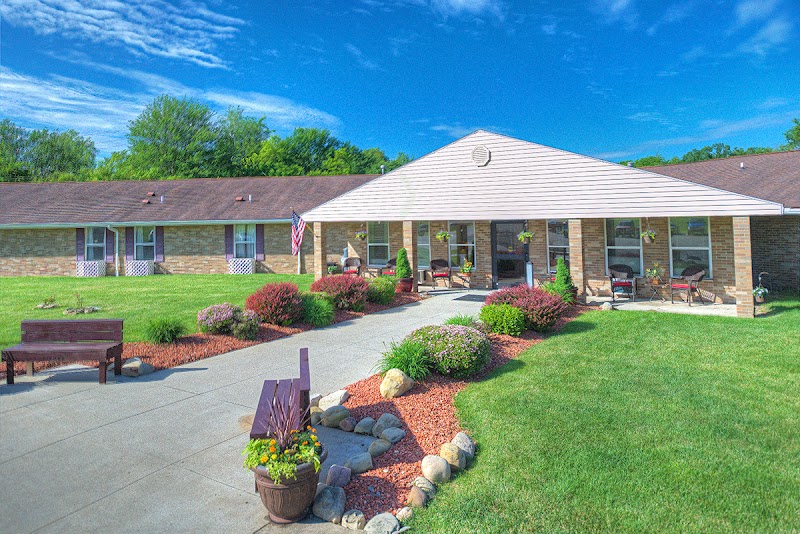
How is Dixon Healthcare Center Staffed?

CMS rates DIXON HEALTHCARE CENTER's staffing level at 2 out of 5 stars, which is below average compared to other nursing homes. Staff turnover is 51%, compared to the Ohio average of 46%.

What Have Inspectors Found at Dixon Healthcare Center?

State health inspectors documented 85 deficiencies at DIXON HEALTHCARE CENTER during 2021 to 2025. These included: 4 Immediate Jeopardy (the most serious level, indicating potential for serious harm or death), 1 that caused actual resident harm, 79 with potential for harm, and 1 minor or isolated issues. Immediate Jeopardy findings are rare and represent the most serious regulatory concerns. They require immediate corrective action.
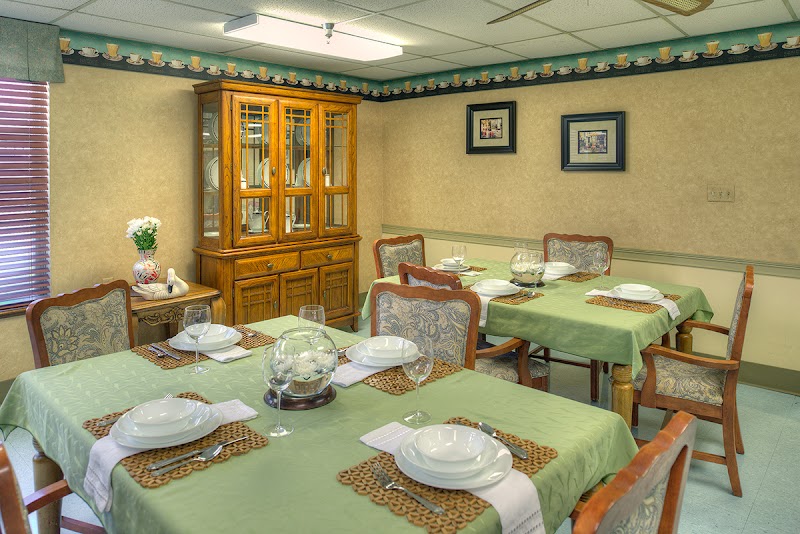
Who Owns and Operates Dixon Healthcare Center?

DIXON HEALTHCARE CENTER is owned by a for-profit company. For-profit facilities operate as businesses with obligations to shareholders or private owners. The facility is operated by COMMUNICARE HEALTH, a chain that manages multiple nursing homes. With 85 certified beds and approximately 62 residents (about 73% occupancy), it is a smaller facility located in WINTERSVILLE, Ohio.
How Does Dixon Healthcare Center Compare to Other Ohio Nursing Homes?

Compared to the 100 nursing homes in Ohio, DIXON HEALTHCARE CENTER's overall rating (2 stars) is below the state average of 3.2, staff turnover (51%) is near the state average of 46%, and health inspection rating (1 stars) is much below the national benchmark.

What Should Families Ask When Visiting Dixon Healthcare Center?

Based on this facility's data, families visiting should ask: "What changes have been made since the serious inspection findings, and how are you preventing similar issues?" "What safeguards and monitoring systems are in place to protect residents from abuse or neglect?" "Can you walk me through typical staffing levels on day, evening, and night shifts?" "Can I visit during a mealtime to observe dining assistance and food quality?" These questions are particularly relevant given the facility's Immediate Jeopardy citations, the substantiated abuse finding on record, and the below-average staffing rating.

Is Dixon Healthcare Center Safe?

Based on CMS inspection data, DIXON HEALTHCARE CENTER has documented safety concerns. The facility has 1 substantiated abuse finding (meaning confirmed case of resident harm by staff or other residents). Inspectors have issued 4 Immediate Jeopardy citations (the most serious violation level indicating risk of serious injury or death). The facility is currently on the Special Focus Facility watch list (a federal program monitoring the lowest-performing 1% of nursing homes nationwide). The facility has a 2-star overall rating and ranks #100 of 100 nursing homes in Ohio. Families considering this facility should ask detailed questions about what corrective actions have been taken since these incidents.

Do Nurses at Dixon Healthcare Center Stick Around?

DIXON HEALTHCARE CENTER has a staff turnover rate of 51%, which is about average for Ohio nursing homes (state average: 46%). Moderate turnover is common in nursing homes, but families should still ask about staff tenure and how the facility maintains care continuity when employees leave.

Was Dixon Healthcare Center Ever Fined?

DIXON HEALTHCARE CENTER has been fined $144,718 across 2 penalty actions. This is 4.2x the Ohio average of $34,526. Fines at this level are uncommon and typically indicate a pattern of serious deficiencies, repeated violations, or failure to correct problems promptly. CMS reserves penalties of this magnitude for facilities that pose significant, documented risk to resident health or safety. Families should request specific documentation of what issues led to these fines and what systemic changes have been implemented.

Is Dixon Healthcare Center on Any Federal Watch List?

DIXON HEALTHCARE CENTER is currently an SFF Candidate, meaning CMS has identified it as potentially qualifying for the Special Focus Facility watch list. SFF Candidates have a history of serious deficiencies but haven't yet reached the threshold for full SFF designation. The facility is being monitored more closely — if problems continue, it may be added to the official watch list. Families should ask what the facility is doing to address the issues that led to this status.