STEUBENVILLE COUNTRY CLUB MANOR
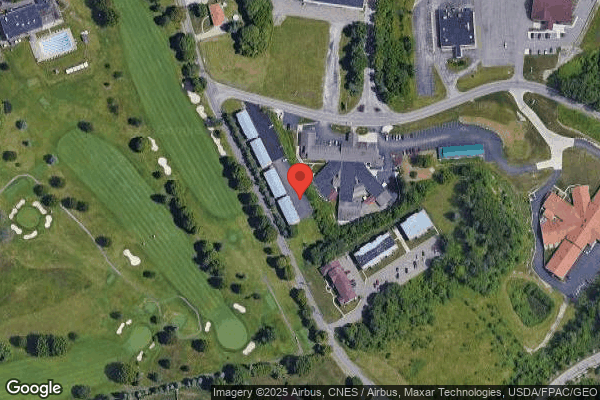
575 LOVERS LANE, STEUBENVILLE, OH 43953 (740) 266-6118
For profit - Corporation 54 Beds Independent Data: November 2025 1 Immediate Jeopardy citation
Trust Grade
0/100
#902 of 913 in OH
Last Inspection: February 2025

Within standard 12-15 month inspection cycle. Federal law requires annual inspections.

Overview

Steubenville Country Club Manor has received a Trust Grade of F, indicating significant concerns with care quality. It ranks #902 out of 913 facilities in Ohio, placing it in the bottom half statewide, and #6 out of 6 in Jefferson County, meaning there are no better local options. Although the facility's trend is improving, with issues decreasing from 20 in 2024 to 7 in 2025, it still faces serious challenges, including a high staffing turnover rate of 67%, which is concerning compared to the Ohio average of 49%. There have been significant fines totaling $135,828, higher than 98% of Ohio facilities, suggesting ongoing compliance problems. RN coverage is also concerning, as it falls below 81% of state facilities, which could impact the quality of care. Specific incidents include a critical failure in monitoring a diabetic resident, which led to a life-threatening situation, and another serious incident where a resident suffered harm due to insufficient medication monitoring. While there are some improvements noted, families should carefully weigh these serious concerns against the facility's strengths before making a decision.

Trust Score
F
0/100
In Ohio
#902/913
Bottom 2%
Safety Record
High Risk
Review needed
Inspections
Getting Better
20 → 7 violations
Staff Stability
⚠ Watch
67% turnover. Above average. Higher turnover means staff may not know residents' routines.
Penalties
⚠ Watch
$135,828 in fines. Higher than 76% of Ohio facilities, suggesting repeated compliance issues.
Skilled Nurses
⚠ Watch
Each resident gets only 28 minutes of Registered Nurse (RN) attention daily — below average for Ohio. Fewer RN minutes means fewer trained eyes watching for problems.
Violations
⚠ Watch
87 deficiencies on record. Higher than average. Multiple issues found across inspections.
★☆☆☆☆
1.0
Overall Rating
★★☆☆☆
2.0
Staff Levels
★★☆☆☆
2.0
Care Quality
★☆☆☆☆
1.0
Inspection Score
Stable
2024: 20 issues
2025: 7 issues

The Good

  • Full Sprinkler Coverage · Fire safety systems throughout facility
  • No fines on record

Facility shows strength in fire safety.

The Bad

1-Star Overall Rating

Below Ohio average (3.2)

Significant quality concerns identified by CMS

Staff Turnover: 67%

20pts above Ohio avg (46%)

Frequent staff changes - ask about care continuity

Federal Fines: $135,828

Well above median ($33,413)

Significant penalties indicating serious issues

Staff turnover is elevated (67%)

19 points above Ohio average of 48%

The Ugly 87 deficiencies on record

1 life-threatening 2 actual harm
Feb 2025 7 deficiencies
CONCERN (D)

Potential for Harm - no one hurt, but risky conditions existed

Deficiency F0578 (Tag F0578)

Could have caused harm · This affected 1 resident

**NOTE- TERMS IN BRACKETS HAVE BEEN EDITED TO PROTECT CONFIDENTIALITY** Based on medical record review, staff interview, and facility policy review, the facility failed to ensure advanced directives w...

Read full inspector narrative →
**NOTE- TERMS IN BRACKETS HAVE BEEN EDITED TO PROTECT CONFIDENTIALITY** Based on medical record review, staff interview, and facility policy review, the facility failed to ensure advanced directives were accurate and consistently recorded in the record. This affected one Resident (Resident #30) of one reviewed for advanced directives. The census was 42. Findings include: Review of the medical record for Resident #30 revealed they were was admitted to the facility on [DATE]. Diagnosis included Alzheimer's Disease, hyperlipidemia, atrial fibrillation, peripheral vascular disease, dementia, anxiety disorder, major depressive disorder, and malignant melanoma of the skin. Review of Resident #30's quarterly Minimum Data Set (MDS) 3.0 dated 11/26/24 revealed the resident had severely impaired cognition. They required setup or clean up assistance for eating, supervision or touching assistance for oral hygiene, substantial to maximal assistance with toileting hygiene, dressing, personal hygiene, and bed mobility. Finally, the resident was dependent on staff for showers. Review of Resident #30's medical record revealed their hard copy chart indicated the advanced directive of Do Not Resuscitate Comfort Care - Arrest (DNR-CCA), which was signed by the physician. This would indicate full medical care is given until the moment of respiratory or cardiac arrest, at which point only comfort measurers would be provided. In the Electronic Medical Record (EMR), it indicated no advanced directive in the demographic section. Interview on 02/11/25 at 12:45 P.M. with Licensed Practical Nurse (LPN) #75 revealed the first-place staff would look for the resident's code status would be in EMR and if not indicated in the EMR, they would look in the resident's hard chart located at the desk. LPN #75 confirmed Resident #30's code status was not indicated in the EMR in the demographics section where they would normally look. Interview on 02/11/25 at 12:49 P.M. with the Assistant Director of Nursing (ADON) LPN #72 revealed they confirmed staff would look for the resident's code status in the EMR and if not indicated in the EMR they would look in the resident's hard chart. Review of facility policy titled Advanced Directives Policy and Procedure, last reviewed June 2024, revealed all Advance Directive document copies will be obtained and located in the EMR and in the resident's medical record that would be readily retrievable by facility staff.
CONCERN (D)

Potential for Harm - no one hurt, but risky conditions existed

Deficiency F0645 (Tag F0645)

Could have caused harm · This affected 1 resident

Based on medical record review and staff interview, the facility failed to ensure Pre-admission Screening and Resident Review (PASRR) was completed accurately upon admission to the facility. This affe...

Read full inspector narrative →
Based on medical record review and staff interview, the facility failed to ensure Pre-admission Screening and Resident Review (PASRR) was completed accurately upon admission to the facility. This affected one (Resident #8) of one residents reviewed for PASRR assessments. The facility census was 42. Findings include: Review of Resident #8's medical record revealed an admission date of 11/08/24 with diagnosis that included diabetes mellitus, adjust disorder with mixed anxiety and depressed mood, bipolar disorder and post-traumatic stress disorder. Review of the PASRR completed on 11/08/24 indicated Resident #8 had diagnosis of mood disorder and panic or other severe anxiety disorders. No evidence of bipolar disorder and post-traumatic stress disorder was indicated. On 02/1125 at 3:30 P.M. interview with Admissions Coordinator #59 verified Resident #8's PASRR did not include all current mental health diagnosis including bipolar disorder and post-traumatic stress disorder.
CONCERN (D)

Potential for Harm - no one hurt, but risky conditions existed

Deficiency F0757 (Tag F0757)

Could have caused harm · This affected 1 resident

Based on medical record review and staff interview the facility failed to ensure resident blood pressures were monitored prior to administration of hypotensive medications and according to physician's...

Read full inspector narrative →
Based on medical record review and staff interview the facility failed to ensure resident blood pressures were monitored prior to administration of hypotensive medications and according to physician's medication order parameters. This affected one (Resident #99) of five residents reviewed for medication use. The facility census was 42. Findings include: Review of Resident #99's medical record revealed an admission date of 01/20/25 with diagnoses that included history of falls with subdural hematoma and craniotomy, cerebrovascular accident, hypotension and hypertension. Further review of the medical record revealed a physician's order on 01/28/25 for the use of midodrine (anti-hypotensive medication) 10 milligrams (mg) three times daily with parameters to hold if systolic blood pressure is greater or equal to 150 millimeters of mercury (mmHg). Review of the Medication Administration Record (MAR) for Resident #99 revealed the medication administered as ordered with no evidence of blood pressure monitoring as indicated. On 02/12/25 at 1:40 P.M. interview with the Director of Nursing verified Resident #99's blood pressure was not monitored prior to administration of the Midodrine as ordered.
CONCERN (D)

Potential for Harm - no one hurt, but risky conditions existed

Medical Records (Tag F0842)

Could have caused harm · This affected 1 resident

**NOTE- TERMS IN BRACKETS HAVE BEEN EDITED TO PROTECT CONFIDENTIALITY** 2. Review of Resident #8's medical record revealed an admission date of 11/08/24 with diagnoses that include diabetes mellitus, ...

Read full inspector narrative →
**NOTE- TERMS IN BRACKETS HAVE BEEN EDITED TO PROTECT CONFIDENTIALITY** 2. Review of Resident #8's medical record revealed an admission date of 11/08/24 with diagnoses that include diabetes mellitus, adjustment disorder with mixed anxiety and depression, bipolar disorder and post-traumatic stress disorder. Review of the Minimum Data Set (MDS) 3.0 assessment with a reference date of 01/23/25 indicated Resident #8 had an intact and independent cognition level and required staff assistance with showers/bathing. Care Plans for Resident #8 indicated the resident required staff assistance with showers/bathing. Review of the Certified Nurse Aide (CNA) bathing records revealed only one documented shower/bath provided in the prior 30 days on 01/15/25. Interview with Resident #8 on 02/10/25 at 7:30 P.M. revealed she will miss showers at times. The resident states they receive a shower once or twice a week, but would prefer three times a week. On 02/12/25 at 1:45 P.M. interview with the Director of Nursing verified CNA staff have not been accurately documented shower/baths provided for residents including Resident #8. Review of facility policy titled Shower Policy for Country Club Manor, last reviewed February 2025, revealed the purpose was to maintain the personal hygiene and dignity of residents while ensuring that the nursing home provides a safe, clean, and respectful environment. Under the section titled Shower Sheet and Documentation, revealed 1. Completion of the Shower Sheet: After each shower (or refusal), the designated staff member will fill out a shower sheet, which will include the following, resident's name, date of shower or refusal, time of shower or refusal, reason for refusal, staff involved, outcome of attempt. 2. Shower refusal documentation: if the resident refuses, additional notes should be made in the care plan and the shower sheet. Any refusals should be reviewed regularly by the care team to assess ongoing needs or concerns. Based on interview and record review the facility failed to ensure residents medical record were complete and accurate related to documentation of care provided. This affected two residents (Resident #8 and #28) out of two residents reviewed for showers. The facility census was 42. Findings include: 1. Review of the medical record for Resident #28 revealed an admission date of 07/24/23. Diagnosis included malignant neoplasm of upper lobe, left bronchus or lung, obstructive pulmonary disease, diabetes mellitus, arteriosclerotic heart disease, dependence on supplemental oxygen, pulmonary edema, hypertension, malignant neoplasm of right breast, and uterine cancer. Review of Resident #28's Minimum Data Set (MDS) 3.0 quarterly assessment dated [DATE] revealed the resident had intact cognition. Resident #28 required setup and clean up assistance with eating, oral hygiene, supervision or touching assistance for toileting hygiene, personal hygiene, and bed mobility. They required partial to moderate assistance for dressing and showers. Review of Resident #28's care plan dated 10/24/24 revealed the resident required assistance with Activities of Daily Living (ADLs) related to malignant neoplasm of left bronchus or lung, intraductal carcinoma left breast, malignant neoplasm of right breast, history of shortness of breath (SOB) with exertion, SOB while lying flat, oxygen dependent, unsteady gait, and a fall prior to admission. Interventions and goals included the resident would improve current level of functions, showers every Monday, Wednesday, and Friday on night shift and as needed per the resident's preference. Review of Resident #28's Certified Nursing Assistant (CNA) tasks revealed under ADL-Bathing- Showers every Monday, Wednesday, and Fridays nights and as needed per the resident preference. Resident requests time to be around 8:00 P.M. Review of Resident #28's CNA shower task documentation revealed from 01/12/25 to 02/12/25 there was only one shower documented as completed on 02/08/25. Interview on 02/12/25 at 9:55 A.M. with the Director of Nursing (DON) confirmed there was no documentation of completed showers. Interview on 02/12/25 at 1:45 P.M. with Resident #28 revealed they received the majority of their showers. And do refuse at times if not feeling well. Interview on 02/12/25 at 2:10 P.M. with CNA #111 revealed within the last month the facility had started to document showers in the Electronic Medical Record (EMR) under the tasks tab but prior to this they were documenting on paper. CNA #111 stated, at times, they would forget to document and stated, if not documented they were not done. Interview on 02/12/25 at 2:15 P.M. with CNA #96 revealed they were to document showers in the EMR but will forget to document the showers.
CONCERN (D)

Potential for Harm - no one hurt, but risky conditions existed

Antibiotic Stewardship (Tag F0881)

Could have caused harm · This affected 1 resident

Based on medical record review, policy review and staff interview, the facility failed to ensure an assessment for proper indication of antibiotic use was completed prior to utilizing antibiotic medic...

Read full inspector narrative →
Based on medical record review, policy review and staff interview, the facility failed to ensure an assessment for proper indication of antibiotic use was completed prior to utilizing antibiotic medications. The affected three (Residents #7, #8 and #10) of five residents reviewed for medications. The facility census was 42. Findings include: 1. Review of Resident #7's medical record revealed an admission date of 05/09/23 with diagnosis that included Alzheimer's disease, tracheostomy and fibromyalgia. Further review of the medical record including physician's orders revealed the use of the following antibiotics:: 09/07/24, doxycycline (antibiotic)100 milligrams (mg) twice daily for nine days for a wound infection; 08/27/24, Bactrim DS (antibiotic) 800-160 mg twice daily for 10 days for cellulitis; 03/19/24, cephalexin (antibiotic) 500 mg four times daily for infection, no indication was found for use of the medication; 02/19/24, ciprofloxacin (antibiotic) 500 mg twice daily for 10 days for infectious sputum. Further review of the medical record revealed no evidence of any assessment completed to determine appropriate indication for the use of the above antibiotic medications. 2. Review of Resident #8's medical record revealed an admission date of 11/08/24 with diagnoses that included diabetes mellitus, adjust disorder with mixed anxiety and depressed mood, bipolar disorder and post-traumatic stress disorder. Further review of the medical record including physician's orders revealed the use of the following antibiotics: 12/10/24, ceftriaxone (antibiotic) one gram (gm) intramuscularly daily for seven days for a urinary tract infection.; 11/22/24, ampicillin (antibiotic) 500 mg three times daily for ten days for a urinary tract infection and 11/10/24 doxycycline 100 mg twice daily for ten days for cellulitis. Further review of the medical record revealed no evidence of any assessment completed to determine appropriate indication for the use of the above antibiotic medications. 3. Review of Resident #10's medical record revealed an admission date of 05/03/23 with diagnoses that included chronic obstructive pulmonary disease, chronic kidney disease and diabetes mellitus. Further review of the medical record including physician's orders revealed the use of the following antibiotics: 10/10/24, cephalexin (antibiotic) 250 mg every day for seven days for cellulitis; 09/06/24, cefuroxime (antibiotic) 500 mg twice daily for five days for pneumonia; 05/11/24, Augmentin (antibiotic) 875-125 mg twice daily for 10 days for pneumonia; 03/05/24, ceftriaxone (antibiotic) one gm intramuscularly for seven days for pneumonia. Further review of the medical record revealed no evidence of any assessment completed to determine appropriate indication for the use of the above antibiotic medications. On 02/12/25 at 1:10 P.M. interview with Licensed Practical Nurse (LPN) #72, revealed she was the infection preventionist for the facility and started the position in early December 2024. The pervious infection preventionist and administrative nursing staff left no antibiotic assessments. LPN #72 verified that no antibiotic assessments were completed for Residents #7, #8 and #10 for the above dates. LPN #72 indicated the facility utilized the McGeer Criteria to determine appropriate use of antibiotics. Review of the facility policy Antibiotic Stewardship Program dated 05/2024 indicated the nurse that is receiving the orders from the physician to ensure that the infection meet the McGeer Guidelines (criteria used to determine appropriate use of antibiotics) by use of the McGeer Criteria for Infection Surveillance Checklist. Checklist should be completed with every suspected infection.
CONCERN (D)

Potential for Harm - no one hurt, but risky conditions existed

Deficiency F0883 (Tag F0883)

Could have caused harm · This affected 1 resident

Based on medical record review, policy review and staff interview, the facility failed to ensure a resident was offered influenza and pneumococcal vaccines after admission to the facility. This affect...

Read full inspector narrative →
Based on medical record review, policy review and staff interview, the facility failed to ensure a resident was offered influenza and pneumococcal vaccines after admission to the facility. This affected one (Resident #8) of five residents reviewed for vaccines. The facility census was 42. Findings include: Review of Resident #8's medical record revealed an admission date of 11/08/24 with diagnosis that included diabetes mellitus, adjustment disorder with mixed anxiety and depressed mood, bipolar disorder and post-traumatic stress disorder. Further review of the medical record including immunization revealed no evidence of any vaccines administered including influenza or pneumococcal. No evidence of any declination was found within the medical record. On 02/13/25 at 10:45 A.M. interview with Licensed Practical Nurse (LPN) #72 indicated the facility policy was to offer vaccines to residents annually and did not indicate anything related to new admission residents after the facility's annual vaccine clinic. LPN #72 verified Resident #8 was not reviewed or offered influenza or pneumococcal vaccines following admission to the facility. Review of the facility policy Influenza Vaccine dated 03/2021 indicated the influenza vaccine will be offered to all of the residents annually. The policy did not indicate any instructions for new admissions to the facility. Review of the facility policy Pneumococcal Vaccine dated 03/2021 revealed no instructions for new admissions to the facility including review and offering vaccines.
CONCERN (D)

Potential for Harm - no one hurt, but risky conditions existed

Deficiency F0887 (Tag F0887)

Could have caused harm · This affected 1 resident

Based on medical record review, policy review and staff interview, the facility failed to ensure a resident was offered COVID-19 vaccines after admission to the facility. This affected one (Resident #...

Read full inspector narrative →
Based on medical record review, policy review and staff interview, the facility failed to ensure a resident was offered COVID-19 vaccines after admission to the facility. This affected one (Resident #8) of five residents reviewed for vaccines. The facility census was 42. Findings include: Review of Resident #8's medical record revealed an admission date of 11/08/24 with diagnosis that included diabetes mellitus, adjust disorder with mixed anxiety and depressed mood, bipolar disorder and post-traumatic stress disorder. Further review of the medical record including immunization revealed no evidence of any vaccines administered including COVID-19. No evidence of any declination was found within the medical record. Review of the undated facility policy titled Coronavirus Disease (COVID-19) - Vaccination of Residents and Staff revealed no evidence of instructions regarding offering and/or reviewing of vaccines following admission to the facility. On 02/13/25 at 10:45 A.M. interview with Licensed Practical Nurse (LPN) #72 indicated the facility policy was to offer vaccines to residents annually and did not indicate anything related to new admission residents after the facility annual vaccine clinic. LPN #72 verified Resident #8 was not reviewed or offered COVID-19 vaccine following admission to the facility.
Oct 2024 2 deficiencies
CONCERN (D) 📢 Someone Reported This

A family member, employee, or ombudsman was alarmed enough to file a formal complaint

Potential for Harm - no one hurt, but risky conditions existed

Deficiency F0558 (Tag F0558)

Could have caused harm · This affected 1 resident

Based on observation, interviews, and review of the daily posting it was determined the facility failed to ensure accomodation of resident needs to ensure resident's call lights were answered timely. ...

Read full inspector narrative →
Based on observation, interviews, and review of the daily posting it was determined the facility failed to ensure accomodation of resident needs to ensure resident's call lights were answered timely. This affected four residents (#3, #9, #20, and #40) of 41 residents residing in the facility. Findings included: Review of the daily posting dated 10/02/24 revealed the census was 41. There was one Registered Nurse (RN), two Licensed Practical Nurses (LPN), and seven State Tested Nurses' Aides (STNA) to provide direct care to the 41 residents residing in the facility. Observation on 10/02/24 at 7:31 A.M. of call lights revealed Resident #9's call light had been activated prior to the surveyor entering the unit. The call light was activated until 7:39 A.M. when a staff member answered the light. Staff were observed walking by the call light and a housekeeping staff was observed in the hallway during the eight-minute observation and no one answered Resident #9's call light. Observation on 10/02/24 at 8:00 A.M., revealed Resident #20's call light was activated. The call light was not answered until 8:21 A.M. by State Tested Nurse Aide (STNA) #173. Interview on 10/02/24 at 8:23 A.M., with Resident #9 confirmed call lights were not answered timely. The resident reported she has waited 30 minutes to an hour for staff to answer her call light. The resident reported she has chronic pain and needs to keep her pain medication on a schedule to manage her pain. The resident reported she must activate her light prior to needing pain medication due to the anticipation it would take staff awhile to respond to her call light. Interview on 10/02/24 at 8:25 A.M., with STNA #173 confirmed she was the first staff member to respond to Resident #20's call light. The STNA reported she was not sure who was assigned to that unit due to the assignment sheet was missing this morning and staff were going back and forth from both units helping each other. Interview on 10/02/24 at 12:57 P.M., with Resident #3 confirmed staff do not respond timely to call lights. The resident reported sometimes it takes up to an hour for staff to respond to her call light. Observation on 10/02/24 at 1:04 P.M., revealed Resident #3's call light was activated prior to the surveyor entering the unit. The call light was not answered until 1:12 P.M. Observation on 10/02/24 at 1:16 P.M., revealed Resident #40's call light was activated. The call light was not answered until 1:26 P.M. Interview on 10/02/24 at 1:20 P.M. with LPN #153 confirmed staff do not answer call lights timely. The LPN reported staffing shortages was not the issue. The LPN reported staff either ignore the call lights or refuse to provide care to certain residents. Interview on 10/02/24 at 1:35 P.M., with the Director of Nursing (DON) revealed staff not answering call lights timely has been an issue for a few months. The DON reported staffing shortage was not the issue for example today the facility had three nurses and seven STNA's for 41 residents and the issue seems to be staff congregate in one area. This deficiency represents non-compliance investigated under Complaint Number OH00157827.
CONCERN (D) 📢 Someone Reported This

A family member, employee, or ombudsman was alarmed enough to file a formal complaint

Potential for Harm - no one hurt, but risky conditions existed

ADL Care (Tag F0677)

Could have caused harm · This affected 1 resident

**NOTE- TERMS IN BRACKETS HAVE BEEN EDITED TO PROTECT CONFIDENTIALITY** Based on medical record review, review of shower schedule, and interviews the facility failed to ensure resident dependent on st...

Read full inspector narrative →
**NOTE- TERMS IN BRACKETS HAVE BEEN EDITED TO PROTECT CONFIDENTIALITY** Based on medical record review, review of shower schedule, and interviews the facility failed to ensure resident dependent on staff for bathing had bath preference honored. This affected three residents (#9, #22, and #43) of three records reviewed. Findings included: 1. Record review revealed Resident #9 was admitted to the facility on [DATE] and re-admitted on [DATE] with diagnoses including respiratory failure, paraplegia, pressure ulcer to heels and sacrum, chronic kidney disease, heart disease, chronic pain, colostomy, gastrostomy, and urinary catheter. Review of the shower sheet (undated) revealed Resident #9's shower days were Tuesday and Thursday. Review of Resident #9's bath task dated [DATE] to [DATE] revealed no evidence the resident received a shower. Interview on [DATE] at 8:23 A.M., with Resident #9 revealed she just returned to the facility on [DATE] after being hospitalized for two months. The resident reported she has never had a shower since she was originally admitted to the facility, however she would like to have a shower. The resident reported she was dependent of staff for showering because she was a paraplegic. Interview on [DATE] at 1:35 P.M., with the Director of Nursing (DON) confirmed there was no documented evidence Resident #9 had received a shower per her preference. 2. Record review revealed Resident #22 was admitted to the facility on [DATE] with diagnoses including hemiplegia, cerebral infarction, need assistance with personal care, dysphagia, visual lost both eyes, dermatitis, and dementia. Review of Resident #22's risk for self-care deficit: bathing, dressing, feeding plan of care initiated on [DATE] revealed to encourage the resident to participate in planning day to day care. Maintain consistent schedule with daily routine. Provide assistance with activities of daily living (ADL). Review of shower schedule (undated) revealed the resident scheduled for a shower on Tuesday, Thursday, and Friday. Review of Resident #22 bathing task dated [DATE] to [DATE] revealed the resident was bathed on [DATE] and [DATE] and was totally dependent on staff. The task did not include the type of bath (shower/bed bath) the resident received. Interview on [DATE] at 11:54 A.M., with Licensed Practical Nurse (LPN) 173 revealed Resident #22's wife has voiced concerns that staff would not provide care or check on her husband due to his inappropriate sexual behaviors. The wife has placed a camera in the room and has evidence, but she continues to have concerns. Interview on [DATE] at 1:35 P.M. with the director of nursing (DON) confirmed there was no documented evidence resident received a bath/shower on Tuesday, Thursday, or Friday except for the two documented in the electronic medical record under task on [DATE] and [DATE]. The DON confirmed the task doesn't indicate what type of bath (shower or bed bath) was performed. 3. Record review revealed Resident #43 was admitted to the facility on [DATE] and expired on [DATE]. The resident diagnoses included vertigo, cerebral infarctions, Raynaud's, history of falls, and history of transient ischemic attack. Review of Resident #43's bathing task revealed the resident received some type of bath on [DATE], [DATE], and [DATE] and was totally dependent on staff. Interview on [DATE] at 1:35 P.M., with the DON confirmed there was no documented evidence Resident #43 received a shower on [DATE] or [DATE] per his preference. The DON confirmed the task doesn't specify what type of bath the resident received on [DATE], [DATE], [DATE]. Interview on [DATE] at 9:42 A.M., with State Tested Nurse's Aide (STNA) #171, #162, #184, #166 confirmed resident bathing preferences were not being honored. The STNA's reported they pass on to the next shift which showers were not performed on days, however they don't believe second shift were completing the showers as well because they don't even do their own scheduled showers, and dayshift tries to do second shift showers if they have time. Interview on [DATE] at 1:54 P.M., with Licensed Practical Nurse (LPN) #173 confirmed resident's bathing preferences were not being honored. The LPN reported staff report they don't have enough time to complete showers. This deficiency represents non-compliance investigated under Complaint Number OH00157827.
May 2024 13 deficiencies
CONCERN (D) 📢 Someone Reported This

A family member, employee, or ombudsman was alarmed enough to file a formal complaint

Potential for Harm - no one hurt, but risky conditions existed

Deficiency F0558 (Tag F0558)

Could have caused harm · This affected 1 resident

**NOTE- TERMS IN BRACKETS HAVE BEEN EDITED TO PROTECT CONFIDENTIALITY** Based on observation, medical record review and interview, the facility failed to implement the use of a stop sign across a resi...

Read full inspector narrative →
**NOTE- TERMS IN BRACKETS HAVE BEEN EDITED TO PROTECT CONFIDENTIALITY** Based on observation, medical record review and interview, the facility failed to implement the use of a stop sign across a resident's room to deter wandering residents from entering her room. This affected one (Resident #29) of three residents reviewed for falls. The facility census was 46. Findings include: Review of Resident #29's medical record revealed diagnoses including dementia, need for assistance with personal care, and cognitive communication deficit. Review of a care plan initiated 01/14/14 indicated Resident #29 had a self care performance deficit with potential for fluctuations and/or decline related to dementia, forgetfulness and impaired decision making. The care plan was updated to initiate a stop sign to the doorway to deter wandering residents from entering starting 01/26/24. A quarterly Minimum Data Set (MDS) assessment dated [DATE] indicated Resident #29 was able to make herself understood and was able to understand others. Resident #29 was assessed as being severely cognitively impaired. On 05/16/24 at 1:35 P.M., Resident #29 was observed lying in bed. A sign posted on the wall indicated a stop sign (a mesh sign that is velcroed to each side of a resident's door and indicates stop on the sign to deter residents from entering room uninvited). was to be used at all times. There was a stop sign present at the entrance of the room but it was not across the door. On 05/16/24 at 2:24 P.M. Resident #29 was lying in bed. The stop sign was not across the door. Both ends of the stop sign were attached to the left doorframe. Interview of State Tested Nursing Assistant (STNA) #110, who was passing by, revealed the stop sign was initiated to keep Resident #47 (no longer residing at the facility) out of the room so the stop sign was not utilized. On 05/16/24 at 2:37 P.M., Licensed Practical Nurse (LPN) #140 stated Resident #29's stop sign was initiated to deter wandering residents from entering her room. Although Resident #47 was no longer in the facility, the facility had another wandering resident, (Resident #31) but she seldom wandered into other resident rooms. LPN #140 verified the stop sign should have been in place and the LPN #140 hung the stop sign. On 05/20/24 at 10:58 A.M., Resident #29 was observed lying in bed. The stop sign was not across the door. Three unidentified staff members passed by the doorway without addressing it/placing the stop sign in the appropriate position. On 05/20/24 at 1:22 P.M., Resident #29 was observed lying in bed. The stop sign was not over the doorway. LPN #140 passed the room without addressing the stop sign.
CONCERN (D) 📢 Someone Reported This

A family member, employee, or ombudsman was alarmed enough to file a formal complaint

Potential for Harm - no one hurt, but risky conditions existed

Notification of Changes (Tag F0580)

Could have caused harm · This affected 1 resident

**NOTE- TERMS IN BRACKETS HAVE BEEN EDITED TO PROTECT CONFIDENTIALITY** Based on medical record review, policy review, and interview, the facility failed to ensure Resident #18's family/responsible pa...

Read full inspector narrative →
**NOTE- TERMS IN BRACKETS HAVE BEEN EDITED TO PROTECT CONFIDENTIALITY** Based on medical record review, policy review, and interview, the facility failed to ensure Resident #18's family/responsible party and physician were notified when Resident #18 was located outside the facility unaccompanied by staff. This affected one (Resident #18) of three residents reviewed for elopement. The facility census was 46. Findings include: Review of Resident #18's open medical record revealed diagnoses including dementia with agitation, type two diabetes mellitus, peripheral vascular disease, major depressive disorder, muscle wasting, anxiety disorder, long term use of insulin, vitamin B12 deficiency, and acute angle-closure glaucoma in bilateral eyes. A quarterly Minimum Data Set (MDS) assessment dated [DATE] indicated Resident #18 was moderately cognitively impaired with a score of nine out of a possible score of 15. The MDS indicated Resident #18 was able to make herself understood and was able to understand others. The assessment did not indicate any wandering during the specified time frame. Review of a wandering risk scale dated 12/15/23 revealed Resident #18 was assessed as a high risk to wander: The assessment revealed Resident #18 was ambulatory and able to communicate. Resident #18 had a history of wandering, had a medical diagnosis of dementia/cognitive impairment, had a diagnosis impacting gait/mobility or strength, and had wandered in the past month. The assessment indicated Resident #18 had often wandered around the facility stating she was going home. No interventions were noted on 12/15/23 when Resident #18 was assessed at high risk for wandering with knowledge that she was stating she wanted to go home. Review of a Brief Interview for Mental Status exam (BIMS) dated 01/23/24 revealed a score of three (out of a possible score of 15) indicating Resident #18 was severely cognitively impaired. Review of an incident report dated 03/03/24 at 11:23 P.M. indicated Resident #18 was found outside the back of the building by housekeeping staff stating she was going home. No injuries were noted. The mental status portion of the incident report indicated Resident #18 was oriented to person only but was confused to place and time. The incident report indicated Resident #18 was ambulatory without assistance. No notification of the physician or family/responsible party were noted according to the report. No nursing note was located regarding Resident #18 being found outside unaccompanied by staff on 03/03/24. On 05/21/24 at 5:02 P.M., Registered Nurse (RN) #100 was informed a note was not located for the 03/03/24 incident and there was no evidence of notification of the physician or responsible party. No further information was provided. On 05/23/24 at 1:49 P.M., RN #125 verified she worked on 03/03/24 when Resident #18 was located by staff outside the facility on night shift and she returned without incident. RN #125 indicated she did not recall if she called the physician or family to notify them but she did text the Administrator. Review of the facility's Elopement policy, dated 03/18/15, revealed management was to notify the family and physician of an elopement incident.
CONCERN (D) 📢 Someone Reported This

A family member, employee, or ombudsman was alarmed enough to file a formal complaint

Potential for Harm - no one hurt, but risky conditions existed

Quality of Care (Tag F0684)

Could have caused harm · This affected 1 resident

Based on medical record review, the facility post-fall monitoring report and interview, the facility failed to ensure neurological checks (series of assessments which reflect a resident's brain and ne...

Read full inspector narrative →
Based on medical record review, the facility post-fall monitoring report and interview, the facility failed to ensure neurological checks (series of assessments which reflect a resident's brain and neurological function) where completed, after unwitnessed falls, for one (Resident #13) of three residents reviewed for falls. The census was 46. Findings include: Review of Resident #13's medical record revealed diagnoses that included right sided paralysis, muscle wasting, contracture of the right hand, heart failure, stiffness of the right shoulder, speech disturbance, history of falling and hypertension. A physician's order dated 01/07/24 revealed the bed was to be in the lowest position at all times. Review of the fall information with Registered Nurse (RN) #100 revealed the following information. a. A nursing note dated 01/19/24 at 6:48 P.M. indicated a State Tested Nursing Assistant (STNA) notified the nurse Resident #13 was on the floor, in the bathroom, laying on his left side. No injuries were noted. Resident #13 was educated on the importance of using the call light for assistance. Neurological checks were started. On 05/21/24 at 9:48 A.M., RN #100 provided the facility's post fall 72-hour monitoring report which indicated an unwitnessed fall, or a fall in which a resident struck his/her head, required neurological checks. An initial check was to be completed followed by checks every 15 minutes four times, then every 30 minutes twice, then every hour twice and once per shift for 72 hours. RN #100 verified staff documented neurological checks on 01/19/24 between 6:00 P.M. and 7:00 P.M. only. b. Review of a nursing note dated 02/19/24 at 6:50 P.M. indicated Resident #13 was attempting to go to the bathroom without assistance when he stood and fell over. No injuries were noted. Neurological checks were initiated. On 05/21/24 at 8:51 A.M., RN #100 verified the neurological checks were initiated at 4:00 P.M. and were completed until 8:00 A.M. on 07/20/24, not fulfilling the expectation for 72 hour monitoring. c. Review of a nursing note dated 05/02/24 at 2:46 P.M. indicated the nurse was notified by an STNA that Resident #13 was found on his bathroom floor at 12:45 P.M. Resident #13 was ambulating without assistance. No injuries were noted. The note indicated neurological checks were initiated. On 05/02/24 at 9:05 A.M., RN #100 verified there was no record of neurological checks being initiated.
CONCERN (D) 📢 Someone Reported This

A family member, employee, or ombudsman was alarmed enough to file a formal complaint

Potential for Harm - no one hurt, but risky conditions existed

Accident Prevention (Tag F0689)

Could have caused harm · This affected 1 resident

**NOTE- TERMS IN BRACKETS HAVE BEEN EDITED TO PROTECT CONFIDENTIALITY** Based on medical record review, review of incident reports, policy review, review of manufacturer information for wanderguards, ...

Read full inspector narrative →
**NOTE- TERMS IN BRACKETS HAVE BEEN EDITED TO PROTECT CONFIDENTIALITY** Based on medical record review, review of incident reports, policy review, review of manufacturer information for wanderguards, and interview, the facility failed to ensure elopement interventions were implemented, wanderguards and exit doors were monitored to ensure appropriate functionality, and failed to ensure a comprehensive fall prevention program was implemented. This affected two (Residents #13 and #18) of six residents reviewed for falls and elopement. The census was 46. Findings include: 1. Review of Resident #18's open medical record revealed diagnoses including dementia with agitation, type two diabetes mellitus, peripheral vascular disease, major depressive disorder, muscle wasting, anxiety disorder, long term use of insulin, vitamin B12 deficiency, and acute angle-closure glaucoma in bilateral eyes. A quarterly Minimum Data Set (MDS) assessment dated [DATE] indicated Resident #18 was moderately cognitively impaired with a score of nine out of a possible score of 15. The MDS indicated Resident #18 was able to make herself understood and was able to understand others. The assessment did not indicate any wandering during the specified time frame. Review of a wandering risk scale assessment dated [DATE] revealed Resident #18 was assessed as a high risk to wander: The assessment revealed Resident #18 was ambulatory and able to communicate. Resident #18 had a history of wandering, had a medical diagnosis of dementia/cognitive impairment, had a diagnosis impacting gait/mobility or strength, and had wandered in the past month. The assessment indicated Resident #18 had often wandered around the facility stating she was going home. No interventions or care plan were noted on 12/15/23 when Resident #18 was assessed at high risk for wandering with knowledge that she was stating she wanted to go home. Review of a Brief Interview for Mental Status exam (BIMS) dated 01/23/24 revealed a score of three indicating Resident #18 was severely cognitively impaired. Review of a nursing note dated 03/04/24 at 6:13 P.M. revealed the nurse noted Resident #18 wandering outside on the patio after dinner. A wander guard was in place and functioning properly earlier in the shift and when Resident #18 was assisted back inside. The note indicated the physician was notified of Resident #18's exit seeking/elopement and the family request of anti- anxiety on an as needed basis. The daughter was notified. A care plan initiated 03/07/24 indicated Resident #18 was at risk of wandering/elopement with a goal for Resident #18's safety to be maintained. Interventions included identifying if there were triggers for wandering/eloping, identifying if there was a pattern and purpose of wandering, and identifying wandering/elopement de-escalation behaviors. A wandering risk assessment dated [DATE] indicated Resident #18 remained at high risk to wander. Risk factors were similar to the assessment done 12/15/23 with information added that Resident #18 had a wanderguard. A care plan initiated 03/18/24 indicated Resident#18 was combative with exit seeking behaviors. Interventions included anticipating and meeting Resident #18's needs, caregiver to provide the opportunity for positive interactions and attention, explaining all procedures to the resident before starting and allowing Resident #18 to adjust to changes. If reasonable, discuss Resident #18's behavior and intervene as necessary to protect the rights and safety of others. Monitor behavior episodes and attempt to determine underlying cause and praise progress and improvement in behavior. Another section of the care plan initiated 03/27/24 indicated Resident #18 was at risk for elopement related to wandering. A goal was added for Resident #18 to demonstrate happiness with daily routine through the review date. Interventions included assessing fall risk and distracting Resident #18 from wandering by offering pleasant diversions, structured activities, food, conversation, television and books Resident #18 preferred and identifying pattern of wandering : is wandering purposeful, aimless or escapist? Was Resident #18 looking for something? Did it indicate the need for more exercise? Intervene as appropriate. On 05/20/24 the care plan was updated with an intervention from 03/03/24 for a wanderguard to the walker. Review of an incident report dated 03/03/24 at 11:23 P.M. indicated Resident #18 was found outside the back of the building by housekeeping staff stating she was going home. No injuries were noted. The mental status portion of the incident report indicated Resident #18 was oriented to person only but was confused to place and time. The incident report indicated Resident #18 was ambulatory without assistance. No notifications were found according to the report. An incident report dated 03/04/24 at 5:55 P.M. indicated the nurse was at the nurse's station and noted Resident #18 walking outside on the patio and stating she was going home. The note revealed the wander guard was functioning earlier in the shift when checked and when Resident #18 returned inside the wander guard alarmed. Resident #18 was oriented to person only. No injuries were observed. Resident #18 was ambulatory without assistance. No predisposing factors were noted. The physician was notified on 03/04/24 at 6:12 P.M. On 05/20/24 between 2:30 P.M. and 2:35 P.M., RN #100 verified there was no order or care plan regarding the use of a wanderguard. Observations with RN #100 revealed a wanderguard was present on Resident #18's walker. RN #100 stated wanderguards were monitored and staff signed off on the Treatment Administration Record (TAR) on resident orders. RN #100 verified with no physician order staff would be signing off monitoring of the wanderguard. RN #100 verified with RN #105 the TAR was the single place where staff would document monitoring of the placement and function of the wanderguard. On 05/20/24 at 2:43 P.M., Resident #18 was observed ambulating in the hall to the shower room with her walker. After Resident #18 entered the shower, RN #100 obtained her walker and took it to the front door to monitor its function and when the walker was taken closer to the front door, the door locked. It remained locked until the walker was taken to the nursing station and moved approximately half way down the side of the nursing station at which time the door lock released. RN #105, who was present at the nursing station, stated the wanderguard only worked at the front door. The other exit doors had a 15 second delayed release with alarms sounding when the doors were opened unless a code was put in. On 05/21/24 at 8:39 A.M., RN #100 stated the facility had been unable to locate any type of investigation/witness statements for the incidents on 03/03/24 or 03/04/24. RN #100 stated the Administrator stated he thought the previous Director of Nursing (DON)/RN #200 had a file that staff had been unable to locate. On 05/21/24 at 5:02 P.M., RN #100 was informed/reminded although Resident #18 was assessed at high risk for wandering in December 2023 no documented interventions, orders or care plans were located indicating action had been taken to address the risk related to wandering. No additional information was provided. On 05/21/24 at 5:21 P.M., State Tested Nursing Assistant (STNA) #110 stated around December 2023 to January 2024 Resident #18 would state she wanted to go home. Prior to March 2024, Resident #18 had been observed hanging around the doors exit seeking. On 05/23/24 at 1:15 P.M., State Tested Nursing Assistant (STNA) #120 stated Resident #18 would sometimes walk around her room without the walker but usually utilized the walker to ambulate longer distances. A couple weeks prior to the interview, she had observed Resident #18 pushing on the exit door at the end of the 100 hall, trying to open the door but was unsuccessful. STNA #120 stated she did not recall working on 03/03/24 and 03/04/24 when Resident #18 left the facility unaccompanied by staff or if she had she was not aware of it because it got so hectic. On 05/23/24 at 1:23 P.M., Licensed Practical Nurse (LPN) #115 stated Resident #18 would sometimes walk a little bit without her walker. LPN #115 stated she was unaware Resident #18 had a wanderguard on her walker. LPN #115 stated Resident #18 would be able to ambulate from the nursing station to the front door without a walker. On 05/23/24 at 1:49 P.M., RN #125 verified she worked on 03/03/24 when Resident #18 was located by staff outside the facility on night shift and she returned without incident. RN #125 stated nobody had asked her for any additional details other than what she had reported. RN #125 stated she believed Resident #18 exited the facility out the door by the kitchen. RN #125 stated she was not sure if the door alarmed or if it was shut off. When Resident #18 was returned into the facility a wanderguard was placed on her ankle. RN #125 indicated she was unaware Resident #18 had her wanderguard placed on the walker currently. RN #125 stated she did not routinely check wanderguards after they were initially applied. RN #125 stated Resident #18 might be able to walk from the nursing station to the front door without her walker. On 05/23/24 at 2:38 P.M., the circumstances regarding Resident #18 being assessed with high risk for elopement in December 2023 with no interventions noted at that time, the lack of witness statements or an investigation regarding elopements, lack of documentation regarding the 03/03/24 elopement in progress notes and lack of evidence of monitoring the wanderguard after its implementation were discussed with the Administrator. The Administrator stated after the nurses reported the incidences to RN #200 she stated she would handle it from there and he believed she had followed up on it. When told of staff interviews indicating Resident #18 could ambulate short distances without the use of the walker and was asked if the wanderguard placed on the walker was the most desirable place for its effectiveness, the Administrator stated he had just discussed that with staff but Resident #18 was still out for her appointment. The Administrator stated if Resident #18 left the door which was indicated during the interview with RN #125 it would have had to been out the door to the back patio. The Administrator indicated he was not sure if the door was alarmed. It used to have a battery operated alarm but he would double check. On 05/23/24 at 3:15 P.M., observation of the door in the dining room near the kitchen revealed a white alarm box. There was no sound when RN #100 opened the door three times. The door led to a courtyard with a gate which could be opened without alarming. RN #125 accompanied RN #100 and the surveyor outside and revealed Resident #18 was located outside the fenced in area and she ambulated with her around the building before going back inside on 03/03/24. On 05/23/24 at 3:17 P.M., the Administrator was informed no sound was heard when the door was opened. The Administrator responded the alarm did not sound at the door but there was a unit that alarmed at the nursing station. No alarming was heard at the nursing station and the Administrator confirmed he was unable to locate the box that he referred to. On 05/23/24 at 3:47 P.M., Resident #18 was sitting outside with staff for an activity, listening to music. A wanderguard was observed on her right wrist. On 05/23/24 at 4:22 P.M., activity staff #130 stated Resident #18 cycled in her attempts to leave the facility. Activity staff #130 stated Resident #18 would be consistent in trying to get out of the facility for a while then it would decrease in frequency. Some days Resident #18 was easily redirected but some days she was not. Activity staff #130 stated Resident #18 thought she had young children to get home to and that the behavior had been exhibited for a while. On 05/23/24 at 5:25 P.M., RN #135 who was identified as the nurse who worked during the elopement on 03/04/24, was interviewed via phone. RN #135 stated she could not recall if she heard an alarm when Resident #18 left the faciity on [DATE] before she observed her on the patio. RN #135 stated someone (she thought RN #200) had told her she saw a visitor let Resident #18 outside but was unable to answer why RN #200 would watch Resident #18 be let out of the facility and not go out and redirect her at that time or stay with her outside instead of waiting for RN #135 to observe her later. RN #135 stated it was around that time a technician had gone to the facility to check the door system and it was discovered several of the wanderguards at the nursing station were not functioning properly. The technician had to show her how to check the wanderguards. RN #135 stated she could not recall many details about that day. On 05/28/24 at 4:26 P.M., the Administrator stated the elopement on 03/03/24 occurred between 6:30 P.M. and 7:00 P.M. On 05/28/24 at 4:59 P.M. the Administrator stated he was unable to verify or find any written records for the last time the alarm on the dining room door was checked or monitored. Review of the facility's Elopement policy, dated March 2024 revealed elopement was the unsupervised wandering of a resident that resulted in the resident leaving the facility without notice or detection. The policy revealed at risk residents would be identified/assessed. Residents would be re-assessed at least quarterly. Educate staff to at risk status and interventions developed to reduce/prevent elopement. To safe guard at risk residents individualized interventions were to be developed and implemented. A care plan was to be completed for at risk residents with individualized interventions. Actual elopement occurrences were to be investigated, including determining the means of elopement and risk for repeated elopement. A quality assurance review was to be completed to determine similar opportunities/risks for elopement for other residents. Effectiveness of recommendations was to be monitored. Review of the accutech wanderguard manufacturer guidelines/instructions revealed recommendations to check the battery life once a week. 2. Review of Resident #13's medical record revealed diagnoses included right sided paralysis, muscle wasting, contracture of the right hand, heart failure, stiffness of the right shoulder, speech disturbance, history of falling and hypertension. A physician's order dated 01/07/24 revealed the bed was to be in the lowest position at all times. A fall risk assessment dated [DATE] revealed Resident #13 remained at high risk for falls. a. On 05/20/24 at 5:22 A.M., Resident #13 was lying in bed which was raised about 2.5-3 feet from the floor. Resident #13 was grunting to get attention to get his urinal emptied. At 7:04 A.M. Resident #13 continued to lie in the bed which did not appear to be in the lowest position. At 7:08 P.M., Human Resource employee (HR) #150 verified the bed was not in the lowest position and lowered it. b. Review of fall information with Registered Nurse (RN) #100 revealed the following information. b1. A nursing note dated 11/05/23 at 6:38 P.M. revealed Resident #13 slid himself down to the floor in his bathroom. No injuries were noted. The note indicated neurological checks would be completed. On 05/21/24 at 8:45 A.M., RN #100 verified she could not locate a post fall evaluation or new interventions implemented. b 2. A nursing note dated 01/19/24 at 6:48 P.M. indicated a State Tested Nursing Assistant (STNA) notified the nurse Resident #13 was on the floor in the bathroom laying on his left side. No injuries were noted. Resident #13 was educated on the importance of using the call light for assistance. Neurological checks were started. On 05/21/24 at 9:48 A.M., RN #100 indicated on 12/19/24 Resident #13 was assessed as moderately cognitively impaired and education was not an effective intervention. b 3. Review of a nursing note dated 02/21/24 at 1:24 A.M. revealed it was a late entry for 7:20 P.M. Resident #13 was found on the floor in the bathroom with three red areas on his head and he was complaining of right leg pain. Resident #13 was sent to the hospital. On 05/21/24 at 8:54 A.M., RN #100 stated she recalled discussing the fall in a risk management meeting with the Administrator and RN #200 but could not recall if any action was taken to prevent further falls upon Resident #13's return from the hospital because she was unable to locate the risk management book. b 4. Review of a nursing note dated 05/02/24 at 2:46 P.M. indicated the nurse was notified by a STNA that Resident #13 was found on his bathroom floor at 12:45 P.M. Resident #13 was ambulating without assistance. No injuries were noted. The note indicated neuro checks were initiated. On 05/21/24 at 9:05 A.M., RN #100 revealed the fall had not yet been reviewed because the risk management meeting had been postponed. No new interventions had been implemented. c. On 05/23/24 at 1:03 P.M., Resident #13 was over-heard grunting. Resident #13 was observed sitting on the commode with no staff in the room. Resident #13 stood independently. While trying to finish his care, he fell backwards onto the commode. Due to no staff being observed in the immediate area, STNA #165 was alerted that Resident #13 needed assistance. STNA #165 was heard telling Resident #13 not to go to the bathroom by himself. Signs had already been posted on the bathroom door prior to this incident and Resident #13 had a history of falls in the bathroom with education provided. This deficiency represents non-compliance investigated under Master Complaint Number OH00152953.
CONCERN (D) 📢 Someone Reported This

A family member, employee, or ombudsman was alarmed enough to file a formal complaint

Potential for Harm - no one hurt, but risky conditions existed

Medication Errors (Tag F0758)

Could have caused harm · This affected 1 resident

Based on medical record review, review of drug-related information on www.medscape.com, and interview, the facility failed to ensure a resident had adequate indications for use of a psychotropic medic...

Read full inspector narrative →
Based on medical record review, review of drug-related information on www.medscape.com, and interview, the facility failed to ensure a resident had adequate indications for use of a psychotropic medication. This affected one (Resident #13) of five residents whose medications were reviewed. The facility census was 46. Findings include: Review of Resident #13's medical record revealed diagnoses including hemiplegia (paralysis of one side of the body) affecting the right dominant side, rhabdomyolysis (condition in which damaged skeletal muscle breaks down rapidly)., contracture of the right hand, heart failure, BPH (a condition in which the flow of urine is blocked due to the enlargement of prostate gland)., gastroesophageal reflux disease, stiffness of the right shoulder, speech disturbance, acquired absence of the spleen, history of falling, hypertension, and muscle wasting. A physician order for risperidal (anti-psychotic) 0.25 milligrams every day was written on 03/04/24. On 05/21/24 at 8:28 A.M., Registered Nurse (RN) #100 stated she located a diagnosis of dementia to support the use of risperidal. RN #100 verified dementia was not an acceptable indication for use of risperidal. On 05/21/24 at 12:19 P.M., RN #100 stated the risperidal was originally started on 03/04/24 for behaviors, Resident #13 was followed by psychiatric services and an unsuccessful attempt at a gradual dose reduction had been attempted. RN #100 verified she was unable to locate any information indicating why the benefits of use of the risperidal would outweigh the risks. Review of risperidal information on the Medscape web-site revealed a black box warning for the use of risperidal. The warning indicated risperidal was not approved for elderly residents with dementia-related psychosis. Elderly residents with dementia-related psychosis who were treated with antipsychotic drugs were at increased risk of death. Deaths in trials appeared to be either cardiovascular or infectious in nature. Review of additional information about risperidal revealed a risk of orthostatic hypotension being higher in the elderly with its use.
CONCERN (E) 📢 Someone Reported This

A family member, employee, or ombudsman was alarmed enough to file a formal complaint

Potential for Harm - no one hurt, but risky conditions existed

Deficiency F0688 (Tag F0688)

Could have caused harm · This affected multiple residents

Based on medical record review and interview, the facility failed to provide restorative nursing services, according to program instruction, to maintain residents' range of motion for four (Residents ...

Read full inspector narrative →
Based on medical record review and interview, the facility failed to provide restorative nursing services, according to program instruction, to maintain residents' range of motion for four (Residents #2, #9, #10 and #42) of four residents reviewed for range of motion. The facility identified 11 residents on restorative programs for range of motion. The facility census was 46. 1. Review of Resident #10's medical records revealed diagnoses including chronic obstructive pulmonary disease (COPD), type two diabetes mellitus with diabetic neuropathy, malignant neoplasm of the glottis (center of the larynx (voice box) ), chronic peripheral venous insufficiency, heart disease, and macular degeneration. Review of a care plan initiated 02/05/24 revealed Resident #10 was on a restorative nursing program (RNP). Interventions included documenting participation in RNP, report to nursing complaints of pain during restorative active range of motion (AROM) programs and the registered nurse (RN) was to review compliance of and effectiveness of RNP. Review of restorative task revealed a program for bilateral lower extremity (BLE) AROM six to seven days a week, repetitions of ten while using three pound weights, cue to perform ten repetitions of abduction, adduction, external rotation and internal rotation of bilateral hips, cue to perform ten repetitions of dorsal flexion, plantar flexion, eversion and inversion to bilateral ankles, and cue to provide ten repetitions of flexion and extension to bilateral hips/knees. Review of restorative delivery records revealed the week of 04/28/24 to 05/04/24 revealed the RNP was offered once with a record of four minutes minutes provided. No refusals were documented. Records reflected the week of 05/05/24 to 05/11/24 the RNP was provided once for four minutes. The week of 05/12/24 through 05/18/24 documentation indicated the RNP was offered three times with two refusals. During review of restorative delivery records with RN #100 on 05/23/24 at 12:20 P.M., she verified the records did not indicate the RNP program was offered/delivered in accordance with program. On 05/23/24 at 1:12 P.M., Resident #10 stated staff rarely offered his ROM exercise program. 2. Review of Resident #9's medical record revealed diagnoses including heart disease, depression, pain in the right shoulder, muscle wasting, and dementia. A care plan initiated 04/03/23 revealed Resident #9 had AROM restorative program to his right shoulder related to complaints of pain. Resident #9 was able to perform range of motion (ROM) but required cues from staff and encouragement as needed. Interventions included documenting participation in the restorative program and report to nursing any pain/discomfort during the restorative program. A care plan initiated 04/03/23 revealed the resident had AROM restorative program to the right shoulder related to complaints of pain. The resident was able to perform ROM but required cues from staff and encouragement as needed. Interventions included documenting participation in the restorative program, report to nursing any signs or symptoms (s/s) of pain/discomfort during the restorative program. Review of the restorative delivery records revealed there were two programs. The first program was for assisted active range of motion (AAROM) to the right shoulder six to seven days a week, twice a day. The resident was to be cued to perform seven to ten repetitions to the left should while in a lying position, in bed or sitting in the chair of forward flexion and extension, abduction and adduction, and external/internal rotation. A hot pack was to be applied to the left shoulder to alleviate/decrease pain. Review of delivery records from 04/24/24 to 05/23/24 revealed the only day the services were documented twice in a day was on 04/29/24. Documentation revealed the week of 04/28/24 through 05/04/24 revealed the services were provided four days. Between 05/05/24 and 05/11/24 the RNP was documented twice with one of the sessions being four minutes. Between 05/12/24 and 05/18/24 documentation revealed the RNP was provided four days. No refusals were documented. On 05/23/24 at 12:20 P.M., RN #100 verified the records did not revealed the RNP was implemented as written. On 05/23/24 at 12:58 P.M., Resident #9 stated STNAs did not do his exercise program with him. He believed the only ones who did exercises consistently was when he received therapy. 3. Review of Resident #2's medical record revealed diagnoses including COPD, seizures, altered mental status, osteoarthritis and muscle wasting. Review of a care plan initiated 08/23/23 revealed Resident #2 was on restorative nursing programs for AAROM to both lower extremities and a transfer program. Interventions included documenting participation in RNP. Review of the restorative delivery records revealed between 04/28/24 and 05/04/24 the restorative program for transfers was provided three times. The AAROM program was provided four times. Restorative delivery records between 05/05/24 and 05/11/24 indicated both RNP programs were offered twice. Review of Restorative delivery records between 05/12/24 and 05/18/24 indicated both RNP programs were offered twice. On 05/23/24 at 12:20 P.M., RN #100 verified the records did not revealed the RNP was implemented as written. 4. Review of Resident #42's medical record revealed diagnoses including dementia with behavioral disturbance, Alzheimer's disease, and major depressive disorder. A care plan initiated 08/23/23 that indicated RNPs for Passive Range of Motion (PROM) to be provided six to seven days a week and transfers to be provided twice a day. Review of the restorative delivery records between 04/28/24 and 05/04/24 indicated the ROM RNP was provided one time. There was no documentation of the transfer program being provided. Review of the restorative delivery records from 05/05/24 and 05/11/24 indicated both programs were administered one day. Review of restorative delivery records between 05/12//24 and 05/18/24 indicated both programs were provided one day. On 05/23/24 at 2:28 P.M., Restorative Aide #175 reported she worked four days a week but she was pulled to work the floor three to four of those days. Restorative Aide #175 stated she tried to do programs as time permitted (in addition to her floor assignment). She stated Management was aware. The only decline she had noted was with Resident #28 after she had returned from the hospital. Restorative aide #175 stated she had spoken to other aides about completing the restorative programs on their assignments when she was unavailable to do them. However, some of the other aides acted like it was not their responsibility and did not provide the programs.
CONCERN (E) 📢 Someone Reported This

A family member, employee, or ombudsman was alarmed enough to file a formal complaint

Potential for Harm - no one hurt, but risky conditions existed

Drug Regimen Review (Tag F0756)

Could have caused harm · This affected multiple residents

Based on medical record review, review of pharmacy recommendations, and interviews the facility failed to ensure pharmacy recommendations were acted upon timely. This affected four (Residents #10, #13...

Read full inspector narrative →
Based on medical record review, review of pharmacy recommendations, and interviews the facility failed to ensure pharmacy recommendations were acted upon timely. This affected four (Residents #10, #13, #34, and #40) of five residents reviewed for medication use. The facility census was 46. Findings include: 1. Review of Resident #13's medical record revealed diagnoses including hemiplegia (paralysis of one side of the body) affecting the right dominant side, rhabdomyolysis (condition in which damaged skeletal muscle breaks down rapidly, contracture of the right hand, heart failure, benign prostatic hyperplasia (a condition in which the flow of urine is blocked due to the enlargement of prostate gland)., gastroesophageal reflux disease, stiffness of the right shoulder, speech disturbance, acquired absence of the spleen, history of falling, hypertension, and muscle wasting. Review or a medication regimen review dated 03/13/24 revealed a diagnosis was needed to support the use of risperidal (an antipsychotic medication). The physician response was blank. A physician order for risperidal 0.25 milligrams every day was written on 03/04/24. On 05/21/24 at 8:28 A.M., Registered Nurse (RN) #100 stated she had been unable to locate all the pharmacy reviews for the residents over the past six months so she had to contact pharmacy to get the reviews/recommendations resent to her and she was attempting to make sure the reviews had been addressed. RN #100 verified she had been unable to locate a diagnosis to justify the use of the risperidal. On 05/21/24 at 12:19 P.M., RN #100 stated the risperidal was originally started on 03/04/24 for behaviors. Resident #13 was followed by psychiatric services who indicated the risperidal was for behaviors. RN #100 verified she was unable to locate any information indicating an approved diagnosis for the use of antipsychotic medication or why the benefit of using risperidal would outweigh the risks. 2. Review of Resident #40's medical record revealed diagnoses including hypothyroidism and bipolar disorder. On 05/05/23 an order was written for synthroid 150 micrograms every day for hypothyroidism. Review of a pharmacy recommendation dated 11/26/23 addressed the use of synthroid with no Thyroid Stimulating Hormone (TSH) level scheduled in the chart. The area for the physician response revealed no response. There was no TSH level observed in the medical record since 11/26/23. On 05/21/24 at 8:28 A.M., RN #100 stated the facility had no previous TSH order written since the pharmacy review on 11/26/23. The last TSH obtained was 12/20/22. Review of the TSH level obtained 05/21/24 (after identification the lab test had not been obtained since 12/20/22) revealed the TSH level was 1.58 uIU/ML (equivalent to mili-international units/liter) with a reference range of 0.35 - 3.74 uIU/ML. 3. Review of Resident #34's medical record revealed diagnoses including type two diabetes mellitus and severe dementia with psychotic disturbance. On 08/01/23 an order was written for an insulin sliding scale with novolog (subcutaneously) (SQ) for blood sugar levels starting at 150 milligrams (mg) per deciliter (dL) of blood On 01/22/24, an order was written for levemir (long acting insulin) five units SQ every day. Review of the pharmacy review/recommendations since November 2023 revealed on 03/13/24 the pharmacy identified there was no order for an A1c level (test that measured average blood sugar levels over a two to three month period) although Resident #34 was receiving insulin. There were no A1c levels located since the review/recommendation. There was no physician response as the facility had to contact the pharmacy to provide pharmacy reviews since the reviews had not been available. On 05/21/24 at 8:28, RN #100 revealed the last A1c level she located was obtained 06/20/23 and the pharmacy recommendation had no been addressed. 4. Review of Resident #10's medical record revealed diagnoses including type two diabetes mellitus with diabetic neuropathy and chronic peripheral insufficiency. Insulin orders included: On 12/27/23 novolog 100 u/ml SQ per sliding scale with insulin starting for a blood glucose level of 165 mg/dL (normal range from 60-100) and on 12/27/23 tresiba 100 u/ml: administer 60 units in the morning SQ. Review of a pharmacy recommendation dated 11/26/23 revealed Resident #10 was receiving insulin but did not have an A1c level scheduled in the chart. No response was documented by the physician. No A1c results were located in the medical record since the pharmacy review was completed on 11/26/23. On 05/21/24 at 8:28 A.M., RN #100 stated Resident #10's last A1c was drawn 04/13/23 and when she contacted the doctor about the pharmacy review the physician stated he had provided standing orders that indicated if a resident was receiving insulin they should be followed by obtaining A1c labs. On 05/21/24 at at 12:16 P.M., RN #100 indicated she had gotten copies of pharmacy recommendation for the past six months and was trying to ensure they were addressed. The RN verified she was unable to locate the reviews for the last six months. This deficiency represents non-compliance investigated under Master Complaint Number OH00152953.
CONCERN (E) 📢 Someone Reported This

A family member, employee, or ombudsman was alarmed enough to file a formal complaint

Potential for Harm - no one hurt, but risky conditions existed

Deficiency F0761 (Tag F0761)

Could have caused harm · This affected multiple residents

**NOTE- TERMS IN BRACKETS HAVE BEEN EDITED TO PROTECT CONFIDENTIALITY** Based on observations, interviews and review of Medscape online information regarding humalog insulin storage the facility faile...

Read full inspector narrative →
**NOTE- TERMS IN BRACKETS HAVE BEEN EDITED TO PROTECT CONFIDENTIALITY** Based on observations, interviews and review of Medscape online information regarding humalog insulin storage the facility failed to ensure the proper labeling and storage of medications. This affected five residents (Resident #1, #21, #33, #45 and #48) of 46 residents with medications secured in the two facility identified medication carts. Findings include. 1. While observing the 100/200 hall medication cart with Registered Nurse (RN) #135 on 05/16/24 at 1:38 P.M., Resident #21 had two bottles of opened humalog insulin. The insulin was not dated as to when it was opened. RN #135 stated the insulin vials were transferred with Resident #21 from another facility upon admission so she did not know how long they had been opened. Review of the Electronic Health Record (EHR) revealed Resident #21 was admitted to the facility on [DATE]. Review of Medscape information on humalog insulin revealed open vials could be stored/used for up to 28 days after opening the vial. 2. While observing the 100/200 hall medication cart with Registered Nurse #135 on 05/16/24 at 1:38 P.M., Resident #1 was observed to have earwax removal solution opened on 03/21/24 with a label indicated the order was for a limited time. RN #135 stated once the order had been fulfilled, the earwax removal solution should have been discarded. 3. While observing the 100/200 hall medication cart with Registered Nurse #135 on 05/16/24 at 1:38 P.M., an inhaler with only the last name of Resident #48 was observed in the medication cart with no label. RN #135 stated the label would have been on the box. The empty box must have been sent with Resident #48 upon discharge. Review of the EHR revealed Resident #48 discharged from the facility 05/14/24. 4. During observations of the 300/400 medication cart with Licensed Practical Nurse (LPN) #140 on 05/16/24 at 1:50 P.M., she verified Resident #35's athlete's foot cream and triamcinolone cream, Resident #33's lotrisone cream, Resident #45's nystatin topical powder, and two additional topical creams she had removed from the cart were stored with residents' oral medications. None of the pills were observed to be contaminated by the creams. During an interview on 05/21/24 at 3:34 P.M., RN #100 stated the policy for storing medications was not specific but creams should be in the treatment cart, not with medications. Insulin was to be stored in accordance with manufacturer recommendations. This deficiency represents non-compliance investigated under Master Complaint Number OH00152953.
CONCERN (E) 📢 Someone Reported This

A family member, employee, or ombudsman was alarmed enough to file a formal complaint

Potential for Harm - no one hurt, but risky conditions existed

Medical Records (Tag F0842)

Could have caused harm · This affected multiple residents

**NOTE- TERMS IN BRACKETS HAVE BEEN EDITED TO PROTECT CONFIDENTIALITY** 5. Review of the medical record for Resident #47 revealed an admission date of 01/08/24 and a discharge date of 05/01/24. Diagno...

Read full inspector narrative →
**NOTE- TERMS IN BRACKETS HAVE BEEN EDITED TO PROTECT CONFIDENTIALITY** 5. Review of the medical record for Resident #47 revealed an admission date of 01/08/24 and a discharge date of 05/01/24. Diagnoses included severe protein-calorie malnutrition, chronic obstructive pulmonary disease (COPD), acute respiratory failure with hypoxia, alcohol dependence with alcohol-induced persisting dementia, acute kidney failure, pneumonitis due to inhalation of food and vomit, dependence on supplemental oxygen, Barrett's esophagus without dysplasia, and unspecified toxic encephalopathy. Review of the Minimum Data Set (MDS) 3.0 assessment completed on 05/01/24 revealed Resident #47 had severely intact cognition. Further review of the MDS revealed Resident #47 was dependent for toileting, bathing, dressing, and personal care and required substantial assistance for toilet and tub transfers. The MDS assessment also revealed Resident #47 was always incontinent of bowel and bladder. Review of the care plan dated 01/15/24 revealed Resident #47 had an activities of daily living (ADL) self-care deficit related to impaired cognition, risk for falls, incontinence, impaired communication, and status post hospitalization due to multiple respiratory infections. Interventions included adjusting the level of support during the provision of Resident 47's ADL according to his changing abilities, cleaning and trimming nails on scheduled bath days, and providing Resident #47 a sponge bath in the event he is unable to tolerate a full bath or shower. Review of the care plan further revealed Resident #47 had bladder incontinence. Interventions included cleaning his perineal area with each episode of incontinence and monitoring and documenting any signs of urinary tract infection or changes in urinary frequency. Review of the physician orders revealed an order dated 03/29/24 for Resident #47 to have incontinence checks every one hour every day and every night. Review of bathing records for Resident #47 revealed no documentation of bathing during the last 30 days of his facility stay from 04/02/24 through 04/10/24, from 04/17/24 through 04/24/24, or from 04/27/24 through discharge date of 05/01/24. Review of the medical record revealed Resident #47 had gone to the emergency room on [DATE] and returned 04/07/24. Review of the record for toilet use for the last 30 days of Resident #47's facility stay revealed no documentation of toilet use from 04/04/24 through 04/11/24, 04/13/24, 04/14/24, from 04/17/24 through 04/24/24, or from 04/28/24 through 05/01/24. Further review revealed documentation of Resident #47's refusal of toileting on 04/26/27. Interview on 05/21/24 at 4:55 P.M. with Registered Nurse (RN) #100 verified the periods when no bathing was documented and stated she believed Resident #47 was receiving his baths and it was a documentation issue. Further interview with RN #100 verified the records only indicated the support provided for the bathing activity and did not specify what type of bath was provided. During this interview, RN #100 also verified toileting records were incomplete. This deficiency represents non-compliance investigated under Master Complaint Number OH00152953 and Complaint Number OH00152844. Based on record review and interview, the facility failed to ensure the accuracy and completeness of medical records. This affected three known residents (Resident #13, 18, and #47) but had the potential to affect all residents in the facility. The census was 46. Findings include: 1. a Review of Resident #18's open medical record revealed diagnoses including dementia with agitation, type two diabetes mellitus, peripheral vascular disease, major depressive disorder, muscle wasting, anxiety disorder, long term use of insulin, vitamin B12 deficiency, and acute angle-closure glaucoma in bilateral eyes. A quarterly Minimum Data Set (MDS) assessment dated [DATE] indicated Resident #18 was moderately cognitively impaired with a score of 9 out of a possible score of 15. The MDS indicated Resident #18 was able to make herself understood and was able to understand others. The assessment did not indicate any wandering during the specified time frame. Review of a nursing note dated 03/04/24 at 6:13 P.M. revealed the nurse noted Resident #18 wandering outside on the patio after dinner. A wander guard was in place and functioning properly earlier in the shift and when Resident #18 was assisted back inside. The note indicated the physician was notified of Resident #18's exit seeking/elopement and the family request of anti- anxiety on an as needed basis. The daughter was notified. On 05/20/24 at 2:15 P.M., Registered Nurse (RN) #105 was asked for any information she had on Resident #18 being located outside without supervision. Resident #105 provided documentation which revealed Resident #18 was also found at the rear of the facility on 03/03/24 unaccompanied by staff. On 05/20/24 between 2:30 P.M. and 2:35 P.M., the lack of documentation of the 03/03/24 incident was discussed with RN #100 who was unable to provide an explanation. Review of a Medical Records policy (dated 03/18/15) addressed photocopying of medical records on request. The content of the charts were not addressed. Review of a Medical Records policy (dated 03/18/15) addressed reviewing a resident's chart by a resident, guardian, a durable power of attorney or a family member. The contents of the chart was not addressed. Review of a Resident Incidents policy (dated March 2022) revealed an incident report was to be completed at the time any incident involving a resident occurred. All falls and incidents were to be charted on by nursing staff. The incident reports were not part of the resident's medical record and were only used for internal communications and statistical information for quarterly meetings. Review of the facility's Elopement policy (dated March 2024) revealed staff were to update plans of care with interventions to protect from further elopement. An incident report was to be completed. 1 b During an interview with RN #100 on 05/23/24 at 10:04 A.M., she revealed it was the facility's policy to bathe/offer to bathe every resident every other day. Review of bathing records for Resident #18 from 04/20/24 to 05/20/24 revealed eight baths were recorded RN #100 reported she believed the bathing occurred but staff were not documenting. Review of Resident #18's bladder documentation revealed most entries revealed Resident #18 was incontinent. No entries were made for 04/23/24, 04/25/24, 04/27/24, 04/28/24, 05/01/24, 05/02/24, 05/04/24, 05/06/24 through 05/08/24, 05/11/24 - 05/14/24, 05/16/24, or 05/19/24. Only on 04/22/24 did staff document on two shifts. Interview of RN #100 on 05/23/24 at 10:04 A.M. revealed she believed it was a documentation issue. 2. On 05/23/24 at 1:23 P.M., Licensed Practical Nurse (LPN) #115 stated she had heard of nurses on day shift giving night shift medications then night shift nurses signed off the were administered but she had never witnessed it and she administered/signed off administration of all her own medications. LPN #115 could or would not specify the dates/times/residents involved. On 05/23/24 at 1:49 P.M., Registered Nurse (RN) #125 stated she had worked night shift and two day shift nurses would sometimes administer 8:00 P.M. medications with medications ordered for 6:00 P.M. administration. RN #125 stated the day shift nurses thought they were helping and verified she had signed off administration of medications she had not personally administered. Review of the facility's Medication Administration policy (dated 07/24/23) revealed after a medication was administered the nurse should sign the Medication Administration Record (MAR). 3. Review of Resident #13's medical record revealed diagnosis included right side paralysis, muscle wasting, and stiffness of the right shoulder. Review of Resident #13's bathing records from 04/20/24 and 05/20/24 did not reveal baths were offered/provided every other day. Review of Resident #13's toilet use records from 04/20/24 and 05/20/24 revealed multiple days and/or shifts when there was no documentation of toileting assistance or incontinence care being provided. During an interview of RN #100 on 05/23/24 at 10:05 A.M., she reported she believed it was a documentation issue that baths were not provided every other day per policy or toileting/incontinence care was provided every shift. RN #100 stated she did not know if there was a written policy for baths but it was scheduled that residents in even rooms got showers on even days and residents in odd rooms got baths on odd days. 4. On 05/21/24 at 3:34 P.M., RN #100 provided a list of medications that had not been signed off as administered over the period of 05/14/24 through 05/20/24 per request. Among those not signed as administered were Resident #18's humalog via sliding scale on 05/14/24 at 4:00 P.M., Resident #15's exelon patches scheduled at 5:59 A.M. on 05/19/24 and 05/20/24, Resident #46's exelon patches scheduled at 5:59 A.M. on 05/19/24 and 05/20/24, Resident #19's exelon patches scheduled at 5:59 A.M. on 05/19/24 and 05/20/24, Resident #45's IV zosyn (antibiotic) scheduled for administration at 4:00 P.M. on 05/14/24, Resident #42's exelon patch scheduled for administration at 5:59 A.M. on 05/19/24 and 05/20/24. and Resident #10's novolog insulin scheduled by sliding scale on 05/14/24 at 4:00 P.M. The report also indicated a blood sugar was not recorded for Resident #38 on 05/14/24 at 5:00 P.M. On 05/21/24 at 3:34 P.M., RN #100 indicated she could not verify if the medications were administered and the blood sugar obtained or if nurses failed to document the administration.
CONCERN (F) 📢 Someone Reported This

A family member, employee, or ombudsman was alarmed enough to file a formal complaint

Potential for Harm - no one hurt, but risky conditions existed

Deficiency F0728 (Tag F0728)

Could have caused harm · This affected most or all residents

**NOTE- TERMS IN BRACKETS HAVE BEEN EDITED TO PROTECT CONFIDENTIALITY** Based on review of personnel files and interview, the facility failed to ensure nursing assistants received required training pr...

Read full inspector narrative →
**NOTE- TERMS IN BRACKETS HAVE BEEN EDITED TO PROTECT CONFIDENTIALITY** Based on review of personnel files and interview, the facility failed to ensure nursing assistants received required training prior to providing direct care to residents. This had the potential to affect all 46 residents. Findings include: 1. On [DATE] at 11::15 A.M., Employee #145 (who introduced herself as a nurse aide in training) stated she had not yet started nurse aide training classes. Employee #145 stated she had worked in a group home in the past. Employee #145 stated she had four 12 hours days of orientation with another aide. Employee #145 indicated her duties included helping with meals, providing showers, and providing incontinence care. Employee #145 stated she was performing all the same duties as state tested nursing assistants. Employee #145 stated she had never received dementia training or how to deal with aggressive behaviors. During orientation she received information about specific residents and their behaviors and preferences. On [DATE] at 1:26 P.M., Human Resource (HR) employee #150 verified Employee #145 was not in classes but was functioning as a state tested nursing assistant. HR #150 stated she was told by the Administrator that employees could work for four months until they got into a class. HR #150 stated Employee #145 had experience in a group home before hired but acknowledged the training was different. Review of Employee #145's personnel file indicated she was hired [DATE] as a nurse aide trainee. Review of the application for employment revealed Employee #145 had attended one year of nursing school but had not graduated. The year of nursing school attendance was not listed. Work experience over the last 13 years included a teacher's aide ([DATE] to [DATE], a laborer/intake personnel from [DATE] to [DATE], and a home manager from [DATE] to the time of the application. An orientation/annual skills checklist indicated Employee #145 had been signed off on nursing care on [DATE]. During review of the personnel records on [DATE], Registered Nurse (RN) #105 stated it was the aide who was orienting new nursing assistants who signed off on the skills checklist. 2. Review of State Tested Nursing Assistant (STNA) #155's personnel file revealed a date of hire of [DATE]. Review of the application revealed STNA #155 had graduated high school. Her work experience included jobs in collections and retail. A nurse aide registry check dated [DATE] revealed she was not on the nurse aide registry. Review of a nurse aide orientation/annual skills checklist form revealed skills were checked off on [DATE]. Review of a certificate of successful completion of a nurse aide training and competency evaluation program (NATCEP) revealed a completion date of [DATE]. Review of nurse aide registry information revealed an original approval date of [DATE]. On [DATE] at 11:37 A.M., the Administrator was asked to explain the discrepancy between the completion of the skills checklist on [DATE] when the form indicated a hire date of [DATE]. On [DATE] at 1:46 P.M., the Administrator stated the [DATE] hire date was incorrect. The actual hire date was [DATE]. 3. Review of STNA #120's personnel file revealed a date of hire of [DATE]. Review of the application for employment revealed STNA #120 had attended some nursing classes but had not graduated. The years of attendance were not documented. Review of a nurse aide registry check revealed STNA #120 was not on the registry with a hand-written note that her registration had expired on [DATE]. Review of an orientation checklist revealed all skills were checked off on the date of hire. Review of a certificate of successful completion of a NATCEP program revealed a completion date of [DATE]. Review of nurse aide registry information revealed an original approval date of [DATE]. 4. Review of STNA #110's personnel file revealed a hire date of [DATE]. Review of the application for employment revealed STNA #110 started training as a medical assistant but did not graduate. The year of attendance was not documented. Work experience included retail, a housekeeping aide, and an aide for private home health. Review of a nurse aide registry check dated [DATE] revealed STNA #110 was not on the nurse aide registry. Review of an orientation /skills check list revealed all skills were signed off the date of hire. Review of a certificate of successful completion of a NATCEP program revealed a completion date of [DATE]. Review of nurse aide registry information revealed an original approval date of [DATE]. On [DATE] at 9:48 A.M., HR #150 verified all four of the above employees were hired as nursing assistants without being on the nurse aide registry at the time of hire and not being enrolled in nurse aide registry classes or enrolled in nursing school at the time of hire. The facility believed they had four months to get the aides into the nurse aide classes. HR #150 verified some of the employees had worked longer than four months but stated the Administrator decided who entered the NATCEP program and when.
CONCERN (F) 📢 Someone Reported This

A family member, employee, or ombudsman was alarmed enough to file a formal complaint

Potential for Harm - no one hurt, but risky conditions existed

Administration (Tag F0835)

Could have caused harm · This affected most or all residents

Based on record review and investigation, the facility failed to ensure administrative staff maintained records in a secure and accessible area and failed to ensure incidents of elopement were investi...

Read full inspector narrative →
Based on record review and investigation, the facility failed to ensure administrative staff maintained records in a secure and accessible area and failed to ensure incidents of elopement were investigated and evaluated to ensure safety of wandering residents. This affected all 46 residents. Findings include: 1. During an entrance conference with the Administrator on 05/16/24 at 12:51 P.M., a request was made for infection control surveillance logs for the past three months. On 05/16/24 at 4:50 P.M., the Administrator stated he could not locate evidence of infection control logs since February 2024. The prior Director of Nursing (DON)/Registered Nurse (RN) #200 kept the information on her personal ipad and her employment had ended on 05/15/24 and no records were available. On 05/21/24 at 9:15 A.M., RN #100 stated she was able to locate some infection control paper work through February 2024 but could find nothing since then. RN #100 stated she had been unable to find any information that showed an evaluation of the infection data and never recalled RN #200 discussing evaluations of any patterns or action needed in relation to infections. On 05/23/24 at 2:38 P.M., the Administrator reported the facility had requested the infection surveillance records from RN #200 and was told she left everything at the facility except what had been on her Macbook and she had deleted all of it. 2. During review of elopements by Resident #18 on 03/03/24 and 03/04/24, a request was made for any type of investigation. On 05/21/24 at 8:39 A.M., RN #100 stated the facility had been unable to locate any type of investigation/witness statements for the incidents on 03/03/24 or 03/04/24. RN #100 stated the Administrator informed he thought the previous Director of Nursing (DON)/RN #200 had a file that staff had been unable to locate. On 05/23/24 at 1:49 P.M., RN #125 verified she worked on 03/03/24 when Resident #18 was located by staff outside the facility on night shift and she returned without incident. RN #125 stated nobody had asked her for any additional details other than what she had reported. RN #125 stated she believed Resident #18 exited the facility out of the door by the kitchen. RN #125 stated she was not sure if the door alarmed or if it was shut off. On 05/23/24 at 2:38 P.M., the circumstances regarding Resident #18's elopement and lack of investigation was discussed with the Administrator. The Administrator stated after the nurses reported the elopement incidences to RN #200 she stated she would handle it from there and he believed she had followed up on it. The Administrator stated if Resident #18 left the door which was indicated during the interview with RN #125 it would have had to been out the door to the back patio. The Administrator indicated he was not sure if the door was alarmed. It used to have a battery operated alarm but he would double check. On 05/23/24 at 3:15 P.M., observation of the door in the dining room near the kitchen revealed a white alarm box. There was no sound when RN #100 opened the door three times. The door led to a courtyard with a gate which could be opened without alarming. RN #125 accompanied RN #100 and the surveyor outside and revealed Resident #18 was located outside the fenced in area and she ambulated with her around the building before going back inside on 03/03/24. On 05/23/24 at 3:17 P.M., the Administrator was informed no sound was heard when the door was opened. The Administrator responded the alarm did not sound at the door but there was a unit that alarmed at the nursing station. No alarming was heard at the nursing station and the Administrator confirmed he was unable to locate the box that he referred to. On 05/28/24 at 4:26 P.M., the Administrator stated the elopement on 03/03/24 occurred between 6:30 P.M. and 7:00 P.M. On 05/28/24 at 4:59 P.M. the Administrator stated he was unable to verify or find any written records for the last time the alarm on the dining room door leading to the patio was checked or monitored.
CONCERN (F) 📢 Someone Reported This

A family member, employee, or ombudsman was alarmed enough to file a formal complaint

Potential for Harm - no one hurt, but risky conditions existed

Infection Control (Tag F0880)

Could have caused harm · This affected most or all residents

**NOTE- TERMS IN BRACKETS HAVE BEEN EDITED TO PROTECT CONFIDENTIALITY** 3. Review of the Medical record for Resident #3 revealed she was admitted to the facility on [DATE] with diagnoses including dis...

Read full inspector narrative →
**NOTE- TERMS IN BRACKETS HAVE BEEN EDITED TO PROTECT CONFIDENTIALITY** 3. Review of the Medical record for Resident #3 revealed she was admitted to the facility on [DATE] with diagnoses including displaced intertrochanteric fracture of the left femur, interstitial pulmonary disease, chronic obstructive pulmonary disease (COPD), emphysema, protein-calorie malnutrition, anorexia, cachexia, dehydration, adult failure to thrive, and gastrostomy status. Review of the Minimum Data Set (MDS) assessment dated [DATE] revealed Resident #3 had severely impaired cognition. Further review of the MDS revealed Resident #3 had a feeding tube and received 51% or more of her calories from tube feedings. Review of the care plan dated 05/17/24 revealed Resident #3 the potential for nutritional problems related to tube feedings, adult failure to thrive, COPD, unspecified protein-calorie malnutrition, anorexia/cachexia, hypothyroidism, potential for altered fluid status, edentulous, hypokalemia, depression, variable oral intake, and the need for nutrition support and therapeutic diet. Interventions included providing enteral feedings and supplements as ordered. Review of the physician orders revealed an order dated 05/16/24 for Resident #3's percutaneous endoscopic gastrostomy (PEG) tube (a surgically placed tube into the stomach of the resident for nutrition) to be flushed with 135 milliliters (ml) of water four times a day. Further review of the orders revealed an order dated 04/22/24 for enhanced barrier precautions instructing staff to wear a gown and gloves when providing device care or using devices, including a feeding tube. Review of the care plan dated 05/17/24 revealed Resident #3 the potential for nutritional problems related to tube feedings, adult failure to thrive, COPD, unspecified protein-calorie malnutrition, anorexia/cachexia, hypothyroidism, potential for altered fluid status, edentulous, hypokalemia, depression, variable oral intake, and the need for nutrition support and therapeutic diet. Interventions included providing enteral feedings and supplements as ordered. Observation on 05/21/24 at 12:12 P.M. of licensed practical nurse (LPN) #115 administering Resident #3's water flush revealed LPN #115 did not don a gown and did not wash her hands prior to donning gloves and starting the procedure. Further observation revealed LPN #115 paused the procedure after blousing 100 ml of water to obtain more water from Resident #3's bathroom sink to flush through the PEG tube. During this observation, no glove change or hand hygiene was performed as LPN #115 manipulated the sink faucet, refilled the graduate (plastic container used for measuring liquids) with water, and proceeded to administer another bolus of water through Resident #3's PEG tube. Interview on 05/21/24 at 12:18 P.M. with LPN #115 confirmed she did not perform hand hygiene prior to the water bolus via Resident #3's PEG tube. An additional interview conducted on 05/21/24 with LPN #115 at 3:40 P.M. confirmed her typical practice does not include donning a gown when providing tube feedings or rendering feeding tube care and that she had no gown on when she flushed Resident #3's PEG tube with water. Review of the policy dated 03/18/15, titled Hand Hygiene/Washing, revealed hands were to be washed thoroughly before and after providing direct resident care to reduce the transmission of organisms from nursing staff to resident and vice-versa. Review of the policy titled Enhanced Barrier Precautions, dated 03/27/24, revealed use of standard precautions, as well as donning a gown, was required for high contact resident care activities which included use or care of a feeding tube. This deficiency represents non-compliance investigated under Master Complaint Number OH00152953. Based on observation, interview, and policy review, the facility failed to provide evidence of infection control surveillance and failed to implement proper hand hygiene and use of personal protective equipment (PPE) during care of a feeding tube. This affected Residents #3 and #22 and had the potential to affect all residents. The facility census was 46. Findings include: 1. During an entrance conference with the Administrator on 05/16/24 at 12:51 P.M., a request was made for infection control surveillance logs for the past three months. On 05/16/24 at 4:50 P.M., the Administrator stated he could not locate evidence of infection control logs since February 2024. Registered Nurse (RN) #200 kept the information on her personal ipad and her employment had ended on 05/15/24 and no records were available. On 05/20/24 at 8:04 A.M., RN #100 stated since the facility had been unable to locate infection control logs/surveillance she had calls out to the pharmacy to get antibiotic reports and was looking at orders in medical records. On 05/21/24 at 9:15 A.M., RN #100 carried some papers with her and stated she had some infection control sheets through February 2024 but could find nothing since then. When infections were discussed in risk meetings she did not recall RN #200 (the previous infection control preventionist) discussing evaluation of any trends or any action needed taken so RN #100 could not speak to evaluation of gathered information. RN #100 stated when she completed Minimum Data Set assessments she reviewed anybody on antibiotics to ensure they met McGeer's criteria for coding purposes but that was not documented either. On 05/23/24 at 2:38 P.M., the Administrator reported the facility had requested the infection surveillance records from RN #200 and was told she left everything at the facility except what had been on her Macbook and she had deleted all of it. 2. During medication administration observations on 05/20/24 at 5:10 A.M., Licensed Practical Nurse #170 dropped four pills on the cart while attempting to pour them from a plastic sleeve into a medication cup. LPN #170 used her bare hands to pick up two of the pills to put them back into the cup and stated she should not have done that. LPN #170 donned gloves to pick up the other two pills and placed them in the medication cup. After adding additional medications to the cup, all the medications were administered to Resident #22.
CONCERN (F) 📢 Someone Reported This

A family member, employee, or ombudsman was alarmed enough to file a formal complaint

Potential for Harm - no one hurt, but risky conditions existed

Deficiency F0882 (Tag F0882)

Could have caused harm · This affected most or all residents

Based on review of infection surveillance records and interview, the facility failed to ensure a minimum of one individual was qualified to perform the job of an infection preventionist. This had the ...

Read full inspector narrative →
Based on review of infection surveillance records and interview, the facility failed to ensure a minimum of one individual was qualified to perform the job of an infection preventionist. This had the potential to affect all 46 residents. Findings include: During the entrance conference with the Administrator on 05/16/24 at 12:51 P.M., he reported the Director of Nursing (DON) who had also been assigned as the facility's Infection Preventionist (IP) had a last day of employment at the facility on 05/15/24. On 05/21/24 at 9:15 A.M., Registered Nurse (RN) #100 verified the facility had no other staff member who had completed specialized training in infection prevention and control to serve as the IP.
Mar 2024 5 deficiencies
CONCERN (D) 📢 Someone Reported This

A family member, employee, or ombudsman was alarmed enough to file a formal complaint

Potential for Harm - no one hurt, but risky conditions existed

Free from Abuse/Neglect (Tag F0600)

Could have caused harm · This affected 1 resident

Based on medical record review, facility investigation review, personnel file review, facility policy review, and interviews, the facility failed to ensure a resident was free from misappropriation wh...

Read full inspector narrative →
Based on medical record review, facility investigation review, personnel file review, facility policy review, and interviews, the facility failed to ensure a resident was free from misappropriation when a staff member accepted money from a resident. This affected one (Resident #44) of three residents reviewed for misappropriation. The facility census was 42. Findings include: Review of the closed medical record for Resident #44 revealed an admission date of 09/14/22. Diagnoses included fracture of left femur, muscle wasting and atrophy of multiple sites, cognitive communication deficit, acquired absence of right leg below the knee, and acquired absence of the left foot. Further review of Resident #44's medical record revealed the Minimum Data Set (MDS) 3.0 annual assessment, dated 09/22/23, indicated the resident had intact cognition. During interview on 03/06/24 at 11:49 A.M., Ombudsman #400 revealed on 02/13/24, during an advocacy visit to the facility, she interviewed Resident #44 and he stated he had given licensed practical nurse (LPN) #201 money and gifts for sexual favors, and he did not want her to provide care to him any longer and he did not want her to handle his medications. The Ombudsman stated she reported this to the Director of Nursing (DON) and the Social Services Director (SSD) #202 on 02/13/24. The Ombudsman stated she received a phone call from the Administrator on 02/14/24 and she encouraged him to file a self-reported incident (SRI) with the state agency regarding the incident alleged by Resident #44. During interview on 03/06/24 at 2:35 P.M., LPN #201 stated she had been off from work for a couple of weeks due to a death in her family, and today was her first day back to work in the facility. LPN #201 stated she had not witnessed and was not aware of any abuse, neglect, exploitation, or misappropriation, and if she did have knowledge of this, she would report it. LPN #201 stated she had never taken or accepted money from a resident. LPN #201 stated she started working at the facility as an agency nurse in November of 2021 and was later hired by the facility. During interview on 03/06/24 at 2:48 P.M., LPN #201 returned to the conference room and stated she misunderstood this surveyor's earlier question and believed she had answered it incorrectly. LPN #201 stated Resident #44 had given her money, but she had paid it back. LPN #201 stated, I will be completely honest with you, he (Resident #44) was obsessed with me, and he asked me for sexual favors. I would ignore that and then move on to providing care. At Christmas time, he handed me a check that said Merry Christmas, and he said it was for my kids. I shouldn't have done it and I suck. LPN #201 stated she received only one check from Resident #44, and it was around Christmas time. LPN #201 stated she left the check in her car and did not cash it immediately. LPN #201 stated, I know I shouldn't have taken it. LPN #201 stated she went to the Administrator and told him about the check she was given but could not recall when this conversation occurred. LPN #201 stated Resident #44 was reimbursed and $1,500.00 was deducted from two of her pay checks, for a total of $3,000.00. During interview on 03/06/24 at 3:05 P.M., Social Services Director (SSD) #202 stated during her interview with Resident #44 on 02/13/24 he asked, Can you believe how much money I gave her and how she treats me? I tried to look out for her kids and help her with the money, can you believe all the money I gave her, and she treats me like this? SSD #202 stated Resident #44 asked to speak to the Administrator, so she and the Administrator went to the resident's room. During the conversation, Resident #44 stated that he gave LPN #201 checks and gifts and said something about sexual favors. The Administrator then asked the resident if there had been anything acted upon sexually and the resident said, I'm going to tell you she will get you, she's a good one. I'm telling you she will play you for sure. The Administrator then asked if the resident believed they were in a relationship? Resident #44 stated, She is going through a divorce, so not really a relationship, and it wasn't sexual yet, but it was said in promise and then not acted on. During interview on 03/06/24 at 3:40 P.M., the DON stated on 02/13/24, the Ombudsman reported Resident #42 wanted to speak to her. During the conversation, Resident #44 said he didn't want LPN #201 in his room anymore because he gave her checks and cash totaling over $3000, and he didn't trust her. The DON stated she told the resident she would let the Administrator know. The DON called the Administrator and he stated he would follow up with the resident. The DON stated she instructed LPN #201 not to go back into the resident's room, and that she and the trainee nurse would go in and provide care for him. The DON stated LPN #201 said she cashed the checks and further stated she would have reported LPN #201 to the state agency, but the Administrator was investigating and handles the reporting of incidents for the facility. The DON revealed LPN #201 was off work beginning 02/14/24 and didn't come back until 03/06/24. During interview on 03/06/24 at 4:20 P.M., the Administrator stated on 02/13/24 he was at an off-site meeting with the other facility owners when he received a call from the DON. The Administrator revealed he was informed by the DON that during a conversation with Resident #44, he alleged checks were written to LPN #201. The Administrator stated he arrived back to the facility shortly before 4:00 P.M. and then interviewed LPN #201 immediately after she finished administering medications. The Administrator stated LPN #201 did inform him Resident #44 had given her two checks and she did deposit those checks. The Administrator stated that he asked LPN #201, why in the world would you do that? and LPN #201 stated Resident #44 had insisted that she take the money because he wanted her to be able to have a good Christmas with her children. The Administrator revealed LPN #201 further stated that Resident #44 insisted and insisted and she kept telling him no, and on one occasion, he apparently slipped the checks in her pocket. LPN #201 stated that at some point after work, she found the checks and instead of just bringing the checks to the Administrator, she deposited them. The Administrator stated LPN #201 was extremely remorseful, embarrassed, and he informed her at that point, he would have to take her off the schedule and she could be jeopardizing her employment with the facility and there would be some form of disciplinary action. The Administrator stated LPN #201 was near the end of her shift, with about 1.5 hours remaining, and he did let her finish her shift. The Administrator stated earlier that day, the DON had informed him that she had told LPN #201 not to go into the resident's room. The Administrator stated LPN #201 had been off work for the last three weeks, suspended without pay, and today was her first day back in the facility. The Administrator stated during his investigation, he told LPN #201 over the phone, he would consider bringing her back, but there was no timeframe. The Administrator stated the incident was an error in judgement and did need to be disciplined. The Administrator further stated there were some very important factors in his decision not to terminate LPN #201; there had been no prior disciplinary action, and after LPN #201 was taken off the schedule, he had three uncomfortable conversations with families who were upset and wanting answers as to why LPN #201 wasn't working. The Administrator stated Resident #44 had intact cognition and was very sharp. The Administrator stated when he interviewed Resident #44, the resident confirmed that he wrote two checks that totaled $3,000.00, one in the amount of $2,000.00, and one in the amount of $1,000.00. The Administrator noted Merry Christmas was written in the memo line of both checks and both checks were written in November. The Administrator asked Resident #44 if the checks were meant to be a gift and he said yes. The Administrator asked the resident if LPN #201 had asked for money from him and he said no and the resident stated he wanted LPN #201 to have the checks, and he forced her to take it by slipping the checks in her pocket. The Administrator asked the resident if he wanted the money returned and he said no. The Administrator asked the resident if LPN #201 had offered to return the money to him and he said that she had, but he wouldn't expect her to return it. The Administrator stated he asked the resident what had changed now, as the incident had occurred 45-60 days ago, and the resident said LPN #201 had not been giving him the care that he deserved, she was not quick enough, and was not meeting his needs. The Administrator stated Resident #44 told him there were rumors LPN #201 was dating other people in the facility, including the Administrator, but added that he thinks she's a very good nurse, but flirts too much. The Administrator stated when he interviewed LPN #201, she stated in her opinion, the resident was obsessed with her, had often followed her around the facility, and on multiple occasions asked for sexual favors. The Administrator stated he did ask the resident about LPN #201's allegation regarding the resident asking her for sexual favors, however, the resident didn't answer the question. The Administrator stated he felt the question probably made the resident feel uncomfortable. The Administrator stated because it was late in the evening, he called the Ombudsman the next day, on 02/14/24 around 9:30 A.M. The Administrator stated the Ombudsman told him she had consulted with other people in her office, and they did not believe that the nurse accepting money rose to the level of exploitation because the resident was competent and stated the checks were gifts, however, the facility's course of action should be based on the facility's comfort level and facility policy. The Administrator stated the facility policy regarding this incident is very clear, it is termination, however, the facility has the clause that it is discretionary, because every situation is not black and white. The Administrator stated the facility certainly felt there had to be disciplinary action, however, he just wasn't 100 percent convinced that it had to be a termination. The Administrator stated he had discussed the incident with the facility owners, the facility attorney, and the Ombudsman. The Administrator stated that coincidentally, during the same week, the VA social worker visited and met with Resident #44 because he had made a call inquiring about his placement on the waiting list, and the VA facility happened to have an opening. The Administrator stated he wanted to make sure Resident #44 had his money before he was discharged from the facility, so he contacted his attorney, and they came up with an agreement for LPN #201 to sign. LPN #201 agreed to have $1500.00 deducted from her paycheck dated 02/26/24 and a second deduction of $1500.00 from her paycheck dated 03/11/24. The Administrator stated the facility issued a check for $3000.00 to Resident #44 prior to his discharge. The Administrator confirmed that he did not get witness statements from each employee during his investigation of the incident because he felt comfortable based on the resident interviews that this was an isolated incident and because he had already come to a decision on the matter. The Administrator stated the interviews with the other residents were strictly about misappropriation, they were asked if staff had asked for money or if they offered money to staff. The Administrator confirmed that he did not get witness statements from every employee during his investigation because he felt comfortable based on the resident interviews that this was an isolated incident and because he had already come to a decision on the matter. The Administrator stated the interviews with the other residents were strictly about misappropriation and they were asked if staff had asked for money or if they offered money to staff. The Administrator confirmed the interviewed residents were not asked about sexual favors. The Administrator further confirmed he was responsible for reporting incidents to the state agency, and he did not report this incident based on his conversation with the Ombudsman and because he felt this incident was gifting and not misappropriation. The Administrator further confirmed he was responsible for reporting incidents to the state agency, and he did not report this incident based on his conversation with the Ombudsman and because he felt this incident was gifting and not misappropriation. During interview on 03/07/24 at 9:54 A.M., Medical Director #300 stated he had not been notified by the facility regarding the incident involving Resident #44 writing two checks to LPN #201 in the amount of $3,000.00 and could not conceive why or of any reason that this would ever be appropriate. During interview on 03/07/24 at 3:03 P.M., Resident #44's son (Family Member #1) confirmed his father gave $3,000.00 to LPN #201 and both checks were cashed and deposited. Family Member #1 stated during his last conversation with the Administrator he and his father were told LPN #201 would be terminated from employment and he had since been told that she was still employed at the facility, and this was upsetting to him. Review of the facility's investigation revealed no written statement from the LPN #201 and no resident interviews regarding the allegation of sexual favors. Review of the Employee Conduct and Responsibilities section of the Employee Handbook, dated 02/23/23, revealed no accepting or soliciting tips, gifts, or donations from residents, physicians, or visitors is allowed. The Rules of Conduct are divided into three categories: A, B, and C. Class C: extreme severity with automatic discharge which includes dishonesty, cheating, theft, or misappropriation of property of money of the company, resident, customer, or of any employee. Review of LPN #201's personnel file revealed a copy of the Employee Conduct and Responsibilities signed and dated on 06/01/23. Review of the facility policy titled, Resident Neglect, Abuse, Misappropriation of Property and Injuries of Unknown Origin Policy, (revision date of September 2023), revealed incidents of all alleged abuse, neglect, misappropriation of property, and injuries of unknown origin will be fully investigated. Misappropriation means depriving, defrauding, or otherwise obtaining the real or personal property of a resident by any means prohibited by the Ohio Revised Code. As required by the nursing home regulations, when an allegation of abuse has occurred, a report will be made to the Ohio Department of Health (ODH) regardless of the outcome of the facility's investigation. The social worker/designee will conduct a thorough investigation for cases of misappropriation of resident property immediately upon discovery and notify the Administrator. This investigation will include witness statements from any witnesses or staff working during the time of the misappropriation. Any person, other than the resident, found or reported to be mistreating, abusing, harassing, or intentionally causing harm to a resident will be immediately removed from the facility and property. An employee will not be reinstated until the allegation is proven false.
CONCERN (D) 📢 Someone Reported This

A family member, employee, or ombudsman was alarmed enough to file a formal complaint

Potential for Harm - no one hurt, but risky conditions existed

Report Alleged Abuse (Tag F0609)

Could have caused harm · This affected 1 resident

Based on medical record review, facility investigation review, personnel file review, facility policy review, and interviews, the facility failed to timely report an allegation of misappropriation whe...

Read full inspector narrative →
Based on medical record review, facility investigation review, personnel file review, facility policy review, and interviews, the facility failed to timely report an allegation of misappropriation when a staff member accepted money from a resident. This affected one (Resident #44) of three residents reviewed for misappropriation. The facility census was 42. Findings include: Review of the closed medical record for Resident #44 revealed an admission date of 09/14/22. Diagnoses included fracture of left femur, muscle wasting and atrophy of multiple sites, cognitive communication deficit, acquired absence of right leg below the knee, and acquired absence of the left foot. Further review of Resident #44's medical record revealed the Minimum Data Set (MDS) 3.0 annual assessment, dated 09/22/23, indicated the resident had intact cognition. During interview on 03/06/24 at 11:49 A.M., Ombudsman #400 revealed on 02/13/24, during an advocacy visit to the facility, she interviewed Resident #44 and he stated he had given licensed practical nurse (LPN) #201 money and gifts for sexual favors, and he did not want her to provide care to him any longer and he did not want her to handle his medications. The Ombudsman stated she reported this to the Director of Nursing (DON) and the Social Services Director (SSD) #202 on 02/13/24. The Ombudsman stated she received a phone call from the Administrator on 02/14/24 and she encouraged him to file a self-reported incident (SRI) with the state agency regarding the incident alleged by Resident #44. During interview on 03/06/24 at 2:35 P.M., LPN #201 stated she had been off from work for a couple of weeks due to a death in her family, and today was her first day back to work in the facility. LPN #201 stated she had not witnessed and was not aware of any abuse, neglect, exploitation, or misappropriation, and if she did have knowledge of this, she would report it. LPN #201 stated she had never taken or accepted money from a resident. LPN #201 stated she started working at the facility as an agency nurse in November of 2021 and was later hired by the facility. During interview on 03/06/24 at 2:48 P.M., LPN #201 returned to the conference room and stated she misunderstood this surveyor's earlier question and believed she had answered it incorrectly. LPN #201 stated Resident #44 had given her money, but she had paid it back. LPN #201 stated, I will be completely honest with you, he (Resident #44) was obsessed with me, and he asked me for sexual favors. I would ignore that and then move on to providing care. At Christmas time, he handed me a check that said Merry Christmas, and he said it was for my kids. I shouldn't have done it and I suck. LPN #201 stated she received only one check from Resident #44, and it was around Christmas time. LPN #201 stated she left the check in her car and did not cash it immediately. LPN #201 stated, I know I shouldn't have taken it. LPN #201 stated she went to the Administrator and told him about the check she was given but could not recall when this conversation occurred. LPN #201 stated Resident #44 was reimbursed and $1,500.00 was deducted from two of her pay checks, for a total of $3,000.00. During interview on 03/06/24 at 3:05 P.M., Social Services Director (SSD) #202 stated during her interview with Resident #44 on 02/13/24 he asked, Can you believe how much money I gave her and how she treats me? I tried to look out for her kids and help her with the money, can you believe all the money I gave her, and she treats me like this? SSD #202 stated Resident #44 asked to speak to the Administrator, so she and the Administrator went to the resident's room. During the conversation, Resident #44 stated that he gave LPN #201 checks and gifts and said something about sexual favors. The Administrator then asked the resident if there had been anything acted upon sexually and the resident said, I'm going to tell you she will get you, she's a good one. I'm telling you she will play you for sure. The Administrator then asked if the resident believed they were in a relationship? Resident #44 stated, She is going through a divorce, so not really a relationship, and it wasn't sexual yet, but it was said in promise and then not acted on. During interview on 03/06/24 at 3:40 P.M., the DON stated on 02/13/24, the Ombudsman reported Resident #44 wanted to speak to her. During the conversation, Resident #44 said he didn't want LPN #201 in his room anymore because he gave her checks and cash totaling over $3000, and he didn't trust her. The DON stated she told the resident she would let the Administrator know. The DON called the Administrator and he stated he would follow up with the resident. The DON stated she instructed LPN #201 not to go back into the resident's room, and that she and the trainee nurse would go in and provide care for him. The DON stated LPN #201 said she cashed the checks and further stated she would have reported LPN #201 to the state agency, but the Administrator was investigating and handles the reporting of incidents for the facility. The DON revealed LPN #201 was off work beginning 02/14/24 and didn't come back until 03/06/24. During interview on 03/06/24 at 4:20 P.M., the Administrator stated on 02/13/24 he was at an off-site meeting with the other facility owners when he received a call from the DON. The Administrator revealed he was informed by the DON that during a conversation with Resident #44, he alleged checks were written to LPN #201. The Administrator stated he arrived back to the facility shortly before 4:00 P.M. and then interviewed LPN #201 immediately after she finished administering medications. The Administrator stated LPN #201 did inform him Resident #44 had given her two checks and she did deposit those checks. The Administrator stated that he asked LPN #201, why in the world would you do that? and LPN #201 stated Resident #44 had insisted that she take the money because he wanted her to be able to have a good Christmas with her children. The Administrator revealed LPN #201 further stated that Resident #44 insisted and insisted and she kept telling him no, and on one occasion, he apparently slipped the checks in her pocket. LPN #201 stated that at some point after work, she found the checks and instead of just bringing the checks to the Administrator, she deposited them. The Administrator stated LPN #201 was extremely remorseful, embarrassed, and he informed her at that point, he would have to take her off the schedule and she could be jeopardizing her employment with the facility and there would be some form of disciplinary action. The Administrator stated LPN #201 was near the end of her shift, with about 1.5 hours remaining, and he did let her finish her shift. The Administrator stated earlier that day, the DON had informed him that she had told LPN #201 not to go into the resident's room. The Administrator stated LPN #201 had been off work for the last three weeks, suspended without pay, and today was her first day back in the facility. The Administrator stated during his investigation, he told LPN #201 over the phone, he would consider bringing her back, but there was no timeframe. The Administrator stated the incident was an error in judgement and did need to be disciplined. The Administrator further stated there were some very important factors in his decision not to terminate LPN #201; there had been no prior disciplinary action, and after LPN #201 was taken off the schedule, he had three uncomfortable conversations with families who were upset and wanting answers as to why LPN #201 wasn't working. The Administrator stated Resident #44 had intact cognition and was very sharp. The Administrator stated when he interviewed Resident #44, the resident confirmed that he wrote two checks that totaled $3,000.00, one in the amount of $2,000.00, and one in the amount of $1,000.00. The Administrator noted Merry Christmas was written in the memo line of both checks and both checks were written in November. The Administrator asked Resident #44 if the checks were meant to be a gift and he said yes. The Administrator asked the resident if LPN #201 had asked for money from him and he said no and the resident stated he wanted LPN #201 to have the checks, and he forced her to take it by slipping the checks in her pocket. The Administrator asked the resident if he wanted the money returned and he said no. The Administrator asked the resident if LPN #201 had offered to return the money to him and he said that she had, but he wouldn't expect her to return it. The Administrator stated he asked the resident what had changed now, as the incident had occurred 45-60 days ago, and the resident said LPN #201 had not been giving him the care that he deserved, she was not quick enough, and was not meeting his needs. The Administrator stated Resident #44 told him there were rumors LPN #201 was dating other people in the facility, including the Administrator, but added that he thinks she's a very good nurse, but flirts too much. The Administrator stated when he interviewed LPN #201, she stated in her opinion, the resident was obsessed with her, had often followed her around the facility, and on multiple occasions asked for sexual favors. The Administrator stated he did ask the resident about LPN #201's allegation regarding the resident asking her for sexual favors, however, the resident didn't answer the question. The Administrator stated he felt the question probably made the resident feel uncomfortable. The Administrator stated because it was late in the evening, he called the Ombudsman the next day, on 02/14/24 around 9:30 A.M. The Administrator stated the Ombudsman told him she had consulted with other people in her office, and they did not believe that the nurse accepting money rose to the level of exploitation because the resident was competent and stated the checks were gifts, however, the facility's course of action should be based on the facility's comfort level and facility policy. The Administrator stated the facility policy regarding this incident is very clear, it is termination, however, the facility has the clause that it is discretionary, because every situation is not black and white. The Administrator stated the facility certainly felt there had to be disciplinary action, however, he just wasn't 100 percent convinced that it had to be a termination. The Administrator stated he had discussed the incident with the facility owners, the facility attorney, and the Ombudsman. The Administrator stated that coincidentally, during the same week, the VA social worker visited and met with Resident #44 because he had made a call inquiring about his placement on the waiting list, and the VA facility happened to have an opening. The Administrator stated he wanted to make sure Resident #44 had his money before he was discharged from the facility, so he contacted his attorney, and they came up with an agreement for LPN #201 to sign. LPN #201 agreed to have #1500.00 deducted from her paycheck dated 02/26/24 and a second deduction of $1500.00 from her paycheck dated 03/11/24. The Administrator stated the facility issued a check for $3000.00 to Resident #44 prior to his discharge. The Administrator confirmed that he did not get witness statements from each employee during his investigation of the incident because he felt comfortable based on the resident interviews that this was an isolated incident and because he had already come to a decision on the matter. The Administrator stated the interviews with the other residents were strictly about misappropriation and they were asked if staff had asked for money or if they offered money to staff. The Administrator further confirmed he was responsible for reporting incidents to the state agency, and he did not report this incident based on his conversation with the Ombudsman and because he felt this incident was gifting and not misappropriation. During interview on 03/07/24 at 9:54 A.M., Medical Director #300 stated he had not been notified by the facility regarding the incident involving Resident #44 writing two checks to LPN #201 in the amount of $3,000.00 and could not conceive why or of any reason that this would ever be appropriate. During interview on 03/07/24 at 3:03 P.M., Resident #44's son (Family Member #1) confirmed his father gave $3,000.00 to LPN #201 and both checks were cashed and deposited. Family Member #1 stated during his last conversation with the Administrator he and his father were told LPN #201 would be terminated from employment and he had since been told that she was still employed at the facility, and this was upsetting to him. Review of the Employee Conduct and Responsibilities section of the Employee Handbook, dated 02/23/23, revealed no accepting or soliciting tips, gifts, or donations from residents, physicians, or visitors is allowed. The Rules of Conduct are divided into three categories: A, B, and C. Class C: extreme severity with automatic discharge which includes dishonesty, cheating, theft, or misappropriation of property of money of the company, resident, customer, or of any employee. Review of LPN #201's personnel file revealed a copy of the Employee Conduct and Responsibilities signed and dated on 06/01/23. Review of the facility policy titled, Resident Neglect, Abuse, Misappropriation of Property and Injuries of Unknown Origin Policy, revision date of September 2023, revealed incidents of all alleged abuse, neglect, misappropriation of property, and injuries of unknown origin will be fully investigated. Misappropriation means depriving, defrauding, or otherwise obtaining the real or personal property of a resident by any means prohibited by the Ohio Revised Code. As required by the nursing home regulations, when an allegation of abuse has occurred, a report will be made to the Ohio Department of Health (ODH) regardless of the outcome of the facility's investigation. The social worker/designee will conduct a thorough investigation for cases of misappropriation of resident property immediately upon discovery and notify the Administrator. This investigation will include witness statements from any witnesses or staff working during the time of the misappropriation. Any person, other than the resident, found or reported to be mistreating, abusing, harassing, or intentionally causing harm to a resident will be immediately removed from the facility and property. An employee will not be reinstated until the allegation is proven false.
CONCERN (D) 📢 Someone Reported This

A family member, employee, or ombudsman was alarmed enough to file a formal complaint

Potential for Harm - no one hurt, but risky conditions existed

Investigate Abuse (Tag F0610)

Could have caused harm · This affected 1 resident

Based on medical record review, facility investigation review, personnel file review, facility policy review, and interviews, the facility failed to ensure a complete and thorough investigation of mis...

Read full inspector narrative →
Based on medical record review, facility investigation review, personnel file review, facility policy review, and interviews, the facility failed to ensure a complete and thorough investigation of misappropriation when a staff member accepted money from a resident. This affected one (Resident #44) of three residents reviewed for misappropriation. The facility census was 42. Findings include: Review of the medical record for Resident #44 revealed an admission date of 09/14/22. Diagnoses included fracture of left femur, muscle wasting and atrophy of multiple sites, cognitive communication deficit, acquired absence of right leg below the knee, and acquired absence of the left foot. Further review of Resident #44's medical record revealed the Minimum Data Set (MDS) 3.0 annual assessment, dated 09/22/23, indicated the resident had intact cognition. During interview on 03/06/24 at 11:49 A.M., Ombudsman #400 revealed on 02/13/24, during an advocacy visit to the facility, she interviewed Resident #44 and he stated he had given licensed practical nurse (LPN) #201 money and gifts for sexual favors, and he did not want her to provide care to him any longer and he did not want her to handle his medications. The Ombudsman stated she reported this to the Director of Nursing (DON) and the Social Services Director (SSD) #202 on 02/13/24. The Ombudsman stated she received a phone call from the Administrator on 02/14/24 and she encouraged him to file a self-reported incident (SRI) with the state agency regarding the incident alleged by Resident #44. During interview on 03/06/24 at 2:35 P.M., LPN #201 stated she had been off from work for a couple of weeks due to a death in her family, and today was her first day back to work in the facility. LPN #201 stated she had not witnessed and was not aware of any abuse, neglect, exploitation, or misappropriation, and if she did have knowledge of this, she would report it. LPN #201 stated she had never taken or accepted money from a resident. LPN #201 stated she started working at the facility as an agency nurse in November of 2021 and was later hired by the facility. During interview on 03/06/24 at 2:48 P.M., LPN #201 returned to the conference room and stated she misunderstood this surveyor's earlier question and believed she had answered it incorrectly. LPN #201 stated Resident #44 had given her money, but she had paid it back. LPN #201 stated, I will be completely honest with you, he (Resident #44) was obsessed with me, and he asked me for sexual favors. I would ignore that and then move on to providing care. At Christmas time, he handed me a check that said Merry Christmas, and he said it was for my kids. I shouldn't have done it and I suck. LPN #201 stated she received only one check from Resident #44, and it was around Christmas time. LPN #201 stated she left the check in her car and did not cash it immediately. LPN #201 stated, I know I shouldn't have taken it. LPN #201 stated she went to the Administrator and told him about the check she was given but could not recall when this conversation occurred. LPN #201 stated Resident #44 was reimbursed and $1,500.00 was deducted from two of her pay checks, for a total of $3,000.00. During interview on 03/06/24 at 3:05 P.M., Social Services Director (SSD) #202 stated during her interview with Resident #44 on 02/13/24 he asked, Can you believe how much money I gave her and how she treats me? I tried to look out for her kids and help her with the money, can you believe all the money I gave her, and she treats me like this? SSD #202 stated Resident #44 asked to speak to the Administrator, so she and the Administrator went to the resident's room. During the conversation, Resident #44 stated that he gave LPN #201 checks and gifts and said something about sexual favors. The Administrator then asked the resident if there had been anything acted upon sexually and the resident said, I'm going to tell you she will get you, she's a good one. I'm telling you she will play you for sure. The Administrator then asked if the resident believed they were in a relationship? Resident #44 stated, She is going through a divorce, so not really a relationship, and it wasn't sexual yet, but it was said in promise and then not acted on. During interview on 03/06/24 at 3:40 P.M., the DON stated on 02/13/24, the Ombudsman reported Resident #44 wanted to speak to her. During the conversation, Resident #44 said he didn't want LPN #201 in his room anymore because he gave her checks and cash totaling over $3000, and he didn't trust her. The DON stated she told the resident she would let the Administrator know. The DON called the Administrator and he stated he would follow up with the resident. The DON stated she instructed LPN #201 not to go back into the resident's room, and that she and the trainee nurse would go in and provide care for him. The DON stated LPN #201 said she cashed the checks and further stated she would have reported LPN #201 to the state agency, but the Administrator was investigating and handles the reporting of incidents for the facility. The DON revealed LPN #201 was off work beginning 02/14/24 and didn't come back until 03/06/24. During interview on 03/06/24 at 4:20 P.M., the Administrator stated on 02/13/24 he was at an off-site meeting with the other facility owners when he received a call from the DON. The Administrator revealed he was informed by the DON that during a conversation with Resident #44, he alleged checks were written to LPN #201. The Administrator stated he arrived back to the facility shortly before 4:00 P.M. and then interviewed LPN #201 immediately after she finished administering medications. The Administrator stated LPN #201 did inform him Resident #44 had given her two checks and she did deposit those checks. The Administrator stated that he asked LPN #201, why in the world would you do that? and LPN #201 stated Resident #44 had insisted that she take the money because he wanted her to be able to have a good Christmas with her children. The Administrator revealed LPN #201 further stated that Resident #44 insisted and insisted and she kept telling him no, and on one occasion, he apparently slipped the checks in her pocket. LPN #201 stated that at some point after work, she found the checks and instead of just bringing the checks to the Administrator, she deposited them. The Administrator stated LPN #201 was extremely remorseful, embarrassed, and he informed her at that point, he would have to take her off the schedule and she could be jeopardizing her employment with the facility and there would be some form of disciplinary action. The Administrator stated LPN #201 was near the end of her shift, with about 1.5 hours remaining, and he did let her finish her shift. The Administrator stated earlier that day, the DON had informed him that she had told LPN #201 not to go into the resident's room. The Administrator stated LPN #201 had been off work for the last three weeks, suspended without pay, and today was her first day back in the facility. The Administrator stated during his investigation, he told LPN #201 over the phone, he would consider bringing her back, but there was no timeframe. The Administrator stated the incident was an error in judgement and did need to be disciplined. The Administrator further stated there were some very important factors in his decision not to terminate LPN #201; there had been no prior disciplinary action, and after LPN #201 was taken off the schedule, he had three uncomfortable conversations with families who were upset and wanting answers as to why LPN #201 wasn't working. The Administrator stated Resident #44 had intact cognition and was very sharp. The Administrator stated when he interviewed Resident #44, the resident confirmed that he wrote two checks that totaled $3,000.00, one in the amount of $2,000.00, and one in the amount of $1,000.00. The Administrator noted Merry Christmas was written in the memo line of both checks and both checks were written in November. The Administrator asked Resident #44 if the checks were meant to be a gift and he said yes. The Administrator asked the resident if LPN #201 had asked for money from him and he said no and the resident stated he wanted LPN #201 to have the checks, and he forced her to take it by slipping the checks in her pocket. The Administrator asked the resident if he wanted the money returned and he said no. The Administrator asked the resident if LPN #201 had offered to return the money to him and he said that she had, but he wouldn't expect her to return it. The Administrator stated he asked the resident what had changed now, as the incident had occurred 45-60 days ago, and the resident said LPN #201 had not been giving him the care that he deserved, she was not quick enough, and was not meeting his needs. The Administrator stated Resident #44 told him there were rumors LPN #201 was dating other people in the facility, including the Administrator, but added that he thinks she's a very good nurse, but flirts too much. The Administrator stated when he interviewed LPN #201, she stated in her opinion, the resident was obsessed with her, had often followed her around the facility, and on multiple occasions asked for sexual favors. The Administrator stated he did ask the resident about LPN #201's allegation regarding the resident asking her for sexual favors, however, the resident didn't answer the question. The Administrator stated he felt the question probably made the resident feel uncomfortable. The Administrator stated because it was late in the evening, he called the Ombudsman the next day, on 02/14/24 around 9:30 A.M. The Administrator stated the Ombudsman told him she had consulted with other people in her office, and they did not believe that the nurse accepting money rose to the level of exploitation because the resident was competent and stated the checks were gifts, however, the facility's course of action should be based on the facility's comfort level and facility policy. The Administrator stated the facility policy regarding this incident is very clear, it is termination, however, the facility has the clause that it is discretionary, because every situation is not black and white. The Administrator stated the facility certainly felt there had to be disciplinary action, however, he just wasn't 100 percent convinced that it had to be a termination. The Administrator stated he had discussed the incident with the facility owners, the facility attorney, and the Ombudsman. The Administrator stated that coincidentally, during the same week, the VA social worker visited and met with Resident #44 because he had made a call inquiring about his placement on the waiting list, and the VA facility happened to have an opening. The Administrator stated he wanted to make sure Resident #44 had his money before he was discharged from the facility, so he contacted his attorney, and they came up with an agreement for LPN #201 to sign. LPN #201 agreed to have #1500.00 deducted from her paycheck dated 02/26/24 and a second deduction of $1500.00 from her paycheck dated 03/11/24. The Administrator stated the facility issued a check for $3000.00 to Resident #44 prior to his discharge. The Administrator confirmed that he did not get witness statements from every employee during his investigation of the incident because he felt comfortable based on the resident interviews that this was an isolated incident and because he had already come to a decision on the matter. The Administrator stated the interviews with the other residents were strictly about misappropriation and they were only asked if staff had asked for money or if they offered money to staff. The Administrator confirmed the interviewed residents were not asked about sexual favors. The Administrator further confirmed he was responsible for reporting incidents to the state agency, and he did not report this incident based on his conversation with the Ombudsman and because he felt this incident was gifting and not misappropriation. The Administrator further confirmed LPN #201 was not immediately suspended following the allegation and was permitted to continue to provide nursing care to residents until the end of her scheduled shift on 02/13/24. During interview on 03/07/24 at 9:54 A.M., Medical Director #300 stated he had not been notified by the facility regarding the incident involving Resident #44 writing two checks to LPN #201 in the amount of $3,000.00 and could not conceive why or of any reason that this would ever be appropriate. During interview on 03/07/24 at 3:03 P.M., Resident #44's son (Family Member #1) confirmed his father gave $3,000.00 to LPN #201 and both checks were cashed and deposited. Family Member #1 stated during his last conversation with the Administrator he and his father were told LPN #201 would be terminated from employment and he had since been told that she was still employed at the facility, and this was upsetting to him. Review of the facility's investigation revealed no written statement from LPN #201 and no evidence of written statements or interviews with the remaining staff. Review of LPN #201's Payroll Time Detail, dated 02/13/24, revealed a start time of 5:58 A.M. and and end time of 6:39 P.M. Review of the Employee Conduct and Responsibilities section of the Employee Handbook, dated 02/23/23, revealed no accepting or soliciting tips, gifts, or donations from residents, physicians, or visitors is allowed. The Rules of Conduct are divided into three categories: A, B, and C. Class C: extreme severity with automatic discharge which includes dishonesty, cheating, theft, or misappropriation of property of money of the company, resident, customer, or of any employee. Review of LPN #201's personnel file revealed a copy of the Employee Conduct and Responsibilities signed and dated on 06/01/23. Review of the facility policy titled, Resident Neglect, Abuse, Misappropriation of Property and Injuries of Unknown Origin Policy, revision date of September 2023, revealed incidents of all alleged abuse, neglect, misappropriation of property, and injuries of unknown origin will be fully investigated. Misappropriation means depriving, defrauding, or otherwise obtaining the real or personal property of a resident by any means prohibited by the Ohio Revised Code. As required by the nursing home regulations, when an allegation of abuse has occurred, a report will be made to the Ohio Department of Health (ODH) regardless of the outcome of the facility's investigation. The social worker/designee will conduct a thorough investigation for cases of misappropriation of resident property immediately upon discovery and notify the Administrator. This investigation will include witness statements from any witnesses or staff working during the time of the misappropriation. Any person, other than the resident, found or reported to be mistreating, abusing, harassing, or intentionally causing harm to a resident will be immediately removed from the facility and property. An employee will not be reinstated until the allegation is proven false.
CONCERN (D) 📢 Someone Reported This

A family member, employee, or ombudsman was alarmed enough to file a formal complaint

Potential for Harm - no one hurt, but risky conditions existed

Pressure Ulcer Prevention (Tag F0686)

Could have caused harm · This affected 1 resident

Based on observation, record review, and interview, the facility failed to ensure a wound treatment was provided as ordered by the physician. This affected one (Resident #42) of three residents review...

Read full inspector narrative →
Based on observation, record review, and interview, the facility failed to ensure a wound treatment was provided as ordered by the physician. This affected one (Resident #42) of three residents reviewed for pressure ulcers. Findings include: Review of the medical record for Resident #42 revealed an admission date of 12/15/23. Diagnoses included congestive heart failure, hypertension, muscle wasting and atrophy, and osteoarthritis. Review of the Minimum Data Set (MDS) 3.0 admission assessment, dated 12/28/23, indicated the resident had severely impaired cognition and required moderate assistance with activities of daily living (ADLs). The resident was occasionally incontinent of urine. Review of the plan of care, dated 01/04/24, revealed the resident had a pressure ulcer with interventions including to encourage good nutrition and hydration in order to promote healthier skin, to follow facility protocols for treatment of injury, and to keep skin clean and dry. Review of the physician order, dated 02/28/24, revealed the order to cleanse left buttock with wound cleanser, pat dry, apply calcium AG and foam three times per week and as needed. Review of the Treatment Administration Record (TAR), dated March 2024, indicated the dressing changes had only been completed twice weekly and not three times weekly as ordered by the physician. Observation on 03/06/24 at 2:20 P.M. of Resident #42's dressing change with LPN #204, revealed there was no dressing located on Resident #42's left buttock, Stage II pressure ulcer (defined as partial-thickness skin loss with exposed dermis) , as ordered by the physician. LPN #204 confirmed she was not told in report or informed by staff of the dressing becoming loose or of the absence of the dressing. During interview on 03/07/24 at 2:45 P.M., the Assistant Director of Nursing (ADON) confirmed Resident #42's physician order, dated 02/28/24, indicated the dressing change frequency was three times per week, however, the TAR documentation indicated the dressing change had only been completed two times per week on Tuesday and Thursday. Review of the Wound Nurse Practitioner (NP) progress note, dated 03/05/24, revealed the resident's Stage II pressure ulcer located on the left buttock was improving. The wound measured 1.8 centimeters (cm) length x 1.2 cm width x 0.1 cm depth. Review of the facility policy titled Pressure Ulcer, dated March 2022, revealed pressure ulcers will be treated and prevented whenever possible. If a pressure ulcer does develop, a treatment will be instituted per doctor's order. Preventative measures are taken including to address nutritional interventions.
CONCERN (D) 📢 Someone Reported This

A family member, employee, or ombudsman was alarmed enough to file a formal complaint

Potential for Harm - no one hurt, but risky conditions existed

Deficiency F0692 (Tag F0692)

Could have caused harm · This affected 1 resident

Based on medical record review, policy review, and interview, the facility failed to ensure weights were obtained as ordered by the physician. This affected one (Resident #42) of three residents revie...

Read full inspector narrative →
Based on medical record review, policy review, and interview, the facility failed to ensure weights were obtained as ordered by the physician. This affected one (Resident #42) of three residents reviewed for pressure ulcers. The facility census was 42 residents. Findings include: Review of the medical record for Resident #42 revealed an admission date of 12/15/23. Diagnoses included congestive heart failure, hypertension, muscle wasting and atrophy, and osteoarthritis. Review of the Minimum Data Set (MDS) 3.0 admission assessment, dated 12/28/23, indicated the resident had severely impaired cognition and required moderate assistance with activities of daily living (ADLs). The resident was occasionally incontinent of urine. Review of the plan of care, dated 01/09/24, revealed the resident had a potential nutritional problem related to diagnoses including congestive heart failure, altered fluid status/diuretic, and skin alterations with interventions including to monitor/record/report signs and symptoms of malnutrition and to monitor intake and record every meal. Review of a physician order, dated 12/22/23, revealed the order for weekly weights times four weeks and then monthly thereafter. Review of the medical record revealed weights were only obtained on 12/22/23, 12/30/22, and 01/11/24. During interview on 03/07/24 at 1:55 P.M., the Assistant Director of Nursing (ADON) confirmed Resident #42's weights were not obtained as ordered by the physician, with the last recorded weight obtained on 01/11/24; and there was no documentation in the medical record of Resident #42's meal intake amounts on 03/06/24. Review of the facility policy titled Pressure Ulcer, dated March 2022, revealed pressure ulcers will be treated and prevented whenever possible. If a pressure ulcer does develop, a treatment will be instituted per doctor's order. Preventative measures are taken including to address nutritional interventions.
Sept 2023 2 deficiencies 1 Harm
SERIOUS (G) 📢 Someone Reported This

A family member, employee, or ombudsman was alarmed enough to file a formal complaint

Actual Harm - a resident was hurt due to facility failures

Deficiency F0757 (Tag F0757)

A resident was harmed · This affected 1 resident

**NOTE- TERMS IN BRACKETS HAVE BEEN EDITED TO PROTECT CONFIDENTIALITY** THE FOLLOWING DEFICIENCY REPRESENTS AN INCIDENT OF PAST NON-COMPLIANCE THAT WAS SUBSEQUENTLY CORRECTED PRIOR TO THIS SURVEY. Bas...

Read full inspector narrative →
**NOTE- TERMS IN BRACKETS HAVE BEEN EDITED TO PROTECT CONFIDENTIALITY** THE FOLLOWING DEFICIENCY REPRESENTS AN INCIDENT OF PAST NON-COMPLIANCE THAT WAS SUBSEQUENTLY CORRECTED PRIOR TO THIS SURVEY. Based on medical record review, review of information from diabetes.org and interview the facility failed to adequately monitor Resident #40 related to the administration of diabetic medication. Actual harm occurred on 07/22/23 when Resident #40 was found by staff with a change in mental status/condition after oral hypoglycemic medications had been adjusted and no routine blood glucose monitoring was ordered/completed. Resident #40 was emergently transferred to the hospital and subsequently admitted with a diagnosis of hypoglycemia (low blood glucose/sugar level). This affected one resident (#40) of three residents reviewed for blood glucose monitoring. The facility census was 46. Findings include: Review of Resident #40's medical record revealed an admission date of 07/19/23 with diagnoses that included diabetes mellitus (long term) and chronic obstructive pulmonary disease. Further review of the medical record including the Minimum Data Set (MDS) 3.0 admission assessment with a reference date of 07/28/23 revealed Resident #40 had intact cognition. Review of admission medication orders revealed Resident #40 was prescribed metformin (diabetic medication) 500 milligram (mg) tablet twice daily and Tresiba (diabetic medication) 12 units subcutaneous weekly. Following admission on [DATE] Resident #40's physician evaluated the resident and changed her diabetic medications. The Tresiba was discontinued, glipizide (diabetic medication) five mg twice daily was added, and metformin was increased to 1000 mg twice daily. There was no physician order for blood glucose monitoring (BGM) upon admission or after evaluation by the physician. Review of a nursing note revealed on 07/22/23 at 8:00 P.M. revealed Resident #40 was sitting up on the edge of the bed and suddenly fell back onto the bed and wasn't answering questions or following commands. Upon assessment, the resident was laying flat. A neurological assessment showed the resident was unable to grip the nurse's hands and her left eye was deviating outward. At 8:05 P.M. 911 was activated to have the resident transported to the emergency room for a change in mental status and possible stroke symptoms. There was no documented evidence that the resident's blood glucose level was checked or considered a potential issue as part of the resident's assessment at the time of this acute change in condition. The resident was admitted to the hospital with a diagnosis of hypoglycemia (low blood glucose level). There was no documented evidence the resident's blood glucose was assessed prior to her hospital transfer, in the ambulance or as part of the resident's history and physical at the hospital. Review of the hospital history and physical dated 07/23/23 revealed the resident was brought to the hospital from the facility for altered mental status. The resident was found to be hypoglycemic upon emergency medical services arrival and subsequently brought to the emergency department. After several rounds of glucose replacement with oral glucose and intravenous ampules of dextrose the resident's mental status had improved and had returned to baseline; however, the resident had reoccurring hypoglycemia requiring ampules of dextrose and finally IV dextrose drip initiation. Further review of the medical record revealed the resident returned to the facility on [DATE] with orders to decrease the metformin to 500 mg twice a day and orders to check the resident's blood glucose levels before meals and at bedtime. Interview with Resident #40's representative on 09/21/23 at 8:49 A.M. revealed upon admission there was no blood glucose monitoring (BGM) completed and the resident had a hypoglycemic episode resulting in transfer and admission to the hospital. Interview with Resident #40 on 09/21/23 at 9:00 A.M. revealed upon admission the facility the physician changed her diabetic medications and they were not monitoring her blood glucose level. The resident stated she was confused and weak and she fell over in bed three days after admission when her blood sugar dropped, and staff had to send her to the hospital. Interview with Registered Nurse (RN) #109 on 09/21/23 at 11:25 A.M. verified Resident #40 was admitted to the facility without BGM while on diabetic medications and had diabetic medication changes shortly after admission. RN #109 further verified Resident #40 was transferred and admitted to the hospital on [DATE] for hypoglycemia. Interview with Resident #40's physician on 09/21/23 at 1:40 P.M. revealed diabetic medication changes were made upon admission due to the Tresiba medication not being on the pharmacy formulary. The physician further indicated he assumed Resident #40 was already ordered BGM and BGM should have been completed due to the resident being diabetic and having diabetic medication changes. Review of the diabetes.org website revealed hypoglycemia is the technical term for low blood glucose. It's when your blood glucose levels have fallen low enough that you need to take action to bring them back to your target range. Here are a few causes: too much insulin or oral diabetic medication, and too little food. The deficiency was corrected on 08/16/23 when the facility implemented the following corrective actions: Review of the facility survey history revealed a deficiency was issued during a survey completed on 07/07/23 related to the lack of monitoring and timely care of a resident with diabetes mellitus resulting in a significant change in condition and hospitalization. Resident #40 was admitted to the facility on [DATE]. On 07/01/23 the facility implemented a plan to monitor for ongoing compliance weekly for two months and then monthly on a continuing basis thereafter. The monitoring would specifically audit Glucagon vials were available in the emergency crash cart in the training center through direct visual inspection of the crash cart. Pharmacy would also complete their own audit of Glucagon vials being present in emergency crash cart during their normal monthly visits. These audits were completed by the facility Risk Management Team which consists of the MDS RN, Administrator, DON/IP and CO-DON. Additionally, the DON/IP, CO-DON & MDS RN would audit any other resident who was admitted in the future for actual bloods sugar amounts and correct dose (of insulin) administered through direct observation of nurse when taken and administered. The monitoring would also be accomplished through chart review and direct observation of the electronic medication administration record (EMAR) and electronic treatment administration record (ETAR). The monitoring would also include auditing signs and symptoms section of the ETAR that nurses are now signing every shift. This monitoring would be completed three times a week with a different nurse each time for one month beginning 07/01/23 and then weekly for 2 months thereafter. The facility reviewed concerns in their Quality Assessment Performance Improvement (QAPI) for effectiveness and compliance during a meeting initially on 07/06/23. The facility then reviewed recommendations as a result of QAPI by 08/16/2023. The facility implemented new standing orders in point click care (PCC) for any resident that is a diabetic is to have blood sugars to be checked before and after meals and at night. This systemic change would ensure that staff would be reminded on the ETAR to obtain the resident's blood sugar even if a resident was not on insulin but a diabetic. This was completed for Resident #40 upon re-admission on [DATE]. The facility implemented a plan for all diabetic residents to have laminated signs placed in their rooms by facility nursing staff to assist all staff in identifying signs and symptoms of high and low blood sugars. The facility Resident Navigator would monitor that these signs were placed upon admission through direct observation and visual inspection of resident's room. This monitoring began on 07/31/23 and was to be completed as residents were admitted and weekly for all current residents who were diabetic. The facility implemented a plan for any newly hired staff to receive education/training as part of the orientation process. This education would be provided by the DON/RN and Personnel Director as well as designated facility staff completing the training for the new employee. The facility indicated the QAPI committee would meet again in August 2023 to determine effectiveness and compliance with all corrective actions. Between 08/16/23 and 09/21/23 no additional resident concerns were identified related to diabetic monitoring and/or incidents of hypoglycemia for residents. This deficiency represents non-compliance investigated under Complaint Number OH00146265.
CONCERN (D) 📢 Someone Reported This

A family member, employee, or ombudsman was alarmed enough to file a formal complaint

Potential for Harm - no one hurt, but risky conditions existed

Deficiency F0552 (Tag F0552)

Could have caused harm · This affected 1 resident

Based on record review and interview, the facility failed to ensure residents and/or resident representatives were provided admission packet and admission information timely to allow the resident and/...

Read full inspector narrative →
Based on record review and interview, the facility failed to ensure residents and/or resident representatives were provided admission packet and admission information timely to allow the resident and/or resident representative to participate in the care process. This affected one (Resident #40) of three residents reviewed for admission information. The facility census was 46. Findings include: Review of Resident #40's medical record revealed an admission date of 07/19/23 with diagnoses that included diabetes mellitus and chronic obstructive pulmonary disease. Further review of the medical record including the Minimum Data Set (MDS) 3.0 admission assessment with a reference date of 07/28/23 revealed Resident #40 was cognitively intact. Further review of the medical record found no evidence of any admission paperwork within the medical record. Interview with Resident #40's representative on 09/21/23 at 8:49 A.M. indicated the resident or herself were not provided with an admission packet upon admission. She indicated Resident #40 and herself were provided the admission packet approximately two weeks ago, nearly two months after admission. Interview with Resident #40 on 09/21/23 at 9:00 A.M. indicated she was not provided an admission packet timely upon admission. She indicated herself and her representative were provided an admission packet approximately two weeks ago. She further indicated she is unaware of the facility rules. Interview with Admissions Coordinator #105 on 09/21/23 at 10:10 A.M. verified no admission packet has been completed for and signed by Resident #40 and her representative. She further indicated she met with Resident #40 and her representative about two weeks ago, but the representative took the packet home to review and has not returned the information. This deficiency represents non-compliance investigated under Complaint Number OH00146265.
Aug 2023 2 deficiencies
CONCERN (E) 📢 Someone Reported This

A family member, employee, or ombudsman was alarmed enough to file a formal complaint

Potential for Harm - no one hurt, but risky conditions existed

Unnecessary Medications (Tag F0759)

Could have caused harm · This affected multiple residents

Based on observations, interview, record review, and review of the facility policy the facility failed to ensure medication error rate was less than five percent. There were 30 medication errors out o...

Read full inspector narrative →
Based on observations, interview, record review, and review of the facility policy the facility failed to ensure medication error rate was less than five percent. There were 30 medication errors out of 32 opportunities, resulting in a 93.75 percent medication error rate. This affected four residents (#26, #28, #31 and #37) out of four residents reviewed for medication administration. The facility census was 43. Findings include: 1. Review of the medical record for Resident #37 revealed an admission date of 07/19/23 with diagnoses including malignant neoplasm of the upper lobe of the left lung, diabetes mellitus, and heart failure. Review of the physician's orders and Medication Administration Record (MAR) for August 2023 for Resident #37 revealed she had orders dated 07/19/23 for Amlodipine 5 milligrams (mg), one time a day at 8:00 A.M. for hypertension, Anastrozole (hormone based chemotherapy) 1 mg one time a day at 8:00 A.M., Aspirin one time a day at 8:00 A.M. for coronary artery disease, Vitamin D 250 micrograms (mcg) (supplement) one time a day at 8:00 A.M., Citalopram 40 mg one time a day at 8:00 A.M. for depression, Ferrous Sulfate 325 mg one time a day at 8:00 A.M. for anemia, Lasix 40 mg one time a day at 8:00 A.M. for edema, Losartan Potassium 100 mg one time a day at 8:00 A.M. for hypertension, and Toprol XL 200 mg one time a day at 8:00 A.M. for heart failure. She also had an order for blood glucose management to take blood sugar before meals and at night, timed at 6:00 A.M., 11:00 A.M., 4:00 P.M. and 10:00 P.M. Observation on 08/02/23 at 6:49 A.M. of medication administration by Licensed Practical Nurse (LPN) #200 to Resident #37 revealed she obtained her blood sugar and then administered Amlodipine 5 mg, Anastrozole 1 mg, Aspirin, Vitamin D 250 mcg, Citalopram 40 mg, Ferrous Sulfate 325 mg, Lasix 40 mg, Losartan Potassium 100 mg, and Toprol XL 200 mg. Interview on 08/02/23 at 7:27 A.M. with LPN #200 verified she had not administered Resident #37's medications as ordered. She stated she administered the medications too early and should have administered them from 7:00 A.M. to 9:00 A.M. Review of the facility policy titled, Medication Administration, dated 07/24/23, revealed staff should administer medications within 60 minutes prior to or after scheduled time unless otherwise ordered by a physician. 2. Review of the medical record for Resident #28 revealed an admission date of 02/25/21 with diagnoses including multiple sclerosis, chronic obstructive pulmonary disease, and hypertension. Review of the physician's orders and MAR for August 2023 for Resident #28 revealed she had orders for Atenolol 50 mg one time a day at 8:30 A.M. for hypertension dated 12/08/22, Vitamin D 2,000 units one time a day at 8:30 A.M. dated 12/08/22, Prednisolone Acetate eye drops twice a day at 8:30 A.M. and 8:30 P.M. for dry eyes dated 12/08/22, and MiraLAX 17 grams one time a day at 8:00 A.M. for constipation dated 03/22/23. Observation on 08/02/23 at 7:00 A.M. of medication administration by LPN #200 to Resident #28 revealed she had pre-poured (prepared the medications early and then placed them in a medication cup in the medication cart) the Atenolol 50 mg and Vitamin D 2,000 units. She had labeled the medication cup with Resident #28's name but was unable to provide this surveyor with proof of what medications were in the cup though stated it was the resident's Atenolol and Vitamin D3. She then administered the two medications in the cup as well as Prednisolone Acetate eye drops to Resident #28. Resident #28 refused her MiraLAX medication. Interview on 08/02/23 at 7:27 A.M. with LPN #200 verified she had not administered Resident #28's medications as ordered. She stated she administered the medications too early and should have administered them from 7:30 A.M. to 9:30 A.M. She also verified she should not have pre-poured the medications in a medication cup and stored them in the medication cart. Review of the facility policy titled, Medication Administration, dated 07/24/23, revealed staff should administer medications within 60 minutes prior to or after scheduled time unless otherwise ordered by a physician. 3. Review of the medical record for Resident #31 revealed an admission date of 08/02/21 with diagnoses including dementia, depression, aphasia, and hypertension. Review of the physician's orders and MAR for August 2023 for Resident #31 revealed she had orders for Atorvastatin 20 mg one time a day at 8:30 A.M. for high cholesterol dated 08/02/21, Century multi-vitamin one time a day at 8:30 A.M. dated 08/02/21, Lisinopril-Hydrochlorothiazide 10-12.5 mg one time a day at 8:30 A.M. for hypertension dated 08/02/21, Celexa 10 mg one time a day at 8:30 A.M. for depression dated 03/04/22, Vitamin D3 25 mcg two times a day at 8:30 A.M. and 5:00 P.M. dated 12/08/22, Namenda 10 mg two times a day at 8:30 A.M. and 5:00 P.M. for Alzheimer's disease dated 02/25/23, and Cephalexin 500 mg. four times a day at 8:00 A.M., 12:00 P.M. 5:00 P.M. and 8:00 P.M. for urinary tract infection dated 08/01/23. Observation on 08/02/23 at 7:06 A.M. of medication administration by LPN #200 to Resident #31 revealed she administered Atorvastatin 20 mg, Celexa 10 mg, Century multi-vitamin, Lisinopril-Hydrochlorothiazide 10-12.5, Namenda 10 mg, Vitamin D3 25, and Cephalexin 500 mg. Interview on 08/02/23 at 7:27 A.M. with LPN #200 verified she had not administered Resident #31's medications as ordered except for the Cephalexin. She stated she administered the medications too early and should have administered them from 7:30 A.M. to 9:30 A.M. Review of the facility policy titled, Medication Administration, dated 07/24/23, revealed staff should administer medications within 60 minutes prior to or after scheduled time unless otherwise ordered by a physician. 4. Review of the medical record for Resident #26 revealed an admission date of 01/23/13 with diagnoses including dementia and hypertension. Review of the physician's orders and MAR for August 2023 for Resident #26 revealed she had orders for Claritin 10 mg one time a day at 8:30 A.M. for allergic rhinitis dated 02/07/18, Vitamin D3 5,000 units one time a day at 8:30 A.M. dated 02/07/18, Amiodarone 200 mg one time a day at 8:30 A.M. for arrhythmia dated 03/24/22, Lisinopril 5 mg one time a day at 8:30 A.M. for hypertension dated 03/24/22, Lactulose 20 gram/30 milliliters, give 15 milliliters two times a day at 8:30 A.M. and 8:30 P.M. for elevated ammonia dated 03/29/22, Fenofibrate 54 mg one time a day at 8:30 A.M. for hyperlipidemia dated 03/29/22, Breo Ellipta 100-25 mcg one time a day at 8:30 A.M. for chronic obstructive pulmonary disease dated 12/08/22, Pantoprazole 40 mg one time a day at 8:30 A.M. for diverticulosis dated 12/08/22, Exelon capsule 6 mg two times a day at 8:30 A.M. and 8:30 P.M. for dementia dated 12/08/22, Namenda 10 mg two times a day at 8:30 A.M. and 8:30 P.M. for dementia dated 12/08/22, Azelastine HCL 0.15% nasal spray two times a day at 8:30 A.M. and 8:30 P.M. for allergic rhinitis dated 12/23/22 and Dicyclomine 10 mg two times a day at 8:30 A.M. and 8:30 P.M. for diverticulosis dated 12/23/22. Observation on 08/02/23 at 7:21 A.M. of medication administration by LPN #200 to Resident #26 revealed she had pre-poured the Claritin 10 mg, Vitamin D3 5,000, Amiodarone 200 mg, Lisinopril 5 mg, Fenofibrate 54 mg, Pantoprazole 40, Exelon 6 mg, Namenda 10, and Dicyclomine 10 mg. She had labeled the medication cup with Resident #26's name and the original packaging was laying in the medication cart by the medication cup. LPN #200 then administered the pre-poured medications as well as Lactulose 15 milliliters and Breo Ellipta 100-25 mcg to Resident #26. Interview on 08/02/23 at 7:27 A.M. with LPN #200 verified she had not administered Resident #26's medications as ordered. She stated she administered the medications too early and should have administered them from 7:30 A.M. to 9:30 A.M. She verified she had not administered the Azelastine nasal spray to Resident #26. She also verified she should not have pre-poured the medications in a medication cup and stored them in the medication cart. Review of the facility policy titled, Medication Administration, dated 07/24/23, revealed staff should administer medications within 60 minutes prior to or after scheduled time unless otherwise ordered by a physician.
CONCERN (E) 📢 Someone Reported This

A family member, employee, or ombudsman was alarmed enough to file a formal complaint

Potential for Harm - no one hurt, but risky conditions existed

Infection Control (Tag F0880)

Could have caused harm · This affected multiple residents

Based on observations, interview, record review, and review of the facility policy the facility failed to maintain adequate infection control practices during administration of medications to resident...

Read full inspector narrative →
Based on observations, interview, record review, and review of the facility policy the facility failed to maintain adequate infection control practices during administration of medications to residents. This affected four residents (#26, #28, #31 and #37) of four residents observed during medication administration. This also had the potential to affect two residents (#32 and #33) of two residents who received glucometer checks. The facility census was 43. Findings include: Medication administration observations were made on 08/02/23. At 6:49 A.M. Licensed Practical Nurse (LPN) #200 was observed to prepare Resident #37's medications, enter Resident #37's room, lay the glucometer on her tray table without a barrier underneath. LPN #200 put on gloves and obtained Resident #37's blood sugar reading and then administered her medications. Upon leaving the room, LPN #200 took off her gloves and went to the medication cart and laid the glucometer on top of the medication cart. She threw away used supplies and then put the glucometer into the medication cart without cleaning it. She did not perform hand hygiene. At 7:00 A.M., LPN #200 then prepared Resident #28's medications without performing hand hygiene, went into her room, put on gloves, administered the eye drops and then administered the oral medications. LPN #200 took her gloves off and went to the medication cart and did not perform hand hygiene. At 7:06 A.M., LPN #200 prepared Resident #31's medications without performing hand hygiene, went to the resident who was in the common area and administered the medications to Resident #31. LPN #200 then went to the medication cart and did not perform hand hygiene. At 7:21 A.M., LPN #200 prepared Resident #26's medications without performing hand hygiene, went to the resident who was in the dining room and administered her medications. LPN #200 then went back to the medication cart and did not perform hand hygiene. Interview on 08/02/23 at 7:27 A.M. with LPN #200 verified she had not performed hand hygiene during the medication administrations of Residents #26, #28, #31 and #37 (before or after administering medications). LPN #200 also verified she had not cleaned the glucometer after using it to obtain Resident #37's blood sugar. She stated two other residents (#32 and #33) utilized the glucometer on that medication cart. Review of facility the policy titled, Glucometer Machine, dated March 2022, revealed staff should cleanse and sanitize glucometer with disinfecting/sanitizing wipes that is available to nursing staff (follow instructions on wipes) if the glucometer wasn't placed on a barrier and if resident's blood glucose was obtained by a back-up glucometer and resident did not have their own glucometer. Review of the facility policy titled, Medication Administration, dated 07/24/23, revealed staff should wash hands prior to administering medications and after.
Jul 2023 4 deficiencies
CONCERN (D) 📢 Someone Reported This

A family member, employee, or ombudsman was alarmed enough to file a formal complaint

Potential for Harm - no one hurt, but risky conditions existed

Report Alleged Abuse (Tag F0609)

Could have caused harm · This affected 1 resident

Based on medical record review, review of an incident report and witness statements, review of hospital records, policy review and interview, the facility failed to report an injury of unknown origin ...

Read full inspector narrative →
Based on medical record review, review of an incident report and witness statements, review of hospital records, policy review and interview, the facility failed to report an injury of unknown origin pending a thorough investigation. This affected one resident (Resident #14) of three residents reviewed for injuries of unknown origin. The census was 44. Findings include: Review of Resident #14's medical record revealed diagnoses including Alzheimer's disease, anxiety disorder, vitamin D deficiency, atrial fibrillation, osteoarthritis of the left knee, depression, iron deficiency anemia and legal blindness. A nursing incident note dated 07/08/23 at 3:40 P.M. indicated after Resident #14 was laid down after lunch, a state tested nursing assistant noticed an abnormality and reported it to the nurse. Upon observation, a deformity was noted to the left thigh region with Resident #14 complaining of pain during the assessment. Resident #14 was unable to provide a statement related to causative factors. The physician was notified and stat x-rays were ordered to rule out osteoporotic fractures and management. The x-ray company was notified. A nursing note dated 07/08/23 at 4:25 P.M. indicated a call was received from the x-ray technician who stated the x-ray would not be done until 9:00 to 10:00 A.M. due to her being in a different region. The physician was updated and gave approval to wait as long as Resident #14 stayed in bed and was in no significant pain. A nursing note dated 07/08/23 at 7:05 P.M. indicated Resident #14's leg was not stable when moved and had a large curve in the thigh area indicating a femur fracture. Resident #14 screamed out in pain when staff attempted to reposition her for assessment and to provide care. The note indicated hospice was notified Resident #14 was going to be sent to the emergency room (ER) for further evaluation and stabilization of the leg. The physician was notified and was in agreement. 911 emergency services was notified for transport to the ER. A nursing note dated 07/09/23 at 3:20 A.M. indicated Resident #14 was admitted to the hospital for a left femur fracture. The plan was to assess Resident #14's need for surgery to stabilize her leg. Resident #14 was to see the cardiologist and anesthesia to consult about possible surgery. Review of an Incident and Accident Report dated 07/08/23 revealed at 1:30 P.M. a deformed appearance was observed to the left thigh with Resident #14 complaining of pain. Five witness statements were documented on the back of the incident report. Three of the statements revealed the staff were not involved in Resident #14's care that day. State Tested Nursing Assistant (STNA) #100 revealed Resident #14 was up in her chair. When she and STNA #110 put Resident #14 in bed she noticed Resident #14's leg was not normal. STNA #110 wrote that as she and STNA #100 were placing Resident #14 in bed for a nap after lunch they noticed the left upper thigh was deformed and Resident #14 was experiencing pain. The information was reported to the registered nurse on duty at 1:30 P.M. There was no further investigation documented. Review of hospital records revealed a computed tomography (CT) report dated 07/08/28 which indicated the clinical indication for the test was an injury or trauma; traumatic fracture. The findings indicated bones were demineralized which might limit evaluation. A displaced angulated distal left femoral shaft fracture was noted. A x-ray report on 07/09/23 indicated there was interval fixation of follow-up spiral fracture of the left femur by means of a intramedullary rod and multiple screws. A hospital history and physical dated 07/09/23 indicated Resident #14 was minimally arousable and not oriented but reacted to pain. Surgical repair was recommended to alleviate pain and discomfort. There was no indication the fracture was believed to be pathological in nature (a break is called a pathologic fracture when force or impact didn't cause the break to happen). After Resident #14 was readmitted to the facility, a diagnosis of pathological fracture of the left femur was added on 07/12/23 however, there was no evidence the fracture was identified as pathological during the resident's hospital stay. On 07/19/23 at 11:55 A.M., Registered Nurse (RN) #120 stated there was no Facility Reported Incident submitted because the physician had indicated without a known trauma it was a pathological fracture. RN #120 acknowledged the interviews completed were of day shift staff only. On 07/20/23 at 3:40 P.M., the Administrator stated he could not answer whether a facility reported incident should have been completed since the verbal reports he received from staff did not include the information shared with the surveyor. Review of the facility's Resident Incidents policy revealed if an incident was an injury of unknown origin and the injury could not be determined through investigation then a Self Reported Incident would be submitted by the Administrator. Review of the facility's Resident Neglect, Abuse, Misappropriation of Property and Injuries of Unknown Origin policy, dated March 2022, revealed injuries of unknown origin were classified as injuries in which the source of the injury was not observed by any person or the source of the injury could not be explained by the resident and the injury was suspicious because of the extent of the injury or the number of injuries observed at one particular point in time or the incidence of injuries over time. Neglect was defined as recklessly failing to provide a resident with any treatment, care, goods or service necessary to maintain the health or safety of the resident when the failure resulted in serious physical harm to the resident. All accusations of neglect would be taken seriously and fully investigated. If the investigation of an unknown injury indicated that abuse may have occurred, the abuse policy should be followed. If the investigation of an unknown injury concluded with no suspicion and no allegation, the investigation would be concluded. This deficiency represents non-compliance investigated under Complaint Number OH00144427.
CONCERN (D) 📢 Someone Reported This

A family member, employee, or ombudsman was alarmed enough to file a formal complaint

Potential for Harm - no one hurt, but risky conditions existed

Investigate Abuse (Tag F0610)

Could have caused harm · This affected 1 resident

Based on medical record review, review of an incident report and witness statements, review of hospital records, policy review and interview, the facility failed to thoroughly investigate an injury of...

Read full inspector narrative →
Based on medical record review, review of an incident report and witness statements, review of hospital records, policy review and interview, the facility failed to thoroughly investigate an injury of unknown origin. This affected one resident (Resident #14) of three residents reviewed for injuries of unknown origin. The census was 44. Findings include: Review of Resident #14's medical record revealed diagnoses including Alzheimer's disease, anxiety disorder, vitamin D deficiency, atrial fibrillation, osteoarthritis of the left knee, depression, iron deficiency anemia and legal blindness. A nursing incident note dated 07/08/23 at 3:40 P.M. indicated after Resident #14 was laid down after lunch, a state tested nursing assistant noticed an abnormality and reported it to the nurse. Upon observation, a deformity was noted to the left thigh region with Resident #14 complaining of pain during the assessment. Resident #14 was unable to provide a statement related to causative factors. The physician was notified and stat x-rays were ordered to rule out osteoporotic fractures and management. The x-ray company was notified. A nursing note dated 07/08/23 at 4:25 P.M. indicated a call was received from the x-ray technician who stated the x-ray would not be done until 9:00 to 10:00 A.M. due to her being in a different region. The physician was updated and gave approval to wait as long as Resident #14 stayed in bed and was in no significant pain. A nursing note dated 07/08/23 at 7:05 P.M. indicated Resident #14's leg was not stable when moved and had a large curve in the thigh area indicating a femur fracture. Resident #14 screamed out in pain when staff attempted to reposition her for assessment and to provide care. The note indicated hospice was notified Resident #14 was going to be sent to the emergency room (ER) for further evaluation and stabilization of the leg. The physician was notified and was in agreement. 911 emergency services was notified for transport to the ER. A nursing note dated 07/09/23 at 3:20 A.M. indicated Resident #14 was admitted to the hospital for a left femur fracture. The plan was to assess Resident #14's need for surgery to stabilize her leg. Resident #14 was to see the cardiologist and anesthesia to consult about possible surgery. Review of an Incident and Accident Report dated 07/08/23 revealed at 1:30 P.M. a deformed appearance was observed to the left thigh with Resident #14 complaining of pain. Five witness statements were documented on the back of the incident report. Three of the statements revealed the staff were not involved in Resident #14's care that day. State Tested Nursing Assistant (STNA) #100 revealed Resident #14 was up in her chair. When she and STNA #110 put Resident #14 in bed she noticed Resident #14's leg was not normal. STNA #110 wrote that as she and STNA #100 were placing Resident #14 in bed for a nap after lunch they noticed the left upper thigh was deformed and Resident #14 was experiencing pain. The information was reported to the registered nurse on duty at 1:30 P.M. There was no further investigation documented. Review of hospital records revealed a computed tomography (CT) report dated 07/08/28 which indicated the clinical indication for the test was an injury or trauma; traumatic fracture. The findings indicated bones were demineralized which might limit evaluation. A displaced angulated distal left femoral shaft fracture was noted. A x-ray report on 07/09/23 indicated there was interval fixation of follow-up spiral fracture of the left femur by means of a intramedullary rod and multiple screws. A hospital history and physical dated 07/09/23 indicated Resident #14 was minimally arousable and not oriented by reacted to pain. Surgical repair was recommended to alleviate pain and discomfort. There was no indication the fracture was believed to be pathological in nature (a break is called a pathologic fracture when force or impact didn ' t cause the break to happen). After Resident #14 was readmitted to the facility, a diagnosis of pathological fracture of the left femur was added to the resident's medical record despite no evidence or documentation from the hospital records indicating the fracture was pathological in nature. During interviews on 07/19/23 at 11:34 A.M. and 3:58 P.M., STNA #130 (who worked night shift on 07/07/23) stated she assisted STNA #140 to provide last rounds the morning of 07/08/23. STNA #130 stated staff generally turned Resident #14 onto her left side then swung her legs around to the side of the bed then transferred her to the wheelchair where they would put her shirt on. This was related to Resident #14's contractures. STNA #140 raised Resident #14's trunk in an attempt to don her shirt without turning her or sitting her up as staff usually did. STNA #130 stated she and STNA #140 both heard a crack and she had Licensed Practical Nurse (LPN) #150 assess Resident #14. STNA #130 stated staff always used two assists to transfer Resident #14 into her chair but that morning STNA #140 transferred her alone. On 07/19/23 at 11:55 A.M., Registered Nurse (RN) #120 stated there was no further investigation or attempts to interview the night shift regarding the fracture because the physician had said with no record of trauma it was a pathological fracture. Review of the facility's Resident Incidents policy revealed if an incident was an injury of unknown origin and the injury could not be determined through investigation then a Self Reported Incident would be submitted by the Administrator. Review of the facility's Resident Neglect, Abuse, Misappropriation of Property and Injuries of Unknown Origin policy, dated March 2022, revealed injuries of unknown origin were classified as injuries in which the source of the injury was not observed by any person or the source of the injury could not be explained by the resident and the injury was suspicious because of the extent of the injury or the number of injuries observed at one particular point in time or the incidence of injuries over time. Neglect was defined as recklessly failing to provide a resident with any treatment, care, goods or service necessary to maintain the health or safety of the resident when the failure resulted in serious physical harm to the resident. All accusations of neglect would be taken seriously and fully investigated. If the investigation of an unknown injury indicated that abuse may have occurred, the abuse policy should be followed. If the investigation of an unknown injury concluded with no suspicion and no allegation, the investigation would be concluded. This deficiency represents non-compliance investigated under Complaint Number OH00144427.
CONCERN (D) 📢 Someone Reported This

A family member, employee, or ombudsman was alarmed enough to file a formal complaint

Potential for Harm - no one hurt, but risky conditions existed

Accident Prevention (Tag F0689)

Could have caused harm · This affected 1 resident

**NOTE- TERMS IN BRACKETS HAVE BEEN EDITED TO PROTECT CONFIDENTIALITY** Based on observations, medical record review, review of incident reports, and interview, the facility failed to provide supervis...

Read full inspector narrative →
**NOTE- TERMS IN BRACKETS HAVE BEEN EDITED TO PROTECT CONFIDENTIALITY** Based on observations, medical record review, review of incident reports, and interview, the facility failed to provide supervision to prevent elopement affecting one resident (Resident #1) of three residents reviewed for accidents. The facility also failed to implement fall prevention interventions to prevent falls affecting two residents (Residents #1 and #14) of three residents reviewed for accidents and failed to appropriately transfer one resident (Resident #14) of three residents reviewed for accidents. The census was 44. Findings include: 1. Review of Resident #1's medical record revealed diagnoses including Alzheimer's disease, anxiety disorder, depression, and cognitive communication deficit. a. Review of a Wandering Risk Scale assessment dated [DATE] indicated Resident #1 was at high risk for wandering. Risk factors included the inability to follow instructions, ambulatory status, a history of wandering, and a medical diagnosis of dementia/cognitive impairment; diagnosis impacting gait/mobility or strength. Instructions on the assessment indicated re-evaluation should be completed at 72 hours and one month later. The assessment was locked on 02/06/23 without re-evaluation at 72 hours. Review of a nursing note dated 02/01/23 at 6:43 P.M. revealed Resident #1 ambulated ad lib (at liberty). A wanderguard was applied due to wandering. Review of a nursing note dated 02/20/2023 at 1:08 P.M. indicated at 9:30 A.M. Resident #1's power of attorney (POA) was notified Resident #1 had a fall outside with an open area to the upper lip with bleeding. Skin tears were noted to both knees. Review of an incident report dated 02/20/23 at 11:01 A.M. indicated Licensed Practical Nurse (LPN) #160 was notified by staff Resident #1 was observed outside. LPN #160 observed Resident #1 pass the 400 hall door going toward the front of the building. LPN #160 indicated she ran outside and up to Resident #1. When LPN #160 called Resident #1's name she tripped and fell forward landing on her hands and hitting her mouth. Resident #1 was assisted inside the building and assessed for injuries. Resident #1 was confused and looking for her car to leave. The incident report was silent to how long Resident #1 was outside, when she was last seen or how she exited the building without her wanderguard alerting staff. During an interview on 07/19/23 at 4:30 P.M., Registered Nurse (RN) #170 (a co-Director of Nursing/co-DON) stated only the front door was alarmed with use of the wanderguard. It was determined Resident #1 exited the building through the 200 hall door without the door sounding. The facility determined the 200 hall door was not latching correctly and had it repaired the same day. RN #170 was asked if it had been determined how long Resident #1 had been outside unattended and stated the entire incident report had not been provided so she would look for additional information. No information was provided as of 07/20/23 at 10:18 A.M. During an interview on 07/20/23 at 10:18 A.M., RN #120 (a co-DON) was asked if any additional information was located regarding a more thorough investigation/witness statements from staff when Resident #1 left the building accompanied by staff on 02/20/23. RN #120 stated she would have to contact RN #170. RN #120 verified the back door on the 200 hall led to a driveway which was not enclosed. RN #120 stated she could not recall what the weather was like on 02/20/23. RN #120 stated she thought the facility did door audits after the incident and would search for supportive documentation. Review of the facility's Elopement policy, dated 03/18/15, indicated investigations were to be completed for actual elopement occurrences. Staff were to determine the means of elopement and risk for repeated actions, make immediate changes to safeguard residents at risk for elopement, management was to notify the family and physician, and an incident report was to be completed and findings reported to the appropriate committees/personnel. On 07/20/23 the Administrator indicated there was no further information/investigation to share. The Administrator stated the wanderguard door and key pad doors were monitored a minimum of monthly as part of the facility's preventative maintenance program. b. Review of a plan of care initiated 02/03/23 indicated Resident #1 was at risk for falls related to vertigo, need for assistance with activities of daily living, cognitive impairment and wandering. An intervention dated 02/03/23 indicated a visual reminder was to be placed in the room to remind Resident #1 to utilize the call light for assistance. An intervention for dycem to the chair in the room was initiated 02/25/23. A fall risk assessment dated [DATE] revealed Resident #1 was at high risk of falling. Risk factors included a history of falls, co-morbidities (multiple diagnoses), assistance needed for ambulation, unsteady gait and over-estimating or forgetting limits. On 07/19/23 at 1:09 P.M., State Tested Nursing Assistant (STNA) #180 was observed transferring Resident #1 from the wheelchair to the bed with assistance of another staff member. LPN #160 entered the room at the time of transfer and verified there was no dycem in the chair and no signs or visual reminders posted to remind Resident #1 to use the call light for assistance. 2. Review of Resident #14's medical record revealed diagnoses including Alzheimer's disease, anxiety disorder, vitamin D deficiency, atrial fibrillation, osteoarthritis of the left knee, depression, iron deficiency anemia and legal blindness. A quarterly Minimum Data Set (MDS) assessment dated [DATE] indicated Resident #14 was severely cognitively impaired and required extensive assist of two for bed mobility and transfers. a. A nursing incident note dated 07/08/23 at 3:40 P.M. indicated after Resident #14 was laid down after lunch, a state tested nursing assistant noticed an abnormality and reported it to the nurse. Upon observation, a deformity was noted to the left thigh region with Resident #14 complaining of pain during the assessment. Resident #14 was unable to provide a statement related to causative factors. The physician was notified and stat x-rays were ordered to rule out osteoporotic fractures and management. The x-ray company was notified. A nursing note dated 07/08/23 at 4:25 P.M. indicated a call was received from the x-ray technician who stated the x-ray would not be done until 9:00 to 10:00 A.M. due to her being in a different region. The physician was updated and gave approval to wait as long as Resident #14 stayed in bed and was in no significant pain. A nursing note dated 07/08/23 at 7:05 P.M. indicated Resident #14's leg was not stable when moved and had a large curve in the thigh area indicating a femur fracture. Resident #14 screamed out in pain when staff attempted to reposition her for assessment and to provide care. The note indicated hospice was notified Resident #14 was going to be sent to the emergency room (ER) for further evaluation and stabilization of the leg. The physician was notified and was in agreement. 911 emergency services was notified for transport to the ER. A nursing note dated 07/09/23 at 3:20 A.M. indicated Resident #14 was admitted to the hospital for a left femur fracture. The plan was to assess Resident #14's need for surgery to stabilize her leg. Resident #14 was to see the cardiologist and anesthesia to consult about possible surgery. Review of an Incident and Accident Report dated 07/08/23 revealed at 1:30 P.M. a deformed appearance was observed to the left thigh with Resident #14 complaining of pain. Five witness statements were documented on the back of the incident report. Three of the statements revealed the staff were not involved in Resident #14's care that day. State Tested Nursing Assistant (STNA) #100 revealed Resident #14 was up in her chair when she and STNA #110 put Resident #14 in bed and she noticed Resident #14's leg was not normal. STNA #110 wrote that as she and STNA #100 were placing Resident #14 in bed for a nap after lunch they noticed the left upper thigh was deformed and Resident #14 was experiencing pain. The information was reported to the registered nurse on duty at 1:30 P.M. There was no further investigation documented. Review of hospital records revealed a computed tomography (CT) report dated 07/08/28 which indicated the clinical indication for the test was an injury or trauma; traumatic fracture. The findings indicated bones were demineralized which might limit evaluation. A displaced angulated distal left femoral shaft fracture was noted. A x-ray report on 07/09/23 which indicated there was interval fixation of follow-up spiral fracture of the left femur by means of a intramedullary rod and multiple screws. A hospital history and physical dated 07/09/23 indicated Resident #14 was minimally arousable and not oriented by reacted to pain. Surgical repair was recommended to alleviate pain and discomfort. There was no indication the fracture was believed to be pathological in nature (A break is called a pathologic fracture when force or impact didn't cause the break to happen). During interviews on 07/19/23 at 11:34 A.M. and 3:58 P.M., STNA #130 (who worked night shift on 07/07/23) stated she assisted STNA #140 to provide last rounds the morning of 07/08/23. STNA #130 stated staff generally turned Resident #14 onto her left side then swung her legs around to the side of the bed then transferred her to the wheelchair where they would put her shirt on. This was related to Resident #14's contractures. STNA #140 raised Resident #14's trunk in an attempt to don her shirt without turning her or sitting her up as staff usually did. STNA #130 stated she and STNA #140 both heard a crack and she had Licensed Practical Nurse (LPN) #150 assess Resident #14. STNA #130 stated staff always used two assists to transfer Resident #14 into her chair but that morning STNA #140 transferred her alone. During an interview on 07/19/23 at 6:06 P.M., LPN #150 stated the morning of 07/08/23, STNA #130 stated STNA #140 was panicking because she heard a crack when she lifted Resident #14's trunk to apply her shirt. LPN #150 stated STNA #130 reported it was not unusual for Resident #14's back to crack when she got up. LPN #150 stated she assessed Resident #14 and checked range of motion with no injury noted and no complaints of pain. LPN #150 stated she offered multiple times to assist STNA #130 to transfer Resident #14 into the wheelchair as she saw how freaked out STNA #140 was at the time but her offers were declined. LPN #150 stated STNA #130 later reported STNA #140 transferred Resident #14 by herself. During an interview on 07/20/23 at 10:48 A.M., STNA #100 stated on 07/08/23 Resident #14 was up in the wheelchair when she arrived for her shift and stayed up until after lunch. STNA #100 stated she was with STNA #110 and when they put Resident #14 to bed they identified the deformity and reported it. Resident #14 would have been transferred to the chair by night shift. b. Review of Resident #14's plan of care revealed she was at risk for falls related to impaired balance, blindness, and decreased safety awareness. One of the interventions was to place dycem in the wheelchair. An associated order written 10/13/22 indicated the placement of the dycem was to be monitored every shift. Review of a fall risk assessment dated [DATE] indicated Resident #14 was at moderate risk of falling. Risk factors included co-morbidities and over-estimating or forgetting limits. On 07/19/23 at 6:27 P.M., STNA #130 and STNA #190 were observed transferring Resident #14 from her wheelchair to her bed. No dycem was observed in the wheelchair. This was verified by STNA #190. This deficiency represents non-compliance investigated under Complaint Number OH00144427 and an example of continued non-compliance from the survey 07/07/23.
CONCERN (D) 📢 Someone Reported This

A family member, employee, or ombudsman was alarmed enough to file a formal complaint

Potential for Harm - no one hurt, but risky conditions existed

Deficiency F0728 (Tag F0728)

Could have caused harm · This affected 1 resident

**NOTE- TERMS IN BRACKETS HAVE BEEN EDITED TO PROTECT CONFIDENTIALITY** Based on medical record review, review of an incident report, review of personnel information, observations and interview, the f...

Read full inspector narrative →
**NOTE- TERMS IN BRACKETS HAVE BEEN EDITED TO PROTECT CONFIDENTIALITY** Based on medical record review, review of an incident report, review of personnel information, observations and interview, the facility failed to ensure an employee, who was fulfilling the duties of a nursing assistant, met requirements to provide care. This affected one resident (Resident #4) of three residents reviewed for injuries of unknown origin. The census was 44. Findings include: Review of Resident #4's medical record revealed diagnoses including Alzheimer's disease and cerebrovascular disease. An annual Minimum Data Set (MDS) assessment dated [DATE] indicated Resident #4 had impaired short and long term memory problems and severely impaired skills for daily decision making. Resident #4 required extensive assistance of two for transfers. Review of a nursing note dated 06/27/23 at 11:40 A.M. revealed Resident #4's daughter notified the nurse of a bruise and swollen area to the middle of the forehead. Review of an incident report dated 06/27/23 at 8:30 A.M. revealed the daughter informed the nurse of the bruise around 8:15 A.M. when Resident #4 was sitting up in her chair. The incident report indicated Resident #4 required a hoyer lift for transfers. Review of a witness statement by Employee #200 (who identified herself as a Certified Nursing Assistant) revealed she assisted in getting Resident #4 up that morning for breakfast. Employee #200 indicated she noticed nothing unusual. On 07/19/23 at 12:00 P.M., Resident #4 was observed sitting in her wheelchair in her room with a fading bruise on her forehead. Resident #4's daughter was present and stated she believed the bruise was a result of being hit on the head with the hoyer lift during a transfer. Review of the qualifications of the two staff members who transferred Resident #4 on 06/27/23 revealed Employee #200 was a Certified Patient Care Technician/Assistant. There was no evidence of enrollment in a nurse aide training program or prior completion of a nurse aide training program. On 07/20/23 between 4:00 P.M. and 6:00 P.M., Human Resource Director #210 verified Employee #200 was originally hired to work in activities on 12/07/21. She began performing duties of a state tested nursing assistant on 05/26/22 but never started nurse aide training because she was planning on training as a phlebotomist. Human Resource Director #210 indicated she had researched online and believed Employee #210 met the requirements to work as a state tested nursing assistant.
Jul 2023 17 deficiencies 1 IJ
CRITICAL (J) 📢 Someone Reported This

A family member, employee, or ombudsman was alarmed enough to file a formal complaint

Immediate Jeopardy (IJ) - the most serious Medicare violation

Quality of Care (Tag F0684)

Someone could have died · This affected 1 resident

**NOTE- TERMS IN BRACKETS HAVE BEEN EDITED TO PROTECT CONFIDENTIALITY** Based on observation, medical record review, review of Fire Department emergency response documentation, emergency room document...

Read full inspector narrative →
**NOTE- TERMS IN BRACKETS HAVE BEEN EDITED TO PROTECT CONFIDENTIALITY** Based on observation, medical record review, review of Fire Department emergency response documentation, emergency room documentation, review of the facility policy titled Medical Emergencies, and interviews with residents, staff, and family, the facility failed to provide timely care and services for the monitoring and treatment of sign and symptoms of hypoglycemia (low blood sugar) for Resident #38, who had a diagnosis of diabetes mellitus. This resulted in Immediate Jeopardy with serious life-threatening harm on 06/08/23 at approximately 11:30 P.M. when State Tested Nursing Assistant (STNA) #131 and STNA #132 noted Resident #38 was cold and clammy when assisting him to bed but failed to immediately report this change in condition to the nurse until approximately two hours and 45 minutes later (around 2:15 A.M.). The resident was then discovered by Licensed Practical Nurse (LPN) #94 on 06/09/23 at 2:17 A.M. unresponsive with vomit on his bed and a blood sugar of 32 milligrams per deciliter (mg/dl) (per the Centers for Disease Control, a blood sugar below 70 mg/dl is considered hypoglycemic). Emergency Medical Services (EMS) was notified and Resident #38 was transferred to the emergency room where he was intubated, placed on a ventilator, treated for aspiration pneumonia and a myocardial infarction (MI), likely due to the hypoglycemia. The resident remained hospitalized for 12 days. This affected one resident (#38) of three residents reviewed for change in condition. The facility census was 38. On 06/28/23 at 5:19 P.M., the Administrator and Director of Nursing (DON) #93 were notified Immediate Jeopardy began on 06/08/23 at approximately 11:30 P.M. when care and treatment was delayed for Resident #38 after direct care staff (STNA #131 and #132) failed to notify Licensed Practical Nurse (LPN) #94 when the resident presented with an acute change in condition; being cold and clammy indicative of hypoglycemia. The change in condition was not reported to the resident's nurse until 06/09/23 at approximately 2:15 A.M. at which time the resident was found to be unresponsive with a blood sugar of 32 mg/dl (hypoglycemic). The resident required emergency medical services and hospitalization for treatment as a result of the incident. The Immediate Jeopardy was removed on 06/29/23 when the facility implemented the following corrective actions: • On 06/15/23 at approximately 10:30 A.M. the Director of Nursing / Infection Preventionist (DON/IP), educated staff working in facility on the importance of notifying nurse immediately of any change in condition for residents. • On 06/16/23 at 12:00 P.M. the facility conducted a Quality Assurance Performance Improvement (QAPI) committee meeting with the Medical Director, DON/IP, Administrator, Minimum Data Set Registered Nurse (MDS/RN), and Social Service Designee (SSD). The meeting included: Identifying the problem of nurse aide failing to inform nurse of resident showing signs and symptoms of hypoglycemia resulting in resident sent to emergency room. Care conference to be scheduled upon Resident #38's return to facility. Education provided to staff immediately on importance of notifying nurse on any change of condition identified by nurse aides. Pharmacy consulted per request of family for alternatives in monitoring blood sugars. • On 06/27/23 at 8:00 P.M. the DON/IP, completed a Medication Error Report upon discovery of miscalculated dose of insulin administered on 06/08/23 at 9:30 P.M. for Resident #38. The nurse who committed the error was notified in person at facility of the error by DON/IP at 8:05 P.M. Education for this nurse and all other nurses related to medication administration/medication errors was completed on 06/28/23 and 06/29/23. • On 06/28/23 at 12:00 P.M. facility Administrator and DON had care conference with Resident #38's daughter, stepfather, ombudsman and ombudsman assistant to notify of the medication error and discuss plan of care moving forward. • On 06/28/23 at 6:00 P.M. the Medical Director provided standing orders and recommendations for updating the facility current Insulin Shock / Hypoglycemia policy and procedure. The facility indicated staff training would be completed on the updated policy on 06/28/23 and 06/29/23. • On 06/28/23 from 8:00 P.M. to 06/29/23 at 3:00 P.M. staff education was provided for all staff, including 11 licensed nurses, 21 STNAs, six laundry staff, five housekeeping staff, nine dietary staff, 10 administrative staff, five activity staff, two maintenance staff, four drivers/transportation and four therapy staff. Education included: New information in point click care under the care profile for each resident who was receiving insulin to monitor for signs and symptoms. Resident #38 had his care profile updated to labile diabetic and monitor for signs and symptoms. Additionally, monitoring for signs and symptoms was added to electronic treatment administration record (ETAR) for nurses to sign off every (q) shift. • On 06/28/23, the DON and Administrator updated the facility Insulin Shock / Hypoglycemia policy and procedure based on the Medical Director's recommendations and standing orders. Additionally, a new policy for insulin administration per scale with formula was created. Furthermore, nursing staff were educated on the location of Glucagon vials for injection in emergency crash cart and that two would always be available. • On 06/28/23, the facility implemented and educated all staff on the Early Warning Report form to be utilized when reporting signs and symptoms as an added back up to verbal notification and provide record of the initial verbal notification. These reports would be audited daily by DON/IP, CO-DON, and or RN Desk Nurse through review of form, progress notes and confirmation with nurse it was reported to. Additionally, floor nurses would review the importance of reporting signs and symptoms with nurse aides and other staff present during morning stand up meetings. The Risk Management Team would also audit nurse aides through interviews of six different nurse aides weekly for one month. Furthermore, the audit would also include review Early Warning Report forms weekly for one month to ensure staff were reporting signs and symptoms to nurses timely and accurately beginning in the week of July 1, 2023. The DON/IP completed one and one training of all licensed nursing staff personnel on the importance of adequate monitoring related to new protocol and procedures according to updated Insulin Shock / Hypoglycemia. • On 06/29/23 at 10:00 A.M. the DON/IP spoke with pharmacy to confirm and implement that the facility would now keep two vials of Glucagon in the crash cart for quicker response in a medical emergency. • On 06/29/23 at 1:25 P.M. the DON/IP completed an audit for Resident #10, who also received insulin utilizing formula. The audit reviewed May and June 2023 to ensure the resident was administered the correct dose of insulin if needed and/or to ensure the dose of insulin administered was calculated correctly. • On 06/29/23 the facility implemented a plan to monitor (beginning 07/01/23) for ongoing compliance of all outlined corrections weekly for two months and then monthly on a continuing basis thereafter. The monitoring would specifically audit that the Glucagon vials were in the emergency crash cart in the training center through direct visual inspection of the crash cart. Pharmacy would also complete their own audit of Glucagon vials being present in emergency crash cart during their normal monthly visits. Audits would be completed by the Risk Management Team which consists of MDS RN, Administrator, DON/IP and CO-DON. Additionally, the DON/IP, CO-DON & MDS RN would audit Resident #10 and #38 and any other resident who was admitted in the future for actual bloods sugar amounts and correct dose of insulin being administered through direct observation of nurse when taken and administered. The monitoring would also be accomplished through chart review and direct observation of the electronic medication administration record (EMAR) and electronic treatment administration record (ETAR). The monitoring would also include auditing signs and symptoms section of the electronic treatment administration record (ETAR) that nurses were now signing every shift. This monitoring would occur three times a week with a different nurse each time for one month beginning 07/01/23 and then weekly for two months thereafter. • All corrective actions outlined above would be reviewed in QAPI for effectiveness and compliance at next scheduled meeting in July 2023. • Interviews 06/30/23 between 1:22 P.M. and 1:53 P.M. with STNA's #97, #101, and #108 revealed they had been educated on the signs and symptoms of hyper and hypoglycemia. They were knowledgeable, able to verbalize symptoms and were aware they were to report signs and symptoms to the nurse. • Interviews 06/30/23 between 1:43 P.M. and 2:51 P.M. with Licensed Practical Nurses #88, #94 and Registered Nurse #92 verified the nurses were knowledgeable and able to verbalize signs and symptoms of hypo and hyperglycemia. The nurses were aware of the treatment for hyper and hypoglycemia. Further, they were knowledgeable regarding the new process to store two injectable glucagon in the crash cart and two in the emergency box. The new policy to count weekly the amount of available Glucagon injectables in the crash cart weekly. In addition, the nurses were educated to check the dosage of insulin coverage for accuracy. Although the Immediate Jeopardy was removed on 06/29/23, the facility remained out of compliance at Severity Level 2 (no actual harm with potential for more than minimal harm that is not Immediate Jeopardy) as the facility was in the process of implementing their corrective action plan and monitoring to ensure on-going compliance. Findings include: Review of Resident #38's medical record revealed the resident was admitted to the facility from home on [DATE]. Resident #38 had diagnoses including chronic obstructive pulmonary disease, thoracic thoracolumbar and lumbosacral intervertebral disc disorder, hypercholesterolemia, osteoarthritis, and hyperlipidemia. The resident was discharged to the hospital on [DATE] and was readmitted to the facility on [DATE] with additional diagnoses that included encephalopathy, acute respiratory failure, Type 1 diabetes mellitus (body does not make insulin), pneumonia, seizures, abnormal plasma proteins, altered mental state, convulsions, and hyperglycemia. Record review of the admission Minimum Data Set 3.0 (MDS) assessment dated [DATE] revealed Resident #38 was independent for daily decision with a Brief Interview for Mental Status (BIMS) score of 15 out of 15. The assessment revealed the resident was able to understand others and be understood, he had no behaviors. Resident #38 required limited assistive of two staff for bed ability, extensive assistant of two staff to transfer, assist of two staff to walk in room, limited assistance of one staff to walk in corridor, extensive assistive of two staff for dressing, extensive assistive of one staff for eating, limited assist of one staff for toilet and personal hygiene. The resident had a loss of liquids and solids from mouth when eating or drinking and coughing or choking during meals and when taking medications. The resident utilized the wheelchair. Resident #38 was occasionally incontinent of urine and always incontinent of stool. The assessment noted the resident received insulin injections seven day a week. Resident #38's admission physician orders included blood sugar monitoring four times a day without (insulin) coverage for the diagnosis of diabetes mellitus. Medication orders included NovoLog Mix 70/30 subcutaneous suspension (70-30) (a long-acting insulin) 100 Units/milliliter, inject 20 unit subcutaneously in the morning for diabetes and inject 12 unit subcutaneously in the evening for diabetes. This medication was ordered to be given routinely each day. Record review revealed on 06/02/23 Resident #38 required one on one (1:1) staff supervision for all meals for safety due to aspiration risk. Record review revealed from admission [DATE] through 06/05/23) Resident #38's blood sugar levels ranged from 78 mg/dl to 482/dl, generally in the 200 mg/dl to 350 mg/dl range. On 06/05/23 Medical Director (MD) #134 became the physician of record for Resident #38. A new order was received on this date for Novolog (insulin) coverage (a rapid acting insulin) via a sliding scale four times a day for blood sugars using a formula for blood glucose levels greater than 150. For blood glucose levels above 150, staff would divide the result by 30 and minus 3 to determine the number of Novolog units to administer subcutaneously. The sliding scale coverage was to be used following blood glucose monitoring daily at 6:00 A.M., 11:00 A.M., 4:00 P.M. and 10:00 P.M. Review of the medical record revealed Medical Director (MD) #134 visited and met the resident for the first time on 06/08/23 at approximately 3:40 P.M. Medical Director #134 wrote orders to fax blood sugar results every shift until 06/12/23, to increase the morning dose of routine NovoLog Mix 70/30 subcutaneous suspension (70-30) 100 units/ML (Insulin Aspart Protamine & Aspart (Human)) to 30 units subcutaneously in the morning for diabetes (an increase of 10 units), inject 10 units subcutaneously in the afternoon for diabetes (added the new afternoon dose) and inject 12 units subcutaneously in the evening for diabetes (no change in dosage). Review of the 06/08/23 physician progress note included chronic obstructive pulmonary disease had been stable despite the presence of rhonchi on exam at this time. Diabetes mellitus has been sub-optimally controlled, and medications would be adjusted. The resident had significant expressive dysphasia however, conversation could be completed satisfactorily. Review of the meal intake record revealed Resident #38 did not eat breakfast on 06/08/23 and ate 76-100 percent for both lunch and supper. Review of the medication administration record (MAR) revealed on 06/08/23 the resident's 4:00 P.M. blood sugar was 204 and the resident was administered four units of insulin. The 10:00 P.M. blood sugar was 290 and the resident was administered 10 units Novolog insulin, which was an error as the resident should have been administered seven units. Review of Resident #38's nurse's notes revealed on 06/09/23 a 5:44 A.M. late entry note entered by Licensed Practical Nurse (LPN) #94 revealed at 2:17 A.M. STNA #131 reported to this nurse the resident was cold and clammy. Upon entering resident's room, the resident was breathing heavily with vomit on right side of bed. When this nurse called out resident's name, the resident did not respond. The LPN walked closer to resident's bedside called out again with no response. Began sternal rubs with no response. This nurse ran to cart and grabbed blood pressure cuff, pulse oximeter and glucometer. Blood pressure was 122/77 millimeters of mercury (mm/Hg), temperature was 98.0 degrees Fahrenheit, respirations 22 per minute, pulse 94 beats per minute, oxygen saturation 97 percent on room air. Blood glucose monitoring was 32 mg/dl . Glucagon gel administered and blood glucose increased to 37 mg/dl. 911 called at 2:20 A.M. to transport resident to emergency room for evaluation and treatment. This nurse stayed with resident at bedside until emergency medical technicians (EMT) arrived at 2:33 A.M. EMT immediately started an intravenous line and dextrose was administered. The resident's blood glucose increased to 302 mg/dl. The LPN assisted EMT staff to get resident onto the gurney. Resident left the building with the Fire Department at 2:47 A.M. Review of the Fire Department (EMT) record for this incident revealed they received the call at 2:21 A.M., arrived at 2:29 A.M. and found the resident unresponsive. EMTs placed an intravenous line and administered 25 grams of glucose intravenously. At 2:40 A.M. the resident's blood sugar was 302. A non-rebreather mask was placed at 12 liters of oxygen per minute. Response improved but the resident was still unresponsive. Skin was clammy and diaphoretic. The resident was pale. Pupils three millimeters (mm) and sluggish. Departed facility at 2:41 A.M., arrived at the emergency room 2:46 A.M. and transferred to emergency room cart 2:48 A.M. Review of the Emergency Department documentation revealed on 06/09/23 at 2:50 A.M. Resident #38 was brought in with a 95% oxygen saturation, and respirations of 17 breaths per minute. The resident was intubated and placed on a ventilator by 3:00 A.M. An electrocardiogram revealed the resident likely has non-ST elevated myocardial infarction (NSTEMI) secondary to hypoglycemia. A CT scan of lungs revealed apparent bilateral infiltrates (secondary to possible aspiration pneumonia). The resident was monitored in the emergency room by a critical care nurse until 6:00 P.M. 06/09/23 when a bed opened, and he was then transferred to a larger medical center. The resident remained stable although critical requiring intubation and central line placement. Diagnoses included altered mental status and possible aspiration pneumonia. Resident #38 was discharged back to the facility on [DATE] with diagnoses including change in mental status, elevated troponin levels, hyperglycemia, pneumonia, acute respiratory failure, and seizure. Additional diagnoses included provoked seizure, uncontrolled type 1 diabetes mellitus with hypoglycemia. Interview on 06/27/23 at 2:42 P.M. with DON #93 revealed it was discovered STNA #131 and #132 reported Resident #38 was cool and clammy around 11:30 P.M. when they put him to bed the night of 06/08/23. STNA #131 reportedly asked STNA #132 if the resident was diabetic and she said no. Hours later in conversation, STNA #131 told the nurse the resident was cold and clammy when they put him to bed which prompted the nurse to go check him. Upon checking on the resident, he was found unresponsive. STNA #132 was suspended 06/09/23 and terminated 06/12/23 for failure to report in part because she did not seem to understand the seriousness of not reporting a change in condition when the resident was cold and clammy. Interview on 06/27/23 at 5:52 P.M. with RN #96 revealed she was on duty 06/08/23 from 6:00 P.M. until 10:00 P.M. Resident #38 was in the lounge watching television and she asked him if he had a snack and he said yes. RN #96 revealed Resident #38 was usually the last resident to bed. The RN stated she obtained the resident's blood sugar at 9:30 P.M. and it was 290 mg/dl and she administered the sliding scale insulin coverage of 10 units of Novolog insulin. At the time of the interview, RN #96 was unaware she had not administered the correct dose of insulin and had given the resident three units of insulin too much. The RN concluded with the formula blood sugar divided by 30 minus three she must not have subtracted the three units. Interview on 06/27/23 at 6:15 P.M. with LPN #94 revealed she had a conversation with Resident #38 on the evening of 06/08/23. The resident was eating a snack about 11:00 P.M. in the front television area. She knew he had a drink but was unsure what the snack was. LPN #94 reported STNA's #131 and #132 said that they took the resident back to his room around 11:30 P.M. STNA #131 told LPN #94 in conversation after 2:00 A.M. that Resident #38 was cold and clammy when they put him to bed. STNA #131 said she asked STNA #132 if the resident was diabetic, and the STNA said no. LPN #94 stated she had checked on the resident through the night from the doorway and he appeared to be sleeping, so she did not turn on the light in the room. She could not tell if the resident was cold and clammy during her observations. After STNA #131 reported to her the resident had been cold and clammy when assisted to bed, she immediately went back to check him (around 2:15 A.M.), and she heard gurgling respirations from the door. When she turned on the light in the room, she noted the resident had vomited on his bed. She yelled his name twice and received no response. She had no response from a sternal rub. LPN #94 put on the call light, and no one came. She ran out and got equipment. STNA #131 saw her and came back to the room. STNA #131 had her phone and the LPN stated she told the STNA to call 911 and then proceeded to try to check the resident's blood (glucose) sugar. LPN #94 had a hard time getting blood for the blood sugar. The resident's blood sugar was low at 32 mg/dl. The LPN stated she ran out of the resident's room and found glucagon gel. She stated it was all she could find. She could not find injectable glucagon. She squirted the gel in the resident's cheek and massaged it. She knew she was not to give it orally when a resident was unconscious, but she didn't know what else to do to help him. The gel got Resident #38's blood sugar up to 37 mg/dl. The squad came and started an intravenous (IV) and pushed glucose IV. His blood sugar was 300 plus after they administered the IV glucose. When EMT staff got the resident on the gurney, he started having seizure like activity and was still not responding. The resident was transferred to the hospital. The LPN contacted the resident's daughter later and was told the resident was intubated, and they were waiting to transfer him to another hospital when a bed opened. LPN #94 said if the STNA staff had told her the resident was cold and clammy at the time they put him to bed, she would have assessed him and intervened at that time. LPN #94 revealed the whole situation could have been avoided if she was told he was having symptoms when the staff assisted him to bed at 11:30 P.M. Interview on 06/28/23 at 2:38 P.M. with DON #93 verified STNA #131 and #132 did not report timely a change in Resident #38's condition. Further interview verified the facility failed to investigate to determine if there were any other reasons why the resident's blood glucose level would have dropped so low. The facility had not investigated whether the resident was administered the correct amounts of insulin prior to the incident. The facility did not complete an investigation to determine if the appropriate interventions were available and provided during the emergency, including the availability of injectable glucagon. On 06/28/23 at 2:23 P.M. Resident #38 was observed sitting in his wheelchair. The resident was alert and his speech was slow but comprehensible. The resident indicated the night he went into the hospital, he did not remember if he felt ill. He said he remembered feeling tired. Telephone interview on 06/28/23 at 4:55 P.M. with MD #134 revealed he just took over the care of Resident #38 and was adjusting his insulin to better control the resident's blood sugars. The MD did not think giving three extra units of Novolog insulin would drop a blood sugar to 32 mg/dl. He questioned whether there was an infection or some other process in play. He indicated the nursing home doesn't have intravenous glucose on hand, they leave it up to the emergency team. However, they should have the glucagon for injection for emergencies. He indicated he would work with the facility to ensure the nurses have the medication needed on hand and staff have the proper education to alert the nurses of change. There was a Glucagon 1 mg in the emergency kit. It was dated 05/24/23. So, it should have been there when the nurse looked that night. Interview on 06/28/23 at 5:55 P.M. with LPN #89 revealed the medication room was to have two injectable Glucagon, but stated there was a problem keeping them stocked. She indicated on 05/24/23 she had a resident whose blood glucose dropped to 49 mg/dl on one hand and 43 mg/dl on the other hand. The Medical Director ordered 1 mg of Glucagon and when that nurse went in the medication room, and they had no injectable medication. She said the resident was alert, so she was able to give the gel and this resident's blood sugar went up to 82. She said she called the pharmacy and told them they needed two sent. Observation of the medication room on 06/28/23 at 5:55 P.M. revealed the emergency box had one injectable Glucagon labeled 05/24/23. Interview on 06/29/23 at 11:18 A.M. with STNA #132 revealed she was one of the two aides to put Resident #38 to bed the night of 06/08/23. STNA #132 stated she did not touch Resident #38's skin and feel if it was cold or clammy. The other aide said he was cold and clammy. She doesn't remember being asked if he was diabetic. STNA #132 did not know if the resident was diabetic or not. STNA #132 also said she did not know being cold and clammy was a sign of a blood sugar dropping. She indicated she was outside when the other staff went to his room about 2:30 A.M. When she arrived, the nurse was taking his blood pressure. He had something red coming out of his mouth. He had rattly respirations. The nurse was yelling they did not have the proper things to take care of him. They gave him a gel in his mouth. The STNA stated she told the nurse she did not know if someone was cold and clammy that was a sign of a diabetic reaction. The STNA stated, if the resident was a high-risk diabetic, she should have been told of the situation. She again stated she didn't know the resident was a diabetic. Review of the email from the Administrator on 06/29/23 at 1:06 P.M. revealed DON #93 confirmed the error in the amount of insulin coverage the resident had received received as noted above. Interview on 06/29/23 at 4:16 P.M. with STNA #131 revealed Resident #38 was the last person they put to bed that night (06/08/23) because she was told he liked to stay up. The STNA revealed the resident's skin was very cold to the touch when they (she and STNA #132) put him to bed. He was shaking a lot but was talking. The STNA stated she asked the other aide if the resident was diabetic, and she said no. The resident did not appear to be sweating. She stated if he wasn't she wouldn't have even asked the other aide if he was diabetic and would have reported the situation to the nurse. After everything settled down (the residents were all in bed, etc), she stated staff were talking about situations and things learned over the years. She said she brought up about a resident who was cold and sweating a lot and he was having a diabetic reaction and that made her think of Resident #38 and how cold he was when he was assisted to bed. The STNA said she asked the other aide if he was diabetic, and she said no. The STNA revealed the nurse then looked at her and said, yes, he was a diabetic and ran back there (to his room) and found him not responding. When the STNA got there, he had thrown up on his left shoulder. The STNA stated she was only an aide; she had seen diabetic reactions from her experience but in nurse aide training they really do not go into the signs and symptoms of diabetes. Review of the facility policy, titled Medical Emergencies, dated 03/18/15 revealed for insulin shock nursing staff would be familiar with the symptoms and treatment of insulin shock. Symptoms of insulin shock were sweating, restlessness, vertigo, pallor or flushing face, weakness, diplopia, dilated pupils and increase pulse. Call for help and stay with the resident. If the victim was conscious and able to swallow you may give orange juice. Use glucose or comparable product per directions. Notify physician and provide treatment as directed. This deficiency is an incidental finding to Complaint Number OH00143538.
CONCERN (D) 📢 Someone Reported This

A family member, employee, or ombudsman was alarmed enough to file a formal complaint

Potential for Harm - no one hurt, but risky conditions existed

Comprehensive Care Plan (Tag F0656)

Could have caused harm · This affected 1 resident

Based on record review and interview, the facility failed to develop a comprehensive pressure ulcer plan of care. This affected one (Resident #20) of three residents reviewed for pressure ulcers. The ...

Read full inspector narrative →
Based on record review and interview, the facility failed to develop a comprehensive pressure ulcer plan of care. This affected one (Resident #20) of three residents reviewed for pressure ulcers. The facility census was 38. Findings include: Review of Resident #20's medical record revealed a 05/09/23 admission with diagnoses including depression, Alzheimer's disease, insomnia, dementia, hypothyroidism, Vitamin D deficiency, hyperlipidemia, anxiety, paralysis of vocal cords and larynx bilaterally, acute and chronic respiratory failure with hypoxia, gastroesophageal reflux disease, osteoarthritis of left shoulder, cervical disc disorder with myelopathy, low back pain, fibromyalgia, post laminectomy syndrome, long term use of opiate, tracheostomy status, right artificial hip, bilateral artificial knees, and bursitis of left shoulder. Physician orders on admission dated 05/09/23 included a pressure reduction mattress to bed, 05/09/23 cleanse right buttock with normal saline apply collagen particles and foam dressing Tuesday, Thursday and Saturday, encourage resident to turn and reposition. Review of a wound provider consult revealed a mistake a 05/24/23 Stage III pressure ulcer to the right pelvis, coccyx measuring 1.0 cm x 0.3 cm x 0.1 cm with moderate serous drainage was new when it was the same area the resident was admitted with. The facility did not develop a comprehensive pressure ulcer plan of care when the resident was admitted with an order for a dressing to the buttock. Interview on 06/26/23 at 6:02 P.M. with Director of Nursing (DON) #93 verified the resident was admitted with a pressure ulcer. The facility did not develop a comprehensive pressure ulcer assessment when the resident was admitted with a Stage III pressure ulcer. This deficiency represents non-compliance investigated under Complaint Number OH00143538.
CONCERN (D) 📢 Someone Reported This

A family member, employee, or ombudsman was alarmed enough to file a formal complaint

Potential for Harm - no one hurt, but risky conditions existed

Deficiency F0657 (Tag F0657)

Could have caused harm · This affected 1 resident

Based on record review and interview, the facility failed to ensure a resident's fall plan of care was revised with new intervention. This affected one (Resident #36) of three residents reviewed for f...

Read full inspector narrative →
Based on record review and interview, the facility failed to ensure a resident's fall plan of care was revised with new intervention. This affected one (Resident #36) of three residents reviewed for falls. The census was 38. Findings include: Review of Resident #36's medical record revealed a 04/28/23 admission with diagnoses including moderate protein calorie malnutrition, wedge compression fracture of thoracic vertebrae, dementia, Alzheimer's, Vitamin D deficiency, diverticuli of intestines, depression, anemia, hypertension, pneumonia, muscle weakness, dysphagia, irritable bowel syndrome, osteoarthritis, and abnormal findings in lung field. Review of the resident's 04/28/23 Morse Fall Risk scale revealed the resident was weak, and over estimates ability/limits and utilizes a wheelchair. Review of the 05/05/23 admission Minimum Data Set (MDS) revealed the resident was severely impaired for daily decision making, limited assist of two for bed mobility, extensive assist of two for transfers, one person physical assist for walking, extensive assist of two for dressing, toilet use and limited assist of one for personal hygiene. The resident had a fall with fracture prior to admission. Review of a risk for falls plan of care initiated 05/09/23 revealed the resident had risk of falls related to cognition, Alzheimer's disease, and bladder incontinence. Review of a post fall evaluation dated 05/25/23 at 10:54 A.M., included a fall was not witnessed. Fall occurred in the hallway. The resident stated she stood up to get the lady with the shovel. There was no apparent injury. The nurse heard resident yelling for help, when looking down the hallway, the resident was noticed to be sitting on the floor on her buttocks next to the 400 hall emergency exit door in front of her wheelchair with the wheels locked facing the exit door. #36 had her slippers on. The intervention was resident needs frequent monitoring and visual checks. The resident should be kept in common area so as to monitor activity. Review of the Fall plan of care revealed the plan of care was not updated with the intervention for frequent monitoring and visual checks, including resident should be kept in common area so as to monitor activity. Review of the resident's medical record revealed on 07/02/23 at 7:32 P.M. the resident had a fall from her recliner. The resident was not kept in the common area to monitor activity per the 05/25/23 post fall intervention. Interview on 07/03/23 at 7:34 P.M. with Director of Nursing (DON) #93 verified the fall plan of care was not updated post 05/23/23 fall to keep the resident in the common area. The DON included there was a binder at the nurse station with the updated fall interventions for the State Tested Nurse Aides. The DON verified the intervention to keep in the common area was not updated in the binder. This deficiency is an incidental finding to Complaint Number OH00143538.
CONCERN (D) 📢 Someone Reported This

A family member, employee, or ombudsman was alarmed enough to file a formal complaint

Potential for Harm - no one hurt, but risky conditions existed

Deficiency F0685 (Tag F0685)

Could have caused harm · This affected 1 resident

Based on record review, policy review, and staff interview, the facility failed to ensure a vision exam was completed as recommended. This affected one (Resident #3) of three residents reviewed. The f...

Read full inspector narrative →
Based on record review, policy review, and staff interview, the facility failed to ensure a vision exam was completed as recommended. This affected one (Resident #3) of three residents reviewed. The facility census was 38. Findings include: Review of Resident #3's medical record revealed an admission date of 05/23/19 with diagnoses that included Alzheimer's disease with dementia, end stage heart failure and cerebrovascular accident with hemiplegia. Review of the 05/25/23 Annual Minimum Data Set Assessment revealed the resident was severely impaired for daily decision making, required extensive assist of two for bed mobility, transfers, walking, dressing, toileting, personal hygiene and assist of one for meals. The resident had upper and lower extremity functional impairment of both sides. The resident had incontinence of bowel and bladder. The resident was on hospice services and on pressure reducing bed and chair. The resident had adequate vision. Record review revealed the resident's last had a vision exam on 06/17/21. The physician recommended an exam in 12 months. There was no evidence of an annual exam since 06/17/21. Review of the facility's Ancillary Services policy dated 03/2022 included the facility will provide ancillary services to all residents when needed on a routine and emergency basis. Interview on 06/30/23 at 2:27 P.M. with Social Services Designee #117 verified Resident #3 did not have her annual vision exam as recommended. This deficiency is an incidental finding to Complaint Number OH00143538.
CONCERN (D) 📢 Someone Reported This

A family member, employee, or ombudsman was alarmed enough to file a formal complaint

Potential for Harm - no one hurt, but risky conditions existed

Pressure Ulcer Prevention (Tag F0686)

Could have caused harm · This affected 1 resident

**NOTE- TERMS IN BRACKETS HAVE BEEN EDITED TO PROTECT CONFIDENTIALITY** Based on record review and interview, the facility failed to ensure appropriate treatment and assessment of pressure ulcers. Thi...

Read full inspector narrative →
**NOTE- TERMS IN BRACKETS HAVE BEEN EDITED TO PROTECT CONFIDENTIALITY** Based on record review and interview, the facility failed to ensure appropriate treatment and assessment of pressure ulcers. This affected three (Resident's #3, #20 and #41) of three sampled residents. The facility census was 38. Findings include: 1. Review of Resident #3's medical record revealed an admission date of [DATE] with diagnoses that included Alzheimer's disease with dementia, end stage heart failure and cerebrovascular accident with hemiplegia. The resident had a plan of care dated [DATE] of potential for pressure injury development related to decreased mobility, fragile skin and incontinence, anemia, cardiac insufficiency and cognitive impairment. Interventions included a [DATE] order to apply skin barrier as needed and a [DATE] order to administer treatments as ordered. Physician orders included on [DATE] a pressure reduction mattress to bed, [DATE] apply skin barrier ointment to skin area as preventative, may apply daily and as needed every day and night shift, [DATE] weekly skin assessment on Mondays, and [DATE] dressing to coccyx clean with normal saline solution, apply medi-honey and foam dressing daily. Complete a weekly skin assessment every Monday. Review of the [DATE] Annual Minimum Data Set Assessment revealed the resident was severely impaired for daily decision making, required extensive assist of two for bed mobility, transfers, walking, dressing, toileting, personal hygiene and assist of one for meals. The resident had upper and lower extremity functional impairment of both sides. The resident had incontinence of bowel and bladder. The resident was on hospice services and on pressure reducing bed and chair. Review of skin assessments revealed a gluteal crease wound was discovered [DATE]. On [DATE], the ulcer measured 1.7 centimeters (cm) x 0.5 cm x 0 unstageable (defined as full thickness skin or tissue loss with unknown depth. Full thickness tissue loss is when the actual depth of the ulcer is completely obscured by slough (yellow, tan, gray, green or brown) and/or eschar (tan, brown or black) in the wound bed). The [DATE] assessment revealed 1.4 cm x 0.6 cm x 0.1 cm and remained unstageable. There was no evidence of a [DATE] pressure ulcer assessment. Review of the record revealed an order for skin barrier ointment to skin area as preventative, may apply daily and as needed every day and night shift. Review of the resident's medical record revealed this was not signed off as completed by night shift on [DATE], [DATE], [DATE], [DATE], [DATE], [DATE], [DATE], and [DATE]. Review of the May and [DATE] treatment sheets revealed the daily dressing to coccyx/buttocks gluteal crease, (clean with normal saline solution, apply medi-honey and foam dressing), was not signed off as changed on [DATE], [DATE], [DATE], [DATE], [DATE], [DATE], [DATE], [DATE], [DATE], [DATE], [DATE], [DATE], [DATE], and [DATE]. There was no evidence of a weekly skin assessment completed on [DATE] and [DATE]. Review of the nurse notes included on [DATE] the nurse was made aware of an open area to the coccyx. The assessment indicated it was a Stage III (defined as full thickness skin loss potentially extending into the subcutaneous layer) 90 percent slough and 10 percent granulation 2 cm x 1.0 cm x 0.1 cm, a medi-honey and foam dressing was ordered. Interview on [DATE] at 5:02 P.M. with the Director of Nursing (DON) #93 verified a [DATE] weekly skin assessment was not completed and six day later the staff discovered a Stage III pressure ulcer to the coccyx. The DON #93 revealed the weekly [DATE] pressure ulcer assessment was not completed because the wound nurse was on vacation. DON #93 stated DON #95 would be responsible for completing the assessment when the wound nurse was off. Further, the DON #93 verified there were many daily dressing changes that were not signed as completed as well as the application of barrier cream. Review of the facility's Pressure Ulcer policy (dated 03/2022) included assess skin on admission, weekly, and as needed. When a pressure ulcer develops wound tracking is to be done weekly. Review of the facility's Pressure Ulcer Wound Tracking policy (dated 03/2022) included the treatment nurse will chart weekly on residents with skin problems. Included on the chart will be measurements tissue types, drainage, progess etc. Review of the facility's Dressing Change policy (dated 03/2022) included all wounds are treated and dressed according to a physicians order. Review of the facility's Body's Checks policy (dated 08/2018) included all residents will be checked for decubuti or skin problems weekly by nurse. A head to toe body check will be done weekly or as needed. 2. Review of Resident #20's medical record revealed a [DATE] admission with diagnoses including depression, Alzheimer's disease, insomnia, dementia, hypothyroidism, Vitamin D deficiency, hyperlipidemia, anxiety, paralysis of vocal cords and larynx bilaterally, acute and chronic respiratory failure with hypoxia, gastroesophageal reflux disease, osteoarthritis of left shoulder, cervical disc disorder with myelopathy, low back pain, fibromyalgia, post laminectomy syndrome, long term use of opiate, tracheostomy status, right artificial hip, bilateral artificial knees, and bursitis of left shoulder. Review of the resident's admission Braden Scale assessment dated [DATE] revealed the resident was a low risk for pressure ulcers. Review of Physician orders included [DATE] pressure reduction mattress to bed, [DATE] cleanse right buttock with normal saline apply collagen particles and foam dressing Tuesday, Thursday and Saturday, encourage resident to turn and reposition, and [DATE] wound clinic consult for scar edge excision. The admission skin assessment revealed no documentation of a pressure ulcer. There were no measurements or description of a skin impairment for the ordered dressing to the right buttock. The baseline care plan did not address pressure ulcer care or skin impairment. Review of the [DATE] admission MDS revealed the resident was independent for daily decision making, independent for bed mobility, transfer, walking, dressing, eating, toilet, and a one person assist for personal hygiene. The resident had no upper or lower extremity impairment. The resident had no pressure ulcers. Review of a wound provider consult revealed a mistake as a [DATE] Stage III pressure ulcer to the right pelvis, coccyx measuring 1.0 cm x 0.3 cm x 0.1 cm with moderate serous drainage was new when it was the same area the resident was admitted with. A [DATE] order to cleanse coccyx with normal saline, apply alginate and foam dressing daily and as needed was written. There was not a weekly skin assessment on [DATE]. The facility did not develop a comprehensive pressure ulcer plan of care when the resident admitted with an order for a dressing to the buttock. Interview on [DATE] at 4:52 P.M. with Wound Consultant #136 revealed the resident did not have a new pressure ulcer on [DATE]. The description for the right pelvis coccyx was the same area (Right buttock) the resident was admitted with on [DATE]. Wound Consultant #136 revealed she also consulted with the resident's previous facility prior to the [DATE] admission. The pressure ulcer was discovered [DATE] and was a Stage III pressure ulcer prior to the [DATE] admission. Review of the resident's treatment sheets revealed starting [DATE] the nurses were signing off an order to cleanse coccyx with normal saline, apply alginate and foam dressing daily, and right buttock with normal saline, apply collagen particles and foam dressing Tuesday, Thursday and Saturday when the resident only had one open area not two. The daily alginate dressing was signed off as changed daily except for [DATE], [DATE], [DATE], [DATE] and [DATE]. The three times a week collagen dressing was signed off as completed except for [DATE], [DATE], and [DATE]. Interview on [DATE] at 6:02 P.M. with DON #93 verified there was no pressure ulcer assessment of the Stage III pressure ulcer on admission. DON #93 verified from [DATE] until [DATE] there was no assessment of the ulcer. The DON verified on [DATE] the collagen dressing to the right buttock should have been discontinued. The DON verified the nurses were signing off both dressings as being applied when there was only one wound. The DON further verified the [DATE] pressure ulcer assessment was not completed because the wound nurse was on vacation. DON #93 stated DON #95 would be responsible for completing the wound assessment when the wound nurse was off. The DON further verified there were days when dressing changes were not signed off as completed. 3. Review of Resident #41's closed medical record revealed a [DATE] admission with diagnoses including Alzheimer's disease, idiopathic peripheral autonomic neuropathy, depression, restlessness and agitation, anxiety disorder, dementia with behavioral disturbance, dysphagia, psychosis, hyperlipidemia, hypertension, psychotic disorder with delusions, and Parkinson's disease. The resident expired [DATE]. Review of the resident's [DATE] Quarterly Minimum Data Set Assessment revealed the resident was severely impaired for daily decision making, required extensive assist of two for bed mobility, transfers, did not walk, required extensive assist of two for dressing, toileting, personal hygiene and extensive assist of one for meals. The resident had no upper or lower extremity functional impairment. The resident had incontinence of bowel and bladder. The resident was on hospice services and on pressure reducing bed and chair. Review of the resident's pressure ulcer assessments included a left lateral lower extremity unstageable pressure ulcer developed [DATE]. On [DATE] the ulcer measured 3.8 cm x 3.2 cm x 0.1 with moderate serous drainage. Dakins 0.125 percent moist gauze and a dry dressing was ordered daily on [DATE]. On [DATE] an order was written to cleanse left lateral ankle with normal saline, alginate and foam dressing daily and as needed. The dressing was not signed as applied [DATE]. The Dakins dressing was not discontinued and the nurses were signing on the treatment sheets they were applying both dressings to the same area from [DATE] until [DATE]. Review the resident's record revealed a right lower extremity suspected deep tissue injury developed [DATE]. The ulcer measured 1.0 cm x 1.0 cm x 0.05 cm on [DATE] and was left open to air. On [DATE] an order for foam to the right lateral ankle wound three times a week every Tuesday, Thursday and Saturday was ordered. The leave open to air should have been discontinued but it was not. The nurses were signing off they were changing the dressing and leaving the area opened to air. The foam dressing was not signed off as applied on [DATE]. The treatment sheet had leave area opened to air signed off from [DATE] through [DATE] at the same time the foam dressing was signed as applied. There was not a weekly pressure ulcer assessment completed on [DATE]. Review of the resident's record revealed a [DATE] order to float ankles and heels off bed every day and night. The record revealed floating heels was not signed off on nights [DATE], [DATE], [DATE], and [DATE]. There was not a weekly pressure ulcer assessment completed on [DATE]. Interview on [DATE] at 2:59 P.M. with DON #93 verified she was unable to determine which dressing was being applied to the left lower ankle. The DON verified the staff was signing off contradictory orders for the resident's pressure ulcers. DON #93 further verified there was not skin assessments completed weekly on [DATE]. This deficiency represents non-compliance investigated under Complaint Number OH00143538.
CONCERN (D) 📢 Someone Reported This

A family member, employee, or ombudsman was alarmed enough to file a formal complaint

Potential for Harm - no one hurt, but risky conditions existed

Deficiency F0688 (Tag F0688)

Could have caused harm · This affected 1 resident

Based on record review and staff interview, the facility failed to ensure restorative services were provided as ordered. This affected two (Residents #11 and #34) of three residents reviewed for resto...

Read full inspector narrative →
Based on record review and staff interview, the facility failed to ensure restorative services were provided as ordered. This affected two (Residents #11 and #34) of three residents reviewed for restorative services. The facility identified 23 residents on restorative programs. Findings include: 1. Review of Resident #11's medical record revealed a 03/16/22 admission with diagnoses including anemia, dysphagia, myocardial infarct, Stage III chronic kidney disease, osteoarthritis, Vitamin D deficiency, and atherosclerotic heart disease. Review of the quarterly 06/14/23 Minimum Data Set (MDS) Assessment revealed the resident was independent for daily decision making, required extensive assist of two for bed mobility, transfer, toilet, did not walk, limited assist of one for dressing, and extensive assist of one for personal hygiene. The resident had no upper or lower functional limitations. The resident utilizes a wheelchair and had passive range of motion two days in the look back period. Review of the 04/03/23 Active Range of Motion (AROM) Program #1 revealed AROM to bilateral upper extremities (BUE) six to seven days a week two times a day. Resident is stiff and needs encouragement to relax at times. Watch for pain and/or discomfort. Directions: 1. Bilateral Shoulders: Cue to perform 10 repetitions to bilateral shoulders while in lying position in bed. Forward flexion and extension, abduction and adduction, external/internal rotation. 2. Bilateral Elbows/wrists: Cue to perform 10 repetitions of flexion and extension. 3. Bilateral forearms: Cue to perform range of motion (ROM) to forearms, x 10 repetitions of supination and pronation. 4. Fingers/thumbs of bilateral hands: Cue to perform, 10 repetitions of flexion, extension, abduction, and adduction. Goal: will not develop contracture's associated with stiffness to BUE/prevent decline in movement. Review of the medical record revealed an Active ROM Program #2 Restorative - Active ROM Program #2 AROM to bilateral lower extremities (BLE) six to seven days a week two times a day. Resident is stiff and needs encouragement to relax at times. Watch for pain and/or discomfort. Directions: While lying in bed, resident will perform: 1. Bilateral hips: Cue to perform, 10 repetitions of abduction, adduction, external rotation, and internal rotation. 2. Bilateral ankles: Cue to perform, 10 repetitions of dorsal flexion, plantar flexion, eversion, and inversion. 3. Bilateral hips/knees: Cue to perform, 10 repetitions of flexion and extension. Goal: will not develop contracture's associated with stiffness to BLE/prevent decline in movement. Review of the restorative documentation from 06/01/23 to 06/30/23 revealed the upper and lower extremity programs were performed 10 times in 30 days. The program goal was twice a day six to seven days a week to provide 52 to 60 programs a month. Interview on 06/30/23 at 3:34 P.M. with Registered Nurse (RN) #87 verified the AROM programs were not completed at the frequency scheduled. RN #87 revealed they have a restorative aide that gets pulled to work the floor and the AROM programs are not being completed. 2. Review of Resident #34's medical record revealed a 03/27/08 admission with diagnoses including muscle wasting and atrophy of right and left lower extremities, multiple sclerosis, paraplegia, hypertension, protein calorie malnutrition, Vitamin D deficiency, hyperlipidemia, and diaphragmatic hernia. Review of the 04/14/23 quarterly MDS included the resident required total dependence of two for bed mobility, transfer, dressing, toileting, did not walk, and totally dependent of one for eating. Review of the recrod revealed a restorative Passive Range of Motion (PROM) Program #1 that included PROM to bilateral hands and wrists with one staff assist with PROM seven days/week. Directions: Perform PROM as directed below prior to applying splint and after removing splint (rolled wash cloth to bilateral hands). 1. PROM to bilateral hands (fingers/thumbs): Staff to perform five to seven repetitions of flexion, extension, abduction and adduction. Splint/Brace Assistance Program #1 Direction: Splinting/rolled wash cloth to be applied seven days a week- on in morning and off in evening. 1. Prior to application of rolled wash cloth to bilateral hands related to contracture's and after removal- perform PROM as indicated in PROM restorative nurse program (RNP). 2. Apply splint/rolled wash cloth in morning and remove in evening. 3. After removal of rolled wash cloth to bilateral hands related to contracture's- perform PROM as indicated in PROM RNP, assess skin, and cleanse hands as needed. Goal: prevent further decline in bilateral hand ROM associated with contracture's. Review of the restorative documentation revealed the program was completed 14 of 30 days. The goal was seven days a week, 30 of 30 days. Interview on 06/30/23 at 3:34 P.M. with Registered Nurse (RN) #87 verified the programs were not completed at the frequency scheduled. RN #87 revealed they have a restorative aide that gets pulled to work the floor and the programs are not being completed. This deficiency is an incidental finding to Complaint Number OH00143538.
CONCERN (D) 📢 Someone Reported This

A family member, employee, or ombudsman was alarmed enough to file a formal complaint

Potential for Harm - no one hurt, but risky conditions existed

Accident Prevention (Tag F0689)

Could have caused harm · This affected 1 resident

**NOTE- TERMS IN BRACKETS HAVE BEEN EDITED TO PROTECT CONFIDENTIALITY** Based on observation, record review, policy review, and interview, the facility failed to ensure fall safety and monitoring meas...

Read full inspector narrative →
**NOTE- TERMS IN BRACKETS HAVE BEEN EDITED TO PROTECT CONFIDENTIALITY** Based on observation, record review, policy review, and interview, the facility failed to ensure fall safety and monitoring measures were in place as ordered. This affected two (Resident's #25 and #36) of three residents reviewed for falls. Findings include: 1. Review of Resident #25's medical record revealed the resident was admitted [DATE] with diagnoses including depression, unspecified neck injury, pneumonia, hypothyroidism, hyperlipidemia, polyneuropathy, muscle wasting and atrophy, chronic obstructive pulmonary disease, congestive heart failure, paroxysmal atrial fibrillation, hypertension, fibromyalgia, irritable bowel syndrome, anxiety disorder, gastroesophageal reflux disease, chronic gastric ulcer, anemia, nicotine dependence and hemorrhoids. Review of the Fall plan of care dated 01/10/23 included the resident was at risk for falls related to fall with cervical fracture prior to admission, need for assistance with activities of daily living, pain associated with fracture/fibromyalgia/Gastrointestinal reflux disease, /Irritable bowel syndrome, cognitive impairment, inattention/disorganized thinking, and respiratory insufficiency requiring supplemental oxygenation. Interventions included on 01/11/23 recliner function to not be utilized on chair in room. Added dycem to chair in room. Review of the Quarterly 05/03/23 Minimum Data Set Assessment (MDS) revealed the resident was moderately impaired for daily decision making, required extensive assist of two for bed mobility,transfers,walk with assist of two, toileting, limited assist of one for dressing, extensive assist of one for personal hygiene. There were no falls since last assessment. Physician orders included a 01/11/23 order for dycem to chair in room. Review of an Incident Note dated 06/11/23 at 2:30 PM revealed observed resident in a sitting position outside of her room, back to room and feet to wall, socks off. Observed hematoma on right forehead, dark purple with bright red color in areas. Resident stated I slid out of the bed and hit my head on wheelchair, have little pain on forehead. No pain in neck at this time. A neurological check was performed. Review of the incident revealed there were not neurological checks continued related to the resident hitting her head. The only other set of neurological checks was completed 06/13/23 at 3:03 P.M. The resident was noted to have large dark purple bruise to right eye and forehead. The resident voiced complaints earlier this shift of pain and discomfort, no complaints at this time. There was no evidence of a 72 hour post fall monitoring note. Review of a Nurse Note dated 06/24/23 at 4:06 P.M. revealed while going past resident room, observed her sitting on mat at bedside on floor. Further review of the nurse notes revealed there was no evidence of a 72 hour post fall monitoring note per policy. Observation on 06/30/23 at 1:43 P.M. revealed the resident was sitting in her recliner. Interview on 06/30/23 at 2:45 P.M. with Licensed Practical Nurse (LPN) #88 verified there was no dycem in the recliner as ordered. Interview on 07/03/23 at 7:34 P.M. with Director of Nursing (DON) #93 verified the resident had a fall with a hematoma on her head and the facility did not have neurological checks completed to monitor her condition. DON #93 further verified the resident did not have a 72 hour post fall note. Review of the facility's Resident Incidents policy (dated 09/2022) included if a resident falls, complete a post fall 72 hour monitoring report. The assessment should be completed during the intervals specified on the sheet for follow up for all falls. A fall that is unwitnessed, or in which the head is struck, requires neurological checks. 2. Review of Resident #36's medical record revealed a 04/28/23 admission with diagnoses including moderate protein calorie malnutrition, wedge compression fracture of thoracic vertebrae, dementia, Alzheimer's, Vitamin D deficiency, diverticuli of intestines, depression, anemia, hypertension, pneumonia, muscle weakness, dysphagia, irritable bowel syndrome, osteoarthritis, and abnormal findings in lung field. Physician orders included an order dated 04/28/23 for dycem in wheelchair. The resident was a high fall risk on the Morse Fall Risk scale (dated 04/28/23), resident was weak and over estimates ability/limits and utilized a wheelchair. Review of the 05/05/23 admission MDS revealed the resident was severely impaired for daily decision making, required limited assist of two for bed mobility, extensive assist of two for transfers, one person physical assist for walking, extensive assist of two for dressing, toilet use and limited assist of one for personal hygiene. The resident had a fall with fracture prior to admission. Review of a risk for falls plan of care initiated 05/09/23 revealed the resident was at risk for falls related to cognition, Alzheimer's, and bladder incontinence. Interventions included a 05/09/23 order for dycem to wheelchair. Review of a post fall evaluation dated 05/25/23 at 10:54 A.M. revealed fall was not witnessed. Fall occurred in the hallway. Resident stated, Stood up to get the lady with the shovel. There was no apparent injury. The nurse heard resident yelling for help, when looking down the hallway resident was noticed to be sitting on the floor on her buttocks next to the 400 hall emergency exit door in front of her wheelchair with the wheels locked facing the exit door. Resident had her slippers on. The intervention was resident needs frequent monitoring and visual checks. Resident should be seated in common area so as to monitor activity. There was not a 72 hour post fall note per policy. Observation on 06/30/23 at 2:43 P.M. revealed the resident was in the dining room in her wheelchair. State Tested Nurse Aides (STNA) #101 and #115 stood the resident up and were unable to locate dycem in her wheelchair above or below the cushion as ordered. STNAs #101 and #115 verified the resident did not have dycem in her wheelchair as ordered. Review of a Nurse Note dated 07/02/23 at 7:32 P.M. revealed Housekeeping/Laundry notified STNA that resident was noted to be sitting on the floor in front of her recliner at 4:00 P.M She was sitting on her buttocks with her back against the recliner facing the doorway. The resident stated she was trying to get up. The resident was assisted into wheelchair and staff brought her into lobby to better monitor. Resident needs frequent monitoring and visual checks. The resident was not seated in the common area to monitor activity per the 05/25/23 post fall intervention. Interview on 07/03/23 at 7:34 P.M. with Director of Nursing #93 verified the resident was not seated in the common area per 05/25/23 fall intervention and fell 07/02/23 from recliner while in room. This deficiency is an incidental finding to Complaint Number OH00143538.
CONCERN (D) 📢 Someone Reported This

A family member, employee, or ombudsman was alarmed enough to file a formal complaint

Potential for Harm - no one hurt, but risky conditions existed

Respiratory Care (Tag F0695)

Could have caused harm · This affected 1 resident

**NOTE- TERMS IN BRACKETS HAVE BEEN EDITED TO PROTECT CONFIDENTIALITY** Based on observation, record review, policy review, and interview, the facility failed to ensure oxygen equipment was maintained...

Read full inspector narrative →
**NOTE- TERMS IN BRACKETS HAVE BEEN EDITED TO PROTECT CONFIDENTIALITY** Based on observation, record review, policy review, and interview, the facility failed to ensure oxygen equipment was maintained in a sanitary manner and orders were obtained for the use of oxygen therapy. This affected three (Residents #25, #31, and #36) of three residents reviewed for oxygen. Findings include: 1. Review of Resident #36's medical record revealed a 04/28/23 admission with diagnoses including moderate protein calorie malnutrition, wedge compression fracture of thoracic vertebrae, dementia, Alzheimer's, Vitamin D deficiency, diverticuli of intestines, depression, anemia, hypertension, pneumonia, muscle weakness, dysphagia, irritable bowel syndrome, osteoarthritis, and abnormal findings in lung field. Review of the 05/05/23 admission Minimum Data Set (MDS) revealed the resident was severely impaired for daily decision making, required limited assist of two for bed mobility, extensive assist of two for transfers, one person physical assist for walking, extensive assist of two for dressing, toilet use and limited assist of one for personal hygiene. The resident had a fall with fracture prior to admission. The resident was diagnosed with pneumonia 05/26/23. Review of the physician orders revealed there was not an order for oxygen therapy. Observation on 06/30/23 at 1:50 P.M. revealed the resident had an oxygen condenser in her room. The nasal cannula attached was undated and on the floor. There was not a bag attached to the condenser to store the nasal cannula. There was not an oxygen in use sign on the door. Interview on 06/30/23 at the time of the observation with State Tested Nurse Aide (STNA) #108 verified the resident's nasal cannula was on the floor and undated. STNA #108 verified there was not a bag located in the room to store the cannula for sanitation. Interview on 07/03/23 at 7:34 P.M. with Director of Nursing (DON) #93 verified the resident was on oxygen without a physician order. The DON verified the facility has oxygen in use signs but do not always post them on the resident doors. Review of the facility's Oxygen Therapy policy (dated 03/18/15) included to contact the attending physician and obtain order when necessary. Post oxygen in use signs on the door. 2. Review of Resident #25's medical record revealed the resident was admitted [DATE] with diagnoses including depression, unspecified neck injury, pneumonia, hypothyroidism, hyperlipidemia, polyneuropathy, muscle wasting and atrophy, chronic obstructive pulmonary disease, congestive heart failure, paroxysmal atrial fibrillation, hypertension, fibromyalgia, irritable bowel syndrome, anxiety disorder, gastroesophageal reflux disease, chronic gastric ulcer, anemia, nicotine dependence and hemorrhoids. Review of the Quarterly 05/03/23 MDS Assessment revealed the resident was moderately impaired for daily decision making, required extensive assist of two for bed mobility,transfers,walk with assist of two, toileting, limited assist of one for dressing, extensive assist of one for personal hygiene. There were no falls since last assessment. The resident was on oxygen therapy. Physician orders included a 01/01/23 order for oxygen at three liters per minute .per nasal cannula continuous. Observation on 06/30/23 at 1:43 P.M. revealed the resident was sitting in her recliner with oxygen on per nasal cannula. Observation of the tubing revealed the extender tubing was dated 05/02/23. Interview on 07/03/23 at 7:34 P.M. with Director of Nursing (DON) #93 verified the resident had extender tubing dated 05/02/23 and Registered Nurse (RN) #92 spoke to the oxygen representative about changing the extender sets when he changes out the cannula and nebulizers. 3. Review of Resident #31's medical record revealed a 01/16/21 admission with diagnoses including angina pectoris, bronchitis, pneumonia, muscle wasting/atrophy, paroxysmal atrial fibrillation, gastroesophageal reflux disease, hypertension, rheumatoid arthritis, renal dialysis, anemia, depression, atherosclerotic heart disease, chronic obstructive pulmonary disease, sleep apnea, type 2 diabetes, end stage renal disease and hyperkalemis. The resident had an order for oxygen at 3 Liters per minute per nasal cannula. Review of the 05/19/23 quarterly MDS revealed the resident was independent for daily decision making, uses a walker and had active range of motion times five days. The resident was independent for bed mobility, transfers, dressing, toilet use, personal hygiene and walking in room with supervision. The resident was on oxygen therapy. Observation on 06/30/23 at 1:31 P.M. revealed the resident was in a recliner with oxygen on per nasal cannula. Observation of the tubing revealed the extender tubing was dated 05/02/23. Interview on 07/03/23 at 7:34 P.M. with DON #93 verified the resident had extender tubing dated 05/02/23 and RN #92 spoke to the oxygen representative about changing the extender sets when he changes out the cannula and nebulizers. This deficiency is an incidental finding to Complaint Number OH00143538.
CONCERN (D) 📢 Someone Reported This

A family member, employee, or ombudsman was alarmed enough to file a formal complaint

Potential for Harm - no one hurt, but risky conditions existed

Deficiency F0760 (Tag F0760)

Could have caused harm · This affected 1 resident

**NOTE- TERMS IN BRACKETS HAVE BEEN EDITED TO PROTECT CONFIDENTIALITY** Based on record review, policy review, and interview the facility failed to ensure Resident #38 was free from a significant medi...

Read full inspector narrative →
**NOTE- TERMS IN BRACKETS HAVE BEEN EDITED TO PROTECT CONFIDENTIALITY** Based on record review, policy review, and interview the facility failed to ensure Resident #38 was free from a significant medication error when the resident did not receive diabetic injections, Novolog Insulin, as ordered by the physician. This affected one resident (#38) of three residents reviewed for change in condition. Findings include: Review of Resident #38's medical record revealed the resident was admitted to the facility from home on [DATE]. Resident #38 had diagnoses including chronic obstructive pulmonary disease, thoracic thoracolumbar and lumbosacral intervertebral disc disorder, hypercholesterolemia, osteoarthritis, and hyperlipidemia. The resident was discharged to the hospital on [DATE] and was readmitted to the facility on [DATE] with additional diagnoses that included encephalopathy, acute respiratory failure, type 1 diabetes mellitus (body does not make insulin), pneumonia, seizures, abnormal plasma proteins, altered mental state, convulsions, and hyperglycemia. Record review of the admission Minimum Data Set 3.0 (MDS) assessment dated [DATE] revealed Resident #38 was independent for daily decision with a Brief Interview for Mental Status (BIMS) score of 15 out of 15. The assessment revealed the resident was able to understand others and be understood, he had no behaviors. Resident #38 required limited assistive of two staff for bed ability, extensive assistant of two staff to transfer, assist of two staff to walk in room, limited assistance of one staff to walk in corridor, extensive assistive of two staff for dressing, extensive assistive of one staff for eating, limited assist of one staff for toilet and personal hygiene. The resident had a loss of liquids and solids from mouth when eating or drinking and coughing or choking during meals and when taking medications. The resident utilized the wheelchair. Resident #38 was occasionally incontinent of urine and always incontinent of stool. The assessment noted the resident received insulin injections seven day a week. Record review revealed from admission [DATE] through 06/05/23) Resident #38's blood sugar levels ranged from 78 mg/dl to 482/dl, generally in the 200 mg/dl to 350 mg/dl range. On 06/05/23 Medical Director (MD) #134 ordered Novolog (insulin) coverage (a rapid acting insulin) via a sliding scale four times a day for blood sugars using a formula for blood glucose levels greater than 150. For blood glucose levels above 150, staff would divide the result by 30 and minus 3 to determine the number of Novolog units to administered subcutaneously. The sliding scale coverage was to be used following blood glucose monitoring daily at 6:00 A.M., 11:00 A.M., 4:00 P.M. and 10:00 P.M. Review of the Medication Administration Record (MAR) revealed on 06/05/23 at 10:00 P.M. Resident #38's blood sugar was 278 and four units of Novolog coverage was administered. This was noted to be an error as the resident should have been administered six units of insulin. At 6:00 A.M. on 06/06/23 the resident's blood sugar was 209. The resident was administered three units of insulin and the dosage should have been four units. At 11:00 A.M. on 06/06/23 the resident's blood sugar was 171 and the resident was administered six units of insulin. This was also an error as the dosage should have been three units. On 06/06/23 at 10:00 P.M. the resident's blood sugar was 168 and the resident should have been administered three units of insulin; however, there was no documentation of the resident receiving any insulin coverage. On 06/07/23 at 6:00 A.M. the resident was administered four units of insulin for a blood sugar of 176. This was an error as the resident should have been administered three units of insulin. Review of the medical record revealed Medical Director (MD) #134 visited and met the resident for the first time on 06/08/23 at approximately 3:40 P.M. Review of the 06/08/23 physician progress note included diabetes mellitus has been sub-optimally controlled, and medications would be adjusted. Review of the meal intake record revealed Resident #38 did not eat breakfast on 06/08/23 and ate 76-100 percent for both lunch and supper. Review of the medication administration record (MAR) revealed on 06/08/23 at 10:00 P.M. the resident's blood sugar was 290 and the resident was administered 10 units Novolog insulin, which was an error as the resident should have been administered seven units. Review of Resident #38's nurse's notes revealed on 06/09/23 a 5:44 A.M. late entry note entered by Licensed Practical Nurse (LPN) #94 revealed at 2:17 A.M. STNA #131 reported to this nurse the resident was cold and clammy. Upon entering resident's room, resident was breathing heavily with vomit on right side of bed. When this nurse called out resident's name, resident did not respond. The LPN walked closer to resident's bedside called out again with no response. Began sternal rubs with no response. This nurse ran to cart grabbed blood pressure cuff, pulse oximeter and glucometer. Blood pressure was 122/77 millimeters of mercury (mm/Hg), temperature was 98.0 degrees Fahrenheit, respirations 22 per minute, pulse 94 beats per minute, oxygen saturation 97 percent on room air. Blood glucose monitoring was 32 mg/dl . Glucagon gel administered and blood glucose increased to 37 mg/dl. 911 called at 2:20 A.M. to transport resident to emergency room for evaluation and treatment. This nurse stayed with resident at bedside until emergency medical technicians (EMT) arrived at 2:33 A.M. EMT immediately started an intravenous line and Dextrose was administered. The resident's blood glucose increased to 302 mg/dl. Review of the Fire Department (EMT) record for this incident revealed they received the call at 2:21 A.M., arrived at 2:29 A.M. and found the resident unresponsive. EMTs placed an intravenous line and administered 25 grams of glucose intravenously. At 2:40 A.M. the resident's blood sugar was 302. A non-rebreather mask was placed at 12 liters of oxygen per minute. Response improved but the resident was still unresponsive. Skin was clammy and diaphoretic. The resident was pale. Pupils 3 millimeters (mm) and sluggish. Departed facility at 2:41 A.M., arrived at the emergency room 2:46 A.M. and transferred to emergency room cart 2:48 A.M. Resident #38 was discharged back to the facility on [DATE] with diagnoses including change in mental status, elevated troponin levels, hyperglycemia, pneumonia, acute respiratory failure, and seizure. Additional diagnoses included provoked seizure, uncontrolled type 1 diabetes mellitus with hypoglycemia. Interview on 06/27/23 at 5:17 P.M. with Director of Nursing #93 revealed the facility did not do an investigation into what factors may had lead to the hypoglycemia (low blood sugar) and did not identify the medication errors. Interview on 06/27/23 at 5:52 P.M. with RN #96 revealed she was on duty 06/08/23 from 6:00 P.M. until 10:00 P.M. The RN stated she obtained the resident's blood sugar at 9:30 P.M. and it was 290 mg/dl and she administered the sliding scale insulin coverage of 10 units of Novolog insulin. At the time of the interview, RN #96 was unaware she had not administered the correct dose of insulin and had given the resident three units of insulin too much. The RN concluded with the formula blood sugar divided by 30 minus three she must not have subtracted the three units. Review of the email from the Administrator on 06/29/23 at 1:06 P.M. revealed Director of Nursing #93 confirmed the additional errors in the amount of insulin coverage the resident received as noted above. The facility Insulin Administration policy, was updated on 06/28/23 to include to double check the insulin dosage before drawing the dose into the syringe. This deficiency represents non-compliance investigated under Complaint Number OH00143538.
CONCERN (E) 📢 Someone Reported This

A family member, employee, or ombudsman was alarmed enough to file a formal complaint

Potential for Harm - no one hurt, but risky conditions existed

Medical Records (Tag F0842)

Could have caused harm · This affected multiple residents

Based on record review and interview, the facility failed to maintain accurate medication administration records. This affected 30 (Resident's #1, #2, #3, #4, #5, #6, #7, #8, #9, #10, #12, #13, #14, #...

Read full inspector narrative →
Based on record review and interview, the facility failed to maintain accurate medication administration records. This affected 30 (Resident's #1, #2, #3, #4, #5, #6, #7, #8, #9, #10, #12, #13, #14, #16, #17, #18, #19, #20, #21, #22, #23, #25, #30, #33, #36, #38, #39, #41, #43, and #44) of 41 individuals in the facility on 05/20/23. Findings include: 1. Review of facility documentation revealed on the night shift of 06/19/23 into 06/20/23 the night shift medications scheduled to be administered 6:00 P.M. until 6:30 A.M. were not signed off on the electronic Medication Administration Records as being administered as ordered. There was no paper record of the medications being administered as ordered. Review of the medications due to be administered on night shift 06/19/23 into 06/20/23 revealed Resident's #1, #2, #3, #4, #5, #6, #7, #8, #9, #10, #12, #13, #14, #16, #17, #18, #19, #20, #21, #22, #23, #25, #30, #33, #36, #38, #39, #41, #43, and #44 did not have medications signed off as being administered. Interview on 06/26/23 at 11:35 A.M. with Director of Nursing (DON) #93 revealed the registered nurse on duty was not able to access the point click care system therefore she reviewed the resident's medical records to read the orders and determine what medications to administer. The registered nurse did not document on paper what she administered. The facility did not provide a policy on documenting medication administration. 2. Review of Resident #20's medical record revealed a 05/09/23 admission with diagnoses including depression, Alzheimer's disease, insomnia, dementia, hypothyroidism, Vitamin D deficiency, hyperlipidemia, anxiety, paralysis of vocal cords and larynx bilaterally, acute and chronic respiratory failure with hypoxia, gastroesophageal reflux disease, osteoarthritis of left shoulder, cervical disc disorder with myelopathy, low back pain, fibromyalgia, post laminectomy syndrome, long term use of opiate, tracheostomy status, right artificial hip, bilateral artificial knees, and bursitis of left shoulder. The admission skin assessment revealed no documentation of a pressure ulcer. There were no measurements or description of a skin impairment for the ordered dressing to right buttock. Review of the treatment sheets revealed starting 05/24/23 the nurses were signing off an order to cleanse coccyx with normal saline, apply alginate and foam dressing daily; and cleanse right buttock with normal saline, apply collagan particles and foam dressing Tuesday, Thursday and Saturday. The resident only had one open area not two. The daily alginate dressing was signed off as changed daily except for 05/29/23, 06/05/23, 06/12/23, 06/15/23 and 06/25/23. The three times a week collagen dressing was signed off as ordered except for 06/01/23, 06/06/23, and 06/10/23. Interview on 06/26/23 at 6:02 P.M. with DON #93 verified the medical record was inaccurate since there was not an assessment of the resident's pressure ulcer between 05/09/23 and 05/24/23. DON #93 further verified the nurses were signing off two treatments for the same pressure ulcer. 3. Review of Resident #41's medical record revealed a 5/25/22 admission with diagnoses including Alzheimer's disease, idiopathic peripheral autonomic neuropathy, depression, restlessness and agitation, anxiety disorder, dementia with behavioral disturbance, dysphagia, psychosis, hyperlipidemia, hypertension, psychotic disorder with delusions, and Parkinson's disease. Review of the resident's pressure ulcer assessments included a left lateral lower extremity unstageable pressure ulcer developed 04/14/23. On 06/06/23 the ulcer measured 3.8 cm x 3.2 cm x 0.1 with moderate serous drainage. Dakins 0.125 percent moist gauze and a dry dressing was ordered daily on 05/23/23. On 06/07/23 an order was written to cleanse left lateral ankle with normal saline, alginate and foam dressing daily and as needed. The dressing was not documented as applied 06/14/23. The Dakins dressing was not discontinued and the nurses were signing on the treatment sheets they were applying both dressings to the same area from 06/07/23 until 06/20/23. A right lower extremity suspected deep tissue injury developed 04/14/23. The ulcer measured 1.0 cm x 1.0 cm x 0.05 cm on 06/06/23 and was left open to air. On 06/07/23 an order for foam to the right lateral ankle wound three times a week every Tuesday, Thursday and Saturday was ordered. The leave open to air order was not discontinued. The nurses were signing off they were changing the dressing and leaving the area open to air. The foam dressing was not documented as applied on 06/10/23. The treatment sheet had leave area opened to air signed off as completed from 06/07/23 through 06/20/23 at the same time the foam dressing was documented as being applied. There was not a weekly pressure ulcer assessment completed on 06/13/23. Interview on 06/26/23 at 2:59 P.M. with DON #93 verified she was unable to determine which dressing was being applied to the left lower ankle. The DON verified the staff was signing off contradictory orders for the resident's pressure ulcers making an inaccurate medical record. This deficiency is an incidental finding to Complaint Number OH00143538.
CONCERN (F) 📢 Someone Reported This

A family member, employee, or ombudsman was alarmed enough to file a formal complaint

Potential for Harm - no one hurt, but risky conditions existed

Deficiency F0843 (Tag F0843)

Could have caused harm · This affected most or all residents

Based on record review and interview, the facility failed to obtain a transfer agreement with a hospital. This had the potential to affect all the residents in the facility. The facility census was 38...

Read full inspector narrative →
Based on record review and interview, the facility failed to obtain a transfer agreement with a hospital. This had the potential to affect all the residents in the facility. The facility census was 38. Findings include: Review of facility documentation including contracts and transfer agreements revealed the facility did not obtain a written transfer agreement with one or more hospitals approved for participation under the Medicare and Medicaid programs. The agreement was to ensure timely admission to the hospital when resident transfer is medically appropriate as determined by the attending physician or, in an emergency situation, by another practitioner. An email from the Administrator dated 07/06/23 at 3:38 P.M. verified he did not locate a transfer agreement. This deficiency is an incidental finding to Complaint Number OH00143538.
CONCERN (F) 📢 Someone Reported This

A family member, employee, or ombudsman was alarmed enough to file a formal complaint

Potential for Harm - no one hurt, but risky conditions existed

Deficiency F0868 (Tag F0868)

Could have caused harm · This affected most or all residents

Based on review of Quality Assessment and Assurance (QAA) meetings sign in sheets, policy review, and interview, the facility failed to ensure the Medical Director or his designee attended quarterly m...

Read full inspector narrative →
Based on review of Quality Assessment and Assurance (QAA) meetings sign in sheets, policy review, and interview, the facility failed to ensure the Medical Director or his designee attended quarterly meetings. This had the potential to affect all 38 residents in the facility. Findings include: Review of the QAA meeting attendance signature sheets revealed there was not a physician present at the 01/27/23 first quarter meeting. Interview on 07/03/23 at 7:19 P.M. with Director of Nursing (DON) #93 verified there was not a physician present at the quarterly QAA meeting in January 2023. Review of the facility Quality Assurance and Performance Improvement (QAPI) policy (undated) did not include the Medical Director/physician was to attend meetings quarterly as regulated. This deficiency is an incidental finding to Complaint Number OH00143538.
CONCERN (F) 📢 Someone Reported This

A family member, employee, or ombudsman was alarmed enough to file a formal complaint

Potential for Harm - no one hurt, but risky conditions existed

Deficiency F0940 (Tag F0940)

Could have caused harm · This affected most or all residents

Based on personnel record review and interview, the facility failed to develop, implement, and maintain an effective training program for all new and existing staff. This had the potential to affect a...

Read full inspector narrative →
Based on personnel record review and interview, the facility failed to develop, implement, and maintain an effective training program for all new and existing staff. This had the potential to affect all the residents in the facility. The census was 38. Findings include: Review of State Tested Nurse Aides (STNA) #98, #108 and #117's personnel records revealed there was no evidence of communication, Quality Assurance and Performance Improvement, ethics, or behavioral health training. Interview on 07/03/23 at 4:10 P.M. with Director of Nursing (DON) #93 revealed they have not started the new trainings to meet the Phase III requirements. Review of an email dated 07/06/23 at 3:52 P.M. from the Administrator verified they do not provide the Phase III training requirements. This deficiency is an incidental finding to Complaint Number OH00143538.
CONCERN (F) 📢 Someone Reported This

A family member, employee, or ombudsman was alarmed enough to file a formal complaint

Potential for Harm - no one hurt, but risky conditions existed

Deficiency F0941 (Tag F0941)

Could have caused harm · This affected most or all residents

Based on personnel record review, review of the Facility Assessment, email review, and interview, the facility failed to provide effective communications training for direct care staff. This had the p...

Read full inspector narrative →
Based on personnel record review, review of the Facility Assessment, email review, and interview, the facility failed to provide effective communications training for direct care staff. This had the potential to affect all 38 residents in the facility. Findings include: Review of the facility's Facility Assessment Tool dated 03/2023 included communication, effective communication for direct care staff, was included in their staff training, education and competencies. Review of personnel records for State Tested Nurse Aides (STNA) #98, #108 and #117 revealed communication training was not included in the new hire orientation training or annually. Interview on 07/03/23 at 4:10 P.M. with Director of Nursing #93 revealed they do not provide the communication training. Review of an email on 07/06/23 at 3:40 P.M. from the Administrator verified the type of communication training described in the regulation was not included in their Inservice. This deficiency is an incidental finding to Complaint Number OH00143538.
CONCERN (F) 📢 Someone Reported This

A family member, employee, or ombudsman was alarmed enough to file a formal complaint

Potential for Harm - no one hurt, but risky conditions existed

Deficiency F0944 (Tag F0944)

Could have caused harm · This affected most or all residents

Based on personnel record review, policy review, email review, and interview, the facility failed to include in its Quality Assurance and Performance Improvement (QAPI) program mandatory training that...

Read full inspector narrative →
Based on personnel record review, policy review, email review, and interview, the facility failed to include in its Quality Assurance and Performance Improvement (QAPI) program mandatory training that outlines and informs staff of the elements and goals of the facility's QAPI program. This had the potential to affect all 38 residents in the facility. Findings include: Review of the facility Quality Assurance and Performance Improvement (QAPI) policy (undated) did not include mandatory staff training. Review of personnel records of State Tested Nurse Aides (STNA) #98, #108 and #117's revealed QAPI training was not included as part of the facility's new hire or annual training. Interview on 07/03/23 at 4:10 P.M. with Director of Nursing (DON) #93 revealed the facility does not provide the new QAPI training as required. Review of an email dated 07/06/23 at 3:42 P.M. from the Administrator verified the facility was not doing annual training for QAPI. This deficiency is an incidental finding to Complaint Number OH00143538.
CONCERN (F) 📢 Someone Reported This

A family member, employee, or ombudsman was alarmed enough to file a formal complaint

Potential for Harm - no one hurt, but risky conditions existed

Deficiency F0946 (Tag F0946)

Could have caused harm · This affected most or all residents

Based on personnel record review, email review, and interview, the facility failed to provide ethics training to all staff. This had the potential to affect all 38 residents in the facility. Findings ...

Read full inspector narrative →
Based on personnel record review, email review, and interview, the facility failed to provide ethics training to all staff. This had the potential to affect all 38 residents in the facility. Findings include: Review of personnel records of State Tested Nurse Aides (STNA) #98, #108 and #117's revealed ethics training was not included in the new hire orientation training or annually. Interview on 07/03/23 at 4:10 P.M. with Director of Nursing (DON) #93 revealed the facility does not offer the new requirement for ethics training. Review of an email dated 07/06/23 at 3:52 P.M. from the Administrator verified they do not offer ethics training. This deficiency is an incidental finding to Complaint Number OH00143538.
CONCERN (F) 📢 Someone Reported This

A family member, employee, or ombudsman was alarmed enough to file a formal complaint

Potential for Harm - no one hurt, but risky conditions existed

Deficiency F0949 (Tag F0949)

Could have caused harm · This affected most or all residents

Based on review of the Facility Assessment, personnel record review, email review, and interview, the facility failed to provide behavioral health training on hire. This had the potential to affect al...

Read full inspector narrative →
Based on review of the Facility Assessment, personnel record review, email review, and interview, the facility failed to provide behavioral health training on hire. This had the potential to affect all 38 residents in the facility. Findings include: Review of the facility's Facility assessment dated 03/2023 included under staff training, education and competencies training would be provided for caring for residents with mental and psychosocial disorders, as well as residents with a history of trauma and/or post traumatic stress disorder, and implementing non-pharmacological interventions. Review of State Tested Nurse Aides (STNA) #98, #108 and #117's personnel records revealed there was no evidence of behavioral health training. Interview on 07/03/23 at 4:10 P.M. with Director of Nursing (DON) #93 revealed they have not started the new trainings to meet the Phase III requirements. Review of an email dated 07/06/23 at 3:52 P.M. from the Administrator verified they do not provide the Phase III requirements. This deficiency is an incidental finding to Complaint Number OH00143538.
Apr 2023 4 deficiencies
CONCERN (D) 📢 Someone Reported This

A family member, employee, or ombudsman was alarmed enough to file a formal complaint

Potential for Harm - no one hurt, but risky conditions existed

Free from Abuse/Neglect (Tag F0600)

Could have caused harm · This affected 1 resident

Based on observation, Self-reported Incident (SRI) Number 233274 review, medical record review, interview and facility policy review the facility failed to protect residents from staff to resident phy...

Read full inspector narrative →
Based on observation, Self-reported Incident (SRI) Number 233274 review, medical record review, interview and facility policy review the facility failed to protect residents from staff to resident physical abuse. This affected one resident (Resident #29) of one residents reviewed for abuse. The facility census was 42. Findings include: Review of Resident #29's medical record revealed an admission date of 12/30/22 with admission diagnoses that included chronic obstructive pulmonary disease, congestive heart failure, atrial fibrillation and hypertension. Further review of the medical record including the Minimum Data Set (MDS) 3.0 discharge assessment with a reference date of 02/19/23 indicated Resident #29 had a severely impaired cognition level. Review of the facility SRI #233274 with a created date of 03/23/23 revealed on 03/22/23 Resident #29 was found with bruising to her right and left cheeks. Further review of the SRI revealed an interview with Resident #29 was completed and a staff member squeezed her cheeks and told her to stop yelling. During the interview with Resident #29, the staff member who squeezed the resident's mouth was identified as Registered Nurse (RN) #300. An assessment completed of Resident #29 revealed two bruises, one to the left cheek and one to the right cheek which were circular and the size of finger tips. The accused staff member was removed from the schedule and facility pending investigation. The facility completed the investigation and unsubstantiated the allegation due to the accused staff member denying the allegation and no staff witnesses. The facility terminated RN #300 due to the allegation and the location and size of the bruising being similar to finger prints. Further review of the medical record revealed no documentation of the abuse allegation in the nurse progress notes on 03/22/23. Interview with Resident #29 on 04/03/23 at 9:40 A.M. revealed she was yelling for her call light and a nurse came in and told her to stop yelling. She added that she later started yelling again for her call light and the same nurse came in and squeezed her mouth shut and told her to stop yelling. The resident had no further issue with the incident and was satisfied with RN #300 being terminated. Observation at the time of the interview revealed a small faint circular bruise the size of a finger tip to her left cheek area. No evidence of bruising was noted to the right cheek area at this time. On 04/03/23 at 9:45 A.M. interview with Registered Nurse (RN) #103 verified Resident #29 was abused by a facility staff member on 03/22/23 when she squeezed Resident #29's left and right cheeks with her fingers. RN #103 indicated the staff member was terminated. Review of the facility policy Resident Neglect, Abuse, Misappropriation of Property and Injuries of Unknown Origin Policy Dated 03/22 revealed Abuse means knowingly causing physical and / or verbal harm, recklessly causing serious physical harm to a resident by physical contact with the R or by use of physical or chemical restraint, medication or isolation as punishment, for staff convenience, excessively, as a substitute for treatment or in amounts that preclude habilitation and treatment. This deficiency represents non-compliance investigated under Master Complaint Number OH00141657.
CONCERN (D) 📢 Someone Reported This

A family member, employee, or ombudsman was alarmed enough to file a formal complaint

Potential for Harm - no one hurt, but risky conditions existed

Pressure Ulcer Prevention (Tag F0686)

Could have caused harm · This affected 1 resident

**NOTE- TERMS IN BRACKETS HAVE BEEN EDITED TO PROTECT CONFIDENTIALITY** Based on observation, medical record review, orthopedic consult notes review, resident and staff interviews, the facility failed...

Read full inspector narrative →
**NOTE- TERMS IN BRACKETS HAVE BEEN EDITED TO PROTECT CONFIDENTIALITY** Based on observation, medical record review, orthopedic consult notes review, resident and staff interviews, the facility failed to ensure consult appointment notes were reviewed to ensure timely identification of pressure ulcers and implementation of wound care. This affected one resident (Resident #41) of three residents reviewed for wounds. The facility census was 42. Findings include: Review of Resident #41's medical record revealed an admission date of 03/14/23 with admission diagnosis that included fracture to the left fibula. Review of the nursing admission assessment dated [DATE] identified the presence of a cast to the left lower leg. Review of the physician's admission orders revealed no evidence of circulation checks to the left lower leg. Review of weekly skin assessments completed on 03/21/23 and 03/28/23 found no evidence of any skin concerns or wounds. No evidence of any skin assessment or wound assessment was completed after 03/28/23. Review of the orthopedic consult appointment note dated 03/30/23 indicated Resident #41 was transitioned to a boot. Further instructions indicated to remove the boot for gentle ankle range of motion, evaluate eschar (necrotic tissue) on the bottom of the foot and refer to wound care for eschar. Review of the nursing notes for Resident #41 found no evidence of any documentation the resident went to an outside appointment or returned from the appointment. Further review of the nursing notes revealed no evidence of any wound identification or wound assessment following the orthopedic appointment. Observation of Resident #41 on 04/03/23 at 8:40 A.M. and again at 12:40 P.M. revealed a walking boot in place to the left lower leg. A bandage and wrap was observed on the left foot at this time. Interview with Resident #41 on 04/03/23 at 12:40 P.M. revealed on 03/30/23 she went to her orthopedic surgeon's office for an appointment to follow up on her fracture and remove her hard plaster cast. She further added when the cast was removed a wound was found to the bottom of her foot. She indicated she has not received any wound care or assessment since she returned to the facility after her appointment on 03/30/23 and she had been cleaning and wrapping the wound independently. Lastly, Resident #41 stated she provided the documentation from the orthopedic surgeon's office to the facility staff upon her return from the appointment. The resident denied any indication the pressure wound was developing while she was wearing her cast. A wound assessment completed by Registered Nurse (RN) #115 on 04/03/23 at 1:10 P.M. found an unstageable pressure ulcer (Full-thickness skin and tissue loss in which the extent of tissue damage within the ulcer cannot be confirmed because it is obscured by slough (dead cells) or eschar) to the bottom of the left foot measuring 4.0 centimeters (cm) x 4.0 cm and covered with necrotic tissue. A note on the assessment indicated the wound was found on 03/30/23 after the cast removal during an appointment with orthopedist. On 04/03/23 at 1:35 P.M. interview with RN #115 verified a new wound to the bottom of Resident #41's left foot was discovered by the orthopedist when her hard cast was removed on 03/30/23 and had not been identified, assessed or wound care ordered at this time. RN #115 further verified there was no circulation checks for the left lower leg ordered after admission. This deficiency represents non-compliance investigated under Master Complaint Number OH00141657 and Complaint Number OH00141270.
CONCERN (D) 📢 Someone Reported This

A family member, employee, or ombudsman was alarmed enough to file a formal complaint

Potential for Harm - no one hurt, but risky conditions existed

Accident Prevention (Tag F0689)

Could have caused harm · This affected 1 resident

Based on medical record review and staff interview the facility failed to ensure residents did not fall during wheelchair transportation and an investigation was completed following an accident . This...

Read full inspector narrative →
Based on medical record review and staff interview the facility failed to ensure residents did not fall during wheelchair transportation and an investigation was completed following an accident . This affected one (Resident #3) of three residents reviewed for accidents. The facility census was 42. Findings include: Review of Resident #3's medical record revealed an admission date of 05/23/19 with diagnoses that included Alzheimer's disease with dementia, end stage heart failure and cerebrovascular accident with hemiplegia. Further review of the medical record including nursing progress notes revealed on 11/22/22 Resident #3 fell out of her wheelchair. Resident #3 hit her head and had bleeding from her right hand/thumb. The Physician was notified and advised to send to the emergency room for evaluation. Further review of the medical record revealed Resident #3 was admitted to the hospital with pneumonia. Further review of the medical record found no evidence of any fall investigation completed following the accident on 11/22/22. On 04/03/22 at 12:50 P.M. interview with Registered Nurse (RN) #115 indicated an investigation of the accident on 11/22/22 could not be located. She indicated on 12/25/22 a water line broke in the ceiling of her office and damaged many records/documents and this may have been damaged at that time. Further interview with RN #115 indicated Resident #3 was being transported in a wheelchair by a staff member when the staff member rolled over a floor threshold causing Resident #3 to fall out of the wheelchair. She indicated Resident #3 had poor positioning in the wheelchair and a new intervention following the accident was the use of a geri-chair (a large, padded chair that provides more space than a wheelchair to individuals with limited mobility) for positioning. This deficiency represents non-compliance investigated under Complaint Number OH00141270.
CONCERN (D) 📢 Someone Reported This

A family member, employee, or ombudsman was alarmed enough to file a formal complaint

Potential for Harm - no one hurt, but risky conditions existed

Laboratory Services (Tag F0770)

Could have caused harm · This affected 1 resident

Based on medical record review and staff interview, the facility failed to ensure laboratory tests were completed as ordered by the physician. This affected one resident (Resident #3) of three residen...

Read full inspector narrative →
Based on medical record review and staff interview, the facility failed to ensure laboratory tests were completed as ordered by the physician. This affected one resident (Resident #3) of three residents reviewed for laboratory testing. The facility census was 42. Findings include: Review of Resident #3's medical record revealed an admission date of 05/23/19 with diagnoses that included Alzheimer's disease with dementia, end stage heart disease and cerebrovascular accident with hemiplegia. Further review of the medical record revealed on 02/09/23 Resident #3 was diagnosed and treated for pneumonia. Following use of antibiotics to treat pneumonia, Resident #3 had symptoms of clostridium difficile (C-Diff). Laboratory testing on 02/23/23 indicated Resident #3 was positive for C-Diff. Resident #3 was initiated on antibiotics for treatment of C-Diff and placed on transmission based precautions at this time. Further review of the medical record revealed Resident #3 completed antibiotic treatment on 03/30/23 following the use of vancomycin (antibiotic) 125 milligrams (mg) four times daily. On 03/31/23 following completion of the antibiotics the physician ordered a repeat C-Diff laboratory test to determine if Resident #3 was clear of C-Diff. Review of the nursing progress notes on 04/01/23 revealed a note that indicated Resident #3 stool for occult blood was negative. No evidence was found the C-Diff repeat test was completed. Review of the laboratory request slip revealed staff had marked the test as a hemoccult stool test (determines presence of blood), rather than C-Diff test as ordered by the physician. Interview with Registered Nurse (RN) #115 on 04/03/23 at 12:50 P.M. verified Resident #3 had not been retested for C-Diff as ordered by the physician due to staff had completed the laboratory request slip incorrectly and requested a stool for occult blood test rather than a C-Diff test. This deficiency represents non-compliance investigated under Complaint Number OH00141270.
Jan 2023 1 deficiency
CONCERN (D) 📢 Someone Reported This

A family member, employee, or ombudsman was alarmed enough to file a formal complaint

Potential for Harm - no one hurt, but risky conditions existed

Pressure Ulcer Prevention (Tag F0686)

Could have caused harm · This affected 1 resident

**NOTE- TERMS IN BRACKETS HAVE BEEN EDITED TO PROTECT CONFIDENTIALITY** Based on observation, medical record review, and interview, the facility failed to implement orders for a low air loss mattress ...

Read full inspector narrative →
**NOTE- TERMS IN BRACKETS HAVE BEEN EDITED TO PROTECT CONFIDENTIALITY** Based on observation, medical record review, and interview, the facility failed to implement orders for a low air loss mattress in a timely manner for a resident with skin impairment. This affected one resident (Resident #20) of three residents reviewed for pressure ulcers. Findings include: Review of Resident #20's medical record revealed diagnoses including dementia, dysphagia, cognitive communication deficit, muscle wasting and atrophy,vitamin D deficiency, stage 2 chronic kidney disease, basal cell carcinoma of overlapping sites of the skin, hypertension, and hyperlipidemia. Review of Resident #20's care plan initiated 05/27/21 revealed Resident #20 was at risk for skin impairment due to incontinence, history of skin cancer, cognitive impairment, impaired decision making skills, decreased mobility, fragile skin and hypothyroidism. Interventions to prevent the development of pressure ulcers included providing adequate food and fluid intake, administering medications and treatments as ordered, applying skin barrier to skin as preventative, conducting body/skin check at least weekly, following facility policies for prevention, monitoring and reporting changes in skin condition, providing perineal care as needed, pressure reduction device to the bed and chair per facility protocol, skin inspections with care and bathing, and repositioning while in bed at least every two hours and as necessary. The care plan indicated Resident #20 stayed up in the wheelchair most of the day and preferred not to lay down to shift weight off of her buttock. Staff were to provide encouragement for Resident #20 to lay down. A quarterly Minimum Data Set (MDS) assessment dated [DATE] revealed Resident #20 was able to make herself understood and usually understood others. Resident #20 was assessed as severely cognitively impaired. No behavioral symptoms or rejection of care was indicated. Resident #20 required extensive assistance for bed mobility, toilet use, and personal hygiene. Resident #20 required physical help to bathe. Resident #20 was always incontinent of bowel and bladder and was on a toileting program. There had been no significant weight change. The assessment revealed Resident #20 was at risk of pressure ulcers but had no unhealed pressure ulcers. Skin treatments included a pressure reducing device for the bed, surgical wound care, and applications of ointments/medications other than to the feet. A nursing note dated 12/16/22 at 2:20 P.M. indicated a 2 x 2 area on the left buttocks with sloughed skin to the side. The area was blanchable. Skin was indented with hardness noted above the area. A treatment was initiated to clean the area with normal saline, apply medi honey and cover with a foam dressing. The order indicated the dressing was to be changed daily and as necessary. The wound nurse was to assess the area 12/20/22. The consultant wound nurse's assessment on 12/20/22 indicated the area on the left ischium was assessed as a suspected deep tissue injury measuring 3 centimeters (cm) x 3 cm. The wound was assessed as 90% epithelial tissue and 10% eroded dermis. Notations indicated a low air loss mattress was ordered as well as instructions to lie side to side, only be up for very short periods of time (meals only), roho cushion when and if available or pressure reduction cushion, and avoid lying on the back. The note indicated a foam dressing was ordered. There was no evidence the order for the low air loss mattress was transcribed. A wound consult note dated 12/27/22 indicated the left ischial wound was assessed as an unstageable pressure ulcer measuring 3.5 cm x 3 cm. The wound was 25% slough/eschar and 75% granulation. The wound was debrided with the post debridement area measuring 3 cm x 2 cm. The assessment indicated the wound was unchanged. The order was changed to medi honey and foam every day. Interventions were updated to eat meals in bed if possible. A wound consultant note dated 01/03/23 indicated the unstageable ischial pressure ulcer measured 2 cm x 1.2 cm with 100% slough/eschar. The wound was debrided with post debridement measurements of 2 cm x 1 cm. The area was assessed as improved. Treatment was changed to santyl (debriding agent) and bedrest was recommended. A nursing note dated 01/03/23 at 4:02 P.M. indicated an air mattress was ordered for Resident #20. On 01/05/23 at 11:19 A.M., Resident #20 was observed lying in bed on her left side. Resident #20 was awake but gave no response when spoken to. No low air loss mattress was observed. On 01/05/23 at 12:18 P.M., co-Director of Nursing (co-DON) #110 stated Resident #20's air mattress was delivered 01/04/23 but not yet put on the bed. Co-DON #110 stated she would look for the delivery slip. On 01/05/23 at 1:45 P.M., co-DON #110 provided the invoice for Resident #20's low air loss mattress which indicated it was ordered 01/03/23 and delivered 01/04/23. Co-DON #110 stated she did rounds with the consultant wound nurse weekly and the wound nurse provided instructions for wound care during the visit pending submission of her notes to the facility. After review of the notes, co-DON #110 verified the consultant wound nurse ordered a low air loss mattress for Resident #20's bed on 12/20/22 but the order was missed. Review of the facility's Pressure Ulcer policy, dated March 2022, indicated pressure ulcers would be treated and prevented whenever possible. Procedures included assessing skin on admission, weekly and as necessary, doing pressure ulcer risk assessments on admission and quarterly, implementing interventions and care planning on admission and revising them as needed, relieving pressure, keeping skin clean and dry, providing proper incontinence care, addressing nutritional interventions, moisturizing skin daily or as needed, keeping as mobile as possible, and proper positioning with offloading devices. If a pressure ulcer did develop, a treatment would be instituted per physician orders, the care plan would be revised, wound tracking would be done weekly and treatment could be altered if not effective. This deficiency represents non-compliance investigated under Master Complaint Number OH00138980 and Complaint Number OH00138830.
Sept 2022 19 deficiencies
CONCERN (D)

Potential for Harm - no one hurt, but risky conditions existed

Deficiency F0578 (Tag F0578)

Could have caused harm · This affected 1 resident

**NOTE- TERMS IN BRACKETS HAVE BEEN EDITED TO PROTECT CONFIDENTIALITY** Based on record review and interview the facility failed to ensure an advanced directive was formulated upon admission. This aff...

Read full inspector narrative →
**NOTE- TERMS IN BRACKETS HAVE BEEN EDITED TO PROTECT CONFIDENTIALITY** Based on record review and interview the facility failed to ensure an advanced directive was formulated upon admission. This affected two Residents (#86 and #186) of 16 residents reviewed for advanced directives. The facility census was 36. Findings included: 1. Review of Resident #186's record revealed she was admitted to the facility on [DATE] with the diagnoses of unspecified dementia, hypothyroidism, anxiety disorder, essential hypertension, hypokalemia. Review of Resident #186's admission Minimum Data Set (MDS) dated [DATE] revealed she was cognitively intact. Review of Resident #186's physician orders in both the electronic health record and the hard copy/paper record revealed no order for advanced directives. Review of Resident #186's progress notes revealed the facility had contacted the physician on 08/31/22 to verify medication orders, but advanced directive information was not obtained. Review of Resident #186's hard copy/paper record revealed a Do Not Resuscitate Comfort Care form from the previous facility Resident #186 was living in. On 09/06/22 at 11:24 A.M. an interview with Licensed Practical Nurse (LPN) #29 revealed if there is no documentation in the electronic health record or paper record, the resident is a full code. LPN #29 reported that Resident #186's physician had been on vacation from 09/01/22 until 09/05/22 and therefore, no advanced directive orders were obtained. She also reported there was a physician who was covering for Resident #186's physician while on vacation but no orders were received from the covering physician. On 09/06/22 at 1:00 P.M. an interview with Resident #186 revealed she does not want to be resuscitated by cardiopulmonary resuscitation. On 09/06/22 at 2:57 P.M. an interview with Registered Nurse (RN) #39 verified all residents should have an order for advanced directives. Review of policy titled Advance Directives Policy and Procedure, dated 03/2022, revealed upon admission, identify if the resident has an advance directive and if not, determine if the resident wished to formulate an advance directive. The resident has the option to execute an advance directive All advance directive document copies will be obtained and located in the same section of the resident's medical record that would be readily retrievable by any facility staff. 2. Review of Resident #86's medical record revealed an admission date of 09/02/22 with diagnoses that included urinary tract infection, dementia and diabetes mellitus type II. Further review of the medical record including admission physician's orders revealed no evidence of any type of advance directives/code status indicated on the admission orders form. All code status types were unmarked: full code, DNR (do not resuscitate), DNRCC (do not resuscitate comfort care), and DNRCC Arrest. Review of the electronic health record also found no evidence of any completed code status information. Interview with Licensed Practical Nurse (LPN) #29 on 09/06/22 at 2:55 P.M. verified no advance directives/code status was in the medical record or indicated on admission orders. Review of policy titled Advance Directives Policy and Procedure, dated 03/2022, revealed upon admission, identify if the resident has an advance directive and if not, determine if the resident wished to formulate an advance directive. The resident has the option to execute an advance directive All advance directive document copies will be obtained and located in the same section of the resident's medical record that would be readily retrievable by any facility staff.
CONCERN (D)

Potential for Harm - no one hurt, but risky conditions existed

Notification of Changes (Tag F0580)

Could have caused harm · This affected 1 resident

**NOTE- TERMS IN BRACKETS HAVE BEEN EDITED TO PROTECT CONFIDENTIALITY** Based on record review and interview the facility failed to ensure a resident's physician was notified regarding antibiotic medi...

Read full inspector narrative →
**NOTE- TERMS IN BRACKETS HAVE BEEN EDITED TO PROTECT CONFIDENTIALITY** Based on record review and interview the facility failed to ensure a resident's physician was notified regarding antibiotic medication delay. This affected one Resident (#19) of four residents reviewed for hospitalization. The facility census was 36. Findings included: Review of Resident #19's medical record revealed she was admitted to the facility on [DATE] with diagnoses of gastro-esophageal reflux disease without esophagitis, restless leg syndrome, generalized arthritis, essential hypertension, and atherosclerotic heart disease of native coronary artery without angina pectoris. Review of Resident #19's Significant Change Minimum Data Set (MDS) dated [DATE] revealed she was cognitively intact. Review of Resident #19's chest x-ray results dated 07/05/22 revealed there was a left base infiltrate (indicative with pneumonia) which had increased since the chest x-ray obtained on 06/25/22 and the resident was to start on Ceftin (an antibiotic) one gram intramuscularly for the respiratory infection. Review of Resident #19's progress notes revealed she was transferred to the local hospital on [DATE] due to difficulty breathing, blood pressure of 130/181, and oxygen saturation of 91% on room air. Resident #19 returned to the facility on [DATE]. Review of Resident #19's physician orders revealed an order dated for 07/06/22 for Cefadroxil (Duricef - an antibiotic) one gram intramuscularly for seven days. This order was discontinued on 07/06/22. The physician orders also revealed an order dated 07/08/22 for Ceftriaxone (Ceftin - an antibiotic). This order was discontinued on 07/14/22. Review of Resident #19's Medication Administration Record (MAR) dated 07/22 revealed the Ceftin antibiotic ordered by the physician on 07/06/22 was not started until 07/09/22. Review of Resident #19's verbal order faxed to the pharmacy revealed Ceftriaxone order dated 07/08/22 at 5:58 P.M. Review of Resident #19's progress notes did not reveal any communication with the physician regarding the delay in the initiation of the antibiotic medication for Resident #19's pneumonia. On 07/06/22 at 10:03 A.M. an interview with Director of Nursing (DON) #33 revealed the nurse who originally entered the Ceftin order on 07/06/22 did not enter the order correctly. The mistake was discovered by the pharmacy and the facility was contacted to correct the order. The corrected order was entered on 07/08/22 at 5:58 P.M. and the medication did not arrive to the facility until 07/09/22. DON #33 verified there was no notification of the physician regarding the delay in antibiotic initiation.
CONCERN (D)

Potential for Harm - no one hurt, but risky conditions existed

Transfer Requirements (Tag F0622)

Could have caused harm · This affected 1 resident

**NOTE- TERMS IN BRACKETS HAVE BEEN EDITED TO PROTECT CONFIDENTIALITY** Based on record review and interview the facility failed to ensure transfer paperwork was completed and sent with the resident t...

Read full inspector narrative →
**NOTE- TERMS IN BRACKETS HAVE BEEN EDITED TO PROTECT CONFIDENTIALITY** Based on record review and interview the facility failed to ensure transfer paperwork was completed and sent with the resident to the emergency department. This affected one Resident (#16) of four residents reviewed for hospitalization. The facility census was 36. Findings included: Review of Resident #16's medical record revealed she was admitted to the facility on [DATE] with diagnoses of anemia, paroxysmal atrial fibrillation, essential hypertension, and encephalopathy. Review of Resident #16's Quarterly Minimum Data Set (MDS) dated [DATE] revealed she was cognitively intact. Review of Resident #16's progress notes revealed she was transferred to the local hospital on [DATE] and 07/24/22. Review of Resident #16's medical record revealed the facility form titled Referral Information Form was completed and sent with Resident #16 for her transfer on 06/24/22. However, there was no documentation to support the form was completed for her transfer on 07/24/22. On 09/07/22 at 8:22 A.M. and interview with Director of Nursing (DON) #33 verified there was no documentation to support the Referral Information Form was completed and sent with Resident #16 upon transfer to the emergency department on 07/24/22.
CONCERN (D)

Potential for Harm - no one hurt, but risky conditions existed

Deficiency F0655 (Tag F0655)

Could have caused harm · This affected 1 resident

**NOTE- TERMS IN BRACKETS HAVE BEEN EDITED TO PROTECT CONFIDENTIALITY** Based on record review and interview the facility failed to ensure a baseline care plan was completed upon admission. This affec...

Read full inspector narrative →
**NOTE- TERMS IN BRACKETS HAVE BEEN EDITED TO PROTECT CONFIDENTIALITY** Based on record review and interview the facility failed to ensure a baseline care plan was completed upon admission. This affected one Resident (#186) of one Resident reviewed for care plans. The facility census was 36. Findings included: Review of Resident #186's medical record revealed she was admitted to the facility on [DATE] with the diagnoses of unspecified dementia, hypothyroidism, anxiety disorder, essential hypertension, hypokalemia. Review of Resident #186's admission MDS dated [DATE] revealed she was cognitively intact. Review of Resident #186's electronic health record and paper record revealed no documentation to support a baseline care plan was completed within 48 hours of admission. On 09/06/22 at 11:07 A.M. an interview with Resident #186 revealed she did not remember ever talking with anyone about her plan of care. On 09/06/22 at 2:44 P.M. an interview with Registered Nurse (RN) #39 verified she was unable to locate a baseline care plan for Resident #186. She also verified a baseline care plan would be needed to provide appropriate care for newly admitted residents like Resident #186. Review of policy titled admission Care Planning, dated 03/2022, revealed the facility will utilize the admission care plan upon admission until the comprehensive care plan is developed by day fourteen.
CONCERN (D)

Potential for Harm - no one hurt, but risky conditions existed

Comprehensive Care Plan (Tag F0656)

Could have caused harm · This affected 1 resident

**NOTE- TERMS IN BRACKETS HAVE BEEN EDITED TO PROTECT CONFIDENTIALITY** Based on record review and interview the facility failed to develop a comprehensive person-centered care plan for respiratory in...

Read full inspector narrative →
**NOTE- TERMS IN BRACKETS HAVE BEEN EDITED TO PROTECT CONFIDENTIALITY** Based on record review and interview the facility failed to develop a comprehensive person-centered care plan for respiratory infections. This affected two Residents (#16 and #19) of 16 residents reviewed for care plans. The facility census was 36. Findings Include: 1. Review of Resident #16's medical record revealed she was admitted to the facility on [DATE] with diagnoses of anemia, paroxysmal atrial fibrillation, essential hypertension, and encephalopathy. Review of Resident #16's Quarterly MDS dated [DATE] revealed she was cognitively intact. Review of Resident #16's progress notes revealed she was transferred to the local hospital on [DATE] due to a complaint of not feeling well, a temperature of 101.7 degrees Fahrenheit and moaning upon transfer to bed. Resident #16 returned to the facility on [DATE]. Review of Resident #16's chest x-ray results dated 06/23/22 revealed left base infiltrate (indicative with pneumonia) and the resident was to start on Augmentin 875 milligrams (an antibiotic) orally twice a day for the respiratory infection. Review of Resident #16's care plan revealed no documentation of goals or interventions regarding respiratory care. On 09/12/22 at 1:15 P.M. an interview with Registered Nurse (RN) #39 verified that Residents #16's care plans did not include goals and interventions for respiratory care and infections as there should have been. 2. Review of Resident #19's medical record revealed she was admitted to the facility on [DATE] with diagnoses of gastro-esophageal reflux disease without esophagitis, restless leg syndrome, generalized arthritis, essential hypertension, and atherosclerotic heart disease of native coronary artery without angina pectoris. Review of Resident #19's Significant Change Minimum Data Set (MDS) dated [DATE] revealed she was cognitively intake. Review of Resident #19's progress notes revealed she was transferred to the local hospital on [DATE] due to difficulty breathing, blood pressure of 130/181, and oxygen saturation of 91% on room air. Resident #19 returned to the facility on [DATE]. Review of Resident #19's chest x-ray results dated 07/05/22 revealed there was a left base infiltrate (indicative with pneumonia) which had increased since the chest x-ray obtained on 06/25/22 and the resident was to start on Ceftin (an antibiotic) one gram intramuscularly for the respiratory infection. Review of Resident #19's care plan revealed no documentation of goals or interventions regarding respiratory care. On 09/12/22 at 1:15 P.M. an interview with Registered Nurse (RN) #39 revealed that Residents 19's care plans did not include goals and interventions for respiratory care and infections and there should have been. Review of policy titled, Advanced Care Planning and Plan of Care, dated 03/2022, revealed plans of care will be developed and maintained on all residents. The policy also revealed that care plans will be updated as changes or additions arise.
CONCERN (D)

Potential for Harm - no one hurt, but risky conditions existed

Pressure Ulcer Prevention (Tag F0686)

Could have caused harm · This affected 1 resident

Based on medical record review, observation and staff interview the facility failed to ensure pressure relief interventions were in place as ordered by the physician. This affected one (Resident #32) ...

Read full inspector narrative →
Based on medical record review, observation and staff interview the facility failed to ensure pressure relief interventions were in place as ordered by the physician. This affected one (Resident #32) of one residents reviewed for pressure ulcer wounds. The facility identified one resident with pressure ulcer wounds. Findings include: Review of Resident #32's medical record revealed an admission date of 03/27/08 with diagnoses that included multiple sclerosis and paraplegia. Further review of the medical record including pressure ulcer wound assessments revealed Resident #32 had a Stage 3 pressure ulcer wound (full thickness skin loss, subcutaneous fat may be visible but bone, tendon or muscle is not exposed) to the right heel, an Unstageable pressure ulcer wound (known but unstageable due to coverage of wound bed by slough or eschar) to the left foot first metatarsal and a Stage 2 pressure ulcer wound (partial thickness loss of dermis presenting as a shallow open ulcer with red pink wound bed) to the left medial leg. Review of physician's orders indicated the use of prevalon boots (pressure relief boot used to keep heels elevated off of mattress surface). Observation of Resident #32 on 09/06/22 at 3:15 P.M. with State Tested Nurse Aide (STNA) #57 revealed no prevalon heel boots in place as ordered by the physician. STNA #57 verified no prevalon boots in place as ordered at this time.
CONCERN (D)

Potential for Harm - no one hurt, but risky conditions existed

Deficiency F0688 (Tag F0688)

Could have caused harm · This affected 1 resident

**NOTE- TERMS IN BRACKETS HAVE BEEN EDITED TO PROTECT CONFIDENTIALITY** Based on observation, record review, and interview, the facility failed to ensure a resident with contractures received appropri...

Read full inspector narrative →
**NOTE- TERMS IN BRACKETS HAVE BEEN EDITED TO PROTECT CONFIDENTIALITY** Based on observation, record review, and interview, the facility failed to ensure a resident with contractures received appropriate services to maintain mobility and prevent further decrease in range of motion and failed to ensure restorative services were provided as ordered. This affected two (Resident #18 and Resident #32) of two residents reviewed for mobility. The facility identified three residents with contractures. Findings include: 1. Review of the medical record revealed Resident #18 was admitted on [DATE] with diagnoses including Alzheimer's Disease, dementia, obesity, chronic kidney disease, peripheral vascular disease, and anemia. Review of the Minimum Data Set (MDS) annual assessment, dated 07/05/22, indicated Resident #18's Brief Interview for Mental Status (BIMS) score was 99, which indicated the interview was unable to be completed due to the resident rarely being understood. There were no behaviors or rejection of care. The resident was totally dependent of two-person assistance with bed mobility, transfers, walking in room, dressing, toileting, and personal hygiene. Passive range of motion (ROM) therapy and splints were noted. Review of the Care Plan, dated 06/23/21, revealed Resident #18 had limited mobility with the intervention for splinting and ROM to bilateral hands related to contractures. Review of Physician Order, dated 06/15/21, revealed the order for bilateral palm guards to be worn at all times, except during hygiene routine. Review of the Restorative Binder revealed the intervention for Resident #18 to wear bilateral splints at all times. During observation on 09/06/22 at 3:27 P.M., Resident #18 was sitting in his wheelchair, in the common area. Contractures of both hands were observed and bilateral hand splints were not in use. During interview on 09/06/22 at 3:50 P.M., State Tested Nursing Assistant (STNA) #57 confirmed Resident #18 was not wearing his hand splints as ordered. STNA #57 retrieved the bilateral hand splints from the resident's room and applied the splints to Resident #18's hands. 2. Review of Resident #32's medical record revealed an admission date of 03/27/08 with diagnoses that included contracture to right and left arms, multiple sclerosis and paraplegia. Further review of the electronic medical record revealed physician's orders for left hand, roll splint with finger separators to be worn daily for one to three hours and a left resting splint to be worn one to four hours one to two times daily. Review of the paper chart revealed physician's orders for a restorative range of motion (ROM) and restorative splint program. Review of the treatment administration record (TAR) found no evidence of any splint used for Resident #32. Review of the State Tested Nurse Aide restorative services documentation revealed only ROM program completed. There was no evidence of any splinting device services provided for Resident #32 as per the physician's orders. Observations of Resident #32 from 09/05/22 at 9:05 A.M. through 09/06/22 at 3:15 P.M. revealed no evidence of any splinting device in place as ordered. Interview with State Tested Nurse Aide (STNA) #57 on 09/06/22 at 3:15 P.M. revealed no splint services are provided for Resident #32. Interview with Director of Nursing (DON) #33 on 09/06/22 at 3:30 P.M. verified physician's orders for the electronic medical record and paper chart did not match and should have the same orders in place. DON #33 further verified Resident #32 is not receiving any type of splinting services as ordered by the physician.
CONCERN (D)

Potential for Harm - no one hurt, but risky conditions existed

Deficiency F0692 (Tag F0692)

Could have caused harm · This affected 1 resident

**NOTE- TERMS IN BRACKETS HAVE BEEN EDITED TO PROTECT CONFIDENTIALITY** Based on observation, record review and interview the facility failed to ensure dietitian recommendations were completed for a r...

Read full inspector narrative →
**NOTE- TERMS IN BRACKETS HAVE BEEN EDITED TO PROTECT CONFIDENTIALITY** Based on observation, record review and interview the facility failed to ensure dietitian recommendations were completed for a resident with weight loss. This affected one Resident (#16) of three residents reviewed for nutrition. The facility census was 36. Findings included: Review of Resident #16's medical record revealed she was admitted to the facility on [DATE] with diagnoses of anemia, paroxysmal atrial fibrillation, essential hypertension, encephalopathy, and protein-calorie malnutrition. Review of Resident #16's Quarterly Minimum Data Set (MDS) dated [DATE] revealed she was cognitively intact and she had noted weight loss with no prescribed weight-loss regimen. It also revealed she had no functional decline due to weight loss. Review of Resident #16's care plan dated 12/28/21 revealed she had a potential for nutritional problems related to obese Body Mass Index (BMI), multiple wounds/increased nutritional needs, anemia, protein/calorie malnutrition, hypertension, and nutrition related altered labs and need for a therapeutic diet. The goal was Resident #16 would maintain adequate nutritional status as evidenced by maintain a weight within 5% of 202 pounds, no additional signs or symptoms of malnutrition, and safely consume foods and liquids to meet established nutritional and hydration needs. Interventions included to provide and serve supplements as ordered. Review of Resident #16's weights revealed on 02/21/2022 the resident weighed 198.0 pounds (lbs.) and on 06/06/2022, the resident weighed 147.9 lbs. which was a -25.30 % Loss. The weight was repeated on 06/06/22 to confirm the accuracy and was 148.1 lbs. Review of Resident #16's dietary intakes from 12/21 to 09/22 revealed her food intake ranged from 25-100 % for each meal. Review of Resident #16's labs revealed an increase in her albumin level from 1.6 GM/DL (grams/deciliter) on 12/08/21 to 2.2 GM/DL on 06/03/22. Review of form titled Diet Changes for Resident #16, dated 12/14/21, revealed provide ProStat (a complete liquid protein medical food) 30 milliliters TID (three times a day) with medication pass and provide Arginaid (a nutritional supplement specifically designed to provide important nutrients to assist with wound management.) one packet BID (twice a day) with medication pass. Review of the same titled form for Resident #16, dated 06/21/22, revealed offer Boost VHC (a very high calorie dietary supplement) 120 milliliters TID with medication pass related to significant weight loss. Both forms were signed by Registered Dietitian (RD) #17. Review of Resident #16's progress notes regarding weights revealed she refused to be weighed on 03/01/22, 04/11/22, and 04/19/22. There was no documentation regarding a weight for the month of 05/22. Review of Resident #16's nutrition/dietary note dated 03/13/22 revealed she was to receive Ensure TID for wound healing and that this may not be ideal due to her Body Mass Index (BMI) of 31. Resident #16's nutrition/dietary note dated 06/21/22 revealed a BMI of 23.2 and to discontinue the ProStat and Arginaid due to the skin areas being healed. Resident #16's nutrition/dietary note dated 07/05/22 revealed a BMI of 22.2 and Boost to be administered TID with medication pass. Review of Resident #16's physician orders revealed no orders for ProStat or Arginaid in 12/21 or Boost in 06/22. The physician orders did reveal Resident #16 was ordered a regular diet with regular texture and of regular consistency. Review of Resident #16's Medication Administration Record (MAR) dated 12/21 to 09/22 revealed no administration of ProStat or Arginaid as recommended . Review of her MAR dated 06/22 to 09/22 revealed no administration of Boost as recommended. Observation on 09/07/22 at 7:54 A.M. of Resident #16 eating breakfast of French toast with bacon, juice, and coffee. No Boost noted on tray or during medication pass. Observation on 09/08/22 at 7:59 A.M. of Resident #16 eating breakfast of over easy eggs, toast, juice, and coffee. No Boost noted on tray or during medication pass. On 09/08/22 at 9:45 A.M. an interview with Director of Nursing (DON) #32 revealed the process for dietary recommendations was the dietitian will provide the nurses with the form Diet Changes and then the nurse will contact the resident's physician for orders. On 09/08/22 at 10:09 A.M. an interview with Resident #16 revealed she does not remember receiving any kind of nutritional supplement while in the facility. She also revealed she is happy with the weight loss due to rehabilitation will be easier without the extra weight. On 09/08/22 at 10:15 A.M. an interview with Licensed Practical Nurse (LPN) #37 revealed it is the nurses' responsibility to administer dietary supplements with medication pass and she has not administered any dietary supplements for Resident #16. On 09/08/22 at 10:44 A.M. an interview with RD #17 revealed she made the recommendations for ProStat and Arginaid on 12/14/21 and for Boost VHC on 06/21/22 for Resident #16. RD #17 revealed the process is she completes the Diet Changes form and places it by the computers at the nurses' station where orders go. She reported she also verbally tells the nurse at the station there is a new dietary recommendation. RD #17 was unaware the recommendations were not forwarded to the physician for orders and that Resident #16 did not receive the supplements. She acknowledged she had not monitored to make sure the recommendations were acted upon or the care plan was updated. On 09/08/22 at 10:58 A.M. an interview with DON #32 verified the dietary recommendations were not addressed and Resident #16 did not receive the ProStat, Arginaid, or BOOST as recommended. She did not know what happened regarding the recommendations not being forwarded to the physician by nursing for orders.
CONCERN (D)

Potential for Harm - no one hurt, but risky conditions existed

Respiratory Care (Tag F0695)

Could have caused harm · This affected 1 resident

**NOTE- TERMS IN BRACKETS HAVE BEEN EDITED TO PROTECT CONFIDENTIALITY** Based on observation, record review, and interview, the facility failed to ensure a resident's oxygen flow rate was set as order...

Read full inspector narrative →
**NOTE- TERMS IN BRACKETS HAVE BEEN EDITED TO PROTECT CONFIDENTIALITY** Based on observation, record review, and interview, the facility failed to ensure a resident's oxygen flow rate was set as ordered. This affected one (Resident #17) reviewed for respiratory care. The facility identified ten residents receiving respiratory treatments. Findings include: Review of the medical record revealed Resident #17 was admitted to the facility on [DATE] with diagnoses including chronic obstructive pulmonary disease (COPD), pneumonia, bronchitis, muscle wasting and atrophy, and diabetes mellitus. Review of the Minimum Data Set (MDS) quarterly assessment, dated 07/05/22, indicated Resident #17's Brief Interview for Mental Status (BIMS) score was 15, which indicated intact cognition. There were no behaviors or rejection of care. The resident required extensive, one-person assistance with bed mobility, dressing, and personal hygiene. The resident received oxygen therapy. Review of the Care Plan, dated 10/08/13, revealed Resident #17 had shortness of breath due to COPD with interventions including to administer oxygen as ordered at 2 liters per min via cannula. Review of Physician Order, dated 11/01/13, revealed the order for oxygen at 2 liters per minute to be infused via nasal cannula as needed. Observations on 09/07/22 at 8:20 A.M. and on 09/07/22 at 10:24 A.M. revealed Resident #17's oxygen flow rate was set at three liters per minute via nasal cannula. During interview on 09/07/22 at 10:30 A.M., Licensed Practical Nurse (LPN) #37 verified Resident #17's oxygen flow rate was incorrectly infusing at 3 liters and should be infusing at 2 liters per minute.
CONCERN (D)

Potential for Harm - no one hurt, but risky conditions existed

Deficiency F0698 (Tag F0698)

Could have caused harm · This affected 1 resident

Based on medical record review, policy review and staff interview, the facility failed to ensure resident assessment and communication with resident dialysis center was completed. This affected one (R...

Read full inspector narrative →
Based on medical record review, policy review and staff interview, the facility failed to ensure resident assessment and communication with resident dialysis center was completed. This affected one (Resident #35) of one residents reviewed for dialysis services. The facility identified three resident currently receiving dialysis services. Findings include: Review of Resident #35's medical record revealed an admission date of 01/16/21 with diagnoses that included end stage renal disease with hemodialysis and chronic obstructive pulmonary disease. Review of physician's orders revealed hemodialysis to be provided three times weekly at DCI Dialysis (DCI). Further review of the medical record including dialysis binder found no evidence of any resident pre dialysis assessment, post dialysis assessment or communication record with the dialysis provider. Review of the Memorandum of Agreement between the facility and dialysis provided signed by the dialysis provider and facility on 02/18/21 indicated the following: 1. Responsibilities of Long Term Care Facility (LTCF) indicates - b. LTCF shall timely provide all relevant information to DCI regarding the condition and needs of each LTCF patient during the dialysis treatment. Such information shall include, but not be limited to: i. information which may be utilized in the development and maintenance of outpatient dialysis care plans; and ii. information about how care should be rendered to a patient in emergency and non-emergency situations. c. If LTCF is a skilled nursing facility (SNF) or a sub-acute unit, appropriate LTCF healthcare staff will make an assessment of each patient's physical condition and determine whether the patient is stable enough to be dialyzed on an outpatient basis. If it is determined that a patient is sufficiently stable, this assessment will be communicated to the Facility's nurse manager or his or her designee. This assessment and communication will occur prior to each and every transfer of a patient to DCI for hemodialysis on an outpatient basis regardless of the number of times any particular patient may be transferred and dialyzed. Interview with Director of Nursing #33 on 09/08/22 at 9:40 A.M. verified no evidence of communication logs and assessment forms completed for Resident #35 and provided to DCI.
CONCERN (D)

Potential for Harm - no one hurt, but risky conditions existed

Deficiency F0700 (Tag F0700)

Could have caused harm · This affected 1 resident

**NOTE- TERMS IN BRACKETS HAVE BEEN EDITED TO PROTECT CONFIDENTIALITY** Based on observation, record review and staff interview, the facility failed to ensure a bed rail assessment was completed and f...

Read full inspector narrative →
**NOTE- TERMS IN BRACKETS HAVE BEEN EDITED TO PROTECT CONFIDENTIALITY** Based on observation, record review and staff interview, the facility failed to ensure a bed rail assessment was completed and failed to obtain informed consent from the resident/resident representative. This affected one (Resident #28) of one resident reviewed for accident hazards. The facility identified nine residents who used bed rails. Findings include: Review of the medical record revealed Resident #28 was admitted on [DATE] with diagnoses including dementia without behavioral disturbance, chronic kidney disease, history of falling, muscle wasting and atrophy, and cognitive communication deficit. Review of the Minimum Data Set (MDS) quarterly assessment, dated 07/28/22, indicated Resident #28's Brief Interview for Mental Status (BIMS) score was 00, which indicated severe cognitive impairment. There were no behaviors or rejection of care. The resident required extensive, two-person assistance with bed mobility, transfers, walking in room, dressing, toileting, and personal hygiene. The mobility device used was a wheelchair. Review of the Care Plan, dated 07/13/17, revealed Resident #28 was a fall risk related to confusion, gait /balance problems, poor communication/comprehension, and being unaware of safety needs. Review of Physician Orders, dated September 2022, revealed the order for bilateral side rails for bed mobility. During observation on 09/07/22 at 8:30 AM, bilateral, upper side rails were in the upright position on Resident #28's bed. During interview on 09/07/22 at 10:09 A.M., the Director of Nursing (DON) #33 confirmed a bed rail assessment was not completed for Resident #28 to ensure safety and appropriateness. During interview on 09/07/22 at 10:33 A.M., the Director of Nursing (DON) #34 confirmed Resident#28 nor the resident representative signed a consent for the use of bed rails.
CONCERN (D)

Potential for Harm - no one hurt, but risky conditions existed

Drug Regimen Review (Tag F0756)

Could have caused harm · This affected 1 resident

**NOTE- TERMS IN BRACKETS HAVE BEEN EDITED TO PROTECT CONFIDENTIALITY** Based on record review and staff interview, the facility failed to ensure a pharmacy recommendation for laboratory monitoring wa...

Read full inspector narrative →
**NOTE- TERMS IN BRACKETS HAVE BEEN EDITED TO PROTECT CONFIDENTIALITY** Based on record review and staff interview, the facility failed to ensure a pharmacy recommendation for laboratory monitoring was addressed by the physician. This affected one (Resident #7) of five residents reviewed for unnecessary medications. The facility census was 36. Findings include: Review of the medical record revealed Resident #7 was admitted to the facility on [DATE] with diagnoses including Alzheimer's Disease, anxiety, muscle wasting and atrophy, repeated falls, polyneuropathy, and chronic obstructive pulmonary disease. Review of the Minimum Data Set (MDS) quarterly assessment, dated 06/07/22, indicated Resident #7's Brief Interview for Mental Status (BIMS) score was 00, which indicated severe cognitive impairment. There were no behaviors or rejection of care. The resident required extensive, two-person assistance with bed mobility and extensive, one-person assistance with transfers, dressing, and toileting. Review of a physician order, dated 04/01/21, revealed the order for Vitamin D 2,000 international units (IU), one tablet by mouth, every day. Review of the plan of care, dated 04/12/21, revealed Resident #7 had a Vitamin D deficiency with the interventions including to obtain and monitor lab/diagnostic work as ordered. Review of the Monthly Regimen Review (MRR), dated 04/17/22, revealed the pharmacist advised the physician of Resident #7 taking Vitamin D with no scheduled Vitamin D level in the chart. The physician did not address or sign the pharmacy recommendation. During interview on 09/07/22 at 11:35 A.M., the Director of Nursing (DON) #33 confirmed the physician did not address or sign Resident #7's pharmacy recommendation. DON #33 further confirmed Resident #7's last Vitamin D level was obtained in April 2019.
CONCERN (D)

Potential for Harm - no one hurt, but risky conditions existed

Medication Errors (Tag F0758)

Could have caused harm · This affected 1 resident

Based on record review and staff interview, the facility failed to ensure resident specific behavioral monitoring with the use of psychotropic drugs. This affected three (Resident #7, #26, and #25) of...

Read full inspector narrative →
Based on record review and staff interview, the facility failed to ensure resident specific behavioral monitoring with the use of psychotropic drugs. This affected three (Resident #7, #26, and #25) of five residents reviewed for unnecessary medications. The facility census was 36. Findings include: 1. Review of the medical record for Resident #7 revealed an admission date of 04/01/21 with diagnoses including Alzheimer's Disease, anxiety, muscle wasting and atrophy, repeated falls, polyneuropathy, and chronic obstructive pulmonary disease. Review of the Minimum Data Set (MDS) quarterly assessment, dated 06/07/22, indicated Resident #7's Brief Interview for Mental Status (BIMS) score was 00, which indicated severe cognitive impairment. There were no behaviors or rejection of care. The resident required extensive, two-person assistance with bed mobility and extensive, one-person assistance with transfers, dressing, and toileting. Review of the Care Plan, dated 06/7/21, revealed Resident #7 uses antipsychotic medication and is at risk for effects with interventions including to monitor/document side effects and effectiveness. Review of physician orders, dated September 2022, revealed the order for Seroquel 25 milligrams (mg), one-half tablet, by mouth, every day. Review of the Medication Administration Record (MAR), dated September 2022, revealed no behavioral monitoring. During interview on 09/08/22 at 1:44 P.M., the Director of Nursing (DON) #33 confirmed Resident #7 was not monitored for resident specific behaviors while receiving an anti-psychotic medication. 2. Review of the medical record for Resident #26 revealed an admission date of 10/26/15 with diagnoses including dementia without behavioral disturbance, end stage renal disease with dependence on renal dialysis, anxiety, and osteoarthritis. Review of the Minimum Data Set (MDS) quarterly assessment, dated 07/22/22, indicated Resident #26's Brief Interview for Mental Status (BIMS) score was 15, which indicated intact cognition. There were no behaviors or rejection of care. The resident required extensive, two-person assistance with bed mobility and dressing. Review of the Care Plan, dated 11/4/15, revealed Resident #26 and is currently taking anti-anxiety medication with interventions including to monitor/document side effects and effectiveness. Review of physician orders, dated September 2022, revealed the order for Ativan 0.5 milligrams (mg), one tablet, by mouth, every six hours as needed. Review of the Medication Administration Record (MAR), dated September 2022, revealed no behavioral monitoring. During interview on 09/08/22 at 1:44 P.M., the Director of Nursing (DON) #33 confirmed Resident #26 was not monitored for resident specific behaviors while receiving an anti-anxiety medication. 3. Review of Resident #25's medical record revealed an admission date of 03/23/16 with diagnoses that included Alzheimer's disease with dementia, depression and anxiety. Further review of the medical record and physician's orders revealed the use of vistaril (anti-anxiety medication) 25 milligrams (mg) every six hours as needed, abilify (antipsychotic medication) two mg every night, zoloft (antidepressant medication) 100 mg every morning and xanax (anti-anxiety medication) 0.5 mg four times daily. Review of the medication administration record (MAR) revealed a resident behavior monitoring log. The resident behavior monitoring log was blank and had no resident specific behaviors identified for the resident. Interview with Director of Nursing #33 on 09/07/22 at 11:27 A.M. verified no evidence of resident specific behaviors on the behavior intervention and monitoring log for Resident #25.
CONCERN (D)

Potential for Harm - no one hurt, but risky conditions existed

Deficiency F0849 (Tag F0849)

Could have caused harm · This affected 1 resident

**NOTE- TERMS IN BRACKETS HAVE BEEN EDITED TO PROTECT CONFIDENTIALITY** Based on record review and interview the facility failed to ensure the correct hospice provider was documented in the Residents ...

Read full inspector narrative →
**NOTE- TERMS IN BRACKETS HAVE BEEN EDITED TO PROTECT CONFIDENTIALITY** Based on record review and interview the facility failed to ensure the correct hospice provider was documented in the Residents record. This affected one Resident (#19) of one residents reviewed for hospice and end of life care. The facility census was 36. Findings included: Review of Resident #19's medical record revealed she was admitted to the facility on [DATE] with diagnoses of gastro-esophageal reflux disease without esophagitis, restless leg syndrome, generalized arthritis, essential hypertension, and atherosclerotic heart disease of native coronary artery without angina pectoris. Review of Resident #19's Significant Change Minimum Data Set (MDS) dated [DATE] revealed she was cognitively intact and was receiving hospice services for end of life care. Review of Resident #19's physician orders revealed she was receiving services from Hospice Provider #1. Review of Resident #19's hospice records revealed she was not receiving services from Hospice Provider #1, but from a different hospice provider. Review of Resident #19's care plan did not provide any information regarding which hospice provider was providing services or how to contact the hospice provider for additional information or urgent end of life care. On 09/07/22 at 10:31 A.M. interview with Director of Nursing (DON) #33 verified the hospice provider listed in Resident #19's order was incorrect and there was no contact information provided for the hospice provider.
CONCERN (D)

Potential for Harm - no one hurt, but risky conditions existed

Deficiency F0883 (Tag F0883)

Could have caused harm · This affected 1 resident

Based on record review and staff interview, the facility failed to ensure documented evidence of providing pneumococcal immunization education, the administration, or the refusal of the vaccine. This ...

Read full inspector narrative →
Based on record review and staff interview, the facility failed to ensure documented evidence of providing pneumococcal immunization education, the administration, or the refusal of the vaccine. This affected one (Resident #29) of five residents reviewed for immunizations. The facility census was 36. Findings include: Review of the medical record for Resident #29 revealed an admission date of 11/17/21 with diagnoses including dementia without behavioral disturbance, dysphagia, chronic kidney disease, muscle wasting and atrophy, diabetes mellitus, chronic obstructive pulmonary disease, and anemia. Review of the Minimum Data Set (MDS) quarterly assessment, dated 08/05/22, indicated Resident #29's Brief Interview for Mental Status (BIMS) score was 12, which indicated mild cognitive impairment. There were no behaviors or rejection of care. The resident required limited, one-person assistance with bed mobility, transfers, dressing, and toileting. During review of Resident #29's medical record, there was no documentation of the information/education provided regarding the benefits and risks of pneumococcal immunization and the administration, or the refusal of the vaccine. During interview on 09/07/22 at 4:05 P.M., the Director of Nursing (DON) #33 confirmed there was no documented evidence of education provided to Resident #29, or of the consent or refusal of a pneumococcal immunization.
CONCERN (E)

Potential for Harm - no one hurt, but risky conditions existed

Transfer Notice (Tag F0623)

Could have caused harm · This affected multiple residents

**NOTE- TERMS IN BRACKETS HAVE BEEN EDITED TO PROTECT CONFIDENTIALITY** Based on record review and interview the facility failed to notify the resident, resident's representative, and ombudsman in wri...

Read full inspector narrative →
**NOTE- TERMS IN BRACKETS HAVE BEEN EDITED TO PROTECT CONFIDENTIALITY** Based on record review and interview the facility failed to notify the resident, resident's representative, and ombudsman in writing of the reason for transfer. This affected four Residents (#16, #18, #19, and #33) of four residents reviewed for hospitalization. The facility census was 36. Findings included: 1. Review of Resident #16's medical record revealed she was admitted to the facility on [DATE] with diagnoses of anemia, paroxysmal atrial fibrillation, essential hypertension, and encephalopathy. Review of Resident #16's Quarterly Minimum Data Set (MDS) dated [DATE] revealed she was cognitively intact. Review of Resident #16's progress notes revealed she was transferred to the local hospital on [DATE] and 07/24/22. Review of Resident #16's medical record revealed no written notification of transfer to resident, resident's representative, or ombudsman. On 09/07/22 at 10:55 A.M. an interview with Social Service Designee (SSD) #51 revealed Resident #16, her representative, and the ombudsman did not receive a written notice of transfer. 2. Review of Resident #19's medical record revealed she was admitted to the facility on [DATE] with diagnoses of gastro-esophageal reflux disease without esophagitis, restless leg syndrome, generalized arthritis, essential hypertension, and atherosclerotic heart disease of native coronary artery without angina pectoris. Review of Resident #19's Significant Change Minimum Data Set (MDS) dated [DATE] revealed she was cognitively intact. Review of Resident #19's progress notes revealed she was transferred to the local hospital on [DATE]. Review of Resident #19's medical record revealed no proof of written notification of transfer to resident, resident's representative, or ombudsman. On 09/07/22 at 10:55 A.M. an interview with SSD #51 revealed Resident #19, her representative, and the ombudsman did not receive a written notice of transfer. Review of policy titled Transfer and Discharge, dated 03/2022, revealed the facility will ensure that all residents are transferred on a timely basis, when appropriate, and that proper notification is given, to the resident or legal representative. It also revealed that before a facility transfers or discharges a resident, they must notify the resident, and if known, a family member or legal representative of the resident of the transfer or discharge and the reasons. Contents of the notices would include the reason or the transfer or discharge, the effective date of transfer or discharge, the location to which the resident is transferred or discharged , and a resident or legal representative is informed or their right to appeal the action to the State agency designated by the State for such appeals, all residents being discharged or transferred, other than for an emergency, will be given a 30 day written notice, and a resident requested transfer or discharge does not require a 30-day written notice. 3. Review of Resident #18's medical record revealed she was admitted to the facility on [DATE] with diagnoses of Alzheimer's disease with dementia and chronic kidney disease. Review of Resident #18's Minimum Data Set (MDS) 3.0 assessment with a reference date of 06/26/22 indicated the resident was discharged to the hospital with return to the facility anticipated. Review of Resident #18's progress notes revealed she was transferred to the local hospital on [DATE]. Review of Resident #18's medical record revealed no proof of written notification of transfer to resident, resident's representative, or ombudsman. On 09/12/22 at 9:34 A.M. interview with Admissions Coordinator #7 revealed Resident #18, her representative, and the ombudsman did not receive a written notice of transfer. Review of policy titled Transfer and Discharge, dated 03/2022, revealed the facility will ensure that all residents are transferred on a timely basis, when appropriate, and that proper notification is given, to the resident or legal representative. It also revealed that before a facility transfers or discharges a resident, they must notify the resident, and if known, a family member or legal representative of the resident of the transfer or discharge and the reasons. Contents of the notices would include the reason or the transfer or discharge, the effective date of transfer or discharge, the location to which the resident is transferred or discharged , and a resident or legal representative is informed or their right to appeal the action to the State agency designated by the State for such appeals, all residents being discharged or transferred, other than for an emergency, will be given a 30 day written notice, and a resident requested transfer or discharge does not require a 30-day written notice. 4. Review of Resident #33's medical record revealed she was admitted to the facility on [DATE] with diagnoses of Multiple Sclerosis and cerebrovascular accident. Review of Resident #33's Minimum Data Set (MDS) 3.0 assessment with a reference date of 09/04/22 indicated the resident was discharged to the hospital with return to the facility anticipated. Review of Resident #33's progress notes revealed she was transferred to the local hospital on [DATE]. Review of Resident #33's medical record revealed no proof of written notification of transfer to resident, resident's representative, or ombudsman. On 09/07/22 at 11:50 A.M. interview with Admissions Coordinator #7 revealed Resident #33, her representative, and the ombudsman did not receive a written notice of transfer. Review of policy titled Transfer and Discharge, dated 03/2022, revealed the facility will ensure that all residents are transferred on a timely basis, when appropriate, and that proper notification is given, to the resident or legal representative. It also revealed that before a facility transfers or discharges a resident, they must notify the resident, and if known, a family member or legal representative of the resident of the transfer or discharge and the reasons. Contents of the notices would include the reason or the transfer or discharge, the effective date of transfer or discharge, the location to which the resident is transferred or discharged , and a resident or legal representative is informed or their right to appeal the action to the State agency designated by the State for such appeals, all residents being discharged or transferred, other than for an emergency, will be given a 30 day written notice, and a resident requested transfer or discharge does not require a 30-day written notice.
CONCERN (E)

Potential for Harm - no one hurt, but risky conditions existed

Deficiency F0625 (Tag F0625)

Could have caused harm · This affected multiple residents

**NOTE- TERMS IN BRACKETS HAVE BEEN EDITED TO PROTECT CONFIDENTIALITY** Based on record review and interview the facility failed to notify the resident or resident's representative in writing of the f...

Read full inspector narrative →
**NOTE- TERMS IN BRACKETS HAVE BEEN EDITED TO PROTECT CONFIDENTIALITY** Based on record review and interview the facility failed to notify the resident or resident's representative in writing of the facility bed hold policy. This affected four Residents (#16, #18, #19, and #33) of four residents reviewed for hospitalization. The facility census was 36. Findings included: 1. Review of Resident #16's medical record revealed she was admitted to the facility on [DATE] with diagnoses of anemia, paroxysmal atrial fibrillation, essential hypertension, and encephalopathy. Review of Resident #16's Quarterly MDS dated [DATE] revealed she was cognitively intact. Review of Resident #16's progress notes revealed she was transferred to the local hospital on [DATE] and 07/24/22. Review of Resident #16's medical record revealed no proof of written notification of bed hold to the resident or the resident's representative. On 09/07/22 at 10:55 A.M. an interview with Social Services Designee (SSD) #51 revealed Resident #16 nor her representative were provided written documentation of bed hold notice. 2. Review of Resident #19's medical record revealed she was admitted to the facility on [DATE] with diagnoses of gastro-esophageal reflux disease without esophagitis, restless leg syndrome, generalized arthritis, essential hypertension, and atherosclerotic heart disease of native coronary artery without angina pectoris. Review of Resident #19's Significant Change Minimum Data Set (MDS) dated [DATE] revealed she was cognitively intact. Review of Resident #19's progress notes revealed she was transferred to the local hospital on [DATE]. Review of Resident #19's medical record revealed no proof of written notification of bed hold to the resident or the resident's representative. On 09/07/22 at 10:55 A.M. an interview with Social Services Designee (SSD) #51 revealed Resident #19 nor her representative were provided written documentation of bed hold notice. 3. Review of Resident #18's medical record revealed she was admitted to the facility on [DATE] with diagnoses of Alzheimer's disease with dementia and chronic kidney disease. Review of Resident #18's Minimum Data Set (MDS) 3.0 assessment with a reference date of 06/26/22 indicated the resident was discharged to the hospital with return to the facility anticipated. Review of Resident #18's progress notes revealed she was transferred to the local hospital on [DATE]. Review of Resident #18's medical record revealed no proof of written notification of transfer to resident, resident ' s representative, or ombudsman. On 09/12/22 at 9:34 A.M. interview with Admissions Coordinator #7 verified Resident #18 nor her representative were provided written documentation of bed hold notice. 4. Review of Resident #33's medical record revealed she was admitted to the facility on [DATE] with diagnoses of Multiple Sclerosis and cerebrovascular accident. Review of Resident #33's Minimum Data Set (MDS) 3.0 assessment with a reference date of 09/04/22 indicated the resident was discharged to the hospital with return to the facility anticipated. Review of Resident #33's progress notes revealed she was transferred to the local hospital on [DATE]. Review of Resident #33's medical record revealed no proof of written notification of transfer to resident, resident ' s representative, or ombudsman. On 09/07/22 at 11:50 A.M. interview with Admissions Coordinator #7 verified Resident #33 nor her representative were provided written documentation of bed hold notice. On 09/12/22 at 11:25 A.M. an interview with the Administrator revealed he is aware the facility policy regarding bed hold notification is not accurate and should guide the admission coordinator to notify the resident and responsible party in writing and not verbally. Review of policy titled, Bed Hold Policy, dated 03/22, revealed the admission coordinator will call the responsible party of the resident to see if they wish to hold the bed.
CONCERN (F)

Potential for Harm - no one hurt, but risky conditions existed

Deficiency F0727 (Tag F0727)

Could have caused harm · This affected most or all residents

Based on staffing schedule review and interview, the facility failed to ensure Registered Nursing services were provided at least eight hours per day. This had the potential to affect all residents wi...

Read full inspector narrative →
Based on staffing schedule review and interview, the facility failed to ensure Registered Nursing services were provided at least eight hours per day. This had the potential to affect all residents within the facility. The census was 36. Findings include: Review of the facility staffing schedule for the week of 09/05/22 through 09/11/22 revealed no evidence of any registered nurses (RN) scheduled on 09/05/22 and 09/06/22. Interview with Scheduler #6 on 09/08/22 at 1:05 P.M. verified no RN coverage on 09/05/22 and 09/06/22.
CONCERN (F)

Potential for Harm - no one hurt, but risky conditions existed

Food Safety (Tag F0812)

Could have caused harm · This affected most or all residents

Based on observation, interview, and record review the facility failed to ensure the ice machine was clean and failed to ensure refrigerators in resident's rooms were monitored for temperature control...

Read full inspector narrative →
Based on observation, interview, and record review the facility failed to ensure the ice machine was clean and failed to ensure refrigerators in resident's rooms were monitored for temperature control. The ice machine being unclean had the ability to affect all 35 residents receiving food by mouth in the facility. The temperature monitoring of personal refrigerators had the ability to affect two Residents (#26 and #27) who had personal refrigerators in their rooms. The facility census was 36. Findings included: 1. Observation on 09/07/22 at 10:45 A.M. of the ice machine noted to have a black substance on the white plastic shield in the ice storage compartment. Interview at the time with Food Service Manager #12 stated, This ice machine doesn't look like it has been cleaned for a month. On 09/07/22 at 10:46 A.M. an interview with Dietary Manger #13 revealed the ice machine should be cleaned weekly. Review of the facility Weekly Cleaning Schedule revealed [NAME] Helper #15 was responsible for cleaning the inside, outside, and filter of the ice machine for the dates 09/01/22 to 09/07/22. The bottom of the schedule communicated for staff to be sure to sign name after task is completed. There had been no documentation of task completed by [NAME] Helper #15 for dates 09/01/22 to 09/07/22. Review of the policy titled Cleaning Instructions: Ice Machine and Equipment, copyright 2010, revealed the ice machine and equipment (scoops) will be cleaned on a regular basis to maintain a clean, sanitary condition. 2. On 09/07/22 at 11:40 A.M. an interview with Director of Nursing (DON) #33 and Social Services Designee (SSD) #51 revealed there were two Residents (#26 and #27) in the facility who had personal refrigerators. Both the DON #33 and SSD #51 revealed they did not know who cleaned the refrigerators or monitored the temperatures on them. Observation on 09/07/22 at 11:42 A.M. with Housekeeping #26, of Resident #26 and #27's refrigerators revealed there was no documentation on either refrigerator noting temperature monitoring. Interview at the time with Housekeeping #26 revealed he does not clean the refrigerators or document temperatures. On 09/07/22 at 11:48 A.M. an interview with DON #32 revealed there is no facility policy regarding individual refrigerators. On 09/08/22 at 1:08 P.M. an interview with Maintenance #73 revealed the individual resident refrigerators are cleaned monthly by maintenance. However, temperature checks are not maintained on these units. Review of policy titled Fire Safety for Miscellaneous Items, dated 03/22, revealed all decoration or small items/appliances brought into the facility for resident rooms will be checked by Maintenance staff for compliance with Life Safety Code.
Nov 2019 11 deficiencies 1 Harm
SERIOUS (G)

Actual Harm - a resident was hurt due to facility failures

Accident Prevention (Tag F0689)

A resident was harmed · This affected 1 resident

**NOTE- TERMS IN BRACKETS HAVE BEEN EDITED TO PROTECT CONFIDENTIALITY** Based on record review and interview the facility failed to provide one resident (Resident #11) adequate assistance during a whe...

Read full inspector narrative →
**NOTE- TERMS IN BRACKETS HAVE BEEN EDITED TO PROTECT CONFIDENTIALITY** Based on record review and interview the facility failed to provide one resident (Resident #11) adequate assistance during a wheelchair transport to prevent a fall with major injury. Actual Harm occurred on 08/06/19 when Resident #11, who required extensive assistance from staff for wheelchair transportation, sustained a fall from her wheelchair when her nightgown got caught in the wheel of the wheelchair causing the resident to fall from the wheelchair landing on her face and sustaining an orbital (facial) fracture. This affected one resident (Resident #11) of two reviewed for accidents. Findings include: Review of Resident #11's medical record revealed the resident was admitted to the facility on [DATE] with diagnoses of chronic ischemic heart disease, atrial fibrillation, diabetes, venous insufficiency, insomnia, Parkinson's disease and endocarditis. Review of the annual Minimum Data Set (MDS) 3.0 assessment dated [DATE] revealed Resident #11 had intact cognition, required extensive assist of one staff member for transportation off the unit, extensive assist of two staff for dressing and had one fall with a major injury. Review of an incident note, dated 08/06/19 at 5:14 P.M. revealed the nurse was summoned to the top of the 400 hall by the nursing assistant as Resident #11 had fallen out of her wheelchair on to the floor after her night gown had gotten caught in her wheelchair wheel. The resident landed face down on the carpet. The resident never lost consciousness. The resident had several skin tears and a dry dressing was applied. The resident was alert and able to answer the nurse's questions. The resident was noted to have a large hematoma to the left side of her forehead and left side of her face. The physician was contacted and ordered the resident be sent to the emergency room (ER) for an evaluation. Review of the fall investigation dated 08/06/19 at 3:25 P.M. revealed the nursing assistant was propelling Resident #11 in her wheelchair when the resident's gown got caught in the front wheel of the wheelchair causing the resident to fall face first. The injuries the resident sustained were a skin tear to the top of her right hand, skin tear to the left wrist, hematoma to her forehead and left side of her face. The resident was log rolled onto her back and left there until the ambulance arrived to send her to the emergency room (ER). New interventions put into place were to encourage the resident to wear proper clothing while up in the wheelchair and if she wanted to wear a gown during the day in the wheelchair it would need to be tied up. Review of the hospital report, dated 08/06/19 revealed Resident #11 had a fractured orbital. Review of the neurological check list dated 08/06/19 at 3:35 P.M. revealed Resident #11 had unequal pupils, the left was six millimeters and the right was four millimeters. Review of the hospital head computed tomography scan (CT scan) report dated 08/06/19 revealed Resident #11 had a left orbital floor fracture with herniation of orbital fat of uncertain chronicity. Review of hospital facial bone CT scan report dated 08/06/19 revealed Resident #11 had a large left orbital floor fracture with osseous defect measuring approximately six millimeter. There was herniation of the intraorbital fat through the defect. Interview on 11/25/19 at 2:59 P.M. with Resident #11 revealed she had sustained a facial fracture when a staff person was pushing her down the hallway and her hospital gown got wrapped around the front wheel and threw her out of the wheelchair. On 11/27/19 at 10:54 A.M. interview with the Director of Nursing (DON) verified the nursing assistant was pushing Resident #11 down the hallway on 08/06/19 when her gown became caught in the front wheel of the wheelchair. The resident was tipped over in the wheelchair and fractured her orbital bone.
CONCERN (D)

Potential for Harm - no one hurt, but risky conditions existed

Deficiency F0578 (Tag F0578)

Could have caused harm · This affected 1 resident

**NOTE- TERMS IN BRACKETS HAVE BEEN EDITED TO PROTECT CONFIDENTIALITY** Based on record review and interview the facility failed to ensure Resident #41's written advance directive consent form was tho...

Read full inspector narrative →
**NOTE- TERMS IN BRACKETS HAVE BEEN EDITED TO PROTECT CONFIDENTIALITY** Based on record review and interview the facility failed to ensure Resident #41's written advance directive consent form was thoroughly completed. This affected one resident (#41) of 17 residents whose records were reviewed. Findings include: Medical record review revealed Resident #41 was admitted to the facility on [DATE] with diagnosis including diabetes mellitus, dementia without behavioral disturbances, hypertension and cardiac murmur. Review of Resident #41's physician's orders dated 05/21/19 revealed the resident had advance directives including an order for a Do Not Resuscitate Comfort Care (DNRCC). Review of Resident #41's physician signed advanced directive, Do Not Resuscitate Comfort Care form, dated 05/24/19, revealed the form was not complete, as the DNRCC and the DNRCC-Arrest options were both left blank, with neither option selected. Interview on 11/26/19 at 9:15 A.M., with Minimum Data Set (MDS) Registered Nurse (RN) #151 verified the signed advance directive form was not complete and did not specify either the DNRCC or DNRCC-Arrest. Review of the facility undated policy titled Advance Directives revealed the physician would review the DNR order monthly to determine whether the order remains consistent with the resident's condition and desires. All DNR orders must be written and signed by the attending physician.
CONCERN (D)

Potential for Harm - no one hurt, but risky conditions existed

Abuse Prevention Policies (Tag F0607)

Could have caused harm · This affected 1 resident

Based on review of Self Reported Incident (SRI) documentation and staff interview the facility failed to effectively implement their abuse policy and procedure to ensure all allegations of abuse were ...

Read full inspector narrative →
Based on review of Self Reported Incident (SRI) documentation and staff interview the facility failed to effectively implement their abuse policy and procedure to ensure all allegations of abuse were thoroughly investigated. This affected three residents (#2, #32 and #37) of three residents reviewed in three facility SRI reports. Findings include: 1. Review of the SRI tracking number 187111 revealed on 01/14/20 an allegation/suspicion of physical, emotional, and verbal abuse was made invovling Resident #32. The SRI revealed Resident #32 voiced complaints State tested nursing assistants (STNA) #26 was to rough during care and that inappropriate comments where being made while care was provided. Review of the SRI revealed the investigation included three statements. RN #49 who overheard STNA #26 say to the resident your not baby, I'm not going to treat you like a baby. You need to help pull up your own pants. You need to do more for yourself. RN #49 went in the room and asked the aide to leave and she finished helping her. STNA #26's statement indicated she was encouraging the resident to help herself. There was a statement from Licensed Practical Nurse #73 who was approached by the resident's daughter who stated she did not want STNA #26 in her mom's room anymore. She indicated her mother said STNA #26 told her she wasn't babying her to get out of bed, she also told her she would not wipe her that she was able to do it herself and she pulled her arm and turned her around to get her out of the bathroom. Review of the facility investigation revealed there was no evidence of a statement from the resident. There was no evidence of the investigation including asking other staff if they had seen or heard anything inappropriate from STNA #26. There was no evidence any other residents were interviewed to see if they had concerns with STNA #26. Review of the 11/2017 Facility Resident Neglect and/or Abuse or Misappropriation of Property Policy revealed all accusations of abuse, neglect and misappropriation of property would would be taken seriously and fully investigated. The nursing supervisor would assess and interview the alleged victim for injury, facts about the incident, causative factors and reaction/behavior and document on an incident report. Interview on 02/06/20 at 2:30 P.M. with the Director of Nurisng (DON) verified the abuse policy was not followed to conduct a complete investigation related to the allegation of abuse as noted above. 2. Review of SRI tracking number 186714 revealed on 01/10/20 at 6:00 A.M. an allegation/suspicion of physical, emotional, and verbal abuse was made involving Resident #2. The SRI revealed while providing care this morning to a resident who was totally dependent with care an STNA reported a fellow STNA was rough and inappropriate. Resident #2's primary diagnoses included hypertension and Alzheimer's disease. The SRI noteed an STNA reported a fellow STNA was rough while providing care and stated inappropriate comments to resident. Review of the investigation revealed statements included the DON interviewing STNA #71 (the accused STNA) via phone who said she told the resident to be a gentleman and denied she was rough. She stated his arms were stiff and hard to move. The resident was attempting to hit her. STNA #71 also had a written statement indicating the resident was getting combative and she told him a gentleman should not hit a lady. STNA #17's statement STNA #71 was yanking on the resident's arm because he was pulling it closer to his body. She leaned into his face and stated you are not going to do this. You are going to be a gentleman. I'm not in the mood for this. There was no evidence the investigation included statements from other residents or staff to determine if they had any concerns related to STNA #71's work or staff to resident interactions. Review of the 11/2017 Facility Resident Neglect and/or Abuse or Misappropriation of Property Policy revealed all accusations of abuse, neglect and misappropriation of property would would be taken seriously and fully investigated. The nursing supervisor would assess and interview the alleged victim for injury, facts about the incident, causative factors and reaction/behavior and document on an incident report. Interview on 02/06/20 at 2:30 P.M. with the Director of Nurisng (DON) verified the abuse policy was not followed to conduct a complete investigation related to the allegation of abuse as noted above. 3. Review of SRI tracking number 185890 revealed an allegation was made on 12/26/19 at 7:30 A.M. related to an allegation/suspicion of physical, emotional, and verbal abuse involving Resident #37. The SRI revealed on 12/26/19 a male resident was witnessed by staff threatening a female resident. The female resident had a secondary diagnoses of unspecified psychosis and anxiety disorder causing her to yell out at times from her bed or wheelchair. The male resident stated from his room (across the hall from female resident's room) she needed to stop or he was going to hit her until she does. Resident #37 stated to staff who were transporting her from her room in the wheelchair to the dining room she was afraid of the male resident who threatened to hit her. As part of the investigation, written statements included statements from STNA #30 and STNA #51 who were with Resident #37 when the other resident yelled out to her. There was no information or statements as to whether this resident had threatened this resident or others in the past. There were no resident statements as to whether the male resident had threatened others. Review of the 11/2017 Facility Resident Neglect and/or Abuse or Misappropriation of Property Policy revealed all accusations of abuse, neglect and misappropriation of property would would be taken seriously and fully investigated. The nursing supervisor would assess and interview the alleged victim for injury, facts about the incident, causative factors and reaction/behavior and document on an incident report. Interview on 02/06/20 at 2:30 P.M. with the Director of Nurisng (DON) verified the abuse policy was not followed to conduct a complete investigation related to the allegation of abuse as noted above.
CONCERN (D)

Potential for Harm - no one hurt, but risky conditions existed

Investigate Abuse (Tag F0610)

Could have caused harm · This affected 1 resident

**NOTE- TERMS IN BRACKETS HAVE BEEN EDITED TO PROTECT CONFIDENTIALITY** Based on record review, review of Self Reported Incident (SRI) documentation and staff interview the facility failed to ensure a...

Read full inspector narrative →
**NOTE- TERMS IN BRACKETS HAVE BEEN EDITED TO PROTECT CONFIDENTIALITY** Based on record review, review of Self Reported Incident (SRI) documentation and staff interview the facility failed to ensure all allegations of abuse were thoroughly investigated. This affected three residents (#2, #32 and #37) of three residents reviewed in three facility SRI reports. Findings include: 1. Record review revealed Resident #32 was admitted to the facility on [DATE]. The resident was assessed to be alert and oriented with episodes of forgetfulness. The resident had primary diagnoses of anemia, anxiety and depression. Review of the SRI tracking number 187111 revealed on 01/14/20 an allegation/suspicion of physical, emotional, and verbal abuse was made involving Resident #32. The SRI revealed Resident #32 voiced complaints State tested nursing assistants (STNA) #26 was to rough during care and that inappropriate comments where being made while care was provided. Review of the SRI revealed the investigation included three statements. RN #49 who overheard STNA #26 say to the resident your not baby, I'm not going to treat you like a baby. You need to help pull up your own pants. You need to do more for yourself. RN #49 went in the room and asked the aide to leave and she finished helping her. STNA #26's statement indicated she was encouraging the resident to help herself. There was a statement from Licensed Practical Nurse #73 who was approached by the resident's daughter who stated she did not want STNA #26 in her mom's room anymore. She indicated her mother said STNA #26 told her she wasn't babying her to get out of bed, she also told her she would not wipe her that she was able to do it herself and she pulled her arm and turned her around to get her out of the bathroom. The Registered Nurse (RN) nurse on duty the night of the incident was near the room at the time of incident and went into the room and saw the resident was upset so she asked the STNA to leave and she would finish the care. The RN reported verbally to the Director of Nursing (DON) during the investigation that the STNA was encouraging the resident to assist in her care but was not rude. The RN felt the STNA's tone could have been softer and indicated the STNA had not had any previous problems with this resident or any other. The facility unsubstantiated the allegation indicating evidence indicates abuse, neglect or misappropriation did not occur. As a result of the investigation, the STNA was put back on schedule and was educated by the Administrator on her approach and tone with this resident and all residents during care. The conclusion that abuse did not occur was based on the statement of the RN nurse who overheard the incident and the accused STNA's statement. The STNA would no longer provide care for this resident per her request. Review of the facility investigation revealed there was no evidence of a statement from the resident. There was no evidence of the investigation including asking other staff if they had seen or heard anything inappropriate from STNA #26. There was no evidence any other residents were interviewed to see if they had concerns with STNA #26. Review of the 11/2017 Facility Resident Neglect and/or Abuse or Misappropriation of Property Policy revealed all accusations of abuse, neglect and misappropriation of property would would be taken seriously and fully investigated. The nursing supervisor would assess and interview the alleged victim for injury, facts about the incident, causative factors and reaction/behavior and document on an incident report. Interview on 02/06/20 at 2:30 P.M. with the Director of Nursing (DON) verified the abuse policy was not followed to conduct a complete investigation related to the allegation of abuse as noted above. 2. Review of SRI tracking number 186714 revealed on 01/10/20 at 6:00 A.M. an allegation/suspicion of physical, emotional, and verbal abuse was made involving Resident #2. The SRI revealed while providing care this morning to a resident who was totally dependent with care an STNA reported a fellow STNA was rough and inappropriate. Resident #2's primary diagnoses included hypertension and Alzheimer's disease. The SRI noted an STNA reported a fellow STNA was rough while providing care and stated inappropriate comments to resident. Review of the investigation revealed statements included the DON interviewing STNA #71 (the accused STNA) via phone who said she told the resident to be a gentleman and denied she was rough. She stated his arms were stiff and hard to move. The resident was attempting to hit her. STNA #71 also had a written statement indicating the resident was getting combative and she told him a gentleman should not hit a lady. STNA #17's statement STNA #71 was yanking on the resident's arm because he was pulling it closer to his body. She leaned into his face and stated you are not going to do this. You are going to be a gentleman. I'm not in the mood for this. There was no evidence the investigation included statements from other residents or staff to determine if they had any concerns related to STNA #71's work or staff to resident interactions. Review of the 11/2017 Facility Resident Neglect and/or Abuse or Misappropriation of Property Policy revealed all accusations of abuse, neglect and misappropriation of property would would be taken seriously and fully investigated. The nursing supervisor would assess and interview the alleged victim for injury, facts about the incident, causative factors and reaction/behavior and document on an incident report. Interview on 02/06/20 at 2:30 P.M. with the Director of Nursing (DON) verified the abuse policy was not followed to conduct a complete investigation related to the allegation of abuse as noted above. 3. Review of SRI tracking number 185890 revealed an allegation was made on 12/26/19 at 7:30 A.M. related to an allegation/suspicion of physical, emotional, and verbal abuse involving Resident #37. The SRI revealed on 12/26/19 a male resident was witnessed by staff threatening a female resident. The female resident had a secondary diagnoses of unspecified psychosis and anxiety disorder causing her to yell out at times from her bed or wheelchair. The male resident stated from his room (across the hall from female resident's room) she needed to stop or he was going to hit her until she does. Resident #37 stated to staff who were transporting her from her room in the wheelchair to the dining room she was afraid of the male resident who threatened to hit her. As part of the investigation, written statements included statements from STNA #30 and STNA #51 who were with Resident #37 when the other resident yelled out to her. There was no information or statements as to whether this resident had threatened this resident or others in the past. There were no resident statements as to whether the male resident had threatened others. Review of the 11/2017 Facility Resident Neglect and/or Abuse or Misappropriation of Property Policy revealed all accusations of abuse, neglect and misappropriation of property would would be taken seriously and fully investigated. The nursing supervisor would assess and interview the alleged victim for injury, facts about the incident, causative factors and reaction/behavior and document on an incident report. Interview on 02/06/20 at 2:30 P.M. with the Director of Nursing (DON) verified the abuse policy was not followed to conduct a complete investigation related to the allegation of abuse as noted above.
CONCERN (D)

Potential for Harm - no one hurt, but risky conditions existed

Deficiency F0679 (Tag F0679)

Could have caused harm · This affected 1 resident

**NOTE- TERMS IN BRACKETS HAVE BEEN EDITED TO PROTECT CONFIDENTIALITY** Based on observation, record review and interview the facility failed to develop and implement an individualized and comprehensi...

Read full inspector narrative →
**NOTE- TERMS IN BRACKETS HAVE BEEN EDITED TO PROTECT CONFIDENTIALITY** Based on observation, record review and interview the facility failed to develop and implement an individualized and comprehensive activities program for Resident #47 in accordance with the resident's preferences. This affected one resident (#47) of ten residents interviewed regarding activities. Findings include: Review of Resident #47's medical record revealed diagnoses including dementia and anxiety disorder. A plan of care initiated 11/04/15 (no revision date) revealed Resident #47 had little or no activity involvement related to her wishes not to participate, preferring to remain in her bed watching television, reading, and playing games on a hand held unit. One of the interventions was to explain the importance of social interaction to the resident and encourage participation. A quarterly Minimum Data Set (MDS) 3.0 assessment dated [DATE] indicated Resident #47 was moderately cognitively impaired but had no behavioral symptoms. Review of activity participation logs for September 2019 through November 2019 revealed no refusal of or participation in outings. On 11/25/19 at 10:39 A.M., Resident #47 reported the facility took residents on outings including going out to eat and going to plays. Resident #47 stated staff had not offered to take her or asked to see if she was interested in going. On 11/26/19 at 8:07 A.M., Activity Director #172 stated she was aware Resident #47 had an interest in going on community outings but when offered she refused. She stated the facility usually took residents for community outings every Tuesday. The residents who attended were rotated due to limitations in space. Activity Director #172 stated refusals would be marked on the activity participation logs under outings. Activity Director #172 verified during review of the participation logs for September 2019 through November 2019 there was no documentation of participation in or refusal of community outings. Activity Director #172 stated she would talk with staff and see if offers had been made and why refusals were not documented. On 11/26/19 at 2:00 P.M. , Activity Director #172 stated she spoke to her assistant and was told since Resident #47's dialysis days changed to Tuesday and the majority of outings were on Tuesdays it limited the number of community outings Resident #47 could be offered. Activity Director #172 stated Resident#47 could be offered participation on those outings which occurred in evenings. On 11/26/19 at 2:05 P.M. Resident #47 was observed laying in bed doing hand-held game. The above information with the activity director as far as getting the resident into community outings in the evenings was shared. The resident indicated it would depend on how she felt as she did not always feel like doing anything after dialysis and sometimes does not sleep well at night. On 11/26/19 at 2:45 P.M., Registered Nurse (RN) #151 verified Resident #47's dialysis schedule had only been changed to Tuesdays since 10/04/19.
CONCERN (D)

Potential for Harm - no one hurt, but risky conditions existed

Deficiency F0692 (Tag F0692)

Could have caused harm · This affected 1 resident

**NOTE- TERMS IN BRACKETS HAVE BEEN EDITED TO PROTECT CONFIDENTIALITY** Based on record review and interview the facility failed to ensure timely implementation of interventions after identifying sign...

Read full inspector narrative →
**NOTE- TERMS IN BRACKETS HAVE BEEN EDITED TO PROTECT CONFIDENTIALITY** Based on record review and interview the facility failed to ensure timely implementation of interventions after identifying significant weight loss, failed to notify the physician, and failed to timely re-weigh Resident #37 following a hospitalization. This affected one resident (#37) of three residents reviewed for nutrition. Findings include: Review of Resident #37's medical record revealed an admission date of 03/19/18 with diagnoses including history of cardiovascular accident, dysphagia, diabetes mellitus, and chronic kidney disease. Review of the physician orders, dated 03/19/18, revealed an order for monthly weights Review of the Minimum Data Set (MDS) 3.0 assessment, dated 10/20/19 revealed the resident had severe cognitive impairment. The resident required extensive assistance of one staff member for activities of daily living including eating. Review of the resident's weights revealed the following: On 10/14/19 198.3 pounds On 10/22/19 198.4 pounds On 11/05/19 197.2 pounds On 11/11/19 178.3 pounds (a significant weight loss of 9.5% in 7 days) On 11/26/19 189.5 pounds Review of the Nutrition/Dietary note, dated 10/29/19 revealed Resident #37 required increased nutrients to support wound healing related to her pressure ulcers. Nutritional interventions included the monitoring of monthly weights. Review of the nursing progress note, dated 11/12/19 revealed the resident was weighed using a different scale, and not the Hoyer Lift scale that was typically used to obtain her weight. The resident's documented significant weight loss of 9.5%, obtained on 11/11/19 was contributed to the resident being weighed on a regular scale instead of the Hoyer Lift scale. There was no documentation in the medical record of physician notification of the weight loss. During interview on 11/26/19 at 2:52 P.M., Dietary Manager #131 revealed the resident's documented significant weight loss of 9.5%, obtained on 11/11/19 was contributed to the resident being weighed on a regular scale instead of the Hoyer Lift scale, however, the physician was not notified of the resident's recorded 18.9 pound weight loss from the previous week, between 11/05/19 to 11/11/19. DM #131 stated the resident was not re-weighed with a Hoyer Lift scale to determine if the weight loss was accurate. Review of a nursing progress note, dated 11/22/19, revealed the resident was re-admitted to the facility following a hospitalization for pneumonia. Review of the medical records revealed no current weight. During interview with the Director of Nursing (DON) on 11/26/19 at 3:19 P.M., she confirmed Resident #37's documented weight loss on 11/11/19 of 18.9 pounds was assumed to be an error due to the resident not be weighed with a Hoyer Lift scale, however the physician was not notified, nor was the resident re-weighed to determine if the weight loss was accurate. The DON confirmed the resident was not weighed following her re-admission from the hospital on [DATE] and the facility's policy is to obtain a weight within 24 hours following an admission to the facility. Review of the facility policy titled Weight Policy, dated 03/01/16 revealed all resident were to be weighed within 24 hours of admission.
CONCERN (D)

Potential for Harm - no one hurt, but risky conditions existed

Deficiency F0698 (Tag F0698)

Could have caused harm · This affected 1 resident

Based on observation, record review and interview the facility failed to ensure Resident #47's dialysis access site was monitored in accordance with physician orders, failed to monitor fluid intake du...

Read full inspector narrative →
Based on observation, record review and interview the facility failed to ensure Resident #47's dialysis access site was monitored in accordance with physician orders, failed to monitor fluid intake due to fluid restrictions and failed to ensure a fluid restriction worksheet was consistent with the ordered fluid restriction and failed to schedule and administer medication in accordance with guidelines provided by dialysis. This affected one resident (#47) of one resident reviewed for dialysis. The facility identified three residents on dialysis. Findings include: Review of Resident #47's medical record revealed diagnoses including dementia and end stage renal disease. Resident #47 had orders for dialysis three times a week. On 08/05/17, an order was written to clean the permcath (dialysis access site) according to policy, apply bactroban and a dry dressing as necessary. On 09/27/18, an order was written to assess the permcath site every shift. A permcath is a long, flexible tube that is inserted into a vein most commonly in the neck (internal jugular vein) and less commonly in the groin (femoral vein). This type of ventral venous catheter is tunneled under the skin for a few centimeters usually on the chest before it enters the neck vein. On 08/17/18, an order was written for 1200 milliliters (ml) of fluid per day. On 04/26/19, an order was written for 4000 units of vitamin D to be administered every day. A. Review of the Fluid Restriction Worksheet revealed of the 1200 ml per day fluid restriction, 960 ml was to be provided by dietary and 240 ml by nursing with 120 ml on the first shift and 60 ml on the second and third shift. However, the fluids to be provided by dietary were broken down into what fluids could be provided and when. The worksheet indicated 480 ml could be provided at breakfast, 240 ml for lunch, 240 ml for dinner and 180 ml for snack. On 11/26/19 at 7:30 A.M., the Director of Nursing (DON) was interviewed regarding the fluid restriction worksheet as the amount of fluids allotted by dietary was inconsistent with the fluids it indicated could be provided at certain times. The DON stated Dietary Manager #131 was responsible for doing the worksheet and she would have Dietary Manager #131 address the discrepancy. On 11/26/19 at 7:40 A.M., Dietary Manager #131 verified she was responsible for the completion of the fluid restriction worksheet and stated originally Resident #47 did not want fluid with supper so she had fluids at snack time. Later, Resident #47 changed her mind and wanted a carton of milk for supper so the fluid was added to the worksheet and fluids were taken from those scheduled for snack time and nursing to accommodate the provision of milk. Dietary Manager #131 verified the worksheet was inaccurate as she had failed to remove the fluids for snack. Dietary Manager #131 indicated fluids were not sent for Resident #47 at snack time but she would sometimes request fluids and her requests were honored. B. Review of Resident #47's Medication Administration Records (MAR) for October 2019 and November 2019 revealed an area for staff to monitor fluid intake and output. There was no information documented. On 11/26/19 at 8:44 A.M., the DON verified there was no record of fluid intake or tracking of the amount of fluid offered. C. Review of the October 2019 Treatment Administration Record (TAR) revealed no documentation indicating the permcath was being cleaned according to policy. The TAR did not indicate the permcath site was monitored on day shift on two days or on night shift on 22 days. Review of the November 2019 Treatment Administration Record (TAR) revealed no documentation indicating the permcath was being cleaned according to policy. The TAR did not indicate the permcath site was monitored on day shift on four days or on night shift on three days. On 11/25/19 at 11:02 A.M., Resident #47 was interviewed regarding her dialysis services. Resident #47 flipped a bandage over on her right upper chest and exposed a catheter inserted in the upper right chest. Resident #47 stated the catheter was used for dialysis access. Resident #47 stated facility staff never monitored the dialysis access site. Resident #47 stated she was on fluid restrictions. On 11/26/19 at 8:44 A.M., the DON verified documentation in October and November records did not reflect the permcath was checked every shift. On 11/26/19 at 9:47 A.M., a request was made of the DON to provide the policy for cleaning the permcath as referred to in Resident #47's order. On 11/26/19 at 2:23 P.M., the DON stated the facility had no policy for permcath care. D. A document in the front of Resident #47's medical record was titled Nursing Home Guidelines for Dialysis Patients. The guidelines indicated except for phosphorus binders, which had to be administered with meals, medications, if scheduled once a day, should be given after dialysis. Review of the October 2019 and November 2019 MAR revealed Vitamin D was administered at 6:00 A.M. prior to dialysis. On 11/26/19 at 7:30 A.M., the Director of Nursing (DON) was interviewed regarding the administration time for Vitamin D being prior to dialysis and that it was not congruent with dialysis instructions. The DON indicated she had no explanation.
CONCERN (D)

Potential for Harm - no one hurt, but risky conditions existed

Deficiency F0757 (Tag F0757)

Could have caused harm · This affected 1 resident

**NOTE- TERMS IN BRACKETS HAVE BEEN EDITED TO PROTECT CONFIDENTIALITY** Based on record review and staff interview the facility failed to ensure laboratory (PT/INR) testing was completed for Resident ...

Read full inspector narrative →
**NOTE- TERMS IN BRACKETS HAVE BEEN EDITED TO PROTECT CONFIDENTIALITY** Based on record review and staff interview the facility failed to ensure laboratory (PT/INR) testing was completed for Resident #44 who received the anticoagulant medication, Coumadin to ensure the resident received the appropriate dosage of the medication. This affected one resident (#44) of five residents reviewed for unnecessary medication use. Findings include: Review of the medical record revealed Resident #44 was admitted to the facility on [DATE] with the diagnoses of heart failure, gout, urinary tract infections, chronic kidney disease, congenital malformation of the eye, dementia, chronic pain, edema, arteriosclerotic heart disease, sick sinus syndrome, cardiac pacemaker, schizoaffective disorder, Alzheimer's dementia, atrial fibrillation, colitis and long-term use of anticoagulants. Review of the plan of care, dated 06/24/19 revealed Resident #44 was on anticoagulant therapy related to atrial fibrillation. Intervention included to administer anticoagulant medication as ordered, laboratory tests as ordered, and report any abnormal laboratory results to the physician. Review of the physician's orders revealed Resident #44 had orders, dated 08/21/19 for two milligrams of Coumadin once daily on Tuesday, Wednesday, Thursday, Friday, Saturday, Sunday and four milligrams on Monday. Review of a physician's order, dated 10/18/19 revealed Resident #44 was to continue the same dosage of Coumadin and was to have her prothrombin time (PT) and international normalized ratio (INR) done in two weeks. Review of the quarterly Minimum Data Set (MDS) 3.0 assessment dated [DATE] revealed Resident #44 had intact cognition and received and anticoagulant medication six days a week. Review of the physician's telephone order, dated 11/08/19 revealed Resident #44 was to have her PT/INR repeated in two weeks on 11/22/19. Review of medical record revealed no laboratory results for a PT/INR done on 11/22/19. Interview on 11/26/19 at 12:36 P.M. with Registered Nurse (RN) #150 verified Resident #44's PT/INR had not been done on 11/22/19 as ordered. Interview on 11/26/19 at 1:12 P.M. with RN #150 revealed the facility procedure for when the laboratory results came back from the laboratory revealed staff would fax it to the physician. The physician would fax back with an order. The order would go into the computer and was written on the administration record. She indicated if there were any new laboratory orders they would be put into the Lab Book and the midnight shift nurse would check the book daily and fill out the laboratory slips for the day. She indicated the laboratory came into the facility daily.
CONCERN (D)

Potential for Harm - no one hurt, but risky conditions existed

Medication Errors (Tag F0758)

Could have caused harm · This affected 1 resident

**NOTE- TERMS IN BRACKETS HAVE BEEN EDITED TO PROTECT CONFIDENTIALITY** Based on record review and staff interview the facility failed to obtain a stop date or obtain an appropriate rationale for the ...

Read full inspector narrative →
**NOTE- TERMS IN BRACKETS HAVE BEEN EDITED TO PROTECT CONFIDENTIALITY** Based on record review and staff interview the facility failed to obtain a stop date or obtain an appropriate rationale for the continued use of the as needed (prn) antianxiety medication, Lorazepam for Resident #250. This affected one resident (#250) of five residents reviewed for unnecessary medication use. Findings include: Review of Resident #250's medical record revealed the resident was admitted to the facility on [DATE] with diagnoses of diabetes mellitus, peripheral vascular diseases, absence of right and left legs, hypertension, hypokalemia, hyperlipidemia, hemiplegia following cerebral infarction affecting left dominant side, muscle weakness, transient cerebral ischemic attack, acute kidney disease, morbid obesity and anemia. Review of the admission Minimum Data Set (MDS) 3.0 assessment, dated 11/13/19 revealed Resident #250 had intact cognition and received an antianxiety medication seven days a week. Review of the physician's orders, dated November 2019 revealed Resident #250 had an order for 0.5 milligrams of Lorazepam every four hours as needed. There was not a stop date on the order. Review of the November 2019 medication administration record (MAR) revealed Resident #250 had an order for 0.5 milligrams of Lorazepam every four hours as needed and had received the medication multiple times during the month. There was no stop dated listed. Review of a medical director letter, dated 11/13/19 revealed medical attending (physicians) were to be reminded of the need to review all patient care after psycho-active drugs have been initiated. In addition, the recommendation was that the duration of therapy on all as needed psych-active medications be written at the time the original order was given, along with a rationale for the use of the antipsychotic. Interview on 11/26/19 at 3:19 P.M. with the Director of Nursing verified Resident #250 had been on Lorazepam as needed since admission on [DATE] with no rationale and with no stop date. The DON verified the resident had received the medication multiples times from admission through 11/26/19.
CONCERN (E)

Potential for Harm - no one hurt, but risky conditions existed

Medical Records (Tag F0842)

Could have caused harm · This affected multiple residents

**NOTE- TERMS IN BRACKETS HAVE BEEN EDITED TO PROTECT CONFIDENTIALITY** 3. Review of the medical record revealed Resident #36 was admitted to the facility on [DATE] with the diagnoses of epilepsy, ins...

Read full inspector narrative →
**NOTE- TERMS IN BRACKETS HAVE BEEN EDITED TO PROTECT CONFIDENTIALITY** 3. Review of the medical record revealed Resident #36 was admitted to the facility on [DATE] with the diagnoses of epilepsy, insomnia, malignant neoplasm of the brain, and depression. Review of the quarterly Minimum Data Set (MDS) 3.0 assessment, dated 10/20/19 revealed the resident had intact cognition and received an anticoagulant seven days a week. Review of the November 2019 physician's orders revealed Resident #36 had on order for 20 milligrams of Xarelto daily. Review of the October 2019 Medication Administration Record (MAR) revealed no documentation of 20 milligrams of Xarelto for Resident #36 being administered on 10/17/19, 10/18/19, 10/30/19 or 10/31/19. Review of the November 2019 MAR revealed no documentation of 20 milligrams of Xarelto for Resident #36 being administered an 11/13/19, 11/14/19 or 11/15/19. Interview on 11/27/19 at 2:24 P.M. with the DON verified there was no documentation for the Xarelto administration on 10/17/19, 10/18/19, 10/30/19, 10/31/19, 11/13/19, 11/14/19 or 11/15/19. 4. Review of the medical record revealed Resident #44 was admitted to the facility on [DATE] with diagnoses of heart failure, gout, urinary tract infections, chronic kidney disease, congenital malformation of the eye, dementia, chronic pain, edema, atherosclerotic heart disease, sick sinus syndrome, cardiac pacemaker, schizoaffective disorder, Alzheimer's dementia, atrial fibrillation, colitis and long-term use of anticoagulants. Review of the quarterly Minimum Data Set (MDS) 3.0 assessment, dated 11/01/19 revealed Resident #44 had intact cognition and received an anticoagulant six days a week. Review of the November 2019 physician's orders revealed Resident #44 had orders dated 08/21/19 for two milligrams of Warfarin sodium once daily on Tuesday, Wednesday, Thursday, Friday, Saturday, Sunday and four milligrams on Monday. Review of the October 2019 MAR revealed on 10/17/19 and 10/22/19 there was no documentation Resident #44 had received the two milligrams of Warfarin sodium. Review of the November 2019 MAR revealed on 11/13/19 there was no documentation Resident #44 received her four milligrams of Warfarin sodium and on 11/14/19 and 11/15/19 there was no documentation the resident had received her two milligrams of Warfarin sodium. Interview on 11/27/19 at 2:24 P.M. with the DON verified there was no documentation the resident received the Warfarin sodium on 10/17/19, 10/22/19, 11/13/19, 11/14/19 or 11/15/19. Based on observation, record review and interview the facility failed to ensure the accuracy of medical records for Resident #33, #36, #44 and #47. This affected four residents (#33, #36, #44 and #47) of 14 residents whose medical records were reviewed. Findings include: 1. Review of Resident #33's medical record revealed diagnoses including gout and osteoarthritis. Resident #33 had a physician's order, dated 06/23/18 for Ultram (pain medication) 50 milligrams (mg) to be administered every six hours as needed. Review of the September 2019 Medication Administration Record (MAR) indicated since 09/04/19, 12 doses of Ultram were administered. The October MAR indicated three doses of Ultram were administered. The November MAR indicated 8 doses of Ultram were administered from 11/01/19 to 11/17/19. Review of the Controlled Drug Administration records revealed in September, starting 09/04/19, 23 doses of Ultram were removed for administration. In October, 23 doses of Ultram were removed for administration. In November, 14 doses of Ultram were removed for administration through 11/17/19. On 11/26/19 at 3:27 P.M., Registered Nurse (RN) #151 was interviewed regarding discrepancies noted in the coding on the quarterly Minimum Data Set (MDS) assessment dated [DATE] for opioid use and the documentation of Ultram administration on the October 2019 MAR. RN #151 stated she had to review the MARs and the narcotic sign out sheets when completing MDS assessments. On 11/26/19 at 3:35 P.M., RN #151 verified the discrepancies between the narcotic sign out sheets and the MARs. 2. On 11/25/19 at 10:33 A.M., Resident #47 was interviewed regarding vision status. Resident #47 stated she received an order for eye drops a couple weeks prior to the survey but had not received them yet. On 11/25/19 at 11:02 A.M., Resident #47 was interviewed regarding her dialysis services. Resident #47 flipped a bandage over on her right upper chest and exposed a catheter inserted in the upper right chest. Resident #47 stated the catheter was used for dialysis access. Resident #47 stated she had dialysis on Tuesday, Thursday, and Saturday. A. On Tuesday, 11/26/19 at 9:17 A.M., Resident #47 was observed being propelled to an area near the front door to await transportation to dialysis. Review of Resident #47's medical record revealed diagnoses including chronic kidney disease and dementia. A plan of care initiated 02/20/16 indicated Resident #47 required hemodialysis due to acute renal failure due to chronic kidney disease. The plan of care indicated Resident #47 had a left upper chest dialysis permcath. A nursing note dated 10/04/19 at 4:56 P.M. indicated Resident #47 requested a time change for dialysis appointments and appointments were changed to Tuesday, Thursday and Friday at 9:45 A.M. Review of the November 2019 physician order sheet revealed an order dated 08/18/17 for dialysis on Monday, Wednesday and Friday. On 11/26/19 at 2:45 P.M., RN #151 verified Resident #47's physician order sheet was inaccurate regarding days Resident #47 was to be sent to dialysis. RN #151 also provided a nursing note dated 08/31/17 at 10:32 A.M. revealing a new dialysis catheter was placed on the right side. B. Resident #47 had a plan of care initiated 11/12/19 indicating the resident had impaired visual function related to chronic allergic conjunctivitis. The plan of care indicated Resident #47 was receiving Ketotifen Solution 0.025% per physician order. Review of the November 2019 MAR indicated the eye drops were ordered twice a day and started 11/13/19. There was no documentation of the eye drops being administered at 6:00 P.M. on 11/18/19 or 11/19/19. On 11/26/19 at 7:15 A.M., stated she still had not received her eye drops. On 11/26/19 at 7:20 A.M., observations verified the eye drops were in the medication cart and dated as being opened 11/13/19. On 11/26/19 at 7:30 A.M., per Resident #47's request, the Director of Nursing (DON) was informed of Resident #47's concerns regarding not receiving her eye drops. The DON stated although Resident #47 was confused at times she should remember getting some eye drops and would investigate. The lack of documentation of at least two administrations on the MAR was addressed with no additional information provided.
CONCERN (F)

Potential for Harm - no one hurt, but risky conditions existed

Deficiency F0761 (Tag F0761)

Could have caused harm · This affected most or all residents

Based on observation and staff interview the facility failed to ensure medications observed in the 100/200 hall medication cart, the 400/500 hall medication cart, the medication room and the treatment...

Read full inspector narrative →
Based on observation and staff interview the facility failed to ensure medications observed in the 100/200 hall medication cart, the 400/500 hall medication cart, the medication room and the treatment cart were properly labeled to ensure they were not used after expiration and/or properly stored to prevent unauthorized access. This affected five residents (#10, #22, #28, #33 and #42) from the 100/200 hall medication cart, four residents (#19, #24, #45 and #250) from the 400/500 hall medication cart and had the potential to affect all 48 residents residing in the facility. Findings include: 1. Observation on 11/25/19 at 10:15 A.M. of the 400/500 medication cart with Licensed Practical Nurse (LPN) #142 revealed two Novolog insulin flexpens and one Levemir flexpen were not dated when opened for Resident #45, one Levemir flexpen was not dated when opened for Resident #250, one bottle of Visine eye drops was not dated when opened for Resident #19, and one vial of Novolog insulin was not dated when opened for Resident #24. An interview at the time of the observation with LPN #142 verified the two Novolog insulin flexpens and one Levemir flexpen were not dated when opened for Resident #45, one Levemir flexpen was not dated when opened for Resident #250, one bottle of Visine eye drops was not dated when opened for Resident #19 and one vial of Novolog insulin was not dated when opened for Resident # 24. 2. Observation on 11/25/19 at 11:44 A.M. of the medication storage room with Registered Nurse (RN) #155 revealed a vial of Influenza Vaccine was not dated when opened and a vial of Tuberculin was not dated when opened. An interview at the time of the observation with RN #155 verified a vial of Influenza Vaccine was not dated when opened and a vial of Tuberculin was not dated when opened. 3. Observation on 11/25/19 at 12:00 P.M. revealed the treatment cart was unlocked and unattended in the hallway outside of the main dining room. An interview at the time of the observation with RN #155 verified the treatment cart should not be unlocked when there were not staff within sight of it. 4. Observation on 11/25/19 at 12:01 P.M. of the 100/200 medication cart with LPN #154 revealed one bottle artificial tears for Resident #22 was not dated when opened, one bottle of Systane eye drops for Resident #42 was not dated when opened, one bottle of refresh tears eye drops was not dated when opened for Resident #33, two tubes of genteal gel eye drops were not dated when opened for Resident #28 and one bottle of Systane eye drops was not dated when opened for Resident #10. An interview at the time of the observation with LPN #154 verified one bottle artificial tears for Resident #22 was not dated when opened, one bottle of Systane eye drops for Resident #42 was not dated when opened, one bottle of refresh tears eye drops was not dated when opened for Resident #33, two tubes of genteal gel eye drops were not dated when opened for Resident #28 and one bottle of Systane eye drops was not dated when opened for Resident #10.
Understanding Severity Codes (click to expand)
Life-Threatening (Immediate Jeopardy)
J - Isolated K - Pattern L - Widespread
Actual Harm
G - Isolated H - Pattern I - Widespread
Potential for Harm
D - Isolated E - Pattern F - Widespread
No Harm (Minor)
A - Isolated B - Pattern C - Widespread

Questions to Ask on Your Visit

  • "What changes have you made since the serious inspection findings?"
  • "Why is there high staff turnover? How do you retain staff?"
  • "Can I speak with families of current residents?"
  • "What's your RN coverage like on weekends and overnight?"

Our Honest Assessment

Strengths
  • • Licensed and certified facility. Meets minimum state requirements.
Concerns
  • • Multiple safety concerns identified: 1 life-threatening violation(s), 2 harm violation(s), $135,828 in fines, Payment denial on record. Review inspection reports carefully.
  • • 87 deficiencies on record, including 1 critical (life-threatening) violation. These warrant careful review before choosing this facility.
  • • $135,828 in fines. Extremely high, among the most fined facilities in Ohio. Major compliance failures.
  • • Grade F (0/100). Below average facility with significant concerns.
Bottom line: Trust Score of 0/100 indicates significant concerns. Thoroughly evaluate alternatives.

About This Facility

What is Steubenville Country Club Manor's CMS Rating?

CMS assigns STEUBENVILLE COUNTRY CLUB MANOR an overall rating of 1 out of 5 stars, which is considered much below average nationally. Within Ohio, this rating places the facility higher than 0% of the state's 100 nursing homes. A rating at this level reflects concerns identified through health inspections, staffing assessments, or quality measures that families should carefully consider.
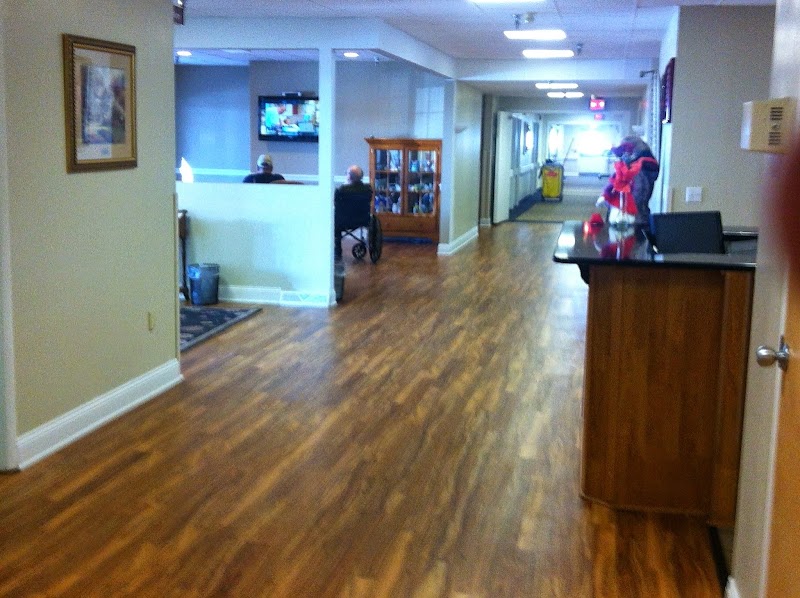
How is Steubenville Country Club Manor Staffed?

CMS rates STEUBENVILLE COUNTRY CLUB MANOR's staffing level at 2 out of 5 stars, which is below average compared to other nursing homes. Staff turnover is 67%, which is 20 percentage points above the Ohio average of 46%. High turnover can affect care consistency as new staff learn residents' individual needs. RN turnover specifically is 80%, which is notably high. RNs provide skilled clinical oversight, so turnover in this role can affect medical care quality.

What Have Inspectors Found at Steubenville Country Club Manor?

State health inspectors documented 87 deficiencies at STEUBENVILLE COUNTRY CLUB MANOR during 2019 to 2025. These included: 1 Immediate Jeopardy (the most serious level, indicating potential for serious harm or death), 2 that caused actual resident harm, and 84 with potential for harm. Immediate Jeopardy findings are rare and represent the most serious regulatory concerns. They require immediate corrective action.
Who Owns and Operates Steubenville Country Club Manor?

STEUBENVILLE COUNTRY CLUB MANOR is owned by a for-profit company. For-profit facilities operate as businesses with obligations to shareholders or private owners. The facility operates independently rather than as part of a larger chain. With 54 certified beds and approximately 46 residents (about 85% occupancy), it is a smaller facility located in STEUBENVILLE, Ohio.
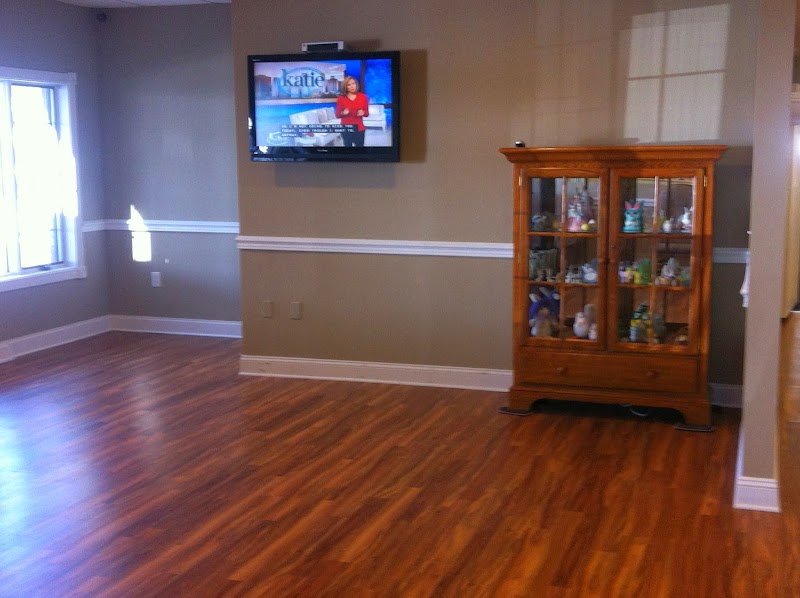
How Does Steubenville Country Club Manor Compare to Other Ohio Nursing Homes?

Compared to the 100 nursing homes in Ohio, STEUBENVILLE COUNTRY CLUB MANOR's overall rating (1 stars) is below the state average of 3.2, staff turnover (67%) is significantly higher than the state average of 46%, and health inspection rating (1 stars) is much below the national benchmark.

What Should Families Ask When Visiting Steubenville Country Club Manor?

Based on this facility's data, families visiting should ask: "What changes have been made since the serious inspection findings, and how are you preventing similar issues?" "How do you ensure continuity of care given staff turnover, and what is your staff retention strategy?" "Can you walk me through typical staffing levels on day, evening, and night shifts?" "Can I visit during a mealtime to observe dining assistance and food quality?" These questions are particularly relevant given the facility's Immediate Jeopardy citations, the facility's high staff turnover rate, and the below-average staffing rating.

Is Steubenville Country Club Manor Safe?

Based on CMS inspection data, STEUBENVILLE COUNTRY CLUB MANOR has documented safety concerns. Inspectors have issued 1 Immediate Jeopardy citation (the most serious violation level indicating risk of serious injury or death). The facility has a 1-star overall rating and ranks #100 of 100 nursing homes in Ohio. Families considering this facility should ask detailed questions about what corrective actions have been taken since these incidents.

Do Nurses at Steubenville Country Club Manor Stick Around?

Staff turnover at STEUBENVILLE COUNTRY CLUB MANOR is high. At 67%, the facility is 20 percentage points above the Ohio average of 46%. Registered Nurse turnover is particularly concerning at 80%. RNs handle complex medical decisions and coordinate care — frequent RN changes can directly impact care quality. High turnover means new staff may not know residents' individual needs, medications, or preferences. It can also be disorienting for residents, especially those with dementia who rely on familiar faces. Families should ask: What is causing the turnover? What retention programs are in place? How do you ensure care continuity during staff transitions?

Was Steubenville Country Club Manor Ever Fined?

STEUBENVILLE COUNTRY CLUB MANOR has been fined $135,828 across 1 penalty action. This is 3.9x the Ohio average of $34,437. Fines at this level are uncommon and typically indicate a pattern of serious deficiencies, repeated violations, or failure to correct problems promptly. CMS reserves penalties of this magnitude for facilities that pose significant, documented risk to resident health or safety. Families should request specific documentation of what issues led to these fines and what systemic changes have been implemented.

Is Steubenville Country Club Manor on Any Federal Watch List?

STEUBENVILLE COUNTRY CLUB MANOR is not on any federal watch list. The most significant is the Special Focus Facility (SFF) program, which identifies the bottom 1% of nursing homes nationally based on persistent, serious quality problems. Not being on this list means the facility has avoided the pattern of deficiencies that triggers enhanced federal oversight. This is a positive indicator, though families should still review the facility's inspection history directly.