FALLING WATER HEALTHCARE CENTER
18840 FALLING WATER, STRONGSVILLE, OH 44136 (440) 238-1100
For profit - Corporation 135 Beds COMMUNICARE HEALTH Data: November 2025
Trust Grade
48/100
#459 of 913 in OH
Last Inspection: July 2023

Over 2 years since last inspection. Current conditions may differ from available data.

Overview

Falling Water Healthcare Center has a Trust Grade of D, indicating below-average performance and some concerns about care quality. It ranks #459 out of 913 facilities in Ohio, placing it in the bottom half, and #43 out of 92 in Cuyahoga County, meaning there are better local options available. Fortunately, the facility is improving, with issues decreasing from nine in 2024 to three in 2025. However, staffing is a significant concern, rated at just 1 out of 5 stars, with a high turnover rate of 68%, which is well above the state average. Specific incidents have raised red flags, such as a resident suffering a second-degree burn from hot soup and another resident falling and fracturing a hip because they did not receive the required two-person assistance during care. Despite these weaknesses, the facility has excellent quality measures rated 5 out of 5 stars, indicating some successful care outcomes.

Trust Score
D
48/100
In Ohio
#459/913
Top 50%
Safety Record
Moderate
Needs review
Inspections
Getting Better
9 → 3 violations
Staff Stability
⚠ Watch
68% turnover. Above average. Higher turnover means staff may not know residents' routines.
Penalties
○ Average
$10,839 in fines. Higher than 66% of Ohio facilities. Some compliance issues.
Skilled Nurses
⚠ Watch
Each resident gets only 22 minutes of Registered Nurse (RN) attention daily — below average for Ohio. Fewer RN minutes means fewer trained eyes watching for problems.
Violations
⚠ Watch
19 deficiencies on record. Higher than average. Multiple issues found across inspections.
★★★☆☆
3.0
Overall Rating
★☆☆☆☆
1.0
Staff Levels
★★★★★
5.0
Care Quality
★★★☆☆
3.0
Inspection Score
Stable
2024: 9 issues
2025: 3 issues

The Good

  • 5-Star Quality Measures · Strong clinical quality outcomes
  • Full Sprinkler Coverage · Fire safety systems throughout facility
  • No fines on record

Facility shows strength in quality measures, fire safety.

The Bad

3-Star Overall Rating

Near Ohio average (3.2)

Meets federal standards, typical of most facilities

Staff Turnover: 68%

21pts above Ohio avg (46%)

Frequent staff changes - ask about care continuity

Federal Fines: $10,839

Below median ($33,413)

Minor penalties assessed

Chain: COMMUNICARE HEALTH

Part of a multi-facility chain

Ask about local staffing decisions and management

Staff turnover is elevated (68%)

20 points above Ohio average of 48%

The Ugly 19 deficiencies on record

2 actual harm
Aug 2025 3 deficiencies
CONCERN (D) 📢 Someone Reported This

A family member, employee, or ombudsman was alarmed enough to file a formal complaint

Potential for Harm - no one hurt, but risky conditions existed

Deficiency F0567 (Tag F0567)

Could have caused harm · This affected 1 resident

**NOTE- TERMS IN BRACKETS HAVE BEEN EDITED TO PROTECT CONFIDENTIALITY** Based on interview and record review, the facility failed to ensure Resident #68 had access to his social security allowance as ...

Read full inspector narrative →
**NOTE- TERMS IN BRACKETS HAVE BEEN EDITED TO PROTECT CONFIDENTIALITY** Based on interview and record review, the facility failed to ensure Resident #68 had access to his social security allowance as required. This affected one resident (#68) of five residents reviewed for funds. The facility census was 91.Findings include:Review of the medical record for Resident #68 revealed and admission date of 03/01/24 with diagnoses including depression, quadriplegia, and need for personal care.Review of the quarterly Minimum Data Set (MDS) 3.0 assessment dated [DATE] revealed that Resident #68 was cognitively intact. Review of Resident #68's personal fund authorization was witnessed by two people that were not associated with the facility on 12/20/24.Review of the first quarterly statement for 2025 revealed that the facility received Resident #68's social security (SS) check was deposited into his personal funds account. Further review of the first quarterly statement of 2025 revealed that SS asked for his SS check to be returned, which was returned 02/18/25.Further review of the first quarterly statement of 2025 revealed that Resident #68's SS check was deposited, and he received his $50.00 allowance in March 2025. Review of the receipt dated 03/25/25 revealed that Resident #68 signed that he withdrew $50.00.Review of the second quarterly statement revealed that Resident #68's SS check for April was deposited on 04/03/25 and Resident #68's $50.00 allowance was allotted to him. Further review of the second quarterly statement revealed that Resident #68's SS check for February was deposited on 04/14/25 however Resident #68 was not given his $50.00 allowance retroactive from February. Resident #68 did not withdraw any monies in April 2025.Review of the second quarterly statement revealed that Resident #68's SS check for May was deposited on 05/02/25 and Resident #68's $50.00 allowance was allotted to him. Review of the receipt dated 05/08/25 revealed that Resident #68 signed that he withdrew $50.00.Review of the second quarterly statement revealed that Resident #68's SS check for June was deposited on 06/03/25 and Resident #68's $50.00 allowance was allotted to him. Review of the receipt dated 06/10/25 revealed that Resident #68 signed that he withdrew $10.00.Review of the receipt dated 06/18/25 revealed that Resident #68 signed that he withdrew $40.00.Interview on 08/04/25 at 2:28 P.M. with Regional Business Office Manager (RBOM) #900 revealed that Resident #68's SS check in February was recalled by SS, so the check was not deposited. Resident #68 ‘s February check was deposited in April, so the system would not have recognized that Resident #68 should have been given his allowance of $50.00 retroactive from February. RBOM #900 verified the facility did not ensure Resident #68 received his $50 allowance from his February SS check as required. This deficiency represents non-compliance investigated under Complaint Number 1300243.
CONCERN (D) 📢 Someone Reported This

A family member, employee, or ombudsman was alarmed enough to file a formal complaint

Potential for Harm - no one hurt, but risky conditions existed

Deficiency F0806 (Tag F0806)

Could have caused harm · This affected 1 resident

**NOTE- TERMS IN BRACKETS HAVE BEEN EDITED TO PROTECT CONFIDENTIALITY** Based on observation, interview, and record review, the facility failed to provide residents with foods to accommodate their all...

Read full inspector narrative →
**NOTE- TERMS IN BRACKETS HAVE BEEN EDITED TO PROTECT CONFIDENTIALITY** Based on observation, interview, and record review, the facility failed to provide residents with foods to accommodate their allergies and preferences during meals. This affected three residents (#13, #40, and #46) of three reviewed for food/nutrition. The facility census was 91.Findings include: 1. Review of Resident #13's medical record revealed the resident was admitted on [DATE] with diagnoses including anxiety disorder, major depressive disorder, and panic disorder. Review of Resident #13's physician orders for July 2025 revealed an order for a regular diet, thin liquid consistency. Resident #13 was ordered as allergic to eggs and egg products. Review of Resident #13's quarterly Minimum Data Set 3.0 assessment dated [DATE] revealed the resident exhibited intact cognition and was independent for eating. Observation and interview on 07/30/25 at 12:04 P.M. revealed that Resident #13's tray was completed and put into the food cart to be delivered for lunch. Resident #13's tray ticket stated that she was to receive a #10 scoop of ground fruit cocktail as a preference. Dietary Manager (DM) #808 moved Resident #13's tray from food cart and verified that her diet ticket stated that Resident #13 was to get ground fruit cocktail but was served regular fruit cocktail. DM #808 removed the regular fruit cocktail and made ground fruit cocktail. This was verified by DM #808 at time of observation. 2. Review of Resident #40's medical record revealed the resident was admitted on [DATE] with diagnoses including anxiety disorder, major depressive disorder, and moderate protein malnutrition. Review of Resident #40's physician orders for July 2025 revealed an order for a regular dysphagia advance diet, thin liquid consistency. Resident #40 was to receive double entree all meals. Review of Resident #40's quarterly MDS 3.0 assessment dated [DATE] revealed the resident exhibited moderate impaired cognition and was independent for eating. Observation and interview on 07/30/25 at 11:53 A.M. revealed that Resident #40's tray was completed and put into the food cart to be delivered. Resident #40's tray ticket stated that he had an order for double portions. Dietary Aide (DA) #801 removed Resident #40's tray from the food cart and verified that his tray ticket stated that Resident #40 was to receive double portions and was served a regular size portion of chicken piccata. This was verified by Regional Dietary Manager (RDM) #809 at time of observation. 3. Review of Resident #46's medical record revealed the resident was admitted on [DATE] with diagnoses including anxiety disorder, depression, and chronic kidney disease. Review of Resident #46's physician orders for July 2025 revealed an order for a carbohydrate control renal diet, thin liquid consistency. Resident #46 was allergic to lactose. Review of Resident #46's quarterly MDS 3.0 assessment dated [DATE] revealed the resident exhibited intact cognition and was independent for eating.Review of the recipe for chicken piccata revealed that an ingredient was two percent milk. Observation and interview on 07/30/25 at 11:47 A.M. revealed that Resident #46's tray was completed and put into the food cart to be delivered. Resident #46 tray ticket stated that she had a dairy allergen and was to receive a three ounce baked chicken breast instead of the chicken piccata being served as the main entree'. RDM #809 removed Resident #46's tray from the food cart and verified that her diet ticket stated that Resident #46 had a dietary allergen, was to receive a baked chicken breast but was served chicken piccata. This was verified by RDM #809 at time of observation. This deficiency represents non-compliance investigated under Complaint Number 1300241, Complaint Number 1300243, and Complaint Number 1300248.
CONCERN (E) 📢 Someone Reported This

A family member, employee, or ombudsman was alarmed enough to file a formal complaint

Potential for Harm - no one hurt, but risky conditions existed

Deficiency F0553 (Tag F0553)

Could have caused harm · This affected multiple residents

**NOTE- TERMS IN BRACKETS HAVE BEEN EDITED TO PROTECT CONFIDENTIALITY** Based on record reviews and interviews the facility did not ensure care conference meetings were offered or held for residents #...

Read full inspector narrative →
**NOTE- TERMS IN BRACKETS HAVE BEEN EDITED TO PROTECT CONFIDENTIALITY** Based on record reviews and interviews the facility did not ensure care conference meetings were offered or held for residents #6, #22, #41 and #80. This affected four residents (#6, #22, #41 and #80) of four residents reviewed for participation in care planning. The census was 91. 1.Review of the medical record for Resident #6 revealed an admission date of 10/27/24. Diagnoses included atrial fibrillation, hypertension and anemia. Review of the quarterly Minimum Data Set (MDS) 3.0 assessment dated [DATE] revealed Resident #6 was cognitively intact. Review of the MDS report from March 2025 to July 2025 revealed Resident #6 had quarterly assessments completed on 03/15/25 and 06/13/25. Review of the miscellaneous tab in the electronic medical record (EMR) revealed the last documented care plan meeting was Resident #6's 72-hour meeting at admission. An interview on 07/28/25 at 2:29 P.M. with Resident #6 revealed he was only invited to one meeting, besides the 72-hour meeting, however he missed it. 2.Review of the medical record for Resident #22 revealed an admission date of 09/08/23. Diagnoses included hemiplegia and hemiparesis, diabetes and anxiety. Review of the quarterly MDS 3.0 assessment dated [DATE] revealed Resident #22 was cognitively intact. Review of the MDS report from March 2025 to July 2025 revealed Resident #22 had quarterly assessments completed on 04/01/25 and 07/11/25. Review of the miscellaneous tab in the EMR revealed the last documented care plan meeting was on 12/09/24 for Resident #22. Interview on 07/28/25 at 1:58 P.M. with Resident #22 and his mother revealed she used to receive invitations but had not gotten one in a while. Resident #22 stated he had not been invited to attend any care plan meetings. 3.Review of the medical record for Resident #41 revealed an admission date of 09/06/23. Diagnoses included end stage renal disease, respiratory failure and dysphagia. Review of the quarterly MDS 3.0 assessment dated [DATE] revealed Resident #41 was cognitively impaired. Review of the MDS report from March 2025 to July 2025 revealed Resident #41 had quarterly assessments completed on 03/06/25 and 06/06/25. Review of the miscellaneous tab in the EMR revealed the last documented care plan meeting was 12/09/24. Phone interview on 07/28/25 at 1:10 P.M. with family of Resident #41 revealed the facility did not communicate with her even when she was visiting in the facility and she was not being invited to plan of care meetings. 4.Review of the medical record for Resident #80 revealed an admission date of 08/30/24. Diagnoses included quadriplegia, chronic pain syndrome and emphysema. Review of the quarterly MDS 3.0 assessment dated [DATE] revealed he was cognitively intact. Review of the MDS report from March 2025 to July 2025 revealed Resident #80 had quarterly assessments completed on 03/07/25 and 06/06/25. Review of the miscellaneous tab in the EMR revealed the last documented care plan meeting was 02/10/25. An interview on 07/28/25 at 9:30 A.M. with Resident #80 revealed he was not involved in plan of care meetings in the year he had been there. An interview on 07/29/25 at 1:40 P.M. with licensed Social Worker (LSW) #560 revealed she identified an issue with the facility not offering care plan meetings possibly due to changes in LSW position and coverage from other buildings. She stated they had a few meetings for discharge planning. The team had not yet implemented a schedule or system for plan of care meetings. An interview on 07/30/25 at 10:07 A.M. with Licensed Practical Nurse (LPN) #538 revealed they have had some plan of care meetings for discharge planning however they have not had plan of care meetings for all residents as required. An interview on 07/30/25 at 3:00 P.M. with Regional MDS Registered Nurse (RN) revealed meetings should be held at 72-hour after admission, quarterly, annually and with a significant change. Review of the facility policy titled Plan of Care Overview, not dated, revealed the purpose of the policy was to provide guidance to the facility to support the inclusion of the resident or resident representative in all aspects of person-centered care planning. The policy read residents/representatives would be informed of their plan of care in the most understandable manner possible and would be offered opportunities to voice their view. They would be allowed to request meetings, be included in planning process and establish goals. The facility would hold meetings at a time when resident was functioning at his/her best and schedule meeting to accommodate a resident's representative that may include conference calls, video conference sessions of live sessions. This deficiency represents non-compliance investigated under Complaint Number 1300240.
Dec 2024 2 deficiencies 1 Harm
SERIOUS (G) 📢 Someone Reported This

A family member, employee, or ombudsman was alarmed enough to file a formal complaint

Actual Harm - a resident was hurt due to facility failures

Accident Prevention (Tag F0689)

A resident was harmed · This affected 1 resident

**NOTE- TERMS IN BRACKETS HAVE BEEN EDITED TO PROTECT CONFIDENTIALITY** THE FOLLOWING DEFICIENCY REPRESENTS AN INCIDENCE OF PAST NON-COMPLIANCE THAT WAS SUBSEQUENTLY CORRECTED PRIOR TO THIS SURVEY Ba...

Read full inspector narrative →
**NOTE- TERMS IN BRACKETS HAVE BEEN EDITED TO PROTECT CONFIDENTIALITY** THE FOLLOWING DEFICIENCY REPRESENTS AN INCIDENCE OF PAST NON-COMPLIANCE THAT WAS SUBSEQUENTLY CORRECTED PRIOR TO THIS SURVEY Based on observation, record review and interview, the facility failed to provide adequate care and services to prevent a second degree burn on the Resident #68's right hand. Actual Harm occurred on 12/03/24 when Resident #68 sustained a second degree burn to her right dorsal hand after spilling hot noodle soup onto her right hand. The soup had been heated in a microwave by nursing staff at an unknown hot temperature and then handed to the resident who was standing in the area. This affected one resident (#68) of three residents reviewed for accidents/hazards. Findings include: Review of Resident #68's medical record revealed the resident was admitted on [DATE] with diagnoses including unspecified dementia, essential hypertension and bipolar disorder. Review of Resident #68's physician orders revealed an order dated 06/28/24 for a regular diet, regular texture with regular consistency. Review of Resident #68's Hot Liquid Evaluation form dated 09/26/24 revealed the resident did not have indicators for severe cognitive impairment, poor safety awareness, tremors, contractures, weakness or posture concerns. The assessment revealed there were no other indicators not listed above. Review of Resident #68's quarterly Minimum Data Set (MDS) 3.0 assessment dated [DATE] revealed the resident exhibited moderate cognitive impairment. The resident resided on the secured memory care unit on the second floor. Review of a facility Occurrence Form #1223725 dated 12/03/24 at 4:11 P.M. revealed the nurse was sitting at the nursing station charting and the resident was handed a cooked noodle cup by the Certified Nursing Assistant (CNA). The resident sat the noodle cup on her roller walker and took a step backwards and lost her balance falling onto the floor. The incident was witnessed by staff. Review of Resident #68's Acute Visit Nurse Practitioner (NP) note dated 12/03/24 authored by NP #815 revealed the resident had a past medical history (PMH) of hypertension, diabetes, bipolar fell onto the floor in the secured unit. This was a witnessed fall. She hit her head to the floor with no bleeding, no hematoma and neurological checks were initiated. Her mental status was per the baseline and range of motion was per the baseline. The resident stood up with assistance and started walking with the walker. She also had spilled hot soup on her right hand and complained of burning. No blisters and an ice pack was applied. Review of Resident #68's Skin Grid Non-Pressure form dated 12/03/24 at 4:12 P.M. revealed the resident had right hand (back) redness which was classified as a burn. The wound measured one cm (centimeter) length by 2.0 cm width with no depth. The wound was red, moist grainy, with optimal granulation color and pain. Review of Resident #68's progress note dated 12/03/24 at 8:31 P.M. authored by Licensed Practical Nurse (LPN) #810 revealed while the nurse was sitting at the nursing station charting, the resident was handed a cooked noodle cup by the CNA. The resident sat the noodle cup on the roller walker and took a step backwards. She lost her balance and fell onto the floor. The resident was observed hitting her head but denied pain due to the recent fall. The skin was intact, and no injury was noted. The resident complained of pain to the right hand and stated the noodle cup got on her hand. The NP was made aware and assessed the resident. An ice pack to the right hand was ordered and neurological checks were ordered. The power of attorney (POA) was made aware, and urine was sent to the lab this morning. Review of Resident #68's progress note dated 12/04/24 at 1:00 A.M. authored by NP #815 revealed the encounter was a follow up post fall and burns to the right hand. The resident was seen in the hallway sitting in the walker seat. The resident denied a new headache, mental status at baseline and neurological checks continued. The resident complained of right elbow pain post fall and elbow redness was found on the bony area. No dislocation was identified and burns to the right hand. Bacitracin external ointment twice daily was ordered. Review of Resident #68's physician orders revealed an order dated 12/04/24 at 5:00 P.M. authored by NP #815 for bacitracin external ointment 500 units/gram apply to right hand/wrist two times a day. Review of Resident #68's physician orders revealed an order dated 12/04/24 to apply an ice pack to the right hand due to complaints of pain as tolerated by the resident; an order dated 12/04/24 for bacitracin external ointment 500 units/gram apply to right hand/wrist topically two times a day for seven days for a burn; and an order dated 12/12/24 to cleanse the right dorsal hand second degree burn with wound cleanser, apply Silvadene cream 1% (silver Sulfadiazine) to base of the wound, leave open to air and complete twice daily and as needed. Review of Resident #68's medication administration records (MARS) and treatment administration records (TARS) from 12/03/24 to 12/17/24 revealed treatments were completed as ordered. Review of Resident #68's Skin and Wound Note dated 12/13/24 at 3:30 P.M. revealed the visit was for a new skin and wound consult. Resident #68 presented with a burn to the dorsal right hand. The wound was new and was 1.5 cm length by one cm width with 0.1 cm depth with dryness to the peri wound and scant amount of serous exudate. The wound was classified as a right dorsal hand second degree burn. The order was to cleanse the right hand with Silvadene cream 1% to the base of the wound and leave open to air twice daily. Interview on 12/17/24 at 6:57 A.M. with CNA #808 revealed Resident #68 did not like the facility food and the resident's daughter would bring in ramen noodle cups for the resident. She revealed on 12/03/24 at approximately 8:25 P.M. she heated up a ramen noodle cup for Resident #68 at (approximately) one minute and 30 seconds in the microwave. The CNA stated the resident said it was not hot enough and she heated it for another 60 seconds in the microwave and then handed it to the resident. She revealed Resident #68 put the soup down on her walker and some of the soup splashed onto her hand. CNA #808 revealed the resident became startled and took a step back falling to the floor and hitting her elbow and head. CNA #808 revealed she was aware the facility policy indicated not to heat foods for residents, but she stated she had always heated Resident #68's noodle soup. She confirmed the resident had cognitive impairment and resided on the secured memory care unit. Interview on 12/17/24 at 7:26 A.M. with LPN #810 revealed he was sitting at the nursing station on 12/03/24 when CNA #808 handed Resident #68 her soup. LPN #810 confirmed the resident's family does bring in food for the resident. He revealed at the time of the incident, the resident stepped back and fell backwards to the floor striking her elbow and head on the floor. He revealed he did not see injuries to her hand but was more concerned about the injuries to her elbow and head. He confirmed staff were not supposed to be heating soup up for the residents and he stated he called the resident's daughter and NP following the incident with the resident. An attempted interview on 12/17/24 at 10:47 A.M. with Resident #68 revealed she was not able to answer interview questions. Observation of Resident #68's right hand at the time of the interview revealed she had a healing burn on the right hand between the thumb and first finger which appeared shiny pink and it had a scabbed area in the middle of the shiny pink area which appeared to be a healing blister. Interview on 12/17/24 at 12:22 P.M. with NP #815 revealed on 12/03/24 Resident #68 had soup on the seat of her walker) and burned her hand on it which caused her to fall backwards to the floor and hit her head. NP #815 revealed she had assessed the resident while she was still on the floor because she was in the building. She revealed Resident #68 did not have injuries to her shoulder and had a bruise to the right elbow and a burn to the right hand. She revealed at the time of the observation the resident's hand was just reddened, and she ordered an ice pack to be applied to the area. NP #815 revealed she assessed the resident on 12/04/24 and noted the resident's top layer of skin on the resident's right hand was peeling. She denied the resident had blisters at this time. Interview on 12/17/24 at 12:50 P.M. with the Interim Director of Nursing (DON) revealed Resident #68 developed a blister on 12/06/24 between the thumb and pointer finger (top uppermost part) as a result of the burn on 12/03/24. Review of the undated Storage of Resident Food policy indicated dietary services would provide any re-heating of foods but in the event dietary staff were not available, a trained staff member may re-heat foods brought in from outside sources. Foods must be re-heated in 15 second increments until the temperature reaches 165 degrees Fahrenheit. Allow the food to cool prior to serving for resident preference and palatability. The deficiency was corrected on 12/04/24 when the facility implemented the following corrective actions: • On 12/03/24 at 4:08 P.M., LPN Unit Manager (UM) #825 completed a skin assessment on Resident #68 and noted redness to the right hand measuring one cm length by two cm width with no depth. The resident's skin was intact at this time. • On 12/03/24 at 4:20 P.M. LPN UM #825 completed interviews with unit staff. The staff reported Resident #68 lost her balance due to being distracted and talking to other residents. • On 12/03/24 at 4:30 P.M., the Interim DON was notified of the incident by LPN UM #825. • On 12/03/24 at 4:31 P.M. the Interim DON reviewed Resident #68's diet order. The order was for a regular/regular/regular diet with no devices. • On 12/03/24 at 4:45 P.M., the Interim DON reviewed Resident #68's MDS and Care Plans and no diet modifications were noted. • On 12/03/24 at 4:45 P.M. the Interim DON completed an audit by assessing all residents in house for potential for risk of injury due to hot food items/liquids. No abnormal findings were identified. • On 12/03/24 at 6:05 P.M. LPN UM #825 educated all facility staff on Hot Liquids and initiated an in-service. • On 12/03/24 at 6:38 P.M., NP #815 ordered an ice pack to Resident #68's right hand twice daily as tolerated, and the ice pack was added to the resident order list. • Review of the Outside Food policy by the Administrator and DON on 12/4/2024 revealed no changes were made. • On 12/04/24 at 4:15 P.M. NP #815 assessed Resident #68. No swelling to the head was observed. Redness to the right hand was observed with intact skin. Neurological checks were within normal limits (WNL) and range of motion (ROM) was WNL. A verbal order for an ice pack was received and initiated. • On 12/04/24 at 9:50 A.M., an interdisciplinary team meeting was held regarding the incident which included the Administrator, Interim DON, LPN UM #832, LPN UM #825, LPN MDS #861, Therapy #602, Licensed Social Worker (LSW) #603. • On 12/04/24 at 2:30 P.M., NP #815 followed up with Resident #68 and treatment orders were obtained and implemented. On 12/04/24 at 3:00 P.M., NP #815 ordered bacitracin ointment to the right hand twice daily. • On 12/04/24 at 4:00 P.M. the Interim DON initiated ongoing monitoring audits three times a week for four weeks related to monitoring residents for risk for injury related to hot liquids/foods. The audits were being monitored for compliance by the DON in conjunction with the Administrator daily during the clinical meeting and weekly during the nursing risk meeting. • On 12/04/24 at 5:00 P.M. LPN UM #825 completed Storage of Resident Food Hot policy in-service with focus on hot liquids/foods to all facility staff. • On 12/05/24 at 11:46 A.M., Speech Therapy evaluation was completed by Speech Therapist #604 and an order received for ST services three times a week for four weeks for cognitive skills development • On 12/06/24 at 10:33 A.M., a skin evaluation was completed on Resident #68's right hand burn. The resident was added to wound care rounds with Wound NP #985 (routine). The burn to the right hand measured one cm length by two cm width with no depth and was red in color with no exudate and no pain. The physician orders were to continue the treatment of Bacitracin topically twice daily. The resident's right hand had an intact blister which was noted to the center of the burn. • On 12/12/24 at 4:00 P.M. a wound assessment was completed with the facility wound nurse LPN UM #825 and Wound NP #985. The burn to the right hand measured at 1.5 cm length by one cm width with 0.1 cm depth. Dryness was noted to the periwound with scant serous exudate. The treatment orders was changed to Silverdene cream 1% twice daily and as needed. On 12/12/24 at 8:04 P.M. the treatment order for Resident #68 was changed to Silvadene twice daily and as needed by Wound NP #985. This deficiency represents non-compliance investigated under Complaint Number OH00160640.
CONCERN (D) 📢 Someone Reported This

A family member, employee, or ombudsman was alarmed enough to file a formal complaint

Potential for Harm - no one hurt, but risky conditions existed

Deficiency F0744 (Tag F0744)

Could have caused harm · This affected 1 resident

**NOTE- TERMS IN BRACKETS HAVE BEEN EDITED TO PROTECT CONFIDENTIALITY** Based on closed record review and interview, the facility failed to implement comprehensive, individualized and effective behavi...

Read full inspector narrative →
**NOTE- TERMS IN BRACKETS HAVE BEEN EDITED TO PROTECT CONFIDENTIALITY** Based on closed record review and interview, the facility failed to implement comprehensive, individualized and effective behavioral health interventions for Resident #107, who was diagnosed with dementia and had a history of inappropriate sexual behaviors, to prevent additional inappropriate sexual behaviors from occurring. This affected one resident (#107) of nineteen residents who resided on the SMCU. Findings include: Review of Resident #107's closed medical record revealed the resident was admitted on [DATE] and discharged on 10/28/24 with diagnoses including vascular dementia, anxiety disorder and depression. Resident #107 was listed as the resident representative. Review of Resident #107's behavior care plans revealed interventions including administer medications as ordered dated 08/19/24; speak in a calm manor dated 08/19/24; encourage to express feelings dated 08/19/24; intervene as necessary dated 08/19/24; monitor behavior episodes and attempt to determine underlying causes dated 08/19/24, observe and anticipate resident needs dated 08/19/24; behavioral health consults as needed dated 08/19/24; and monitor for inappropriate sexual behaviors dated 10/07/24. Review of the plan of care revealed no updated or new interventions were included following an incident on 09/29/24 until 10/07/24 when the intervention to monitor for inappropriate sexual behaviors was added. Review of Resident #107's admission MDS 3.0 assessment dated [DATE] revealed the resident exhibited intact cognition. Review of Resident #107's Behavior Note dated 09/29/24 at 9:45 P.M. revealed the resident was observed by staff being sexually inappropriate with a male resident. The note indicated staff separated the residents. Review of a facility submitted Self-Reported Incident (SRI) Investigation, Tracking Number 252563, completed 10/02/24 for an allegation of sexual abuse revealed on 09/29/24 Resident #107 and Resident #57 were on the couch in the common area of the SMCU engaging in a sexual interaction. Review of Resident #107's Psychiatry note dated 10/08/24 revealed the resident had an encounter with another resident where they both appeared to be fondling one another. The resident's hands were allegedly near or in another male resident's pants and the other resident's hands were allegedly near or on this resident's breast per reports of staff. The resident denied the incident reported by staff and stated there was no physical interactions between her and any other residents. The resident did not appear to be sad, anxious or in any distress. The provider did not identify any safety concerns for Resident #107 or any other resident at this time. However, the note included frequent monitoring was encouraged when the resident was interacting with other residents. The resident denied any recollection of the incident and had very poor insight. Review of a facility submitted SRI, Tracking Number 253264, dated 10/23/24, for an allegation of sexual abuse revealed per conversation with CNA, she observed Resident #107 and Resident #60 in bed together. At the time of questioning the CNA reported that when she opened up the door to the room that both residents moved very quickly and she could not state if they had been touching one another, only that they had not been facing one another in bed. The CNA reported she was unsure if the male resident had both his pants and briefs lowered or just his pants. The CNA reported Resident #107 was fully unclothed and that her clothes were lying next to the bed on the floor. The CNA reported she had seen Resident #107 15 minutes prior and noted her to be positioned in the living room area. Review of the undated SRI Witness statement revealed on 10/23/24 at approximately 7:45 P.M., Resident #107 was in the living room wearing a sweatshirt and pants. The CNA went to provide care to another resident and upon return noticed Resident #107 was not in the living room. A search of the SMCU found Resident #107 in Resident #60's room. Upon entering Resident #60's room, the resident was in bed with Resident #107. Resident #60 had on a shirt, but his brief and pants were down to his knees. Resident #107 was completely naked. They were laying against each other with Resident #107's back facing Resident #60's stomach. Review of Resident #107's Behavior Note dated 10/23/24 at 8:45 P.M. revealed the resident was observed by a CNA in another resident's room in an inappropriate situation. Both residents (Residents #60 and #107) were immediately separated and the note revealed one to one maintained for the remainder of the shift. The family and doctor were notified. Review of Resident #107's Telehealth Notification progress note dated 10/24/24 revealed the resident was in bed with a male resident and both were undressed but had only been in bed for a short while. The Administration was notified. The note included, both resident's have dementia, not clear that either can consent but it did not appear that anything happened against either's will. The resident's brother was notified. Information obtained via email on 12/19/24 at 11:14 A.M. from Registered Nurse (RN) Regional #801 revealed on 10/07/24 in conjunction with the investigation, behavior monitoring orders were implemented for Resident #107's sexually inappropriate behaviors such as touching others inappropriately or touching herself in public locations with five non-pharmacological interventions listed to implement if necessary. A second email dated 12/19/24 at 12:04 P.M. from RN Regional #801 revealed Resident #107 was assessed by psych services after the first incident in September 2024, was cleared and her medications were reviewed. The resident had behavior monitoring implemented to reduce the risk, but the facility did not provide one to one monitoring indefinitely nor was this intervention included on the resident's plan of care. Regional #801 confirmed Resident #107 exhibited inappropriate sexual behaviors on 09/29/24 and displayed inappropriate sexual behaviors a second time on 10/23/24. Review of the Secured (Locked) Unit policy revised 2017 revealed it was the policy of the facility to provide resident centered care that meets the psychosocial, physical and emotional needs and concerns of those residents. Review of the undated Behavioral Management General policy revealed it was the policy of the facility to identify and safely manage residents who are exhibiting behaviors related to psychiatric diagnoses or who may present a danger to themselves or others. This deficiency represents non-compliance investigated under Complaint Number OH00159742.
Sept 2024 4 deficiencies
CONCERN (D) 📢 Someone Reported This

A family member, employee, or ombudsman was alarmed enough to file a formal complaint

Potential for Harm - no one hurt, but risky conditions existed

Notification of Changes (Tag F0580)

Could have caused harm · This affected 1 resident

**NOTE- TERMS IN BRACKETS HAVE BEEN EDITED TO PROTECT CONFIDENTIALITY** Based on record review, interview and policy review, the facility failed to ensure notification of a resident's change in condit...

Read full inspector narrative →
**NOTE- TERMS IN BRACKETS HAVE BEEN EDITED TO PROTECT CONFIDENTIALITY** Based on record review, interview and policy review, the facility failed to ensure notification of a resident's change in condition and subsequent hospitalization. This affected one resident (#31) of one resident investigated for notification. The census was 108. Findings include: Review of Resident #31's record revealed an admission date of 10/02/23. Diagnoses included multiple sclerosis, diabetes mellitus II and depression. Review of the Minimum Data Set (MDS) 3.0 assessment dated [DATE] revealed Resident #31 required staff assistance with all activities of daily living. Further review of the medical record including progress notes revealed no documentation Resident #31's family was notified of a change in status with subsequent hospitalization. Review of the Telehealth notification dated 08/24/24 at 7:19 P.M. revealed Resident #31 on video, repeating, I feel good, I feel good, and I feel oriented, I feel oriented, and I feel good, I feel good, I'm getting ready to watch a movie, I'm getting ready to watch a movie. Then back to, I feel good. She appeared lethargic. Further review revealed nursing stating she was usually alert and oriented times four. Sending her to emergency room (ER) for further treatments and evaluation. Feel she may need a urinalysis and/or CT of head. Review of a nurse note dated 08/24/24 timed at 7:57 P.M. revealed Resident #31 was repeating words over and over. She was alert to self and place only. She did not seem like her usual self. Telehealth was notified and ordered her to be sent out. Interview with the Licensed Practical Nurse/Unit Manager #316 on 09/25/24 at 10:57 P.M. confirmed the lack of notification to the family concerning Resident #31's change in status and subsequent hospitalization. Review of the facility's undated policy Notification of Change in Condition revealed the attending practitioner would be promptly notified of significant changes in condition and the medical record must reflect the notification, response and interventions implemented to address the resident's condition. The policy also revealed when a change in condition was noted, the nursing staff would contact the resident representative. Notifications that for emergency situations required prompt notification as soon as time permitted. Examples included but were not limited to: transfer to hospital, severe change in physical or mental health and unexpected death. This deficiency represents non-compliance investigated under Complaint Number OH00157587.
CONCERN (D) 📢 Someone Reported This

A family member, employee, or ombudsman was alarmed enough to file a formal complaint

Potential for Harm - no one hurt, but risky conditions existed

ADL Care (Tag F0677)

Could have caused harm · This affected 1 resident

Based on interview and record review, the facility failed to ensure dependent residents received routine showers. This affected two residents (Resident #13 and #31) of three residents (Residents #13, ...

Read full inspector narrative →
Based on interview and record review, the facility failed to ensure dependent residents received routine showers. This affected two residents (Resident #13 and #31) of three residents (Residents #13, #31, and #70) reviewed for activities of daily living (ADLs). The facility census was 108. Findings include: 1. Review of the medical record for Resident #13 revealed an admission date of 08/11/23 with diagnoses including history of traumatic brain injury, depression, anxiety disorder, and seizures. Review of the comprehensive Minimum Data Set (MDS) 3.0 assessment, dated 09/06/24, revealed Resident #13 had intact cognition and was dependent for ADLs. Further review of the medical record revealed no documentation of Resident #13 refusing showers. Interview on 09/24/24 at 9:30 A.M. with Resident #13 revealed he did not receive showers as scheduled. Resident #13 stated that he had to repeatedly ask for showers. Interview on 09/25/24 at 9:07 A.M. with Licensed Practical Nurse (LPN) #316 revealed LPN #316 could only find one completed shower sheet for Resident #13. LPN #316 confirmed this was the only documentation indicating Resident #13 received a shower in the past three months. Review of Resident #13's shower sheets revealed that only one shower was documented for the past three months. 2. Review of the medical record for Resident #31 revealed an admission date of 10/02/23 with diagnoses including multiple sclerosis, major depressive disorder, and anxiety disorders. Review of the comprehensive Minimum Data Set (MDS) 3.0 assessment, dated 09/06/24, revealed Resident #13 had intact cognition and was dependent for all ADLs except eating. Interview on 09/24/24 at 9:28 A.M. with Resident #31 revealed she did not get showered like she was supposed to. Interview on 09/25/24 at 9:07 A.M. with Licensed Practical Nurse (LPN) #316 revealed LPN #316 could only find one completed shower sheet for Resident #31. LPN #316 confirmed this was the only documentation indicating Resident #31 received a shower in the past three months. Review of the facility's policy Routine Care, dated 05/01/24 revealed routine care by a nursing assistant included but was not limited to bathing, dressing, and toileting.
CONCERN (D) 📢 Someone Reported This

A family member, employee, or ombudsman was alarmed enough to file a formal complaint

Potential for Harm - no one hurt, but risky conditions existed

Infection Control (Tag F0880)

Could have caused harm · This affected 1 resident

Based on observation, record review, interview, and policy review the facility failed to ensure infection control measures were followed during medication administration. This affected one of four res...

Read full inspector narrative →
Based on observation, record review, interview, and policy review the facility failed to ensure infection control measures were followed during medication administration. This affected one of four residents observed during medication administration, Resident (#59). The census was 108. Findings include: Record review for Resident #59 revealed an admission date of 11/13/23. Diagnoses included diffuse traumatic brain injury with loss of consciousness of unspecified duration, epilepsy and alcohol abuse with intoxication. Review of the Minimum Data Set (MDS) 3.0 assessment revealed Resident #59 required assistance from staff for activities of daily living. Review of Resident #59's physician orders revealed on order dated 12/08/23 for levetiracetam oral tablet 750 milligrams (mg). Give two tablets by mouth every morning and at bedtime for epilepsy. Observation on 09/24/24 at 7:30 A.M. revealed Licensed Practical Nurse (LPN) #315 preparing to administer medication for Resident #59. LPN #315 popped two levetiracetam tablets directly into her hand from a blister pack then put them in the medication cup that was on the medication cart. Interview with LPN #315 immediately after popping the two tablets of levetiracetam directly into her bare hand revealed she did it because they were large tablets. Review of the facility policy Medication Administration, dated 04/16/24 revealed the procedures for administering medications included not touching the medications with bare hands when opening a liquid or dose pack.
CONCERN (F) 📢 Someone Reported This

A family member, employee, or ombudsman was alarmed enough to file a formal complaint

Potential for Harm - no one hurt, but risky conditions existed

Deficiency F0727 (Tag F0727)

Could have caused harm · This affected most or all residents

THE FOLLOWING DEFICIENCY REPRESENTS AN INCIDENT OF PAST NON-COMPLIANCE THAT WAS SUBSEQUENTLY CORRECTED PRIOR TO THIS SURVEY. Based on record review, interview, and the facility submitted Payroll Base...

Read full inspector narrative →
THE FOLLOWING DEFICIENCY REPRESENTS AN INCIDENT OF PAST NON-COMPLIANCE THAT WAS SUBSEQUENTLY CORRECTED PRIOR TO THIS SURVEY. Based on record review, interview, and the facility submitted Payroll Based Journal (PBJ) tracking information, the facility failed to ensure the services of a registered nurse (RN) for at least eight consecutive hours a day, seven days a week as required. This had the potential to affect all 108 residents residing in the facility. Findings include: Review of the PBJ Staffing Data Report form submitted from 10/01/23 to 12/31/23 revealed on the following dates submitted for the first quarter of the fiscal year 2024, the facility was low on RN hours in the building on 10/01 (Sunday); 10/14 (Saturday); 10/15 (Sunday); 10/28 (Saturday); 10/29 (Sunday); 11/11 (Saturday); 11/12 (Sunday); 11/25 (Saturday), and 11/26 (Sunday). Interview on 09/25/24 at 7:54 A.M. with the Administrator revealed she began working at the facility in April 2024 and at that time was told there was a concern with getting registered nurses hired. The administrator stated they hired RNs since then and they should be okay now. Review of schedules and assignment sheets from 10/01/23 to 12/31/23 with Payroll Specialist (PS) #279 on 09/25/24 at 8:47 A.M. confirmed a RN was not present in the building for at least eight consecutive hours a day, seven days a week as required on the following dates during the first fiscal quarter of 2024: 10/01 (Sunday); 10/14 (Saturday); 10/15 (Sunday); 10/28 (Saturday); 10/29 (Sunday) 11/11 (Saturday); 11/12 (Sunday); 11/25 (Saturday), and 11/26 (Sunday). Review of schedules and assignment sheets from 01/01/24 through 03/31/24 with PS #279 on 09/25/24 at 8:47 A.M. revealed a RN was not present in the building for at least eight consecutive hours a day, seven days a week as required on the following dates during the second fiscal quarter of 2024: 01/06 (Saturday); 02/17 (Saturday); 02/18 (Sunday); 03/16 (Saturday); 03/17 (Sunday), and 03/31 (Sunday). Review of schedules and assignment sheets from 04/01/24 through 06/30/24 with PS #279 on 09/25/24 at 8:57 A.M. revealed a RN was not present in the building for at least eight consecutive hours a day, seven days a week as required on the following dates during the third fiscal quarter of 2024: 04/13 (Saturday); 04/14 (Sunday), and on 06/30 (Sunday) when the scheduled RN left four hours early related to an emergency. The deficient practice was corrected on 07/01/24 when the facility implemented the following corrective actions. • On 05/01/24 The scheduler, Director of Nursing (DON) and Administrator were in-serviced on the need to have a RN in the building 24 hours seven days a week by the Regional Director of Operations. • On 05/01/24, the corporation started daily meetings to ensure RN coverage. The attendees included the Administrator, DON, Regional Director of Operations (RDO), Facility Scheduler, and Divisional Director of Workforce Management. The daily meetings looked forward regarding staffing and reached out and offered overtime to staff in sister facilities to ensure appropriate coverage. • On 05/01/24, the corporation started weekly Zoom meetings to audit RN coverage. The attendees included the Administrator, DON, Regional Director of Operations (RDO), Facility Scheduler, and Divisional Director of Workforce Management. This weekly meeting monitored RN coverage and looked at the past week to ensure proper RN coverage. • On 05/01/24 the facility implemented an on-call RN, who would work eight consecutive hours if a RN called off on a weekend. • On 05/01/24, the facility implemented a corporate scholarship program within the facility for RNs from foreign countries that did not have Ohio RN licensure. This included curricular and practicum training at the facility. The Bachelor degreed RNs from their country of origin would sit for the United States National Council Licensure Exam (US NCLEX) exam and upon passing would be hired by the facility. The facility hired four RNs (RN #258, RN # 268, RN #252, and RN #900), who received housing, meals and transportation. The RNs were contracted for three years of employment and worked as State Tested Nurse Aides (STNAs) after becoming certified until passing the NCLEX. • Review of the personnel files for RN #258, RN # 268, RN #252, and RN #900 revealed each had required licenses and appropriate screening and hiring procedures were followed. • On 05/20/24, RN #252 was hired. • On 07/22/24, an Assisted Director of Nursing (RN) was hired. • On 08/20/24, RN #301 was hired. • On 09/19/24, RN #900 was hired. • Review of schedules and assignment sheets from 07/01/24 through 09/22/24 with PS #279 on 09/25/24 at 9:07 A.M. revealed a RN was present in the building for at least eight consecutive hours a day, seven days a week as required. This deficiency represents non-compliance investigated under Complaint Number OH00157574.
Jun 2024 1 deficiency 1 Harm
SERIOUS (G) 📢 Someone Reported This

A family member, employee, or ombudsman was alarmed enough to file a formal complaint

Actual Harm - a resident was hurt due to facility failures

Accident Prevention (Tag F0689)

A resident was harmed · This affected 1 resident

**NOTE- TERMS IN BRACKETS HAVE BEEN EDITED TO PROTECT CONFIDENTIALITY** THE FOLLOWING DEFICIENCY REPRESENTS AN INCIDENT OF PAST NON-COMPLIANCE THAT WAS SUBSEQUENTLY CORRECTED PRIOR TO THIS SURVEY. Bas...

Read full inspector narrative →
**NOTE- TERMS IN BRACKETS HAVE BEEN EDITED TO PROTECT CONFIDENTIALITY** THE FOLLOWING DEFICIENCY REPRESENTS AN INCIDENT OF PAST NON-COMPLIANCE THAT WAS SUBSEQUENTLY CORRECTED PRIOR TO THIS SURVEY. Based on observation, medical record review, resident and staff interview, review of medial imaging results, review of staff statements, and review of facility corrective action, the facility failed to provide adequate and sufficient assistance during personal care to prevent a fall with major injury for Resident #30. Actual harm occurred on 05/28/24 when Resident #30, who required staff assistance (care planned to require two-person assistance and/or substantial to maximal assistance with activities of daily living (ADLs)) sustained a fall out of bed resulting in a fractured left hip. At the time of the incident, one (1) staff member was providing care to the resident. This affected one (#30) of three residents reviewed for falls. The census was 99. Findings Include: Review of Resident #30's medical record revealed an admission date of 06/25/21 with diagnoses including anemia, orthostatic hypotension, retention of urine, muscle weakness, chronic kidney disease, congestive heart failure, anxiety, and major depression. Review of a fall risk care plan dated 04/17/24 revealed Resident #30 was placed at risk for falls related to incontinence, weakness, anemia, end stage renal disease, diabetes mellitus, wounds, and immobility. Appropriate interventions were implemented to include use of non-skid footwear, maintain the resident's room free of accidents and hazards, ensure bed locks are engaged, place the call light in reach, and move the resident's room closer to the nurses' station. Review of an annual Minimum Data Set (MDS) assessment dated [DATE] revealed Resident #30 was assessed with intact cognition with no range of motion impairments to the upper or lower extremities. Review of Resident #30's plan of care revised 05/16/24 revealed the resident had an ADL self-care deficit and the resident required assistance with ADLs related to incontinence, diabetes mellitus, weakness, and immobility. Interventions included the resident was totally dependent on staff for toilet hygiene, showers/bathing, and chair to bed transfers requiring two (2) or more helpers to do all of the work. An intervention included the resident required substantial/maximal assistance where helpers do more than half the effort to complete upper body dressing, personal hygiene, and rolling left and right. An intervention was also implemented which indicated the resident's assistance level with ADLs may vary based on the time of day, pain, mood, or fatigue and staff should document and adjust as indicated. Review of a late entry nursing progress note dated 05/28/24 at 7:45 P.M. revealed staff were alerted to Resident #30's room by a State Tested Nursing Assistant (STNA) and Resident #30 yelling out for help. As the writer of the progress note entered the room, Resident #30 was observed rolling out of bed from behind a privacy curtain. The resident was mechanical (Hoyer) lifted from the floor using four (4) staff members to get the resident into bed. Resident #30 was noted with abrasions to his head, a skin tear to the top of the right hand, an abrasion to the front of the right shin, and bruising to the left arm. The resident was to be assisted by two staff for hygiene care, repositioning in bed, etc. The physician was notified, and x-ray imaging was ordered for the resident's hips and pelvis as the resident complained of pain while moving back to bed. The resident was able to move all 4 extremities. Review of a post-fall evaluation document dated 05/28/24 at 7:45 P.M. revealed Resident #30 sustained a fall in his room from bed which was in normal position. The resident was wearing non-skid socks and was not using any assistive devices. It was noted the last time the resident was toileted was on 05/28/24 at 7:45 P.M. and STNA #114 was the only witness to the fall. Vital signs were within normal limits, and the resident was complaining of pain in both hips and the left antecubital. The pain was described as achy and tender. Resident #30 was assessed with three (3) small abrasions on the top of his scalp, a skin tear on the back of the right hand, and an abrasion to the front of the right lower leg. Notification was made to the physician and resident's responsible party at 8:00 P.M. When the resident was asked what he was doing prior to the fall the resident responded that he was being changed and rolled off the side of the bed. The suspected root cause of the fall was the resident was holding onto a grab bar and started rolling off the edge of the bed. STNA #114 was not able to get to the other side of the bed fast enough to stop the resident from falling. It was also noted the resident was on an air mattress as a suspected root cause. Following the incident, staff identified the resident required two staff members to provide care at all times. Review of a written statement dated 05/28/24 given by STNA #114 revealed at approximately 7:45 P.M. he was doing a bed change on Resident #30. STNA #114 documented he rolled the resident over to face the door and the resident was grabbing the side rail holding himself over. As STNA #114 was putting the corners of the sheet on the bed, Resident #30 started to roll off the bed. STNA #114 reached to grab for the resident and yelled for help. STNA #114 documented Resident #30 slipped from his grip and rolled off the bed just as staff members entered the room. Review of a typed statement dated 05/29/24 at 2:25 P.M. given by Licensed Practical Nurse (LPN) #132 revealed she just had finished shift report and was at the nurses' station charting when she heard a yell for help and a thud. LPN #132 observed Resident #30 laying on the floor between the two beds in his bedroom and his nurse aide was on the opposite side of the bed moving toward the resident. LPN #132 stated the resident was alert and oriented and indicated he rolled out of bed when the nurse aide was providing care and was not sure how it happened as it happened so quickly. LPN #132 documented the resident was assessed and was able to move his hands and arms with no issues. The resident indicated he had discomfort in both hips and he was able to move his right left more than his left leg. There was no obvious external rotation or significant length differences when comparing the resident's legs. Review of a nursing progress note dated 05/29/24 at 5:22 P.M. revealed Resident #30 complained of severe left arm pain in the morning and an order for x-ray imaging of the left arm from shoulder to fingertips was ordered. The resident was medicated with narcotic pain medications; however, the medication was not effective. Results of the resident's x-rays revealed a possible fracture of the left hip and the resident was sent out to the hospital. Review of a subsequent nursing progress note on 05/29/24 at 11:40 P.M. revealed Resident #30 was being admitted to the hospital due to a left hip fracture from a fall. Review of x-ray imagine results dated 05/29/24 revealed Resident #30 was found with irregularity of the left intratrochanteric region and may represent a nondisplaced fracture. The femoral heads showed no concerns, and the surrounding soft tissue was normal. X-rays of the left hand to shoulder revealed no acute fractures and the surrounding tissue was normal. Interview with the Administrator on 06/04/24 at 3:30 P.M. verified Resident #30 rolled out of bed approximately at 7:45 P.M. on 05/28/24. At the time of the incident, Resident #30 was holding the upper assist rail and his legs started going off the bariatric low air loss mattress with bolsters mattress. The Administrator revealed prior to the incident, the resident could hold the rail once assisted to roll onto his side, but stated the resident did not have the upper arm strength to roll himself over. The Administrator stated STNA #114 was providing incontinence care for the resident at the time of the incident. The Administrator indicated the facility notified the family, an x-ray was ordered, and the x-ray showed a possible fracture of the resident's left hip. Observation of Resident #30 on 06/06/24 at 7:57 A.M. revealed the resident was laying in bed with no obvious concerns noted. An interview was attempted with the resident; however, no information was able to be provided regarding the fall on 05/28/24 from the resident. Interview on 06/06/24 at 3:53 P.M. with STNA #114 via telephone revealed (on 05/28/24) he had to do a full bed change on Resident #30. While providing care, STNA #114 indicated he turned the resident to wipe his back side, and the resident was fine. STNA #114 stated Resident #30 was holding on to the upper side rail while he went to fit the corner of the sheet on the corner of the bed. STNA #114 stated, out of the corner of his eye, he could see Resident #30 started to slip. STNA #114 stated he got a little hold of Resident #30, but the resident slipped from his grasp. STNA #114 stated he called for help and Resident #30 fell off the bed as 2 staff members were coming in. As a results of the incident, the facility implemented the following corrective actions to correct the deficient practice on 06/03/24: • On 05/29/24, Resident #30 was sent out to the hospital for evaluation and treatment of a suspected left hip fracture. The resident was readmitted to the facility on [DATE]. • On 05/31/24, an audit was completed on all residents with air mattress to ensure there were not issues with the mattresses and application of the mattresses was appropriate. There were no concerns noted. • On 05/31/24, all resident care plans were reviewed and updated to ensure proper interventions were in place for assistance with care with no concerns noted. • On 05/31/24, all staff members were educated that all residents utilizing an air mattress required a 2-persons assistance with care and to check the resident's [NAME] for updates to the resident's tasks. • On 06/03/24, audits were initiated to ensure 2-person assistance with utilized for residents with low air loss mattress. The audits were of three residents weekly for three weeks to ensure compliance. Review of the audits completed for the weeks of 06/03/24 and 06/10/24 revealed no concerns were identified. This deficiency represents noncompliance investigated under Complaint Number OH00154514.
Apr 2024 2 deficiencies
CONCERN (D) 📢 Someone Reported This

A family member, employee, or ombudsman was alarmed enough to file a formal complaint

Potential for Harm - no one hurt, but risky conditions existed

Unnecessary Medications (Tag F0759)

Could have caused harm · This affected 1 resident

**NOTE- TERMS IN BRACKETS HAVE BEEN EDITED TO PROTECT CONFIDENTIALITY** Based on medical record review, observation, staff interview, and review of the facility policy, the facility failed to maintain...

Read full inspector narrative →
**NOTE- TERMS IN BRACKETS HAVE BEEN EDITED TO PROTECT CONFIDENTIALITY** Based on medical record review, observation, staff interview, and review of the facility policy, the facility failed to maintain a medication error rate of less than five percent (%). The medication error was 12.00% due to three observed medication errors for 25 medication administration opportunities. This affected two (Residents #9 and #42) of four residents observed for medication administration. The facility census was 94 residents. Findings include: 1. Review of the medical record for Resident #9 revealed an admission date of [DATE] with diagnoses including dysphagia, hemiplegia, aphasia, anxiety disorder and reflux disease. Review of the comprehensive Minimum Data Set (MDS) assessment for Resident #9 dated [DATE] revealed the resident had impaired cognition and required staff assistance with bed mobility, transfers, and personal hygiene. Review of the [DATE] physician's orders for Resident #9 revealed the resident had an order for Aspirin 81 milligram (mg) enteric coated, delayed release tablet by mouth daily. Observation on [DATE] at 8:32 A.M. revealed Licensed Practical Nurse (LPN) #204 prepared Resident #9's morning medications which included a chewable Aspirin 81 mg tablet. The aspirin tablet was administered whole, and the resident swallowed the tablet with water. Interview on [DATE] at 8:44 A.M. with LPN #204 confirmed she administered a chewable aspirin tablet to Resident #9, but the resident's order was for an enteric coated, delayed release tablet. 2. Review of the medical record for Resident #42 revealed an admission date of [DATE] with diagnoses including bipolar disorder, depression, chronic obstructive pulmonary disease, and coronary artery disease. Review of the comprehensive MDS assessment for Resident #42 dated [DATE] revealed the resident had impaired cognition and required staff assistance with bed mobility, transfers, and personal hygiene. Review of the [DATE] physician's orders for Resident #42 revealed an order for Mucinex 600 mg by mouth every 12 hours and an order to give an iron tablet extend release by mouth every morning and evening for iron deficiency. The order did not indicate how many mg of iron was needed. Observation on [DATE] at 9:00 A.M. revealed LPN #250 administered Resident #42's morning medications including a Mucinex 600 mg with an expiration date of 09/2023 and an iron 50 mg extended-release tablet to the resident. Interview on [DATE] at 9:07 A.M. with LPN #250 confirmed she did not check Resident #42's Mucinex for an expiration date and the dose she administered to the resident was expired. LPN #250 further confirmed Resident #42's iron order did not include a dose, and she administered iron 50 mg extended release because it was the only extended iron tablet available. Interview on [DATE] at 9:09 A.M. with LPN #210, Clinical Manager, confirmed the order for Resident #42's iron had no dose listed. Review of the facility policy titled Medication Administration revealed the policy was to provide resident centered care that met the psychosocial, physical and emotional needs and concerns of the resident. This deficiency represents noncompliance investigated under Complaint Number OH00151491.
CONCERN (D) 📢 Someone Reported This

A family member, employee, or ombudsman was alarmed enough to file a formal complaint

Potential for Harm - no one hurt, but risky conditions existed

Medical Records (Tag F0842)

Could have caused harm · This affected 1 resident

Based on medical record review, staff interview, review of the emergency medical service report (EMS), and review of the facility policy, the facility failed to ensure the resident medical record incl...

Read full inspector narrative →
Based on medical record review, staff interview, review of the emergency medical service report (EMS), and review of the facility policy, the facility failed to ensure the resident medical record included accurate documentation. This affected one (Resident #95) of three residents whose records were reviewed for medical record documentation. The facility census was 94 residents. Finding include: Review of the medical record for Resident #95 revealed an admission date of 07/28/23 and a discharge date of 03/25/24. Diagnoses included cerebral infarction, a stroke, chronic kidney disease. Review of the Minimum Data Set (MDS) assessment for Resident #95 dated 02/18/24 revealed the resident had moderately impaired cognition and was dependent on staff assistance with transfers and used a wheelchair. Review of the progress note for Resident #95 dated 03/14/24 timed at 2:21 P.M. revealed the resident left for an eye appointment. Review of the progress note for Resident #95 dated 03/15/24 timed at 04:04 A.M. revealed the nurse called the emergency room for an update on the resident. Review of the EMS report for Resident #95 dated 3/14/23 timed at 5:04 P.M. revealed the resident was in the back of the facility van and started sliding out of her wheelchair. The resident complained of chest pain and stated she felt weak and sick. Further review of the report revealed the resident was taken off the van, put on a stretcher, and transported via ambulance to the emergency room. Interview on 04/04/24 at 3:15 P.M. with Transporter #233 confirmed upon return trip back from an appointment Resident #95 started to slide out of her chair. The transporter stopped the van, called 911, and positioned himself against the resident's knees to prevent the resident from sliding out of her chair. The resident was transported by EMS to the emergency room. Review of the progress notes for Resident #95 dated 03/14/24 through 03/15/24 revealed the notes did not include documentation regarding the incident described by Transporter #233 in which the resident started to slide out of her chair and was transported to the hospital via EMS. Interview on 04/15/24 at 3:03 P.M. with the Director of Nursing (DON) confirmed Resident #95's medical record did include documentation regarding the incident described by Transporter #233 in which the resident started to slide out of her chair and was transported to the hospital via EMS. Review of the policy titled Clinical Documentation Standards undated revealed nurses should follow the basic standard of practice for documentation which included providing a timely and accurate account of resident information in the medical record.
Oct 2023 1 deficiency
CONCERN (E) 📢 Someone Reported This

A family member, employee, or ombudsman was alarmed enough to file a formal complaint

Potential for Harm - no one hurt, but risky conditions existed

Infection Control (Tag F0880)

Could have caused harm · This affected multiple residents

**NOTE- TERMS IN BRACKETS HAVE BEEN EDITED TO PROTECT CONFIDENTIALITY** Based on observation, interview and record review the facility failed to ensure personal protective equipment (PPE) was worn whi...

Read full inspector narrative →
**NOTE- TERMS IN BRACKETS HAVE BEEN EDITED TO PROTECT CONFIDENTIALITY** Based on observation, interview and record review the facility failed to ensure personal protective equipment (PPE) was worn while providing care to a resident on contact precautions. This affected 10 of 10 residents who received care provided by State Tested Nurse Aide (STNA) #209, Residents #5, #24, #37, #48, #54, #57, #63, #69, #76 and #77. Findings include: Review of Resident #5's medical records revealed an admission date of 08/30/23. Diagnoses included muscle weakness, falls and cellulitis (bacterial infection involving the inner layers of the skin). Review of Resident #5's Minimum Data Set assessment dated [DATE] revealed Resident #5 had intact cognition, required extensive assistance with bed mobility, toileting and personal hygiene. Resident #5 was incontinent of bowel and bladder. Review of the care plan dated 09/20/23 revealed Resident #5 had a Clostridium Difficile (C-diff) infection (bacterial infection that causes diarrhea and inflammation of the colon) and was on isolation precautions. Interventions included implement isolation precautions. Review of current physician orders dated 09/26/23 revealed an order to place Resident #5 in isolation precautions. Review of progress note dated 09/27/23 revealed Resident #5's stool sample tested positive for C-diff. Observation on 10/03/23 at 11:40 A.M. revealed a sign posted outside of Resident #5's room indicating contact precautions and an isolation bin that included gowns, gloves and masks. Further observation revealed STNA #209 exiting Resident #5's room without PPE and immediately entered another resident's room. Continued observation revealed STNA #245 exiting Resident #5's room at 11:42 A.M. and doffing a gown and gloves. Interview with STNA #245, at time of observation, revealed Resident #5 was on contact precautions for C-diff. STNA #245 stated she was required to don PPE including a gown and gloves prior to entering Resident #5's room. STNA #245 stated she had assisted STNA #209 with providing Resident #5 with a bed bath and incontinence care. Interview on 10/03/23 at 12:07 P.M. with STNA #209 revealed he was aware Resident #5 was on contact precautions for C-diff. STNA #209 confirmed he had not worn PPE while in Resident #5's room providing care and was unable to provide an explanation as to why he had not worn PPE while providing Resident #5's care. Interview on 10/04/23 at 1:55 P.M. with the Director of Nursing (DON) revealed she had been made aware of STNA #209 not wearing appropriate PPE while providing care for Resident #5 who was on contact precautions. The DON stated she had immediately educated STNA #209 regarding proper PPE usage and stated STNA #209 was unable to provide an explanation regarding why PPE was not utilized as required. Review of STNA #209's assignment for 10/03/23 revealed STNA was assigned to care for Residents #5, #24, #37, #48, #54, #57, #63, #69, #76 and #77. Review of facility informational handout (undated) revealed healthcare providers were to wear gown and gloves while providing care to residents with C-diff infections. This deficiency represents non-compliance investigated under Complaint Number OH00146583.
Jan 2020 3 deficiencies
CONCERN (D)

Potential for Harm - no one hurt, but risky conditions existed

Resident Rights (Tag F0550)

Could have caused harm · This affected 1 resident

**NOTE- TERMS IN BRACKETS HAVE BEEN EDITED TO PROTECT CONFIDENTIALITY** Based on observation and interview the facility failed to ensure Resident #10 was treated with dignity and respect during dining...

Read full inspector narrative →
**NOTE- TERMS IN BRACKETS HAVE BEEN EDITED TO PROTECT CONFIDENTIALITY** Based on observation and interview the facility failed to ensure Resident #10 was treated with dignity and respect during dining. This affected one of nine residents (#2, #10, #35, #37, #39, #54, #62, #74 #84) who ate their meal in the second floor dining room. The facility census was 112. Findings include: Record review revealed Resident #10 was admitted to the facility on [DATE] with diagnoses that included major depression, anxiety disorder, panic disorder, and spastic quadriplegic cerebral palsy. Review of the comprehensive assessment dated [DATE] indicated the resident was cognitively intact and alert and oriented. Observation on 01/06/2020 at 11:45 A.M. revealed Resident #10 and two other residents seated in the second floor dining room. Two residents were seat at a center table together and Resident #10 was seated at a table along the wall by herself. As other residents arrived in the dining room they sat at the center table. Resident #10 was invited by state tested nursing assistant (STNA) #263 to also sit at the center table. Resident #10 wheeled herself to the center table and positioned herself at the head of the table. Three staff began serving beverages and the lunch meal. At 12:05 P.M. six residents had been served their meal when STNA #263 wheeled Resident #10 away from the center table and positioned her at a empty table against the wall with her back to her peers. The resident stated I don't wanna sit here. STNA #263 stated I know, and walked away. At 12:08 P.M., Resident #10's meal tray came up and the resident was once again invited to sit with her peers. Interview on 01/06/2020 at 12:33 P.M. with STNA #263 revealed because the other residents had their trays and Resident #10's meal tray had not come up from the kitchen yet she had to move her to another table. STNA #263 said the facility policy was to serve the entire table at the same time. She stated since Resident #10's tray was not on the same meal cart she had to be moved. Sometimes Resident #10 ate in her room and her tray was on the cart that went to the resident rooms. Interview on 01/06/2020 at 3:10 P.M. with Resident #10 and her mother revealed Resident #10 did not like it when they moved her to another table while waiting for her meal tray. Resident #10 indicated they moved her because they served one table at a time. Review of the Meal Service Delivery policy and procedure dated 02/10/19 revealed To ensure that a resident is able to dine with dignity .Residents have a choice whether to dine in the dining room or in their rooms. The procedure indicated residents would be served the appropriate meal for each meal in the dining room or in their room; residents would sit together per their preference; residents should be served table by table in the dining room. If a resident normally dined in their room-but chose to dine in the dining room-they should receive their meal with the other residents at the table. If a resident was seated at the dining table-the meal to be served was on a delivery cart for the room meals-then the resident should politely be moved from the table until the meal was taken from the room cart to the dining room.
CONCERN (D)

Potential for Harm - no one hurt, but risky conditions existed

Assessment Accuracy (Tag F0641)

Could have caused harm · This affected 1 resident

**NOTE- TERMS IN BRACKETS HAVE BEEN EDITED TO PROTECT CONFIDENTIALITY** Based on record review and staff interview, the facility failed to accurately code the Minimum Data Set (MDS) 3.0 assessments fo...

Read full inspector narrative →
**NOTE- TERMS IN BRACKETS HAVE BEEN EDITED TO PROTECT CONFIDENTIALITY** Based on record review and staff interview, the facility failed to accurately code the Minimum Data Set (MDS) 3.0 assessments for two (Residents #29 and Resident #52) of twenty-eight residents reviewed for assessments. Findings include: 1. Resident #29 was admitted to the facility on [DATE] with diagnoses that included type two diabetes, diabetic neuropathy, chronic lung disease, depression, and anxiety disorder. Review of the facility's Shower Observation Sheets revealed Resident #29 received a shower on 10/03/19 and 10/06/19. Review of section G of the MDS 3.0 assessment dated [DATE] revealed the facility answered, activity did not occur in the past seven days, to the question, How resident takes full-body bath/shower, sponge bath, and transfers in/out of tub/shower. On 01/09/20 at 4:16 P.M., Registered Nurse (RN) #219 verified the MDS was inaccurate. 2. Resident #52 was admitted to the facility on [DATE] with diagnoses that included depression, anxiety, chronic lung disease, arthritis, weakness, and anemia. Review of the progress noted dated 06/17/19 at 1:43 A.M. revealed Resident #52 had a fall in her room on 06/16/19 at 10:40 P.M. Review of the Post Fall assessment dated [DATE] revealed Resident #52 had a fall near her bed at 10:40 P.M. Review of section J of the MDS 3.0 assessment dated [DATE] revealed the facility answered no to the question, Has the resident had any falls since admission/entry or reentry or the prior assessment (OBRA or Scheduled PPS), whichever is more recent. On 01/08/20 at 11:05 A.M., RN #219 verified the MDS was inaccurate.
CONCERN (E)

Potential for Harm - no one hurt, but risky conditions existed

Deficiency F0919 (Tag F0919)

Could have caused harm · This affected multiple residents

**NOTE- TERMS IN BRACKETS HAVE BEEN EDITED TO PROTECT CONFIDENTIALITY** Based on observation, interview, record and document review, the facility failed to ensure all portions of the call light system...

Read full inspector narrative →
**NOTE- TERMS IN BRACKETS HAVE BEEN EDITED TO PROTECT CONFIDENTIALITY** Based on observation, interview, record and document review, the facility failed to ensure all portions of the call light system were functional and repairs/replacements were completed timely. This affected four residents (#28, #109,#124, and #89) in three of 32 room environments observed. Facility census was 112. Findings include: During an interview with Resident #109 on 01/06/20 at 2:45 P.M. the resident requested the surveyor get him some water. Resident #109 reported he had pressed his call light a couple of hours ago but no one responded. The resident's call light was observed at this time and noted to be broken. The top portion of the call light was broken off exposing a small tube inside. The resident attempted to demonstrate activating the call light by pressing the call light as if there was an actual button on top. The wall jack and the light outside his room were not activated. On 01/06/20 at 5:48 P.M. the director of nursing was informed the call light was not functioning. On 01/06/20 at 5:51 P.M. the director of nursing reported Maintenance director #229 repaired the call light and would complete a whole house sweep to make sure all the call lights were functional. Interview with Maintenance director #229 on 01/08/20 at 12:40 P.M. revealed call lights were changed upon a resident's admission and checked on a monthly basis. He said no residents complained and no other call lights were noted to be broken during the whole house sweep. Maintenance director #229 said staff documented in an electronic system what needed repaired or replaced. Review of the electronic system reports since June 2019 revealed most requests/repairs were completed within a day; however, there were a couple of maintenance request that took days to be completed. On 07/18/19 a request for a flat call light was not completed until 07/24/19. On 09/06/19 a request to repair a broken call light in room [ROOM NUMBER] W was not completed until 09/09/19. On 10/17/19 a request for a flat call light for room [ROOM NUMBER] D and regular call light for room [ROOM NUMBER] W was not completed until 10/21/19. On 10/20/19 a request to repair the outside call light for room [ROOM NUMBER] was not closed until 10/25/19. On 10/28/19 a request to change out the call light in room [ROOM NUMBER] D and 228 W did not want the pad type of call light was not completed until 10/30/19. On 01/06/20 at 2:46 P.M. a broken call light was entered into the system for room [ROOM NUMBER] (Resident #109). It was marked as competed on 01/07/20 at 6:23 A.M. An environmental tour was conducted by Maintenance director #229 on 01/09/20 beginning at 1:37 P.M. Rooms 103, 106, 110, 120, 125, 221, 219, 215, 208, 242, 236, 232, and 226 all had call bells in place and were functional when tested. Interview with Therapist #45 on 01/09/20 at 4:45 P.M. revealed she saw Resident #109 in bed in his room on 01/06/20 at 12:00 P.M. and a call bell was in place. Interview with the administrator on 01/09/20 at 2:29 P.M. revealed on 10/20/19 room [ROOM NUMBER] was occupied by Residents #124 and #28. Review of Resident #124's medical record revealed she had a fall on 10/14/19 and the intervention was for the call light to be in reach. Resident #28's record revealed she had dementia and psychosis and had a fall in the last six months. There was no indication in their medical records regarding issues surrounding call lights. The administrator reported room [ROOM NUMBER] was empty on 10/17/19 and Resident #89 lived in room [ROOM NUMBER] on 09/06/19. Review of the fall observation tool dated 07/12/19 indicated a fall intervention for Resident #89 was to have the call bell in place. Further interview with Maintenance director #229 on 01/09/20 at 3:25 P.M. revealed on the dates noted on the electronic systems report he did not have a maintenance tech and was not able to complete the repairs or replacements timely. He reported keeping extra call lights and bells available for staff to implement until he completed his repairs/replacements. There was no documented evidence these items were provided to the residents during the dates indicated.
Nov 2018 3 deficiencies
CONCERN (D)

Potential for Harm - no one hurt, but risky conditions existed

Deficiency F0578 (Tag F0578)

Could have caused harm · This affected 1 resident

**NOTE- TERMS IN BRACKETS HAVE BEEN EDITED TO PROTECT CONFIDENTIALITY** Based on record review and interview, the facility failed to ensure Resident #5's code status was accurately reflected in both t...

Read full inspector narrative →
**NOTE- TERMS IN BRACKETS HAVE BEEN EDITED TO PROTECT CONFIDENTIALITY** Based on record review and interview, the facility failed to ensure Resident #5's code status was accurately reflected in both the medical record and the electronic medical record. This affected one of 33 residents reviewed for Advanced Directives. Findings include: A review of Resident #5's hard medical chart revealed she was admitted to the facility on [DATE] with diagnoses of acute respiratory failure, seizures, hypertension and heart failure. A document with the words, Full Code, was located in the hard medical chart. A full code status means all emergency life saving measures will be provided in the event of respiratory arrest or cardiac arrest. Review of the physician order dated 10/03/18 located in the electronic medical record revealed a code status of Do Not Resuscitate-Comfort Care Arrest (DNR-CCA). A DNR-CCA means a person would receive all emergency and medical care up until the time he or she experiences a cardiac or respiratory arrest, then all lifesaving measures would be stopped. Interview on 11/06/18 at 12:39 P.M. with Unit Manger #12 verified the hard paper medical chart indicated Resident #5 was a full code and the electronic medical record indicated a DNR-CCA. Unit Manager #12 verified the electronic medical record did not accurately reflect Resident #5's wishes.
CONCERN (D)

Potential for Harm - no one hurt, but risky conditions existed

PASARR Coordination (Tag F0644)

Could have caused harm · This affected 1 resident

**NOTE- TERMS IN BRACKETS HAVE BEEN EDITED TO PROTECT CONFIDENTIALITY** Based on record review and interview, the facility failed to ensure Resident #23's Pre-admission Screening and Resident Review (...

Read full inspector narrative →
**NOTE- TERMS IN BRACKETS HAVE BEEN EDITED TO PROTECT CONFIDENTIALITY** Based on record review and interview, the facility failed to ensure Resident #23's Pre-admission Screening and Resident Review (PASARR) was submitted to the Ohio Department of Developmental Disabilities for Level II screening. This affected one of one residents reviewed for PASRR. Findings include: Resident #23 was admitted to the facility on [DATE] with diagnoses including cerebral palsy, unspecified intellectual disabilities, and impulse disorder. Upon initial admission, Resident #23 had been approved for a seven-day emergency nursing home stay expiring 08/10/18. If Resident #23 required more time in the skilled facility, a request for additional time would need to be completed. Review of both the electronic and hard chart revealed no evidence an additional request was completed for more time to the Ohio Department of Developmental Disabilities. Interview with Licensed Social Worker (LSW) #700 on 11/06/18 verified no additional requests were made to Ohio Department of Developmental Disabilities as required.
CONCERN (F)

Potential for Harm - no one hurt, but risky conditions existed

Food Safety (Tag F0812)

Could have caused harm · This affected most or all residents

Based on observation, record review and interview, the facility failed to ensure the kitchen was maintained in a clean and sanitary manner. This had the potential to affect 126 out of 128 residents wh...

Read full inspector narrative →
Based on observation, record review and interview, the facility failed to ensure the kitchen was maintained in a clean and sanitary manner. This had the potential to affect 126 out of 128 residents who ate meals in the facility's kitchen. (Residents #56 and #98 received nothing by mouth). Findings include: Observations during the initial tour of the kitchen on 11/04/18 from 8:37 A.M. through 9:00 A.M. with Dietary Manager (DM) #10 revealed the meat slicer had dried meat on the slicer guard and regulator plate (part of the meat is guided to the blade), a baker's rack had dried icing on five rungs, a measuring cup was stored in a container of coffee grounds and there was standing water on the bottom shelf of the steam table. Interview with DM #10 on 11/04/18 at 9:03 A.M. verified the observations above and he said the kitchen could be cleaner. Review of the sanitation policy dated 09/2017 revealed all work surfaces would be cleaned and sanitized.
Understanding Severity Codes (click to expand)
Life-Threatening (Immediate Jeopardy)
J - Isolated K - Pattern L - Widespread
Actual Harm
G - Isolated H - Pattern I - Widespread
Potential for Harm
D - Isolated E - Pattern F - Widespread
No Harm (Minor)
A - Isolated B - Pattern C - Widespread

Questions to Ask on Your Visit

  • "Why is there high staff turnover? How do you retain staff?"
  • "Can I speak with families of current residents?"
  • "What's your RN coverage like on weekends and overnight?"

Our Honest Assessment

Strengths
  • • Licensed and certified facility. Meets minimum state requirements.
Concerns
  • • 19 deficiencies on record, including 2 serious (caused harm) violations. Ask about corrective actions taken.
  • • $10,839 in fines. Above average for Ohio. Some compliance problems on record.
  • • Grade D (48/100). Below average facility with significant concerns.
  • • 68% turnover. Above average. Higher turnover means staff may not know residents' routines.
Bottom line: Trust Score of 48/100 indicates significant concerns. Thoroughly evaluate alternatives.

About This Facility

What is Falling Water Healthcare Center's CMS Rating?

CMS assigns FALLING WATER HEALTHCARE CENTER an overall rating of 3 out of 5 stars, which is considered average nationally. Within Ohio, this rating places the facility higher than 0% of the state's 100 nursing homes. This mid-range rating indicates the facility meets federal standards but may have areas for improvement.
How is Falling Water Healthcare Center Staffed?

CMS rates FALLING WATER HEALTHCARE CENTER's staffing level at 1 out of 5 stars, which is much below average compared to other nursing homes. Staff turnover is 68%, which is 21 percentage points above the Ohio average of 46%. High turnover can affect care consistency as new staff learn residents' individual needs. RN turnover specifically is 75%, which is notably high. RNs provide skilled clinical oversight, so turnover in this role can affect medical care quality.

What Have Inspectors Found at Falling Water Healthcare Center?

State health inspectors documented 19 deficiencies at FALLING WATER HEALTHCARE CENTER during 2018 to 2025. These included: 2 that caused actual resident harm and 17 with potential for harm. Deficiencies causing actual harm indicate documented cases where residents experienced negative health consequences.
Who Owns and Operates Falling Water Healthcare Center?

FALLING WATER HEALTHCARE CENTER is owned by a for-profit company. For-profit facilities operate as businesses with obligations to shareholders or private owners. The facility is operated by COMMUNICARE HEALTH, a chain that manages multiple nursing homes. With 135 certified beds and approximately 95 residents (about 70% occupancy), it is a mid-sized facility located in STRONGSVILLE, Ohio.
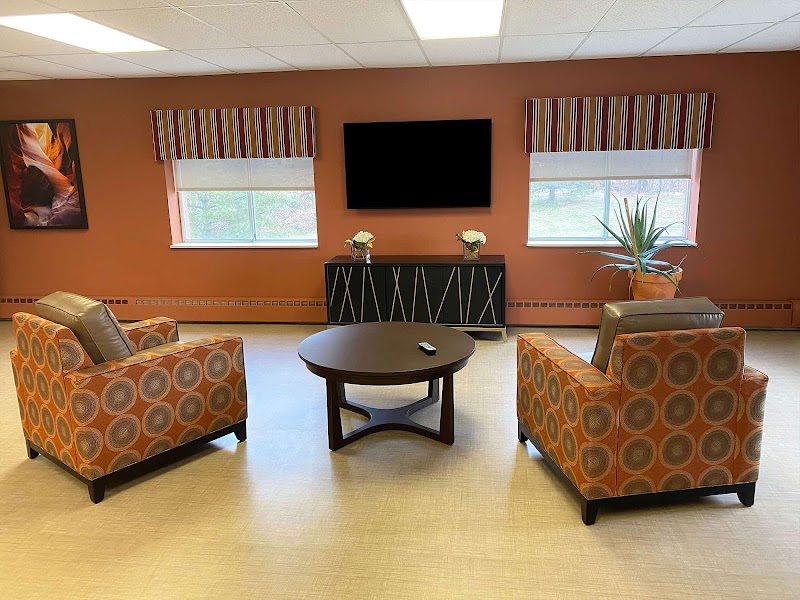
How Does Falling Water Healthcare Center Compare to Other Ohio Nursing Homes?

Compared to the 100 nursing homes in Ohio, FALLING WATER HEALTHCARE CENTER's overall rating (3 stars) is below the state average of 3.2, staff turnover (68%) is significantly higher than the state average of 46%, and health inspection rating (3 stars) is at the national benchmark.

What Should Families Ask When Visiting Falling Water Healthcare Center?

Based on this facility's data, families visiting should ask: "How do you ensure continuity of care given staff turnover, and what is your staff retention strategy?" "Can you walk me through typical staffing levels on day, evening, and night shifts?" "Can I visit during a mealtime to observe dining assistance and food quality?" "How do you handle medical emergencies, and what is your hospital transfer rate?" These questions are particularly relevant given the facility's high staff turnover rate and the below-average staffing rating.

Is Falling Water Healthcare Center Safe?

Based on CMS inspection data, FALLING WATER HEALTHCARE CENTER has a clean safety record: no substantiated abuse findings (meaning no confirmed cases of resident harm), no Immediate Jeopardy citations (the most serious violation level indicating risk of serious injury or death), and is not on the Special Focus Facility watch list (a federal program monitoring the lowest-performing 1% of nursing homes). The facility has a 3-star overall rating and ranks #100 of 100 nursing homes in Ohio. While no facility is perfect, families should still ask about staff-to-resident ratios and recent inspection results during their visit.

Do Nurses at Falling Water Healthcare Center Stick Around?

Staff turnover at FALLING WATER HEALTHCARE CENTER is high. At 68%, the facility is 21 percentage points above the Ohio average of 46%. Registered Nurse turnover is particularly concerning at 75%. RNs handle complex medical decisions and coordinate care — frequent RN changes can directly impact care quality. High turnover means new staff may not know residents' individual needs, medications, or preferences. It can also be disorienting for residents, especially those with dementia who rely on familiar faces. Families should ask: What is causing the turnover? What retention programs are in place? How do you ensure care continuity during staff transitions?

Was Falling Water Healthcare Center Ever Fined?

FALLING WATER HEALTHCARE CENTER has been fined $10,839 across 1 penalty action. This is below the Ohio average of $33,187. While any fine indicates a compliance issue, fines under $50,000 are relatively common and typically reflect isolated problems that were subsequently corrected. Families should ask what specific issues led to these fines and confirm they've been resolved.

Is Falling Water Healthcare Center on Any Federal Watch List?

FALLING WATER HEALTHCARE CENTER is not on any federal watch list. The most significant is the Special Focus Facility (SFF) program, which identifies the bottom 1% of nursing homes nationally based on persistent, serious quality problems. Not being on this list means the facility has avoided the pattern of deficiencies that triggers enhanced federal oversight. This is a positive indicator, though families should still review the facility's inspection history directly.