STRONGSVILLE HEALTHCARE AND REHABILITATION
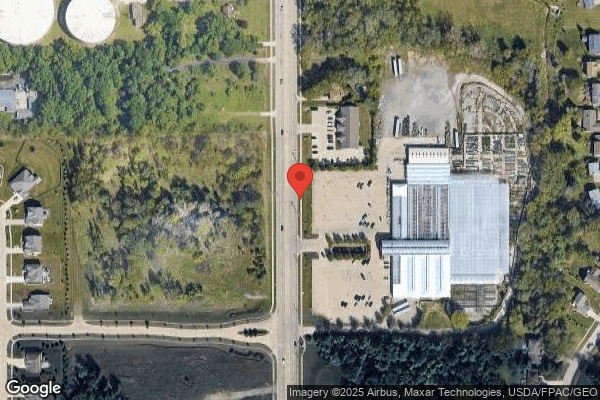
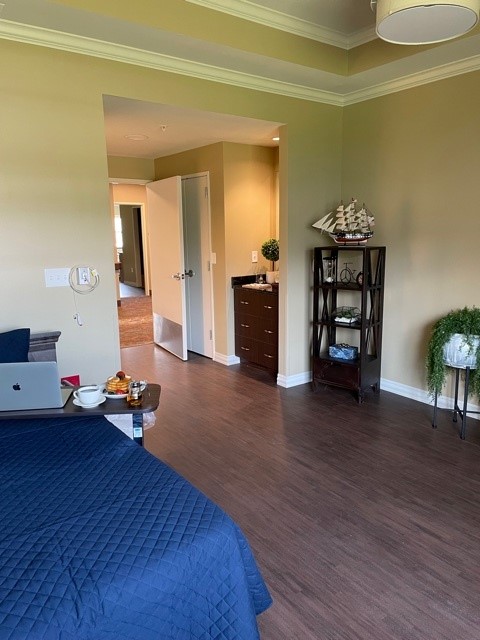
18936 PEARL ROAD, STRONGSVILLE, OH 44136 (440) 870-2600
For profit - Limited Liability company 99 Beds PROGRESSIVE QUALITY CARE Data: November 2025 2 Immediate Jeopardy citations
Trust Grade
11/100
#552 of 913 in OH
Last Inspection: February 2024

Within standard 12-15 month inspection cycle. Federal law requires annual inspections.

Overview

Strongsville Healthcare and Rehabilitation has a Trust Grade of F, indicating significant concerns about the facility's overall quality and care. It ranks #552 out of 913 nursing homes in Ohio, placing it in the bottom half, and #50 out of 92 in Cuyahoga County, meaning only a handful of local facilities are worse. While the facility has shown improvement in the number of issues reported, decreasing from 10 in 2024 to 4 in 2025, the staffing rating is concerning, with a turnover rate of 69%, much higher than the state average of 49%. Specific incidents have raised alarms, including a failure to supervise a resident with dementia who left the facility unsupervised, and a case of physical abuse by a staff member, both resulting in immediate jeopardy to residents' safety. On a positive note, the nursing home has good RN coverage, exceeding 96% of similar facilities, which is crucial for addressing health issues that CNAs might overlook.

Trust Score
F
11/100
In Ohio
#552/913
Bottom 40%
Safety Record
High Risk
Review needed
Inspections
Getting Better
10 → 4 violations
Staff Stability
⚠ Watch
69% turnover. Above average. Higher turnover means staff may not know residents' routines.
Penalties
⚠ Watch
$27,254 in fines. Higher than 99% of Ohio facilities. Major compliance failures.
Skilled Nurses
✓ Good
Each resident gets 59 minutes of Registered Nurse (RN) attention daily — more than average for Ohio. RNs are trained to catch health problems early.
Violations
⚠ Watch
21 deficiencies on record. Higher than average. Multiple issues found across inspections.
★★★☆☆
3.0
Overall Rating
★★☆☆☆
2.0
Staff Levels
★★★★★
5.0
Care Quality
★★☆☆☆
2.0
Inspection Score
Stable
2024: 10 issues
2025: 4 issues

The Good

  • 5-Star Quality Measures · Strong clinical quality outcomes
  • Full Sprinkler Coverage · Fire safety systems throughout facility
  • No fines on record

Facility shows strength in quality measures, fire safety.

The Bad

3-Star Overall Rating

Near Ohio average (3.2)

Meets federal standards, typical of most facilities

Staff Turnover: 69%

22pts above Ohio avg (46%)

Frequent staff changes - ask about care continuity

Federal Fines: $27,254

Below median ($33,413)

Moderate penalties - review what triggered them

Chain: PROGRESSIVE QUALITY CARE

Part of a multi-facility chain

Ask about local staffing decisions and management

Staff turnover is elevated (69%)

21 points above Ohio average of 48%

The Ugly 21 deficiencies on record

2 life-threatening
Mar 2025 4 deficiencies
CONCERN (D) 📢 Someone Reported This

A family member, employee, or ombudsman was alarmed enough to file a formal complaint

Potential for Harm - no one hurt, but risky conditions existed

Deficiency F0558 (Tag F0558)

Could have caused harm · This affected 1 resident

**NOTE- TERMS IN BRACKETS HAVE BEEN EDITED TO PROTECT CONFIDENTIALITY** Based on observation, interview, record review and facility policy review, the facility failed to ensure Resident #76 had access...

Read full inspector narrative →
**NOTE- TERMS IN BRACKETS HAVE BEEN EDITED TO PROTECT CONFIDENTIALITY** Based on observation, interview, record review and facility policy review, the facility failed to ensure Resident #76 had access to a call light within their functional abilities. This affected one resident (#76) of three reviewed for call light accessibility and had the potential to affect six residents (#18, #21, #27, #61, #74 and #76) identified by the facility as using a modified call light. The facility census was 93. Findings include: Review of the medical record for Resident #76 revealed and admission date of 11/17/23. Diagnoses included Multiple Sclerosis, paralysis of the left side, tremors, and depression. Review of the quarterly Minimum Data Set (MDS) 3.0 assessment dated [DATE] revealed Resident #76 was cognitively intact. She required partial to moderate assistance for eating and oral care and substantial or maximum assistance for toileting, showering, and personal hygiene. Review of the care plan dated 02/26/25 revealed Resident #76 who is at risk for a self-care deficit. Interventions included considering the need for assistive devices and determining factors that hindered the residents' limitations for movement, and encourage the resident to use the call light for staff assistance. Interview on 03/05/25 at 8:57 A.M. with Resident #76 revealed she had a call light pad lying on her chest. She revealed she could not push the pad. Observation at the time of the interview with Certified Nursing Assistant (CNA) #203 revealed Resident #76 could not touch the call pad with her hand. CNA #203 moved to the pad closer to Resident #76 and attempted to assist her in touching the call light pad. CNA #203 confirmed Resident #76 could not activate the call light to call for assistance. She said Resident #76 used the call light in the past; however, there was no documented evidence that she was able to use it. The Administrator stated she was going to place an order for an occupation therapy (OT) evaluation to determine an appropriate call light for Resident #76. Interview on 03/6/25 at 9:59 A.M. with the Administrator revealed she had no knowledge of Resident #76 being unable to use the call light pad. Review of the facility policy titled Resident Call System, dated March 2023, revealed the facility would provide an environment which assisted in meeting the residents' needs, including responding to call lights. This deficiency represents noncompliance investigated under Complaint Number OH00161454.
CONCERN (D) 📢 Someone Reported This

A family member, employee, or ombudsman was alarmed enough to file a formal complaint

Potential for Harm - no one hurt, but risky conditions existed

ADL Care (Tag F0677)

Could have caused harm · This affected 1 resident

**NOTE- TERMS IN BRACKETS HAVE BEEN EDITED TO PROTECT CONFIDENTIALITY** Based on record review, interview and facility policy review, the facility failed to ensure Residents #6, #74, and #76 received ...

Read full inspector narrative →
**NOTE- TERMS IN BRACKETS HAVE BEEN EDITED TO PROTECT CONFIDENTIALITY** Based on record review, interview and facility policy review, the facility failed to ensure Residents #6, #74, and #76 received showers on a consistent basis. This affected three residents (#6, #74 and #76) of three residents reviewed for showers and had the potential to affect all residents. The facility identified all residents required assistance with showers. The facility census was 93. Findings include: 1. Review of the medical record for Resident #6 revealed an admission date of 02/19/25. Diagnoses included cancer of the urinary system, weakness, and hypertension. Review of the comprehensive Minimum Data Set (MDS) 3.0 assessment dated [DATE] revealed Resident #6 was severely cognitively impaired. He required setup help for eating, supervision for oral and personal hygiene, partial to moderate assistance for showering and was dependent for toileting. Review of the shower sheets dated 02/02/25 through 03/03/25 revealed Resident #6 received a bed bath on 02/20/25, 02/27/25, and 03/3/25. He refused a shower on 02/24/25 but requested a bed bath. Interview on 03/05/25 at 10:09 A.M. with Resident #6 and his son revealed Resident #6 had not received a shower since his admission to the facility; he only received bed baths. Resident #6's son revealed he would like to see his dad receive a shower one to two times a week; Resident #6 nodded in agreement. 2. Review of the medical record for Resident #74 revealed an admission date of 07/12/23. Diagnoses included stroke, paralysis, hypertension, and muscle weakness. Review of the quarterly MDS 3.0 assessment dated [DATE] revealed Resident #74 was moderately cognitively impaired. He required partial to moderate help for eating, oral and personal hygiene and substantial to maximum assistance for toileting, showering, and dressing. Review of the shower sheets dated 01/07/25 through 02/28/25 revealed Resident #74 received a bed bath on 01/07/25 and a shower on 02/14/25. He refused a shower on 02/04/25 and 02/28/25. Review of the certified nursing assistant (CNA) shower tasks dated 02/04/25 through 03/05/25 revealed Resident #74 received a shower on 02/04/25, 02/18/25 and 02/22/25. (The shower sheet stated Resident #74 refused a shower on 02/04/25). 3. Review of the medical record for Resident #76 revealed and admission date of 11/17/23. Diagnoses included multiple sclerosis, paralysis of the left side, tremors, and depression. Review of the quarterly MDS 3.0 assessment dated [DATE] revealed Resident #76 was cognitively intact. She required partial to moderate assistance for eating and oral care and substantial or maximum assistance for toileting, showering and personal hygiene. Review of the shower sheets dated 02/04/25 through 03/04/25 revealed Resident #76 received a bed bath 02/04/25 and 02/25/25 and a shower on 02/07/25, 02/21/25, 02/28/25, 03/04/25. She refused a shower on 02/11/25. Review of the CNA shower tasks dated 02/07/25 through 03/04/25 revealed Resident #76 received a shower on 02/07/25, 02/11/25, 02/14/25, 02/18/25, 02/28/25 and 03/04/25. (The shower sheet stated Resident #76 refused a shower on 02/11/25). Interview on 03/05/25 at 8:57 A.M. with Resident #76 revealed she was given a shower less than once per week. She preferred a shower, not a bed bath. Interview on 03/05/25 at 9:02 A.M. with CNA #203 revealed most residents were supposed to receive a shower at least twice per week; she confirmed showers were not always provided consistently. Interview on 03/06/25 at 11:12 A.M. with the Director of Nursing (DON) confirmed information on resident shower sheets and CNA tasks was inconsistent. She could not confirm which information was accurate. Review of the facility policy titled Bathing-Personal Care, dated August 2024, revealed residents would be offered a shower or bath twice a week and as needed. This deficiency represents noncompliance investigated under Complaint Number OH00161454.
CONCERN (D) 📢 Someone Reported This

A family member, employee, or ombudsman was alarmed enough to file a formal complaint

Potential for Harm - no one hurt, but risky conditions existed

Quality of Care (Tag F0684)

Could have caused harm · This affected 1 resident

**NOTE- TERMS IN BRACKETS HAVE BEEN EDITED TO PROTECT CONFIDENTIALITY** Based on observation, record review and interview, the facility failed to ensure call lights were answered in a timely manner. T...

Read full inspector narrative →
**NOTE- TERMS IN BRACKETS HAVE BEEN EDITED TO PROTECT CONFIDENTIALITY** Based on observation, record review and interview, the facility failed to ensure call lights were answered in a timely manner. This affected five residents (#1, #8, #34, #49 and #82) of six residents reviewed for timely call light response. The facility census was 93. Findings include: 1. Review of the medical record for Resident #1 revealed an admission date of 12/28/22 and a discharge date of 03/05/25. Diagnoses included cellulitis, right below the knee amputation, generalized muscle weakness, difficulty walking, diabetes, and chronic pain. Review of the comprehensive Minimum Data Set (MDS) 3.0 assessment dated [DATE] revealed Resident #1 was cognitively intact. He was continent of bowel and bladder, independent in eating, oral and personal hygiene, and required supervision for toileting and showering. Review of the fall risk assessment dated [DATE] revealed Resident #1 was not at risk for falls. Observation and interview on 03/05/25 at 1:09 P.M. with Registered Nurse (RN) #207 revealed the activated call light system indicated which call lights had been activated and how long they remained unanswered. She confirmed Resident #1's call light had remained unanswered for 19 minutes. She revealed all call lights should be answered in less than 15 minutes. 2. Review of the medical record for Resident #8 revealed and admission date of 12/06/23. Diagnoses included morbid obesity, heart failure, respiratory failure, weakness, difficulty walking, and lack of coordination. Review of the comprehensive MDS 3.0 assessment dated [DATE] revealed Resident #8 was moderately cognitively impaired. He was incontinent of bowel and bladder, required setup help for eating, supervision for oral and personal hygiene, substantial or maximum assistance for showering, and was dependent on staff for toileting. Review of the fall risk assessment dated [DATE] revealed Resident #8 was at risk for falls. Observation and interview on 03/05/25 at 1:09 P.M. with RN #207 revealed the activated call light system indicated which call lights had been activated and how long they remained unanswered. She confirmed Resident #8's call light had remained unanswered for 49 minutes. She stated all call lights should be answered in less than 15 minutes. 3. Review of the medical record for Resident #34 revealed an admission date of 09/23/23. Diagnoses included heart disease, irritable bowel syndrome, constipation, and macular degeneration. Review of the quarterly MDS 3.0 assessment data 12/31/24 revealed Resident #34 was moderately cognitively impaired. She was frequently incontinent of bowel and bladder, required setup help for eating and partial to moderate assistance for oral hygiene, toileting, showering, dressing and personal hygiene. Review of the fall risk assessment dated [DATE] revealed Resident #34 was at risk for falls. Observation on 03/05/25 at 10:03 A.M. revealed Resident #34's call light had been activated. Certified Nursing Assistant (CNA) #204 answered Resident #34''s call light after 21 minutes. Interview at the time of the observation with CNA #204 confirmed the activated call light system revealed Resident #34's call light remained unanswered for 21 minutes. CNA #204 revealed call lights should be answered as soon as possible, but within approximately five minutes. 4. Review of the medical record for Resident #49 revealed an admission date of 09/30/22. Diagnoses included dementia, repeated falls, heart failure, depression, difficulty walking, and weakness. Review of the quarterly MDS 3.0 assessment dated [DATE] revealed Resident #49 was severely cognitively impaired. She was always incontinent of bladder and required setup help for eating, partial to moderate assistance for toileting and showering, and substantial to maximal assistance for oral and personal hygiene. Observation and interview on 03/05/25 at 1:09 P.M. with RN #207 revealed the activated call light system indicated which call lights had been activated and how long they remained unanswered. She confirmed Resident #49's call light had remained unanswered for 47 minutes. She stated all call lights should be answered in less than 15 minutes. 5. Review of the medical record for Resident #82 revealed and admission date of 02/02/33. Diagnoses included arthritis, difficulty walking, muscle weakness, hypothyroidism, osteoporosis, depression, cataracts, repeated falls, and artificial knee joints. Review of the comprehensive MDS 3.0 assessment dated [DATE] revealed Resident #82 was cognitively intact. She was frequently incontinent of bladder and occasionally incontinent of bowel. She required partial to moderate assistance for eating and toileting and supervision or touch assistance for showering and personal hygiene. Review of the fall risk assessment dated [DATE] revealed Resident #82 was at risk for falls. Observation on 03/05/25 at 8:57 A.M. revealed Resident #82's call light had been activated for 24 minutes. At 9:06 A.M. an unknown aide entered Resident #82's room and assisted her out of her room and down the hall. Observation of the activated call light system confirmed Resident #82's call light remained unanswered for 33 minutes. Interview on 03/06/25 at 8:13 A.M. with the Administrator confirmed the expectation was for call lights to be answered in approximately 10 minutes. Review of the facility policy titled Resident call system dated March 2023 revealed resident call lights would be responded to in a timely manner. This deficiency represents noncompliance investigated under Complaint Number OH00161454.
CONCERN (E) 📢 Someone Reported This

A family member, employee, or ombudsman was alarmed enough to file a formal complaint

Potential for Harm - no one hurt, but risky conditions existed

Deficiency F0725 (Tag F0725)

Could have caused harm · This affected multiple residents

**NOTE- TERMS IN BRACKETS HAVE BEEN EDITED TO PROTECT CONFIDENTIALITY** Based on observation, record review, interview and review of the facility's' payroll-based journal (PBJ) data, the facility fail...

Read full inspector narrative →
**NOTE- TERMS IN BRACKETS HAVE BEEN EDITED TO PROTECT CONFIDENTIALITY** Based on observation, record review, interview and review of the facility's' payroll-based journal (PBJ) data, the facility failed to ensure sufficient staffing to meet the needs of residents. This affected seven residents (#1, #6, #8, #34, #49, #76, #82) of eight residents reviewed for sufficient staffing and had the potential to affect all residents. The facility census was 93. Findings include: 1. Review of the medical record for Resident #1 revealed an admission date of 12/28/22 and a discharge date of 03/05/25. Diagnoses included cellulitis, right below the knee amputation, generalized muscle weakness, difficulty walking, diabetes and chronic pain. Review of the comprehensive Minimum Data Set (MDS) 3.0 assessment dated [DATE] revealed Resident #1 was cognitively intact. He was continent of bowel and bladder, independent in eating, oral and personal hygiene and required supervision for toileting and showering. Review of the fall risk assessment dated [DATE] revealed Resident #1 was not at risk for falls. Observation and interview on 03/05/25 at 1:09 P.M. with Registered Nurse (RN) #207 revealed the activated call light system indicated which call lights had been activated and how long they remained unanswered. She confirmed Resident #1's call light had remained unanswered for 19 minutes. She revealed all call lights should be answered in less than 15 minutes. She confirmed there was not enough staff to complete all daily tasks, including showers and answering call lights timely. 2. Review of the medical record for Resident #6 revealed an admission date of 02/19/25. Diagnoses included cancer of the urinary system, weakness and hypertension. Review of the comprehensive MDS 3.0 assessment dated [DATE] revealed Resident #6 was severely cognitively impaired. He was always incontinent of bowel and bladder and required setup help for eating, supervision for oral and personal hygiene, partial to moderate assistance for showering and was dependent on staff for toileting. Review of the fall risk assessment dated [DATE] revealed Resident #6 was at risk for falls. Review of the shower sheets dated 02/02/25 through 03/03/25 revealed Resident #6 received a bed bath on 02/20/25, 02/27/25, and 03/3/25. He refused a shower on 02/24/25 but requested a bed bath. Interview on 03/05/25 at 9:02 A.M. with Certified Nursing Assistant (CNA) #203 revealed most residents were supposed to receive a shower at least twice per week; she confirmed showers were not always provided consistently. Interview on 03/05/25 at 10:09 A.M. with Resident #6 and his son revealed Resident #6 had not received a shower since his admission to the facility; he only received bed baths, and it often took staff hours to respond to Resident #6's call light. He felt these issues were due to a lack of staff availability. 3. Review of the medical record for Resident #34 revealed an admission date of 09/23/23. Diagnoses included heart disease, irritable bowel syndrome, constipation and macular degeneration. Review of the quarterly MDS assessment data 12/31/24 revealed resident #34 was moderately cognitively impaired. She was frequently incontinent of bowel and bladder, required setup help for eating and partial to moderate assistance for oral hygiene, toileting, showering, dressing and personal hygiene. Review of the fall risk assessment dated [DATE] revealed Resident #34 was at risk for falls. Observation on 03/05/25 at 10:03 A.M. revealed resident #34's call light had been activated. CNA #204 answered Resident #34's call light after 21 minutes. Interview at the time of the observation with CNA #204 confirmed the activated call light system revealed Resident #34's call light remained unanswered for 21 minutes. CNA #204 revealed call lights should be answered as soon as possible, but within approximately five minutes. CNA #204 revealed it was especially difficult to respond to call lights during mealtime due to lack of staffing. 4. Review of the medical record for Resident #8 revealed and admission date of 12/06/23. Diagnoses included morbid obesity, heart failure, respiratory failure, weakness, difficulty walking and lack of coordination. Review of the comprehensive MDS assessment dated [DATE] revealed Resident #8 was moderately cognitively impaired. He was incontinent of bowel and bladder, required set of help for eating, supervision for oral and personal hygiene, substantial or maximum assistance for showering almost dependent for toileting. Review of the fall risk assessment dated [DATE] revealed resident #8 was at risk for falls. Observation and interview on 03/05/25 at 1:09 P.M. with RN #207 revealed the activated call light system indicated which call lights had been activated and how long they remained unanswered. She confirmed Resident #8's call light had remained unanswered for 49 minutes. She stated all call lights should be answered in less than 15 minutes. She confirmed there was not enough staff to complete all daily tasks, including showers and answering call lights timely. 5. Review of the medical record for Resident #49 revealed an admission date of 09/30/22. Diagnoses included dementia, repeated falls, heart failure, depression, difficulty walking and weakness. Review of the quarterly MDS assessment dated [DATE] revealed Resident #49 was severely cognitively impaired. She was always incontinent of bladder and required setup help for eating, partial to moderate assistance for toileting and showering and substantial to maximal assistance for oral and personal hygiene. Review of the fall risk assessment dated [DATE] revealed Resident #49 was at risk for falls. Observation and interview on 03/05/25 at 1:09 P.M. with RN #207 revealed the activated call light system indicated which call lights had been activated and how long they remained unanswered. She confirmed Resident #49's call light had remained unanswered for 47 minutes. She stated all call lights should be answered in less than 15 minutes. She confirmed there was not enough staff to complete all daily tasks, including showers and answering call lights timely. 6. Review of the medical record for Resident #76 revealed an admission date of 11/17/23. Diagnoses included multiple sclerosis, paralysis of the left side, tremors and depression. Review of the quarterly MDS assessment dated [DATE] revealed Resident #76 was cognitively intact. She was always incontinent of bowel and bladder and required partial to moderate assistance for eating and oral care and substantial or maximum assistance for toileting, showering and personal hygiene. Review of the fall risk assessment dated [DATE] revealed Resident #76 was not at risk for falls. Interview on 03/05/25 at 8:57 A.M. with Resident #76 revealed she was given a shower less than once per week. She preferred a shower, not a bed bath. Interview on 03/05/25 at 9:02 A.M. with CNA #203 revealed most residents were supposed to receive a shower at least twice per week; she confirmed showers were not always provided consistently. Interview on 03/05/25 at 1:00 P.M. with CNA #203 confirmed she had written on the shower sheet for Resident #76 on 02/04/25 she could not complete four showers. (The shower sheet did not specify the other three residents affected). She stated it was due to lack of staffing. Interview on 03/05/25 at 1:09 P.M. with RN #207 revealed she was informed by CNA #203 on 02/04/25 she could not complete a shower for Resident #76, and agreed there were times showers were not completed due to lack of staff. Review of the shower sheets dated 02/04/25 through 03/04/25 revealed Resident #76 received a bed bath 02/04/25 and 02/25/25 and a shower on 02/07/25, 02/21/25, 02/28/25, 03/04/25. She refused a shower on 02/11/25. Review of the CNA shower tasks dated 02/07/25 through 03/04/25 revealed Resident #76 received a bed bath or shower on 02/07/25, 02/11/25, 02/14/25, 02/18/25, 02/28/25 and 03/04/25. (The shower sheets stated Resident #76 refused a shower on 02/11/25). Interview on 03/06/25 at 11:12 A.M. with the Director of Nursing (DON) confirmed information on resident shower sheets and CNA tasks was inconsistent. She could not confirm which information was accurate. 7. Review of the medical record for Resident #82 revealed an admission date of 12/06/23 with diagnoses including unspecified injury of the head, hypoventilation, heart failure, hypoxia, and malnutrition. Review of the comprehensive MDS assessment dated [DATE] revealed Resident #82 was cognitively intact. She was frequently incontinent of bladder and occasionally incontinent of bowel. She required partial to moderate assistance for eating and toileting and supervision or touch assistance for showering and personal hygiene. Review of the fall risk assessment dated [DATE] revealed Resident #82 was at risk for falls. Observation on 03/05/25 at 8:57 A.M. revealed Resident #82's call light had been activated for 24 minutes. At 9:06 A.M. an unknown aide entered Resident #82's room and assisted her out of her room and down the hall. Observation of the activated call light system confirmed Resident #82's call light remained unanswered for 33 minutes. Interview on 03/05/25 at 2:00 P.M. with Residents #82 and #85 (present for the interview with Resident #82) revealed call response was quite lengthy most of the time, and Resident #85 believed they did not have enough staff, which she attributed to the long call response. 8. Review of the PBJ data submitted by the facility for the fourth quarter of 2024 (July 1 - September 30), revealed the facility had a one-star staffing rating. Interview on 03/05/25 at 8:10 A.M. with CNA #201 revealed call lights were often not answered timely due to lack of staff, and staff often worked past their scheduled work hours in order to complete their job duties. Interview on 03/05/25 at 8:57 A.M. with CNA #203 revealed the facility would send employees home if they felt there were too many people working. She was often asked to stay over and pick up additional shifts to help with staffing issues. She normally worked through her lunch break in order to complete all tasks, and there were times she could not complete showers due to staffing issues. Interview on 03/06/25 at 9:37 A.M. with CNA #201 revealed she was assigned 18 residents for the day, ten of them required every two-hour check and change for incontinence. She was also responsible for getting people out of bed and making sure residents were turned and repositioned every two hours. She revealed the workload was often too much for one person to complete all tasks, and some tasks were left uncompleted. Interview on 03/06/25 at 9:59 A.M. with Scheduler #206 and the Administrator revealed the facility was staffed based on census and acuity. The administrative team met daily and made changes to the schedule as necessary, reaching out to employees who were not working and offering additional shifts. The Administrator revealed she had no knowledge of concerns from staff, residents or families regarding insufficient staff. She attributed the one-star rating for the PBJ to the use of agency staff at the time and believed the rating had improved since the report had been submitted. This deficiency represents noncompliance investigated under Master Complaint Number OH00162396 and Complaint Number OH00161454.
Dec 2024 2 deficiencies 1 IJ
CRITICAL (J) 📢 Someone Reported This

A family member, employee, or ombudsman was alarmed enough to file a formal complaint

Immediate Jeopardy (IJ) - the most serious Medicare violation

Accident Prevention (Tag F0689)

Someone could have died · This affected 1 resident

**NOTE- TERMS IN BRACKETS HAVE BEEN EDITED TO PROTECT CONFIDENTIALITY** THE FOLLOWING DEFICIENCY REPRESENTS AN INCIDENT OF PAST NONCOMPLIANCE THAT WAS SUBSEQUENTLY CORRECTED PRIOR TO THIS SURVEY. Base...

Read full inspector narrative →
**NOTE- TERMS IN BRACKETS HAVE BEEN EDITED TO PROTECT CONFIDENTIALITY** THE FOLLOWING DEFICIENCY REPRESENTS AN INCIDENT OF PAST NONCOMPLIANCE THAT WAS SUBSEQUENTLY CORRECTED PRIOR TO THIS SURVEY. Based on observation, medical record review, review of local police report, resident, family, and staff interviews, local police detective interview, review of the National Weather Service forecast, review of the facility Elopement Policy and Procedure, review of camera footage, the facility failed to provide adequate supervision to prevent Resident #37, who had a diagnosis of dementia, post- traumatic stress disorder (PTSD) and severe cognitive impairment, from leaving the facility without staff knowledge. This resulted in Immediate Jeopardy and the potential for serious harm, injury, or death when Resident #37 was seen (by camera footage) on 11/23/24 at 11:07 P.M. standing inside the facility in front of the main door when a visiting family member entered from outside, punched in the door code and let Resident #37 out of the building without notifying staff. The resident's whereabouts remained unknown until 11/24/24 at 12:20 A.M. when a concerned citizen called the local police department after finding a confused male (later identified as Resident #37) sitting on the curb of a five-lane, heavily traveled street with speeds of 25 miles per hour (mph) to 35 mph approximately 0.6 miles from the facility. On 11/24/24 at 12:30 A.M. the police arrived and found Resident #37 confused with an abrasion to his left hand due to a fall. The squad transported Resident #37 to the emergency room (ER) for further evaluation. On 11/24/24 at 12:50 A.M. Licensed Practical Nurse (LPN) #423 received a call from the local police department stating Resident #37 was transported to the ER. The resident was missing from the facility for approximately one hour and 45 minutes without the knowledge of staff. The ambient air temperature outside on 11/23/24 was between 43 and 47 degrees Fahrenheit (F). This affected one resident (#37) of five residents reviewed for elopement. The facility identified 20 residents, #9, #19, #27, #37, #41, #44, #47, #49, #50, #52, #58, #59, #62, #63, #74, #75, #76, #83, #85, #90, who were at risk for elopement. The facility census was 89. On 12/03/24 at 1:30 P.M., the Administrator, Director of Nursing (DON), and Regional Director of Clinical Services (RDCS) #300 were notified Immediate Jeopardy began on 11/23/24 at 11:07 P.M. when the facility failed to provide adequate supervision to prevent resident elopement. Resident #37 was seen at the front door standing by the keypad when another resident's family member punched in the code and let Resident #37 out of the building and did not notify staff. A staff member reported hearing the door alarm sound, but did not respond as the staff member assumed the alarm was activated by staff member retrieving food. The Immediate Jeopardy was removed and deficiency corrected on 11/25/24 when the facility implemented the following corrective actions: • On 11/24/24 at 12:43 A.M. the facility was alerted by the local police department Resident #37 was missing from the facility • On 11/24/24 at 12:45 A.M. the door alarms were checked by LPN #500. • On 11/24/24 at 1:00 A.M. RDCS #300 reviewed the facility elopement policy with no changes being made to the policy. • On 11/24/24 at 1:00 A.M. the Administrator and DON were re-educated on the facility elopement policy by RDCS #300. • On 11/24/24 at 3:11 A.M., upon return from the local ER, Resident #37 was placed on 1:1 supervision with Certified Nursing Assistant (CNA) #581. • On 11/24/24 at 3:14 A.M., Resident #37 was assessed by the DON upon his return from the local ER. • On 11/24/24 at 3:30 A.M., Resident #37's care plan was updated by Registered Nurse (RN) Minimum Data Set (MDS) Coordinator #350. The update included the addition of 1:1 supervision. • On 11/24/24 at 11:30 A.M. Resident #37's 1:1 supervision was discontinued, and the resident was transferred to the facility secured memory care unit. • Elopement risk assessments were completed on all 89 residents who resided in the facility. This was completed on 11/24/24 at 6:00 A.M. by RN Unit Manager #524. The assessments noted 20 residents were identified at high risk for elopement. All residents at high risk of elopement resided on the secured memory care unit. Subsequent elopement assessments would be completed on a quarterly and as-needed basis by the nursing leadership team. • The Administrator re-educated all staff on 11/24/24 at 10:07 A.M. on the facility's elopement policy and procedure. • Residents at high risk of elopement were listed in an elopement binder kept at the front desk. The binder was updated on 11/24/24. The binder included the resident's demographics, including a photograph. The elopement binder would be reviewed 5 times weekly and updated as needed by the Administrator or designee. • The front door entrance code was changed on 11/24/24 by Maintenance Director #499. The facility implemented a plan for the door code to be changed weekly for six months, then as needed to address family members having the access codes. • Resident #37's daughter and Visiting Family Member #375 were re-educated on the facility's elopement policy, visitation, and door access on 11/24/24 by the Administrator. • An elopement drill was completed on 11/24/24 at approximately 1:00 A.M. This was coordinated by Director #499. • The facility implemented a plan for ongoing elopement drills to be completed to verify staffs understanding and implementation of the facility elopement policy on alternate shifts monthly for six months, then quarterly thereafter. This would be completed by Maintenance Director #499 and overseen by the Administrator. • On 11/25/24 at 9:00 A.M., signage was placed at the front entrance for families, visitors, and residents stating, Visiting Hours are 8am-8pm. Doors are locked in off-hours to ensure the safety of our residents. Call [PHONE NUMBER] for after-hour assistance. Questions may be directed to the Administrator. This was completed by the Administrator. • On 11/25/24 at 9:30 A.M, an ad hoc Quality Assessment and Performance Improvement (QAPI) meeting was held. The Administrator presented the QAPI Team with investigation and all findings for discussion and review. Discussion included an action plan from the (elopement) incident involving Resident #37. Staff in attendance included the Administrator, DON, RN Unit Manager #524, RN MDS Coordinator #350, Social Service Designee (SSD) #710, Therapy Director #715, Activity Director #720, Maintenance Director #499, Housekeeping/Laundry Director #730, Food Service Director #735, Medical Director #765, Human Resources Director #755, Business Office Manager (BOM) #740, Admissions Coordinator #745, Pharmacy Consultant #760, and Scheduler #750. • The facility implemented a plan for ongoing audits to monitor elopement risk to be completed on each unit and include a random sample of 3-5 residents weekly for four weeks, then randomly thereafter. The audits would include monitoring for residents who were exhibiting signs or symptoms which could be indicative of an increased elopement risk such as residents wandering aimlessly, with cognitive impairments, behavior patterns, packed belongings, statements of wanting to leave the facility, and/or staying near an exit door as well as auditing door codes and staff response time for door alarms. The audits would be completed by the Administrator, DON, or designee. The results of the audits would be reviewed in QAPI. • The facility implemented a plan for all new employees to receive education on the facility's elopement policy upon hire during orientation by HR Director #755 or designee, then annually and as needed thereafter. Findings include: Review of the medical record for Resident #37 revealed an admission date of 06/02/23 with diagnoses including dementia, chronic kidney disease Stage IV, depression, and PTSD. Review of the most recent elopement assessment dated [DATE] revealed the assessment did not identify the resident to be at risk for elopement. A care plan dated 09/03/24 revealed Resident #37 was an elopement/wander risk related to impaired safety awareness. Interventions included distracting the resident from wandering by offering pleasant diversions, structured activities, food conversation, television, or books. The care plan additionally instructed staff to provide structured activities including toileting, walking inside and outside, reorientation strategies including signs, pictures, and memory boxes. Review of the quarterly Minimum Data Set (MDS) assessment dated [DATE] revealed the resident had severe cognitive impairment. Resident #37 required supervision with eating, toileting and transfers. The assessment also noted the resident required set-up assistance with walking 50 feet. Review of the National Weather Service forecast at www.weather.gov revealed the weather in the Cleveland area on 11/23/24 included a high temperature of 47 degrees Fahrenheit (F) and low of 43 degrees F. Review of a police report dated 11/24/23 at 12:20 A.M. revealed a call was received from a concerned citizen that an elderly confused male was found sitting on the curb of the apron in front of a business. The citizen stated she would stand by in a white jeep with her flashers on until the police arrived. The police arrived on 11/24/24 at 12:30 A.M. and found the elderly male confused and had bleeding to his left hand. Officer #575 provided first aid and called for an ambulance. The elderly male was identified as Resident #37. The resident told police he lived in [NAME], Wisconsin and believed he was still there. Resident #37 stated he was out for a walk and fell. Resident #37 was sent by squad to the ER for further evaluation. Dispatch reached out to several nursing homes in the area and verified the nursing facility where Resident #37 resided. On 11/24/24 at 12:50 A.M. Resident #37's daughter was notified Resident #37 was in the ER. Review of the hospital Discharge summary dated [DATE] at 2:52 A.M. revealed Resident #37 had imaging completed including computed tomography (CT) scan of the head, cervical spine, and an x-ray of the left hand. No acute findings were seen. Resident #37 had no complaints of neck pain. There was no evidence of a traumatic injury to the head, however there was an abrasion to his left hand which was cleaned at the ER. Review of a progress note dated 11/24/24 at 1:13 A.M. revealed another nurse received a phone call stating a male resident (later identified to be Resident #37) was found outside and taken to the ER. A head count was initiated, and all doors were checked to ensure doors and alarms were working properly. The ER called and reported the resident (#37) was okay and received imaging which resulted in negative findings. On 12/02/24 at 4:20 P.M. review of video footage with the Administrator revealed the video was a copy of a video taken on a computer screen. There was no date, but the time stamp read 11:07 P.M. The Administrator revealed the original video had a date of 11/23/24 and was no longer available. The video was viewed partially from a computer monitor and then from the Administrator's cell phone to get a clearer picture. In the video, Resident #37 was viewed standing in the lobby in front of the first set of doors with his right hand by the keypad located to the right of the sliding door. The lobby door opened (by a visiting female from the outside) and Resident #37 walked through the lobby door and stood in the vestibule between the entrance to the inside lobby and the outside main door for several seconds. A visiting female was then seen watching Resident #37 exit the vestibule through the outside door of the building. The visiting female walks through the lobby door turns around and was seen looking out of the doors, the lobby door was still open. The visiting female punched in a code and the lobby doors closed. The visiting female proceeds several feet through the lobby, pauses and turns one more time to look out the door of the lobby and proceeded to walk into the building. An attempted interview on 12/03/24 at 9:29 A.M. with Resident #37 revealed the resident stated it was a secret that he had left the facility. Resident #37 believed it happened in [NAME], Wisconsin. The resident then appeared to be agitated and ended the interview. Interview on 12/03/24 at 11:59 A.M. with Certified Nursing Assistant (CNA) #581 revealed on 11/23/24 she heard a door alarm sounding for a short period, then it went silent. CNA #581 revealed she did not respond to the alarm and reported she figured it was somebody getting food delivered. She stated she was unaware Resident #37 was missing until the facility received calls from Resident #37's daughter and the police. At 12:57 A.M. she completed a head count. CNA #581 stated she was assigned to provide one on one supervision to Resident #37 when he got back from the ER. Resident #37 was extremely tired and did not mention any information about the incident. CNA #581 assisted the resident to change his clothes, and then the resident went to bed. Resident #37 was wearing a hat fleece jacket socks and house shoes, and his hand was bandaged up. Interview on 12/02/24 at 12:20 P.M. with Resident #37's Power of Attorney (POA) #580 revealed she received a call from the police on 11/24/24 at 12:42 A.M. stating her father was found approximately a half mile down the street sitting on the curb and he did not have his rollator walker with him. Resident #37 told her he fell three times after he exited the facility. During the interview, POA #580 revealed she was extremely upset that someone let her father out of the facility. POA #580 stated her father often woke up at night due to PTSD and would call her. She would then tell him to go back to sleep. She believed her father awoke and could not find staff and started wandering down the hall to the lobby door and started banging on the door. She reported that while Resident #37 was out of the building, he had on his slippers and a fleece zippered jacket. Interview on 12/03/24 at 2:06 P.M. with CNA #316 revealed he was assigned to Resident #37 on 11/23/24, the night of the elopement. The CNA revealed the last time he had seen the resident, prior to the elopement was between 9:30 P.M. and 10:00 P.M. The resident was in his room, fully dressed. CNA #316 reported he knew Resident #37 to frequently sleep in his clothes. Resident #37 was lying in bed watching television. CNA #316 stated he had been providing care to other residents, and at approximately at 12:00 A.M. he was notified by another unnamed CNA that Resident #37 was missing from the facility. A head count was initiated. Resident #37 was not in his room at that time. CNA #316 viewed the camera footage and Resident #37 appeared to be pushing the keypad when a visitor came up to the front door, entered a code, opened the door and entered the facility, talked to Resident #37 and then the door closed with Resident #37 exiting the facility. Interview on 12/03/24 at 3:56 P.M. with LPN #500 revealed she was assigned to the memory care and west unit on 11/23/24, the night Resident #37 eloped. Resident #37 resided on the west unit. LPN #500 stated she was in the memory care unit when the elopement occurred. CNA # 316 was the only CNA assigned to the west unit. LPN #500 did not see Resident #37 until he came back from the emergency room and at that time, she assessed Resident #37. Resident #37 was placed on one-on-one supervision with CNA #581 following the incident. Interview on 12/03/24 at 4:06 P.M. with LPN #426 revealed she administered Resident #37 his medications on 11/23/24 at 8:45 P.M. LPN #426 stated she had last seen Resident #37 on 11/23/24 walking around the hall with other residents after dinner. Interview on 12/04/24 at 8:20 A.M. with Visiting Family Member (VFM) #375 revealed on 11/23/24 Resident #37 was standing at the door when she entered the building (after punching in a code). The VFM revealed Resident #37 stated he was an employee and wanted to leave. VFM #375 stated it was not her right to question or keep the person in the facility due to being an employee who worked in the facility. After letting Resident #37 out of the building she stated she punched in the code to close the lobby door. She reported the code to the door was common knowledge. Interview on 12/04/24 at 10:24 A.M. with the DON revealed on 11/23/24 the nurse was contacted by police and the Resident #37's daughter. After the notification, staff completed a head count and checked all doors to ensure proper function. The DON reviewed the camera footage and interviewed staff. Resident #37 was seen on camera going out the front door (on the video). The resident was evaluated in ER and upon return was placed on 1:1 supervision with a staff member. The next day Resident #37 was moved to the facility secured unit. Through her investigation, it was determined that staff did not report hearing the lobby door alarming. However, following the incident the facility conducted a Quality Assurance Performance Improvement (QAPI) meeting, placed a sign at the entrance of new visiting hours and all staff were re-educated. Interview on 12/05/24 at 7:05 A.M. with Officer #575 revealed on 11/23/24 he arrived on the seen and found an elderly man who was confused and who had an abrasion to the hand that was bleeding. The man stated he was from [NAME], Wisconsin. Officer #575 stated he provided first aid and called the squad. Dispatch began calling nursing homes in the area. Officer #575 verified the elderly man was Resident #37 and resided at this facility. Officer #575 revealed at the time of the incident Resident #37 was wearing a sweater and pants and should have had a warmer jacket. He stated the weather was approximately 40 degrees F. Interview on 12/05/24 at 1:00 P.M. with LPN #423 revealed on 11/23/24 she received a call from Resident #37's POA who was frantic and stated You guy did not know he was gone?. LPN #423 stated at the time she was talking to Resident #37's POA the police called. Staff then verified Resident #37 was missing and initiated a search and a head count. LPN #423 revealed she viewed the video and saw Resident #37 was trying to unlock the door from the top and push the keypad. LPN #423 stated she was in a room providing care to another resident and did not hear any alarm at the time Resident #37 eloped. Interview on 12/09/24 at 11:30 A.M. with a concerned citizen (Citizen #582), revealed she was driving down the road with her family and found a male (identified to be Resident #37) sitting in the middle of an apron, close to the street. The area was not well lit. She stated she initially drove past the resident before she turned around and entered the parking area through another entrance. Citizen #582 activated her hazard lights and called the police. Resident #37 tried getting up and fell. Citizen #582 stayed with the resident until the police arrived. Review of the facility's policy titled Elopement, revised October 2022 revealed the purpose of the policy was to identify a resident's risk for elopement, prevent a resident from exiting the facility without the knowledge of the staff and to delineate the reporting process if an elopement occurs. This deficiency represents non-compliance investigated under Master Complaint Number OH00160219 and Complaint Number OH00160218.
CONCERN (D) 📢 Someone Reported This

A family member, employee, or ombudsman was alarmed enough to file a formal complaint

Potential for Harm - no one hurt, but risky conditions existed

Report Alleged Abuse (Tag F0609)

Could have caused harm · This affected 1 resident

**NOTE- TERMS IN BRACKETS HAVE BEEN EDITED TO PROTECT CONFIDENTIALITY** Based on interview, record review, review of facility video footage, review of the Ohio Department of Health (ODH) Certification...

Read full inspector narrative →
**NOTE- TERMS IN BRACKETS HAVE BEEN EDITED TO PROTECT CONFIDENTIALITY** Based on interview, record review, review of facility video footage, review of the Ohio Department of Health (ODH) Certification and Licensure System (CALS) and review of the facility policy, the facility failed to ensure an allegation of potential neglect was reported to the State Survey Agency as required. This affected one (Resident #37) of six residents reviewed for neglect. Findings include: Review of the medical record for Resident #37 revealed an admission date of 06/02/23 with diagnoses including dementia, chronic kidney disease Stage IV, depression, and post traumatic stress disorder (PTSD). Review of the quarterly Minimum Data Set (MDS) assessment dated [DATE] revealed Resident #37 had severe cognitive impairment. Review of a care plan dated 09/03/24 revealed Resident #37 was an elopement/wander risk related to impaired safety awareness. Interventions included distracting the resident from wandering by offering pleasant diversions, structured activities, food conversation, television, or books. The care plan additionally instructed staff to provide structured activities including toileting, walking inside and outside, reorientation strategies including signs, pictures, and memory boxes. Review of a police report dated 11/24/23 at 12:20 A.M. revealed a call was received from a concerned citizen that an elderly confused male was found sitting on the curb of the apron in front of a business. The citizen stated she would stand by in a white jeep with her flashers on until the police arrived. The police arrived on 11/24/24 at 12:30 A.M. and found the elderly male confused and had bleeding to his left hand. Officer #575 provided first aid and called for an ambulance. The elderly male was identified as Resident #37. The resident told police he lived in [NAME], Wisconsin and believed he was still there. Resident #37 stated he was out for a walk and fell. Resident #37 was sent by squad to the emergency room (ER) for further evaluation. Dispatch reached out to several nursing homes in the area and verified the nursing facility where Resident #37 resided. On 11/24/24 at 12:50 A.M. Resident #37's daughter was notified Resident #37 was in the ER. Review of a progress note dated 11/24/24 at 1:13 A.M. revealed another nurse received a phone call stating a male resident (later identified to be Resident #37) was found outside and taken to the ER. A head count was initiated, and all doors were checked to ensure doors and alarms were working properly. The ER called and reported the resident (#37) was okay and received imaging which resulted in negative findings. On 12/02/24 at 4:20 P.M. review of video footage with the Administrator revealed the video was a copy of a video taken on a computer screen. There was no date, but the time stamp read 11:07 P.M. The Administrator revealed the original video had a date of 11/23/24 and was no longer available. The video was viewed partially from a computer monitor and then from the Administrator's cell phone to get a clearer picture. In the video, Resident #37 was viewed standing in the lobby in front of the first set of doors with his right hand by the keypad located to the right of the sliding door. The lobby door opened (by a visiting female from the outside) and Resident #37 walked through the lobby door and stood in the vestibule between the entrance to the inside lobby and the outside main door for several seconds. A visiting female was then seen watching Resident #37 exit the vestibule through the outside door of the building. The visiting female walks through the lobby door turns around and was seen looking out of the doors, the lobby door was still open. The visiting female punched in a code and the lobby doors closed. The visiting female proceeds several feet through the lobby, pauses and turns one more time to look out the door of the lobby and proceeded to walk into the building. Review of the ODH CALS website revealed no Self-Reported Incident (SRI) of potential neglect had been reported regarding Resident #37's elopement from the facility. Interview on 12/03/24 at 9:00 A.M. with the Administrator stated she did not complete a SRI report to the State Survey Agency. The Administrator stated she received guidance from corporate stating elopements are not reportable. Review of the policy Abuse, Prohibition revised October 2022 revealed in response to allegations of abuse, neglect, exploitation, or mistreatment, the facility must: Ensure that all alleged violations involving abuse, neglect, exploitation or mistreatment, including injuries of unknown sources and misappropriation of resident property, are reported immediately, but not later than two hours after the allegation is make, if the events that cause the allegation involve abuse or results in serious bodily injury, or not later than 24 hours if the events that cause the allegation do not involve abuse and do not result in serious bodily injury, to the administrator of the facility and to other officials (including to the State Survey Agency) in accordance with State law through established procedures. This deficiency represents an incidental finding while investigating Complaint Number OH00160218.
Nov 2024 2 deficiencies 1 IJ
CRITICAL (J) 📢 Someone Reported This

A family member, employee, or ombudsman was alarmed enough to file a formal complaint

Immediate Jeopardy (IJ) - the most serious Medicare violation

Free from Abuse/Neglect (Tag F0600)

Someone could have died · This affected 1 resident

**NOTE- TERMS IN BRACKETS HAVE BEEN EDITED TO PROTECT CONFIDENTIALITY** THE FOLLOWING DEFICIENCY REPRESENTS AN INCIDENT OF PAST NONCOMPLIANCE THAT WAS SUBSEQUENTLY CORRECTED PRIOR TO THIS SURVEY. Base...

Read full inspector narrative →
**NOTE- TERMS IN BRACKETS HAVE BEEN EDITED TO PROTECT CONFIDENTIALITY** THE FOLLOWING DEFICIENCY REPRESENTS AN INCIDENT OF PAST NONCOMPLIANCE THAT WAS SUBSEQUENTLY CORRECTED PRIOR TO THIS SURVEY. Based on observation, record review, review of an employee personnel file, review of video surveillance, review of a policy report, review of facility policy and interview, the facility failed to ensure Resident #1, a resident with cognitive impairment, was free from staff to resident abuse when Certified Nursing Assistant (CNA) #813 physically abused the resident while providing care. This resulted in Immediate Jeopardy and actual physical and psychosocial harm as a result of the physical abuse incident which occurred on 10/29/24 at approximately 9:30 P.M. when CNA #813 took Resident #1 to the bathroom and the CNA could he heard hitting (audio of skin to skin contact sounding like two smacks) could be heard on the surveillance video and the resident was heard crying out. Continued video surveillance showed CNA #813 coming out of the bathroom with Resident #1 and putting the resident back in bed at which time CNA #813 was observed hitting Resident #1 in the face. Resident #1 was observed on the surveillance video crying in emotional distress. This affected one resident (#1) of three sampled residents reviewed for abuse. The facility identified 23 residents residing on the secured memory care unit (SMCU), Resident #1, #4, #11, #18, #23, #31, #36, #40, #43, #46, #48, #49, #51, #53, #58, #62, #63, #74, #75, #76, #83, #85 and #89 at the time of the incident. The facility census was 89. On 11/12/24 at 2:27 P.M., the Administrator, Registered Nurse (RN) Corporate Director of Clinical Services (CDCS) #920 and the Director of Nursing (DON) were notified Immediate Jeopardy began on 10/29/24 when the facility failed to protect Resident #1's right to be free from physical and emotional/mental abuse by CNA #813. Video surveillance captured the incidents of abuse that occurred while the CNA was providing personal care services to the resident and video surveillance also captured the resident's emotional distress as a result of the incident. The Immediate Jeopardy was removed and corrected on 10/30/24 when the facility implemented the following corrective actions: • On 10/29/24 at 10:17 P.M. following family notification of the incident observed on video surveillance to the local police, CNA #813 was taken into police custody by the police department. CNA #813's employment was terminated on 10/29/24. • On 10/29/24 at 11:00 P.M. Resident #1 was assessed by RN Unit Manager (UM) #808. • On 10/30/24 at 10:00 A.M. Resident #1's care plans were reviewed and updated by RN Minimum Data Set (MDS) #914 to include the following new behavioral focus interventions: Any incident of combativeness while providing care must be immediately reported to appropriate clinical management; Any instances of providing hands-on care to Resident #1 now required two qualified staff members, without exception; And assure resident, staff and visitor safety to the best of the staff's ability and within reason. • On 10/29/24 from 11:00 P.M. to 10/30/24 at 1:00 A.M. RN UM #808 assessed all residents on the SMCU for evidence of abuse which included skin checks and pain assessments. • On 10/30/24 from 10:00 A.M. to 12:00 P.M. all resident, including the 23 residents on the SMCU (Residents #1, #4, #11, #18, #23, #31, #36, #40, #43, #46, #48, #49, #51, #53, #58, #62, #63, #74, #75, #76, #83, #85 and #89) were reviewed by RN MDS #914 to ensure they were accurate to meet the residents' needs. • On 10/30/24 at 10:00 A.M. the facility abuse policy was reviewed by RN CDCS #920 with no updates or changes being made. • On 10/29/24 at 10:15 P.M. RN CDCS #920 re-educated the Administrator and the DON on the facility abuse policy and procedure. • On 10/30/24 at 10:00 A.M. a new procedure was developed by the DON: Residents on the SMCU Become a Two-Person Assist During an Episode of Combative Behavior. Compliance would be monitored by the DON and Administrator three to five days per week for four weeks then quarterly thereafter. All findings of concern would be immediately addressed and reported to the Quality Assurance Performance Improvement (QAPI) committee for further review and prompt response and resolution. • On 10/29/24 from 10:42 P.M. to 10/30/24 at 2:00 P.M. the Administrator re-educated all staff on the Abuse Policy and the new procedure for Residents on the SMCU Become a Two-Person Assist During an Episode of Combative Behavior. Re-education was provided to a total of five RNs, 19 Licensed Practical Nurses (LPNs), 36 CNAs, 17 dietary Staff, two Activity Staff, 13 Housekeeping/Laundry Staff and 20 therapy staff (all staff in the building). • Beginning on 10/29/24 at 9:00 A.M. and continuing through 10/30/24 at 2:00 P.M all current staff were educated on facility's dementia-focus program, Compass Training, by the Administrator. New employees would receive dementia focused training, Compass Training, upon hire during orientation by Activity Director #815 and/or designee, then annually and as necessary thereafter. • On 10/30/24 at 11:00 A.M., the Administrator presented the QAPI team with the abuse investigation and all findings were discussed and reviewed. The discussion included an action plan from the incident regarding Resident #1 and the staff to resident abuse. Staff in attendance included the DON, RN UM #808, RN MDS #914, Social Service Designee (SSD) #916, Therapy Director #921, Activity Director #815, Maintenance Director #814, Housekeeping/Laundry Director #842, Dietary Manager #834, Pharmacy Consultant #922, the Medical Director, Human Resources #907 and Business Office Manager (BOM) #848. • On 10/30/24 at 3:00 P.M. an audit was completed by the Administrator and DON to monitor compliance of the abuse education. The audit included monitoring skin assessments for injuries of unknown origin on cognitively impaired residents and interviews of non-cognitively impaired residents for allegations of abuse. • On 10/30/24 the facility implemented a plan for the Administrator, DON and/or designee to conduct an audit on three to five residents per week for four weeks, and randomly thereafter. The audit included monitoring skin assessments for injuries of unknown origin on cognitively impaired residents and interviews of non-cognitively impaired residents for allegations of abuse. All findings of concern would be immediately addressed and reported to the QAPI committee for further review and prompt response and resolution. Findings include: Review of Resident #1's medical record revealed the resident was admitted to the facility on [DATE] with diagnoses including Alzheimer's disease with late onset, senile degeneration of the brain and unspecified dementia without behavioral disturbance. The resident resided on the facility SMCU. Review of Resident #1's behavioral care plans revealed (with a revision date of 04/21/23) revealed the resident had a behavior problem related to throwing clothes at times, was resistant to care due to dementia, rummages through things. Interventions included to administer medications as ordered, anticipate and meet the resident's needs, provide opportunity for positive interaction and attention, discuss resident's behaviors, praise any indicate of the resident's progress/improvement in behavior, provide a program of activities that was of interest and accommodates the resident's status. Review of Resident #1's annual Minimum Data Set (MDS) assessment dated [DATE] revealed the resident exhibited a memory problem, was occasionally incontinent of urine, always continent of bowel, and required setup or clean-up assistance with toilet hygiene (the ability to maintain perineal hygiene, adjust clothes before and after voiding or having a bowel movement). Review of Resident #1's progress note dated 10/29/24 at 4:43 P.M. revealed the resident had restless periods during the day. However, she did not have any incidents of aggressive behavior towards staff, visitors, other residents or family members documented. Review of a facility Self-Reported Incident Investigation (SRI) Tracking Number 253495 dated 10/29/24 revealed the facility reported an incident of physical abuse involving Resident #1. The SRI included at approximately 10:15 P.M. the police were onsite at the request of the resident's family member after witnessing CNA #813 hit Resident #1 on the room surveillance camera. The police arrested and removed CNA #813 from the facility at the time of the incident. The facility immediately suspended CNA #813 pending an investigation and the resident's safety was maintained. CNA #813 was terminated as a result of the facility investigation. The facility substantiated the allegation/incident of abuse. Review of a police department report revealed abuse occurred on 10/29/24 at 9:33 P.M. The synopsis section of the form indicated on 10/29/24 at approximately 9:34 P.M., the police were dispatched to the facility for an assault that had recently occurred between a patient (Resident #1) and a staff member (CNA #813). The staff member was arrested and charged with patient abuse which was a fourth-degree felony. The documentation reflected surveillance video which was four minutes and 13 seconds long. During the first three minutes and 15 seconds of the video, the resident and CNA #813 seemed to be inside the restroom. At two minutes and thirteen seconds into the video surveillance, CNA #813 asked Resident #1 what she was doing. At two minutes and seventeen seconds into the surveillance video, CNA #813 told Resident #1 to put her underwear on. At two minutes and twenty-five seconds into the surveillance video, CNA #813 tells Resident #813 to stand up and at two minutes twenty-six seconds into the surveillance video, the resident said she was not standing up. A smacking sound was heard on the surveillance video. At two minutes and twenty-eight seconds into the surveillance video, another smacking sound was heard and then Resident #813 was heard sobbing and saying oh, my God many times. At three minutes and fifteen seconds into the surveillance video, CNA #813 and Resident #1 were observed walking out of the restroom and the resident was guided by the CNA towards the bed while the resident was sobbing. At three minutes and 29 seconds into the surveillance video, CNA #813 placed Resident #1's legs on the bed while the resident was striking the CNAs shoulder. At three minutes and thirty-one seconds into the surveillance video, CNA #813 hit the resident's face with her open palm which caused the resident to cover her face and state oh, my God and start to sob. At four minutes and thirteen seconds into the surveillance video, CNA #813 turned off the lights and opened the door of the room. Review of Resident #1's progress note dated 10/29/24 at 11:00 P.M. revealed the resident was resting quietly in bed with her eyes closed. The nurse assessed the resident and the resident's pulse oximetry on room air and the resident had not voiced any complaints of pain/discomfort at the time. Vital signs were obtained with a blood pressure at 144/55, pulse 65 beats per minute (BPM) and respirations 18 breaths per minute. The resident's temperature was 97.6 degrees Fahrenheit. Review of Resident #1's progress note dated 10/30/24 at 6:51 A.M. revealed the resident returned to the facility with the daughter at this time and had dinner on leave of absence (LOA). Observation on 11/12/24 at 5:31 A.M. revealed Resident #1's door was shut. The resident was observed in a room on the facility SMCU. Observation on 11/12/24 at 5:57 A.M. revealed Resident #1 was in the dining room and small lounge off the dining room (directly beside the nursing station) on the SMCU. She appeared clean and was ambulatory. The resident was wearing nonskid socks and her hair was combed. No bruising was noted to the resident's face, head or neck area. However, due to the resident's cognitive impairment she was not interviewable or able to answer questions related to the incident of abuse. Interview on 11/12/24 at 6:12 A.M. with RN UM #808 revealed she was called on 10/29/24 by the DON and told to go to the facility because something happened. She stated she arrived approximately ten minutes after the call and was informed the police had arrested CNA #813. RN UM #808 stated the police and CNA #813 were already gone from the facility when she clocked in on 10/29/24 at 10:54 P.M. She denied Resident #1 had any new (visible) injuries, but stated she did have a yellow area on the right cheek from a prior fall and a bruise on her thigh from a prior fall. RN UM #808 stated at that time, the police, CNA #813 and (resident's)family were in the parking lot, but the resident's family members declined to come in the building. Interview on 11/12/24 at 6:35 A.M. with RN #812 (dayshift on the SMCU) revealed he had worked an extra four hours on the SMCU on 10/29/24 from approximately 6:30 P.M. to 10:25 P.M. and was unaware of any abuse concerns until the police walked up to the nursing station and addressed CNA #813. RN #812 indicated Resident #1 was in the main dining area on 10/29/24 around 9:15 P.M. when CNA #813 took the resident to her room for resident care and finished at an unknown time. RN #812 stated CNA #813 was sitting behind the nursing desk playing on her phone when the police came into the SMCU on 10/29/24 around 10:15 P.M. and addressed the CNA specifically. RN #812 stated the police did not talk to him and asked CNA #813 if she was aware of what was on video footage. RN #812 stated CNA #813 told the police she was trying to hold the resident's head down and the police told the CNA that was not evidenced per the video. RN #812 stated the police told CNA #813 that if Resident #1's family pressed charges, they were taking the CNA to jail. RN #812 stated the police then asked CNA #813 to walk with them and they left the unit. RN #812 stated he had assessed Resident #1 who was in bed sleeping and did not identify injuries to the resident per his assessment. Interview on 11/12/24 at 7:25 A.M. with the DON indicated she received a call from RN #816, the nightshift supervisor who stated the police were in the building to arrest CNA #813. The DON stated RN #816 had watched the video surveillance provided by Resident #1's family which confirmed physical abuse. The DON stated she had watched the video surveillance at a later (unknown) time and stated CNA #813 put Resident #1 in bed and the resident was patting the CNA on her shoulder. The DON stated after CNA #813 put the resident in bed, she hit her in the forehead with an open palm. The DON stated the facility provided documentation including the type of camera approved by the facility and costs for installing/mounting the camera as well as release forms per Esther's Law on 10/28/24 but was unaware the family had put a camera in the room by the resident's bed for video surveillance. Telephone interview on 11/12/24 at 8:12 A.M. with CNA #817 revealed CNA #813 was working on the SMCU by herself, and she came in on 10/29/24 around 11:00 P.M. after the police had arrested CNA #813. CNA #817 stated she did not see any physical injuries when she had provided care to Resident #1 following the abuse incident. CNA #817 confirmed following the incident, she received education on abuse. Telephone interview on 11/12/24 at 9:40 A.M. with Resident #1's daughter confirmed she had viewed STNA #813 hitting her mother on the video surveillance (on 10/29/24) in the resident's room. Observation on 11/12/24 at 10:36 A.M. of the video surveillance provided by Resident #1's daughter and power-of-attorney (POA) for healthcare and financial revealed a clock in the surveillance video on the wall in the resident's room stated it was 9:27 P.M./ 9:28 P.M. The surveillance video confirmed two smacking sounds could be heard while Resident #1 and CNA #813 were in the bathroom followed both times by the resident's crying in emotional distress. Further observation revealed CNA #813 and Resident #1 walked out of the bathroom, the CNA roughly pushed the resident onto the bed, swung her legs up in the bed and hit the resident in the face. The resident was observed holding her face and crying out in emotional distress as a result of the incident. Interview on 11/12/24 at 11:38 A.M. with the DON revealed only full-time staff members who worked on the SMCU were provided Compass Dementia training the facility had implemented several months prior. The DON revealed CNA #813 was not a full-time staff member on the SMCU and therefore she had not been provided the Compass Dementia training although the employee was scheduled to work on the unit. Telephone interview on 11/13/24 at 9:22 A.M. with CNA #813 revealed she had provided care to Resident #1 and the resident was always hitting and kicking. When asked if she or anyone else hit or called Resident #1 names, she denied the allegation. The CNA then stated she would not discuss anything else with the surveyor unless her lawyer was present. Review of CNA #813's employee file revealed a hire date of 06/12/24 with a signed Job Description form dated 06/12/24. The Job Description form revealed to perform all duties within the guidelines of quality of care always including following resident rights policies and report any concerns to the licensed nurse. The employee's file included an Employee Corrective Action Form dated 10/29/24 which included the employee was terminated due to performance/policy violation and conduct issues. The termination was issued via the telephone. Observations during the onsite investigation revealed there were four units in the facility with a total census of 89 residents. The Special Care Unit (secured memory care unit or SMCU) had 23 residents residing on it which included, Resident #1, #4, #11, #18, #23, #31, #36, #40, #43, #46, #48, #49, #51, #53, #58, #62, #63, #74, #75, #76, #83, #85 and #89. Review of the facility undated Abuse Prohibition policy revealed each resident had the right to be free from abuse, neglect, and corporal punishment of any type by anyone. Abuse was defined as the willful infliction of injury, unreasonable confinement, intimidation, or punishment with resulting physical harm, pain or mental anguish. Abuse also included the deprivation by an individual, including a caretaker, of goods or services that were necessary to attain or maintain physical, mental, and psychosocial well-being. Review of the facility Behavior Management; Dementia policy revised 02/2023 revealed the purpose of the policy was to ensure each resident received the necessary behavioral health care and services to attain or maintain the highest practicable physical, mental, and psychosocial well-being, in accordance with the comprehensive assessment and plan of care. Behavioral health encompassed a residents whole emotional and mental well-being, which included, but was not limited to, the prevention and treatment of mental and substance use disorders. This deficiency represents non-compliance investigated under Complaint Number OH00159638 and Complaint Number OH00159450.
CONCERN (D) 📢 Someone Reported This

A family member, employee, or ombudsman was alarmed enough to file a formal complaint

Potential for Harm - no one hurt, but risky conditions existed

Accident Prevention (Tag F0689)

Could have caused harm · This affected 1 resident

**NOTE- TERMS IN BRACKETS HAVE BEEN EDITED TO PROTECT CONFIDENTIALITY** Based on observation, record review, policy review, and interview, the facility failed to ensure Resident #1's care planned inte...

Read full inspector narrative →
**NOTE- TERMS IN BRACKETS HAVE BEEN EDITED TO PROTECT CONFIDENTIALITY** Based on observation, record review, policy review, and interview, the facility failed to ensure Resident #1's care planned interventions were implemented related to wandering behavior and her safety was maintained at all times to prevent elopement from the facility. This finding affected one (Resident #1) of three residents reviewed for accidents and hazards. Findings include: Review of Resident #1's medical record revealed the resident was admitted on [DATE] with diagnoses including Alzheimer's disease with late onset, senile degeneration of the brain and unspecified dementia without behavioral disturbance. The resident resided on the secured memory care unit (SMCU). Review of Resident #1's care plans dated 12/27/22 and revised on 09/16/24 revealed the resident was an elopement risk/wanderer related to the resident's cognitive status and disorientation to place. An intervention dated 12/27/22 stated to assess for fall risk; an intervention dated 12/27/22 to distract resident from wandering by offering pleasant diversions, structured activities, food, conversation, television and books; and an intervention dated 12/27/22 to provide structured activities, toileting, walking strategies including signs, pictures and memory boxes. Review of Resident #1's Annual Minimum Data Set (MDS) 3.0 assessment dated [DATE] revealed the resident exhibited a memory problem. Observation on 11/14/24 at 2:08 P.M. of the facility surveillance video (no sound) of the secured memory care unit (SMCU) with the Director of Nursing (DON) revealed on 11/08/24 at 6:29 P.M., Resident #1 put a doll in a chair and pushed the chair across the common lounge then walked out into the hall, turned left and walked down the hall to the 15-second egress door on the left side of the SMCU (only a small portion of the door was observed on the facility surveillance video which was pointed at the common lounge area). The door was observed to open and close. Further observation revealed on 11/08/24 at 6:30 P.M., Registered Nurse (RN) #812 went to the 15-second egress door on the left hand side and opened the door but did not go out of the door to look for Resident #1. RN #812 was observed to walk back up the hall and towards the nursing station. Observation of the surveillance video on 11/08/24 at 6:42 P.M. revealed Laundry Aide #847 walking with Resident #1 back into the SMCU. The resident was outside of the building approximately thirteen minutes. Interview on 11/14/24 at 2:11 PM. with Laundry Aide #847 revealed she was in her car preparing to go home as she had clocked out at 6:32 P.M. when she observed Resident #1 standing on the side of the building by herself with no staff members nearby. Observation on 11/14/24 at 2:15 P.M. with the DON revealed the door on the SMCU in which Resident #1 went out was 101 steps from the window/grassy area where the resident was found (around the side of the building and standing beside the side windows on the property). Telephone interview on 11/14/24 at 2:15 P.M. with RN #812 revealed he thought staff were outside talking to Resident #1 and he thought those staff members would bring the resident back into the building. He was unable to state who the staff members were. RN #812 confirmed he did not go out and retrieve Resident #1 to ensure the resident's safety as indicated in the elopement policy. Interview on 11/14/24 at 2:22 P.M. with the DON confirmed Resident #1 was off the SMCU approximately 13 minutes per the facility surveillance video. The DON confirmed RN #812 should have went through the door to look for Resident #1 when the resident exited the building unsupervised. DON confirmed Resident #1's medical record did not include the resident's elopement. DON revealed they were unaware the resident was out of the building for 13 minutes. Review of the facility provided incident/accident log revealed Resident #1's elopement was not on the log. The facility did not have an investigation of the elopement for review. Review of Resident #1's medical record revealed the facility did not document the resident's 10/29/24 elopement or follow up measures to ensure the residents wellness and safety. Review of the Elopement policy revised 10/2022 revealed the purpose of the policy was to identify a resident's risk for elopement, prevent a resident from exiting the facility without the knowledge of the staff and to delineate the reporting process if an elopement occurs. A situation in which a resident leaves the premises or a safe area without the facility knowledge and supervision, if necessary, would be considered an elopement. The situation represents a risk to the resident's health and safety. If a resident is missing from the facility the facility would take steps including but not limited to the nurse/designee will initiate a full house head count of the residents. The staff member will announce Code Purple over the intercom system to alert the staff that a search will begin for the resident. The staff will report to the nurse's station and await further instructions from the Administrator, DON, or charge nurse. Staff will perform a thorough search of the inside of the facility and outside grounds of the facility. If the resident is located, the license nurses, will perform a head-to-toe body assessment and document the findings. The licensed nurse will complete an incident report with interview statements to reflect an investigation, and document in the nurses' notes. A detailed investigation as to the circumstances surrounding the incident will be completed by the Administrator and DON. The Administrator or DON will assure that an incident report is completed, a copy of the police report is obtained, staff interviews are gathered, interventions to prevent further incident are to be implement, and the care plan will be updated. The interdisciplinary Team will meet following an elopement to determine the resident's further needs. Cases of elopement will have corrective action and tracking by the QAA Committee.
May 2024 1 deficiency
CONCERN (D) 📢 Someone Reported This

A family member, employee, or ombudsman was alarmed enough to file a formal complaint

Potential for Harm - no one hurt, but risky conditions existed

Respiratory Care (Tag F0695)

Could have caused harm · This affected 1 resident

**NOTE- TERMS IN BRACKETS HAVE BEEN EDITED TO PROTECT CONFIDENTIALITY** THE FOLLOWING DEFICIENCY REPRESENTS AN INCIDENT OF PAST NON-COMPLIANCE THAT WAS SUBSEQUENTLY CORRECTED PRIOR TO THIS SURVEY. Bas...

Read full inspector narrative →
**NOTE- TERMS IN BRACKETS HAVE BEEN EDITED TO PROTECT CONFIDENTIALITY** THE FOLLOWING DEFICIENCY REPRESENTS AN INCIDENT OF PAST NON-COMPLIANCE THAT WAS SUBSEQUENTLY CORRECTED PRIOR TO THIS SURVEY. Based on record review, interview and facility policy review, the facility failed to ensure a Resident #88 had adequate supply of oxygen to attend an outside doctor's appointment. This affected one resident (#88) of three residents reviewed for respiratory services and had the potential to affect all residents that required oxygen. The facility identified 15 residents (#5, #6, #10, #15, #18, #32, #34, #41, #44, #76, #78, #81, #86, #87, and #88) who were dependent on oxygen. The facility census was 86. Findings include: Review of the closed medical record revealed Resident #88 was admitted to the facility on [DATE] and was discharged on 04/19/24. Pertinent diagnoses included chronic respiratory failure, chronic obstructive pulmonary disease, urinary tract infection, anxiety, and obstructive uropathy. Significant orders included, change disposable oxygen equipment weekly, and oxygen at two liters via nasal cannula (a device to deliver oxygen through the nose) as needed to keep oxygen saturation above 92%. Review of the admission assessment dated [DATE] revealed Resident #88 was alert and oriented to person, place, and time. Resident #88 was noted to have oxygen on via nasal cannula at 3.4 liters per minute with an oxygen saturation rate of 98%. Review of the care plan dated 04/02/24 revealed Resident #88 had oxygen related to chronic obstructive pulmonary disease. Interventions included to give medications as ordered by the physician and monitor for signs of respiratory distress. A review of progress notes dated 03/29/24, 04/05/24 and 04/10/24 revealed Resident #88 to be on oxygen at three liters per minute via nasal cannula. Review of the medical record revealed Resident #88 had an appointment with the urologist on 04/11/24 at 10:30 A.M. On 05/06/24 at 9:40 A.M. an interview with Licensed Practical Nurse (LPN) # 205 revealed Resident #88 had a doctor's appointment on 04/11/24 at 10:30 A.M. Between 10:00 A.M. and 10:30 A.M. the facility received a phone call from Resident #88's daughter stating Resident #88's oxygen tank was empty. LPN #205 stated she immediately got an oxygen tank and delivered it to Resident #88 at his doctor's appointment, approximately 15 minutes away. LPN #205 stated Resident #88 was not in distress upon her arrival. On 05/06/24 at 9:59 A.M. an interview with the Administrator and Director of Nursing (DON) revealed Resident #88's oxygen was ordered as needed, and his daughter would run the oxygen despite his needs. On 04/11/24, the resident's daughter called from the doctor's office stating the resident's oxygen tank was empty. The doctor's office was called, and the resident was not in distress. Facility staff (LPN #205) took an oxygen tank to the doctor's office immediately which was about 15 minutes away, and the resident was not in distress upon her arrival. (The doctor's office had oxygen available per the resident's daughter). Review of the medical record revealed Resident #88 had no more complications related to oxygen through his discharge to another facility on 04/19/24 at the request of his daughter. A review of the policy titled; Leave of Absence, dated October 2022, revealed appropriate equipment as necessary will be sent with the resident during appointments. The deficient practice was corrected on 04/13/24 when the facility implemented the following corrective actions: • On 04/11/24, LPN #205 delivered an oxygen tank to Resident #88 at the doctor's office immediately after the facility was notified the oxygen tank ran out. • Beginning on 04/11/24 the Director of Nursing (DON) in-serviced nursing staff ensuring an appropriate supply of oxygen was sent with residents on leave of absences (LOA) and doctors' appointments. All nurses were in-serviced by 04/13/24. • Review of the LOA policy and education on 05/06/24 revealed all nursing staff had signed off on the in-service provided by the DON by 04/13/24. • Interviews with LPN #205 and LPN #313 on 05/06/24 between 9:40 A.M. and 2:45 P.M. revealed they had been in-serviced by the DON and were knowledgeable of the policy for ensuring residents going on LOA had all needed equipment, including oxygen. There have been no further incidents. This deficiency represents non-compliance investigated under Complaint Number OH00152982.
Feb 2024 5 deficiencies
CONCERN (D)

Potential for Harm - no one hurt, but risky conditions existed

Safe Environment (Tag F0584)

Could have caused harm · This affected 1 resident

2. Observation on 02/26/24 at 11:40 A.M. of Resident #12's bathroom shower revealed a brownish stain on floor and two dry, dirty, white washcloths. Resident #12's family stated the dirty washcloth had...

Read full inspector narrative →
2. Observation on 02/26/24 at 11:40 A.M. of Resident #12's bathroom shower revealed a brownish stain on floor and two dry, dirty, white washcloths. Resident #12's family stated the dirty washcloth had been there for the past two to three weeks. Observation revealed the resident's floor was dirty, and the bed was not made. The floor had various crumbs throughout the room including around the bed and underneath the bed. Follow-up observation on 02/27/24 at 11:01 A.M. of Resident #12's room revealed the brownish stain was still on bathroom shower floor, but the two dirty washcloths were removed. The resident's room floor was still dirty with crumbs. Interview on 02/27/24 at 12:11 P.M. with HD #504 revealed resident rooms were to be cleaned daily. Observation at this time of Resident #12's with HD #504 verified the brown stain on shower floor and the various crumbs throughout the room around and under the bed. HD #504 stated she was told Resident #12's room was cleaned yesterday and stated it would be taken care of. Based on observations, interviews, and record reviews the facility failed to ensure Resident #12 and Resident #46's rooms were kept clean and sanitary environment. This affected two residents (#12 and #46) of four residents reviewed for physical environment. The facility census was 86. Findings Include: 1. Observation on 02/26/24 at 9:00 A.M. of Resident #46's room revealed food crumbs on the floor around the bed and recliner. The bathroom had feces on the floor that appeared someone had stepped in it and tracked it in bathroom, feces on the front of toilet seat, the toilet lid, and on the wall behind the toilet. Observation on 02/27/24 at 10:26 A.M. of Resident #46 room revealed all above concerns from the day before were still present. The bathroom and room had not been cleaned. Interview on 02/27/24 at 10:35 A.M. with Housekeeper (HK) #532 and HK#545 stated rooms are to be cleaned daily, which concise of sweeping, mopping, dusting, and cleaning the bathroom. HK #532 and HK #545 stated they did not work on 02/26/24. Interview on 02/27/24 at 10:41 A.M. with Housekeeping Director (HD) #504 verified Resident #46's room did not get cleaned 02/26/24, and she did not have staff to clean all the rooms. She stated they could use at least one more housekeeping staff, so all resident rooms get cleaned daily. Review of the housekeeping cleaning schedule for 02/26/24 revealed Resident #46's room was not cleaned on 02/26/24.
CONCERN (D)

Potential for Harm - no one hurt, but risky conditions existed

Quality of Care (Tag F0684)

Could have caused harm · This affected 1 resident

**NOTE- TERMS IN BRACKETS HAVE BEEN EDITED TO PROTECT CONFIDENTIALITY** Based on observation, interview, record review, and facility policy review, the facility failed to respond to Resident #61's cha...

Read full inspector narrative →
**NOTE- TERMS IN BRACKETS HAVE BEEN EDITED TO PROTECT CONFIDENTIALITY** Based on observation, interview, record review, and facility policy review, the facility failed to respond to Resident #61's change in condition. This affected one resident (#61) of 21 residents reviewed for change in condition. The facility census was 86. Findings Include: Resident #61 was admitted to the facility on [DATE] with diagnoses including dementia without behaviors, cirrhosis of the liver, diabetes, heart disease, hypothyroidism, and high blood pressure. Review of the quarterly comprehensive Minimum Data Set (MDS) 3.0 assessment dated [DATE] revealed Resident #61 was severely cognitively impaired and required extensive care of one to two people for all personal care, including eating. Interview with Resident #61's significant other, who is the resident's Power of Attorney (POA), on 02/26/24 at 12:15 P.M. revealed the resident declined significantly over the last four days. Today was the worst he had been in those four days. The POA said he had increased congestion in his chest and had a history of pneumonia and urinary tract infections (UTIs). She comes every day at lunchtime because she is worried no one will feed him if she does not come. Observation of Resident #61 during lunch in his room on 02/26/24 at 12:15 P.M. revealed the resident was unresponsive to voice or touch. The POA attempted to give the resident some Boost (supplement), and the resident took a sip then startled awake and jumped straight up in his wheelchair, opened his eyes wide, coughed, and then returned to his unresponsive state. Unit Manager (UM) #502 brought in Resident #61's lunch tray a few minutes later. The POA then updated UM #502 with the same information she had told this surveyor. This surveyor informed UM #502 of the resident's reaction when given a sip of Boost. UM #502 left the room and returned with nectar thick juice (a thickening agent used to make liquids similar in texture to fruit nectars). UM #502 assessed Resident #61, watched the POA remove food from the resident's right cheek, and then advised the POA not to attempt to feed him anything else, including drinks. UM #502 said she would notify the nurse practitioner regarding the resident's decline. Review of the progress notes dated 02/26/24 through 02/27/24 for Resident #61 revealed no documentation from UM #502 regarding her assessment of the resident or of the information provided by the POA. No documentation was found indicating the resident's nurse practitioner or physician were notified of the resident's change in status. Social Worker (SW) #503 documented the POA wished to have a hospice consult. No documentation from 02/26/24 and 02/27/24 indicated the physician/nurse practitioner had been notified of the resident's change in status, a speech therapy referral or any new orders had been obtained since 02/26/24. Interview with the Director of Nursing (DON) on 02/29/24 at 11:30 A.M. revealed she was sure the nurse must have notified the physician/nurse practitioner and confirmed it should have been documented along with the provider's response. The DON also confirmed a speech evaluation should have been completed due to Resident #61's change of condition in swallowing. Interview with UM #502 on 02/29/24 at 2:00 P.M. revealed she must have gotten sidetracked which is why she forgot to document her assessment but would enter a late entry now. Review of the facility's Resident Change in Condition policy, last revised 07/28/22, revealed the purpose of the policy was to ensure staff provided timely and appropriate care and services when residents experience a change in condition that has or is likely to cause serious life-threatening harm or injuries and/or adverse negative health outcomes. When a significant or acute change is identified in a resident's physical, mental, or psychosocial status the nurse will notify the attending physician regarding the change in condition once an assessment of the resident has been completed. The nurse will document any changes in the resident's medical condition or status in the resident's medical record. If a significant change in the resident's physical or mental condition occurs, a comprehensive assessment of the resident's condition will be completed.
CONCERN (D)

Potential for Harm - no one hurt, but risky conditions existed

Medication Errors (Tag F0758)

Could have caused harm · This affected 1 resident

**NOTE- TERMS IN BRACKETS HAVE BEEN EDITED TO PROTECT CONFIDENTIALITY** Based on interview, record review, and facility policy review, the facility failed to ensure appropriate diagnoses for the use o...

Read full inspector narrative →
**NOTE- TERMS IN BRACKETS HAVE BEEN EDITED TO PROTECT CONFIDENTIALITY** Based on interview, record review, and facility policy review, the facility failed to ensure appropriate diagnoses for the use of psychotropic medications and failed to ensure behaviors were tracked for one resident (#61) of five residents reviewed for psychotropic medication usage. The facility census was 86. Findings Include: Resident #61 was admitted to the facility on [DATE] with diagnoses including dementia without behaviors, cirrhosis of the live, diabetes, heart disease, hypothyroidism, and high blood pressure. Review of the quarterly comprehensive Minimum Data Set 3.0 assessment, dated 01/01/24, revealed Resident #61 was severely cognitively impaired and required extensive care of one to two people for all personal care, including eating. Review of the physician's orders for Resident #61 revealed on 02/09/24 an order was written for Sertraline (an antidepressant) 25 milligrams (mg) once a day for agitation. Sertraline is prescribed for depression. On 02/12/24 an order was written for Seroquel (an antipsychotic medication used to treat dementia with behavioral disturbance) 12.5 mg orally every 12 hours as needed for 60 days for dementia without behavioral disturbance. Seroquel is ordered for dementia with behavioral disturbance. On the same date an order was written for Acetaminophen (a medication for pain/fever) 500 mg give two tablets orally three times a day for agitation. Review of the nursing documentation for Resident #61 revealed no documentation regarding why Seroquel 12.5 mg as needed was ordered on 02/12/24. There was also no documentation regarding behaviors other than the resident had a behavior, but there was no indication as to what the behavior was or what was done to redirect the behavior. Interview with the Director of Nursing (DON) on 02/29/24 at 11:30 A.M. confirmed the diagnoses the Sertraline, Acetaminophen, and the as needed Seroquel were all inappropriate diagnoses for dementia without behavioral disturbance. Review of the facility's Psychotropic Drug Use policy, last revised November 2017, revealed the resident prescribed a psychotropic medication must have a specific reason for why it is ordered. An as needed antipsychotic medication order is limited to 14 days and will not be renewed unless the prescribing physician evaluates the resident in person for the appropriateness of the medication. The policy addresses the only appropriate diagnoses that can be used for any antipsychotic and dementia without behaviors is not an approved diagnosis.
CONCERN (E)

Potential for Harm - no one hurt, but risky conditions existed

Resident Rights (Tag F0550)

Could have caused harm · This affected multiple residents

Based on observation and interview the facility failed to ensure a home like dining atmosphere on the Memory Care unit. This affected 16 residents (#61, #64, #26, #65, #36, #83, #60, #20, #75, #57, #6...

Read full inspector narrative →
Based on observation and interview the facility failed to ensure a home like dining atmosphere on the Memory Care unit. This affected 16 residents (#61, #64, #26, #65, #36, #83, #60, #20, #75, #57, #62, #55, #71, #78, #18, and #59) of 18 residents residing on the unit. The facility census was 86. Findings Include: Observation on 02/28/24 at 12:25 P.M., 16 residents (#61, #64, #26, #65, #36, #83, #60, #20, #75, #57, #62, #55, #71, #78, #18, and #59) were in the dining room eating their lunch. Also present in the dining room were three visiting family members. Maintenance #625 was standing directly across from the dining room. A large white round area was present on the wall. Maintenance #625 had a vacuum which he turned on and started sweeping the wall. After a few minutes the vacuum was turned off. Interview with Maintenance #625 on 02/28/24 at 12:30 P.M. revealed he normally did not vacuum during meals, but it only took a few moments to complete. Maintenance #625 confirmed vacuuming during the meals was disruptive.
CONCERN (E)

Potential for Harm - no one hurt, but risky conditions existed

Menu Adequacy (Tag F0803)

Could have caused harm · This affected multiple residents

**NOTE- TERMS IN BRACKETS HAVE BEEN EDITED TO PROTECT CONFIDENTIALITY** Based on observation, interview, and record review the facility failed to ensure tray ticket accuracy and preferences were follo...

Read full inspector narrative →
**NOTE- TERMS IN BRACKETS HAVE BEEN EDITED TO PROTECT CONFIDENTIALITY** Based on observation, interview, and record review the facility failed to ensure tray ticket accuracy and preferences were followed affecting three residents (#23, #61, and #70) observed during dining observations and had the potent to affect four residents (#4, #36, #58, and #74)identified by the facility who received a pureed diet. The facility census was 86. Findings Include: 1. Review of the medical record for Resident #23 revealed an admission date of 03/29/23. Diagnoses included dementia without behavioral disturbance, diabetes mellitus due to underlying condition with diabetic neuropathy, dysphagia (difficulty swallowing), and muscle weakness. Review of the February 2024 physician orders for Resident #23 revealed an active order dated 03/30/23 for low concentrated sweets diet, pureed texture, and thin liquids consistency. 2. Review of the medical record for Resident #70 revealed and admission date of 03/14/23. Diagnoses included type II diabetes mellitus with diabetic chronic kidney disease, dysphagia, pharyngeal phase, unspecified dementia, unspecified severity, without behavioral disturbance, psychotic disturbance, mood disturbance, anxiety, and muscle weakness (generalized). Review of the February 2024 physician orders for Resident #70 revealed active order dated 06/29/23 for no added salt (NAS) diet, regular texture, and thin liquids consistency. All foods cut up, extra sauce and gravy for meats. Review of the menu and menu extension for lunch on 02/28/26 revealed roast beef au jus, chive mashed potatoes, peas and carrots, and bread stick. The pureed meal included pureed roast beef au jus, pureed mashed potatoes, pureed carrots, and pureed bread stick. Observation on 02/28/24 at 11:23 A.M. of tray line service, observed Dietary [NAME] (DC) #527 plate a pureed meal for Resident #23 included pureed roast beef, pureed carrots, and mashed potatoes but no pureed bread. Observed DC #527 plate Resident #70's meals with pea and carrots, mashed potatoes, and roast beef. DC #527 cut up the roast beef. Gravy was not added to any of the meal items. Resident #70's tray ticket revealed typed and circled extra gravy and sauces. At 11:24 A.M. Assisted Director of Nursing (ADON) #501 served Resident #23 and #70 their meals. Interview on 02/28/24 at 11:28 A.M. with ADON #501 verified Resident #23 did not receive a pureed bread stick and Resident #70 did not receive gravy on or with her meal. Interview on 02/28/24 at 11:32 A.M. with Dietary Manager (DM) #506 stated the pureed bread was not made but was in process of being done at this time. DM #506 stated the gravy was cooked with the beef that's why it was sent out dry, but they were now sending out bowls of gravy. Review of the order listing report dated 02/26/24 revealed four additional residents (#4, #36, #58, and #74) also received a pureed diet. 3. Resident #61 was admitted to the facility on [DATE] with diagnoses including dementia without behaviors, cirrhosis of the liver, diabetes, heart disease, hypothyroidism, and high blood pressure. Review of the quarterly comprehensive Minimum Data Set (MDS) 3.0 assessment, dated 01/01/24, Resident #61 was severely cognitively impaired and required extensive care of one to two people for all personal care, including eating. Interview with Resident #61's significant other, who is the resident's Power of Attorney (POA), on 02/26/24 at 12:15 P.M. revealed the resident had declined significantly over the last four days. This day was the worst he had been in those four days. The POA said he had increased congestion in his chest and had a history of pneumonia and urinary tract infections (UTIs). She comes every day at lunchtime because she was worried no one would feed him if she did not come. Observation of Resident #61 during lunch in his room on 02/26/24 at 12:15 P.M. revealed the resident was unresponsive to voice or touch. The POA attempted to give the resident some Boost (supplement), and the resident took a sip then startled awake and jumped straight up in his wheelchair, opened his eyes wide, coughed, and then returned to his unresponsive state. Unit Manager (UM) #502 brought in Resident #61's lunch tray a few minutes later. The POA then updated UM #502 with the same information she had told this surveyor. This surveyor informed UM #502 of the resident's reaction when given a sip of Boost. UM #502 then left the room. The POA removed the lid from the resident's lunch tray and revealed a plated filled with brown food and Brussel sprouts. Review of the meal ticket revealed the brown food was a breaded pork chop and cheesy hashbrowns. The resident's lunch also included Brussel sprouts, juice, and milk. The pork chop was pre-cut into large pieces. The POA said the facility always gives him Brussel sprouts and spinach both of which she has told DM #506 he did not like several times, yet they continue to give it to him. Review of Resident #61's menu ticket revealed the ticket was marked no Brussel sprouts. The ticket also indicated the resident was to receive double portion and to cut the food to bite size pieces. The POA said she has requested gravy be put over his potatoes and entrée as they were always very dry, but that has not happened. UM #502 entered the room with nectar thick (a thickening agent is added to the liquid to reach a fruit nectar) juice. UM #502 confirmed the meal ticket was not followed. Observation of Resident #61's lunch tray on 02/28/24 at 12:15 P.M. included ground roast beef with mashed potatoes with gravy over both, peas and carrots, and mandarin oranges. The resident did receive double portions, diet Coke and water. The POA said she requested milk and wrote it at the top of the meal ticket in blue ink as they always forget to give the resident milk. No milk was included with his lunch. Review of the meal ticket revealed milk was written in blue ink at the top of the ticket, and four ounces of milk was also checked to be added to the tray. Interview with DM #506 on 02/28/24 at 2:57 P.M. revealed he had spoken several times with Resident #61's POA about dietary preferences. They just changed his meal texture to mechanical soft with ground meat and gravy. He began working for the facility a few months earlier and he has been working with the staff to improve their service. DM #506 confirmed the staff needs improvement in matching the menu ticket to what is on the tray.
Sept 2023 1 deficiency
CONCERN (D) 📢 Someone Reported This

A family member, employee, or ombudsman was alarmed enough to file a formal complaint

Potential for Harm - no one hurt, but risky conditions existed

Deficiency F0760 (Tag F0760)

Could have caused harm · This affected 1 resident

**NOTE- TERMS IN BRACKETS HAVE BEEN EDITED TO PROTECT CONFIDENTIALITY** Based on interview and record review the facility failed to ensure Resident #50 was free from significant medication errors. Thi...

Read full inspector narrative →
**NOTE- TERMS IN BRACKETS HAVE BEEN EDITED TO PROTECT CONFIDENTIALITY** Based on interview and record review the facility failed to ensure Resident #50 was free from significant medication errors. This affected one resident (#50) of three residents medication administration. The facility census was 87. Findings include: Review of the medical record for Resident #50 revealed an admission date of 12/08/22. Diagnoses included hypertensive heart disease with heart failure, anemia, history of other venous thrombosis and embolism, acute diastolic (congestive heart failure), depression, hemiplegia and hemiparesis following cerebral infarction affecting right dominant side, supraventricular tachycardia, unspecified fall, muscle weakness, difficulty in walking, weakness, repeated falls, unspecified protein-calorie malnutrition, and other lack of coordination. Review of the Minimum Data Set (MDS) assessment, dated 06/16/23, revealed the resident had intact cognition. Resident #50 required limited assistance of two for bed mobility, total with two assists for transfers and toileting, dressing and hygiene extensive with one assist, and eating supervision with one assist. Resident #50 was incontinent of bowel and bladder. Review of the care plan dated 06/16/23 revealed Resident #50 has acute/chronic pain related to depression, right femur fracture, status post-surgery, and bilateral foot drop. Interventions included monitor and record pain characteristics every shift and as needed (PRN), monitor, record, and report and signs and symptoms of verbal pain, monitor, record complaints of pain or requests for pain treatment. Review of physician orders dated for 07/27/23, revealed Resident #50 was ordered Oxycodone, narcotic pain medication, 5 milligrams (mg) three times a day (TID) straight. Review of Resident #50's medication administration records (MAR) for August 2023 revealed resident did not receive Oxycodone on 08/27/23 at 1400 hours (2:00 P.M.), 08/27/23 at 2200 hours (10:00 P.M.), and on 08/28/23 at 0600 hours (6:00 A.M.). Review of Resident #50's narcotic sign out sheet for August 2023 revealed no Oxycodone 5 mg was signed out for on 08/27/23 at 1400 hours (2:00 P.M.), 08/27/23 at 2200 hours (10:00 P.M.), and on 08/28/23 at 0600 hours (6:00 A.M.). Review of the Medicine Dispense document for August 2023 revealed no Oxycodone 5 mg was dispensed for Resident #50 on 08/27/23 at 1400 hours (2:00 P.M.), 08/27/23 at 2200 hours (10:00 P.M.), and on 08/28/23 at 0600 hours (6:00 A.M.). Review of Resident #50's MAR for September 2023 revealed resident was administered Oxycodone on 09/01/23 at 2200 hours (10:00 P.M.) and on 09/02/23 at 0552 hours (5:52 A.M.). Review of Resident #50's narcotic sign out sheet for September 2023 revealed no Oxycodone 5 mg was signed out for on 09/01/23 at 22:01 hours (10:01 P.M.) and on 09/02/23 at 0552 hours (5:52 A.M.) Review of the Medicine Dispense document for September 2023 revealed no Oxycodone 5 mg was dispensed on 09/01/23 at 22:01 hours and on 09/02/23 at 0552 hours. Review of the prescription for Oxycodone 5 mg give TID for chronic pain revealed it was signed by a certified nurse practitioner (CNP) on 8/28/23. The order did not indicate a time it was signed by the CNP. Interview on 09/06/23 at 11:20 A.M. with Resident #50 revealed she did not receive her oxycodone, narcotic pain medication all the time as ordered by the physician for chronic pain. Interview on 09/11/23 at 11:16 A.M. with the Regional Nurse Consultant (RNC) #212 confirmed Resident #50's MARS did not contain documentation the ordered Oxycodone had been administered on 08/27/23 and 08/28/23. RNC #212 reported the CNP did not sign the prescription until 08/28/23. RNC #212 confirmed the oxycodone on 09/01/23 and 09/02/23 was not administered as ordered. Interview on 09/11/23 at 12:18 P.M. with RNC #212 further confirmed the signature on the order was not timed, but reported the CNP must have signed after morning some time because the 2:00 P.M. does was given on 08/28/23. Interview on 09/12/23 at 1:36 P.M. via phone with Licensed Practical Nurse (LPN) #217, agency nurse, revealed she accidentally signed the MARS for September 2023 for 09/01/23 at 22:01 hours (10:01 P.M.) and for 09/02/23 at 0552 hours (05:52 A.M.) by error. LPN #217 reported she told the supervisor working that day and supervisor reported she was unable to pull from the [NAME] (machine with stock medications and narcotics). LPN #217 reported she documented in the progress notes for 09/01/23 at 10:01 P.M. medication on order and on 09/02/23 at 5:52 A.M. medication on order. This deficiency represents non-compliance investigated under Complaint Number OH00146017.
Jun 2023 4 deficiencies
CONCERN (D) 📢 Someone Reported This

A family member, employee, or ombudsman was alarmed enough to file a formal complaint

Potential for Harm - no one hurt, but risky conditions existed

Free from Abuse/Neglect (Tag F0600)

Could have caused harm · This affected 1 resident

**NOTE- TERMS IN BRACKETS HAVE BEEN EDITED TO PROTECT CONFIDENTIALITY** Based on record review, interview and text message review the facility failed to ensure all residents were free from abuse. This...

Read full inspector narrative →
**NOTE- TERMS IN BRACKETS HAVE BEEN EDITED TO PROTECT CONFIDENTIALITY** Based on record review, interview and text message review the facility failed to ensure all residents were free from abuse. This affected one resident (#4) of six reviewed for abuse. The facility census was 88. Findings include: Review of Resident #4's medical records revealed an admission date of 06/16/23. Diagnoses included traumatic brain injury, dementia and altered mental status. Review of the care plan dated 06/19/23 revealed Resident #4 had an actual fall on 06/16/23 related to poor balance. Intervention to prevent further falls included to determine factors of the fall. Review of the Minimum Data Set (MDS) assessment dated [DATE] revealed Resident #4 had intact cognition. Resident #4 required limited assistance with transfers, toileting and personal hygiene. Interview on 06/26/23 at 2:06 P.M. with Activities Aide (AA) #205 revealed on 06/20/23 between 4:00 P.M. and 5:00 P.M. she heard and observed Licensed Practical Nurse (LPN) #217 say to Resident #4 If you make my life hard, I'll make yours harder. AA #205 stated as LPN #217 was making the comment her face was extremely close to Resident #4's face and LPN #217 slapped the back of one of her hands into the palm of the other hand. AA #205 stated the comment was made because Resident #4 wanted to go to the dining room for dinner and LPN #217 did not want Resident #4 to go to the dinning room for dinner; LPN #217 was worried if Resident #4 went to the dining he might fall. AA #205 stated the comment was overheard by State Tested Nursing Assistant (STNA) #213. AA #205 stated she immediately sent a text message to her supervisor, Activities Director (AD) #206, to report what she had witnessed. AA #205 stated AD #206 advised AA #205 to report the incident immediately to the Director of Nursing (DON) and the Administrator. Interview on 06/27/23 at 8:03 A.M. with STNA #213 revealed on 06/20/23 between 4:00 P.M. and 5:00 P.M. he was walking down the hallway and overheard LPN #217 screaming at Resident #4. STNA #213 said he overheard LPN #217 say If you make my life hard, I'll make yours harder. STNA #213 stated he immediately reported the incident to the DON. Interview on 06/27/23 at 10:11 A.M. with Resident #4 revealed he could not recall the incident on 06/20/23. On 06/27/23 at 11:30 A.M. review of text messages with AA #205 revealed a text message sent to AD #206 at 4:20 P.M. that stated AA #205 witnessed LPN #217 screaming at Resident #4. A text message sent at 4:21 P.M. from AA #205 to AD #206 stated LPN #217 told Resident #4 You make my life hard, I'll make your life harder. This deficiency represents non-compliance investigated under Complaint Number OH00143448.
CONCERN (D) 📢 Someone Reported This

A family member, employee, or ombudsman was alarmed enough to file a formal complaint

Potential for Harm - no one hurt, but risky conditions existed

Report Alleged Abuse (Tag F0609)

Could have caused harm · This affected 1 resident

**NOTE- TERMS IN BRACKETS HAVE BEEN EDITED TO PROTECT CONFIDENTIALITY** Based on record review, interview, text message review, and facility policy and procedure review the facility failed to ensure a...

Read full inspector narrative →
**NOTE- TERMS IN BRACKETS HAVE BEEN EDITED TO PROTECT CONFIDENTIALITY** Based on record review, interview, text message review, and facility policy and procedure review the facility failed to ensure an incident of potential abuse was reported to the State agency as required. This affected one resident (#4) of six residents reviewed for abuse. The facility census was 88. Findings include: Review of Resident #4's medical record revealed an admission date of 06/16/23. Diagnoses included traumatic brain injury, dementia and altered mental status. Review of the care plan dated 06/19/23 revealed Resident #4 had an actual fall on 06/16/23 related to poor balance. Intervention included determine factors of the fall. Review of the Minimum Data Set (MDS) assessment dated [DATE] revealed Resident #4 had intact cognition. Resident #4 required limited assistance with transfers, toileting and personal hygiene. Interview on 06/26/23 at 2:06 P.M. with Activities Aide (AA) #205 revealed on 06/20/23 between 4:00 P.M. and 5:00 P.M. she heard and observed Licensed Practical Nurse (LPN) #217 say to Resident #4 If you make my life hard, I'll make yours harder. AA #205 stated as LPN #217 was making the comment her face was extremely close to Resident #4's face and LPN #217 slapped the back of one hand into the palm of her other hand. AA #205 stated the comment was made because LPN #217 was upset Resident #4 wanted to go to the dinning room for dinner and was worried Resident #4 could fall because he was a fall risk and had a recent fall. AA #205 stated the comment was overheard by State Tested Nursing Assistant (STNA) #213. AA #205 stated she immediately sent a text message to her supervisor, Activities Director (AD) #206, to report what she had witnessed. AA #205 stated AD #206 advised AA #205 to report the incident immediately to the Director of Nursing (DON) and the Administrator. AA #205 stated she reported the incident to the unit manager as well as the Administrator. AA #205 further stated the Administrator took pictures of the text messages she had sent to AD #206. Interview on 06/26/23 at 2:32 P.M. with AD #206 revealed on 06/20/23 at approximately 4:30 P.M. she received text messages from AA #205 regarding an incident that occurred between LPN #217 and Resident #4. AD #206 stated AA #205 immediately reported the incident to the DON and Administrator because AD #206 was not present in the building when the incident occurred. Interview on 06/27/23 at 8:03 A.M. with STNA #213 revealed on 06/20/23 between 4:00 P.M. and 5:00 P.M. he was walking down the hallway and he had overheard LPN #217 screaming at Resident #4 and had overheard LPN #217 say If you make my life hard, I'll make yours harder. STNA #213 stated he had immediately reported the incident to the DON. Interview on 06/27/23 at 10:11 A.M. with Resident #4 revealed he could not recall the incident on 06/20/23. Review of the facility's Self Reported Incidents (SRI) revealed no SRI's were reported to the State agency. Interview on 06/27/23 at 10:41 A.M. with the Administrator and Assistant Director of Nursing (ADON) revealed they had been made aware by AA #205 of an inappropriate interaction that occurred on 06/20/23 at approximately 4:00 P.M.- 5:00 P.M. between LPN #217 and Resident #4. The Administrator said AA #205 reported LPN #217's tone of voice was inappropriate but they were not aware of the actual comment made or the slap of the hands. The Administrator and ADON had spoken with LPN #217 who had denied an inappropriate interaction had occurred. The Administrator stated she had spoken with Resident #4 who had no concerns related to the interaction. On 06/27/23 at 11:30 A.M. review of text messages with AA #205 revealed a text message sent to AD #206 at 4:20 P.M. that indicated AA #205 witnessed LPN #217 screaming at Resident #4. A text message sent at 4:21 P.M. from AA #205 to AD #206 indicated LPN #217 told Resident #4 You make my life hard, I'll make your life harder. A text message sent at 4:22 P.M. from AD #206 to AA #205 provided direction to inform the Administrator immediately. A text message sent at 4:49 P.M. from AA #205 to AD #206 indicated the Administrator had taken pictures of the text messages that had been sent and AA #205 indicated I'm not sure what they're planning to do or if they do anything. Review of facility policy and procedure titled Abuse Prohibition revised 10/22 revealed all alleged violations involving abuse were to be reported immediately, but no later than two hours after the allegation was made to the State Agency. This deficiency represents non-compliance investigated under Complaint Number OH00143448.
CONCERN (D) 📢 Someone Reported This

A family member, employee, or ombudsman was alarmed enough to file a formal complaint

Potential for Harm - no one hurt, but risky conditions existed

Investigate Abuse (Tag F0610)

Could have caused harm · This affected 1 resident

**NOTE- TERMS IN BRACKETS HAVE BEEN EDITED TO PROTECT CONFIDENTIALITY** Based on record review, interview, text message review and facility policy and procedure review, the facility failed to ensure a...

Read full inspector narrative →
**NOTE- TERMS IN BRACKETS HAVE BEEN EDITED TO PROTECT CONFIDENTIALITY** Based on record review, interview, text message review and facility policy and procedure review, the facility failed to ensure all incidents of potential abuse were thoroughly investigated. This affected one resident (#4) of six reviewed for abuse. The facility census was 88. Findings include: Review of Resident #4's medical record revealed an admission date of 06/16/23. Diagnoses included traumatic brain injury, dementia and altered mental status. Review of the care plan dated 06/19/23 revealed Resident #4 had an actual fall on 06/16/23 related to poor balance. Intervention included determine factors of the fall. Review of the Minimum Data Set (MDS) assessment dated [DATE] revealed Resident #4 had intact cognition. Resident #4 required limited assistance with transfers, toileting and personal hygiene. Interview on 06/26/23 at 2:06 P.M. with Activities Aide (AA) #205 revealed on 06/20/23 between 4:00 P.M. and 5:00 P.M. she heard and observed Licensed Practical Nurse (LPN) #217 say to Resident #4 If you make my life hard, I'll make yours harder. AA #205 stated as LPN #217 was making the comment her face was extremely close to Resident #4's face and LPN #217 slapped the back of one hand into the palm of her other hand. AA #205 stated the comment was made because LPN #217 was upset Resident #4 wanted to go to the dinning room for dinner and was worried Resident #4 could fall because he was a fall risk and had a recent fall. AA #205 stated the comment was overheard by State Tested Nursing Assistant (STNA) #213. AA #205 stated she immediately sent a text message to her supervisor, Activities Director (AD) #206, to report what she had witnessed. AA #205 stated AD #206 advised AA #205 to report the incident immediately to the Director of Nursing (DON) and the Administrator. AA #205 stated she reported the incident to the unit manager as well as the Administrator. AA #205 further stated the Administrator took pictures of the text messages she had sent to AD #206. Interview on 06/26/23 at 2:32 P.M. with AD #206 revealed on 06/20/23 at approximately 4:30 P.M. she received text messages from AA #205 regarding an incident that occurred between LPN #217 and Resident #4. AD #206 stated AA #205 immediately reported the incident to the DON and Administrator because AD #206 was not present in the building when the incident occurred. Interview on 06/27/23 at 8:03 A.M. with STNA #213 revealed on 06/20/23 between 4:00 P.M. and 5:00 P.M. he was walking down the hallway and he overheard LPN #217 screaming at Resident #4. LPN #217 said If you make my life hard, I'll make yours harder. STNA #213 stated he immediately reported the incident to the DON. Interview on 06/27/23 at 10:11 A.M. with Resident #4 revealed he could not recall the incident on 06/20/23. Interview on 06/27/23 at 10:41 A.M. with the Administrator and Assistant Director of Nursing (ADON) revealed they had been made aware by AA #205 of an inappropriate interaction that had occurred on 06/20/23 at approximately 4:00 P.M.- 5:00 P.M. between LPN #217 and Resident #4. The Administrator said AA #205 reported LPN #217's tone of voice was inappropriate. The Administrator and ADON denied they had been made aware of the comment or the slap of the hands. They spoke with LPN #217 who had denied an inappropriate interaction had occurred. The Administrator stated she spoke with Resident #4 who had no concerns related to the interaction and no further investigation had been done. On 06/27/23 at 11:30 A.M. review of text messages with AA #205 revealed a text message sent to AD #206 at 4:20 P.M. that indicated AA #205 witnessed LPN #217 screaming at Resident #4. A text message sent at 4:21 P.M. from AA #205 to AD #206 indicated LPN #217 told Resident #4 You make my life hard, I'll make your life harder. A text message sent at 4:22 P.M. from AD #206 to AA #205 provided direction to inform the Administrator immediately. A text message sent at 4:49 P.M. from AA #205 to AD #206 indicated the Administrator took pictures of the text messages and I'm not sure what they're planning to do or if they do anything. Review of facility policy and procedure titled Abuse Prohibition revised 10/22 revealed all allegations of abuse were to be reported immediately and thoroughly investigated. This deficiency represents non-compliance investigated under Complaint Number OH00143448.
CONCERN (D) 📢 Someone Reported This

A family member, employee, or ombudsman was alarmed enough to file a formal complaint

Potential for Harm - no one hurt, but risky conditions existed

Deficiency F0761 (Tag F0761)

Could have caused harm · This affected 1 resident

Based on observation, interview, review of manufacturer guidelines, and record review, the facility failed to ensure insulin pens were dated after opening. This affected four residents (#6, #65, #82 a...

Read full inspector narrative →
Based on observation, interview, review of manufacturer guidelines, and record review, the facility failed to ensure insulin pens were dated after opening. This affected four residents (#6, #65, #82 and #85) of six observed for insulin medications. The facility census was 88. Finding include: Observation of a medication cart on 06/28/23 at 10:30 A.M. with Licensed Practical Nurse (LPN) #219 revealed Resident #6's and #82's Lantus insulin pens were opened and undated, and Resident #85's Toujeo and Aspart insulin pens were opened and undated. Interview with LPN #219 at the time of the observations verified the insulin pens were undated . LPN #219 stated insulin should be dated upon opening. Observation of another medication cart on 06/28/23 at 10:58 A.M. with LPN #218 revealed Resident #12's and #65's Humalog pens were opened and undated. Interview with LPN #218 at the time of the observation verified the insulin pens were undated. LPN #218 stated insulin should be dated upon opening. Interview on 06/28/23 at 1:54 P.M. with the Director of Nursing (DON) confirmed insulin was to be dated upon opening. Review of Lantus manufacturer guidelines dated 2022 revealed Lantus insulin should be discarded after 28 days of opening. Review of Humalog manufacturer guideline dated 04/2020 revealed Humalog insulin should be discarded after 28 of opening. Review of Novolog (Insulin Aspart) manufacturer guideline dated 02/23 revealed Novolog insulin should be discarded after 28 of opening. Review of Resident #6's medical record revealed an admission date of 05/04/23. Diagnoses included diabetes. Review of Resident #6's current physician orders for June 2023 revealed Resident #6 was ordered Lantus (long acting insulin) 24 units at bedtime. Review of Resident #65's medical records revealed an admission date of 03/31/22. Diagnoses included diabetes. Review of Resident #65's current physician orders for June 2023 revealed Resident #65 was ordered Humalog (fast acting insulin) before meals and at bedtime. Review of Resident #82's medical records revealed an admission date of 05/29/23. Diagnoses included diabetes. Review of Resident #82's current physician orders for June 2023 revealed Resident #82 was ordered Lantus 40 units at bedtime. Review of Resident #85's medical records revealed an admission date of 05/04/23. Diagnoses included diabetes. Review of Resident #85's current physician orders for June 2023 revealed Resident #85 was ordered Insulin Aspart (fast acting insulin) with meals. This deficiency represents non-compliance investigated under Complaint Number OH00144104.
Dec 2022 2 deficiencies
CONCERN (D) 📢 Someone Reported This

A family member, employee, or ombudsman was alarmed enough to file a formal complaint

Potential for Harm - no one hurt, but risky conditions existed

Accident Prevention (Tag F0689)

Could have caused harm · This affected 1 resident

**NOTE- TERMS IN BRACKETS HAVE BEEN EDITED TO PROTECT CONFIDENTIALITY** Based on observation, record review and interview the facility failed to maintain interventions to prevent falls for Resident #2...

Read full inspector narrative →
**NOTE- TERMS IN BRACKETS HAVE BEEN EDITED TO PROTECT CONFIDENTIALITY** Based on observation, record review and interview the facility failed to maintain interventions to prevent falls for Resident #27. This affected one out of four residents reviewed for falls. The facility census was 65. Findings include: Medical record review revealed Resident #27 was admitted on [DATE] with diagnoses including cerebral infarction (stroke), lack of coordination, difficulty walking, Alzheimer's disease, repeated falls, dementia, cataract of the left eye and pulmonary disease. A review of Resident #27's fall assessment dated [DATE] indicated she was at risk for falls. A plan of care initiated on 05/25/22 indicated Resident #27 had a risk for falls related to diagnoses including stoke, hypertension, chronic obstructive pulmonary disease, hyperlipidemia, confusion and weakness. The goal of the plan of care was Resident #27 was to remain free of injuries and falls. Further medical review revealed Resident #27 sustained a fall on 11/26/22 at 4:10 A.M. Resident #27's nursing progress noted dated 11/26/22 indicated Resident #27 was found on the floor in her room laying on her back with her head towards the foot of the bed. An assessment revealed no injuries and Resident #27 was assisted to her wheelchair. The progress note indicated Resident #27 informed staff she had rolled out of bed. The physician and family were notified. A review of Resident #27's fall investigation dated 11/26/22 indicated the above nursing progress note of the unwitnessed fall and indicated a determination to place bed bolsters on Resident #27's bed to help identify the edges of the bed and attempt to prevent a similar fall in the future. Resident #27's plan of care was updated on 11/28/22 to include an intervention to place bed bolsters on her bed to identify edges of the bed. An observation and interview with Resident #27 on 12/13/22 at 2:30 P.M. revealed she was seated in her wheelchair in her room. Resident #27's bed had a standard mattress with no perimeter mattress or bed bolsters on the bed to prevent falls. Resident #27 was unable to remember falling or of the events leading up to the fall. An interview with State Tested Nursing Assistant (STNA) #80 on 12/13/22 at 2:32 P.M. indicated he was assigned to care for Resident #27 and was aware of Resident #27's risk of falls. STNA #80 confirmed Resident #27 had a standard mattress on her bed with no bed bolsters or perimeter mattress applied to the bed to prevent falls. An interview with Registered Nurse (RN) #81 on 12/13/22 at 2:35 P.M. confirmed Resident #27 had a physician order dated 11/28/22 to place a perimeter mattress to Resident #27's bed to help identify edges of the bed and confirmed Resident #27's plan of care was updated to include the intervention to apply the perimeter mattress. RN #81 verified there were no bed bolsters or perimeter mattress applied to Resident #27's bed. Review of the facility policy and procedure titled Accident/Hazards revised 11/2022 indicated the purpose of the policy and procedure was to ensure the facility provided an environment that was free from accident hazards over which the facility had control and to maintain the safety of residents, promoting methods to prevent accident/hazards. The procedure included to identify residents at risk for falls upon admission, quarterly and with significant changes. The interdisciplinary team (IDT) would evaluate, analyze and discuss potential preventable measures and the licensed nurse would develop a plan of care with appropriate interventions to address the identified areas of risk. The IDT would implement the interventions to reduce hazards that were consistent with the resident's needs, goals, plan of care and would include adequate supervision based on the resident's needs. The IDT would routinely monitor and modify interventions as necessary including ensuring interventions were implemented correctly and consistently, evaluating the effectiveness of the interventions, modify or replacing interventions as needed and evaluating the effectiveness of new interventions. The resident's comprehensive plan of care would be updated, as needed, with changes in the resident's condition to communicate the resident's needs and necessary changes to the direct care staff. The licensed nurse would implement an immediate intervention at the time of the incident, as needed, in an attempt to promote methods of preventing future occurrence. This deficiency represents non-compliance investigated under Complaint Number OH00137754.
CONCERN (D) 📢 Someone Reported This

A family member, employee, or ombudsman was alarmed enough to file a formal complaint

Potential for Harm - no one hurt, but risky conditions existed

Infection Control (Tag F0880)

Could have caused harm · This affected 1 resident

**NOTE- TERMS IN BRACKETS HAVE BEEN EDITED TO PROTECT CONFIDENTIALITY** Based on observation and interview the facility failed to ensure staff washed their hands to prevent possible cross-contaminatio...

Read full inspector narrative →
**NOTE- TERMS IN BRACKETS HAVE BEEN EDITED TO PROTECT CONFIDENTIALITY** Based on observation and interview the facility failed to ensure staff washed their hands to prevent possible cross-contamination of germs during Resident #70's wound treatment. This affected one out of four residents reviewed for wound care. Findings include: Clinical record review revealed Resident #70 was admitted on [DATE] with diagnoses including cancer of the bone and rectum, bacteremia with ESBL (extended spectrum beta lactamase resistance) infection, heart disease, diabetes mellitus, rheumatoid arthritis and osteoporosis. Further review of Resident #70's clinical record indicated a wound assessment dated [DATE]. The wound assessment indicated Resident #70 had an unstageable pressure ulcer located on the sacrum measuring 1.5 centimeters (cm) by 1 cm and undetermined depth (length by width by depth) with 20 percent slough of the wound bed and pink tissue surrounding the wound. Resident #70's physician order dated 12/13/14 indicated to cleanse the wound with normal saline, pat dry, apply calcium alginate dressing and cover with border foam dressing once a day and as needed. A plan of care was initiated to address Resident #70's wound with individualized interventions implemented. An observation on 12/13/22 at 11:10 A.M. of Licensed Practical Nurse (LPN) #85 and State Tested Nursing Assistant (STNA) #86 perform the wound treatment for Resident #70 revealed concerns with handwashing practices. LPN #85 donned a pair of disposable gloves and turned Resident #70 on to her side and found she was incontinent of feces. LPN #82 proceeded to clean her perineal area and removed her gloves and did not wash or sanitize her hands prior to donning a second pair of gloves and removed the soiled dressing covering Resident #70's sacral wound. LPN #82 proceeded to clean the wound with normal saline and patted the wound dry with gauze. LPN #82 then removed her gloves and did not wash or sanitize her hands, placed her hands in her scrub jacket pockets and exited the room to obtain the calcium alginate dressing from the clean storage area touching the door knob and several surfaces. Upon re-entering the room after obtaining the calcium alginate dressing, LPN #82 washed her hands and donned a third pair of gloves. LPN #82 removed a pair of scissors from her pocket with her gloved hand and proceeded to cut the calcium alginate dressing to apply to Resident #70's wound and applied moisture barrier cream to the tissue surrounding the wound bed and covered the wound with a border foam dressing. During the application of the moisture barrier cream, Resident #70 was incontinent of feces. LPN #82 removed her gloves and did not wash or sanitize her hands and exited the room a second time to obtain clean linens from the clean linen storage area. LPN #82 then entered the medication room to obtain a second border foam dressing to replace the soiled border foam dressing. LPN #82 then donned a fourth pair of gloves without washing her hands and proceeded to clean the feces on Resident #70's perineal area, removed the soiled border foam , reapplied the moisture barrier cream and re-applied the second border foam dressing. An interview with LPN #82 immediately following the observation of the wound treatment on 12/13/22 at 11:45 A.M. verified she failed to wash her hands to prevent possible cross contamination of germs during the wound treatment task. LPN #82 verified the above findings at the time of the interview. Review of the facility policy and procedure titled Handwashing revised on 07/2022 indicated the policy of the facility was to maintain a high standard of hygiene in patient care through thorough handwashing procedures. The facility would use evidence based practices designed to protect the staff and residents by preventing the spread of infections through cross contamination. The procedure for handwashing included all employees should wash their hands thoroughly with soap and water in the following circumstances: - Staff involved in direct resident contact must perform hand hygiene (even if gloves are used) a. Before and after contact with a resident. b. Before performing an aseptic technique. c. After contact with blood, body fluids, visibly contaminated surfaces or after contact with objects in the resident's room. d. before donning and after doffing personal protective equipment (e.g. gloves, gowns facemasks). e. Before and after meals. f. During passing of resident meal trays: between each resident tray pass. g. Arriving on duty and prior to leaving facilities; Gloves worn before and after contact with blood or body fluid, mucus membranes, or non-intact skin. h. Gloves changed and hand hygiene performed before moving from a contaminated-body site to a clean-body site during resident care.
Understanding Severity Codes (click to expand)
Life-Threatening (Immediate Jeopardy)
J - Isolated K - Pattern L - Widespread
Actual Harm
G - Isolated H - Pattern I - Widespread
Potential for Harm
D - Isolated E - Pattern F - Widespread
No Harm (Minor)
A - Isolated B - Pattern C - Widespread

Questions to Ask on Your Visit

  • "What changes have you made since the serious inspection findings?"
  • "What safeguards are in place to prevent abuse and neglect?"
  • "Why is there high staff turnover? How do you retain staff?"
  • "Can I speak with families of current residents?"
  • "What's your RN coverage like on weekends and overnight?"

Our Honest Assessment

Strengths
  • • Licensed and certified facility. Meets minimum state requirements.
Concerns
  • • Multiple safety concerns identified: Federal abuse finding, 2 life-threatening violation(s), $27,254 in fines. Review inspection reports carefully.
  • • 21 deficiencies on record, including 2 critical (life-threatening) violations. These warrant careful review before choosing this facility.
  • • $27,254 in fines. Higher than 94% of Ohio facilities, suggesting repeated compliance issues.
  • • Grade F (11/100). Below average facility with significant concerns.
Bottom line: This facility has a substantiated abuse finding. Extreme caution advised. Explore alternatives.

About This Facility

What is Strongsville Healthcare And Rehabilitation's CMS Rating?

CMS assigns STRONGSVILLE HEALTHCARE AND REHABILITATION an overall rating of 3 out of 5 stars, which is considered average nationally. Within Ohio, this rating places the facility higher than 0% of the state's 100 nursing homes. This mid-range rating indicates the facility meets federal standards but may have areas for improvement.
How is Strongsville Healthcare And Rehabilitation Staffed?

CMS rates STRONGSVILLE HEALTHCARE AND REHABILITATION's staffing level at 2 out of 5 stars, which is below average compared to other nursing homes. Staff turnover is 69%, which is 22 percentage points above the Ohio average of 46%. High turnover can affect care consistency as new staff learn residents' individual needs. RN turnover specifically is 65%, which is notably high. RNs provide skilled clinical oversight, so turnover in this role can affect medical care quality.

What Have Inspectors Found at Strongsville Healthcare And Rehabilitation?

State health inspectors documented 21 deficiencies at STRONGSVILLE HEALTHCARE AND REHABILITATION during 2022 to 2025. These included: 2 Immediate Jeopardy (the most serious level, indicating potential for serious harm or death) and 19 with potential for harm. Immediate Jeopardy findings are rare and represent the most serious regulatory concerns. They require immediate corrective action.
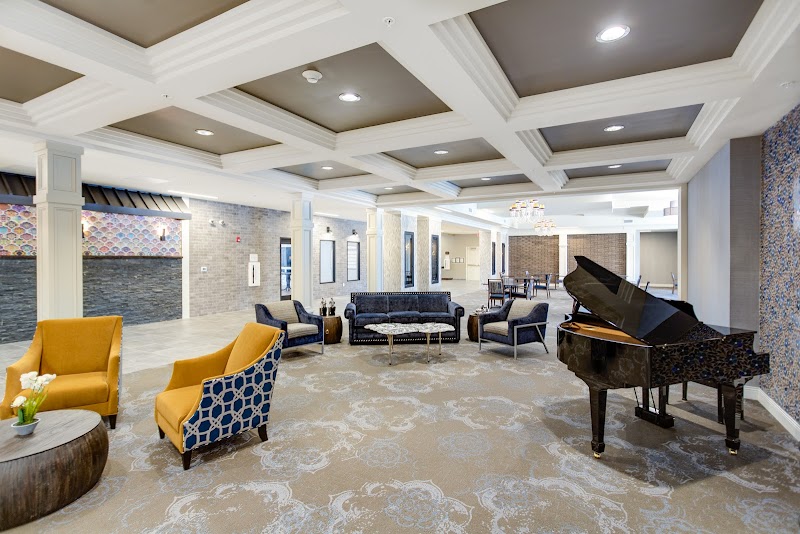
Who Owns and Operates Strongsville Healthcare And Rehabilitation?

STRONGSVILLE HEALTHCARE AND REHABILITATION is owned by a for-profit company. For-profit facilities operate as businesses with obligations to shareholders or private owners. The facility is operated by PROGRESSIVE QUALITY CARE, a chain that manages multiple nursing homes. With 99 certified beds and approximately 93 residents (about 94% occupancy), it is a smaller facility located in STRONGSVILLE, Ohio.
How Does Strongsville Healthcare And Rehabilitation Compare to Other Ohio Nursing Homes?

Compared to the 100 nursing homes in Ohio, STRONGSVILLE HEALTHCARE AND REHABILITATION's overall rating (3 stars) is below the state average of 3.2, staff turnover (69%) is significantly higher than the state average of 46%, and health inspection rating (2 stars) is below the national benchmark.

What Should Families Ask When Visiting Strongsville Healthcare And Rehabilitation?

Based on this facility's data, families visiting should ask: "What changes have been made since the serious inspection findings, and how are you preventing similar issues?" "What safeguards and monitoring systems are in place to protect residents from abuse or neglect?" "How do you ensure continuity of care given staff turnover, and what is your staff retention strategy?" "Can you walk me through typical staffing levels on day, evening, and night shifts?" These questions are particularly relevant given the facility's Immediate Jeopardy citations, the substantiated abuse finding on record, the facility's high staff turnover rate, and the below-average staffing rating.

Is Strongsville Healthcare And Rehabilitation Safe?

Based on CMS inspection data, STRONGSVILLE HEALTHCARE AND REHABILITATION has documented safety concerns. The facility has 1 substantiated abuse finding (meaning confirmed case of resident harm by staff or other residents). Inspectors have issued 2 Immediate Jeopardy citations (the most serious violation level indicating risk of serious injury or death). The facility has a 3-star overall rating and ranks #100 of 100 nursing homes in Ohio. Families considering this facility should ask detailed questions about what corrective actions have been taken since these incidents.

Do Nurses at Strongsville Healthcare And Rehabilitation Stick Around?

Staff turnover at STRONGSVILLE HEALTHCARE AND REHABILITATION is high. At 69%, the facility is 22 percentage points above the Ohio average of 46%. Registered Nurse turnover is particularly concerning at 65%. RNs handle complex medical decisions and coordinate care — frequent RN changes can directly impact care quality. High turnover means new staff may not know residents' individual needs, medications, or preferences. It can also be disorienting for residents, especially those with dementia who rely on familiar faces. Families should ask: What is causing the turnover? What retention programs are in place? How do you ensure care continuity during staff transitions?

Was Strongsville Healthcare And Rehabilitation Ever Fined?

STRONGSVILLE HEALTHCARE AND REHABILITATION has been fined $27,254 across 2 penalty actions. This is below the Ohio average of $33,351. While any fine indicates a compliance issue, fines under $50,000 are relatively common and typically reflect isolated problems that were subsequently corrected. Families should ask what specific issues led to these fines and confirm they've been resolved.

Is Strongsville Healthcare And Rehabilitation on Any Federal Watch List?

STRONGSVILLE HEALTHCARE AND REHABILITATION is not on any federal watch list. The most significant is the Special Focus Facility (SFF) program, which identifies the bottom 1% of nursing homes nationally based on persistent, serious quality problems. Not being on this list means the facility has avoided the pattern of deficiencies that triggers enhanced federal oversight. This is a positive indicator, though families should still review the facility's inspection history directly.