COUNTRY VIEW OF SUNBURY
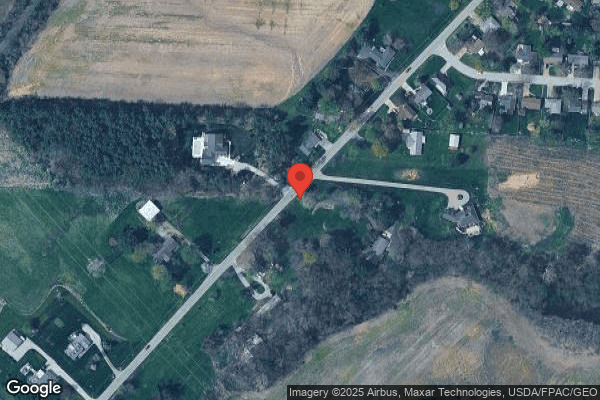
14961 N OLD 3C HIGHWAY, SUNBURY, OH 43074 (740) 965-3984
For profit - Corporation 99 Beds FOUNDATIONS HEALTH SOLUTIONS Data: November 2025
Trust Grade
90/100
#49 of 913 in OH
Last Inspection: August 2023

Over 2 years since last inspection. Current conditions may differ from available data.

Overview

Country View of Sunbury has received an impressive Trust Grade of A, indicating it is highly recommended and considered excellent among nursing homes. It ranks #49 out of 913 facilities in Ohio, placing it in the top half, and #2 out of 8 in Delaware County, showing that only one local option is better. The facility is improving, with reported issues decreasing from 8 in 2021 to none in 2023. While staffing is rated average with a turnover rate of 33%, which is better than the Ohio average of 49%, it still highlights a need for improvement. Notably, there have been no fines recorded, indicating a good compliance history, and the RN coverage is average, suggesting that while RNs are present, there is room for enhancement in oversight. However, past inspection findings reveal concerns such as expired medications being stored and failure to update care plans for residents, which are critical for ensuring residents' health and safety. Overall, this facility has strong points, but families should be mindful of the need for ongoing improvements.

Trust Score
A
90/100
In Ohio
#49/913
Top 5%
Safety Record
Low Risk
No red flags
Inspections
Getting Better
8 → 0 violations
Staff Stability
○ Average
33% turnover. Near Ohio's 48% average. Typical for the industry.
Penalties
✓ Good
No fines on record. Clean compliance history, better than most Ohio facilities.
Skilled Nurses
○ Average
Each resident gets 39 minutes of Registered Nurse (RN) attention daily — about average for Ohio. RNs are the most trained staff who monitor for health changes.
Violations
⚠ Watch
12 deficiencies on record. Higher than average. Multiple issues found across inspections.
★★★★★
5.0
Overall Rating
★★★☆☆
3.0
Staff Levels
★★★☆☆
3.0
Care Quality
★★★★★
5.0
Inspection Score
Stable
2021: 8 issues
2023: 0 issues

The Good

  • Full Sprinkler Coverage · Fire safety systems throughout facility
  • No fines on record
  • Staff turnover below average (33%)

    15 points below Ohio average of 48%

Facility shows strength in fire safety.

The Bad

Staff Turnover: 33%

13pts below Ohio avg (46%)

Typical for the industry

Chain: FOUNDATIONS HEALTH SOLUTIONS

Part of a multi-facility chain

Ask about local staffing decisions and management

The Ugly 12 deficiencies on record

Jul 2021 8 deficiencies
CONCERN (D)

Potential for Harm - no one hurt, but risky conditions existed

Comprehensive Care Plan (Tag F0656)

Could have caused harm · This affected 1 resident

**NOTE- TERMS IN BRACKETS HAVE BEEN EDITED TO PROTECT CONFIDENTIALITY** Based on record review, observations, resident and staff interviews and interview with Wound Physician #500, the facility failed...

Read full inspector narrative →
**NOTE- TERMS IN BRACKETS HAVE BEEN EDITED TO PROTECT CONFIDENTIALITY** Based on record review, observations, resident and staff interviews and interview with Wound Physician #500, the facility failed to implement an intervention for pressure relief for one resident. This affected one (#22) of three residents reviewed for pressure ulcers. The facility census was 85. Findings include: Review of the record for Resident #22 revealed an admission to the facility on [DATE]. Diagnoses included cerebral vascular accident, chronic obstructive pulmonary disease, diabetes Type II, asthma, iron deficiency anemia, vascular dementia, chronic peripheral venous insufficiency, and hypertension. Review of the annual minimum data set (MDS) assessment dated [DATE], revealed the resident scored a 15 on the Brief Interview for Mental Status (BIMS), indicating the resident had no cognitive deficits no behaviors or rejection of care. He required extensive assistance of two staff members for bed mobility, transfers, and locomotion on and off the unit and utilizes a wheelchair for locomotion on and off the unit. Review of the plan of care dated 05/05/21, indicated the resident had alteration in skin integrity as evidenced by maceration to bilateral buttocks with a Stage II pressure ulcer to his left buttocks. Interventions included a pressure reduction cushion to his chair. Review of the Pressure Ulcer assessments beginning 06/02/21, revealed the resident returned from a hospital stay on 06/02/21, with maceration to bilateral buttocks and a Stage II pressure ulcer to his left buttock. The buttocks were observed and a Stage II ulcer was measured weekly by Wound Physician #500. Review of the nursing progress notes from 06/02/21 through 07/12/21, revealed no documentation the resident had refused a pressure relief cushion in his chair. Review of the July 2021 Treatment Administration Record (TAR), revealed the resident was to have a pressure reduction cushion to the chair every shift. The TAR was initialed on both shifts 07/01/21 to 07/13/21, indicating the resident had a pressure reduction cushion in his chair everyday. Review of Wound Physician #500's skin/wound note dated 07/07/21, revealed the Stage II pressure ulcer on the left buttocks measured 0.3 centimeter (cm.) length by 0.7 cm. width by 0.1 cm. depth. Observation on 07/12/21 at 10:30 A.M., 12:40 P.M., and 4:04 P.M., revealed Resident #22 was sitting in a recliner in his room with his feet down on the floor. There was no pressure reduction cushion in the recliner. Observation on 07/13/21 at 10:00 A.M., 12:30 P.M., 2:18 P.M., 3:40 P.M. and 4:00 P.M., revealed Resident #22 was sitting in a recliner in his room with his feet down on the floor. There was no pressure reduction cushion in the recliner. On 07/13/21 at 3:45 P.M. with Licensed Practical Nurse (LPN) #220, verified the pressure reduction cushion was in his wheelchair and he was in the recliner. She verified there was no pressure reduction cushion in the recliner and stated Resident #22 does not want the pressure relieving cushion in his recliner. On 7/13/21 at 4:00 P.M. with the Director of Nursing, verified Resident #22 had been up in the recliner for several hours on 07/12/21 and 07/13/21, without a pressure reduction cushion in his recliner. He stated the resident was non compliant. He stated he would talk to the resident about a pressure reduction cushion to his recliner. Review of the nursing progress note dated 07/13/21 at 4:08 P.M., written by Registered Nurse (RN) revealed she discussed the residents plan of care with the resident and offered a pressure reduction cushion to Resident #22 in the recliner. The progress note stated Resident #22 was hesitant to accept and then agreed. Interview with Wound Physician #500 on 07/14/21 at 12:30 P.M., verified the resident's entire buttocks was extremely red. She stated she felt the best treatment was to continue the Triad Cream and ensure the resident had pressure relief when in a chair and to limit the time in the chair.
CONCERN (D)

Potential for Harm - no one hurt, but risky conditions existed

Deficiency F0657 (Tag F0657)

Could have caused harm · This affected 1 resident

**NOTE- TERMS IN BRACKETS HAVE BEEN EDITED TO PROTECT CONFIDENTIALITY** Based on record review, observations, staff interview and review of the facility policy, the facility failed to update the plan ...

Read full inspector narrative →
**NOTE- TERMS IN BRACKETS HAVE BEEN EDITED TO PROTECT CONFIDENTIALITY** Based on record review, observations, staff interview and review of the facility policy, the facility failed to update the plan of care to reflect the current needs of the residents. This affected two (#49 and #40) of 23 residents reviewed for care plans. The facility census was 85. Finding include: Review of the record for Resident #49 revealed the resident was admitted to the facility on [DATE]. Diagnoses included diabetes, dysphasia, hypertension , hypothyroidism, anxiety, dementia without behaviors and schizoaffective disorder. Review of the annual Minimum Data Set (MDS) assessment dated [DATE], revealed the resident was unable to complete the Brief Interview for Mental Status ( BIMS) due to short and long memory deficits. She did not display behaviors or rejection of care. She was non ambulatory requiring extensive assistance with all activities of daily living. She was totally dependent on staff for eating via a tube feeding and did not experience any fall since the last assessment. Review of the plan of care initiated 05/23/19, with a target date of 08/26/21, revealed the resident was at risk for falls with interventions including a sounding alarm to chair to alert staff of the resident attempting to get up and a tab alarm when in bed. The plan of care did not mention fall mats to be placed by a low bed as a fall intervention. Observation on 07/13/21 at 2:21 P.M., revealed Resident #49 was lying in bed with fall mats on each side of the bed. No bed or chair alarms were in place. Observation on 07/14/21 at 8:45 A.M., revealed Resident #49 was up in a chair in the common area with other residents and a staff member. There was no alarm on the chair. Observation on 07/14/21 at 10:30 P.M., revealed Resident #49 was in a low bed with bilateral fall mats by the bed. There were no alarms on the bed or the chair which were in the room. Observation on 07/14/21 at 12:30 P.M., revealed Resident #49 was up in a chair out in common area with no alarm on the chair. Observation on 07/14/21 at 2:30 P.M., Resident # 49 was in low bed with bilateral mats by bed. No alarms were on the bed. On 07/15/21 at 8:45 A.M. with Licensed Practical Nurse (LPN) #420, verified there were no alarms on the the residents chair or bed. She stated they had not used alarms for quite some time. She stated when the resident was first admitted she was very restless and needed alarms as a fall intervention, however, she does not need them anymore. She verified there was fall mats the staff put by her low bed as fall interventions. On 07/15/21 at 9:00 A.M. with LPN #425, verified the current plan of care had alarms to the bed and chair as current fall interventions to the bed and chair. She stated the resident has not required alarms on her bed and chair for Resident #49 for quite some time and they had not been using alarms. She verified the nurses were signing the June and July 2021 TAR's indicating the bed and chair alarms were in place each shift. Interview with MDS Coordinator Registered Nurse (RN) #425, verified she had completed and updated the plan of care for Resident #49. She stated no one had told her the resident no longer needed alarms and was using fall mats as fall interventions. 2. Review of the medical record for Resident #40 revealed an admission date of 01/24/19. Diagnosis included generalized anxiety disorder, recurrent depressive disorder, dementia with behavioral disturbance, adjustment disorder with mixed anxiety and depressed mood, muscle weakness, other abnormalities of gait and mobility, glaucoma, insomnia and polyneuropathy. Review of the minimum data set (MDS) assessment dated [DATE], revealed a brief interview of mental status score of three, indicating the resident was cognitively impaired. The resident required extensive assistance with bed mobility and transfers, limited assistance with walking in room, corridor, and locomotion on unit. Resident #40 was not steady and was only able to stabilize with staff assistance for surface-to-surface transfers, when moving from a seated to a standing position and walking with assistive device if used, turning around and facing the opposite direction while walking, and moving on and off the toilet. Review of the physician orders revealed orders were in place for a chair alarm to alert staff of unassisted transfers/ambulation every shift for fall intervention with a start date 05/02/21. Physician orders were changed on 07/13/21, reflecting the discontinuation of the chair alarm at 6:14 P.M. The Medical Doctor (MD) and Power of Attorney (POA) were made aware. A health status note was entered at 6:24 P.M. with an effective time of 3:20 P.M. by Registered Nurse Manager of Clinical Care Operations, indicated may discontinue pressure sensor alarm to chair and physician and POA were notified. Review of the care plan dated 05/24/21, revealed Resident #40 was at risk for falls with potential for injury related to personal history of falls, use of psychotropic medication, severe impaired cognition, impaired balance with transfers and gait secondary to dementia, cerebral atherosclerosis, depression, and anxiety. Interventions did not include the chair alarm as ordered. Interventions included staff to assist resident at all times when resident was seen ambulating. Review of the Physical Therapy (PT) Discharge summary, dated [DATE] through 06/11/21, revealed the resident was discharged [DATE]. Discharge recommendations included: assistance with independent activities of daily living (IADLs), assistive device for safe functional mobility and 24 hour care with supervision and set up. Interview on 07/13/21 at 6:01 P.M. with Registered Nurse Manager of Clinical Care Operations revealed Resident #40's chair alarm had been reviewed earlier that day in the interdisciplinary meeting and was to be discontinued as it was no longer needed. Registered Nurse Manager of Clinical Care Operation verified the current physician orders reflected a chair alarm to alert staff of unassisted transfer/ambulation every shift for fall. Interview on 07/14/21 at 10:40 A.M. with Registered Nurse Manager of Clinical Care Operations verified the fall and activities of daily living (ADL) care plans were now updated to reflect set up/supervision for ambulation. The fall interventions now included the removal of the intervention for the resident to be assisted at all times with ambulation. Registered Nurse Manager of Clinical Care Operations verified the care plan had called for staff to assist resident at all times when resident was seen ambulating. Review of the facility policy titled, Nursing Policy/Procedure Manual Subject Fall Management, dated 10/17/16, revealed each resident will be assessed throughout the course of treatment for different parameters such as: cognition, safety awareness, fall history, mobility, medications, or predisposing health conditions that may contribute to fall risk. An interdisciplinary plan of care will be developed, implemented, reviewed and updated as necessary to reflect each resident's current safety needs and fall reduction interventions. A plan will be identified and implemented as necessary to protect the resident and/or others from recurrence. Procedures included the resident's care plan was updated as needed to reflect the resident's health status and safety needs, and new fall reduction interventions were communicated to care givers as needed. Review of the facility policy titled, Provider Services Policy/Procedure Manual Subject MDS, Care Area Assessment (CAA) and Care Plan Completion, dated 01/01/15, revealed it was the policy of this facility to follow guidelines in the Resident Assessment Instrument (RAI) Manual related to MDS, CAA and Care Plan completion. Procedures included the facility will have the updated version of the RAI Manual either in hard copy form or electronic format accessible to members of the team responsible for completion of these areas.
CONCERN (D)

Potential for Harm - no one hurt, but risky conditions existed

Tube Feeding (Tag F0693)

Could have caused harm · This affected 1 resident

**NOTE- TERMS IN BRACKETS HAVE BEEN EDITED TO PROTECT CONFIDENTIALITY** Based on record review and resident and staff interviews, the facility failed to re-evaluate one residents clinical status for t...

Read full inspector narrative →
**NOTE- TERMS IN BRACKETS HAVE BEEN EDITED TO PROTECT CONFIDENTIALITY** Based on record review and resident and staff interviews, the facility failed to re-evaluate one residents clinical status for the continued use of enteral feedings. This affected one (#16) of one resident reviewed for tube feedings. The facility census was 85. Findings include: Review of Resident #16's record revealed the resident was admitted to the facility on [DATE]. Diagnoses included Parkinson Disease, hemiplegia left hand secondary to a cerebral vascular accident, congestive heart failure and depression. Review of the quarterly Minimum Data Set (MDS) assessment dated [DATE], revealed the resident scored a 15 on the Brief Interview for Mental Status (BIMS) indicating no cognitive deficits. She did not display any behaviors no or rejection of care. She required extensive assistance of one person for all activities of daily living. She receives all of her nutrition through enteral feedings through a feeding tube and is able to drink thin liquids orally. Review of the nutritional assessment dated [DATE], indicated Resident #16 received Nutren 2.0-200 milliners four times a day. She was to have nothing by mouth with the exception of ice chips or clear liquids up to 1500 ml per day. Review of the plan of care dated 04/12/21, the resident was at risk for potential alteration in nutrition and hydration related to alternative nutrition via feeding tube and not having anything by mouth except for ice chips or clear liquid up to 1500 ml per day. The resident has a history of impaired swallowing. The interventions included provide enteral feeding Nutrin 2.0 as ordered, the resident my have clear liquids, and request therapy screening/evaluation as needed. Review of the Speech Discharge summary dated [DATE], revealed the discharge recommendations indicated Speech Therapy will schedule a modified barium swallow (MBS) (swallowing study) to be performed on the resident On 07/12/21 at 4:40 P.M., Resident #16 stated she received a tube feeding due to difficulty swallowing. She stated the facility would not do a swallow study to see if she could eat pudding or yogurt because her insurance would not pay for it. She stated she really wants to eat pudding and yogurt. She stated she can drink water and has no problem with it. The resident has a water pitcher with water at bedside and can drink thin liquids. Interview with Dietician #300 on 07/15/21 at 12:00 P.M., stated she has talked to the resident several times and she has not expressed wanting to try to eat again or wanting a swallow study. Interview with Speech Therapist #505 on 07/15/21 at 2:00 P.M., verified she wrote for speech therapy to schedule an MBS and she thought she remembered that insurance stated it was too soon to repeat the MBS in November 2020. She stated she would need a referral from the physician to see the resident now. Interview with Resident #16 on 07/15/21 at 2:15 P.M., revealed Resident #16 stated adamantly she wanted a swallow study to see if she could safely eat pudding and yogurt. She stated the dietician has never talked with her recently. She said the dietician met with her when she was first admitted . She stated in the winter she was told by speech therapy she could not have a swallow evaluation due to non payment from insurance. She stated at the time she was eating puree foods with speech therapy without any concerns.
CONCERN (D)

Potential for Harm - no one hurt, but risky conditions existed

Respiratory Care (Tag F0695)

Could have caused harm · This affected 1 resident

**NOTE- TERMS IN BRACKETS HAVE BEEN EDITED TO PROTECT CONFIDENTIALITY** Based on record review, observations, staff interview, and review of the facility policy, the facility failed to ensure oxygen t...

Read full inspector narrative →
**NOTE- TERMS IN BRACKETS HAVE BEEN EDITED TO PROTECT CONFIDENTIALITY** Based on record review, observations, staff interview, and review of the facility policy, the facility failed to ensure oxygen tubing was dated or documented as changed; oxygen concentrators were cleaned weekly and comprehensive respiratory assessments were completed as ordered. This affected three (#82, #41 and #25) of three residents reviewed for oxygen. A total of nine residents receive oxygen services. The facility census was 85. Finding include: 1. Review of medical record for Resident #82, revealed an admission date of 03/09/21. Diagnoses included polyneuropathy, moderate persistent asthma, unspecified dementia without behavioral disturbances, obstructive sleep apnea, and major depressive disorder. Review of Resident #82's quarterly Minimum Data Set (MDS) assessment dated [DATE], revealed Resident #82 had a Brief Interview for Mental Status (BIMS) score of 13, indicating Resident #82 was cognitively intact. Resident #82 required extensive assistance with one person for bed mobility, transfers, toileting; limited assistance with one person assist for dressing, personal hygiene, and bathing. Review of the physician orders dated 07/2021, revealed oxygen per nasal cannula to maintain saturation above 90 percent as needed secondary to Asthma, nurse to perform comprehensive respiratory assessment which included respiratory assessment monitoring, and set and or removal of equipment related to asthma three times a day, change oxygen tubing/cannula/ mask weekly and clean filter on oxygen concentrator weekly. Review of the Treatment Administration Record (TAR) for Resident #82, revealed oxygen tubing was not changed and the concentrator filter was not cleaned on 04/25/21, 05/02/21, 06/14/21, 06/27/21. Comprehensive respiratory assessments were not completed on the second shift of 04/07/21, 04/19/21, 05/08/21, and 07/05/21; and third shift on 05/27/21, 05/29/21, 07/01/21, and 07/09/21. 2. Review of medical record for Resident #41, revealed an admission date of 05/08/21. Diagnoses included Chronic Obstructive Pulmonary Disorder (COPD), narcolepsy, morbid obesity, obstructive sleep apnea, dependence on supplemental oxygen. Review of Resident #41's quarterly Minimum Data Set assessment (MDS) dated [DATE], revealed Resident #41 had a Brief Interview for Mental Status (BIMS) score of 14, indicating Resident #41 was cognitively intact. Resident #41 required limited assistance with one person assist for bed mobility, transfers, dressing, toileting, personal hygiene, and bathing. Review of the physician orders dated 07/2021, revealed oxygen continuous per nasal cannula at three liters per minute to maintain saturation above 92 percent, clean filter on oxygen concentrators weekly, change oxygen cannula weekly, and comprehensive respiratory assessment which included respiratory assessment, monitoring and setup/removal of equipment related to COPD. Review of the Treatment Administration Record (TAR) for Resident #41, revealed oxygen tubing was not changed and the concentrator filter was not cleaned on 06/13/21, and 07/11/21. Comprehensive respiratory assessments were not completed on third shift of 05/27/21. Observation on 07/12/21 at 1150 A.M., revealed oxygen tubing was not labeled for Resident #82. Interview on 07/12/21 at 11:59 A.M. with State Tested Nurse Aide (STNA) #306, revealed oxygen tubing was changed weekly and labeled. She further verified there was no label on the oxygen tubing for Resident #82. Interview on 07/12/21 at 4:00 P.M. with Licensed Practical Nurse (LPN) #200, revealed oxygen tubing was changed weekly and the tubes labeled on night shift. Interview on 07/13/21 at 10:30 A.M. with the Director of Nursing (DON), revealed documentation on oxygen tube changing was located in the TAR. 3. Review of the medical record for Resident #25 revealed an admission date of 12/09/13. Diagnosis included Alzheimer's disease, emphysema, major depression, dementia, hypertension, muscle weakness and anxiety disorder. Review of the quarterly minimum data set (MDS) assessment dated [DATE], revealed a brief interview of mental status score (BIMS) of four, indicating impaired cognition. The MDS revealed shortness of breath or trouble breathing when lying flat. Receives oxygen therapy. Required extensive assistance with bed mobility, transfers, dressing, toilet use and total dependence for personal hygiene and locomotion on unit. Review of the current physician orders revealed orders were in place to change oxygen tubing, nasal cannula and water every night shift every Tuesday with a start date 12/31/19. Observations on 07/12/21 at 10:19 A.M. through 1:55 P.M. of Resident #25, revealed no date on the oxygen tubing for the nasal cannula. Interview on 07/12/21 at 1:55 P.M. with State Tested Nursing Assistant (STNA) #406, revealed once a week the oxygen tubing was changed on Sunday. STNA #406 revealed typically night shift changes tubing and water if needed and yes it should be dated. STNA #406 verified no date on the oxygen tubing. Observation on 07/13/21 at 9:18 A.M., revealed Resident #25's oxygen tubing was dated 07/12/21. Interview on 07/15/21 at 2:35 P.M. with Registered Nurse Manager of Clinical Care Operations, verified the oxygen tubing orders for Resident #25, change oxygen tubing, nasal cannula and water every night shift every Tuesday start date 12/30/19. Review of the facility policy titled, Infection Control Policy/Procedure Manual Subject Infection Control: Respiratory- Oxygen Equipment, Cleaning/Disinfecting:, revised 07/2012, revealed procedures included oxygen tubing/masks/nasal cannula's change tubing weekly and prn (as needed).
CONCERN (D)

Potential for Harm - no one hurt, but risky conditions existed

Deficiency F0807 (Tag F0807)

Could have caused harm · This affected 1 resident

**NOTE- TERMS IN BRACKETS HAVE BEEN EDITED TO PROTECT CONFIDENTIALITY** Based on record review, observations, resident and staff interviews, and review of the facility policy, the facility failed to p...

Read full inspector narrative →
**NOTE- TERMS IN BRACKETS HAVE BEEN EDITED TO PROTECT CONFIDENTIALITY** Based on record review, observations, resident and staff interviews, and review of the facility policy, the facility failed to provide fluids in between meals for one resident. This affected one (#7) of 24 residents observed and interviewed during Stage I of the annual survey. The facility census was 85. Findings include: Review of the record for Resident #27 revealed the resident was admitted to the facility on [DATE]. Diagnoses included hemiplegia following cerebral infarct, chronic pain syndrome, hypertension, and depression. Review of the physician orders initiated on 03/08/21, indicated Resident #16 was to receive a regular diet with regular texture and thin liquids. On 05/04/21, there was a physician order to encourage extra fluids. Review of the quarterly Minimum Data Set ( MDS) assessment dated [DATE], revealed the resident scored a 14 on the Brief Interview for Mental Status (BIMS) indicating no cognitive impairment. She had no behaviors or rejection of care. She required total assistance of two staff for transfers and toileting, was non ambulatory and feeds herself with set up. Review of the plan of care dated 05/07/21, revealed the resident was at risk for potential for alteration in nutrition and hydration. The interventions included to monitor the resident's eating ability; provide assistance with meals/snacks as necessary; and drinks were to be served in handled lidded cups. Observation on 07/12/21 at 12:20 P.M., revealed there was no water pitcher or any fluids in the residents room. Interview with Resident #27 verified she had no water pitcher in her room. She stated she has never had a water pitcher in her room since she was admitted to the facility. She verified she did not get any fluids to drink in between meals. She stated she would really like a cold glass of water. She stated she gets water on her meal tray but it was not cold. Observations on 07/13/21 at 8:00 A.M., 10:30 A.M., 12:30 P.M., and 3:30 P.M., revealed the resident was up in the recliner in her room. There was no water pitcher or cups in her room On 07/13/21 at 4:00 P.M. during an interview with Licensed Practical Nurse (LPN) #200, verified Resident #27 did not have a water pitcher or anything to drink in her room. She looked in her medical e-chart and verified Resident #27 was on a regular diet with thin liquids. She stated all of the residents who were able to drink thin liquids without choking were to have a water pitcher at their bedside. LPN #200 entered the residents room verifying she did not have a water pitcher or anything to drink. She asked Resident #27 what happened to her water pitcher and the resident stated, I have never had a water pitcher since I have been here. LPN #200 stated she would get her a water pitcher with ice water. Resident #27 smiled and stated that would be great. Interviews with State Tested Nursing Assistants (STNA's) #300, #302, and #304 on 03/13/21 between 4:15 P.M. to 4:30 P.M., verified the staff pass fresh ice water each shift, sometimes several times a shift. They verified they did not know Resident #27 did not have a water pitcher. They stated if there was not a water pitcher at the bedside they assumed the resident was not allowed to have thin liquids. Review of the undated, Hydration Cart / Water Pitcher Policy, revealed the STNA was to deliver fluids daily and as requested by the residents. The night shift STNA will fill and replace the water cup at the bedside by the end of the shift. Nursing was to distribute all water cups to current and new residents.
CONCERN (D)

Potential for Harm - no one hurt, but risky conditions existed

Medical Records (Tag F0842)

Could have caused harm · This affected 1 resident

**NOTE- TERMS IN BRACKETS HAVE BEEN EDITED TO PROTECT CONFIDENTIALITY** Based on record review, observations and staff interview, the facility failed to accurately document the use of alarms and fall ...

Read full inspector narrative →
**NOTE- TERMS IN BRACKETS HAVE BEEN EDITED TO PROTECT CONFIDENTIALITY** Based on record review, observations and staff interview, the facility failed to accurately document the use of alarms and fall mats for one resident. This affected one (#49) of 23 records reviewed. The facility census was 85. Findings include: Review of the record for Resident #49 revealed an admission date of 05/23/19. Diagnoses included diabetes, dysphasia, hypertension, hypothyroidism, anxiety, dementia without behaviors and schizoaffective disorder. Review of the annual minimum data set (MDS) assessment dated [DATE], revealed the resident was unable to complete the Brief Interview for Mental Status (BIMS) due to short and long memory deficits. She did not display behaviors or rejection of care and was non ambulatory requiring extensive assistance with all activities of daily living. She was totally dependent on staff for eating via a tube feeding. She did not experience any fall since the last assessment. Review of the plan of care initiated 05/23/19, with a target date of 08/26/21, revealed the resident was at risk for falls with interventions including a sounding alarm to chair to alert staff of the resident attempting to get up and a tabs alarm when in bed. The plan of care did not mention fall mats to be placed by a low bed as a fall intervention. Review of the June and July 2021 Treatment Administration Records (TAR), revealed the nurses had signed the TAR indicating the alarms to the resident's chair and bed were in place everyday. There was not mention of the use of fall mats in the medical record. Observation on 07/13/21 at 2:21 P.M., revealed Resident #49 was lying in bed with fall mats on each side of the bed. No bed or chair alarms were in place . Observation on 07/14/21 at 8:45 A.M., revealed Resident #49 was up in a chair in the common area with other residents and a staff member. There was no alarm on the chair. Observation on 07/14/21 at 10:30 P.M., revealed Resident #49 was in a low bed with bilateral fall mats by the bed. There were no alarms on the bed or the chair which were in the room. Observation on 07/14/21 at 12:30 P.M., revealed Resident #49 was up in a chair out in the common area with no alarm on the chair. Observation on 07/14/21 at 2:30 P.M., revealed Resident #49 was in a low bed with bilateral mats by bed. No alarms were on the bed. On 07/15/21 at 8:45 A.M., Licensed Practical Nurse (LPN) #420, verified there were no alarms on the the residents chair or bed. She stated they had not used alarms for quite some time. She stated when the resident was first admitted she was very restless and needed alarms as a fall intervention, however, she does not need them anymore. She verified there were fall mats the staff put by her low bed as fall interventions. On 07/15/21 at 9:00 A.M. with LPN #425, verified the current plan of care had alarms to the bed and chair as current fall interventions to the bed and chair. She stated the resident has not required alarms on her bed and chair for Resident #49 for quite some time and they had not been using alarms. She verified the nurses were signing the June and July 2021 TAR's indicating the bed and chair alarms were in place each shift. Interview with MDS Coordinator Registered Nurse (RN) #425, verified she had completed and updated the plan of care for Resident #49. She stated no one had told her the resident no longer needed alarms and was using fall mats as fall interventions.
CONCERN (D)

Potential for Harm - no one hurt, but risky conditions existed

Infection Control (Tag F0880)

Could have caused harm · This affected 1 resident

**NOTE- TERMS IN BRACKETS HAVE BEEN EDITED TO PROTECT CONFIDENTIALITY** Based on record review, observations, staff interviews, and review of the facility policy, the facility failed to follow infecti...

Read full inspector narrative →
**NOTE- TERMS IN BRACKETS HAVE BEEN EDITED TO PROTECT CONFIDENTIALITY** Based on record review, observations, staff interviews, and review of the facility policy, the facility failed to follow infection control practices regarding proper hand hygiene and failed to ensure one resident's family was wearing proper Personal Protective Equipment (PPE) for a resident who was on contact isolation. This affected three (#76, #18 and #288) residents reviewed for infection control practices. The facility census was 85. Findings include: 1. Observation on 07/12/21 at 12:36 P.M. during lunch service, revealed Activities #400 was feeding Resident #19 and #76 at the same time. She was sitting in between both residents on a rotating chair. She was witnessed wiping Resident #19's face and turning around and feeding Resident #76. She then wiped Resident #76's face and then turned around and feed Resident #19. At no time was she observed to use hand sanitizer after wiping the residents face. Interview on 07/12/21 at 12:45 with Activities #400, verified she was feeding both residents and had wiped their mouths and did not use hand sanitizer after wiping their mouths. She furthermore stated she was unaware of the hand washing policy. Review of the facility policy titled, Hand Washing, dated 11/28/17, revealed staff perform hand hygiene (even if gloves were used) in the following situations: before and after contact with the resident; after contact with blood, body fluids, or visible contaminated surfaced or other objects and surfaces in the resident's environment; after removing protective equipment (e.g., gloves, gown, facemask); and before performing a procedure. Review of the facility policy titled, Infection Prevention and Control Program, dated 11/28/17, revealed hand washing protocol all staff shall perform hand hygiene before and after performing resident care procedures and per facility established hand hygiene procedure. 2. Review of the medical record for Resident #288 revealed an admission date of 06/19/21. Diagnoses included hereditary and idiopathic neuropathy, enterocolitis due to Clostridium Difficile (C-diff), Chronic Obstructive Pulmonary Disease (COPD), major depressive disorder, generalized anxiety disorder, Chronic Kidney Disease, and insomnia. Review of Resident #288's admission Minimum Data Set Assessment (MDS) dated [DATE], revealed Resident #288 had a Brief Interview for Mental Status (BIMS) score of 12, indicating she was cognitively intact. Resident #288 required extensive assistance with two people for bed mobility, transfers, toileting; extensive assistance one person for dressing; and limited assistance with one person for personal hygiene and bathing. Review of the physician orders for 07/2021, revealed the resident was on contact isolation due to C-diff. Review of the baseline care plan dated 06/19/21, revealed the resident had a current infection and was placed on droplet precautions. Review of the care plan dated 06/20/21, revealed the resident was at risk for infection related to C-diff. Interventions included to give antibiotic therapy as ordered and isolation per order. Review of the Skilled Progress Note dated 06/19/21 at 5:40 P.M., revealed the resident had loose stools. She had a history of colitis and C-Diff colitis. The resident was on Vancomycin until 08/05/21, and [NAME] for five days. Review of the admission Assessment and Baseline Care plan dated 06/19/21 revealed the resident had sepsis and had a current infection and was on droplet precautions. Review of the nursing progress note dated 07/12/21 at 7:04 P.M., revealed the Director of Nursing (DON) was notified by a nurse regarding Resident #288's son was non-compliance with donning/doffing of PPE for contact precautions. The son acknowledged he was aware he was to don/doff PPE according to isolation precaution signage that was present on the resident's door and facility screening station. The son confirmed the resident had an isolation donning station outside of her room with available PPE. The son was notified window visits remain an option if he prefers not to wear PPE and was provided education related to infection prevention/control and appropriate PPE for visitation with acknowledgement received. Observation on 07/12/21 at 4:00 P.M., revealed Resident #288's family was into visit the resident with no PPE on. Outside of the resident's door there was a PPE bin with gowns, gloves, and masks. There was signs on the door referring what PPE was to be worn in the resident's room. Interview on 07/12/21 at 4:05 P.M. with Licensed Practical Nurse (LPN) #202, revealed Resident #288 had a diagnosis of C-diff- and was on precautions. She further verified the family was in the room and was not wearing PPE. Observation on 07/14/21 at 12:31 P.M., revealed Resident #288's door was closed. Signage on door remains related to contact precautions and required PPE to use to enter. The PPE bin was still located outside the resident's door. Upon entrance of the room, the son was sitting in a chair with his gown hanging over the back of the chair while Resident #288 was sitting in her chair. Interview on 07/14/21 at 12:41 P.M. with the DON, revealed the signage was from the Centers for Disease Control (CDC) and Prevention and referred to staff. He verified he had a conversation with the son regarding proper PPE to wear. The DON stated he Cannot police resident families regarding PPE. Interview on 07/15/21 at 10:00 A.M. with the DON, revealed he spoke with Resident #288's son yesterday and was informed he did not have his PPE on as he was using the resident's restroom. Review of the facility policy titled, Infection Prevention and Control Program, dated 11/28/17, revealed isolation signs were used to alert staff, family members, and visitors to speak with the nurse regarding isolation precautions. Review of the facility policy titled, Standard and Transmission-based precautions, dated 01/23/19, revealed transmission-based precautions (also known as Isolation Precautions) refers to the actions (precautions) implemented, in addition to standard precautions, that were based upon the means of transmission (airborne, contact, and droplet) in order to prevent or control infections. The facility will apply Transmission-based precautions, in addition to standard precautions, to residents who develop signs and symptoms of a transmissible infection, arrive with symptoms of an infection (pending laboratory confirmation), or have a laboratory confirmed infection and were at risk for transmitting the infection to other residents. Information regarding the precaution to be utilized will be communicated through verbal reports, written in-house communication forms, or signage.
MINOR (C)

Minor Issue - procedural, no safety impact

Staffing Information (Tag F0732)

Minor procedural issue · This affected most or all residents

Based on review of the daily staffing, staff interview, and observation, the facility failed to post the nursing staff information with the number of Registered Nurses, Licensed Practical Nurses, and ...

Read full inspector narrative →
Based on review of the daily staffing, staff interview, and observation, the facility failed to post the nursing staff information with the number of Registered Nurses, Licensed Practical Nurses, and State Tested Nurse Aides directly responsible for resident care per shift. This had the potential to affect 85 of 85 residents who reside in the facility. Findings include: Review of the daily staffing sheets from 06/01/21 to 07/14/21, revealed the sheet did not include how many Registered Nurses, Licensed Practical Nurses, and State Tested Nurse Aides were working for each day. The daily staffing sheet only had the numbers of hours worked each day. Observation on 07/15/21 at 8:45 A.M., revealed the 07/15/21 daily staffing posting did not include how many Registered Nurses, Licensed Practical Nurses, and State Tested Nurse Aides were working for that day. Interview with the Administrator on 07/15/21 at 9:45 A.M., verified the daily staffing sheets from 06/01/21 to 07/15/21, did not include how many Registered Nurses, Licensed Practical Nurses, and State Tested Nurse Aides were working for each day.
Mar 2019 4 deficiencies
CONCERN (D)

Potential for Harm - no one hurt, but risky conditions existed

Deficiency F0578 (Tag F0578)

Could have caused harm · This affected 1 resident

**NOTE- TERMS IN BRACKETS HAVE BEEN EDITED TO PROTECT CONFIDENTIALITY** Based on medical record review, staff interview and policy review, the facility failed to ensure the physician's order for a res...

Read full inspector narrative →
**NOTE- TERMS IN BRACKETS HAVE BEEN EDITED TO PROTECT CONFIDENTIALITY** Based on medical record review, staff interview and policy review, the facility failed to ensure the physician's order for a resident's code status (level of medical interventions a patient wishes to have started if their heart or breathing stops) matched the State of Ohio DNR document. This affected one (#53) of one residents reviewed for advance directives. Additionally, the facility failed to ensure accurate advance directives were in the medical record for one (#39) of two residents reviewed for advance directives. The facility census was 111. Findings include: 1. Review of Resident #53's medical record revealed an admission date of 08/31/18 with diagnoses of multiple sclerosis, neuromuscular dysfunction of the bladder, hypertension (high blood pressure), major depressive disorder, type two diabetes mellitus, and chronic diastolic heart failure. Review of the State of Ohio Do Not Resuscitate Comfort Care form identified the resident as being a Do Not Resuscitate Comfort Care-Arrest (DNRCC-A). This was signed by the physician on 08/20/18. Review of the order summary report revealed the resident was a full code. This order was initiated on 08/31/18. Review of the quarterly minimum data set (MDS) assessment dated [DATE] identified the resident as being cognitively intact as indicated by a brief interview for mental status (BIMS) score of 15. Interview with Licensed Practical Nurse (LPN) #130 on 03/12/19 at 1:19 P.M.,. confirmed the residents physician order identified the resident as being a full code. Additionally, she confirmed the resident had a signed DNRCC-A form. 2. Review of Resident #39's medical record revealed the resident was admitted to the facility on [DATE] with diagnoses including delusional disorders, dysphasia, cognitive communication deficit, weakness, chronic obstructive pulmonary disease (COPD), encephalopathy, chronic embolism and thrombosis of other specified deep vein of unspecified lower extremity, anxiety, hypertension, insomnia, dementia with behavioral disturbance, vitamin D deficiency and polyneuropathy. Review of the MDS assessment dated [DATE] revealed a Brief Interview of Mental Status (BIMS) of five which indicated Resident #39 had severe cognitive impairment. His functional status was listed as extensive one to two person assist for all activities of daily living and total assist for eating. Review of the care plan dated 01/10/19 revealed a plan in place for advanced care planning reviewed with Resident/Responsible Party; code status was full code and resident had a living will. The wife was next of kin and was working on a guardianship application. Review of the medical record revealed Resident #39's code status as do not resuscitate comfort care and his face sheet and electronic medical record indicated a full code. Interview with the Licensed Practical Nurse (LPN) #113 at 1:10 P.M., confirmed the do not resuscitate comfort care was the wrong code status for Resident #39 and also confirmed the resident was a full code. She also revealed, in an emergency, she would look in the medical record to see the Resident's code status or in the electronic medical record. Review of the facility policy titled Residents' Rights: Treatment and Advance Directives dated 11/22/16 revealed no concerns.
CONCERN (D)

Potential for Harm - no one hurt, but risky conditions existed

Deficiency F0582 (Tag F0582)

Could have caused harm · This affected 1 resident

Based on medical record review, review of the Skilled Nursing Facility Beneficiary Protection Notification Review, staff interview and admission agreement review, the facility failed to ensure a resid...

Read full inspector narrative →
Based on medical record review, review of the Skilled Nursing Facility Beneficiary Protection Notification Review, staff interview and admission agreement review, the facility failed to ensure a resident was issued the correct forms when cut from Medicare Part A services. This affected two (#310 and #19) of three residents reviewed. The facility census was 111. Findings include: 1. Review of Resident #310's medical record revealed an admission date of 01/07/19 and a discharge date of 02/17/19. Review of the Skilled Nursing Facility (SNF) Beneficiary Protection Notification Review revealed the resident's last covered day of Medicare Part A services was on 02/06/19, and was a facility/provider initiated discharge. It indicated the resident was not issued an Skilled Nursing Facility Notice of Non-coverage (SNFABN) (a form that provides information to the beneficiary so that they can decide whether or not to get the care that may not be paid for by Medicare and assume financial responsibility. 2. Review of Resident #19's medical record revealed an admission date of 02/15/19 and the resident currently remained in the facility. Review of the SNF Beneficiary Protection Notification Review revealed the residents last covered day of Medicare Part A services was on 12/17/19, and was a facility' provider initiated discharge. It indicated the resident was not issued an SNFABN. Interview with Social Service Designee (SS) #10 on 03/13/19 at 10:16 A.M. confirmed both Resident #310 and Resident #19 both remained in the facility after they were cut from Medicare Part A services. She confirmed neither of the residents were issued an SNFABN and they should have been. Review of the facility admission Agreement for Medicare covered services and charges indicated that you may be cut from Medicare any time during the 100 days based of your condition/progress in which the responsible party will be notified in writing.
CONCERN (D)

Potential for Harm - no one hurt, but risky conditions existed

Infection Control (Tag F0880)

Could have caused harm · This affected 1 resident

**NOTE- TERMS IN BRACKETS HAVE BEEN EDITED TO PROTECT CONFIDENTIALITY** Based on observation, staff interview and policy review, the facility failed to ensure proper infection control was followed for...

Read full inspector narrative →
**NOTE- TERMS IN BRACKETS HAVE BEEN EDITED TO PROTECT CONFIDENTIALITY** Based on observation, staff interview and policy review, the facility failed to ensure proper infection control was followed for the storage of a urinary catheter bag. This affected one (#53) of four residents reviewed. The facility census was 111. Findings include: Review of Resident #53's medical record revealed an admission date of 08/31/18 with diagnoses of multiple sclerosis, neuromuscular dysfunction of the bladder, hypertension (high blood pressure), major depressive disorder, type two diabetes mellitus, and chronic diastolic heart failure. Review of the Review of the quarterly minimum data set (MDS) assessment dated [DATE] identified the resident as being cognitively intact as indicated by a brief interview for mental status score of 15. It identified the resident as requiring an extensive two person assist with toilet use. Observation on 03/12/19 at 8:11 A.M. revealed Resident #53's urinary catheter bag was lying on the floor. Additional observation on 03/12/19 at 3:33 P.M. revealed Resident #53's urinary catheter bag was lying on the floor. Interview with Licensed Practical Nurse (LPN) #130 on 03/12/19 at 3:35 P.M. voiced a catheter bag should be hung below the level of the bladder, on the side of the bed. LPN #130 voiced a catheter bag should not be lying on the floor. Observation and interview with LPN #130 on 03/12/19 at 3:38 P.M. confirmed Resident #53's urinary catheter bag was lying on the floor. Review of the facility policy titled Foley Catherization dated 03/07/15 indicated to secure the drainage tubing to the bottom bed sheet with the clip from the drainage set.
CONCERN (E)

Potential for Harm - no one hurt, but risky conditions existed

Deficiency F0761 (Tag F0761)

Could have caused harm · This affected multiple residents

Based on observation, staff interview and policy review, the facility failed to ensure expired and undated medications were not stored in the medication cart. This affected two (100 hall and 200 hall)...

Read full inspector narrative →
Based on observation, staff interview and policy review, the facility failed to ensure expired and undated medications were not stored in the medication cart. This affected two (100 hall and 200 hall) of five carts observed. Additionally, the facility failed to ensure expired medications were not stored in the medication storage refrigerator. This affected one (400/500 hall) of two storage rooms observed. The facility census was 111. Findings include: 1. Observation of the 400/500 hall medication storage room on 03/13/19 at 12:05 P.M., revealed there was an opened vial of Influenza vaccine 5 milliliter (ml) vial with an opened date of 02/11/19 located in the fridge. Interview with Licensed Practical Nurse (LPN) #35 on 03/13/19 at 12:07 P.M. confirmed the vial had an opened date of 02/11/19 and once opened it was only good for 28 days. LPN #35 confirmed the Influenza vaccine was expired. Review of the manufacturer's recommendations for the Influenza vaccine revealed once the stopper of the multi-dose vial has been pierced, the vial must be discarded within 28 days. 2. Observation of the 100 hall medication cart with LPN #128 on 03/13/19 at 1:06 P.M. revealed there was an opened and undated bottle of Pilocarpine HCl Solution (eye drops for glaucoma) 1% eye drops for Resident #93. Additionally, there was a bottle Travoprost Solution (eye drops for glaucoma) 0.004% eye drops for Resident #18 that was opened and undated. Interview with LPN #128 on 03/13/19 at 1:10 P.M. confirmed the above eye drops were opened and undated. 3. Observation of the 200 hall medication cart with LPN #92, on 03/13/19 at 1:25 P.M. revealed an opened bottle of Olopatadine (antihistamine eye drops) 0.2% eye drops for Resident #63 with an opened date of 01/20/19. Interview with LPN #92 at 1:26 P.M. voiced once eye drops are opened they are good for 30 days. She confirmed these eye drops were expired. Review of the facility policy titled Medication Storage dated 06/21/17 revealed outdated, contaminated, or deteriorated medications and those in containers that are cracked, soiled or without secure closures are immediately removed from stock, disposed of according to procedures for medication destruction, and reordered from the Pharmacy, if replacements are needed.
Understanding Severity Codes (click to expand)
Life-Threatening (Immediate Jeopardy)
J - Isolated K - Pattern L - Widespread
Actual Harm
G - Isolated H - Pattern I - Widespread
Potential for Harm
D - Isolated E - Pattern F - Widespread
No Harm (Minor)
A - Isolated B - Pattern C - Widespread

Questions to Ask on Your Visit

  • "Can I speak with families of current residents?"
  • "What's your RN coverage like on weekends and overnight?"

Our Honest Assessment

Strengths
  • • Grade A (90/100). Above average facility, better than most options in Ohio.
  • • No major safety red flags. No abuse findings, life-threatening violations, or SFF status.
  • • No fines on record. Clean compliance history, better than most Ohio facilities.
  • • 33% turnover. Below Ohio's 48% average. Good staff retention means consistent care.
Concerns
  • • 12 deficiencies on record. Higher than average. Multiple issues found across inspections.
Bottom line: Generally positive indicators. Standard due diligence and a personal visit recommended.

About This Facility

What is Country View Of Sunbury's CMS Rating?

CMS assigns COUNTRY VIEW OF SUNBURY an overall rating of 5 out of 5 stars, which is considered much above average nationally. Within Ohio, this rating places the facility higher than 99% of the state's 100 nursing homes. This rating reflects solid performance across the metrics CMS uses to evaluate nursing home quality.

How is Country View Of Sunbury Staffed?

CMS rates COUNTRY VIEW OF SUNBURY's staffing level at 3 out of 5 stars, which is average compared to other nursing homes. Staff turnover is 33%, compared to the Ohio average of 46%. This relatively stable workforce can support continuity of care.

What Have Inspectors Found at Country View Of Sunbury?

State health inspectors documented 12 deficiencies at COUNTRY VIEW OF SUNBURY during 2019 to 2021. These included: 11 with potential for harm and 1 minor or isolated issues.

Who Owns and Operates Country View Of Sunbury?

COUNTRY VIEW OF SUNBURY is owned by a for-profit company. For-profit facilities operate as businesses with obligations to shareholders or private owners. The facility is operated by FOUNDATIONS HEALTH SOLUTIONS, a chain that manages multiple nursing homes. With 99 certified beds and approximately 93 residents (about 94% occupancy), it is a smaller facility located in SUNBURY, Ohio.

How Does Country View Of Sunbury Compare to Other Ohio Nursing Homes?

Compared to the 100 nursing homes in Ohio, COUNTRY VIEW OF SUNBURY's overall rating (5 stars) is above the state average of 3.2, staff turnover (33%) is significantly lower than the state average of 46%, and health inspection rating (5 stars) is much above the national benchmark.

What Should Families Ask When Visiting Country View Of Sunbury?

Based on this facility's data, families visiting should ask: "Can I visit during a mealtime to observe dining assistance and food quality?" "How do you handle medical emergencies, and what is your hospital transfer rate?" "Can I speak with family members of current residents about their experience?"

Is Country View Of Sunbury Safe?

Based on CMS inspection data, COUNTRY VIEW OF SUNBURY has a clean safety record: no substantiated abuse findings (meaning no confirmed cases of resident harm), no Immediate Jeopardy citations (the most serious violation level indicating risk of serious injury or death), and is not on the Special Focus Facility watch list (a federal program monitoring the lowest-performing 1% of nursing homes). The facility has a 5-star overall rating and ranks #1 of 100 nursing homes in Ohio. While no facility is perfect, families should still ask about staff-to-resident ratios and recent inspection results during their visit.

Do Nurses at Country View Of Sunbury Stick Around?

COUNTRY VIEW OF SUNBURY has a staff turnover rate of 33%, which is about average for Ohio nursing homes (state average: 46%). Moderate turnover is common in nursing homes, but families should still ask about staff tenure and how the facility maintains care continuity when employees leave.

Was Country View Of Sunbury Ever Fined?

COUNTRY VIEW OF SUNBURY has no federal fines on record. CMS issues fines when nursing homes fail to meet care standards or don't correct problems found during inspections. The absence of fines suggests the facility has either maintained compliance or corrected any issues before penalties were assessed. This is a positive indicator, though families should still review recent inspection reports for the full picture.

Is Country View Of Sunbury on Any Federal Watch List?

COUNTRY VIEW OF SUNBURY is not on any federal watch list. The most significant is the Special Focus Facility (SFF) program, which identifies the bottom 1% of nursing homes nationally based on persistent, serious quality problems. Not being on this list means the facility has avoided the pattern of deficiencies that triggers enhanced federal oversight. This is a positive indicator, though families should still review the facility's inspection history directly.