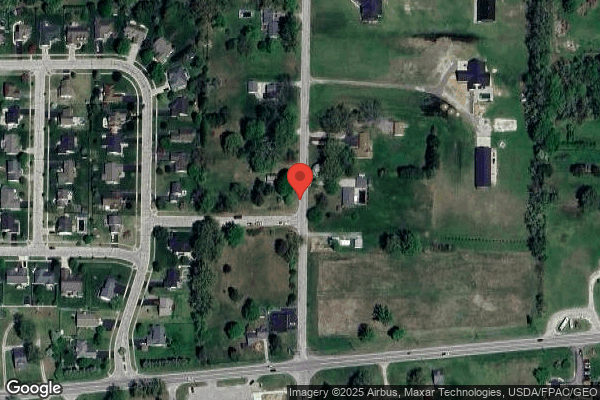

EMBASSY OF SWANTON

214 S MUNSON RD, SWANTON, OH 43558 (419) 825-1145
For profit - Corporation 68 Beds EMBASSY HEALTHCARE Data: November 2025
Trust Grade
80/100
#63 of 913 in OH
Last Inspection: August 2024

Within standard 12-15 month inspection cycle. Federal law requires annual inspections.

Overview

Embassy of Swanton has a Trust Grade of B+, which means the facility is above average and recommended for families considering options. It ranks #63 out of 913 nursing homes in Ohio, placing it in the top half of facilities statewide, and #1 of 5 in Fulton County, indicating it is the best choice locally. The facility is showing improvement, as the number of issues has decreased from six in 2023 to three in 2024. However, staffing is a concern, with only 1 out of 5 stars and a 55% turnover rate, which is average but still high, suggesting that staff may not be as stable as desired. While there have been no fines, which is a positive indicator, there are concerns regarding RN coverage, which is less than 88% of facilities in Ohio, meaning that residents may not receive as much professional nursing oversight as they need. Specific incidents noted during inspections include a failure to properly handle soiled linen for a resident on precautions, which could risk the spread of infection to others, and a lack of proper kitchen sanitation practices, such as not wearing hair restraints and improper labeling of food items. Additionally, the facility did not implement necessary COVID-19 quarantine measures for a readmitted resident, which had the potential to affect all residents. These findings highlight both strengths and weaknesses, suggesting that while there are many positive aspects, families should carefully consider the concerns related to staffing and infection control practices.

Trust Score
B+
80/100
In Ohio
#63/913
Top 6%
Safety Record
Low Risk
No red flags
Inspections
Getting Better
6 → 3 violations
Staff Stability
⚠ Watch
55% turnover. Above average. Higher turnover means staff may not know residents' routines.
Penalties
✓ Good
No fines on record. Clean compliance history, better than most Ohio facilities.
Skilled Nurses
⚠ Watch
Each resident gets only 19 minutes of Registered Nurse (RN) attention daily — below average for Ohio. Fewer RN minutes means fewer trained eyes watching for problems.
Violations
⚠ Watch
14 deficiencies on record. Higher than average. Multiple issues found across inspections.
★★★★★
5.0
Overall Rating
★☆☆☆☆
1.0
Staff Levels
★★★★★
5.0
Care Quality
★★★★★
5.0
Inspection Score
Stable
2023: 6 issues
2024: 3 issues

The Good

  • 5-Star Quality Measures · Strong clinical quality outcomes
  • Full Sprinkler Coverage · Fire safety systems throughout facility
  • No fines on record

Facility shows strength in quality measures, fire safety.

The Bad

Staff Turnover: 55%

Near Ohio avg (46%)

Frequent staff changes - ask about care continuity

Chain: EMBASSY HEALTHCARE

Part of a multi-facility chain

Ask about local staffing decisions and management

Staff turnover is elevated (55%)

7 points above Ohio average of 48%

The Ugly 14 deficiencies on record

Aug 2024 1 deficiency
CONCERN (D)

Potential for Harm - no one hurt, but risky conditions existed

Deficiency F0657 (Tag F0657)

Could have caused harm · This affected 1 resident

**NOTE- TERMS IN BRACKETS HAVE BEEN EDITED TO PROTECT CONFIDENTIALITY** Based on medical record review, resident and staff interview, and facility policy review, the facility failed to conduct quarter...

Read full inspector narrative →
**NOTE- TERMS IN BRACKETS HAVE BEEN EDITED TO PROTECT CONFIDENTIALITY** Based on medical record review, resident and staff interview, and facility policy review, the facility failed to conduct quarterly care plan conferences are required. This affected three (#12, #24, and #32) of three residents reviewed for care planning conferences. The facility census was 60. Findings include: 1. Review of the medical record revealed Resident #12 was admitted on [DATE]. Diagnoses included chronic obstructive pulmonary disease, hemiplegia and hemiparesis following cerebral infarction, alcoholic cirrhosis of the liver without ascites, generalized idiopathic epilepsy and epileptic syndromes, muscle weakness, bipolar disorder, hyperlipidemia, and major depressive disorder mild. Review of the Minimum Data Set (MDS) assessment, dated 07/04/24, revealed the resident was moderately cognitively impaired. Review of care conference documentation revealed no care conferences were completed. 2. Review of the medical record revealed Resident #24 was admitted on [DATE]. Diagnoses included acute and chronic respiratory failure with hypoxia, paralysis of vocal cords and larynx, chronic obstructive pulmonary disease, essential (primary) hypertension, anxiety disorder, heart failure, anemia, and unspecified atrial fibrillation. Review of the MDS assessment, dated 07/24/24, revealed the resident was moderately cognitively impaired. Review of the care plan conference summaries, dated since admission, revealed Resident #24 had one care conference completed on 03/29/24. Interview on 08/07/24 at 8:55 A.M. with Social Services #398 verified Resident #12 had no care conferences and Resident #24 did not have a quarterly care plan conferences. 3. Review of the medical record revealed Resident #32 was admitted on [DATE]. Diagnoses included chronic obstructive pulmonary disease, dyspnea, benign prostatic hyperplasia with lower urinary tract symptoms, anxiety disorder, depression, carpal tunnel syndrome, essential hypertension, hyperlipidemia, and paroxysmal atrial fibrillation. Review of the MDS assessment, dated 06/29/24, revealed the resident was cognitively intact. Review of care conference documentation revealed no care conferences were completed. Interview on 08/09/24 at 9:20 A.M. with Resident #32 revealed he had not had any care conferences since admission. Interview on 08/07/24 at 8:34 A.M. with Social Services #398 revealed Resident #32's resident representatives were reluctant to meet and the resident has refused to attend. Social Services #398 verified there were no documented refusals for Resident #32 to attend care conferences. Social Services #398 reported due to no resident or resident representative interest, no care conferences have been held for Resident #32. Review of a policy titled, Comprehensive Care Plans,: dated January 2023, revealed the comprehensive care plan will be prepared by an interdisciplinary team including the resident and the resident's representative. The comprehensive care plan will be reviewed and revised by the interdisciplinary team after each comprehensive and quarterly MDS assessment.
Mar 2024 2 deficiencies
CONCERN (D) 📢 Someone Reported This

A family member, employee, or ombudsman was alarmed enough to file a formal complaint

Potential for Harm - no one hurt, but risky conditions existed

Unnecessary Medications (Tag F0759)

Could have caused harm · This affected 1 resident

Based on observation, medical record review, staff interview, and facility policy, the facility failed to ensure medications were administered by route ordered by the physician, which resulted in four...

Read full inspector narrative →
Based on observation, medical record review, staff interview, and facility policy, the facility failed to ensure medications were administered by route ordered by the physician, which resulted in four medication errors out of 28 opportunities for a medication administration error rate of 14.28 percent (%). This affected one (#4) of three residents observed during medication administration. The facility census was 65. Findings include: Observation on 03/12/24 at 8:18 A.M. noted Licensed Practical Nurse (LPN) #200 obtaining Resident #4 medications from medication cart. Medications included Abilify 2 milligram (mg) tablet, Lexapro 5 mg tablet, Metoprolol 25 mg tablet, Plavix 75 mg tablet. LPN #200 placed the tablets into a medication cup and proceeded to Resident #4 room. LPN #200 then proceeded to place each tablet into Resident #4 mouth followed by a drink of water. Once medications were consumed LPN #200 departed the room. Review of Resident #4 medical record identified the following physician medication orders and associated route of administration. On 02/21/24 Abilify 2 mg via Gastrostomy tube (G-Tube) given one time daily for anxiety disorder. On 02/19/24 Lexapro 5 mg via G-Tube given one time daily for anxiety and depression. On 02/19/24 Metoprolol 25 mg give 100 mg via G-Tube one time daily for hypertension. On 02/21/24 Plavix 75 mg via G-Tube one time daily related to history of transient ischemic attack and cerebral infarction. On 03/12/24 at 1:27 P.M. interview with LPN #200 during review of medical record confirmed Resident #4's medications were ordered to be administered via G-Tube and not by mouth (PO). Review of the medication administration policy revised 08/22/22 revealed staff should review the Medication Administration Record (MAR) to identify medication to be administered. Compare medication source (bubble pack, vial, etc.) with MAR to verify medication name, form, dose, route and time. Administer medications as ordered. Sign MAR after administered. Report and document any adverse side effects of refusals. This deficiency represents non-compliance investigated under Complaint Number OH00151380.
CONCERN (D) 📢 Someone Reported This

A family member, employee, or ombudsman was alarmed enough to file a formal complaint

Potential for Harm - no one hurt, but risky conditions existed

Deficiency F0760 (Tag F0760)

Could have caused harm · This affected 1 resident

**NOTE- TERMS IN BRACKETS HAVE BEEN EDITED TO PROTECT CONFIDENTIALITY** Based on medical record review, staff interview, and facility policy, the facility failed to ensure medications were obtained an...

Read full inspector narrative →
**NOTE- TERMS IN BRACKETS HAVE BEEN EDITED TO PROTECT CONFIDENTIALITY** Based on medical record review, staff interview, and facility policy, the facility failed to ensure medications were obtained and administered as ordered by the physician resulting in significant medication errors. This affected one (#13) of six sampled residents reviewed for medication administration. The facility census was 65. Findings include: Resident #13 readmitted from the hospital on [DATE] with the diagnosis including, chronic respiratory failure, dependence on respirator, chronic obstructive pulmonary disease, gastrostomy tube, and tracheostomy. According to the minimum data set assessment dated [DATE] Resident #13 was assessed with moderately impaired cognition, dependent on staff for the completion of activities of daily living, experienced constant pain with pain medication administration including opioid administration. Review of Resident #13's physician orders noted the following medications ordered on 02/16/24; Metoprolol Tartrate Tablet 25 milligrams (mg) give one tablet via gastrostomy tube (G-Tube) two times a day for hypertension, MagOx 400 Oral Tablet give 400 mg via G-Tube two times a day for supplement, Seroquel Oral Tablet give 50 mg via G-Tube one time a day for anxiety, Trazodone Oral Tablet 50 mg via G-Tube one time a day for insomnia, Donepezil Oral Tablet give 10 mg via G-Tube one time a day for anxiety, Lasix Oral Tablet give 20 mg via G-Tube one time a day for congestive heart failure, Apixaban Oral Tablet give 5 mg via G-Tube two times a day for venous thromboembolism (VTE) prophylaxis, Lipitor Oral Tablet give 10 mg via G-Tube one time a day for hyperlipidemia. On 02/21/24 Sertraline 50 mg via G-Tube once daily for major depression was ordered. Review of the medication administration record (MAR) from February 2024 noted the following medications documented as being omitted and not given as ordered; Metoprolol Tartrate Tablet 25 milligrams (mg) MAR scheduled to be given at bedtime omitted dose 02/18/24. MagOx 400 mg MAR scheduled to be given at morning upon rising and at bedtime missed morning dose on 02/18/24 and bedtime dose on 02/22/24. Seroquel 50 mg MAR scheduled to be given at bedtime missed doses on 02/17/24, 02/18/24, 02/19/24, 02/20/24. Trazodone 50 mg MAR scheduled to be given at bedtime missed doses on 02/18/24, 02/19/24, 02/20/24. Donepezil 10 mg MAR scheduled to be given at bedtime missed doses on 02/18/24, 02/19/24, 02/20/24. Lasix 20 mg MAR scheduled to be given at morning upon rising missed 02/19/24 dose. Apixaban Oral Tablet 5 mg MAR scheduled to be given at morning upon rising and at bedtime missed bedtime doses on 02/18/24, 02/20/24, 02/21/24 and missed morning doses on 02/21/24, 02/22/22. Lipitor Oral Tablet 10 mg MAR scheduled to be given at bedtime missed doses on 02/17/24, 02/18/24, 02/19/24, 02/20/24. Sertraline 50 mg ordered on 02/21/24 MAR scheduled to be given in morning upon rising missed dose on 02/22/24. Further review of the medical record lacked documentation indicating the physician was notified of the medications being omitted (missed) or a second pharmacy being contacted in an attempt to obtain the medications. On 03/13/24 at 8:55 A.M. interview with the Director of Nursing (DON) during a review of Resident #13's medical record revealed the facility had difficulty obtaining certain medications for the resident on the listed dates. The DON stated the pharmacy reported lack of supply leading to the medications not being obtained. The DON further verified the physician was not notified of the medications not being obtained or administered and lack of a secondary pharmacy being contacted in an attempt to obtain Resident #13 medications. Review of the medication administration policy revised 08/22/22 revealed staff should review the Medication Administration Record (MAR) to identify medication to be administered. Compare medication source (bubble pack, vial, etc.) with MAR to verify medication name, form, dose, route and time. Administer medications as ordered. Sign MAR after administered. Report and document any adverse side effects of refusals. Review of medication reordering policy dated revised 01/01/2024 revealed the facility will utilize a systematic approach to provide or obtain routine and emergency medications and biological's in order to meet the needs of each resident. Acquisition of medications should be completed in a timely manner to ensure medications are administered in a timely manner. If a medication is not available to be administered and not in the emergency kit the nurse will notify the pharmacy, physician, resident and or responsible party. This deficiency represents non-compliance investigated under Complaint Number OH00151380.
Jun 2023 5 deficiencies
CONCERN (D)

Potential for Harm - no one hurt, but risky conditions existed

Resident Rights (Tag F0550)

Could have caused harm · This affected 1 resident

Based on medical record review, observation, resident and staff interviews, and review of the facility policy, the facility failed to ensure residents were treated with respect and dignity. This affec...

Read full inspector narrative →
Based on medical record review, observation, resident and staff interviews, and review of the facility policy, the facility failed to ensure residents were treated with respect and dignity. This affected one (#38) of one residents reviewed for dignity and respect. The facility census was 64. Findings include: Review of Resident #38's medical record revealed a re-admission date of 08/31/20. Diagnoses included type II diabetes mellitus, major depressive disorder, anxiety disorder, and chronic obstructive pulmonary disease (COPD). Review of the quarterly Minimum Data Set (MDS) assessment, dated 04/26/23, revealed Resident #38 was moderately cognitively impaired. Observations on 05/30/23 at 12:28 P.M. revealed Resident #38 propelling herself down the 100 hall. Resident #38 asked if lunch was being served in the dining room because she had not been told it if was ready. Resident #38 proceeded down the hall toward the dining room. State Tested Nurse Aide (STNA) #516 yelled from the dining room to Resident #38 she was too late, the staff had already started room trays. Resident #38 turned her wheelchair around and began propelling herself back to her room. Concurrent interview with Resident #38 at the time of the observation confirmed she was told she was too late to eat in the dining room. STNA #516 approached Resident #38 and asked if she wanted to eat because she had her meal ticket and she would get her tray in the dining room. Interview with STNA #516 at the time of the observation verified she told Resident #38 she could not eat in the dining room, but stated she really did not mean it like that but the kitchen had already started room trays. STNA #516 stated she had Resident #38's meal ticket and would get her tray in the dining room. Follow-up interview on 05/31/23 with 7:15 A.M. with Resident #38 revealed she had been told before she could not eat in the dining room if she was late getting there for a meal. While Resident #38 stated staff would get her meal in the dining room, it made her angry when staff told her she could not eat in the dining room. Resident #38 stated she did not feel staff treated her with dignity and respect. Review of the facility policy titled Resident Rights, revised 03/01/23, revealed the resident had the right to be treated with respect and dignity.
CONCERN (D)

Potential for Harm - no one hurt, but risky conditions existed

Accident Prevention (Tag F0689)

Could have caused harm · This affected 1 resident

**NOTE- TERMS IN BRACKETS HAVE BEEN EDITED TO PROTECT CONFIDENTIALITY** Based on resident and staff interview, observations, review of the medical record, and review of the facility policy, the facili...

Read full inspector narrative →
**NOTE- TERMS IN BRACKETS HAVE BEEN EDITED TO PROTECT CONFIDENTIALITY** Based on resident and staff interview, observations, review of the medical record, and review of the facility policy, the facility failed to ensure fall prevention interventions were in place for a resident who was at a high risk for falls and with two recent falls in the facility. This affected one (Resident #165) of two residents reviewed for falls. The facility census was 64. Findings include: Review of the medical record for Resident #165 revealed an admission date of 05/01/23 with diagnoses of acute respiratory failure, chronic obstructive pulmonary disease, and muscle weakness. Review of the five-day Minimum Data Set (MDS) assessment dated [DATE] revealed Resident #165's cognition was not assessed. Resident #165 required extensive assistance of two people for bed mobility, transfers, toileting, and personal hygiene. Review of the incomplete MDS assessment dated [DATE] revealed Resident #165 had intact cognition. Review of the fall investigation dated 05/19/23 revealed Resident #165 attempted to transfer from her wheelchair to bed when she began to slip. Staff were present and attempted to reposition Resident #165 with the use of a gait belt but the staff were unsuccessful and lowered Resident #165 to the floor. Resident #165 was assessed for injuries with none identified. The intervention was for maintenance to place non-skid strips to bedside. Review of a physician order dated 05/22/23 revealed Resident #165 should have non-skid strips to bedside. Review of the fall investigation dated 05/26/23 revealed Resident #165 was observed on the floor by staff walking by the room. Resident #165 was assessed for injuries and assisted off the floor. Resident #165 was educated on the use of call light for assistance. Review of the Fall Risk Evaluation completed 05/26/23 revealed Resident #165 was at a high risk for falls. Review of the current care plan for Resident #165 revealed she was at risk for falls due to decreased physical function. Interventions included ensuring the call light was within reach at all times and non-skid strips to the floor as ordered. Interview and observation with Resident #165 on 05/30/23 at 9:10 A.M. revealed she was lying in bed, had a tracheostomy (a tube from in her throat to assist with breathing) and was connected to a mechanical ventilator. Resident #165 was able to communicate by mouthing words but was unable to speak audibly. Observation at that time revealed Resident #165's call light was on the floor, out of reach. When asked how she called for help when she was nonverbal and could not reach her call light, Resident #165 indicated she had to wait for someone to come and check on her. There were no non-skid strips on the floor near the resident's bedside. Interview and observation on 05/30/23 at 9:14 A.M. with State Tested Nurse Aide (STNA) #529 confirmed Resident #165's call light was not in reach. STNA #529 tied the call light to the right mobility bar attached to Resident #165's bed and asked Resident #165 if she could reach the call light. Resident #165 indicated she could reach the call light at that time. Observation and interview on 05/30/23 at 3:59 P.M. with STNA #517 confirmed no non-skid strips were on the floor around Resident #165's bed. Observation on 05/31/23 at 3:55 P.M. revealed Resident #165's call light was out of reach on the floor behind her bed. Interview at that time with Resident #165 revealed she had a passy muir valve (a cap on the tracheostomy tube allowing speech) in her tracheostomy and was able to verbalize. Further observation revealed the non-skid strips were on the floor next to Resident #165's bed. Interview on 06/01/23 at 8:16 A.M. with Maintenance Director #546 confirmed he installed non-skid strips in Resident #165's room this week, a couple of days ago. Maintenance Director #546 stated it had been on his list of maintenance tasks to complete, but he just had not had time to install them until this week. Review of the facility policy titled Fall Prevention and Management Policy, dated 04/01/22, revealed preventative measures would be put in place for residents at risk for falls.
CONCERN (D)

Potential for Harm - no one hurt, but risky conditions existed

Tube Feeding (Tag F0693)

Could have caused harm · This affected 1 resident

**NOTE- TERMS IN BRACKETS HAVE BEEN EDITED TO PROTECT CONFIDENTIALITY** Based on observations, staff interviews, and record review, the facility failed to ensure a resident was administered tube feedi...

Read full inspector narrative →
**NOTE- TERMS IN BRACKETS HAVE BEEN EDITED TO PROTECT CONFIDENTIALITY** Based on observations, staff interviews, and record review, the facility failed to ensure a resident was administered tube feeding per physician orders and complications of the tube feeding was timely reflected in the medical record. This affected one (#166) of one resident reviewed for tube feeding (TF). The facility identified 13 residents receiving TF. The facility census was 64. Findings include: Review of the medical record for Resident #166 revealed an admission date of 05/18/23. Diagnoses included type II diabetes mellitus, seizures, gastrostomy status (having a tube for feeding into the stomach), tracheostomy status (having a tube into the throat for breathing), and pneumonitis due to inhalation of food and vomit. Review of the admission Assessment with Baseline Care Plan dated 05/19/23 revealed Resident #166 was alert and oriented to person and situation, had unclear verbal communication, and had impaired cognition or decision making skills. Review of a physician order dated 05/18/23 revealed Resident #166 received Jevity 1.2 (tube feeding formula) at 50 milliliters per hour (ml/hour) via pump per gastrostomy tube (g-tube) (a tube into the stomach) and flush g-tube with 30 ml water every hour via pump. Review of a Late Entry progress note, entered on 05/31/23 at 10:36 A.M. by Licensed Practical Nurse (LPN) #567 and dated 05/29/23 at 4:00 P.M. revealed Resident #166 vomited in bed and the TF was held. A Certified Nurse Practitioner (CNP) was notified and orders were given to start TF slowly as tolerated. Observation on 05/30/23 at 8:58 A.M. revealed Resident #166 lying in bed on a ventilator with TF running through his g-tube. Observation of the TF pump at that time revealed Jevity 1.2 was running at 10 ml/hour with water flushes as 30 ml/hour. Observation on 05/30/23 at 2:52 P.M. revealed Resident #166 lying in bed on a ventilator and the TF pump was turned off. Observation on 05/31/23 at 7:00 A.M. revealed Resident #166 lying in bed on a ventilator with the TF pump running Jevity 1.2 at 50 ml/hour with water flushes at 30 ml/hour. Interview on 05/31/23 at 7:05 A.M. with LPN #551 confirmed she worked on 05/30/23 and Resident #166's TF pump was running Jevity 1.2 at 10 ml/hour when she came to work on 05/30/23 at approximately 7:00 A.M. LPN #551 stated she checked Resident #166's orders and saw the TF order was for 50 ml/hour. LPN #551 stated she asked another nurse if there was a reason for the low rate and was told Resident #166 had vomited, the TF was held for an unknown period of time, then restarted at a low rate, with the expectation the TF rate would increase slowly while staff monitored Resident #166 for tolerance until he reached the ordered rate of 50 ml/hour. Follow-up interview on 05/31/23 at 7:36 A.M. with LPN #551 verified the medical record for Resident #166 did not reflect a change in the TF orders, nor was a progress note in the electronic medical record (EMR) to document the emesis or adjustment of the TF rate for Resident #166. Interview on 05/31/23 at 8:25 A.M. with LPN #561 revealed he worked the night shift (approximately 7:00 P.M. to 7:00 A.M.) on 05/29/23 and 05/30/23 and was assigned to the hall where Resident #166 resided. LPN #561 was not aware Resident #166 had vomited recently, and was not aware Resident #166's TF was running at a rate lower than what was ordered by the physician. Interview on 05/31/23 at 2:12 P.M. with LPN #551 revealed she spoke with LPN #567 (who worked day shift on 05/29/23) on 05/30/23 at approximately 3:00 P.M. regarding Resident #166's TF running at only 10 ml/hour. LPN #551 stated LPN #567 worked day shift on 05/29/23 during which time Resident #166 vomited and his tube feeding was turned off, then resumed at a low rate with plans to increase the TF rate slowly and monitor tolerance. LPN #551 stated LPN #567 told LPN #561 to increase the TF overnight on 05/29/23. LPN #551 verified Resident #166's TF did not increase from 10 ml/hour until after approximately 3:00 P.M. on 05/30/23. Interview on 06/01/23 at 7:43 A.M. with LPN #567 revealed she worked day shift on 05/29/23 and was assigned to care for Resident #166. LPN #567 confirmed Resident #166 was on the ventilator and the TF was at his goal rate when he vomited three times during her shift. LPN #567 stated Resident #166 vomited in the morning when she was providing morning medications. LPN #567 stated Resident #166's head of bed was elevated. LPN #567 turned off the TF at that time for a short period of time, then resumed the TF. LPN #567 stated Resident #166 vomited around 12:00 P.M. on 05/29/23 and LPN #567 turned off the TF and called the CNP at that time for guidance. LPN #567 stated the CNP advised her to stop the TF for Resident #166, then resume the TF later in the day at 10 ml/hour and increase slowly back to goal to monitor his tolerance. LPN #567 stated the standard protocol was to increase the TF rate by 10 ml every hour and monitor for tolerance until the resident reached their TF goal rate. LPN #567 confirmed she did not enter the orders from the CNP into the EMR and did not write a progress note at that time. LPN #567 stated she advised LPN #561 in shift report on 05/29/23 to increase the TF as tolerated for Resident #166. LPN #567 stated Resident #166's TF was at 10 ml/hour when she left the faciity on [DATE] at approximately 7:00 P.M. with the expectation Resident #166's TF would be increased overnight.
CONCERN (E)

Potential for Harm - no one hurt, but risky conditions existed

Food Safety (Tag F0812)

Could have caused harm · This affected multiple residents

Based on observations, staff interviews, and review of the facility policy, the facility failed to ensure the food was prepared and served in a sanitary manner. This had the potential to affect all re...

Read full inspector narrative →
Based on observations, staff interviews, and review of the facility policy, the facility failed to ensure the food was prepared and served in a sanitary manner. This had the potential to affect all residents in the facility except 12 residents (#25, #42, #51, #52, #54, #55, #57, #59, #60, #61, #110, and #166) identified to receive no food from the kitchen. The facility census was 64. Findings include: 1. Observation during noon meal service in the dining room on 05/30/23 beginning at 11:55 A.M. revealed staff assisting residents with cutting their meals and providing condiments. Observation at approximately 12:16 P.M. revealed State Tested Nurse Aide (STNA) #516 cutting spaghetti for Resident #8. Further observation revealed STNA #516 wore a white bracelet with long cloth ties, and the ties dragged through the spaghetti as STNA #516 cut Resident #8's spaghetti. Interview on 05/30/23 at 12:18 P.M. with STNA #516 confirmed her bracelet ties dragged through Resident #8's spaghetti and confirmed the end of the white string on her bracelet was colored red. 2. Observation on 05/31/23 at approximately 10:55 A.M. revealed [NAME] #569 chopping cucumbers while wearing gloves. [NAME] #569 picked up a box of aluminum foil to hand to another staff member with her gloved right hand, then proceeded to chop cucumbers without changing gloves and performing hand hygiene. [NAME] #569 then picked up the chopped cucumbers with both gloved hands and placed them in a mixing bowl. Interview on 05/31/23 at 11:00 A.M. with [NAME] #569 revealed the cucumbers would be used for a fresh cucumber and onion salad. [NAME] #569 confirmed she touched the aluminum foil box with her gloved hand and proceeded to prepare ready-to-eat food without performing hand hygiene and changing her gloves. [NAME] #569 stated she was knowledgeable about performing hand hygiene when touching non-food items while preparing ready-to-eat items but did not follow the proper protocol. 3. Observations on 05/31/23 beginning at 11:55 A.M. revealed [NAME] #518 wore gloves and worked throughout the kitchen. [NAME] #518 opened ovens, took food temperatures, wrote down food temperatures, used cloth towels to remove pans from the steam table and place pans in the oven, used serving utensils for chicken casserole, green beans, breadsticks, mashed potatoes, and handled paper meal tickets. Continued observation on 05/31/23 at approximately 12:20 P.M. revealed [NAME] #518 proceeded to use tongs to place a chicken breast on a plate for Resident #7. [NAME] #518 then picked up a knife and cut the chicken into bite-sized pieces while holding the chicken in place with her other gloved hand. Once cut, [NAME] #518 used both gloved hands to move the chicken into one area of the plate. [NAME] #518 served mashed potatoes and green beans on the plate and handed the plate to the dietary aide to serve to Resident #7, and the plate left the kitchen. [NAME] #518 did not change gloves during the continuous observation. Interview on 05/31/23 at 12:23 P.M. with [NAME] #518 confirmed she had not performed hand hygiene or changed her gloves prior to touching Resident #7's chicken. [NAME] #518 confirmed she was wearing the same gloves that had touched the oven doors, the steam table pans, the thermometer, the pen, the serving utensils, and the paper meal tickets before touching Resident #7's chicken. [NAME] #518 confirmed she should have performed hand hygiene and changed her gloves prior to touching ready-to-serve food for Resident #7. Review of the facility policy titled Maintaining a Sanitary Tray Line, reviewed 03/01/23, revealed staff should change gloves when activities are changed, or when the type of food being handled is changed.
CONCERN (F)

Potential for Harm - no one hurt, but risky conditions existed

Infection Control (Tag F0880)

Could have caused harm · This affected most or all residents

Based on medical record review, observations, resident interview, staff interview, and review of the facility policy, the facility failed to ensure soiled linen for a resident on transmission-based pr...

Read full inspector narrative →
Based on medical record review, observations, resident interview, staff interview, and review of the facility policy, the facility failed to ensure soiled linen for a resident on transmission-based precautions was handled per facility policy to potentially prevent the spread of a contagious infection. This had the potential to affect all residents, except Resident #21, who was identified by the facility as being on contact precautions. The facility census was 64. Findings include: Review of Resident #21's medical record revealed an admission date of 05/17/21. Diagnoses included Parkinson's disease, dementia, and fibromyalgia. Review of the annual Minimum Data Set Assessment (MDS) assessment, dated 04/02/23, revealed Resident #21 was cognitively intact. Review of a plan of care focus area initiated 05/28/23 revealed Resident #21 required isolation/quarantine related to shingles. Interventions included isolation/quarantine maintained by staff during the acute infection period. Review of the current physician orders for 05/30/23 revealed Resident #21 was on contact isolation for possible shingles. In addition, Resident #21 was prescribed zirgan ophthalmic gel 0.15%, instill one application in the left eye three times daily for ophthalmic shingles for 14 days and valacyclovir HCI one gram, one tablet by mouth three times a day for infection until 05/31/23. Observation on 05/30/23 at 10:34 A.M. revealed a personal protective equipment (PPE) cart located outside of Resident #21's room. A sign posted on the wall above the cart revealed the resident was on contact based precautions and all staff were required to don gloves and a gown when providing care. Interview on 05/30/23 at 10:35 A.M. with Licensed Practical Nurse (LPN) #526 confirmed Resident #21 was on contact precautions due to shingles and staff needed to don gloves and a gown when providing care to the resident or touching objects in the residents room. Observation and interview on 05/30/23 at 10:36 A.M. with Resident #21 revealed the resident had a weeping rash covering her left eye, extending up the forehead to the hairline. Resident #21 stated she had shingles, which was painful and caused a burning sensation. Interview on 05/31/22 at 7:40 A.M. with Housekeeping Aide (HA) #576 revealed she worked in laundry at the facility and was unaware of the process to launder soiled linen for residents who were on transmission-based precautions (TBP). Interview on 05/31/23 at 7:45 A.M. with Registered Nurse (RN) #532 confirmed Resident #21 had shingles and was on contact precautions, which required staff to don gloves and a gown when providing direct resident care. In addition, RN #532 stated a box, lined with a red bag, was kept in the resident's room for soiled linen to be placed in for transportation to the laundry room. Observation on 05/31/23 at 7:49 A.M. of Resident #21's room revealed no box lined with a red bag for soiled linen. Interview on 05/31/23 at 7:53 A.M. with Housekeeping Supervisor (HS) #575, with HA #576 present, revealed she supervised laundry staff. HS #575 stated soiled linen for residents on TBP was placed in a gray bag and brought to the laundry room separate from all other resident laundry, placed on the floor in front of the small washer to keep it separate from all other linen, and washed and dried separate from all other resident and facility linen. HS #575 stated shingles just happened with Resident #21. HS #575 confirmed contact precautions was ordered for Resident #21 on 05/24/23. HA #576 verified she worked on 05/28/23, was unaware Resident #21 was on contact precautions, and no precautions were in place for the handling for Resident #21's laundry. Interview on 05/31/23 08:01 A.M. with Stated Tested Nurse Aide (STNA) #540 revealed Resident #21's soiled laundry was placed in a yellow isolation bag and then the laundry was washed separate from all other resident laundry. STNA #540 stated the bags for the soiled linen were kept in the PPE cart. Observation, with STNA #540, of the PPE cart located outside of Resident #21's room revealed the cart contained no bags for soiled linen. STNA #540 stated the place she used to work at used yellow bags and maybe someone used the last bag and did not put anymore in the cart. STNA #540 was unable to articulate where to get soiled linen bags or how Resident #21's soiled linen was transported to the laundry room. Interview on 05/31/23 08:53 A.M. with STNA #537 revealed residents on TBP had soiled linen placed in a clear plastic bag, tied, and placed in the soiled linen cart to be transported to the laundry room. STNA #537 was unaware of any special precautions for laundering soiled linen for a resident on TBP. Interview on 05/31/23 at 3:02 P.M. with the Director of Nursing revealed the facility had no special precautions for the handling of soiled linen for a resident on TBP. Review of the facility policy titled Handling Soiled Linen, reviewed 10/01/22, revealed all used linen should be handled using standard precautions and treated as potentially contaminated. Examples of linen that may require special handling include, but are not limited to: residents with contagious conditions such as chicken pox (same virus that causes shingles), herpes zoster, or other skin lesions and residents with infections transmitted by contact.
Jan 2023 1 deficiency
CONCERN (D) 📢 Someone Reported This

A family member, employee, or ombudsman was alarmed enough to file a formal complaint

Potential for Harm - no one hurt, but risky conditions existed

Notification of Changes (Tag F0580)

Could have caused harm · This affected 1 resident

**NOTE- TERMS IN BRACKETS HAVE BEEN EDITED TO PROTECT CONFIDENTIALITY** Based on medical record review, staff interview, and facility policy review, the facility failed to notify resident's representa...

Read full inspector narrative →
**NOTE- TERMS IN BRACKETS HAVE BEEN EDITED TO PROTECT CONFIDENTIALITY** Based on medical record review, staff interview, and facility policy review, the facility failed to notify resident's representative of resident refused physician ordered laboratory orders. This affected one (#9) of three residents reviewed for notification of change. The facility census was 61. Findings include: Review of the medical record revealed Resident #9 was admitted on [DATE] and discharged on 12/05/22. Diagnosis included non-ST-elevation myocardial infarction, other disorders of lung, pain in unspecified joint, major depressive disorder recurrent, Alzheimer's disorder, essential primary hypertension, and obstructive sleep apnea. Review of the Minimum Data Set (MDS) assessment dated , 10/28/22, revealed Resident #9 was moderately cognitively impaired. Review of nurse practitioner note, dated 09/06/22, revealed nursing notes that Resident #9 had increased wandering and confusion and was requesting a urine culture sensitivity test. Resident #9 stated she did not ask for this. Resident #9 has baseline dementia and denied any new concerns or needs. Review of progress note, dated 09/07/22, revealed Resident #9 refuses to have urine collected for specimen on dayshift per speci hat or straight catheter and passed on in report. Resident #9 continues to refused both methods for night shift. The medical record contained no documentation regarding any resident representative/family notification. Review of nurse practitioner note, dated 09/23/22, revealed Resident #9 has refused multiple labs attempts and intermittently refuses medications. Unable to monitor levels routinely due to resident refusal of labs. Review of outside laboratory clinic, dated 10/17/22, revealed Resident #9 refused lab work. The medical record contained no documentation regarding any resident representative/family notification. Review of progress note, dated 11/13/22, revealed Resident #9 had no complaints throughout shift. Resident 9's representative/family into visit and resident informed family of back pain and felt dizzy. Resident #9 laying down. As needed medication given. Resident #9's representative/family requested medication list and to retry labs as previous two lab draws were refused. Review of progress note, dated 11/14/22, revealed Resident #9 refused lab work and will be put back in for next draw on 11/16/22. The medical record contained no documentation regarding any resident representative/family notification. Review of progress note, dated 11/14/22, revealed per Resident #9's representative/family if Resident #9 refuses labs to reschedule until done. Review of outside laboratory clinic, dated 11/16/22, revealed Resident #9 refused lab work. The medical record contained no documentation regarding any notification to the family. Interview on 01/04/23 2:00 P.M. with State Tested Nursing Assistant (STNA ) #200 revealed Resident #9 was very combative and resistant to care. Family was notified of all happenings and there was a note at the nurses station to call family for an refusals or concerns. Interview on 01/05/23 at 10:48 A.M. with the Director of Nursing (DON) reported Resident #9's family wanted to be notified of all happenings with Resident #9 including medication refusals. Interview on 01/05/23 at 1:31 P.M. with Licensed Practical Nurse (LPN) #205 revealed Resident #9 was not complaint with care and would strongly refuse almost everything. LPN #205 revealed Resident #9's family wanted to be called if the resident refused anything with the attempt to encourage the resident to comply. Interview on 01/10/23 at approximately 11:00 A.M. with the DON verified there is no documentation Resident #9's representative/family were notified of the refused physician order laboratory orders. Review of the policy Notification of Changes, dated 09/30/22, revealed the purpose of the policy is not ensure the facility promptly informs the resident, consults, the resident's physician, and notifies, consistent with his or her authority, the resident's representative when there is a change requiring notifications. This deficiency represents non-compliance investigated under Complaint Number OH00138878.
Apr 2021 5 deficiencies
CONCERN (D)

Potential for Harm - no one hurt, but risky conditions existed

Notification of Changes (Tag F0580)

Could have caused harm · This affected 1 resident

Based on observation, medical record review, staff interviews, and review of a facility policy, the facility failed to notify a physician of resident blood glucose levels outside ordered parameters. T...

Read full inspector narrative →
Based on observation, medical record review, staff interviews, and review of a facility policy, the facility failed to notify a physician of resident blood glucose levels outside ordered parameters. This affected one (#8) of five residents reviewed for unnecessary medications. The facility identified 14 residents with physician orders for blood glucose monitoring. The census was 46. Findings include: Review of Resident #8's medical record revealed an admission date of 11/27/19. Diagnoses included diabetes mellitus type II, bradycardia, heart failure, bullous pemphigoid, mixed receptive-expressive language disorder, and hyperlipidemia. Review of a physician order dated 02/06/20 revealed Resident #8 was ordered sliding scale Novolog with instructions for blood glucose levels greater than 400 milligrams per deciliter (mg/dL) to administer 10 units of insulin and call the physician. Review of the diabetic administration record (DAR) for March 2021 revealed Resident #8's blood glucose level on 03/02/21 at 11:00 A.M. was 447 mg/dL and on 03/12/21 at 4:00 P.M., Resident #8's blood glucose level was 434 mg/dL. The March 2021 DAR contained no documentation of Resident #8's physician being notified of blood glucose levels obtained above 400 mg/dL. Further review of the March 2021 DAR revealed Resident #8's subsequent blood glucose levels for the remainder of the month were stable with no significant increases or decreases noted. Review of nursing progress notes between 02/25/21 and 03/31/21 revealed no documentation of the physician being notified on 03/02/21 or 03/12/21 when Resident #8's blood glucose levels were greater than 400 mg/dL. Further review of the nursing progress notes revealed Resident #8 did not experience any change in condition as a result of her elevated blood glucose levels. Observations on 04/27/21 at 10:38 A.M., 12:20 P.M., and 3:26 P.M., revealed Resident #8 sitting in her wheelchair in the common area of the facility wearing a face mask. Resident #8 was free from distress and displayed no signs of elevated blood glucose levels. Interview on 04/28/21 at 10:32 A.M., with Registered Nurse (RN) #140 stated if physician was contacted due to a resident's medication being held or vitals signs were outside of ordered parameters documentation of the notification should be in the nursing progress notes. Interview on 04/28/21 at 2:08 P.M., with Director of Nursing (DON) #1 stated if a resident had blood glucose levels that were outside physician ordered parameters, and the physician was to be notified of the blood glucose level, the notification should be documented in the nursing progress notes. DON #1 verified Resident #8 had blood glucose levels above 400 mg/dL on 03/02/21 and 03/12/21 and there was no documentation in the medical record of the physician being notified as ordered. Review of the policy titled, Change in Condition or Status, updated 03/31/21, revealed a change in a resident's condition, treatment plan and/or status will be promptly reported to his/her attending physician. The charge nurse will notify the resident's attending physician including when there is a need to alter the resident's treatment or notification is deemed necessary or appropriate in the best interest of the resident. This deficiency is a recite from the survey dated 03/08/21.
CONCERN (D)

Potential for Harm - no one hurt, but risky conditions existed

Quality of Care (Tag F0684)

Could have caused harm · This affected 1 resident

2. Review of Resident #52's medical record revealed an admission date of 04/16/21. Diagnoses included Type II Diabetes Mellitus, malignant neoplasm of the lung, enterocolitis, diarrhea, cardiomyopathy...

Read full inspector narrative →
2. Review of Resident #52's medical record revealed an admission date of 04/16/21. Diagnoses included Type II Diabetes Mellitus, malignant neoplasm of the lung, enterocolitis, diarrhea, cardiomyopathy, and abnormal levels of serum enzymes. Review of the physician order for Resident #52, dated 04/17/21 and discontinued on 04/22/21, revealed an order for Novolog Insulin (intermediate acting insulin), 100 units per milliliter (ml), inject subcutaneously before meals for blood sugar according to sliding scale. The sliding scale included the following: 8 to 150 give 5 units, 151 to 200 give 6 units, 201 to 250 give 7 units, 251 to 300 give 8 units, 301 to 350 give 9 units, 351 to 400 give 10 units. Review of the Medication Administration Record (MAR) for Resident #52, dated 04/20/21, revealed the residents blood glucose level was scheduled to be checked at 6:00 A.M., 10:00 A.M., and 4:00 P.M. Further review revealed the resident's blood sugar was checked at 5:53 P.M. and found to be 600 mg/dl. The MAR section for 04/20/21 stated to see the progress notes for additional information. Further review of the MAR revealed no evidence of blood sugar checks or the administration of insulin before or after 5:53 P.M. Review of the meal intake records for Resident #52 dated 04/20/21 revealed the resident ate 75 percent of his first meal at 9:41 A.M., 75 percent of his second meal at 1:12 P.M., and 100 percent of his third meal at 6:32 P.M. Review of the recorded blood glucose levels for Resident #52 for 04/20/21 revealed the residents blood sugar was measured at 5:53 P.M. and found to be 600 milligrams (mg) per deciliter (dL). There were no additional documented blood sugars on 04/20/21 before or after the 5:53 P.M. measurement. Review of the untimed and undated diabetic report sheet for Resident #52 revealed a blood glucose value of 121 mg/dL, a comment stating the resident ate, a comment that the resident's blood sugar was high and the physician was called for orders. At the bottom of the report sheet a comment was written to administer 14 units and 10 units. Review of the nurse progress note for Resident #52 dated 04/20/21 and time stamped at 5:28 P.M. revealed the resident blood sugar was reading high on the glucometer, indicating the blood sugar was over 600. The resident's physician was contacted, and orders were obtained to give 14 units of Novolog and 10 units of Lantus. Interview on 04/27/21 at 3:43 P.M. with Resident #52 revealed he gets his blood sugars checked three times a day. Resident #52 stated that there was a day recently his blood sugar was over 600 mg/dL. Resident #52 stated his blood sugars had been sporadic and that he does not usually experience symptoms with fluctuating blood sugar. Resident #52 denied any side effects or adverse events that occurred on the day he had a blood sugar over 600 mg/dL. Interview on 04/29/21 at 9:12 A. M., with the Director of Nursing (DON) verified that the resident's blood sugar was not checked at his scheduled time on 04/20/21 at the scheduled 10:00 A.M. time. DON stated the nurse who was taking care of Resident #52 that day told her she did not obtain the blood sugar because the resident had already begun eating, and she thought it would skew the result. DON stated she educated the nurse that a resident's blood sugar should still be taken, and the physician contacted if there are concerns for the accuracy of a test. DON verified that the resident medical record did not include all of the blood glucose readings, but the morning blood glucose was measured before the resident ate breakfast by the nurse and found to be 121 mg/dL, which she recorded on the report sheet. Review of a facility policy titled, Obtaining a Fingerstick Glucose Level, revised October 2011, revealed the purpose of the procedure was to obtain a blood sample to determine the resident's blood glucose level. Staff should verify there is a physician's order for the procedure and review the resident's care plan and provide for any special needs of the resident. The person performing the procedure should record the date and the time the procedure was performed in the medication record, and follow facility policies and procedures for appropriate nursing interventions regarding blood glucose results results (if resident is on sliding scale coverage, and/or physician intervention is needed to adjust insulin or oral medication dosages. Staff should report results promptly to the supervisor and the Attending Physician. Based on observations, medical record reviews, resident and staff interviews, and review of a facility policy, the facility failed to obtain resident blood glucose levels as ordered by the physician. This affected two (#8 and #52) of five residents reviewed for unnecessary medications. The facility identified 14 residents with physician orders for blood glucose monitoring. The census was 46. Findings include: 1. Review of Resident #8's medical record revealed an admission date of 11/27/19. Diagnoses included diabetes mellitus type II, bradycardia, heart failure, bullous pemphigoid, mixed receptive-expressive language disorder, and hyperlipidemia. Review of a physician order dated 02/06/20 revealed Resident #8 was ordered sliding scale Novolog insulin before meals and at bedtime scheduled for 7:00 A.M., 11:00 A.M., 4:00 P.M., and 8:00 P.M., daily with instructions for blood glucose levels greater than 400 milligrams per deciliter (mg/dL) to call the physician. Review of Resident #8's diabetic administration record (DAR) for January 2021 revealed no documentation of blood glucose levels obtained on 01/02/21 at 7:00 A.M. and 11:00 A.M., on 01/10/21 and 01/11/21 at 8:00 P.M., on 01/12/21 at 11:00 A.M, and on 01/31/21 at 8:00 P.M. Review of Resident #8's DAR for February 2021 revealed no documentation of blood glucose levels obtained on 02/03/21 at 8:00 P.M., on 02/06/21 at 8:00 P.M., on 02/11/21 at 4:00 P.M. and 8:00 P.M., and on 02/20/21 at 8:00 P.M. Review of Resident #8's DAR for March 2021 revealed no documentation of blood glucose levels obtained on 03/09/21 at 11:00 A.M., on 03/14/21 at 8:00 P.M., on 03/19/21 at 11:00 A.M., on 03/21/21 at 8:00 P.M., on 03/23/21 and 03/24/21 at 11:00 A.M., on 03/28/21 at 4:00 P.M. and 8:00 P.M., on 03/29/21 at 8:00 P.M., and on 03/31/31 at 4:00 P.M. and 8:00 P.M Further review of Resident #8's January, February, and March 2021 DARs revealed blood glucose levels obtained after the missing dates were within range of the physician ordered sliding scale and did not require additional physician intervention. Review of Resident #8's nursing progress notes and vital signs between 01/01/21 and 03/31/21 revealed no documentation of blood glucose levels obtained for the missing dates before meals and at bedtime as ordered. Observations on 04/27/21 at 10:38 A.M., 12:20 P.M., and 3:26 P.M., revealed Resident #8 sitting in her wheelchair in the common area of the facility wearing a face mask. Resident #8 was free from distress and displayed no signs of elevated blood glucose levels. Interview on 04/28/21 at 2:05 P.M. with Director of Nursing (DON) #1 verified there was no documentation in the medical record of Resident #8's blood glucose levels being obtained before meals and at bedtime as ordered for the missing dates on the January, February, and March 2021 DARs.
CONCERN (D)

Potential for Harm - no one hurt, but risky conditions existed

Accident Prevention (Tag F0689)

Could have caused harm · This affected 1 resident

**NOTE- TERMS IN BRACKETS HAVE BEEN EDITED TO PROTECT CONFIDENTIALITY** Based on observation, record review, staff interview, and facility policy, the facility failed to implement a care plan interven...

Read full inspector narrative →
**NOTE- TERMS IN BRACKETS HAVE BEEN EDITED TO PROTECT CONFIDENTIALITY** Based on observation, record review, staff interview, and facility policy, the facility failed to implement a care plan intervention for falls. This affected one (#44) of two residents review for falls. The facility census was 46. Findings include: Review of the medical record for Resident #44 revealed the resident was initially admitted to the facility on [DATE] with re-entry on 04/25/21. Diagnoses including pneumonitis due to inhalation of food and vomit, osteomyelitis of vertebra sacral and sacrococcygeal region, pressure ulcer of sacral region stage 4, acute on chronic systolic (congestive) heart failure, chronic respiratory failure with hypoxia, type two diabetes mellitus with diabetic chronic kidney disease, hypo-osmolality and hyponatremia, hypotension, paroxysmal atrial fibrillation, benign prostatic hyperplasia with urinary tract symptoms, anxiety disorder, pressure ulcer right heel unstageable, elevated white blood cell count, and unspecified call subsequent encounter. Review of the quarterly Minimum Data Set (MDS) assessment dated [DATE] revealed the resident was moderately impaired and had a fall prior to admission or reentry. Review of Resident #44 care plan revealed the resident is at risk of falls due to impulsiveness and previous falls on 02/11/21. One intervention included mat to floor beside bed. Observation on 04/26/21 at 11:44 A.M. revealed Resident #44 revealed in bed and no fall mat in place. Observation on 04/27/21 at 7:11 A.M. revealed Resident #44 in bed and no fall mat in place. Observation on 04/27/21 at 9:58 A.M. revealed Resident #44 in bed and no fall mat in place. Observation on 04/27/21 at 1:57 P.M. revealed Resident #44 in bed and no fall mat in place. Interview on 04/27/21 at 1:57 P.M. with State Tested Nursing Assistant (STNA) #250 verified Resident #44 was in bed and the fall mat was not in place. Observation on 04/28/21 at 5:30 P.M. revealed Resident #44 in bed and no fall mat in place. Interview on 04/28/21 at 5:31 P.M. with Activities Staff #251 verified Resident #44 was in bed and the fall mat was not in place. Review of the policy titled, Accident and Occurrence Policy, revised 04/01/21, indicated interventions will be initiated to prevent additional incidents. This deficiency is a recite from the survey dated 03/08/21.
CONCERN (F)

Potential for Harm - no one hurt, but risky conditions existed

Food Safety (Tag F0812)

Could have caused harm · This affected most or all residents

Based on observation, staff interviews, and review of facility policy, the facility failed to ensure hair restraints were worn in the kitchen, opened food was properly labeled and dated in the walk-in...

Read full inspector narrative →
Based on observation, staff interviews, and review of facility policy, the facility failed to ensure hair restraints were worn in the kitchen, opened food was properly labeled and dated in the walk-in refrigerator, and proper kitchen sanitation was implemented during meal service. This had potential to affect 46 of 46 residents who receive food from the kitchen. The census was 46. Findings include: 1. Observation on 04/26/21 at 9:44 A.M., revealed Kitchen Staff #252 in the kitchen standing next to the steam table with no hairnet or hair restraint. Interview on 04/26/21 at 9:45 A.M., with Kitchen Staff #252 verified not wearing a hairnet in the kitchen. 2. Observation on 04/26/21 at 9:49 A.M., revealed the walk-in refrigerator contained a bag of fried fish unlabeled and undated, an unknown patty like product unlabeled and undated, a single hotdog in a open plastic bag unlabeled and undated, two uncovered pans of jello like product, an uncovered half ham undated and unlabeled, diced potatoes unlabeled and undated, cut cucumber in a five gallon bucket uncovered, and tomato sauce un labeled and undated. Interview on 04/26/21 at 9:56 A.M., with Kitchen Staff #253 verified the bag of fried fish unlabeled and undated, an unknown patty like product unlabeled and undated, a single hotdog in a open plastic bag unlabeled and undated, two uncovered pans of jello like product, an uncovered half ham undated and unlabeled, diced potatoes unlabeled and undated, cut cucumber in a five gallon bucket uncovered, and tomato sauce un labeled and undated. 3. Observation on 04/26/21 at 11:03 A.M., revealed Kitchen Manager #254 not washing his hands prior to donning gloves and temping the hot lunch meal. Observation on 04/26/21 at 11:10 A.M., revealed Kitchen Manager #254 take off gloves, leave the kitchen, re-enter the kitchen with product for a sandwich and don new gloves. Kitchen Manager #254 did not wash his hands prior to donning the gloves and preparing the sandwich. Observation on 04/26/21 at 11:12 A.M., revealed a order slip fall to the floor and Kitchen Manager #254 picked it up with the gloved hand. After placing the slip on the counter immediately handled lettuce for the burger topping. Kitchen Manager #254 did not wash his hands and re-glove after picking up the slip and touching the lettuce. Interview on 04/26/21 at 11:14 A.M., with Kitchen Manager #254 verified not washing his hands prior to donning gloves prior to taking temperatures and handling the food. Kitchen Manager #254 verified not doffing gloves, washing hands, and donning gloves after picking up an order slip from the floor then touching food. Review of the policy titled, Food Storage, dated 2013, verified all refrigerated foods should be covered, labeled, and dated. Review of the policy titled, Preventing Forborne Illness, revised July 2014, verified employees will demonstrate knowledge and competency in food handling practices prior to working with food or serving food to residents.
CONCERN (F)

Potential for Harm - no one hurt, but risky conditions existed

Infection Control (Tag F0880)

Could have caused harm · This affected most or all residents

**NOTE- TERMS IN BRACKETS HAVE BEEN EDITED TO PROTECT CONFIDENTIALITY** Based on observation, resident and staff interview, medical record review, review of the Centers for Medicare and Medicaid (CMS)...

Read full inspector narrative →
**NOTE- TERMS IN BRACKETS HAVE BEEN EDITED TO PROTECT CONFIDENTIALITY** Based on observation, resident and staff interview, medical record review, review of the Centers for Medicare and Medicaid (CMS) webpage, review of the Centers for Disease Control and Prevention (CDC) webpage, and review of the facility policy, the facility failed to implement a COVID-19 quarantine for a resident who was readmitted to the facility following a hospitalization greater than 24 hours and was not fully vaccinated or had a confirmed COVID-19 infection in the previous three months, and failed maintain infection control measures during medication administration. This affected one (#50) of two residents reviewed for transmission based precautions and one (#33) of five residents observed during medication administration. The deficient practice had potential to affect all 46 residents residing in the facility. The census was 46. Findings include: 1. Review of Resident #50's medical record revealed an admission date of 03/29/18 with diagnoses including Parkinson's disease, suicidal ideation, paranoid schizophrenia, major depression, and muscle weakness. Review of a Discharge return anticipated Minimum Data Set (MDS) assessment dated [DATE] revealed Resident #50 had an unplanned transfer to a psychiatric hospital. Review of an entry MDS assessment dated [DATE] revealed Resident #50 returned to the facility. Review of a nursing progress notes dated 04/02/21 revealed Resident #50 was expressing suicidal ideation with a plan for staff to assist him and had delusions of the President trying to kill him and if Resident #50 went to the hospital the driver was going to kill him on the way. Review of a nursing progress note revealed Resident #50 was readmitted to the facility on [DATE] and was alert and oriented to person and place. Review of a readmission nursing assessment dated [DATE] revealed Resident #50 received a rapid COVID-19 test at 11:27 A.M. that was negative. Review of Resident #50's physician orders, progress notes, and care plan revealed no documentation of being placed on COVID-19 quarantine after being readmitted to the facility on [DATE]. Review of Resident #50's electronic health record revealed Resident #50 received his first dose of the COVID-19 vaccine on 03/23/21 and received his second dose on 04/20/21. Review of Resident #50's most recent COVID-19 test on 04/26/21 revealed he tested negative and review of the April 2020 medication administration record revealed Resident #50 displayed no signs and symptoms of COVID-19. Observation on 04/26/21 between 10:00 A.M. and 5:00 P.M., revealed Resident #50 in his room the entire day. Resident #50's room did not have any signs posted on or near his door indicating he was on any COVID-19 precautions, there was no personal protective equipment (PPE) available for staff or visitors to put on during resident care interactions, and no container for staff members to place used PPE in upon exiting the room. Staff members were observed providing care and services for Resident #50's wearing gloves, eye protection, and N95 face masks; however, no gown was worn for any care, the eye protection was not cleaned after care interactions and the N95 face masks were neither covered with surgical masks and removed after care or replaced with a new N95 face mask upon exiting Resident #50's room. Observation on 04/27/21 at 7:57 A.M., revealed Licensed Practical Nurse (LPN) #250 preparing Resident #50's medication for administration. Resident #50's room continued to have no signs posted and no PPE available for staff or visitors to maintain COVID-19 precautions. LPN #250 was wearing and N95 face mask and eye protection when she walked into Resident #50's bedroom to administer his medications at his bedside coming within a few feet of Resident #50. LPN #250 did not put on a gown or gloves. Resident #50 took his medications orally and when LPN #250 exited the room her face mask was not changes and her eye protection was not sanitized. Subsequent observations were made on 04/27/21 at 12:22 P.M. and 3:21 P.M. and on 04/28/21 at 8:42 A.M. and revealed Resident #50 remained without signs posted near his room and there was no PPE available for resident interactions. Resident #50 was not observed outside of his bedroom on any of these observations. Interview on 04/27/21 at 12:22 P.M., with Resident #50 stated felt okay and denied any cough, shortness of breath, or elevated temperatures. Resident #50 was not aware of the dates he received his COVID-19 vaccines and could not give a specified date when he returned to the facility from the hospital. Interview on 04/28/21 at 9:52 A.M., with State Tested Nurse Aide (STNA) #310 and at 10:18 A.M. with Registered Nurse (RN) #140 both stated Resident #50 was not on specific COVID-19 quarantine and had not been since he returned from the hospital on [DATE]. Both staff members stated they wore standard N95 face masks and eye protection during Resident #50's care just the same as they did for all other residents in the facility. Interview on 04/28/21 at 10:42 A.M., with RN Infection Preventionist (RNIP) #1 stated she was on vacation when Resident #50 was readmitted to the facility from the hospital and did not return to work until the week of the annual survey. RNIP #1 verified Resident #50's second dose of his COVID-19 vaccine was administered on 04/20/21 and he was still in his two week waiting period to be fully vaccinated. RNIP #1 also verified Resident #50 had not tested positive for COVID-19 in the last three months, but rather in 2020 when the facility had a COVID-19 outbreak. RNIP #1 reviewed the facility's COVID-19 re-admission policy and verified Resident #50 should have been placed in COVID-19 quarantine on readmission to the facility on [DATE]. RNIP#1 stated Resident #50 did not have any signs or symptoms of COVID-19 and not had any positive COVID-19 tests since he was readmitted . Review of a COVID-19 test collected on 09/24/20 and received on 09/26/20 revealed Resident #50 tested positive for COVID-19. Interview on 04/28/21 at 2:05 P.M., with Director of Nursing (DON) #1 stated Resident #50's COVID-19 quarantine was considered on his readmission but was not implemented as it may have caused him further behaviors and delusions such as were displayed prior to him being hospitalized on [DATE]. DON #1 cited the CDC guidance for residents who frequently leave the facility for medical appointments and who are gone for less than 24 hours as the basis for the facility not implementing a COVID-19 quarantine upon Resident #50's return to the facility on [DATE]. Interview on 04/29/21 at 11:40 A.M., with the Administrator verified the facility had no residents in the facility with suspected or confirmed COVID-19 infections. Review of the CDC website at, https://www.cdc.gov/coronavirus/2019-ncov/hcp/long-term-care.html, titled, Interim Infection Prevention and Control Recommendations to Prevent SARS-CoV-2 Spread in Nursing Homes, last updated 03/29/21, under the heading, New Admissions and Residents who Leave the Facility,Create a Plan for Managing New Admissions and Readmissions, revealed residents with confirmed SARS-CoV-2 infection who have not met criteria for discontinuation of Transmission-Based Precautions should be placed in the designated COVID-19 care unit. In general, all other new admissions and readmissions should be placed in a 14-day quarantine, even if they have a negative test upon admission. Exceptions include residents within three months of a SARS-CoV-2 infection and fully vaccinated residents as described in CDC's Updated Healthcare Infection Prevention and Control Recommendations in Response to COVID-19 Vaccination. Facilities located in areas with minimal to no community transmission might elect to use a risk-based approach for determining which residents require quarantine upon admission. Decisions should be based on whether the resident had close contact with someone with SARS-CoV-2 infection while outside the facility and if there was consistent adherence to IPC practices in healthcare settings, during transportation, or in the community prior to admission. Further review of the CDC website under, Create a Plan for Residents who leave the Facility, revealed residents who leave the facility should be reminded to follow all recommended IPC practices including source control, physical distancing, and hand hygiene and to encourage those around them to do the same. Individuals accompanying residents (e.g., transport personnel, family members) should also be educated about these IPC practices and should assist the resident with adherence. For residents going to medical appointments, regular communication between the medical facility and the nursing home (in both directions) is essential to help identify residents with potential exposures or symptoms of COVID-19 before they enter the facility so that proper precautions can be implemented. In most circumstances, quarantine is not recommended for residents who leave the facility for less than 24 hours (e.g., for medical appointments, community outings with family or friends) and do not have close contact with someone with SARS-CoV-2 infection. Quarantining residents who regularly leave the facility for medical appointments (e.g., dialysis, chemotherapy) would result in indefinite isolation of the resident that likely outweighs any potential benefits of quarantine. Facilities might consider quarantining residents who leave the facility if, based on an assessment of risk, uncertainty exists about their adherence or the adherence of those around them to recommended IPC measures. Residents who leave the facility for 24 hours or longer should generally be managed as described in the New admission and readmission section. Review of the CDC website at, https://www.cdc.gov/coronavirus/2019-ncov/hcp/infection-control-after-vaccination.html, under the title, Updated Healthcare Infection Prevention and Control Recommendations in Response to COVID-19 Vaccination, last updated 04/27/21, revealed under the heading, Definitions, revealed fully vaccinated refers to a person who is greater than or equal to two weeks following receipt of the second dose in a two-dose series, or greater than or equal to two weeks following receipt of one dose of a single-dose vaccine; there is currently no post-vaccination time limit on fully vaccinated status. Review of county COVID-19 positivity rates obtained from the CMS webpage, https://data.cms.gov/stories/s/q5r5-gjyu, revealed the most recent data collected between 04/07/21 and 04/20/21 revealed the county positivity rate where the facility was located was 5.6% placing it in the yellow level. Counties with a yellow level distinction were counties with a test percent positivity greater than or equal to 5.0% to less than or equal to 10.0% or with less than 500 tests and less than 2,000 tests per 100,000 and less than 10% positivity over 14 days, indicating moderate community spread. Review of a facility policy titled, Policy and Procedure for COVID-19: Resident Returning To Facility Following A Community Or Hospital Visit, updated April 2021, revealed all residents who returned to the facility following a medical appointment (was transported by anyone other than a medical transport services), originally would be placed in droplet and contact precautionary quarantine, for a minimum of 14 days. This will continue for any non-fully COVID-19 vaccinated residents. If a resident is taken to a medical appointment, dialysis or a hospital emergency department per a medical transportation service, a 14 day quarantine is required, unless the resident is full vaccinated with no known exposure. 2. Observation on 04/27/21 at 7:41 A.M., revealed Registered Nurse (RN) #120 administering medications to residents on the 200 Hall. RN #120 began preparing Resident #33's medications at the medication cart by first opening the medication cart drawer, removed an inhaler from the cart, and placed it on top of the medication cart. RN #120 then proceeded to remove Resident #33's buspirone 15 milligrams (mg) tablet from the medication card, placing the tablet in her bare hand, and then placing the tablet into the medication cup all without washing or sanitizer her hands. RN #120 continued to remove a Lasix 20 mg tablet, a Gabapentin 300 mg tablet, a hydroxyzine 25 mg tablet, a Lisinopril 5 mg tablet, a metformin 500 mg tablet, a Protonix 40 mg tablet, and a venlafaxine 75 mg tablet all from individual medication cards, dispensing the tablets from the medication cards into her bare hand, and then placing the tablets into the medication cup for administration. RN #120 was observed touching all of Resident #33's medication cards, pill bottles, and inhalers that were scheduled for the morning medication administration, touching the medication cart, and the computer mouse all without gloves and without washing or sanitizing her hands before placing the individual medications into her bare hands for administration. RN #120 proceeded to take the medication cup into Resident #33's bedroom and administered her medications. Interview on 04/27/21 at 7:53 A.M., with RN #120 verified she placed all of Resident #33's medications from the medication cards into her bare hand without washing or sanitizing her hands. RN #120 stated she sometimes placed the medications into her hand to avoid the medication coming out of the medication card and landing on top of the medication cart. This deficiency is a recite from the survey dated 03/08/21.
Understanding Severity Codes (click to expand)
Life-Threatening (Immediate Jeopardy)
J - Isolated K - Pattern L - Widespread
Actual Harm
G - Isolated H - Pattern I - Widespread
Potential for Harm
D - Isolated E - Pattern F - Widespread
No Harm (Minor)
A - Isolated B - Pattern C - Widespread

Questions to Ask on Your Visit

  • "Why is there high staff turnover? How do you retain staff?"
  • "Can I speak with families of current residents?"
  • "What's your RN coverage like on weekends and overnight?"

Our Honest Assessment

Strengths
  • • Grade B+ (80/100). Above average facility, better than most options in Ohio.
  • • No major safety red flags. No abuse findings, life-threatening violations, or SFF status.
  • • No fines on record. Clean compliance history, better than most Ohio facilities.
Concerns
  • • 14 deficiencies on record. Higher than average. Multiple issues found across inspections.
  • • 55% turnover. Above average. Higher turnover means staff may not know residents' routines.
Bottom line: Generally positive indicators. Standard due diligence and a personal visit recommended.

About This Facility

What is Embassy Of Swanton's CMS Rating?

CMS assigns EMBASSY OF SWANTON an overall rating of 5 out of 5 stars, which is considered much above average nationally. Within Ohio, this rating places the facility higher than 99% of the state's 100 nursing homes. This rating reflects solid performance across the metrics CMS uses to evaluate nursing home quality.

How is Embassy Of Swanton Staffed?

CMS rates EMBASSY OF SWANTON's staffing level at 1 out of 5 stars, which is much below average compared to other nursing homes. Staff turnover is 55%, which is 9 percentage points above the Ohio average of 46%. High turnover can affect care consistency as new staff learn residents' individual needs. RN turnover specifically is 75%, which is notably high. RNs provide skilled clinical oversight, so turnover in this role can affect medical care quality.

What Have Inspectors Found at Embassy Of Swanton?

State health inspectors documented 14 deficiencies at EMBASSY OF SWANTON during 2021 to 2024. These included: 14 with potential for harm.

Who Owns and Operates Embassy Of Swanton?

EMBASSY OF SWANTON is owned by a for-profit company. For-profit facilities operate as businesses with obligations to shareholders or private owners. The facility is operated by EMBASSY HEALTHCARE, a chain that manages multiple nursing homes. With 68 certified beds and approximately 61 residents (about 90% occupancy), it is a smaller facility located in SWANTON, Ohio.

How Does Embassy Of Swanton Compare to Other Ohio Nursing Homes?

Compared to the 100 nursing homes in Ohio, EMBASSY OF SWANTON's overall rating (5 stars) is above the state average of 3.2, staff turnover (55%) is near the state average of 46%, and health inspection rating (5 stars) is much above the national benchmark.

What Should Families Ask When Visiting Embassy Of Swanton?

Based on this facility's data, families visiting should ask: "How do you ensure continuity of care given staff turnover, and what is your staff retention strategy?" "Can you walk me through typical staffing levels on day, evening, and night shifts?" "Can I visit during a mealtime to observe dining assistance and food quality?" "How do you handle medical emergencies, and what is your hospital transfer rate?" These questions are particularly relevant given the facility's high staff turnover rate and the below-average staffing rating.

Is Embassy Of Swanton Safe?

Based on CMS inspection data, EMBASSY OF SWANTON has a clean safety record: no substantiated abuse findings (meaning no confirmed cases of resident harm), no Immediate Jeopardy citations (the most serious violation level indicating risk of serious injury or death), and is not on the Special Focus Facility watch list (a federal program monitoring the lowest-performing 1% of nursing homes). The facility has a 5-star overall rating and ranks #1 of 100 nursing homes in Ohio. While no facility is perfect, families should still ask about staff-to-resident ratios and recent inspection results during their visit.

Do Nurses at Embassy Of Swanton Stick Around?

Staff turnover at EMBASSY OF SWANTON is high. At 55%, the facility is 9 percentage points above the Ohio average of 46%. Registered Nurse turnover is particularly concerning at 75%. RNs handle complex medical decisions and coordinate care — frequent RN changes can directly impact care quality. High turnover means new staff may not know residents' individual needs, medications, or preferences. It can also be disorienting for residents, especially those with dementia who rely on familiar faces. Families should ask: What is causing the turnover? What retention programs are in place? How do you ensure care continuity during staff transitions?

Was Embassy Of Swanton Ever Fined?

EMBASSY OF SWANTON has no federal fines on record. CMS issues fines when nursing homes fail to meet care standards or don't correct problems found during inspections. The absence of fines suggests the facility has either maintained compliance or corrected any issues before penalties were assessed. This is a positive indicator, though families should still review recent inspection reports for the full picture.

Is Embassy Of Swanton on Any Federal Watch List?

EMBASSY OF SWANTON is not on any federal watch list. The most significant is the Special Focus Facility (SFF) program, which identifies the bottom 1% of nursing homes nationally based on persistent, serious quality problems. Not being on this list means the facility has avoided the pattern of deficiencies that triggers enhanced federal oversight. This is a positive indicator, though families should still review the facility's inspection history directly.