SWANTON VALLEY REHABILITATION AND HEALTHCARE CENTE
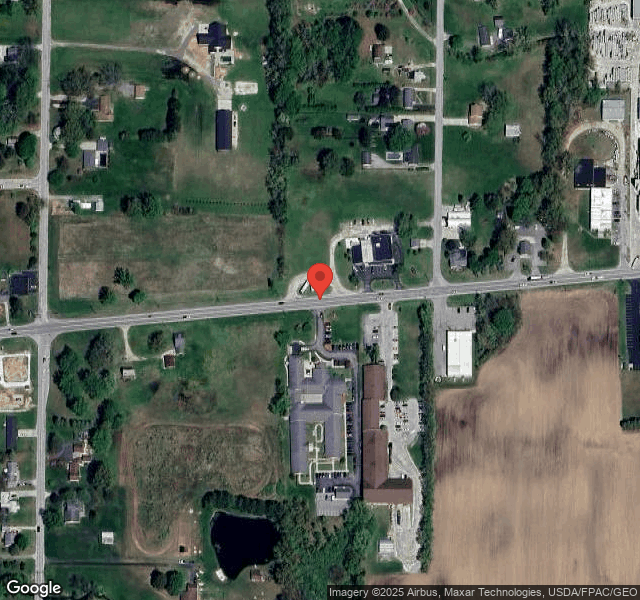
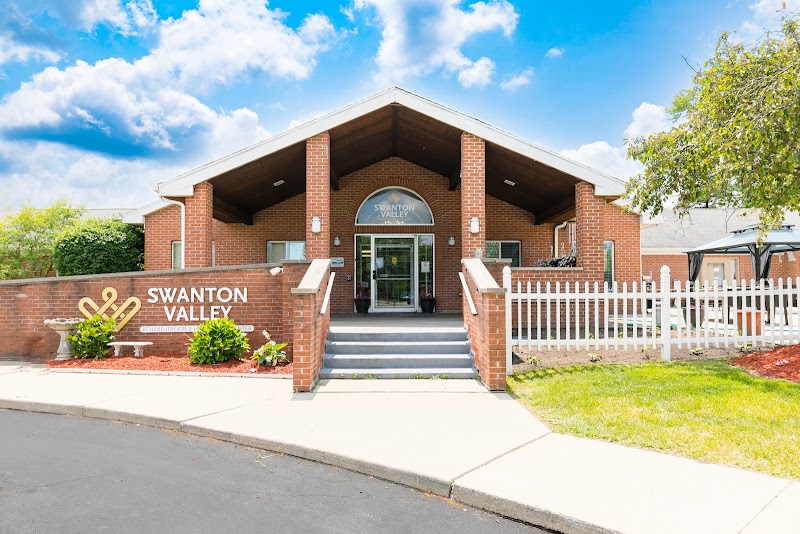
401 W AIRPORT HWY, SWANTON, OH 43558 (419) 825-1111
For profit - Limited Liability company 92 Beds CROWN HEALTHCARE GROUP Data: November 2025 1 Immediate Jeopardy citation
Trust Grade
38/100
#791 of 913 in OH
Last Inspection: December 2024

Within standard 12-15 month inspection cycle. Federal law requires annual inspections.

Overview

Swanton Valley Rehabilitation and Healthcare Center has received a Trust Grade of F, indicating significant concerns about the quality of care provided. Ranking #791 out of 913 facilities in Ohio places it in the bottom half statewide, and as the lowest-ranked facility in Fulton County, it has no local competition that performs better. While the facility is improving, going from 19 issues in 2024 to 1 in 2025, there are still critical concerns, including a serious incident where a resident was allowed to use a vape pen while on oxygen, posing a fire risk. Staffing is somewhat stable with a 42% turnover rate, which is better than the Ohio average, but the facility has not consistently maintained the required presence of registered nurses, as documented in several findings. Although there have been no fines, the overall quality ratings for health inspections and staffing remain below average, highlighting the need for families to carefully consider these factors when researching this nursing home.

Trust Score
F
38/100
In Ohio
#791/913
Bottom 14%
Safety Record
High Risk
Review needed
Inspections
Getting Better
19 → 1 violations
Staff Stability
○ Average
42% turnover. Near Ohio's 48% average. Typical for the industry.
Penalties
✓ Good
No fines on record. Clean compliance history, better than most Ohio facilities.
Skilled Nurses
⚠ Watch
Each resident gets only 27 minutes of Registered Nurse (RN) attention daily — below average for Ohio. Fewer RN minutes means fewer trained eyes watching for problems.
Violations
⚠ Watch
39 deficiencies on record. Higher than average. Multiple issues found across inspections.
★★☆☆☆
2.0
Overall Rating
★★☆☆☆
2.0
Staff Levels
★★★☆☆
3.0
Care Quality
★★☆☆☆
2.0
Inspection Score
Stable
2024: 19 issues
2025: 1 issues

The Good

  • Full Sprinkler Coverage · Fire safety systems throughout facility
  • No fines on record
  • Staff turnover below average (42%)

    6 points below Ohio average of 48%

Facility shows strength in fire safety.

The Bad

2-Star Overall Rating

Below Ohio average (3.2)

Below average - review inspection findings carefully

Staff Turnover: 42%

Near Ohio avg (46%)

Typical for the industry

Chain: CROWN HEALTHCARE GROUP

Part of a multi-facility chain

Ask about local staffing decisions and management

The Ugly 39 deficiencies on record

1 life-threatening
Jun 2025 1 deficiency 1 IJ
CRITICAL (J) 📢 Someone Reported This

A family member, employee, or ombudsman was alarmed enough to file a formal complaint

Immediate Jeopardy (IJ) - the most serious Medicare violation

Accident Prevention (Tag F0689)

Someone could have died · This affected 1 resident

Based on review of the medical record, observation, resident interview, staff interview, review of the facility policy, review of documentation on the National Institute of Health (NIH) website, and r...

Read full inspector narrative →
Based on review of the medical record, observation, resident interview, staff interview, review of the facility policy, review of documentation on the National Institute of Health (NIH) website, and review of Public Safety Network guidance, the facility failed to ensure the residents environment remained as free from accident hazards as possible when one resident (#11) continued to use vape pens (an electronic device that uses a battery to heat up a special liquid into an aerosol that users inhale) in the presence of oxygen. This resulted in Immediate Jeopardy and the potential for serious physical harm and/or injuries, when Resident #11 was allowed to keep her vape pen in her room and was known to use it while wearing her oxygen, which increased the risk of potentially causing the oxygen gas to ignite from the heat of the vape pen. This affected one (Resident #11) of three residents reviewed for using vape pens. Additionally, facility staff failed to follow the facility's policy for residents to return their vape pens to staff when not in use, and not to vape unless in the designated smoking area. This affected two (#11 and #12) of three residents reviewed for use of vape pens. The facility census was 83. On 06/05/25 at 3:05 P.M., the Administrator, the Director of Nursing (DON) and Chief Nursing Officer #400 were notified Immediate Jeopardy began on 04/21/25 when Registered Nurse (RN) #201 observed and documented Resident #11 using her vape pen in her room while wearing her oxygen. The facility did not provide additional supervision and/or monitoring to ensure Resident #11 followed the facility policy not to use the vape pen inside the facility while wearing oxygen. On 06/05/25 at 8:14 A.M., Resident #11 was observed in her room with the vape pen stored in a container on her overbed table. At the time of the observation, Resident #11 stated she uses her vape pen in her room while wearing her oxygen. The Immediate Jeopardy was removed on 06/06/25, when the facility implemented the following corrective actions: • On 06/05/25 at 9:30 A.M., Resident #11 had all electronic smoking devices removed by the Director of Environmental Services (#305). • On 06/05/25 at 4:23 P.M., the staff nurse completed a head-to-toe assessment on Resident #11 with no negative effects due to the resident vaping in the room while using oxygen. • On 06/05/25 at 4:45 P.M., Resident #11 was presented with an immediate discharge by the Administrator. The resident was accepted for admission to another skilled nursing facility in the same city. • By 06/06/25, the Administrator or designee will reassess residents who smoke and/or use electronic smoking devices for safety and/or needed supervision during smoking. • By 06/06/25, the Administrator or designee will audit all residents who smoke and/or use electronic smoking devices to ensure smoking materials are retained and distributed by the facility staff to the residents during the designated smoking times and/or when independent resident chooses to smoke. • By 06/06/25, the Administrator or designee will audit all residents who smoke and/or use electronic smoking devices to ensure they do not smoke or vape while using oxygen or in areas where oxygen is present. • By 06/06/25, the Administrator or designee will retrain all staff in all departments on the facility smoking policy and that smoking and/or vaping are prohibited while using oxygen or in areas where oxygen is present. • By 06/06/25, the Administrator or designee will retrain all residents who smoke and/or use electronic smoking devices on the smoking policy and have them all sign the policy. Residents will be retrained that smoking and/or vaping are prohibited while using oxygen or in areas where oxygen is present. • On 06/06/25 at 12:55 P.M., the facility initiated one-on-one monitoring of Resident #11 until she can be discharged . • Beginning 06/06/25 and continuing weekly for four weeks, the Administrator or designee will audit four residents who smoke and/or use electronic smoking devices to ensure smoking materials are retained and distributed by the facility staff to the residents during the designated smoking times and/or when independent resident chooses to smoke and to ensure they do not smoke or vape while using oxygen or in areas where oxygen is present. The audits will be submitted to the Quality Assurance (QA) committee for tracking, trending and recommendations. Although the Immediate Jeopardy was removed on 06/06/25, the facility remains out of compliance at a Severity Level 2 (no actual harm with potential for more than minimal harm that is not Immediate Jeopardy) as the facility is still in the process of implementing their corrective action plan and monitoring to ensure on-going compliance. Findings include: 1) Review of the medical record for Resident #11 revealed an admission date of 01/25/23. Diagnoses included heart disease, chronic obstructive pulmonary disease, chronic respiratory failure with hypoxia, and tobacco use. Review of the quarterly Minimum Data Set (MDS) assessment, dated 05/12/25, revealed Resident #11 had intact cognition. Review of the care plan initiated 01/25/23, and revised on 02/05/24, revealed Resident #11 was a smoker and was non complaint with the smoking policy. Interventions included informing the resident, or responsible party, if applicable, regarding the center's smoking rules, designated smoking areas, and storage of smoking materials. An additional intervention was to keep oxygen away from smoking materials and to ensure removal prior to the resident smoking. Review of the physician order initiated 04/11/24 and discontinued 02/21/25 revealed Resident #11 received oxygen at 4 liters via nasal cannula (NC) continuously. Review of a progress note dated 08/05/24 revealed the Administrator, the DON, [NAME] Unit Manager #310, and Social Services Director (SSD) #307 met with Resident #11 and her husband for a care conference. Further review revealed Resident #11 had been found vaping in her room on more than one occasion recently and had been asked to stop. Resident #11 had signed the smoking policy and was aware of the smoking guidelines. The Administrator went over the smoking policy one more time and alerted Resident #11 and her spouse to not bring anymore vape pens into the facility. Resident #11 stated her understanding but stated she was probably not going to do what she was asked. The Administrator notified Resident #11 if she was noncompliant again, they would need to discuss finding a more appropriate facility. Resident #11 and her spouse voiced understanding. Review of the current physician order dated 02/26/25 revealed Resident #11 received oxygen at 4 liters via NC continuously. Review of a nursing progress note dated 04/21/25 at 7:42 P.M., written by RN #201, revealed Resident #11 was observed smoking a vape pen in her bedroom while her husband was present. Resident #11 had been told by multiple staff members about not smoking in the room. Review of the Smoking Evaluation, completed 04/25/25, revealed Resident #11 was able to smoke independently. Observation and interview on 06/05/25 at 8:14 A.M. revealed Resident #11 sitting in her wheelchair with oxygen via NC running at 3.5 liters per minute. Resident #11 stated she vaped in her room and when she vaped, she did not remove her oxygen. Resident #11 stated she was aware she violated the facility policy when doing so. Resident #11 asked the surveyor not to say anything to the facility. Observation and interview on 06/05/25 at 9:02 A.M. with Resident #11 revealed the vape pen was in a plastic tote container on her overbed table directly within reach. Resident #11 again asked the surveyor not to say anything because Resident #11 stated she would Get in trouble. Interview on 06/05/25 at 9:09 A.M. with Certified Nursing Assistant (CNA) #102 revealed she was aware Resident #11 kept a vape pen in her room. CNA #102 stated she never observed Resident #11 smoking the vape pen. CNA #102 stated she was aware staff removed the vape pen from Resident #11's room and Resident #11's husband would bring another one in for her. Telephone interview on 06/05/25 at 9:45 A.M. with RN #201 confirmed she wrote the progress note dated 04/21/25 regarding Resident #11 vaping in her room. RN #201 confirmed Resident #11 was wearing oxygen at the time of the observation. RN #201 stated she removed the vape pen from the room and placed it with the other locked smoking items. RN #201 stated Resident #11's husband would bring another vape pen when he visited and leave it with Resident #11. RN #201 stated she observed Resident #11 smoking her vape pen in her room with oxygen running on more than one occasion. Interview on 06/05/25 at 10:57 A.M. with Licensed Practical Nurse (LPN) #202 confirmed she observed Resident #11 smoking her vape pen in her room while receiving oxygen via NC sometime in September 2024. Interview on 06/05/25 at 11:15 A.M. with the Administrator confirmed residents were not allowed to keep vape pens in their rooms. Observation on 06/05/25 at 11:27 A.M. revealed a No Smoking sign on Resident #11's doorframe visible from the hallway. Telephone interview on 06/05/25 at 12:16 P.M. with Resident #11's husband revealed the facility had not taken Resident #11's vape pen away in a while and further confirmed he would bring her vape pens. Further, Resident #11's husband was aware Resident #11 was supposed to turn in her vape pen and was not turning it in to nursing staff. Interview on 06/05/25 at 3:23 P.M. with Director of Environmental Services (DES) #305 revealed she conducted Concierge Rounds daily with Resident #11 for approximately the last four weeks. DES #305 stated she visited Resident #11 to check on her and assist Resident #11 with any concerns. DES #305 confirmed Resident #11 had a vape pen on her bedside table every day. DES #305 stated she educated Resident #11 regarding the facility's policy regarding vape pens being kept in the medication room. DES #305 further stated Resident #11 refused to give her vape pen to DES #305. Review of facility policy titled Smoking Policy, revised 09/2022, revealed resident smoking materials will be retained and distributed by the facility staff to the residents during the designated smoking times and/or when independent resident chooses to smoke. Further review revealed electronic smoking devices and vapor products are to be considered the same as smoking. Review of an article posted on the National Institutes of Health (NIH) website, pmc.ncbi.nlm.nih.gov/articles/PMC4390016/, titled E-cigarette Use In Patients Receiving Home Oxygen Therapy, published in 2015, under the heading of Hazards of E-cigarettes in Current Smokers: The basic components of most disposable or rechargeable e-cigarettes include a cartridge containing a liquid solution of propylene glycol (with or without nicotine), a battery and a heating element. This latter component reaches high temperature and aerosolizes the e-liquid to be inhaled. Consequently, it can conceivably ignite in the presence of oxygen. According to Public Safety Network (Agency for Healthcare Quality and Research), the use of any ignition source in the presence of oxygen is potentially hazardous. This issue was addressed specifically by the British Compressed Gases Association, which stated, electronic cigarettes are a potential ignition source and, in the context of oxygen-rich environments, have the same fire risks as traditional cigarettes. This opinion was supported by the Electronic Cigarettes Industry Trade Association, which agreed that in the context of oxygen use, it would be appropriate to describe electronic cigarette use as similarly hazardous to smoking. 2) Review of the medical record for Resident #12 revealed an admission date of 01/15/25. Diagnoses included multiple sclerosis, stroke, and anxiety. Review of the quarterly MDS assessment, dated 04/20/25, revealed Resident #12 had intact cognition. Review of the current care plan initiated 01/15/25, and revised on 03/04/25, revealed Resident #12 was resistant to care and non-complaint with smoking policy. The care plan revealed Resident #12 was a supervised smoker. Interventions included following and verbalized understanding regarding the facility rules for designated smoking areas and smoking material. Review of a nurse's progress note dated 03/02/25 revealed Resident #12 was found with a vape pen in her room. The nurse told Resident #12 if she wished to use the vape pen, she needed to go outside. Resident #12 told the nurse she would put the vape pen in her pocket. Review of the nursing progress notes dated 03/03/25 revealed SSD #307 and a CNA went to Resident #12's room to speak with the resident regarding vaping in her room. Resident #12 admitted to vaping in her room. SSD #307 explained vaping in the room was against the facility smoking policy. Resident #12 was pleasant, stated she understood, and handed over her vape pen to SSD #307. SSD #307 gave the vape pen to the DON to keep until Resident #12 discharged to home. Review of the Smoking Evaluation, dated 06/05/25, revealed Resident #12 was able to smoke independently. Observation on 06/05/25 at 8:41 A.M. revealed Resident #12 was lying in bed. A rechargeable vape pen was observed on her overbed table within reach. During a concurrent interview Resident #12 stated she did not smoke, but did use a vape pen. Resident #12 confirmed her vape pen was on her overbed table. Resident #12 stated she never smoked inside the facility and always went outside to use her vape pen. Resident #12 was aware she was not supposed to smoke in her room. Interview on 06/05/25 at 10:09 A.M. with CNA #103 confirmed she saw a vape pen on Resident #12's overbed table. CNA #103 stated she did not remove the pen but reported it to the night shift nurse and a Unit Manager. Interview on 06/05/25 at approximately 11:21 A.M. with Resident #12 revealed she was not aware she was supposed to return her vape pen to nursing staff after she came back into the facility after using it. Interview on 06/05/25 at 2:01 P.M. with the Dietary Manager and Housekeeping and Laundry Supervisor (DMHLS) #308 revealed she was assigned to Resident #12 to provide daily Concierge Rounds. DMHLS #308 stated she observed the vape pen on Resident #12's overbed table while doing rounds on 06/05/25 at approximately 9:15 A.M. DMHLS #308 stated she educated Resident #12 to return the vape pen to staff when she finished using it. DMHLS #308 stated 06/05/25 was the first time she observed a vape pen in Resident #12's room. This deficiency represents non-compliance investigated under Complaint Number OH00166252.
Dec 2024 7 deficiencies
CONCERN (D)

Potential for Harm - no one hurt, but risky conditions existed

Resident Rights (Tag F0550)

Could have caused harm · This affected 1 resident

Based on observation, staff interview and review of the facility policy, the facility failed to ensure residents received a dignified assisted dining experience. This affected one (#30) of three resid...

Read full inspector narrative →
Based on observation, staff interview and review of the facility policy, the facility failed to ensure residents received a dignified assisted dining experience. This affected one (#30) of three residents observed for staff assistance with eating. The facility identified 12 additional residents (#4, #6, #21, #35, #37, #39, #42, #45, #49, #50, #58, and #64) who required staff assistance with eating. The facility census was 76. Findings include: Review of the medical record for Resident #30 revealed an admission date of 02/07/24 with diagnoses of heart failure, dementia and lack of coordination. Review of the quarterly Minimum Data Set (MDS) assessment, dated 11/13/24, revealed Resident #30 had severely impaired cognition. Further review revealed Resident #30 required partial/moderate staff assistance with eating. Review of the current care plan revealed Resident #30 had an activities of daily life (ADL) self-care performance deficit. Interventions included one person assistance with eating. Observation on 12/02/24 at 12:11 P.M. during meal service in the main dining room revealed Certified Nursing Assistant (CNA) #587 assisting Resident #30 with eating. CNA #587 stood next to Resident #30's wheelchair while offering her bites of chili and vegetables. Interview on 12/02/24 at 12:13 P.M. with CNA #587 confirmed she was standing while assisting Resident #30 with eating. CNA #587 stated she was aware staff should sit and be at eye level when providing meal assistance. CNA #587 stated she had been previously helping another resident and, therefore, was not sitting while assisting #30. Interview on 12/04/24 at 5:20 P.M. with the Director of Nursing (DON) confirmed staff should be seated at eye level with residents while providing assistance with eating. Review of the facility policy titled Assistance with Meals, dated September 2021, revealed residents who cannot feed themselves will be fed with attention to safety, comfort and dignity.
CONCERN (D)

Potential for Harm - no one hurt, but risky conditions existed

Deficiency F0688 (Tag F0688)

Could have caused harm · This affected 1 resident

Based on observation, resident interview, staff interview and review of the medical record, the facility failed to ensure range of motion (ROM) exercises were provided to prevent further decline. This...

Read full inspector narrative →
Based on observation, resident interview, staff interview and review of the medical record, the facility failed to ensure range of motion (ROM) exercises were provided to prevent further decline. This affected one (#46) of two residents reviewed for ROM. The facility census was 76. Findings include: Review of Resident #46's medical record revealed an admission date of 03/28/22. Diagnoses included cerebrovascular disease, cerebrovascular infarction (stroke) affecting left side resulting in hemiplegia and hemiparesis, osteoarthritis, chronic obstructive pulmonary disease (COPD), type II diabetes mellitus, dysphagia, mood disorder, major depressive disorder, neuropathy, anxiety disorder, hypertension and chronic kidney disease. Review of the Minimum Data Set (MDS) assessment, dated 10/06/24, revealed Resident #46 had moderately impaired cognition, had no refusals of treatment, had ROM impairment to one side upper and lower extremity and required substantial to maximal assistance with activities of daily living (ADLs). Review of the plan of care, revised 04/07/22, revealed Resident #46 had impaired neurological status related to cerebral vascular accident (stroke), hemiplegia (left side) and neuropathy. Interventions included the following: assist with normal daily tasks as needed, provide support to weakened left side and physical therapy (PT)/occupational therapy(OT)/speech therapy(ST) evaluation and treat as needed. Review of an OT evaluation and plan of treatment documentation revealed Resident #46 was to receive OT services between 09/04/24 and 10/03/24. Resident #46 was referred to OT skilled services by nursing staff due to increased joint tightness and stiffness at the affected left upper extremity. Caregiver goals included providing stretching to the affected left upper extremity and accept provided education. Observation on 12/02/24 at 8:50 A.M. revealed Resident #46 in bed with the left upper and lower extremities immobile. Resident #46's left hand was in a closed fist. Concurrent interview with Resident #46 revealed he was discharged from therapy and was utilizing a hand/wrist splint with exercises while in therapy. Resident #46 further stated since discharge from therapy, staff did not apply the splint or assist with exercises to the left upper and lower extremities. Interview on 12/03/24 at 8:39 A.M. with Certified Nurse Assistant (CNA) #595 revealed Resident #46 did not have a hand/wrist splint in use and no exercises were provided to the resident's left upper or lower extremities. Interview on 12/03/24 at 9:40 A.M. with Therapy Director (TD) #610 confirmed Resident #46 was discharged from therapy and was to have bedside exercises provided to his left upper and lower extremities. TD #610 stated no splint was ordered due to the resident reporting pain during application. A follow-up interview on 12/03/24 at 11:48 A.M. with TD #610, during a review of OT functional maintenance program documentation, revealed on 11/15/24, CNA #595 was informed exercises were to be administered each day to Resident #46's upper and lower extremities. TD#610 confirmed no additional staff were informed of the maintenance program exercises. A follow-up interview on 12/03/24 at 11:55 A.M. with CNA #595 verified Resident #46 exercises were not provided daily and CNA #595 further stated she was not aware of the specific exercise regimen or functional maintenance program recommenced by therapy. Interview on 12/04/24 at 8:30 A.M. with the Director of Nursing (DON), during a review of Resident #46's medical record, verified there was no documentation contained in the record referring to the OT maintenance program or that ROM exercised were provided to Resident #46.
CONCERN (D)

Potential for Harm - no one hurt, but risky conditions existed

Respiratory Care (Tag F0695)

Could have caused harm · This affected 1 resident

Based on observation, resident interview, staff interview and review of facility policy, the facility failed to ensure oxygen was administered per physician orders. This affected three (#34, #57 and #...

Read full inspector narrative →
Based on observation, resident interview, staff interview and review of facility policy, the facility failed to ensure oxygen was administered per physician orders. This affected three (#34, #57 and #5) of three residents reviewed for oxygen administration. The facility identified 10 residents who received oxygen therapy. The facility census was 76. Findings include: 1. Review of the medical record for Resident #34 revealed an admission date of 04/23/24 with diagnoses of chronic obstructive pulmonary disease (COPD), asthma and chronic respiratory failure. Review of the current physician orders revealed Resident #34 was ordered oxygen at fours liter per minute (lpm) via nasal cannula (NC). Review of the quarterly Minimum Data Set (MDS) assessment, dated 10/28/24, revealed Resident #34 had mild cognitive impairment. Review of the current care plan revealed Resident #34 had impaired respiratory status. Interventions included oxygen per physician orders. Observation on 12/02/24 at 9:16 A.M. of Resident #34 revealed her oxygen was applied and the oxygen concentrator was set at three lpm. Interview on 12/02/24 at 9:26 AM with Licensed Practical Nurse (LPN) #598 verified Resident #34's oxygen concentrator was set between two and three lpm and further confirmed the current physician's order was for oxygen at four lpm. 2. Review of the medical record for Resident #57 revealed an admission date of 01/25/23 with diagnoses of COPD and chronic respiratory failure. Review of the current physician orders revealed Resident #57 was ordered oxygen at four lpm via NC. Review of the annual MDS assessment, dated 09/02/24, revealed Resident #57 was cognitively intact. Review of the current care plan revealed Resident #57 had impaired respiratory status. Interventions included oxygen as ordered by the physician. Observation on 12/02/24 at 8:42 A.M. of Resident #57 revealed her oxygen was applied and the oxygen concentrator was set at two lpm. Concurrent interview with Resident #57 revealed the oxygen concentrator was to be set at four lpm. Interview on 12/02/24 at 9:24 A.M. with LPN #598 verified Resident #57's oxygen concentrator was set at two lpm and further confirmed the physician's order was for oxygen to be set at four lpm. 3. Review of the medical record for Resident #5 revealed an admission date of 09/10/22 and a readmission date of 01/24/23. Diagnoses included COPD, congestive heart failure and dementia. Review of the annual comprehensive MDS assessment, dated 10/16/24, revealed Resident #5 had impaired cognition. Review of the physician's order dated 10/15/24 revealed Resident #5 received oxygen at three lpm via NC. Review of the current care plan for Resident #5 revealed she had impaired respiratory status related to COPD. Interventions included providing oxygen as ordered by the physician. Observation on 12/02/24 at 8:33 A.M. revealed Resident #5 lying in bed with oxygen applied and the oxygen concentrator was set at four lpm. Interview on 12/02/24 at 9:24 A.M. with LPN/Unit Manager (UM) #607 confirmed Resident #5's oxygen was running at four lpm. Further interview and concurrent review of the electronic medical record confirmed Resident #5's physician order for oxygen was three lpm. Review of the facility policy titled Oxygen Administration, dated September 2021, revealed oxygen therapy was the administration of oxygen at concentrations greater than room air with the intent of treating or preventing the symptoms and manifestations of hypoxia (low levels of oxygen in body tissues). The initial need is determined by documented hypoxemia or a physician order.
CONCERN (D)

Potential for Harm - no one hurt, but risky conditions existed

Dental Services (Tag F0791)

Could have caused harm · This affected 1 resident

**NOTE- TERMS IN BRACKETS HAVE BEEN EDITED TO PROTECT CONFIDENTIALITY** Based on observation, medical record review, resident interview, staff interview and review of facility policy, the facility fai...

Read full inspector narrative →
**NOTE- TERMS IN BRACKETS HAVE BEEN EDITED TO PROTECT CONFIDENTIALITY** Based on observation, medical record review, resident interview, staff interview and review of facility policy, the facility failed to ensure residents received routine dental services. This affected one (#40) of three residents reviewed for dental services. The facility census was 76. Findings include: Review of Resident #40's medical record revealed an admission date of 02/01/23. Diagnoses included dementia with psychotic disturbance, protein calorie malnutrition, muscle weakness, restlessness and agitation and anxiety disorder. Review of the Minimum Data Set (MDS) assessment, dated 10/25/24, revealed Resident #40 had a Brief Interview for Mental Status (BIMS) score of five, indicating the resident was severely cognitively impaired. Resident #40 required supervision with eating, and moderate assistance with oral hygiene. Resident #40 required a mechanically altered diet and had no broken or loosely fitting dentures, no mouth or facial pain and had no discomfort or difficulty with chewing at the time of the review. Review of the care plan, revised 10/01/24, revealed Resident #40 had dental problems related to poor nutrition and poor oral hygiene. Interventions included to complete oral hygiene at least daily, notify physician of any changes, medication and treatment as ordered and refer for dental services. Review of the Consent and Authorization to Treat for Ancillary Services, signed 02/08/23, revealed Resident #40's representative authorized dental services to be provided/arranged by the facility. Further review of Resident #40's medical record revealed no evidence Resident #40 was seen by the dentist. Observation on 12/02/24 at 8:48 A.M. of Resident #40 revealed she had one bottom tooth and the remaining upper teeth were brown, broken or missing. Coinciding interview with Resident #40 revealed the resident was alert and oriented. Resident #40 reported staff assisted with oral care but she was unsure of when she last saw a dentist. Resident #40 reported she did not think she had seen a dentist since her admission to the facility. Interview on 12/03/24 at 10:49 A.M. with the Administrator verified Resident #40 had not been seen by the dentist since she was admitted to the facility on [DATE]. The dentist came to the facility every three months and Resident #40 would be on the list for the next visit. The Administrator reported the dentist was there on 10/24/24 and would be back during the third week of January. Review of the facility policy titled, Availability of Services, Dental, revised August 2007, revealed dental services were available to all residents requiring routine and emergency dental care. Social Services was responsible for making necessary dental appointments.
CONCERN (D)

Potential for Harm - no one hurt, but risky conditions existed

Deficiency F0810 (Tag F0810)

Could have caused harm · This affected 1 resident

**NOTE- TERMS IN BRACKETS HAVE BEEN EDITED TO PROTECT CONFIDENTIALITY** Based on observation, medical record review, resident interview, staff interview and review of facility policy, the facility fai...

Read full inspector narrative →
**NOTE- TERMS IN BRACKETS HAVE BEEN EDITED TO PROTECT CONFIDENTIALITY** Based on observation, medical record review, resident interview, staff interview and review of facility policy, the facility failed to ensure adaptive equipment to support resident's independence was provided during meals. This affected one (#40) of six residents reviewed for dining. The facility census was 76. Findings include: Review of Resident #40's medical record revealed an admission date of 02/01/23. Diagnoses included dementia with psychotic disturbance, protein calorie malnutrition, muscle weakness, restlessness and agitation and anxiety disorder. Review of the Minimum Data Set (MDS) assessment, dated 10/25/24, revealed Resident #40 had a Brief Interview for Mental Status (BIMS) score of five, indicating Resident #40 was severely cognitively impaired. Resident #40 required supervision with eating and had no discomfort or difficulty with chewing at the time of the review. Review of the care plan, initiated 12/09/22, revealed Resident #40 was at risk for altered nutritional status related to dementia, depression and malnutrition. Interventions included encourage/provide intake of fluids throughout the day. Review of Resident #40's physician orders revealed an order dated 06/22/24 for a regular diet, mechanical soft texture, regular thin consistency, straws with liquids and fortified foods. Observation on 12/02/24 at 11:35 A.M. of the lunch meal service revealed Resident #40 sitting in the secured unit dining room. Resident #40 was provided a purple drink in a regular cup , with no straw, by Activity Aid (AA) #505. Observation on 12/02/24 at 11:41 A.M. revealed Resident #40 continued to sit at the table in the dining room with her drink in front of her. Resident #40's hands were observed to be tremoring slightly. The two other residents at the table were drinking independently from their cups. Continuous observation revealed at 11:49 A.M., Certified Nursing Assistant (CNA) #546 prompted AA #505 to get Resident #40 a lidded cup with a straw ([NAME] Cup) for her beverage. Coinciding interview with AA #505 revealed she did not help on the secured unit very often and was unaware Resident #40 required a special cup for her beverages and verified she provided Resident #40 with a regular cup. Continued observation on 12/02/24 at 11:55 A.M. of the lunch meal service revealed CNA #546 asked Resident #40 if she wanted her drink in a Kennedy cup and the resident responded yes. CNA #546 poured Resident #40's drink into the lidded cup with a straw and placed it in front of Resident #40. Interview on 12/02/24 at 11:58 A.M. with Resident #40 revealed the resident was alert and aware. Resident #40 reported she was able to drink out of a regular cup but it was very hard for her. The lidded cup with the straw and handle helped her to drink independently and not spill it on herself. Resident #40 stated she wanted to drink the beverage she had been provided but needed the special cup so she did not make a mess and get it all over. Observation on 12/03/24 at 12:10 P.M. of the lunch meal service revealed Resident #40 sitting at a dining table in the secured unit dining room. Resident #40 was provided ice tea, with no straw or Kennedy cup, by AA #502. Resident #40 was observed using two hand to raise her regular cup to her mouth. Resident #40's hands were observed to be shaking while she drank. Resident #40 put the cup down, placed her head in her hands, appeared frustrated and pushed the cup away from her. Interview on 12/03/24 at 12:17 P.M. with CNA #546 verified Resident #40 required the use of a straw or a Kennedy cup for all of her drinks and she had not been provided one with her lunch meal. Review of the facility policy titled, Assistance with Meals, revised September 2021 revealed adaptive devices would be provided for residents who needed or requested them. These may include devices such as silverware with enlarged handles, plate guards, and or specialized cups.
CONCERN (E)

Potential for Harm - no one hurt, but risky conditions existed

Safe Environment (Tag F0584)

Could have caused harm · This affected multiple residents

**NOTE- TERMS IN BRACKETS HAVE BEEN EDITED TO PROTECT CONFIDENTIALITY** Based on observation, resident interview, staff interview and review of facility policy, the facility failed to ensure room temp...

Read full inspector narrative →
**NOTE- TERMS IN BRACKETS HAVE BEEN EDITED TO PROTECT CONFIDENTIALITY** Based on observation, resident interview, staff interview and review of facility policy, the facility failed to ensure room temperatures were comfortable for the residents. This affected four residents (#57, #19, #34 and #71) of four residents reviewed for comfortable room temperatures. The facility census was 76. Findings include: 1. Review of the medical record for Resident #57 revealed she was admitted on [DATE] with a diagnosis of chronic obstructive pulmonary disease (COPD). Review of the annual Minimum Data Set (MDS) assessment, dated 09/02/24, revealed Resident #57 was cognitively intact. Observation on 12/02/24 at 8:35 A.M. revealed Resident #57 was sitting in a wheelchair in her room. The resident was wearing long sweatpants and a sweatshirt and had a blanket covering her. Concurrent interview with Resident # 57 revealed the she was cold. 2. Review of the medical record for Resident #19 revealed an admission date of 05/05/24 with diagnoses of COPD and diabetes mellitus. Review of the quarterly MDS assessment, dated 11/08/24, revealed Resident #19 was cognitively intact. Observation on 12/02/24 at 11:28 A.M. revealed Resident #19 was wrapped in blankets in his room. Coinciding interview with Resident #19 revealed the resident complained of his room being cold. 3. Review of the medical record for Resident #34 revealed an admission date of 04/23/24 with diagnoses of COPD, asthma and chronic respiratory failure. Review of the quarterly MDS assessment, dated 10/28/24, revealed Resident #34 had mild cognitive impairment. Observation on 12/02/24 at 9:30 A.M. revealed Resident #34 curled in the fetal position in her bed, bundled under blankets pulled up to her chin. Concurrent interview with Resident #34 revealed she complained of her room being cold. 4. Review of the medical record for Resident #71 revealed an admission date of 05/03/24 with diagnoses of multiple sclerosis and dementia. Review of the quarterly MDS assessment, dated 11/07/24, revealed Resident #71 had mild cognitive impairment. Observation on 12/03/24 at 9:15 A.M. revealed Resident #71 was in her room, dressed in long pants, a long sleeve shirt and a sweatshirt. Concurrent interview with Resident #71 revealed she complained of her room being cool. Interview on 12/02/24 at 2:03 P.M. with Maintenance Director (MD) #535 revealed the facility heat was not turned on yet. DM #535 further state it's warm enough compared to outside. Observation on 12/02/24 at 2:15 P.M. with MD #535 of room temperatures revealed Resident #19's room was 70.1 degrees Fahrenheit (F), Resident #34's room temperature was 70.3 degrees F, Resident #57's room temperature was 70.5 degrees F and Resident #71's room temperature was 69.2 degrees F. Coinciding interview with MD #535 verified Resident #19, Resident #34, Resident #57 and Resident #71's room temperatures were below 71 degrees F. Review of the facility policy titled Facility Temperature Policy, dated September 2021, revealed the facility was to provide comfortable and safe temperatures for the residents in the facility. Heating, ventilation, and air conditioning systems should be capable of maintaining an acceptable temperature range of 71-81 degrees Fahrenheit throughout resident areas.
CONCERN (F)

Potential for Harm - no one hurt, but risky conditions existed

Food Safety (Tag F0812)

Could have caused harm · This affected most or all residents

Based on observation and staff interview the facility failed to ensure dishes were cleaned and properly stored. This had the potential to affect 75 residents who received food from the kitchen. The fa...

Read full inspector narrative →
Based on observation and staff interview the facility failed to ensure dishes were cleaned and properly stored. This had the potential to affect 75 residents who received food from the kitchen. The facility identified one resident (#52) who received no food by mouth. The facility census was 76. Findings include: Observation on 12/02/24 at 8:12 A.M. of the kitchen revealed no designated storage area for clean cups, bowls, plates or trays. The clean clear bowls and adaptive equipment were stored on a rack in the dish room, cups were stored on the drink carts, trays were stored at the end of the steam table and opaque soup bowls were stored in racks under the steam oven. Observation on 12/03/24 at 9:58 A.M. of three coffee cups from 200 hall drink cart revealed a dried powdery residue coating on the inside of the cup. The residue could be easily removed by rubbing a finger across the coating. Coinciding interview with the Administrator verified the cups appeared unclean. Observation on 12/03/24 at 11:18 A.M. of the kitchenware storage rack in the dishwashing room revealed two plates and a bowl on the racks with food residue. In addition, the clear bowls were stacked wet with the bowl facing up. Coinciding interview with Corporate Dietary Manager (CDM) #610 verified the dishes had food debris and were stored improperly on the storage racks. CDM #610 confirmed the rack was for dishes that were to be washed and not clean dish storage. Observation on 12/03/24 at 11:43 A.M. of the meal delivery carts being prepared for lunch meal service revealed two clear bowls on the 400 hall serving cart with a brown substance on them and were unclean. Interview on 12/03/24 at 11:44 A.M. with CDM #610 verified the two clear bowls being used on the 400 hall food cart were unclean, removed them from the cart and replaced them with two clean clear bowls. Observation on 12/04/24 at 6:35 A.M. of the dish storage rack in the dishwashing room revealed the dishes appeared to be rewashed, were clean, were stacked properly but were stacked wet. Coinciding interview with Dietary Staff (DS) #511 verified the racks were for clean dishes, the dishes on the racks had been rewashed and were stacked wet.
Oct 2024 1 deficiency
CONCERN (D) 📢 Someone Reported This

A family member, employee, or ombudsman was alarmed enough to file a formal complaint

Potential for Harm - no one hurt, but risky conditions existed

Notification of Changes (Tag F0580)

Could have caused harm · This affected 1 resident

**NOTE- TERMS IN BRACKETS HAVE BEEN EDITED TO PROTECT CONFIDENTIALITY** Based on medical record review, staff interview, and review of the facility policy, the facility failed to notify the resident r...

Read full inspector narrative →
**NOTE- TERMS IN BRACKETS HAVE BEEN EDITED TO PROTECT CONFIDENTIALITY** Based on medical record review, staff interview, and review of the facility policy, the facility failed to notify the resident representative of changes of condition requiring as needed intramuscular injection for behavior. This affected one resident (#100) of one resident reviewed for notifications. The facility census was 82. Findings include: Review of the medical record for Resident #100 revealed he was admitted on [DATE] and discharged on 08/07/24. Resident #100 was admitted with diagnoses of Alzheimer's, dementia with behavioral disturbance, delirium, restlessness, and agitation. Review of the physician orders for 07/24 for Resident #100 revealed he was ordered geodon (used for agitation) 10 milligram (mg) intramuscular (IM) as needed (PRN), and Zyprexa (used for agitation) 10 mg IM PRN. Review of the Medication Administration Record (MAR) for 07/24 for Resident #100 revealed he was administered Zyprexa 10 mg IM on 07/04/24 at 5:35 P.M. for agitation and Geodon 10 mg IM on 07/22/24 at 8:59 P.M. and on 07/27/24 at 9:03 P.M. for agitation. Review of the nursing progress notes for Resident #100 revealed there was no documentation of notification to the resident's representative regarding PRN antipsychotic medication administration. Interview on 10/01/24 at 10:43 A.M. with the Director of Nursing (DON) verified the nursing progress notes for Resident #100 did not document notification that a PRN antipsychotic medication was ordered for administration. Further interview with the DON revealed it was the expectation for staff to contact family and notify of change in behavior and need for PRN medication. Interview on 10/01/24 at 12:09 P.M. with Licensed Practical Nurse (LPN) #372 stated the expectation of the nursing staff would be to contact family or guardian and notify them of the behaviors and the need for PRN antipsychotic medication. Interview on 10/01/24 at 1:30 P.M. with Clinical Nurse Practitioner (CNP) #371 stated the expectation would be to notify family of the need for PRN medication and change in behavior. CNP #371 further stated sometimes family is able to help redirect a resident. Review of the undated facility policy titled, Change in Resident's Condition or Status, revealed the facility will notify the resident, his or her attending physician, and the resident representative of changes in the resident's medical/mental condition and/or status. This deficiency represents non-compliance investigated under Complaint Number OH00157829.
Feb 2024 11 deficiencies
CONCERN (D)

Potential for Harm - no one hurt, but risky conditions existed

Deficiency F0582 (Tag F0582)

Could have caused harm · This affected 1 resident

Based on record review and staff interview, the facility failed to timely provide an Notice of Medicare Non-Coverage (NOMNC). This affected one (#188) of three residents reviewed for timely NOMNC's. T...

Read full inspector narrative →
Based on record review and staff interview, the facility failed to timely provide an Notice of Medicare Non-Coverage (NOMNC). This affected one (#188) of three residents reviewed for timely NOMNC's. The facility census was 84. Findings include: Review of the medical record for Resident #188 revealed an admission date of 03/16/23 and a readmission date of 12/12/23 and a discharge date of 01/04/24. Resident #188 discharged home with family. Review of the beneficiary notice worksheet provided by the facility during the annual survey revealed Resident #188 was discharged from skilled therapy services while using her Medicare Part A benefit on 01/03/24. Review of the notice provided to Resident #188 upon discontinuation of skilled services revealed the NOMNC notice was provided on 01/02/24. Interview on 02/08/24 at 8:01 A.M., with Director of Social Services #283 verified the NOMNC was not given to Resident #188, 48 hours before the end of coverage. DSS #283 stated the notice should have been given 48 hours before the end of coverage, but was not provided 48 hours ahead of time because 01/01/24 was a holiday.
CONCERN (D)

Potential for Harm - no one hurt, but risky conditions existed

Deficiency F0657 (Tag F0657)

Could have caused harm · This affected 1 resident

**NOTE- TERMS IN BRACKETS HAVE BEEN EDITED TO PROTECT CONFIDENTIALITY** Based on medical record review, staff interview, and resident interview, the facility failed to update resident care plans in a ...

Read full inspector narrative →
**NOTE- TERMS IN BRACKETS HAVE BEEN EDITED TO PROTECT CONFIDENTIALITY** Based on medical record review, staff interview, and resident interview, the facility failed to update resident care plans in a timely manner to reflect the resident's current needs. This affected two (#14 and #44) of 21 residents reviewed for accuracy of the care plan. This had the ability to affect all residents. The facility census was 84. Findings included: 1. Review of Resident #44's medical record revealed an admission date of 08/22/23. Diagnoses included Alzheimer's, diabetes mellitus, chronic kidney disease, sciatica, and transient ischemia accident (TIA). Review of Resident #44's quarterly Minimum Data Set (MDS) dated [DATE] revealed the resident had no broken or loose-fitting teeth. Review of Resident #44's most recent care plan revealed she was at risk for a dental problem related to age. The plan was silent to being edematous and only having top dentures. Review of Resident #44's dietary notes dated 08/22/23 through 02/01/24 the dietician failed to refer to the fact that the resident was edematous. Interview on 02/06/24 at 2:43 P.M., with Resident #44 revealed she was edematous, but did wear upper dentures. The resident did not own bottom dentures. Interview on 02/07/24 at 4:28 P.M., with MDS Coordinator #331 verified that Resident #44's care plan was inaccurate and failed to address her dental issues. 2. Review of the medical record for Resident #62 revealed an admission date of 09/29/22, with diagnoses of right femur fracture (10/09/23) and left femur fracture (11/08/23). Review of the quarterly MDS assessment dated [DATE] revealed Resident #62 had impaired cognition and ambulated with a wheelchair. Resident #62 required substantial/maximal assistance when transferring from sitting to standing and from the chair to bed and to the toilet. Ambulation was not attempted due to medical condition or safety concerns. Review of the current care plan for Resident #62 revealed the resident had an activities of daily life (ADL) self-care performance deficit due to a right femur fracture. Interventions included two-person assistance for transfers and toileting. Review of the physical therapy progress report dated 01/10/24 revealed Resident #62 required partial/moderate assistance for sitting to standing. Observation on 02/07/24 at approximately 8:15 A.M., revealed Resident #62 in the dining room. Resident #62 stated he needed to use the restroom. Continued observation revealed State Tested Nurse Aide (STNA) #298 assisting Resident #62 into his room. Interview on 02/07/24 at 8:31 A.M, with STNA #298 revealed Resident #62 required only one person assistance for transfers and toileting since he had recovered from his fractures. Interview on 02/08/24 at 7:53 A.M., with Physical Therapist (PT) #354 revealed Resident #62 received physical therapy since 12/31/23. PT #354 stated on 01/10/24, Resident #62 improved and required partial/moderate assistance for sitting to standing transfers. PT #354 stated Resident #62 only required one person to assist for transfers and toileting since 01/10/24. Interview on 02/08/24 at 1:33 P.M., with MDS Coordinator #318 confirmed Resident #62's ADL care plan was not updated to reflect his need for assistance of only one person for transfers and toileting. MDS Coordinator #318 stated she was not aware of the change to Resident #62's assistance needs and therefore did not update the care plan.
CONCERN (D)

Potential for Harm - no one hurt, but risky conditions existed

Accident Prevention (Tag F0689)

Could have caused harm · This affected 1 resident

**NOTE- TERMS IN BRACKETS HAVE BEEN EDITED TO PROTECT CONFIDENTIALITY** 2. Review of the medical record for Resident #65 revealed an admission date of 01/25/23, with diagnoses including: chronic obstr...

Read full inspector narrative →
**NOTE- TERMS IN BRACKETS HAVE BEEN EDITED TO PROTECT CONFIDENTIALITY** 2. Review of the medical record for Resident #65 revealed an admission date of 01/25/23, with diagnoses including: chronic obstructive pulmonary disease, chronic respiratory failure with hypoxia, hypothyroidism, and schizoaffective disorder. Review of the quarterly MDS assessment dated [DATE] revealed Resident #65 was cognitively intact and required moderate assistance for showers, upper body and lower body dressing, and mobility, used a wheelchair and walker, was incontinent of bowel and bladder and had one fall with no injury during assessment period. Review of the care plan dated 01/26/23 revealed Resident #65 had impaired muscle skeletal status related to arthritis. Interventions included for pain medications to be administered as ordered, encourage resident to ask for assistance, keep call light within reach, monitor for fatigue, encourage resident to take time with activities, treatments as ordered, provide assistance with turning and repositioning as needed and physical therapy and occupational therapy as needed. Review of Resident #65's fall history revealed falls had occurred on 01/26/23, 02/07/23 02/09/23, 02/24/23, 05/12/23, 07/26/23, 09/14/23, 12/12/23 and 12/28/23. Review of the interdisciplinary team review on 09/15/23 of the fall that occurred on 09/14/23 at 11:00 A.M. revealed Resident #65 became dizzy and lightheaded when getting out of the chair. A new intervention was put into place to use extended oxygen tubing so when ambulating to the bathroom Resident #65 did not have to go without required oxygen. Review of the interdisciplinary team review dated 12/12/23 of the fall that occurred on 12/12/23 at 6:00 A.M. when Resident #65 was found sitting on the floor after the resident slid out of bed revealed nonskid strips at bedside and on the bathroom floor. Review of the interdisciplinary team review dated 12/18/23 of the fall that occurred on 12/17/23 at 1:34 P.M. revealed Resident #65 was trying to sit on the toilet and was unable to move foot revealed the following fall interventions were in place: Educate resident and family to call for assistance before transferring; Education resident not to stand without assistance; Extended oxygen tubing; Food/fluids within reach; Maintain call light within reach; Nonskid strips; Nonskid strips in the bathroom; Nonskid footwear; Reacher; Resident education on safety interventions; and a Toilet riser. Observations on 02/06/24 at 10:48 A.M., 4:38 P.M. and on 12/07/24 at 8:40 A.M., revealed Resident #65 did not have extension tubing, nonskid strips were not in place at bedside or in bathroom and no toilet riser was present. Observation on 02/07/24 at 10:50 A.M., of State Tested Nursing Assistant (STNA) #302 assisting Resident #65 to the bathroom revealed the nasal cannula was removed from Resident #65 prior to the resident being assisted to the bathroom. Interview with STNA #302 at the time of the observation revealed the oxygen tubing is not long enough for Resident #65 to keep on when in the bathroom. Additional interview with STNA #302 at 11:00 A.M., verified Resident #65 did not have nonskid strips on the floor of the bathroom or next to the bed and further verified no toilet riser was in place. Interview on 02/07/24 at 11:05 A.M., with Regional Support #349 confirmed the interventions identified by the multidisciplinary team upon the fall reviews for Resident #65 had not been implemented and further verified the care plan for Resident #65 had not been updated to the reflect the identified interventions. Review of the undated policy titled Falls, stated the staff will identify interventions related to the resident's specific risks and causes to try to prevent the resident from falling and try to minimize complications from falling. Appropriate interventions will be identified to reduce the risk of falls. Interventions, if successful in preventing falls the interventions will continue and if unsuccessful and the resident continues to fall the staff will re-evaluate the situation and determine whether interventions are appropriate to continue or if current interventions need to be changed. Review of the policy titled, Care Plans, Comprehensive Person-Center, dated September 2021, stated a comprehensive, person-centered care plan that includes measurable objectives and timetables to the resident's physical, psychosocial and functional needs is developed and implemented for each resident with ongoing assessment and care plan revisions as information about the resident and the resident condition change. Based on observation, record review, review of fall investigations, staff interview, and review of policy, the facility failed to facility failed to complete a thorough root cause analysis into why a resident continued to fall. In addition, the facility failed to implement effective fall interventions to prevent falls. This affected two (#62 and #65) of three residents reviewed for falls. The facility census was 84. Findings include: 1. Review of the medical record for Resident #62 revealed an admission date of 09/29/22 with diagnoses of Alzheimer's, dementia, hypertension, right femur fracture (10/09/23) and left femur fracture (11/08/23). Review of the quarterly minimum data set (MDS) assessment dated [DATE] revealed Resident #62 had impaired cognition and ambulated with a wheelchair. Resident #62 required substantial/maximal assistance when transferring from sitting to standing and from the chair to bed and to the toilet. Ambulation was not attempted due to medical condition or safety concerns. Resident #62 had two or more falls since the previous assessment. Review of the current care plan on 02/07/24 revealed Resident #62 was at risk for falls due to Alzheimer's, dementia, and hypertension. Interventions included non-skid strips in front of the toilet, non-skid strips next to the bed, a raised toilet seat, anti-rollback bars to the wheelchair, and a dump wheelchair (a wheelchair with a seat positioned so the rear of the seat is lower to the ground than the front). Review of the facility's incident log revealed Resident #62 fell on [DATE], 11/06/23, 11/21/23, and 12/25/23. Review of the facility's fall investigations revealed Resident #62 was found in the bathroom after he fell on [DATE] at 1:15 A.M. The root cause was identified as ambulating without assistance. The facility added non-skid strips to the bathroom floor. Review of the fall investigation dated 11/06/23 at 4:15 A.M. revealed Resident #62 was found on the floor of his bedroom when attempting to take himself to the bathroom. The facility implemented non-skid strips next to the bed. Review of the fall investigation dated 11/21/23 at 4:50 P.M. revealed Resident #62 was found in the bathroom. The facility implemented anti-rollback bars to Resident #62's wheelchair. Review of the fall investigation dated 12/25/23 at 12:15 A.M. revealed Resident #62 was found on the floor next to his bed, leaning on his wheelchair. Resident #62 stated he was attempting to use the bathroom. The facility implemented a dump wheelchair. Interview on 02/07/24 at 10:29 A.M., with Regional Support Staff (RSS) #349 revealed he attended morning meetings at the facility for approximately the previous two months. RSS #349 stated the interdisciplinary team (IDT) reviewed falls during the morning meetings. RSS #349 stated the root cause of the falls for Resident #62 was ambulating without assistance and interventions were developed to address the physical situation Resident #62 was in at the time of the fall. RSS #349 stated Resident #62 was walking, or attempting to walk, at the time of the fall, and the IDT implemented interventions to increase walking safety. Continued interview with RSS #349 revealed the IDT did not recognize in each of Resident #62's falls he was attempting to use the restroom. RSS #349 confirmed a dump chair addressed positioning and did not address Resident #62's need or desire to use the bathroom safely. RSS #349 further stated, after recognizing a trend in falls related to bathroom use, an intervention of assisting to the toilet in the middle of the night may have been a more relevant intervention. Observation on 02/07/24 at 8:40 A.M. revealed Resident #62's toilet did not have a raised seat. Interview on 02/07/24 at 8:41 A.M., with Licensed Practical Nurse (LPN) #325 revealed no residents on the secured unit, where Resident #62 was located, had raised toilet seats. Continued interview on 02/07/24 at 8:41 A.M., with LPN #325 and concurrent observation of Resident #62 in the dining room confirmed Resident #62 was in a standard wheelchair, not a dump wheelchair. Interview on 02/08/24 at 1:37 P.M., with RSS #349 confirmed Resident #62 did not have a raised toilet seat until RSS #349 directed staff to provide one after our previous conversation on 02/07/24. Further interview confirmed the intervention for a dump wheelchair for Resident #62 was removed from his care plan.
CONCERN (D)

Potential for Harm - no one hurt, but risky conditions existed

Respiratory Care (Tag F0695)

Could have caused harm · This affected 1 resident

**NOTE- TERMS IN BRACKETS HAVE BEEN EDITED TO PROTECT CONFIDENTIALITY** Based on observation, staff interview, record review and review of policy the facility failed to provide appropriate care and se...

Read full inspector narrative →
**NOTE- TERMS IN BRACKETS HAVE BEEN EDITED TO PROTECT CONFIDENTIALITY** Based on observation, staff interview, record review and review of policy the facility failed to provide appropriate care and services for oxygen therapy. This affected three residents (#23, #29 and #65) of three residents reviewed for oxygen therapy. The facility census was 84. Findings included: 1. Review of the medical record for Resident #65 revealed an admission date of 01/25/23, diagnoses included chronic obstructive pulmonary disease, chronic respiratory failure with hypoxia, hypothyroidism, and schizoaffective disorder. Review of the quarterly Minimum Data Set, dated [DATE] revealed Resident #65 was cognitively intact and required the use of oxygen therapy. Review of the care plan dated 01/26/23 revealed Resident #65 had an impaired respiratory status related to tobacco use and oxygen use. Interventions included administration of medications as ordered, assistance with activities of daily living as needed to reduce anxiety and respiratory fatigue, for resident to notify staff if having difficulty with breathing, use incentive spirometer as ordered, monitor vital signs and pulse oximetry as needed and oxygen therapy to be administered as ordered. Review of the current physician orders for Resident #65 revealed orders for oxygen therapy at five liters per minute per nasal cannula, oxygen equipment, tubing and set up are to be changed every day shift every Wednesday, pulse oximetry every shift and as needed and elevate head of bed as tolerated. Observation on 02/05/24 at 9:47 A.M., revealed Resident #65 had oxygen infusing at four liters per minute per nasal cannula. The nasal cannula was in place and the oxygen tubing was dated 01/31/24 the humidification bottle on concentrator was undated, empty, and bulging. A clear bag hanging off the regulator on the concentrator contained a nebulizer and tubing dated 01/04/24. Interview on 02/05/24 at 10:30 A.M., with Regional Support #349 confirmed the aforementioned findings. 2. Review of Resident #29's medical record revealed an admission date of 02/18/21. Diagnosis included pneumonia, hypoxemia, and chronic obstructive pulmonary disease. Review of Resident #29's medical record revealed physician orders dated 02/04/24 for oxygen two liters via nasal cannula as needed for shortness of breath. Observation of Resident #29 on 02/05/24 at 10:30 A.M., revealed the resident was receiving oxygen via nasal cannula. The oxygen tubing failed to be dated. Interview on 02/05/24 at 10:33 A.M.,with Licensed Practical Nurse (LPN) #331 verified the resident's oxygen tubing had failed to be dated to ensure staff changed the tubing as required. 3. Review of Resident #23's medical record revealed an admission date of 06/30/23. Diagnosis included congestive heart failure, hemiplegia and hemiparesis, and atrial fibrillation. Review of the MDS dated [DATE] revealed the resident did not require oxygen therapy. Review of Resident #23's most recent care plan revealed the resident had impaired cardiovascular status related to angina/chest pain, atrial fibrillation, heart failure, hyperlipidemia, hypocholesterolemia, and hypertension. Interventions were to provide oxygen when needed when the resident exhibits signs/symptoms of difficulty breathing such as shortness of breath, cyanosis, and low oxygen saturation. Review of Resident #23's medical record revealed a physician's order dated 08/25/23 for oxygen two liters received via nasal cannula every shift. The order was indefinite. Review of Resident #23's medical record revealed a physician's order dated 01/24/24 to change oxygen tubing and set up every Wednesday on day shift. This order was indefinite. Observation on 02/05/24 at 10:43 A.M., revealed Resident #23 was receiving oxygen therapy via nasal cannula and concentrator. The oxygen tubing was dated 01/16/24. Interview on 02/05/24 at 10:45 A.M., with LPN #331 verified Resident #23's oxygen tubing was dated 01/16/24 and the tubing was failed to be changed on 01/23/24 and 01/30/24. Review of the policy titled Oxygen Administered, dated September 2021, stated oxygen therapy is administered by the way of an oxygen mask, nasal cannula and/or nasal catheter. Precautions and or possible complications could include bacterial contamination associated with certain nebulizer and humidifiers may occur.
CONCERN (D)

Potential for Harm - no one hurt, but risky conditions existed

Deficiency F0757 (Tag F0757)

Could have caused harm · This affected 1 resident

**NOTE- TERMS IN BRACKETS HAVE BEEN EDITED TO PROTECT CONFIDENTIALITY** Based on record review, staff interview, and review of the policy, the facility failed to ensure blood pressure medications were...

Read full inspector narrative →
**NOTE- TERMS IN BRACKETS HAVE BEEN EDITED TO PROTECT CONFIDENTIALITY** Based on record review, staff interview, and review of the policy, the facility failed to ensure blood pressure medications were administered per prescribed parameters. This affected one (#48) of five residents reviewed for medication administration. The facility census was 84. Findings include: Review of the medical record for Resident #48 revealed an admission date of 07/28/22 with a diagnosis of hypertension. Review of the quarterly minimum data set (MDS) assessment dated [DATE] revealed Resident #48 had impaired cognition. Review of a current physician order dated 08/15/23 revealed Resident #48 was prescribed Lisinopril oral tablet, 10 milligrams (mg) one daily for hypertension. The medication should be held for a blood pressure (BP) less than 130. Review of the November 2023 Medication Administration Record (MAR) revealed Resident #48's blood pressure was documented at the time of the Lisinopril dose. Review of the MAR dated November 2023 revealed Resident #48's received Lisinopril ten times when his BP was below 130: on 11/01/23 (BP 126/87), 11/02/23 (BP 121/98), on 11/11/23 (BP 127/84), on 11/13/23 (BP 129/67), on 11/14/23 (BP 127/62), on 11/21/23 (BP 123/64), on 11/22/23 (BP 124/65), on 11/23/23 (BP 128/64), on 11/26/23 (BP 124/83), and on 11/28/23 (BP 126/72). Review of the December 2023 MAR for Resident #48 revealed he received Lisinopril six times when his BP was below 130: on 12/01/23 (BP 128/77), on 12/02/23 (BP 120/88), on 12/03/23 (BP 120/84), on 12/04/23 (BP 124/74), on 12/07/23 (BP 126/67), and on 12/16/23 (BP 124/62). Review of the January 2024 MAR for Resident #48 revealed he received Lisinopril twice when his BP was below 130: on 01/15/24 (BP 124/68) and on 01/24/24 (BP 128/70). Interview on 02/08/24 at 2:55 P.M., with Regional Support Staff (RSS) #349 confirmed Resident #48's MARs for November 2023, December 2023, and January 2024 revealed Resident #48 received Lisinopril when his BP was less than 130. RSS #349 confirmed the Lisinopril dose should not have been given ten times in November 2023, six times in December 2023 and twice in January 2024. Review of the undated policy titled, Administering Medications, revealed medications shall be administered as prescribed.
CONCERN (D)

Potential for Harm - no one hurt, but risky conditions existed

Medication Errors (Tag F0758)

Could have caused harm · This affected 1 resident

**NOTE- TERMS IN BRACKETS HAVE BEEN EDITED TO PROTECT CONFIDENTIALITY** Based on record review, staff interview, review of policy, the facility failed to ensure gradual dose reductions were attempted ...

Read full inspector narrative →
**NOTE- TERMS IN BRACKETS HAVE BEEN EDITED TO PROTECT CONFIDENTIALITY** Based on record review, staff interview, review of policy, the facility failed to ensure gradual dose reductions were attempted for the use of psychotropic medications. This affected one (#54) of five residents reviewed for psychotropic medications. The facility census was 84. Findings include: Review of the medical record for Resident #54 revealed an admission date of 03/28/22, diagnoses included hemiplegia and hemiparesis following cerebral infarct affecting non dominant left side, mood affective disorder, major depressive disorder, anxiety disorder, suicidal ideation, visual hallucinations, nicotine dependence, and a history of cocaine dependence. Review of the quarterly Minimum Data Set (MDS) dated [DATE] revealed Resident #54 was cognitively intact, exhibited no behavioral symptoms, had a psychiatric/mood disorders that included anxiety and depression, and was taking an antidepressant and had no gradual reduction attempted. Review of the care plan dated 03/29/22 revealed Resident #54 had impaired psychiatric/mood status related to loss of autonomy, poor self-esteem, and depression. Interventions included for medications and treatments to be administered as ordered, behavioral health consultants as needed, monitoring of acute psychosis or changes from baseline, hallucinations, delusions paranoia, anxiety, suicidal thoughts, and for those changes to be reported to the physician and to monitor signs of mood changes or distress. Review of the February 2023 monthly physician orders for Resident #54 revealed an order for diazepam 2 milligrams (mg) was ordered on 05/12/23 to be administered by mouth three times a day for anxiety; duloxetine hydrochloride delayed release particles 60 mg one capsule once a day for depression ordered on 04/16/23; trazadone 100 mg ordered on 04/15/23 for two tablets by mouth at bedtime and for psychotropic medication behavior monitoring and side effect monitoring each shift. Review of the medication administration records from June 2023 to January 2024 for Resident #54 revealed no documented behaviors. Review of the monthly pharmacy reviews from April 2023 through December 2023 revealed no recommendations for a gradual dose reduction was suggested nor was a gradual dose reduction attempted. Interview on 02/08/24 at 8:30 A.M., with Regional Support #349 verified the medical record for Resident #54 revealed no behaviors. Regional Support #349 also verified monthly pharmacy reviews had been completed with no recommendation of gradual dose reductions and further verified Resident #54 has not had any attempts to reduce the dosages of the prescribed antipsychotic medications prescribed. Review of the policy titled Psychotropic's, dated September 2021, stated the facility will use psychotropic medications appropriately working with the interdisciplinary team to ensure appropriate use, evaluation, and monitoring. The facility will make every effort to comply with state and federal regulations related to the use of psychopharmacological medications. Additionally, the policy stated residents who sue psychotropic drugs will receive gradual dose reductions and behavioral interventions, unless clinically contraindicated.
CONCERN (D) 📢 Someone Reported This

A family member, employee, or ombudsman was alarmed enough to file a formal complaint

Potential for Harm - no one hurt, but risky conditions existed

Deficiency F0805 (Tag F0805)

Could have caused harm · This affected 1 resident

**NOTE- TERMS IN BRACKETS HAVE BEEN EDITED TO PROTECT CONFIDENTIALITY** Based on observation, staff interview, record review and review of the policy, the facility failed to ensure food was prepared a...

Read full inspector narrative →
**NOTE- TERMS IN BRACKETS HAVE BEEN EDITED TO PROTECT CONFIDENTIALITY** Based on observation, staff interview, record review and review of the policy, the facility failed to ensure food was prepared and appropriate to meet resident's needs and according to their assessment, physician order, and care plan. This affected two (#45 and #241) of two residents reviewed for nutrition and hydration. The facility census was 84. Findings include: 1. Review of the medical record for Resident #241 revealed an admission date of 01/18/24, diagnoses included chronic obstructive pulmonary disease, asthma, oropharyngeal dysphagia, neurocognitive disorder with Lewy bodies, dementia, hypertension, atrial fibrillation, and depression. Resident #241 also had COVID-19 upon admission. Review of the care plan dated 01/19/24 identified Resident #241 had an activities of daily living self-care deficit, interventions included one person assist for eating. Resident #241 was also identified as having a dental problem related to missing teeth with interventions in place for staff to provide assistance as needed with oral hygiene, provide medications and treatments as ordered and refer to dental services as needed. Resident #241 was also care planned for an altered nutritional status with chewing and swallowing difficulty with a diagnosis of dysphagia requiring an altered texture diet, interventions included to monitor percentage of intake and changes in eating habits, provide meals, snacks and fluids based on resident food preferences and physician orders and physical therapy and speech therapy evaluations and treatments as needed. Review of the physician order dated 01/19/24 and timed 1:54 P.M. revealed Resident #241 was ordered a regular diet, pureed with nectar thickened liquids. Review of the Minimum Data Set (MDS) Item Set Assessment by Patient dated 01/22/24 completed by Speech Therapist #350 revealed Resident #241 did have difficulty or pain with swallowing and coughed and choked with meals and medications and required a mechanical altered. Review of the admission MDS dated [DATE] revealed Resident #241 had cognitive impairment, required partial assistance for eating and was identified as not having a swallowing disorder or any dental issues. Continuous observation on 02/05/24 from 12:20 P.M. to 12:40 P.M., of the lunch meal revealed Resident #241 coughed after taking a drink of the liquids, juice, and coffee, served will the lunch meal. At 12:40 P.M., Speech Therapist (ST) #350 walked into the dining room and directly to the table were Resident #241 was sitting. ST #350 inquired who served Resident #241 and further stated Resident #241's liquids were not thickened. ST #350 removed the liquids, added thickener, and returned the liquids from Resident #241. Interview on 02/07/24 at 10:18 A.M. with Speech Therapist #350, verified Resident #241 did not have nectar thickened liquids on Monday, 02/05/24 with the lunch meal and was coughing and choking with each drink of the liquids the resident took. Speech Therapist #350 verified Resident #241 has had an order for nectar thickened liquids since admission and further verified the meal ticket for Resident #241 did state the resident required nectar thickened liquids. 2. Review of the medical record for Resident #45 revealed an admission date of 06/30/23, with diagnoses of Alzheimer's disease and dysphagia (difficulty swallowing). Review of the quarterly MDS assessment dated [DATE] revealed Resident #45 had impaired cognition. Resident #45 demonstrated no difficulty swallowing. Review of the physician order dated 02/02/24 revealed Resident #45 should receive a regular diet with mechanical soft texture and thin liquids. Observation on 02/05/24 at approximately 11:55 A.M., revealed Resident #45 received a pureed meal. Continued observation revealed Speech Therapist (ST) #350 advising staff Resident #45 should have received a mechanical soft diet. Interview on 02/05/24 at 11:57 A.M., with ST #350 confirmed she changed Resident #45's diet order to mechanical soft last week and turned in a diet slip to the kitchen. Follow up interview on 02/07/24 at 10:25 A.M., with ST #350 confirmed Resident #45's meal ticket at lunch on 02/05/24 showed Resident #45 should receive a pureed diet, which was an error and did not follow the physician's order for a mechanical soft diet. Review of the undated policy titled Telephone Orders, revealed orders must be recorded in the resident's medical record and contain instructions from the physician. This deficiency represents non-compliance investigated under Complaint Number OH00150127.
CONCERN (E)

Potential for Harm - no one hurt, but risky conditions existed

Assessment Accuracy (Tag F0641)

Could have caused harm · This affected multiple residents

**NOTE- TERMS IN BRACKETS HAVE BEEN EDITED TO PROTECT CONFIDENTIALITY** Based on medical record review, observations, policy review, and staff interview, the facility failed to accurately code the Min...

Read full inspector narrative →
**NOTE- TERMS IN BRACKETS HAVE BEEN EDITED TO PROTECT CONFIDENTIALITY** Based on medical record review, observations, policy review, and staff interview, the facility failed to accurately code the Minimum Data Set (MDS) assessments. This affected four (#14, #23, #62 and #241) of twenty-one residents reviewed for assessments. The facility census was 84. Findings include: 1. Review of the medical record for Resident #241 revealed an admission date of 01/18/24, diagnoses included: chronic obstructive pulmonary disease, asthma, oropharyngeal dysphagia, neurocognitive disorder with Lewy bodies, dementia, hypertension, atrial fibrillation, depression, and COVID-19 upon admission. Review of the physician order dated 01/19/24 and timed 1:54 P.M., revealed Resident #241 was ordered a regular diet, pureed with nectar thickened liquids. Review of the care plan dated 01/19/24 identified Resident #241 had an activities of daily living self-care deficit, interventions included one person assist for eating. Resident #241 was also identified as having a dental problem related to missing teeth with interventions in place for staff to provide assistance as needed with oral hygiene, provide medications and treatments as ordered and refer to dental services as needed. Resident #241 was also care planned for an altered nutritional status with chewing and swallowing difficulty with a diagnosis of dysphagia requiring an altered texture diet, interventions included to monitor percentage of intake and changes in eating habits, provide meals, snacks and fluids based on resident food preferences and physician orders and physical therapy and speech therapy evaluations and treatments as needed. Review of the MDS Item set Assessment by patient, dated 01/22/24, completed by Speech Therapist #350 revealed Resident #241 did have difficulty or pain with swallowing and coughed and choked with meals and medications and required a mechanical altered. Review of the admission MDS assessment, dated 01/24/24, revealed Resident #241 had cognitive impairment, required partial assistance for eating and was identified as not having a swallowing disorder or any dental issues. Interview on 02/08/24 at 11:40 A.M. with the MDS Coordinator #318, verified Resident #241's MDS completed on 01/24/24 was inaccurate and did not correctly reflect Resident #241's difficulty with swallowing. Interview on 02/08/24 at 11:47 A.M., with Dietician #351 verified the resident was admitted with orders for pureed meals and nectar thickened liquids, and further verified the assessment completed on 01/22/24 by Speech Therapist #350 revealed the resident was identified as having difficulty with swallowing and was on a mechanical altered diet. Dietician #351 verified the MDS completed on 01/24/24 was inaccurate as it revealed Resident #241 had no issues with swallowing. Dietician #351 also verified; she had signed the MDS on 01/25/24. 2. Review of the medical record for Resident #14 revealed an admission date of 02/19/17, diagnoses included: multiple sclerosis, quadriplegia, major depressive disorder, foot drop, obstructive and reflux uropathy, protein-calorie malnutrition, end stage renal disease, hypertension, anxiety disorder and contracture's of the left upper arm, left knee, left ankle and right ankle. Review of the annual MDS dated [DATE] revealed Resident #14 was cognitively intact, had no functional limitation in range of motion of either the upper or lower extremities and used a wheelchair. Review of the quarterly MDS dated [DATE] revealed Resident #14 had functional limitations in range of motion with impairment on both sides of the upper extremity and both sides of the lower extremity. Review of the care plan for Resident #14 dated 04/26/22 revealed impaired musculoskeletal status related to contractures. Interview on 02/08/24 at approximately 11:40 A.M., with the MDS Coordinator #318, verified the annual MDS 11/09/23 for Resident #14 was inaccurate and stated Resident #14 had no range of motion limitations. 3. Review of Resident #23's medical record revealed an admission date of 06/30/23, with diagnoses of congestive heart failure, hemiplegia and hemiparesis, and atrial fibrillation. Review of a physician's order dated 08/25/23 revealed an order for oxygen two liters received via nasal cannula every shift. The order was indefinite. Review of the quarterly MDS dated [DATE] revealed the resident did not require oxygen therapy. Review of Resident #23's most recent care plan revealed the resident had impaired cardiovascular status related to angina/chest pain, atrial fibrillation, heart failure, hyperlipidemia, hypocholesterolemia, and hypertension. Interventions were to provide oxygen when needed when the resident exhibited signs/symptoms of difficulty breathing such as shortness of breath, cyanosis, and low oxygen saturation. Review of a physician's order dated 01/24/24 to change oxygen tubing and set up every Wednesday on day shift. This order was indefinite. Observation of Resident #23 on 02/06/23 through 02/08/23, revealed the resident required oxygen therapy at all times via an oxygen concentrator. Interview on 02/07/24 at 4:28 P.M., with MDS Coordinator #318 verified the Resident #23's quarterly MDS dated [DATE] was inaccurate. 4. Review of the medical record for Resident #62 revealed an admission date of 09/29/22, with diagnoses of type 2 diabetes and dementia. Review of the eye doctor progress note dated 11/27/23 revealed Resident #62 required glasses for distance and reading. New glasses were ordered. Review of the quarterly MDS assessment dated [DATE] revealed Resident #62 did not use corrective lenses. Observation on 02/05/24 at 3:29 P.M., revealed Resident #62 wearing glasses. Observation on 02/06/24 at 3:52 P.M., revealed Resident #62's son cleaning Resident #62's glasses and returning them to Resident #62 who put on his glasses. Interview on 02/07/24 at 4:35 P.M., with MDS Coordinator #318 verified the quarterly MDS assessment dated [DATE] was completed inaccurately regarding Resident #62's need for glasses. Review of the policy titled, MDS Completion and Submission Timeframe's, dated September 2021, stated the Assessment Coordinator is responsible for ensuring that resident assessments are submitted in accordance with current federal and state guidelines.
CONCERN (F)

Potential for Harm - no one hurt, but risky conditions existed

Deficiency F0727 (Tag F0727)

Could have caused harm · This affected most or all residents

**NOTE- TERMS IN BRACKETS HAVE BEEN EDITED TO PROTECT CONFIDENTIALITY** Based on staff schedule review, staff interview, review of the facility assessment the facility failed to maintain the services ...

Read full inspector narrative →
**NOTE- TERMS IN BRACKETS HAVE BEEN EDITED TO PROTECT CONFIDENTIALITY** Based on staff schedule review, staff interview, review of the facility assessment the facility failed to maintain the services of a registered nurse for at least eight consecutive hours a day, seven days a week as required. This had the potential to affect all 84 residents currently residing in the facility. The facility census was 84. Findings include: Review of the nursing staff information and staff schedule from 01/29/24 to 02/04/24 revealed no registered nurses (RN) were present working in the facility on 02/03/24 and 02/04/24. Review of the Facility assessment dated [DATE] stated staffing and staff assignments are determined by the Nursing Administration and Administrative leadership utilizing various reports to analyze the number of patients, velocity of expected admissions and discharges, diagnosis, the total number and type of tasks and services required of nursing, nursing assistants, and other ancillary personnel. Staff assignments are driven by the burden of care, patient location, and acuity. Additionally, staffing is reviewed quarterly and with significant change in facility operation, each position is reviewed to determine that all staff positions required for facility operations have been listed and have appropriate minimum education levels and licensure requirements. All positions, even if the position is currently vacant, are listed including the sufficient number of staff considering the number, acuity, and diagnosis of facility population for continuity of care. Interview on 02/08/24 at 9:35 A.M., with the Administrator verified the facility did not have any RN on duty in the facility on 02/03/24 and 02/04/24.
CONCERN (F)

Potential for Harm - no one hurt, but risky conditions existed

Food Safety (Tag F0812)

Could have caused harm · This affected most or all residents

Based on observation, staff interview, review of cleaning list, and review of policy, the facility failed to ensure a clean and sanitary kitchen, ensure all food items were dated when opened and conta...

Read full inspector narrative →
Based on observation, staff interview, review of cleaning list, and review of policy, the facility failed to ensure a clean and sanitary kitchen, ensure all food items were dated when opened and contained used by dates. This had the potential to affect all 84 residents who received food from the kitchen. The facility census was 84. Findings include: Observation during the tour of the kitchen on 02/05/24 between 8:27 A.M. and 9:00 A.M., of the kitchen revealed a buildup of a black substance on around the baseboards of the kitchen, a dirty microwave with a variety of dried color splatter, dried patterns of dried substances on a variety of metal shelving, including a dried white splatter on the cart containing boxes of foil and plastic wraps and an air conditioner in the window next to the grill top with brown/yellow colored debris. Refrigerator with unlabeled and undated bowls (three) of a brown substance, 2 gallons of chocolate milk without open dates, and in the dry storage room revealed an onion on the floor below a wheeled cart that contained a pan of uncovered, undated cornbread. Labeled food items with an open date were absent of use by dates. Interview on 02/05/24, during the tour of the kitchen, with [NAME] #219 verified the used by dates were not on the open food items, the brown substances in three bowls were not labeled, two gallon of chocolate milk contained no open date and further verified the cornbread was uncovered and undated. [NAME] #219 further verified the dirty substance in the microwave, the dried substances on tables and shelves and further verified food items on the floor. Additional interview with Dietary Manager #347 on 02/06/24 at 10:30 A.M., verified corners and baseboards in kitchen with thick coat of black colored substance, the air conditioner in the window ow to the right of the grill top with brown/yellow colored debris on the front grill. Dietary Manager #347 stated they cannot get the floor clean, and the facility is looking to replace the floor and further stated the air conditioner is cleaned regularly when in use, adding this time of year the air conditioner is not used. Review of the undated policy titled Refrigerators and Freezers, stated the facility will ensure safe refrigerator and freezer maintenance, temperatures, and sanitation, and will observe food expiration guidelines. All food shall be appropriately dated to ensure proper rotation by expiration dates. Received dates (date of delivery) will be marked on cases and on individual items removed from the cases for storage. Use by dates will be completed with expiration dates on all prepared food in refrigerators. Expiration dates on unopened food will be observed and used by dates indicated once the food is opened. Supervisors are responsible for ensuring food items in pantry, refrigerators, and freezers are not expired or past perish dates. Review of the undated, Daily Cleaning List, revealed food carts, stock rooms, microwave and walls and floors are cleaned on a scheduled basis. Review of the Daily Cleaning List was silent for air conditioner cleaning.
CONCERN (F)

Potential for Harm - no one hurt, but risky conditions existed

Infection Control (Tag F0880)

Could have caused harm · This affected most or all residents

**NOTE- TERMS IN BRACKETS HAVE BEEN EDITED TO PROTECT CONFIDENTIALITY** Based on observation, medical record review, testing log review, staff interview, review of material data sheet for disinfectant...

Read full inspector narrative →
**NOTE- TERMS IN BRACKETS HAVE BEEN EDITED TO PROTECT CONFIDENTIALITY** Based on observation, medical record review, testing log review, staff interview, review of material data sheet for disinfectant, and policy review, the facility failed to maintain appropriate infection control practices when cleaning a resident's room in isolation precautions for Clostridium Difficile (C-Diff) infection; utilize proper hand hygiene; and failed to ensure water monitoring for Legionella was completed. This had the potential to affect all 84 residents. The facility census was 84. Findings include: 1. Record review revealed Resident #16 was admitted to the facility on [DATE] with diagnoses including congestive heart failure, morbid obesity, pulmonary hypertension, lymphedema, hypertension, anxiety disorder, depression, insomnia. Resident #16 tested positive for C-diff on 01/27/24. Review of the care plan for Resident #16 revealed the resident had a C-diff infection and required contact isolation precautions with a goal for Resident #16 to have no complications related to the C-diff infection. Review of the current physician orders revealed an order written on 01/27/24 for Resident #16 to be placed in contact isolation precautions, and to administer vancomycin 125 milligrams (mg), one capsule by mouth every six hours for ten days starting 01/29/24 for the treatment of C-diff. Interview on 02/07/24 at 02:18 P.M., with the Director of Environmental Services #297 revealed Neutral Disinfectant Cleaner for all flat surfaces and is used to clean contact isolation rooms including C-diff isolation. Observation on 02/07/24 at 3:01 P.M., revealed Housekeeping Aide #224 don gloves prior to entering Resident #16's room. Housekeeping Aide #224 removed two yellow isolation bags of trash were removed from the room and placed them in the cleaning cart trash bin using gloved hands to open the cleaning cart trash bin sitting outside Resident #16's room. Housekeeping Aide #224, then using gloved hands removed and rag from a bucket on the cleaning cart and a spray bottle of yellow colored solution labeled Neutral Disinfectant Cleaner, sprayed the two black bins for which the yellow trash bags labeled isolation were removed from, sat the spray bottle of disinfectant on the floor and wiped the black bins down using the rag. After wiping down the black bins the rag was placed in bag on the cleaning cart with other used rags and mop heads and the spray bottle of disinfectant was placed on the top of the cleaning cart. Housekeeping Aide #224 removed one yellow and one red bag, both labeled isolation, from the cleaning cart using the same gloved hands used to clean the black isolation bins and placed a yellow liner in one of the black bins and the red liner in the other. Interview on 02/07/24 at 3:15 P.M., with Housekeeping Aide #224 revealed the Neutral Disinfecting Solution is used to clean all surfaces in all rooms and verified the trash and the materials used to clean the C-diff isolation room were placed in and on the cleaning cart, and verified the rag used to clean the black isolation bins was placed with the soiled rag bag with the other rags used throughout the day. Interview on 02/07/24 at 4:43 P.M., with the Director of Environmental Services #297 verified the mop heads and rags go into a bag after each room is cleaned and the bag when full is taken to laundry, the cleaning materials when cleaning a C-diff room are not isolated or separated. Additionally, the Director of Environmental Services #297 verified after reviewing the Neutral Disinfecting Solution directions for use and after checking with the vendor of the product the Neutral Disinfectant Cleaner does not kill C-diff spores and was the improper disinfectant for cleaning residents room in isolation for C-diff. Review of the undated material sheet for Neutral Disinfectant Cleaner instructions for use did not identify as being effective against C-diff. Observation of meal service on 02/08/24 at 8:43 A.M., for Resident #16 was completed. State Tested Nursing Aide (STNA) #282 was observed taking Resident #16's tray into her room which was under infection control precautions due to a diagnosis of C-diff. The STNA moved items around on the resident's bedside table with her bare hands and placed the meal tray onto the table. STNA #282 then exited the room, shut the door, and proceeded to take the next resident's tray off of the meal cart. STNA #282 failed to wash her hands with soap and water nor use hand sanitizer. Interview on 02/08/24 at 8:44 A.M., with STNA #282 revealed she failed to wash her hands after leaving Resident #16's room and proceeded to touch other resident meal trays. STNA #282 stated staff was not required to do so in the past. Review of the undated facility policy titled Infection Preventions and Control Program, stated the infection prevention and control program are a facility-wide effort involving all disciplines and individuals and is an integral part of the quality assurance and performance improvement program. Additionally, important facets of infection prevention include identifying possible infections or potential complications of existing infections, education of staff to ensure adherence to proper techniques and procedures. the facility must also establish policies and procedures regarding infection control including implementation of precautions to prevent individuals from contracting infections and the proper use of personal protective equipment, including checks for its proper use and appropriate means of disposal. 2. Review of the facility Legionella Chlorine Testing Log dated 10/05/22 through 02/05/24 revealed chlorine water testing was completed once weekly in various locations throughout the facility. No negative outcomes were identified. Interview on 02/07/24 at 4:10 P.M., with Maintenance Director #289 verified Legionella chlorine testing was completed once every week and he was unaware of the facility policy. Review of the policy titled Legionnaire's Disease Prevention/Treatment Best Practice dated September 2023, revealed maintenance staff will check the chlorine level of the water three to five times weekly at different locations.
Oct 2023 1 deficiency
CONCERN (D) 📢 Someone Reported This

A family member, employee, or ombudsman was alarmed enough to file a formal complaint

Potential for Harm - no one hurt, but risky conditions existed

Deficiency F0561 (Tag F0561)

Could have caused harm · This affected 1 resident

**NOTE- TERMS IN BRACKETS HAVE BEEN EDITED TO PROTECT CONFIDENTIALITY** Based on medical record review, resident and staff interview, and review of a shower list, the facility failed to offer alternat...

Read full inspector narrative →
**NOTE- TERMS IN BRACKETS HAVE BEEN EDITED TO PROTECT CONFIDENTIALITY** Based on medical record review, resident and staff interview, and review of a shower list, the facility failed to offer alternatives to meet a resident's preference for bathing. This affected one (#1) of three residents reviewed for activities of daily living. The census was 82. Findings include: Review of Resident #1's medical record revealed the resident admitted to the facility on [DATE] with the diagnoses including, right pubis fracture, asthma, dysphagia, hypertension, end stage renal disease, dependence on renal dialysis, aggressive periodontitis, secondary hyperparathyroidism of renal origin, neurofibromatosis, rhabdomyolysis, and anemia. Review of the Minimum Data Set (MDS) assessment dated [DATE] revealed Resident #1 was assessed with intact cognition, was dependent on staff for the completion of activities of daily living (ADLs), was occasionally incontinent of urine, continent of bowel, had no skin breakdown, and received dialysis. Review of a nursing plan of care dated 08/21/23 addressed Resident #1's ADLs self-care performance deficit related to fracture of the pubis, asthma, protein calorie malnutrition, falls, end stage renal disease, hyperparathyroidism, neurofibromatosis, rhabdomyolysis, anemia, convulsions, hypertension, radiculopathy, hypoosmolality and hyponatremia, anxiety, weakness, hypothyroidism, and dependence on renal dialysis. Interventions included to assist with ADLs (i.e., dressing, grooming, personal hygiene, locomotion, oral care, etc.) as needed, with two person assist with transfer and bed mobility. Review of the undated facility shower list noted Resident #1 was assigned showers during night shift on Monday and Thursday. The shower list noted if the resident refused a shower three times, have the nurse ask the resident, and then document. Review of Resident #1's weekly bath and skin report from September 2023 through 10/02/23 noted a bath was documented on 09/04/23. There were documented refusals on 09/07/23, 09/11/23, 09/14/23, 09/18/23, 09/21/23, 09/25/23, 09/28/23, and 10/02/23. Further review revealed no documentation contained in Resident #1's medical record indicating the resident was offered additional attempts on bath days or alternative bathing options (bed bath). Interview on 10/04/23 at 7:34 A.M., with Resident #1 stated she had not received bathing opportunities as scheduled, and was informed facility staff were documenting she refused. Resident #1 confirmed refusal of showers; however, the resident went on to state she preferred bed baths due to her medical condition. Resident #1 confirmed no opportunity was provided as an alternative including a bed bath on Resident #1 scheduled bathing days. Interview on 10/04/23 at 11:46 A.M., with the Administrator, during review of Resident #1's medical record, confirmed Resident #1 was not offered alternative bathing options when shower opportunities were scheduled. The Administrator verified there was no documentation of Resident #1 being bathed since 09/04/23. This deficiency represents non-compliance investigated under Complaint Number OH00146279 and is an example of continued noncompliance from the survey dated 09/06/23.
Sept 2023 4 deficiencies
CONCERN (D) 📢 Someone Reported This

A family member, employee, or ombudsman was alarmed enough to file a formal complaint

Potential for Harm - no one hurt, but risky conditions existed

Deficiency F0561 (Tag F0561)

Could have caused harm · This affected 1 resident

**NOTE- TERMS IN BRACKETS HAVE BEEN EDITED TO PROTECT CONFIDENTIALITY** Based on review of the facility's Self-Reported Incident, resident interview, staff interview, and review of facility policy, th...

Read full inspector narrative →
**NOTE- TERMS IN BRACKETS HAVE BEEN EDITED TO PROTECT CONFIDENTIALITY** Based on review of the facility's Self-Reported Incident, resident interview, staff interview, and review of facility policy, the facility failed to ensure residents were permitted the right to refuse showers. This affected one (Resident #1) of three residents reviewed for bathing. The facility census was 80. Findings include: Review of the medical record for Resident #1 revealed an admission date of 07/31/22. Diagnoses included muscle wasting, osteoarthritis, dementia with other behavioral disturbances, and major depressive disorder. Review of Resident #1's Minimum Data Set (MDS) dated [DATE] revealed a Brief Interview for Mental Status (BIMS) score of six, indicating Resident #1 was severely cognitively impaired. Resident #1 required extensive assistance with bed mobility, transfer, dressing, toilet use and personal hygiene. Resident #1 required physical help in part of the bathing activity. Resident #1 displayed no behaviors at the time of the review. Review of Resident #1's care plan revised 07/21/23 revealed supports and interventions in place for self-care deficit and behaviors. Resident #1's behaviors included being aggressive toward staff and refusing showers. Interventions included medications per physician orders, approach Resident #1 in a calm manner to avoid frustration and behavior escalation, attempt to redirect Resident #1 when exhibiting behaviors, re-approach when Resident #1 has de-escalated, encourage Resident #1 to ask questions, encourage Resident #1 to participate in her care, explain the adverse effects of refusals of care, give non-judgmental support keep Resident #1 safe during episodes of behaviors, attempt to redirect and offer Resident #1 choices whenever possible in order to promote a feeling of self-worth and control over her environment. Review of the facility's Self-Reported Incident (SRI) completed 08/25/23, revealed on 08/23/23, Resident #1 told State Tested Nursing Assistant (STNA) #145 she was not feeling well and she did not want to shower. The SRI investigation revealed STNA #145 attempted to provide Resident #1's shower even though she refused. Resident #1 held on to the doorframe of the shower room and yelled no. Interview on 08/31/23 at 2:56 P.M. with Resident #1 revealed on 08/23/23 she told STNA #145 she was not feeling well and did not want her shower. STNA #145 took her down the hallway and tried to make her take a shower even though she refused. Interview on 08/31/23 at 3:25 P.M. with STNA #145 verified she attempted to provide Resident #1 a shower even though Resident #1 refused. Interview on 09/05/23 at 10:21 A.M. with State Tested Nursing Assistant (STNA) #127 verified she was witness to the interaction on 08/23/23 between Resident #1 and STNA #145 and heard Resident #1 say she did not want to shower. STNA #127 reported Resident #1 had the right to refuse and STNA #145 should have respected the refusal instead of trying to push her into the shower room. Review of the facility policy titled, Resident Rights, revised September 2022 revealed employees were to treat all residents with kindness, respect and dignity. Resident rights included the right to self-determination. This deficiency represents non-compliance investigated under Complaint Number OH00145986.
CONCERN (D) 📢 Someone Reported This

A family member, employee, or ombudsman was alarmed enough to file a formal complaint

Potential for Harm - no one hurt, but risky conditions existed

Deficiency F0604 (Tag F0604)

Could have caused harm · This affected 1 resident

**NOTE- TERMS IN BRACKETS HAVE BEEN EDITED TO PROTECT CONFIDENTIALITY** Based on medical record review, staff interview, and review of facility policy, the facility failed to ensure a physical restrai...

Read full inspector narrative →
**NOTE- TERMS IN BRACKETS HAVE BEEN EDITED TO PROTECT CONFIDENTIALITY** Based on medical record review, staff interview, and review of facility policy, the facility failed to ensure a physical restraint was not used as a behaviorial intervention without a physician order, prior assessment, or care plan support. This affected one (Resident #3) of three residents reviewed for restraints. The facility census was 80. Findings include: Review of Resident #3's medical record revealed an admission date of 11/02/22 and a readmission date of 01/23/23. Diagnoses included dementia with behavioral disturbance, multiple myeloma, anemia, and anxiety disorder. Review of Resident #3's Minimum Data Set (MDS) dated [DATE] revealed a Brief Interview for Mental Status (BIMS) score of eight, indicating Resident #3 was moderately cognitively impaired. Resident #3 required extensive assistance with bed mobility, transfer, dressing, toilet use, and personal hygiene. Resident #3 displayed no behaviors at the time of the review. Review of Resident #3's care plan revised 09/02/23 revealed supports and interventions in place for risk for impaired skin integrity, self-care deficit, and behaviors. Resident #3's behaviors included being physically and verbally aggressive toward others, being resistant to care, and putting self on the ground. Interventions included approach Resident #3 in a calm manner to avoid frustration and behavior escalation, attempt to redirect Resident #3 when exhibiting behaviors, re-approach when Resident #3 has deescalated, and keep Resident #3 safe during episodes of behaviors, attempt to redirect. Resident #3 had no behavior interventions for use of a Broda chair (geriatric chair). In addition, Resident #3 had supports and interventions in place for impaired psychiatric status, which included administering medications as ordered, assisting Resident #3 to cope by discussing possible solutions to conflict, behavioral health consult as needed, offer Resident #3 choices whenever possible in order to promote a feeling of self-worth and control over her environment. Review of Resident #3's physician orders revealed no order for the use of a Broda chair. Review of Resident #3's Restraint Enabler Decision Tree (REDT) dated 02/27/23 revealed Resident #3 had a wheelchair for mobility. Resident #3's REDTs dated 08/03/23 revealed Resident #3 was able to have her bed against the wall to prevent falls, a perimeter mattress to prevent falls, pommel cushion to prevent falls, and a dumped wheelchair (custom wheelchair sloping down toward the back) to prevent falls. Resident #3 had no REDT for the use of a Broda Chair. Review of Resident #3's progress notes revealed on 07/29/23 at 4:57 P.M. it was noted Resident #3 was very combative. She was hitting staff and throwing things. She was also verbally abusive to other residents and staff. On 07/29/23 at 10:49 P.M. it was noted Resident #3 was yelling and screaming. Resident #3 threw herself on the floor mat several times. Licensed Practical Nurse (LPN) #167 and State Tested Nursing Assistant (STNA) #135 placed Resident #3 in a Broda chair (geriatric chair) for safety. Resident #3 was noted to be sitting in the Broda chair in the dining room for one-on-one supervision. On 07/30/23 at 3:08 A.M. it was noted Resident #3 remained in the Broda chair yelling and tearing off band aides on her knuckles. She was unable to be redirected. Review of the Resident #3's one-on-one sign off sheets for 07/29/23 and 07/30/23 revealed Resident #3 was in the Broda chair and receiving one-on-one supervision from 11:00 P.M. on 07/29/23 to 4:00 A.M. on 07/30/23 when Resident #3 was laid back in bed. Resident #3 was in the Broda chair for approximately five hours. Interview on 09/05/23 at 10:29 A.M. with Licensed Practical Nurse (LPN) #167 verified she worked the night when Resident #1 was put in the Broda chair. LPN #167 reported Resident #3 was throwing herself on the floor mat in her room and almost hit her head. She was transferred to an extra Broda Chair and taken to the common area, which served as the activity room and dining room as well. LPN #167 reported Resident #3 was not able to walk or bear weight, but was able to propel herself in her personal wheelchair and transfer herself between her wheelchair and bed. LPN #167 verified Resident #3 did not have a Broda chair that belonged to her, did not regularly use a Broda chair, and verified Resident #3 was not able to propel herself in the Broda chair. Interview on 09/05/23 at 1:34 P.M with the Administrator verified there was no order for Resident #3 to have a Broda chair. The Broda chair that was used for Resident #3 belonged to another resident on the hallway. The Administrator reported Resident #3 had one-on-one supervision for the entire time she was in the Broda chair and the other resident's Broda chair was used as an emergency intervention to keep Resident #3 safe. The Administrator verified Resident #3 was in the Broda chair from approximately 11:00 P.M. on 07/29/23 until 4:00 A.M. on 07/30/23 when she was transferred into bed. Interview on 09/05/23 at 2:41 P.M. with STNA #135 verified she was working on 07/29/23, and assisted with placing Resident #3 in the other resident's Broda chair. STNA #135 reported Resident #3 was throwing herself out of bed and onto the mat on her floor. Resident #3's skin was thin, and to keep her safe, they placed her in the other resident's Broda chair and moved her into the dining room with them so she could be monitored. STNA #135 reported Resident #3 was seated upright in the chair, had no foot rests in place, and was not able to get herself out of the Broda chair. Resident #3 was then transferred from the Broda chair back into bed on 07/30/23 at 4:10 A.M. STNA #135 reported the Broda chair had not been used prior to this incident and had not been used since the incident, that she was aware of. STNA #135 verified Resident #3 had her own wheelchair but was unable to say why the Broda chair was used instead of Resident #3's personal wheelchair. Review of the facility policy titled, Dementia Care, dated September 2021 revealed the facility was committed to providing the highest quality of life to their residents diagnosed with dementia and present with dementia and dementia related behaviors while preserving their dignity and self-respect. The physician would order appropriate medications and other interventions to manage behavioral and psychiatric symptoms based on pertinent clinical guidelines and regulatory expectations. Review of the facility policy titled, Emergency Use of Restraints, dated September 2021 revealed physical restraints would be used on an emergency only bases to prevent harm to a resident or others. Physical restraints may be used based on professional judgement to prevent harm to a resident or others.
CONCERN (D) 📢 Someone Reported This

A family member, employee, or ombudsman was alarmed enough to file a formal complaint

Potential for Harm - no one hurt, but risky conditions existed

Unnecessary Medications (Tag F0759)

Could have caused harm · This affected 1 resident

Based on observation, record review, staff interview, and policy review, the facility failed ensure the medication error rate was less than five percent as evidenced by two medication errors out of 28...

Read full inspector narrative →
Based on observation, record review, staff interview, and policy review, the facility failed ensure the medication error rate was less than five percent as evidenced by two medication errors out of 28 opportunities observed, resulting in a 7.14 percent (%) medication error rate. This affected one (Resident #7) of three residents observed for medication administration. The census was 80. Findings include: Medical record review for Resident #7 revealed an admission date of 09/10/22 with a diagnosis of high blood pressure. Review of Resident #7's most current physician orders for September 2023 revealed carvedilol 3.125 Milligrams (mg) used for high blood pressure and cetirizine 5 mg used for allergies. Observation on 09/05/23 at 7:52 A.M. of Licensed Practical Nurse (LPN) #162 providing medication administration to Resident #7 revealed LPN #162 pulled and administered carvedilol 6.25 mg and cetirizine 10 mg (double doses of both medications). Interview on 09/05/23 at 12:27 P.M. with LPN #162 verified Resident #7 was ordered carvedilol 3.125 mg and LPN #162 administered carvedilol 6.25 mg, and Resident #7 was ordered cetirizine 5 mg and LPN #162 administered cetirizine 10 mg. Review of facility policy titled, Administering Medications, undated, revealed medications shall be administered in a safe and timely manner and as prescribed. The individual administering the medication must check the label to verify the right resident, right medication, right dose, right time, and right method (route) of administration before giving the medication. This deficiency represents non-compliance investigated under Complaint Number OH00145639.
CONCERN (D) 📢 Someone Reported This

A family member, employee, or ombudsman was alarmed enough to file a formal complaint

Potential for Harm - no one hurt, but risky conditions existed

Deficiency F0760 (Tag F0760)

Could have caused harm · This affected 1 resident

Based on observation, record review, staff interview, and policy review, the facility failed ensure residents were free from significant medication errors. This affected one (Resident #7) of three res...

Read full inspector narrative →
Based on observation, record review, staff interview, and policy review, the facility failed ensure residents were free from significant medication errors. This affected one (Resident #7) of three residents observed for medication administration. The census was 80. Findings include: Medical record review for Resident #7 revealed an admission date of 09/10/22 with a diagnosis of high blood pressure. Review of Resident #7's most current physician orders for September 2023 revealed carvedilol (heart medication) 3.125 Milligrams (mg) used for high blood pressure. Observation on 09/05/23 at 7:52 A.M. of Licensed Practical Nurse (LPN) #162 providing medication administration to Resident #7 revealed LPN #162 pulled and administered carvedilol 6.25 mg (double the amount ordered). Interview on 09/05/23 at 12:27 P.M. with LPN #162 verified Resident #7 was ordered carvedilol 3.125 mg and LPN #162 administered carvedilol 6.25 mg. Review of facility policy titled, Administering Medications, undated, revealed medications shall be administered in a safe and timely manner and as prescribed. The individual administering the medication must check the label to verify the right resident, right medication, right dose, right time, and right method (route) of administration before giving the medication. This deficiency represents non-compliance investigated under Complaint Number OH00145639.
Feb 2023 1 deficiency
MINOR (C) 📢 Someone Reported This

A family member, employee, or ombudsman was alarmed enough to file a formal complaint

Minor Issue - procedural, no safety impact

Deficiency F0728 (Tag F0728)

Minor procedural issue · This affected most or all residents

Based on review of the state State Tested Nurse Aide (STNA) Registry, staff interview, and staff policy review, the facility failed to ensure staff working as a nurse aide for over four months had bee...

Read full inspector narrative →
Based on review of the state State Tested Nurse Aide (STNA) Registry, staff interview, and staff policy review, the facility failed to ensure staff working as a nurse aide for over four months had been State Tested and was listed on the State Registry. This had the ability to affect all facility residents. The facility census was 74. Findings include: Review of the State of Ohio STNA Registry website revealed Nurse Aide (NA) #117 and NA #123 failed to be active on the registry. Interview with Human Resource Director on 02/23/23 at 9:58 A.M. verified NA #117 and NA #123 have not tested for the STNA registry. The Human Resource Director stated these staff had completed their first set of nursing school clinicals and it was her understanding the STNAs did not need to take the registry test. Interview with the Administrator on 02/23/23 at 12:15 P.M. revealed NA #117's date of hire was 01/26/22 and last day worked as a nurse aide in the facility was 02/22/23. NA #123's date of hire was 07/12/22 and she last worked as a nurse aide on 02/19/23. Review of the facility policy titled Hiring, dated 09/21, revealed the criteria will be considered in determining whether an applicant is qualified for a particular job position which included skill, knowledge, training, efficiency, etc; and certification and licenses. This was non-compliance discovered during the investigation of Complaint Number OH00140361.
Dec 2022 1 deficiency
CONCERN (D) 📢 Someone Reported This

A family member, employee, or ombudsman was alarmed enough to file a formal complaint

Potential for Harm - no one hurt, but risky conditions existed

Deficiency F0760 (Tag F0760)

Could have caused harm · This affected 1 resident

Based on record review, staff interview, and policy review, the facility failed to obtain physician prescribed medications on admission. This affected one (Former Resident #1) three residents reviewed...

Read full inspector narrative →
Based on record review, staff interview, and policy review, the facility failed to obtain physician prescribed medications on admission. This affected one (Former Resident #1) three residents reviewed for medication errors. The facility census was 72. Findings include: Review of Former Resident #1's medical record revealed an admission date of 11/18/22. Diagnoses included acute cystitis with hematuria, transient cerebral ischemic attack, endocarditis, metabolic encephalopathy, dementia, irritable bowel syndrome, and lymphedema. Review of Former Resident #1's admission Note dated 11/18/22 revealed the resident was admitted from a local hospital for rehabilitation. Review of Former Resident #1's order on the hospital discharge medication list, dated 11/18/22, revealed Former Resident #1 was to receive Linzess 290 microgram (mcg) capsule in the mornings for chronic idiopathic constipation. The orders dated 11/18/22 also read Xarelto (anticoagulant) 20 milligram (mg) was to be held until a urology procedure was completed on 04/14/22. Review of Former Resident #1's medical record revealed a physician's order dated 11/20/22 for Xarelto 20 mg to be administered by mouth one time a day with breakfast for anticoagulant. Review of Former Resident #1's Medication Administration Record (MAR) dated November 2022 revealed an order for Linzess 290 mcg which began and ended on 11/19/22 and another which began and ended on 11/20/22. The medication was not administered either day. The MAR revealed the Xarelto was not administered on 11/19/22 and 11/20/22. Review of a general note dated 11/20/22 revealed the family brought medications from home (Xarelto and Linzess) to be dispensed as written per orders. The medications were verified and confirmed with the Certified Nurse Practitioner (CNP) and verified dosages as one time daily for each medication. Review of Former Resident #1's Pharmacy Discharge Record revealed the Linzess and Xarelto were not administered until 11/21/22. Interview with Unit Manager/Licensed Practical Nurse (LPN) #300 on 12/13/22 at 10:42 A.M. verified Former Resident #1 had Xarelto and Linzess ordered on admission and neither medication was available in the facility. Due to the confusion regarding the dates on the Xarelto order the Certified Nurse Practitioner (CNP) was alerted on 11/21/22 and the medications were begun from the resident's personal medication brought in from home. LPN #300 verified FSR #1 failed to received the Linzess nor Xarelto on 11/19/22 and 11/20/22. Interview with the DON on 12/13/22 at 11:49 A.M. revealed on 11/18/22 a nurse received authorization from the CNP to continue Former Resident #1's hospital medication orders. The DON stated Former Resident #1's Linzess required a prior authorization by the insurance company which was why that medication was not administered on 11/19/22 and 11/20/22. The DON stated the Xarelto order was obviously a mistake as the urology procedure was dated April of 2022. The DON verified the weekend nurses failed to notify the CNP or physician to discuss the order. The error was not identified until 11/20/22 when the DON observed it and it was brought to the attention of the physician/CNP. Review of facility policy titled admission Assessment and Follow Up, dated 09/2022, revealed the nurse should reconcile the list of medications from the medication history, admitting orders, the previous MAR (if available, and the discharge summary from the previous institution, according to established procedures. Contact the Attending Physician to communicate and review the findings of the initial assessment and any other pertinent information and obtain admission orders that are based on these findings. This represents non-compliance with Complaint Number OH00137845.
Oct 2021 12 deficiencies
CONCERN (D)

Potential for Harm - no one hurt, but risky conditions existed

Resident Rights (Tag F0550)

Could have caused harm · This affected 1 resident

**NOTE- TERMS IN BRACKETS HAVE BEEN EDITED TO PROTECT CONFIDENTIALITY** Based on observation and staff interview, the facility failed to ensure signs detailing resident care needs were visible from th...

Read full inspector narrative →
**NOTE- TERMS IN BRACKETS HAVE BEEN EDITED TO PROTECT CONFIDENTIALITY** Based on observation and staff interview, the facility failed to ensure signs detailing resident care needs were visible from the hall. This affected one (Resident #24) of two residents reviewed for dignity. The facility census was 78. Findings include: Review of Resident #24's medical record revealed an admission date of 04/23/20. Diagnoses included cerebral infarction, type two diabetes mellitus with hyperglycemia, and major depressive disorder. Review of the quarterly Minimum Data Set, dated [DATE] revealed Resident #24 was cognitively impaired. Further review revealed Resident #24 required extensive one person physical assistance with personal hygiene. Review of the plan of care revised 10/05/21 revealed Resident #24 required assistance or was dependent for staff with activities of daily living (ADL) care in bathing, grooming, personal hygiene, dressing, eating, and toileting. Interventions included one person physical assistance with oral/dental care. Observation on 10/04/21 10:10 A.M. of Resident #24's room revealed a sign on the wall at the head of the Resident's bed that stated Please make sure to brush [resident's] teeth every morning. Just set up for her and she can do it. The sign included Resident #24's name and was visible from the hall. Interview on 10/04/21 at 3:45 P.M. of Licensed Practical Nurse (LPN) #345 verified the sign was hanging on the wall at the head of Resident #24's bed and included the Resident's name and care needs. Observations from 10/05/21 at 8:59 A.M. through 10/06/21 at 7:59 A.M. revealed the sign continued to hang in Resident #24's room and was visible from the hall. Interview on 10/07/21 at 4:15 P.M. of the Administrator revealed the facility did not endorse signs being placed in resident rooms because of the dignity issues associated with it. The facility did not have a policy related to dignity or resident rights and followed established resident's rights.
CONCERN (D)

Potential for Harm - no one hurt, but risky conditions existed

Abuse Prevention Policies (Tag F0607)

Could have caused harm · This affected 1 resident

**NOTE- TERMS IN BRACKETS HAVE BEEN EDITED TO PROTECT CONFIDENTIALITY** Based on medical record review, resident interview, staff interview, and review of facility policy, the facility failed to repor...

Read full inspector narrative →
**NOTE- TERMS IN BRACKETS HAVE BEEN EDITED TO PROTECT CONFIDENTIALITY** Based on medical record review, resident interview, staff interview, and review of facility policy, the facility failed to report allegations of misappropriation. This affected one (Resident #5) of two residents reviewed for personal property. The facility census was 78. Findings Include: Review of Resident #5's medical record revealed an admission date of 10/06/15 and a readmission date of 01/13/21. Diagnoses included multiple sclerosis, type two diabetes, and major depression. Review of Resident #5's Minimum Data Set, dated [DATE] revealed Resident #5 was cognitively intact. Resident #5 displayed no behaviors during the review period. Review of Resident #5's inventory list dated 05/27/21 revealed Resident #5 had four cameras noted on his inventory list. Review of the facility's Self Reported Incidents (SRIs) revealed no incident was reported for the missing camera and camera accessories. Review of Resident #5's progress notes revealed no documented report of Resident #5's missing a camera. Interview on 10/06/21 at 2:12 P.M. with Resident #5 revealed Resident #5 had a camera bag with a camera, two camera lenses, and three filters stolen from his room. Resident #5 stated he reported the missing camera bag and photography equipment to the Administrator twice and nothing was done about it on either occasion. Resident #5 stated his camera was on his inventory of possessions when he came to the facility. He reported the Administrator told him it would not be replaced because he had not identified the model of camera on the inventory so they could not prove he even had it. Resident #5 reported they didn't even look for it. He stated he used to be professional photographer and had a Cannon single lens reflex digital camera, two camera lenses for photographing different distances and three filters for softening light and adding effects that were all missing. Resident #5 stated he expected to file a police report for his missing items but he never heard anything more after talking with the Administrator. Interview on 10/06/21 at 3:31 P.M. with the Administrator verified Resident #5 reported his camera missing. The Administrator stated Resident #5 had a history of fabricating things and was having a psychiatric episode when he alleged his camera was missing. The Administrator reported Resident #5 was sent out for psychiatric stabilization and when he returned the type of camera he reported missing had changed. The Administrator reported Resident #5 had four cameras listed on his inventory but stated there was no evidence he had the items he was alleging he was missing. The Administrator stated there was a credibility issue with Resident #5 and he declined filing a police report even though he had alleged the camera was worth $4000. Review of the facility investigation revealed Resident #5 reported his camera missing on 08/17/21. Resident #5 went out to the hospital for mental health stabilization, returned to the facility on [DATE], and on 09/27/21 Resident #5 was interviewed and again reported his camera missing. Resident #5's inventory was reviewed and four cameras were listed as being in his possession on 05/27/21. Statements were taken from Resident #5, Social Service Director (SSD) #382 and the Administrator. Staff and other residents were interviewed regarding missing items. No self-reported incident was submitted for the allegation of misappropriation. Interview on 10/07/21 at 9:26 A.M. with the Administrator revealed she was investigating two other allegations of misappropriation on the 200 hallway at the time of Resident #5's alleged missing camera. Residents and staff were interviewed regarding missing items. The Administrator verified an SRI was not completed for Resident #5's camera as they did not feel his allegation was credible due to his history or fabrication, exaggeration, and cycling mental health. The Administrator verified the allegation of misappropriation was not reported as outlined in their abuse policy. Review of the undated facility policy titled, Abuse Prevention, Intervention, Investigation, and Crime Reporting, revealed the purpose of the policy was to protect the psychosocial, physical wellbeing and personal possessions of residents. It was a requirement that reporting happened within two hours or as soon as practically possible after notification of suspected misappropriation of resident property to the Ohio Department of Health, and local law enforcement as appropriate. Review of the undated facility policy titled, Abuse Prevention, Intervention, Investigation, and Crime Reporting, revealed the purpose of the policy was to protect the psychosocial, physical wellbeing and personal possessions of residents. It was a requirement that reporting happened within two hours or as soon as practically possible of notification of suspected misappropriation of resident property to the Ohio Department of Health, and local law enforcement as appropriate.
CONCERN (D)

Potential for Harm - no one hurt, but risky conditions existed

Report Alleged Abuse (Tag F0609)

Could have caused harm · This affected 1 resident

**NOTE- TERMS IN BRACKETS HAVE BEEN EDITED TO PROTECT CONFIDENTIALITY** Based on medical record review, resident interview, staff interview, and review of facility policy, the facility failed to repor...

Read full inspector narrative →
**NOTE- TERMS IN BRACKETS HAVE BEEN EDITED TO PROTECT CONFIDENTIALITY** Based on medical record review, resident interview, staff interview, and review of facility policy, the facility failed to report allegations of misappropriation. This affected one (Resident #5) of two residents reviewed for personal property. The facility census was 78. Findings Include: Review of Resident #5's medical record revealed an admission date of 10/06/15 and a readmission date of 01/13/21. Diagnoses included multiple sclerosis, type two diabetes, and major depression. Review of Resident #5's Minimum Data Set, dated [DATE] revealed Resident #5 was cognitively intact. Resident #5 displayed no behaviors during the review period. Review of Resident #5's inventory list dated 05/27/21 revealed Resident #5 had four cameras noted on his inventory list. Review of the facility's Self Reported Incidents (SRIs) revealed no incident was reported for the missing camera and camera accessories. Review of Resident #5's progress notes revealed no documented report of Resident #5's missing a camera. Interview on 10/06/21 at 2:12 P.M. with Resident #5 revealed Resident #5 had a camera bag with a camera, two camera lenses, and three filters stolen from his room. Resident #5 stated he reported the missing camera bag and photography equipment to the Administrator twice and nothing was done about it on either occasion. Resident #5 stated his camera was on his inventory of possessions when he came to the facility. He reported the Administrator told him it would not be replaced because he had not identified the model of camera on the inventory so they could not prove he even had it. Resident #5 reported they didn't even look for it. He stated he used to be professional photographer and had a Cannon single lens reflex digital camera, two camera lenses for photographing different distances and three filters for softening light and adding effects that were all missing. Resident #5 stated he expected to file a police report for his missing items but he never heard anything more after talking with the Administrator. Interview on 10/06/21 at 3:31 P.M. with the Administrator verified Resident #5 reported his camera missing. The Administrator stated Resident #5 had a history of fabricating things and was having a psychiatric episode when he alleged his camera was missing. The Administrator reported Resident #5 was sent out for psychiatric stabilization and when he returned the type of camera he reported missing had changed. The Administrator reported Resident #5 had four cameras listed on his inventory but stated there was no evidence he had the items he was alleging he was missing. The Administrator stated there was a credibility issue with Resident #5 and he declined filing a police report even though he had alleged the camera was worth $4000. Review of the facility investigation revealed Resident #5 reported his camera missing on 08/17/21. Resident #5 went out to the hospital for mental health stabilization, returned to the facility on [DATE], and on 09/27/21 Resident #5 was interviewed and again reported his camera missing. Resident #5's inventory was reviewed and four cameras were listed as being in his possession on 05/27/21. Statements were taken from Resident #5, Social Service Director (SSD) #382 and the Administrator. Staff and other residents were interviewed regarding missing items. No self-reported incident was submitted for the allegation of misappropriation. Interview on 10/07/21 at 9:26 A.M. with the Administrator revealed she was investigating two other allegations of Misappropriation on the 200 hallway at the time of Resident #5's alleged missing camera. Residents and staff were interviewed regarding missing items. The Administrator verified an SRI was not completed for Resident #5's camera as they did not feel his allegation was credible due to his history or fabrication, exaggeration, and cycling mental health. Review of the undated facility policy titled, Abuse Prevention, Intervention, Investigation, and Crime Reporting, revealed the purpose of the policy was to protect the psychosocial, physical wellbeing and personal possessions of residents. It was a requirement that reporting happened within two hours or as soon as practically possible after notification of suspected misappropriation of resident property to the Ohio Department of Health, and local law enforcement as appropriate.
CONCERN (D)

Potential for Harm - no one hurt, but risky conditions existed

Deficiency F0685 (Tag F0685)

Could have caused harm · This affected 1 resident

**NOTE- TERMS IN BRACKETS HAVE BEEN EDITED TO PROTECT CONFIDENTIALITY** Based on medical record review, resident interview, staff interview and review of resident council minutes, the facility failed ...

Read full inspector narrative →
**NOTE- TERMS IN BRACKETS HAVE BEEN EDITED TO PROTECT CONFIDENTIALITY** Based on medical record review, resident interview, staff interview and review of resident council minutes, the facility failed to ensure residents received vision services in a timely manner. This affected one (Resident #32) of two residents reviewed for vision services. The facility census was 78. Findings Include: Review of Resident #32's medical record revealed an admission date of 03/13/21. Diagnoses included type two diabetes, major depressive disorder, and anxiety disorder. Review of Resident #32's Minimum Data Set (MDS) dated [DATE] revealed Resident #32 was cognitively intact. Review of Resident #32's Health Care Services Consent Form dated 03/22/21 revealed Resident #32 accepted optometry services. Review of Resident #32's progress notes and scanned documents revealed Resident #32 had no vision appointments completed or scheduled. Interview on 10/04/21 at 10:04 A.M. with Resident #32 revealed she had been in the facility since March 2021, had concerns with her vision, had signed the consent for services, and had not yet been seen by the eye doctor. Interview on 10/06/21 at 8:23 A.M. with Social Services Director (SSD) #382 verified Resident #32 signed a consent to receive vision services through the facility but was not aware of when Resident #32 was scheduled for an appointment. Interview on 10/07/21 at 9:17 A.M. with SSD #382 verified Resident #32 had not been seen by vision services since her admission. Review of the Resident Council Meeting Minutes revealed residents expressed concerns regarding lack of vision appointments in April 2021, July 2021, and September 2021. The response from social services was that an that the eye doctor was in the facility in March 2021 with no date provided.
CONCERN (D)

Potential for Harm - no one hurt, but risky conditions existed

Pressure Ulcer Prevention (Tag F0686)

Could have caused harm · This affected 1 resident

**NOTE- TERMS IN BRACKETS HAVE BEEN EDITED TO PROTECT CONFIDENTIALITY** Based on medical record review, resident observation, and staff interview, the facility failed to ensure pressure relieving devi...

Read full inspector narrative →
**NOTE- TERMS IN BRACKETS HAVE BEEN EDITED TO PROTECT CONFIDENTIALITY** Based on medical record review, resident observation, and staff interview, the facility failed to ensure pressure relieving devices were in place as ordered by the physician. This affected one (Resident #15) of one resident reviewed for pressure ulcers. The facility census was 78. Findings Include: Review of Resident #15's medical record revealed an admission date of 07/08/21. Diagnoses included chronic kidney disease, diabetes with foot ulcer, and muscle wasting and atrophy. Review of Resident #15's Minimum Data Set assessment dated [DATE] revealed the resident had intact cognition. The assessment listed the resident as at risk for pressure ulcers. Review of Resident #15's most recent care plan revealed the resident had actual pressure ulcers to the left heel, right heel, left lateral ankle, and left medial foot. Interventions included to provide a pressure redistribution therapeutic device as ordered. Review of Resident #15's physician order dated 09/28/21 revealed an order for off-loading bilateral heel boots every day and night shift for wound healing. Use z-flex [NAME], a off-loading heel boot, until heelmedix boots, a off-loading heel boot, arrive. Review of Resident #15's Treatment Administration Record (TAR) dated 10/05/21 and 10/06/21 revealed the resident did not refuse the ordered bilateral heel boots. Observation on 10/05/21 at 1:59 P.M. of Resident #15 revealed no off-loading heel boots were in place. The resident stated there was a wound on his heel. Interview on 10/05/21 at 2:12 P.M. with Licensed Practical Nurse (LPN) #325 verified Resident #15 did not have off-loading boots in place to bilateral heels as ordered. LPN #325 looked for the residents z-flex boots and found the boots in the resident's closet. Interview on 10/05/21 at 2:12 P.M. with Resident #15 revealed he did not refuse to wear the boots. Observation on 10/06/21 at 8:44 A.M. of Resident #15 revealed the resident did not have the off-loading bilateral heel boots in place. Interview on 10/06/21 at 8:44 A.M. with LPN #325 verified the heel boots were not in place as ordered. This deficiency substantiates Complaint Number OH00110803.
CONCERN (D)

Potential for Harm - no one hurt, but risky conditions existed

Drug Regimen Review (Tag F0756)

Could have caused harm · This affected 1 resident

**NOTE- TERMS IN BRACKETS HAVE BEEN EDITED TO PROTECT CONFIDENTIALITY** Based on medical record review, review of pharmacy recommendations, review of pharmacy email correspondence, staff interview, an...

Read full inspector narrative →
**NOTE- TERMS IN BRACKETS HAVE BEEN EDITED TO PROTECT CONFIDENTIALITY** Based on medical record review, review of pharmacy recommendations, review of pharmacy email correspondence, staff interview, and review of the facility policy, the facility failed to ensure pharmacy recommendations were reviewed timely by the physician. This affected two (#10 and #49) of five residents reviewed for pharmacy recommendations. The facility census was 78. Findings include: 1. Review of Resident #49's medical record revealed an admission date of 10/17/19 and a readmission date of 07/17/21. Diagnoses included chronic obstructive pulmonary disease, atherosclerotic heart disease of native coronary artery without angina pectoris, and occlusion and stenosis of unspecified carotid artery. Review of a physician order dated 08/01/21 revealed Resident #49 was prescribed clopidogrel bisulfate tablet, an antiplatelet medication, 75 milligrams (mg) one tablet by mouth in the morning. Review of the Medication Administration Record (MAR) from 08/01/21 through 10/06/21 revealed Resident #49 received clopidogrel bisulfate tablet 75 mg as ordered. Review of a pharmacy recommendation form dated 08/19/21 revealed Resident #49 was prescribed Plavix with a recommendation to consider discontinuing Plavix. Further review of the pharmacy recommendation form revealed the physician agreed with the recommendation and did not review the recommendation until 09/30/21. Review of a pharmacy email correspondence dated 08/19/21 revealed the August 2021 pharmacy review and recommendations were sent to the Director of Nursing (DON) on 08/19/21. Interview on 10/06/21 at 9:17 A.M. with the DON revealed pharmacy recommendations were received via email then printed and placed on the physician's board for review. The DON stated the pharmacy was always a month behind so she did not receive the August 2021 pharmacy recommendations until September 2021. The DON verified the email from the pharmacy for the 08/19/21 pharmacy review was sent to her from the pharmacy on 08/19/21 and the physician did not review the recommendation until 09/30/21. 2. Review of the medical record for Resident #10 revealed the resident was admitted to the facility on [DATE]. Diagnoses include Alzheimer's disease, dementia with behaviors, depression, and vitamin D deficiency. Review of Resident #10's quarterly Minimum Data Set assessment dated [DATE] revealed the resident had severely impaired cognitive skills and no abnormal behaviors. Review of Resident #10's physician orders revealed the resident was ordered valproic acid, a mood stabilizer, delayed release 125 milligrams by mouth twice daily, and ergocalciferol, a vitamin D supplement, 50,000 units by mouth daily. Review of Resident #10's physician order dated 02/06/19 revealed Risperdal (anti-psychotic medication) 0.25 milligrams by mouth was to be given three times daily. Review of Medication Administration Records dated 10/2021 and 11/2021 revealed the resident received the depakote, risperdal, and vitamin D as ordered. Review of Resident #10's pharmacist recommendation form dated 04/22/21 revealed the pharmacist recommended for a valproic acid level to be drawn every six months. The physician agreed with the recommendation, however the recommendation was not addressed until 06/02/21 and was signed on 07/16/21. Review of Resident #10's pharmacist recommendation form dated 04/22/21 revealed the consultant pharmacist recommended a semi-annual evaluation for continued use of the Risperdal 0.25 mg by mouth three times daily. The recommendation was addressed and signed by the physician on 07/16/21. Review of Resident #10's pharmacist recommendation form dated 05/21/21 revealed the pharmacist recommended for a Vitamin D level to be drawn every six months. The recommendation form was marked as agree and was signed by the physician on 07/16/21. Interview with the DON on 10/06/21 at 9:22 A.M. verified the pharmacist recommendation's were not addressed and signed by the physician in a timely manner. Interview with the DON on 10/06/21 at 9:45 A.M. verified the physician recommendation forms have been behind. She stated she took over the position of DON in 03/2021 and in 05/2021 discovered the physician recommendation forms had not been acted upon and discussed the issues with the pharmacist. The interview further verified the pharmacist recommendation forms were not addressed in a timely manner. Review of facility policy Medication Regimen Review dated 08/2020 revealed the consultant pharmacist was to perform a comprehensive review of each resident's medicate regimen and clinical record at least monthly. The medication regimen review was to include evaluation of the resident's response to medication therapy to determine if the resident maintained the highest practicable level of functioning and prevention or minimalization of adverse reactions to medication therapy. The recommendations were to be acted upon and documented by the facility staff and/or prescriber. The policy did not include the time parameter for the physician to respond.
CONCERN (D)

Potential for Harm - no one hurt, but risky conditions existed

Deficiency F0760 (Tag F0760)

Could have caused harm · This affected 1 resident

**NOTE- TERMS IN BRACKETS HAVE BEEN EDITED TO PROTECT CONFIDENTIALITY** Based on medical record review, review of a pharmacy recommendation form, staff interview, and review of facility policy the fac...

Read full inspector narrative →
**NOTE- TERMS IN BRACKETS HAVE BEEN EDITED TO PROTECT CONFIDENTIALITY** Based on medical record review, review of a pharmacy recommendation form, staff interview, and review of facility policy the facility failed to provide medications as ordered by the physician. This affected two (#49 and #70) of four residents reviewed for medication administration. The facility census was 78. Findings include: 1. Review of Resident #49's medical record revealed an admission date of 10/17/19 and a readmission date of 07/17/21. Diagnoses included chronic obstructive pulmonary disease, atherosclerotic heart disease of native coronary artery without angina pectoris, and occlusion and stenosis of unspecified carotid artery. Review of the significant change Minimum Data Set, dated [DATE] revealed Resident #49 was severely cognitively impaired. Review of the plan of care revised 09/23/21 revealed Resident #49 was at high risk for abnormal bleeding due to anticoagulant (medications used to prevent blood clots) therapy. Interventions included administer medications as prescribed by the physician. Review of physician order dated 08/01/21 revealed Resident #49 was prescribed apixaban (Eliquis) tablet, a medication to help prevent blood clots, five milligrams (mg) by mouth two times a day and clopidogrel bisulfate (Plavix) tablet, an antiplatelet medication, 75 mg one tablet by mouth in the morning. Review of a pharmacy recommendation form dated 08/19/21 revealed Resident #49 was receiving Plavix and Eliquis. According to the manufacturer, this combination was not recommended as there was an increased risk of bleeding when taken together. Please weigh the benefits versus the risks for continued use and consider discontinuing the Plavix. Additional review of the pharmacy recommendation form revealed on 09/30/21 the physician agreed with the recommendation and discontinued the Plavix. Review of the Medication Administration Record (MAR) from 10/01/21 through 10/06/21 revealed Resident #49 was administered clopidogrel bisulfate (Plavix) tablet 75 mg on 10/01/21, 10/02/21, 10/03/21, 10/04/21, and 10/06/21. The MAR revealed Resident #49 refused the medication on 10/05/21. Interview on 10/06/21 at 9:11 A.M. of Licensed Practical Nurse (LPN) #384 verified clopidogrel bisulfate tablet (Plavix) 75 mg was still an active order for Resident #49 and was being administered daily. Interview on 10/06/21 at 9:17 A.M. of the Director of Nursing (DON) verified clopidogrel bisulfate (Plavix) was still an active order being administered to Resident #49 and the physician discontinued the medication on 09/30/21. The DON stated she reviewed the physician order yesterday (10/05/21) and thought it had been discontinued. The DON stated nursing should review physician orders and make sure any changes were updated in the resident's orders. 2. Review of the medical record for the Resident #70 revealed an admission date of 01/15/21 and discharge date of 02/25/21. Diagnoses included metabolic encephalopathy, pneumonia, chronic atrial fibrillation, and dysphagia. Review of Resident #70's physician order with a start date of 01/31/20 revealed daptomycin solution intravenously 338 (MG) milligrams was ordered one time a day related to bacteremia pneumonia. The order had an end date of 02/16/20. Review of the incident audit report dated 02/10/20 revealed the wrong intravenous (IV) antibiotic, Vancomycin, was running through Resident #70's IV before it was recognized as medication error. License Practical Nurse #325 stopped the IV, flushed the IV with normal saline and heparin, took a set of vitals, ensured the patients safety, then notified the Certified Nurse Practitioner (CNP) and contacted the pharmacy. The CNP stated to monitor Resident #70's vital signs for increased signs and symptoms of infection and run the scheduled dose of Daptomycin. Interview on 10/07/21 at 3:23 P.M., with License Practical Nurse (LPN) #325 revealed when taking the medication from the refrigerator the label was crinkled. LPN #325 stated she did not read the label clearly and continued to hang the antibiotic. Once the antibiotic was running the IV machine started beeping and she went back to check on the IV, at which time she realized she hung the wrong antibiotic. The interview further revealed the guardian was in the room and was made aware of the medication error right away. The CNP was called and instructed staff to monitor Resident #70's vital signs as well as monitor for increase in signs and symptoms of infection. Review of the facility policy titled General Guidelines for Medication Administration, revision date 08/2020, revealed at a minimum, the five rights, the right resident, right drug, right dose, right route, and right time, should be applied to all medications administration and reviewed at three steps in the process of preparation: (1) Select the medication check the label, container, and contents for integrity, and compare the medication against the Medication Administration Record (MAR) by reviewing the five rights. (2) prepare the dose by removing the dose from the container and verifying it against the label and the MAR by reviewing the 5 rights. (3) complete the preparation of the dose and re-verify the label against the MAR by reviewing the five rights. Additionally, medications are administered in accordance with written orders of the prescriber. This deficiency substantiates Complaint Number OH00114252, Complaint Number OH00110841, and Complaint Number OH00110803.
CONCERN (D)

Potential for Harm - no one hurt, but risky conditions existed

Laboratory Services (Tag F0770)

Could have caused harm · This affected 1 resident

**NOTE- TERMS IN BRACKETS HAVE BEEN EDITED TO PROTECT CONFIDENTIALITY** Based on medical record review, staff interview, and review of facility policy, the facility failed to ensure laboratory tests w...

Read full inspector narrative →
**NOTE- TERMS IN BRACKETS HAVE BEEN EDITED TO PROTECT CONFIDENTIALITY** Based on medical record review, staff interview, and review of facility policy, the facility failed to ensure laboratory tests were completed as ordered. This affected one (Resident #10) of five residents reviewed for unnecessary medications. The facility census was 78. Findings include: Review of the medical record for Resident #10 revealed the resident was admitted to the facility on [DATE]. Diagnoses included Alzheimer's disease, depression, and vitamin D deficiency. Review of a physician recommendation form dated 05/21/21 revealed the resident received Vitamin D 50,000 units by mouth. A recommendation was made to the physician by the pharmacist for a Vitamin D level to be drawn every six months. The recommendation form to check a Vitamin D level was marked as agree by the physician and was signed by the physician on 07/16/21. Review of physician orders dated 02/14/19 revealed Resident #10 was to receive Ergocalciferol (Vitamin D), 50,000 units by mouth once weekly. The medication was reordered on 07/19/21. Review of Medication Administration Records dated 09/2021 and 10/2021 revealed Resident #10 received the Vitamin D supplement as ordered. Interview with the Director of Nursing (DON) on 10/06/21 at 9:22 A.M. verified the Vitamin D blood level had not been drawn as the physician agreed to on 07/16/21. She stated she was going to call the physician to see if the Vitamin D level was still desired and if it was, they would obtain a new order. Review of an undated facility policy titled Request for Diagnostic Services revealed all requests for diagnostic services must be ordered by a physician. The orders were to be carried out as instructed by the physician's order. This deficiency substantiates Complaint Number OH00110803.
CONCERN (D)

Potential for Harm - no one hurt, but risky conditions existed

Deficiency F0790 (Tag F0790)

Could have caused harm · This affected 1 resident

**NOTE- TERMS IN BRACKETS HAVE BEEN EDITED TO PROTECT CONFIDENTIALITY** Based on medical record review, resident interview, staff interview, the facility failed to ensure residents received timely den...

Read full inspector narrative →
**NOTE- TERMS IN BRACKETS HAVE BEEN EDITED TO PROTECT CONFIDENTIALITY** Based on medical record review, resident interview, staff interview, the facility failed to ensure residents received timely dental services. This affected one (Resident #32) of two residents reviewed for dental services. The facility census was 78. Findings Include: Review of Resident #32's medical record revealed an admission date of 03/13/21. Diagnoses included type two diabetes, major depressive disorder, and anxiety disorder. Review of Resident #32's Minimum Data Set (MDS) dated [DATE] revealed Resident #32 was cognitively intact. Review of Resident #32's care plan revised 06/15/21 revealed supports and interventions for self-care deficit, resistance to care, impaired cognitive function, depression, and potential for oral/dental health problems. Review of Resident #32's Health Care Services Consent Form dated 03/22/21 revealed Resident #32 accepted dentistry services. Review of Resident #32's progress notes and scanned documents revealed Resident #32 had no dental appointments completed or scheduled. Interview on 10/04/21 at 10:04 A.M. with Resident #32 revealed she had been in the facility since March 2021, had concerns with her teeth and gums, signed the consent for services, and had not yet been seen by the dentist. Interview on 10/06/21 at 8:26 A.M. with Social Services Director (SSD) #382 verified Resident #32 signed a consent to receive dental services through the facility but was not aware of when Resident #32 was scheduled for an appointment. Interview on 10/07/21 at 9:17 A.M. with SSD #382 verified Resident #32 had not been seen by dental services since her admission.
CONCERN (D)

Potential for Harm - no one hurt, but risky conditions existed

Safe Environment (Tag F0921)

Could have caused harm · This affected 1 resident

Based on observation and staff interview, the facility failed to ensure resident bathrooms were free of peeling paint. This affected two (#24 and #29) of two residents reviewed for physical environmen...

Read full inspector narrative →
Based on observation and staff interview, the facility failed to ensure resident bathrooms were free of peeling paint. This affected two (#24 and #29) of two residents reviewed for physical environment. The facility census was 78. Findings include: 1. Observation on 10/04/21 at 10:10 A.M. of Resident #24's bathroom revealed an approximately three inch area of peeling paint under the wall register vent, peeling paint along the top of the register vent, and an approximately 2 inch area of peeling paint to the lower left of the vent. 2. Observation on 10/04/21 at 11:10 A.M. of Resident #29's bathroom revealed an area approximately 12 inches long and three inches wide of peeling paint located on the wall between the sink and wall register vent. Interview on 10/04/21 3:47 P.M. of Licensed Practical Nurse (LPN) # 345 verified the peeling paint in Resident #24 and #29's bathrooms. Interview on 10/06/21 at 7:55 A.M. of Maintenance Supervisor (MS) #376 revealed he was aware of the peeling paint in Resident #24 and #29's bathrooms. MS #376 stated he was the only maintenance staff at the facility, the corporate office did not want to hire someone to paint, and he would get to it whenever he had time. MS #376 stated he did not know when he would have time to make the needed repairs.
CONCERN (E)

Potential for Harm - no one hurt, but risky conditions existed

Deficiency F0558 (Tag F0558)

Could have caused harm · This affected multiple residents

**NOTE- TERMS IN BRACKETS HAVE BEEN EDITED TO PROTECT CONFIDENTIALITY** Based on observation, resident and staff interview, and review of facility policy the facility failed to ensure call lights were...

Read full inspector narrative →
**NOTE- TERMS IN BRACKETS HAVE BEEN EDITED TO PROTECT CONFIDENTIALITY** Based on observation, resident and staff interview, and review of facility policy the facility failed to ensure call lights were accessible to residents. This affected one (#53) resident reviewed for call lights. In addition, the facility failed to have the dining room available for dining service. This affected three (#26, #219, and #223) residents reviewed for dining services. The facility census was 78. Findings include: 1. Review of Resident #53's medical record revealed an admission date of 11/22/18 and a readmission date of 01/06/21. Diagnoses included chronic obstructive pulmonary disease, hypertensive heart disease with heart failure, and spinal stenosis. Review of the quarterly Minimum Data Set, dated [DATE] revealed Resident #53 was mildly cognitively impaired. Observation on 10/04/21 at 11:16 A.M. of Resident #53 revealed the Resident was sitting in her recliner, which was positioned approximately halfway down the wall. To the left of the recliner was a table and the Resident's bed was on the other side of the table. The bed was positioned lengthwise, with the head of the bed on the same wall as the Resident's recliner. The call light was observed to be rolled in a coil and hanging on the call light wall unit on the wall to the left and near the foot of the bed. A call light was not observed to be within reach of Resident #53. Interview on 10/04/21 at 11:16 A.M. of Resident #53 revealed she did not have access to a call light. Resident #53 stated if she needed assistance, she had to ask her roommate to push her call light. Resident #53 stated her roommate did not always hear her and she sometimes had to wait until someone walked by. Resident #53 stated You would think they would have one closer to me since I always sit in my recliner. Observation on 10/05/21 at 8:46 A.M. of Resident #53 revealed the Resident was sitting up in bed eating breakfast. Resident #53's call light was not observed within reach of the Resident. When asked about her call light, Resident #53 pointed to the call light, rolled in a coil and hanging on the wall near the foot of the bed, and stated it's hanging there. Observation on 10/05/21 at 11:02 A.M. of Resident #53 revealed the Resident was sitting in her recliner. The call light was observed to be hanging on the wall near the foot of the bed. Interview of Resident #53 at the time of the observation revealed she had no way to call for staff assistance except to ask her roommate to push her call light or wait for someone to walk by. Interview on 10/05/21 at 11:24 A.M. of State Tested Nurse Aide (STNA) #351 revealed call lights should be attached to a resident's chair, bed, or close enough to the resident so they can reach it. STNA #351 verified Resident #53 did not have a call light accessible to her. STNA #351 stated Resident #53's bed was previously positioned on the wall, next to the call light but stated the call light wall unit, located to the right of Resident #53's recliner, should have two call light cords, one to attach to Resident #53's recliner and one for her roommate. STNA #53 moved the privacy curtain between Resident #53's recliner and her roommate's bed, reached behind Resident #53's recliner, and found a second call light cord. STNA #53 attached the call light to Resident #53's chair and noted the cord would not reach Resident #53's bed. STNA #351 removed the coiled call light from the wall near the foot of Resident #53's bed, placed it on Resident #53's bed and stated she would find a clip to secure it to the Resident's bed because it would slide off otherwise. Review of facility policy titled Call Light, Use of, dated February 2015, revealed when providing care to residents be sure to position the call light conveniently for the resident to use. Tell the resident where the call light is and show him/her how to use the call light. 2. Observation on 10/04/21, 10/05/21, 10/06/21, and 10/07/21, revealed all residents in the main area of the facility were served breakfast and lunch in their rooms. Interview on 10/06/21 at 11:03 A.M. with Dietary Assistant #362 and Dietary Assistant #369 revealed the resident's have been eating in their rooms since August due to the dining room chairs being broken. Both Dietary Assistants stated the memory care unit dining room was open. Interview on 10/06/21 at 1:10 P.M. with Director of Nursing (DON) revealed the facility has not had a chance to implement the resident's returning to the dining room and the facility is in the process of working with dietary to get an open dining concept started. Interviews on 10/06/21 at 3:00 P.M. and 3:10 P.M. with Resident #26 and Resident #219 revealed they were not aware the dining room was open to eat. Resident #219 stated she thought the dining room was closed due to coronavirus (COVID-19). Interview on 10/07/21 at 10:27 A.M. with Maintenance #376 revealed some of the dining room chairs in the main dining room were broken and needed to be repaired. Maintenance #376 stated the Administrator ordered new chairs. Interview on 10/07/21 at 4:00 P.M. with Dietary Manager #365 revealed the main dining room has been closed since July 2021. Dietary Manager #365 stated some of the dining room chairs are broken and the facility is working on opening the dining room again. Observation on 10/07/21 at 1:20 P.M. of the main dining room revealed 11 tables and 18 dining room chairs, one of the chairs had a broken arm. Interview on 10/07/21 at 2:06 P.M. with the Administrator revealed before COVID-19 every resident went to the dining room and now there are about eight residents who would utilize the dining room for meals. The Administrator verified the memory care unit's dining room is open and residents were being served in the dining room. Interview on 10/07/21 at 2:33 PM with Resident #223 revealed he would like to go the dining room if it was open. Review of facility policy titled Serving Meals undated, revealed the presentation of the meal directly affects how much the resident eats. Presentation includes the dining environment, the attitude of the server, and the appearance of the table or room tray. All residents are encouraged to eat in the dining room.
CONCERN (F)

Potential for Harm - no one hurt, but risky conditions existed

Infection Control (Tag F0880)

Could have caused harm · This affected most or all residents

**NOTE- TERMS IN BRACKETS HAVE BEEN EDITED TO PROTECT CONFIDENTIALITY** 6. Observation on 10/04/21 at 10:57 A.M. of Physical Therapy Assistant (PTA) #387 revealed PTA #387 was pushing Resident #271 do...

Read full inspector narrative →
**NOTE- TERMS IN BRACKETS HAVE BEEN EDITED TO PROTECT CONFIDENTIALITY** 6. Observation on 10/04/21 at 10:57 A.M. of Physical Therapy Assistant (PTA) #387 revealed PTA #387 was pushing Resident #271 down the hall in a wheelchair. PTA #387 stopped across from the 100 hall nurses' station, left Resident #271 sitting in the hall, walked to the nurses station, and proceeded down the 100 hall. PTA #387's N-95 respirator was positioned under his nose and mouth during the entire observation. Interview on 10/04/21 at 10:59 A.M. of PTA #387 verified his N-95 respirator was positioned under his nose and mouth. PTA #387 stated the N-95 slid down sometimes and he would have to readjust it. 7. Observation on 10/05/21 at 10:52 A.M. of the main dining room revealed Residents #16, #25, #34, #47, and #48 participating in BINGO. Activities Assistant (AA) #356 was observed with her N-95 respirator positioned below her nose and mouth and her face shield positioned on top of her head, exposing her eyes, nose, and mouth. AA #356 was calling the BINGO numbers for the activity. AA #356 positioned her N-95 back over her nose and mouth when she noticed the surveyor but did not adjust her face shield. Interview on 10/05/21 at 10:55 A.M. of the DON verified AA #356's face shield was not positioned to cover her eyes, nose, and mouth and stated the face shields were not the easiest to see through. Interview on 10/05/21 at 12:22 P.M. of AA #356 verified, during the BINGO activity, her N-95 respirator was pulled down under her nose and mouth, and her face shield was placed on top of her head. Review of facility policy titled Best Practice Guideline, dated December 2020, revealed the type of PPE should be appropriate for the procedure being performed and the type of exposure anticipated. Review of Centers for Medicare and Medicaid Services Nursing Home Data revealed for the week of 10/05/21, [NAME] county was classified as red and had a 14 day positivity rate of 12.0%. Review of CDC Interim Guidelines for Collecting and Handling of Clinical Specimens for COVID-19 Testing, last updated 02/26/21 and found at https://www.cdc.gov/coronavirus/2019-ncov/lab/guidelines-clinical-specimens.html, revealed For healthcare providers collecting specimens or working within 6 feet of patients suspected to be infected with SARS-CoV-2, maintain proper infection control and use recommended PPE, which includes an N95 or higher-level respirator (or facemask if a respirator is not available), eye protection, gloves, and a gown. Review of the Centers for Medicare and Medicaid Services memo titled QSO-20-38-NH revealed that facilities must demonstrate compliance with the testing requirements. To do so, facilities should do the following: During specimen collection, facilities must maintain proper infection control and use recommended personal protective equipment (PPE), which includes an N95 or higher-level respirator (or facemask if a respirator is not available), eye protection, gloves, and a gown, when collecting specimens. Based on medical record review, staff observation, staff interviews, review of facility policy, and review of Centers for Disease and Control (CDC) guidelines, the facility failed to ensure staff followed infection control guidelines and all required Personal Protective Equipment (PPE) had been utilized during the coronavirus 2019 (COVID-19) pandemic to prevent transmission of the virus. The county positive rate was listed as high. The practice had the potential to affect all residents residing in the facility. The facility census was 78. Findings include: 1. Review of Resident #222's medical record revealed an admission date of 09/28/21. Diagnoses included COVID-19, congestive heart failure, and hypertension. Review of Resident #222's COVID-19 test dated 09/24/21 revealed the resident tested positive for COVID-19. Observation on 10/04/21 at 12:06 P.M. revealed Resident #222 was in an isolation room. There was no signage observed outside of the resident's room indicating the resident was under isolation precautions. Interview on 10/04/21 at 12:15 P.M. with Registered Nurse (RN) #378 verified Resident #222 was under isolation precautions for COVID-19 and did not have signage indicating the type of isolation the resident was on and the required PPE. 2. Observation on 10/04/21 at 10:55 A.M. of an outside contractor working in the main dining room on a door revealed the contractor did not have a face mask or eye protection in place. Interview iwth the Director of Nursing (DON) on 10/04/21 at 10:55 A.M. verified the contractor should be wearing an N-95 respirator and eye protection. 3. Observation on 10/07/21 at 9:28 A.M. of Licensed Practical Nurse (LPN) #312 revealed LPN #312 was administering medications to residents with only a surgical mask and eye protection in place. Interview on 10/07/21 at 9:40 A.M. with DON verified LPN #312 had a surgical mask in place and not an N95 respirator. The DON stated LPN #312 had a physician note to wear a surgical mask. Review of LPN #312 physician note dated 10/26/20 revealed LPN #312 may wear a surgical mask instead of a N-95 respirator while not providing direct patient care as long as there are no positive COVID-19 patients in the building. Review of the facility COVID-19 positive residents on 10/07/21 revealed one COVID-19 positive resident (#324) in the facility at the time of the above observation. 4. Review of Resident #324's medical record revealed an admission date of 10/05/21. Diagnoses included COVID-19, pneumonia due to coronavirus, and dementia. Review of Resident #324's COVID-19 test dated 09/30/21 revealed a COVID-19 positive result. Observation on 10/07/21 at 2:11 P.M. of State Tested Nursing Assistant (STNA) #311 revealed STNA #311 was in Resident #324's room and was not wearing the proper PPE. STNA #311 was wearing an N-95 respirator and eye protection. STNA #311 was not wearing an isolation gown or gloves. STNA #311 stated she was not aware the resident was COVID-19 positive and verified she should have been wearing an isolation gown and gloves. 5. Observation on 10/05/21 at 2:54 P.M. of the DON revealed the DON completed a COVID-19 rapid test for LPN #377. The DON did not wear an isolation gown while conducting the COVID-19 test on LPN #377. No isolation gowns were observed in the testing area. Interview on 10/05/21 at 2:54 P.M. of the DON revealed full PPE was only to be worn during outbreak testing.
Understanding Severity Codes (click to expand)
Life-Threatening (Immediate Jeopardy)
J - Isolated K - Pattern L - Widespread
Actual Harm
G - Isolated H - Pattern I - Widespread
Potential for Harm
D - Isolated E - Pattern F - Widespread
No Harm (Minor)
A - Isolated B - Pattern C - Widespread

Questions to Ask on Your Visit

  • "What changes have you made since the serious inspection findings?"
  • "Can I speak with families of current residents?"
  • "What's your RN coverage like on weekends and overnight?"

Our Honest Assessment

Strengths
  • • No fines on record. Clean compliance history, better than most Ohio facilities.
  • • 42% turnover. Below Ohio's 48% average. Good staff retention means consistent care.
Concerns
  • • Multiple safety concerns identified: 1 life-threatening violation(s). Review inspection reports carefully.
  • • 39 deficiencies on record, including 1 critical (life-threatening) violation. These warrant careful review before choosing this facility.
  • • Grade F (38/100). Below average facility with significant concerns.
Bottom line: Trust Score of 38/100 indicates significant concerns. Thoroughly evaluate alternatives.

About This Facility

What is Swanton Valley Rehabilitation And Healthcare Cente's CMS Rating?

CMS assigns SWANTON VALLEY REHABILITATION AND HEALTHCARE CENTE an overall rating of 2 out of 5 stars, which is considered below average nationally. Within Ohio, this rating places the facility higher than 0% of the state's 100 nursing homes. A rating at this level reflects concerns identified through health inspections, staffing assessments, or quality measures that families should carefully consider.
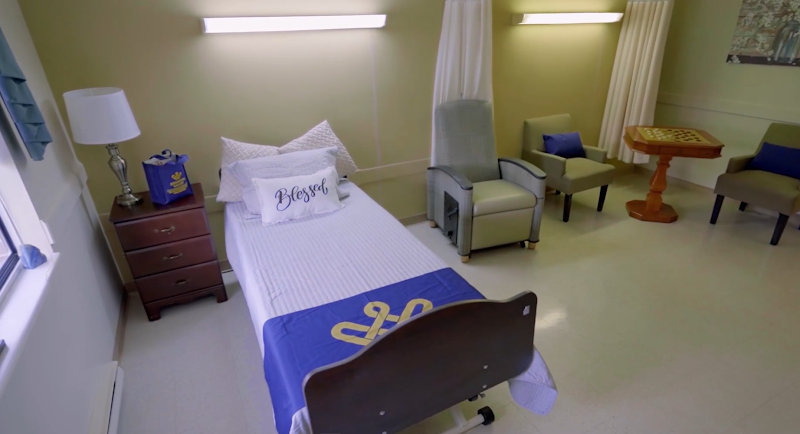
How is Swanton Valley Rehabilitation And Healthcare Cente Staffed?

CMS rates SWANTON VALLEY REHABILITATION AND HEALTHCARE CENTE's staffing level at 2 out of 5 stars, which is below average compared to other nursing homes. Staff turnover is 42%, compared to the Ohio average of 46%. This relatively stable workforce can support continuity of care.

What Have Inspectors Found at Swanton Valley Rehabilitation And Healthcare Cente?

State health inspectors documented 39 deficiencies at SWANTON VALLEY REHABILITATION AND HEALTHCARE CENTE during 2021 to 2025. These included: 1 Immediate Jeopardy (the most serious level, indicating potential for serious harm or death), 37 with potential for harm, and 1 minor or isolated issues. Immediate Jeopardy findings are rare and represent the most serious regulatory concerns. They require immediate corrective action.
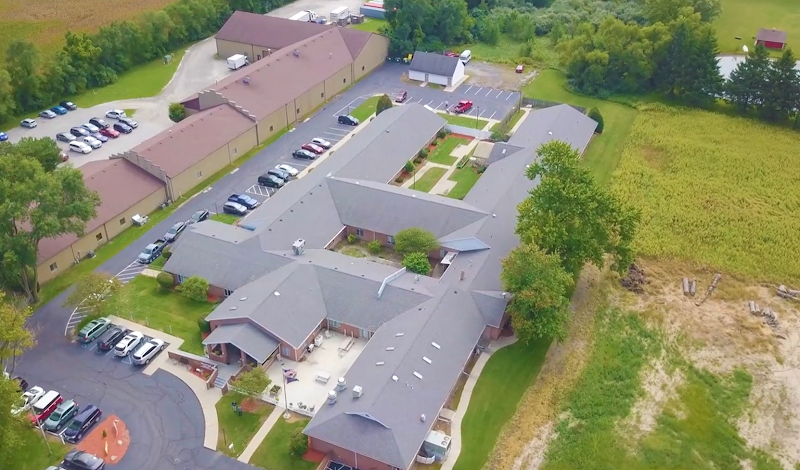
Who Owns and Operates Swanton Valley Rehabilitation And Healthcare Cente?

SWANTON VALLEY REHABILITATION AND HEALTHCARE CENTE is owned by a for-profit company. For-profit facilities operate as businesses with obligations to shareholders or private owners. The facility is operated by CROWN HEALTHCARE GROUP, a chain that manages multiple nursing homes. With 92 certified beds and approximately 86 residents (about 93% occupancy), it is a smaller facility located in SWANTON, Ohio.
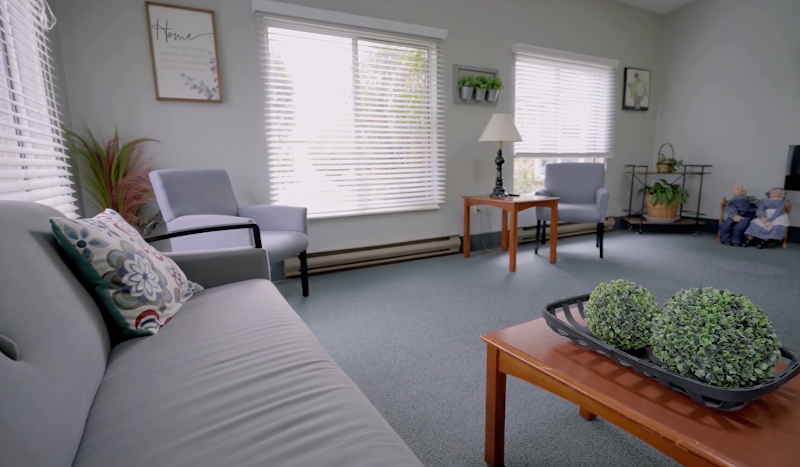
How Does Swanton Valley Rehabilitation And Healthcare Cente Compare to Other Ohio Nursing Homes?

Compared to the 100 nursing homes in Ohio, SWANTON VALLEY REHABILITATION AND HEALTHCARE CENTE's overall rating (2 stars) is below the state average of 3.2, staff turnover (42%) is near the state average of 46%, and health inspection rating (2 stars) is below the national benchmark.

What Should Families Ask When Visiting Swanton Valley Rehabilitation And Healthcare Cente?

Based on this facility's data, families visiting should ask: "What changes have been made since the serious inspection findings, and how are you preventing similar issues?" "Can you walk me through typical staffing levels on day, evening, and night shifts?" "Can I visit during a mealtime to observe dining assistance and food quality?" "How do you handle medical emergencies, and what is your hospital transfer rate?" These questions are particularly relevant given the facility's Immediate Jeopardy citations and the below-average staffing rating.

Is Swanton Valley Rehabilitation And Healthcare Cente Safe?

Based on CMS inspection data, SWANTON VALLEY REHABILITATION AND HEALTHCARE CENTE has documented safety concerns. Inspectors have issued 1 Immediate Jeopardy citation (the most serious violation level indicating risk of serious injury or death). The facility has a 2-star overall rating and ranks #100 of 100 nursing homes in Ohio. Families considering this facility should ask detailed questions about what corrective actions have been taken since these incidents.

Do Nurses at Swanton Valley Rehabilitation And Healthcare Cente Stick Around?

SWANTON VALLEY REHABILITATION AND HEALTHCARE CENTE has a staff turnover rate of 42%, which is about average for Ohio nursing homes (state average: 46%). Moderate turnover is common in nursing homes, but families should still ask about staff tenure and how the facility maintains care continuity when employees leave.

Was Swanton Valley Rehabilitation And Healthcare Cente Ever Fined?

SWANTON VALLEY REHABILITATION AND HEALTHCARE CENTE has no federal fines on record. CMS issues fines when nursing homes fail to meet care standards or don't correct problems found during inspections. The absence of fines suggests the facility has either maintained compliance or corrected any issues before penalties were assessed. This is a positive indicator, though families should still review recent inspection reports for the full picture.

Is Swanton Valley Rehabilitation And Healthcare Cente on Any Federal Watch List?

SWANTON VALLEY REHABILITATION AND HEALTHCARE CENTE is not on any federal watch list. The most significant is the Special Focus Facility (SFF) program, which identifies the bottom 1% of nursing homes nationally based on persistent, serious quality problems. Not being on this list means the facility has avoided the pattern of deficiencies that triggers enhanced federal oversight. This is a positive indicator, though families should still review the facility's inspection history directly.